Review: Doubt: A Parable (Sydney Theatre Company)

Venue: Roslyn Packer Theatre (Sydney NSW), Jun 30 – Aug 2, 2026
Playwright: John Patrick Shanley
Director: Marion Potts
Cast: Zindzi Okenyo, Shannen Alyce Quan, Pamela Rabe, Sam Reid
Images by Prudence Upton

Theatre review
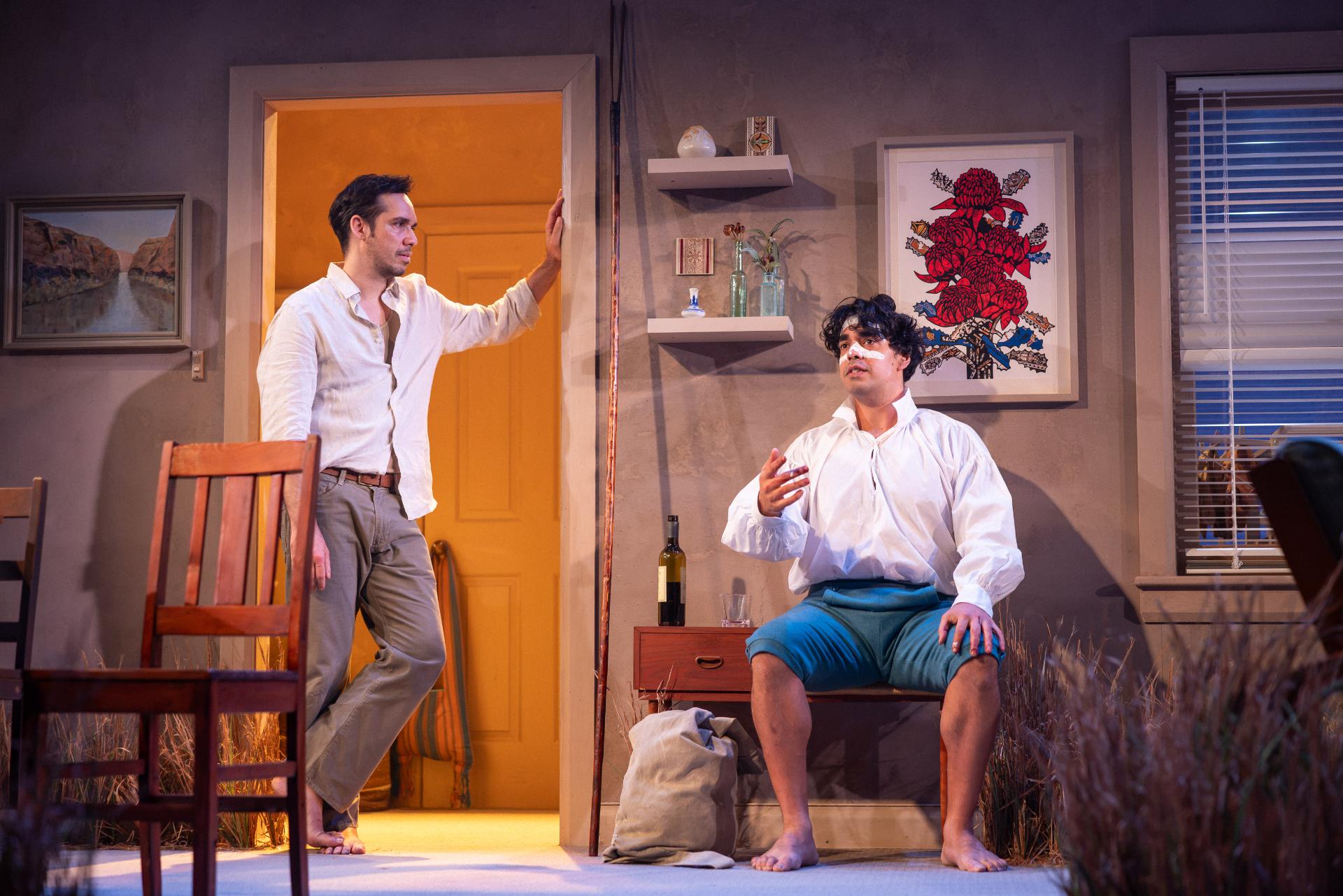
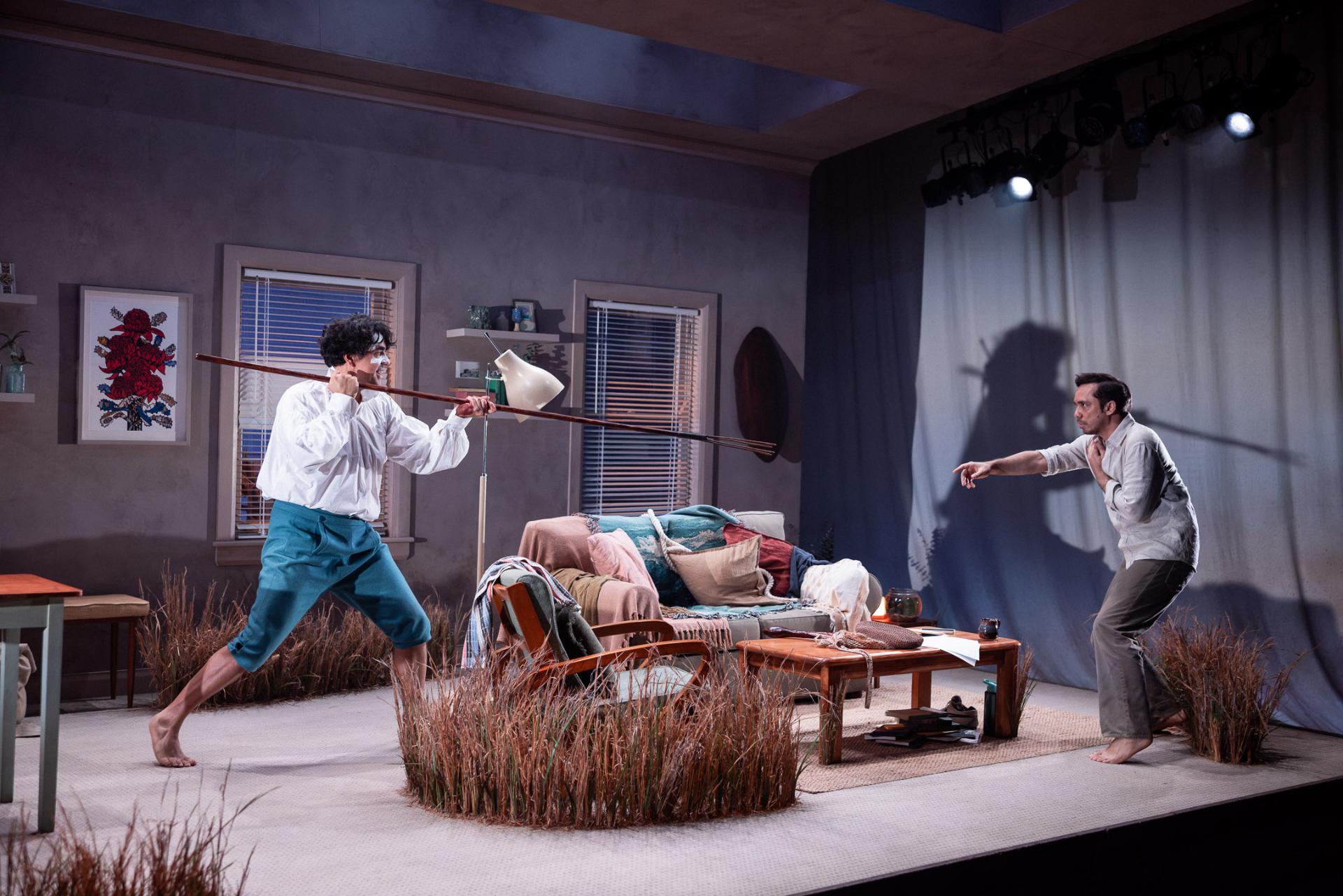
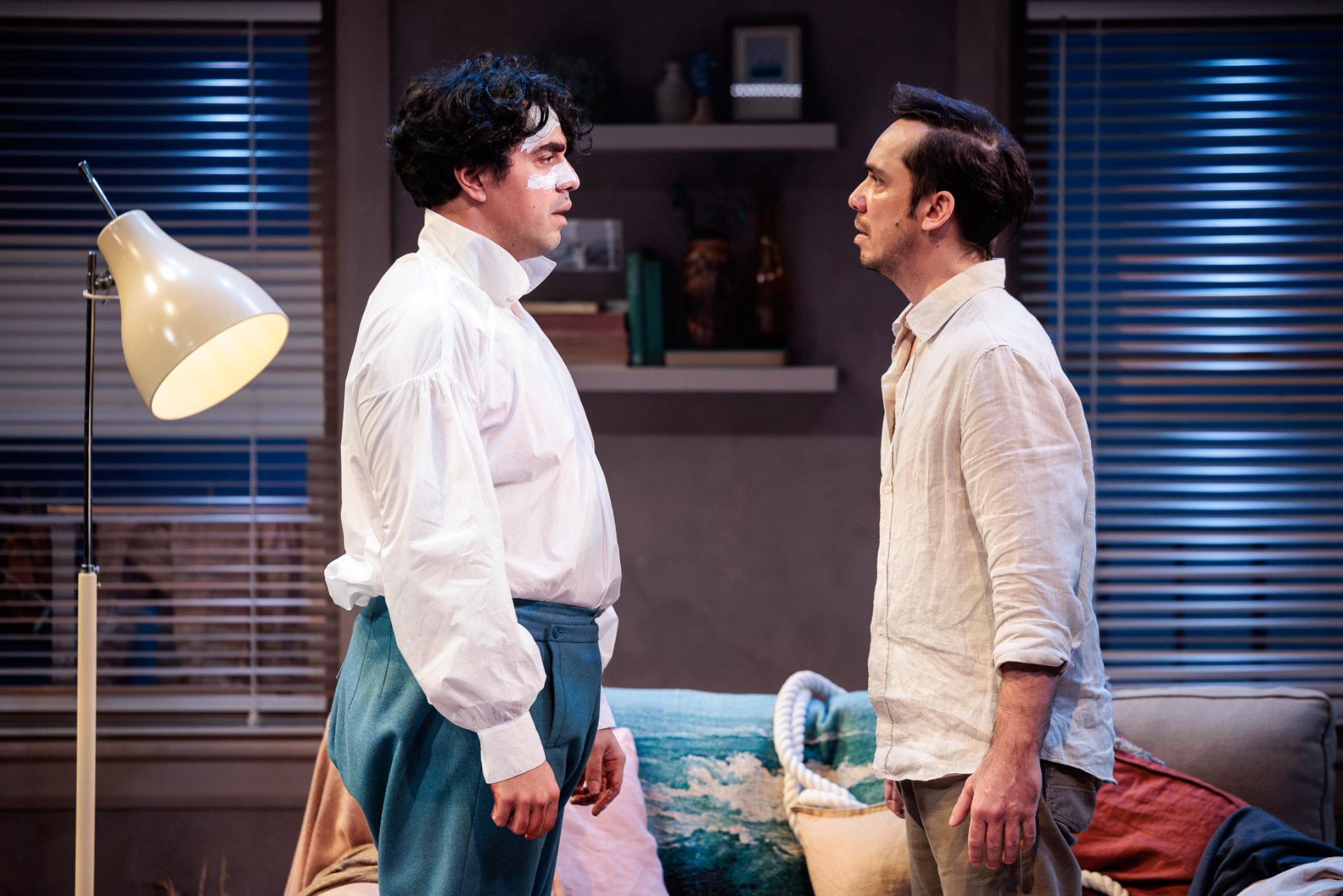
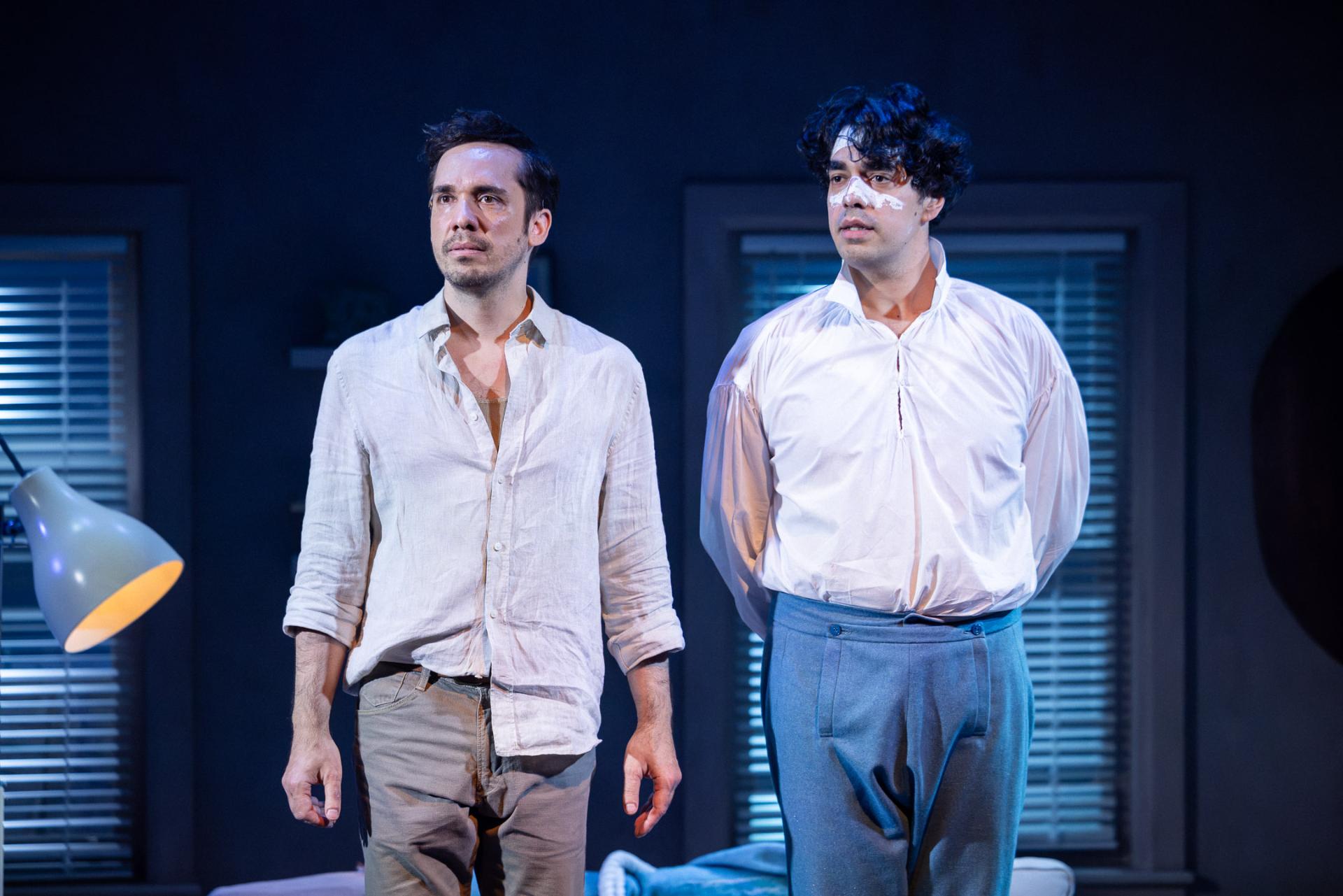
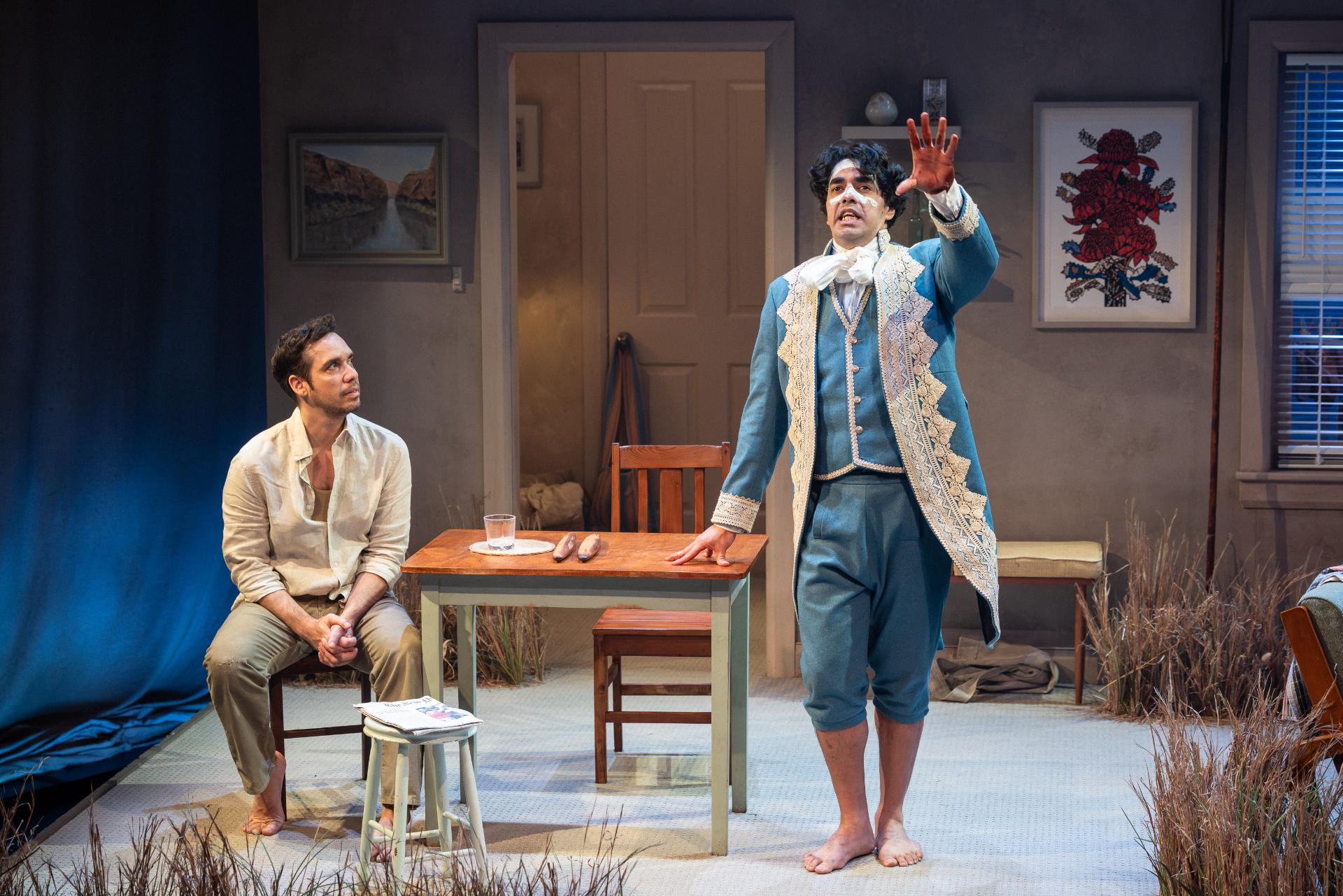
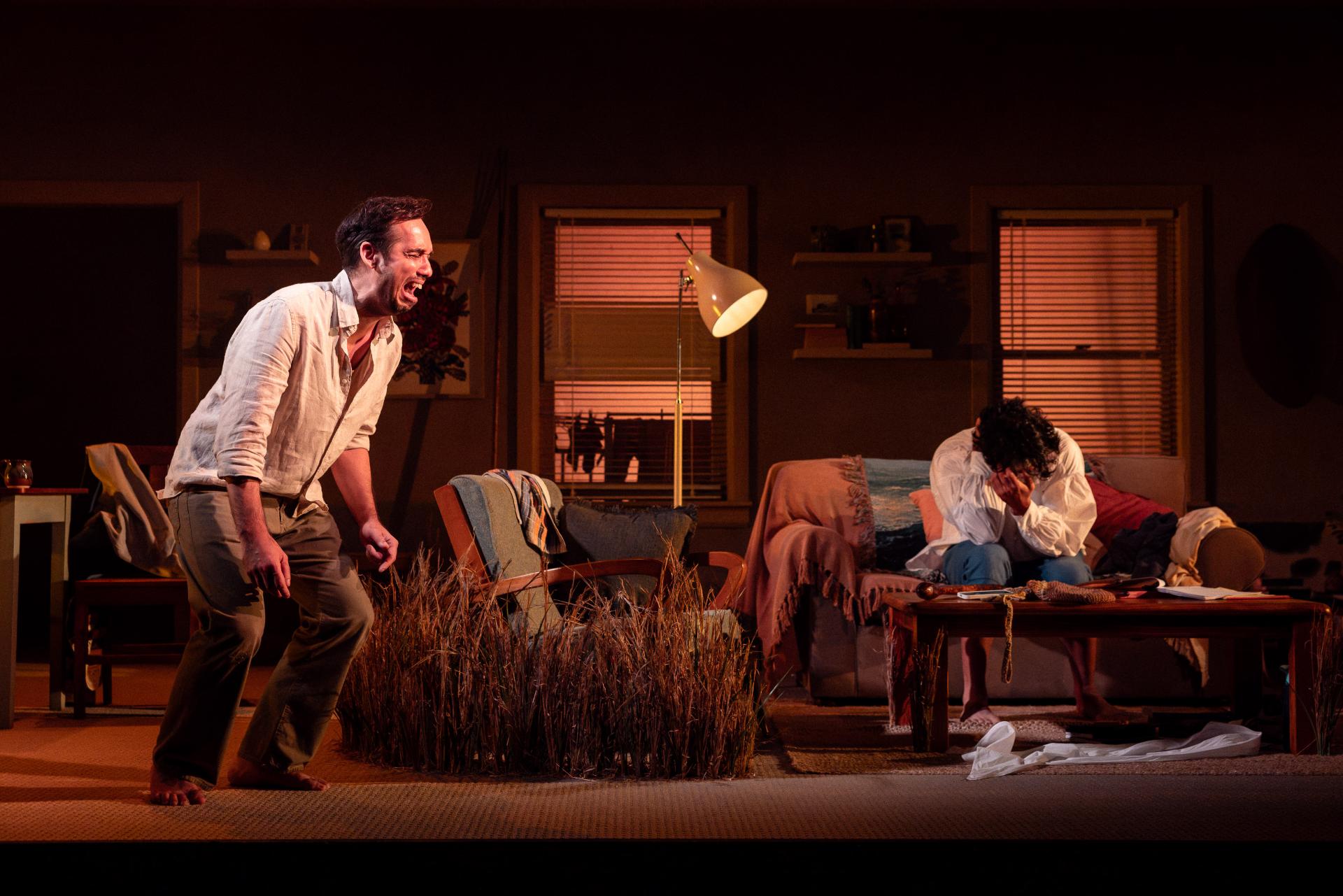
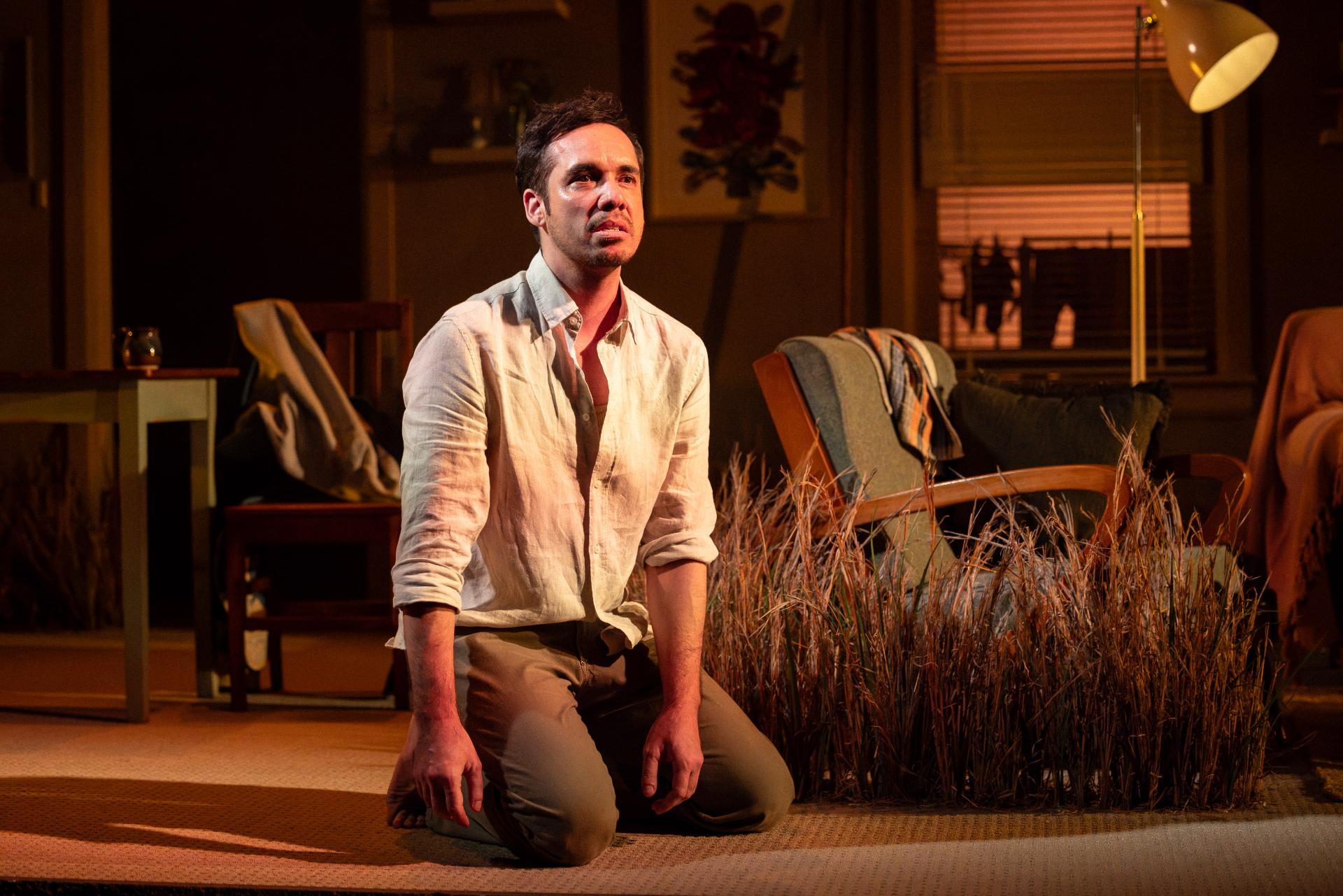
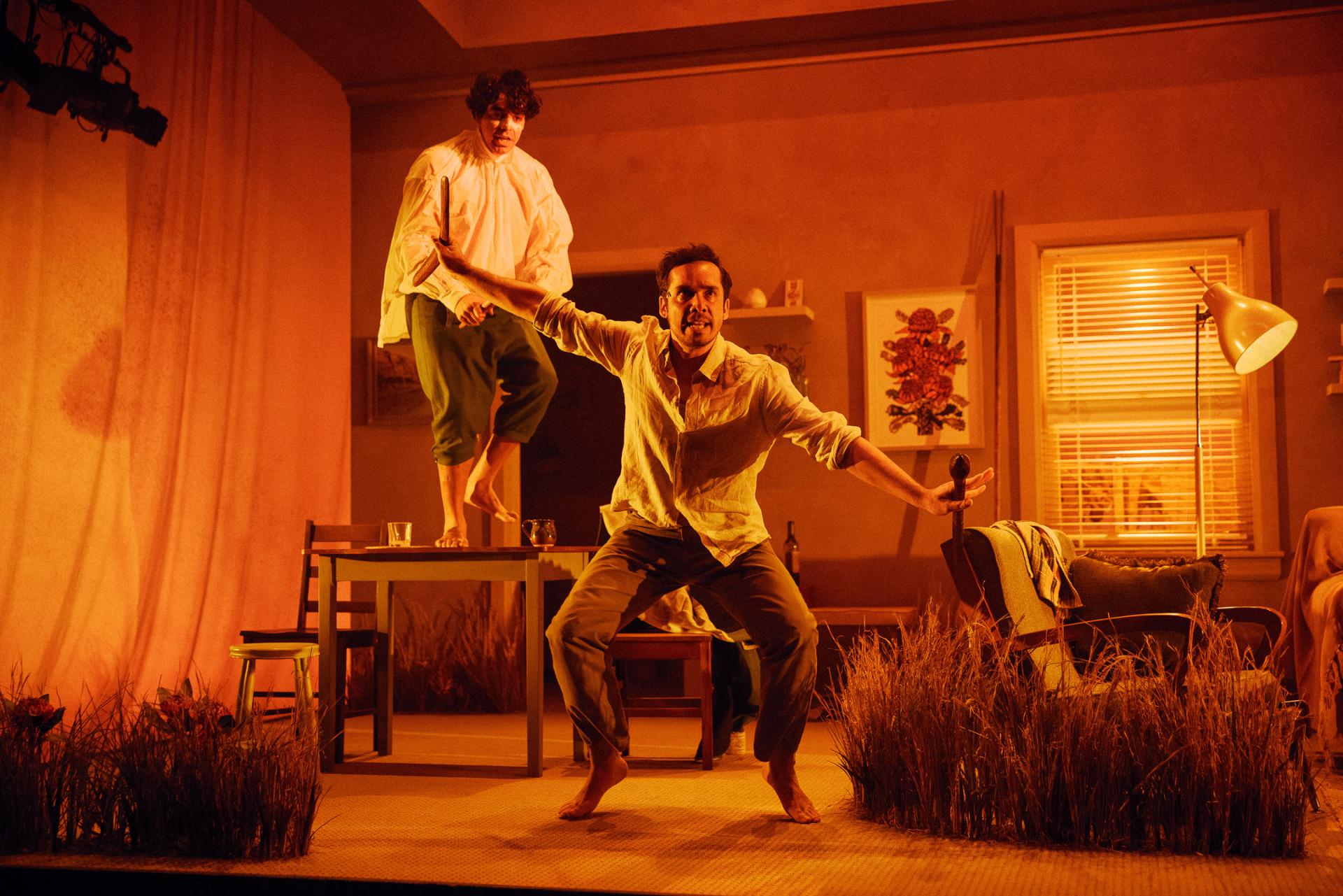
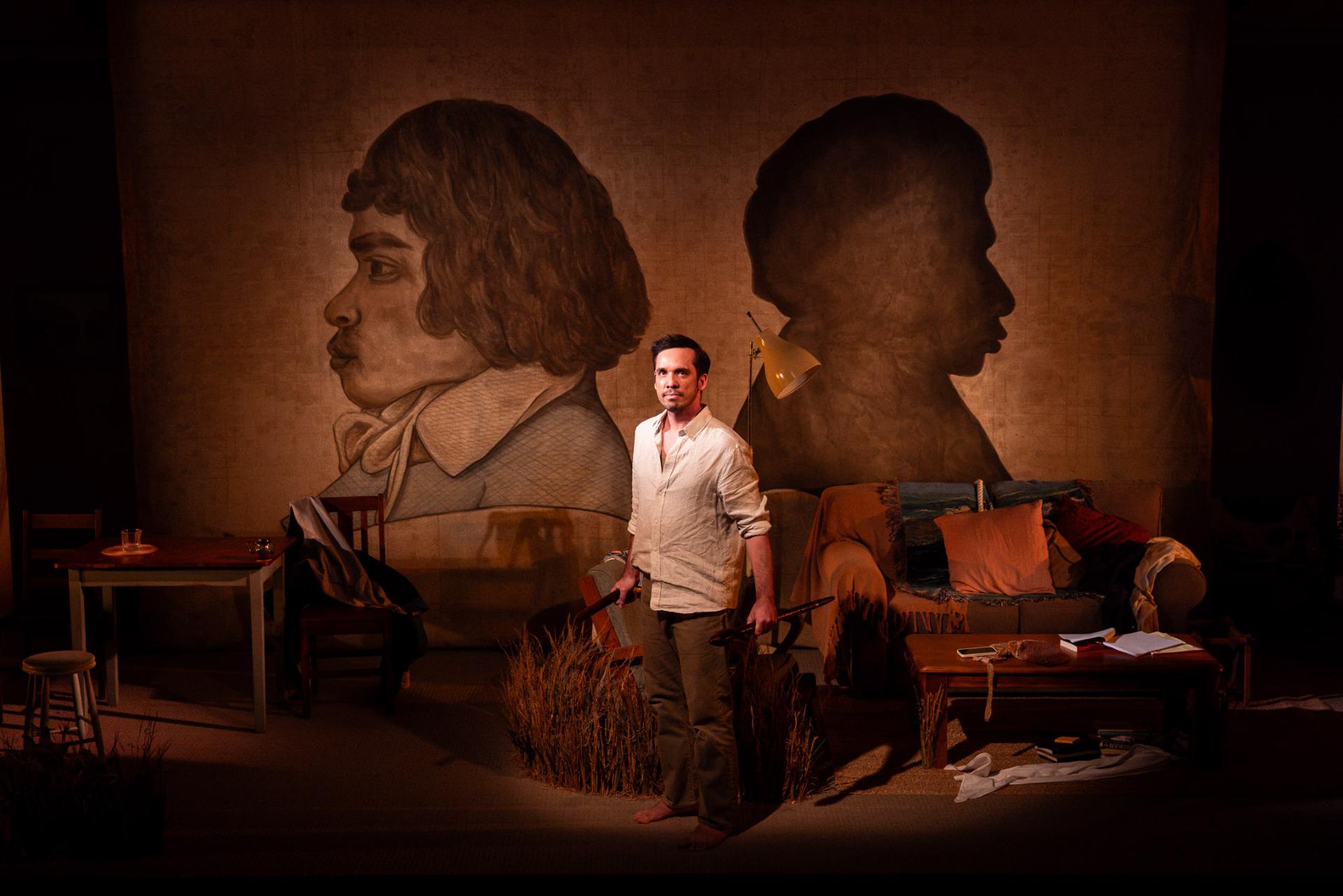
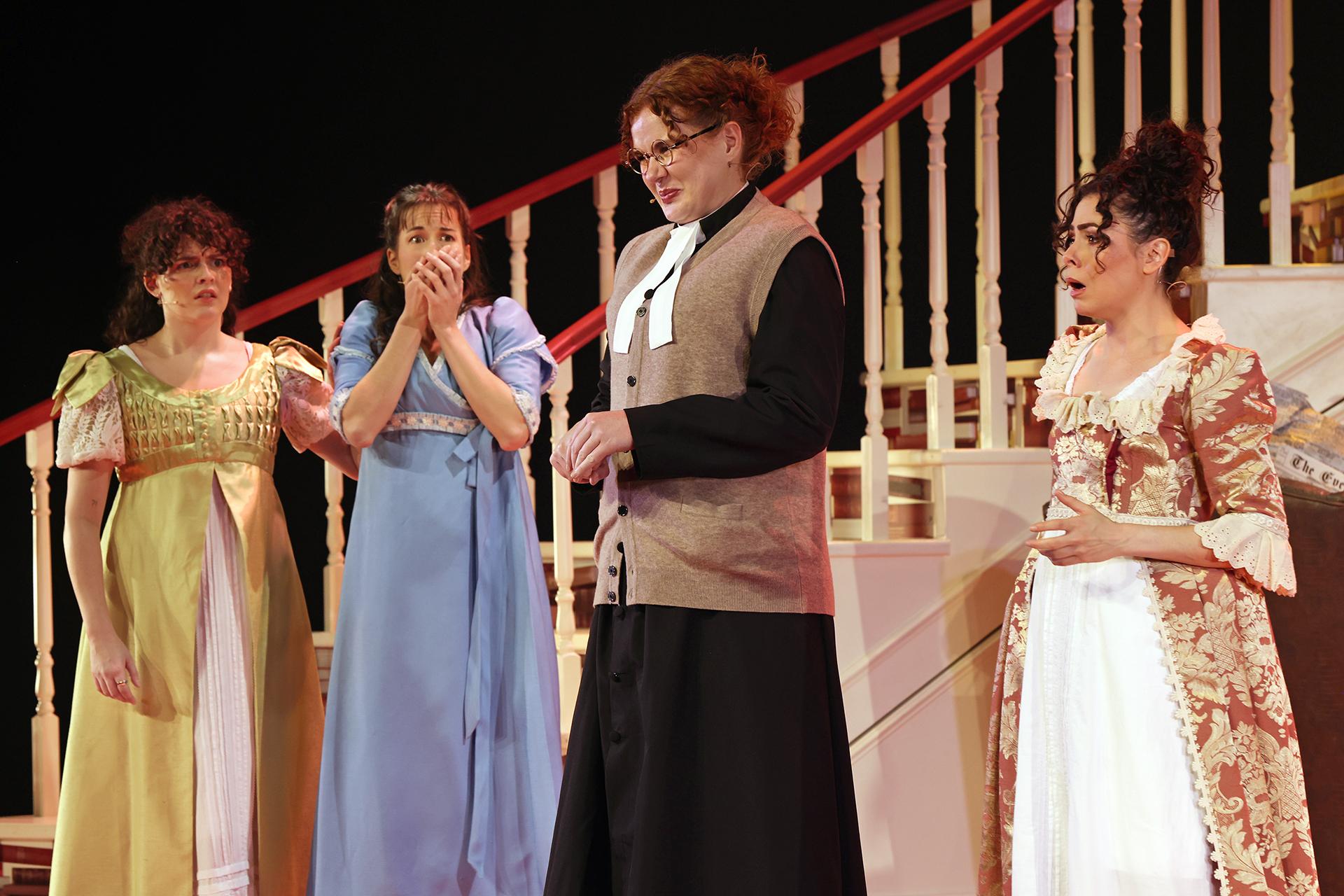
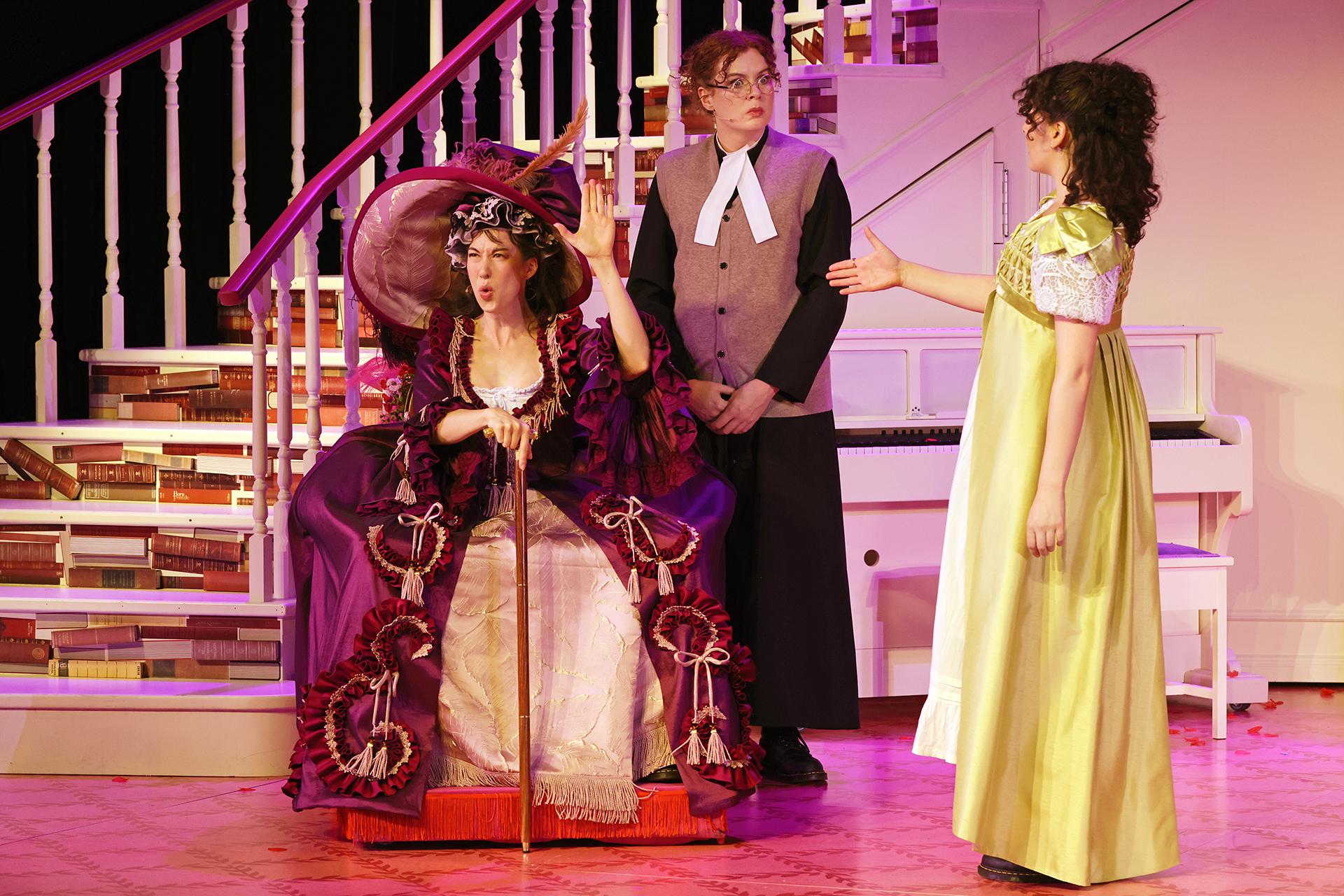
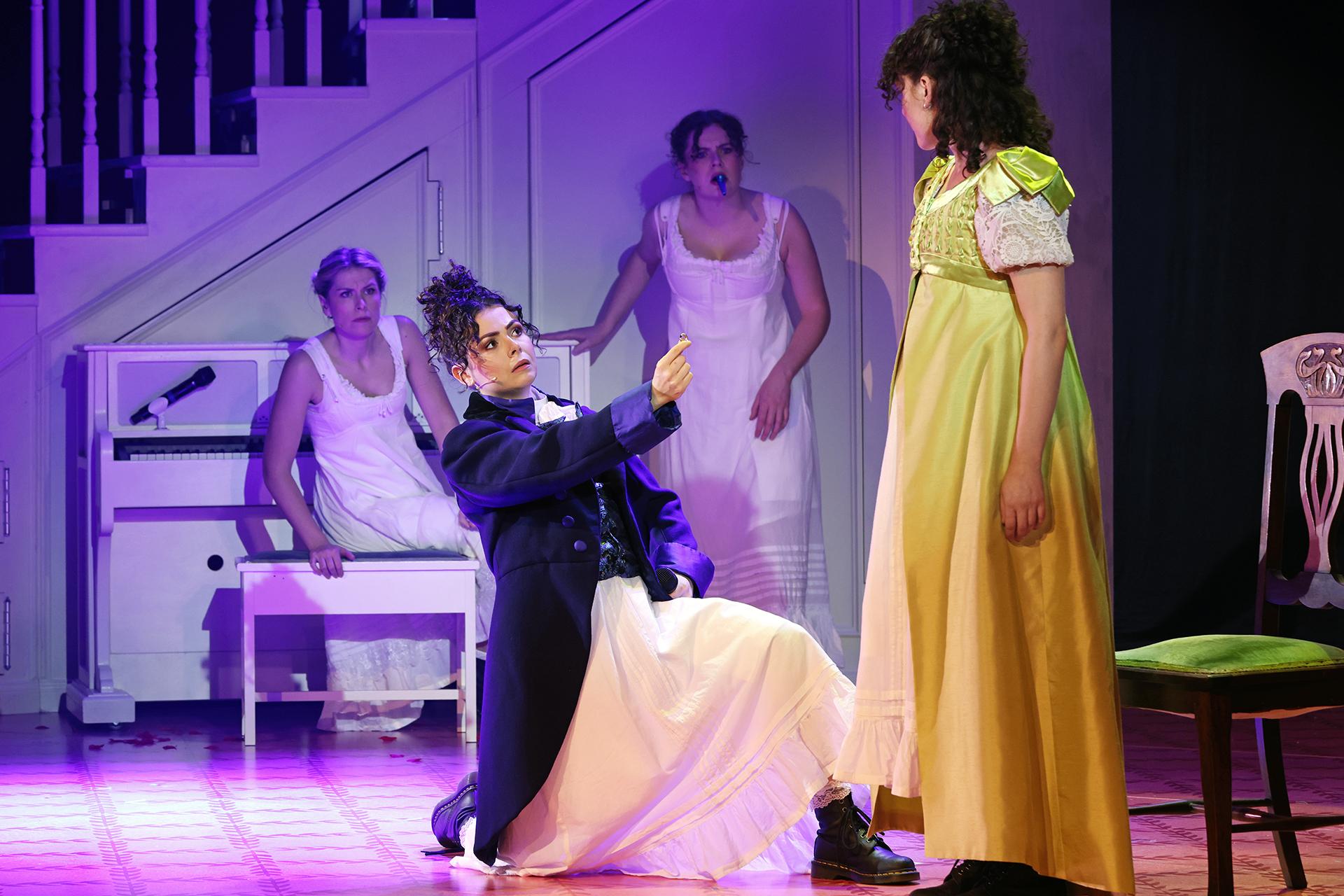
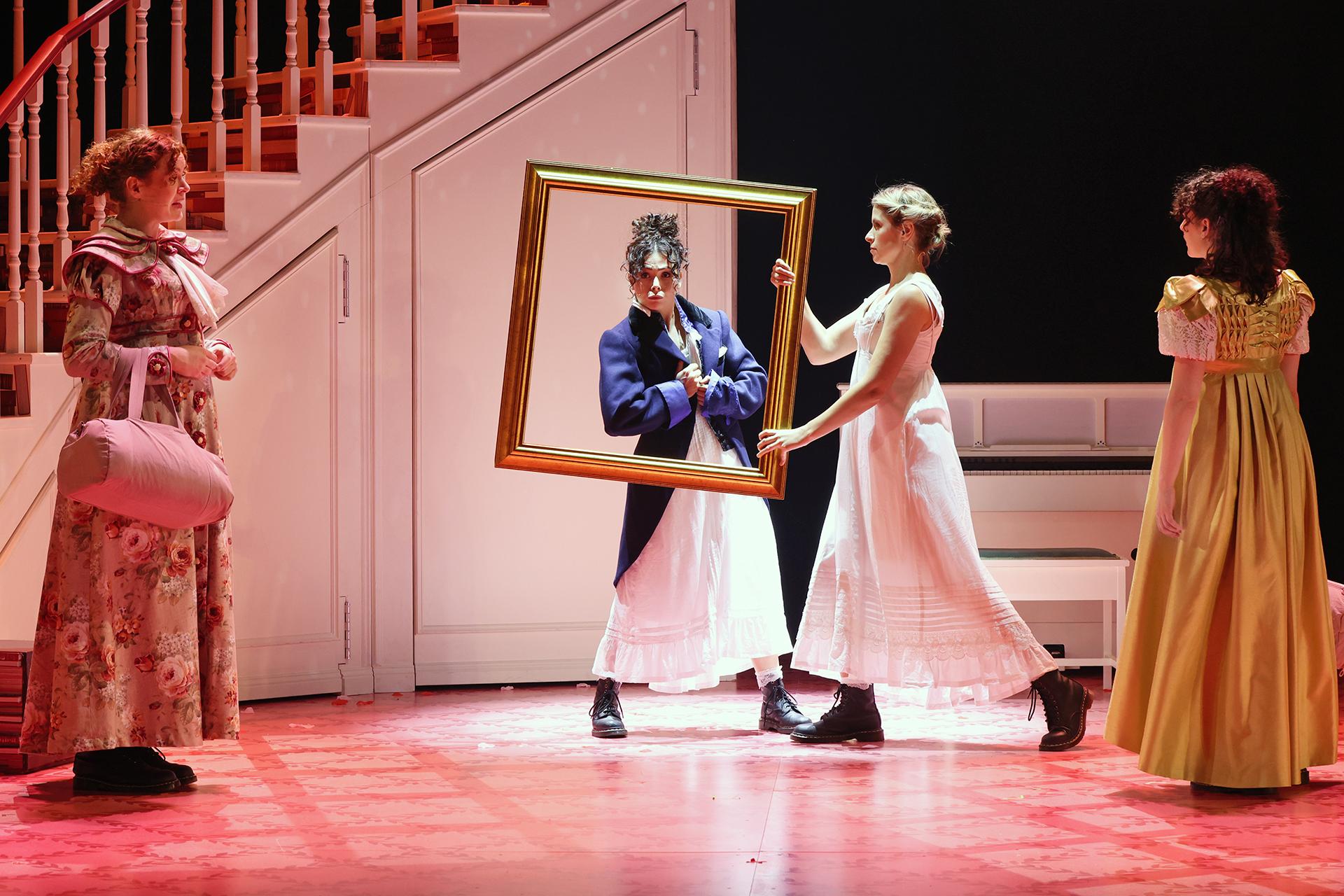
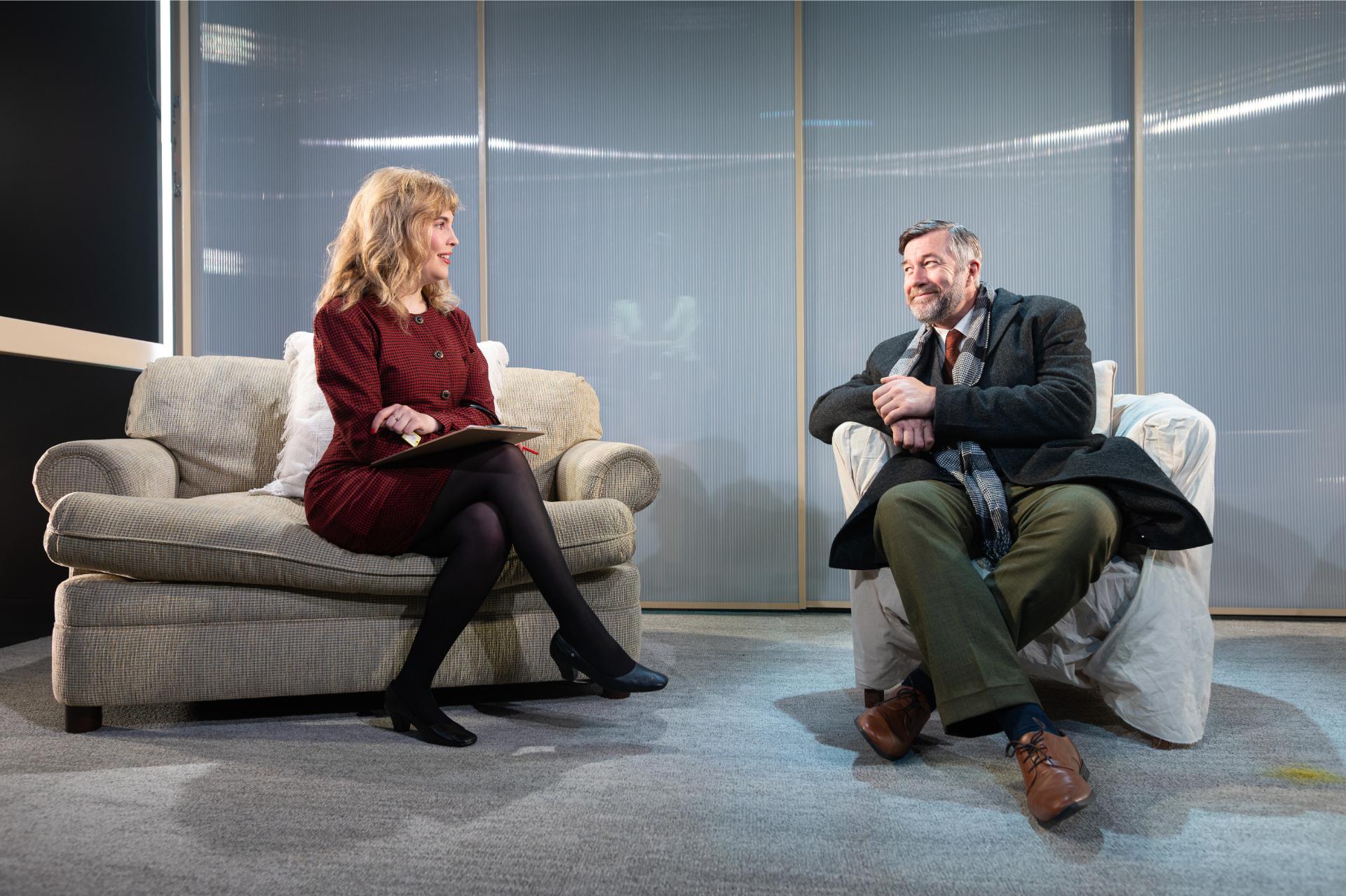
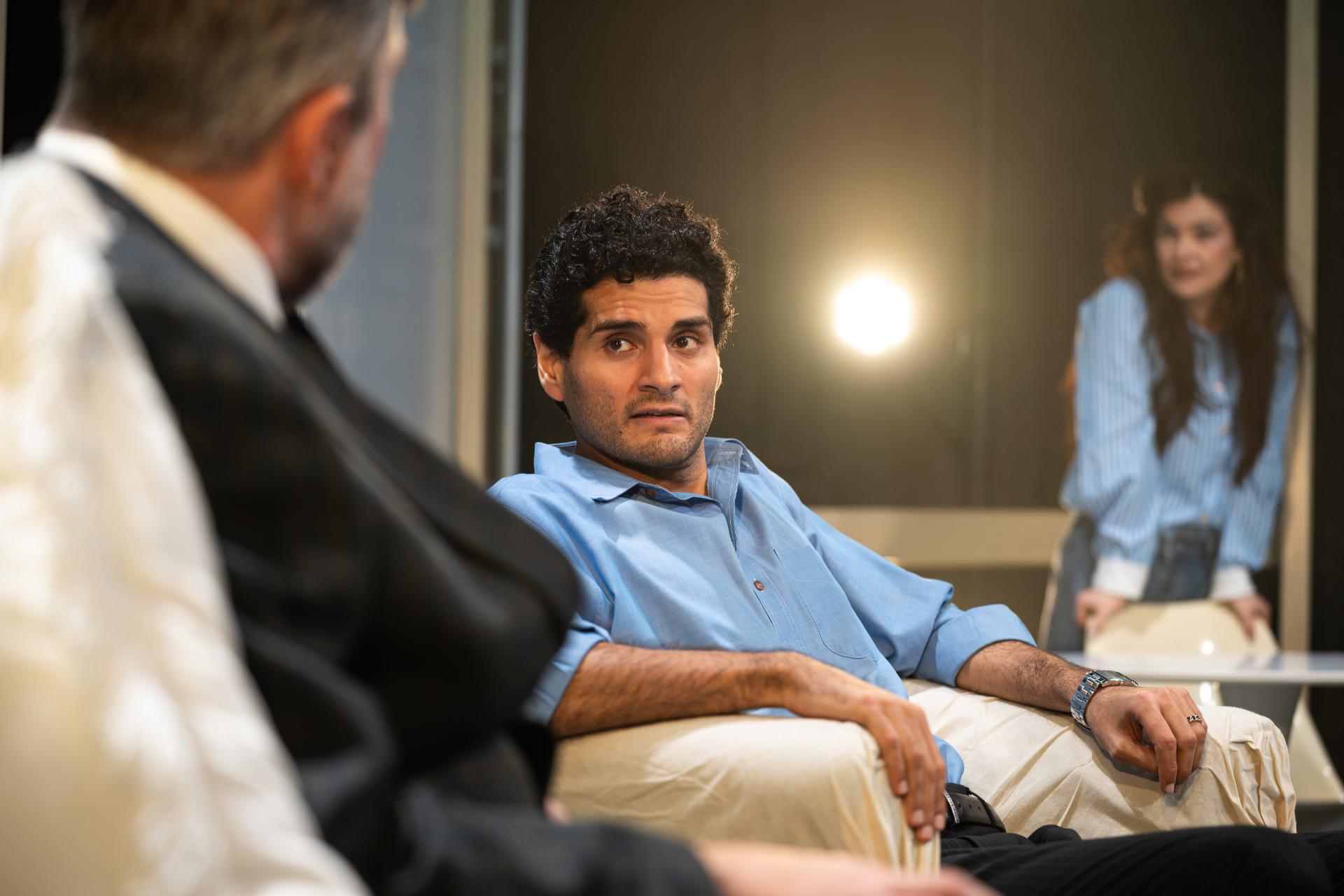
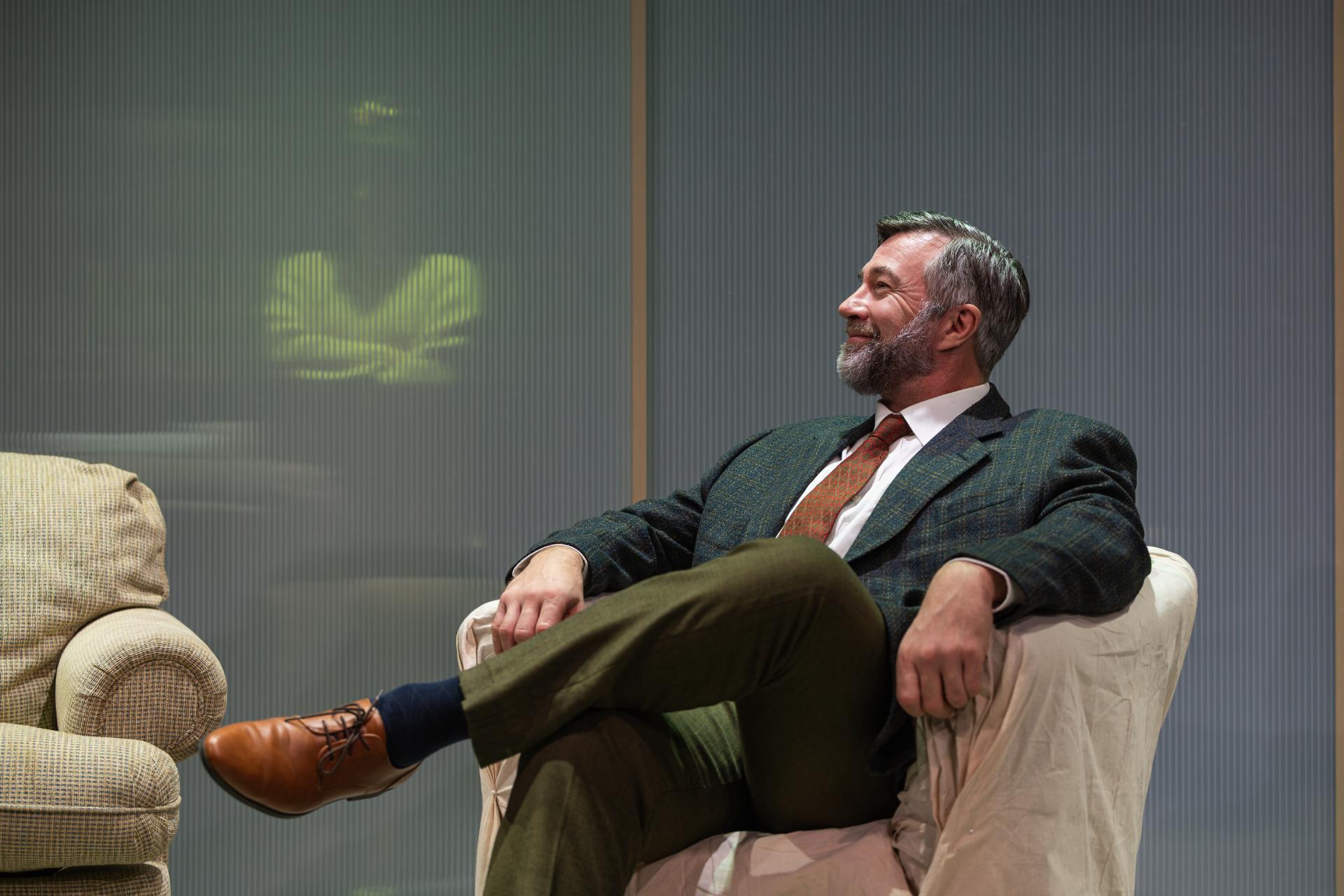
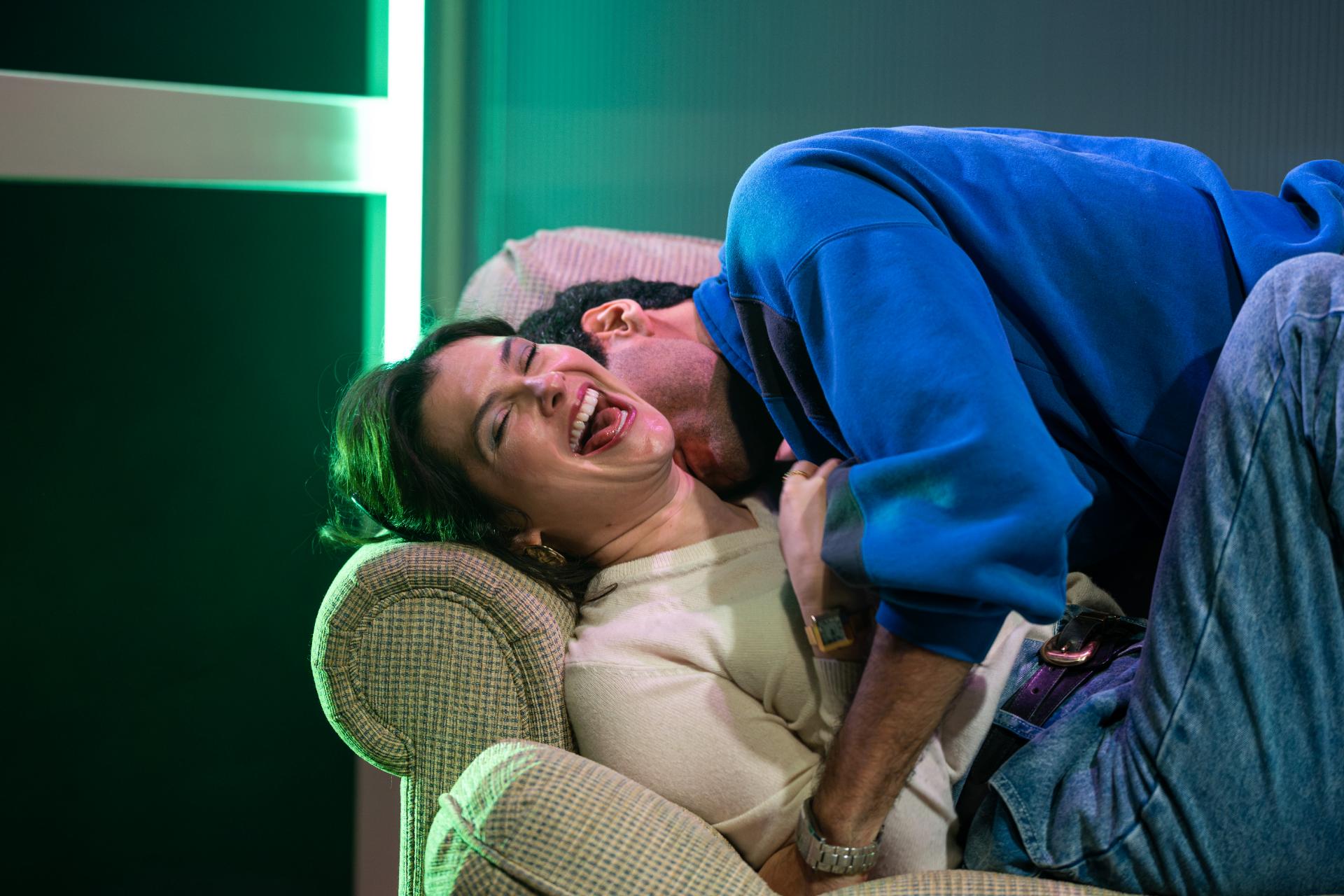
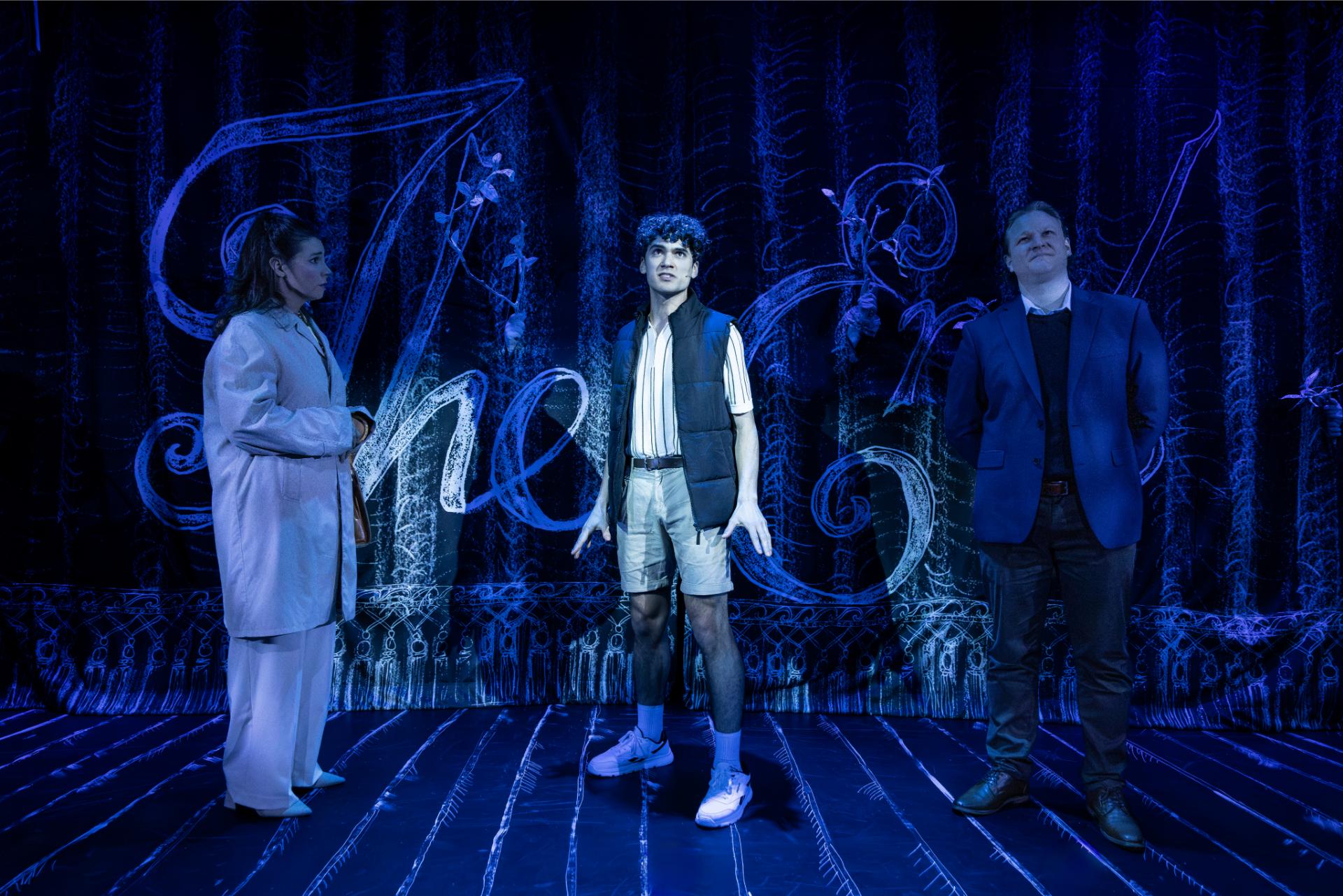
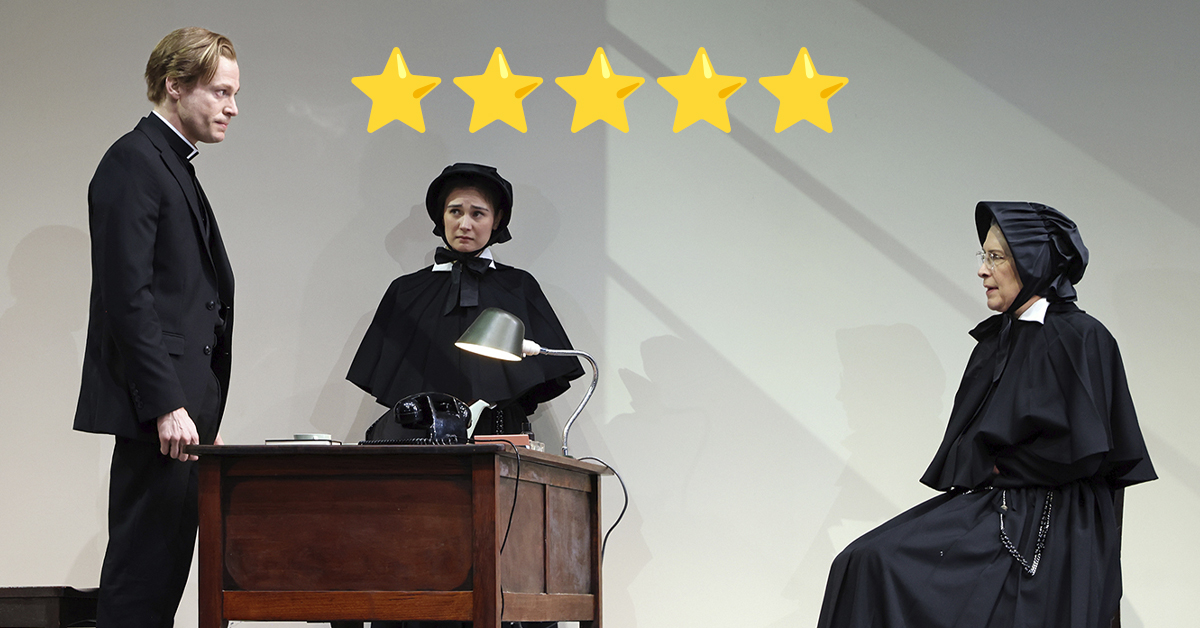
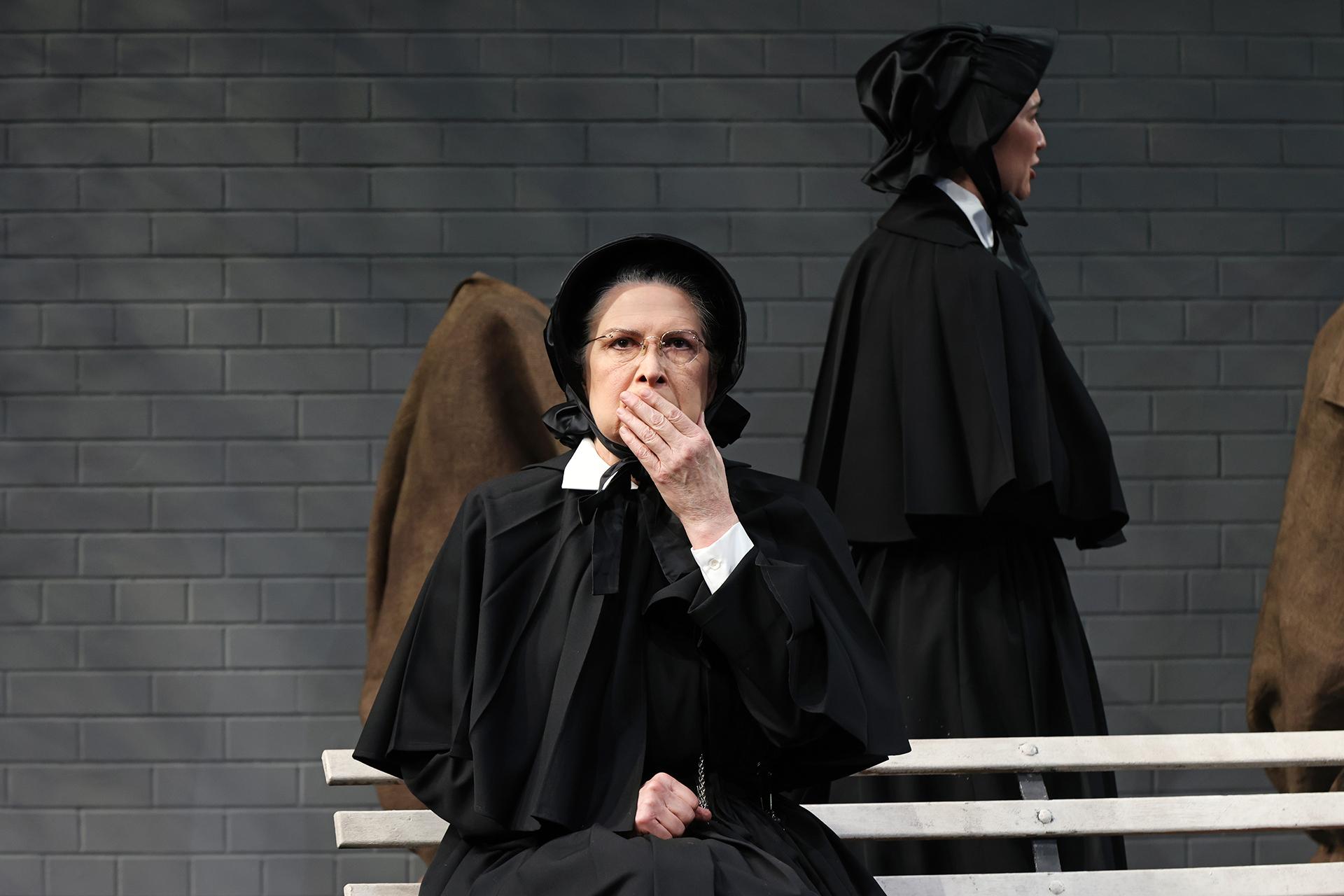
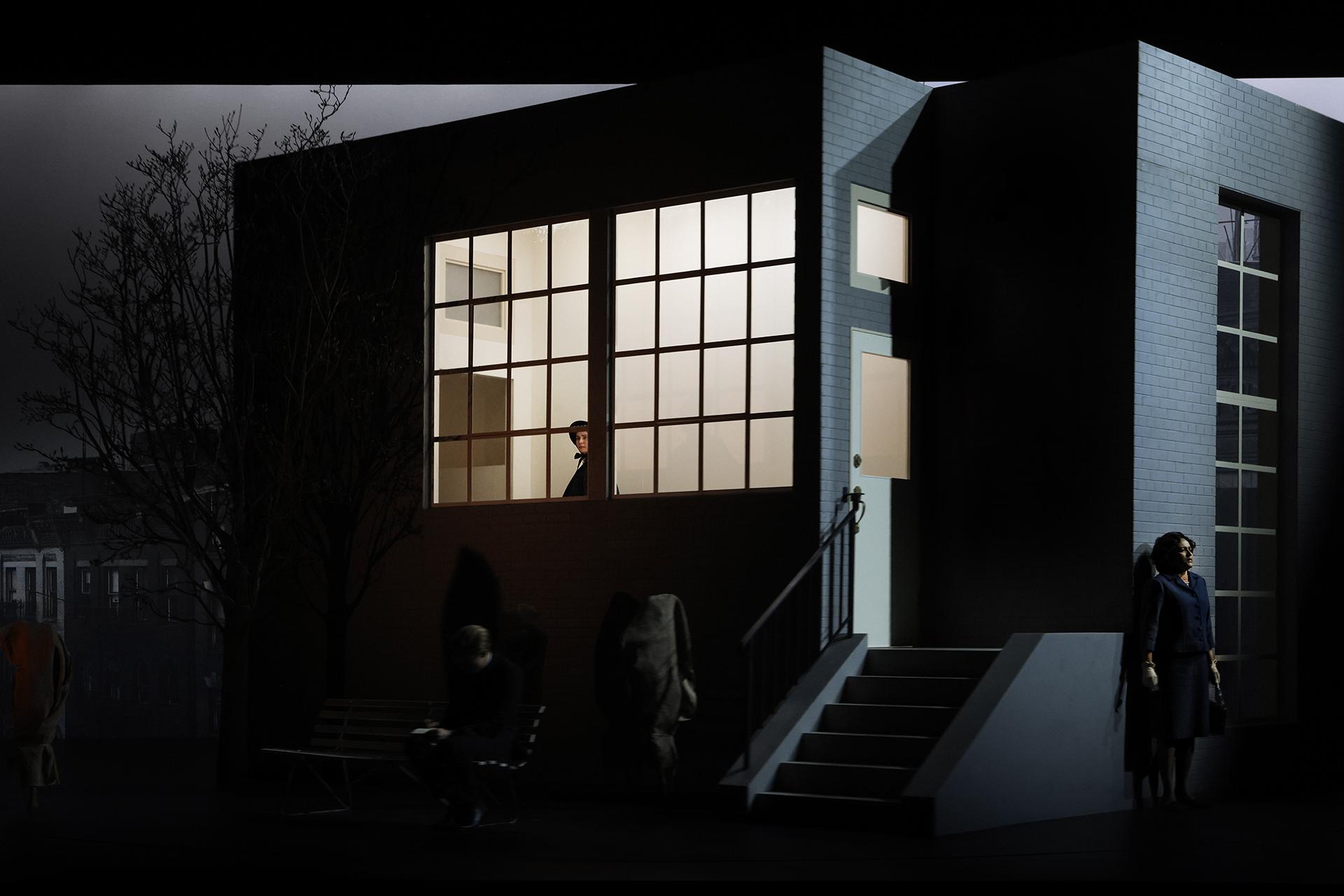
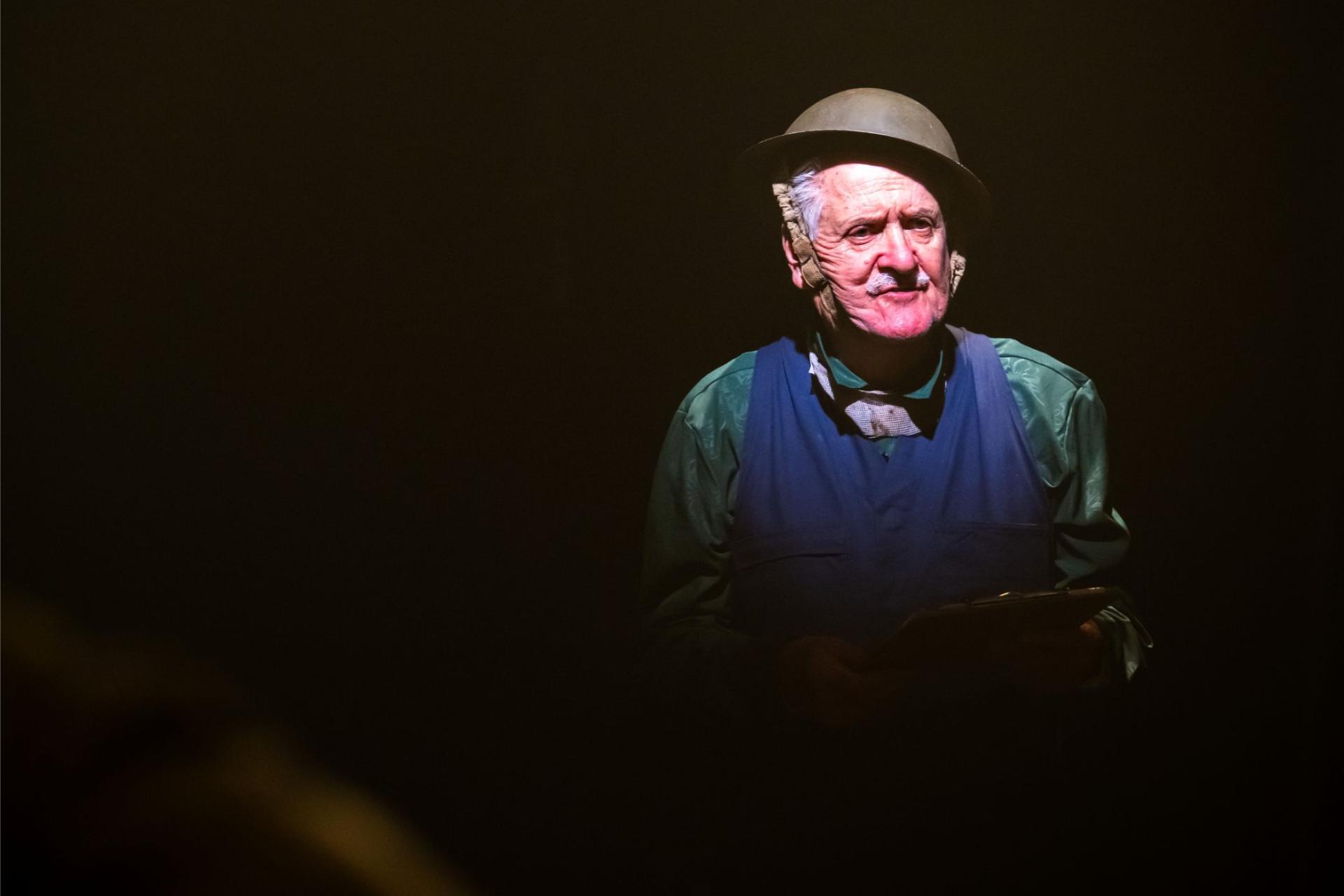
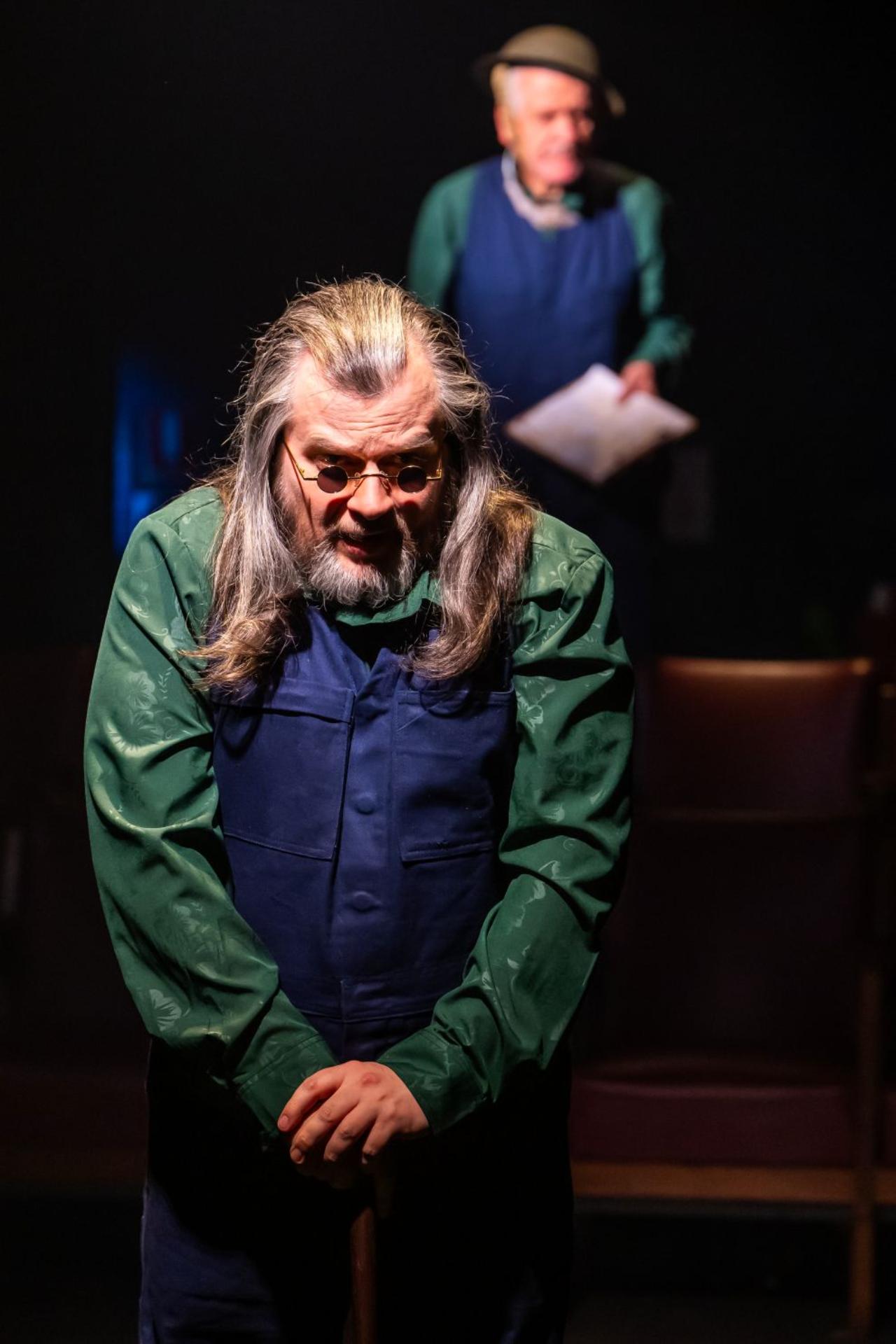
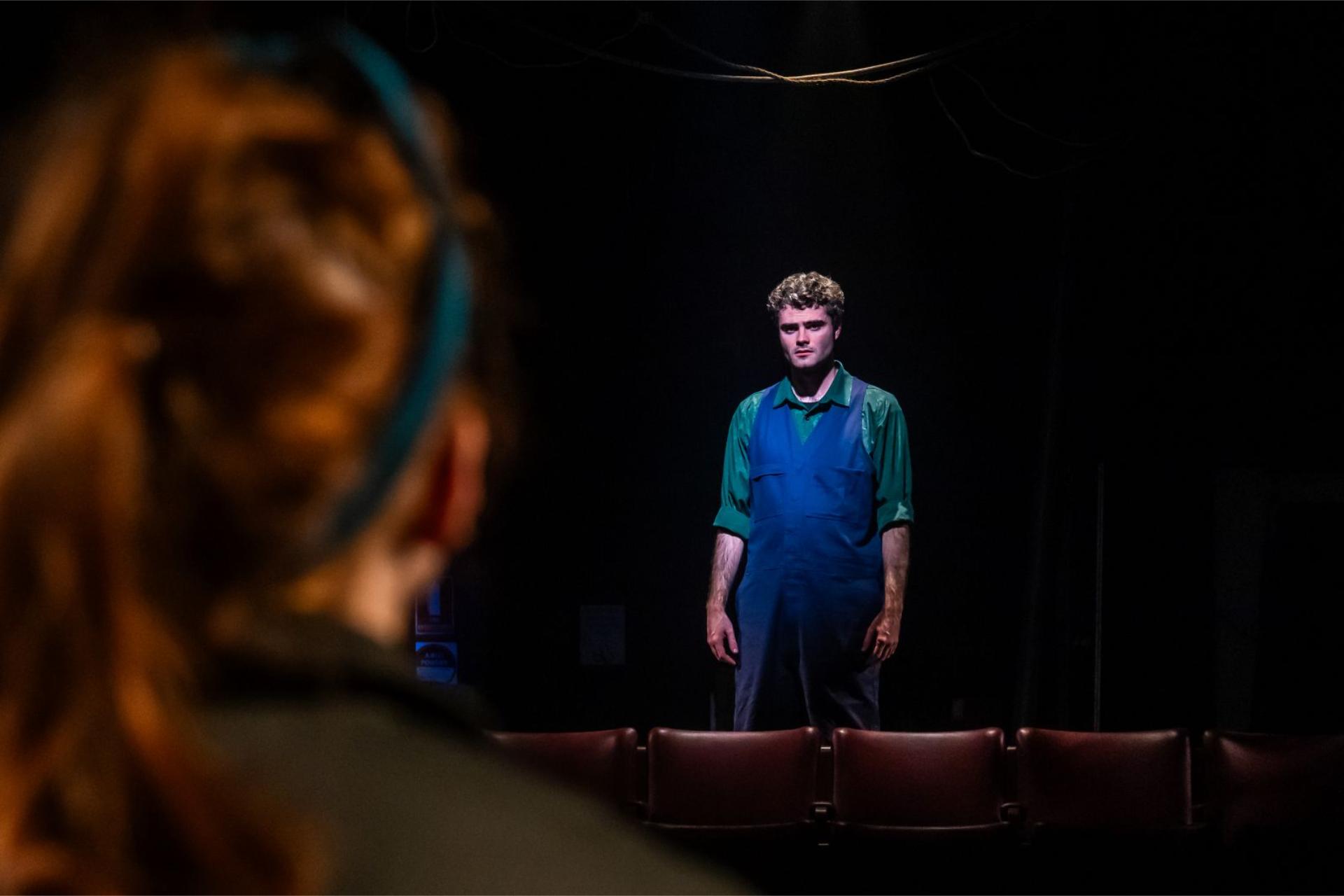
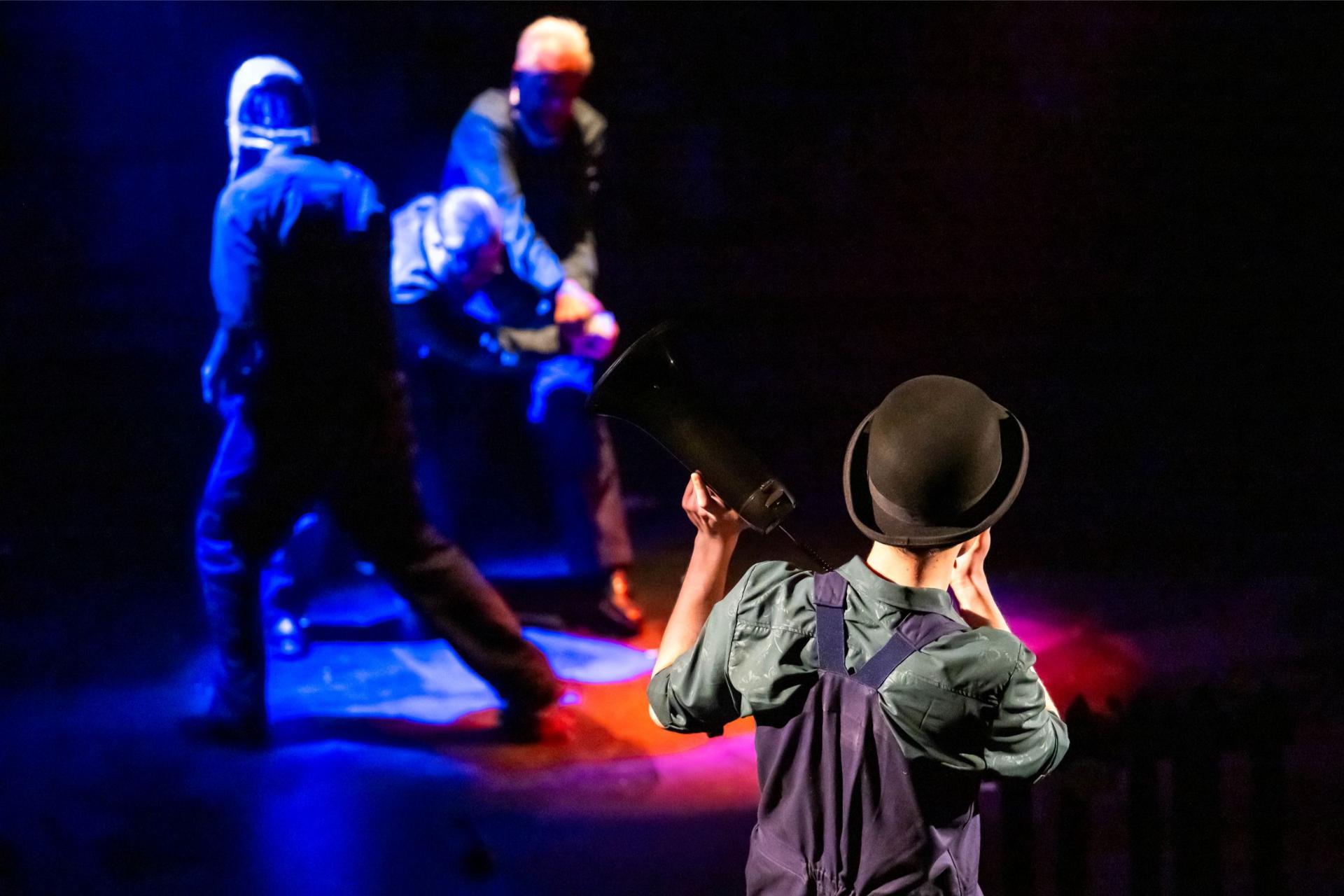
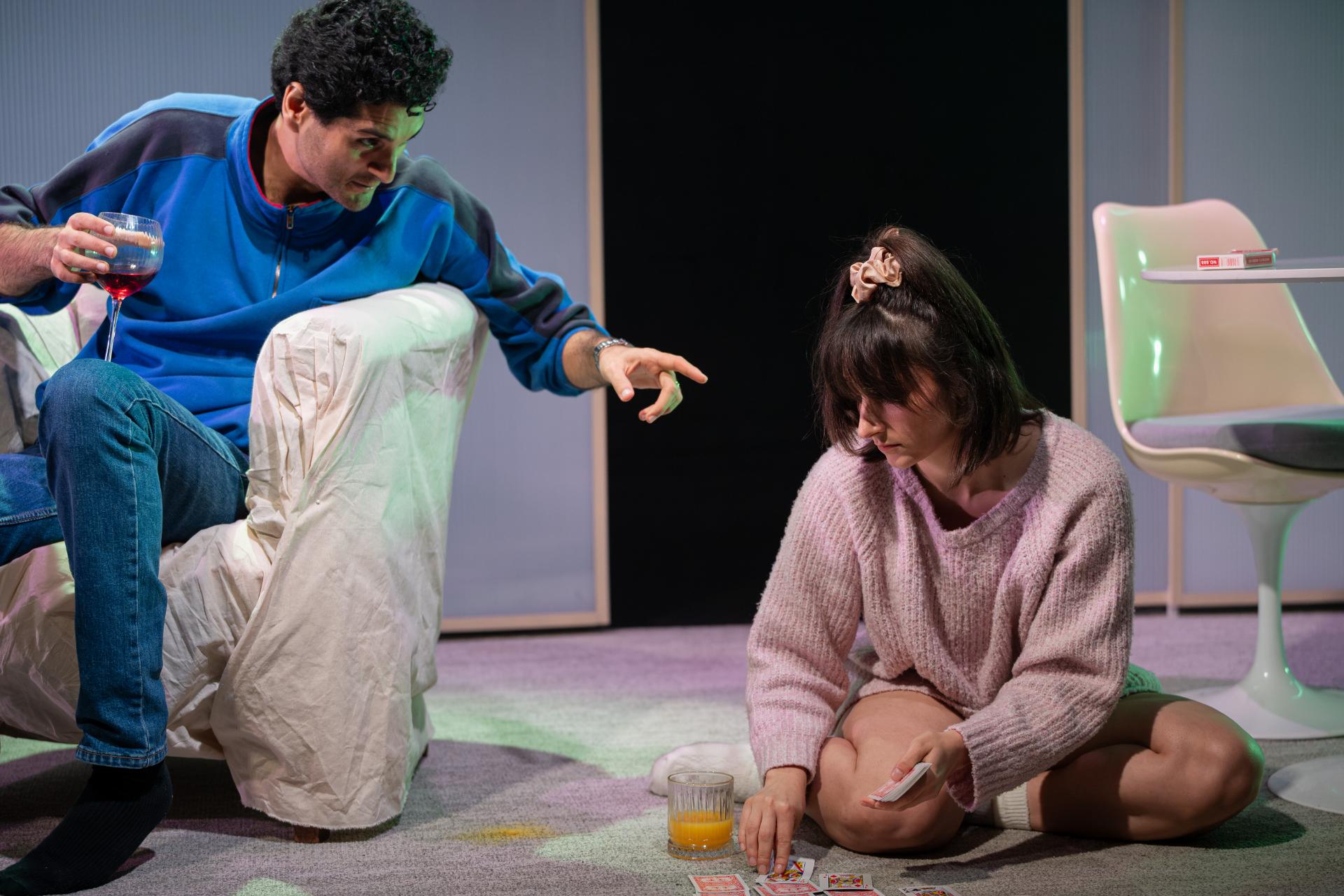
Sister Aloysius is convinced that Father Flynn has engaged in inappropriate conduct with at least one student at St. Nicholas Church School, and she is determined to see him removed. When Doubt: A Parable by John Patrick Shanley premiered in 2004, revelations of sexual abuse and institutional cover-ups within the Catholic Church were dominating headlines around the world. Two decades later, while public attention has shifted to other forms of moral and political failure, the play continues to resonate with an alarming disquiet. Its enduring power lies not only in the persistence of abuse by those in authority, but in the unsettling ease with which certainty is formed without proof, and belief sustained in the absence of evidence.

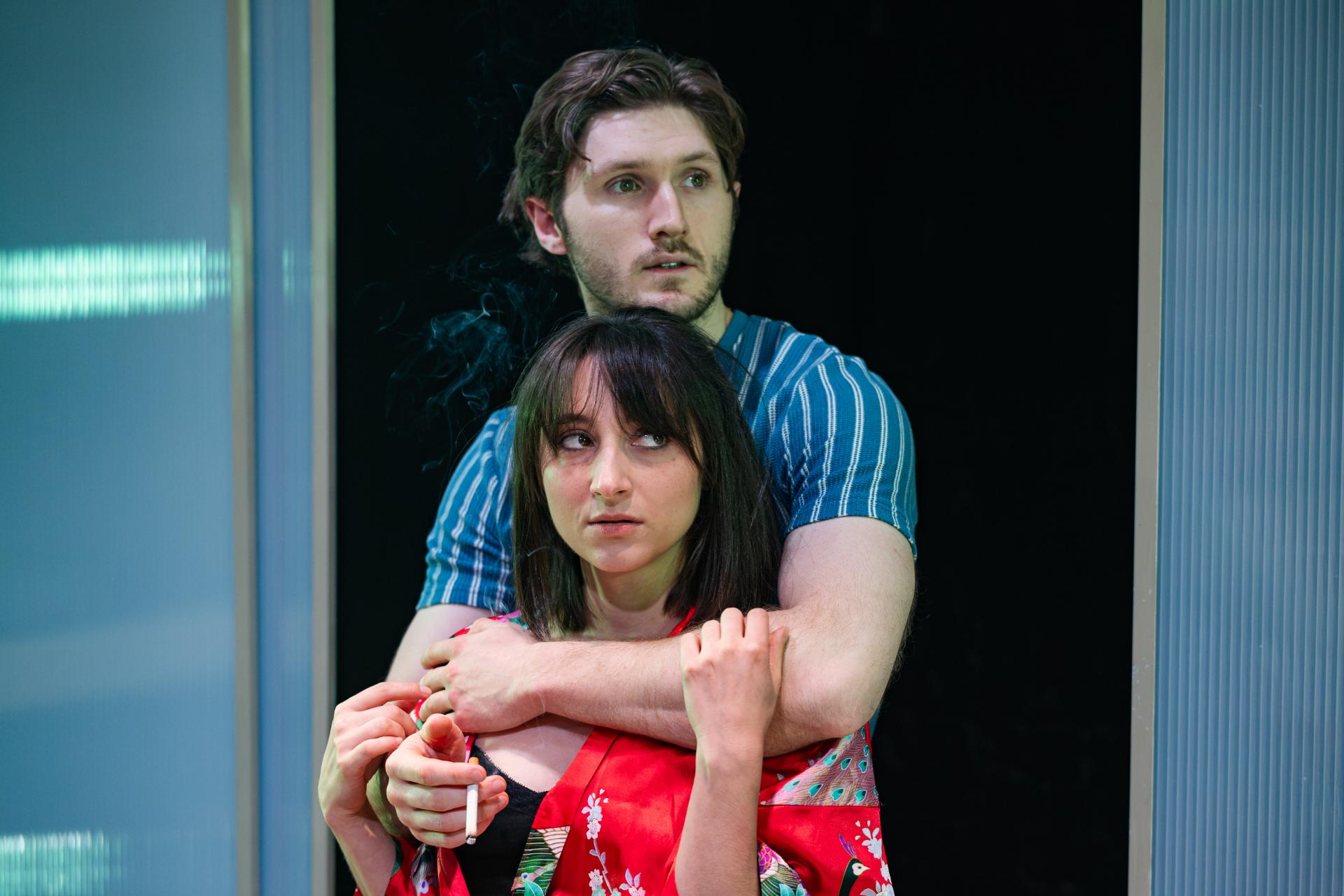
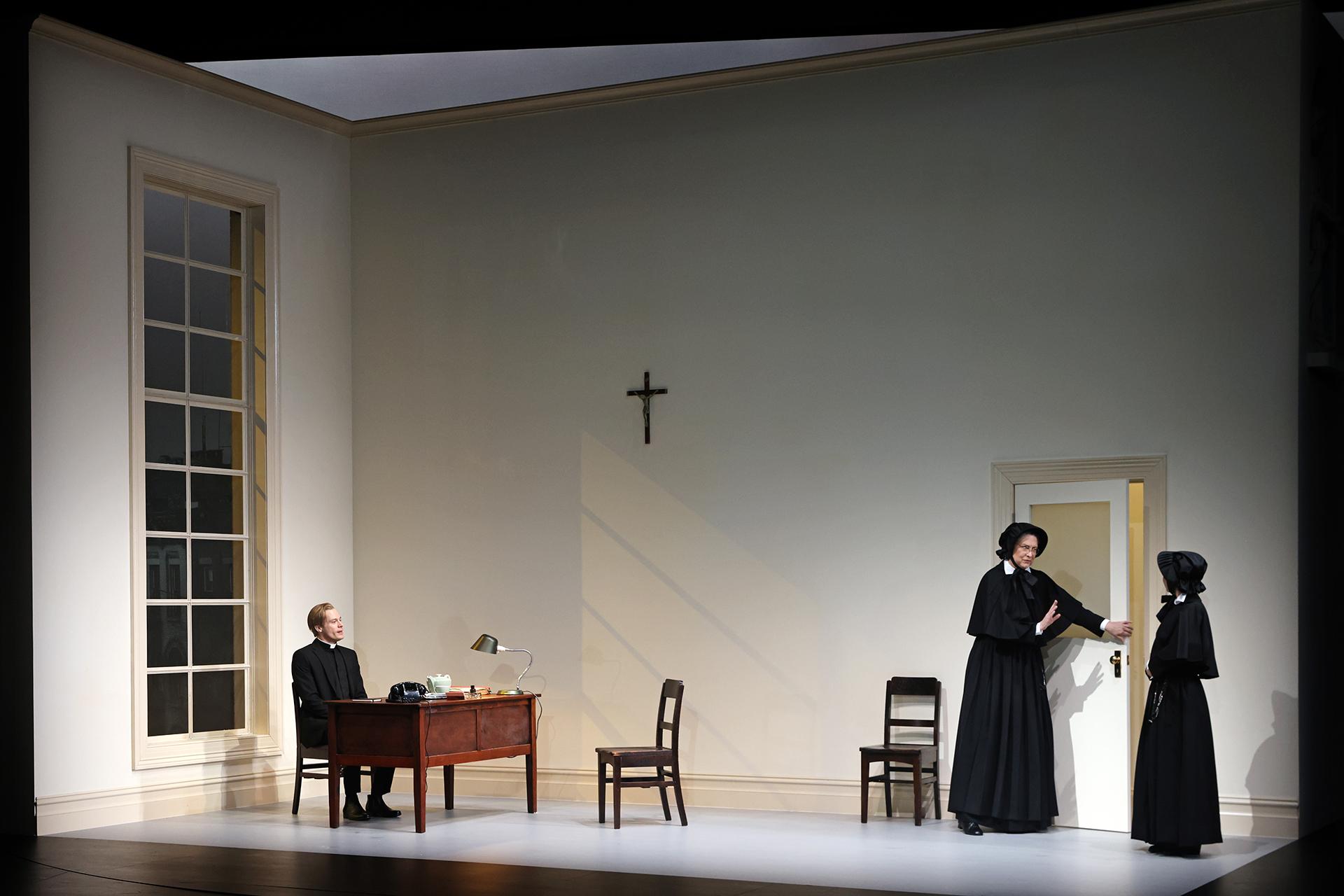
Under Marion Potts’s direction, however, the production resists becoming an overtly political reading. Instead, it returns the play to its theatrical core: a taut, claustrophobic drama driven by tension, moral ambiguity, and competing convictions. The result is gripping from start to finish, sustaining an atmosphere of mounting unease that keeps the audience in a constant state of uncertainty.

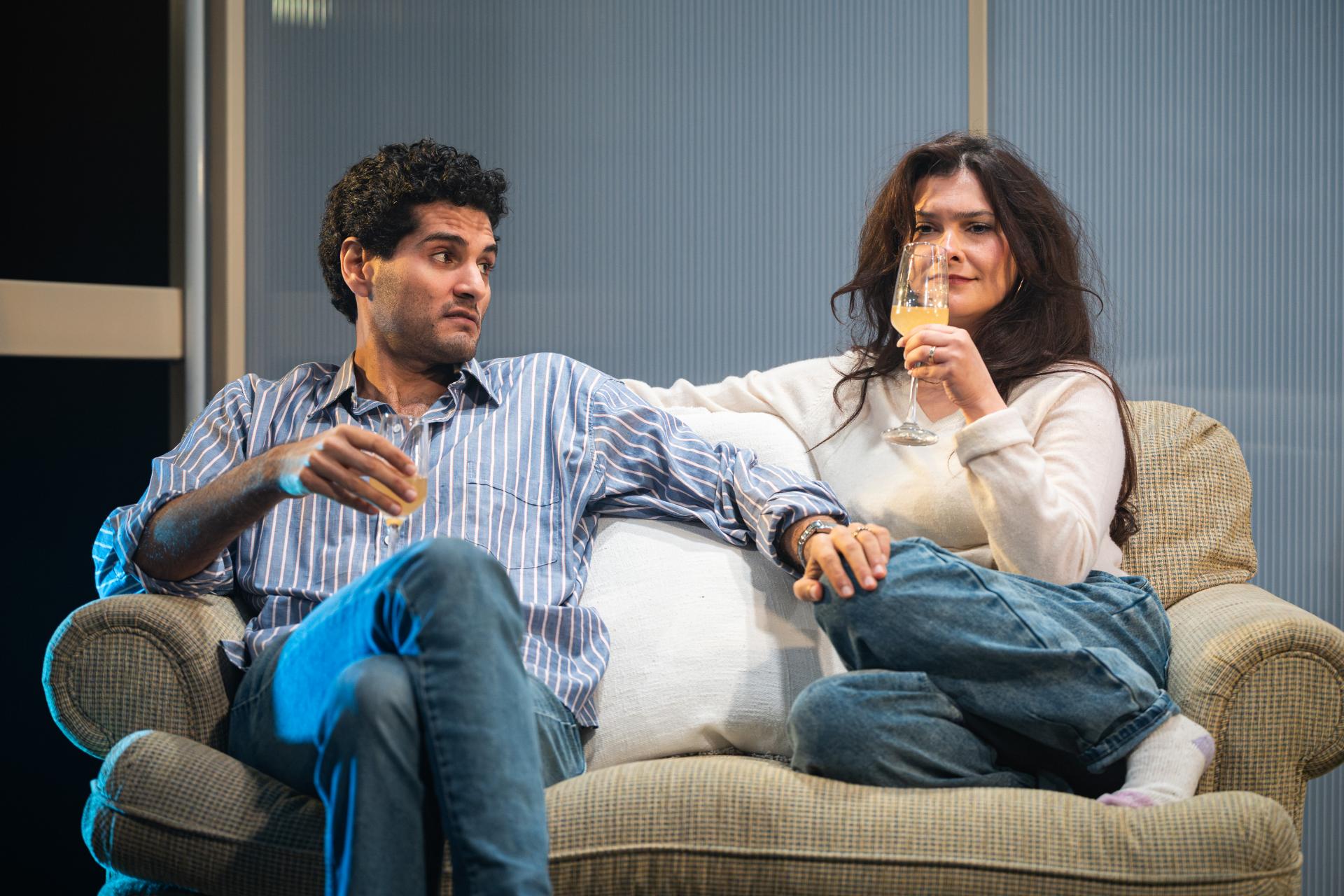
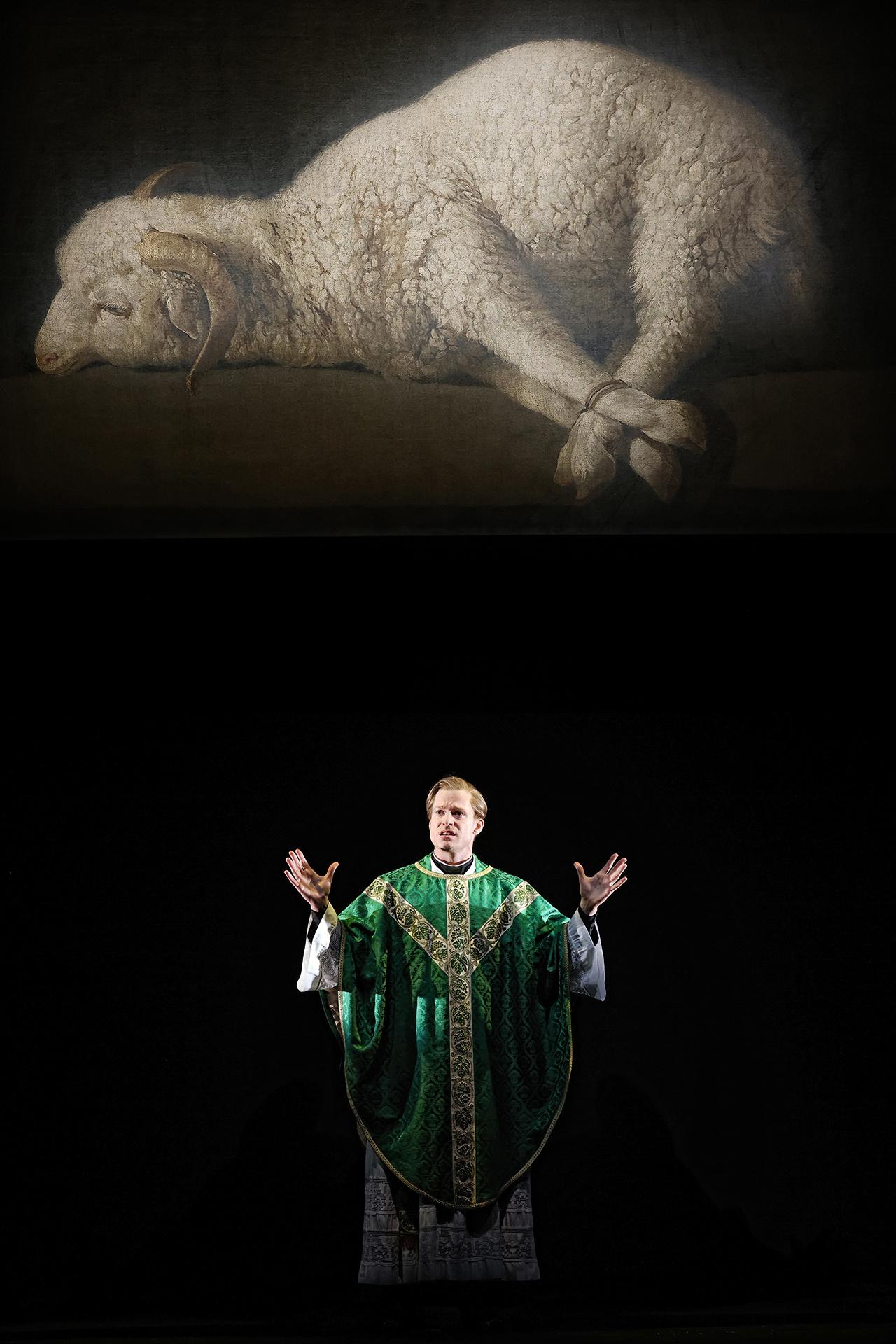
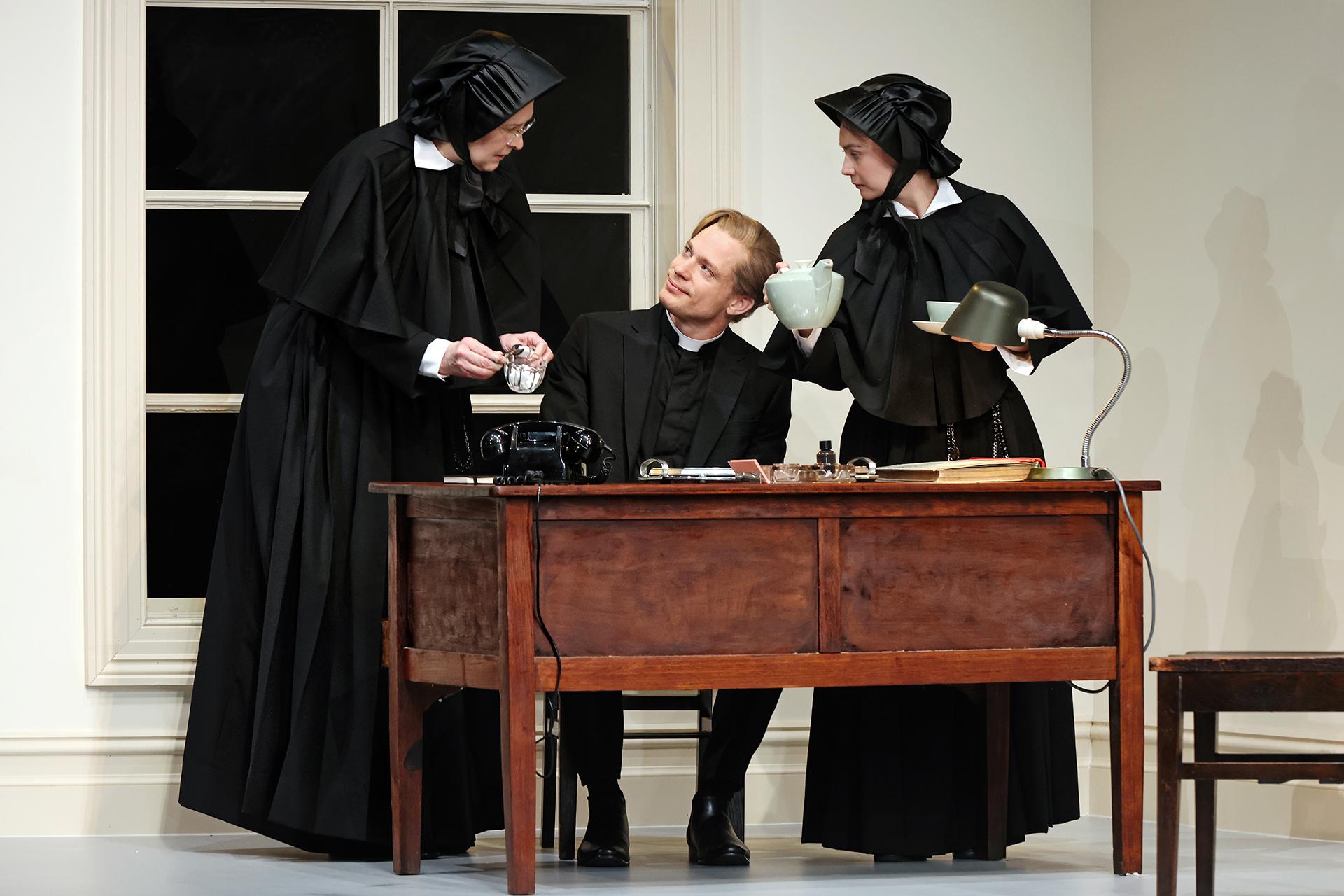
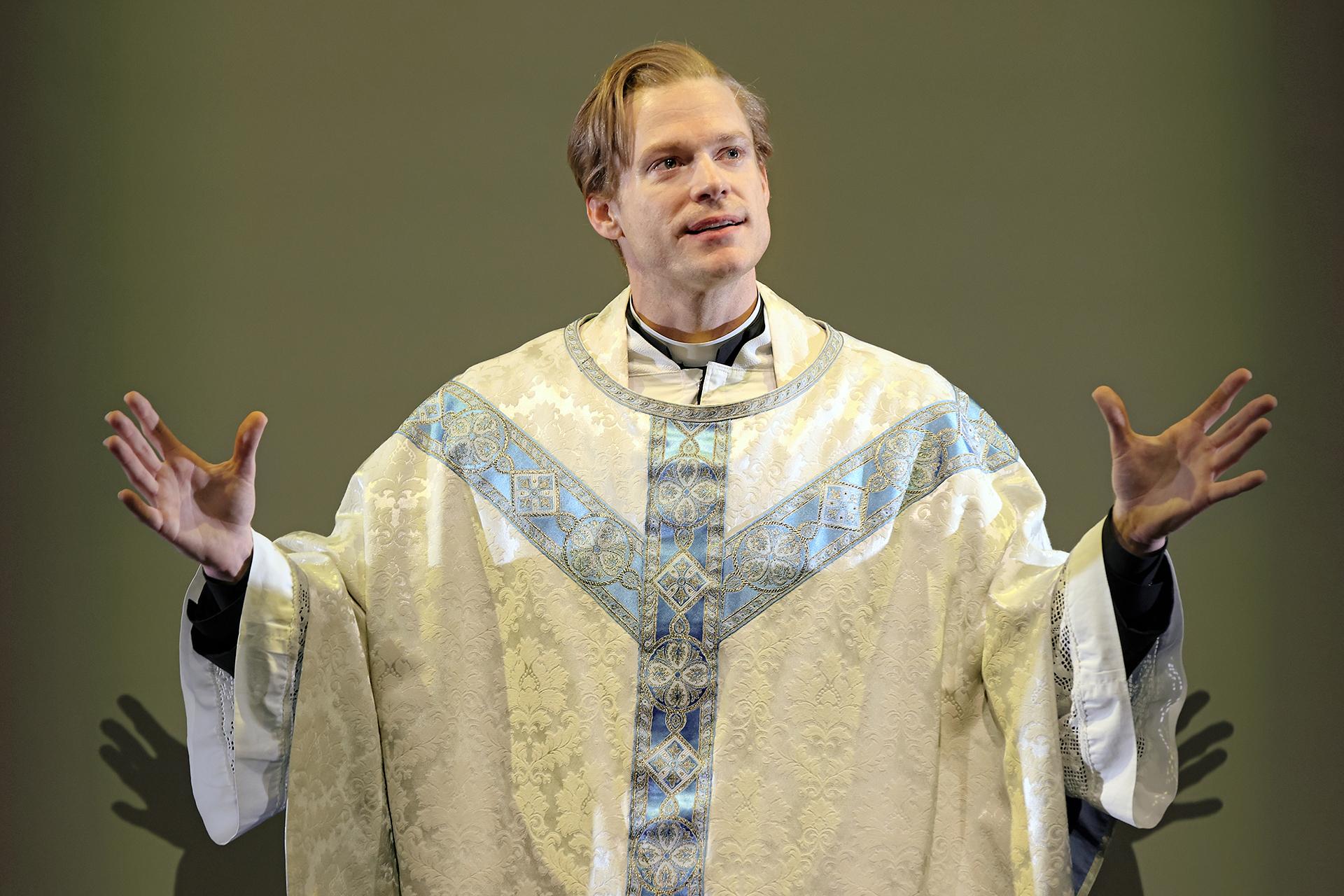
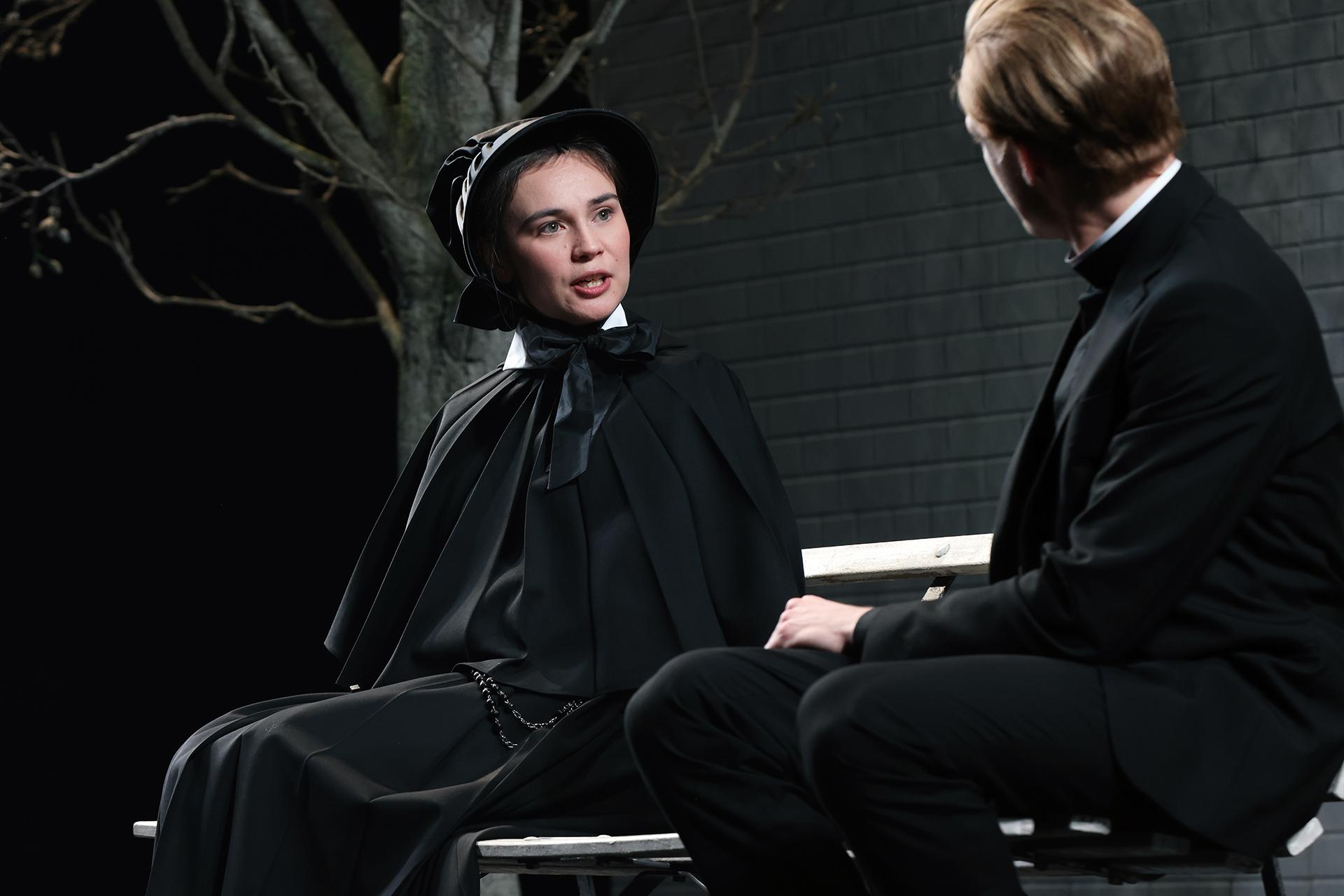
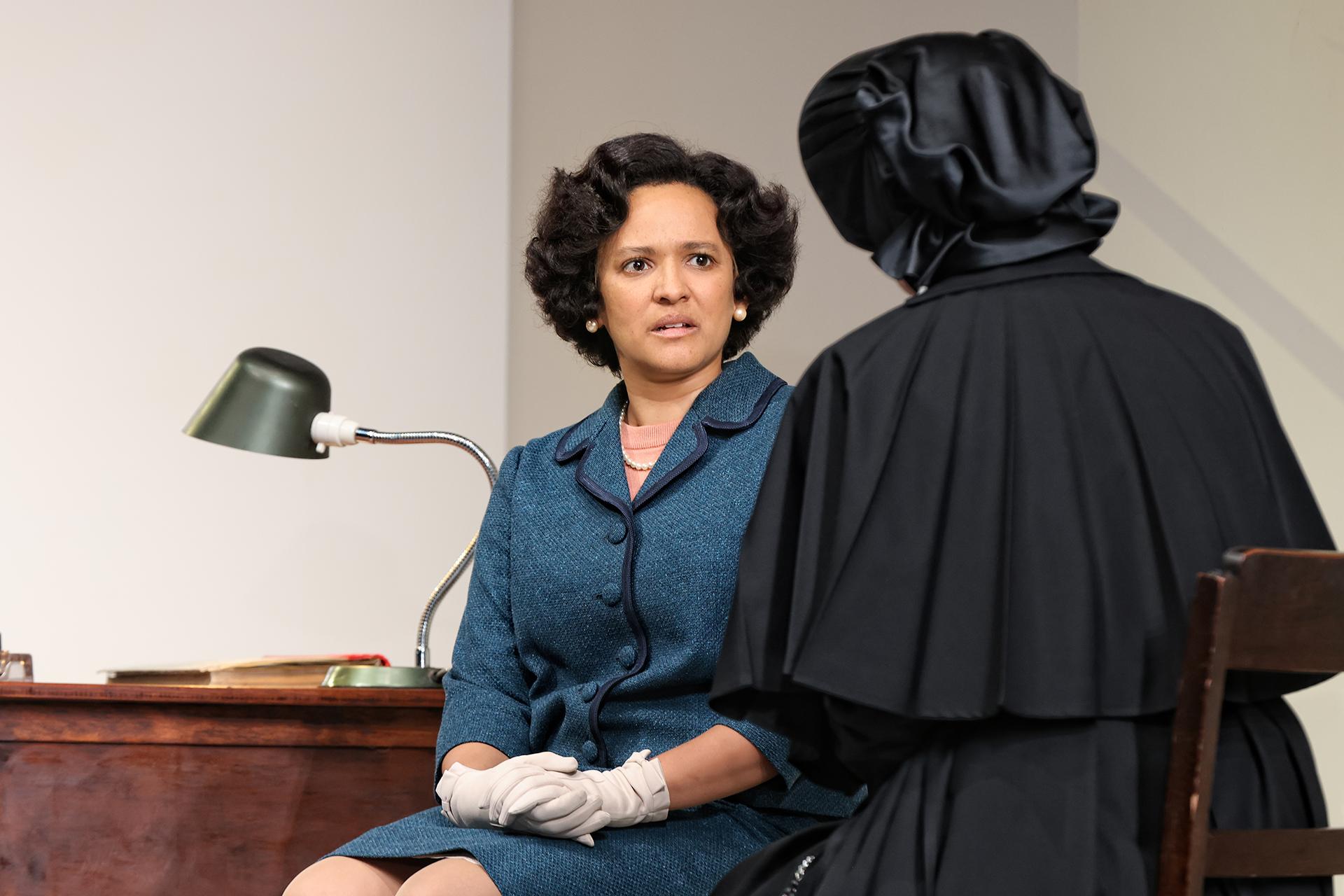
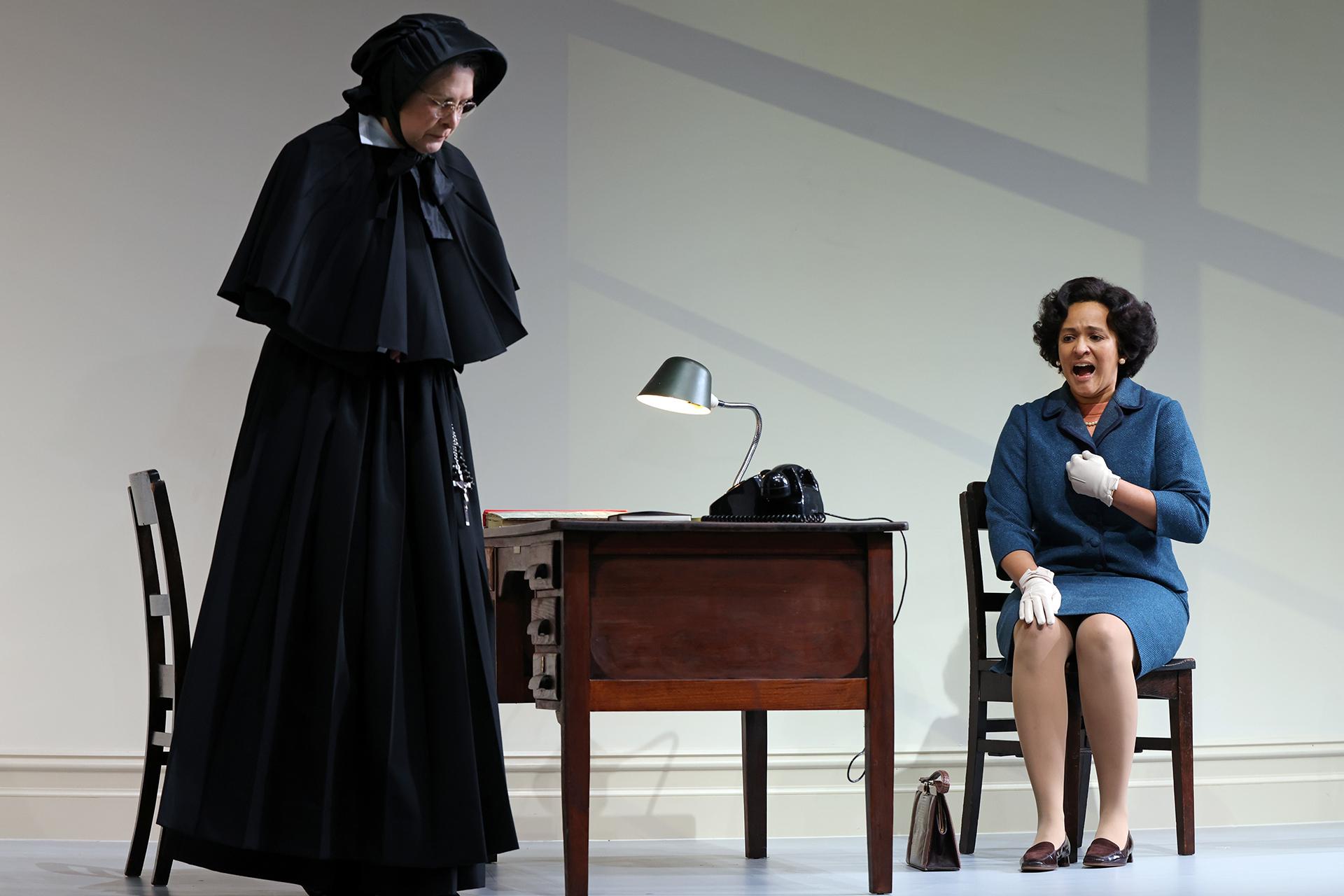
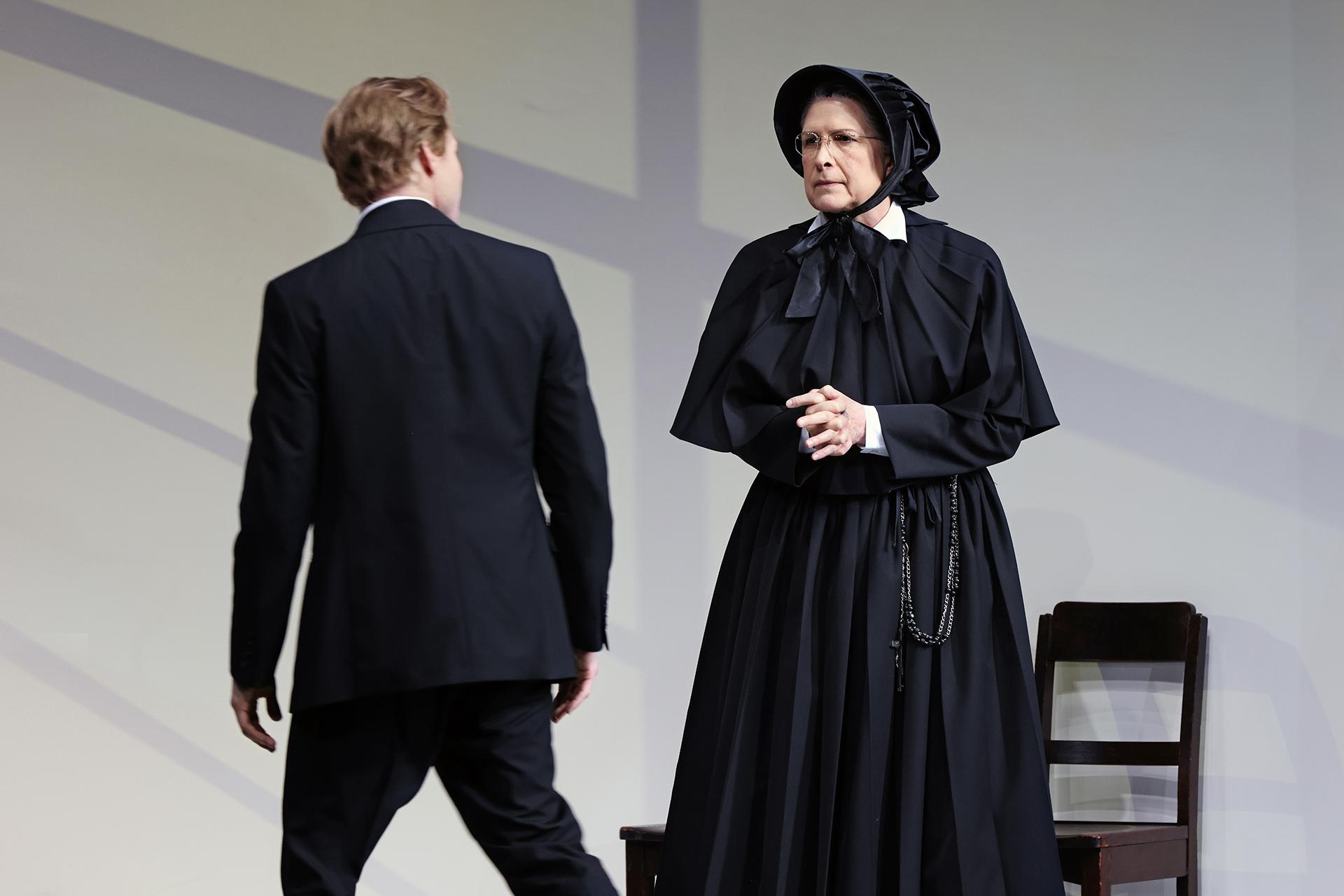
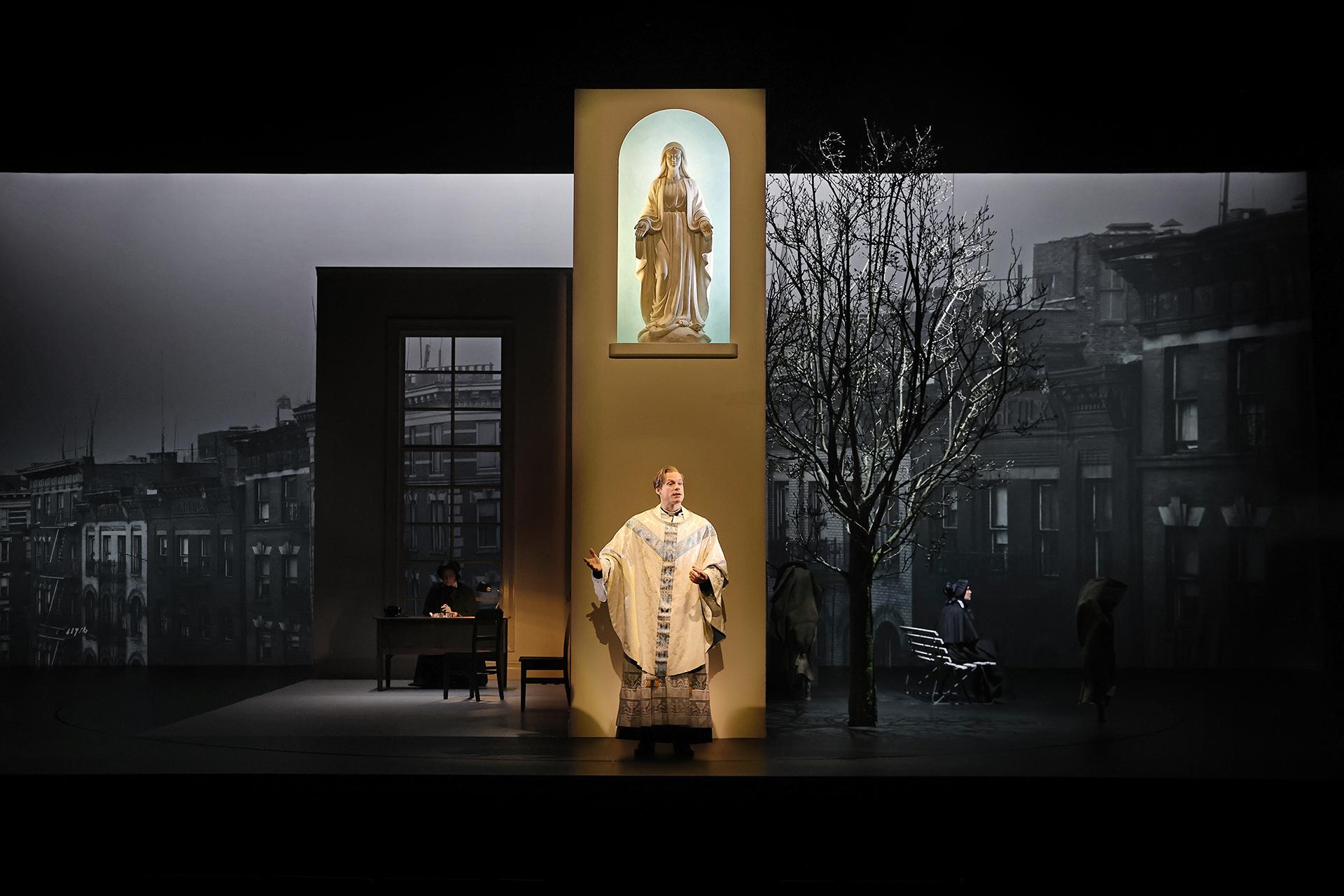
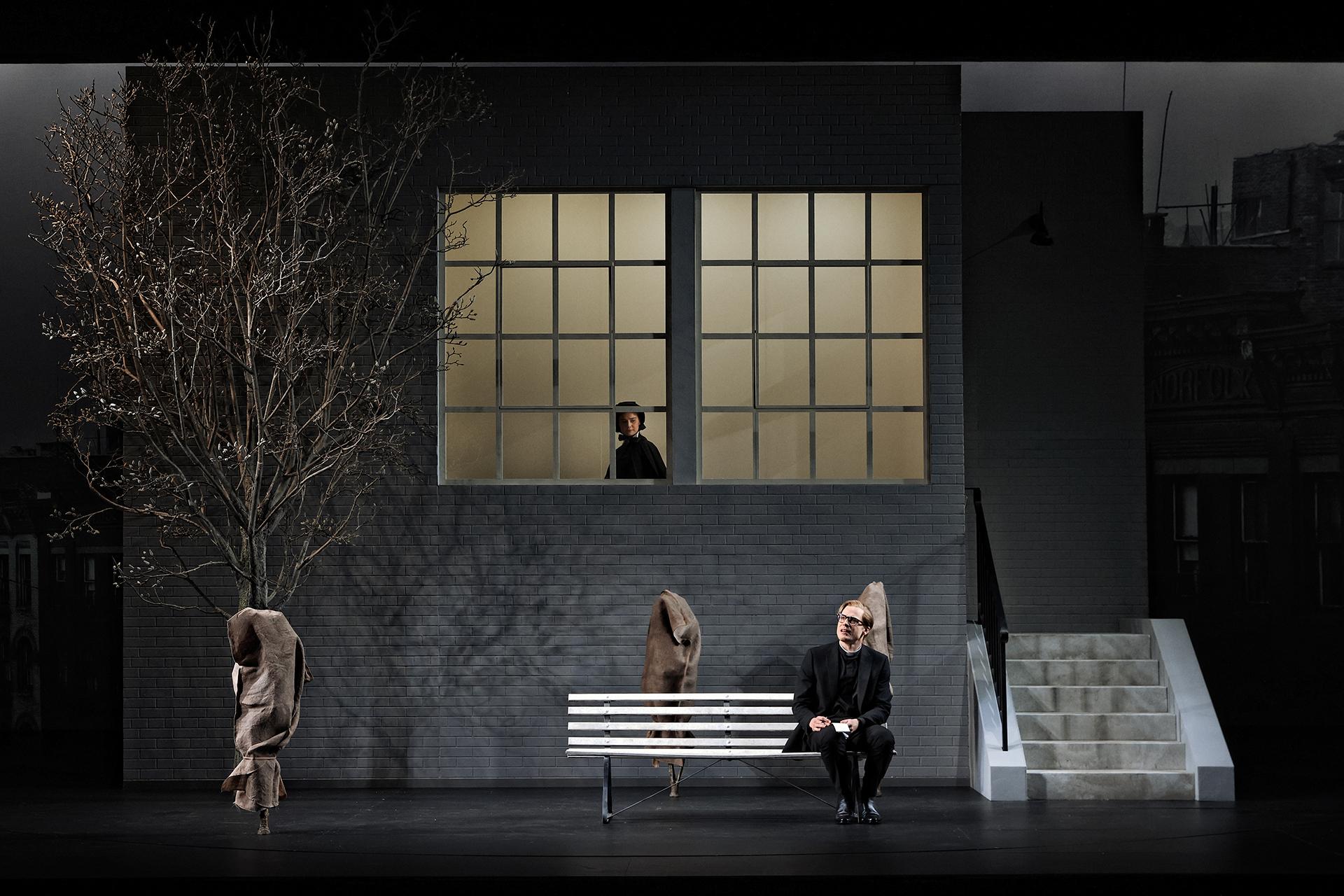
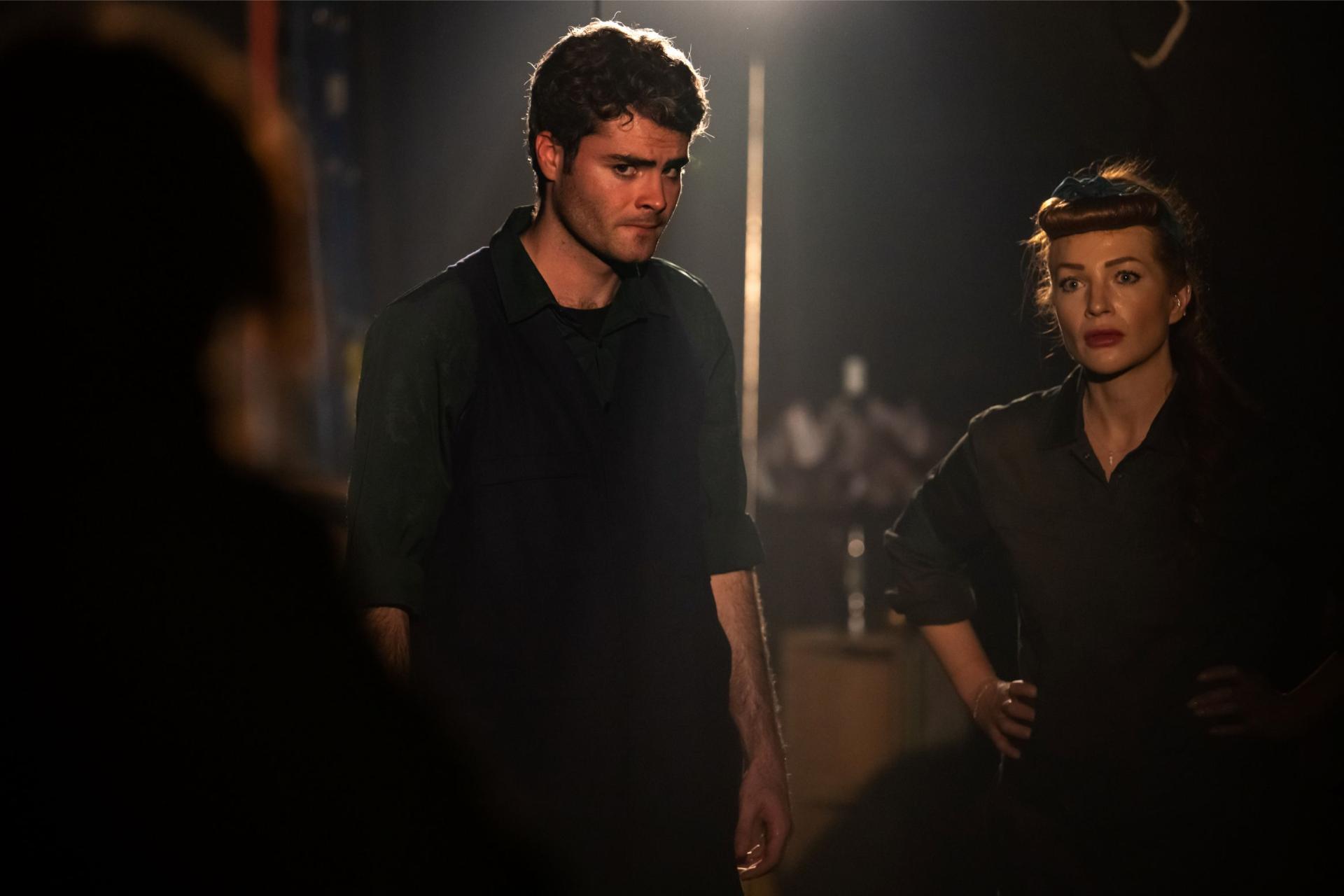
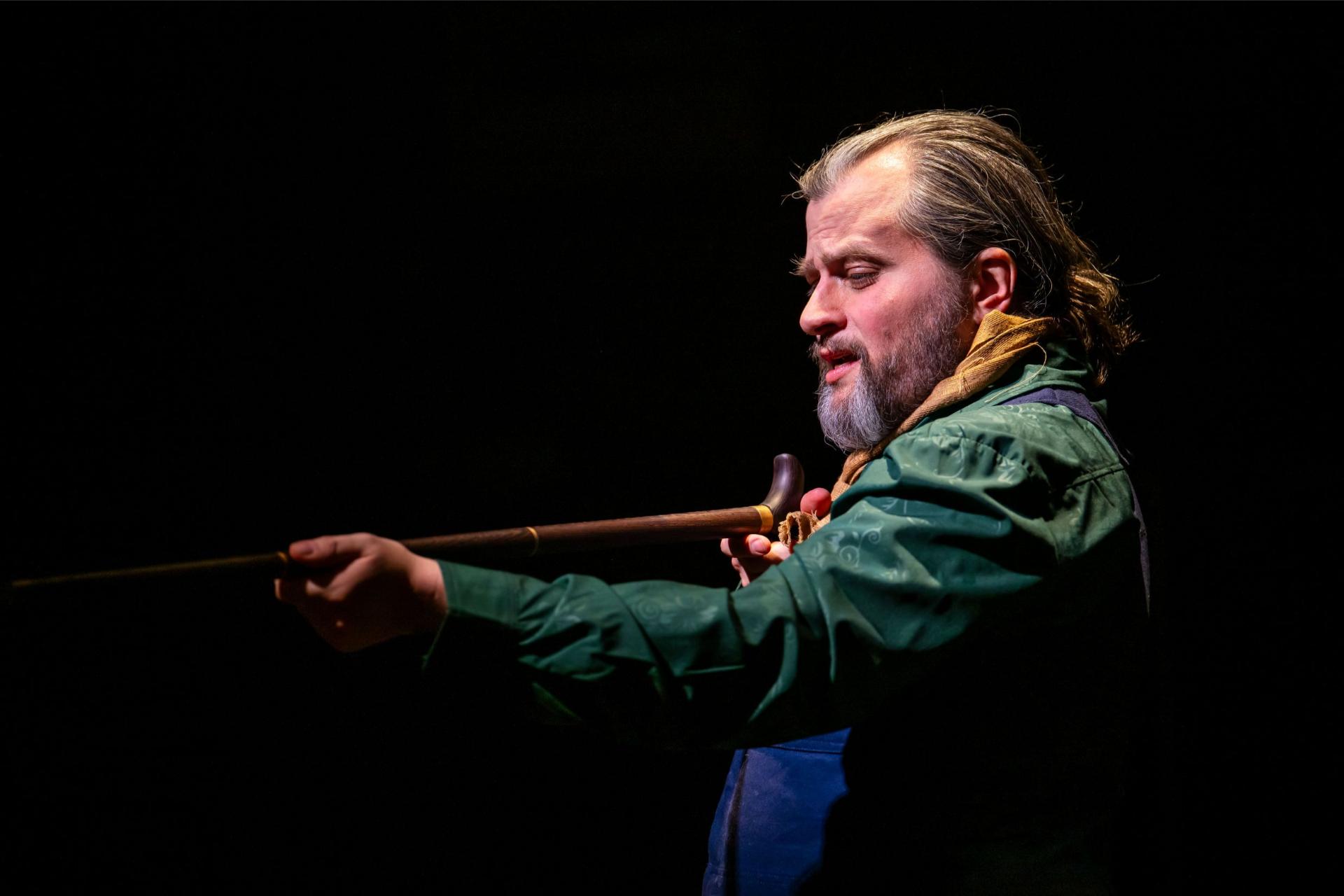
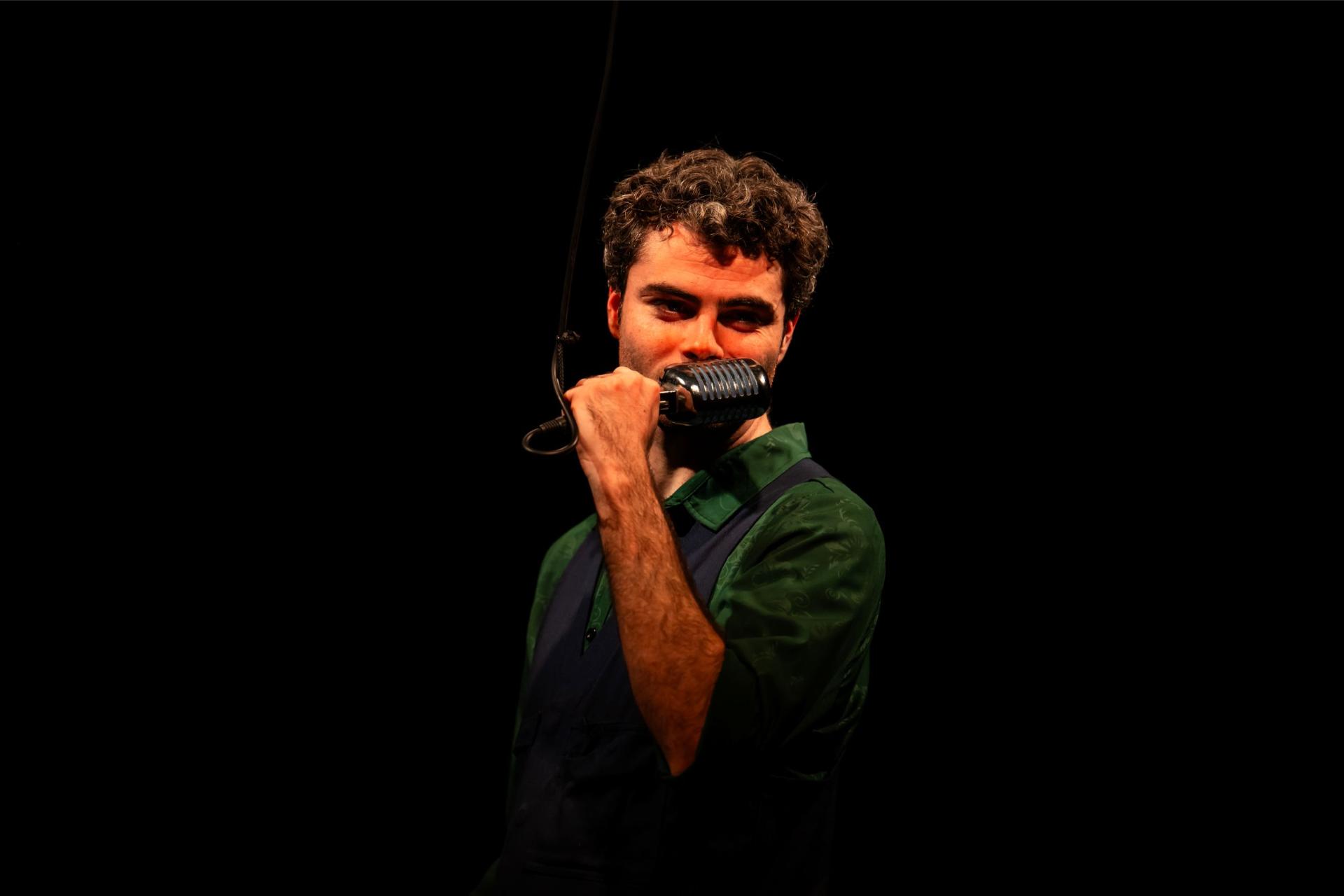
The performances are superb across the board. Pamela Rabe’s Sister Aloysius is steely and unyielding, her severity edged with conviction that is as compelling as it is unsettling. Sam Reid brings a volatile emotional interior to Father Flynn, carefully calibrating warmth and defensiveness in a way that keeps his guilt or innocence deliberately opaque. There is an implied undercurrent of homophobia in the accusations against the priest, and Reid navigates his subplot of resistance with remarkable nuance and power.

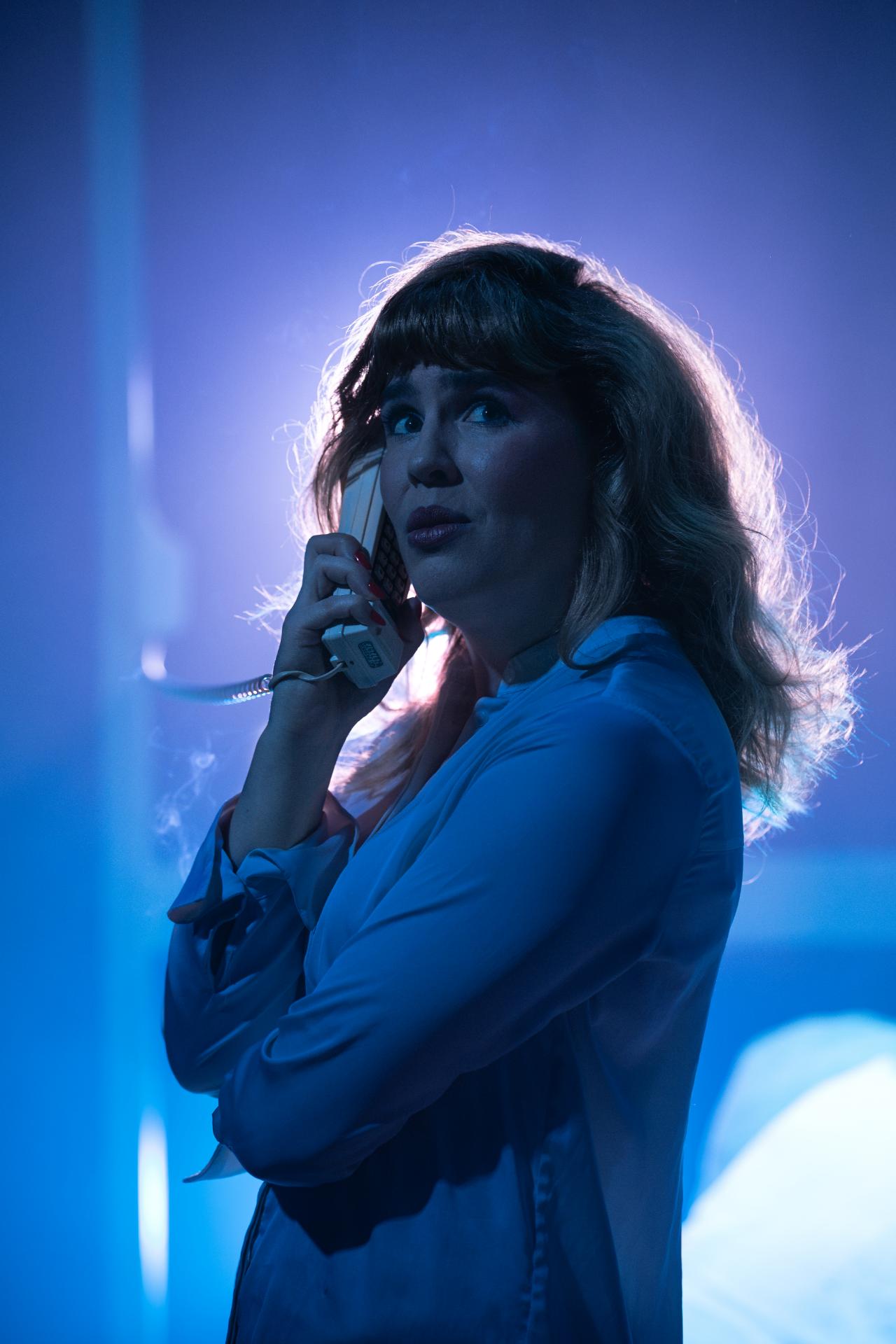
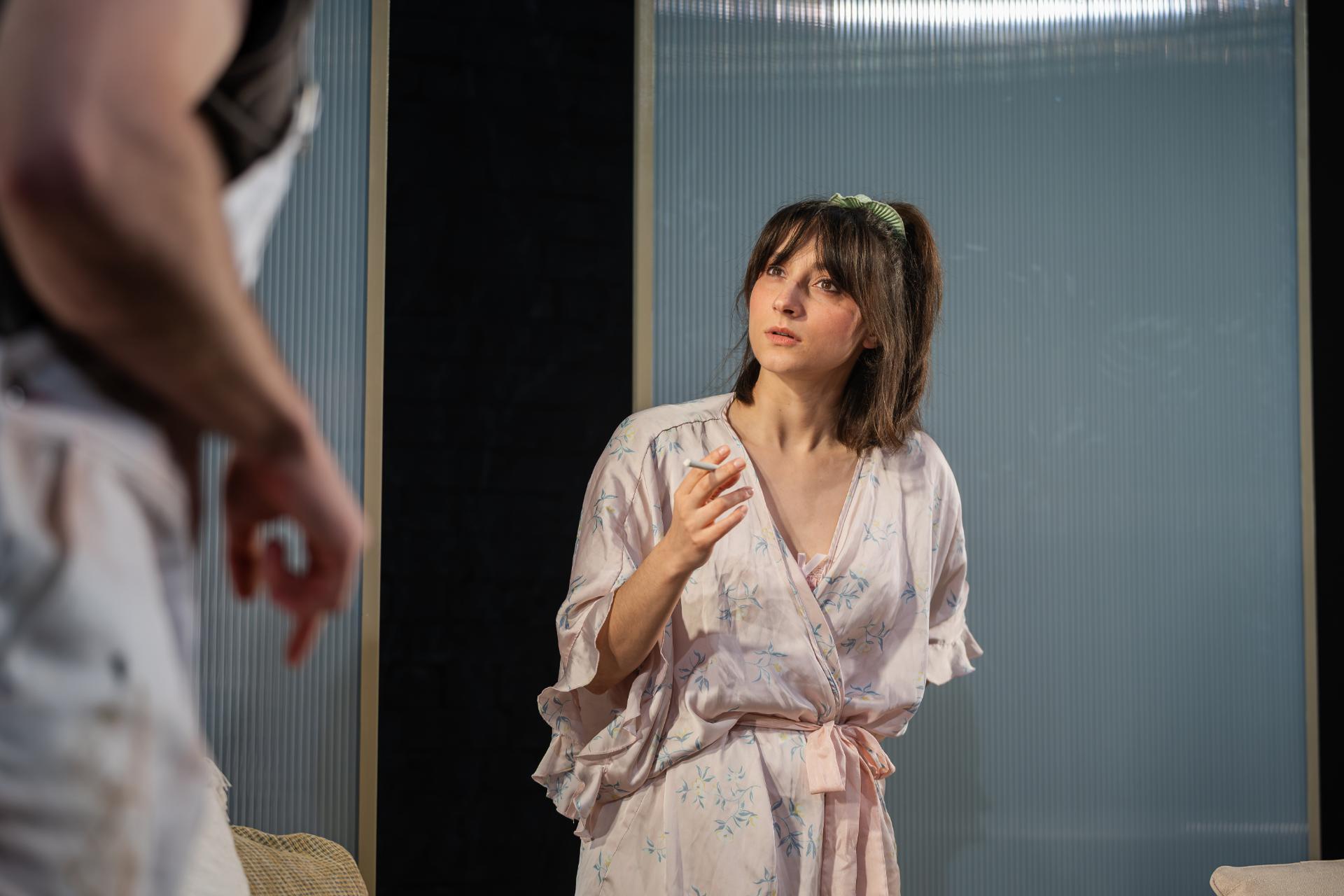
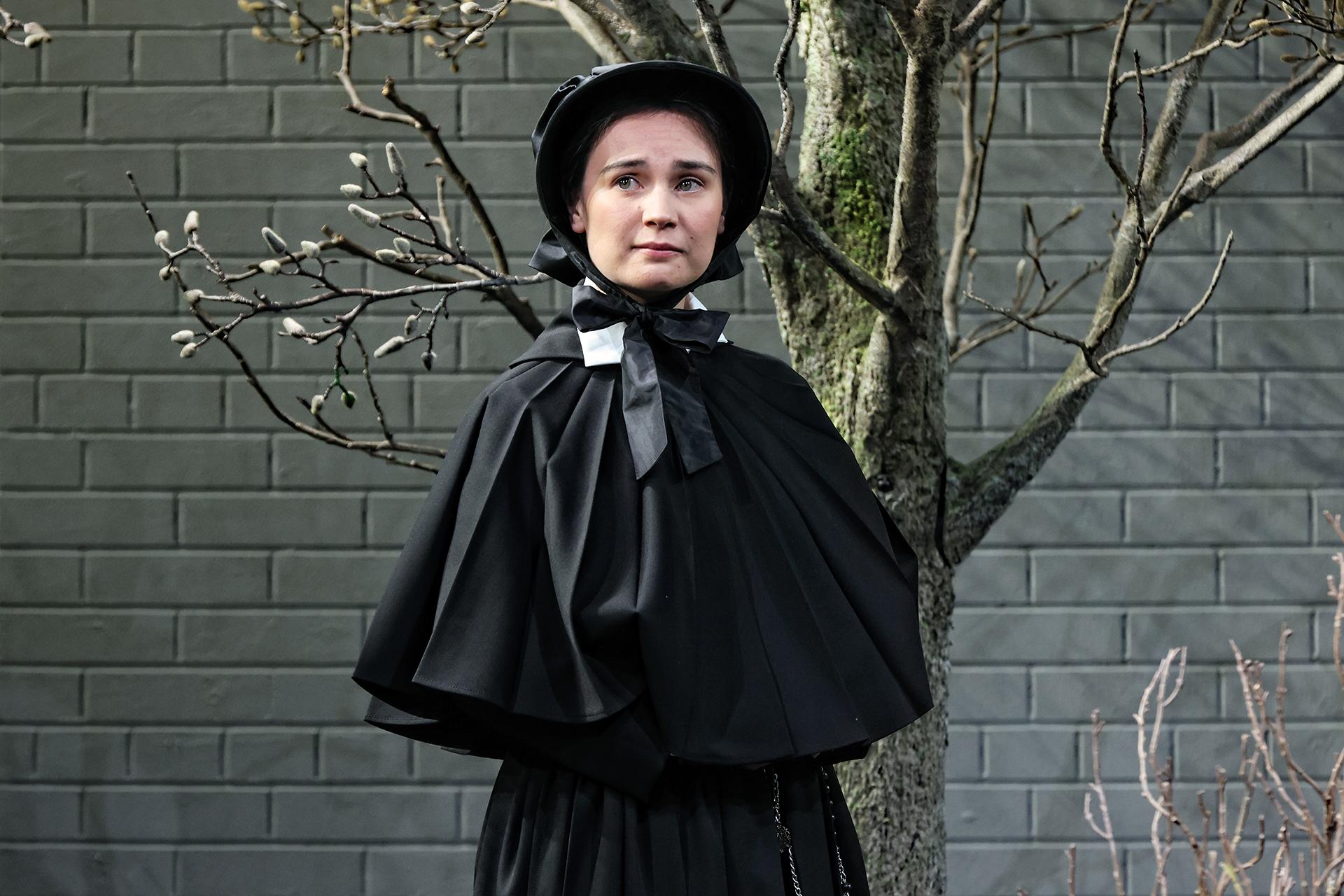
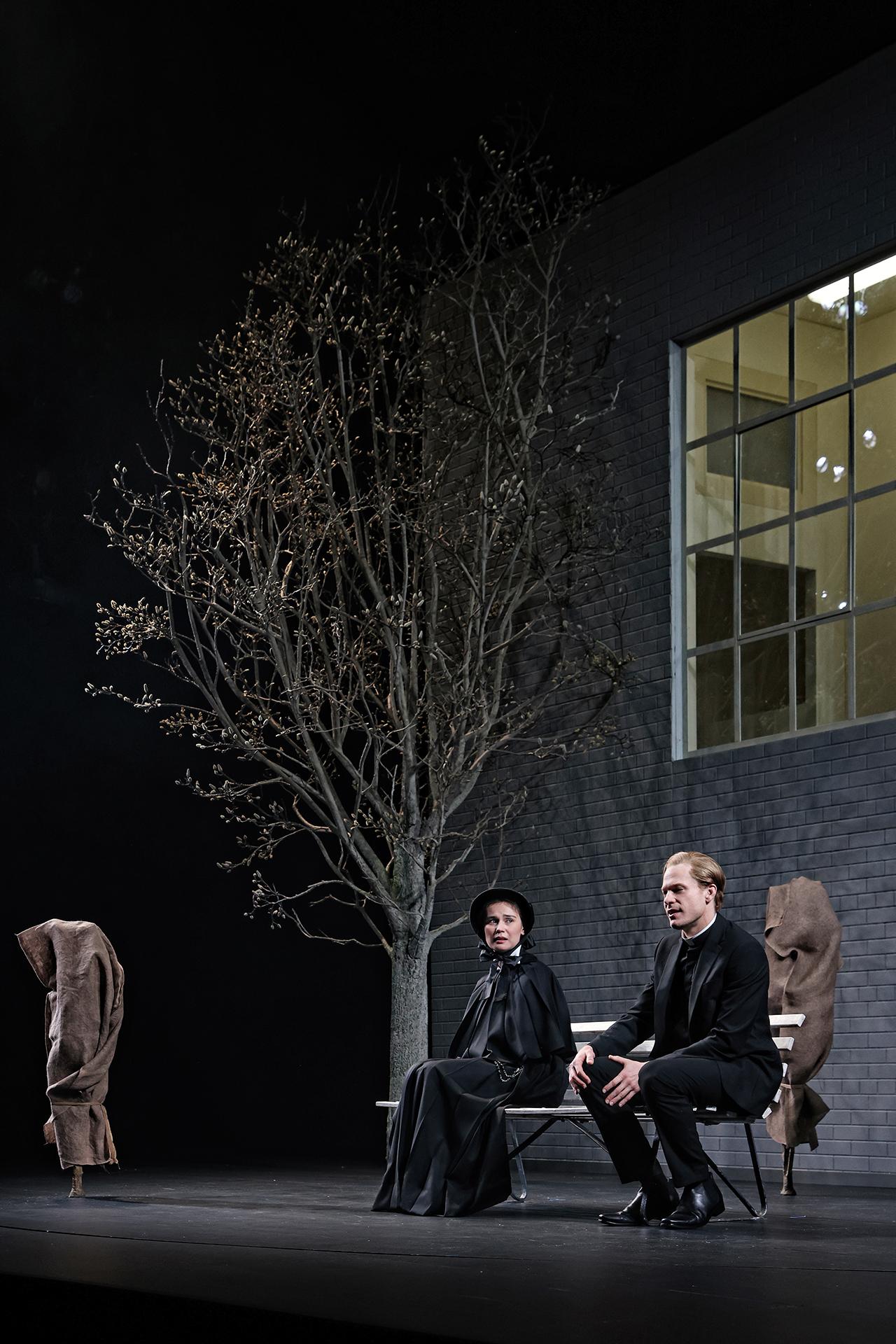
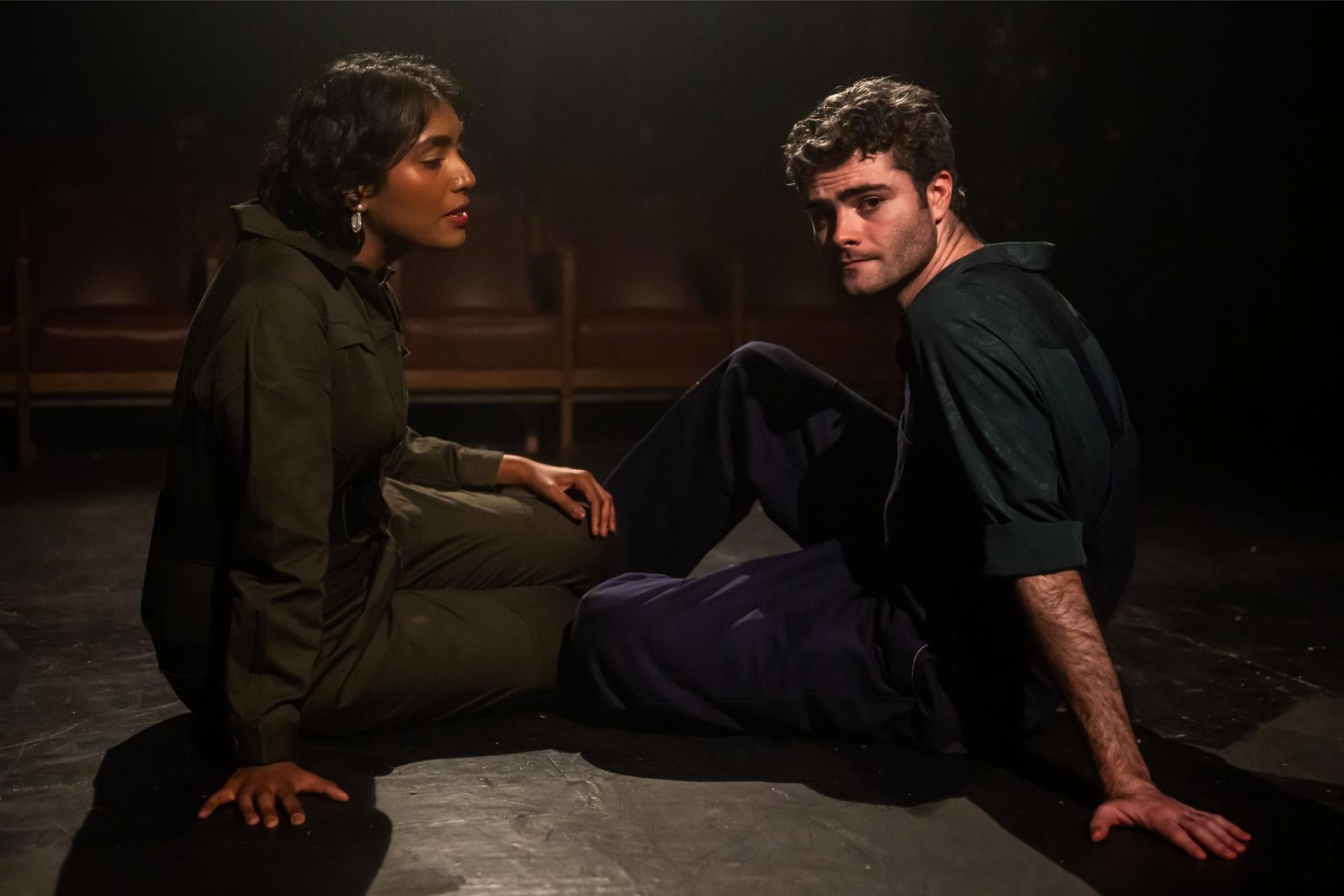
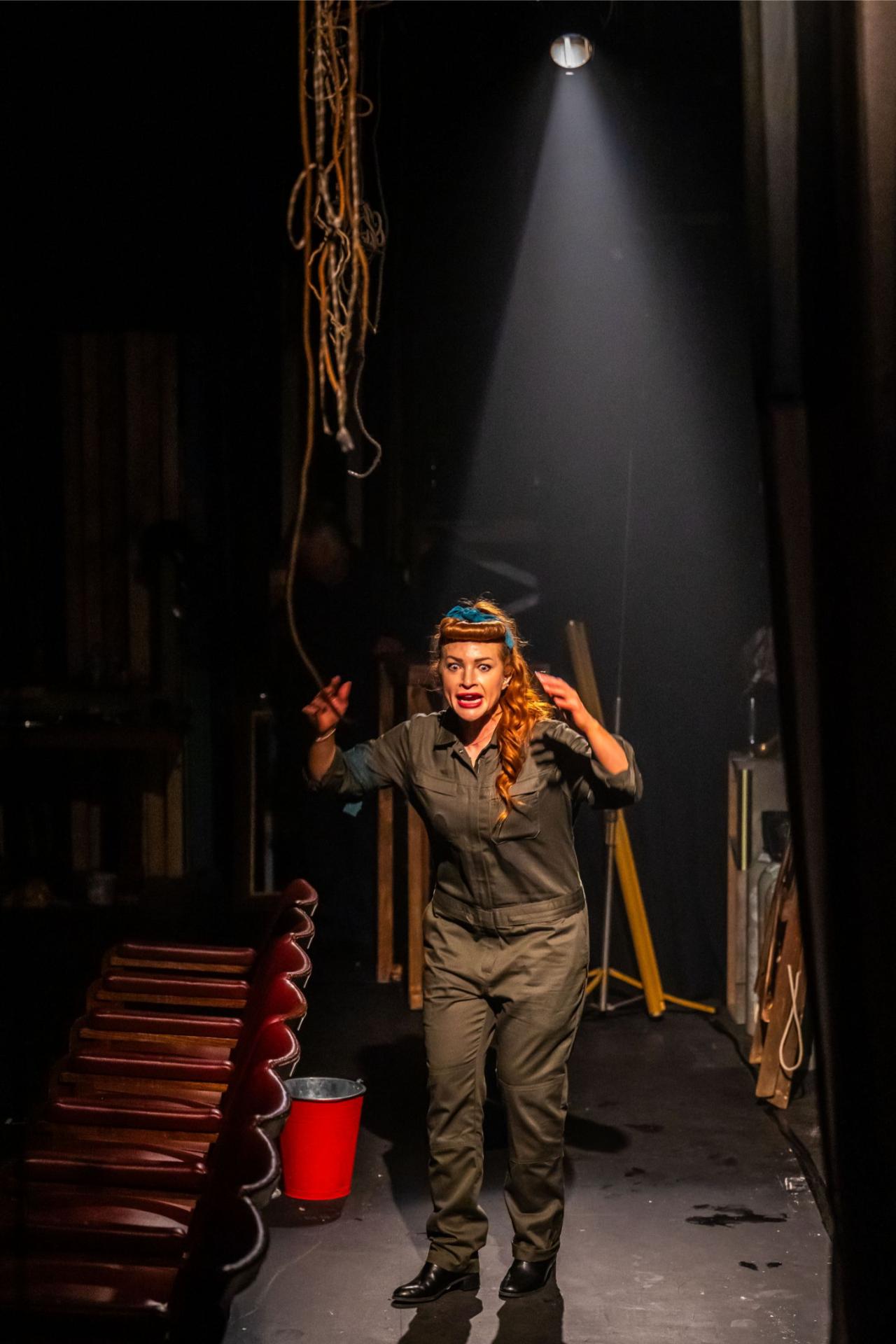
As Sister James, Shannen Alyce Quan astonishes with her precision in a complex role that demands multiple shifts in allegiance; she consistently depicts heightened psychological transformations while maintaining a believable naturalism that renders an extremely challenging part utterly convincing. Zindzi Okenyo is unforgettable as Mrs. Muller, bringing fierce tenacity and genuine spirit to this intense production.

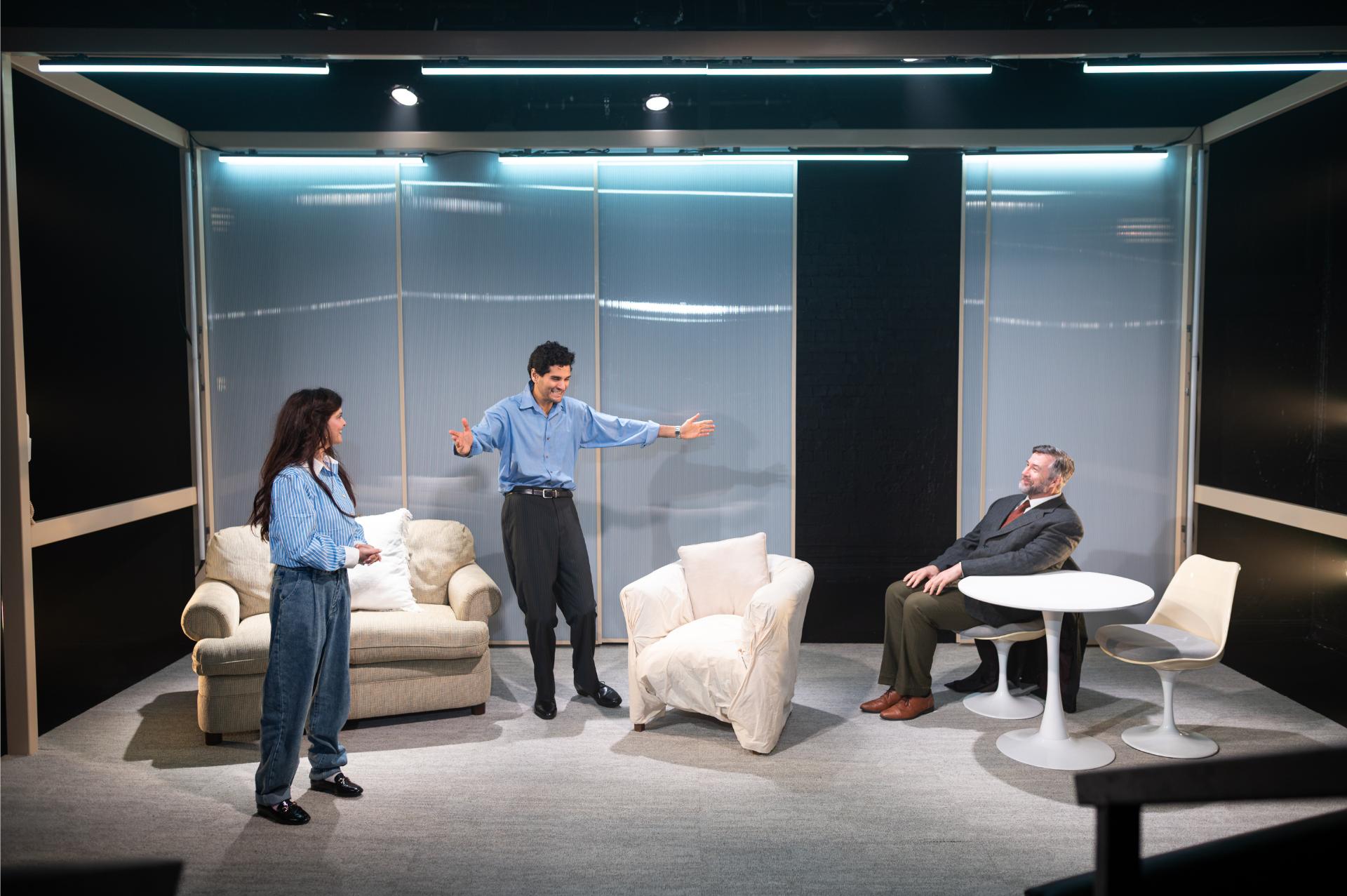
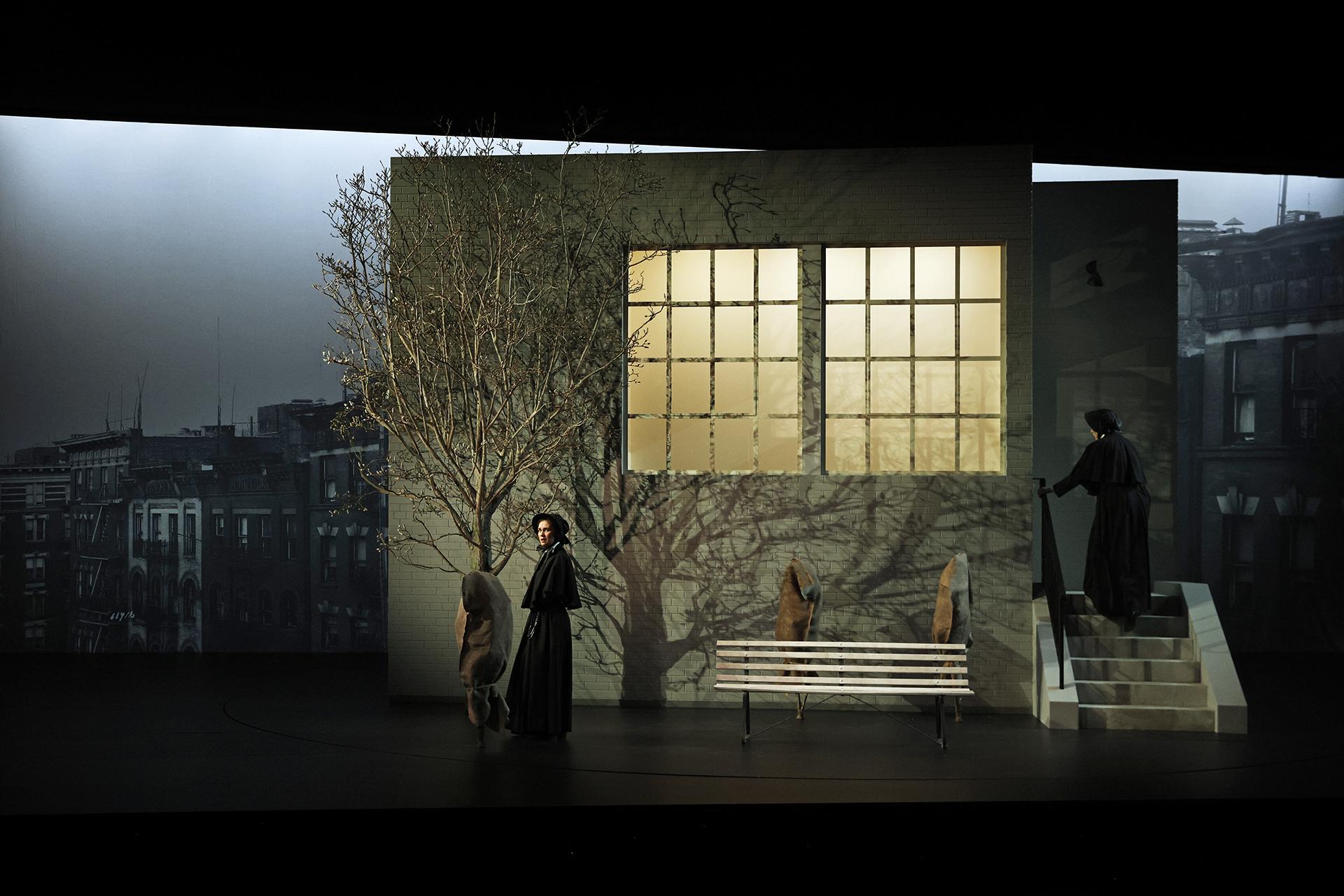
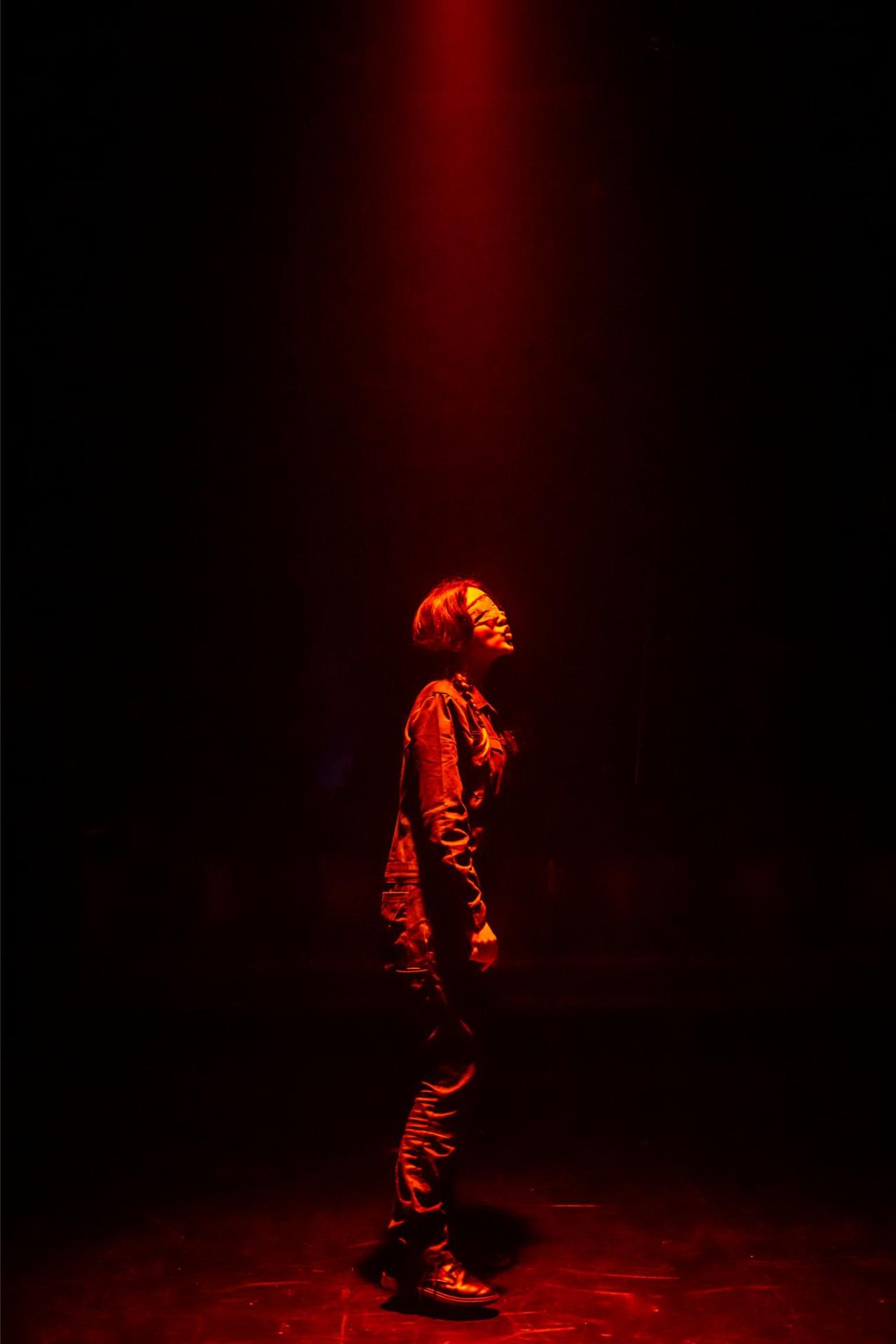
Design elements are equally accomplished. Bob Cousin’s set is perfectly proportioned, showcasing austere locations in ways that are as dramaturgically sound as they are visually striking, balancing narrative necessity with a refined sense of theatricality. Damien Cooper’s lighting is subtly rendered, never overreaching in a play that demands visual restraint. Jessica Dunn’s music is a particular highlight; each interlude enhances the emotive qualities of the visceral storytelling, most impressively through the splendid incorporation of live singing by the cast.

It has been nearly two years since seventy-seven million Americans voted to return Donald Trump to the presidency. Despite extensive evidence of misconduct and conviction on multiple felony counts, his political support has remained largely intact, sustained by narratives that persist in defiance of fact. The details differ, but the underlying mechanism feels familiar: certainty without verification, belief hardened against contradiction. In that sense, Doubt remains less a period piece than an unnervingly contemporary one, reflecting how easily blind faith can override evidence, and how costly that substitution can be.

www.sydneytheatre.com.au

Review: The Day Of The Triffids (New Theatre)

Venue: New Theatre (Newtown NSW), Jun 30 – Jul 25, 2026
Playwright: J. James-Moody (based on the novel by John Wyndham)
Director: J. James-Moody
Cast: James Collins, Claudia Elbourne, Nathan Farrow, Tony Llewellyn-Jones, Kate Mannix, Max Ryan, Umai Shantharajah, Natasha Todd
Images by Chris Lundie

Theatre review
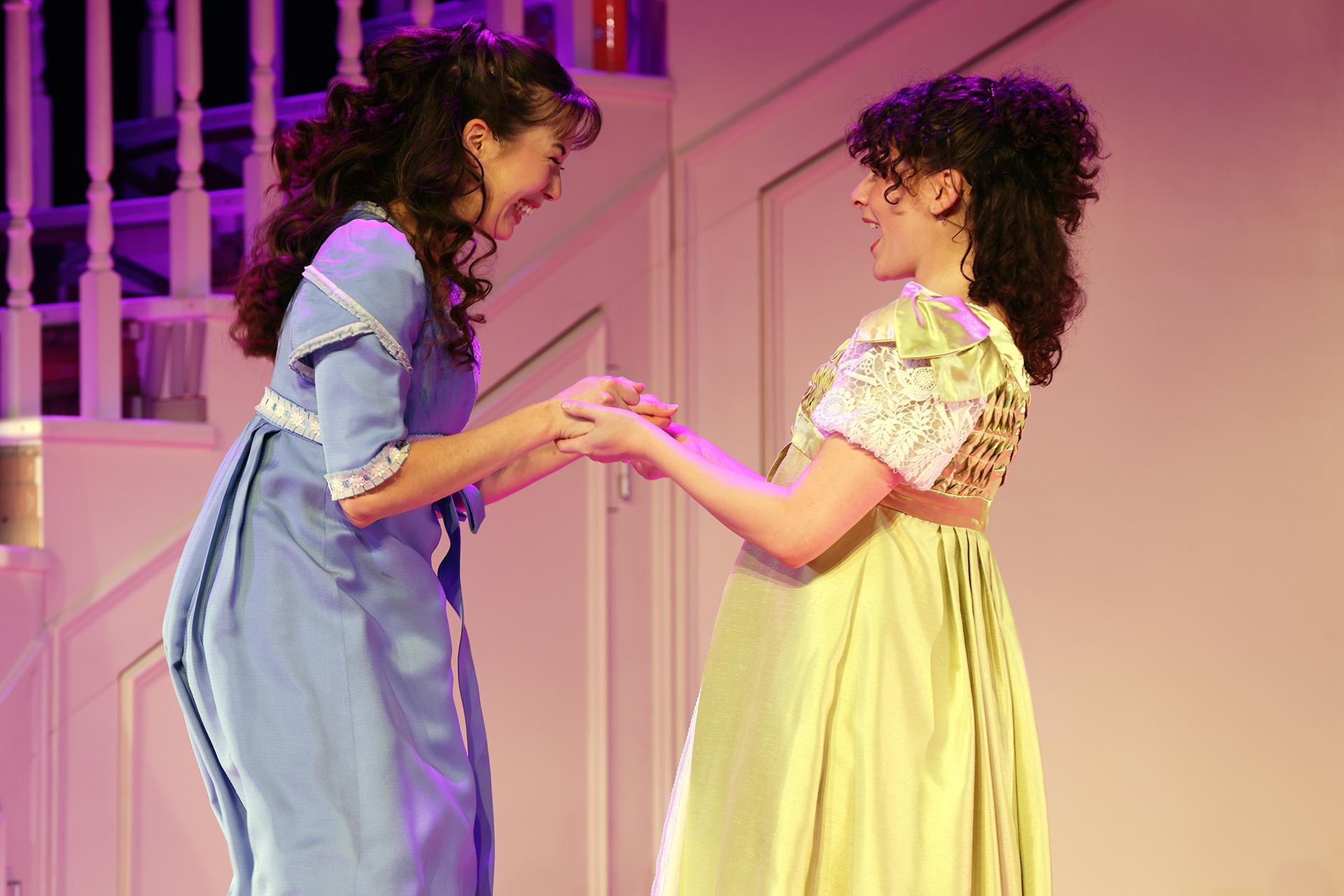
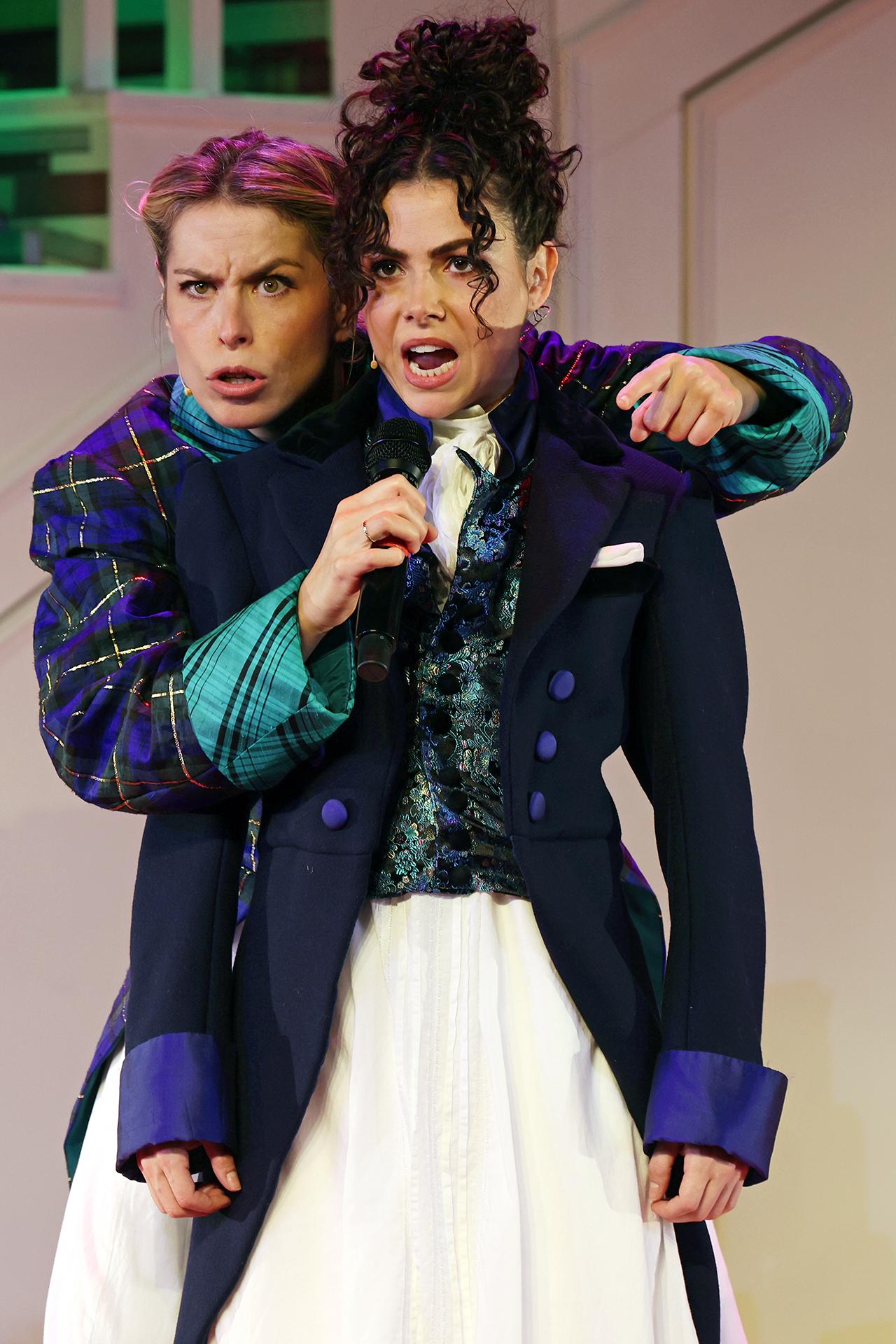
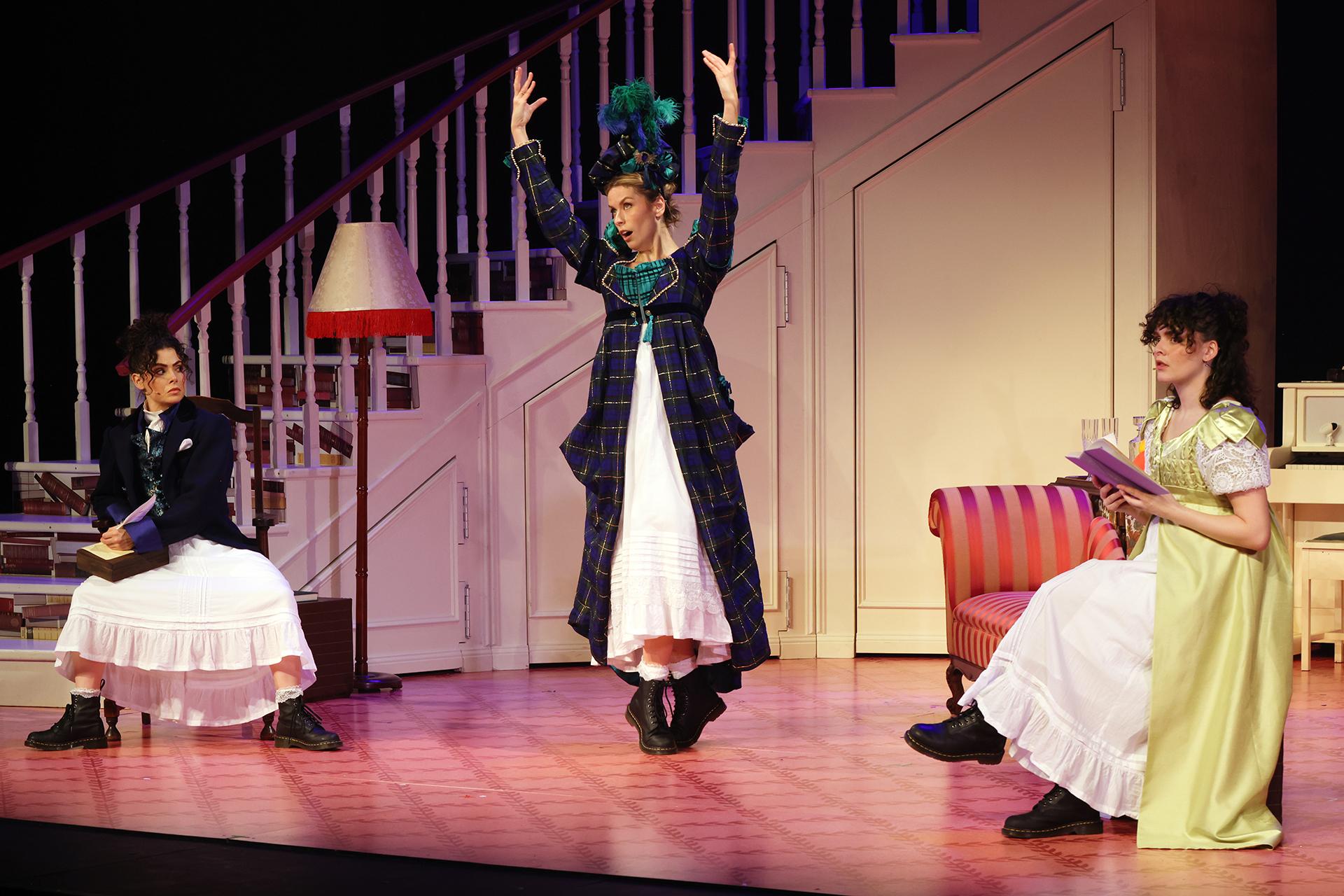
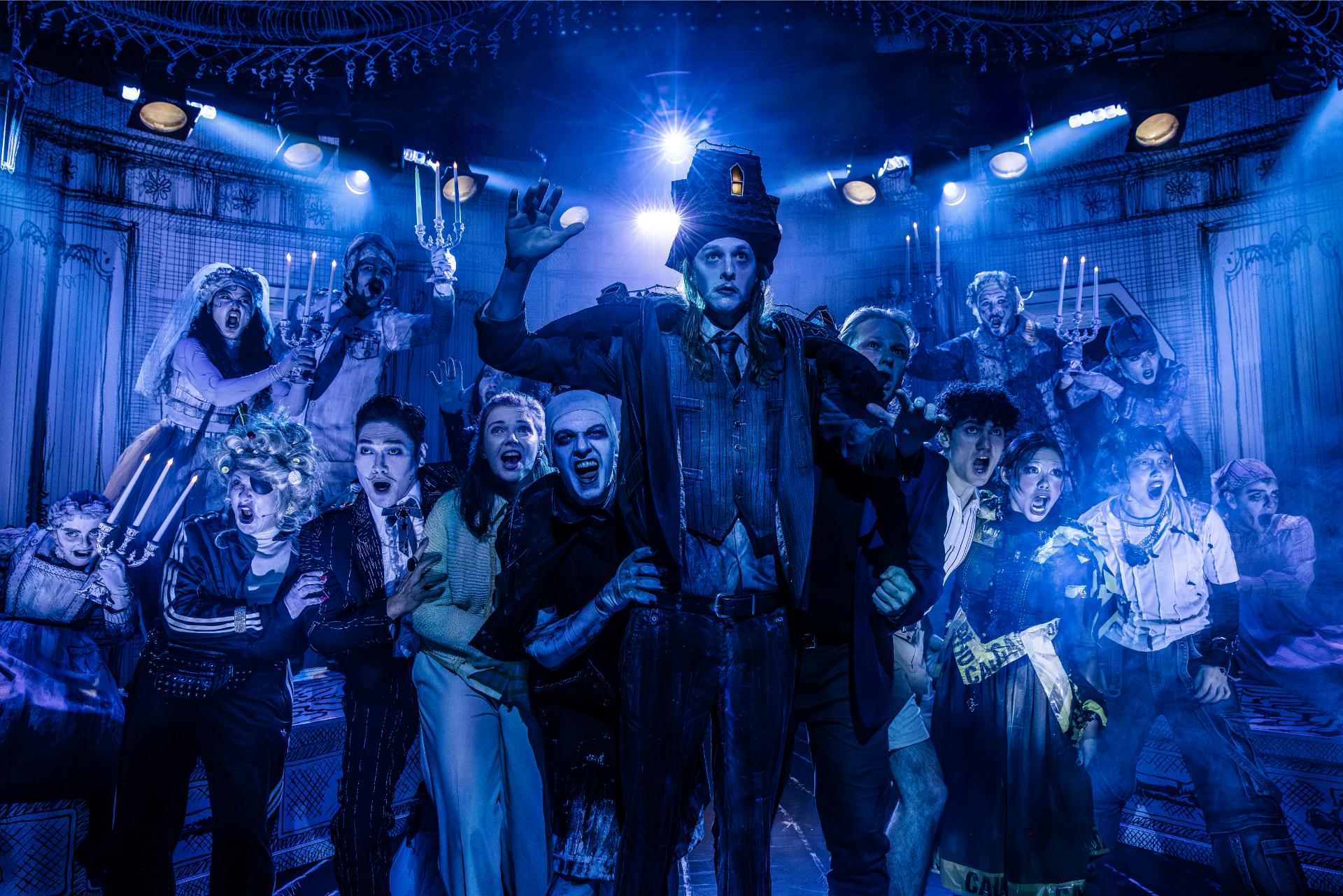
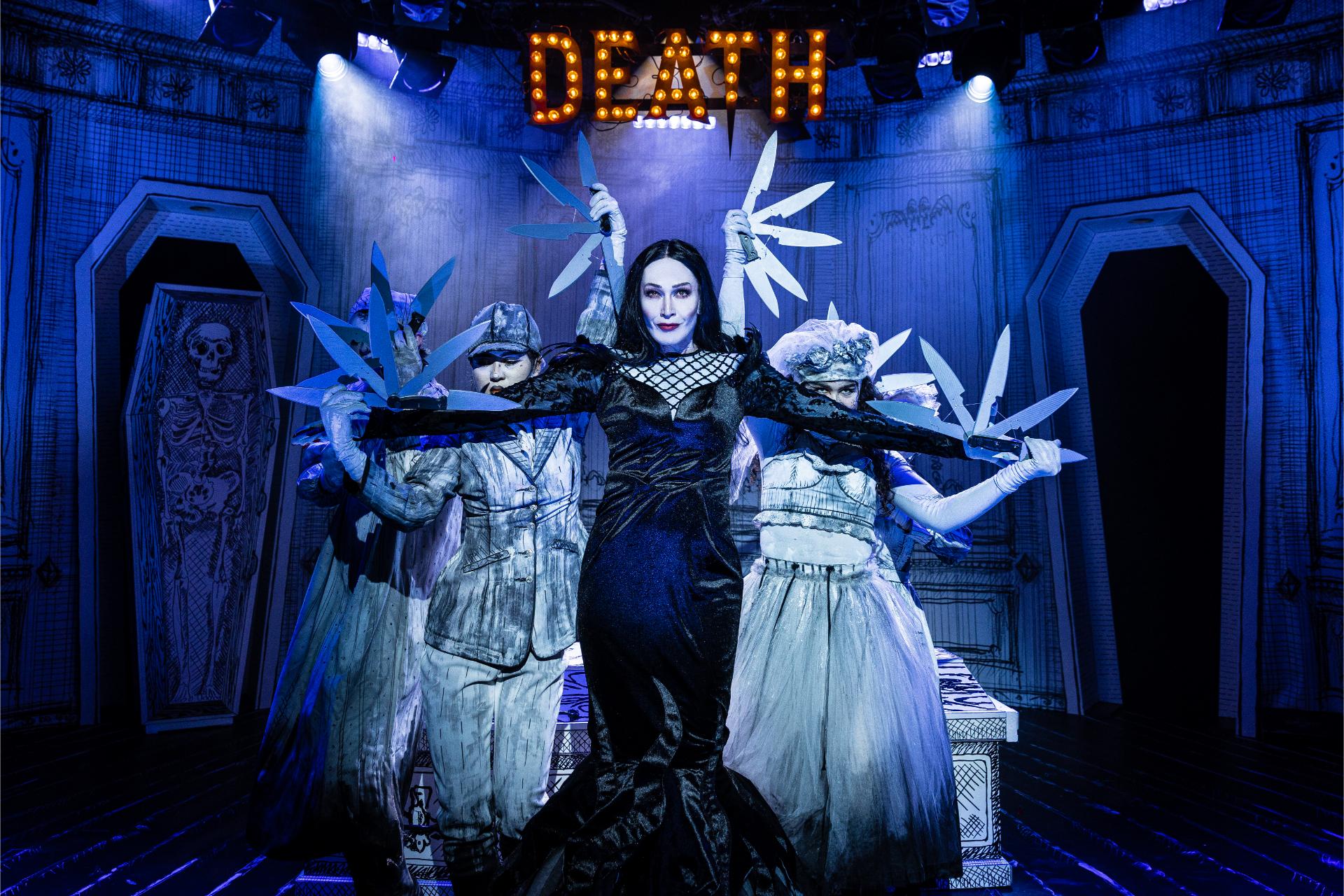
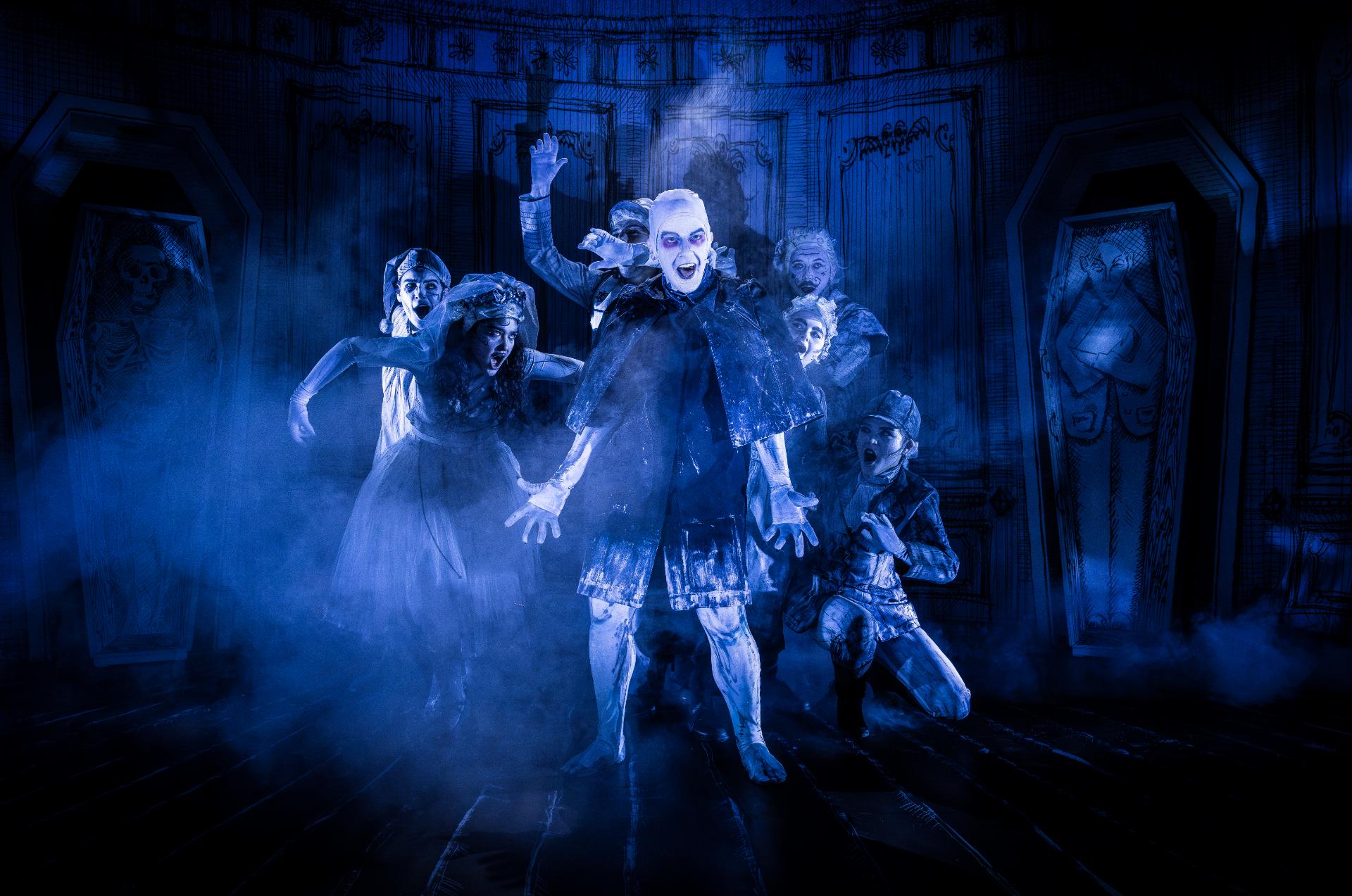
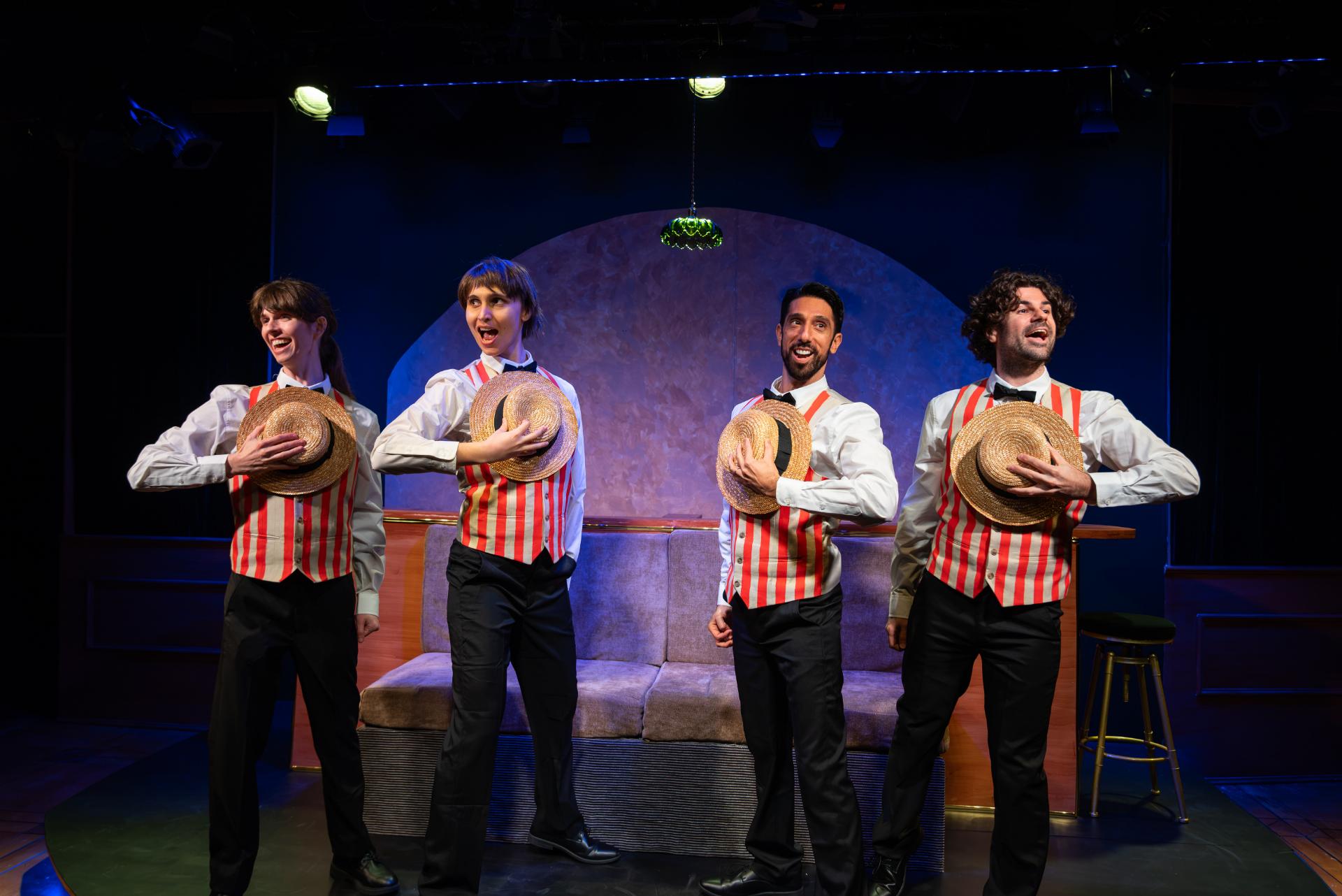
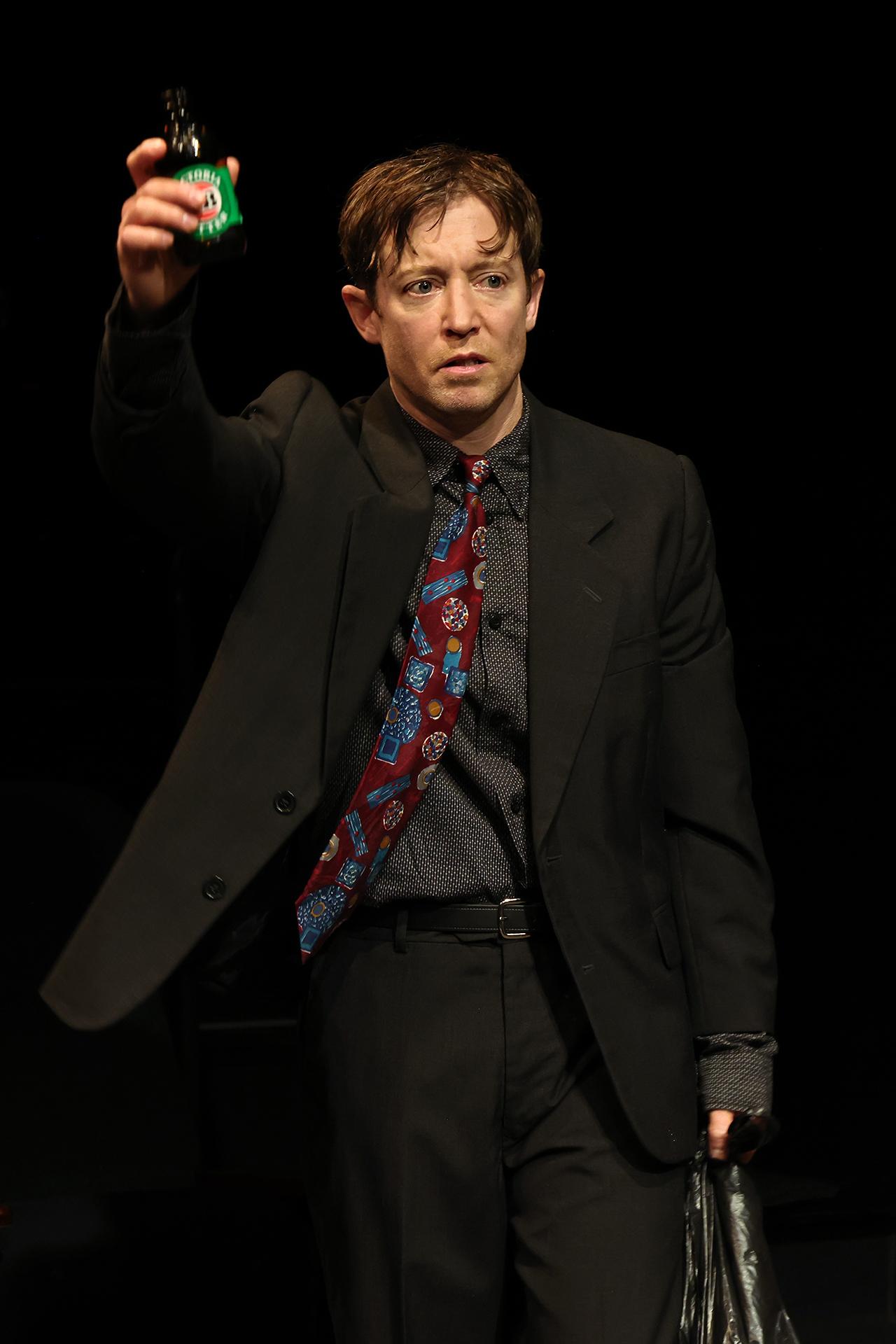
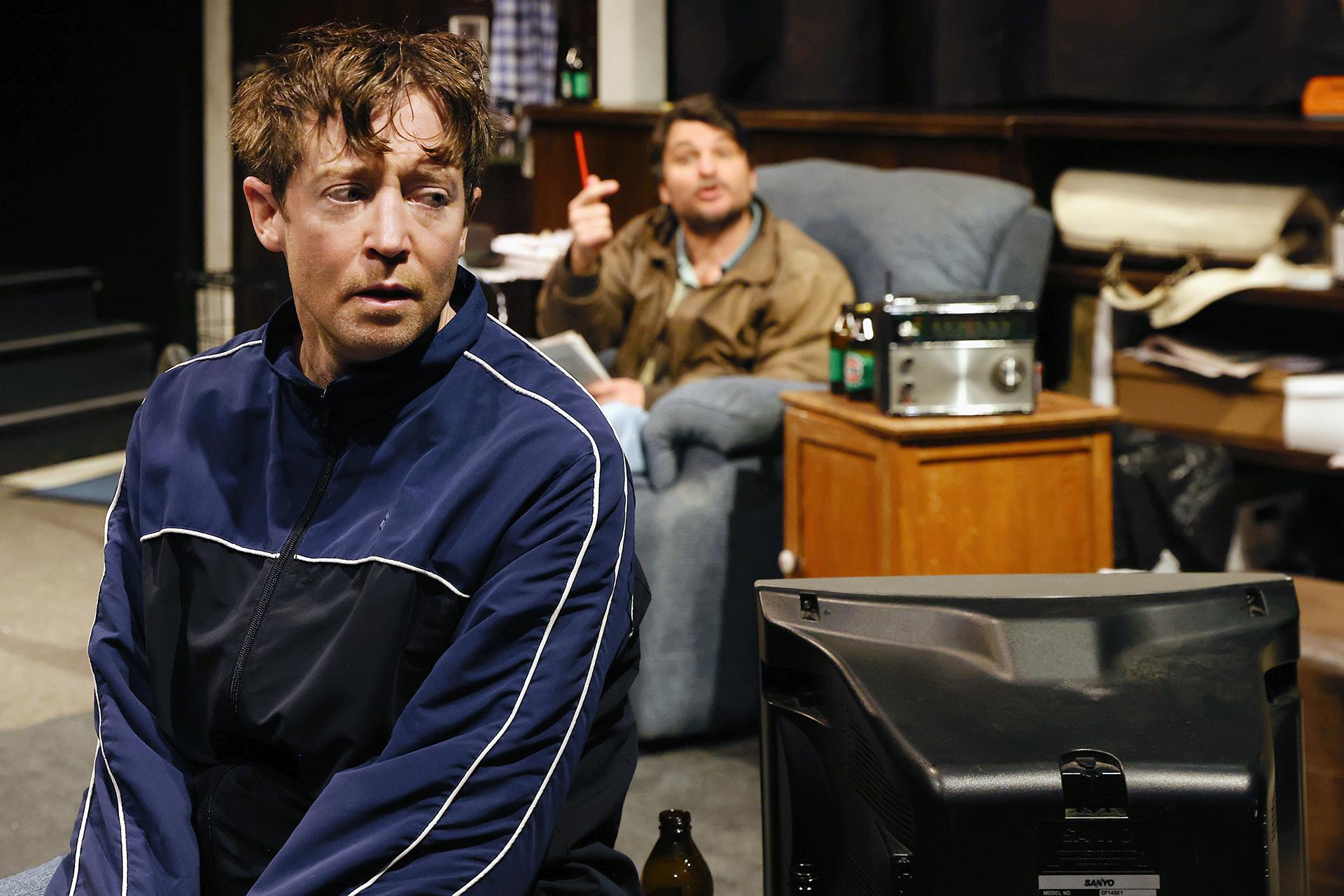
In the wake of a devastating meteor shower that leaves swathes of humanity blind, carnivorous plants known as triffids emerge to prey upon the vulnerable. John Wyndham’s 1952 novel, The Day of the Triffids, is indelibly a product of its time—an era when science fiction writers sought to metabolise the recent trauma of war through allegories of invasion by extraterrestrial or mutated foes, as though mass destruction could only be processed when refracted through the lens of the fantastical.

J. James-Moody’s new stage adaptation nods toward contemporary relevance with scattered technological references, capitalising on the peculiar modern terror of artificial intelligence and the men who orchestrate its proliferation. Yet these gestures feel insufficient; the text remains stubbornly dated, bogged down by protracted exposition that offers the audience few footholds for emotional engagement. We scarcely find ourselves resonating with the narrative or its characters, and the production struggles to inspire genuine sentiment.
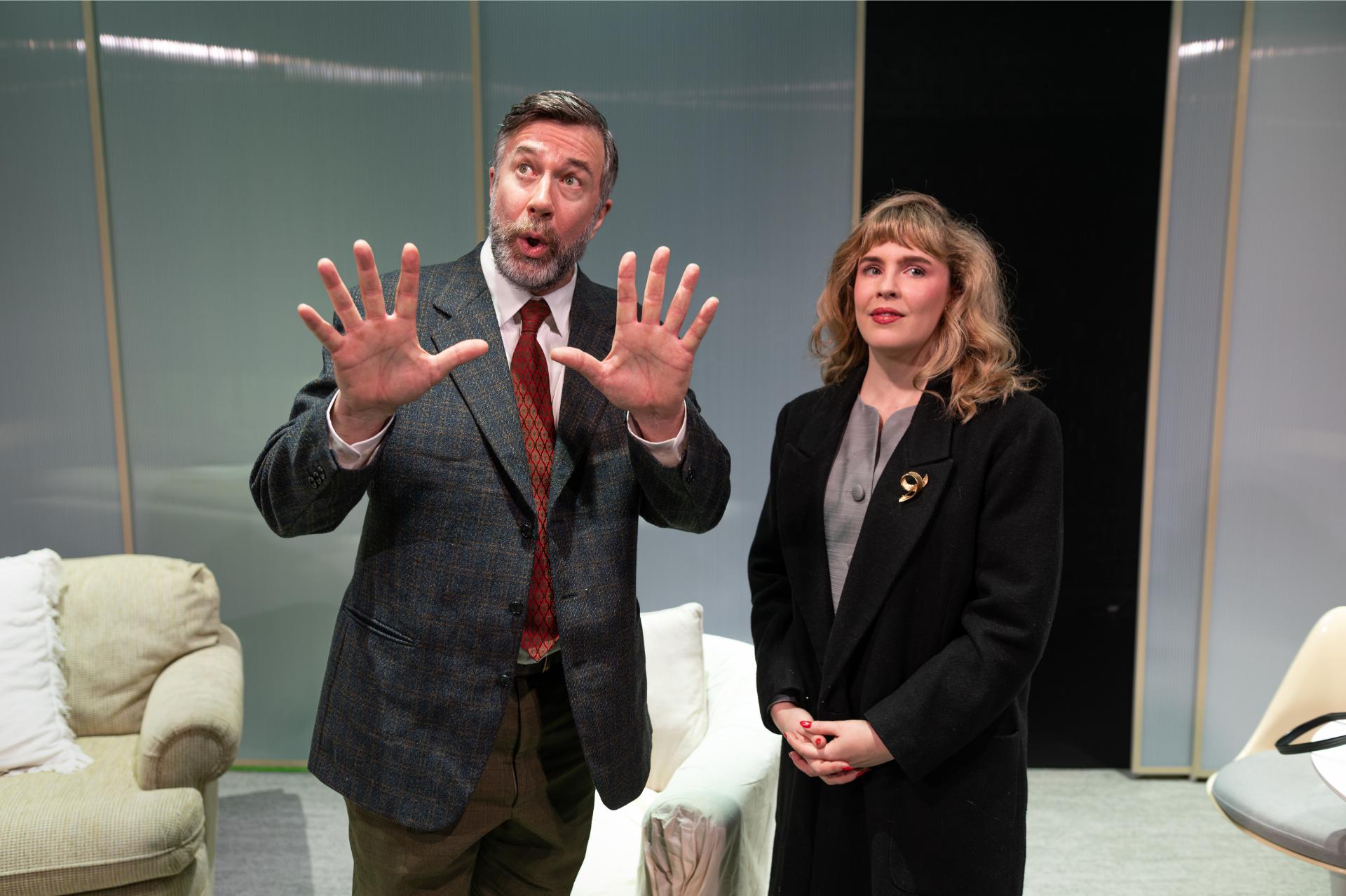
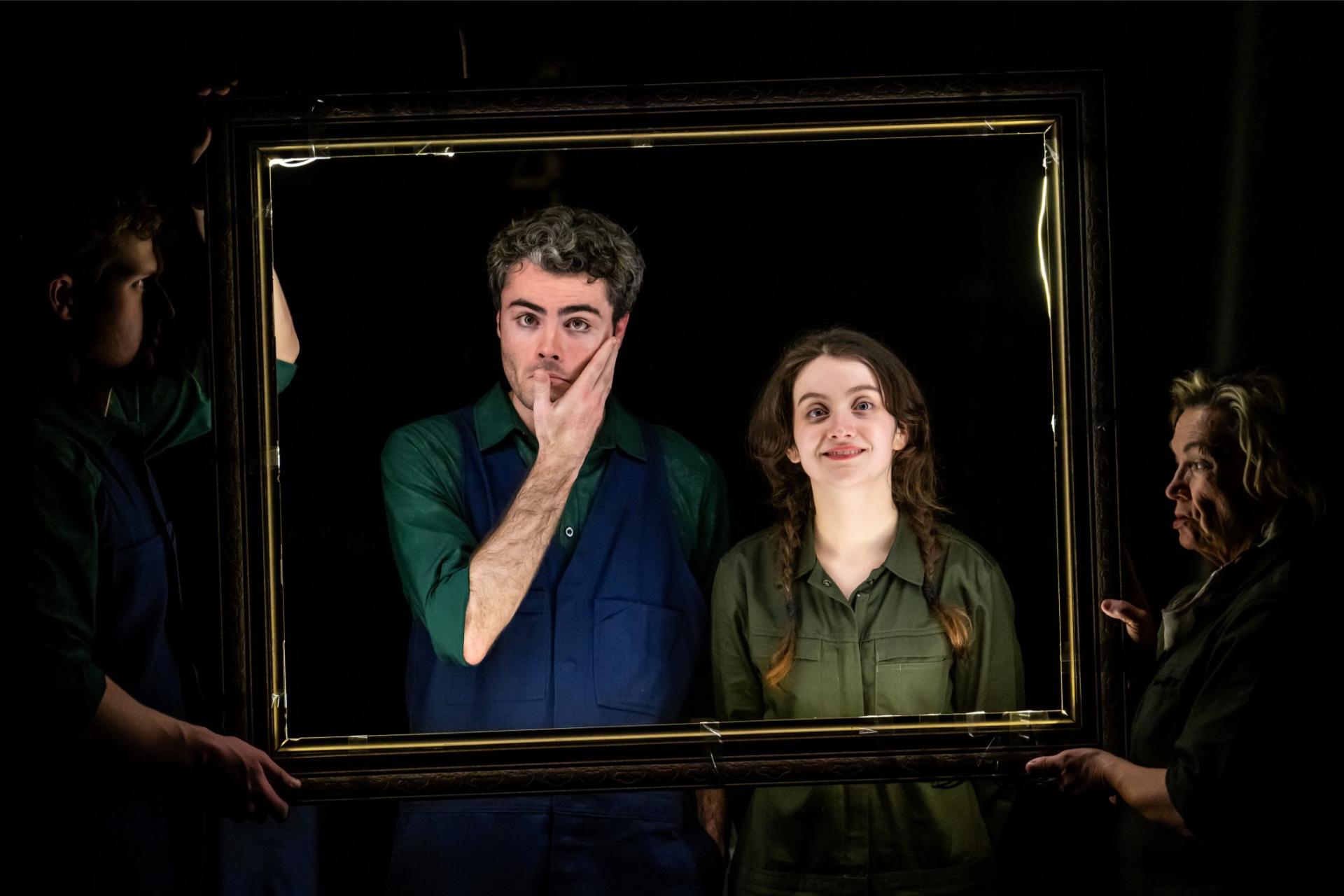
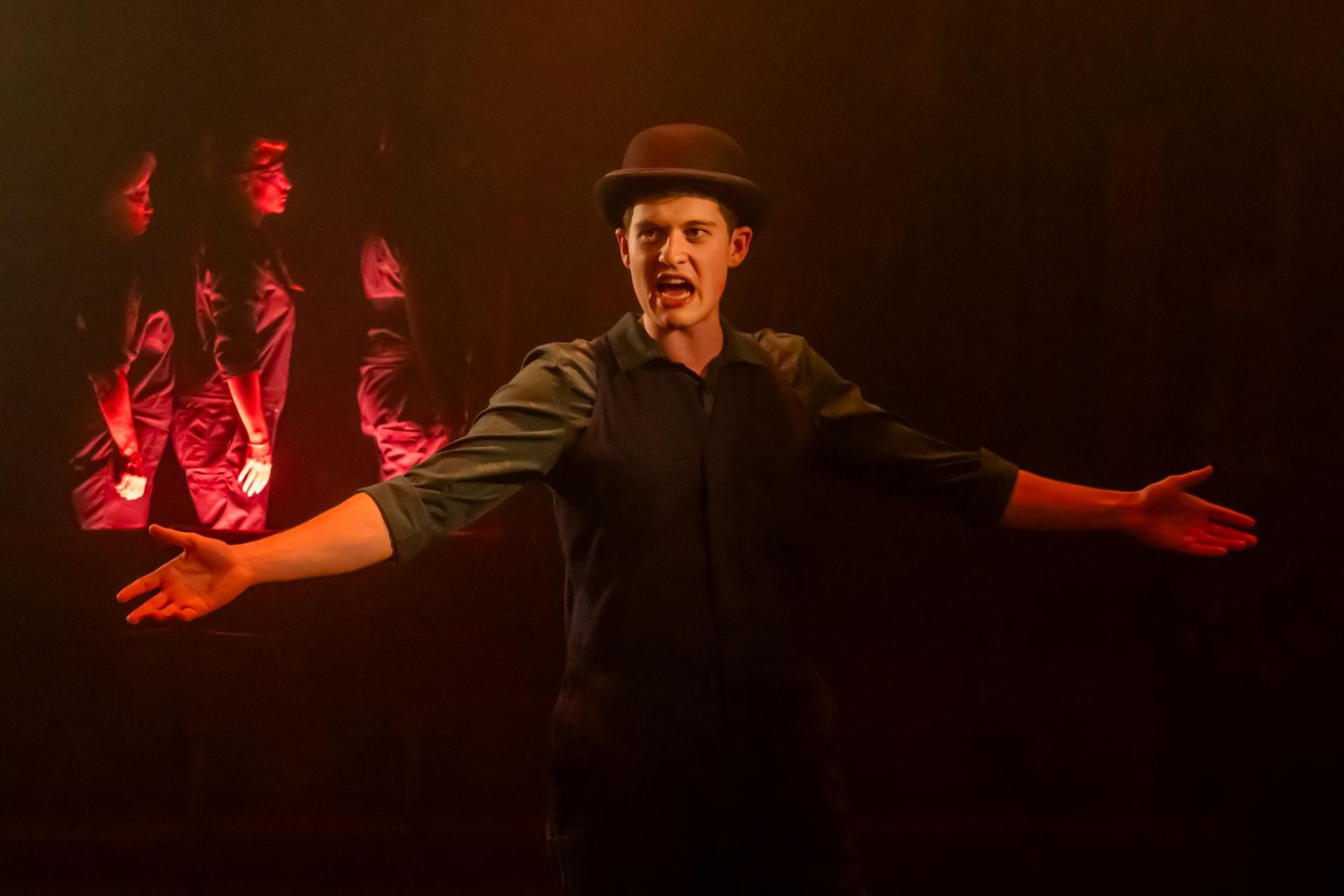
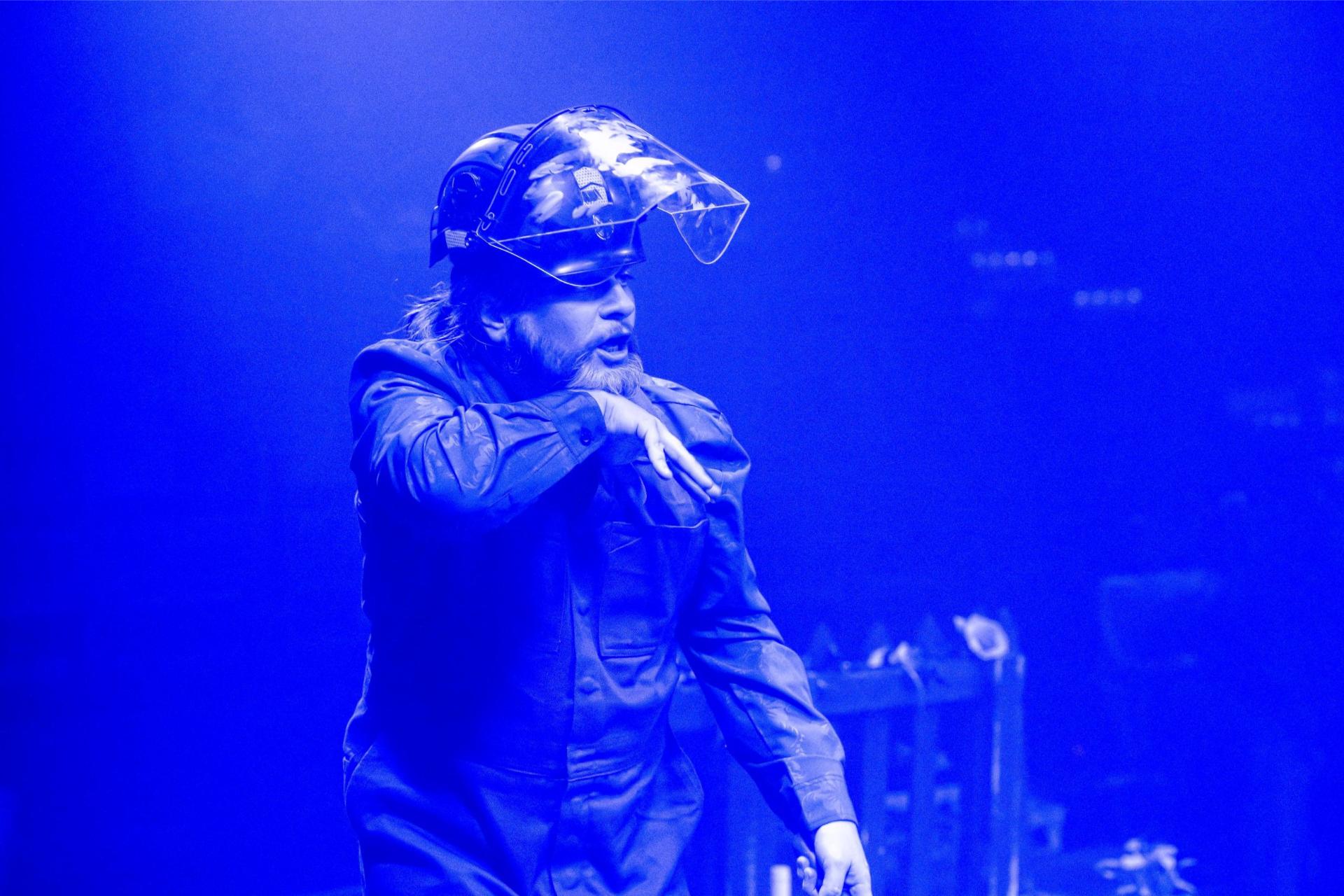
Where James-Moody fares considerably better is in his direction. He cultivates a carnival-like atmosphere, alive with mischief and playfulness that wins us over, at least intermittently. The staging abounds with imagination; while this inventiveness certainly entertains, it does little to advance the story with any real purpose.
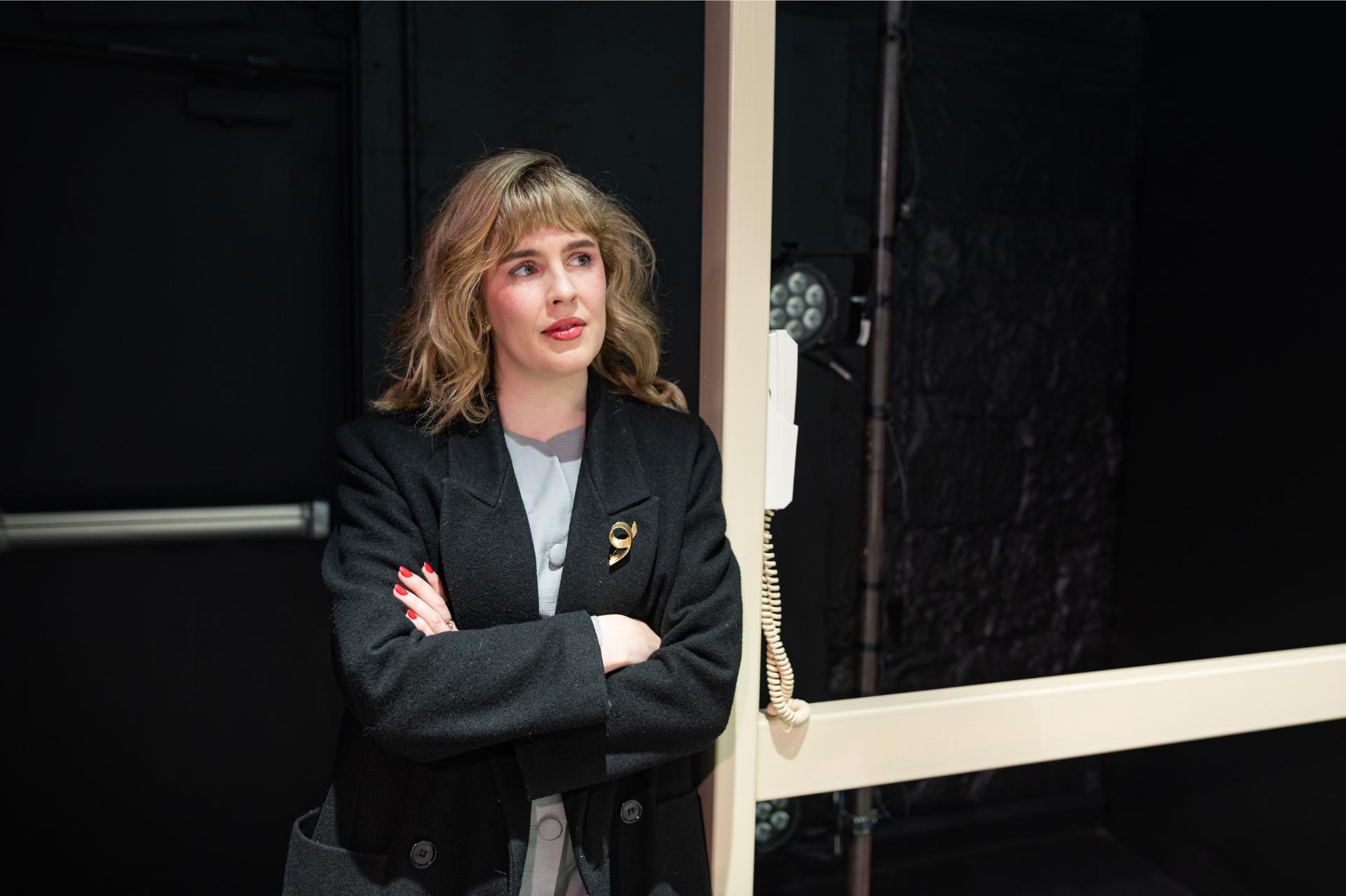
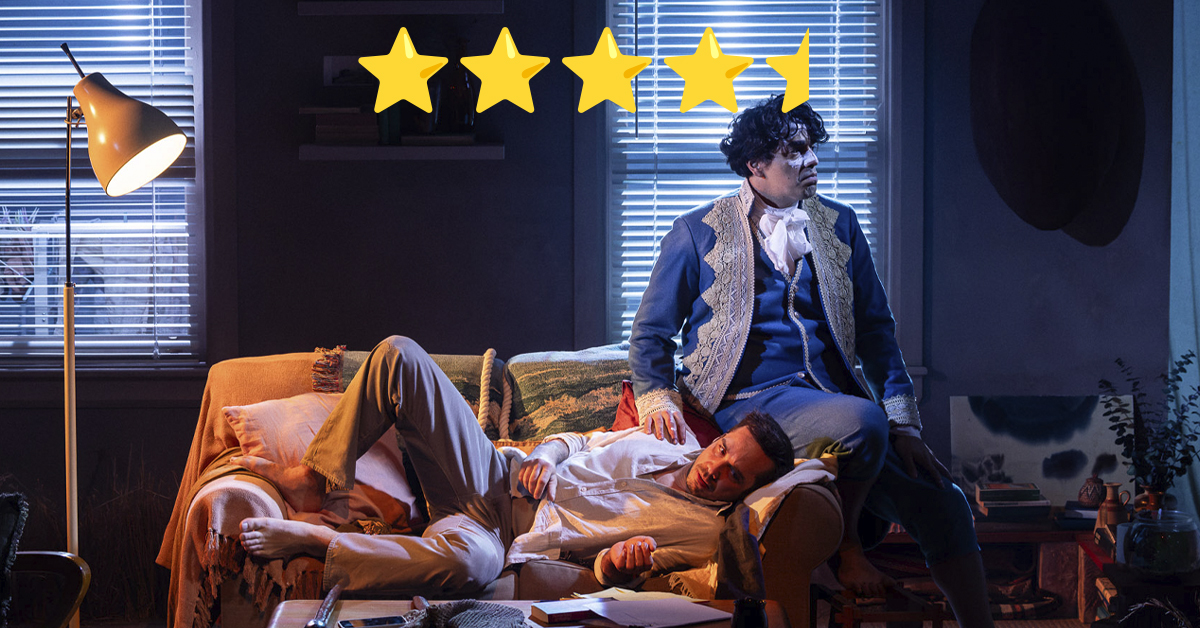
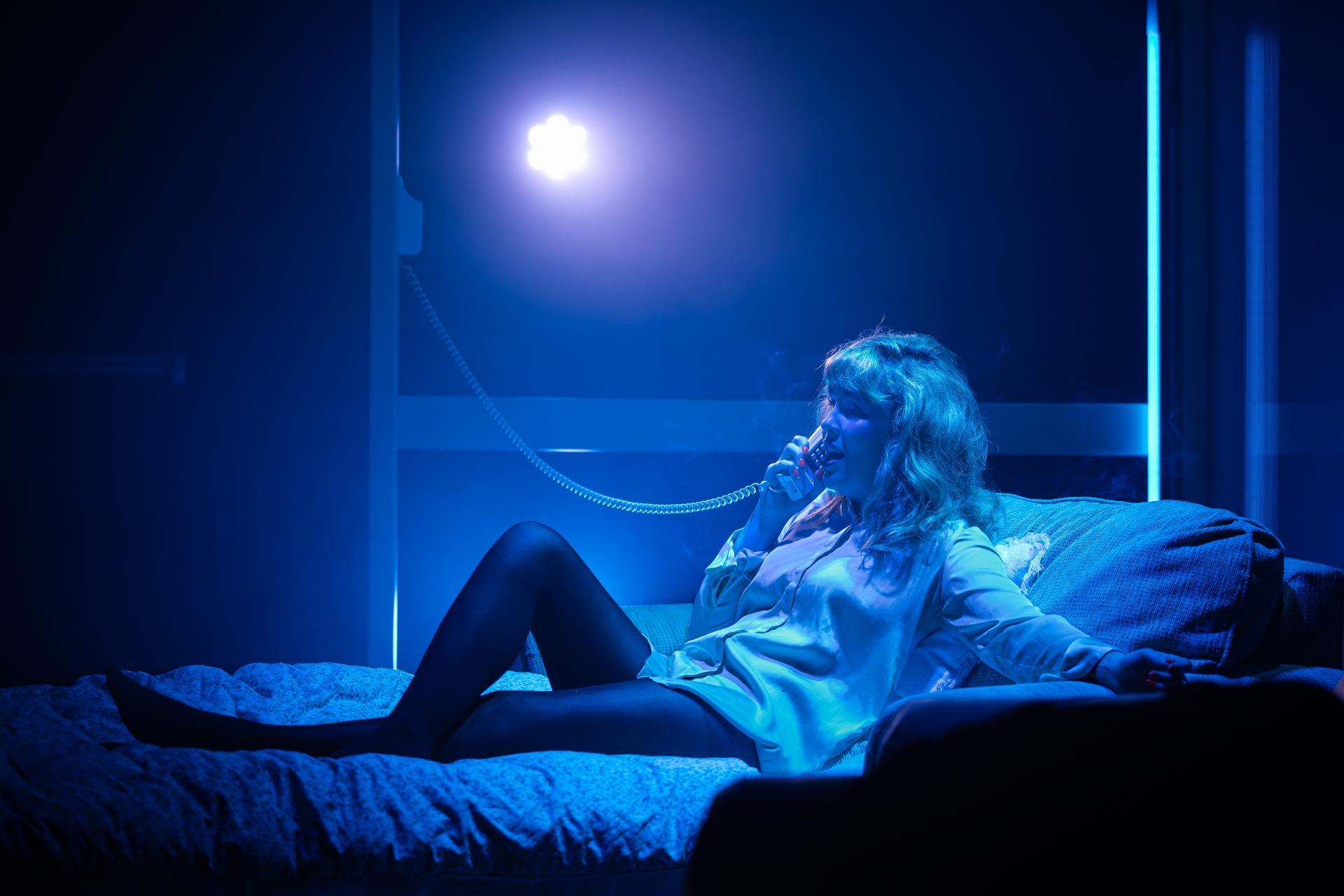
The design elements, by contrast, are immaculate. Holly Nesbitt’s lighting is dynamic and resourceful, delivering one striking visual tableau after another. Aubtin Namdar’s sound design and music are meticulously calibrated, enriching each scene with atmospheric precision. If the production fails to tell its story with clarity, it nevertheless astonishes with its technical and aesthetic faculties.
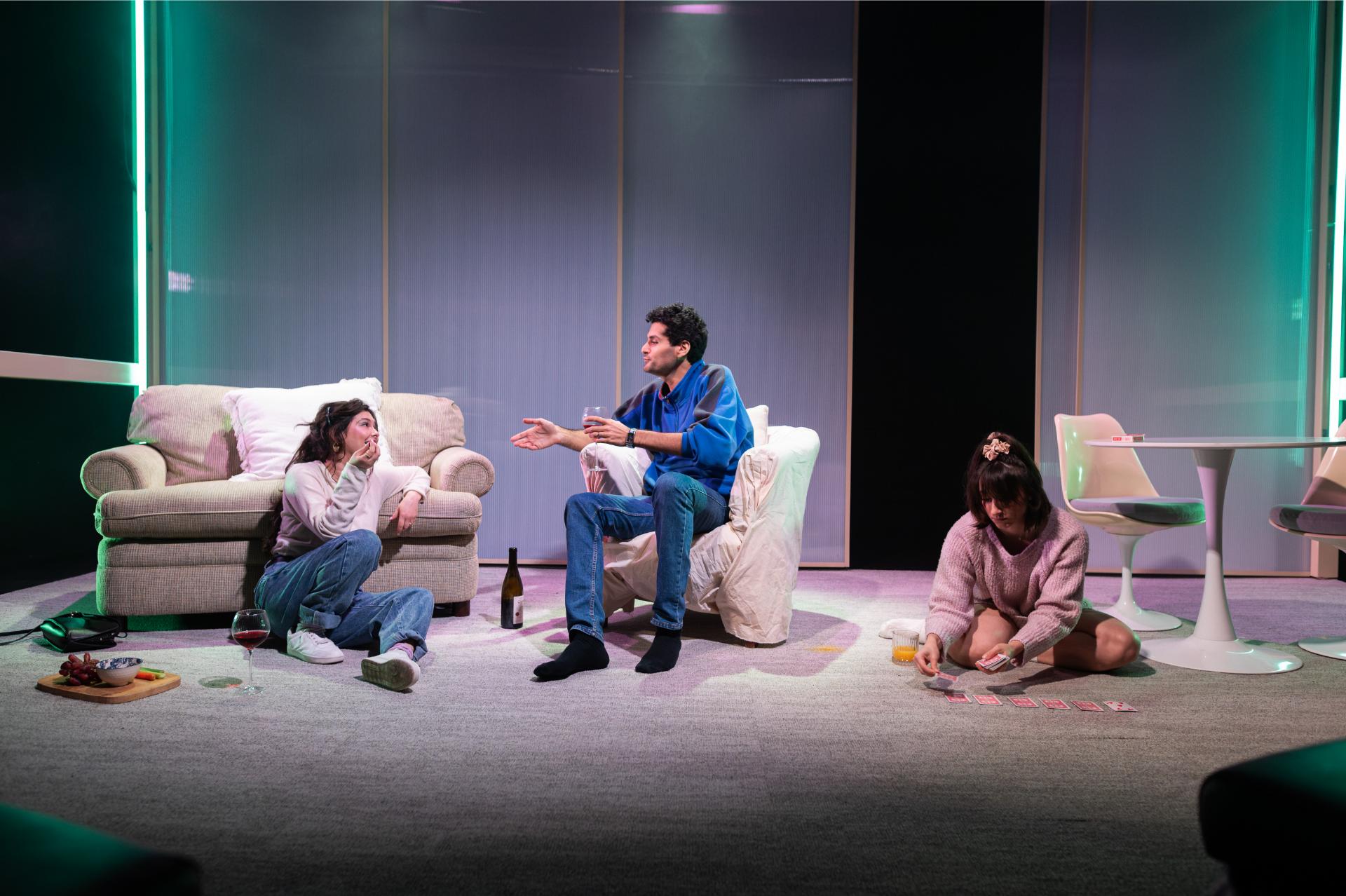
James Collins, playing Bill, the biologist navigating the apocalypse, provides a steadying centre—reliable, if never quite commanding. The seven-strong supporting ensemble proves equally personable, rising to the challenge of creating a spirited, occasionally raucous energy, though they never fully seize and hold our attention.
Wyndham’s novel ultimately celebrates the solidarity that can form in resistance to terror. Yet there is something unsettling about characterising the enemy as fundamentally alien—a narrative reflex of the postwar period that now feels increasingly difficult to endorse. Surveying the crises of our own age, one cannot escape the uncomfortable truth that we ourselves are the agents of so much that is destructive, even as we remain among its casualties.
www.newtheatre.org.au

Review: The Dapto Chaser (Ensemble Theatre)

Venue: Ensemble Theatre (Kirribilli NSW), Jun 29 – Jul 25, 2026
Playwright: Mary Rachel Brown
Director: Anna Houston
Cast: Peter Carroll, Marco Chiappi, André de Vanny, Justin Rosniak
Images by Prudence Upton

Theatre review
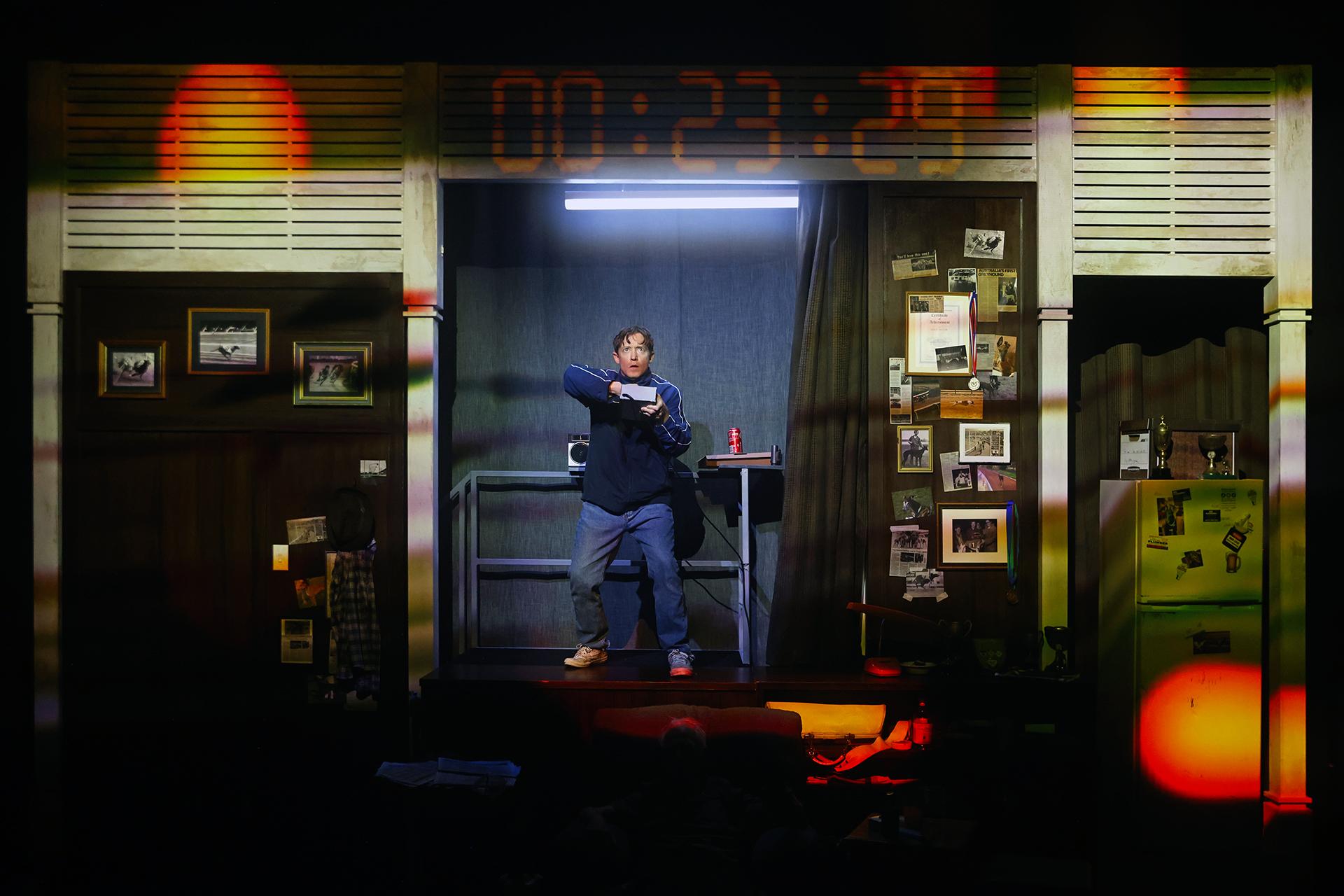
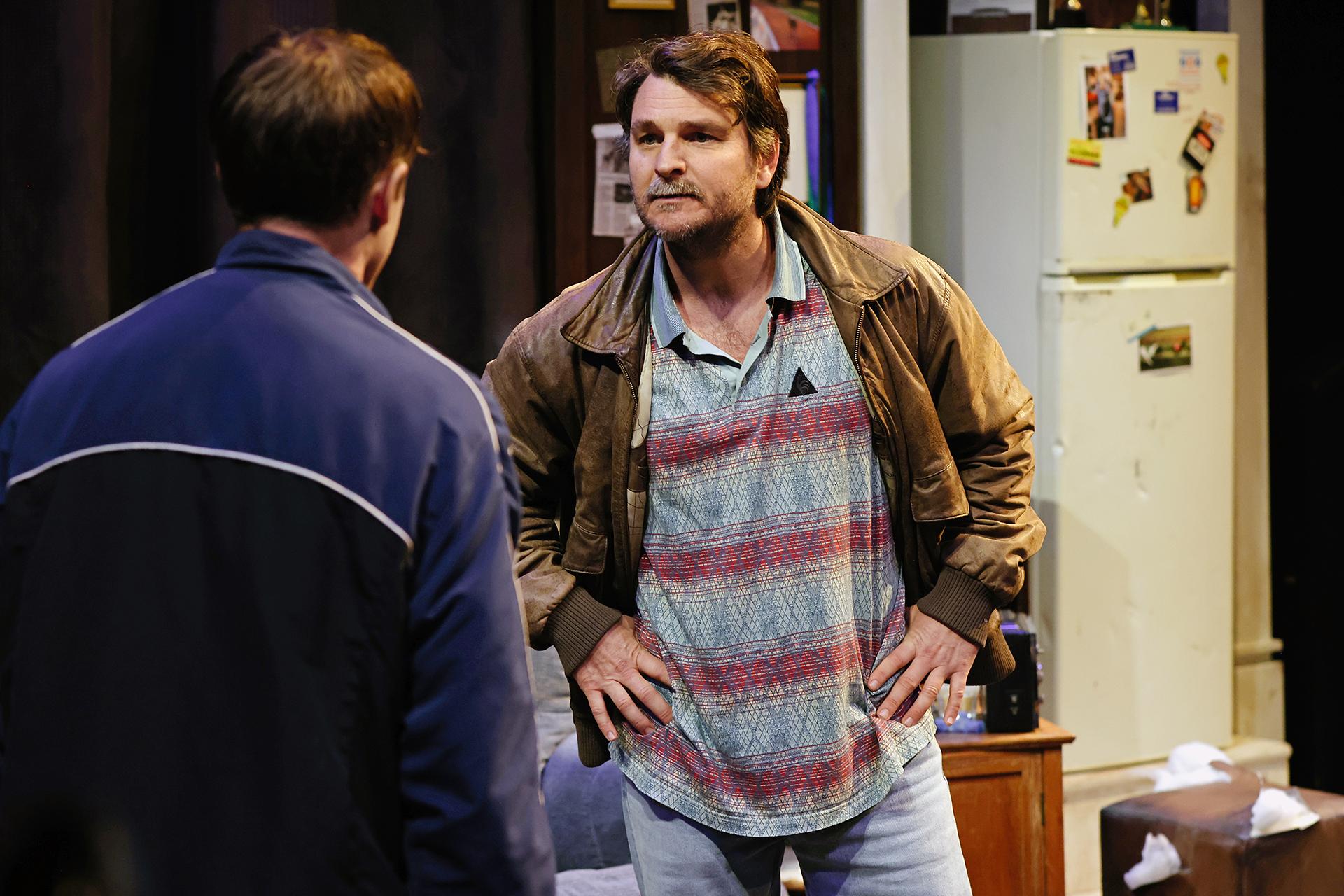
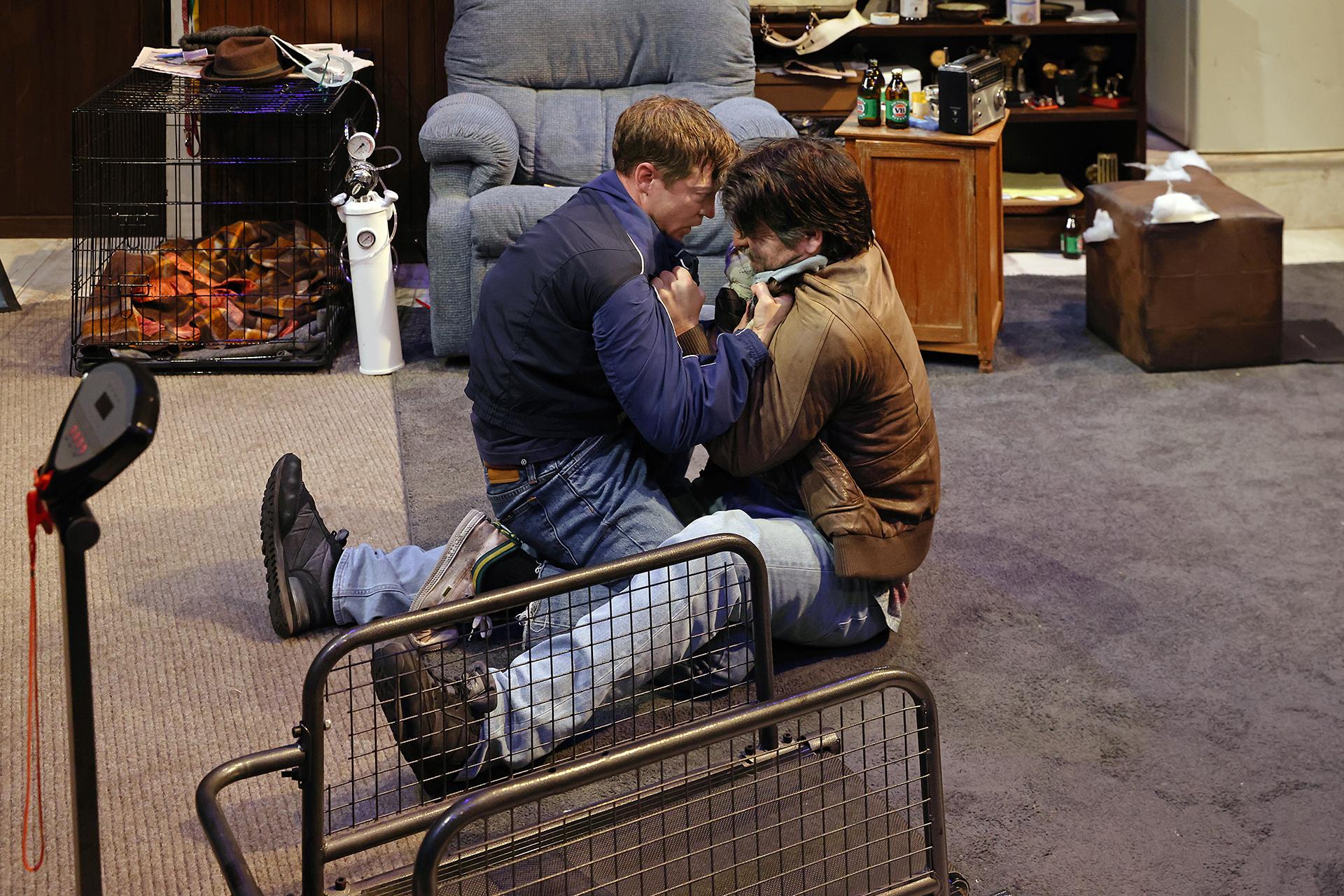
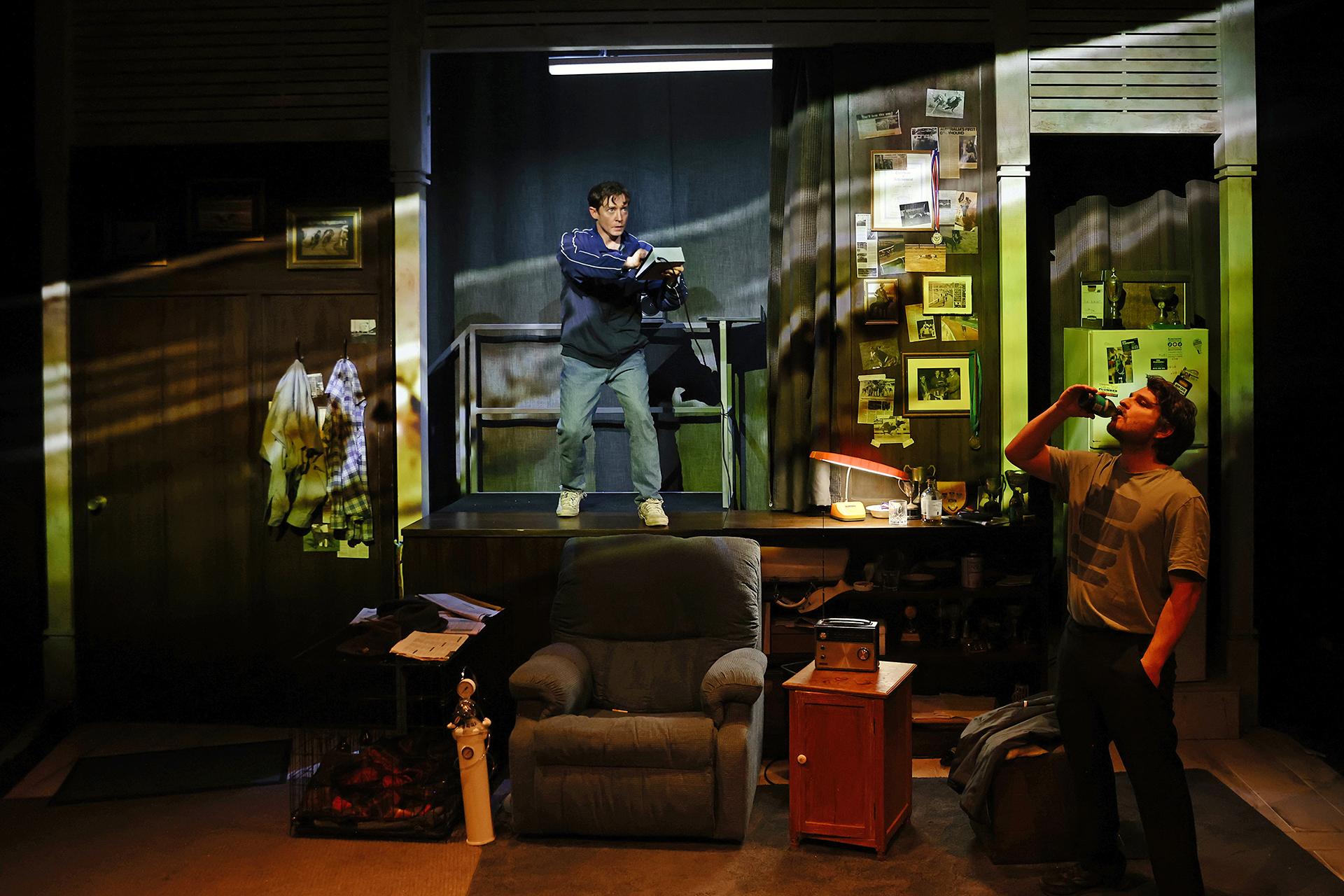
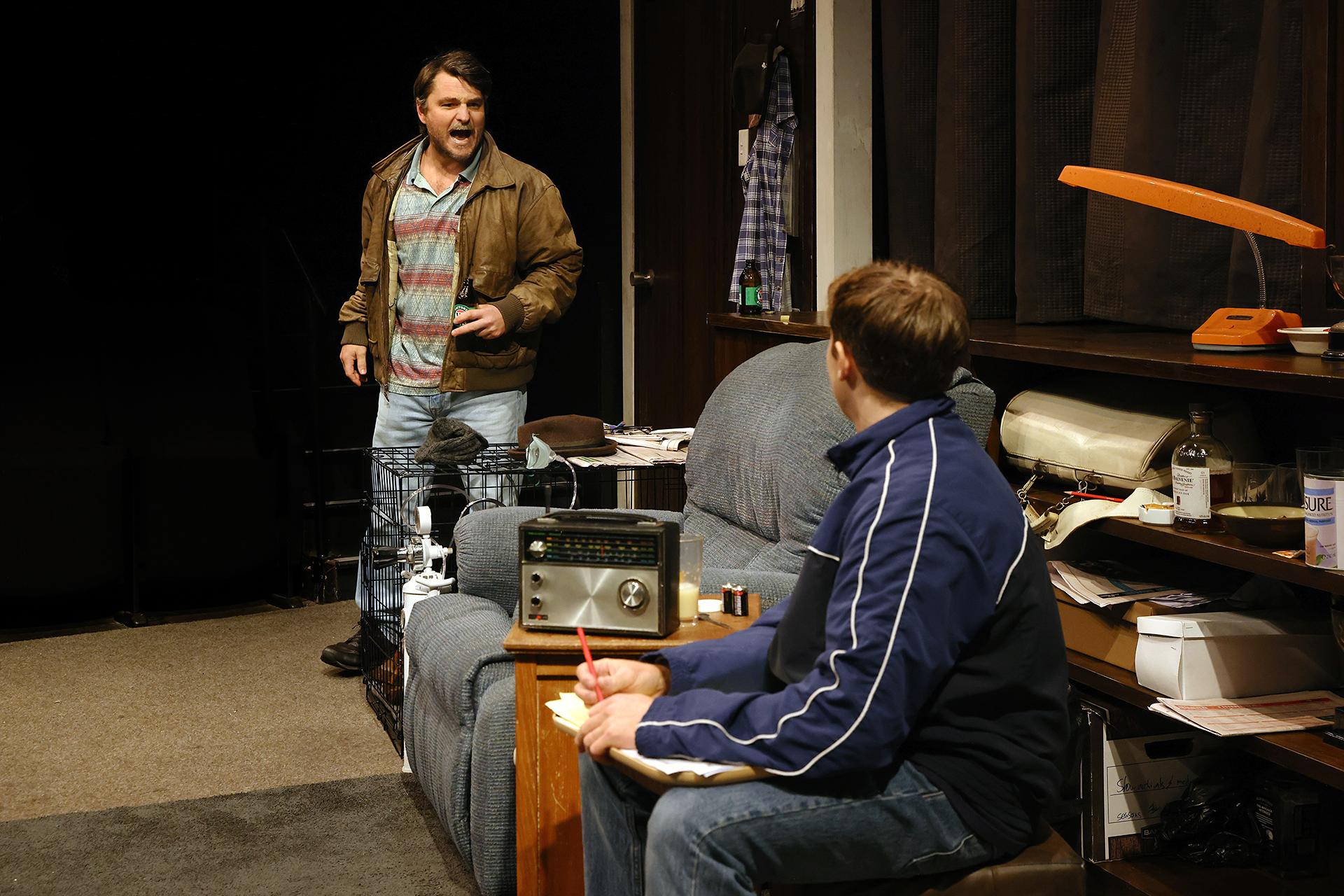
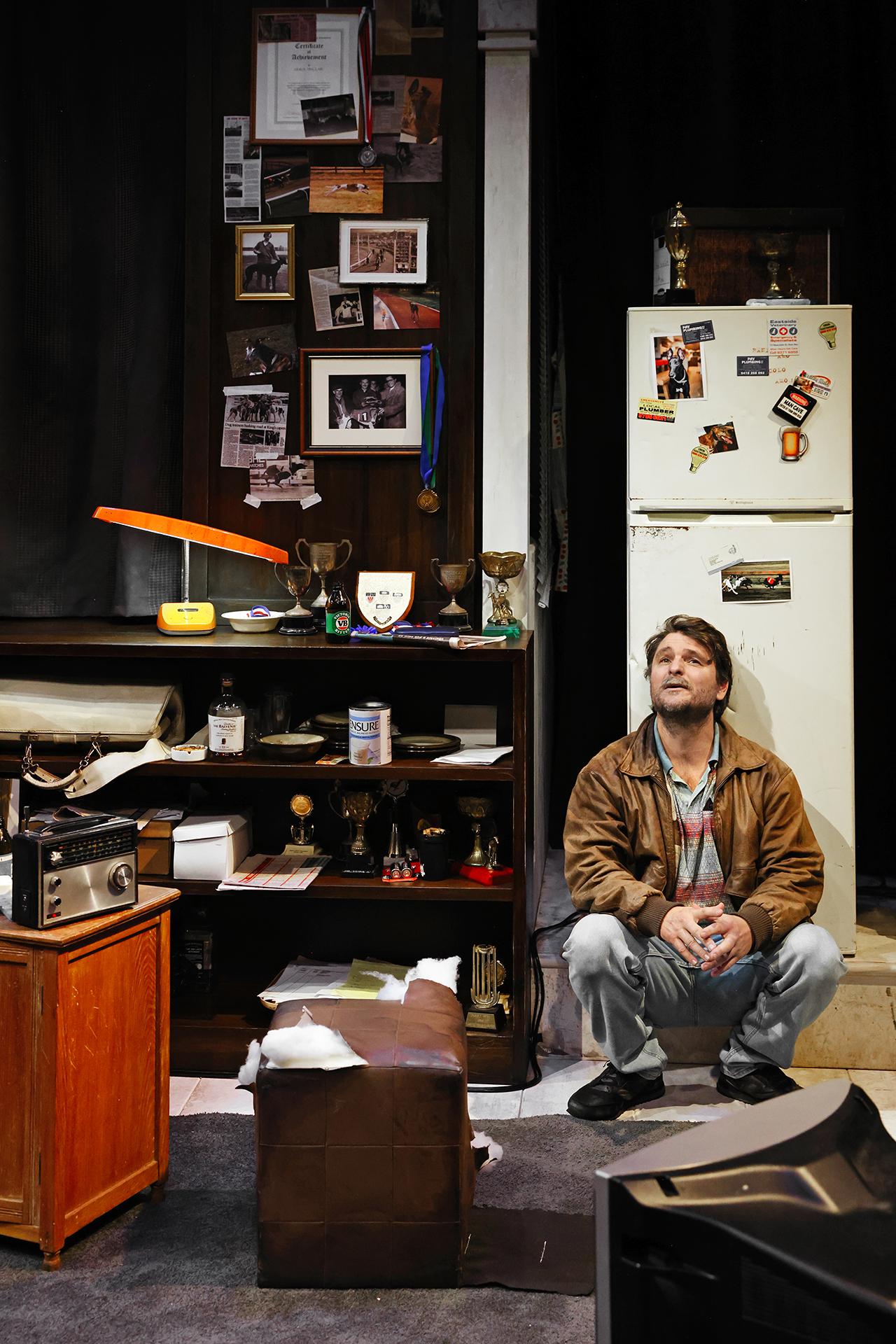
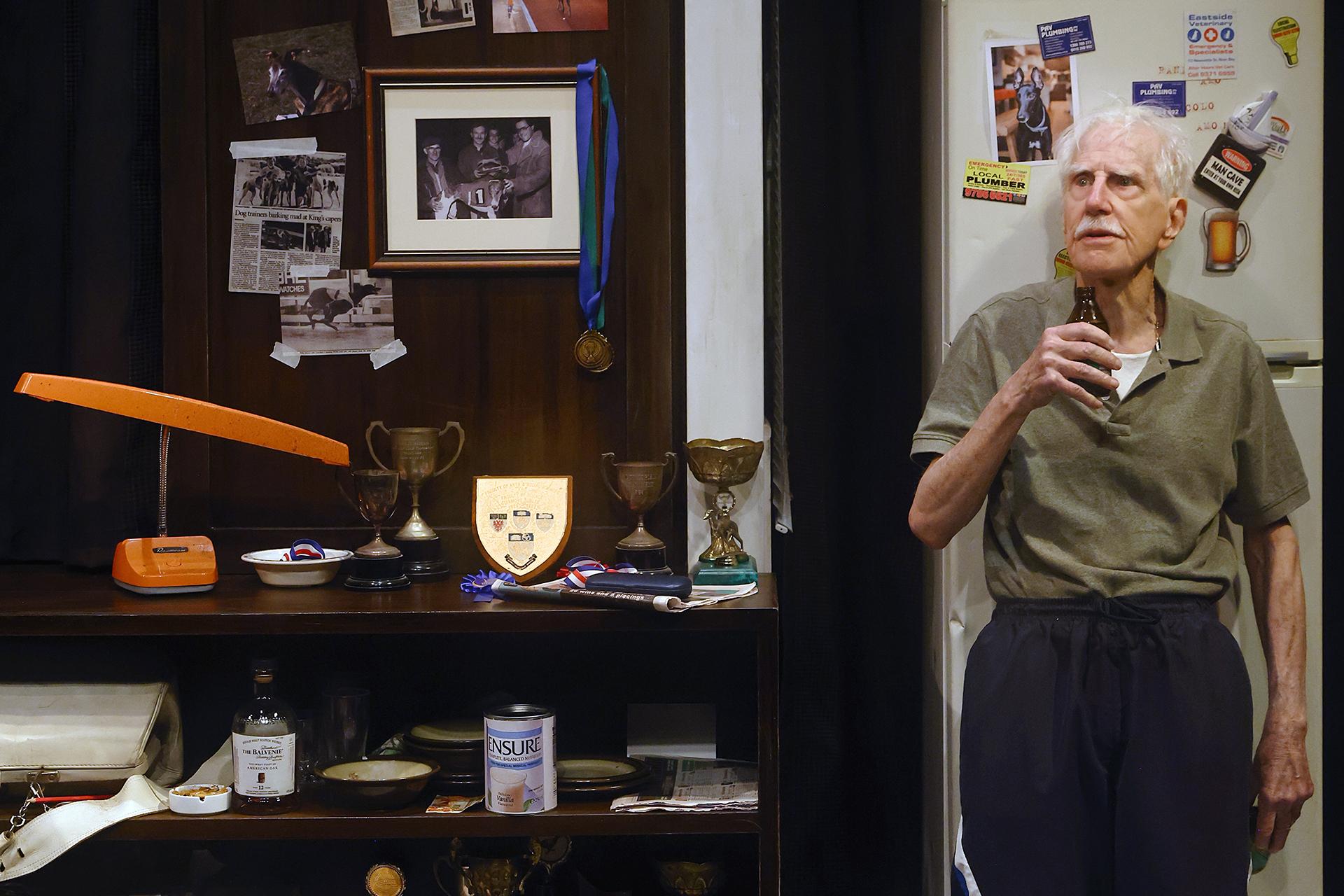
The Sinclairs have made a ruin of their lives, pouring everything into the quixotic pursuit of greyhound racing. In Mary Rachel Brown’s The Dapto Chaser, we watch generations of men tether themselves to a fixation they mistake for destiny, convinced that persistence alone will deliver them from their circumstances. To the audience, the arithmetic is mercilessly clear: the house never loses. It is tempting to read their devotion as mere folly, the wages of poor choices. Yet Brown invites us to recognise a more uncomfortable mirror. Most of us may not wager on the dogs, but we commit to capitalism with a comparable fervour, persuaded that the system pays out fairly to those who play by the rules. The truth, of course, is that capital rewards capital; the rest of us navigate by dim light, following the doctrines handed down by those who profit from our faith.

Brown’s play is not, at its core, a political treatise, though it certainly concerns itself with Australian class structures. First and foremost, it is a masterclass in wit, delivered with precision and velocity. The humour, rich in ocker texture, will prove satisfying especially to those who favour that particular style of language. Anna Houston’s direction sharpens the comedy to a needlepoint, mining every beat for maximum effect so that even viewers who find the cultural milieu foreign will be laughing despite themselves. Her attention to dramatic architecture is equally assured, inflating the stakes until they feel perilous, and securing our emotional investment with deceptive ease.

The production design reinforces this immediacy. Simone Romaniuk’s set and costumes evoke poverty not as aestheticised misery but as lived-in dilapidation, telling their own visual story with unflinching honesty. Between scenes, Matt Cox’s lighting and Madeleine Picard’s score seize every opportunity for theatrical flourish, enriching the dramaturgy while lifting the production into something more expansive than naturalism.

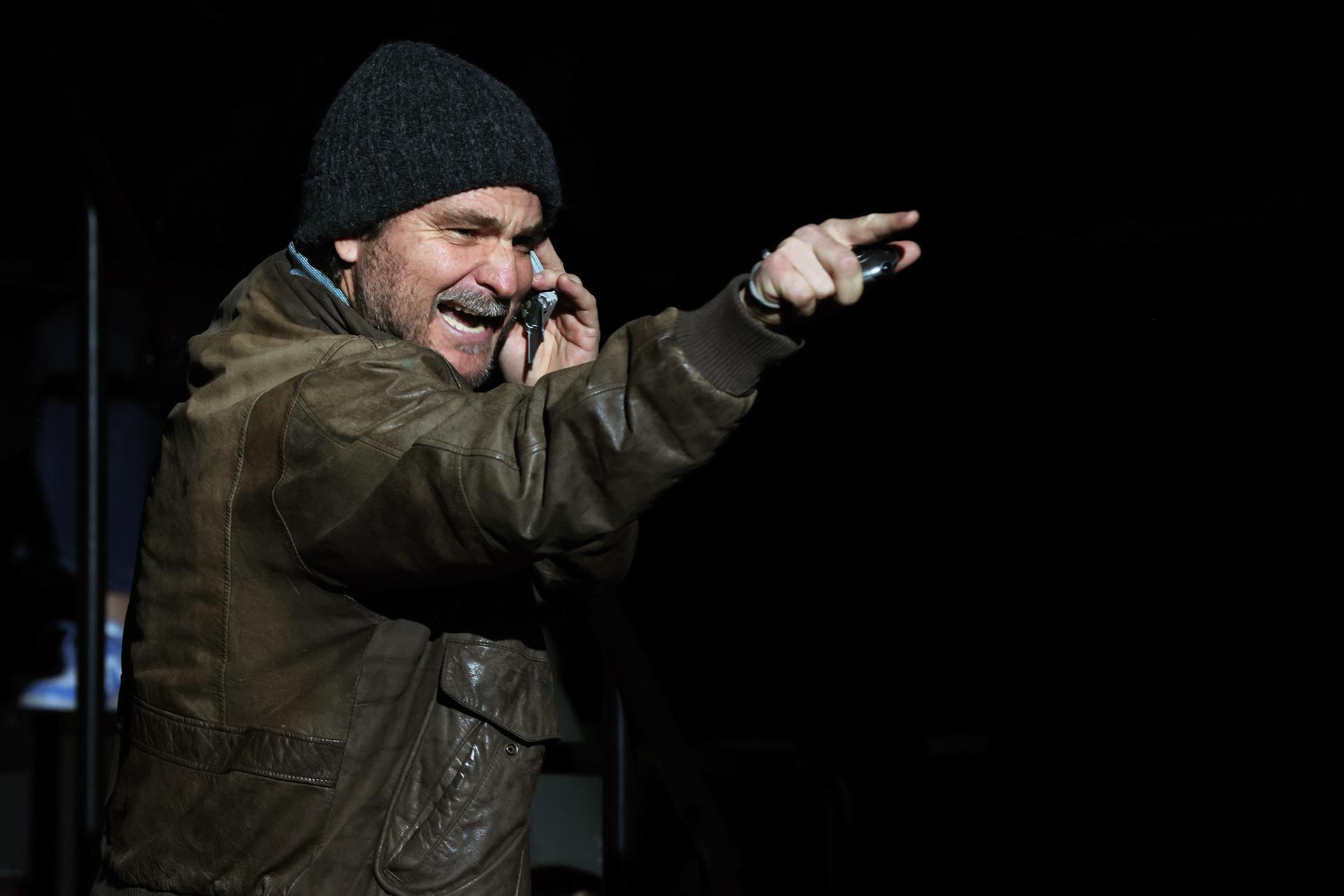
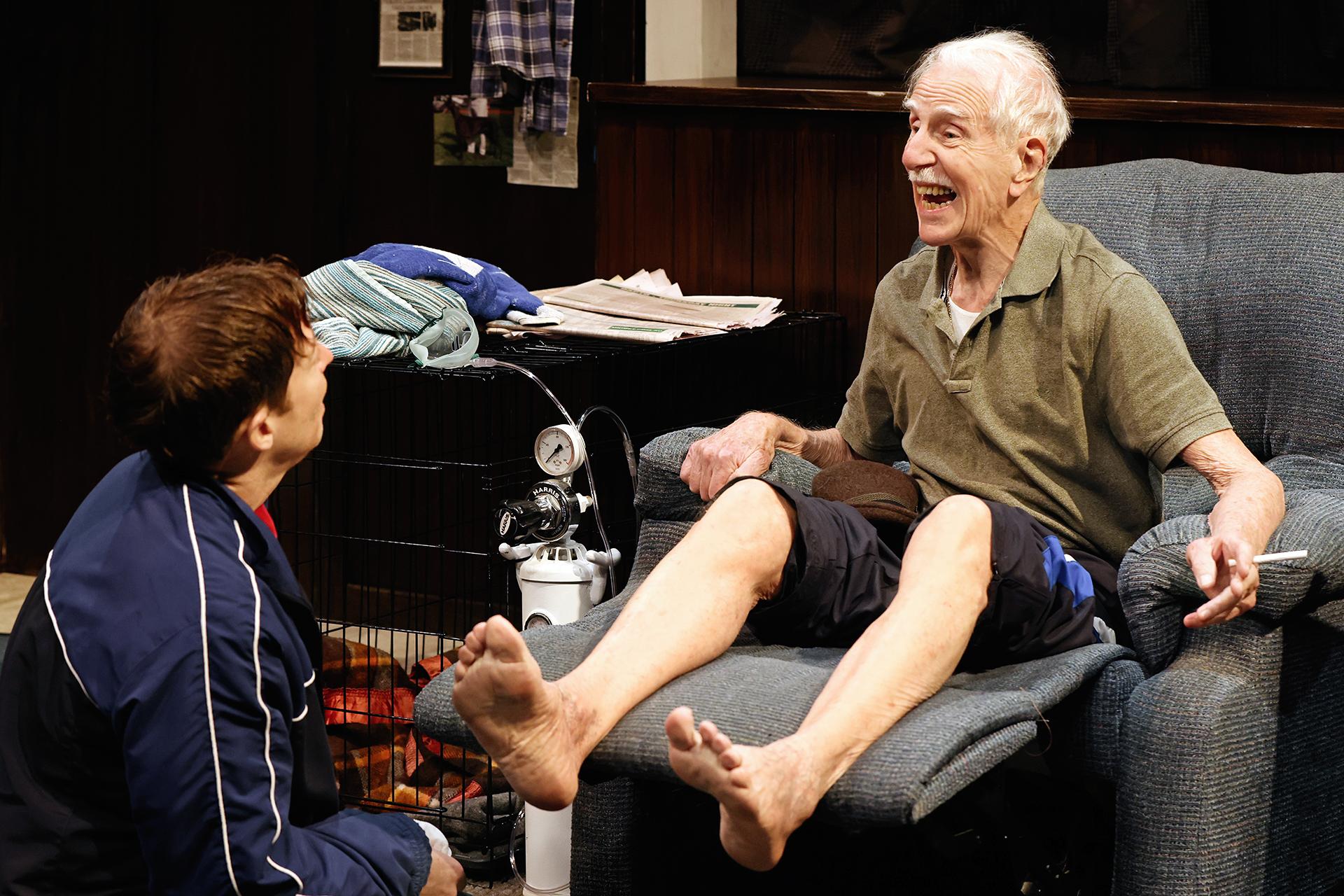
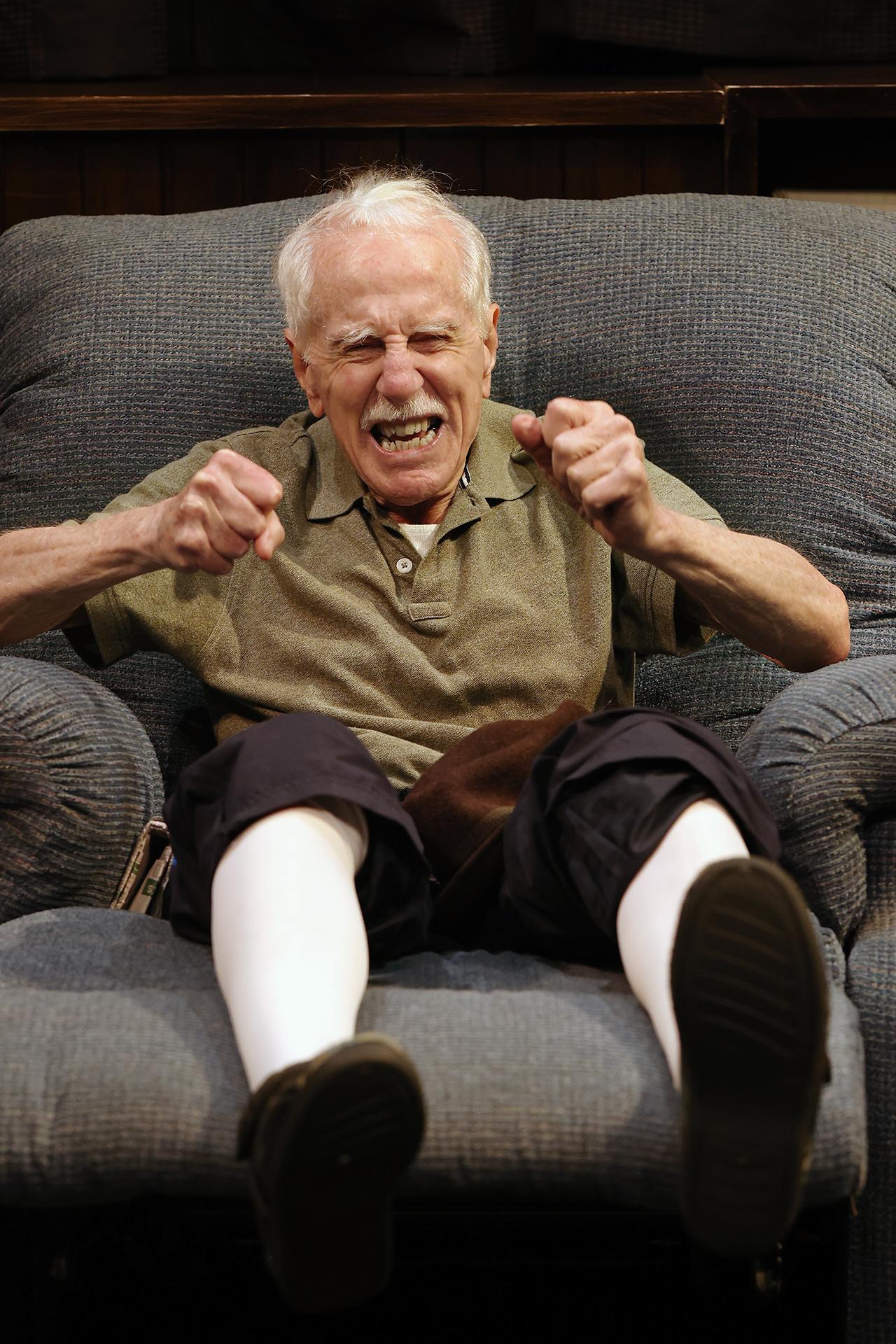
At the centre stands Justin Rosniak as Cess, delivering a performance of captivating intensity. His emotional volatility and fearless comic timing ensure we remain locked to the family’s trajectory, finding entertainment and pathos in equal measure. He is ably supported by Peter Carroll, Marco Chiappi, and André de Vanny, all of whom demonstrate the skill this bittersweet comedy demands.

We want the Sinclairs to break their patterns, to glimpse the impossibility of the dreams they have chased for so long. More than that, we are left wondering whether our own capitalistic commitments—to the promises of merit, of fair reward, of the system’s eventual benevolence—are any less delusory than a winning ticket at the track.

www.ensemble.com.au