Review: Steel Magnolias (Theatre Royal)

Venue: Theatre Royal (Sydney NSW), May 13 – 30, 2026
Playwright: Robert Harling
Director: Lee Lewis
Cast: Belinda Giblin, Lotte Beckett, Mandy Bishop, Debra Lawrance, Lisa McCune, Jessica Redmayne
Images by Brett Boardman

Theatre review
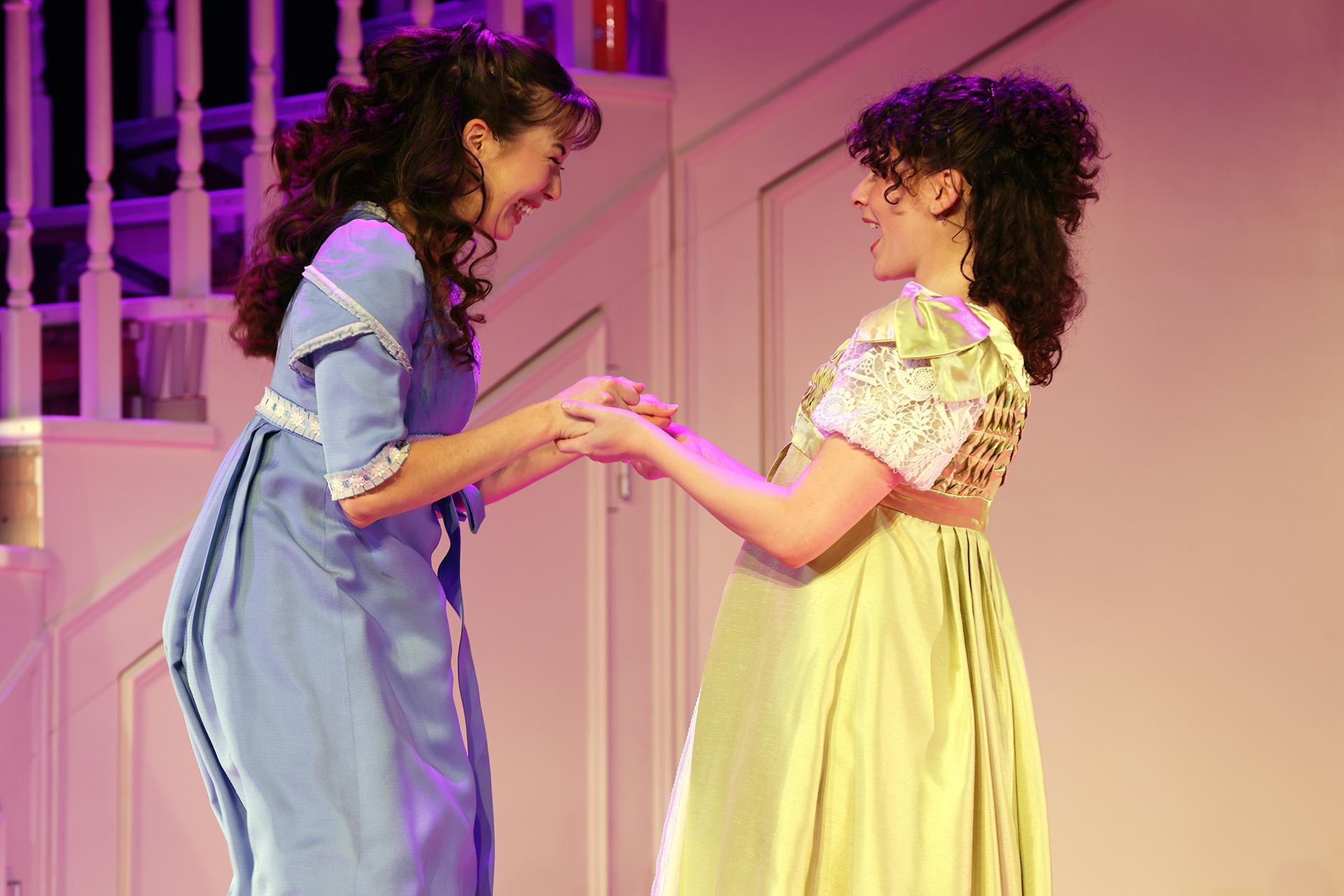
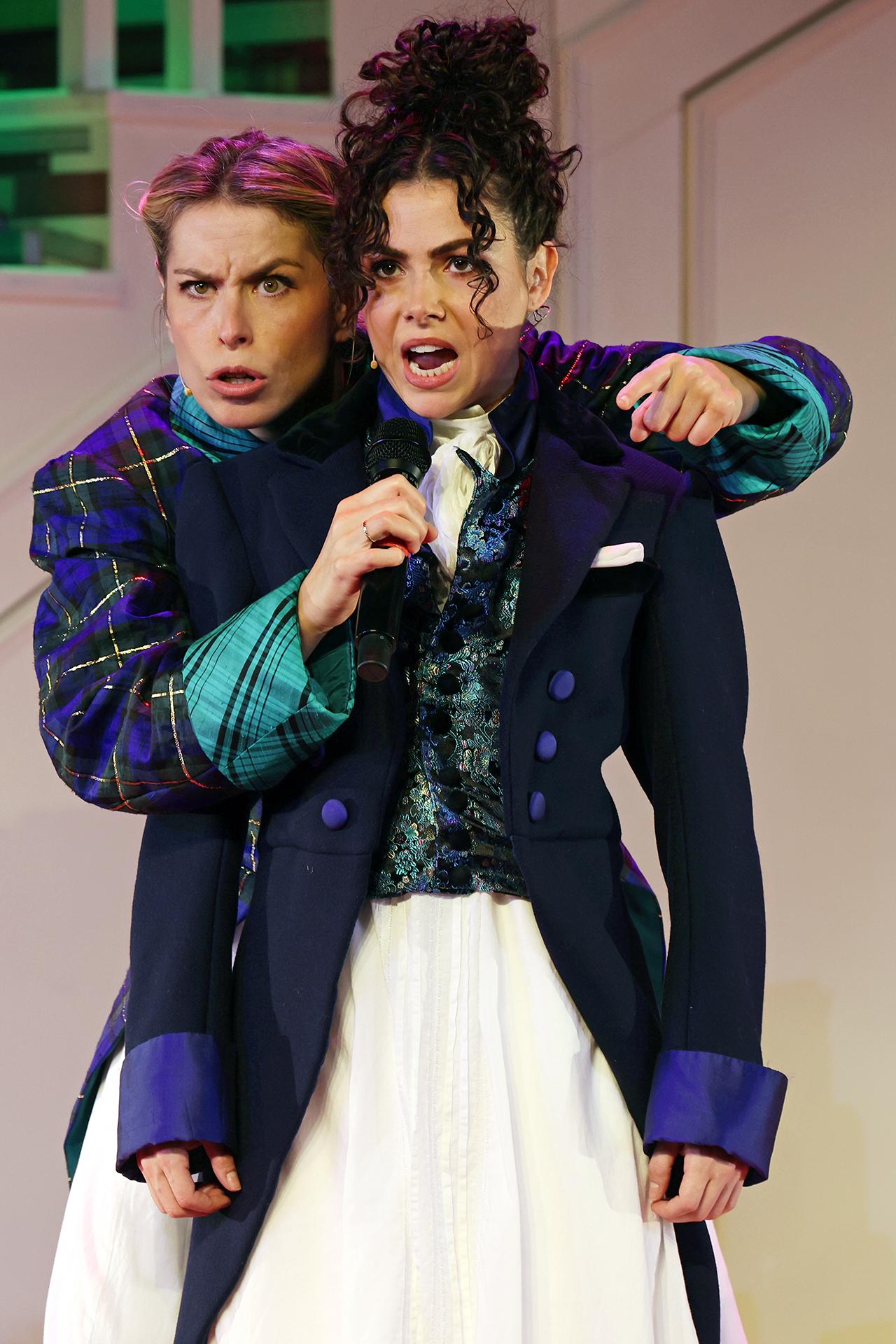
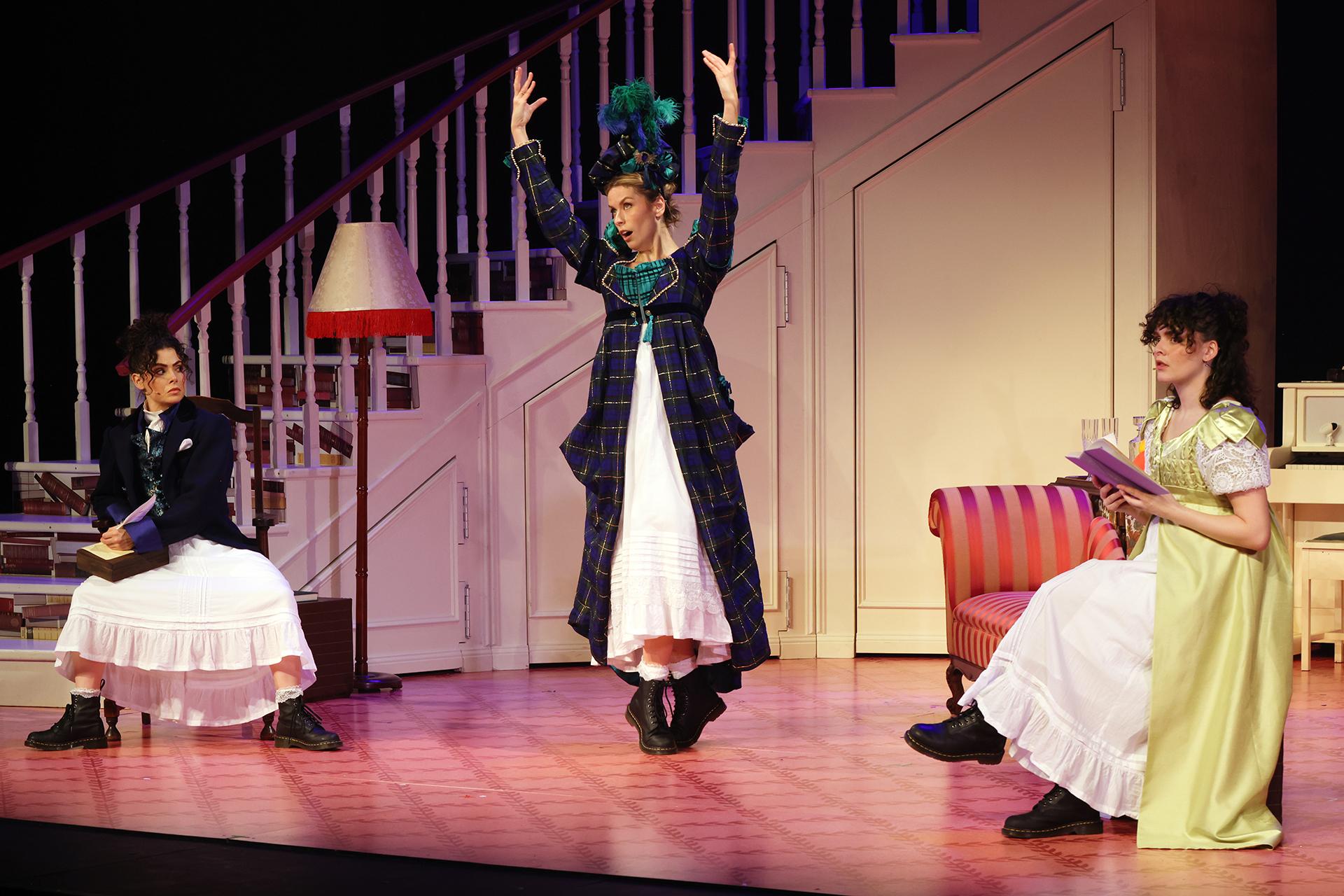
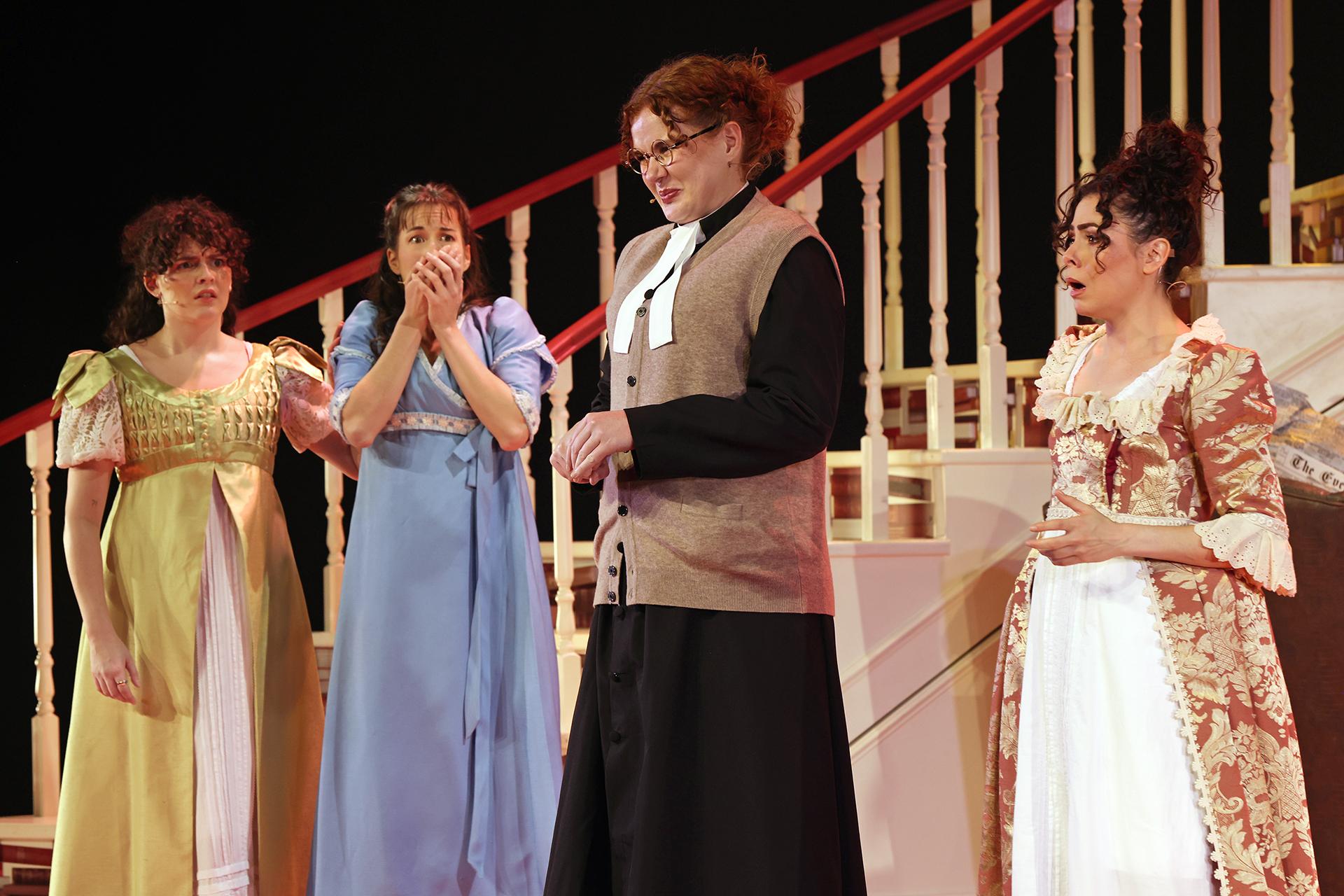
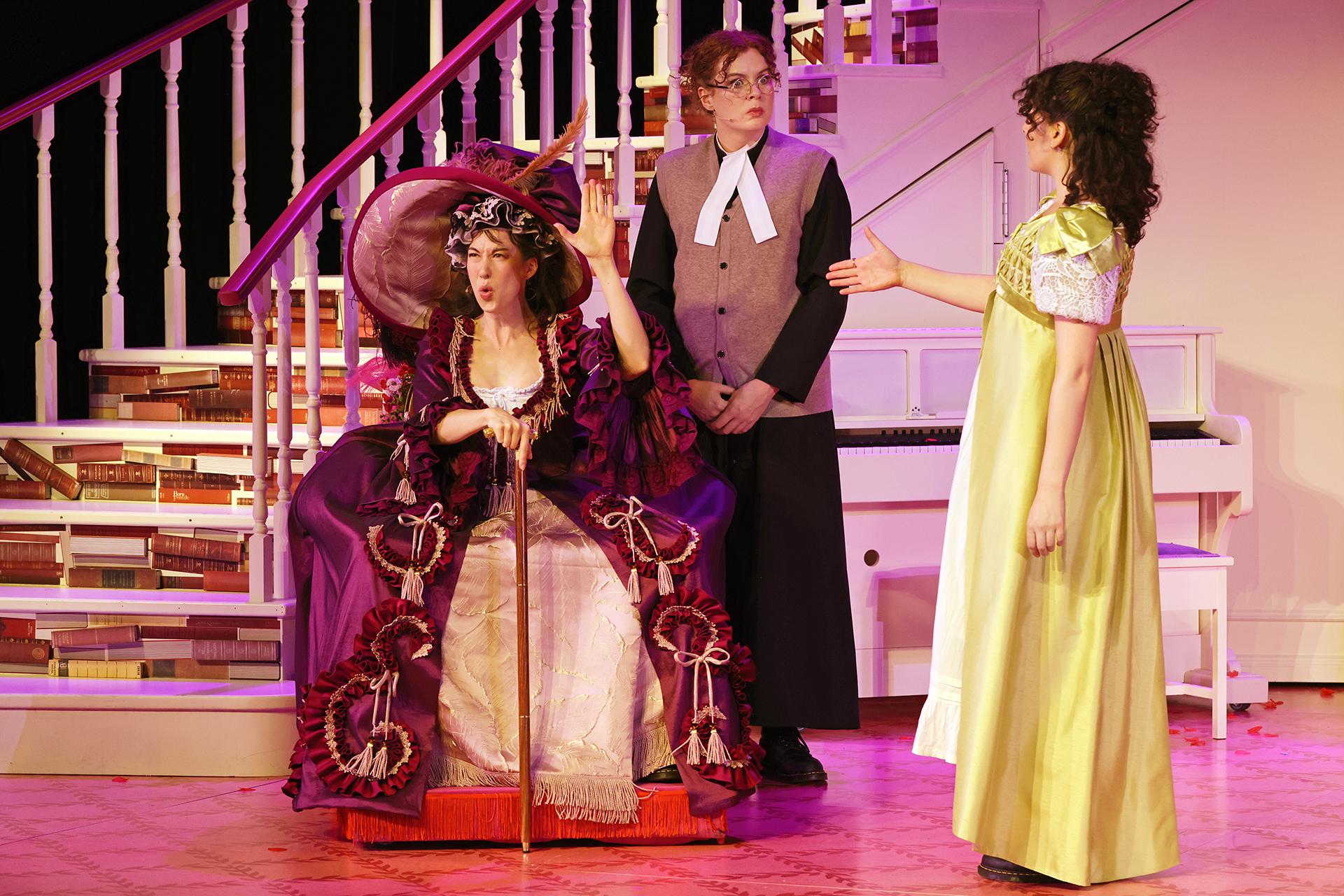
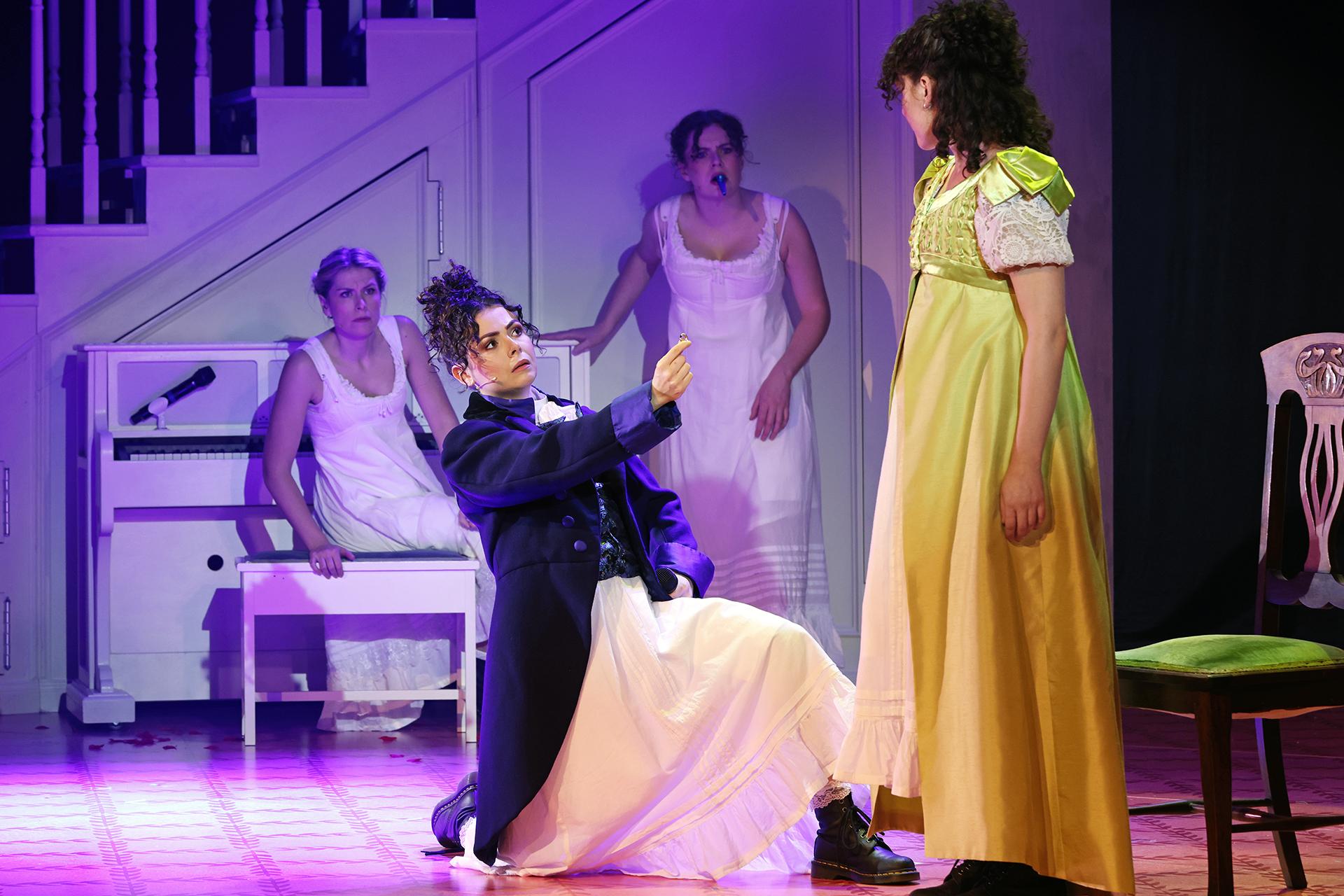
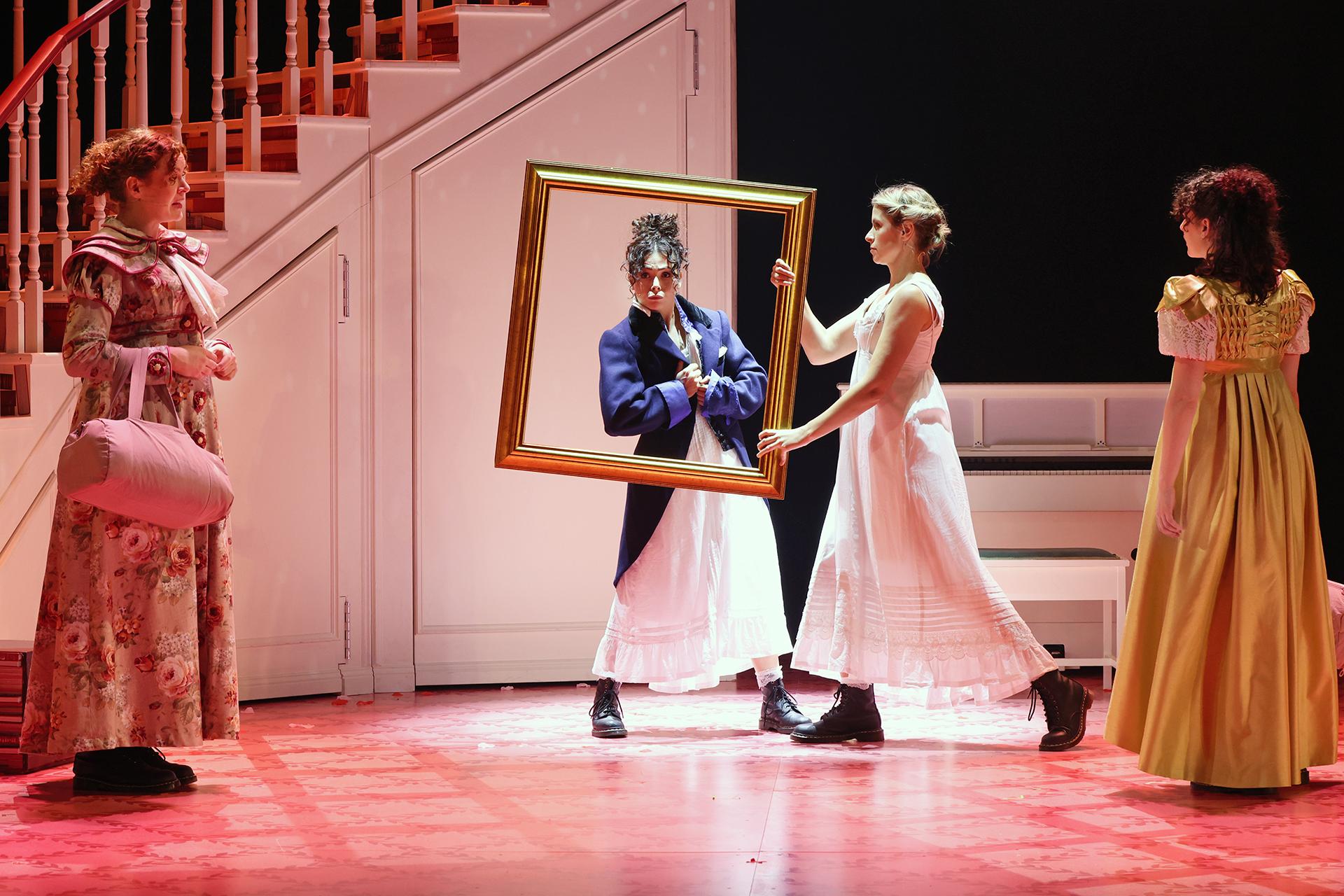
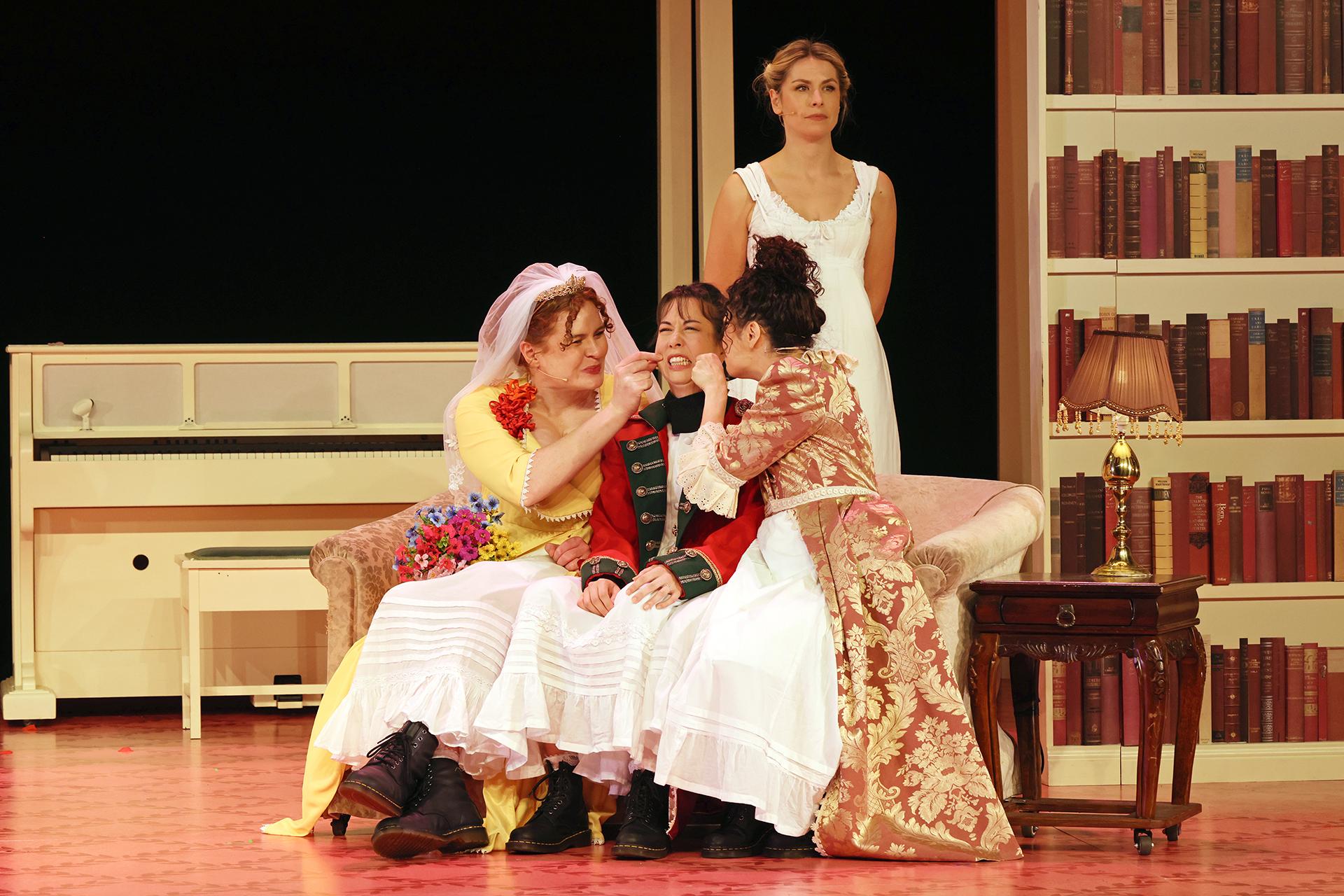
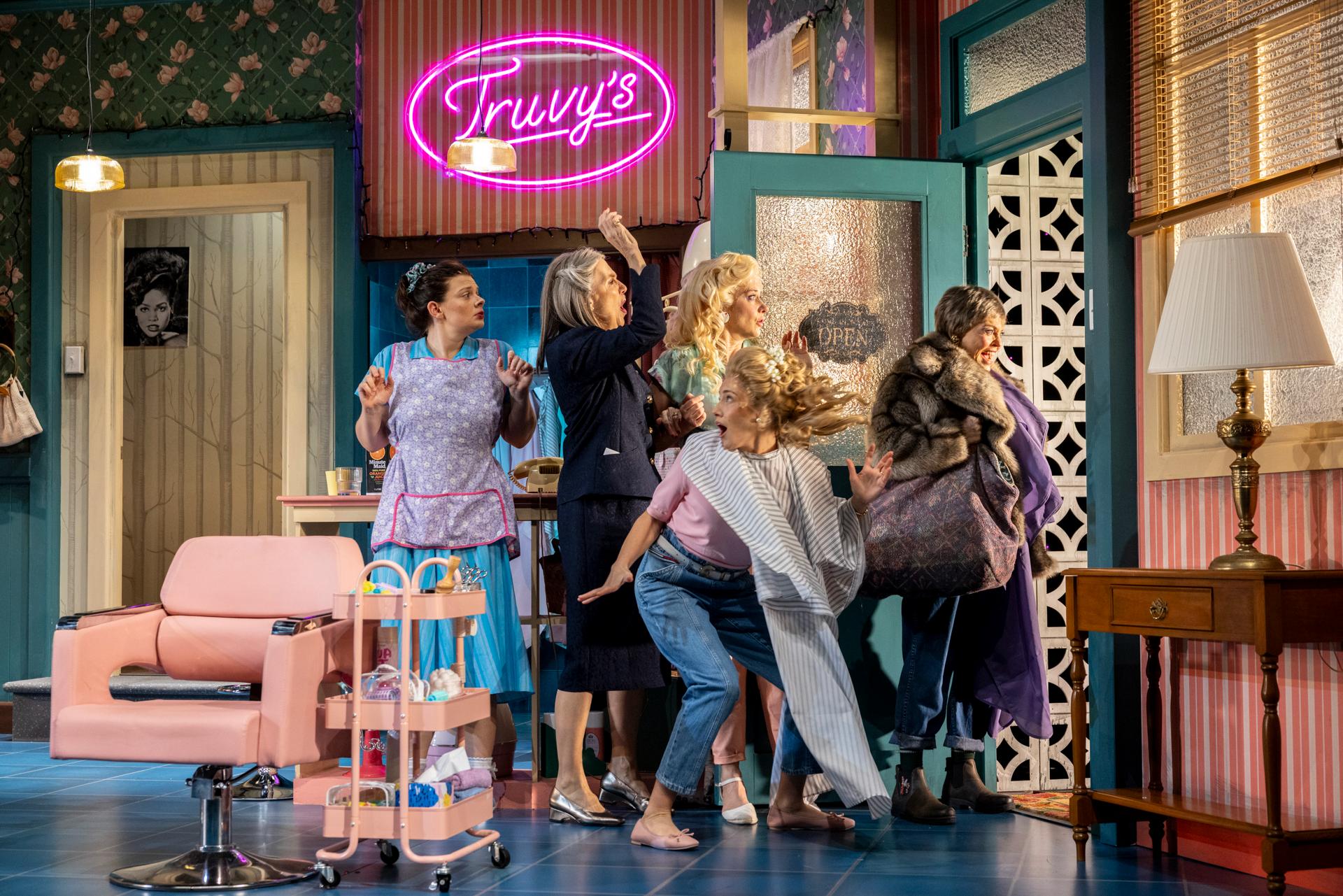
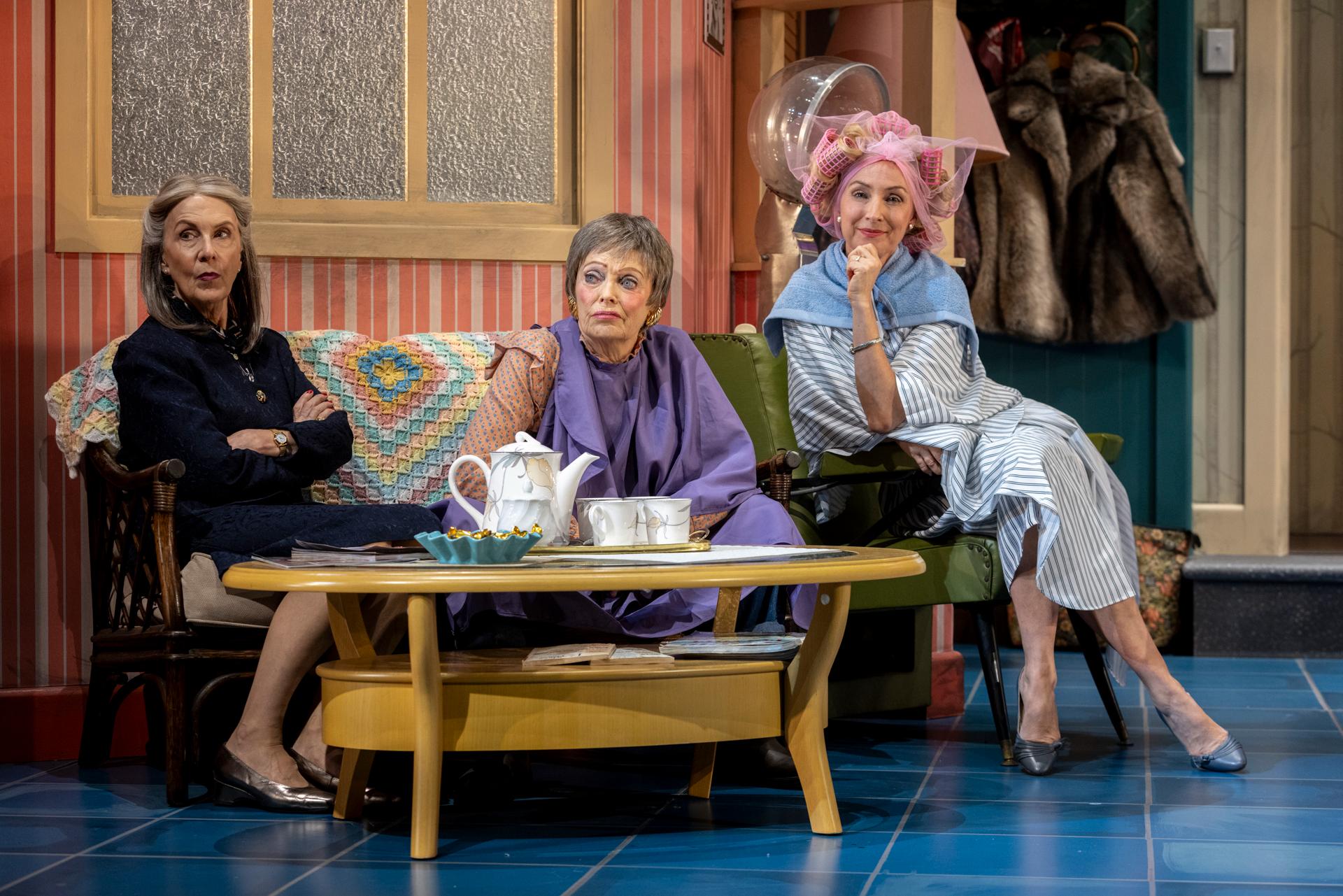
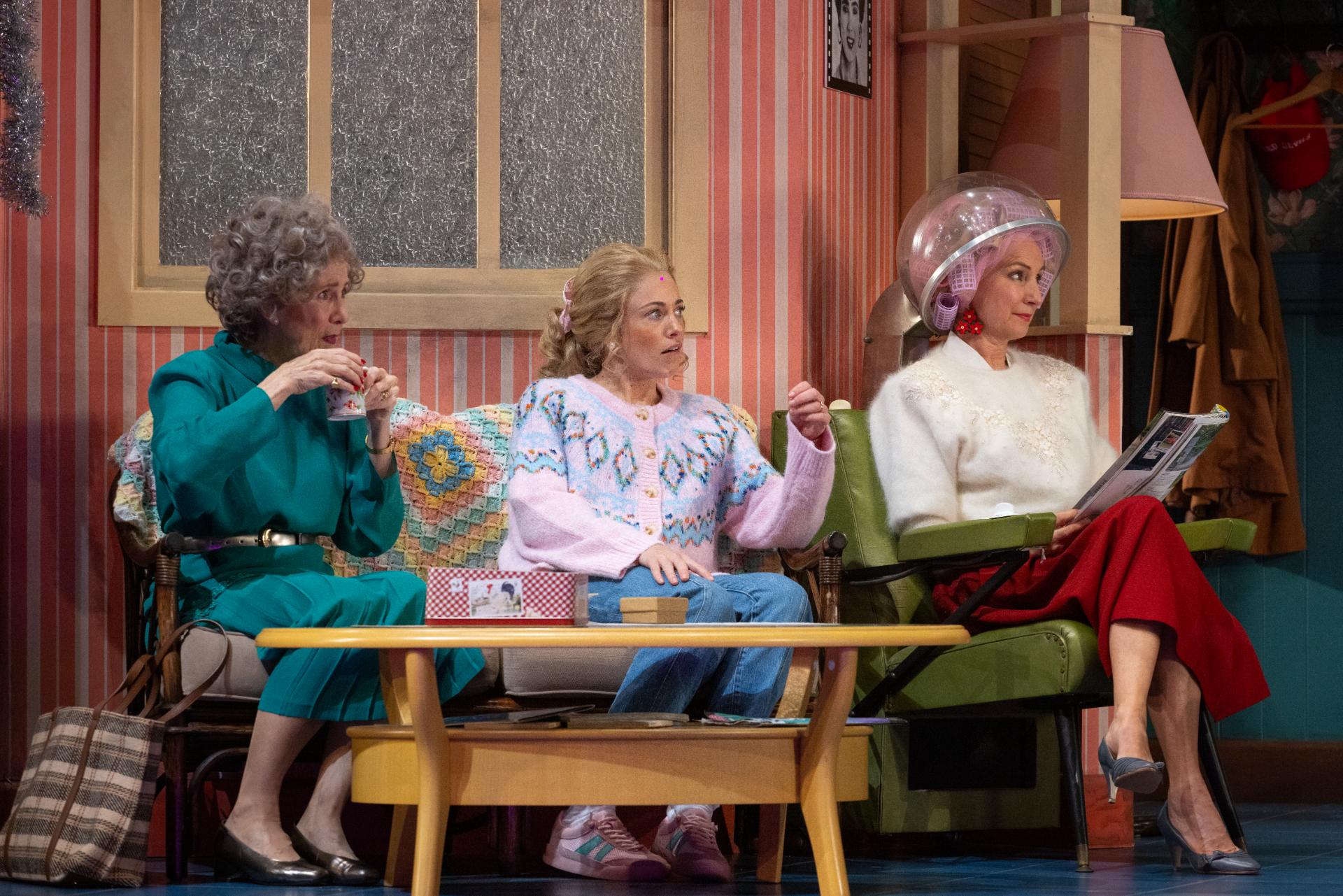
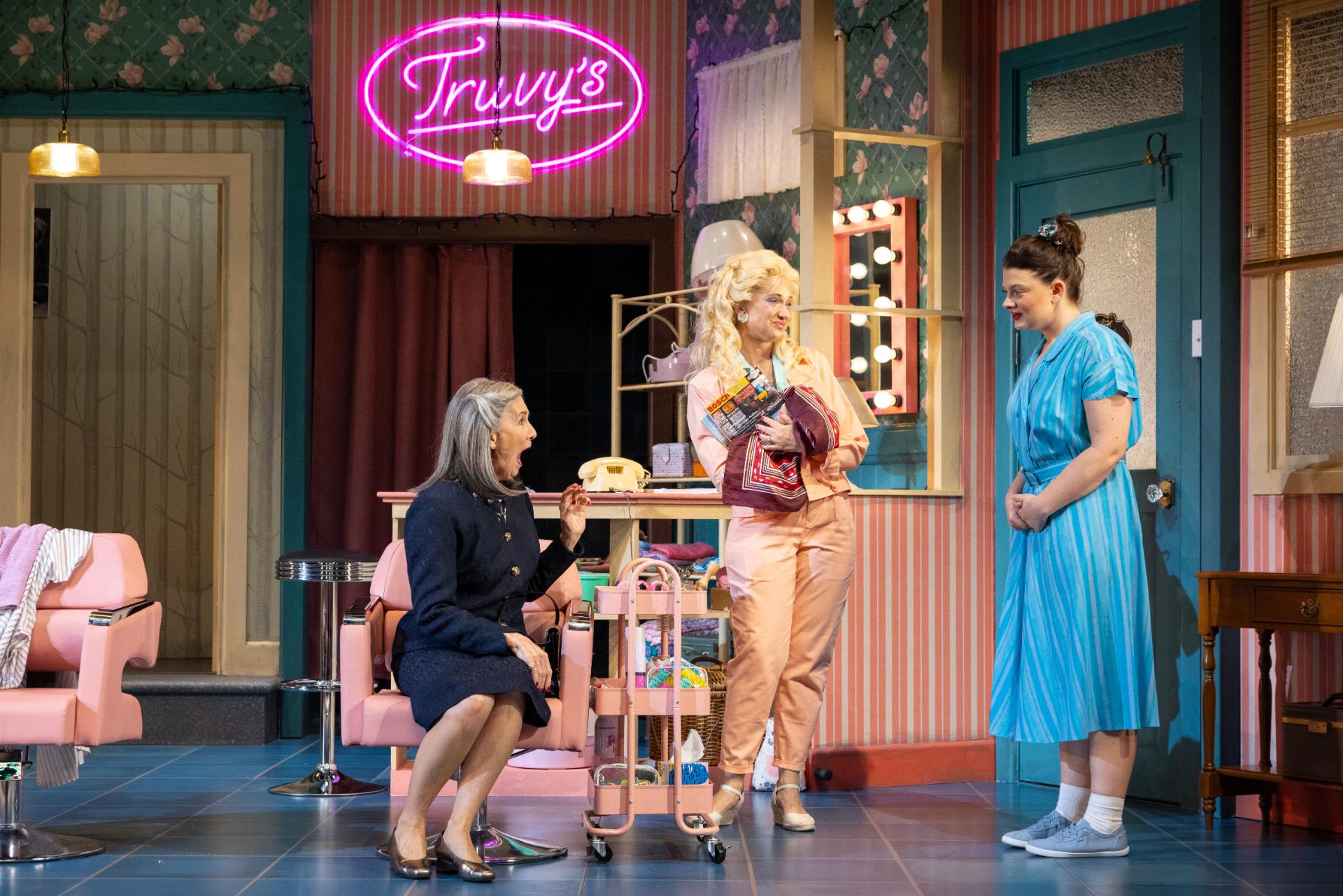
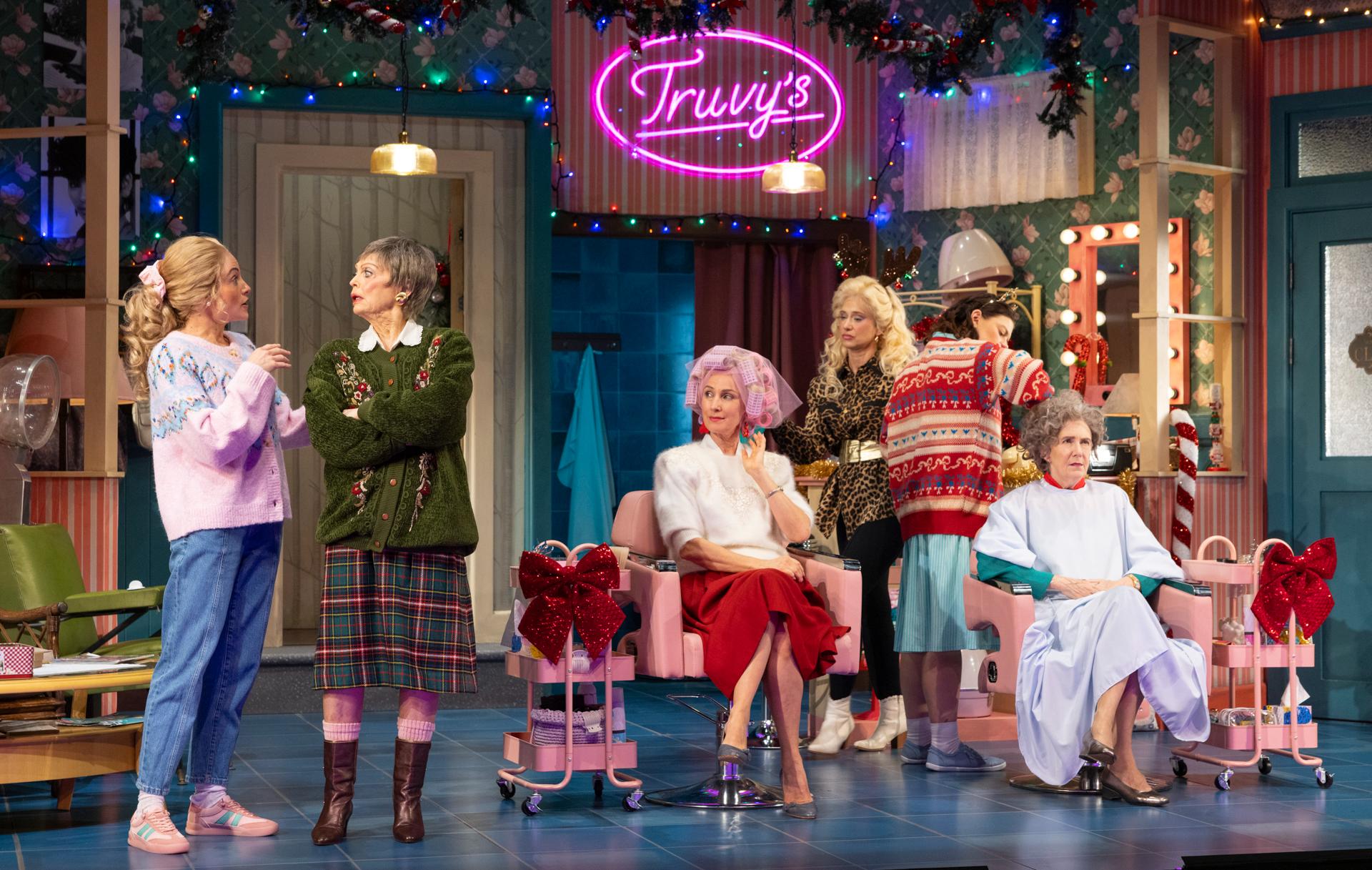
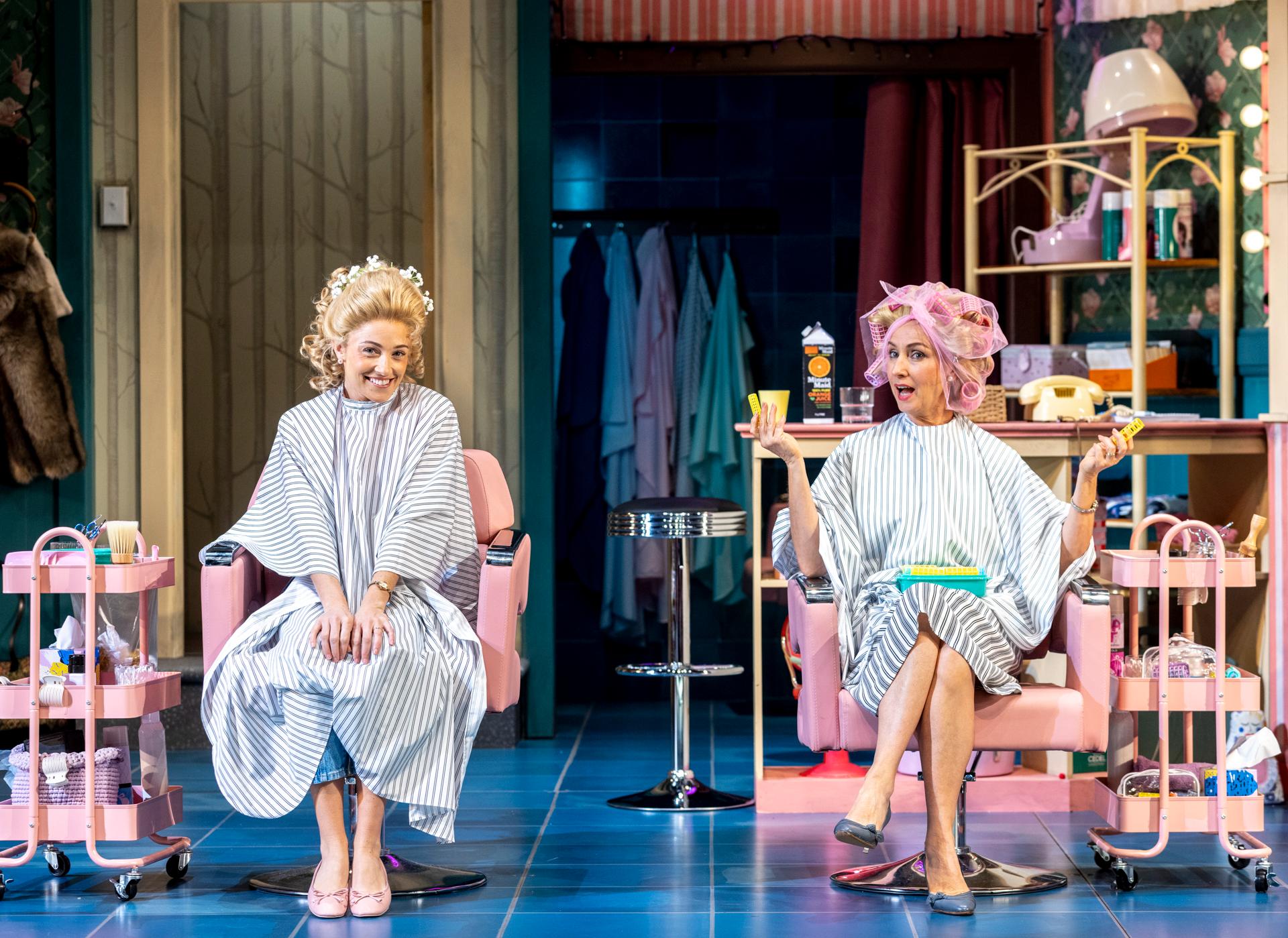
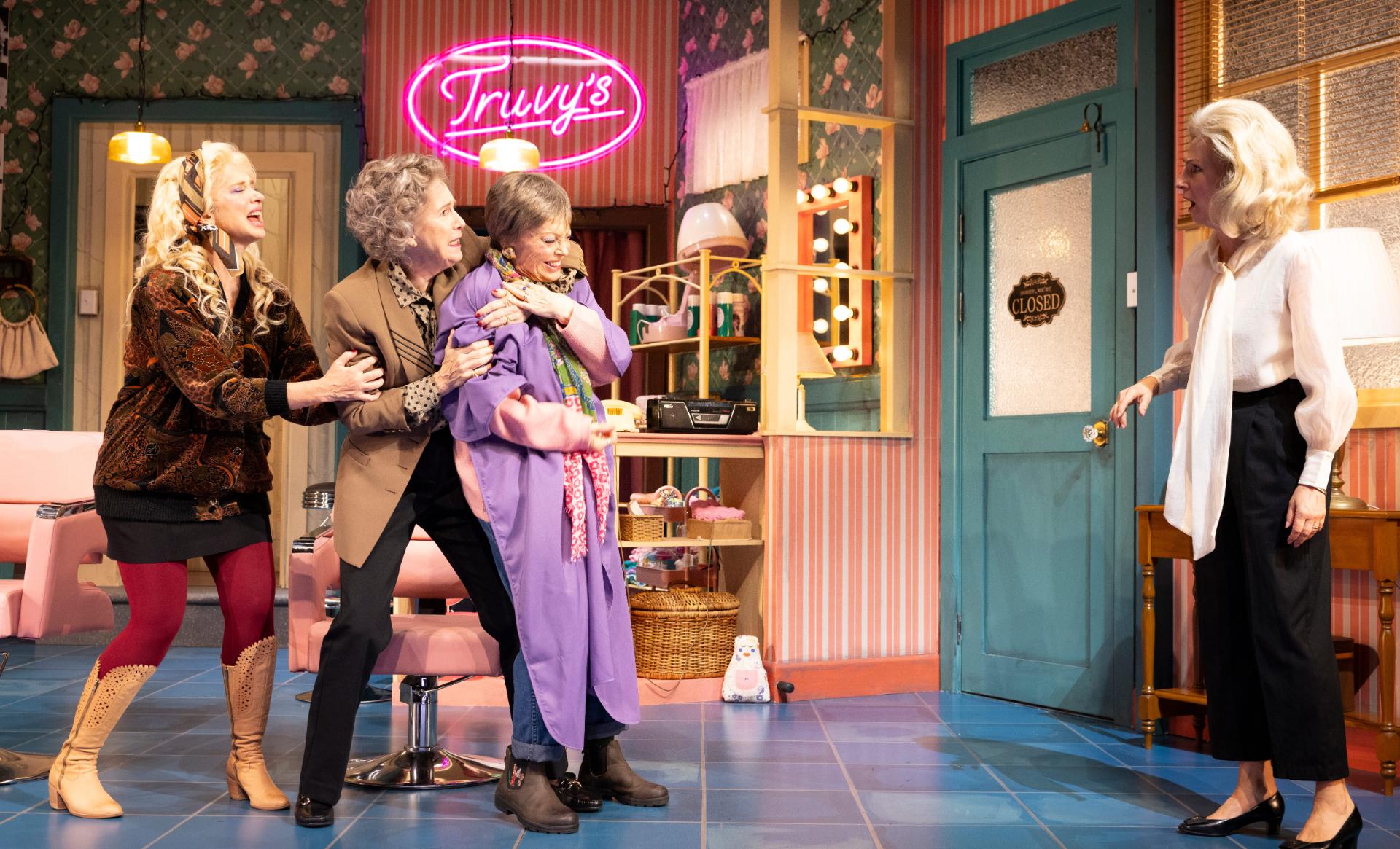
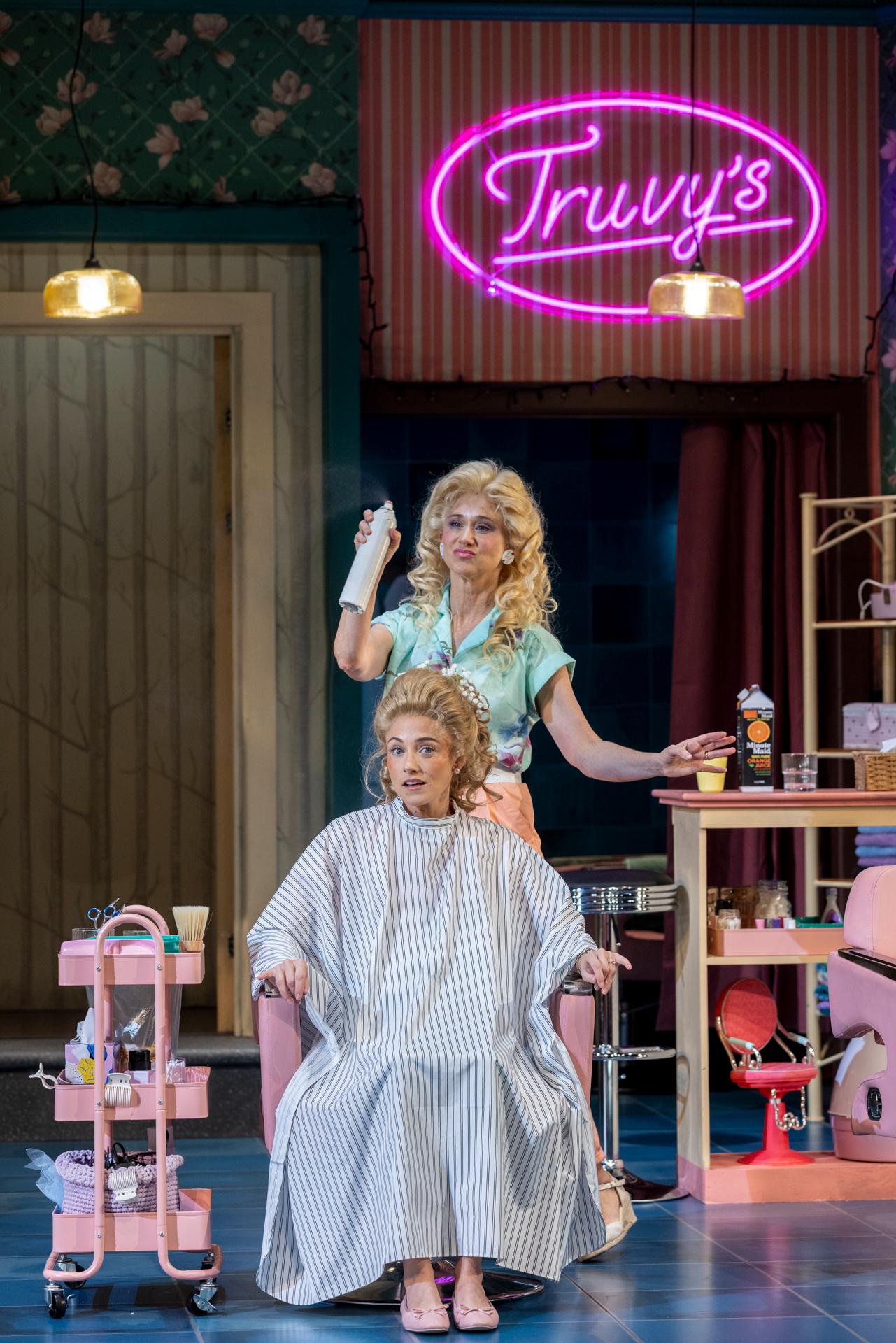
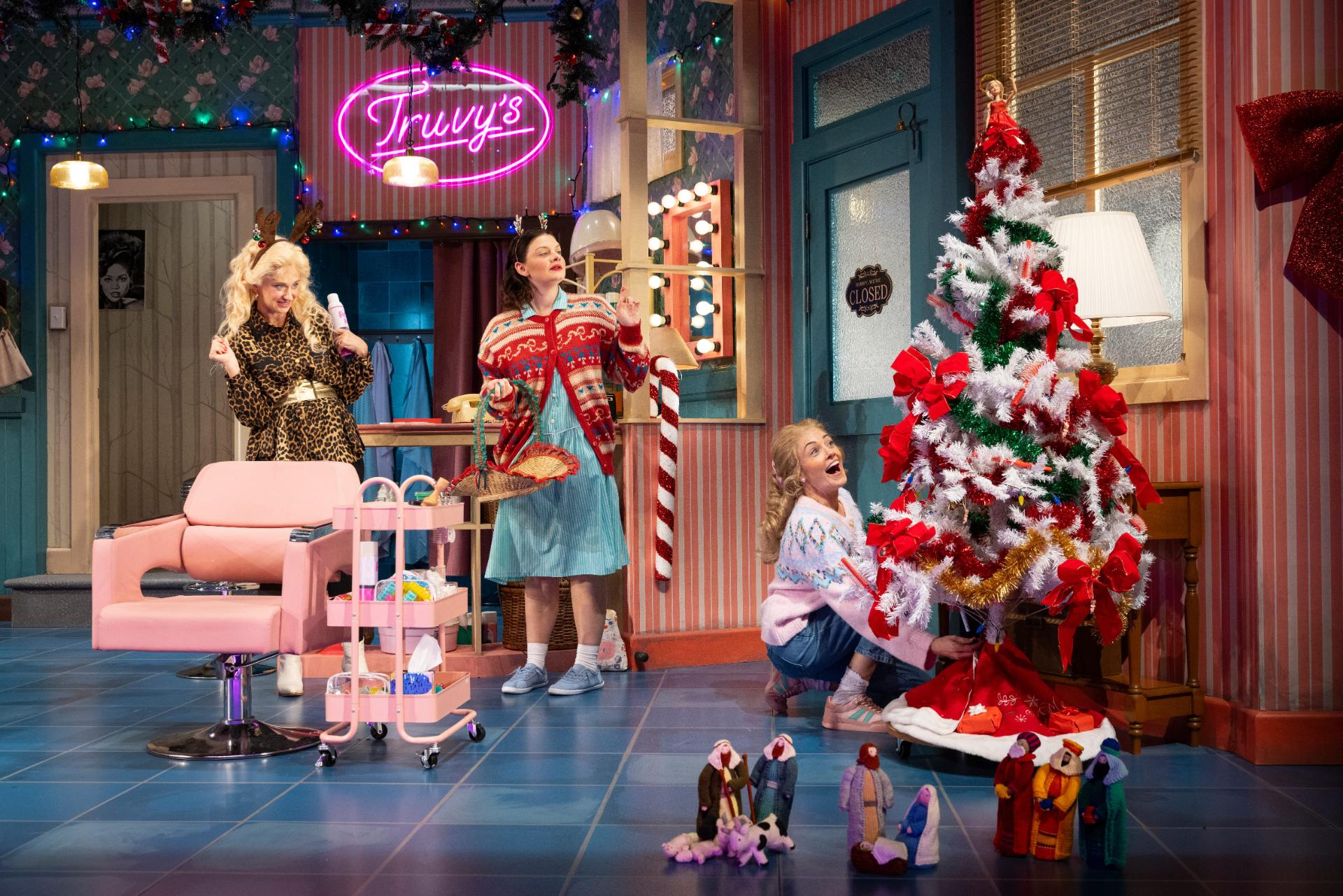
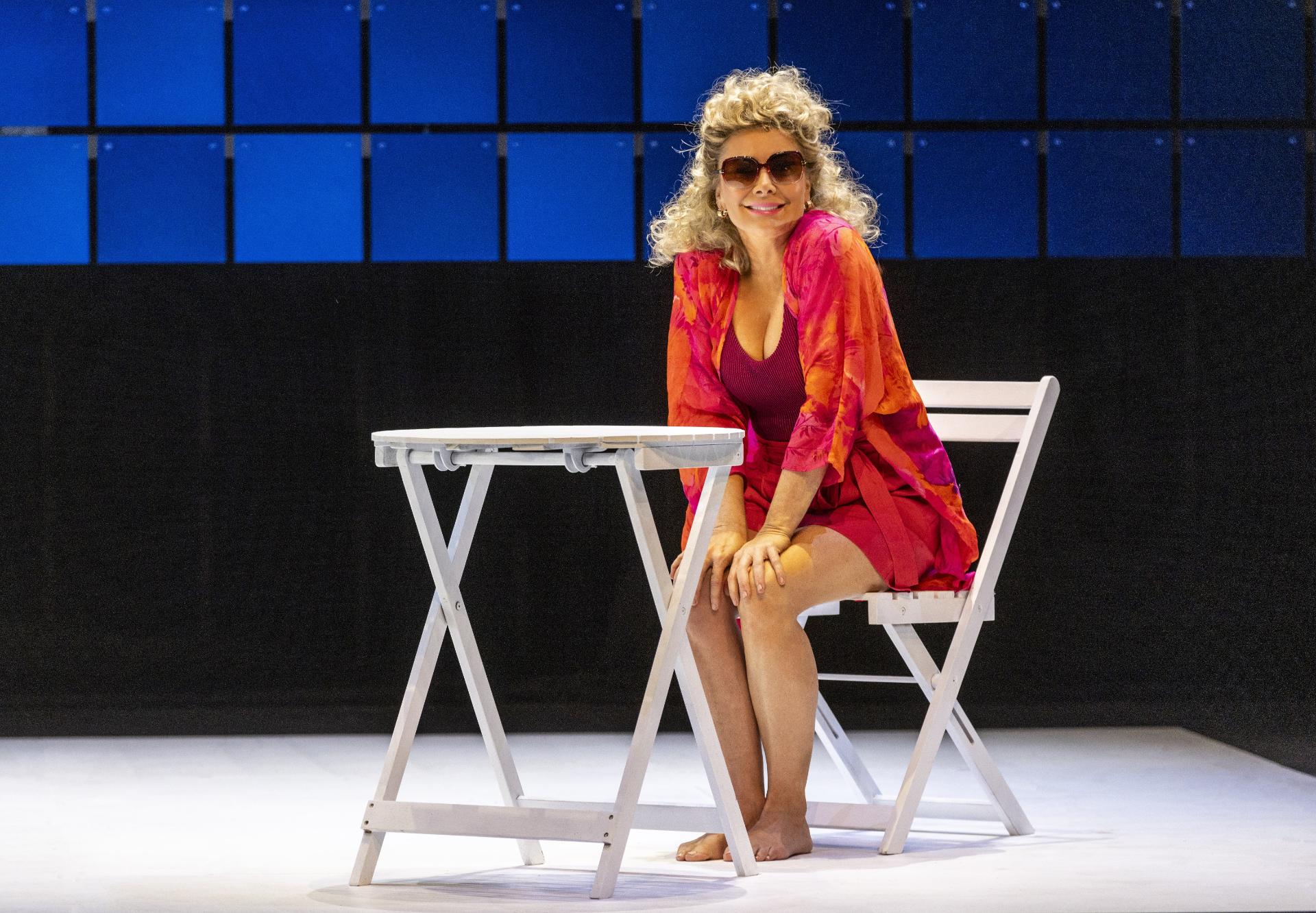
Set in late-1980s Louisiana, Robert Harling’s *Steel Magnolias* unfolds primarily within Truvy’s beauty salon, where a tight-knit circle of women gather to trade confidences ranging from the quotidian to the devastating, their conversations laced with the acerbic warmth of Southern wit. Approaching its fortieth anniversary, the play now reads as an almost accidental period piece; its cultural markers may have faded, but its portrait of female solidarity retains its emotional currency. What endures is not necessarily the substance of every exchange, but the musicality of the dialogue itself—the pleasure of witnessing women who speak with intimacy, velocity, and irreverent affection.

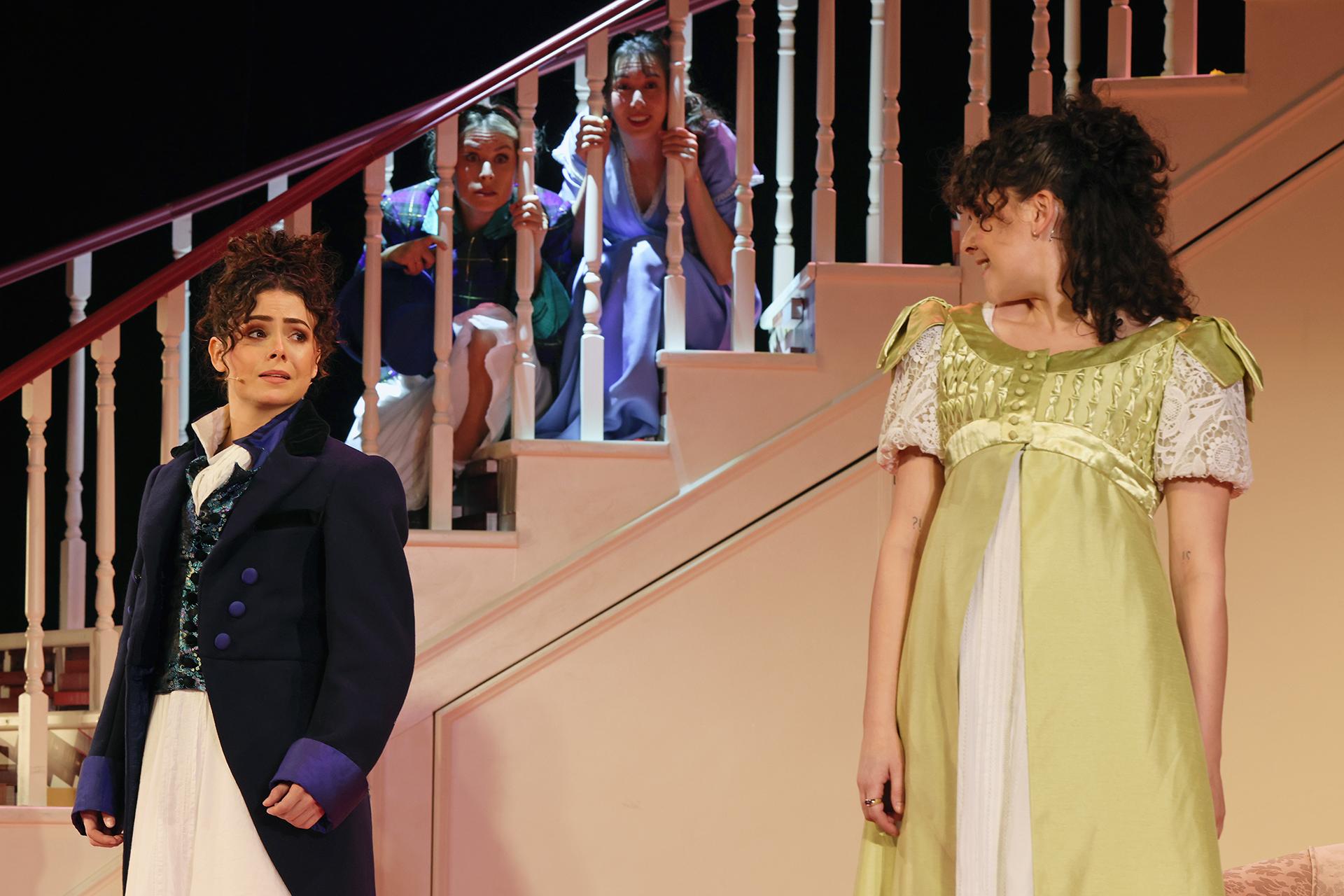
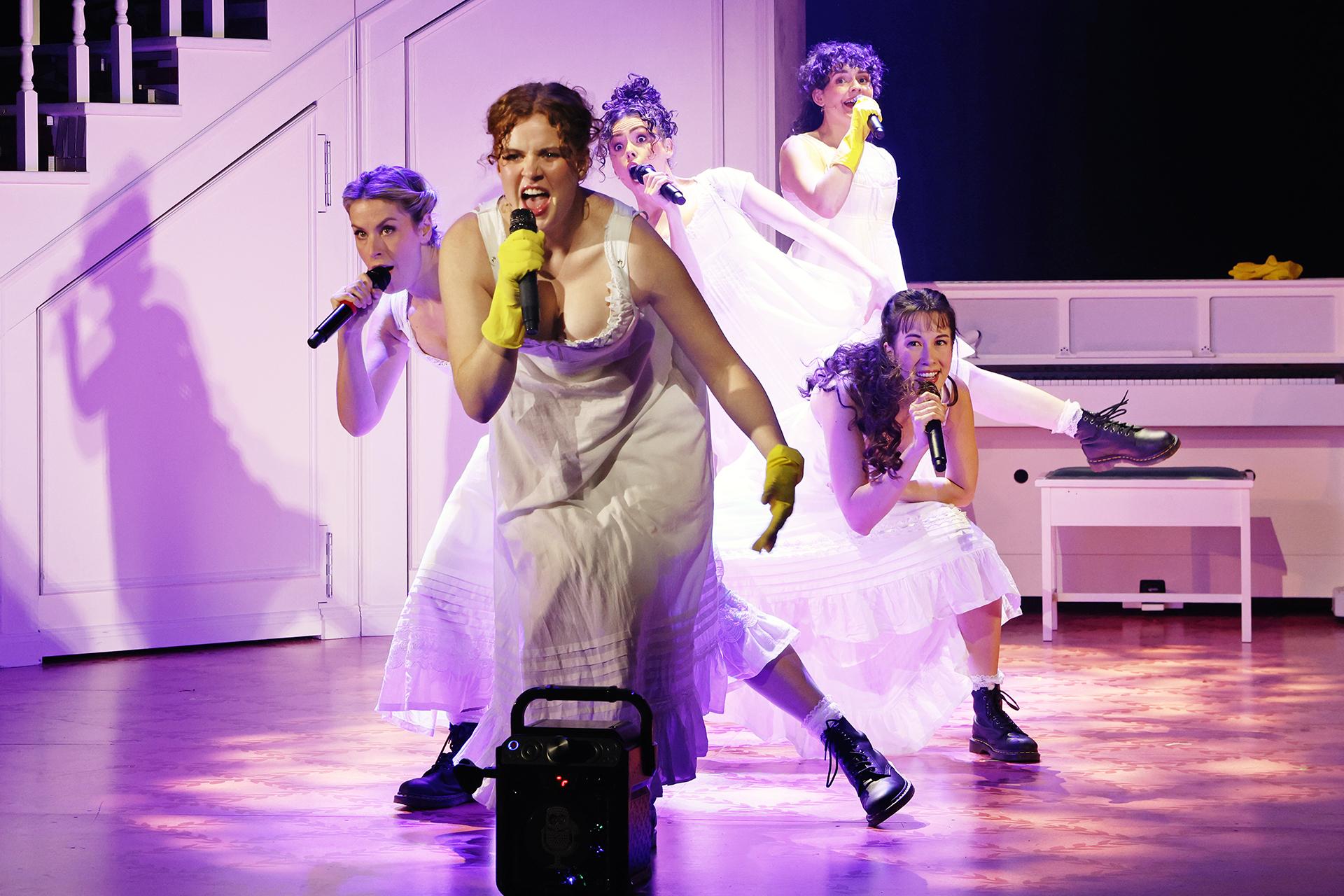
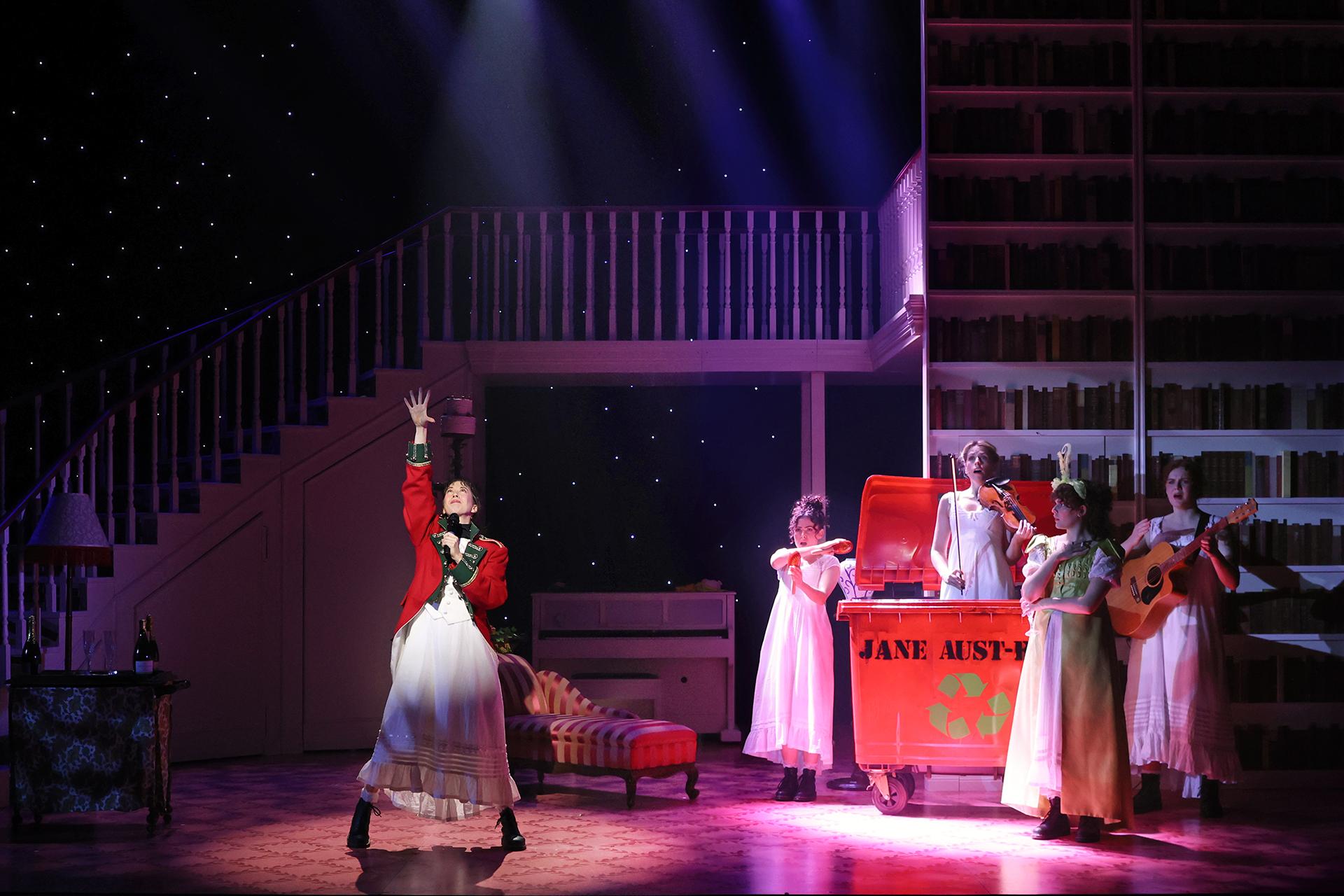
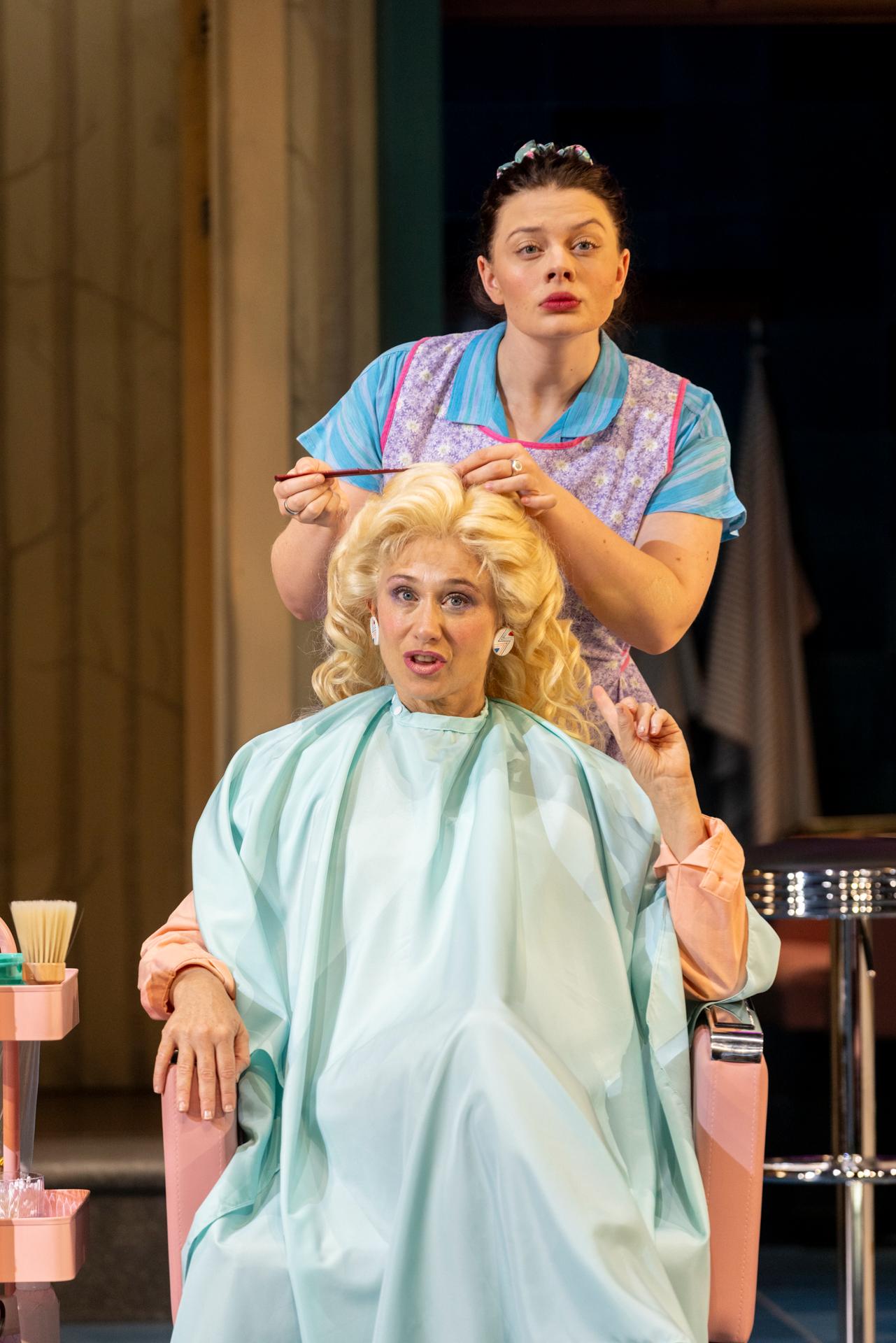
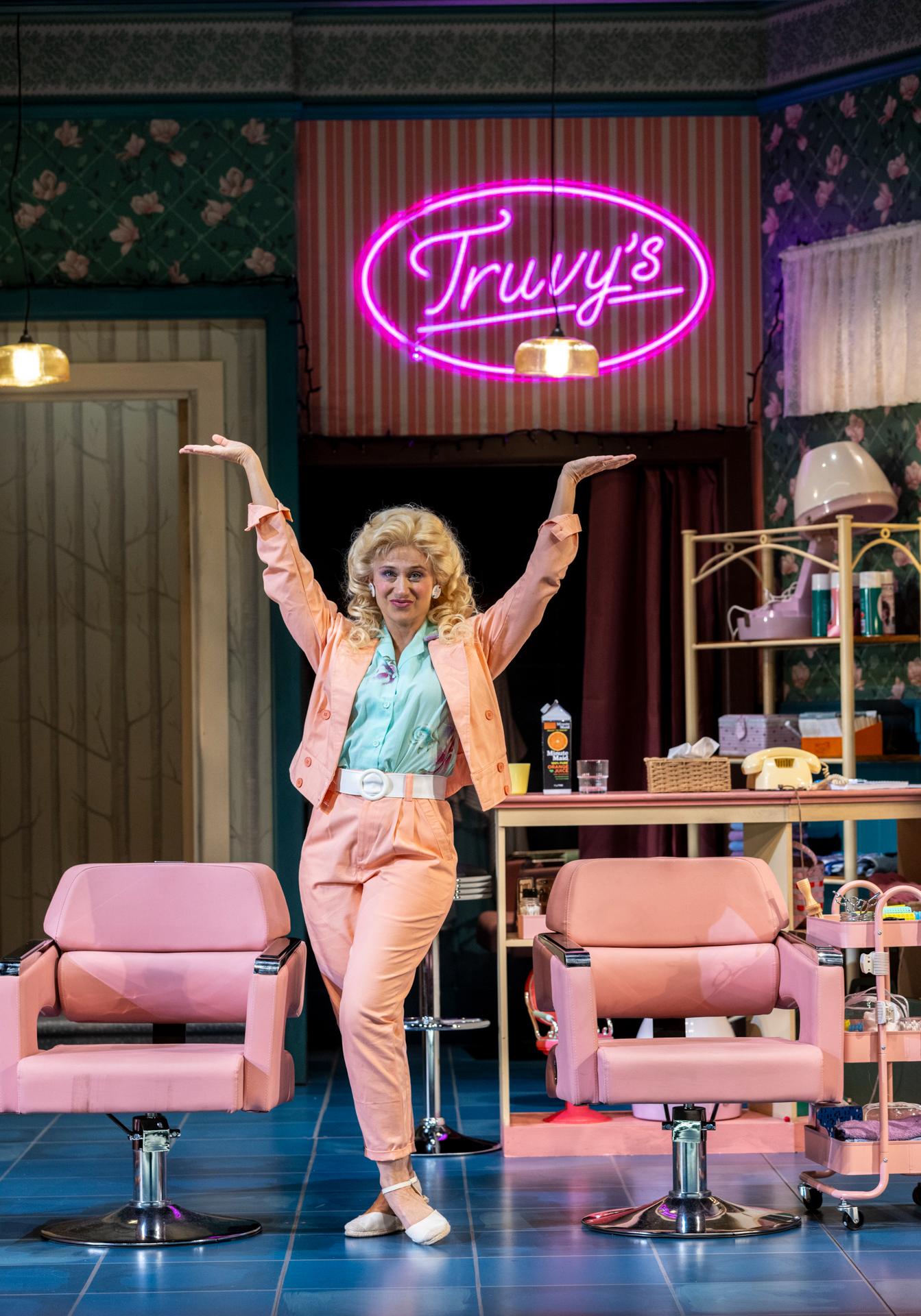
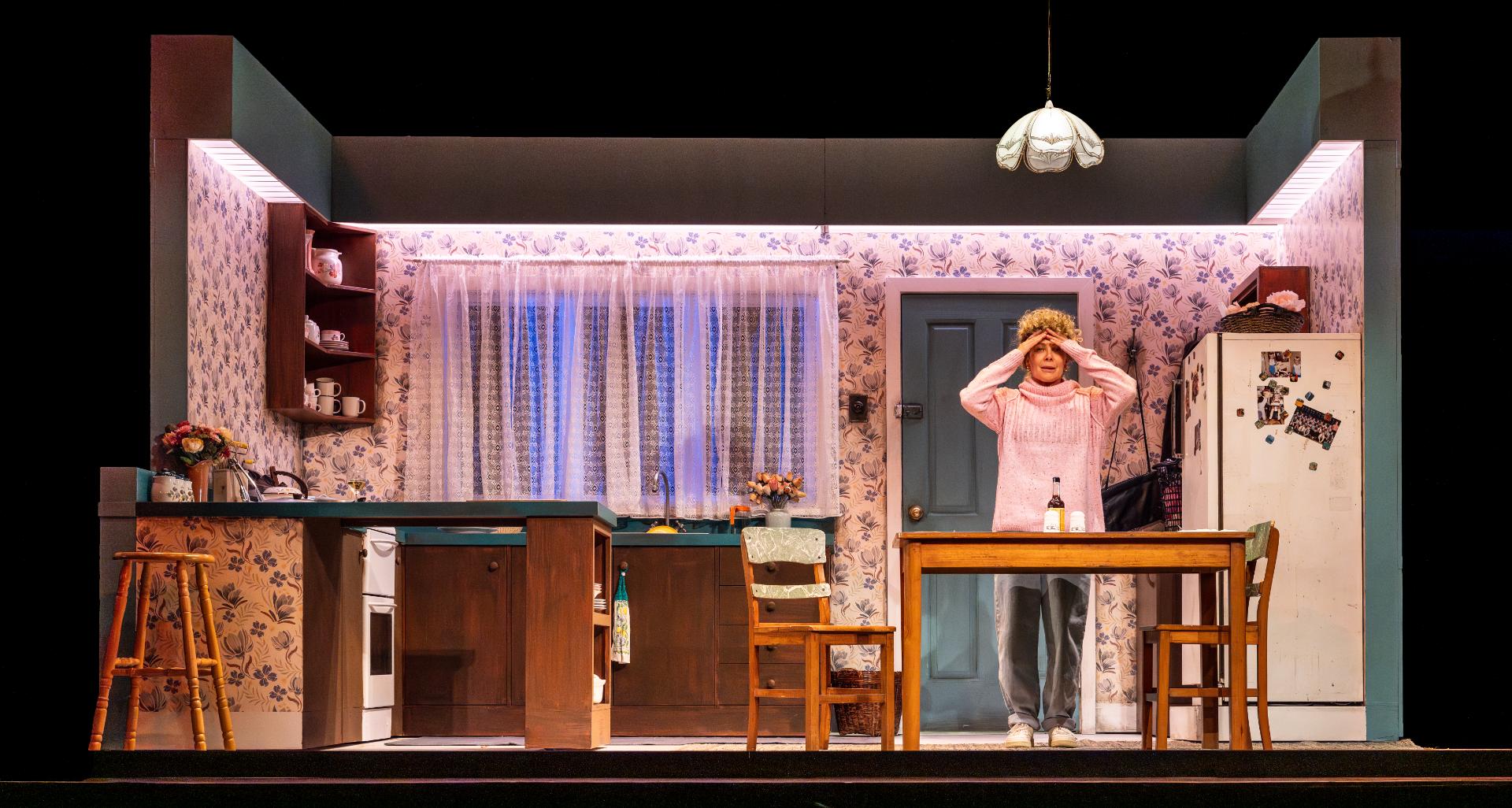
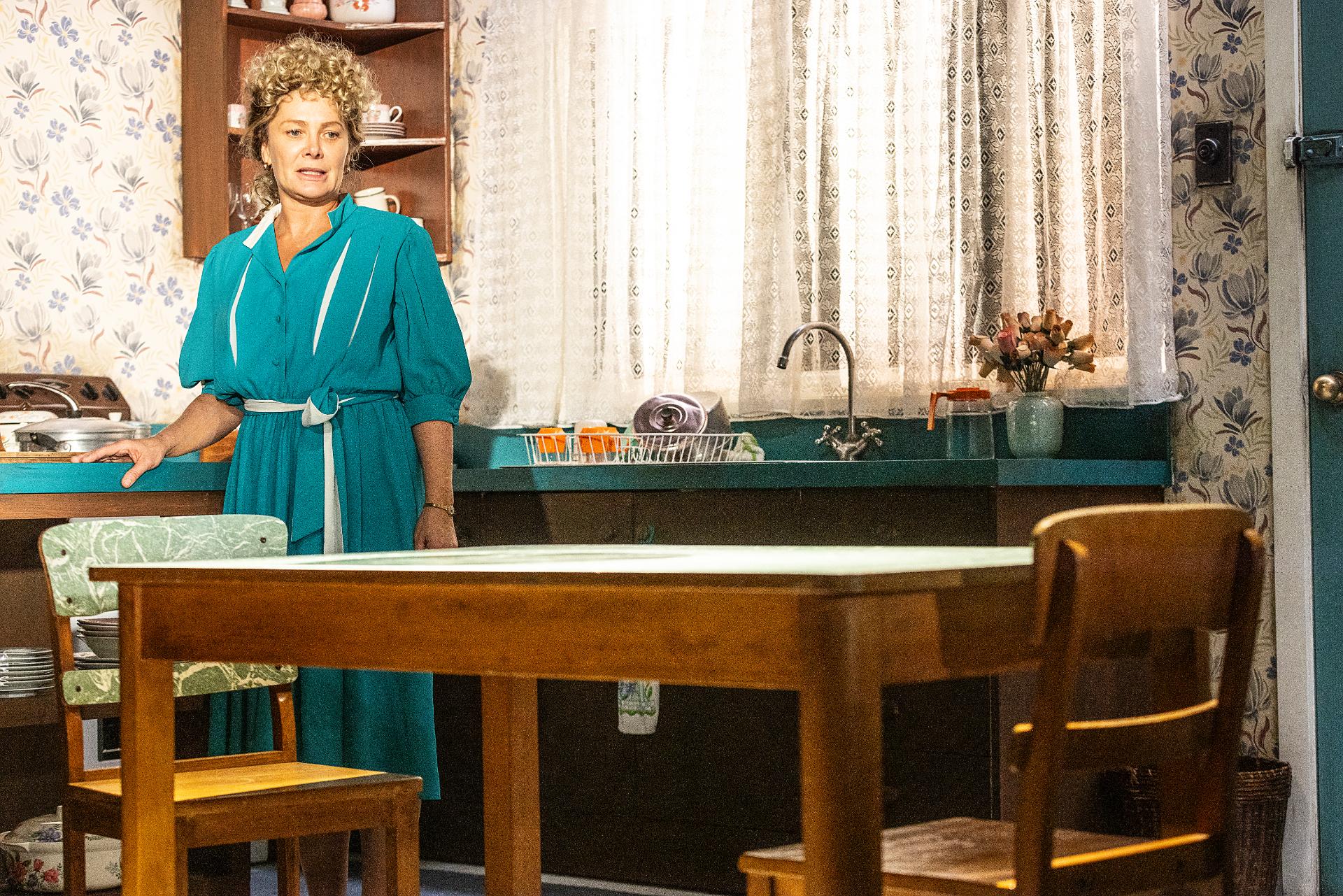
Director Lee Lewis leans into the production’s nostalgic appeal, crafting a staging that privileges comfort and communal charm over dramatic urgency. The result is inviting, if occasionally too gentle to fully command our investment in every narrative turn. Designer Simone Romaniuk supports this atmosphere with sets and costumes that evoke a more sheltered era, deploying a vivid, deliberately kitsch palette that winks at the aesthetic excesses of the decade without undermining its sincerity.

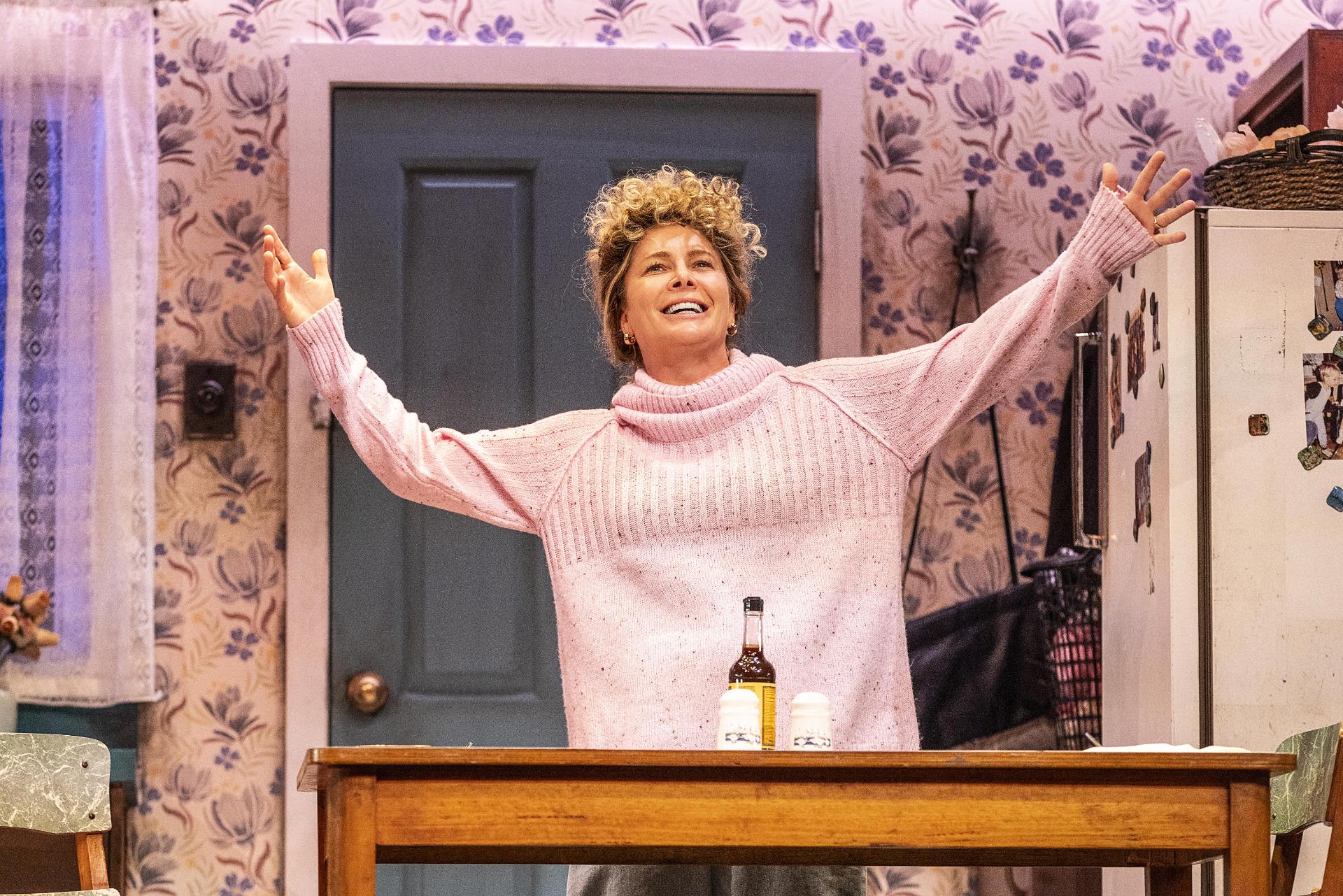
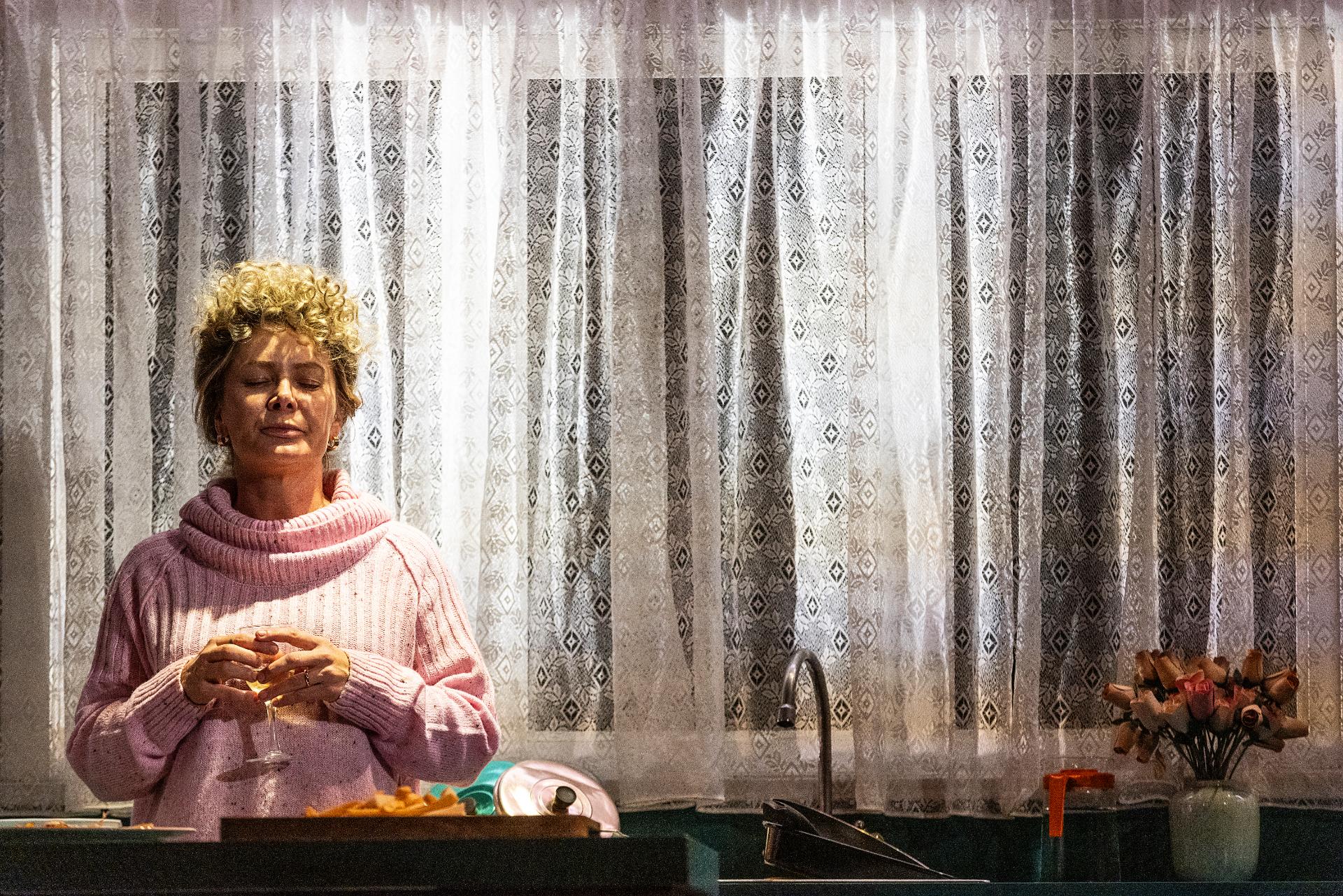
The ensemble of six operates with uniform commitment, yet the production’s true strength lies not in individual virtuosity but in their collective chemistry. The camaraderie feels lived-in and authentic, bridging the temporal and cultural distance that separates these characters from a contemporary Australian audience. Only some unfortunate choices in wig design briefly rupture the illusion.

Perhaps the most disorienting aspect of encountering this work in 2026 is its resolute political silence. To watch a group of white American women onstage, entirely insulated from the civic ruptures of their moment, feels almost anthropological now. In the 1980s, such insulation might have read as plausible, even unremarkable; today, it registers as a stark reminder of the privilege inherent in that protection—a privilege that, in the current climate, no demographic can safely assume will hold.

www.steelmagnoliasplay.com
Review: Shirley Valentine (Theatre Royal)

Venue: Theatre Royal (Sydney NSW), Oct 22 – 26, 2025
Playwright: Willy Russell
Director: Lee Lewis
Cast: Natalie Bassingthwaighte
Images by Brett Boardman

Theatre review
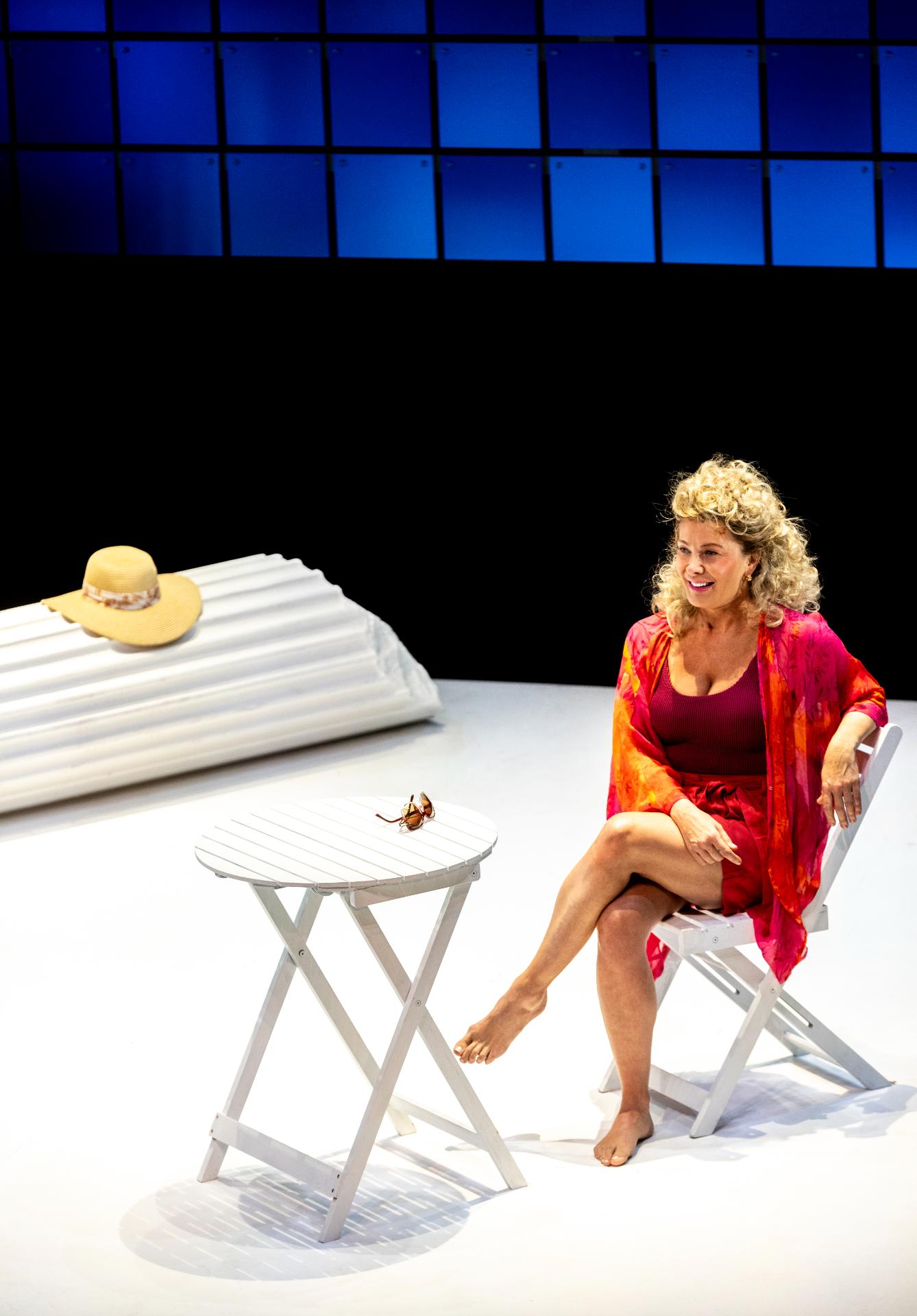
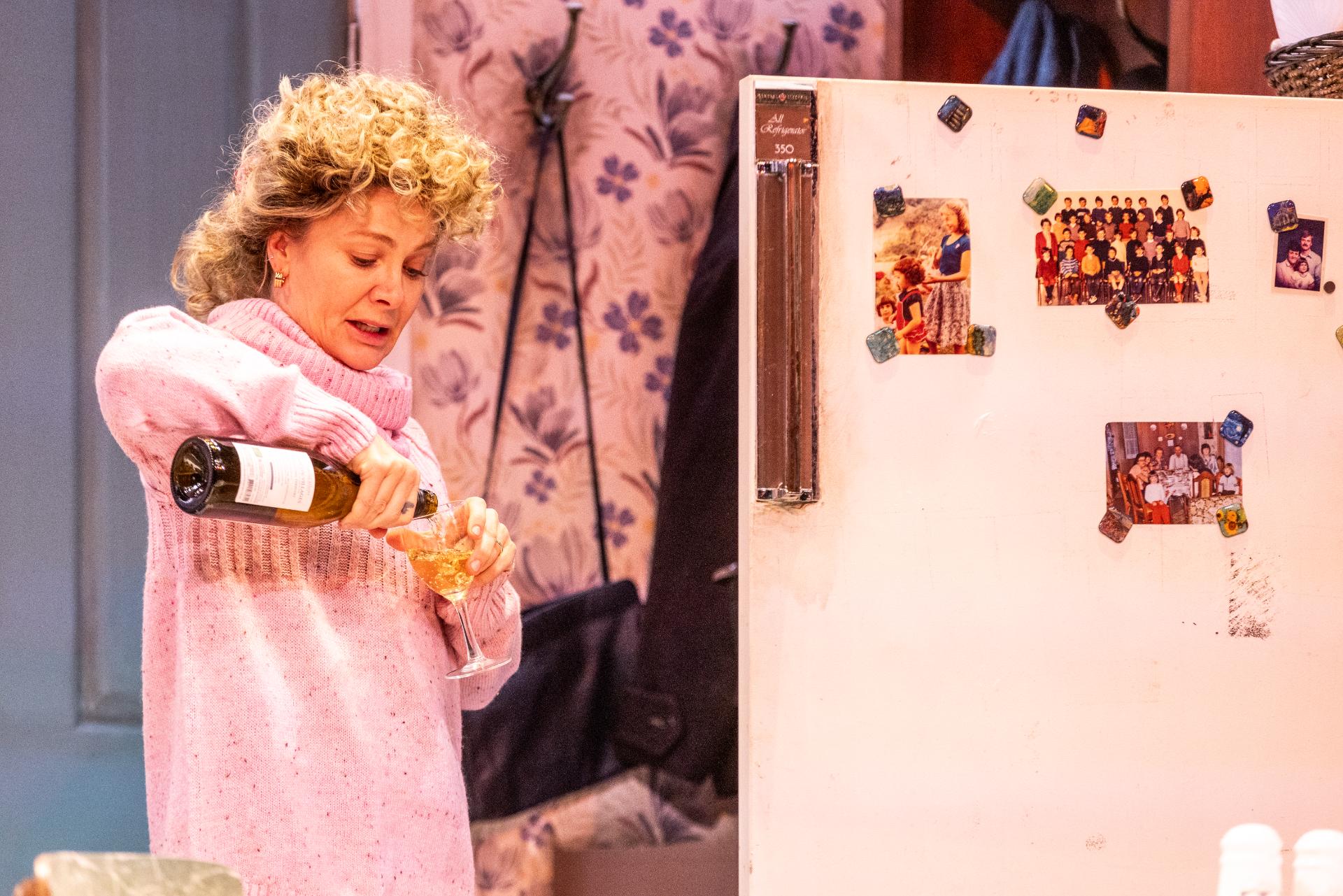
Shirley is at home, drinking too much wine and talking to the walls. Once the devoted wife and mother to an ungrateful family, she now finds herself, at 42, confronting the emptiness that domestic duty has left behind. Willy Russell’s Shirley Valentine (1986) still beats with the pulse of liberation, but its rhythm has softened. What was once piercingly funny and quietly radical now feels more quaint than provocative. The world has moved on, and so has the conversation about women’s liberation — though the play’s plea for self-possession remains universal, a reminder that the longing for selfhood, for the courage to live beyond the roles we are assigned, is timeless.

Lee Lewis’s direction proves almost too faithful to the original’s stylistic and philosophical blueprints, resulting in a production that feels somewhat restrained by contemporary standards. Still, it is a respectable staging — elegant, measured, and clear in its moral throughline. Simone Romaniuk’s set and costume design offer little in the way of reinvention, yet they convincingly evoke the dual worlds Shirley inhabits, from domestic confinement to sunlit escape. Paul Jackson’s lighting, unembellished but effective, complements Brady Watkins’s music and Marcello Lo Ricco’s sound design, both of which are finely judged in modulating the audience’s emotional terrain.
Natalie Bassingthwaighte’s natural charisma positions her perfectly for the role of Shirley. With impeccable timing and clear command of the material, she lends the one-woman show a sense of substance and confidence throughout. While she doesn’t entirely bridge the gap between the play’s dated sensibilities and a modern audience, her performance radiates authenticity, grounding the work with a valuable sense of integrity and emotional truth.

Shirley Valentine reflects not only the lives our mothers and grandmothers once led, but the continuum of feminist struggle that binds their stories to ours. It makes clear the extent of our progress, and the fragility of it — how readily it can unravel the moment we presume the fight has been won. Freedom, as ever, survives only in motion — and Shirley, we hope, is still forging ahead, still living out the promise of a brighter future.
www.shirleyvalentine.com.au

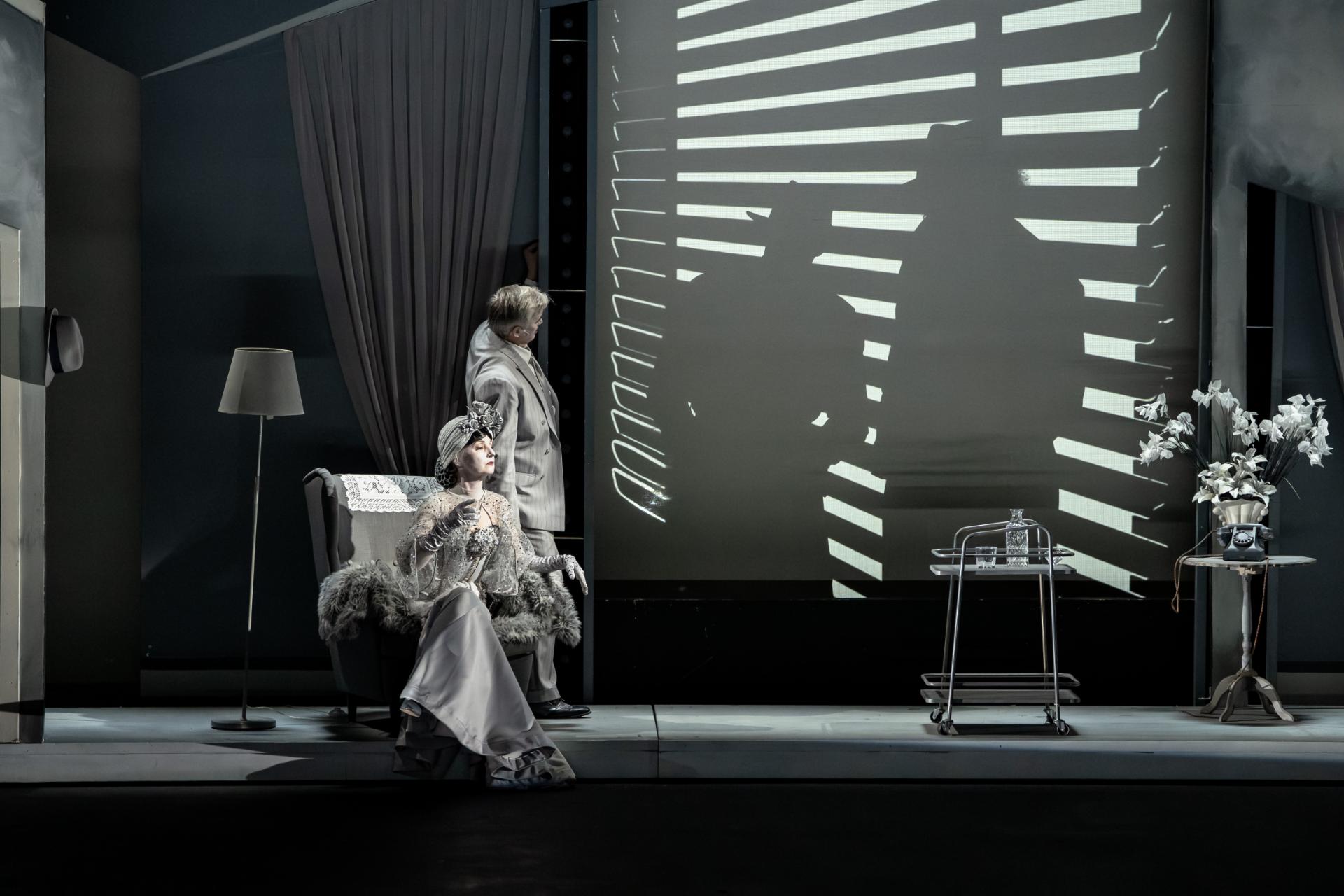
Review: The 39 Steps (Sydney Opera House)

Venue: Sydney Opera House (Sydney NSW), Aug 8 – 30, 2025
Playwright: Patrick Barlow (from the John Buchan novel, and the Alfred Hitchcock movie)
Director: Damien Ryan
Cast: David Collins, Shane Dundas, Lisa McCune, Ian Stenlake
Images by Cameron Grant

Theatre review
Richard is a man on the run, falsely accused of murder. The 39 Steps is best known as Alfred Hitchcock’s wryly funny 1935 film, adapted from a 1915 adventure-thriller novel. Patrick Barlow’s 2005 stage adaptation transforms the story into a fully comedic work, frequently referencing the movie version to create a postmodern take on the century-old title.

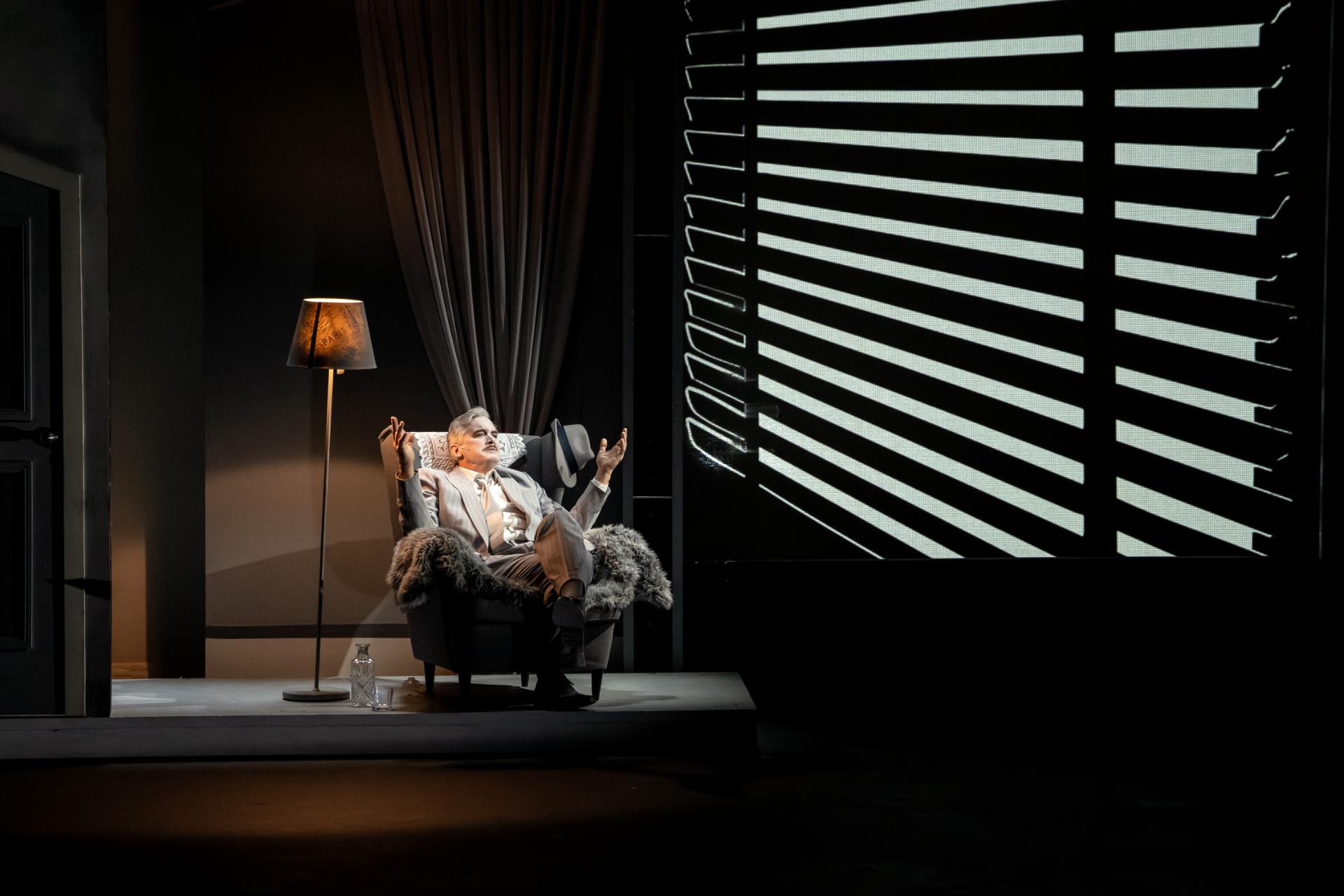
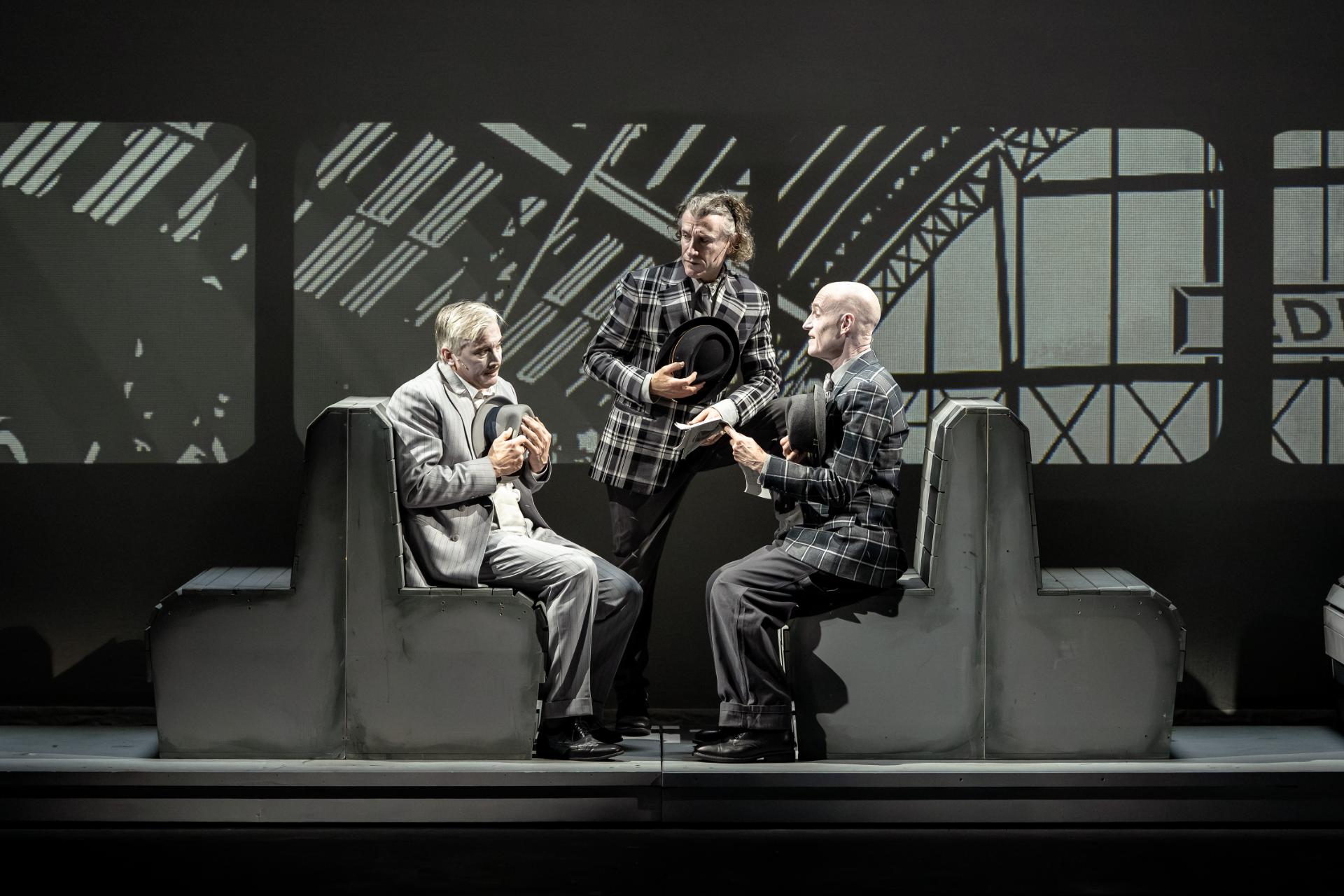
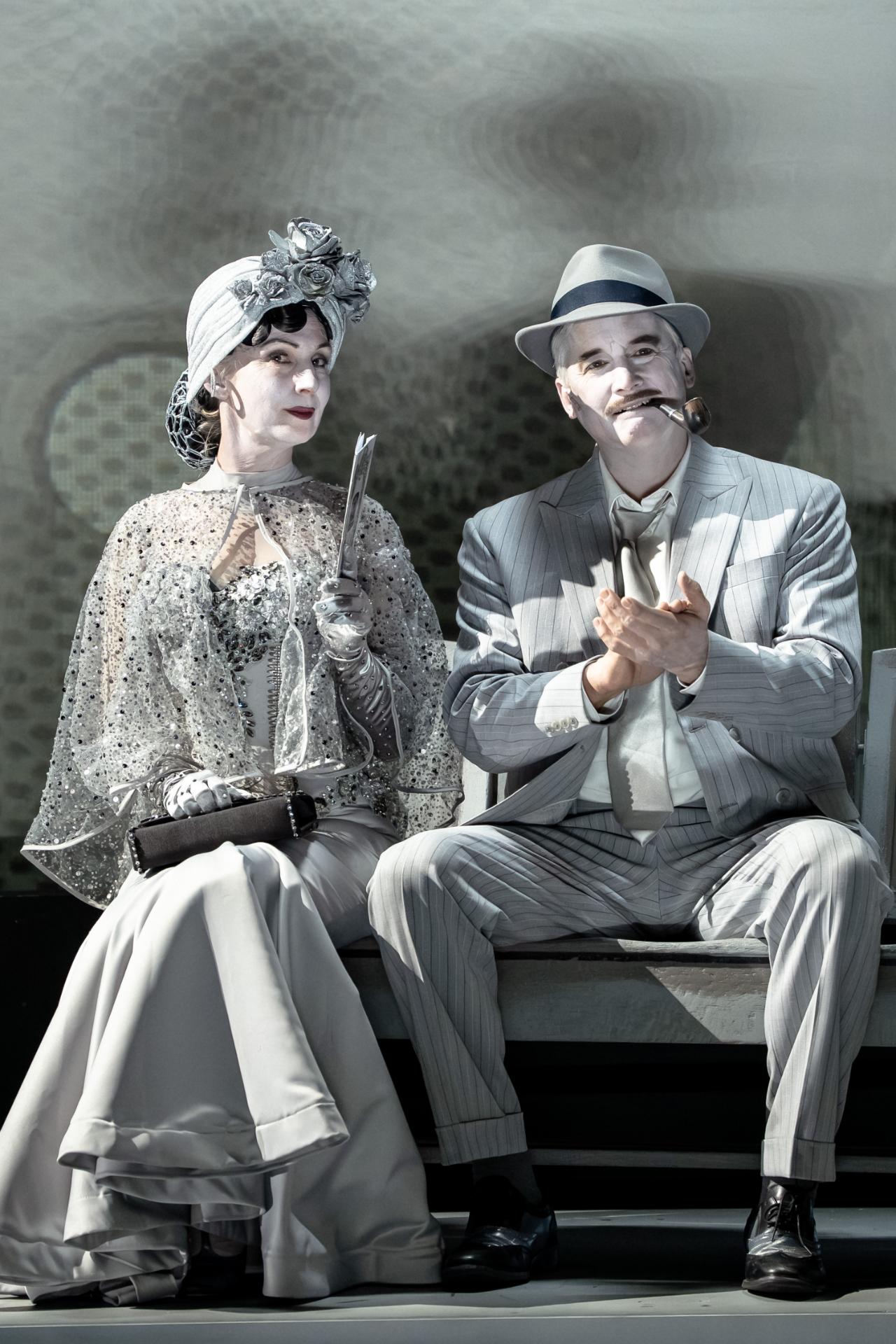
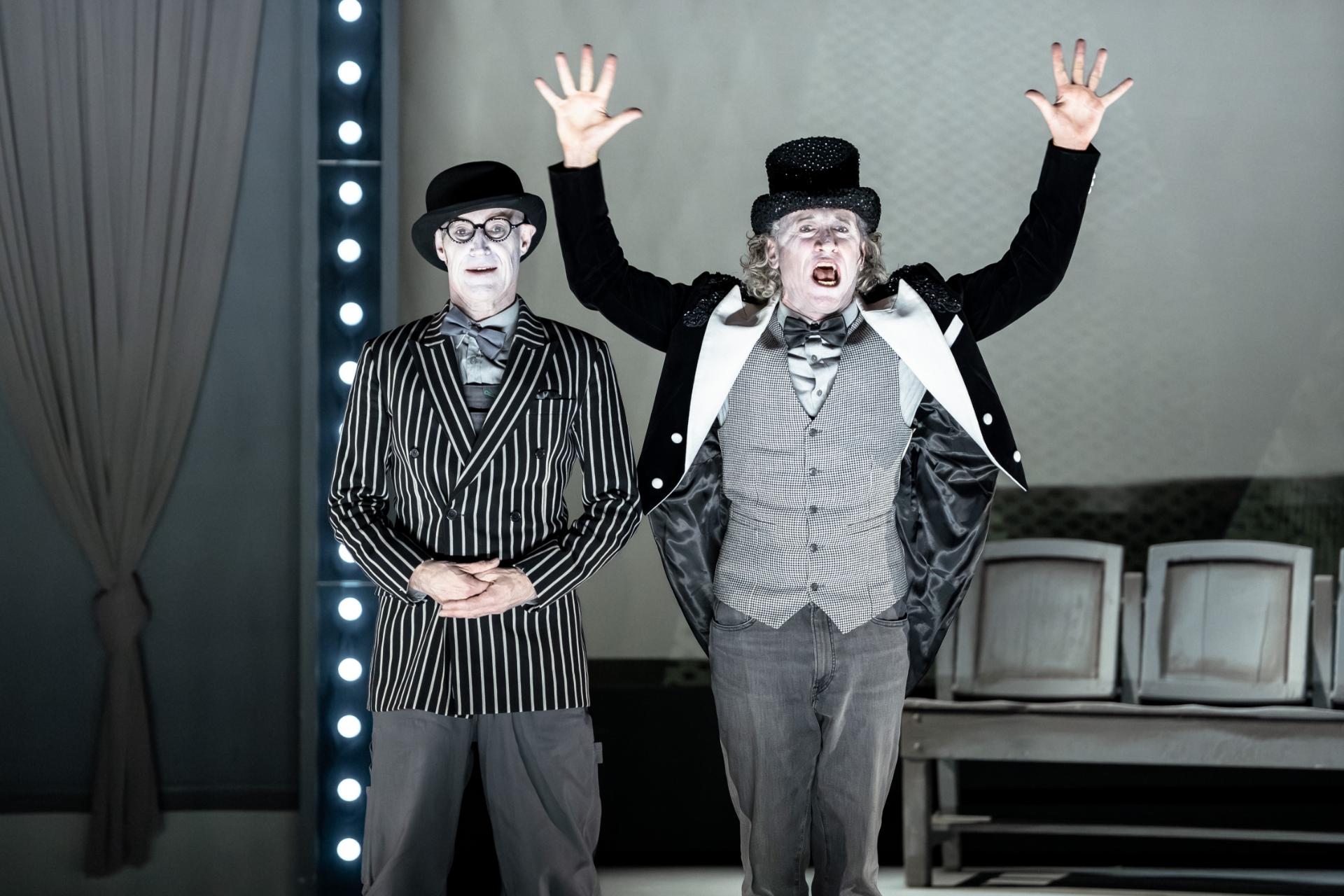
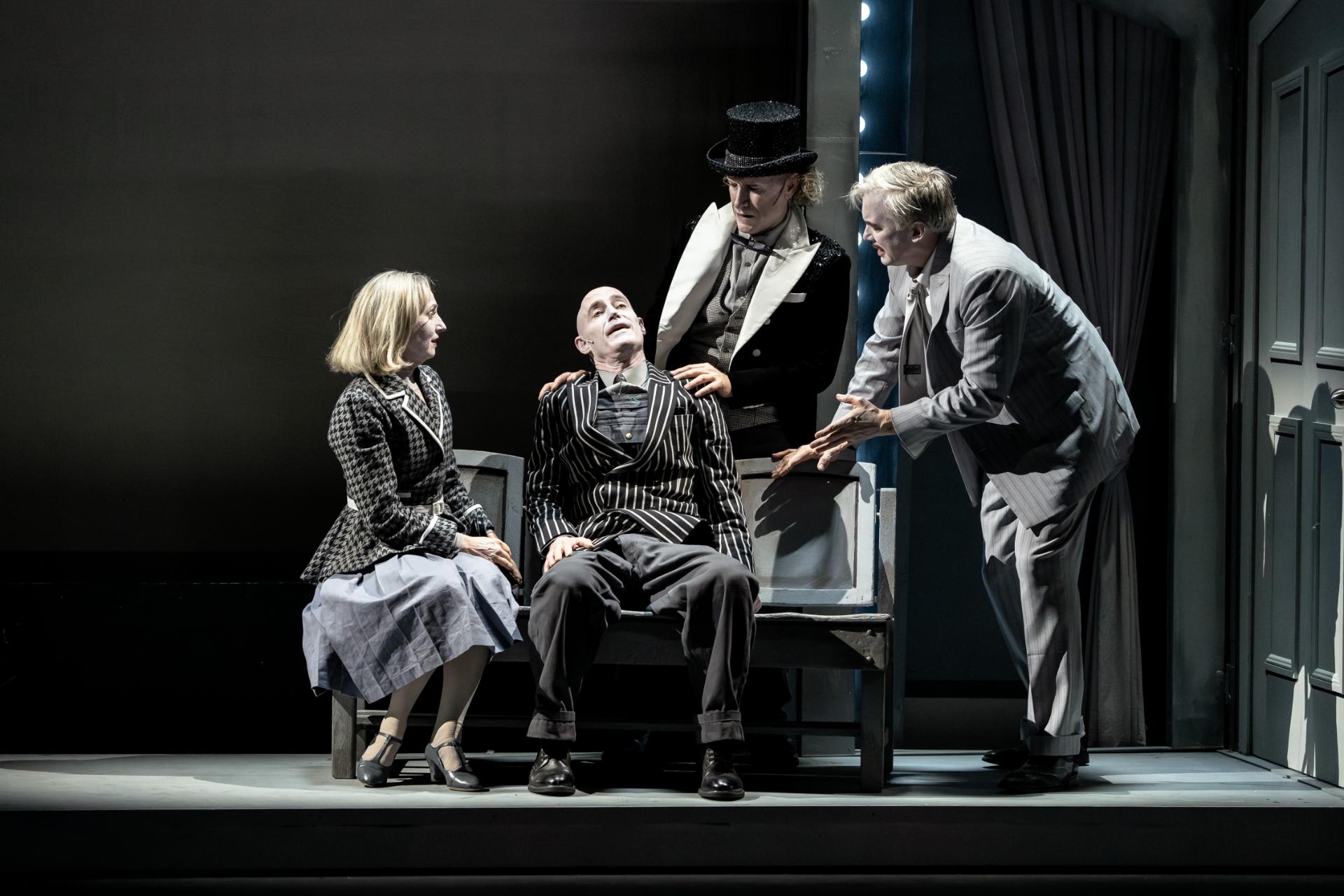
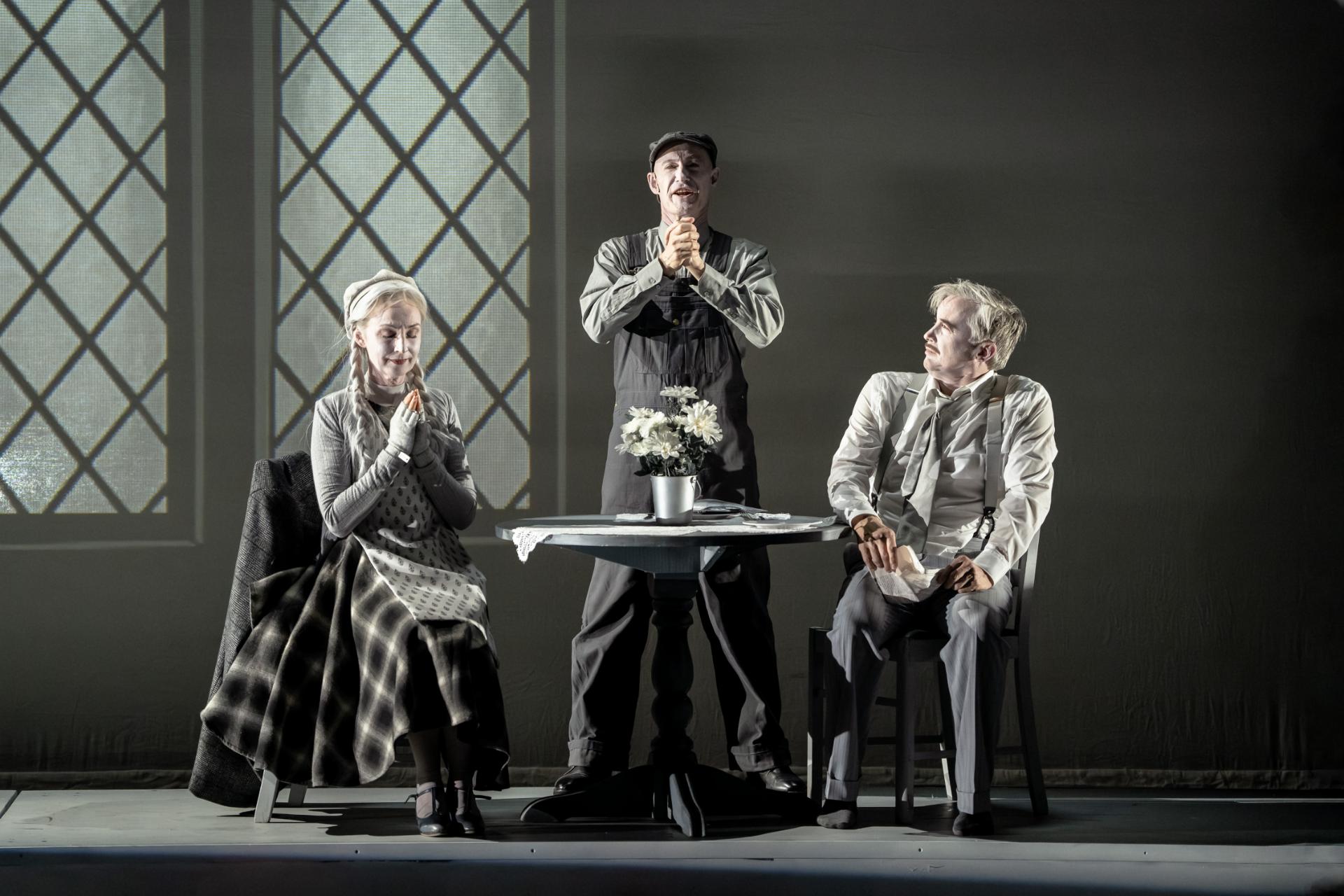
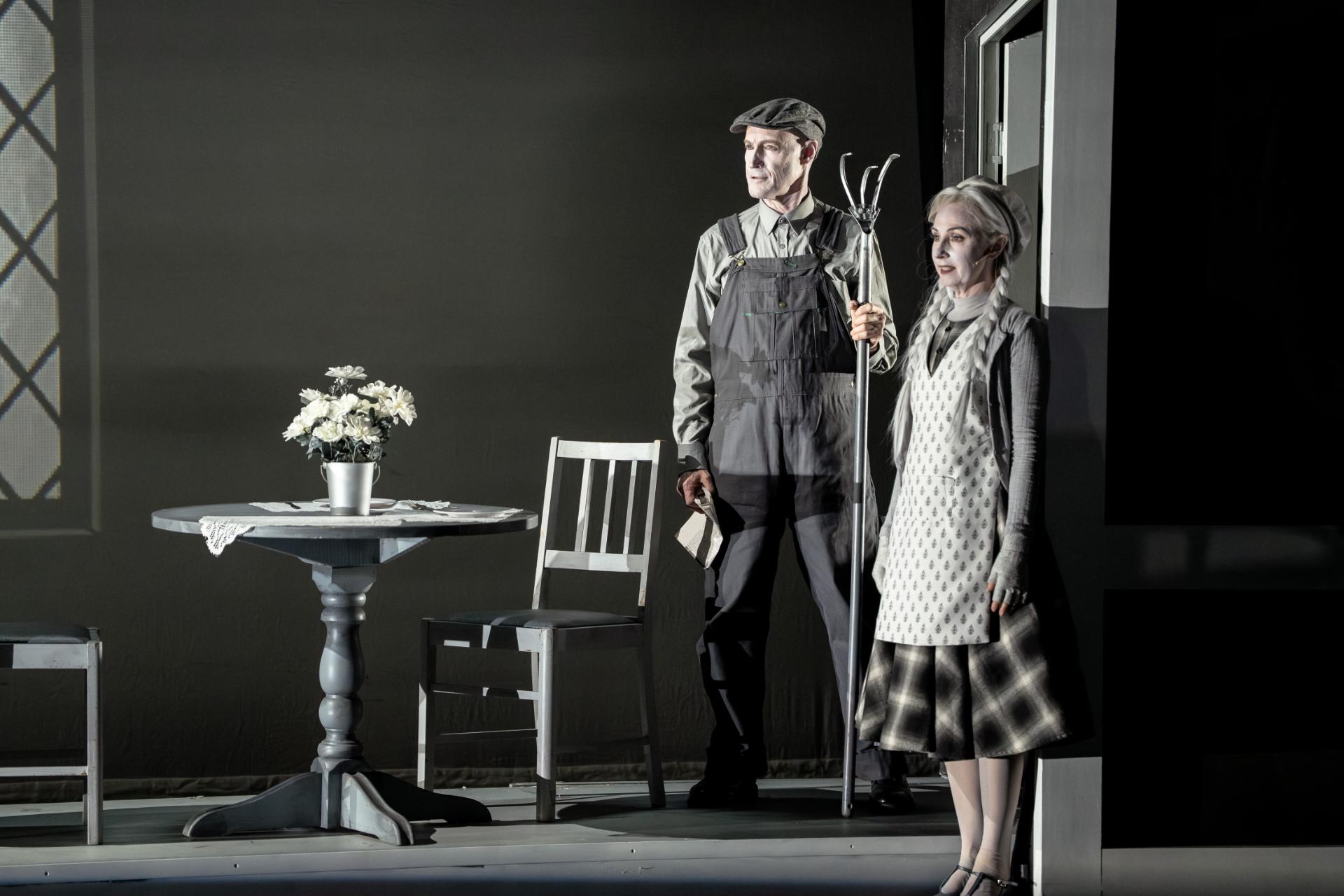
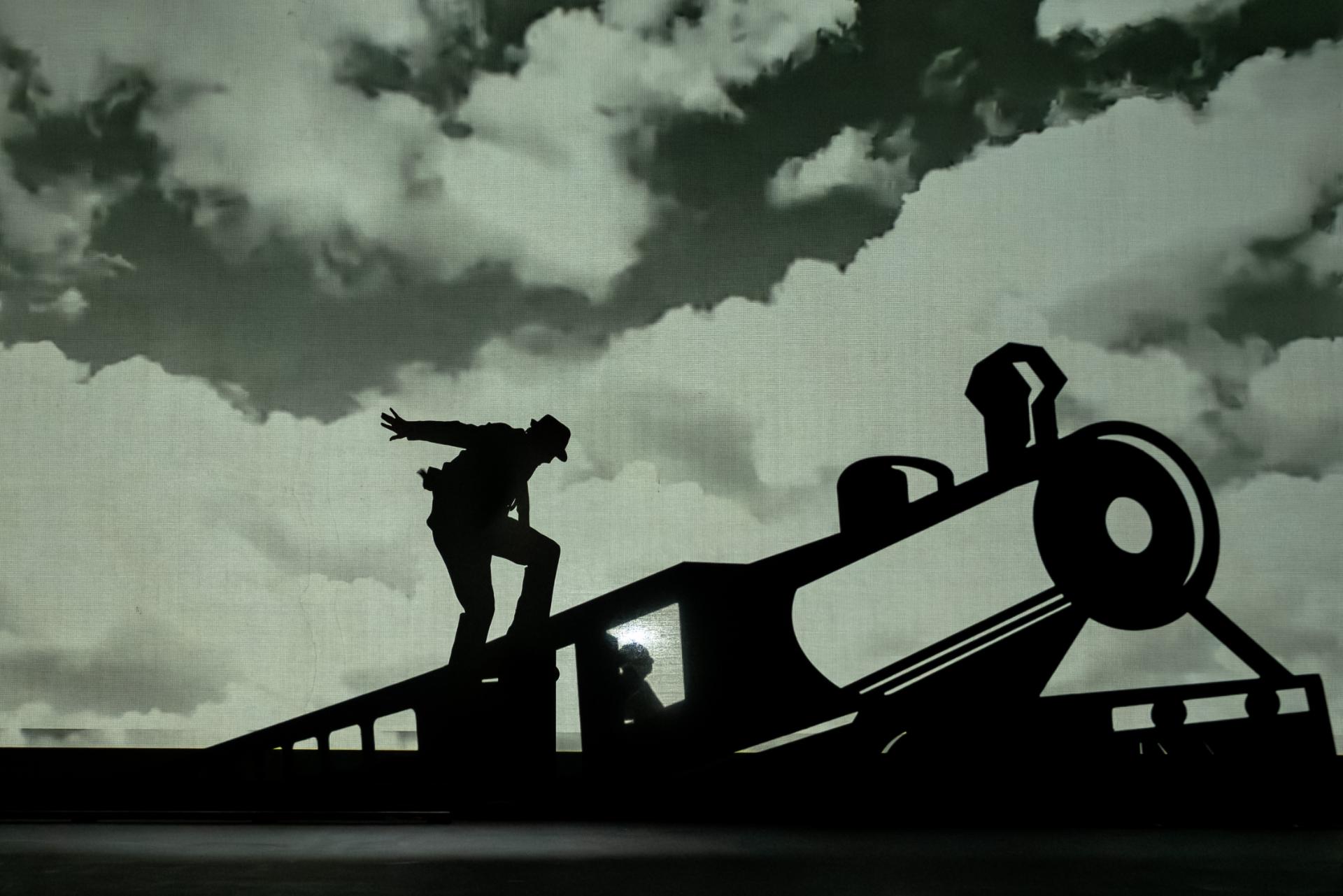
Director Damien Ryan embraces all the parody and pastiche, delivering a bold and extravagant farce, though the nonstop jokes lack the crispness needed to fully land. The production is visually striking, with James Browne’s sets and costumes impressing through their ambitious scale and refined aesthetic. Lights by Matthew Marshall are commensurately sumptuous, and highly evocative in this monochromatic tribute to early filmmaking. Music and sound by Brady Watkins are full of dynamism, adept at sustaining energies, even when the laughs begin to feel laboured.

Actor Ian Stenlake embodies the leading man with commendable dedication, though he exhibits some limitations in agility for a production characterized by its vigorous intensity. Lisa McCune performs multiple roles with skill and accuracy, bringing a level of refinement to a show that easily spirals out of control. David Collins and Shane Dundas, best known collectively as The Umbilical Brothers, make their trademark humour a distinctive feature of the staging, which ultimately detracts from the overall experience. The pair is unequivocally accomplished, but the narrative momentum is hindered by the production’s insistence on highlighting their expertise.

Humour is inherently subjective. Understanding what makes something funny demands an examination of the milieu from which it stems. While we may live in multicultural societies, much of the artistic output—even in the twenty-first century—remains resolutely monocultural. As a result, for many of us in minority communities, witnessing widespread laughter can often feel nothing short of confounding.

www.the39steps.com.au