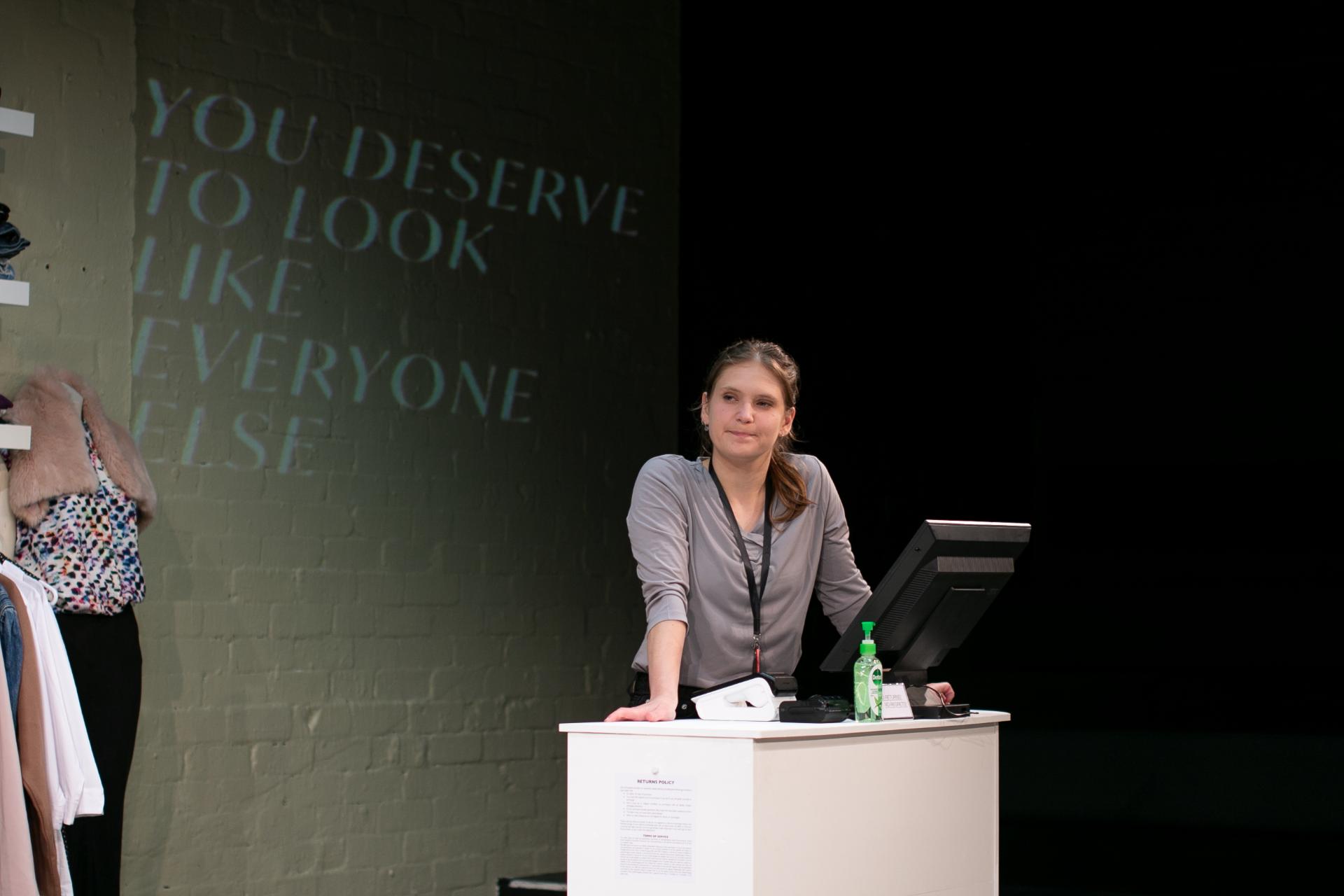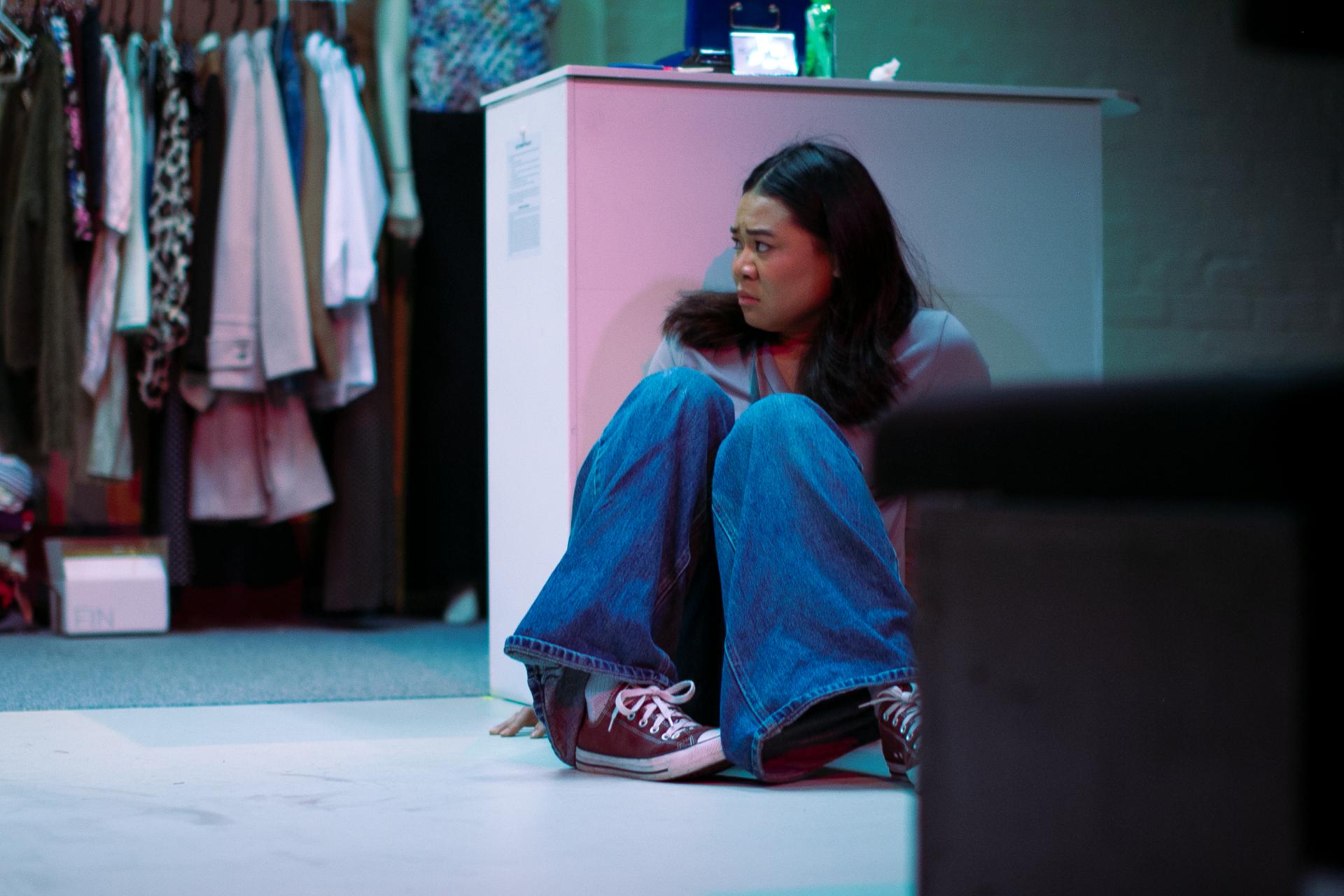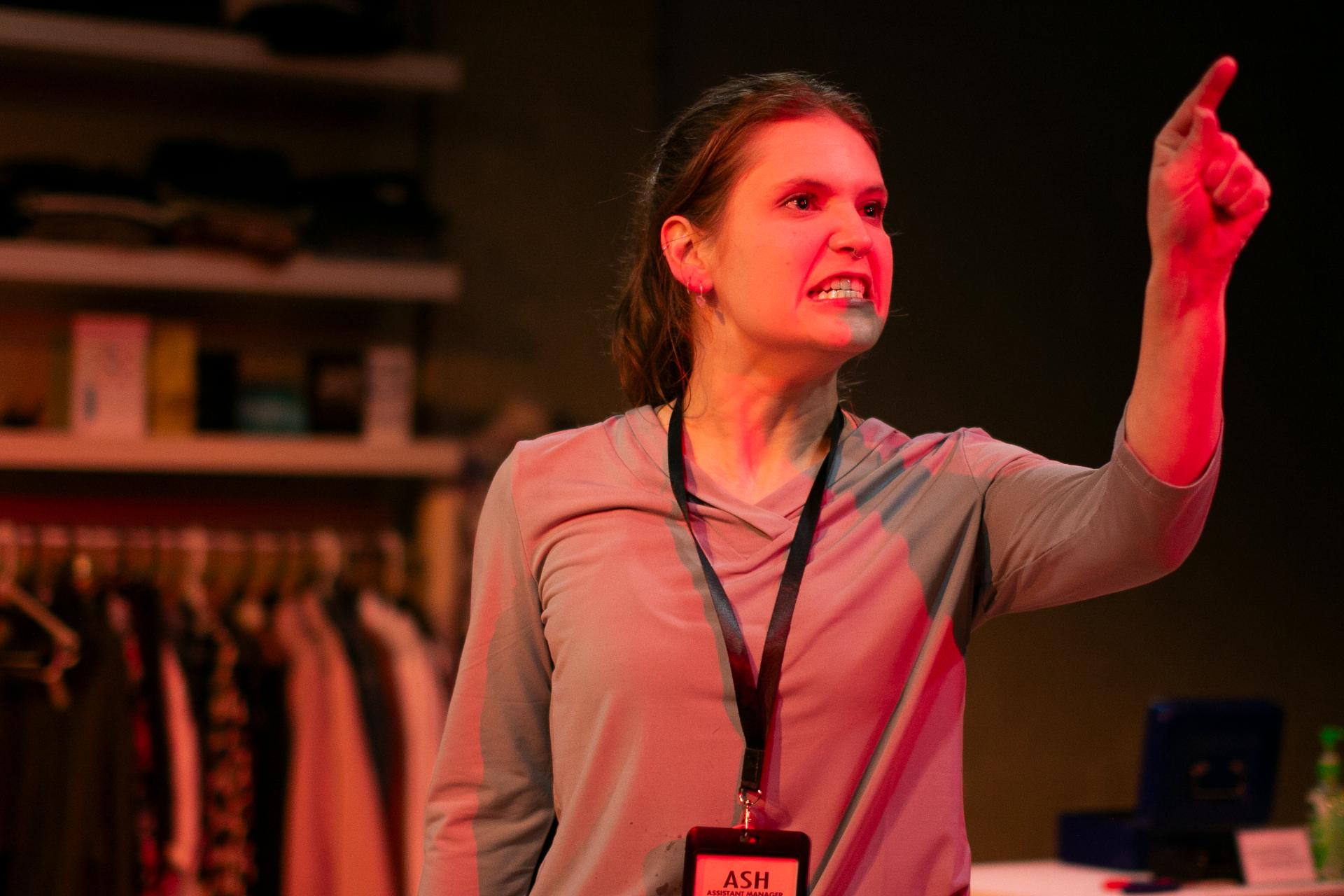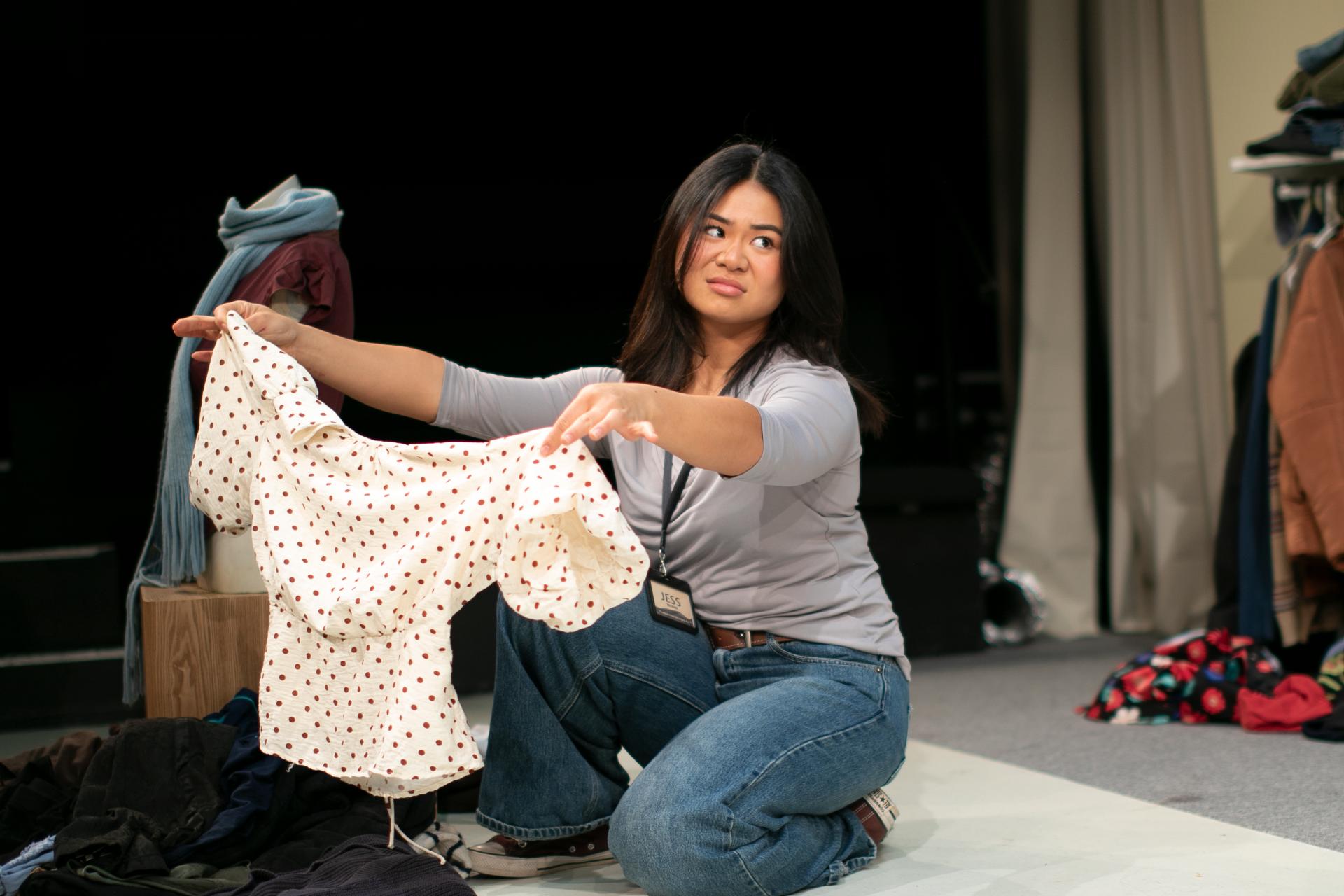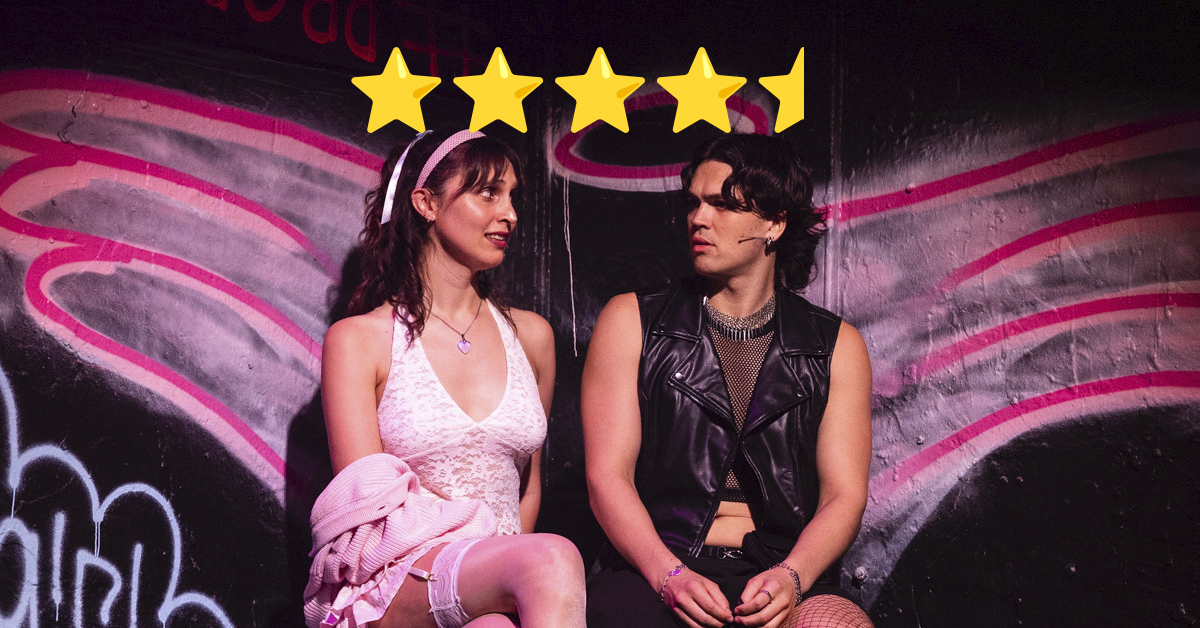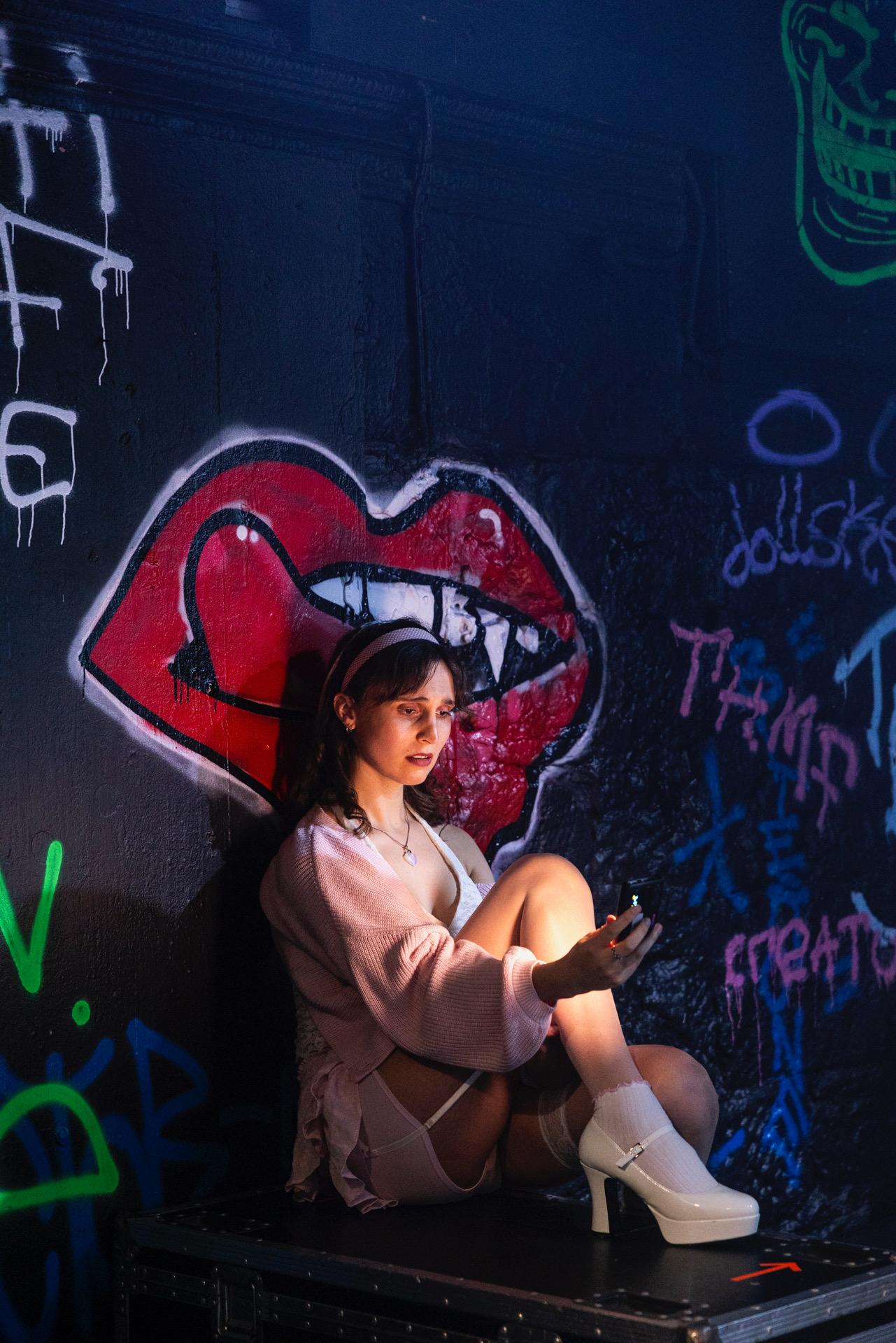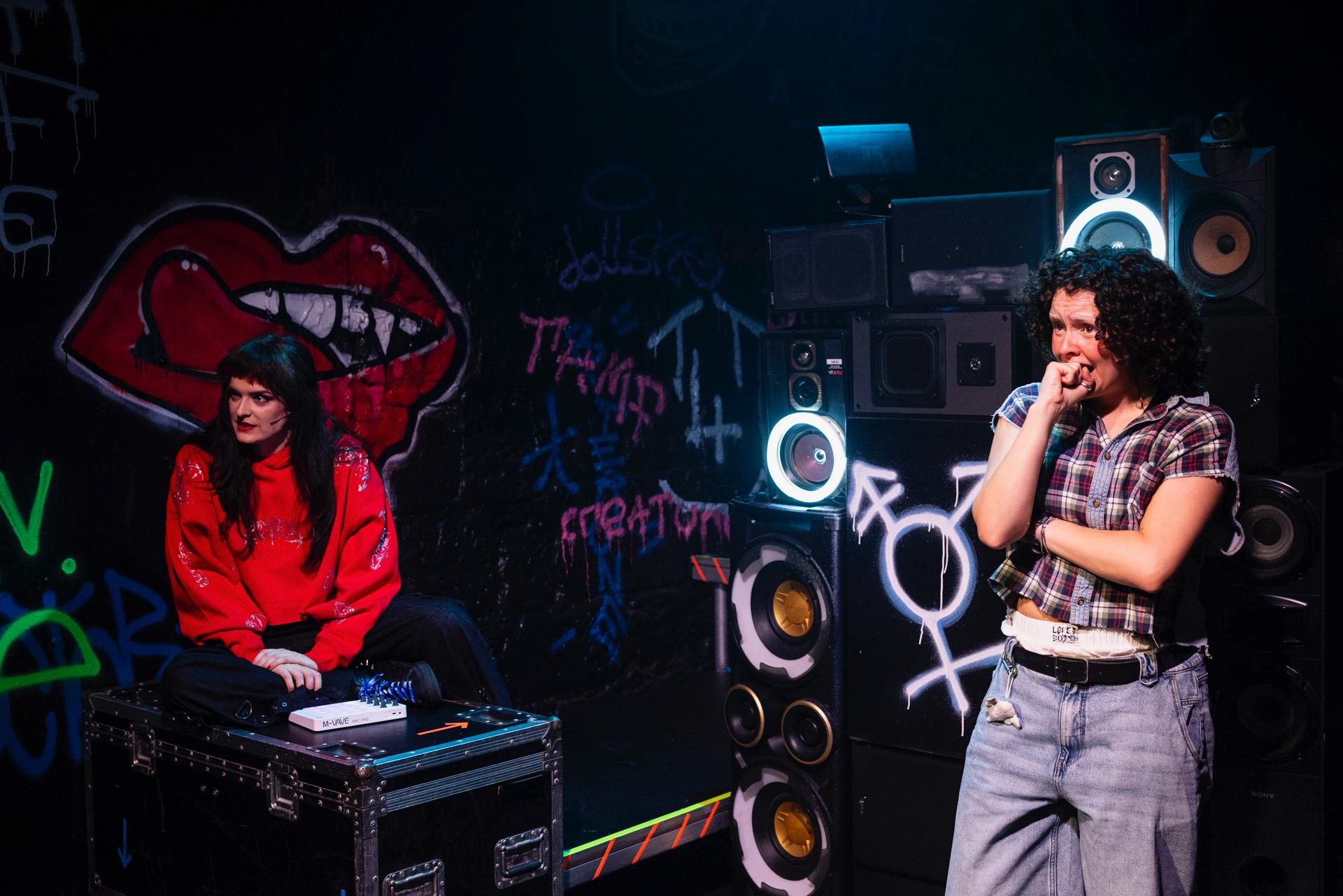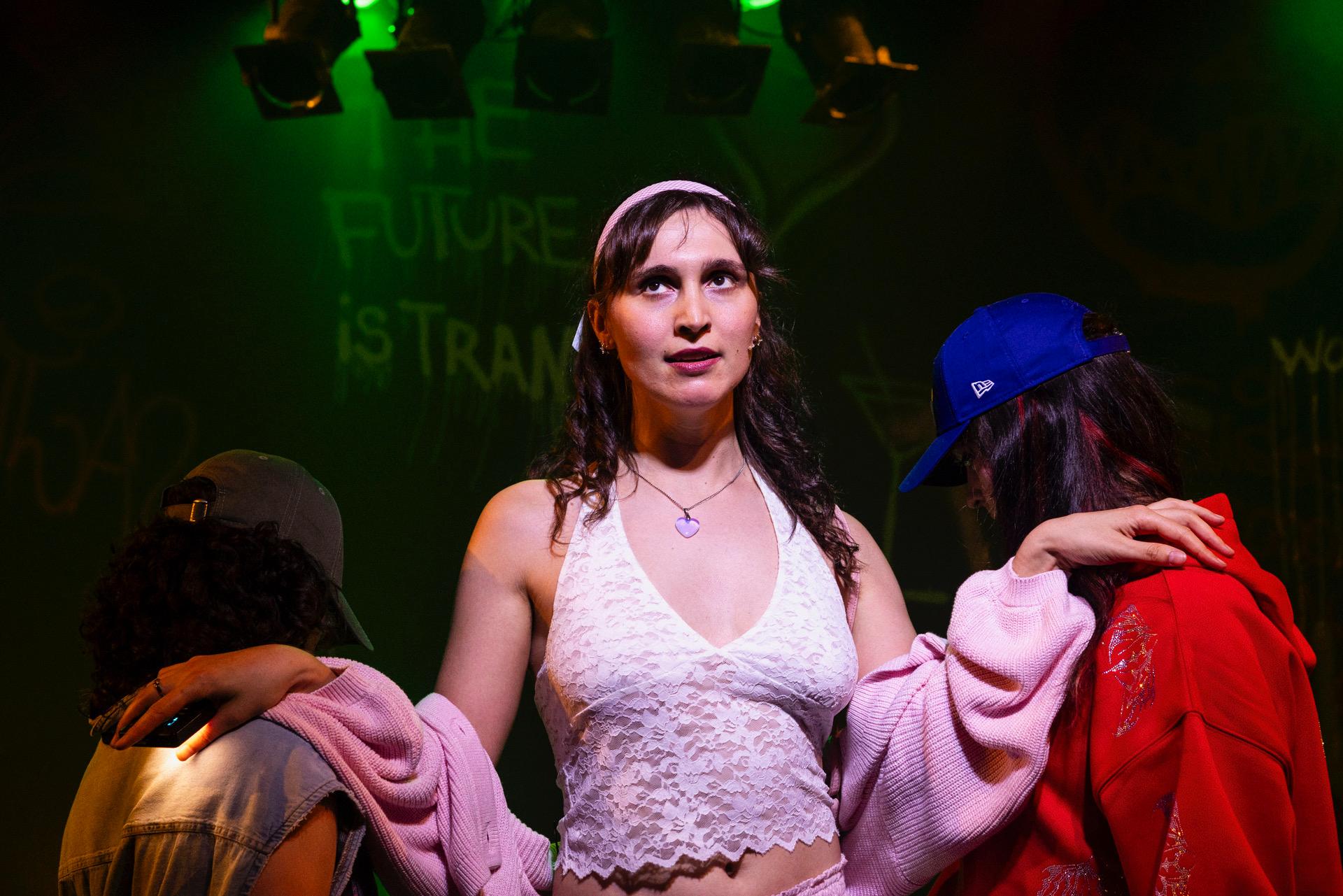
Review: Equus (KXT on Broadway)

Venue: KXT on Broadway (Ultimo NSW), Aug 21 – Sep 5, 2026
Playwright: Peter Shaffer
Director: Brockman
Cast: Cloud Fernandez-Montoya, Sophie Gregg, Stephen Madsen, Jay-James Moody, Gus Murray, Linda Nicholls-Gidley, Shalamah Tautaiolefue, Ryan Yeates
Images by Daniel Boud

Theatre review
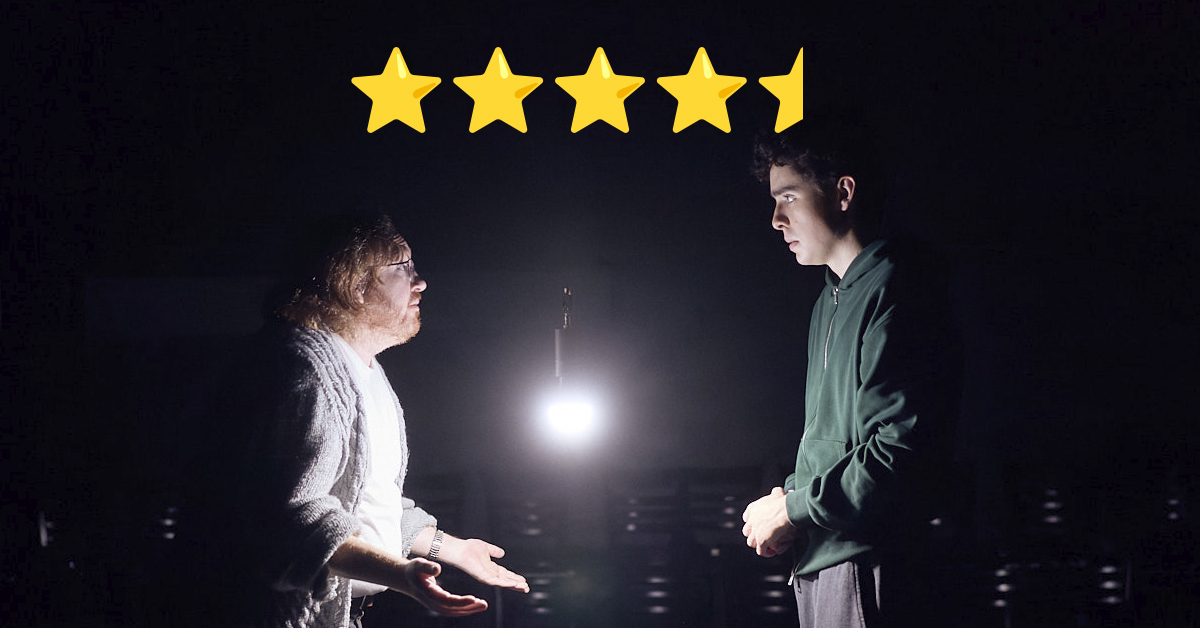
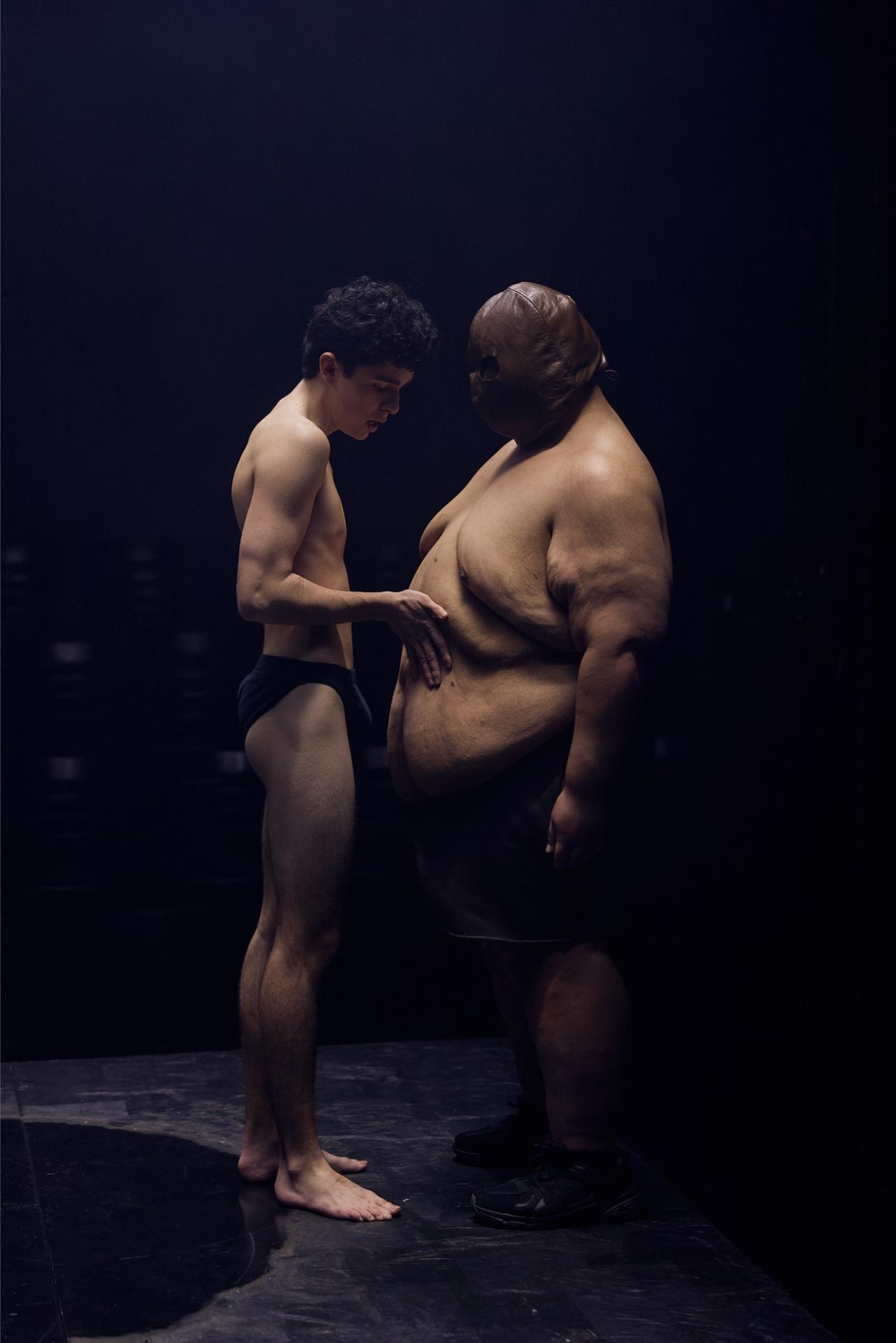
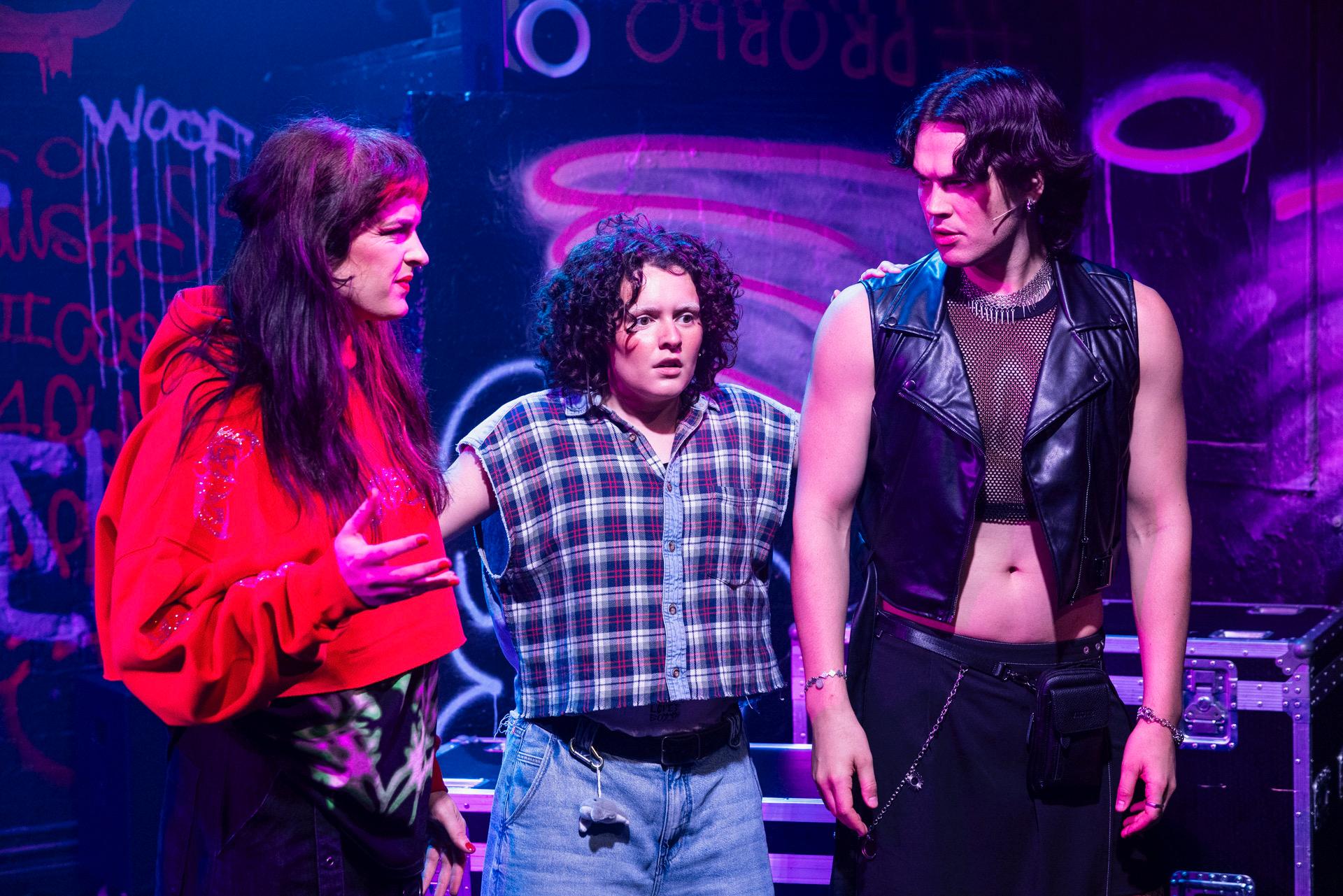
It was in 1973 that Peter Shaffer wrote Equus, the story of 17-year-old Alan Strang, a boy who blinds six horses with a metal spike. At its heart, Equus is a play about desire: where it comes from, how it is shaped, and the destruction that can follow when it is denied. As a gay man born in the early twentieth century, Shaffer was almost certainly drawing, at least in part, on the devastating consequences of harbouring desires deemed socially taboo.

More than half a century later, director Brockman brings the play’s submerged queerness unmistakably to the surface. Where Shaffer had to veil the politics of Equus beneath explorations of religion, psychotherapy and obsession, Brockman’s contemporary interpretation points directly to the machinery of social stigmatisation and the wounds of marginalisation.

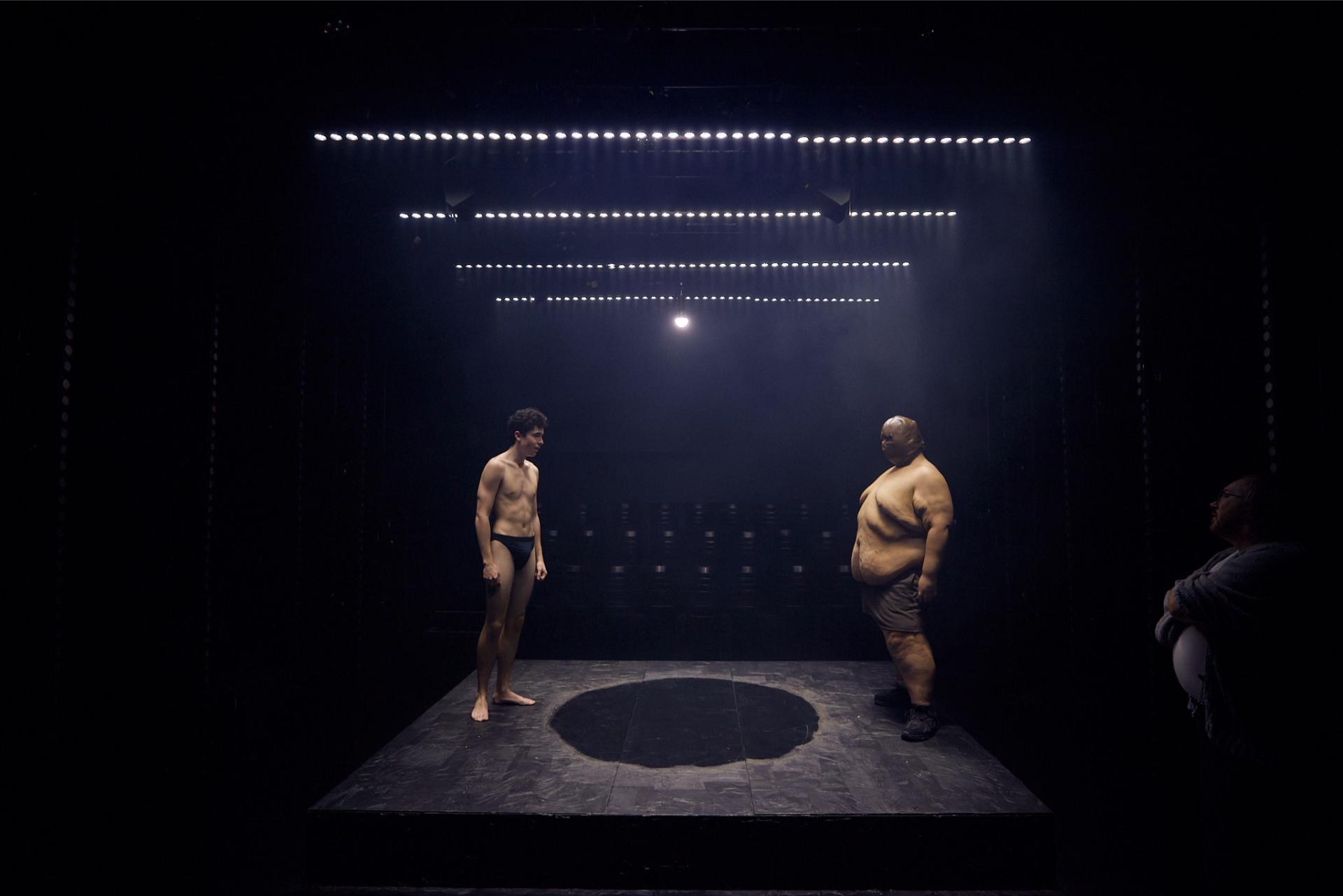
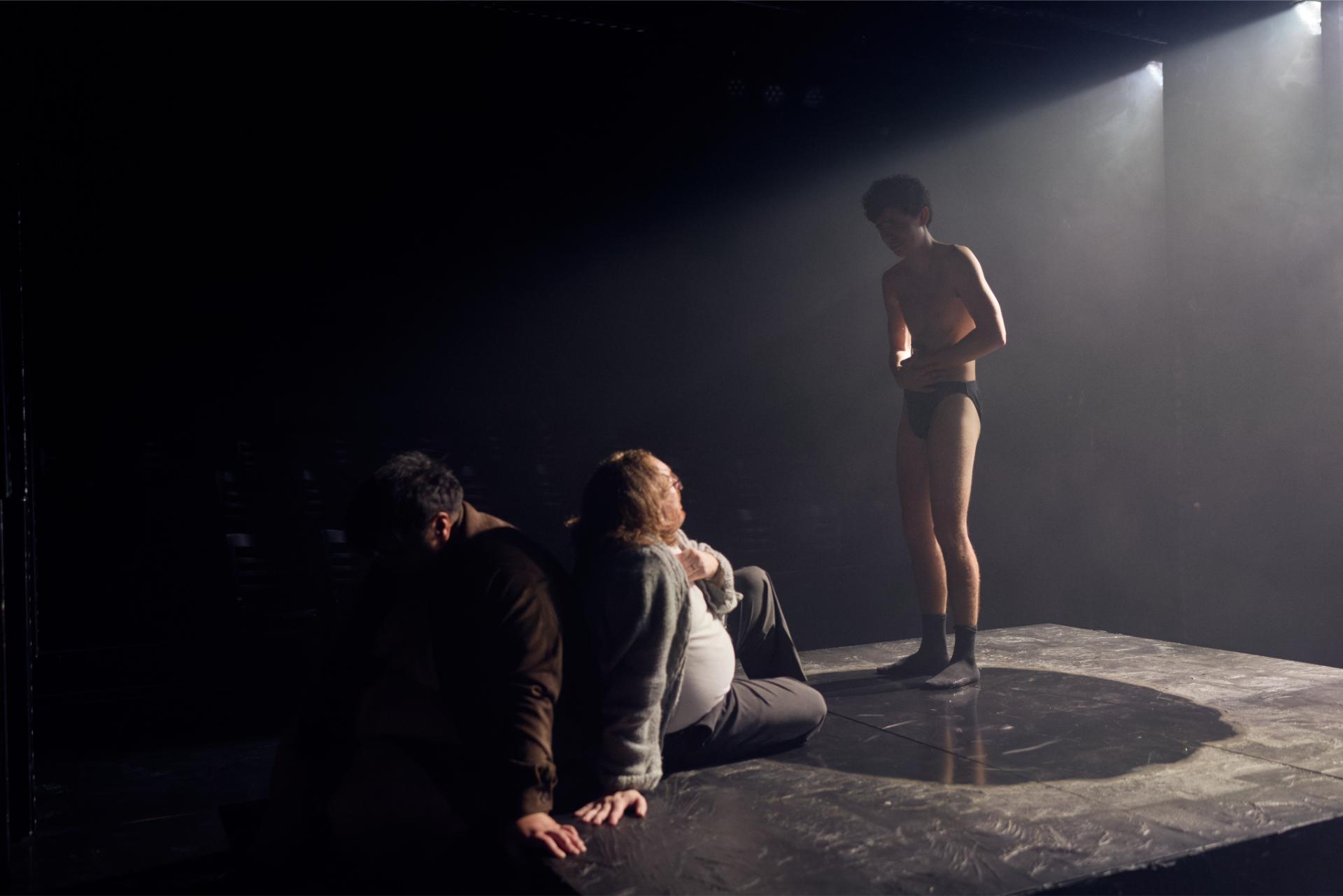
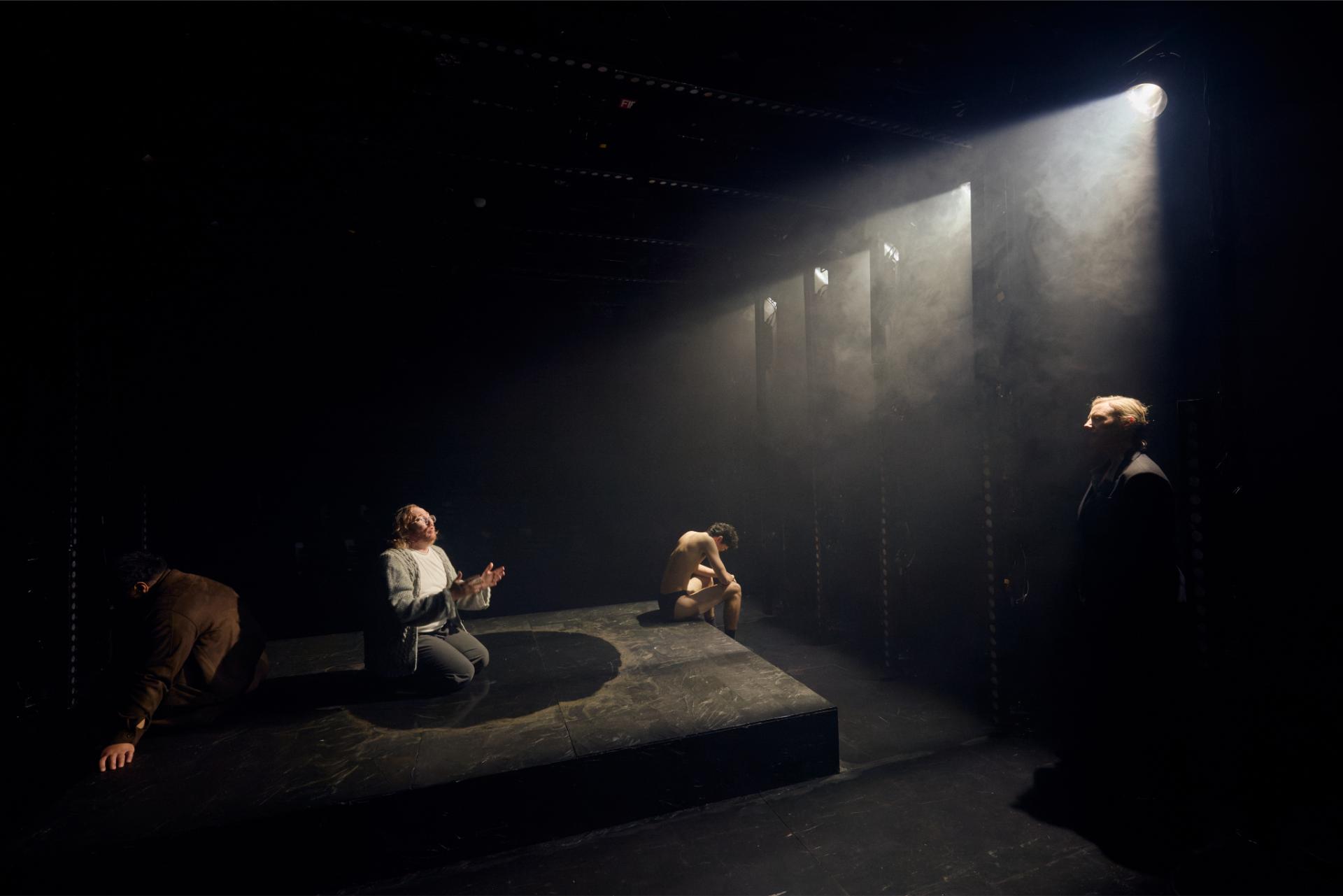
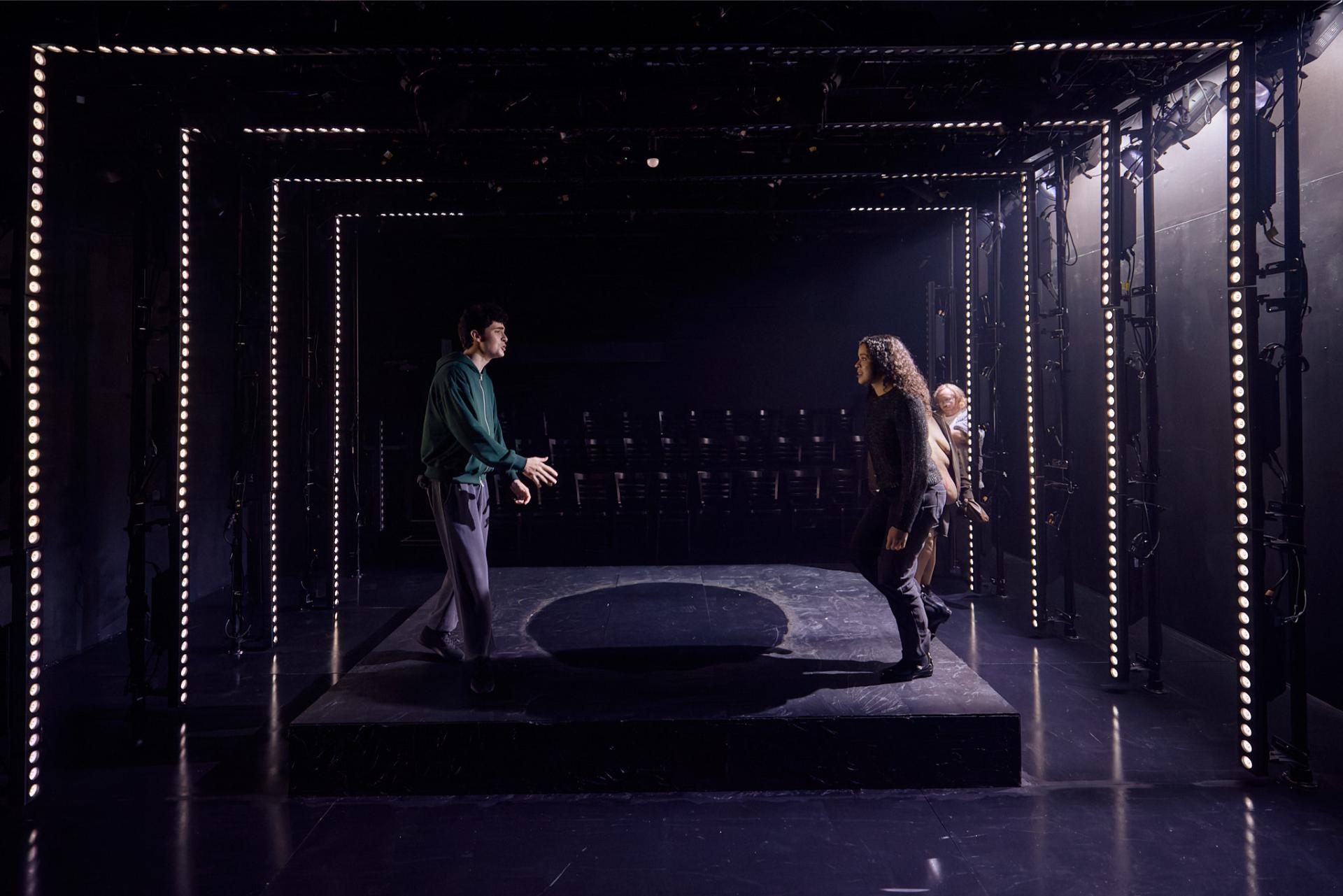
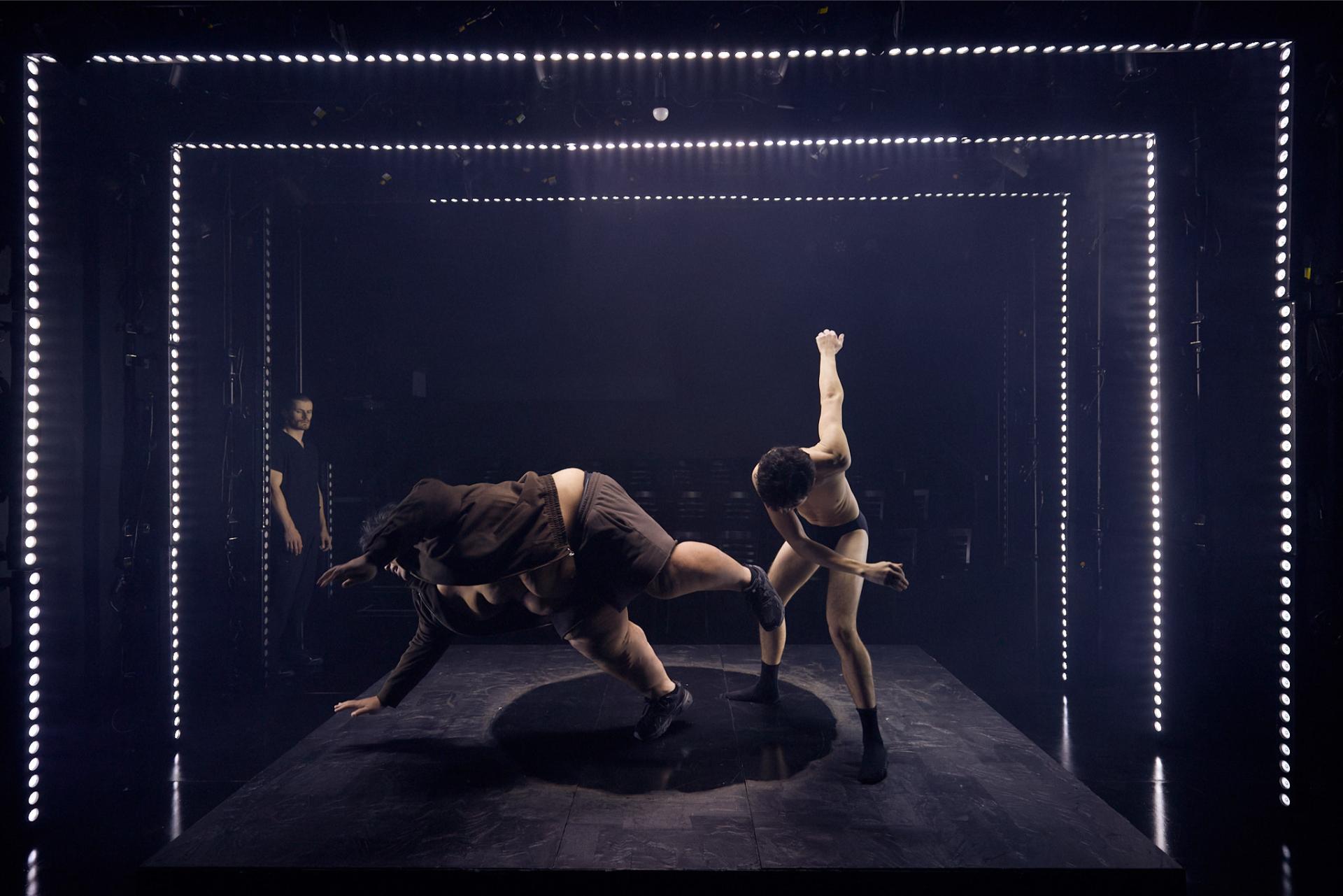
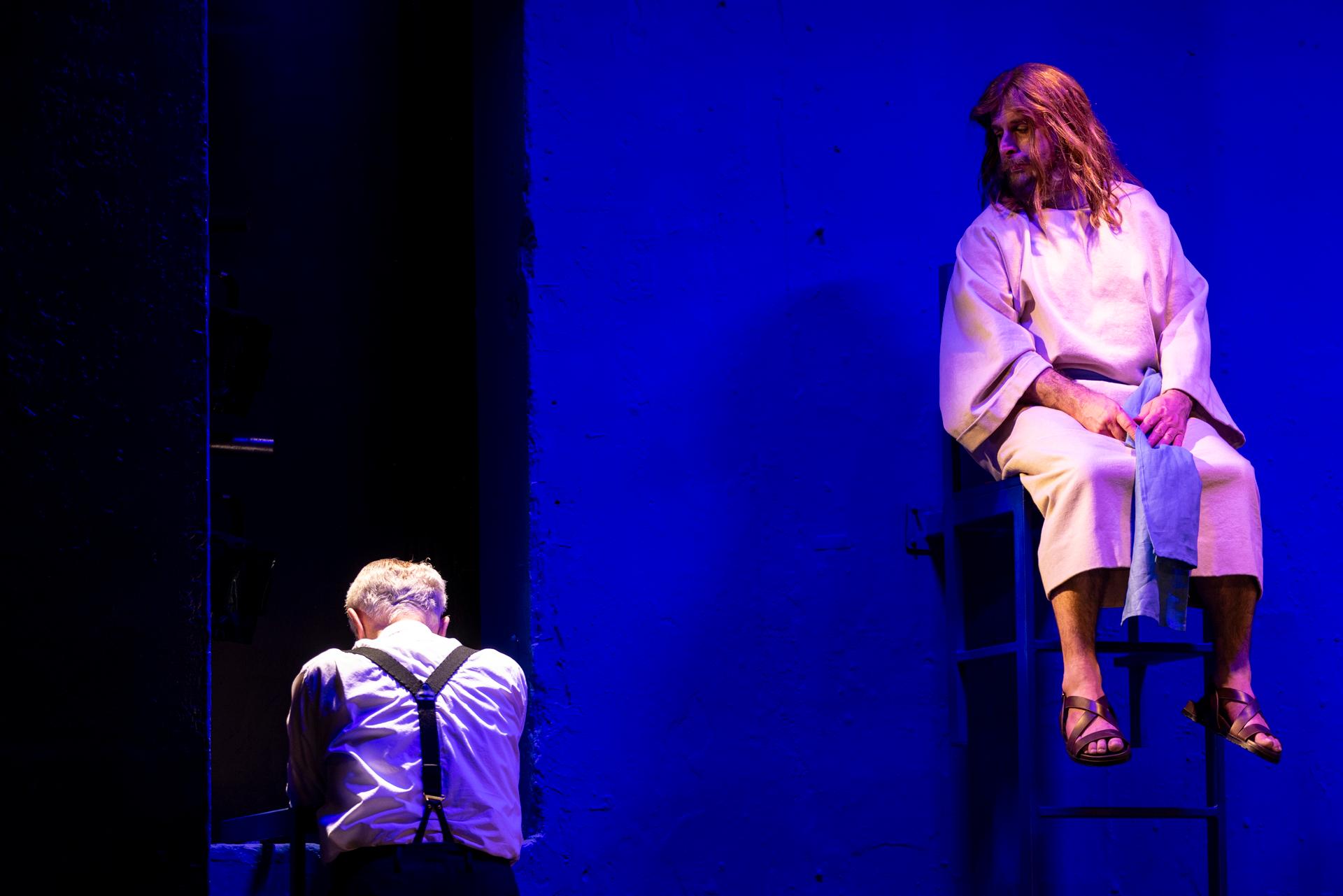
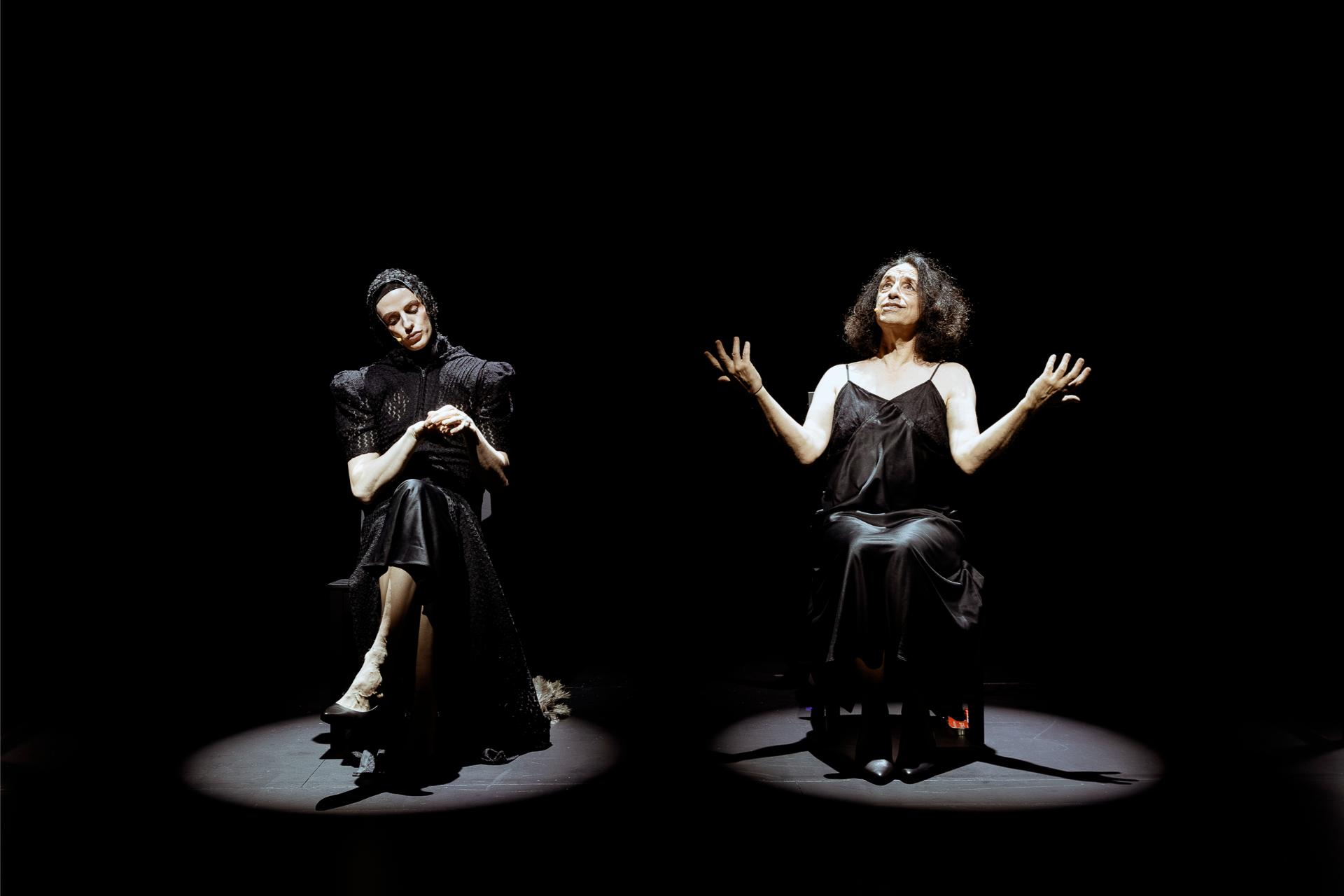
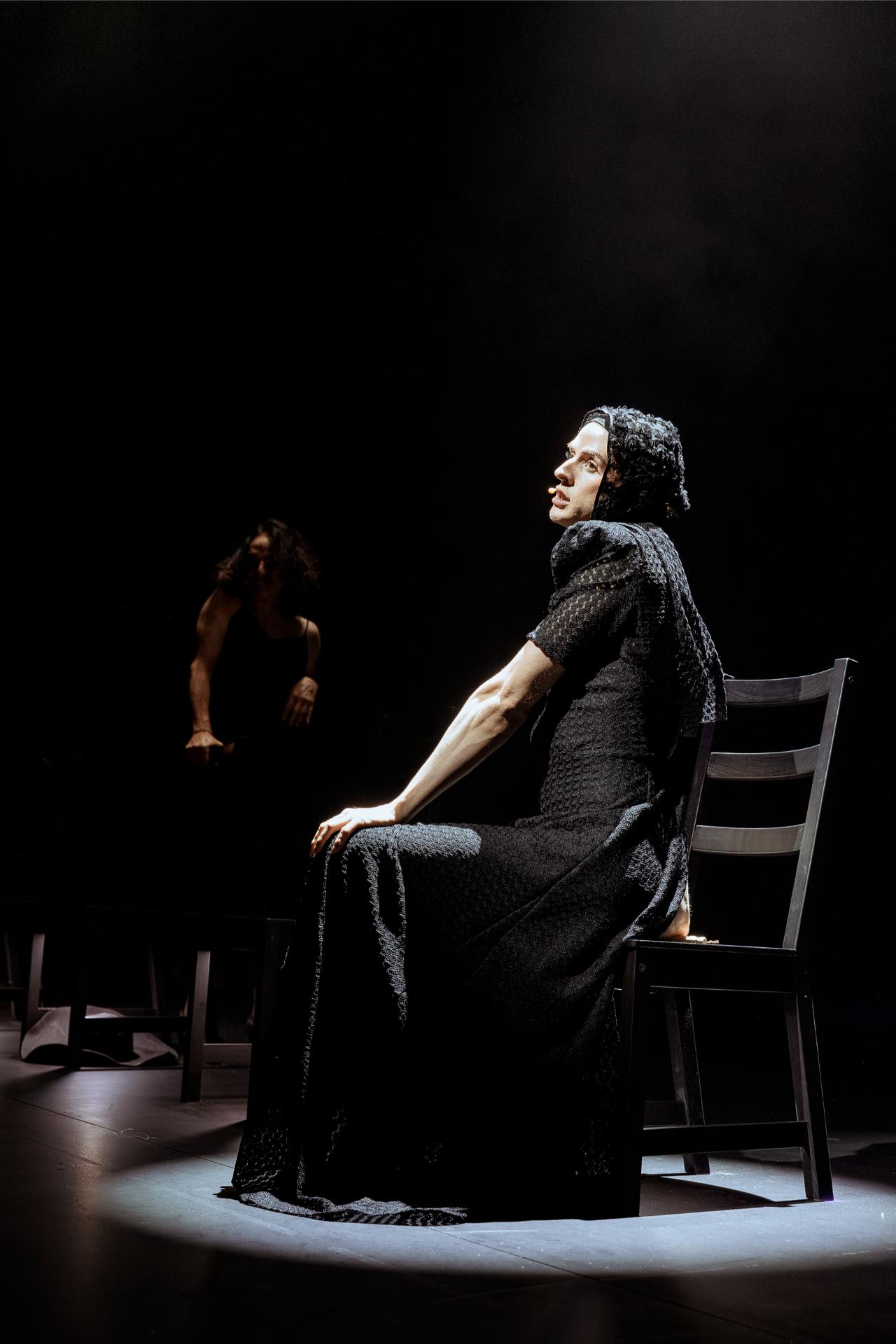
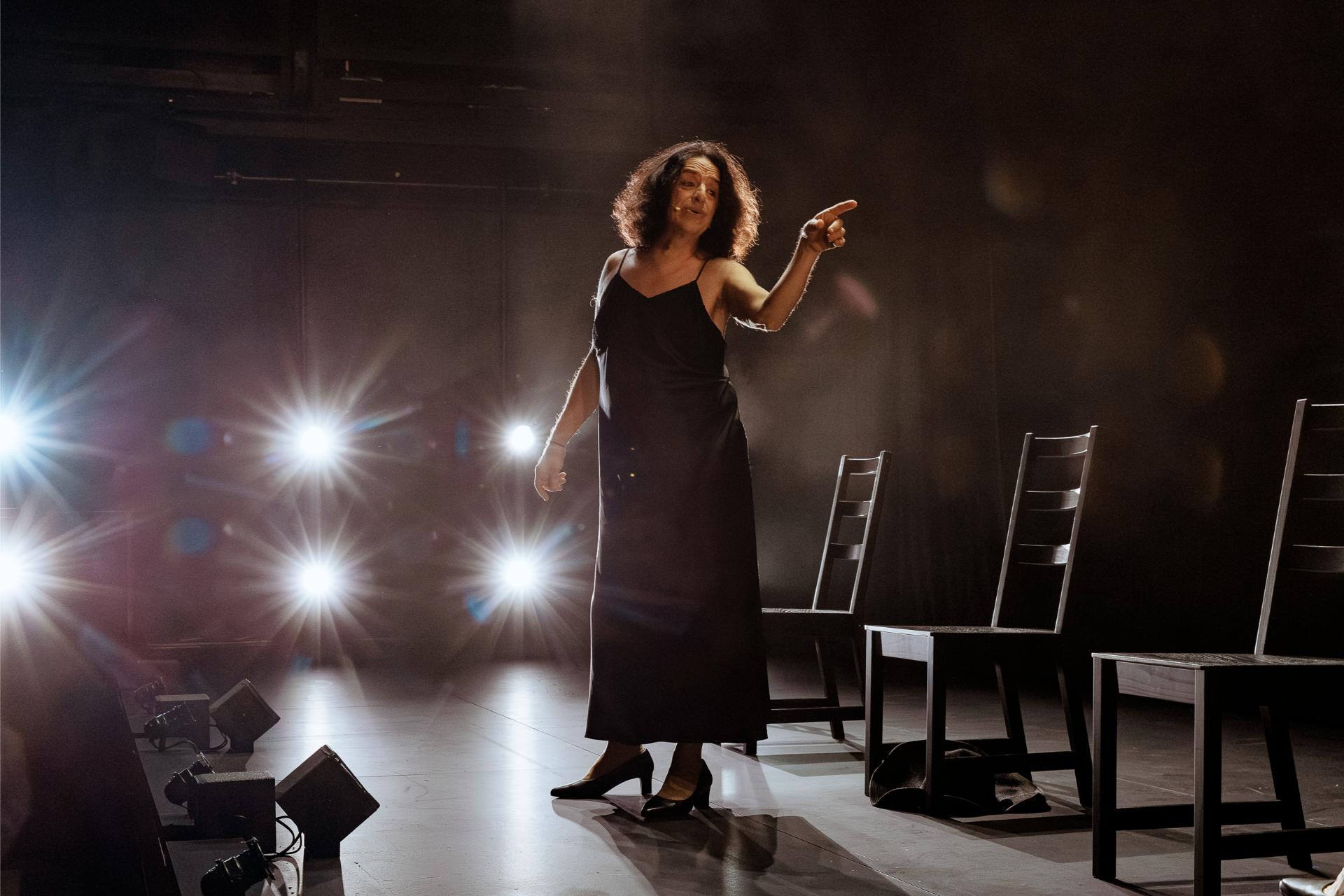
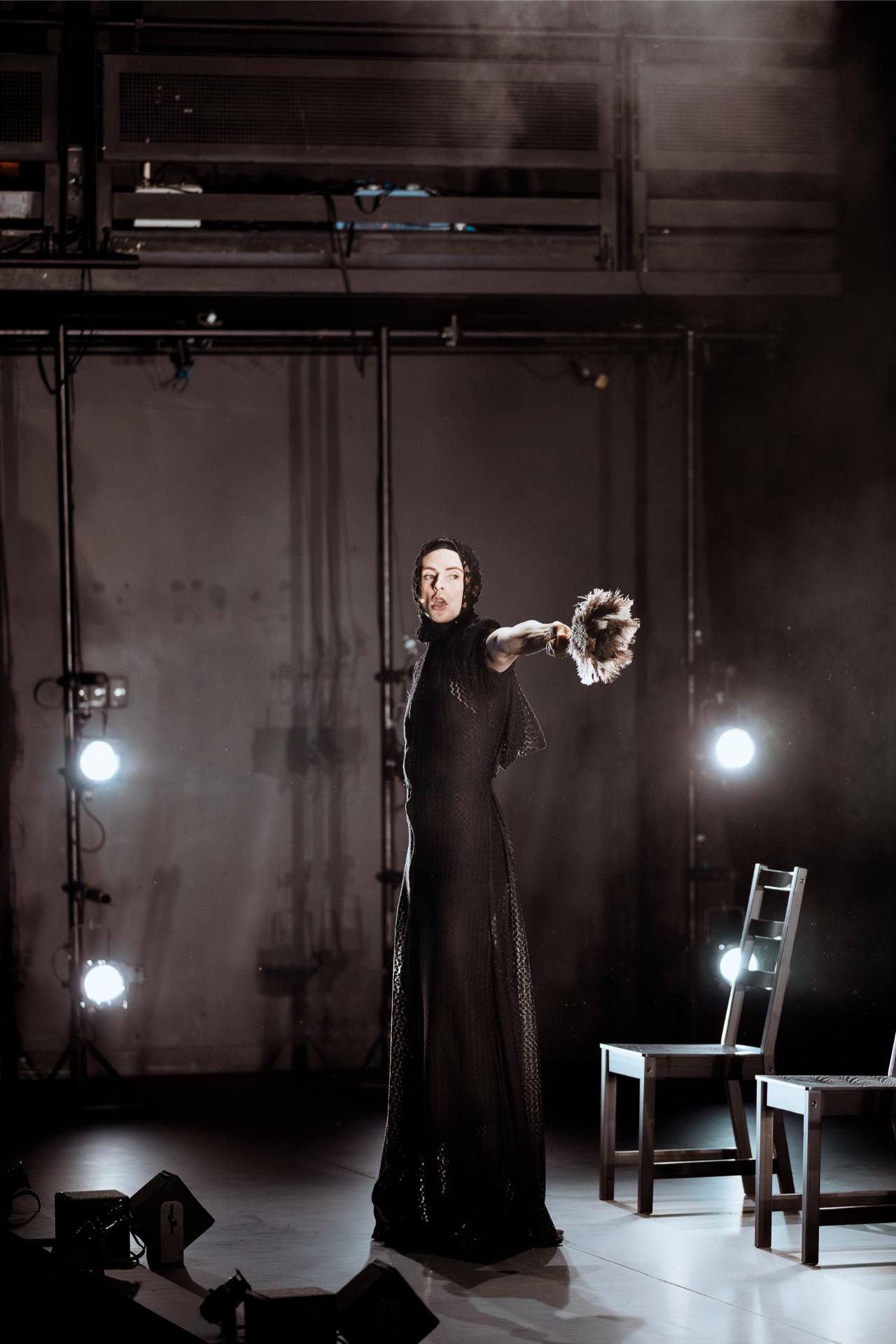
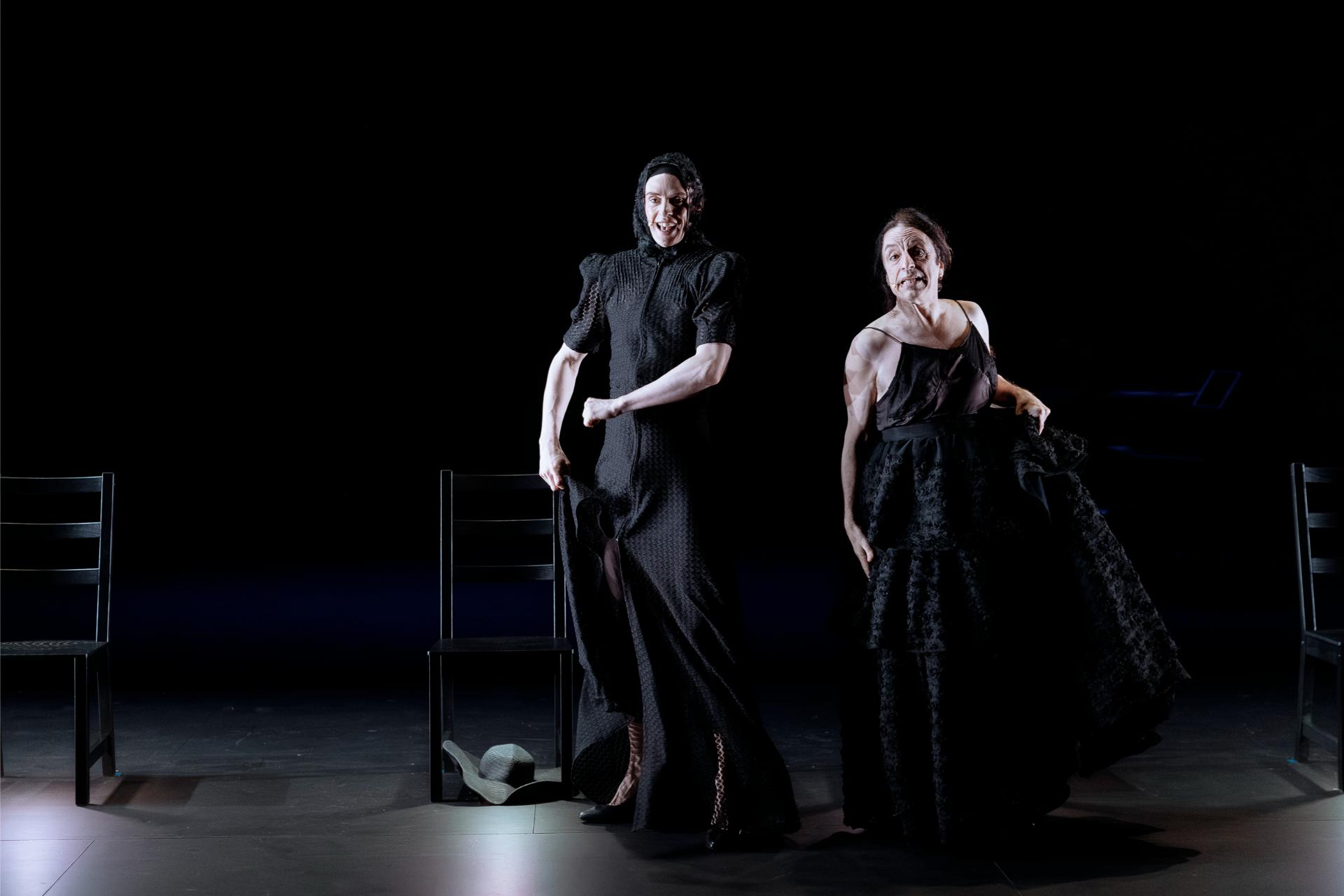
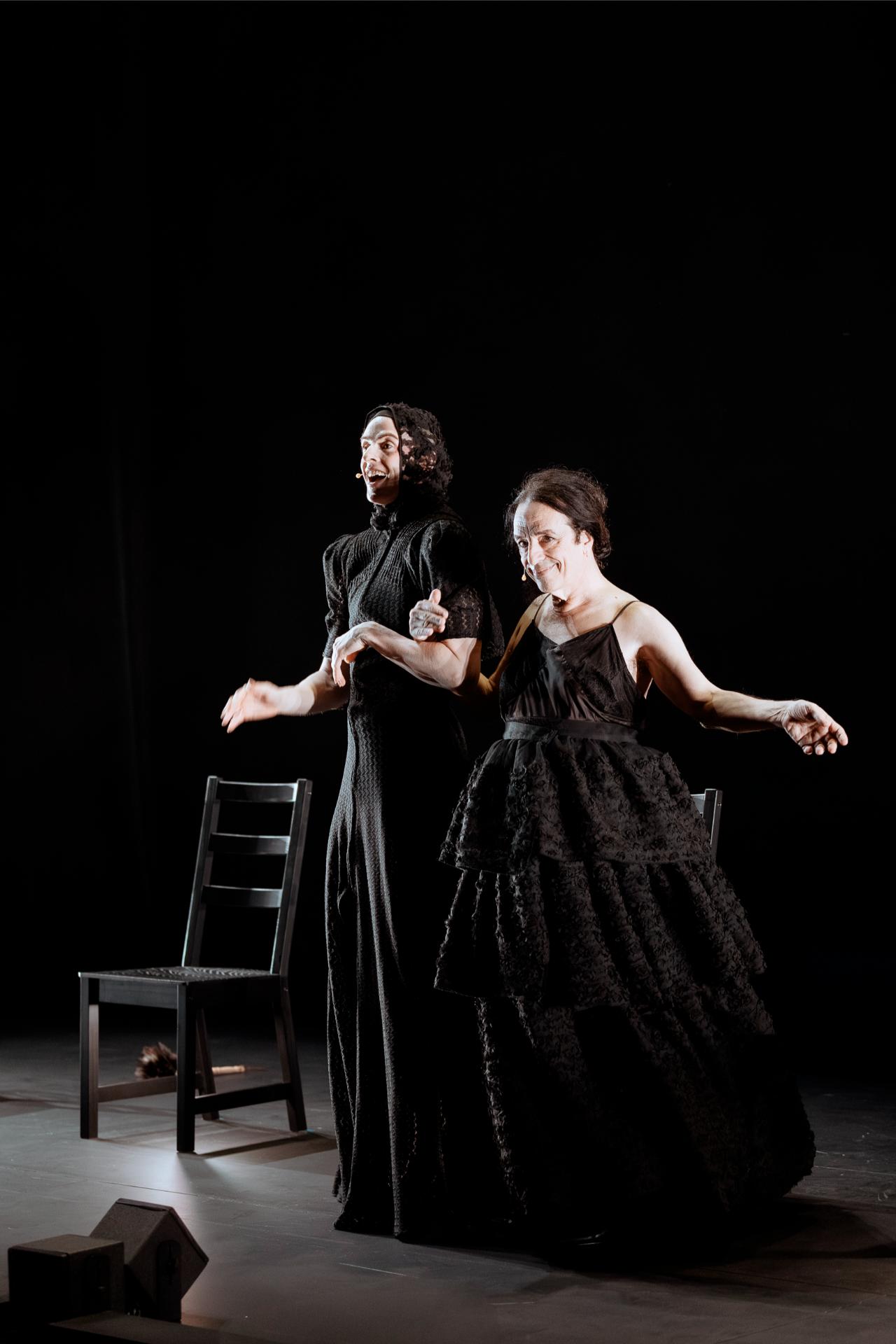
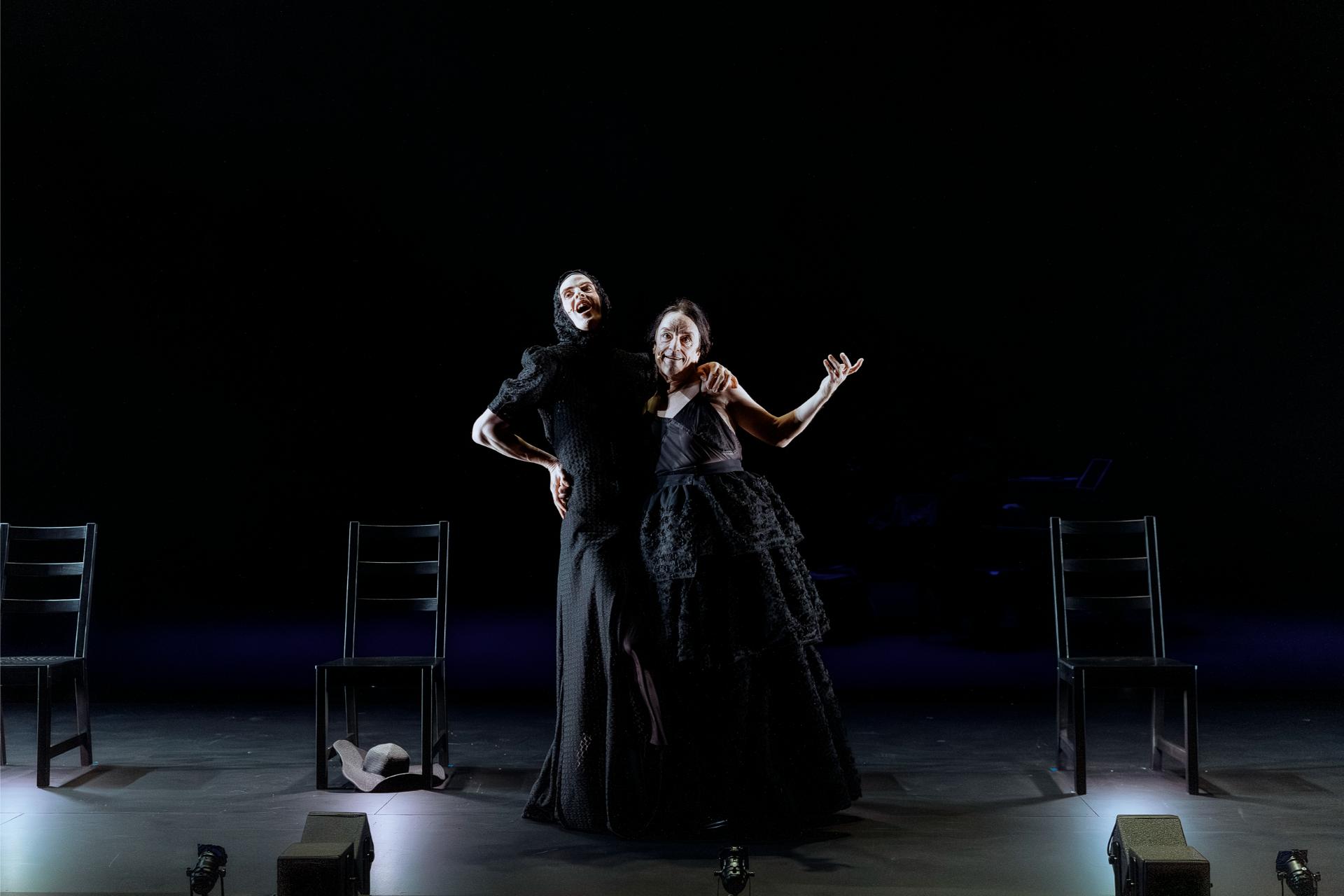
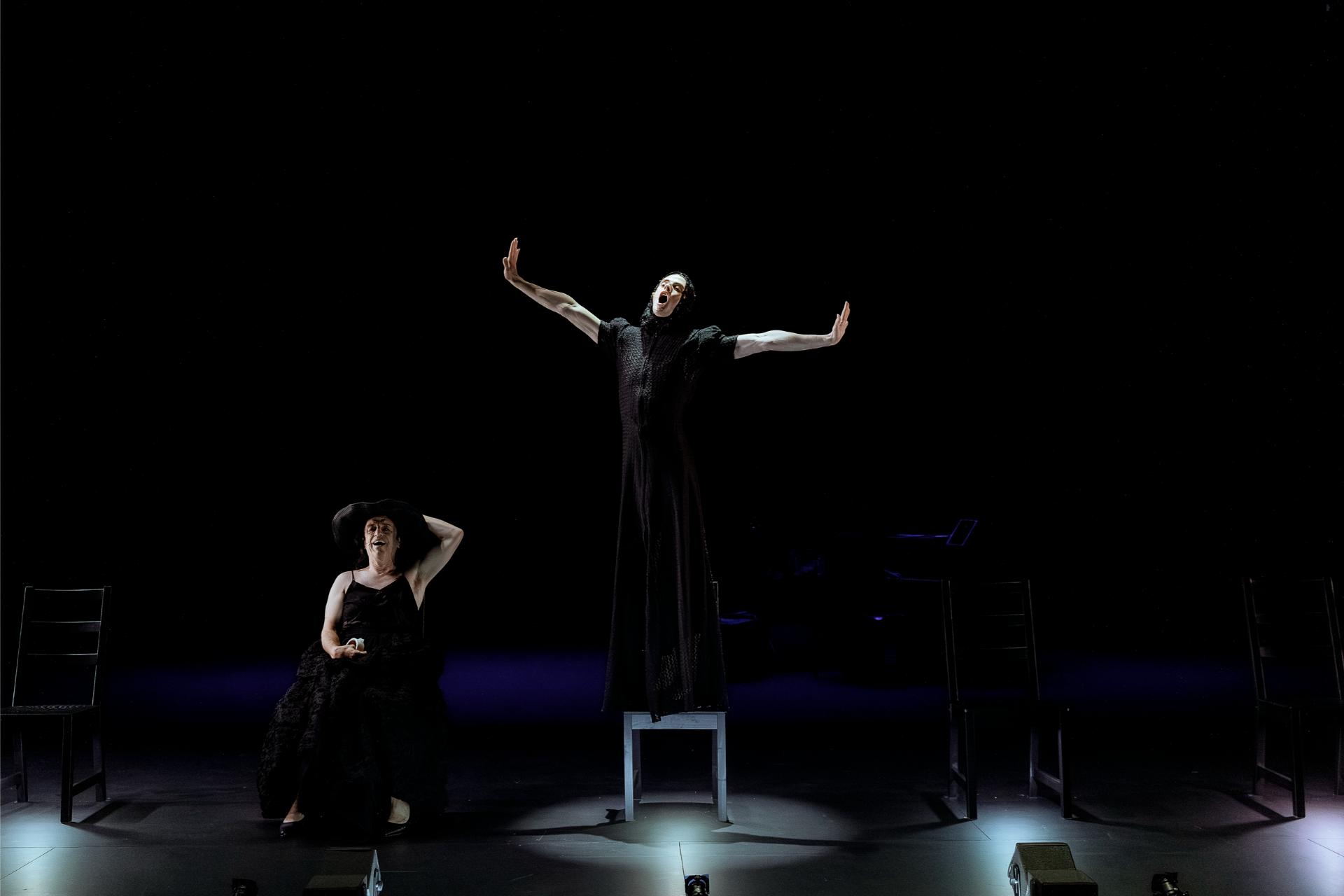
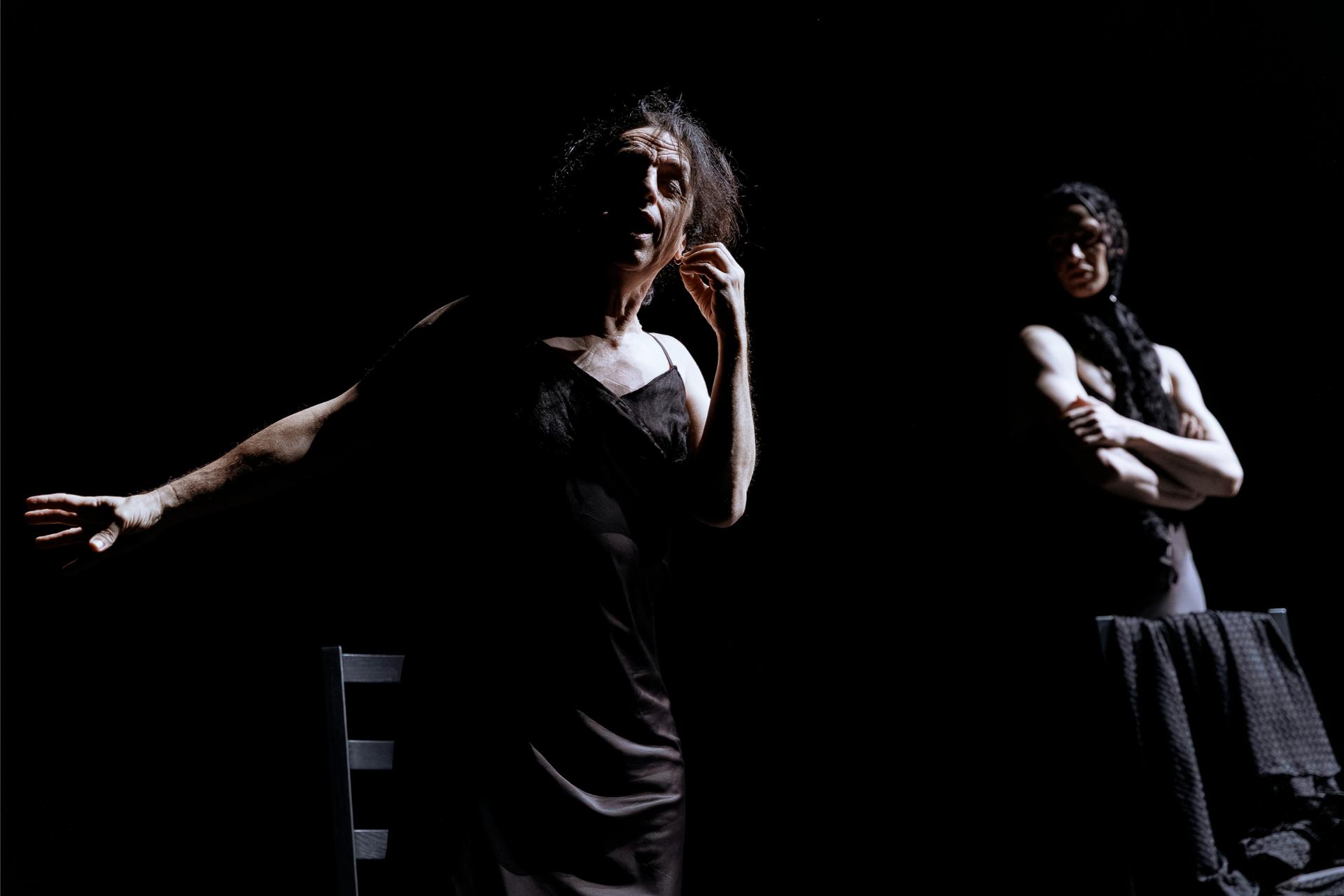
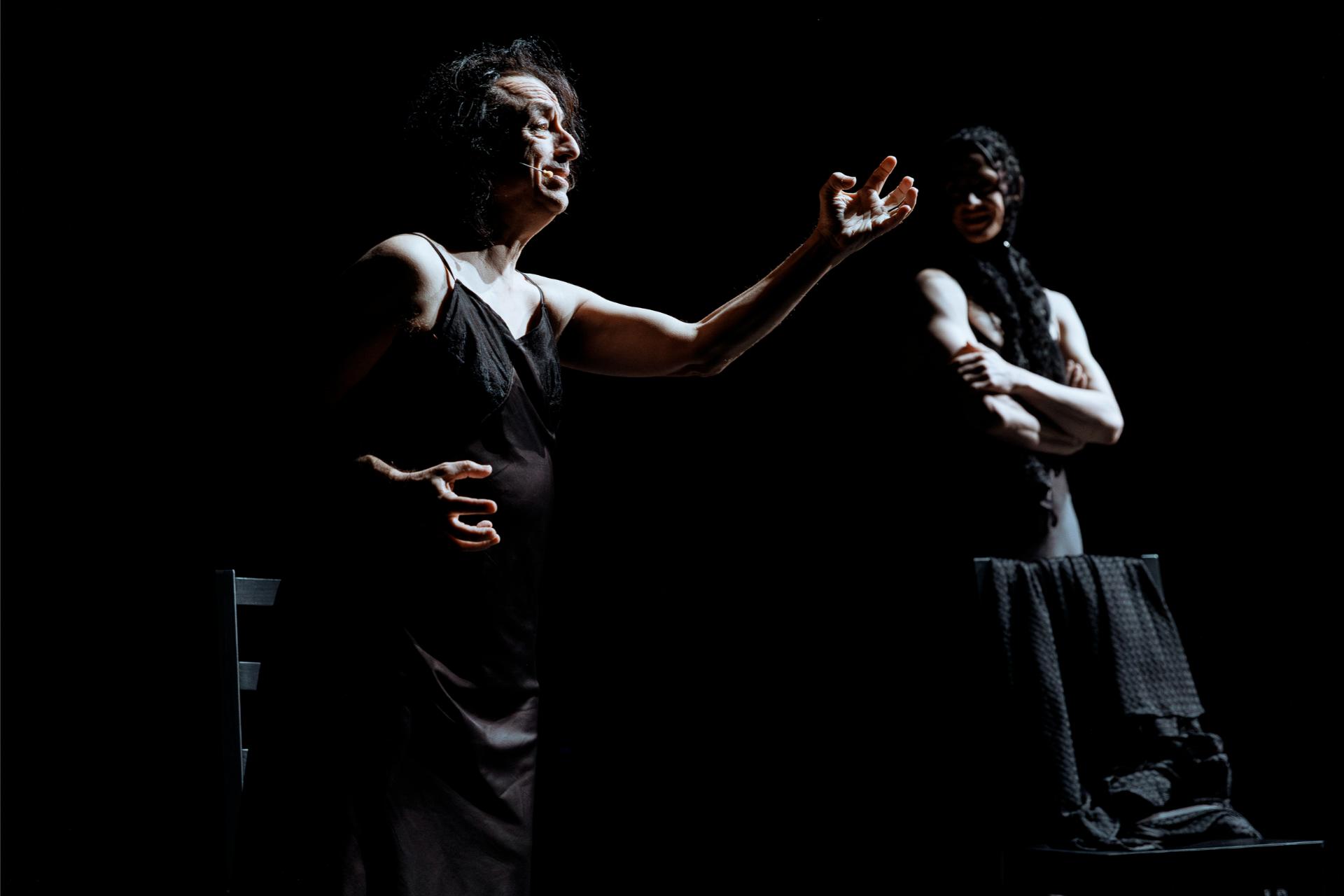
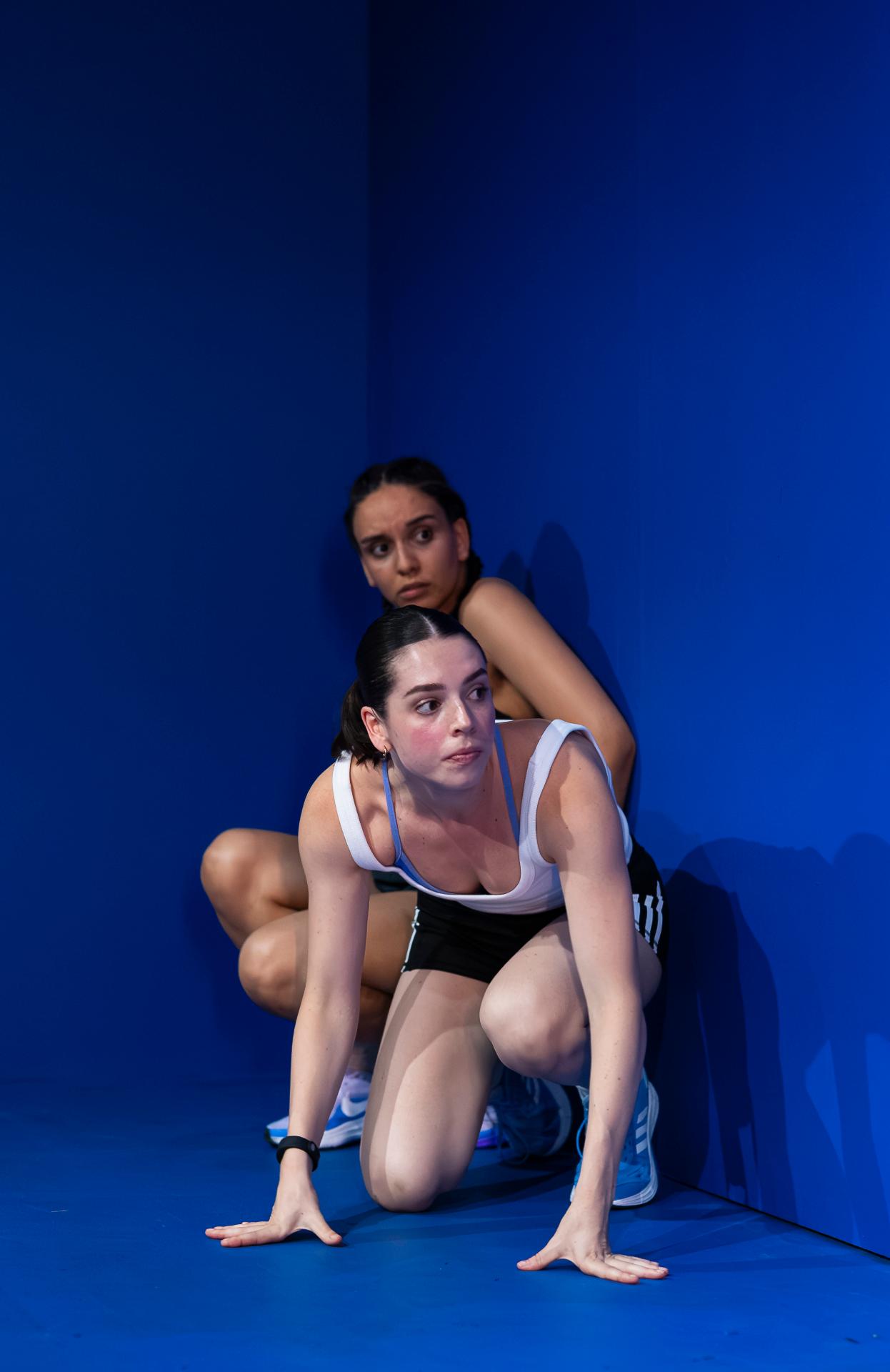
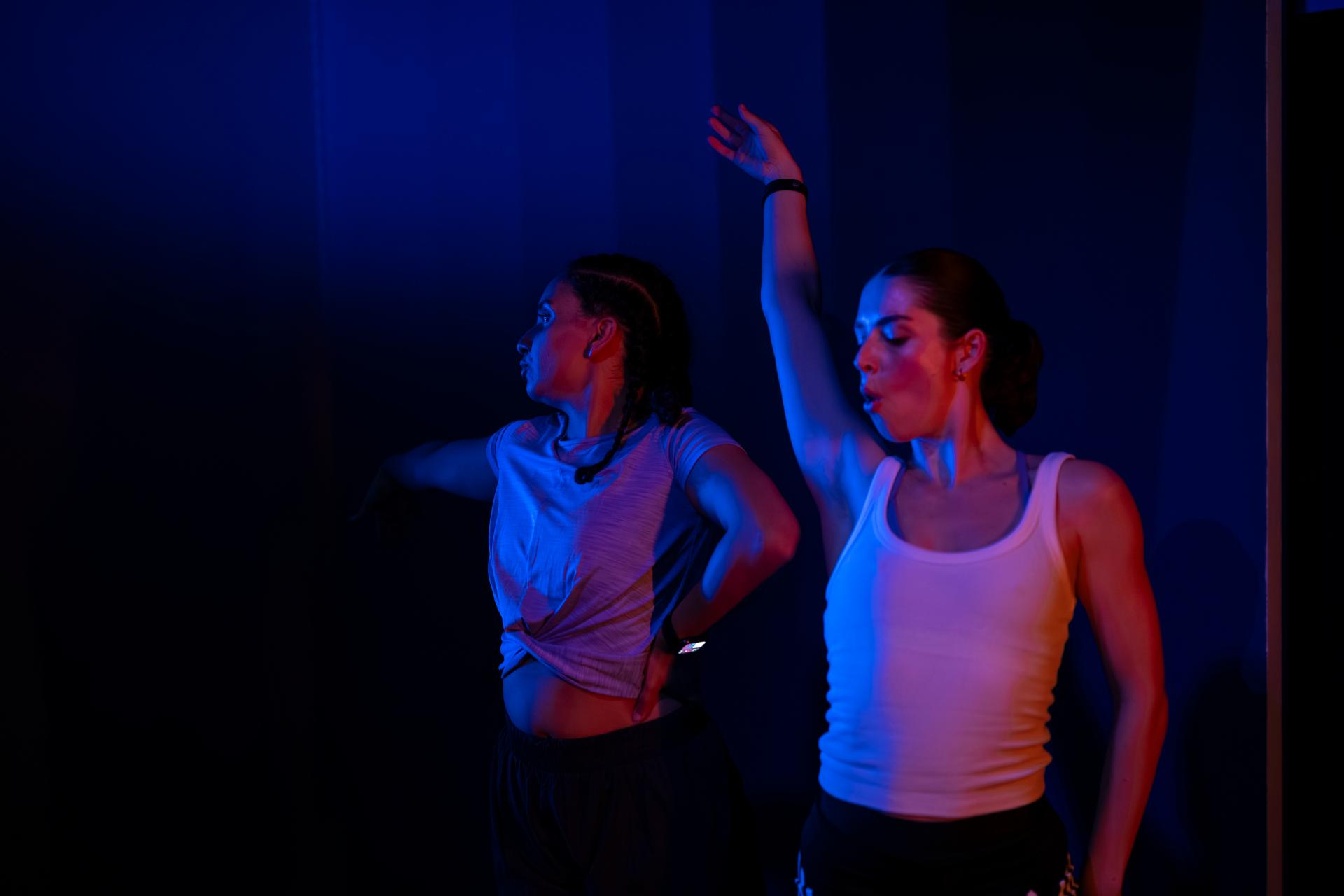
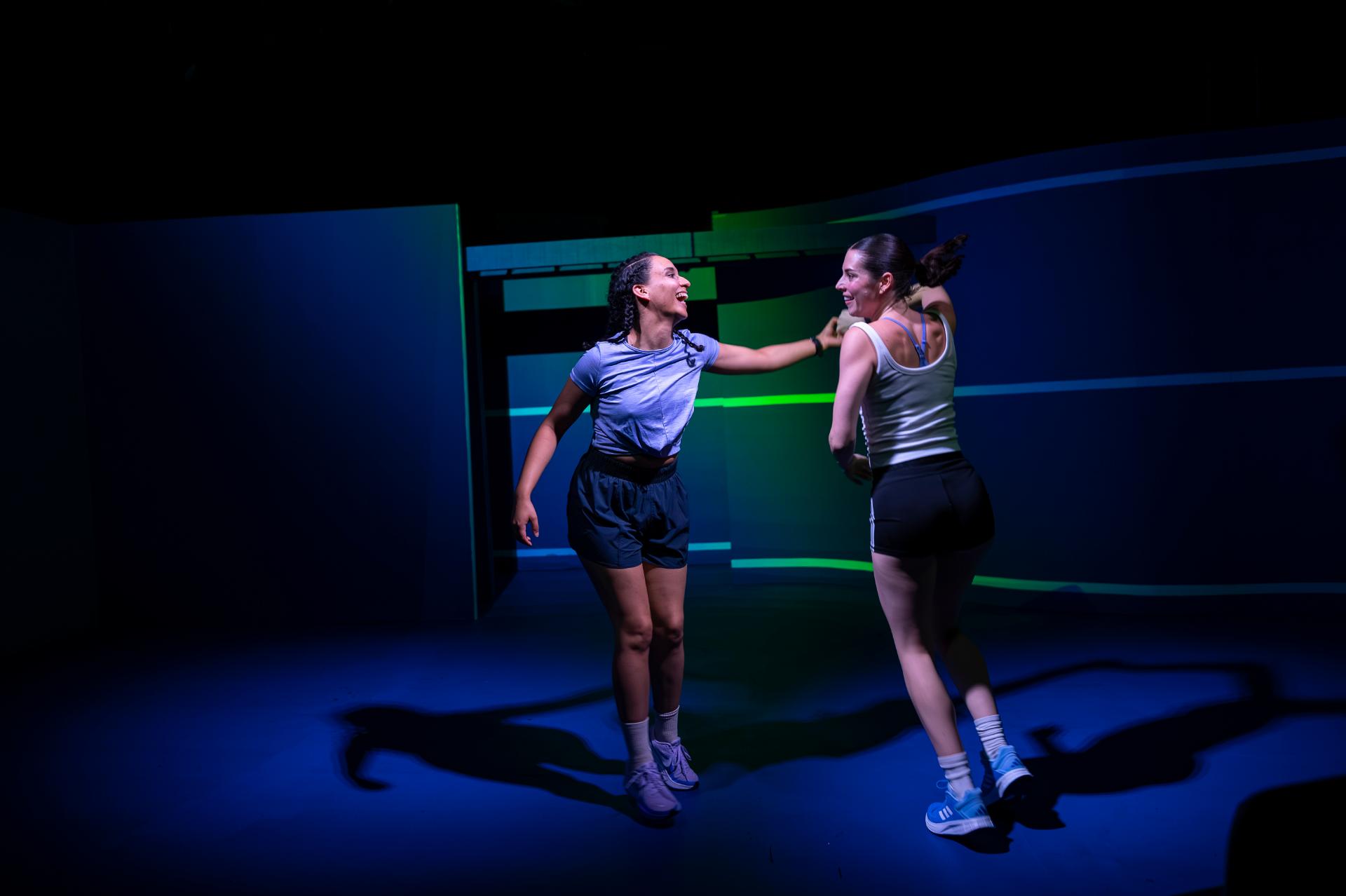
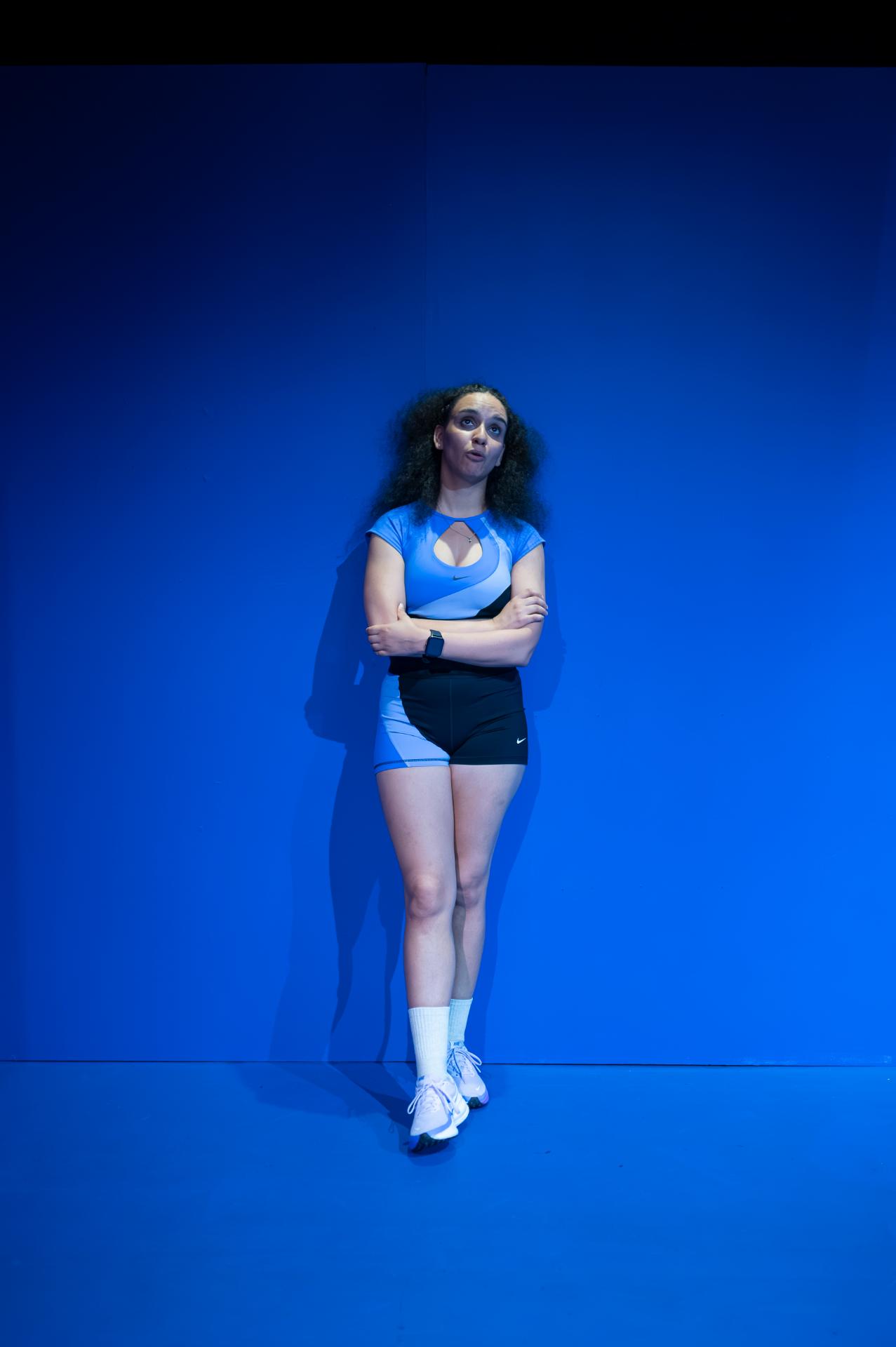
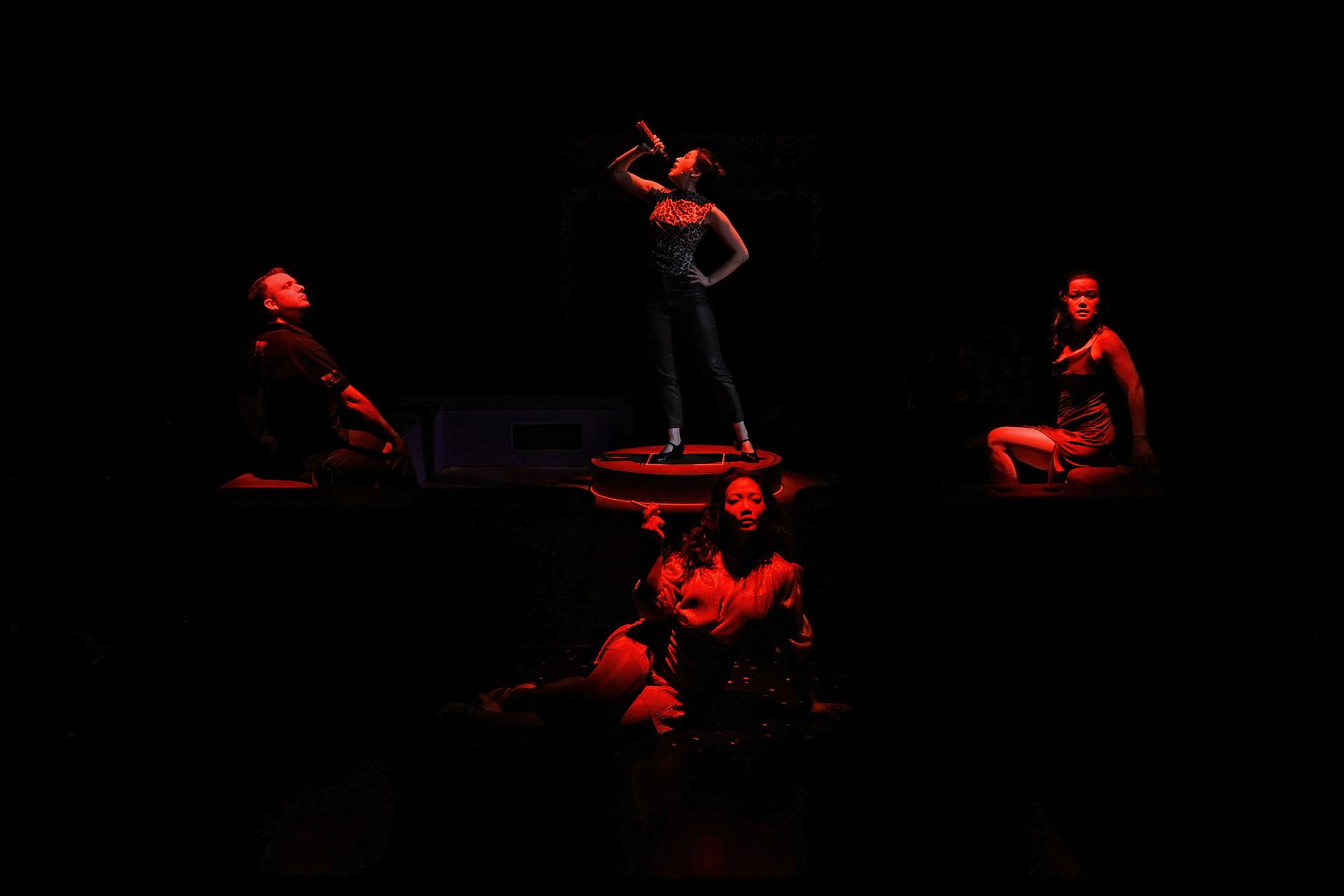
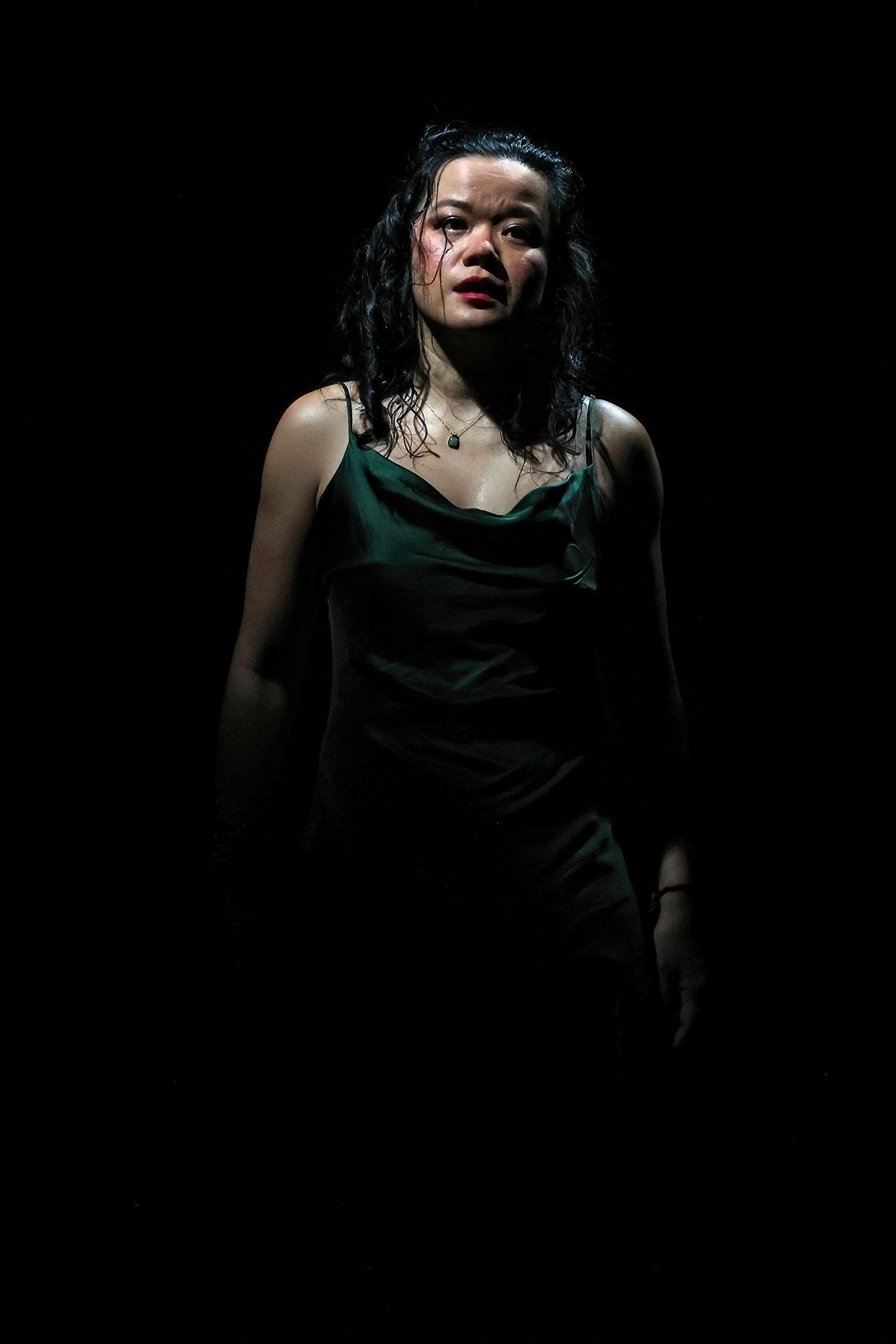
The production is as pointed in its message as it is atmospheric in its rendering. Brockman, who also serves as set and lighting designer, uses light to construct a performance space that recalls the stable where the unspeakable occurred, illuminating the action in ways that evoke desire and its eternal companion, brutality. The fluid movement between warm and cold tones mirrors the play’s shifting moral landscape, inviting us to question ideas of sin and transgression when set against the force of human instinct.

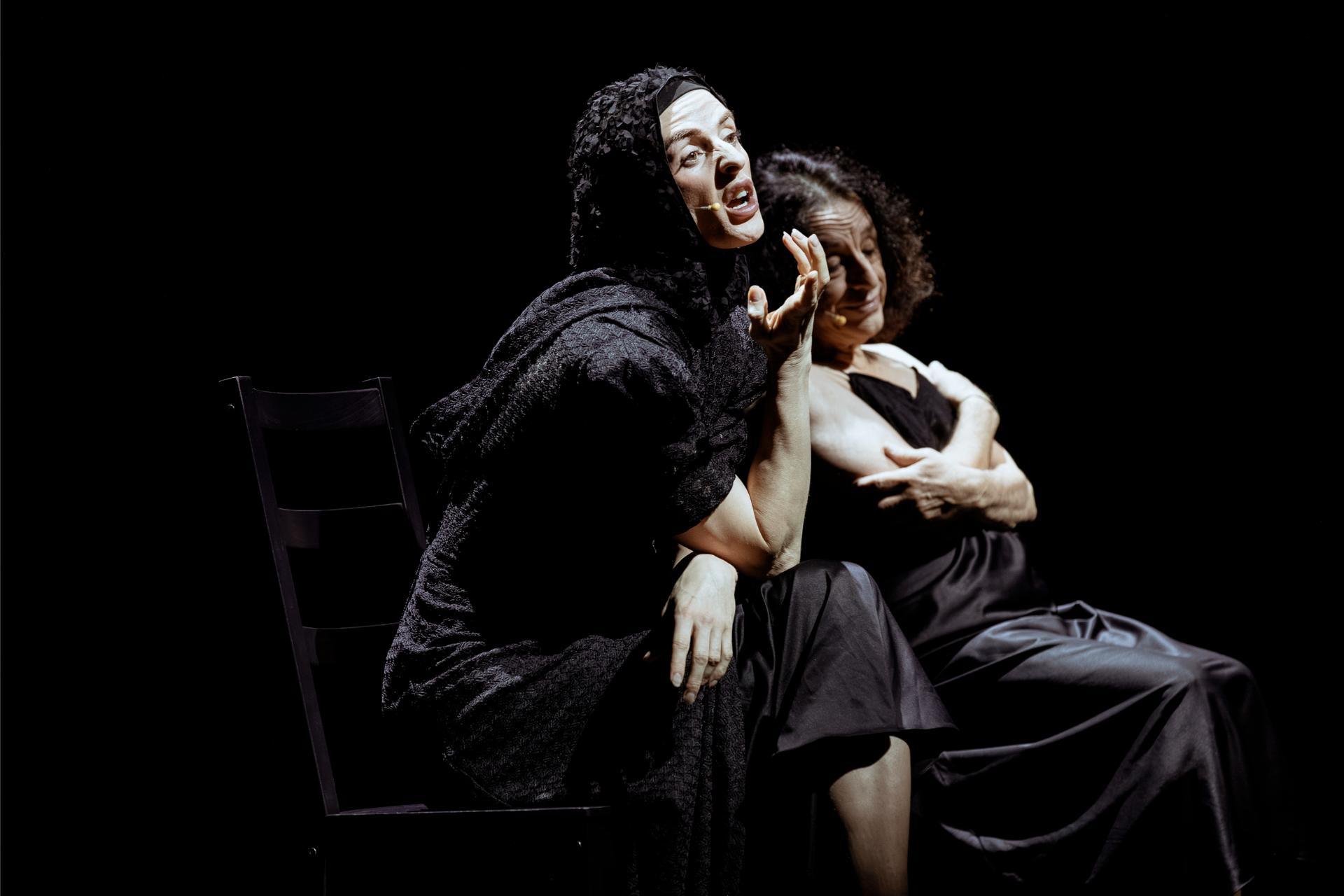
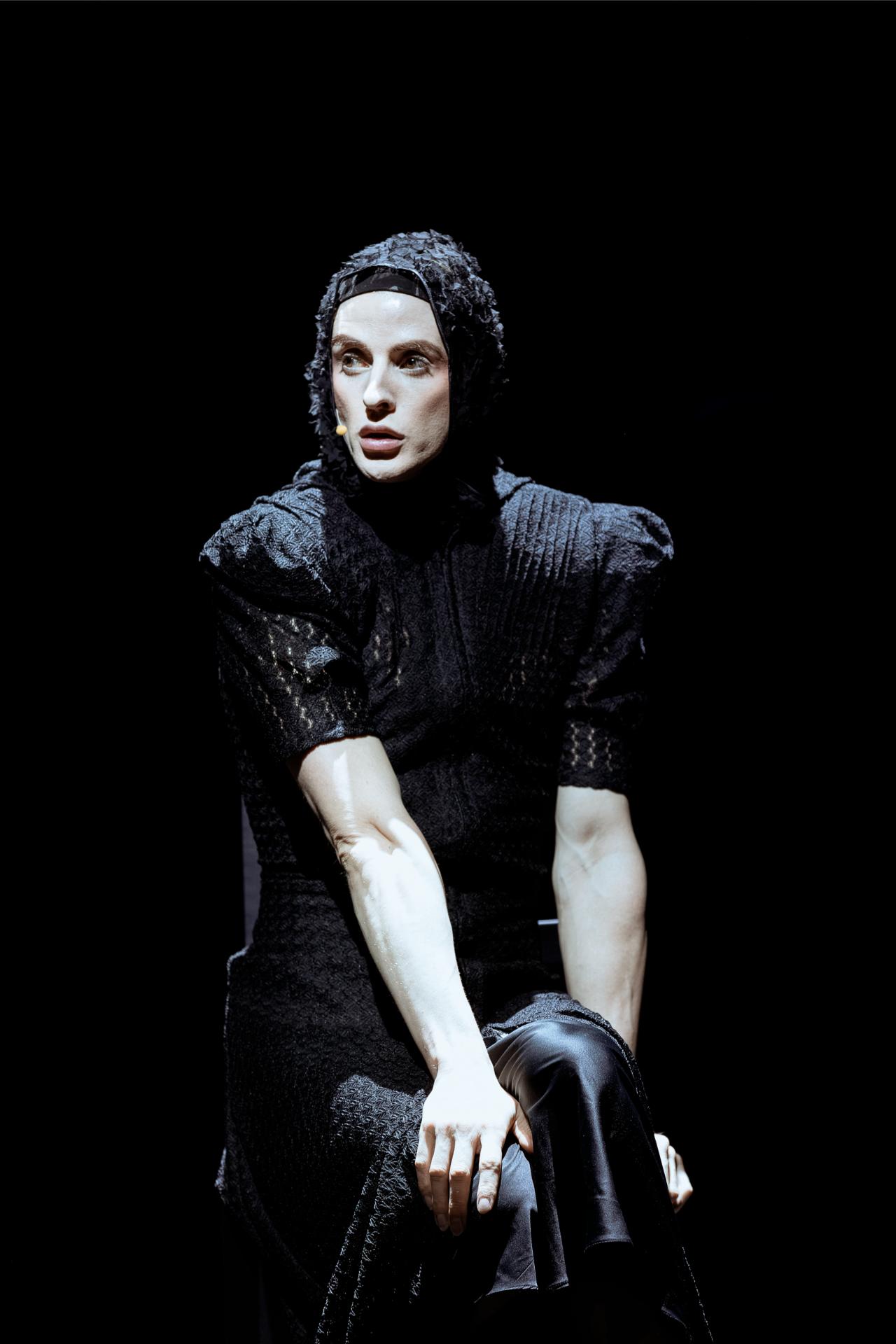
Dr Emily Brayshaw’s costumes remain in harmony with the production’s dark visual palette, while introducing subtle variations in colour and texture that keep the stage picture richly alive. Milo Mclaughlin’s sound design establishes a sombre timbre befitting the material’s gravity, though the persistence of his repetitious drone occasionally dulls the audience’s engagement.

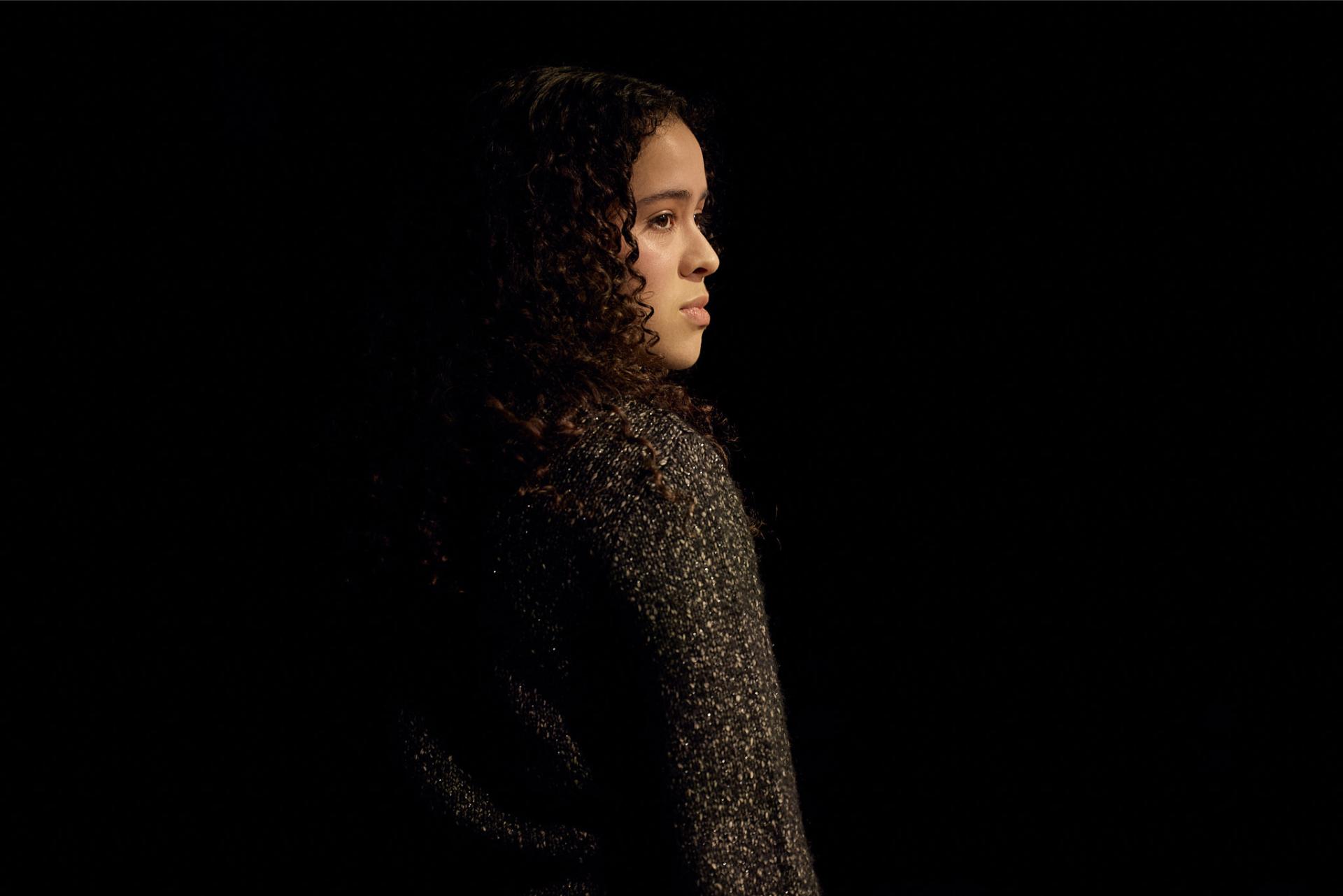
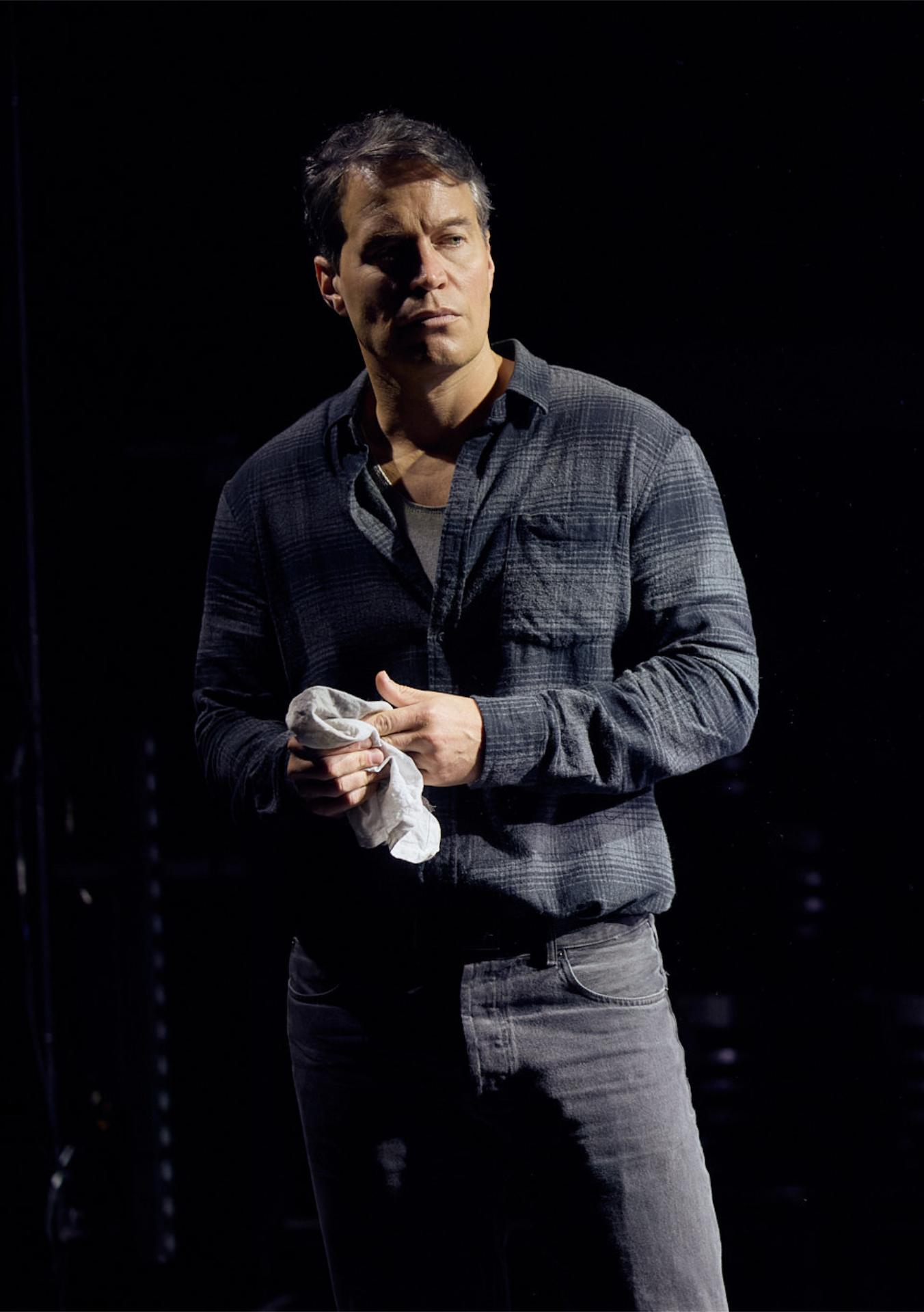
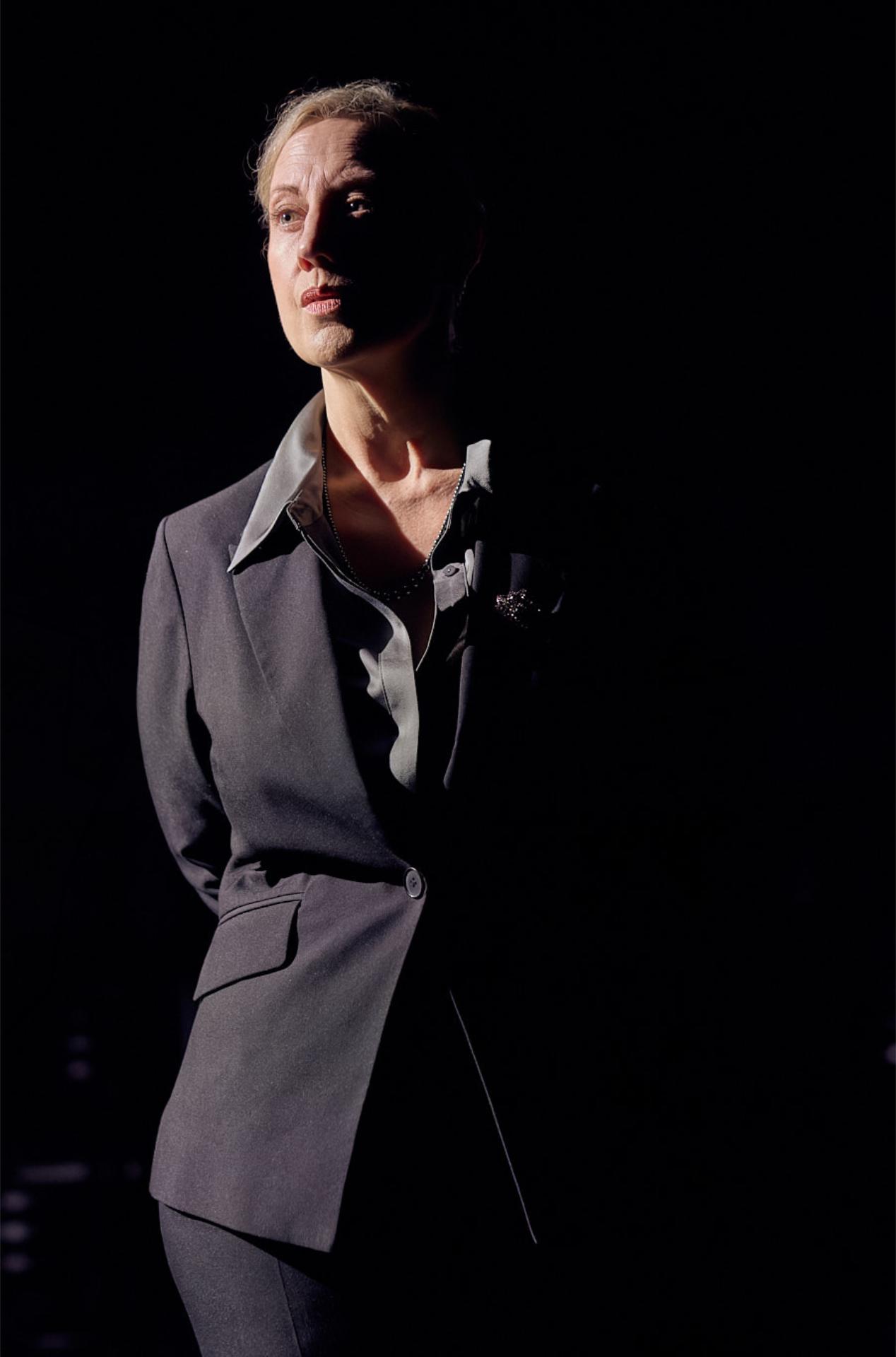
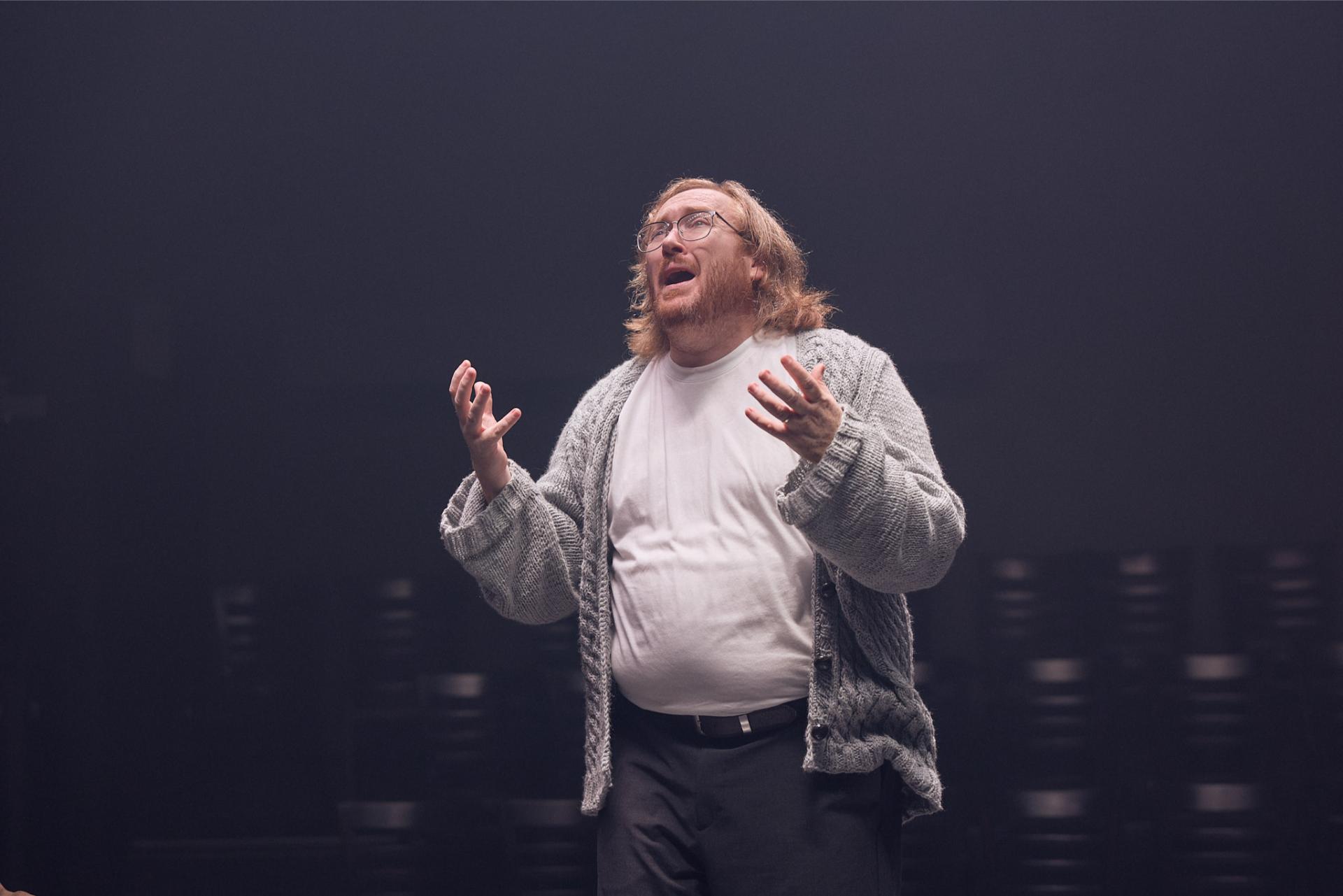
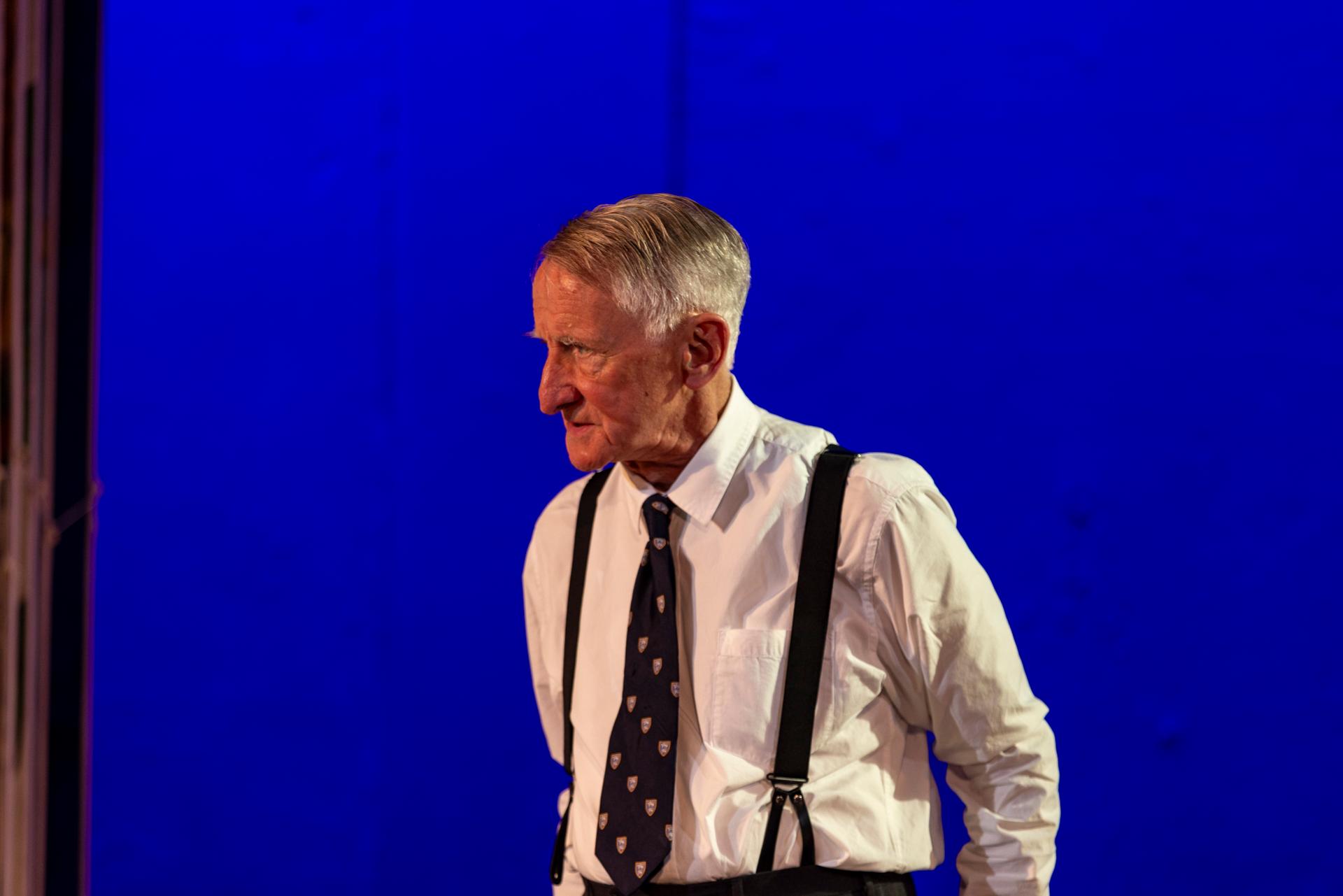
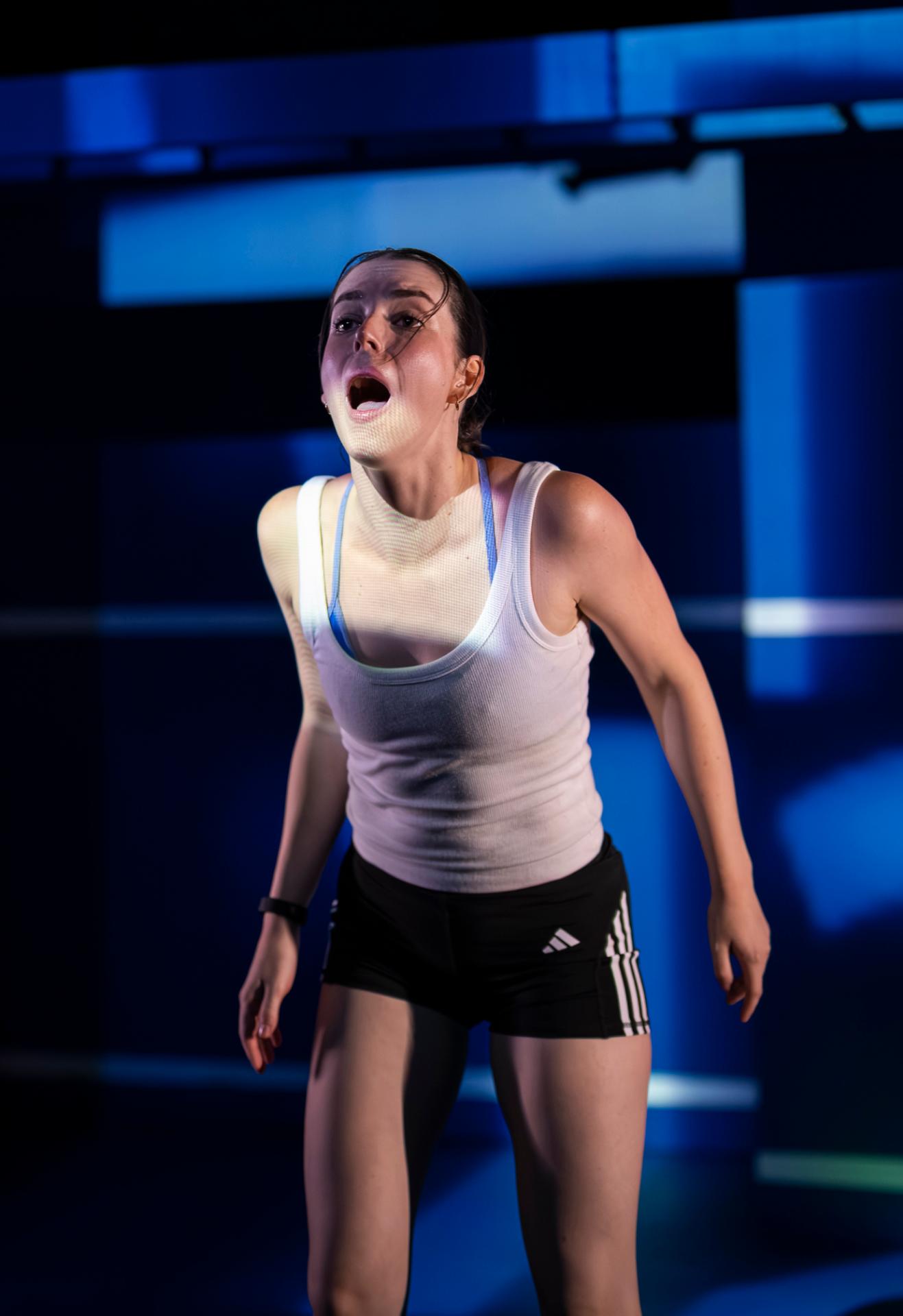
Ryan Yeates delivers an admirably naturalistic Alan, bringing a vulnerability that makes the character feel both psychologically complex and undeniably real. He is simultaneously victim and perpetrator, embodying a story that first emerged at the dawn of the gay rights movement in Britain. Opposite him, J. James-Moody gives an extraordinary performance as Dr Dysart. He navigates Shaffer’s dense, philosophical dialogue with remarkable precision, revealing its intricate emotional and intellectual textures without sacrificing clarity. Beyond the cerebral pleasures of his performance, James-Moody is also devastatingly visceral, particularly in moments of profound self-loathing and emotional torment—qualities that become the defining concerns of Equus in 2026.

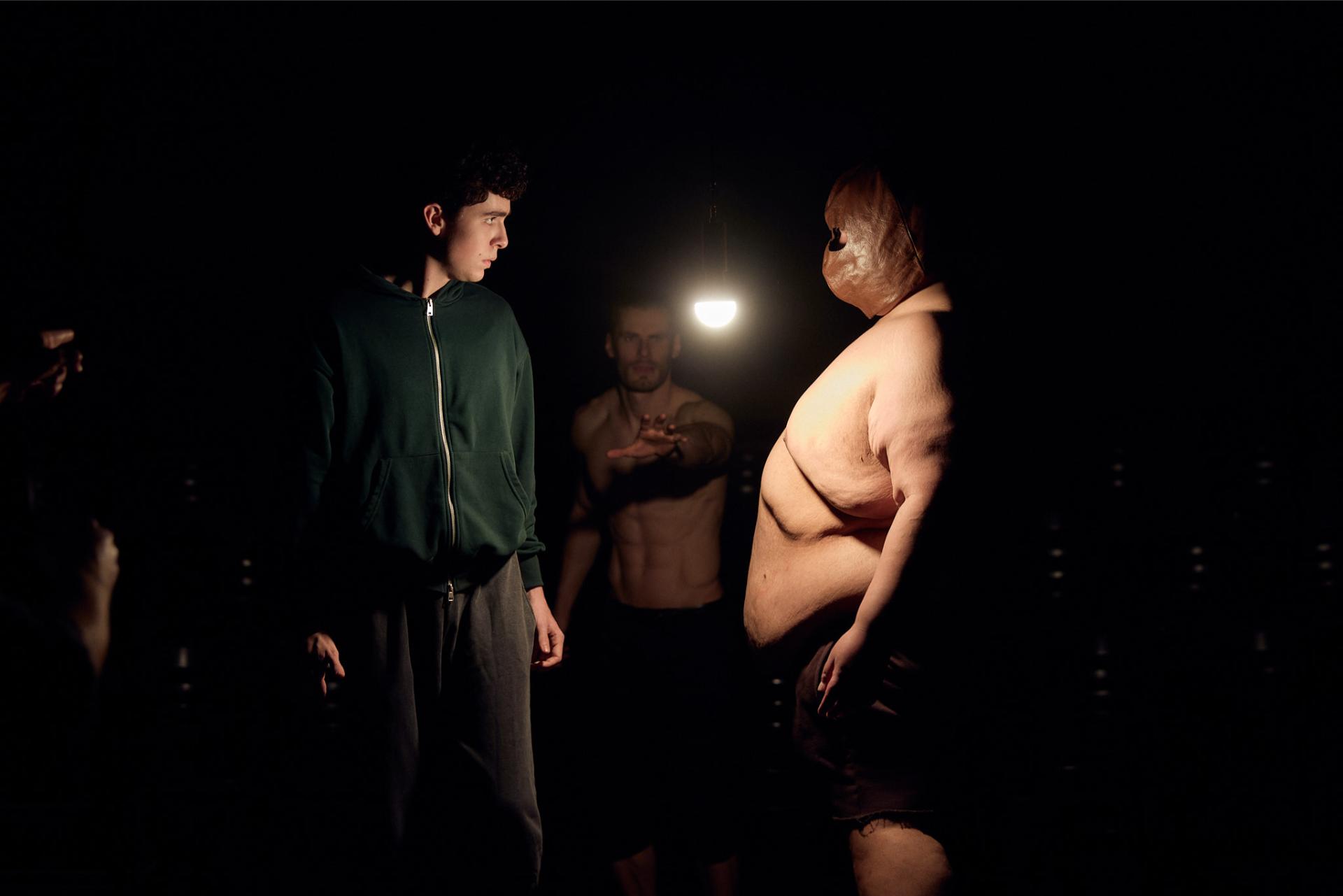
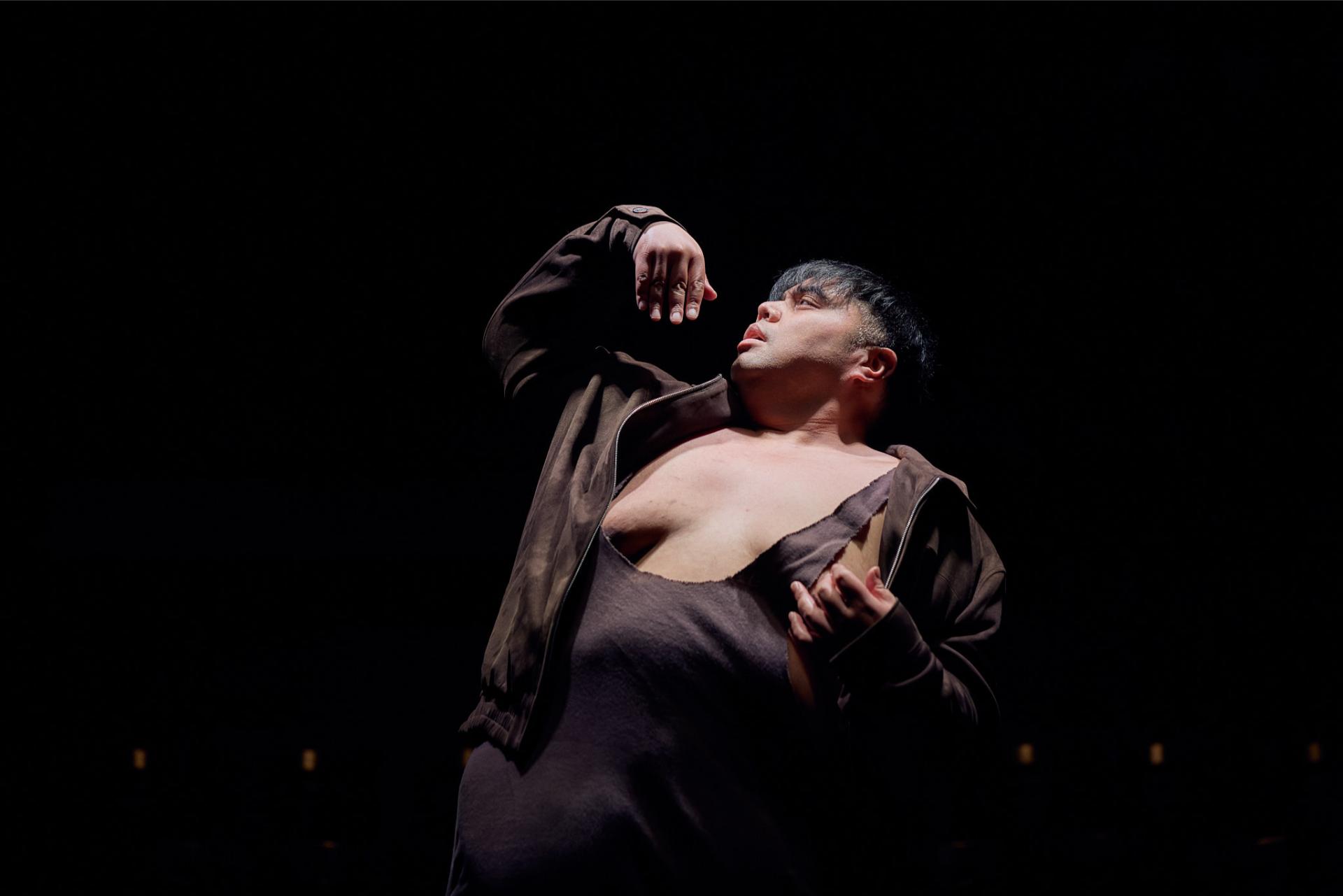
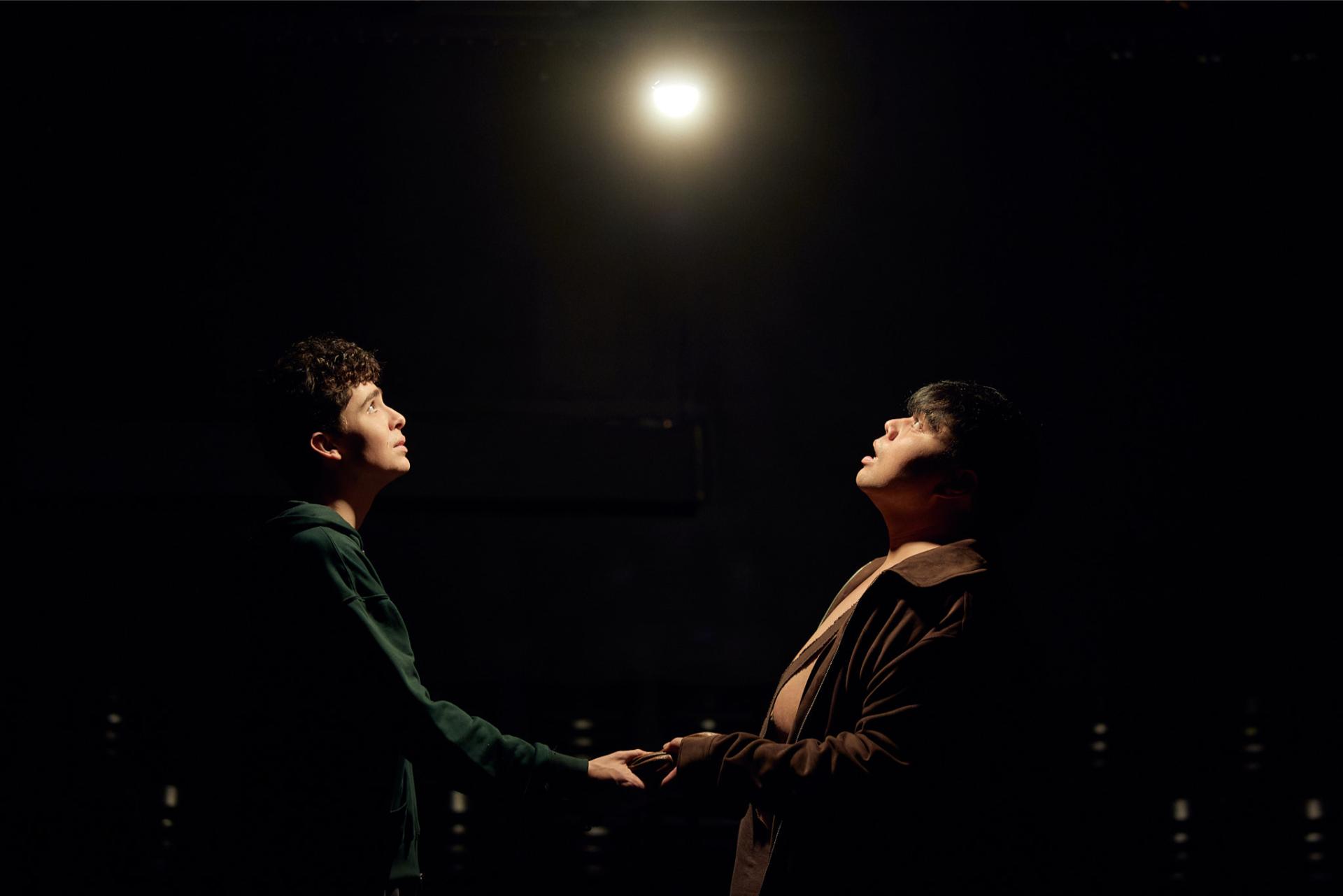
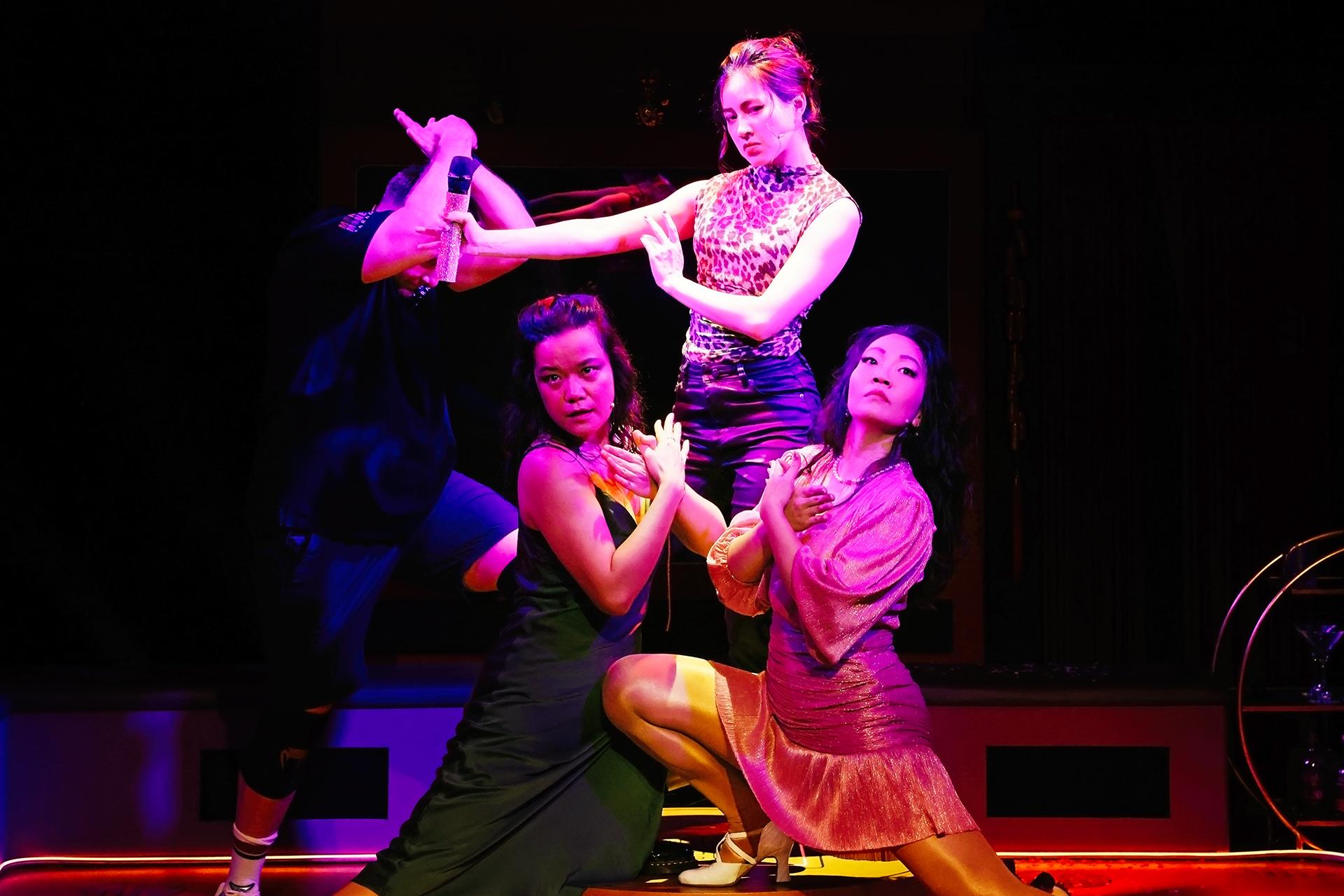
Equally remarkable is Shalamah Tautaiolefue, who inhabits the various horses throughout the play. Rather than simply anthropomorphising the animals, Tautaiolefue expands the production’s interrogation of taboo to encompass questions of gender, race and body size. Working with movement director Jeremy Lloyd, they create an entirely non-verbal performance of astonishing imagination and beauty, one that remains captivating from the opening moments to the final scene.

Alan has been taught to hate, perhaps unconsciously, but certainly within an Abrahamic tradition that leaves no ambiguity about who and what deserves contempt, and that habitually justifies violence as a form of atonement. His desires curdle into hatred for himself and for the horses; lacking any means to reject or subvert his indoctrination, he follows the only logic available to him, and strikes out at the thing he loves most, in a tragedy about the catastrophic consequences of teaching someone that love itself is sinful.

www.kingsxtheatre.com | www.danielcottier.com.au

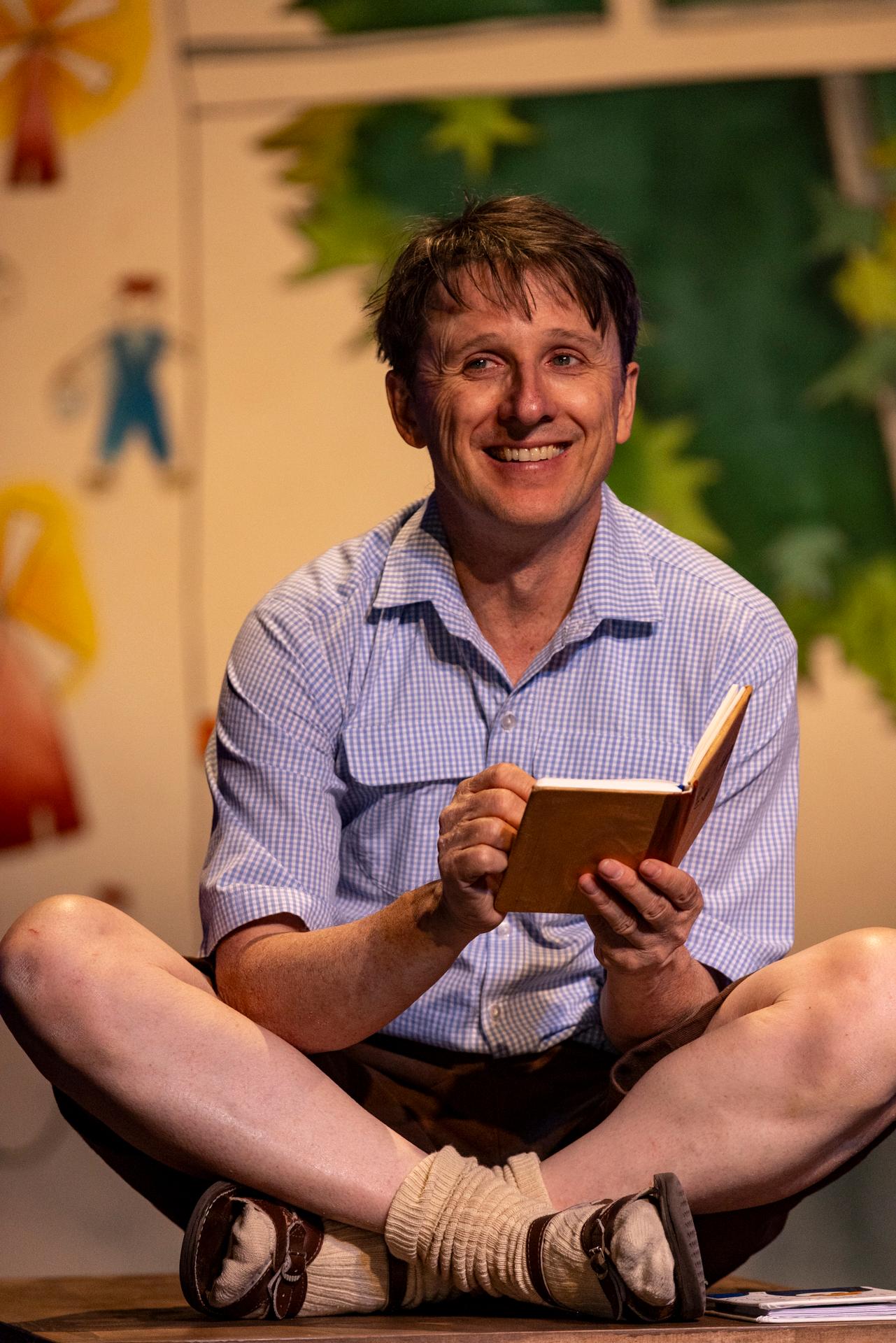
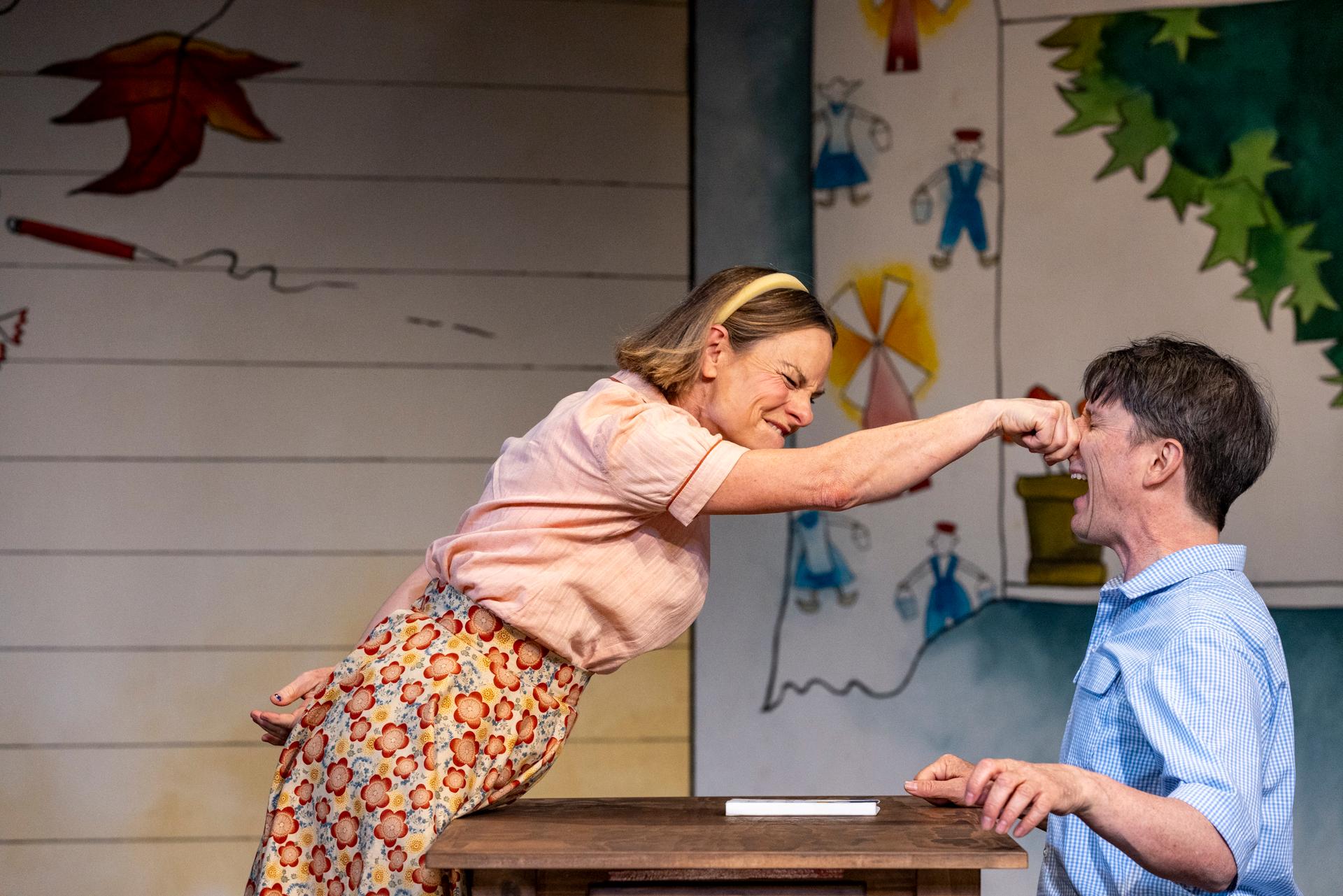
Review: The Book Of Everything (Belvoir St Theatre)

Venue: Belvoir St Theatre (Surry Hills NSW), Aug 22 – Sep 20, 2026
Playwright: Richard Tulloch (from the novel by Guus Kuijer)
Director: Neil Armfield
Cast: Julie Forsyth, John Gaden, Claire Jones, John Leary, Rebecca Massey, Bridie McKim, Pamela Rabe, Matthew Whittet
Images by Brett Boardman

Theatre review
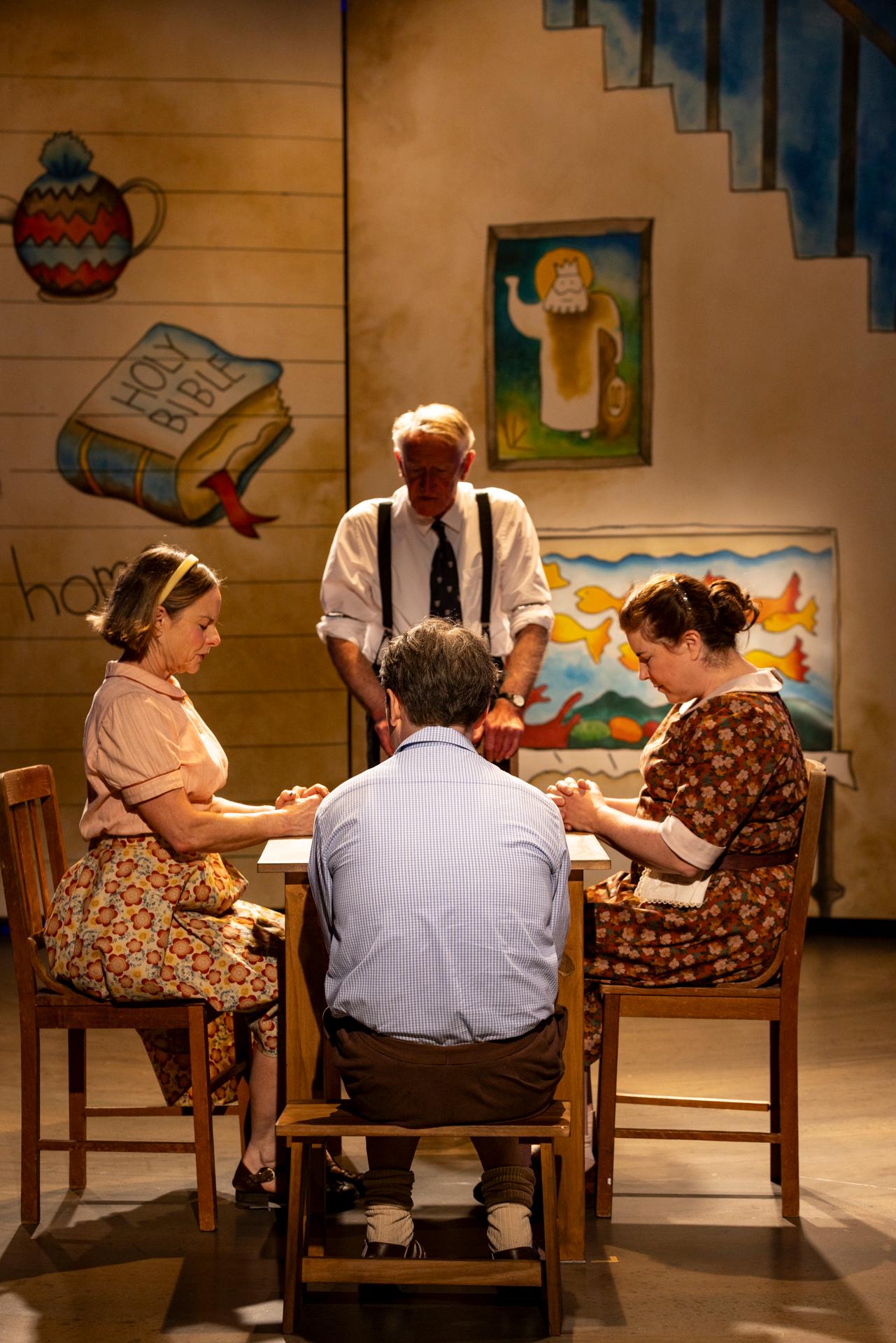
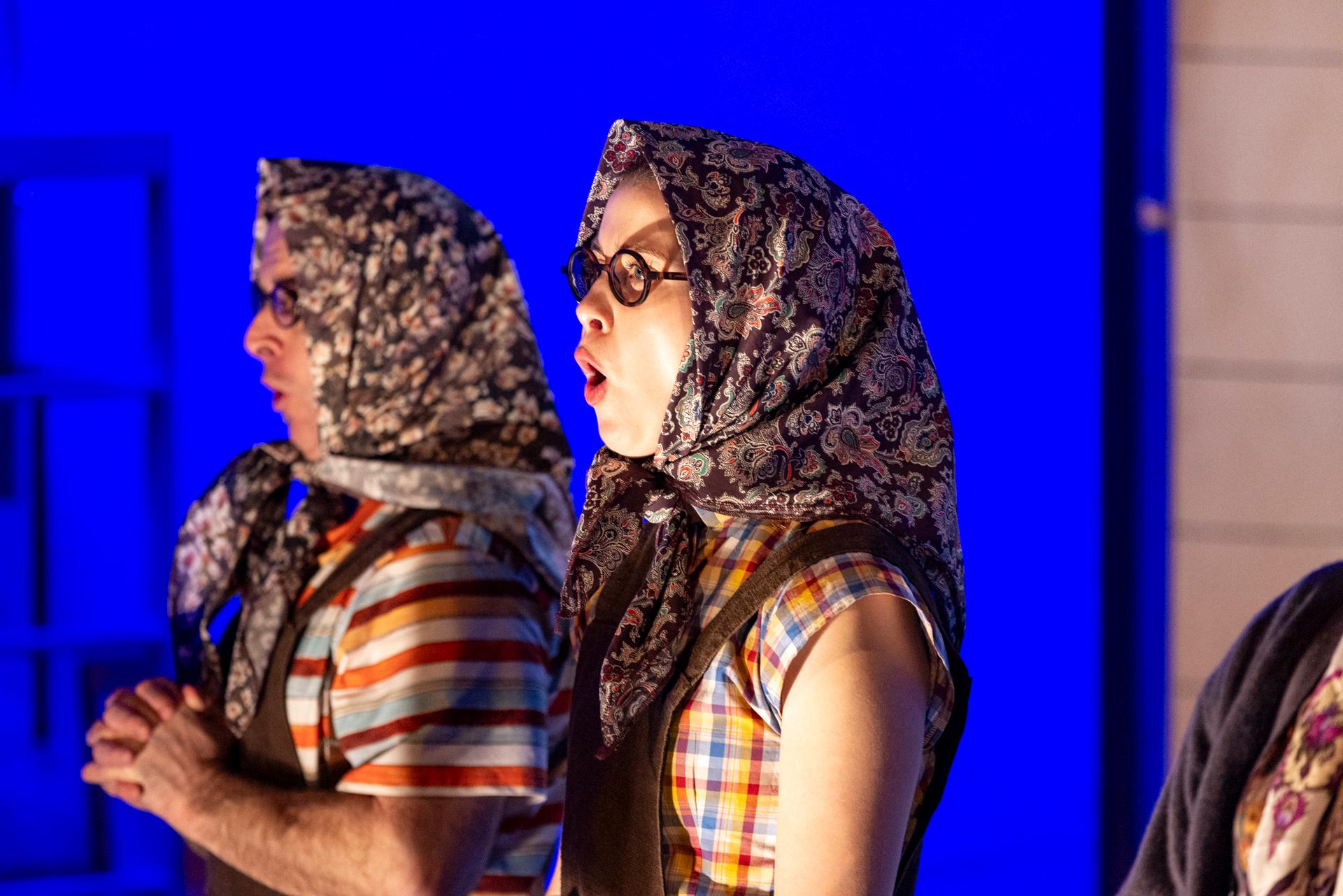
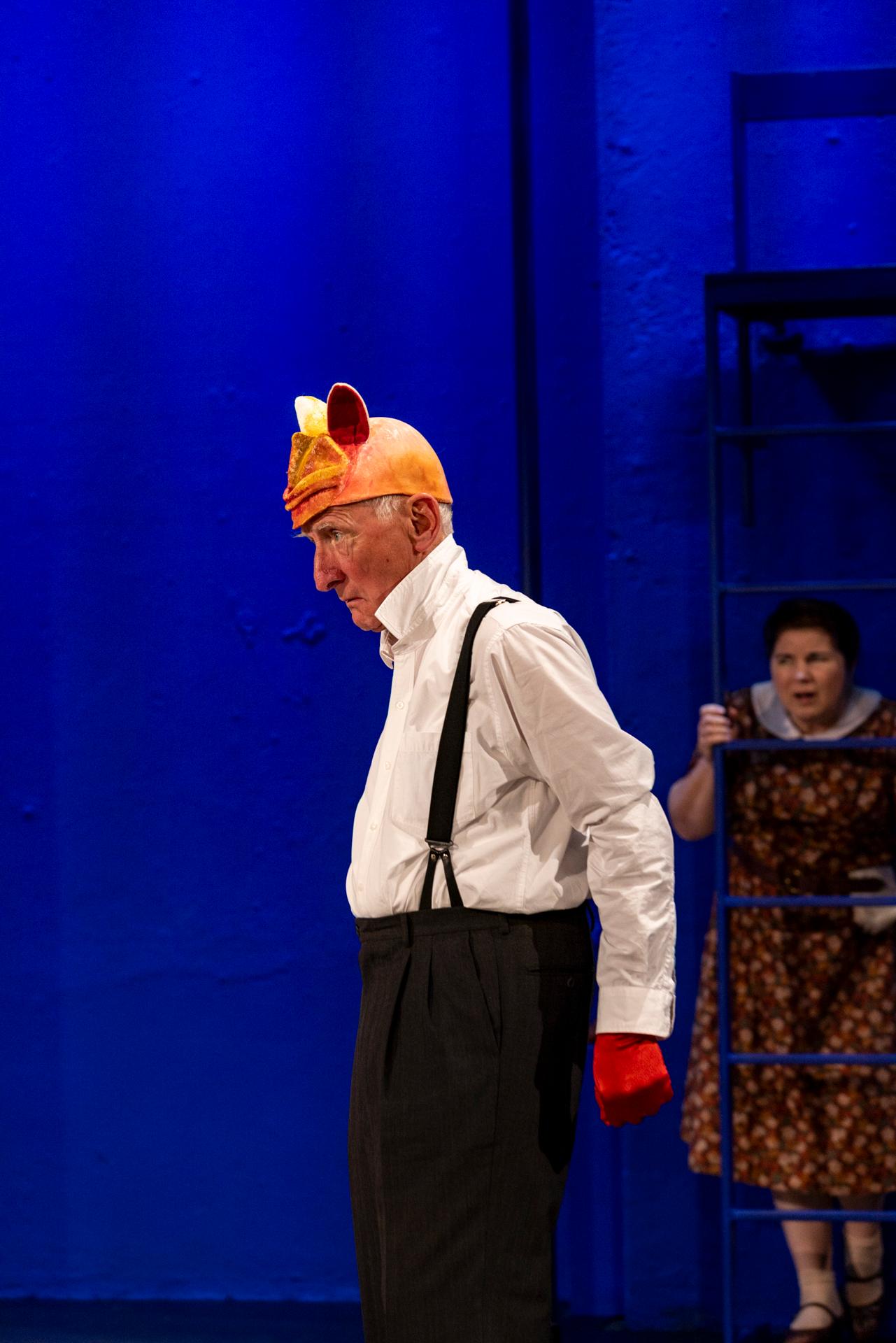
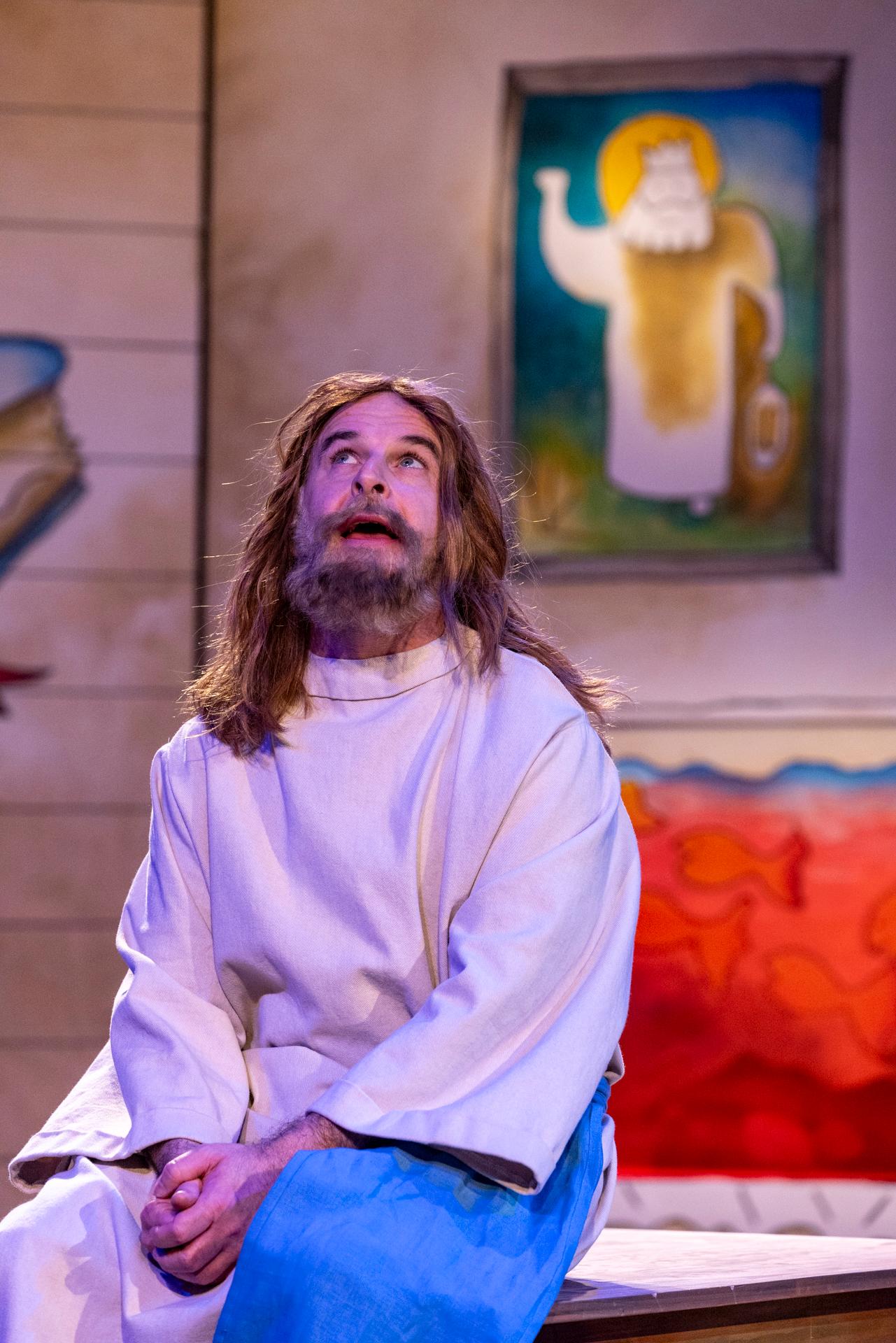
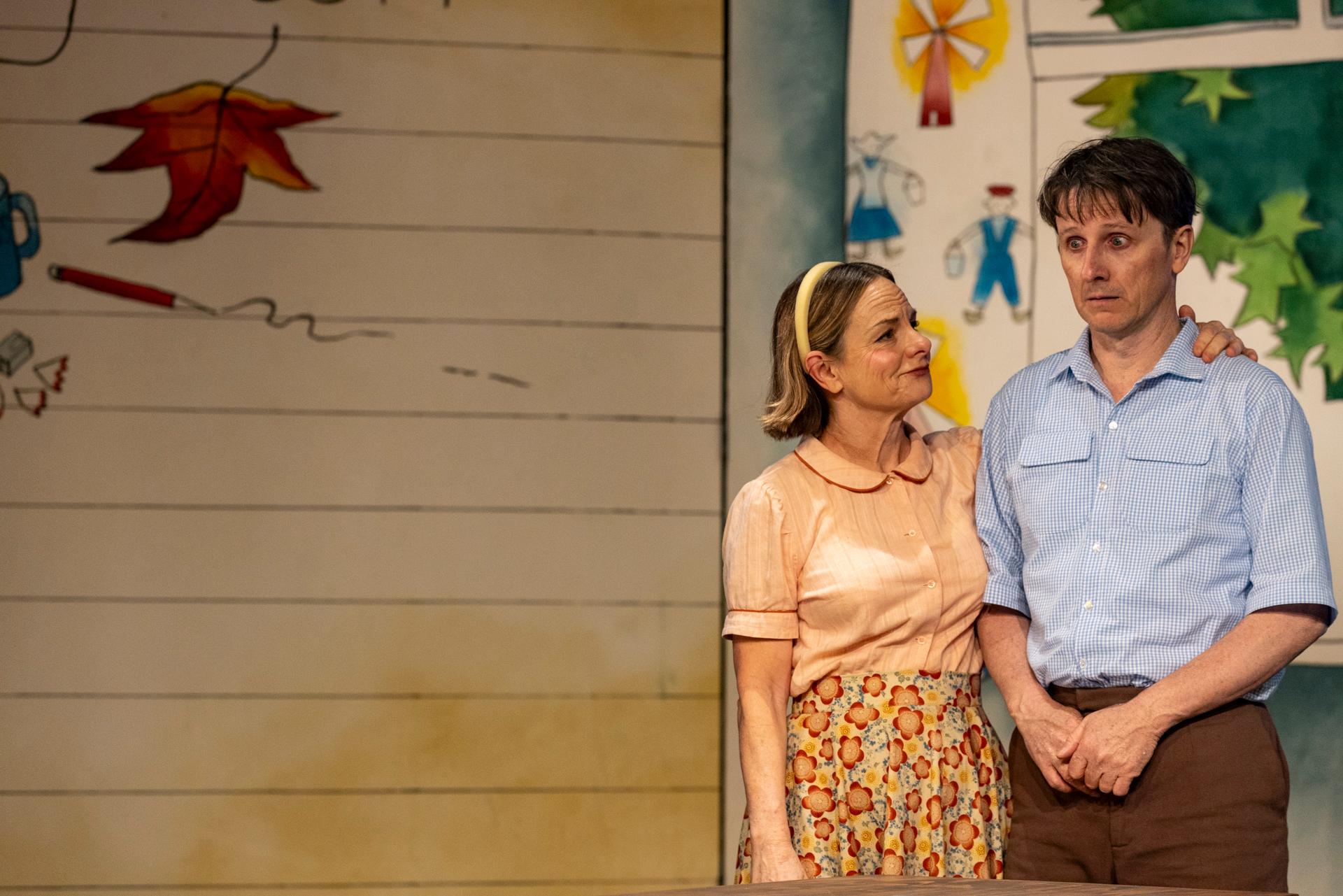
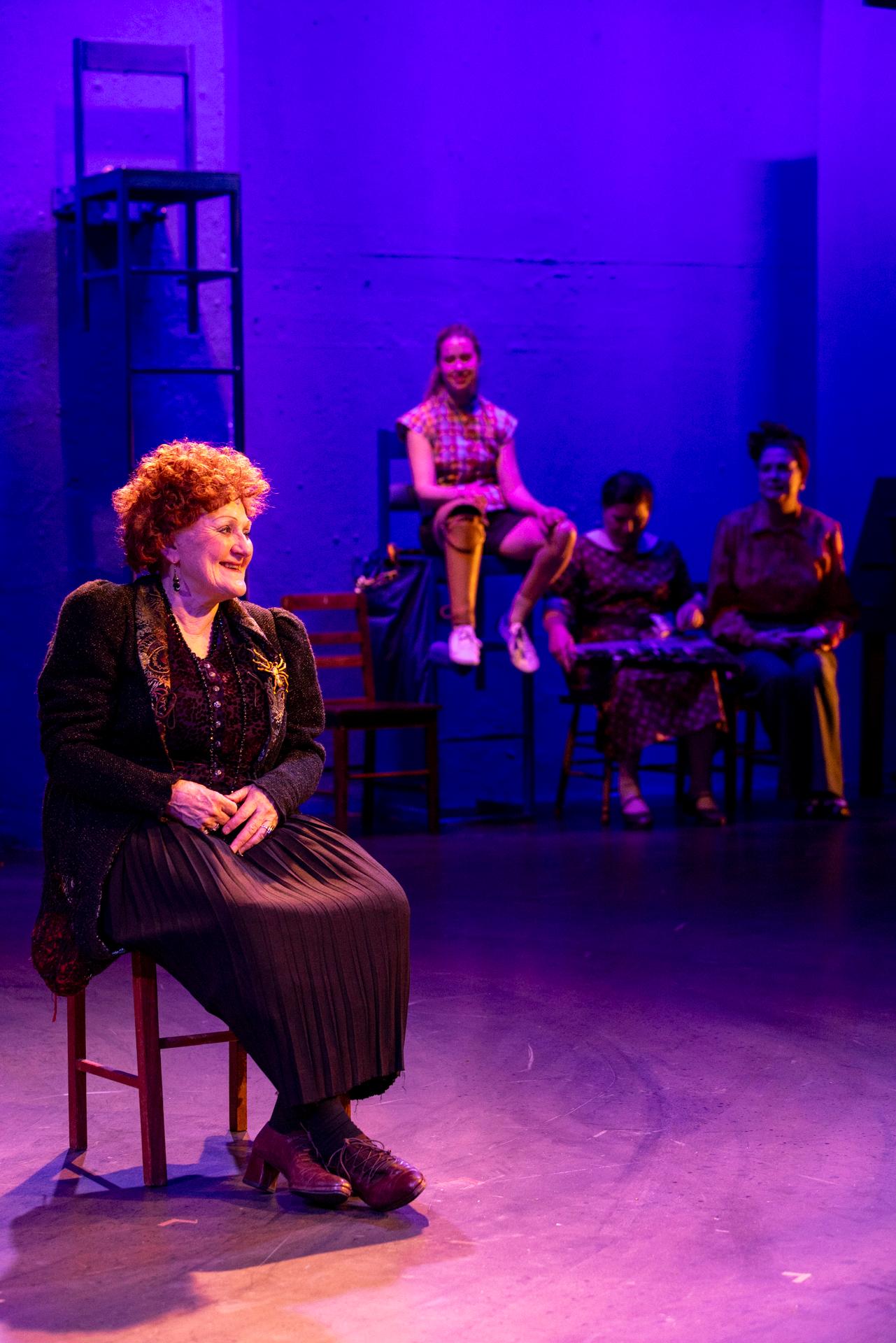
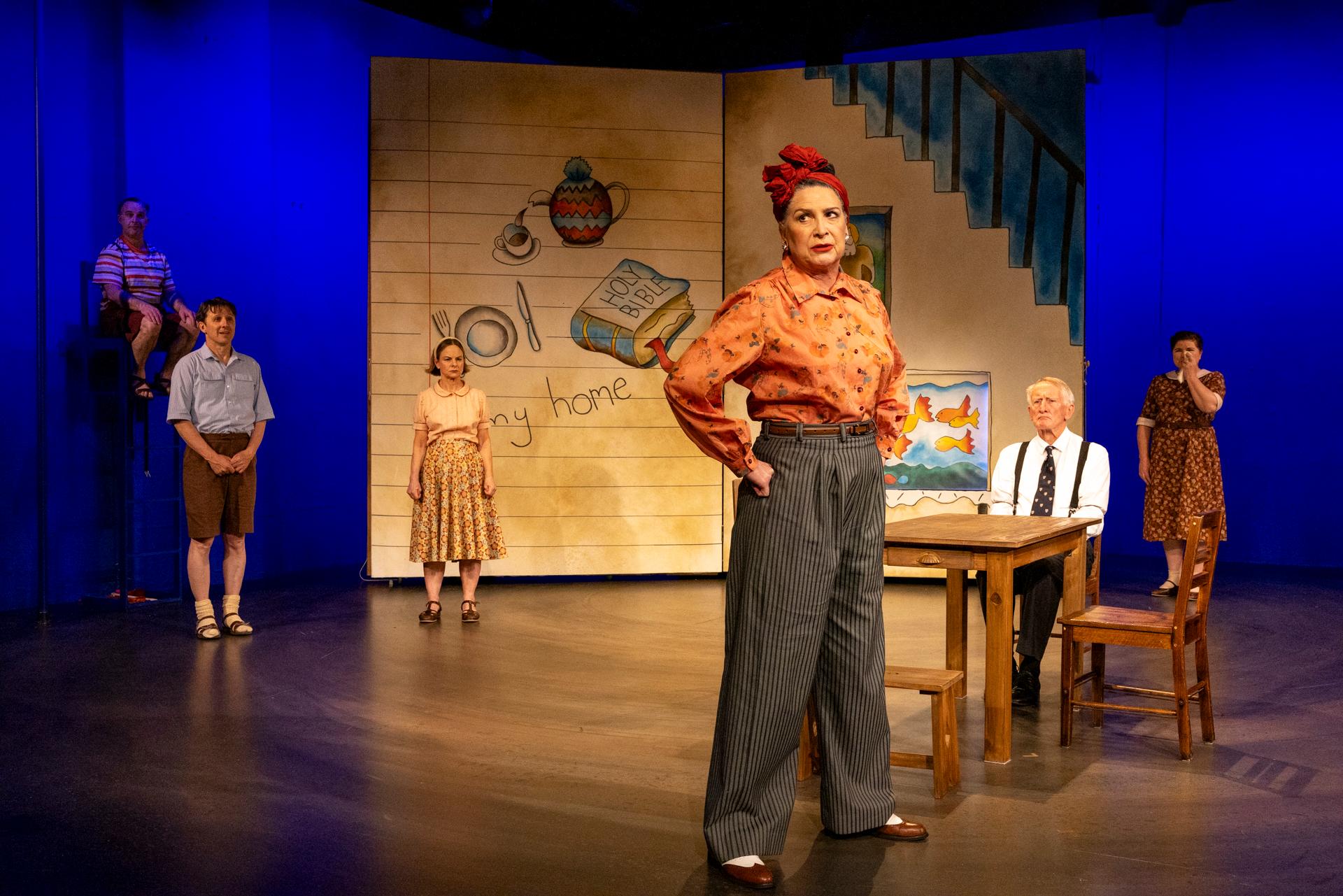
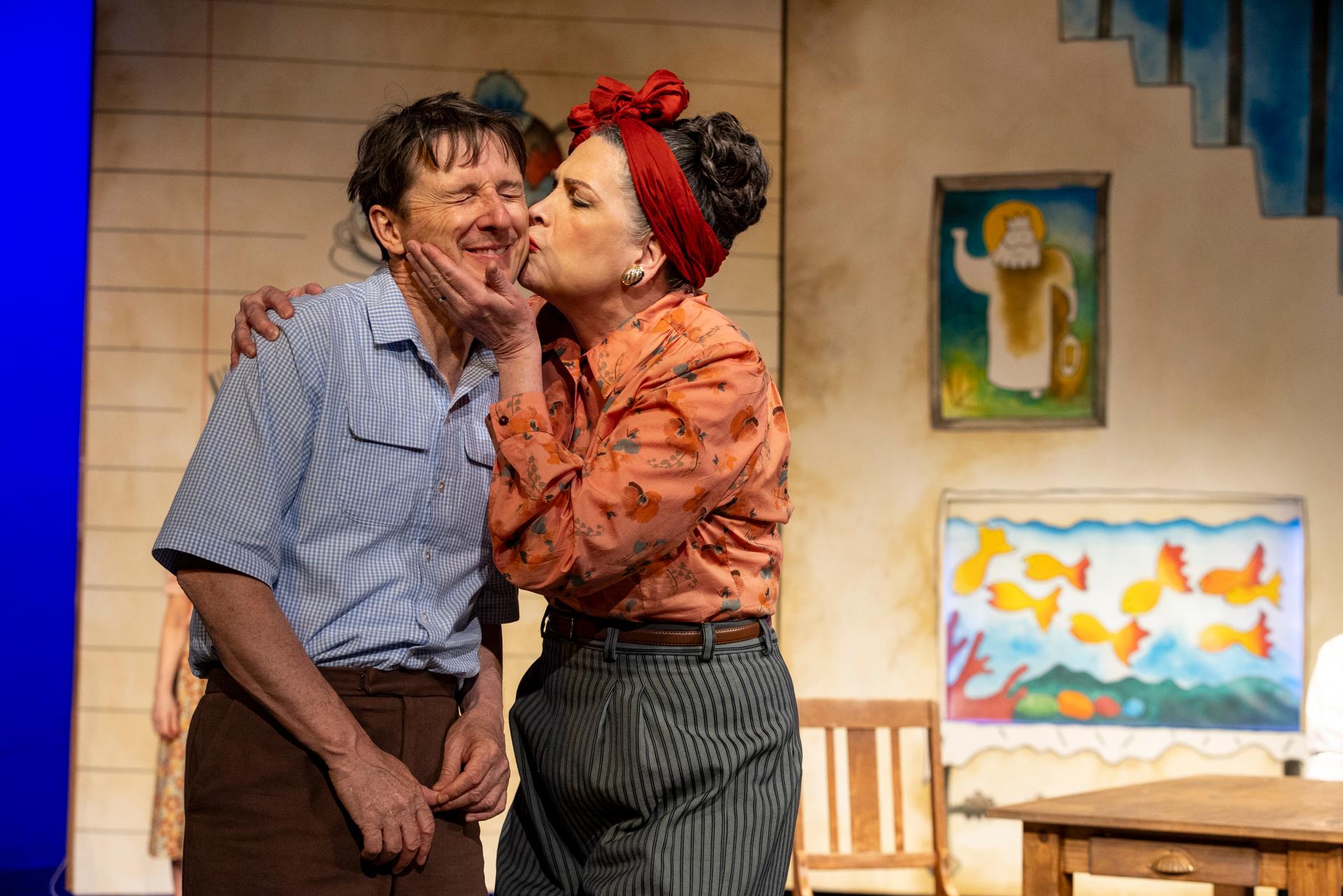
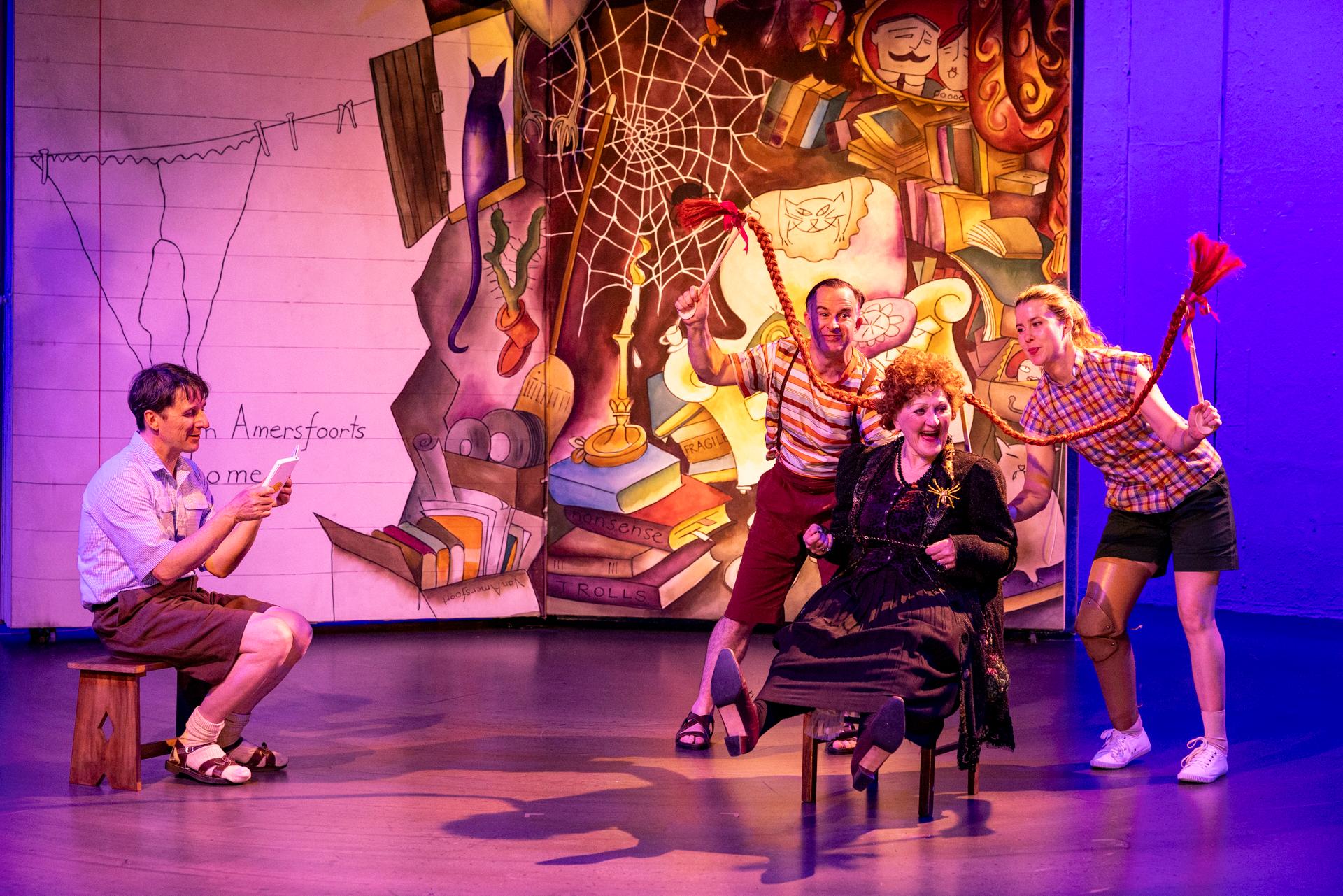
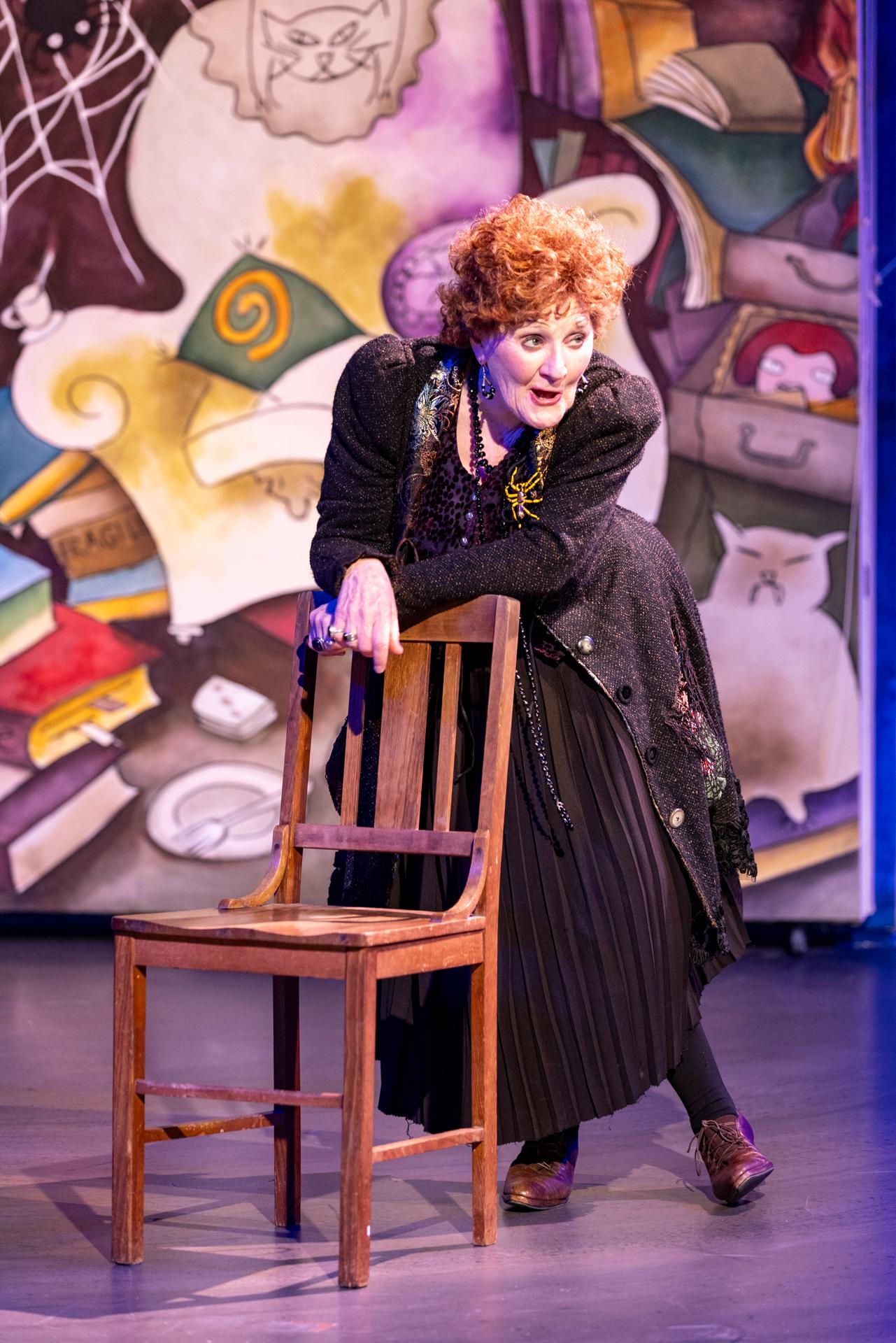
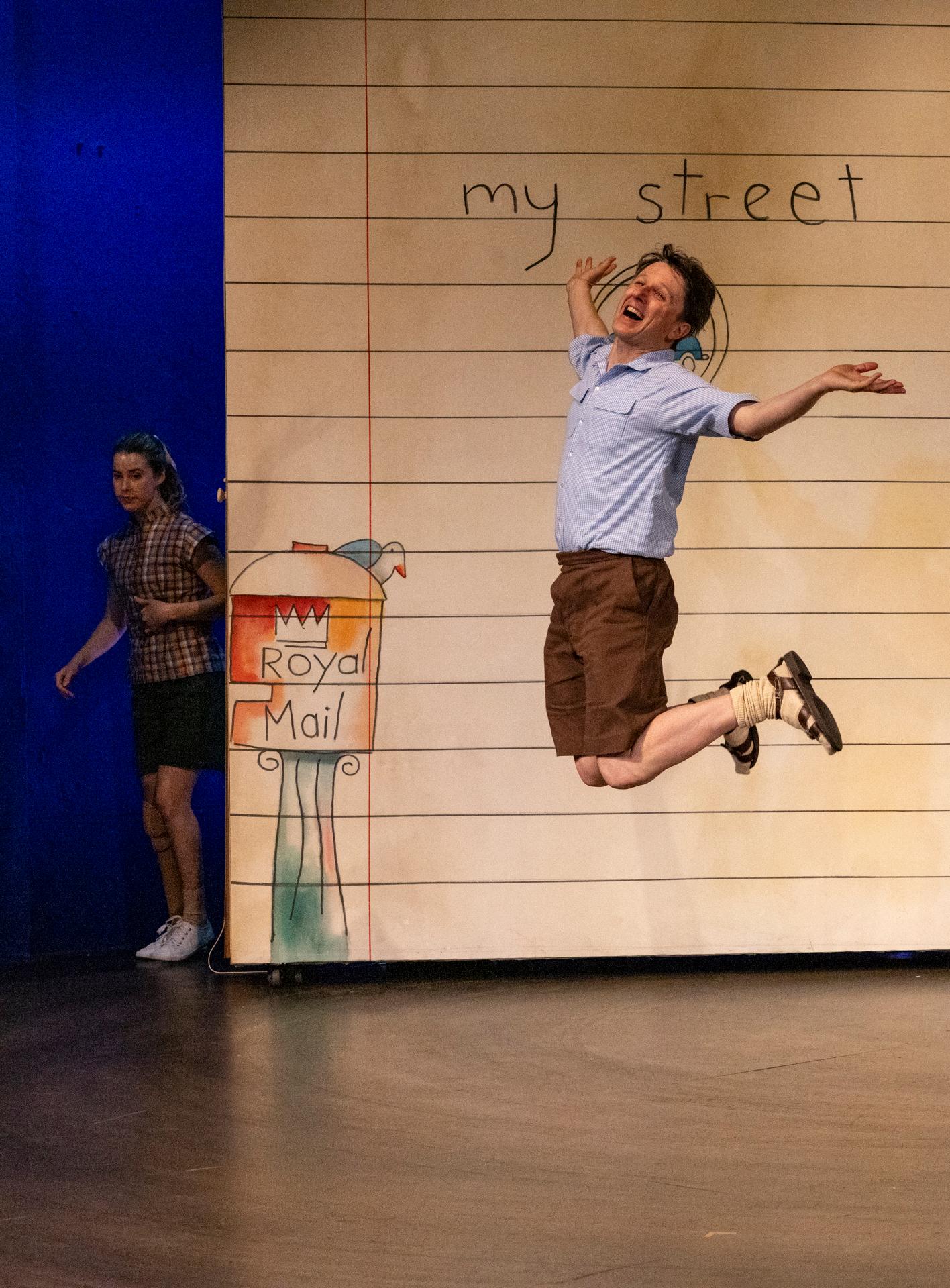
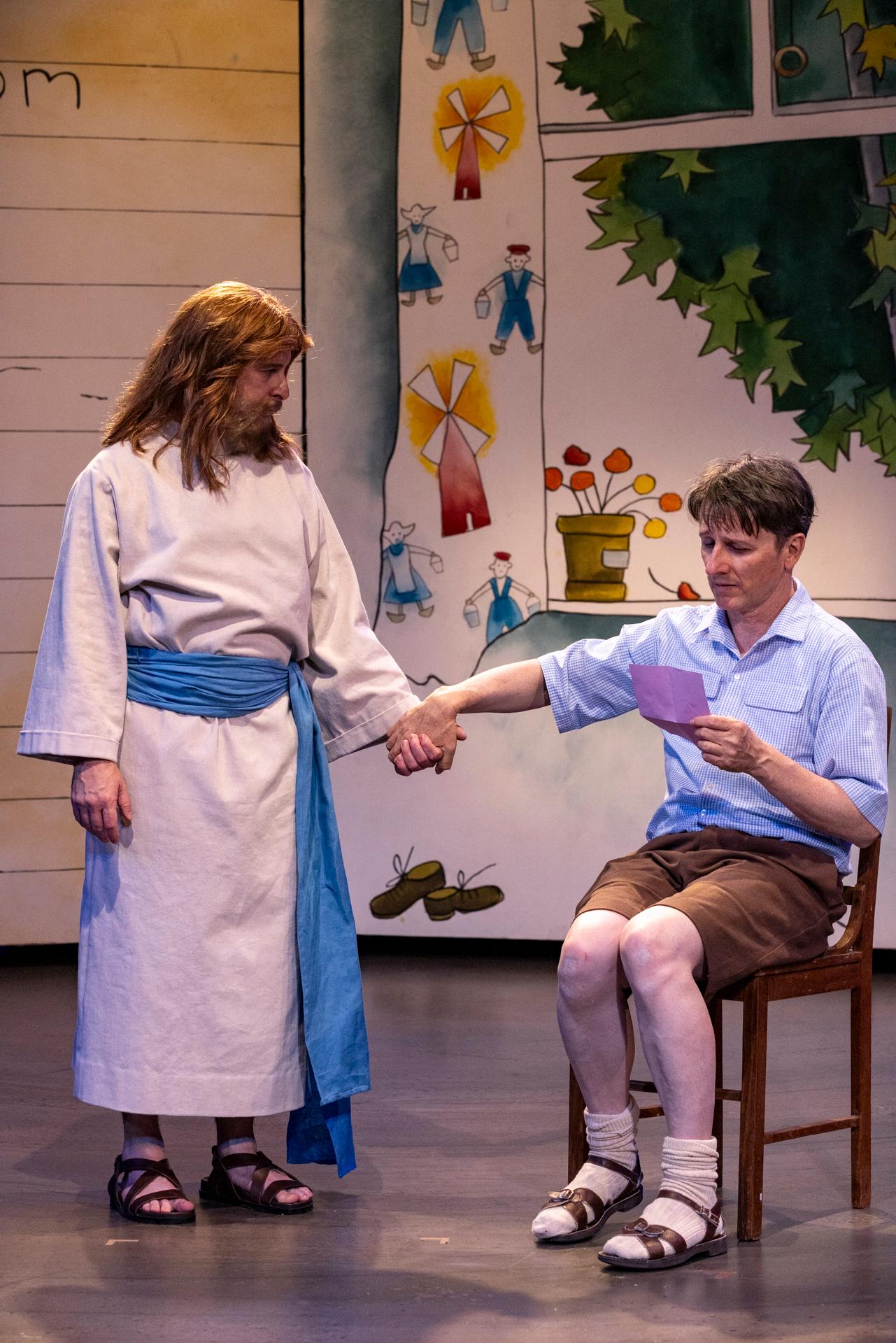
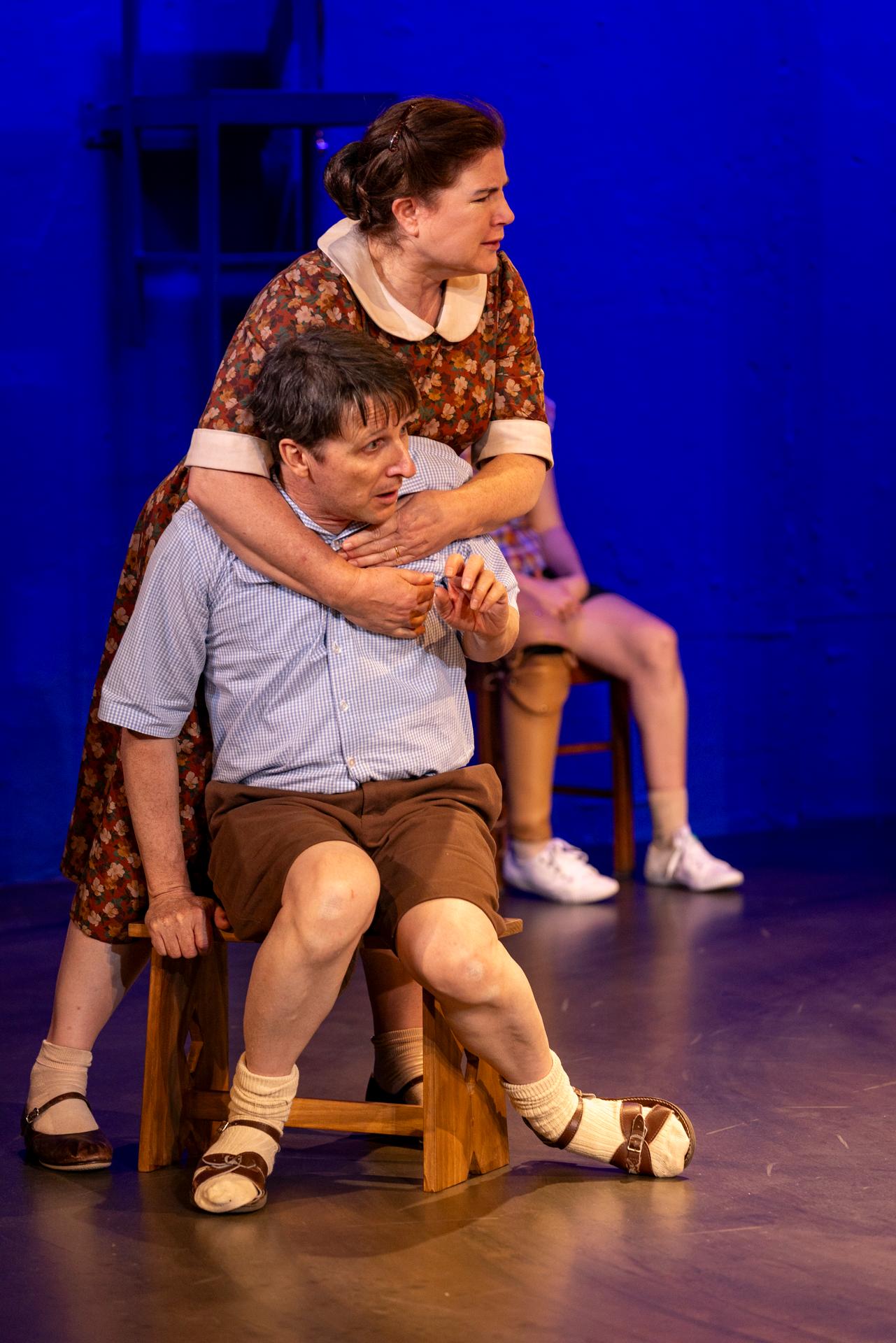
Nine-year-old Thomas lives in the shadow of a tyrannical father whose religious fanaticism manifests as routine violence against his wife and children. Next door lives a witch who appears to stand in direct opposition to everything the Christian church represents, yet she is the one who offers Thomas the greatest comfort and inspiration. Guus Kuijer’s The Book of Everything is a story with a profound moral centre, and Richard Tulloch’s stage adaptation captures that depth while remaining irresistibly joyful, funny and ultimately uplifting.

Neil Armfield’s direction brims with effervescence. Whether the production is boisterous or intimate, it is consistently moving, finding genuine emotional truth without ever tipping into sentimentality. The Book of Everything is about childhood innocence, but its reflections on growing up feel timeless rather than saccharine.

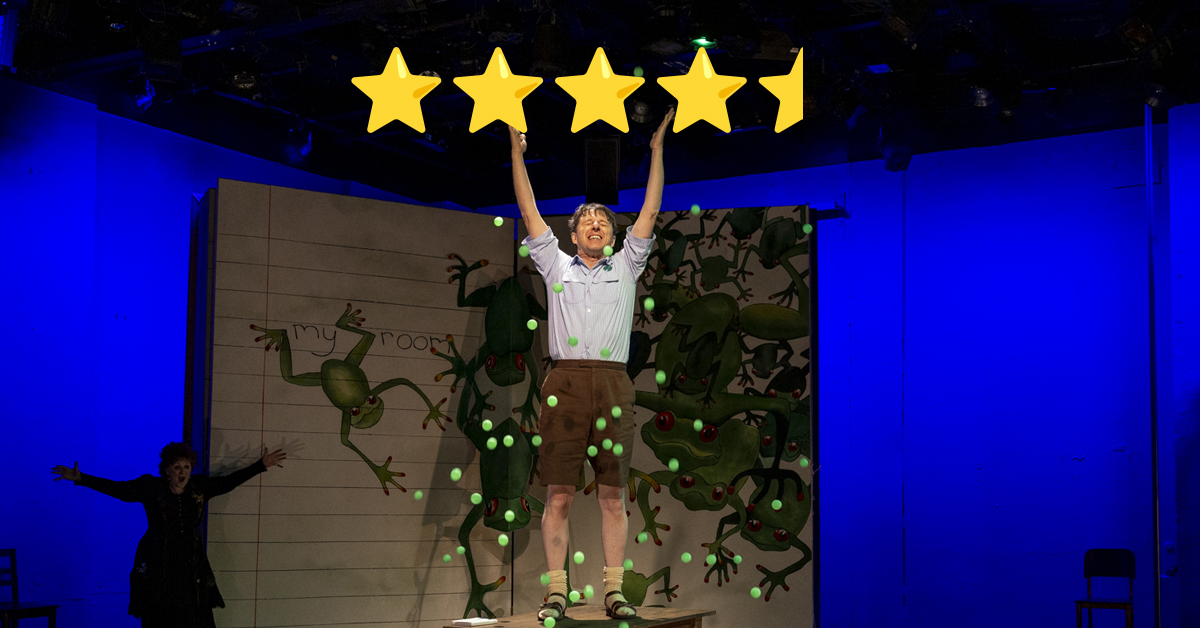
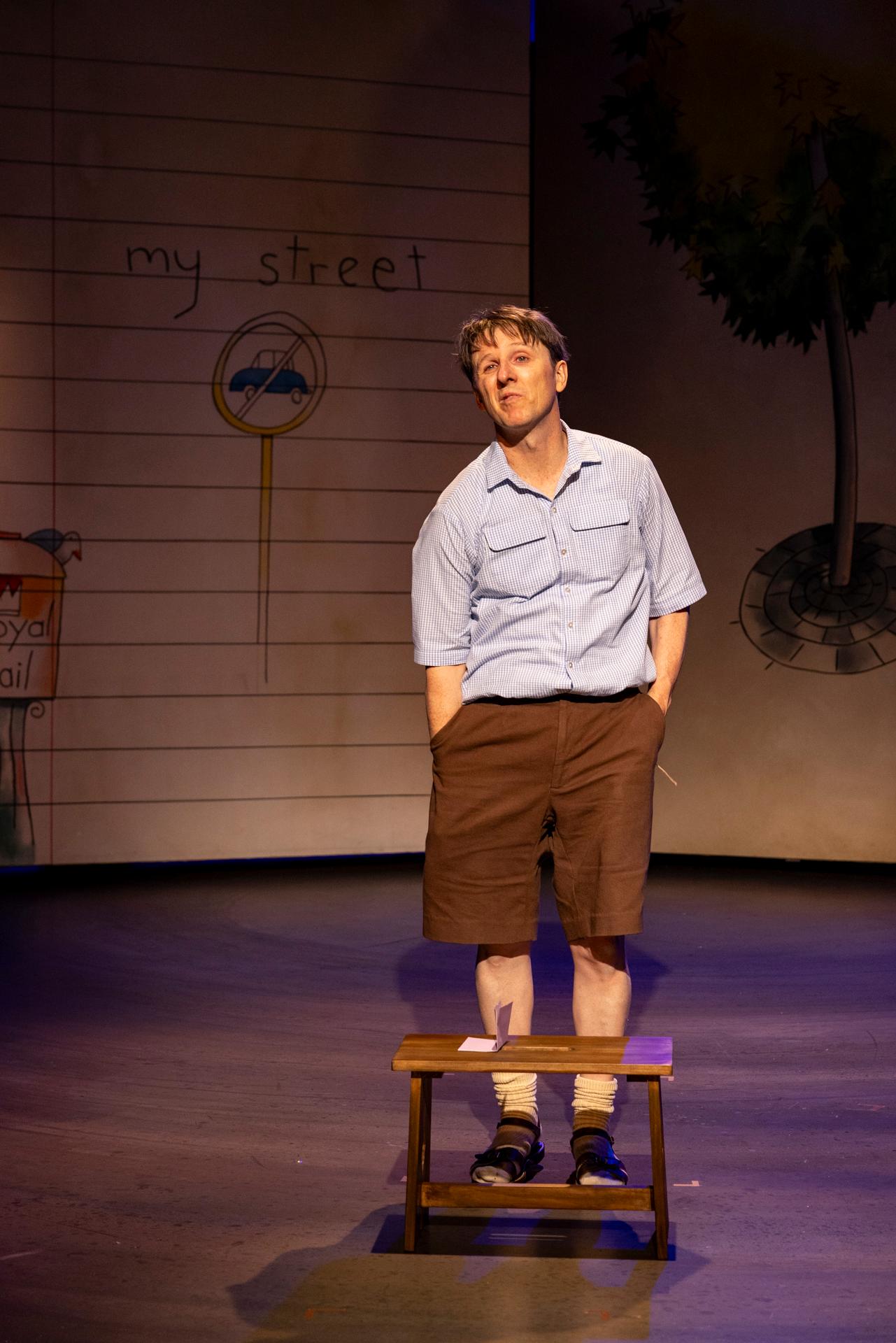
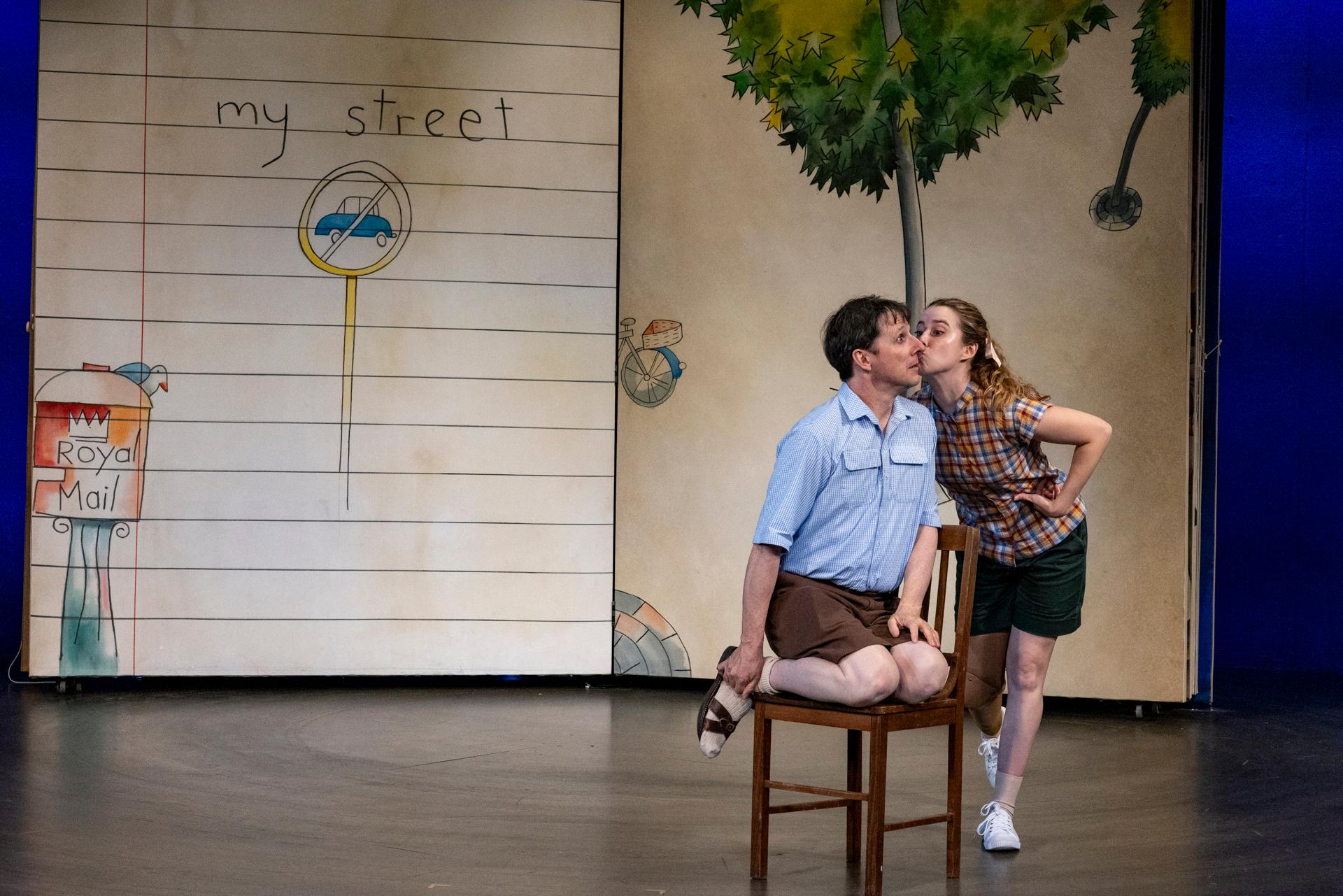
Much of that success rests on Matthew Whittet’s extraordinary performance as Thomas. He plays the boy with boundless energy and infectious delight, yet every burst of exuberance feels completely sincere. His portrayal is so emotionally open that we become wholly invested in Thomas and instinctively share both his fears and his hopes.

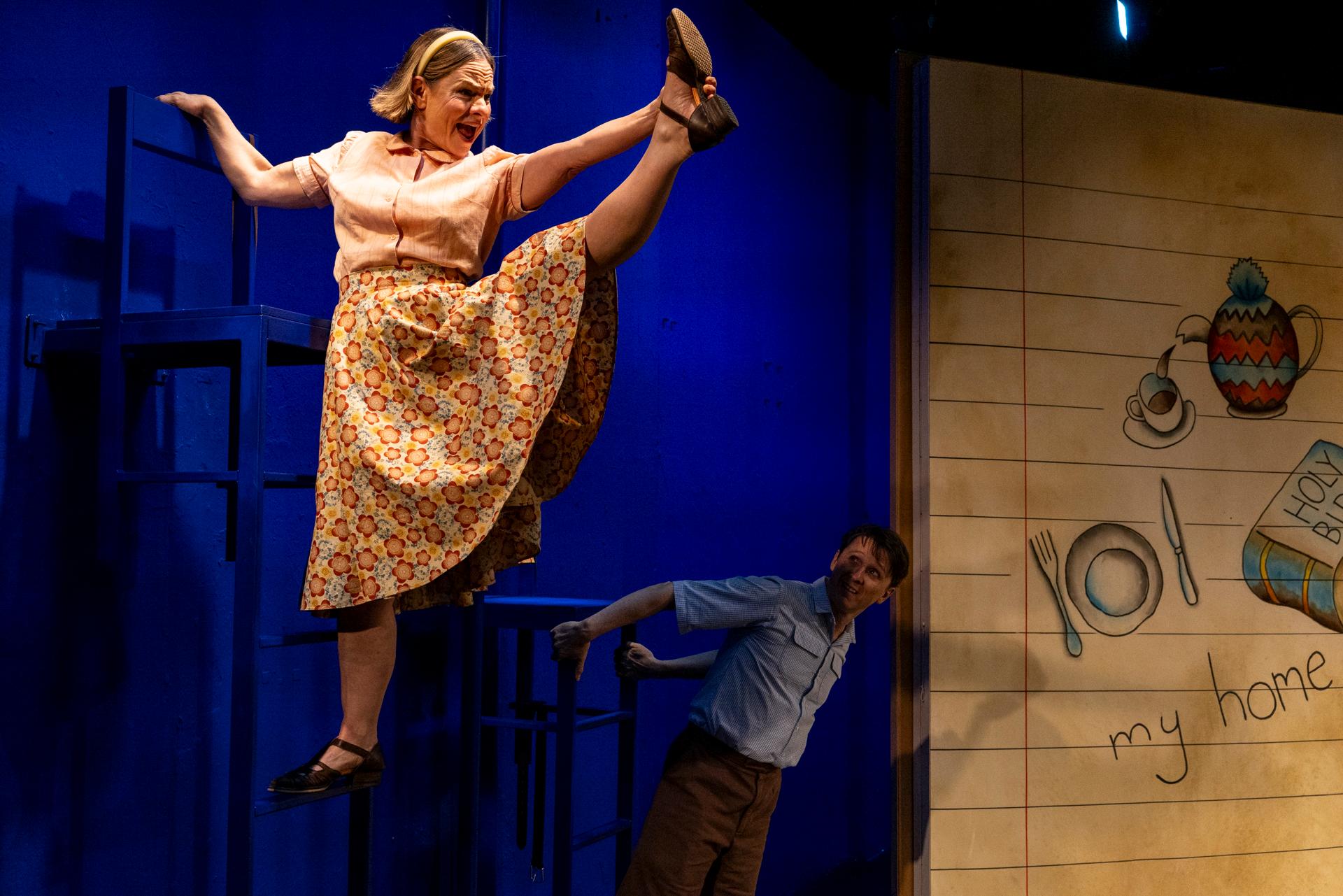
Julie Forsyth is equally captivating as Mrs Van Amersfoort. She brings effortless charisma and warmth to the role, making it easy to understand why Thomas is drawn to her. The tenderness of their evolving friendship becomes the emotional heart of the production.

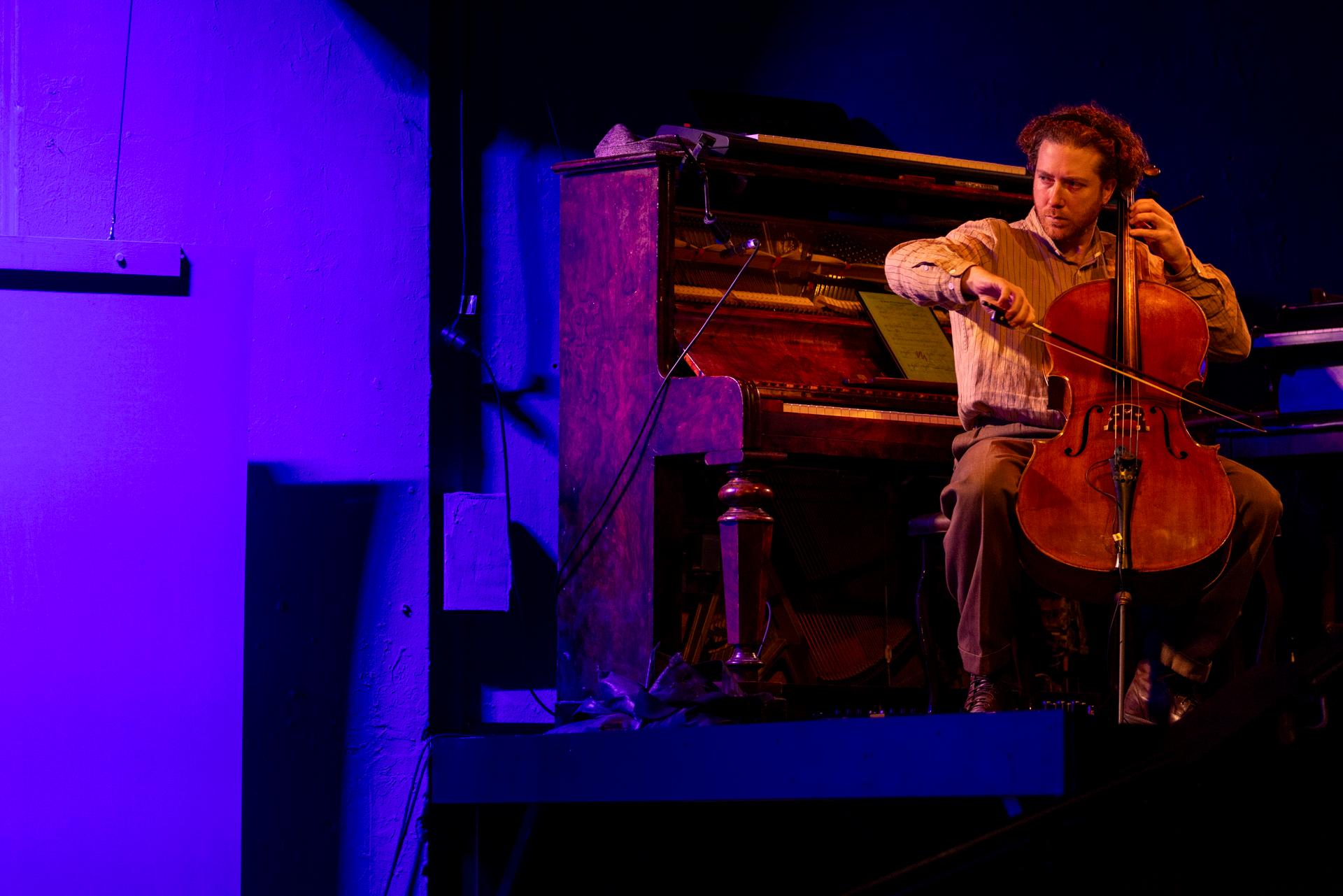
Throughout, live music by Jack Ward underscores the action with remarkable sensitivity. He calibrates every shift in tone with surgical precision, guiding the audience seamlessly from moments of gravity and introspection to scenes of childlike playfulness. His score gives the production a magical sheen that invites younger audiences into Thomas’s imagination while reminding older ones how to reconnect with their own sense of wonder.

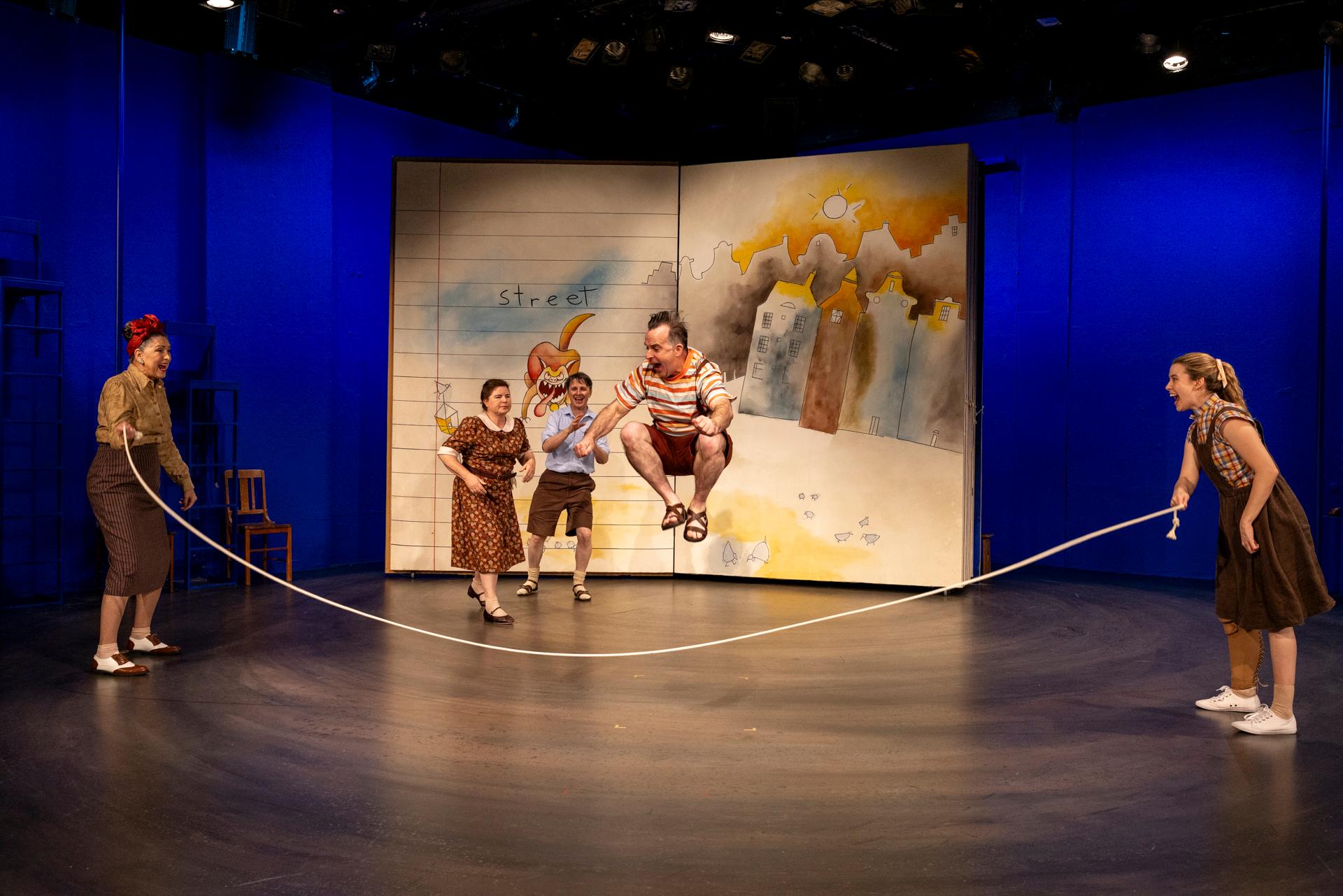
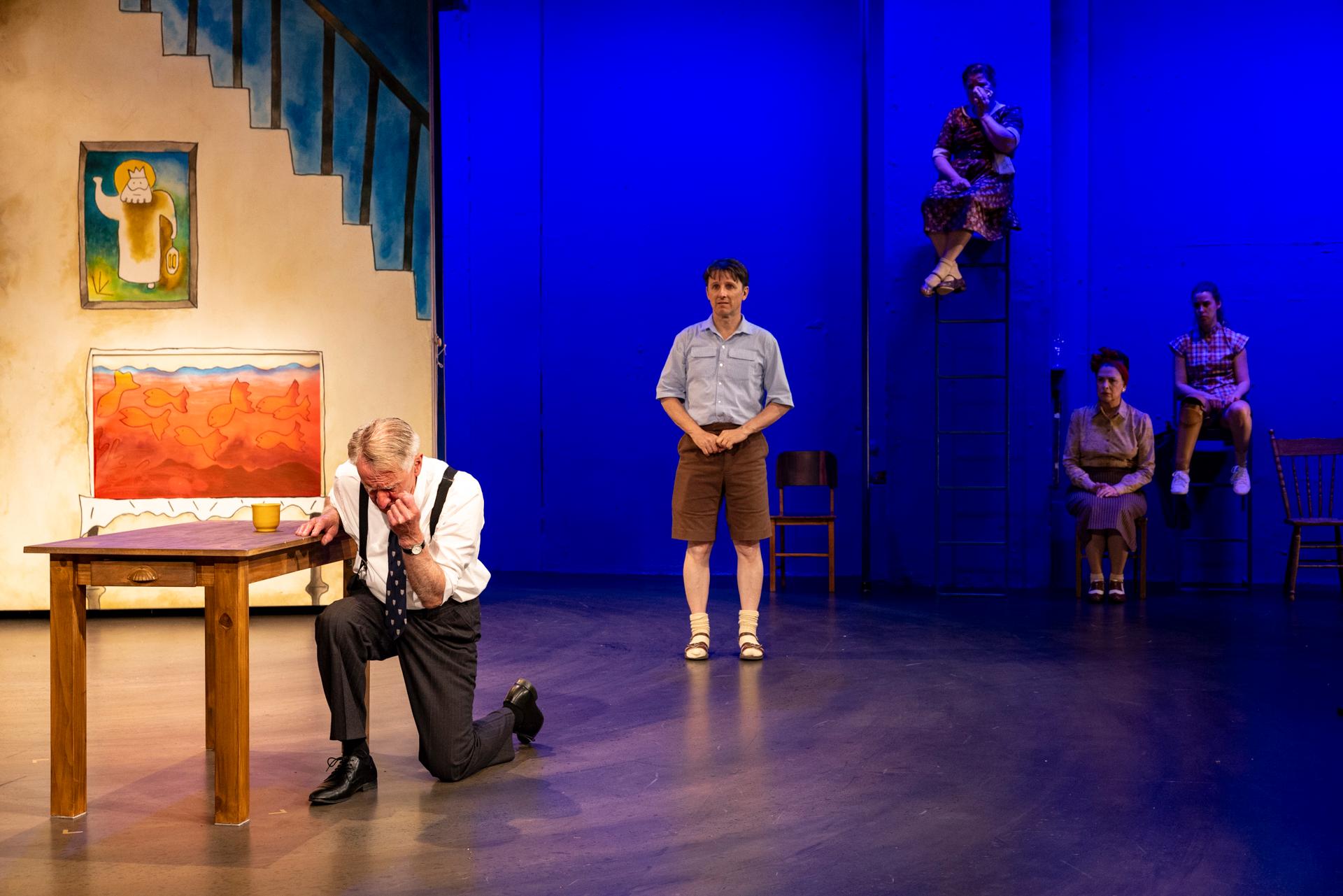
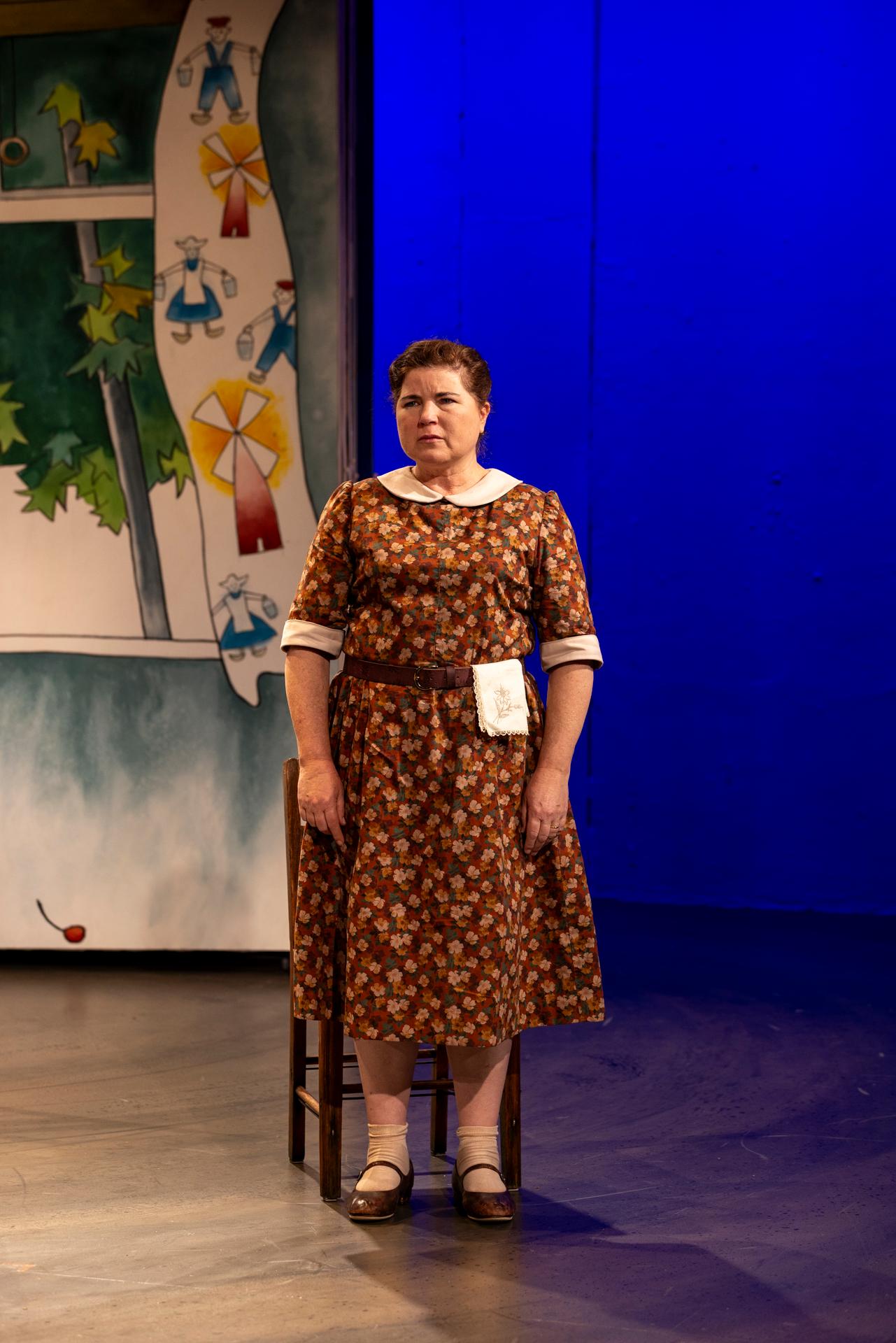
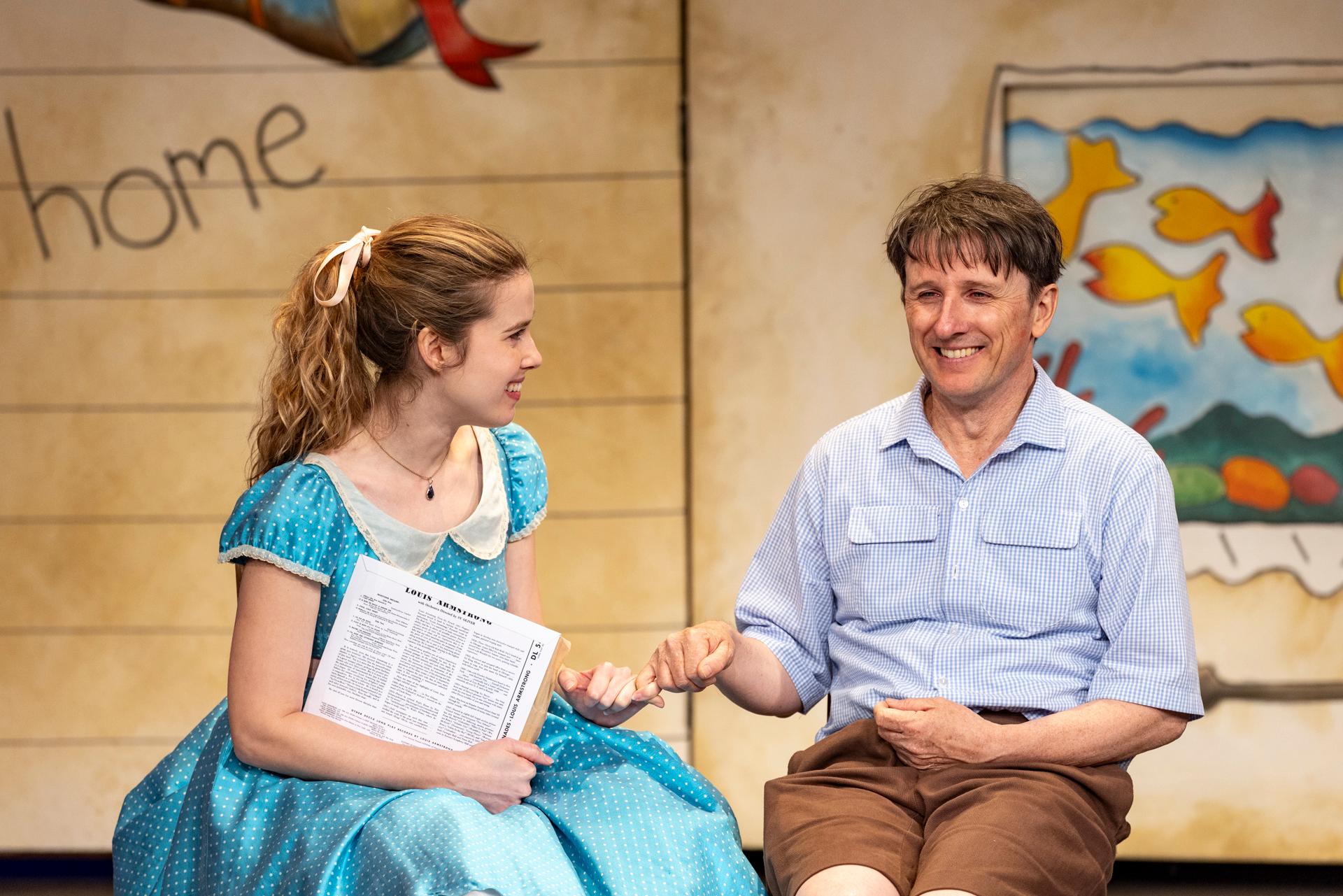
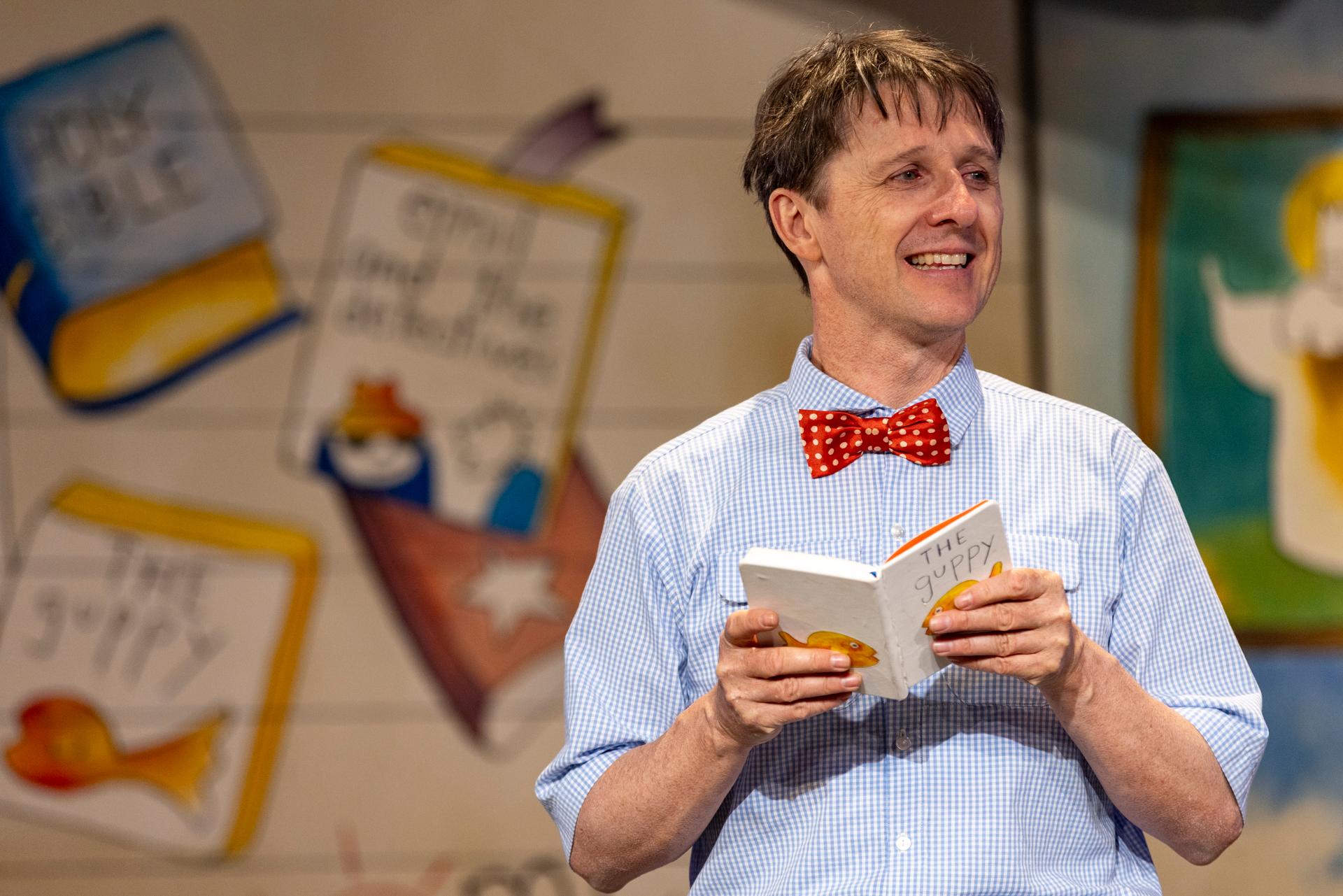
Kim Carpenter’s set design is built around the seemingly simple concept of an oversized book unfolding into each new scene. What could have felt obvious instead becomes wonderfully effective, framing the story within a world of innocence and possibility. Against that backdrop, the narrative’s darkest ideas about faith and fanaticism become even more confronting. Nigel Levings’ lighting is not especially showy, but it is meticulously judged, creating atmosphere with precision and maintaining beautiful visual balance throughout.

The Book of Everything ends on a note of hope, though Thomas’s future remains unwritten. Having witnessed the damage wrought by his brutal father, one might easily imagine him repeating that cycle of harm. Yet we have also seen the redemptive influence of Mrs Van Amersfoort, and the possibility that Thomas might forge a better path. More crucially, perhaps, the play reminds us that becoming one’s own person means the freedom to choose at every turn—and that the courage to choose wisely is the truest measure of character.

www.belvoir.com.au

Review: Lacuna (Griffin Theatre Co)

Venue: Belvoir St Theatre (Surry Hills NSW), Jul 30 – Aug 15, 2026
Playwright: Eric Jiang
Director: Nicole Pingon
Cast: Dominic Lui, Loretta Kung, Rachel Seeto
Images by Phil Erbacher

Theatre review
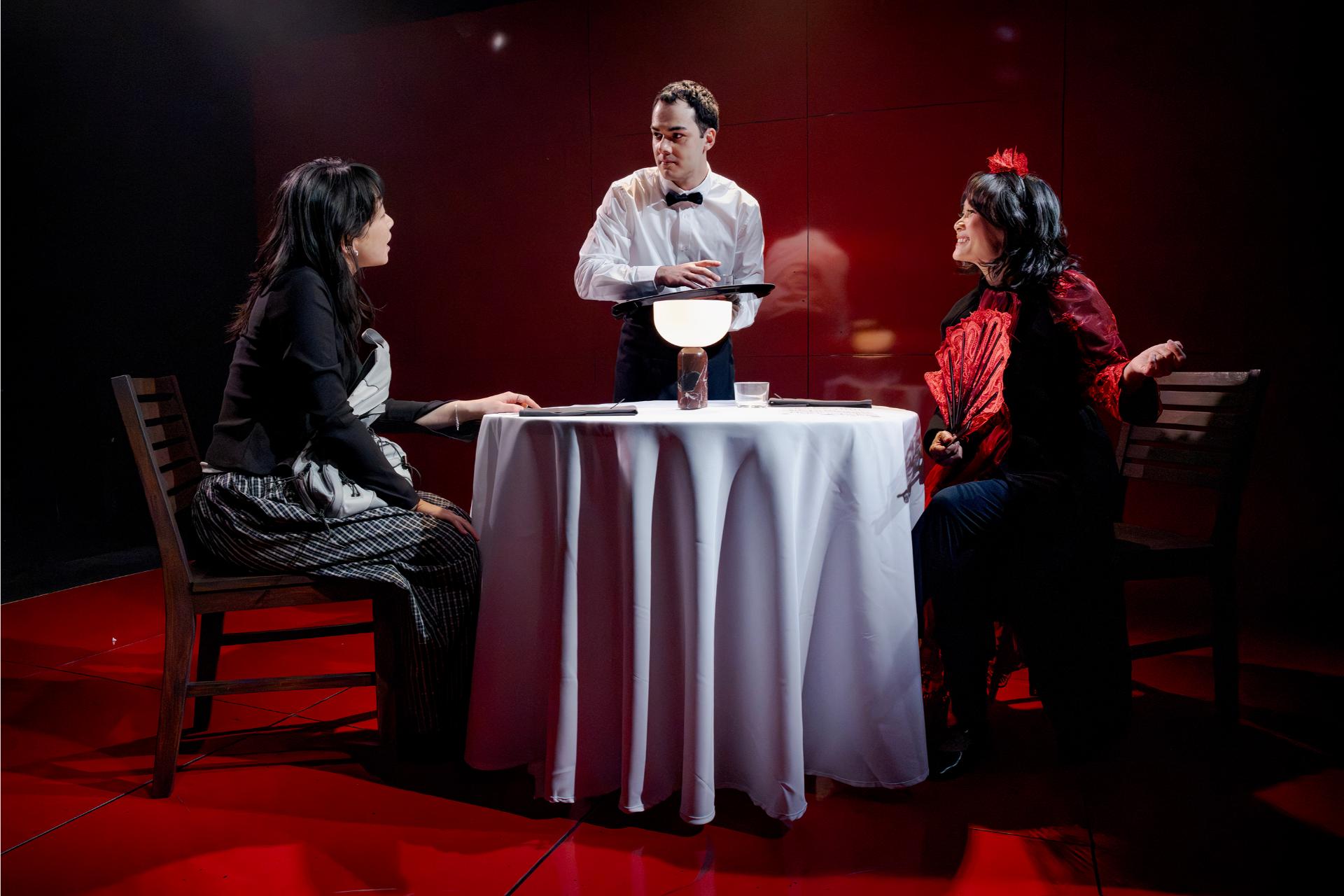
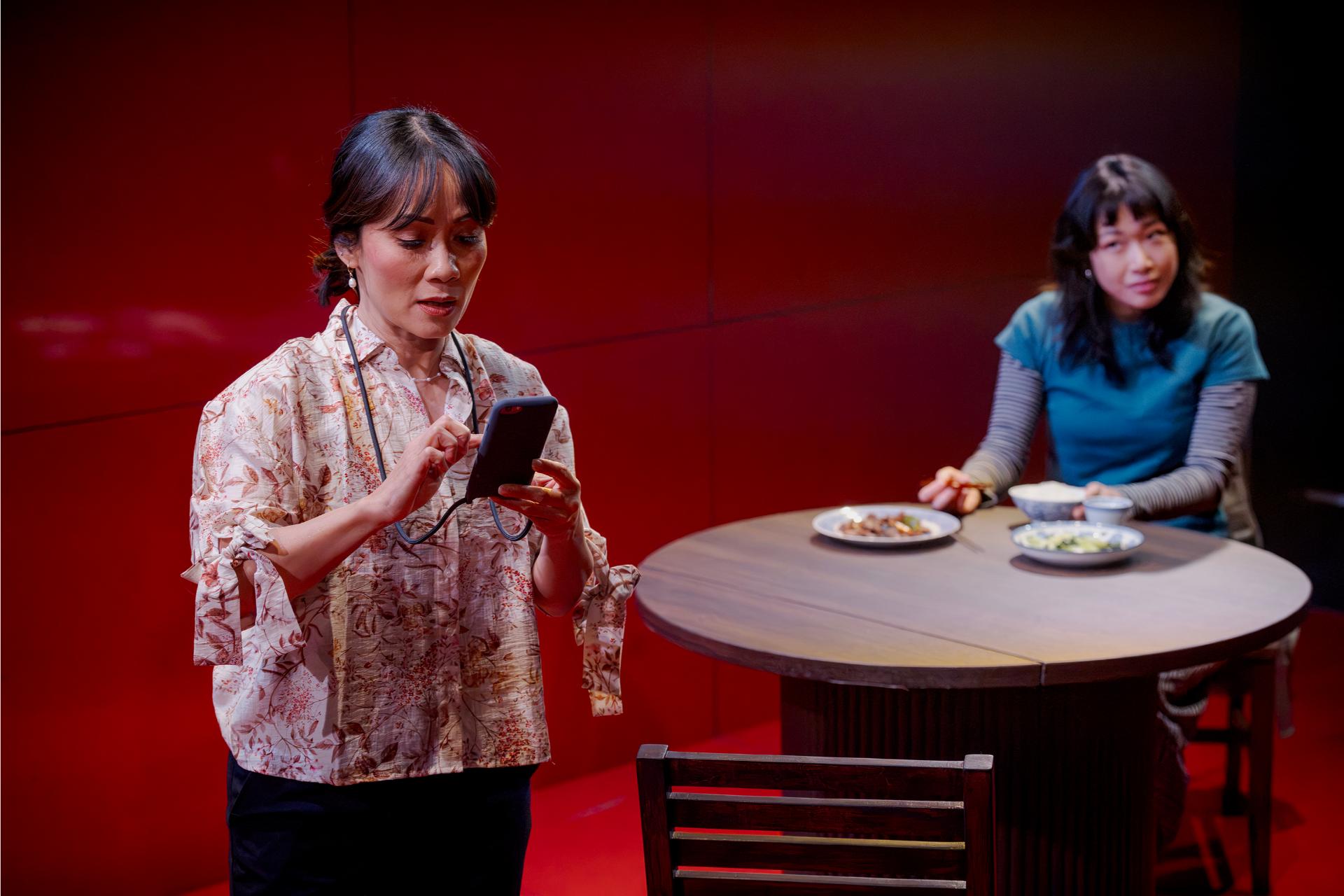
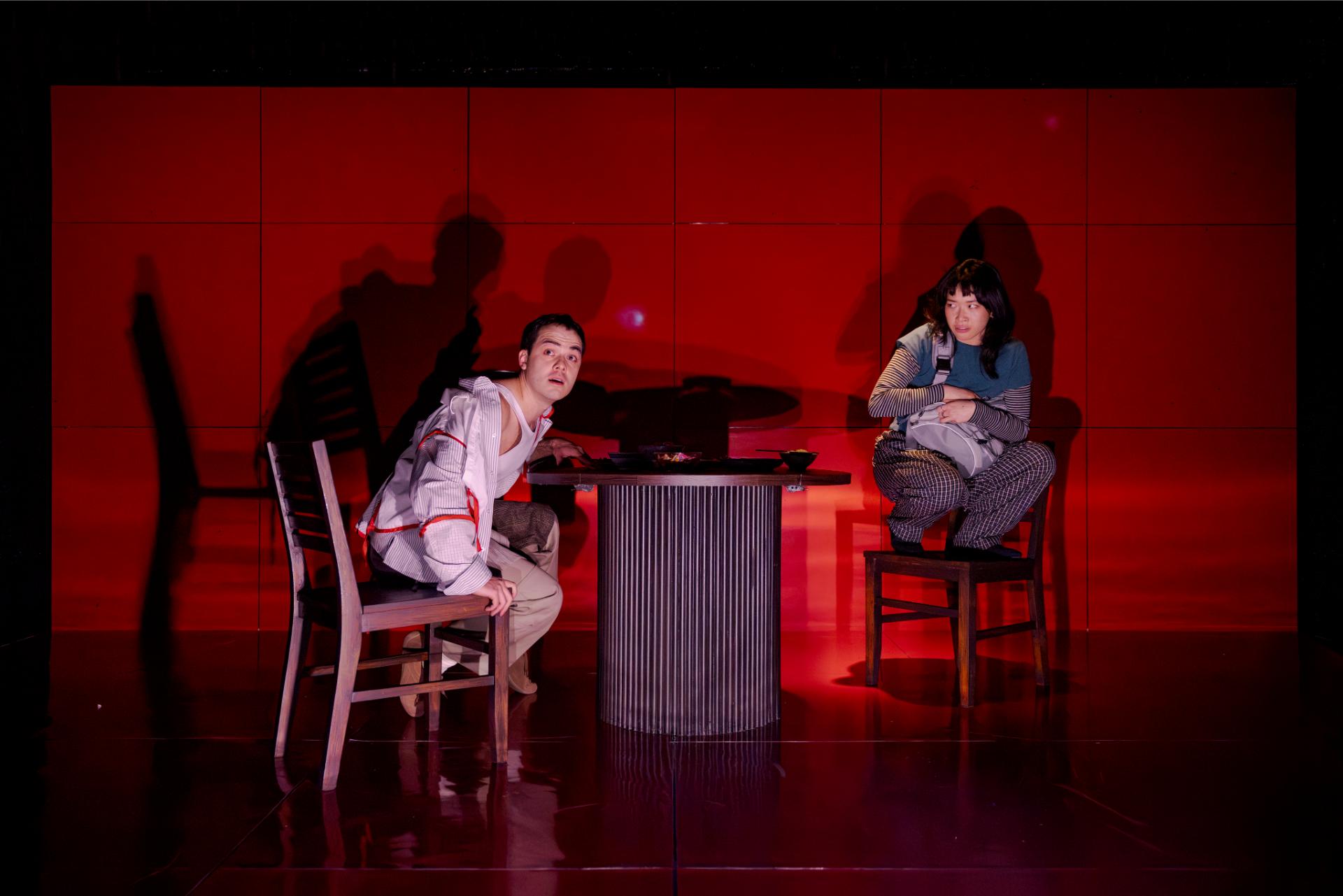
During 清明节 the Qingming Festival, Claudia botches a prayer ritual and stumbles into the underworld, where she not only encounters 孟婆 Meng Po, the goddess of oblivion, but secures employment from her. Tasked with extinguishing fragments of human memory, Claudia begins wielding her newfound powers with dangerous latitude, manipulating her mother’s mind in a desperate bid to engineer a more bearable coexistence. Eric Jiang’s Lacuna mines Chinese mythology to frame a contemporary meditation on generational fracture, centring the particular estrangement of young queer Chinese diasporic subjects navigating a culture that has historically refused them acceptance.

Jiang’s script is audacious from the first beat, yet it never sacrifices warmth for spectacle. The writing sustains a deft comic register throughout, undercutting its metaphysical premises with sharp wit and unexpected tenderness. This interplay of the supernatural and the sentimental gives director Nicole Pingon ample terrain for visual dynamism: she injects the staging with restless energy, drawing on traditional Chinese performance vocabularies to conjure something that feels at once ancient and urgently contemporary. Pingon’s comic instincts are equally refined, ensuring that Lacuna delights not merely through the ingenuity of its premise, but through a sustained, self-aware commitment to entertainment.

Production design by Hailley Hunt is elegantly uncluttered—never ostentatious, yet furnishing the cast with everything necessary to forge indelible characters and drive the narrative confidently. Morgan Moroney’s lighting proves quietly revelatory, shifting with disarming speed to render the supernatural realms in configurations that are frequently breathtaking; entire worlds materialize and dissolve in the span of a single cue. Sam Cheng’s sound and music, meanwhile, lean into operatic grandeur, amplifying the majesty of spiritual lore and lending propulsive dynamism to the production’s martial-inspired sequences.

At the centre of it all, Rachel Seeto delivers a Claudia of remarkable specificity, embedding every gesture with subtext and every line with nuanced intention. Her commanding physicality—assured, fluid, and precise—effectively defines the production’s hybrid aesthetic, synthesizing Eastern and Western performance traditions into a coherent stylistic whole. Dominic Lui matches her in physical accomplishment; his acrobatic work channels the theatrical sorcery of Chinese opera, while his impeccable comic timing lands with exhilarating precision, generating waves of laughter that keep the production buoyant even in its most wistful passages. Loretta Kung, doubling as Meng Po and Claudia’s mother, anchors the piece with a gravitas that feels culturally rooted and authentic. Her presence carries the weight of lineage and authority befitting both roles.

Meng Po waits at the Bridge of Oblivion, where souls must drink to forget, before they may be reborn. Claudia, however, mistakes erasure for repair, believing she can mend her present by vandalizing her past. We see in Lacuna that denial is a kind of trap—that confrontation, however painful, is the only genuine prelude to growth. The play asks whether we can ever truly move forward until we have faced what we most wish to forget.

www.griffintheatre.com.au | www.eswrkrs.com

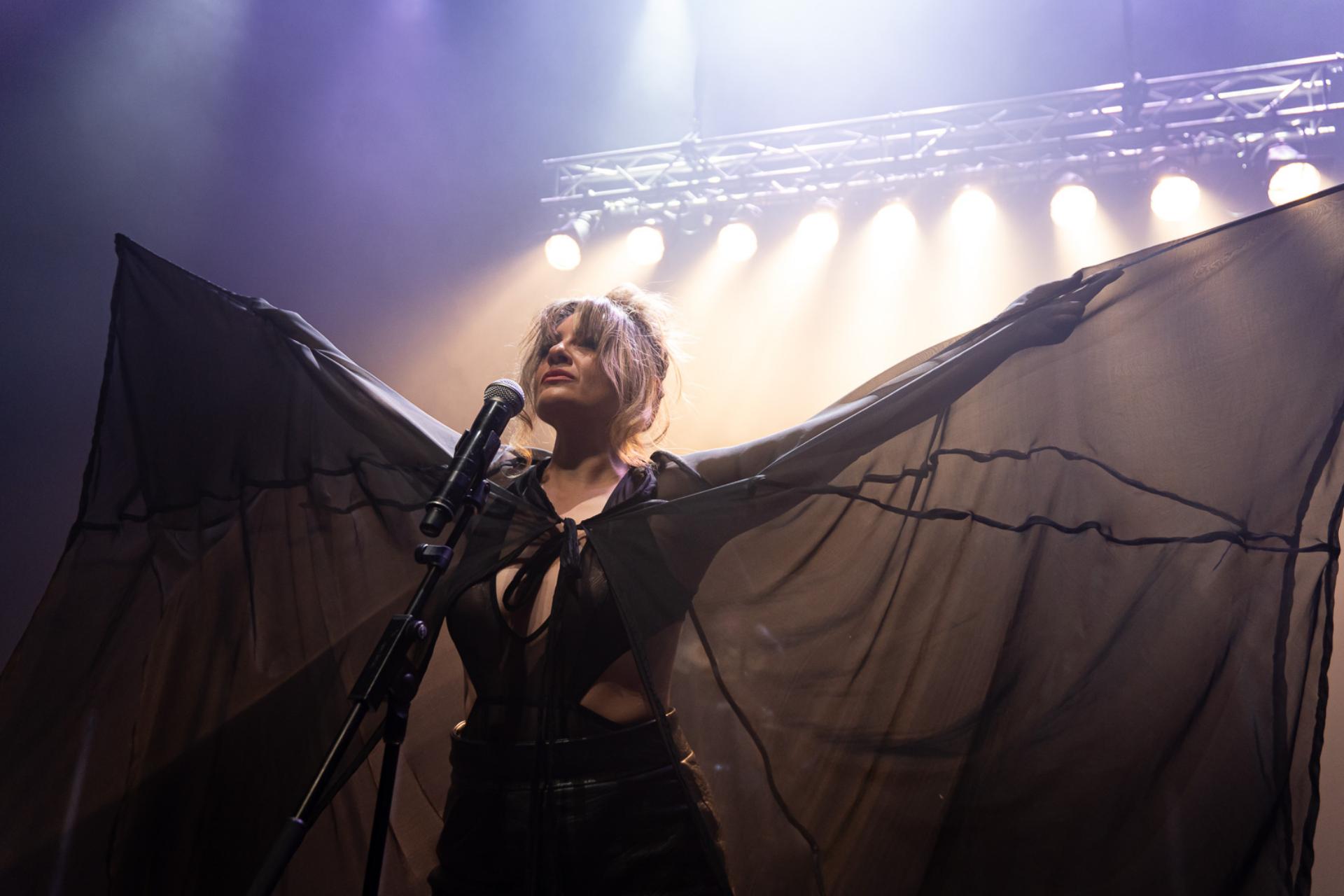
Review: House Of Rot (Hayes Theatre)

Venue: Hayes Theatre Co (Potts Point NSW), Jun 23 – 28, 2026
Director: Dino Dimitriadis
Cast: Paul Capsis, Adam Noviello, with Victoria Falconer
Images by Gianna Rizzo

Theatre review
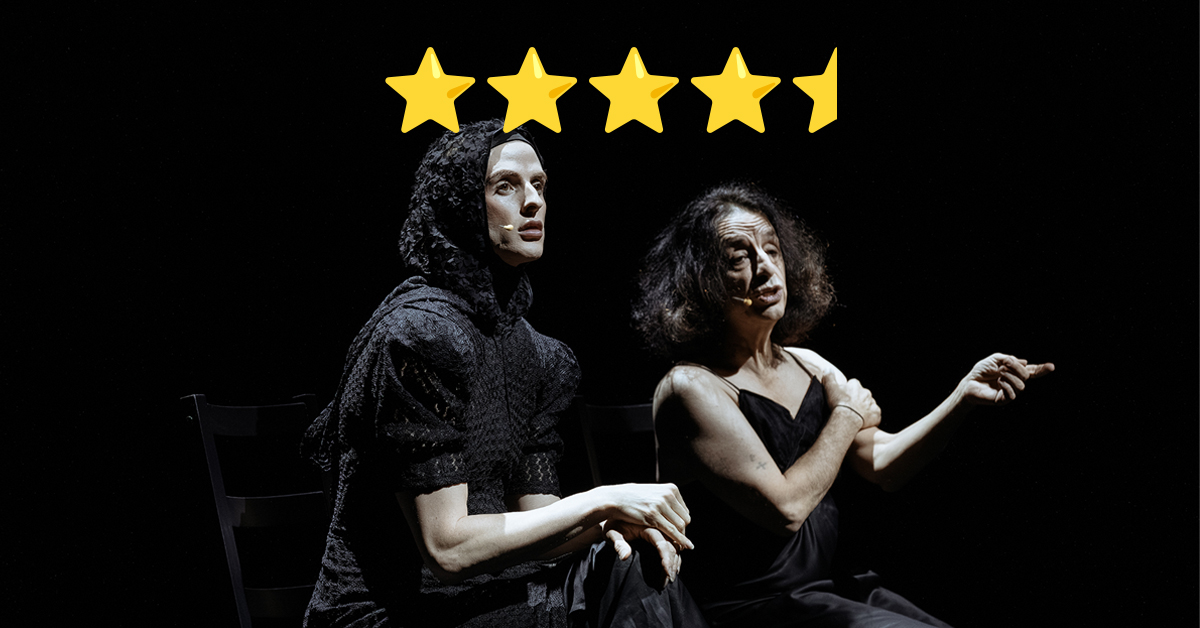
Much like the women of the celebrated documentary Grey Gardens, Addy and their parental counterpart exist in a state of mutual captivity—inseparable, yet hardly serene. House of Rot unfolds principally through torch songs and standards drawn from the past century, with dialogue kept to a bare minimum.

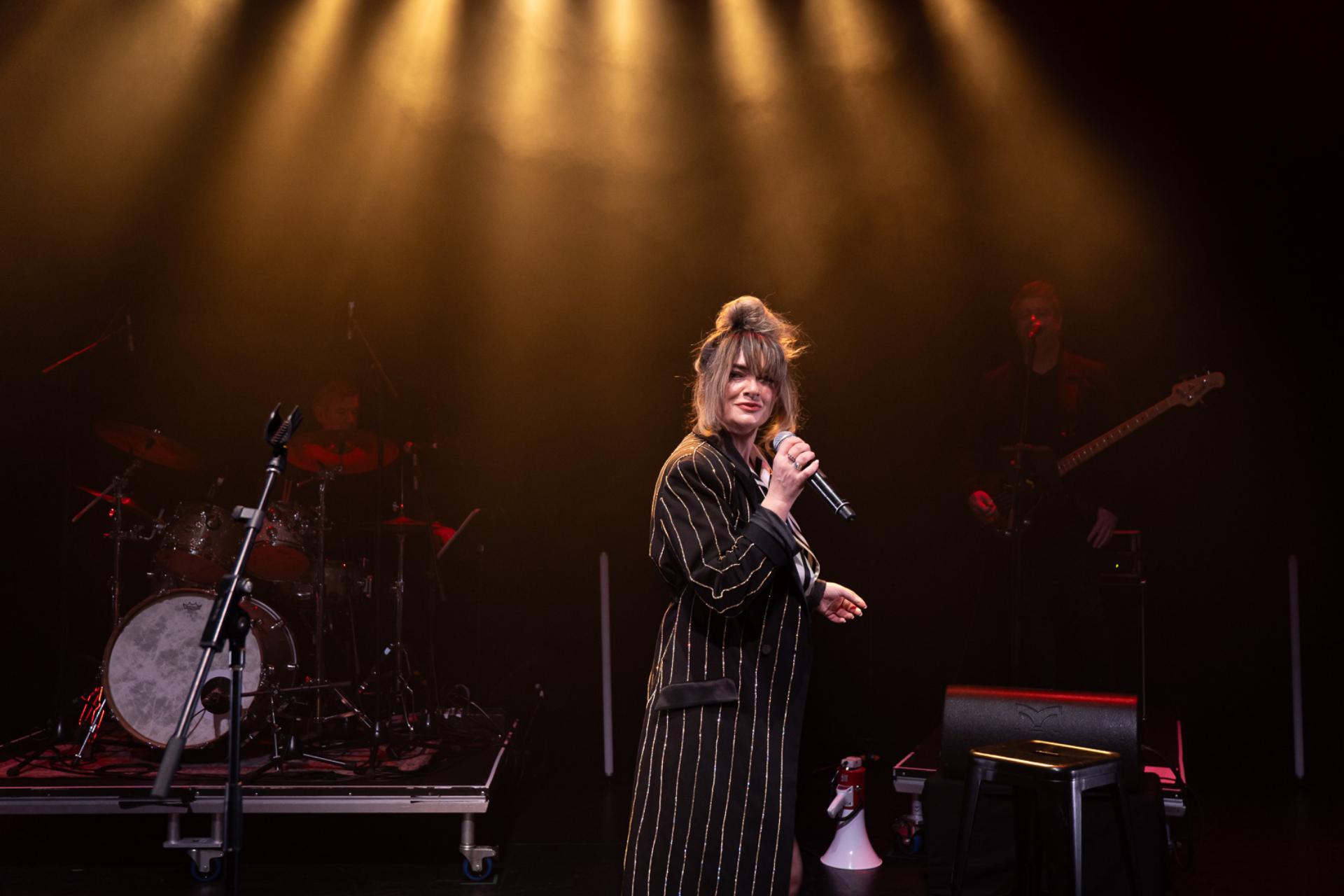
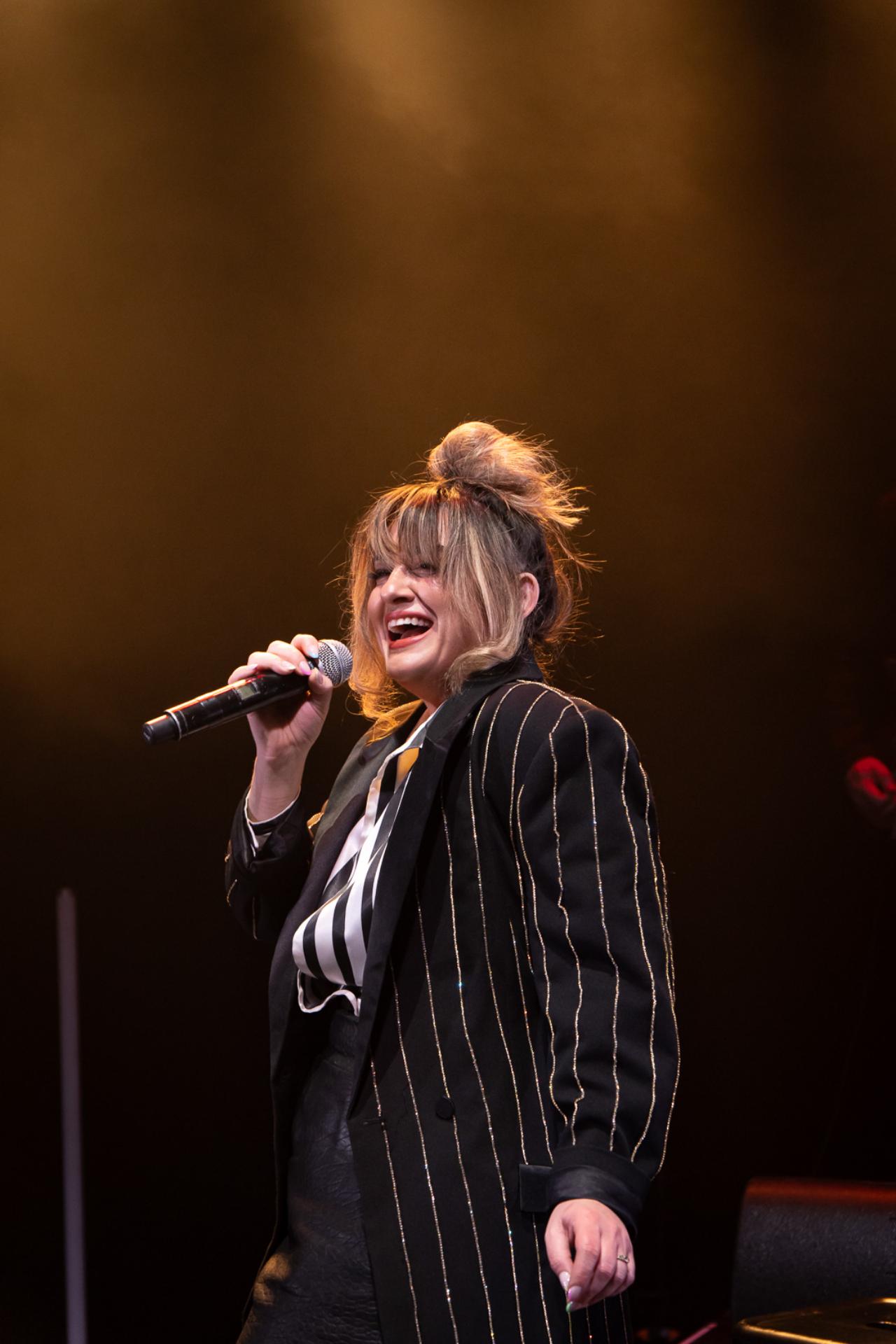
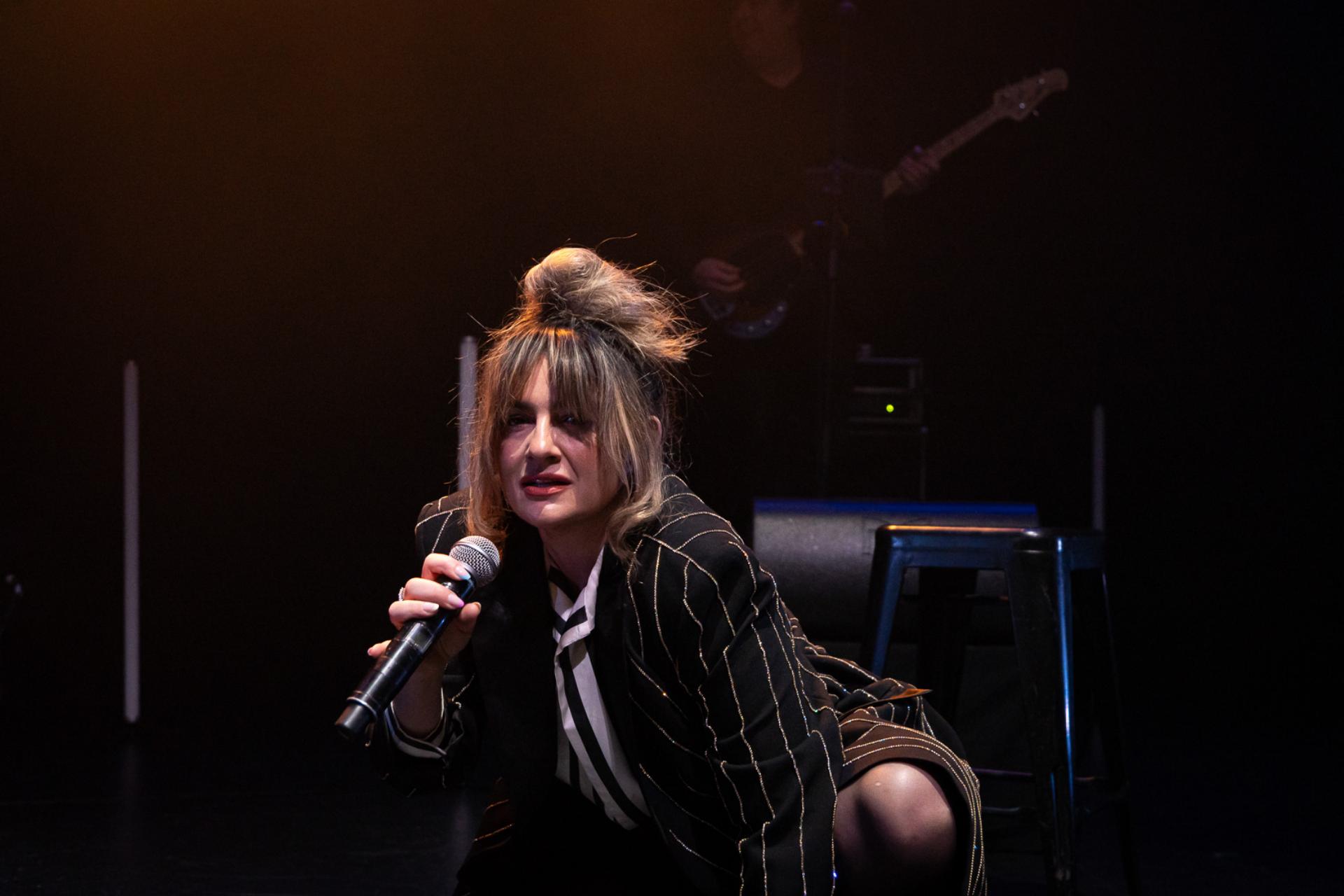
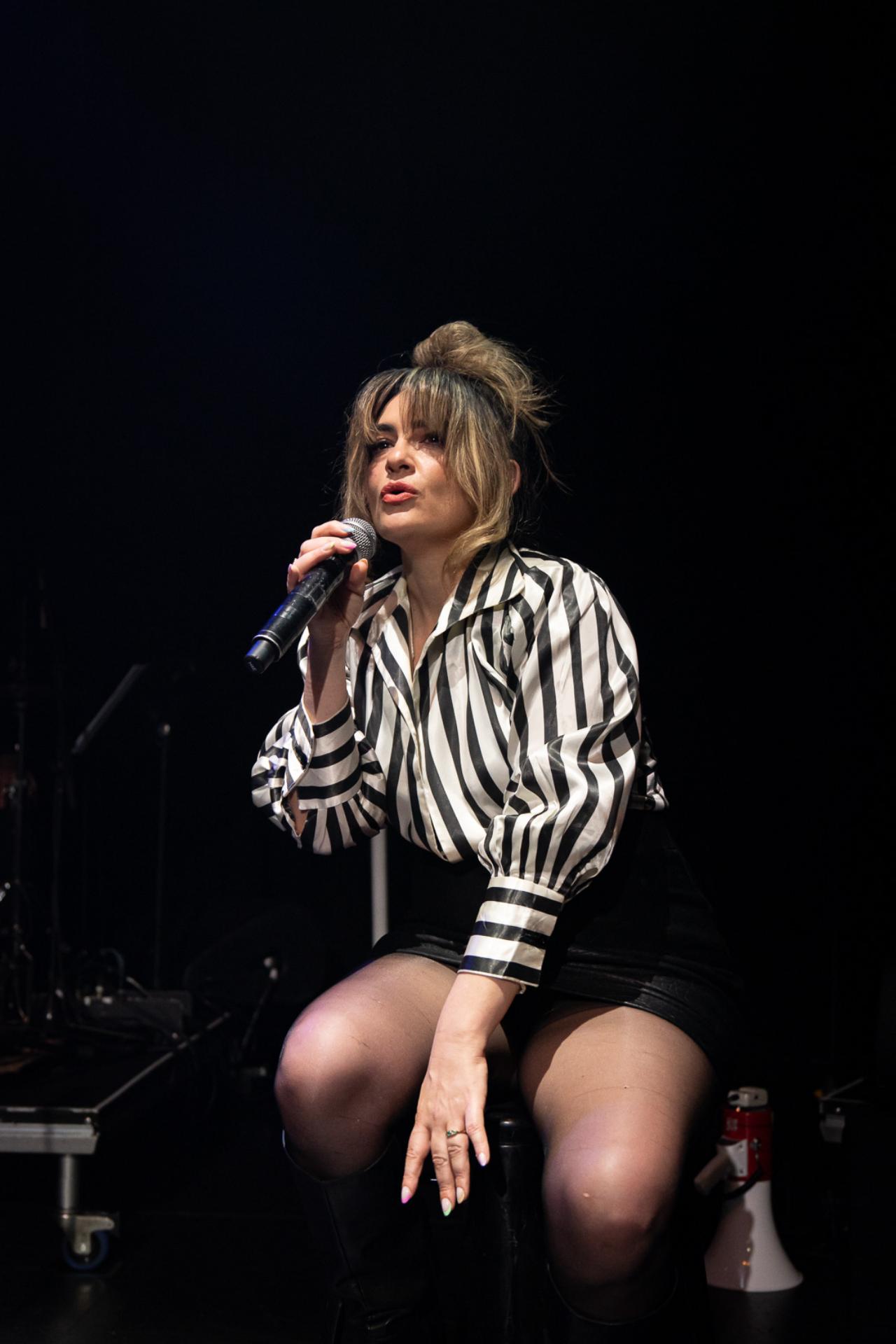
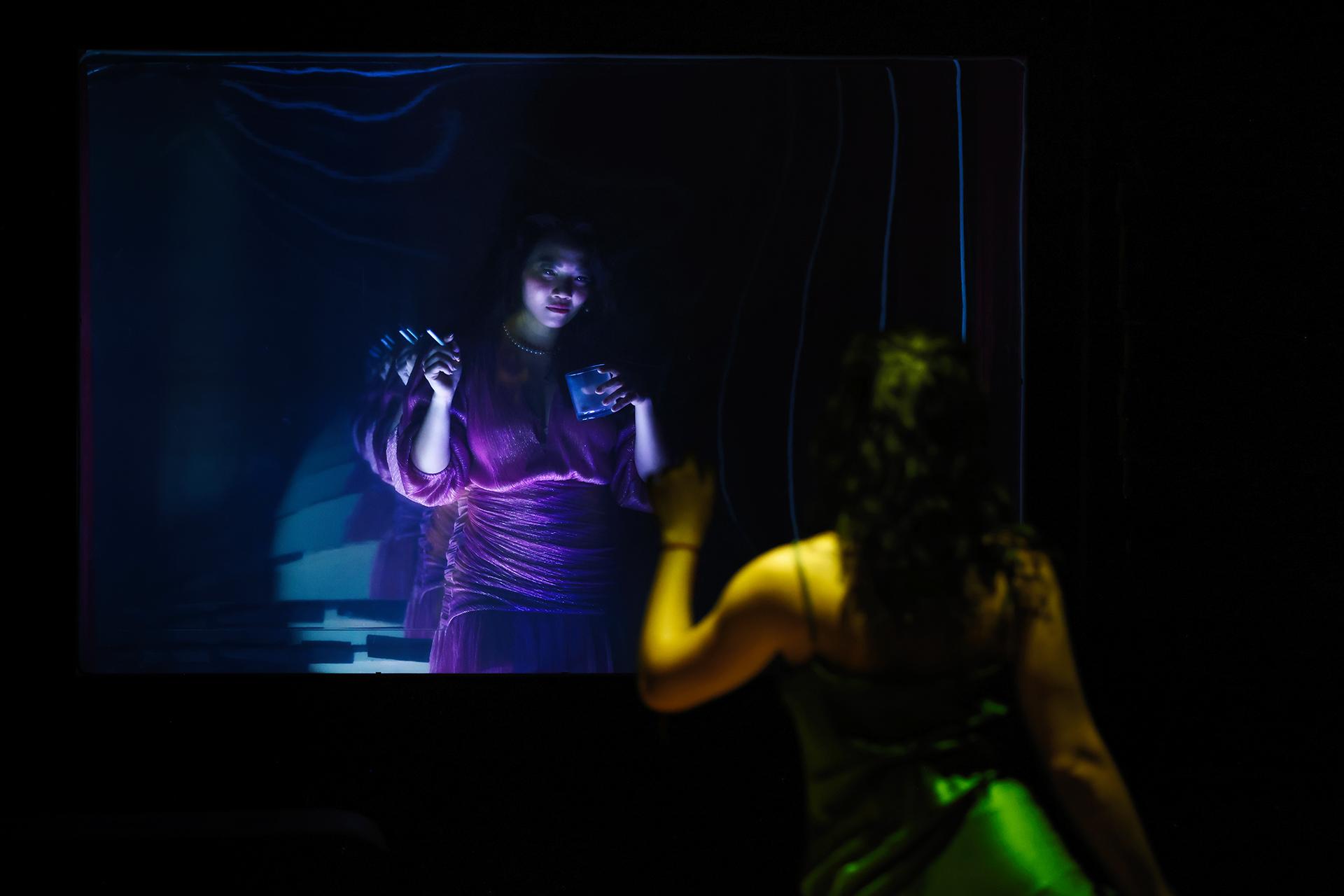
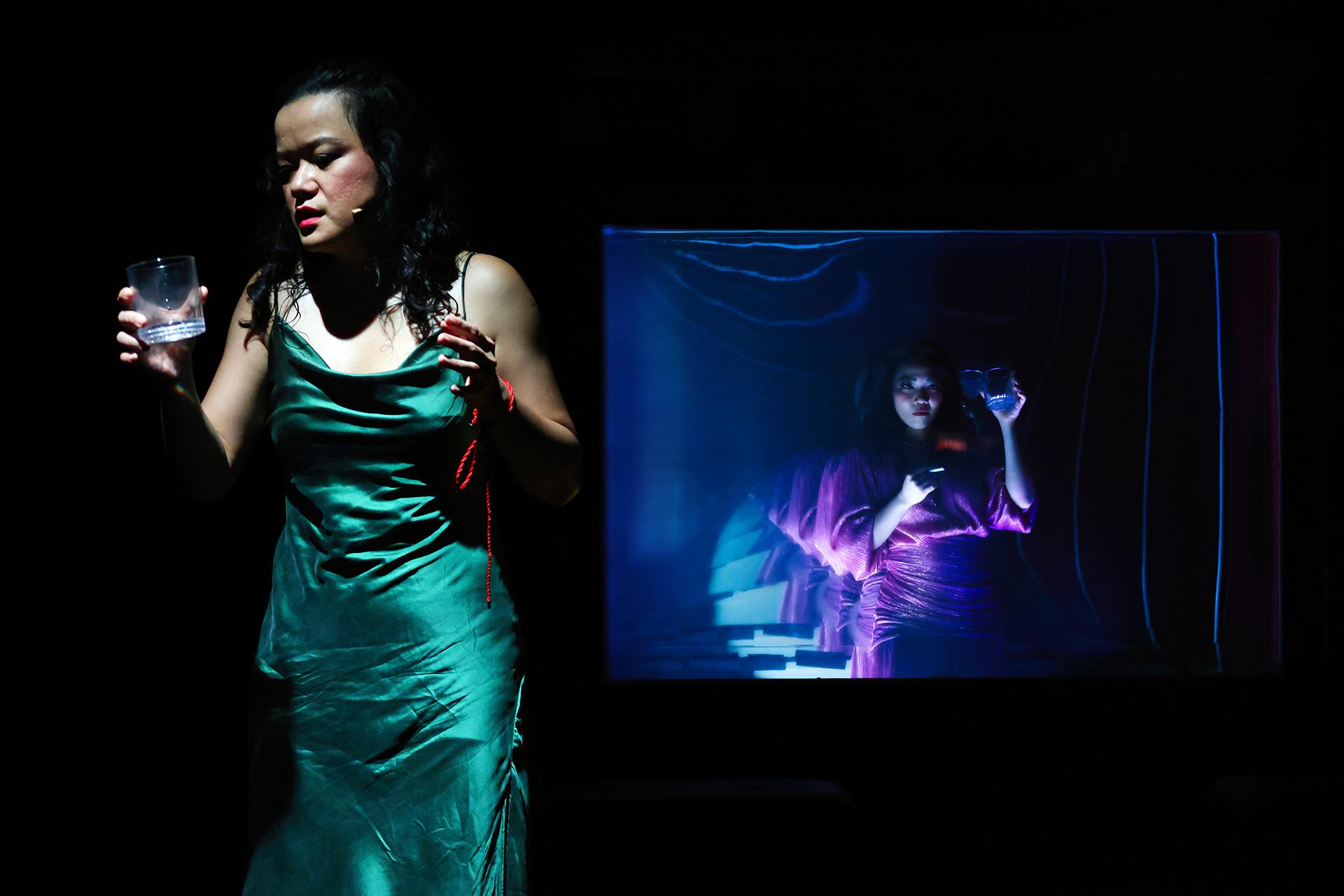
Though its form is fundamentally cabaret, its theatrical scope renders it far more substantial than the category typically permits—a distinction owing much to Leila Enright’s economically incisive dramaturgy. Brockman’s lighting, in particular, demands recognition for the artistic elevation it brings; consistently mesmerising, it possesses the rare capacity to arrest time itself—an effect crucial to a narrative about two people locked in a vicious cycle of tender devotion and bitter dependency. We behold them frozen, unable to advance, yet we are compelled to discern whatever sublimity resides in their stasis.

Victoria Falconer’s musical direction harnesses the transcendental power of song, reshaping familiar numbers into freshly romantic configurations that cohere into a unified whole. The result is a work that either articulates a meaningful narrative—subject to each spectator’s personal interpretation—or, at minimum, facilitates a visceral experience that proves both persuasive and resonant, propelled by an unmistakable sense of deliberate intention. Falconer remains onstage throughout, providing flawless accompaniment while also delivering the show’s prologue and epilogue.

Paul Capsis inhabits the parental figure with a baroque sensibility, wielding a singular fusion of the macabre and the glamorous. The effect is not merely visually arresting but emotionally penetrating; Capsis conveys instantaneous gravitas through every gesture and saunter, even when the rational mind struggles to assign immediate meaning to these portrayals. Such impact derives not solely from the visual plane, but from vocal capacities now the stuff of legend—enthralling precisely because of their steadfast refusal of conventional prettiness. Adam Noviello, though not yet possessing the seasoned depth to fully match a living legend, nevertheless sings with comparable skill, albeit in a wildly divergent register.

Nicol & Ford’s costumes distil the essence of the Edies into a contemporary idiom, evoking eroded wealth, regrettable choices, and unvarnished beauty to ensure we fall in love with these characters anew. Dino Dimitriadis’s direction does more than retell the saga of entwined aristocratic Americans; by placing Capsis and Noviello in parallel, Dimitriadis transposes the Grey Gardens mythology into a narrative of intergenerational queerness—one that speaks to the inheritance of trauma alongside more wondrous bequests.

House of Rot interrogates how a community ought to move forward in a world that, while ostensibly growing more accommodating, also seems to demand the shedding of cultural particularities. It aches for queer people to claim a luminous future, yet warns with a tremor in its voice that we must not surrender every trait that makes us who we are—must not melt ourselves down to be palatable to those who have never once, not for a single heartbeat, considered loosening their grip on power. To do so would be to lose not merely our history, but the very pulse of what makes us consequential and irreplaceable.

www.hayestheatre.com.au | www.greendoortheatrecompany.com

Review: Anastasia (Sydney Lyric Theatre)

Venue: Sydney Lyric Theatre (Sydney NSW), Apr 7 – Jul 18, 2026
Book: Terrence McNally
Music: Stephen Flaherty
Lyrics: Lynn Ahrens
Director: Darko Tresnjak
Cast: Rhonda Burchmore, Rodney Dobson, Nancye Hayes, Georgina Hopson, Joshua Robson, Robert Tripolino
Images by Jess Busby

Theatre review
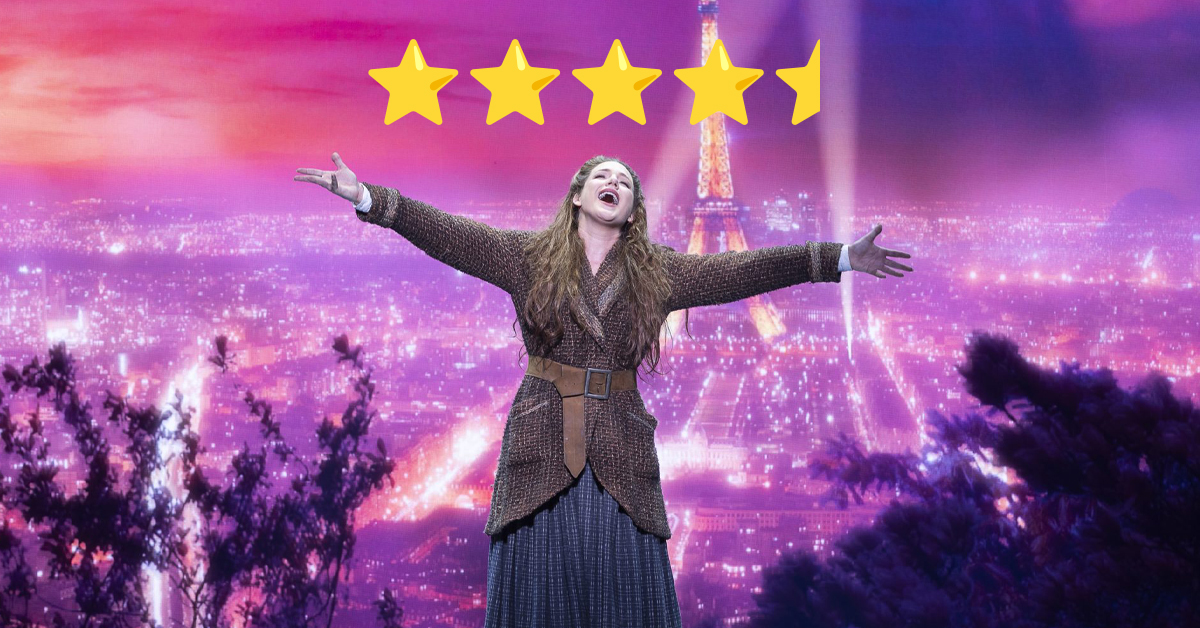
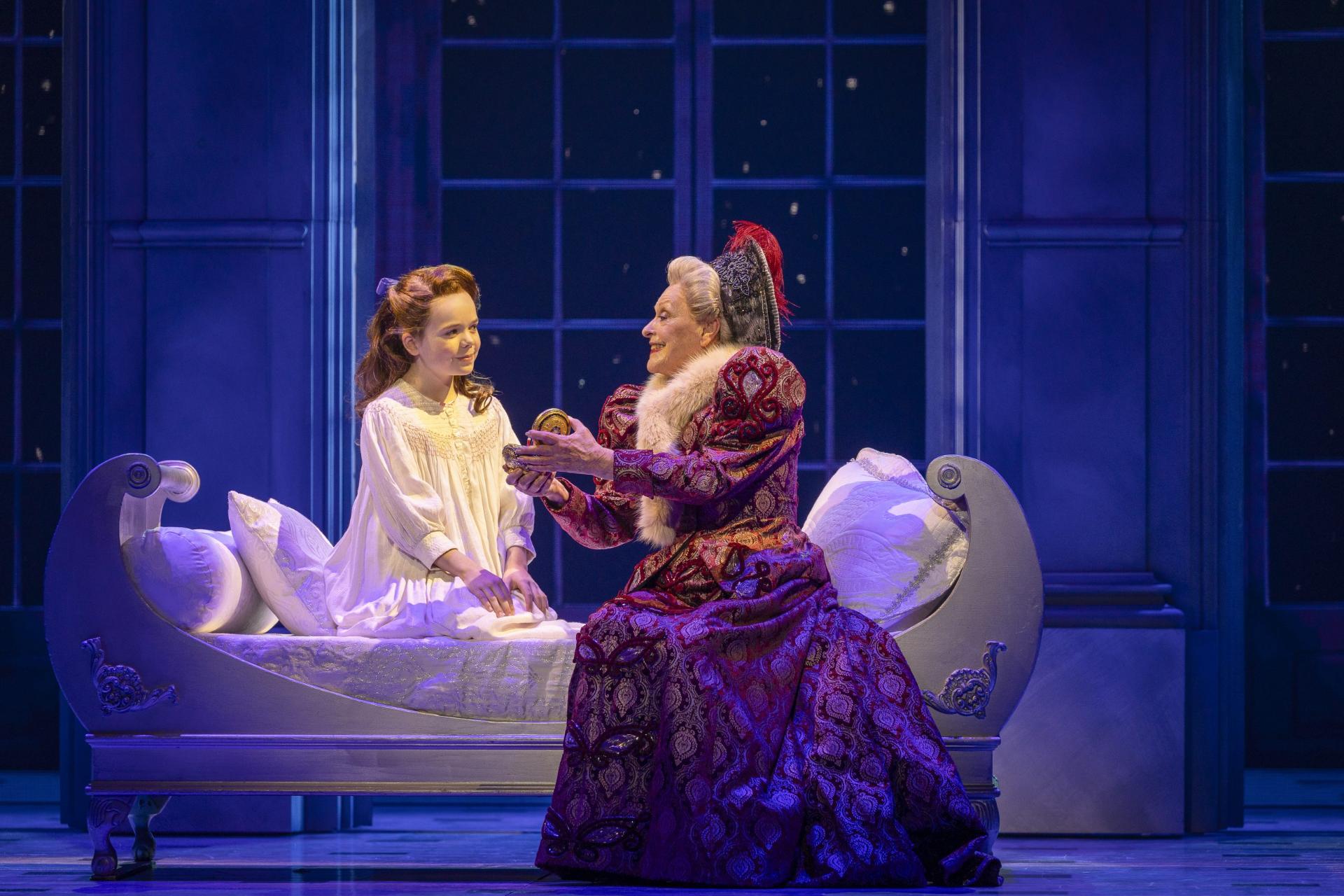
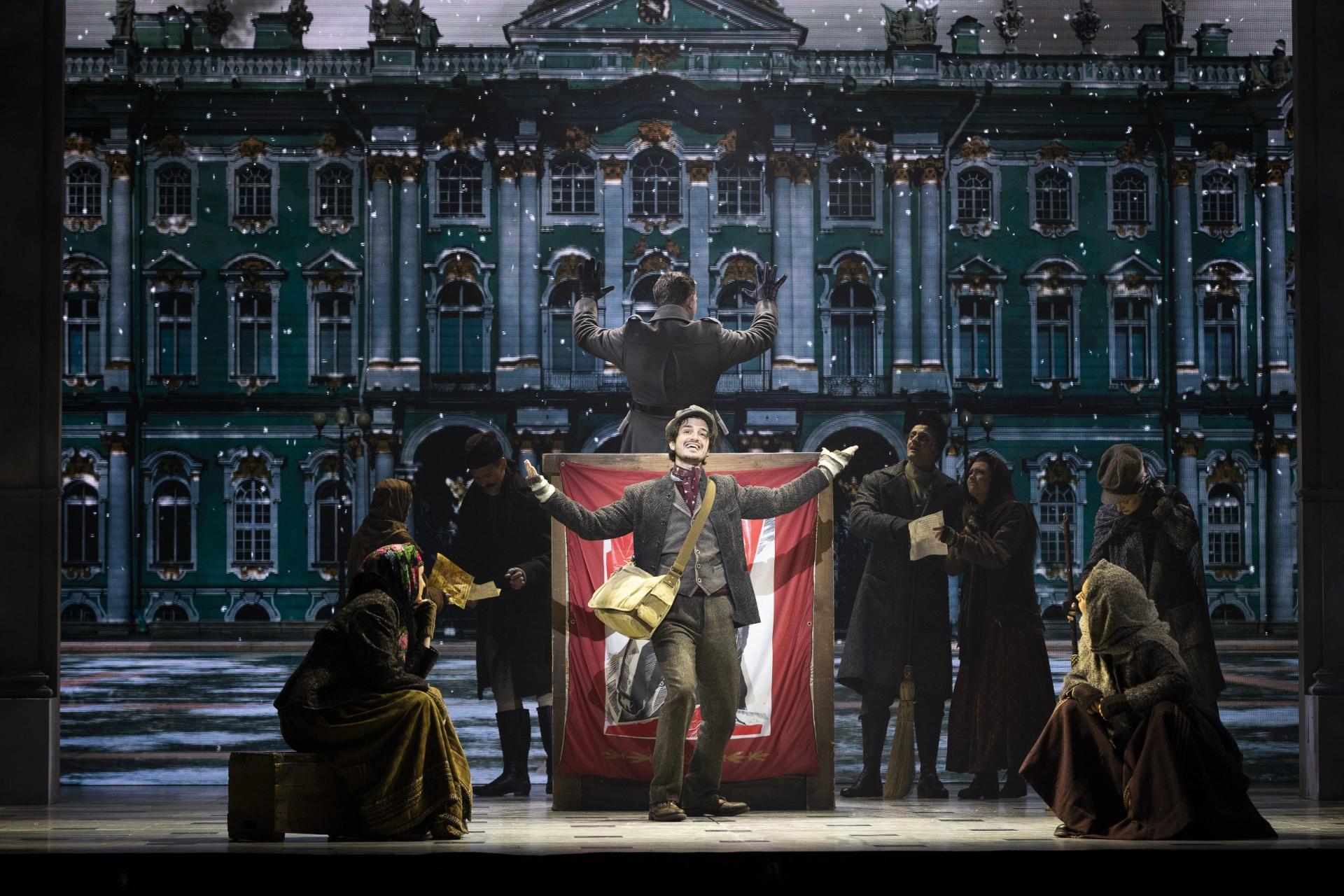
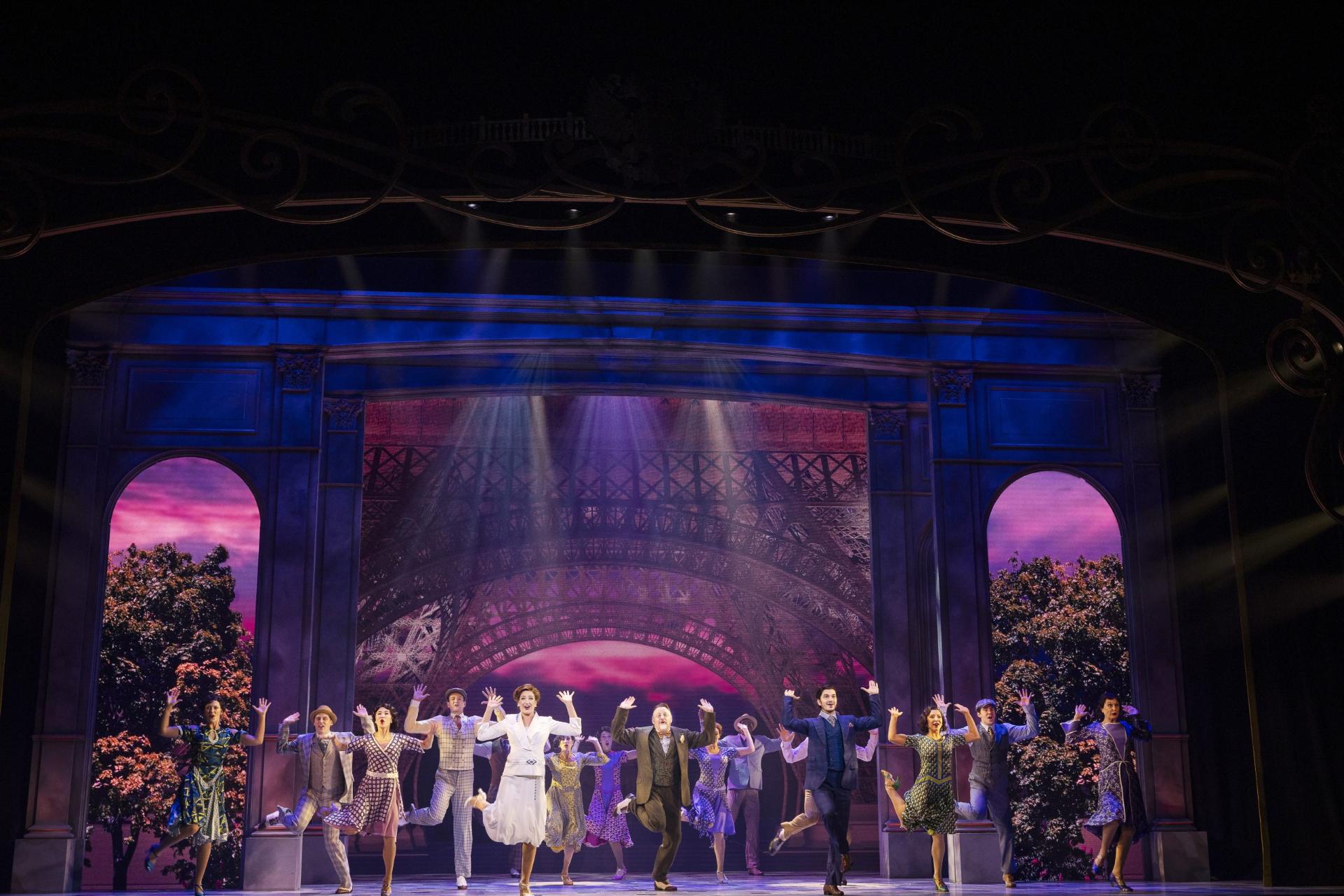
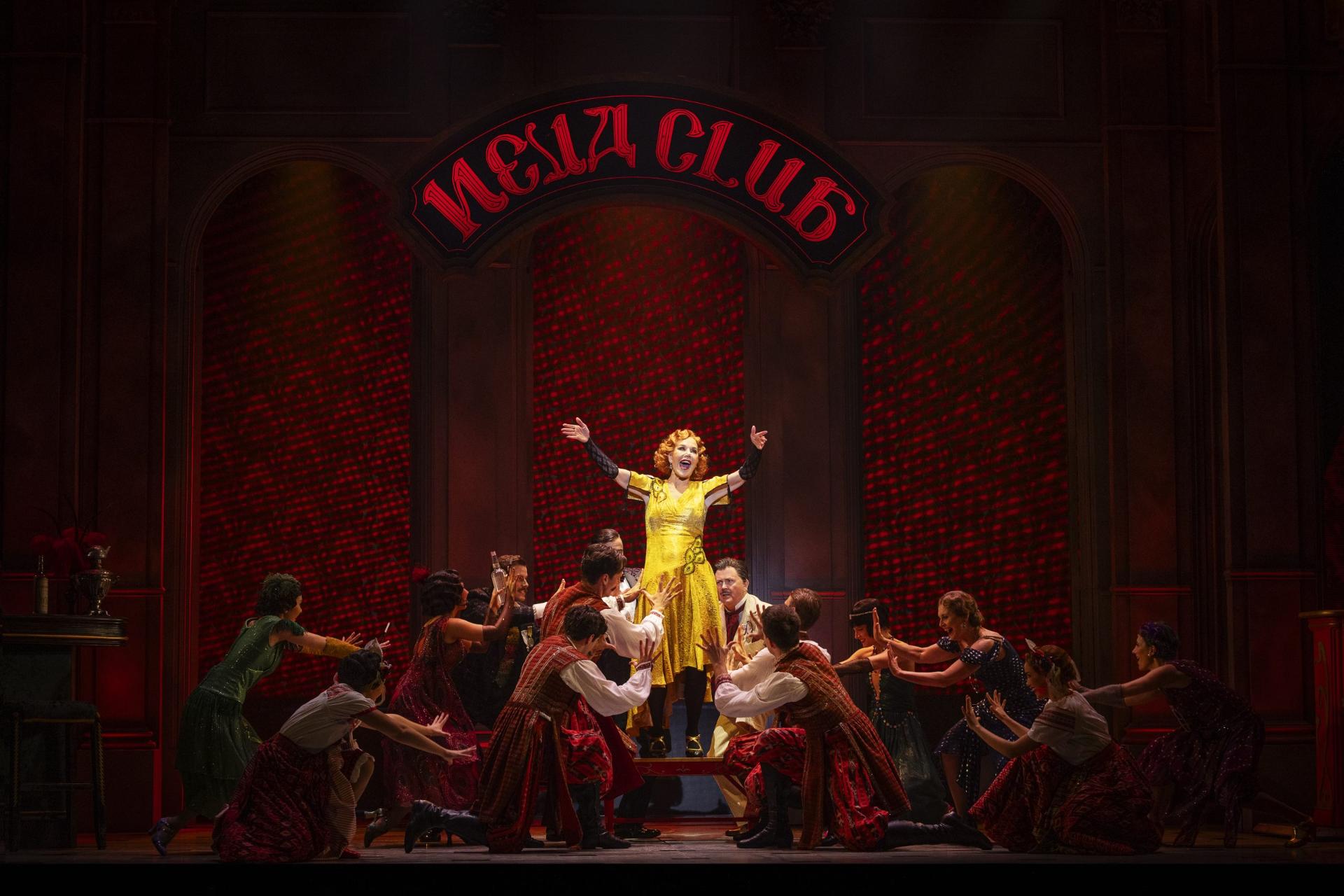
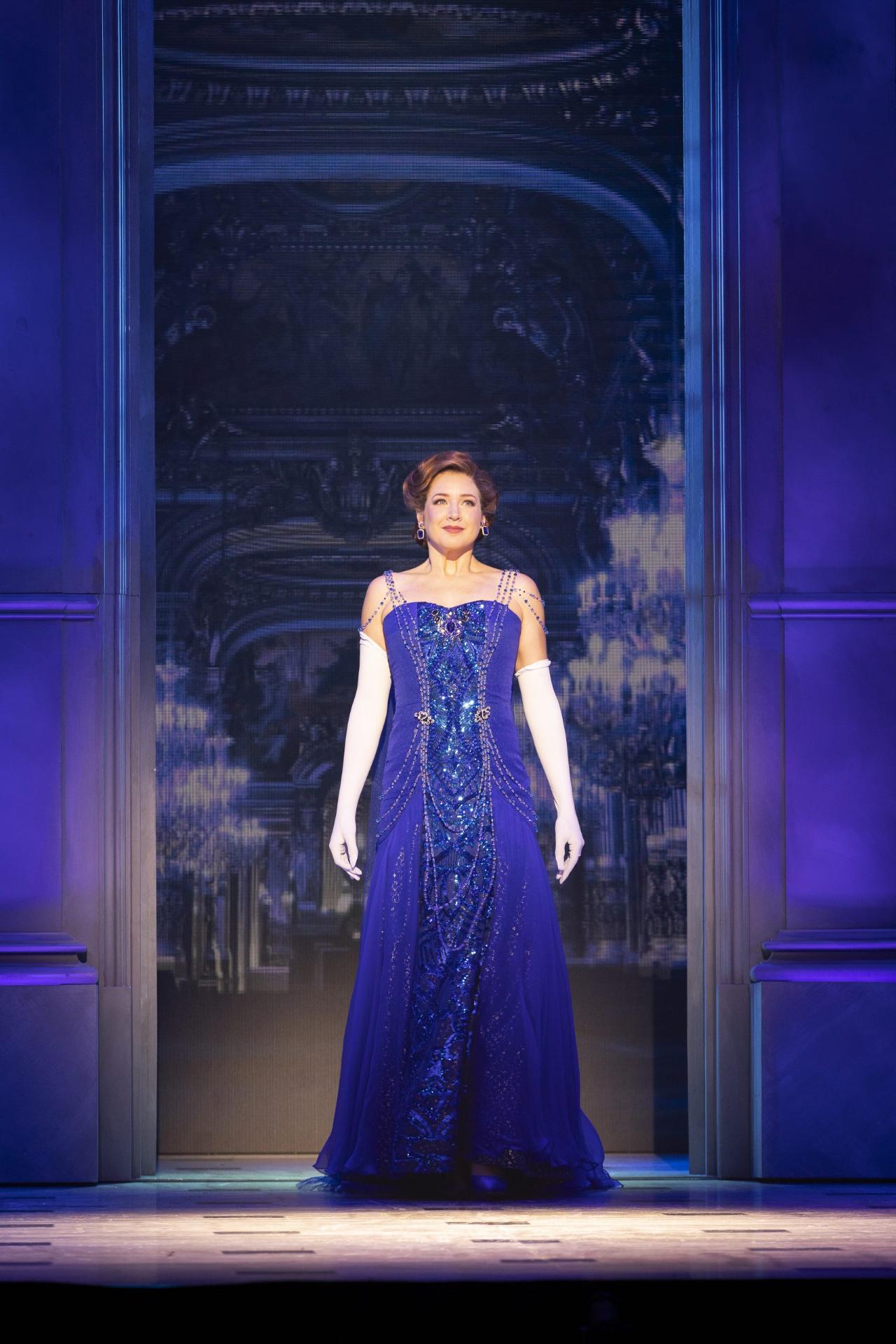
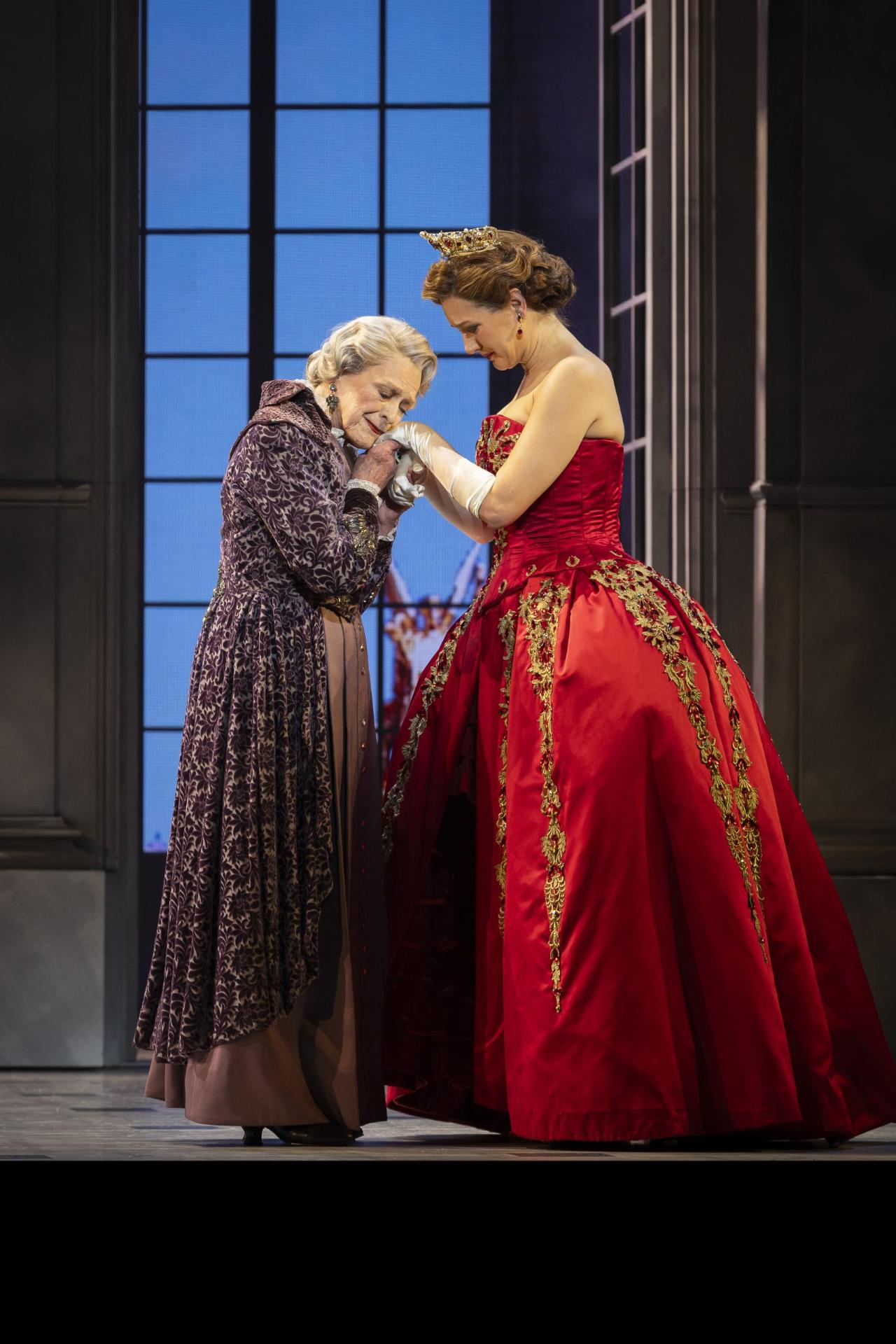
Paris, 1927. The Dowager Empress Romanov languishes in aristocratic exile, her imperial dreams finally extinguished after decades of yearning for a granddaughter presumed lost to the Bolshevik firing squads. When a young woman emerges from revolutionary Russia claiming—perhaps mendaciously, perhaps miraculously—to be the sole surviving heir of the defunct dynasty, the stage is set for a reckoning that is as much psychological as political.

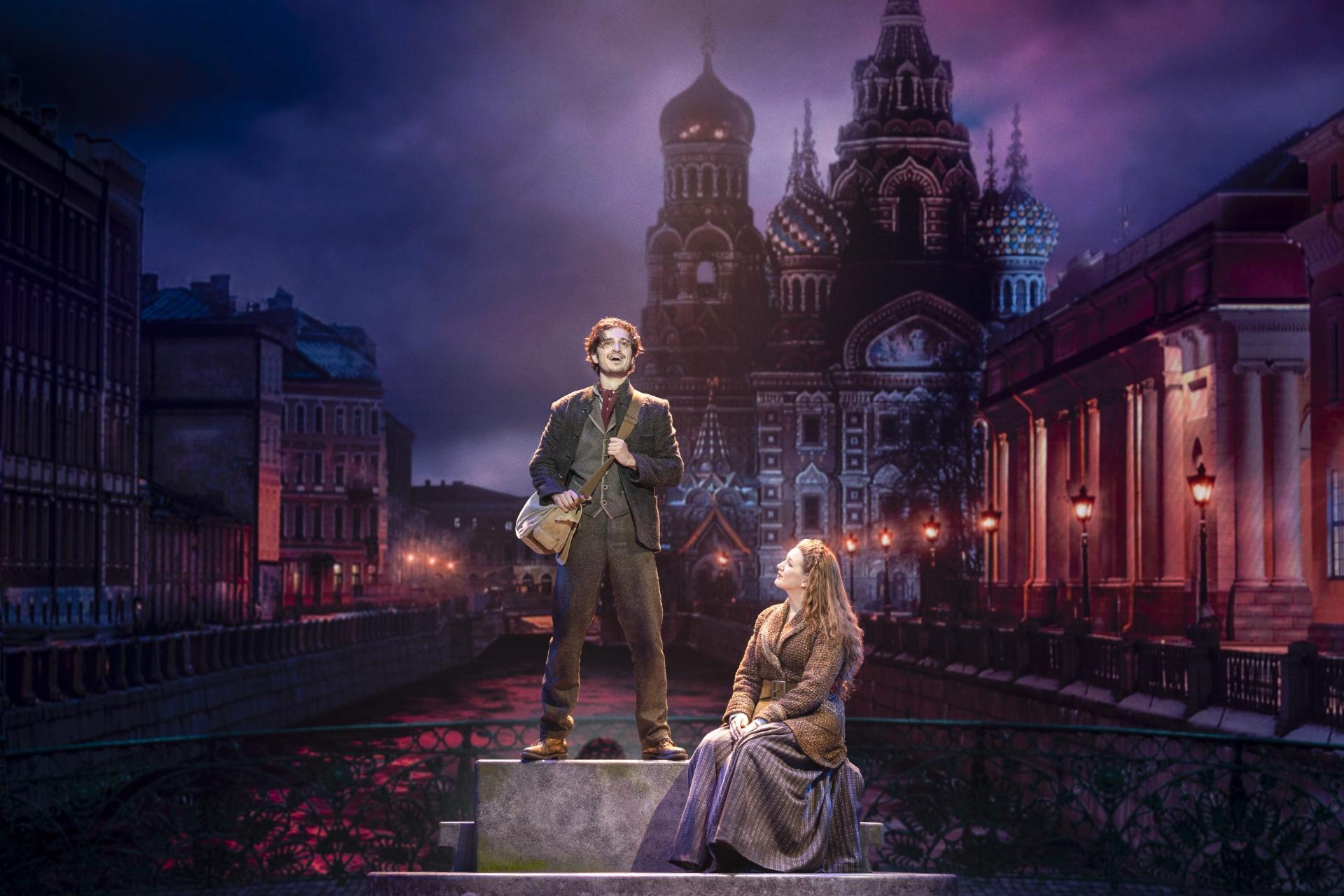
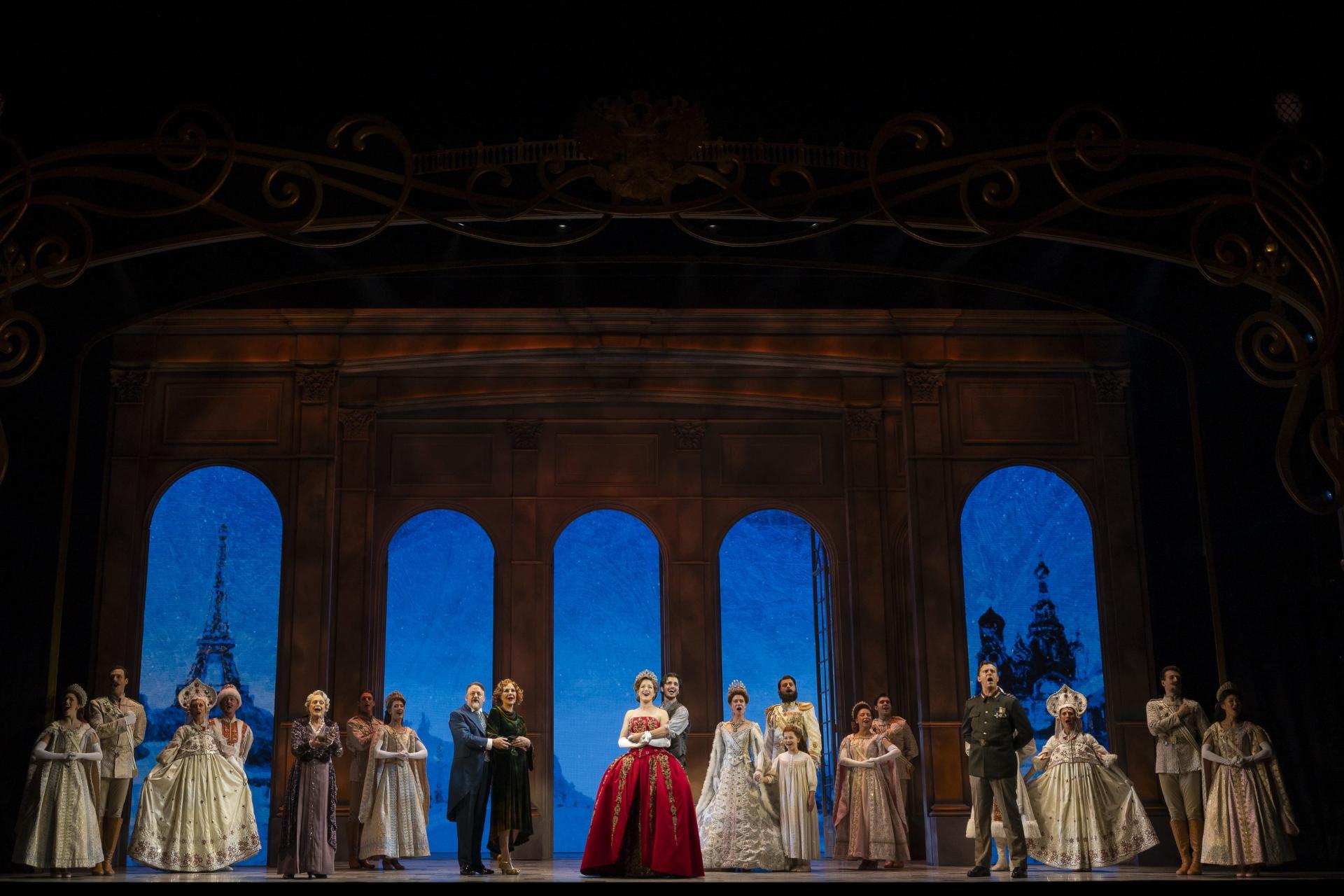
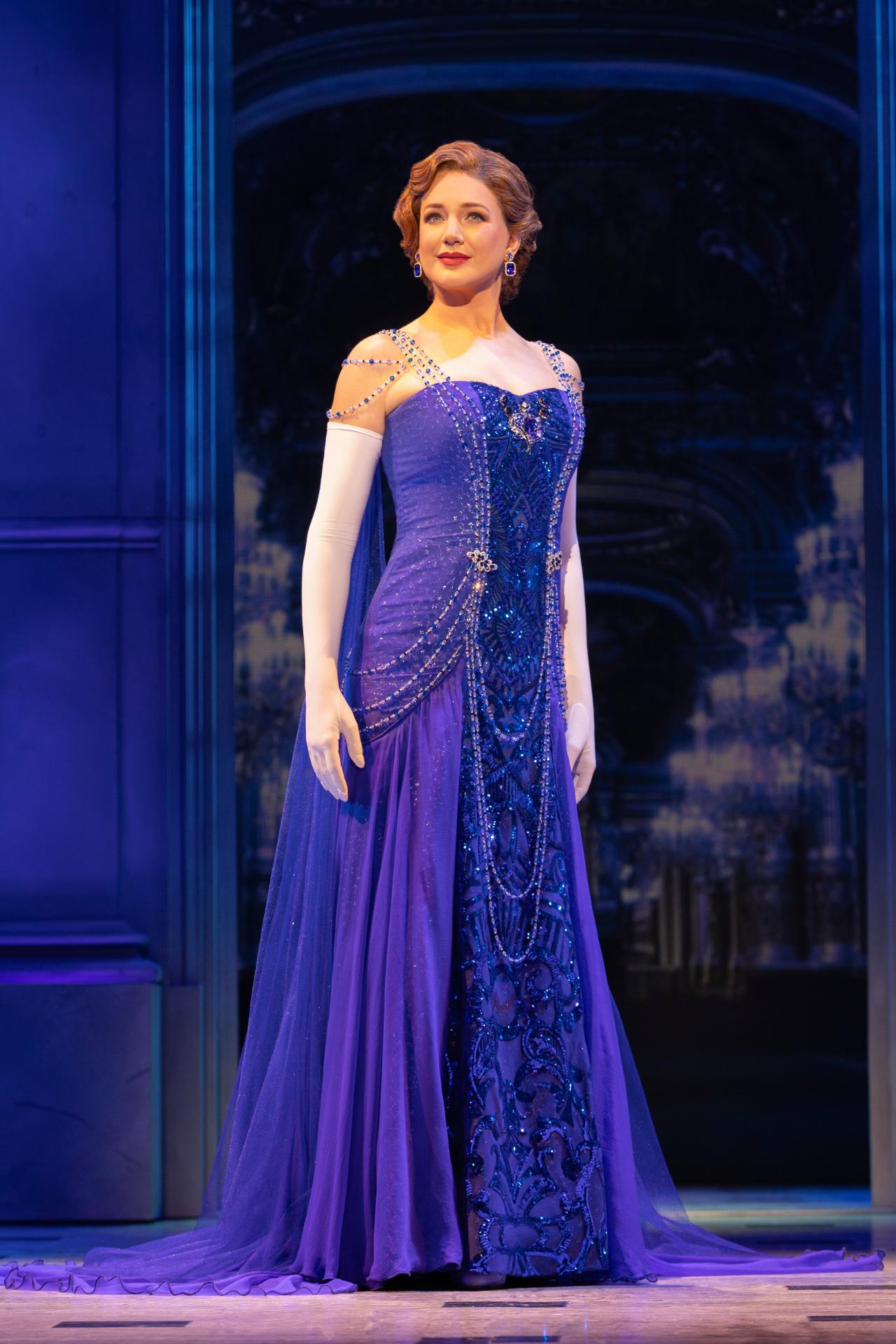
Anastasia, the 2016 Broadway confection adapted from its animated predecessor, arrives freighted with expectations of cloying sentimentality—the inevitable collision of cartoon whimsy and theatrical spectacle. Yet under Darko Tresnjak’s discerning direction, with a book by the late Terrence McNally, the production confounds such prejudices. Stephen Flaherty and Lynn Ahrens’s score may hew to the melodic conventions of the Great White Way, eschewing avant-garde experimentation for accessible romanticism, but the storytelling itself exhibits a gratifying intellectual seriousness. Alexander Dodge’s sumptuous set design and Aaron Rhyme’s innovative video projections satisfy the visual appetites of contemporary audiences, yet the narrative never panders, never traffics in theatrical sleight-of-hand to manipulate easy emotions. The result is a work of genuine dramatic substance artfully disguised as frivolous entertainment—subversion through sophistication.

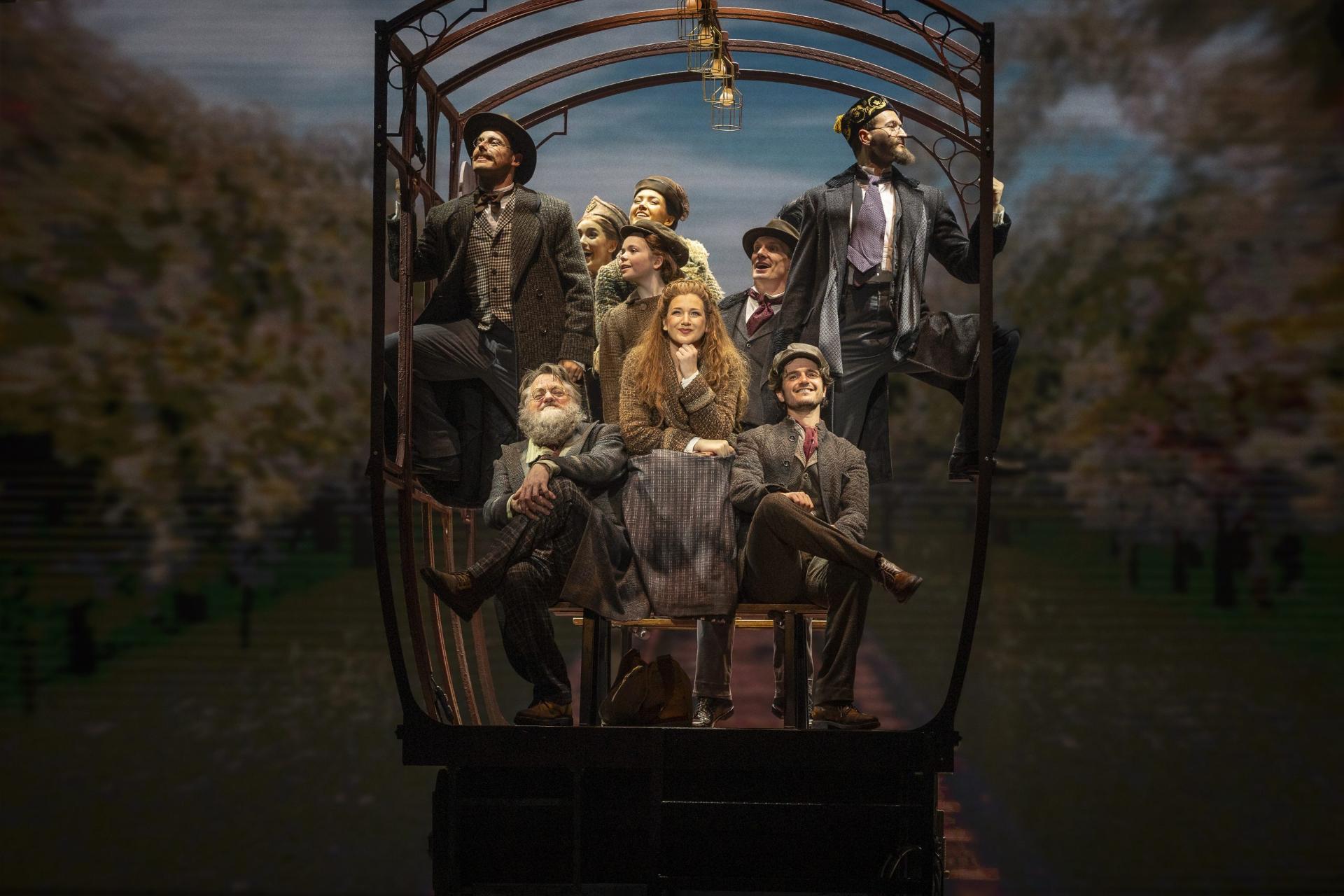
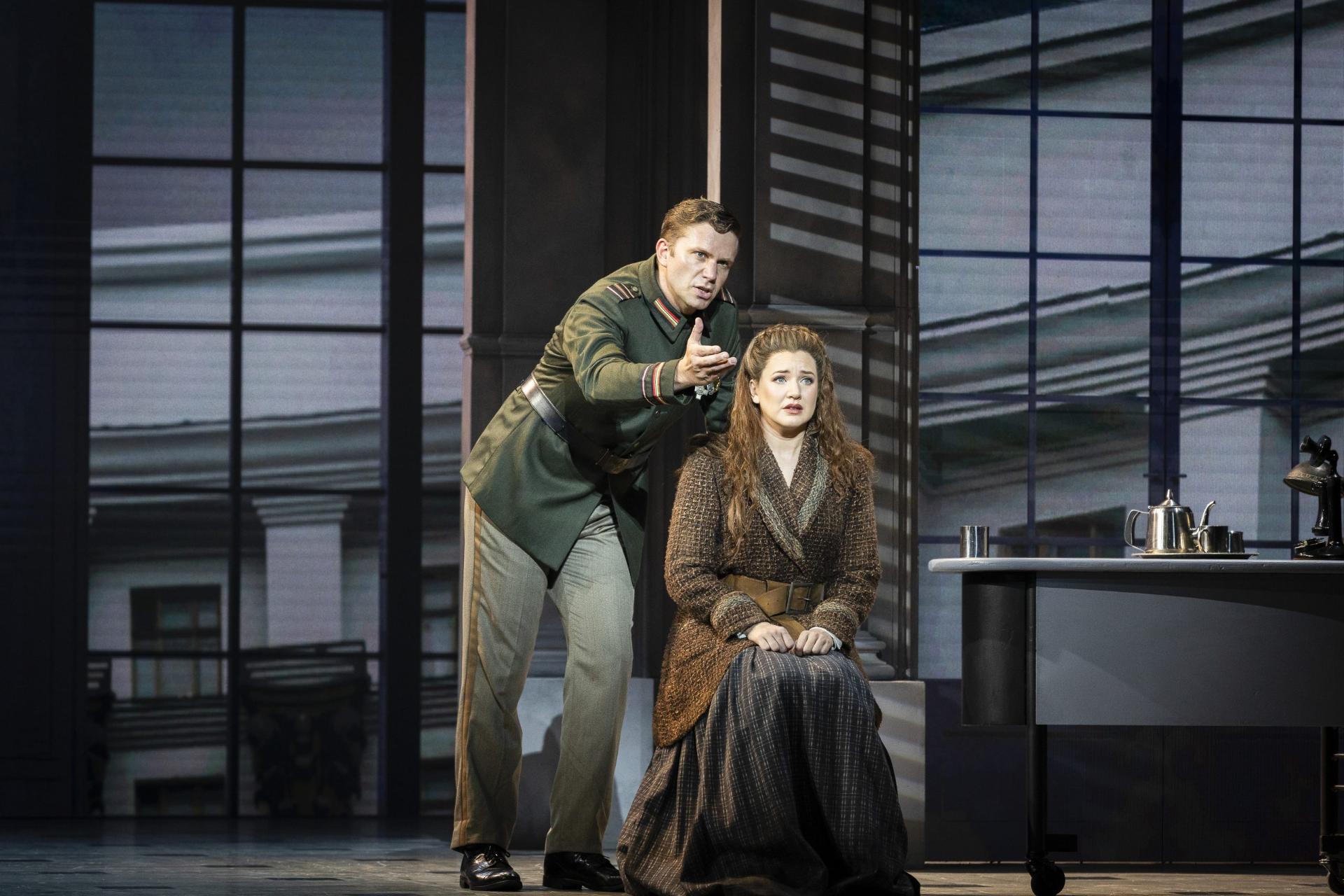
This Australian mounting further distinguishes itself through an exemplary ensemble. Georgina Hopson, in the title role, delivers vocal performances of crystalline precision while suffusing her characterization with a soulful gravity that compels genuine emotional investment rather than passive spectatorship. As her suitor and conspirator Dmitry, Robert Tripolino combines rakish charm with choreographic crispness, rendering the role with charismatic authority. Particularly compelling is Joshua Robson’s Gleb, the Bolshevik antagonist; his portrayal plumbs unexpected emotional depths, transforming what might have been mere villainy into a meditation on ideological fanaticism and human cost. The production’s aesthetic ambitions reach their apotheosis in a second-act interpolation of Swan Lake, performed with breathtaking technical prowess by Sophia Bae, Davis Giotopoulos Moore, and Keian Langdon—a sequence that temporarily suspends the narrative to achieve something approaching pure visual poetry.

The production’s ultimate triumph lies in its implicit rebuke to the condescension that permeates so-called “family entertainment.” Where creators routinely infantilize their audiences and shield younger viewers from life’s harsher truths, Anastasia proceeds from the radical premise that children—and adults—possess the capacity to apprehend darkness, loss, and historical trauma. The postponement of such reckonings serves neither art nor audience; rather, it produces cultural artifacts that mistake triviality for accessibility. In refusing this calculus, Anastasia achieves what the best popular art has always aspired to: the transformation of painful history into transcendent beauty, without sacrificing either truth or wonder.

www.anastasiathemusical.com.au

Review: A Transgender Woman On The Internet, Crying (Old Fitz Theatre)

Venue: Old Fitzroy Theatre (Woolloomooloo NSW), Mar 26 – Apr 11, 2026
Book, Music & Lyrics: Cassie Hamilton
Director: Jean Tong
Cast: Blake Appelqvist, Cassie Hamilton, Rosie Rai, Teo Vergara
Images by Brett Boardman

Theatre review
A Transgender Woman on the Internet, Crying by Cassie Hamilton is a work of considerable ambition: a musical that interrogates the fractious politics of contemporary trans identity with both intellectual rigor and genuine entertainment value. The narrative centres on Avis, a social media influencer whose transition to womanhood is conducted almost entirely through the counsel of her followers—an arrangement that strikes her would-be friend Corrin as not merely misguided but politically retrograde. Corrin’s overtures of friendship, we soon discover, are calculated; they intend to expose Avis and dismantle her influence. What emerges is a drama less about betrayal than about the impossible question of whether there exists, in Hamilton’s formulation, any “correct” mode of being trans.

Under Jean Tong’s direction, the production achieves that rare alchemy of the serious and the playful. The tone is urgent without being hectoring, consistently amusing yet never trivializing the stakes at hand. Lillian Hearne’s musical direction deploys electronica to construct what one might call a deceptively frothy soundscape—girl-pop textures that, upon closer listening, reveal considerable compositional sophistication. Dan Ham’s choreography pushes the performers to their limits, delivering bursts of energy while ensuring every movement remains flattering. Rachel Lee and Nick Moloney’s lighting design navigates the production’s numerous location shifts with efficiency, though one wishes for more granular calibration of emotional atmosphere. Ruby Jenkins’ set design leans toward the simple side but never feels insufficient.

Hamilton herself proves a formidable stage presence as Avis, negotiating an impressive emotional register with a nuance that compels genuine investment in her predicament. Her excellent singing voice is a genuine joy, only amplifying the appeal of her catchy songwriting. The compelling Blake Appelqvist brings necessary credibility to the challenging role of Corrin, and the chemistry between the two principals lends the production its persuasive force. In supporting roles, Rosie Rai and Teo Vergara deserve particular mention for their depiction of a gender-nonconforming community rendered with humour and, crucially, tenderness.

Women, cis and trans alike, have historically laboured under regimes of visibility that dictate permissible self-presentation, imposing unreasonable requirements and unattainable ideals. There always exist however, those who refuse such mandates, who proliferate alternative definitions of being, who continually expand the circumference of what womanhood, and indeed gender itself, might signify.

There is no question that gender remains a system of control, and though few of us can claim to have fully evaded its grip, there are countless ways to twist and subvert its rules, even to the point of exposing their meaninglessness. Conversely, those rules can certainly be followed strictly—so long as those who choose to adhere, learn to accept that others will find their own ways, of being human.

www.oldfitztheatre.com.au | www.instagram.com/atwotic

Review: Fair Play (Old Fitz Theatre)

Venue: Old Fitzroy Theatre (Woolloomooloo NSW), Mar 6 – 21, 2026
Playwright: Ella Road
Director: Emma Whitehead
Cast: Rachel Crossan, Elodie Westhoff
Images by Robert Miniter

Theatre review
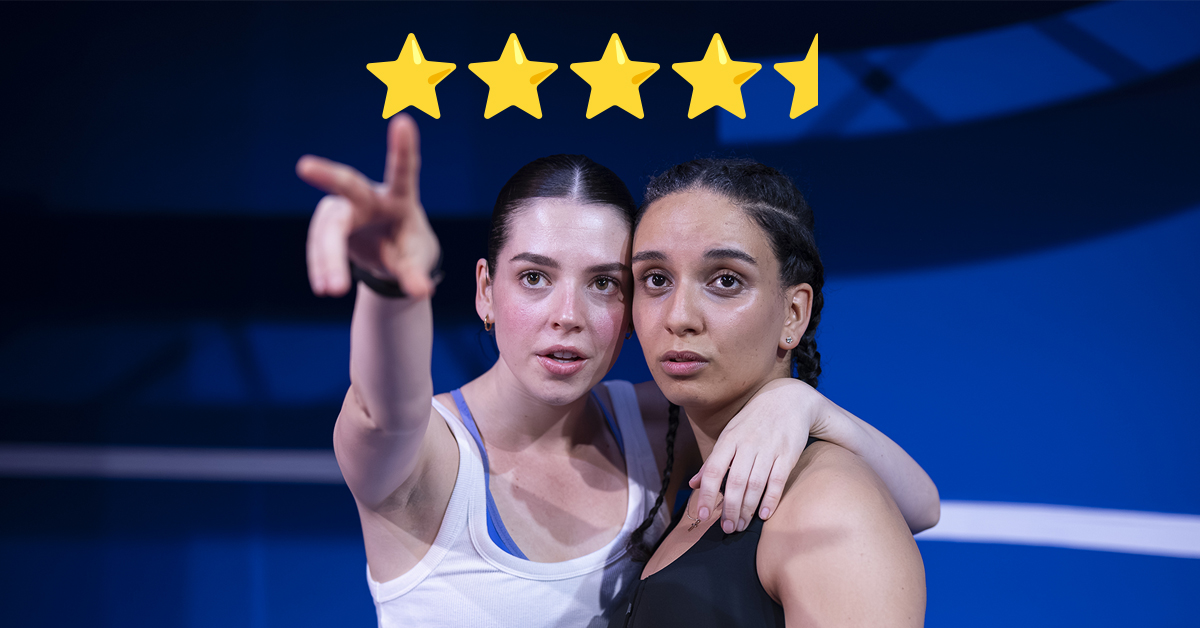
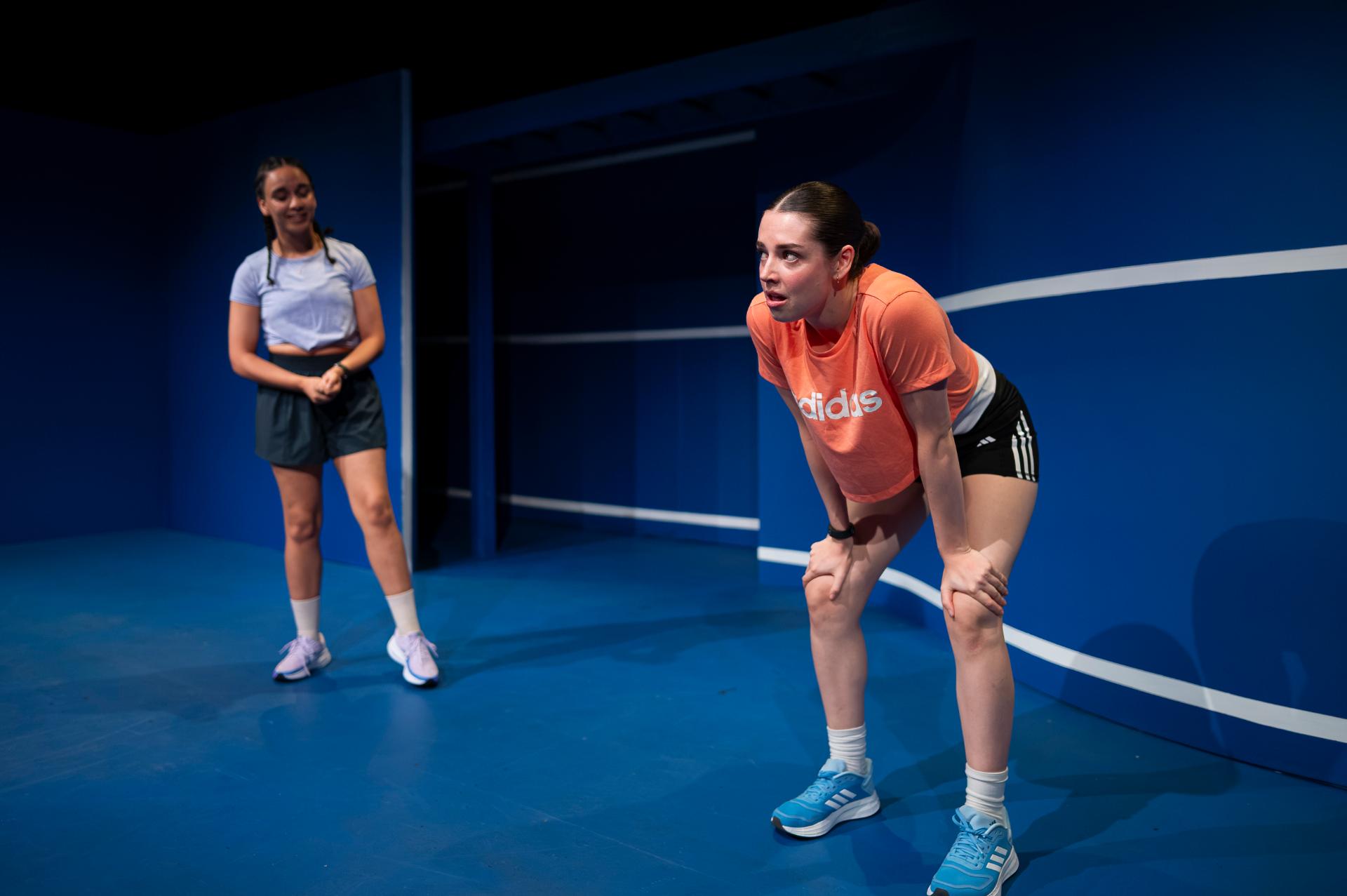
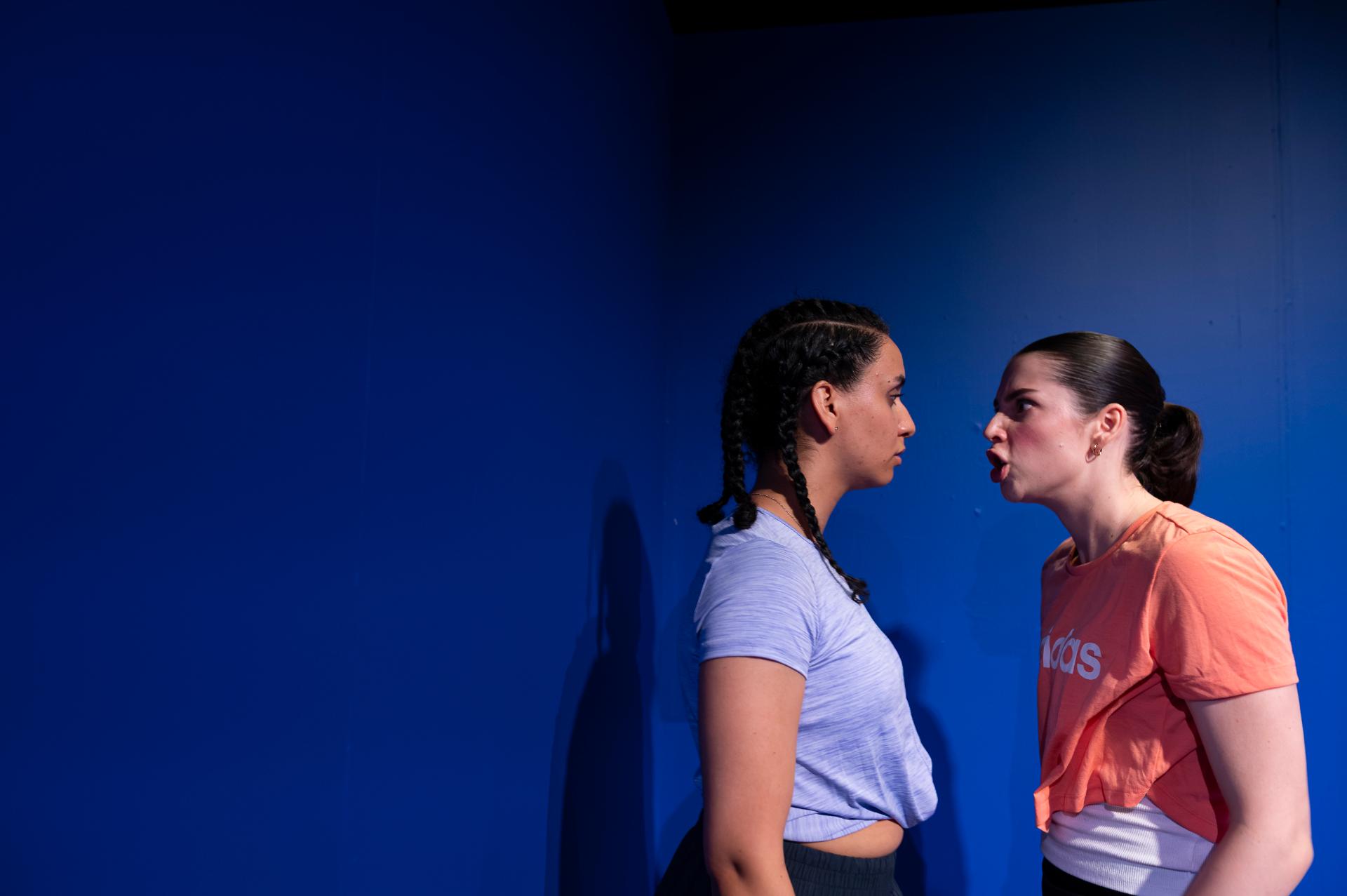
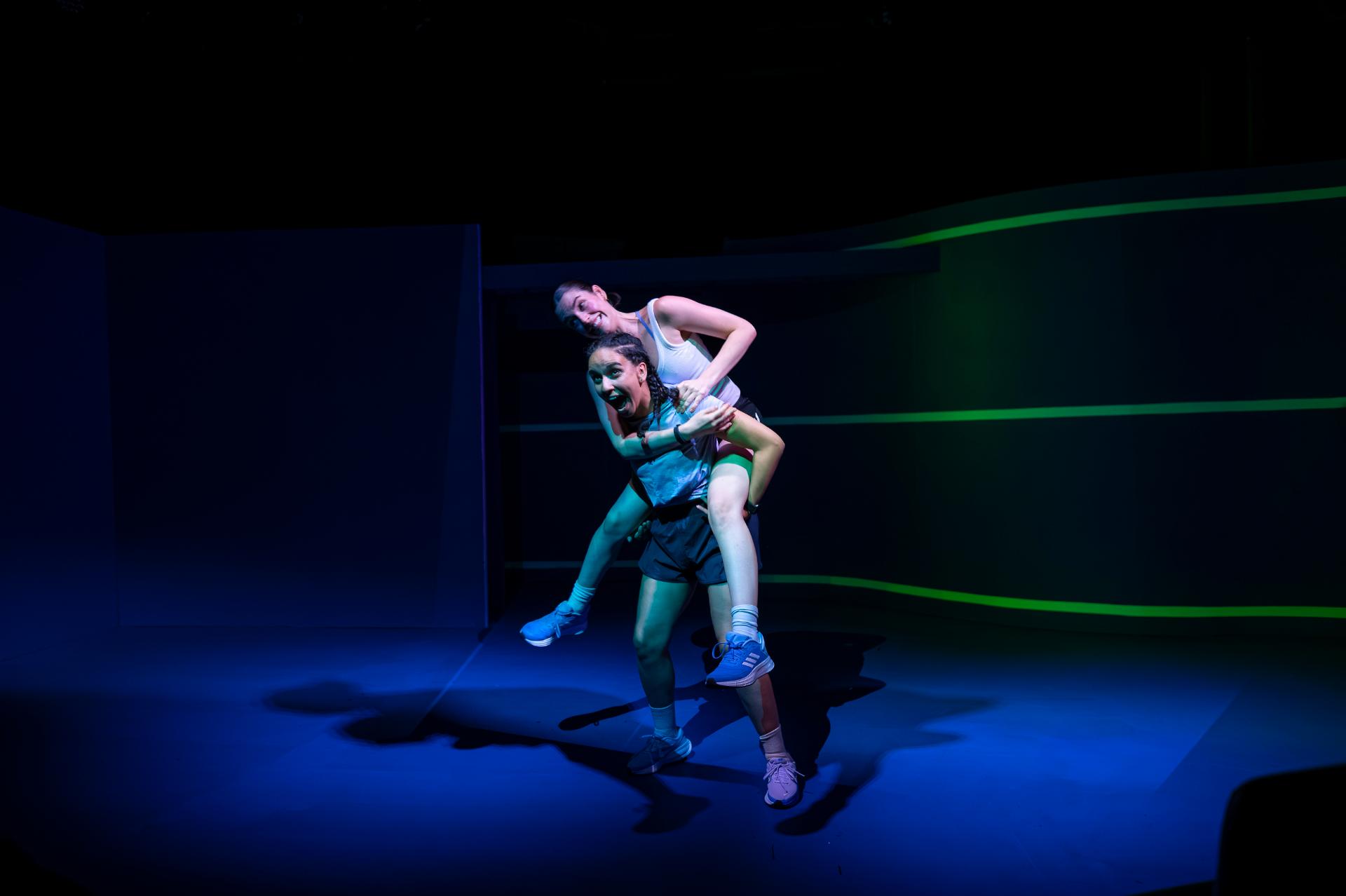
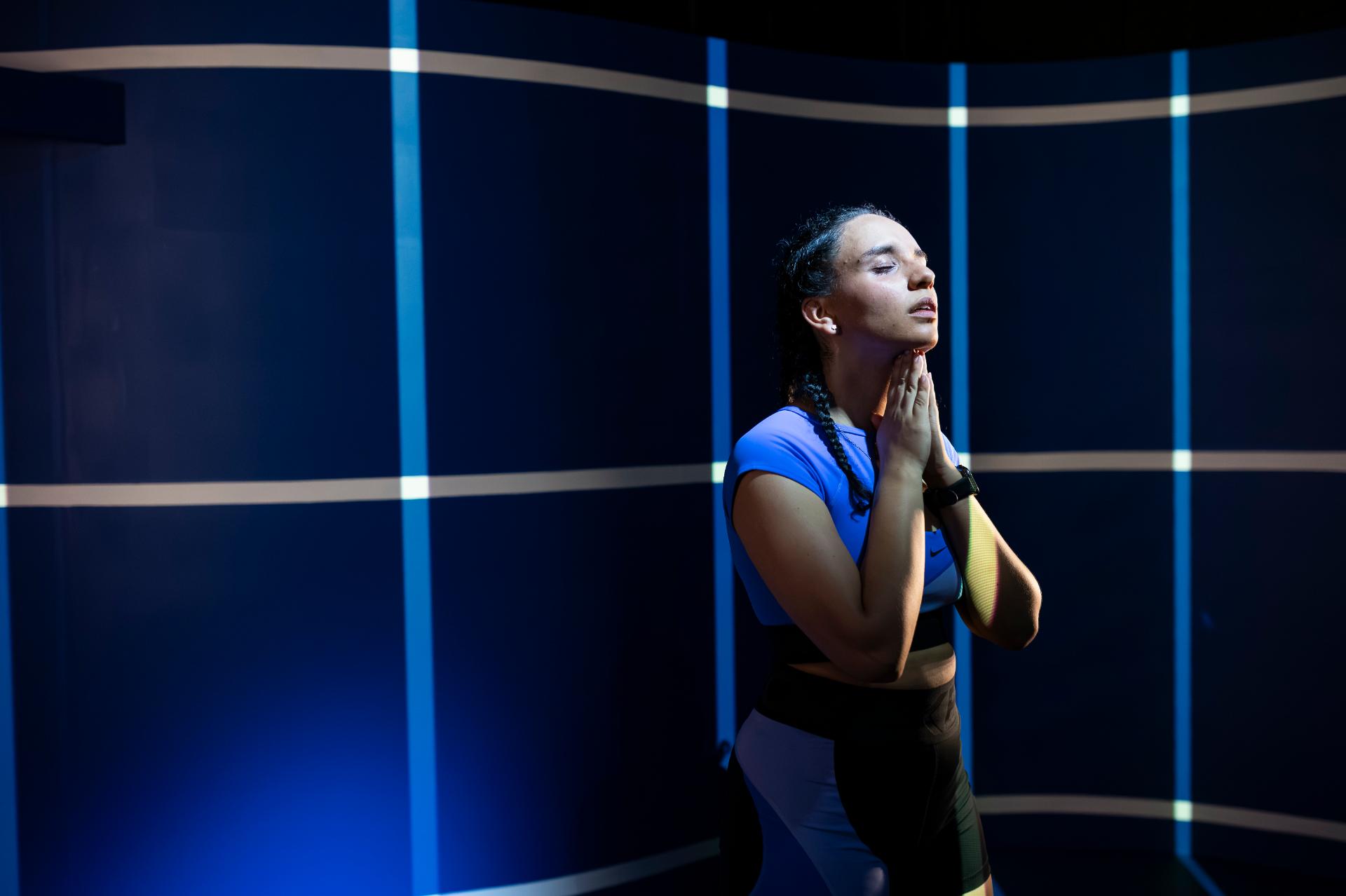
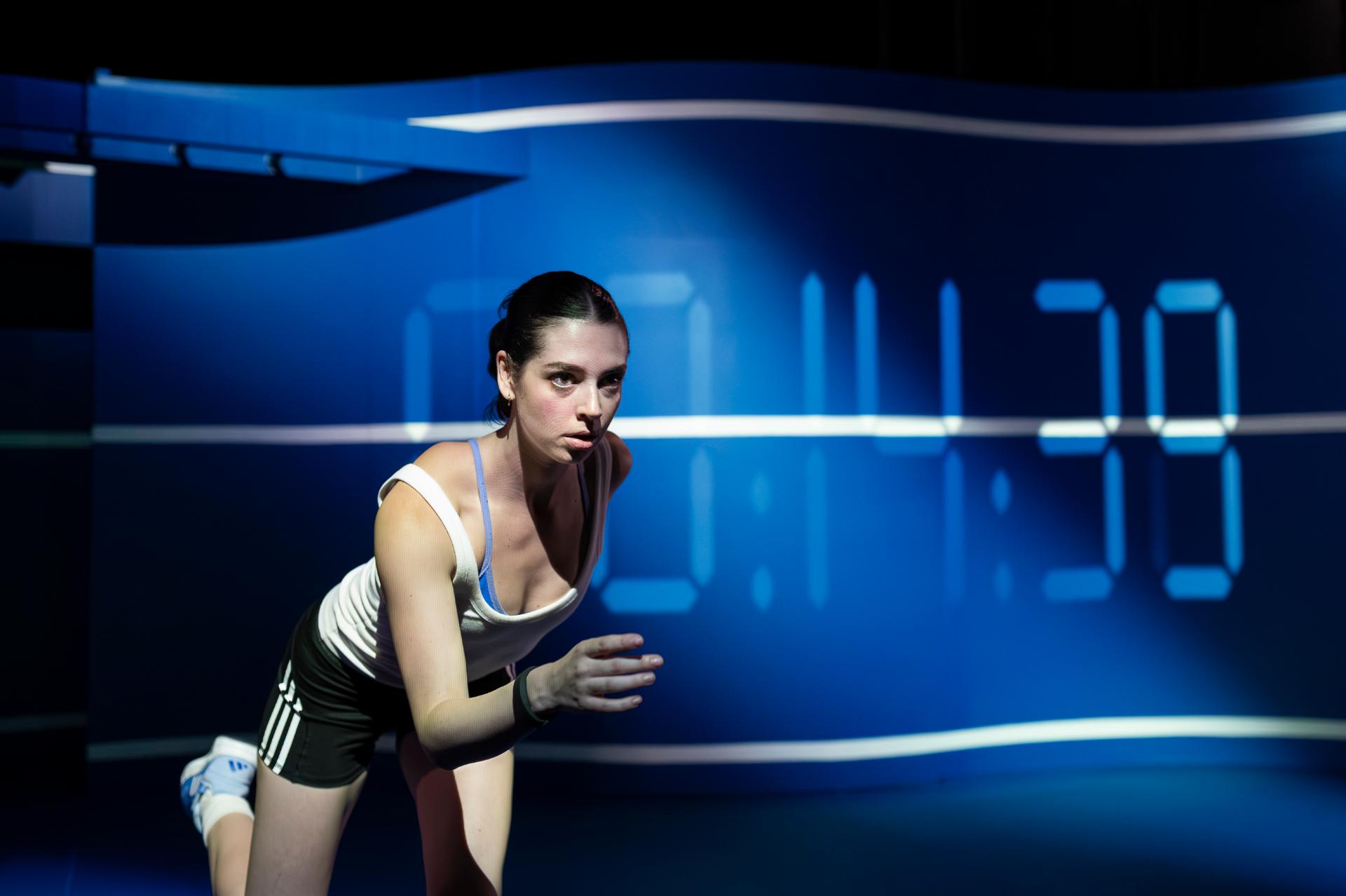
Ann and Sophie first cross paths as teenage athletes, both chasing the same shimmering horizon: Olympic glory in the 800 metres. What begins as parallel ambition gradually intertwines into something deeper—a bond that seems impervious to fracture. Yet Fair Play, Ella Road’s penetrating drama, understands that the most devastating ruptures often arrive disguised as inevitability. When crisis finally strikes, it exposes not merely personal betrayal but the insidious architecture of a system that routinely engineers competition among women, transforming potential solidarity into corrosive envy.

Road’s early scenes occasionally risk the prosaic, relying perhaps too heavily on the familiar rhythms of sporting narratives and adolescent camaraderie. Yet this mundanity proves deliberate—a foundation upon which the later moral complexity acquires its full, disquieting force. When the narrative pivots, it does so with devastating precision, compelling us to confront one of contemporary society’s most fraught ethical battlegrounds. The play ultimately rewards patience with a meditation of considerable sophistication, as it interrogates the conditions that conspire to pit women against one another.

Emma Whitehead’s direction (along with exciting choreography by Cassidy McDermott Smith) imparts a vital buoyancy to the staging, evoking with precision the vigour of youth—that particular alchemy of velocity and infinite horizon that defines adolescence at its most hopeful. They render visible the girls’ intimacy not through declaration but through accumulated detail: the shared language of glances, the physical fluency of bodies in syncopated motion, the unspoken covenant of ambition mutually held.  When the narrative’s rupture finally arrives, Whitehead navigates the transition with remarkable adroitness, modulating seamlessly into an atmosphere of sombre gravity, to honour the weight of the social terrain now under examination, treating the play’s emergent concerns with the deliberation they demand.
 
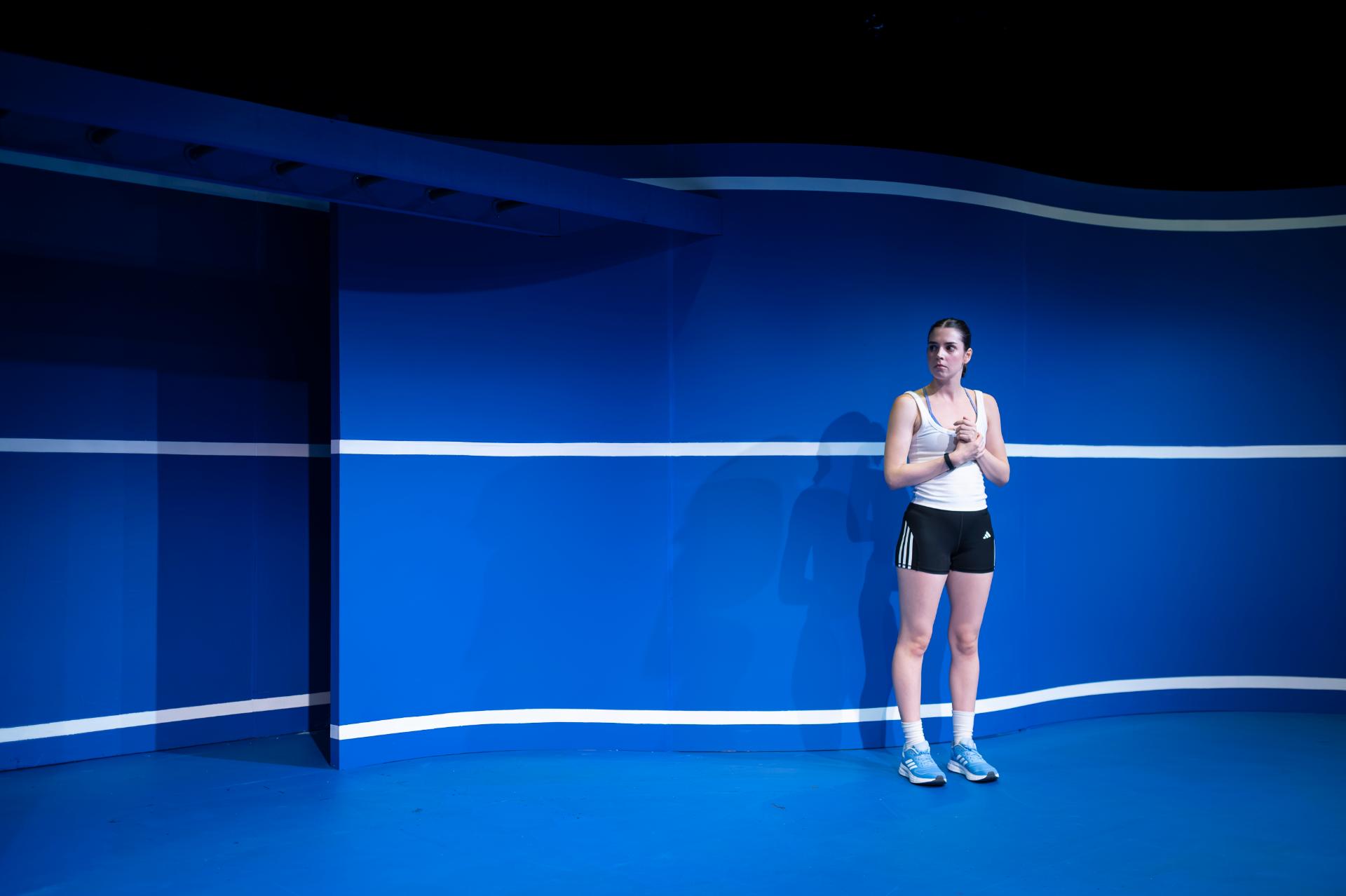
Design elements cohere with admirable precision, conjuring a kinetic vocabulary that renders the athletic milieu not merely as backdrop but as embodied philosophy. Kate Beere’s set operates on dual registers: the literal, with its tactile evocation of racing tracks as arenas of corporeal sacrifice; and the symbolic, its organic curves suggesting femininity itself as sites to be navigated, contested, inscribed upon. EJ Zielinski’s lighting and Aron Murray’s video projections interweave with the sonic architecture of Mitchell Brown and Osibi Akerejola to forge a taut, propulsive rhythm, to hold us in sustained anticipation.
 
Actors Rachel Crossan and Elodie Westhoff distinguish themselves not merely through individual proficiency, but also through the sublime chemistry they generate in concert. What proves most striking, however, is their navigation of the play’s political subtexts. They communicate the covert economies of female friendship—the unspoken negotiations, the micro-calibrations of power—with the same fluency they bring to more explicit ideological content. The result is a performance that operates on multiple frequencies simultaneously: the immediate human drama and its broader sociological implications, the personal and the structural, held in productive tension.


(Spoilers ahead.)
The revelation of Ann’s PAIS or Partial Androgen Insensitivity Syndrome marks the play’s foremost intentions—what begins as narrative twist crystallises into urgent ethical inquiry. Fair Play thus positions itself at the volatile intersection of contemporary sporting discourse and broader debates surrounding sex, gender, and bodily autonomy. Road declines the comfort of easy resolution; no tidy settlement is proffered, no ideological position fully vindicated. Instead, the play achieves something more valuable: it carefully charts exactly how injustice operates, in all its complexity.

We encounter sporting authorities obsessively preoccupied with demarcating the boundaries of sex and gender, yet demonstrably incapable of furnishing coherent definitions for the very categories they police. Trans and intersex athletes thus find themselves suspended in a state of administrative limbo, condemned to navigate systems that simultaneously demand their classification and deny their intelligibility. Their innocent bodies become the terrain upon which ideological warfare is waged, and Fair Play recognises that none of it is genuine ethical concern but ritualised purification, a periodic expulsion of those who threaten the fantasy of binary certainty upon which so much of our mythology depends. The cruelty is systemic, the uncertainty weaponised, the suffering rendered as collateral damage in a conflict that purports to be about protection, while actually securing older hierarchies of tyrannical exclusion.


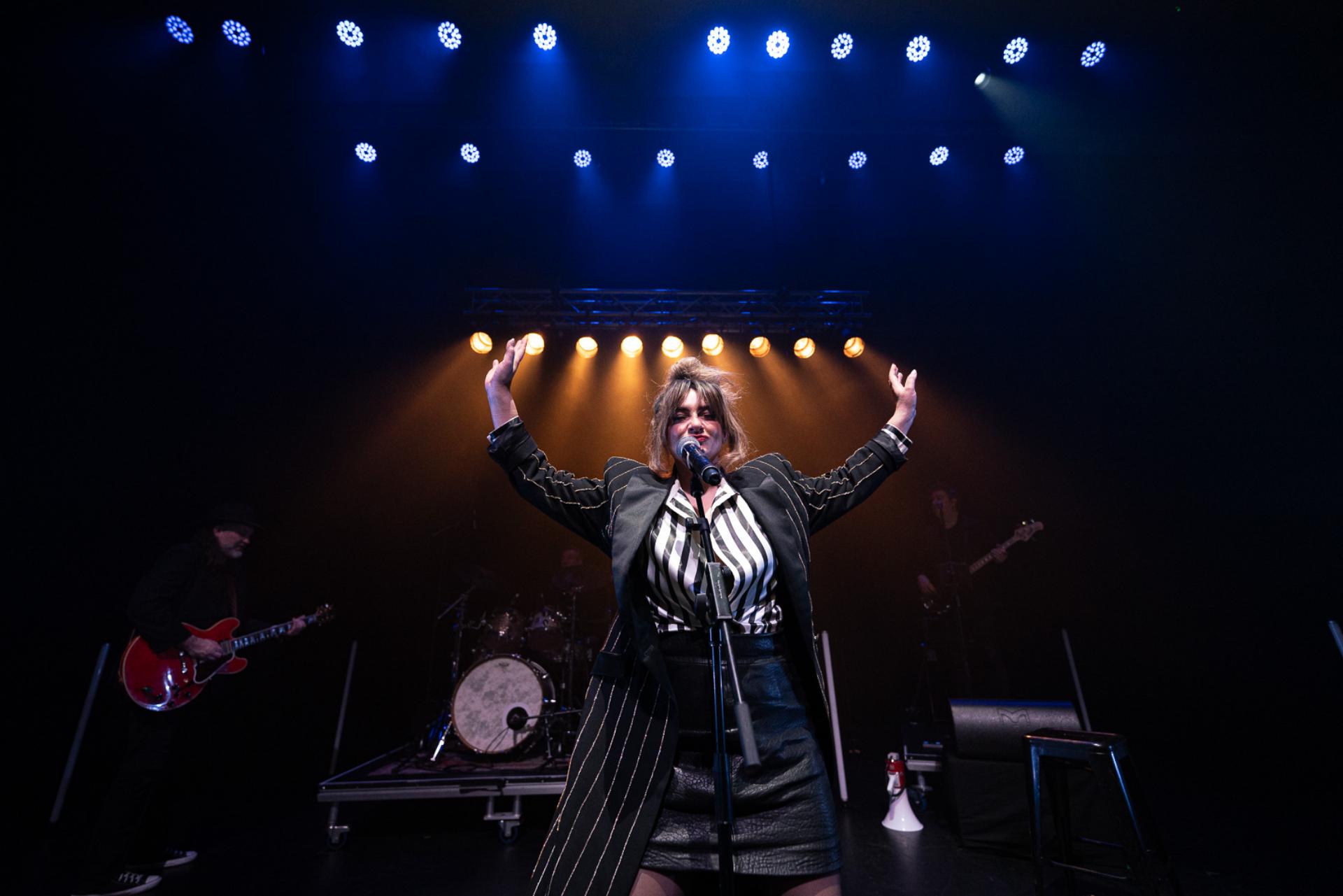
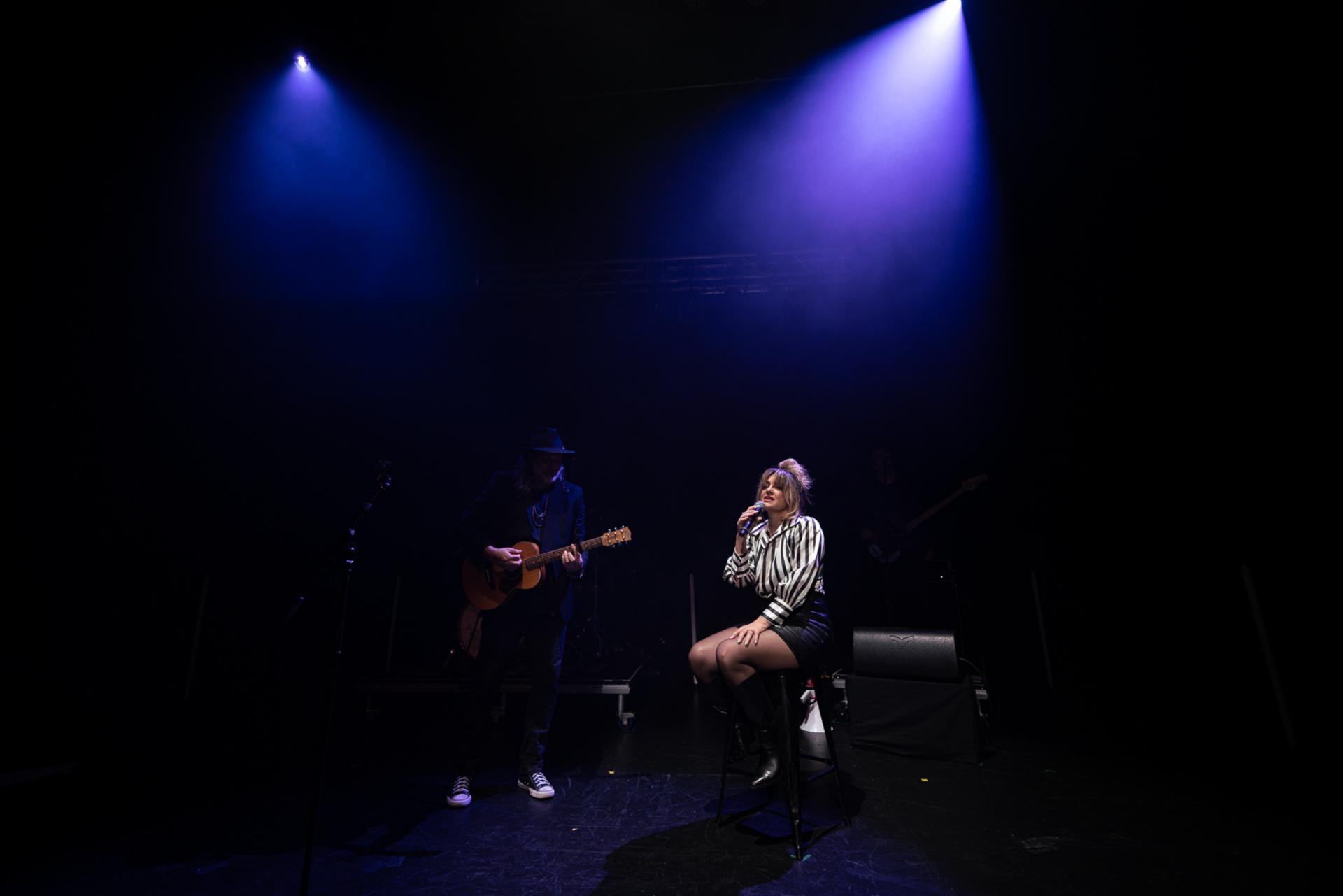
Review: Amplified (Belvoir St Theatre)

Venue: Belvoir St Theatre (Surry Hills NSW), Jan 29 – Feb 8, 2026
Playwright: Sheridan Harbridge
Director: Sarah Goodes
Cast: Sheridan Harbridge
Images by Jade Ellis

Theatre review
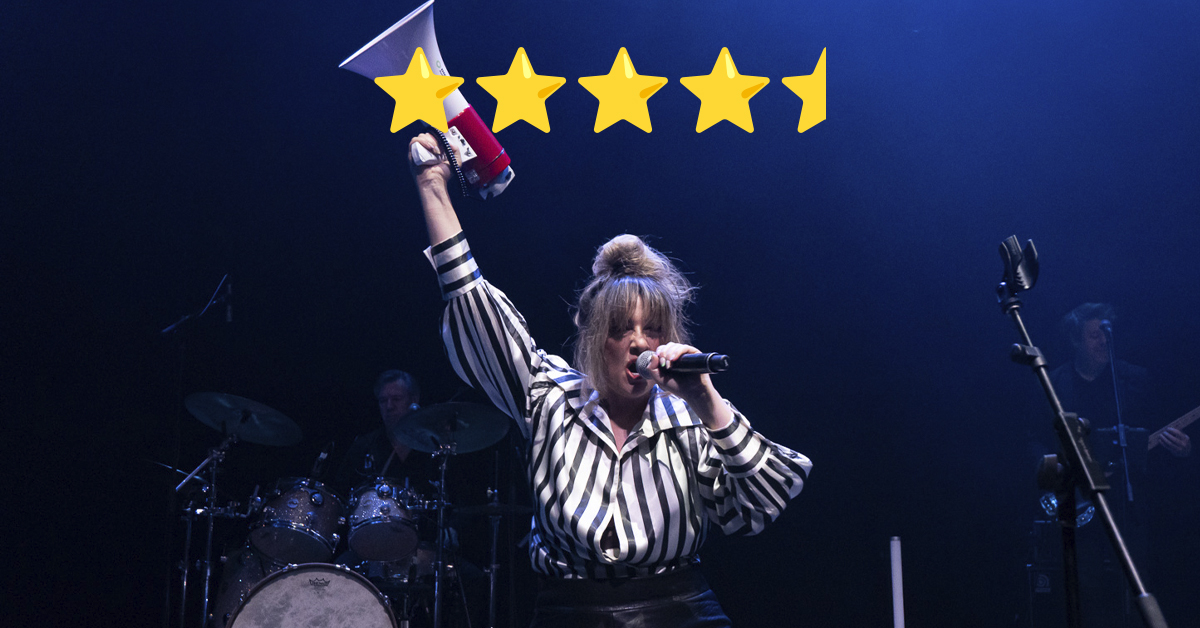
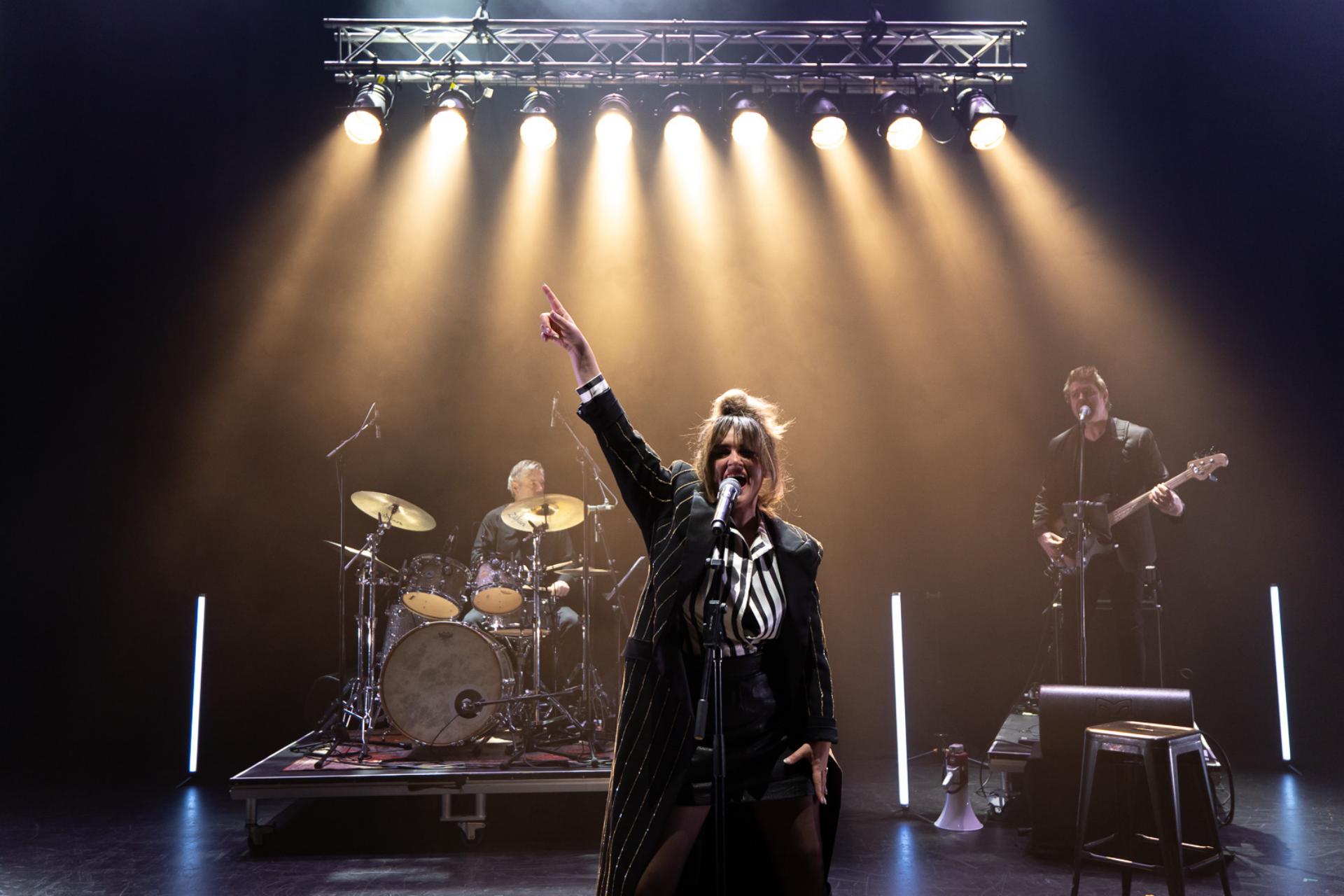
There have been few Australian women in the public eye whose rebelliousness has been openly celebrated, and Divinyls frontwoman Chrissy Amphlett remains the most indelible of them. Confrontational, anarchic and unapologetically wild, her on- and off-stage antics are rightly legendary, embodying a form of feminism that is still too easily dismissed as unpalatable. Amplified: The Exquisite Rock and Rage of Chrissy Amphlett, written by Sheridan Harbridge, insists that Amphlett be properly revered and memorialised. A biographical work woven through with many of the Divinyls’ greatest hits, Amplified is a tribute that is both accessible and surprising, effortlessly engaging while finding inventive ways to honour the life and legacy of a woman who refused convention at every turn. In Harbridge’s creation, we rediscover an Amphlett who continues to expose how little space Australia truly allows its women to misbehave.
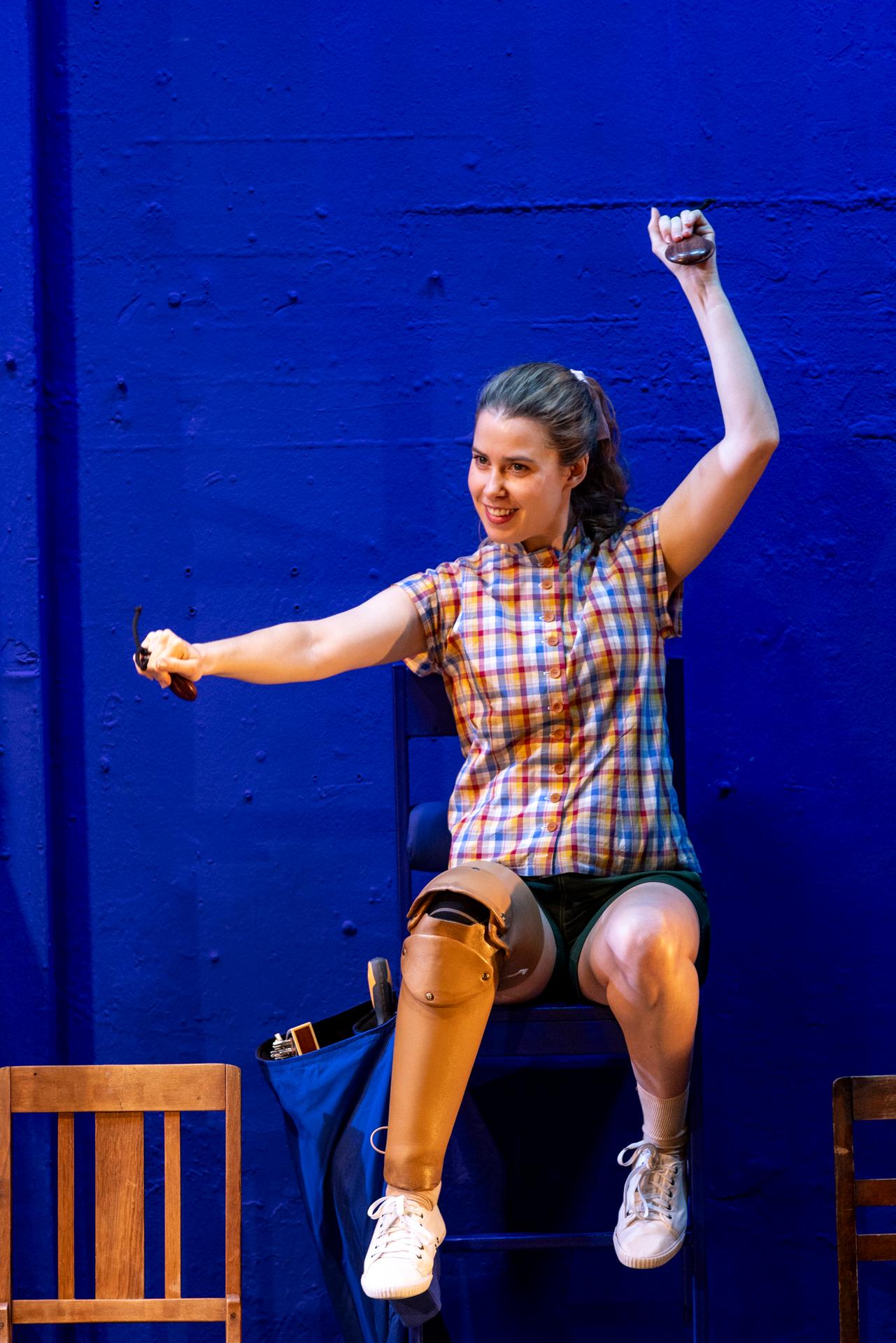
As performer, Harbridge is faultless, deftly balancing our desire for a theatrical invocation of the icon’s essence with the grounded authority of a narrator whose warmth and enthusiasm we willingly surrender to. Under Sarah Goodes’ direction, Harbridge is given the space to tell Amphlett’s life story in a manner that feels consistently truthful and intimate, rarely relying on mimicry or lapsing into cheap sentimentality. The result is a work of rare sincerity—anchored, generous, and emotionally exacting—that achieves what the finest art aspires to: opening our hearts to a story worth telling, and in doing so, nourishing in us something that is collective and enduring.

Glenn Moorhouse’s exacting musical direction ensures a seamless flow between commentary and song, one that feels instinctive, purposeful, and never forced. The four-piece band brings ferocious spirit to this Australian rock-and-roll story, suitably cacophonous and libidinous in its energy. In fitting dialogue with this post-punk aesthetic is Michael Hankin’s production design, which balances rawness with clarity, meeting the visual demands of a one-woman show while allowing it to feel assured and fully realised. Paul Jackson’s lighting is similarly evocative, casting the narrative in shifting, enigmatic tones and conjuring vivid echoes of Amphlett hitting her stride on stages both humble and monumental.

In an ideal world, women would be free to become whoever they choose and to behave however they wish, so long as no harm is done. In the world as it exists, however, it falls to those with access—however limited—to power to exert it in the service of redressing systems that remain transparently unjust and exploitative. Chrissy Amphlett had ample incentive to obey every rule of the music industry and of the society that shaped it; many of her peers did exactly that, and were rewarded with far greater wealth and security. Amphlett’s defiance—calculated and instinctive alike—endures however as a legacy that remains dangerous, necessary, and worth remembering. Women may learn obedience as a means of survival, but progress is never secured through compliance; it is forged by recognising moments for resistance and exploiting them, again and again, to fracture a status quo that depends on silence to endure.

www.belvoir.com.au | www.jacarandaproductions.com.au

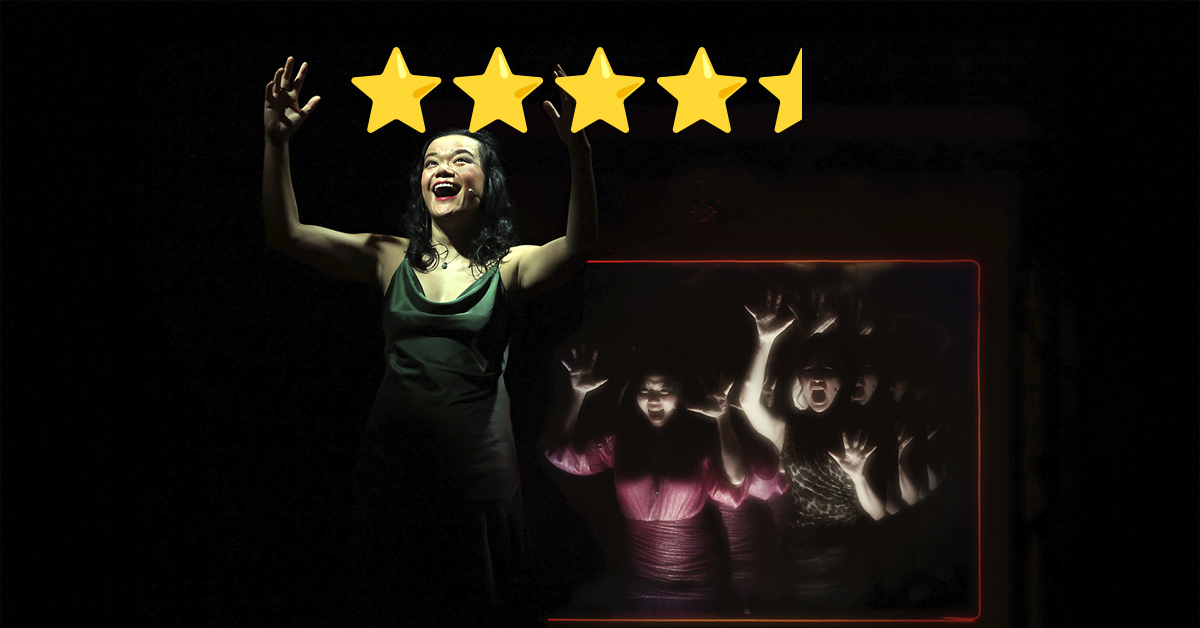
Review: Congratulations, Get Rich! 恭喜发财, 人日快乐 (Sydney Theatre Company)

Venue: Wharf 1 Sydney Theatre Company (Walsh Bay NSW), Nov 21 – Dec 14, 2025
Playwright: Merlynn Tong
Director: Courtney Stewart
Cast: Zac Boulton, Seong Hui Xuan, Merlynn Tong, Kimie Tsukakoshi 
Images by Prudence Upton

Theatre review
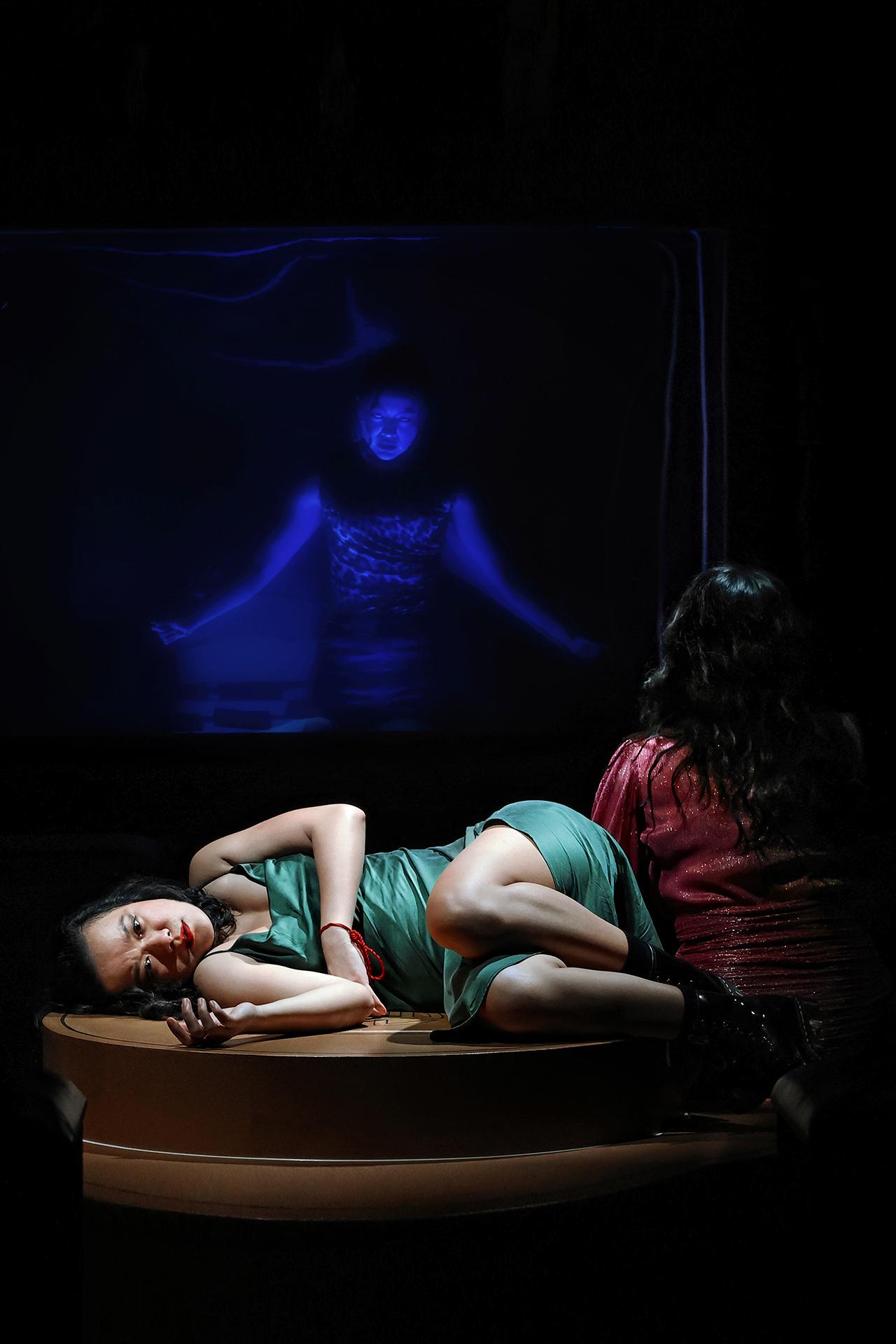
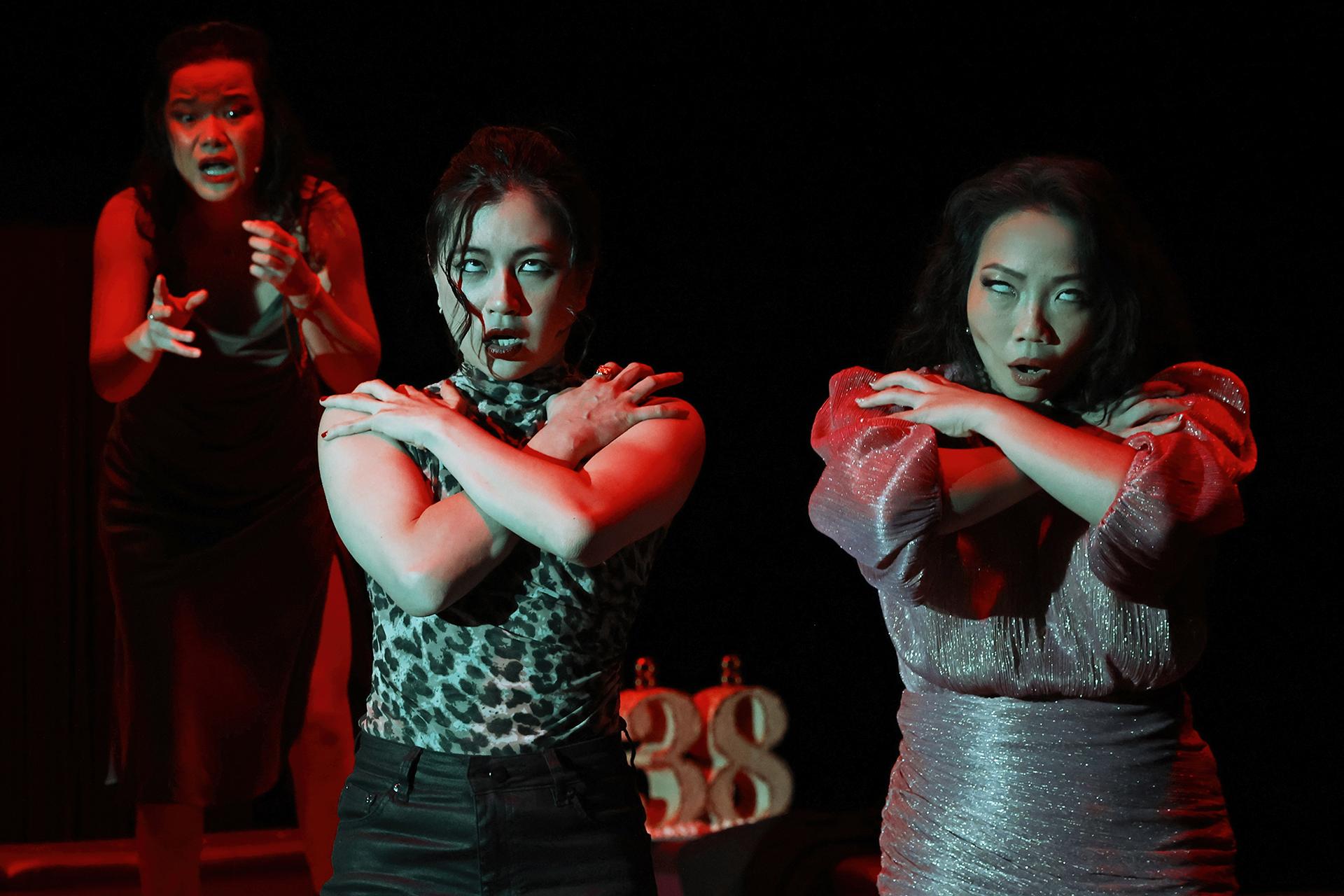
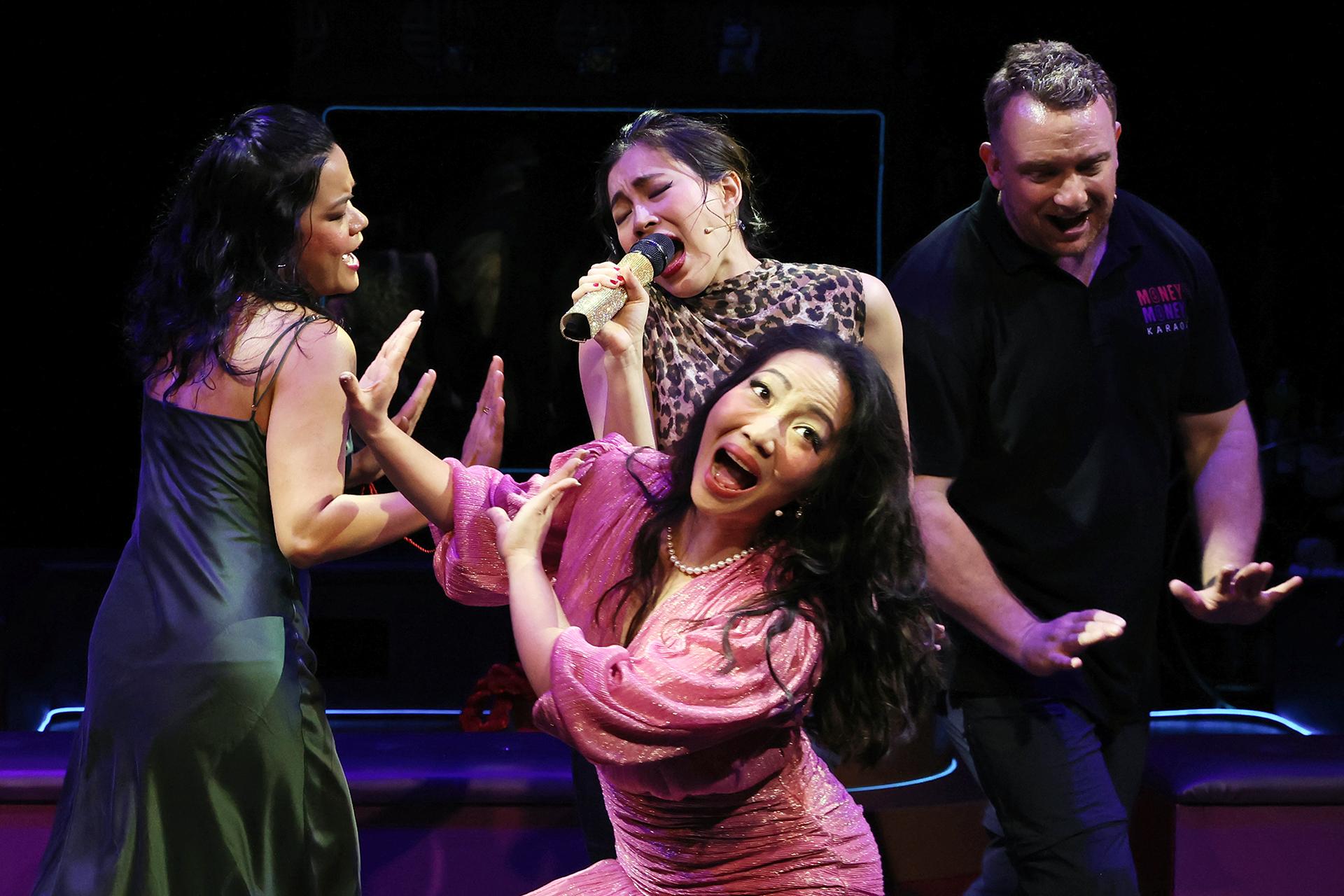
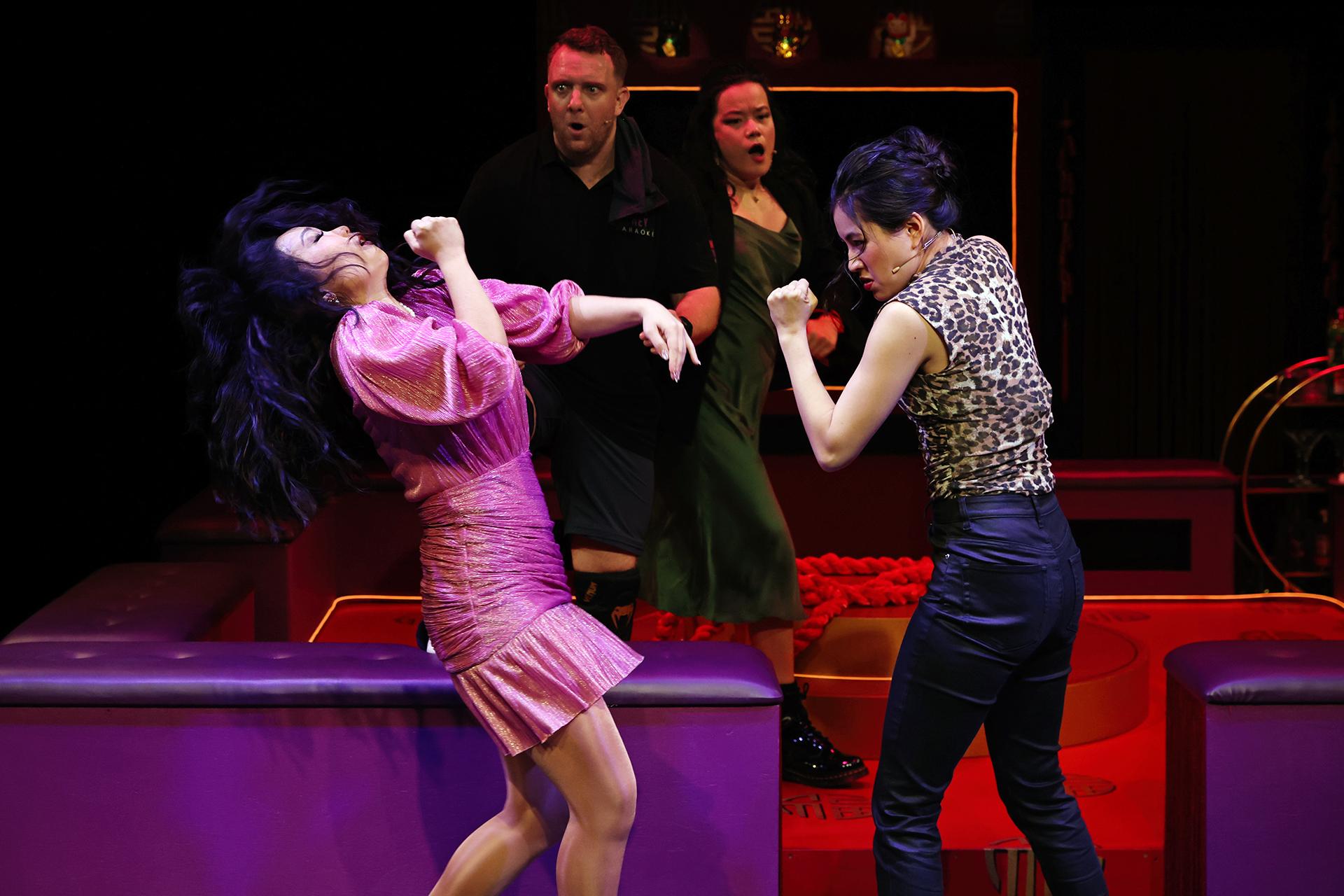
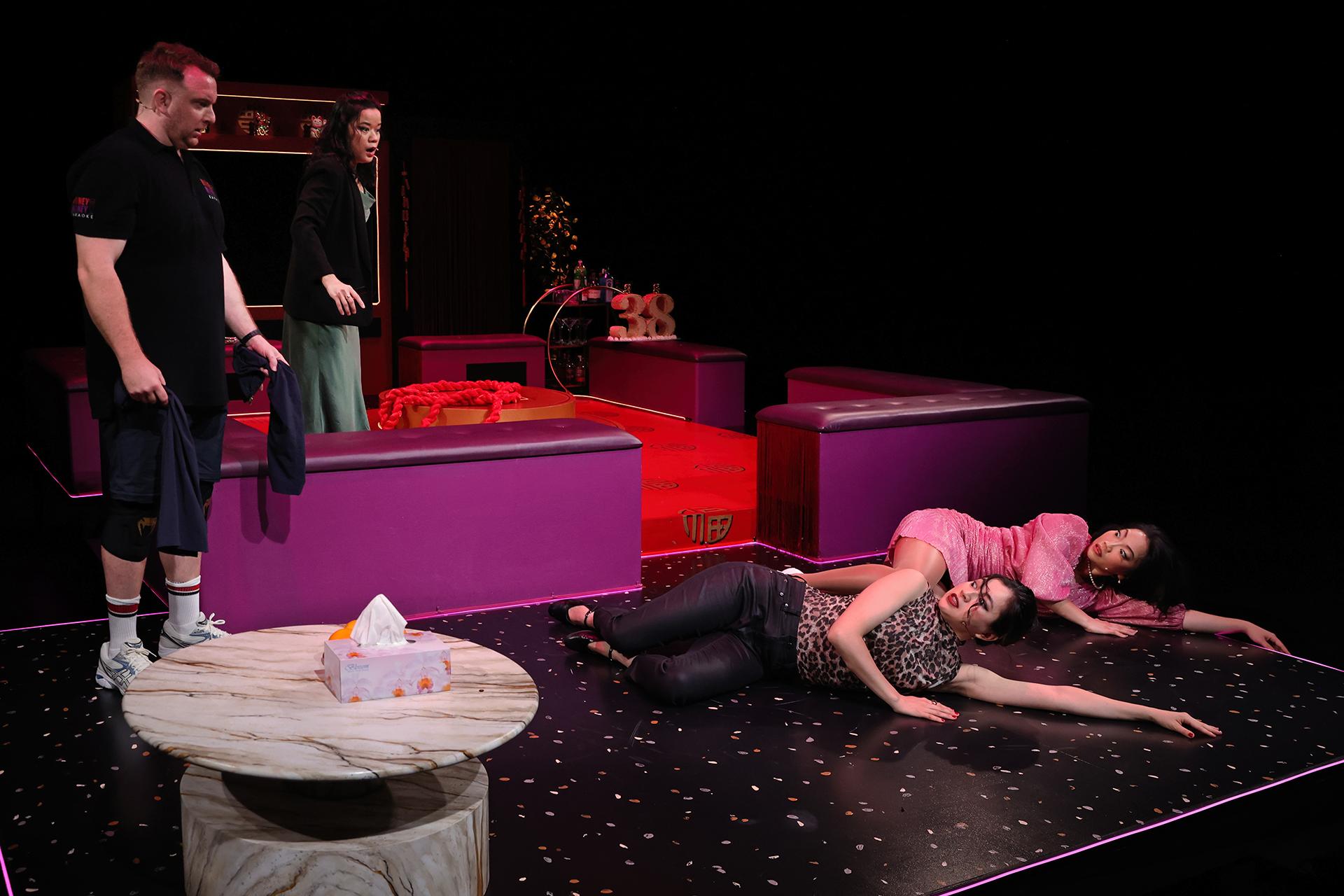
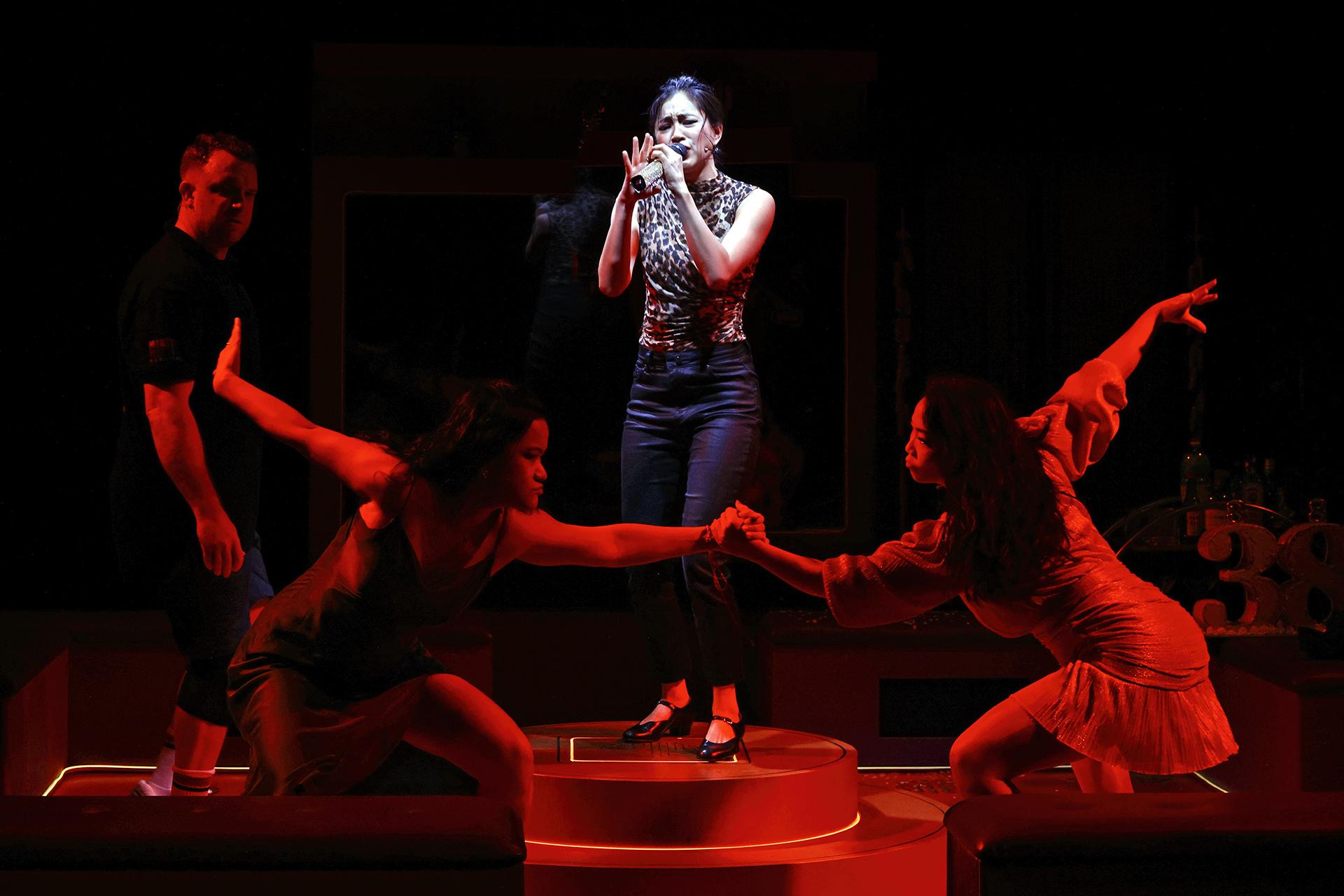
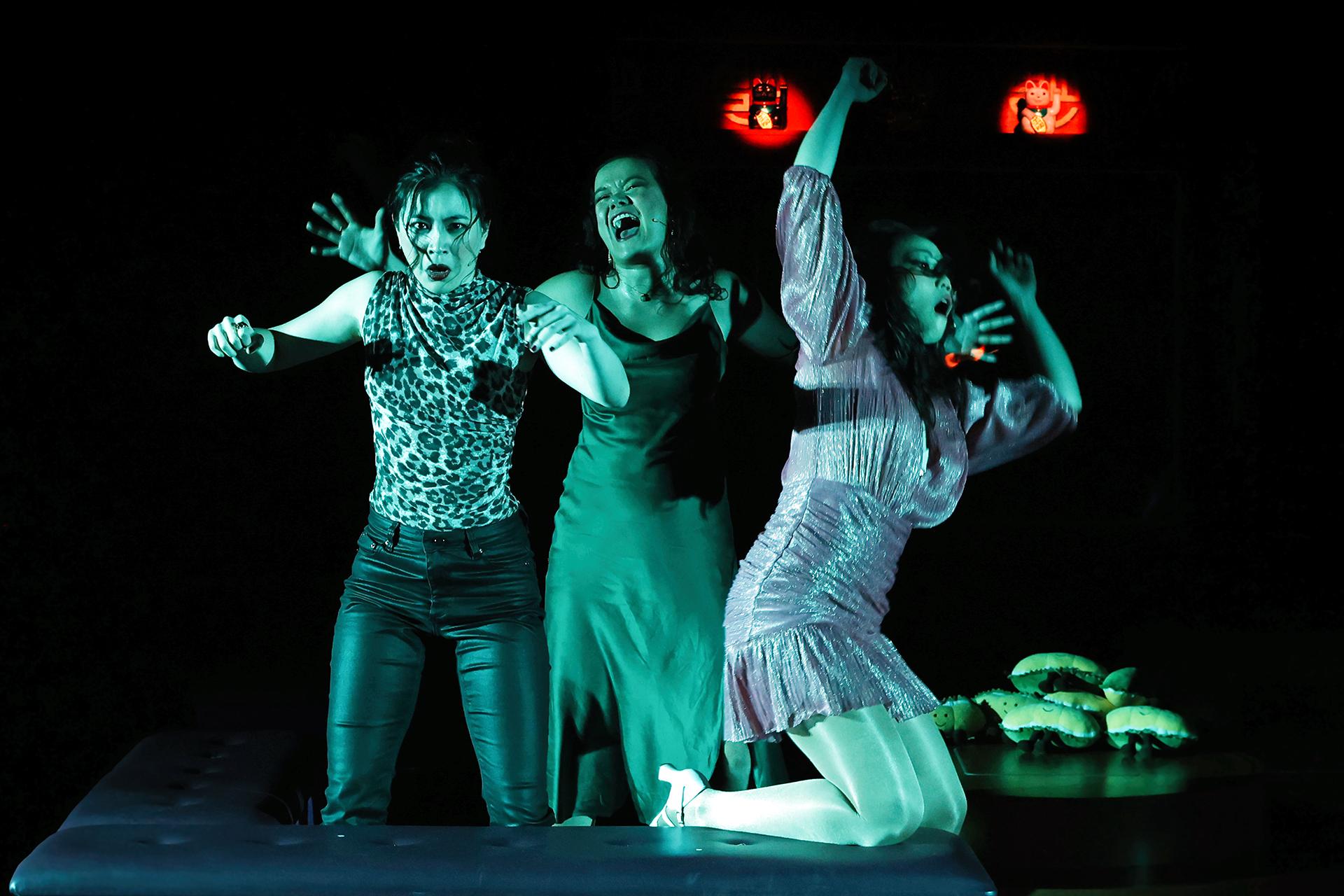
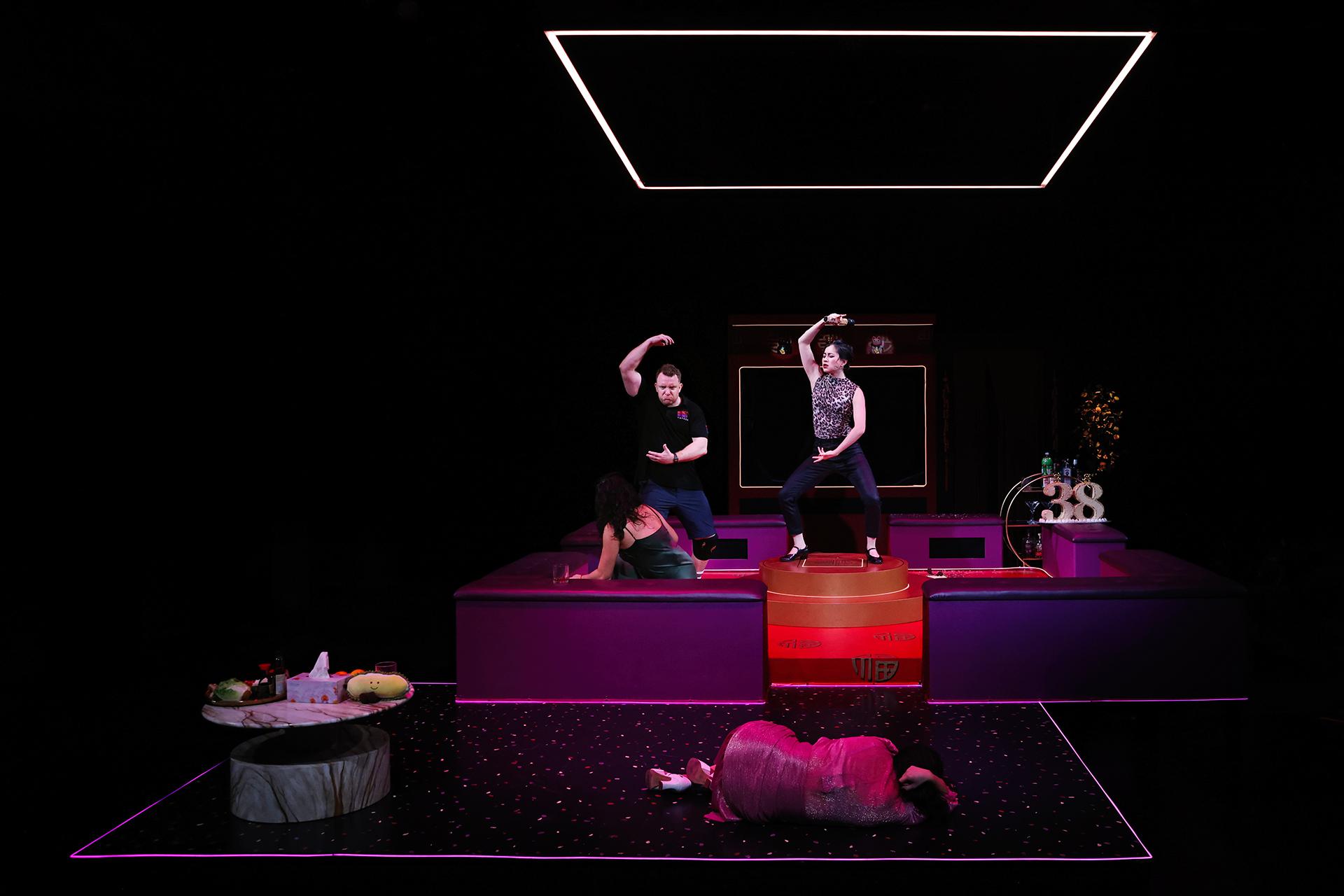
It is opening day at Mandy’s new karaoke bar, and she is plainly on the verge of collapse. It also happens to be her thirty-eighth birthday—a milestone that terrifies her, for both her mother and grandmother died at precisely that age. Amid this psychological unravelling, those very forebears return as ghosts from the afterlife or underworld, appearing as if to mock her dread and deepen her sense of inevitability. Congratulations, Get Rich! by Merlynn Tong, probes the intertwined notions of curses and legacies—ideas often treated as distinct but revealed here to be inseparable. Mandy fears repeating history, even as she begins to recognise, somewhere beneath the panic, that her own hard-won successes might yet rewrite the story her family has carried for generations.
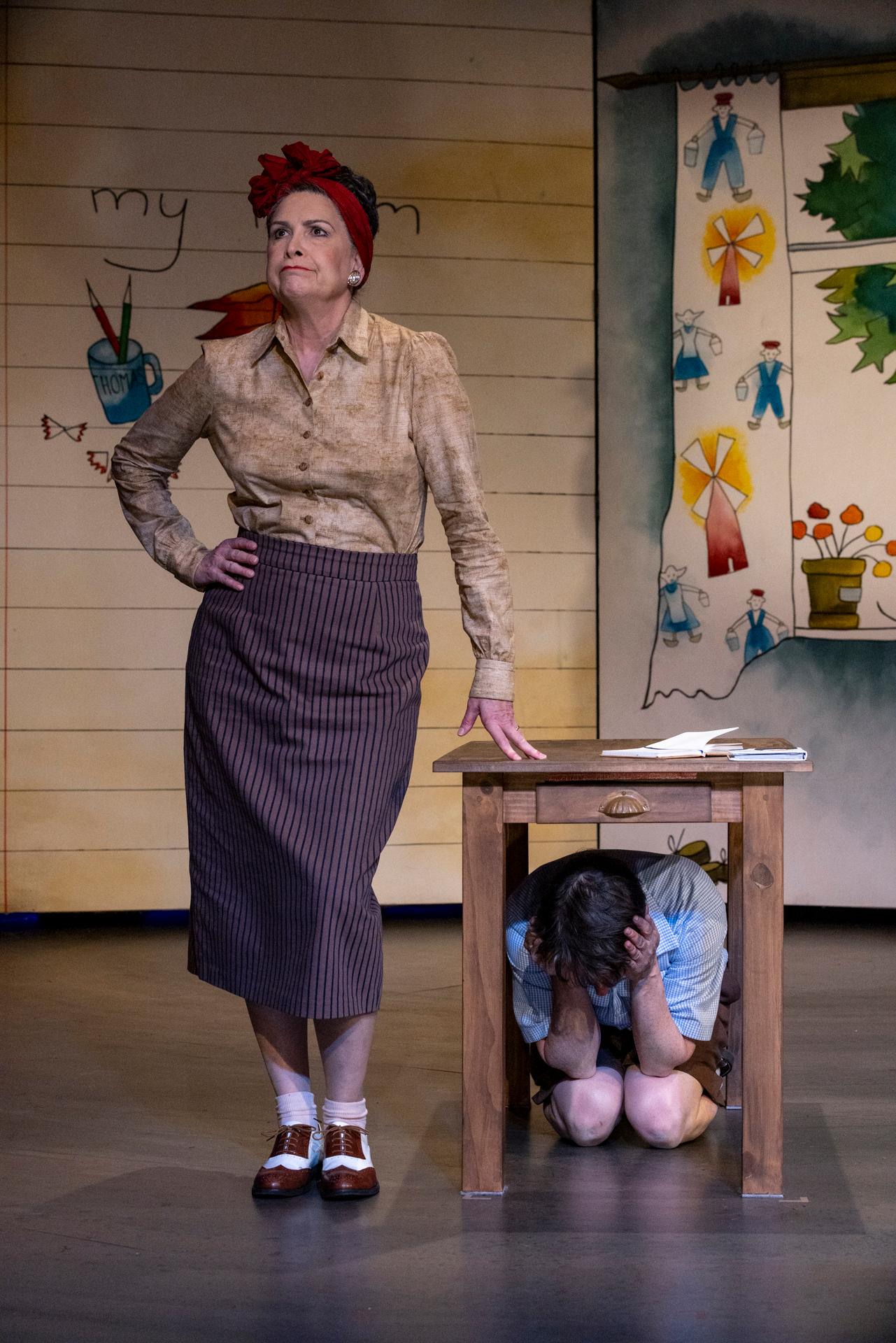
The writing is wildly inventive, holding us rapt from the first moment to the last. Unpredictable and delightfully eccentric, it balances sincerity with a sense of the marvellously outlandish. Courtney Stewart’s direction brings together rich cultural specificity and deep emotional truth, guiding a story that moves between Singapore and Australia while allowing its layered meanings to reverberate across cultural lines. At times the humour edges toward the contrived, yet the production’s unwavering commitment to its distinctive tone renders even its most exaggerated moments disarmingly persuasive.
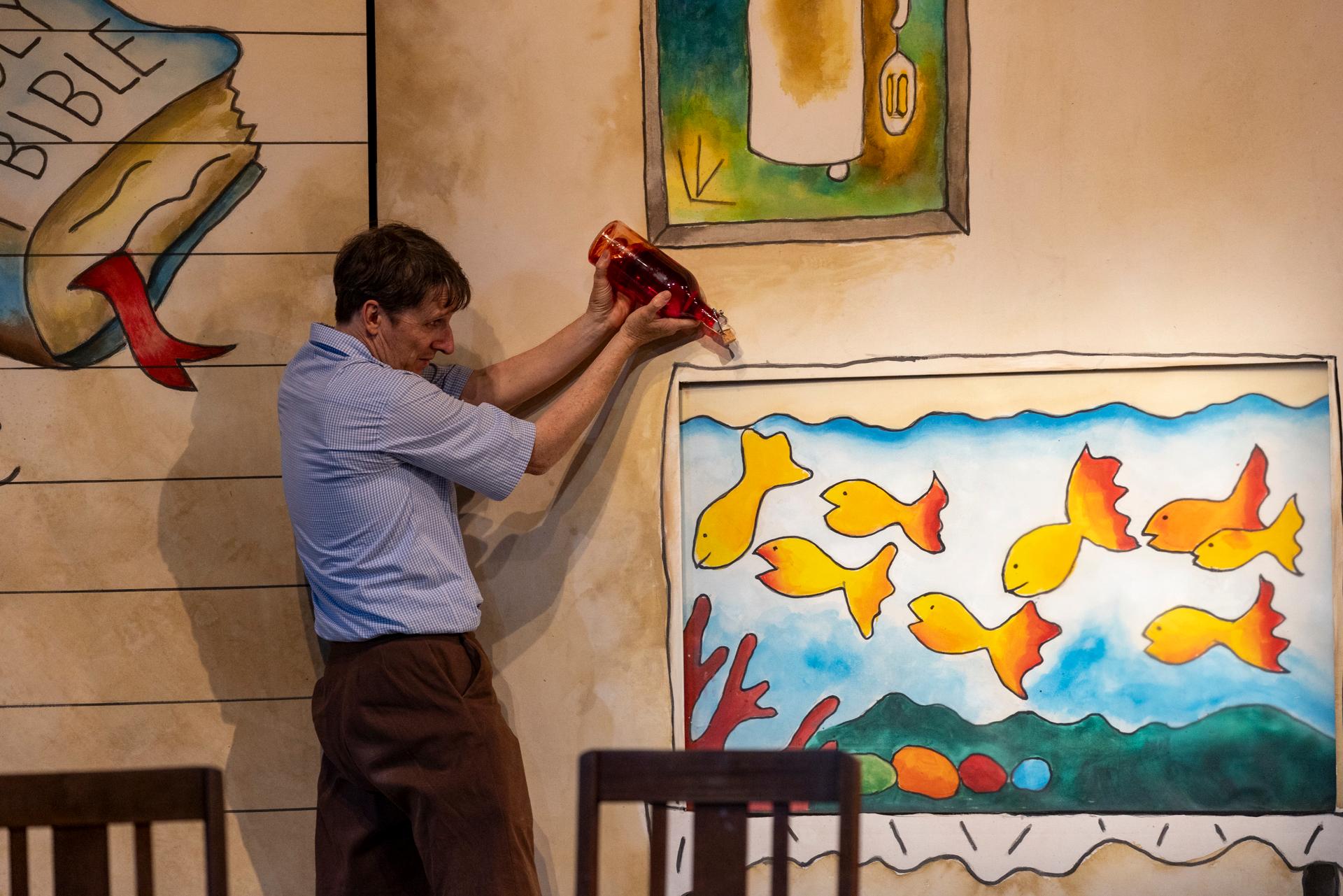
James Lew’s production design is richly considered, weaving symbolism into a visual language that is at once grounded and strikingly theatrical. His work carries a pleasurable sense of extravagance, yet never loses sight of the social resonances that inform each aesthetic choice. Gabriel Chan’s lighting is similarly exuberant, though one occasionally wishes for greater nuance to draw us further into the emotional terrain. Guy Webster’s sound design, gloriously amplified and unabashedly heightened, proves an ideal match for the work’s supernatural comic register. Particularly noteworthy are the original songs that Tong weaves into the piece, rendered delightfully camp through Alex Van den Broek’s playful, uninhibited music direction.
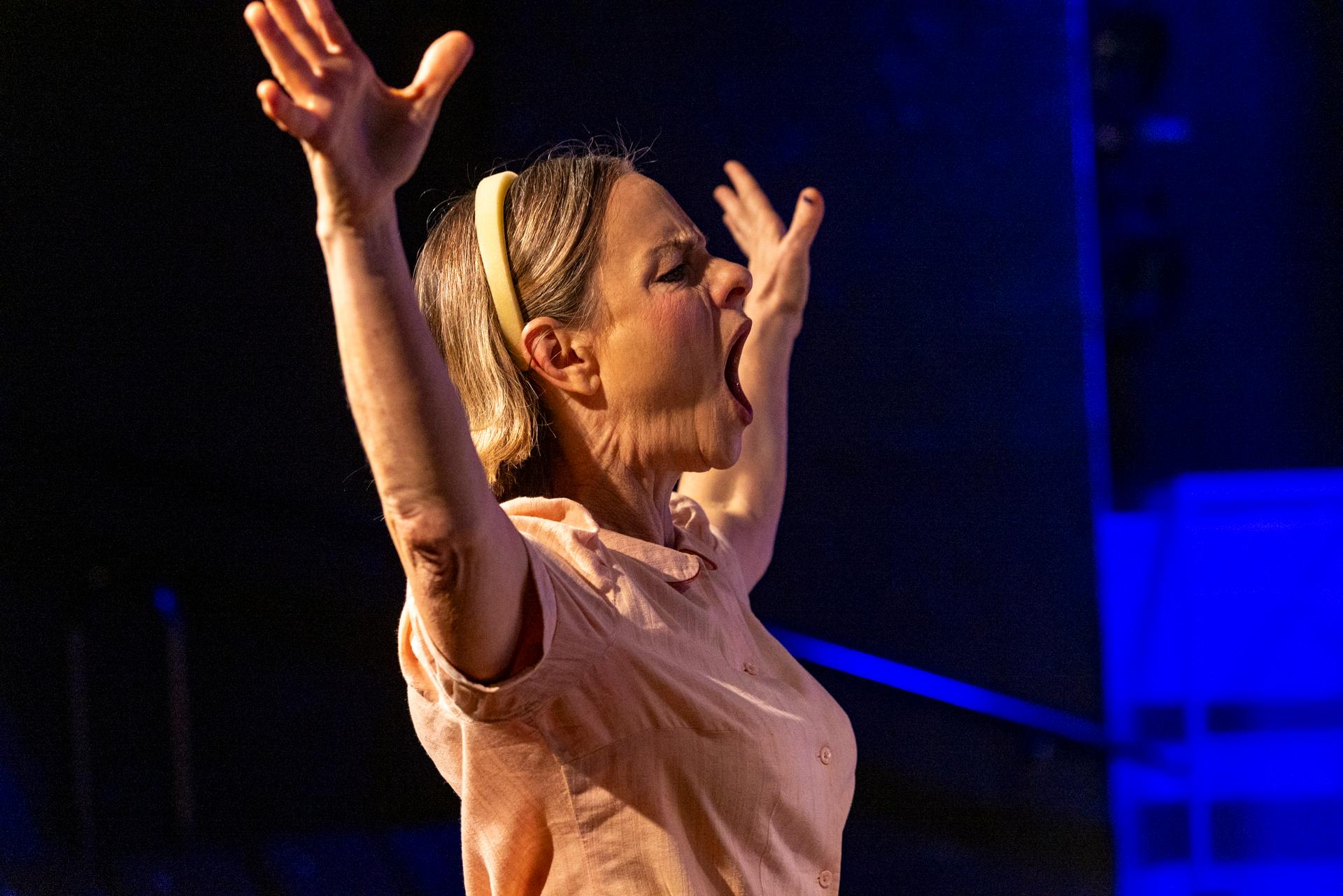
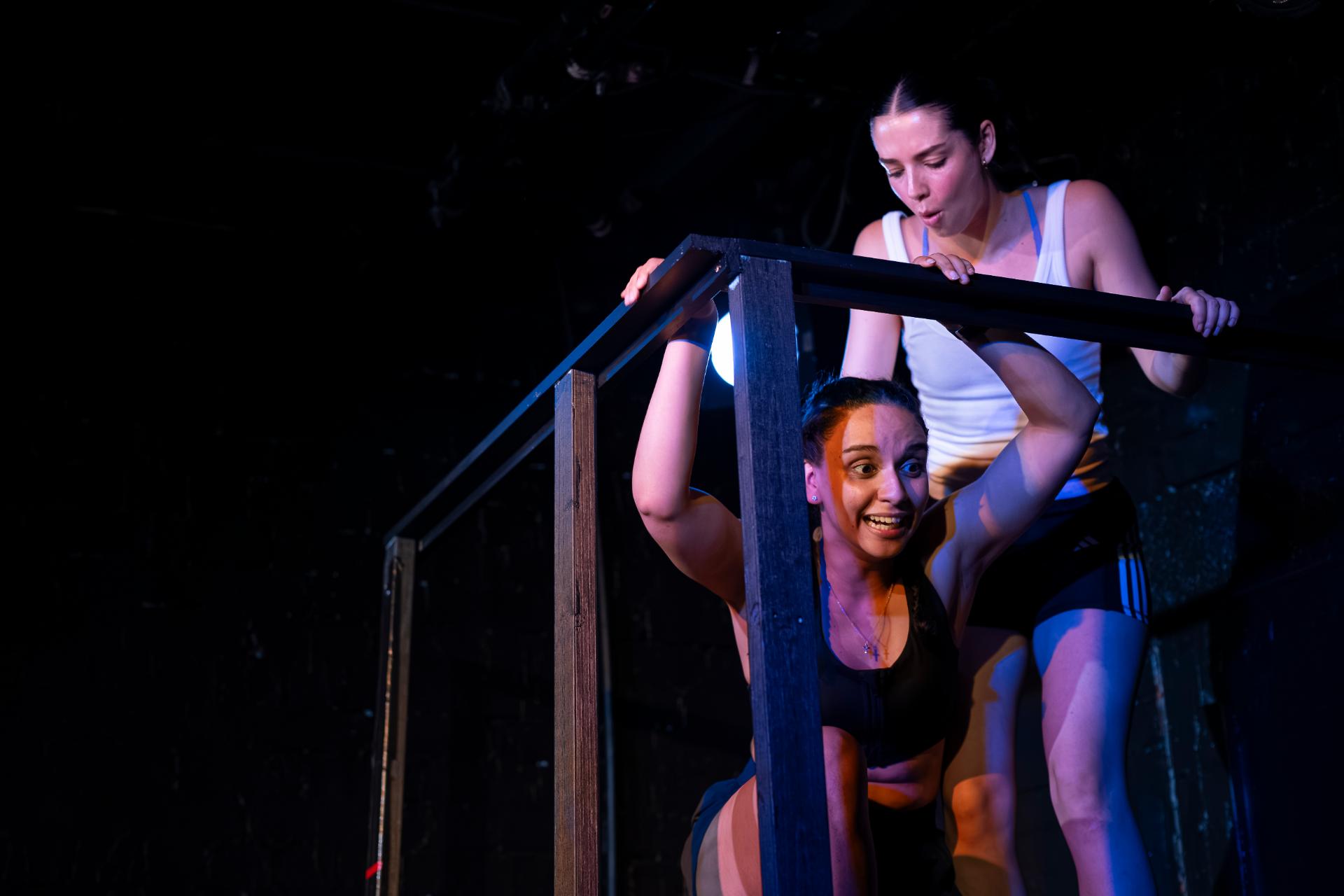
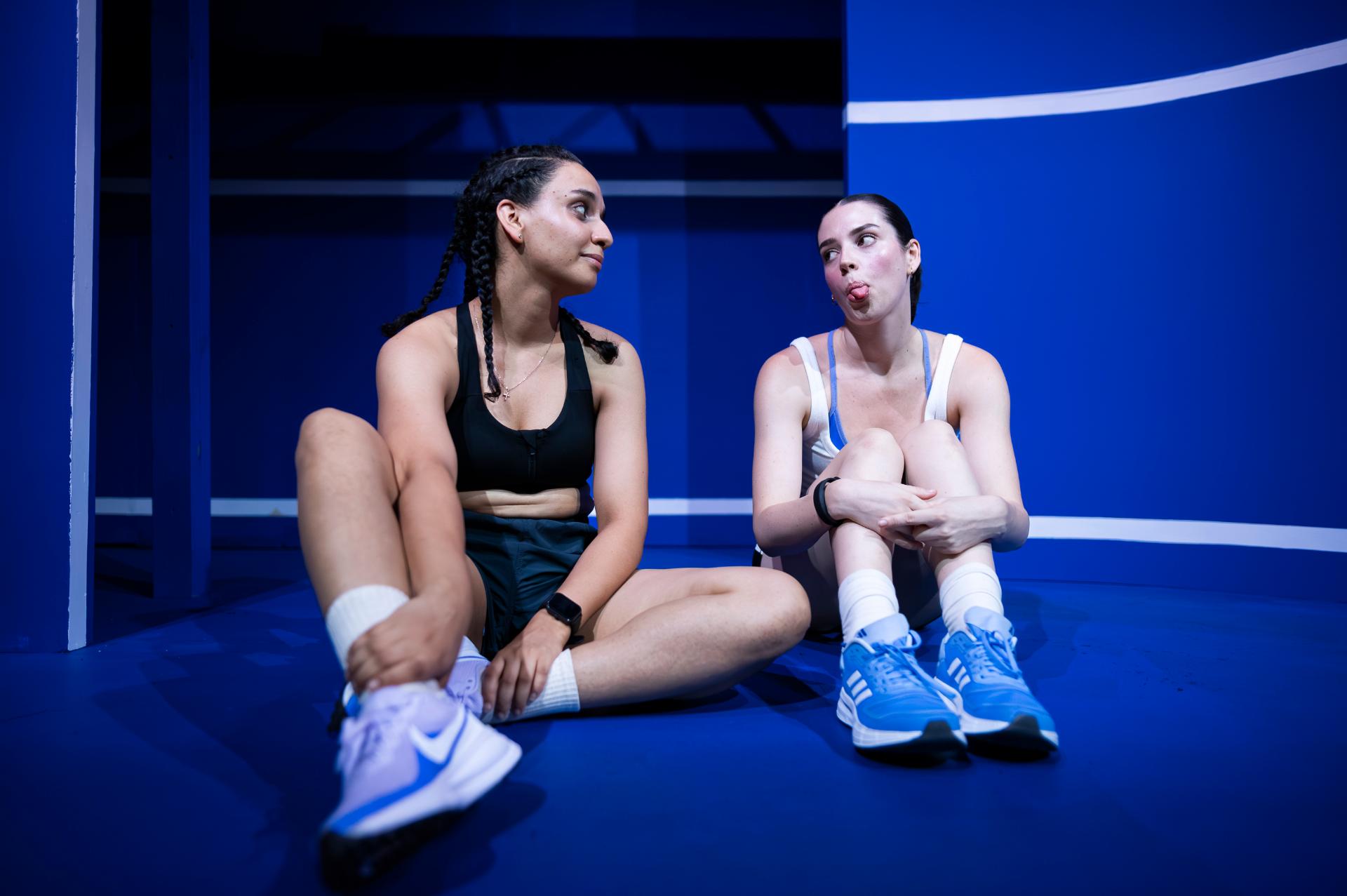
An exceptional ensemble anchors the production, with Tong herself embodying Mandy with indefatigable verve and an arresting emotional intensity. Kimie Tsukakoshi delivers a masterfully layered performance as the grandmother—precise, commanding, and utterly persuasive in her traversal of time and space. As Mandy’s mother, Seong Hui Xuan is unassailably authentic, capturing the poignant duality of a woman who bequeaths her daughter both profound anxieties and an equally steadfast resilience. Zachary Boulton shines as Xavier, Mandy’s partner in life and business, his impeccable comic timing offering welcome buoyancy whenever the domestic tensions threaten to overwhelm. The ensemble as a whole is remarkable for its discipline and cohesion, contributing to a staging distinguished by its tightness, clarity, and shared purpose.

The three women of Congratulations, Get Rich!, spanning three generations, trace a lineage of womanhood that feels both linear and perpetual—distinct lives that nonetheless echo one another with a clarity suggesting something almost divine in the continuity of mothers and daughters. Across cultures, whether East or West, women are routinely diminished, yet time and again reveal themselves to be far more powerful than the structures that seek to contain them. Mandy’s ancestors may have been claimed too early by the worlds that shaped them, but their struggles permeate unmistakably into the present. Mandy, however, stands on different ground, no longer bound by their limitations—and poised, at last, to carry the story further.

www.sydneytheatre.com.au | www.laboite.com.au

Review: Who’s Afraid Of Virginia Woolf (Sydney Theatre Company)

Venue: Roslyn Packer Theatre (Sydney NSW), Nov 7 – Dec 14, 2025
Playwright: Edward Albee
Director: Sarah Goodes
Cast: Emily Goddard, Kat Stewart, David Whiteley, Harvey Zielinski
Images by Prudence Upton

Theatre review
Martha and George are locked in perpetual combat, their hostility not merely private but performative. Their decision to invite a young couple into their home becomes an act of exhibition, a deliberate staging of their mutual destruction. In Who’s Afraid of Virginia Woolf?, Edward Albee exposes the tenacity with which individuals cling to their own suffering, sustained by an insatiable attachment to prestige, privilege, and power. Though Martha and George possess the agency to abandon their cyclical torment, they remain ensnared by the illusion of respectability, choosing the stability of social appearance over the uncertainty of liberation.

At sixty-three years old, the play has become something of a grand old dame of the theatrical canon, yet its genuinely subversive sensibilities ensure it remains as confrontational and affecting as ever. Under the direction of Sarah Goodes, the work gains renewed vitality: she not only excavates the raw truths within Martha and George’s volatile dynamic but also deftly unearths the humour embedded in their vicious exchanges. Goodes has taken an enduring classic and rendered it freshly incisive—polished to a gleam, yet capable of striking with the force of a blunt instrument.

Harriet Oxley’s production design evokes the period with accuracy—perhaps a touch conventional, yet undeniably effective in grounding the drama. Matt Scott’s lighting, together with music and sound design by Grace Ferguson and Ethan Hunter, begins with subtle restraint, almost imperceptible at first, but grows increasingly potent as the evening unfolds. By the time the bickering subsides and the underlying trauma surfaces, their contributions prove essential, shaping the production’s emotional crescendo with impressive efficacy.

Kat Stewart could hardly be more compelling in the role of Martha. She delivers a richly nuanced portrayal, demonstrating an intricate grasp of the character’s psychological intricacies while imbuing every moment with delectable theatricality. Her gestures, whether minute or grand, command attention, and we remain enthralled by each. As George, David Whiteley conjures the precise timbre of the mid-century American bourgeoisie through his masterful vocal modulations. His comparatively restrained approach proves just as resonant and magnetic as Stewart’s flamboyance, creating a riveting equilibrium in this deliciously acrimonious marital duel. By contrast, the younger couple, Honey and Nick—played by Emily Goddard and Harvey Zielinski—are less persuasive. Though their performances elicit steady laughter, their characterisations lack conviction, never fully embodying the personas they attempt to construct.

We can see so clearly that Martha and George could lead far better lives, if only they could embrace a simpler existence. Yet the seductive allure of wealth and status keeps them shackled to their interminable misery. Each day, they choose to persist in their poisonous habits, unable—or unwilling—to relinquish the trappings of class that sustain their suffering. In the end, we recognise something of ourselves in their torment—the way we cling to what hurts us most, simply because it feels like home.

www.sydneytheatre.com.au