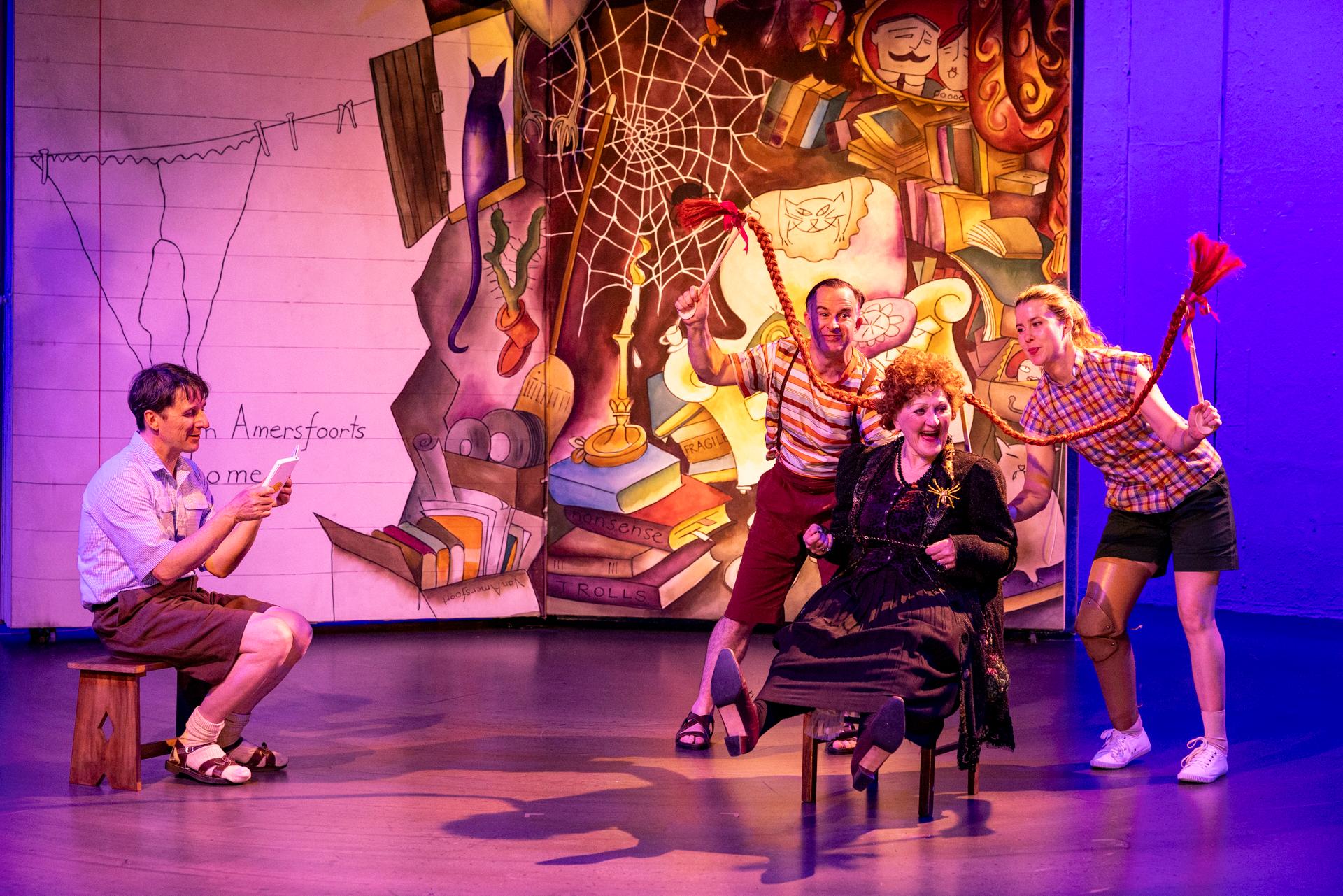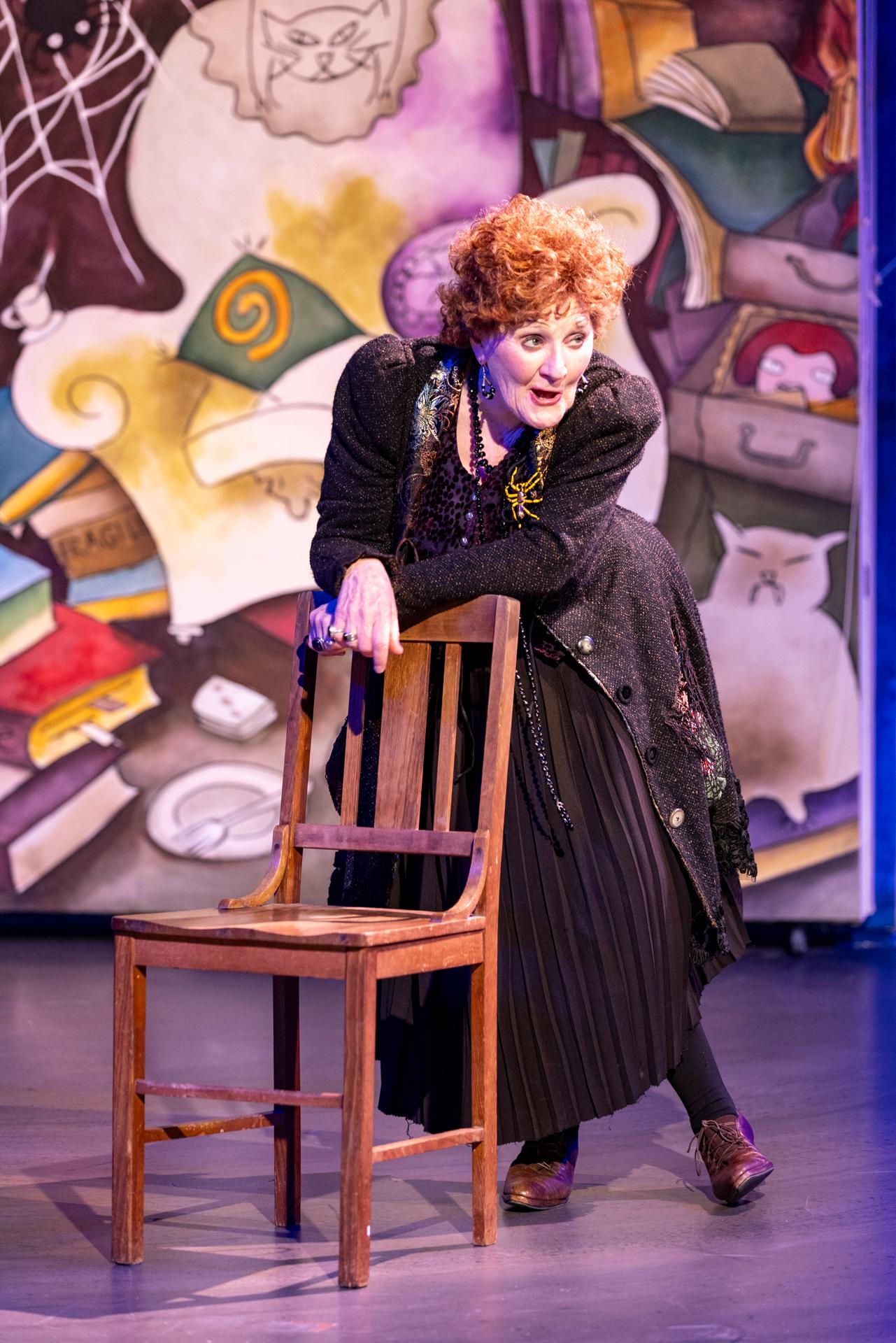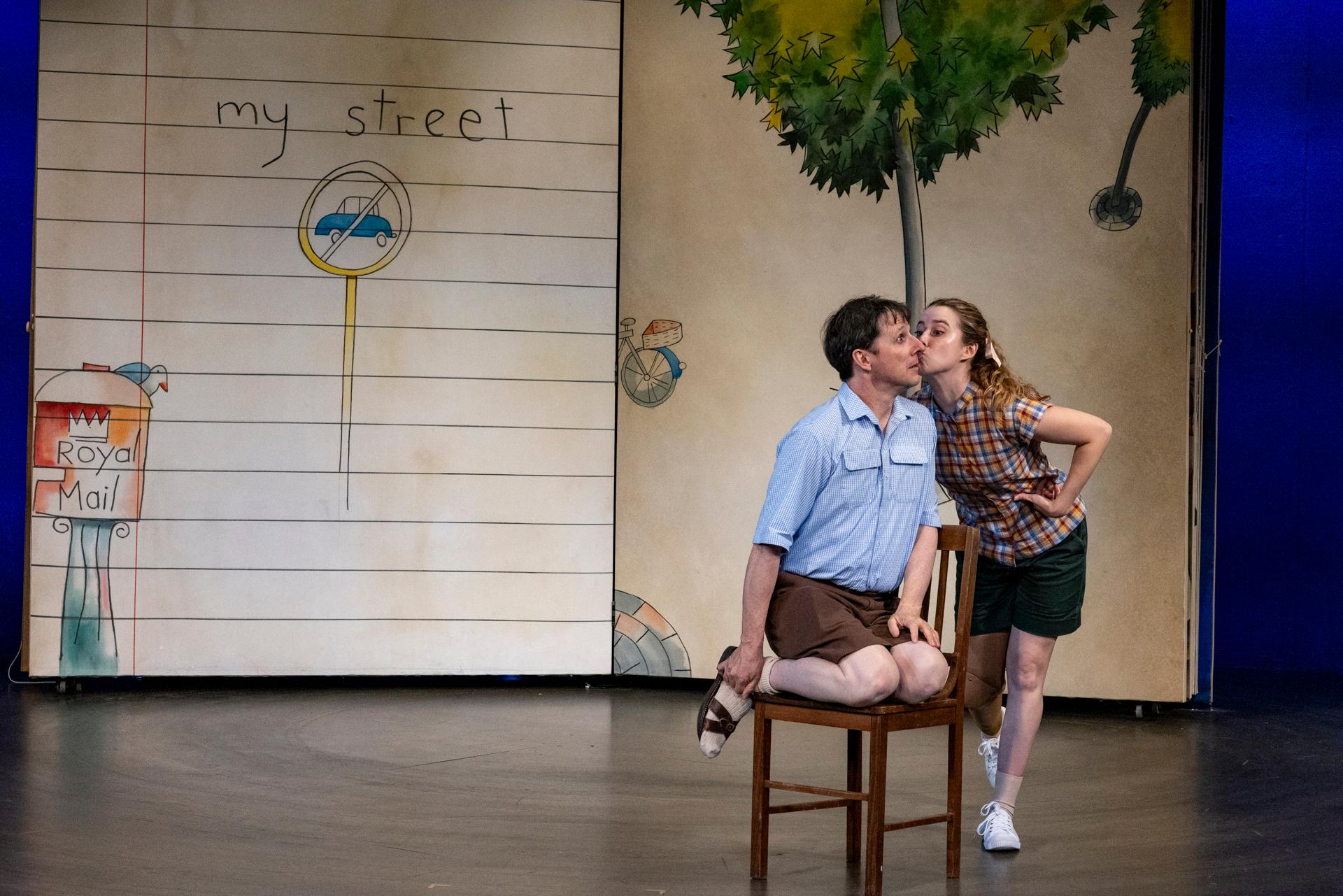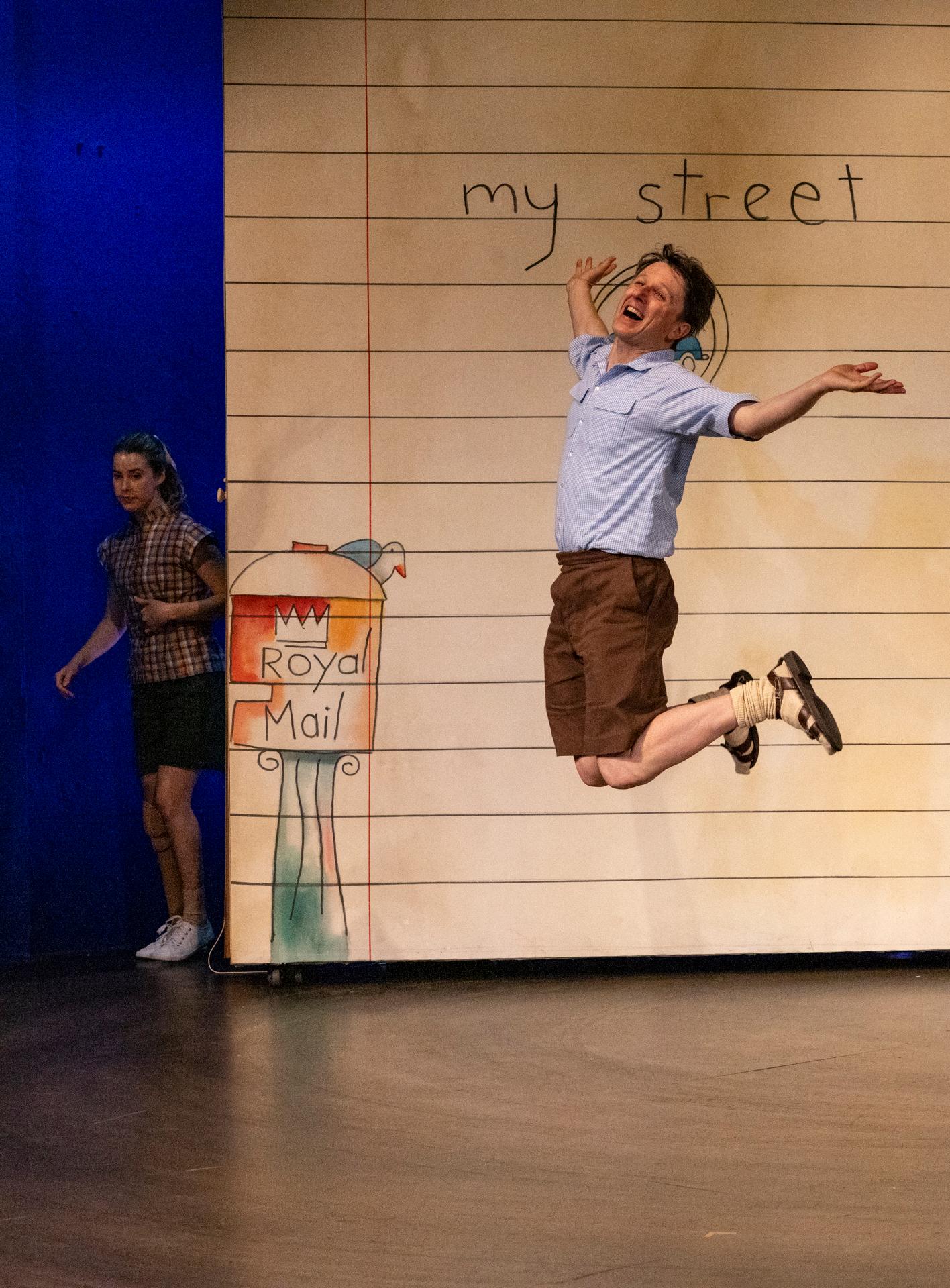
Review: The Boys Are Kissing (Qtopia)

Venue: Qtopia (Darlinghurst NSW), Aug 12 – 29, 2026
Playwright: Zak Zarafshan
Director: Gavin Roach
Cast: Aisling Delahunt, Max Fernandez, Sonya Kerr, Willa King, John Michael Narres, Shab Tavakol
Images by Robert Catto

Theatre review
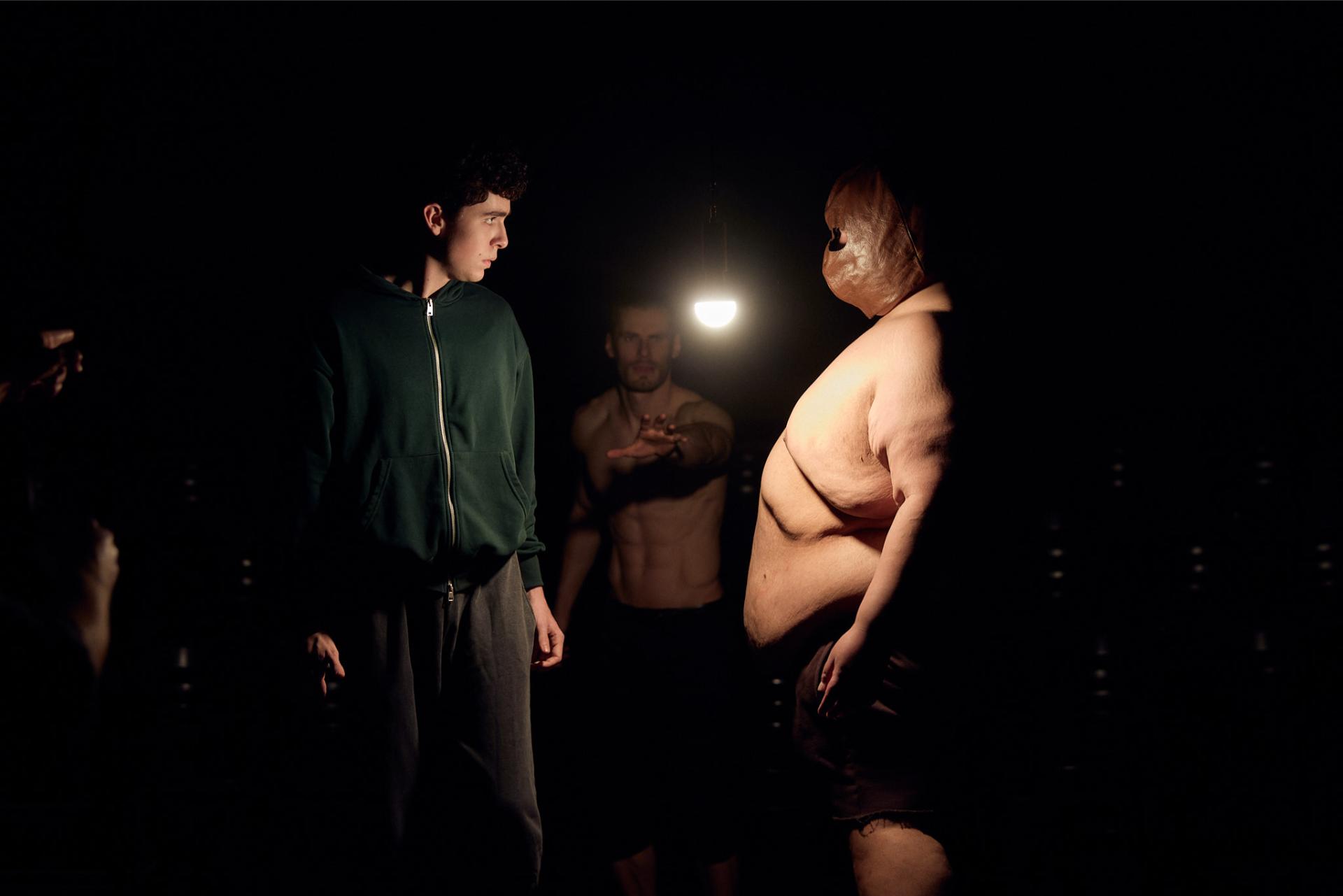
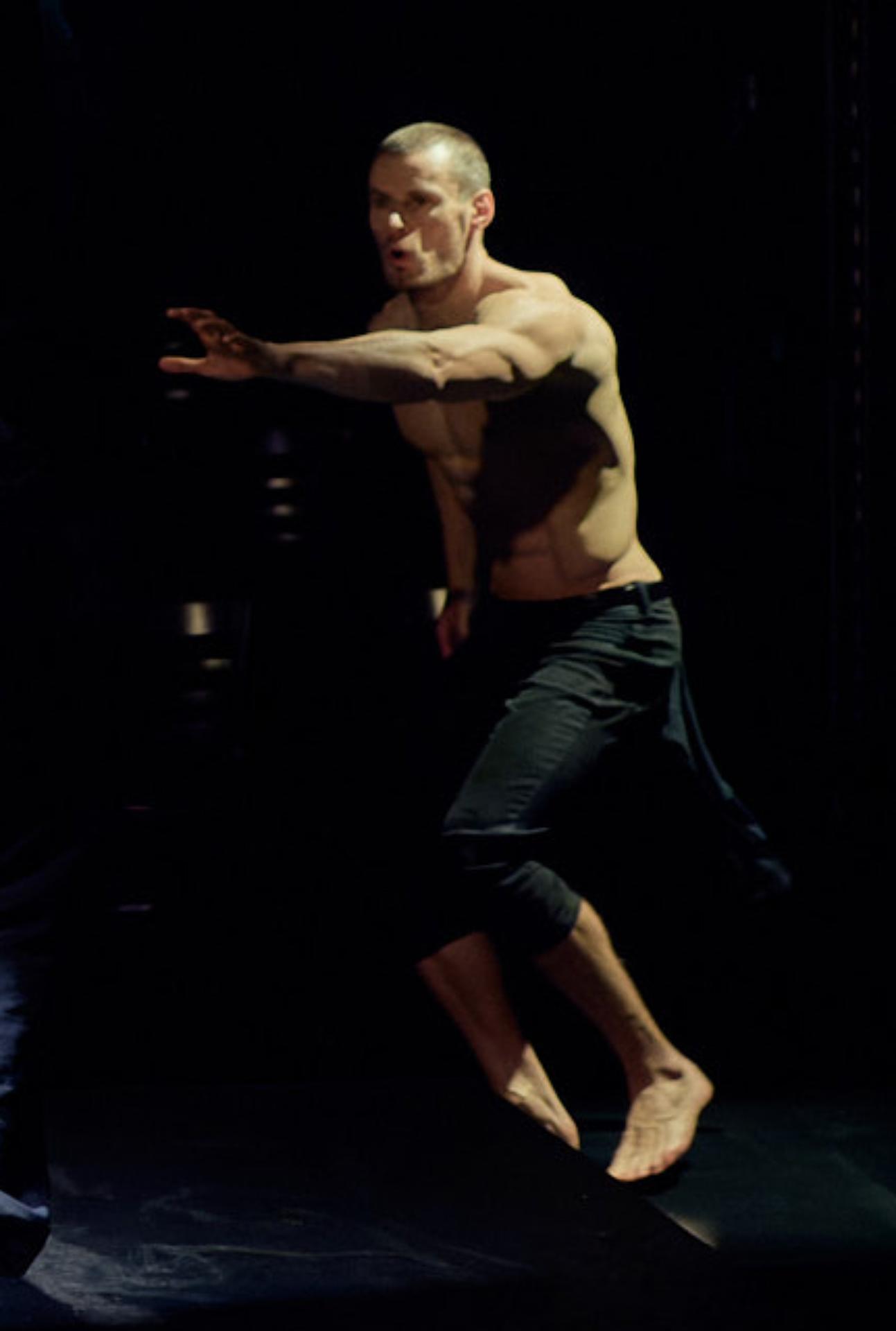
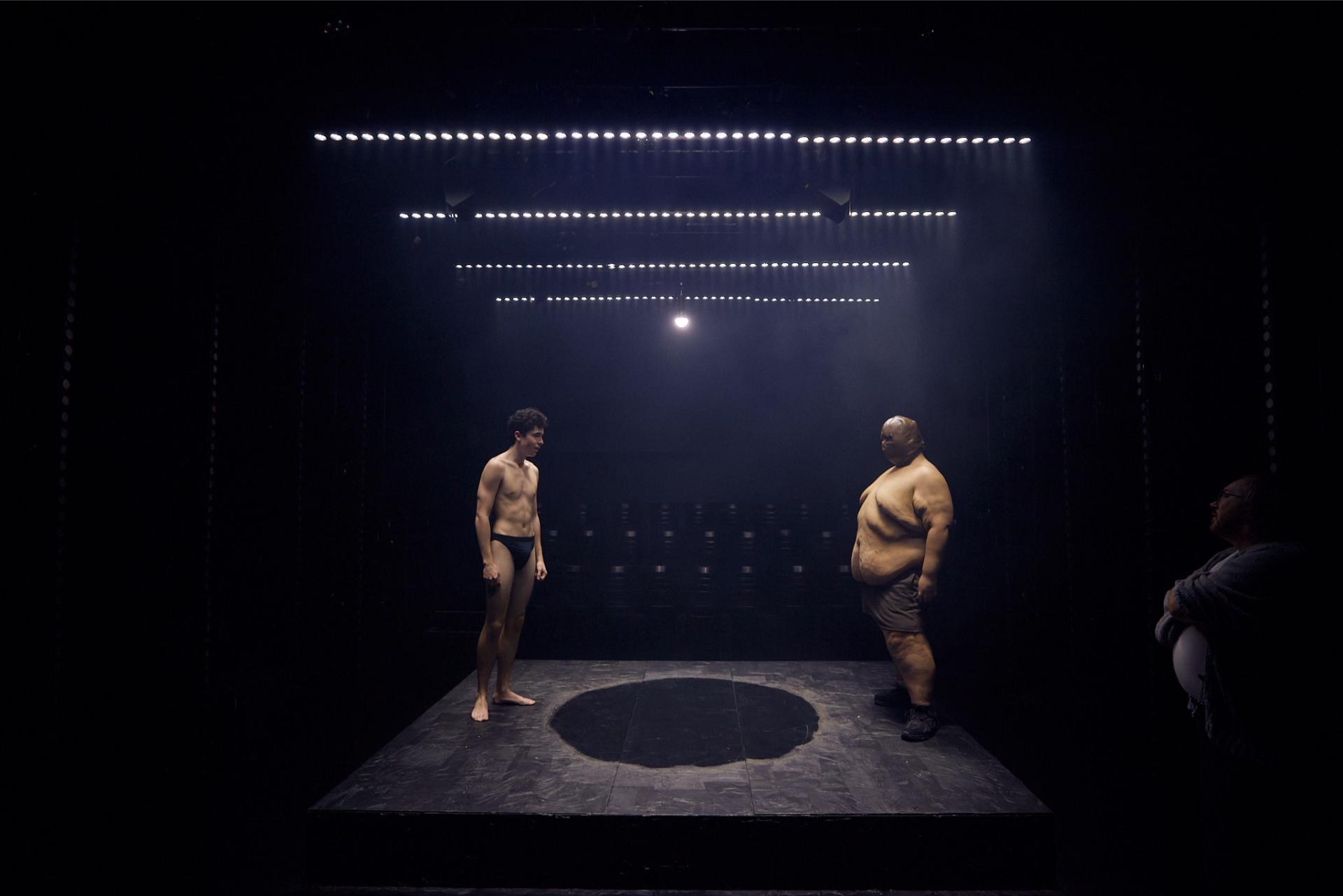
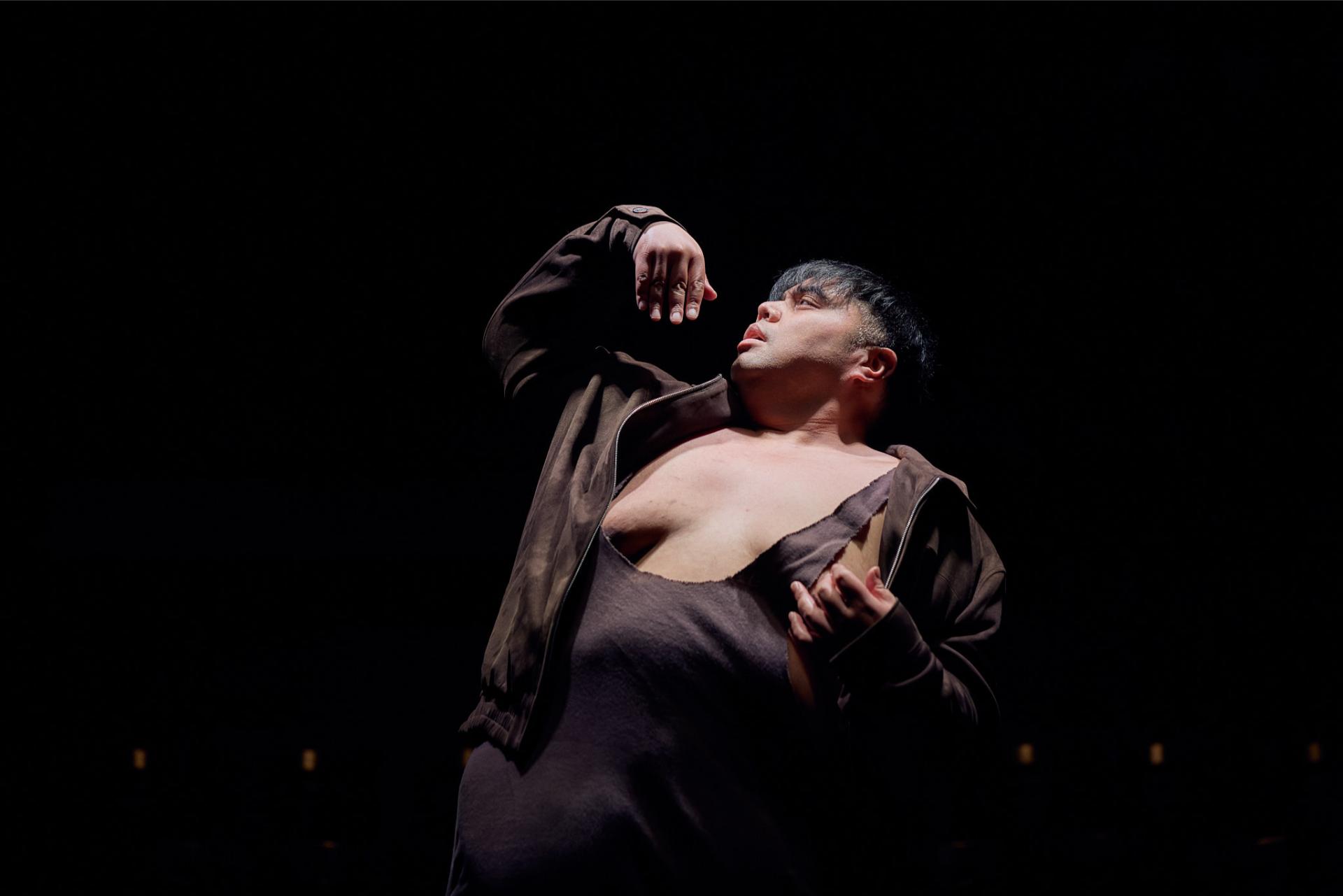
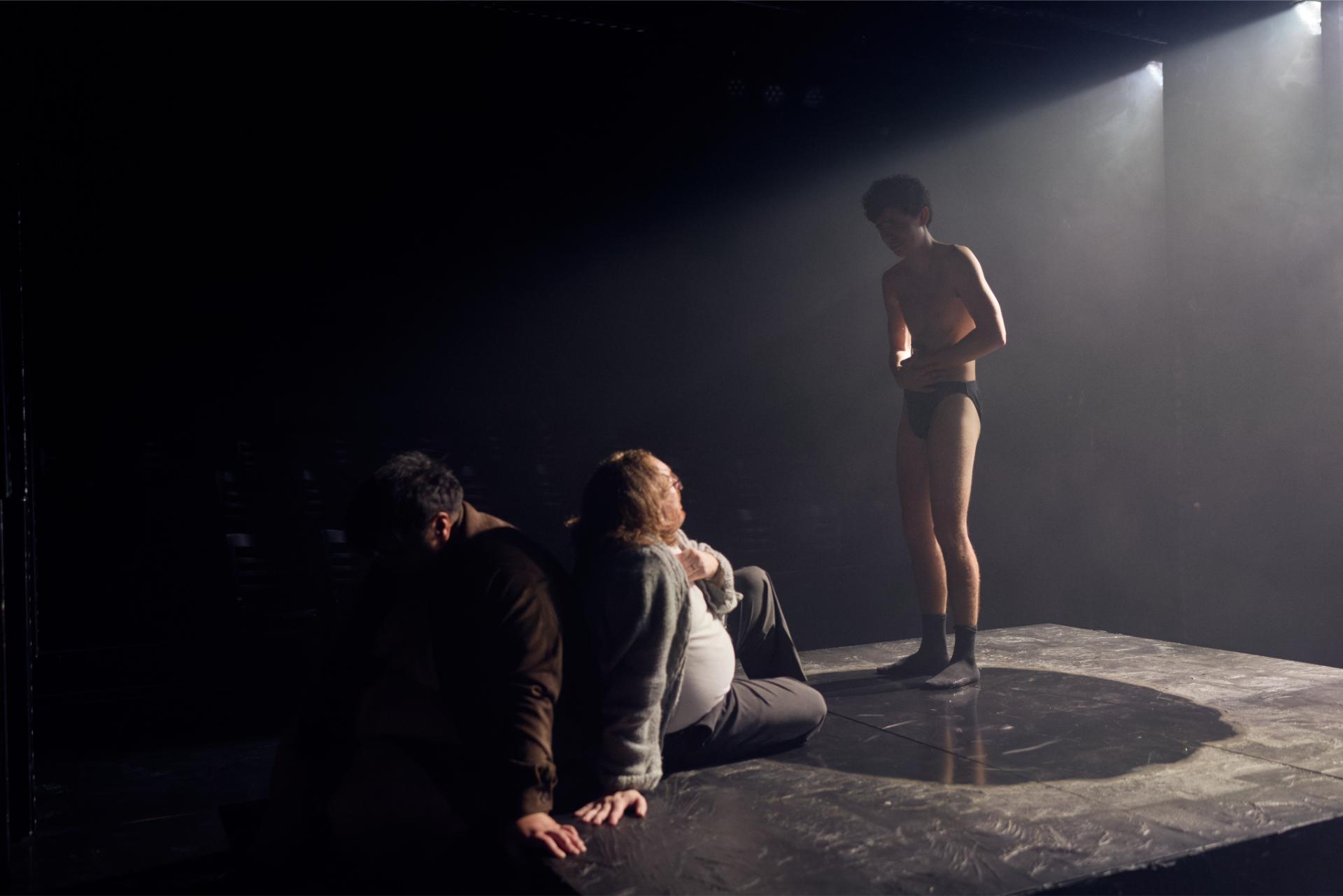
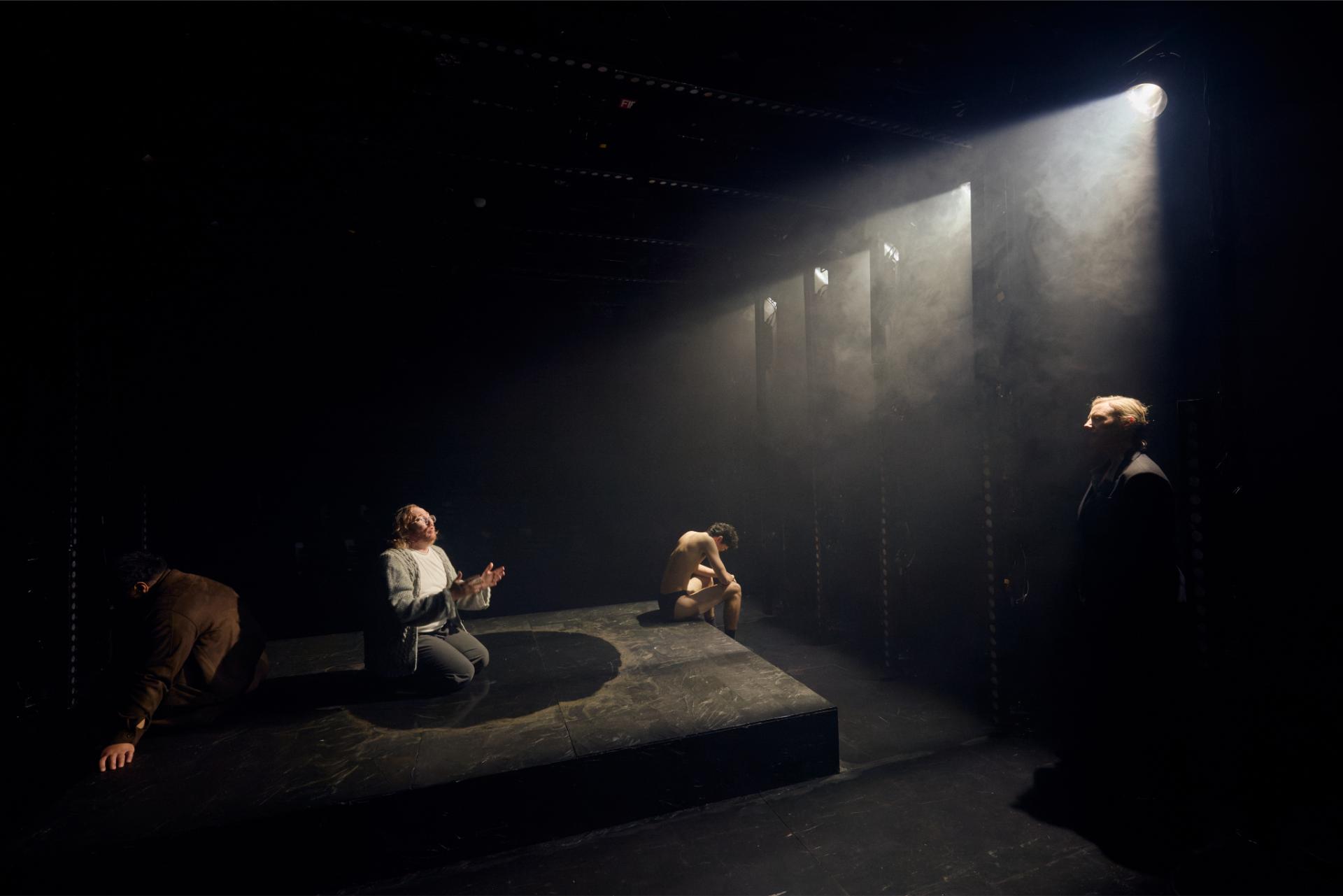
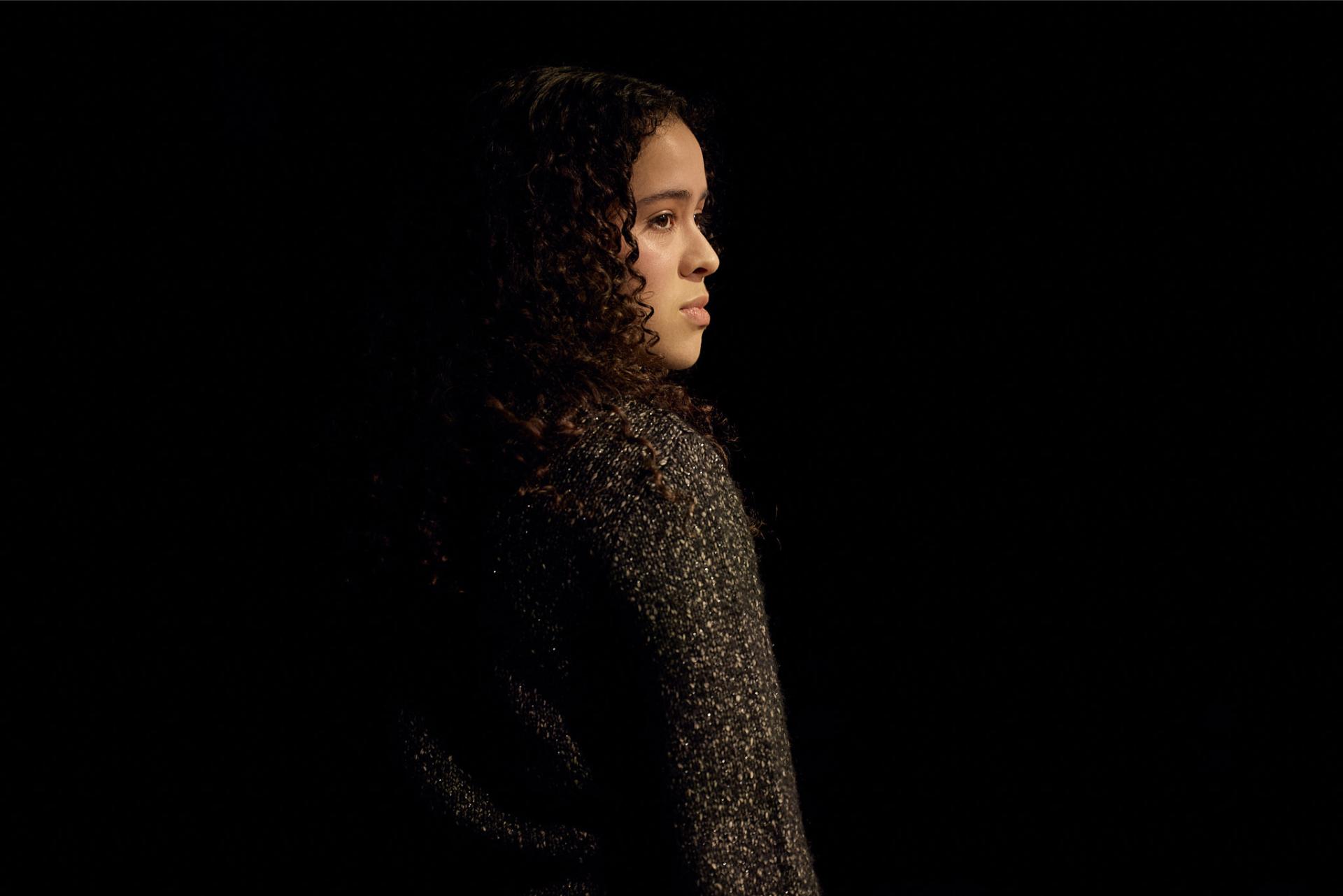
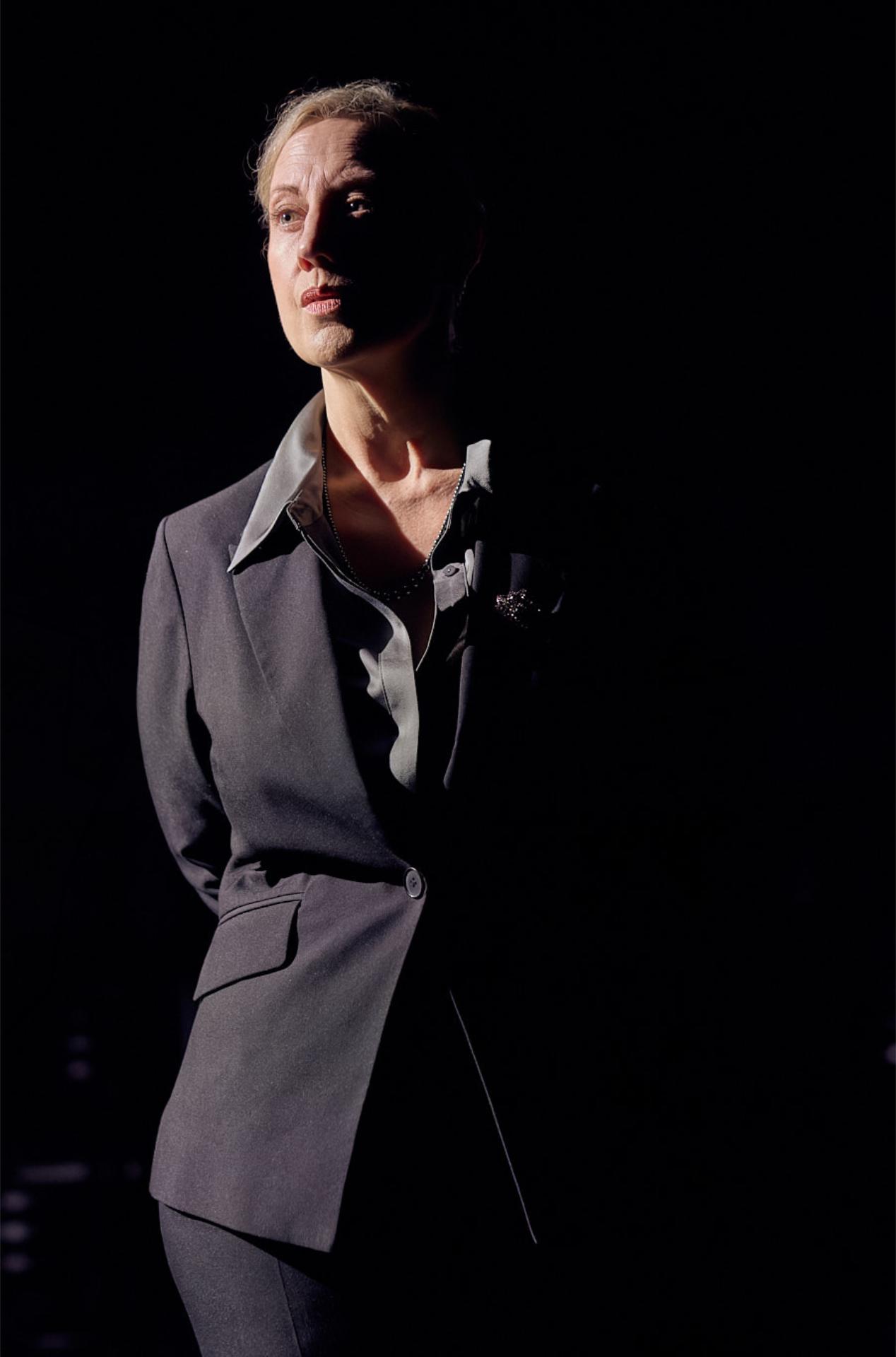
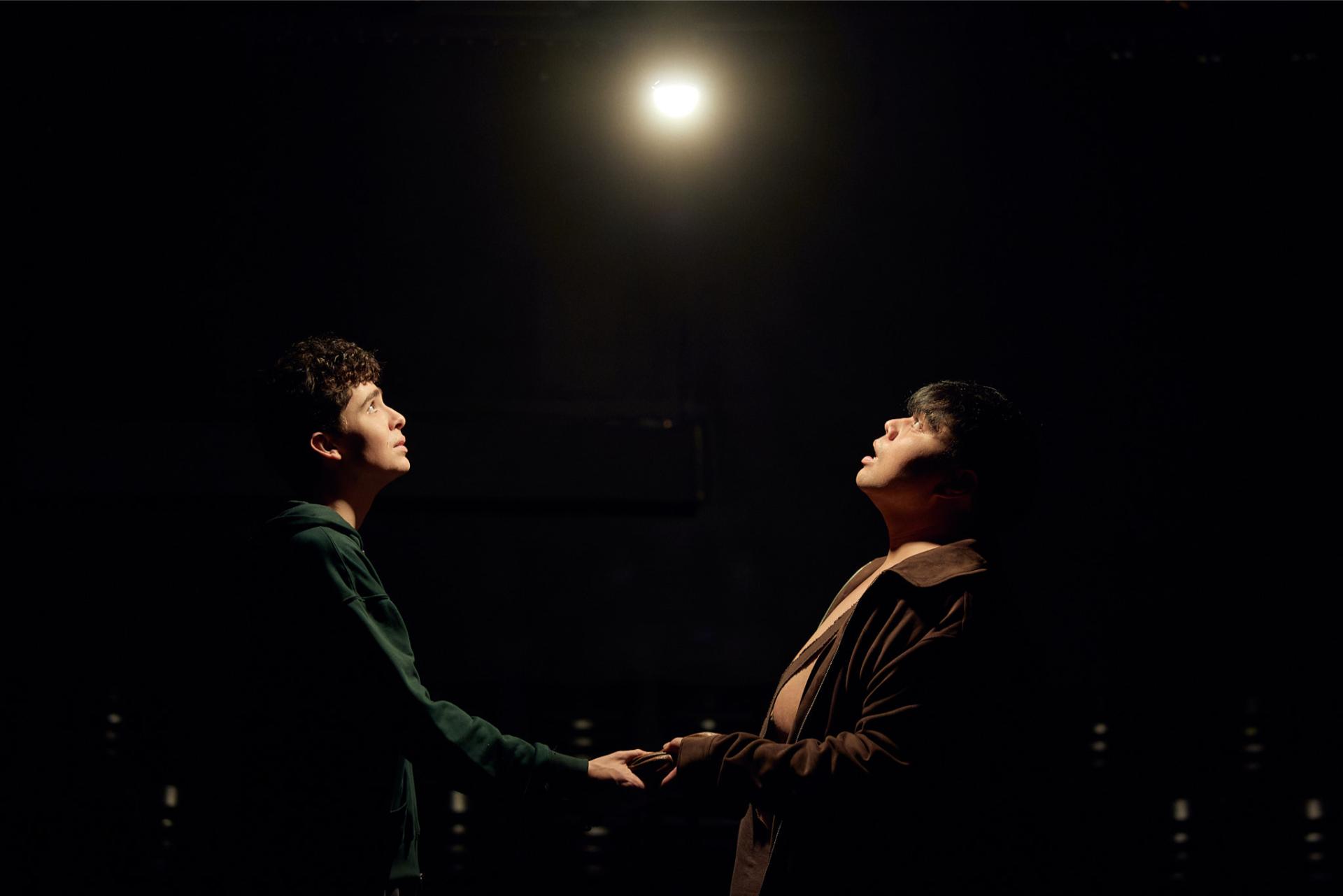
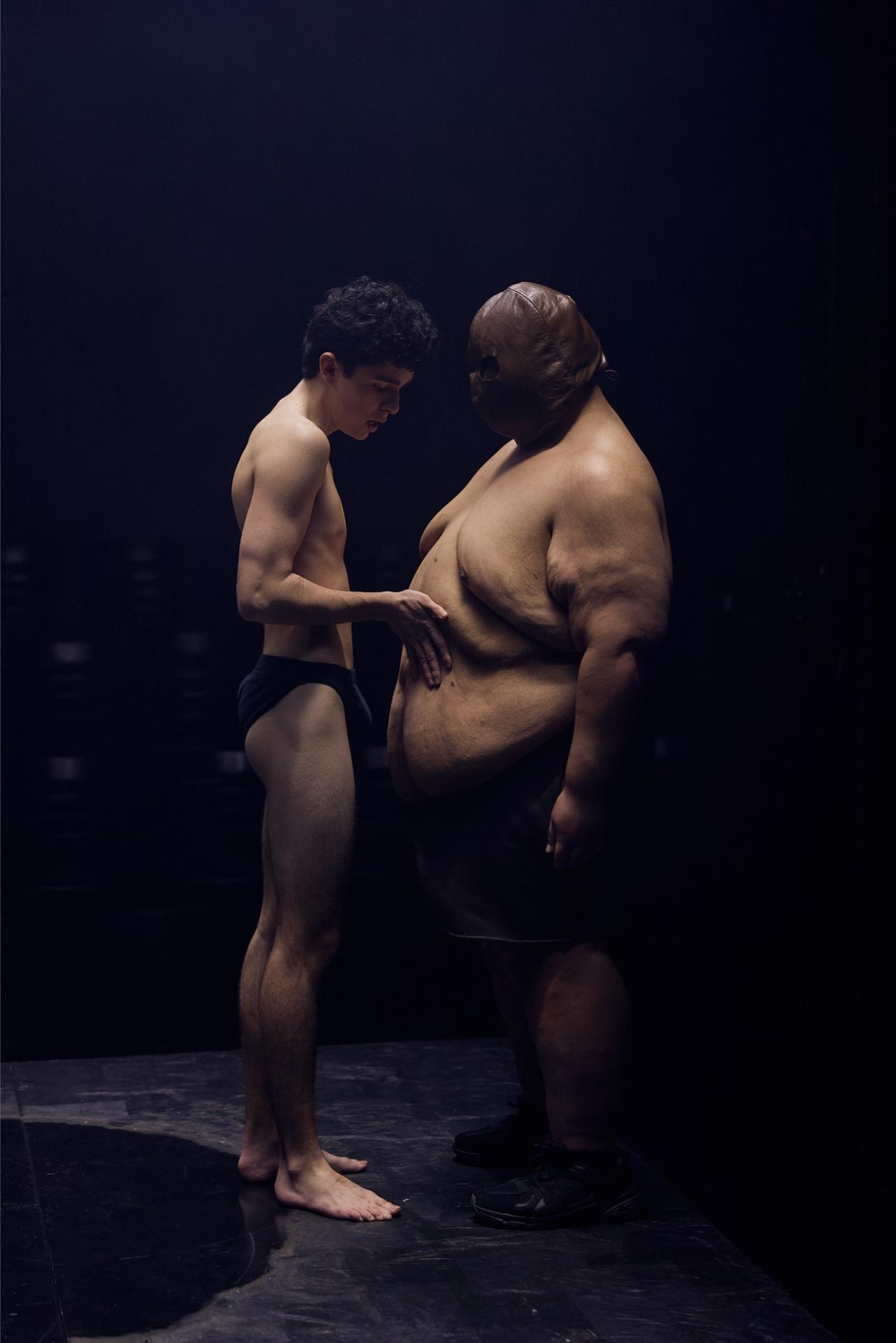
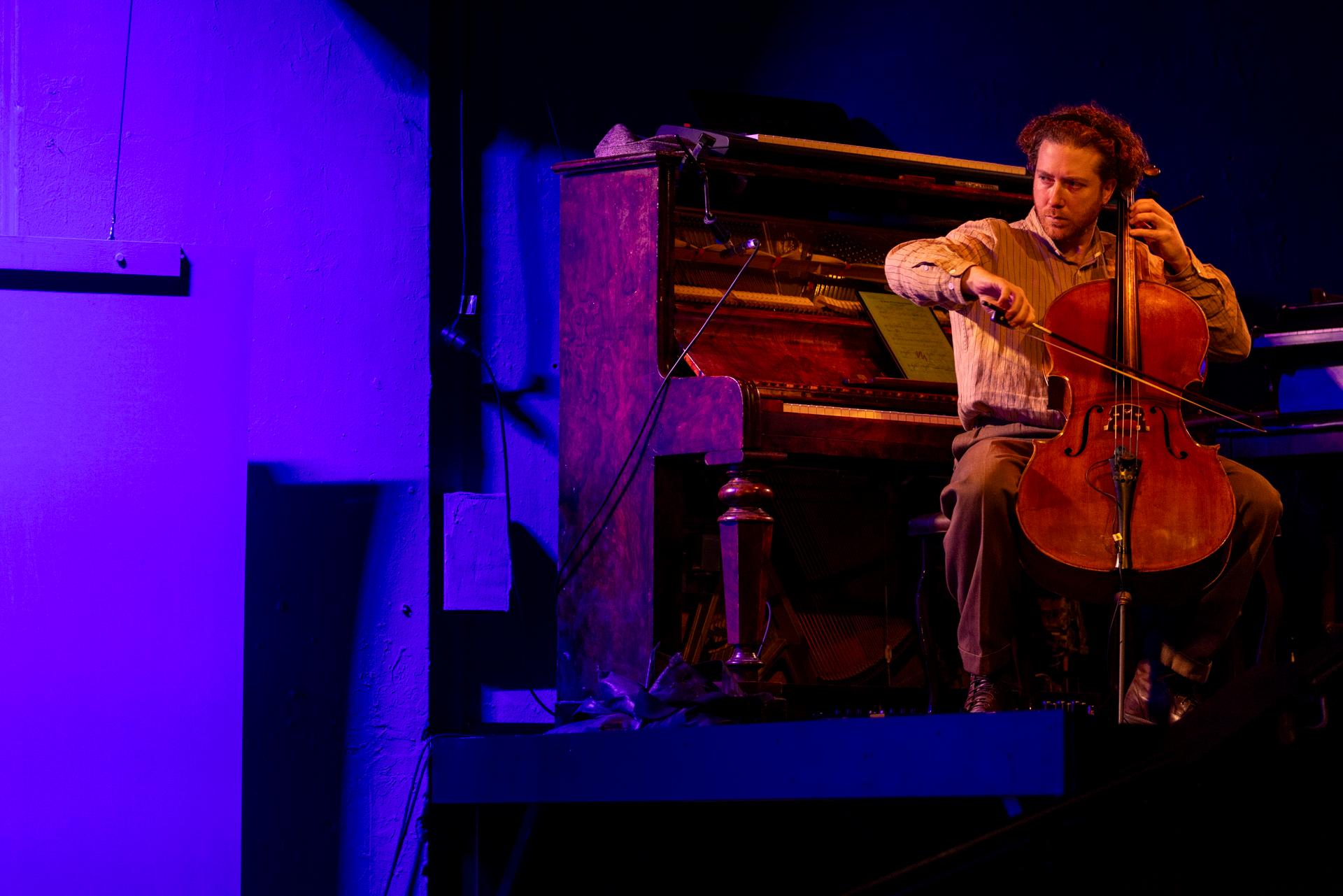
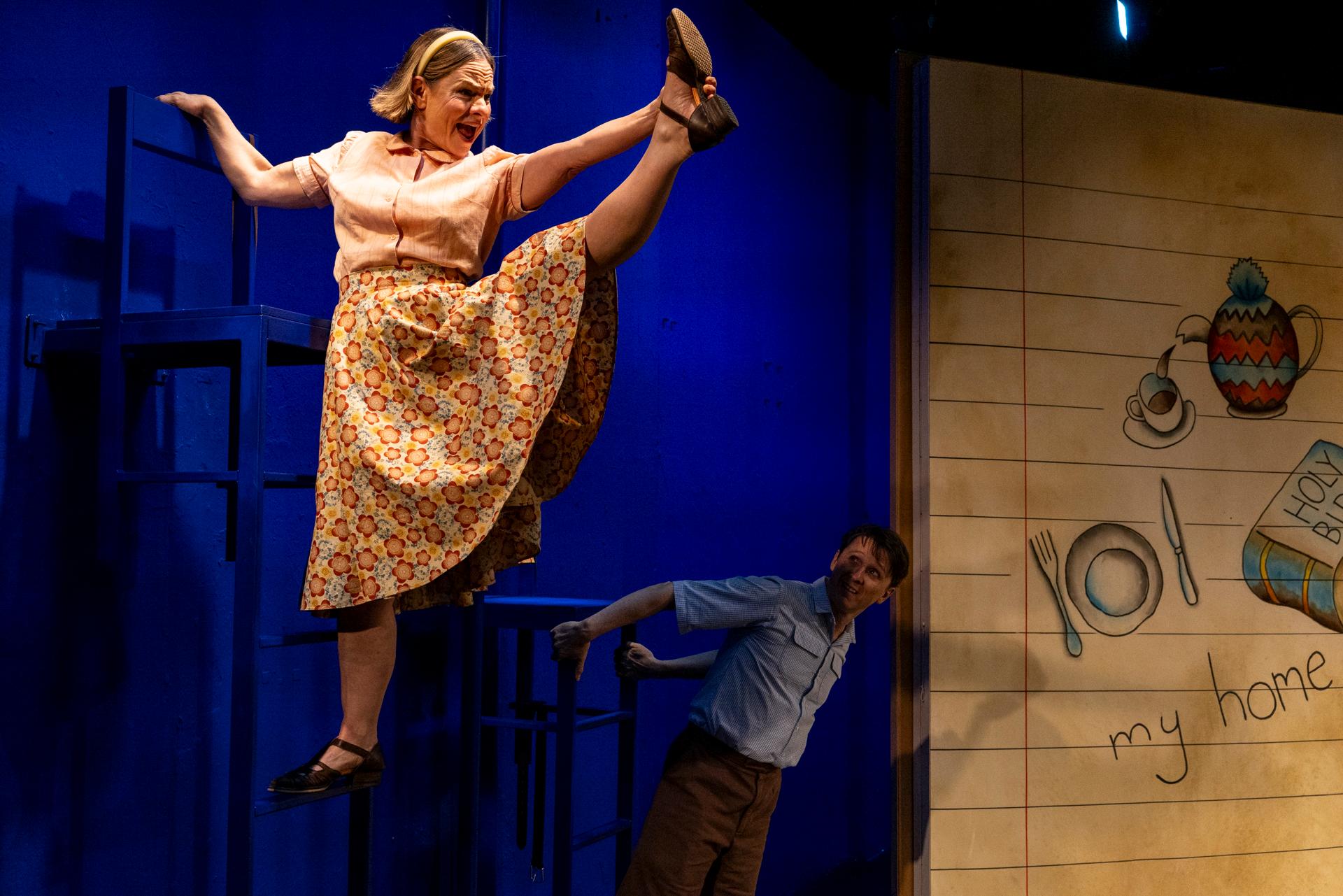
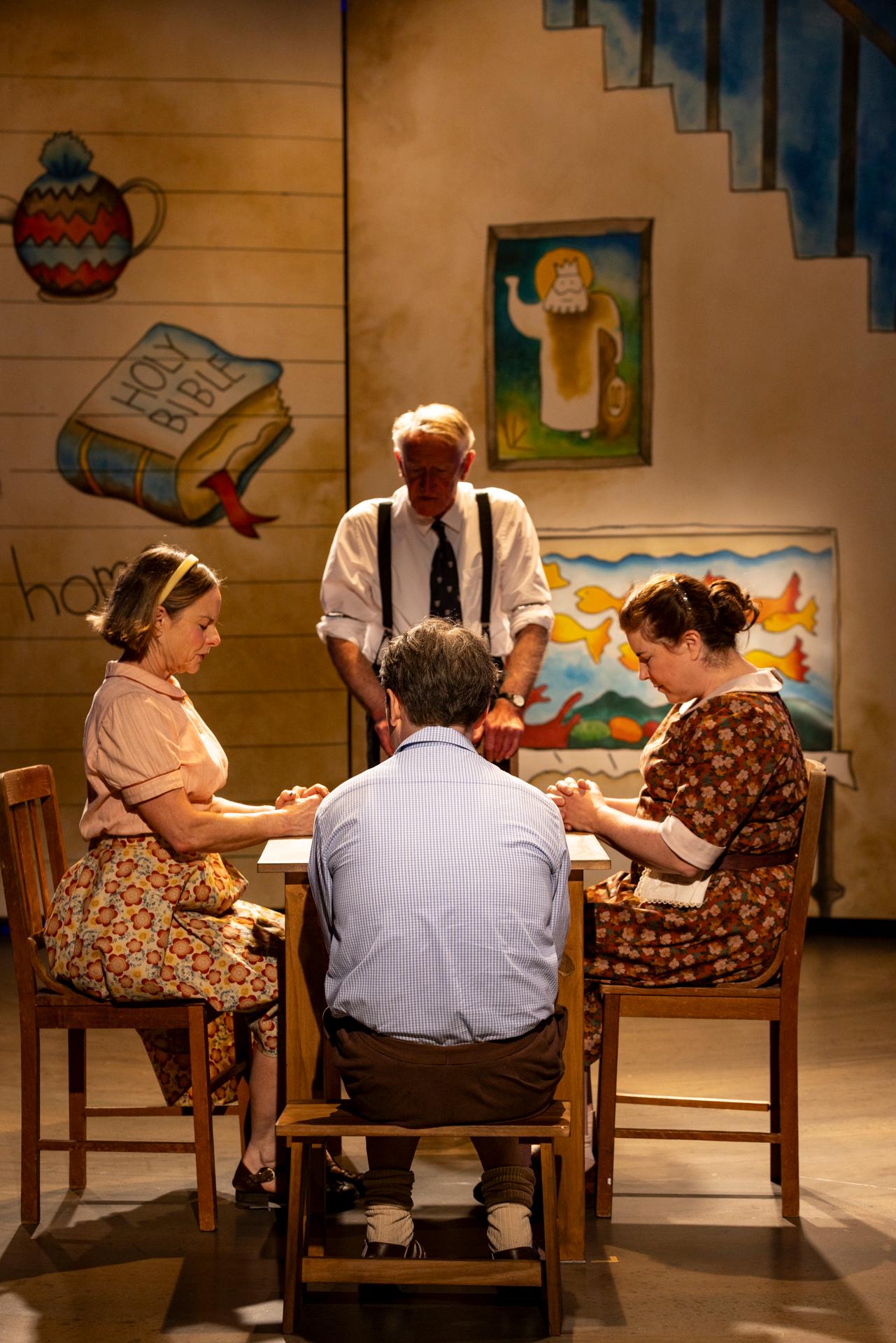
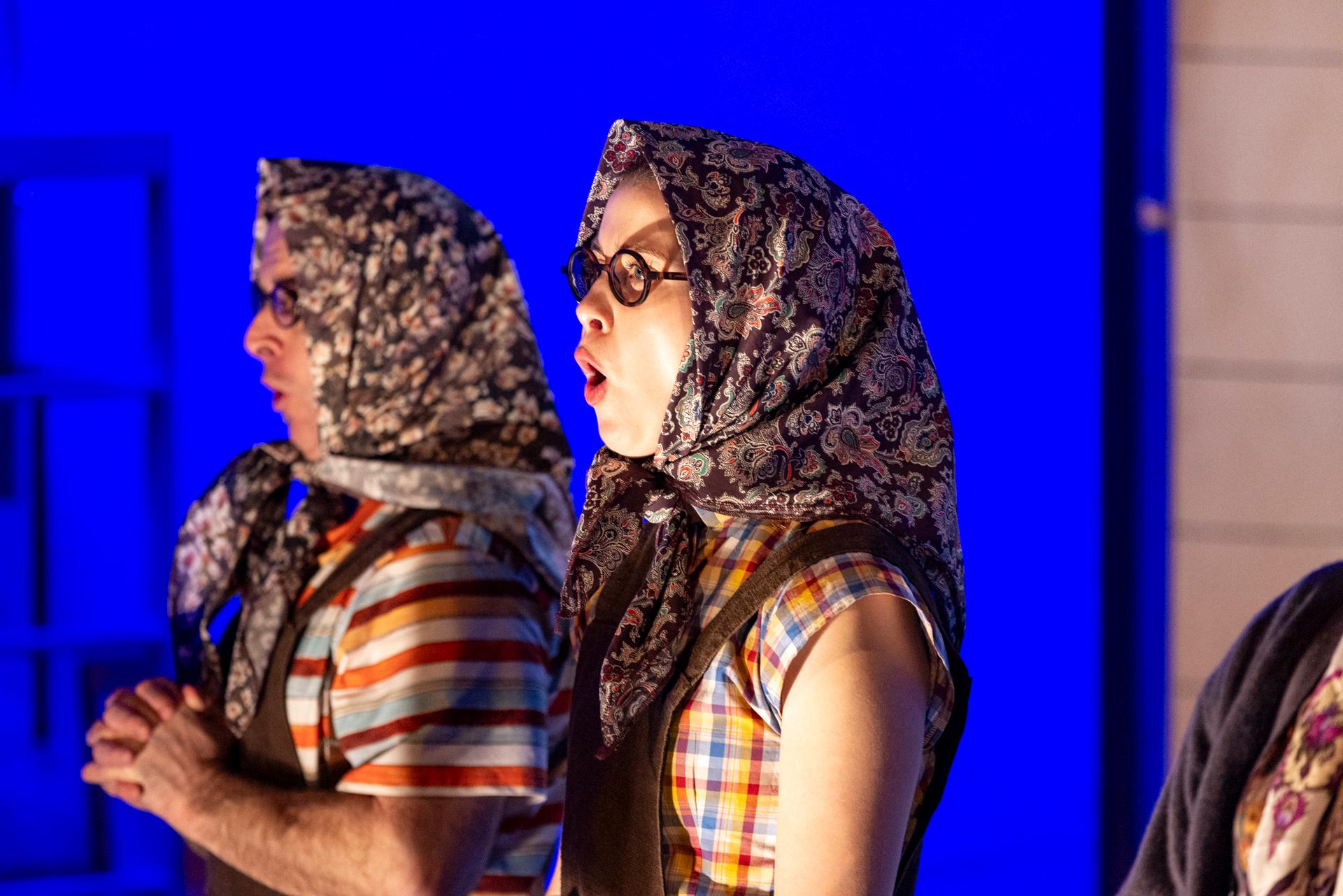
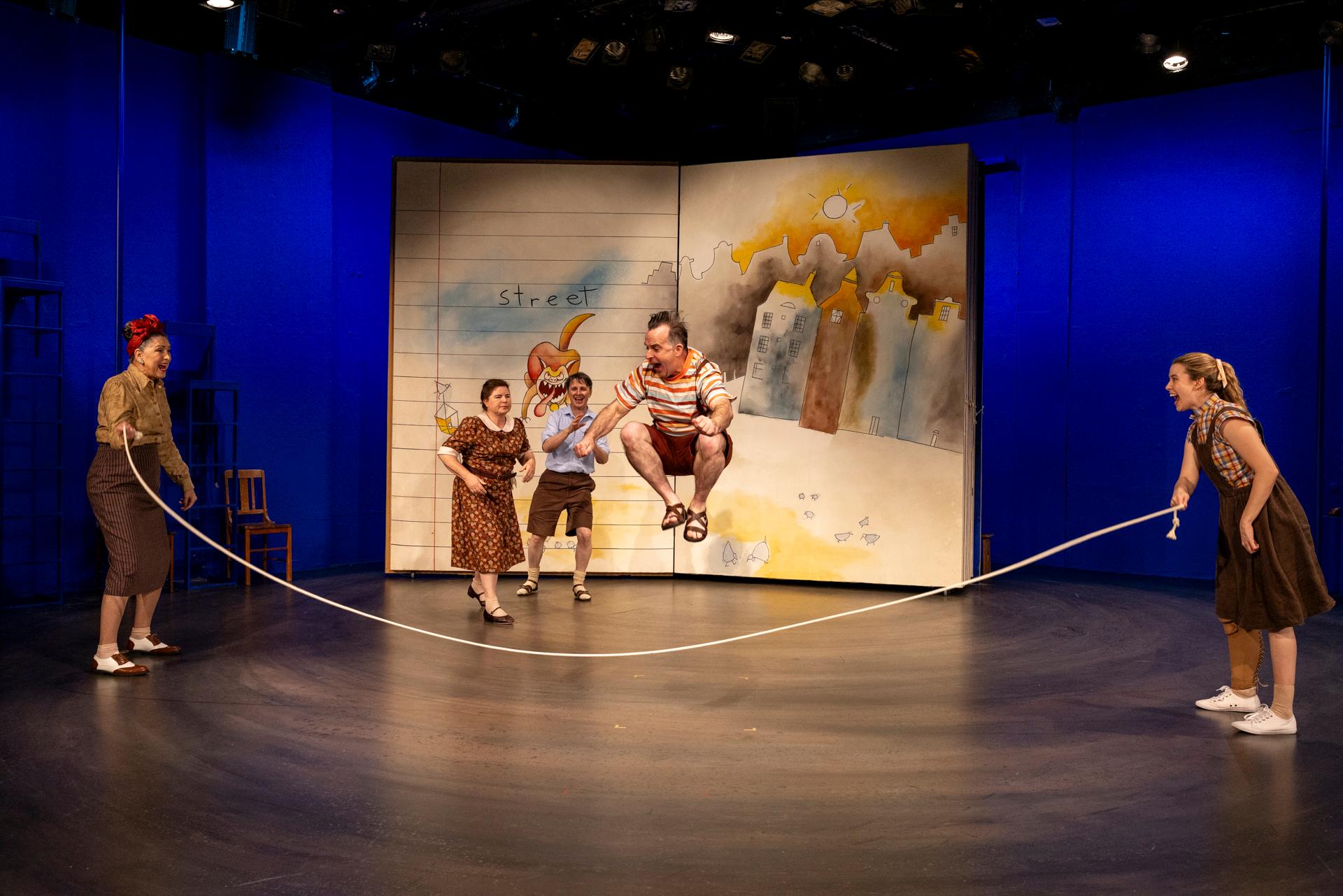
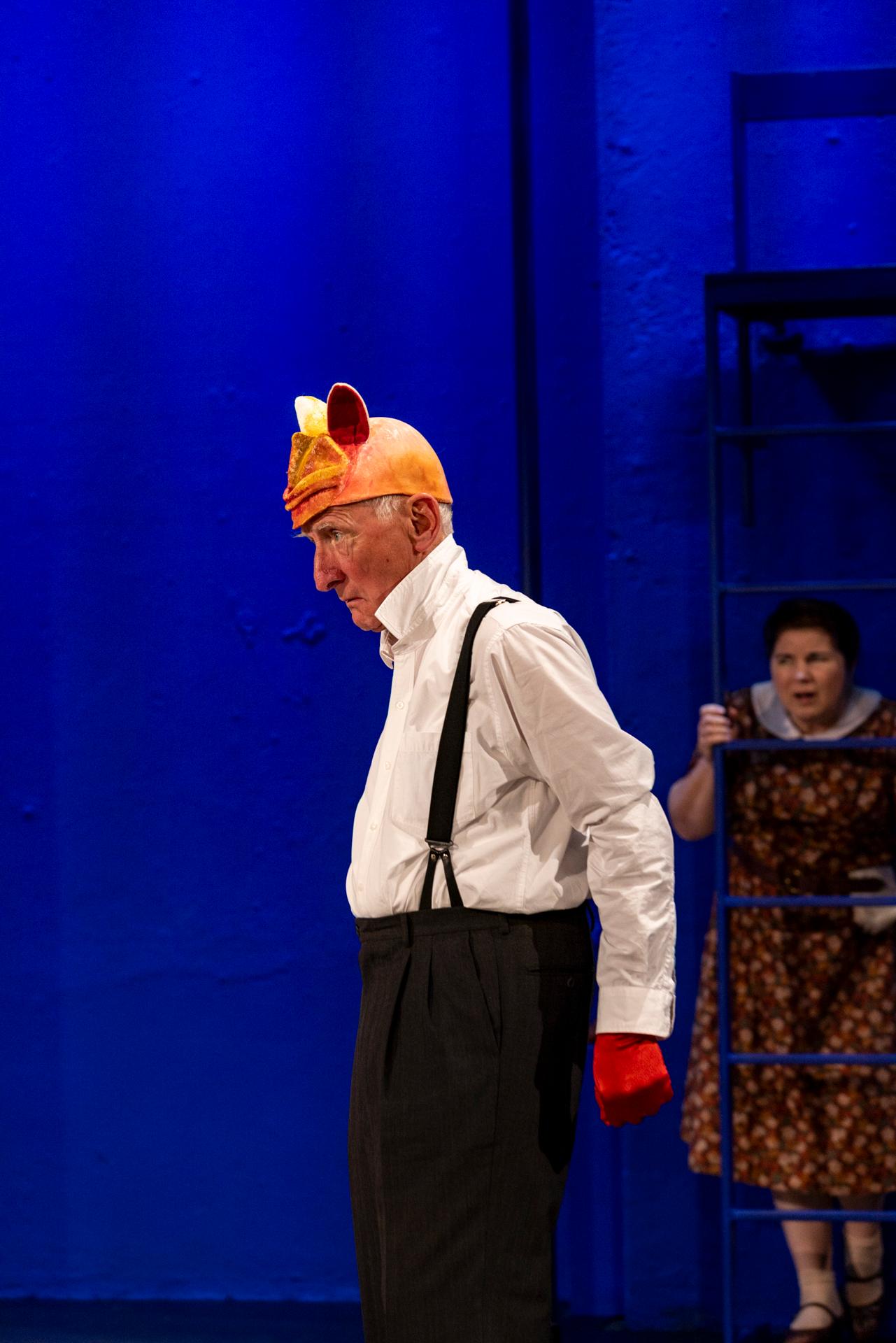
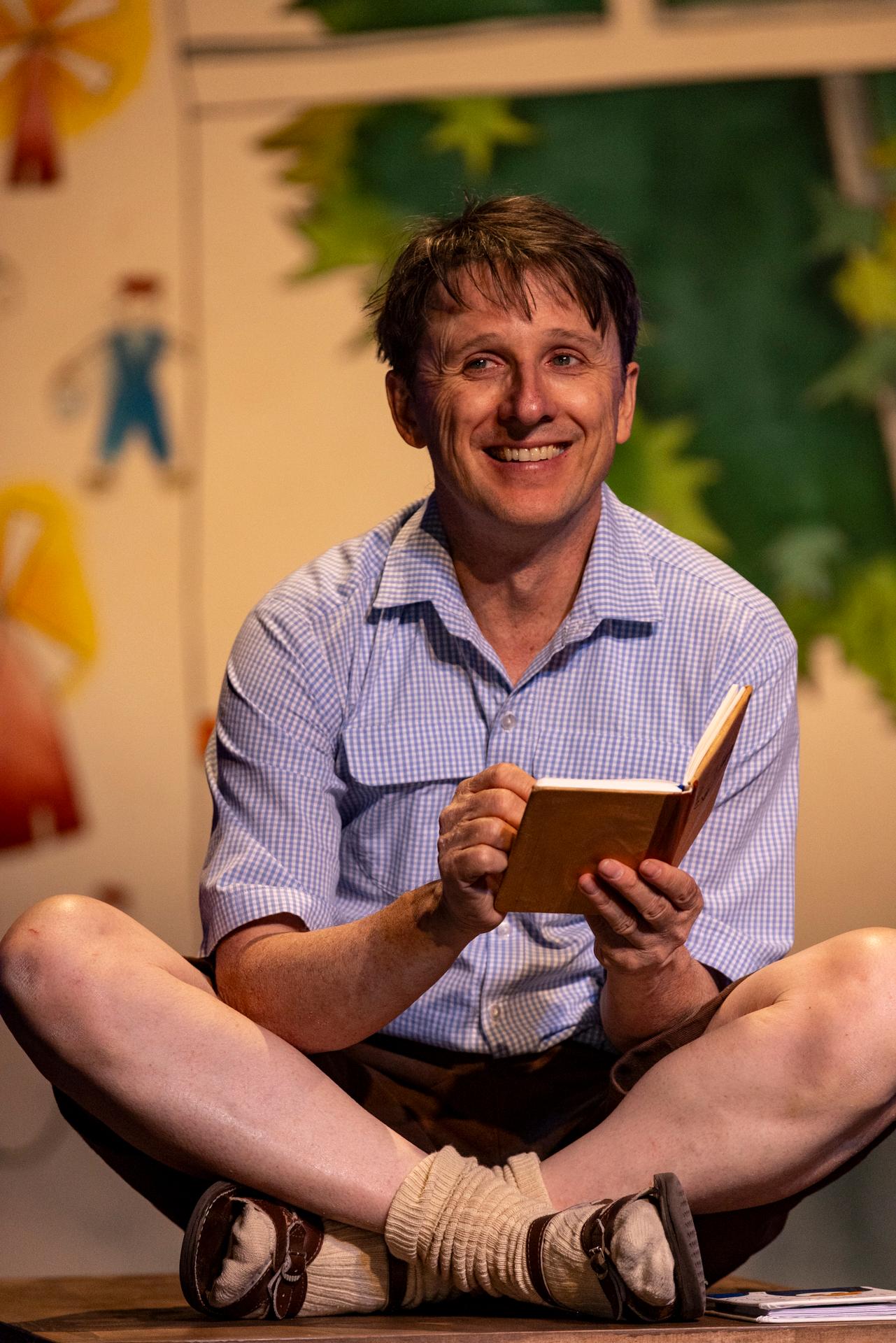
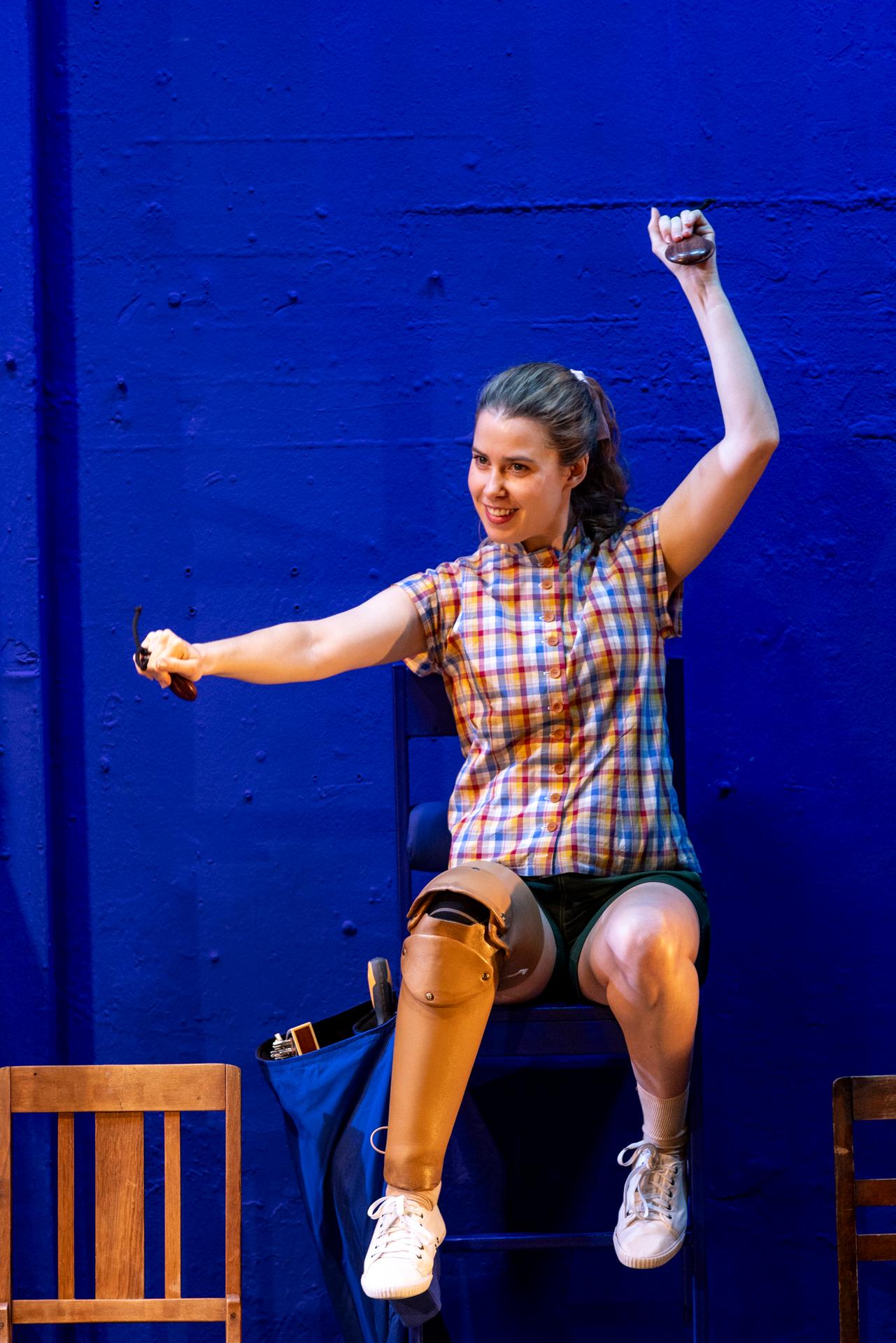
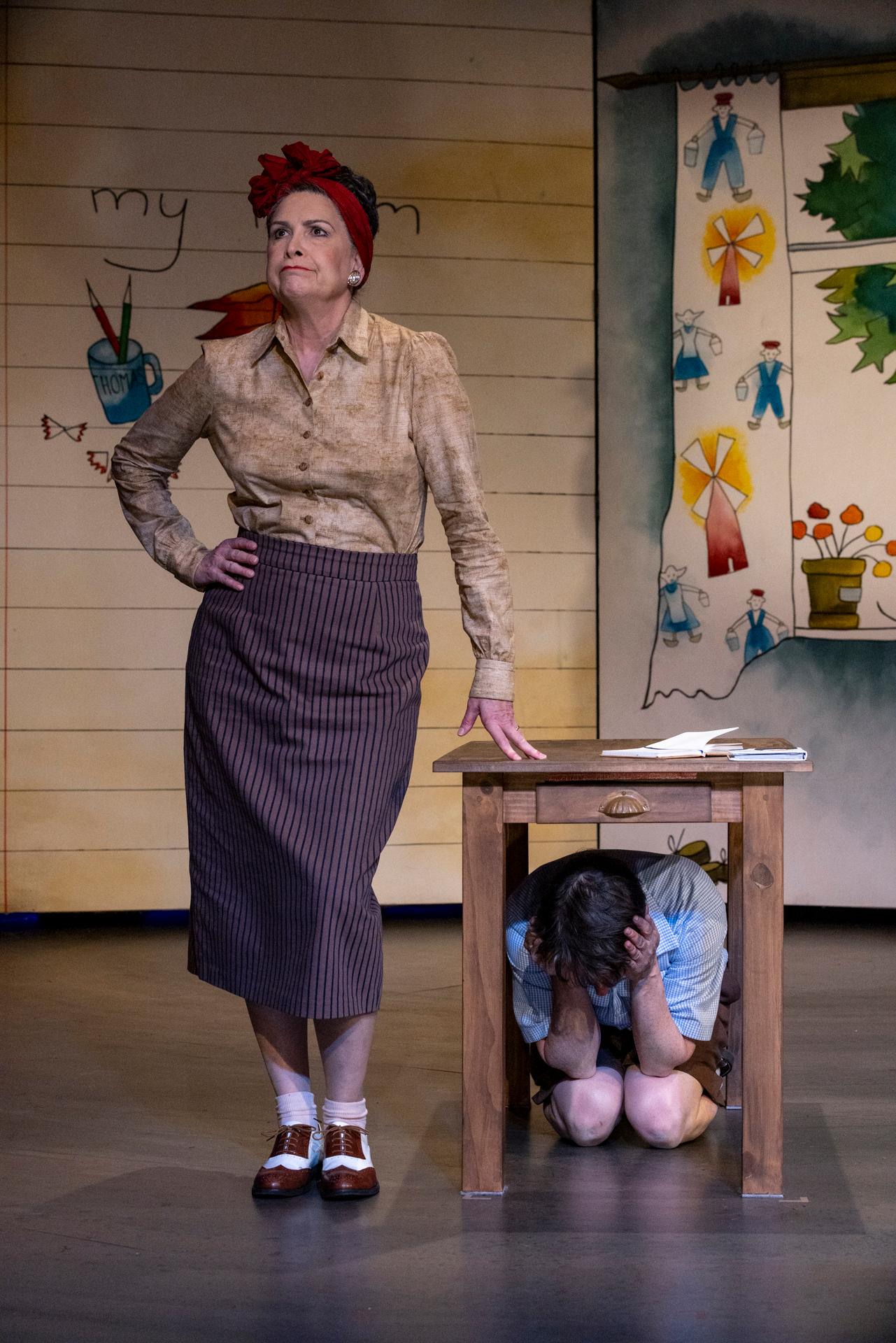
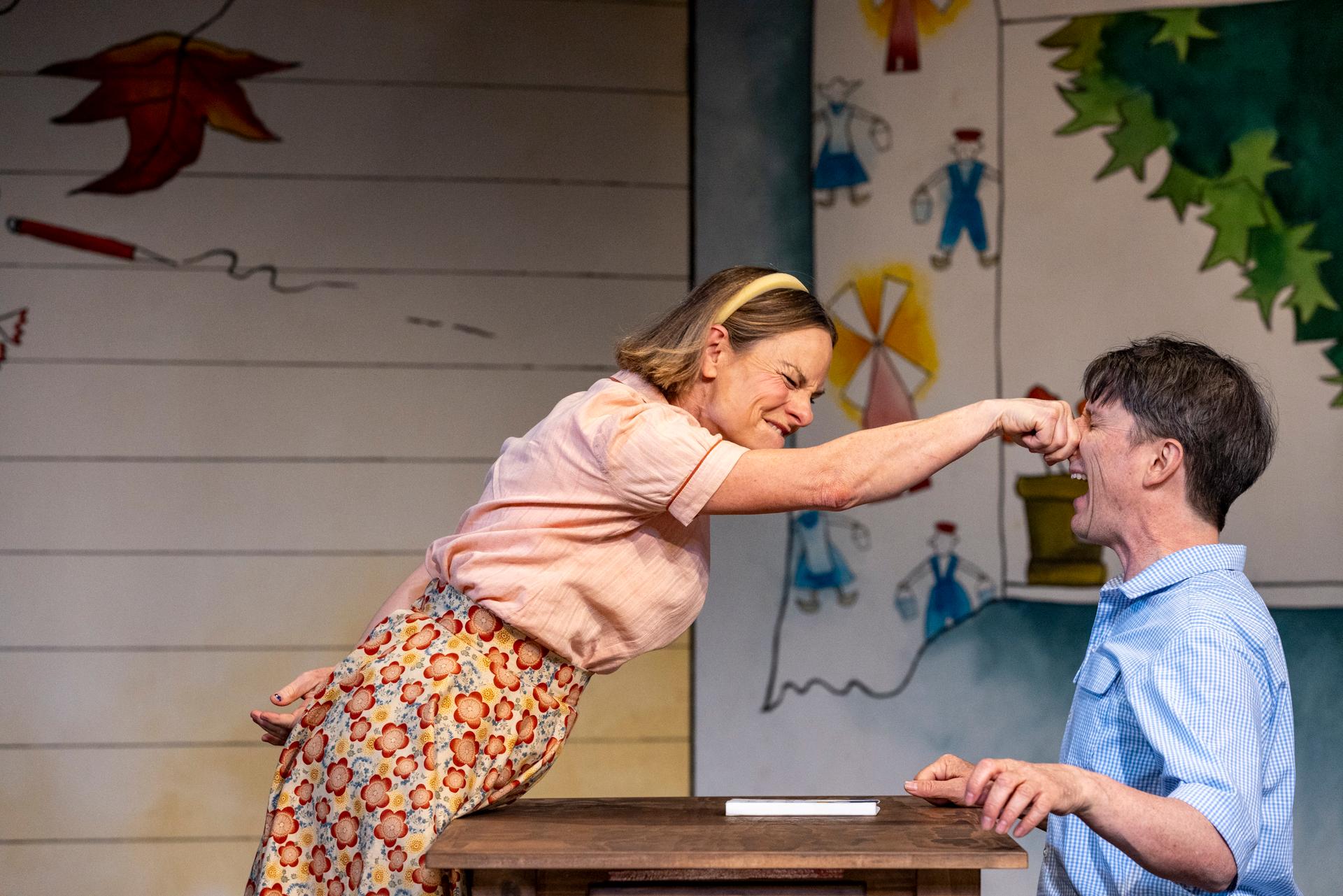
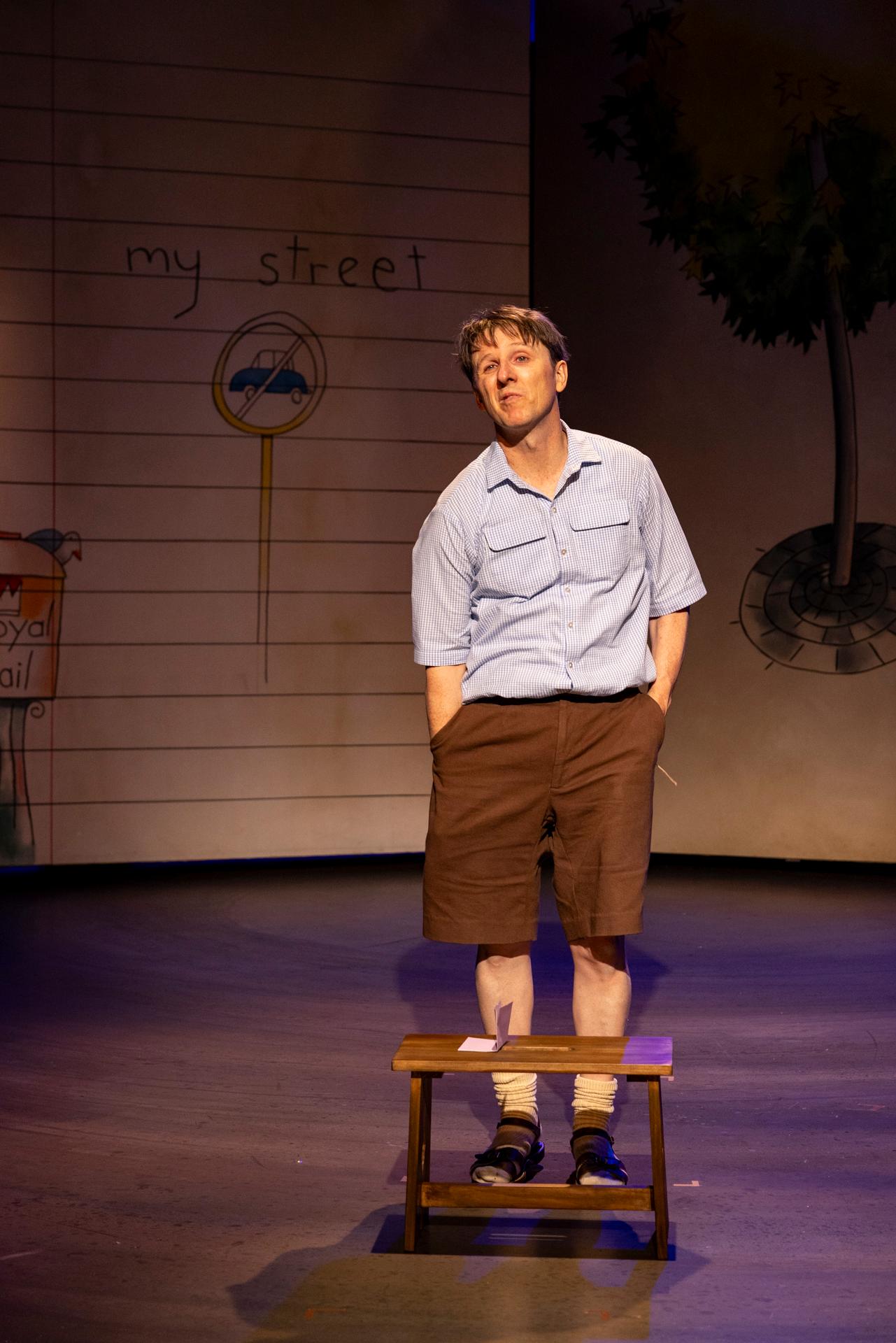
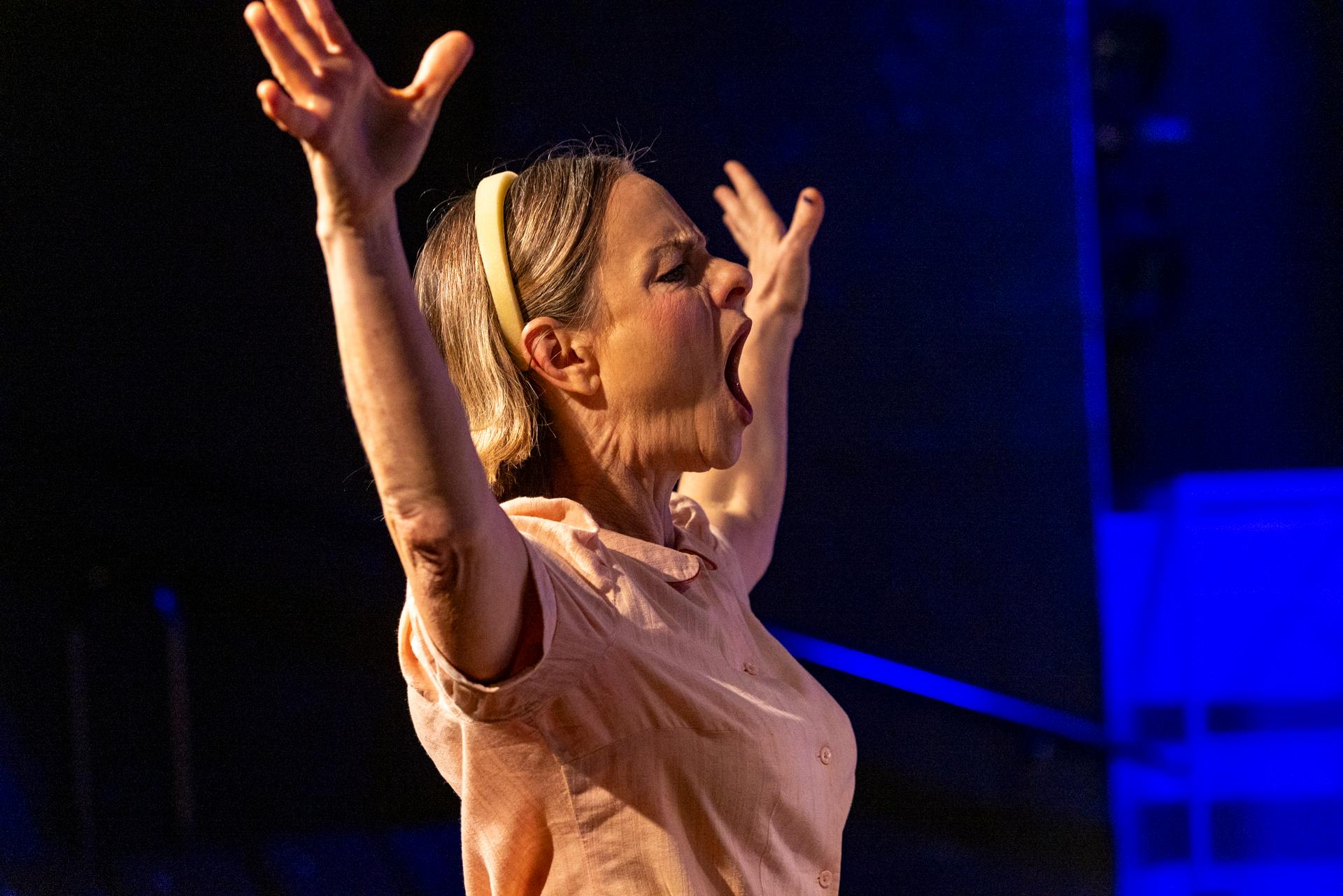
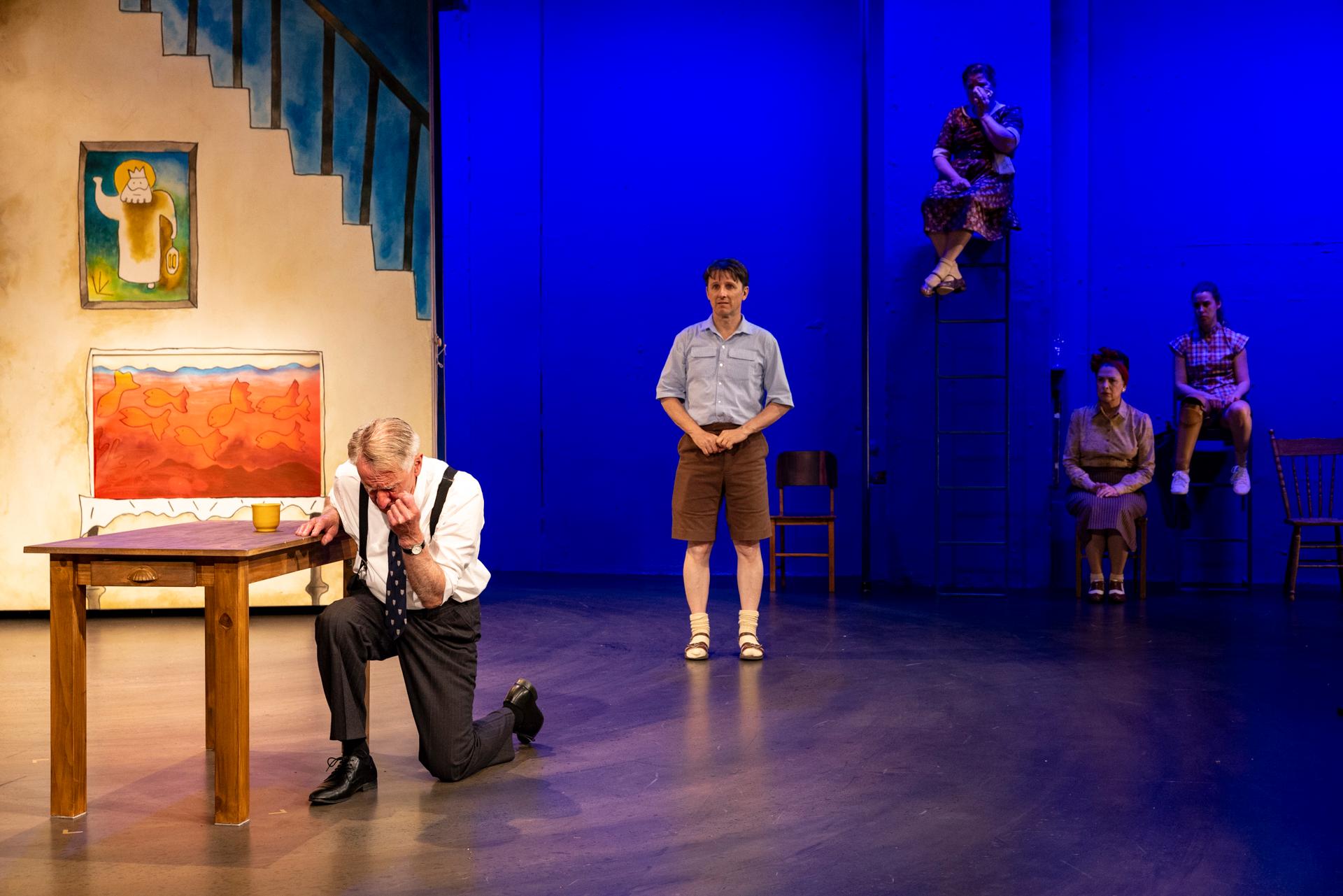
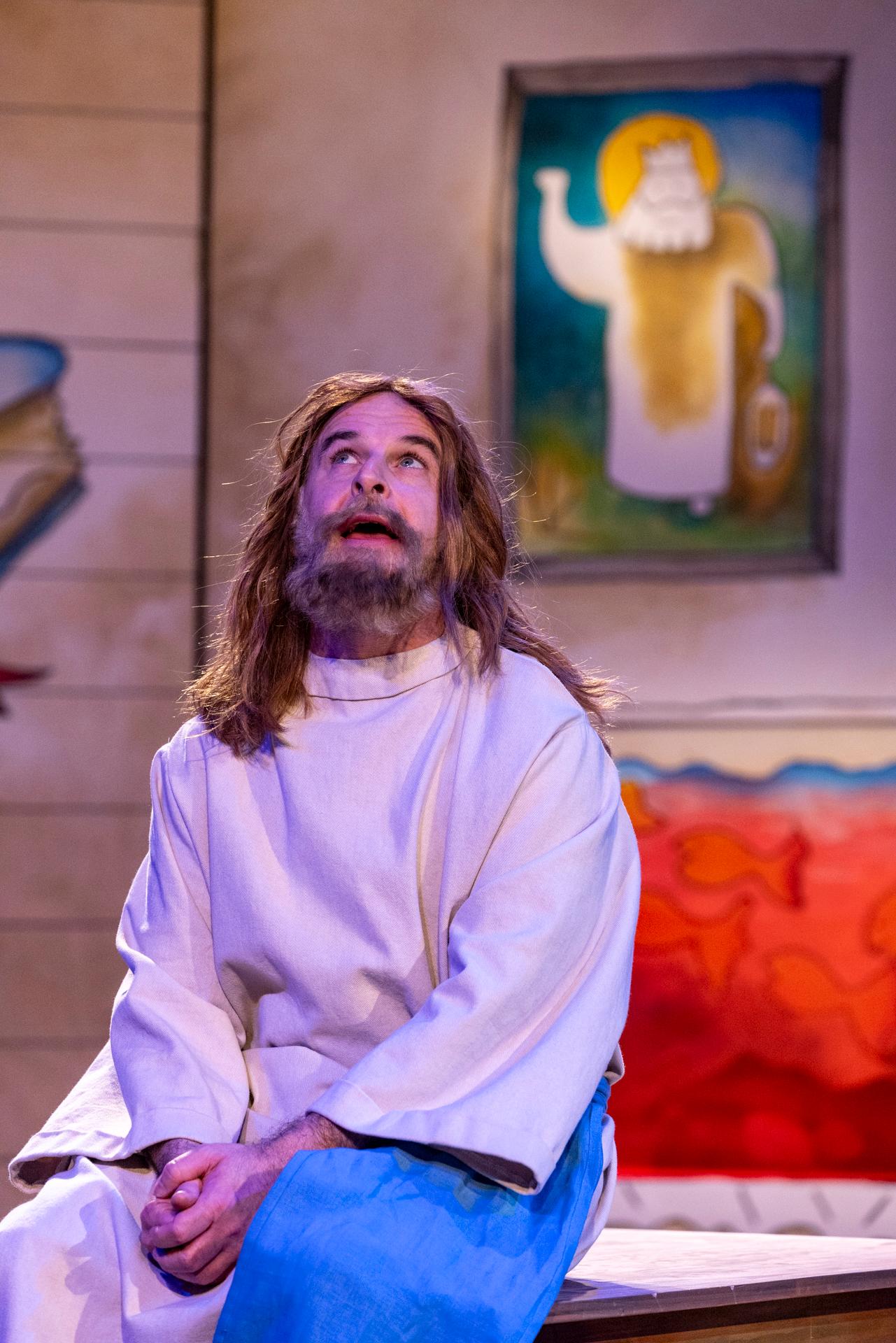
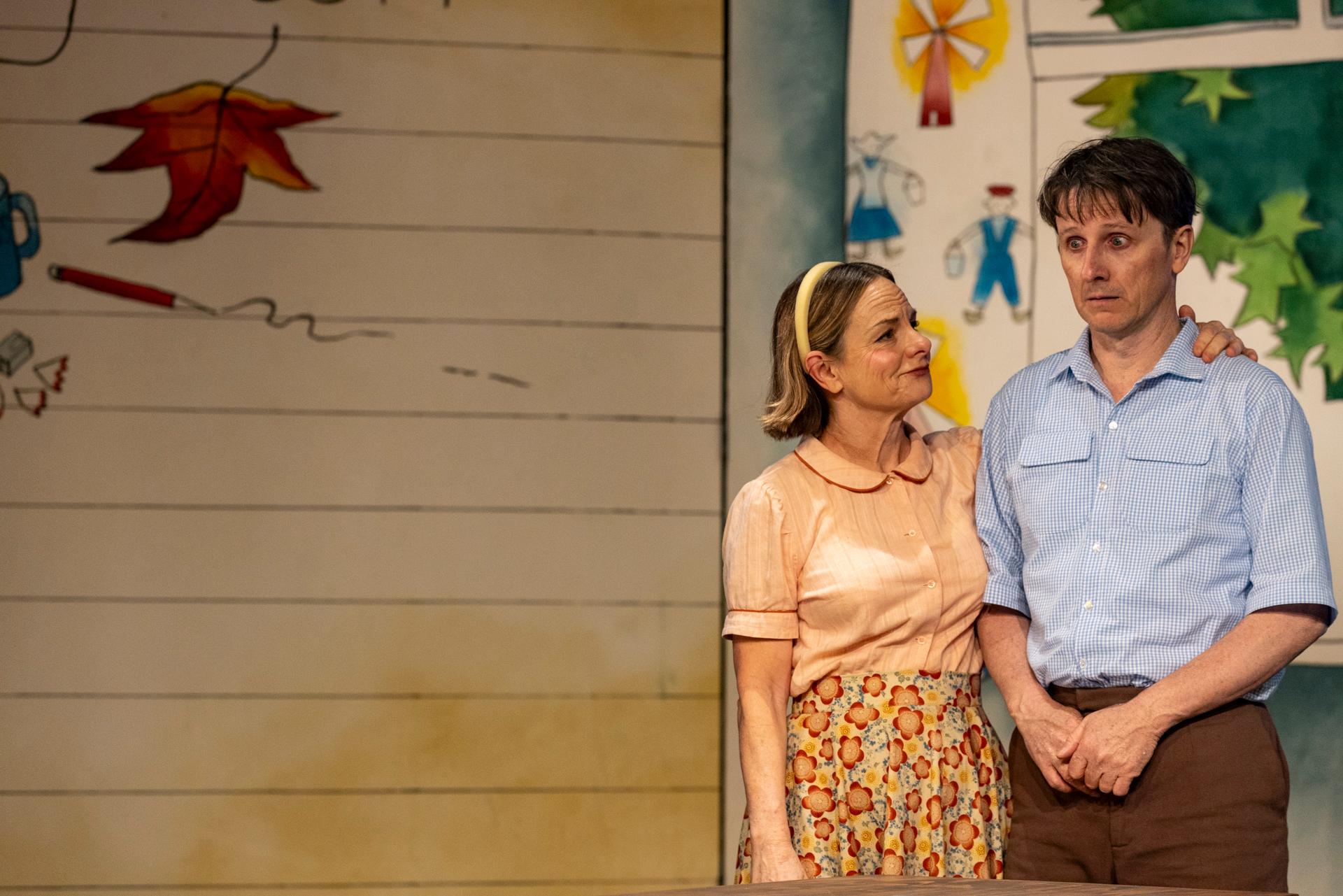
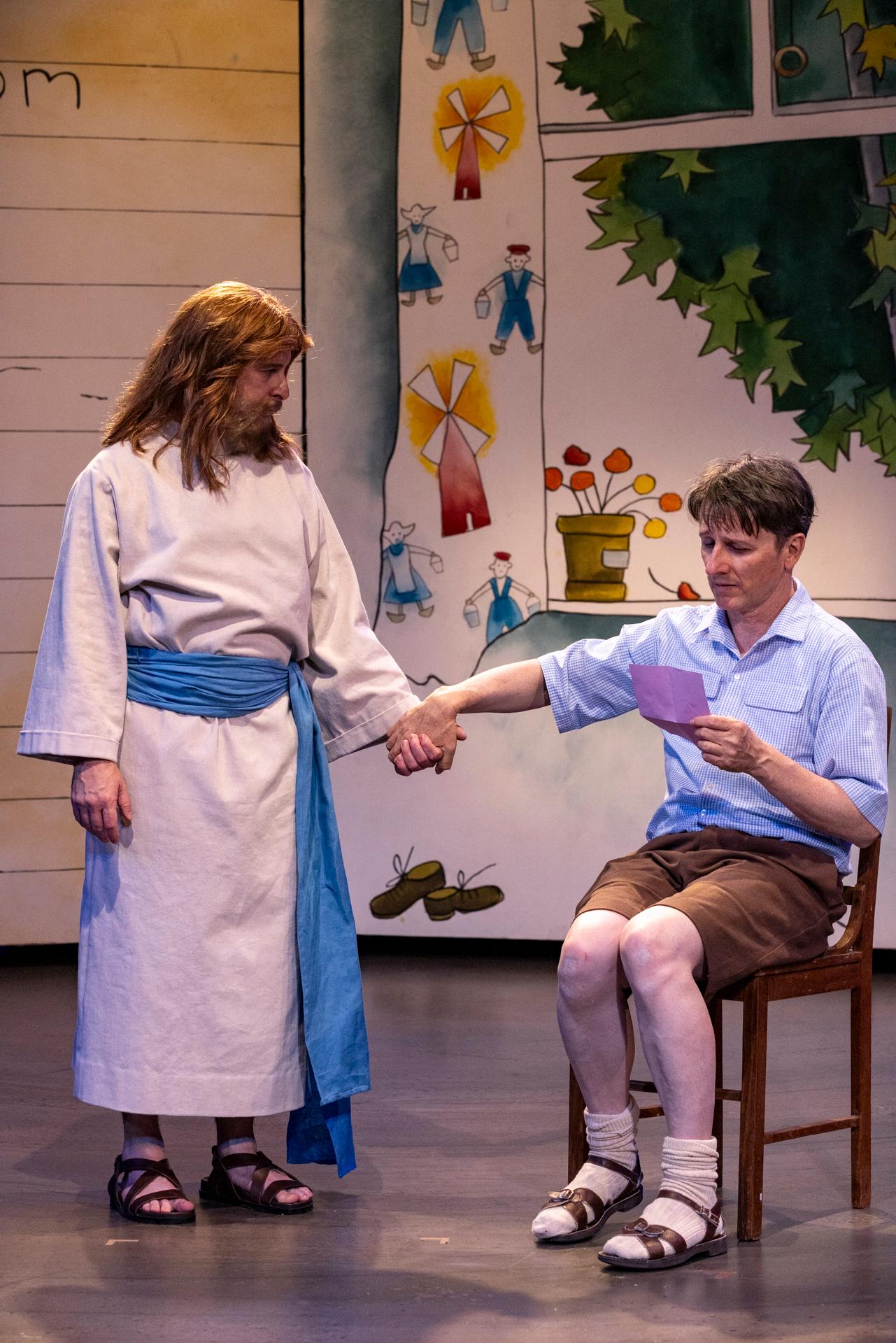
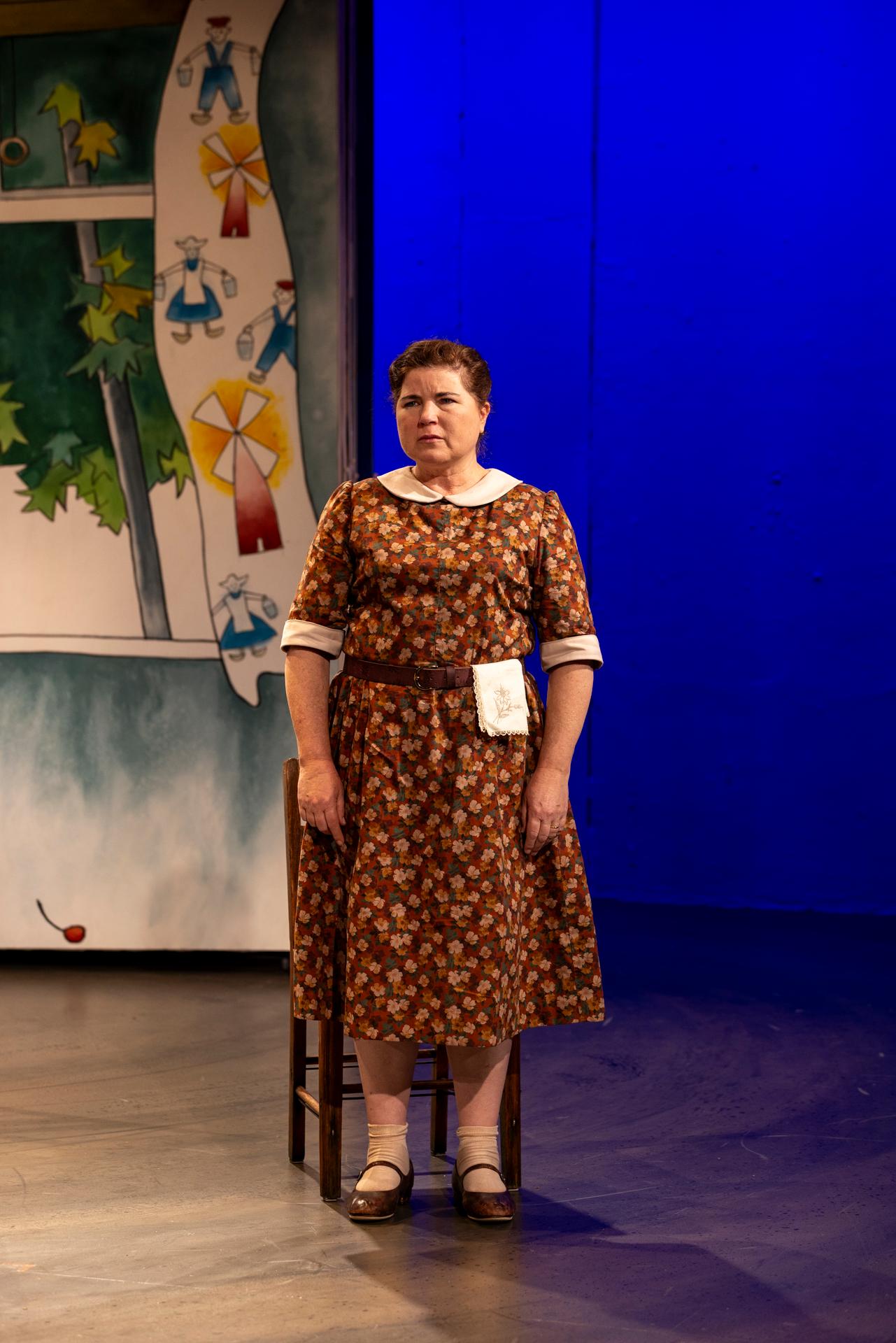
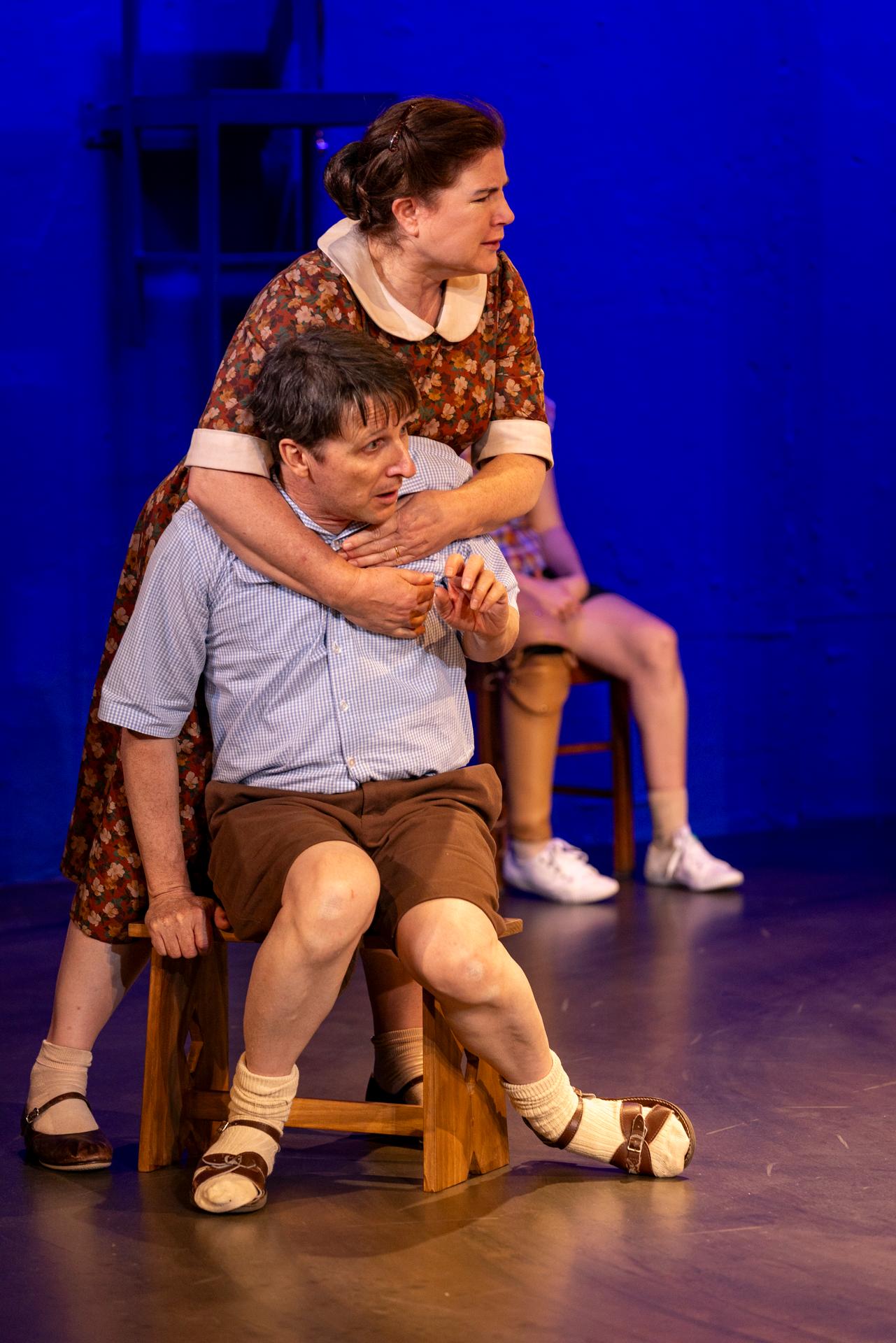
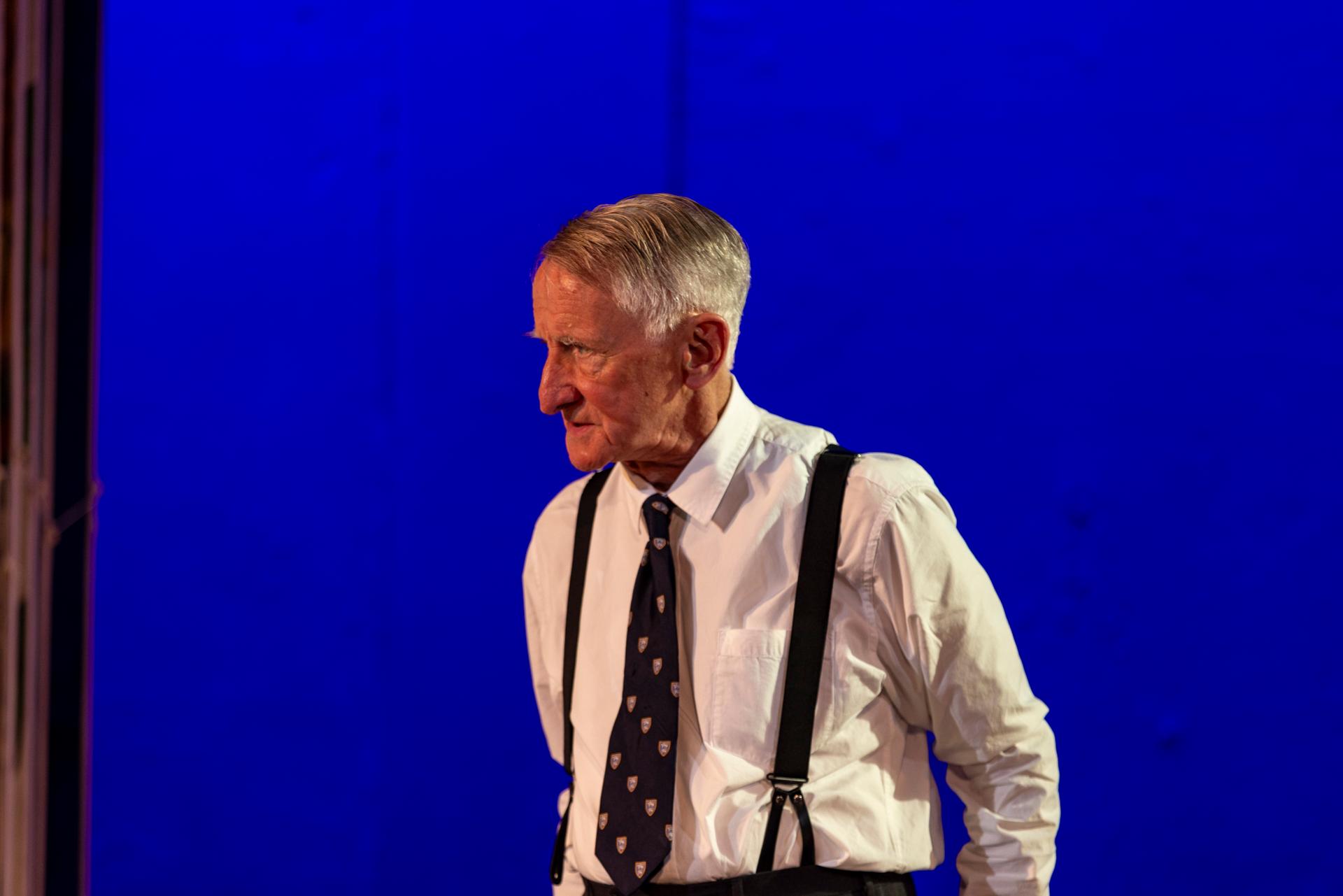
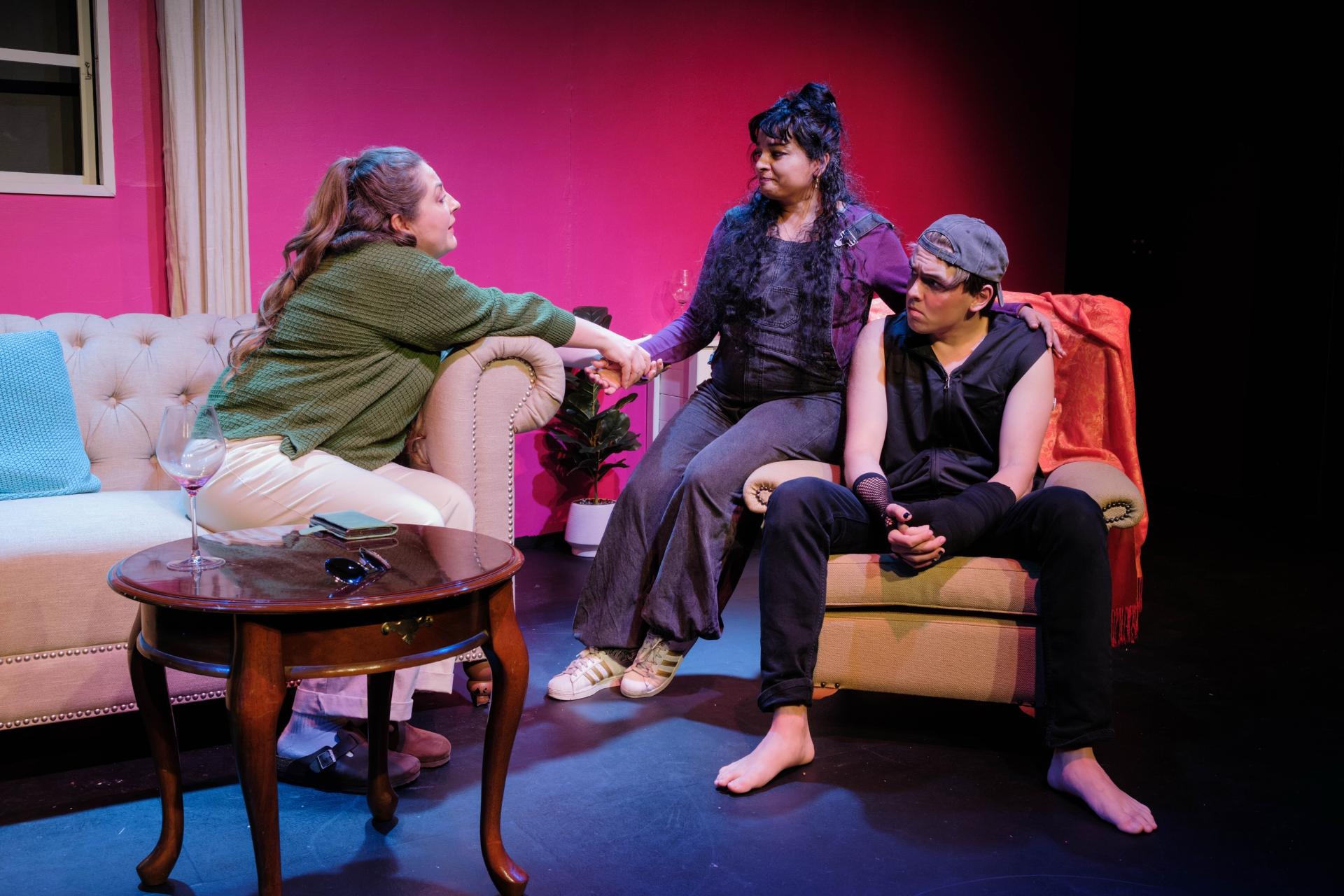
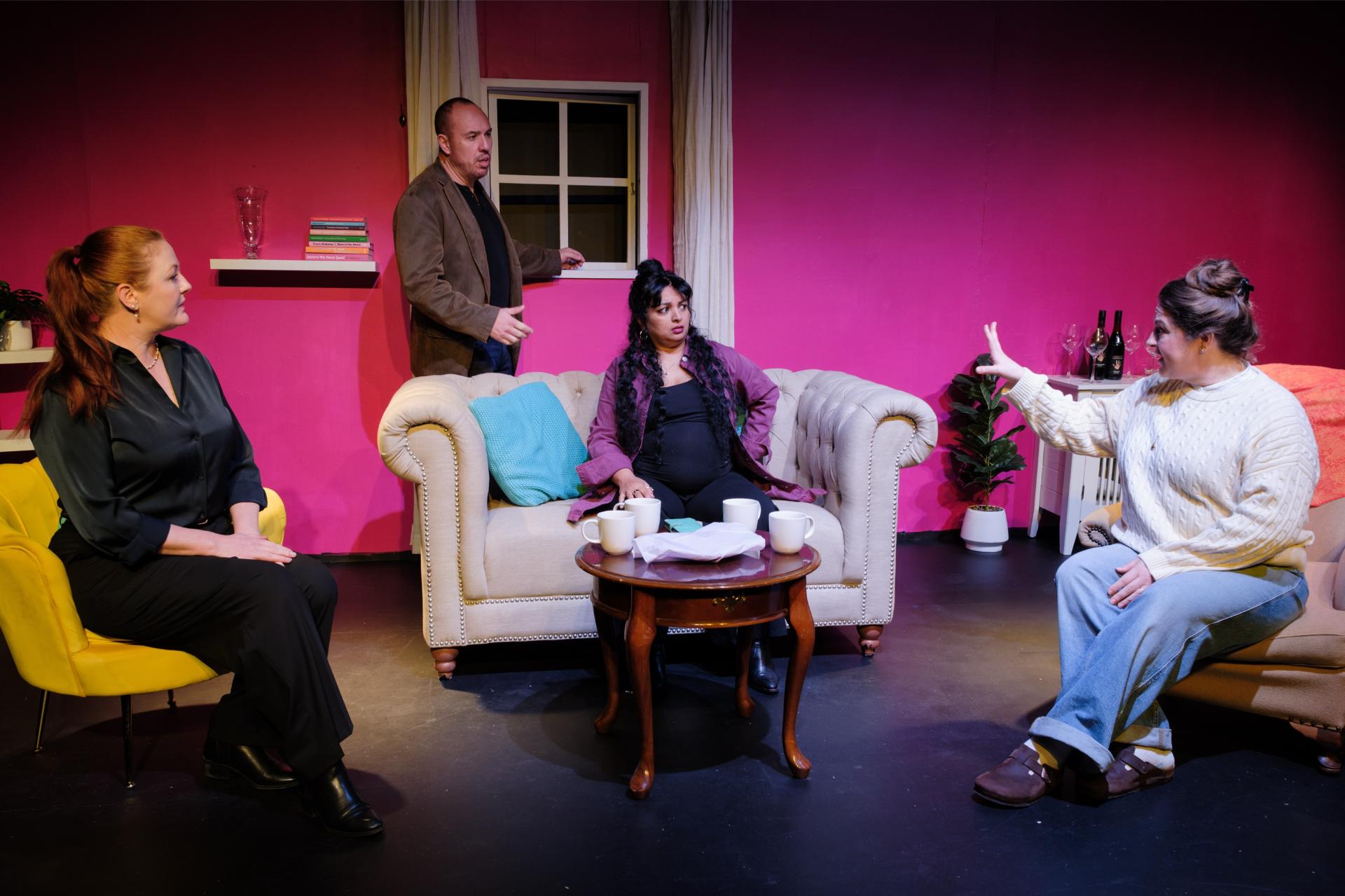
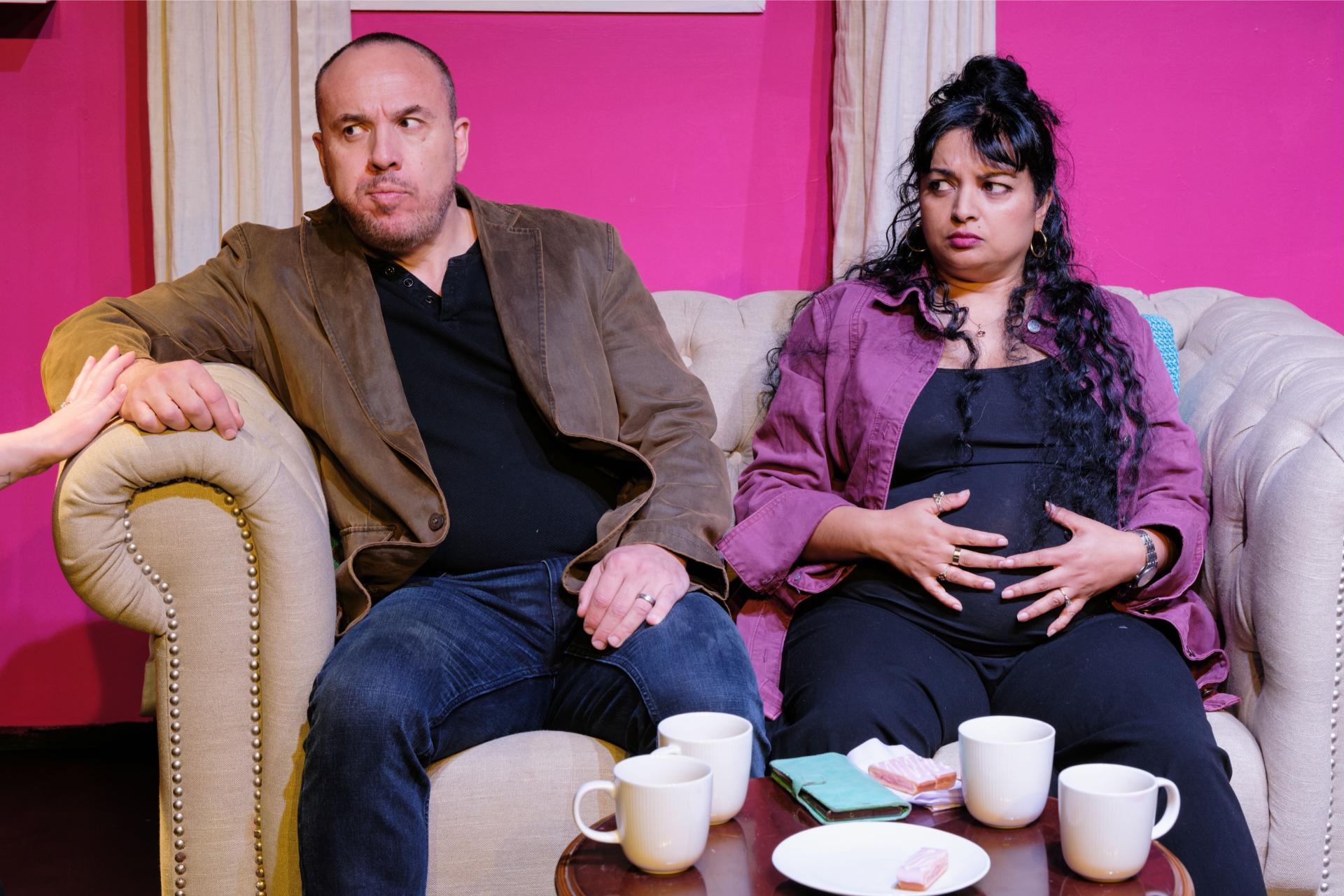
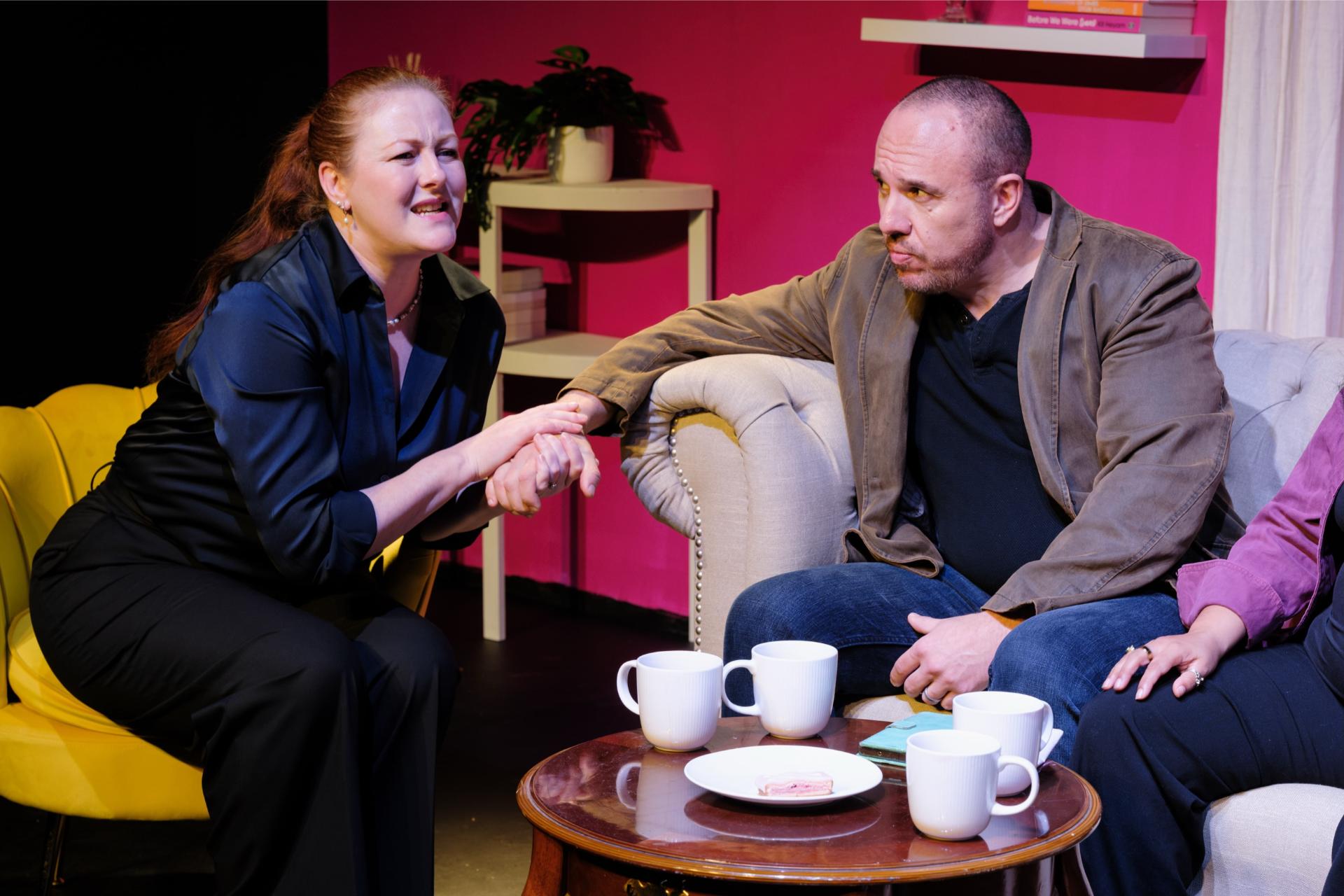
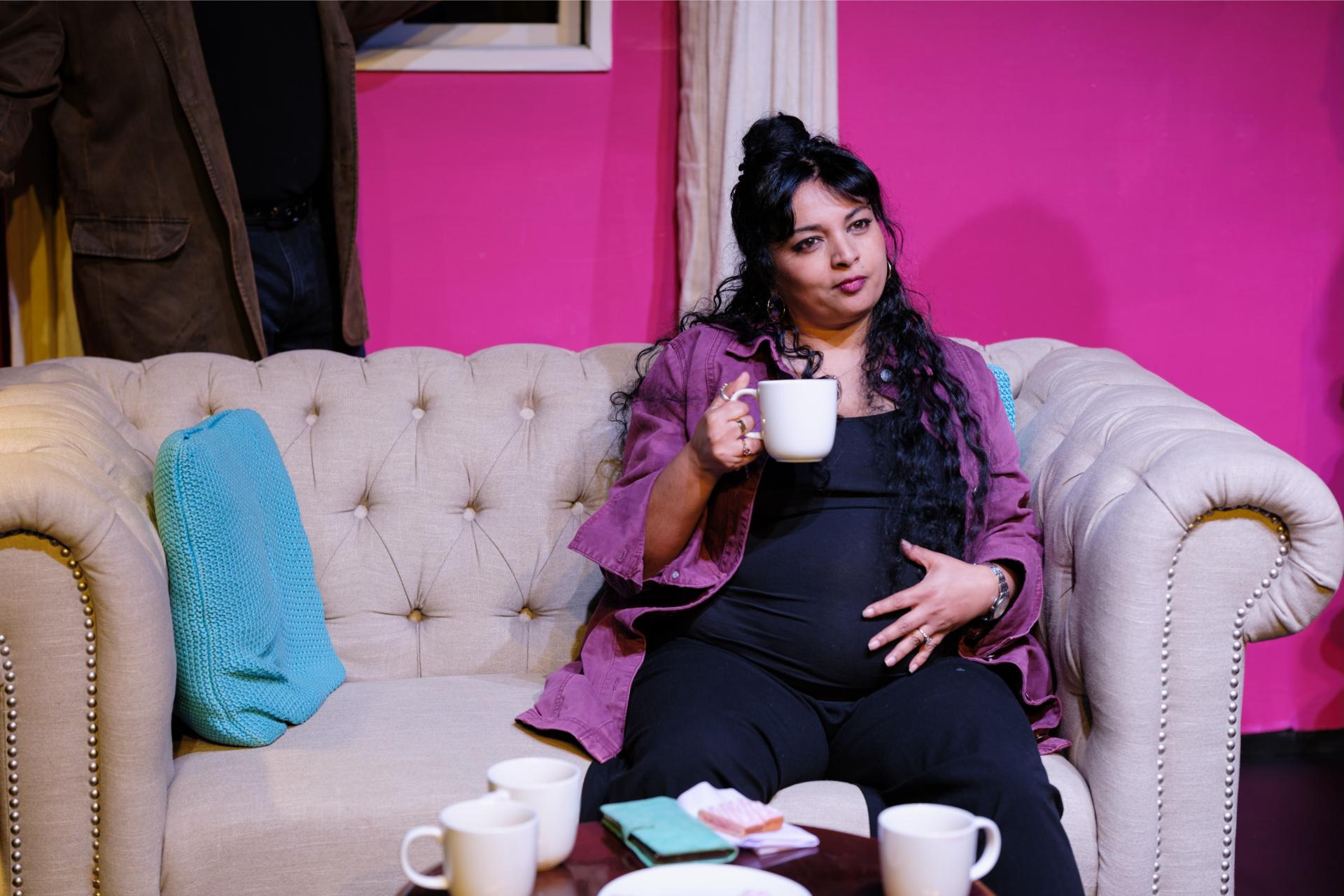
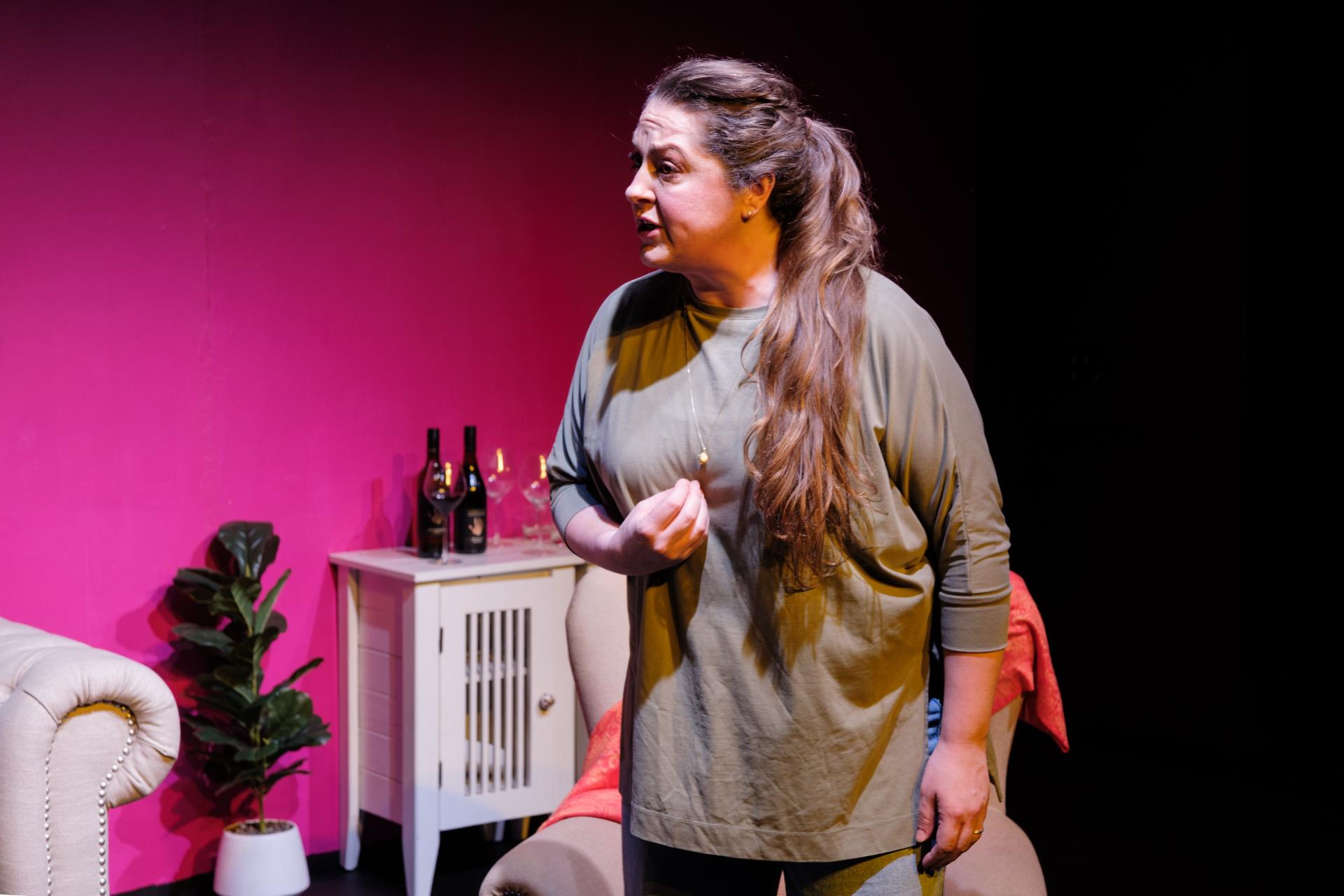
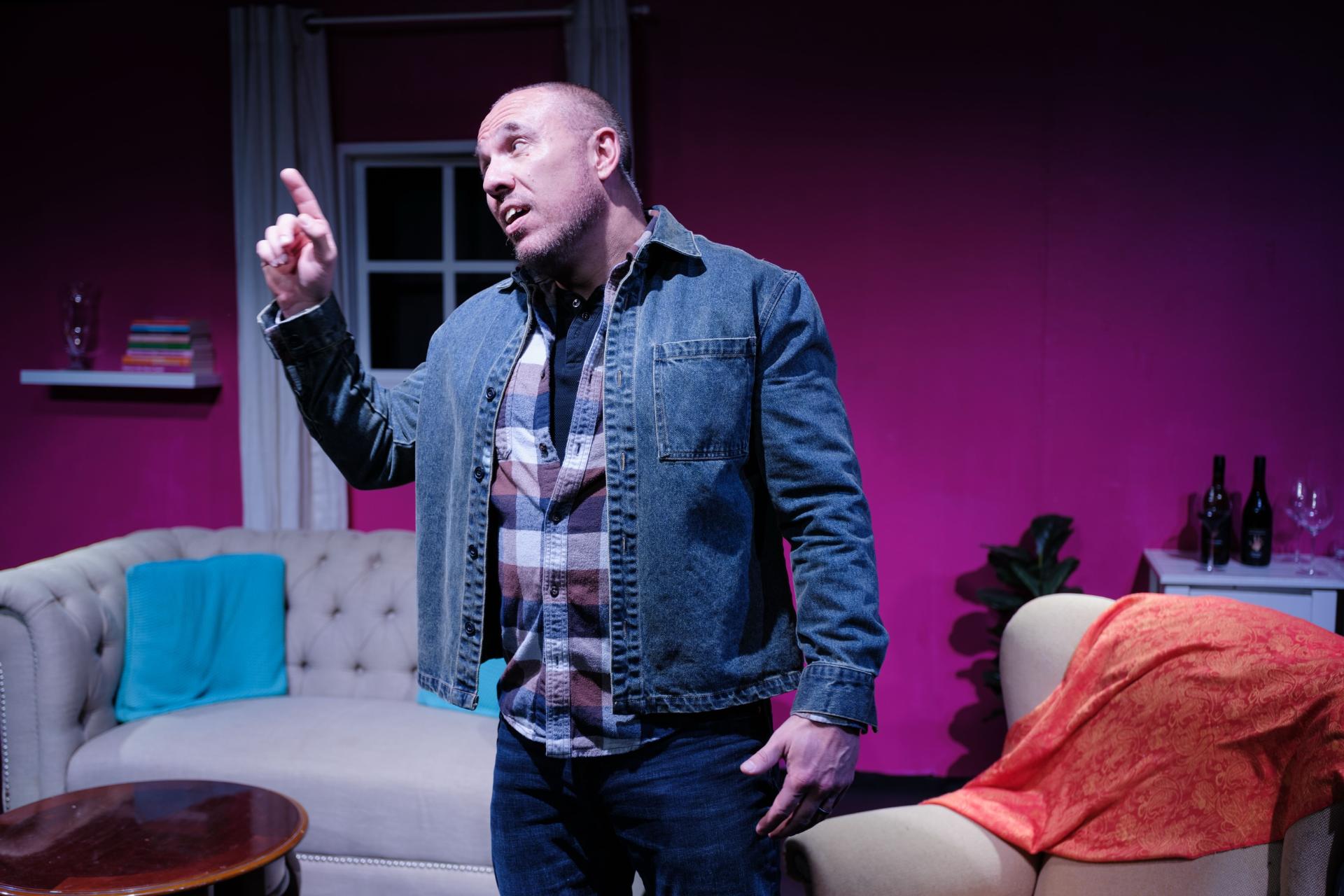
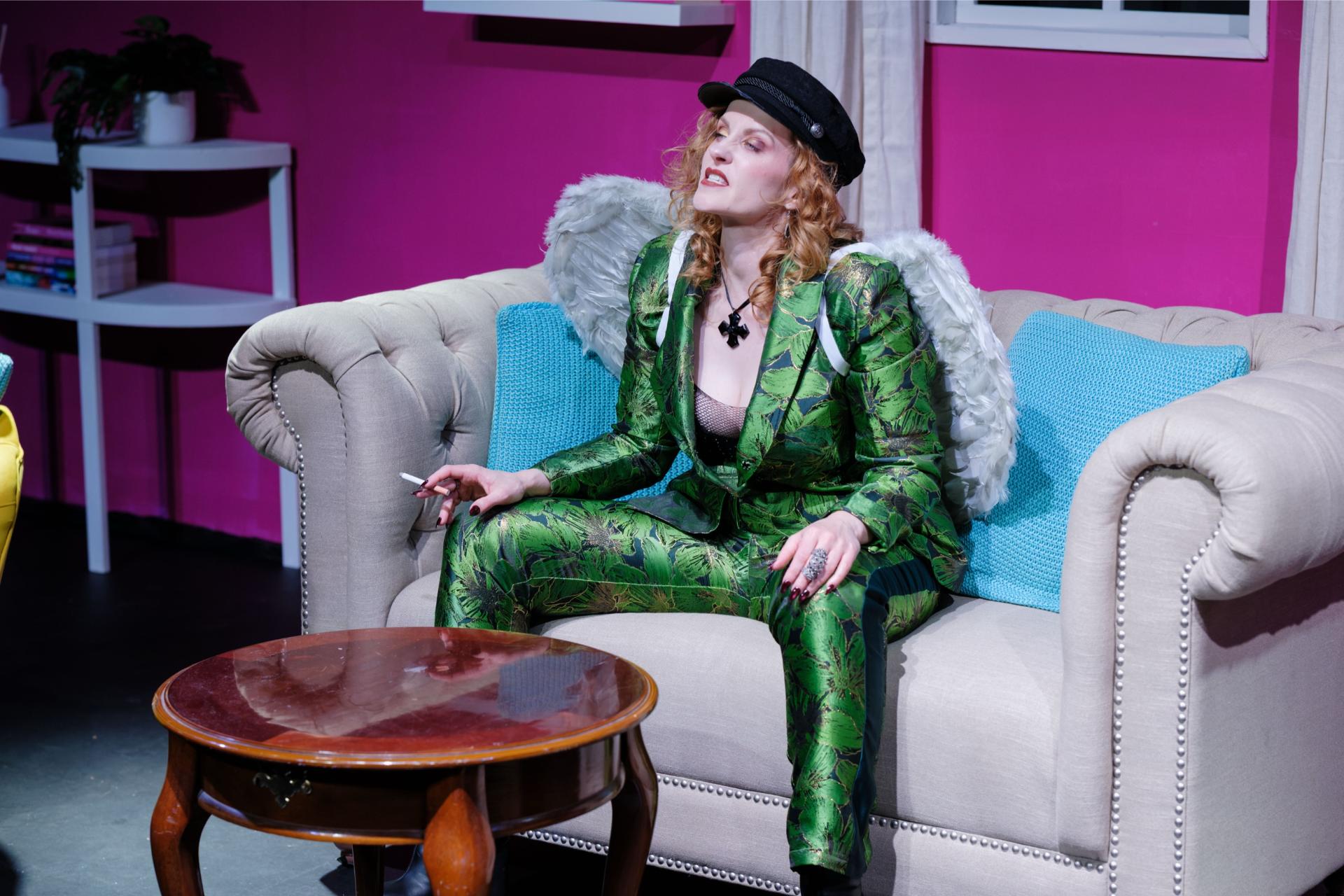
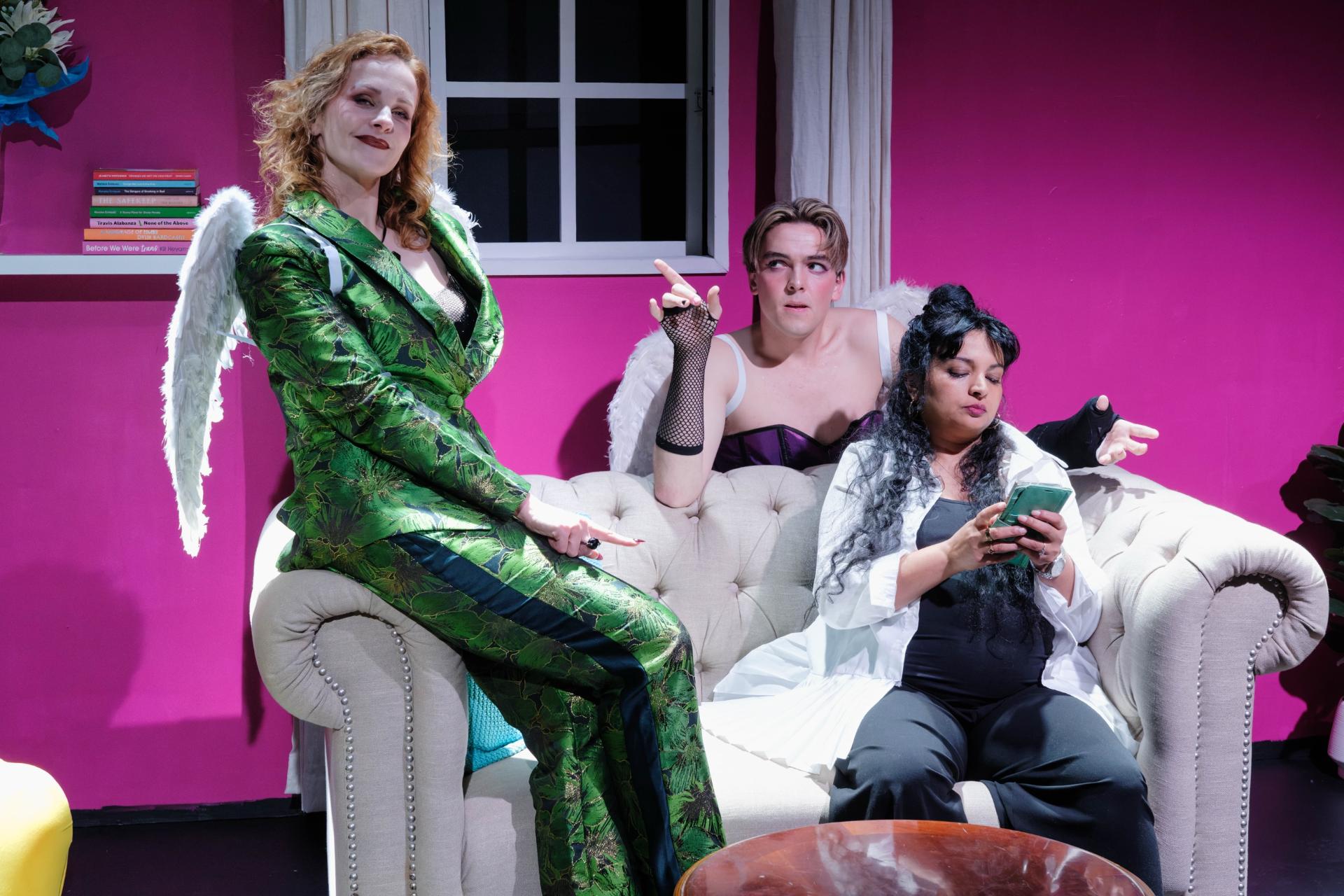
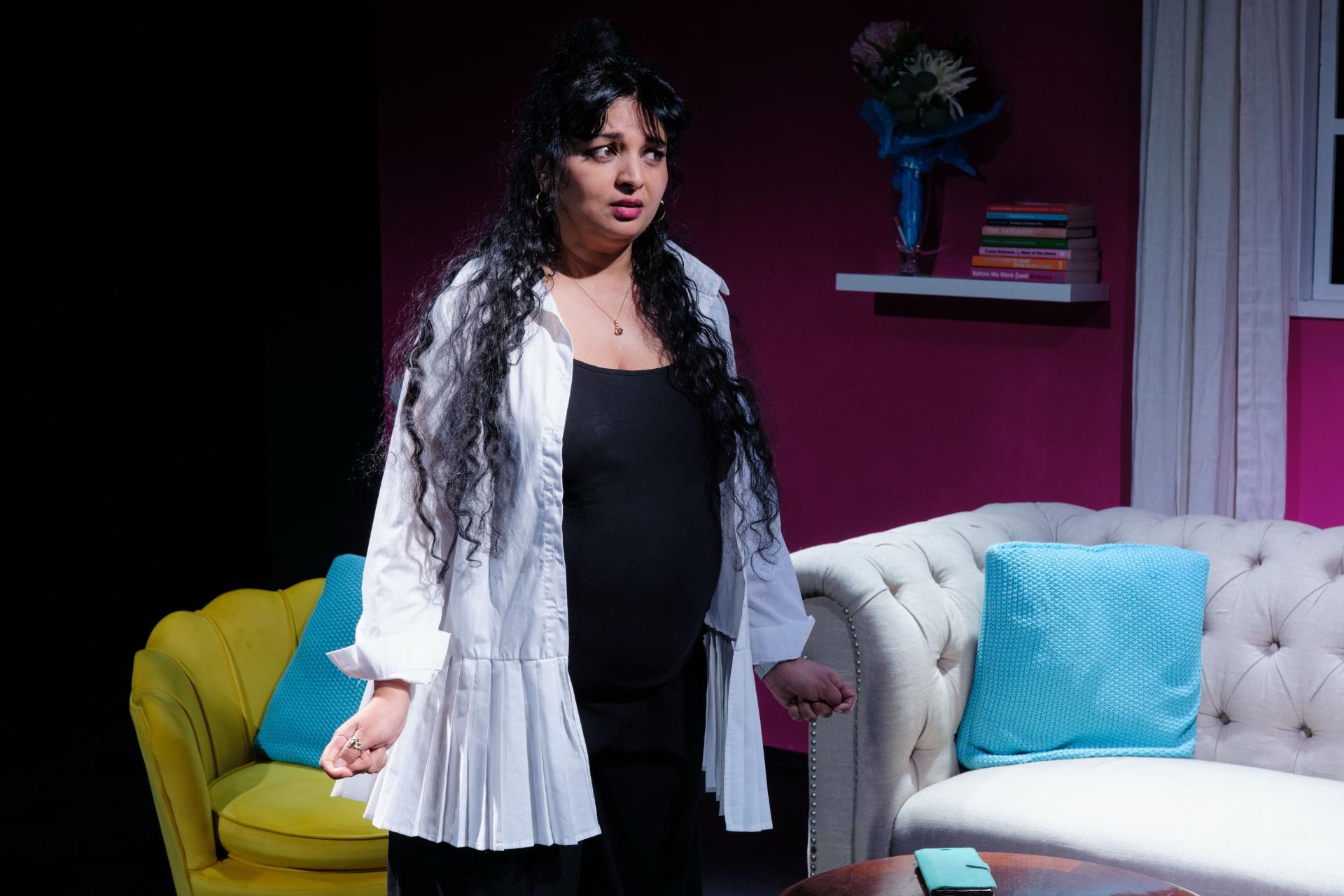
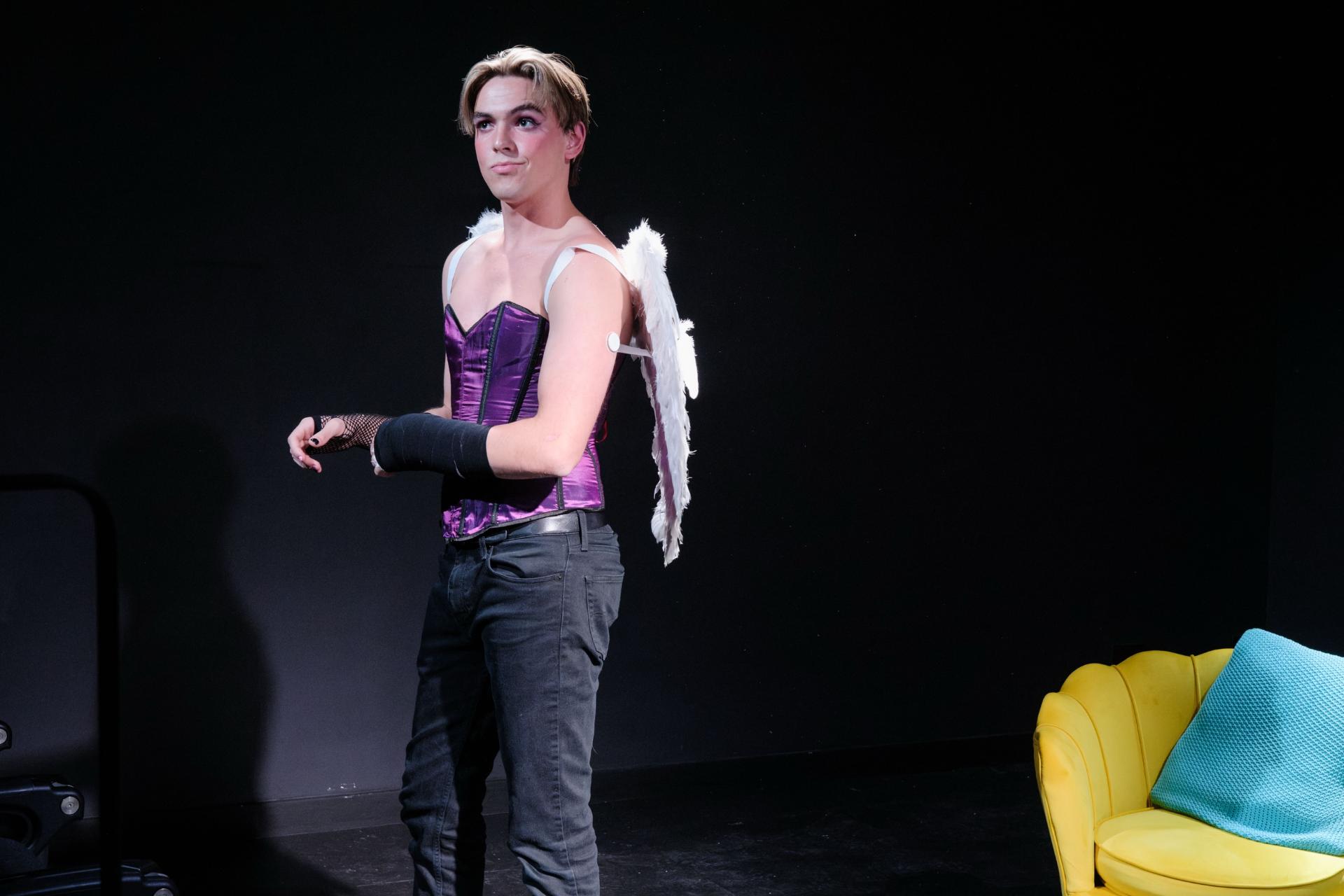
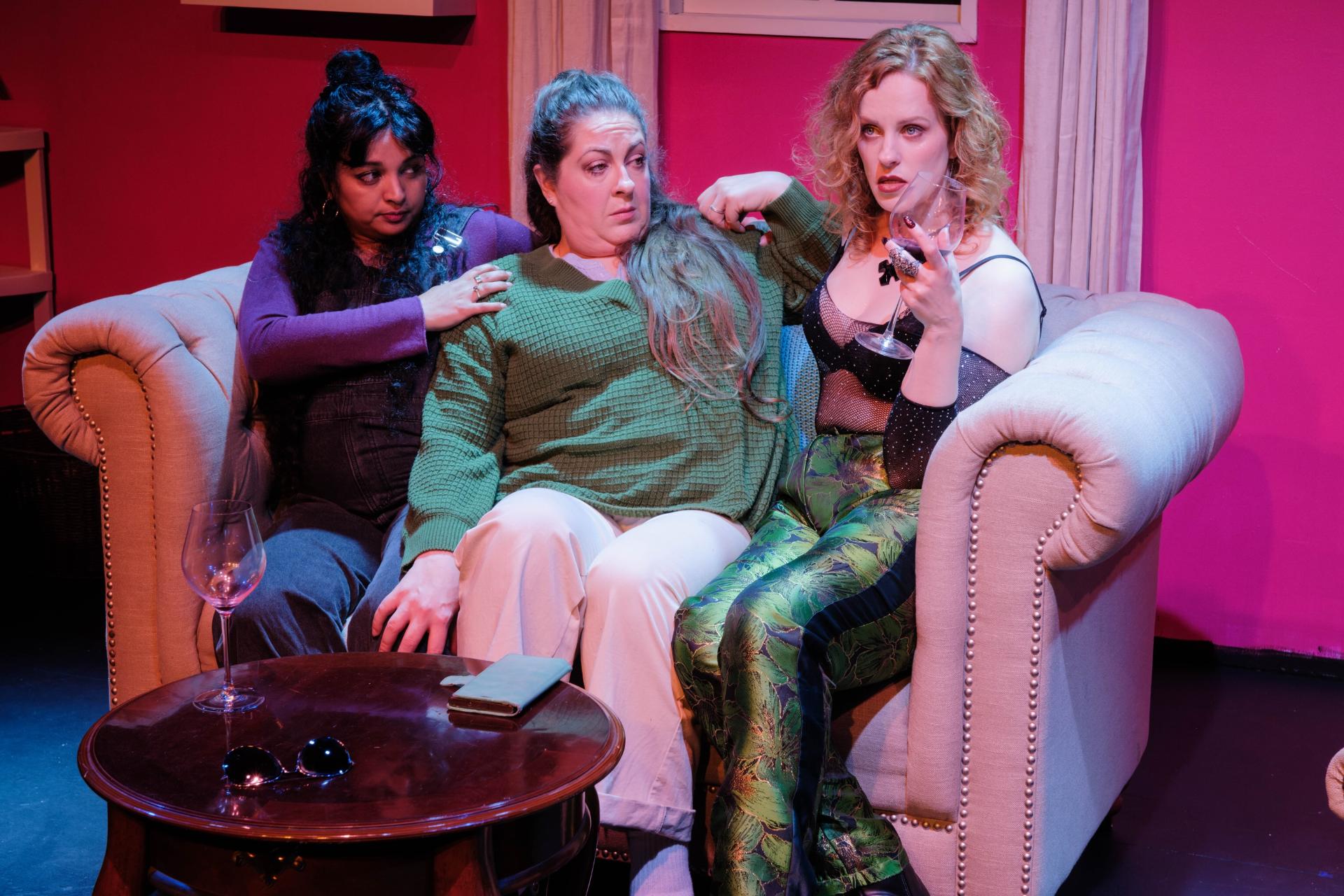
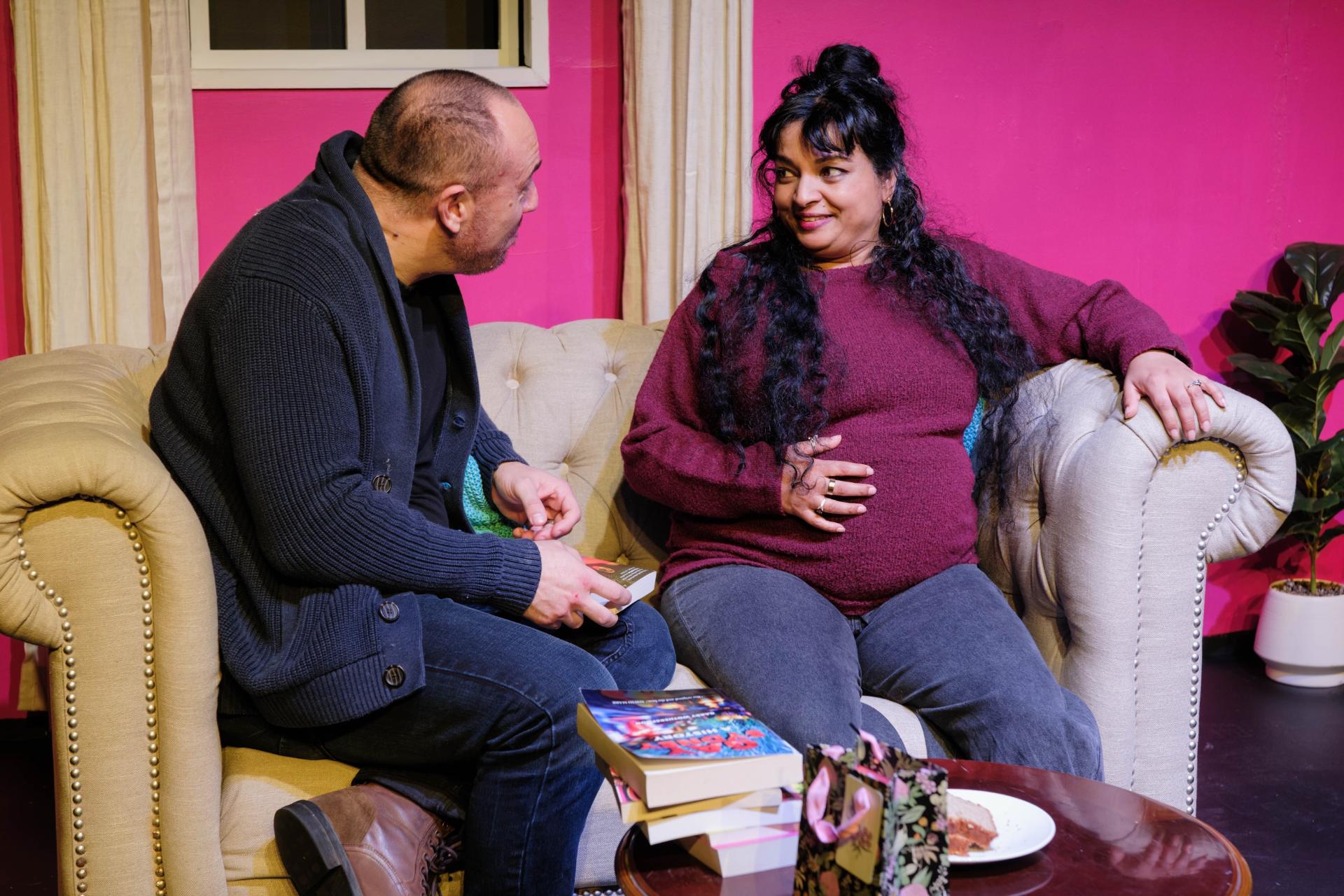
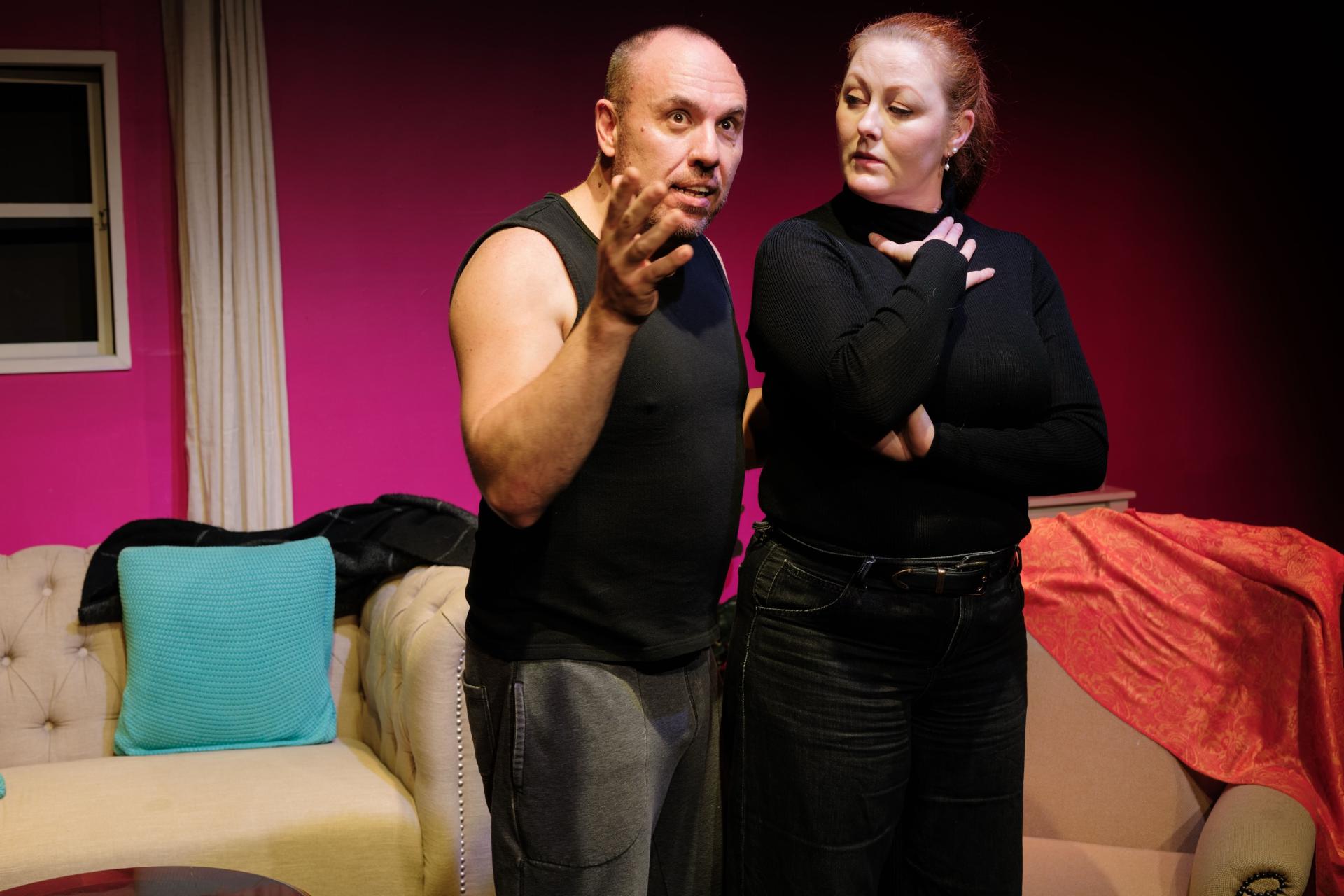
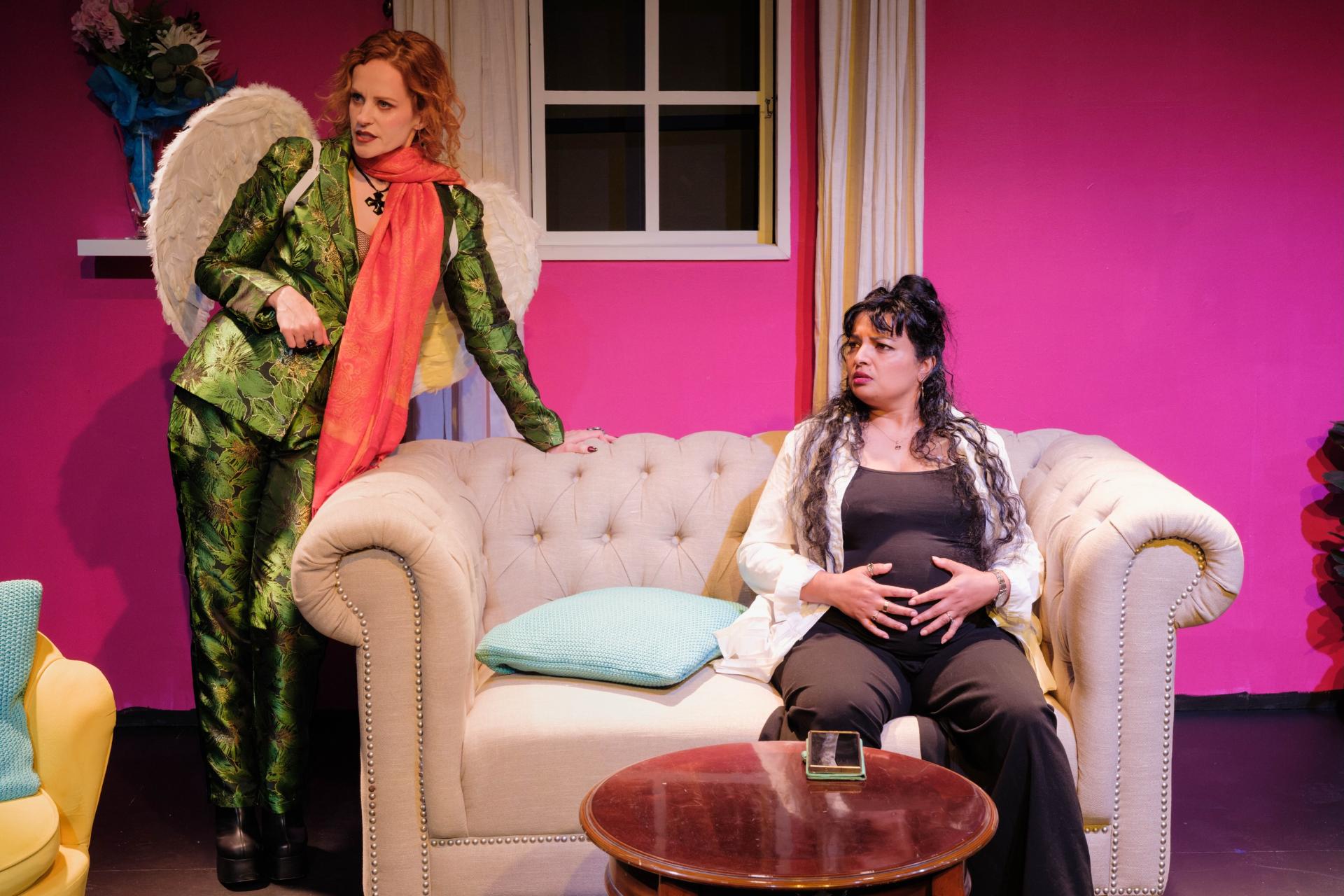
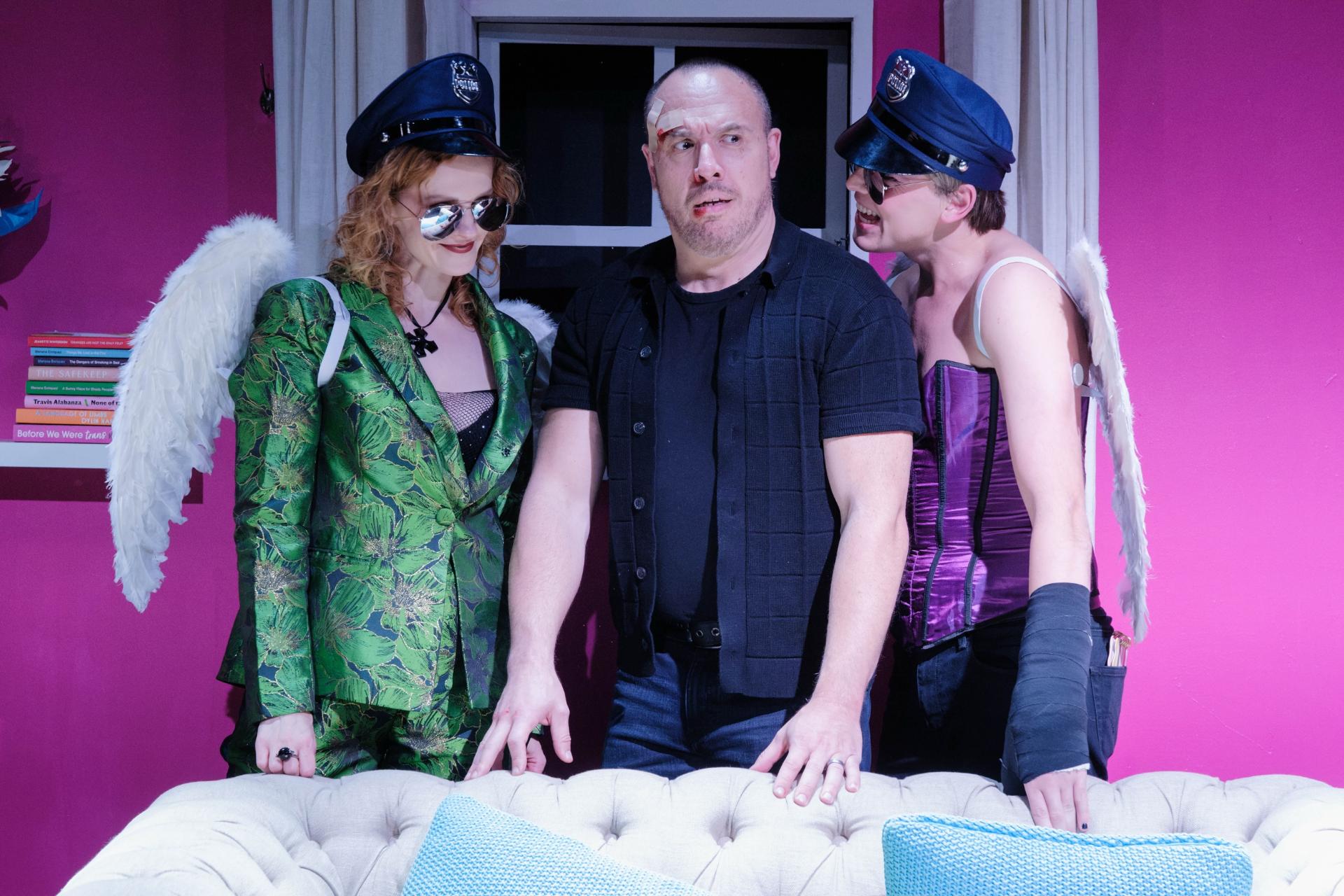
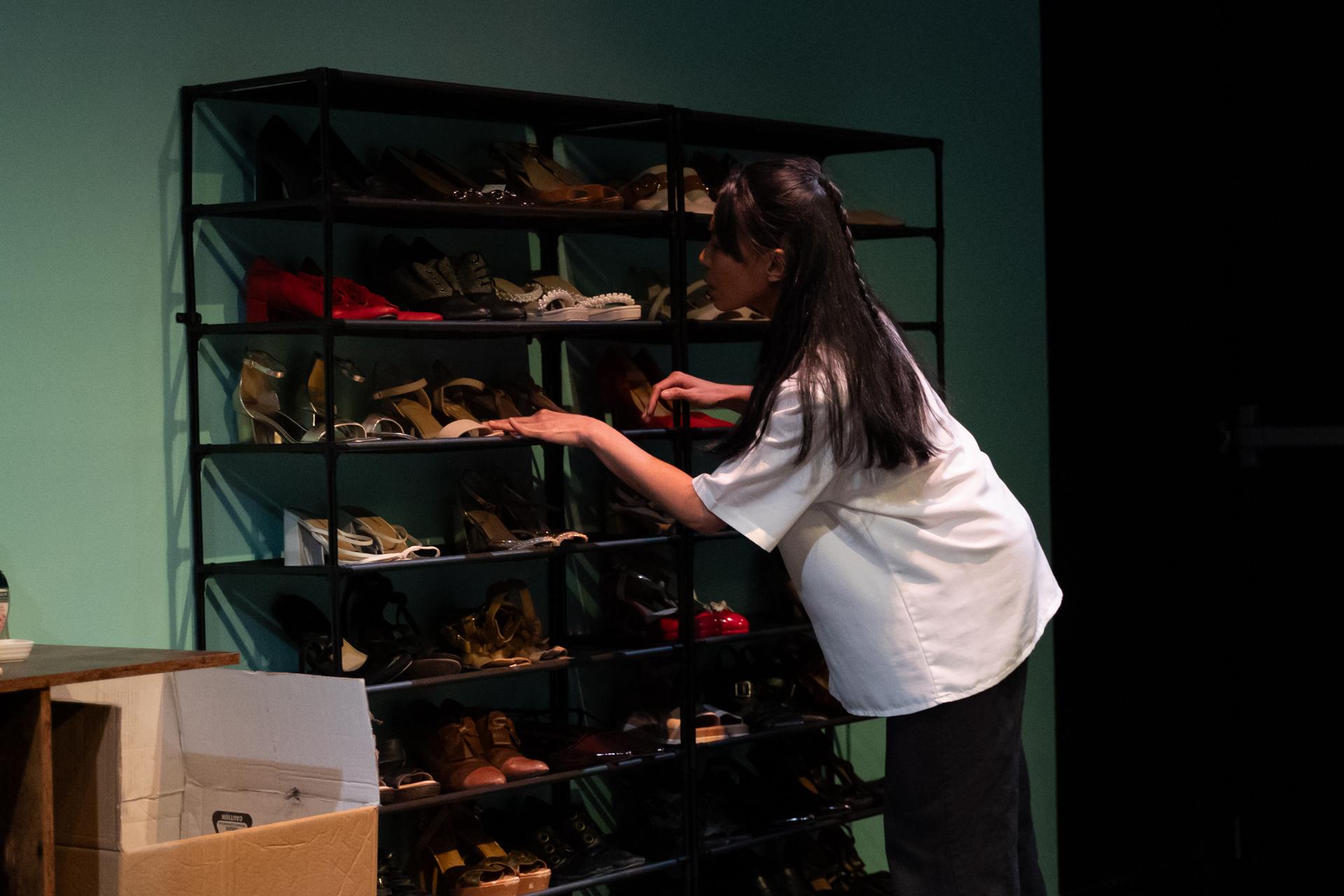
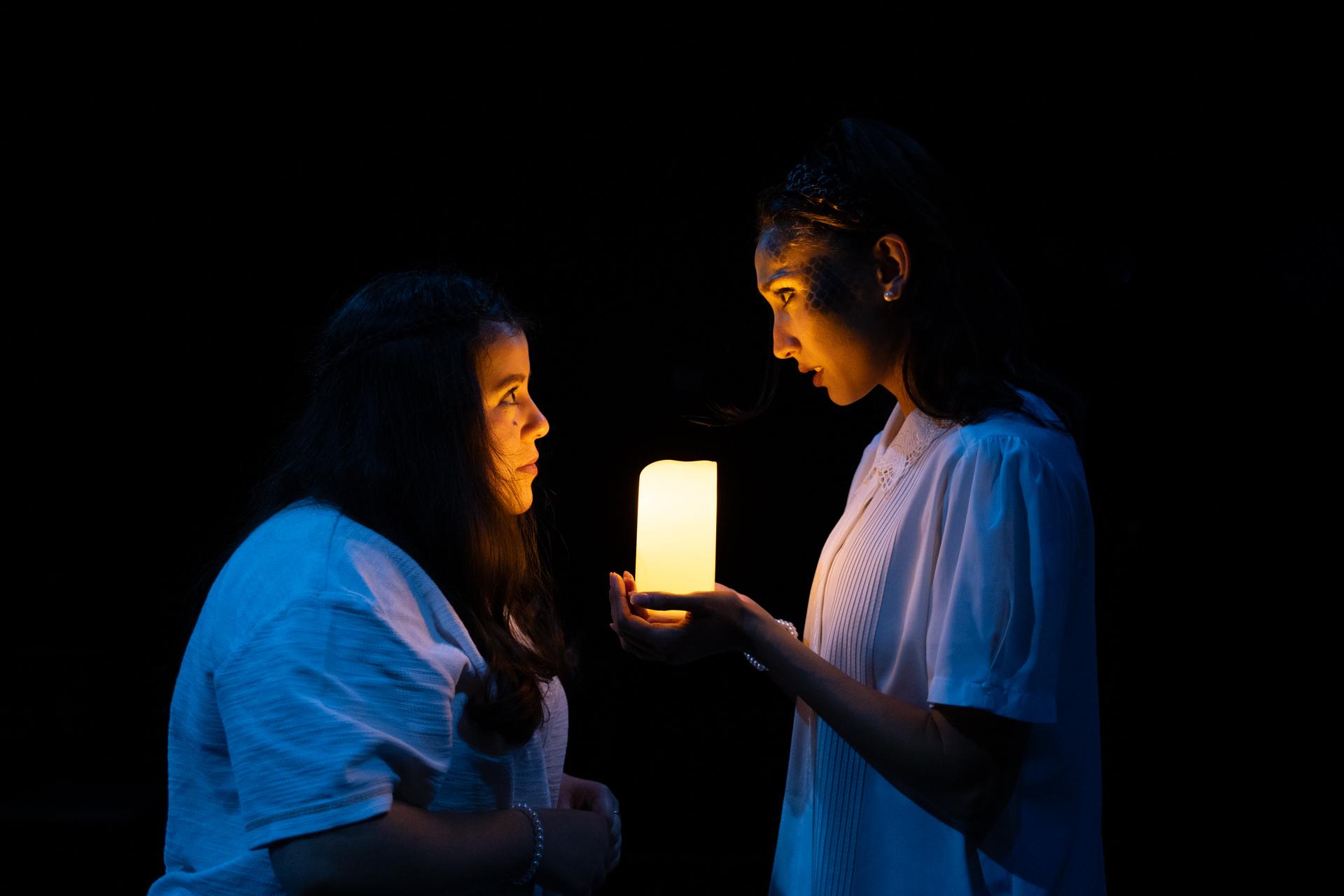
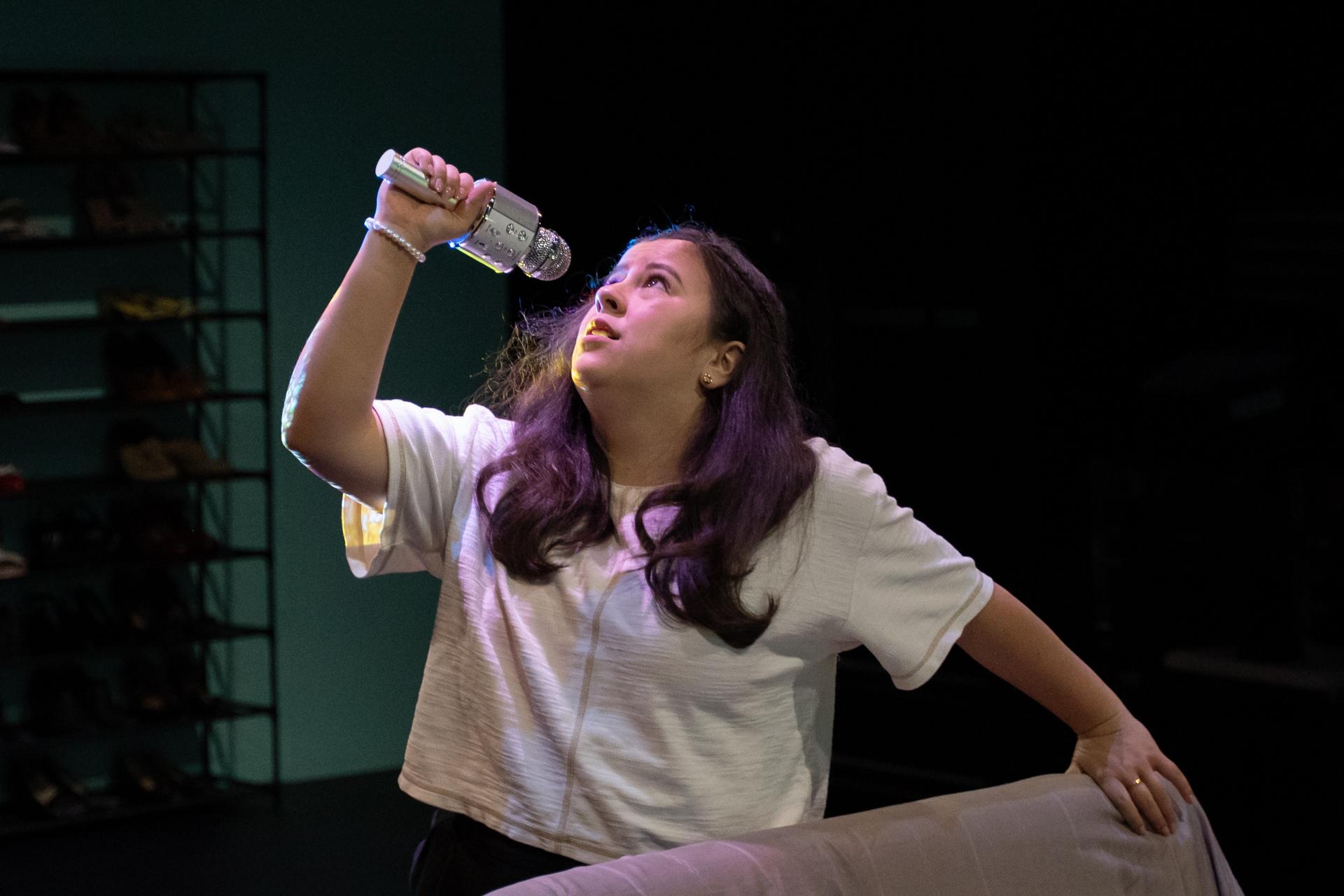
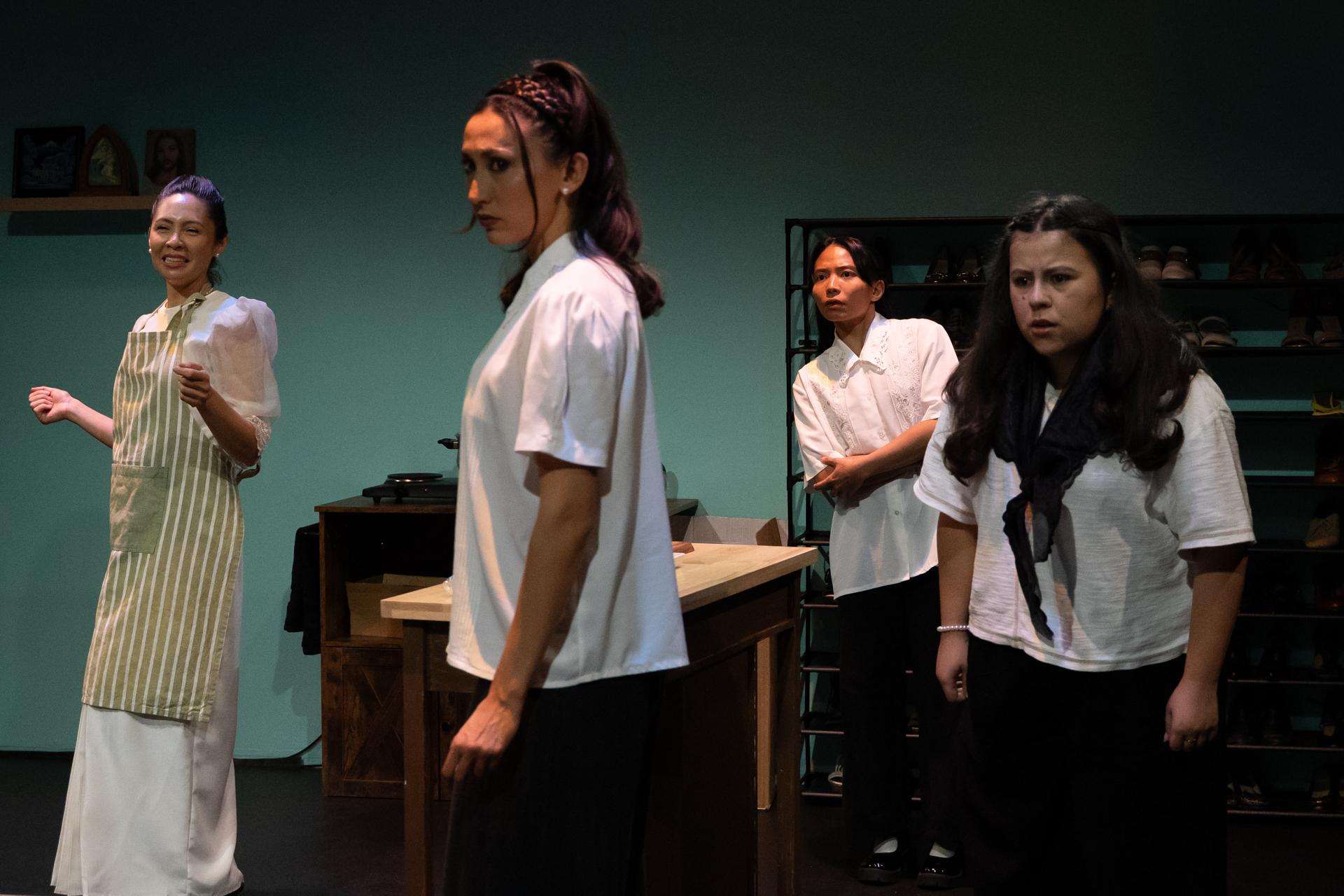
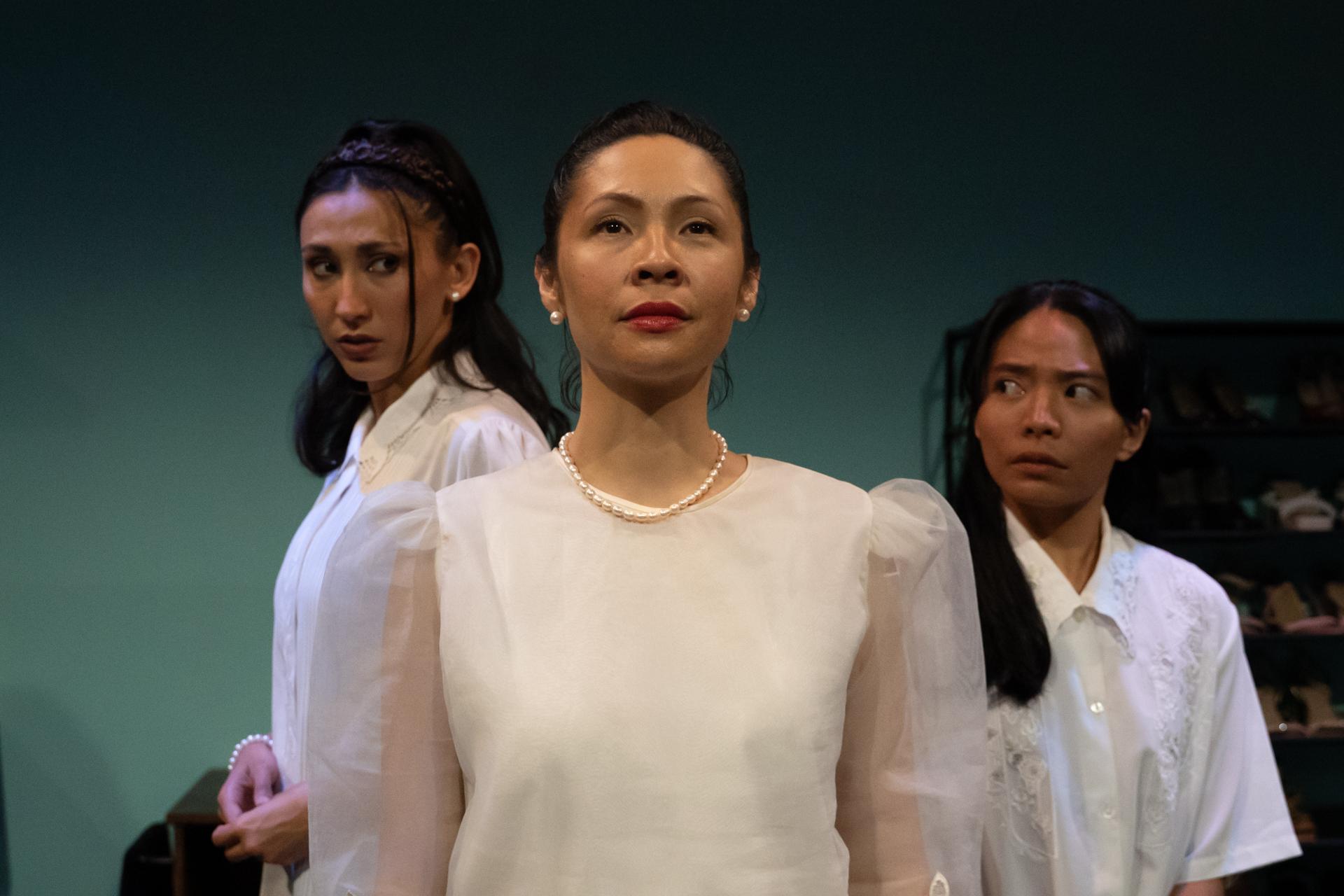
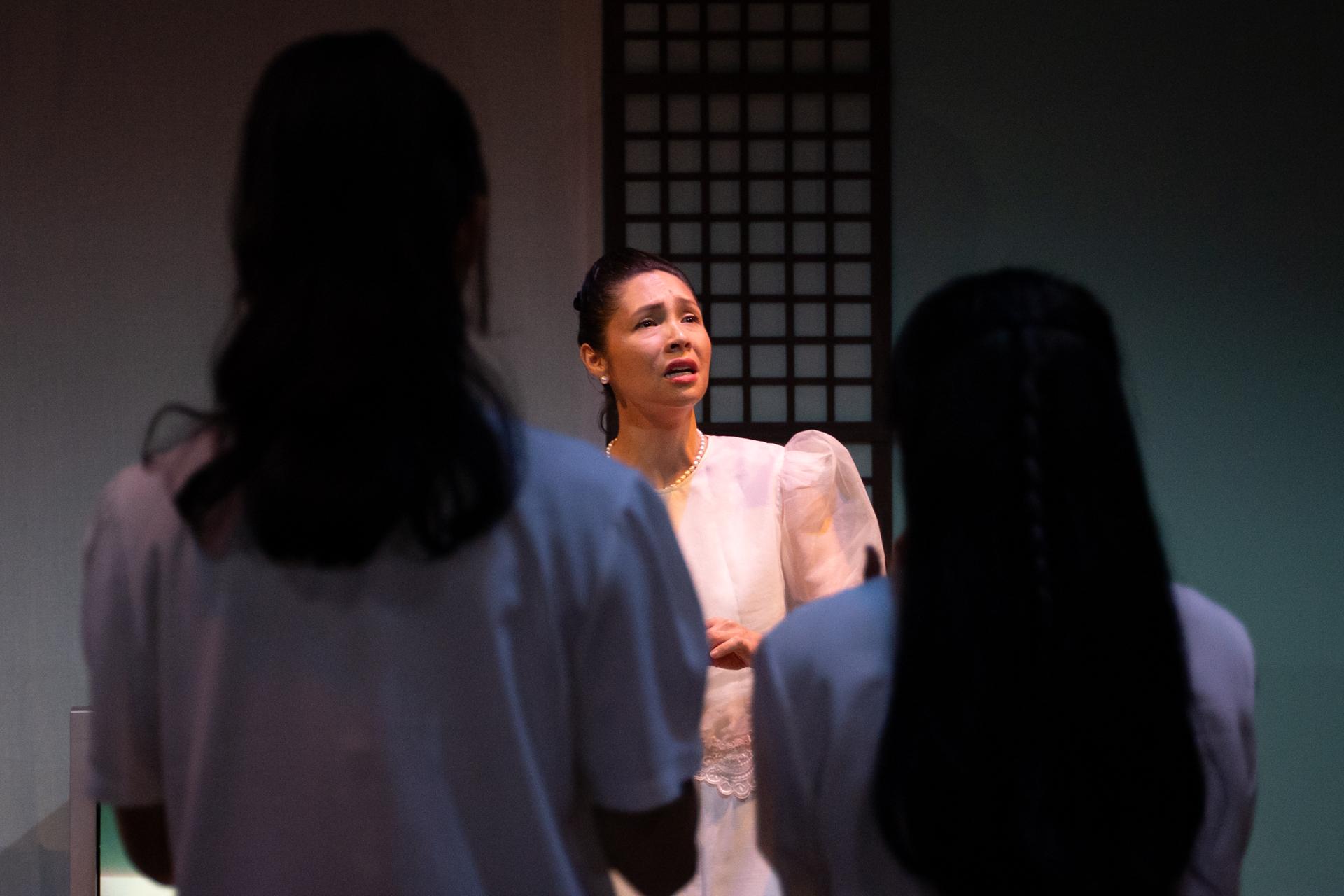
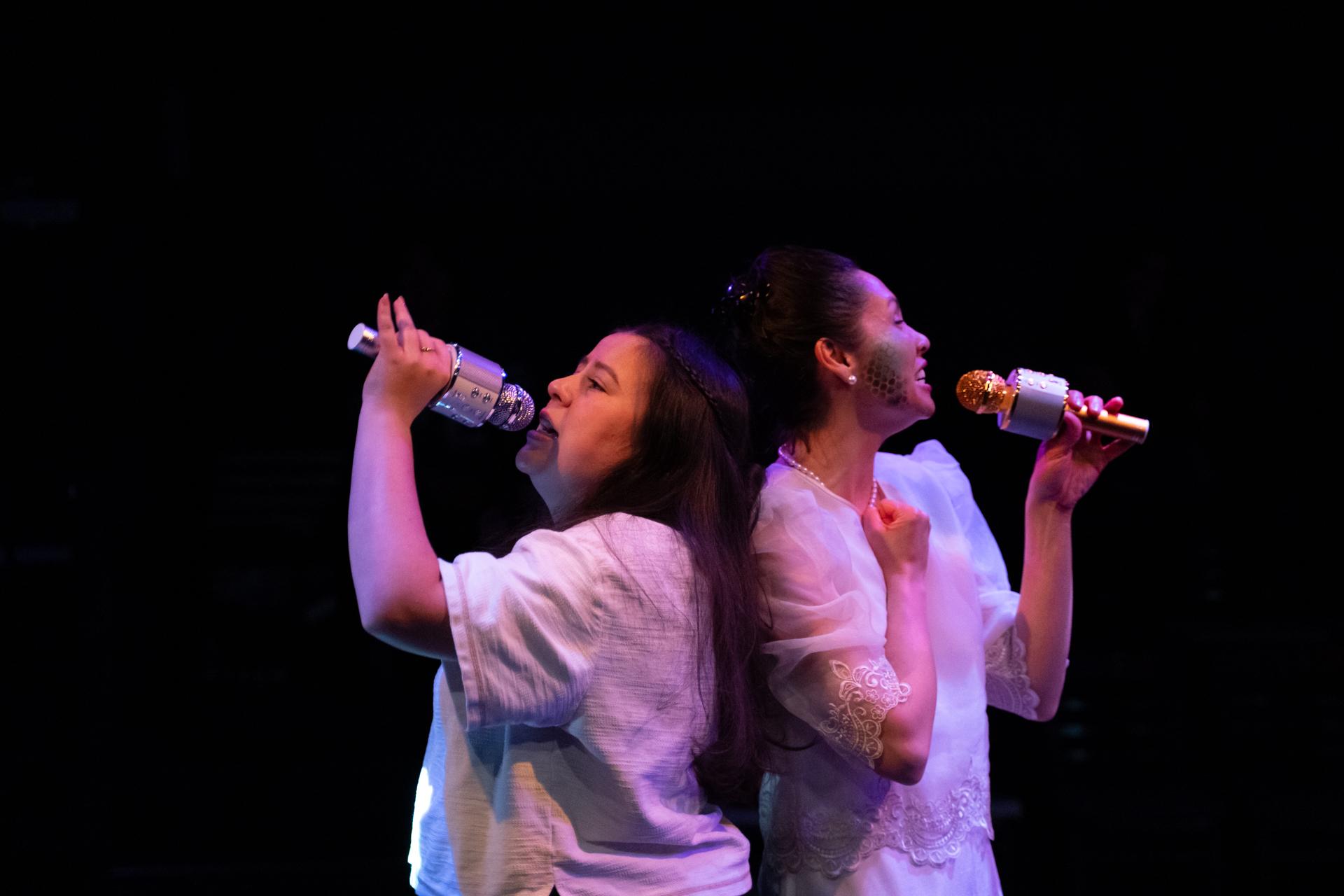
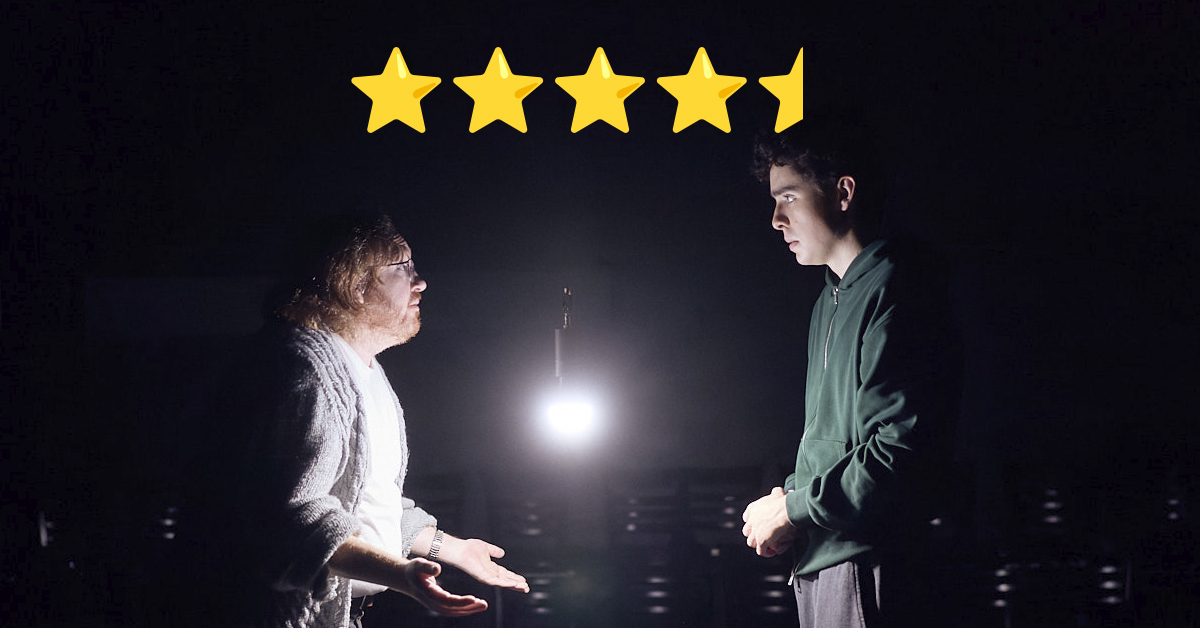
Amira and Chloe have fled London in search of breathing room, trading cramped city living for a house with a garden where their nine-year-old might roam. The trade-off, as they discover, is steep: the regional school gates prove far less hospitable than the cosmopolitan playgrounds they left behind. As an interracial lesbian couple, they increasingly find themselves at odds with other parents, a tension that Zak Zarafshan mines to brilliant effect in The Boys are Kissing, conjuring moments that veer from the absurdly comic to the quietly devastating. It is a play that feels genuinely of the post-marriage-equality moment: intellectually grounded without being preachy, its moral architecture sturdy enough to propel the narrative yet never so heavy that it drags the storytelling under.

Director Gavin Roach approaches the material with an admirable vigour, infusing the production with an urgency that reminds us queer rights remain a fight rather than a fait accompli. Yet the execution never quite matches the intention, with the production itself lacking the crispness necessary to draw us fully into the story. The cast often appears under-rehearsed, and while there are moments of genuine theatrical delight, their connections to both character and narrative lack sufficient depth. This diminishes not only the gravity of the material, but also the sense of joy and possibility that ultimately lies at its heart.

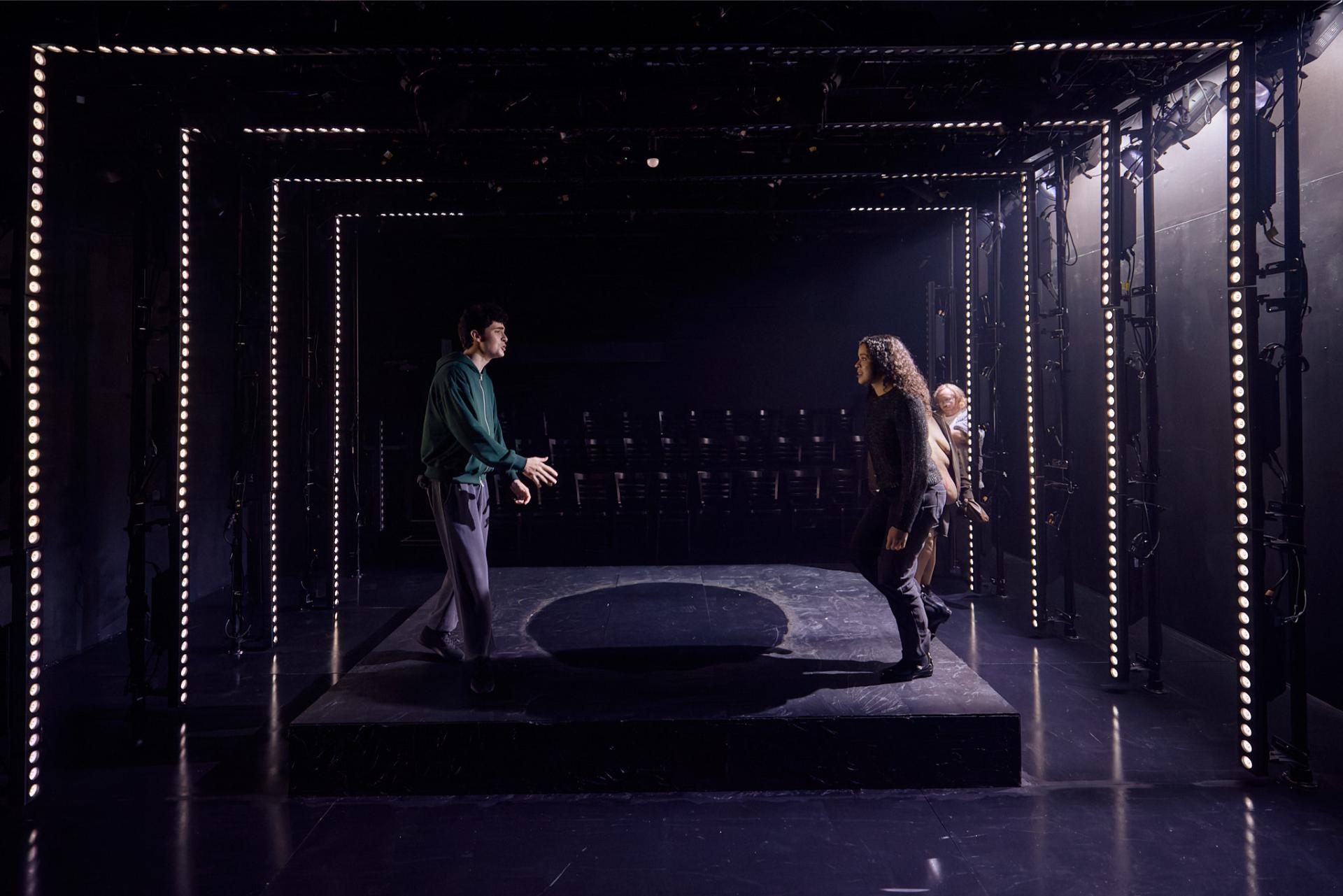
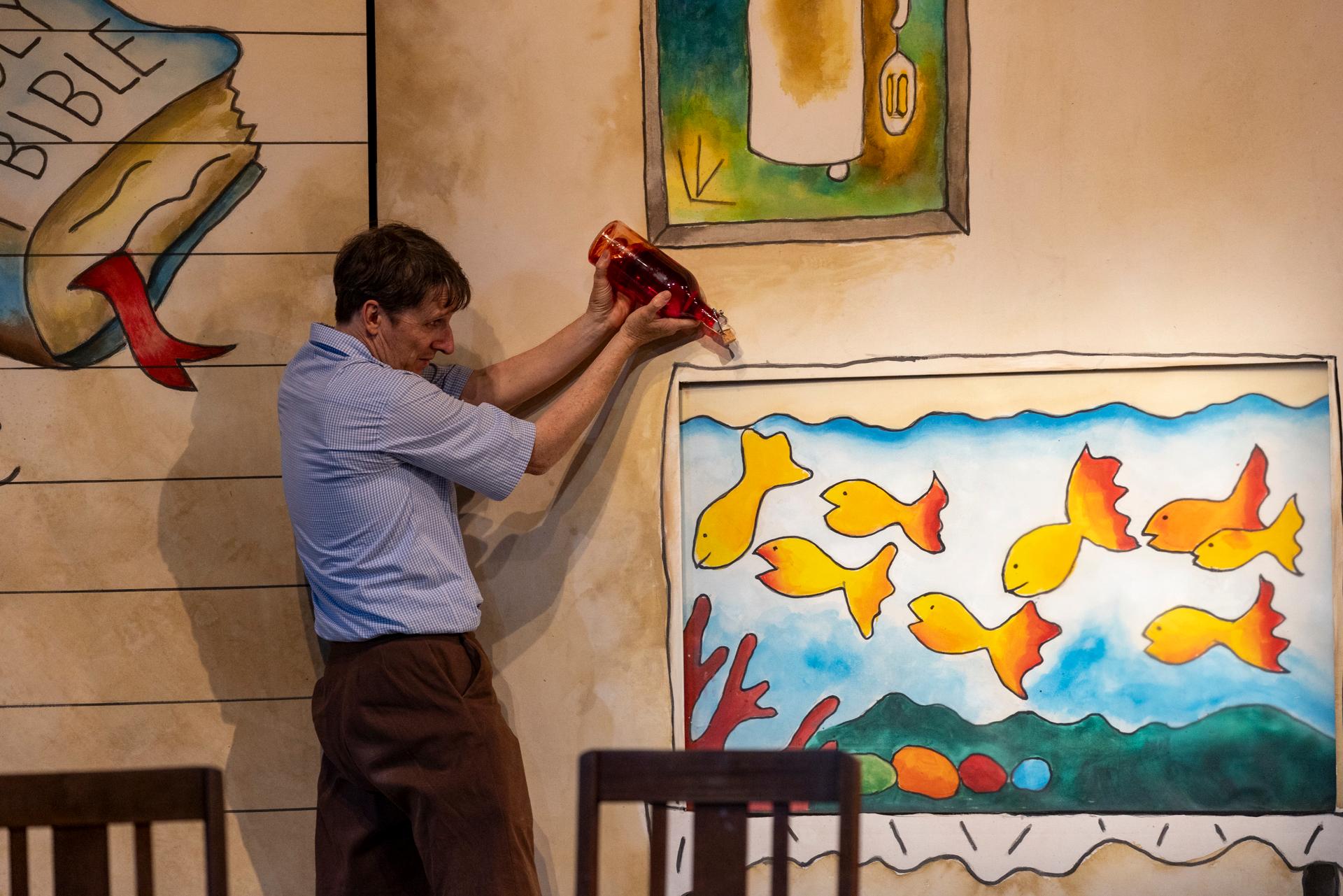
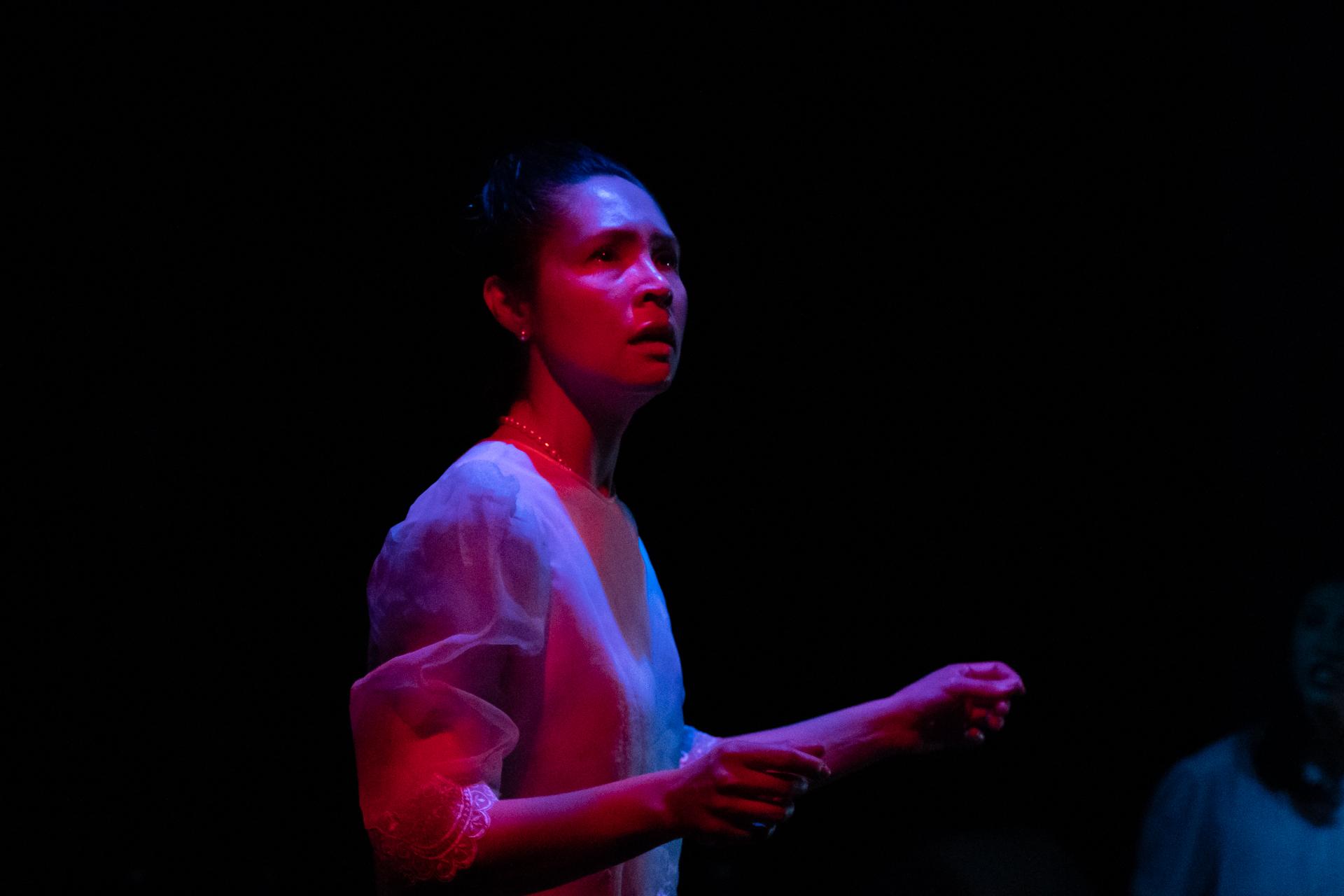
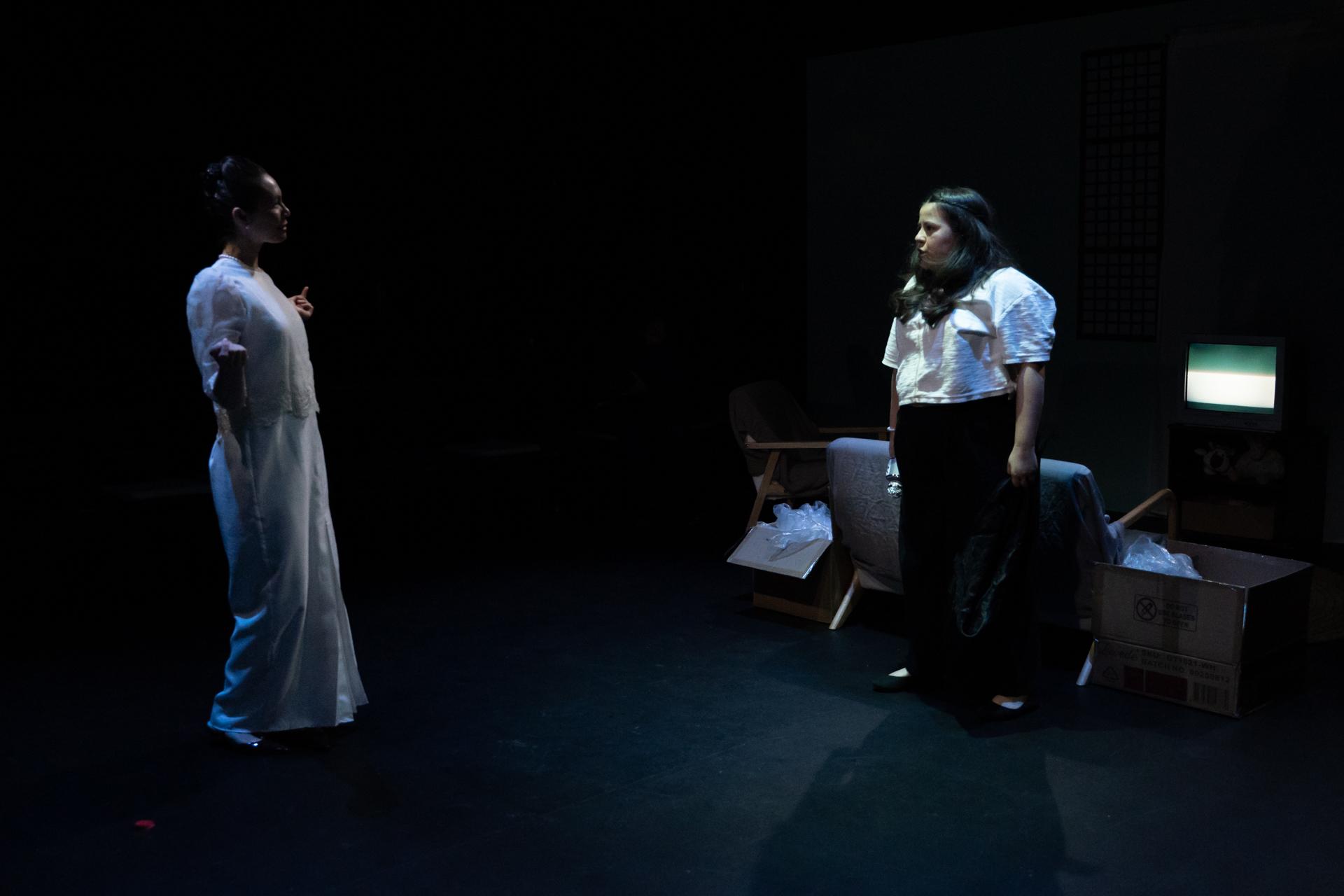
Raphael Gennusa’s lighting design brings welcome variation and texture to the atmosphere, although some scenes requiring more substantial shifts in location are not transformed quite convincingly enough. Akesiu Poitaha, meanwhile, deserves commendation for an extensive sound design that effectively transports the action beyond the mundane into spaces that feel altogether more evocative.

As queer people, we have long carried the responsibility of making life more bearable for generations of queer people yet to come. Now that it is increasingly common for us to have biological children of our own, the question of what we leave behind—and the kind of world our children will inherit—feels more consequential than ever. Yet the method by which we pursue that legacy need not change dramatically. We need only hold fast to the same principle that has always served us: the simple, unwavering demand for equality.

www.qtopiasydney.com.au | www.instagram.com/a_hello_darling_production
Review: Imelda (KXT on Broadway)

Venue: KXT on Broadway (Ultimo NSW), Jul 31 – Aug 15, 2026
Playwright: Donita Cruz
Director: Aden Abeleda
Cast: Alex Gonzalez, Tamara Lee Bailey, Ahlex Leyva, Teresa Tate Britten
Images by Andrea Magpulong

Theatre review
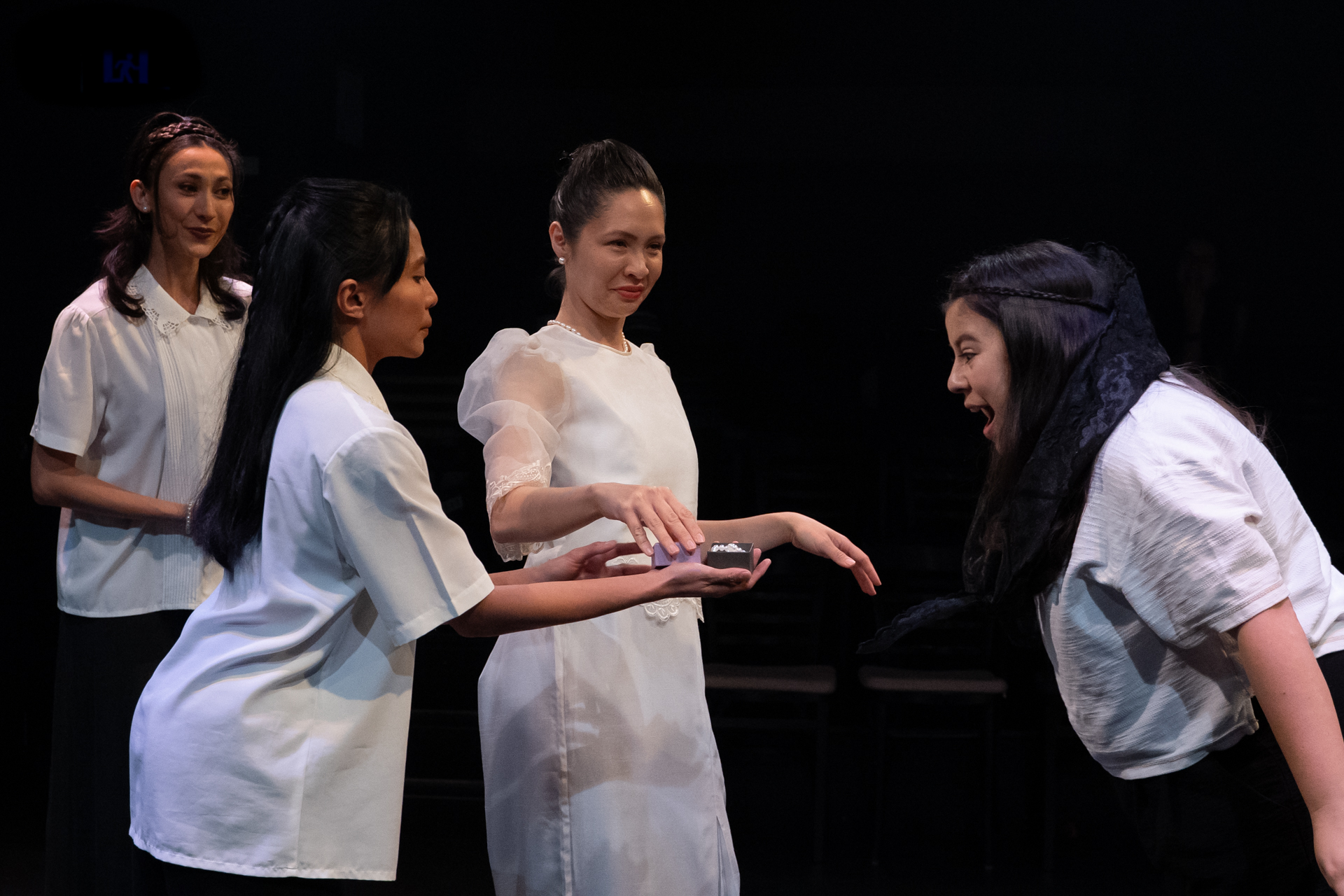
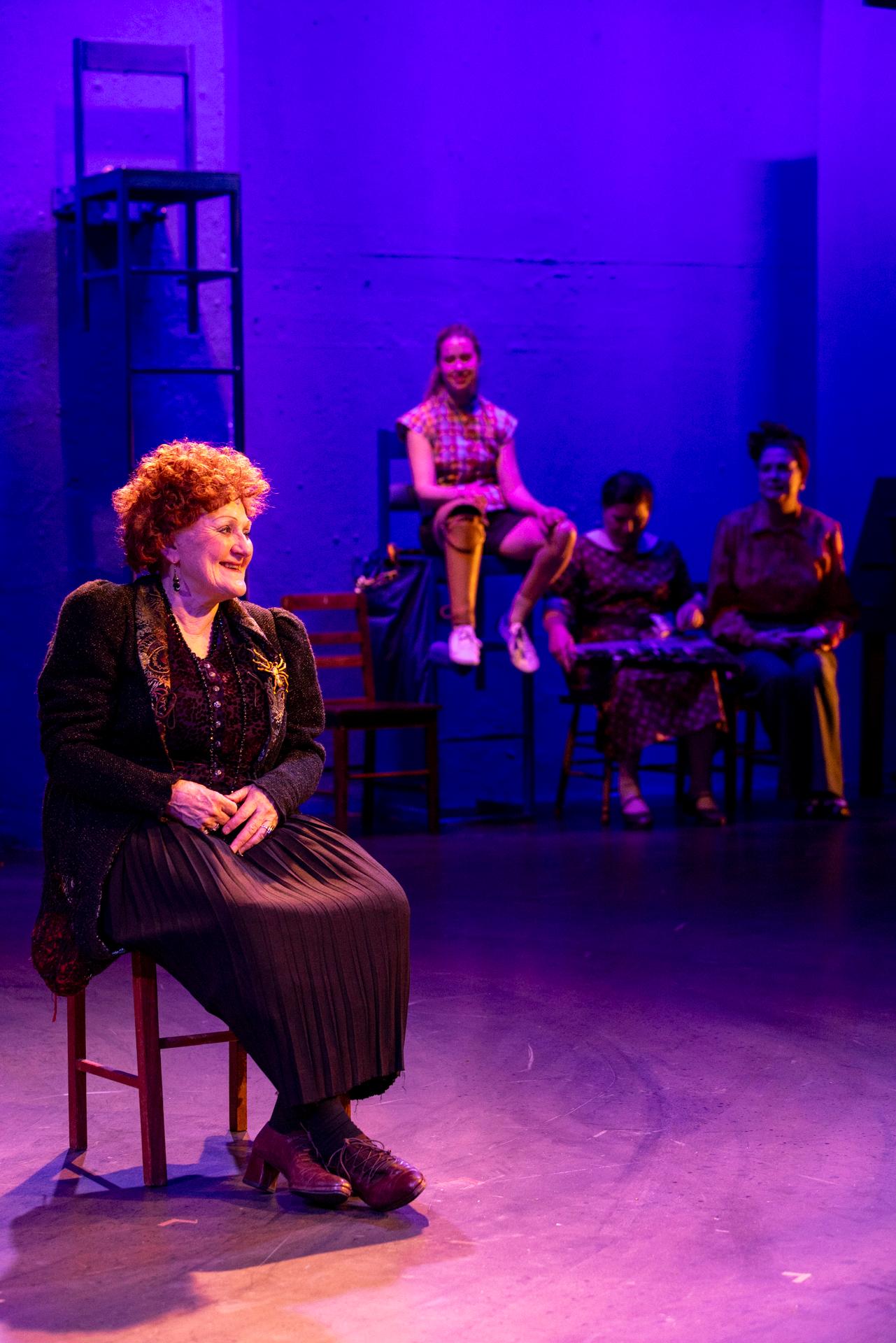
Maria Clara has lost her mother, yet the spectral visitations that haunt her remain tantalisingly ambiguous—are they truly her mother’s spirit, or the surreal presence of Imelda Marcos? For this Filipina-Australian woman, the relationship with her homeland is fractured and uneasy, much like the complicated affection many Filipinos still hold for the Marcos dynasty. Donita Cruz’s Imelda offers thoughtful insights into the diaspora experience alongside fascinating reflections on the Philippines’ recent history. Yet the work would be strengthened by a more deliberate establishment of its premise and a richer introduction to its characters. Director Aden Abeleda might also deepen the audience’s connection to the material by devoting greater care to context and conceit.

Teresa Tate Britten proves highly watchable as the actor at the centre; her tremendous focus is captivating in itself, even when the text stays too resolutely in the ephemeral. Alex Gonzalez, playing Maria Clara, struggles to fully inhabit the emotional terrain the role demands, never quite achieving the conviction required. Supporting players Tamara Lee Bailey and Ahlex Leyva, however, bring welcome textural and tonal variety to the piece. Both are memorable for grounding the atmosphere with considerable gravity, lending weight to a story that resonates deeply with many.

Rachel Adams’s set design shows little ambition, though EJ Zielinski’s lighting compensates somewhat, rendering supernatural spaces with a welcome theatricality. Video projections by Alyssa Dimarucut and Donita Cruz add memorable touches, their cultural specificity enriching the experience in ways the physical production does not.

Myth-making is, after all, a fundamental human impulse. We are creatures who must find ways to comprehend a world that remains endlessly mysterious; the not-knowing can feel agonising, even anxiety-inducing. To forge personal and communal identities—however provisional, however fluid—is itself a kind of necessity. And to move through life with direction, with hope for what lies ahead, requires that we craft the best possible version of volatile narratives, if only to carry us through the fleeting present.

www.kingsxtheatre.com | www.instagram.com/sapatosangelscollective

Review: Top Silk (Ensemble Theatre)

Venue: Ensemble Theatre (Kirribilli NSW), Jul 31 – Sep 12, 2026
Playwright: David Williamson
Director: Mark Kilmurry
Cast: Nicholas Brown, Thomas Campbell, Laurence Coy, Rachel Gordon, Samir Nasser, Jamie Oxenbould, Jeremy Waters
Images by Prudence Upton

Theatre review
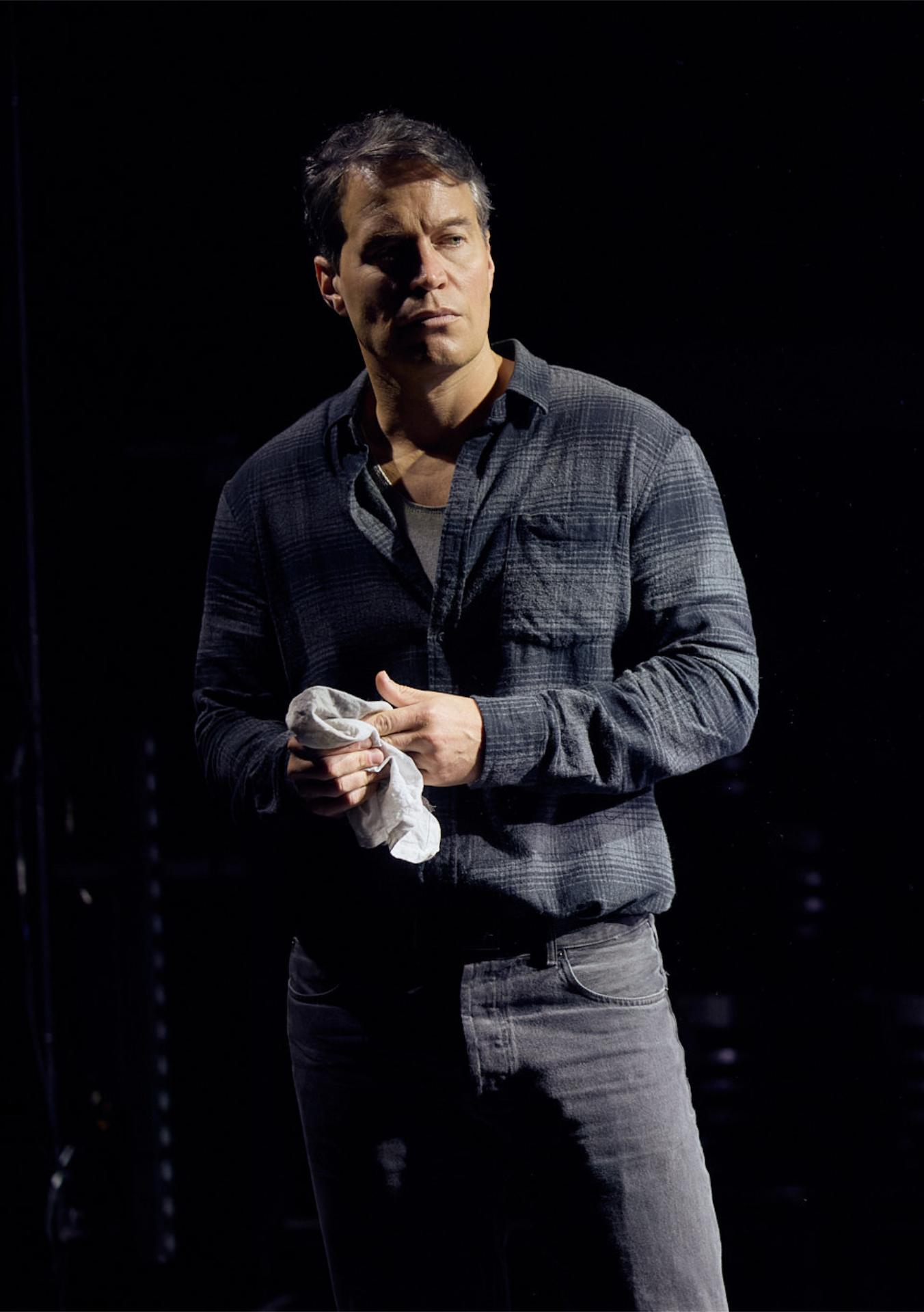
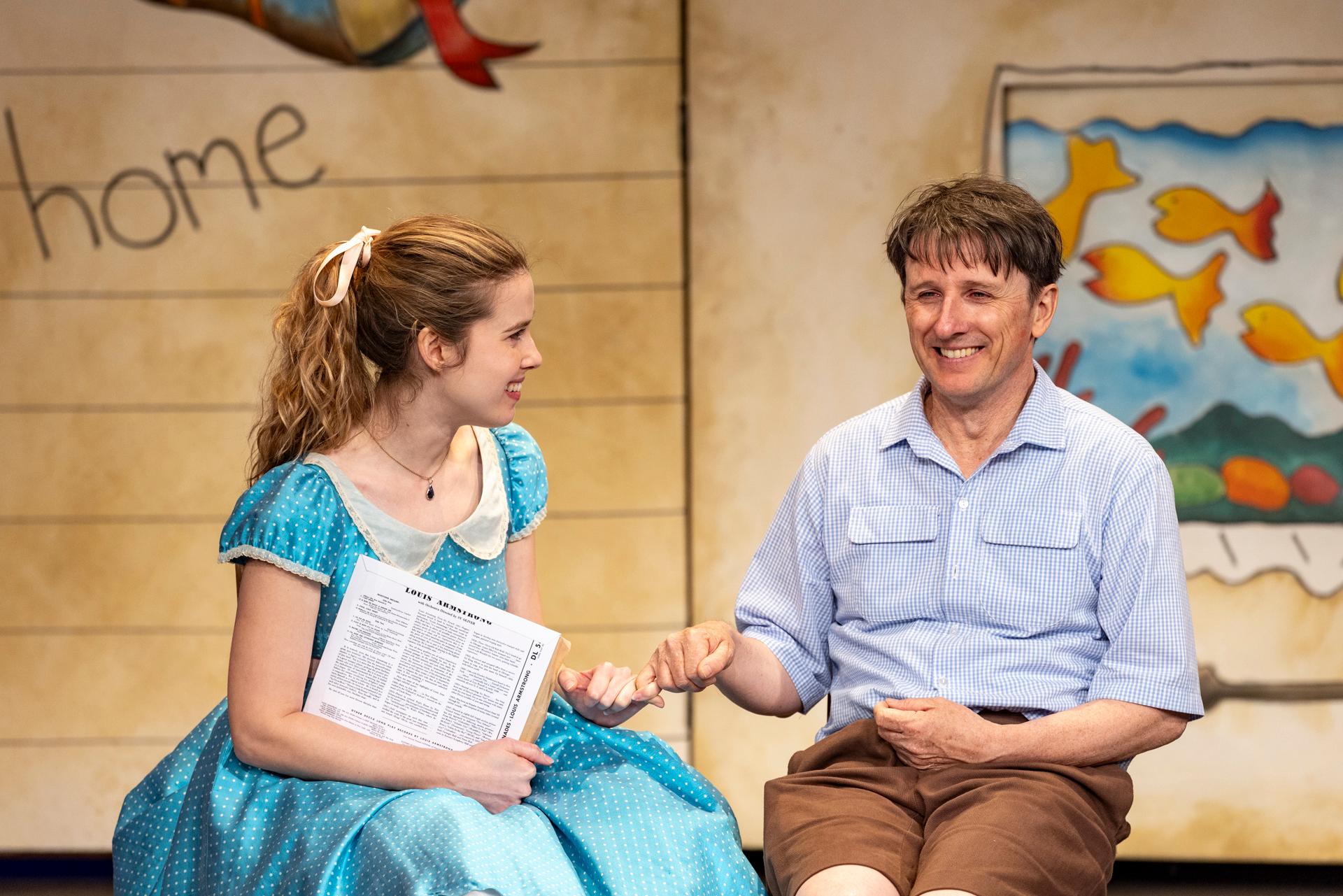
Jane and Trevor have done very well for themselves as lawyers, yet there comes a moment in every ascent to power when the individual is forced to confront a dilemma that strikes at the very core of their humanity. David Williamson’s 1989 play Top Silk examines the difficult choices people make when ambition collides with conscience, and the personal cost of success when the stakes are impossibly high.

The text itself has not aged with particular grace; its dialogue can feel stilted, its rhythms occasionally dated. Yet director Mark Kilmurry infuses the production with sufficient dramatic tension that the script’s awkwardness recedes, allowing us to focus instead on how these characters navigate their precarious circumstances. The dilemmas they face—compromises between professional duty and moral instinct—still resonate, and Kilmurry ensures they land with genuine force.

Much of the production’s success rests on an excellent ensemble, led by two commanding performances. Rachel Gordon’s Jane is rendered with fierce conviction; she makes her character’s desire to do what she believes is right utterly persuasive, even as she allows us to see the professional integrity being quietly eroded. Nicholas Brown, as Trevor, achieves something equally difficult: he makes each ethical compromise appear not merely reasonable but almost inevitable, and does so without letting his character’s immense privilege obscure his underlying humanity. Together, they generate a compelling chemistry that gives the drama its crackle and the humour its surprising bite.

The design elements serve the production with similar intelligence. Ailsa Paterson’s set accommodates the play’s shifting locations with resourceful economy while still conferring upon the courtroom scenes their requisite sense of grandeur. Kelsey Lee’s lighting navigates a wide spectrum of atmospheric intensity with precision, and Madeleine Picard’s sound design seizes unexpected moments to introduce flourish and theatrical texture.

Society likes to pretend that right and wrong are clearly demarcated, but Top Silk understands that life rarely offers such tidy distinctions. When one is caught in the grey—where there are no convenient blacks and whites—it is not simply a question of what is correct, but of what one is willing to risk. The play asks how much an individual is prepared to sacrifice for the courage to go against the grain, and in this production, that question feels as relevant as ever.

www.ensemble.com.au
Review: Fiddler On The Roof (Theatre Royal)

Venue: Theatre Royal (Sydney NSW), Jul 31 – Oct 3, 2026
Book: Joseph Stein
Music: Jerry Bock
Lyrics: Sheldon Harnick
Director: Jordan Fein
Cast: Ben Adler, Freya Boltman, Ellen Ebbs, Alexis Fishman, Caity Plummer, Maxwell Simon, Felix Star, Jacob Steen, Troy Sussman, Sigrid Thornton, John Waters
Images by Daniel Boud

Theatre review
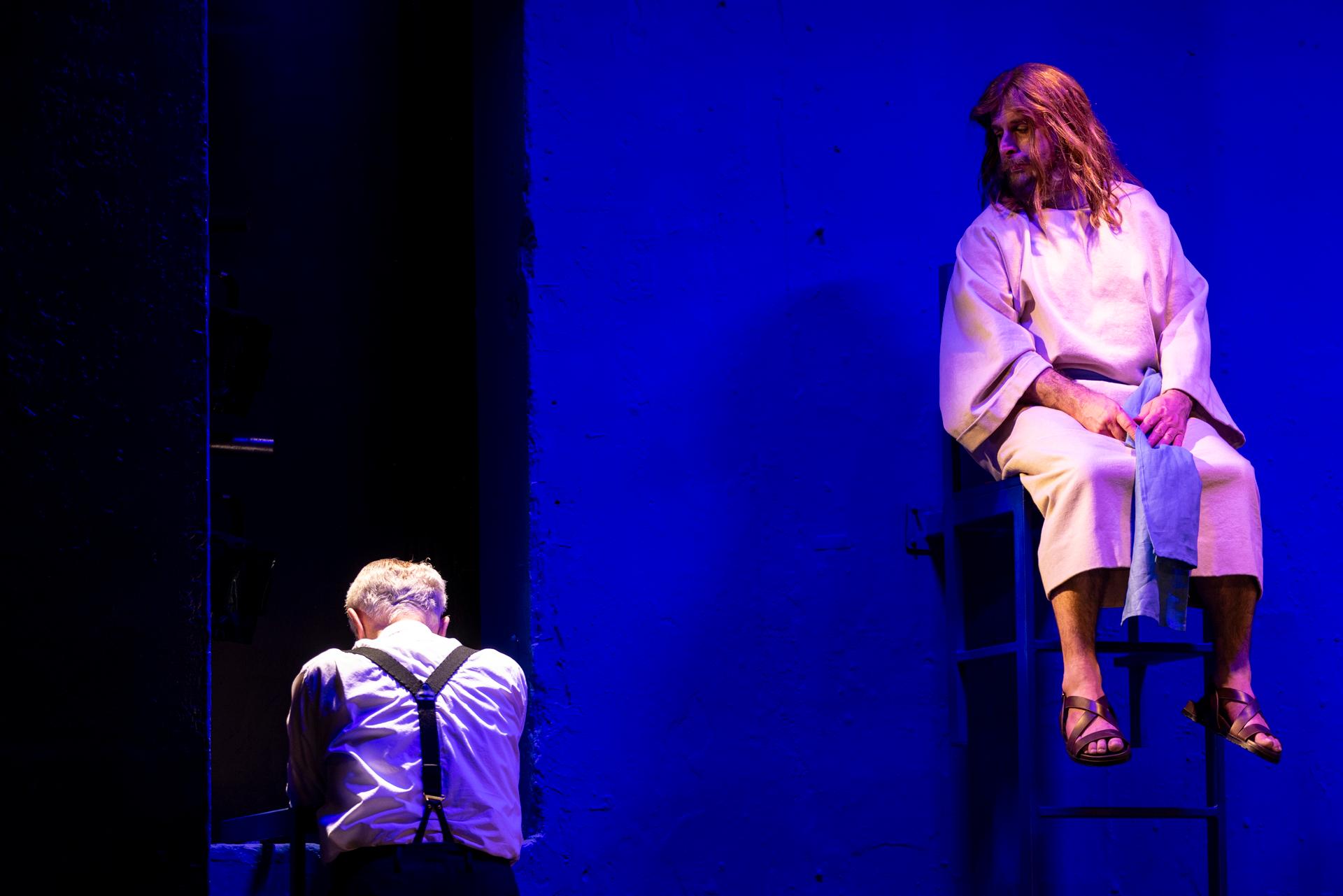
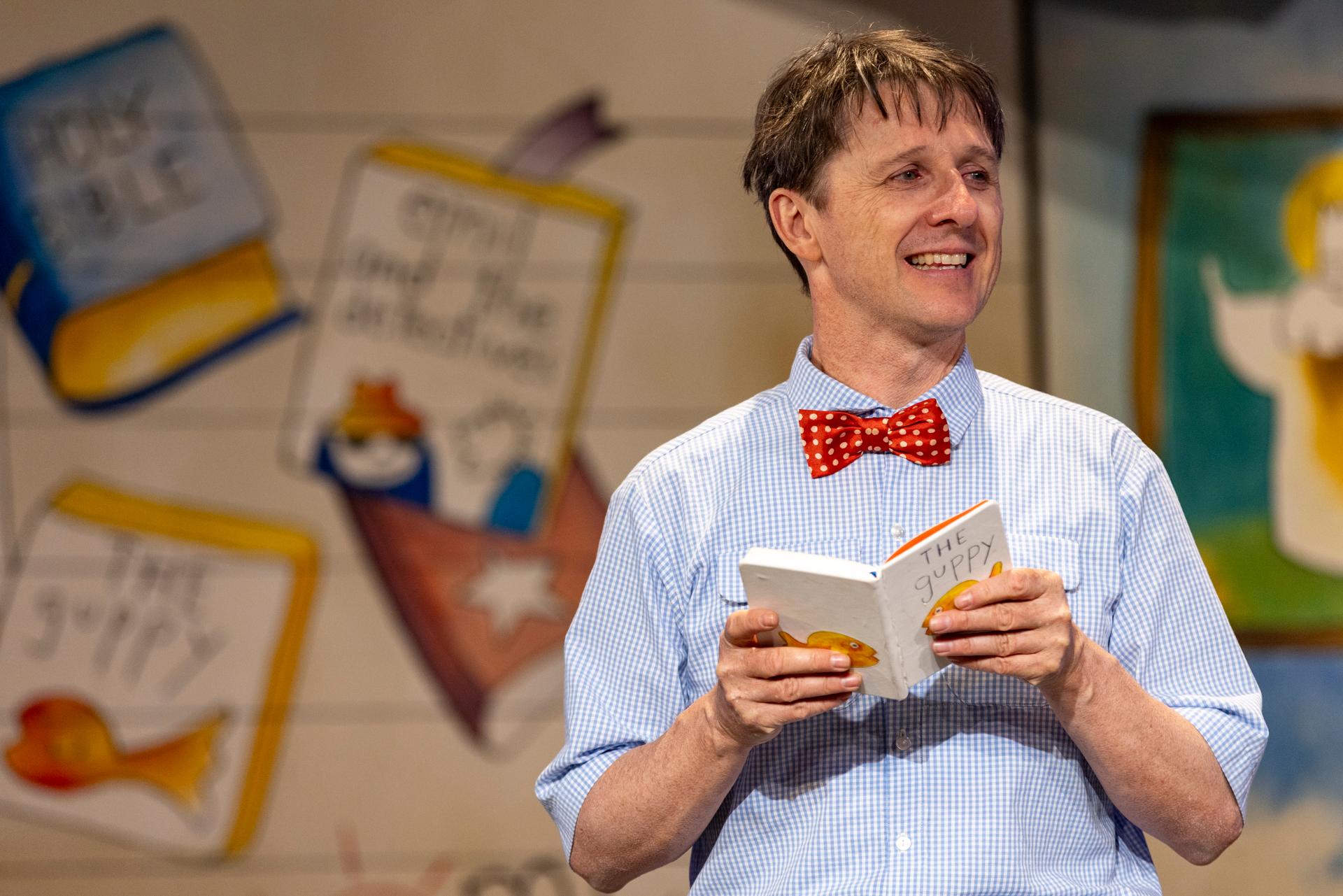
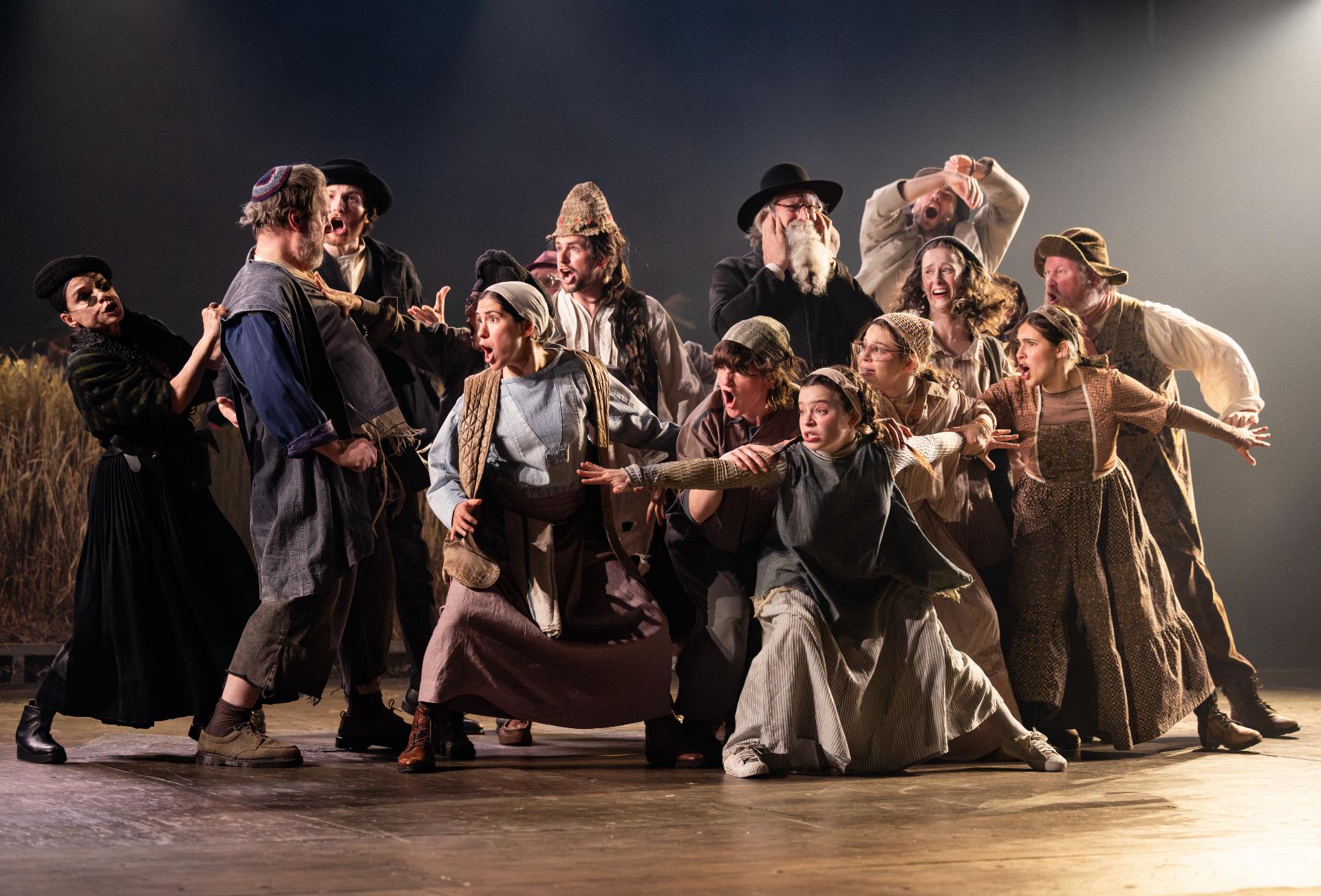
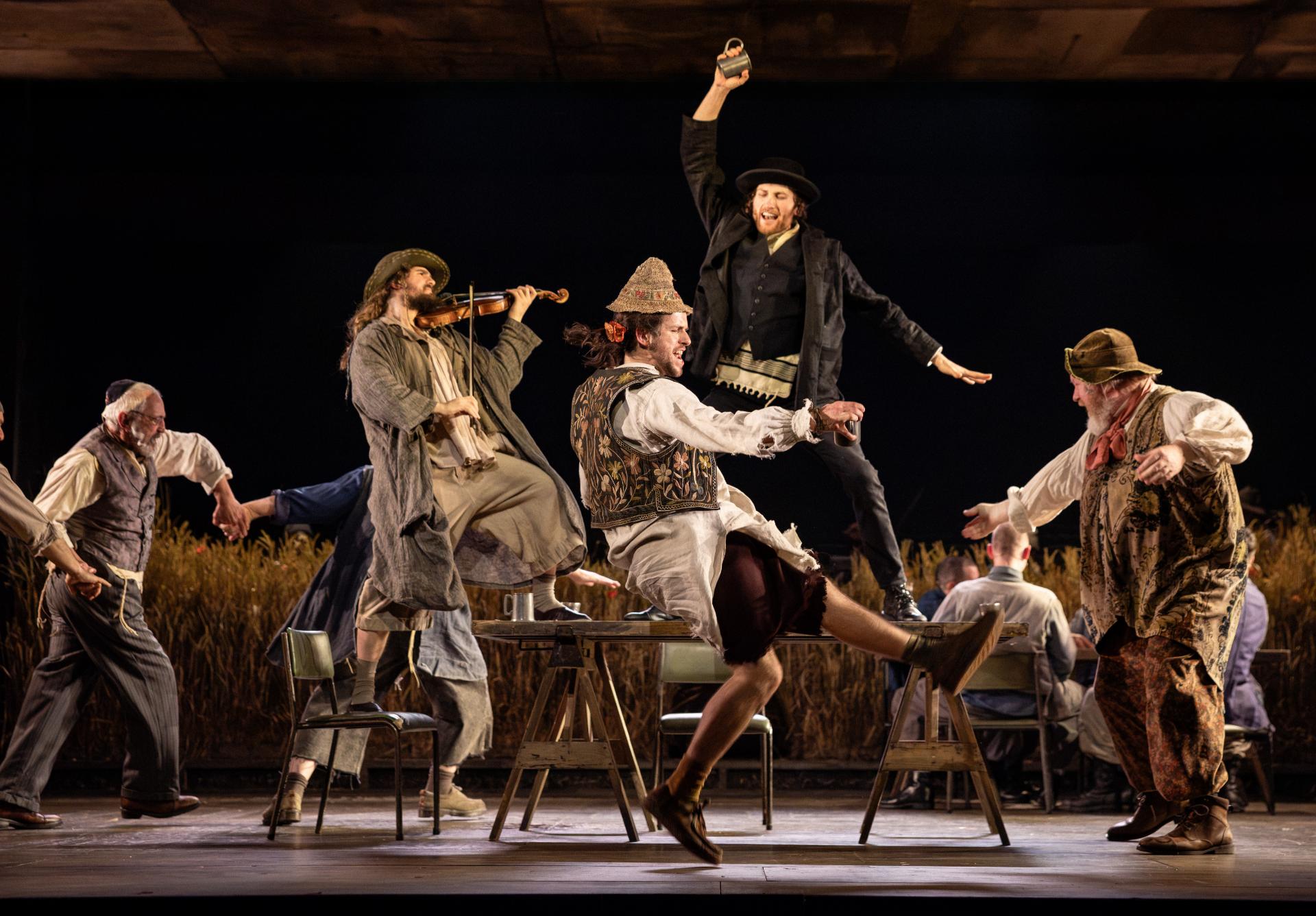
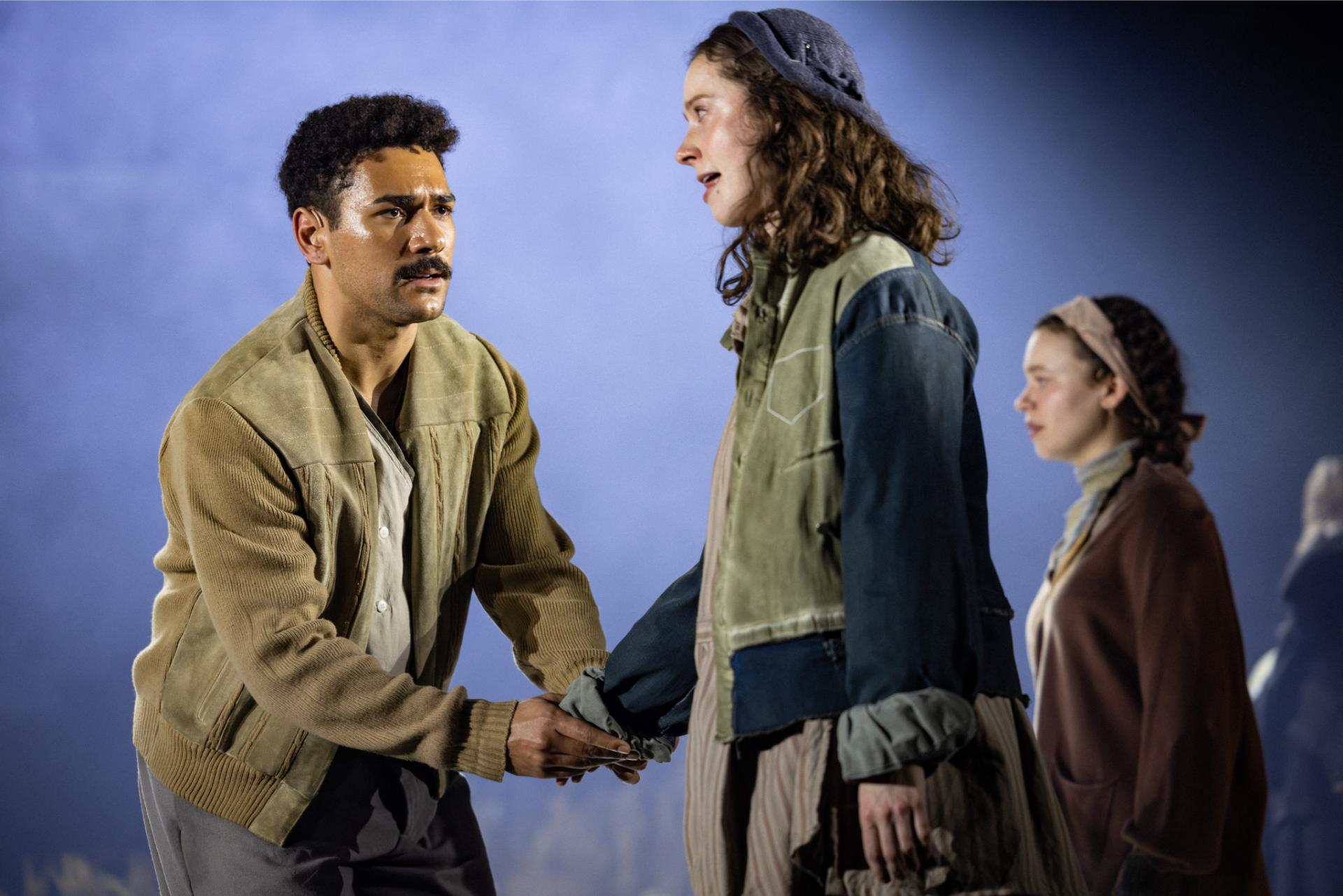
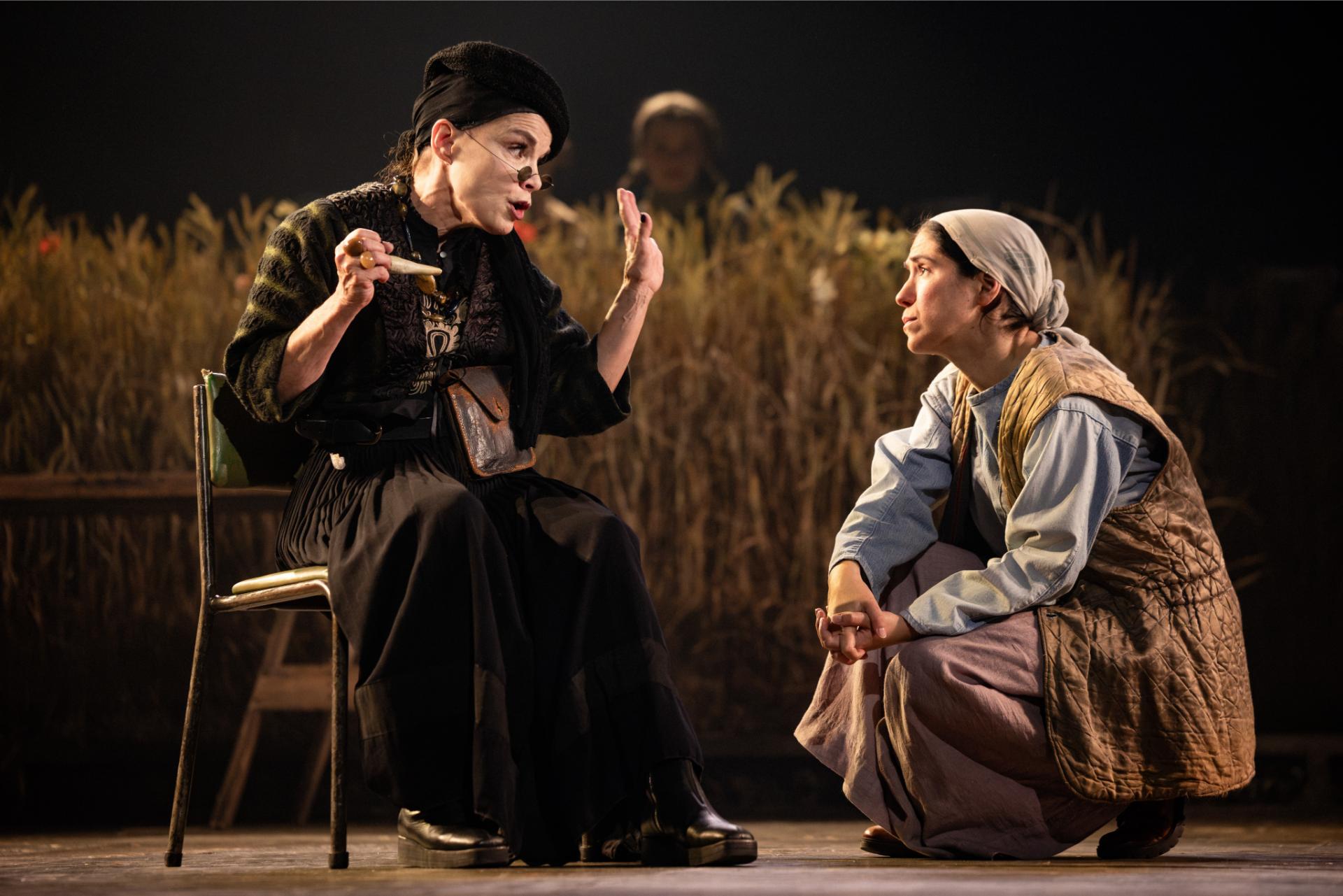
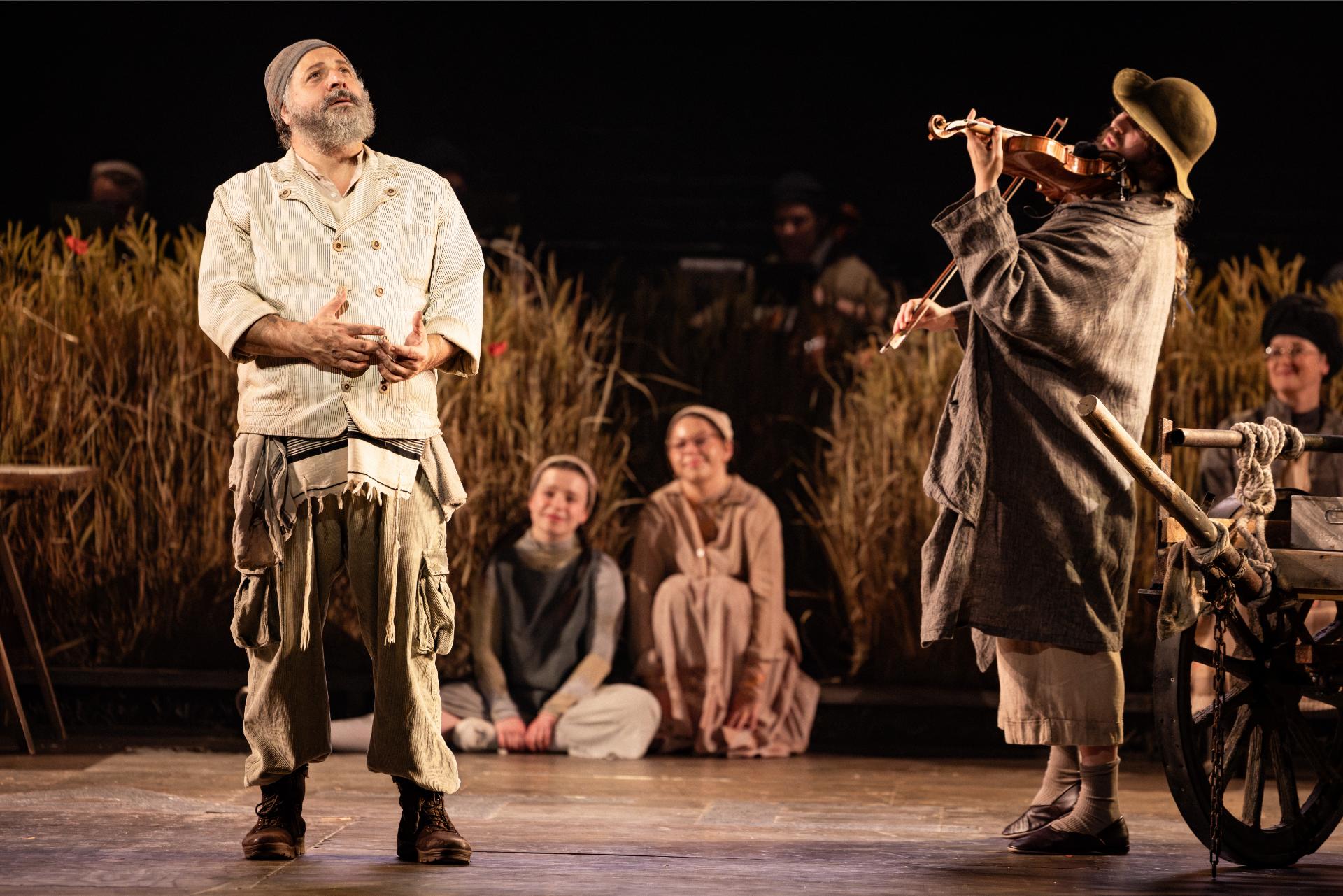
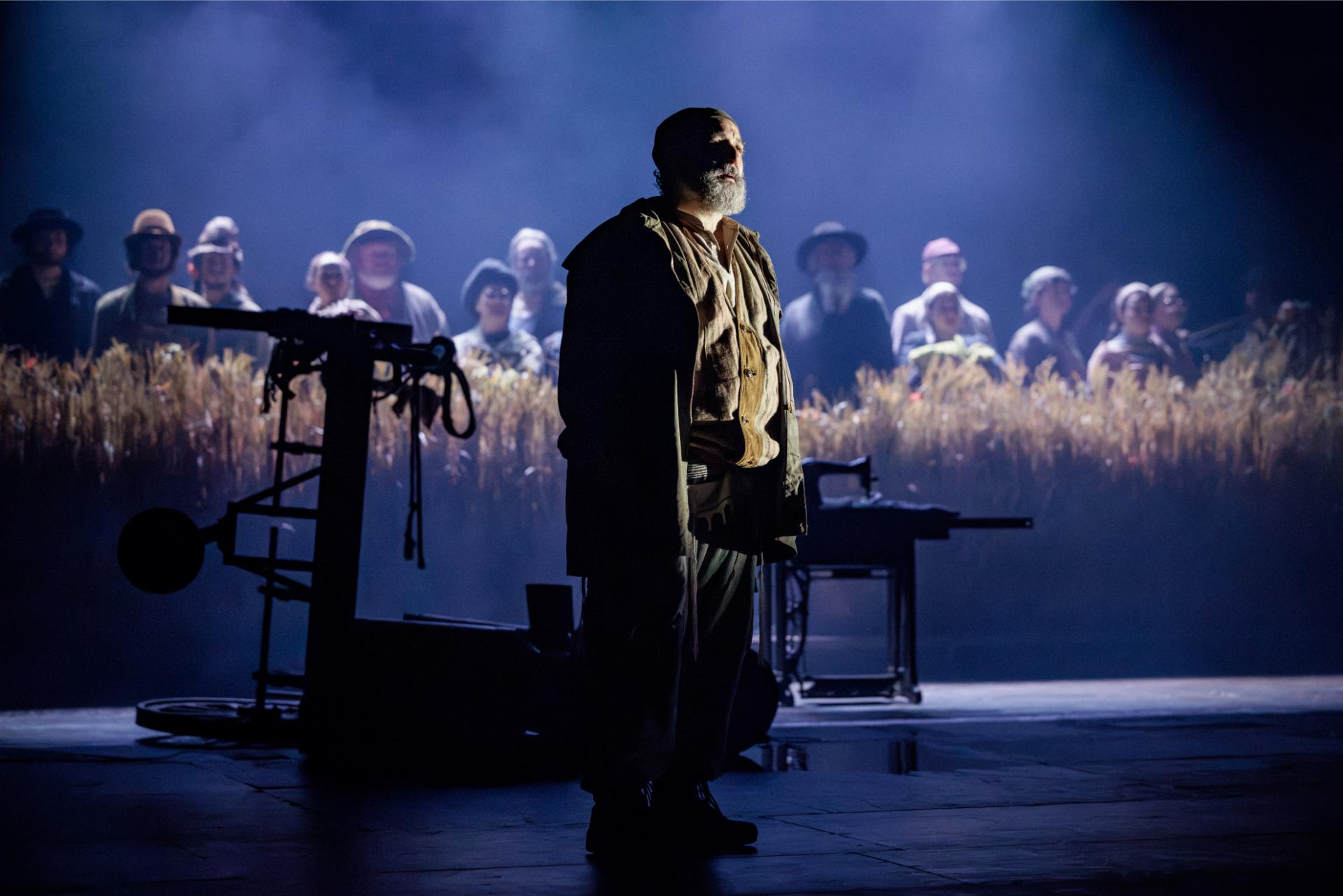
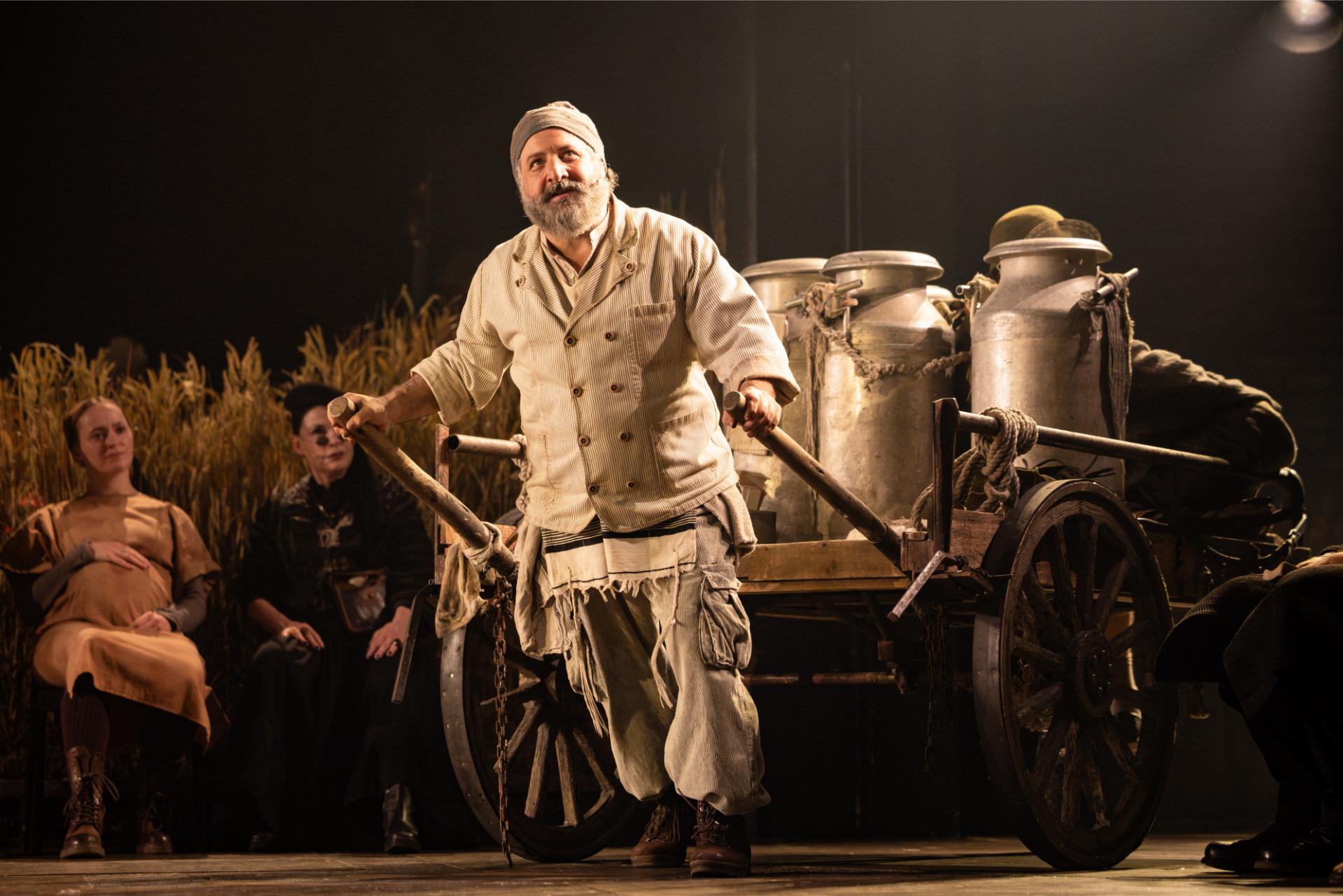
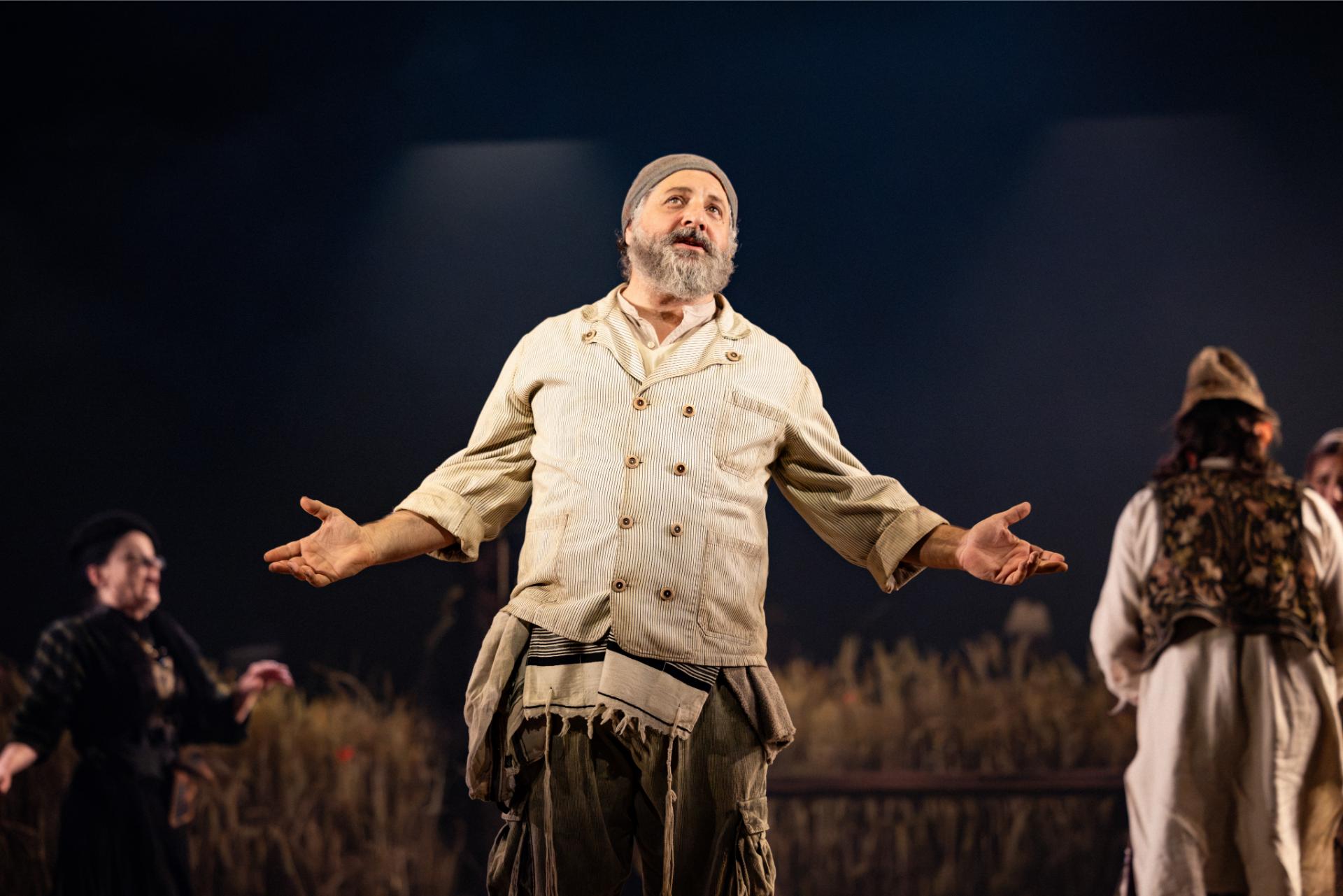
Tevye’s daughters remain preoccupied with romance and matrimonial prospects even as the spectre of banishment looms over their community—a tension that, viewed today, unmistakably marks Fiddler on the Roof as a work firmly anchored in its era. The Broadway original debuted in 1964, and while its treatment of religious persecution retains its urgency, significant portions of the narrative have aged less gracefully.

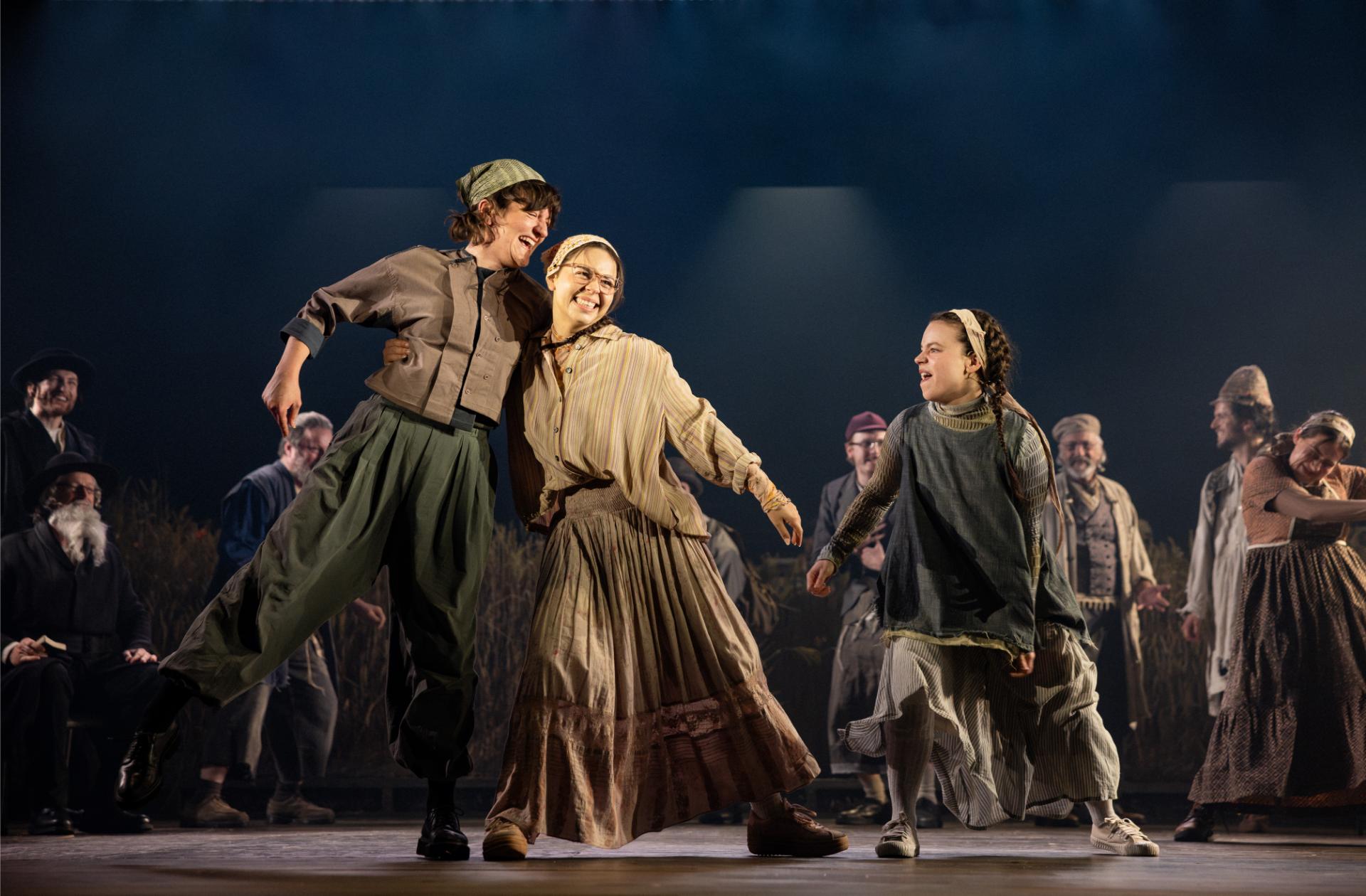
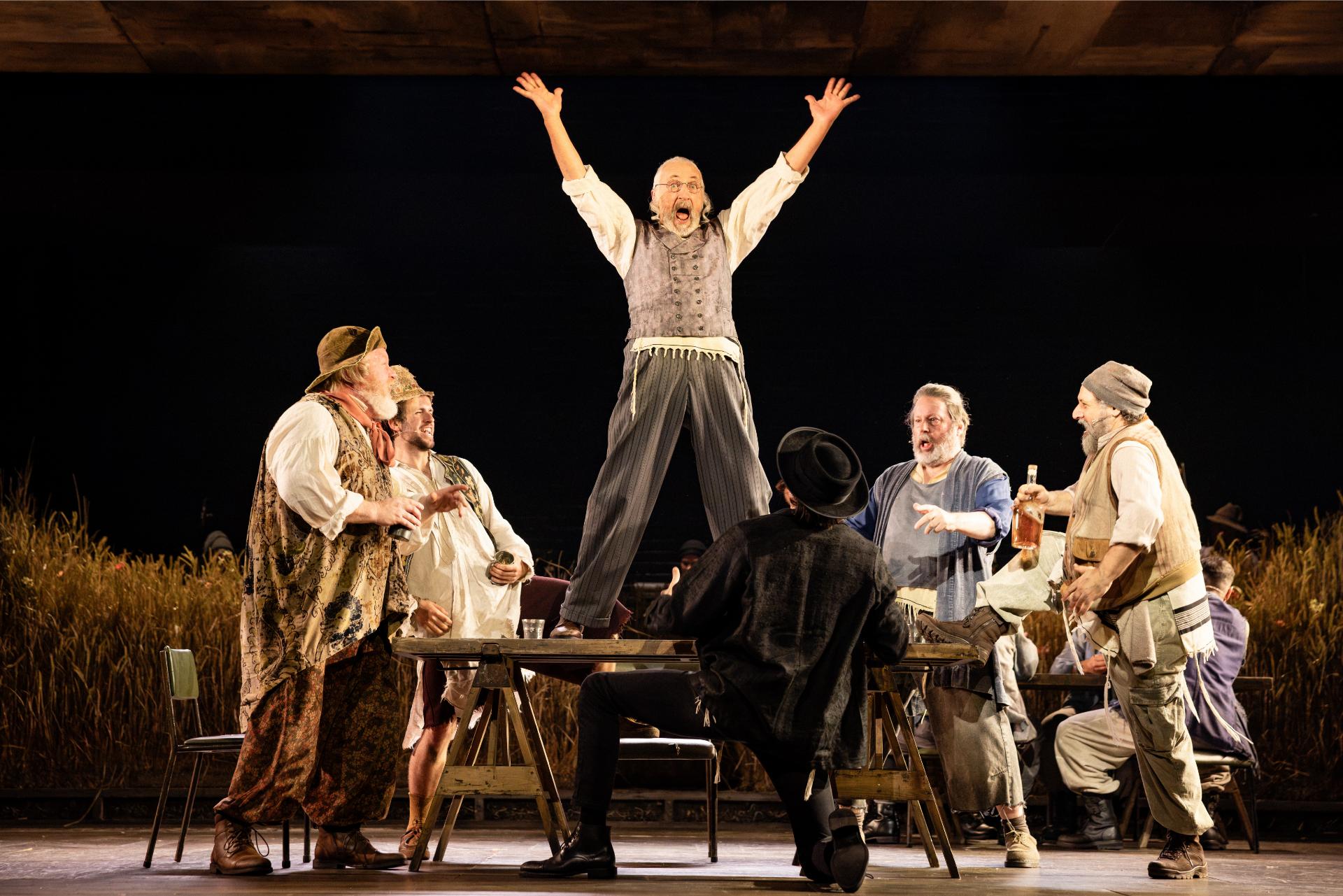
Jordan Fein’s direction honours the text and its underlying concerns, yet there is a sharp contemporary sensibility in the handling of humour that prevents the production from feeling like a museum piece. If the storytelling falters by modern standards, Jerry Bock’s score remains imperishable; under Mark Aspinall’s musical supervision, it emerges as the production’s crowning achievement.

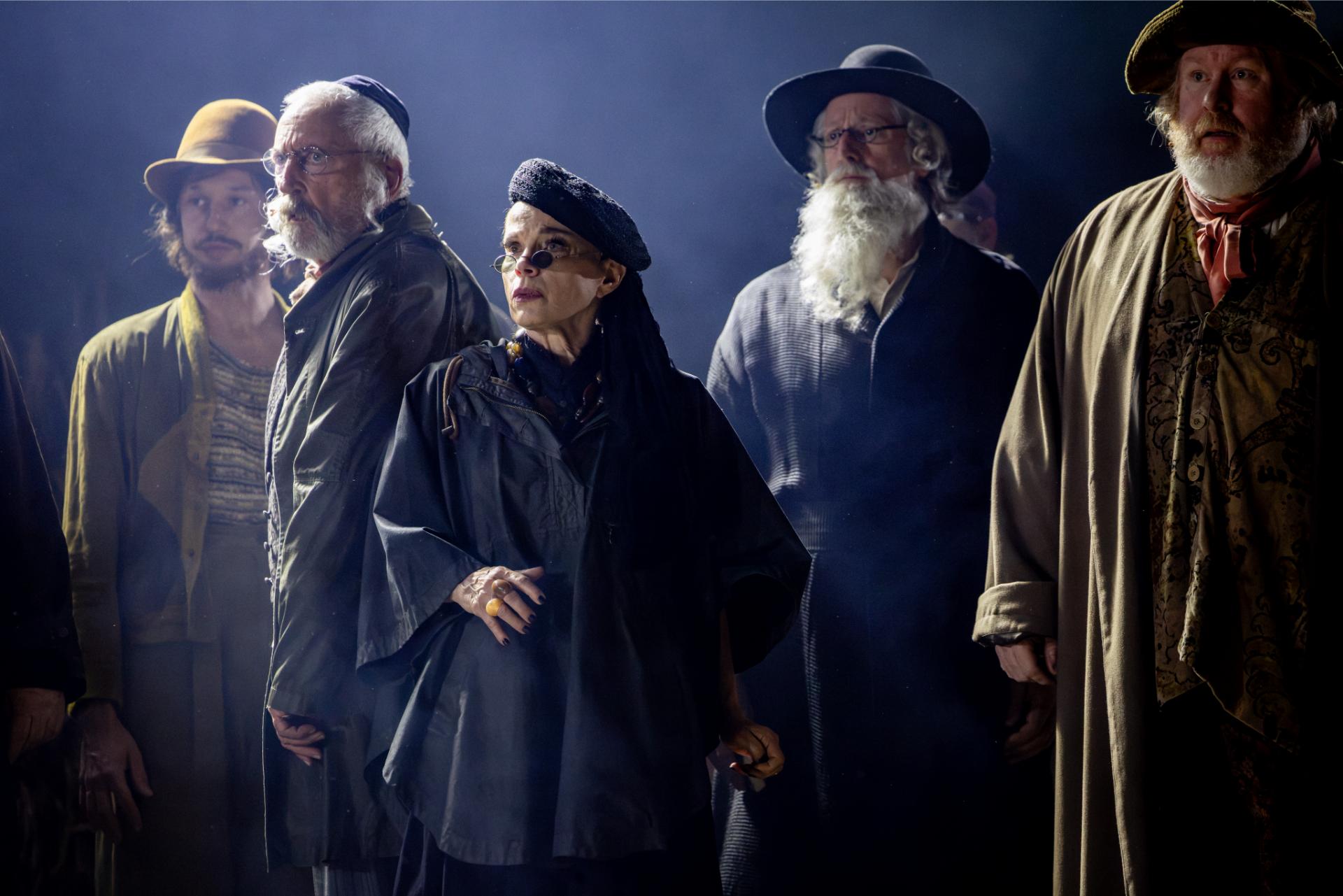
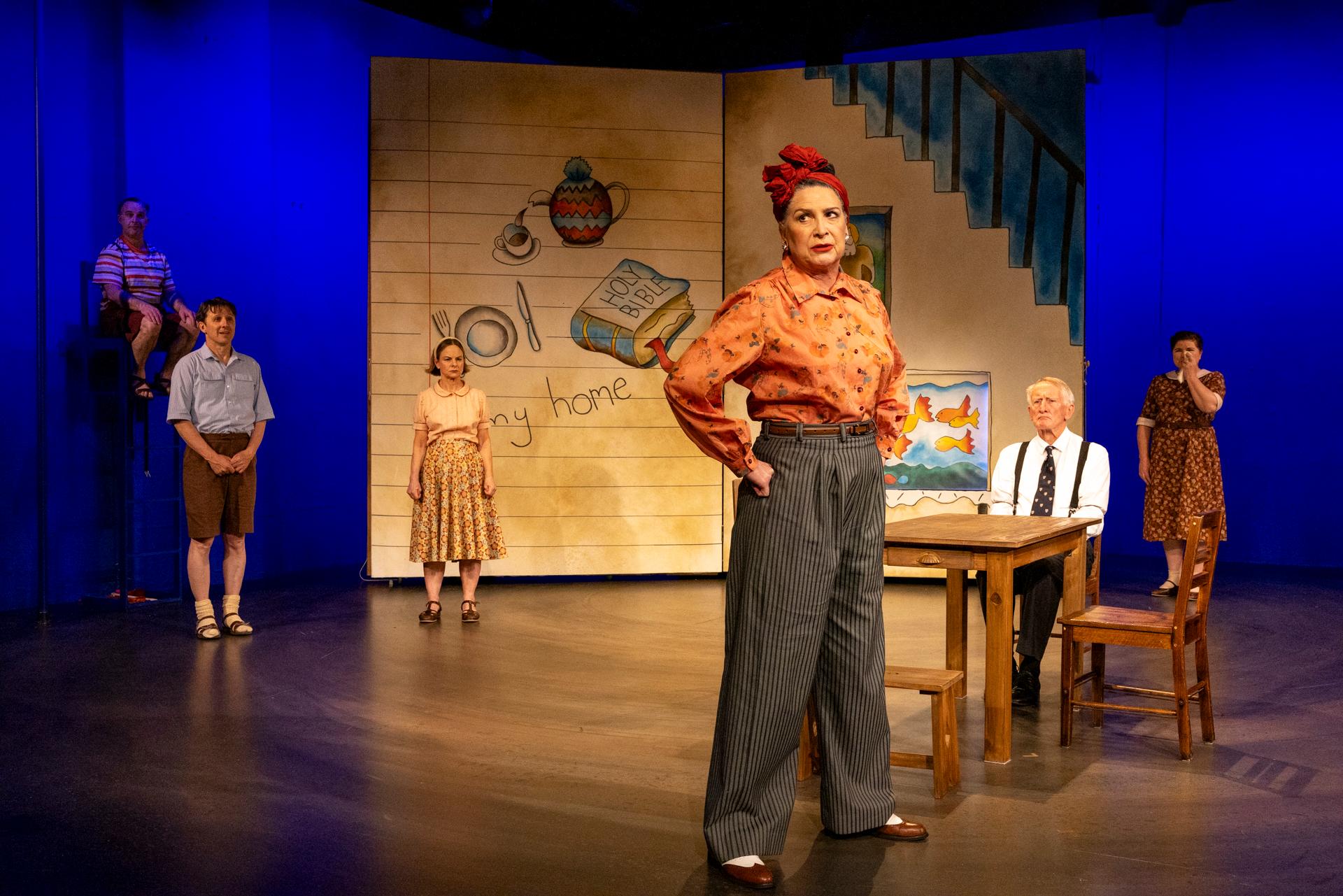
Tom Scott’s design is equally distinguished—the set is refined in its restraint, never appearing insufficient, while the costumes evoke the turn of the century with period fidelity, they nevertheless remain visually striking to the modern eye. Lighting by Aideen Malone offers a sumptuous visual palette, though it occasionally falls short of the vibrancy required to fully animate it.

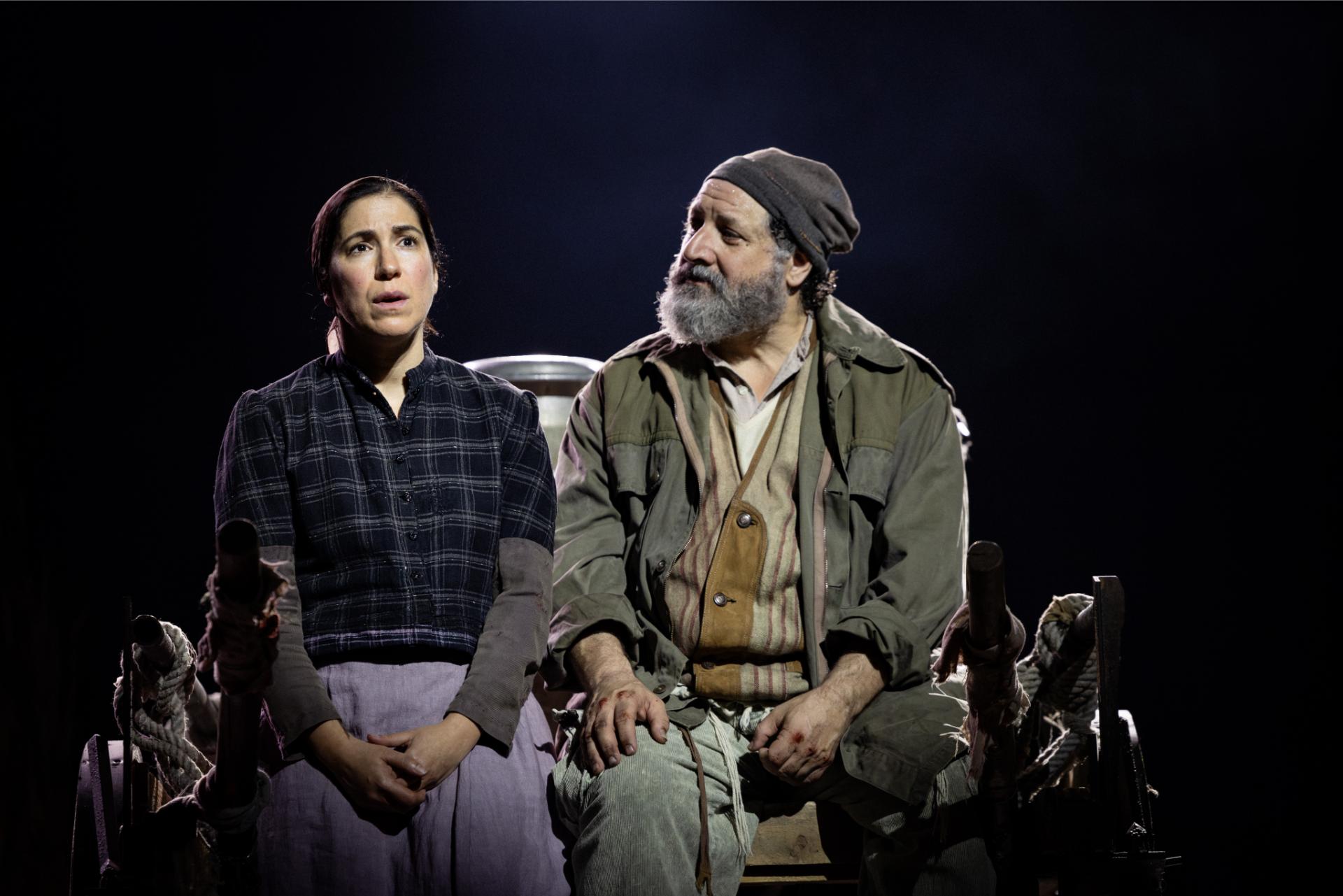
The ensemble performs with formidable conviction, its members capitalising on moments to distinguish themselves, crafting supporting roles that feel lived-in and genuinely charming. Troy Sussman delivers a competent Tevye, though he lacks the magnetism necessary to fully command our emotional allegiance to the main character’s journey.

In light of the ongoing atrocities emerging from the genocide in Gaza, one might be tempted at the end of the musical, to reach for the familiar axiom that “hurt people hurt people”. Yet it is worth recalling that many who have suffered devote themselves precisely to breaking that cycle. Historical tragedy and inherited trauma may illuminate the roots of human cruelty, but understanding is not absolution; comprehension must never be conflated with permission. The enduring imperative of stories like Fiddler on the Roof is resistance—without exception, and regardless of who holds power.

www.fiddlerontherooftour.com

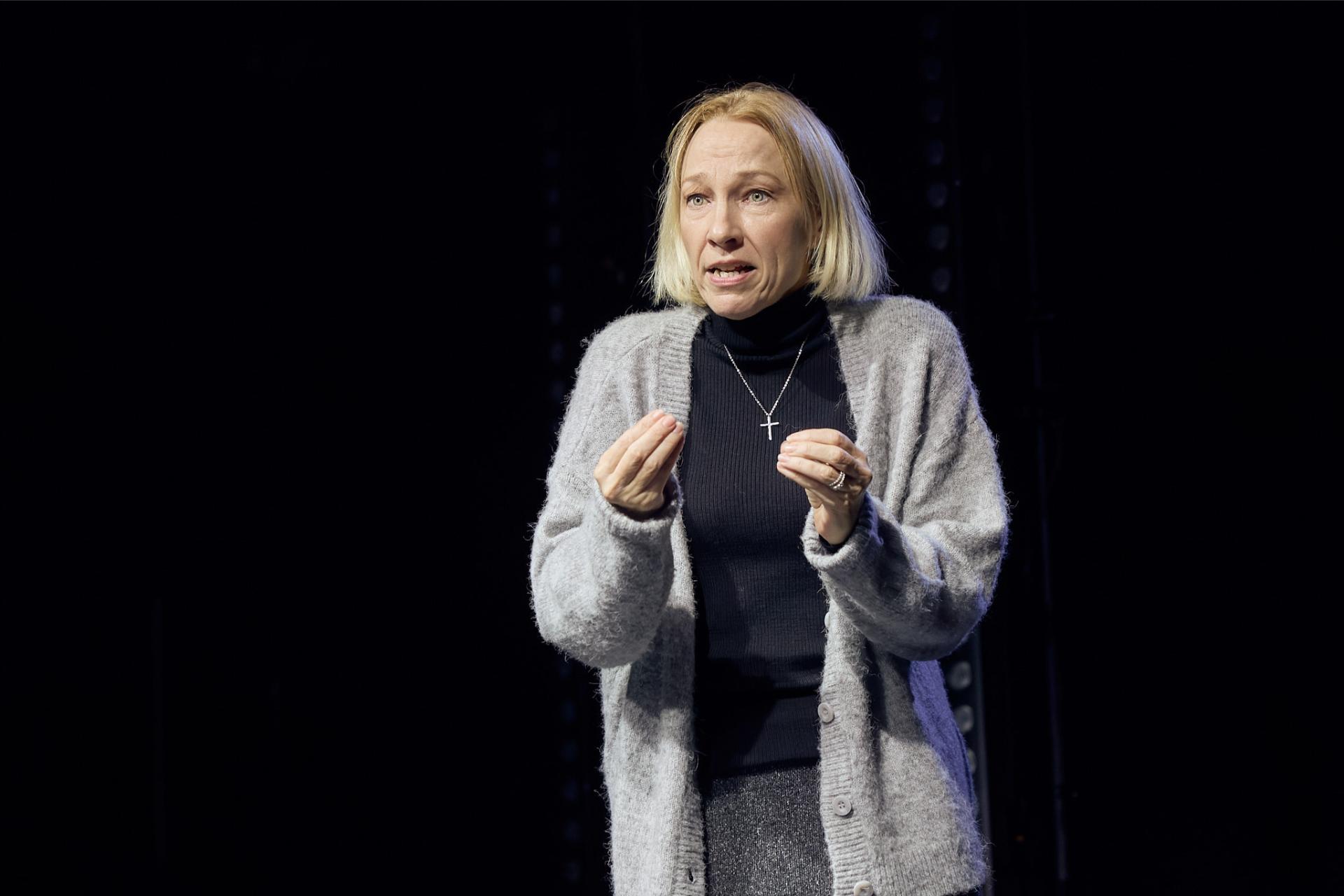
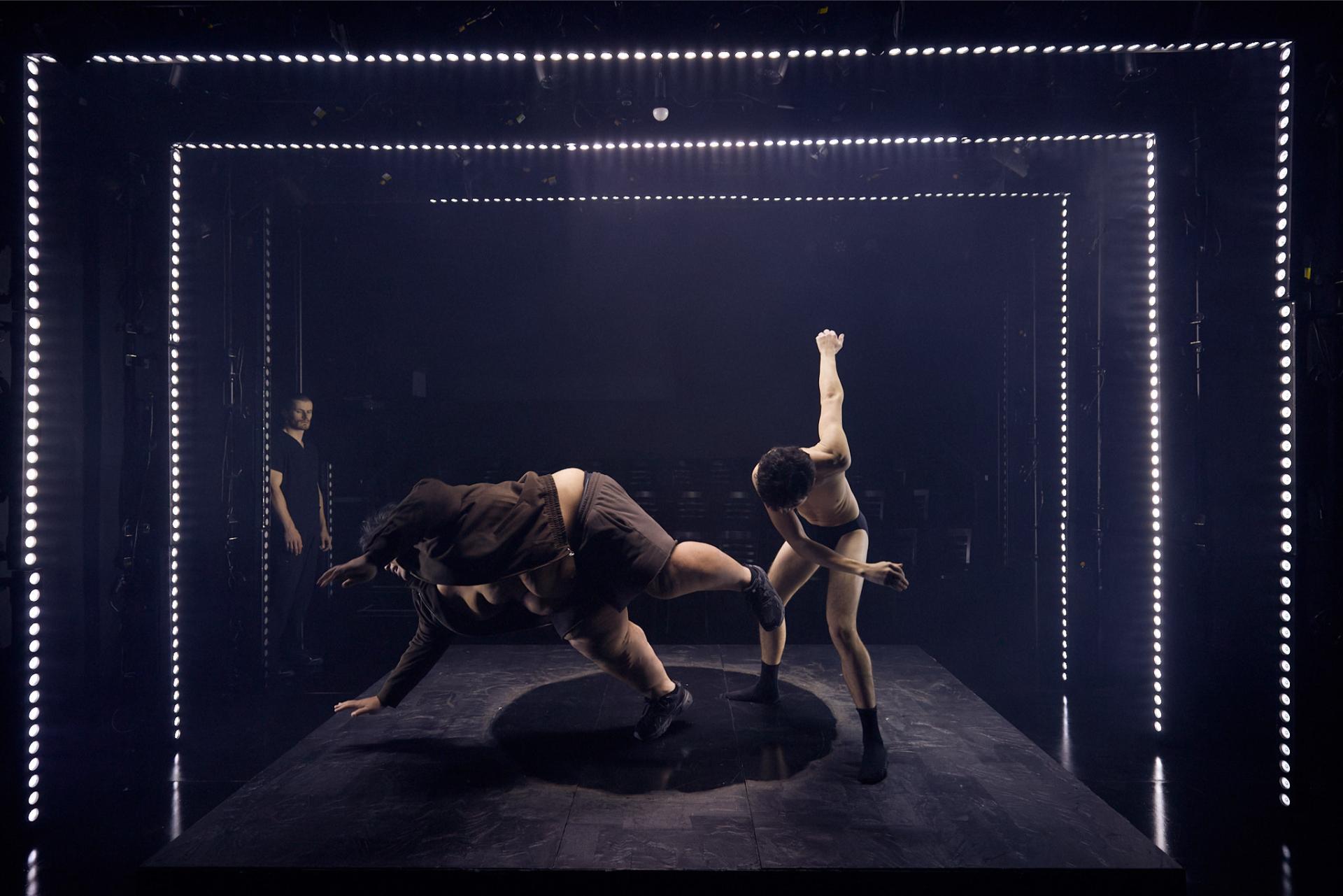
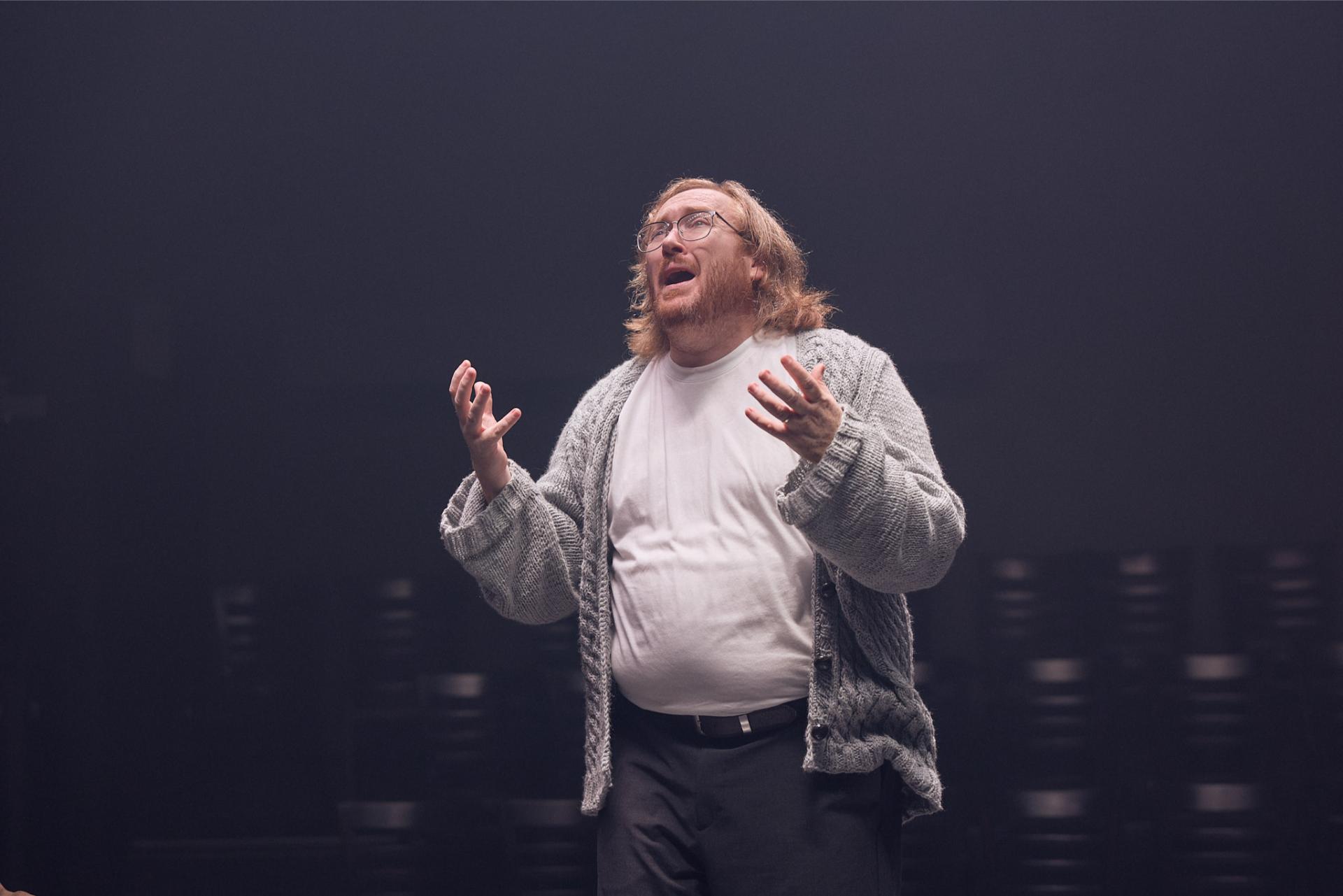
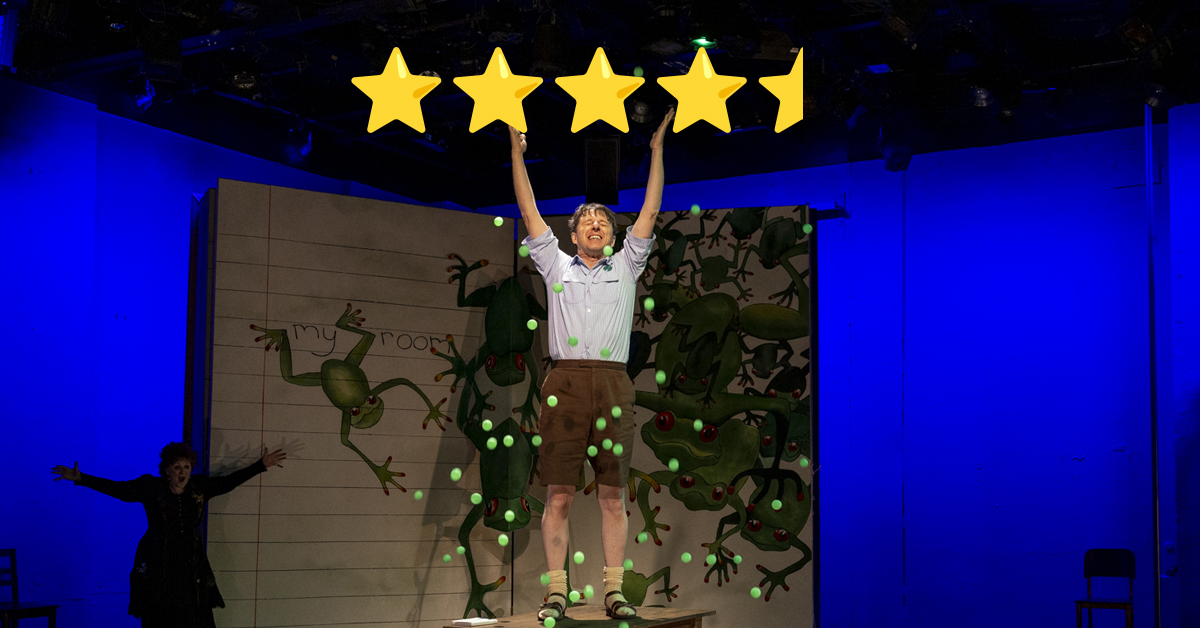
Review: Lacuna (Griffin Theatre Co)

Venue: Belvoir St Theatre (Surry Hills NSW), Jul 30 – Aug 15, 2026
Playwright: Eric Jiang
Director: Nicole Pingon
Cast: Dominic Lui, Loretta Kung, Rachel Seeto
Images by Phil Erbacher

Theatre review
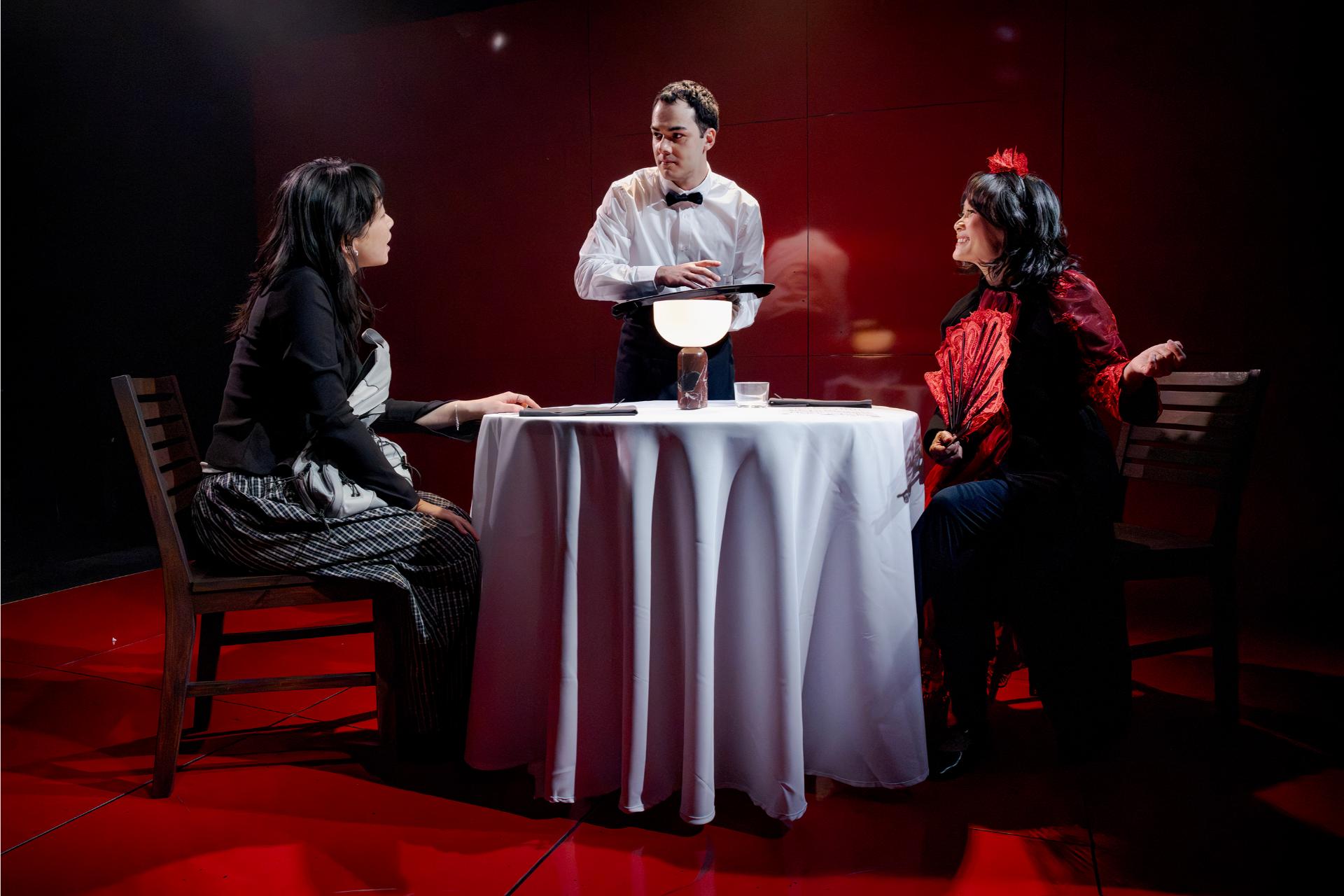
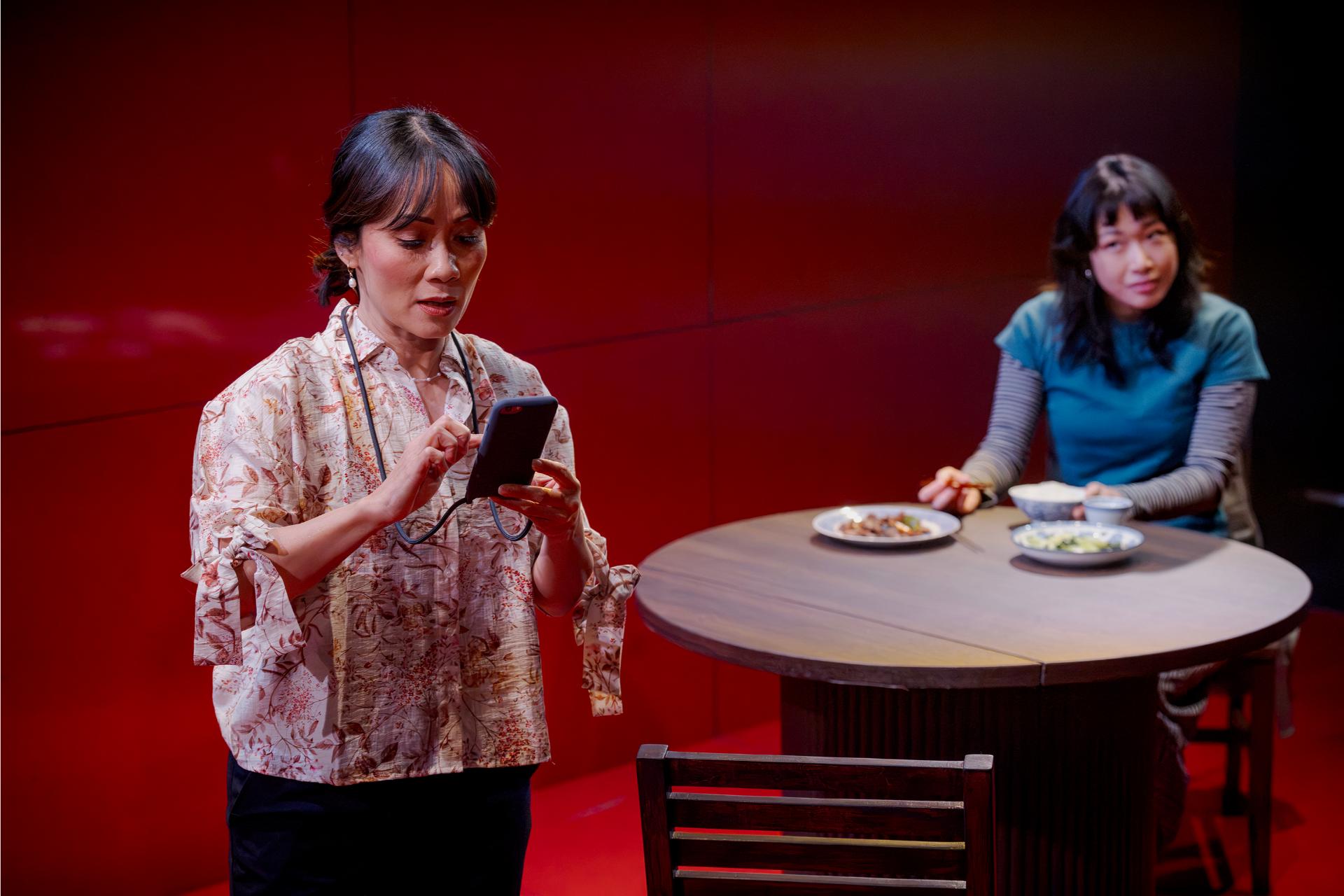
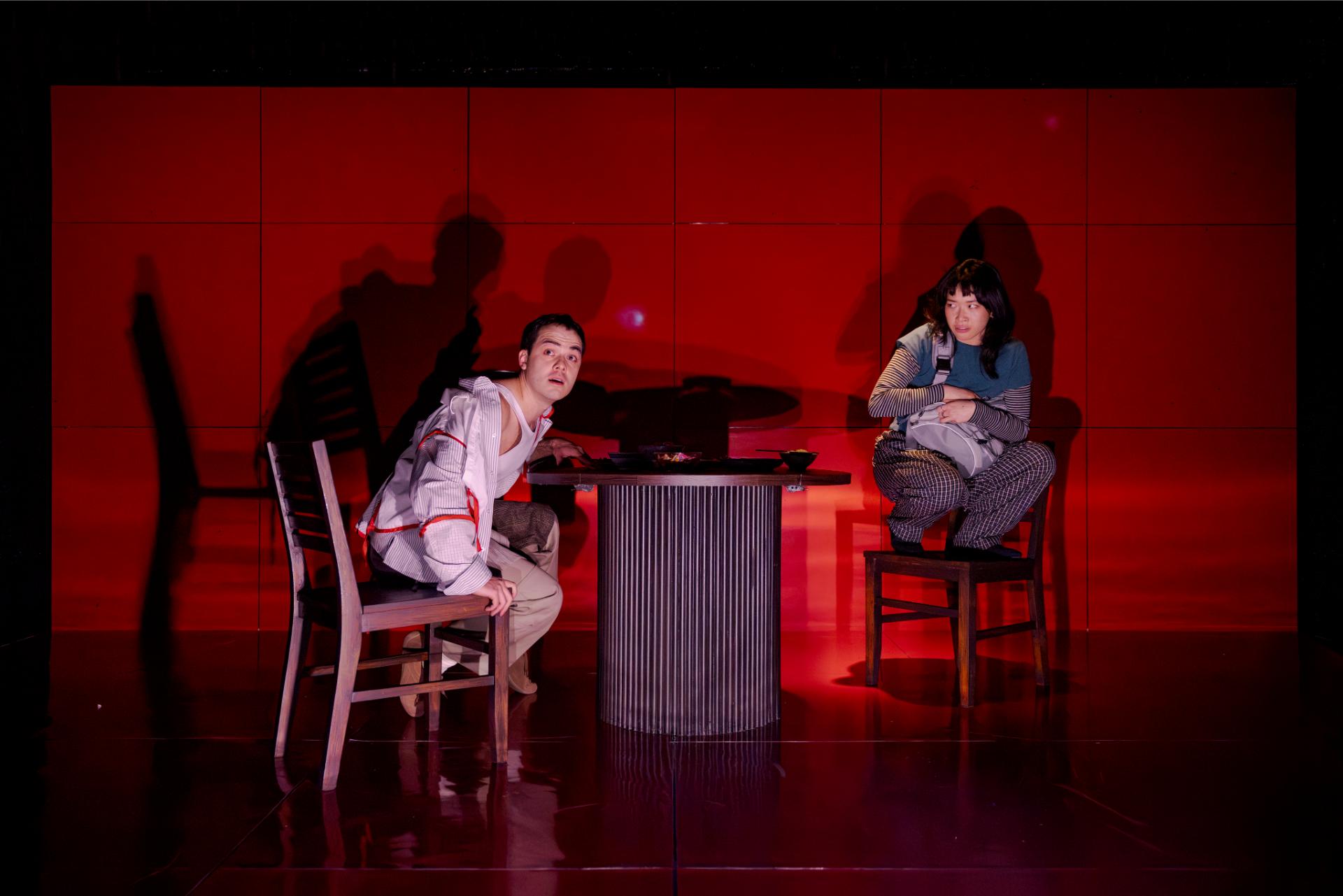
During 清明节 the Qingming Festival, Claudia botches a prayer ritual and stumbles into the underworld, where she not only encounters 孟婆 Meng Po, the goddess of oblivion, but secures employment from her. Tasked with extinguishing fragments of human memory, Claudia begins wielding her newfound powers with dangerous latitude, manipulating her mother’s mind in a desperate bid to engineer a more bearable coexistence. Eric Jiang’s Lacuna mines Chinese mythology to frame a contemporary meditation on generational fracture, centring the particular estrangement of young queer Chinese diasporic subjects navigating a culture that has historically refused them acceptance.

Jiang’s script is audacious from the first beat, yet it never sacrifices warmth for spectacle. The writing sustains a deft comic register throughout, undercutting its metaphysical premises with sharp wit and unexpected tenderness. This interplay of the supernatural and the sentimental gives director Nicole Pingon ample terrain for visual dynamism: she injects the staging with restless energy, drawing on traditional Chinese performance vocabularies to conjure something that feels at once ancient and urgently contemporary. Pingon’s comic instincts are equally refined, ensuring that Lacuna delights not merely through the ingenuity of its premise, but through a sustained, self-aware commitment to entertainment.

Production design by Hailley Hunt is elegantly uncluttered—never ostentatious, yet furnishing the cast with everything necessary to forge indelible characters and drive the narrative confidently. Morgan Moroney’s lighting proves quietly revelatory, shifting with disarming speed to render the supernatural realms in configurations that are frequently breathtaking; entire worlds materialize and dissolve in the span of a single cue. Sam Cheng’s sound and music, meanwhile, lean into operatic grandeur, amplifying the majesty of spiritual lore and lending propulsive dynamism to the production’s martial-inspired sequences.

At the centre of it all, Rachel Seeto delivers a Claudia of remarkable specificity, embedding every gesture with subtext and every line with nuanced intention. Her commanding physicality—assured, fluid, and precise—effectively defines the production’s hybrid aesthetic, synthesizing Eastern and Western performance traditions into a coherent stylistic whole. Dominic Lui matches her in physical accomplishment; his acrobatic work channels the theatrical sorcery of Chinese opera, while his impeccable comic timing lands with exhilarating precision, generating waves of laughter that keep the production buoyant even in its most wistful passages. Loretta Kung, doubling as Meng Po and Claudia’s mother, anchors the piece with a gravitas that feels culturally rooted and authentic. Her presence carries the weight of lineage and authority befitting both roles.

Meng Po waits at the Bridge of Oblivion, where souls must drink to forget, before they may be reborn. Claudia, however, mistakes erasure for repair, believing she can mend her present by vandalizing her past. We see in Lacuna that denial is a kind of trap—that confrontation, however painful, is the only genuine prelude to growth. The play asks whether we can ever truly move forward until we have faced what we most wish to forget.

www.griffintheatre.com.au | www.eswrkrs.com
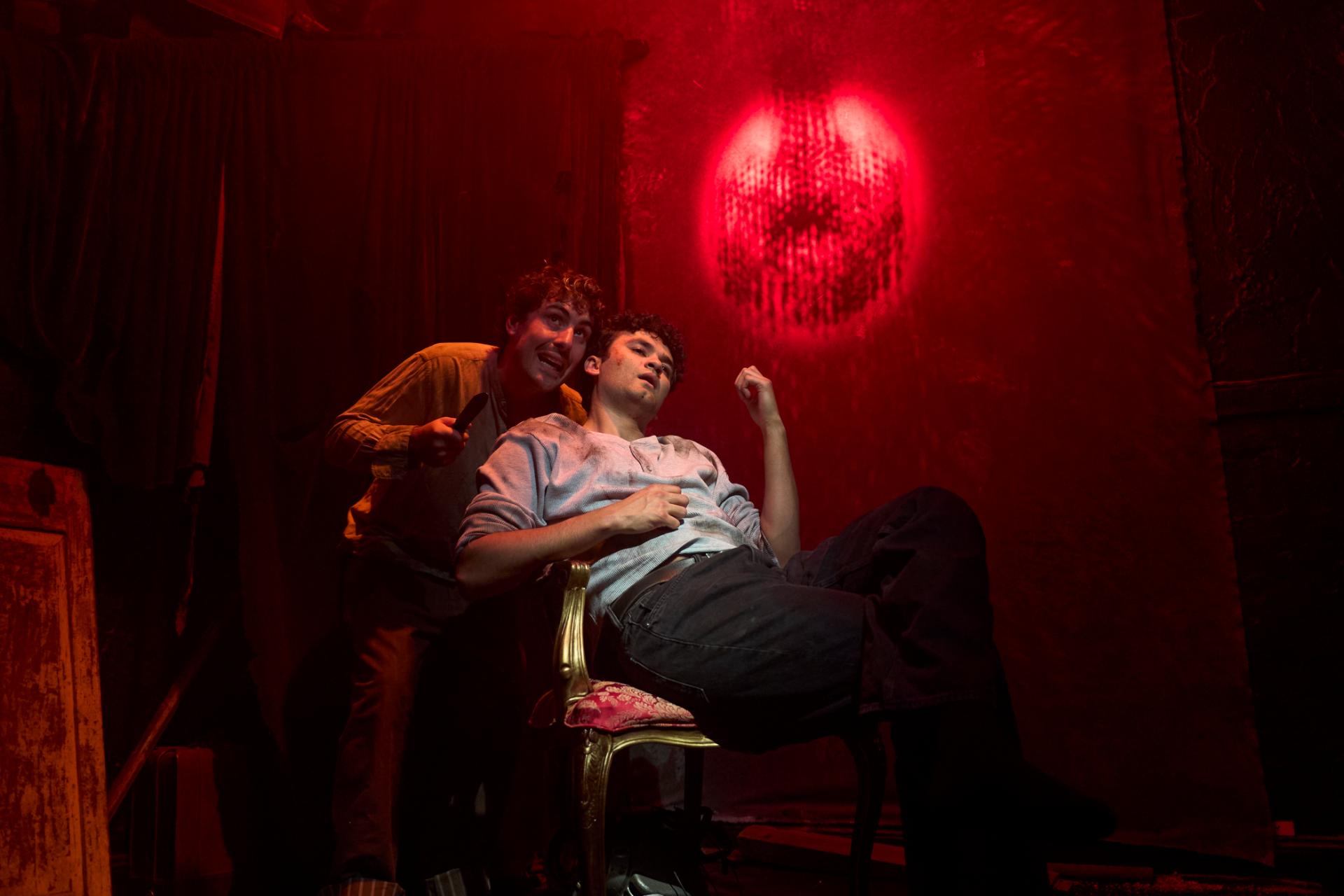
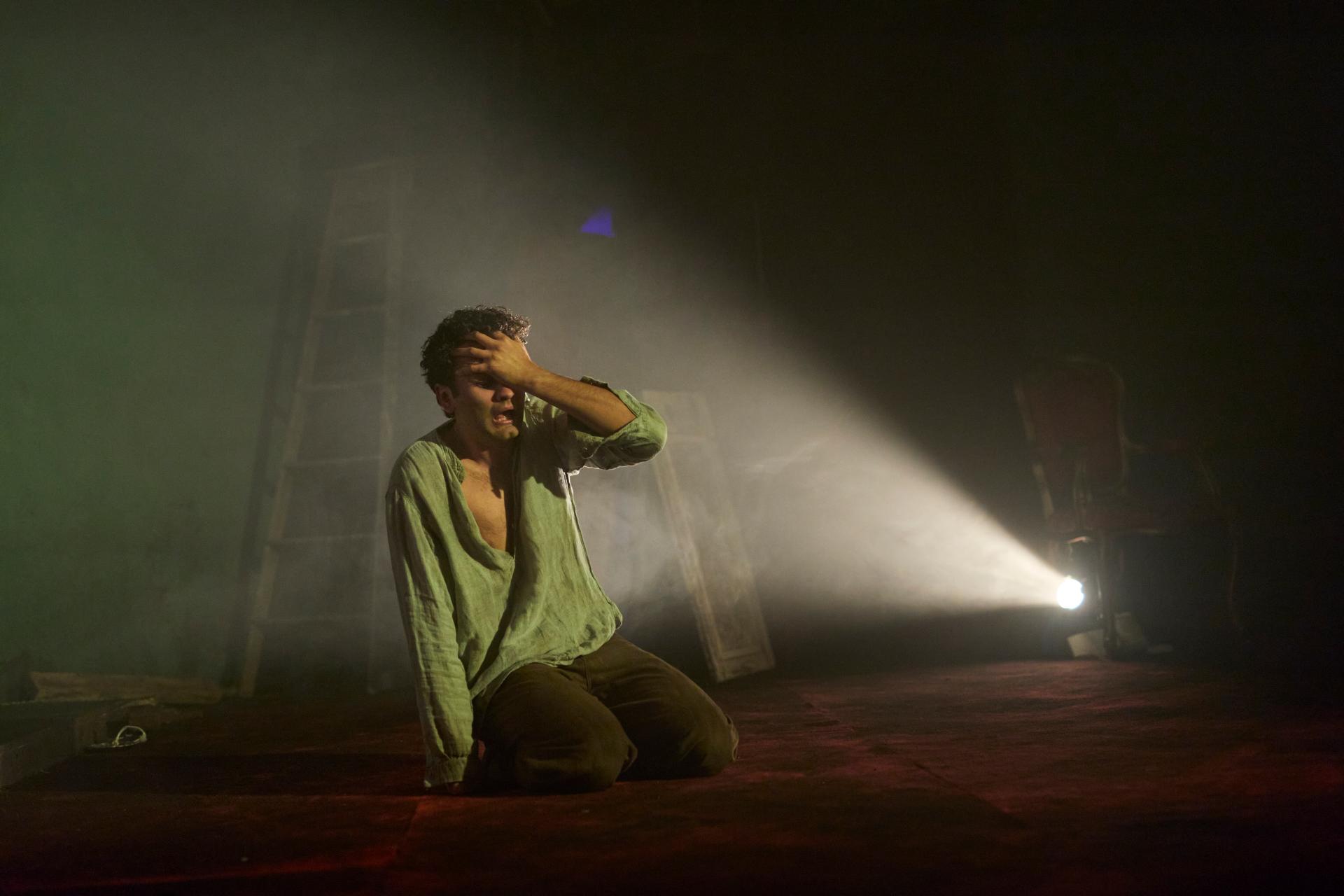
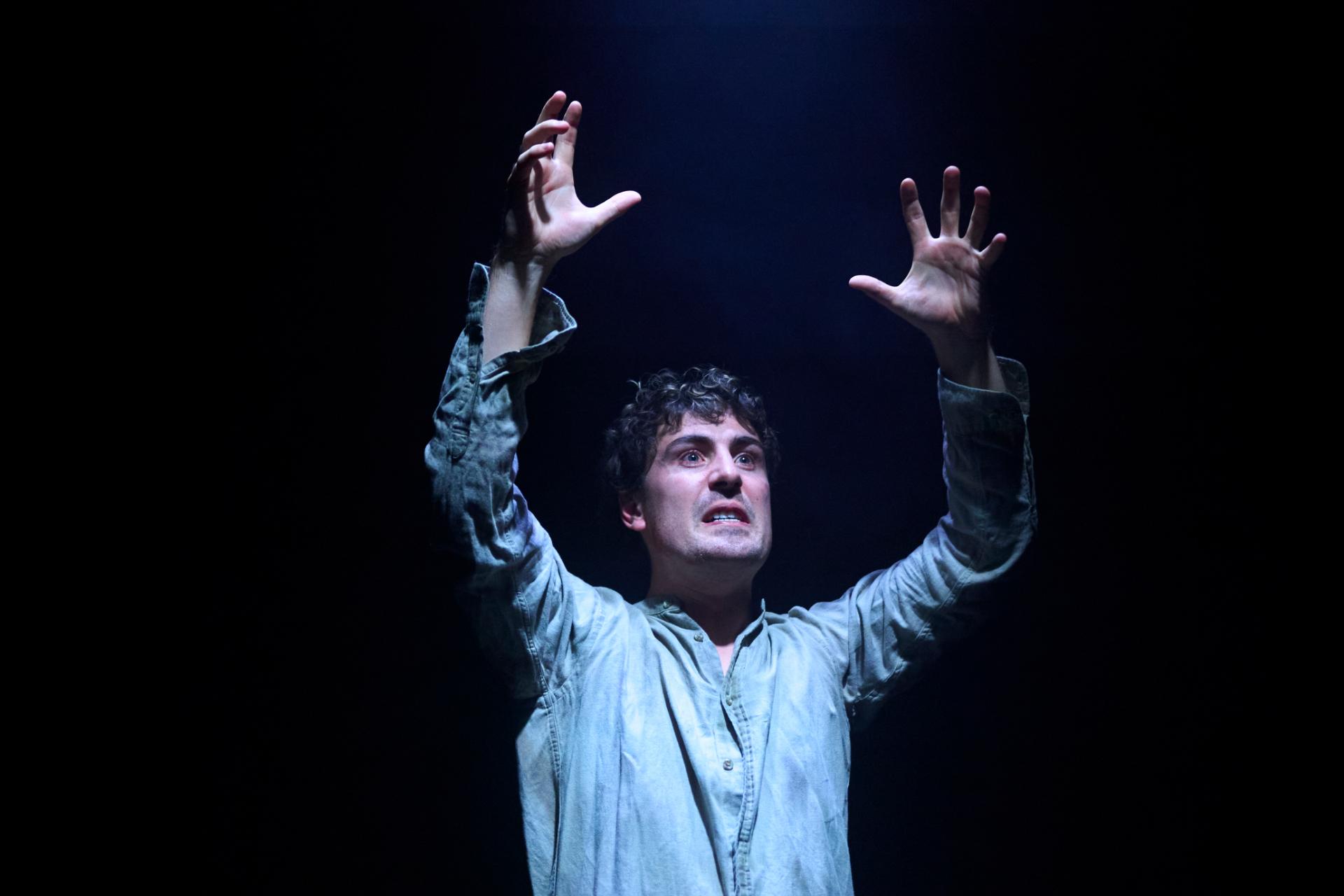
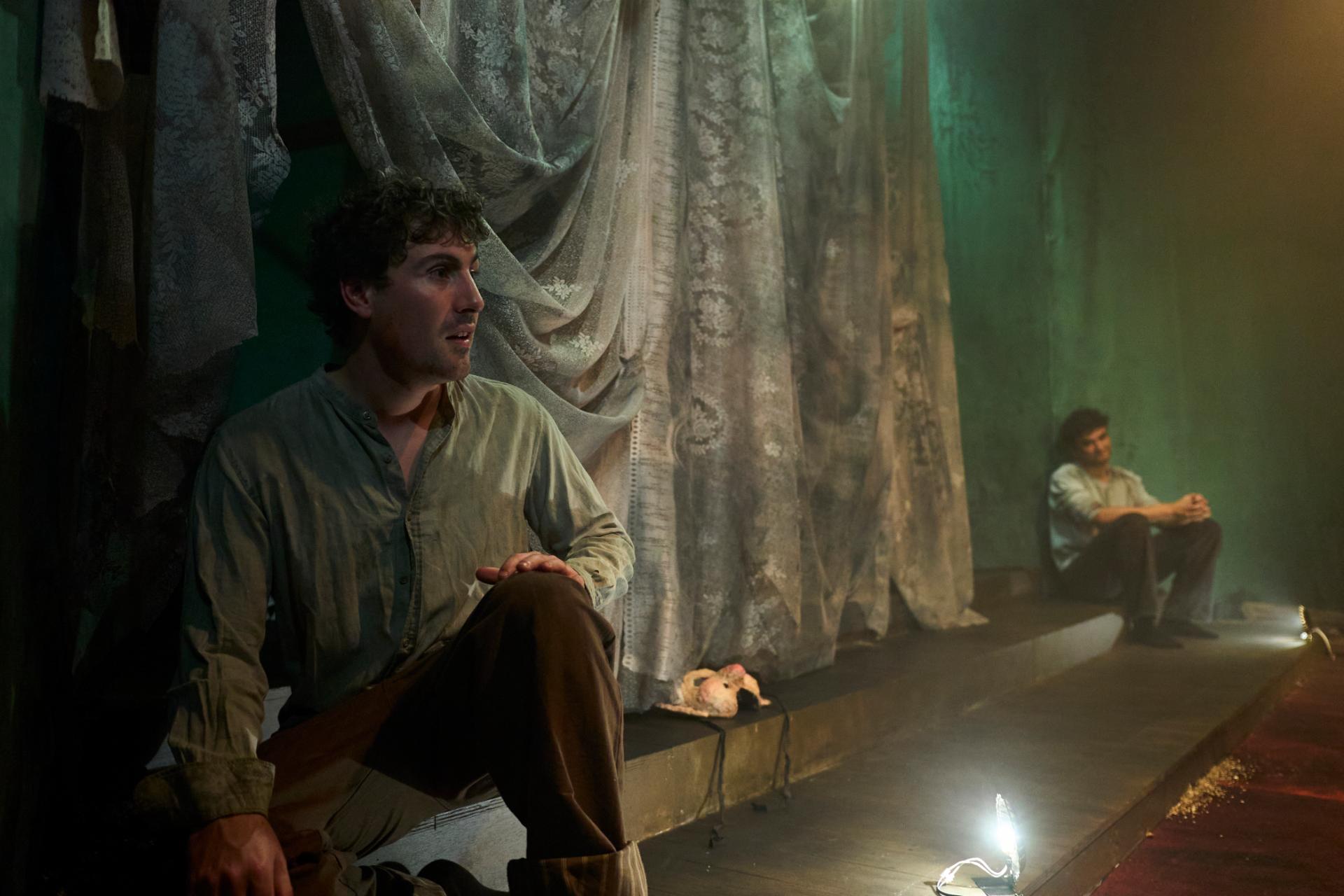
Review: Goodnight Sweet Prince (Old Fitz Theatre)

Venue: Old Fitzroy Theatre (Woolloomooloo NSW), Jul 31 – Aug 15, 2026
Playwright: William Shakespeare (an adaption of Hamlet by Liesel Badorrek, Raj Labade, Jack Twelvetree)
Director: Liesel Badorrek
Cast: Raj Labade, Jack Twelvetree
Images by Campbell Parsons

Theatre review
Goodnight Sweet Prince offers a seventy-minute distillation of Hamlet, gathering the play’s most searing moments of introspection into a concentrated portrait of psychological unravelling. Yet in privileging the prince’s interiority, the adaptation strips away Shakespeare’s chiaroscuro—the interplay of levity and darkness, of courtly intrigue and metaphysical dread—leaving behind something closer to a single-note meditation on grief.

Liesel Badorrek’s direction sustains a formidable emotional pitch, executed with considerable polish. The result, however, is a production that feels curiously remote: relentlessly intense yet strangely unaffecting, as though the audience were observing anguish through reinforced glass.

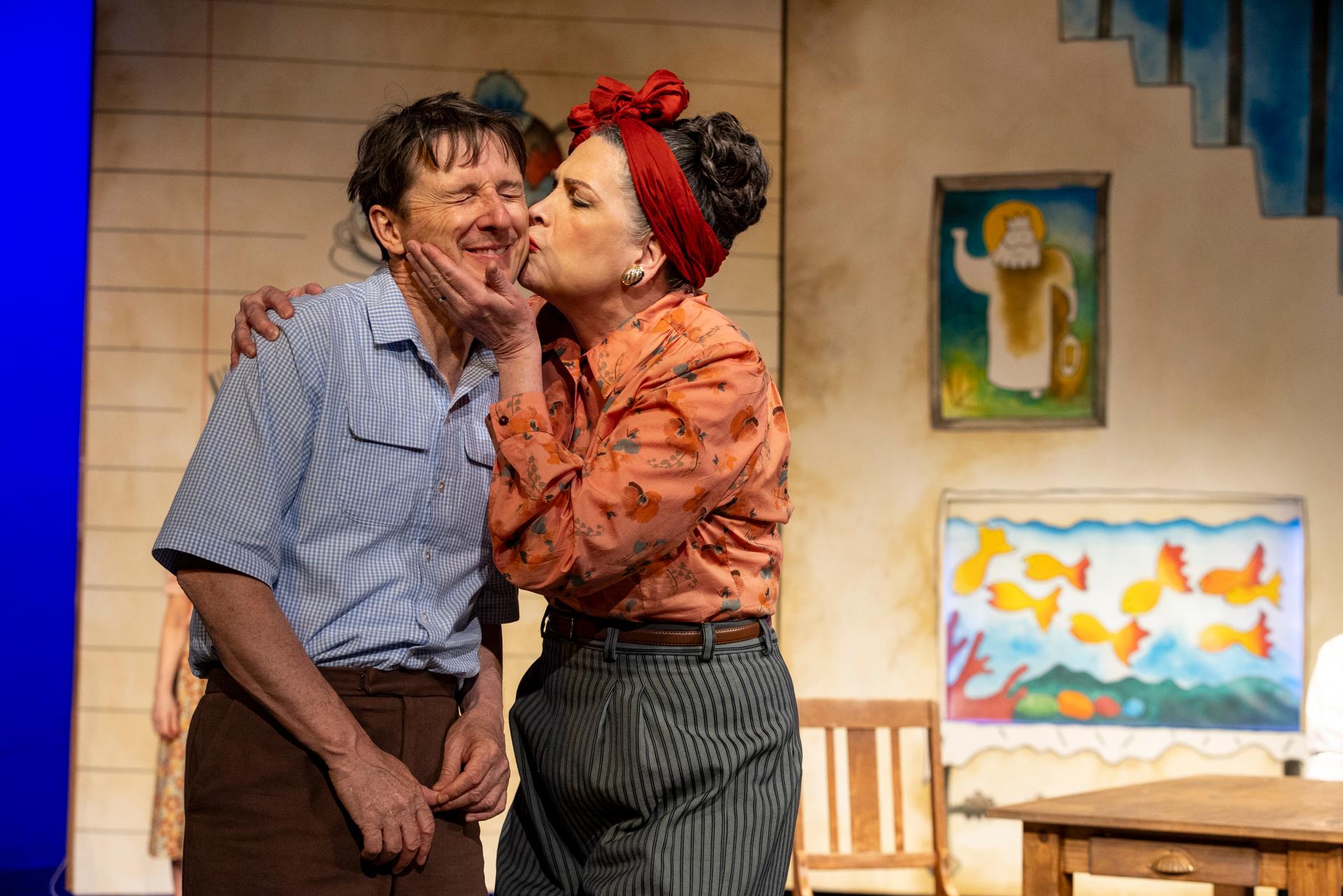
Keerthi Subramanyam’s set design finds poetry in ruin. Drawing on the internal dilapidation of Shakespeare’s characters, the staging evokes decay with arresting beauty—flickers of faded grandeur and decadent ornamentation lending the production a visual richness that partially compensates for its emotional austerity.

Verity Hampson’s lighting is exuberantly theatrical, responding to the text’s most dramatic registers with bold, heightened imagery. Ross Johnston’s sound design is similarly ambitious, tracking every cadence of the abridged script with almost forensic attention. The score works so diligently to underscore each emotional beat that it threatens to become a co-narrator, at times articulating as much of the story as the words themselves.

Raj Labade brings formidable concentration and raw feeling to the title role; his Hamlet is never less than utterly committed. Yet the compression of the text ultimately estranges us from the very suffering it seeks to dramatise. We recognise the authenticity of the anguish without being invited to share it. Jack Twelvetree moves with remarkable ease between Horatio and an array of supporting characters, his versatility shining through in sharply differentiated performances that lend the production welcome breadth and texture.

There is, finally, the question of relevance. It grows increasingly difficult to locate our sympathies within the precincts of royalty; the historical convention of identifying with kings and queens now feels almost exotic. Suffering may be universal, but our compassion need not be indiscriminate. Perhaps there is a quiet liberation in withholding our empathy from those whose privilege has been maintained, across generations, at the cost of so many others’ disadvantage.

www.oldfitztheatre.com.au | www.instagram.com/goodnightsweetprinceplay