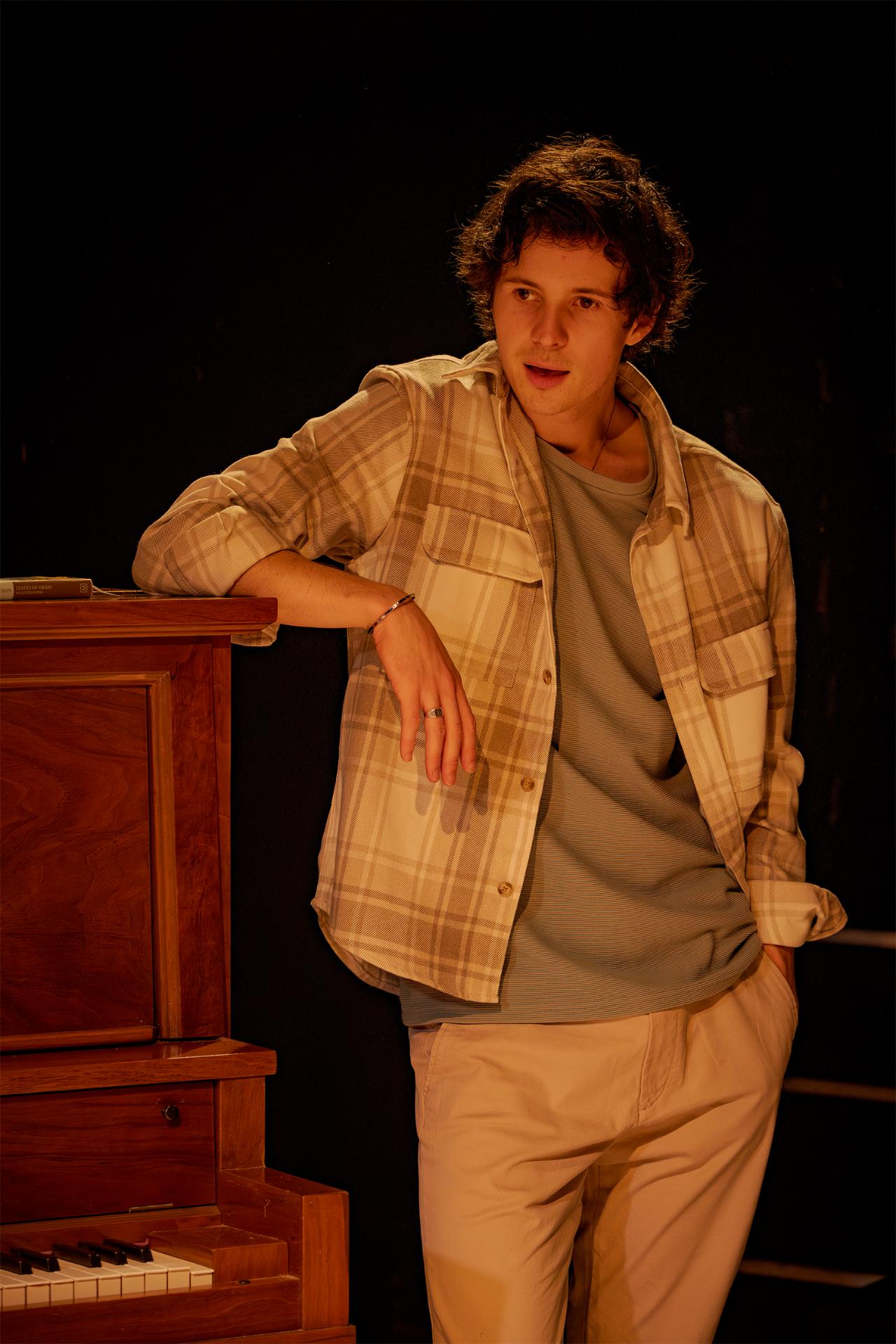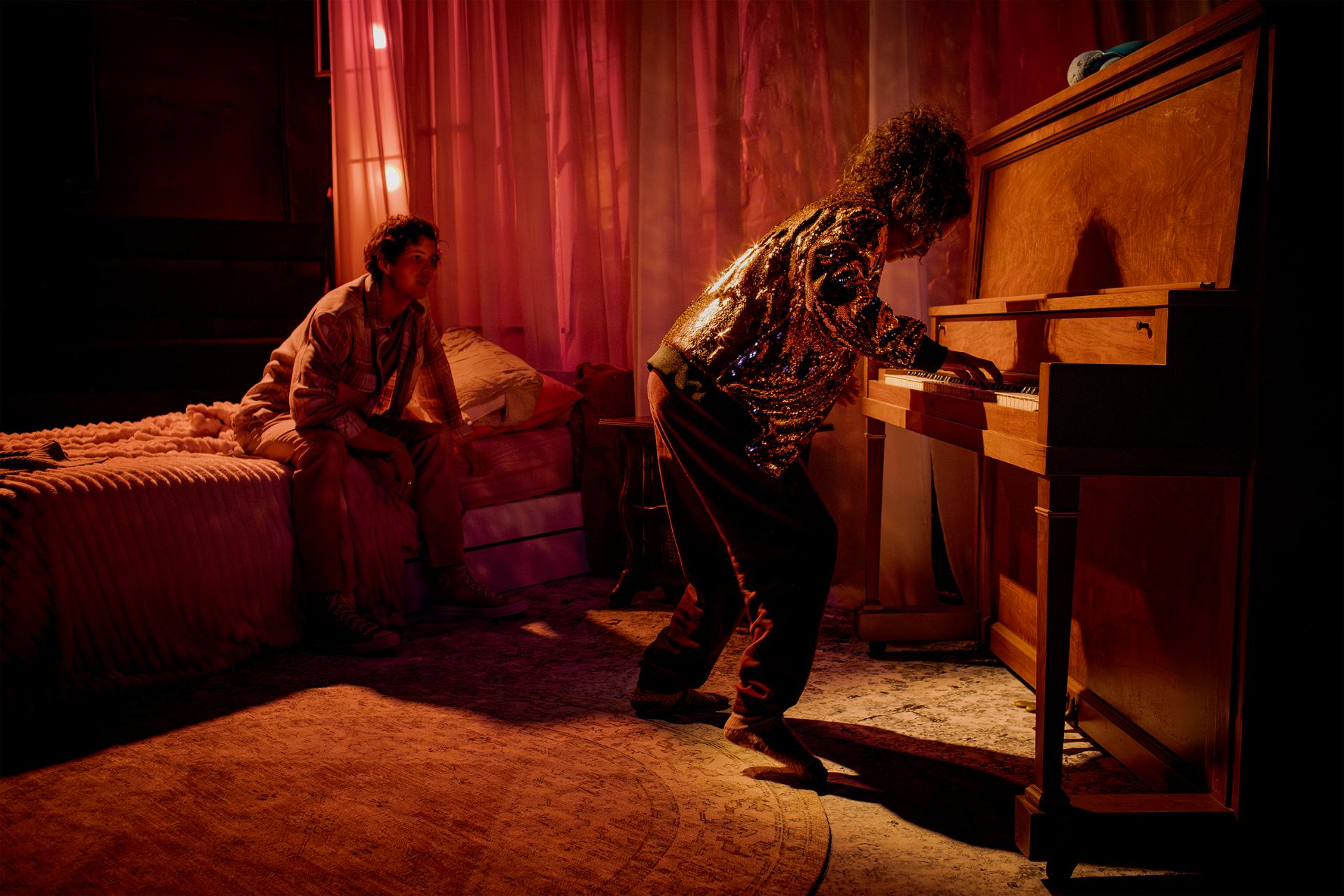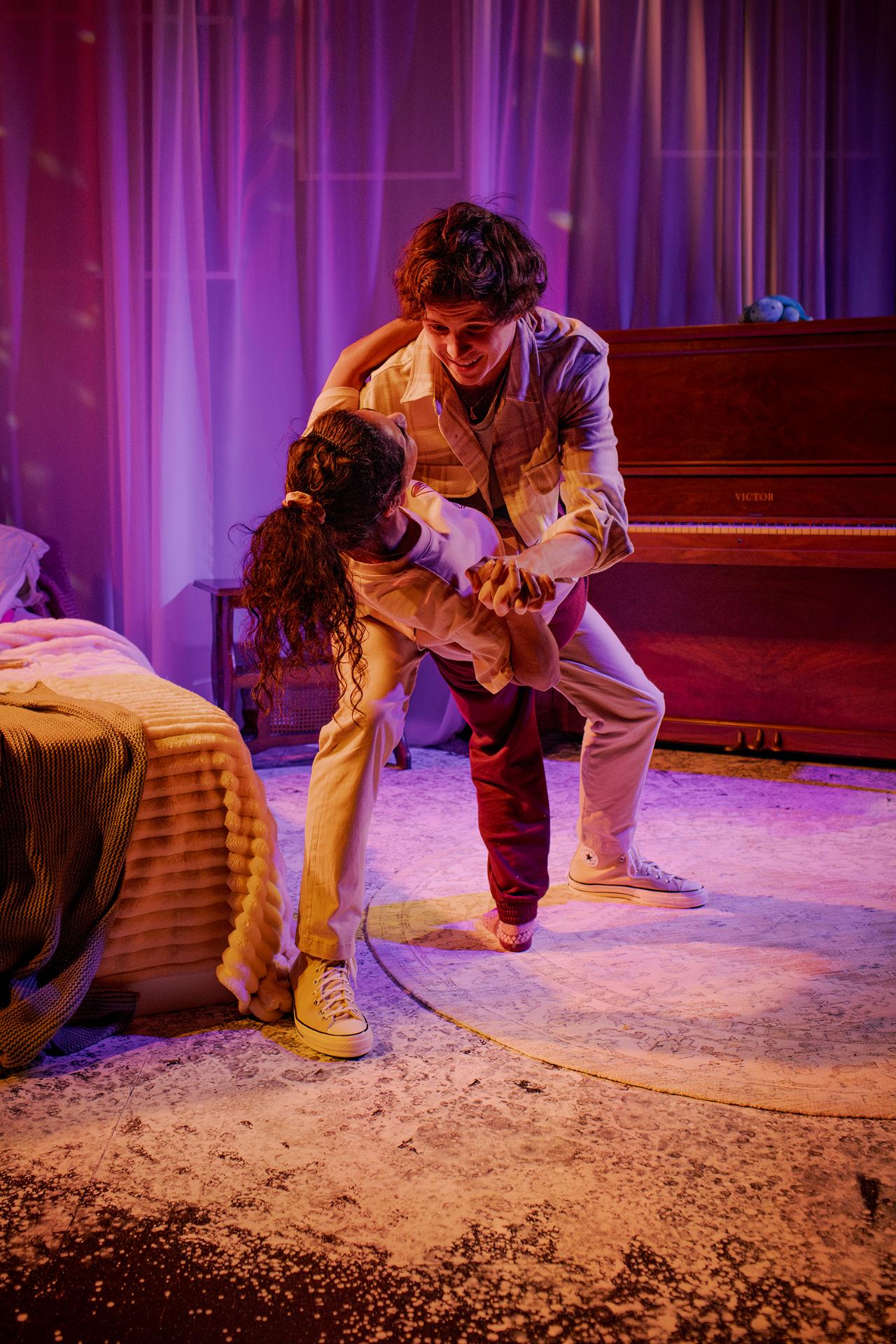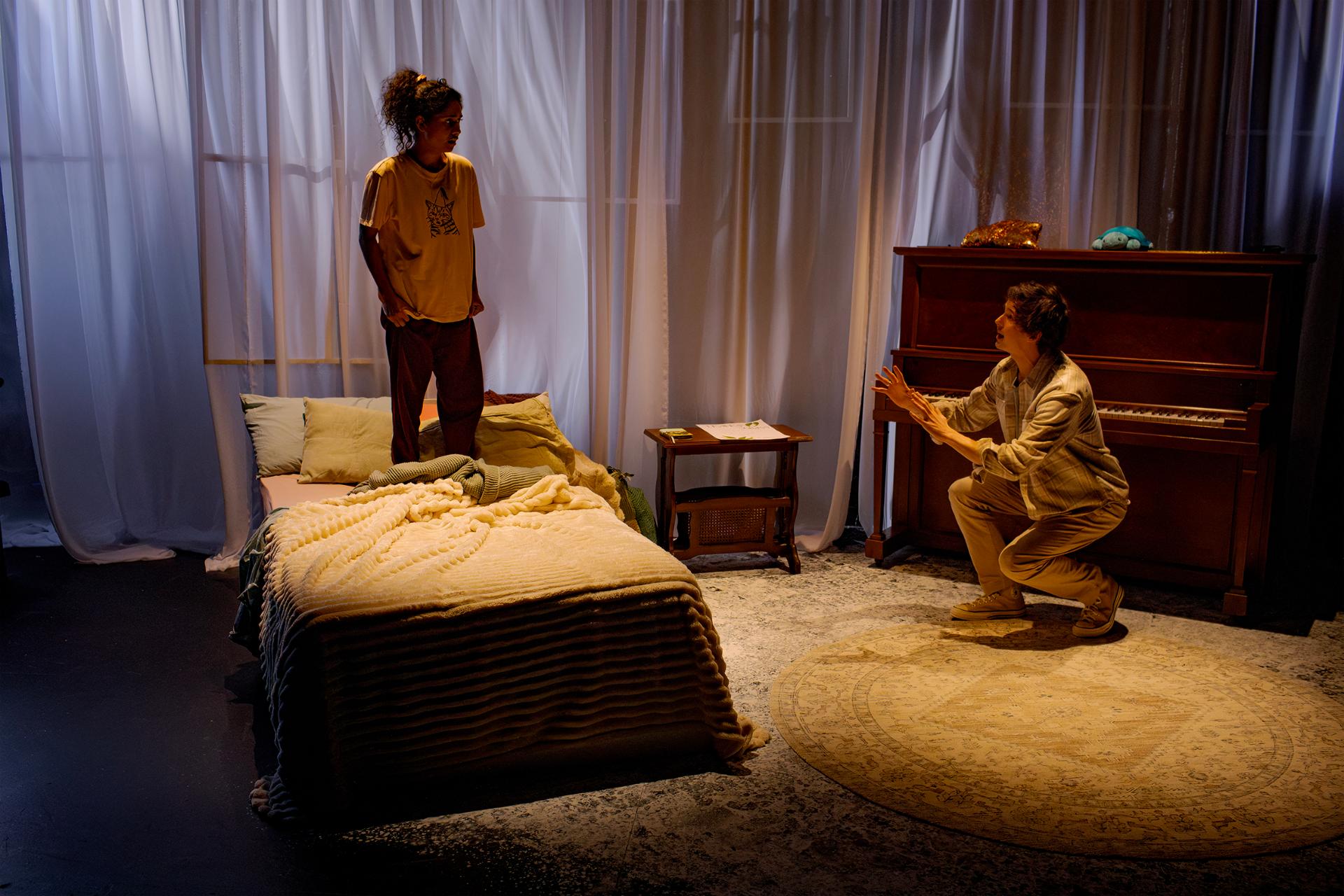
Review: Stocktake (25A Belvoir)

Venue: Belvoir St Theatre (Surry Hills NSW), Oct 4 – 25, 2026
Playwright: Jess Zlotnick
Director: Tasha O’Brien
Cast: Lib Campbell, Lucy X Dunning, Bridget Haberecht, Megan Kennedy, Kate Skinner
Images by Jane Coates

Theatre review
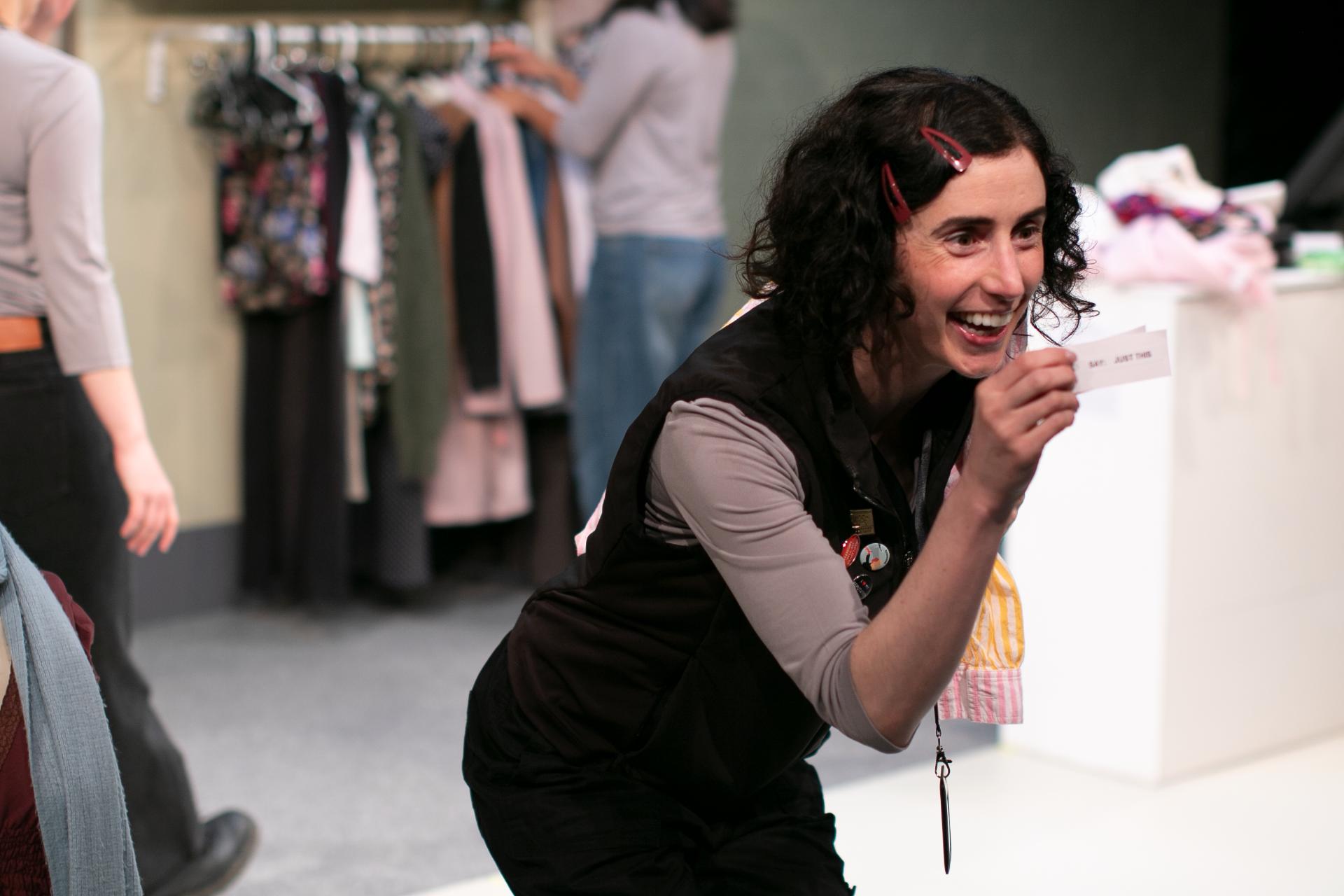
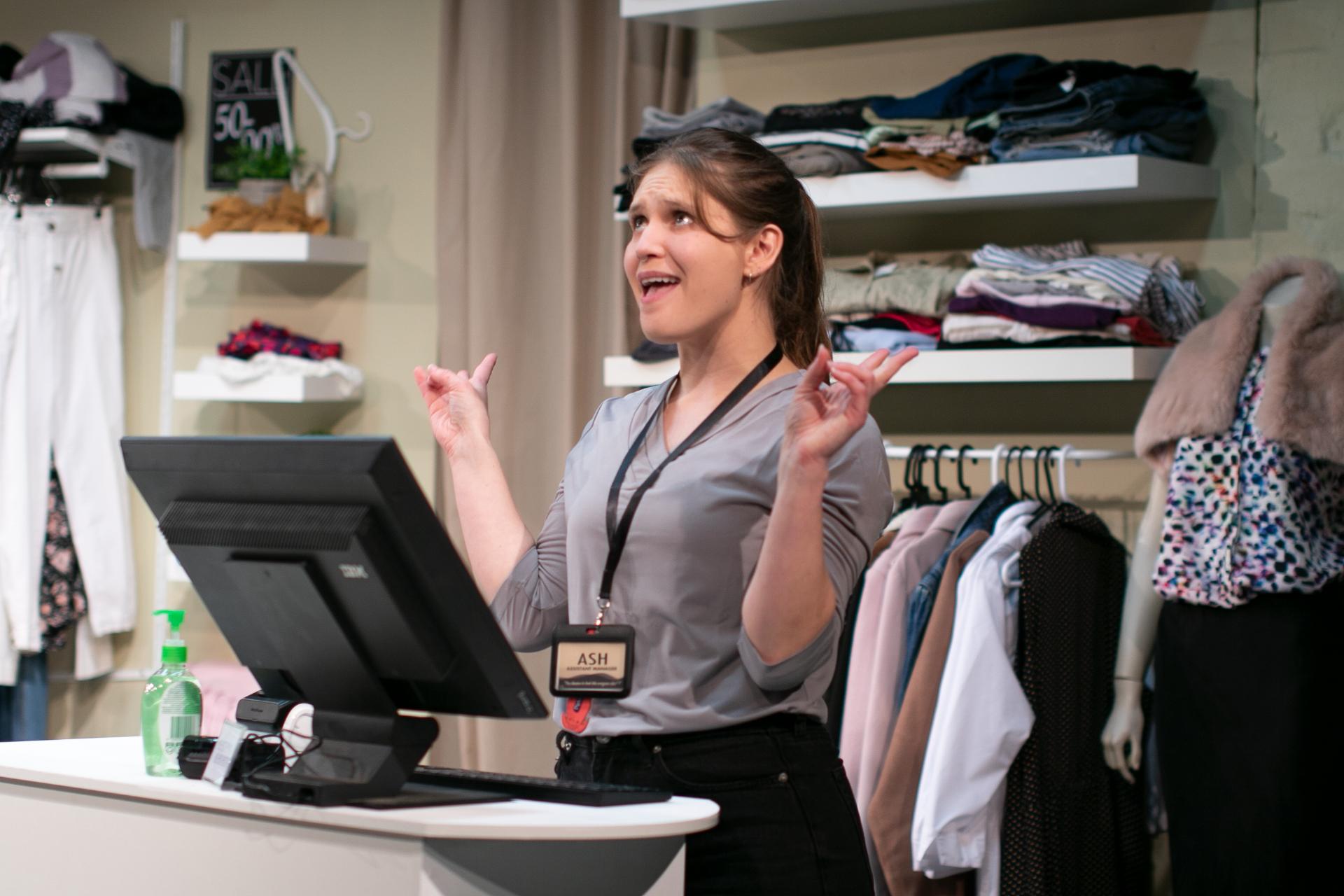
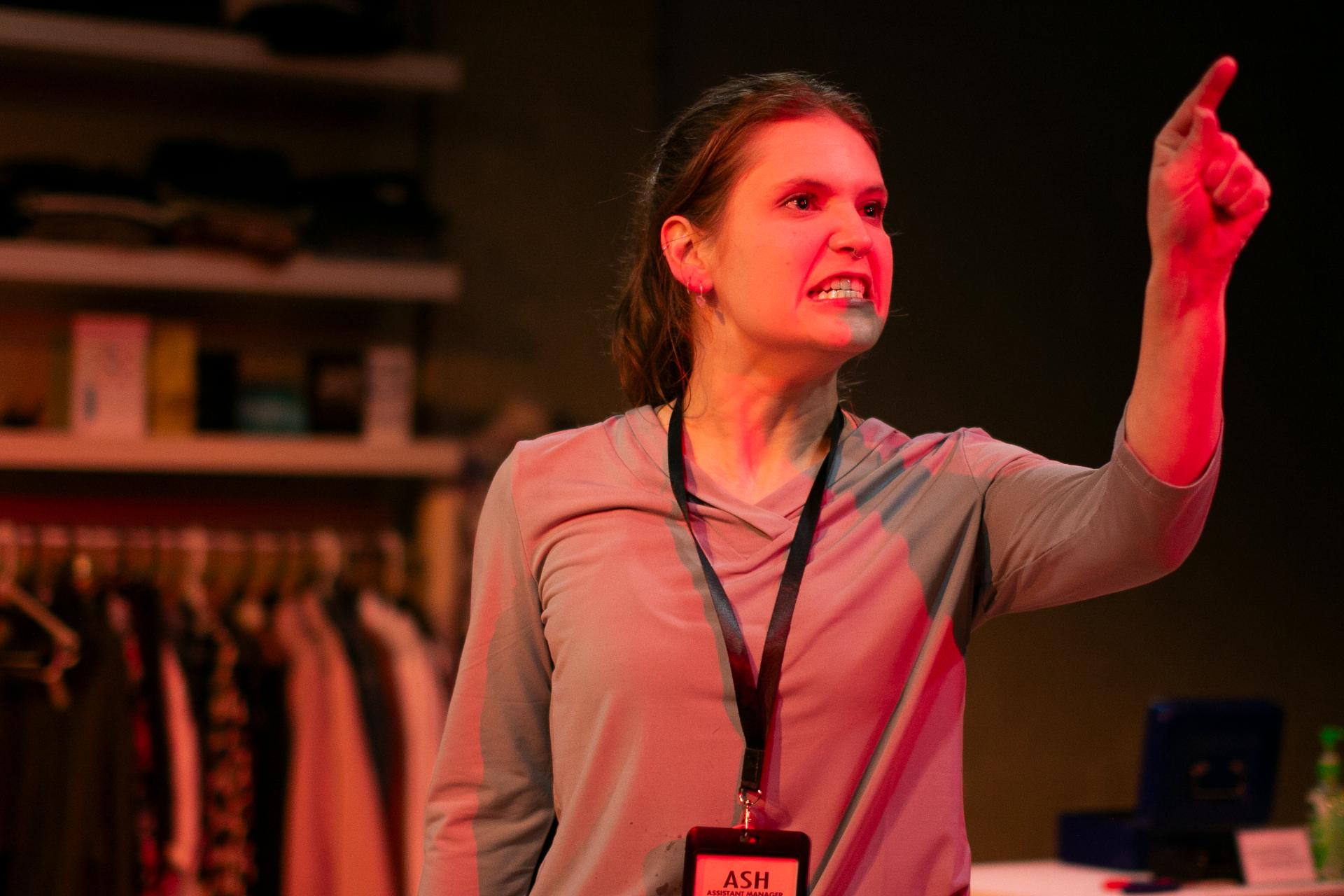
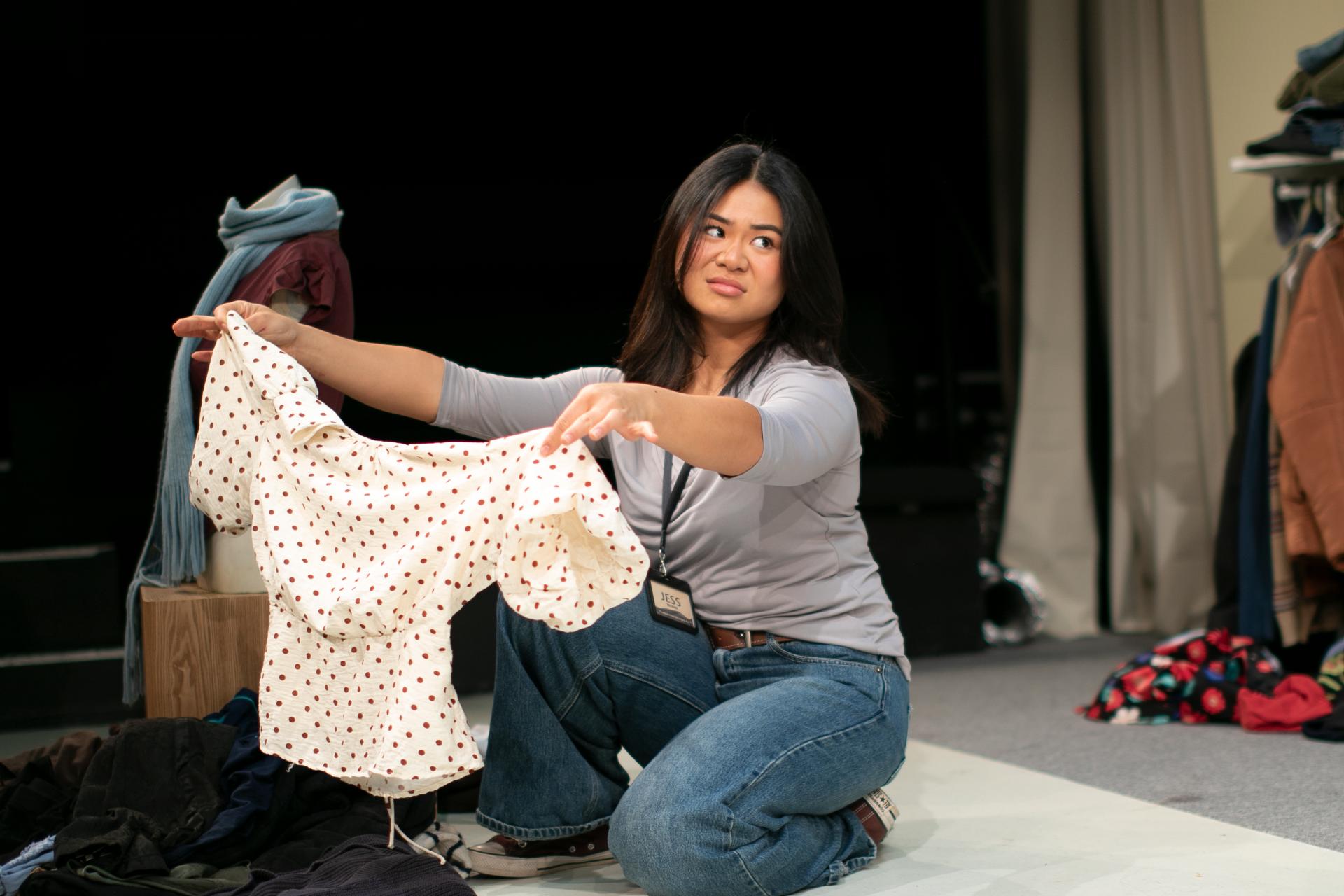
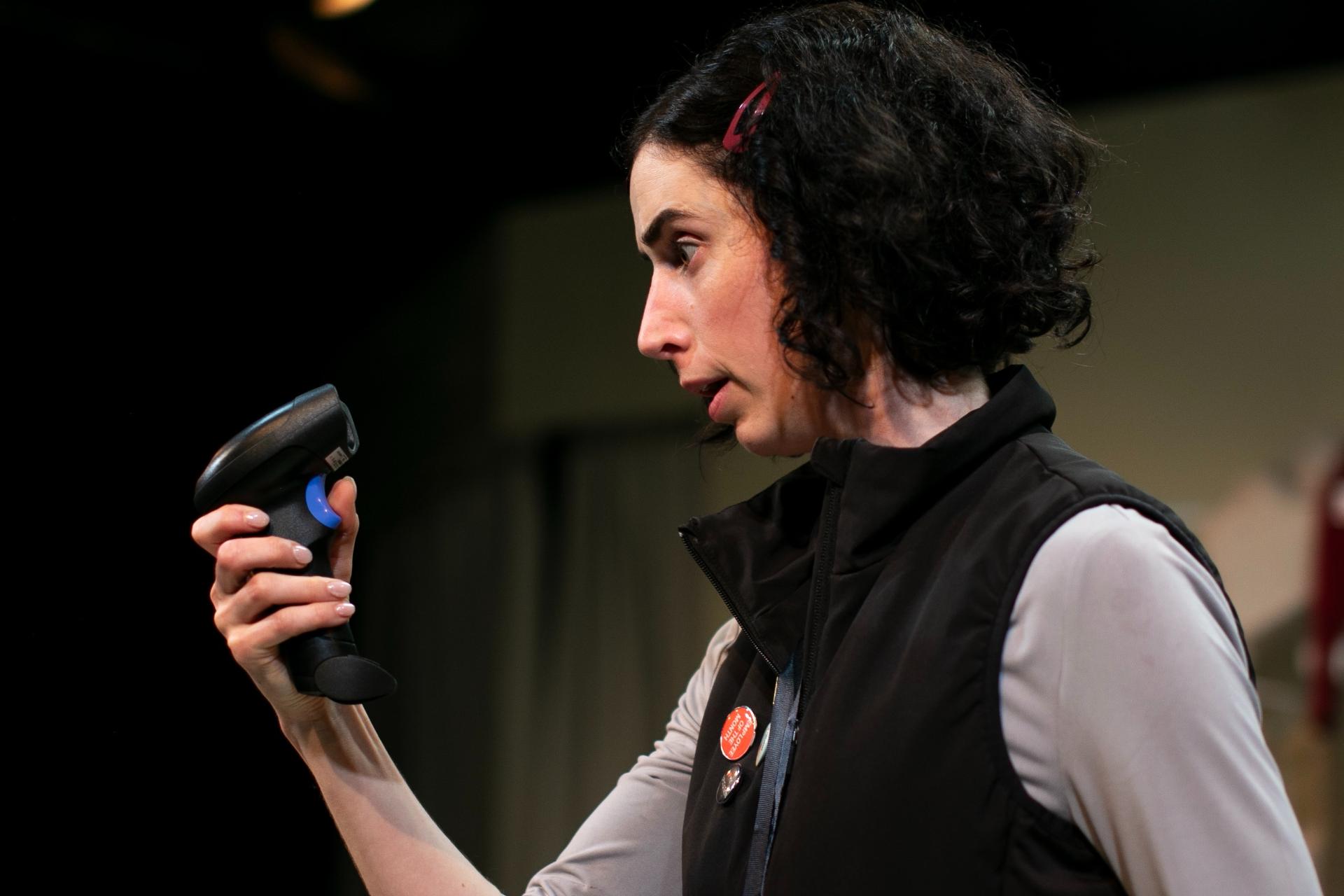
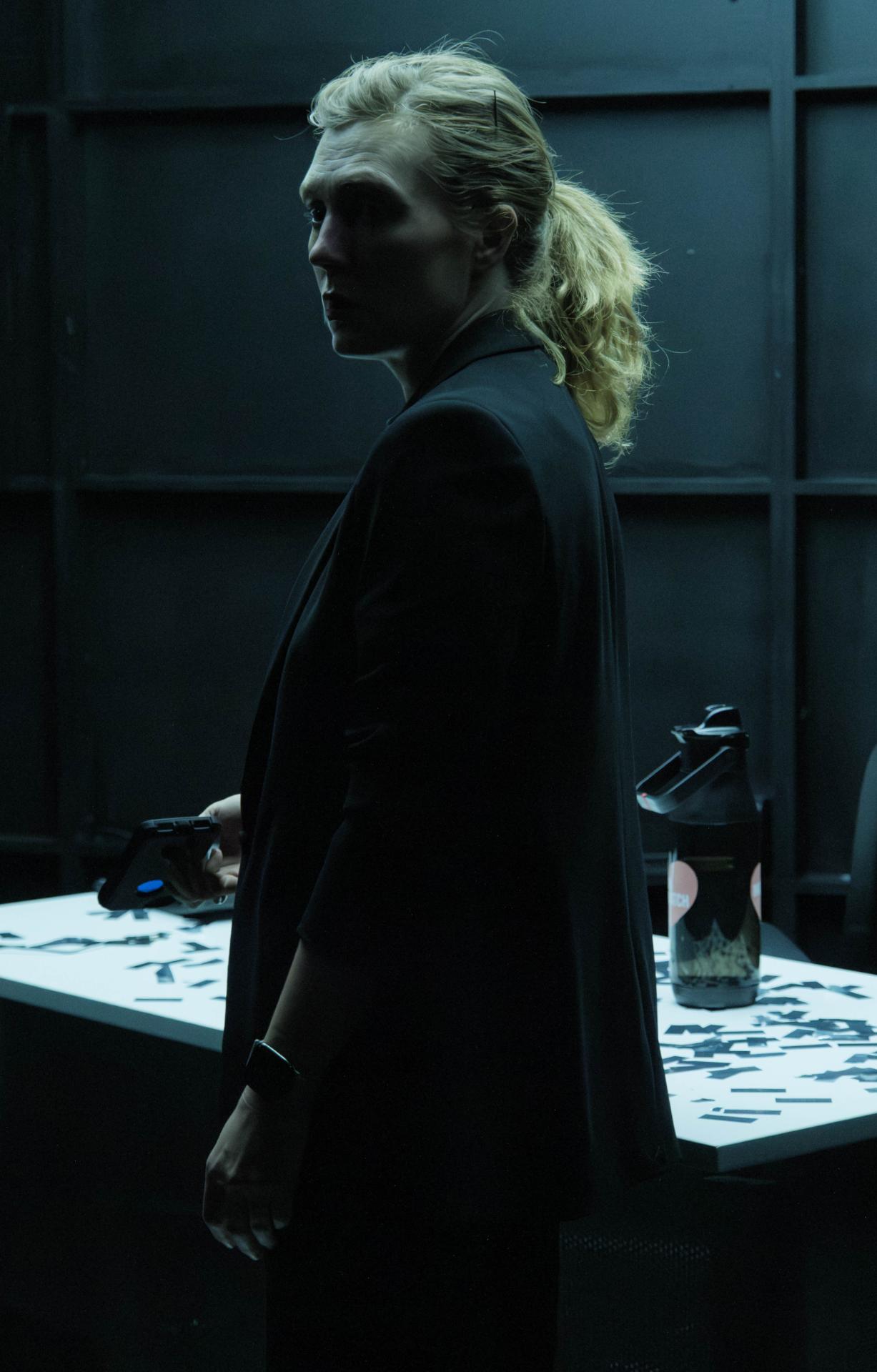
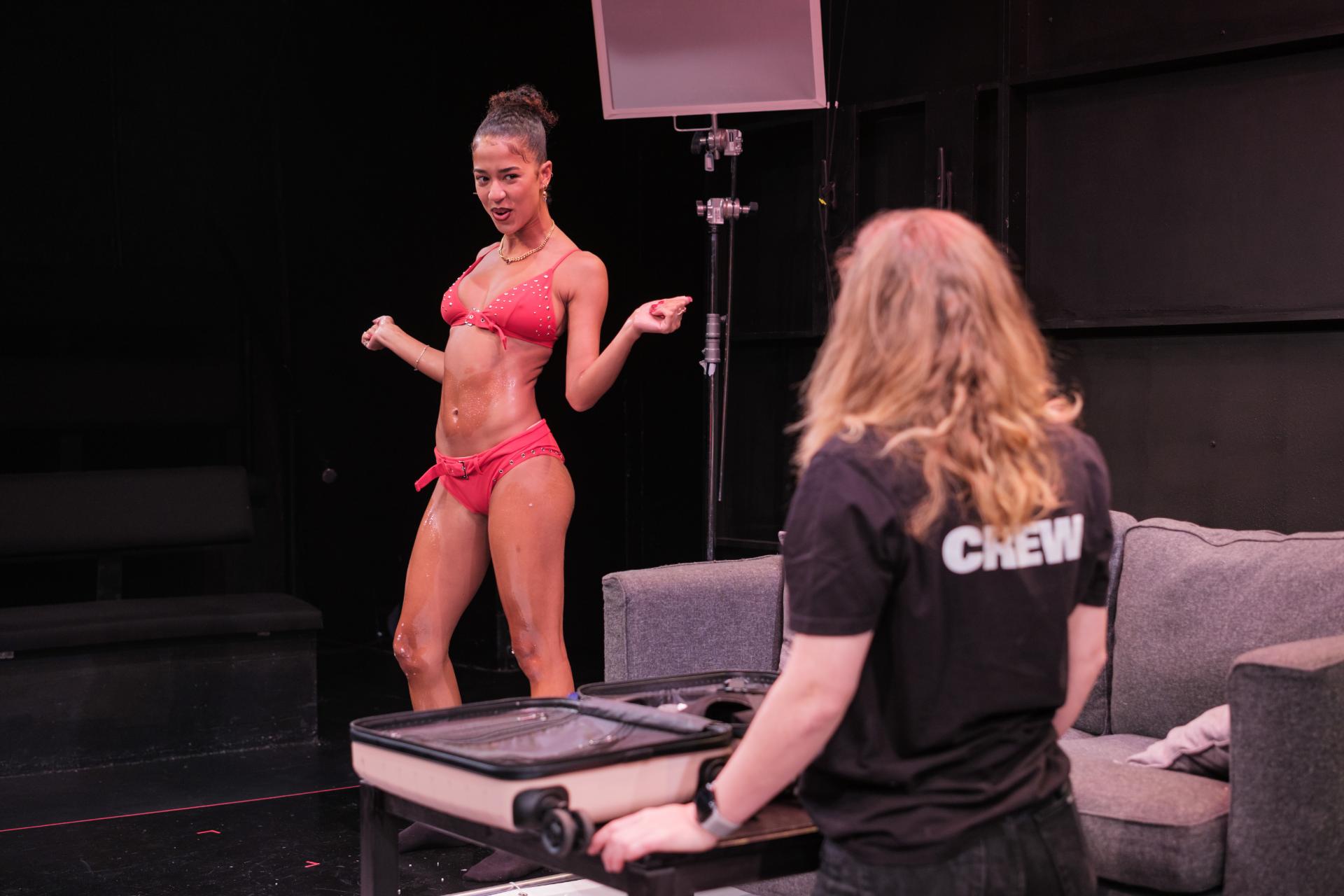
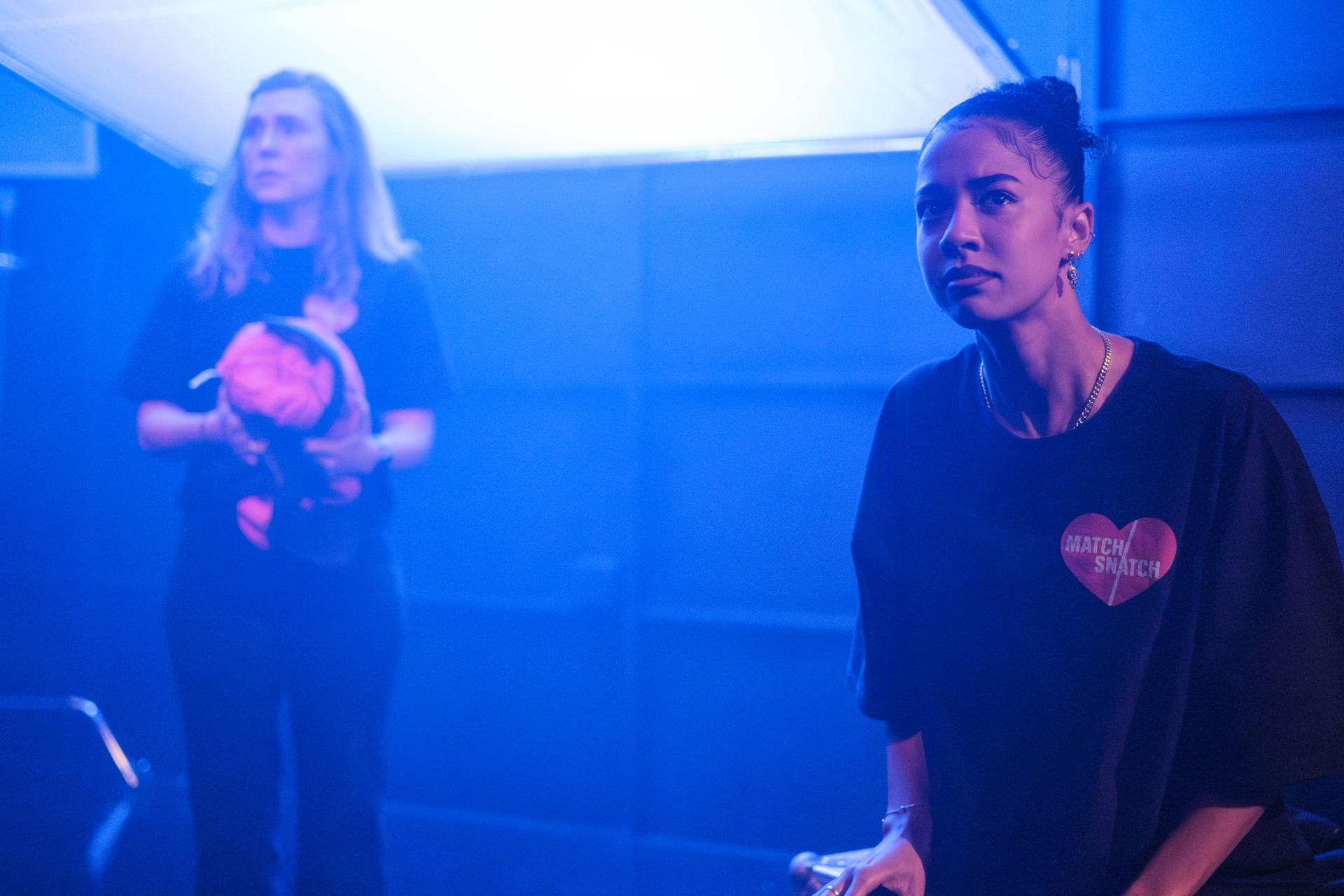
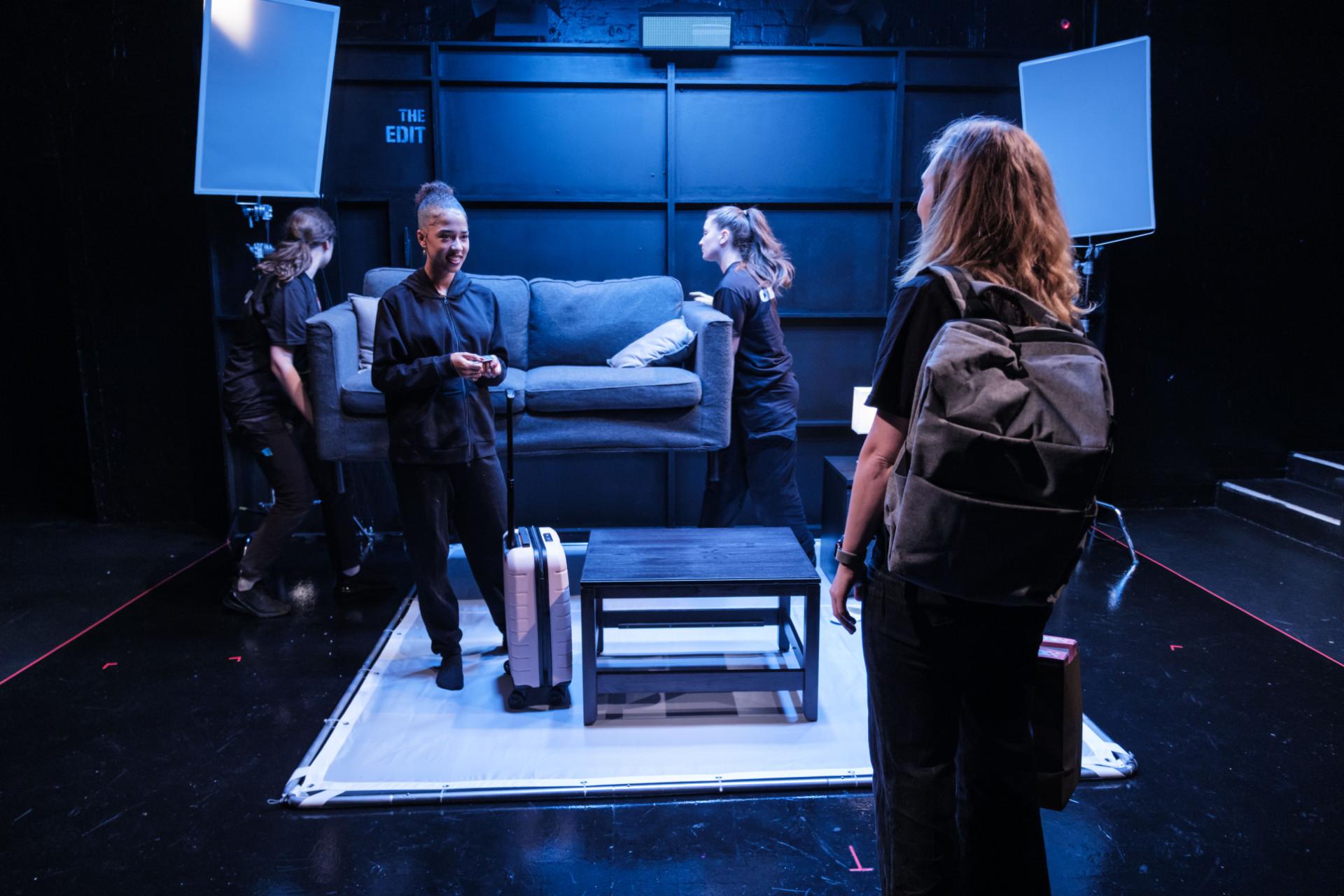
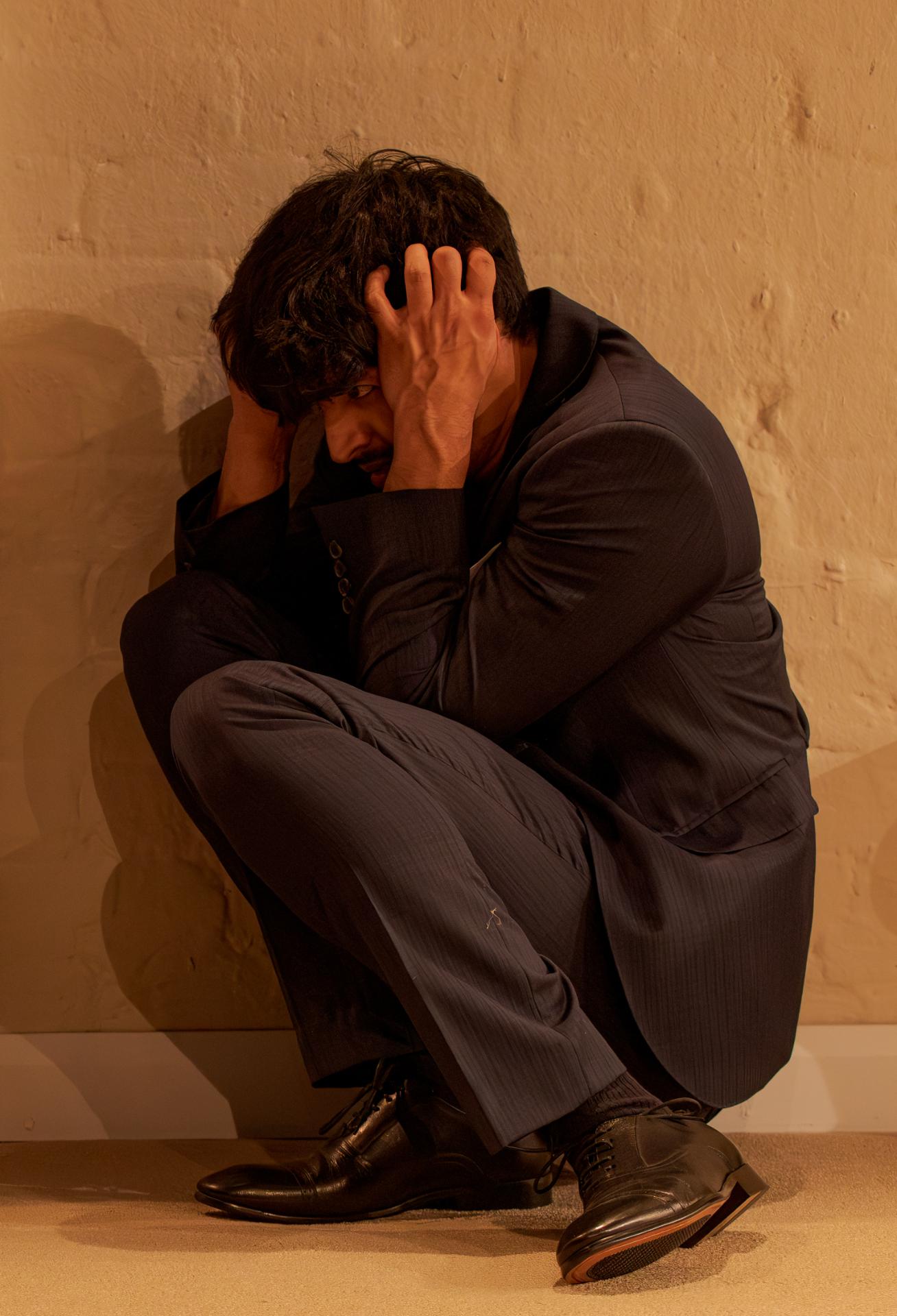
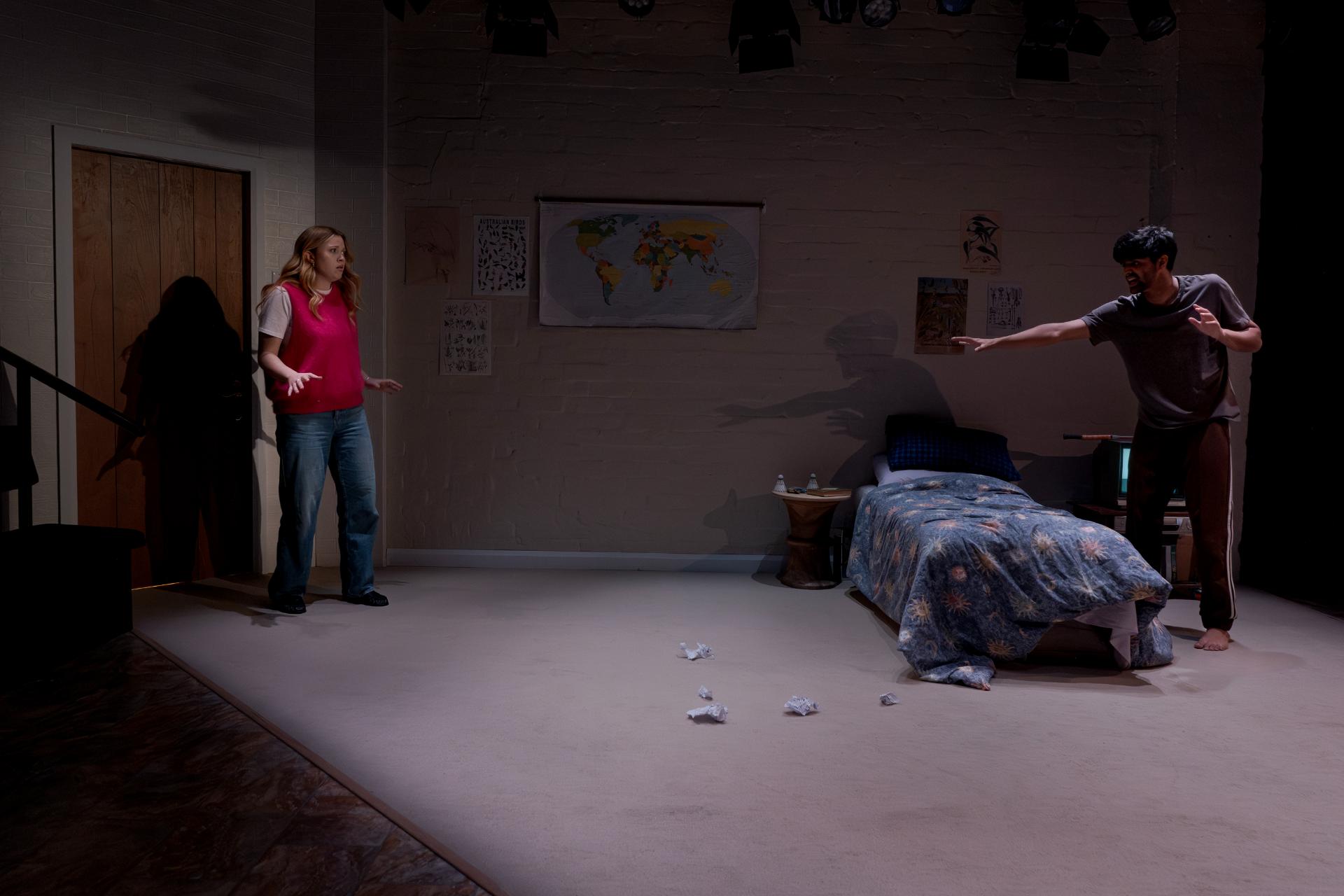
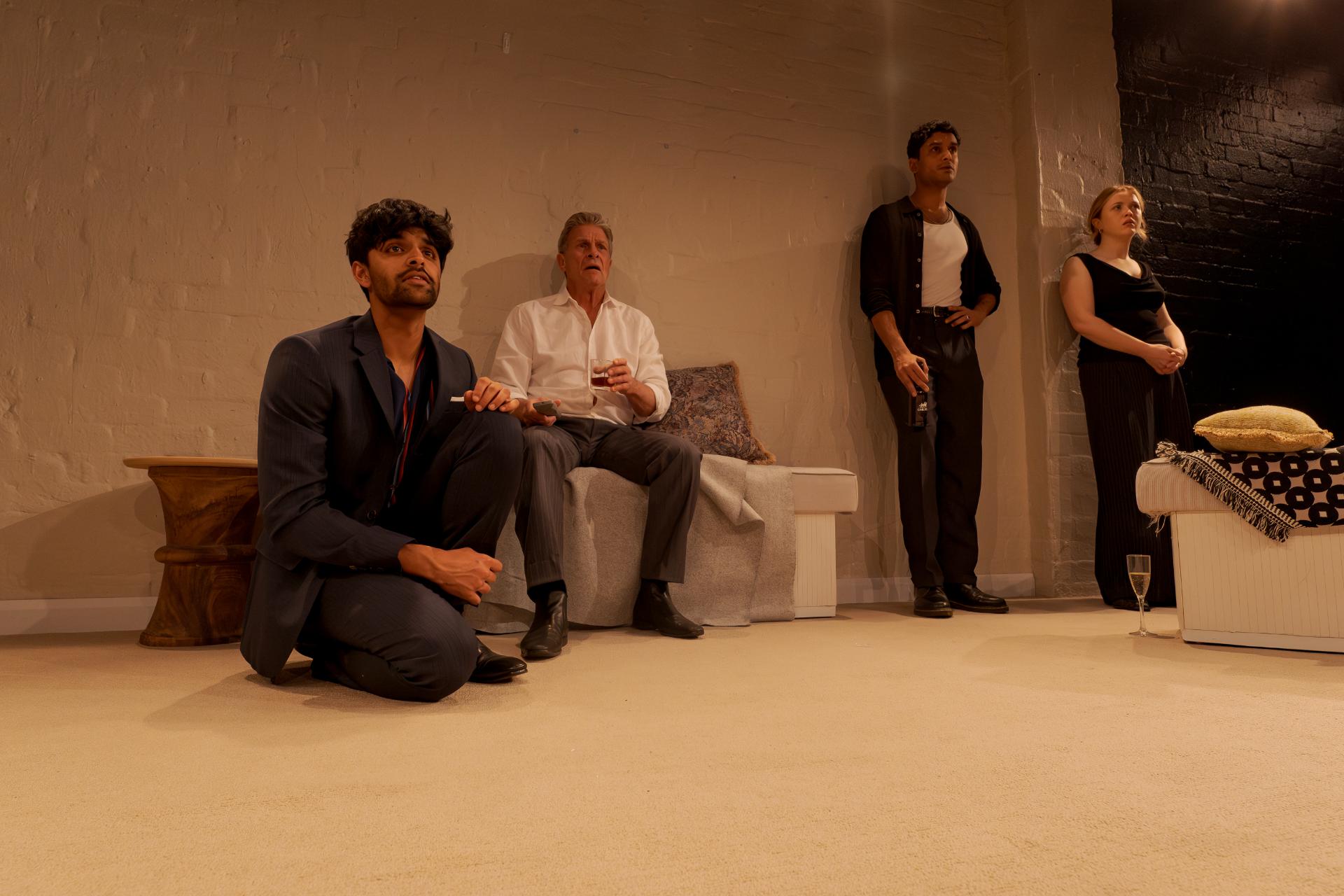
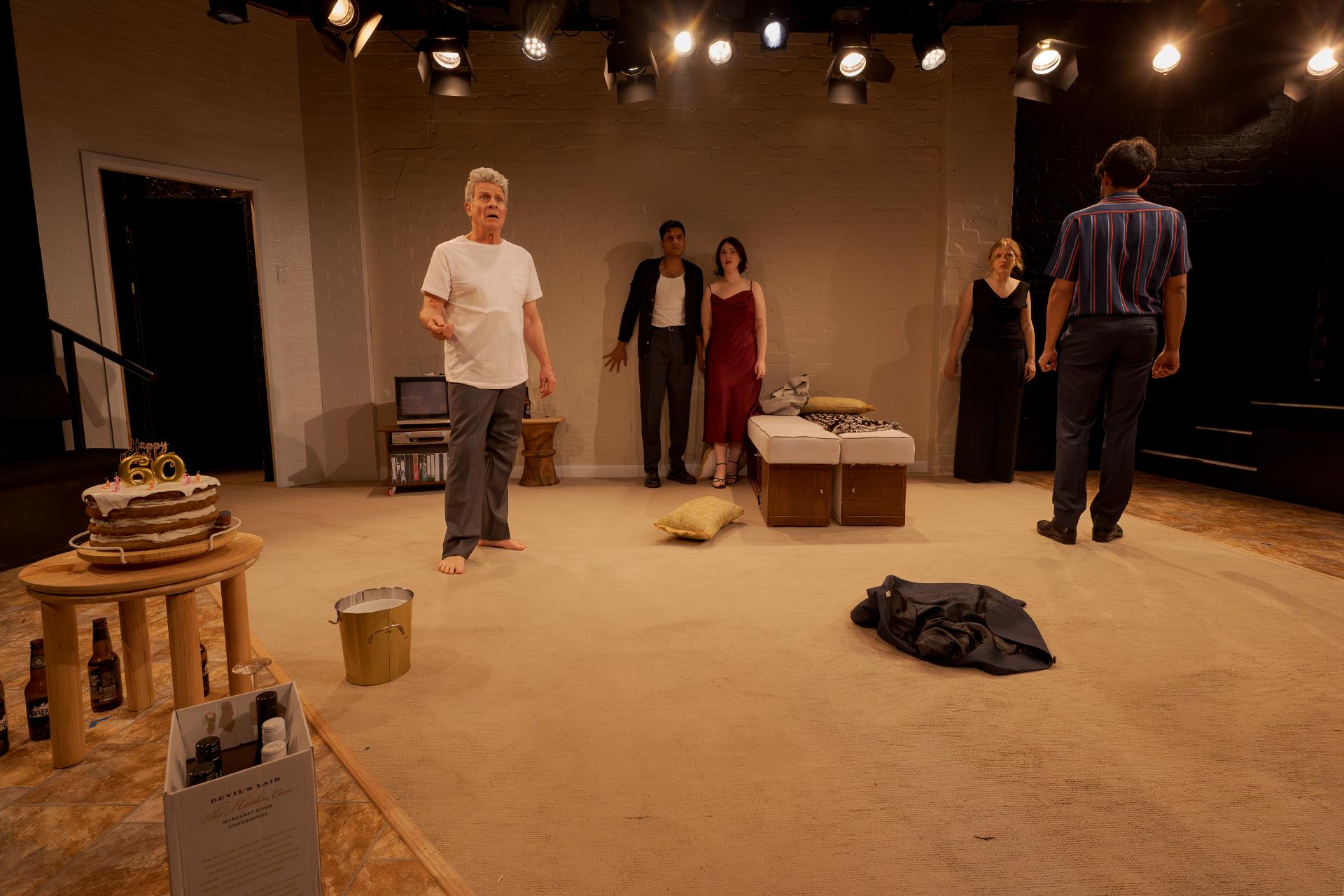
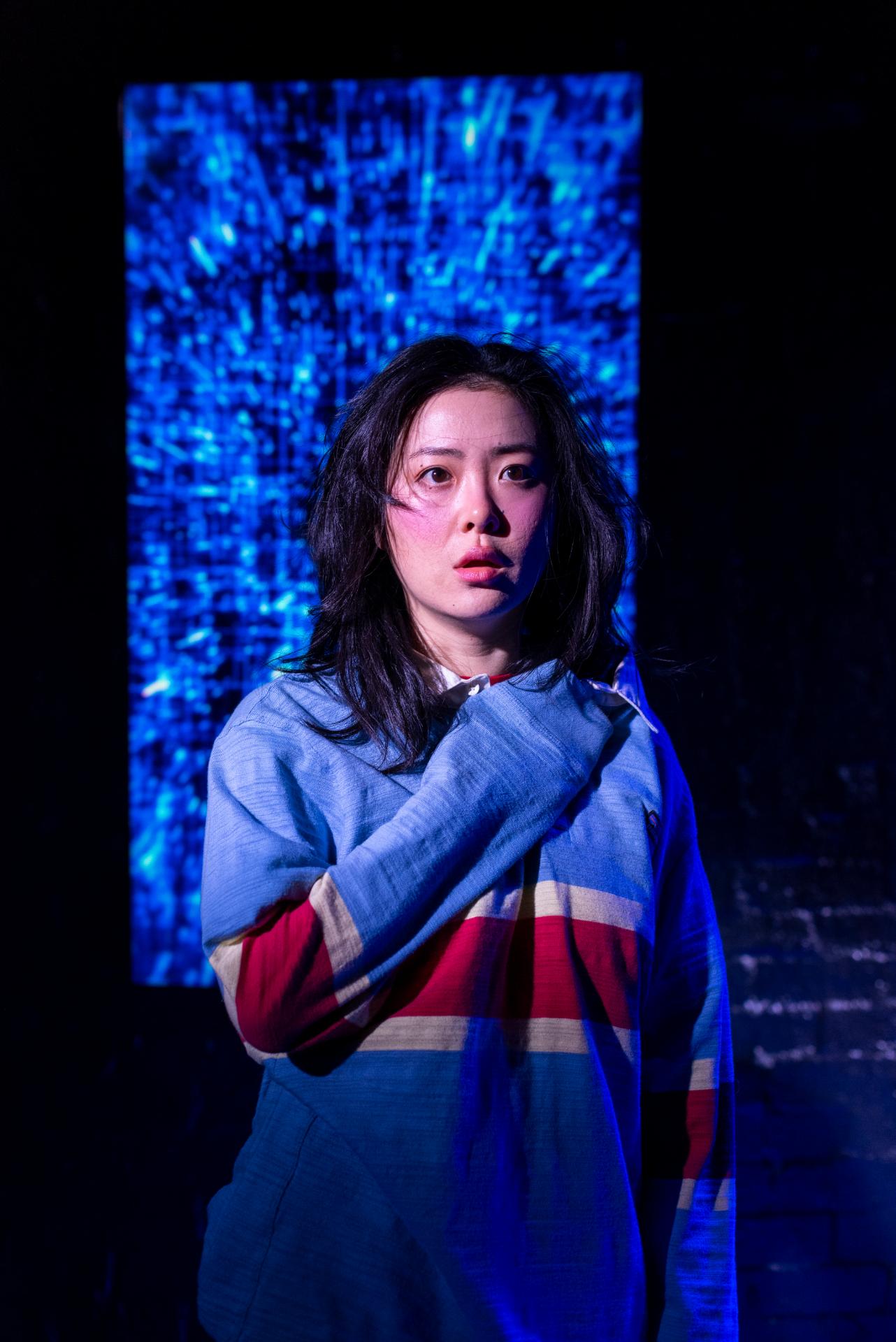
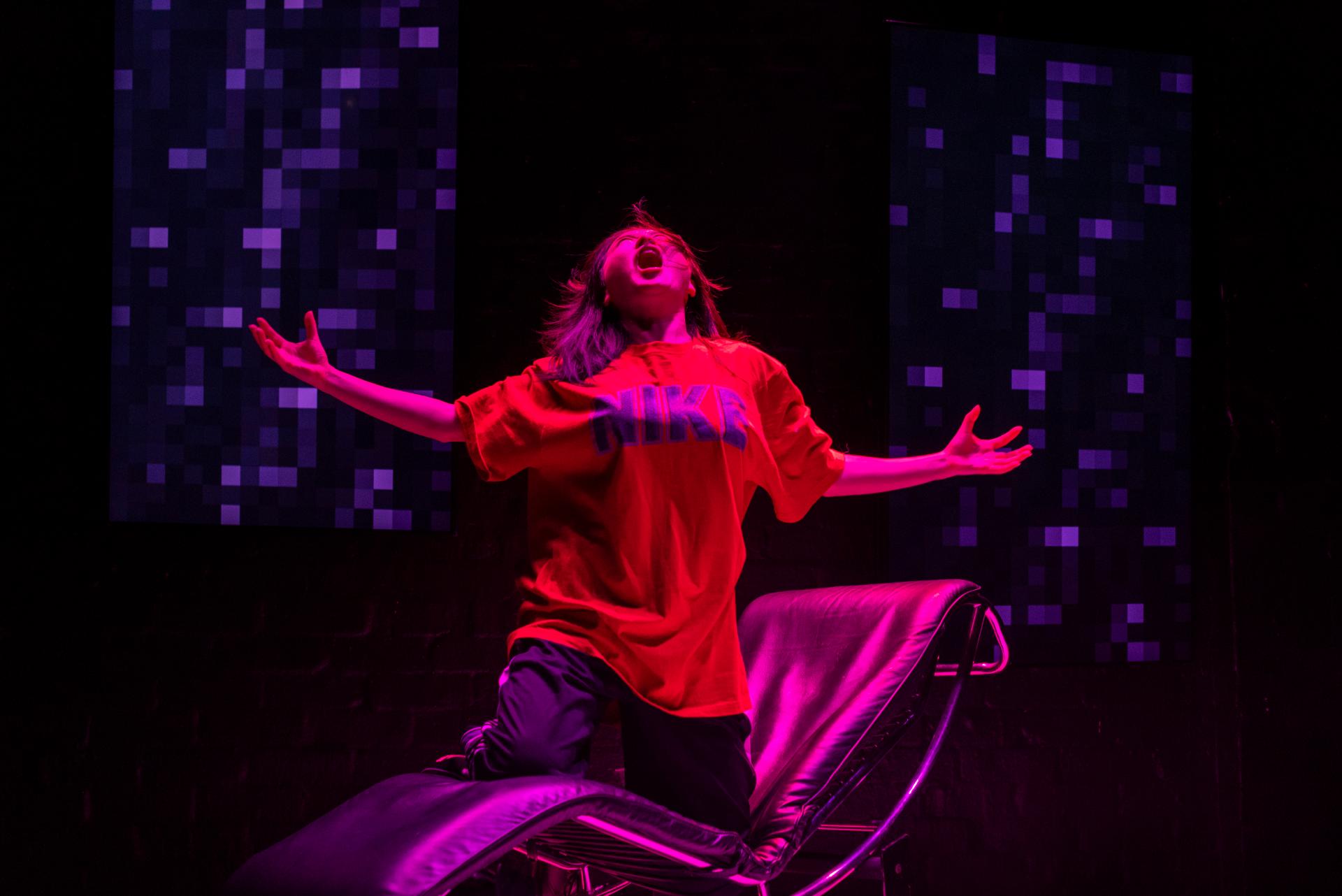
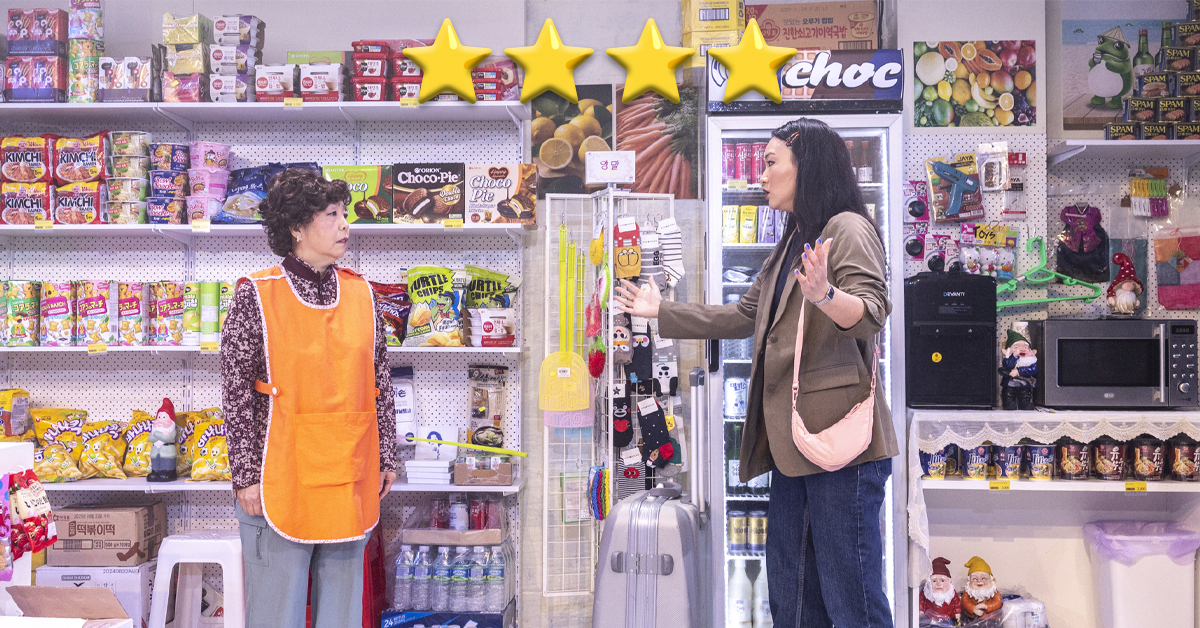
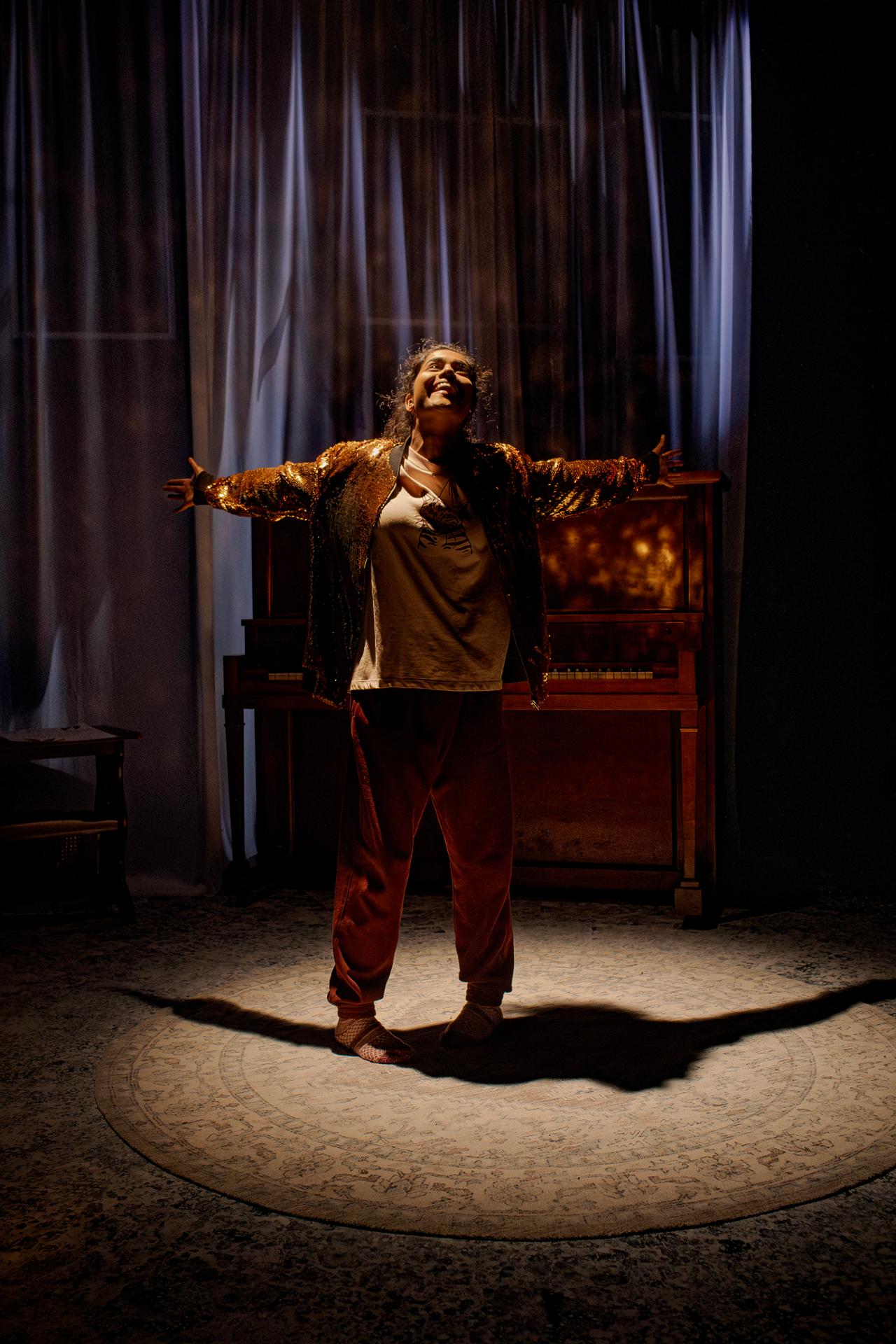
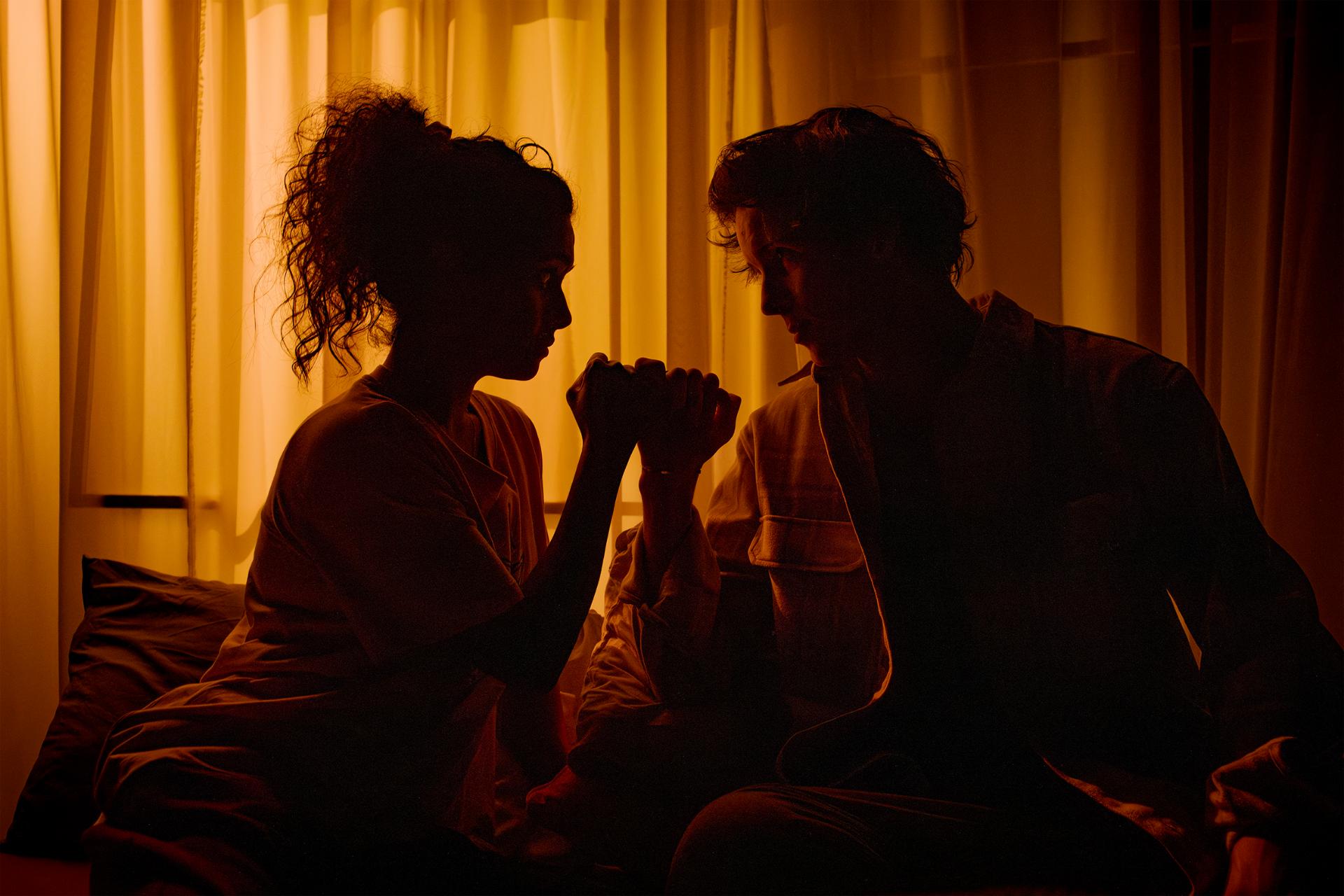
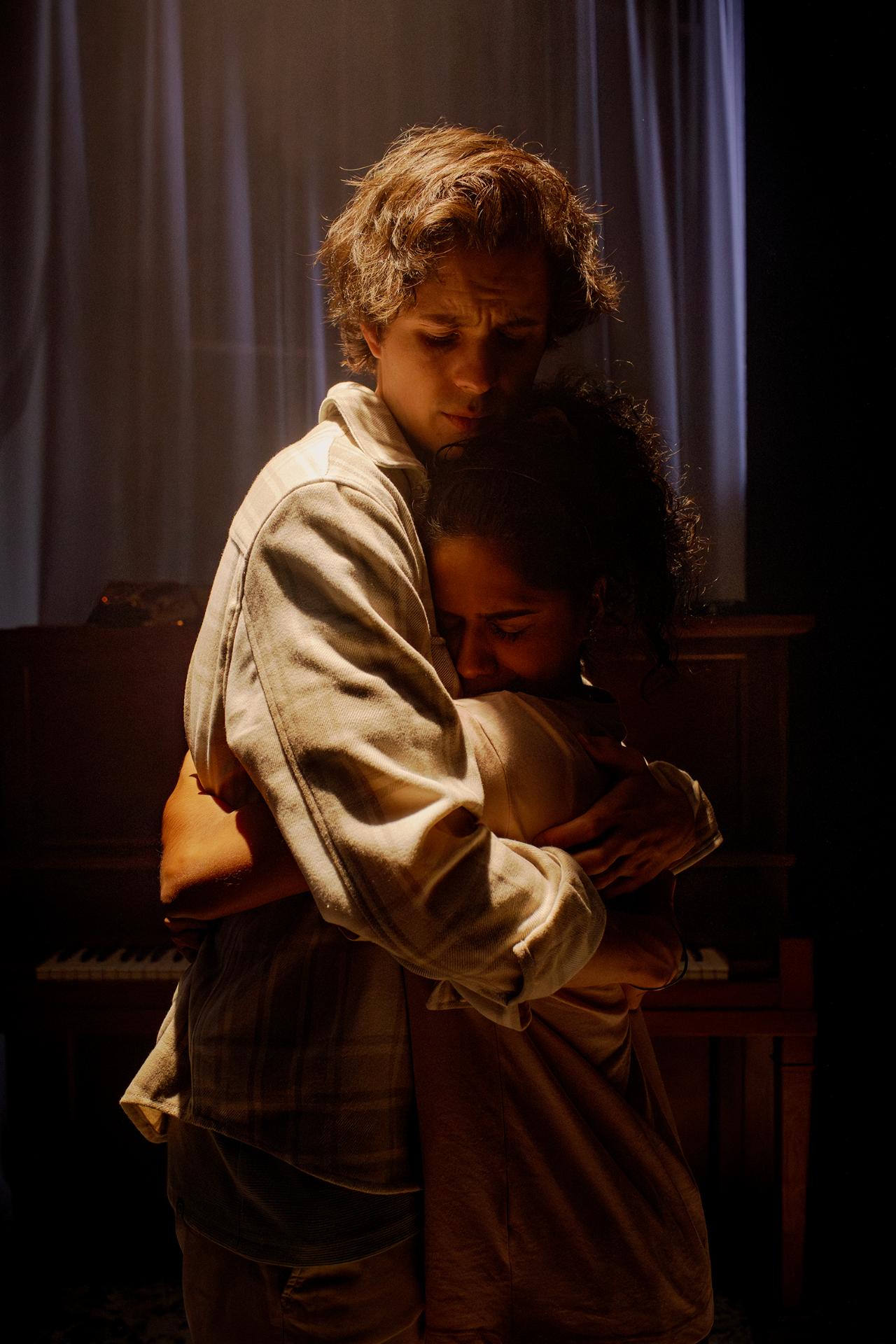
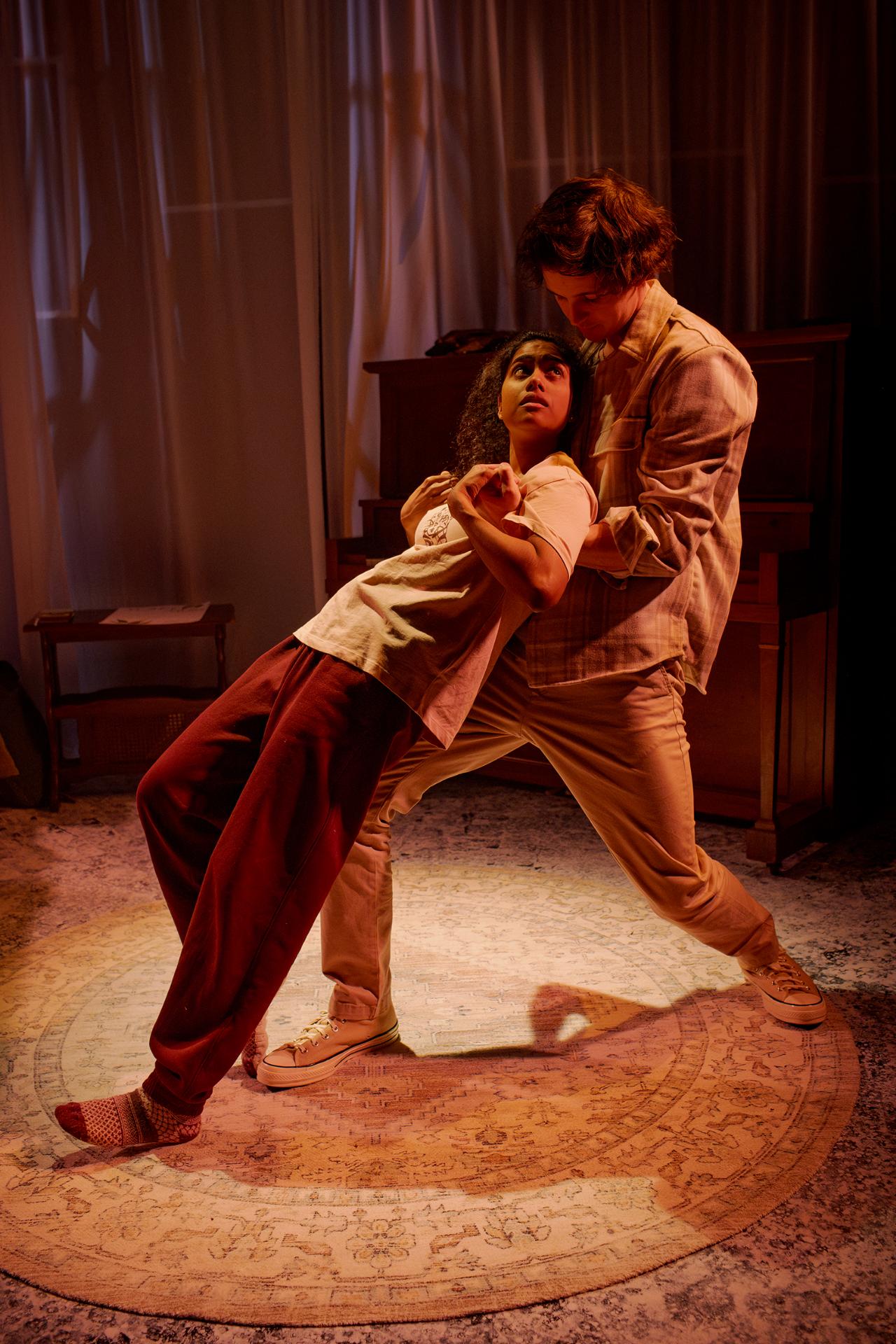
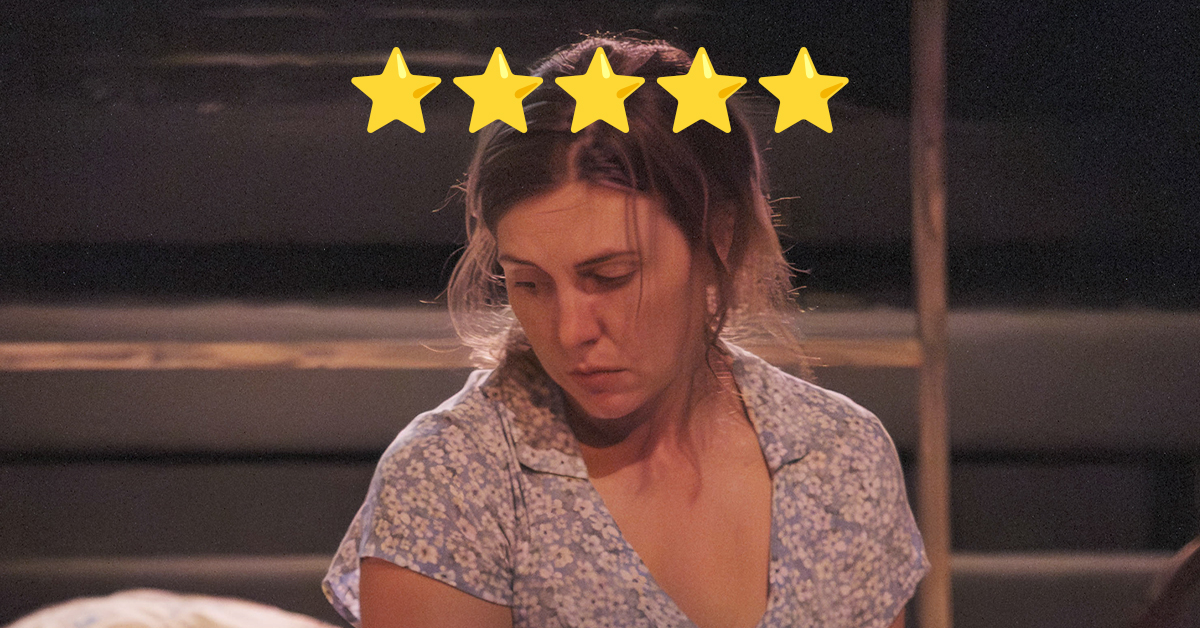
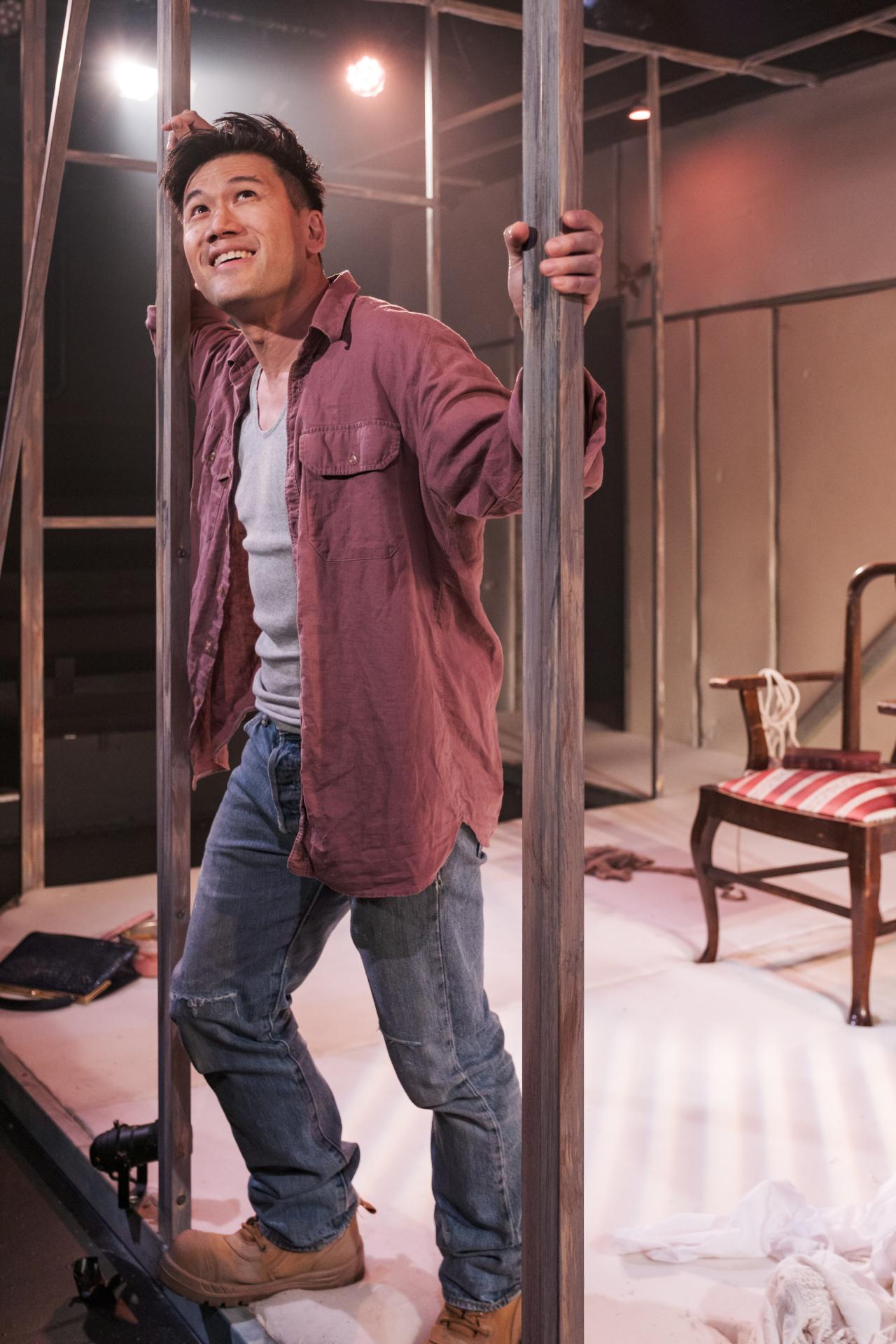
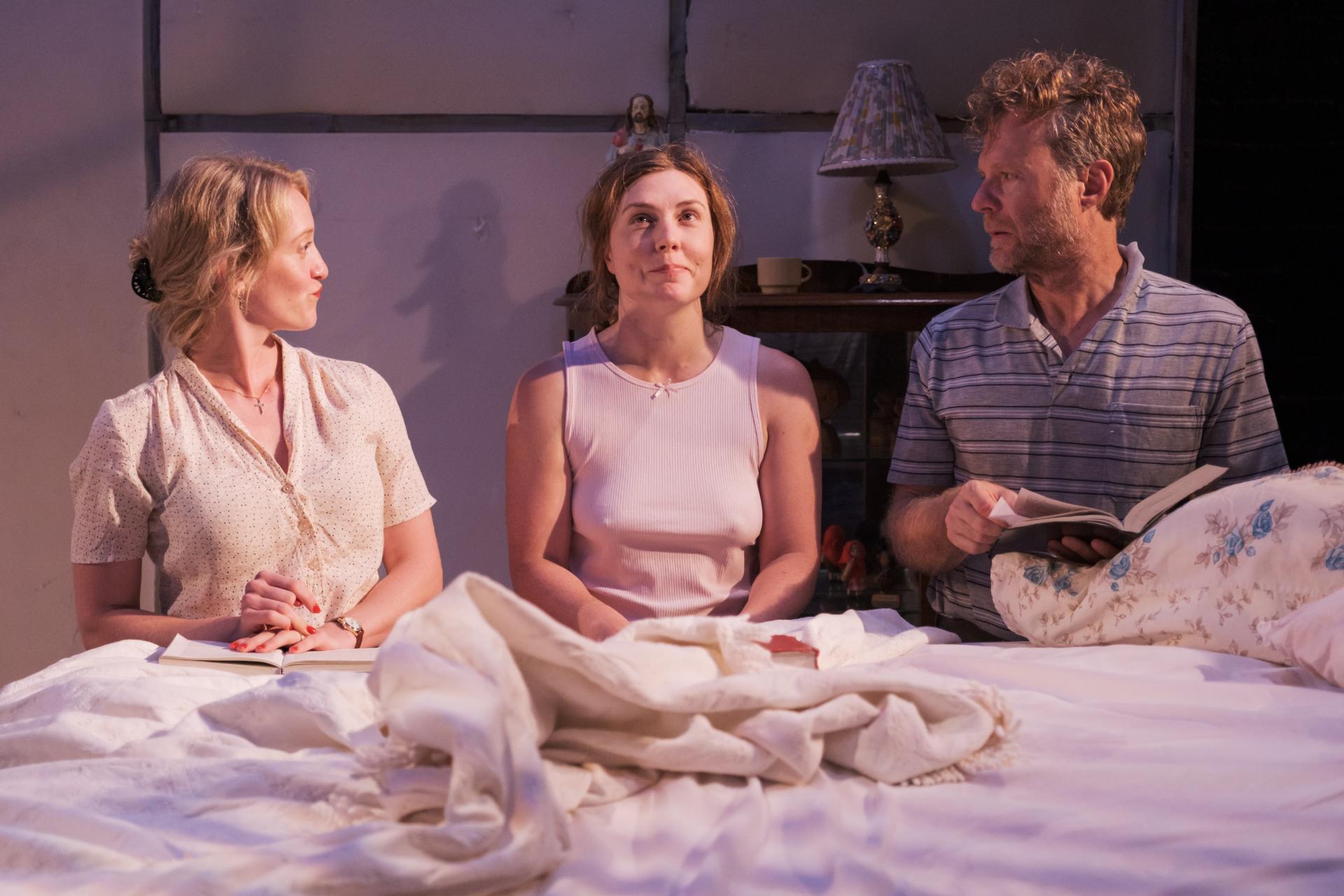
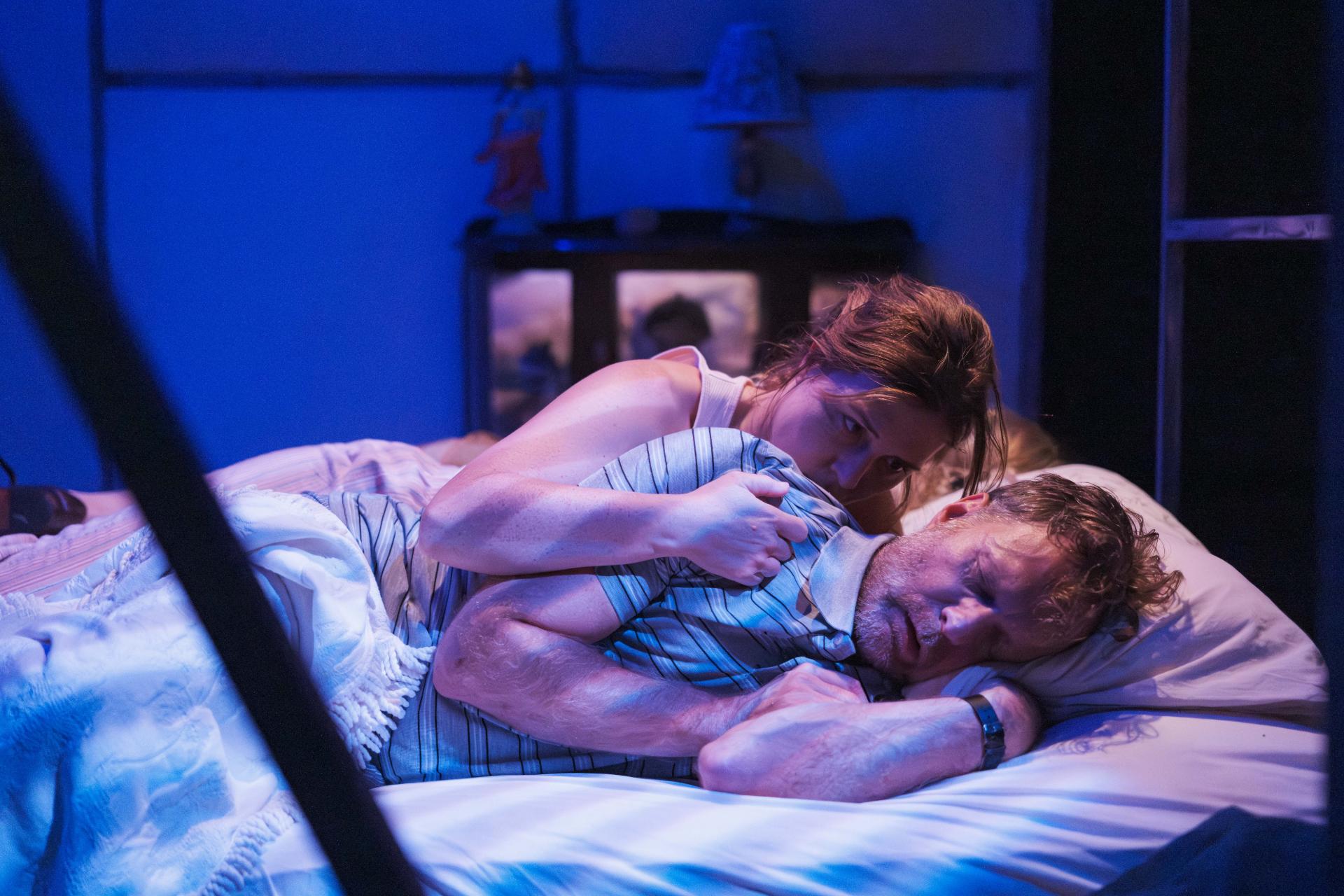
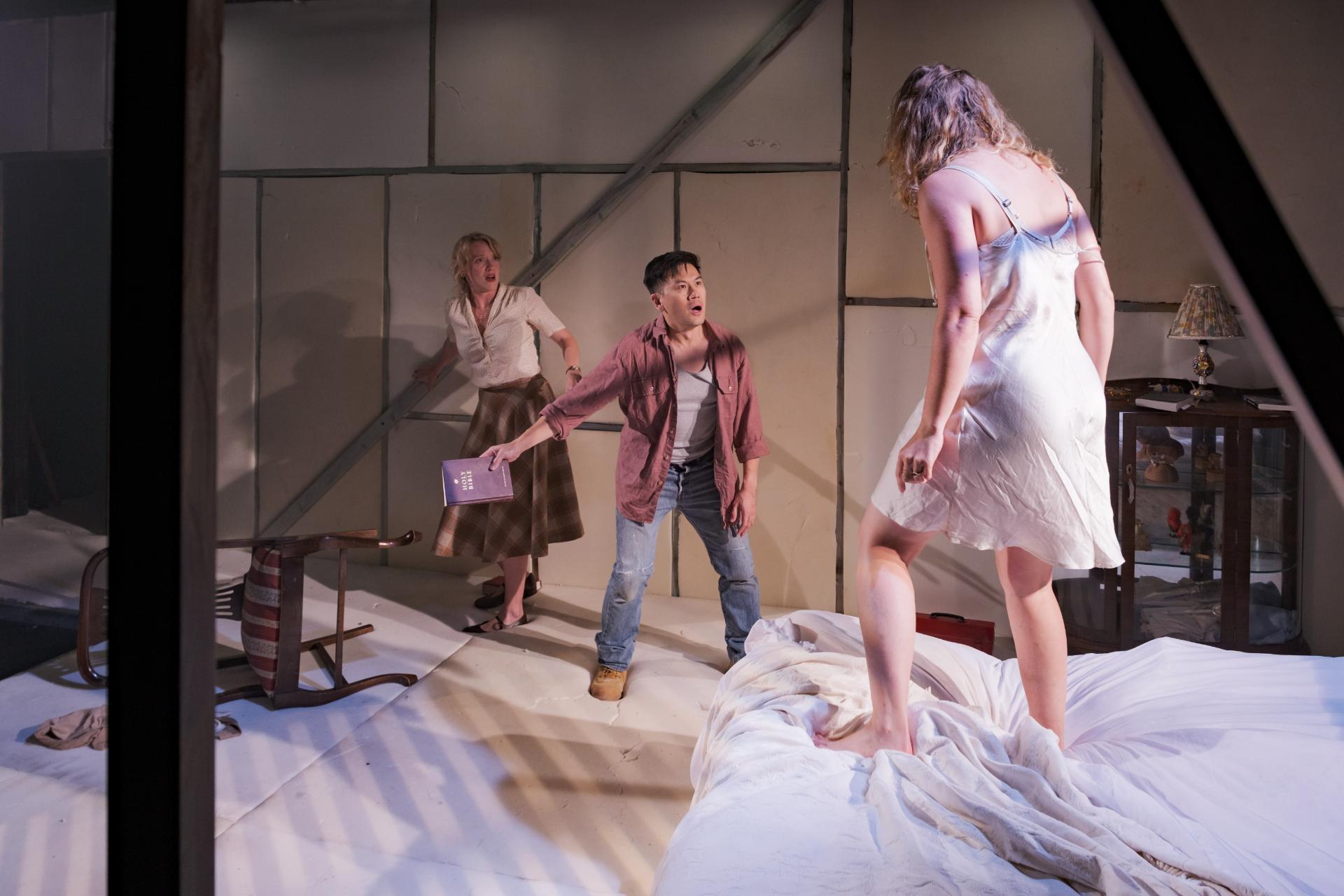
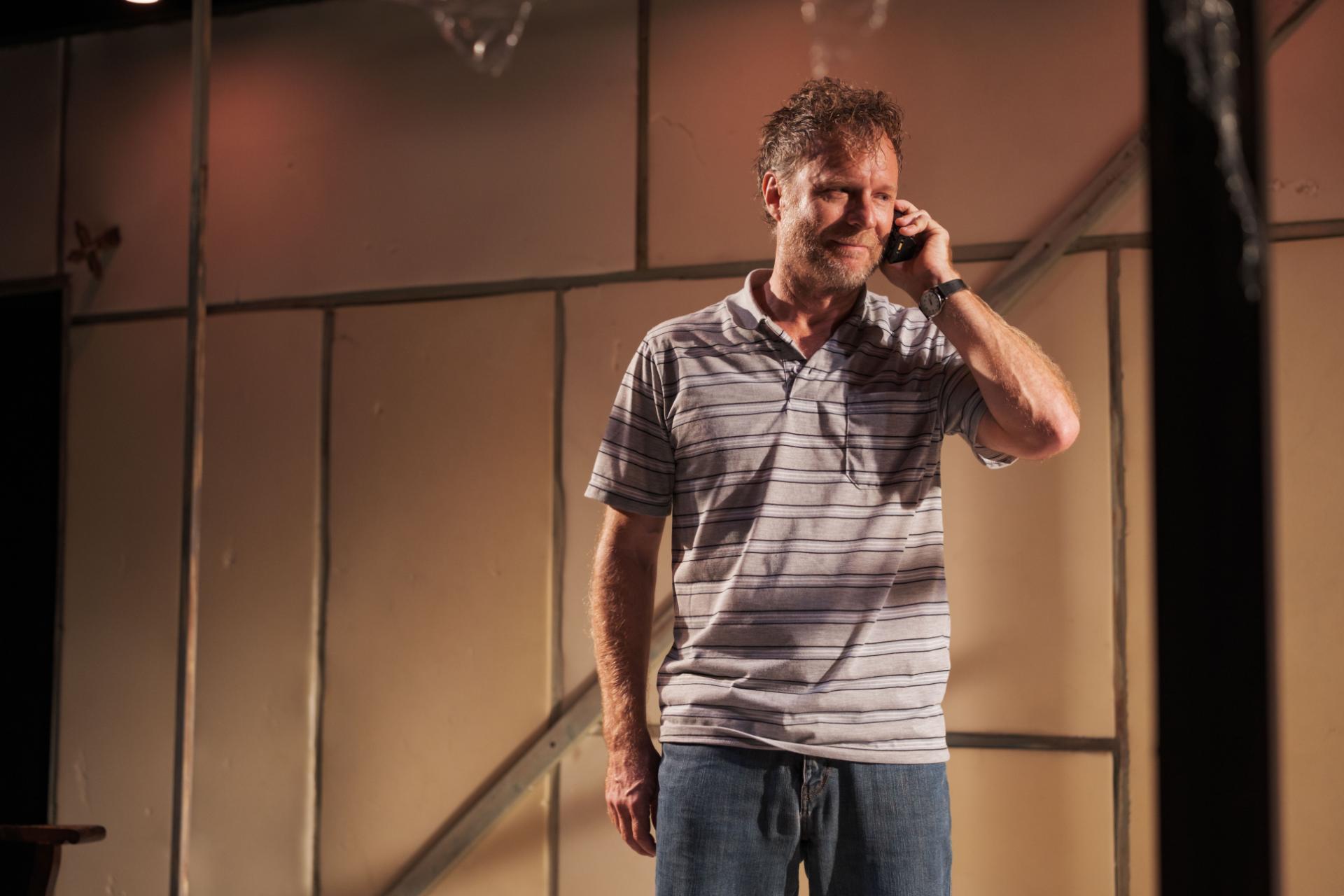
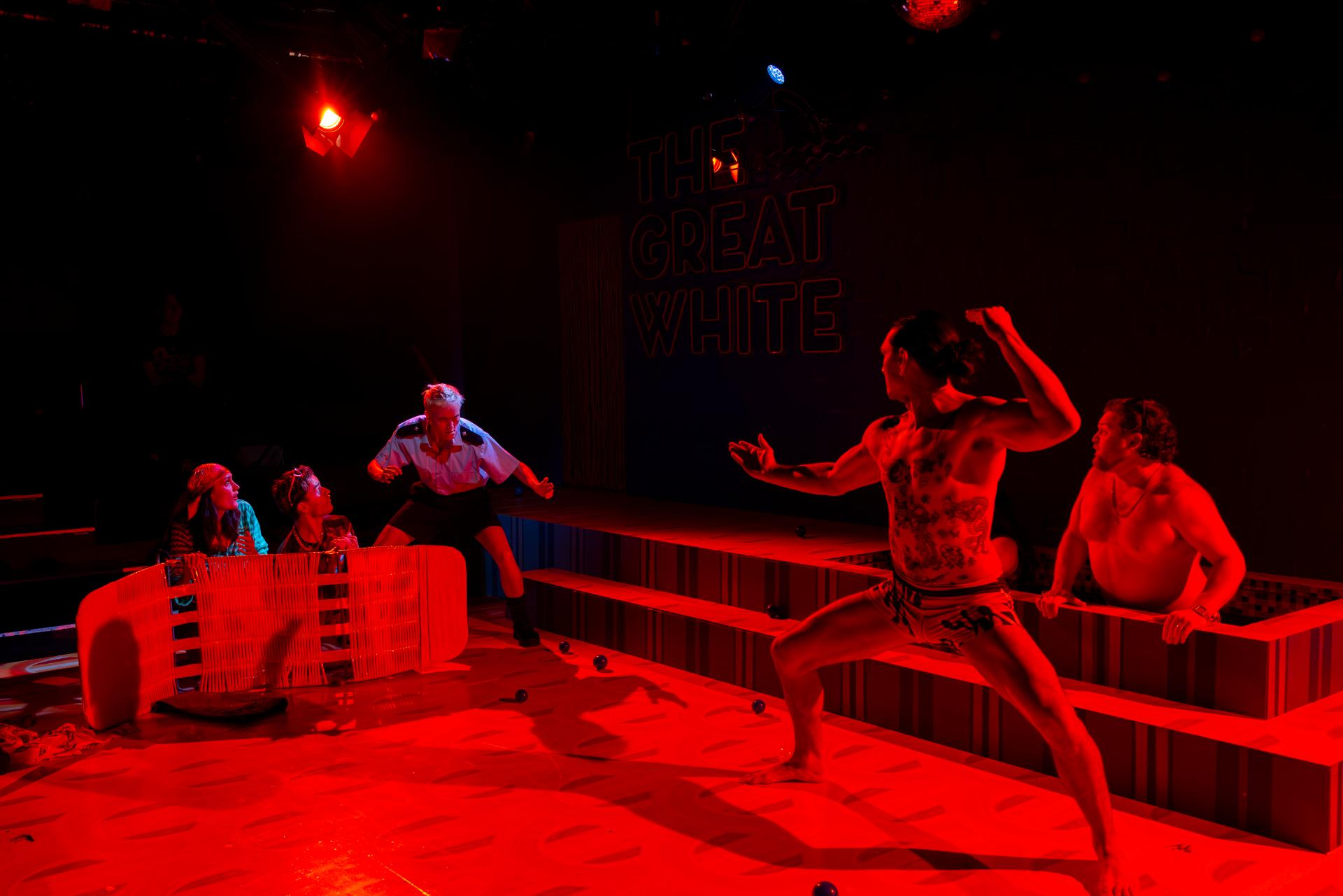
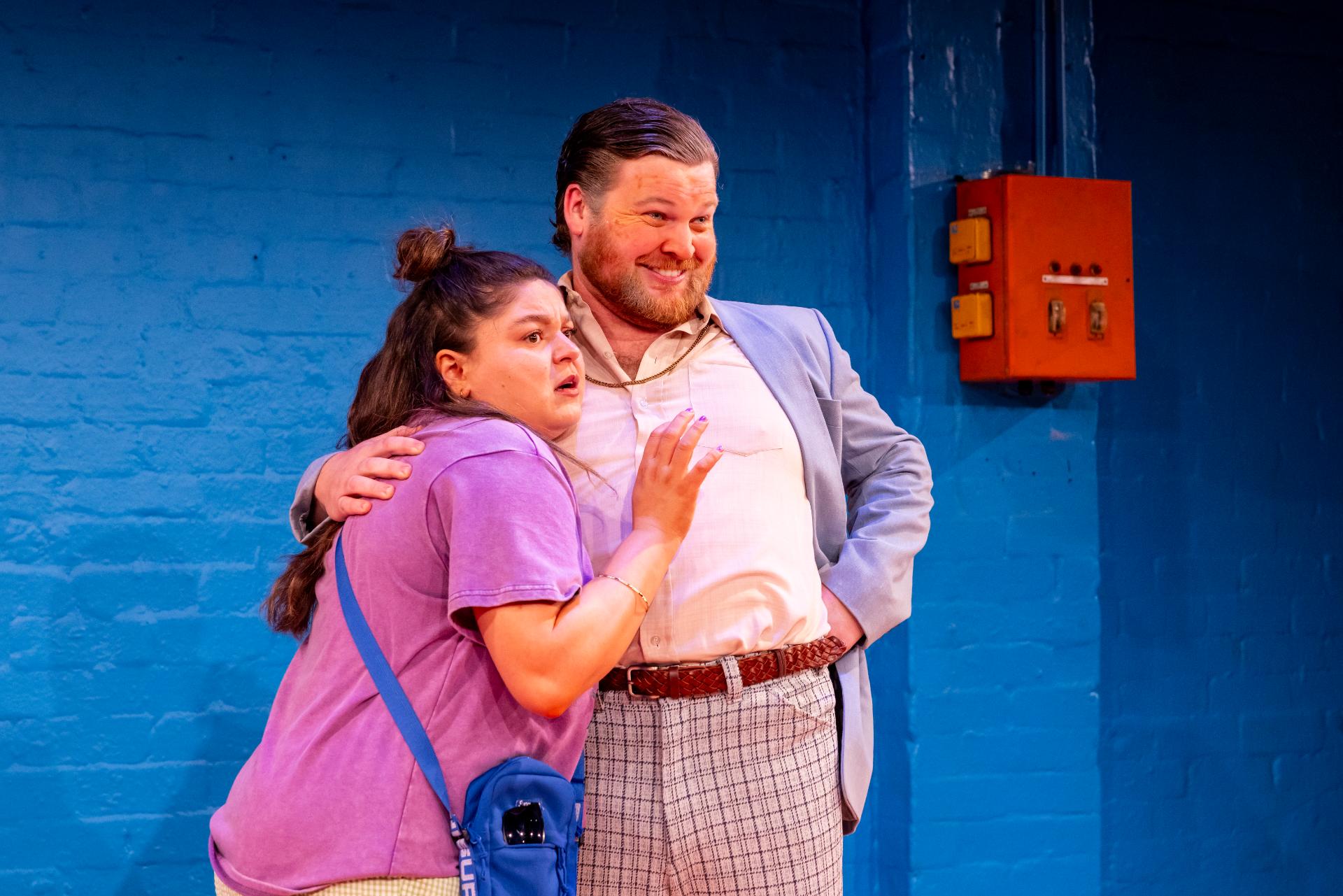
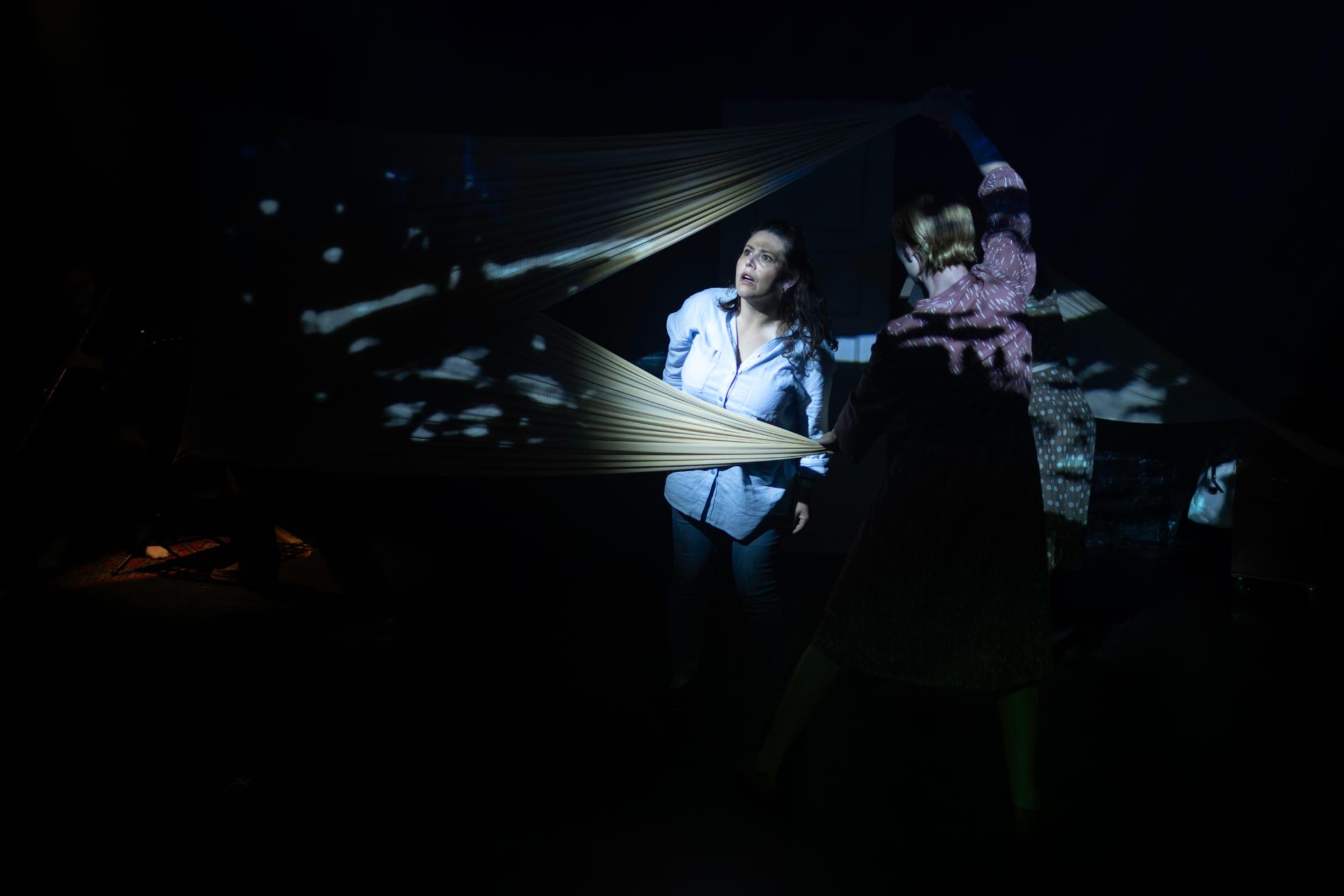
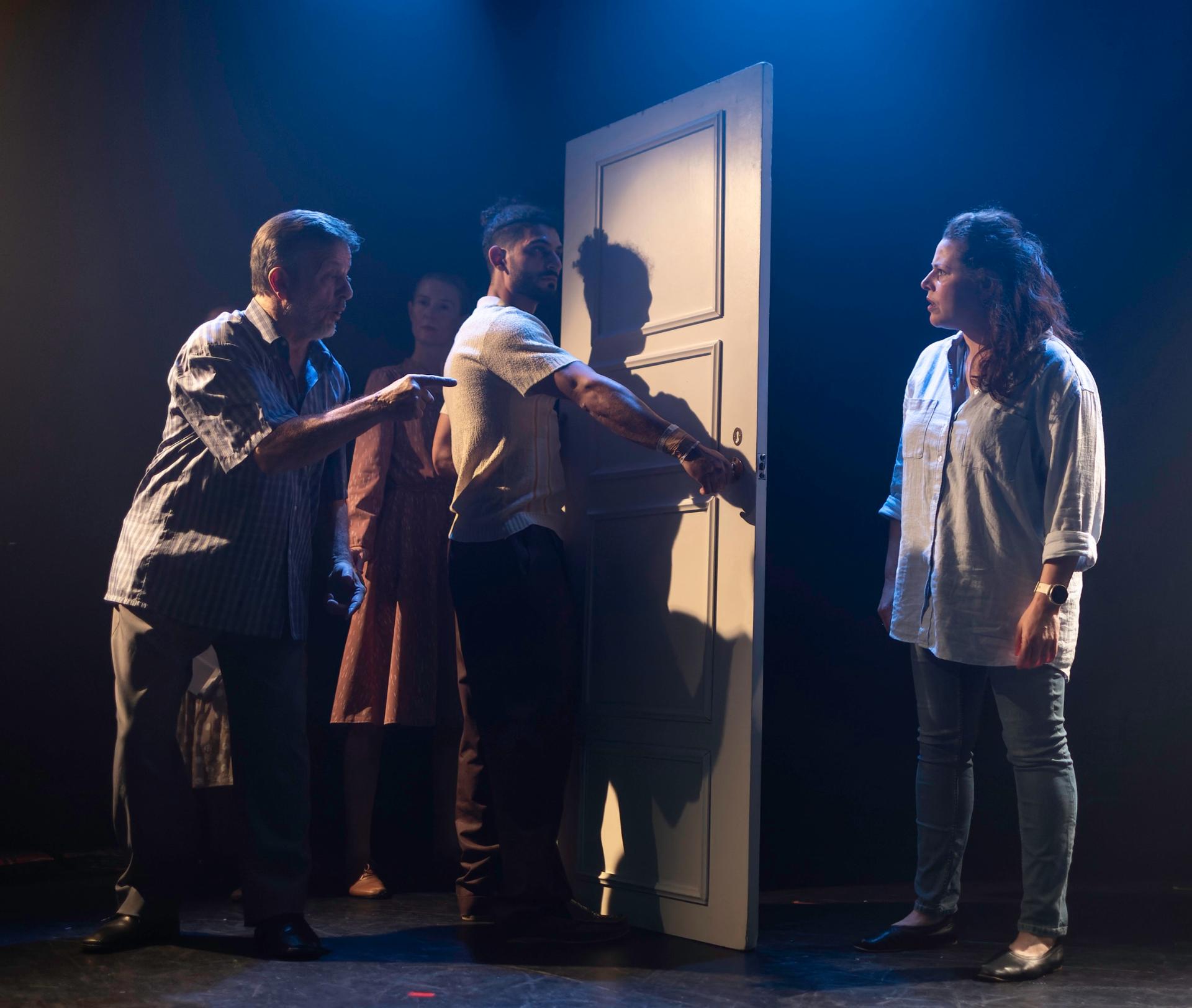
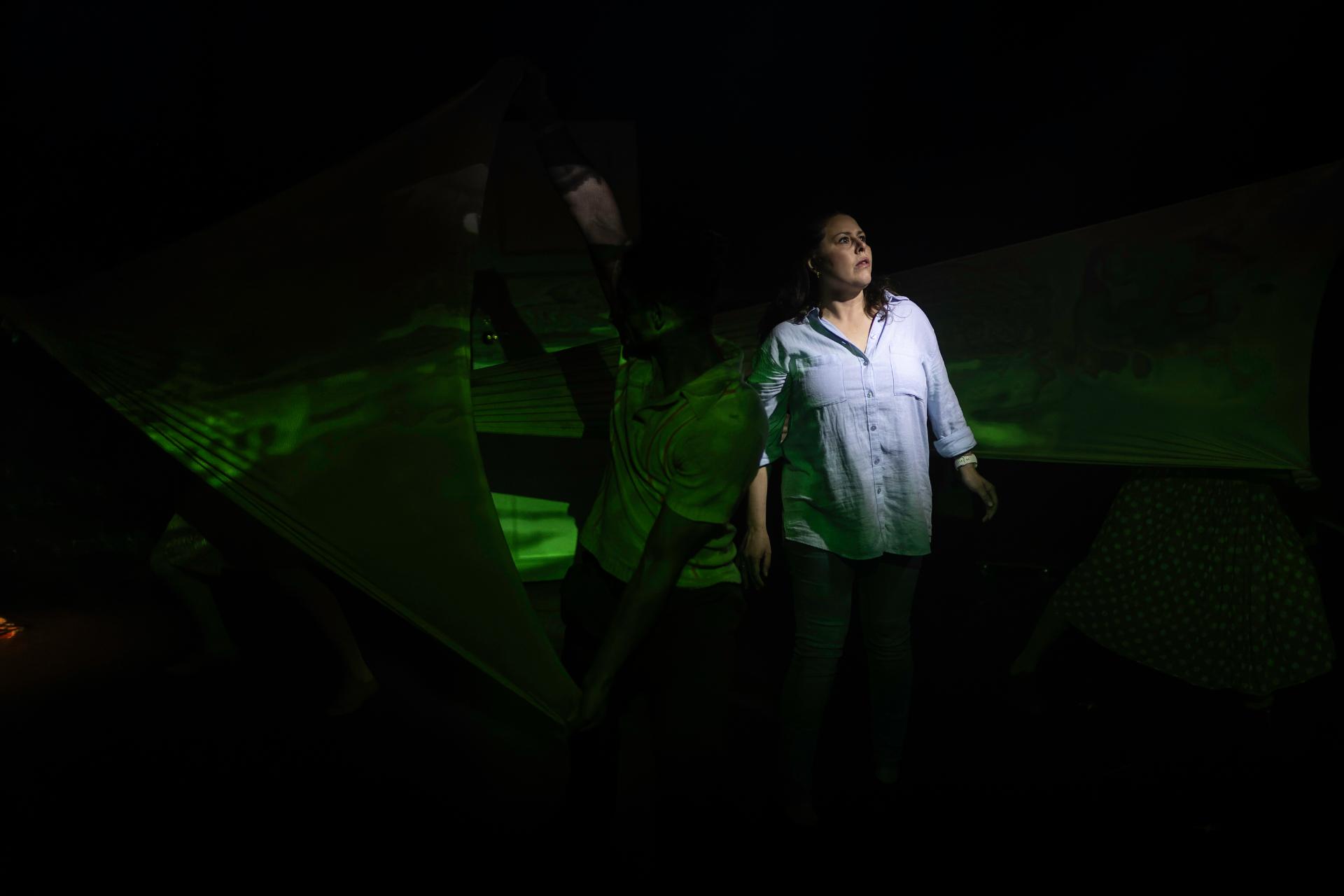
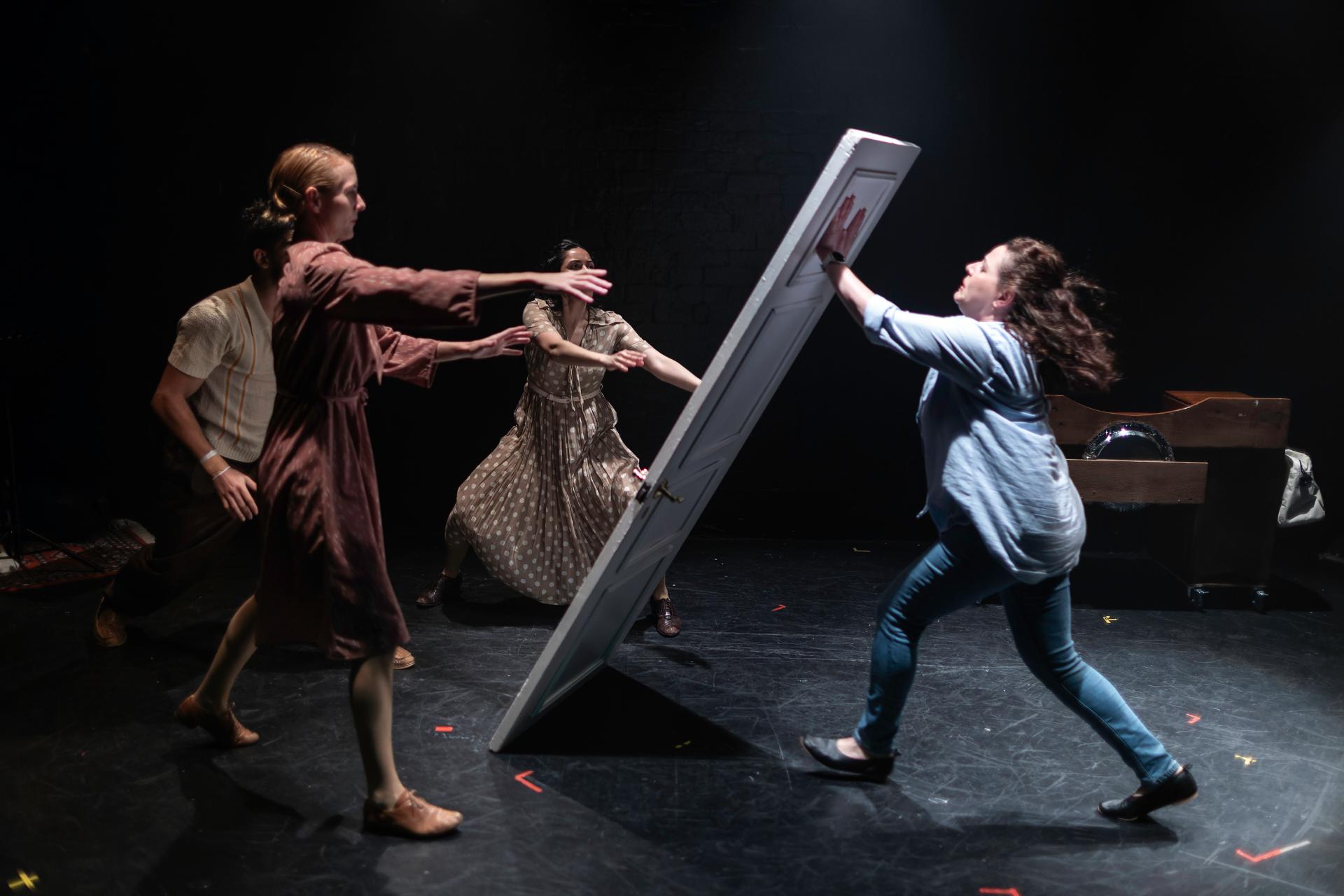
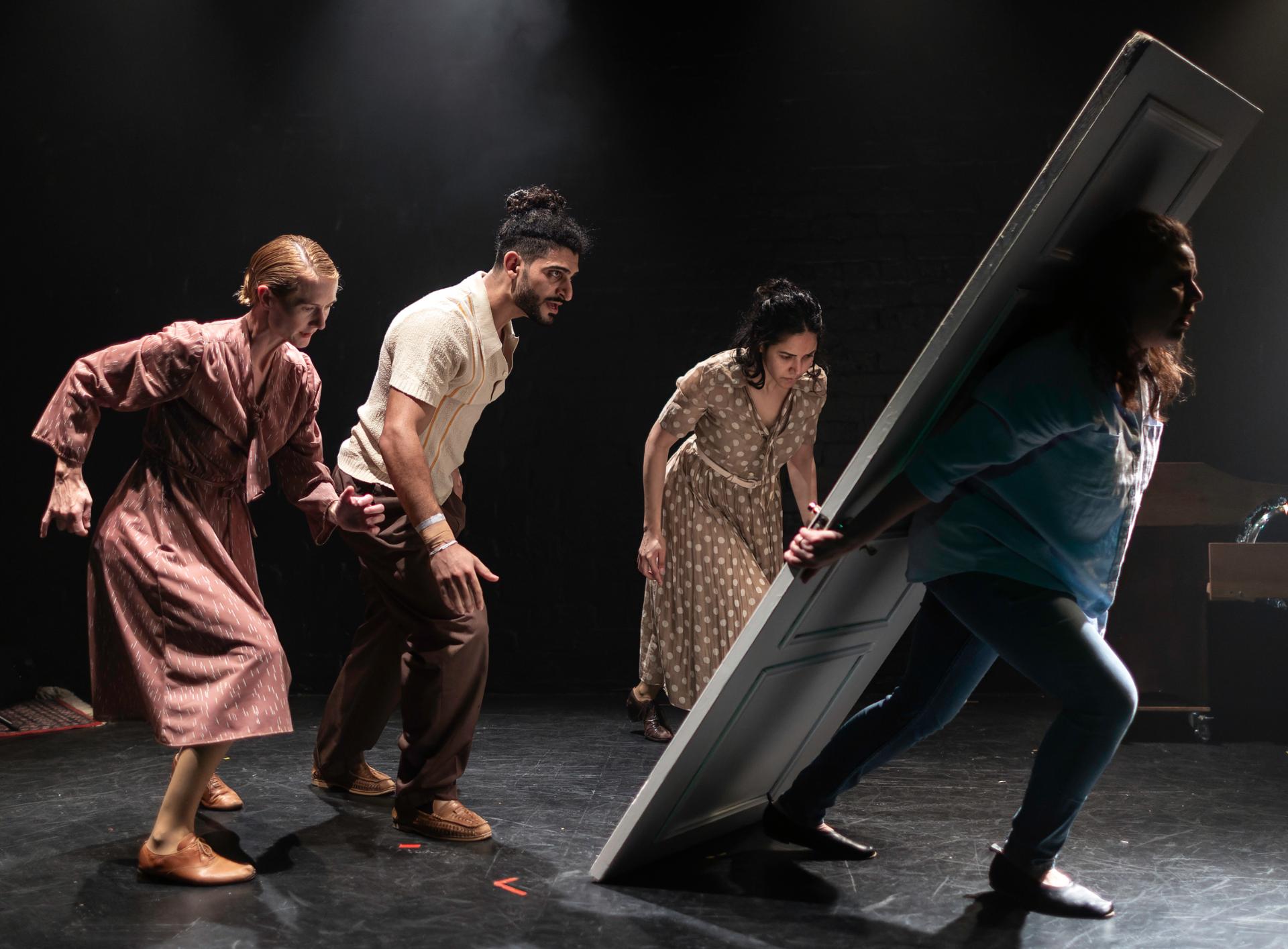
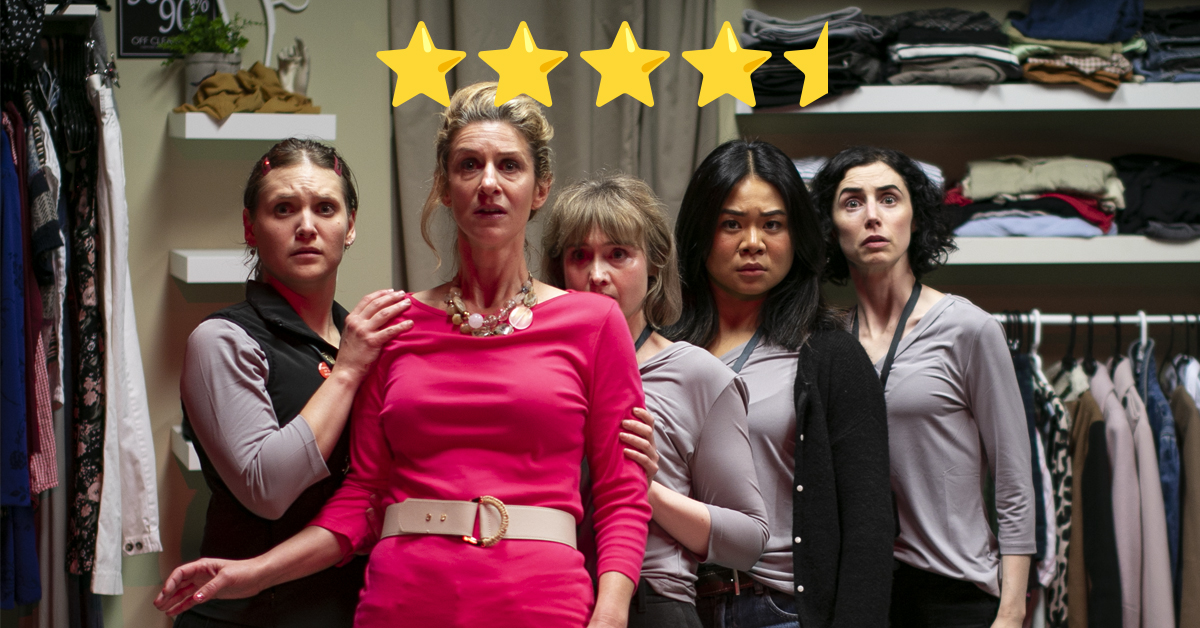
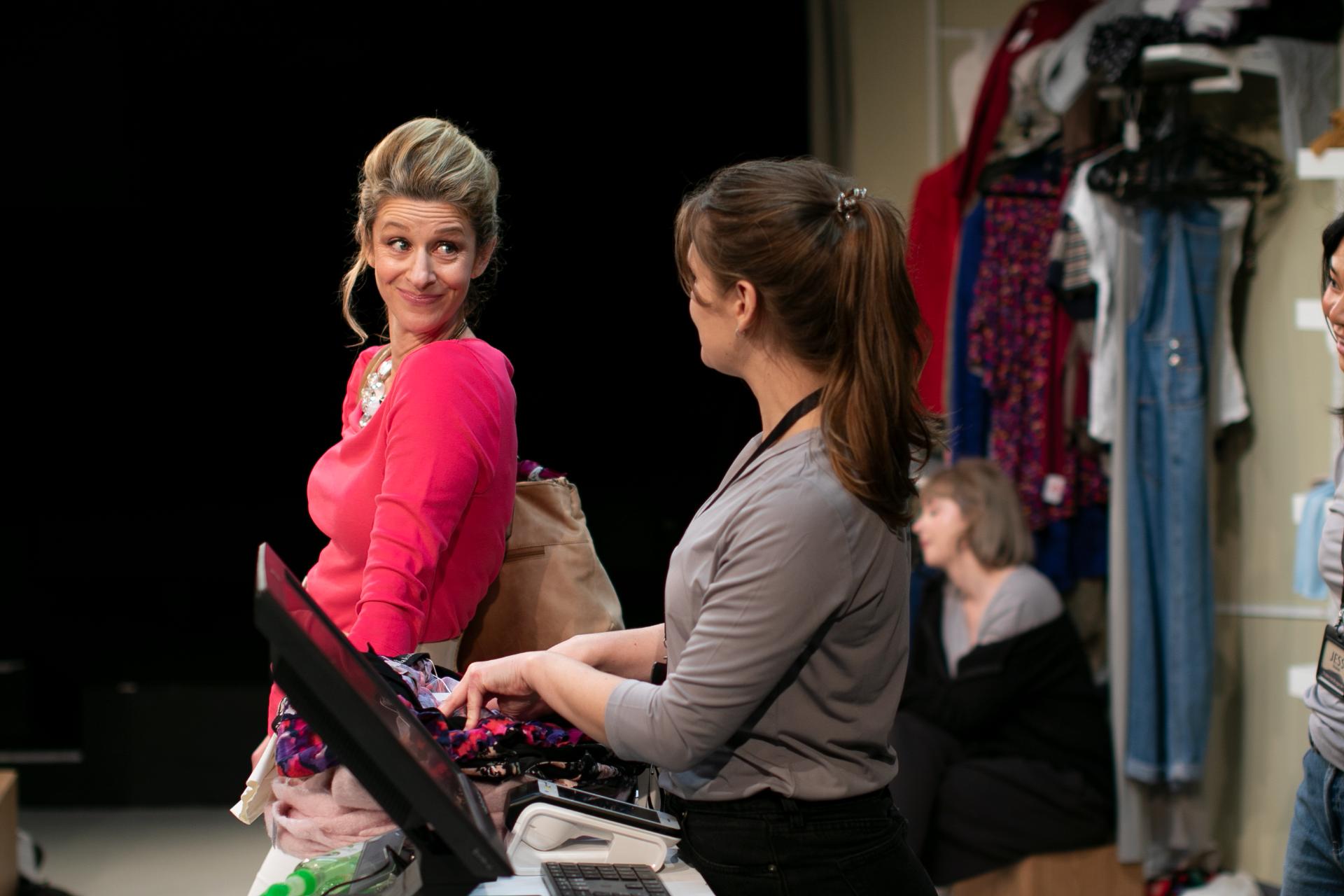
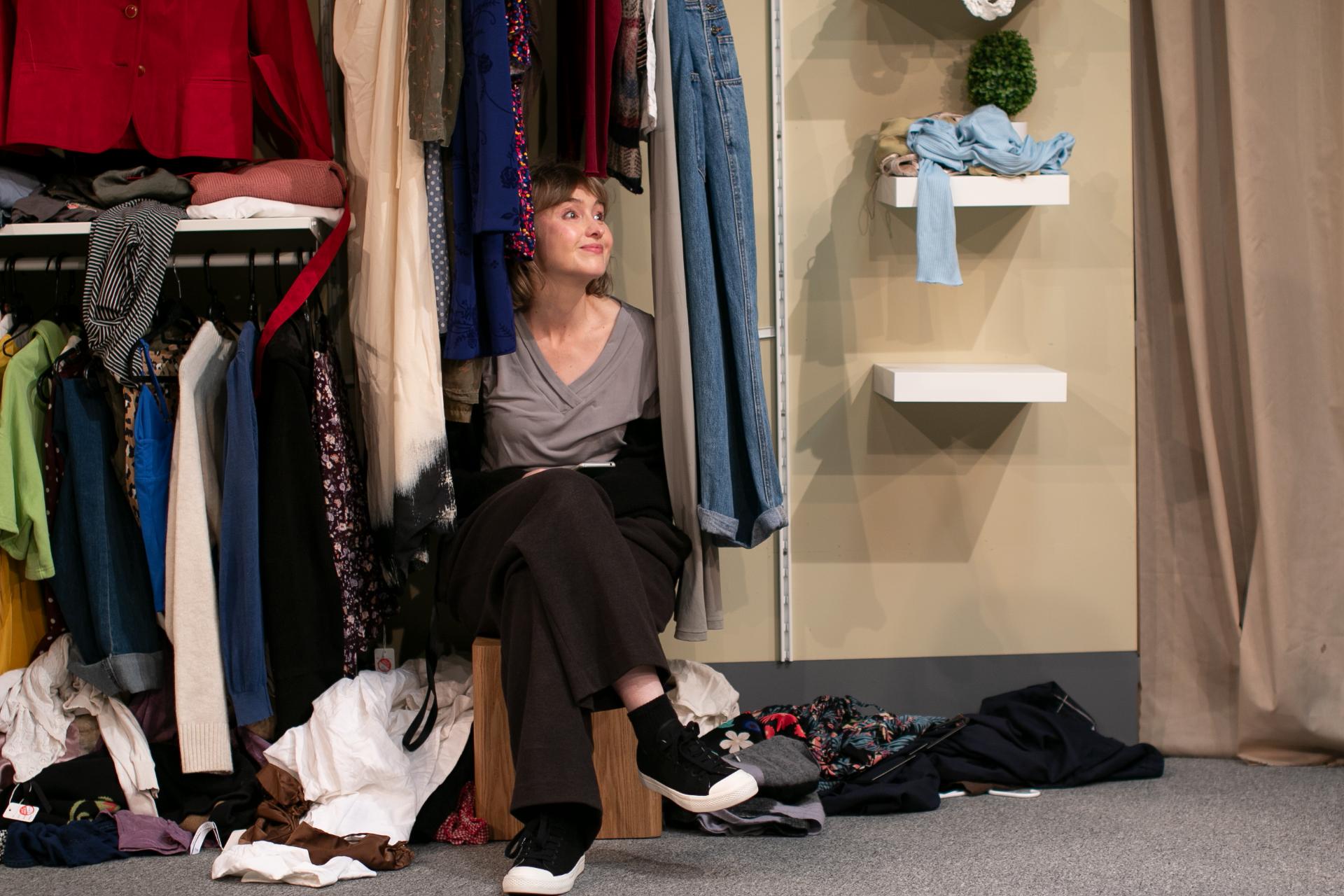
In one of the thousands of women’s clothing stores scattered throughout Australia’s shopping malls, a group of employees is required to conduct a stocktake after hours. Nobody particularly wants to be there, but the realities of economic survival demand that people suppress their own inclinations, grit their teeth and endure, if only to ensure that there is food on the table.

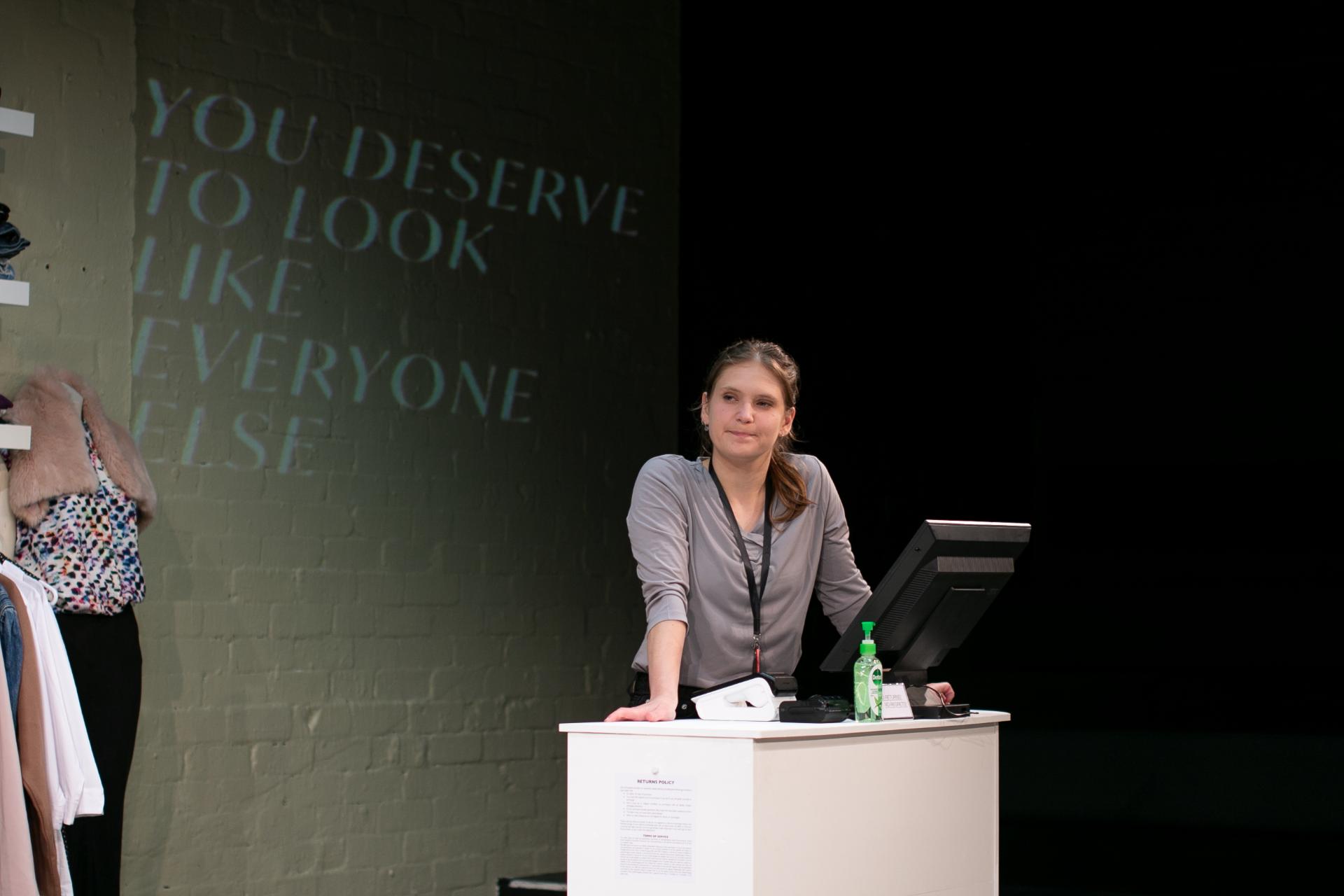
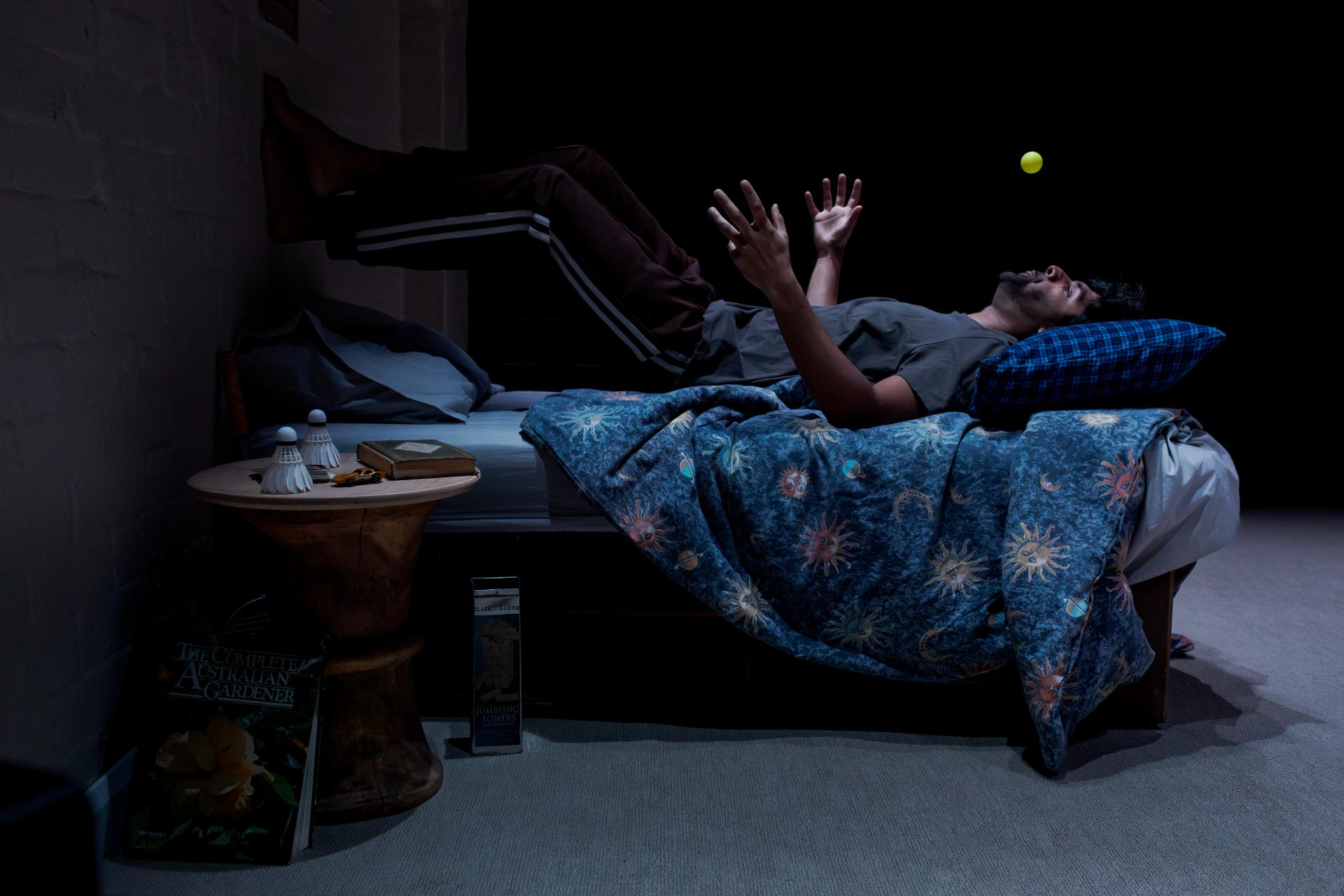
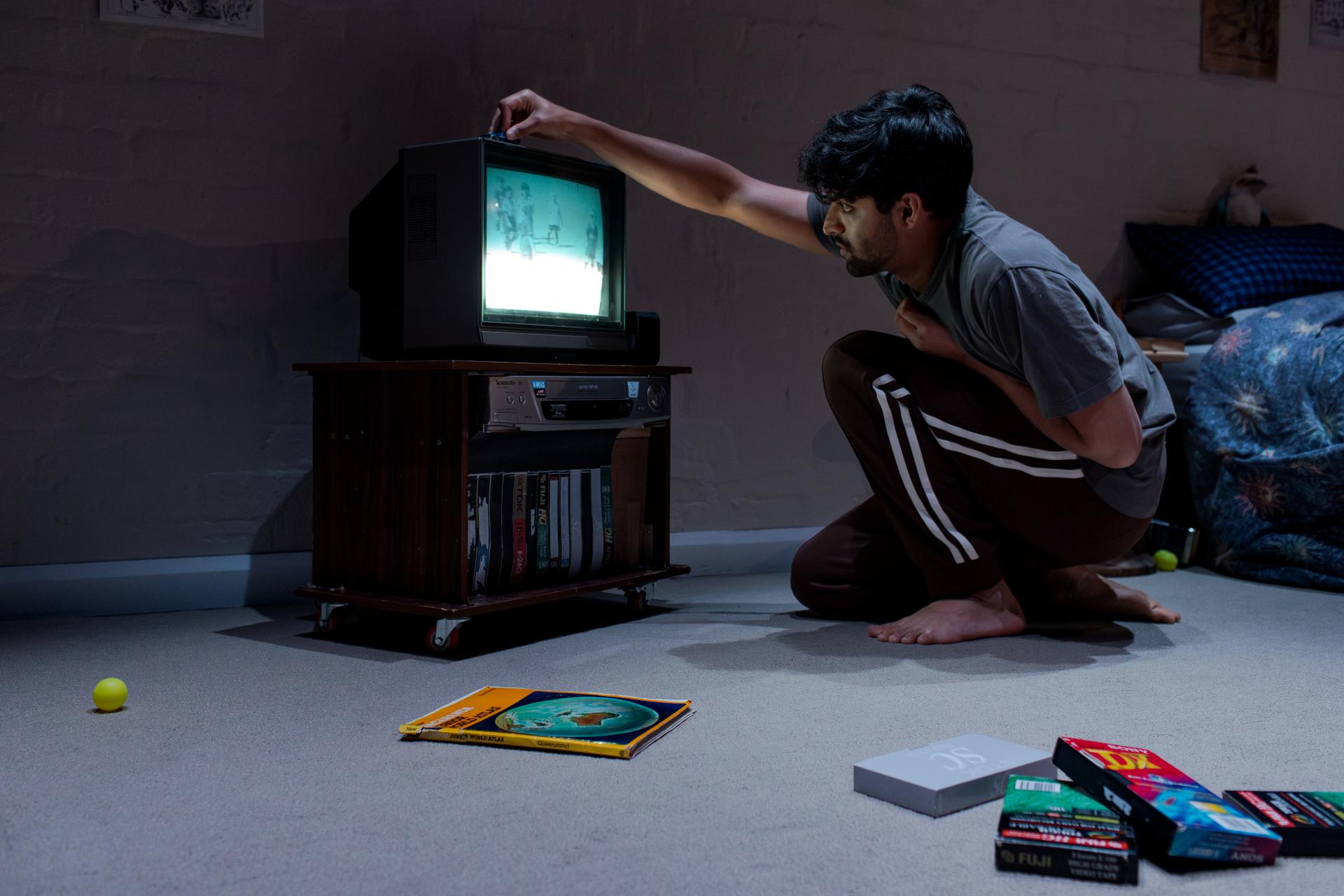
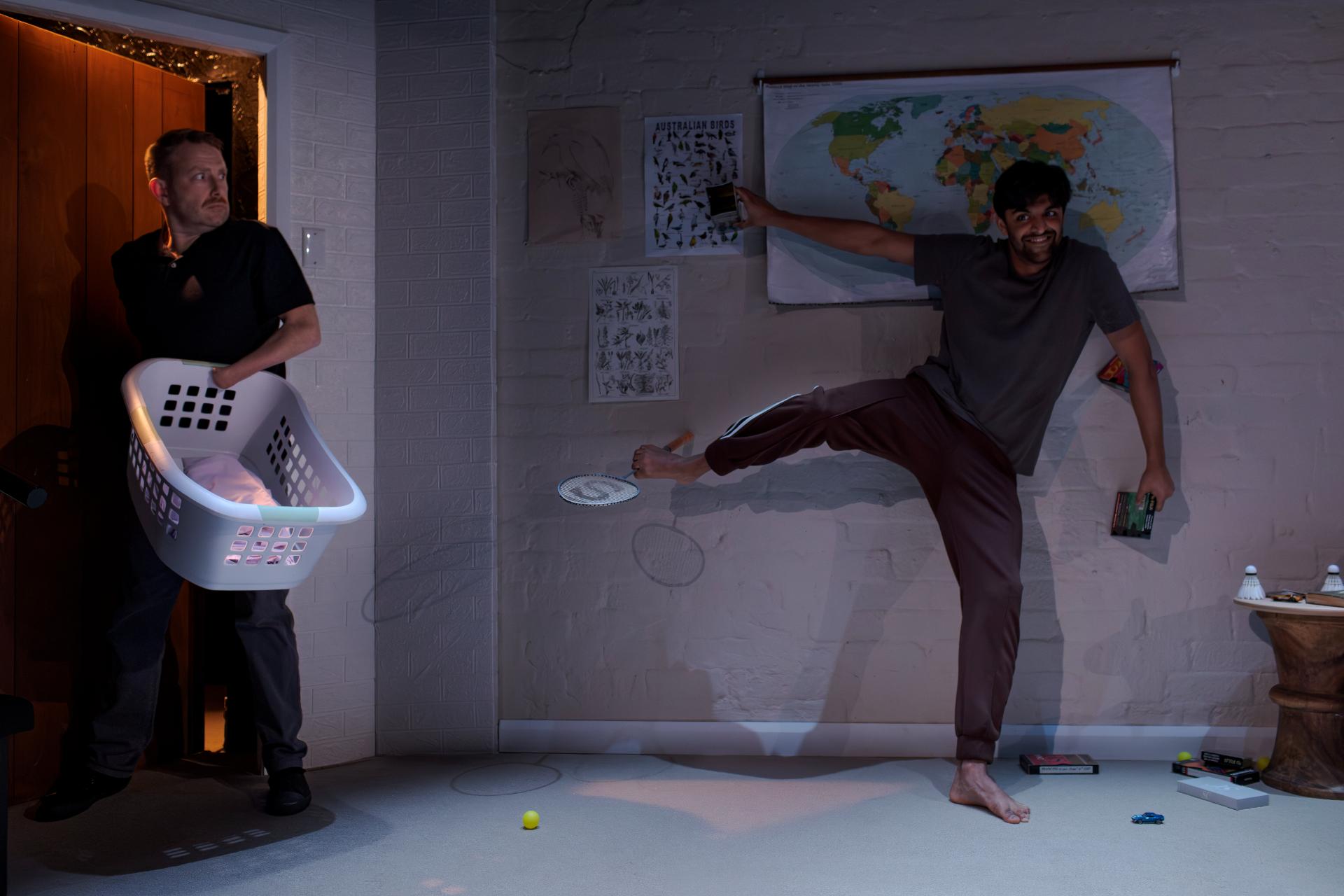
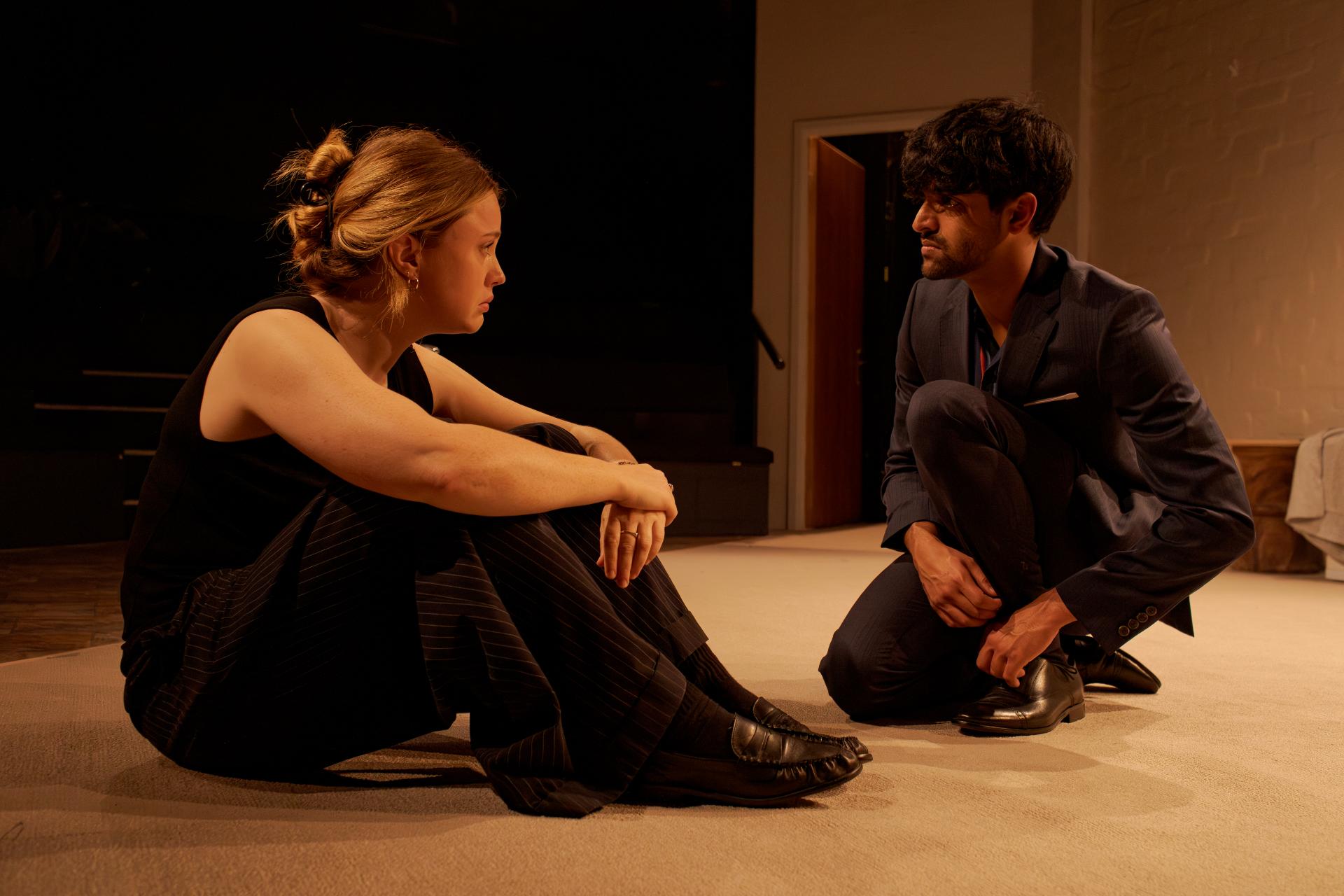
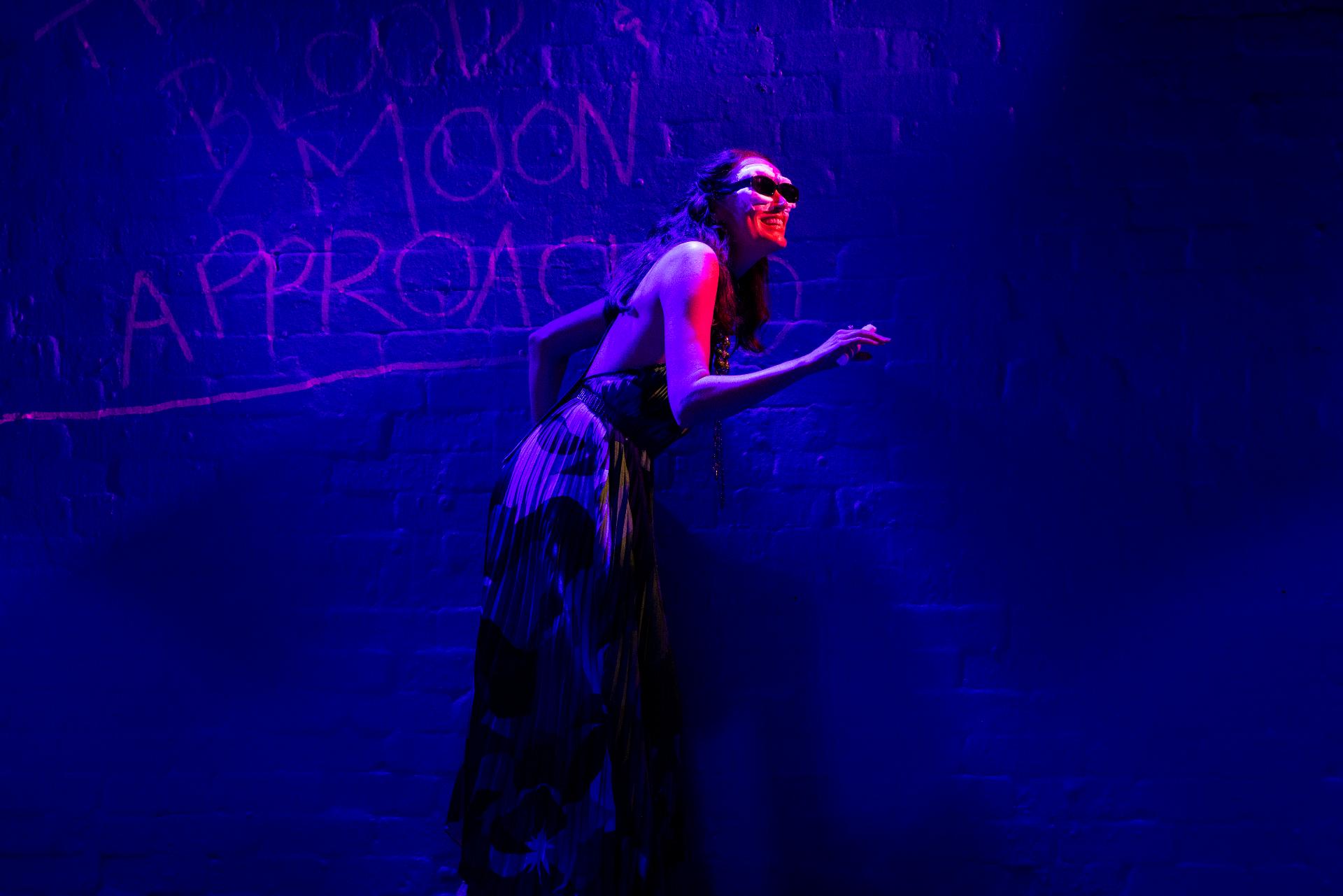
Jess Zlotnick’s Stocktake is a searing indictment of the plight of the working class under contemporary late-stage capitalism, although it is equally likely to be remembered for its riotous comedy. Clearly informed by lived experience at the lower rungs of the retail hierarchy, Zlotnick’s writing is as keenly observed as it is wildly imaginative. The play marries an acute understanding of low-wage precarity with surreal manifestations of systemic oppression, exposing the increasingly grotesque consequences of oligarchic power in a world where economic inequality continues to deepen.

Director Tasha O’Brien brings an uncompromising sense of gravity to a production that makes no attempt to disguise its solidarity with the working class. At the same time, she finds inventive ways to exploit the increasingly absurd circumstances, ensuring that the material remains as theatrically engaging as it is politically charged. The result is a work that insists we laugh even as the full indignity of our circumstances unfolds before us. O’Brien renders the injustices experienced by wage earners with admirable clarity, while layering each indignity with such irreverent humour that the production becomes both comedically irresistible and politically inescapable.

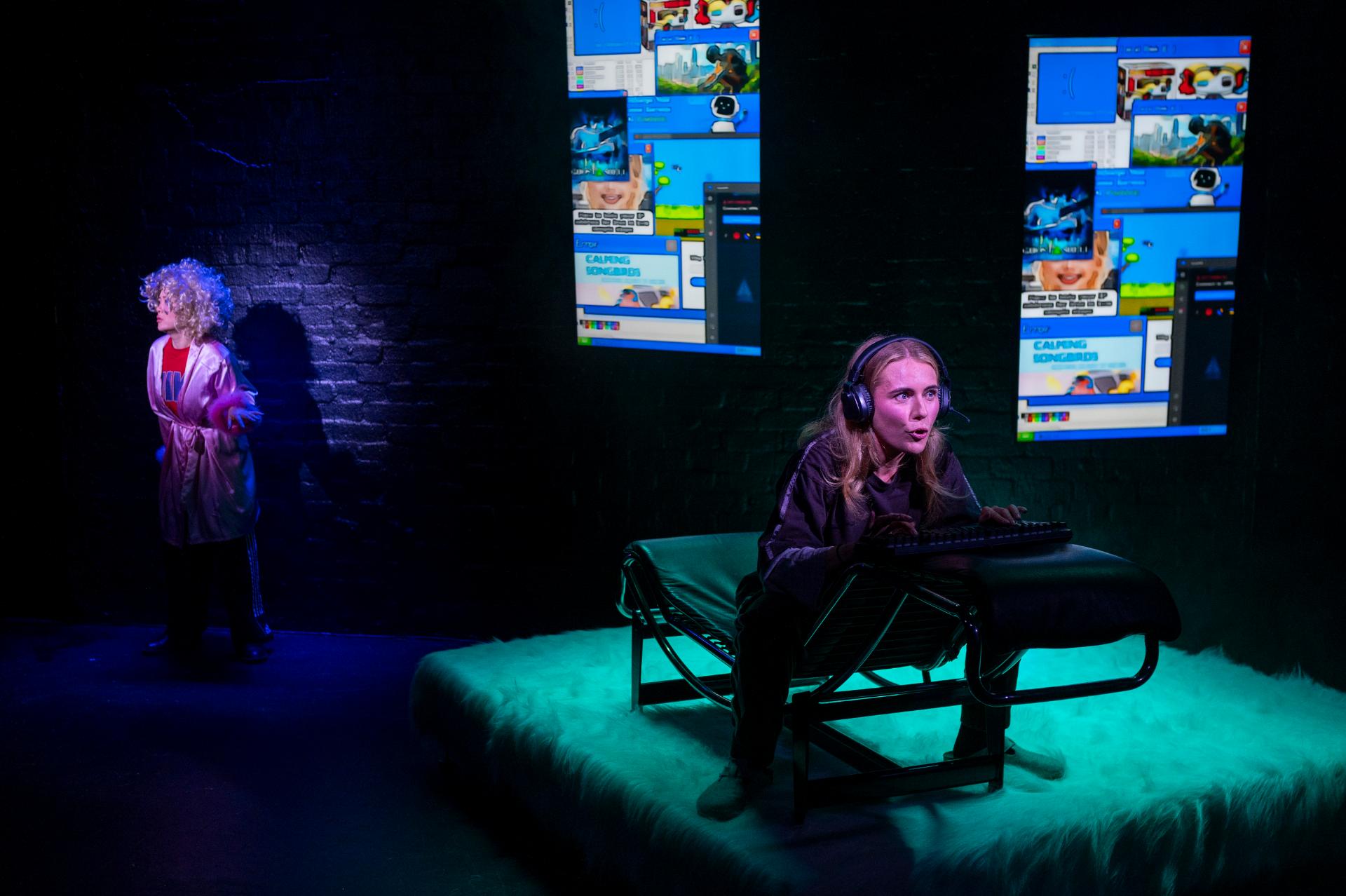
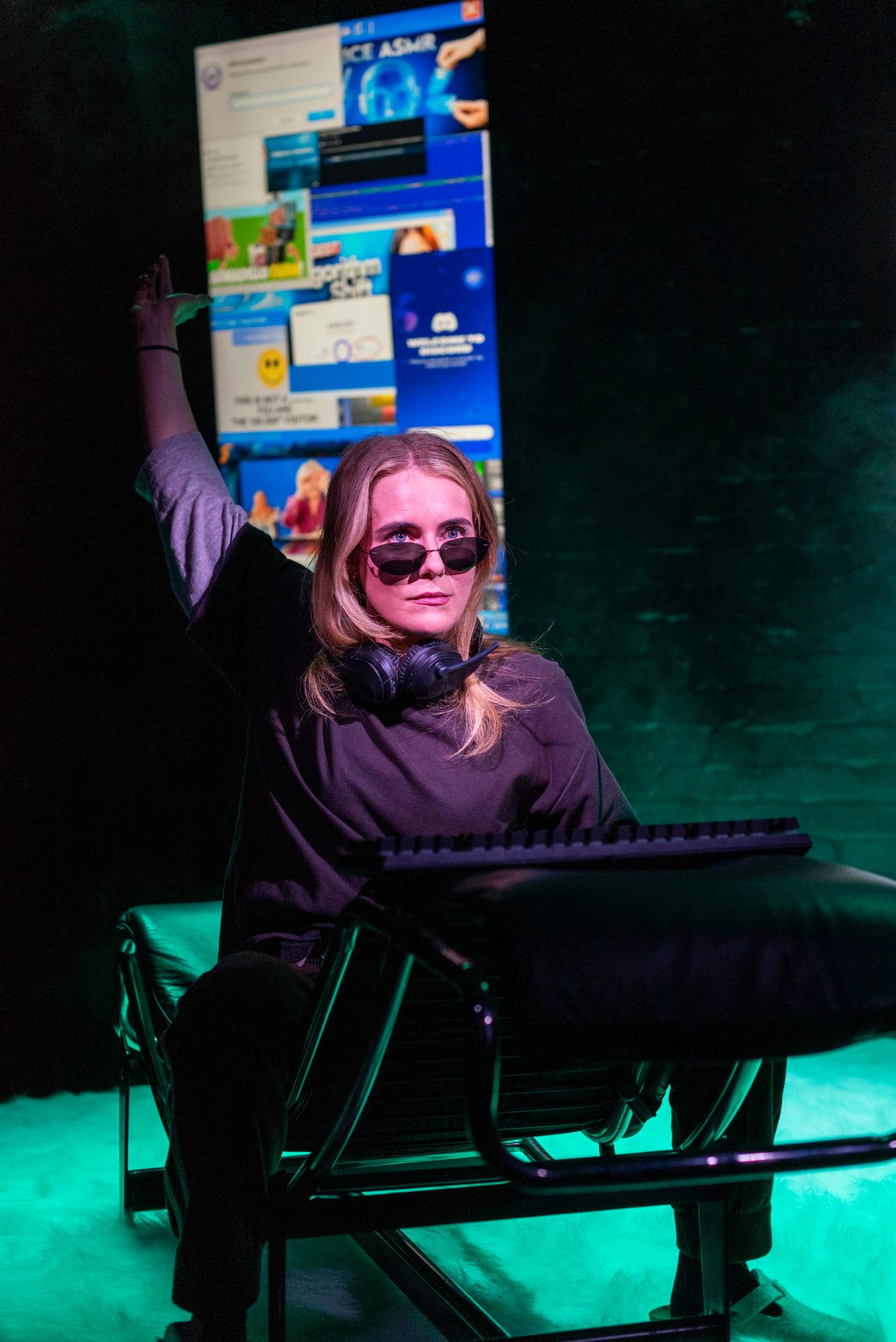
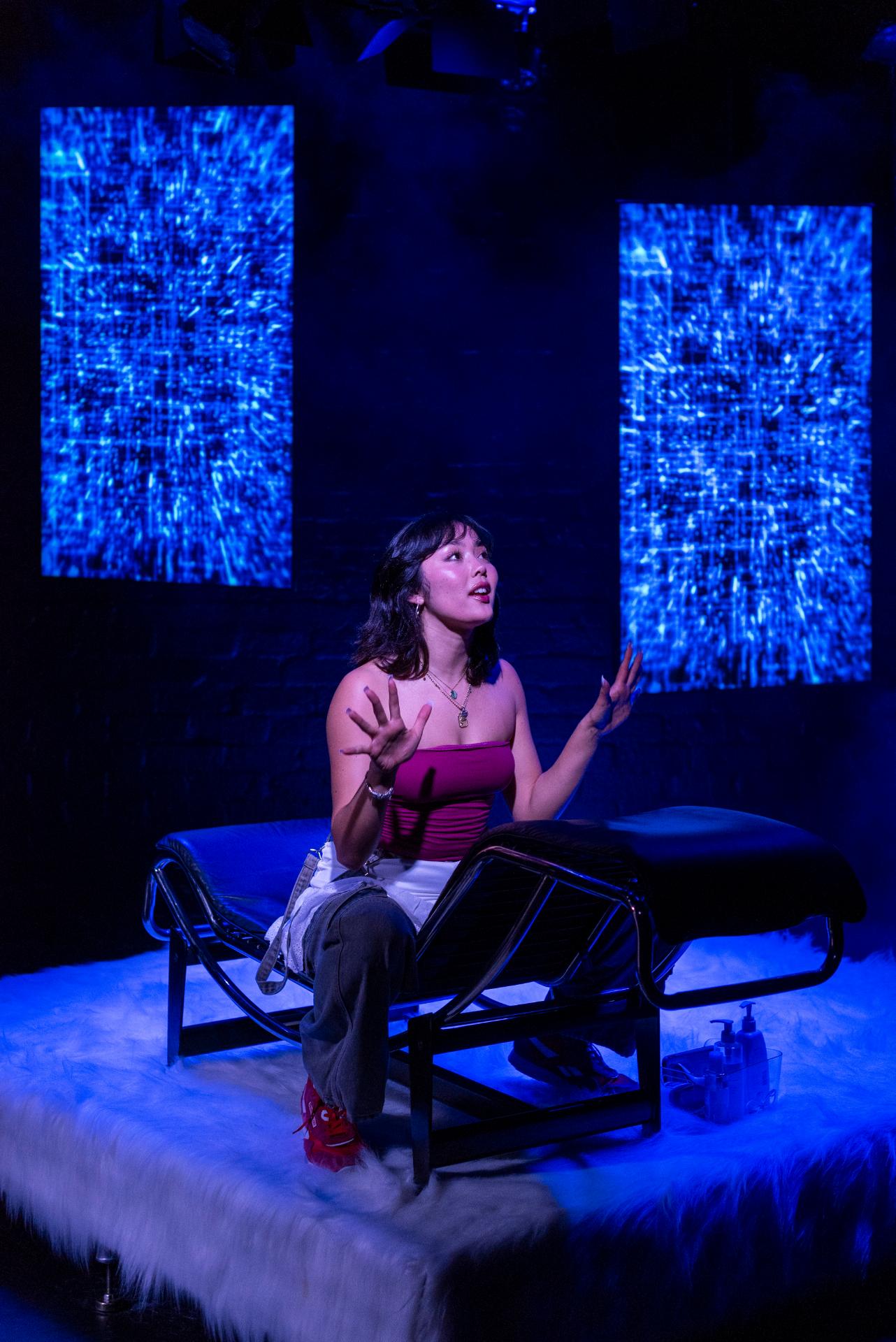
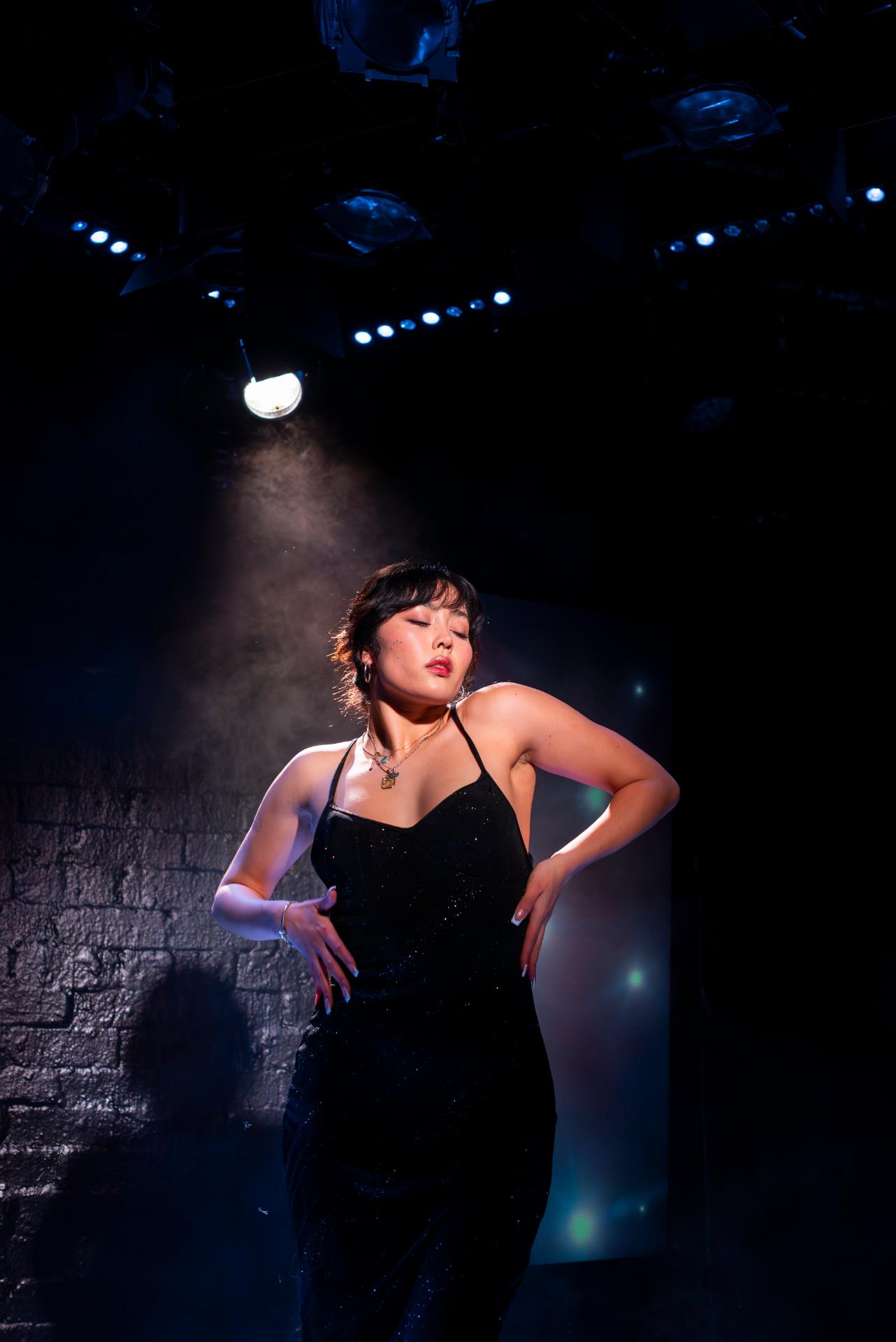
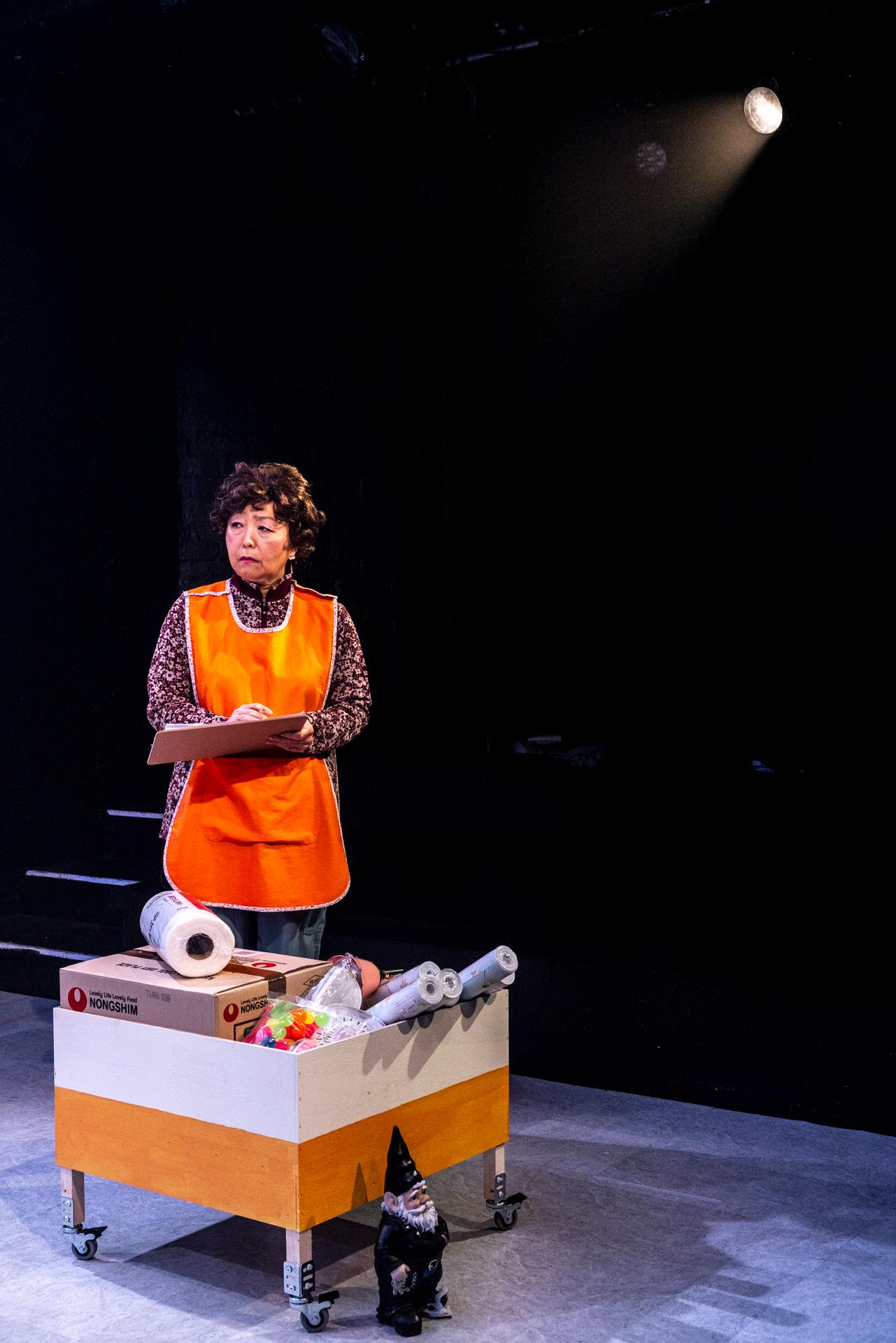
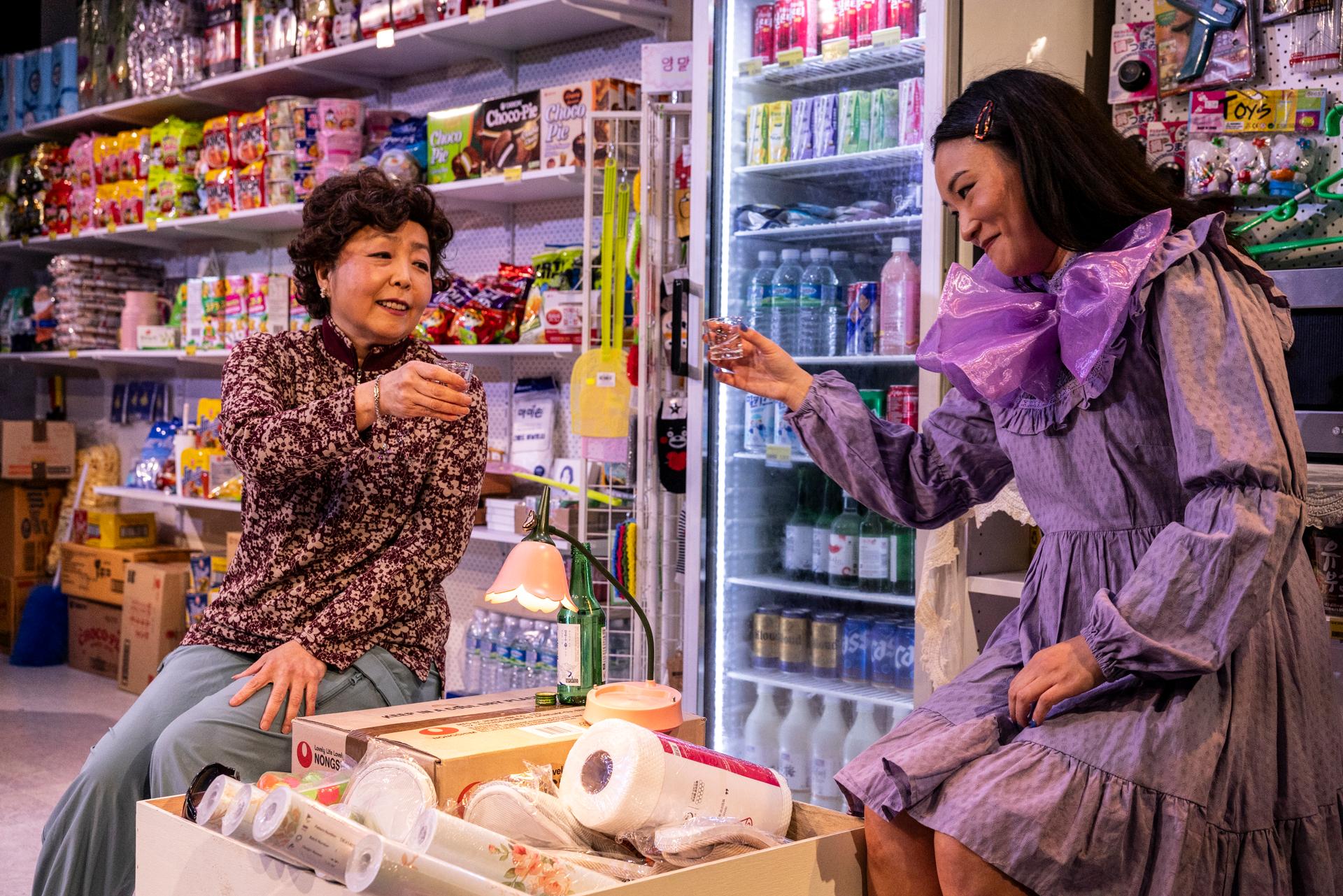
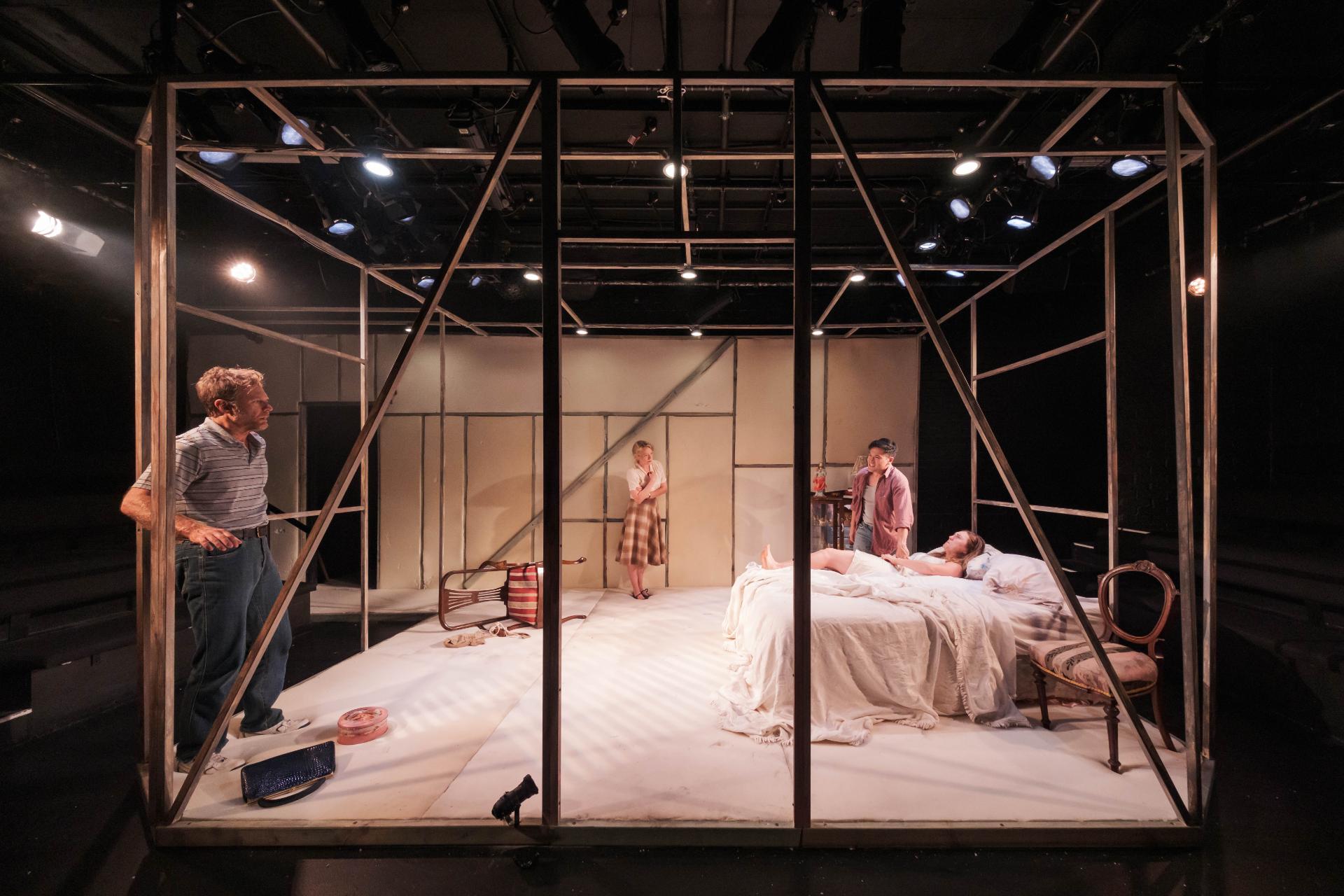
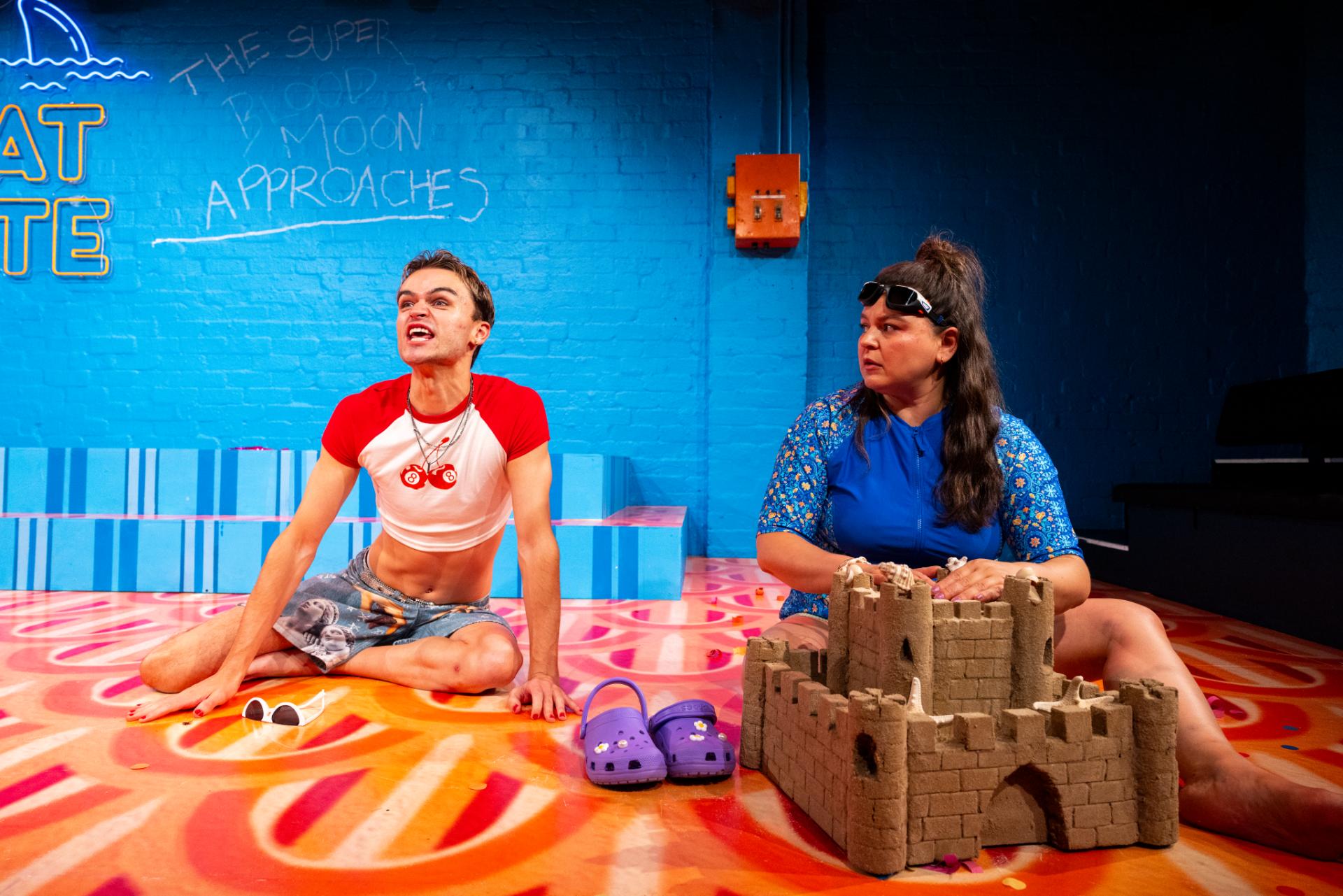
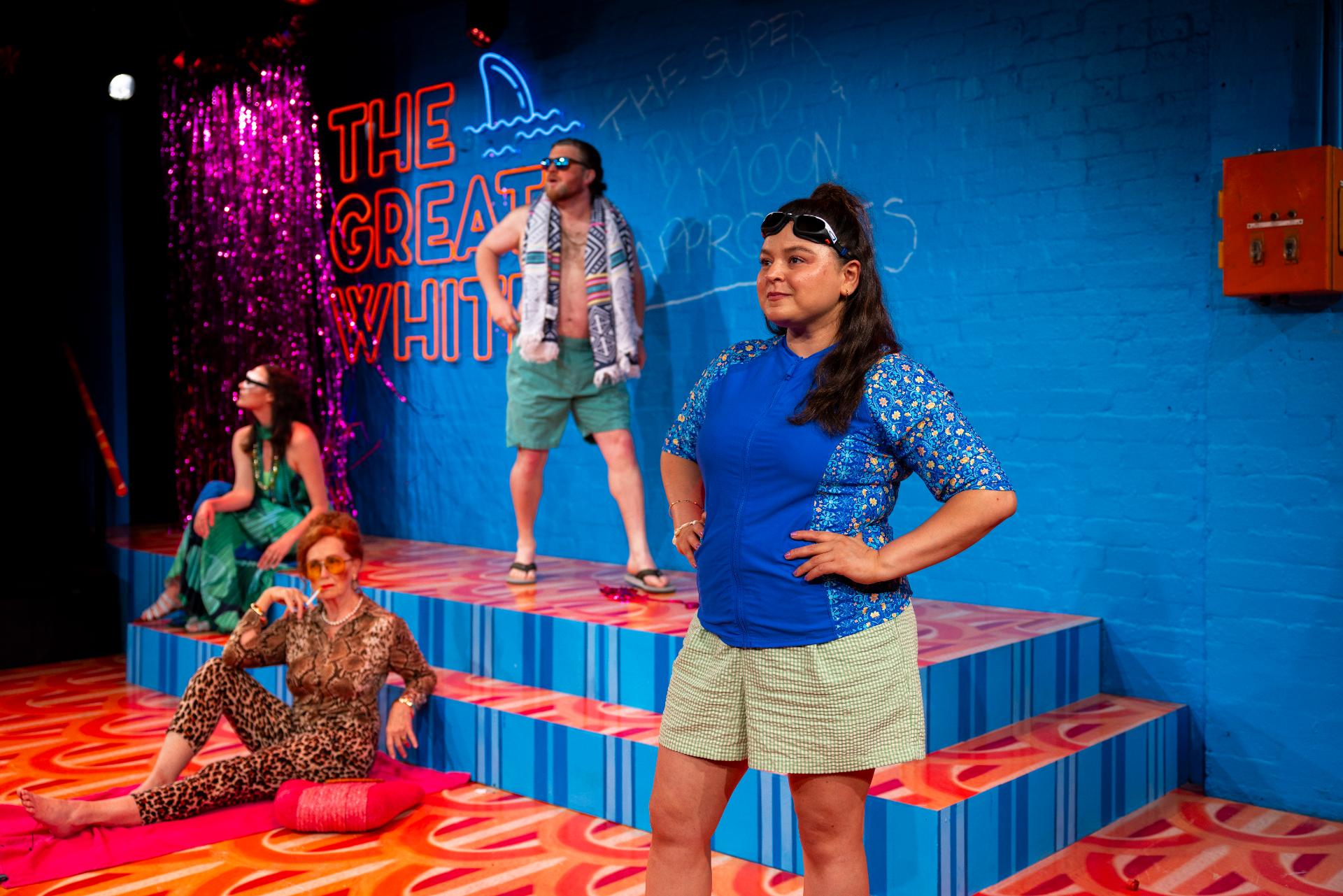
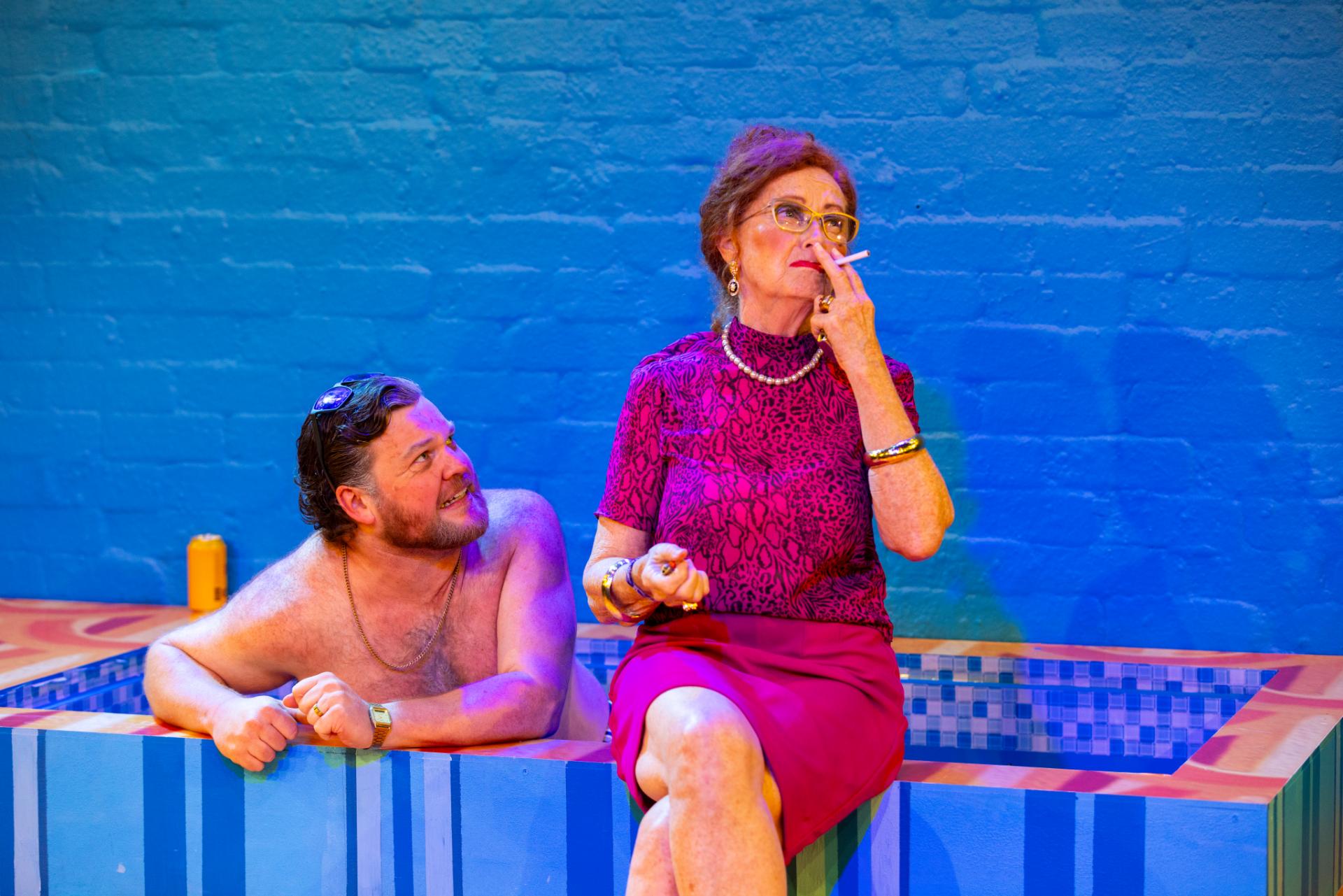
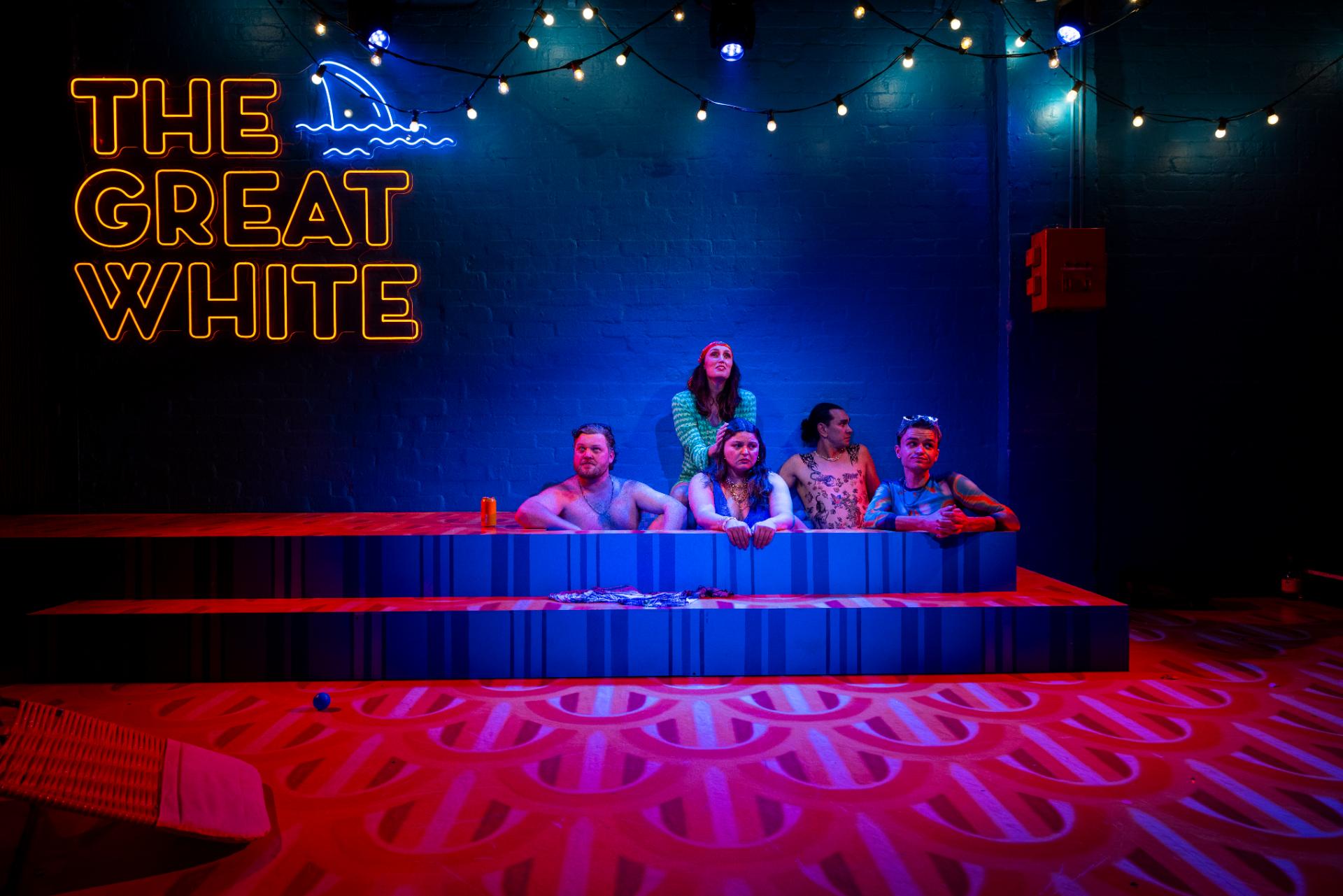
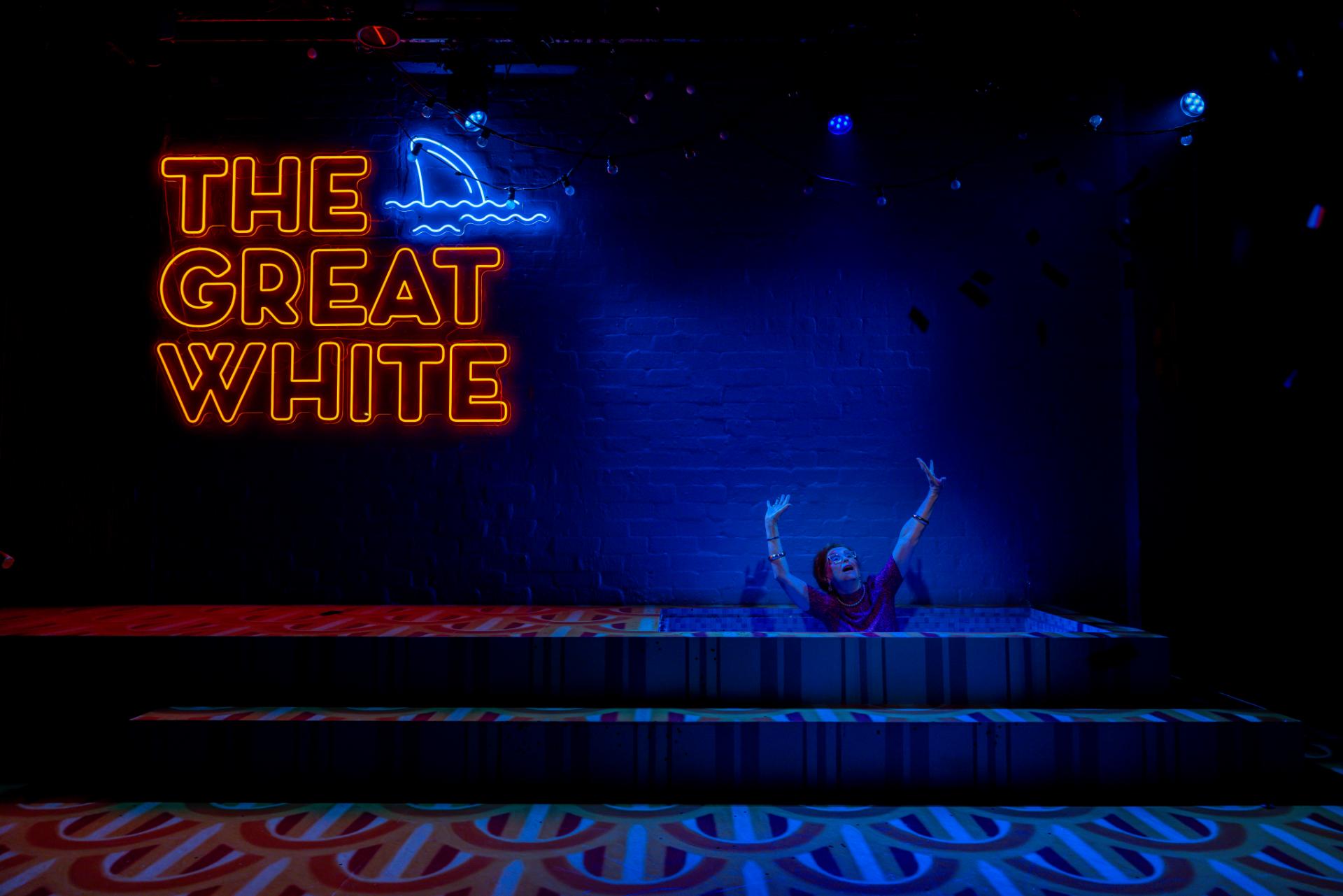
The visual elements of the staging are somewhat less assured. Hampered by obvious budgetary constraints, production design by Alice Vance and lighting by Caity Cowan do not always achieve the sophistication the material might warrant, although these limitations do little to diminish the overall effectiveness of the production. Harry Reid’s sound design is a particular strength, establishing an unsettling sense of metaphysical distortion that helps persuade us of the increasingly outlandish phenomena unfolding within an otherwise unremarkable clothing store.

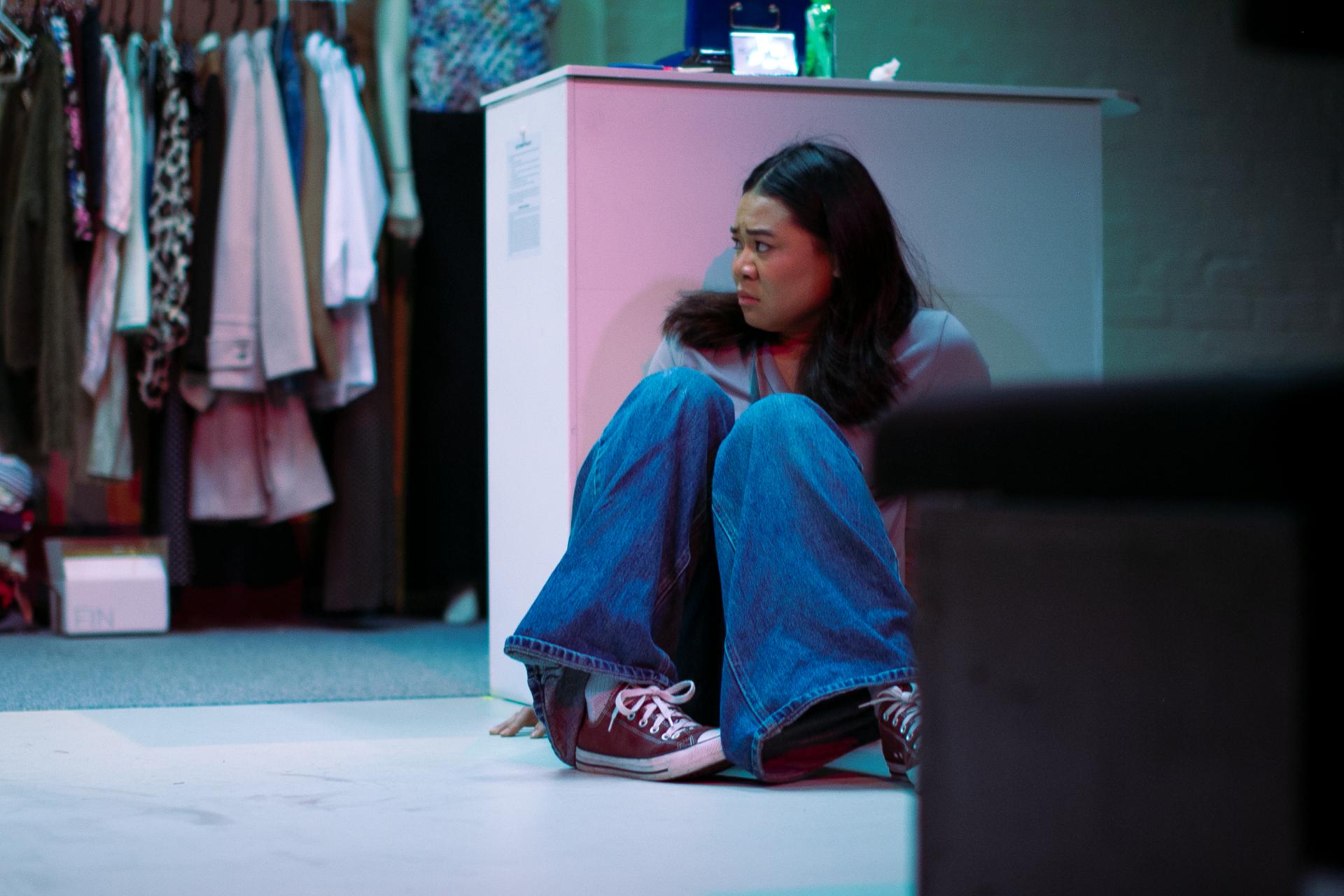
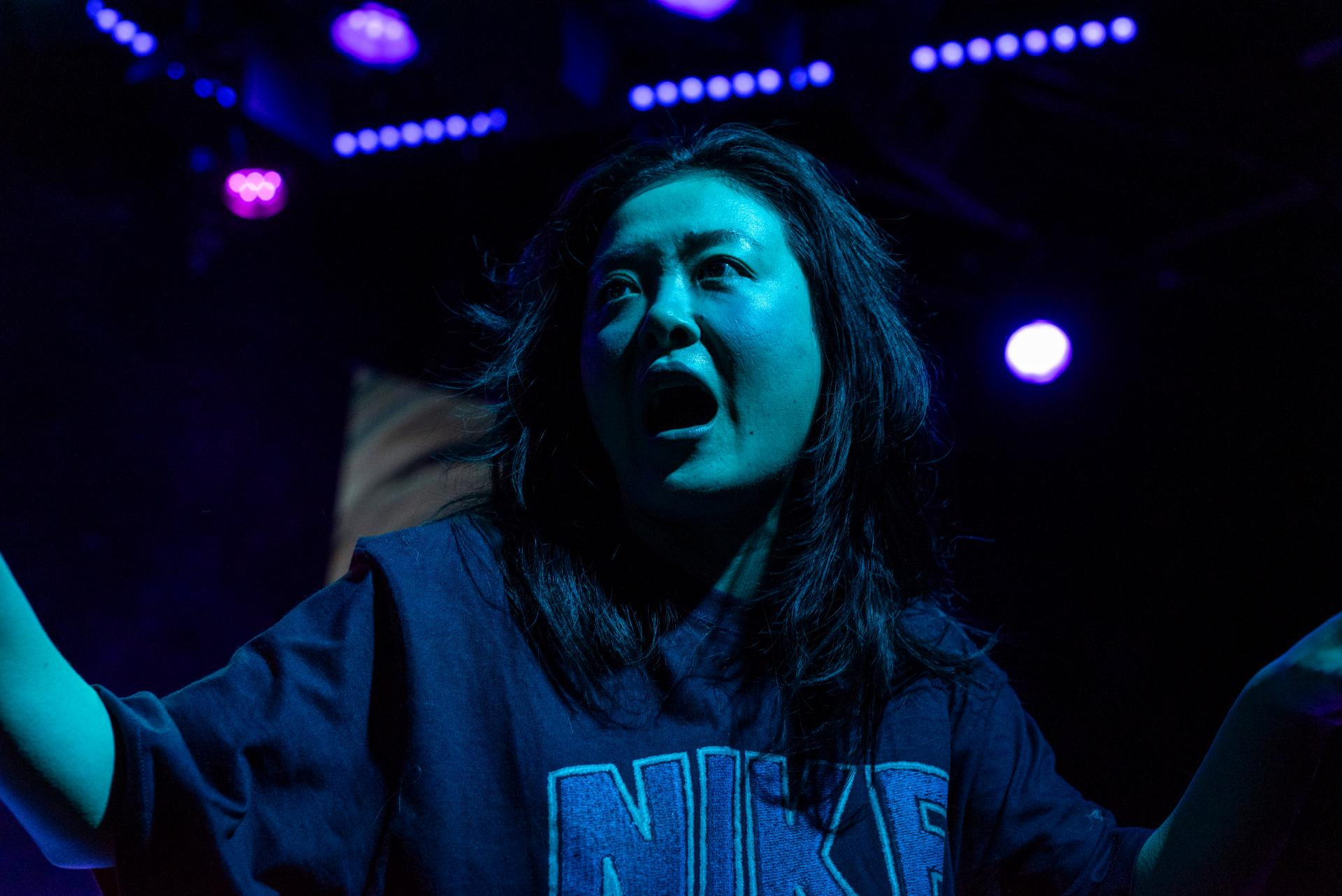
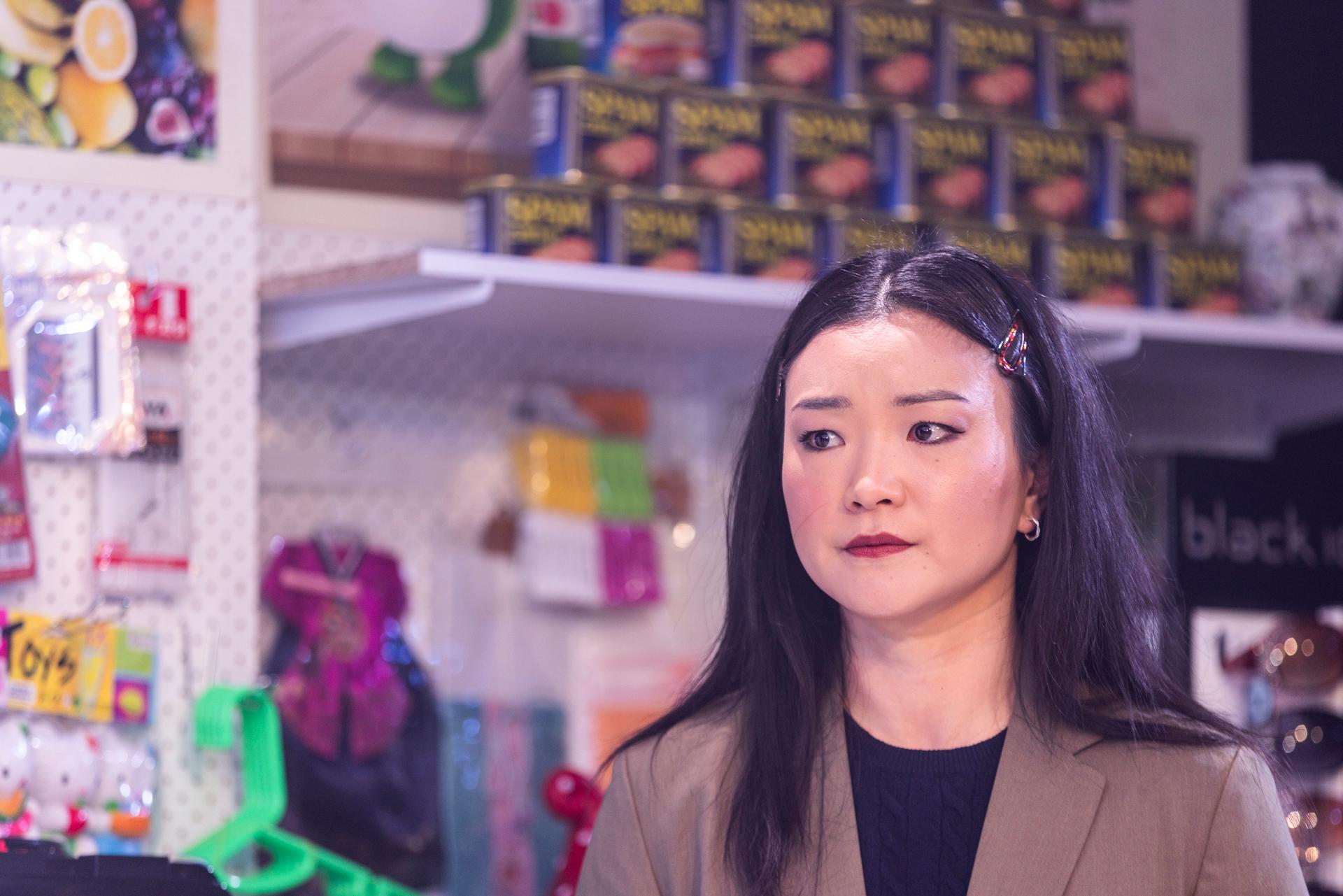
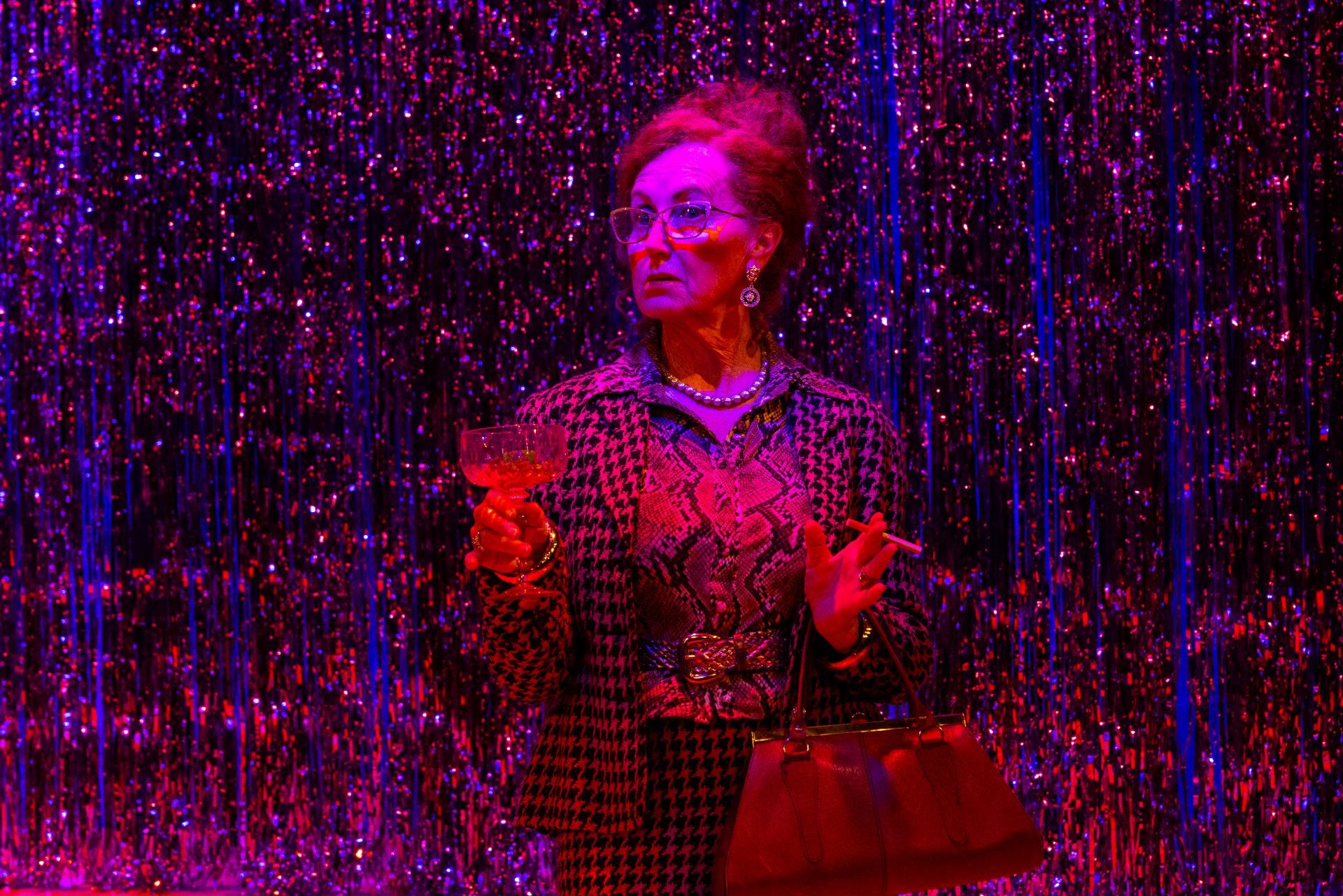
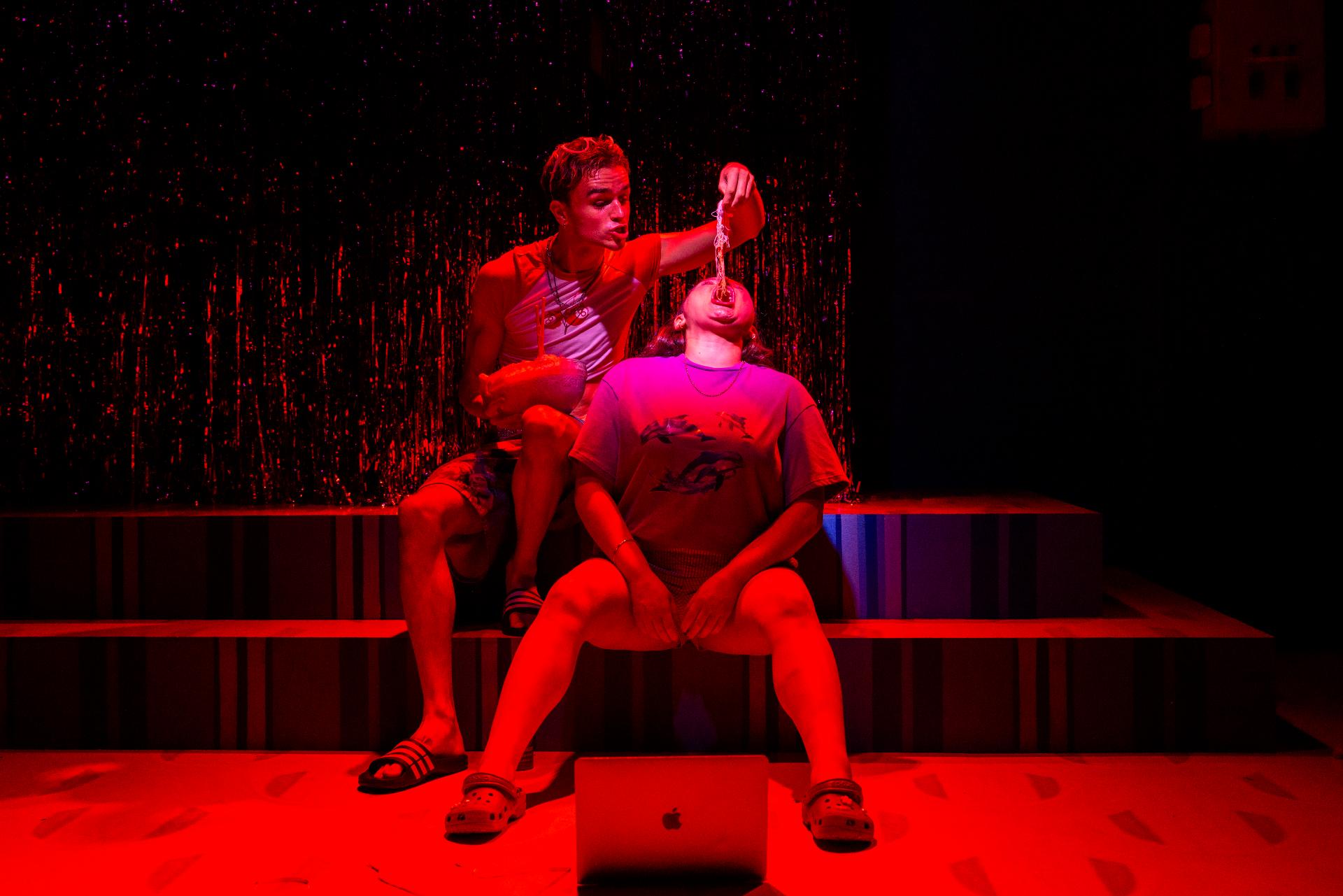
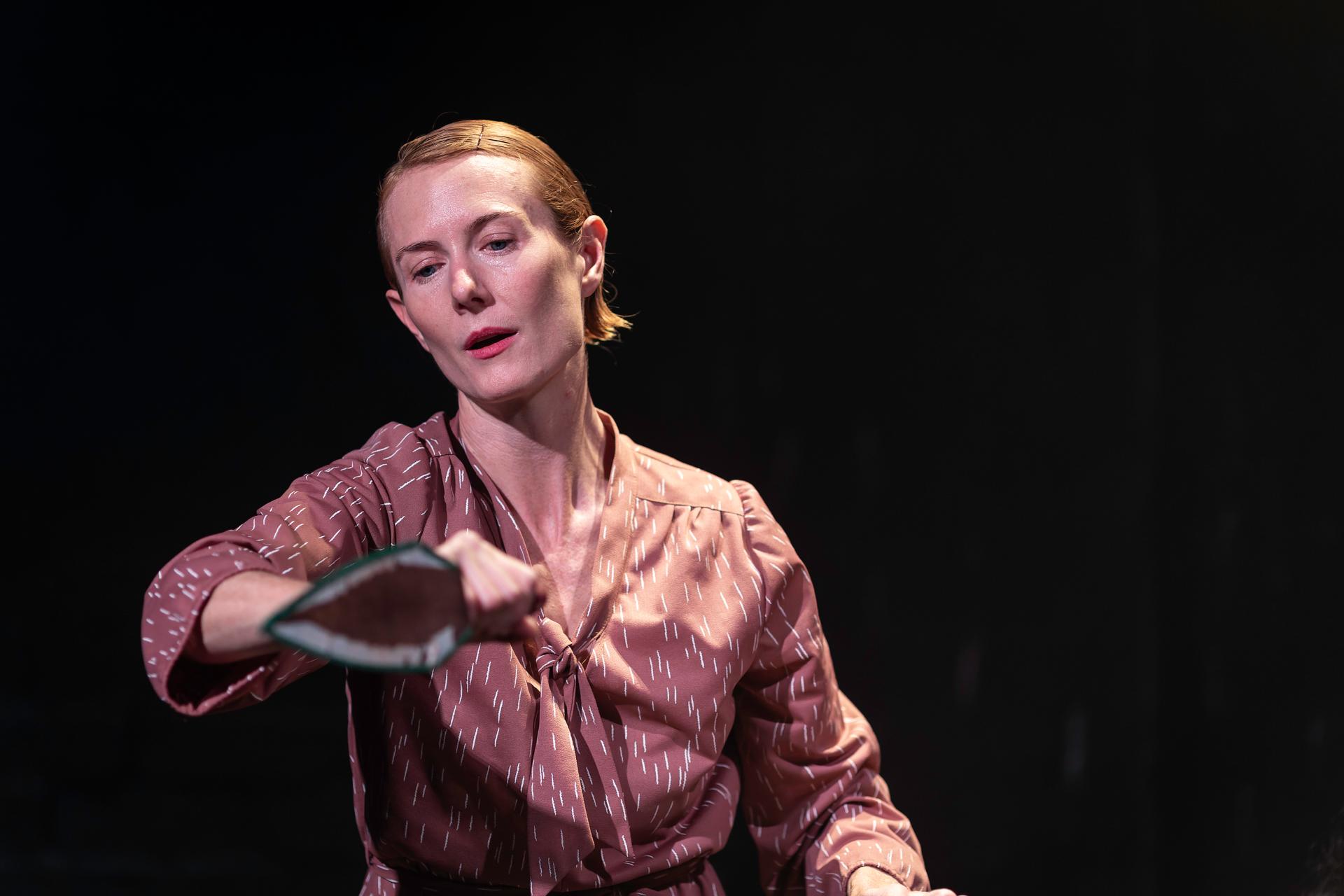
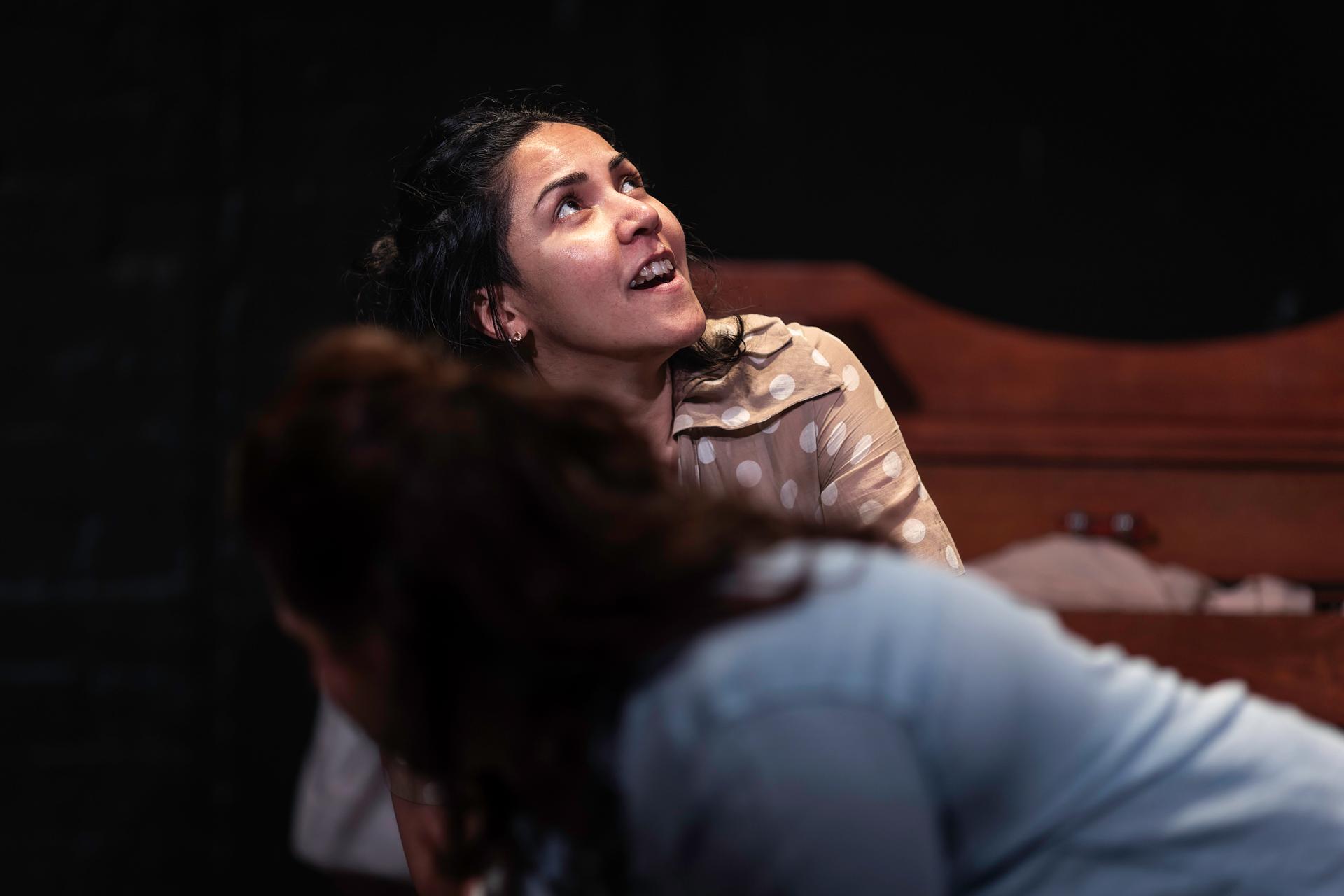
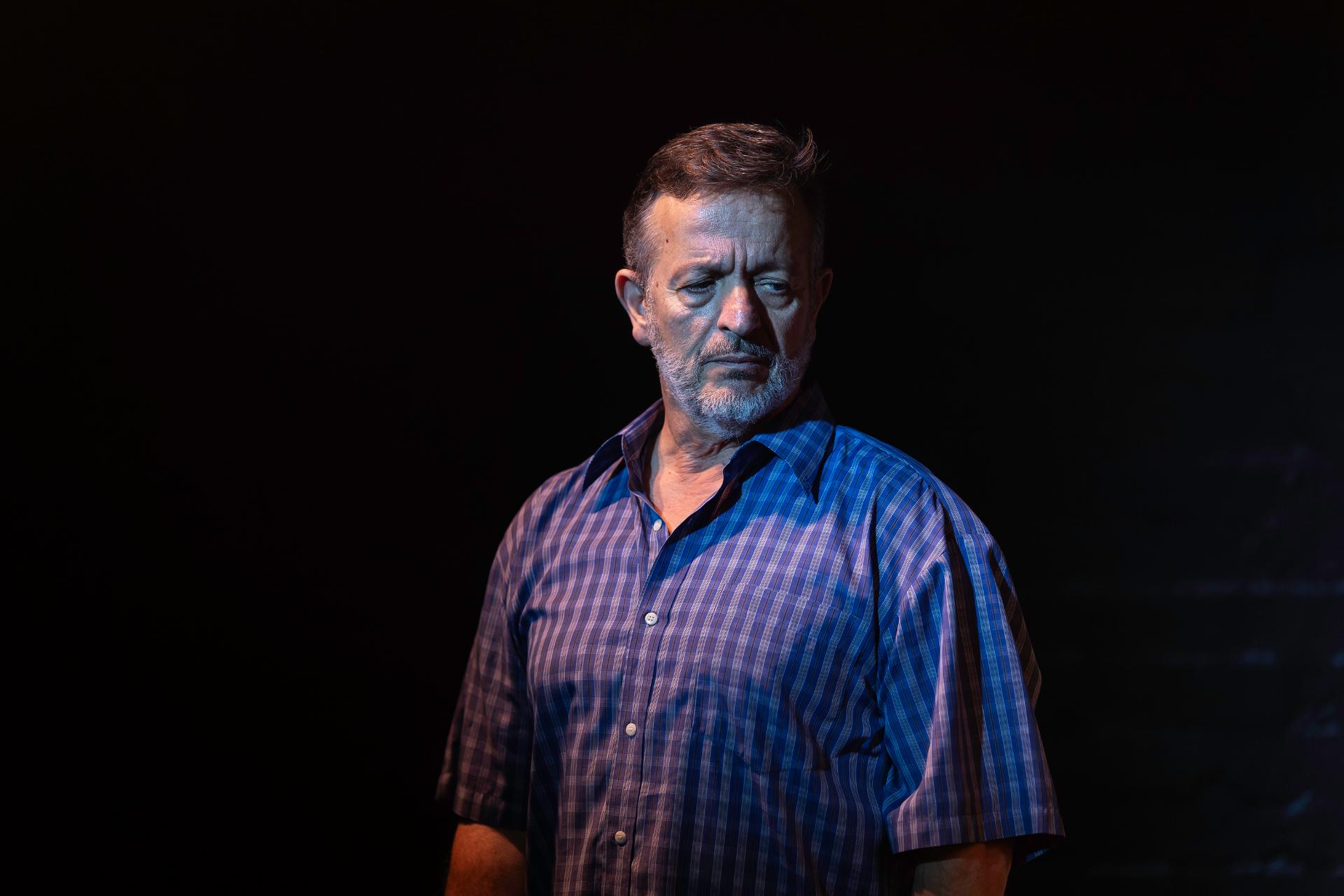
The five-woman ensemble impresses through its collective commitment to this proletarian indictment. There are discernible disparities in performance experience and technical proficiency, but the cast’s collective achievement is consistently compelling. Together, the performers create a theatrical experience whose force derives less from individual virtuosity than from the cumulative power of their shared endeavour, lending the work a resonance that extends beyond the circumstances of its characters.

In an era of unprecedented billionaire wealth and the prospect of the world’s first trillionaire, it is tempting to succumb to political despondency, to assume that the battle has already been lost and that the 99 per cent is powerless to alter a trajectory seemingly destined for catastrophe. Stocktake, however, repeatedly reminds us that its women retain a measure of agency, even when the choices available to them are profoundly constrained. They must continually make decisions, often between alternatives that offer little more than different forms of deprivation. Such choices can appear futile, their outcomes dictated by a system that makes survival itself contingent upon submission.

Yet it is precisely through this recurring insistence on the necessity of choice that the play offers glimpses of what courage might mean under such conditions. Courage emerges as the fragile determination to act when every available option appears inadequate, and when the prospect of meaningful change seems increasingly remote. In a world determined to diminish us, surrendering the possibility of resistance would amount to accepting the very conditions from which we long to escape. Perhaps it is useful to imagine courage as something almost supernatural, a miraculous instrument capable of delivering us from circumstances that otherwise seem insurmountable.
www.belvoir.com.au

Review: The Edit (25A Belvoir)

Venue: Belvoir St Theatre (Surry Hills NSW), Oct 7 – 26, 2025
Playwright: Gabrielle Scawthorn
Director: Gabrielle Scawthorn
Cast: Iolanthe, Matilda Ridgway
Images by Robert Catto

Theatre review
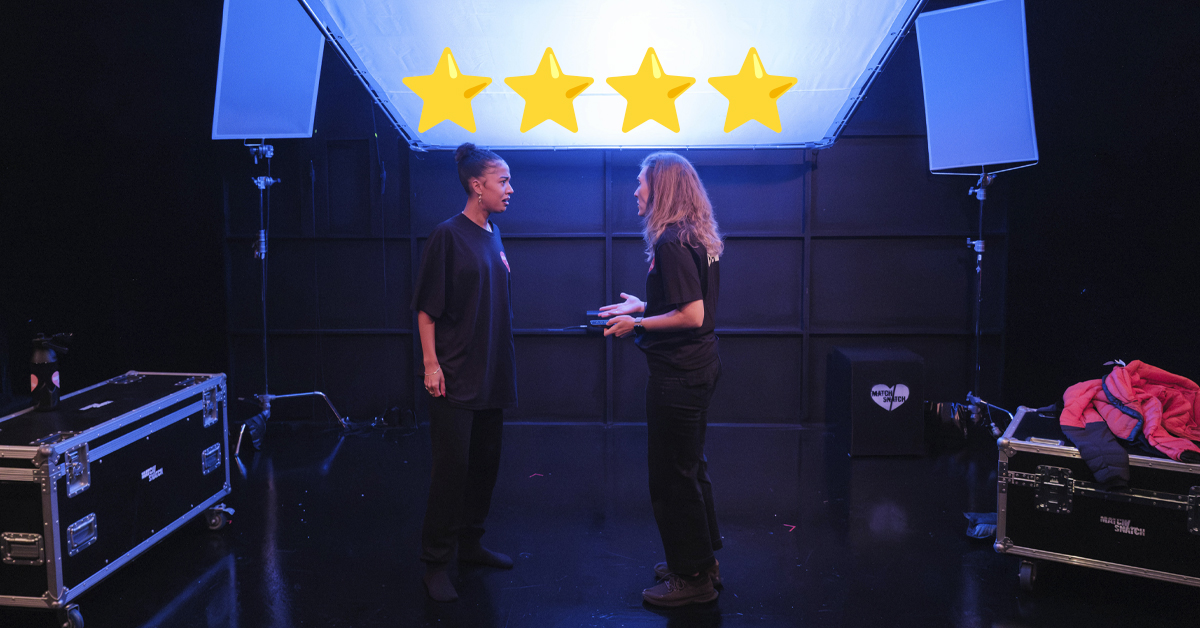
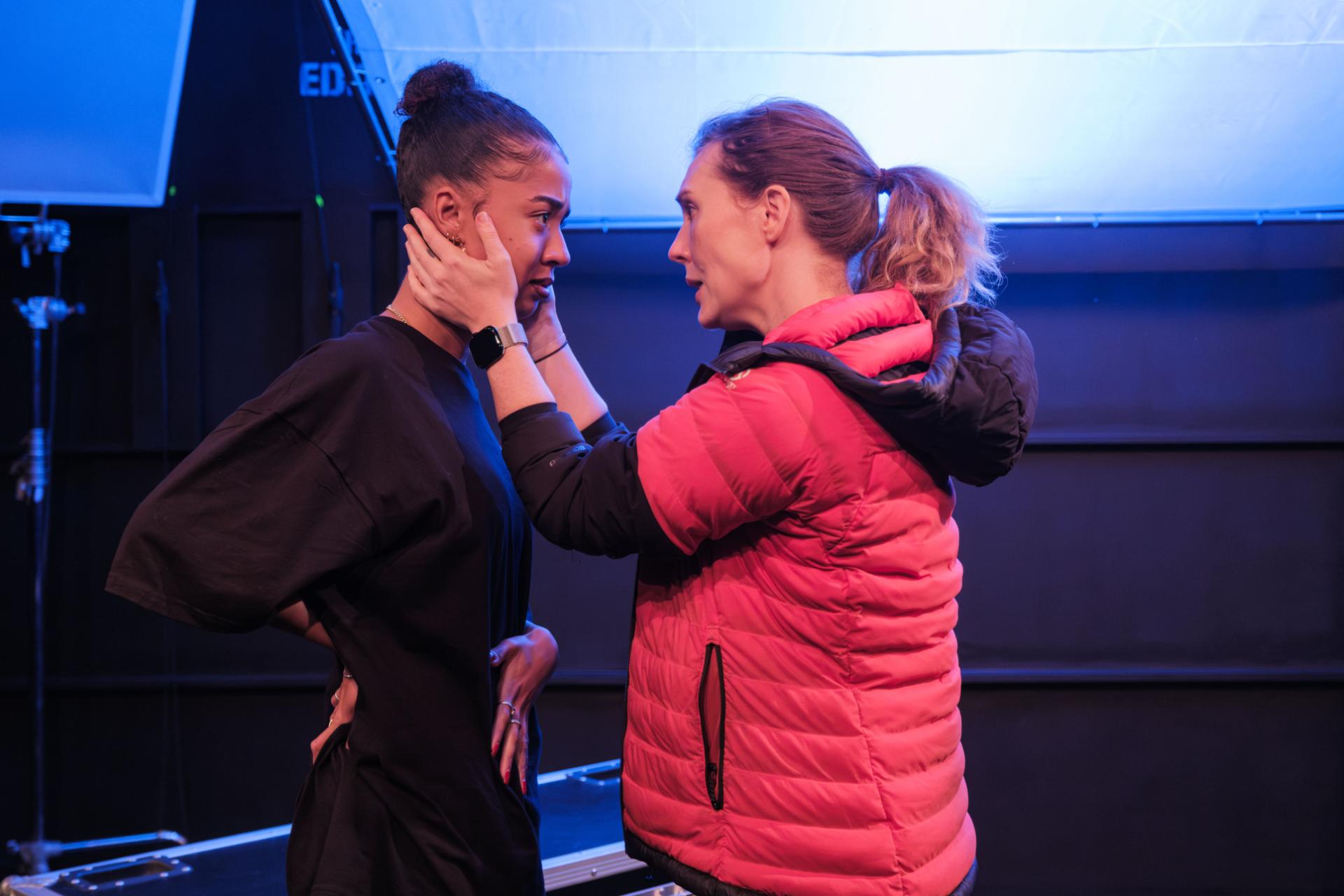
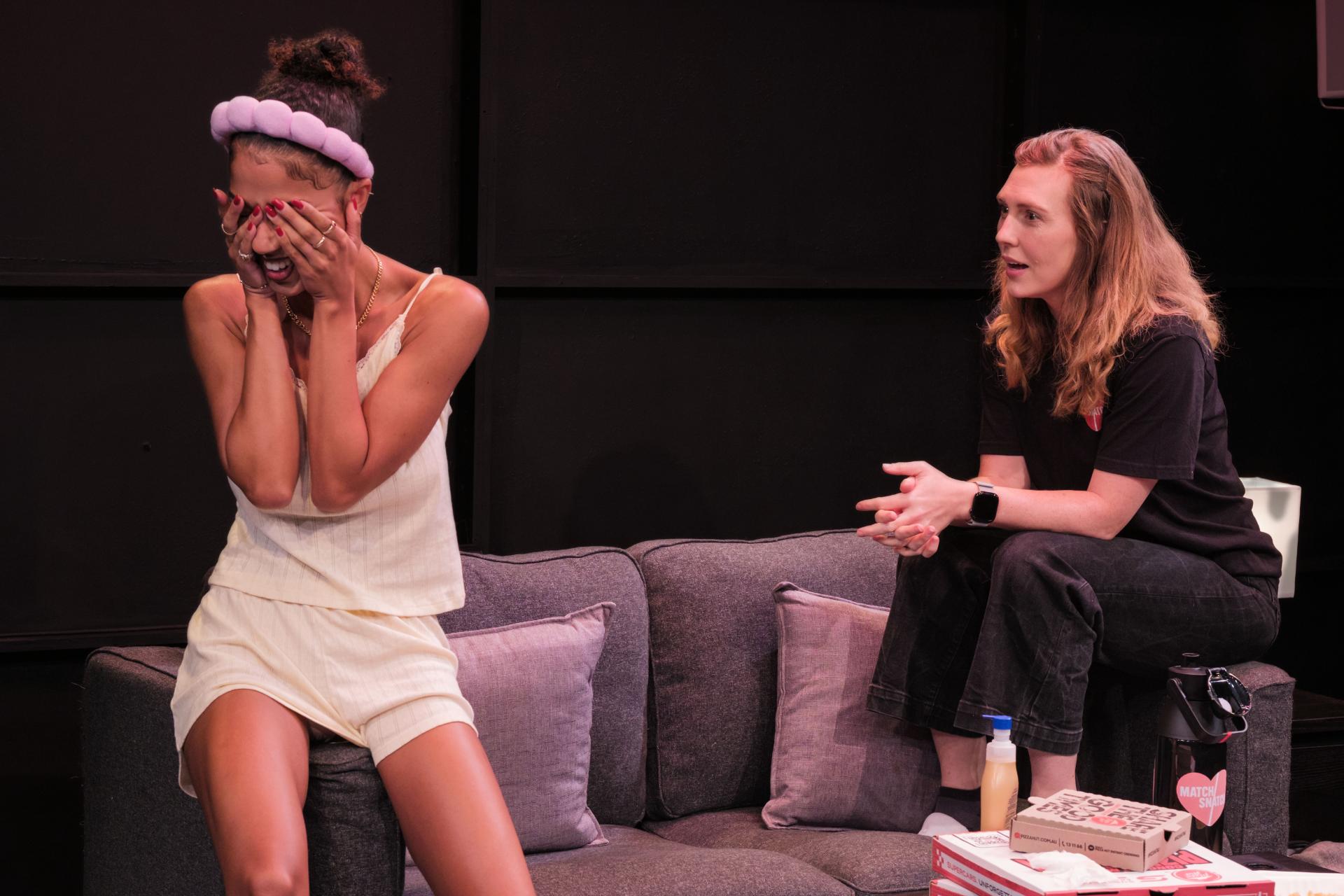
Nia signs up for a reality dating show, while producer Jess hovers nearby to ensure the illusion of love unfolds without a hitch. But when the pair are caught up in a devastating incident, what surfaces isn’t the expected solidarity between women, but a betrayal so stark it throws everything into question. Gabrielle Scawthorn’s The Edit is a piercing look at the stranglehold of late capitalism on contemporary womanhood — and how easily we can slip into exploiting one another in pursuit of success. Rather than rallying against the forces that divide and commodify, we too often become willing participants in our own undoing.

Scawthorn’s writing is incisive and richly layered, full of surprising twists and morally complex characters that keep us alert and uneasy. As director, she delivers the work with unrelenting intensity and passion, sustaining a charged atmosphere from start to finish. The Edit is intellectually rigorous and emotionally fraught, most rewarding when it allows us fleeting glimpses into who these women truly are beneath the spectacle.

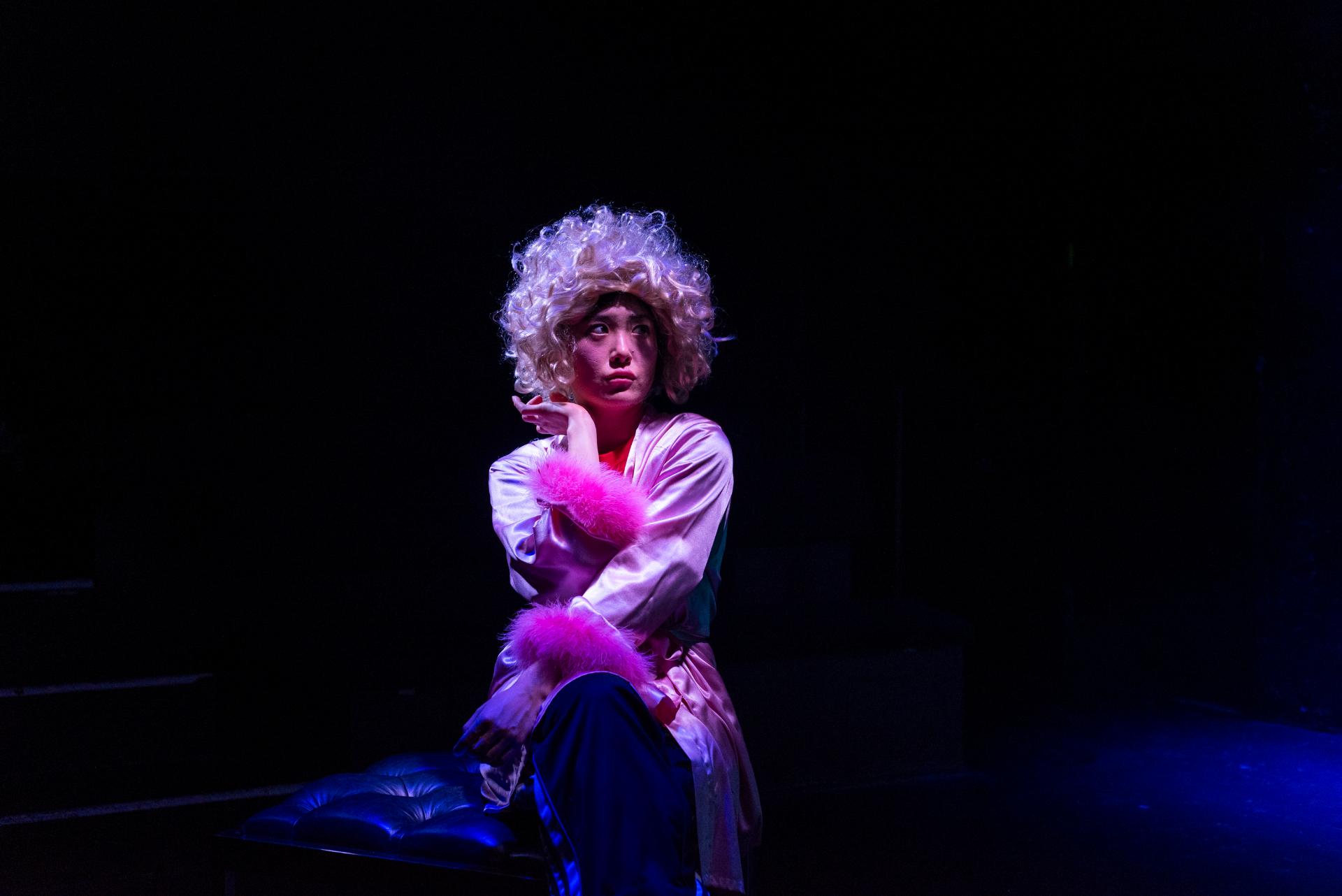
As Nia, Iolanthe offers an intriguing study of ambition under late capitalism, portraying with disarming authenticity the moral dissonance required for success. Her performance captures a young woman’s conviction that intelligence and charm can transcend systemic exploitation, a belief that we observe to be both seductive and self-defeating. Matilda Ridgway’s interpretation of Jess is marked by remarkable psychological acuity; her disingenuousness feels neither exaggerated nor opaque, but grounded in a credible logic of survival. As the play unfolds, Jess becomes increasingly reprehensible, yet Ridgway’s depictions remain resolutely authentic, allowing us to perceive the structural and emotional pressures that shape such behaviour.

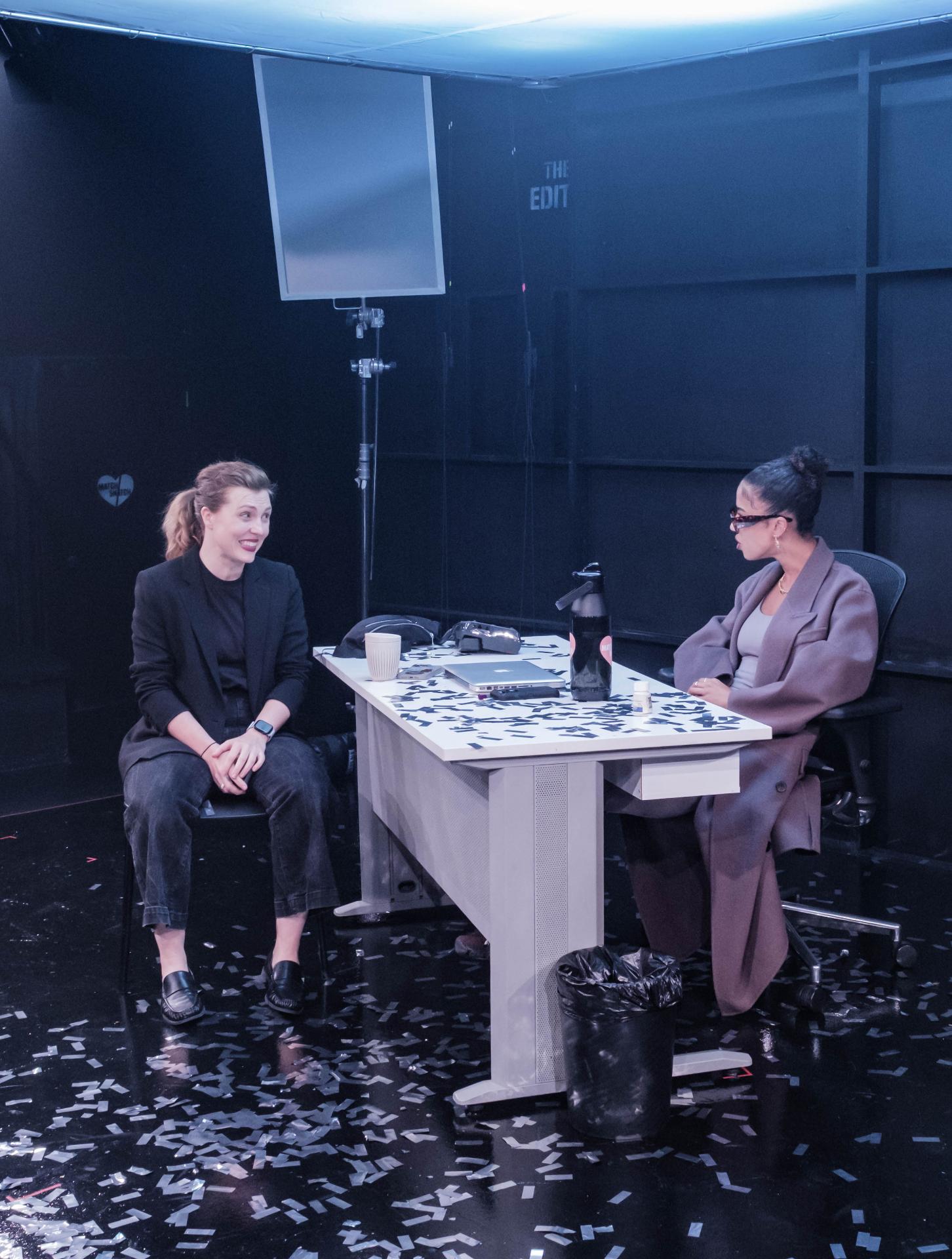
Set design by Ruby Jenkins cleverly frames the action with visual cues that expose the hidden machinery of television production, and the layers of deceit that sustain its manufactured fantasies. The stage becomes both a workplace and a trap — a reminder that behind every glossy image lies manipulation at work. Phoebe Pilcher’s lighting design is striking in its chill and precision, evoking the emotional coldness that governs human behaviour in a system built on economic cannibalism. Music and sound by Alyx Dennison heighten the drama with an organic subtlety; their contributions are seamlessly integrated yet undeniably potent in shaping the production’s tension and mood.

The pursuit of success feels almost instinctive, a shared ambition ingrained from an early age, yet its meaning remains troublingly mutable. What we come to define as “success” is so often shaped by external forces, by market logics and cultural expectations that reward ambition only when it conforms to the existing order. For the young, particularly those taking their first tentative steps into professional life, this pursuit can be both intoxicating and perilous. The world teaches its lessons harshly, and every triumph seems to come at the expense of something quietly vital.
We are endlessly seduced by the shimmer of promise, by images of prosperity, relevance, and acclaim, and in our hunger, we mistake the surface for substance. The capitalist dream markets itself as empowerment, yet its currency is exploitation. Still, we continue to invest in the system, not solely out of necessity but from an almost devotional belief that perseverance will one day grant transcendence. The tragedy, of course, is that such faith is misplaced. The machine does not elevate; it consumes. It extracts our labour, our time, our spirit, and gives back only a fleeting sense of validation before demanding more. In the end, the system does not nurture our aspirations; it feeds on them, leaving us diminished, yet still reaching, still convinced that the next victory will finally make us whole.

www.belvoir.com.au | www.legittheatreco.com | www.unlikelyproductions.co.uk

Review: Life Is A Dream (25A Belvoir)

Venue: Belvoir St Theatre (Surry Hills NSW), Sep 2 – 21, 2025
Playwright: Claudia Osborne (after Pedro Calderón de la Barca)
Directors: Claudia Osborne, Solomon Thomas
Cast: Thomas Campbell, Mark Lee, Shiv Palekar, Essie Randles, Shikara Ringdahl, Ariadne Sgouros, Ariyan Sharma
Images by Phil Erbacher

Theatre review
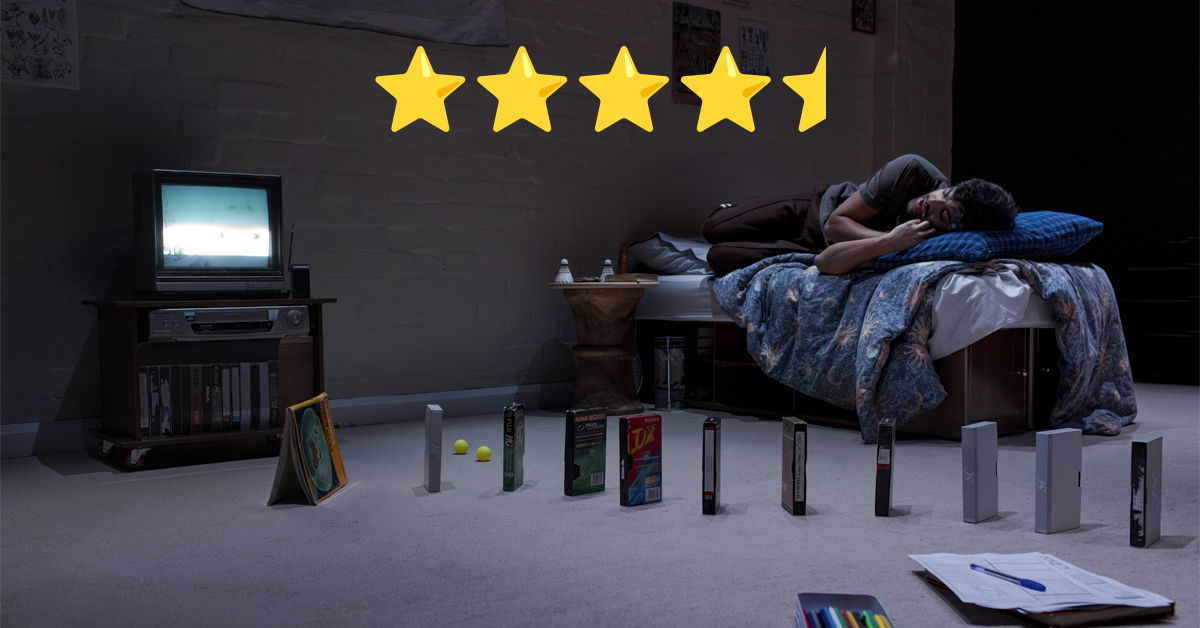
For his entire life, 22-year-old Segismundo has been confined to a room, conditioned by Astolfo’s daily refrain that he is “dangerous and destructive, but not in this room.” Claudia Osborne’s Life is a Dream, inspired by Pedro Calderón de la Barca’s 1636 masterpiece, reimagines this tale of captivity and destiny for a contemporary audience. The production balances quirky charm and moments of playful wonder with a grounded exploration of the human condition. Osborne’s version points to the enduring dictum that our choices carry consequences, and that, ultimately, we reap what we sow.

Under the direction of Osborne and Solomon Thomas, Life is a Dream achieves a rare balance. Its offbeat humour keeps the work buoyant and unpredictable, while its underlying seriousness lends the production weight and resonance. The staging stands out for its distinctive style and inventive sensibility, which not only sustain engagement but also encourage the audience to grapple with its themes while remaining open to curiosity.

Ariyan Sharma shines as Segismundo, capturing a sheltered innocence that feels wholly authentic while subtly conveying the hidden truths his character has yet to grasp. He is a thoroughly endearing presence, remarkable for an artistry that combines keen intellect with expressive physicality. Thomas Campbell’s Astolfo brings tension and intrigue, his clever rendering of ambiguity opening up a world of imagined backstories that lead to this extraordinary moment. The rest of the cast add layers of psychological complexity and emotional richness, and together their chemistry transforms Life is a Dream into a fully immersive and enthralling theatrical experience.

Set and costume design by Cris Baldwin evokes a contemporary space, grounded in a sense of normalcy that keeps the audience connected to the action. Kelsey Lee’s lighting and Madeleine Picard’s sound design weave the atmosphere with quiet finesse, lending the production an elegant rhythm that draws us deeper into the story and the emotional lives of its characters.

This updated Life is a Dream resonates as a warning: when we withhold kindness from those over whom we hold power, it is our own cruelty that breeds further cruelty. Amidst all the political turmoil of 2025, we are compelled to approach this centuries-old tale not with innocence, but with clear eyes, aware of the dangers we continue to create, and the responsibility we bear to break these tragic cycles.

www.belvoir.com.au | www.fervour.net.au | www.regroupperformancecollective.org

Review: Werkaholics (25A Belvoir)

Venue: Belvoir St Theatre (Surry Hills NSW), Jul 29 – Aug 17, 2025
Playwright: Vivian Nguyen
Director: Nicole Pingon
Cast: Ruby Duncan, Georgia Oom, Shirong Wu
Images by Lucy Parakhina

Theatre review
As an influencer, Lilian is bombarded with conflicting signals about her worth. Each piece of digital content that earns her praise also draws criticism for perceived narcissism. In contrast, Jillian, a struggling actor, endures relentless rejection and financial hardship, yet is considered to be leading a life of apparent integrity. Capitalism is the problem, in Vivian Nguyen’s Werkaholics, a play about two Asian-Australian women who can do nothing right. We watch Lilian and Jillian try to attain success, by following various prescribed methods, only to find the rulebook turning against them.

Werkaholics is a clever and exuberant piece of writing that although tends too often to turn convoluted, offers a thoughtful meditation on modern economics in an era defined by digitised social life and the unprecedented commodification of the personal. Direction by Nicole Pingon is memorable for a charming and irreverent playfulness, that allows us to regard the feminist message in a commensurately subversive, and distinctly queer, manner. The show is one that practises what it preaches.

Set and costumes by Ruby Jenkins are rendered with a simplicity that foregrounds the female bodies that tell a story about worth and exploitation. Video projections by Harrison Hall and Daniel Herten offer seamless enticements into realms of artifice, while lights by Frankie Clarke convey emotional complexity. Music and sound by Christine Pan imbue a charged atmosphere, heightening tension in both its comedic and dramatic turns.

Georgia Oom as Lilian and Shirong Wu as Jillian form a compelling duo, drawing us into a sharp interrogation of social structures marked by deep-rooted injustices along lines of gender and race. Each performer radiates infectious energy, leaving a lasting impression with the bold effervescence they bring to the stage. Ruby Duncan is effective as Sage, a duplicitous character who personifies the sinister hypocrisy of those intent on preserving entrenched institutions that profit from marginalisation and exclusion.

Many of us participate in systems that ultimately work against our own interests, simply because they often represent the only means we know to survive. Indeed, their stratagem involves projecting a sense of inevitability, as it conceals the subterfuge of deplorable injustices. Some believe that we can alter its machinations while operating within it. Others argue that history shows how little meaningful change is effected without radical tactics. In any case, we need to be unafraid of disruption and continue finding new ways to create change, believing that every impact, big or small, will contribute to a consequential resistance that moves us toward something better.

www.belvoir.com.au | www.purpletapeproductions.com

Review: Koreaboo (Griffin Theatre Company)

Venue: Belvoir St Theatre (Surry Hills NSW), Jun 14 – Jul 20, 2025
Playwright: Michelle Lim Davidson
Director: Jessica Arthur
Cast: Heather Jeong, Michelle Lim Davidson
Images by Brett Boardman

Theatre review
Hannah has flown to South Korea, hoping for a successful reunion with her birth mother. However, Soon Hee’s response falls far short of Hannah’s expectations. Koreaboo by Michelle Lim Davidson explores the phenomenon of transnational and transracial adoption, from the perspective of a person caught between cultures. Sharply observed and finely nuanced, Koreaboo proves to be as insightful as it is entertaining.

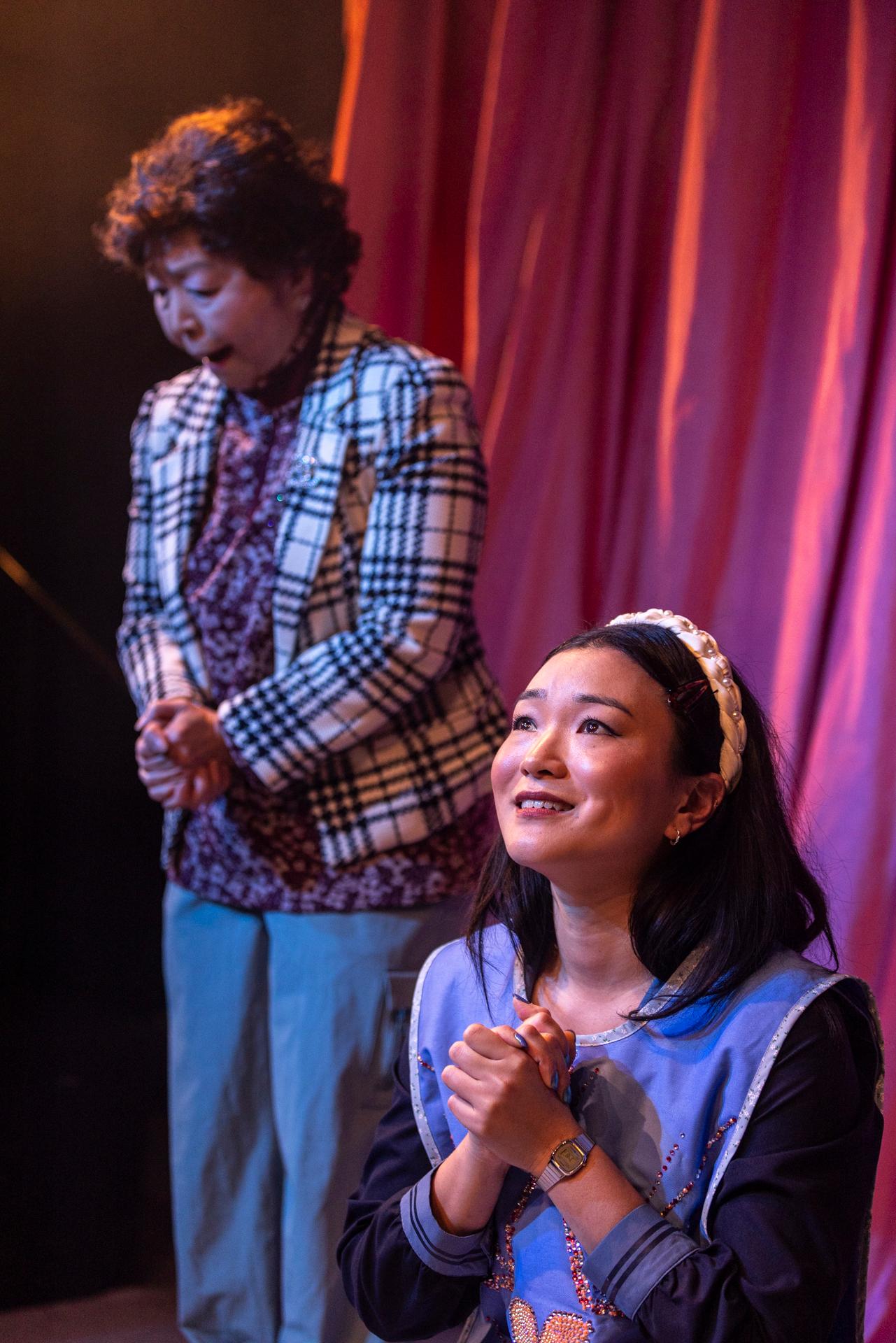
Davidson plays Hannah the naïve Australian, with exceptional effervescence. Heather Jeong brings admirable authenticity, to the role of shopkeeper Soon Hee. Both performers are wonderfully comedic, demonstrating excellent timing along with a persuasive chemistry. Directed by Jessica Arthur, the presentation is compulsively engaging at every moment, memorable for its sparkling humour. Scenes of poignancy could be provided more gravity, but they remain effective, in this story about unconventional kinship.

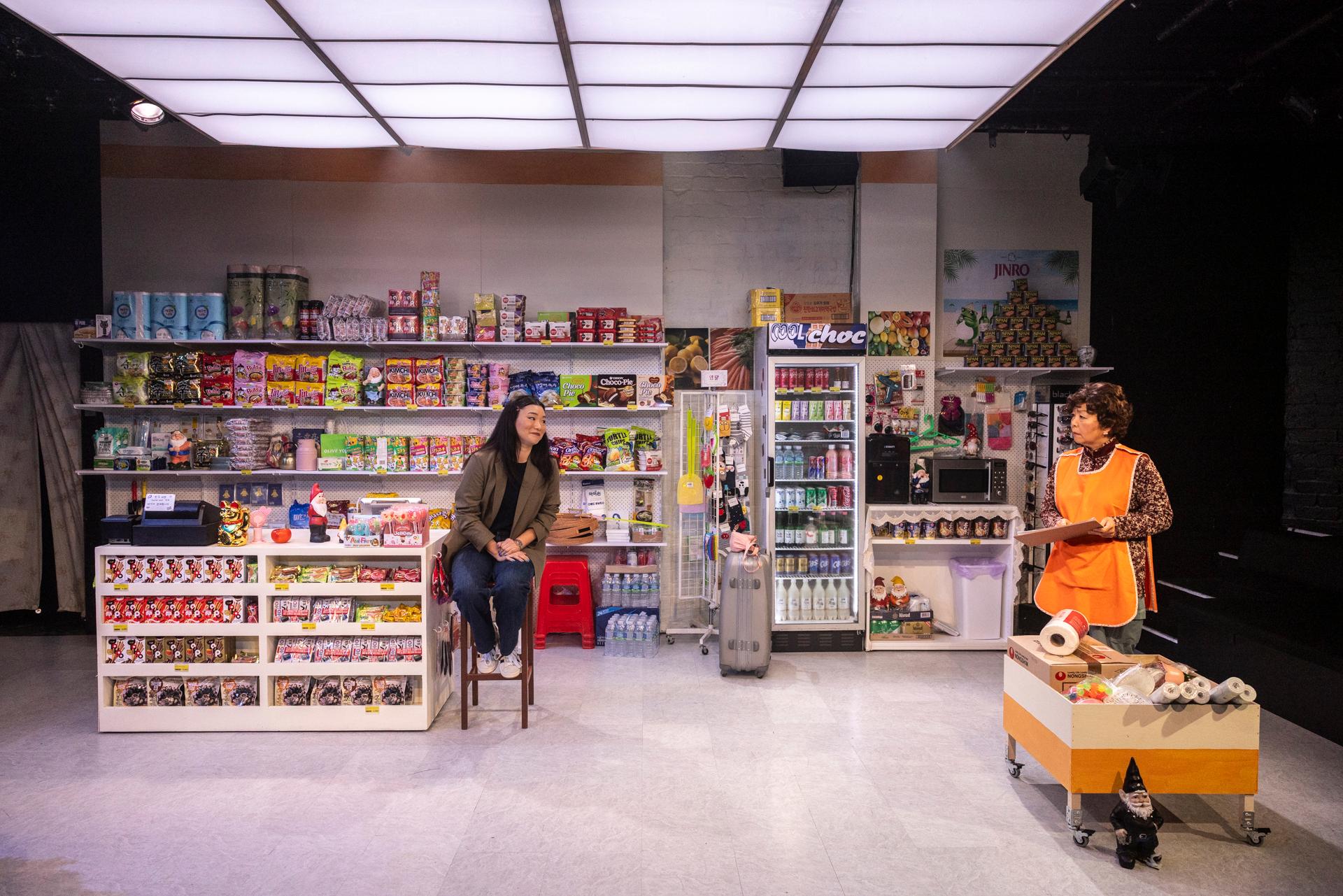
Production design by Mel Page accomplishes an extraordinary level of naturalism, to have us connecting immediately with visual cues that convey all we need to know, about these people and places. Lights by Kate Baldwin are commensurately accurate, in portraying a heightened ordinariness. Music by Brendon Boney offers a full-bodied expression of the playful spirit underpinning Koreaboo‘s humour, punctuating the show with gleeful joy throughout.

Parents are rarely, if ever, ideal beings. Admittedly some are more flawed than others, but a substantial part of any person’s maturation, involves coming to terms with disappointments around our parents’ deficiencies. Hannah longs for her mother’s love, but we discover that Soon Hee’s affections take a form quite different from what Hannah had hoped for. Like all adults, Hannah will learn eventually, that she simply has to make do.

www.griffintheatre.com.au

Review: I & You (25A Belvoir)

Venue: Belvoir St Theatre (Surry Hills NSW), May 6 – 18, 2025
Playwright: Lauren Gunderson
Director: Claudia Barrie
Cast: Josh Hammond, Alyssa Peters
Images by Phil Erbacher

Theatre review
Caroline is confined to her home due to a chronic illness. When Anthony drops by from school to work on an assignment, they become fast friends, bonding over the artistic legacies of Walt Whitman, John Coltrane and Jerry Lee Lewis. In the play I & You by Lauren Gunderson, we not only observe the burgeoning relationship between two teens, but also meditate on the nature and meaning of death, in the presence of someone who has to grapple with mortality every day.

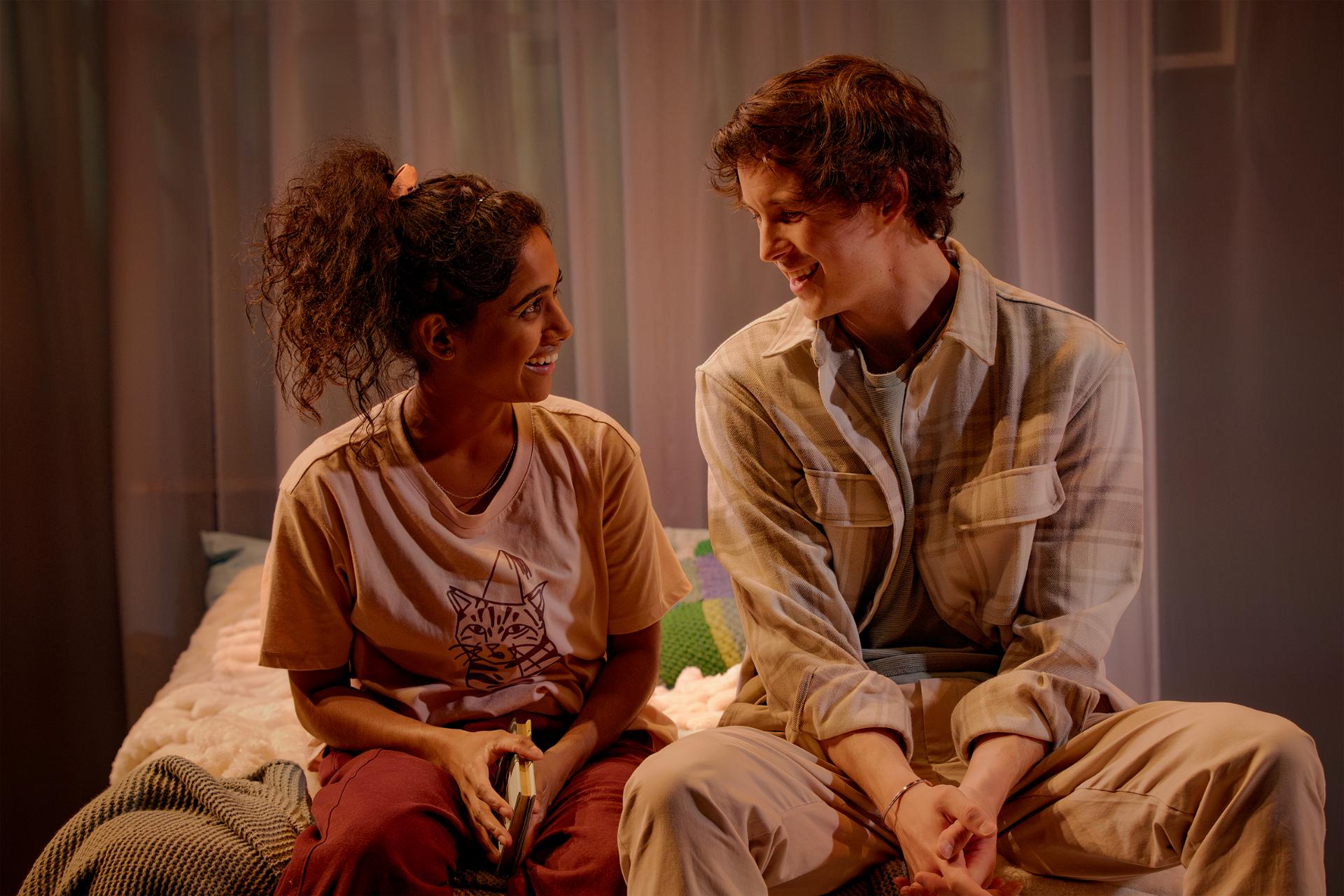
Gunderson’s writing is relentlessly optimistic, allowing director Claudia Barrie to place emphasis on comedic elements for an effervescent experience, that should prove particularly resonant for younger audiences. Performed by a highly endearing team of two, Josh Hammond and Alyssa Peters make their magical world sparkle with believability and tangibility. Their cohesiveness is a joy to witness, both actors keeping us completely at ease with the authenticity they so effortlessly bring to the stage.

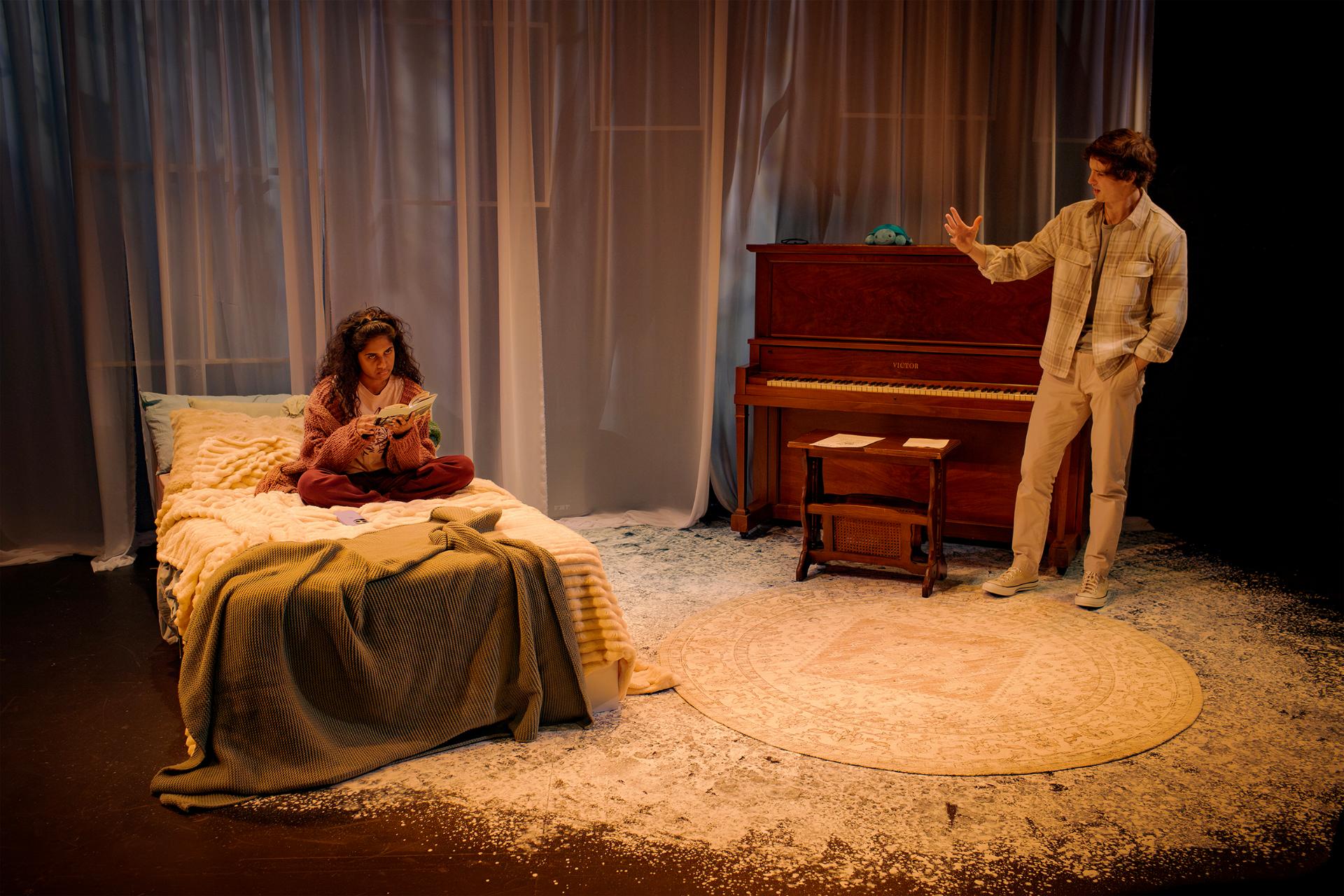
Also noteworthy are lights by Saint Clair, that always feel considered in their approach, whether subtly modulating or dramatically embellishing. The set is designed by Saint Clair along with Masone Browne, to provide an elegant solution for specific requirements of the text. Emily Brayshaw’s costumes portray with accuracy, the style of regular teens who could reside either in Australia or America, whilst maintaining a flattering appearance for the cast.

There is real beauty in the fundamental truth of death, yet we try so hard to deny its existence.  The fact that time is limited, from the perspective of each individual perishable organism, should mean that moments big and small must be cherished, but all humans seem to do, is to imagine new ways to defy the inevitable. Life is already eternal, we only need to be appreciative of the infinite tiny encounters that materialise, from simply being here.
www.belvoir.com.au | www.madmarchtheatreco.com

Review: Snakeface (25A Belvoir)

Venue: Belvoir St Theatre (Surry Hills NSW), Apr 8 – 27, 2025
Playwright: Aliyah Knight
Director: Bernadette Fam
Cast: Aliyah Knight
Images by Abraham de Souza

Theatre review
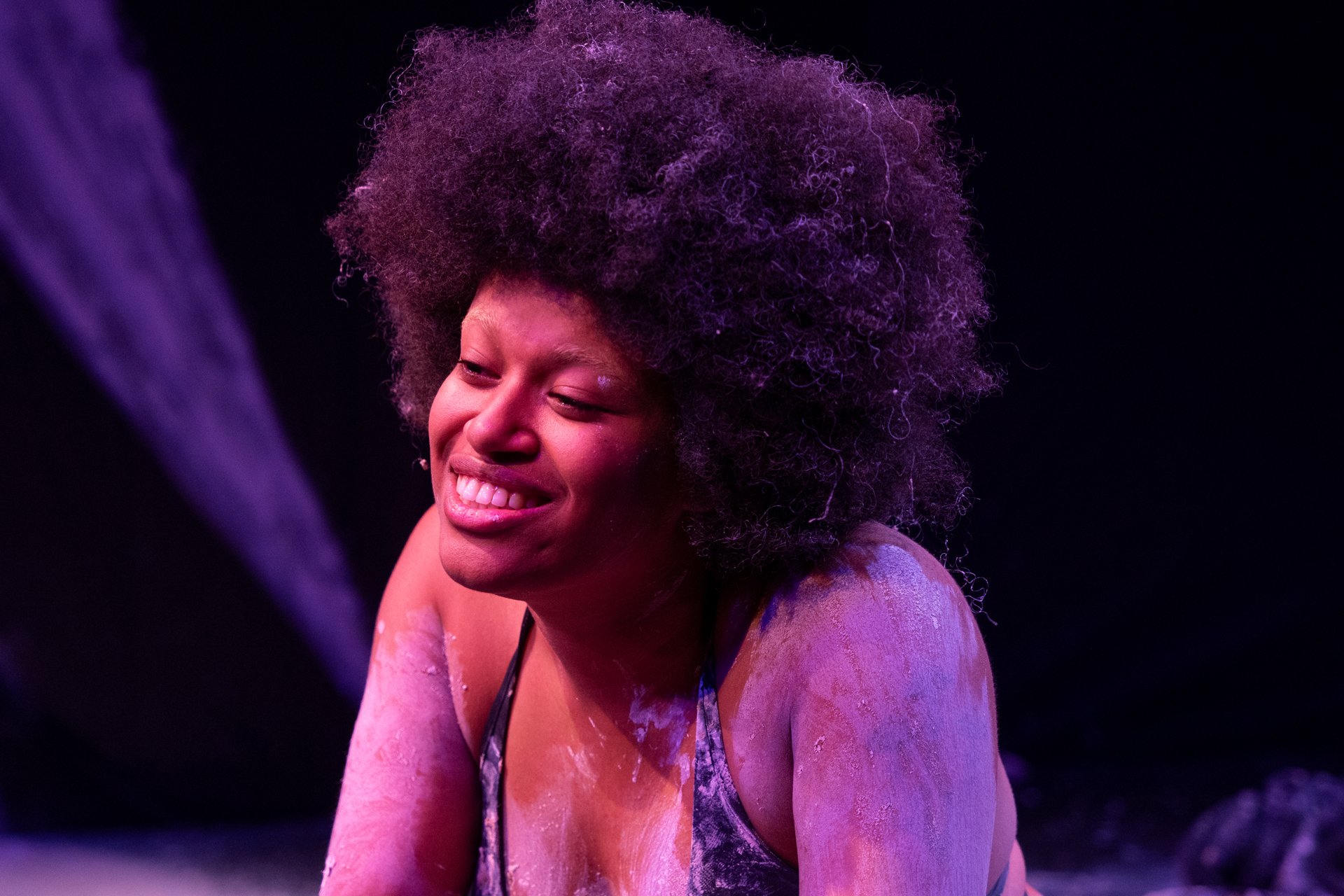
Inspired by the legend of Medusa, Aliyah Knight’s Snakeface deals with themes of abuse and assault, through a modern feminist lens. The writing is unrelentingly poetic and sometimes obtuse, with an undeniable beauty to its language that leaves an impression. Within a theatrical context, work of this nature can feel disorienting, but the resolve of its vision and ambition helps sustain our attention.

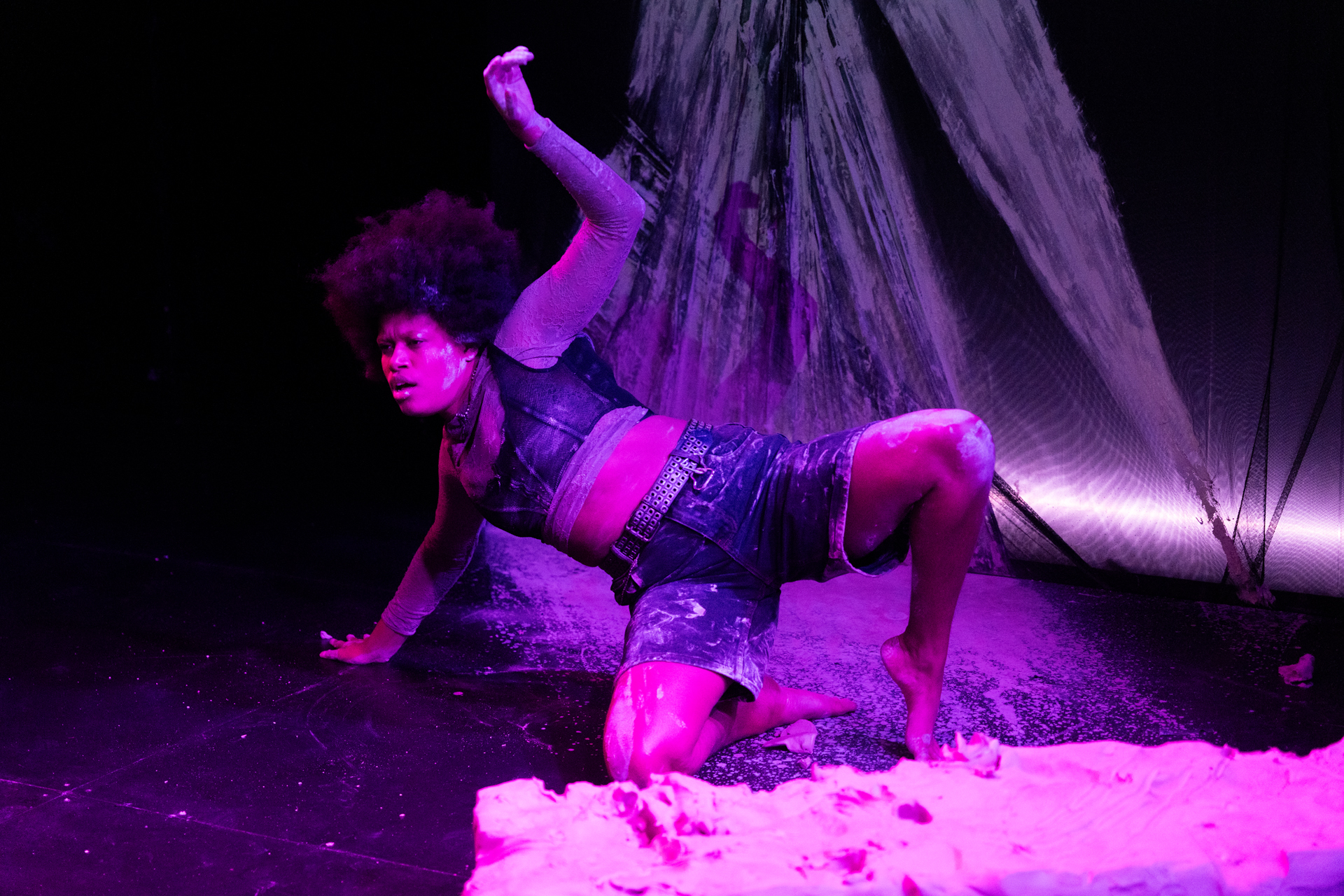
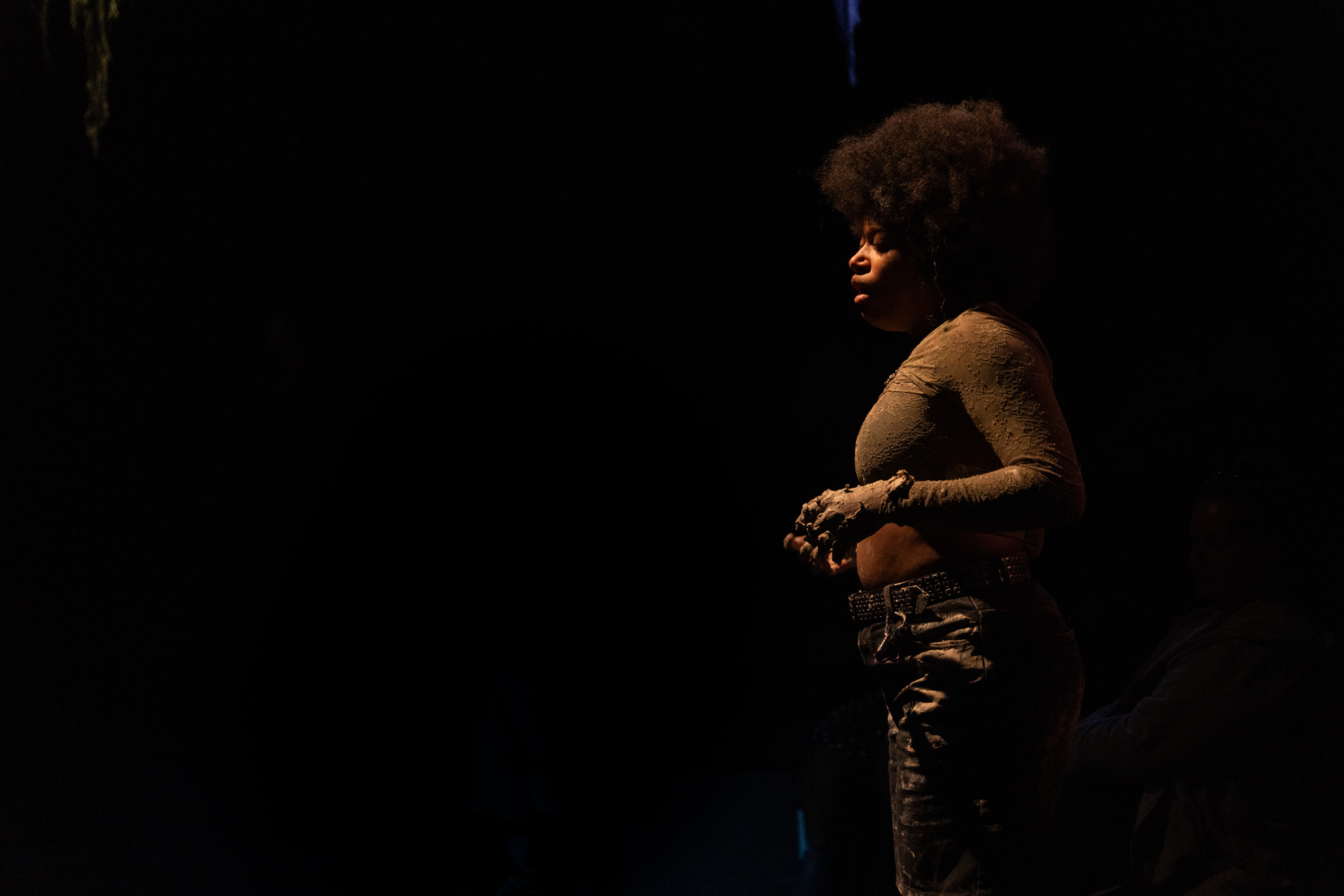
Rigorous direction by Bernadette Fam creates distinct and imaginative segmentations at every step of the show’s progression, for a staging that fascinates our senses, even when we share in the discombobulation of its central figure. Bold choreography by Fetu Taku adds meaningfully to the visceral power of the solo piece, which Knight performs with admirable focus and confidence.

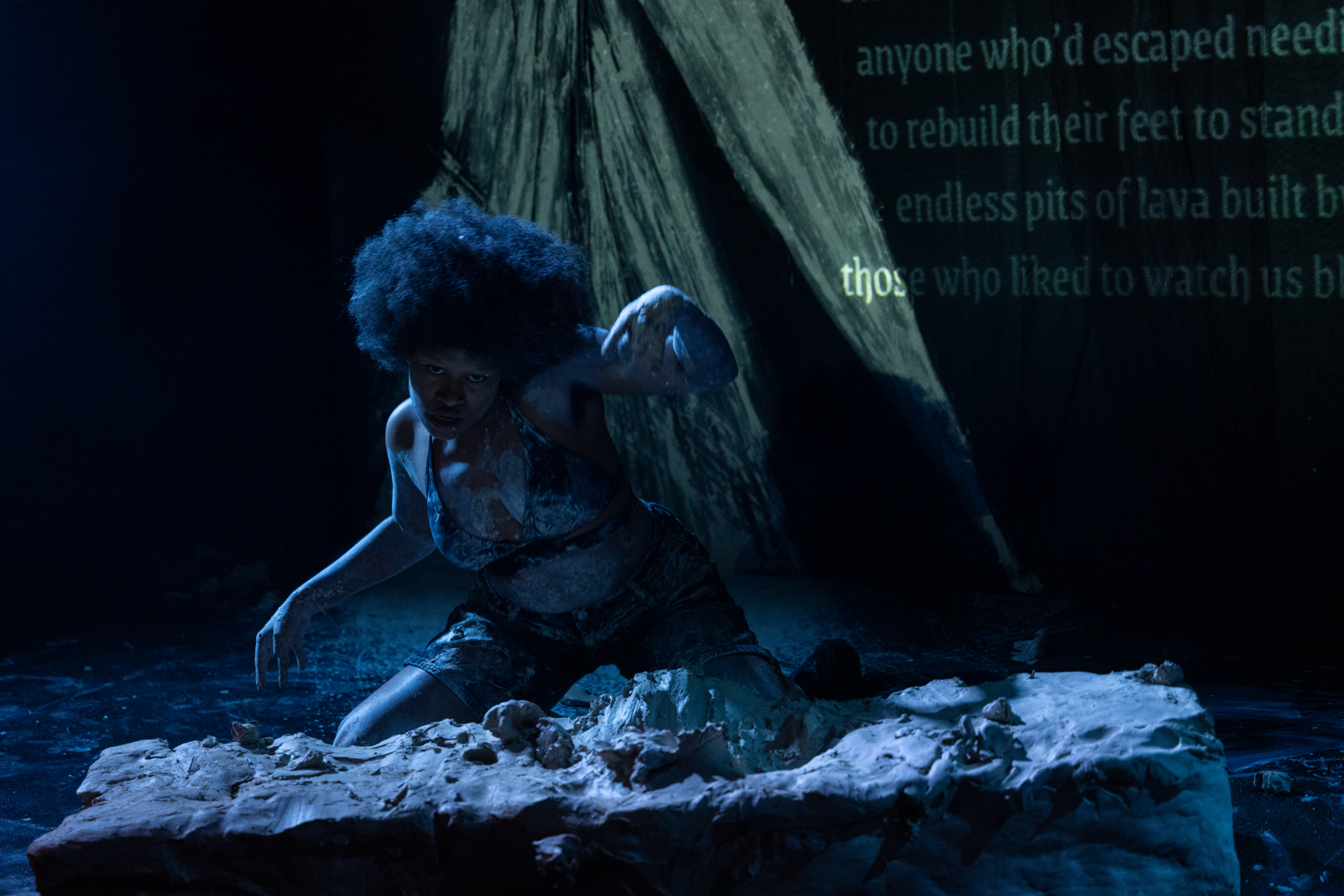
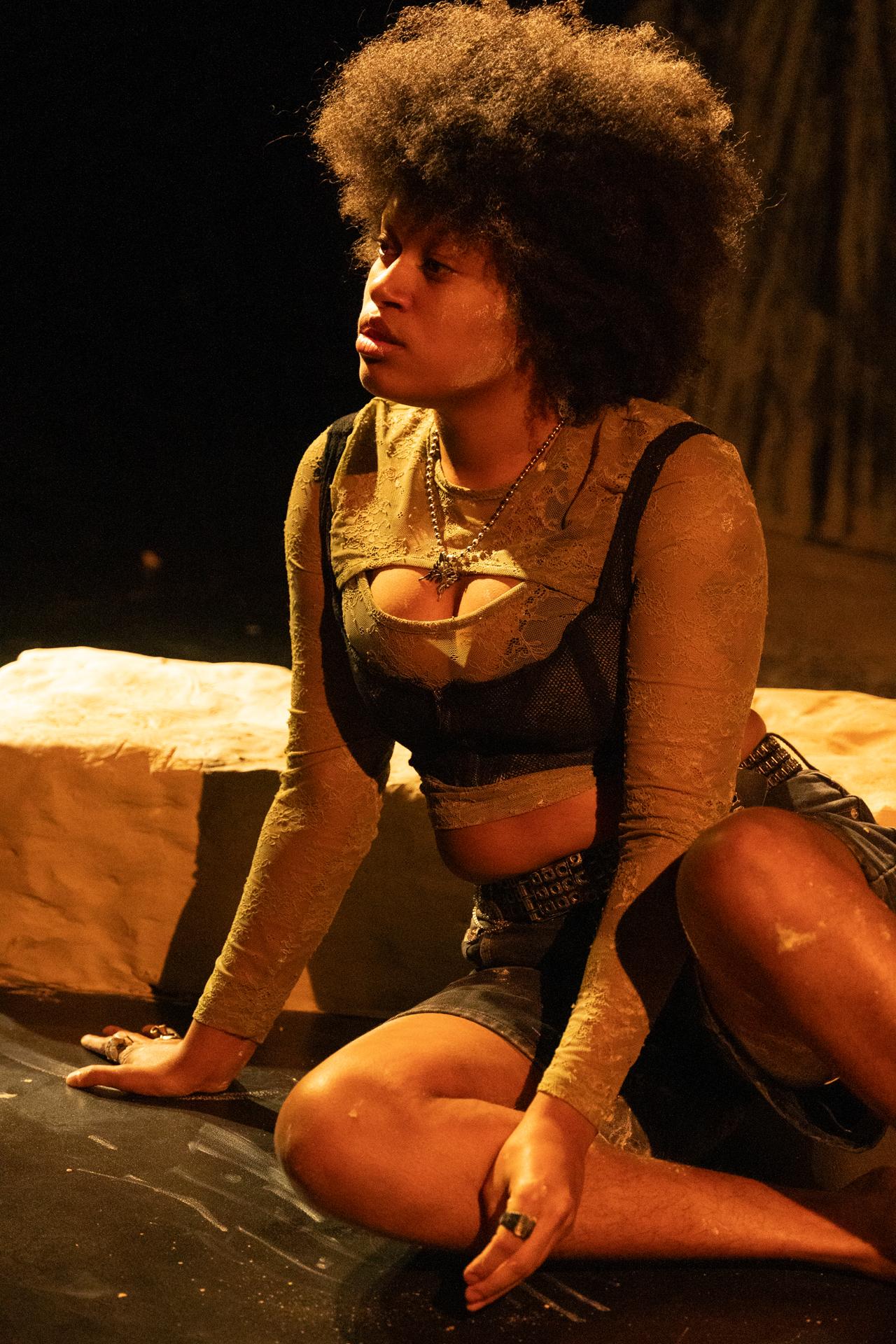
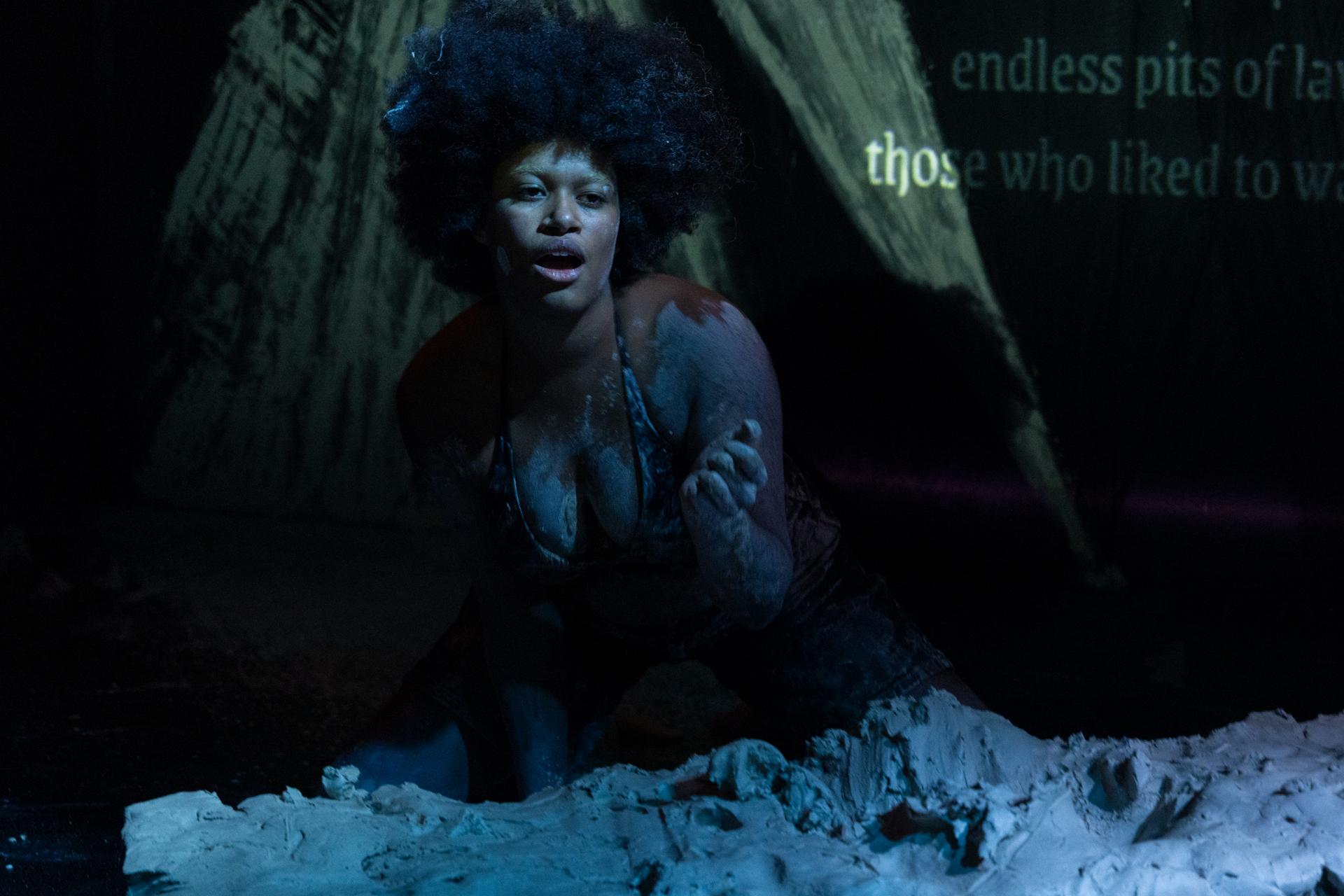
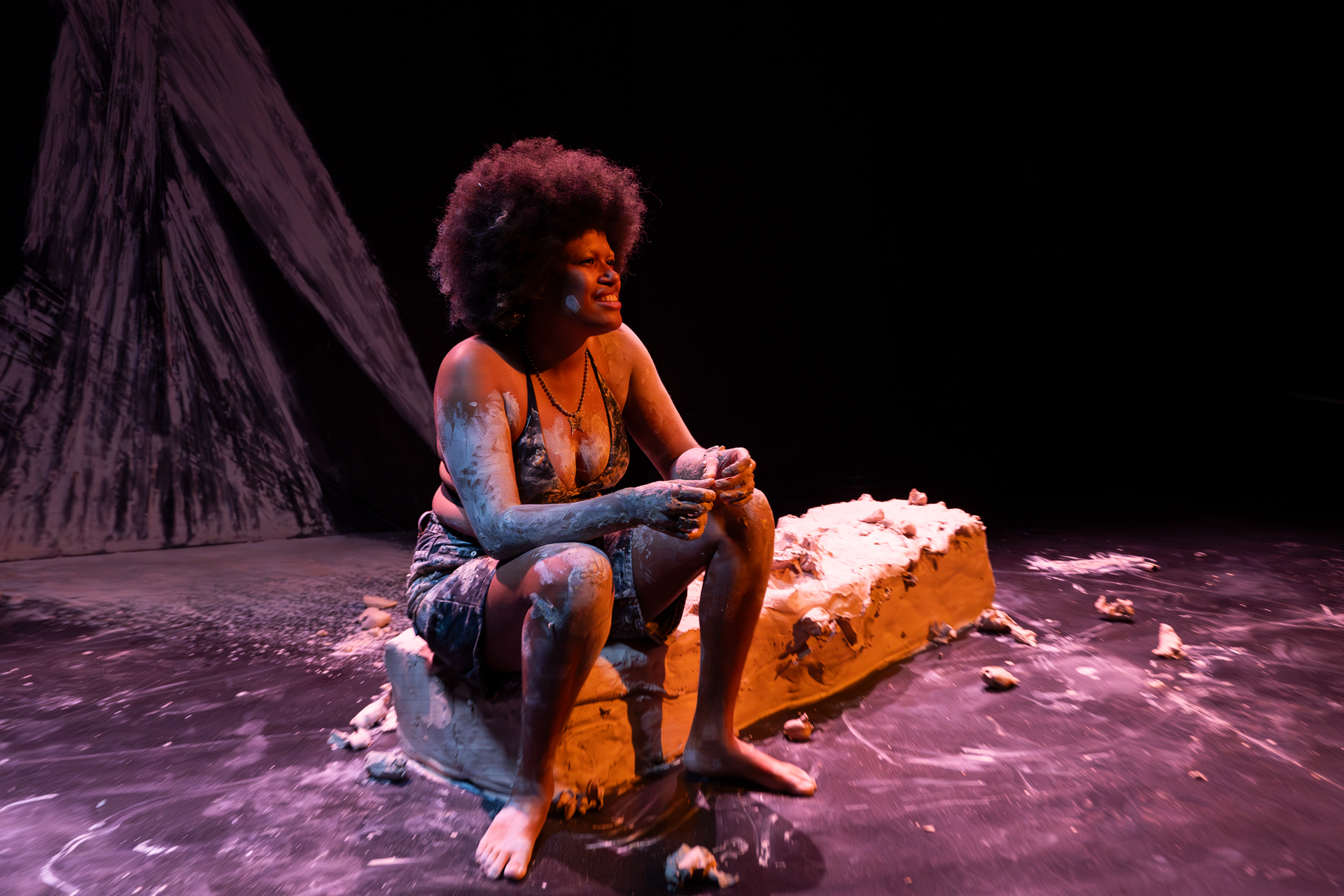
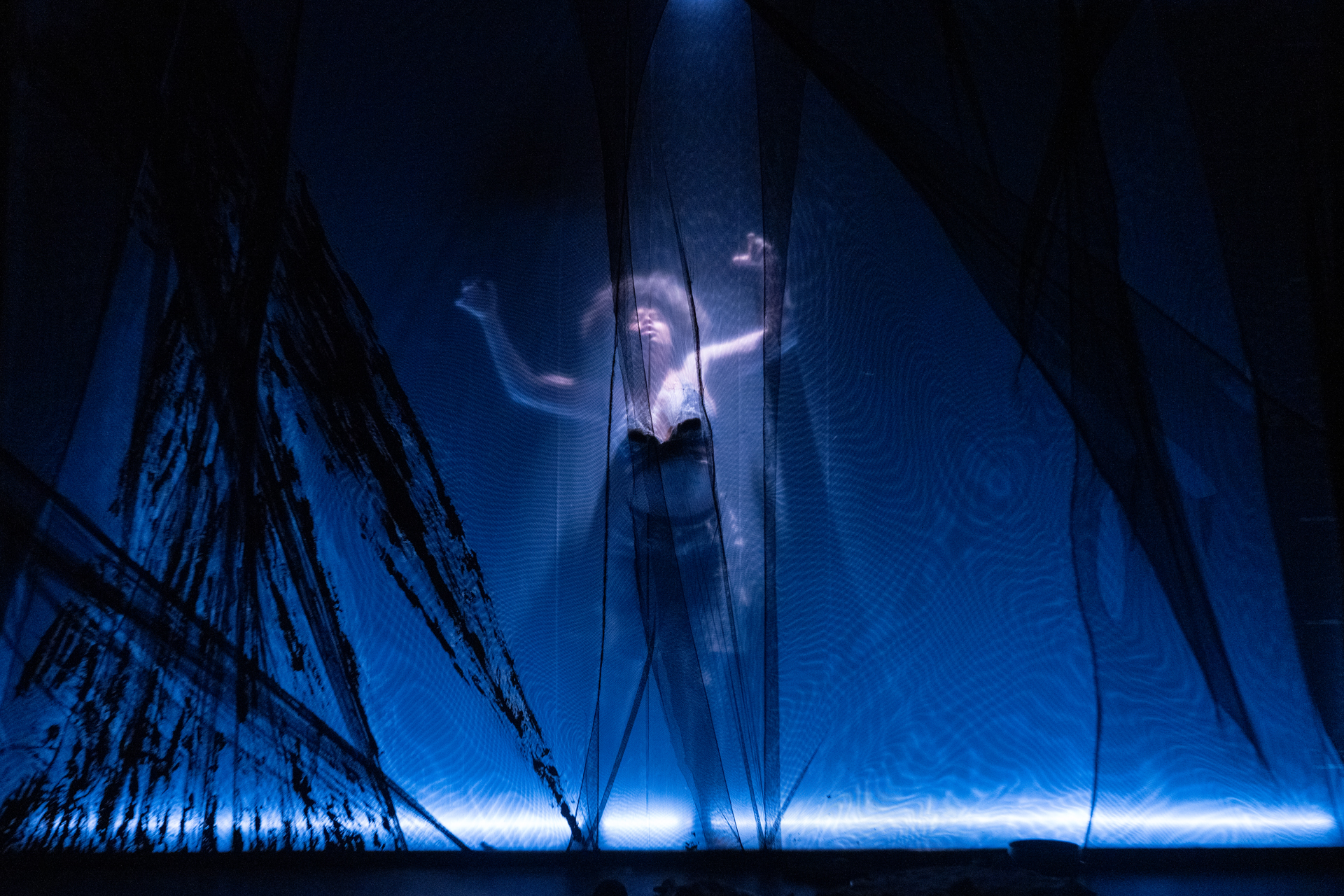
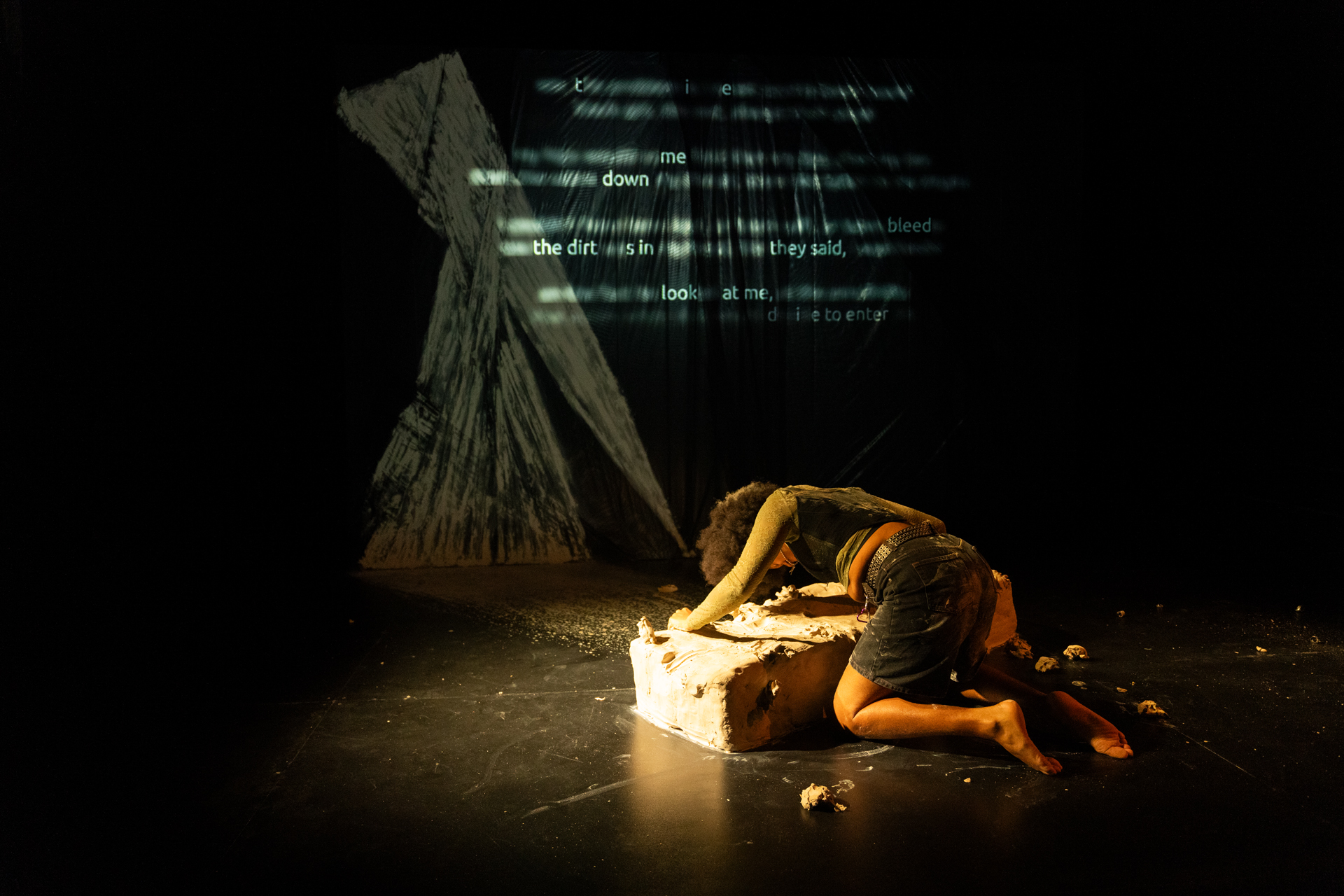
Set design by Keerthi Subramanyam is intricately considered, with the inclusion of a clay slab proving an evocative touch. Similarly entrancing are Wendy Yu’s video projections, that fuse seamlessly with the overall visual scheme.

Costuming by Wanyika Mshila bridges the gap with the past, whilst allowing us to perceive the character’s full sexual agency. Rachel Lee’s lights tell a sensual yet violent tale, and alongside stirring sound design by Marco Cher-Gibard, the production is an unequivocal sensorial delight.

www.belvoir.com.au | www.fruitboxtheatre.com.au

Review: Furious Mattress (25A Belvoir)

Venue: Belvoir St Theatre (Surry Hills NSW), Mar 11 – 30, 2025
Playwright: Melissa Reeves
Director: Margaret Thanos
Cast: Julian Garner, Alex Malone, Matilda Ridgway, Shan-Ree Tan
Images by Robert Catto

Theatre review
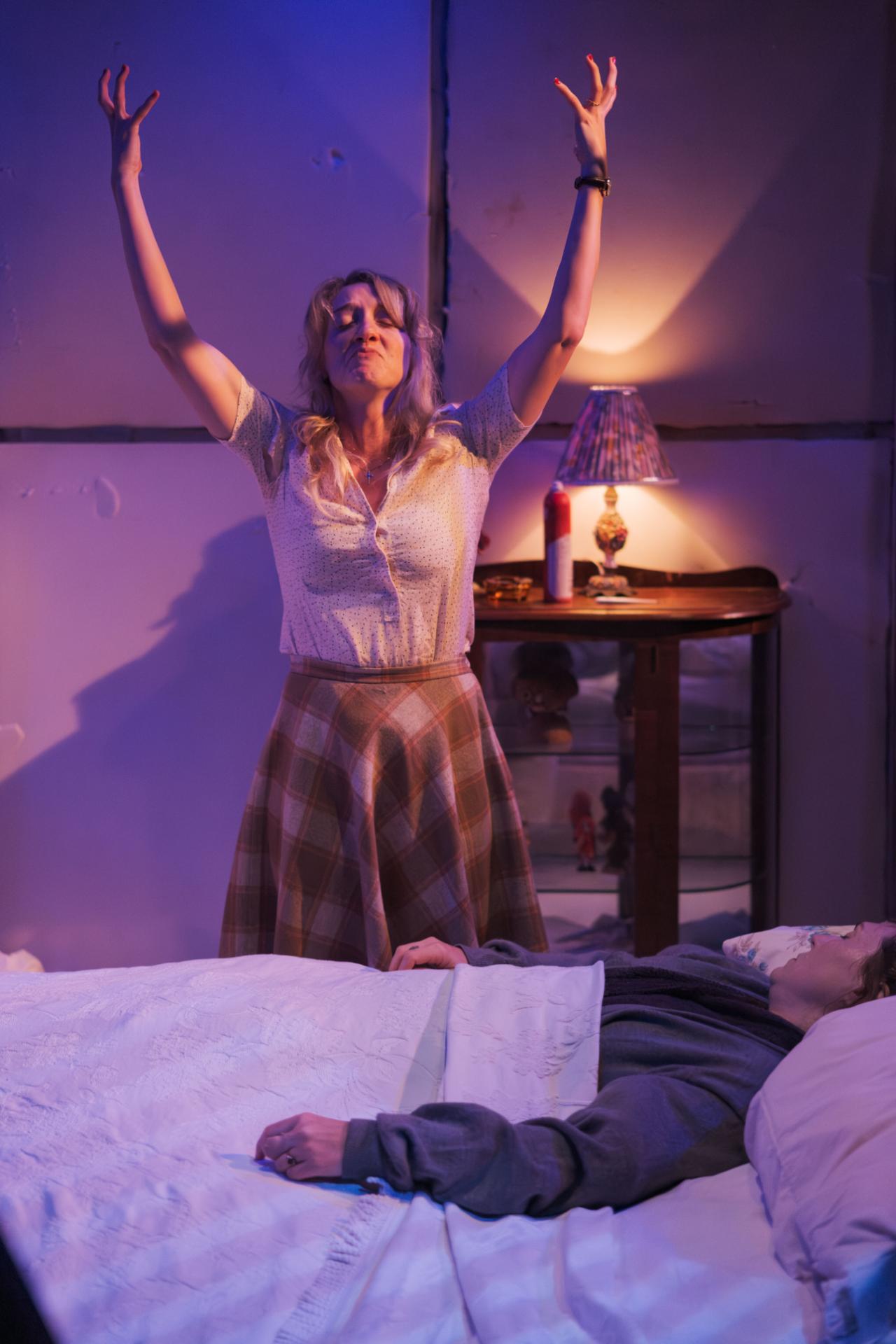
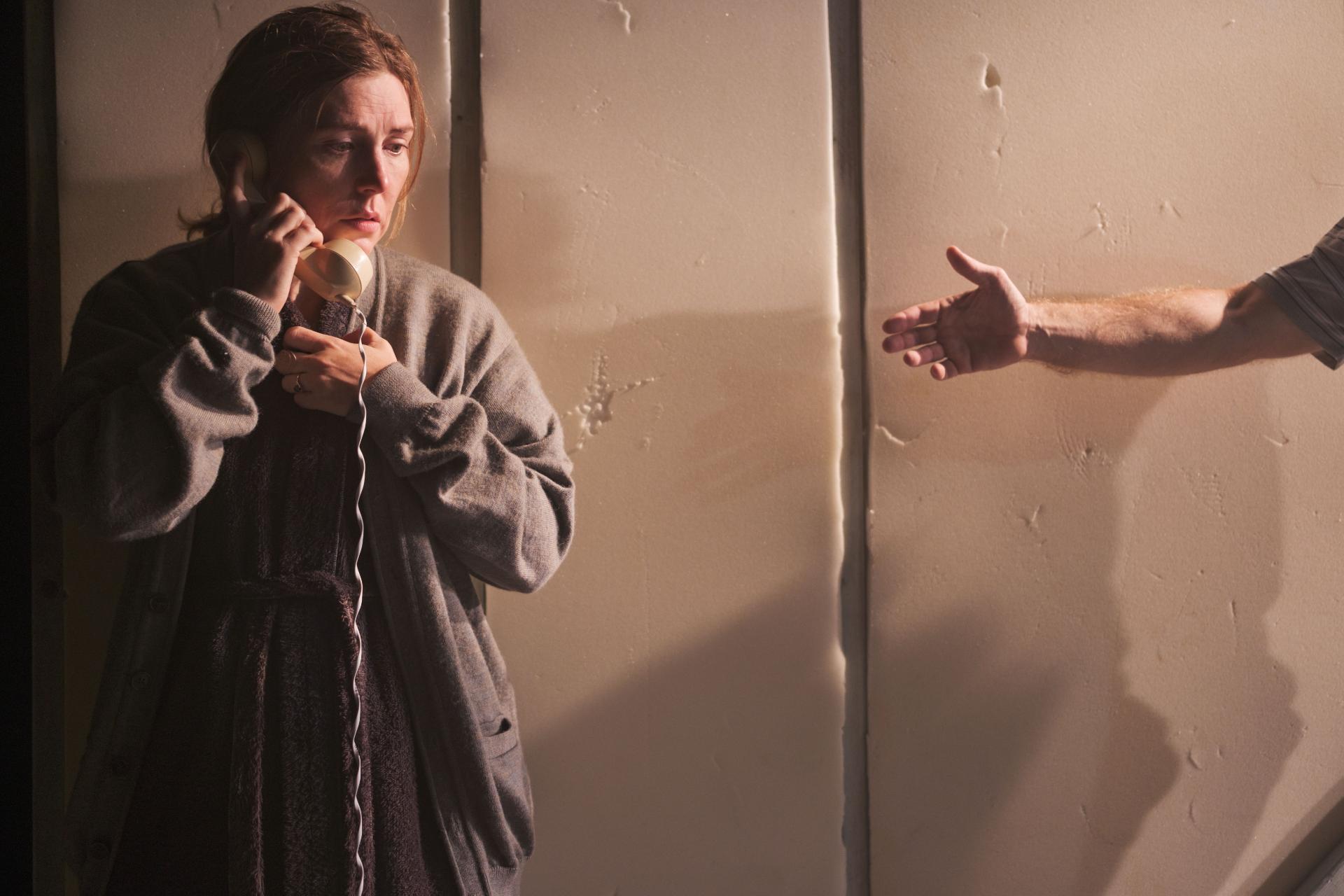
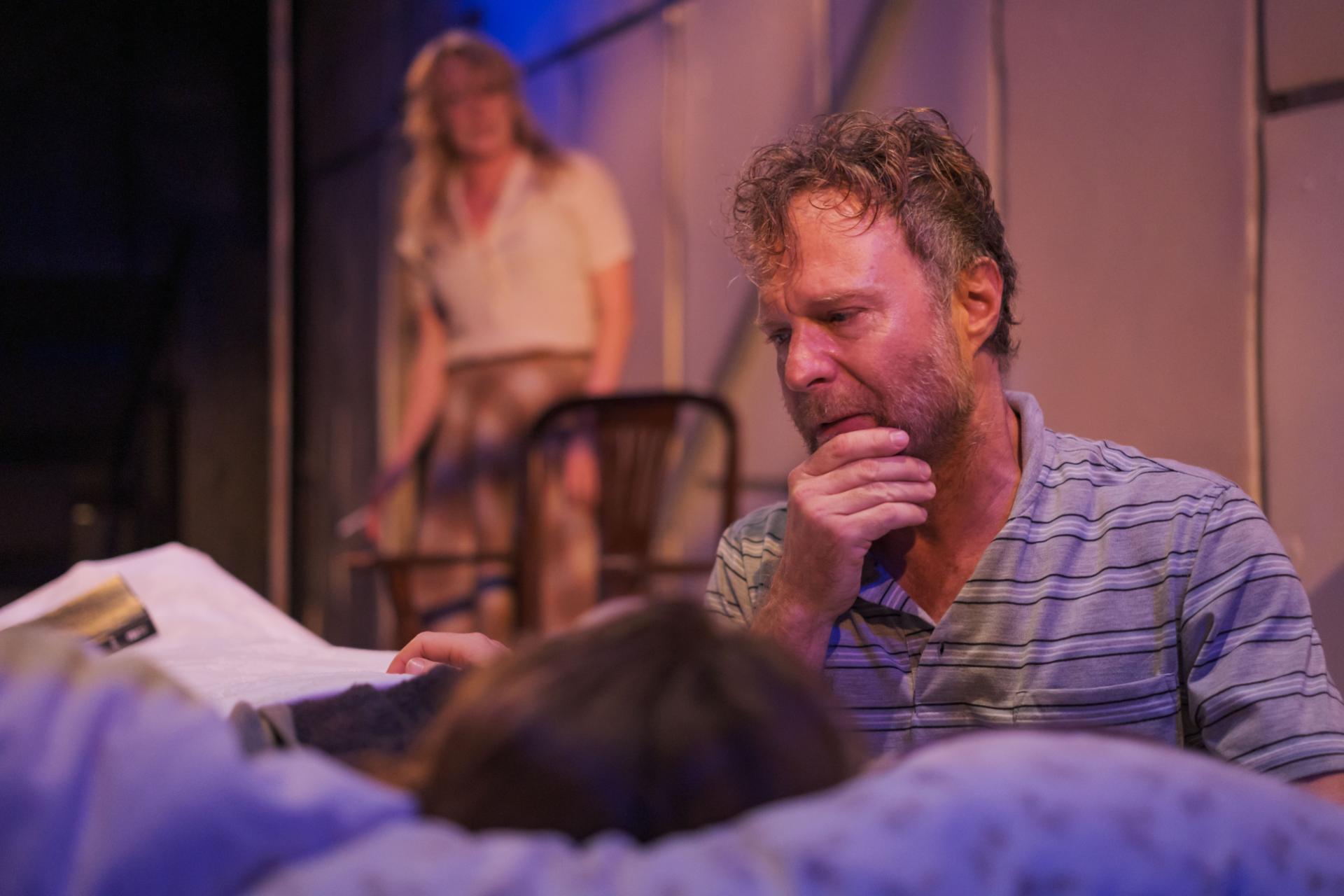
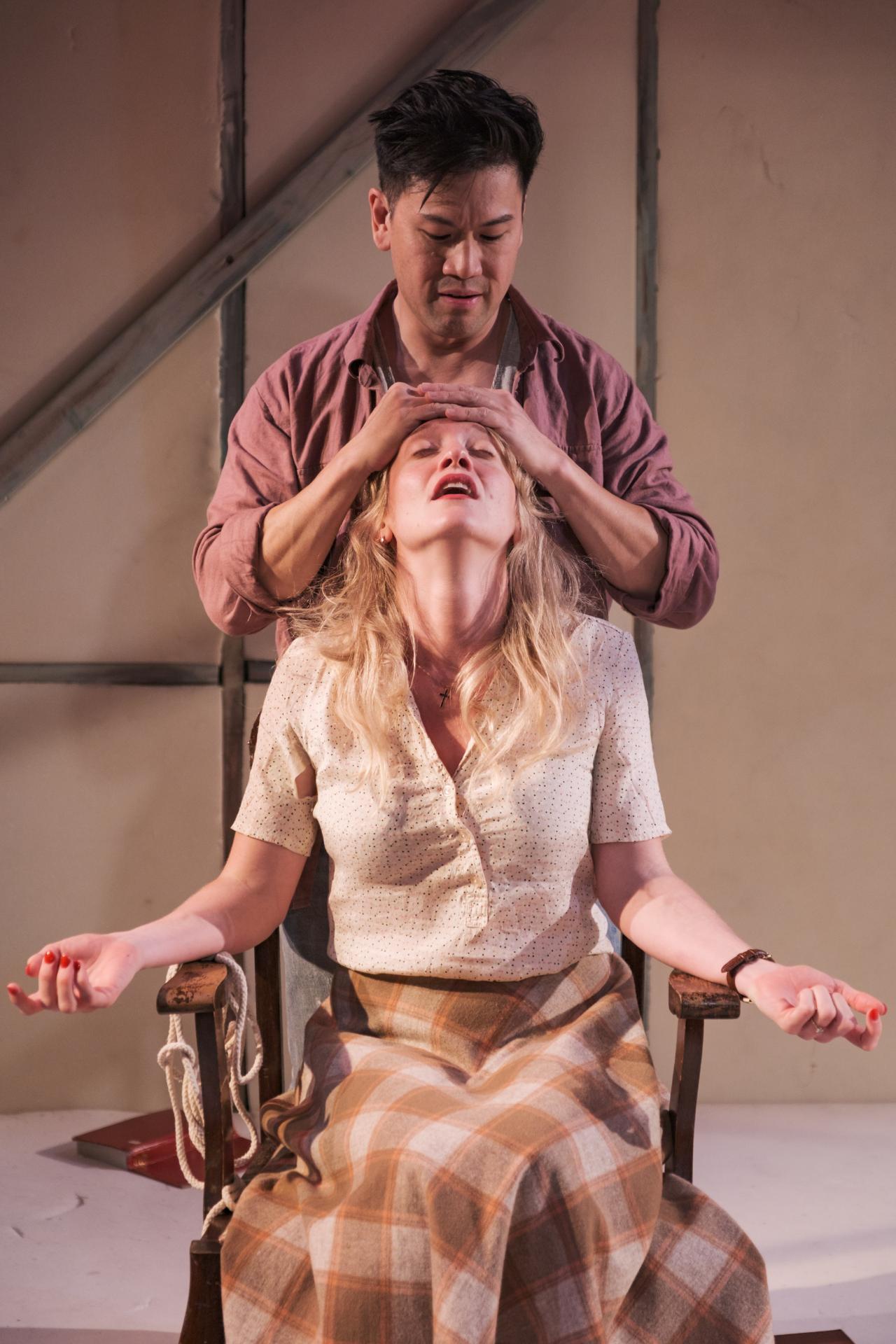
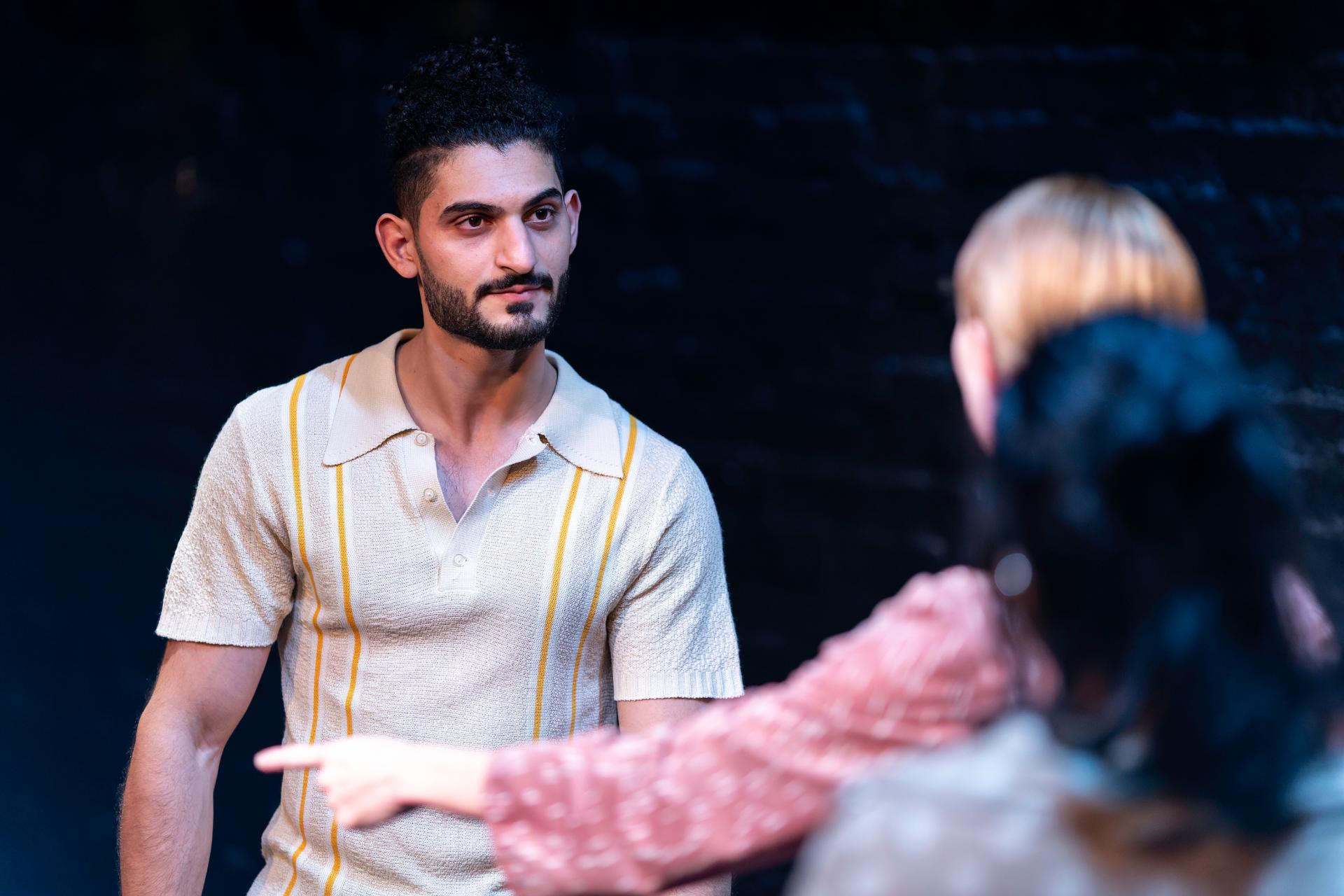
Else was not the first woman to be described as difficult, and not the first to be subject to an exorcism for that very reason. Based on a true story from 90s rural Victoria, Furious Mattress by Melissa Reeves is a dark comedy exploring parochialism, ignorance and intolerance. A scathing indictment of prevailing systems, most notably the Abrahamic religions which perpetuate all manner of social exclusionary, Reeves’ deeply subversive writing is as thrilling as it is mischievous.

The play is a wild ride, using poltergeist activity and demonic possession as basis for its renderings of theatrical magic. Direction by Margaret Thanos provides an exhilarating kineticism that represents female rage in the twisted form of absurd comedy. Although memorable for that surreal extravagance, its humour can also be wickedly deadpan in naturalist scenes. Either way, Furious Mattress makes us laugh from a condemnatory position, for a satirical chastisement on superstitions and traditions, that insist on the rejection of gender parity. Also noteworthy is the work by Harry Milas as magic consultant, giving literal and figurative elevation to the show.

Angelina Daniel’s set design is immediately evocative of country life, with the incorporation of padded surfaces further suggesting interiors of psychiatric institutions, while providing functionality for this highly dynamic presentation. Costumes by Ruby Jenkins guide us to a recent past, but it is a surprise macabre creation that truly excites. Lights by Ryan McDonald are a powerful element, especially satisfying in its delivery of optical illusions for this exploration of paranormal phenomenon. Sound design by Cameron Smith and music composition by Daniel Hertern dial up the drama, for an instance of storytelling that invites us to approach its serious themes with a delicious duality of solemnity and playfulness.

Actor Matilda Ridgway brings a wonderful defiance to Else, demanding that we see the world through her eyes. Ridgway’s cheeky presence keeps us endeared to the central character, even if it is interpreted as demonic within the text. An extremely funny Alex Malone plays Christian zealot Anna with a marvellous cynicism. Else’s husband Pierce is imbued admirable integrity along with the most subtle of incisive derision, by a captivating Julian Garner. Shan-Ree Tan as charlatan exorcist Max adds to the intensity, for a production that elicits a complex melange of emotions from its audience.

When something supernatural happens, and the church is the first authority called upon to solve its mystery, we can observe the extent to which that old institution controls our understanding of the world. When a woman seems to be losing her mind, and the only available discourse regarding her perceived brokenness relates to religion, we ignore the inherent systemic requisites of keeping women down. Some women will not adhere, and they are usually the ones who speak the truth.

www.belvoir.com.au | www.legittheatreco.com

Review: Hot Tub (25A Belvoir)

Venue: Belvoir St Theatre (Surry Hills NSW), Dec 6 – 21, 2024
Playwright: Lewis Treston
Director: Riley Spadaro
Cast: Jack Calver, Patrick Jhanur, Melissa Kahraman, Kieran McGrath, Ella Prince, Shannon Ryan, Diane Smith
Images by Katherine Griffiths

Theatre review
The Hunter-Whites have more dollars than sense, and something about the Gold Coast just sends them in a tailspin. Hot Tub by Lewis Treston is an absurdist comedy about the wealthy, a fantasia on the frenzied existence of cash-rich and drug-fuelled moguls, with lifestyles propped up by property ownership and a distinct shortage of moral concerns. The play is composed of highly amusing dialogue, featuring flamboyantly imagined personalities; its narrative may be lacklustre, but its spirit is certainly wildly infectious.

Commensurately exuberant direction by Riley Spadaro delivers a show as camp as it is unabashedly depraved. There is a sophistication to Spadaro’s approach that counteracts the obvious humour of Hot Tub, and while it may not prevent us from feeling empty at the end, the journey is unquestionably entertaining.

Grace Deacon’s set design is attractive and remarkably finessed, and even though her costumes do not sufficiently portray affluence, the colourful imagery being formulated proves a delight. Lights by Phoebe Pilcher are energetic and richly tailored, bringing a wonderful sense of variety to our visual enjoyment of the piece. Madeleine Picard’s sound design is less conspicuously presented, but the vitality it imbues is unambiguous.

It is clear that the cast of Hot Tub is deeply committed, with every performer bringing an unwavering focus to their parts. Ella Prince is particularly memorable as Officer Sheryl, with a level of theatricality that feels completely off the charts, yet accurate to the aesthetic being rendered. Diane Smith too introduces a brand of bizarre to her delicious interpretation of a grandmother more interested in money than in family, admirable for her iconoclastic depiction of an Australian matriarch. 

There is something in the very bones of our way of life on this land, that insists that we make safe and bland decisions. Even in art, we are often held back from jumping off cliffs, as though the repercussions will forever be dire, even though nobody can know for certain what awaits thereafter. In Hot Tub, we can see that a leap of faith has been taken, a kind of wild abandon is in action, perhaps informed by the unequivocal queerness that serves as central guiding principle, establishing the language and paradigm from which it communicates.

It is a play about family, yet love seems non-existent, or at least undetectable in a conventional manner. Queer people perceive kinship differently. Queer people may even understand love differently. There is a communal connection taking place, when we laugh at glamorous characters being awful parents, and even though they leave us needing more, we know that for a moment, we had been held.

www.belvoir.com.au | www.instagram.com/presentedbybub

Review: Ruins أطلال (25A Belvoir)

Venue: Belvoir St Theatre (Surry Hills NSW), Oct 1 – 20, 2024
Playwrights: Emily Ayoub, Madeline Baghurst, Mine Cerci
Directors: Emily Ayoub, Madeline Baghurst
Cast: Emily Ayoub, Adam Al Kuheli, Madeline Baghurst, Tony Poli, Piumi Wijesundara
Images by Geoff Magee

Theatre review
It is a pilgrimage of sorts that we see in Ruins أطلال . An Australian travels to the Bekaa Valley in Lebanon, guided by memories of her recently departed father, in search of something that feels like belonging. Stories of diaspora seem to be having their moment. It is the element of time that makes all the difference. We have always known the wealth of possibilities in working through our tales of origin, but assimilation for survival has meant that we have, for a long time, neglected parts of ourselves that are considered inconvenient and unsavoury.

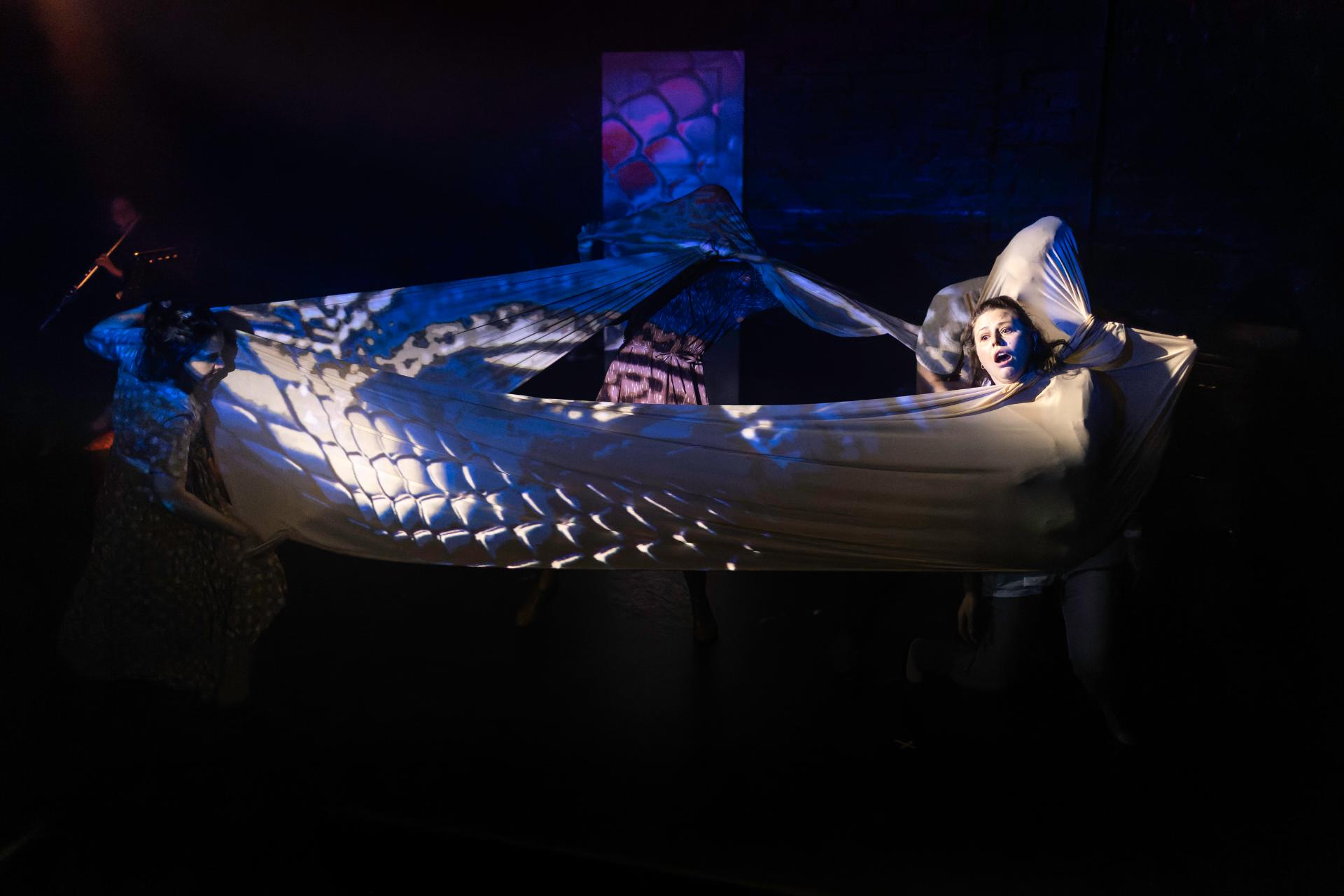
Conceptualised and directed by the formidable duo of Emily Ayoub and Madeline Baghurst, Ruins أطلال  initiates an exploration into that duality of being both and in-between, of containing contradictions and finding harmony whilst acknowledging, all the troublesome incoherence resulting from inhabiting an identity that is not just one thing. The show is beautiful at every juncture, with incredible configurations of bodies in space, illuminated exquisitely by Frankie Clarke, and with Johnny Yang’s music gently stirring in the background.

Jessica Scott is the flautist on the periphery, adding to the dynamism of the piece, whilst the spiritually fortified Ayoub leads the cast at bringing to life, this meditation on how a person cannot escape excavating the past, if they wish to become truly whole. Tony Poli embodies the paternal figure, with generous warmth and an understated strength. Baghurst, along with Adam Al Kuneli and Piumi Wijesundara play a range of secondary characters with magical effect, always imbuing a sense of wonder to the experience.
There is perhaps some deficiency in the level of intellectual engagement that the piece inspires, but Ruins أطلال is a work that makes an unequivocal statement about the importance of knowing one’s roots and of embracing one’s entirety. It is about the rejection of shame as prescribed by colonialist projects, and about finding the confidence to stand for the validity of cultural specificities that are excluded from hegemonic paradigms. We may have to regularly acquiesce to whiteness on these lands, but spaces are opening up, rapidly and pervasively, in which we can become truer and better selves.
www.belvoir.com.au | www.clockfiretheatre.com