Venue: Sydney Opera House (Sydney NSW), Oct 22 – Dec 12, 2026
Playwright: Suzie Miller
Director: Sarah Giles
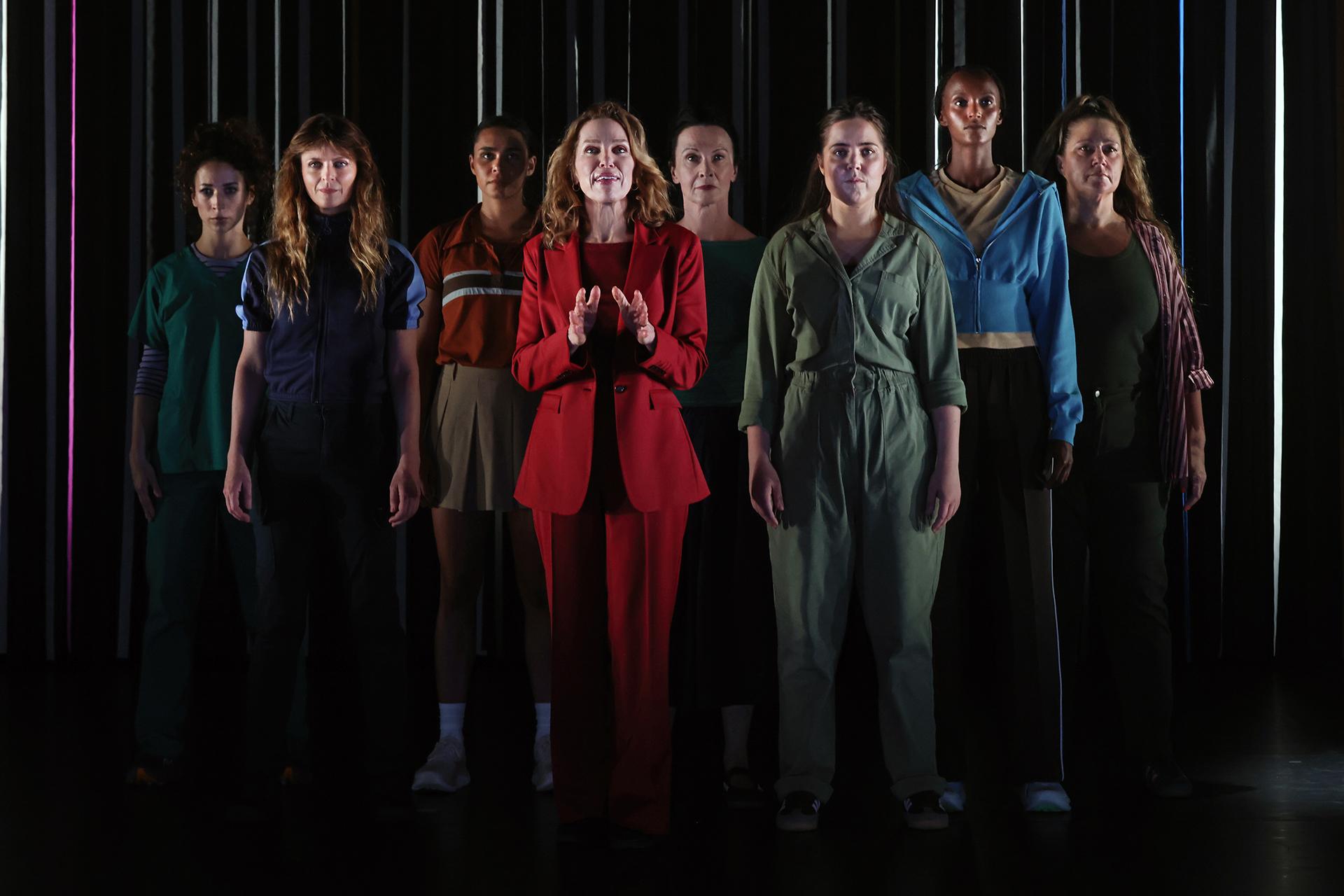
Cast: Lucy Bell, Edyll, Amy Hack, Amy Ingram, Amber McMahon, Tara Morice, Nyasha Ogden, Contessa Treffone
Images by Prudence Upton
Theatre review
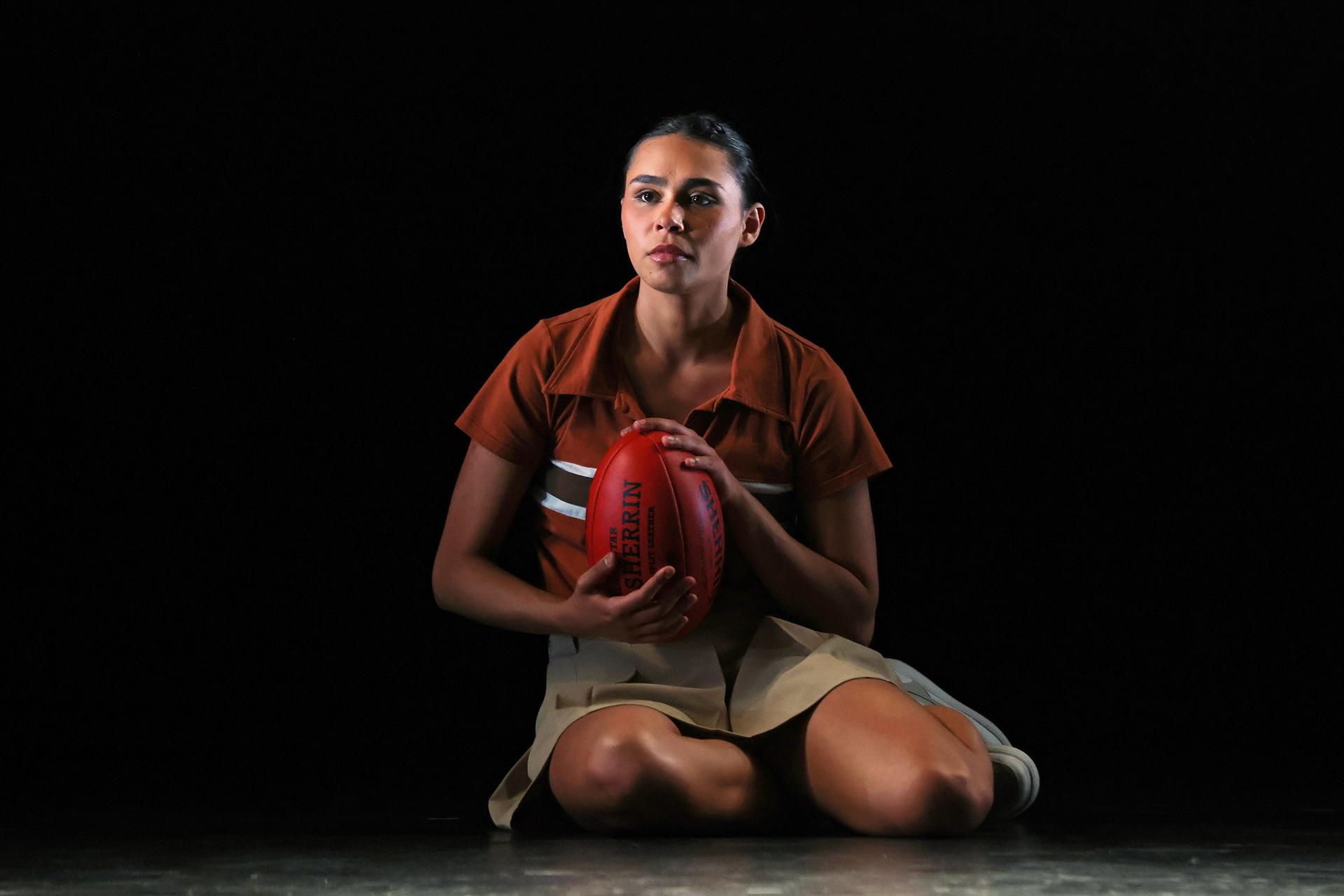
Established in 2017, a full century after the first women’s matches were documented in Western Australia, the AFLW arrived after a protracted delay. While its male counterpart flourished and consolidated its cultural dominance over the decades, it was not until recently that women’s football was afforded serious institutional legitimacy. The precipitating events that led to the league’s foundation are dramatised in Suzie Miller’s Strong is the New Pretty. Though Miller’s fictionalised account of these true events occasionally veers into predictable, overly earnest territory, its passion for the subject matter is both undeniable and admirable.
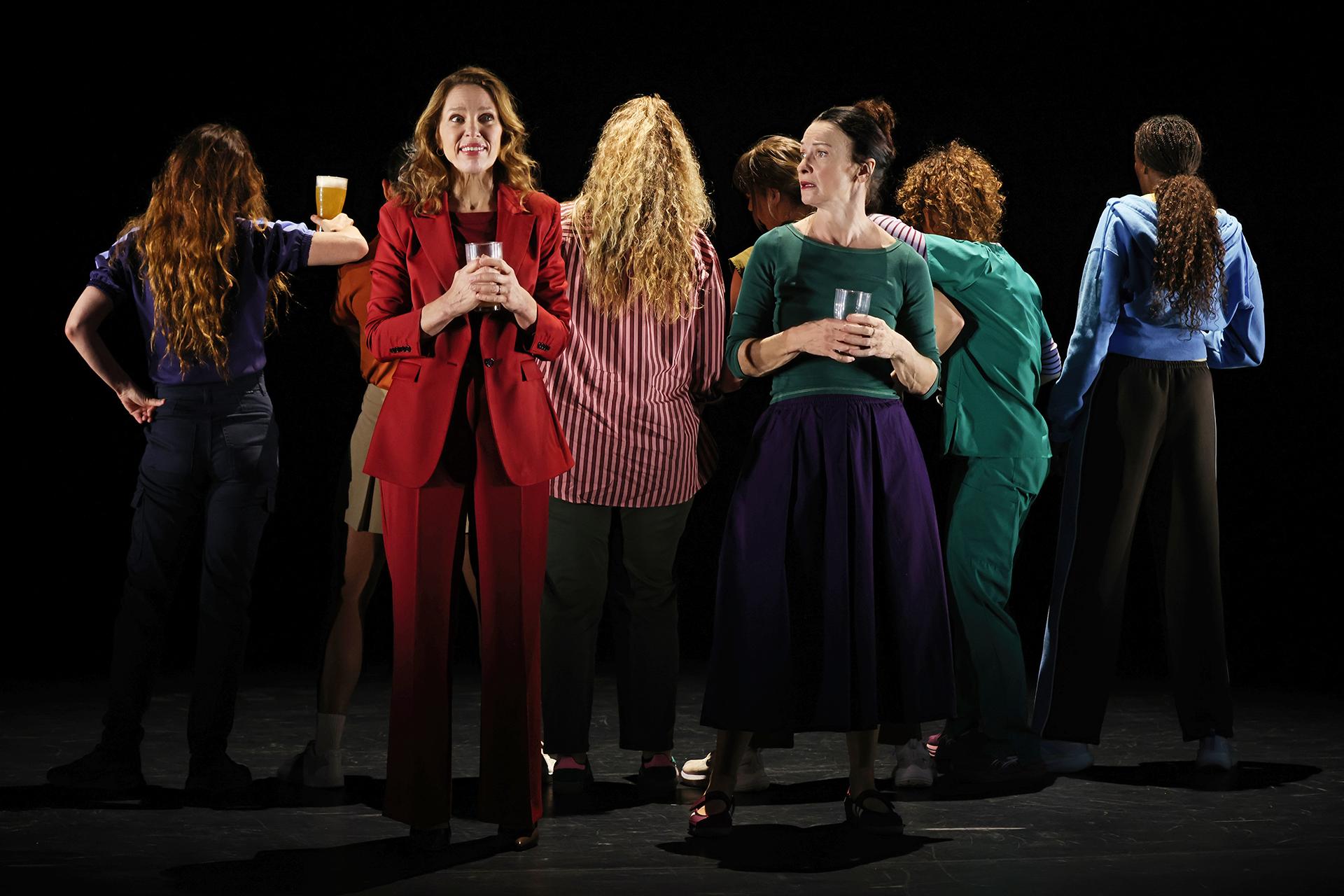
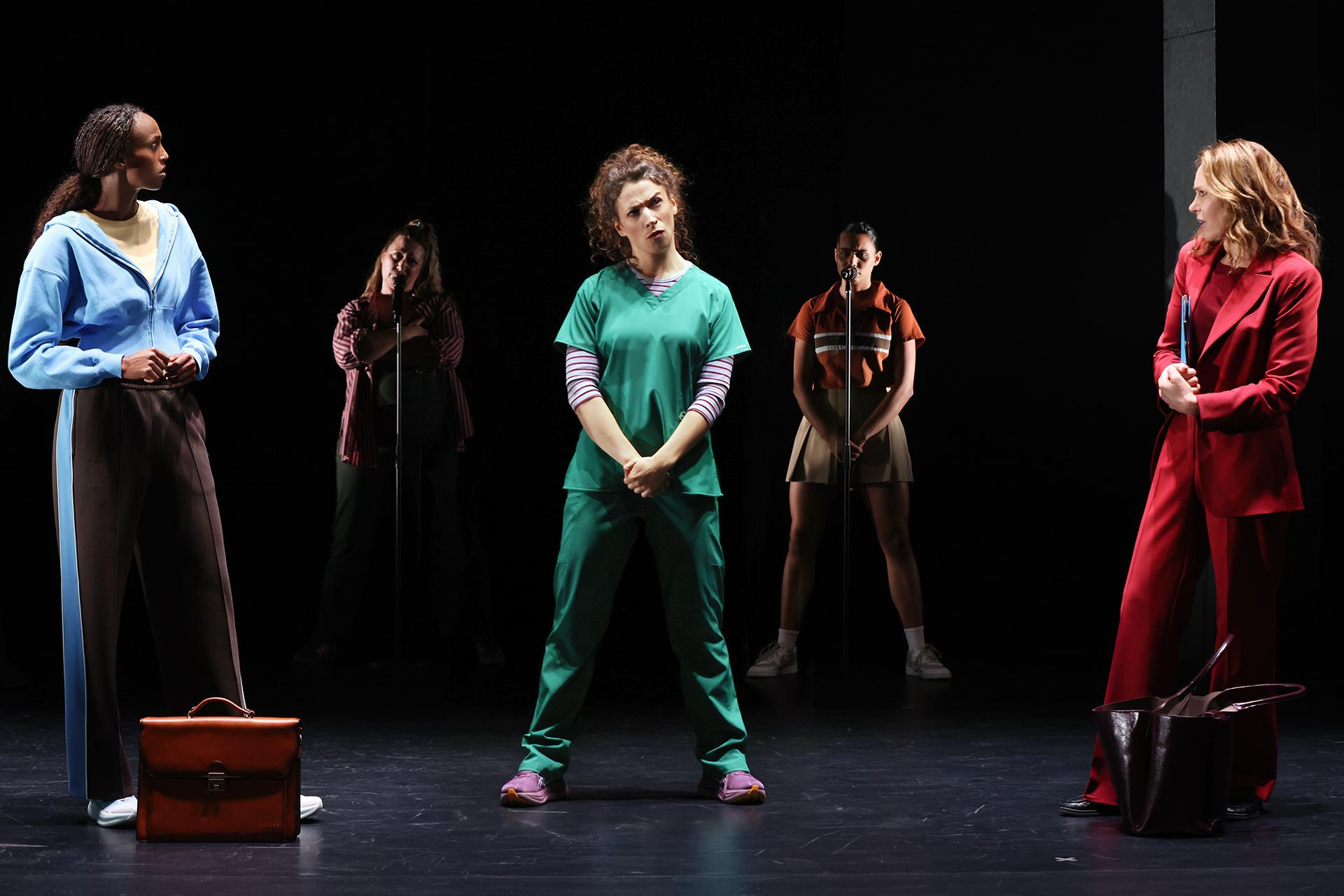
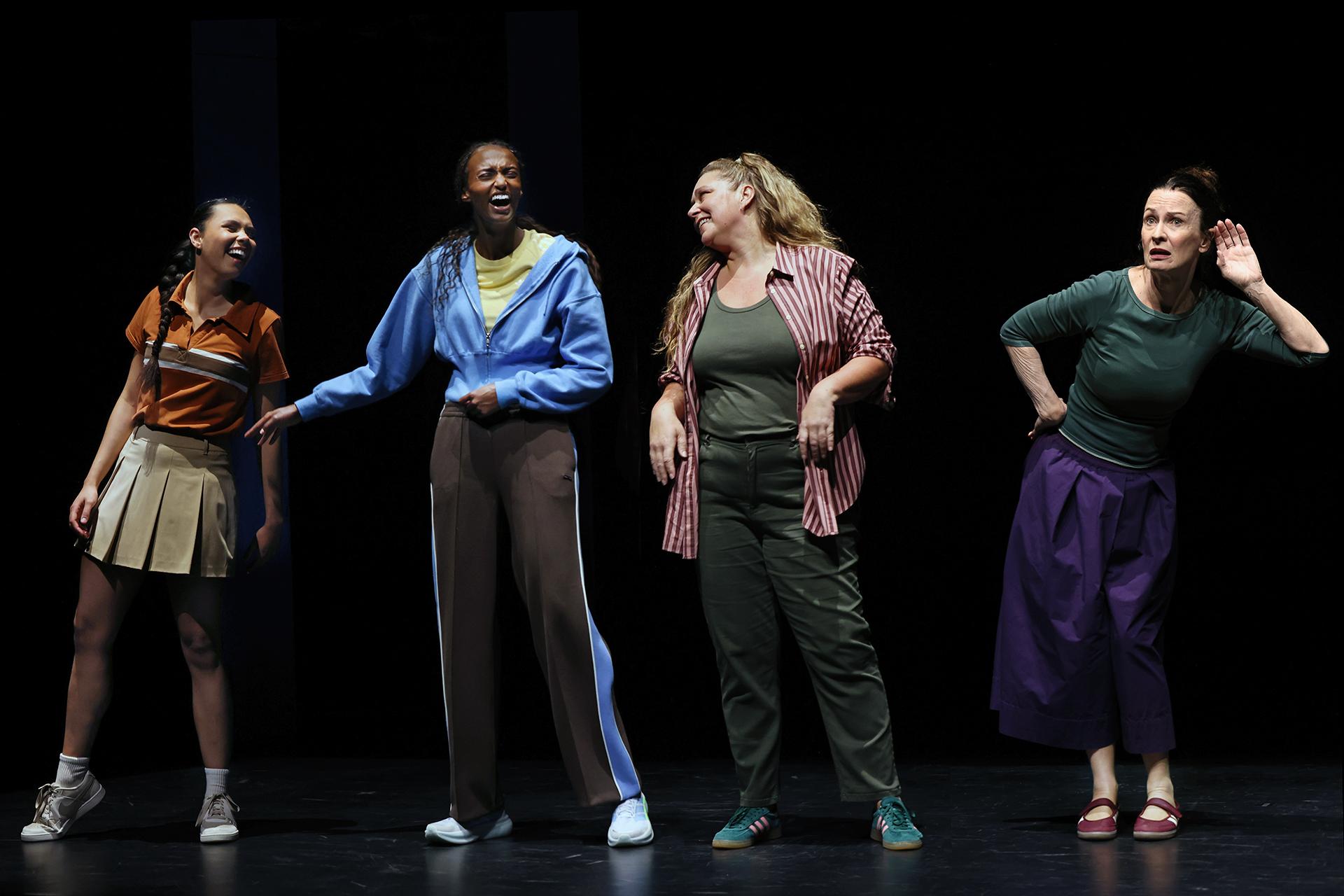
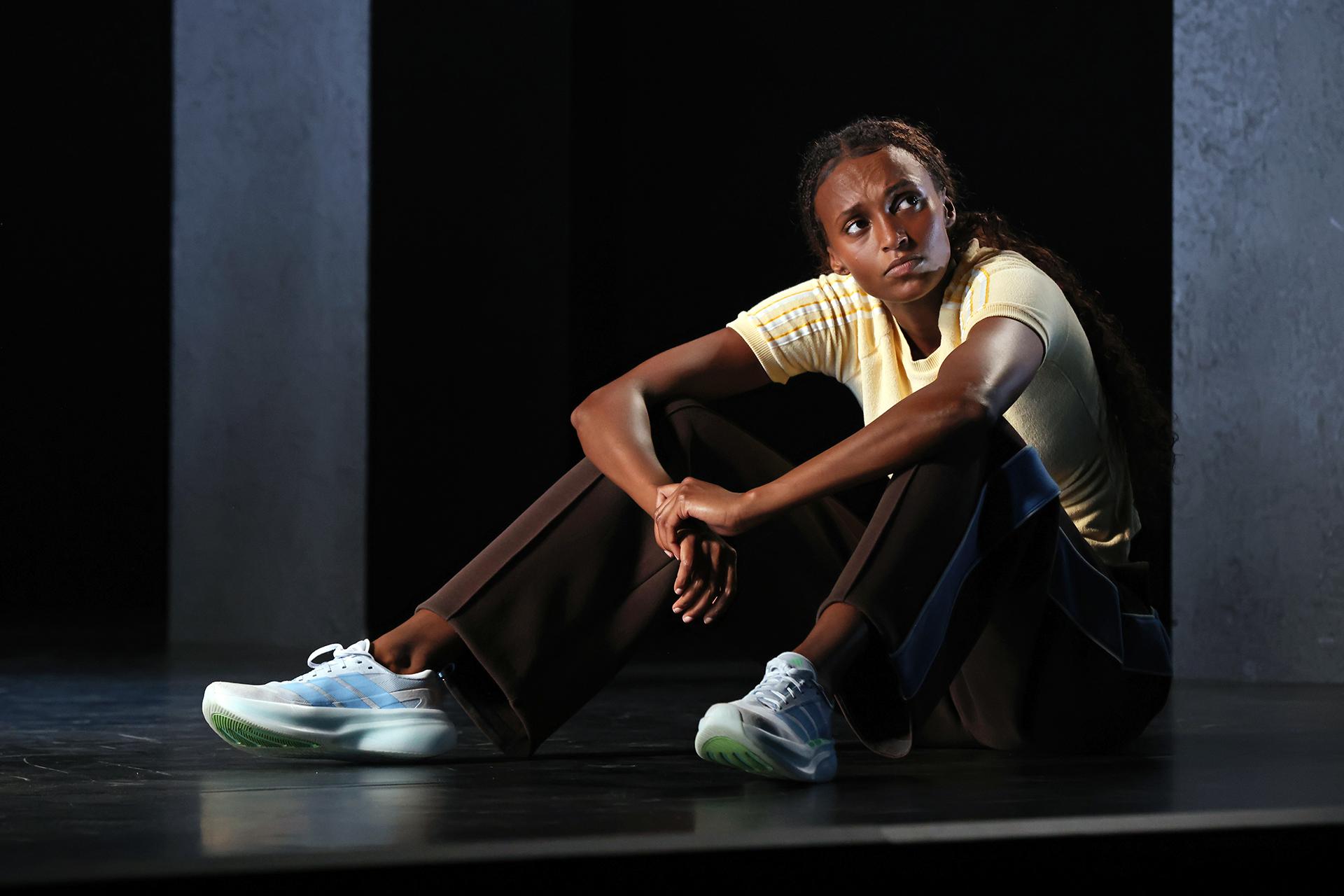
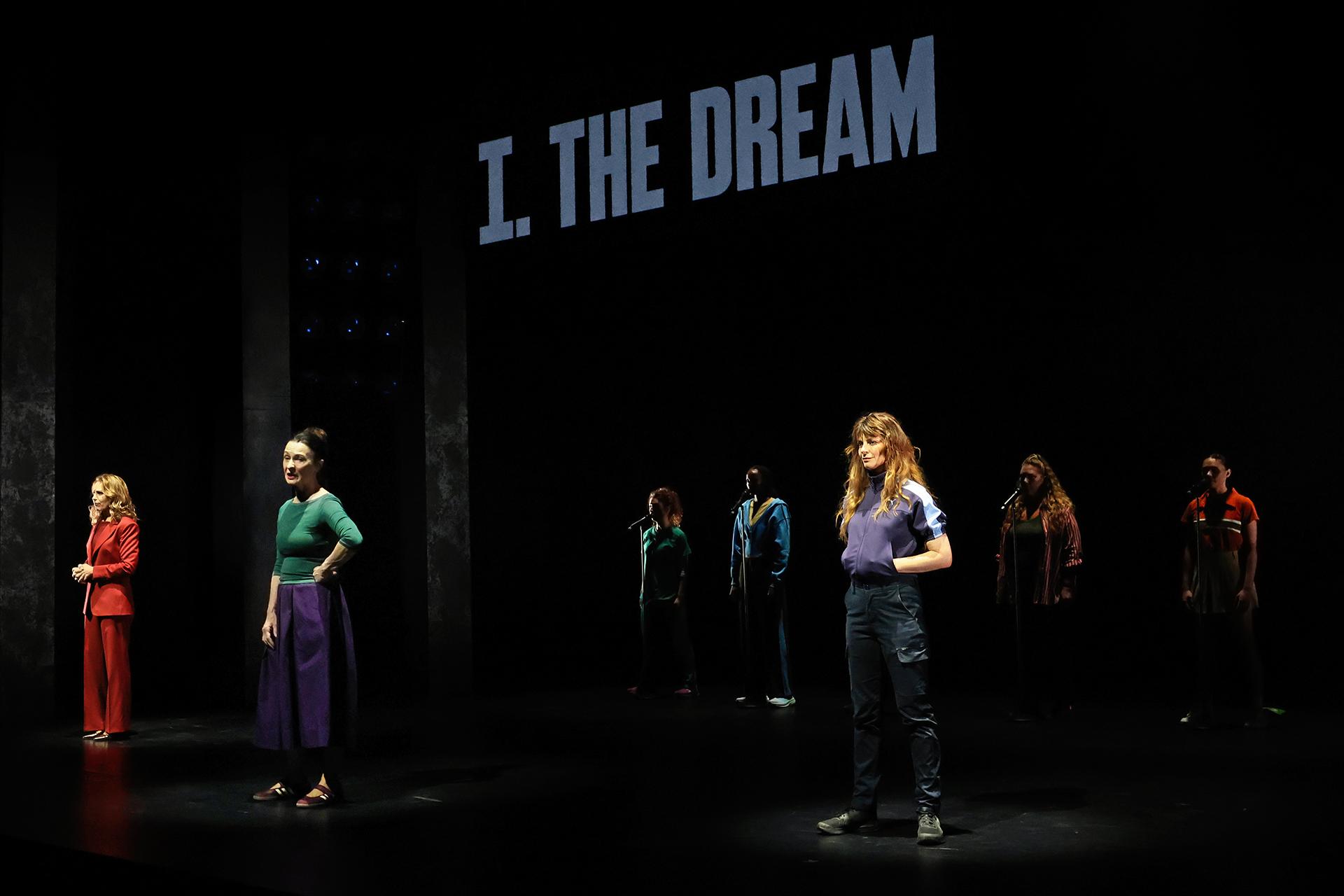
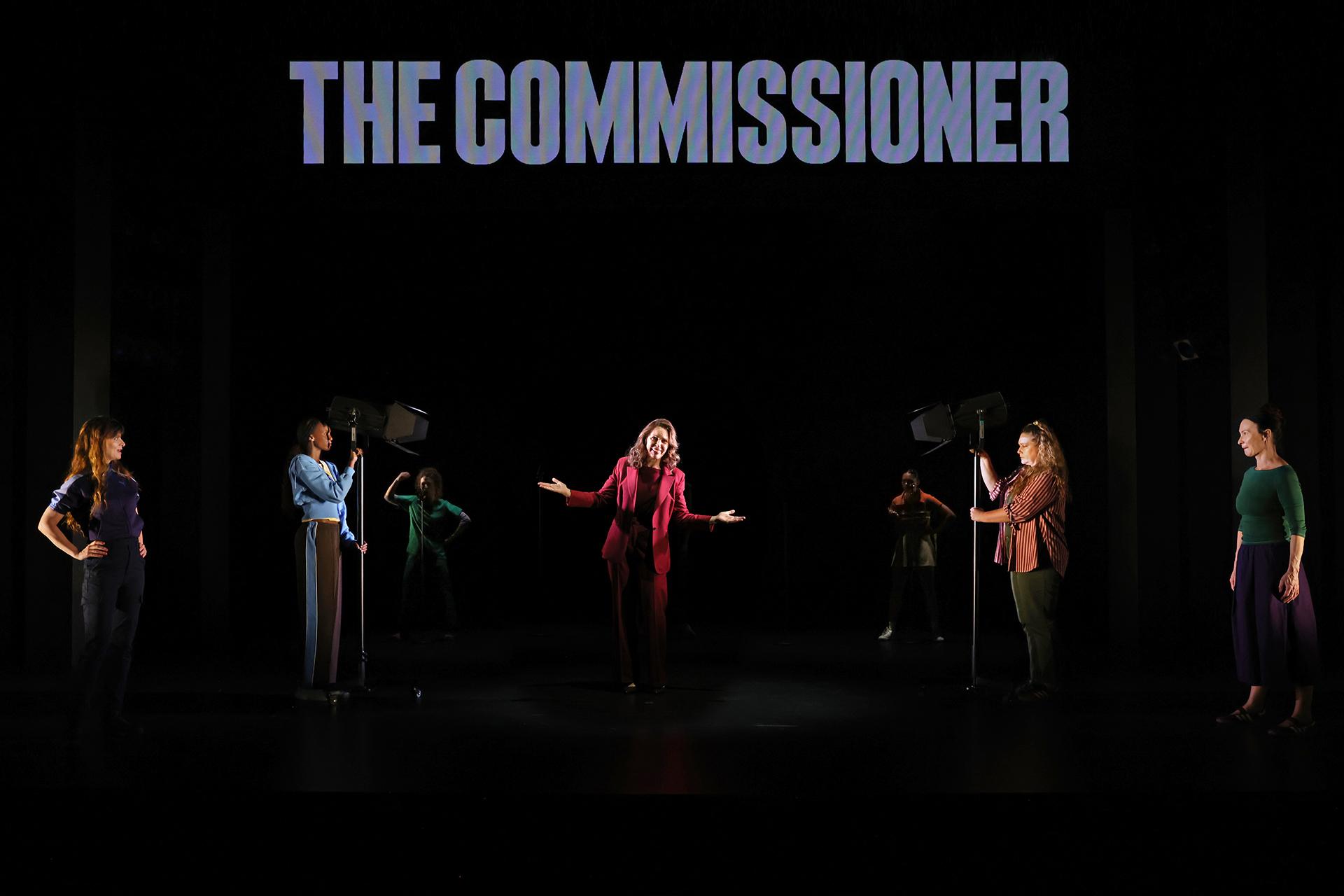
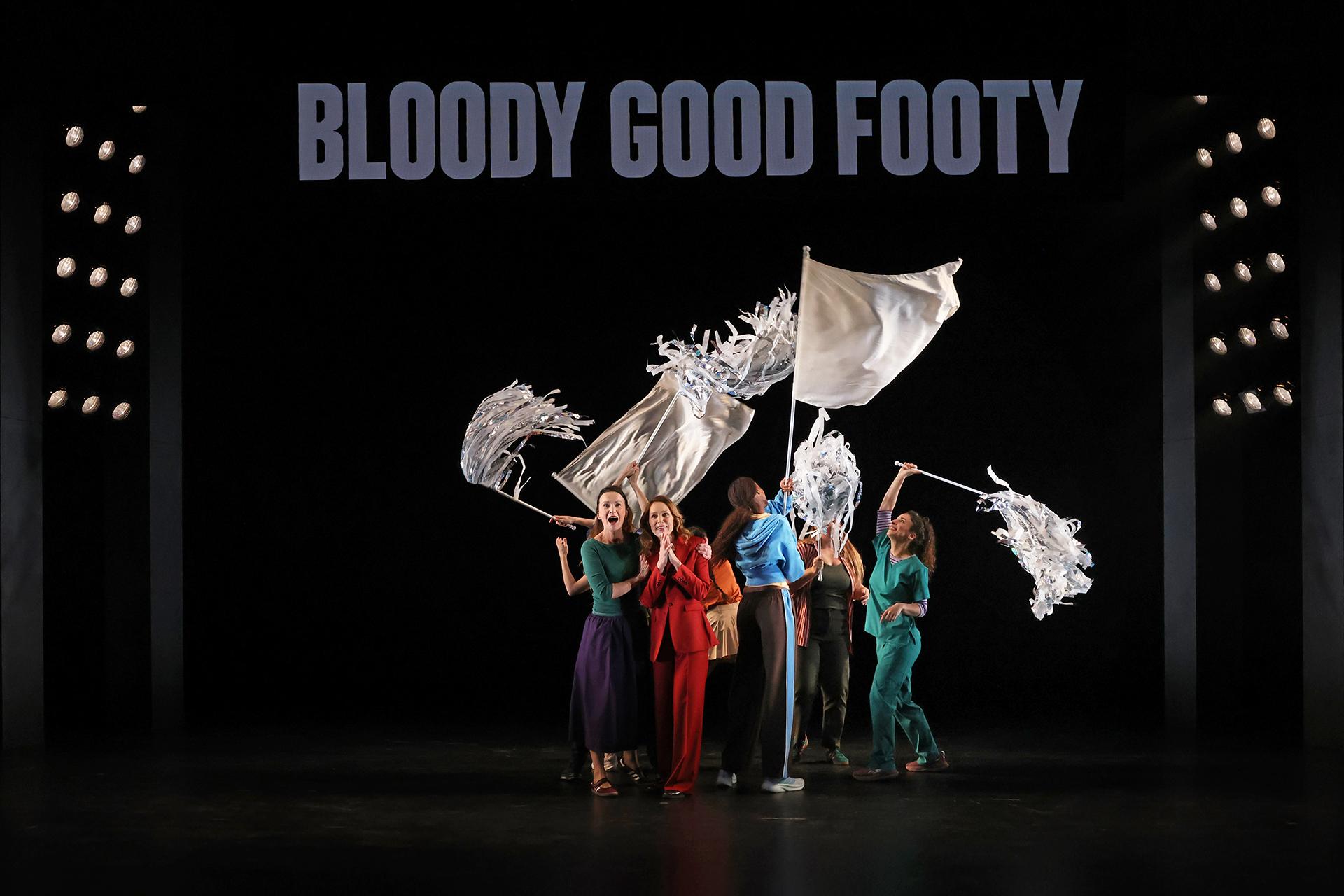
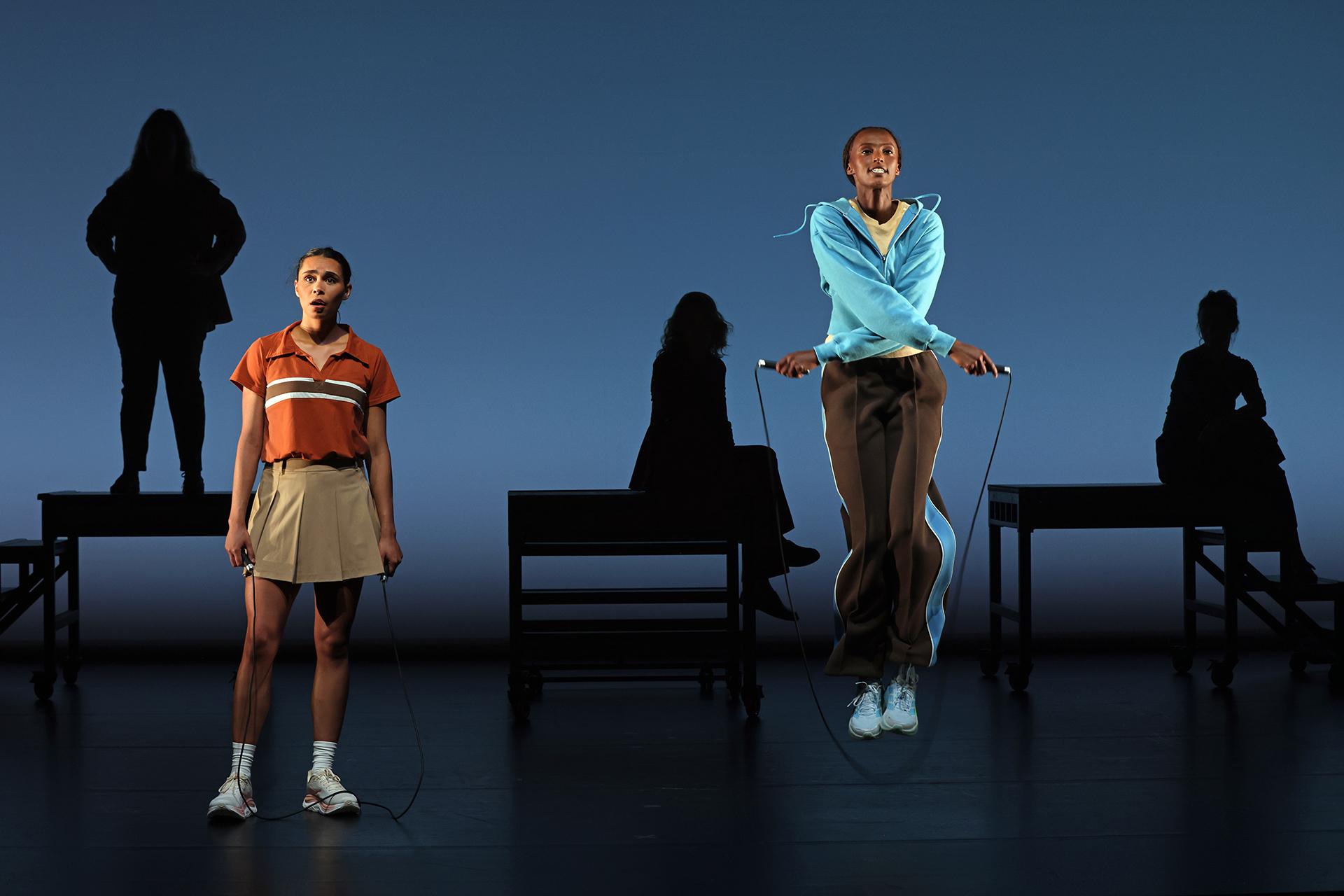
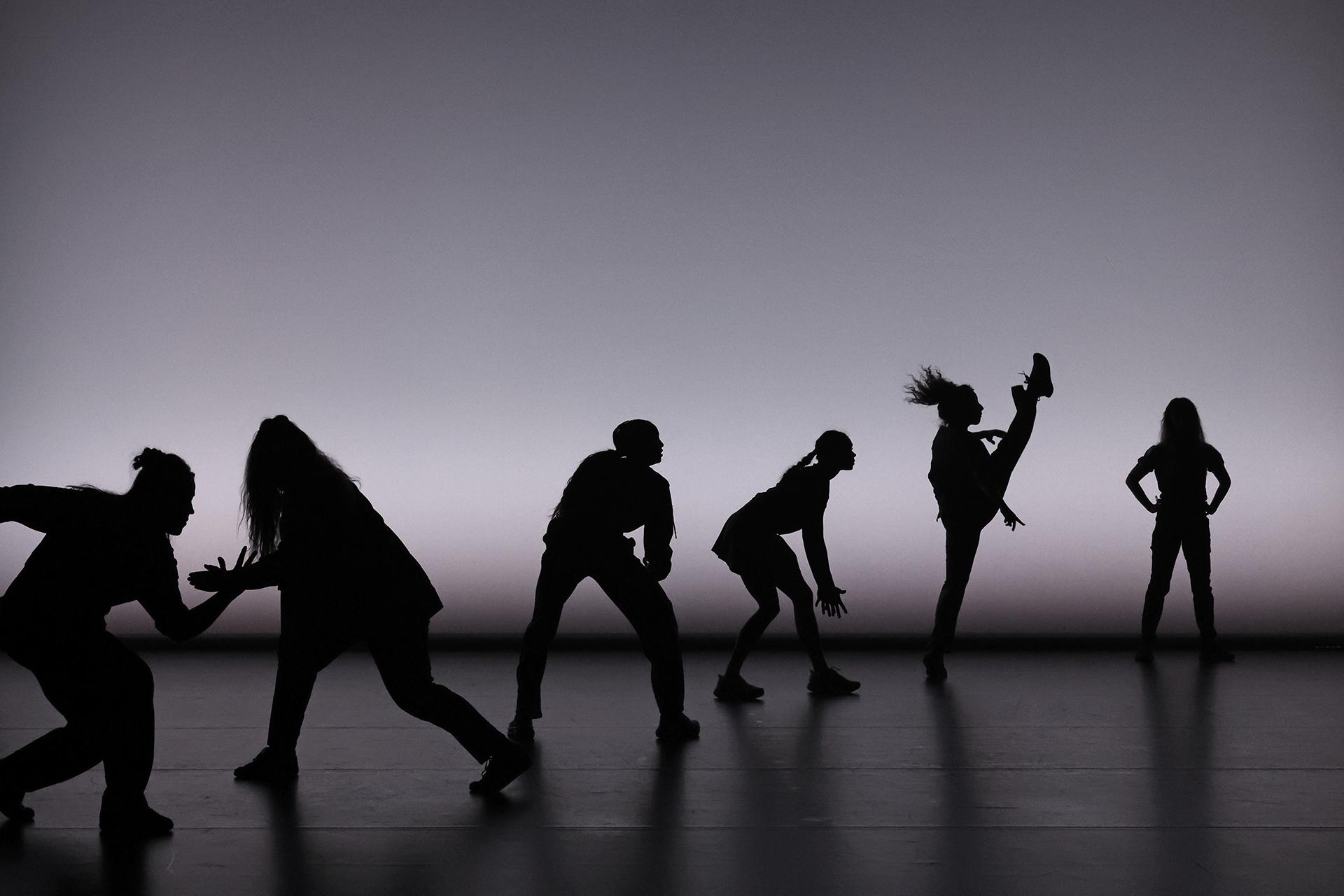
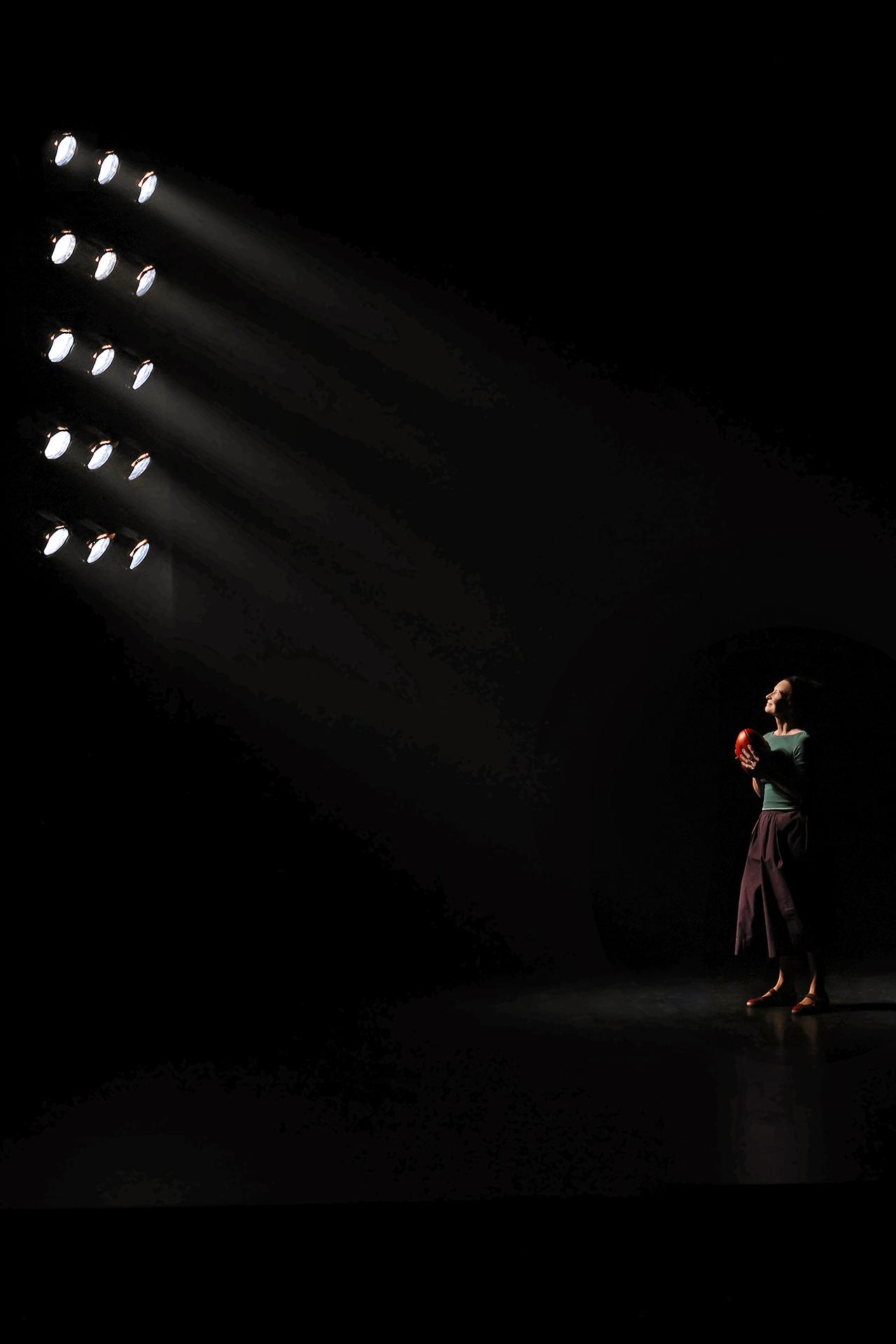
The production’s true triumph lies in the highly kinetic and imaginative direction of Sarah Giles. Collaborating with movement director Kelley Abbey, Giles constructs a theatrical landscape so visually and energetically arresting that the audience is utterly captivated, irrespective of their interest in the sporting arena. This stage magic is further elevated by Paul Jackson’s lighting design, which lends a striking vividness to the imagery being presented. Similarly, Craig Wilkinson’s video projections serve as a clever narrative anchor, literally charting key names and milestone events to keep the plot trajectory clear. The sonic landscape, comprising Clemence Williams’ composition and Brady Watkin’s sound design is judiciously deployed to rouse emotional investment and maintain a palpable sense of urgency for a story that is irrefutably important.
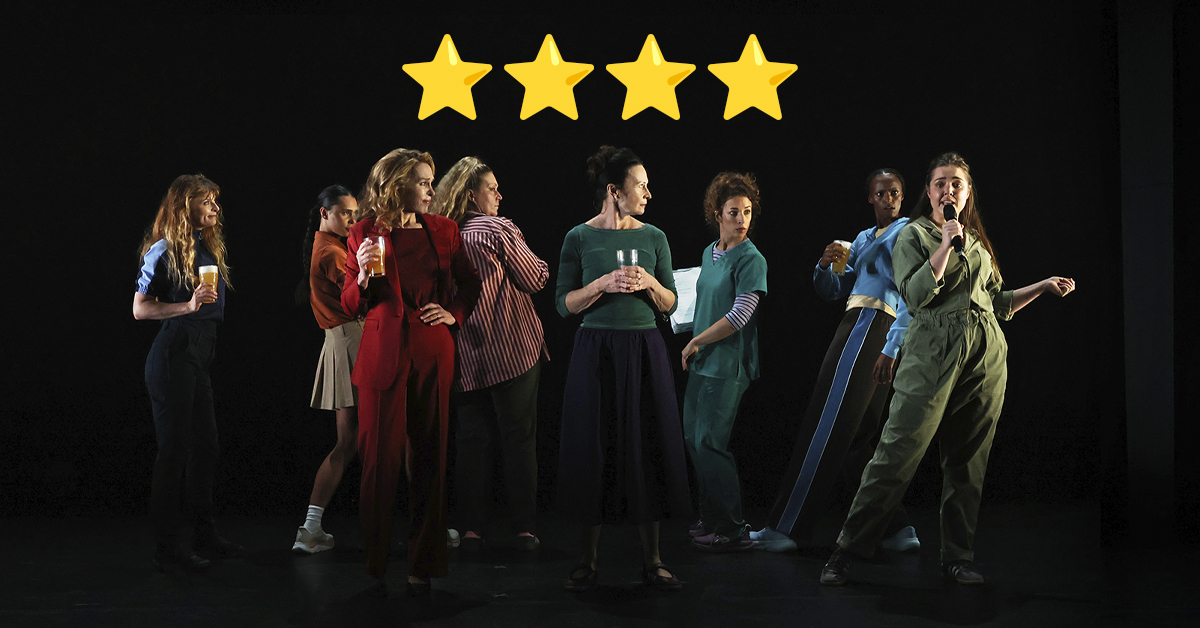
The ensemble cast is visibly invested in this history, and their onstage cohesion is a pleasure to witness. Lucy Bell, Amber McMahon, and Tara Morice ground the production as key figures in the historical moment that we revisit, with each actor imbuing their role with unassailable sincerity.
Ultimately, Strong is the New Pretty is a literal crusade for gender equality, yet its conclusion offers a more nuanced critique: true progress for marginalised genders is not achieved by merely replicating damaging, pre-existing systems. While substituting the old patriarchy with a matriarchy is a tempting conceptual framework, the play suggests that dismantling a pre-existing hierarchy just to replace with another, would be a miscalculation. Instead, it advocates for a network of self-possessed, self-motivated matriarchs, a model of multiplicity rather than hegemony, as the path that will truly serve us. Equality, in this sense, is not simply a matter of allowing women to occupy positions of power, but of rethinking the structures through which power itself is exercised.