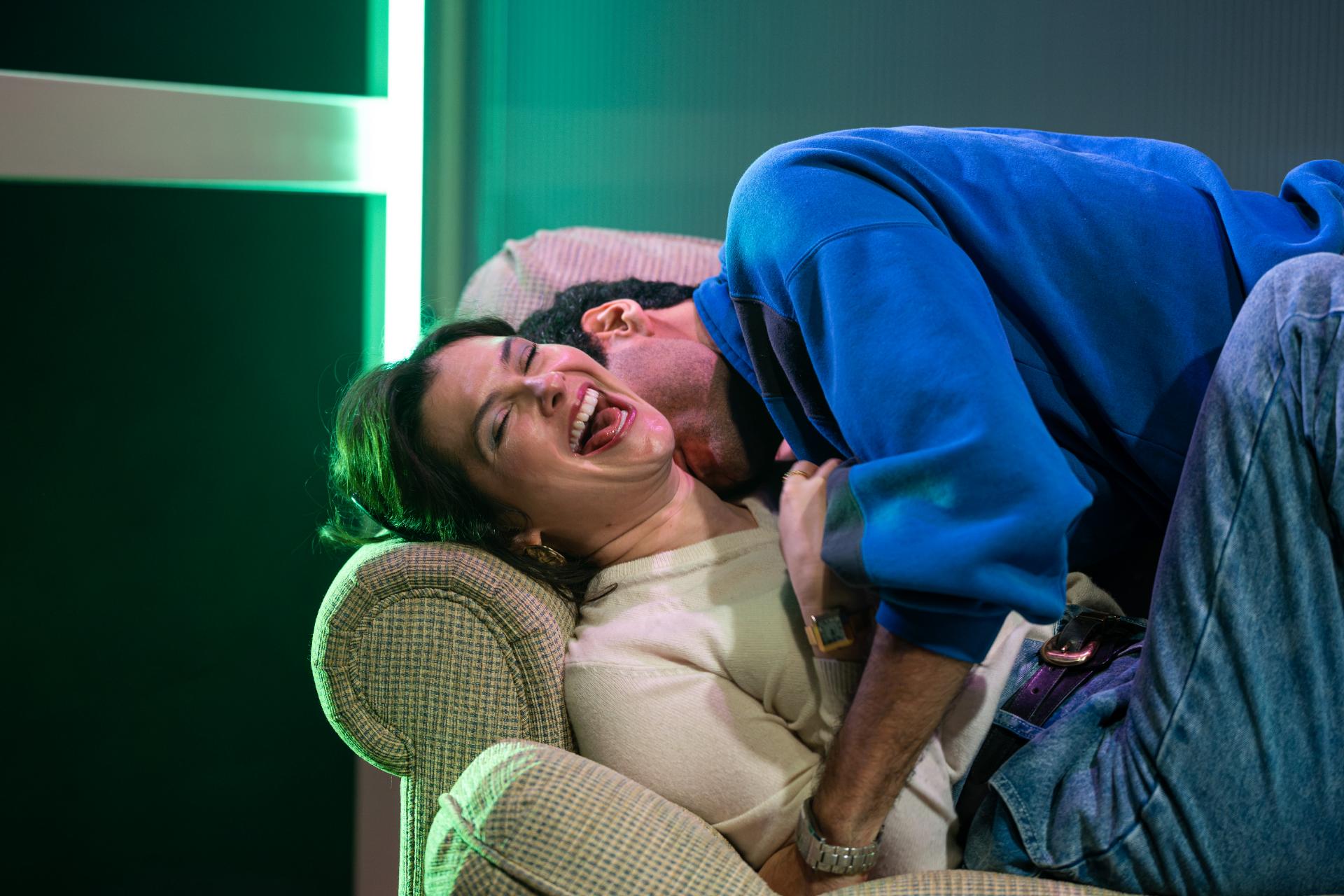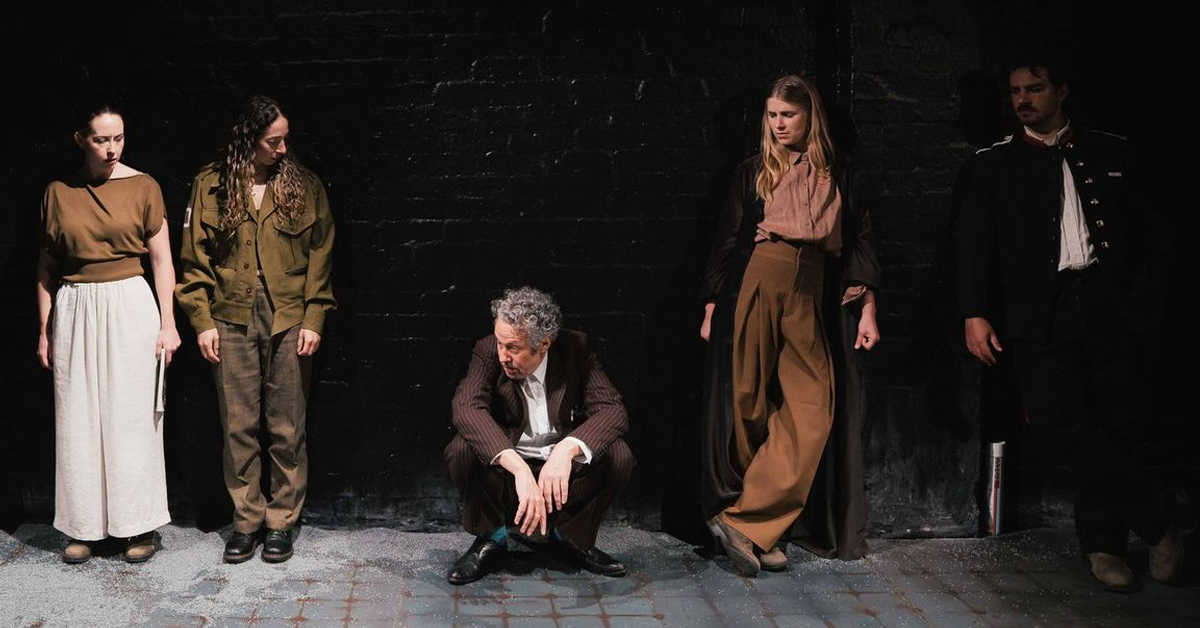
Review: The King Who Was A King (25A Belvoir)

Venue: Belvoir St Theatre (Surry Hills NSW), Nov 1 – 22, 2026
Playwright: Ayah Tayeh (from the novel by H.G. Wells)
Director: Ayah Tayeh
Cast: Violette Ayad, Toby Carey, Marco Chiappi, Meg Hyeronimus, Brittany Santariga, Harry Stacey
Images by Patrick Phillips

Theatre review
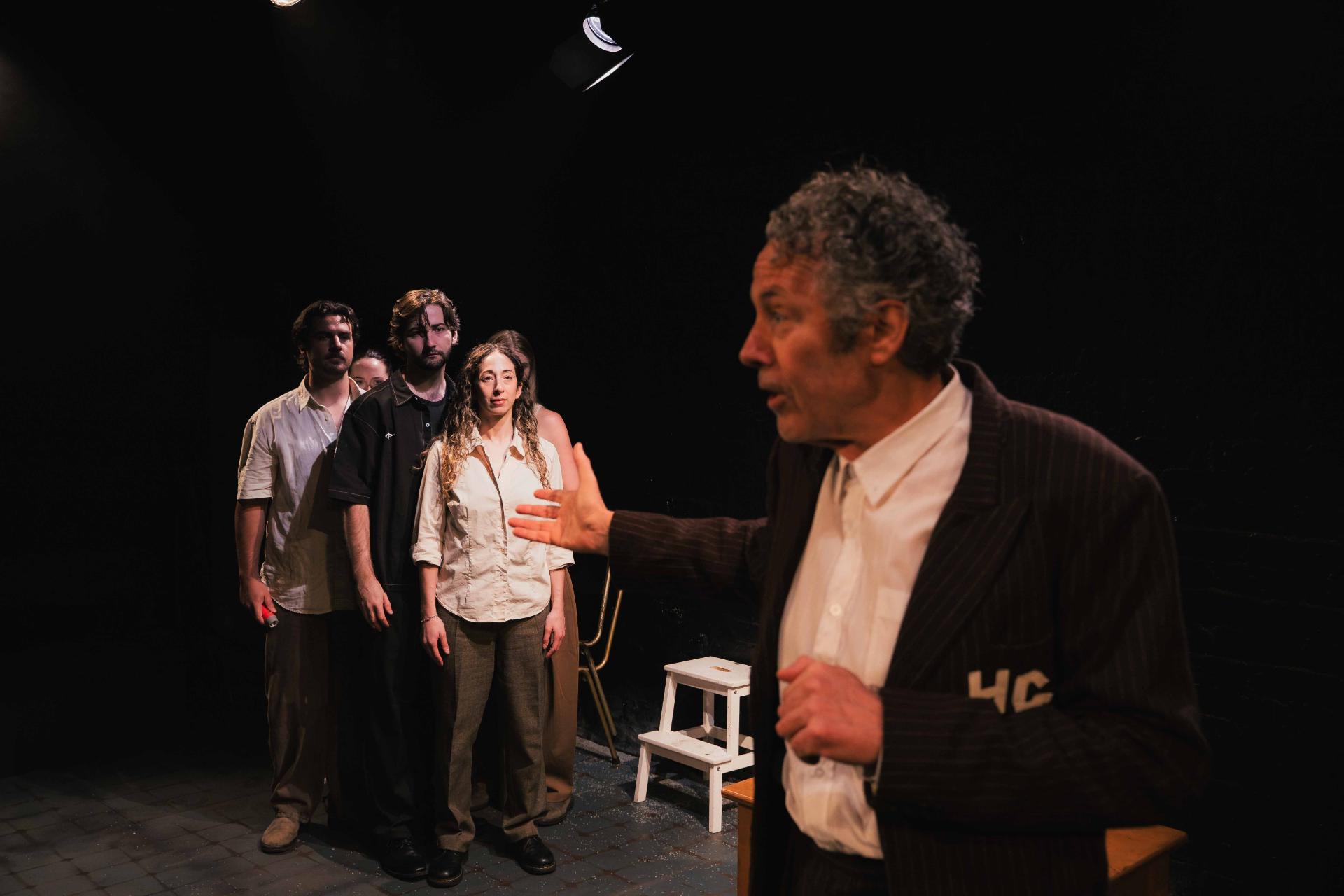
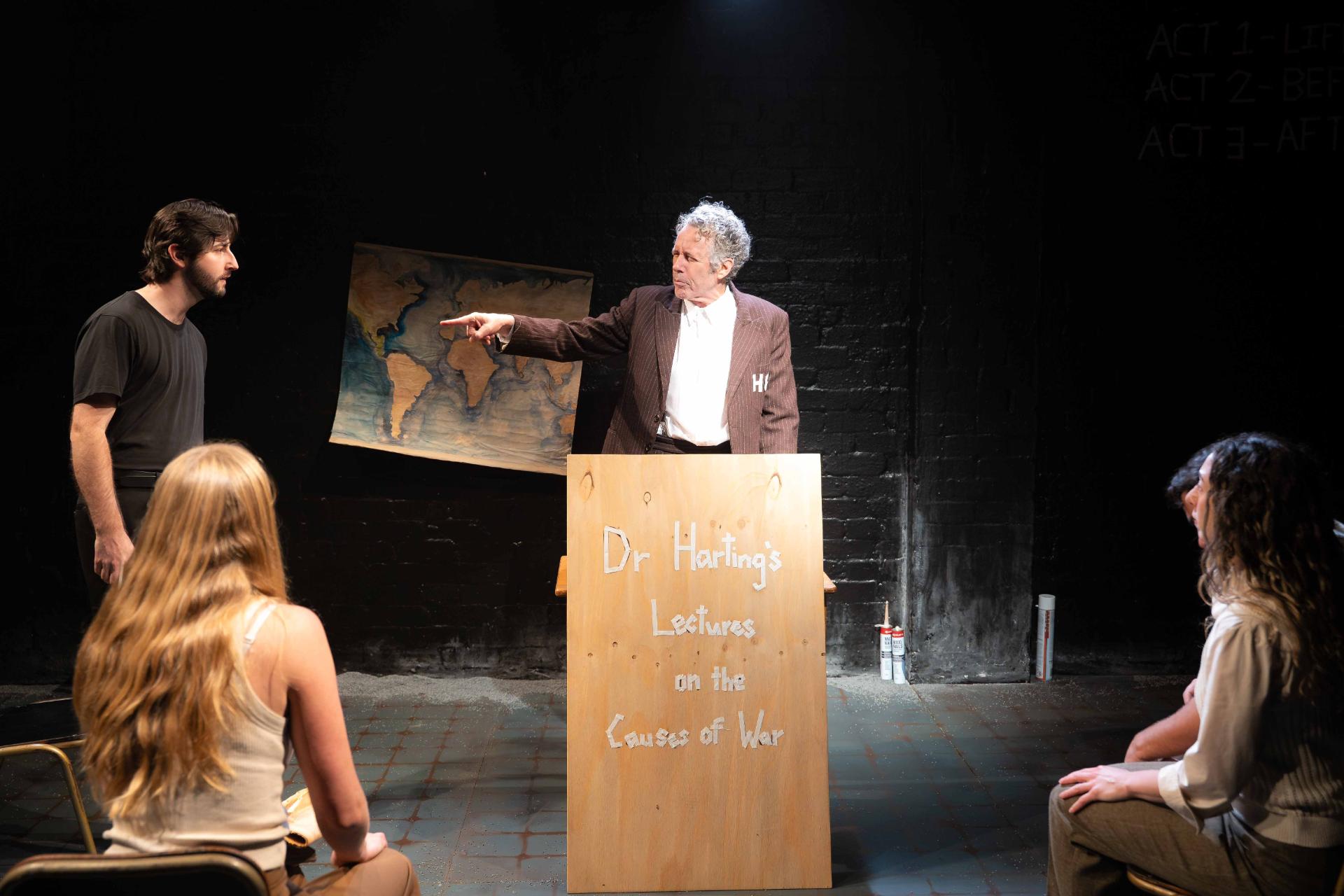
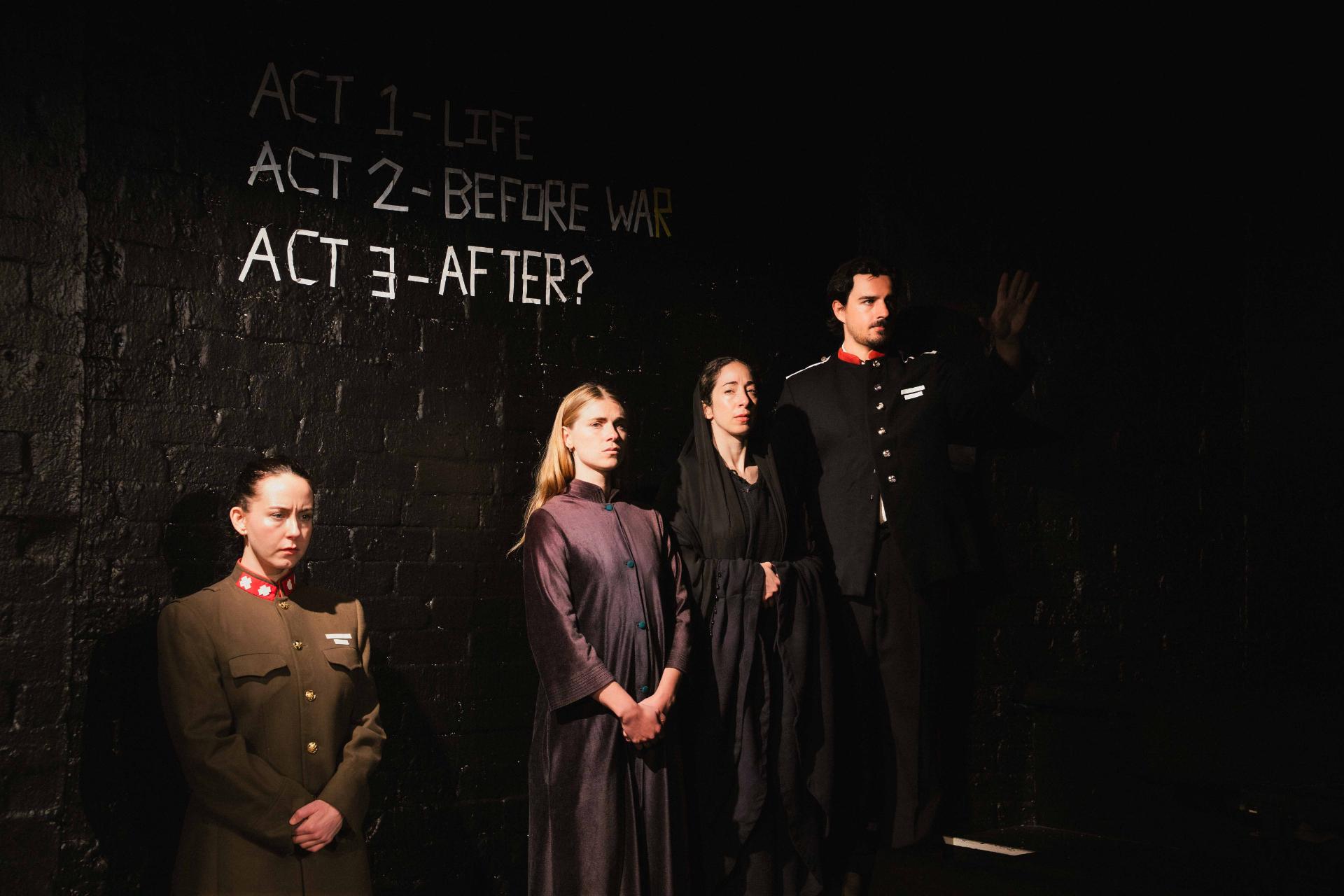
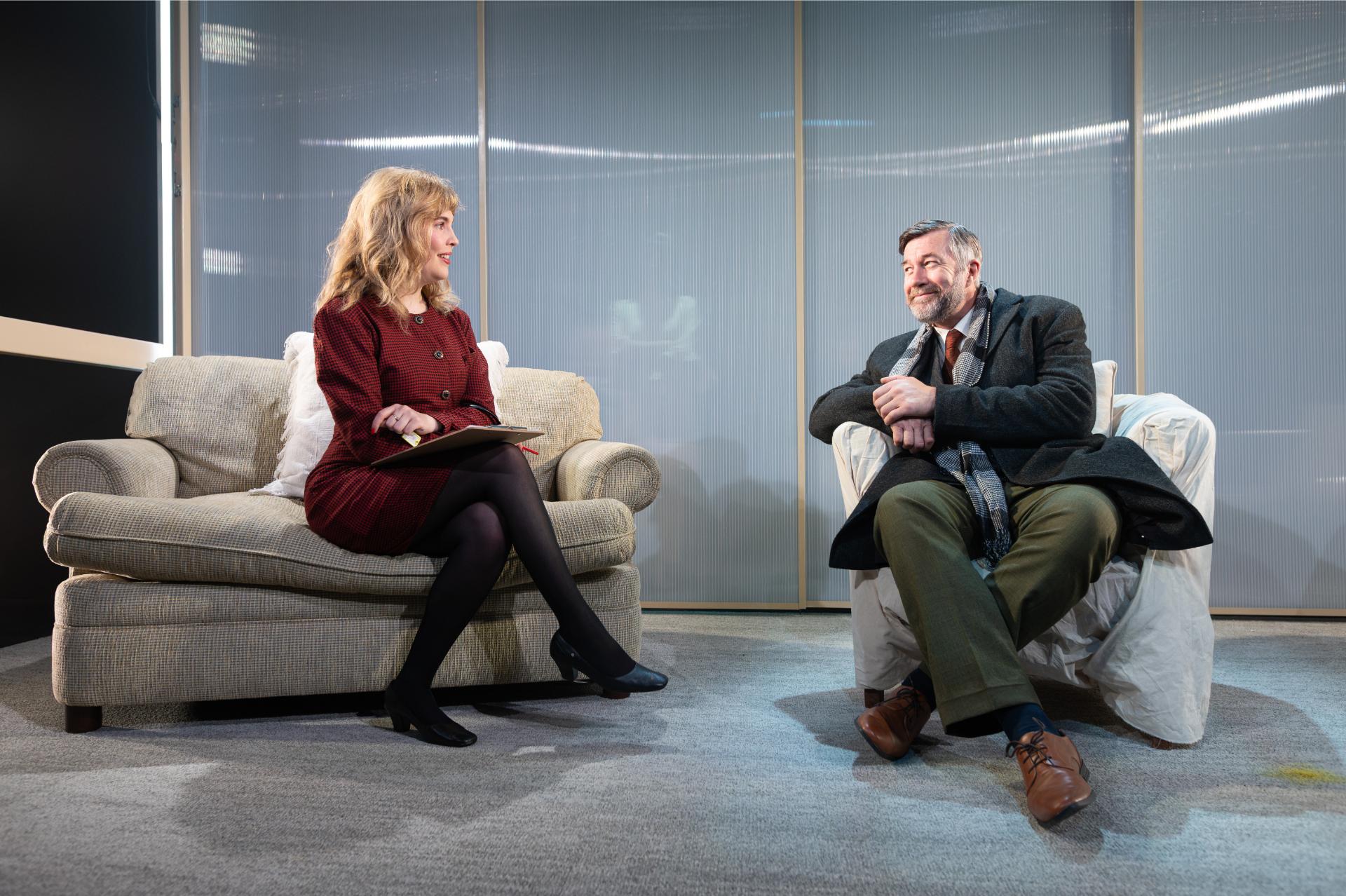
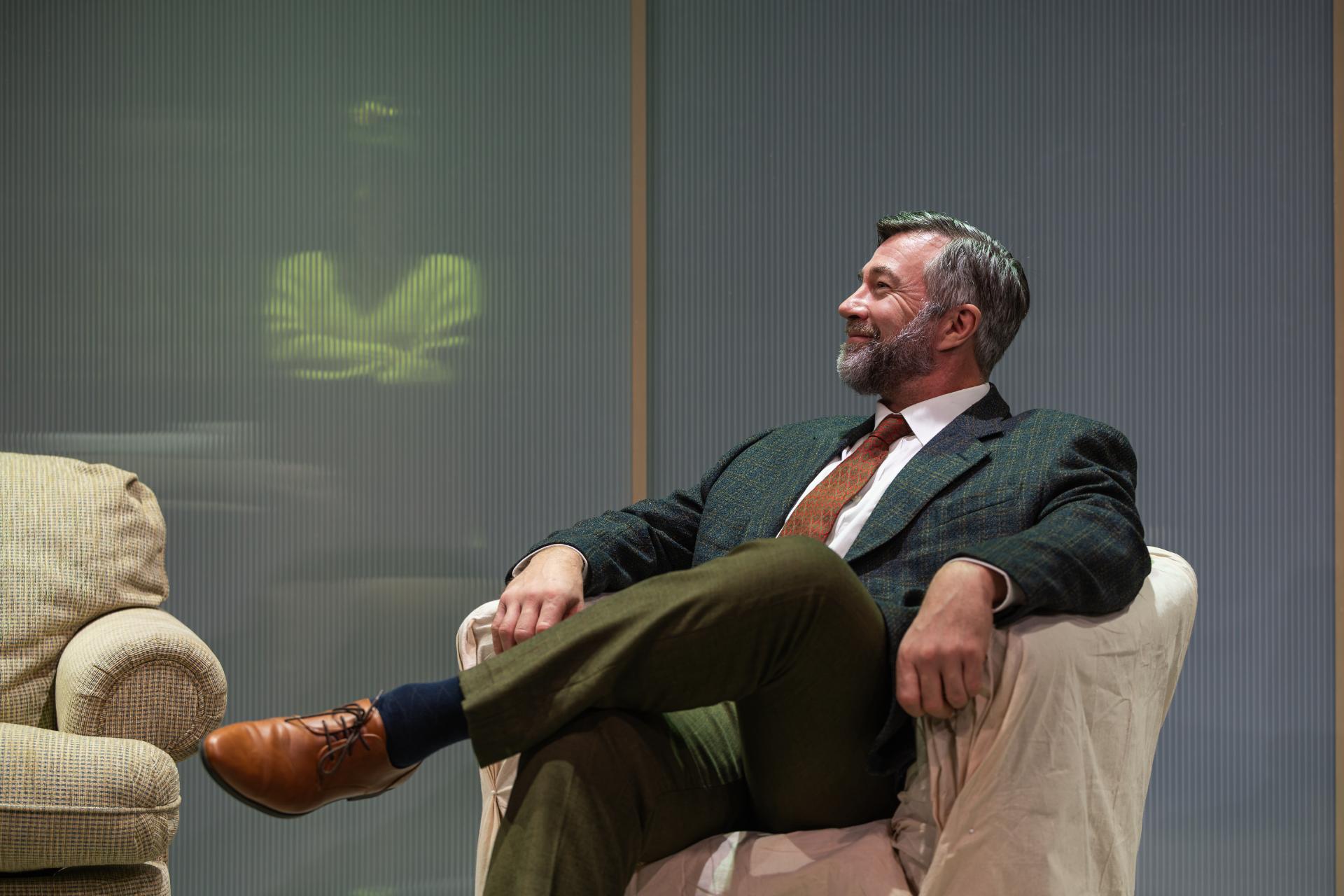
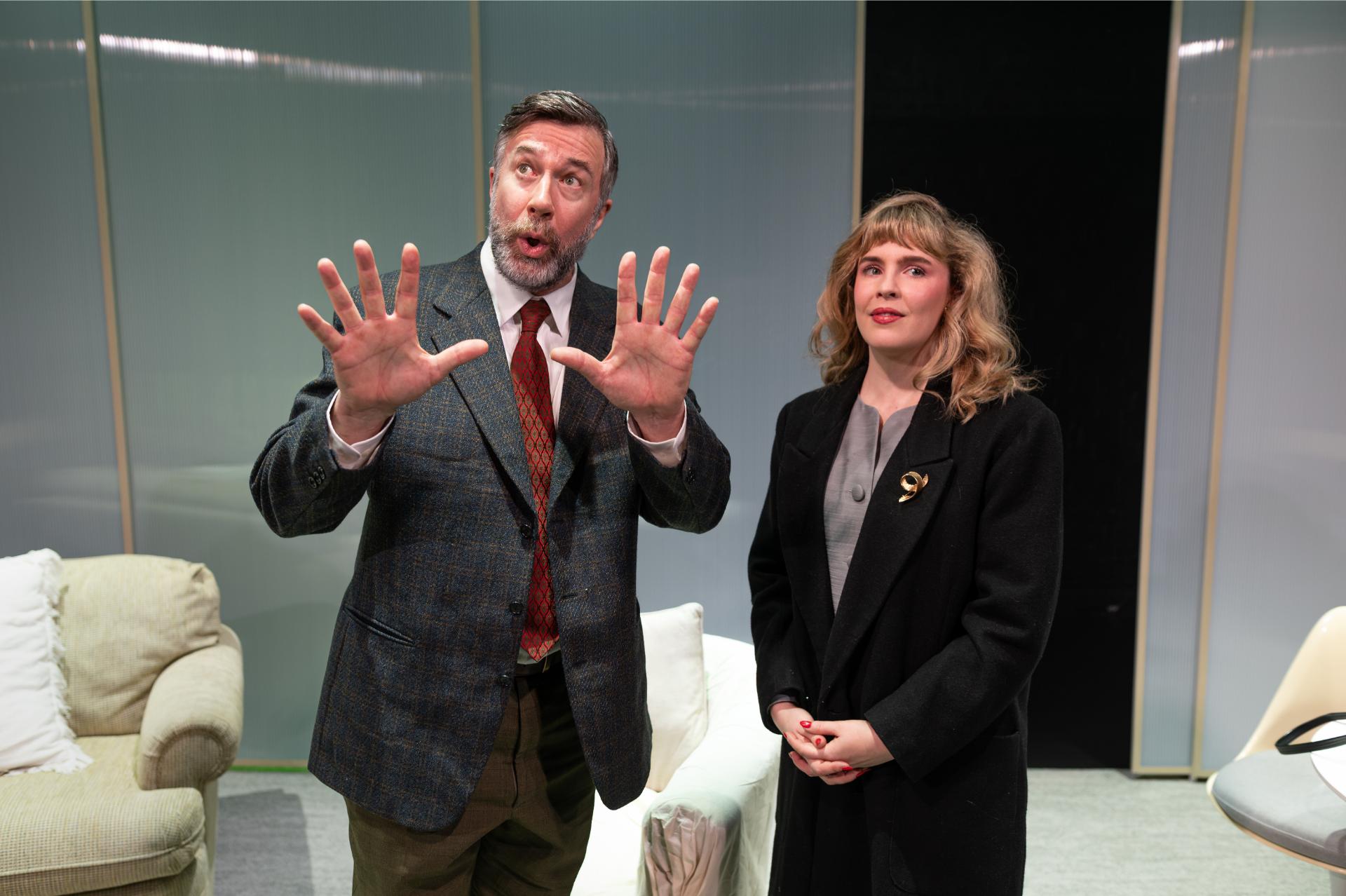
H.G. Wells published The King Who Was a King in 1929, reworking as a novel a proposed film treatment that had failed to reach the screen. In Ayah Tayeh’s new adaptation, characters from the book assemble to tell its story, while Wells himself appears alongside them, reminding us that this is a contemporary interrogation of inherited ideas. Such an approach seems entirely appropriate for a species perpetually reckoning with its propensity for war.

Tayeh’s distillation can make Wells’ arguments seem simplistic, particularly at a moment when our daily encounters with the subject demand an almost unbearable complexity of thought and feeling. The adaptation gains depth, however, when it ventures beyond its source, admitting perspectives that complicate the author’s propositions and broaden the terms of the discussion.

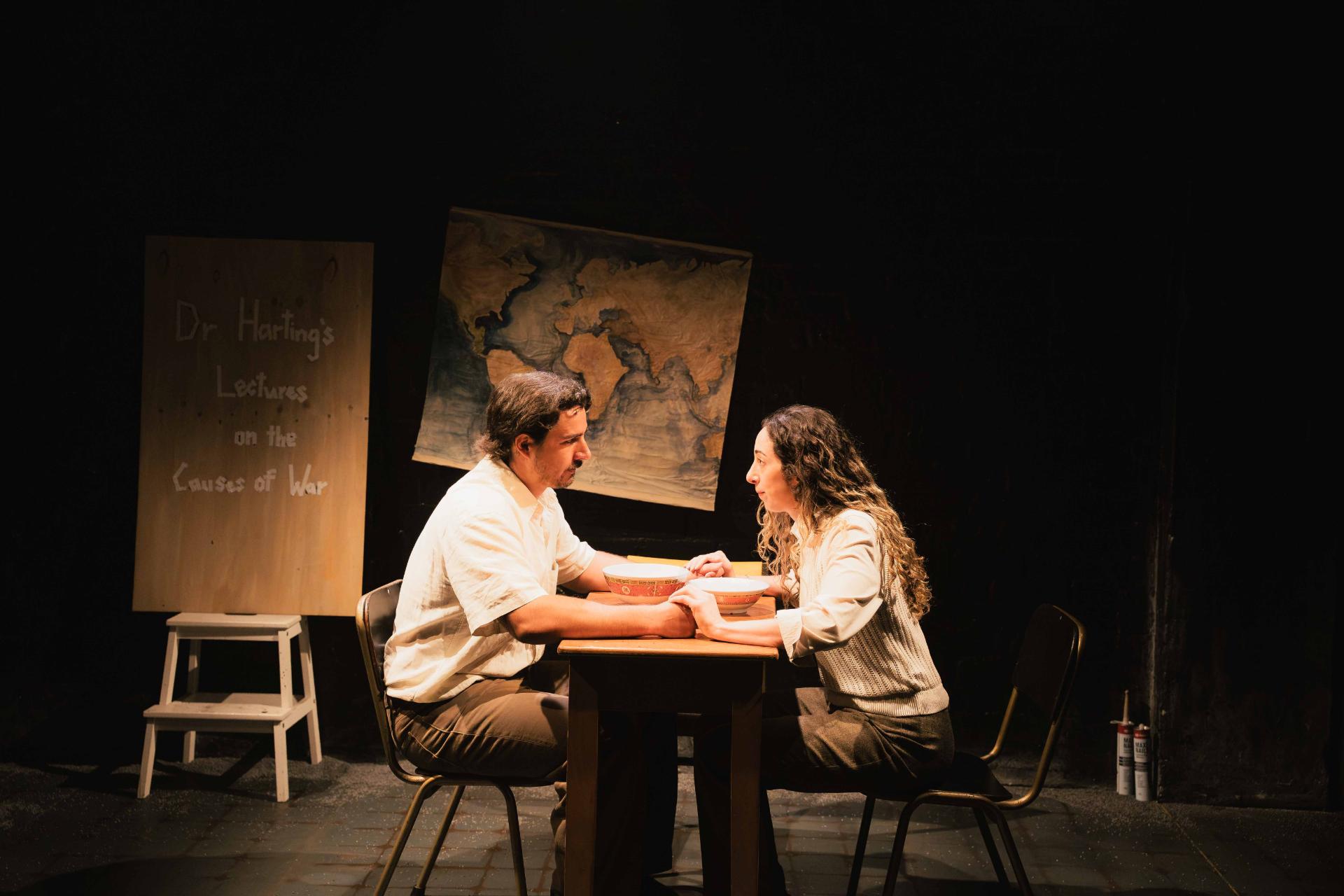
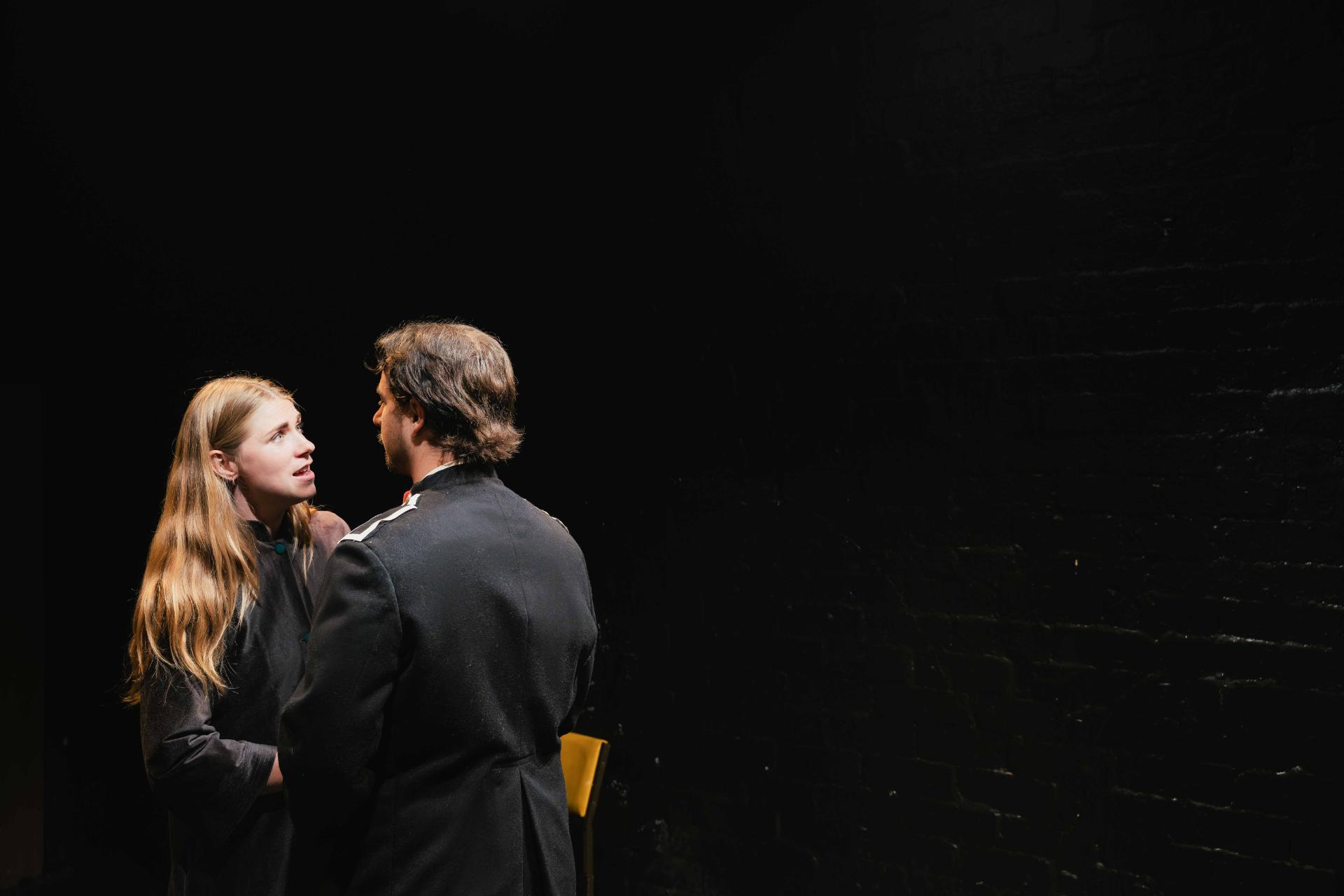
As director, Tayeh establishes a surprisingly assured balance between gravity and droll humour, allowing the production to remain approachable without diminishing its subject. Particularly commendable is her refusal to resort to easy sentimentality or exploit the traumas that performers and spectators may bring to the room. There is a restraint to the staging that gives its emotional register integrity.

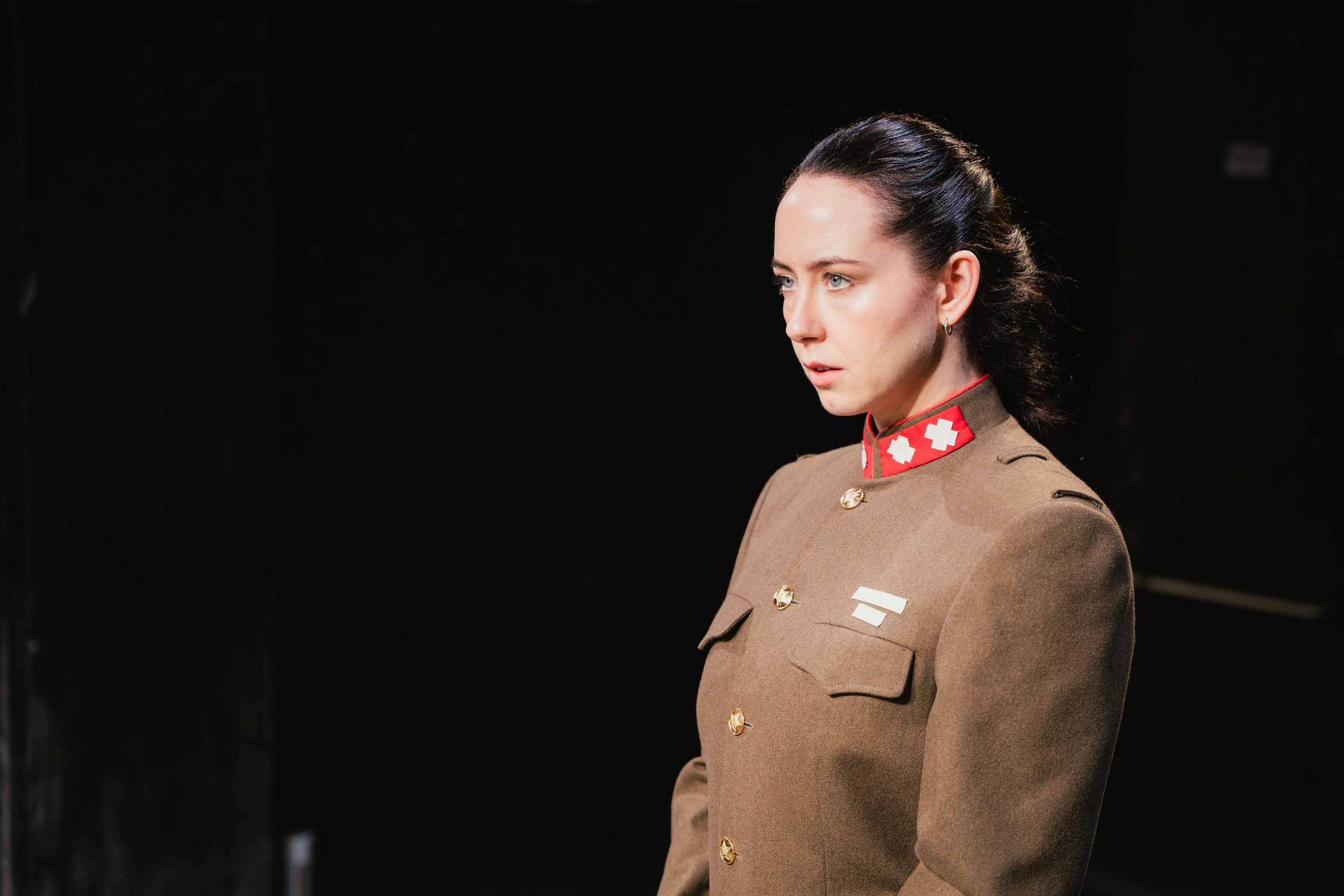
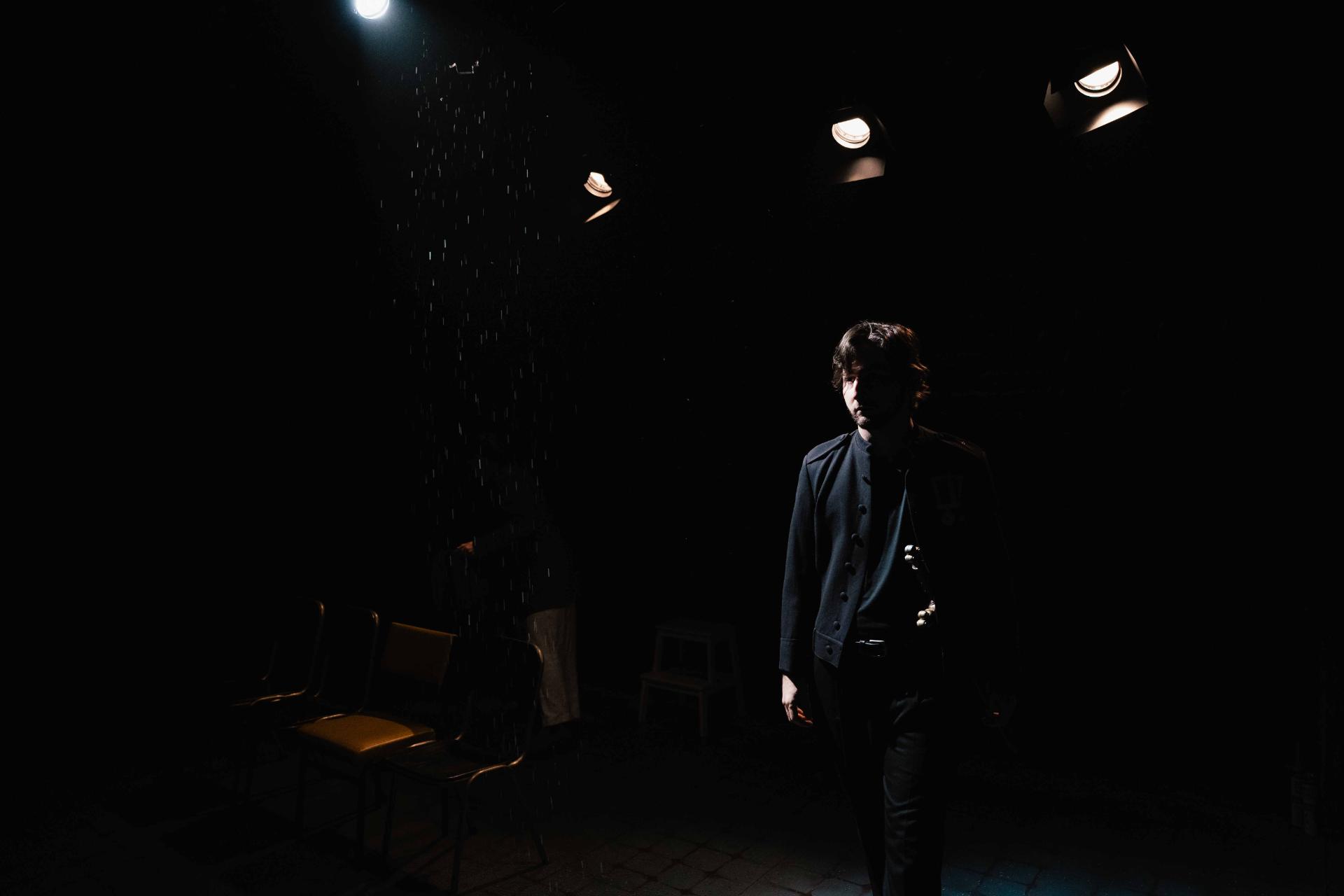
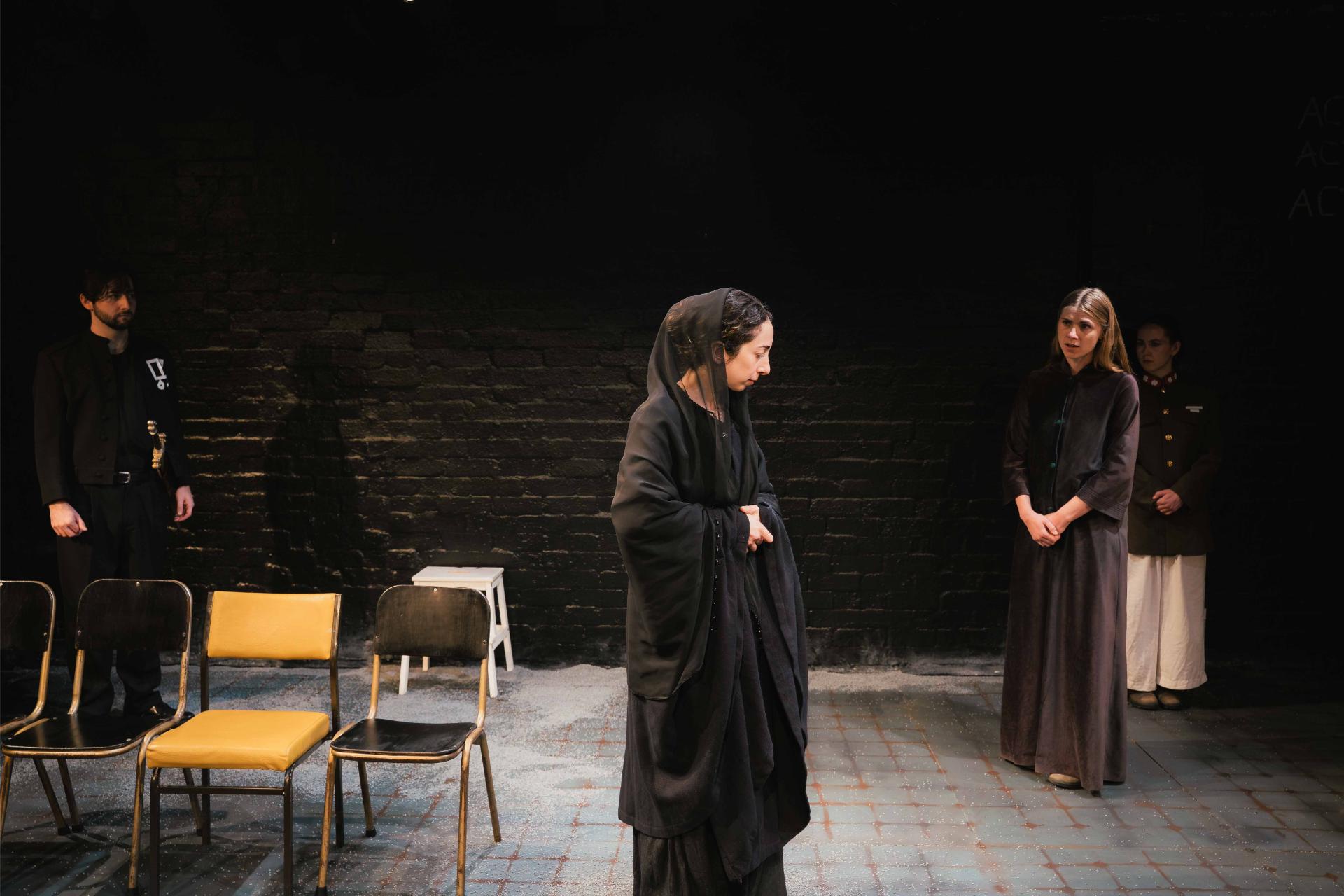
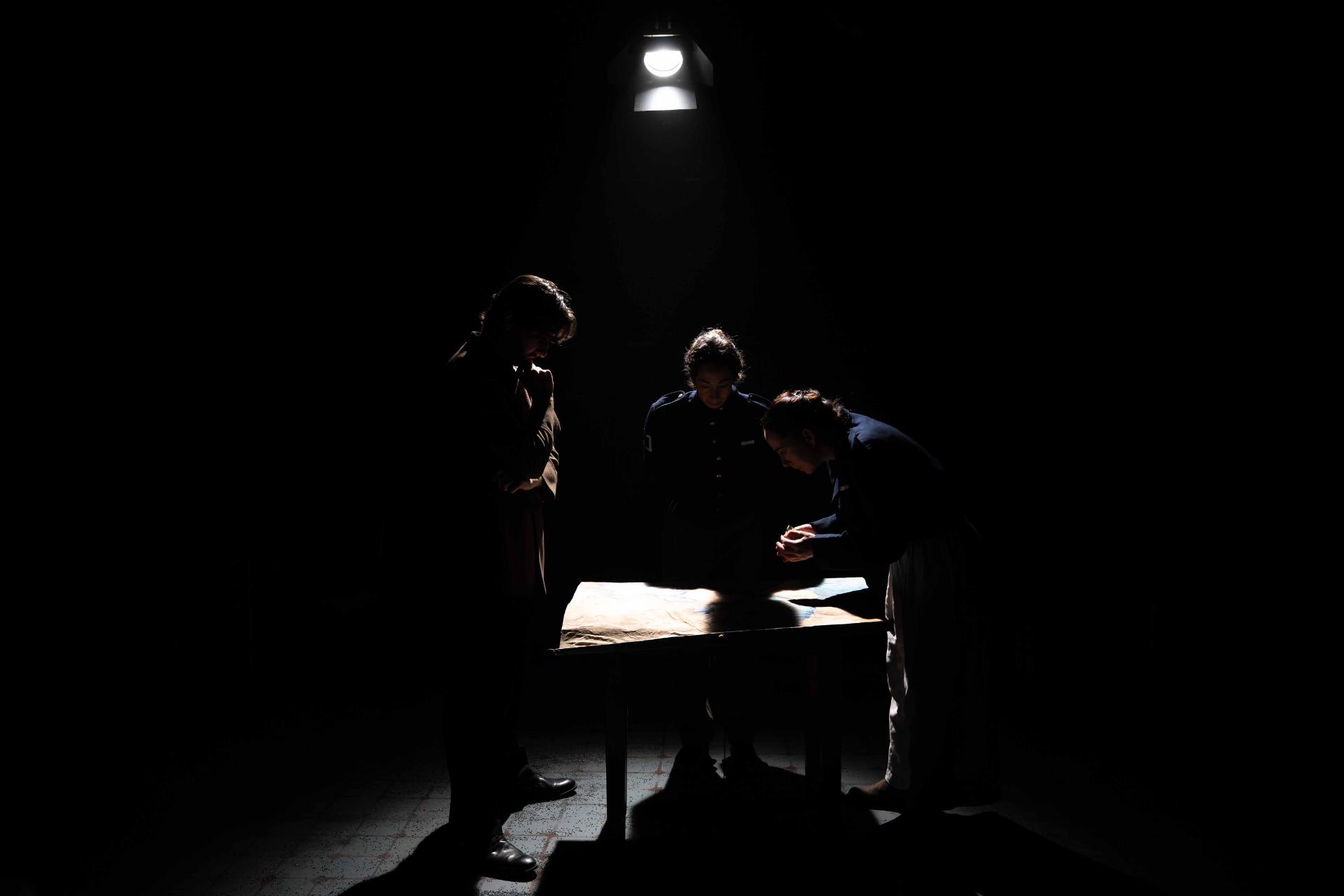
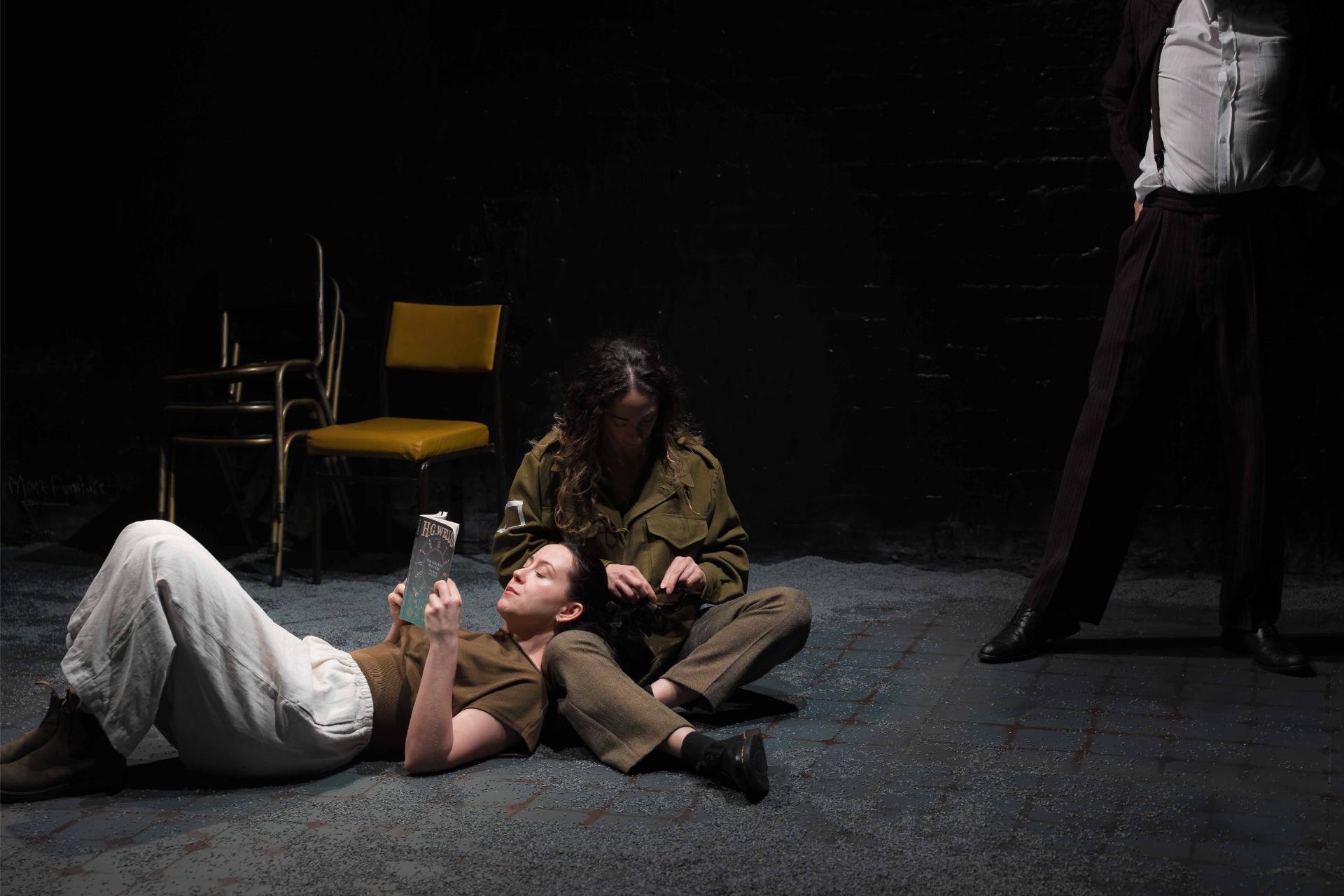
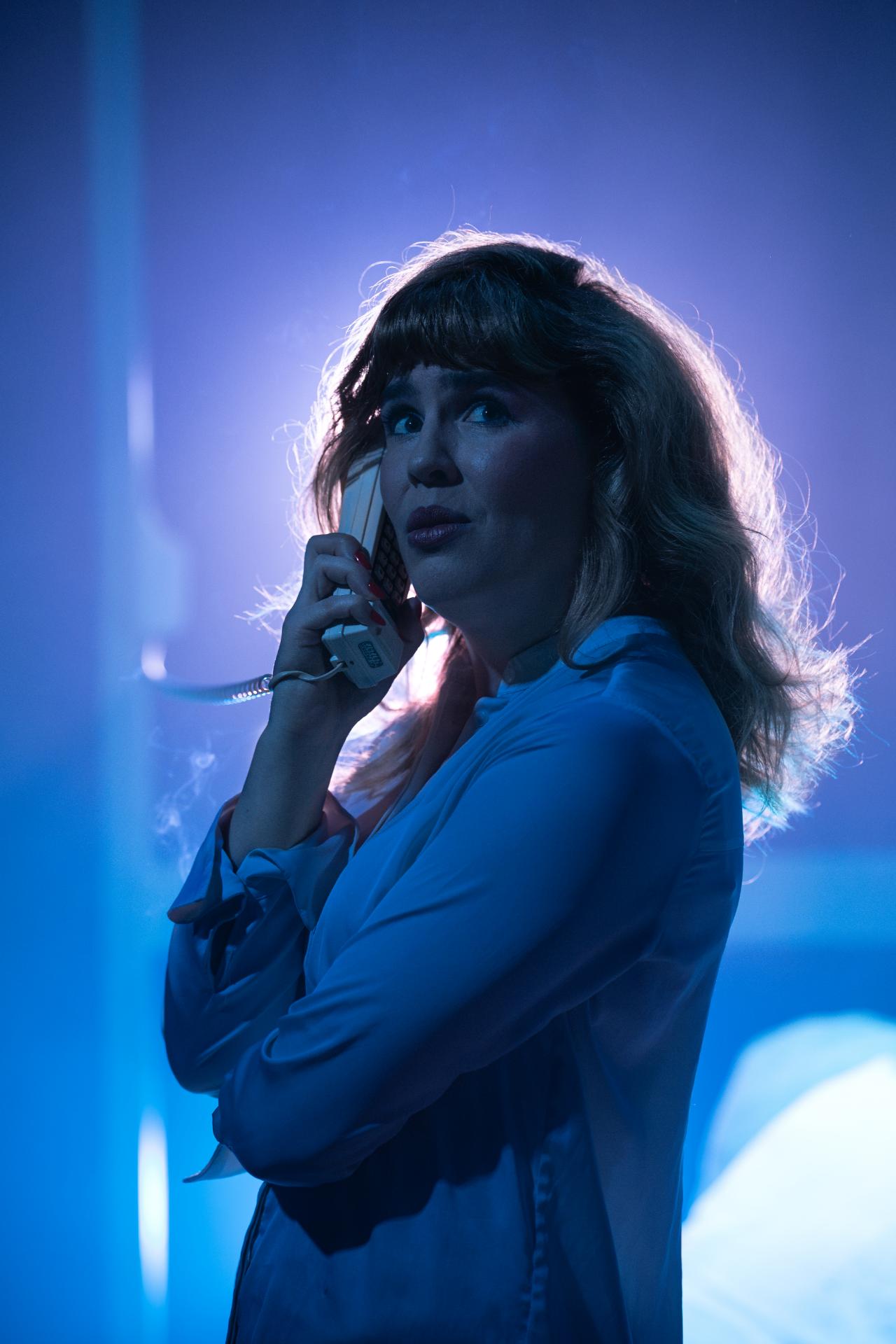
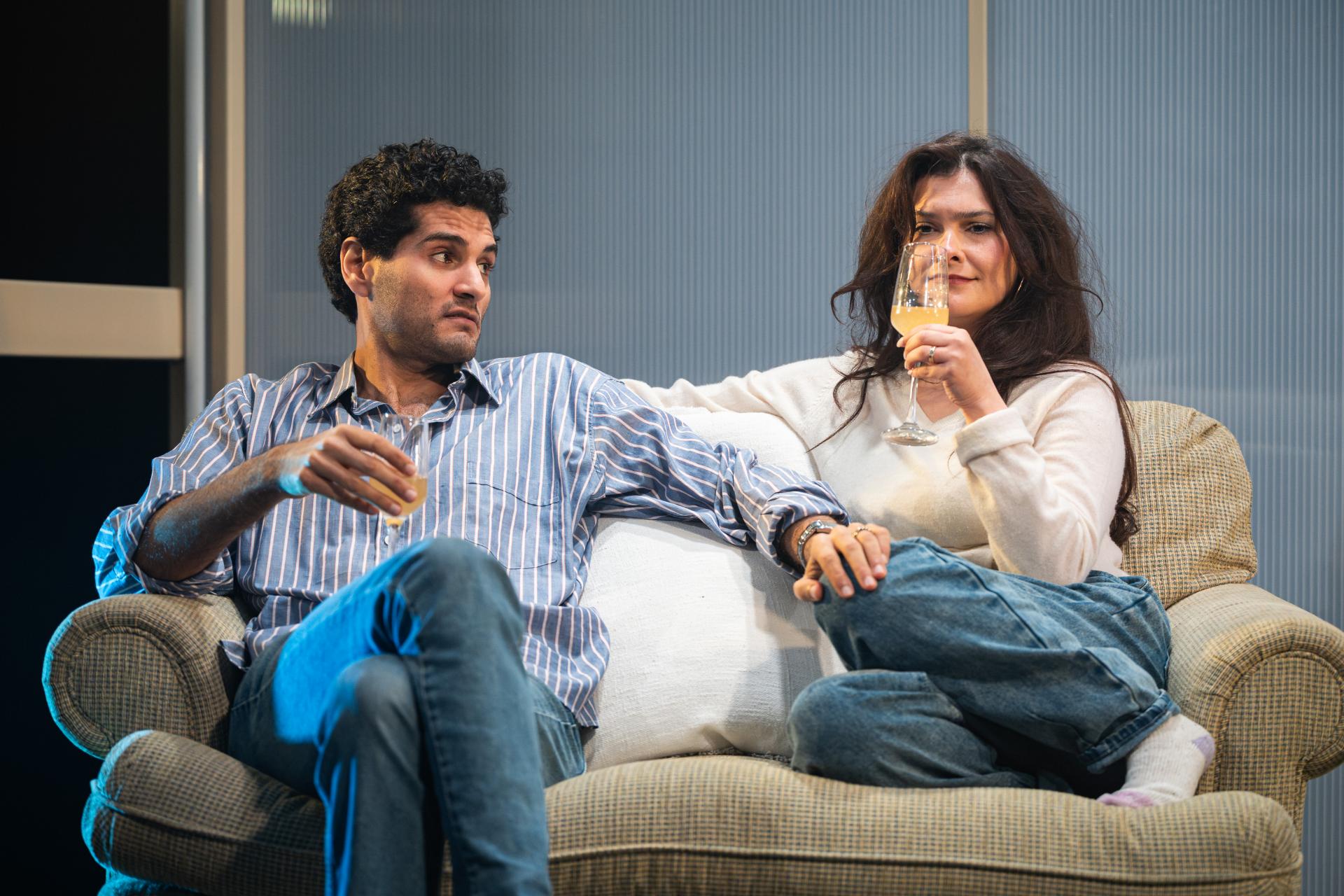
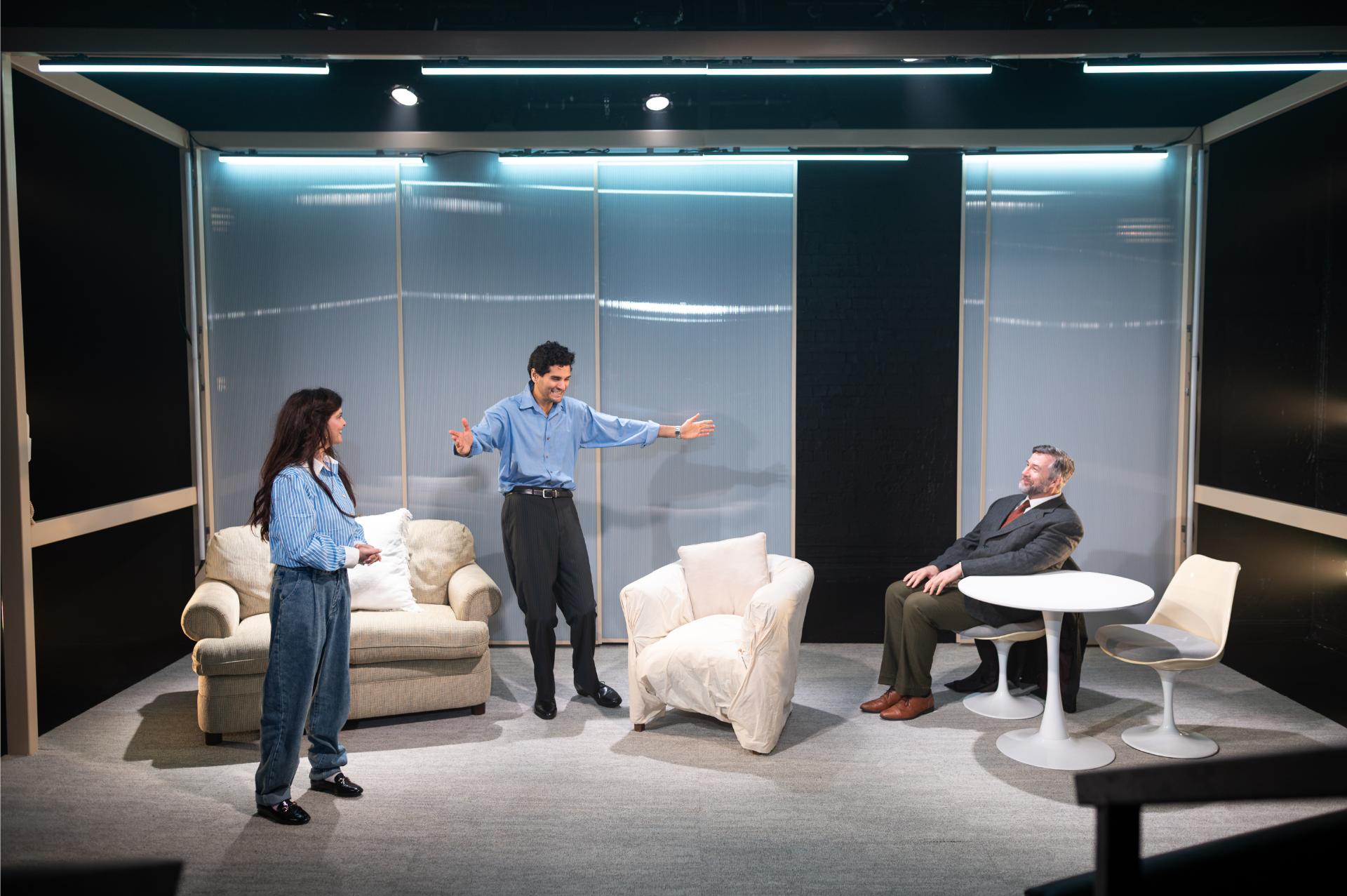
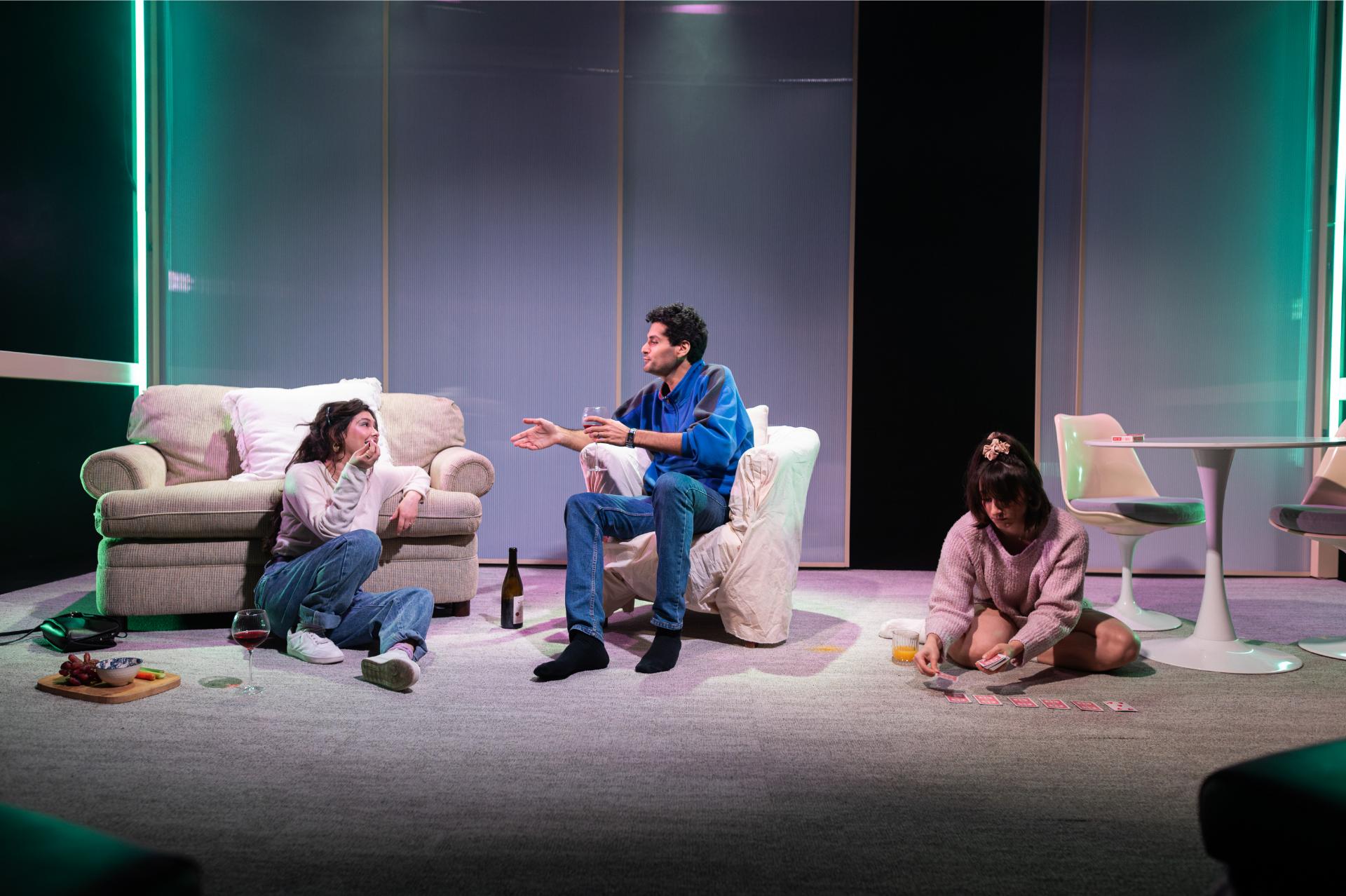
The work is visually elegant. Bronte Hunt’s minimal set offers just enough suggestion to evoke territorial boundaries and the divisions they impose, while Travis Kecek’s similarly understated lighting sustains a quiet dramatic tension. Andrea Knezevic’s costumes introduce a pleasing palette, although their execution would benefit from closer attention to detail. Daniel Hertern’s music is particularly effective, finding a sonic expression for the tangled pain that war engenders. Its expansive theatricality deepens the production’s emotional resonance without tipping into melodramatic excess or obvious emotional manipulation.

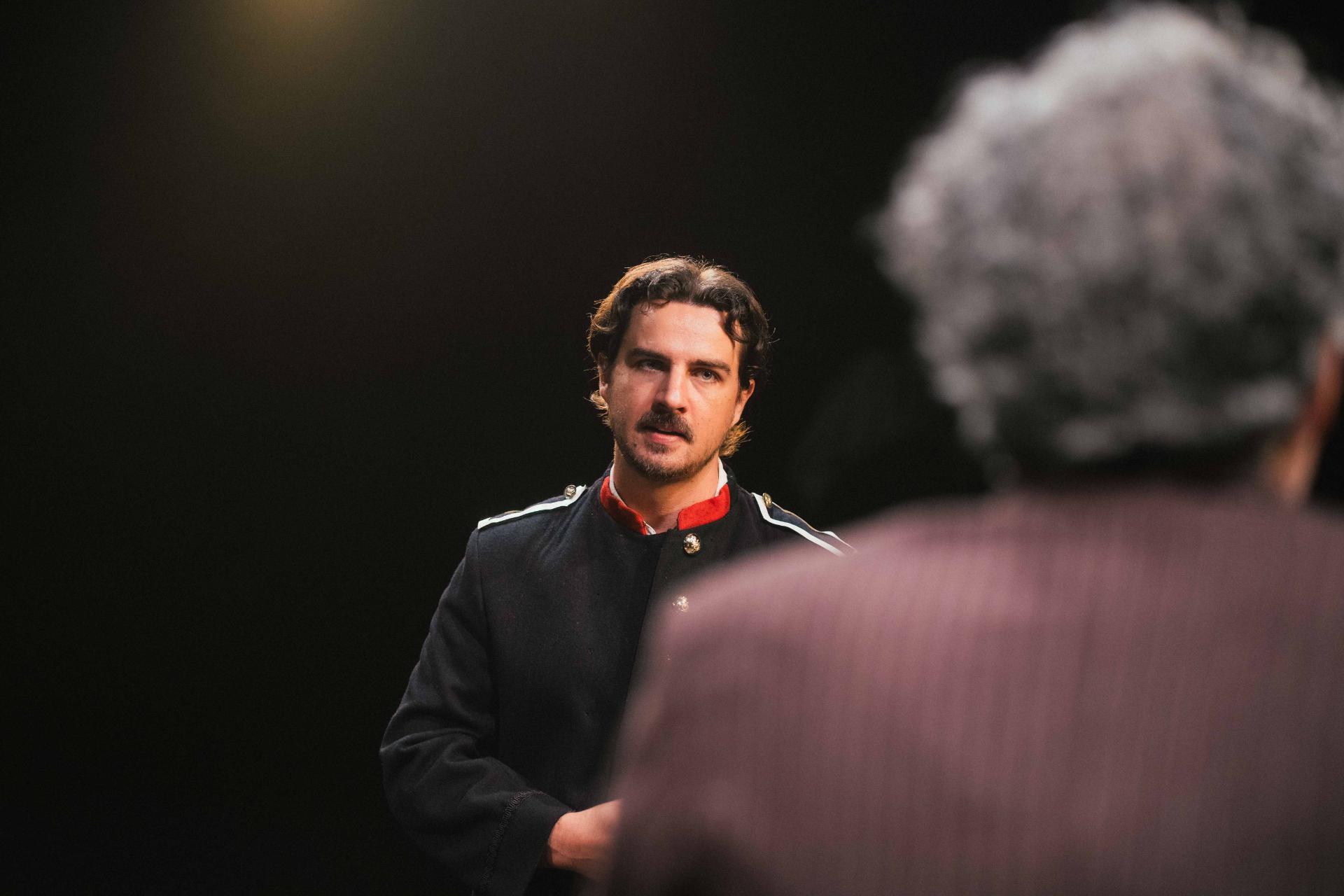
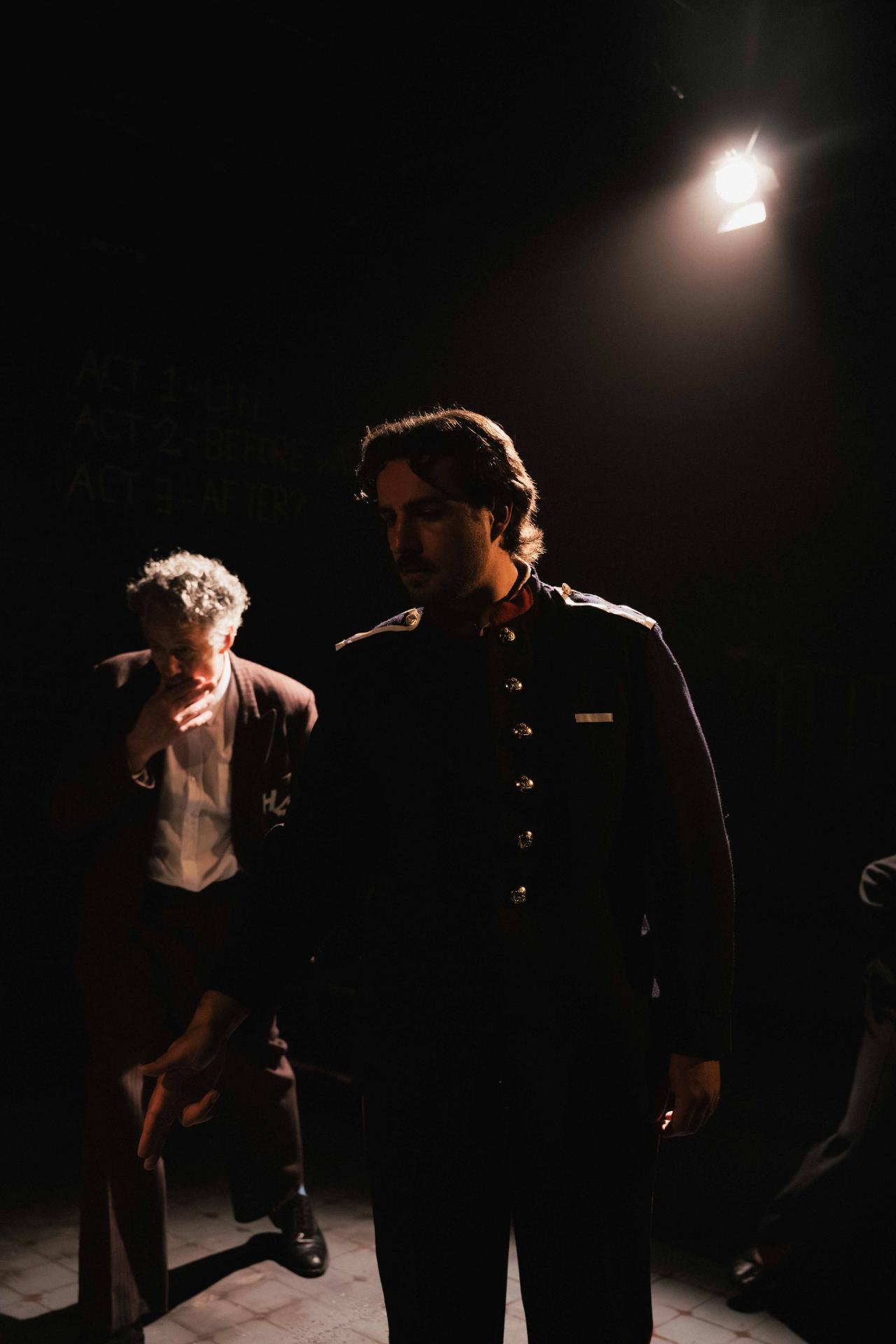
A strong ensemble brings commitment and generosity to the material, with an attentiveness to one another that lends the performance a cohesive energy. As Wells, Marco Chiappi is especially uninhibited, his commanding presence and instinctive timing providing an assured centre around which the production gathers.

The question of why we wage war, which occupies so much of Wells’ novel, can feel less pressing now than the increasingly desperate search for ways to stop it. For some, that desperation has acquired a new intensity; for others, it has long been an enduring condition. Its persistence can leave us suspended between the hope of peaceful resolution and a helplessness that gradually hardens into numbness. The play may offer little that is unfamiliar, but it recognises with honesty this exhausted, unresolved condition: our capacity to despair of humanity while continuing to ask something better of it.

www.belvoir.com.au | www.instagram.com/irregularprogramming.inc
Review: Dealing With Clair (Old Fitz Theatre)

Venue: Old Fitzroy Theatre (Woolloomooloo NSW), Jul 10 – 25, 2026
Playwright: Martin Crimp
Director: Harry Reid
Cast: Arkia Ashraf, Bayley Prendergast, Daniel Fletcher, Jade Fuda, Olivia Hall-Smith, Talia Benatar
Images by Robert Miniter

Theatre review
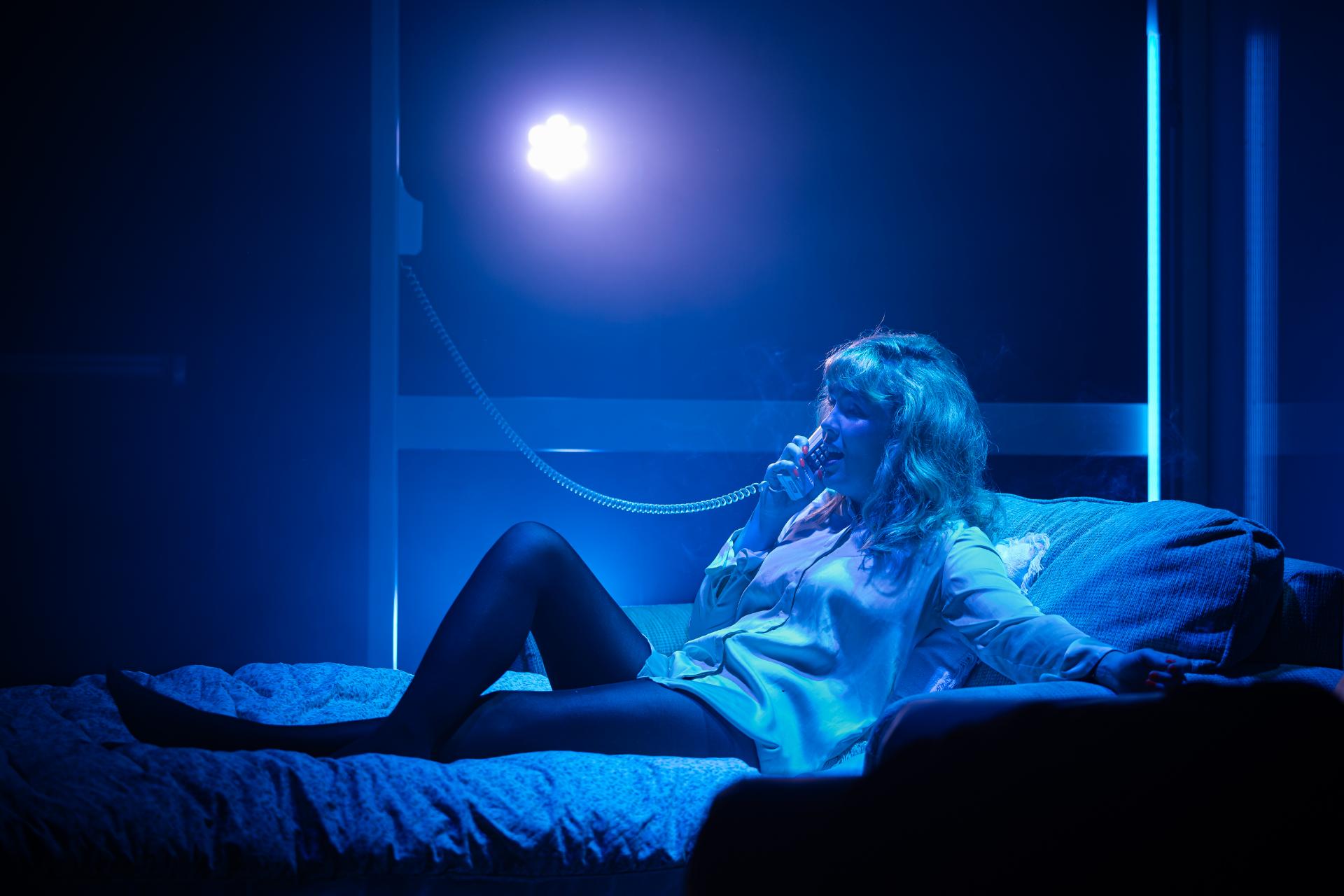
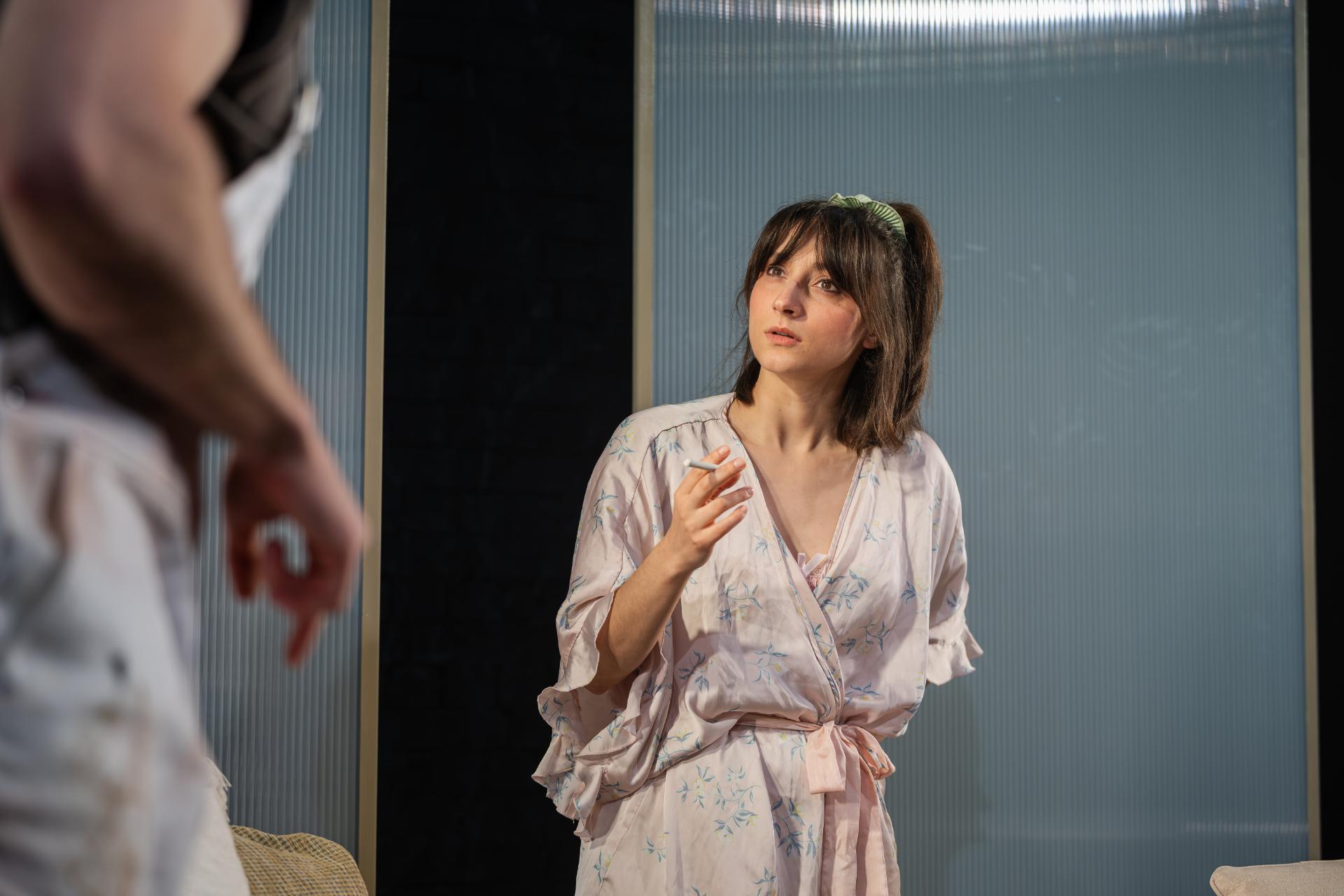
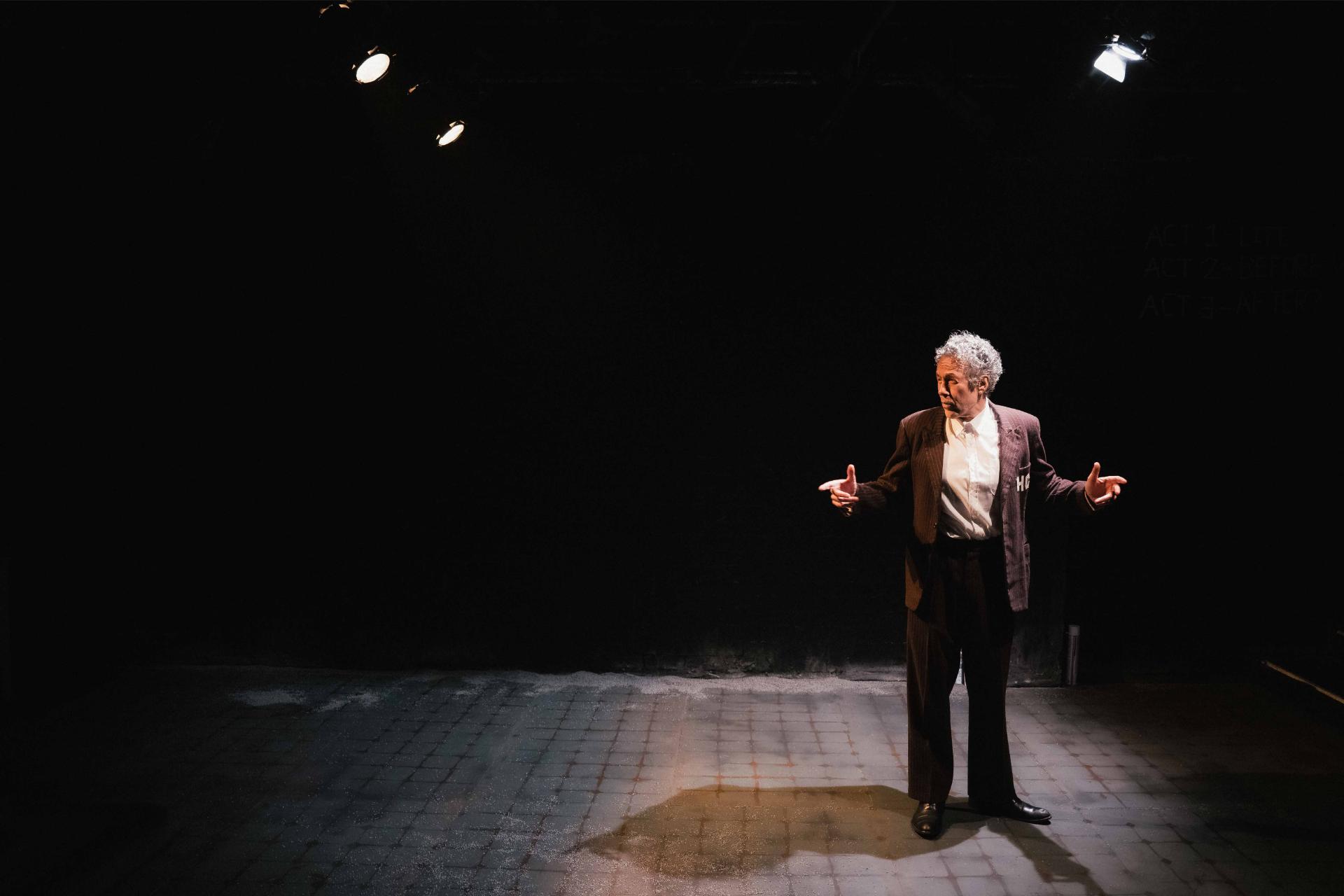
It is 1986, and Clair is an ambitious young woman navigating London’s cutthroat real estate market, hell-bent on carving out a better life for herself. While showing a property, she encounters James, a man of apparent means who claims he is ready to buy—yet something about him lingers just beyond the edge of trust. Martin Crimp’s Dealing with Clair is rooted in a true story that once dominated British headlines, written for an audience who lived through its cultural aftershocks. Four decades later, and half a world away, the play still coheres for audiences who know nothing of the original scandal, though many of its finer social nuances inevitably fade in transit.

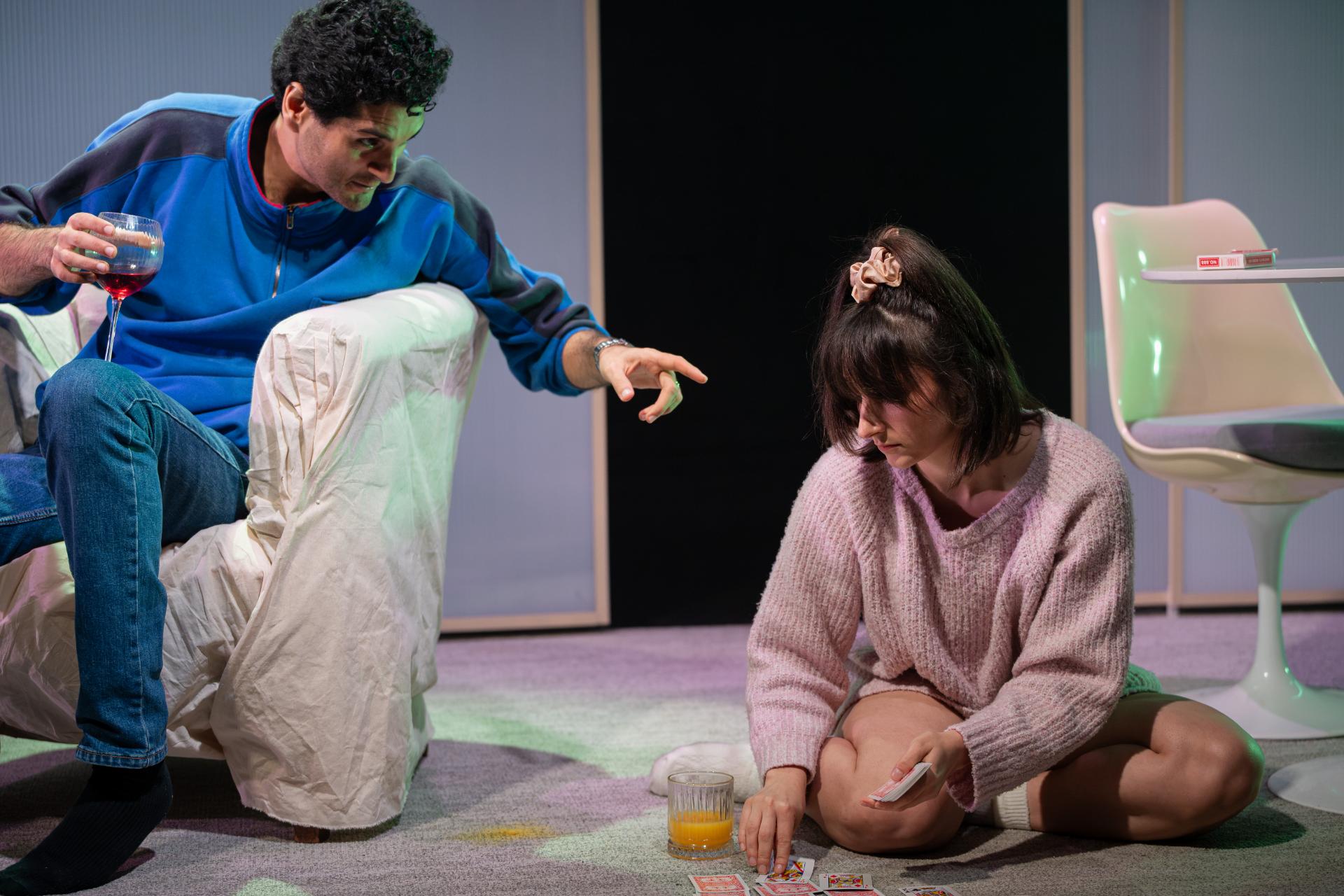
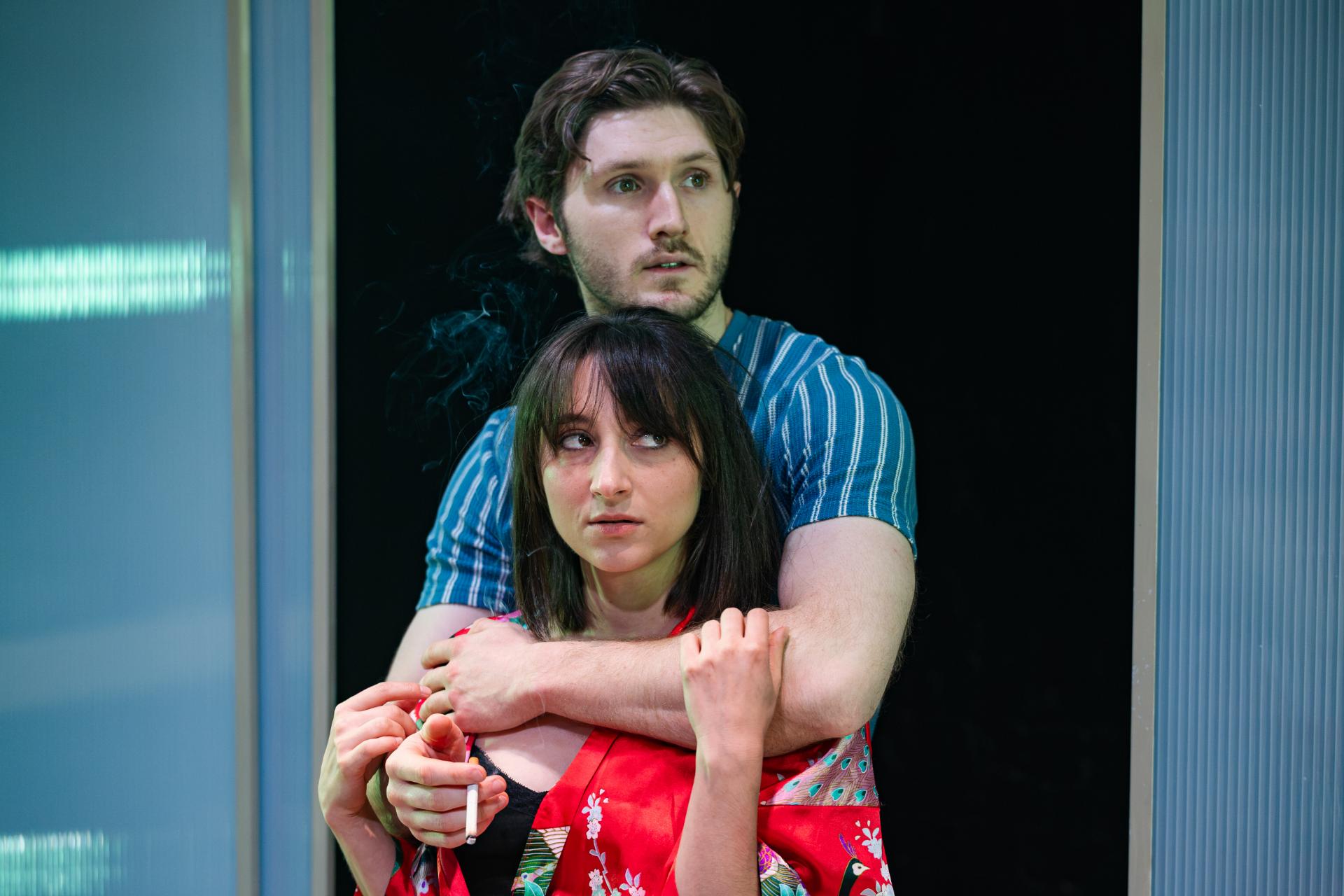
Director Harry Reid renders the central narrative lucid and gripping; the psychological chess match between Clair and James remains genuinely compelling. It is the surrounding scenes, however, that falter. Supporting characters appear designed to refract the social climate of the era, yet much of that commentary dissipates before it can land.

Daniel Fletcher delivers a superbly cunning James, skirting the line between earnest charm and quiet menace to create a villain who is both repellent and comprehensible. We despise him, yet we fully understand how Clair could be so thoroughly undone. Opposite him, Olivia Hall-Smith gives Clair a bright, infectious gregariousness that makes her ambition visible and visceral; we see the hunger for success that drives her to take reckless risks. Hall-Smith also threads a subtle innocence through the performance, a quiet suggestion of how modern capitalism preys upon the young, extracting sacrifices they could never have imagined.

Visually, the production is modest but serviceable. Soham Apte’s set is nimble and efficient, shifting locations without the drag of scene changes. Larisha Dowson-Taylor’s costumes largely succeed in transporting us back in time, though the supporting cast could use sharper visual signifiers to clarify who they represent within social dynamics of the time. Izzy Morrissey’s lighting deftly pivots between naturalism and heightened drama, lending the production an occasional, welcome jolt of theatrical intensity. The sound design, credited to Reid, is notably spare; a more aggressive sonic landscape would have done much to amplify the tension inherent in this disturbing tale.

Forty years on, one might hope that workplaces have grown safer for women, yet the truth is that most professional environments were built by and for men. We have spent decades retrofitting these spaces to accommodate broader participation, but we remain trapped in the architecture of an unjust foundation. Problems will continue to surface, and we will be forced to address each new iteration as it arises—because tearing it all down and starting over, it seems, remains beyond our reach.

www.oldfitztheatre.com.au | www.instagram.com/irregularprogramming.inc