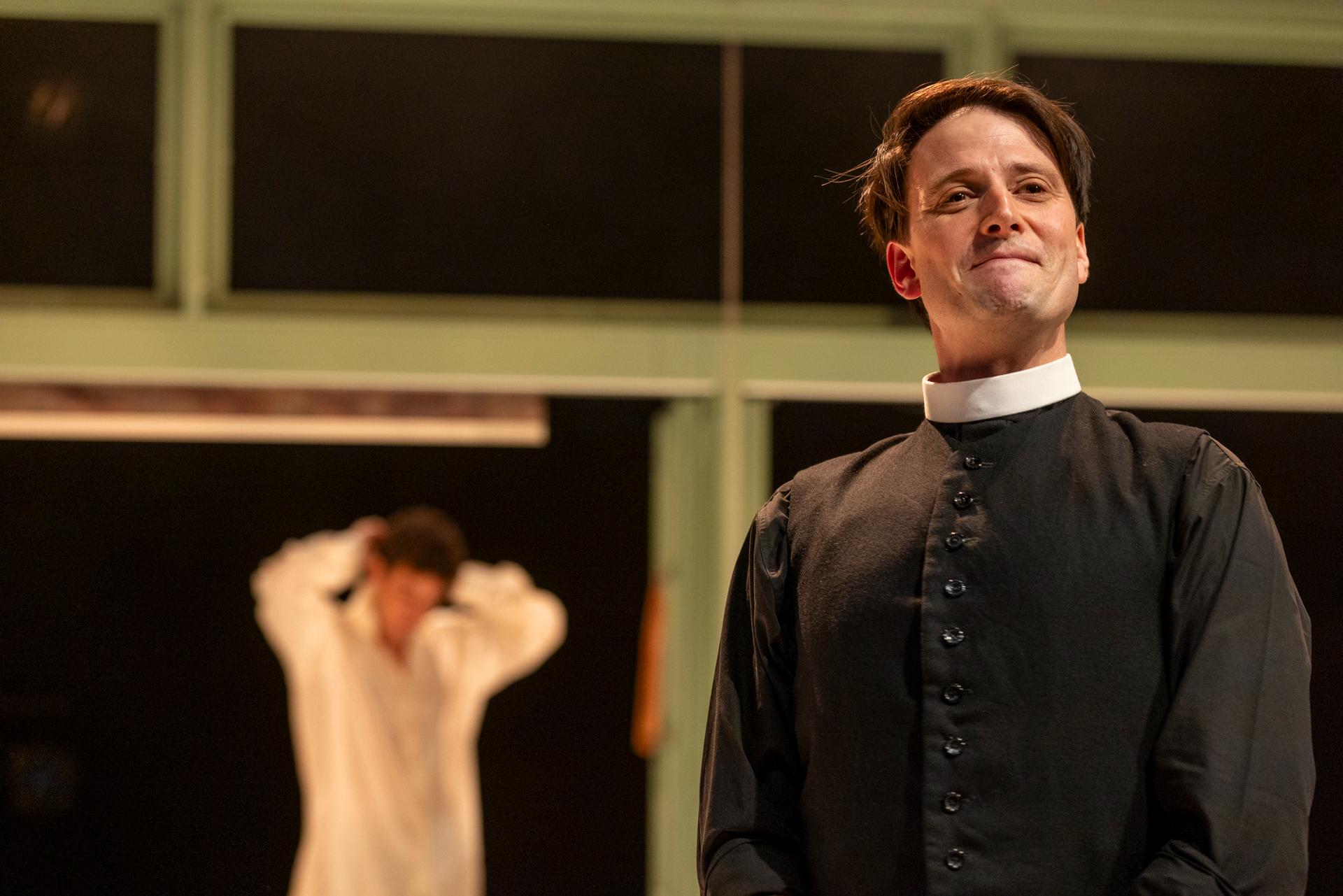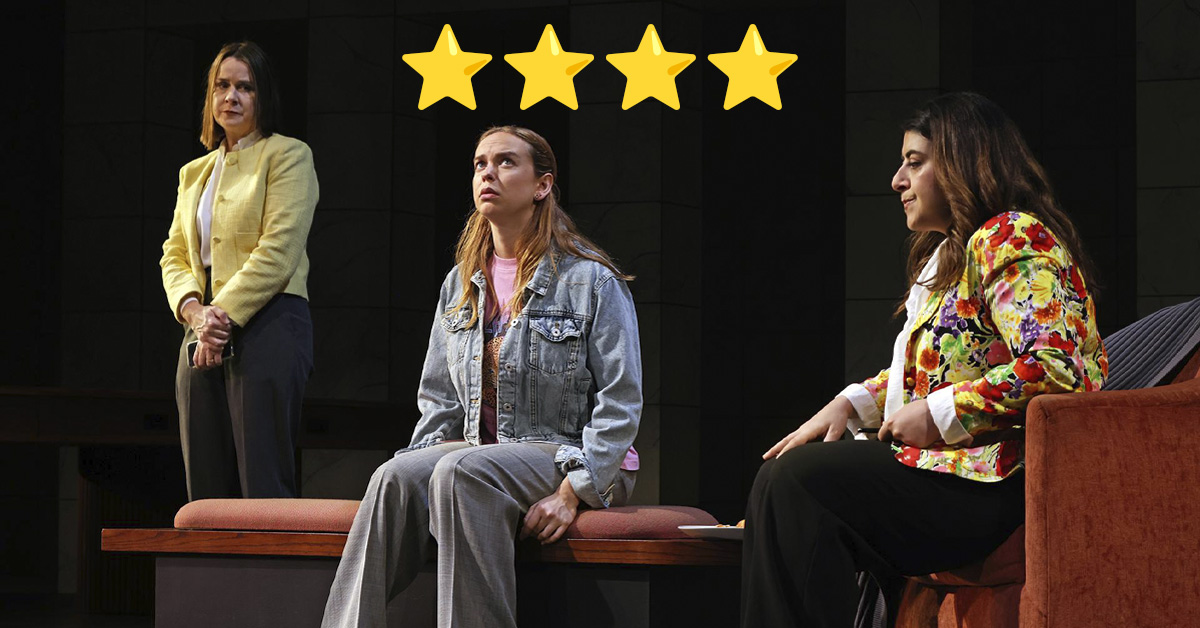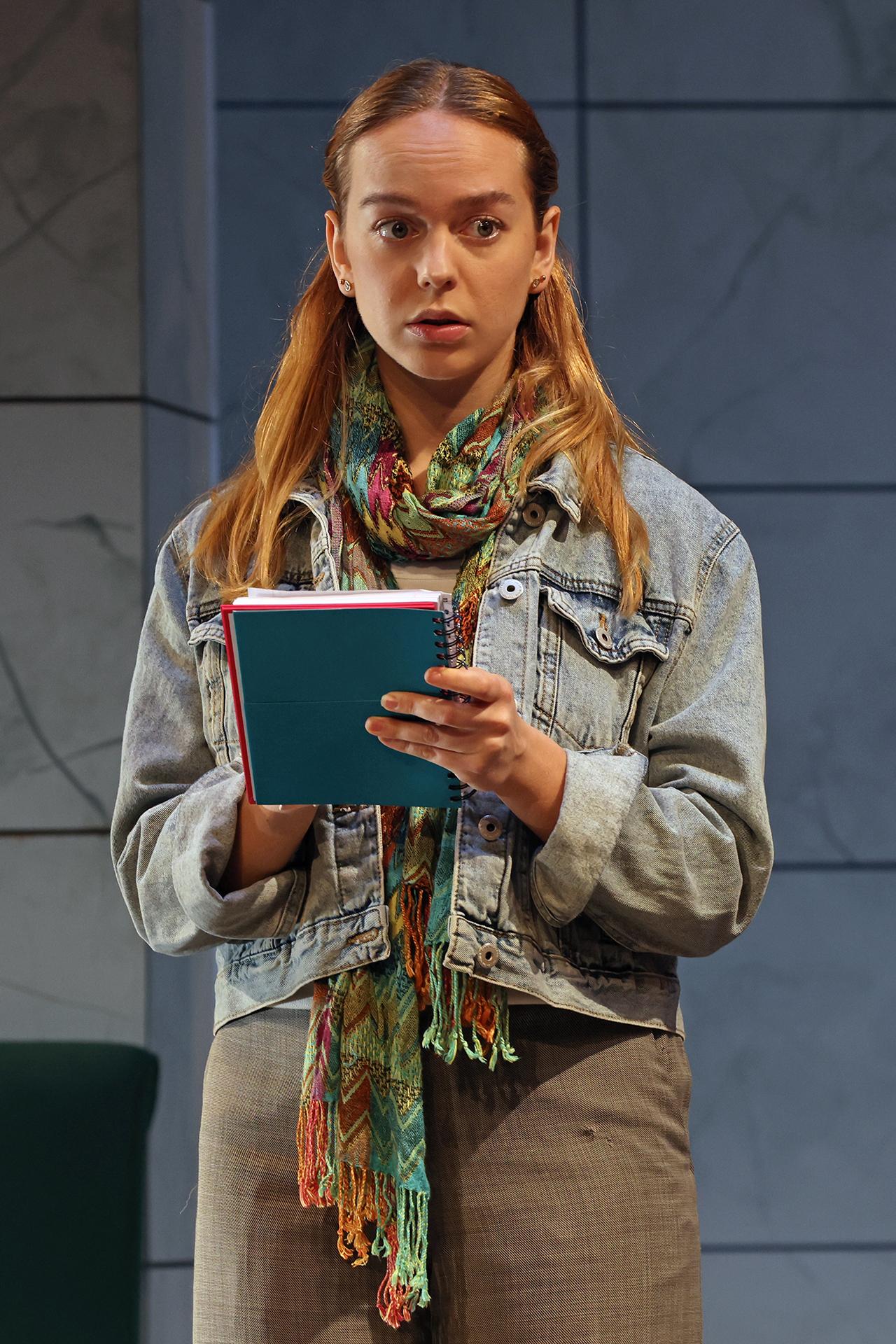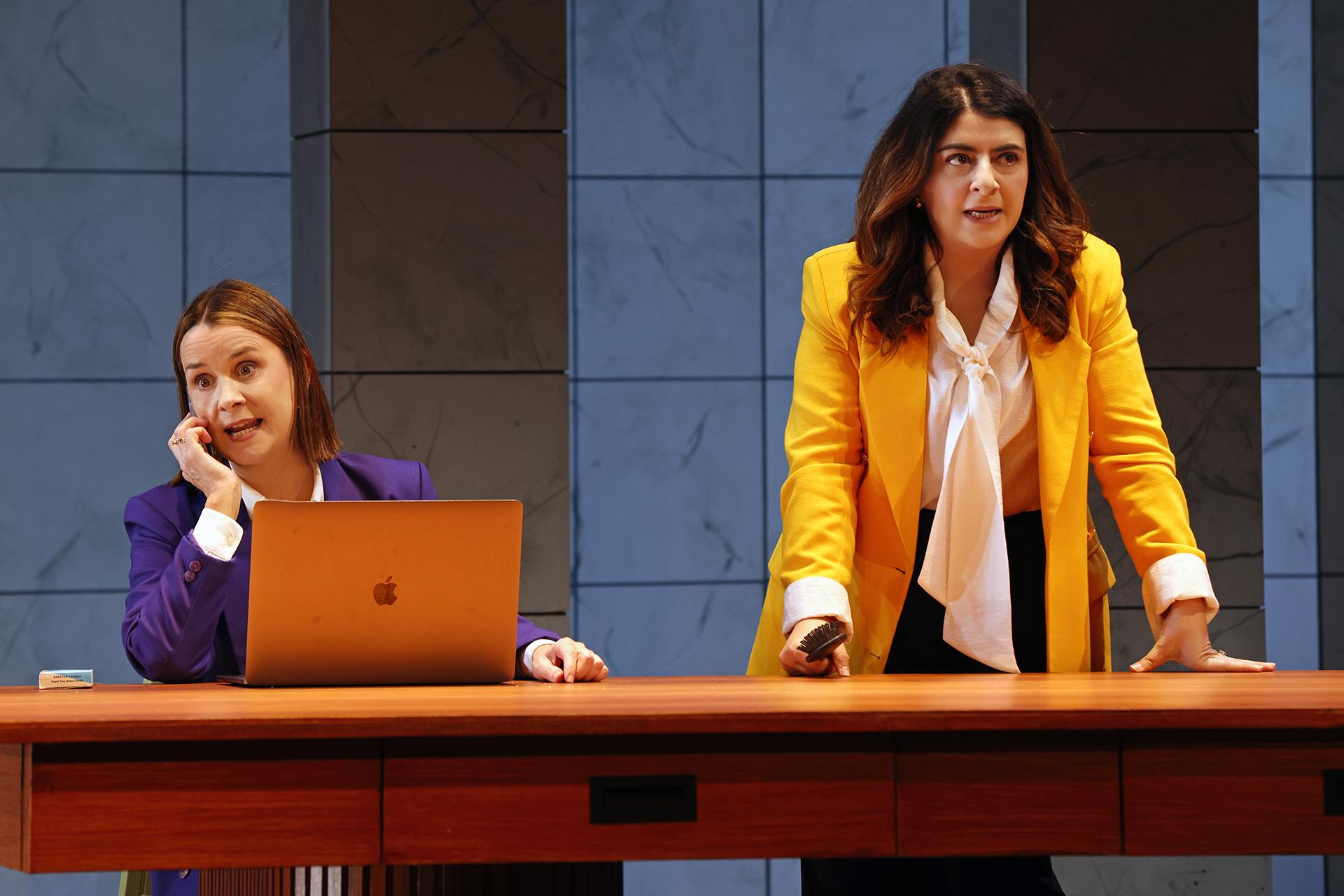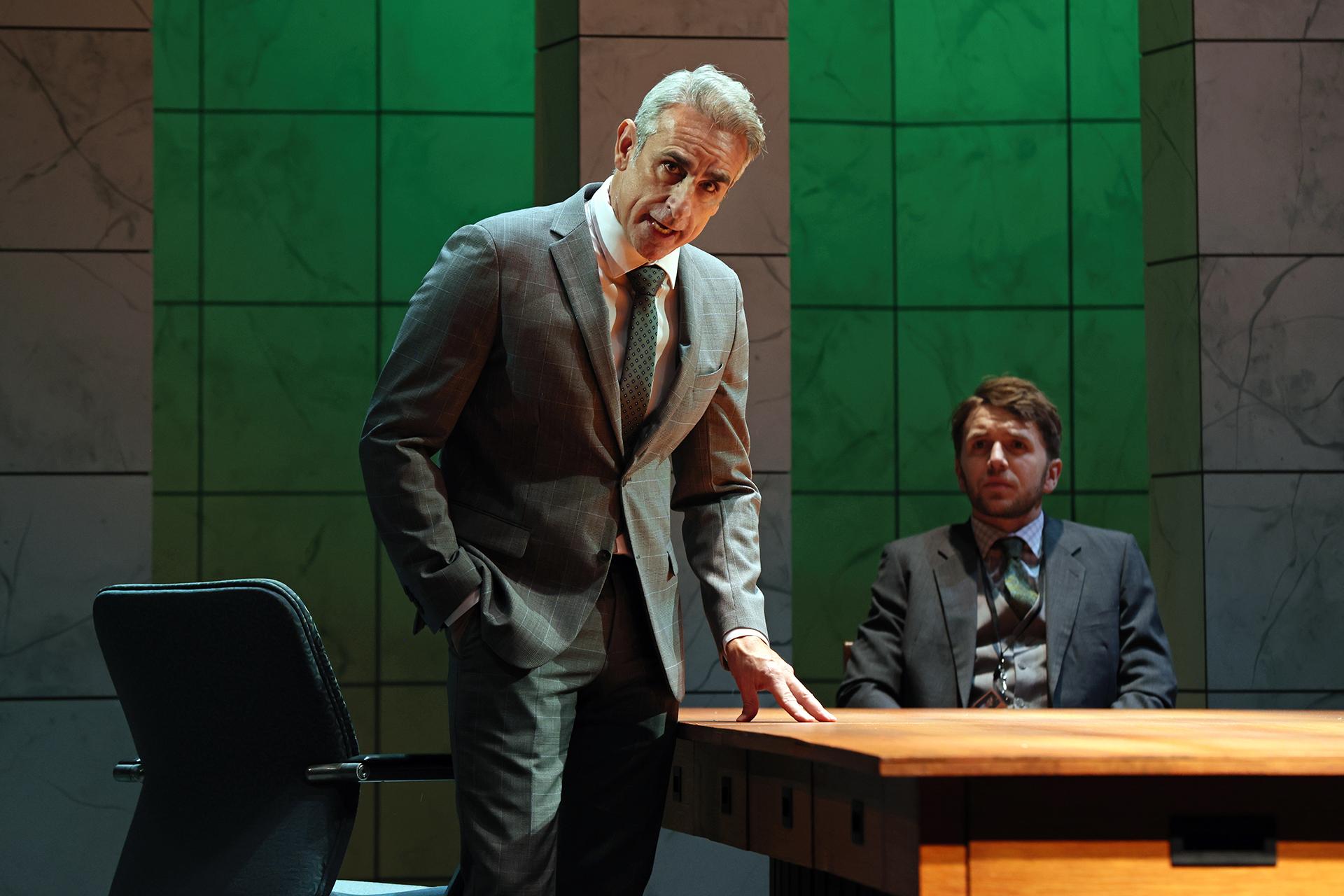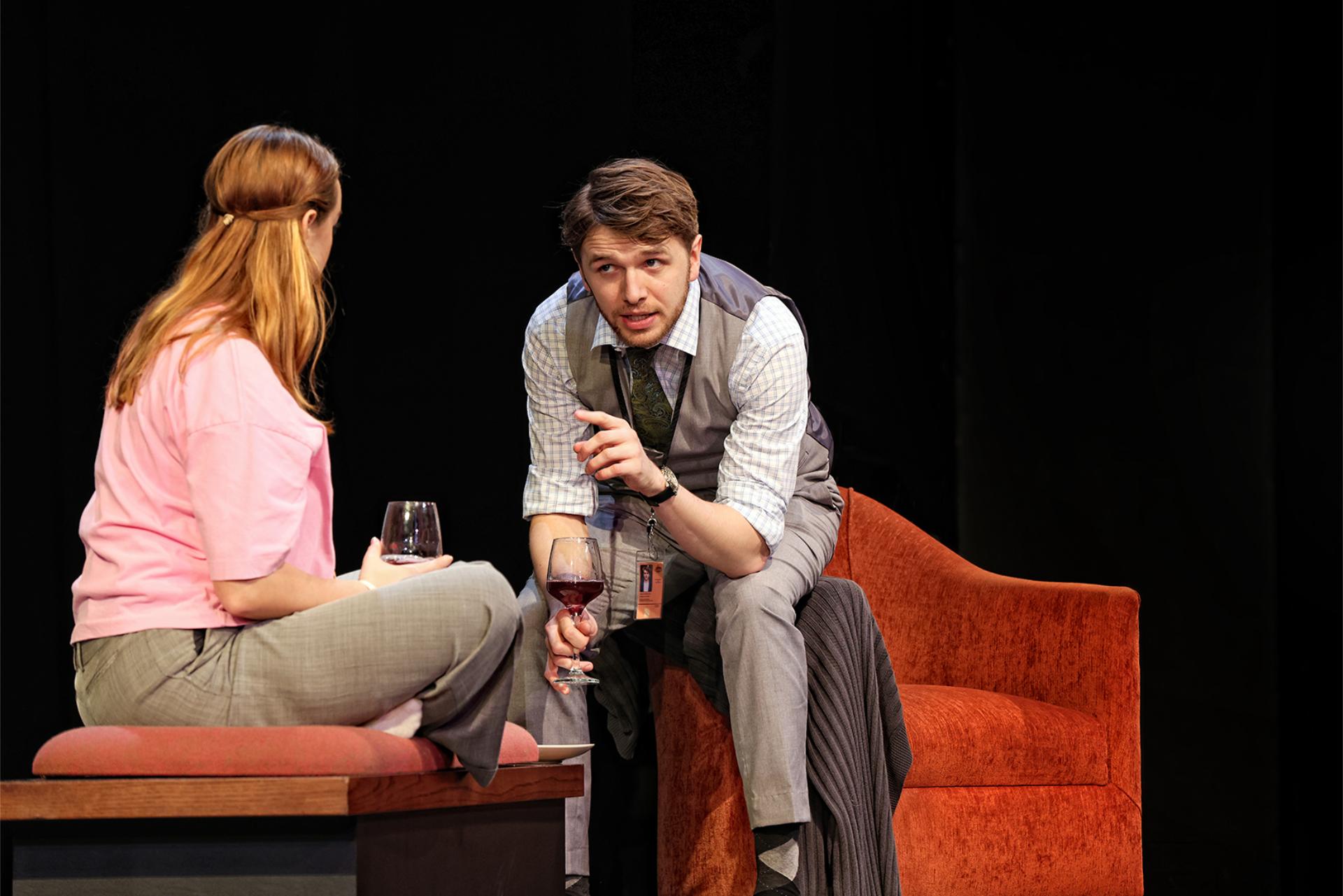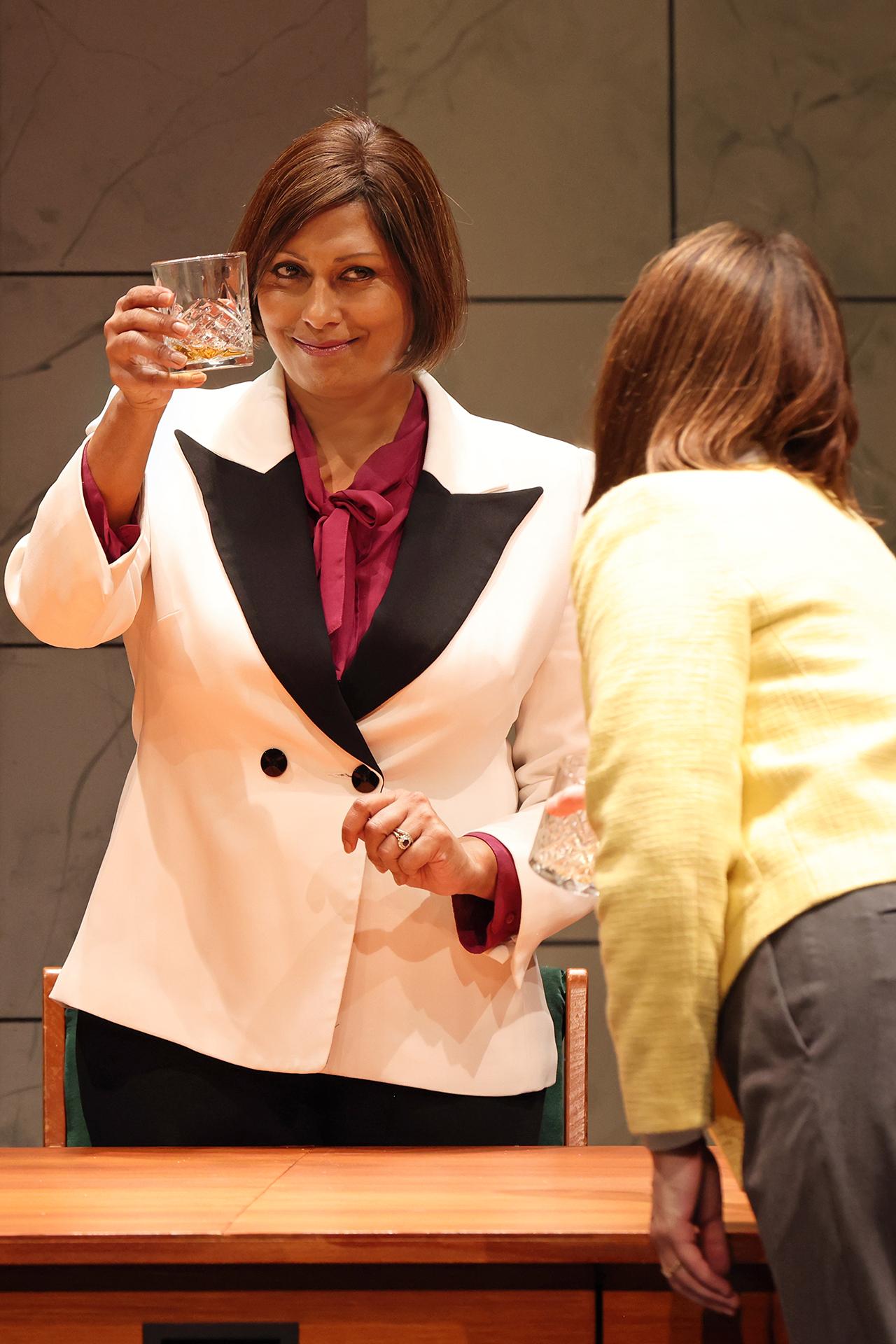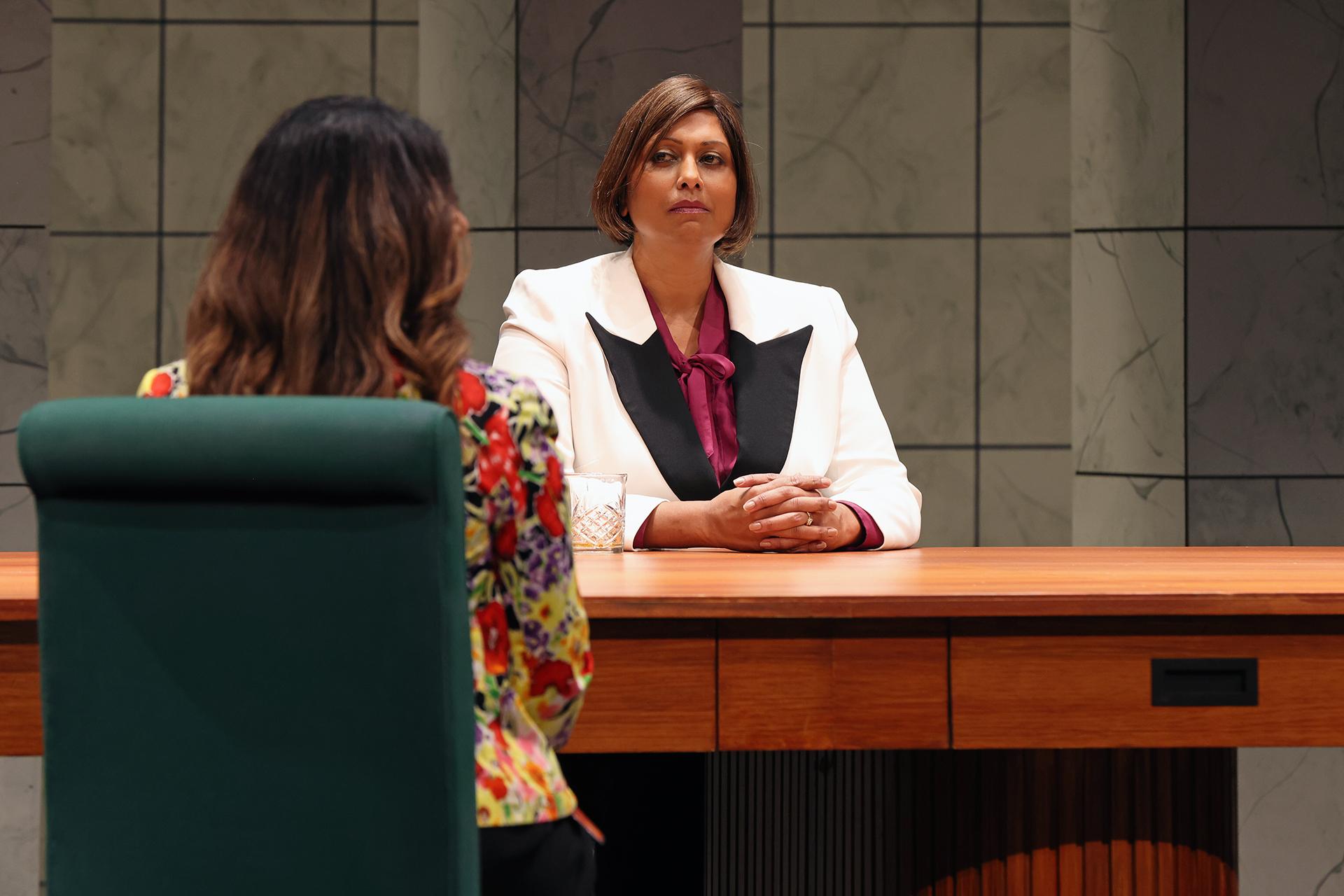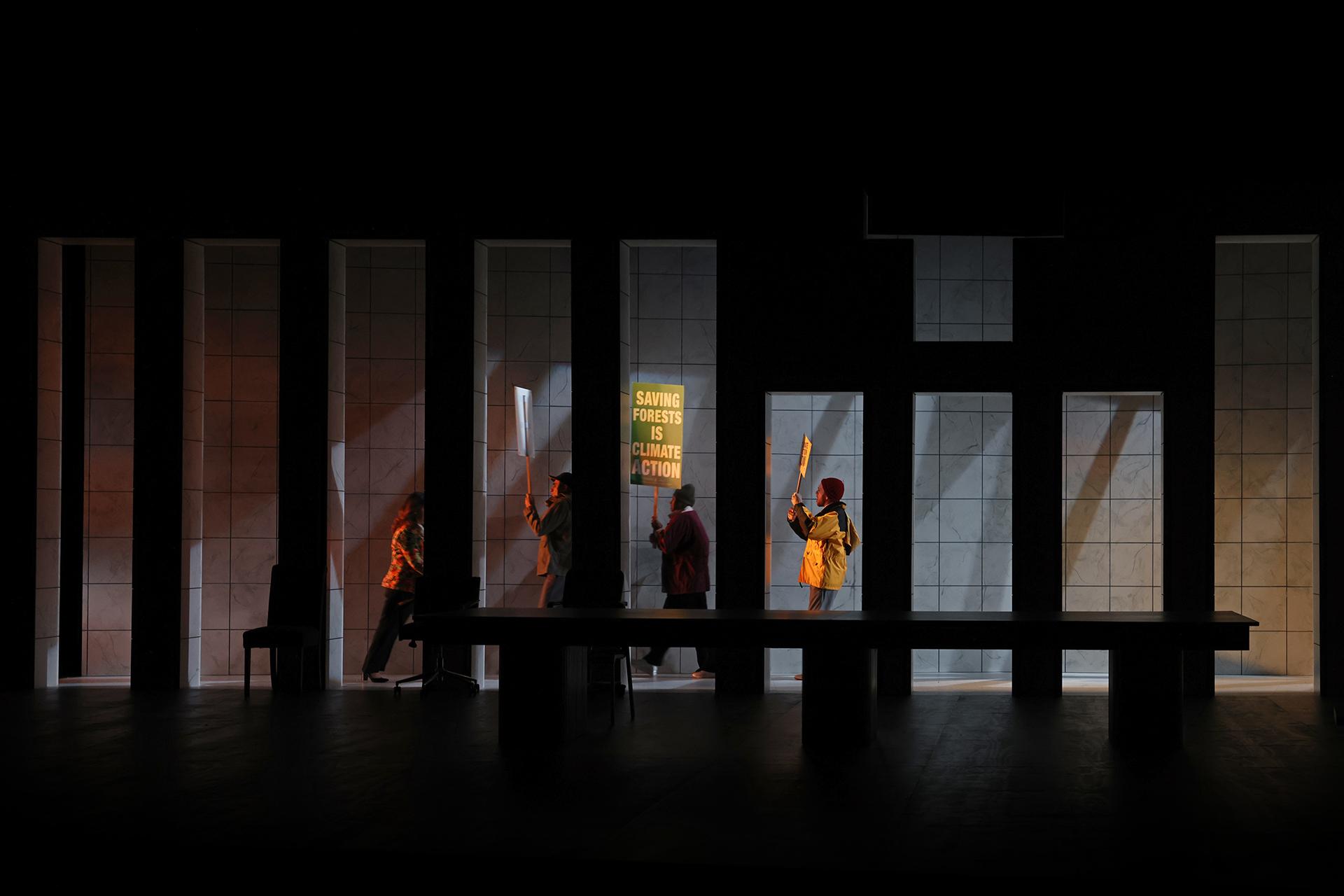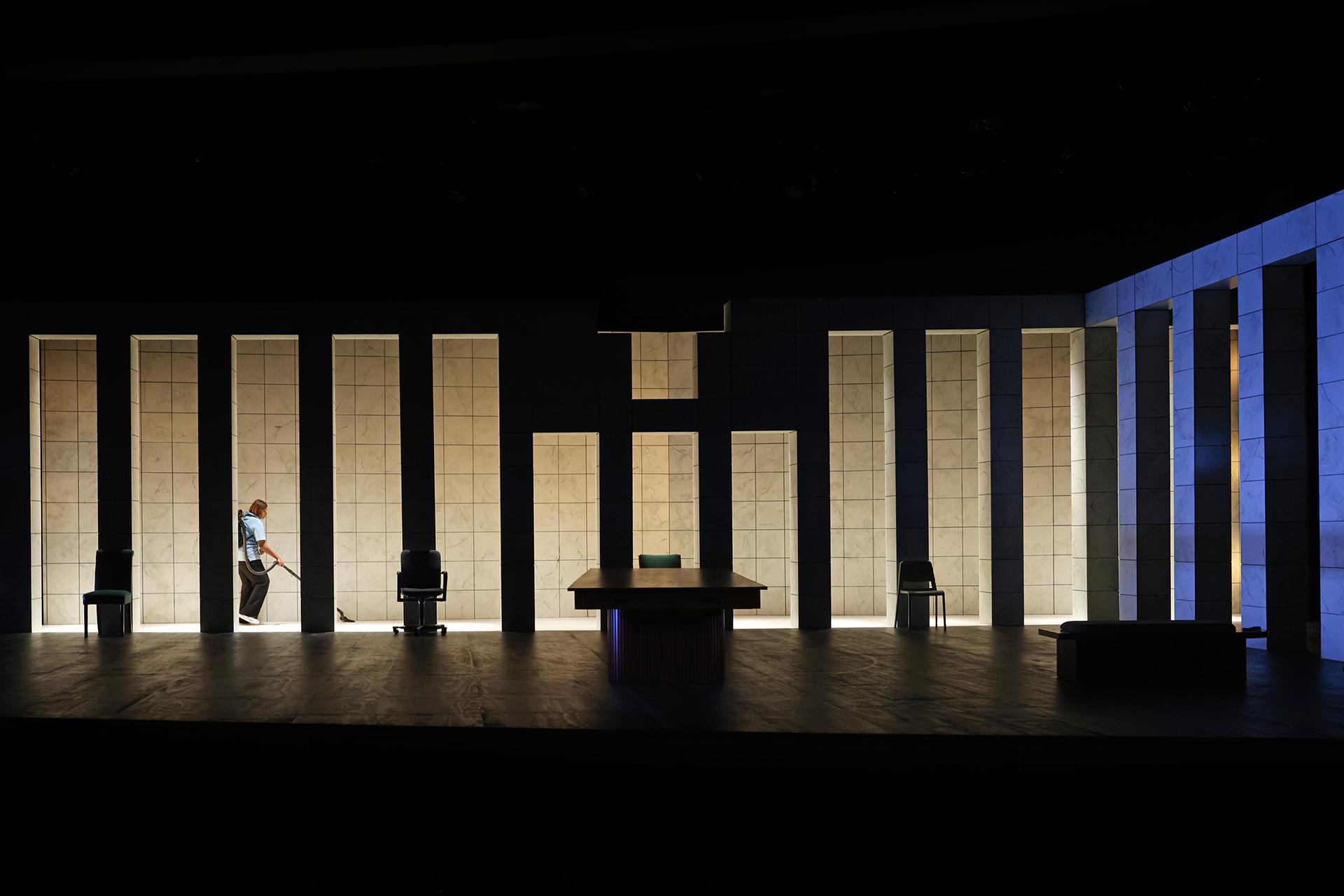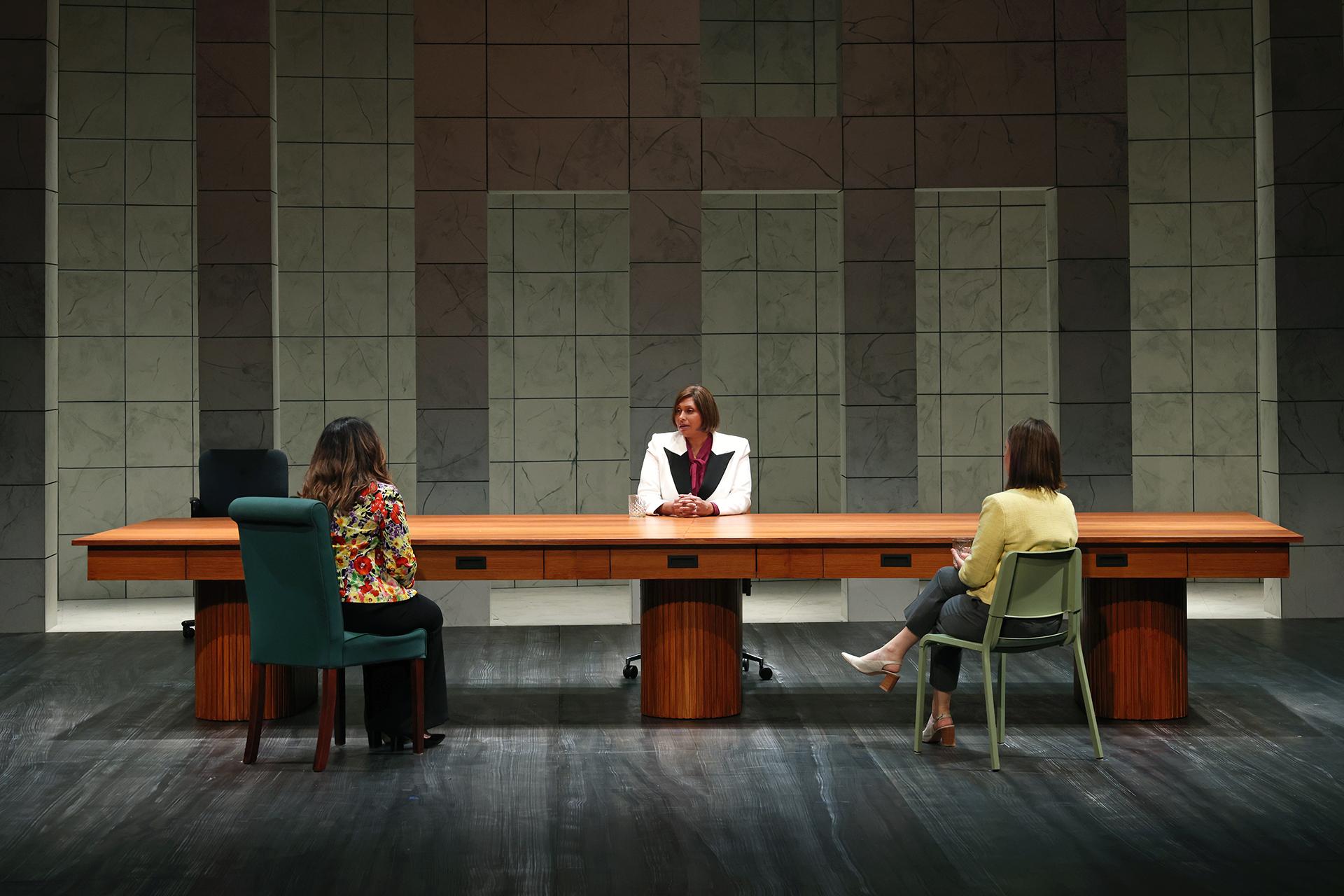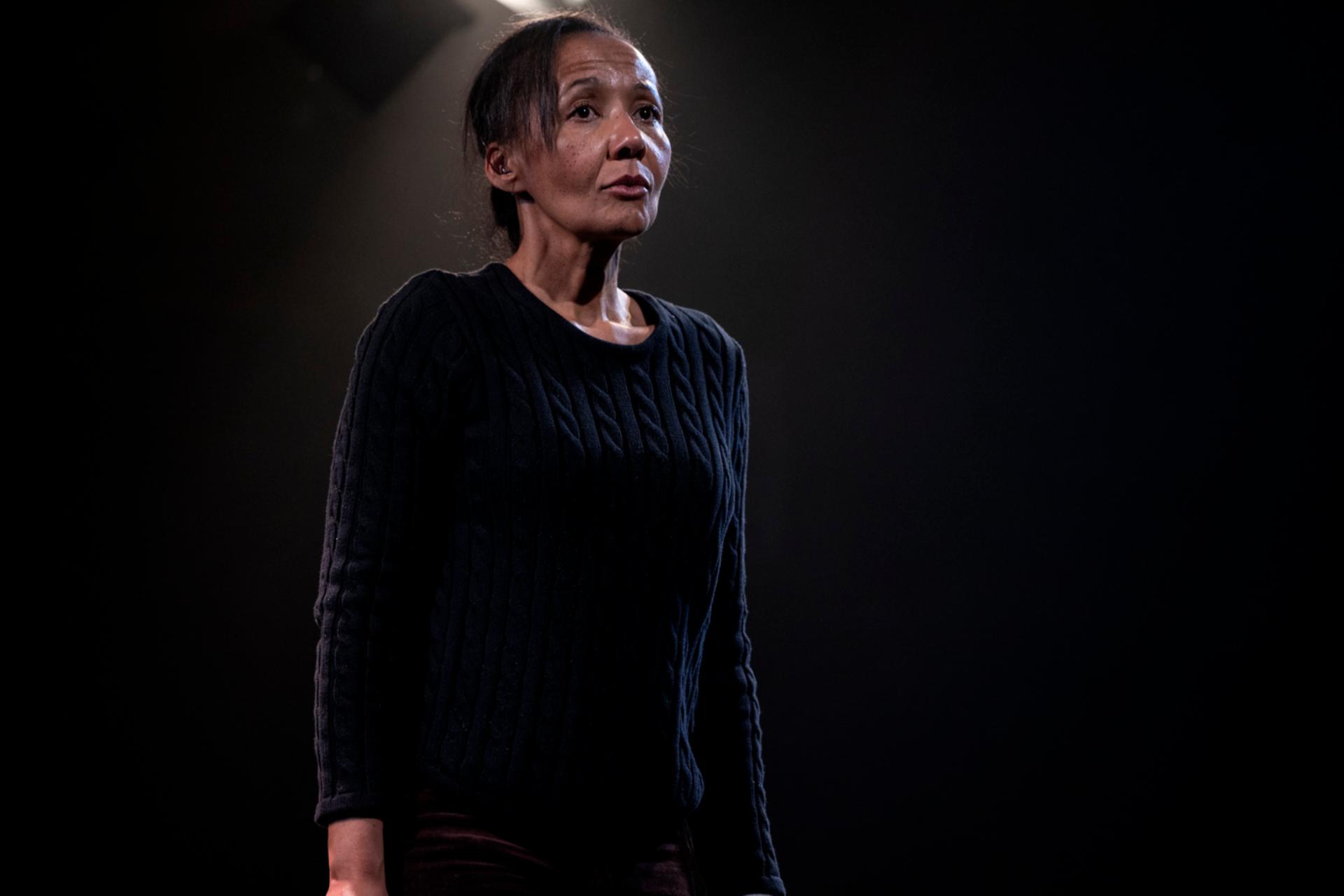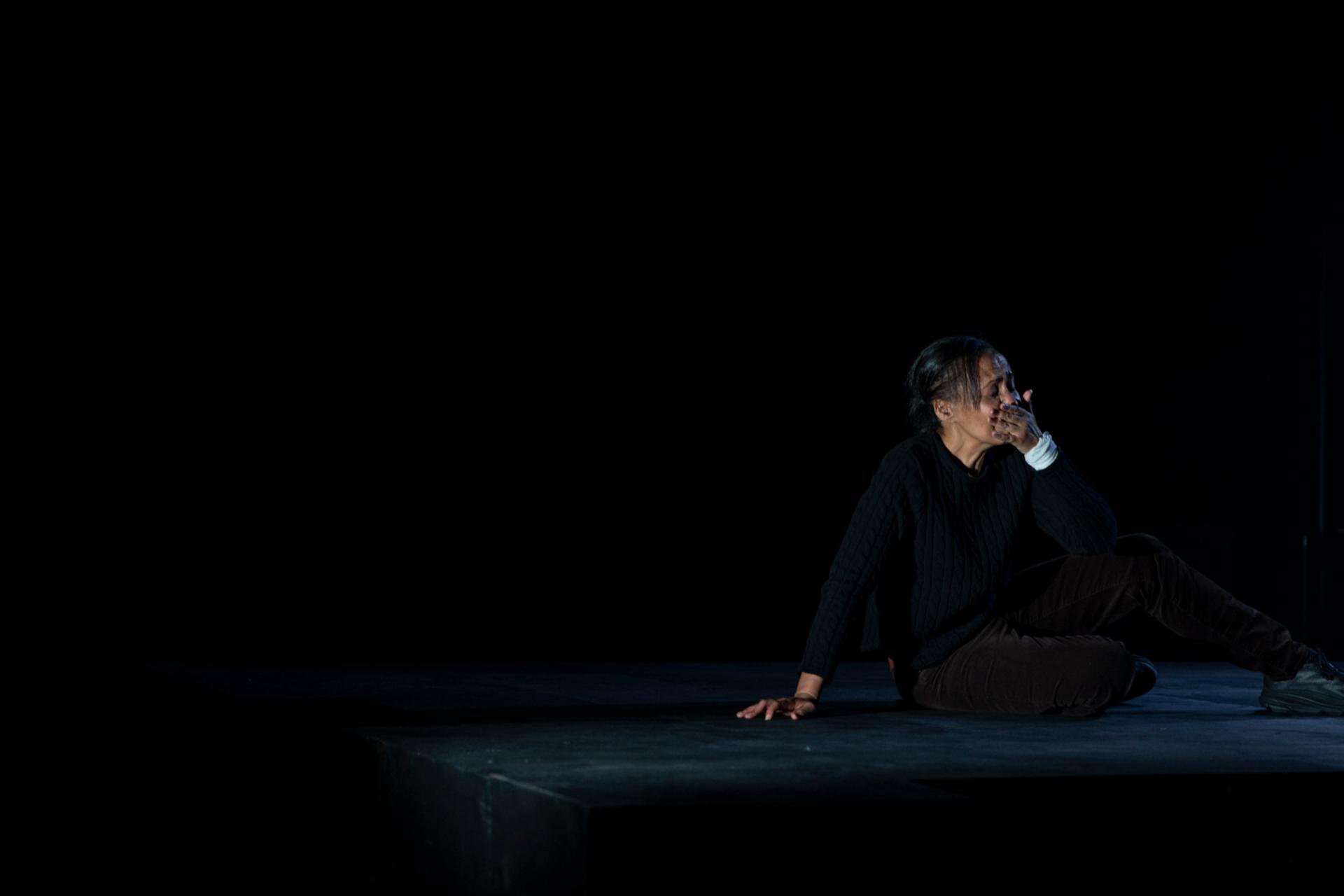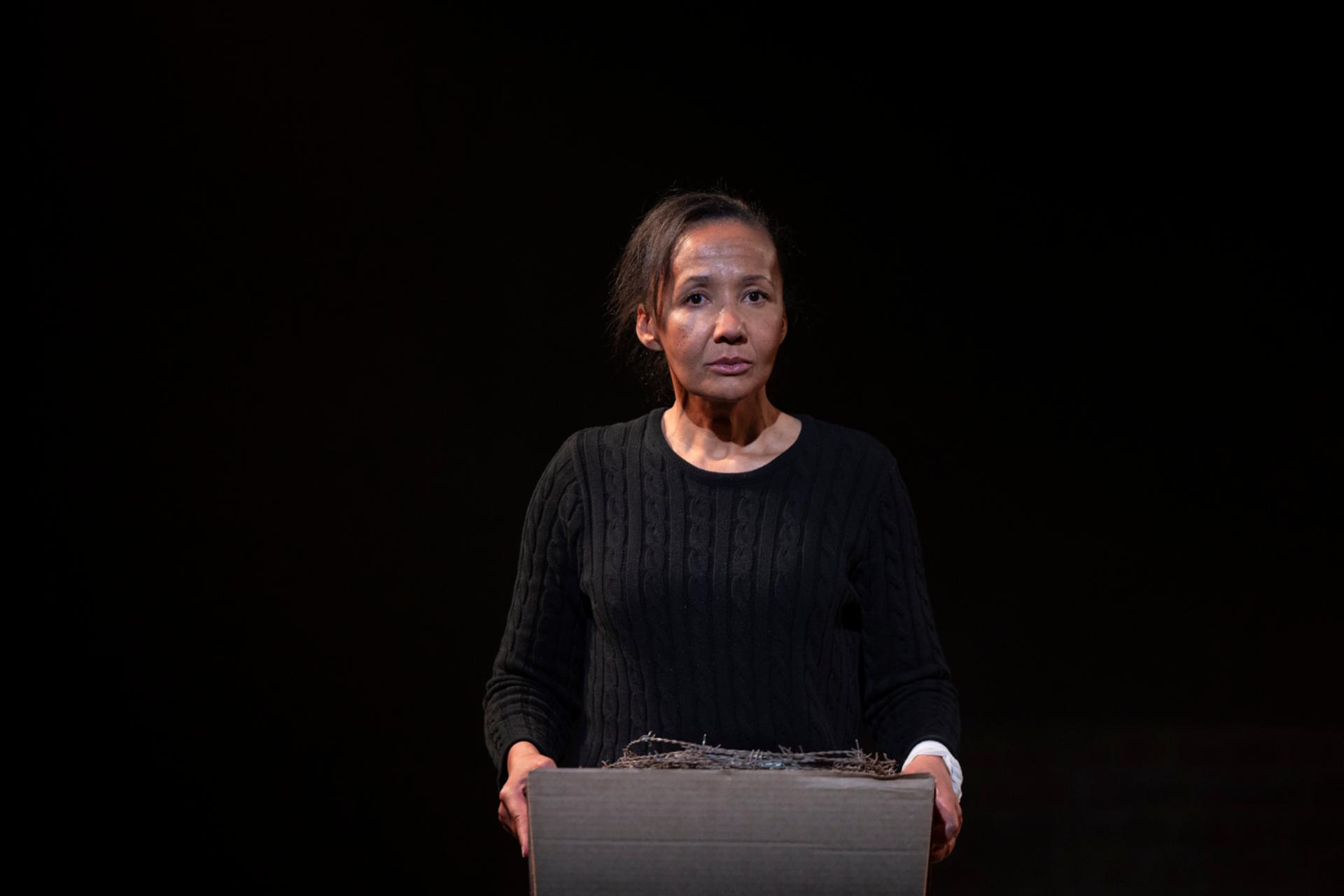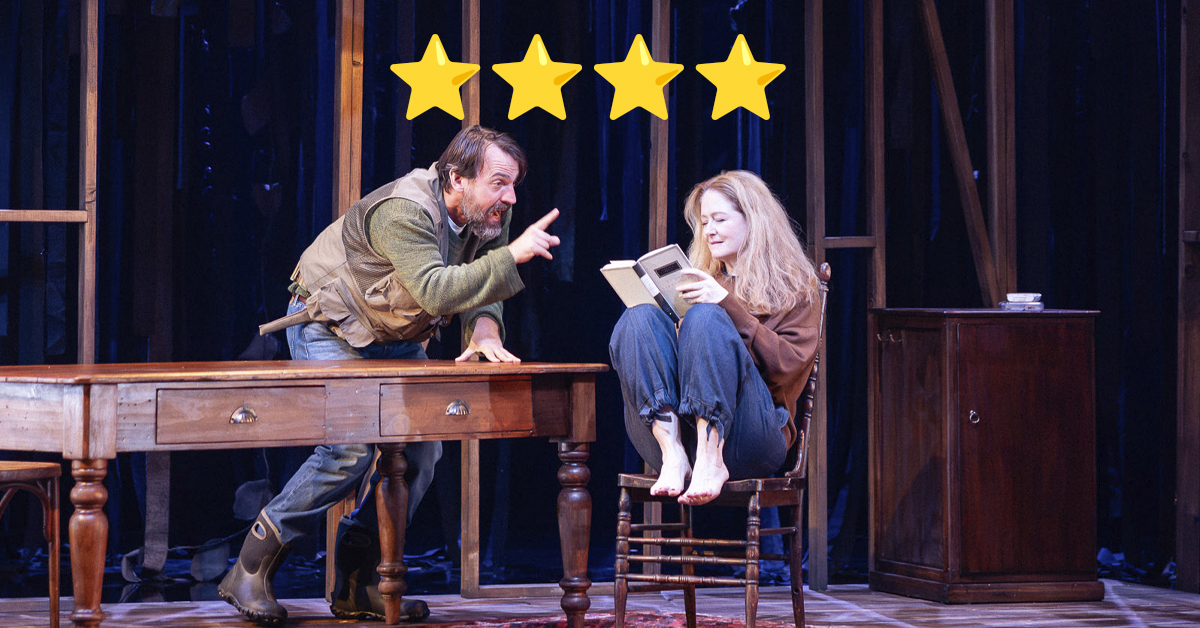
Review: The Roommate (Ensemble Theatre)

Venue: Ensemble Theatre (Kirribilli NSW), Jun 19 – Jul 25, 2026
Playwright: Jen Silverman
Director: Lee Lewis
Cast: Lucy Bell, Belinda Bromilow
Images by Brett Boardman

Theatre review
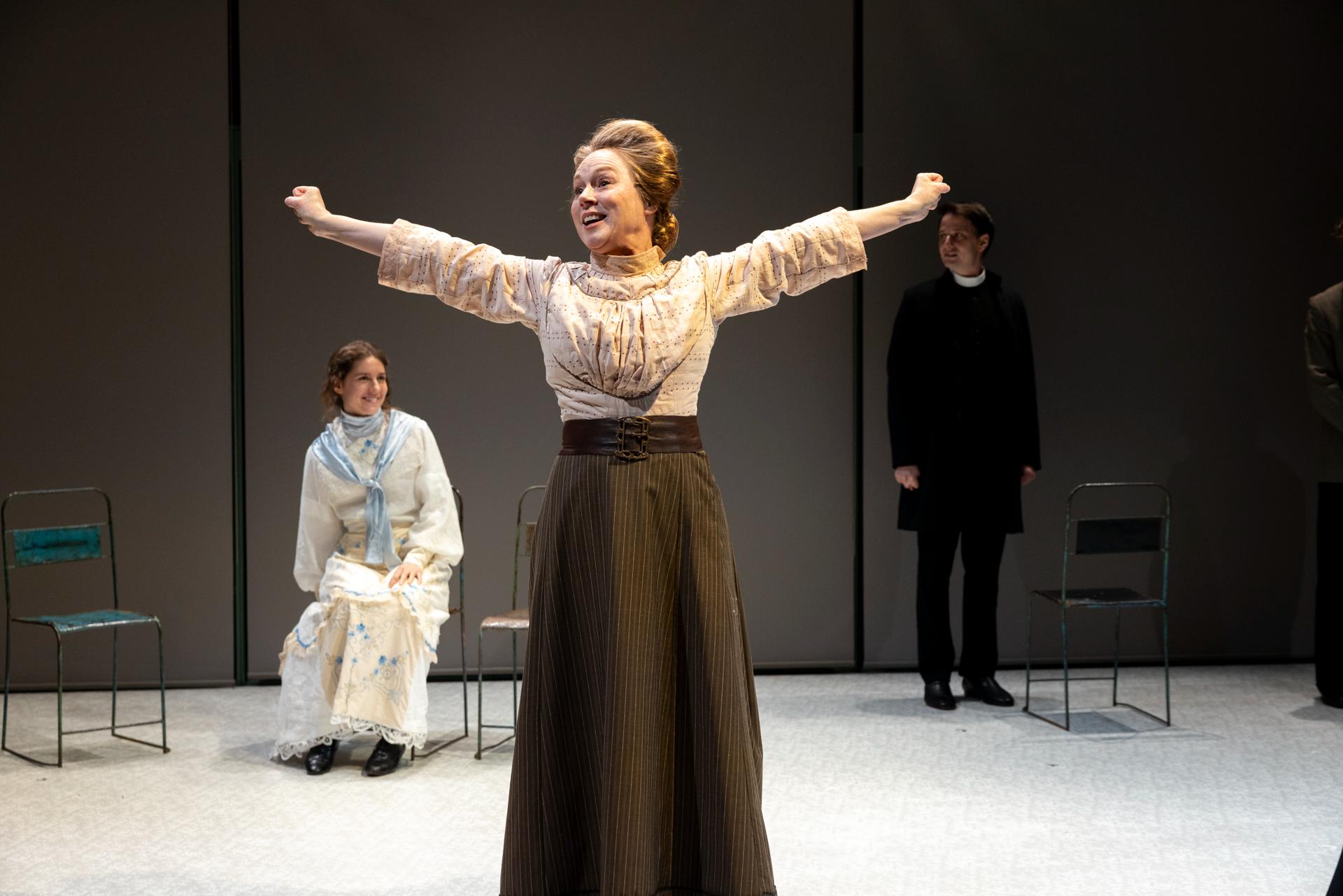
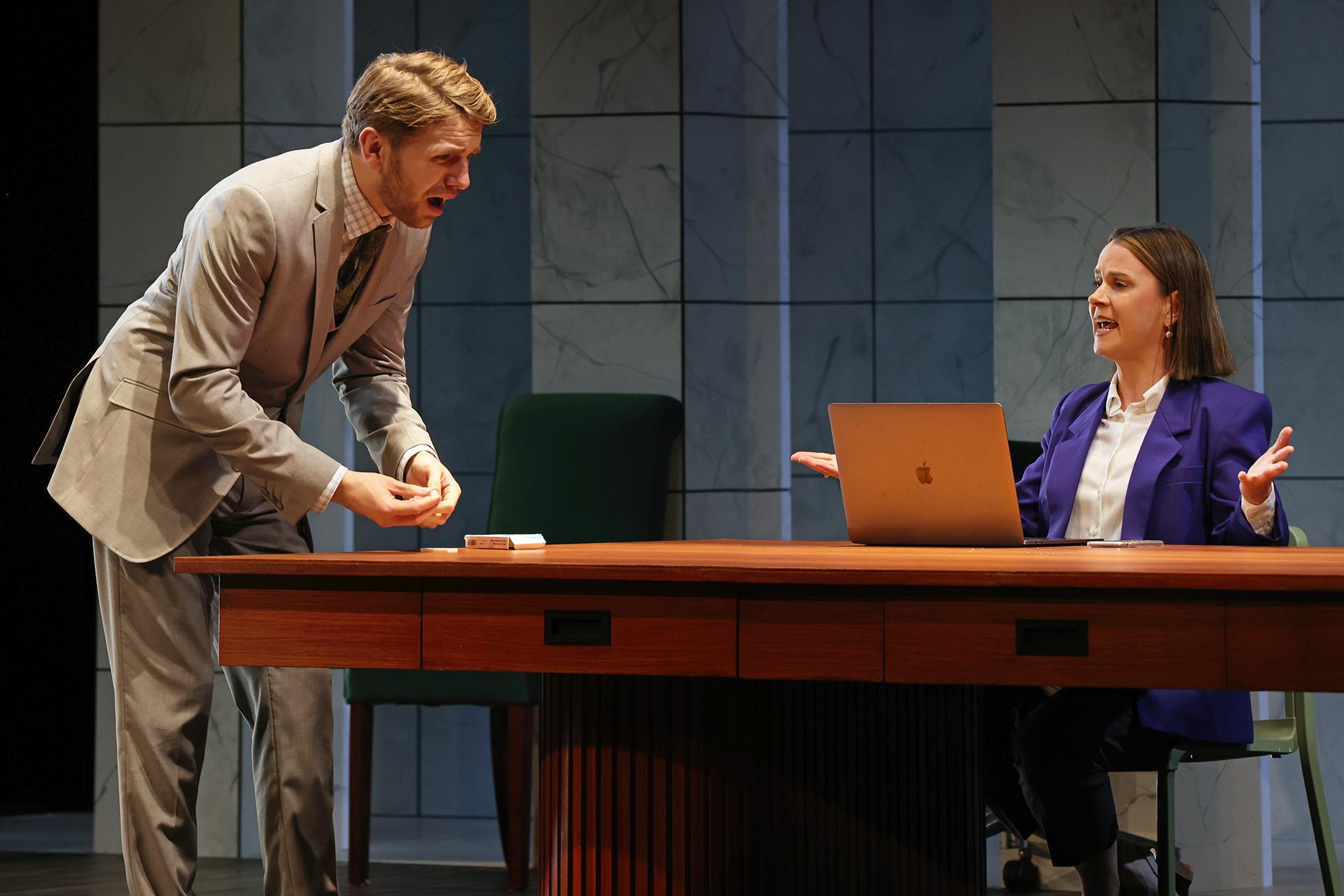
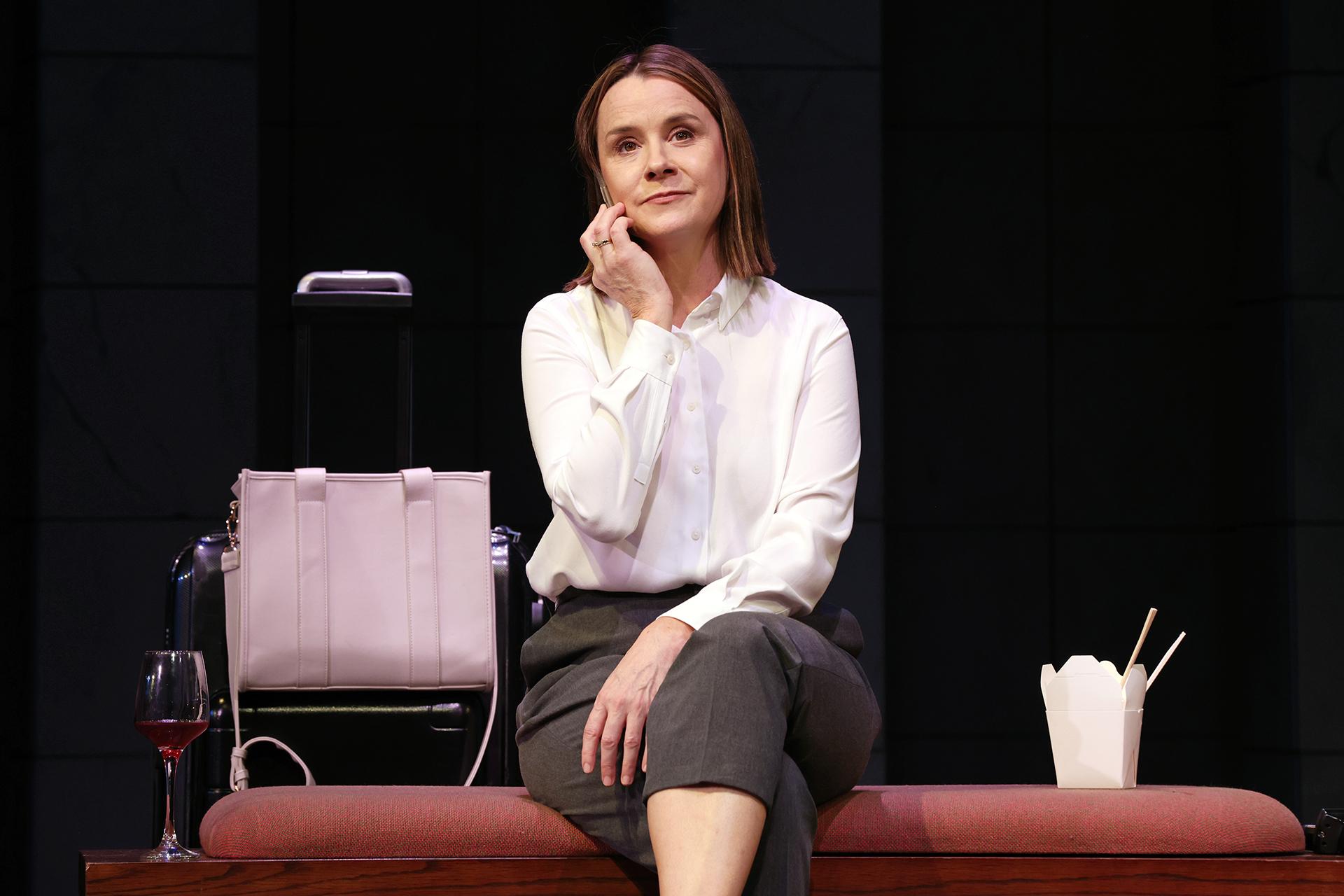
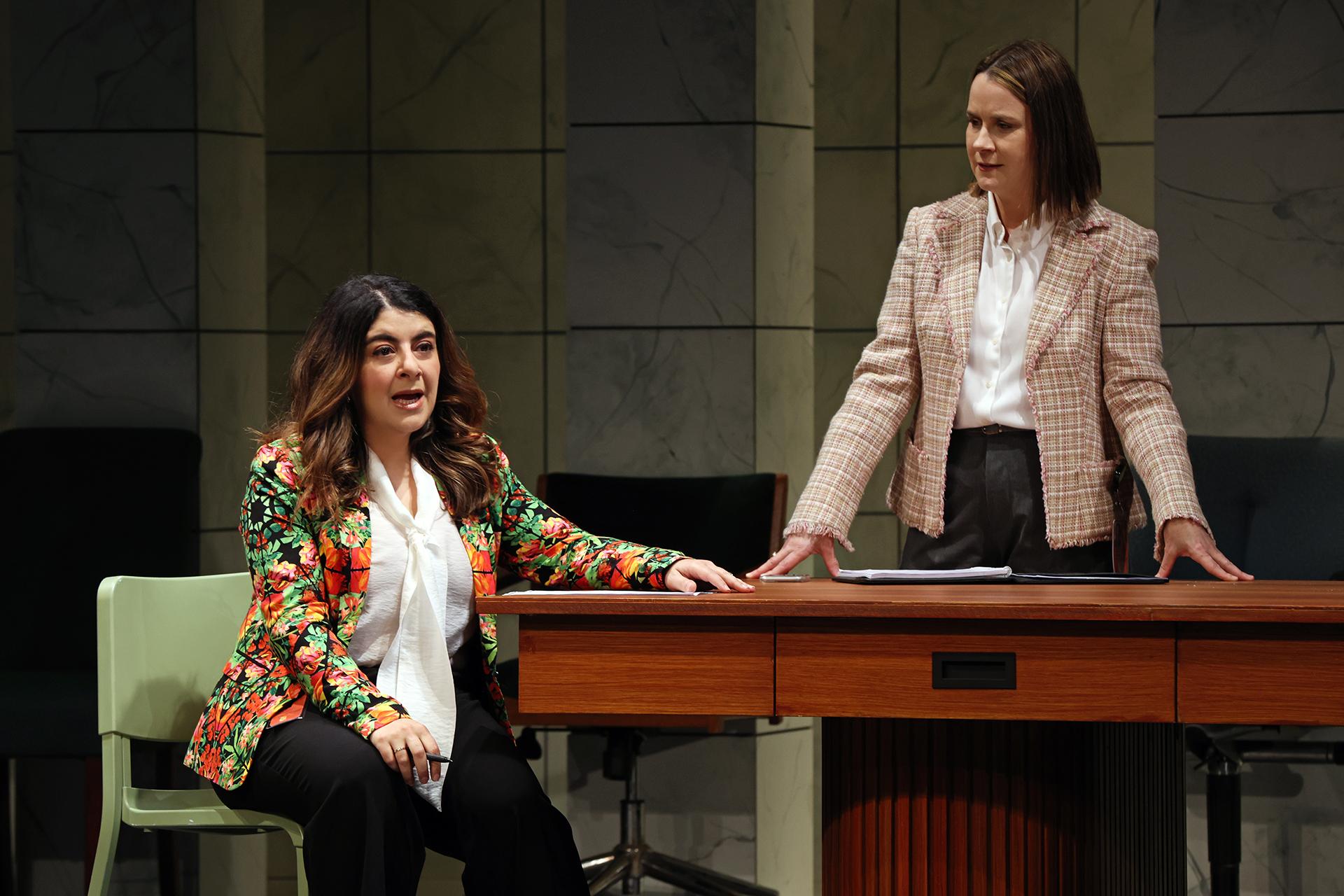
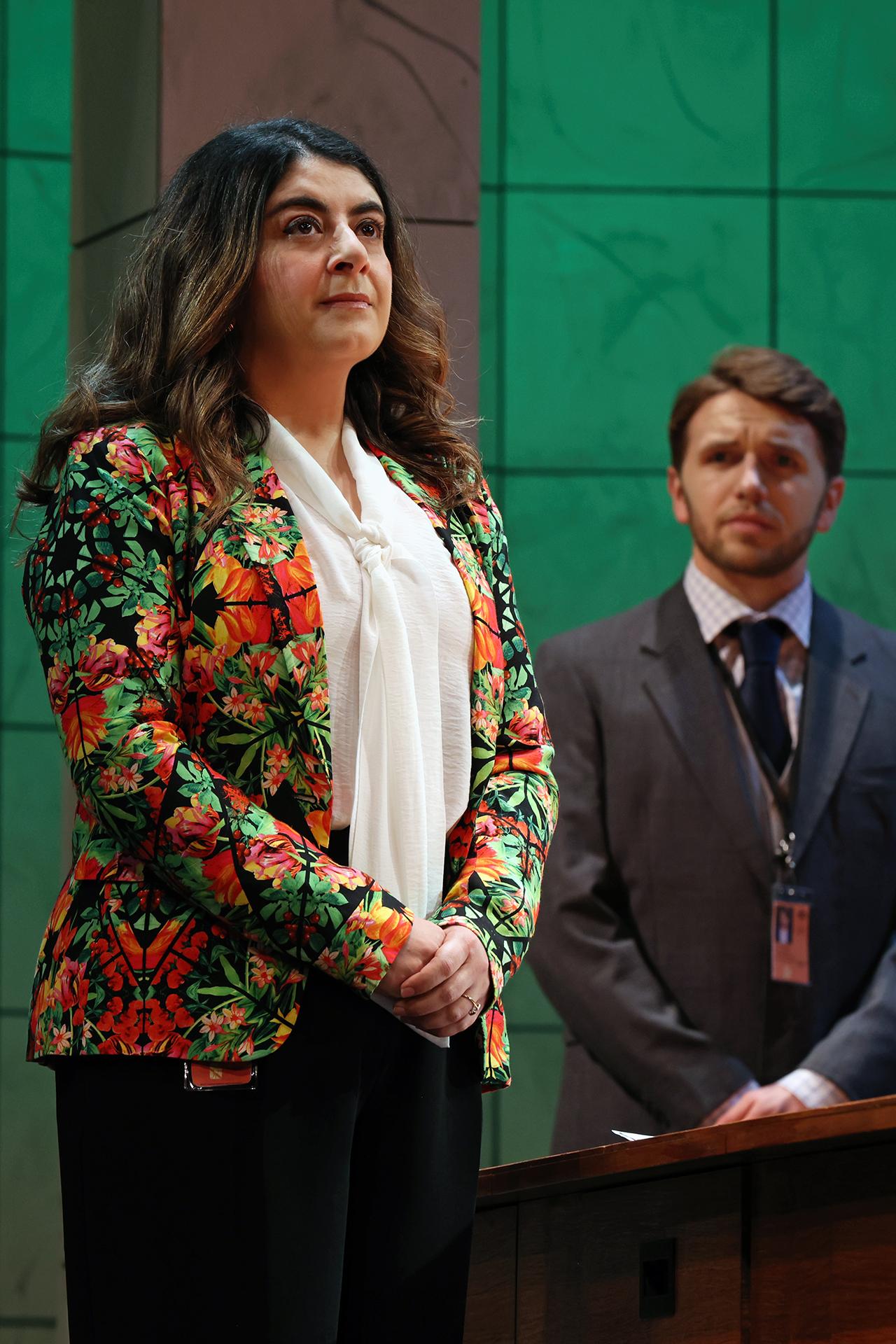
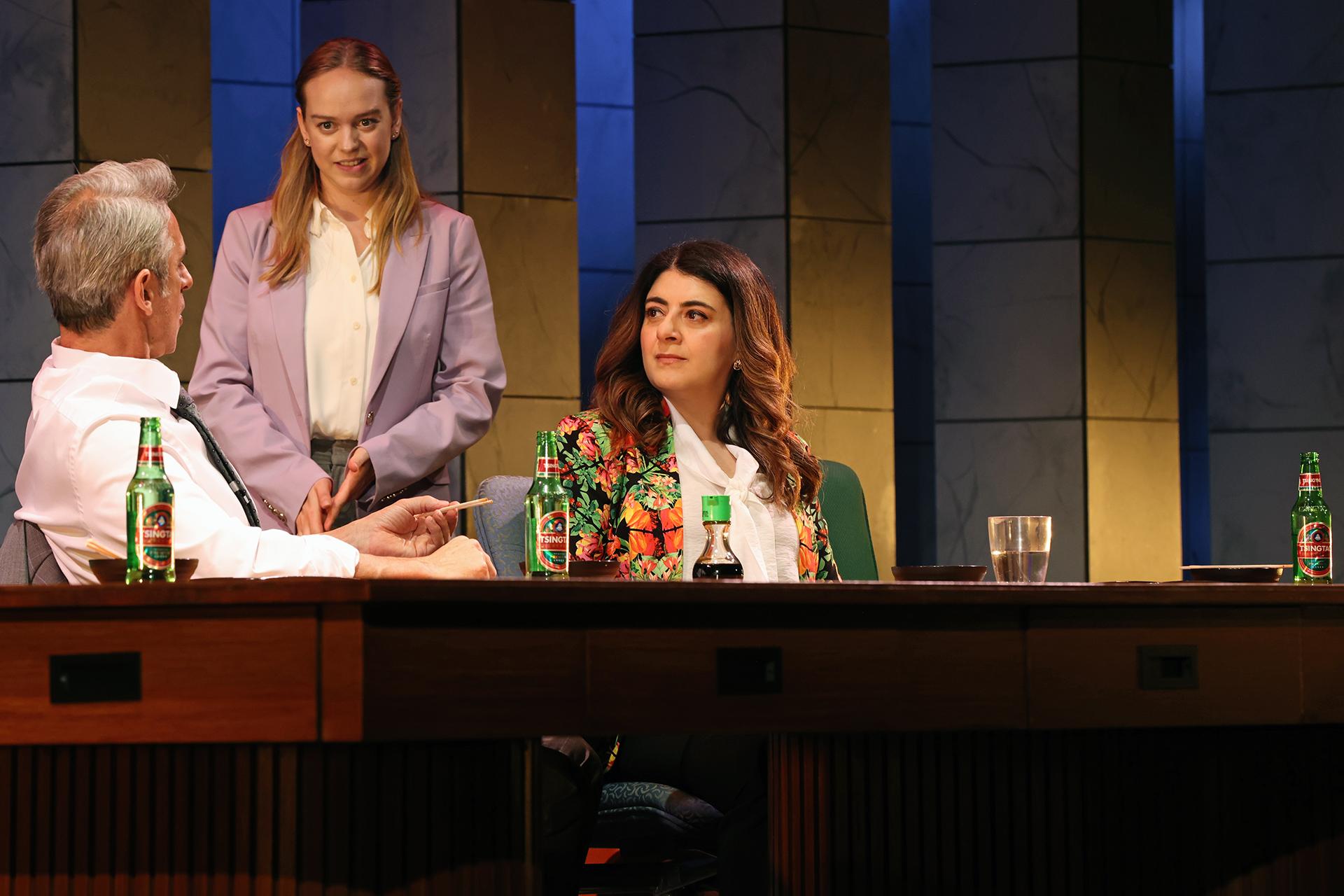
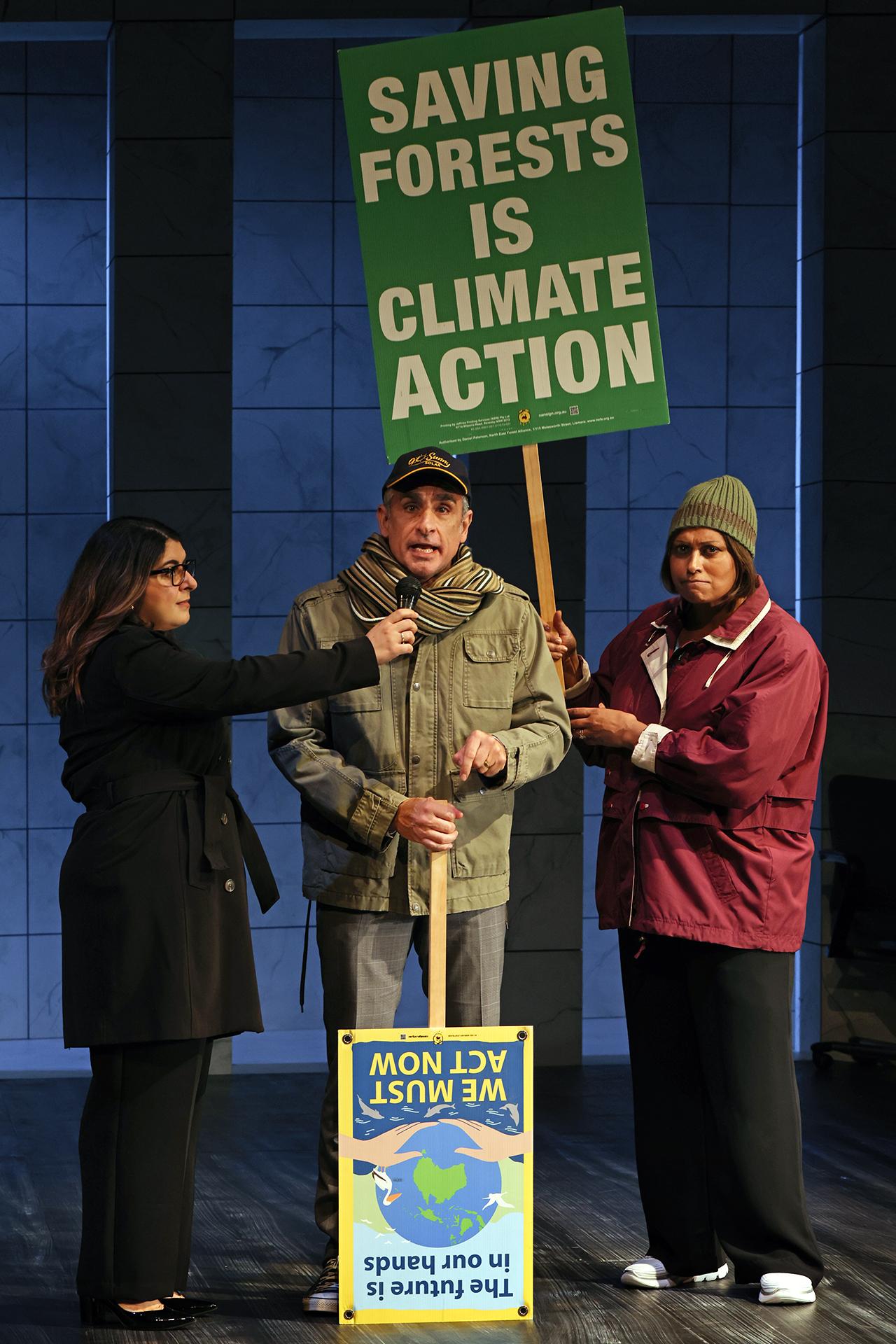
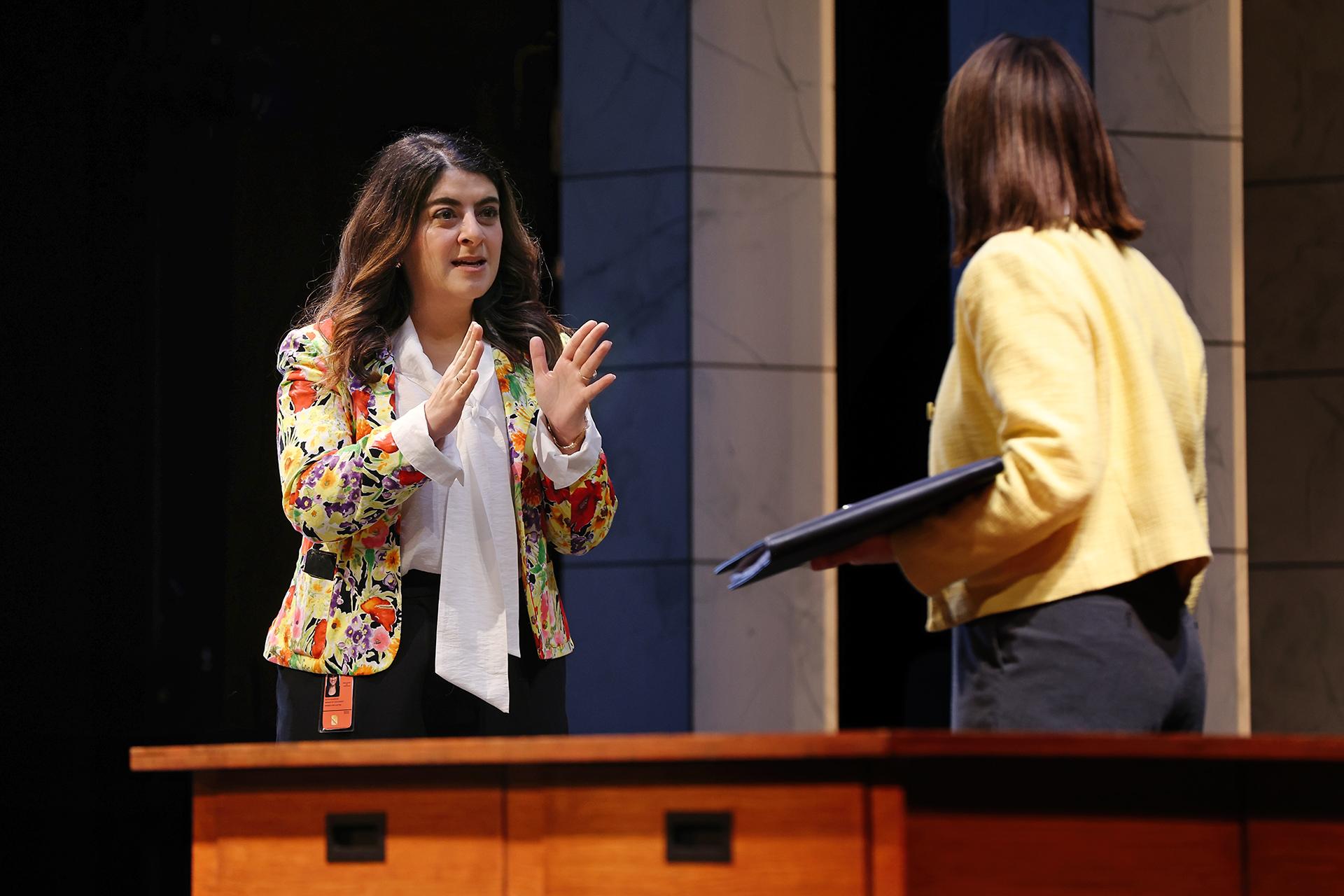
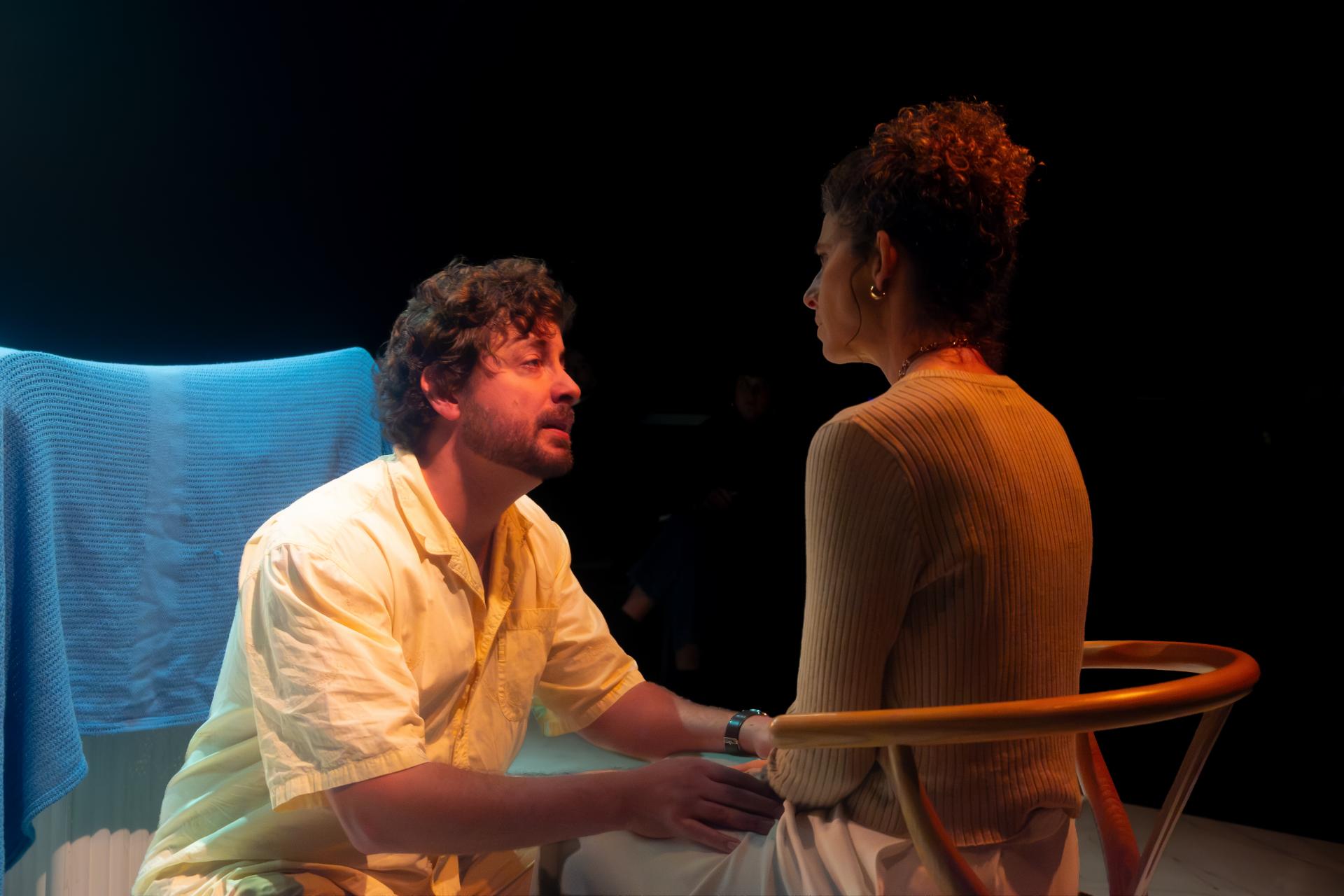
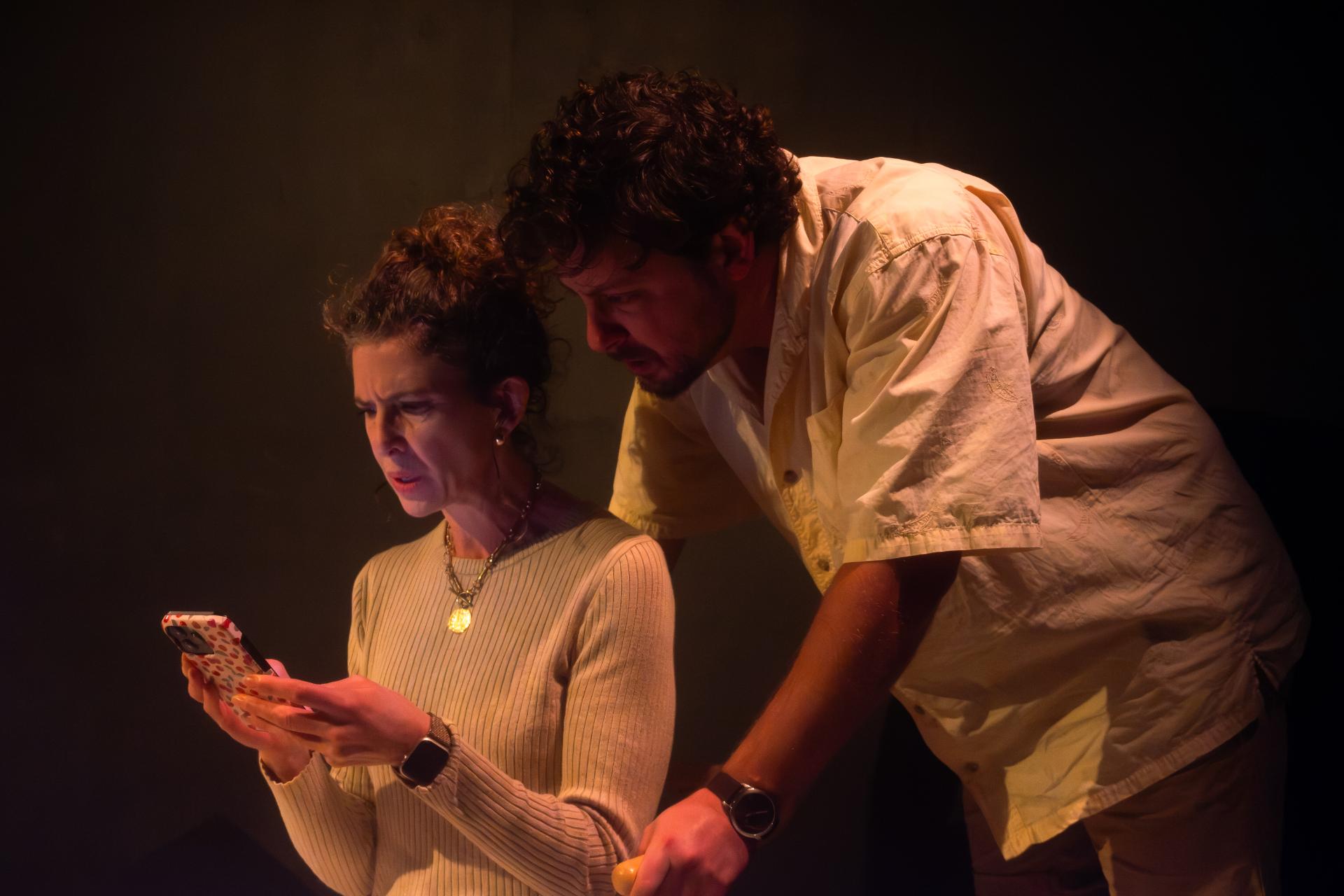
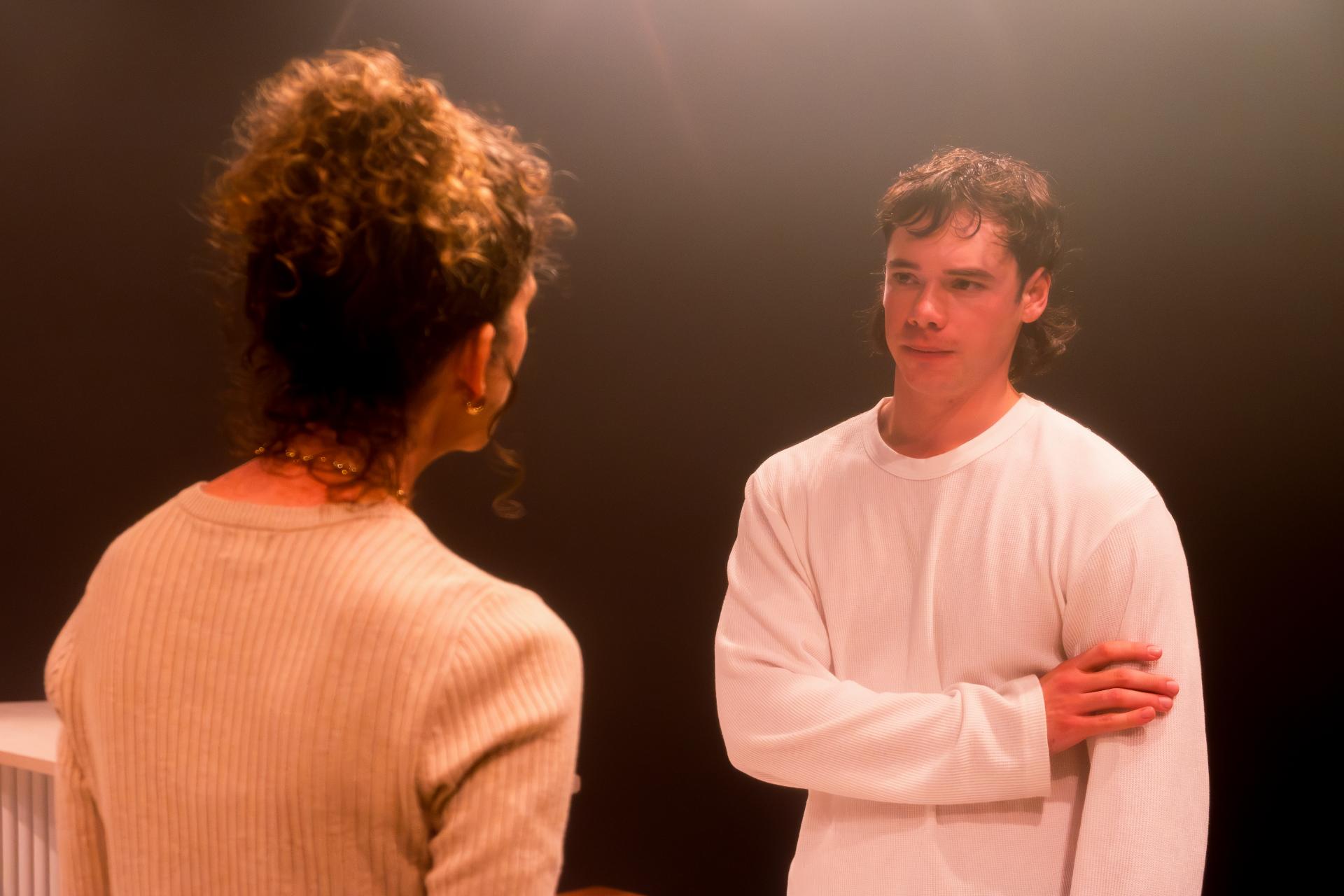
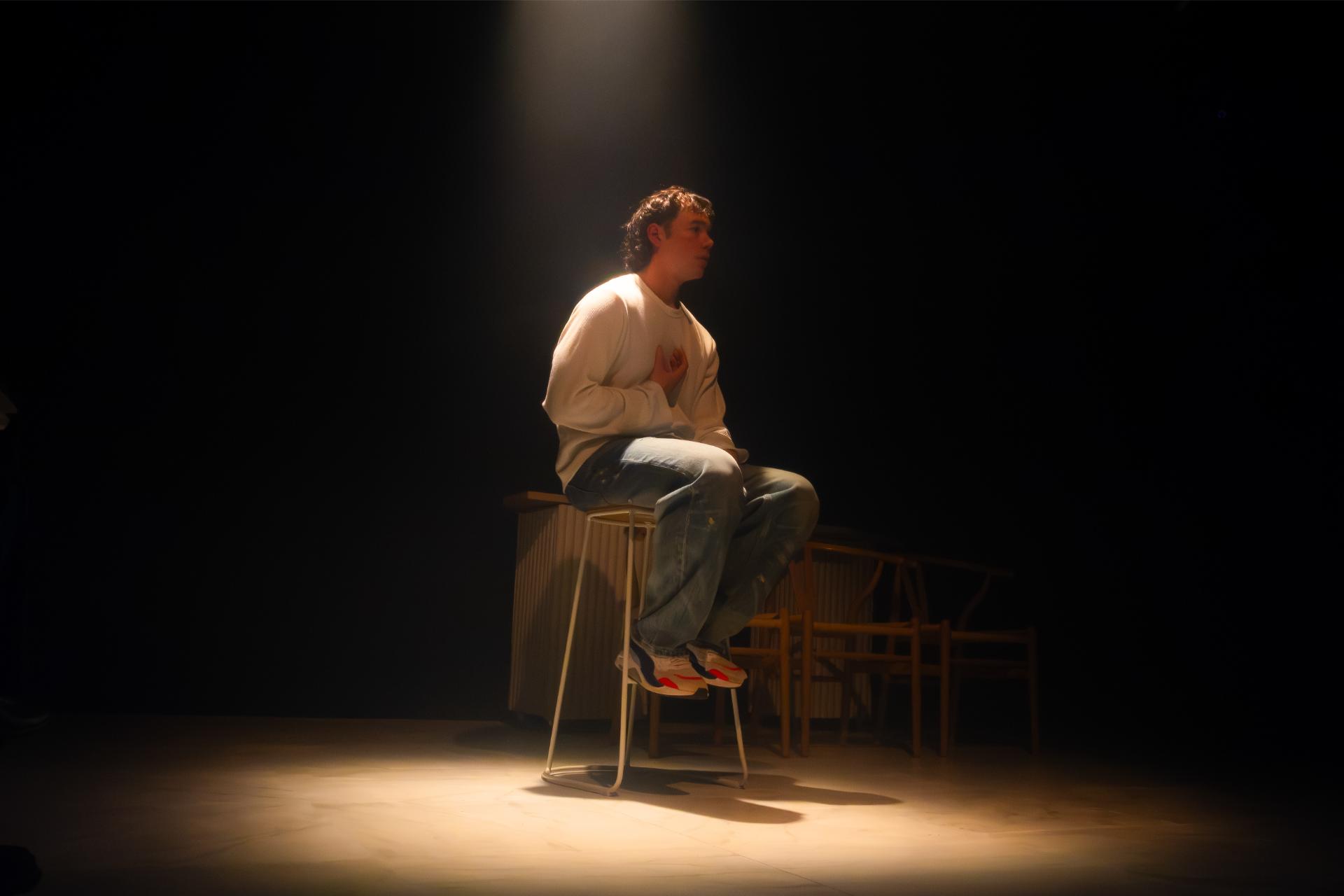
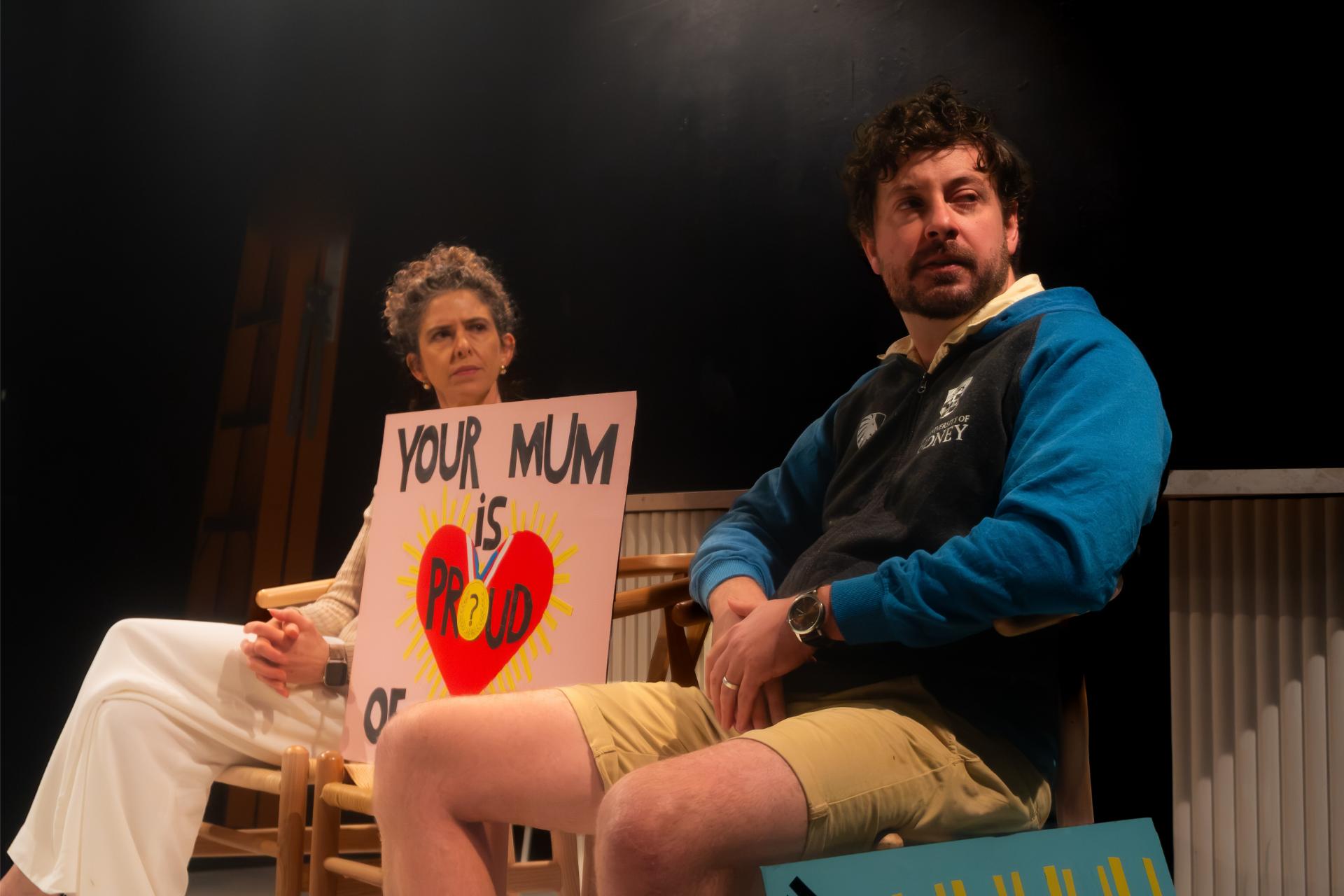
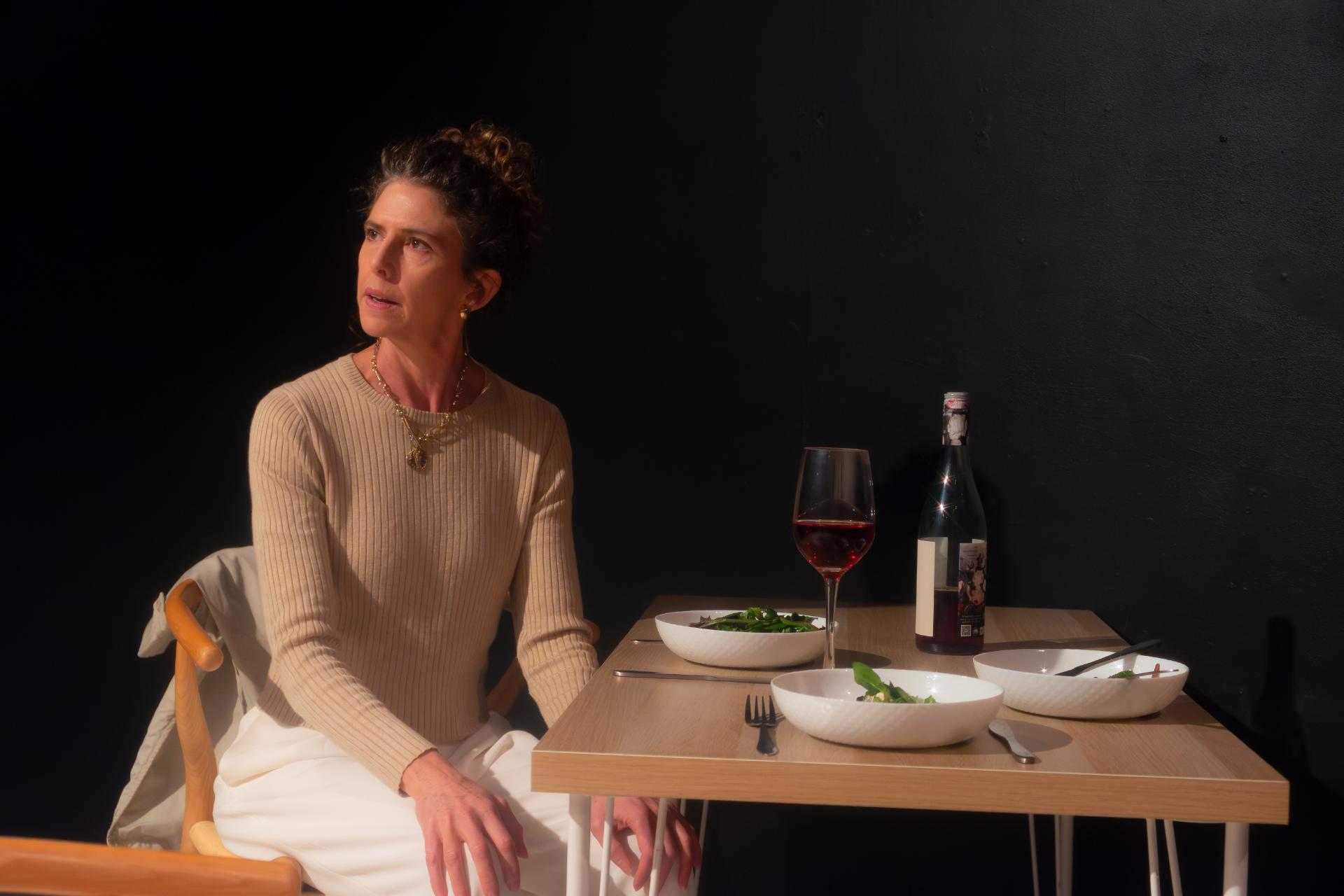
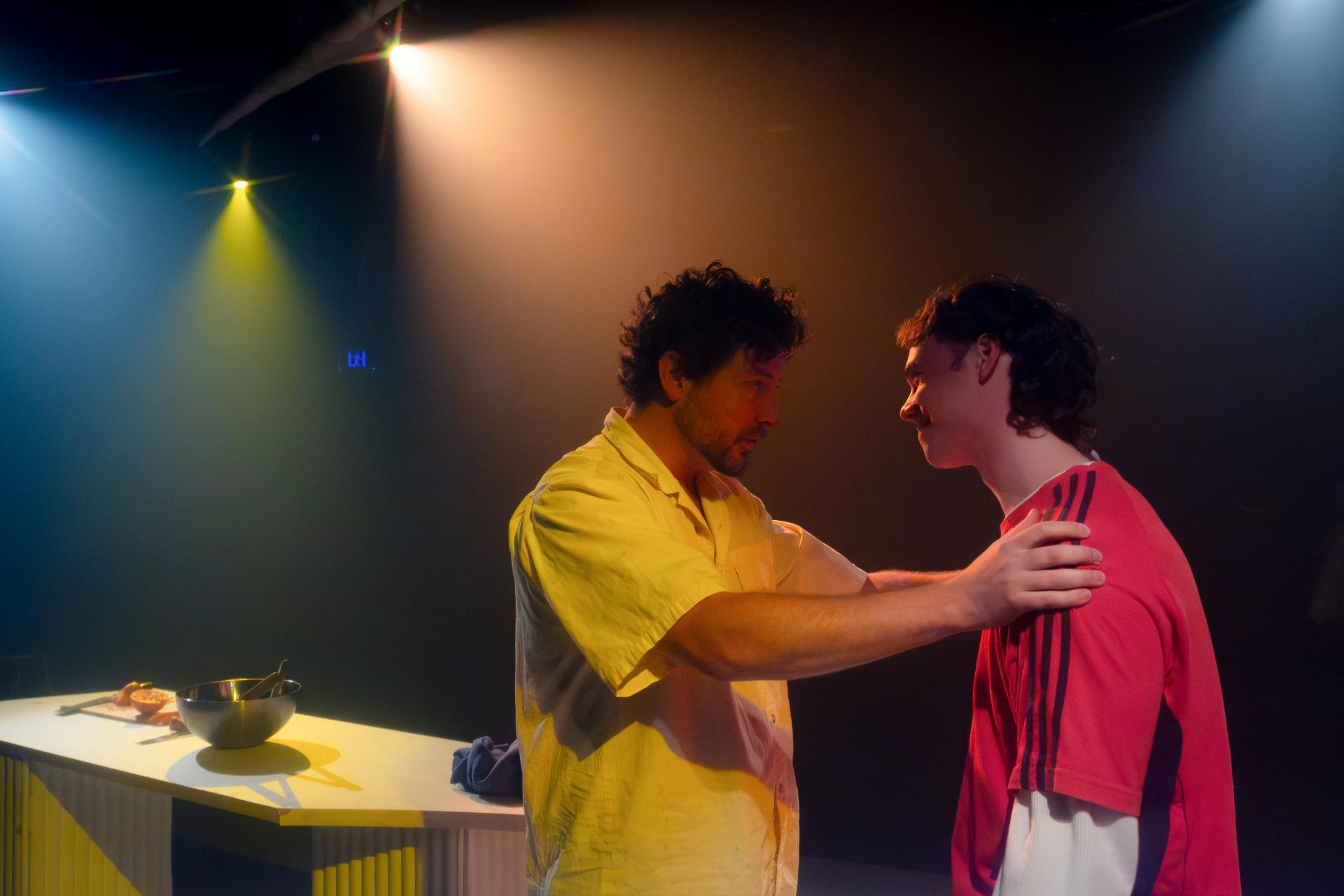
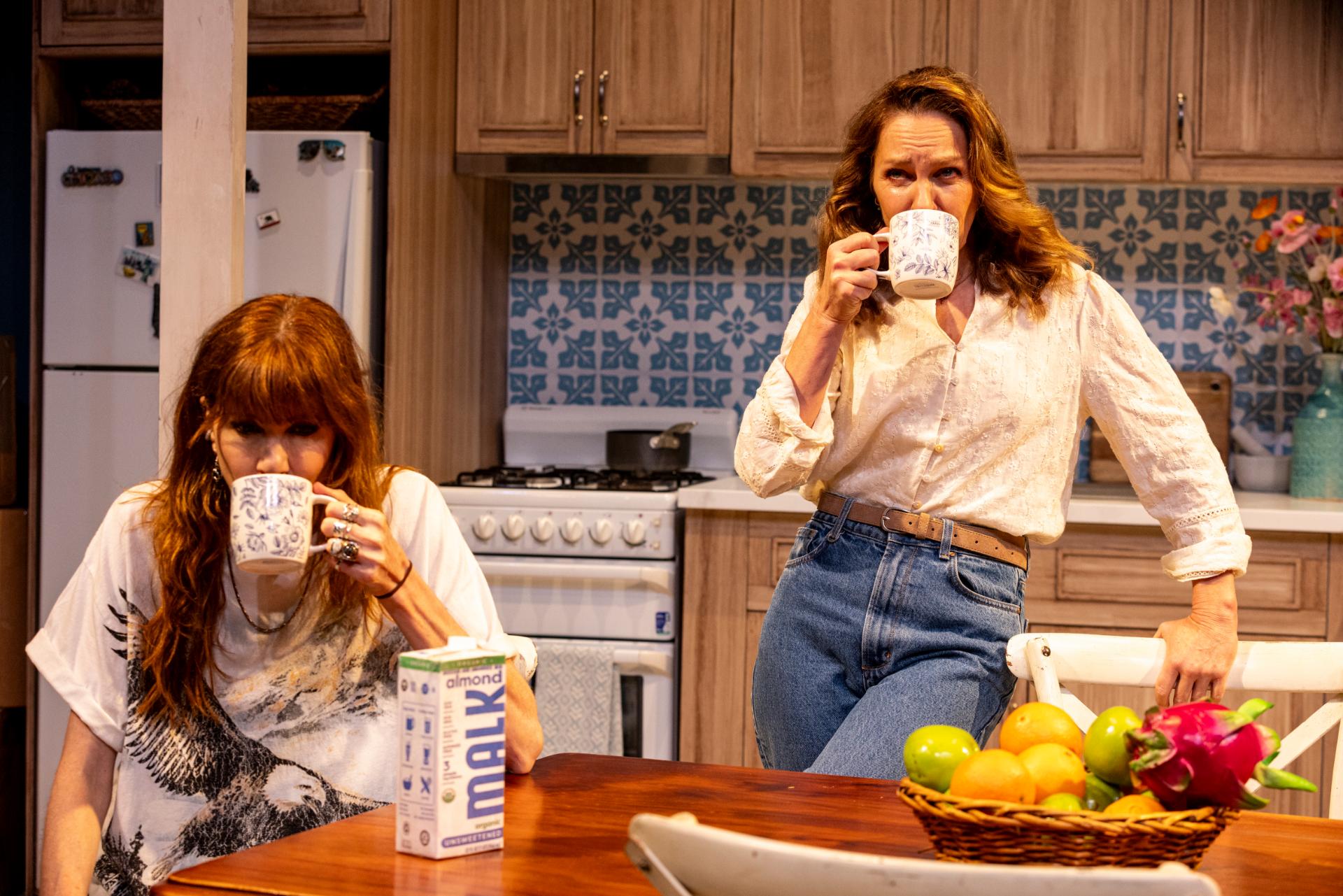
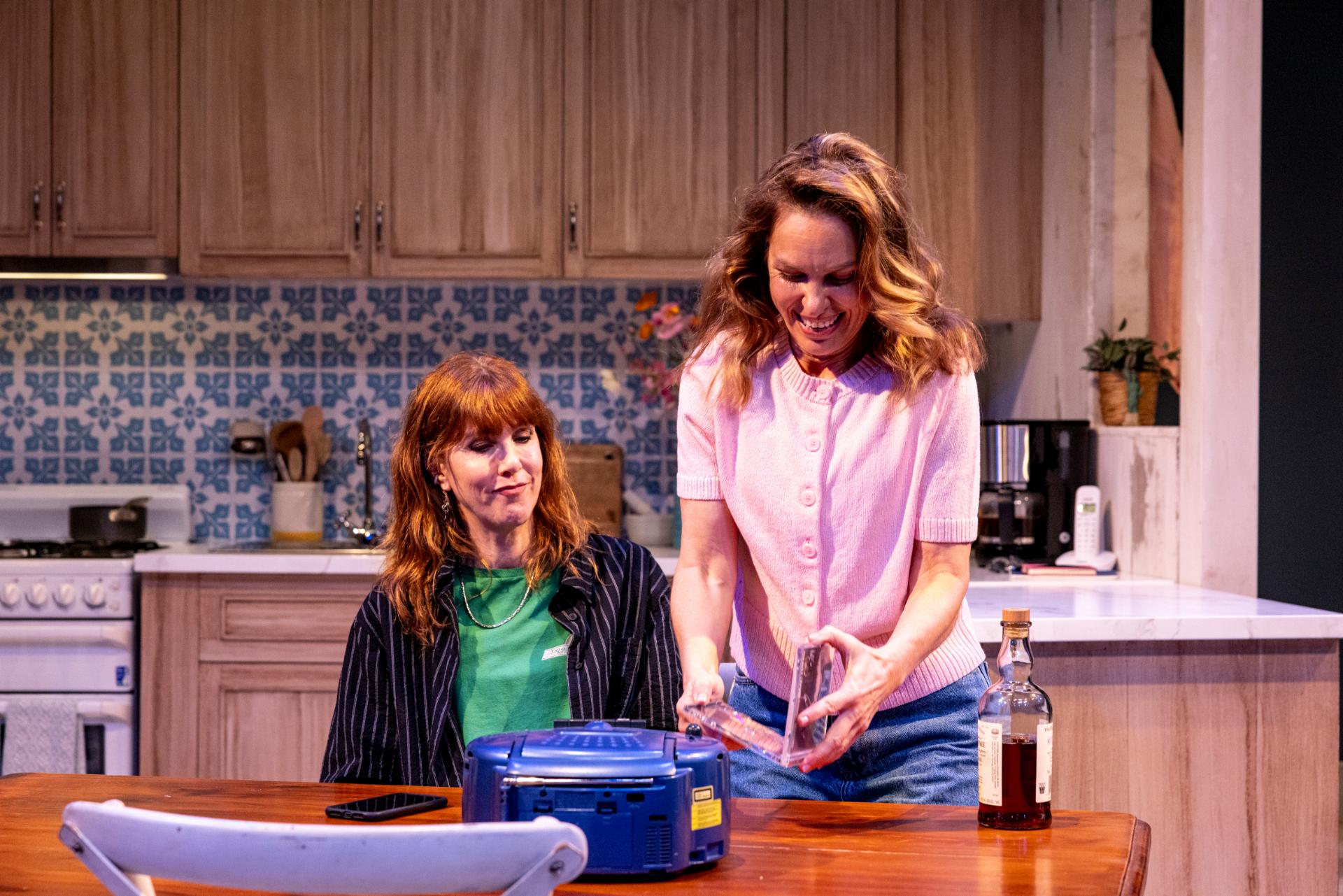
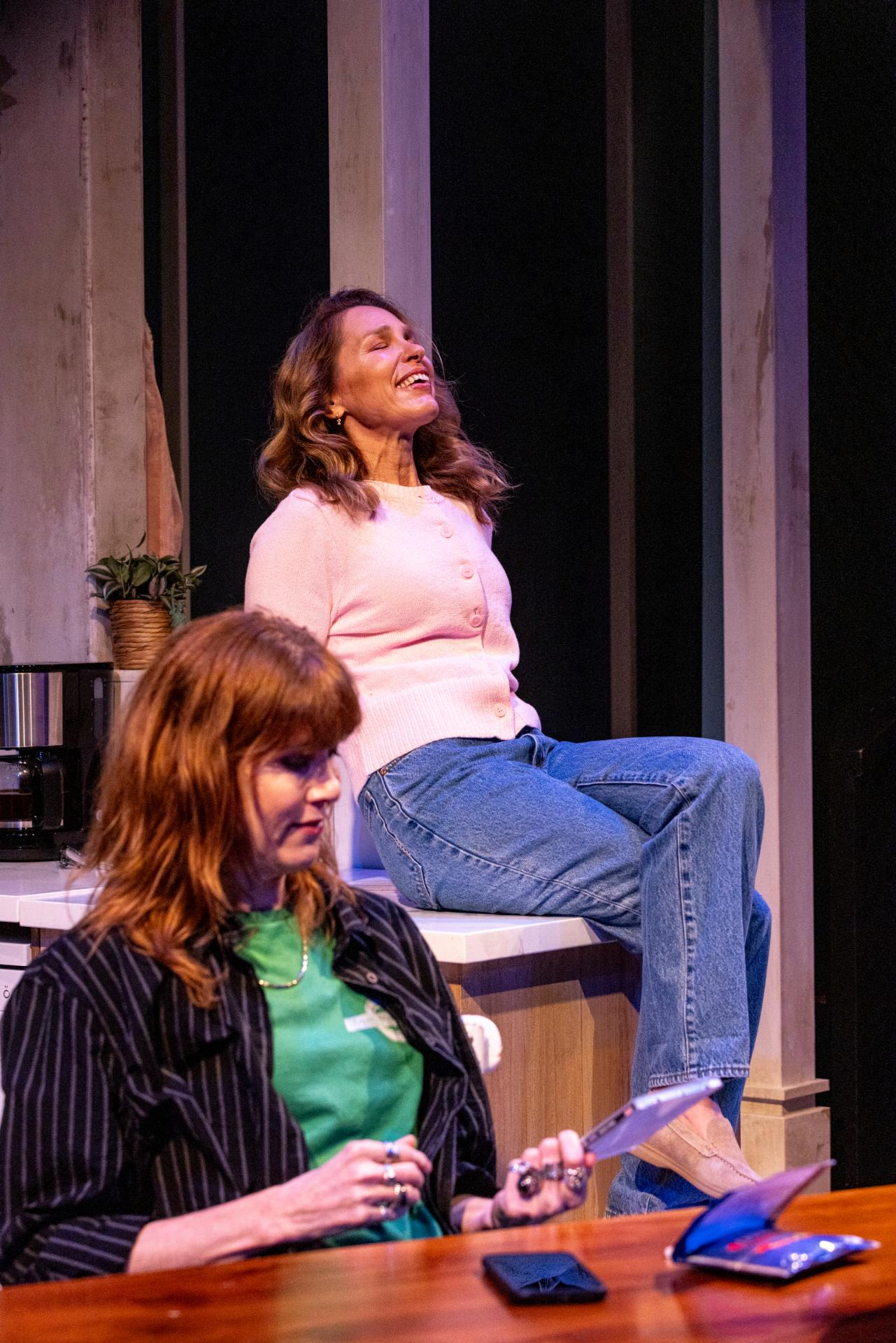
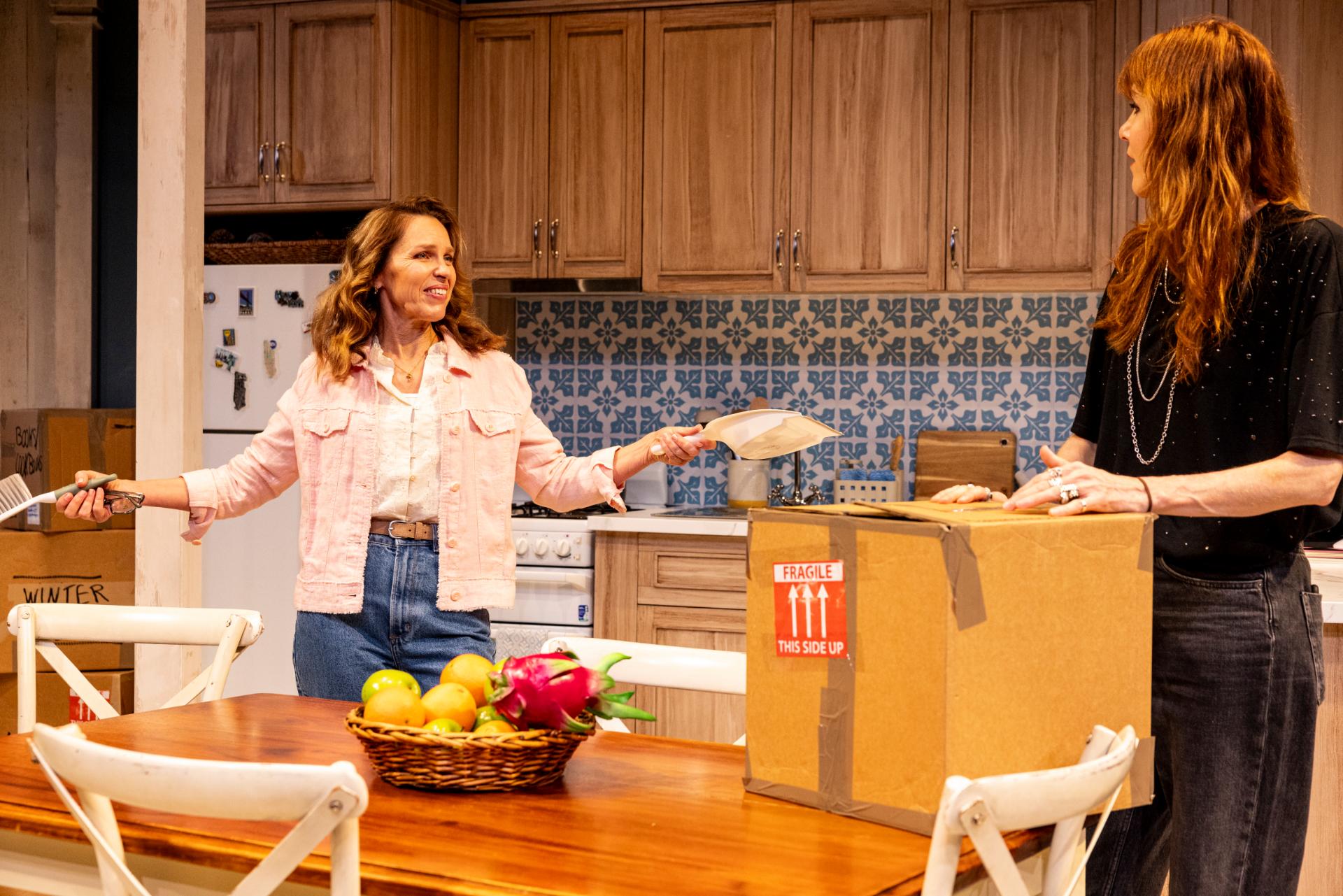
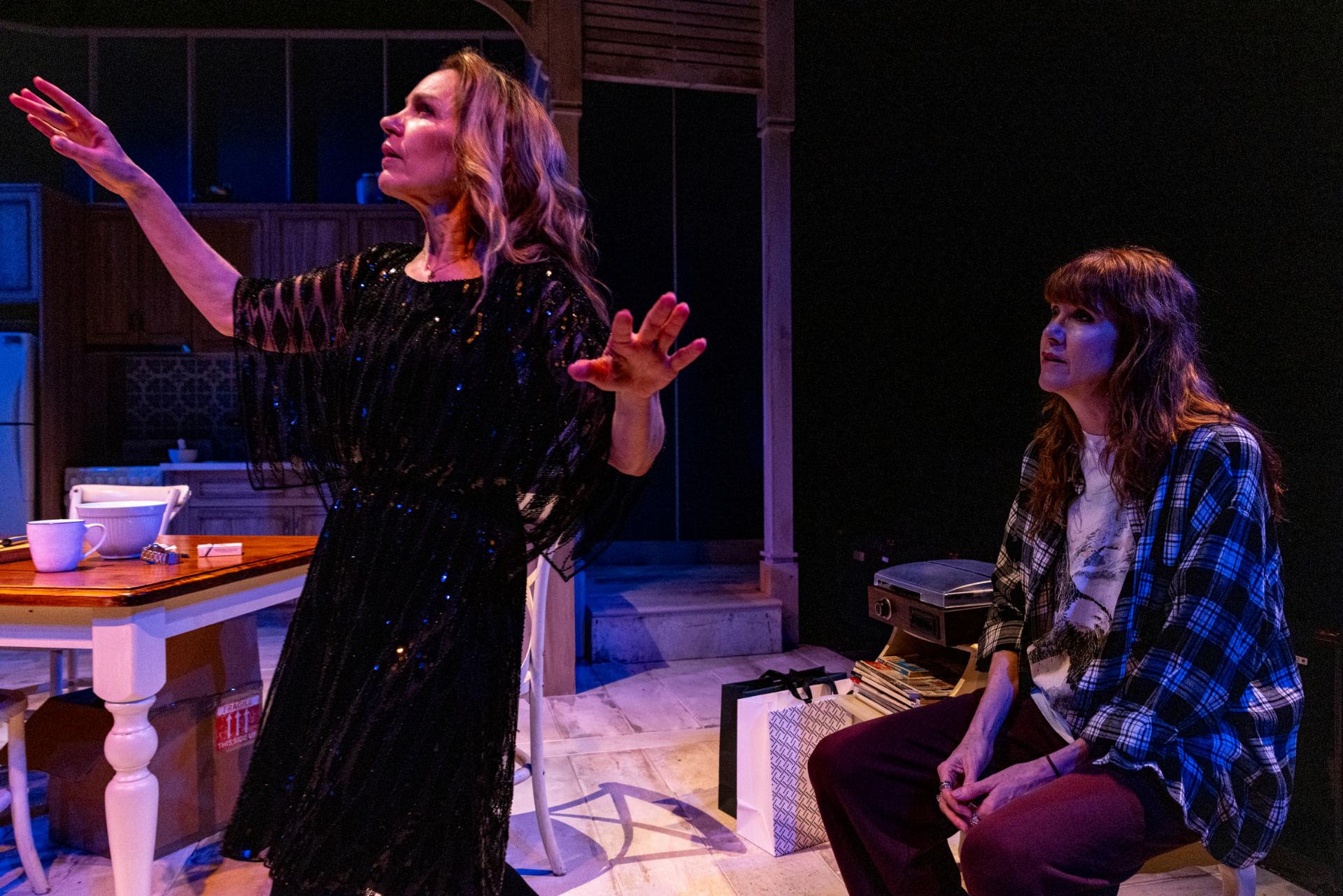
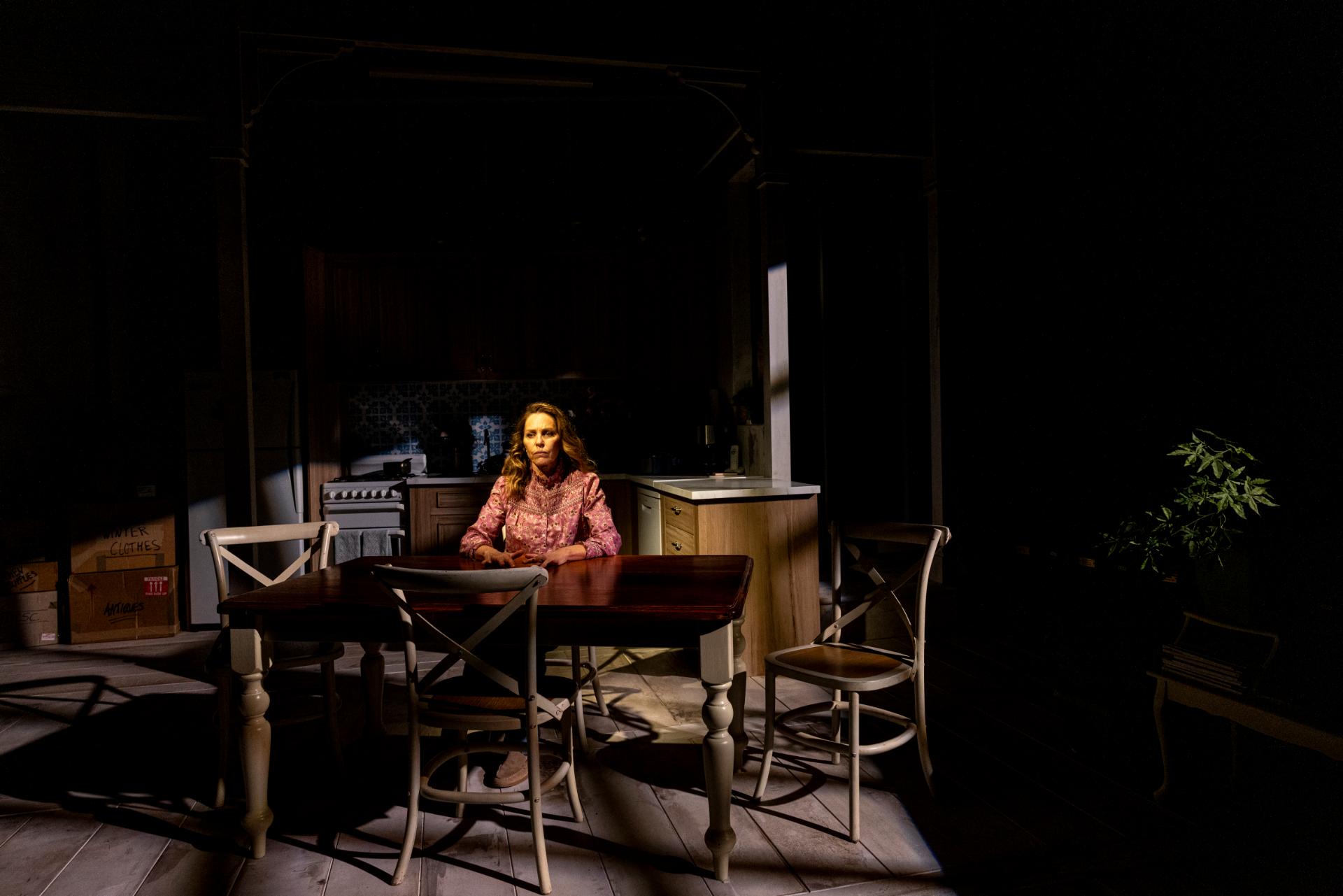
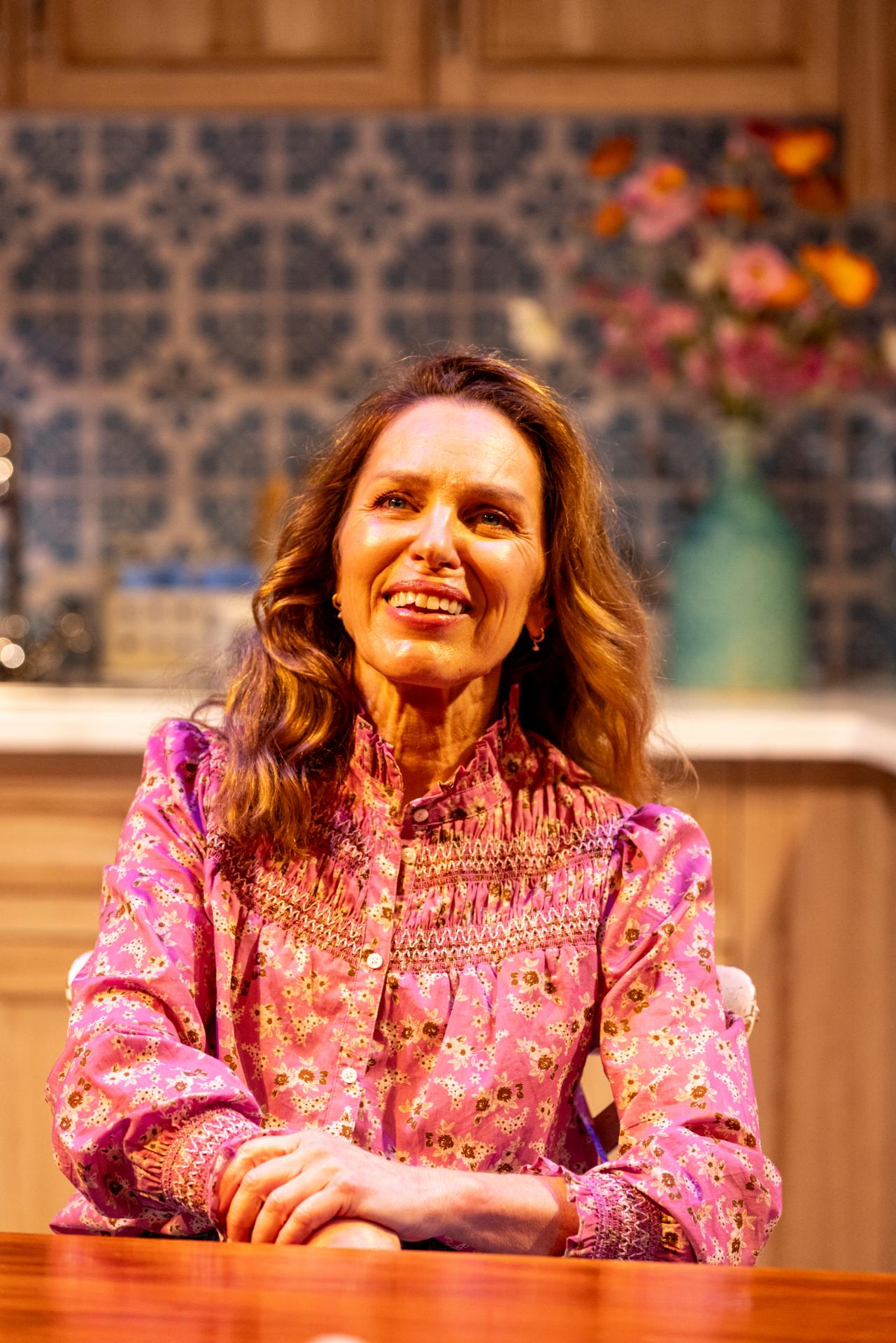
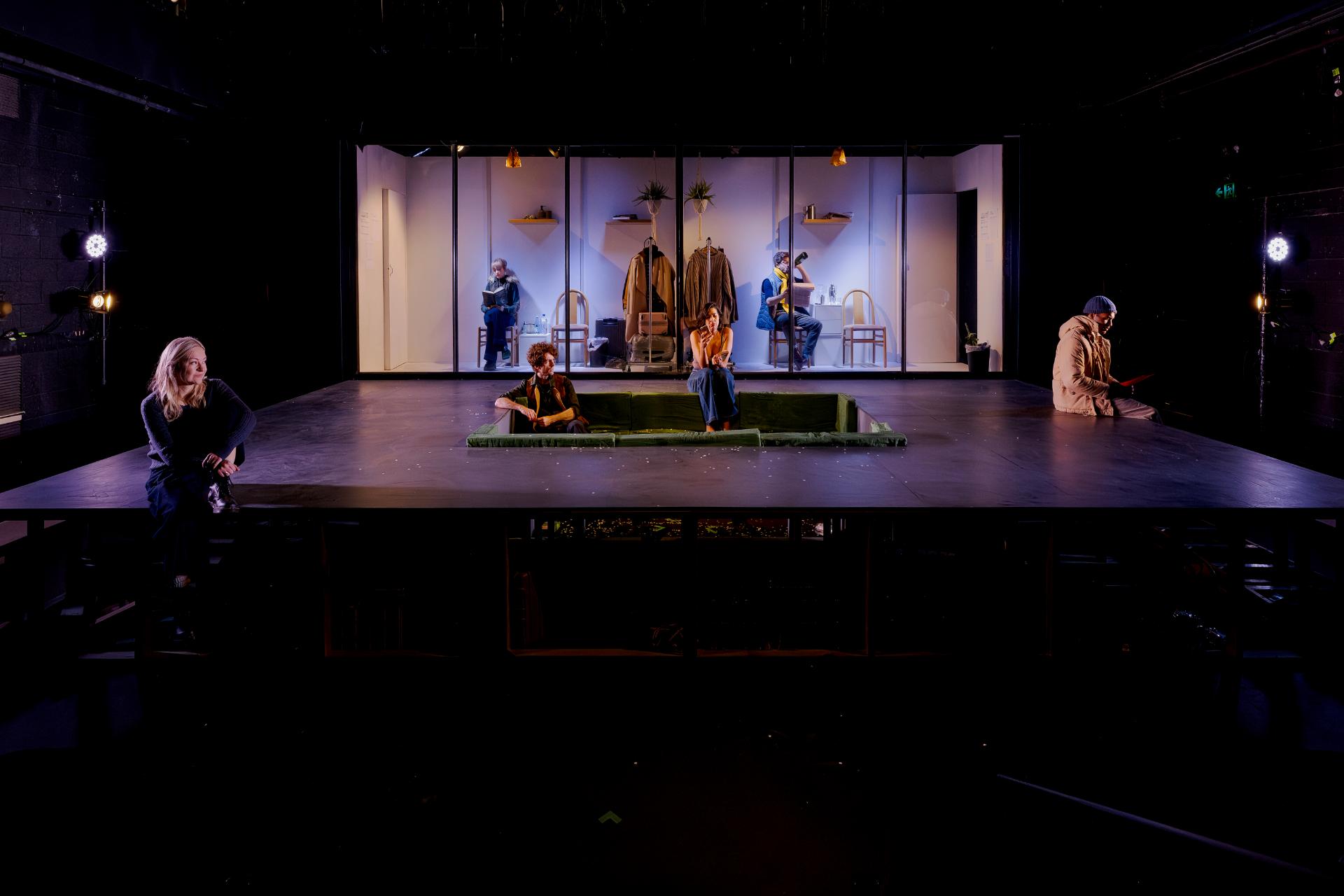
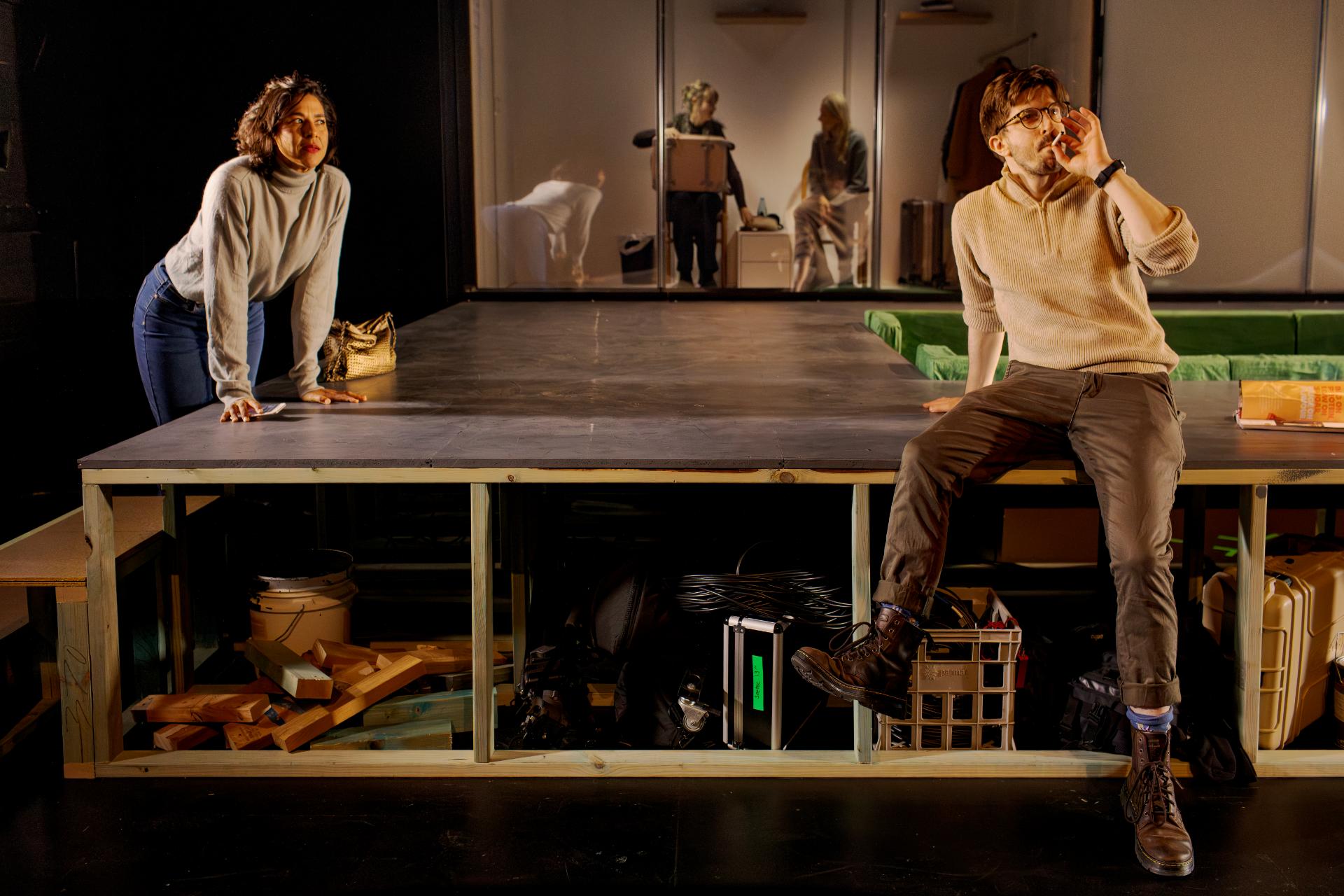
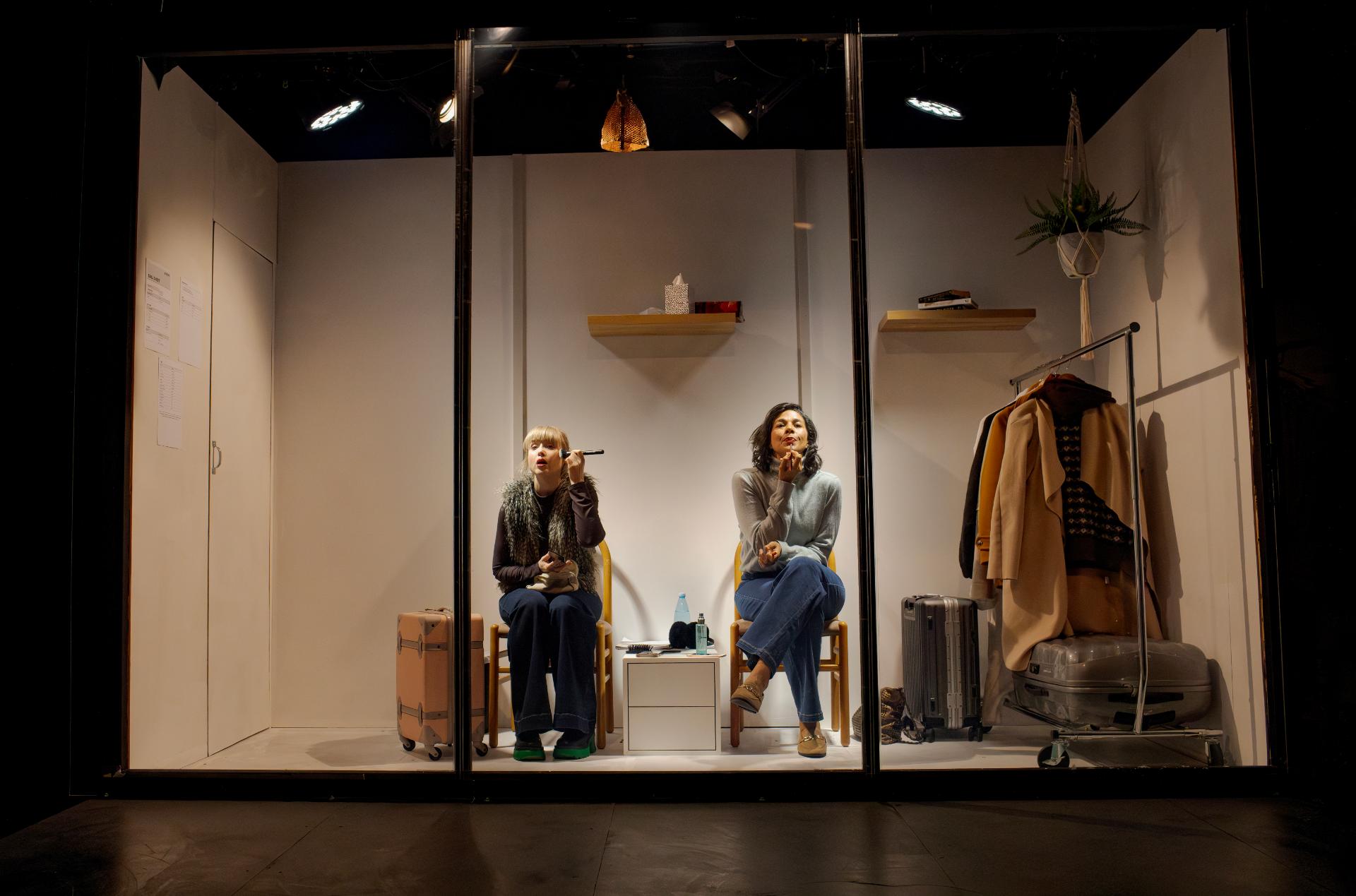
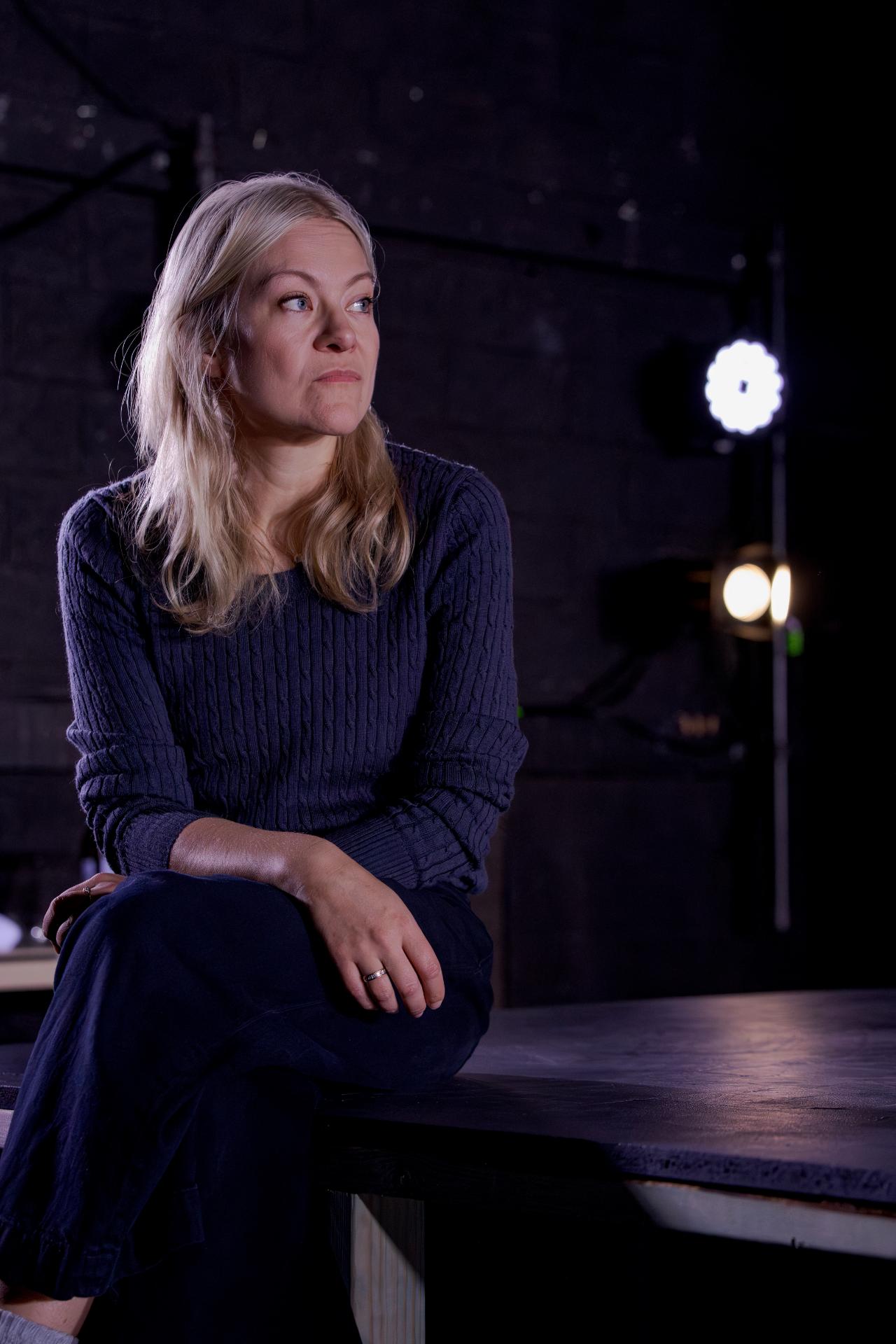
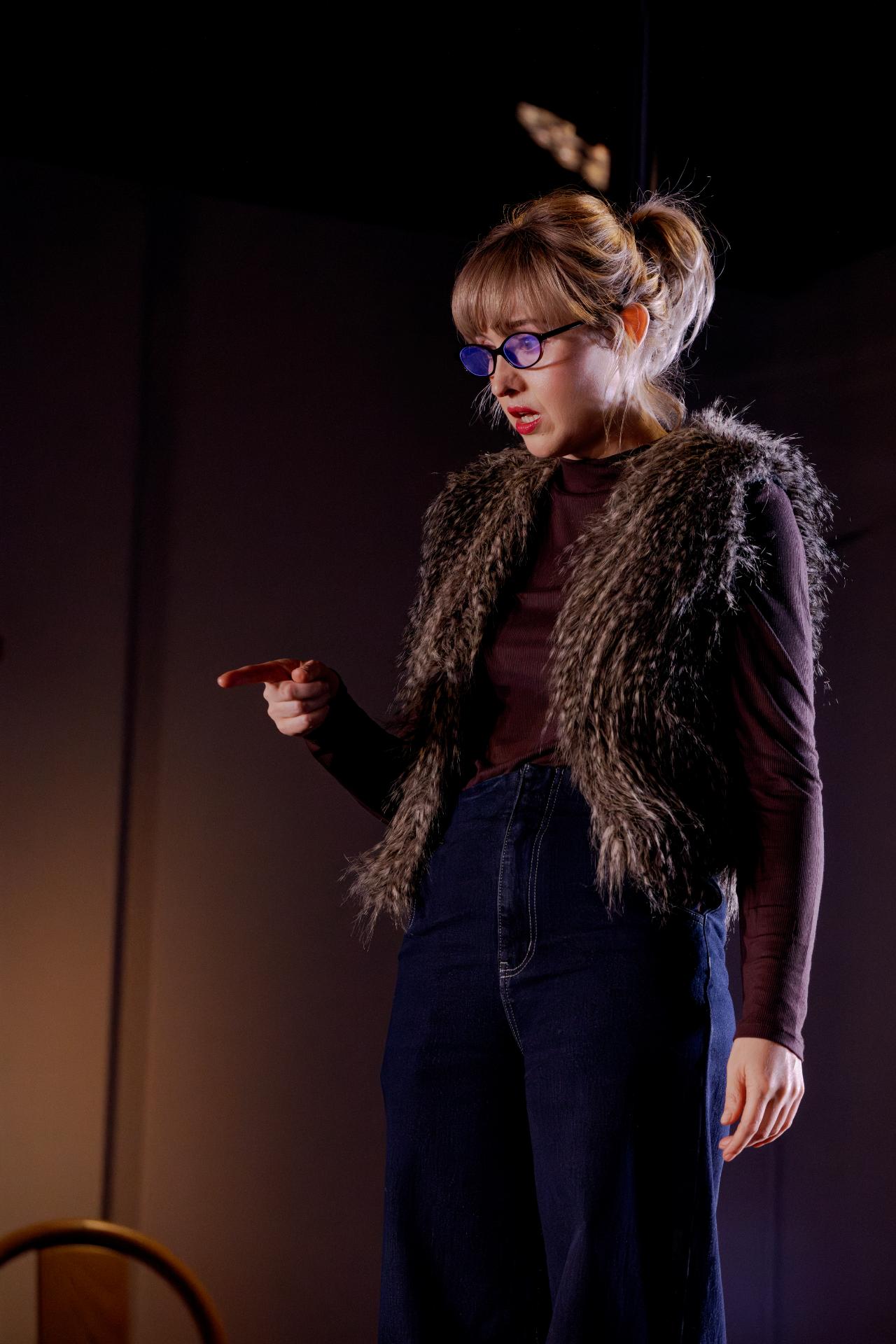
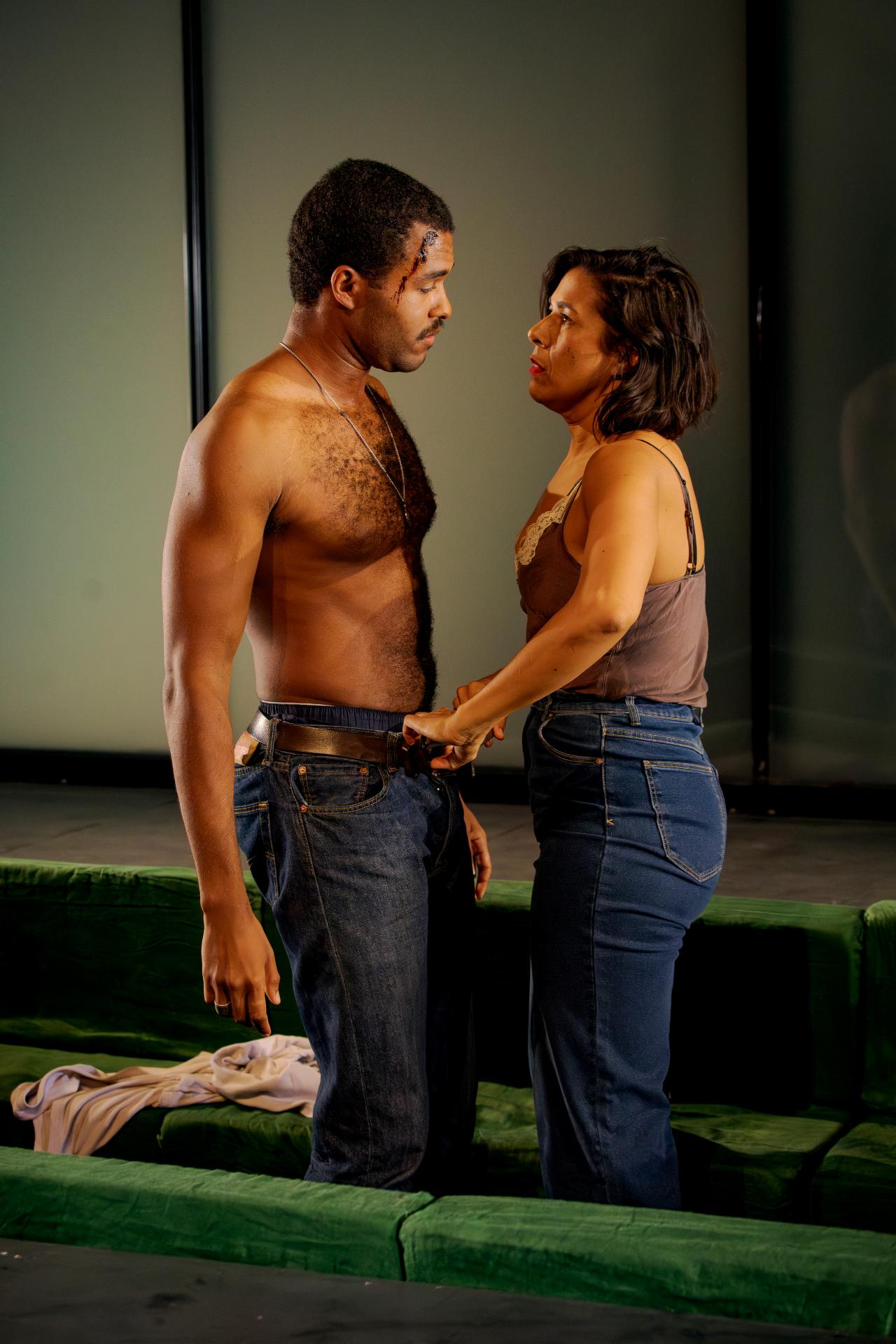
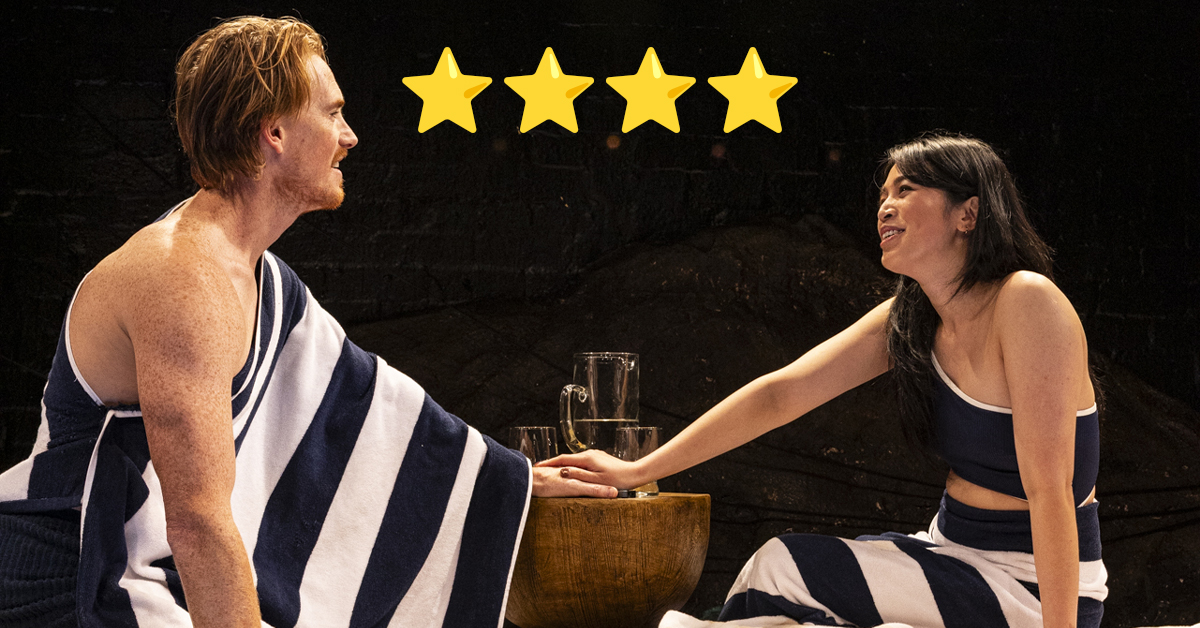
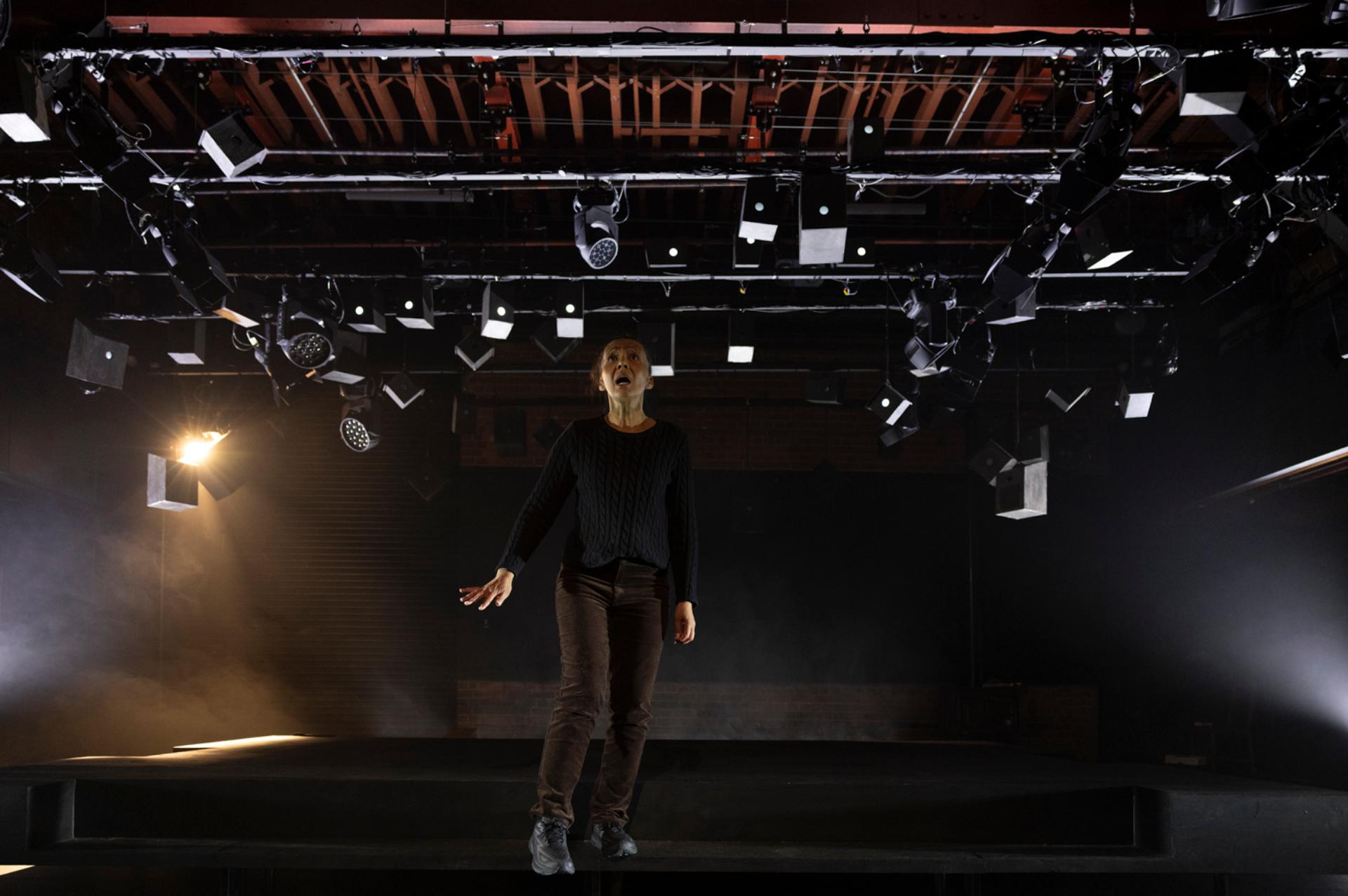
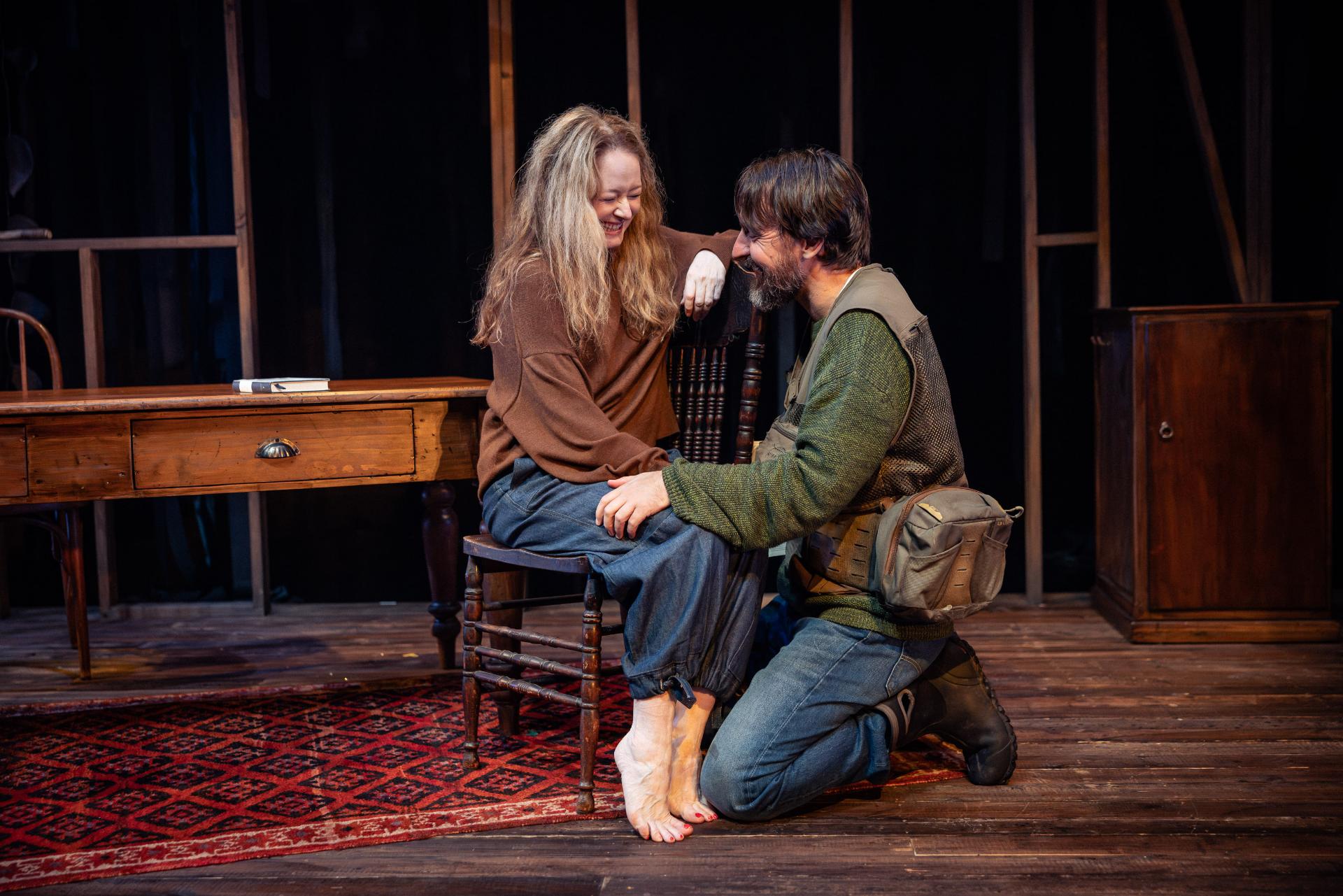
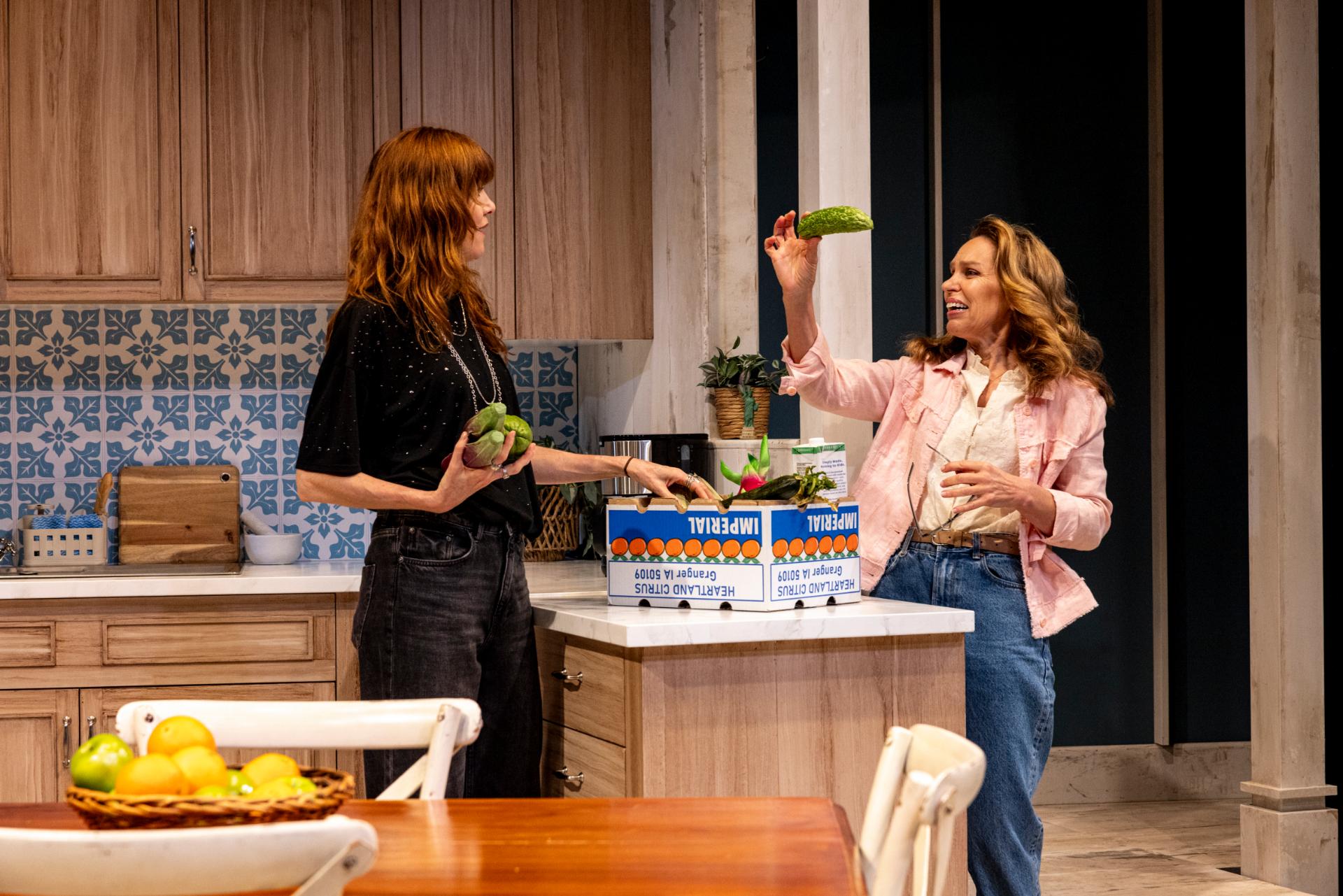
Sharon, newly divorced, finds herself unmoored—liberated from the obligations of marriage and motherhood yet utterly unprepared for autonomy. Having spent decades in Iowa as wife and mother, she has never cultivated an identity beyond servitude; the sudden absence of duty leaves her not merely free but adrift, hollowed out by a life lived in reflexive deference to others. Into this vacuum steps Robyn, a transplant from New York whose existence—vivid, self-determined, almost voluptuously full—represents a universe Sharon can scarcely comprehend, let alone inhabit. The collision between these two women proves both transformative and darkly comic; what begins as an education becomes an emancipation.

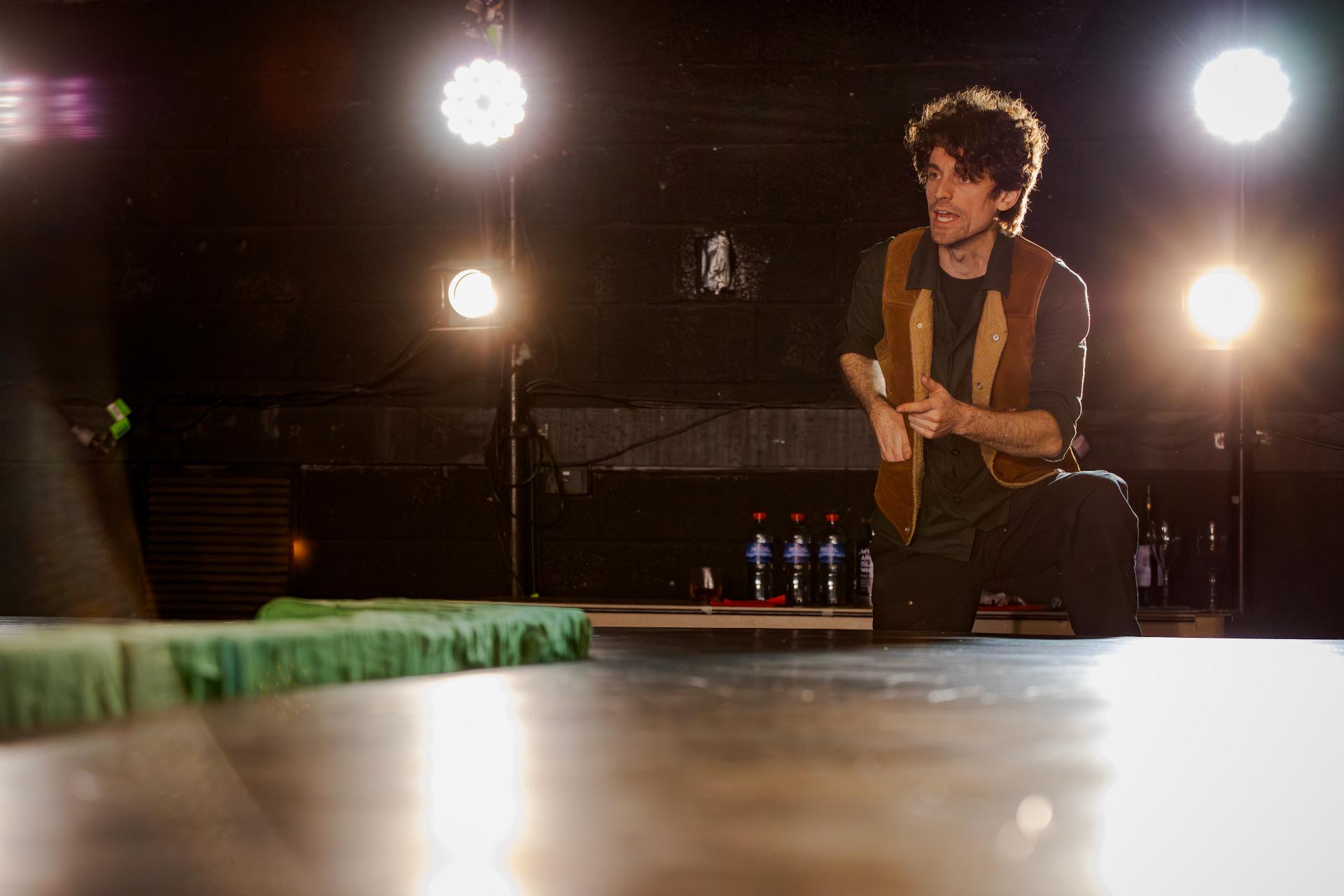
In The Roommate, Jen Silverman crafts a narrative that transcends the familiar midlife-awakening template. The play interrogates the architecture of submission—how the rules imposed upon Sharon were never benign conventions but instruments of subjugation, internalized so thoroughly that freedom itself becomes disorienting. Silverman understands that metamorphosis is not merely political but physical: a woman relearning her own appetites, her own voice, her own capacity for transgression. Director Lee Lewis approaches Sharon’s trajectory with evident relish, mining the text for its comic exuberance while never trivializing the radical nature of her reinvention. The production recognizes that joy, here, is itself a political act—the pleasure of a body and mind finally claiming ownership of themselves.

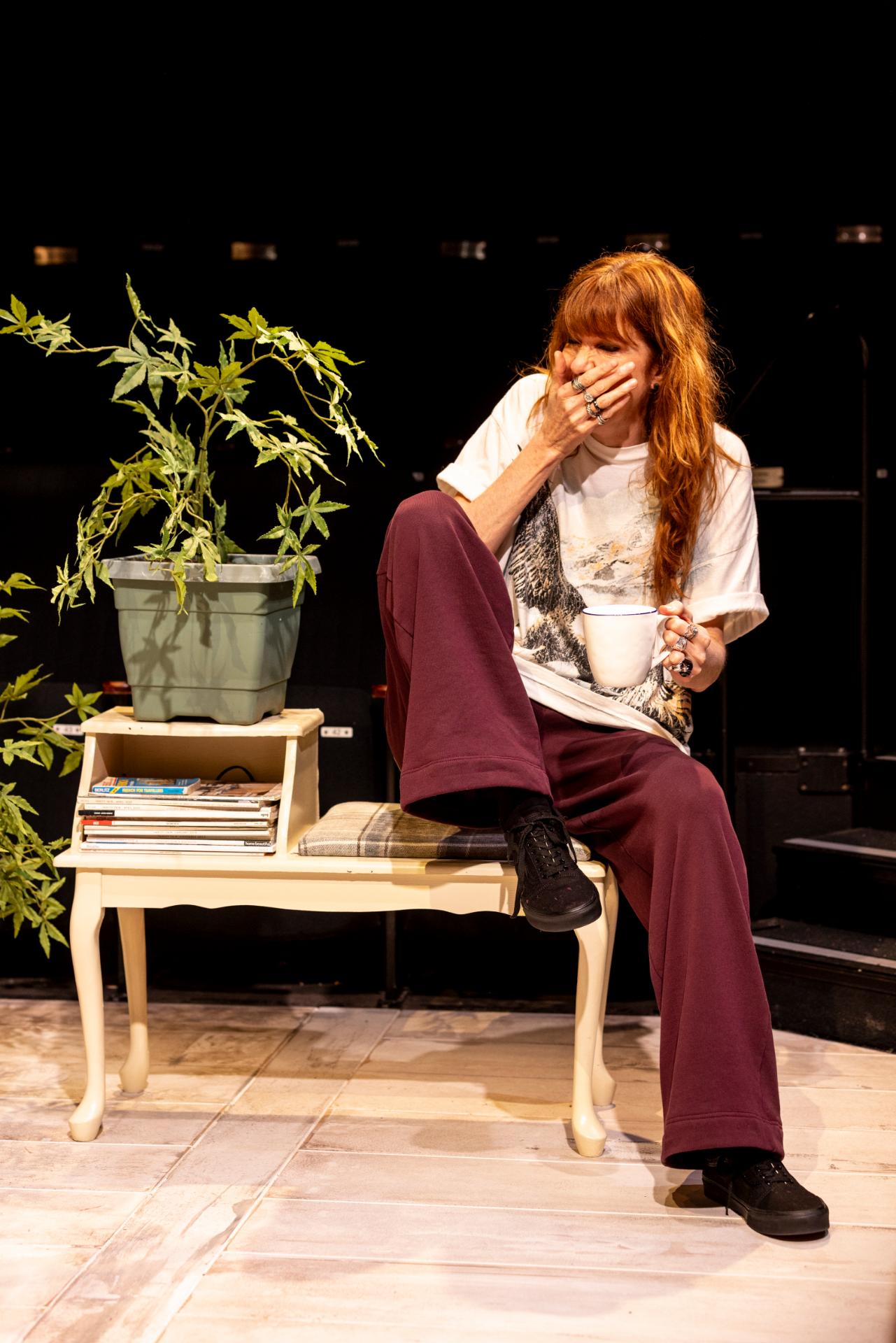
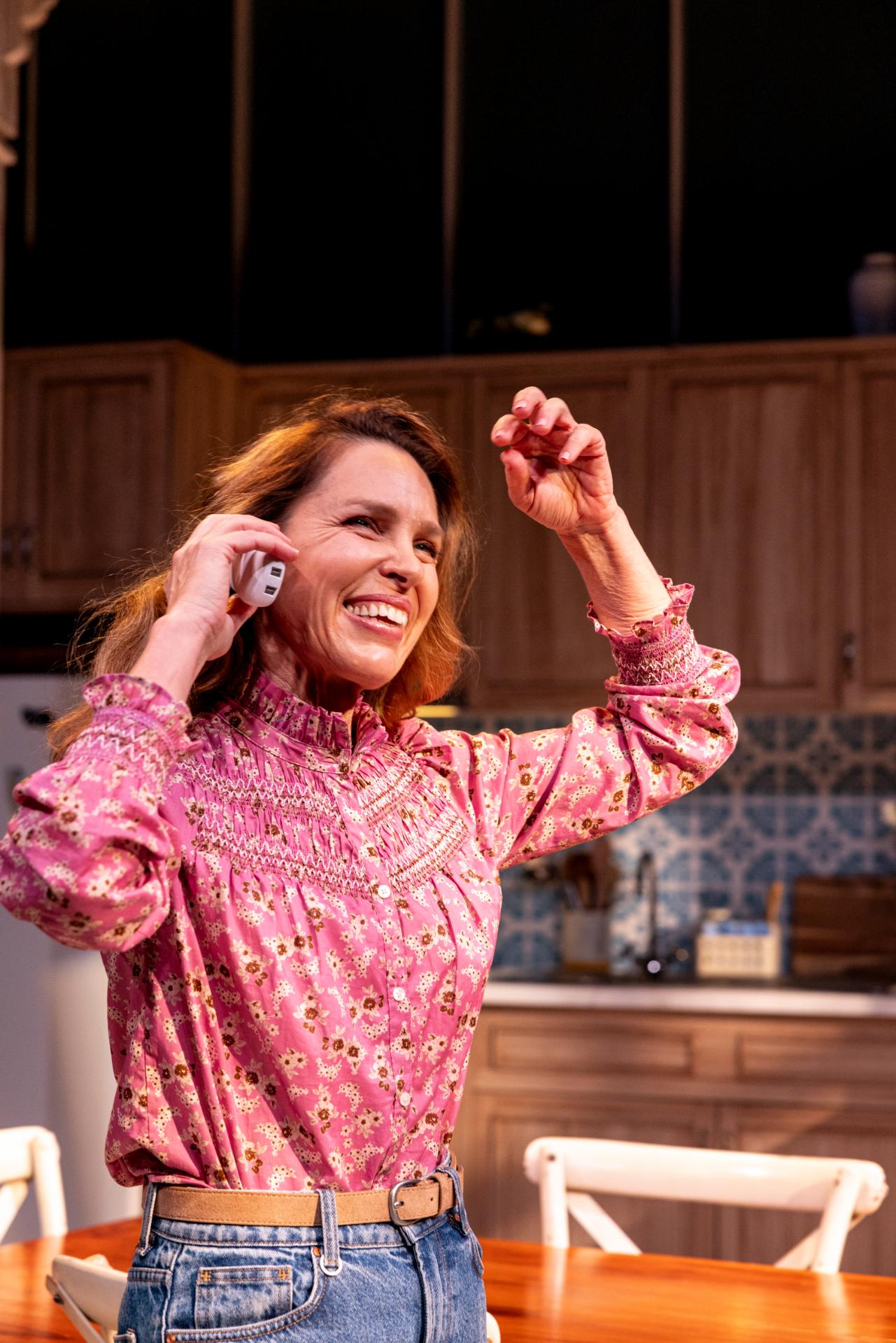
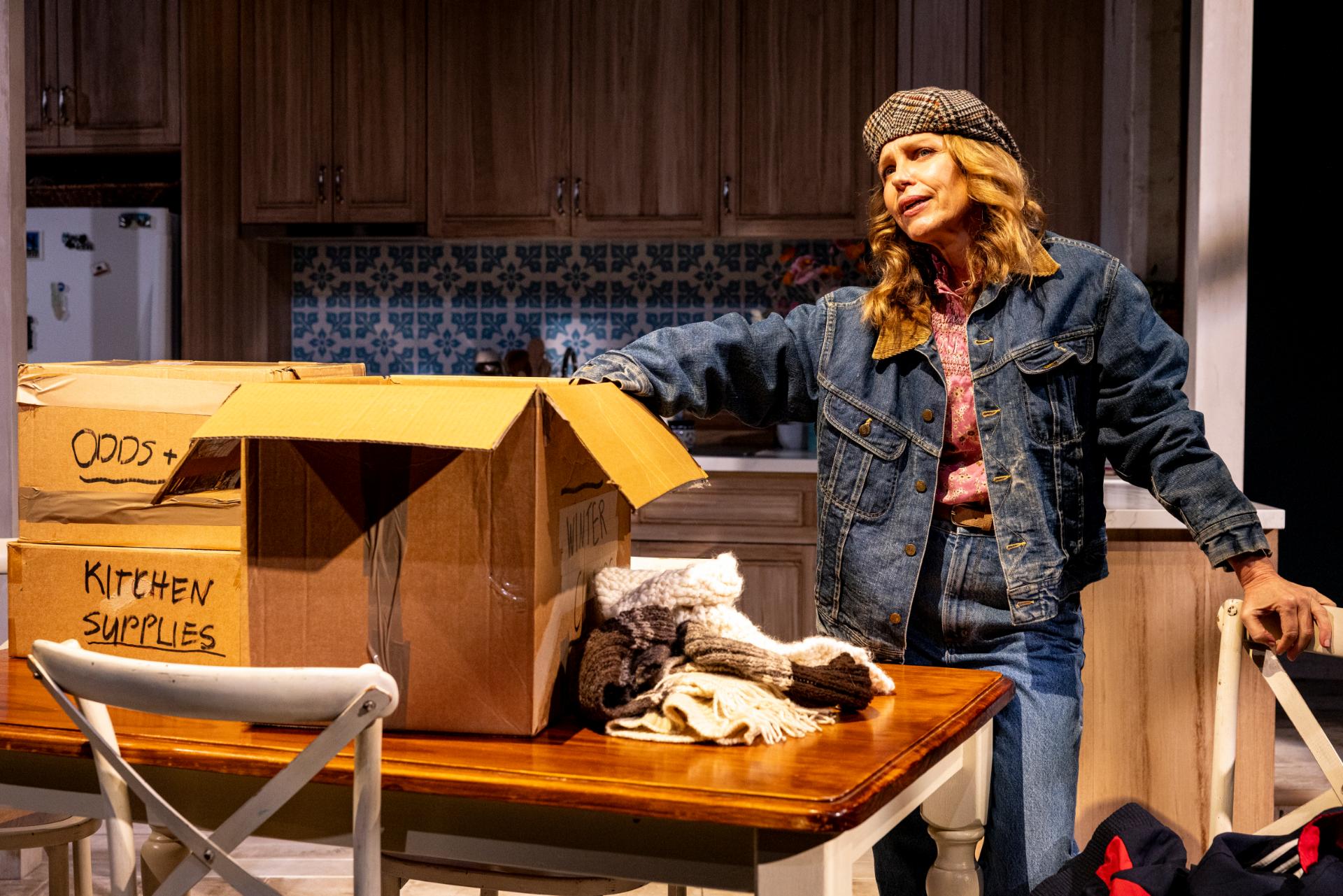
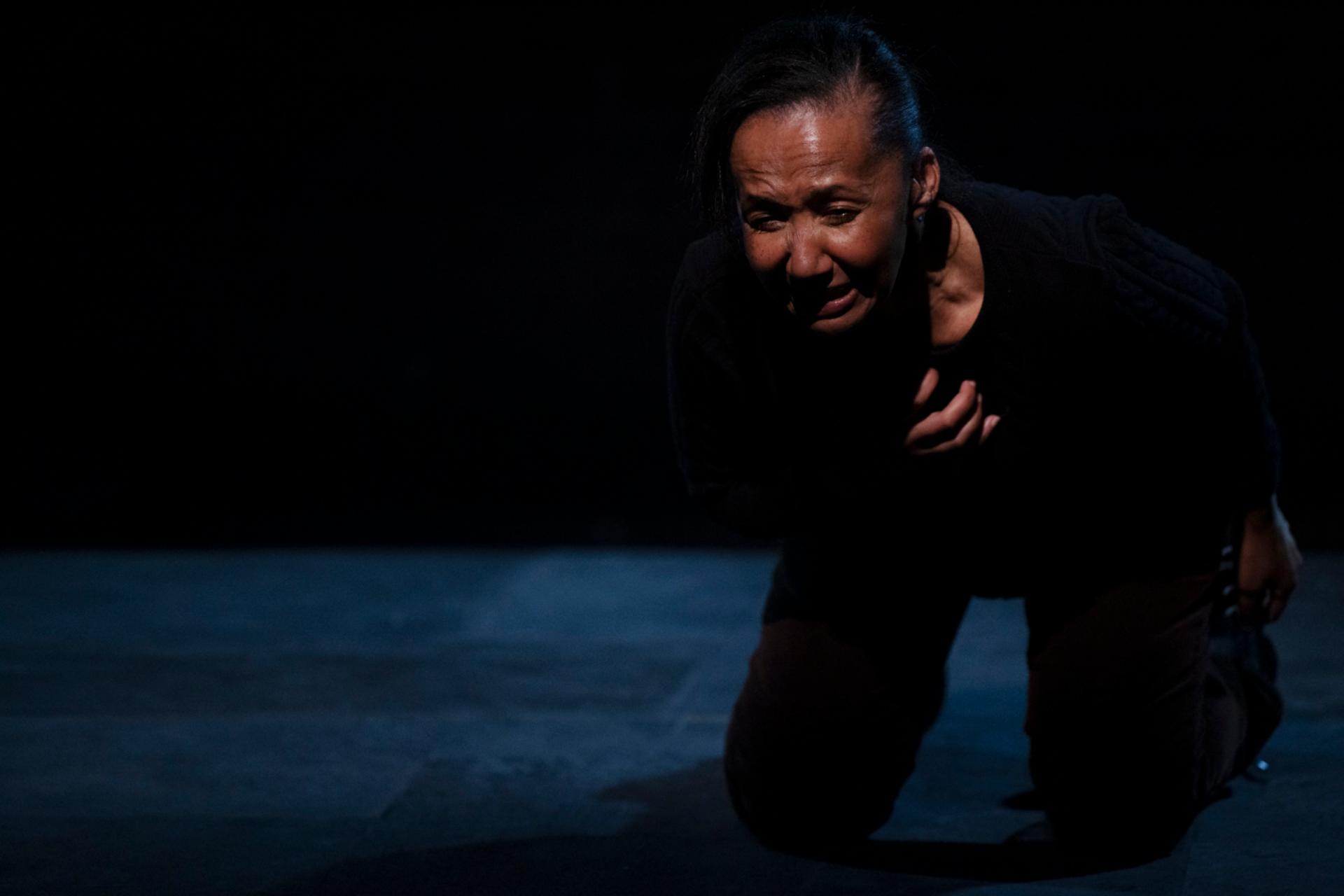
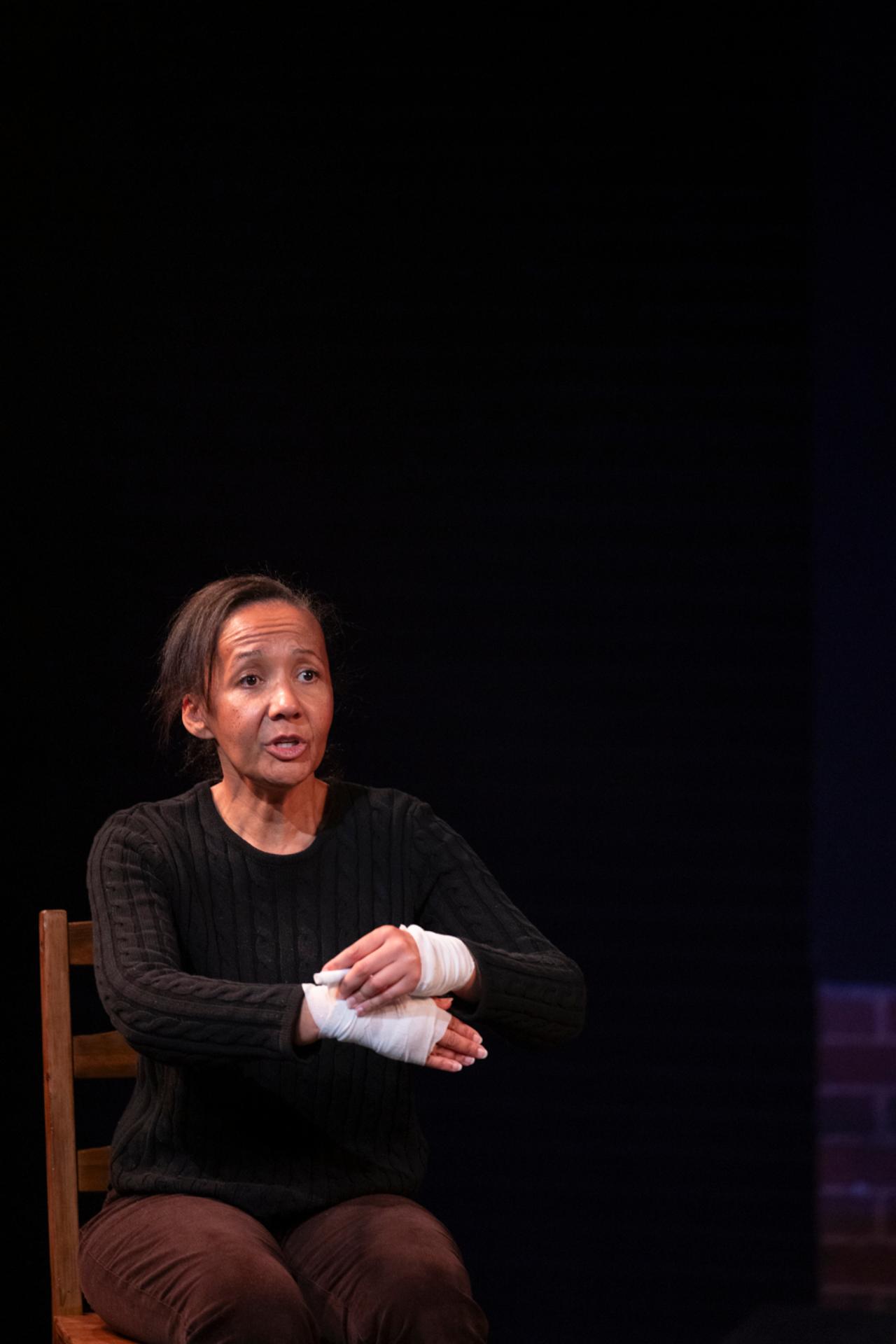
Lucy Bell delivers a performance of remarkable dexterity as Sharon, charting the character’s evolution from desperate, almost feral hunger to something approaching sovereignty. She locates the absurdity inherent in Sharon’s naïveté without condescending to it, and grounds the later acts of rebellion in genuine emotional stakes. There is both levity and gravitas in this portrait of self-discovery; Bell renders Sharon’s awakening not as a gentle blooming but as something more disruptive, more voracious.

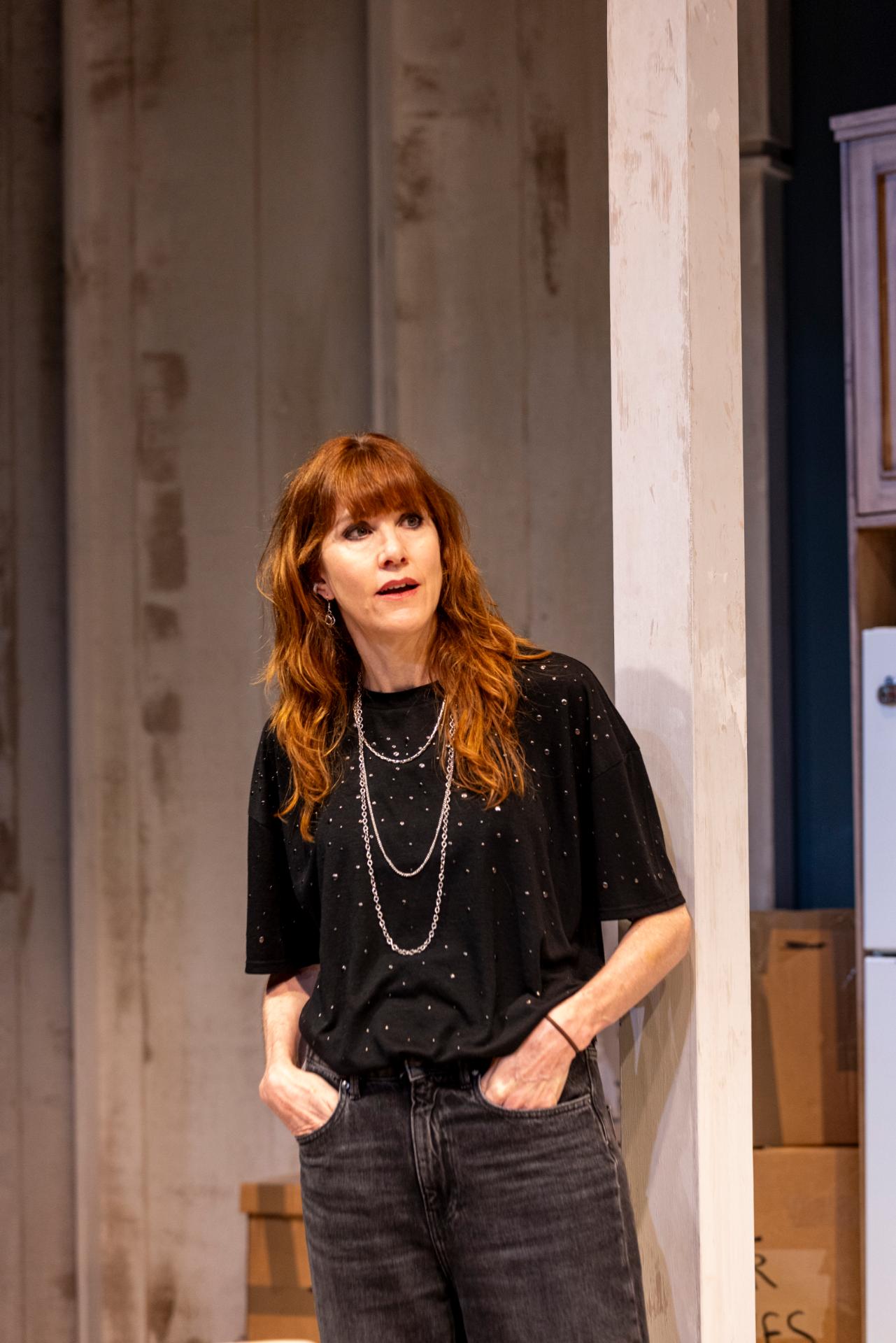
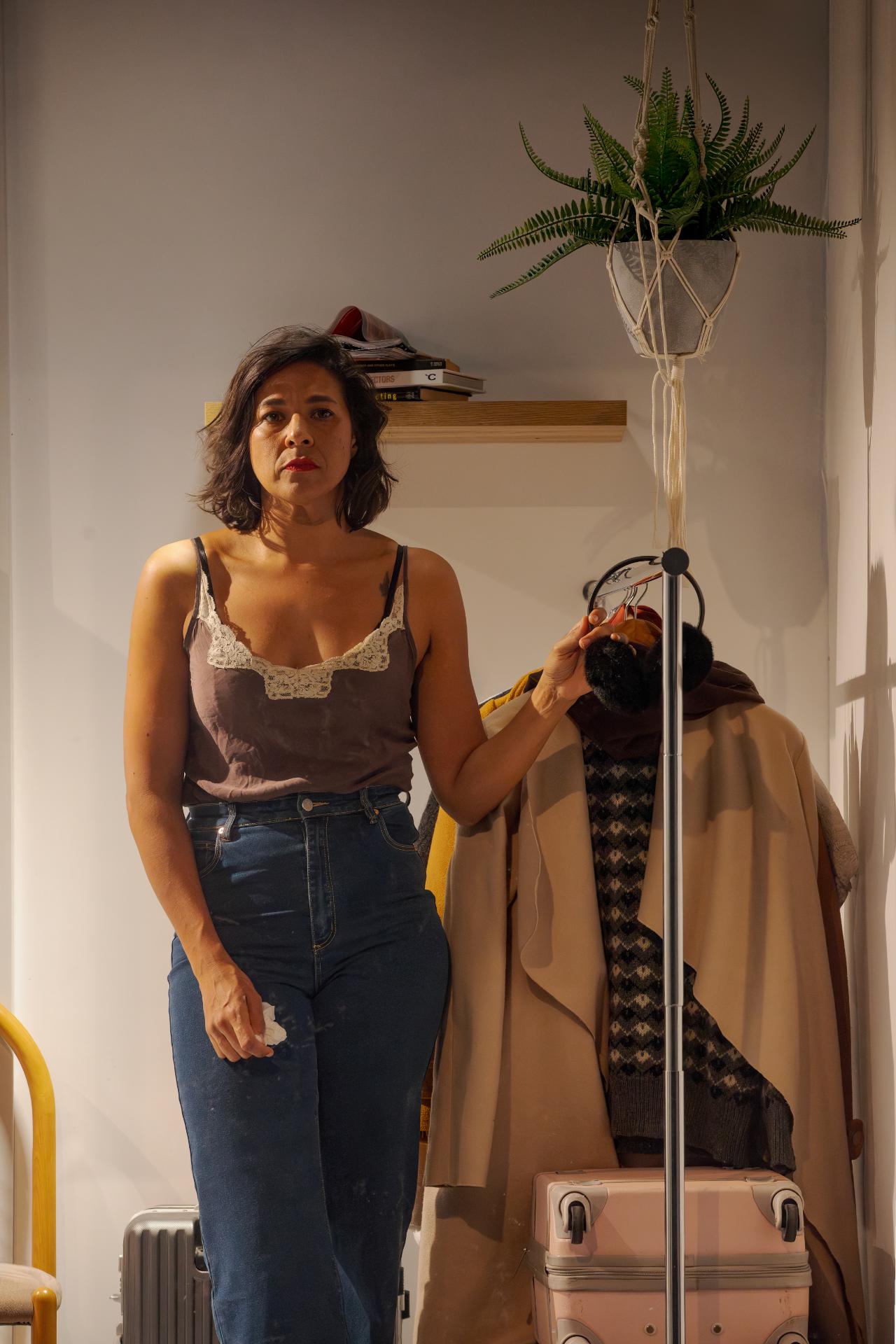
As Robyn, Belinda Bromilow offers a necessary counterweight—less exuberant than Bell, perhaps, but possessed of an authenticity that prevents the dynamic from collapsing into caricature. Robyn is not merely the catalyst for Sharon’s transformation but a woman undergoing her own quiet excavation, similarly engaged in the arduous work of self-definition.

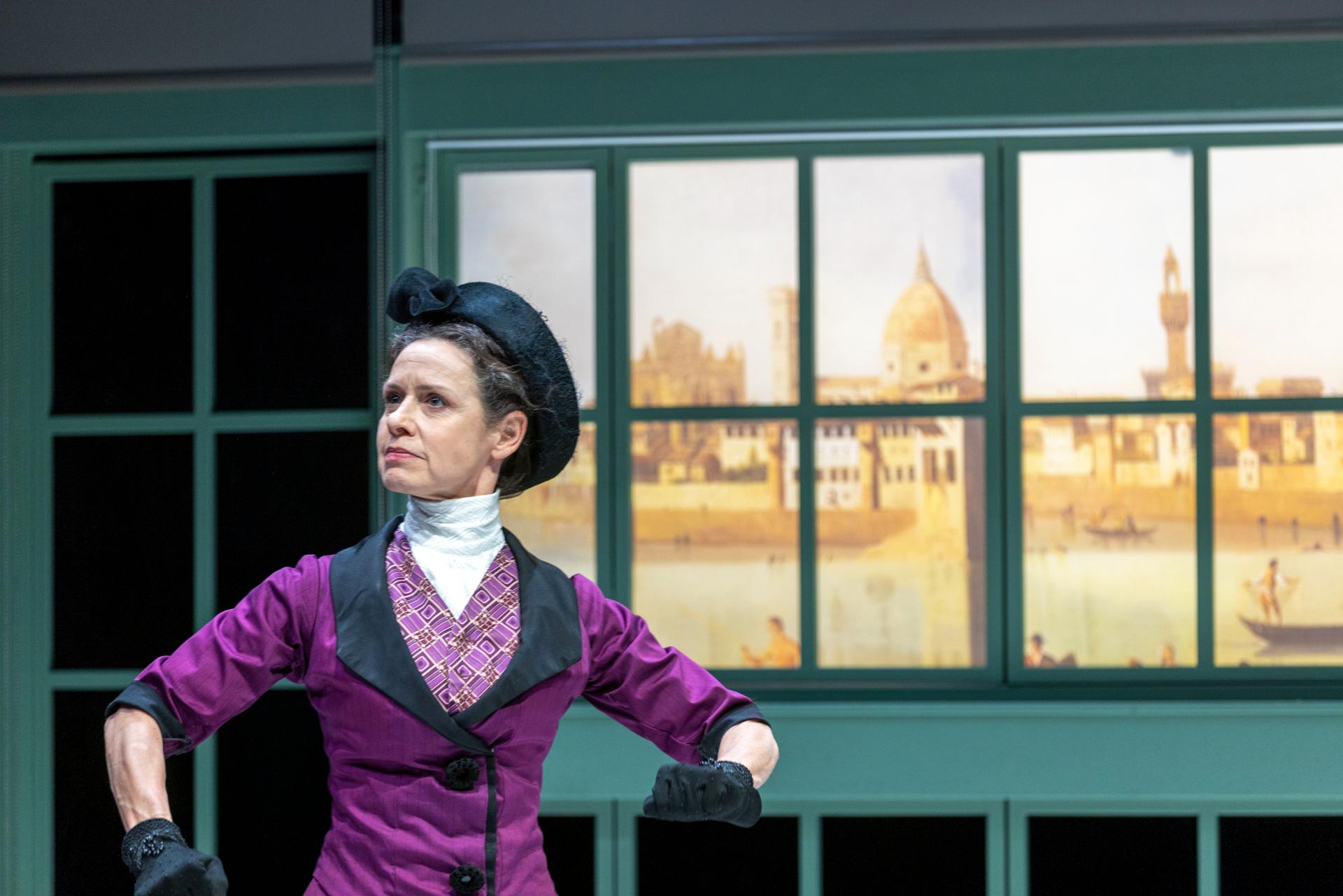
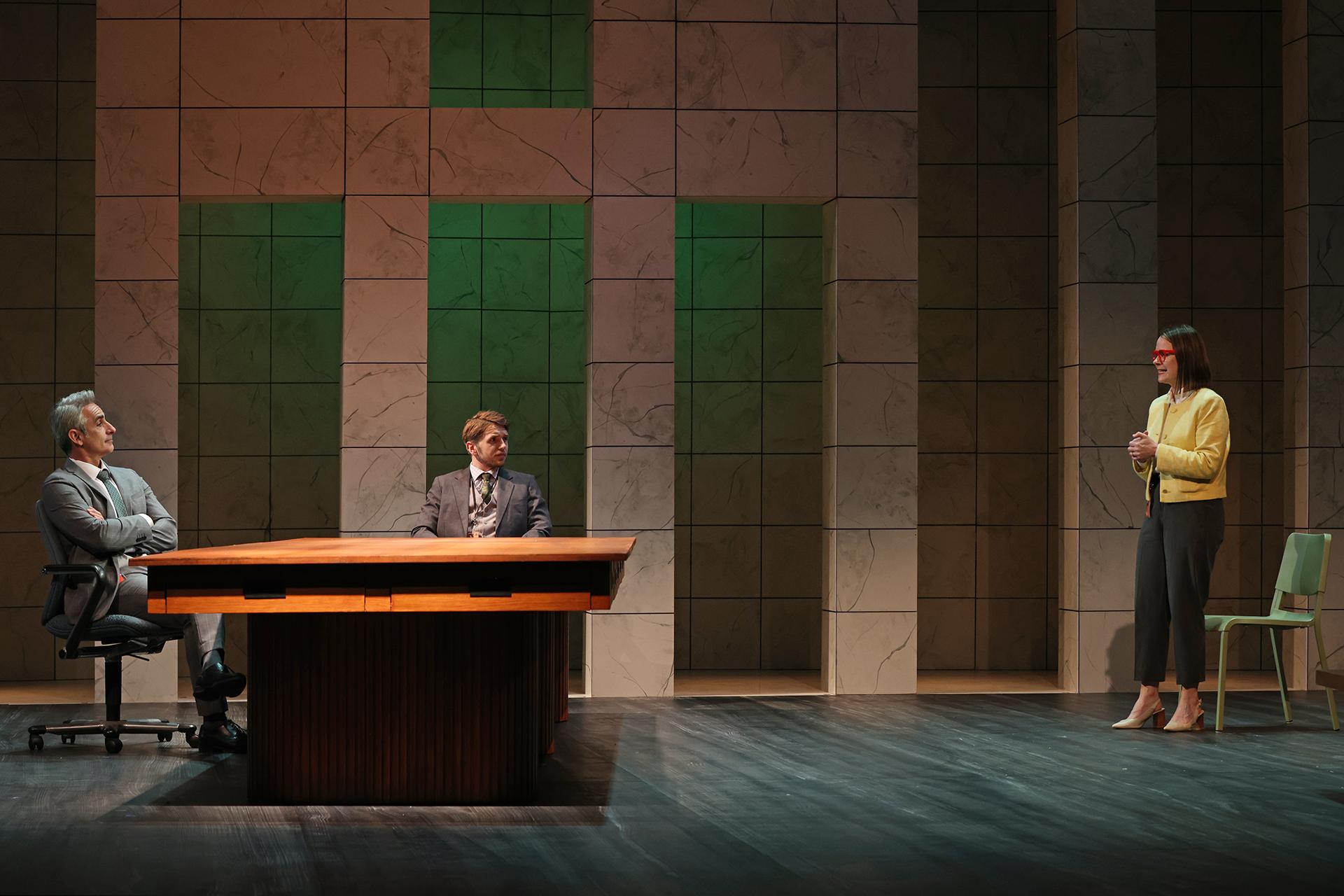
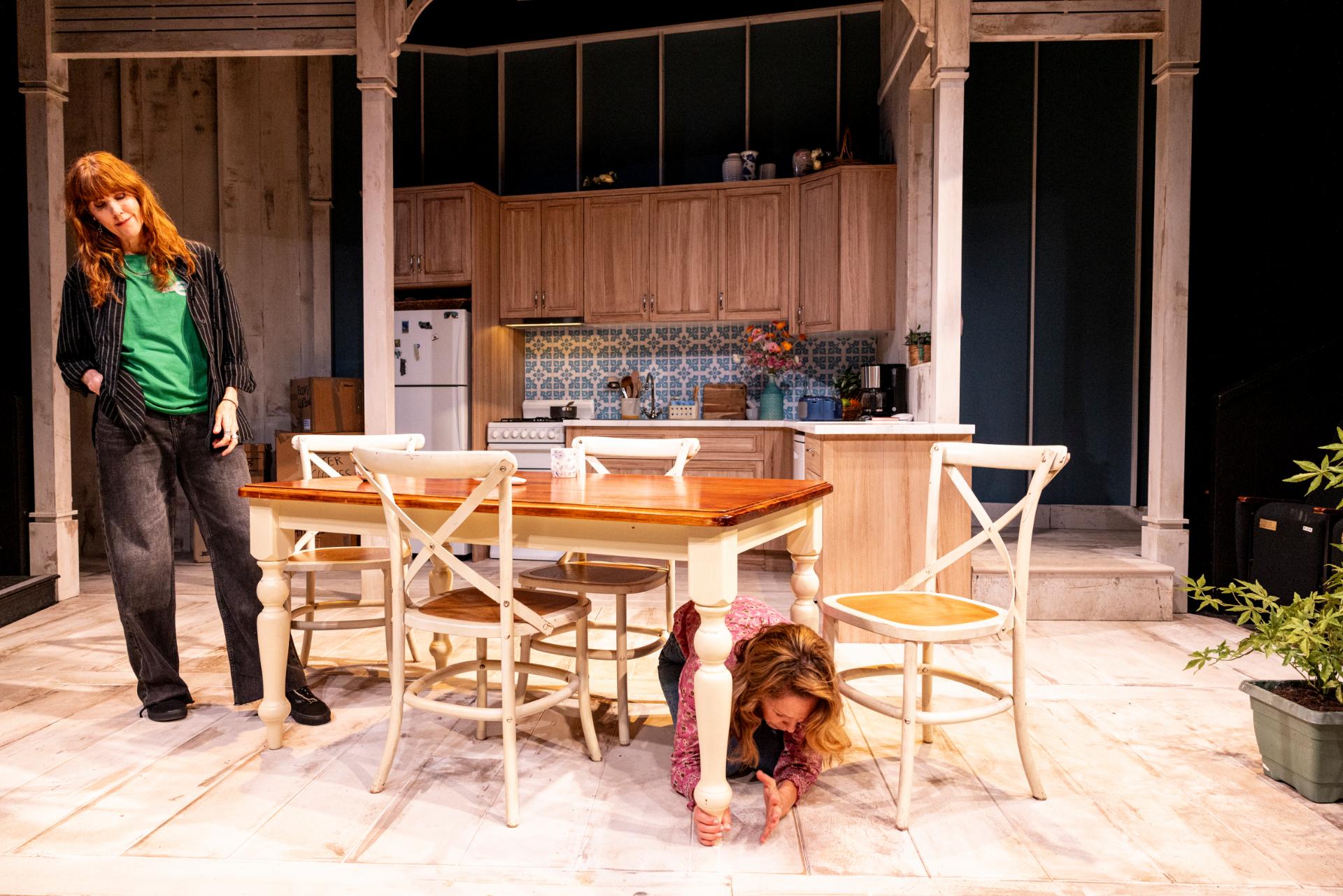
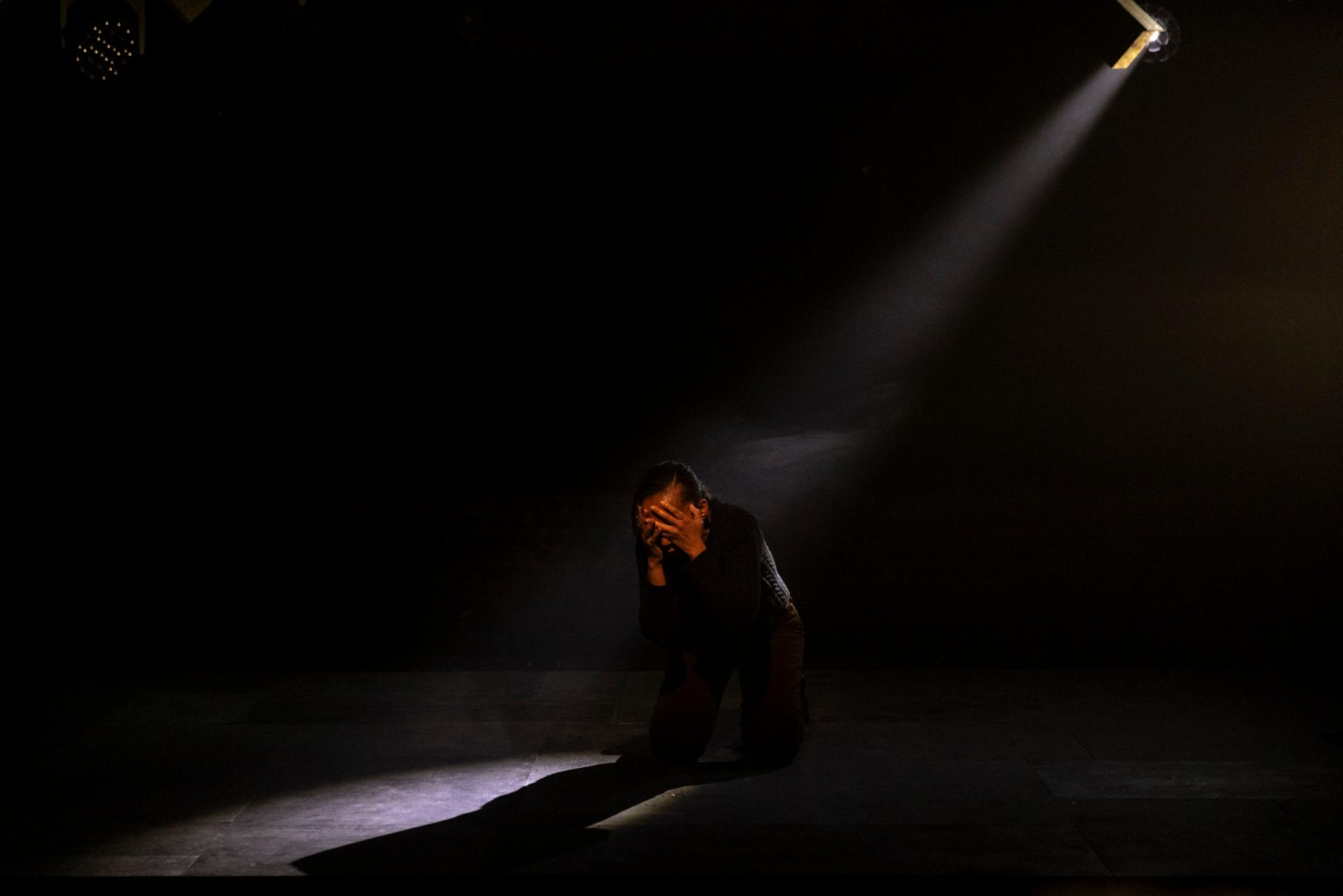
The production design by Simone Romaniuk operates with astute visual economy, evoking the American landscape through carefully calibrated contrasts—costume and spatial details that externalize the friction between Robyn’s cultivated cosmopolitanism and Sharon’s unexamined provincialism. Matt Cox’s lighting provides understated but precise atmospheric modulation, tracing the characters’ shifting psychological registers without ostentation. Madeleine Picard’s compositions, deployed during scene transitions, maintain narrative momentum with inventive sonic textures that sustain our anticipation for each new development.

What resonates most profoundly is the play’s recognition that Sharon’s ignorance has been structurally cultivated—partly self-imposed, yes, but largely enforced by a hegemony that reduces her to fungible labor, a minor component in an indifferent apparatus. Yet The Roommate refuses easy binaries of victimhood and liberation. Robyn, too, is in flight from a past that no longer fits; her apparently charmed existence conceals its own disillusionments. The feminist dimension of Silverman’s work is unmistakable but never didactic—her argument extends beyond gender to encompass anyone reduced to instrumentality, anyone whose self-possession has been systematically eroded. The play ultimately insists that claiming one’s life is not a single dramatic rupture but a continuous, often comic, occasionally terrifying process of becoming.

www.ensemble.com.au

Review: Truck Driver (Sydney Opera House)

Venue: Sydney Opera House (Sydney NSW), Jun 16 – 20, 2026
Playwright: Jonny Hawkins
Director: Nell Ranney
Cast: Jonny Hawkins
Images by Daniel Boud

Theatre review
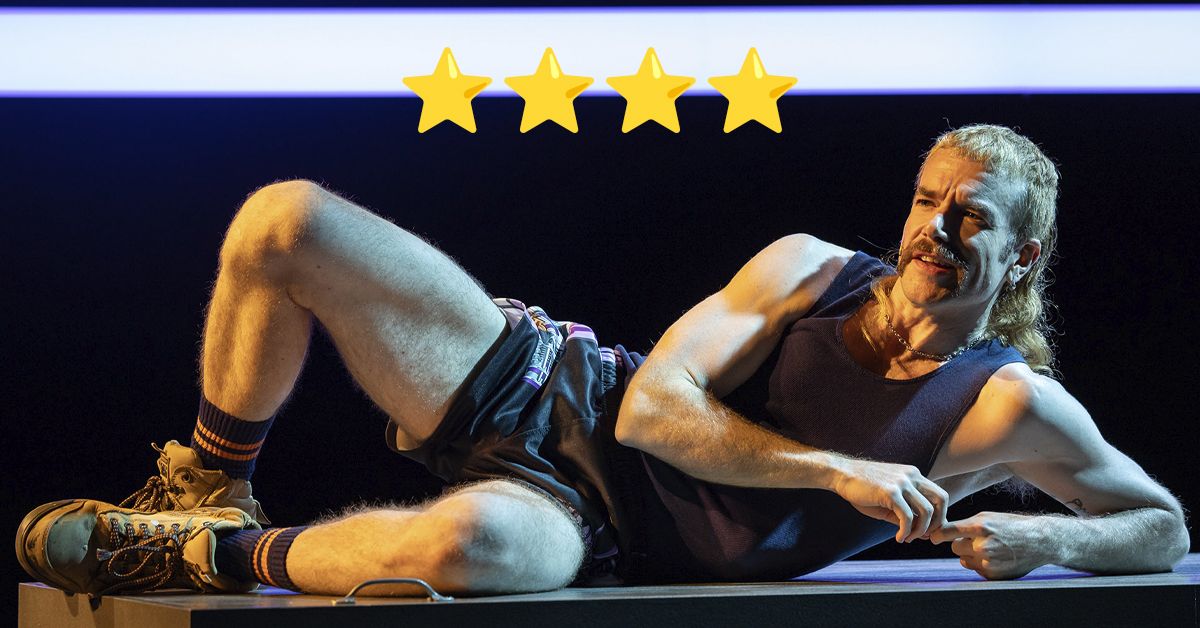
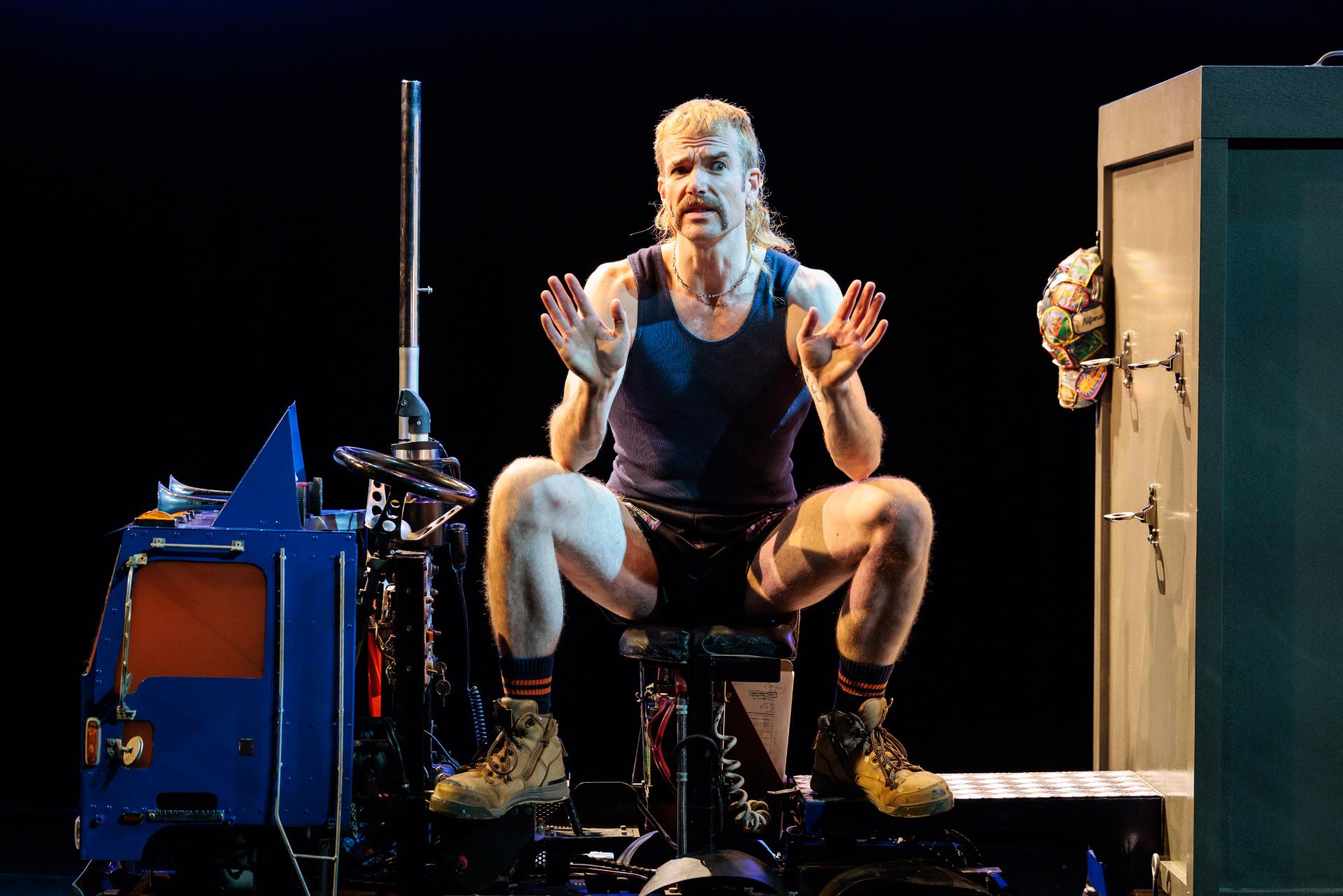
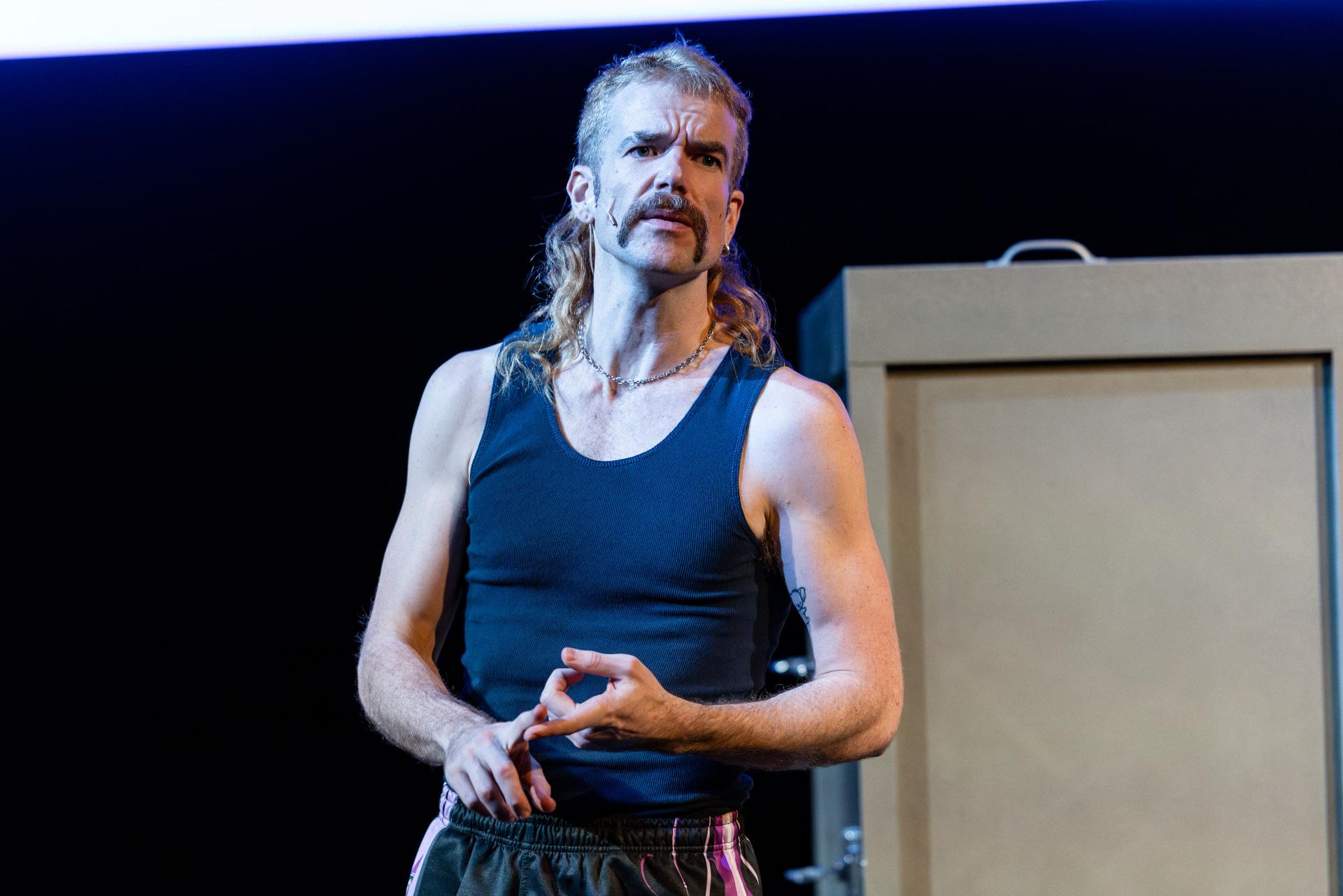
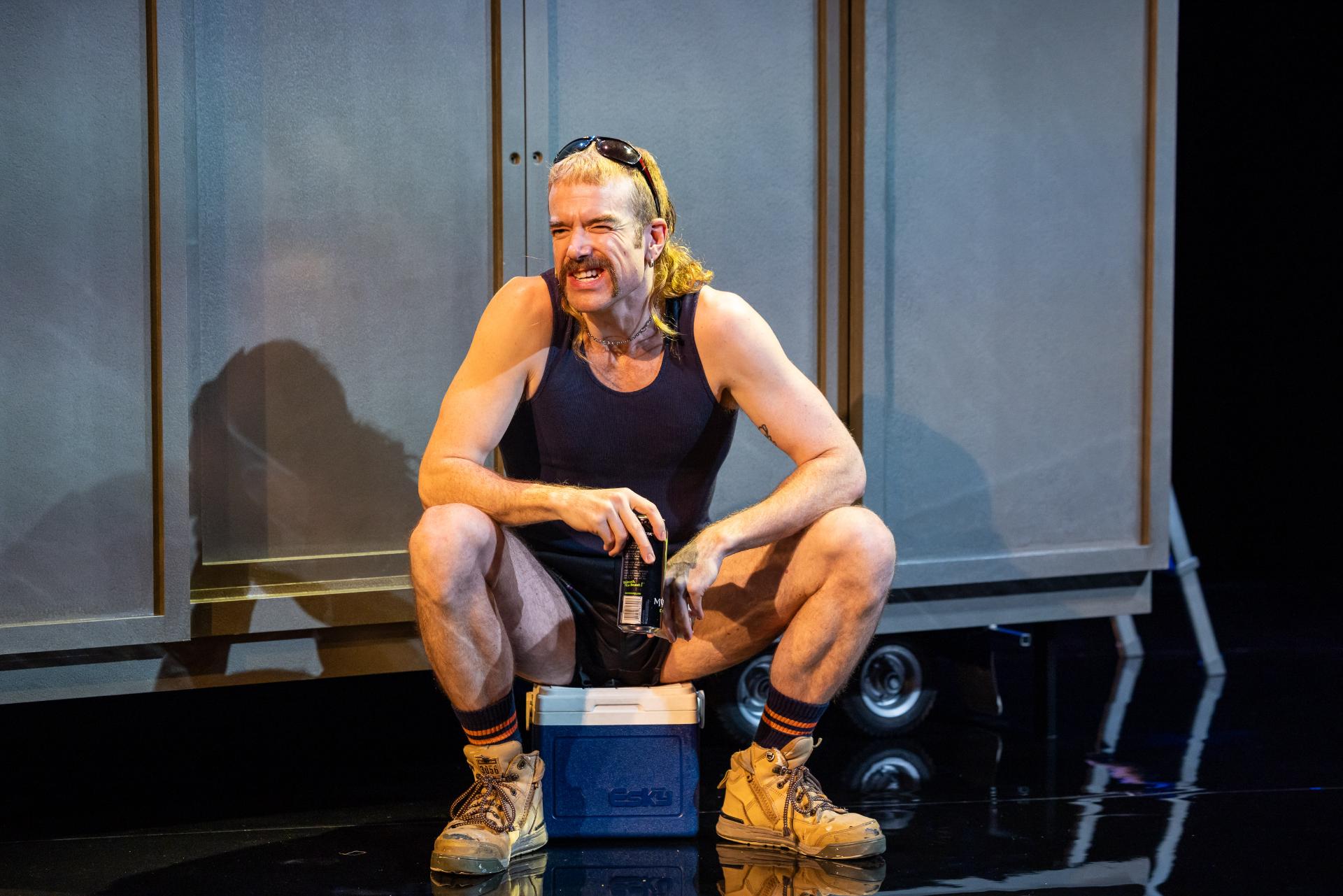
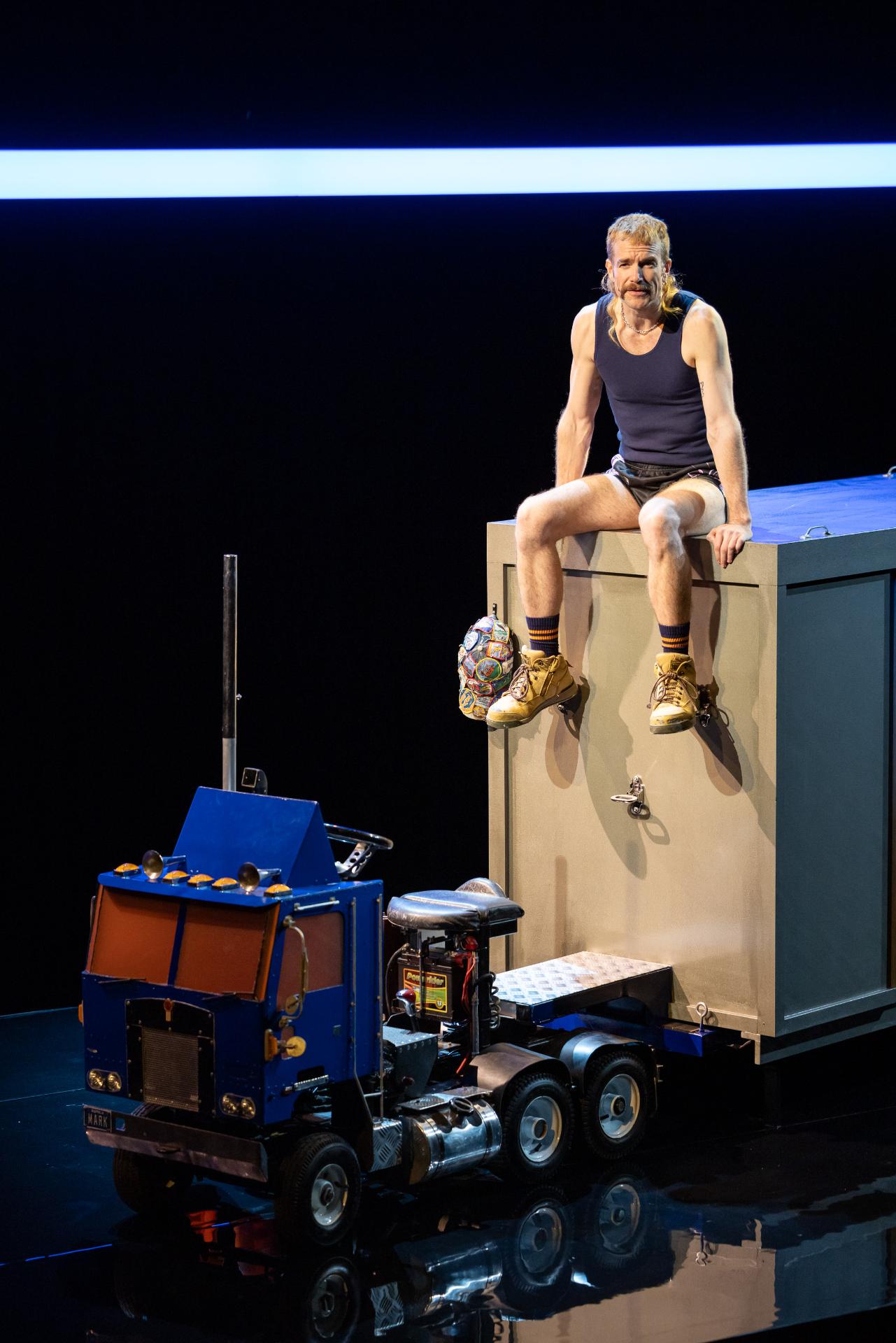
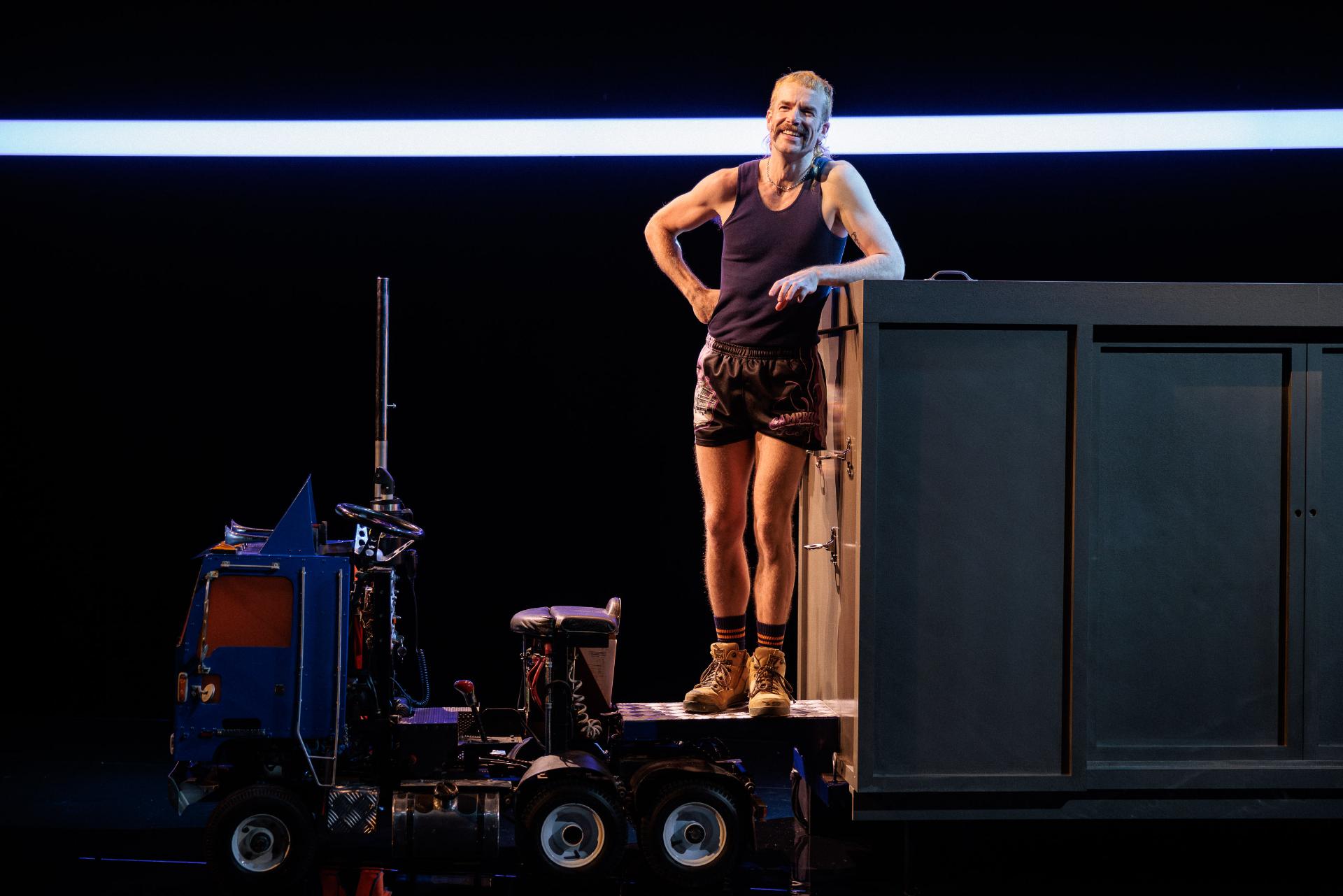
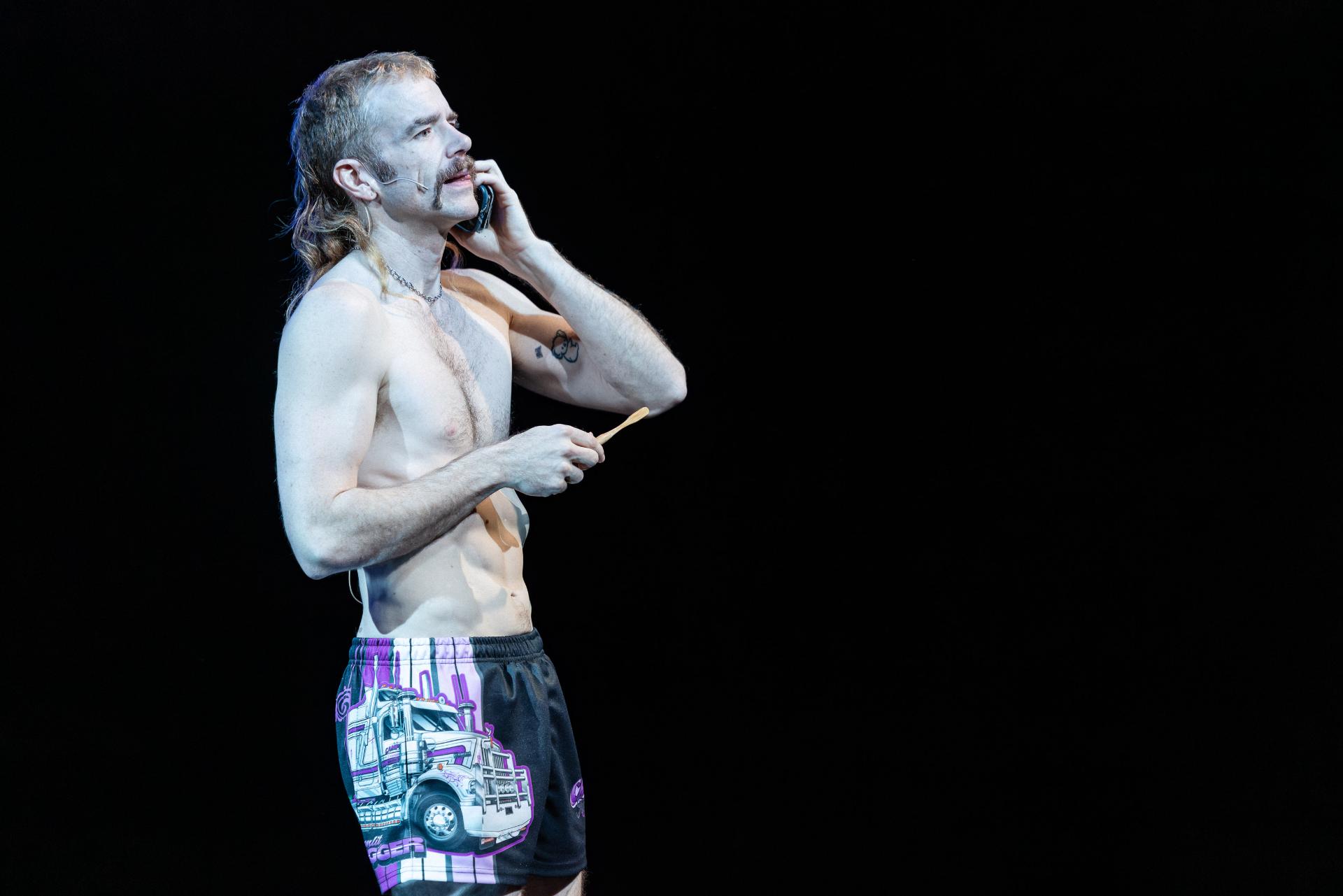
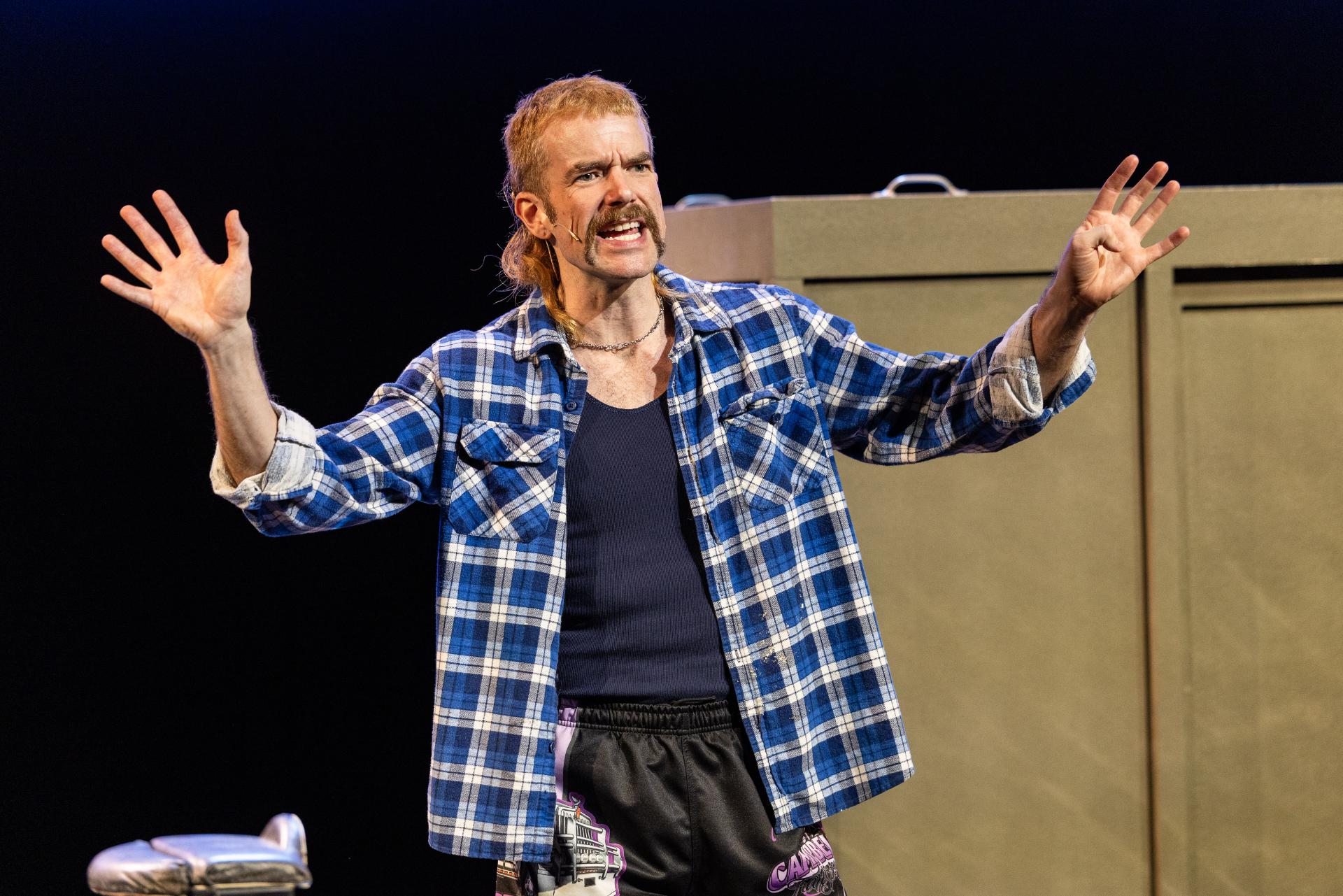
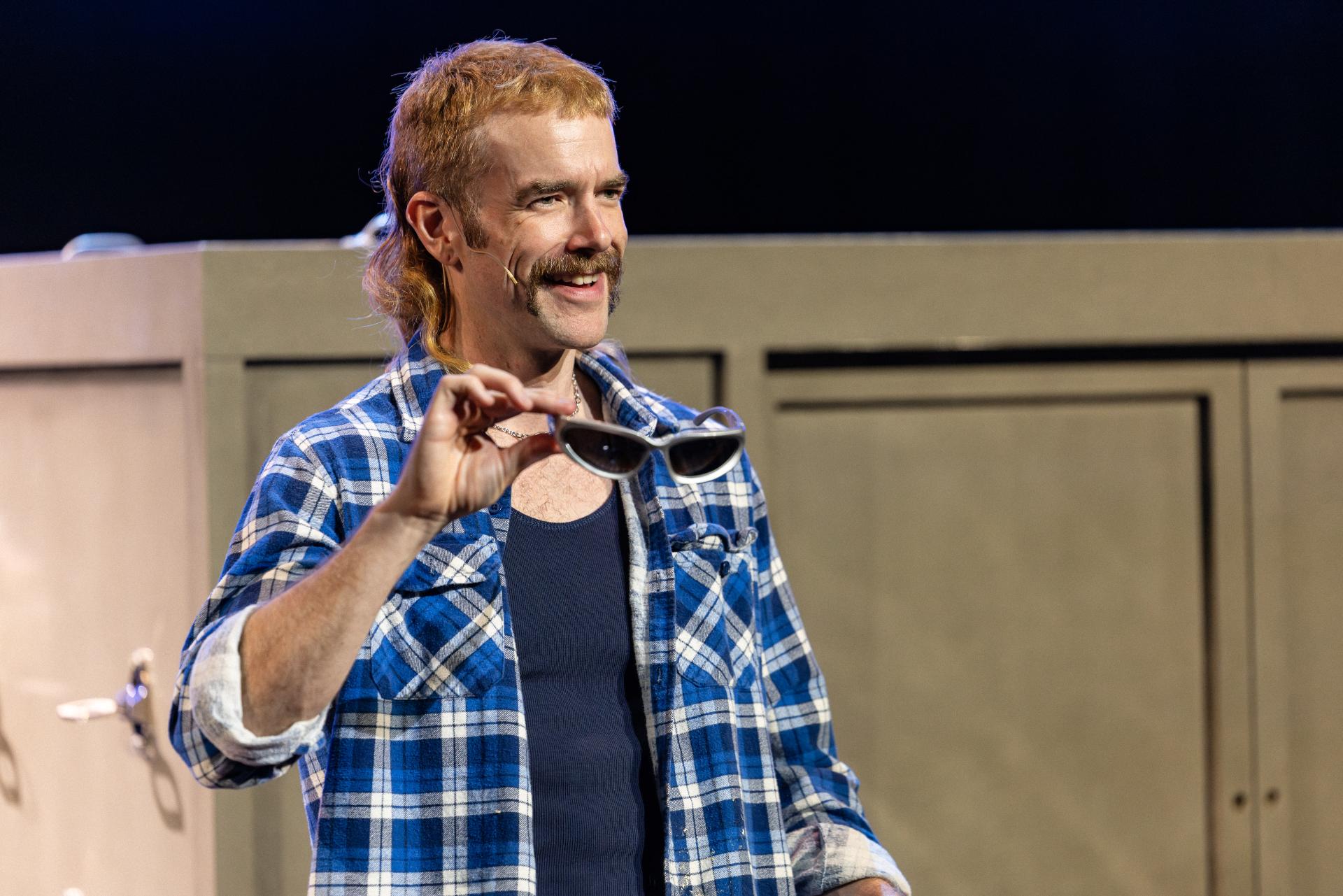
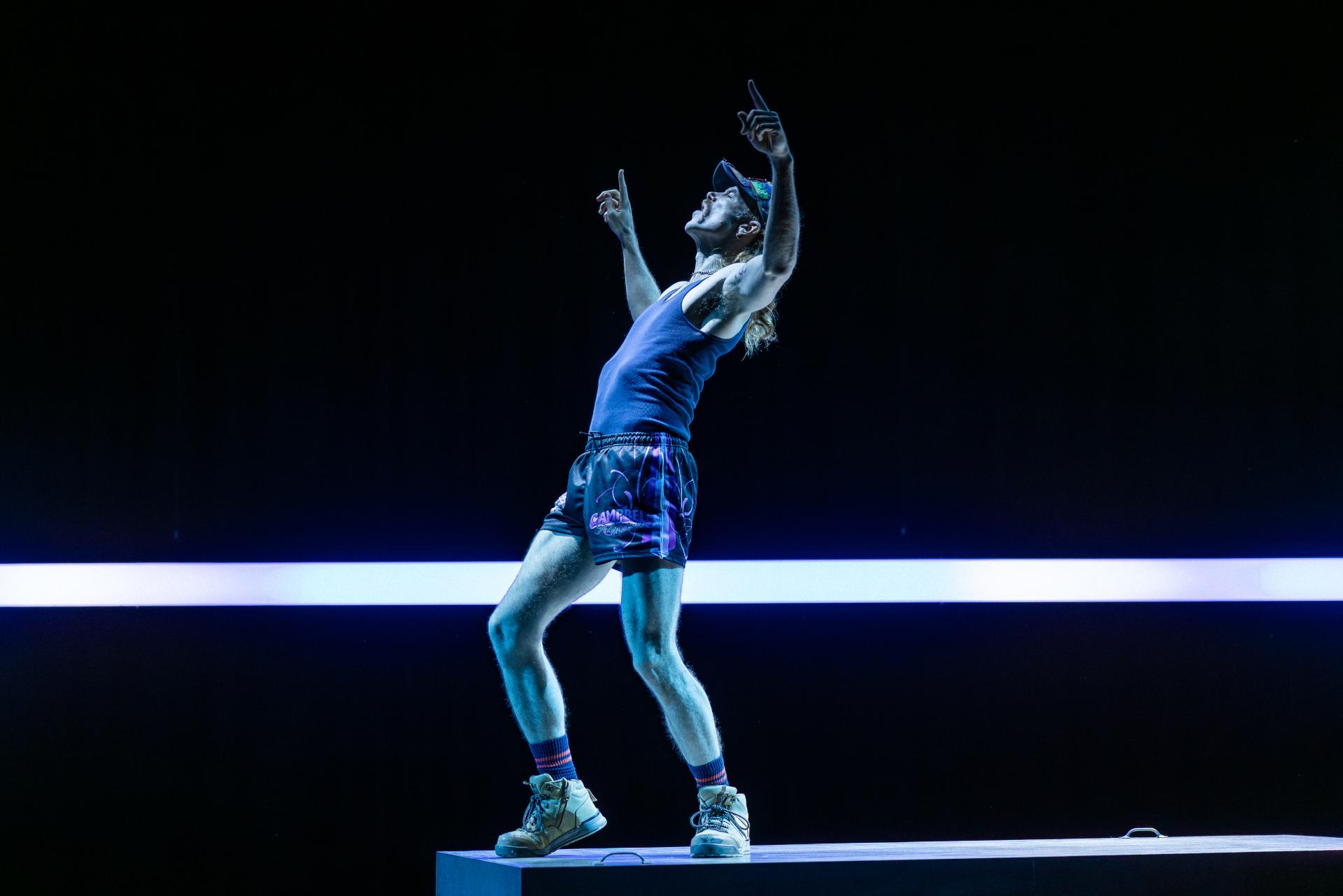
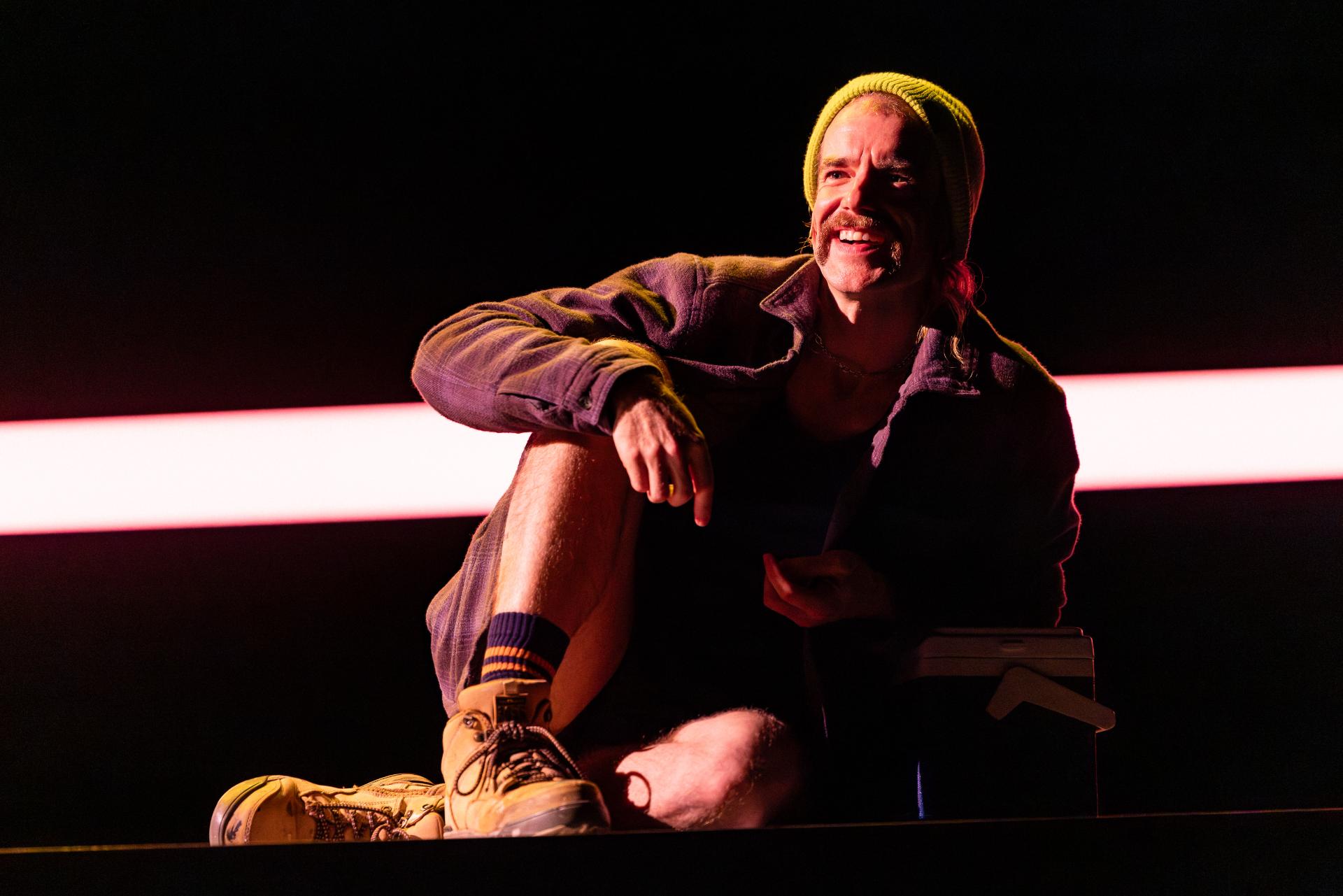
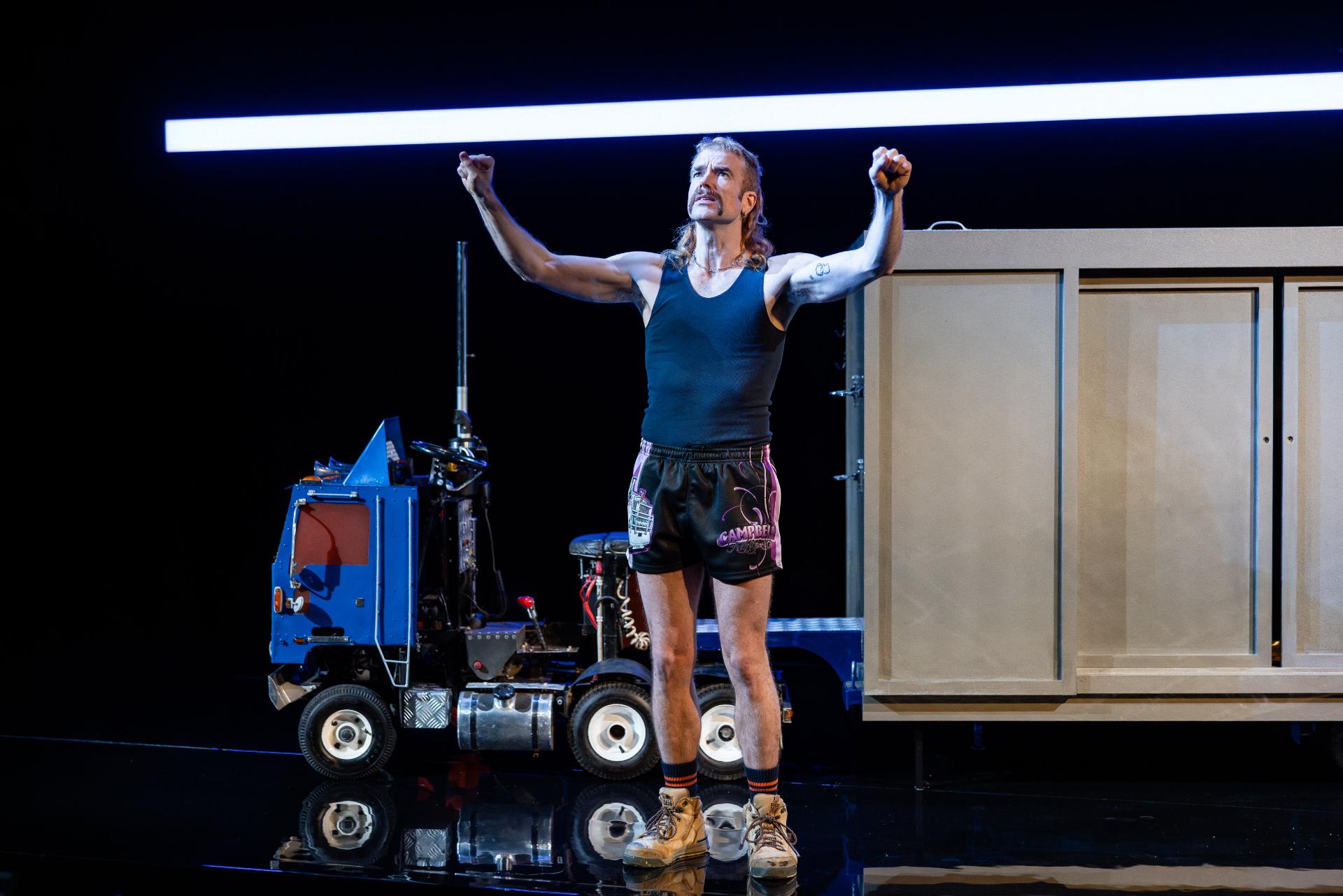
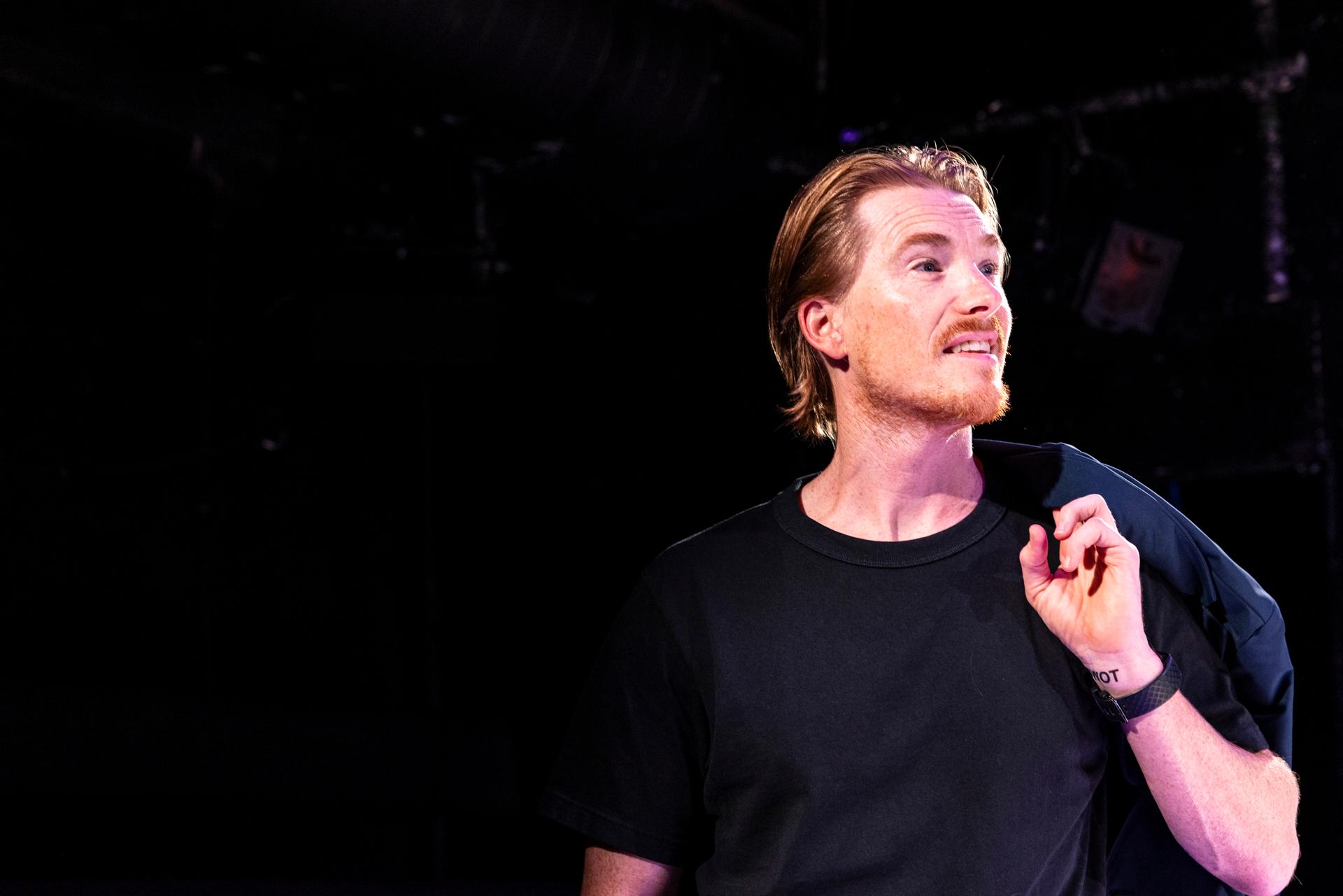
Jonny Hawkins’ solo performance Truck Driver traces the continental crossings of Chiko, a long-haul driver whose solitary labour—ferrying cargo and livestock across vast distances—sustains the invisible arteries of contemporary consumption. Yet Hawkins refuses the easy reduction of their protagonist to mere instrument; Chiko is, above all, a consciousness in motion, his interior life rich with unspoken rumination. Only the chance encounter with a hitchhiker occasions the rare transmutation of thought into speech, exposing the profound isolation that structures his existence. In this respect, Chiko belongs to that vast, uncelebrated multitude upon whose labour modern life silently depends, and Hawkins’ play offers an uncommon aperture into the psychological textures of working-class experience—its resentments and generosities alike—in what reads as a sustained act of narrative restitution.

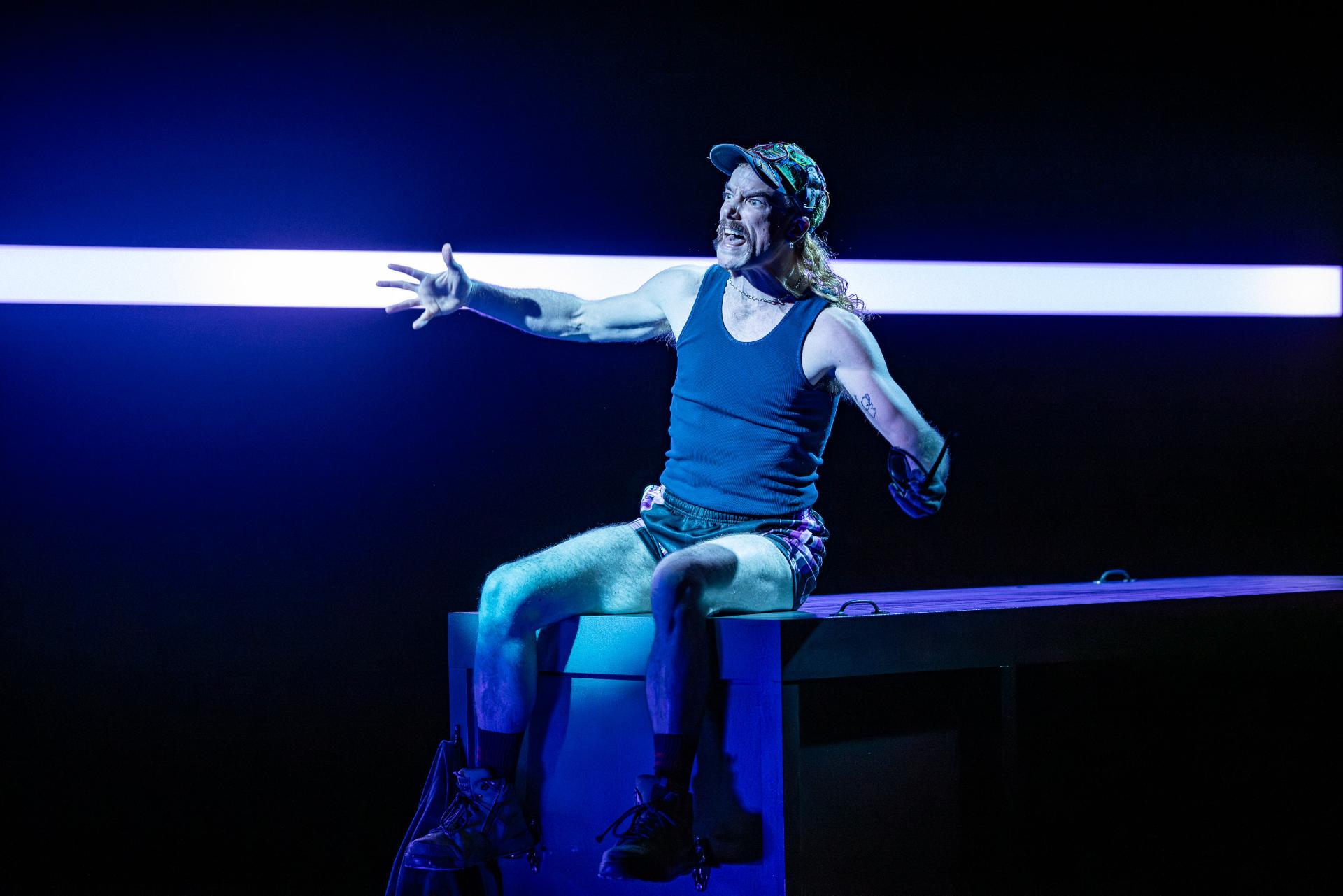
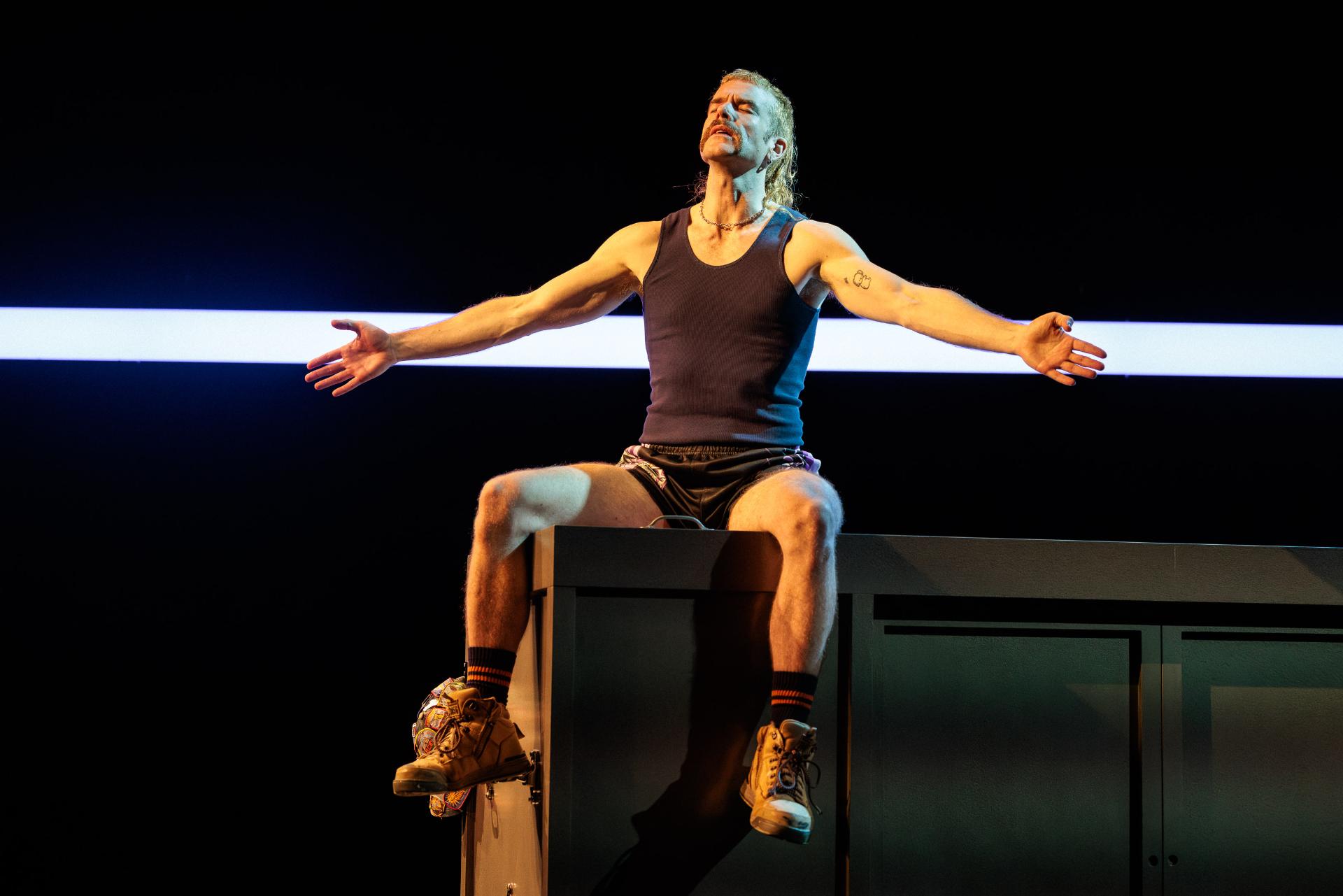
If the dramatic architecture occasionally strains under the weight of its own ambition, the work’s capacious humanism remains beyond question. As performer, Hawkins possesses an irrepressible charm that gracefully compensates for the text’s intermittent monotony. Their Chiko is at once vindictive and jovial, the archetypal larrikin rendered with sufficient vulnerability to forestall mere caricature. Even when the character ventures into objectionable territory, Hawkins maintains an empathic tether, eliciting from their audience not condemnation but the more complex gift of suspended judgment. There is, moreover, a palpable theatrical intelligence at play—highly entertaining in its artifice, yet grounded in an authenticity that never permits the performance to collapse into mere showmanship.

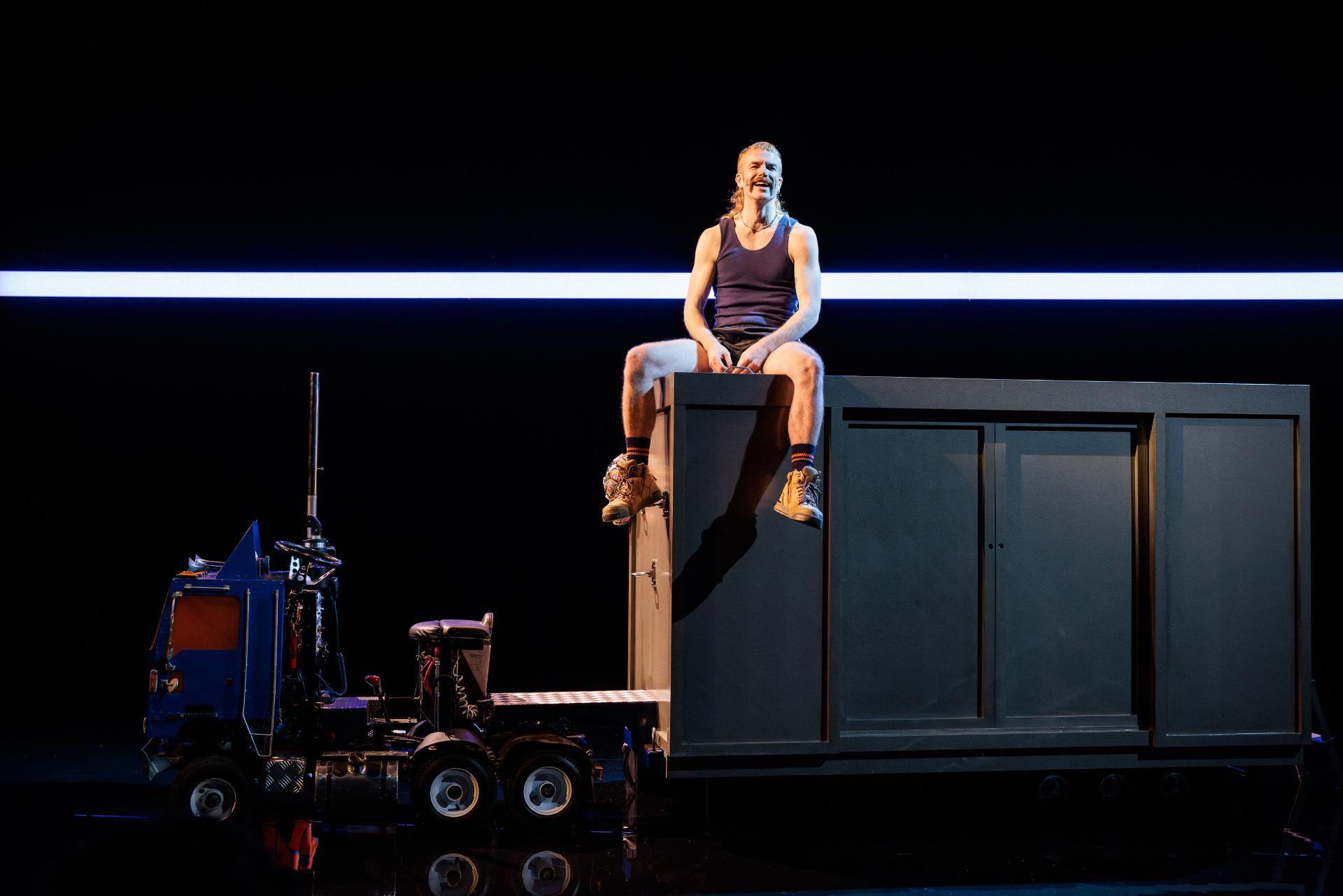
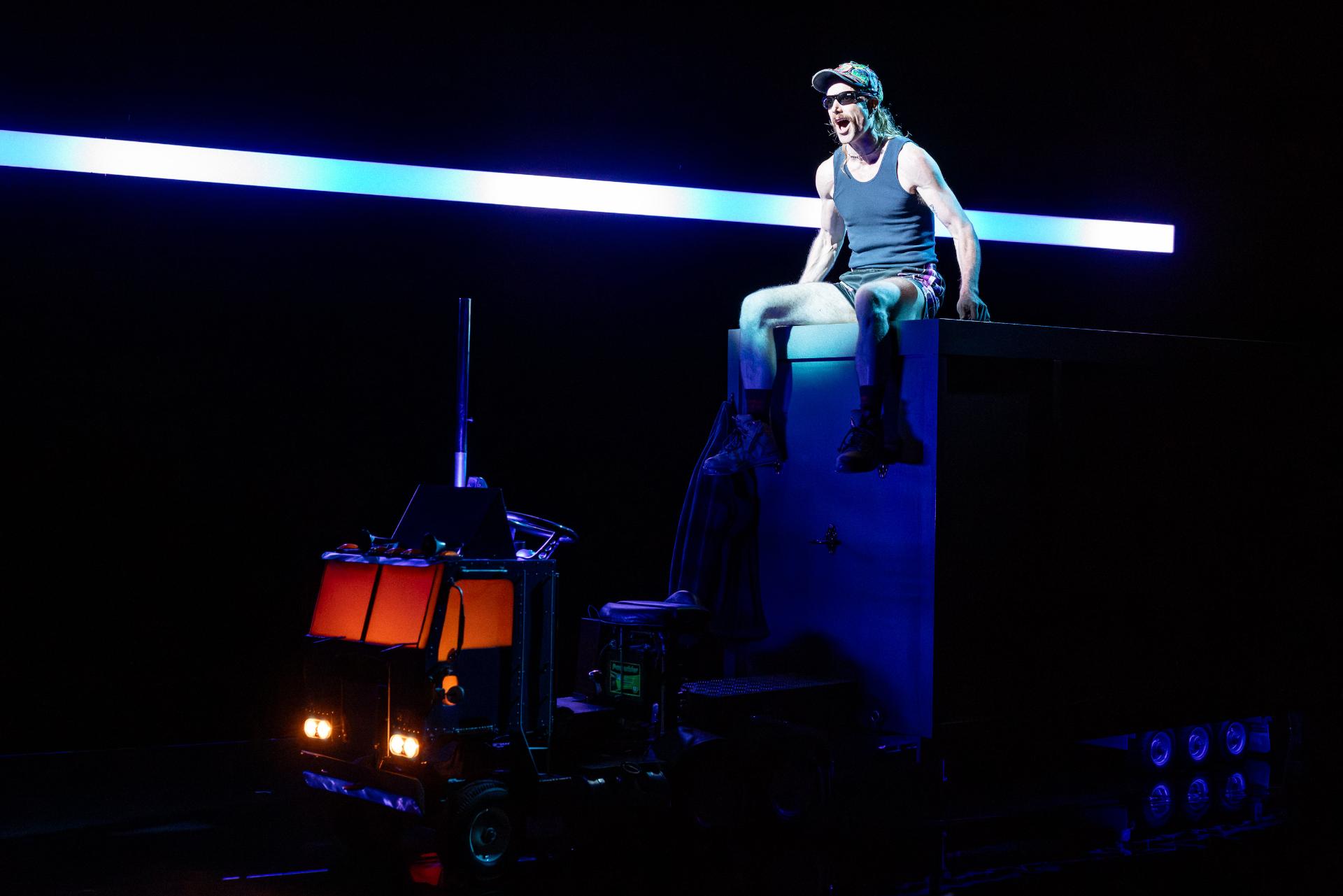
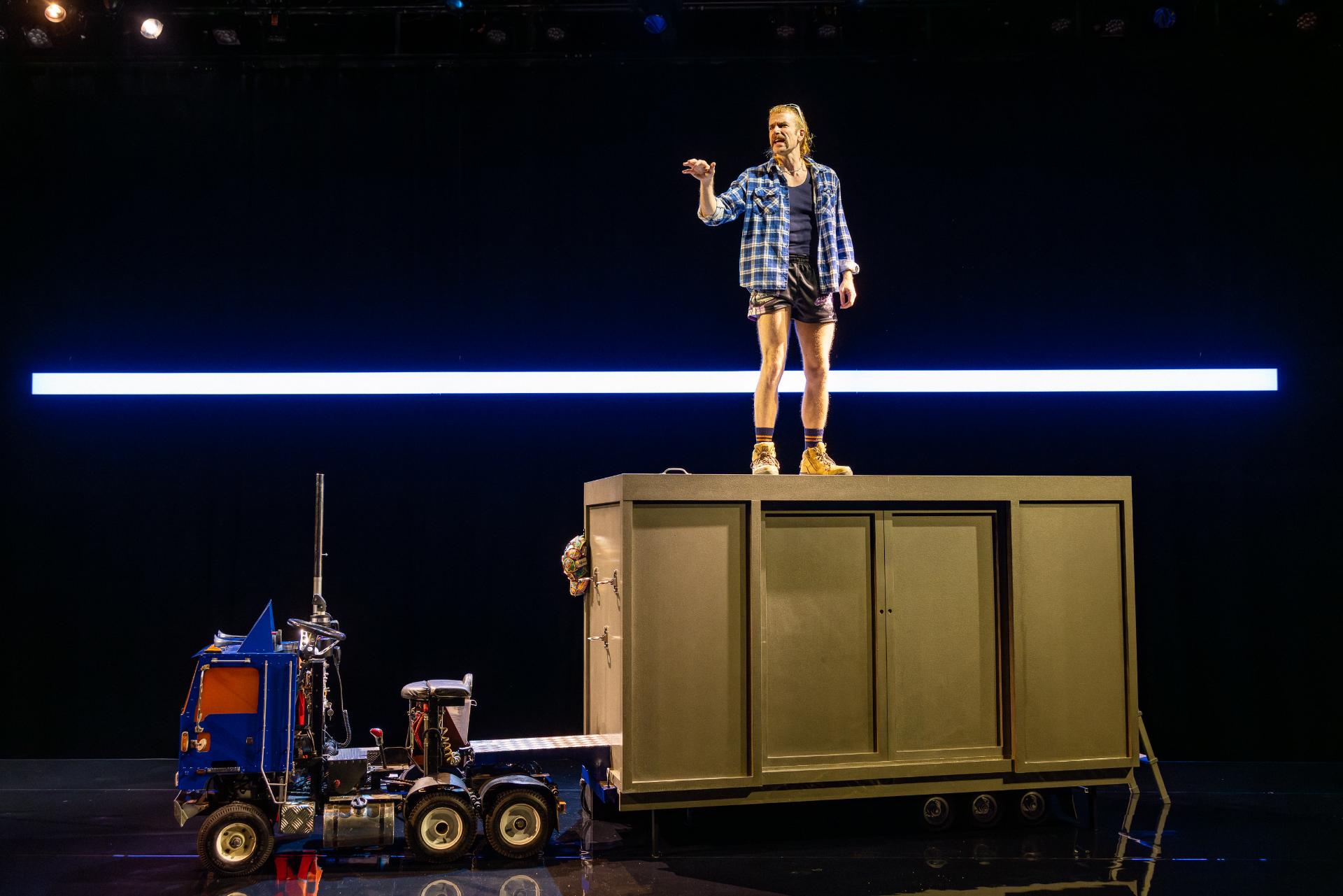
Nell Ranney’s direction demonstrates exceptional sensitivity, calibrating each line with interpretive nuance and liberating Hawkins’ physicality to move with fluid inventiveness, transfiguring what is, in literal terms, an essentially static predicament. Isabel Hudson’s set design—a miniature truck, perfectly proportioned to the stage’s dimensions—conjures both the monumental heft of these machines and, by implication, the outsized moral stature of the man who commands one. Nick Schlieper’s lighting and Steve Toulmin’s score make their most arresting impression in the highly dramatised prologue, where kinetic exhilaration establishes an almost visceral immediacy; yet for the bulk of the production, both designers exercise remarkable restraint, attuning the audience to the subtle frequencies of Chiko’s inner life.

The majority of our populace remains structurally invisible, even as we presume to understand the collective consciousness that shapes our political destinies. Chiko is, in certain respects, precisely the figure we might anticipate; yet he continually confounds expectation, revealing unexpected capacities for reflection and metamorphosis. He is, in the end, perpetually underestimated and perpetually taken for granted—a condition the play refuses to let us forget.

www.softtread.com.au

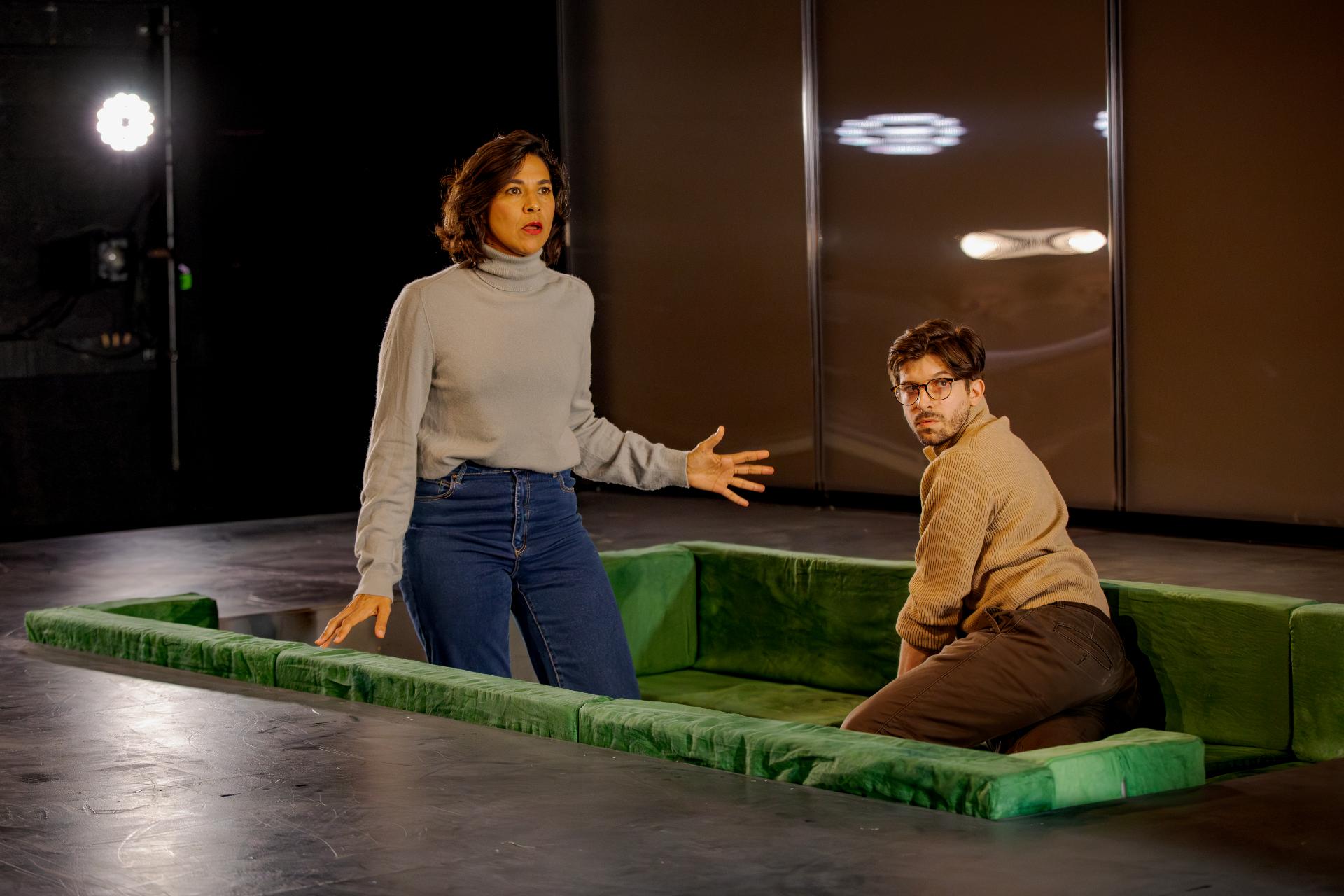
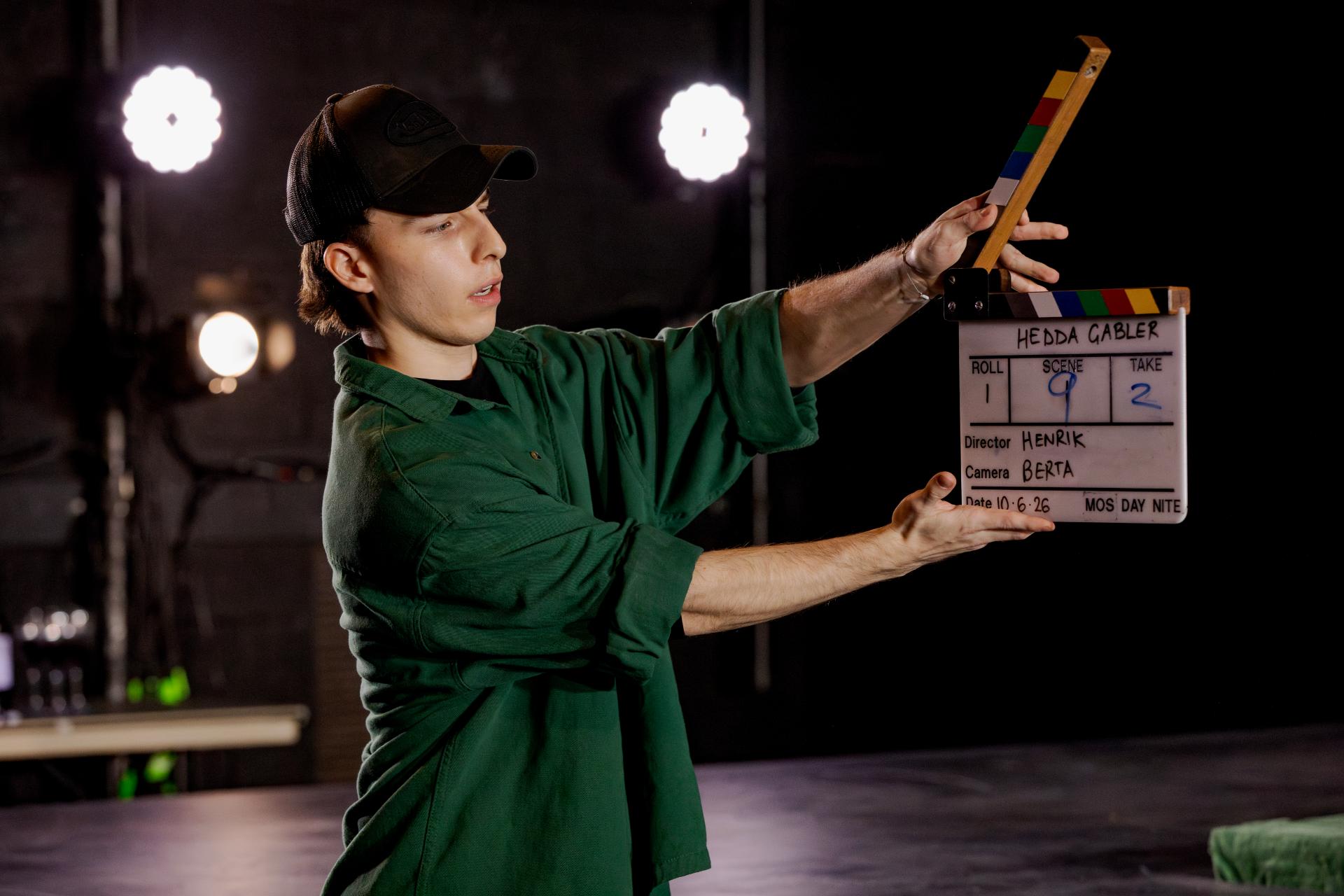
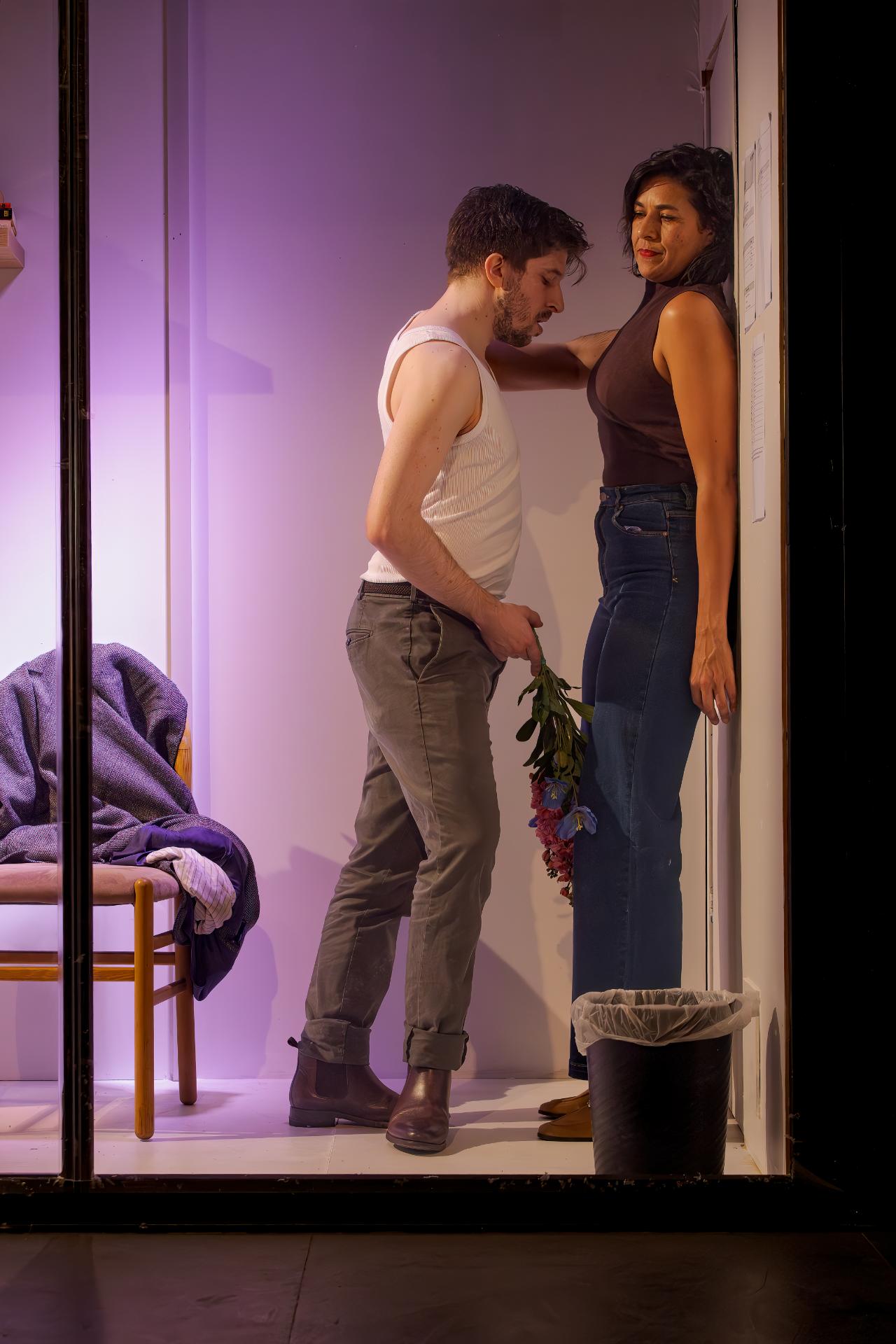
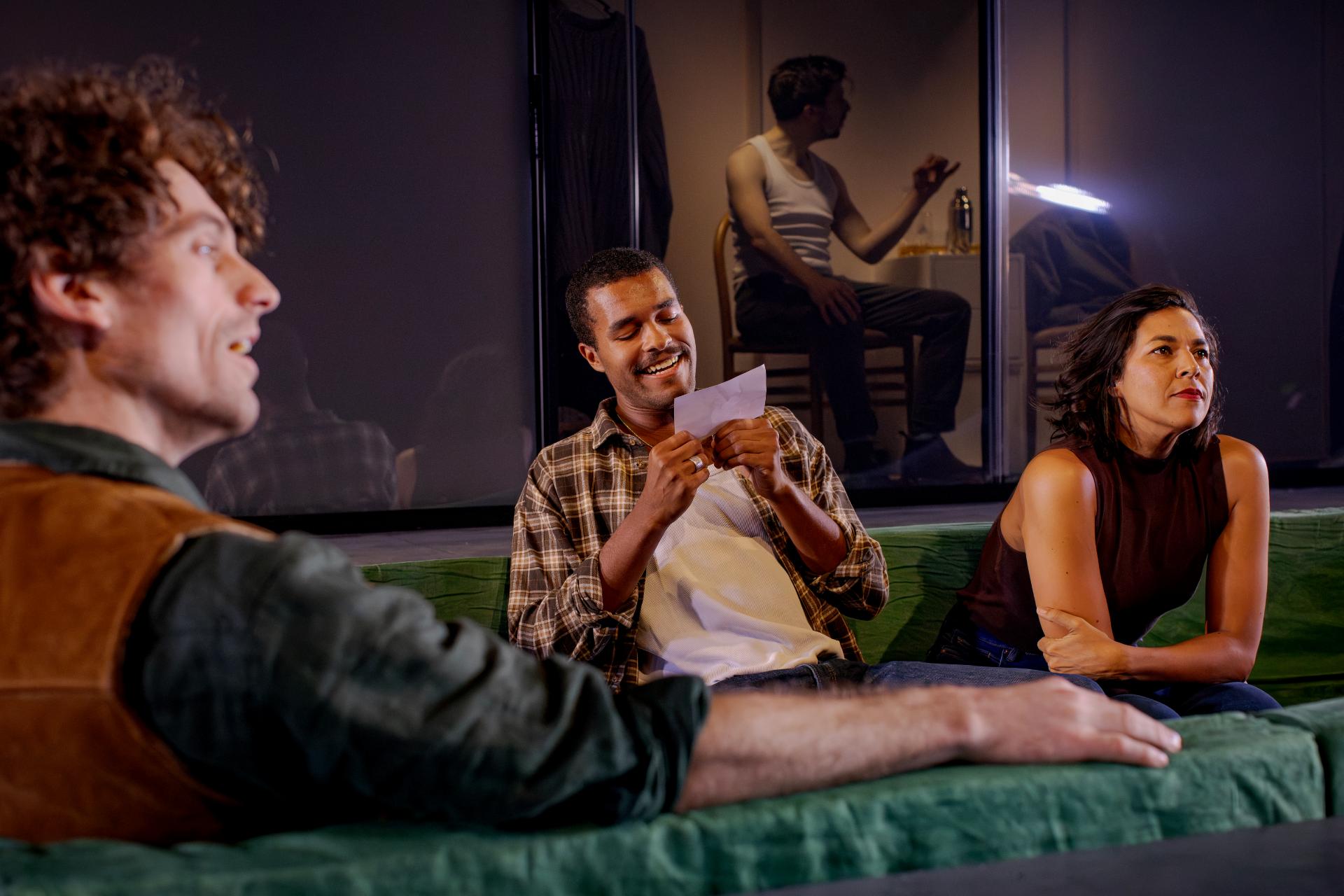
Review: Shooting Hedda Gabler (Seymour Centre)

Venue: Seymour Centre (Chippendale NSW), Jun 11 – 27, 2026
Playwright: Nina Segal
Director: Monica Sayers
Cast: Jane Angharad, Jennifer Rani, James Smithers, Alpha Sylla, Lib Campbell, Matthew Abotomey 
Images by Phil Erbacher

Theatre review
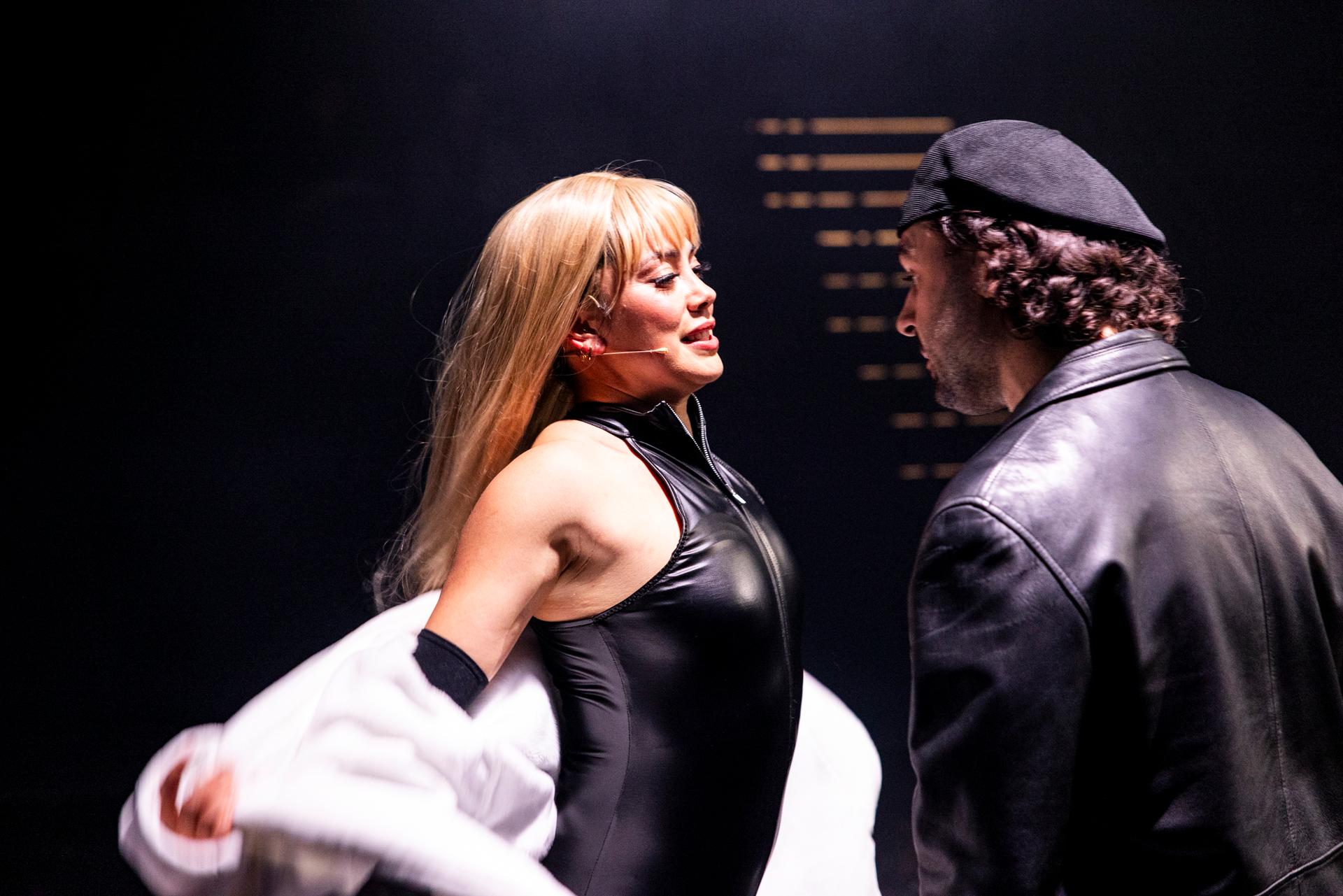
In Nina Segal’s Shooting Hedda Gabler, a Hollywood actor arrives in Norway to work beneath a film director celebrated as both visionary and enfant terrible. The parallel is deliberate: Segal subjects her protagonist to the same suffocating constraints that bind Ibsen’s heroine, collapsing the distance between the nineteenth century and our own to expose how tenaciously misogyny endures. Yet for all its darkness, the play is flecked with mordant wit, its sophistication rendering the medicine palatable without diluting its potency.

Under Monica Sayers’s direction, the production sustains a precarious equilibrium between entertainment and gravitas, ensuring its poignancy commands full attention. James Smithers’s set design achieves a marvellous synthesis of visual splendour and dramatic utility, while Charlotte Savva’s costumes evoke a distinctly Scandinavian restraint—elegant, immaculate, severe in their understatement. Travis Kecek’s lighting and Anthony MacDermott’s music operate with similar Nordic coolness, so subtly calibrated that one barely registers their presence until they tighten, scene by scene, an almost casual noose of foreboding.

Jennifer Rani, as the leading lady, navigates her character’s emotional trajectory with forensic precision, never permitting ambiguity about where she stands in her arc. James Smithers (doubling as the film director) imbues the despicable auteur with a nuanced malevolence that is all the more chilling for its theatrical relish—he leaves the audience no aperture through which to excuse his behaviour, yet remains magnetically watchable. Lib Campbell and Matthew Abotomey furnish the production with its most indelible comic textures, their performances audacious and outrageously inventive, offering necessary respite from the narrative’s unrelenting brutality.

The women of Shooting Hedda Gabler enjoy freedoms of expression unimaginable to the 1890s characters they portray, yet Segal suggests that such liberties are largely cosmetic. We may speak our minds and gesture at agency, but the architecture beneath— the structural mechanisms that shape female destiny—remains obstinately intact, fiercely committed to our subjugation. The play’s sharpest insight lies here: in the cruel illusion that progress has occurred when, in fact, the machinery has simply learned to disguise itself.

www.seymourcentre.com | www.secrethouse.com.au

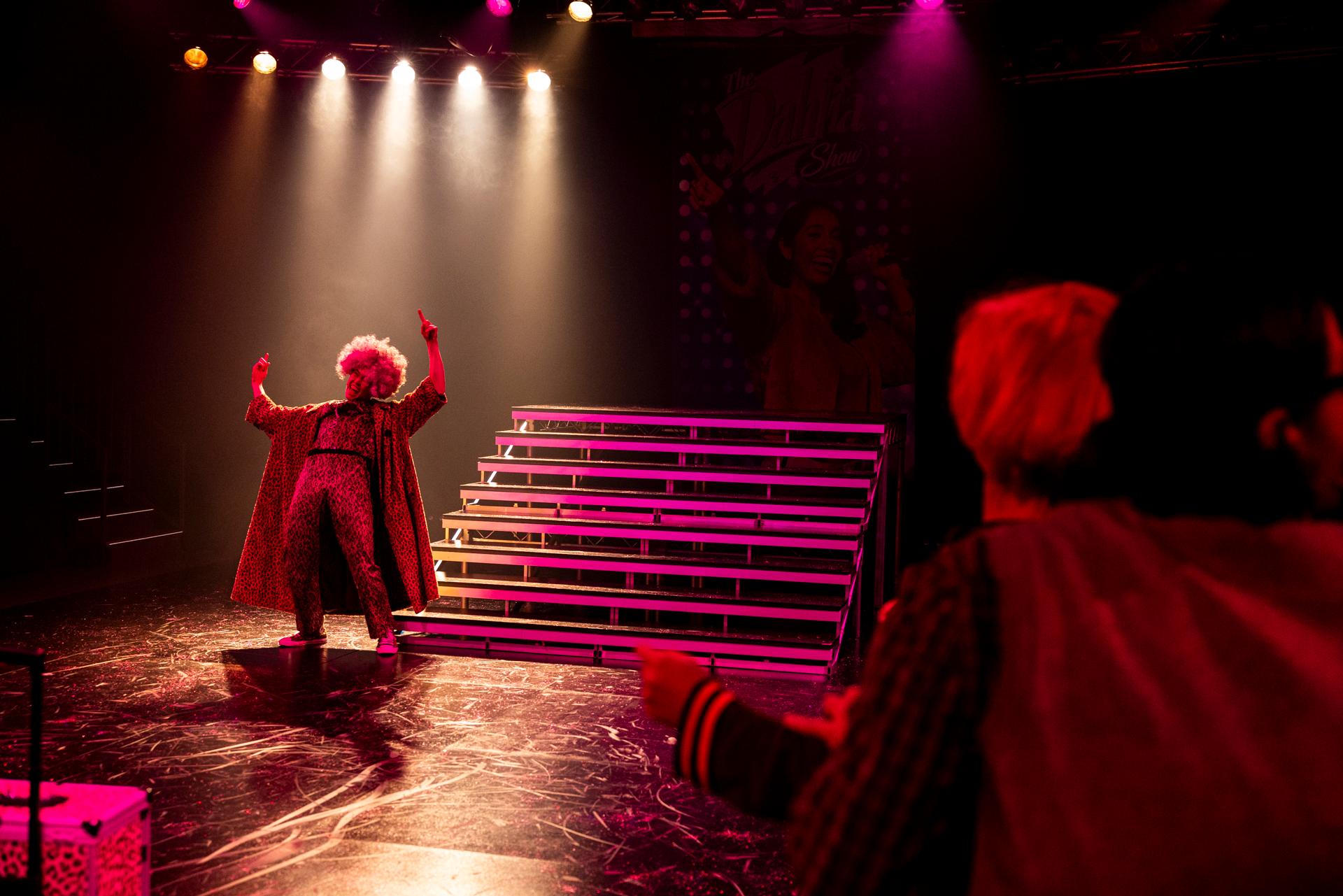
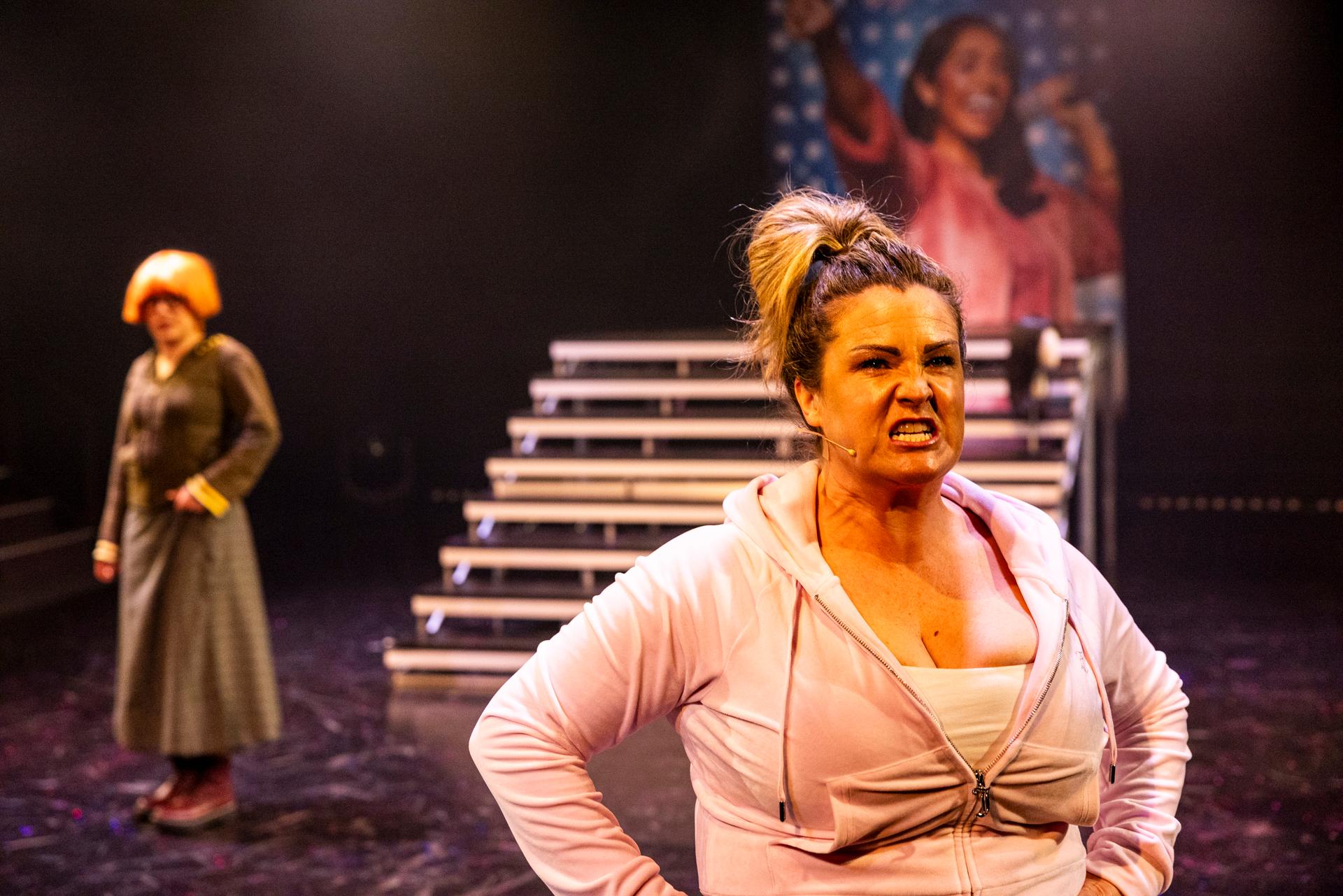
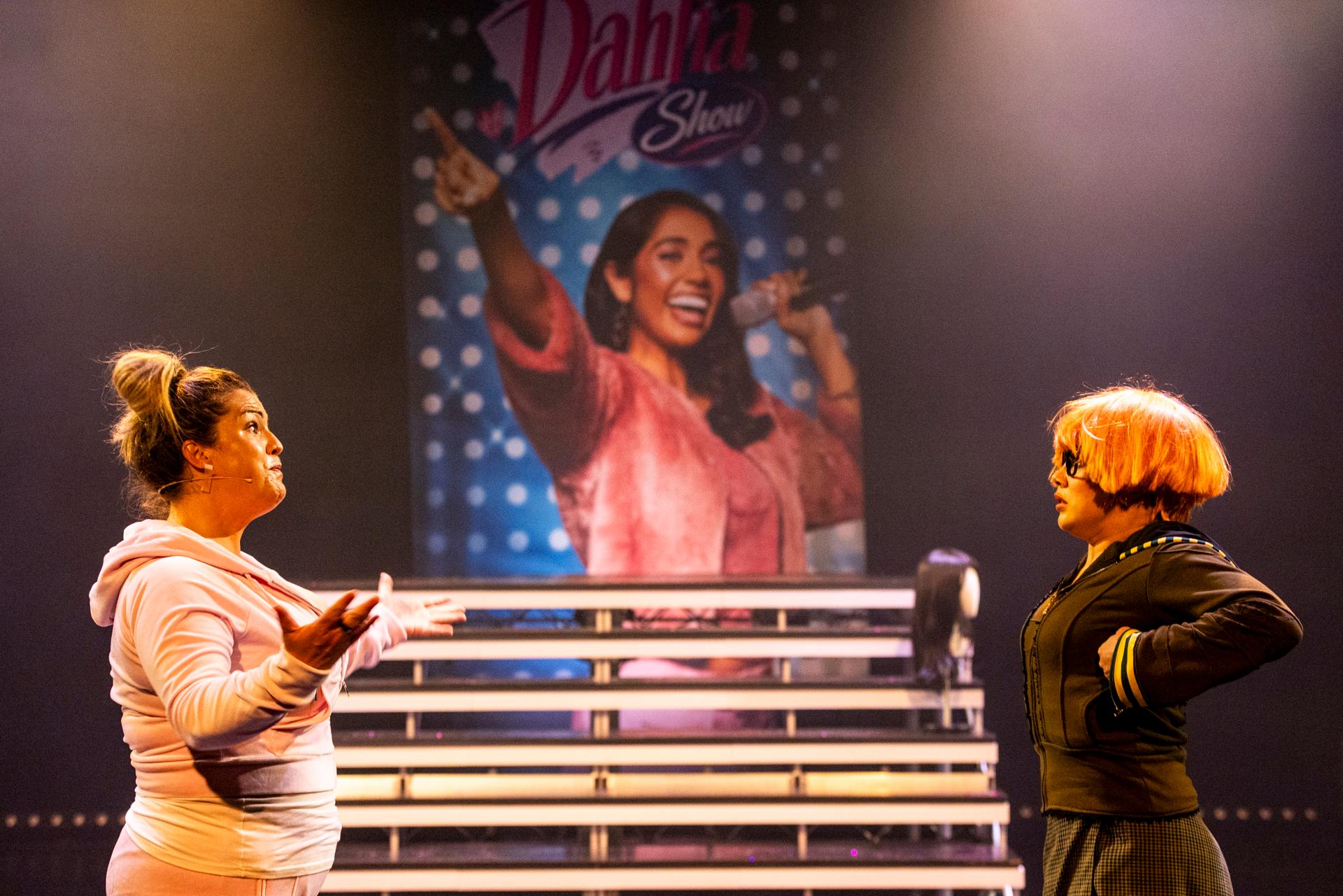
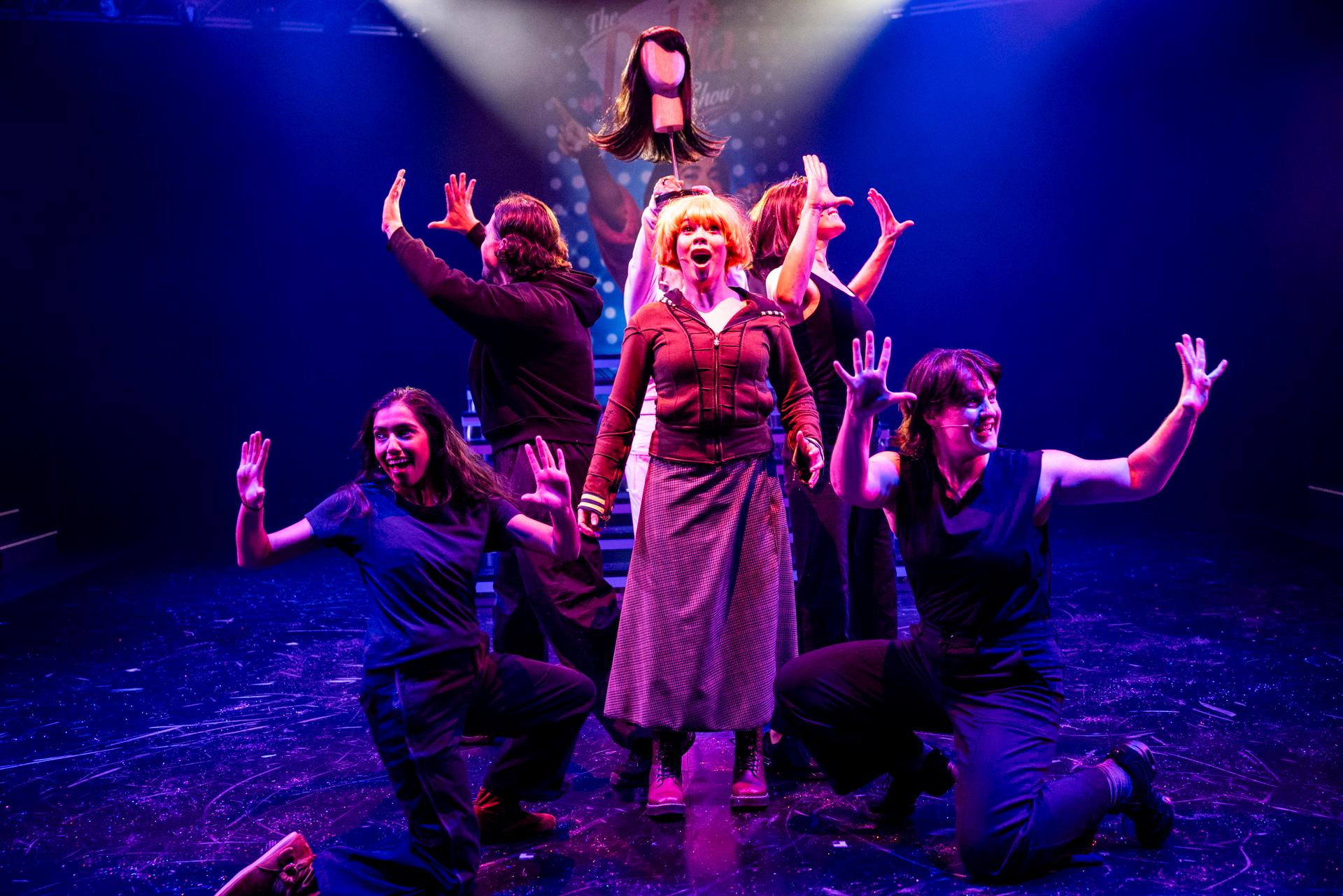
Review: Mackenzie (Bell Shakespeare)

Venue: The Neilson Nutshell (Sydney NSW), Jun 6 – Jul 18, 2026
Playwright: Yve Blake
Director: Virginia Gay
Cast: Billie Palin, Nikki Britton, Ryan González, Kimberly Hodgson, Anusha Thomas, Jane Watt
Images by Brett Boardman

Theatre review
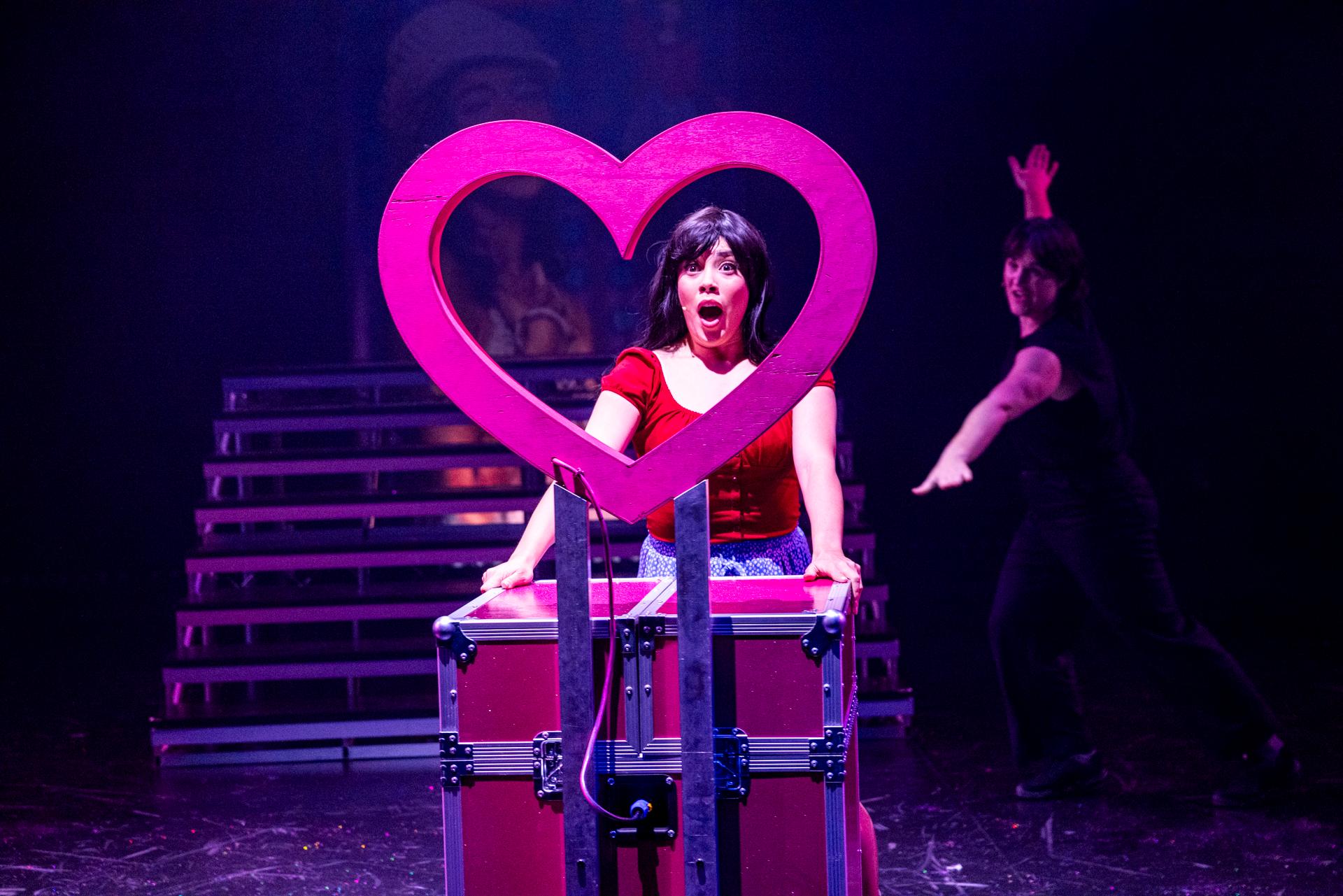
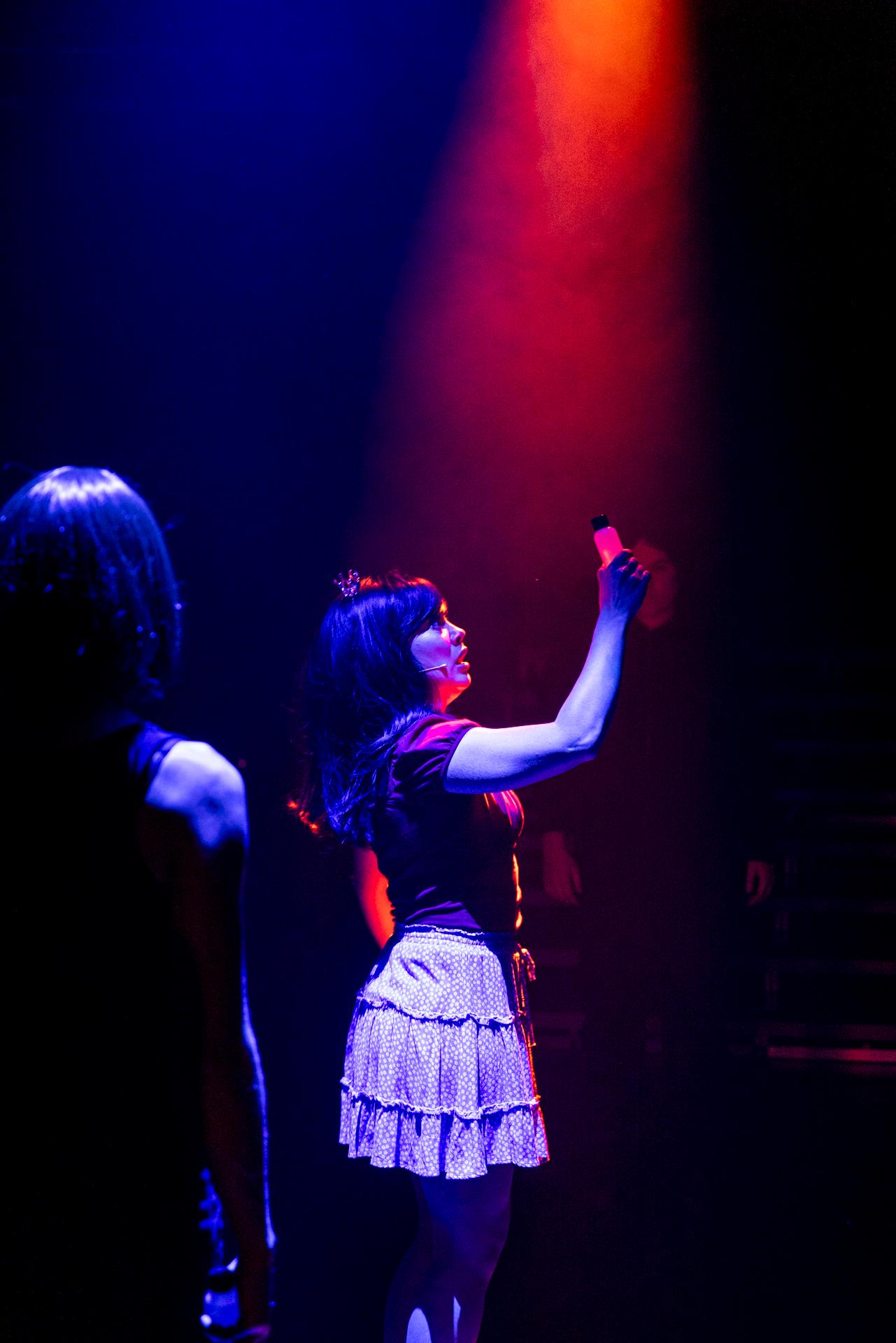
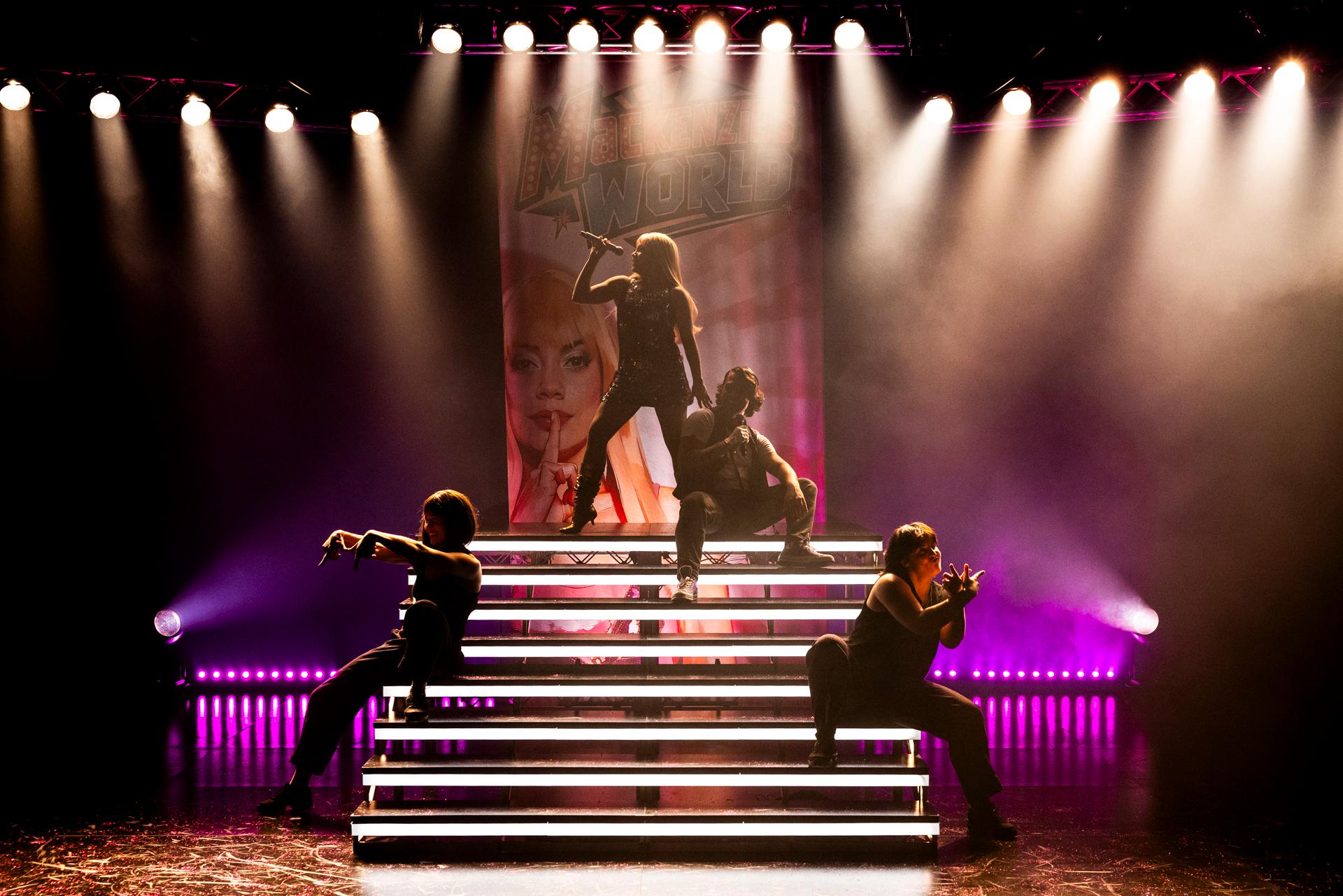
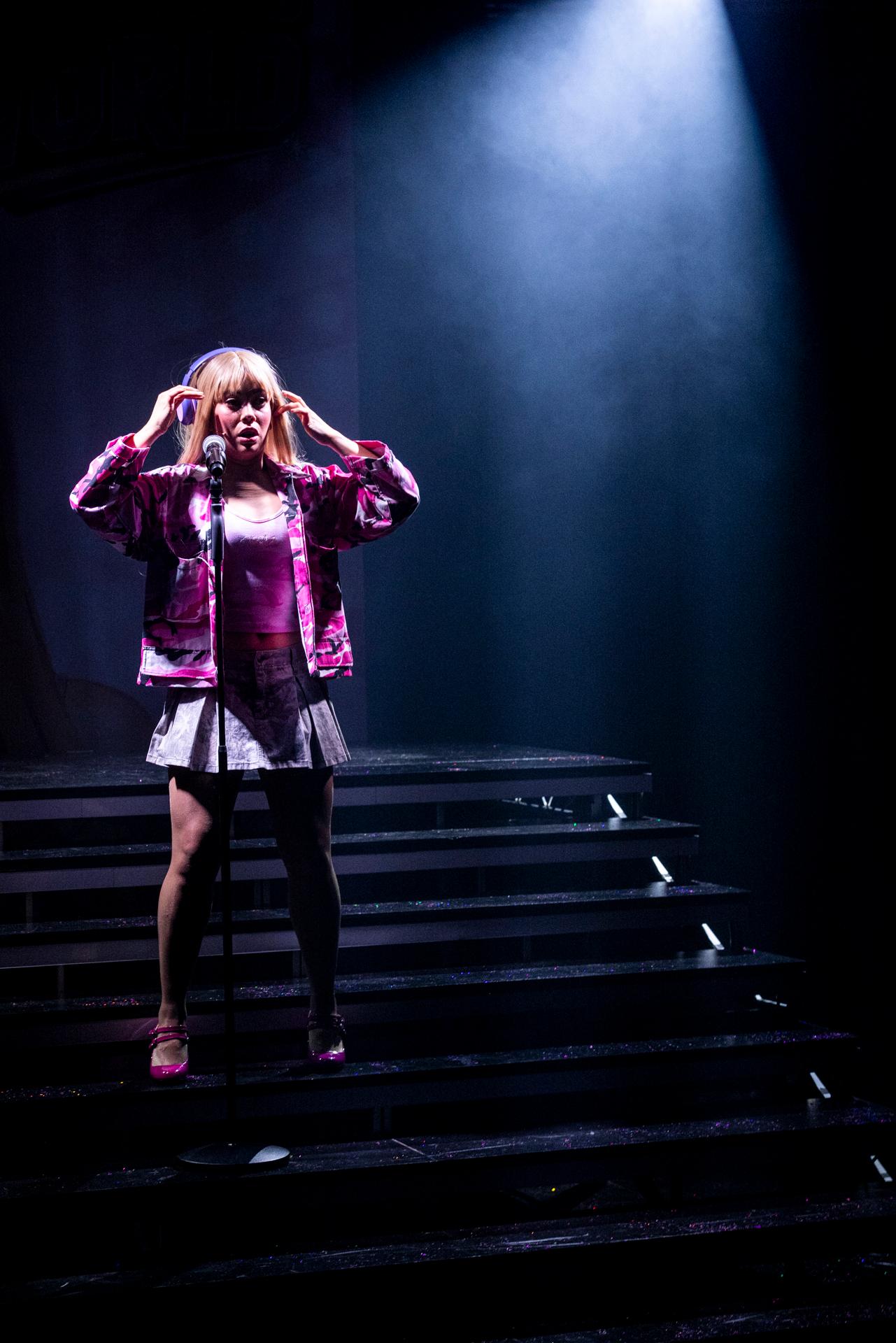
When a soothsayer prophesies that Mackenzie will ascend from bit-part player in a children’s television programme to the apotheosis of global pop stardom—the eponymous “number one pop girl”—her trajectory, mapped deliberately onto the skeleton of Macbeth, charts the corrosive geometry of ambition: a vertiginous rise that darkens into regret. Yve Blake’s play with songs is, to its credit, irreverent and acidly witty; yet, like so many adaptations of Shakespeare, it cannot ultimately escape the reductive compression that accompanies transposing Elizabethan tragedy into contemporary vernacular. Still, the production yields genuine delights, not least a score that crackles with infectious pleasure.

Virginia Gay’s direction ensures the evening never flags, sustaining a kinetic entertainment that is matched by scrupulous attention to the calibre of performance across the ensemble. Elle Evangelista’s choreography compounds this dynamism, rendering the staging so relentlessly animated that one’s attention is held with almost hydraulic force. The design elements, however, are less uniformly successful.

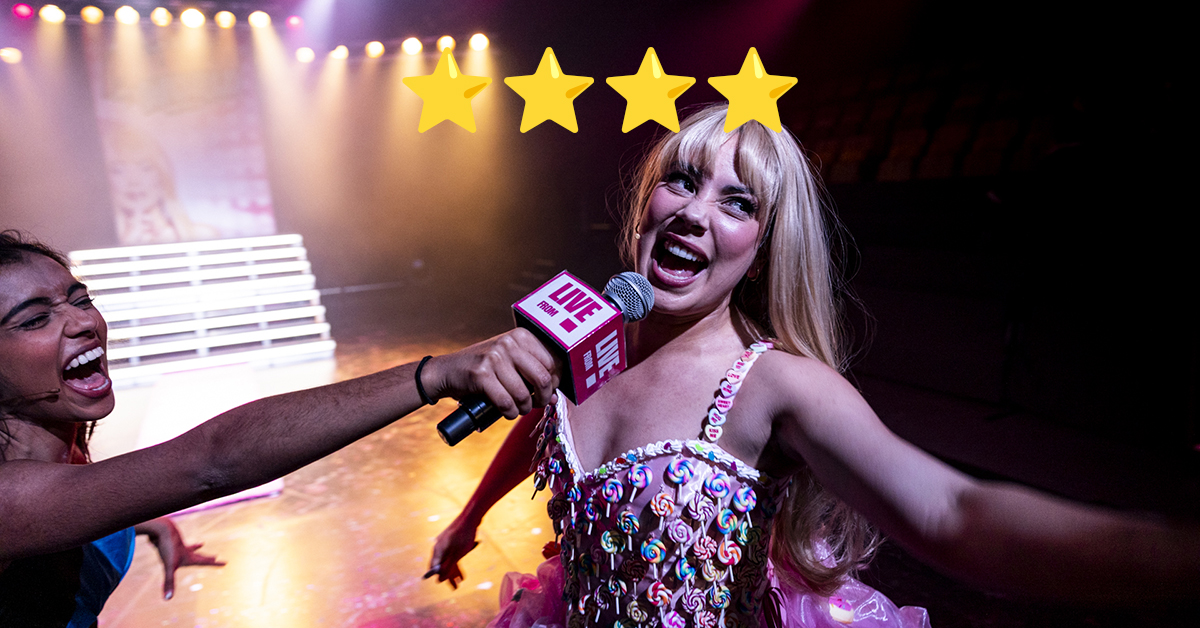
Keerthi Subramanyam’s set never fully metabolises the space into the requisite theatrical world, though her costume work is inspired, capturing both the gaudy exuberance of pop iconography and the unvarnished textures of everyday existence with equal acuity. Kelsey Lee’s lighting is intricately conceived, yet it intermittently falters, lacking the baroque flamboyance demanded by the production’s high-camp register and marred by moments of technical clumsiness. By contrast, Tom Lowndes’s sound design is masterfully achieved, modulating between registers of levity and catastrophe while conjuring the supernatural against a ground of naturalism, thereby supplying the production with its genuine dramatic voltage.

What ultimately indelibly impresses, however, is the superlative standard of performance from every member of the cast. Kimberley Hodgson, in the central role, is nothing short of flawless. She excavates the psychopathology of the ambitious ingénue with forensic precision, tracing the arc from naivety to corruption with a granularity that reveals every shading of moral complexity. Her work is suffused with subtlety yet remains magnetically, consistently potent

Pop stars, like monarchs, occupy a stratosphere of existence that can feel hermetically sealed from ordinary relatability; Shakespeare’s genius, of course, lay in making the remote resonantly human. Mackenzie may never fully transcend the somewhat prosaic narrative of a celebrity life unravelling, but in its final accounting it offers an unflinching meditation on the perils of unmoored ambition—a caution that, in our present moment of unbridled rapacity, reverberates with mournful immediacy.

www.bellshakespeare.com.au

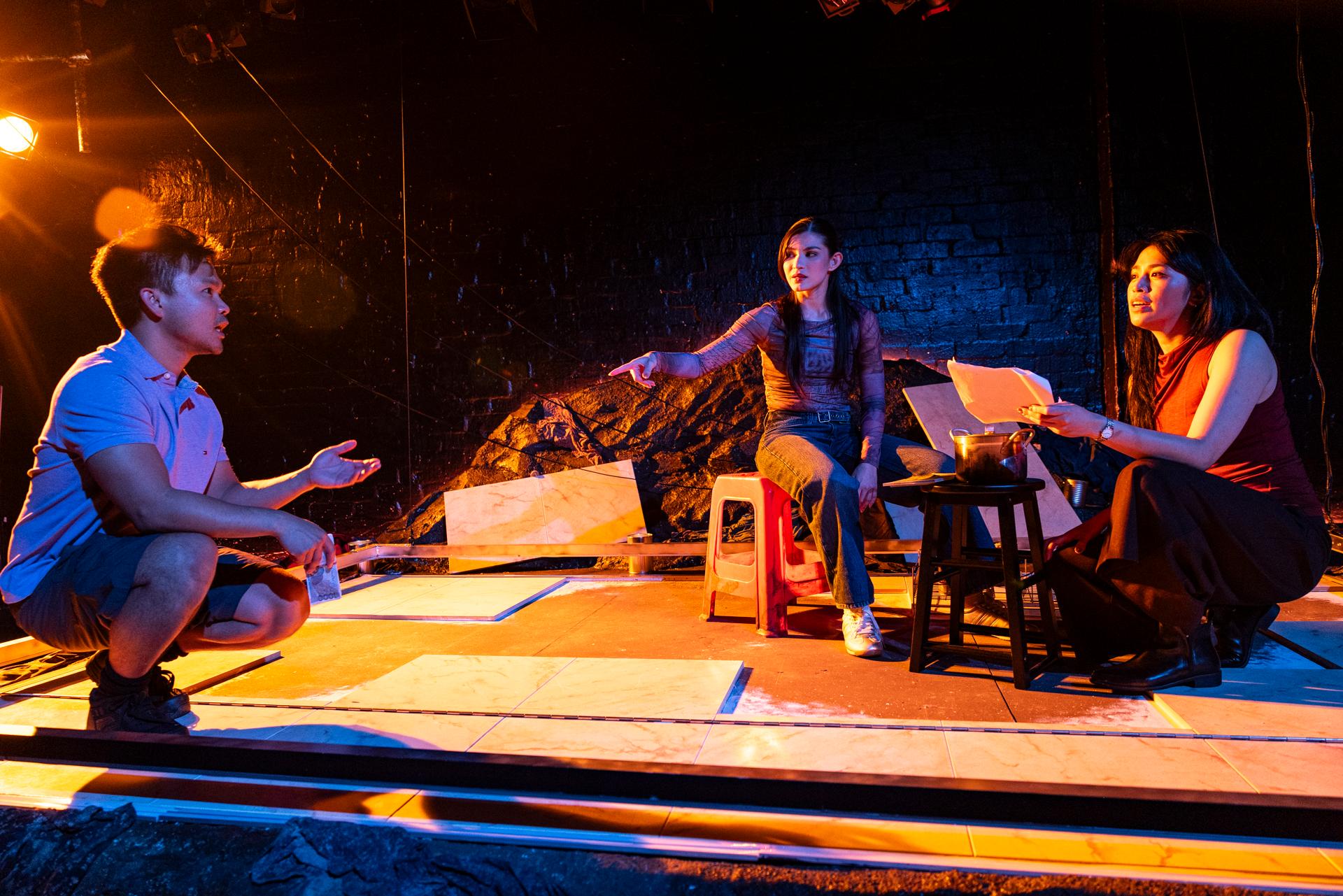
Review: Savior (Griffin Theatre Co)

Venue: Belvoir St Theatre (Surry Hills NSW), May 16 – Jun 14, 2026
Playwright: Happy Feraren
Director: Kenneth Moraleda
Cast: Chrissy Mae Valentine, Chaye Mogg, Mark Paguio, Michael Whalley
Images by Brett Boardman

Theatre review
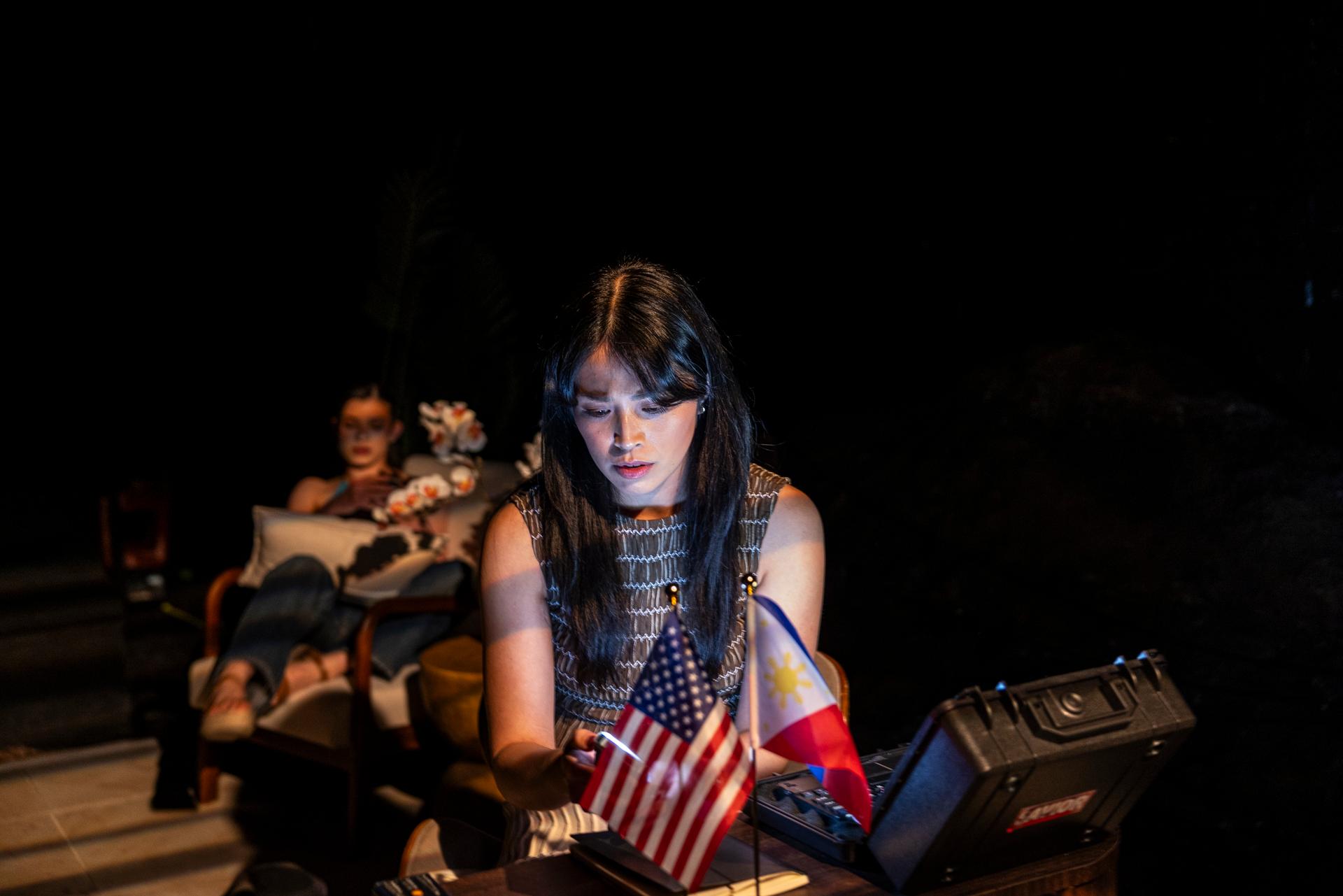
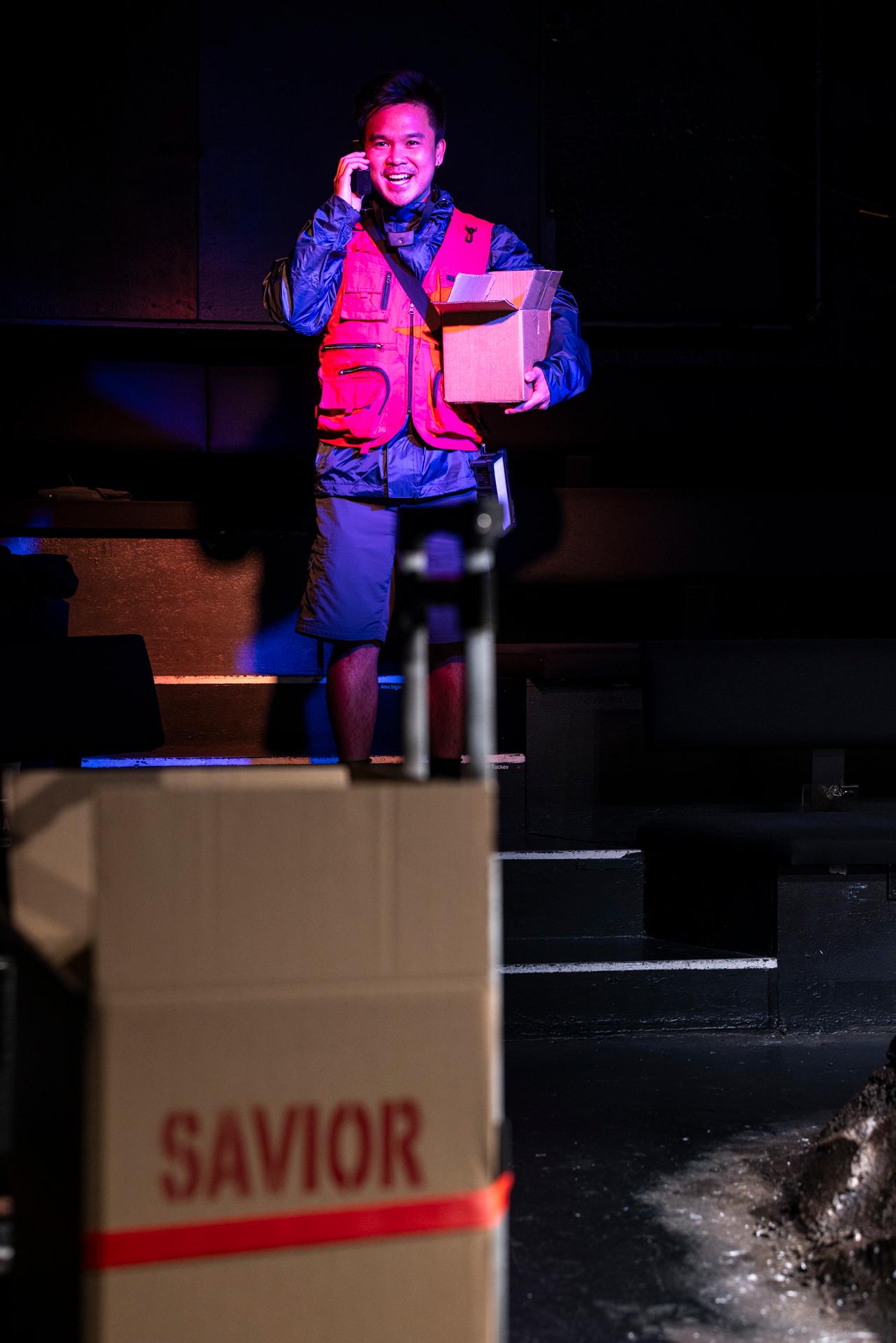
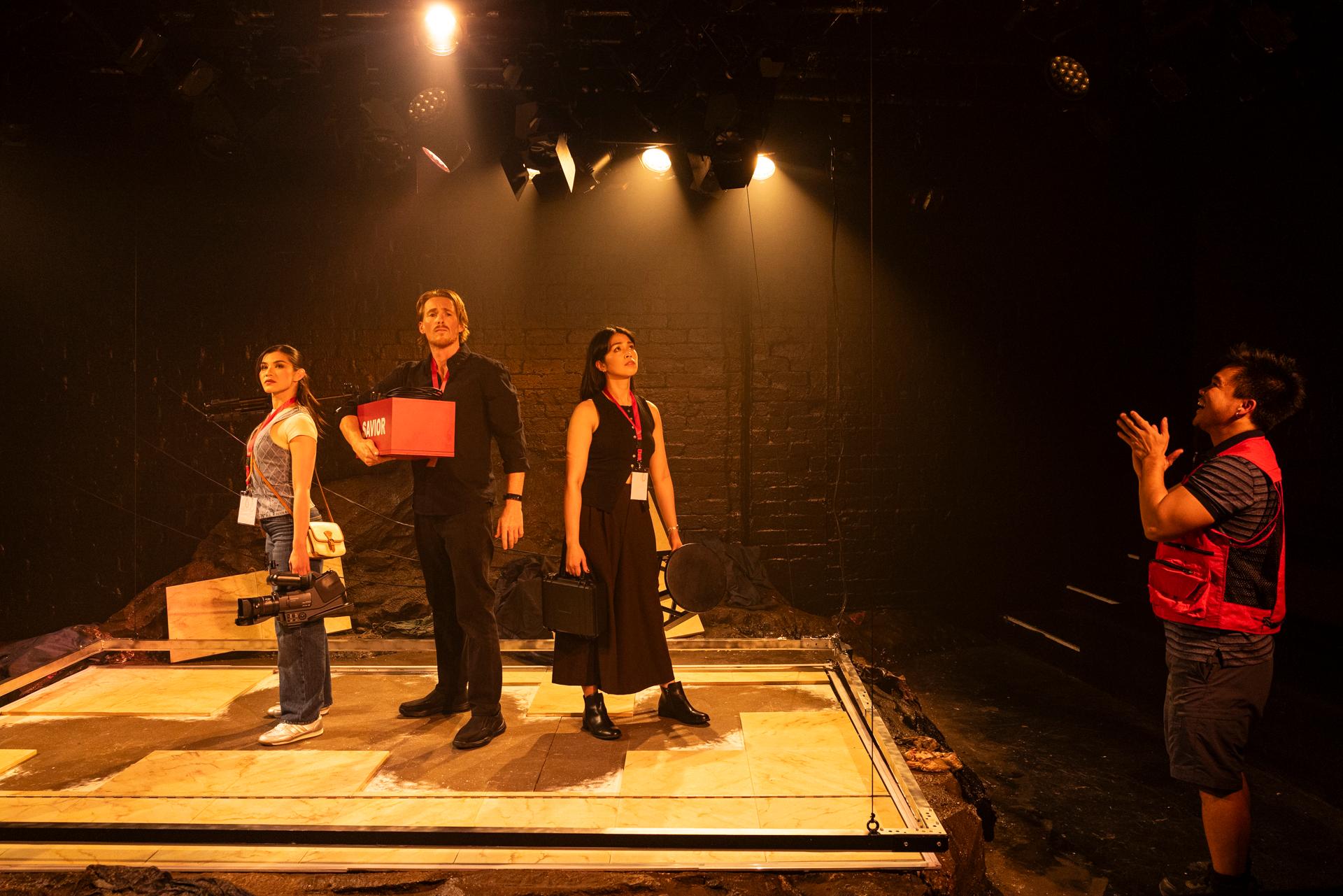
When a typhoon devastates Tacloban, Michelle, a Manila-based NGO aid worker, commits herself wholeheartedly to relief efforts—only to find her labour obstructed by Joe, her manager, who arrives from the United States to supervise the disaster response mission with little regard for the community and a great deal of regard for himself. Happy Feraren’s Savior certainly broaches weighty subject matter, yet it is the precision of its dialogue that ultimately resonates. The comedy operates across a wide register, from broad farce to piercing social observation, and it lands with remarkable consistency, eliciting sustained laughter even when the narrative itself does not always summon the gravitas necessary to inspire deeper emotional investment. What the play occasionally lacks in dramatic heft, it more than compensates for in comic satisfaction.

Kenneth Moraleda directs with palpable assurance, constructing a rhythm that keeps the characters perpetually engaging and the comic timing impeccably calibrated. He deserves particular credit for the deft deployment of brief, sobering interludes—moments of gravity that refocus attention on the production’s true emotional core and from which the surrounding comedy acquires its sharpest edge.

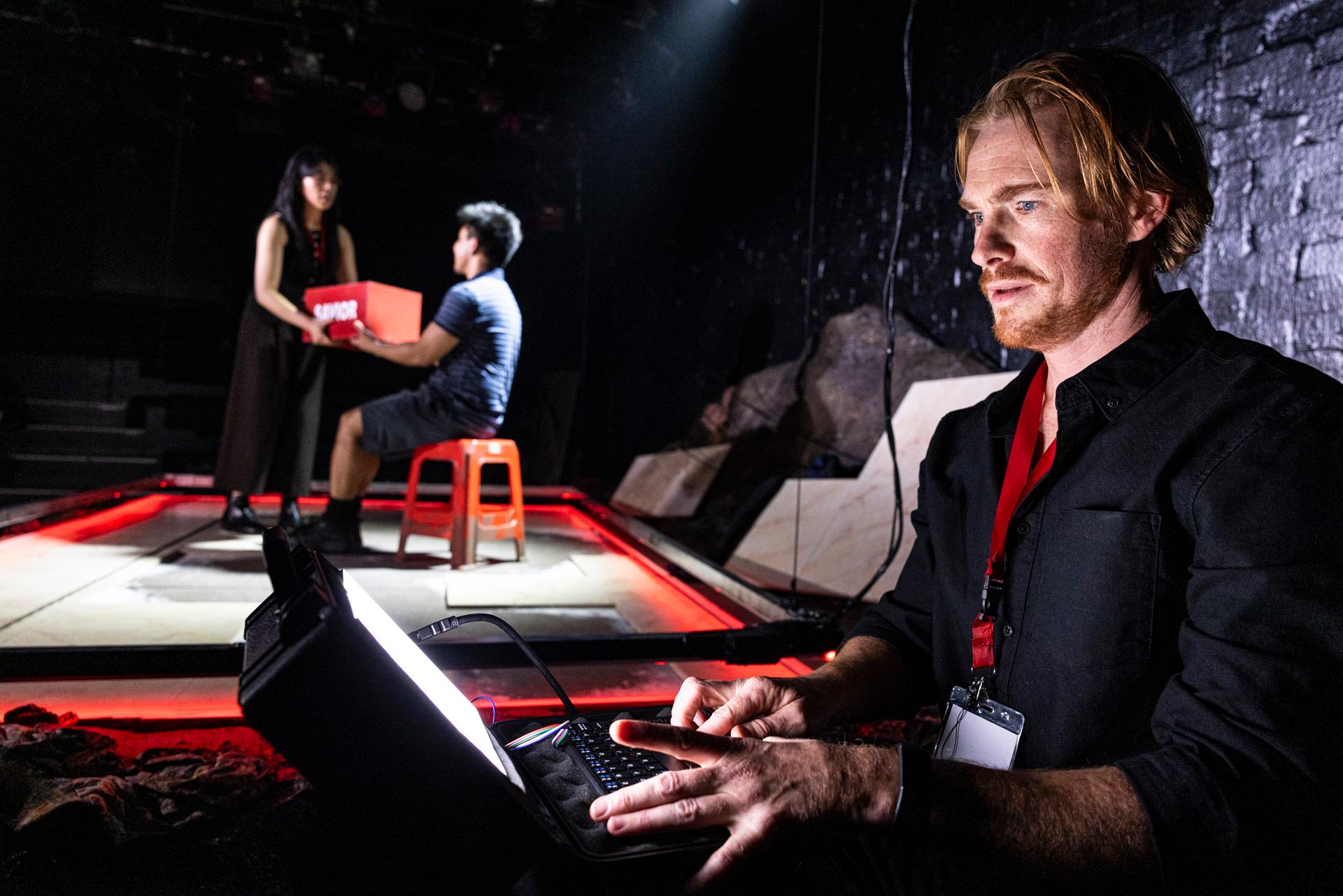
The ensemble of four delivers uniformly excellent work, each actor crafting a distinct and thoroughly delightful character who commands continued attention. Chrissy Mae Valentine strikes an impressive equilibrium in the role of Michelle, grounding her portrayal in the earnest conviction of a genuine charity worker while ensuring every line lands with comic precision. Michael Whalley leans fully into the caricature dimensions of Joe, wielding the role to mount a pointed, satirical critique of whiteness within a broader context of social commentary. Mark Paguio proves utterly charming as Jobert, making an indelible impression through relentless optimism while nonetheless threading welcome complexity into the performance whenever the script permits. Chaye Mogg, as Janna, brings jovial verve to a production that never flags in energy.

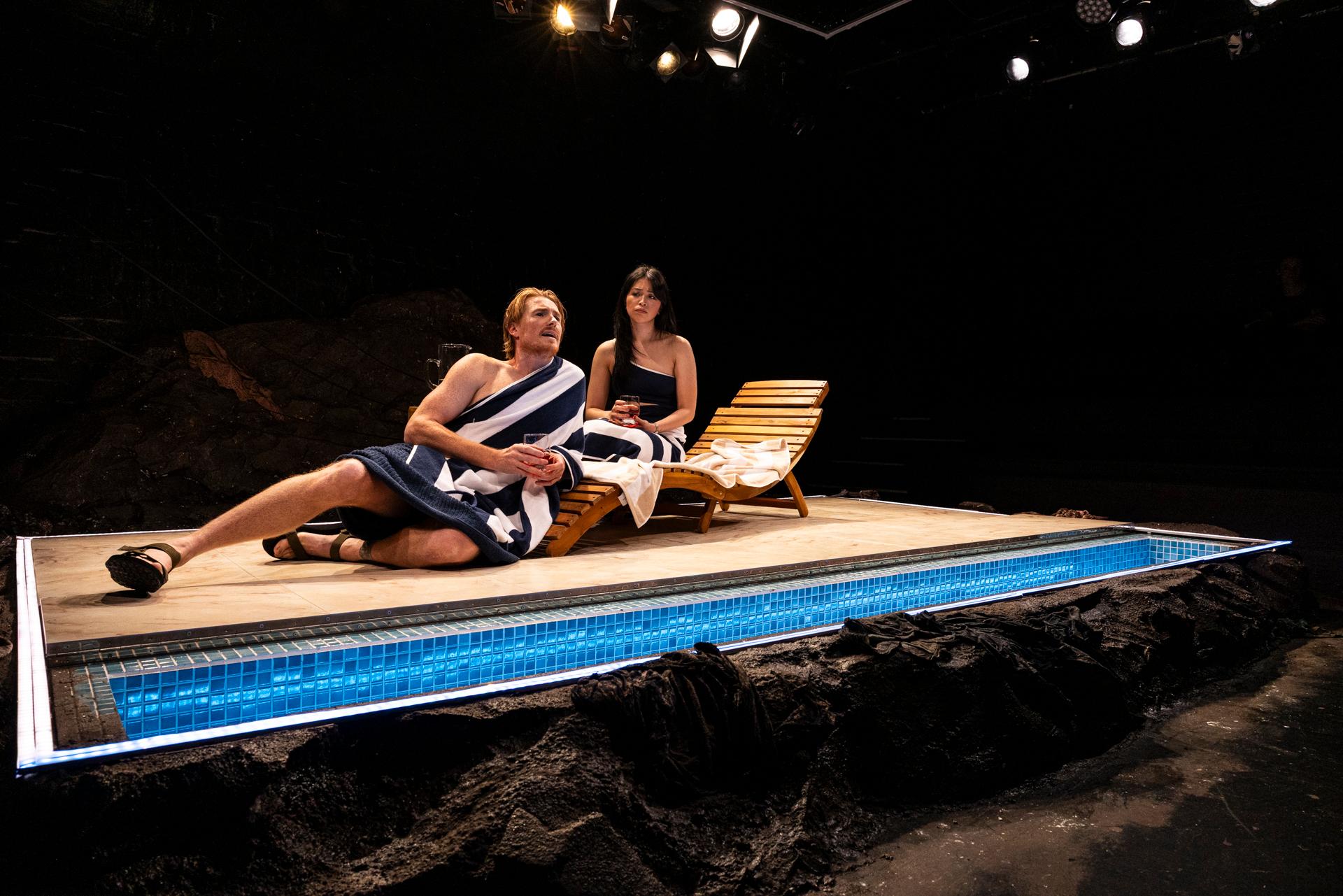
Hailley Hunt’s set design meaningfully evokes a fragile sense of fabricated order erected atop rubble, capturing the delusory semblances of structure that humans impose upon chaos in an effort to feel in control. Her costuming for one of Joe’s entrances proves especially inspired, drawing a huge laugh and encapsulating the acerbic tone central to the production’s impact. Brockman’s lighting transitions fluidly between locations with minimal fuss, always modulating the precise tonal register required by each scene. Dobby’s richly imagined sound design positions the audience firmly within each environment, fostering an atmospheric connection to the narrative world.

Savior confronts the paradox of post-colonial experience across much of the Global South: communities devastated by catastrophe find themselves dependent upon assistance from nations that plundered and abandoned them, only to return imposing foreign values and disregarding the priorities of those they purport to rescue. The play makes painfully visible the West’s fondness for swooping into crisis to perform benevolence, even as it remains steadfastly unwilling to elevate these same regions to anything approaching commensurate prosperity.

www.griffintheatre.com.au 

Review: The Birds (Belvoir St Theatre)

Venue: Belvoir St Theatre (Surry Hills NSW), May 16 – Jun 7, 2026
Playwright: Louise Fox (from the story by Daphne de Maurier)
Director: Matthew Lutton
Cast: Paula Arundell
Images by Pia Johnson

Theatre review

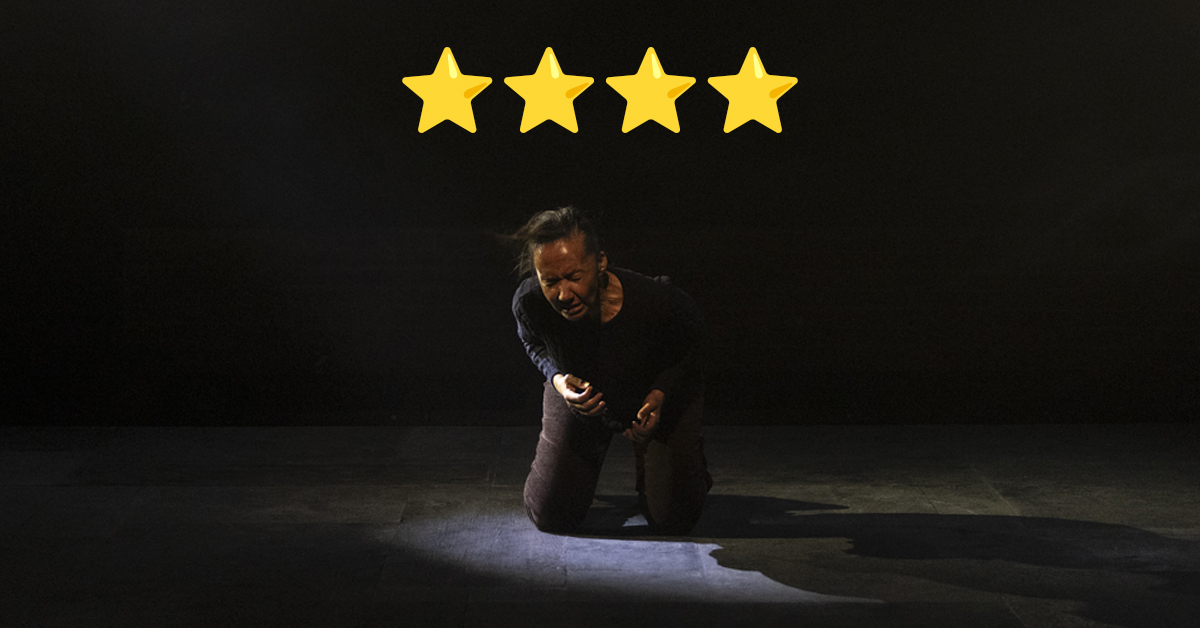
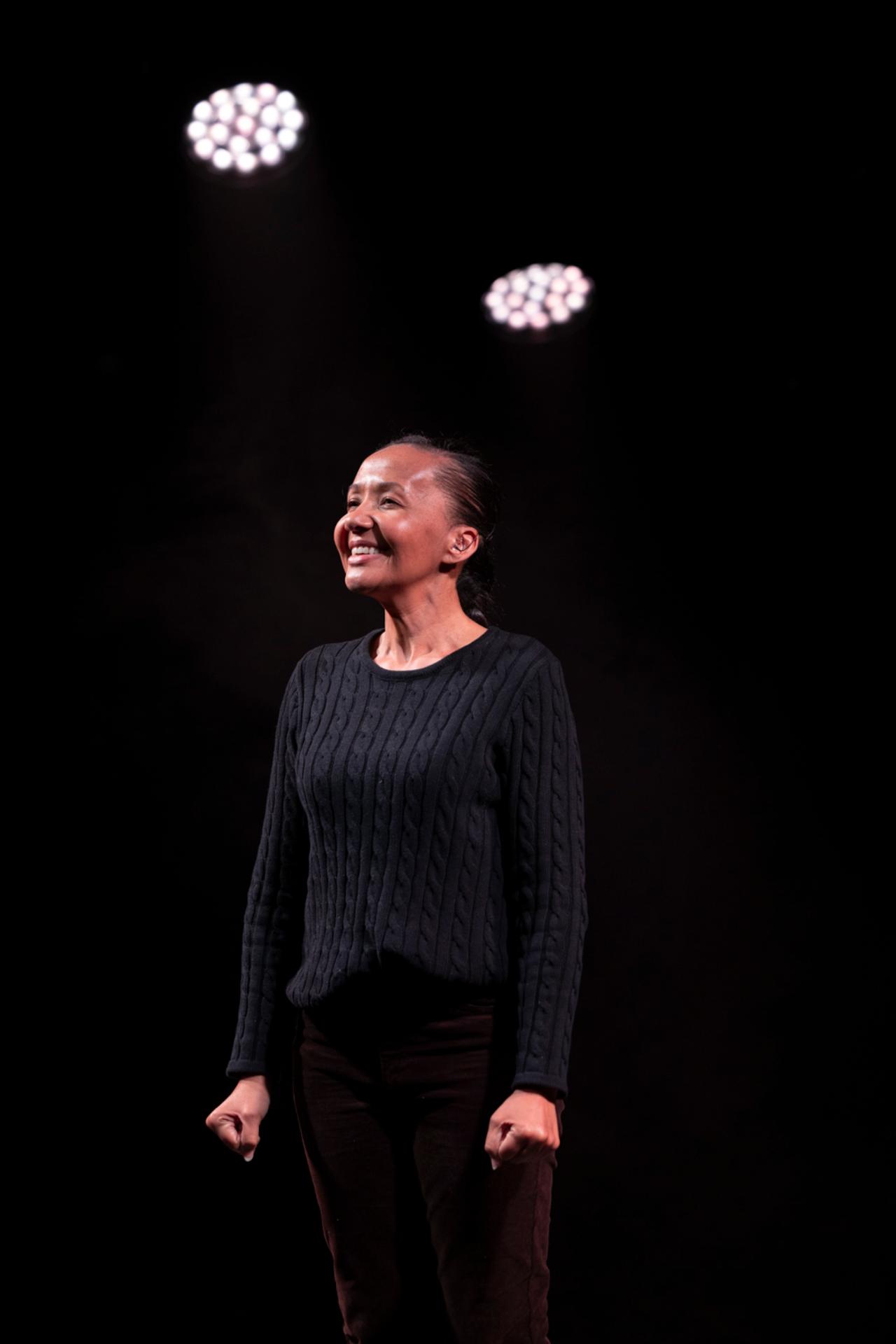
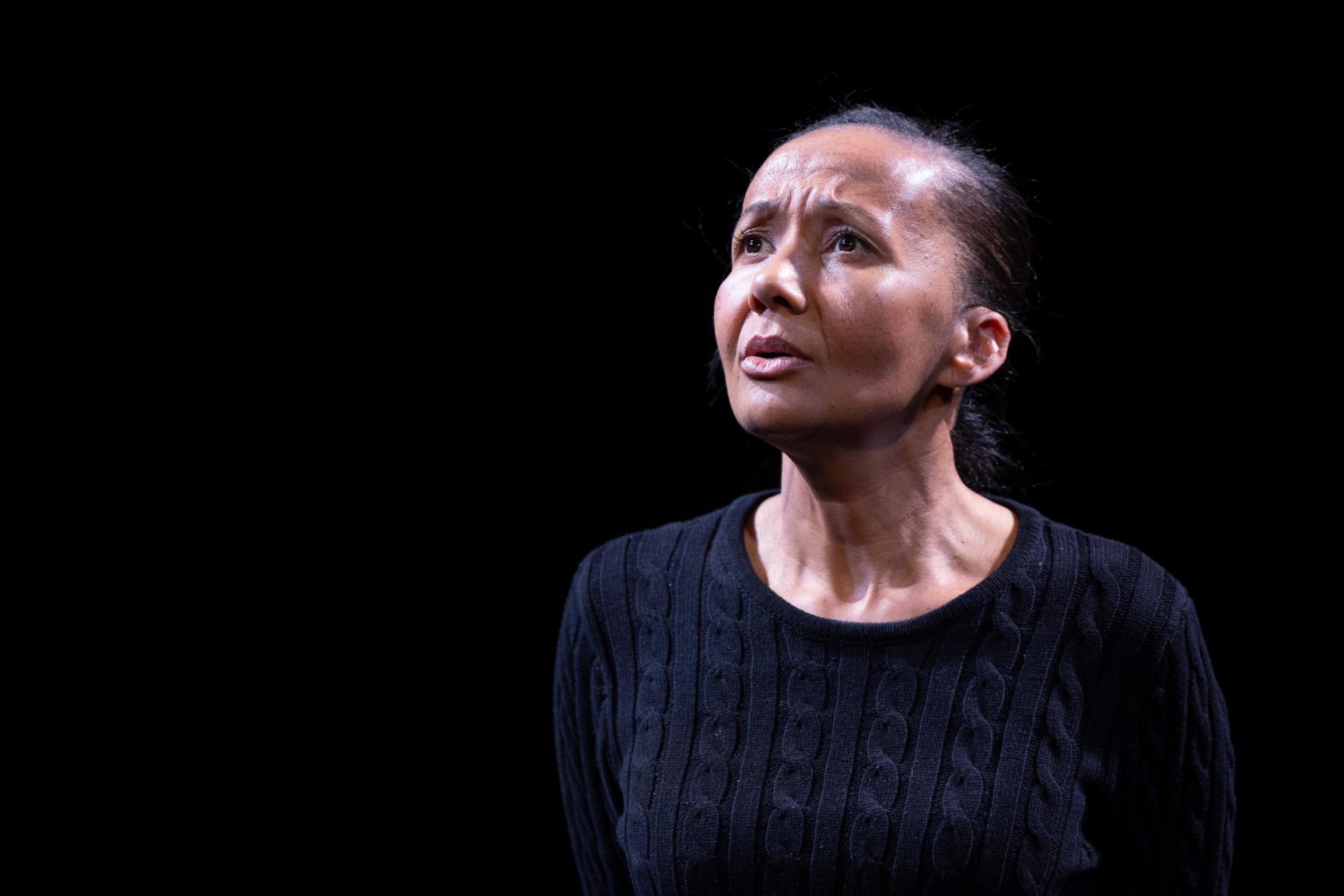
In Louise Fox’s stage adaptation of The Birds, the opening scenes find Tessa repelling fifty invading avian assailants from her home with fierce, maternal resolve. By the second day, the sky has darkened with swarms bent solely on human annihilation. In this contemporary reimagining of Daphne du Maurier’s 1952 narrative, Fox not only shifts the protagonist from husband to wife but also transposes the story’s psychic register—from post-war unease to the distinctly modern terrors of ecological collapse and technological dominion. Working within the conceit of horror fantasy, Fox crafts a vividly absorbing meditation on the paralysis that accompanies our present awareness of impending, seemingly inevitable catastrophe.

Paula Arundell commands the stage alone, her eminently sympathetic presence grounding the surreal narrative in an air of authenticity. She renders Tessa with such sustained credibility that the audience remains unwaveringly allied with her struggle, compelled to will her survival even as circumstances turn increasingly phantasmagoric. Director Matthew Lutton leans into the text’s genre elements, drawing spectators into Tessa’s escalating dread while prompting reflection upon our individual and collective relationship to the disquieting features of our current moment. Yet the production occasionally suffers from Lutton’s largely restrained approach; a work of such unbridled imagination might have flourished under a more audacious, extravagant directorial hand.

Kat Chan’s production design opts for elegant simplicity—largely effective, though the text’s expansive vision clearly invites a more spectacular scenic realization. Niklas Pajanti’s lighting memorably punctuates the drama’s most harrowing junctures with startling precision, but it is J. David Franzke’s sound design and composition that truly conjure the atmosphere of foreboding, rendering the murderous flock’s malevolent presence viscerally, irrefutably real.

The birds’ ferocious, overwhelming assault mirrors the paralysis induced by our contemporary predicament—not merely environmental and technological crises, but the relentless barrage of political conflict and warfare. In an era saturated with information, we find ourselves perpetually stupefied and disempowered by the unceasing torrent of horrors arriving from every quarter. Tessa’s distinction lies in her refusal of passivity; confronted with hopelessness, she can do nothing but resist. It is a lesson that resonates with urgent, uncomfortable clarity.

www.belvoir.com.au | www.malthousetheatre.com.au

Review: The River (Sydney Theatre Company)

Venue: Sydney Opera House (Sydney NSW), Apr 8 – May 16, 2026
Playwright: Jez Butterworth
Director: Margaret Thanos
Cast: Andrea Demetriades, Ewen Leslie, Miranda Otto
Images by Daniel Boud

Theatre review
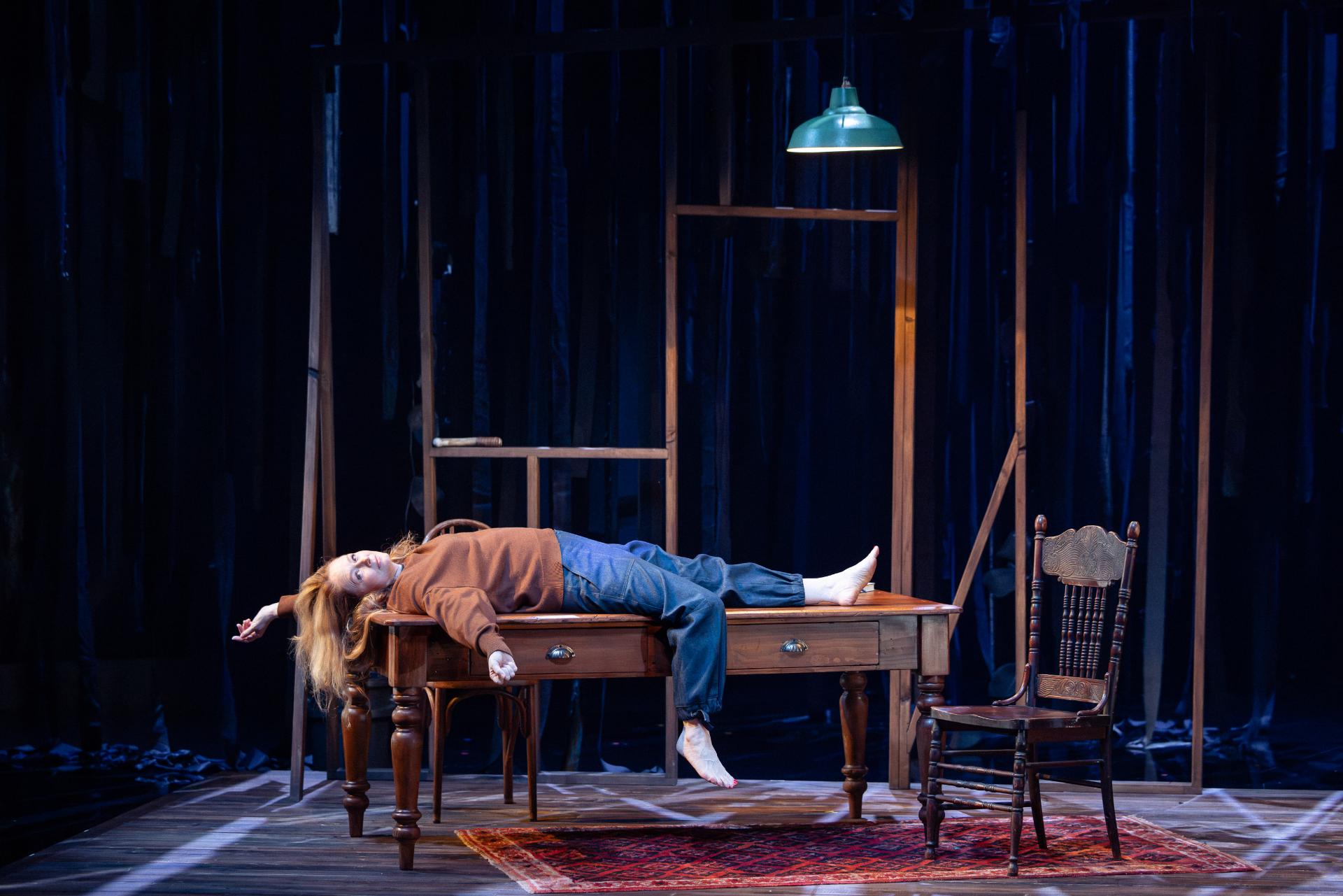
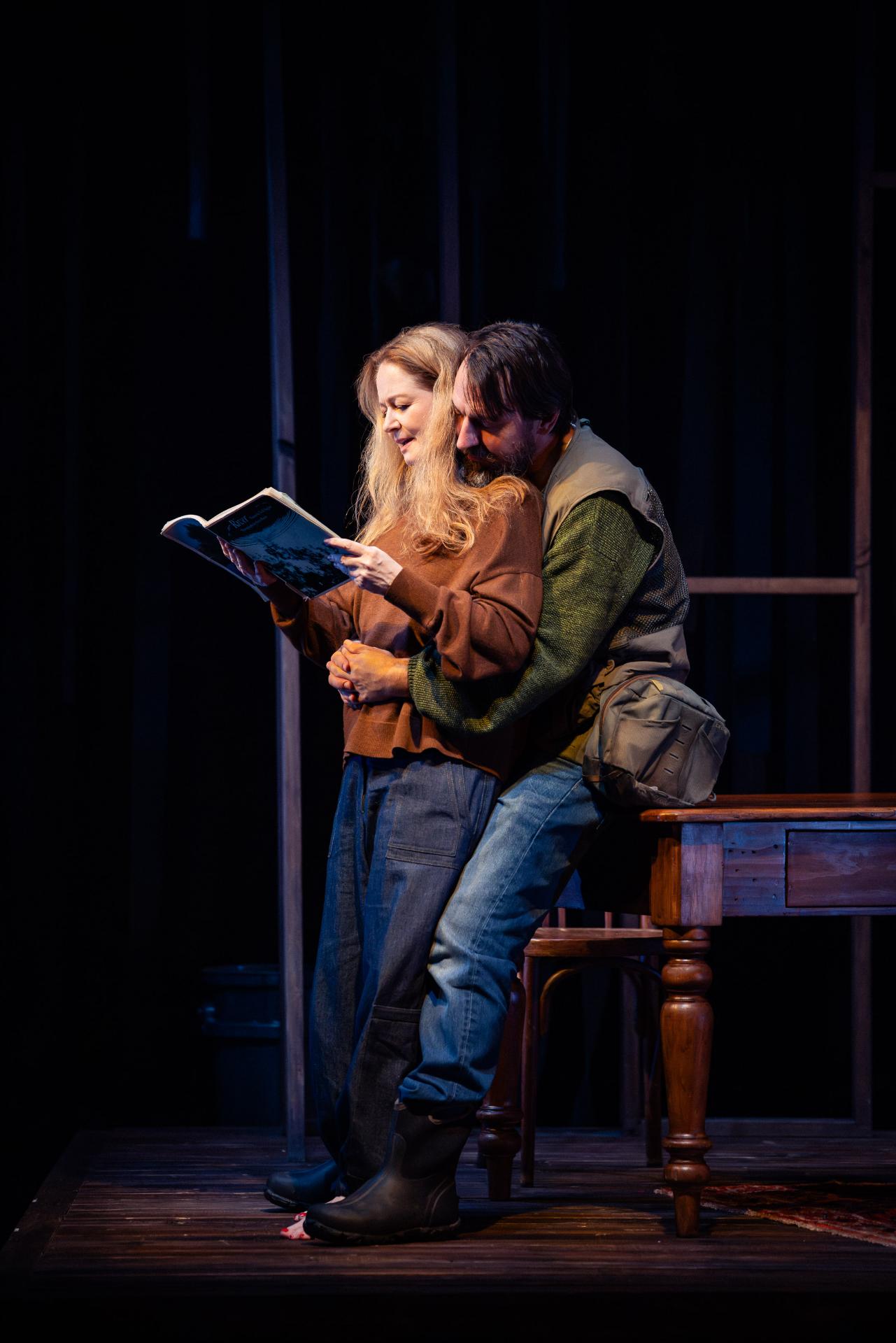
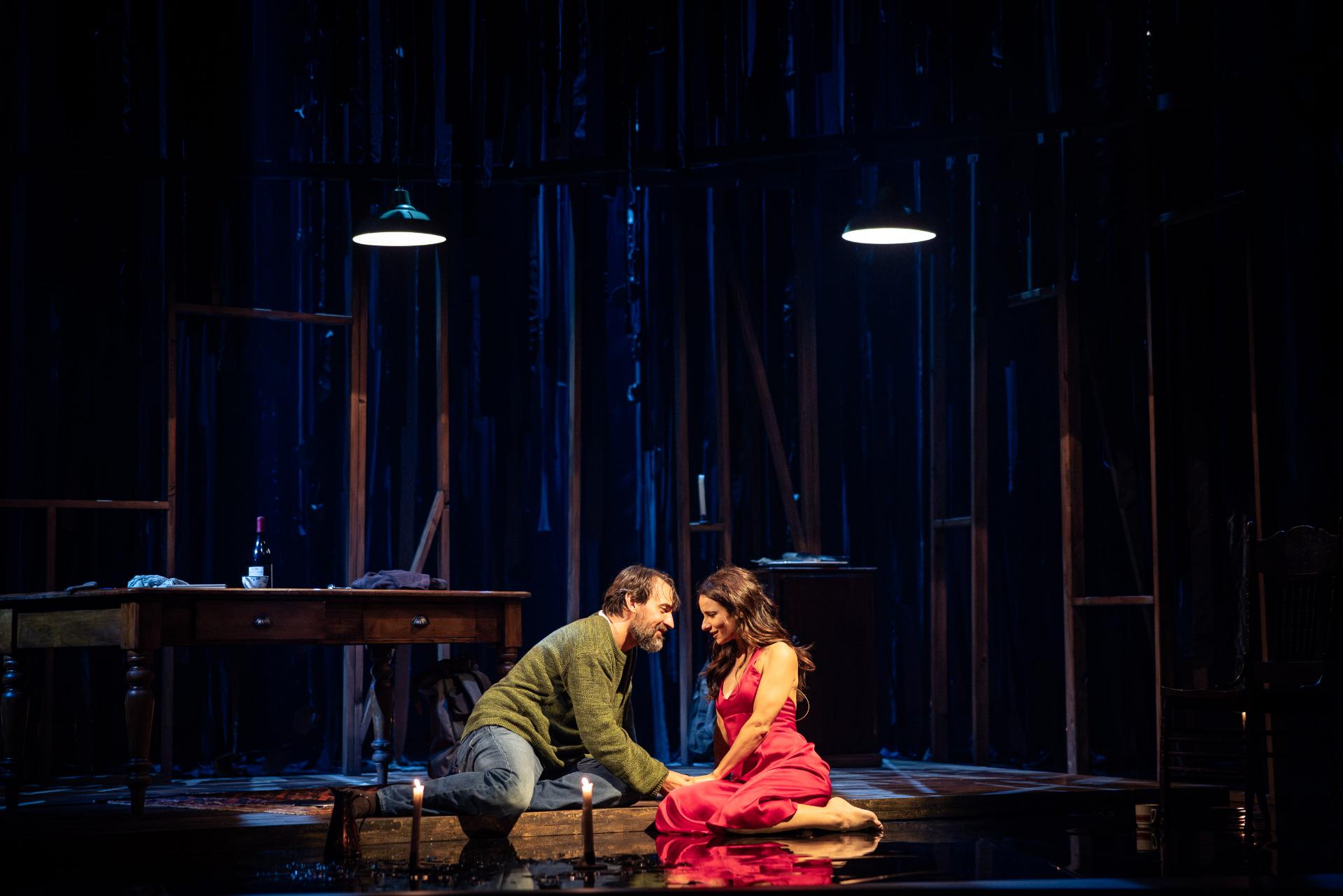
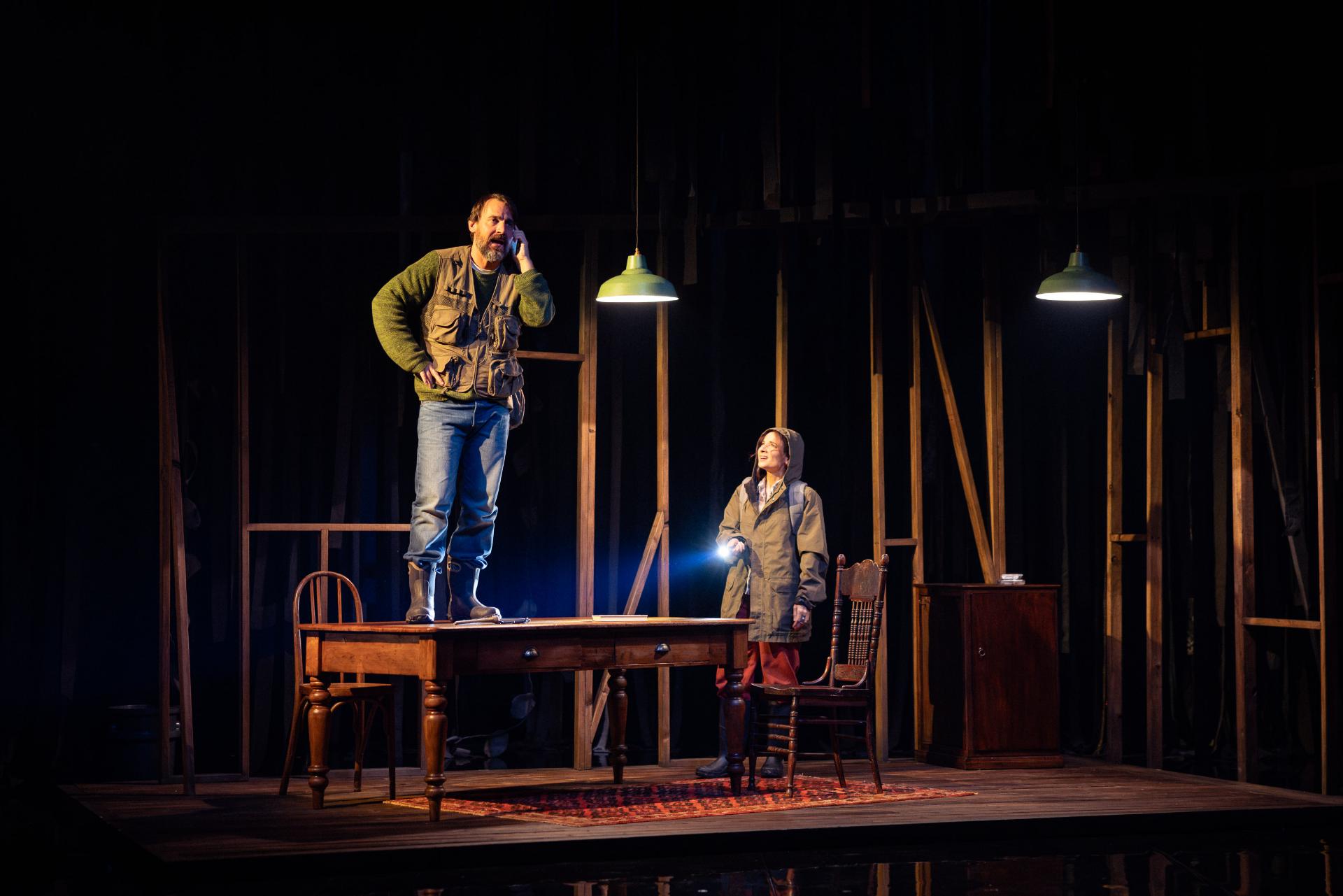
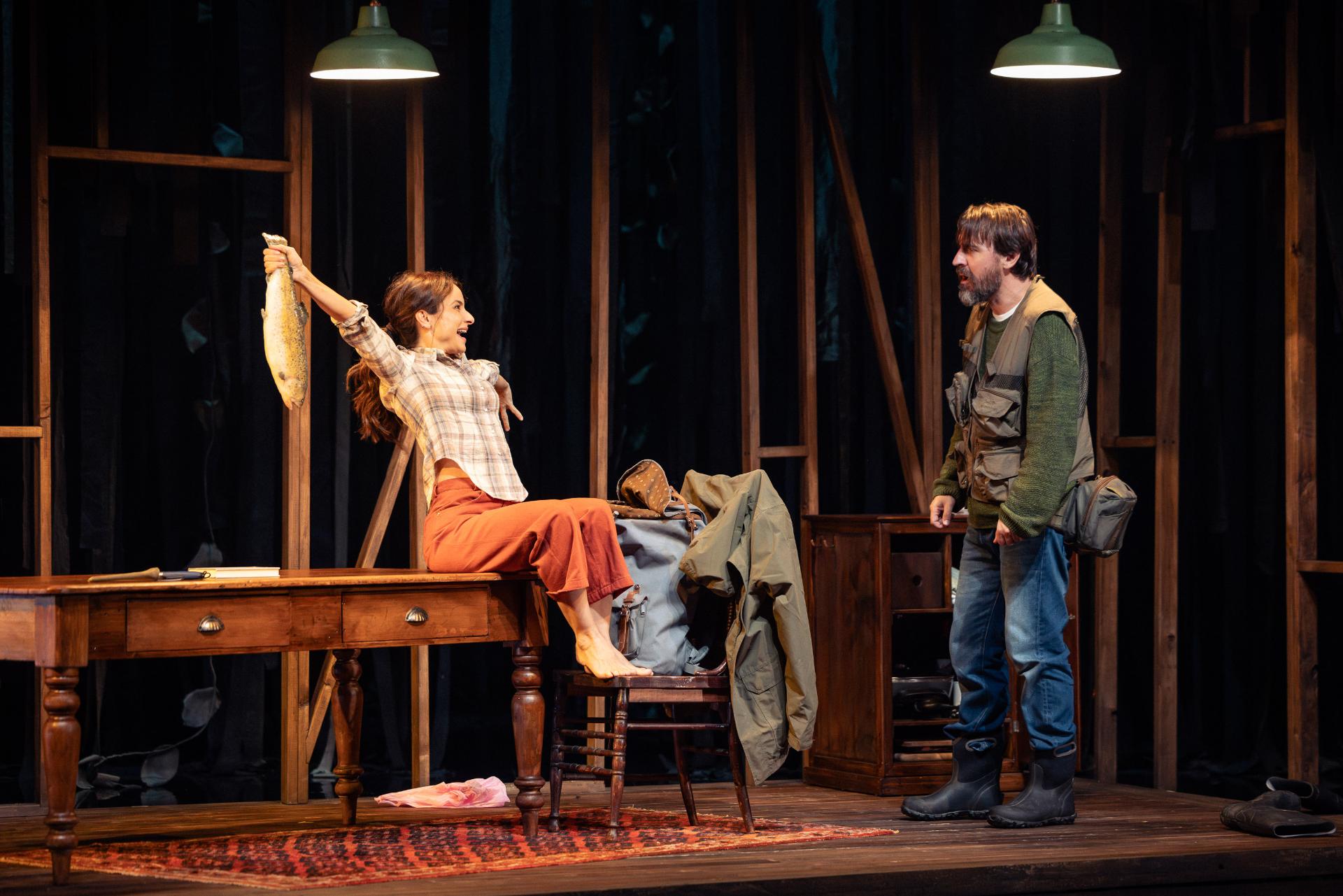
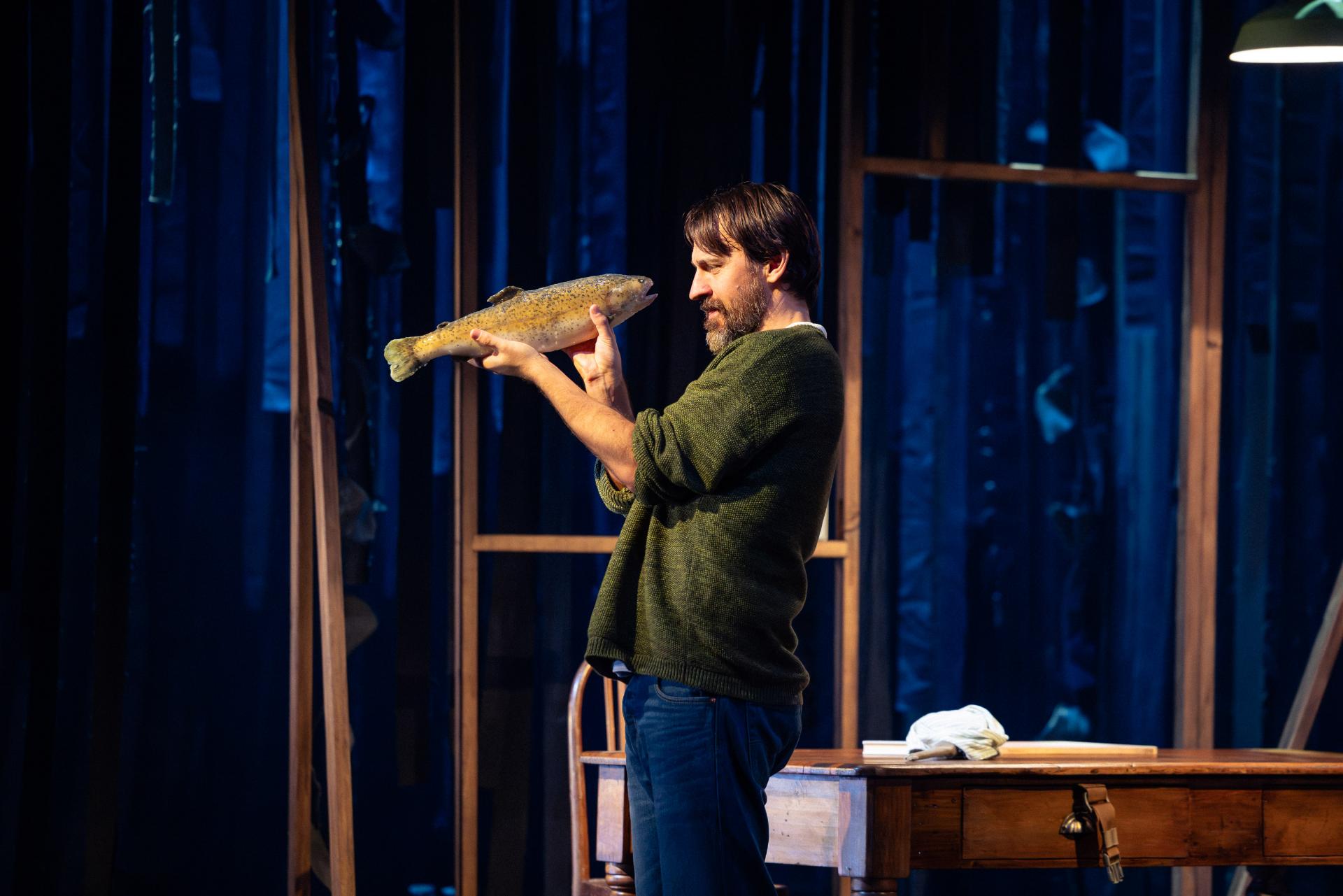
Nestled within the secluded confines of an English fishing cabin, a man confronts the ghost of unspeakable trauma—its spectral presence materialized in the image of a woman adorned in scarlet. Jez Butterworth’s The River emerges as a theatrical enigma of remarkable density, its narrative currents flowing through multiple interpretive channels while remaining anchored, perhaps most profoundly, in the murky depths of grief and regret. Though deliberately provocative in its withholding of certainties, the text is exquisitely wrought, offering precisely sufficient ambiguity to ignite the spectator’s imaginative faculties without descending into pedestrian opacity.

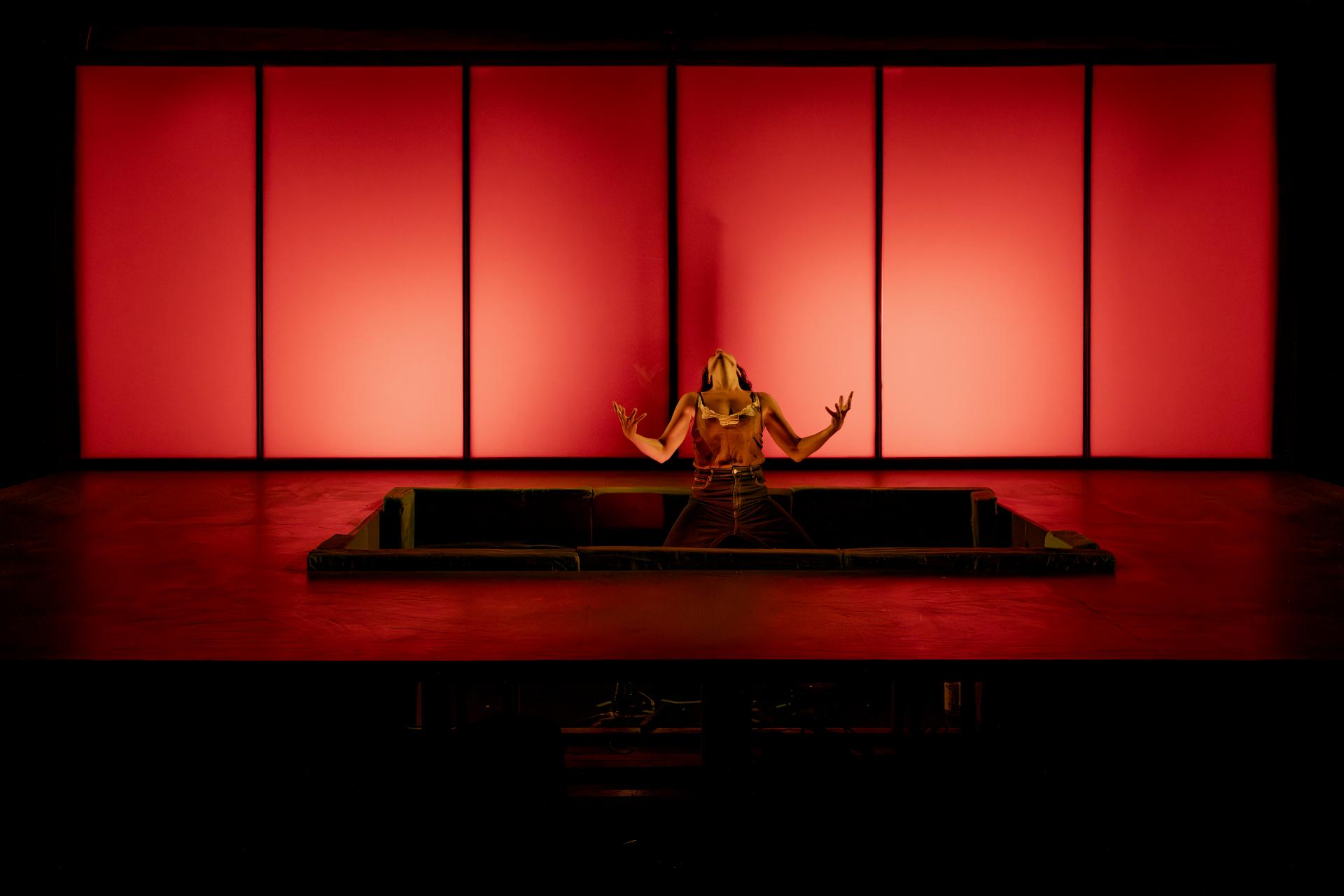
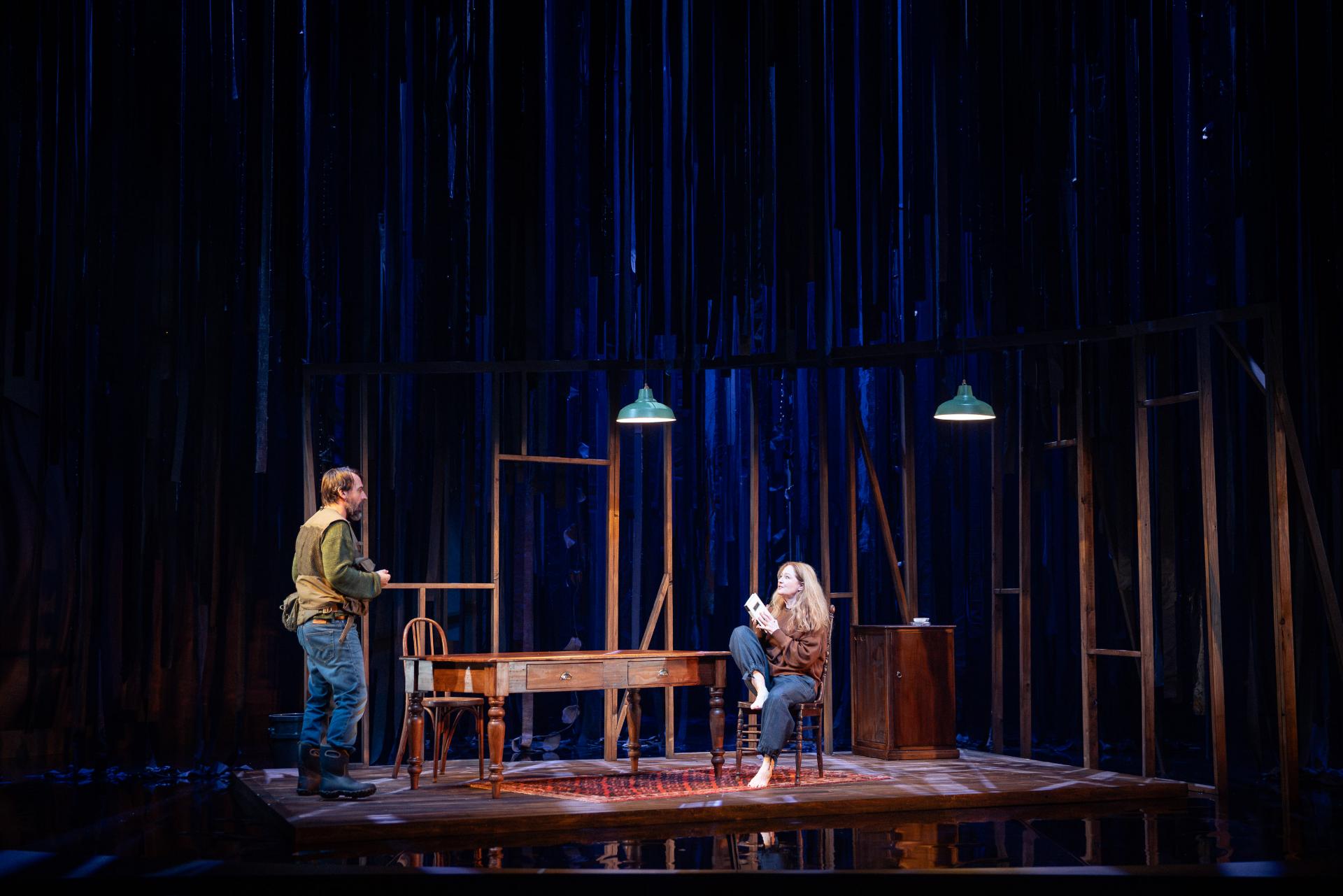
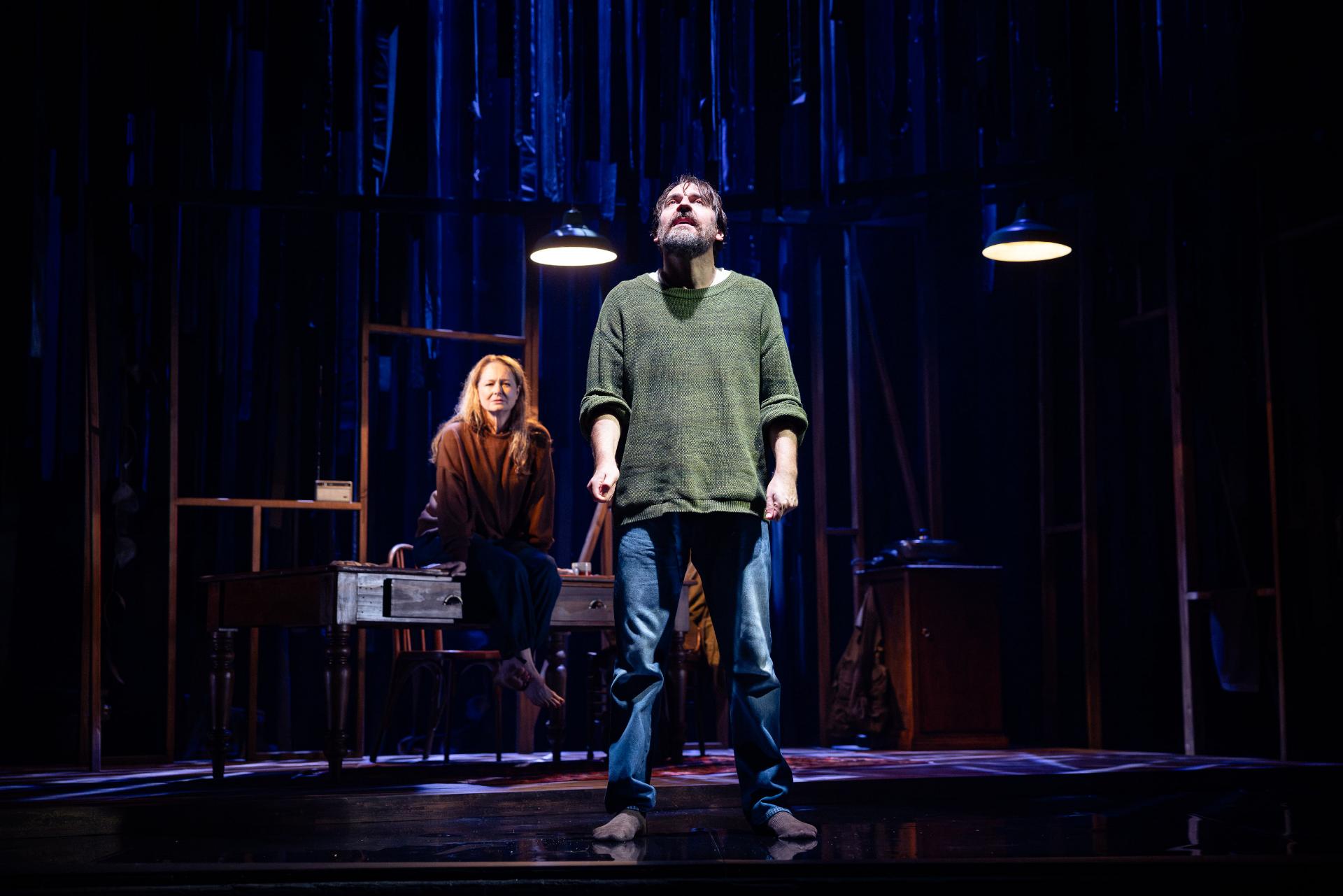
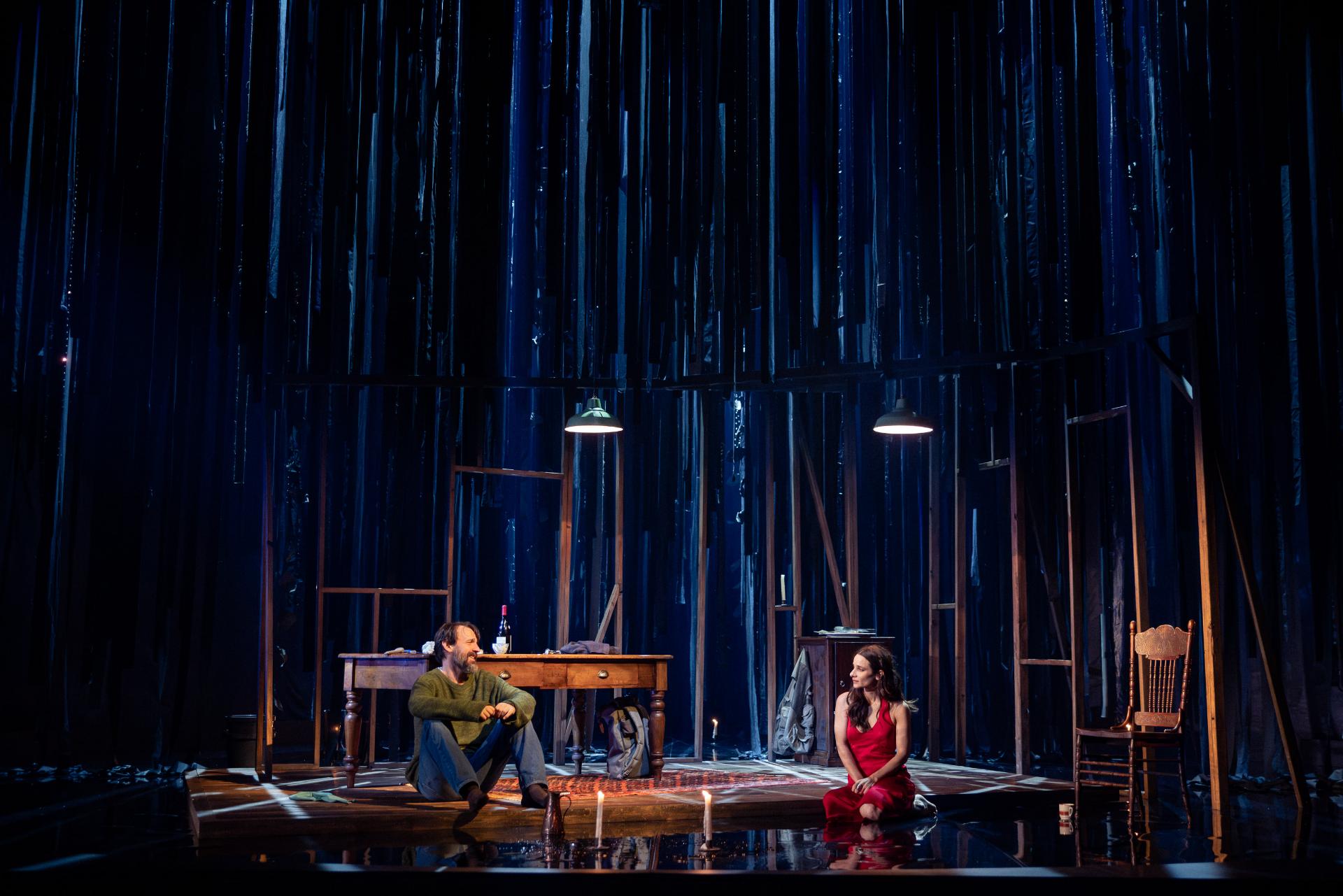
Margaret Thanos’ direction rises to meet this sophistication with an aesthetic of curated chicness—self-consciously stylish yet perhaps overly circumspect in its understated approach, occasionally sacrificing visceral immediacy for cerebral detachment. Anna Tregloan’s production design evokes flowing water through cascading ribbons and a minimalist hut-like structure—spare yet evocative, providing all necessary visual cues without distraction.

Damien Cooper’s lighting palette conjures the requisite haunting, vaguely sinister atmospherics essential to the piece’s creeping psychological dread, though one wishes for occasional modulation toward more flattering illumination to deepen our sympathetic attachment to the personalities portrayed. Sam Cheng’s sound design achieves moments of genuinely transcendent beauty—ethereal and devastating in its restraint—yet could benefit from greater dynamic range, allowing orchestral crescendos to match the text’s moments of heightened dramatic intensity rather than maintaining consistent atmospheric delicacy.
Ewen Leslie delivers a formidable performance as the lead, laudably infusing light and shade into a narrative that seems determined to remain stubbornly macabre. Without the crutch of expository dialogue, Leslie’s remarkable nuance conveys immense complexity, inviting us into a story that feels inexhaustibly layered. Andrea Demetriadis delivers exceptional intensity in several exquisitely crafted dramatic set pieces—operatic in their theatricality yet always anchored in coherent dramaturgical logic. Miranda Otto adopts a more reticent approach by comparison, effectively conveying inexorable realism though one desires greater creative adventurousness to fully spark our imaginative inspiration.

Throughout the drama’s unfolding, spectators find ourselves suspended in productive suspicion, perpetually interrogating our own comprehension even as our instincts register the underlying truth with uncomfortable accuracy. We discover ourselves actively denying our intuitive grasp of events—much as the protagonist must navigate his existence without full honesty regarding his past, and consequently, his present. Survival may indeed necessitate temporary aversion from unbearable truths, yet such evasion can only serve as provisional strategy; the ancient dictum remains immutable, and it is ultimately truth above all else, that will set you free.

www.sydneytheatre.com.au

Review: The Elocution Of Benjamin Franklin (Griffin Theatre Co)

Venue: Belvoir St Theatre (Surry Hills NSW), Feb 21 – Mar 29, 2026
Playwright: steve j. spears
Director: Declan Greene
Cast: Simon Burke AO
Images by Brett Boardman

Theatre review
Robert O’Brien leads a life of deliberate seclusion, his world contained within the walls of his home where he devotes himself to the exacting art of vocal pedagogy, instructing pupils across the full spectrum of age and aspiration. The equilibrium of this carefully calibrated existence is disrupted when Benjamin—a twelve-year-old of startling precocity and unsettling sophistication—arrives to reveal himself as nothing short of prodigious. This narrative unfolds in the early 1970s, an era of terrifying peril for all who share Robert’s sexual orientation; even his most careful navigation of social propriety cannot insulate him from the devastating ease with which circumstance may turn into accusation, suspicion into ruin.

Half a century has elapsed since steve j. spears’ The Elocution of Benjamin Franklin inaugurated its world premiere upon the Sydney stage, and while the landscape of queer liberation has undergone transformation beyond measure, the play’s explorations of intolerance, prejudice, and bigotry remain as piercingly relevant as ever—a testament to the uncomfortable truth that while laws may evolve, the fundamental human capacity for cruelty and hate often endures.

Under Declan Greene’s direction, the production carries an unmistakable reverence—a profound acknowledgment of a generation for whom queerness meant navigating a world far more hostile than today’s youth might readily comprehend. The work functions, quite clearly, as homage to those forebears and elders who charted paths through terrain that could, at any moment, turn treacherous. Yet the production never settles into mere period tribute; it remains astutely attuned to the present, using its historical lens to examine the seemingly cyclical nature of persecution and the ease with which any minority can become scapegoat du jour. The Elocution of Benjamin Franklin ultimately wields considerable power in its address, even as its dramatic traction proves somewhat uneven—with individual scenes varying in their capacity to compel as the narrative unfolds.
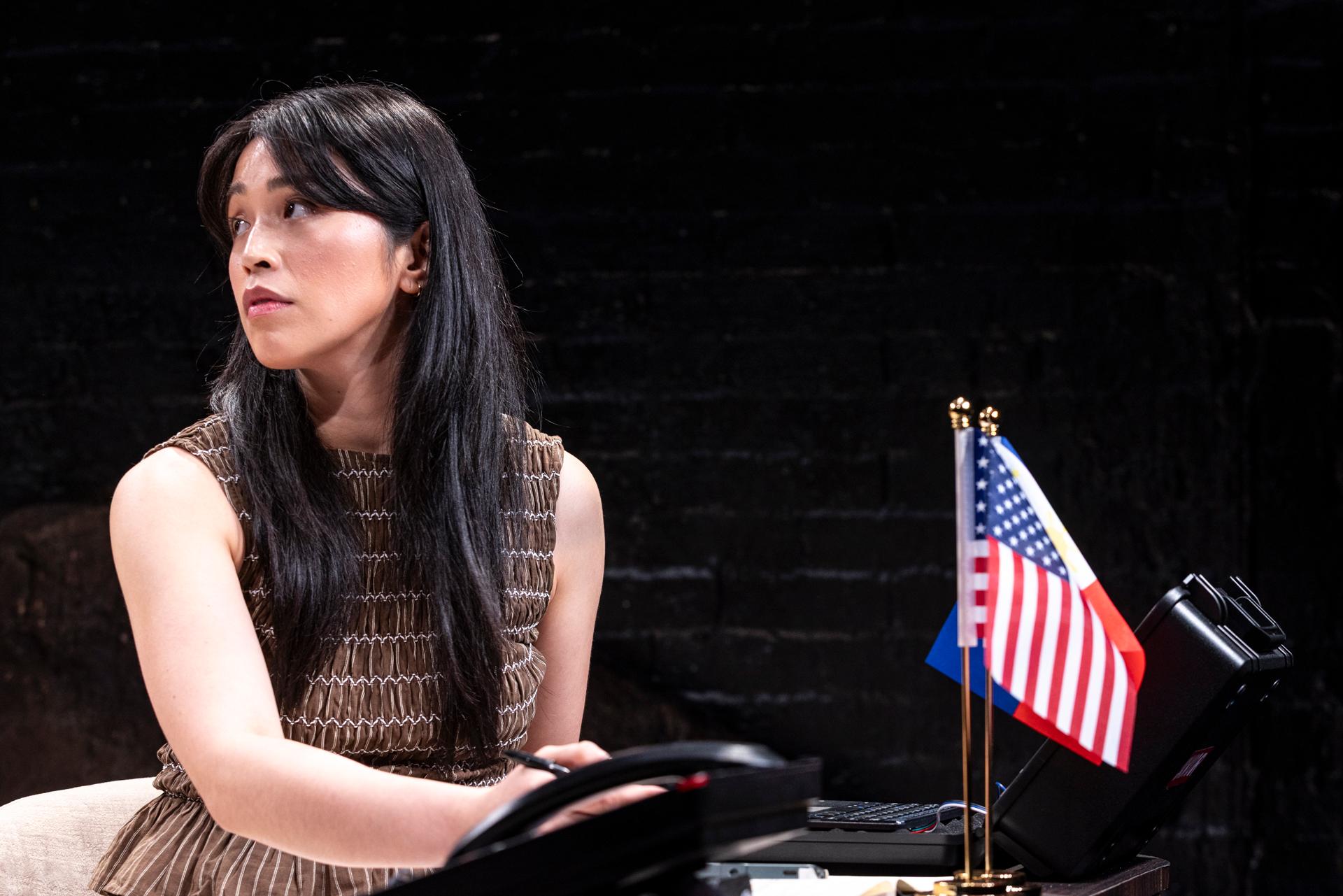
Isabel Hudson’s production design conjures a genteel nostalgia—an aesthetic meditation upon queer history that attends with equal sensitivity to the elegiac allure being manufactured and to the precariousness underlying its surface. Lights by Brockman prove instrumental in choreographing our temporal passage, whether languorous or abrupt; its mercurial unpredictability generates a distinctly satisfying theatrical frisson. Working in intimate concert, David Bergman’s sound and music prove equally indispensable, enabling the production’s transcendence of material realities to reach the essential core of its thematic concerns.

Simon Burke AO delivers a performance of remarkable depth and emotional acuity in his portrayal of Robert. Whether navigating registers of flippant vivacity or mortal gravity, he maintains a presence at once reassuring and undeniably sincere—radiating a warmth that secures our attentive vulnerability, rendering us receptive to the excavation of a queer historical epoch that demands our permanent remembrance.

Just when one might have reasonably supposed our community could begin to shift its focus from old battles to new horizons, these last forty-eight hours have delivered via the news, harrowing accounts of violence against young gay men—assaults whose contours bear chilling resemblance to those that recurred with grim regularity before decriminalisation, before marriage equality, before any number of legislative milestones we imagined might signal lasting change.

It is clear that legal frameworks, however essential, cannot alone dismantle the deeper machinations of prejudice. The same streets that witnessed violence decades ago continue to witness it still; the same fear that coursed through gay men navigating public space in the previous century courses through their counterparts today. Progress, for all its genuine achievements, does not move in an unbroken forward trajectory. It stalls, it falters, and sometimes it reveals itself to be far more fragile than we wish to believe. Hate crimes against queer people are not anachronisms—they are the present, demanding we reckon with how much remains undone.

www.griffintheatre.com.au 

Review: Es & Flo (Old Fitz Theatre)

Venue: Old Fitzroy Theatre (Woolloomooloo NSW), Feb 13 – 28, 2026
Playwright: Jennifer Lunn
Director: Emma Canalese
Cast: Annie Byron, Eloise Snape, Fay Du Chateau, Erika Ndibe, Charlotte Salusinszky
Images by Robert Catto

Theatre review
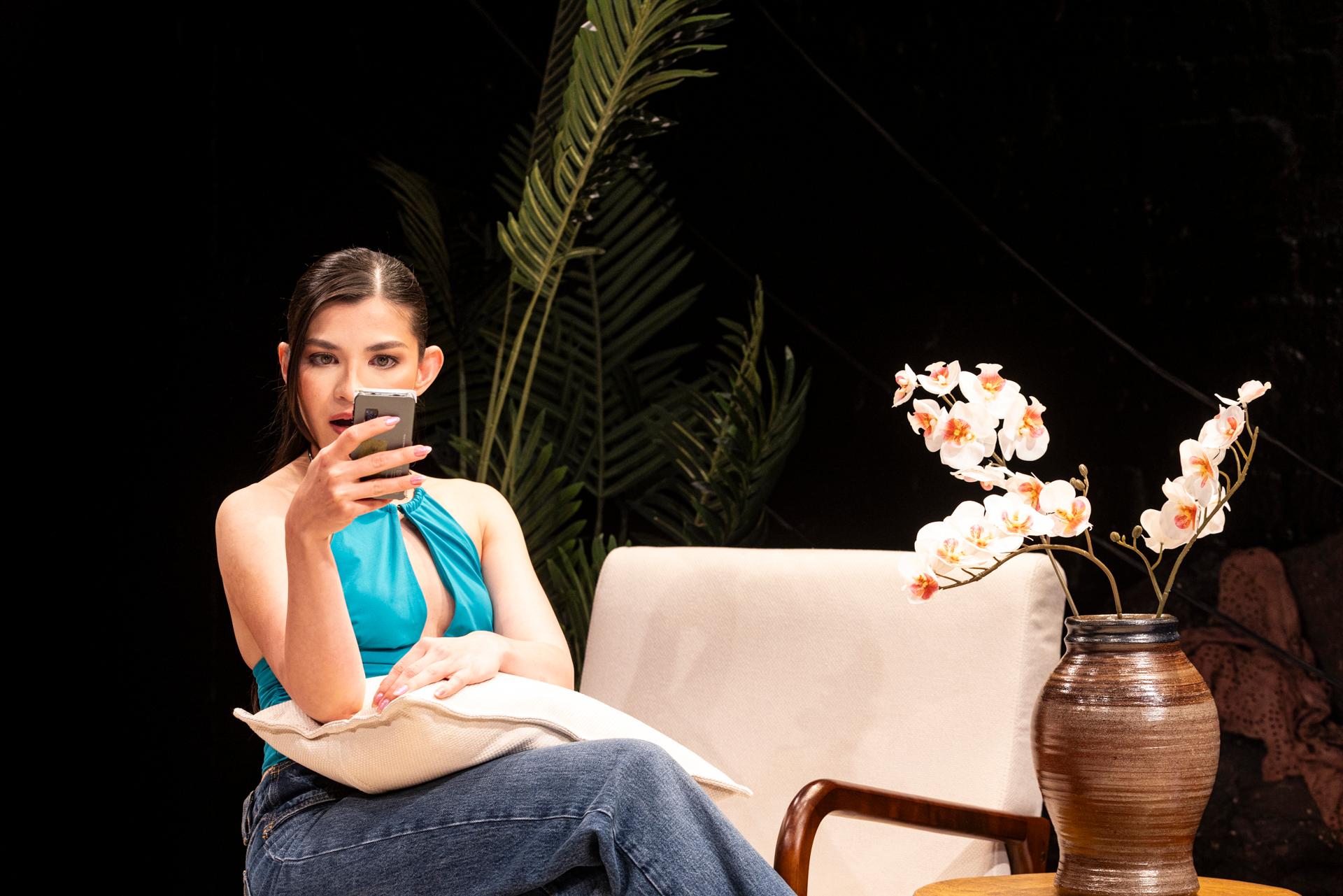
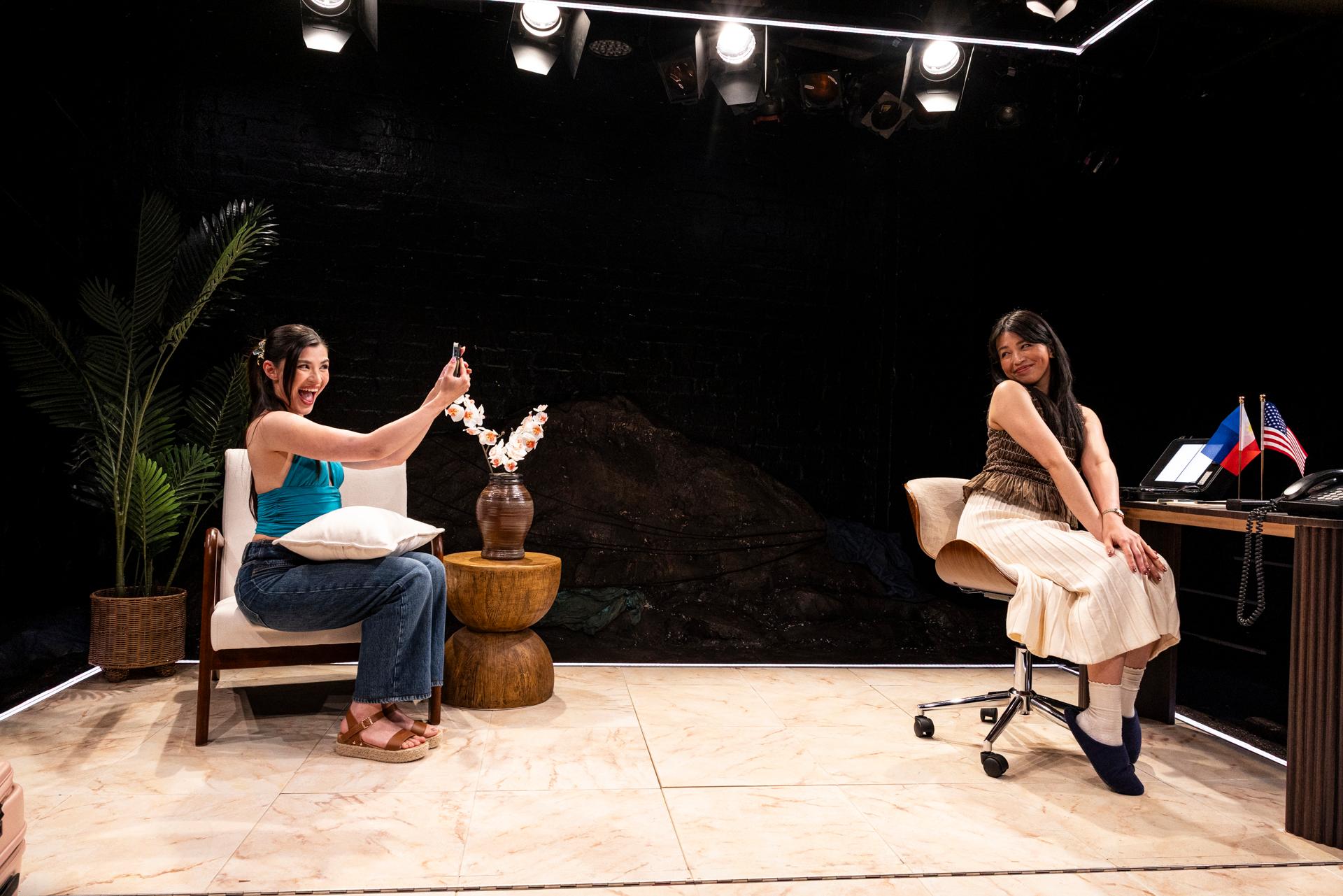
Esme has turned seventy-one, and the encroachment of dementia is becoming unmistakable. Her de facto partner of thirty-six years, Flo, remains steadfast in her commitment to care for Esme at home. Yet Esme’s son, asserting familial authority, is equally resolved to relocate her to an aged care facility. In Es & Flo, Jennifer Lunn examines a predicament all too familiar to many same-sex couples of a certain generation: the systematic erasure of their relationships by both kin and legal institutions, stripping them of companionship and patrimony precisely when bodily decline renders them most vulnerable.

It is a deeply affecting work, one that, under Emma Canalese’s astute direction, strikes precisely the right register to resonate with its audience, delivering a theatrical experience at once moving and meaningful. Annie Byron is particularly compelling as Esme, capturing with remarkable subtlety the complex metamorphoses that accompany the advance of age. Her portrayal of authentic tenderness toward her partner does much to render their bond credible, thereby securing the audience’s emotional investment in the narrative. Fay Du Chateau’s Flo truly comes into her own as the drama intensifies, revealing layers of fortitude and vulnerability. The supporting ensemble—Eloise Snape, Erika Ndibe, and Charlotte Salusinszky—likewise distinguishes itself, bringing thoughtfulness and nuance to every moment.

Soham Apte’s set design evokes a recognisable domestic sphere even as its spatial demarcations permit scenes to unfold with fluidity. Alice Vance’s costuming conjures persuasive archetypes while conferring upon the stage a distinct, understated elegance. Luna Ng’s lighting, though never ostentatious, illuminates each interaction with precision, calibrated to elicit the requisite emotional response from an audience confronting a narrative at once tender and consequential.

The love between the two elders in Es & Flo is rendered as indissoluble, yet even now such unions remain perpetually imperilled. Statutory equality and the legal recognition of same-sex marriage have not extinguished the social dynamics capable of sundering these bonds—particularly when queer individuals advance into infirmity and can no longer safeguard their own interests. Equality on paper is but a parchment promise unless the circle of kinship closes around us, unless the community becomes armour against the gathering dark of our final queer years.
Review: The Normal Heart (Sydney Theatre Company)

Venue: Sydney Opera House (Sydney NSW), Feb 9 – Mar 14, 2026
Playwright: Larry Kramer
Director: Dean Bryant
Cast: Nicholas Brown, Mitchell Butel, Tim Draxl, Michael Griffiths, Emma Jones, Evan Lever, Keiynan Lonsdale, Fraser Morrison, Mark Saturno
Images by Neil Bennett

Theatre review
The story begins in 1981, at the very dawn of the AIDS crisis that would devastate gay communities around the world. As a marginalised group, attempts to secure recognition and support proved extraordinarily difficult. Yet the indefatigable activist Ned Weeks refuses to accept indifference or rejection, as vividly portrayed in Larry Kramer’s seminal work, The Normal Heart.

Written four decades ago and drawing heavily on Kramer’s own experiences, the play arrives from a vastly different social and medical landscape. Encouragingly, much has changed — not only in the treatment and understanding of the disease itself, but also in the broader recognition of gay rights. As a result, the work can at times feel overtly expositional to contemporary audiences. However, as a historical lens on one of the most defining public health and social crises of modern life, it remains deeply significant, even if not always uniformly resonant.

Dean Bryant’s direction delivers a production of fitting urgency, capturing the emotional temperature of the era and offering a clear sense of what it meant to work on the front lines of the fight for HIV and AIDS to be taken seriously. It is a passionate and deeply sincere staging, imbued with a palpable sense of commitment, even if it does not always sustain meaningful engagement.

The cast is led by Mitchell Butel, who brings admirable presence and authenticity to the role of Weeks, grounding a story that continues to demand retelling. Powerful monologues are delivered with memorable force by performers such as Emma Jones, Tim Draxl, and Evan Lever, each contributing striking moments of dramatic intensity.

Production designer Jeremy Allen underscores the desperation of the era with a set that appears subtly worn and frayed at the edges, quietly reflecting a world under strain. His costumes evoke the textures of early-1980s gay culture, with characters embodying the archetypal looks and sensibilities we now associate with that period.

Nigel Levings’ lighting is largely unobtrusive, allowing the performances to remain the focal point, before gently asserting itself in key moments — particularly towards the conclusion — when a more overt sentimentality emerges. Cellist Rowena Macneish provides live accompaniment of extraordinary sensitivity, her playing elegantly underscoring the production’s most powerful emotional currents.

While antiretroviral therapies have transformed HIV/AIDS from a death sentence into a manageable condition, The Normal Heart endures as an indictment of institutional indifference—a reminder that political structures remain perilously susceptible to abandoning their most vulnerable constituents. We entrust governing bodies with the intricate machinery of public welfare, yet those who wield power frequently subordinate communal wellbeing to private interests, ideological rigidity, or bureaucratic inertia. The disquieting symmetry between Kramer’s era and our own is difficult to ignore: in Sydney mere days ago, state violence was deployed against citizens exercising their right to dissent, while across the Pacific, democratic institutions in the United States appear to be unravelling with vertiginous momentum. Larry Kramer waged his battles until his final breath; his unyielding moral clarity demands not our nostalgia, but our emulation.

www.sydneytheatre.com.au