Venue: Qtopia (Darlinghurst NSW), Oct 9 – 24, 2026
Playwright: John Logan
Director: Kurtis Laing
Cast: Jack Bridges, Laila Chesterman, Josh Hammond, Frey Kenay, Mark Langham, Harlee Timms, Alex Travers
Images by Jack Shep
Theatre review
In 1924, in Chicago, teenagers Nathan Leopold and Richard Loeb were apprehended for the kidnapping and murder of an acquaintance. The apparent pointlessness of the crime, seemingly committed for little more than sport, continues to baffle and disturb. Playwright John Logan delves into the case in Never the Sinner, inviting us to examine it from two perspectives, that of the historical moment and that of the present day. The young men’s fascination with Nietzsche’s concept of the Übermensch serves as a linchpin in Logan’s account, offering a framework through which to understand their actions. It also lends itself to a contemporary reading of the pair as privileged white men, whose wealth and social standing may have fostered a sense of impunity, encouraging them to act without regard for the consequences.
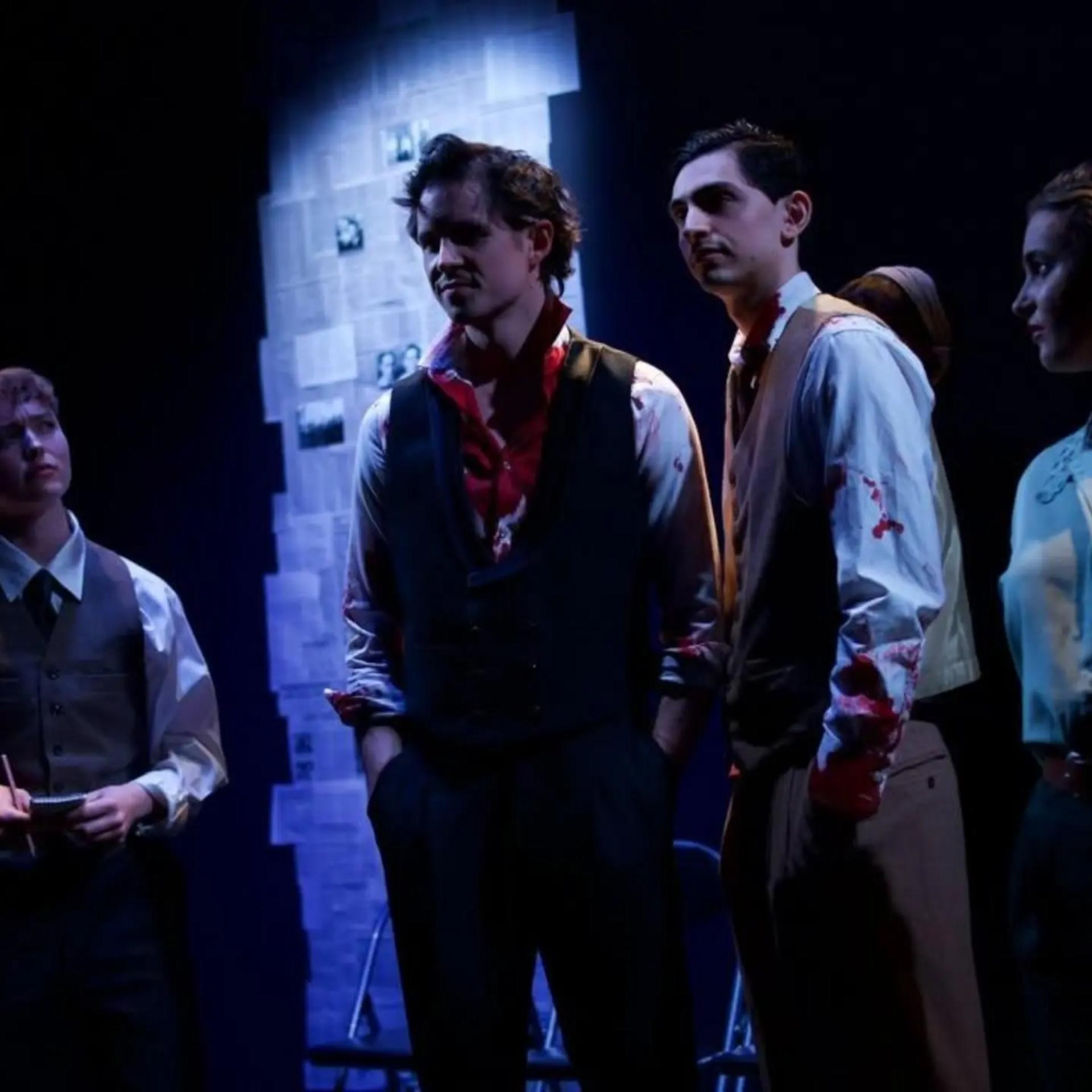
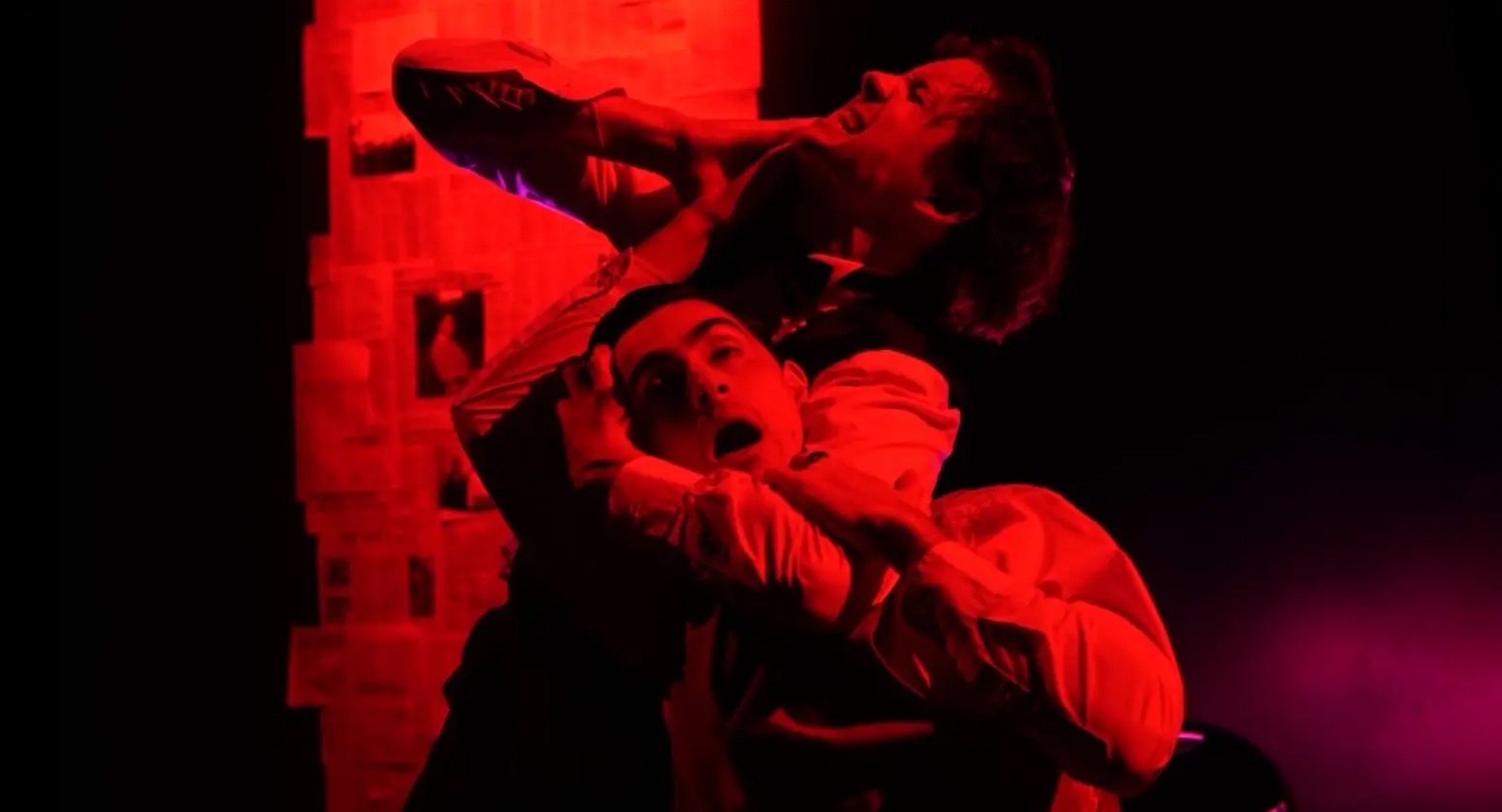
Logan’s meticulous examination of the court case is admirable, revealing an exemplary depth of research and thought. Yet, despite its intellectual ambitions, the play never quite engages the audience on either an emotional or an analytical level. Fortunately, director Kurtis Laing transforms the material into a viscerally compelling piece of theatre. Even if we remain largely indifferent to the characters themselves and their eventual fates, the production’s sheer theatricality, charged with power and magnetism, holds our attention throughout.
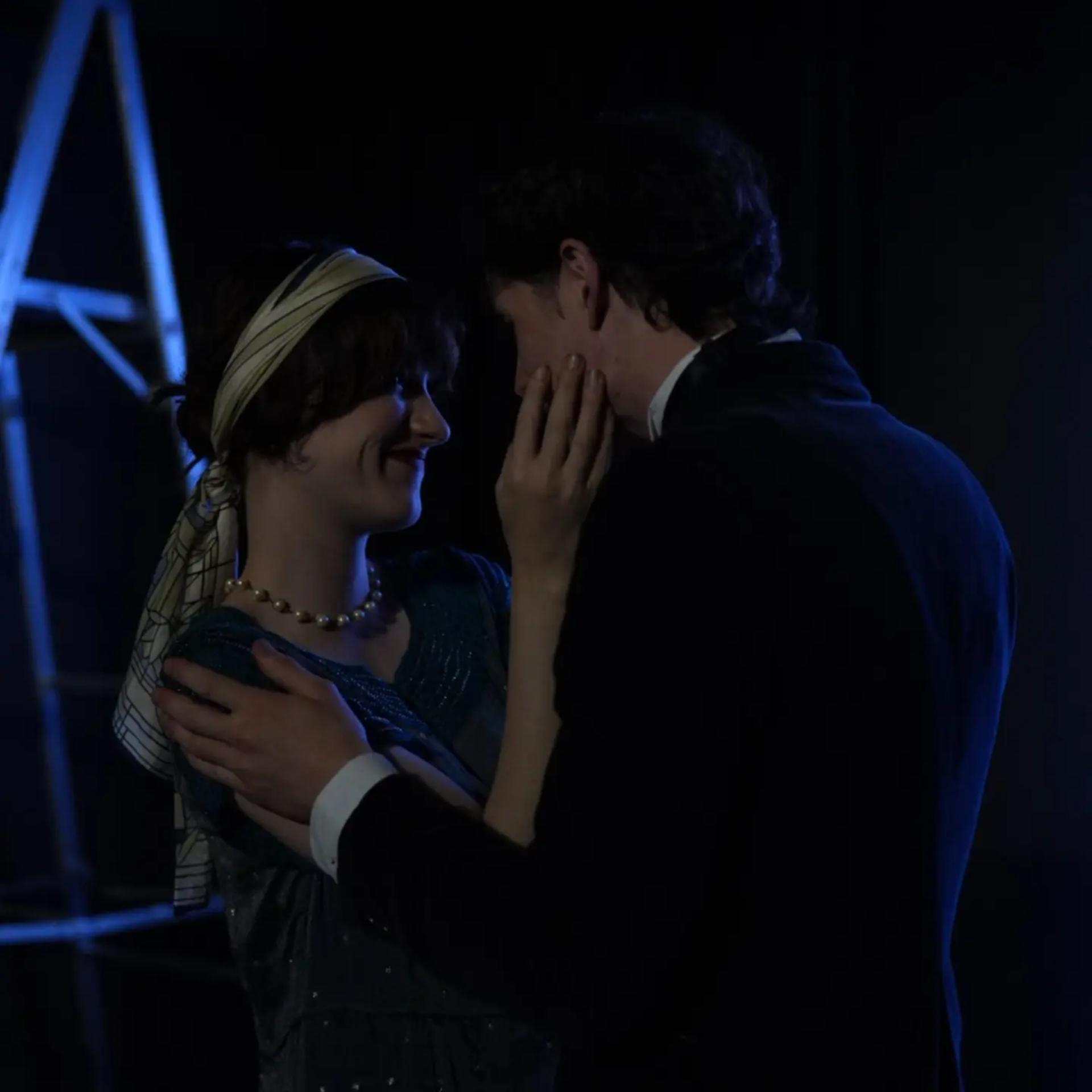
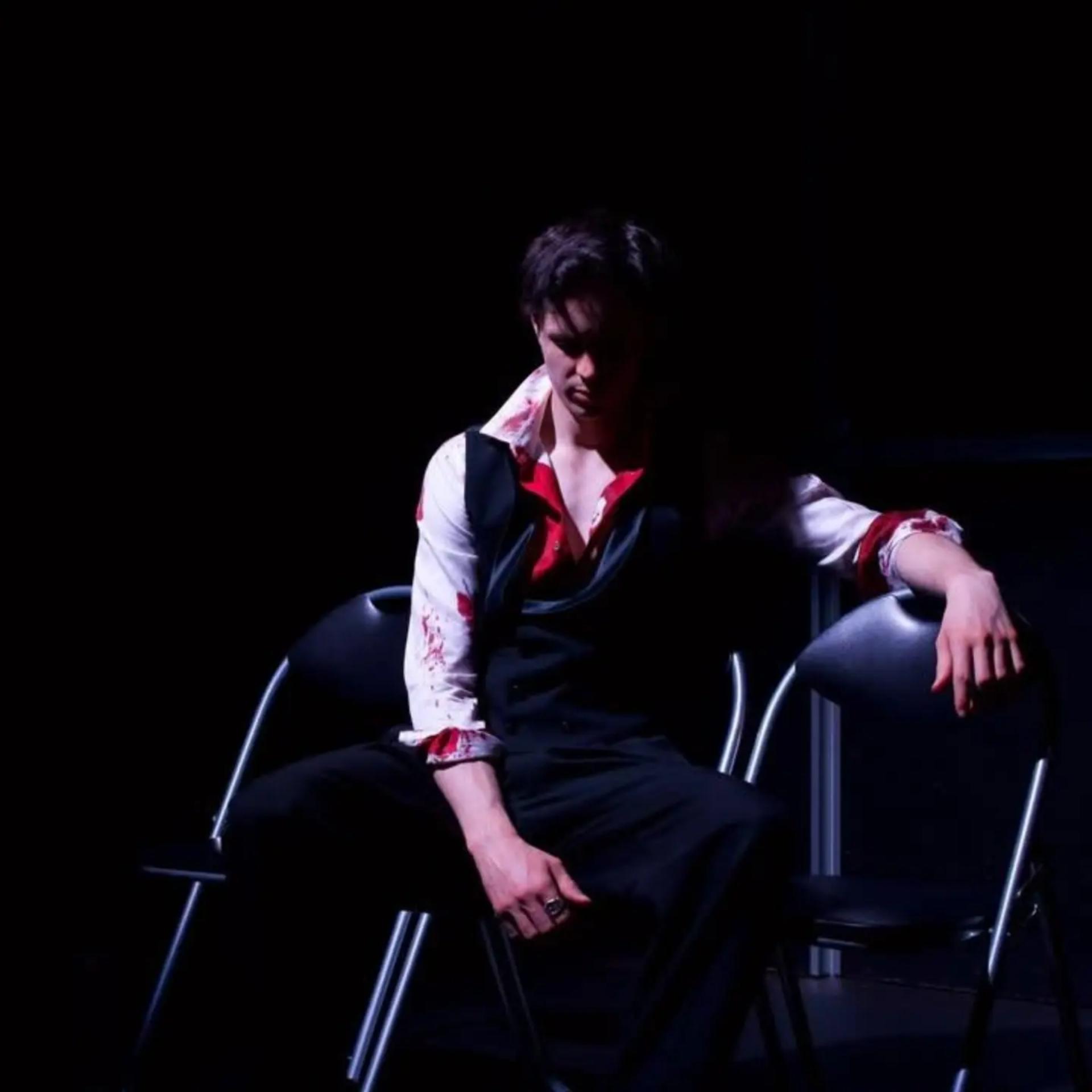
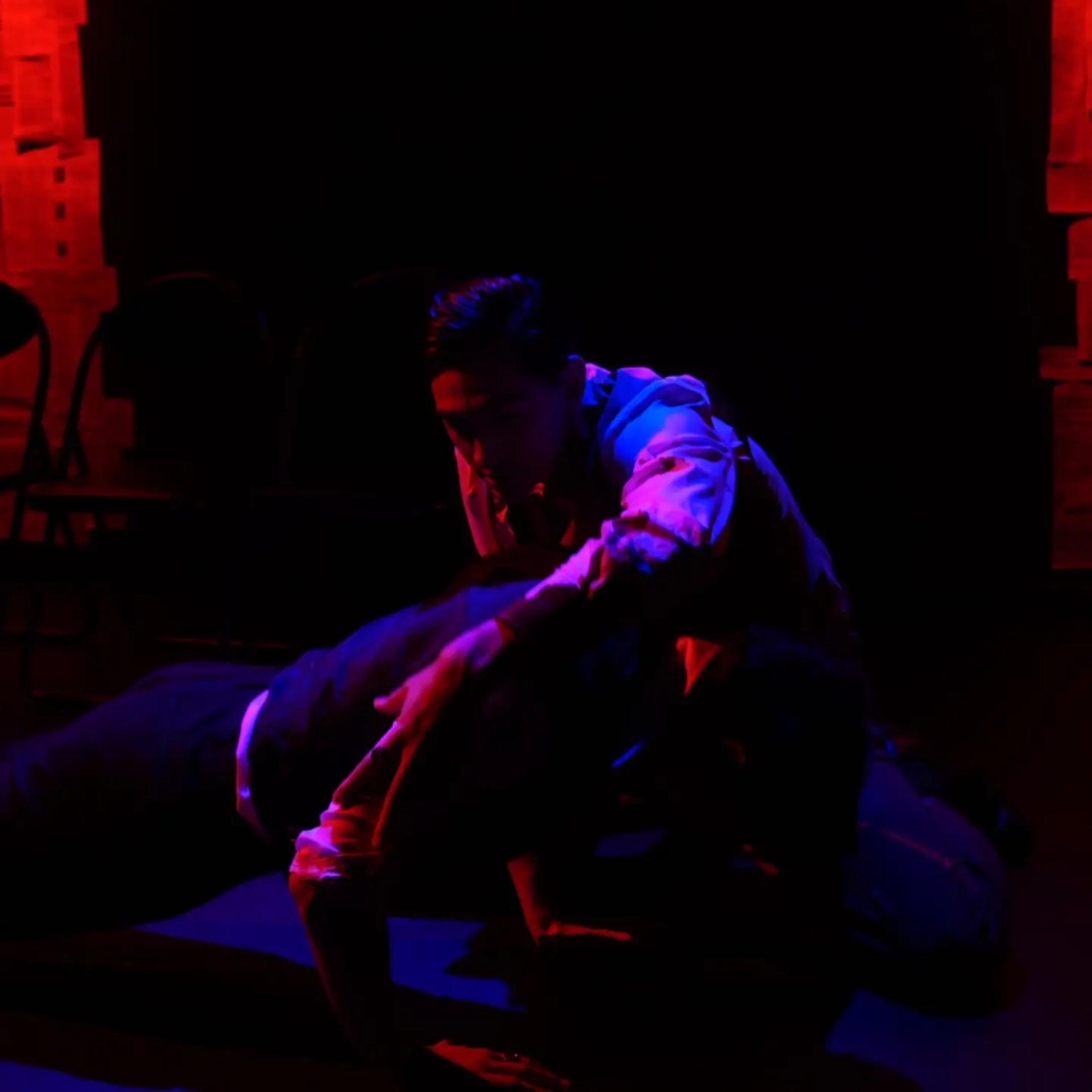
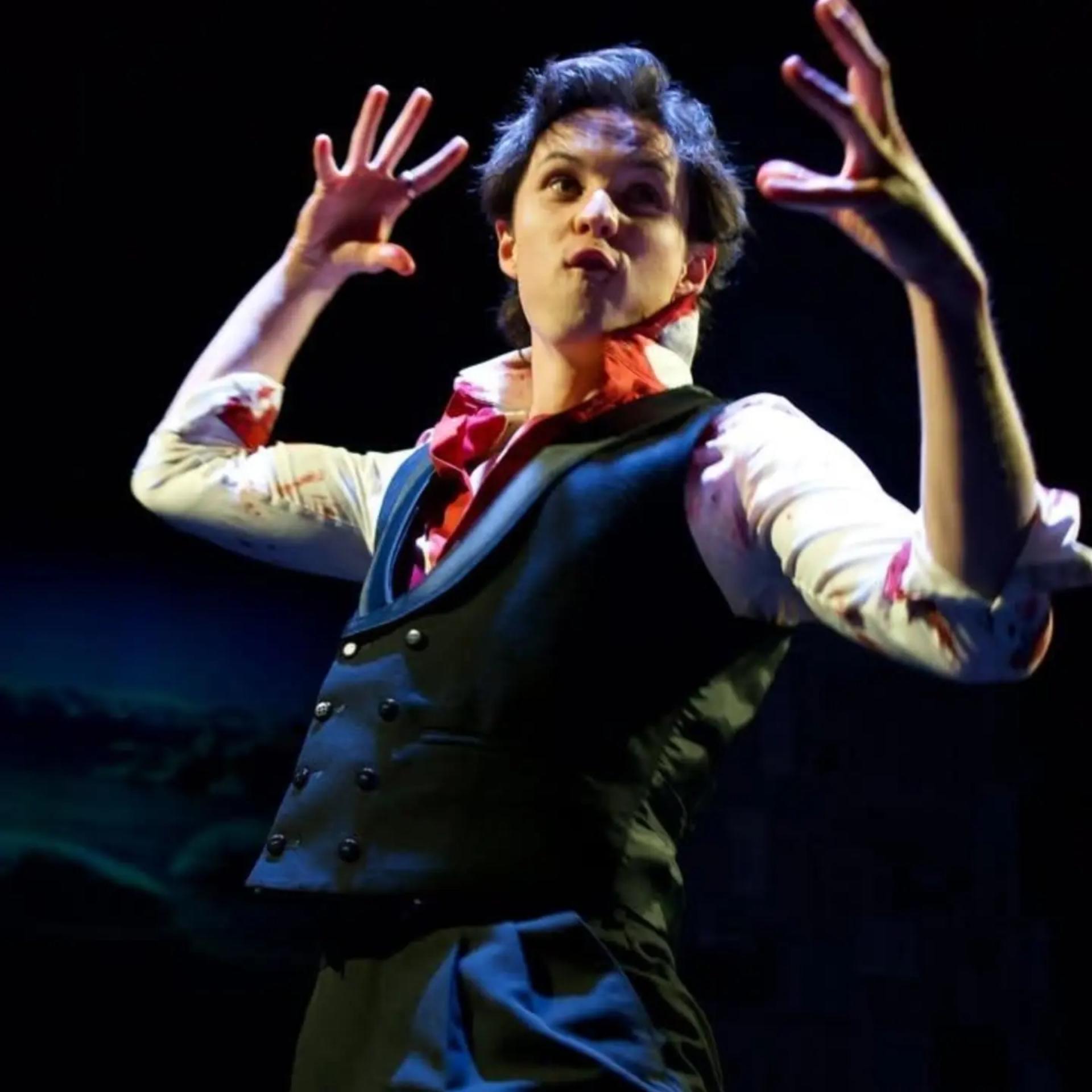
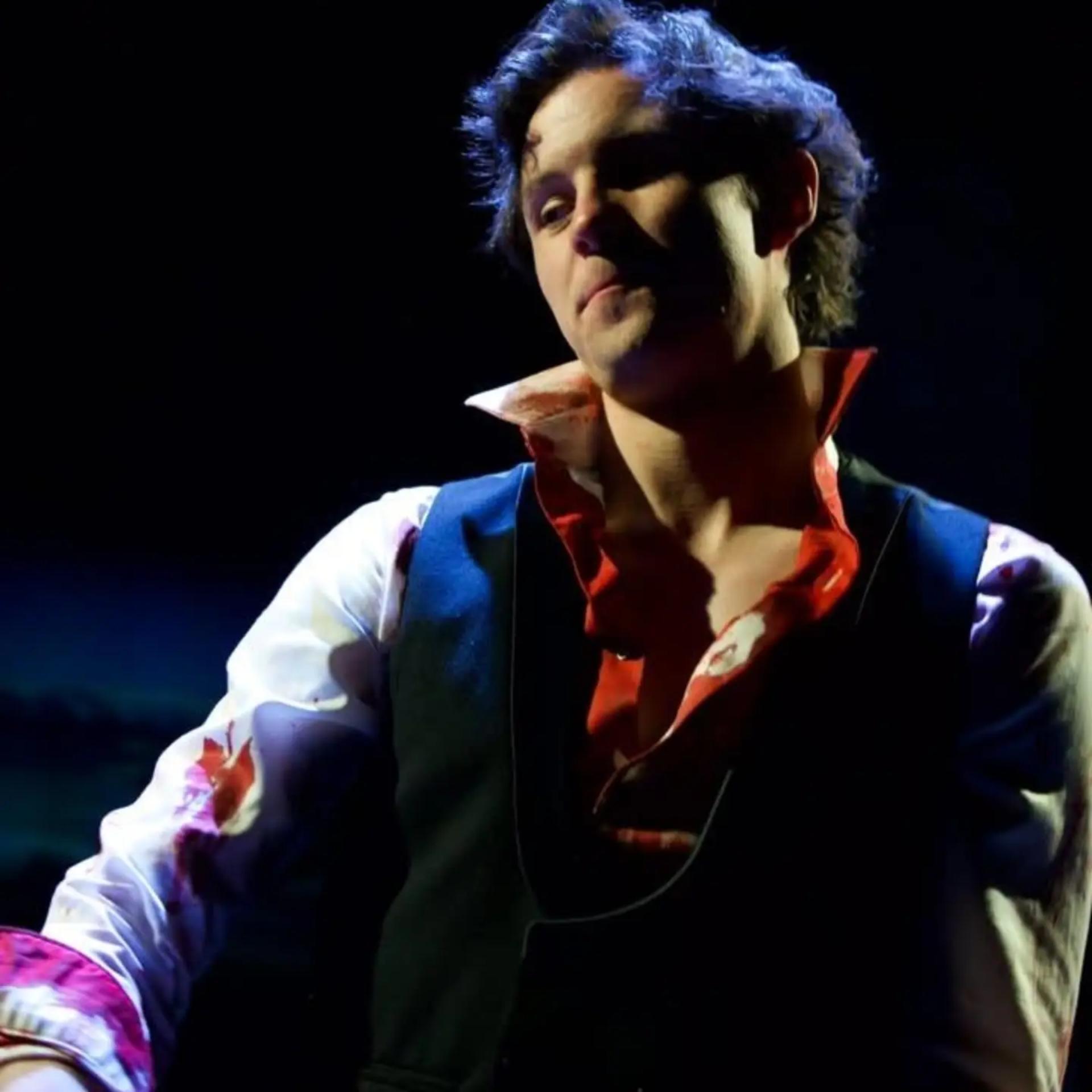
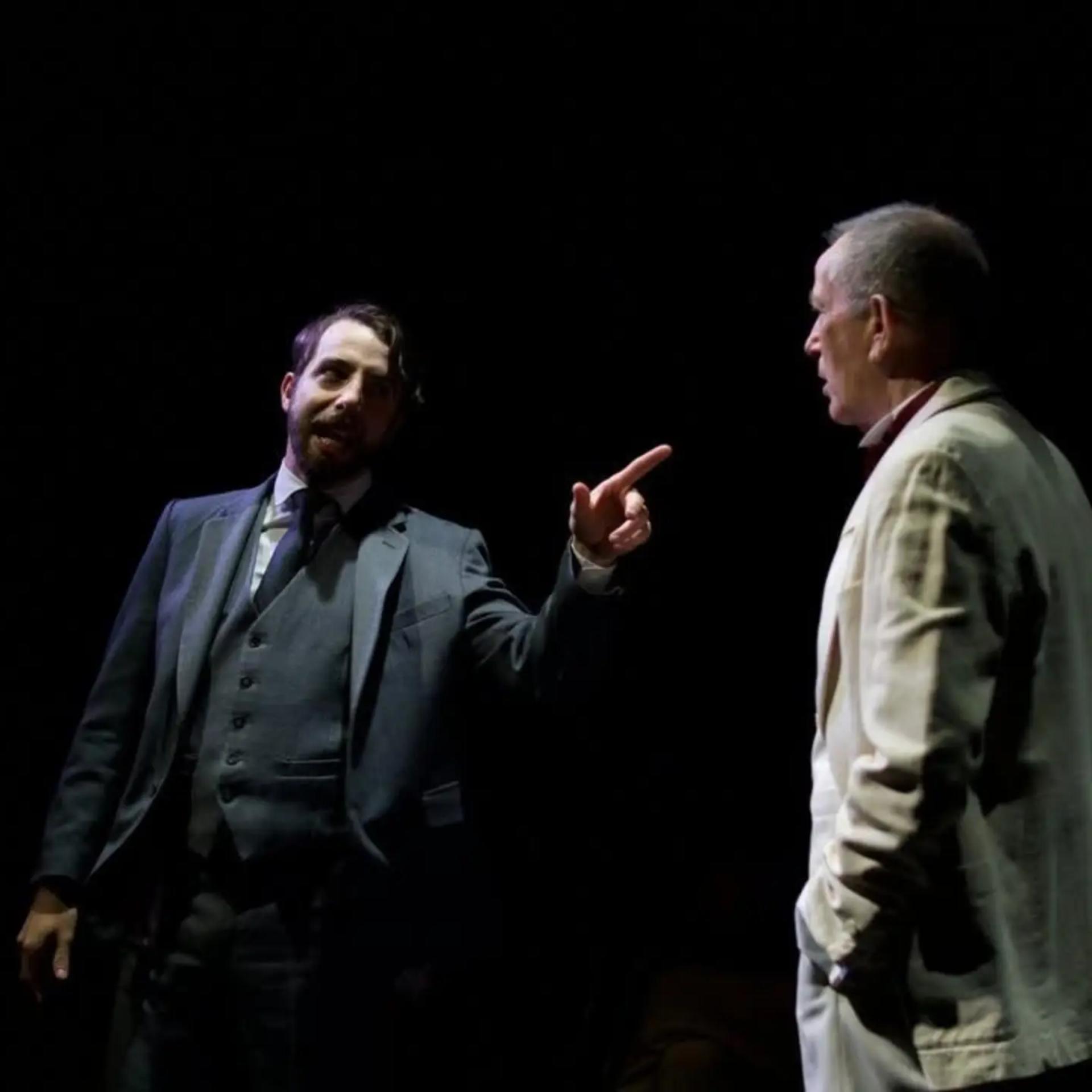
Leopold and Loeb were famously lovers, and actors Jack Bridges and Josh Hammond establish a convincing, libidinous chemistry between them. Bridges brings a studied deliberateness to Leopold, while Hammond makes a memorable impression as the more impulsive Loeb. Their contrasting performances create a compelling dynamic, one that is also dramaturgically apt, reflecting the differences in temperament that distinguish the two men. Both actors are persuasive in their respective roles, lending the production a vitality that compensates for the writing’s occasional lack of dramatic momentum.
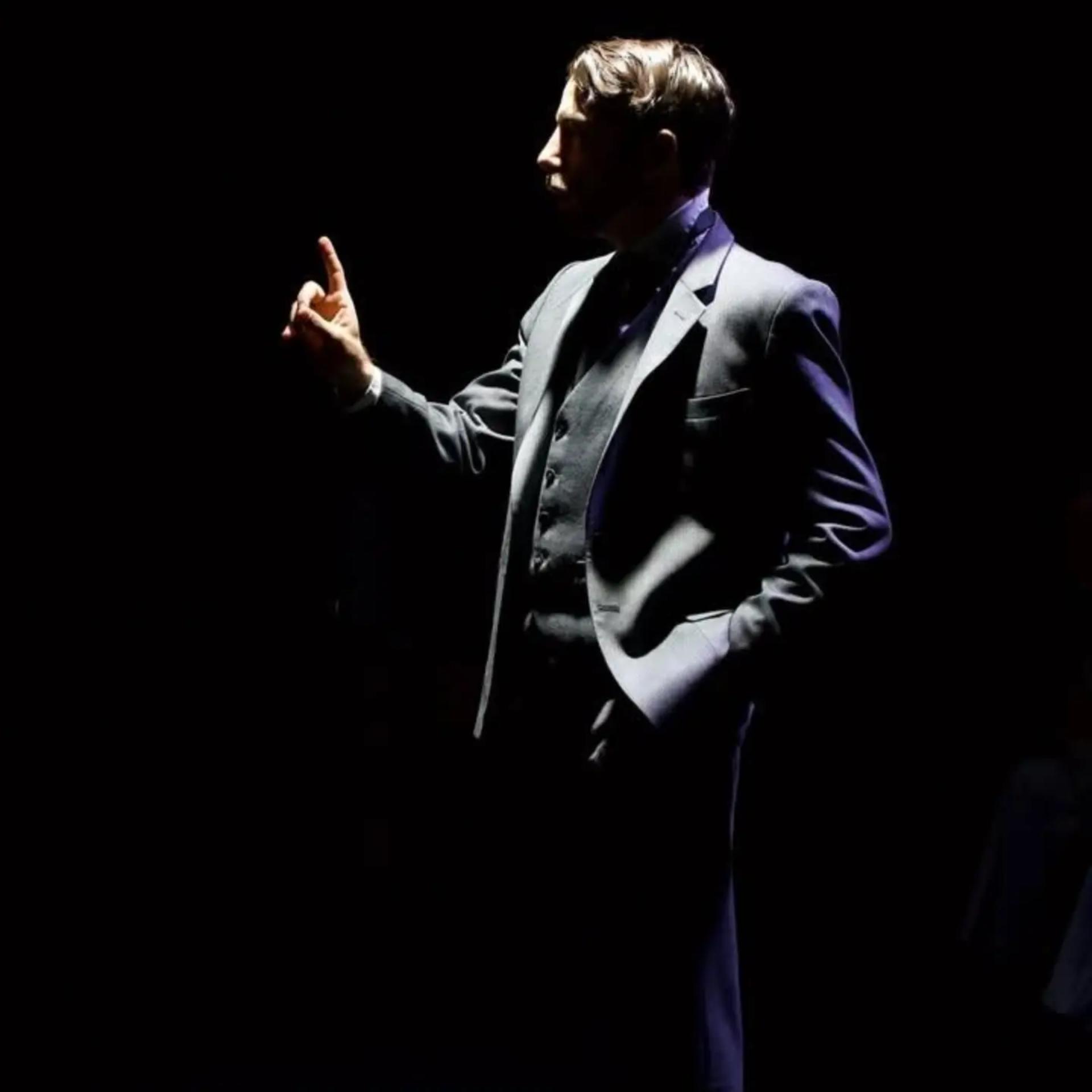
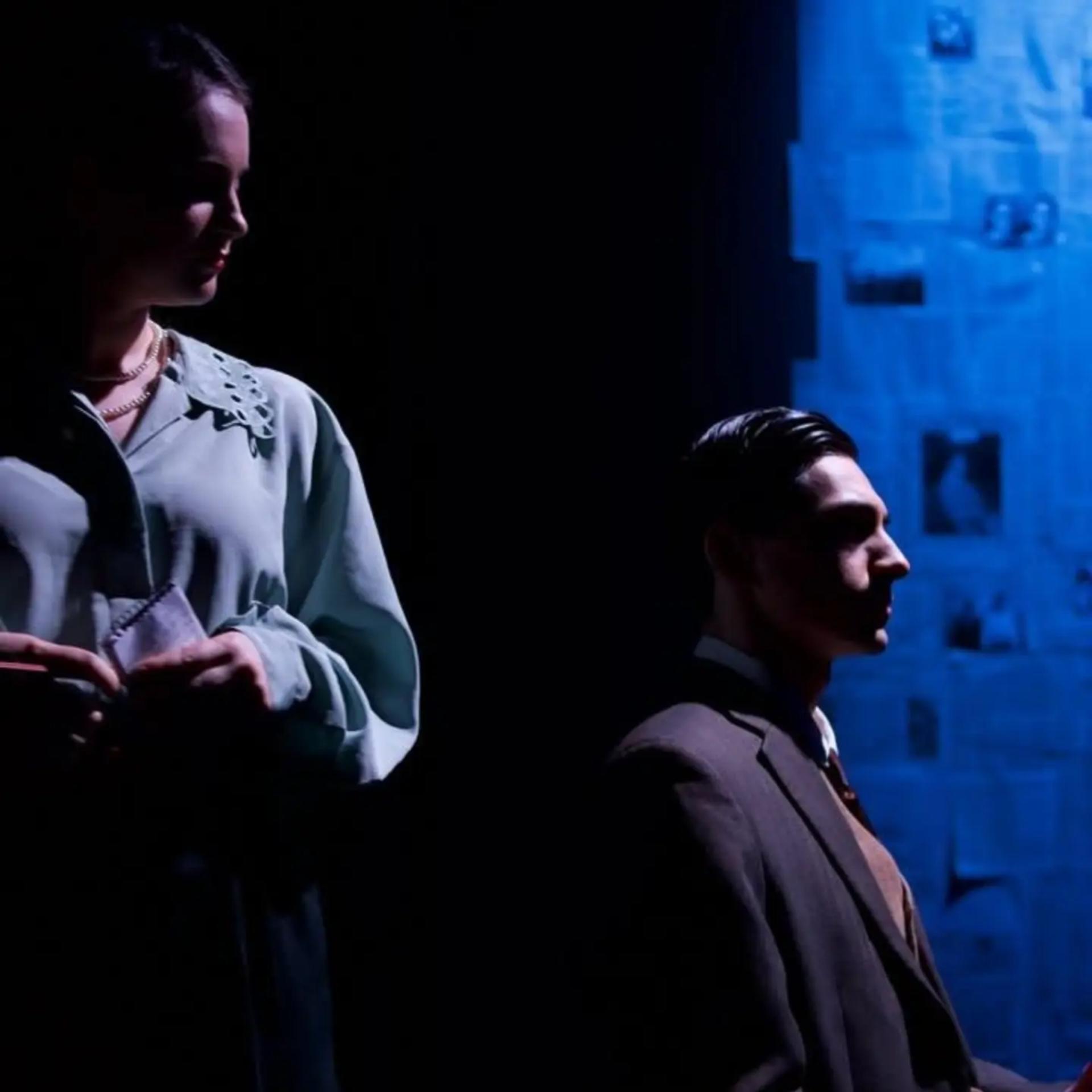
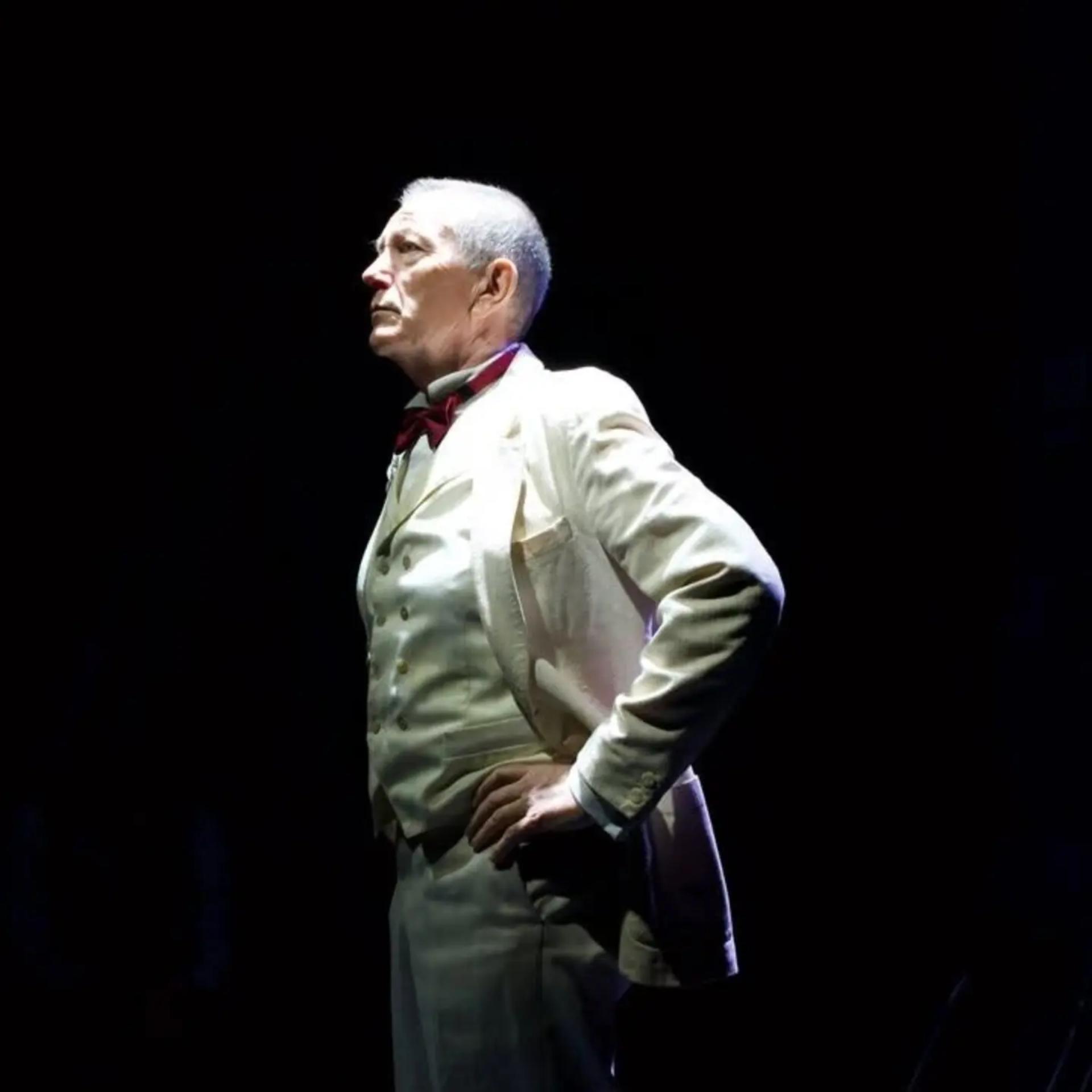
The supporting cast is equally commendable, with each performer bringing precision and confidence to the ensemble. Collectively, they contribute to a staging whose polish and effectiveness are genuinely surprising. Laila Chesterman, who also appears in the ensemble, demonstrates a keen eye as costume designer, capturing the period with convincing accuracy while introducing touches of flamboyance that lend the production a heightened theatricality. Matthew Phillips likewise takes on dual responsibilities, overseeing both lighting and sound design, and makes a substantial contribution to the atmosphere through each discipline. His lighting has a carefully calibrated sensuality, reinforcing the sexual undercurrents of this true-crime narrative, although the shadows occasionally fall too heavily across the actors’ faces, obscuring some of their expressive work. The sound design is impressively dramatic, but its repeated use of certain atmospheric textures can become monotonous, with repetition undermining the effect it otherwise creates.
In an era dominated by the rhetoric of the manosphere, revisiting Leopold and Loeb offers a timely opportunity to consider how they misappropriated Nietzsche’s concept of the Übermensch, interpreting it as a justification for dominance over others. Today’s self-proclaimed alpha males similarly preach contempt for weakness, treating empathy and accountability as signs of inferiority. Yet genuine strength lies not in the subjugation of others but in the mastery of oneself. The pursuit of dominance, the anxieties of status and the impulse towards cruelty are more often compensatory expressions of insecurity and emotional immaturity than evidence of superiority. The misappropriated ideal of the superman thus becomes a costume worn by men such as Leopold and Loeb, and their contemporary counterparts: men who have failed to master themselves but imagine they have somehow transcended everyone else.
www.qtopiasydney.com.au | www.instagram.com/goodtimetheatrics