Venue: Roslyn Packer Theatre (Sydney NSW), Jun 30 – Aug 2, 2026
Playwright: John Patrick Shanley
Director: Marion Potts
Cast: Zindzi Okenyo, Shannen Alyce Quan, Pamela Rabe, Sam Reid
Images by Prudence Upton
Theatre review
Sister Aloysius is convinced that Father Flynn has engaged in inappropriate conduct with at least one student at St. Nicholas Church School, and she is determined to see him removed. When Doubt: A Parable by John Patrick Shanley premiered in 2004, revelations of sexual abuse and institutional cover-ups within the Catholic Church were dominating headlines around the world. Two decades later, while public attention has shifted to other forms of moral and political failure, the play continues to resonate with an alarming disquiet. Its enduring power lies not only in the persistence of abuse by those in authority, but in the unsettling ease with which certainty is formed without proof, and belief sustained in the absence of evidence.
Under Marion Potts’s direction, however, the production resists becoming an overtly political reading. Instead, it returns the play to its theatrical core: a taut, claustrophobic drama driven by tension, moral ambiguity, and competing convictions. The result is gripping from start to finish, sustaining an atmosphere of mounting unease that keeps the audience in a constant state of uncertainty.
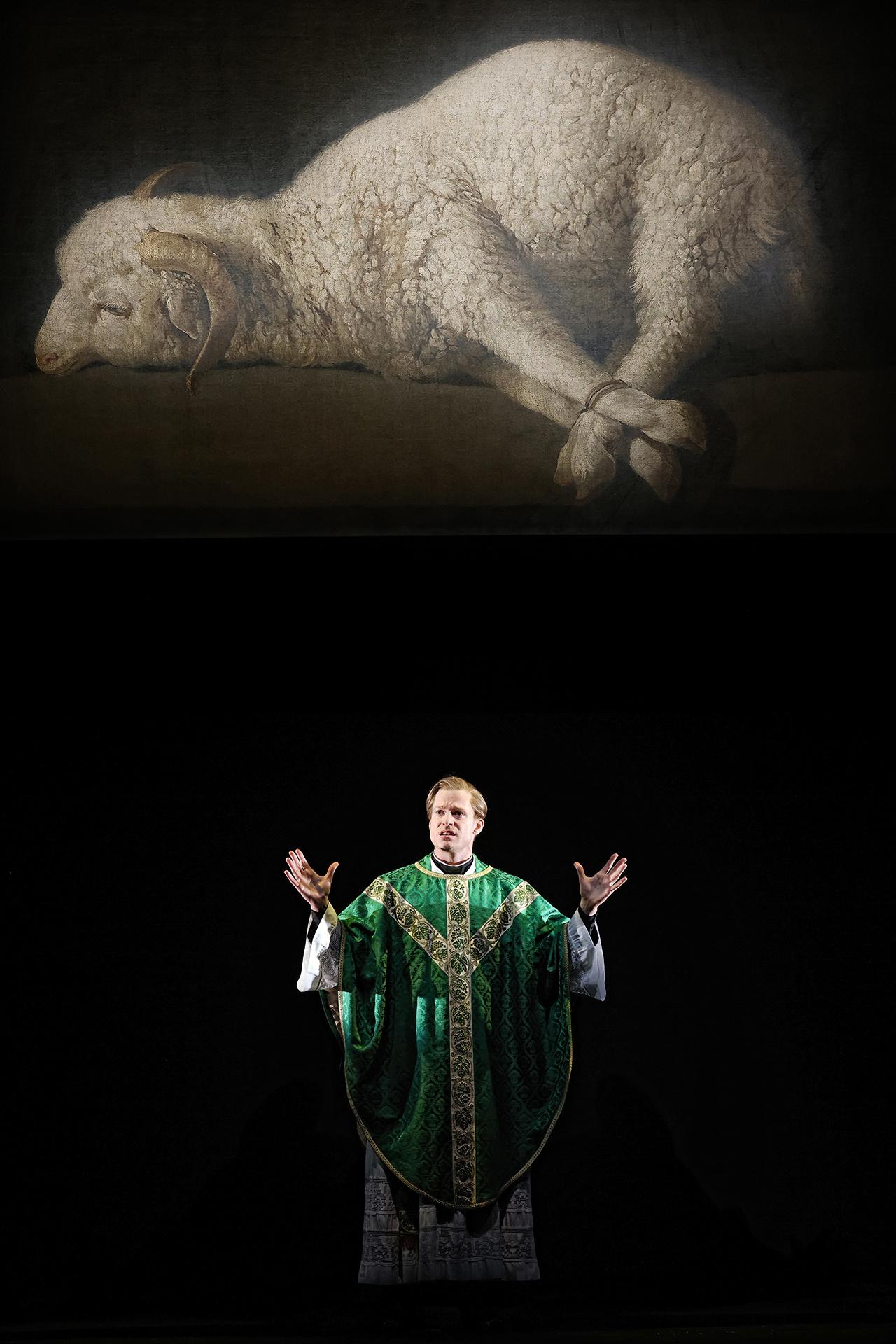
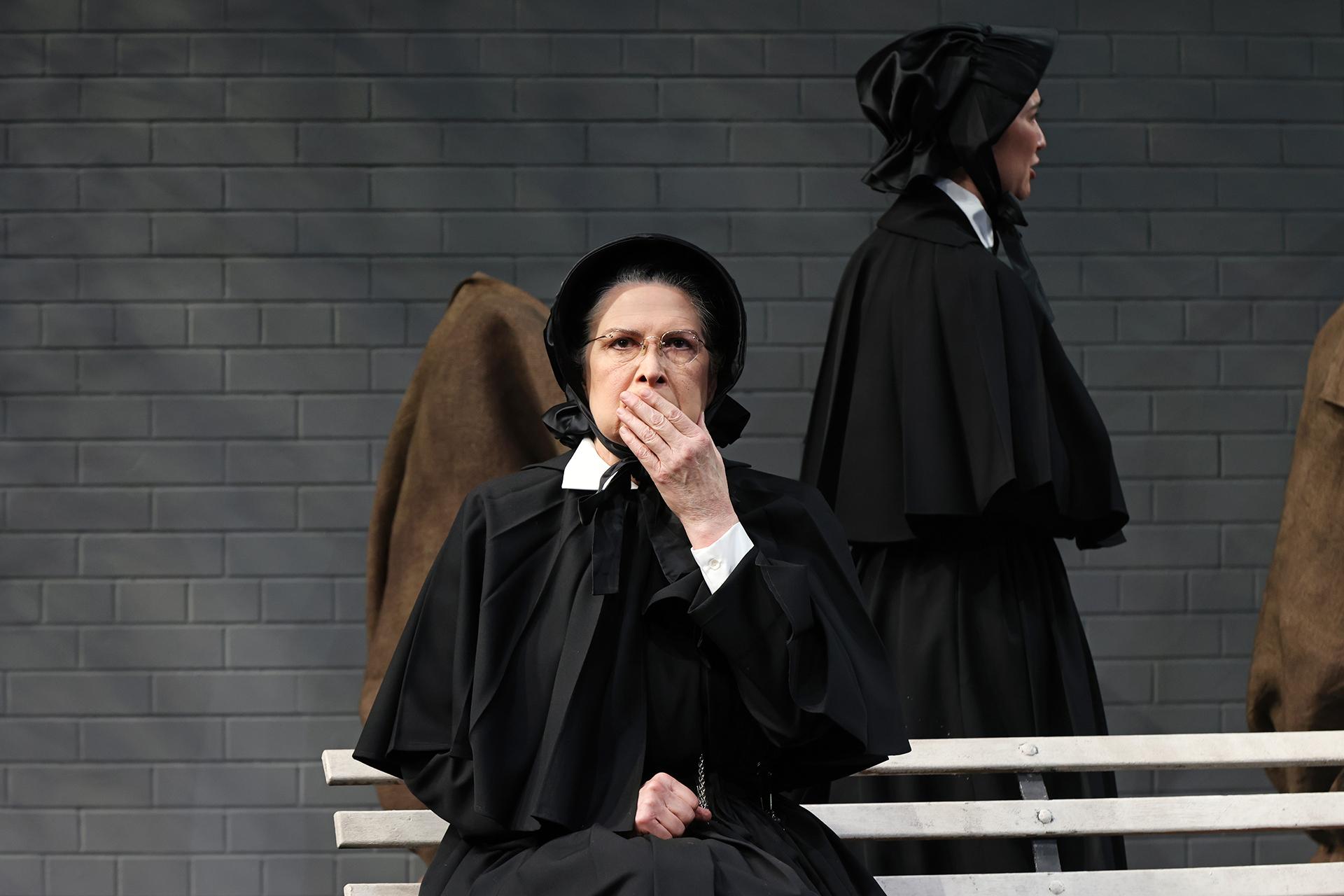
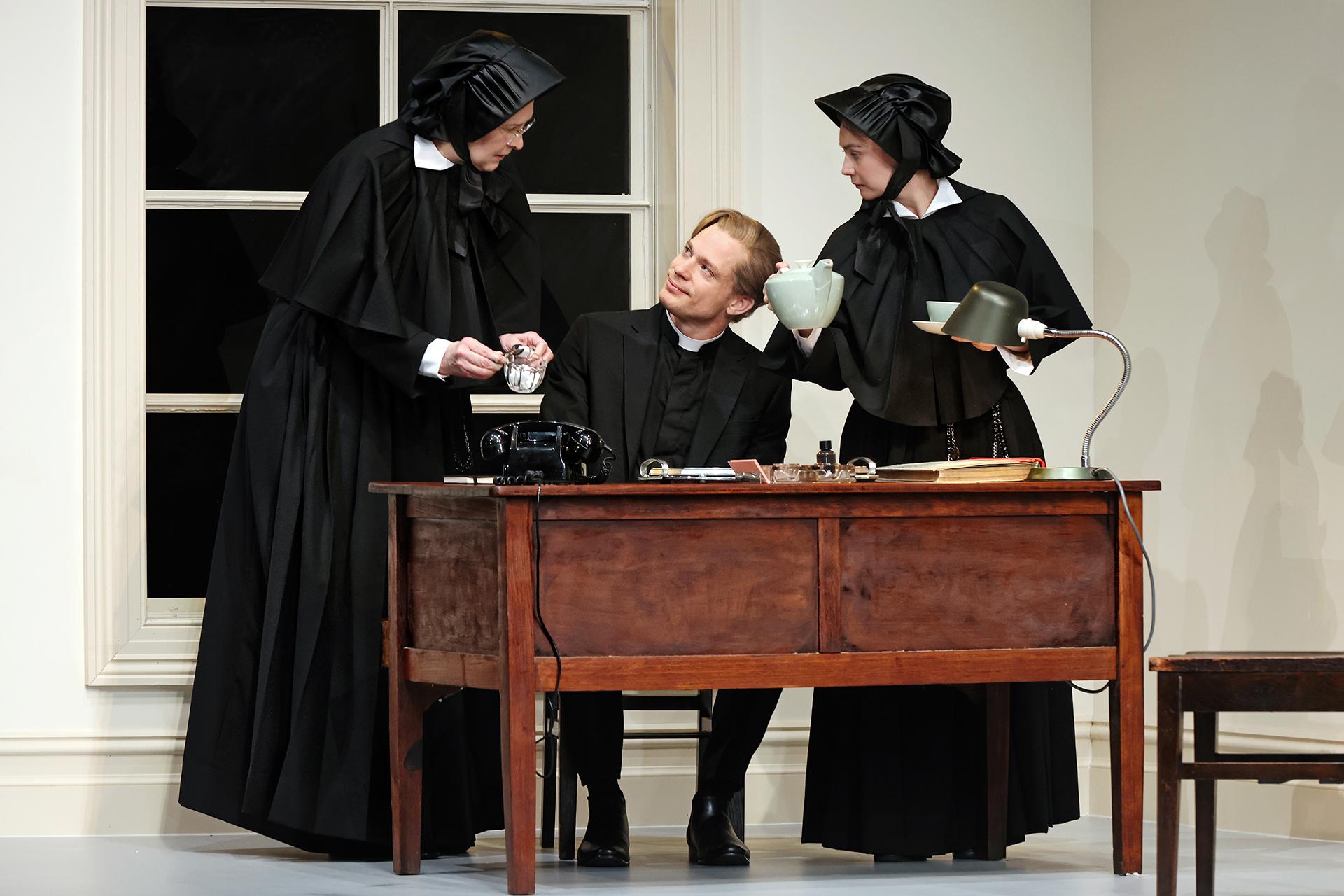
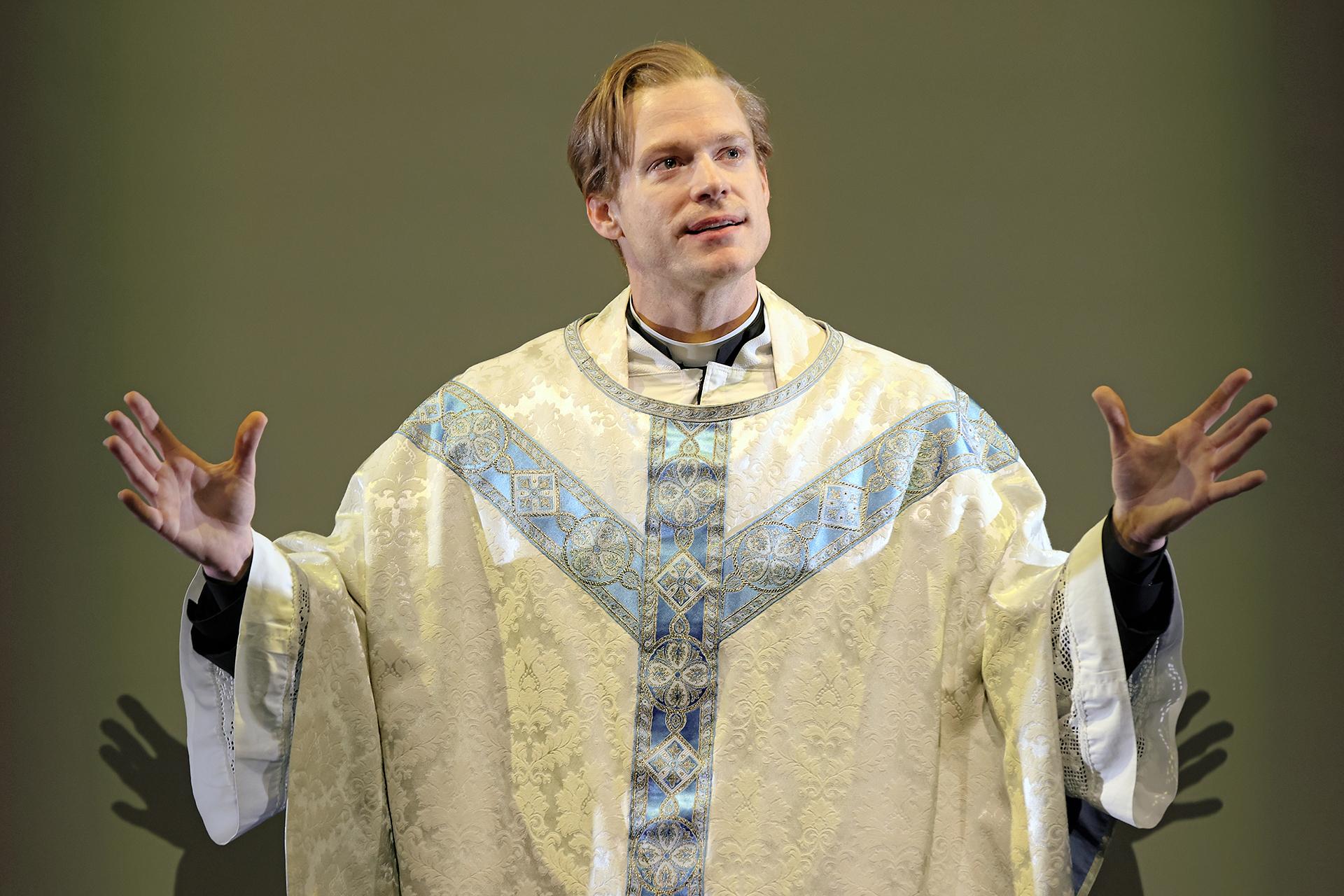
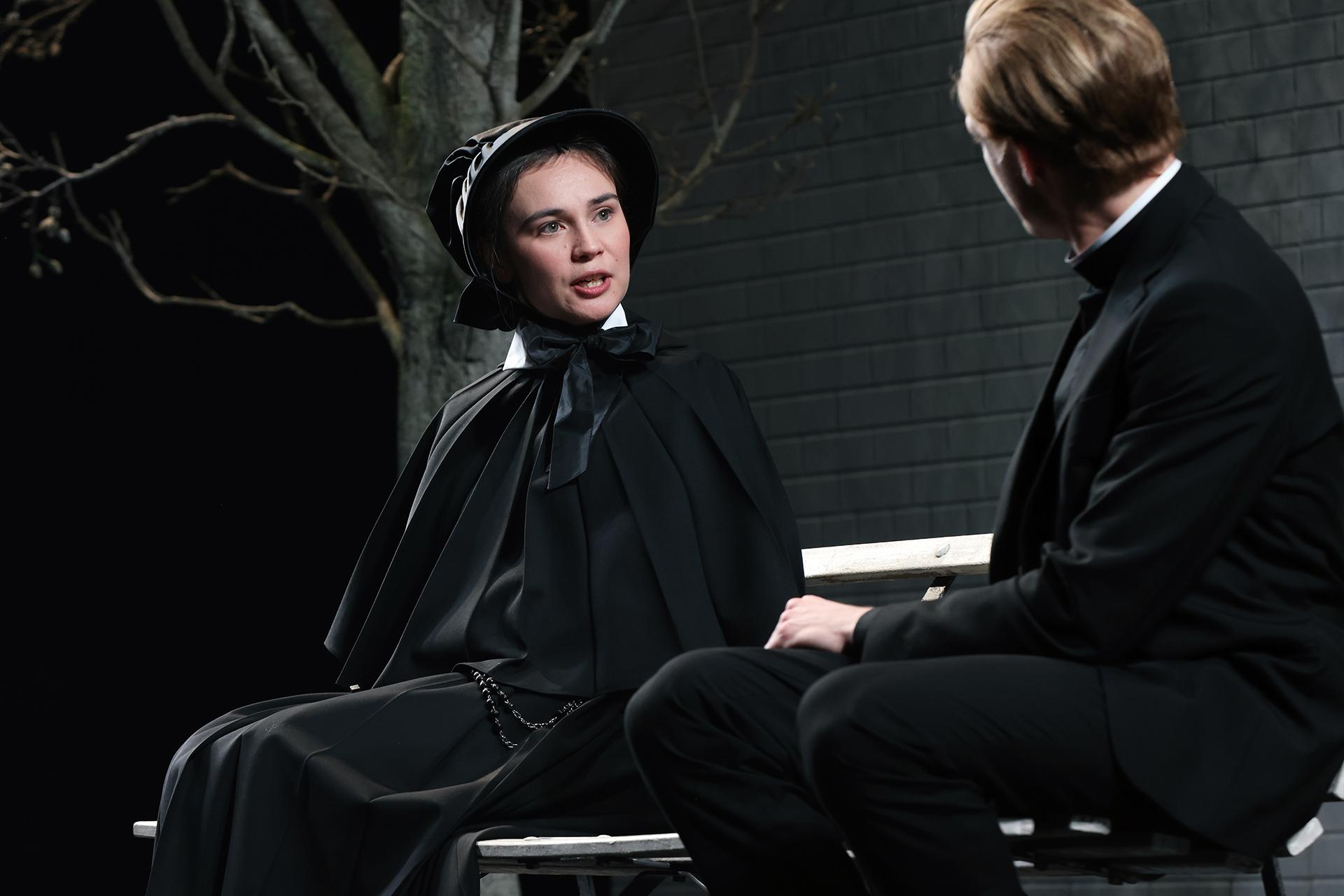
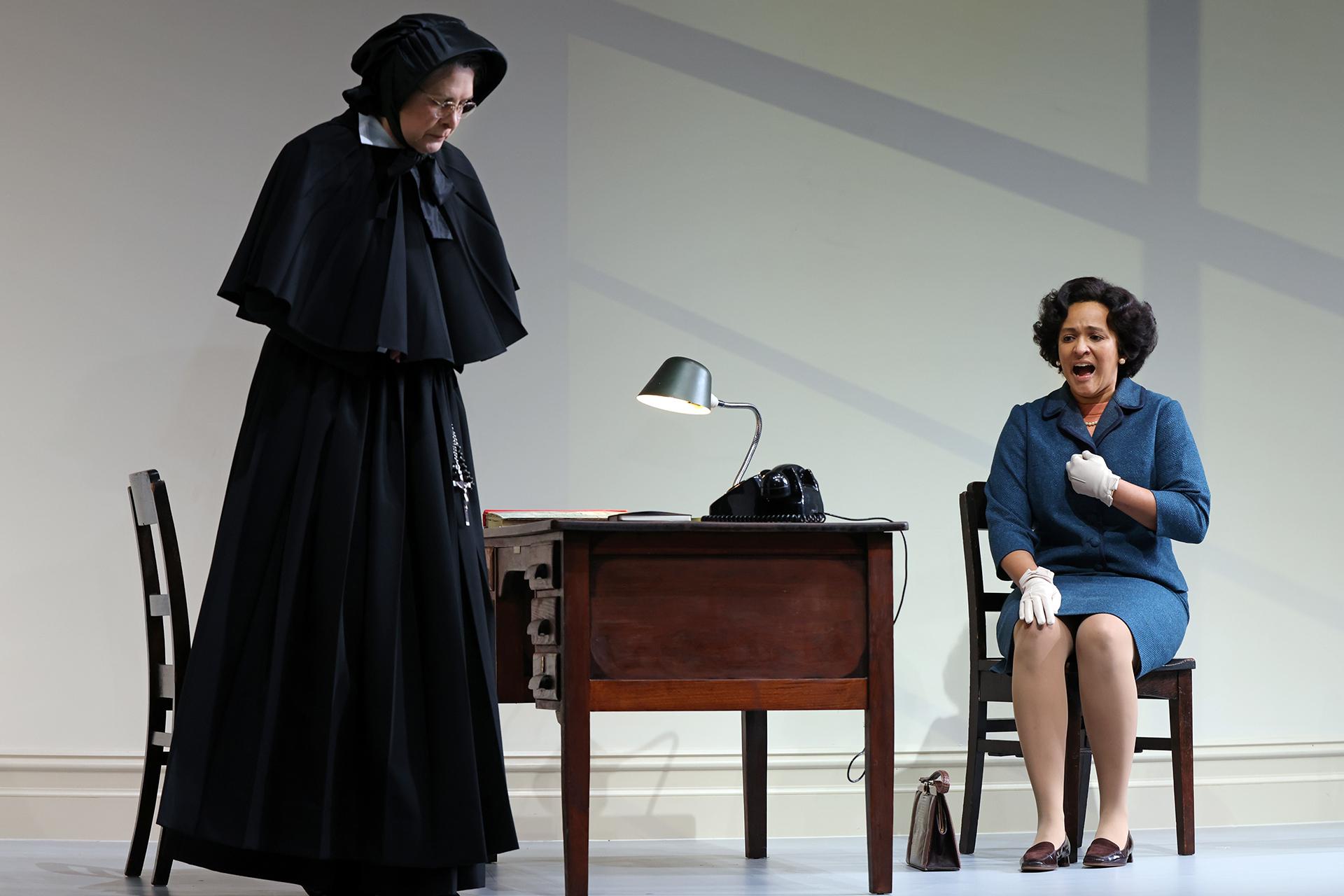
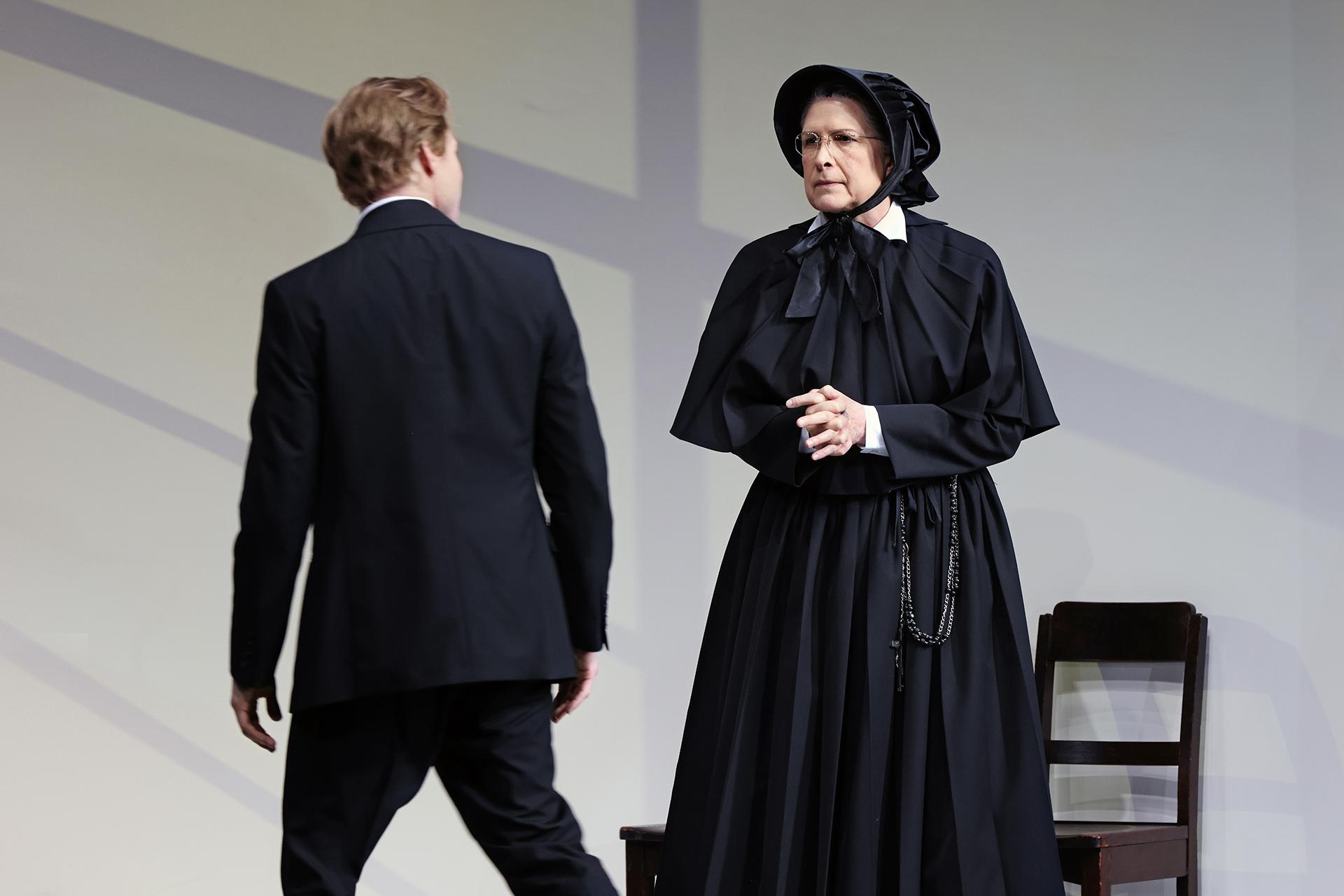
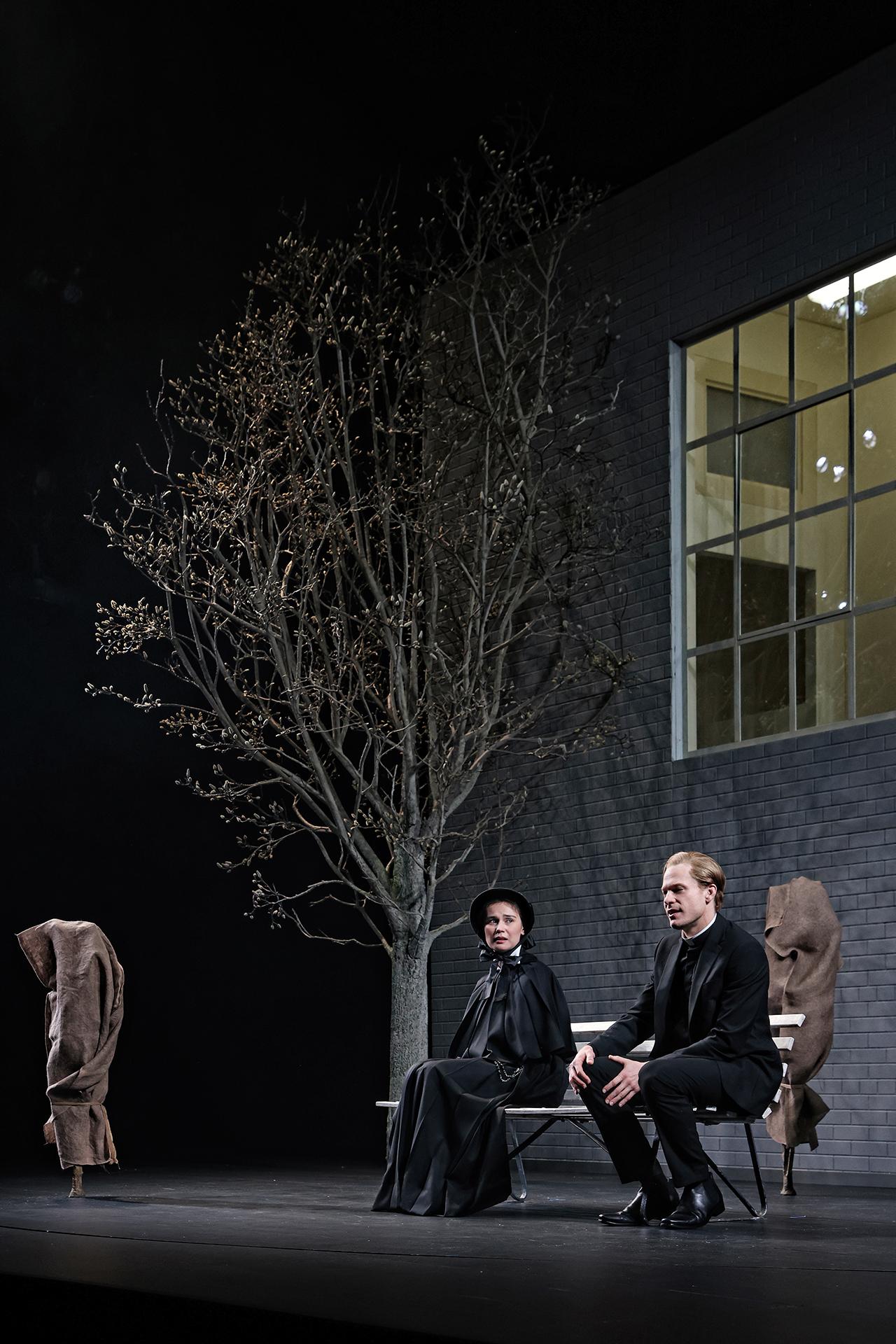
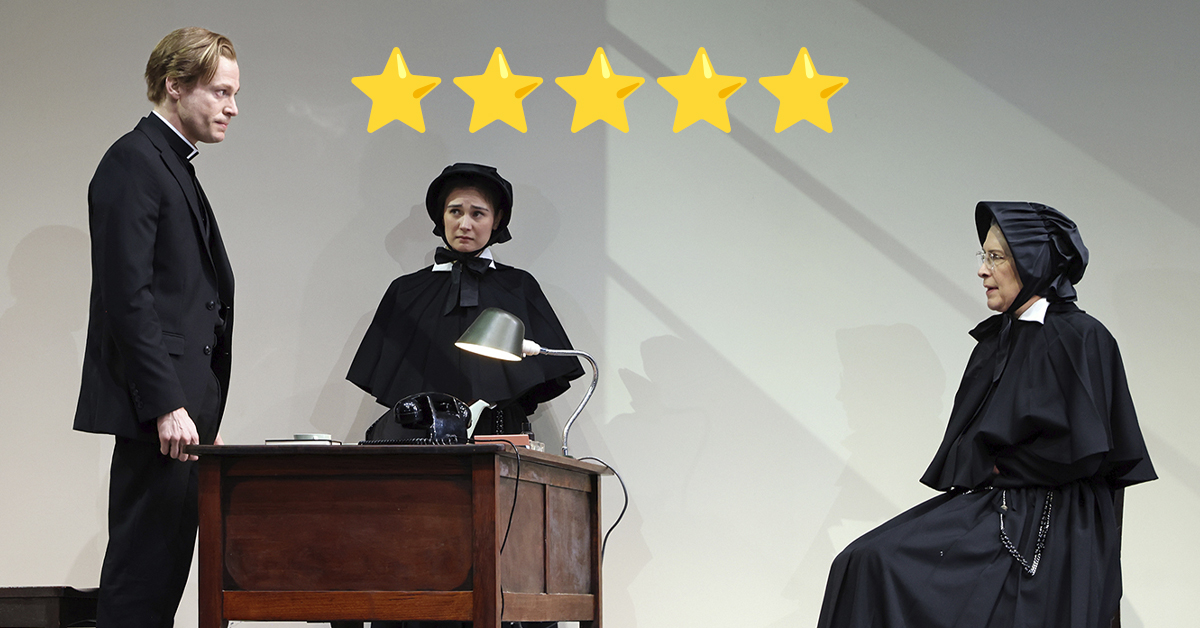
The performances are superb across the board. Pamela Rabe’s Sister Aloysius is steely and unyielding, her severity edged with conviction that is as compelling as it is unsettling. Sam Reid brings a volatile emotional interior to Father Flynn, carefully calibrating warmth and defensiveness in a way that keeps his guilt or innocence deliberately opaque. There is an implied undercurrent of homophobia in the accusations against the priest, and Reid navigates his subplot of resistance with remarkable nuance and power.
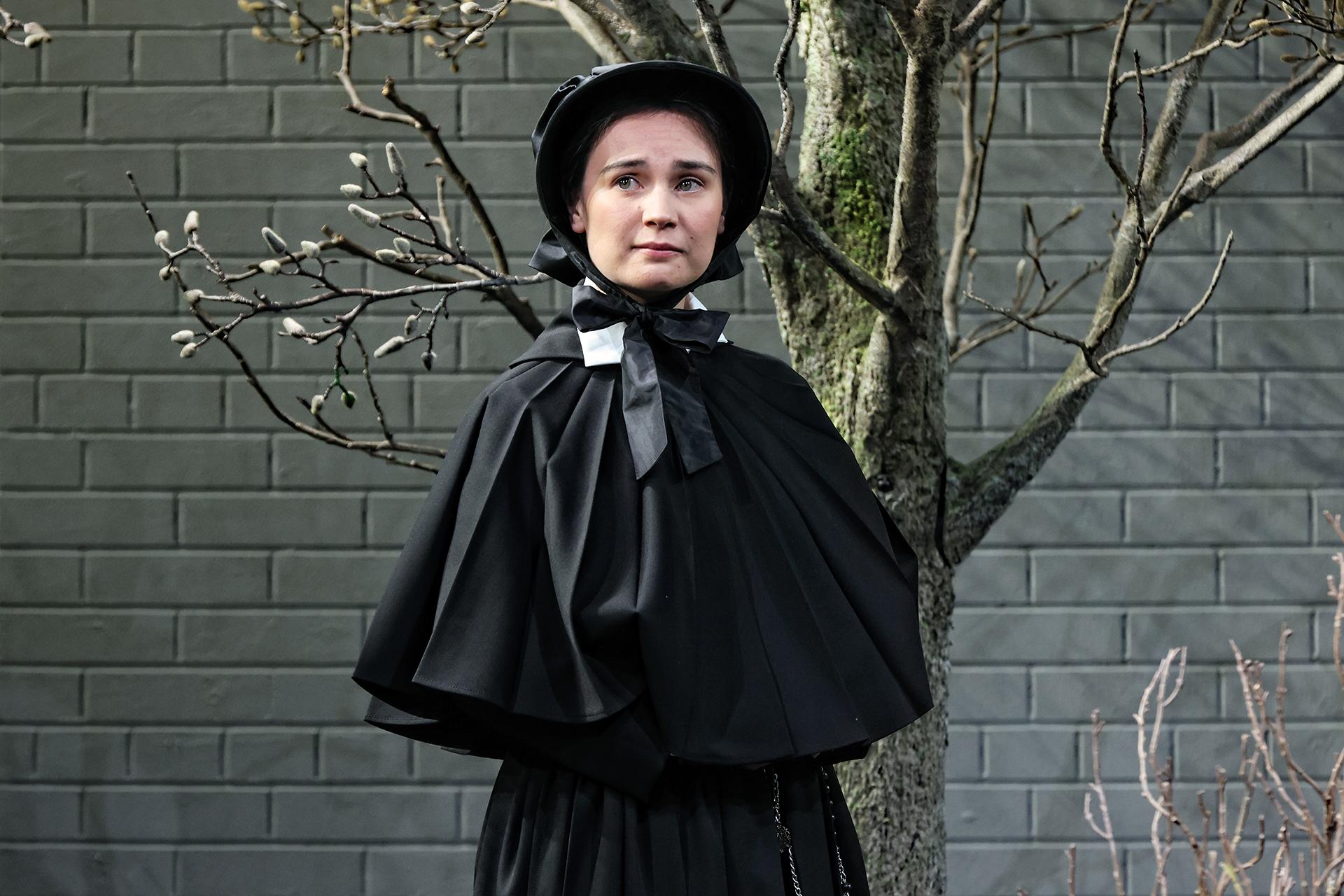
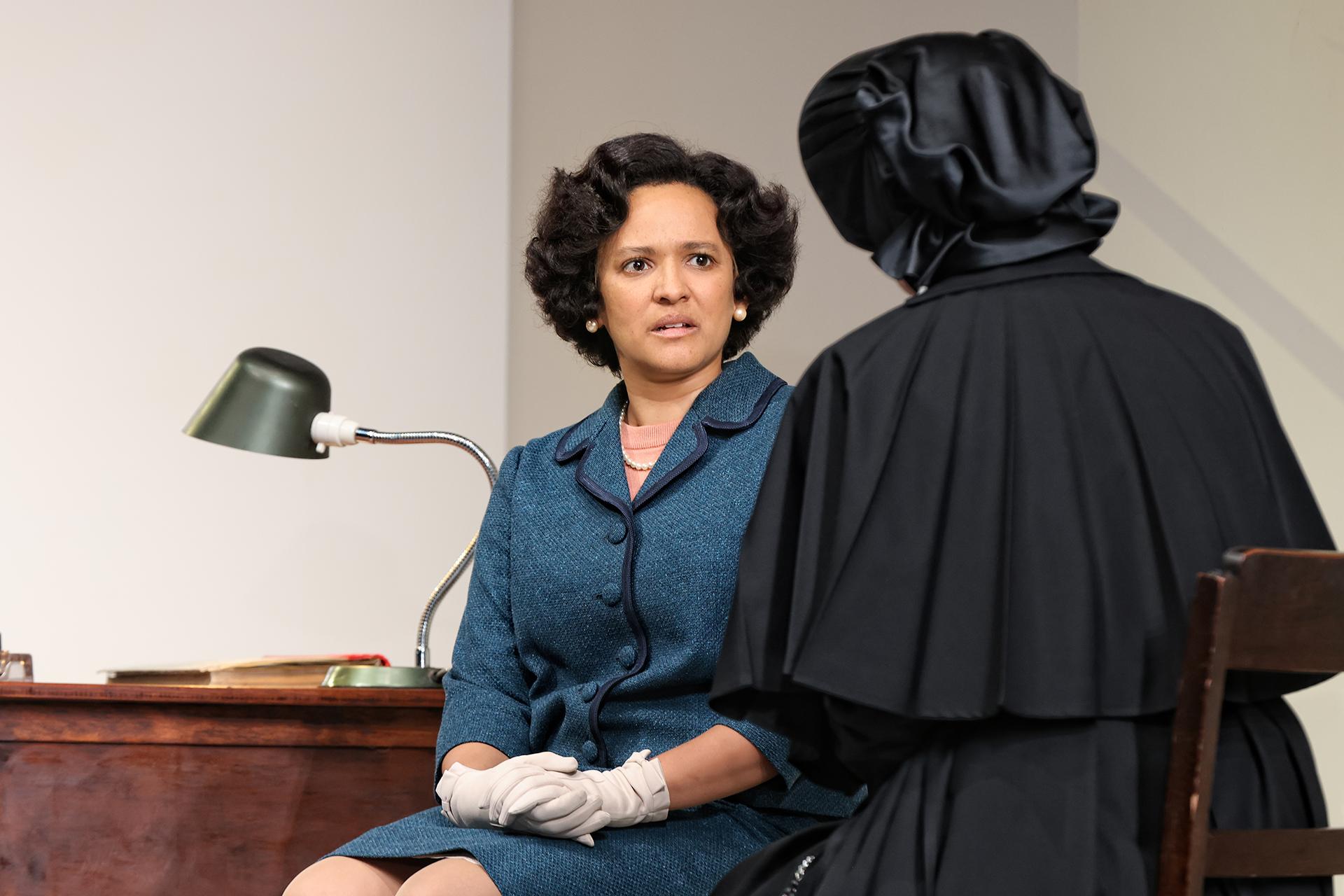
As Sister James, Shannen Alyce Quan astonishes with her precision in a complex role that demands multiple shifts in allegiance; she consistently depicts heightened psychological transformations while maintaining a believable naturalism that renders an extremely challenging part utterly convincing. Zindzi Okenyo is unforgettable as Mrs. Muller, bringing fierce tenacity and genuine spirit to this intense production.
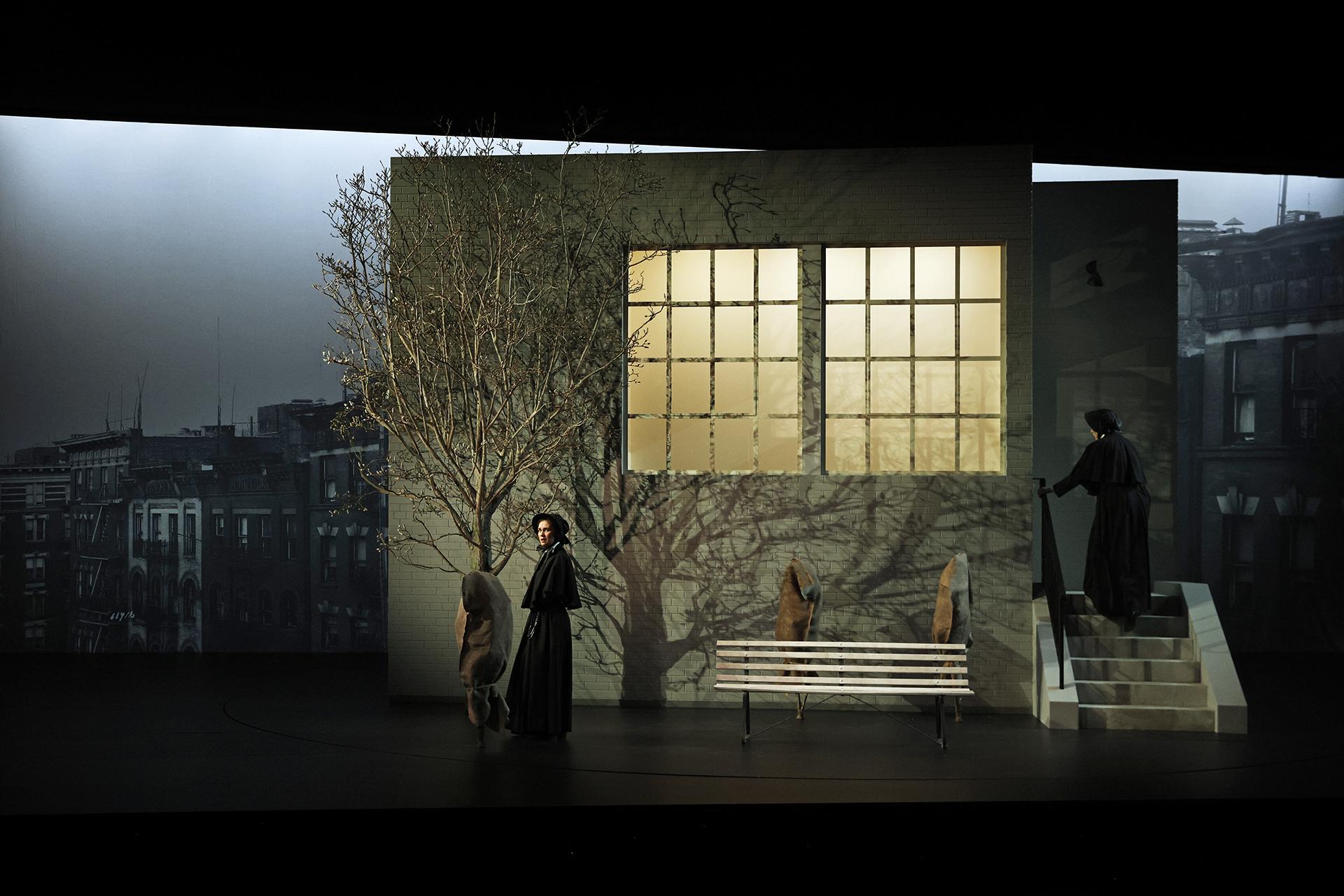
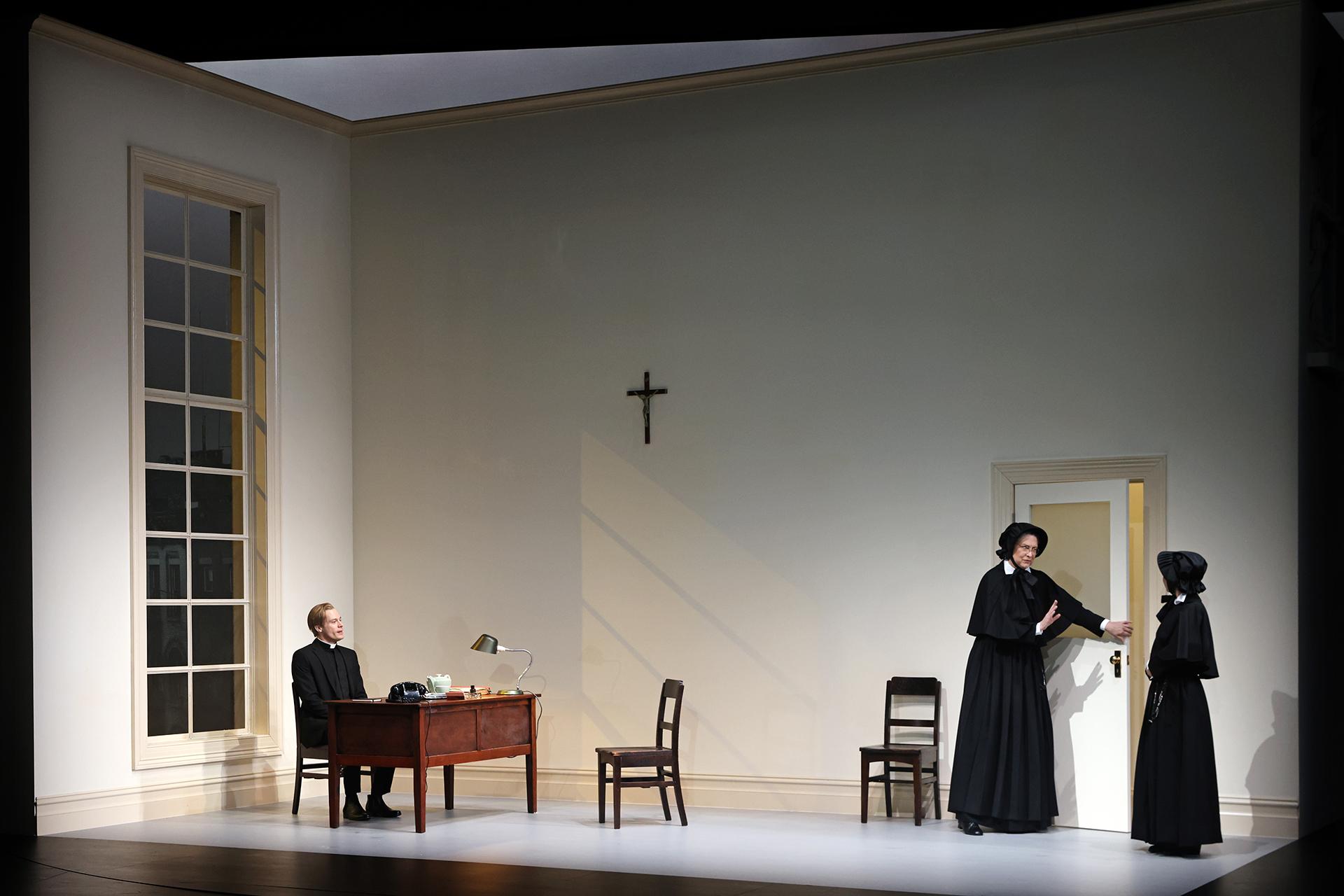
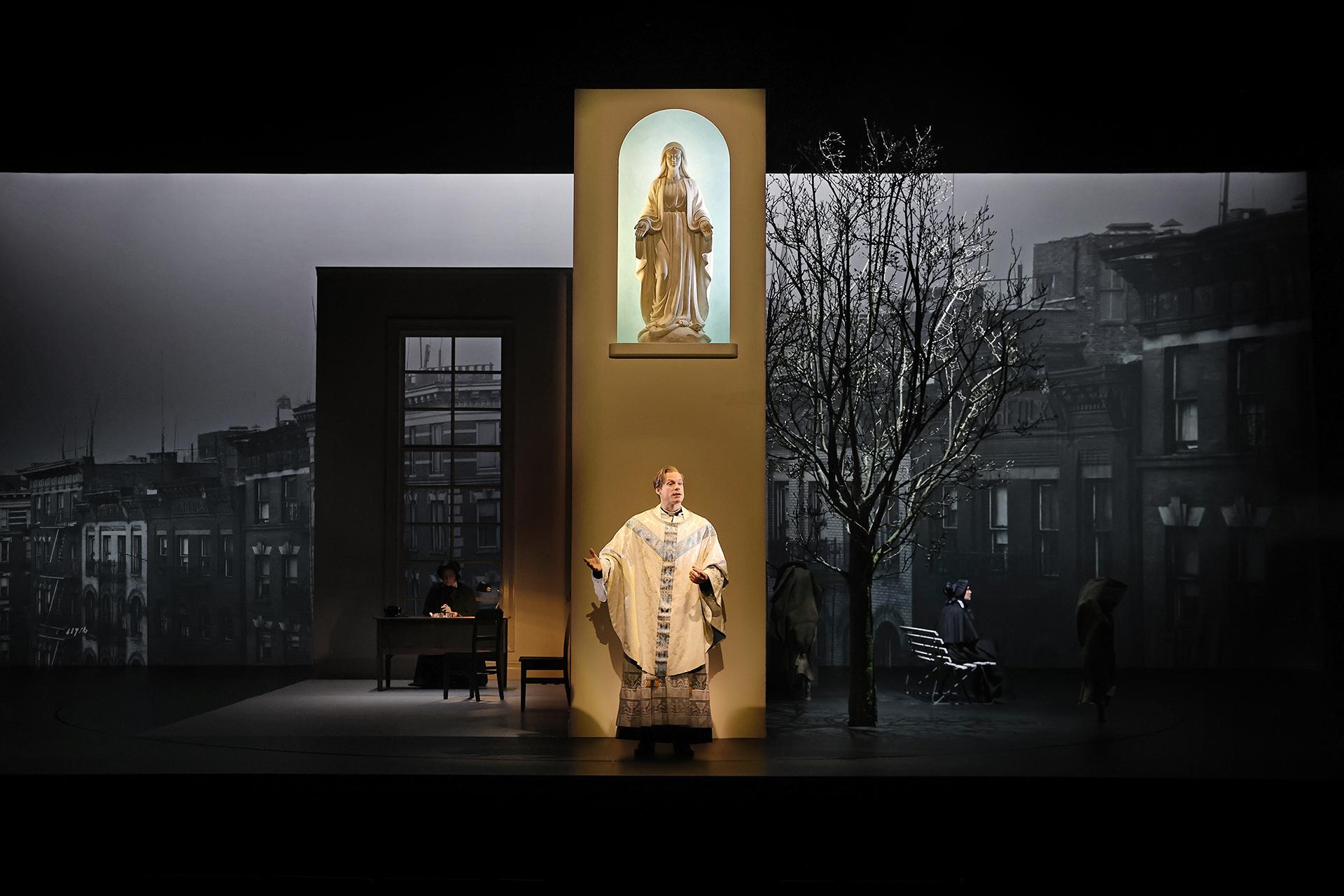
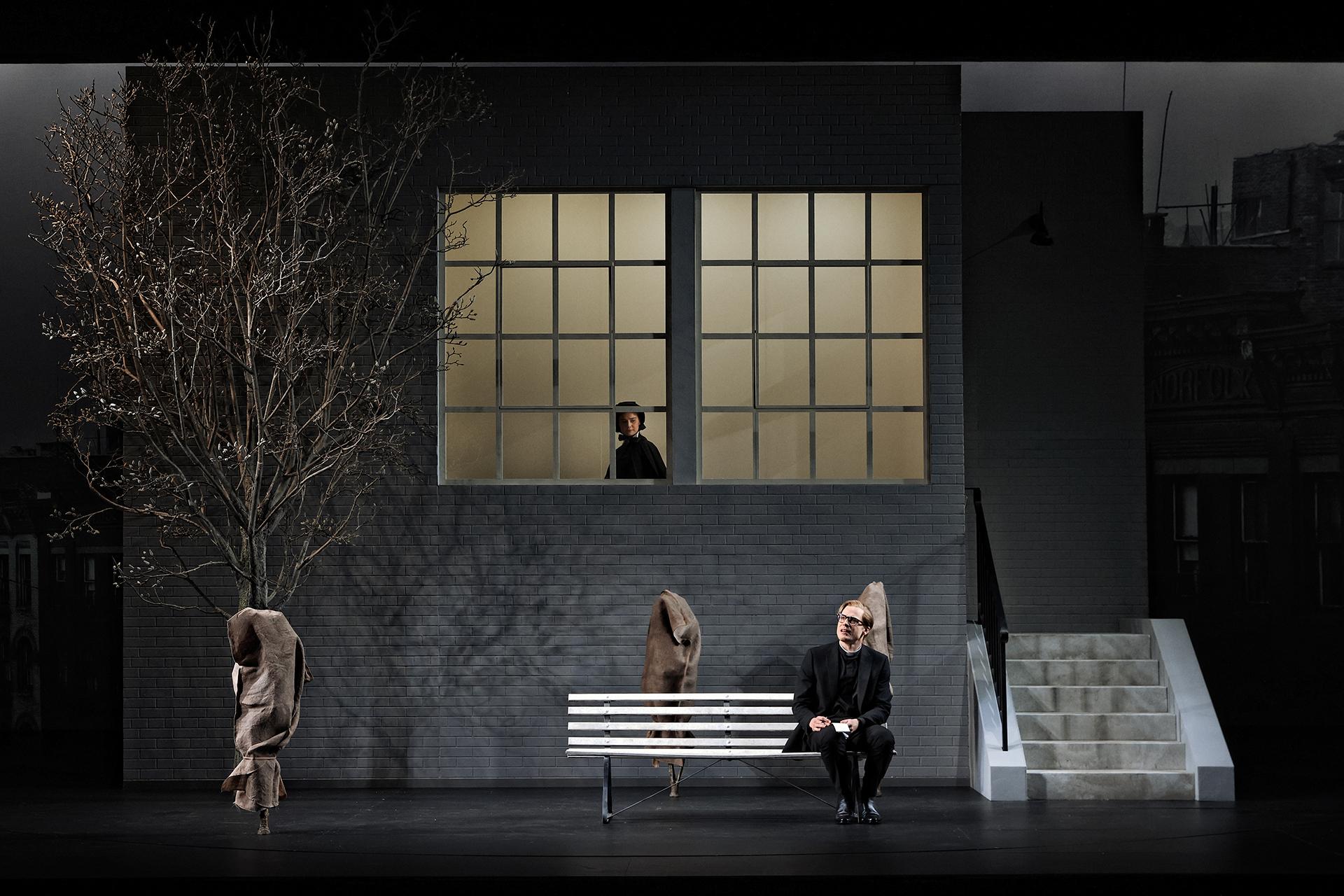
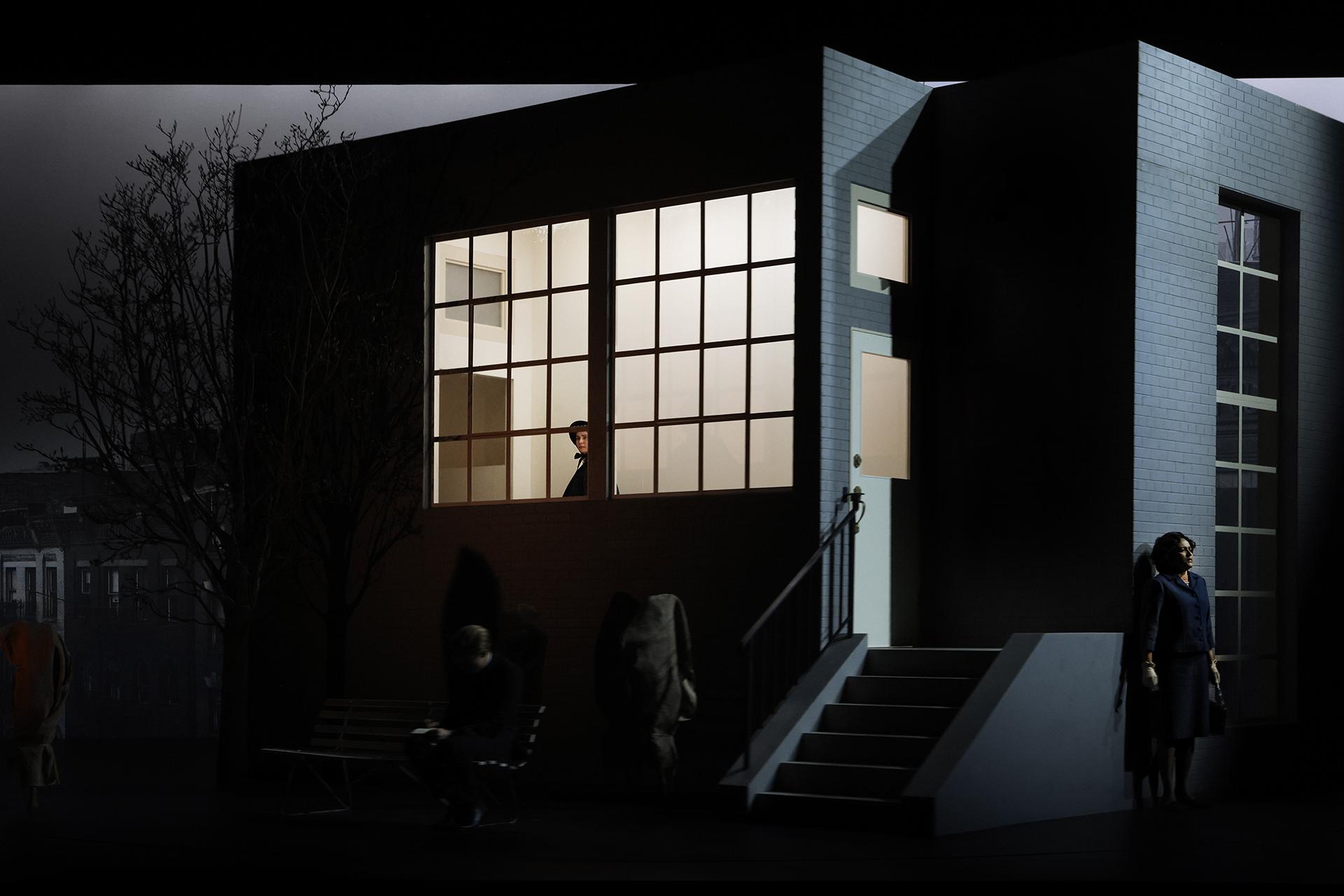
Design elements are equally accomplished. Bob Cousin’s set is perfectly proportioned, showcasing austere locations in ways that are as dramaturgically sound as they are visually striking, balancing narrative necessity with a refined sense of theatricality. Damien Cooper’s lighting is subtly rendered, never overreaching in a play that demands visual restraint. Jessica Dunn’s music is a particular highlight; each interlude enhances the emotive qualities of the visceral storytelling, most impressively through the splendid incorporation of live singing by the cast.
It has been nearly two years since seventy-seven million Americans voted to return Donald Trump to the presidency. Despite extensive evidence of misconduct and conviction on multiple felony counts, his political support has remained largely intact, sustained by narratives that persist in defiance of fact. The details differ, but the underlying mechanism feels familiar: certainty without verification, belief hardened against contradiction. In that sense, Doubt remains less a period piece than an unnervingly contemporary one, reflecting how easily blind faith can override evidence, and how costly that substitution can be.