Review: Scenes From A Friendship (Old Fitz Theatre)

Venue: Old Fitzroy Theatre (Woolloomooloo NSW), Nov 6 – 22, 2026
Playwright: Jane Upton
Director: Craig Baldwin
Cast: Thomas Campbell, Ainslie McGlynn
Images by Richard Farland

Theatre review
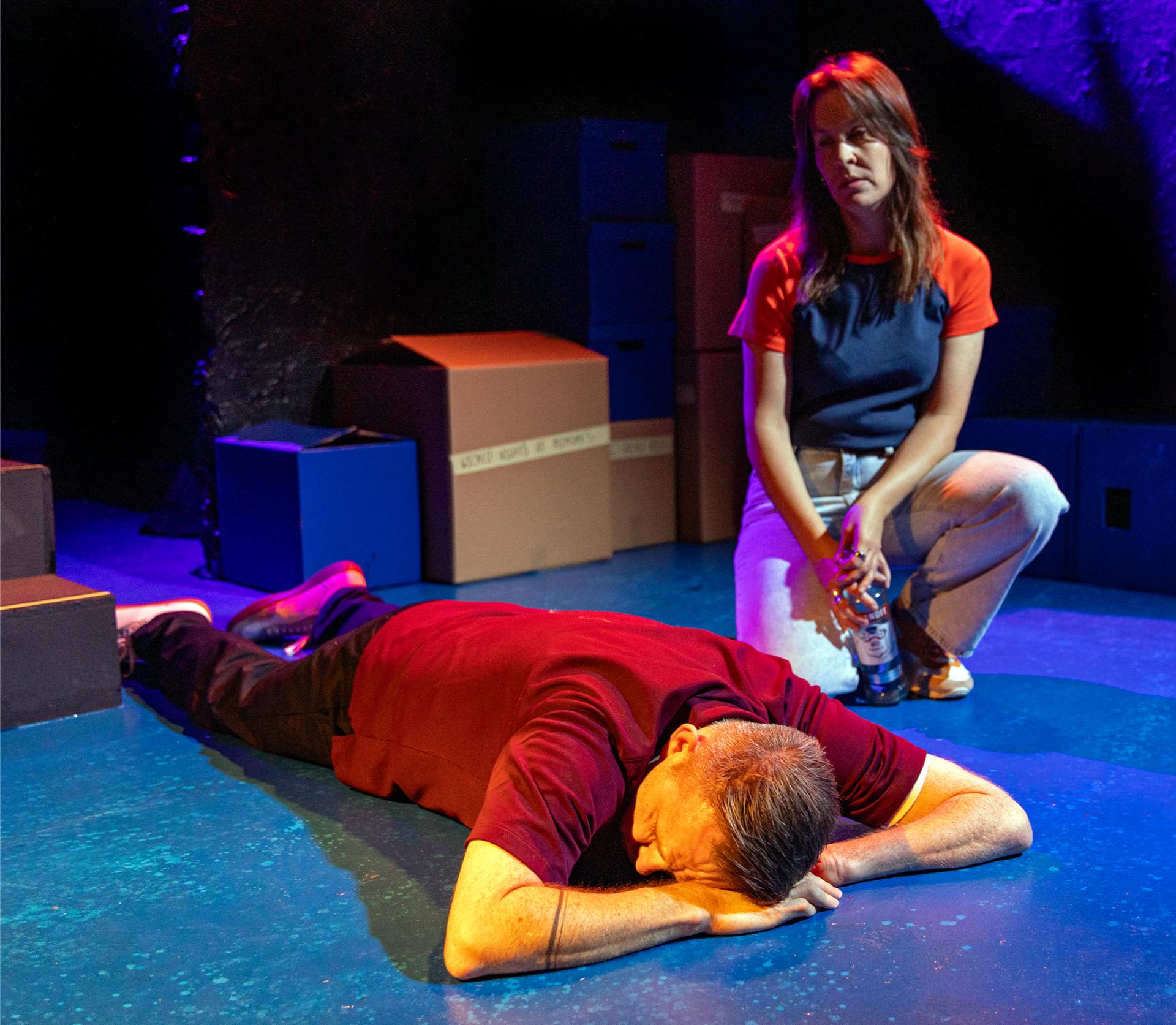
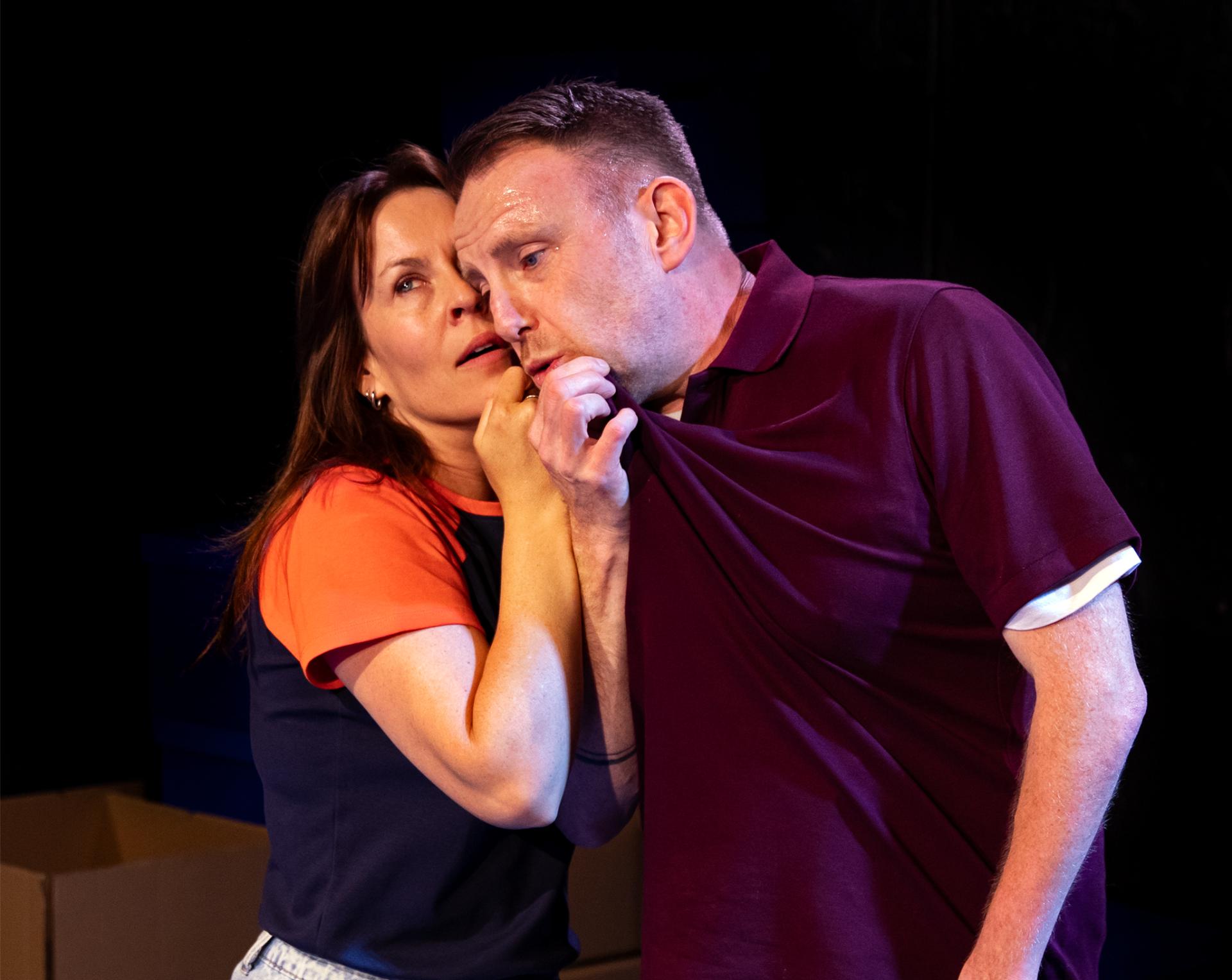
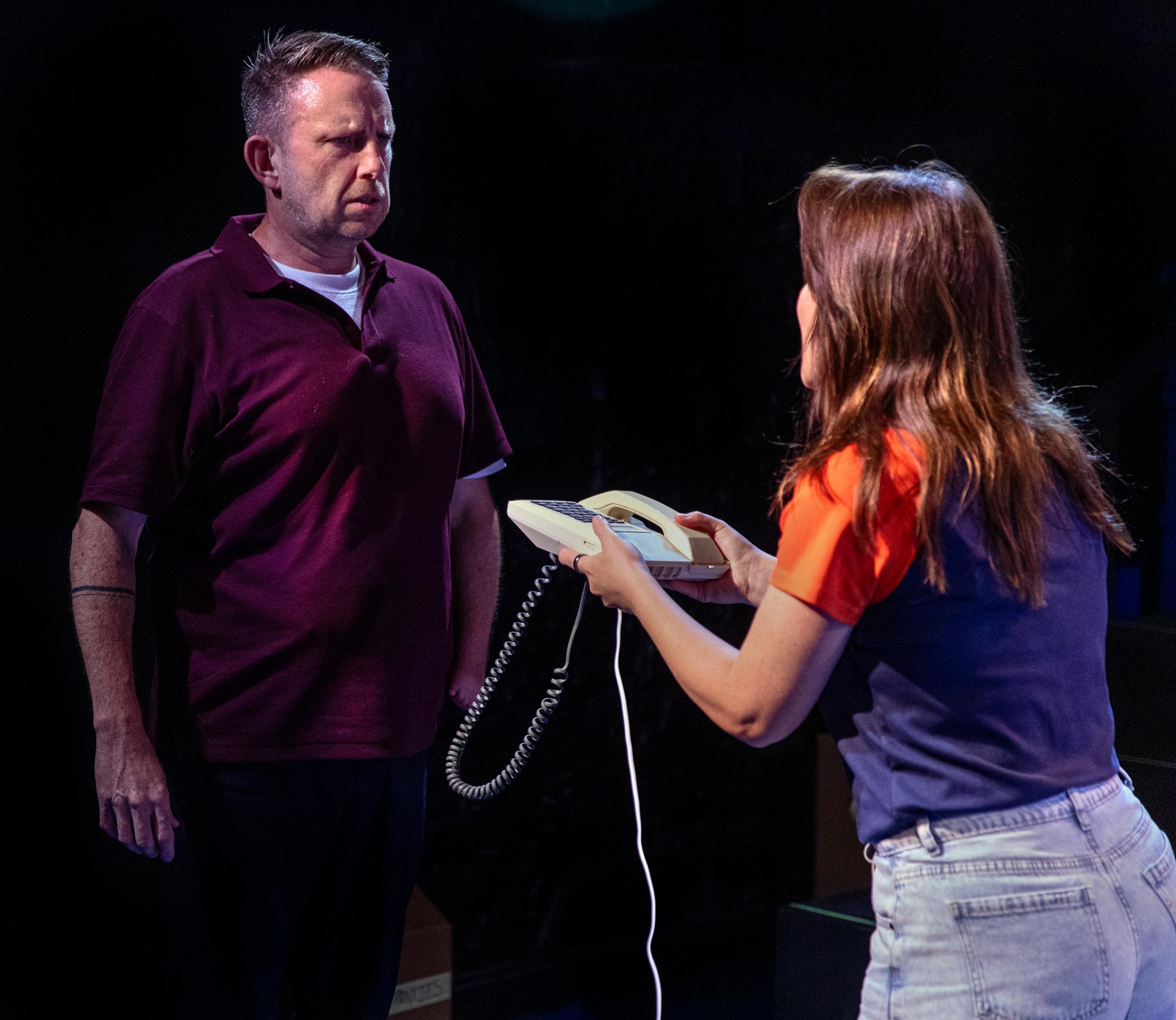
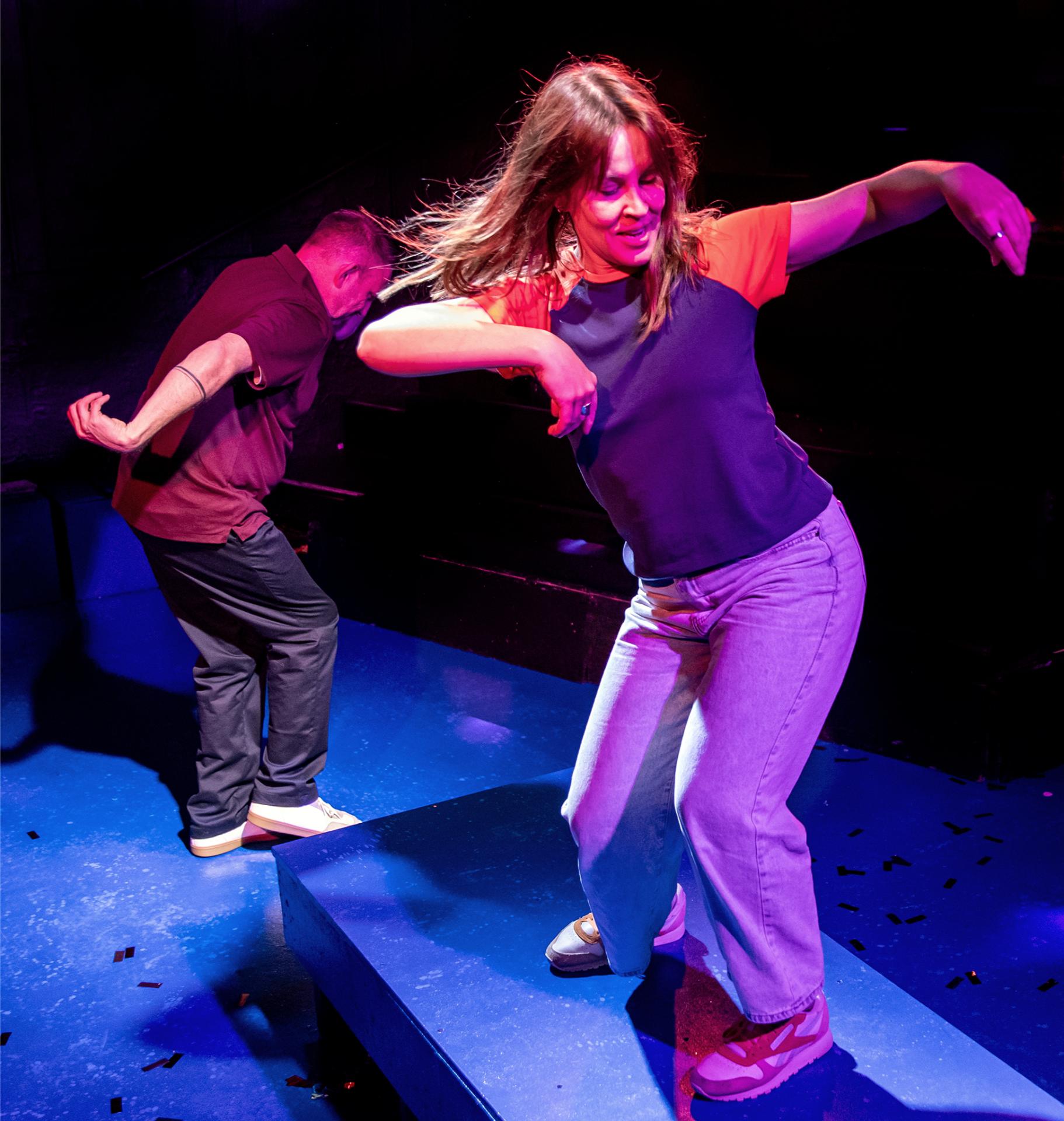
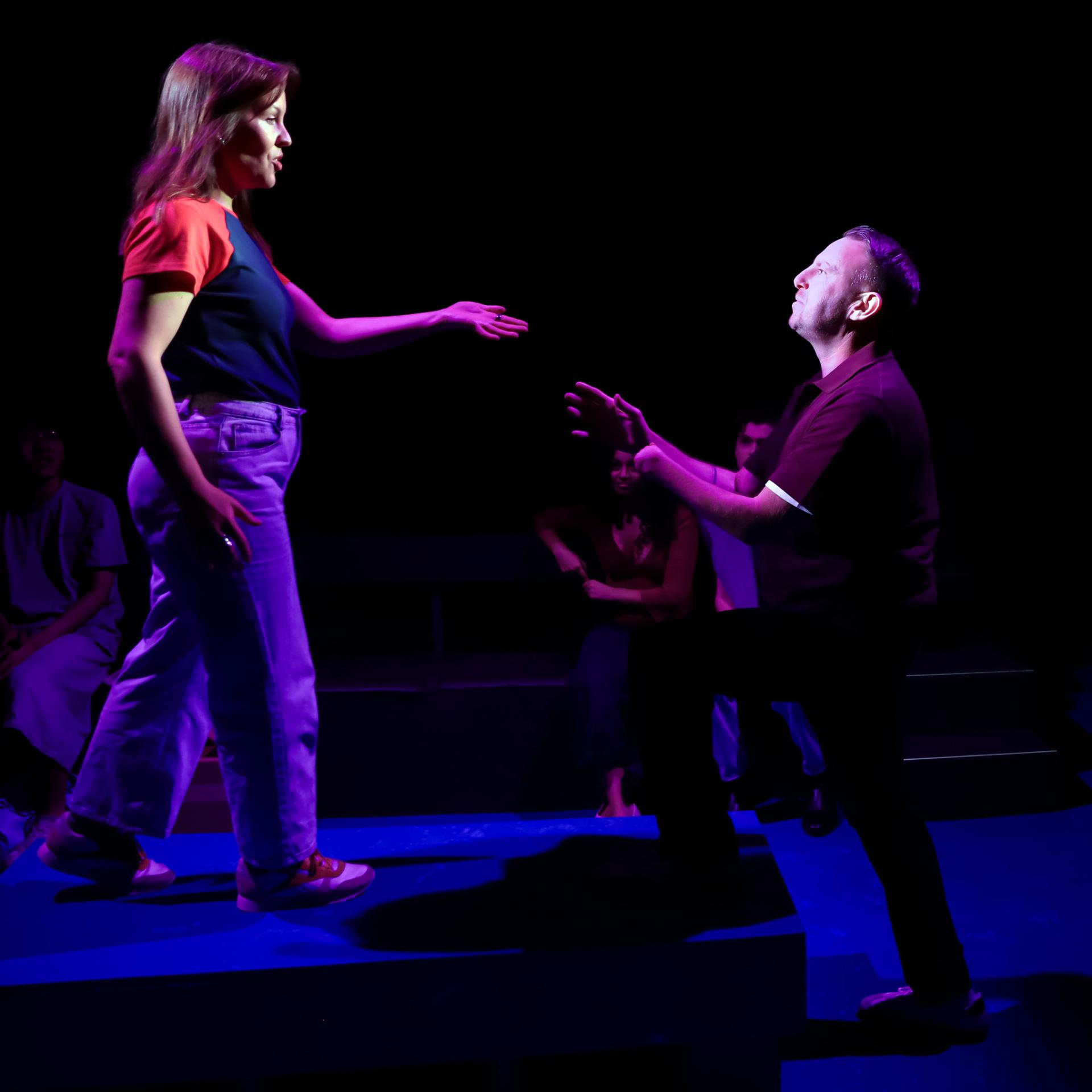
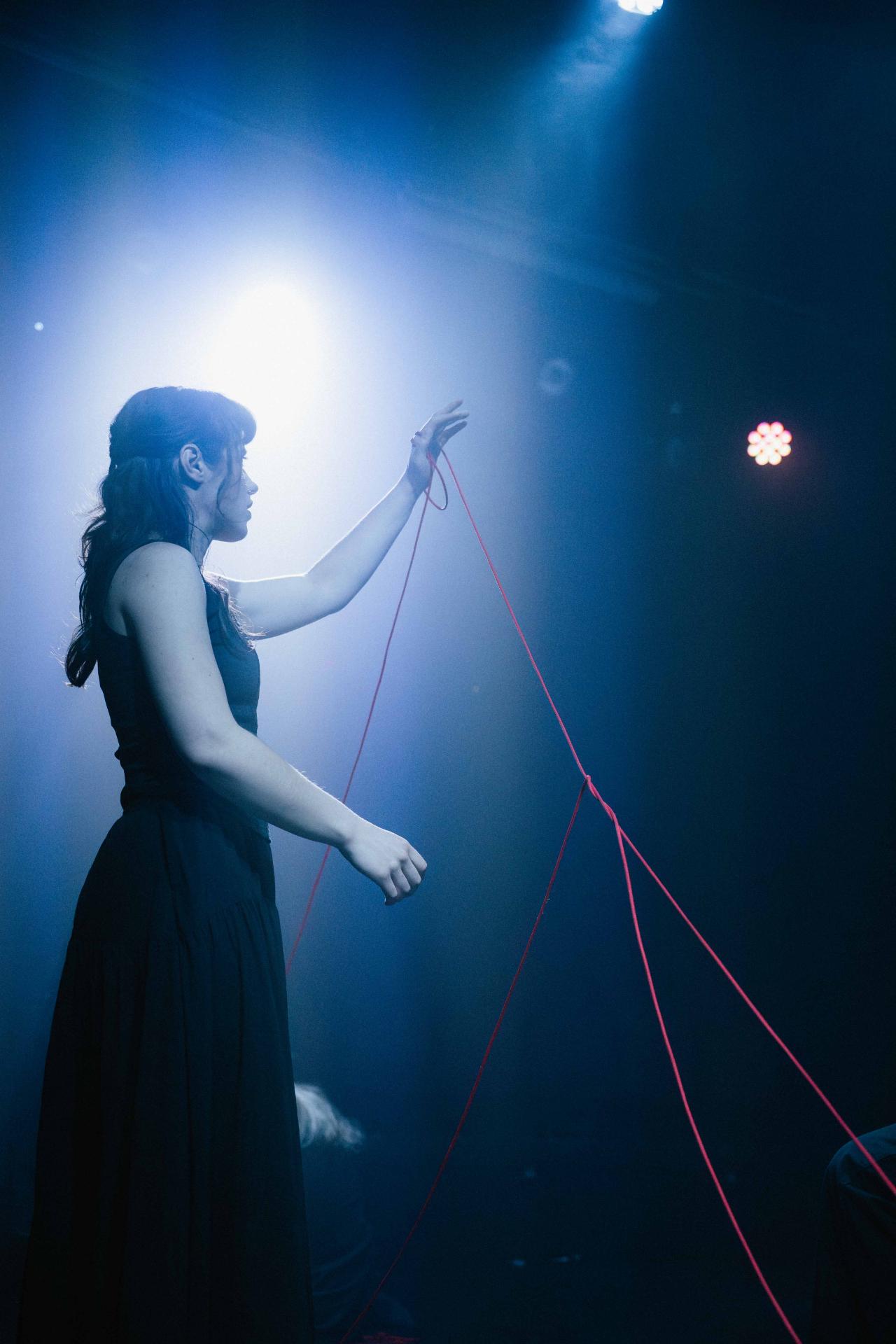
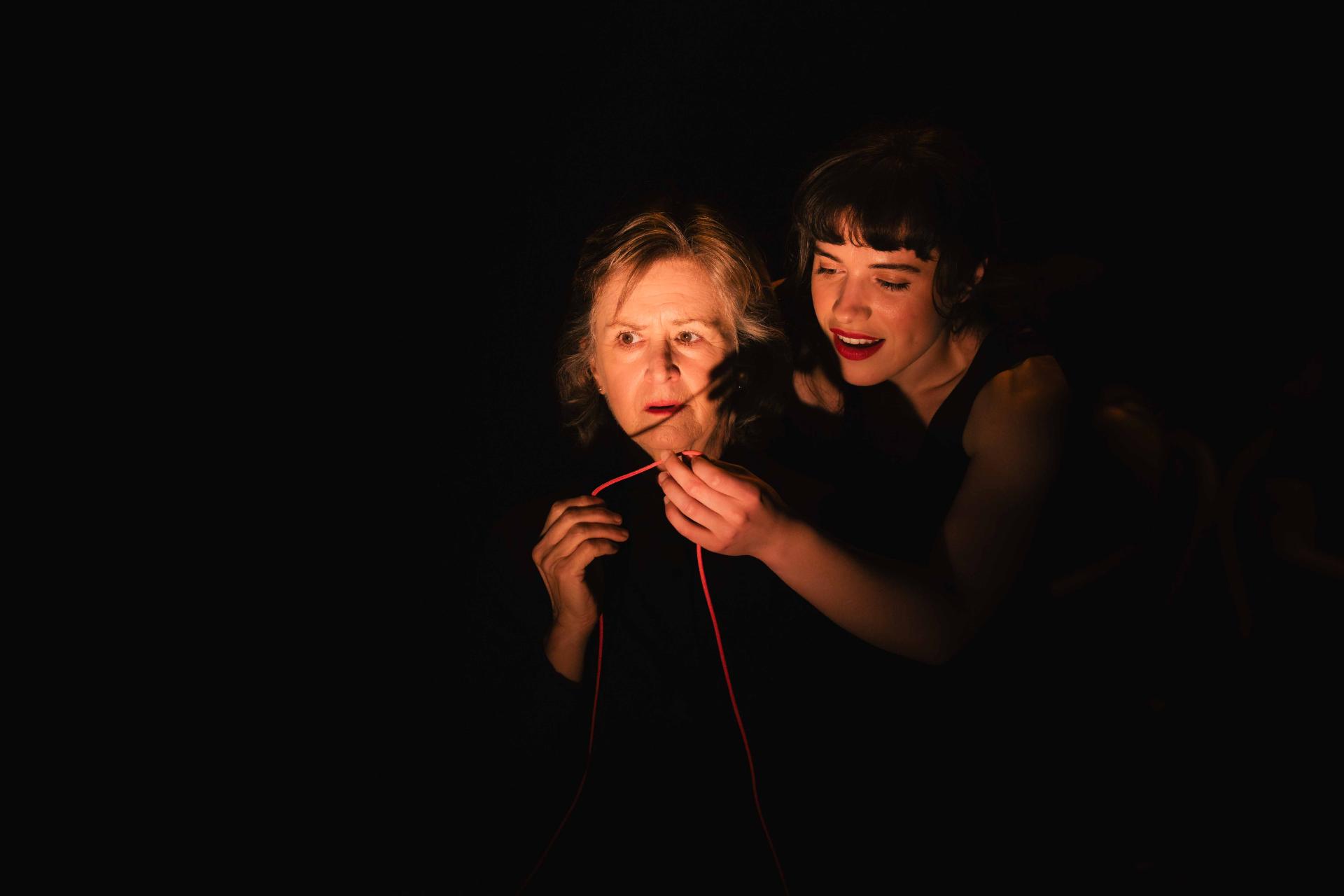
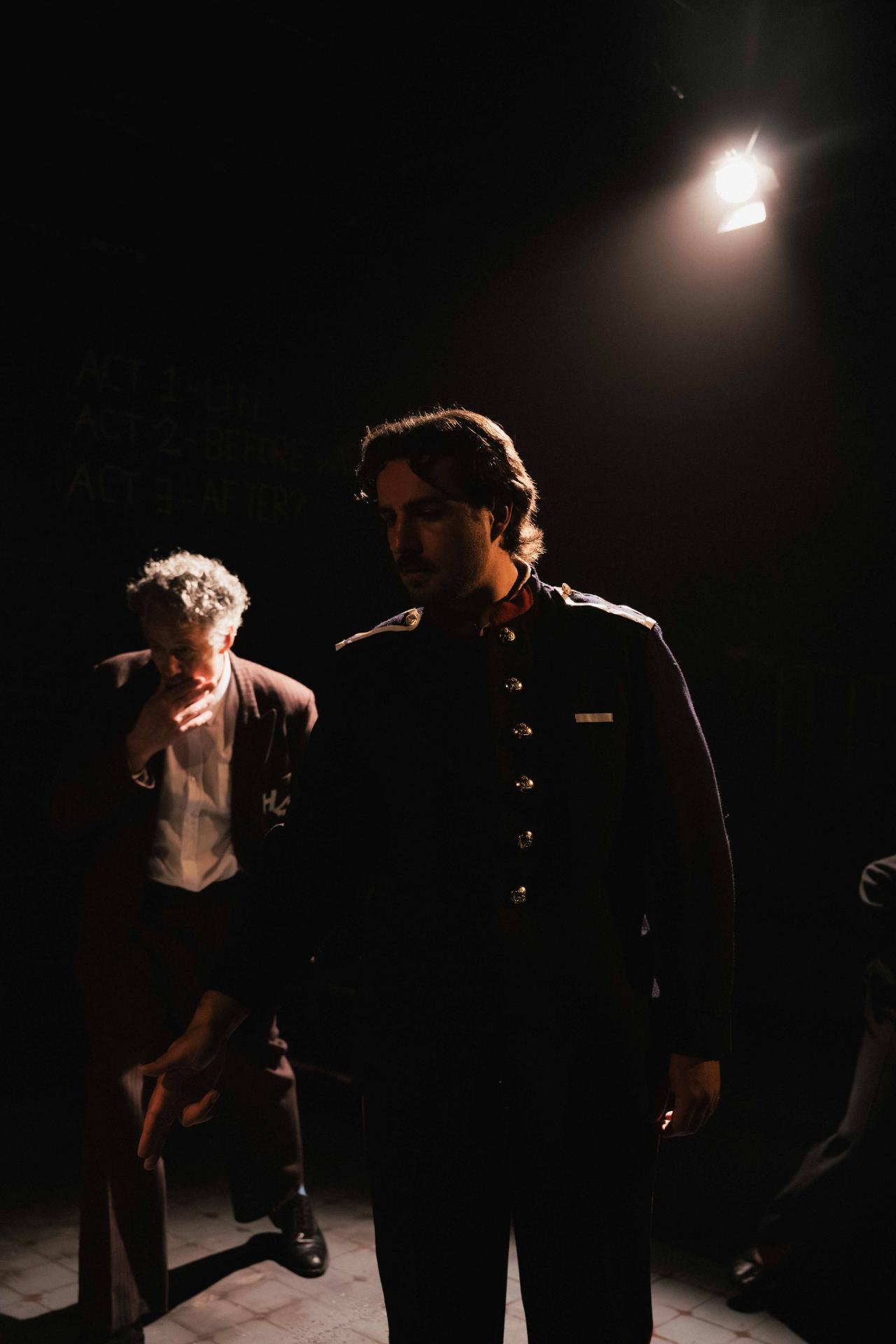
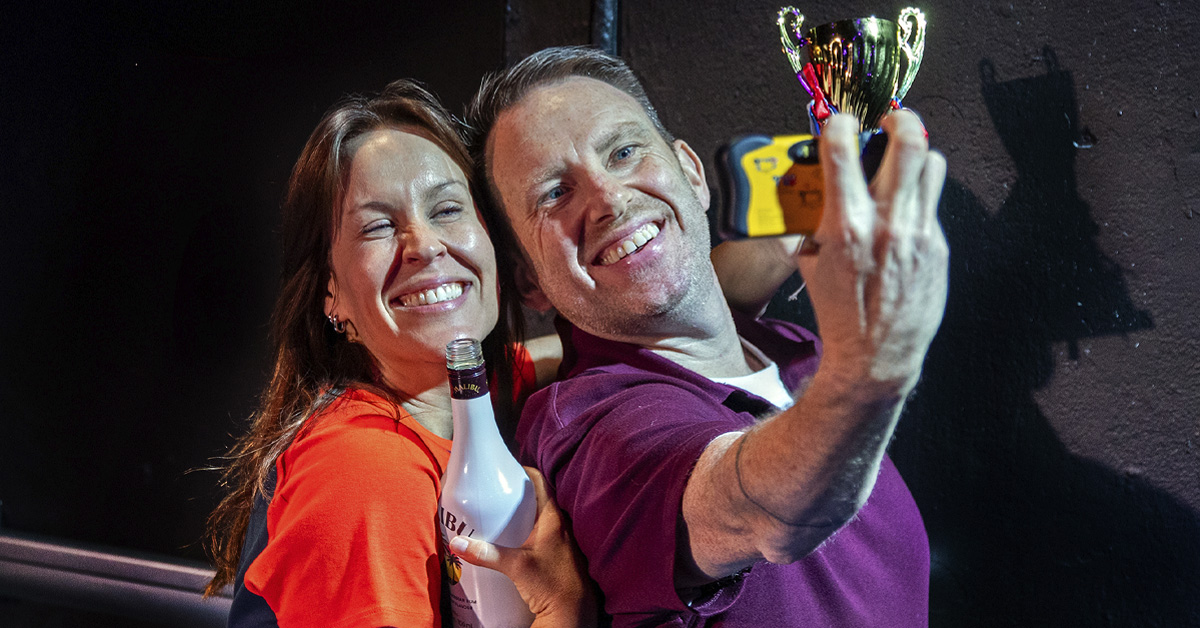
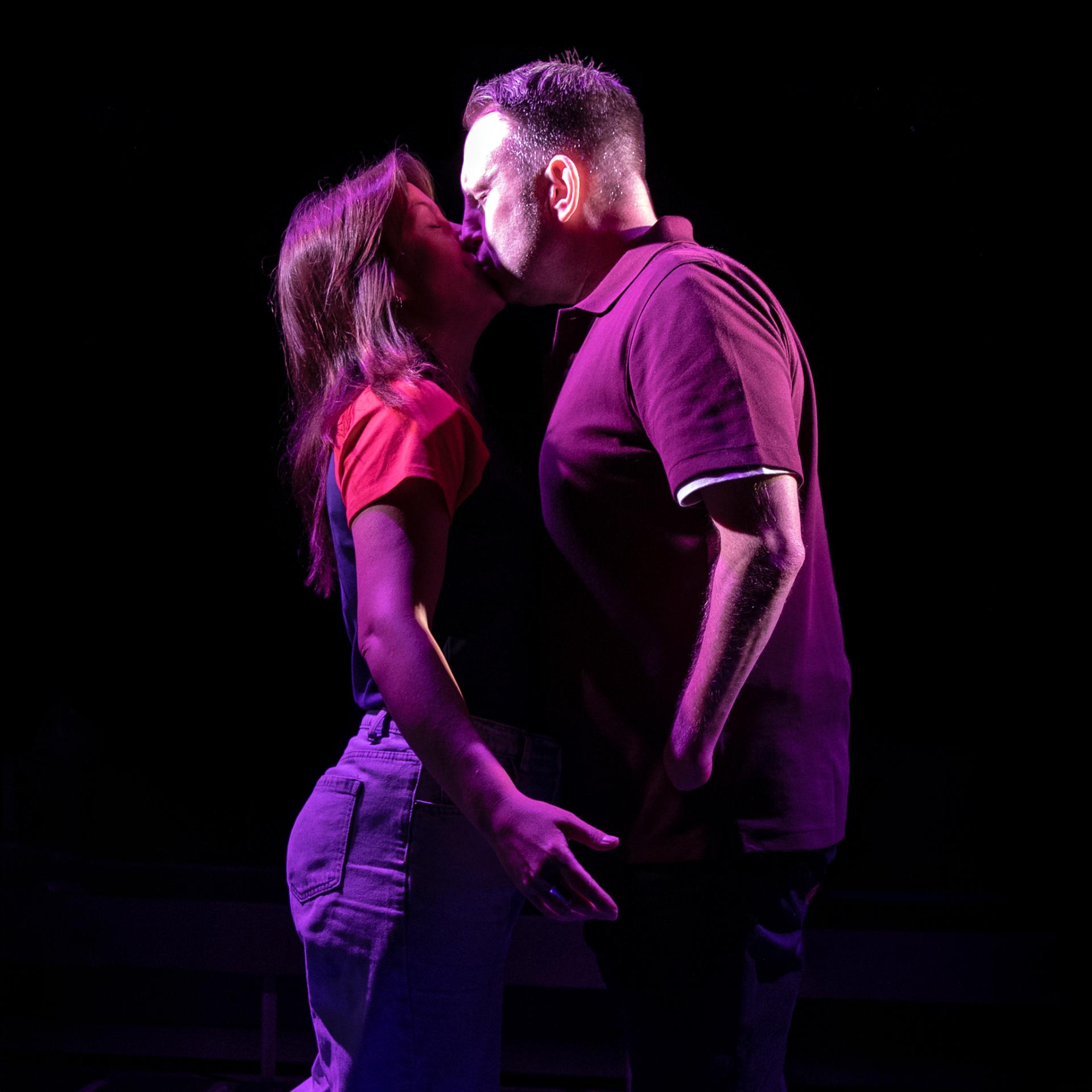
Jess and Billy have been friends since childhood, their intimacy sustained across more than forty years. It is a relationship whose longevity understandably invites commemoration. Drawing on playwright Jane Upton’s experiences with her oldest friend, Scenes from a Friendship nevertheless struggles to extend its significance beyond the private world of two resolutely middle-class, white English people. There are observations about the importance of enduring friendship, but the narrative remains largely unremarkable, however heartfelt its telling.

Director Craig Baldwin harnesses nostalgia effectively in the first half, aided by Felix Partos’ sound design, which interweaves defining pop songs from successive decades with evocative original compositions. As sentiment becomes more pronounced in the second half, however, the production grows paradoxically less involving. The exuberance of the pair’s younger years gives way to the disappointments and compromises of midlife, but the staging finds less dramatic vitality in this later terrain. Aron Murray’s lighting gives clarity to the passage of time, with occasional flourishes that lend theatrical texture to the unfolding chronicle.

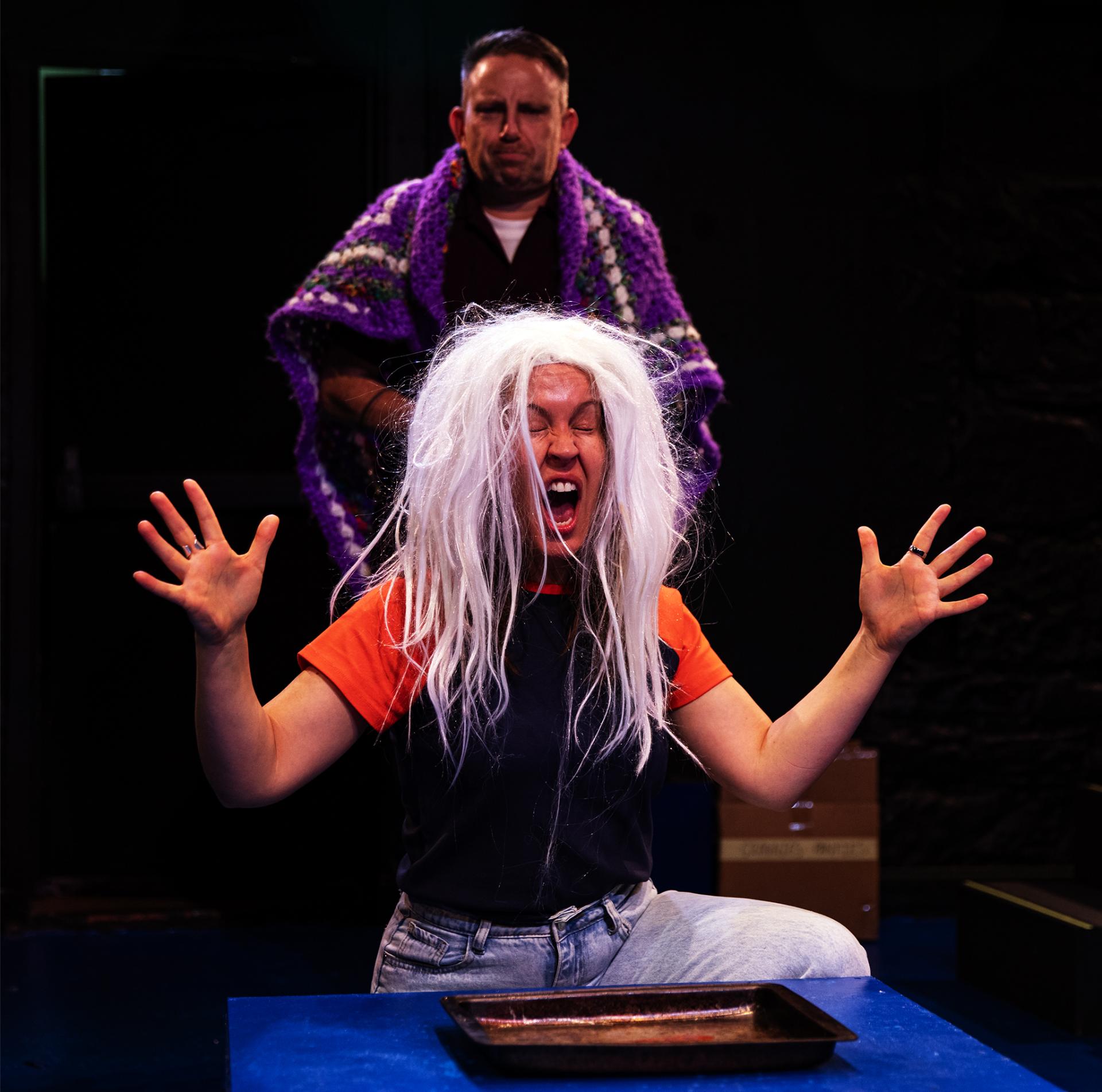
Thomas Campbell and Ainslie McGlynn bring considerable soul to material that might otherwise feel pedestrian. Their sensitivity to the relationship’s shifting dynamics encourages our investment, although the performances themselves are often more compelling than the events they depict. At several points, the precision of their timing and the subtlety of their transitions offer greater fascination than the narrative, their frequently sublime craft supplying much of the production’s pleasure.

Alongside its account of an evolving friendship, the play examines the pair’s artistic ambitions. A shared imaginative life initially draws Jess and Billy together, before becoming a more fraught measure of their adult achievements and disappointments. Here, the production finds a resonance that reaches beyond the particulars of their bond. Uneven as it may be, Scenes from a Friendship makes a persuasive case for understanding success on one’s own terms, recognising fulfilment through an intimate and personal knowledge of what matters, rather than surrendering its definition to the judgement of others.

www.oldfitztheatre.com.au | www.outhousetheatre.org
Review: The Husband Stitch (Flight Path Theatre)

Venue: Flight Path Theatre (Marrickville NSW), Nov 4 – 7, 2026
Playwright: Katie Picton (based on the short story by Carmen Maria Machado)
Director: Simon Porro
Cast: Amy Victoria Brooks, Jasmin Certoma, Rosie Forster, Molly Haddon, Susan Jordan, Natalia Nour, Katie Picton
Images by Patrick Phillips

Theatre review
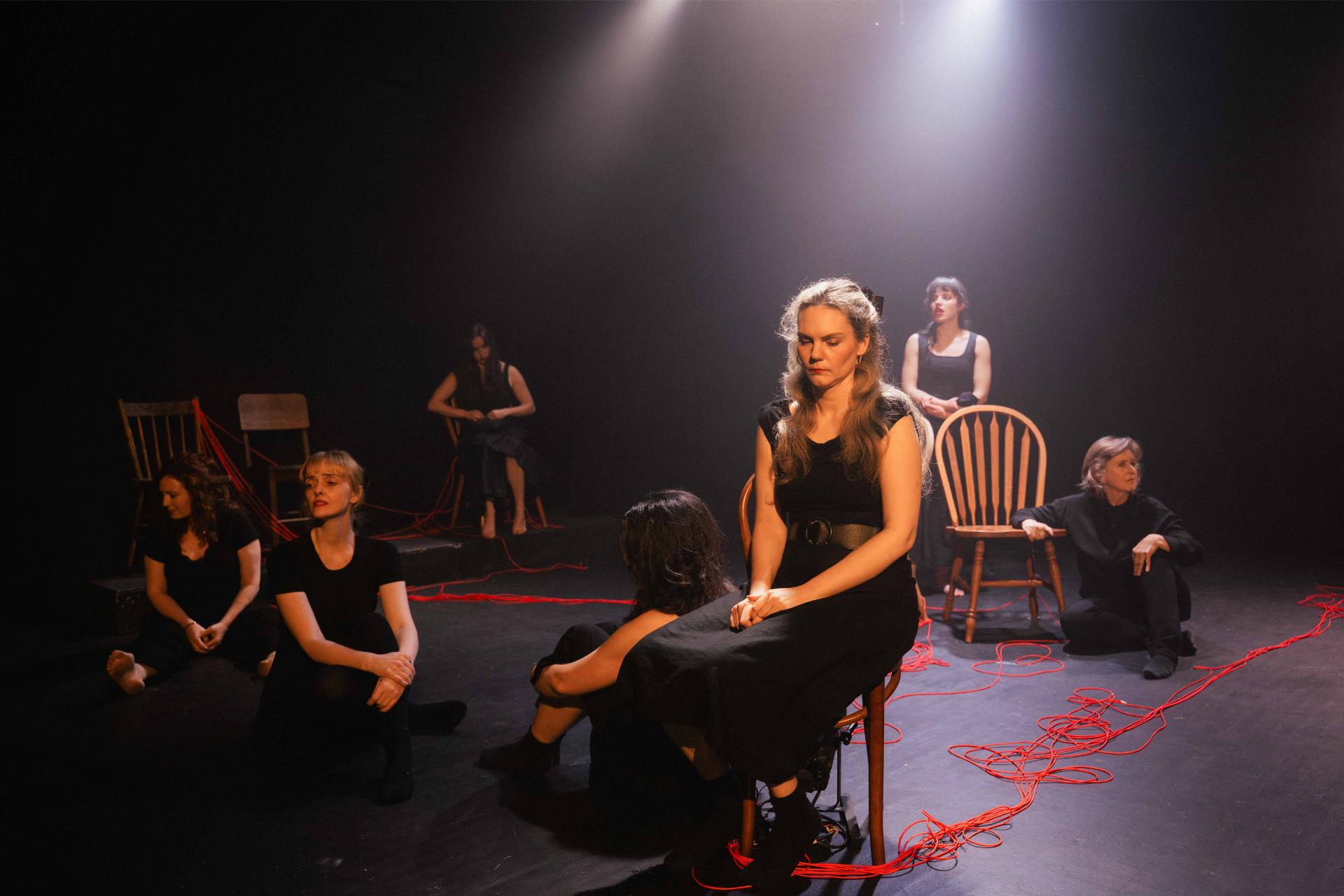
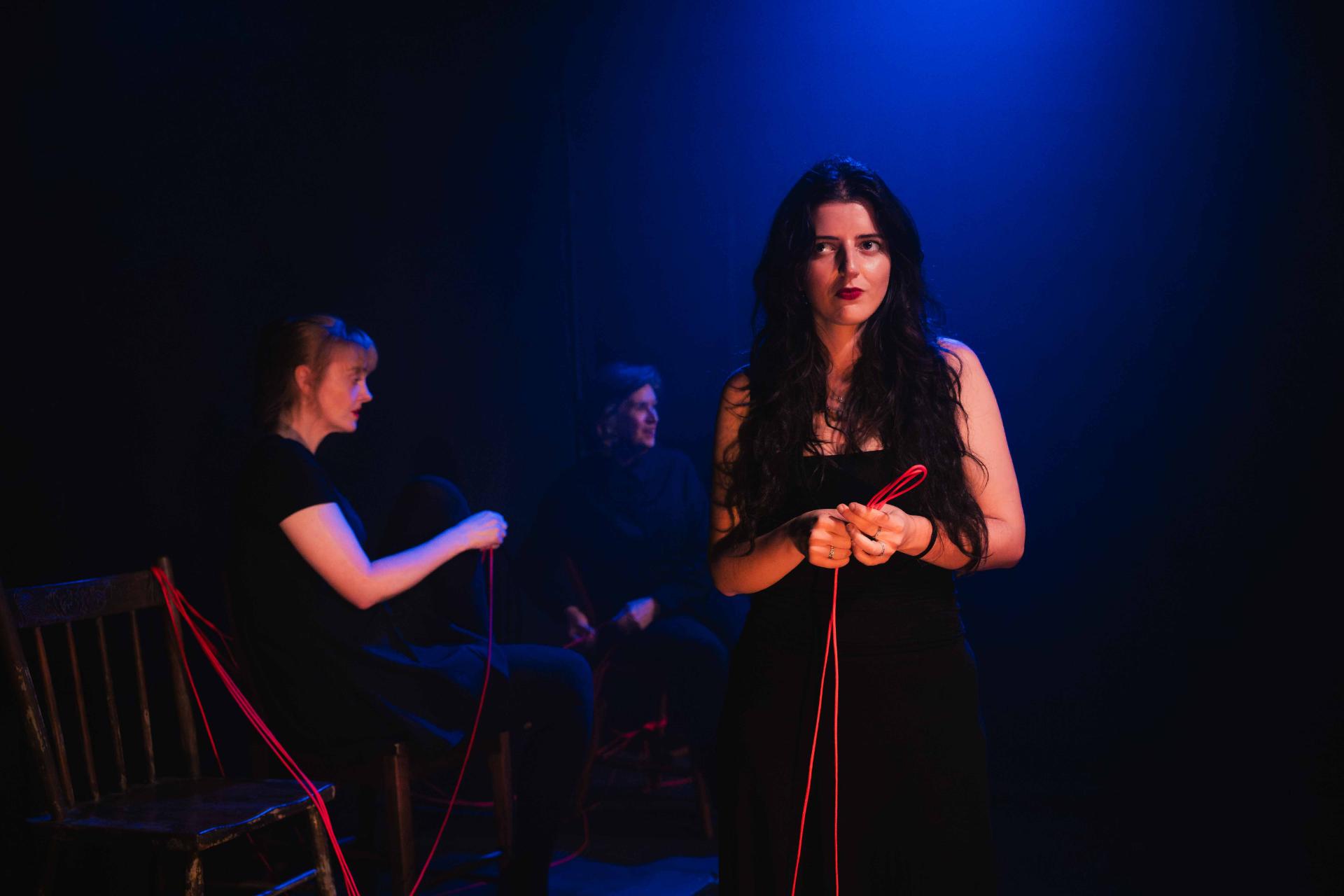
Based on a short story by American writer Carmen Maria Machado, The Husband Stitch follows an unnamed narrator from girlhood through motherhood, tracing a life circumscribed by the enduring structures of patriarchy. Although she is defined largely through her relationships with men, her reflective pursuit of selfhood remains central, giving the narrative a compelling interior life.

Katie Picton’s stage adaptation, however, finds insufficient theatrical expression for that interiority. Dividing the narration among seven women, it frequently amounts to a collective recitation of a monologue, with little structural transformation to generate the physical and dramatic momentum the material needs. The production seems continually poised for a kineticism that never quite arrives.

Simon Porro’s direction embraces the writing’s lyricism, cultivating a poetic atmosphere of sustained emotional intensity. Yet that intensity seldom translates into a meaningful connection with the audience. The experience remains curiously remote, its meanings too indistinct to move us beyond an appreciation of the evident care invested in the staging.

The cast demonstrates impressive cohesion in sustaining the work’s gothic sensibility. Ellie Wilson’s excellent score deepens its brooding atmosphere, introducing an undercurrent of sensuality that keeps the narrator’s desires perceptible beneath the forces seeking to contain them. Paris Bell’s pared-back design uses an abundance of black to concentrate attention on the performers, while Jasmin Borsovszky’s lighting seeks to heighten the drama, with uneven results.

Transposing literature to the stage requires a reconsideration of how a story lives in another form, how language might become action, and interior reflection acquire a physical presence. The Husband Stitch too often treats the passage from page to performance as a matter of redistributing prose as dialogue, without sufficiently accounting for the demands and possibilities of live theatre. Something of the original’s potency remains, but its unsettling intimacy proves elusive. We leave aware of the material’s significance, yet largely untouched by its force.

www.flightpaththeatre.org | www.virginiaplaintheatre.com

Review: The King Who Was A King (25A Belvoir)

Venue: Belvoir St Theatre (Surry Hills NSW), Nov 1 – 22, 2026
Playwright: Ayah Tayeh (from the novel by H.G. Wells)
Director: Ayah Tayeh
Cast: Violette Ayad, Toby Carey, Marco Chiappi, Meg Hyeronimus, Brittany Santariga, Harry Stacey
Images by Patrick Phillips

Theatre review
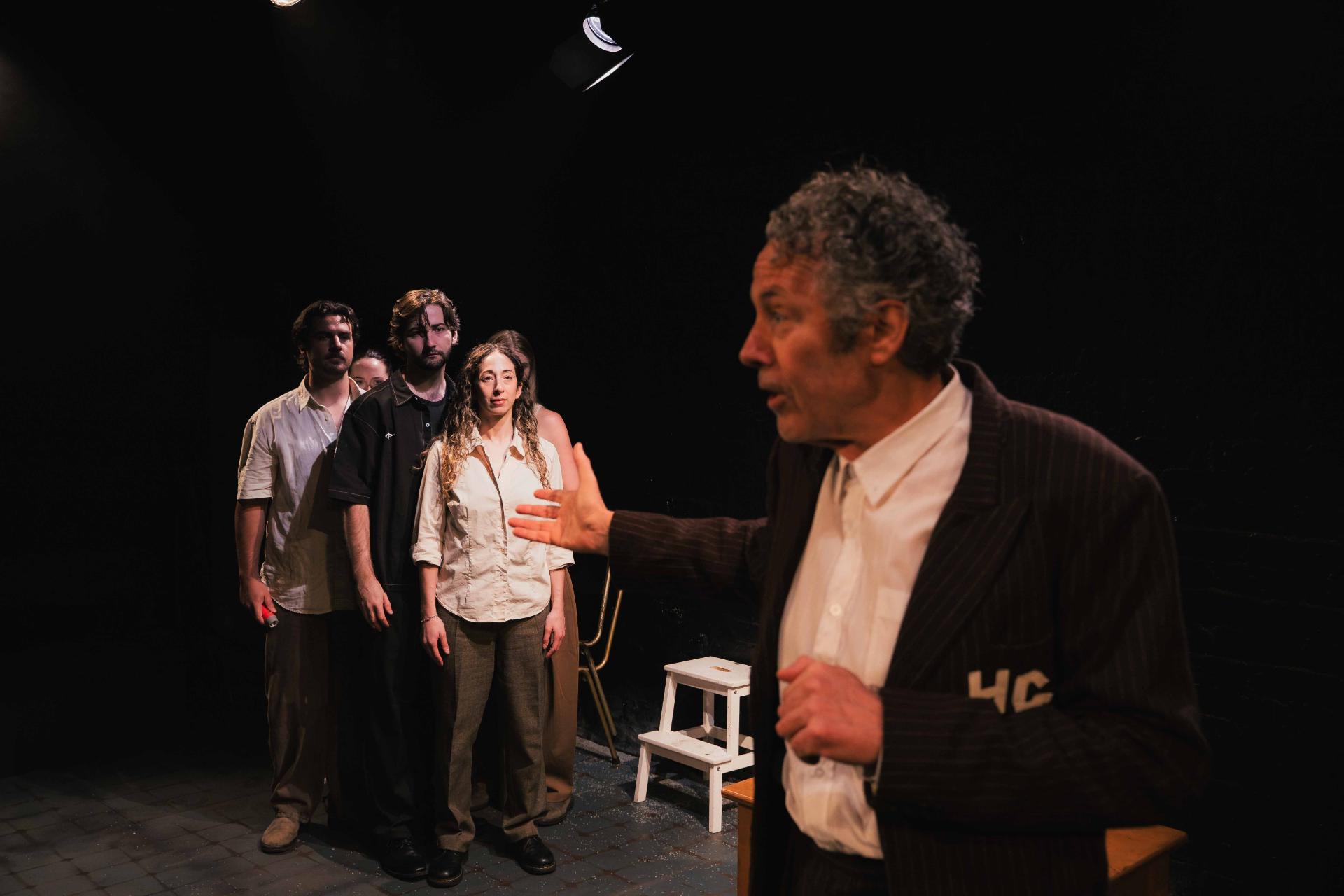
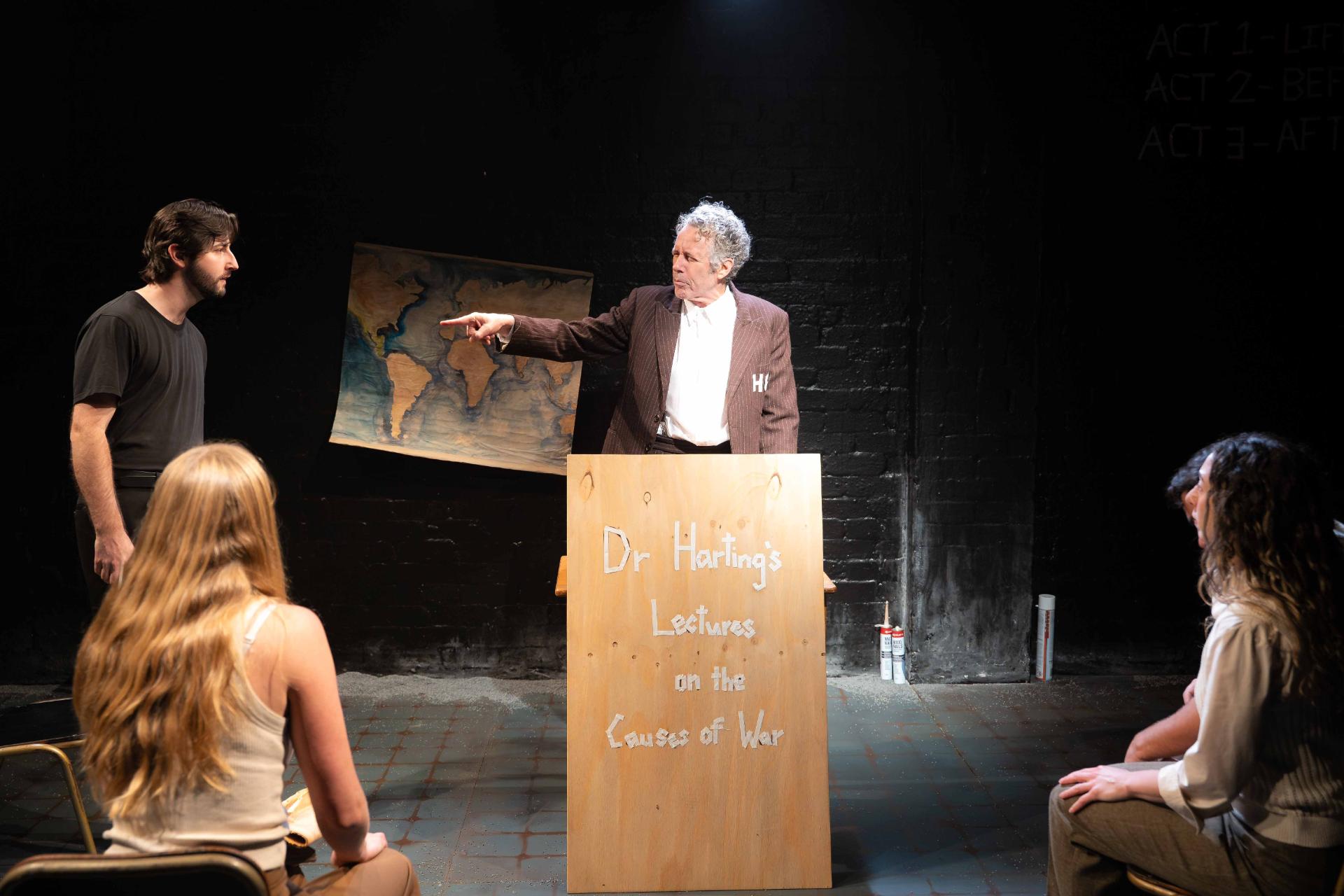
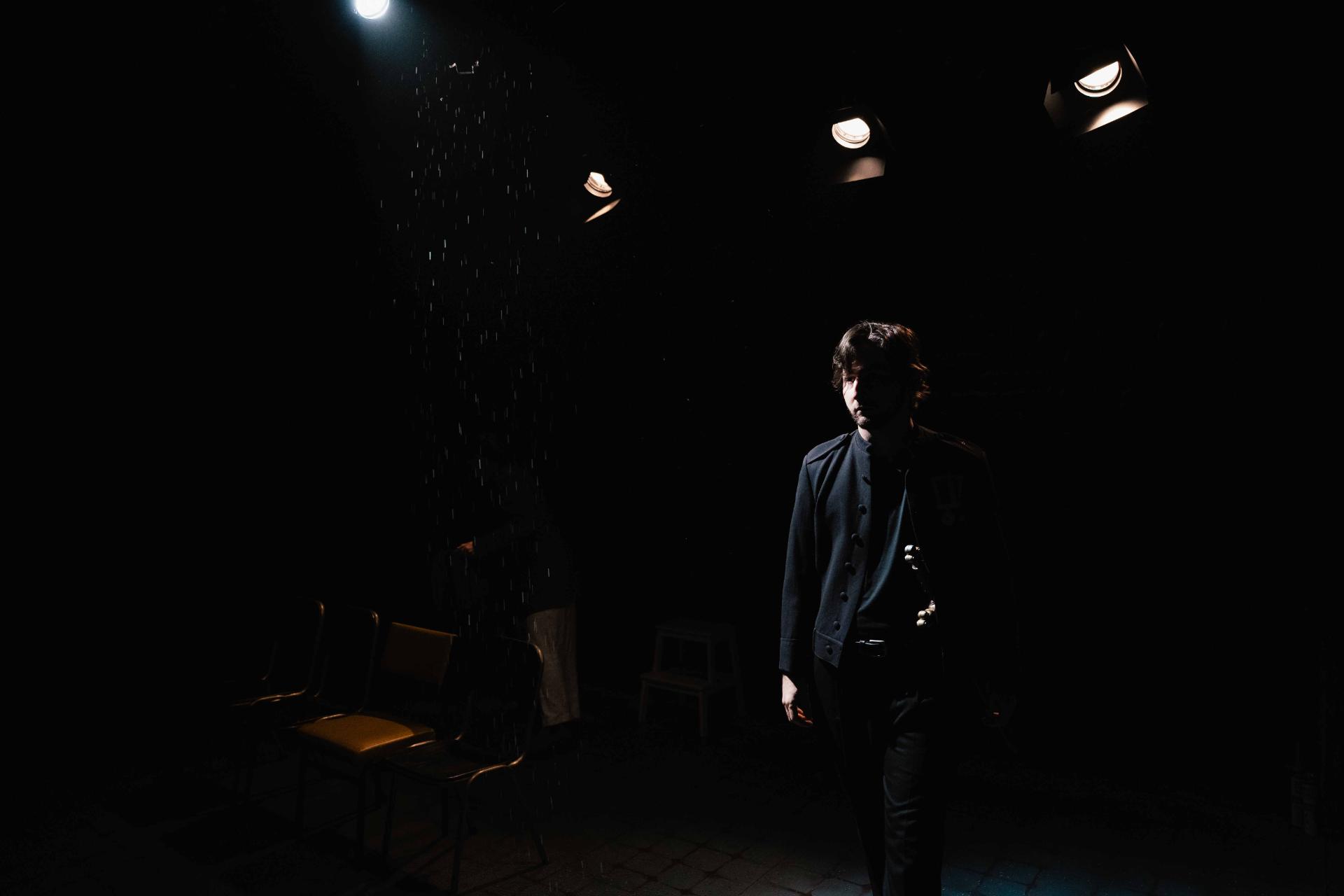
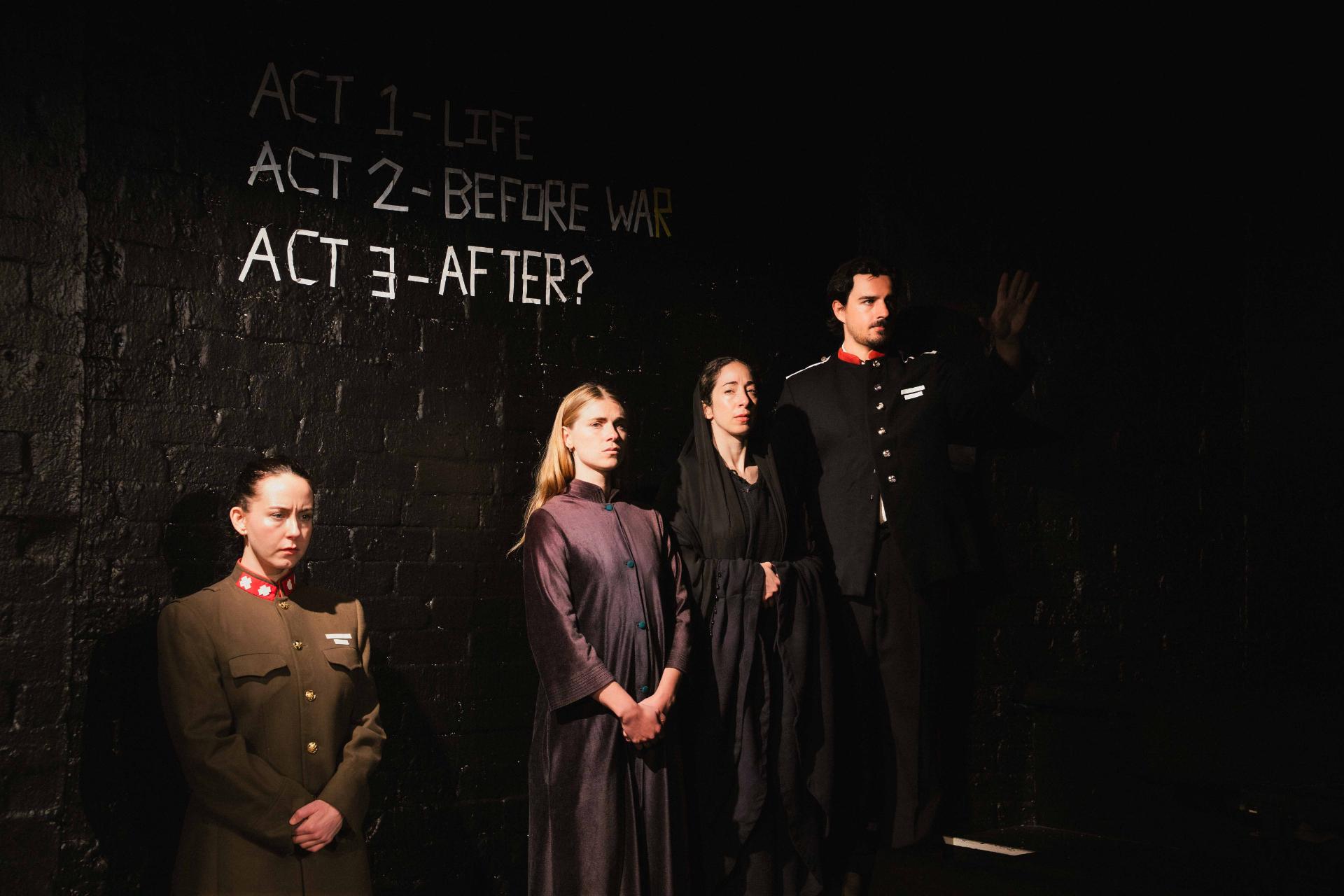
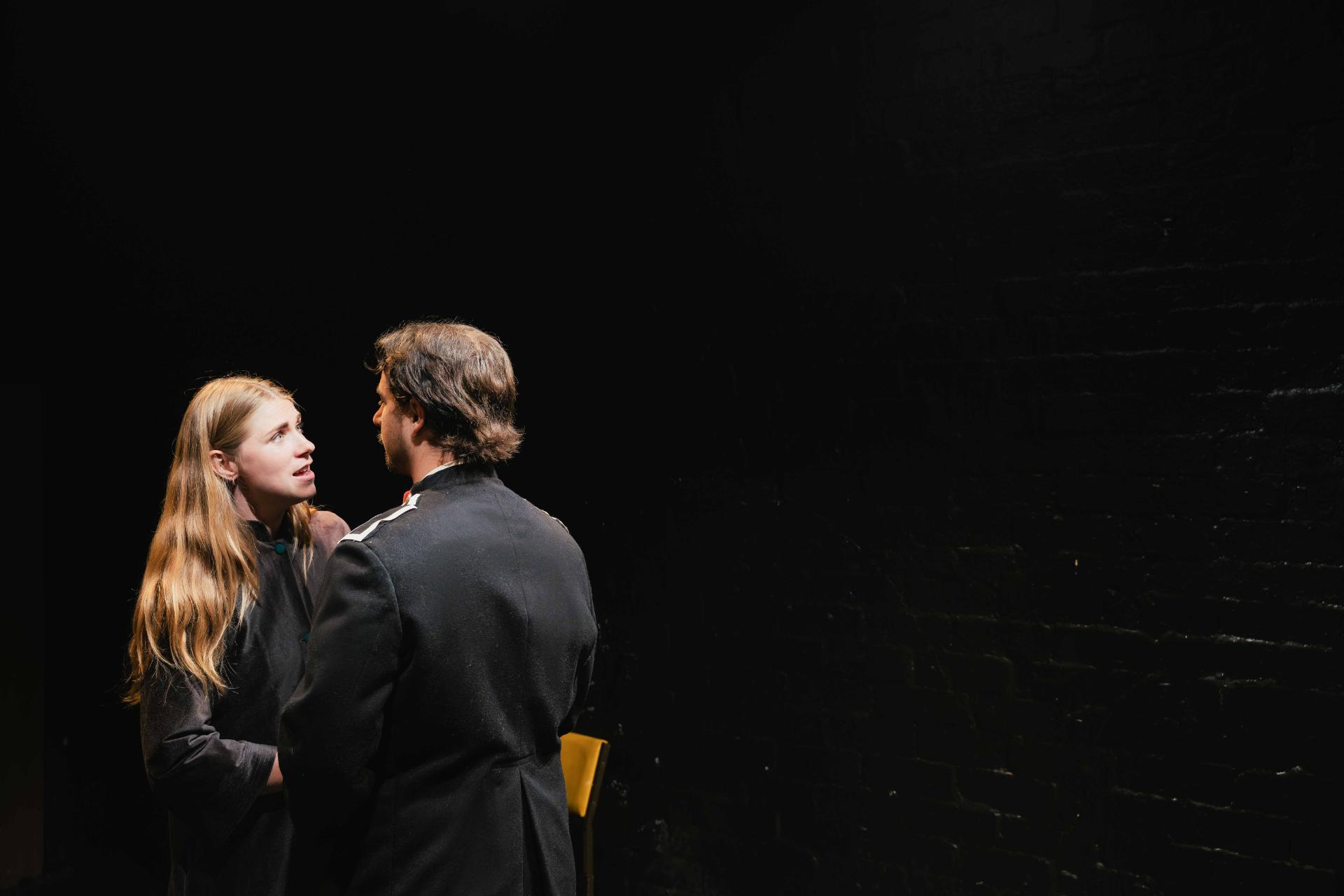
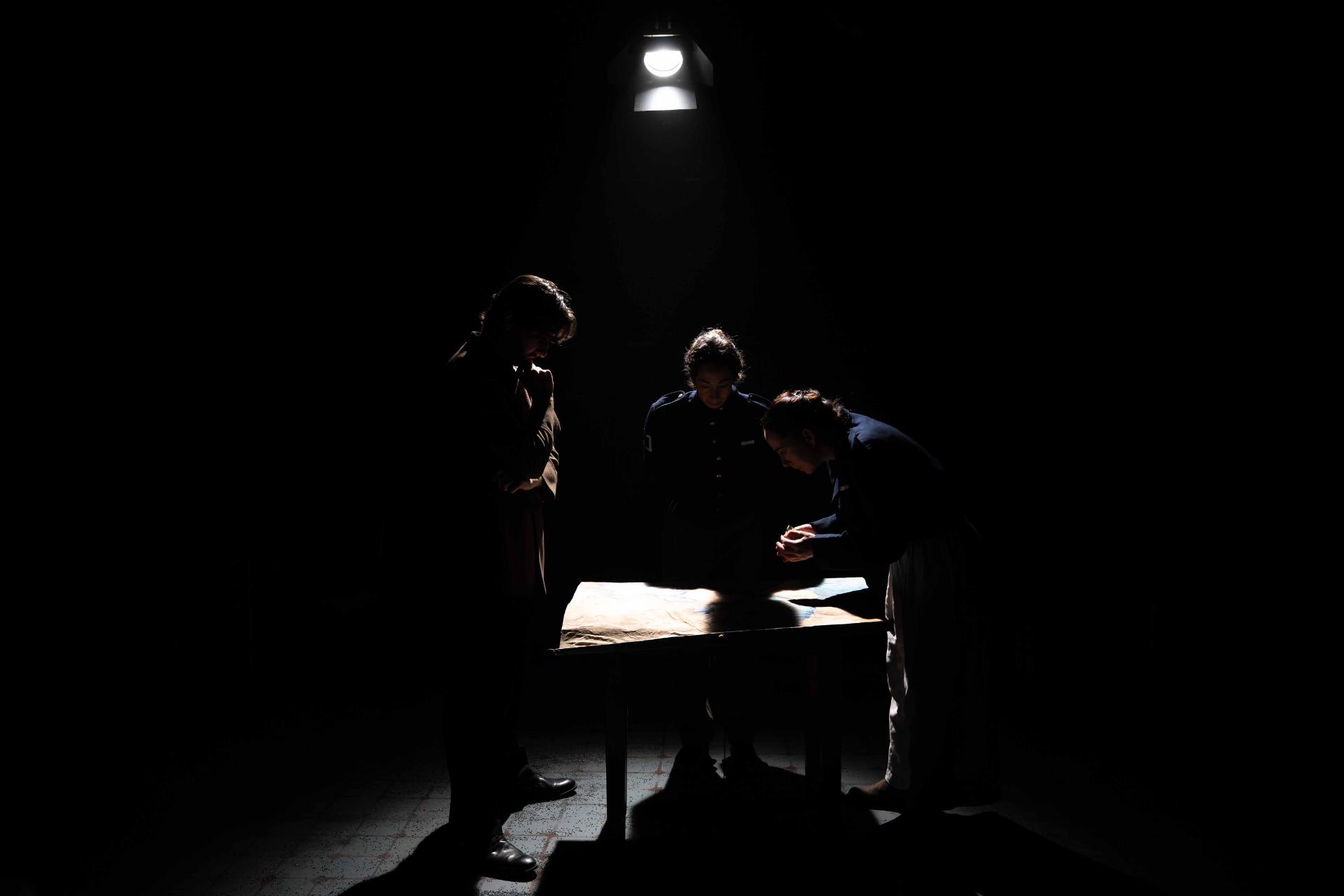
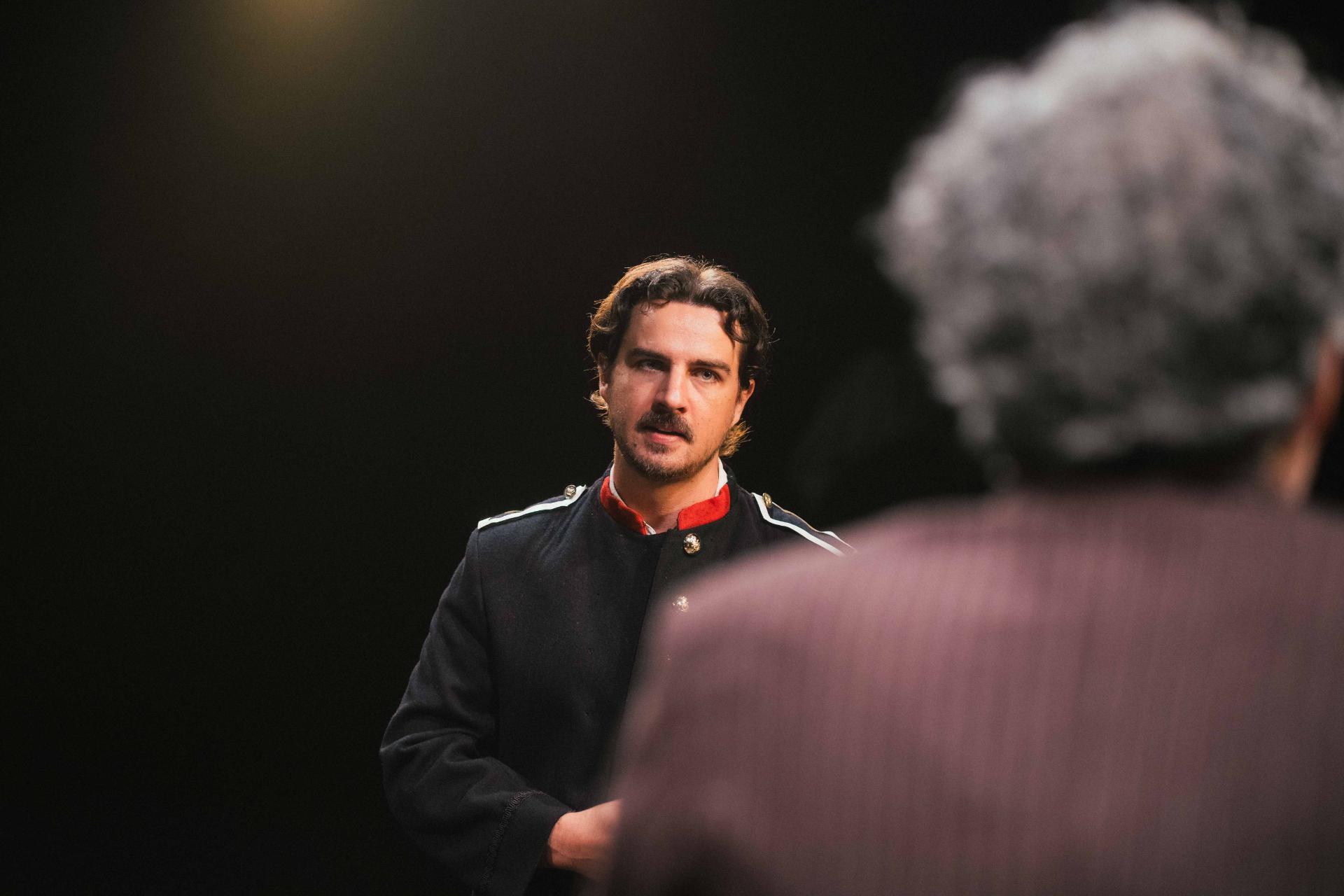
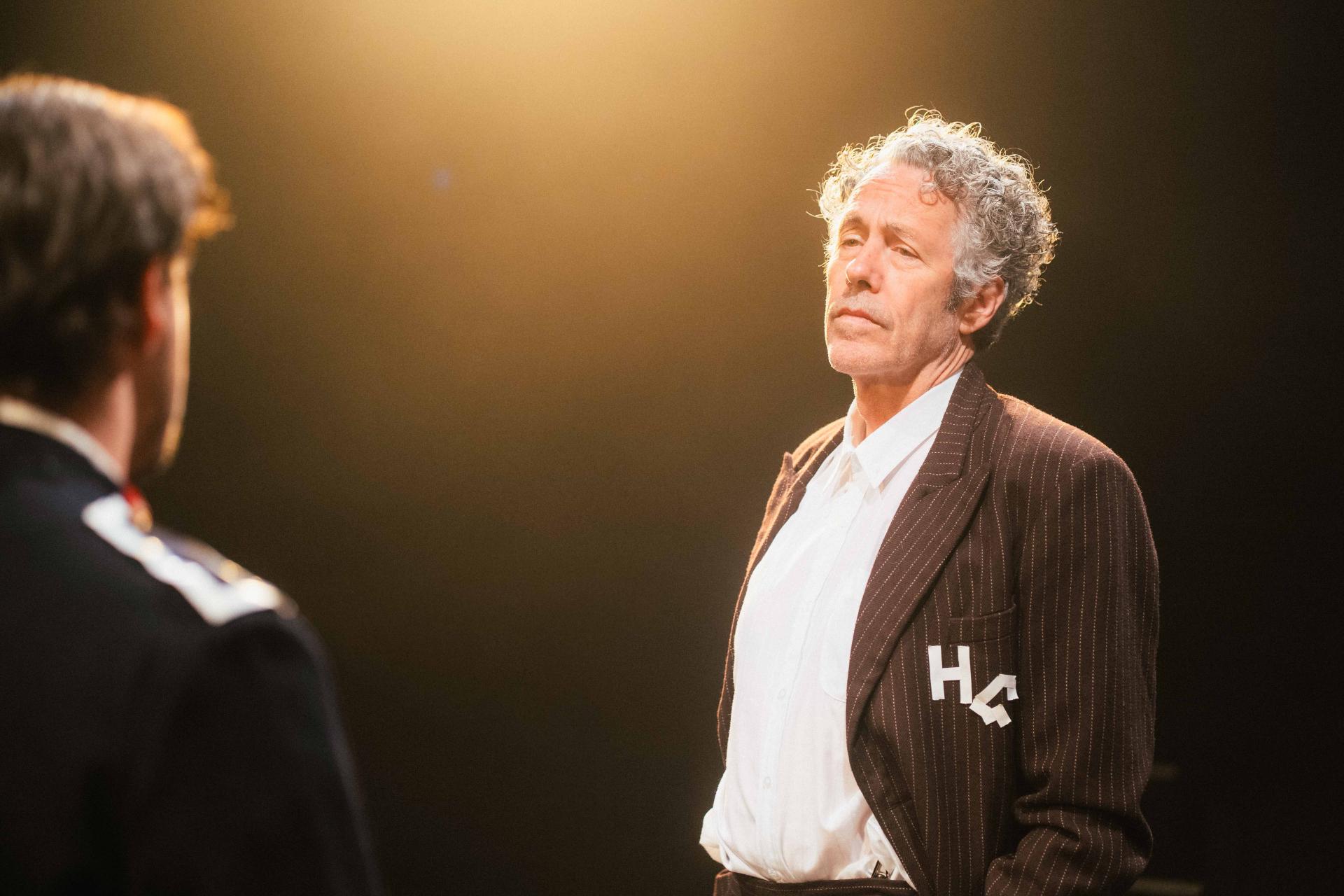
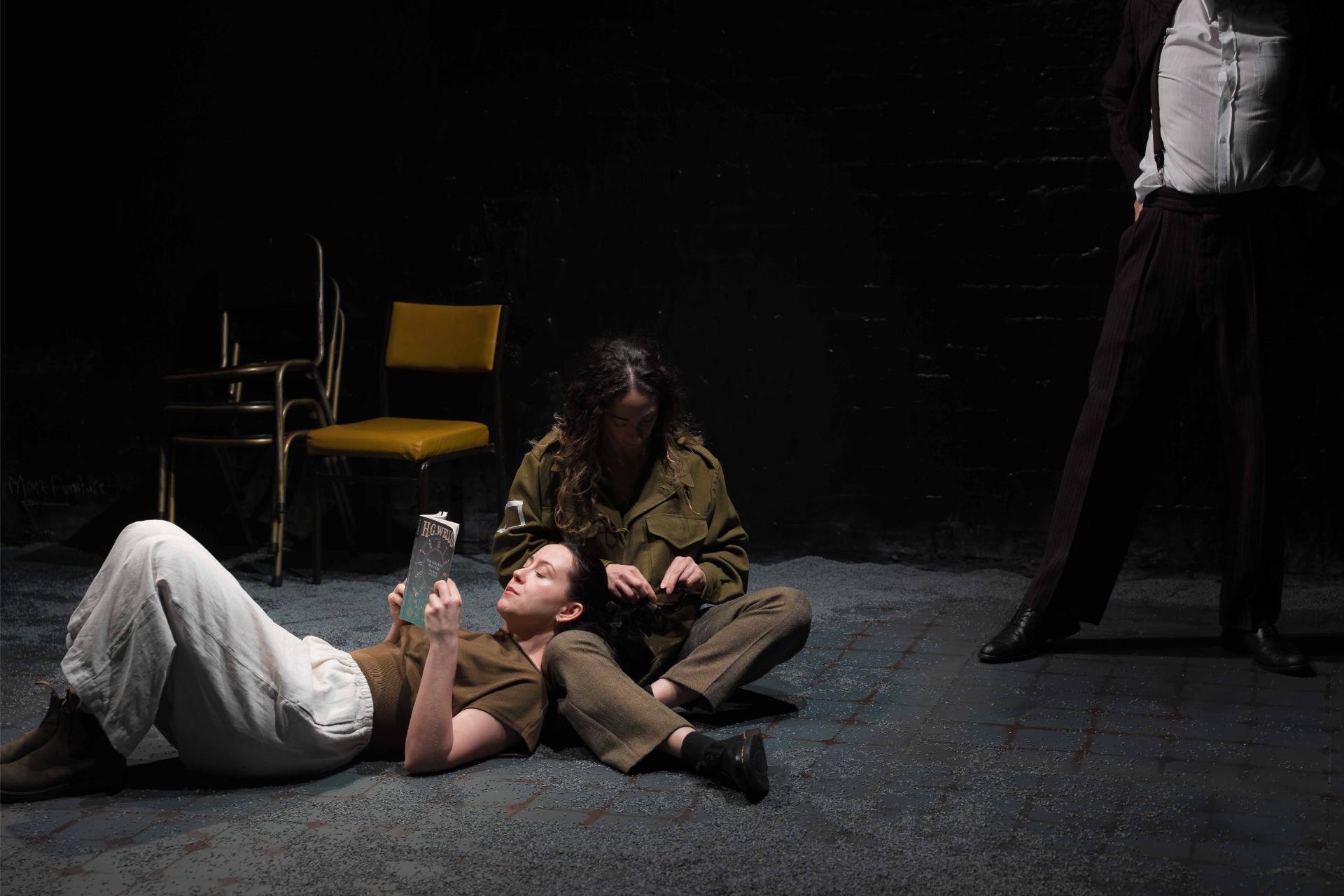
H.G. Wells published The King Who Was a King in 1929, reworking as a novel a proposed film treatment that had failed to reach the screen. In Ayah Tayeh’s new adaptation, characters from the book assemble to tell its story, while Wells himself appears alongside them, reminding us that this is a contemporary interrogation of inherited ideas. Such an approach seems entirely appropriate for a species perpetually reckoning with its propensity for war.

Tayeh’s distillation can make Wells’ arguments seem simplistic, particularly at a moment when our daily encounters with the subject demand an almost unbearable complexity of thought and feeling. The adaptation gains depth, however, when it ventures beyond its source, admitting perspectives that complicate the author’s propositions and broaden the terms of the discussion.

As director, Tayeh establishes a surprisingly assured balance between gravity and droll humour, allowing the production to remain approachable without diminishing its subject. Particularly commendable is her refusal to resort to easy sentimentality or exploit the traumas that performers and spectators may bring to the room. There is a restraint to the staging that gives its emotional register integrity.

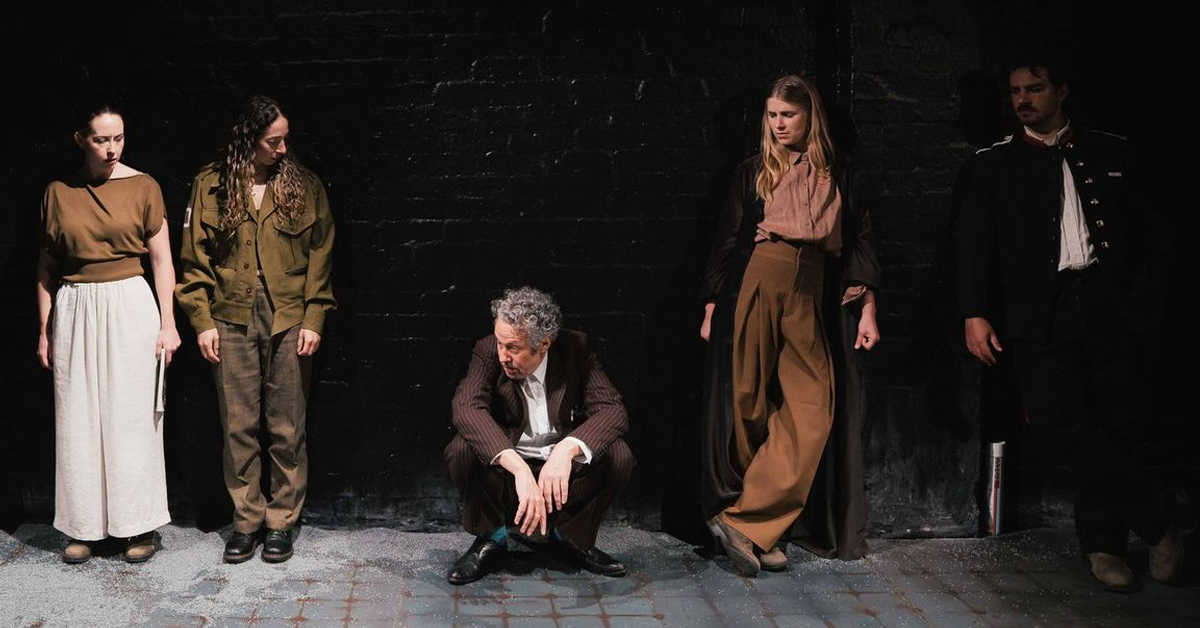
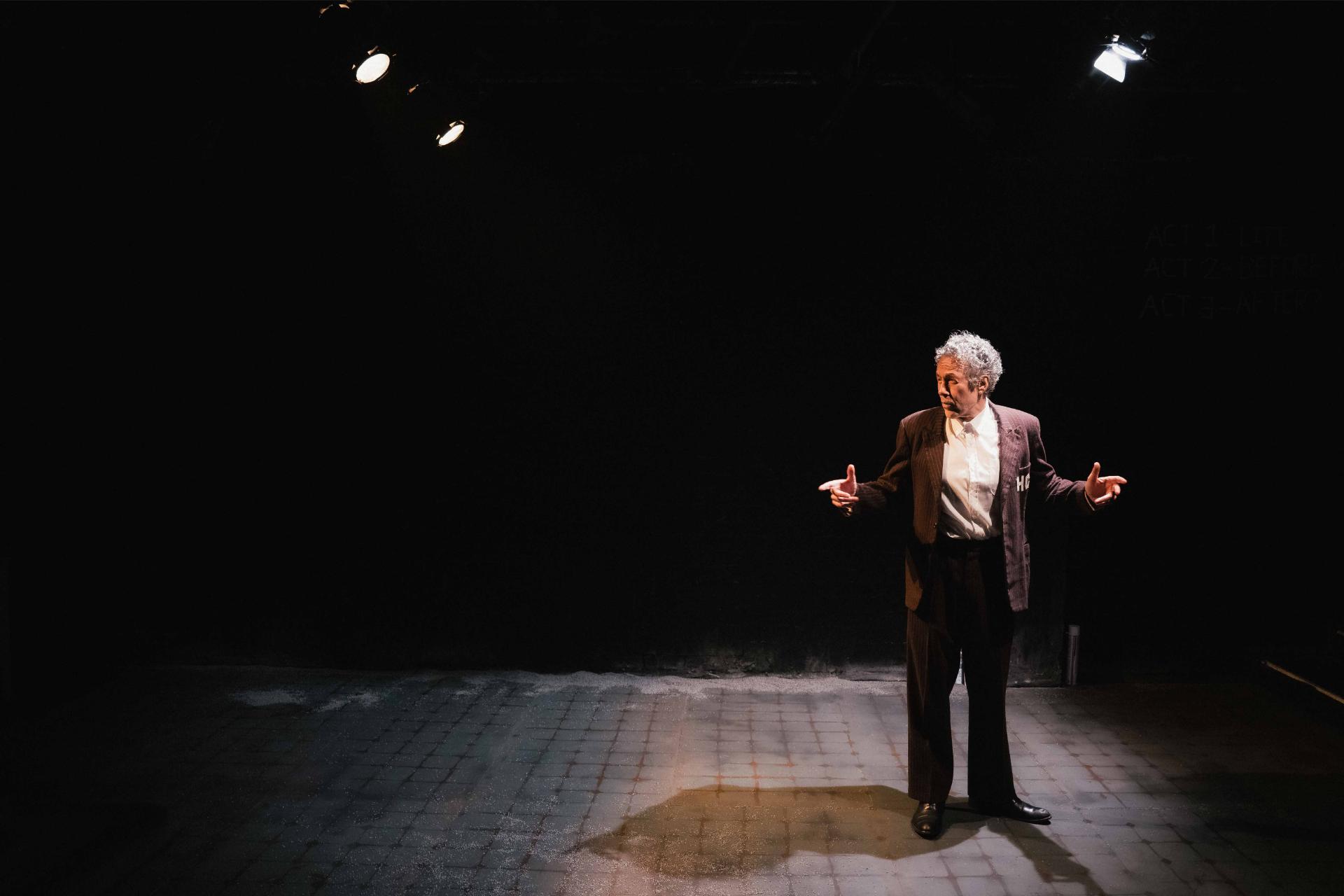
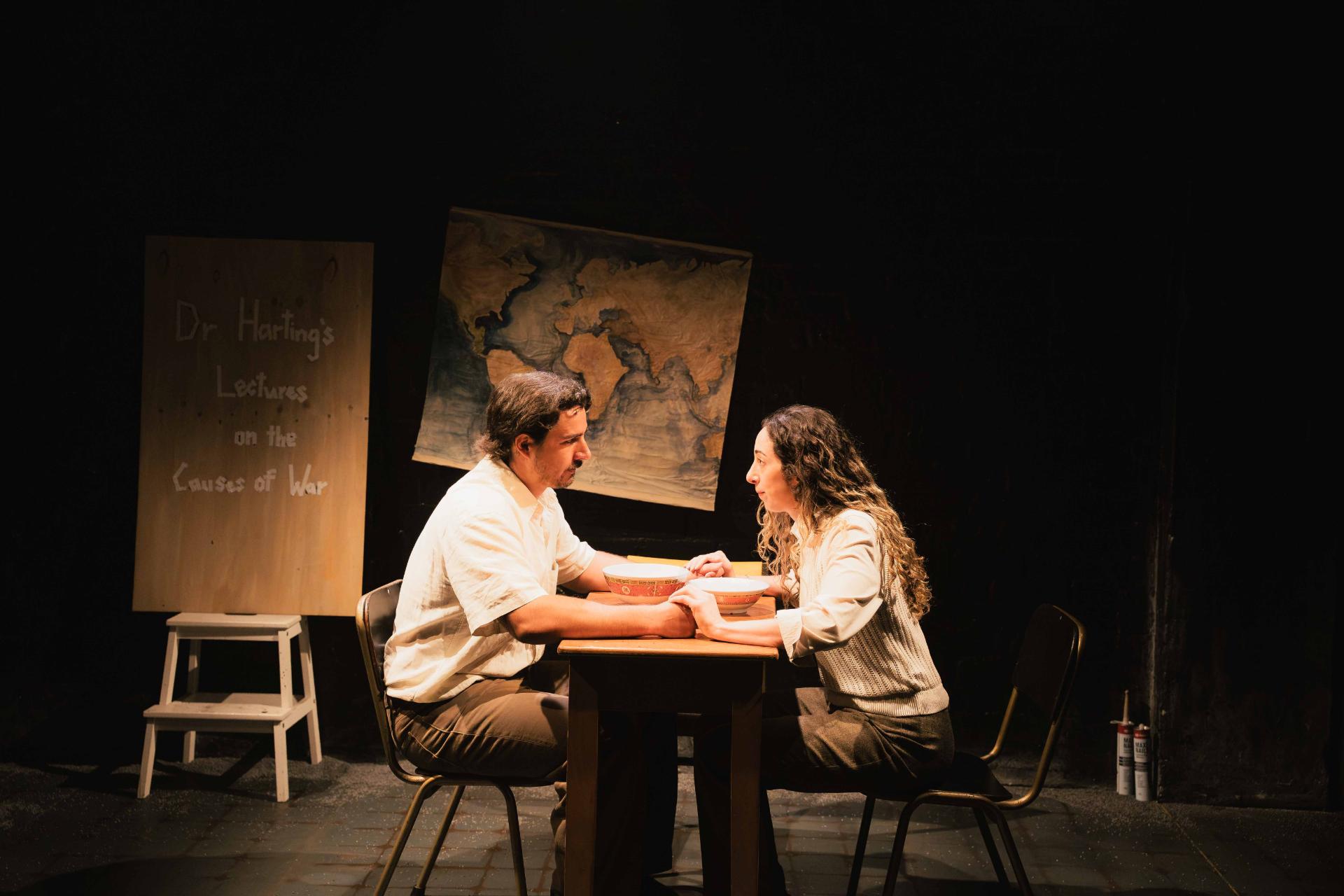
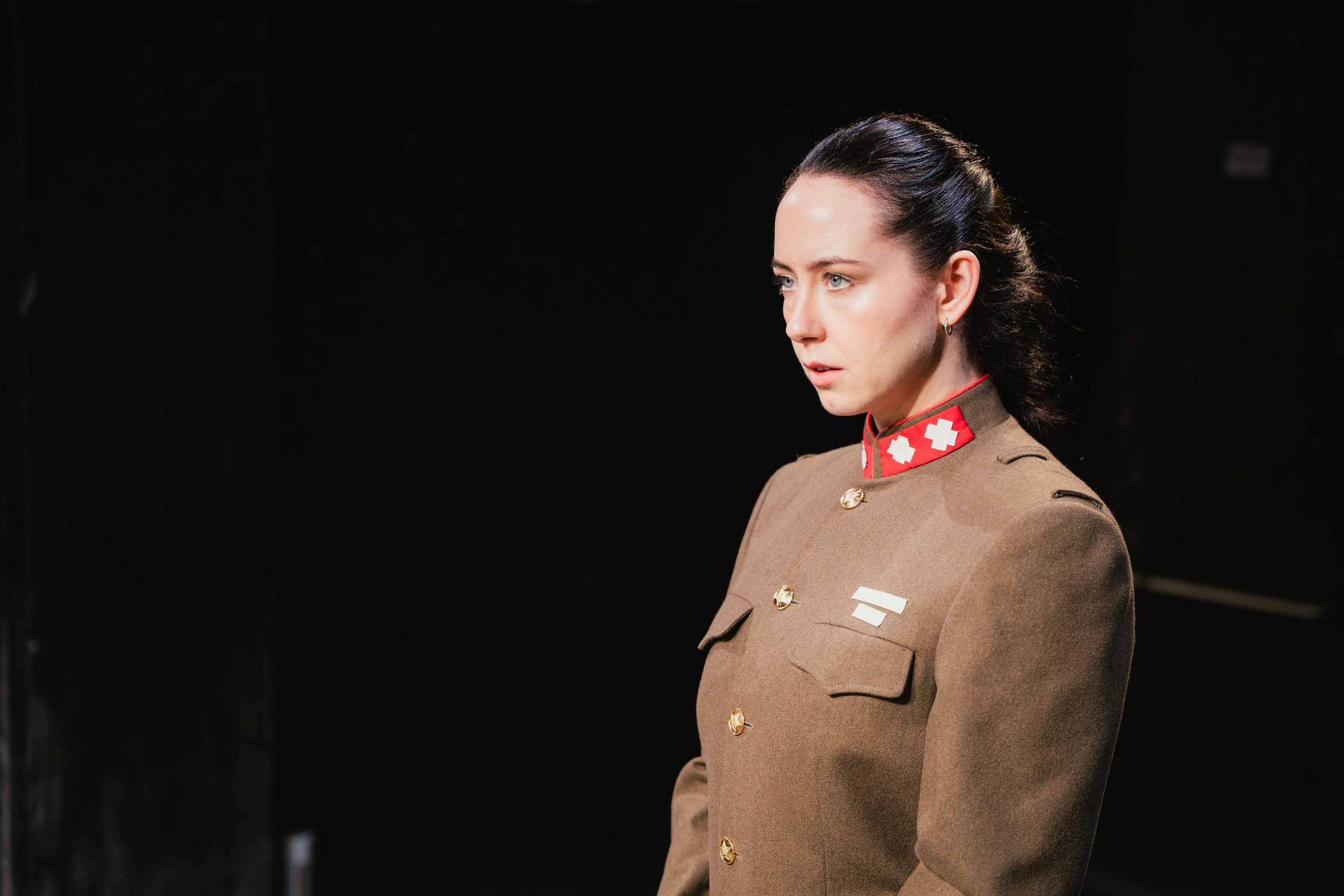
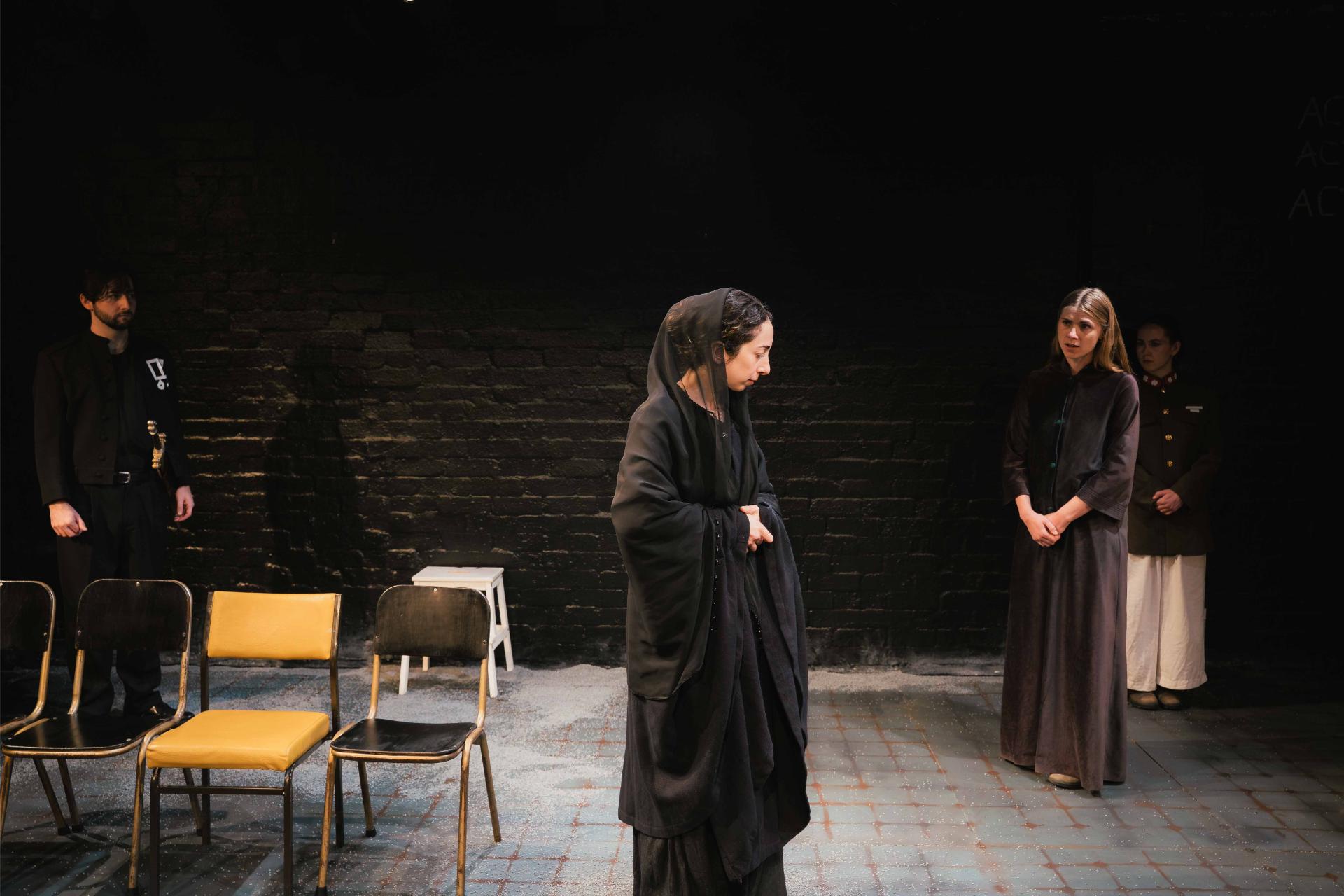
The work is visually elegant. Bronte Hunt’s minimal set offers just enough suggestion to evoke territorial boundaries and the divisions they impose, while Travis Kecek’s similarly understated lighting sustains a quiet dramatic tension. Andrea Knezevic’s costumes introduce a pleasing palette, although their execution would benefit from closer attention to detail. Daniel Hertern’s music is particularly effective, finding a sonic expression for the tangled pain that war engenders. Its expansive theatricality deepens the production’s emotional resonance without tipping into melodramatic excess or obvious emotional manipulation.

A strong ensemble brings commitment and generosity to the material, with an attentiveness to one another that lends the performance a cohesive energy. As Wells, Marco Chiappi is especially uninhibited, his commanding presence and instinctive timing providing an assured centre around which the production gathers.

The question of why we wage war, which occupies so much of Wells’ novel, can feel less pressing now than the increasingly desperate search for ways to stop it. For some, that desperation has acquired a new intensity; for others, it has long been an enduring condition. Its persistence can leave us suspended between the hope of peaceful resolution and a helplessness that gradually hardens into numbness. The play may offer little that is unfamiliar, but it recognises with honesty this exhausted, unresolved condition: our capacity to despair of humanity while continuing to ask something better of it.

www.belvoir.com.au | www.instagram.com/irregularprogramming.inc