Review: Lacuna (Griffin Theatre Co)

Venue: Belvoir St Theatre (Surry Hills NSW), Jul 30 – Aug 15, 2026
Playwright: Eric Jiang
Director: Nicole Pingon
Cast: Dominic Lui, Loretta Kung, Rachel Seeto
Images by Phil Erbacher

Theatre review
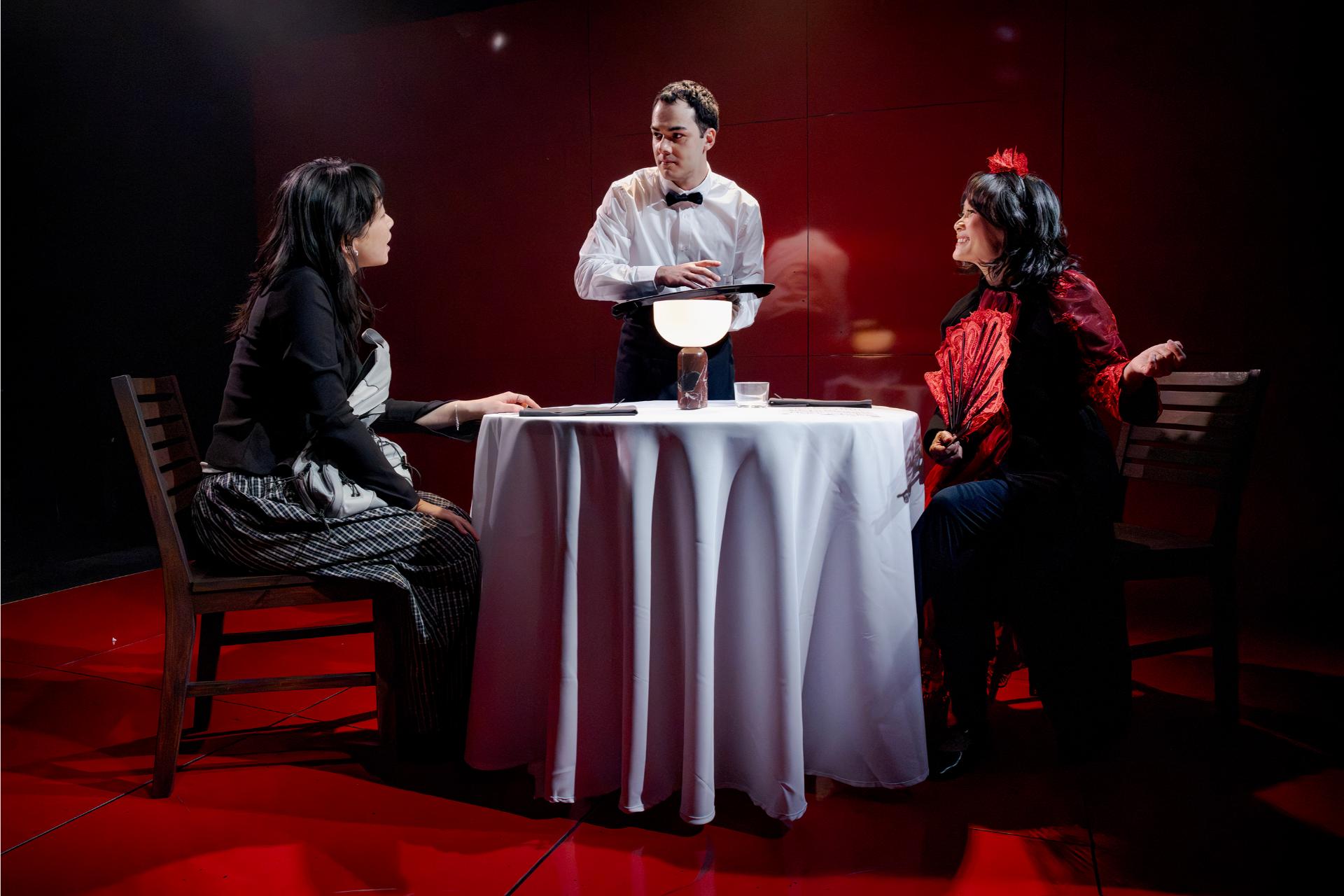
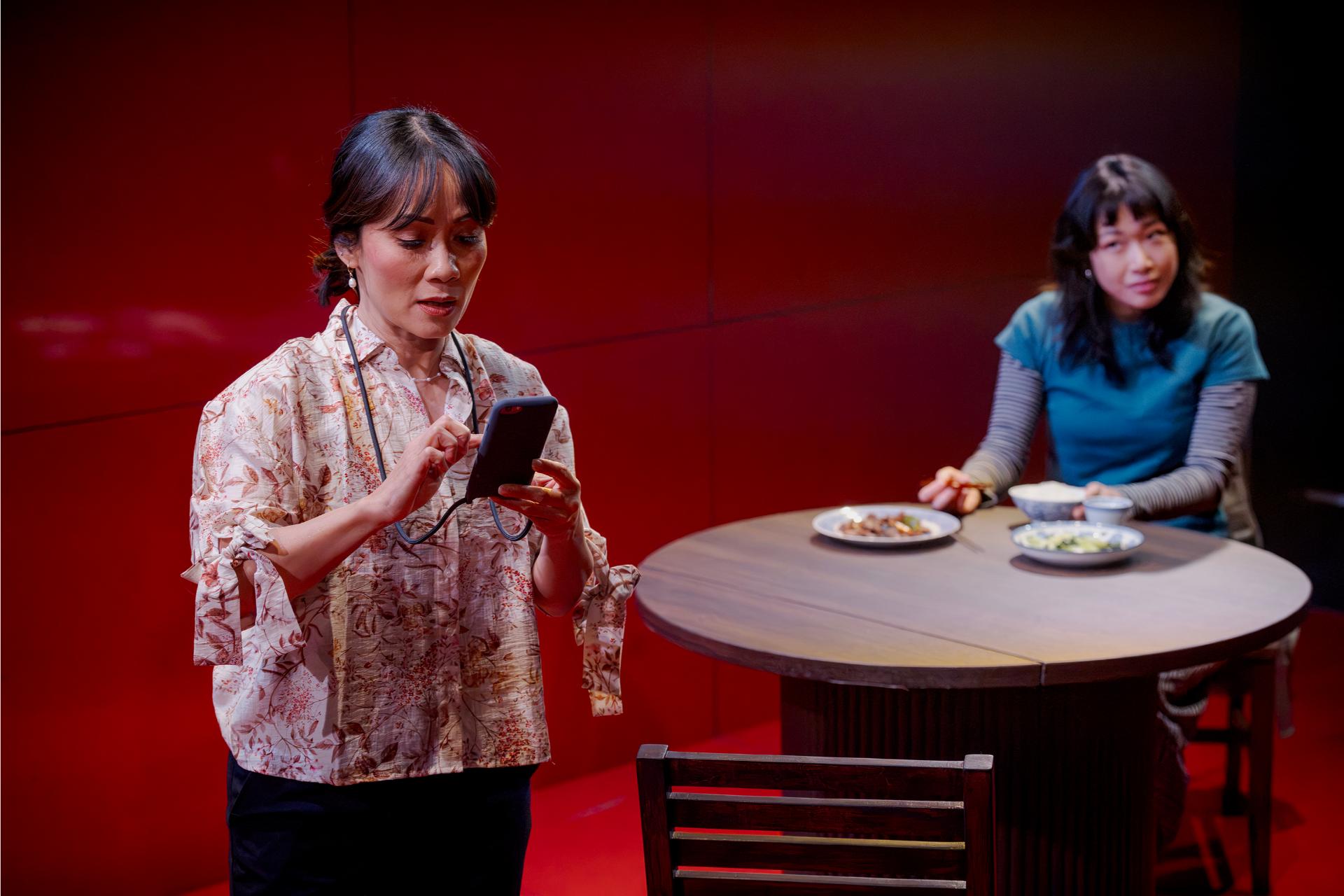
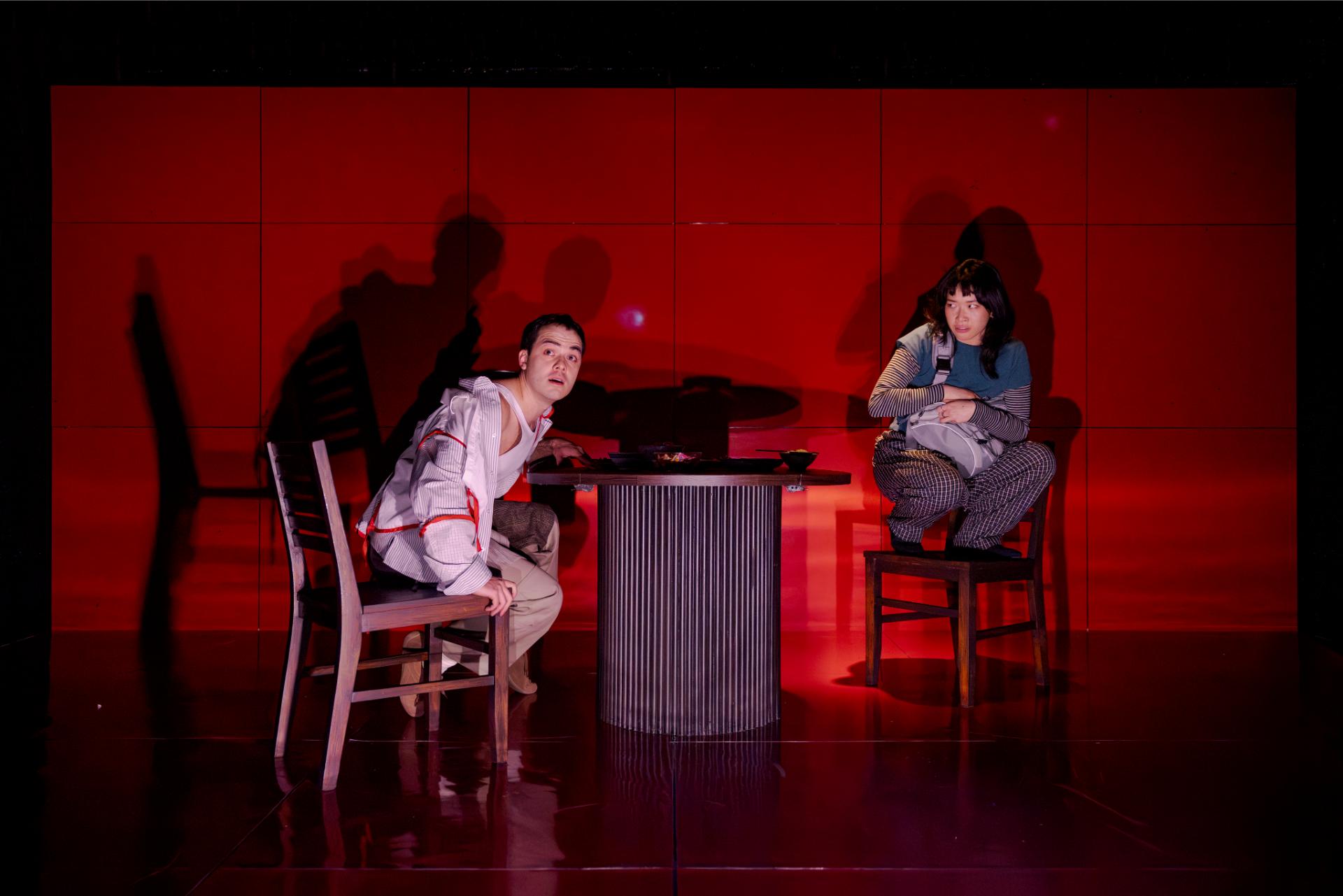
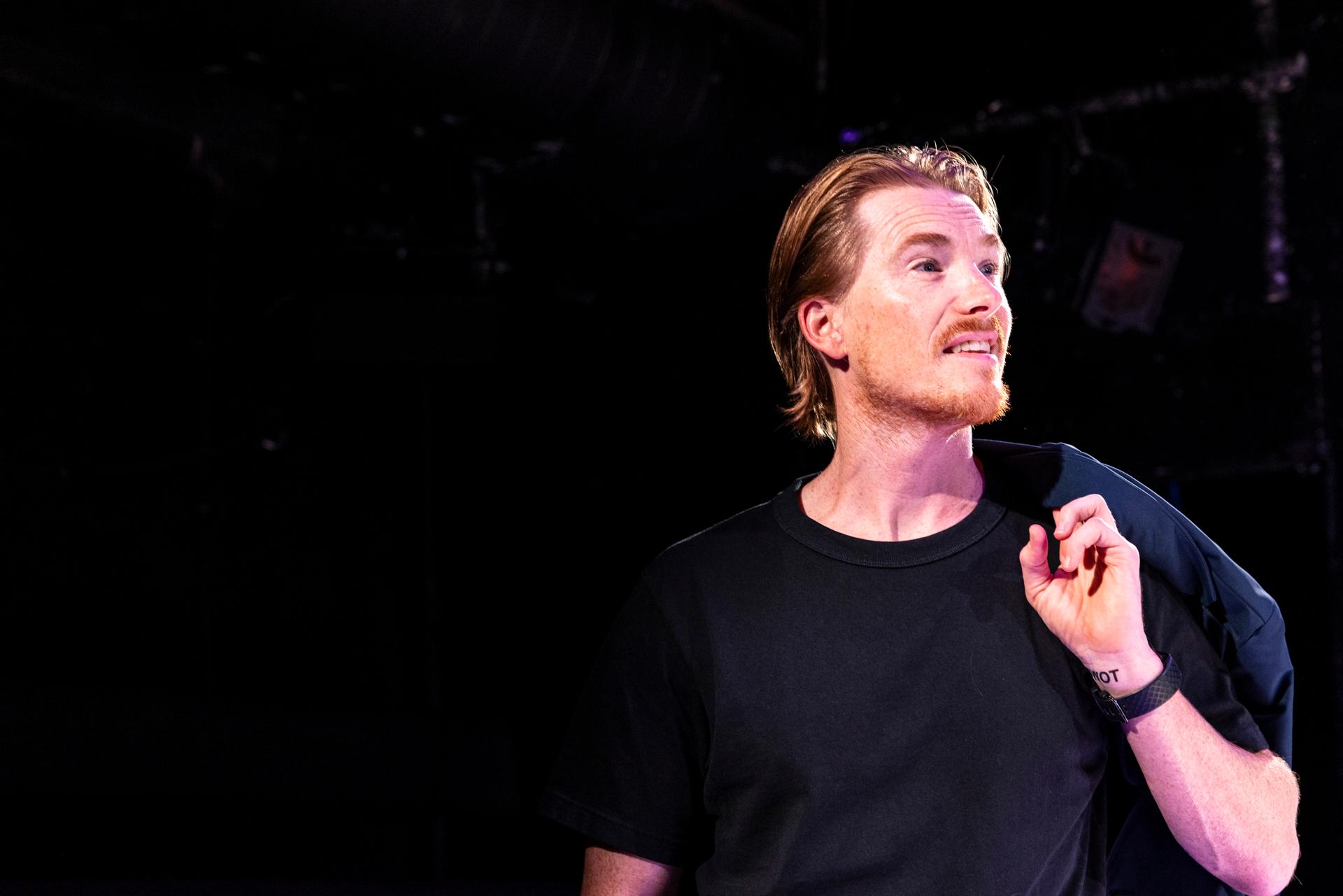
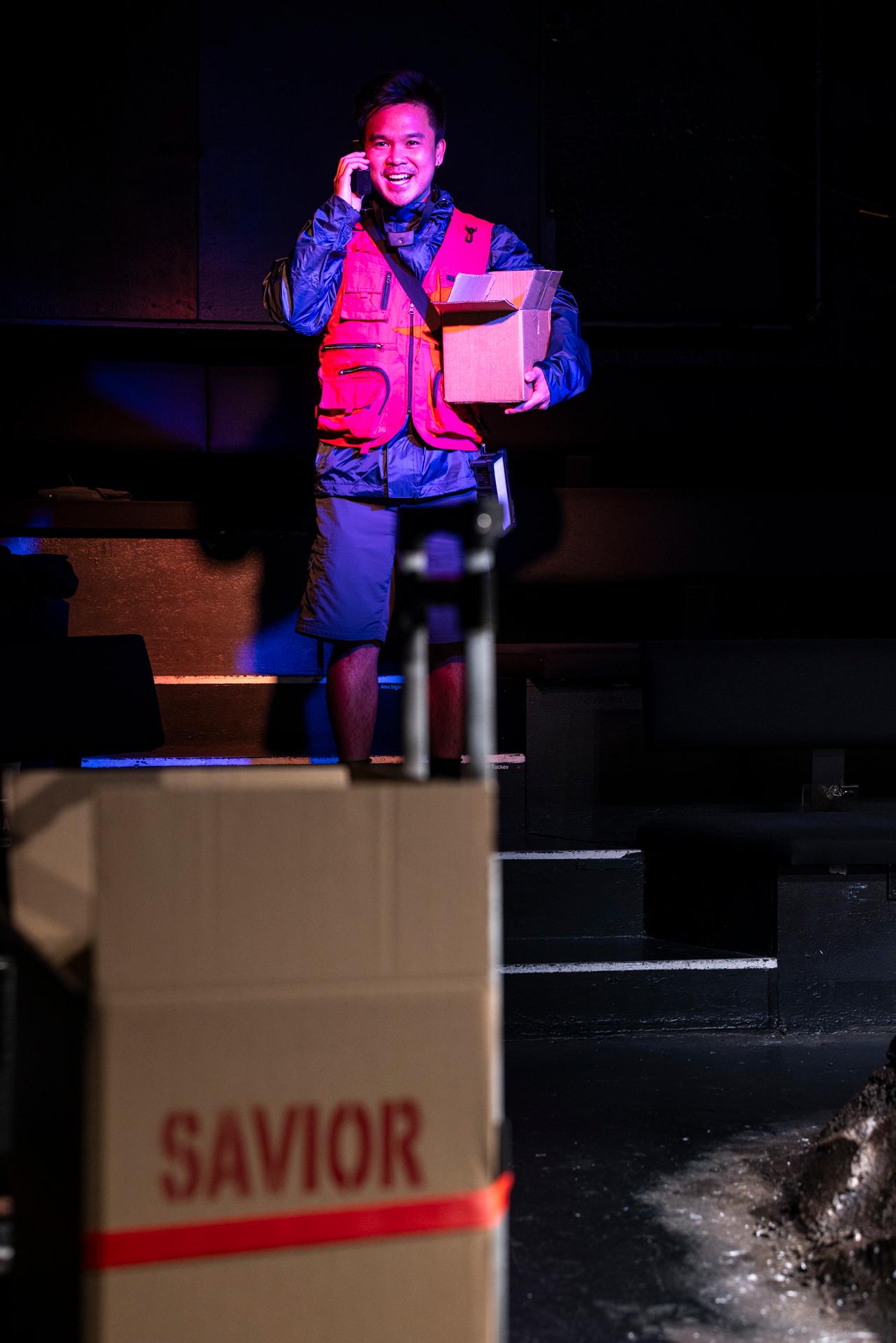
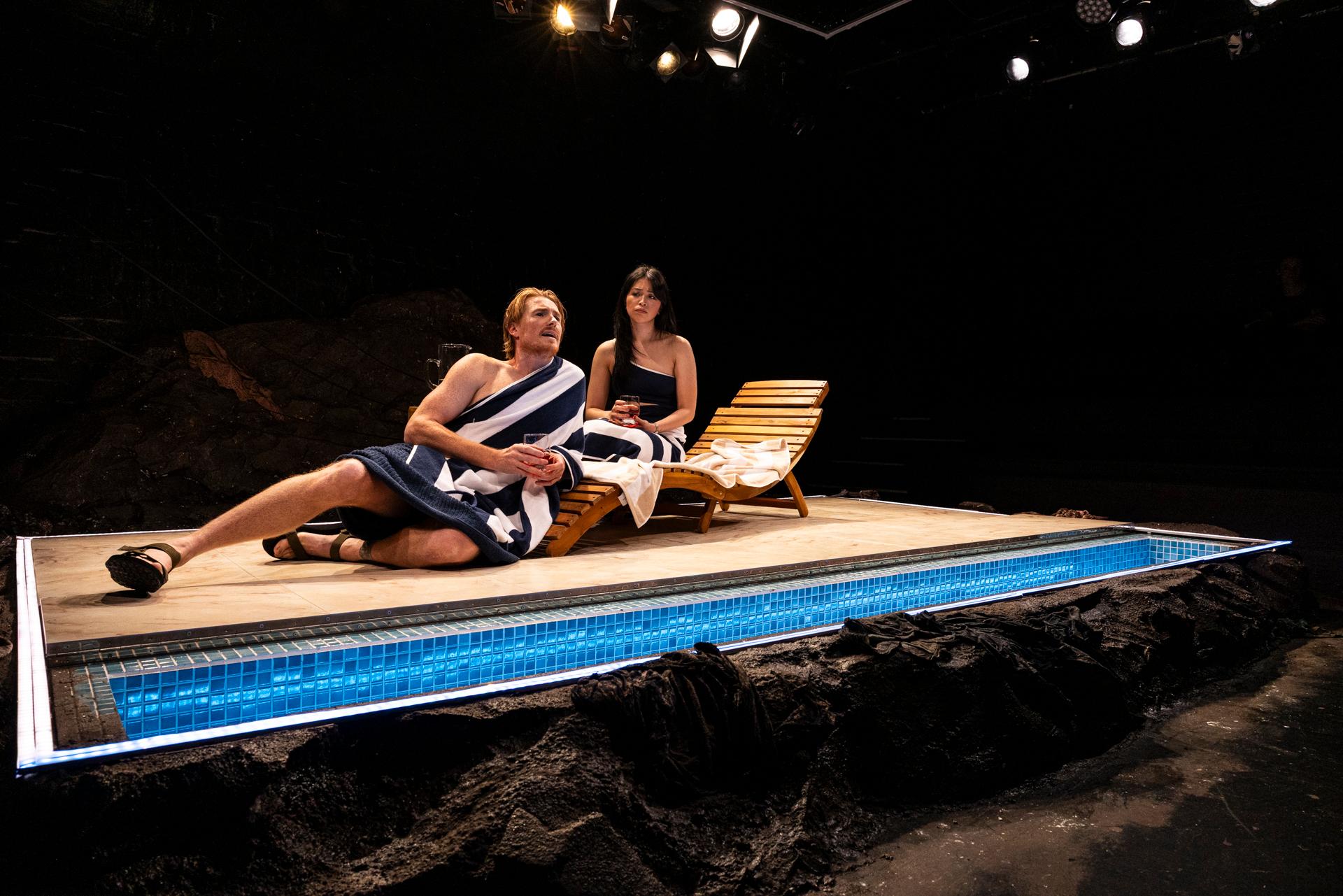
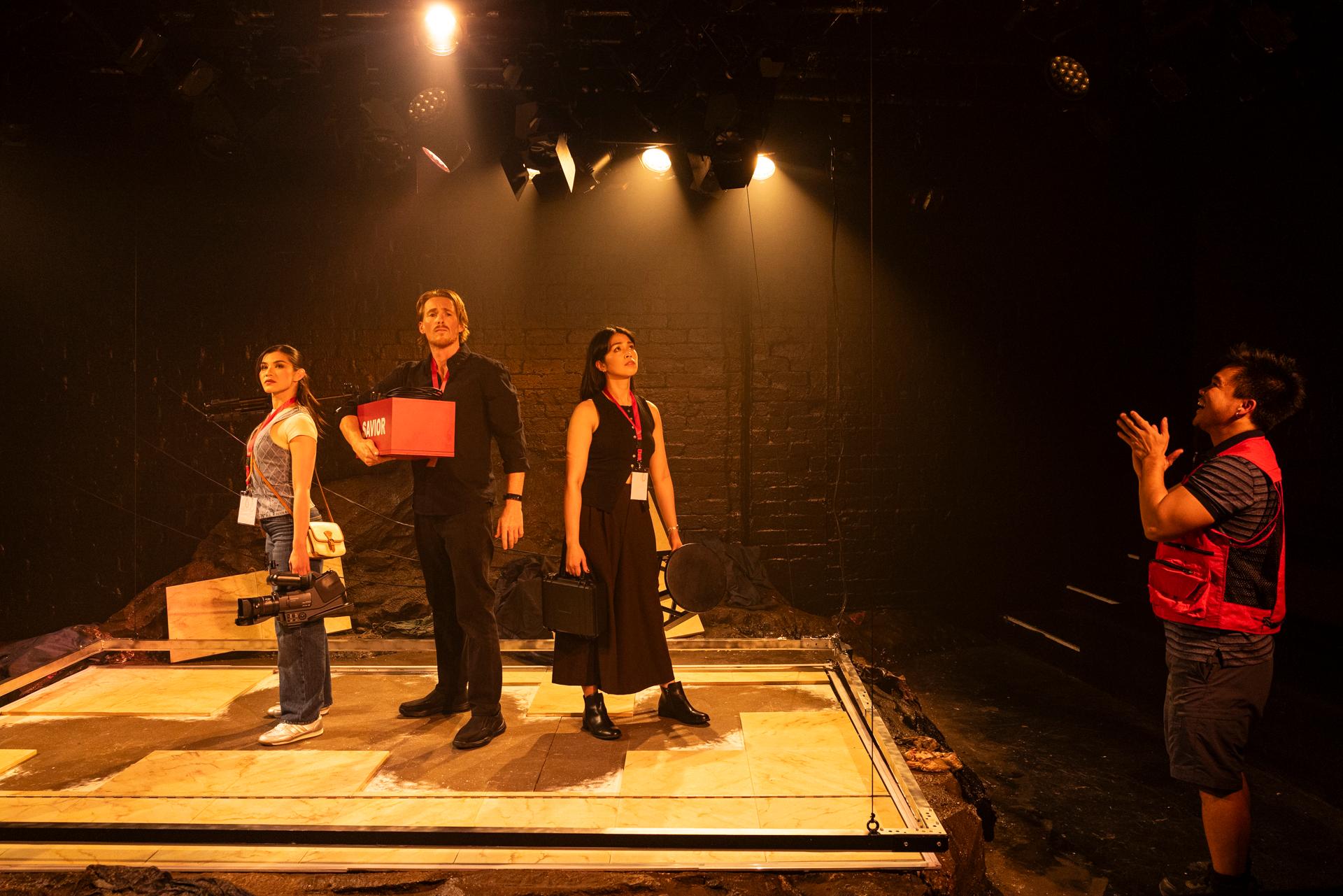
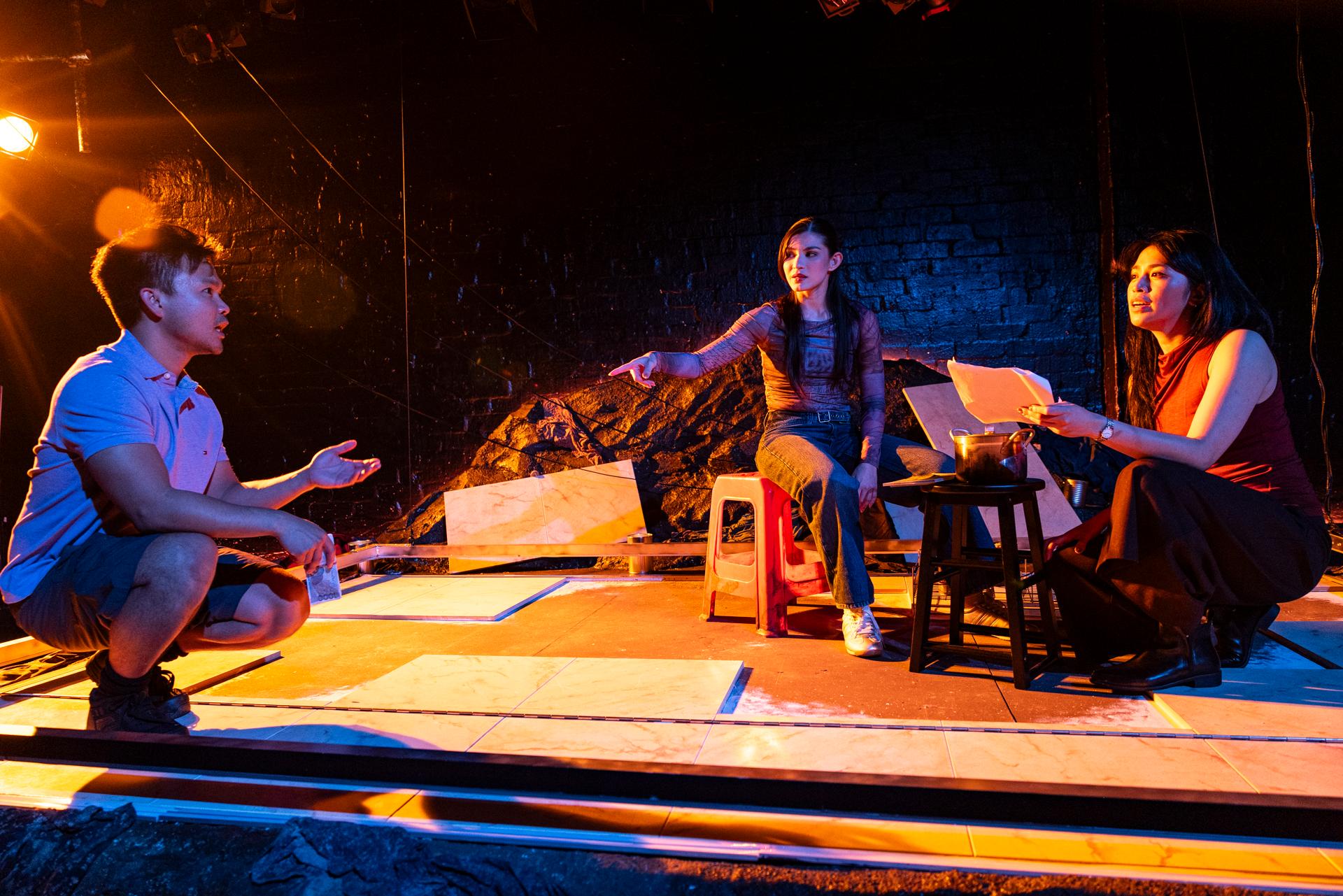
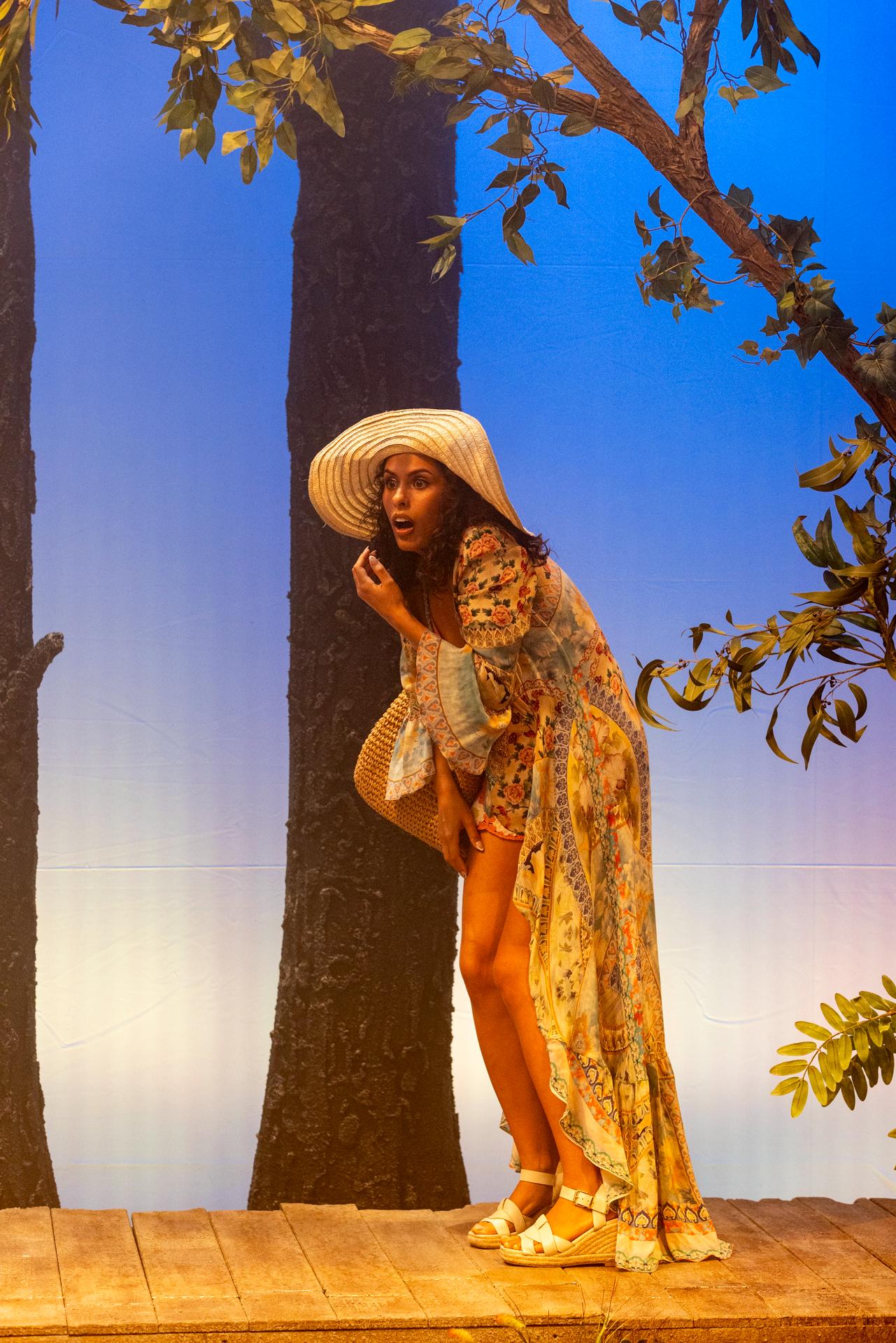
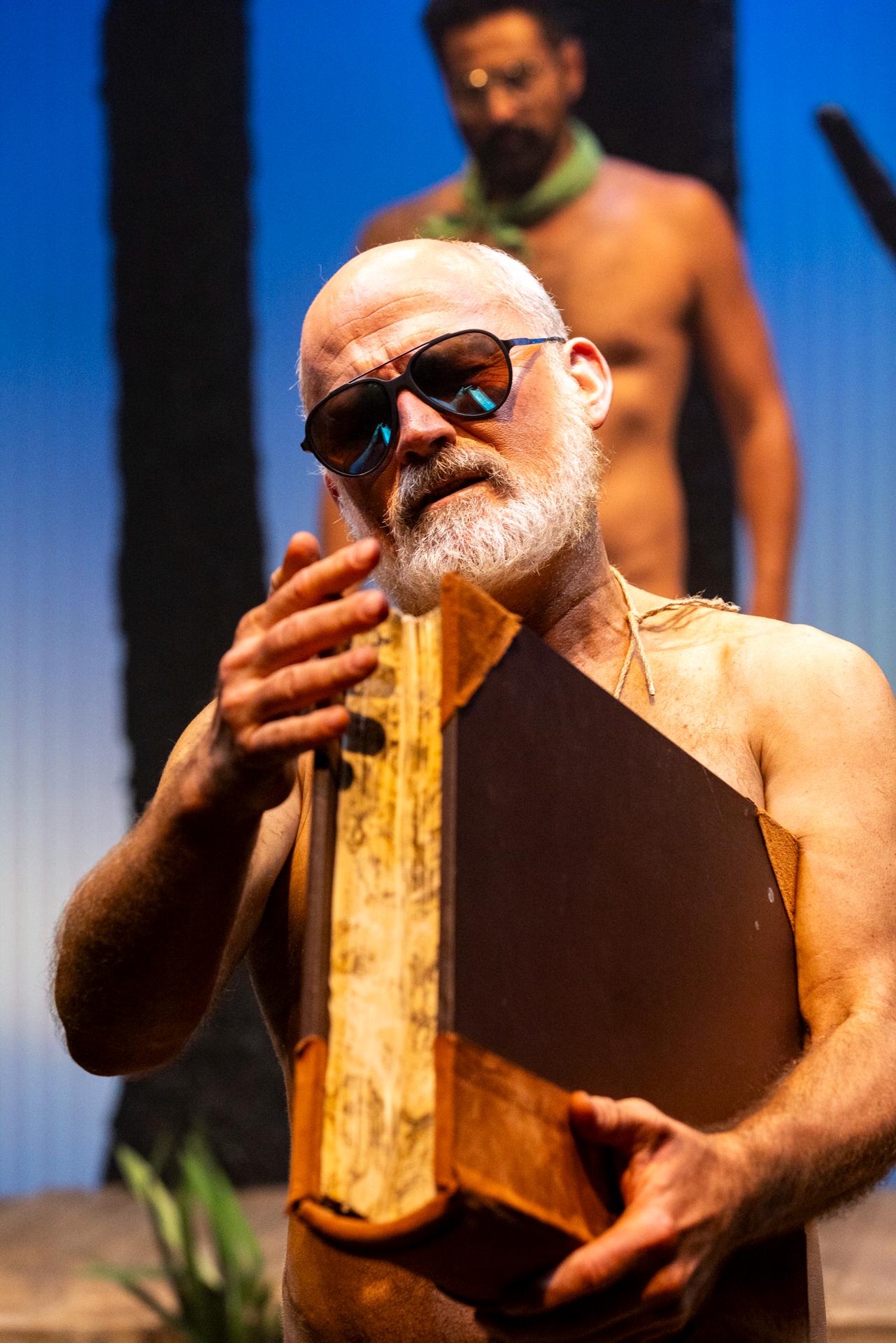
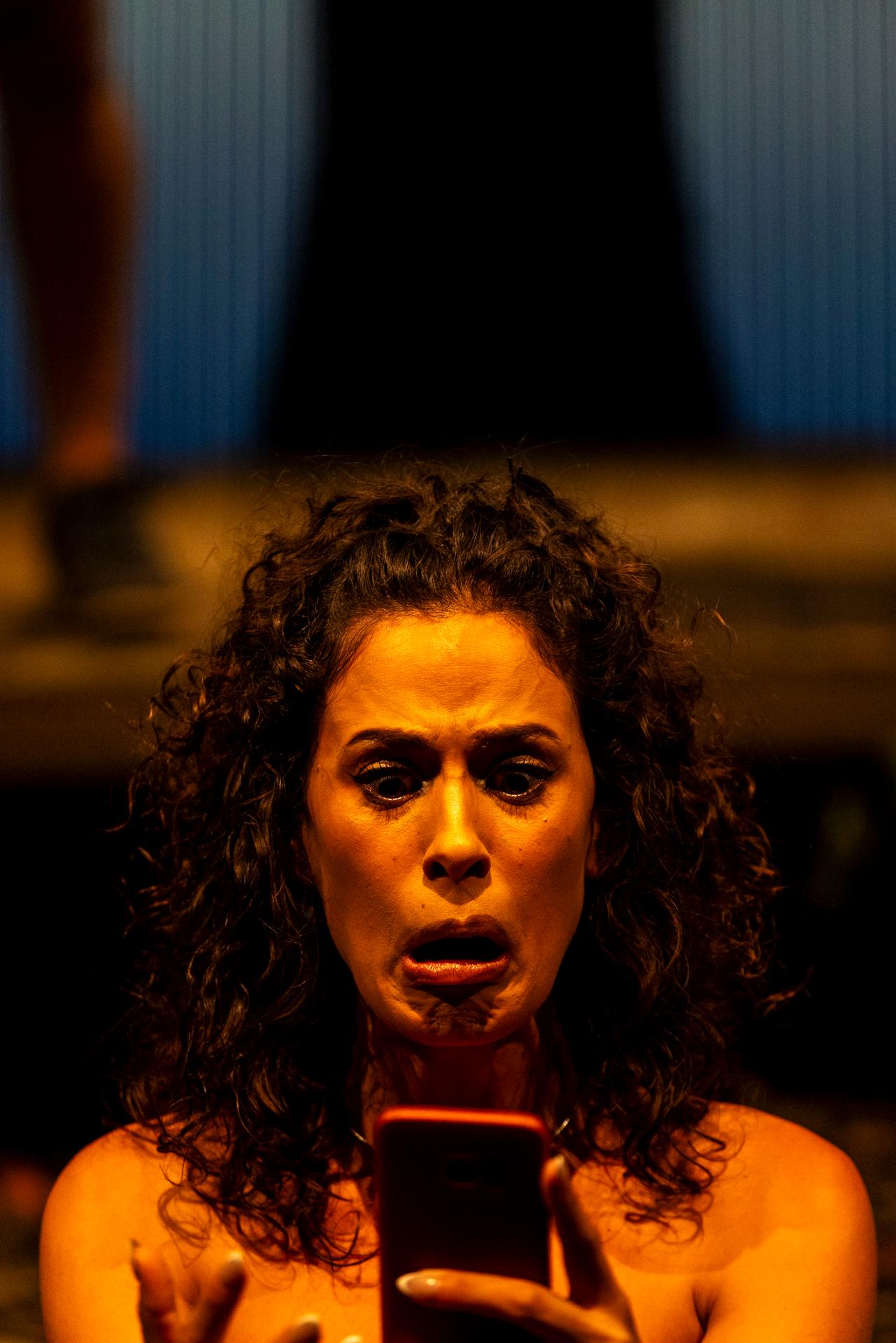
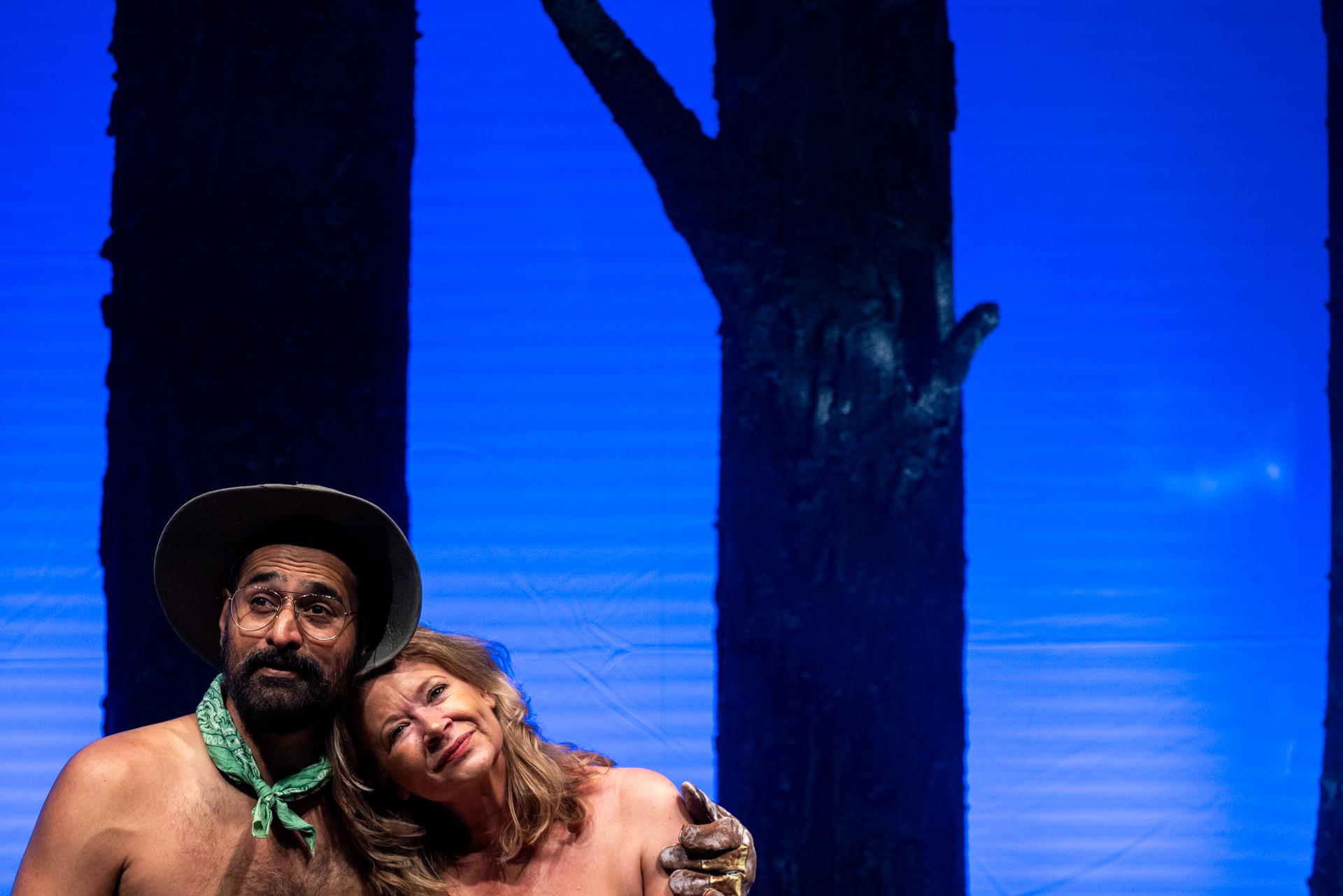
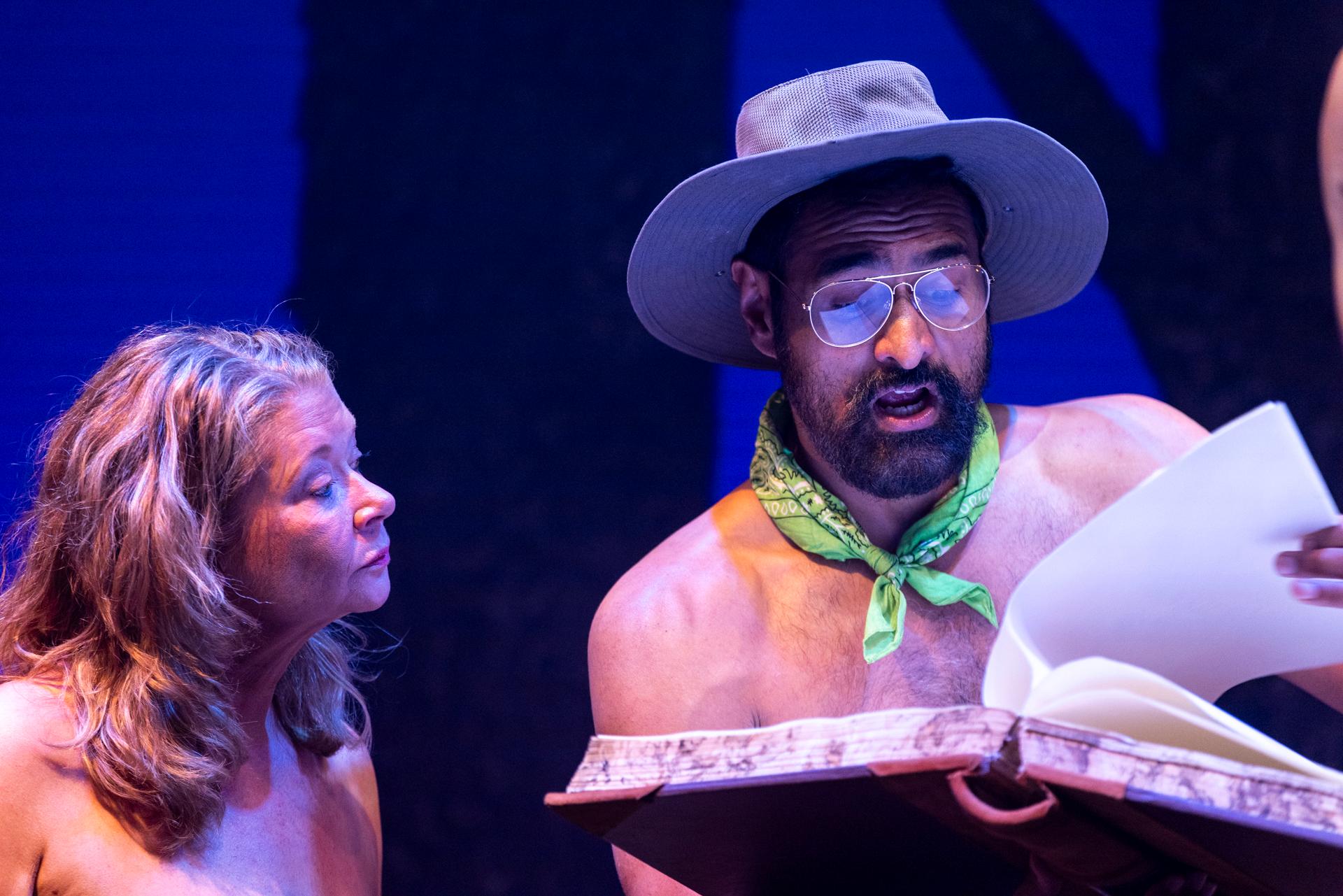
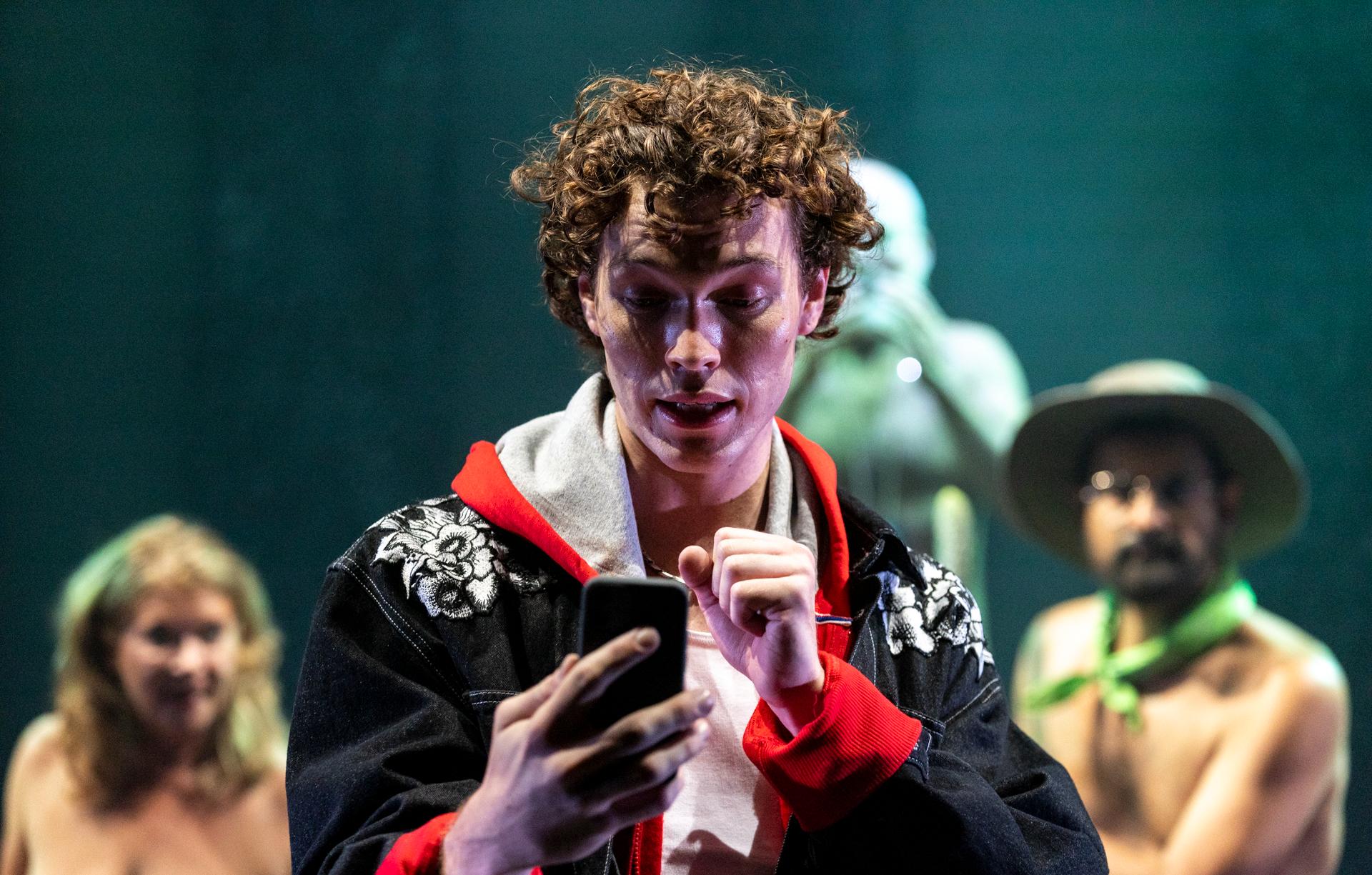
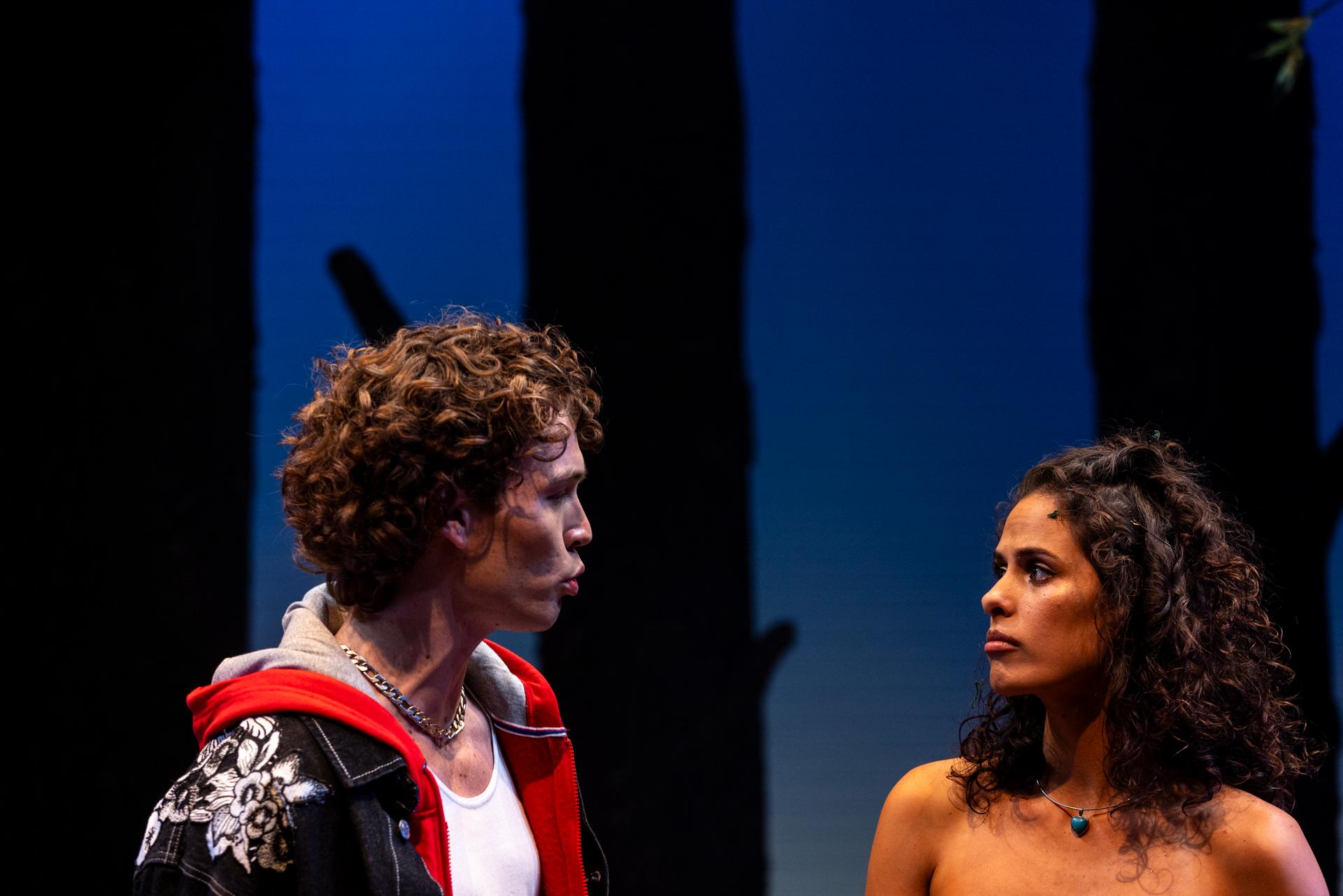
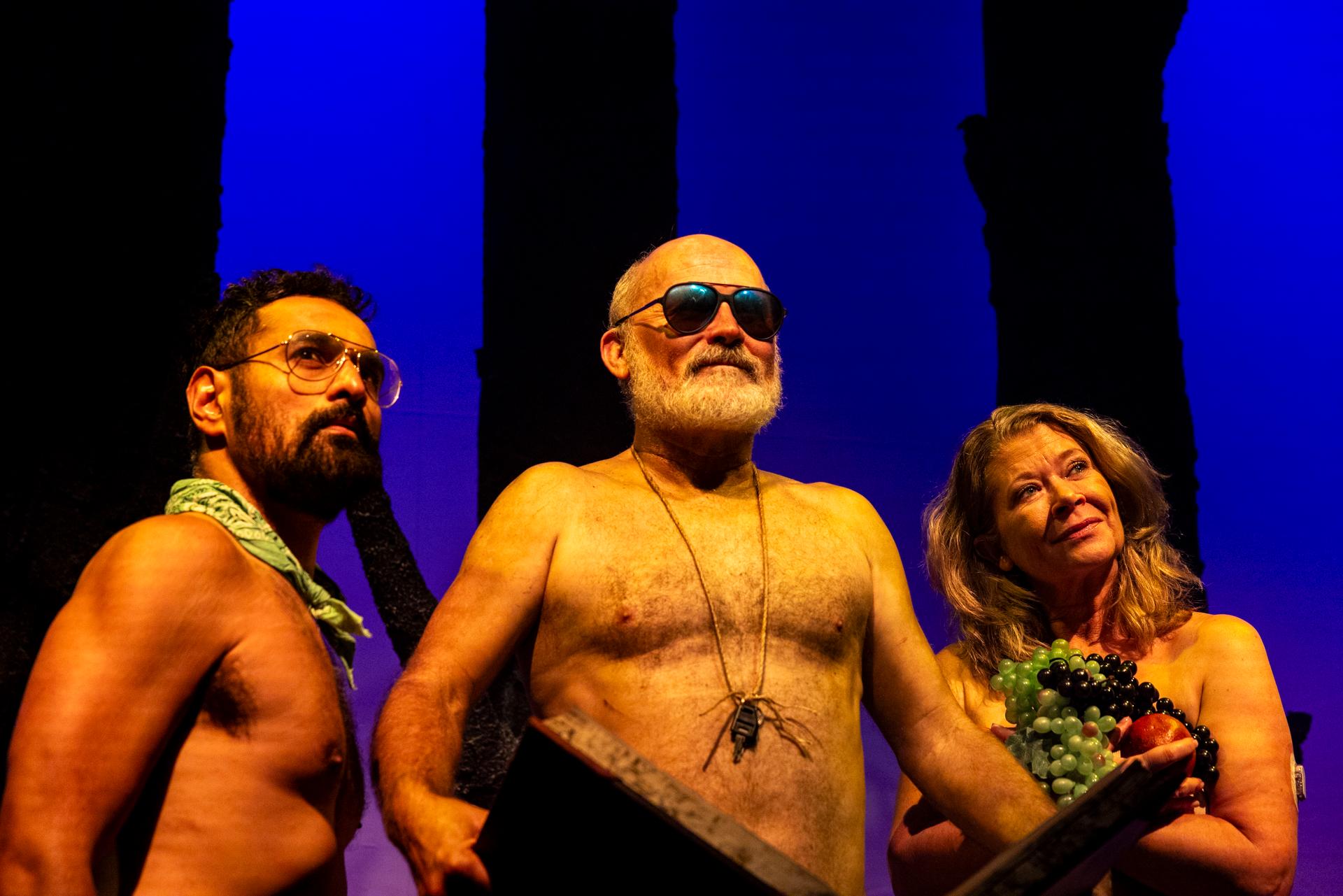
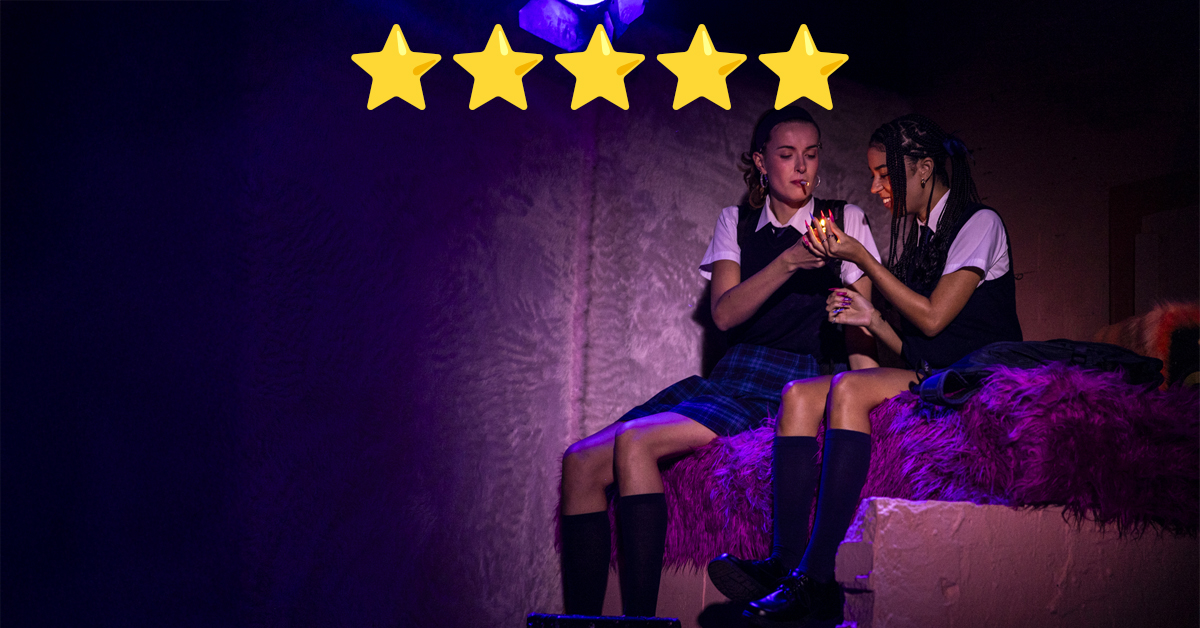
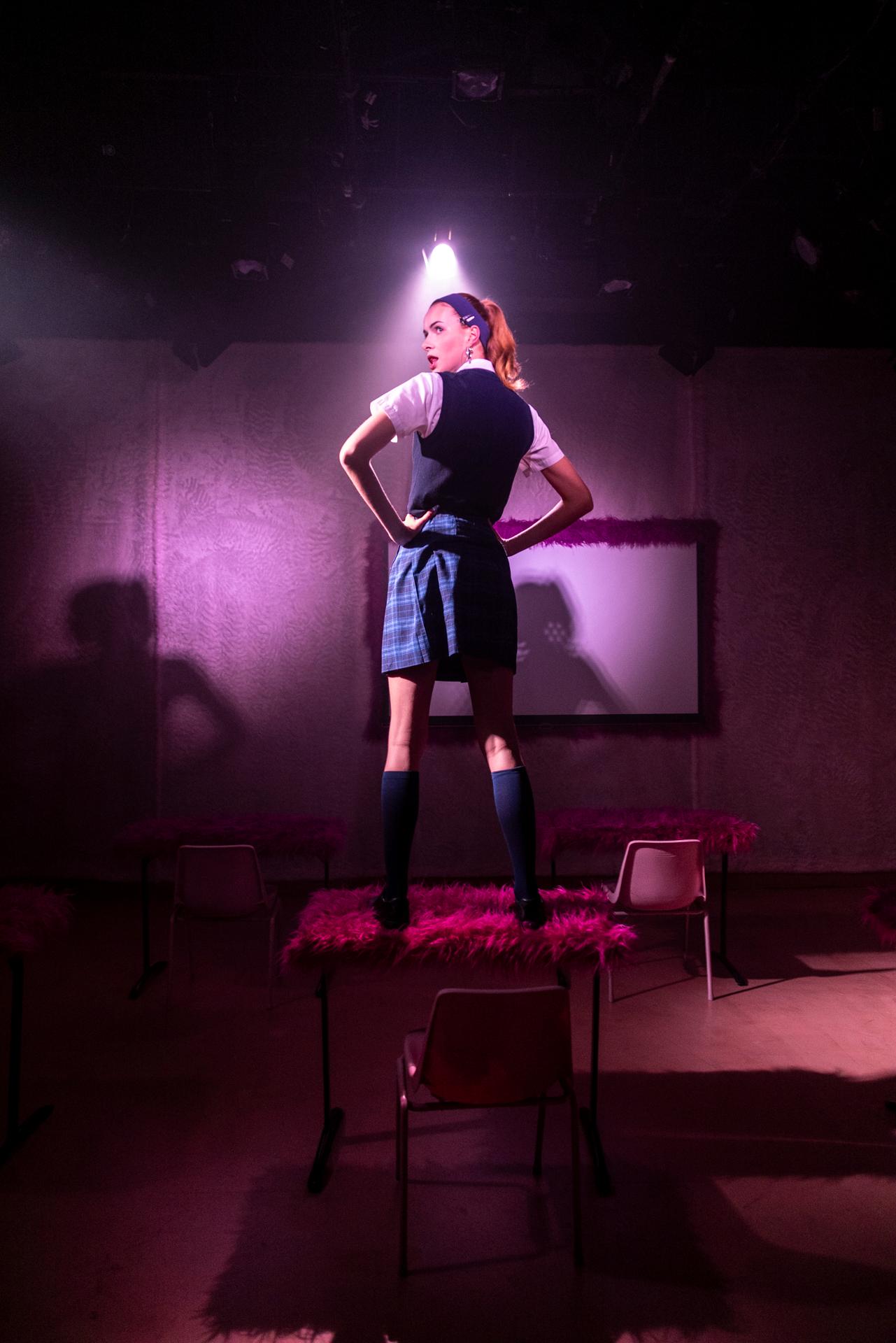
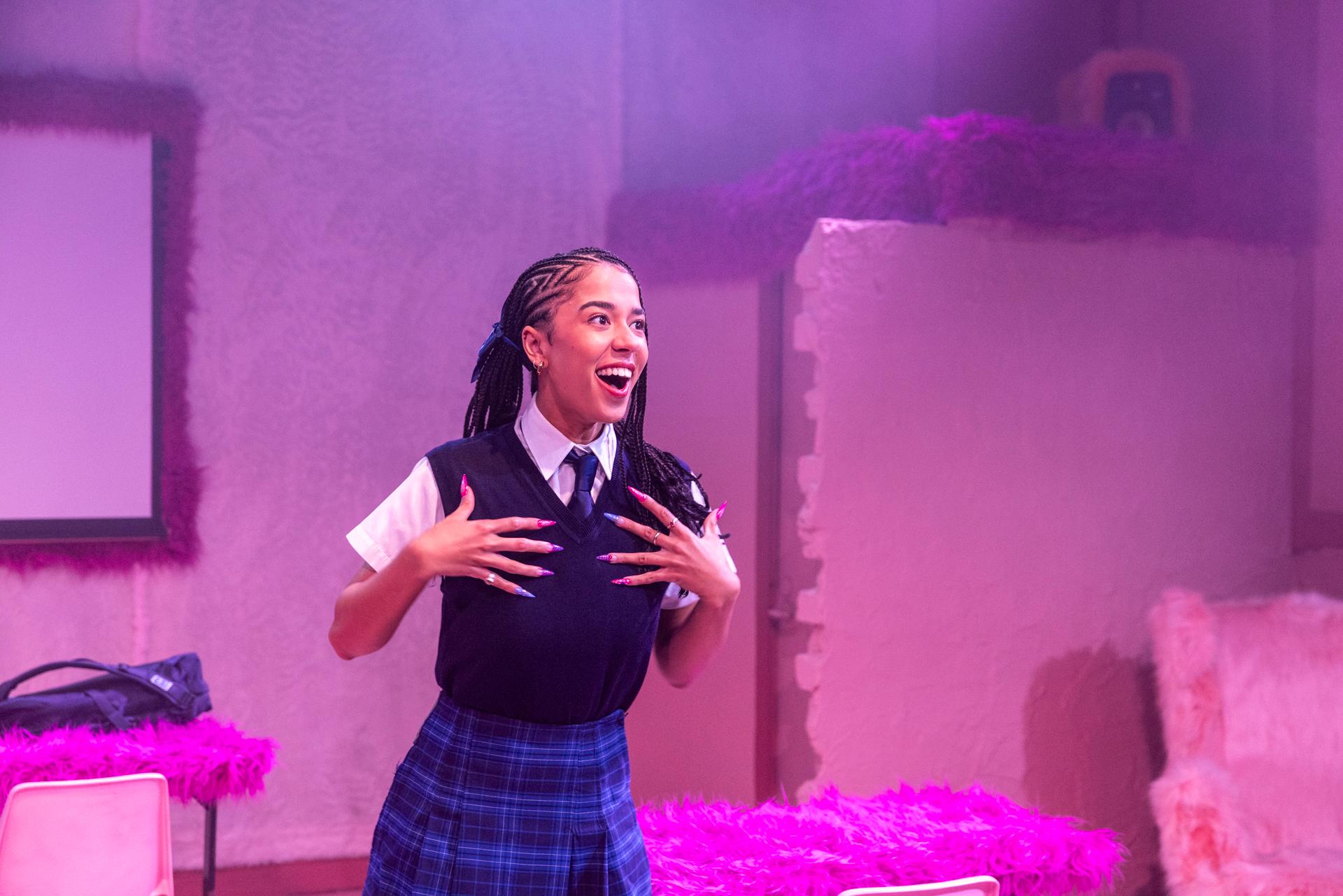
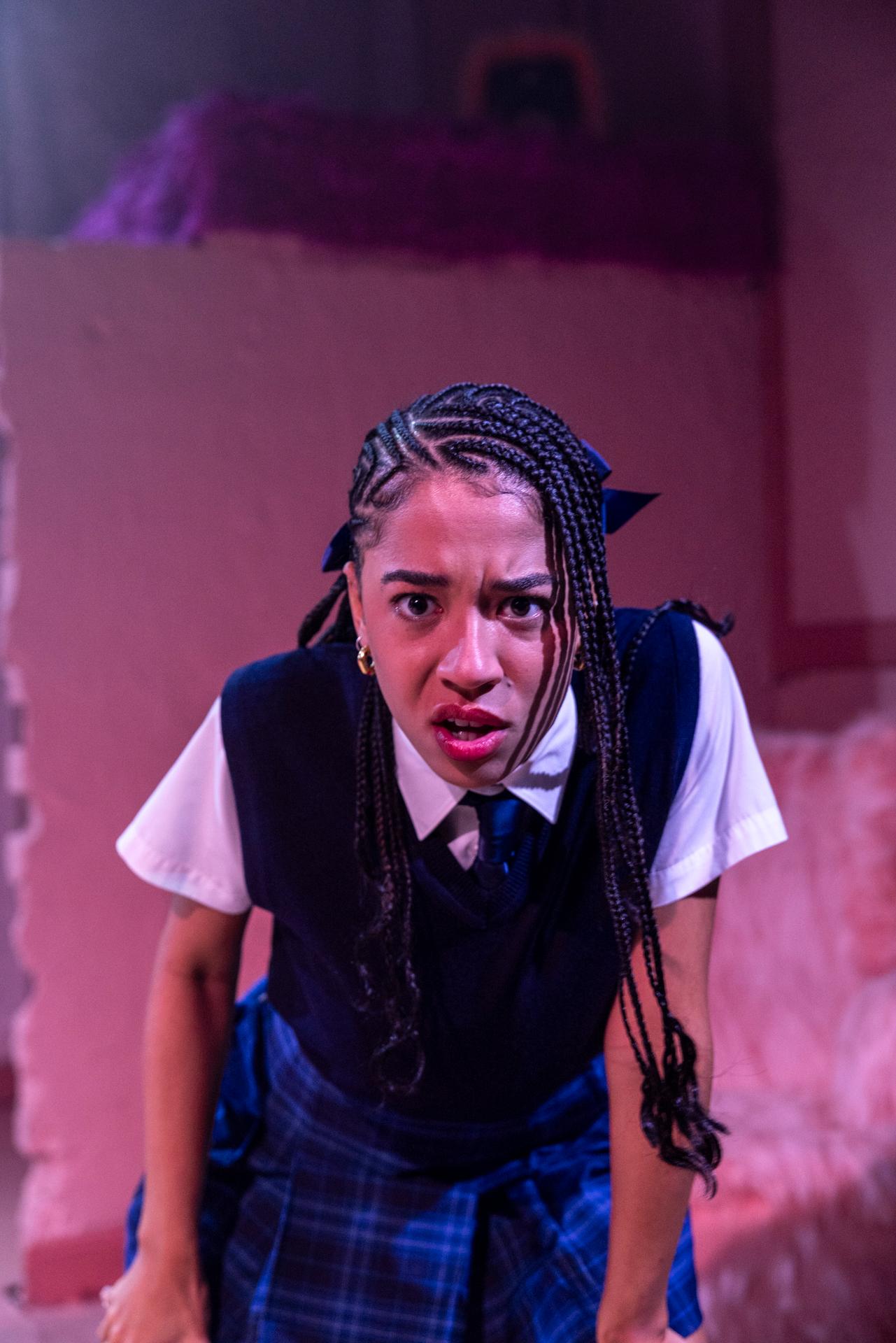
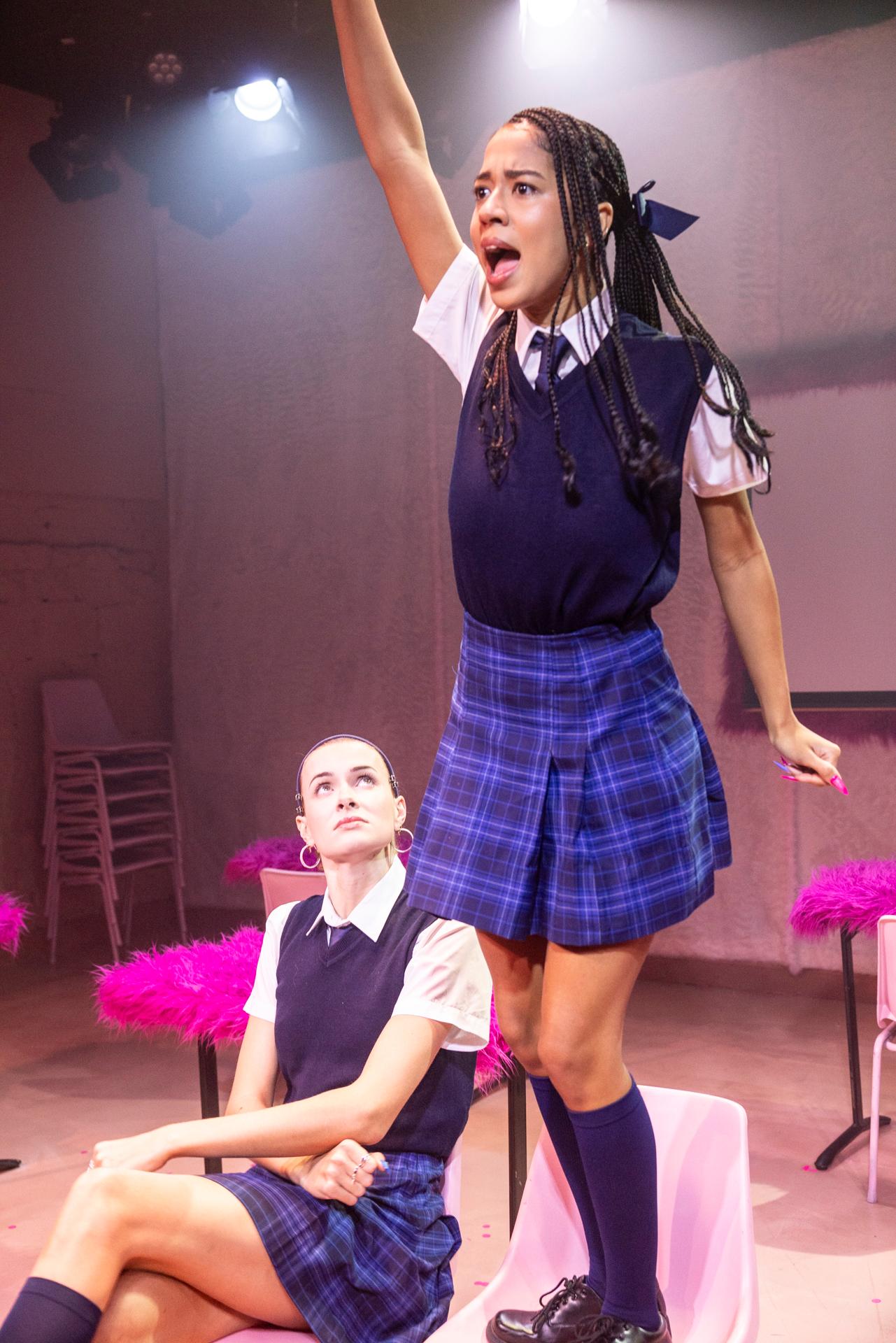
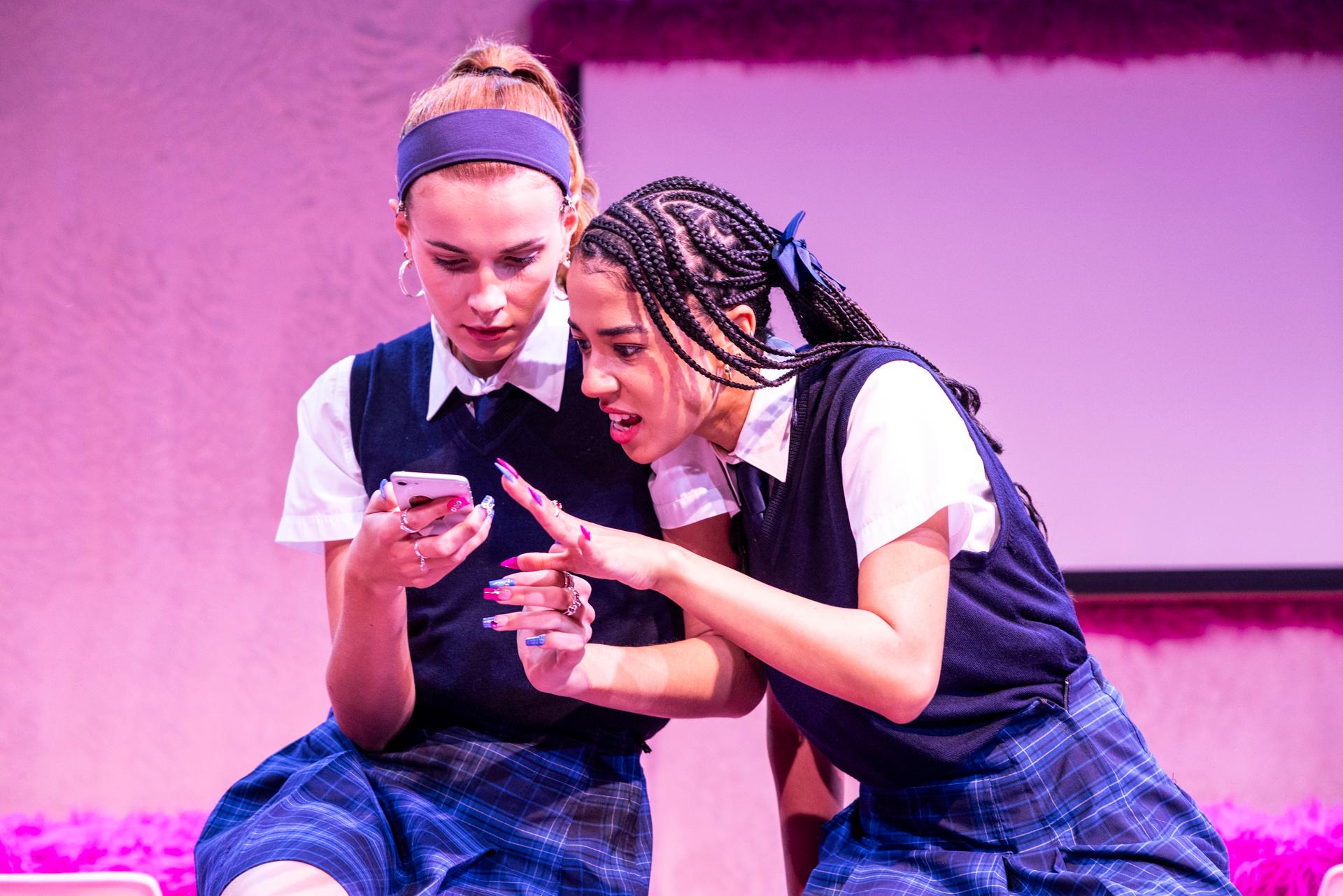
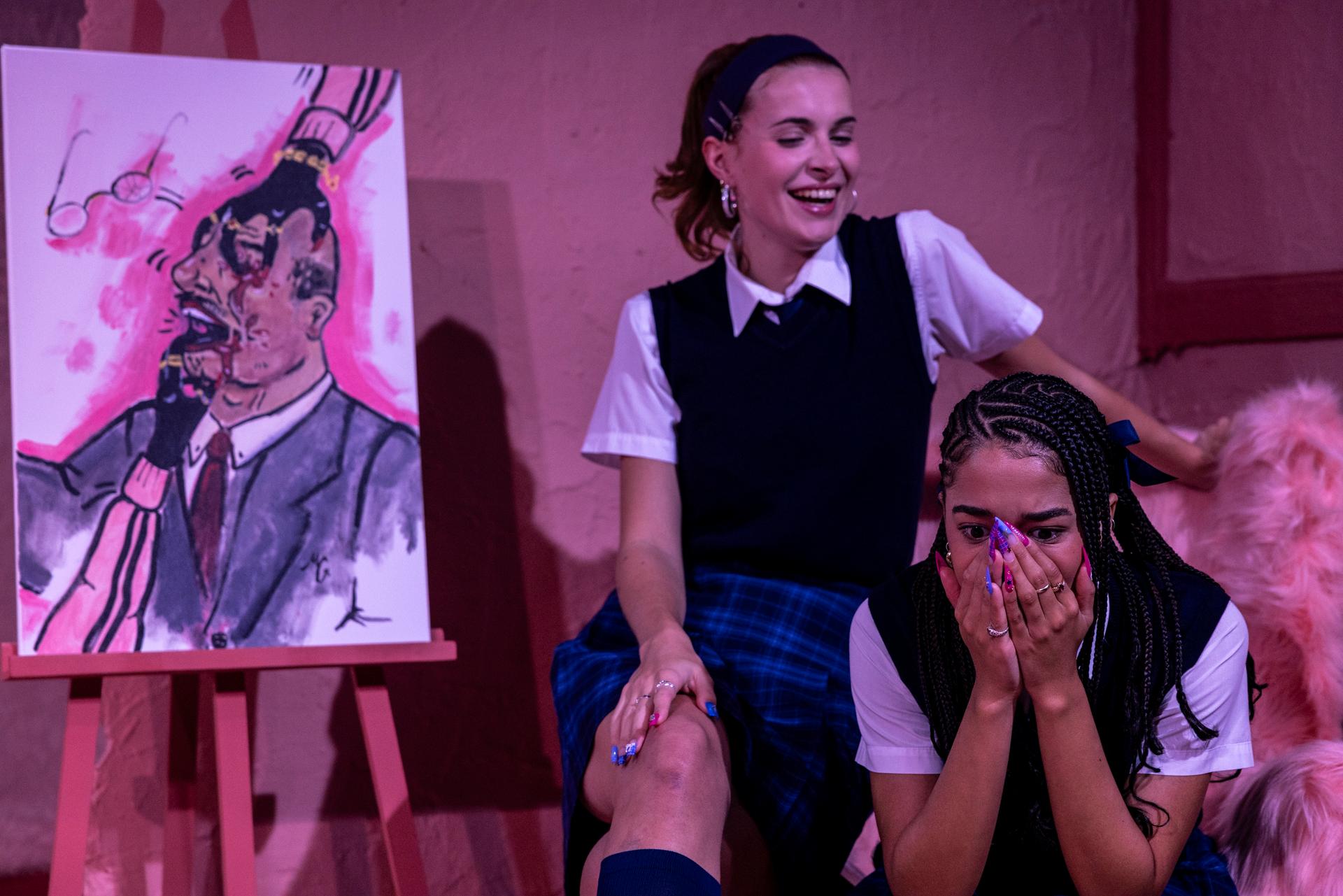
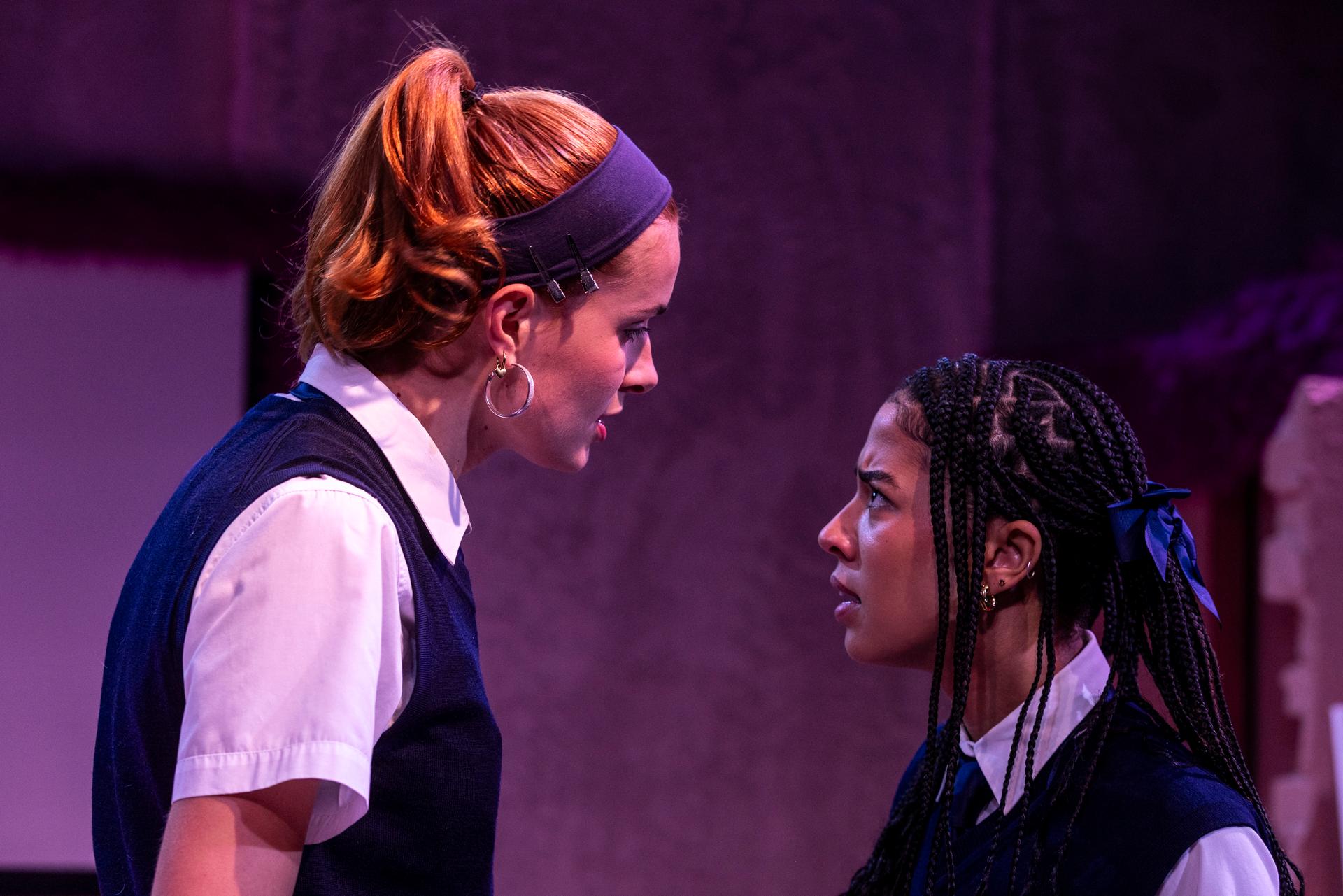
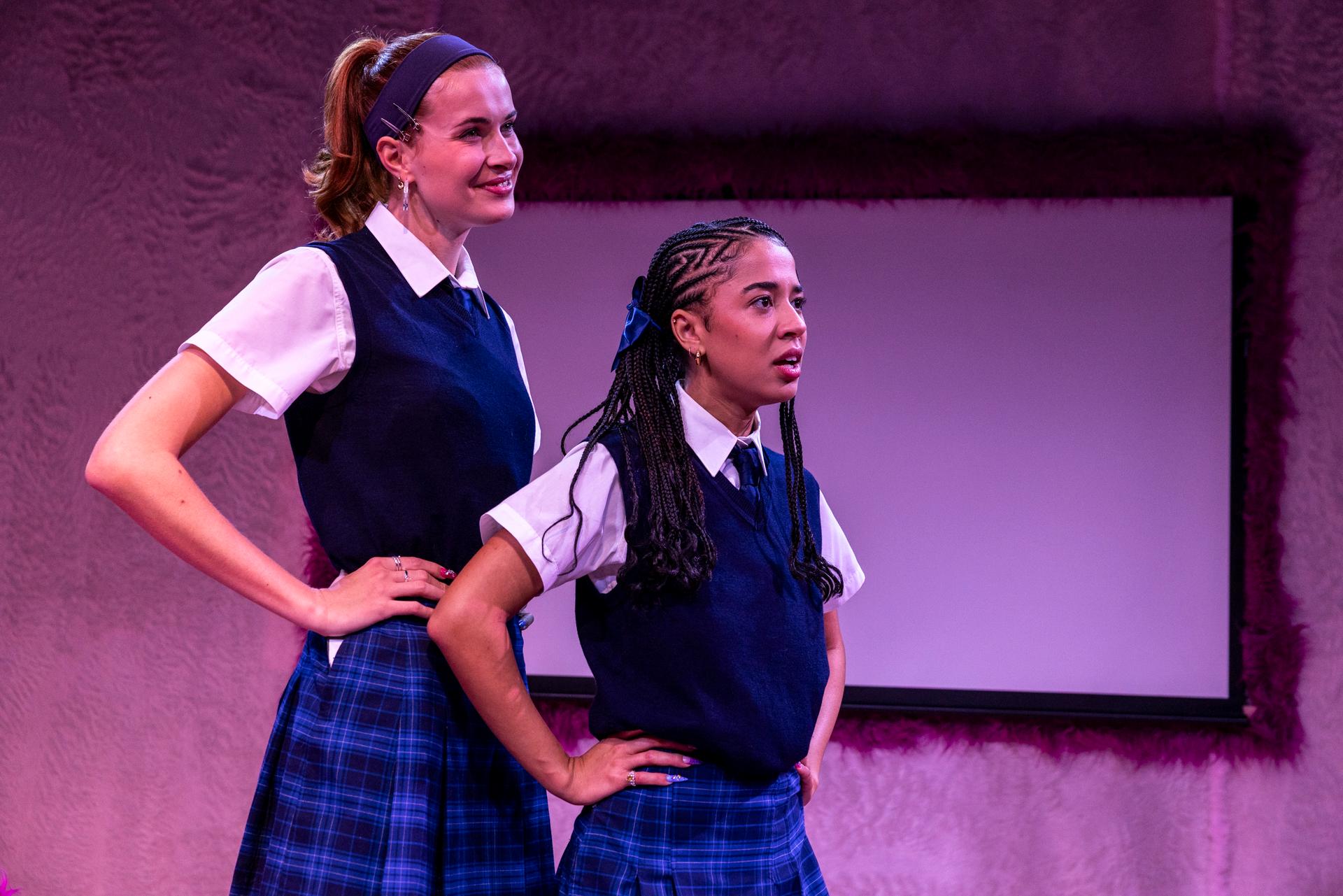
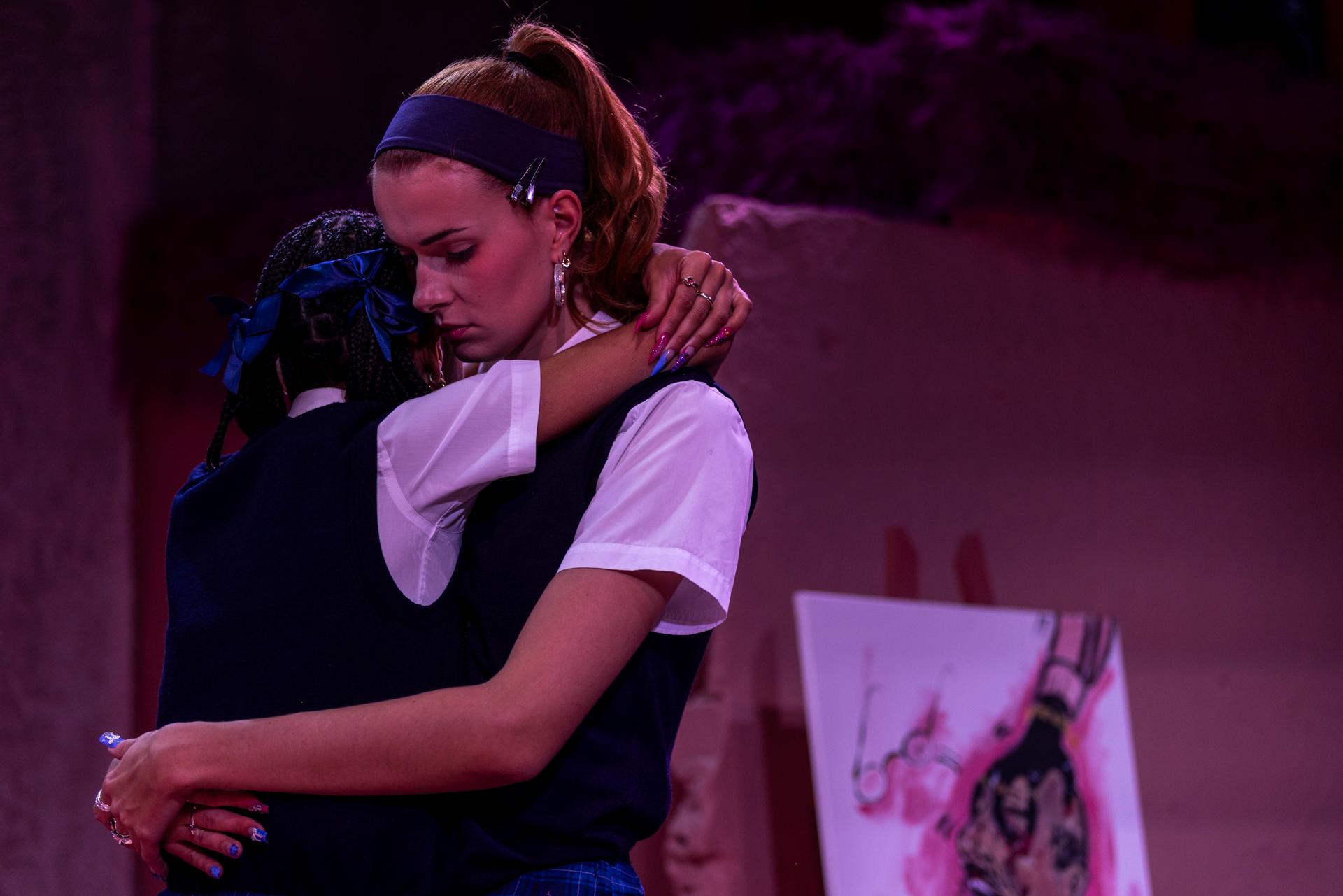
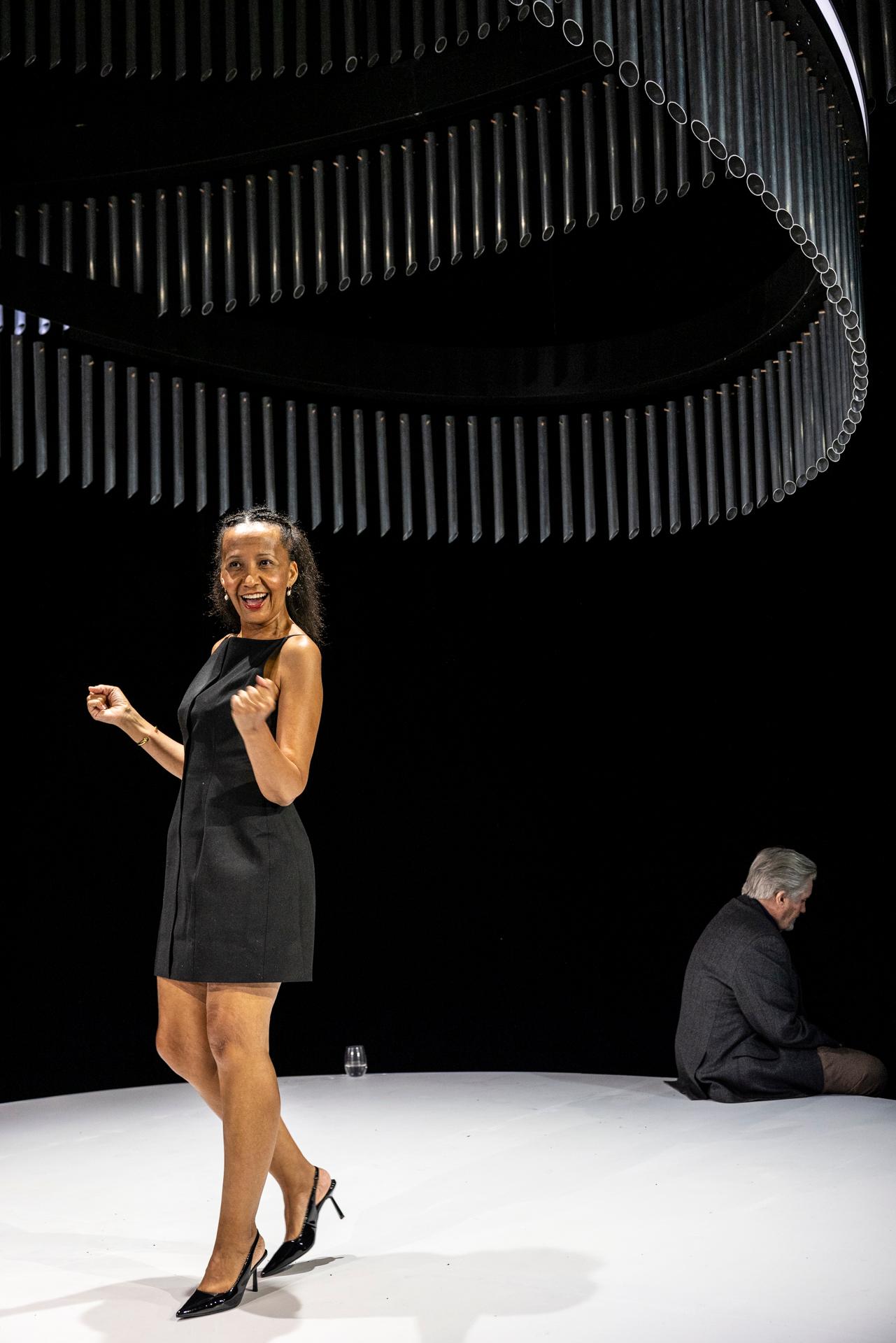
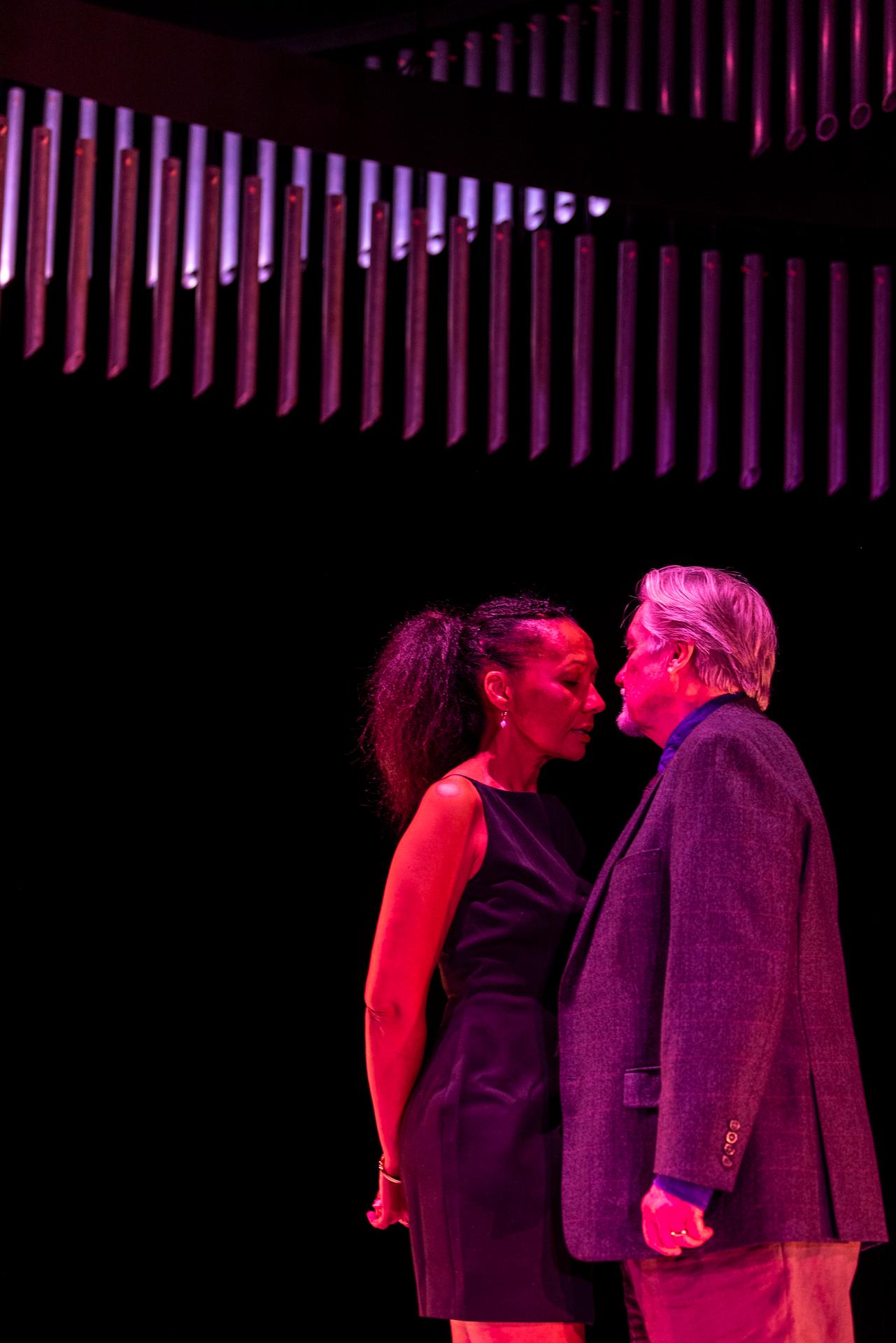
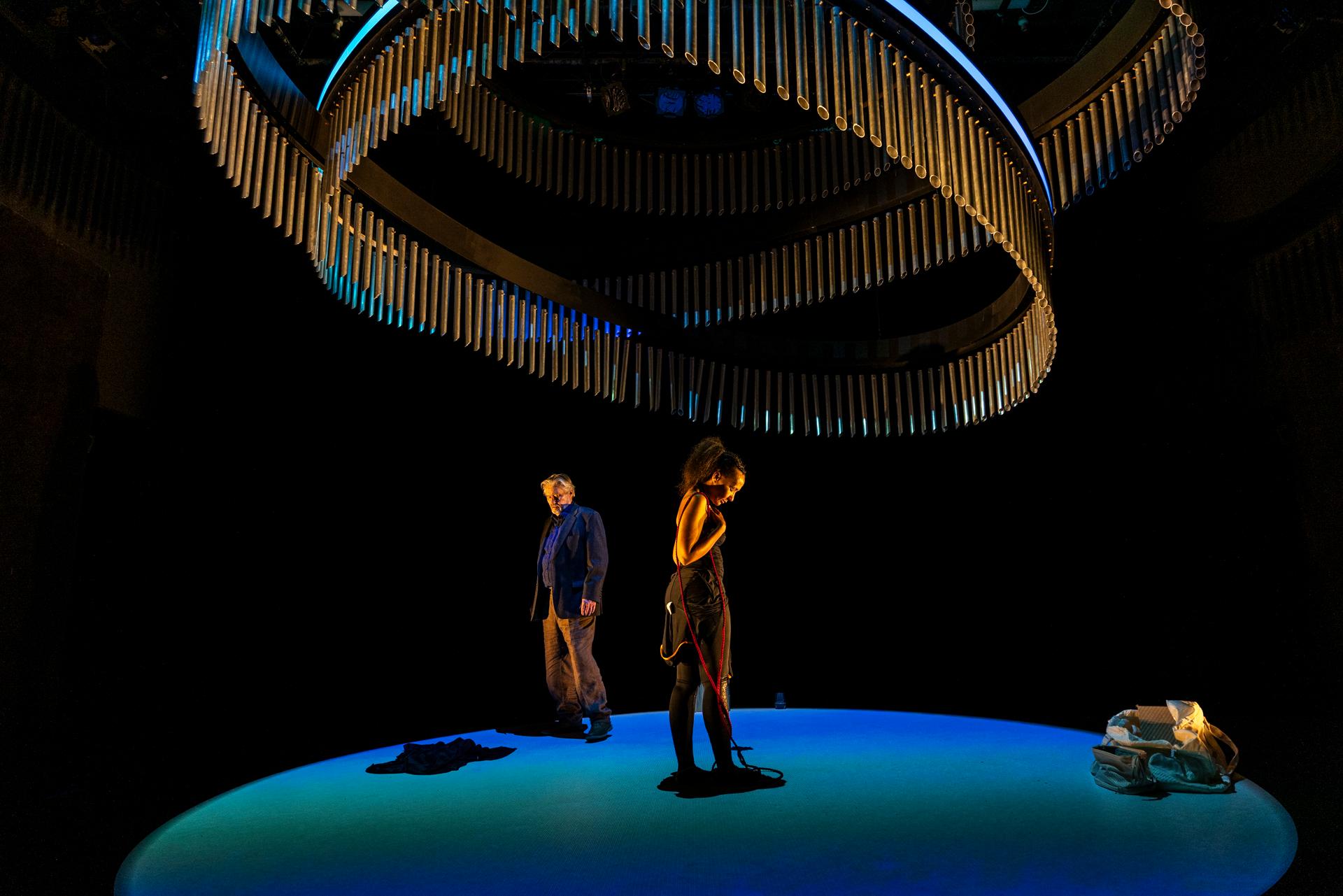
During 清明节 the Qingming Festival, Claudia botches a prayer ritual and stumbles into the underworld, where she not only encounters 孟婆 Meng Po, the goddess of oblivion, but secures employment from her. Tasked with extinguishing fragments of human memory, Claudia begins wielding her newfound powers with dangerous latitude, manipulating her mother’s mind in a desperate bid to engineer a more bearable coexistence. Eric Jiang’s Lacuna mines Chinese mythology to frame a contemporary meditation on generational fracture, centring the particular estrangement of young queer Chinese diasporic subjects navigating a culture that has historically refused them acceptance.

Jiang’s script is audacious from the first beat, yet it never sacrifices warmth for spectacle. The writing sustains a deft comic register throughout, undercutting its metaphysical premises with sharp wit and unexpected tenderness. This interplay of the supernatural and the sentimental gives director Nicole Pingon ample terrain for visual dynamism: she injects the staging with restless energy, drawing on traditional Chinese performance vocabularies to conjure something that feels at once ancient and urgently contemporary. Pingon’s comic instincts are equally refined, ensuring that Lacuna delights not merely through the ingenuity of its premise, but through a sustained, self-aware commitment to entertainment.

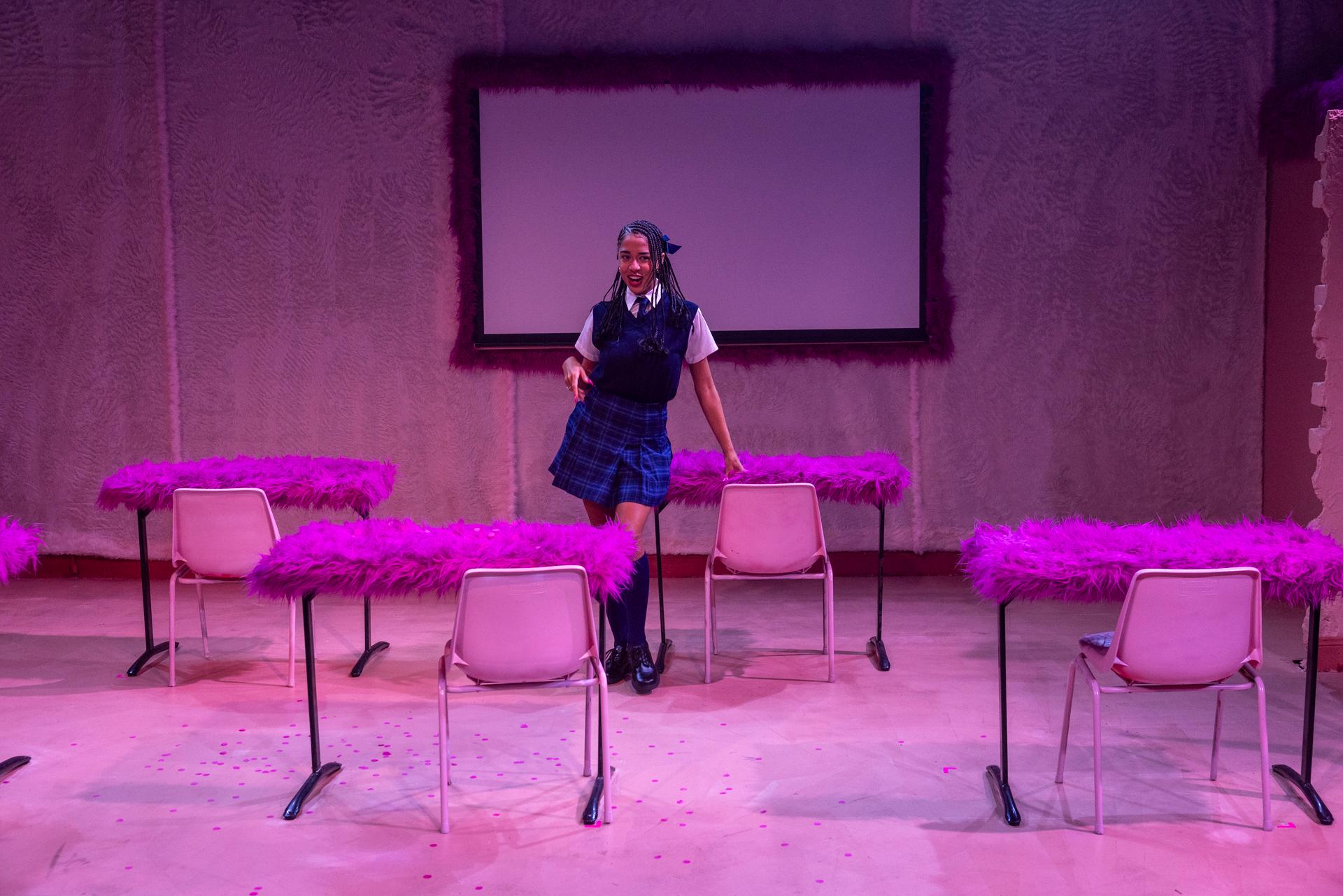
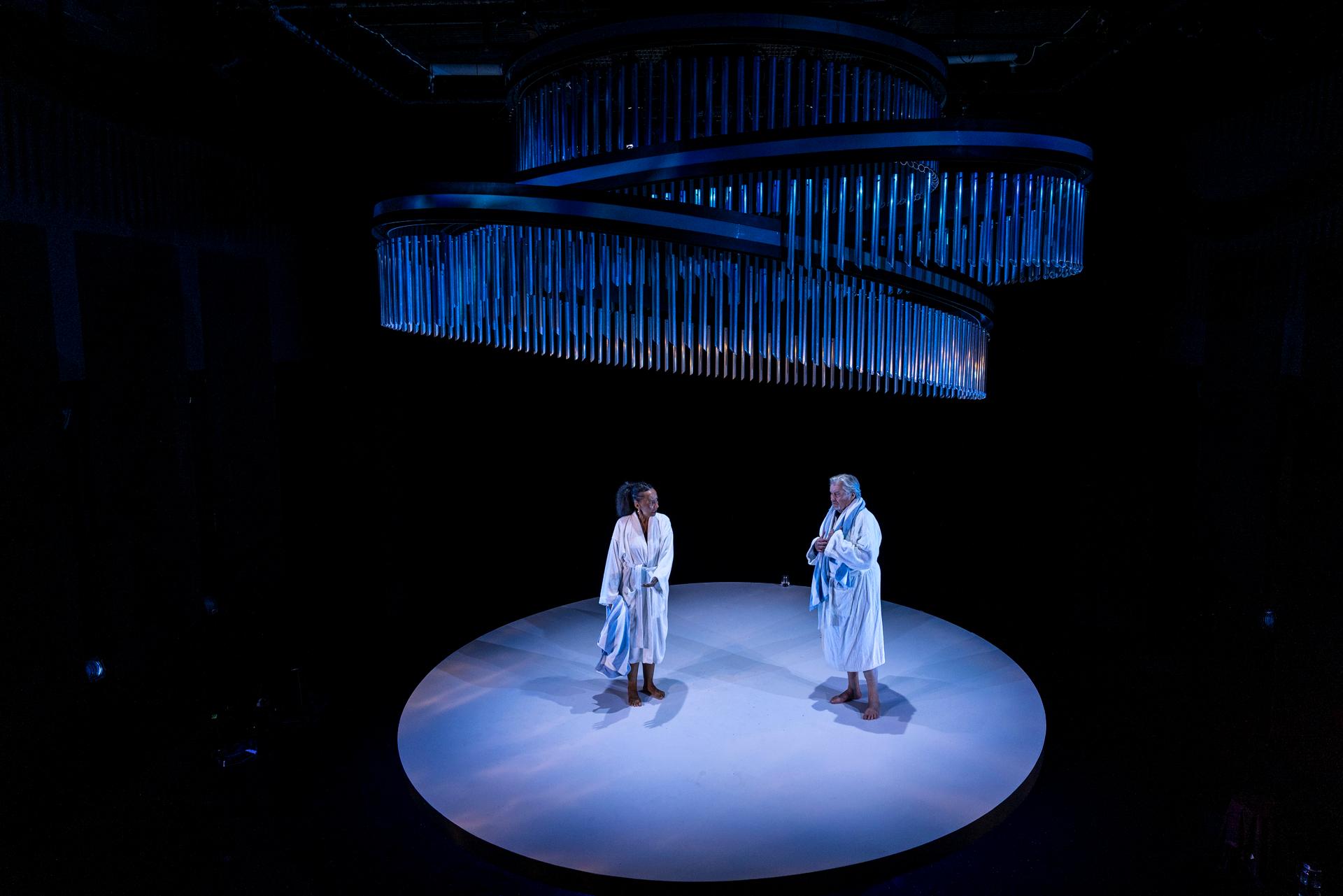
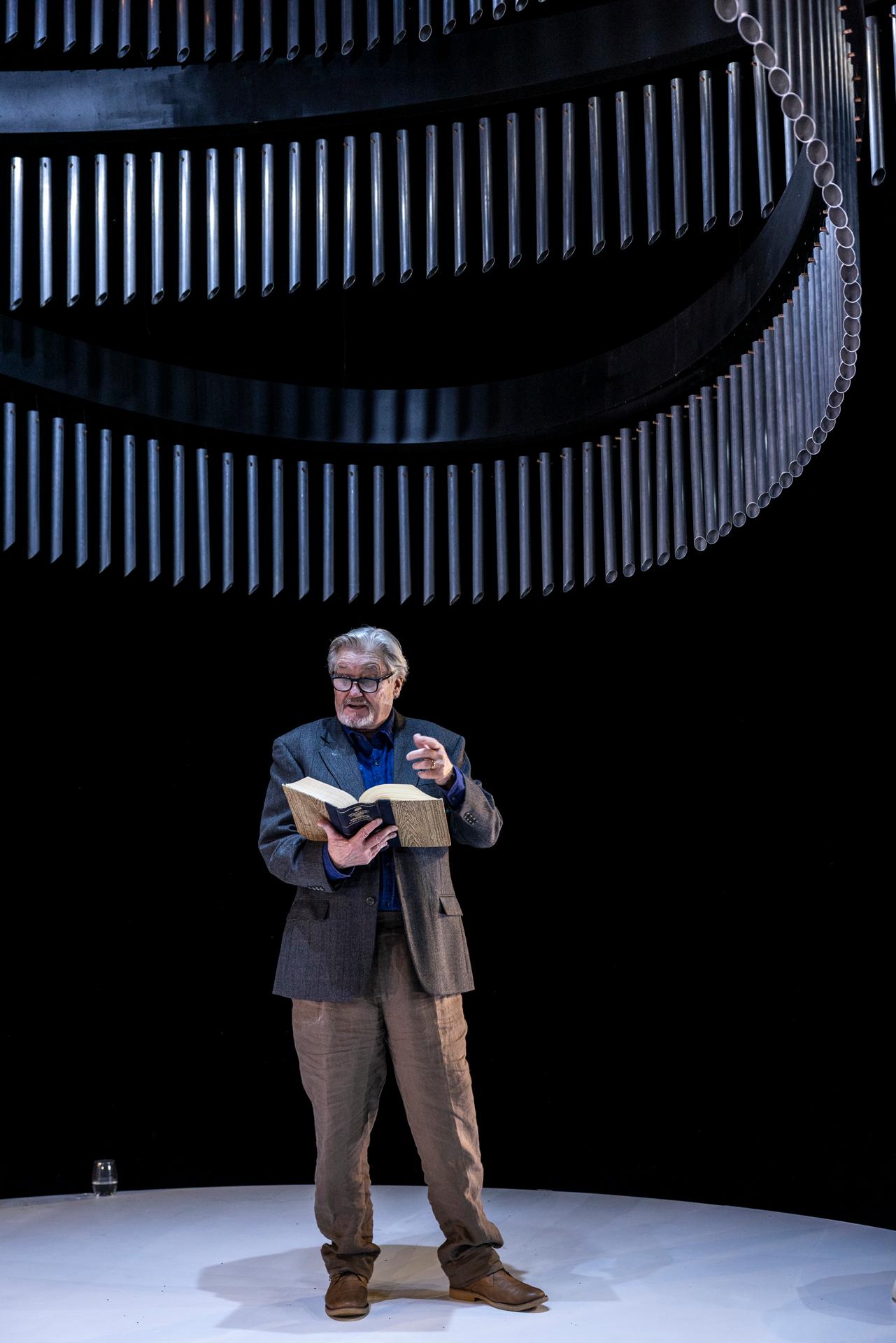
Production design by Hailley Hunt is elegantly uncluttered—never ostentatious, yet furnishing the cast with everything necessary to forge indelible characters and drive the narrative confidently. Morgan Moroney’s lighting proves quietly revelatory, shifting with disarming speed to render the supernatural realms in configurations that are frequently breathtaking; entire worlds materialize and dissolve in the span of a single cue. Sam Cheng’s sound and music, meanwhile, lean into operatic grandeur, amplifying the majesty of spiritual lore and lending propulsive dynamism to the production’s martial-inspired sequences.

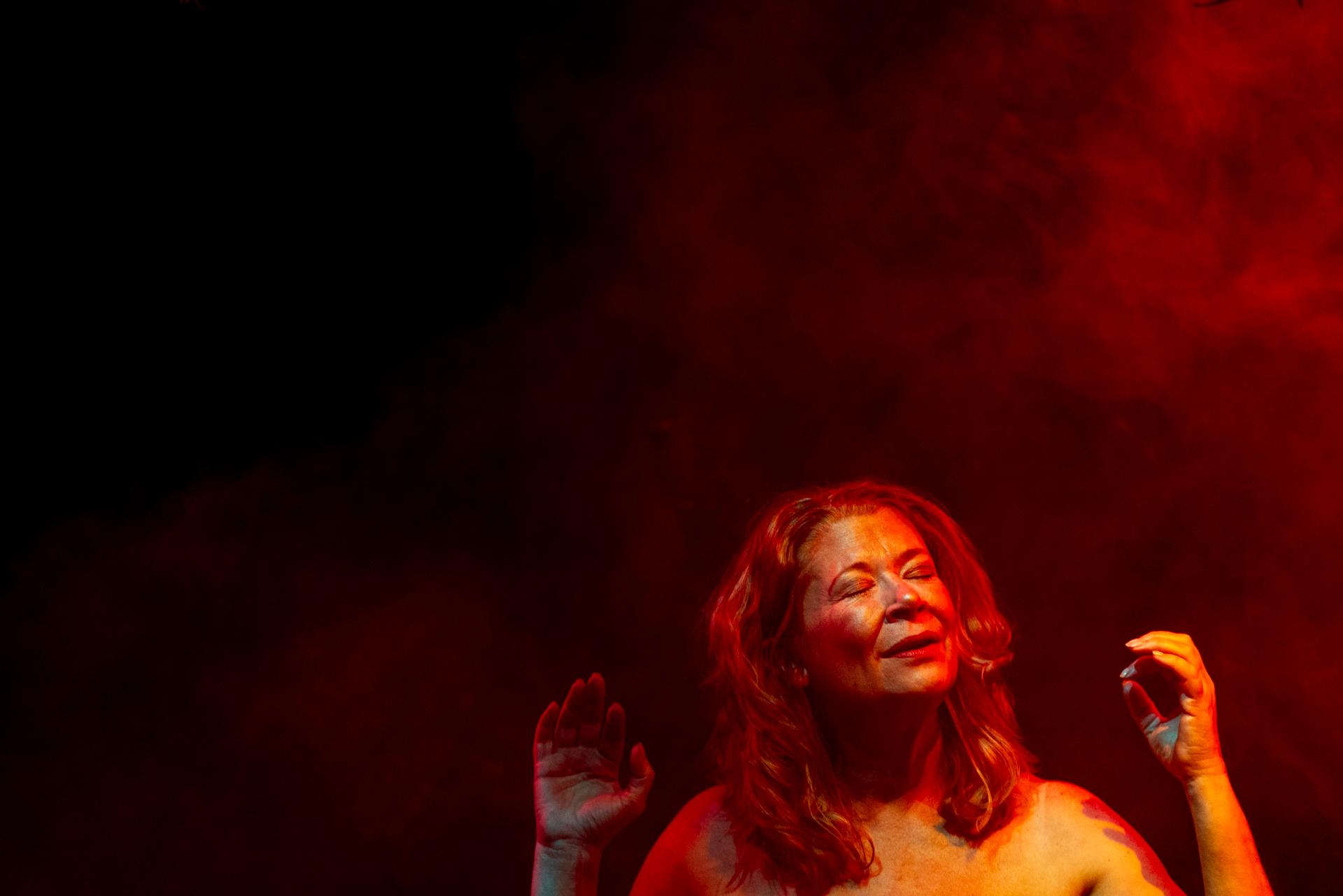
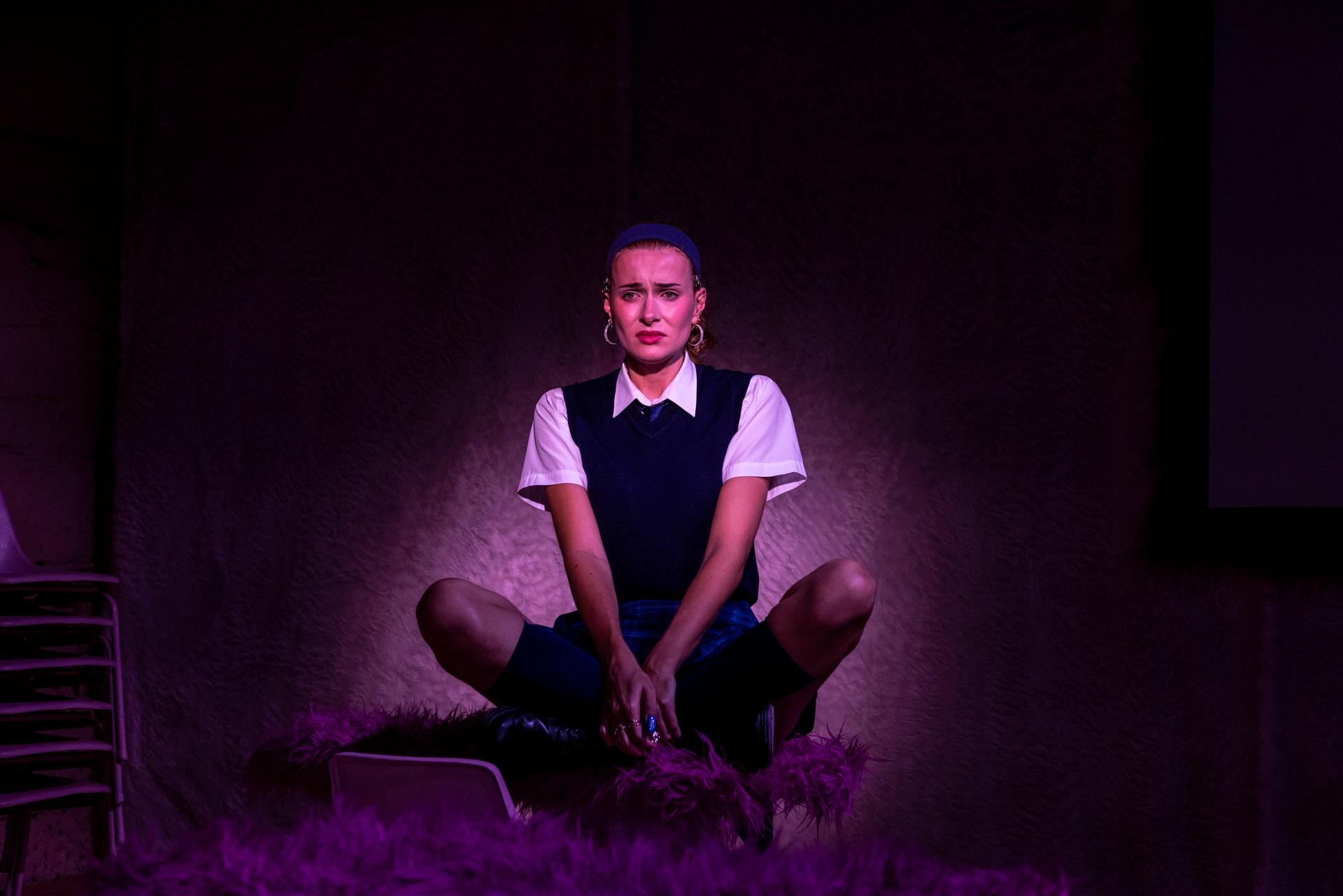
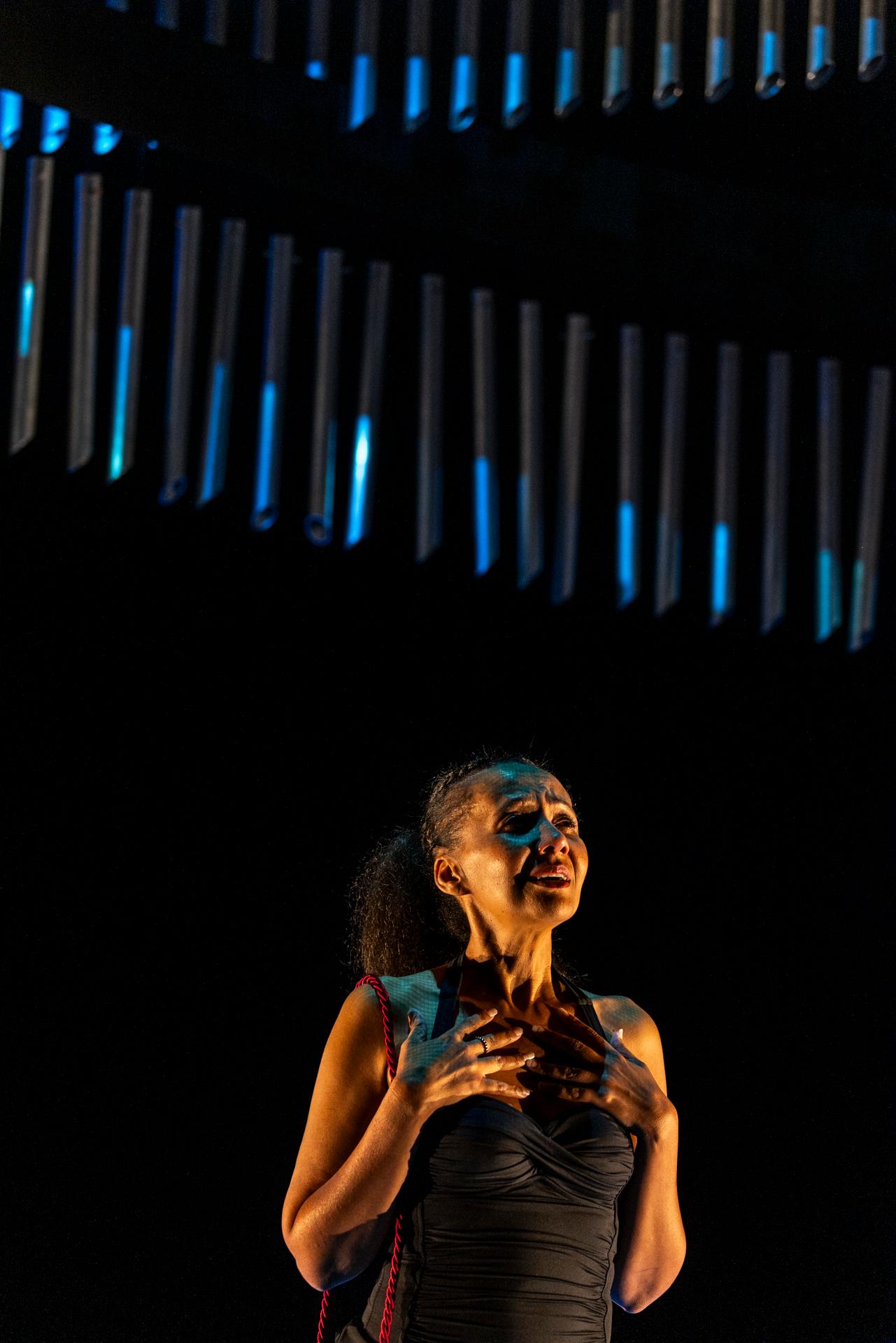
At the centre of it all, Rachel Seeto delivers a Claudia of remarkable specificity, embedding every gesture with subtext and every line with nuanced intention. Her commanding physicality—assured, fluid, and precise—effectively defines the production’s hybrid aesthetic, synthesizing Eastern and Western performance traditions into a coherent stylistic whole. Dominic Lui matches her in physical accomplishment; his acrobatic work channels the theatrical sorcery of Chinese opera, while his impeccable comic timing lands with exhilarating precision, generating waves of laughter that keep the production buoyant even in its most wistful passages. Loretta Kung, doubling as Meng Po and Claudia’s mother, anchors the piece with a gravitas that feels culturally rooted and authentic. Her presence carries the weight of lineage and authority befitting both roles.

Meng Po waits at the Bridge of Oblivion, where souls must drink to forget, before they may be reborn. Claudia, however, mistakes erasure for repair, believing she can mend her present by vandalizing her past. We see in Lacuna that denial is a kind of trap—that confrontation, however painful, is the only genuine prelude to growth. The play asks whether we can ever truly move forward until we have faced what we most wish to forget.

www.griffintheatre.com.au | www.eswrkrs.com

Review: Afterglow (Griffin Theatre Co)

Venue: Belvoir St Theatre (Surry Hills NSW), Jul 9 – 25, 2026
Book and Lyrics: Sheanna Parker Russon
Music: Lillian M. Hearne, Sheanna Parker Russon
Directors: Cassie Hamilton, Lily Hayman
Cast: Lincoln Elliott, Cassie Hamilton, Lillian M. Hearne, Nat Jobe, Nic Prior
Images by Lucy Parakhina

Theatre review
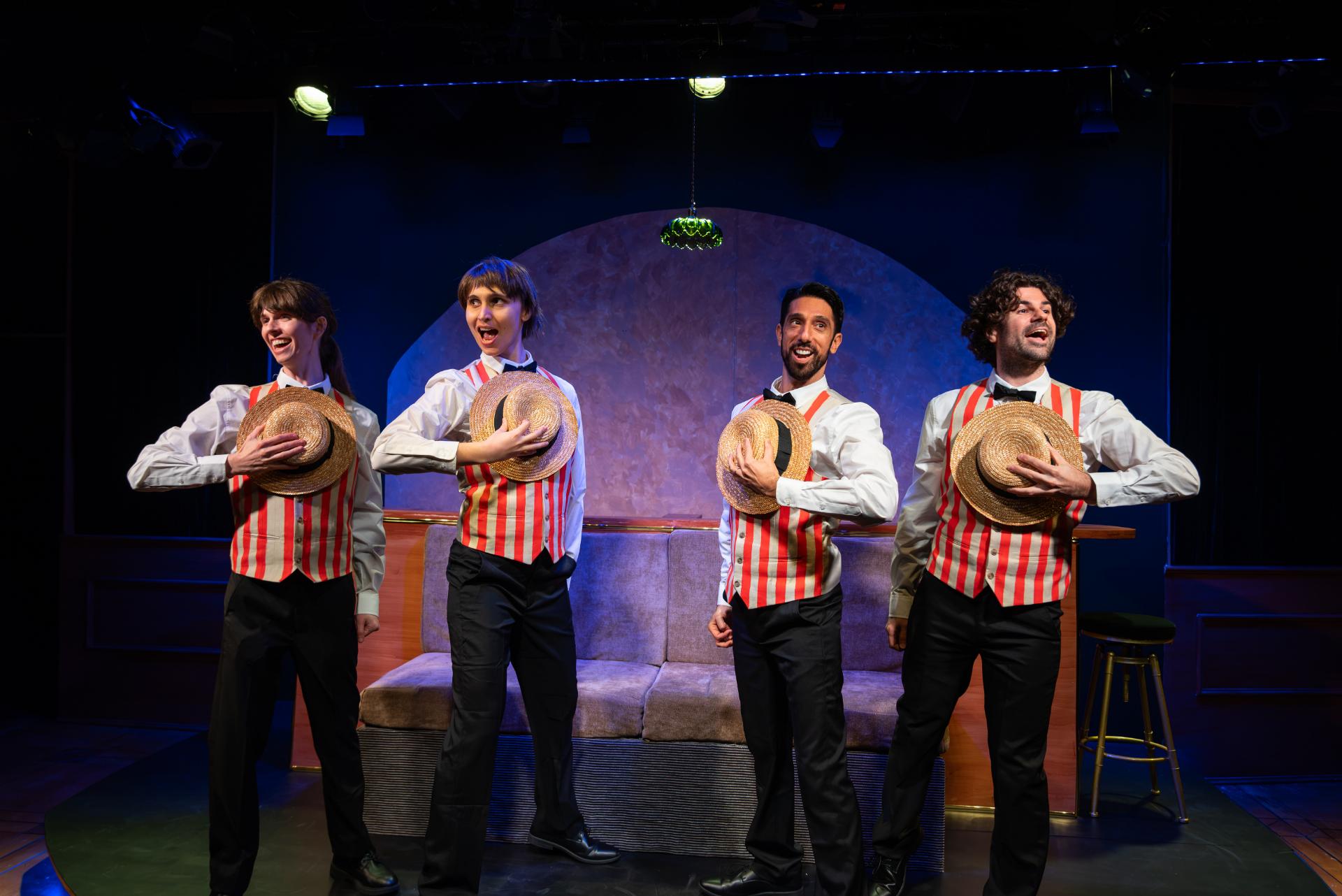
Michael and Tom first cross paths at a barbershop quartet convention in 2012, back when the scene remained a strictly male preserve. There is an instant spark between them, yet neither has quite learned to love themself; as a result, they discover they cannot love each other as fully as they had hoped. Sheanna Parker Russon and Lillian M. Hearne’s Afterglow uses romance to explore gender authenticity on an intimate scale, while the competitive barbershop world surrounding it illustrates how gender is performed and policed in social spaces. A comedy musical with plenty of amusing moments and several charming songs, the piece nonetheless struggles to render its characters with sufficient depth; we never quite invest in their journeys, and the plot lurches forward abruptly at times, giving the narrative an occasional air of contrivance.

Directors Hearne and Lily Hayman compensate for the script’s limitations with undeniable verve, yet the production never achieves the crispness that would fully immerse us in the story and its characters. Geita Goarin’s set and costumes, while hardly surprising in their design, competently serve the world and its inhabitants. Tyler Fitzpatrick’s lighting could stand to be more responsive to the characters’ shifting emotional temperatures, though the overall visual quality remains adequate. As musical director, Hearne sets her sights admirably high: with only a keyboard and a cappella voices, she attempts to capture the full complexity of the emotions at play. The ambition is impressive, even if the execution occasionally falls short of its own reach.

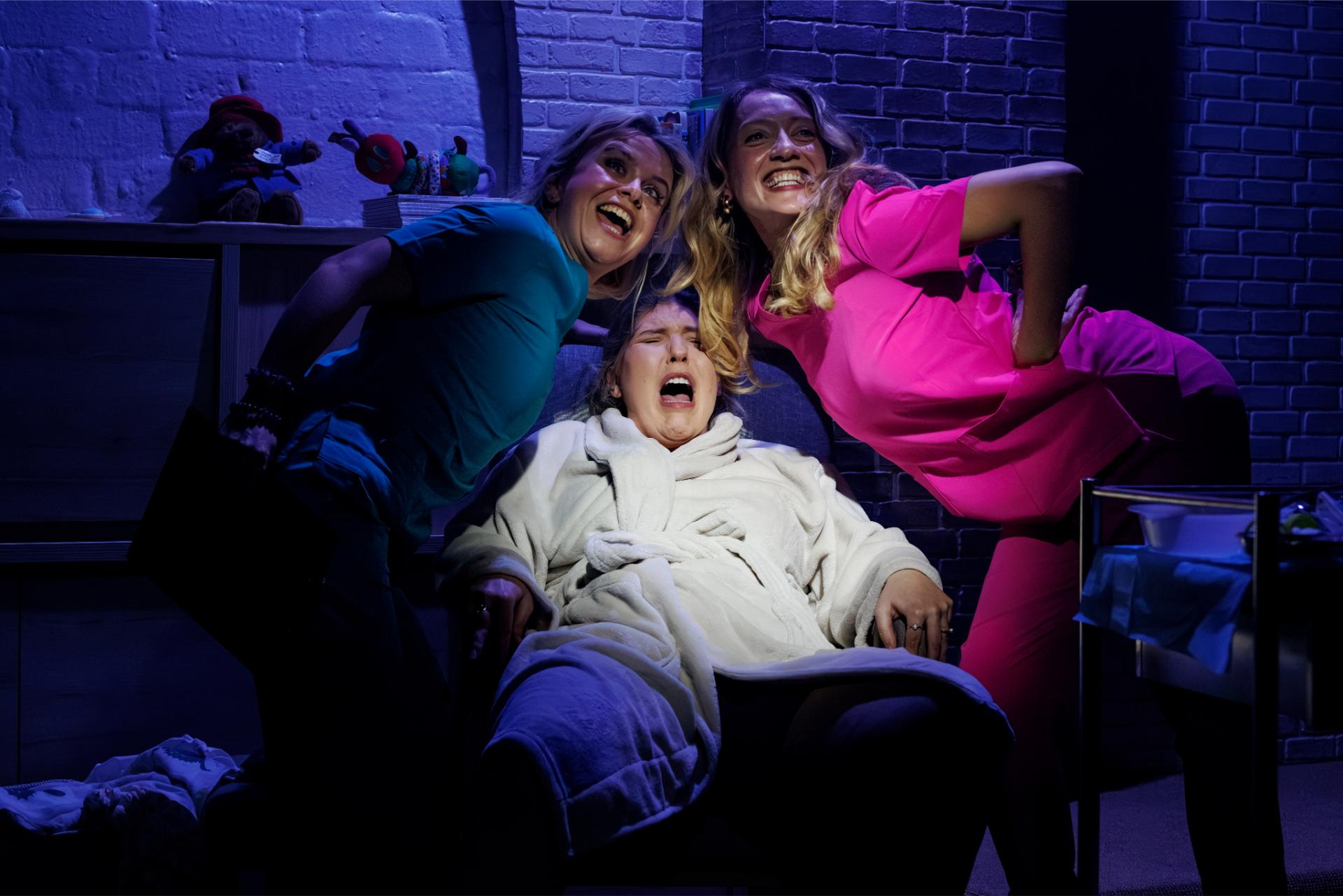
Hamilton leads the cast with remarkable exuberance, infusing the proceedings with infectious, indomitable cheer. Nic Prior, playing the more subdued Tom, proves less mischievous but ultimately more convincing, fashioning a character that feels genuinely lived-in. Lincoln Elliott as Matt and Nat Jobe as Rupert also deserve mention; in smaller roles, they supply sharp comic timing and a welcome polish.

In reality, self-acceptance does not resolve everything the moment one arrives at a fuller understanding of gender. Yet it is true that for someone in turmoil over their identity, the world can feel relentlessly dark. When we first meet Michael and Tom, they are still chrysalises; by the final curtain, they seem to emerge complete. The more honest truth, perhaps, is that they have merely found their wings. The real work of learning to fly still lies ahead.

www.griffintheatre.com.au | www.purpletapeproductions.com

Review: Savior (Griffin Theatre Co)

Venue: Belvoir St Theatre (Surry Hills NSW), May 16 – Jun 14, 2026
Playwright: Happy Feraren
Director: Kenneth Moraleda
Cast: Chrissy Mae Valentine, Chaye Mogg, Mark Paguio, Michael Whalley
Images by Brett Boardman

Theatre review
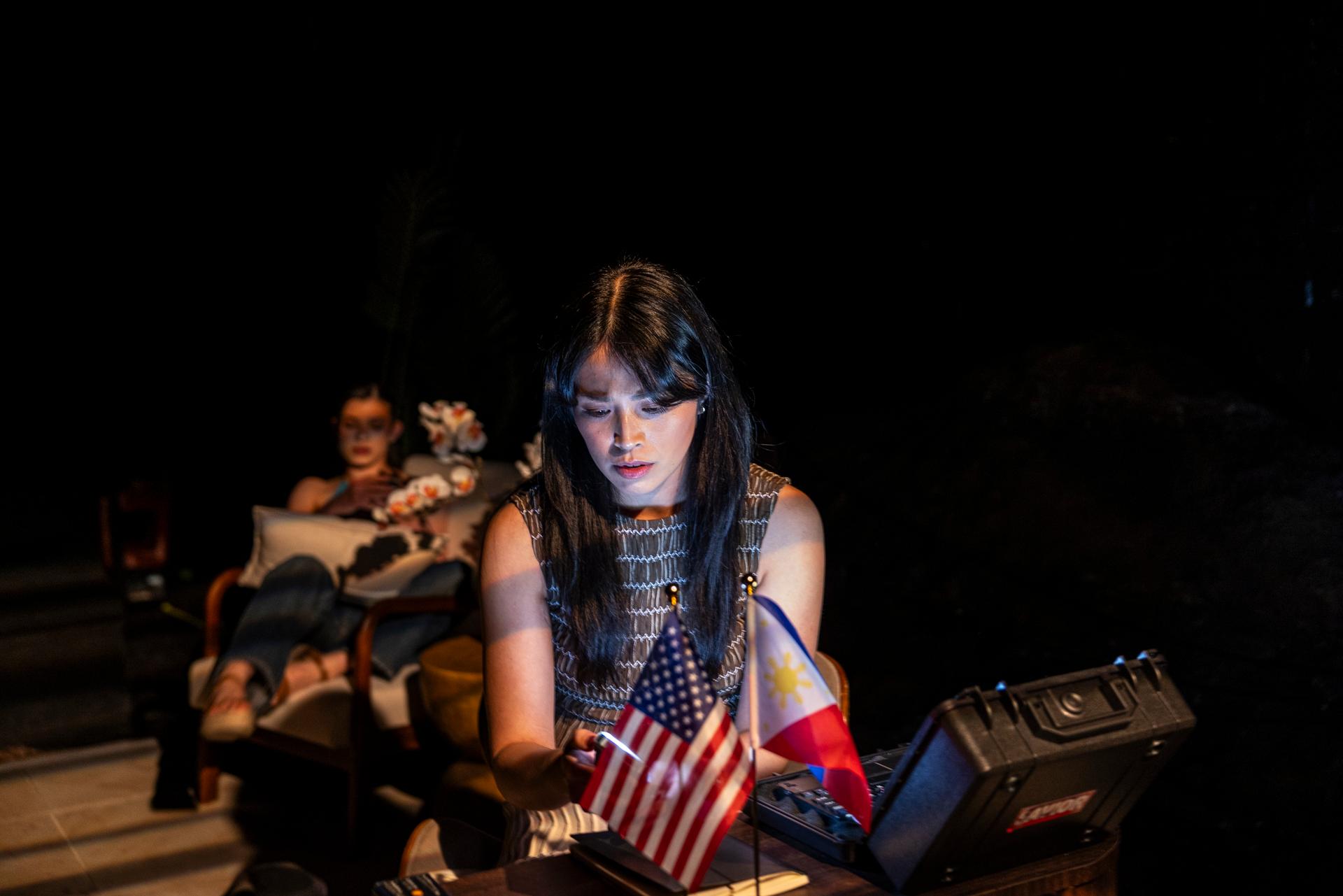
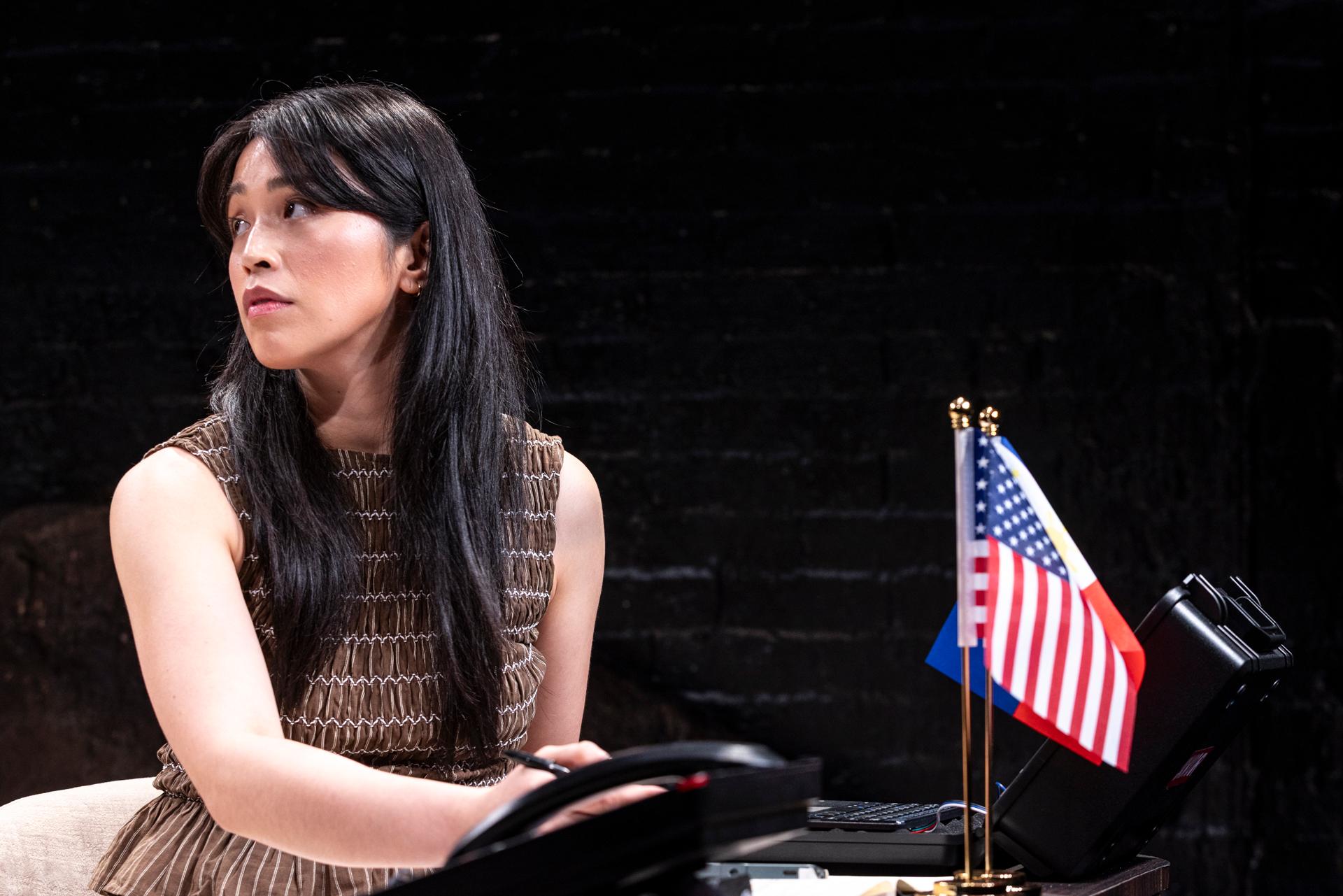
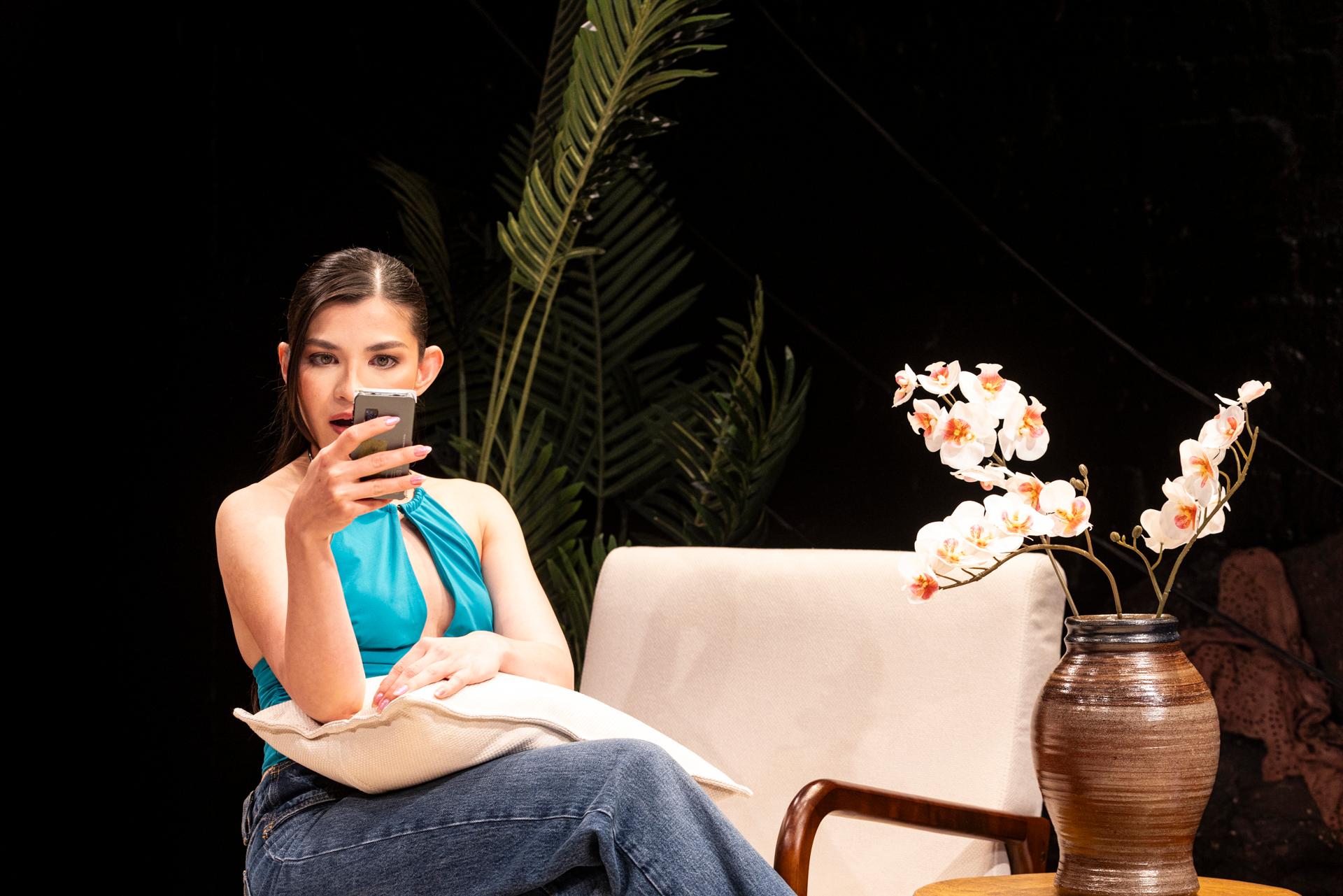
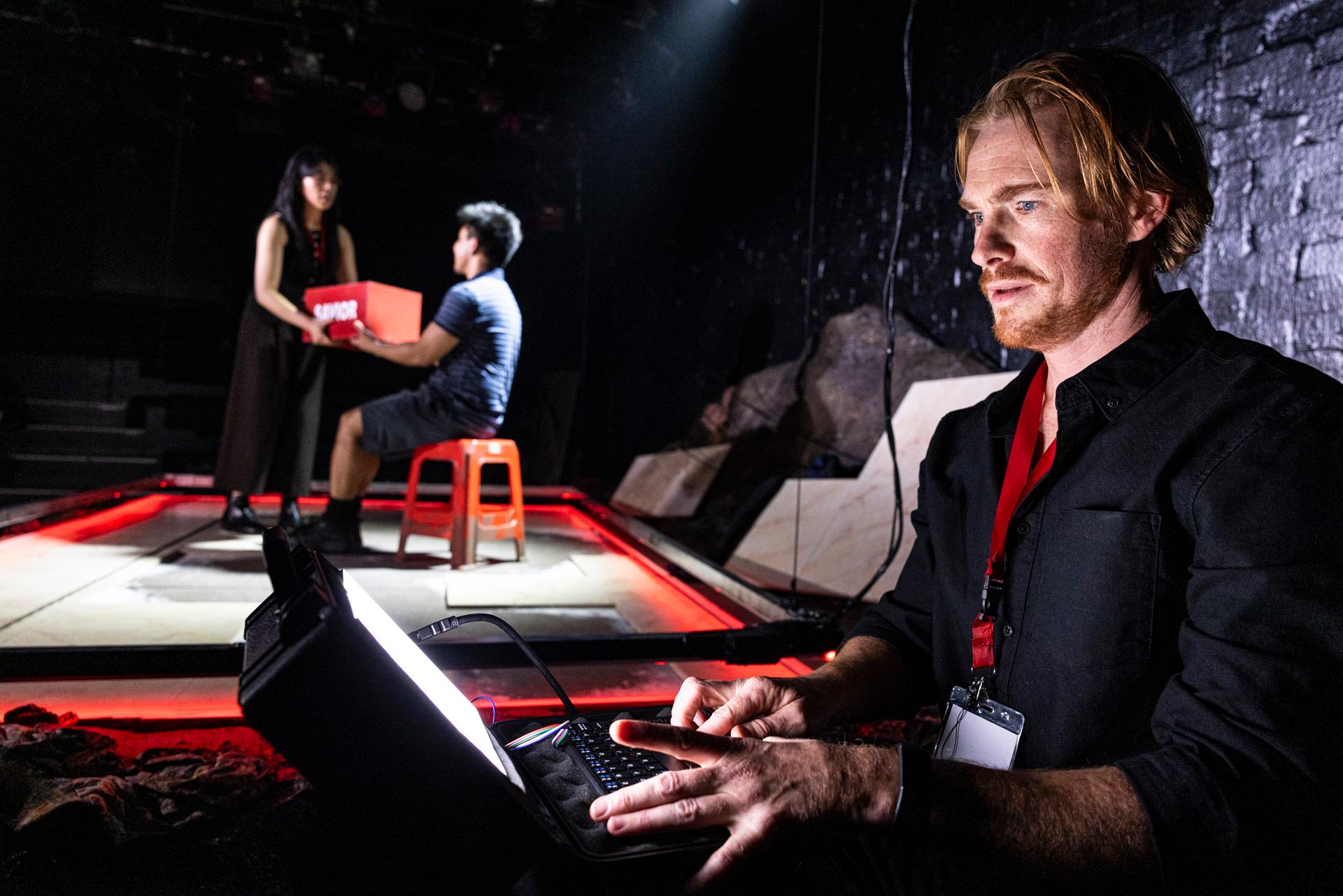
When a typhoon devastates Tacloban, Michelle, a Manila-based NGO aid worker, commits herself wholeheartedly to relief efforts—only to find her labour obstructed by Joe, her manager, who arrives from the United States to supervise the disaster response mission with little regard for the community and a great deal of regard for himself. Happy Feraren’s Savior certainly broaches weighty subject matter, yet it is the precision of its dialogue that ultimately resonates. The comedy operates across a wide register, from broad farce to piercing social observation, and it lands with remarkable consistency, eliciting sustained laughter even when the narrative itself does not always summon the gravitas necessary to inspire deeper emotional investment. What the play occasionally lacks in dramatic heft, it more than compensates for in comic satisfaction.

Kenneth Moraleda directs with palpable assurance, constructing a rhythm that keeps the characters perpetually engaging and the comic timing impeccably calibrated. He deserves particular credit for the deft deployment of brief, sobering interludes—moments of gravity that refocus attention on the production’s true emotional core and from which the surrounding comedy acquires its sharpest edge.

The ensemble of four delivers uniformly excellent work, each actor crafting a distinct and thoroughly delightful character who commands continued attention. Chrissy Mae Valentine strikes an impressive equilibrium in the role of Michelle, grounding her portrayal in the earnest conviction of a genuine charity worker while ensuring every line lands with comic precision. Michael Whalley leans fully into the caricature dimensions of Joe, wielding the role to mount a pointed, satirical critique of whiteness within a broader context of social commentary. Mark Paguio proves utterly charming as Jobert, making an indelible impression through relentless optimism while nonetheless threading welcome complexity into the performance whenever the script permits. Chaye Mogg, as Janna, brings jovial verve to a production that never flags in energy.

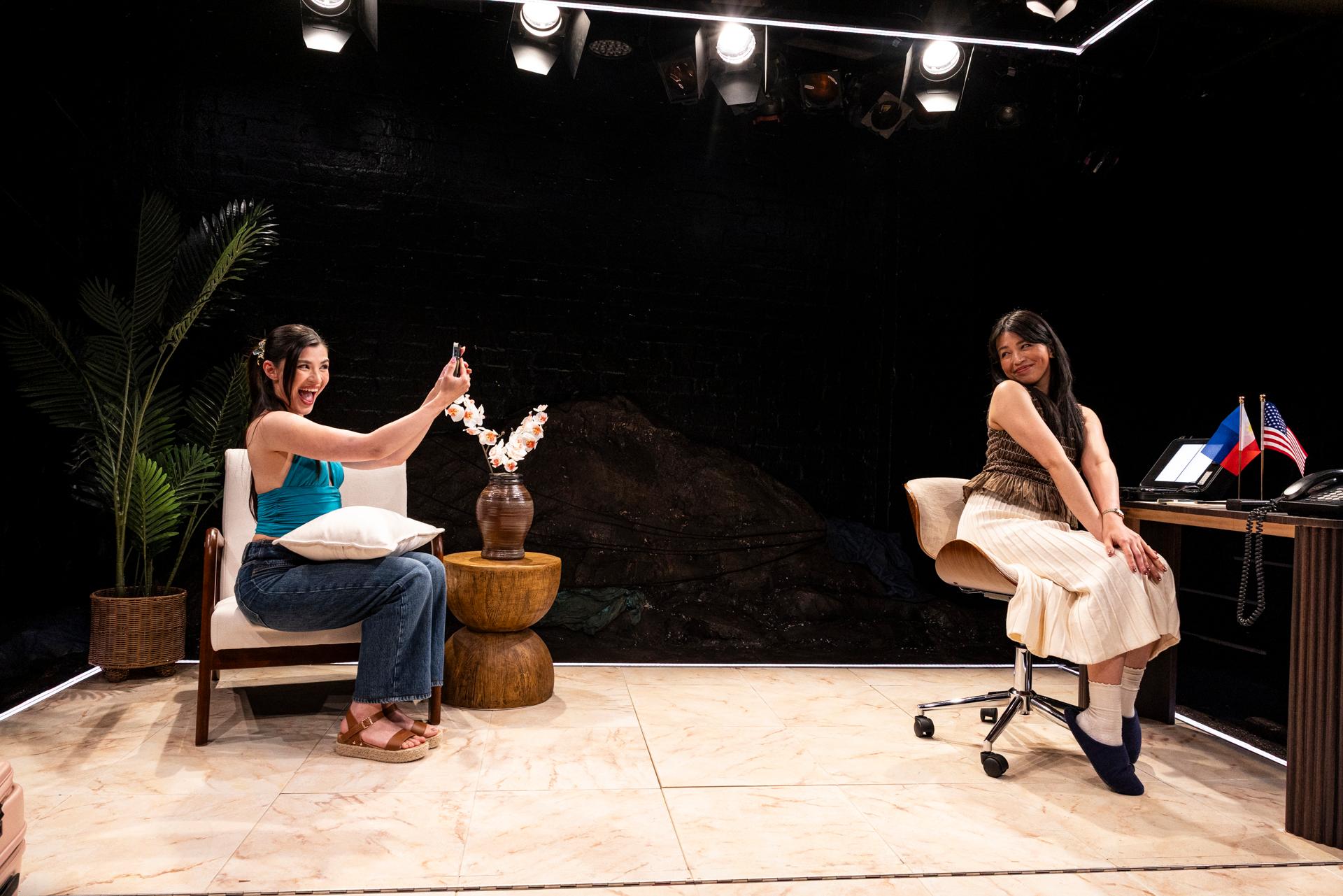
Hailley Hunt’s set design meaningfully evokes a fragile sense of fabricated order erected atop rubble, capturing the delusory semblances of structure that humans impose upon chaos in an effort to feel in control. Her costuming for one of Joe’s entrances proves especially inspired, drawing a huge laugh and encapsulating the acerbic tone central to the production’s impact. Brockman’s lighting transitions fluidly between locations with minimal fuss, always modulating the precise tonal register required by each scene. Dobby’s richly imagined sound design positions the audience firmly within each environment, fostering an atmospheric connection to the narrative world.

Savior confronts the paradox of post-colonial experience across much of the Global South: communities devastated by catastrophe find themselves dependent upon assistance from nations that plundered and abandoned them, only to return imposing foreign values and disregarding the priorities of those they purport to rescue. The play makes painfully visible the West’s fondness for swooping into crisis to perform benevolence, even as it remains steadfastly unwilling to elevate these same regions to anything approaching commensurate prosperity.

www.griffintheatre.com.au 

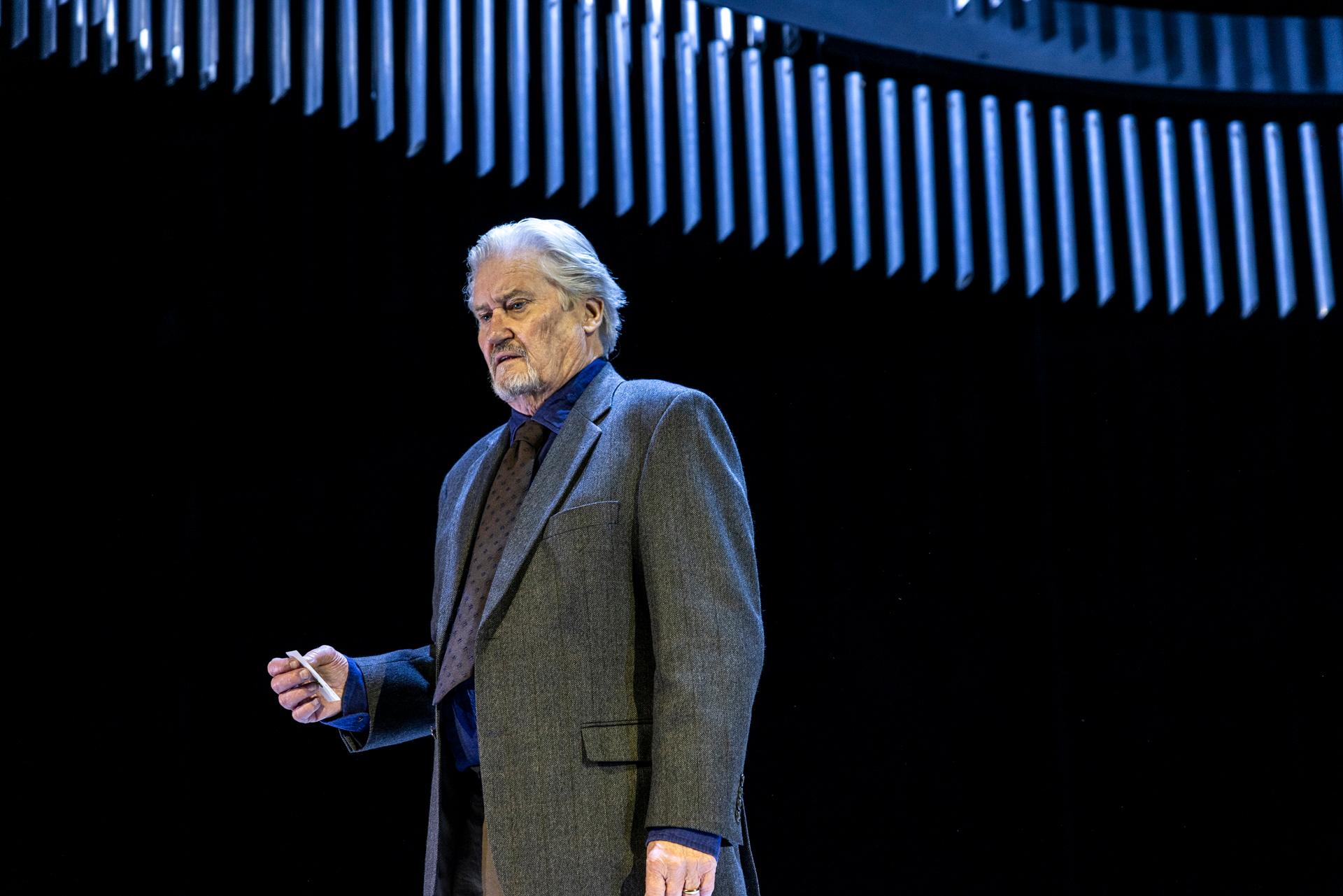
Review: The Elocution Of Benjamin Franklin (Griffin Theatre Co)

Venue: Belvoir St Theatre (Surry Hills NSW), Feb 21 – Mar 29, 2026
Playwright: steve j. spears
Director: Declan Greene
Cast: Simon Burke AO
Images by Brett Boardman

Theatre review
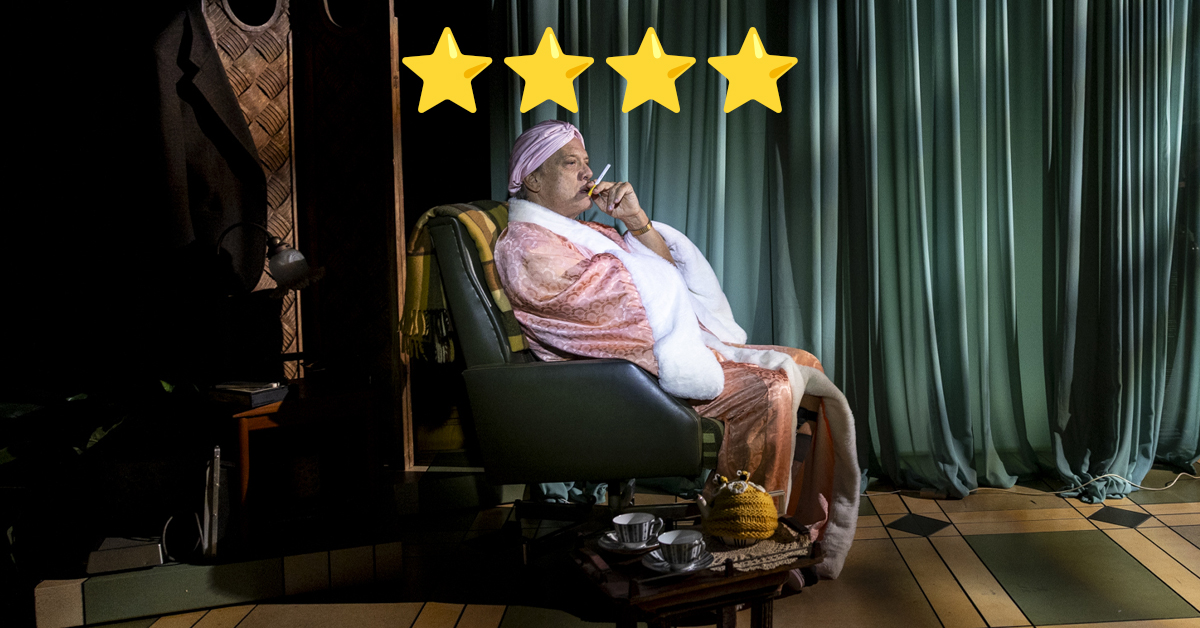
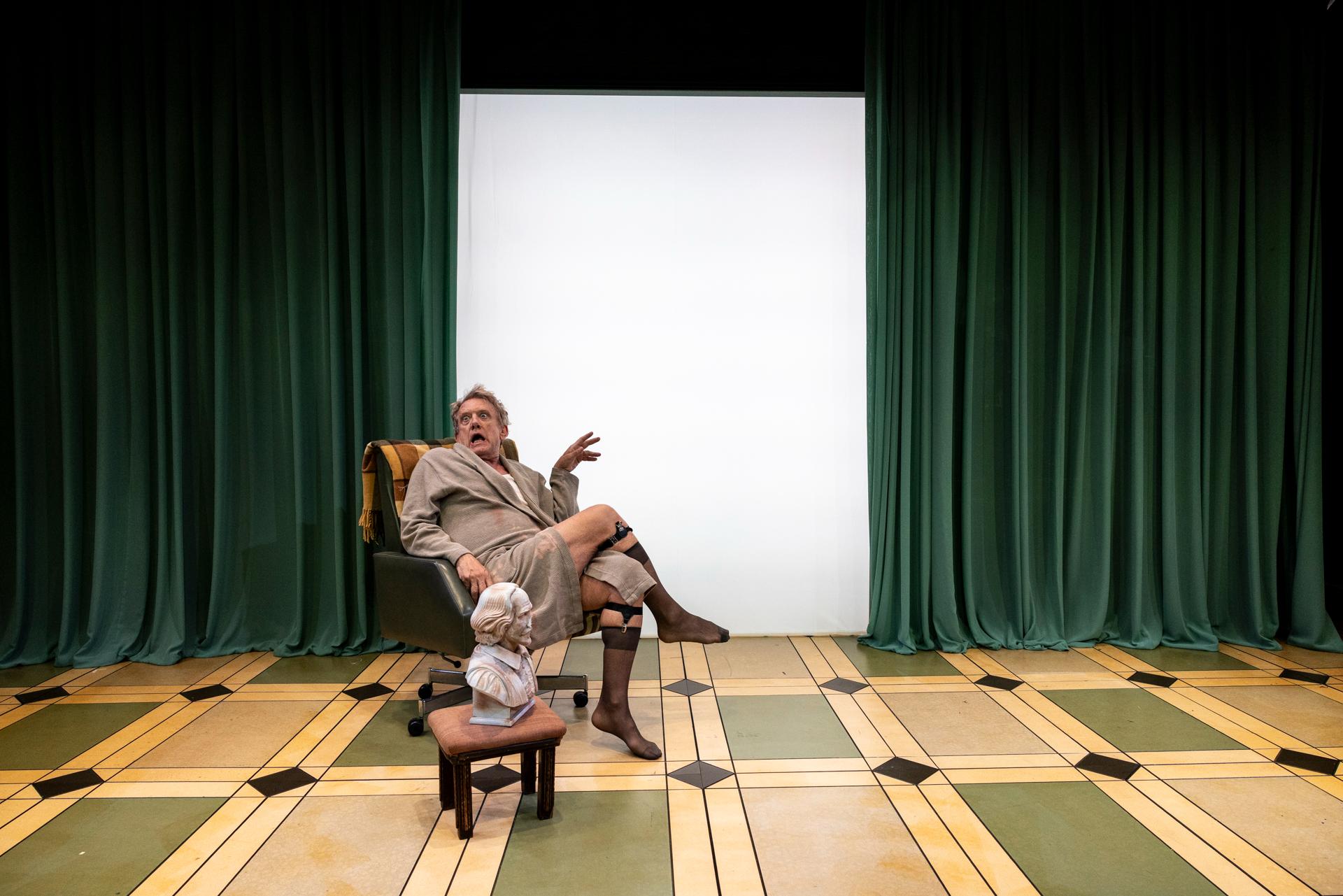
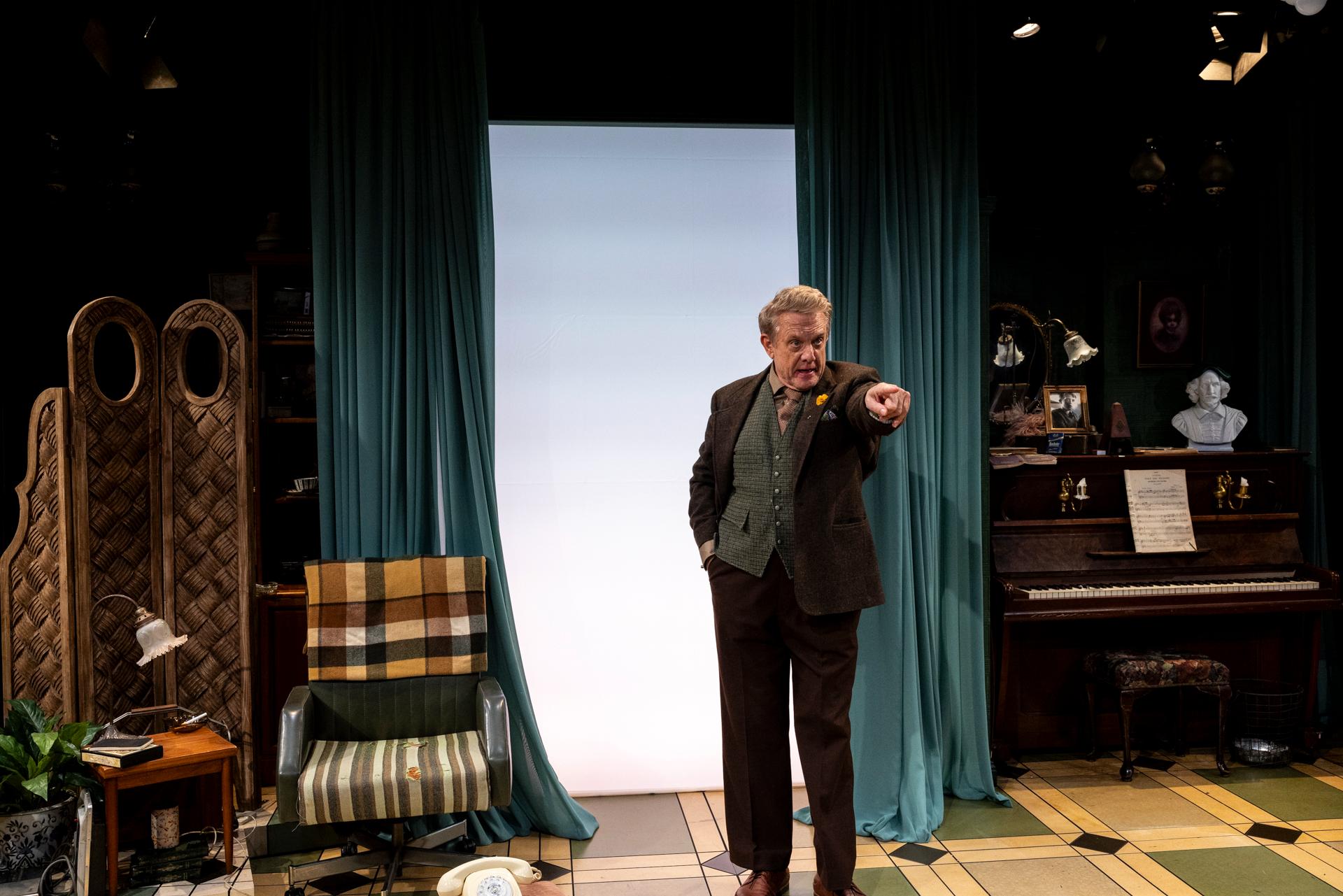
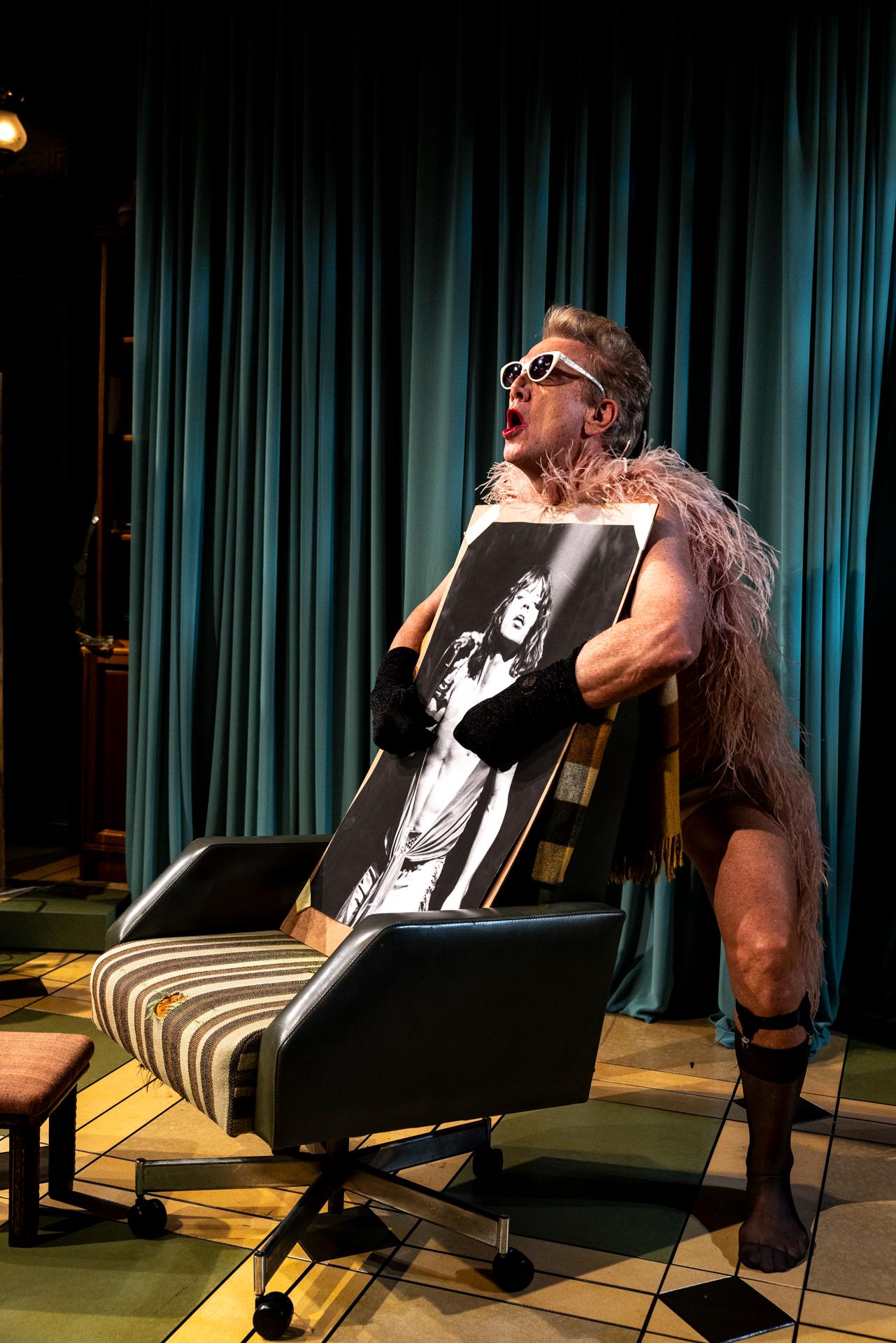
Robert O’Brien leads a life of deliberate seclusion, his world contained within the walls of his home where he devotes himself to the exacting art of vocal pedagogy, instructing pupils across the full spectrum of age and aspiration. The equilibrium of this carefully calibrated existence is disrupted when Benjamin—a twelve-year-old of startling precocity and unsettling sophistication—arrives to reveal himself as nothing short of prodigious. This narrative unfolds in the early 1970s, an era of terrifying peril for all who share Robert’s sexual orientation; even his most careful navigation of social propriety cannot insulate him from the devastating ease with which circumstance may turn into accusation, suspicion into ruin.

Half a century has elapsed since steve j. spears’ The Elocution of Benjamin Franklin inaugurated its world premiere upon the Sydney stage, and while the landscape of queer liberation has undergone transformation beyond measure, the play’s explorations of intolerance, prejudice, and bigotry remain as piercingly relevant as ever—a testament to the uncomfortable truth that while laws may evolve, the fundamental human capacity for cruelty and hate often endures.

Under Declan Greene’s direction, the production carries an unmistakable reverence—a profound acknowledgment of a generation for whom queerness meant navigating a world far more hostile than today’s youth might readily comprehend. The work functions, quite clearly, as homage to those forebears and elders who charted paths through terrain that could, at any moment, turn treacherous. Yet the production never settles into mere period tribute; it remains astutely attuned to the present, using its historical lens to examine the seemingly cyclical nature of persecution and the ease with which any minority can become scapegoat du jour. The Elocution of Benjamin Franklin ultimately wields considerable power in its address, even as its dramatic traction proves somewhat uneven—with individual scenes varying in their capacity to compel as the narrative unfolds.

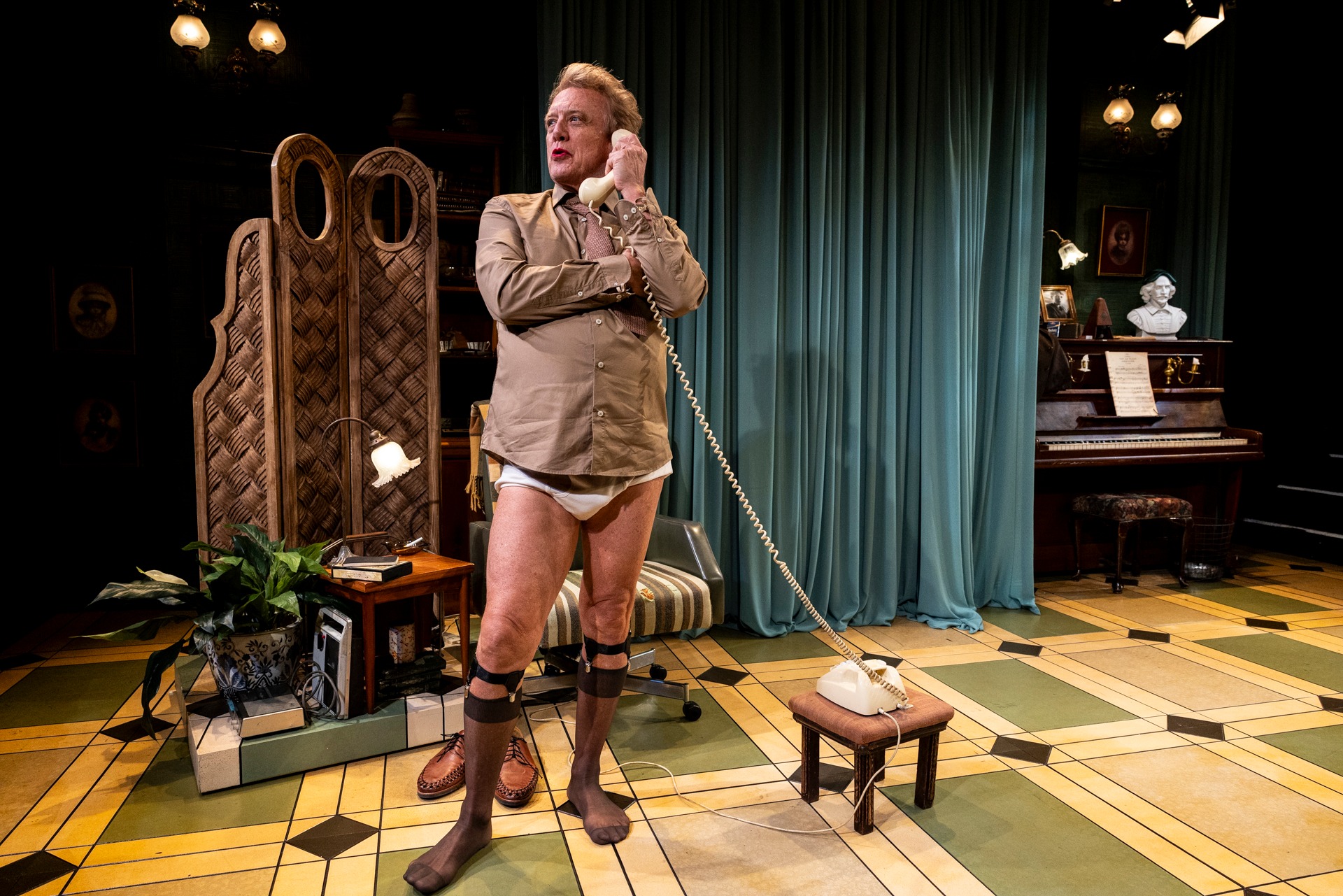
Isabel Hudson’s production design conjures a genteel nostalgia—an aesthetic meditation upon queer history that attends with equal sensitivity to the elegiac allure being manufactured and to the precariousness underlying its surface. Lights by Brockman prove instrumental in choreographing our temporal passage, whether languorous or abrupt; its mercurial unpredictability generates a distinctly satisfying theatrical frisson. Working in intimate concert, David Bergman’s sound and music prove equally indispensable, enabling the production’s transcendence of material realities to reach the essential core of its thematic concerns.

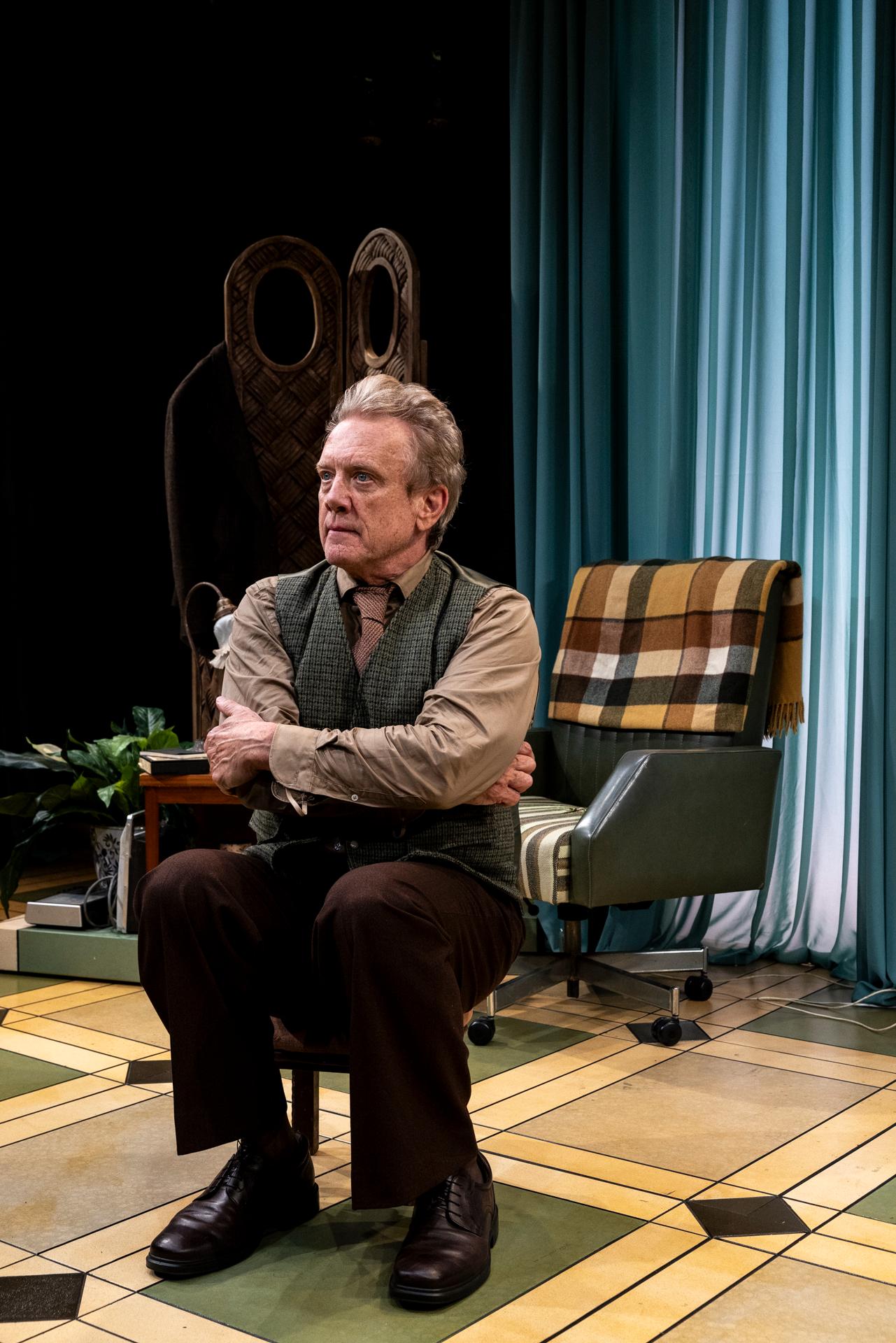
Simon Burke AO delivers a performance of remarkable depth and emotional acuity in his portrayal of Robert. Whether navigating registers of flippant vivacity or mortal gravity, he maintains a presence at once reassuring and undeniably sincere—radiating a warmth that secures our attentive vulnerability, rendering us receptive to the excavation of a queer historical epoch that demands our permanent remembrance.

Just when one might have reasonably supposed our community could begin to shift its focus from old battles to new horizons, these last forty-eight hours have delivered via the news, harrowing accounts of violence against young gay men—assaults whose contours bear chilling resemblance to those that recurred with grim regularity before decriminalisation, before marriage equality, before any number of legislative milestones we imagined might signal lasting change.

It is clear that legal frameworks, however essential, cannot alone dismantle the deeper machinations of prejudice. The same streets that witnessed violence decades ago continue to witness it still; the same fear that coursed through gay men navigating public space in the previous century courses through their counterparts today. Progress, for all its genuine achievements, does not move in an unbroken forward trajectory. It stalls, it falters, and sometimes it reveals itself to be far more fragile than we wish to believe. Hate crimes against queer people are not anachronisms—they are the present, demanding we reckon with how much remains undone.

www.griffintheatre.com.au 

Review: Naturism (Griffin Theatre Company)

Venue: Wharf 2 Sydney Theatre Company (Walsh Bay NSW), Oct 25 – Nov 15, 2025
Playwright: Ang Collins
Director: Declan Greene
Cast: Nicholas Brown, Glenn Hazeldine, Fraser Morrison, Camila Ponte Alvarez, Hannah Waterman
Images by Brett Boardman

Theatre review
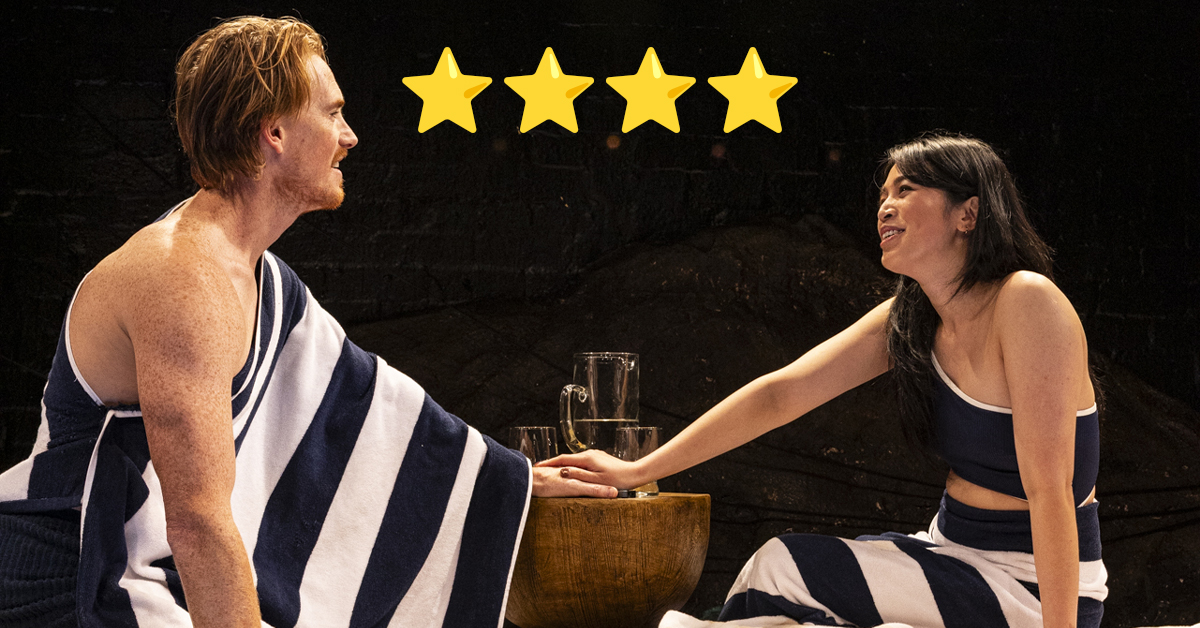
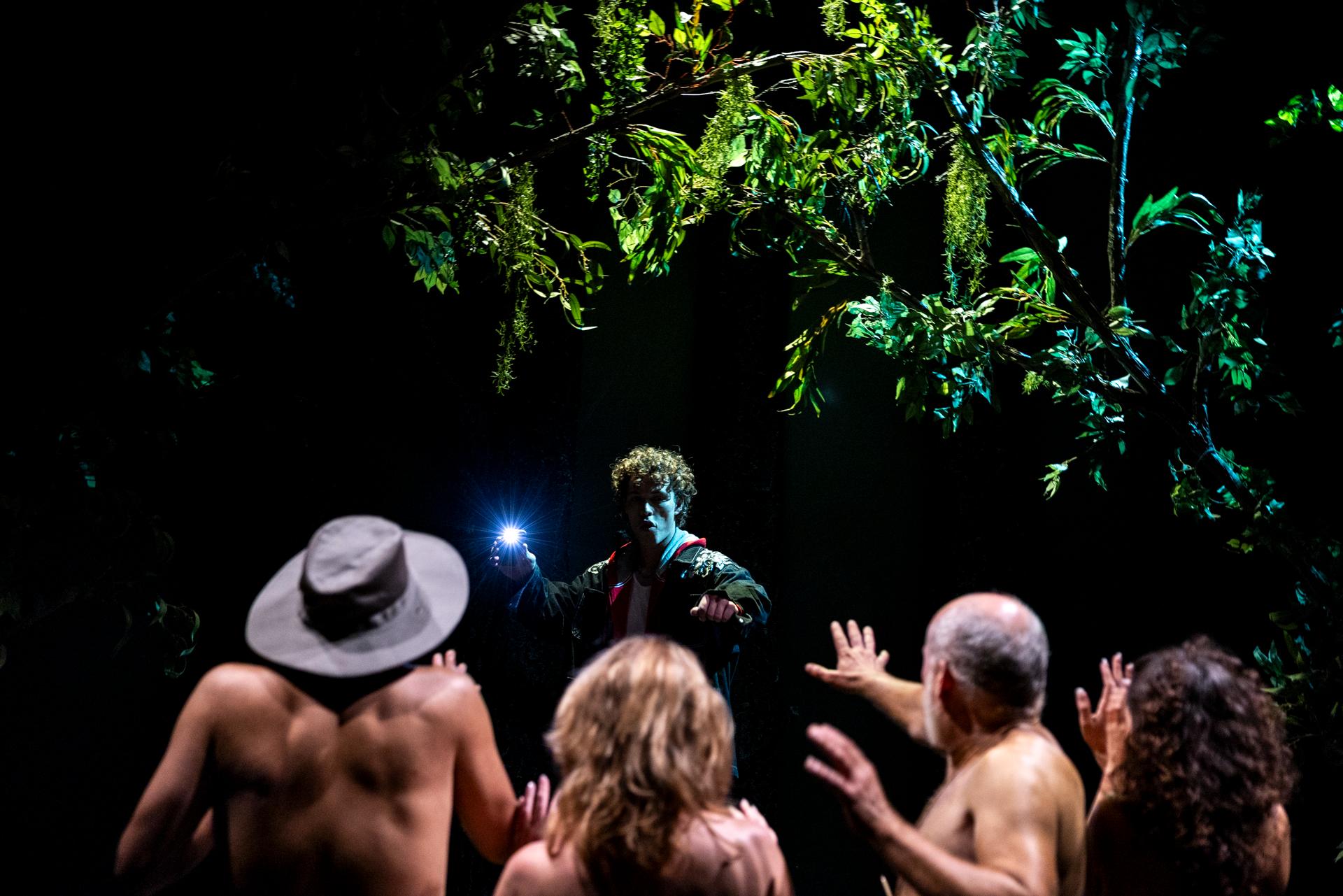
Ray presides over a small naturist commune on the outskirts of Melbourne, where its residents have lived off-grid for two decades. When Evangeline arrives unannounced, eager to join their secluded world, her intrusion sets off a quiet chain reaction that exposes the fault lines beneath the community’s calm surface. Ang Collins’ Naturism proves shrewdly more comic than polemic, even as an unmistakable ecological consciousness anchors the work. At a time when conversations about the environment often feel exhausting, Collins reminds us that laughter, too, can be an act of engagement.

Director Declan Greene wisely leans into the comedy, shaping a production that never hesitates to seize any opportunity for laughter. The exuberance he brings to the staging is infectious, even if the material itself often feels slight. Naturism may not offer much in the way of emotional or thematic depth, and our investment in its characters remains limited, yet the show’s buoyant energy and brisk 85-minute runtime ensure that our attention rarely drifts.

James Browne’s set design employs simple means to evocatively suggest the wilderness that frames the story. His costumes are a particular delight, especially in the hallucinatory sequences where the characters venture into the fantastical. Verity Hampson’s lighting is gloriously extravagant, embracing theatricality as the narrative heightens and the stakes rise. David Bergman’s sound and music design match that intensity, growing ever more vivid as the production slides into the deliciously bizarre.

The cast deserves admiration for their wholehearted commitment to what at times appears an unabashedly absurd enterprise. All five performers throw themselves into the work, mining every moment for humour and vitality. Their choices may verge on the outrageous, yet they sustain a surprising authenticity that prevents the piece from slipping into pure frivolity. It’s also worth noting that the ensemble spends much of the performance entirely nude — a fact that only deepens respect for their courage and conviction.

The characters in Naturism throw themselves wholeheartedly into doing right by the planet, yet their misadventures expose how fraught it can be to live by uncompromising ideals. We’re beginning to see that an “all or nothing” approach—whether ecological or political—often proves unsustainable, alienating those who might otherwise engage. The culture of guilt and moral absolutism around environmental action can drive people to withdraw entirely, when what the planet needs most are imperfect participants, not perfect abstainers.

www.griffintheatre.com.au

Review: Birdsong Of Tomorrow (Griffin Theatre Co)

Venue: Old Fitzroy Theatre (Woolloomooloo NSW), Aug 21 – Sep 13, 2025
Playwright: Nathan Harrison
Director: Emma McManus
Cast: Nathan Harrison
Images by Lucy Parakhina

Theatre review
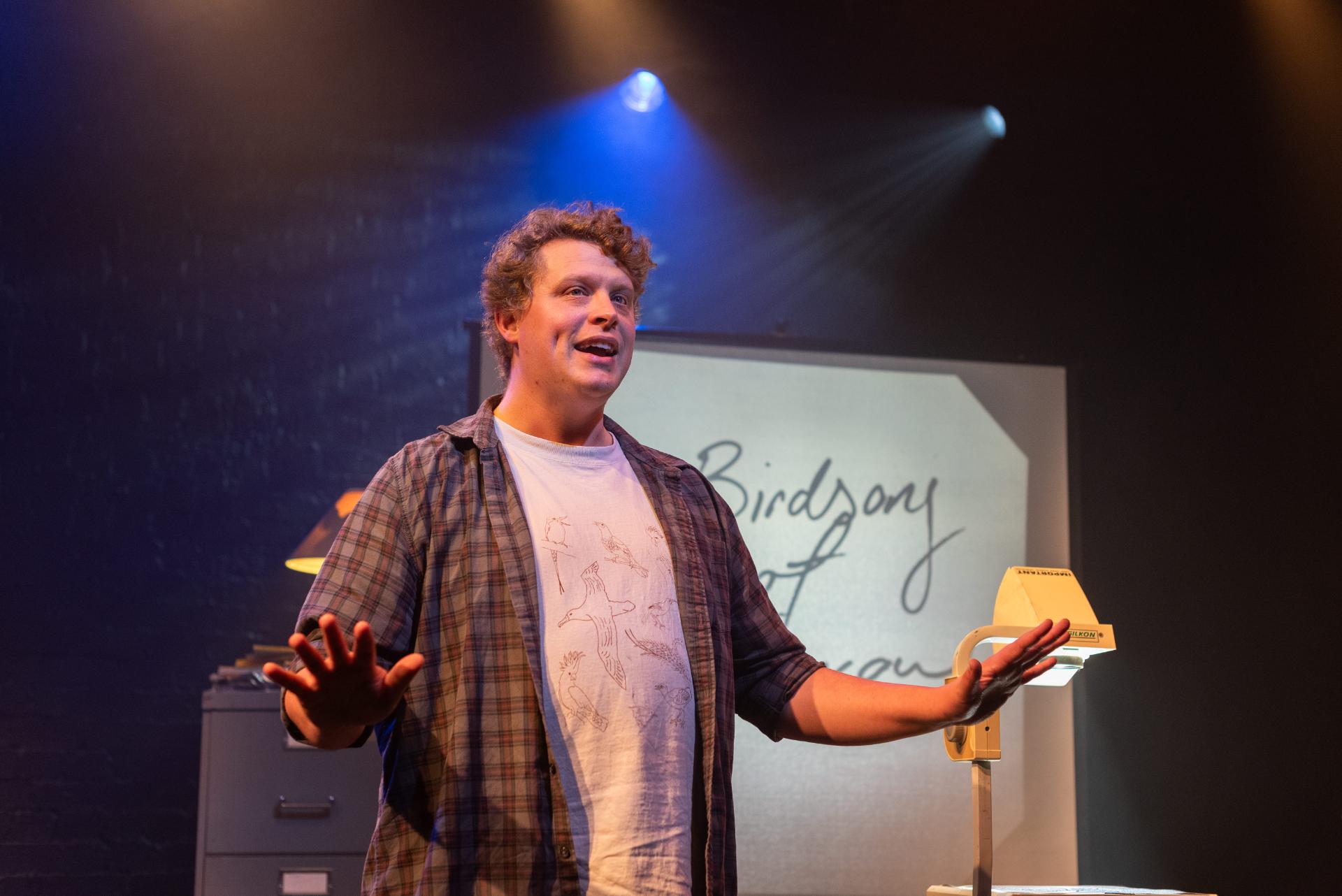
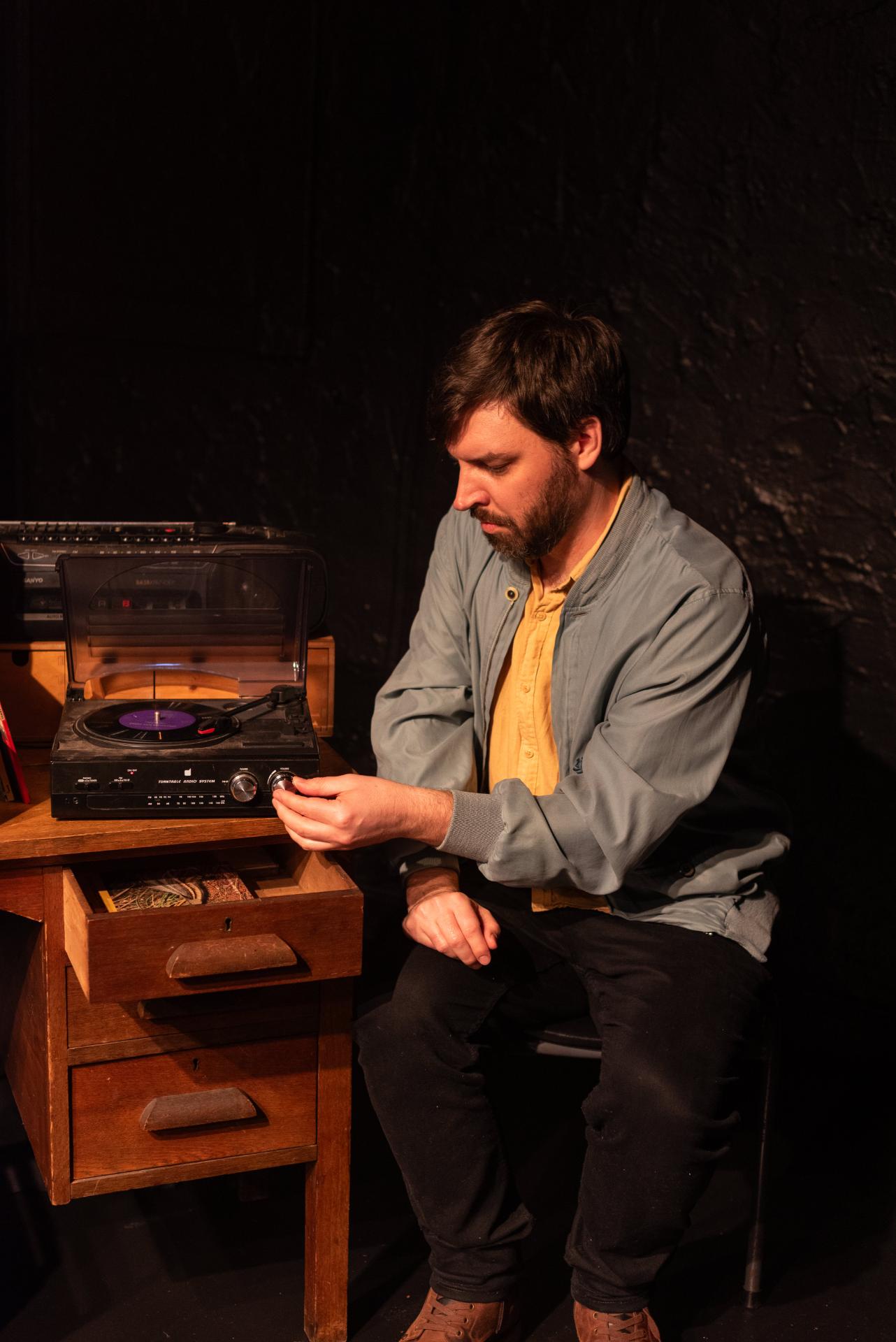
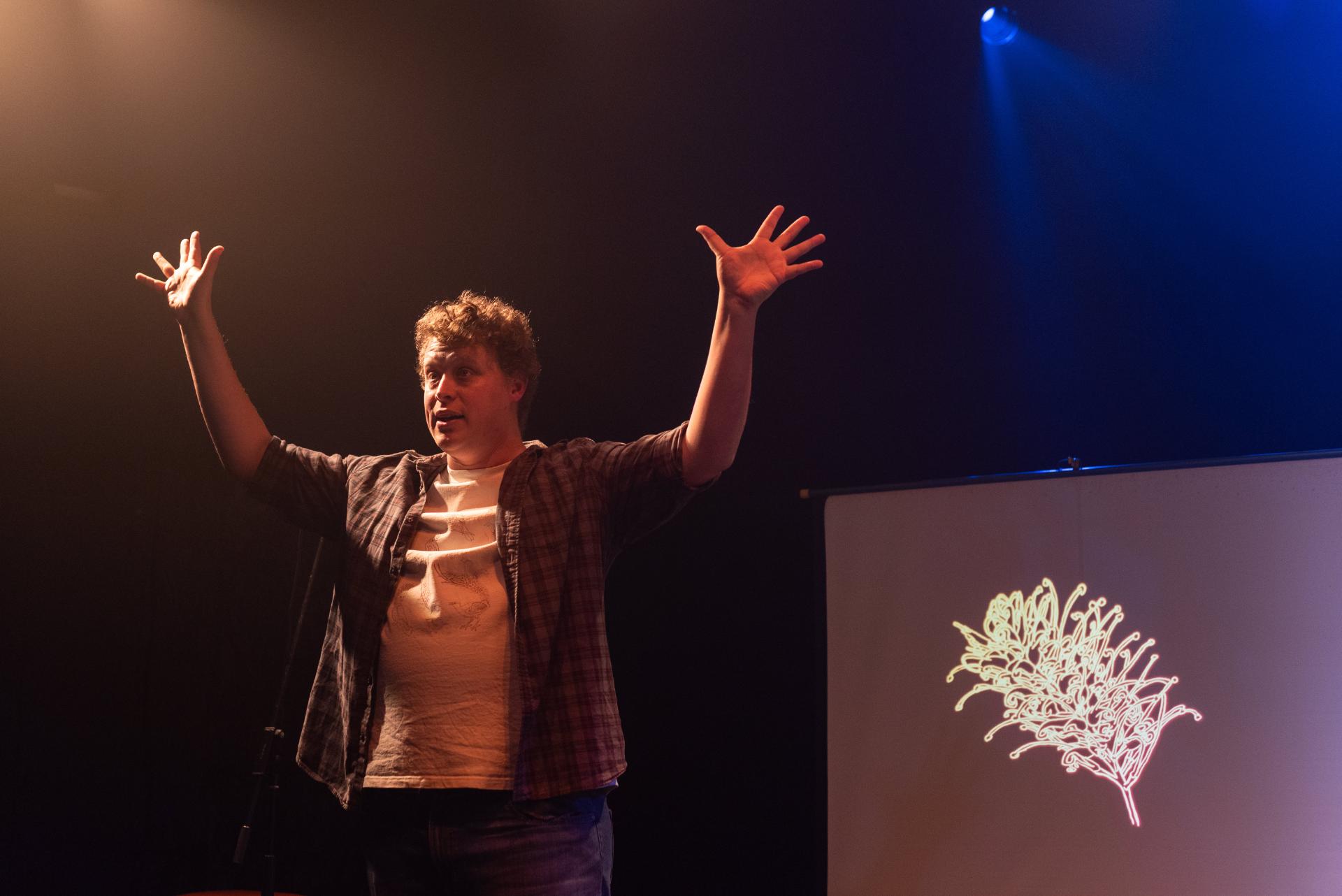
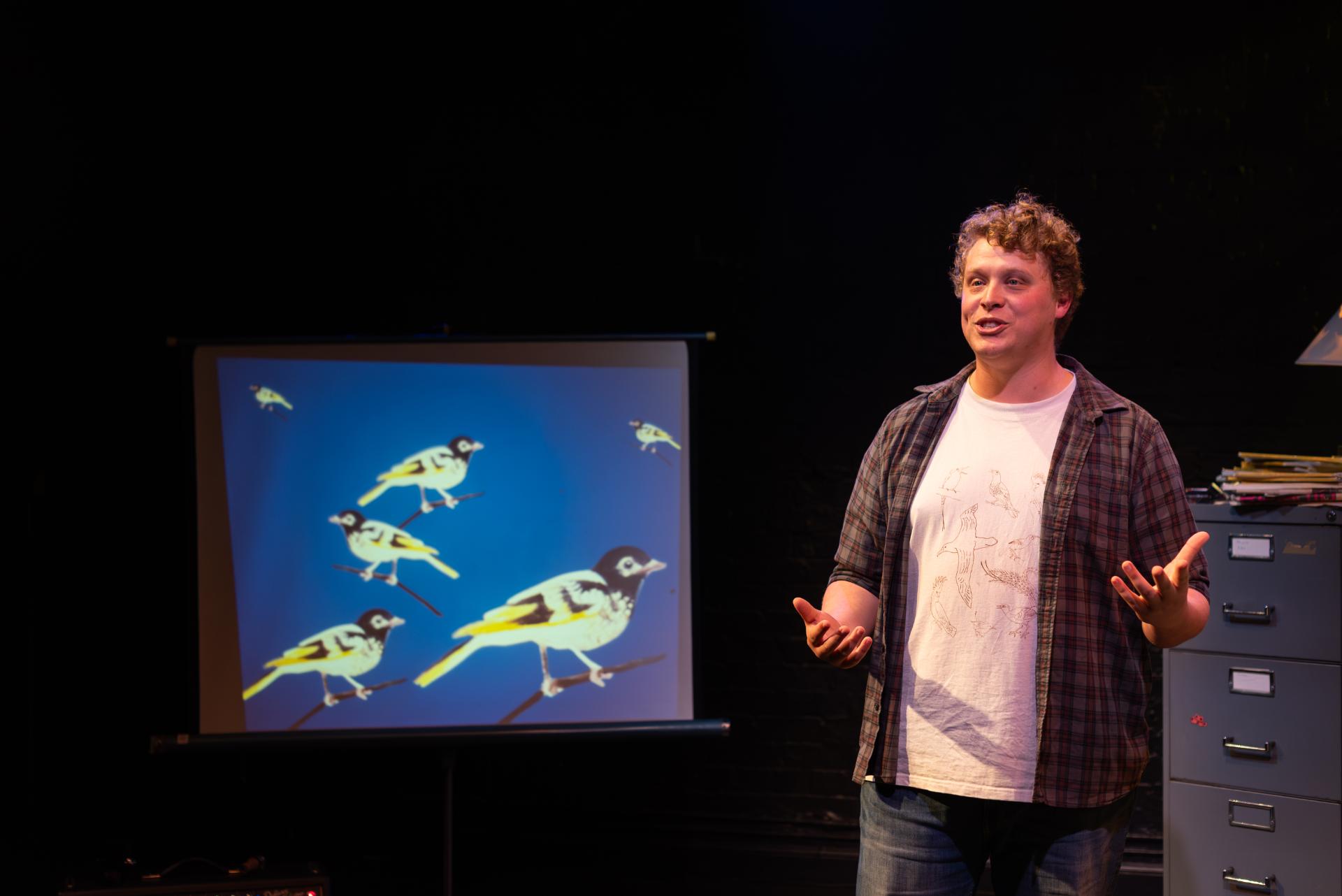
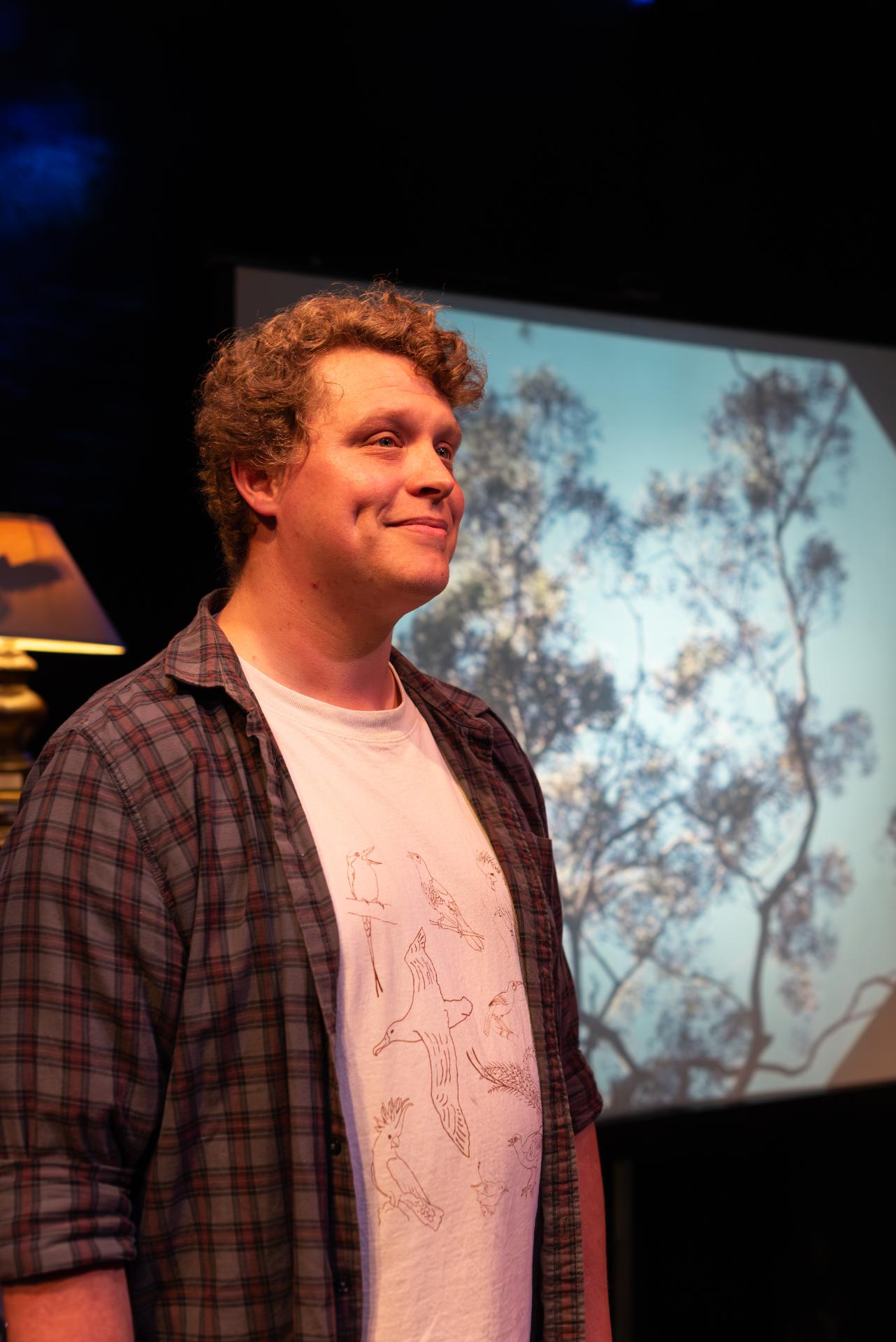
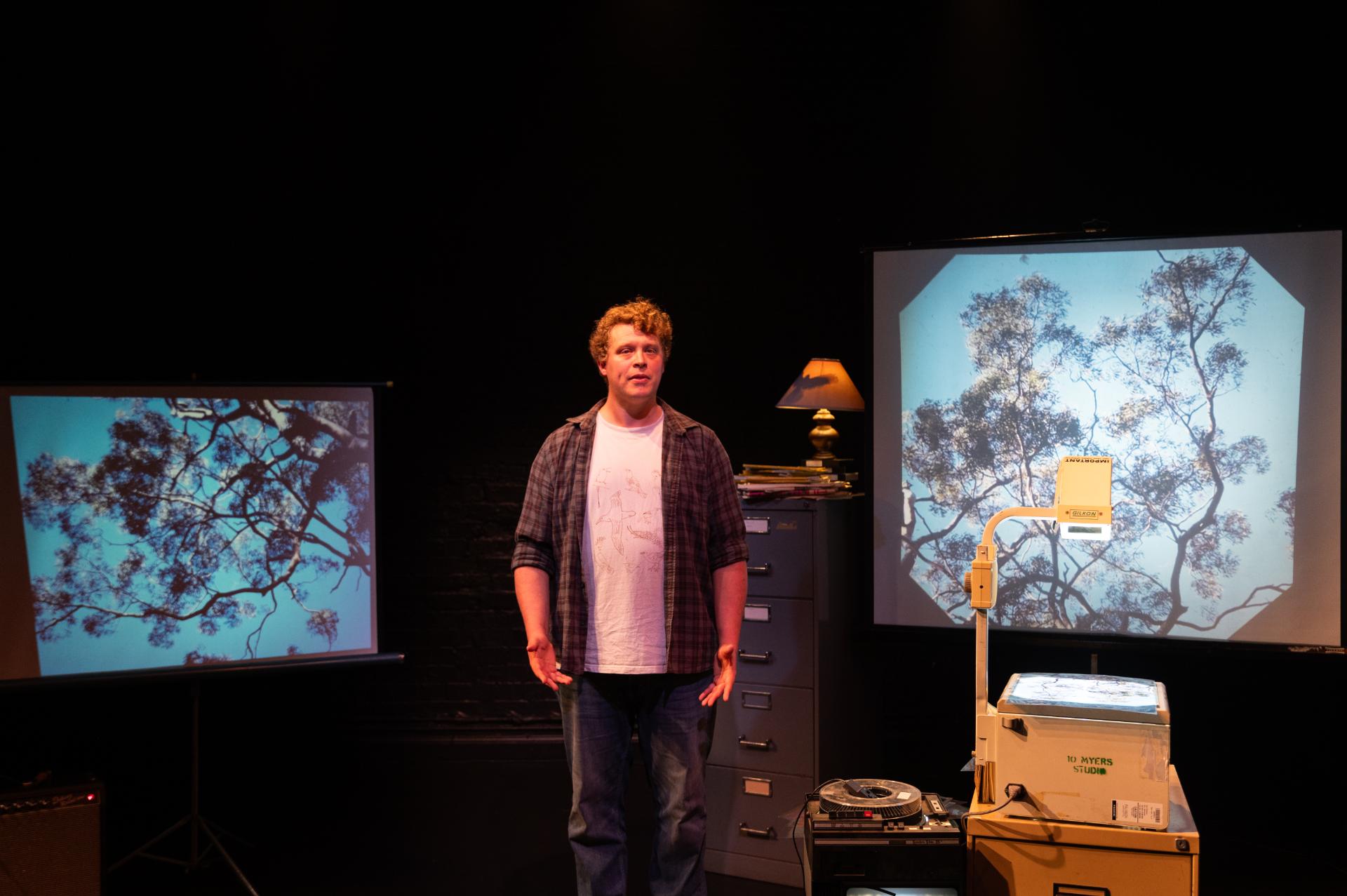
In Birdsong of Tomorrow, Nathan Harrison rhapsodizes about birds that trace their origins to the age of dinosaurs, and about songs that took flight millions of years before humans set foot on the earth. At once a meditation on time and change, on life and death, Birdsong of Tomorrow resounds most urgently as a plea for ecological preservation, emerging at a moment when humanity seems fatigued by its own fight to protect the earth.

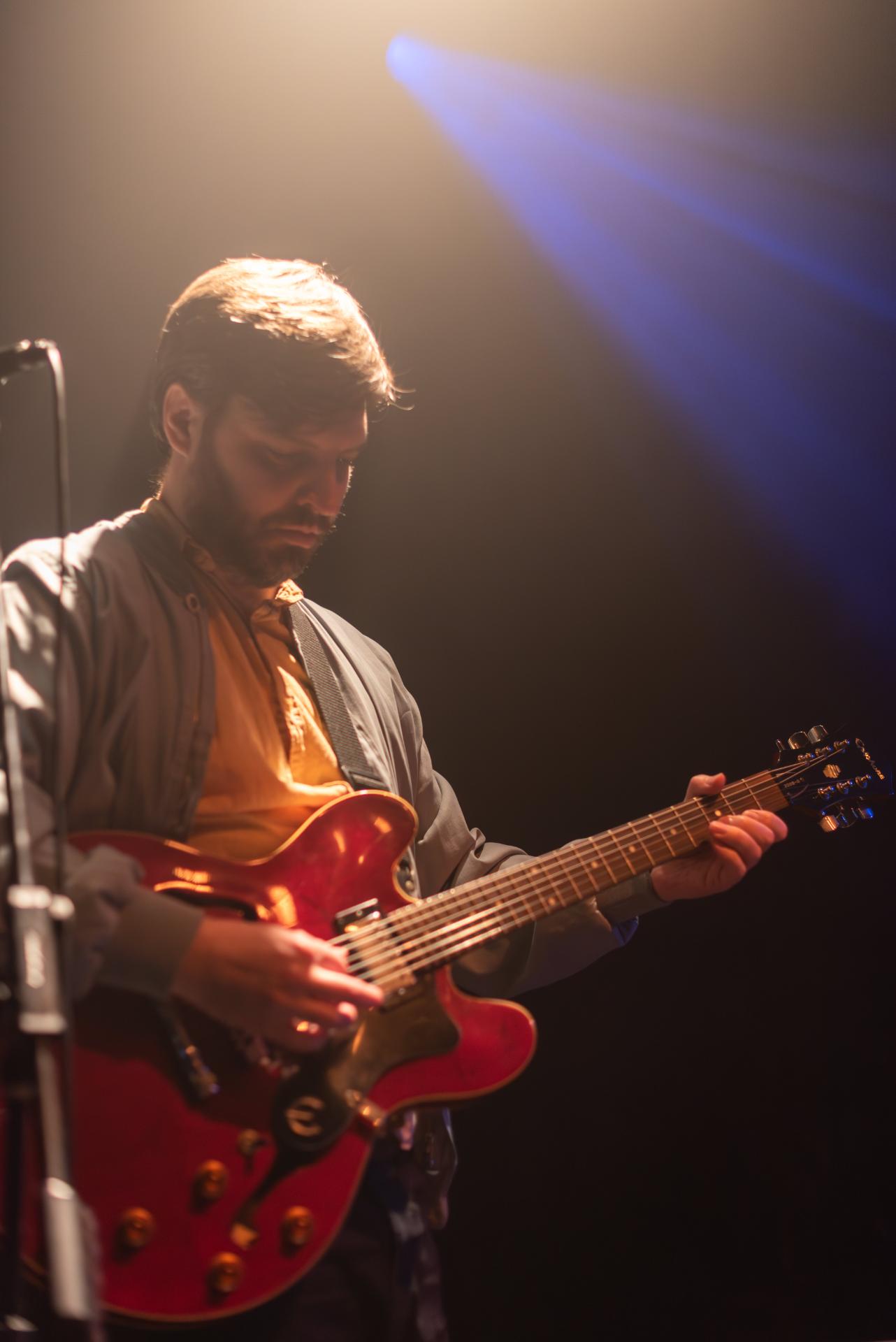
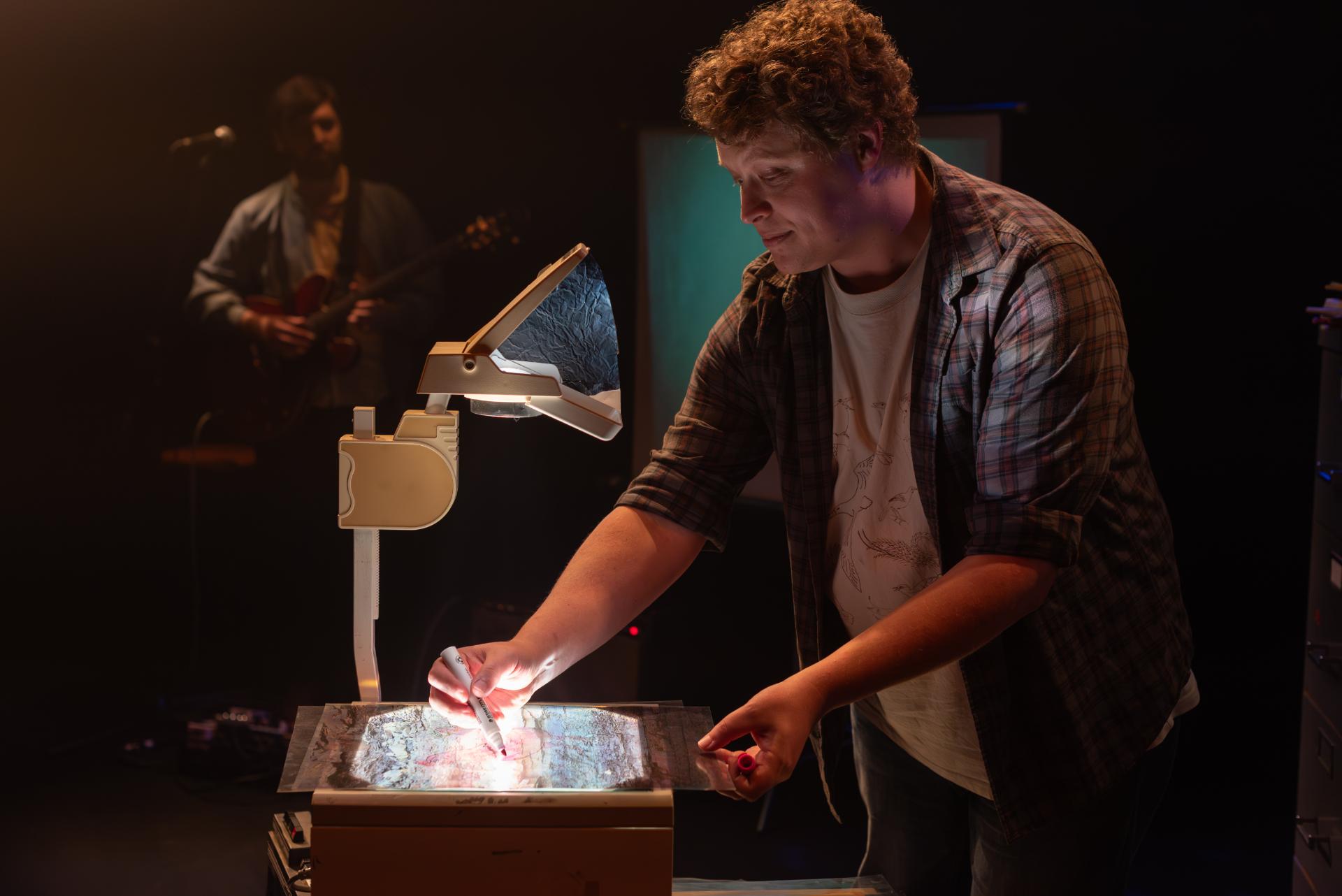
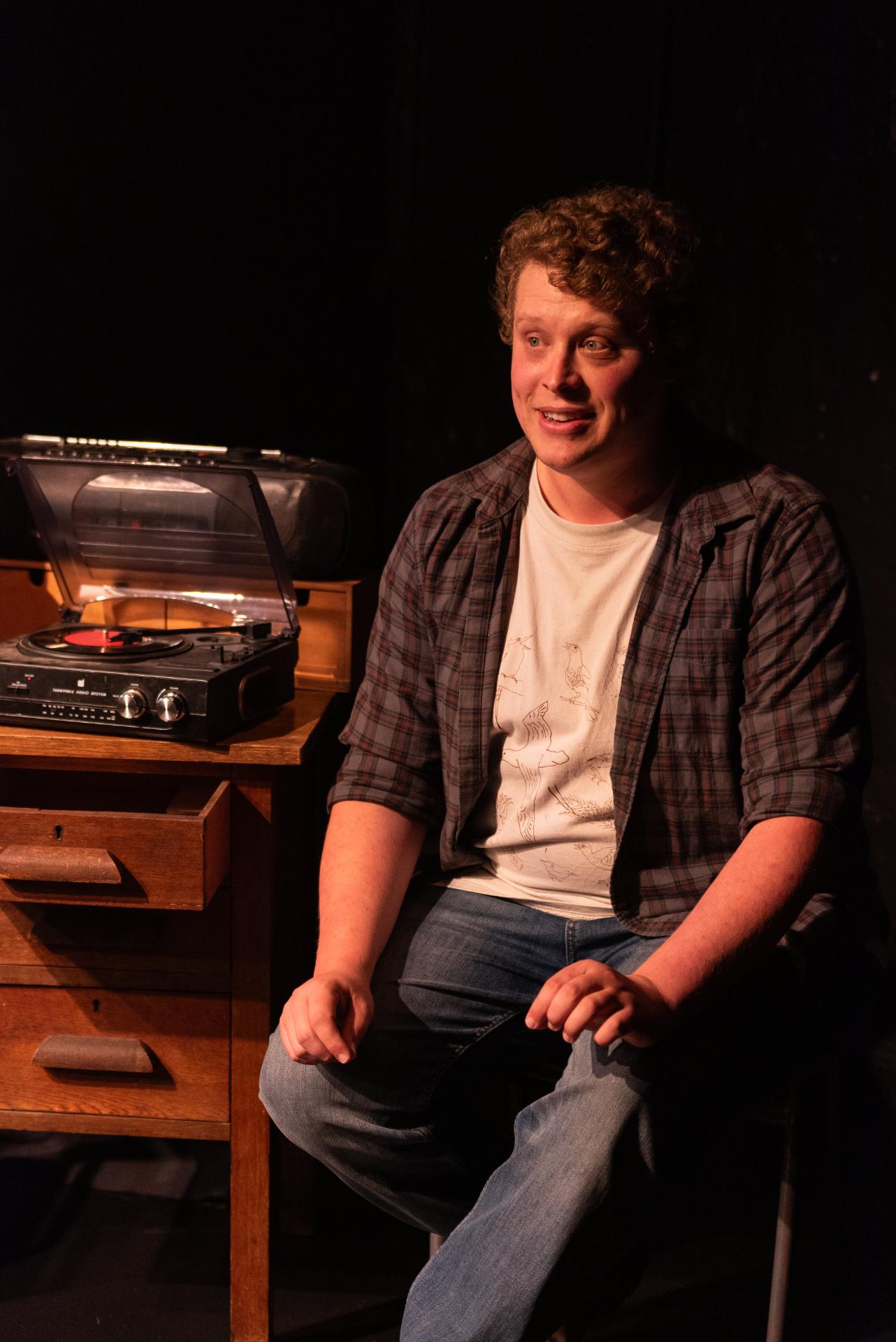
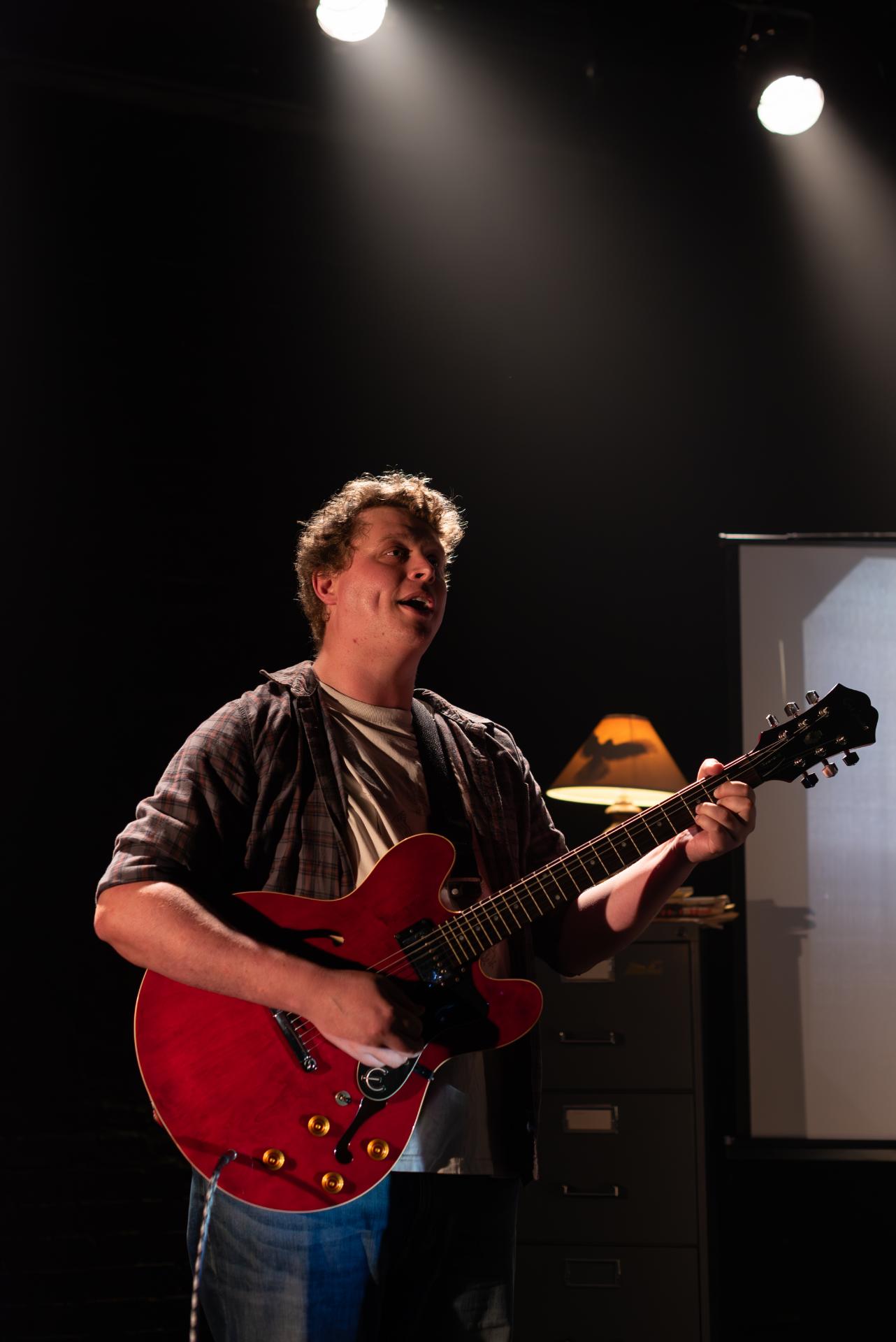
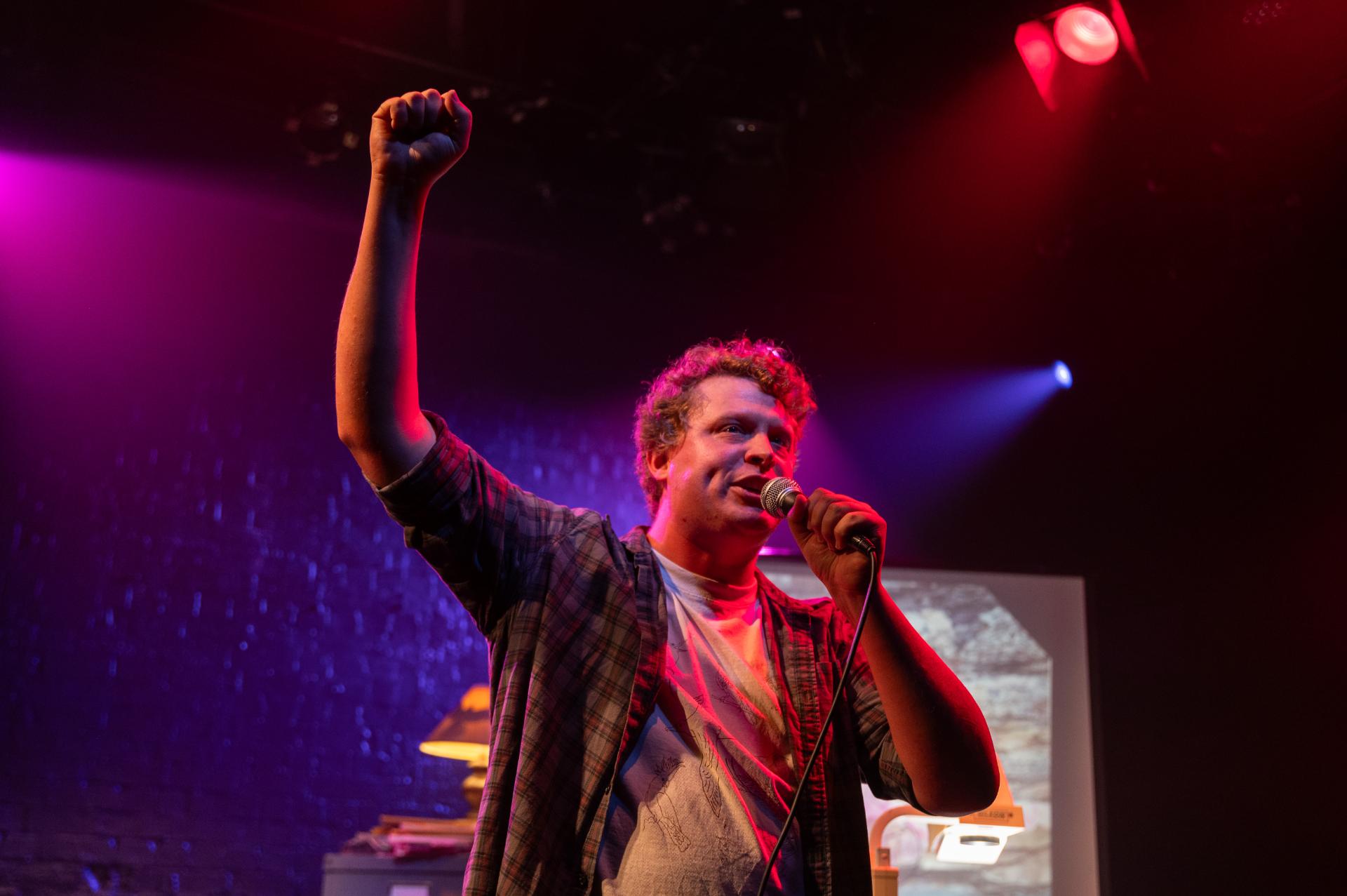
Directed by Emma McManus, the show conveys tenderness and sensitivity, tempered by occasional ironic humour that keeps its earnestness from becoming overbearing. Harrison is an endearing presence, and his command of the text keeps us engaged with his message, even when the specificity of his interests sometimes veers into the overly niche. He is joined by Tom Hogan, whose inventive live musical accompaniment enriches the experience immeasurably.

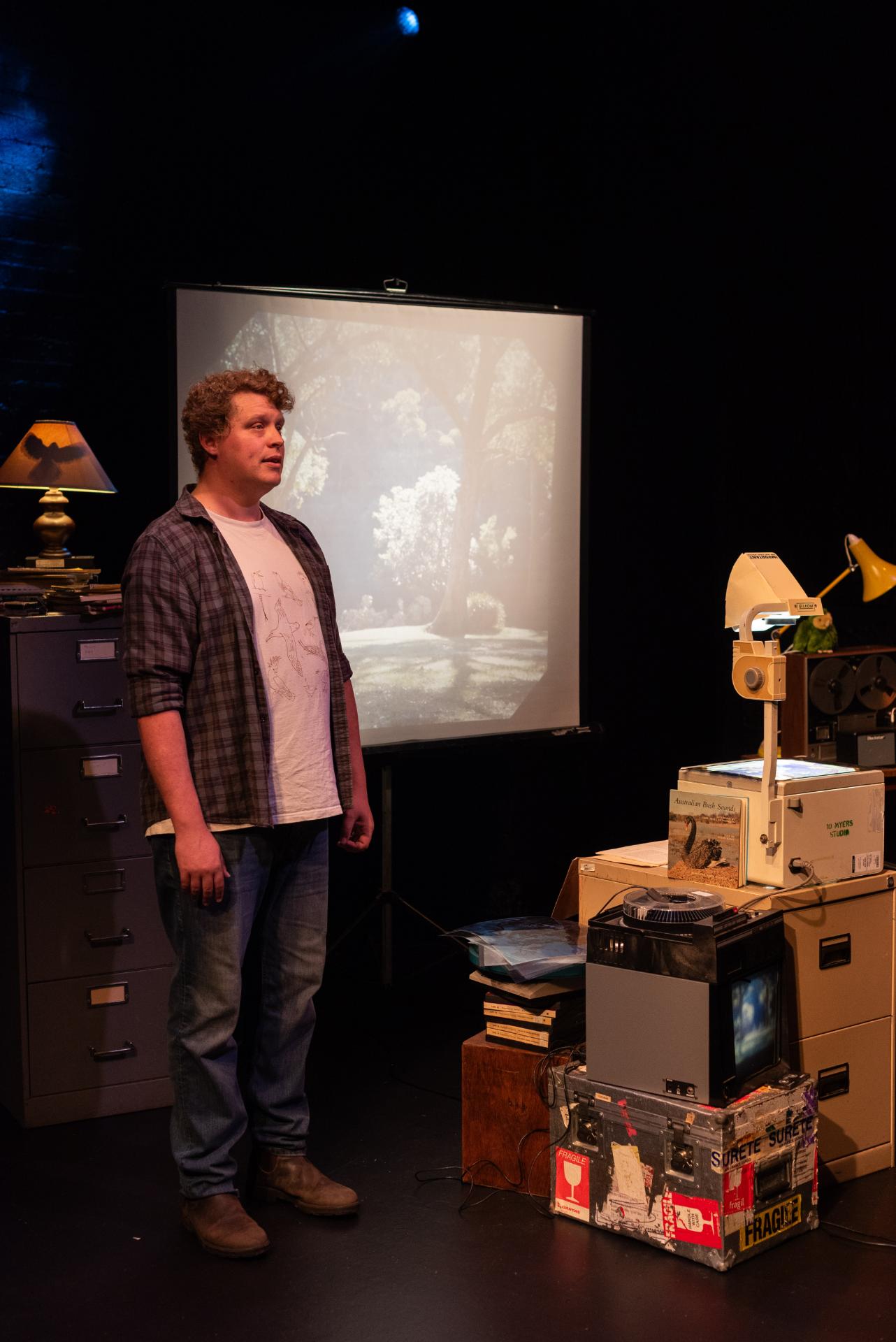
Lights by Saint Clair ensure warmth, along with small doses of drama that provide a sense of theatricality. Surrounded by archaic forms of media technology, Harrison comments on temporal transformations, and the habitual wastefulness of modern life responsible for the degradation of our environment. Attuning ourselves to the song of nature offers no efficiency, no measurable productivity within a capitalist framework, revealing that the values we so readily embrace will, in the end, be our undoing.

www.griffintheatre.com.au

Review: Sistren (Griffin Theatre Co)

Venue: Old Fitzroy Theatre (Woolloomooloo NSW), Jun 26 – Jul 12, 2025
Playwright: Iolanthe
Director: Ian Michael
Cast: Janet Anderson, Iolanthe
Images by Brett Boardman

Theatre review
Isla and Violet are the closest of friends, and being seventeen years of age, that bond has an intensity unlikely to ever recur. Sistren by Iolanthe is often glib and irreverent in tone, but a deep sincerity emerges unexpectedly at various points, making sure that the play touches us ultimately, with meaningful intention and consequential impact. Iolanthe’s writing is brazenly loose in structure, and defiantly meandering, in its resistance of formal conventions that uphold linear progression and cohesion.

Director Ian Michael is on hand to imbue a powerful emotional trajectory, that places us on an ever rising crescendo of visceral charge. The politics of Sistren is undeniable, with a modern brand of feminism characterised by radical inclusivity,  resulting in a work of theatre that is able to speak vociferously, yet never alienates.

As we watch Isla and Violet negotiate their differences, with one being Black and cis, and the other white and trans, we too experience that push and pull of being constantly caught between right and wrong. Living consciously political means that there is an ideal to strive for, as embodied by the girls’ love and friendship, but also always having to contend with flawed methods of progression. The point is to be able to trust.

Production design by Emma White is appropriately playful in approach. Lighting design by Kelsey Lee provides a wealth of visual flourish that proves thoroughly elevative. Video projections by TK Abiyoe are a delightful addition, as is sound design by Daniel Herten, memorable for a camp zaniness that keeps the show squarely in the realm of queer.

Iolanthe herself takes to the stage, playing Isla along with Janet Andersons’ Violet. What we witness is a singular chemistry, distinguished by the two women’s shared humour, which shapes a theatrical experience remarkable for the intimacy of the world it opens to us. Together they create a work of art distinct for its specificity, one that feels inimitable and therefore completely evanescent. In their unusual unity and love, in seeing two characters who have every reason to hate each other, we are compelled to reflect on the meaning of difference in a world fixated on division.
www.griffintheatre.com.au | www.greendoortheatrecompany.com

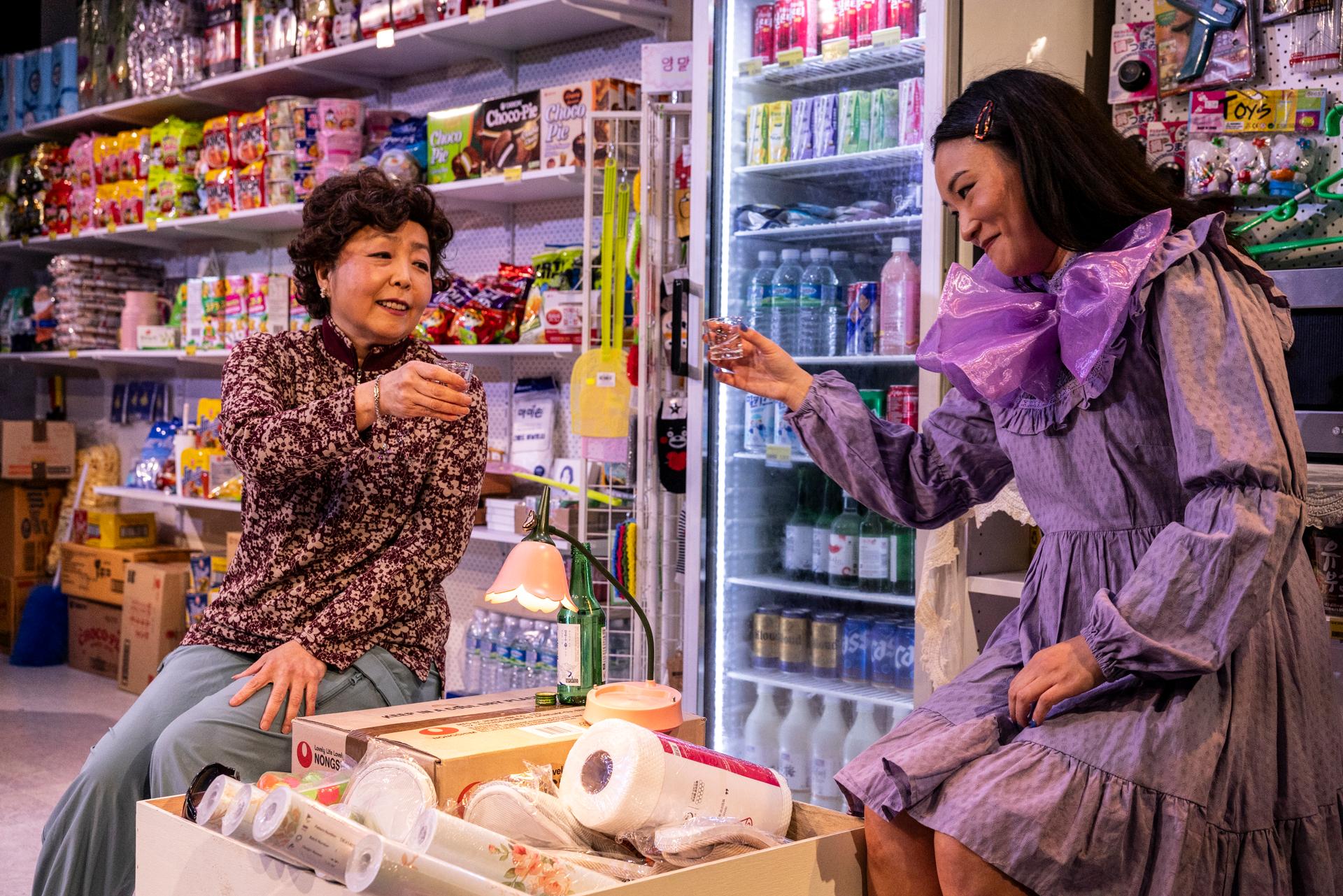
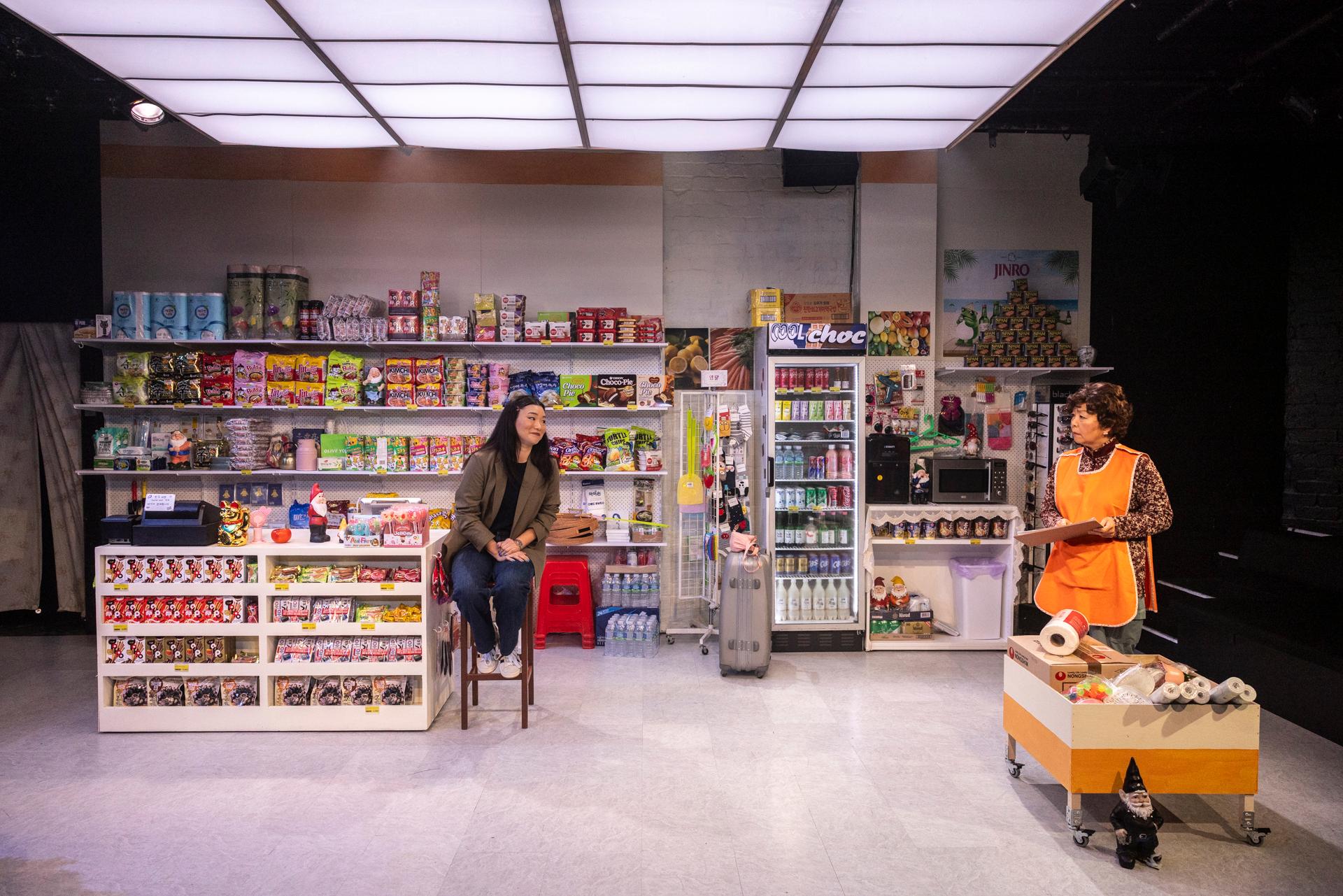
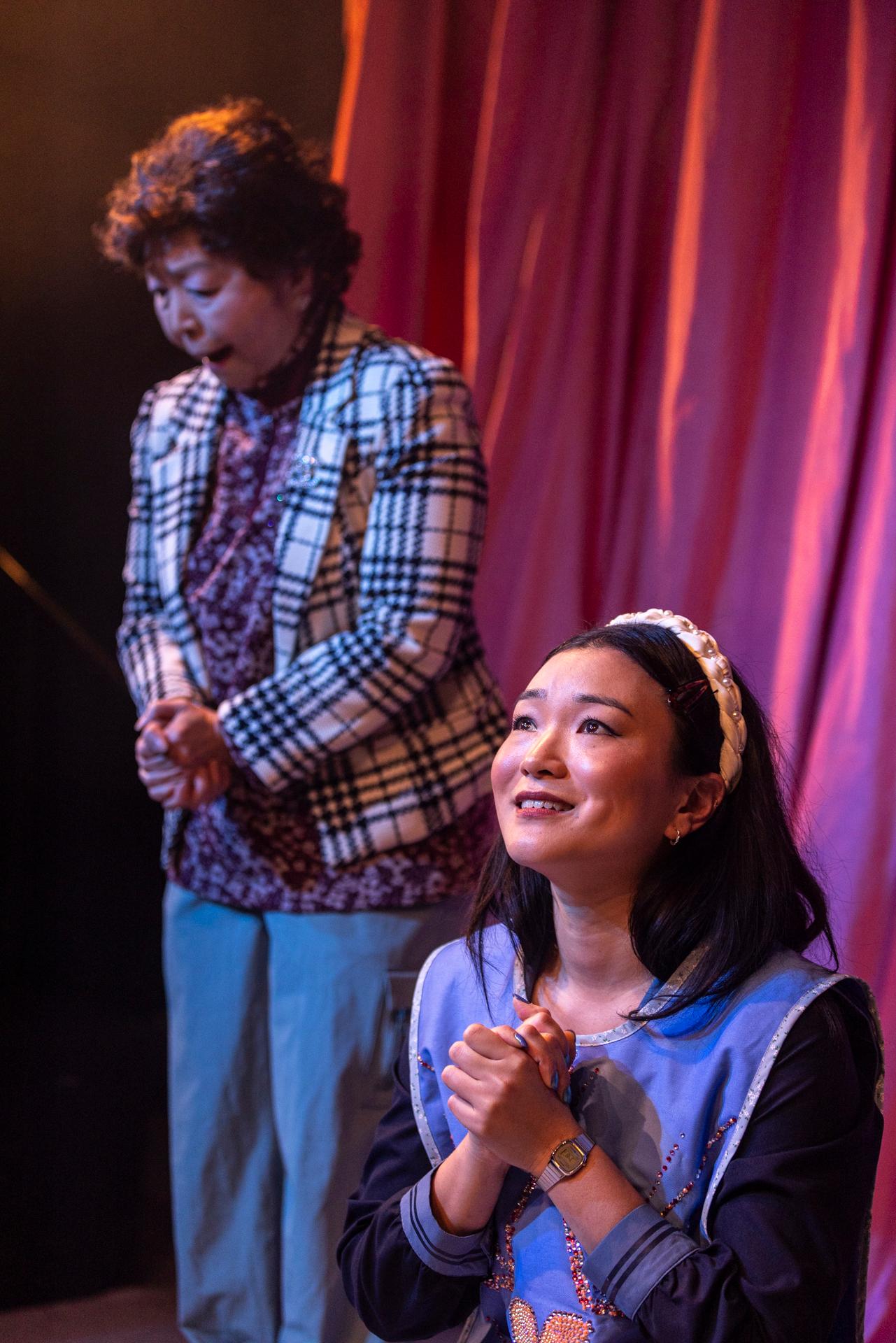
Review: Koreaboo (Griffin Theatre Company)

Venue: Belvoir St Theatre (Surry Hills NSW), Jun 14 – Jul 20, 2025
Playwright: Michelle Lim Davidson
Director: Jessica Arthur
Cast: Heather Jeong, Michelle Lim Davidson
Images by Brett Boardman

Theatre review
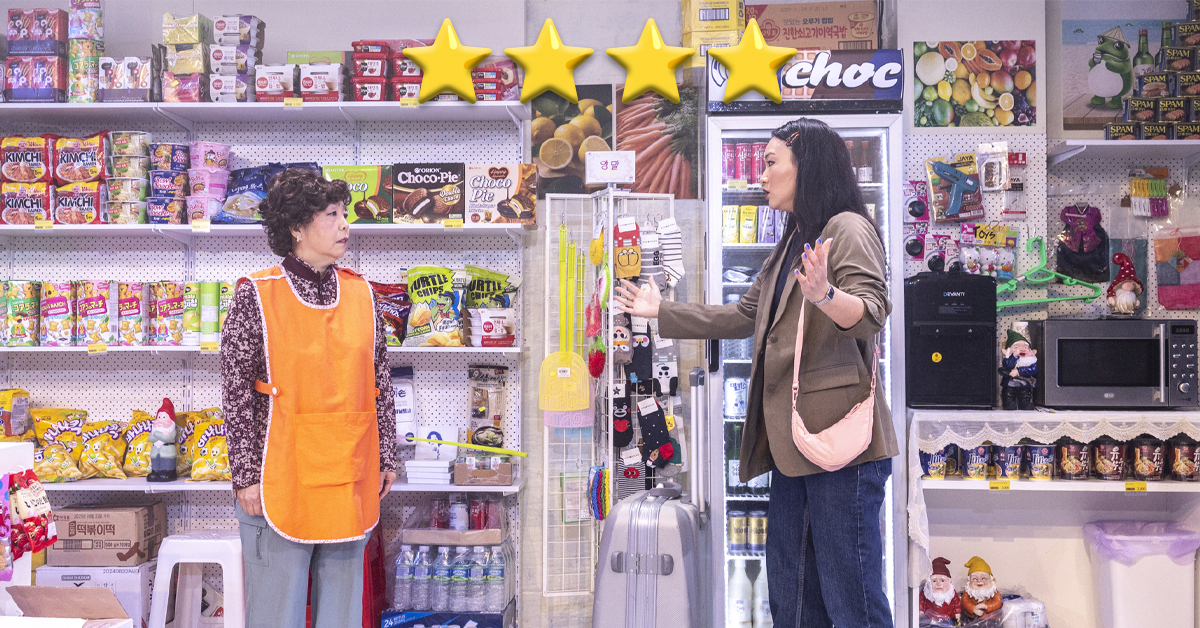
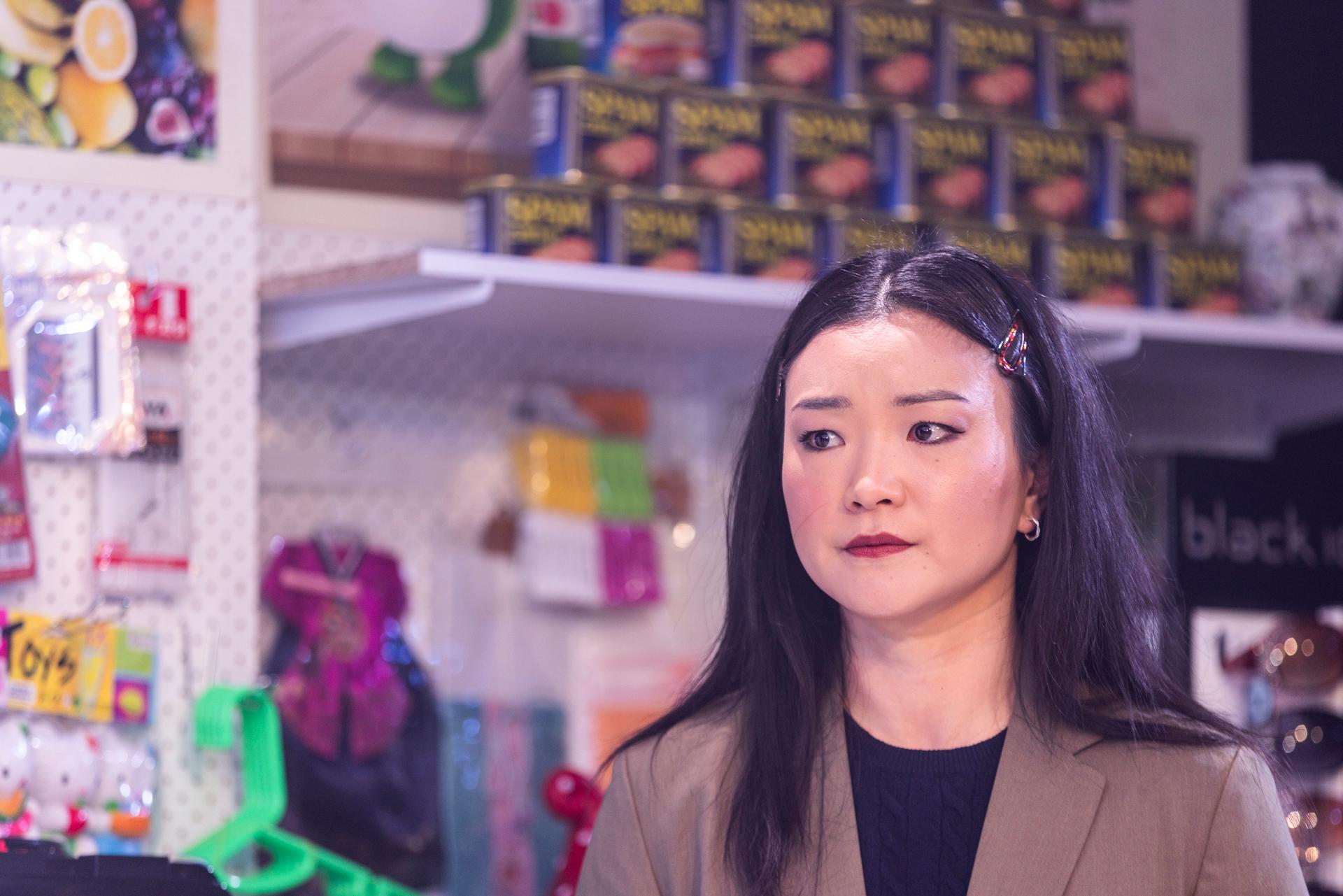
Hannah has flown to South Korea, hoping for a successful reunion with her birth mother. However, Soon Hee’s response falls far short of Hannah’s expectations. Koreaboo by Michelle Lim Davidson explores the phenomenon of transnational and transracial adoption, from the perspective of a person caught between cultures. Sharply observed and finely nuanced, Koreaboo proves to be as insightful as it is entertaining.

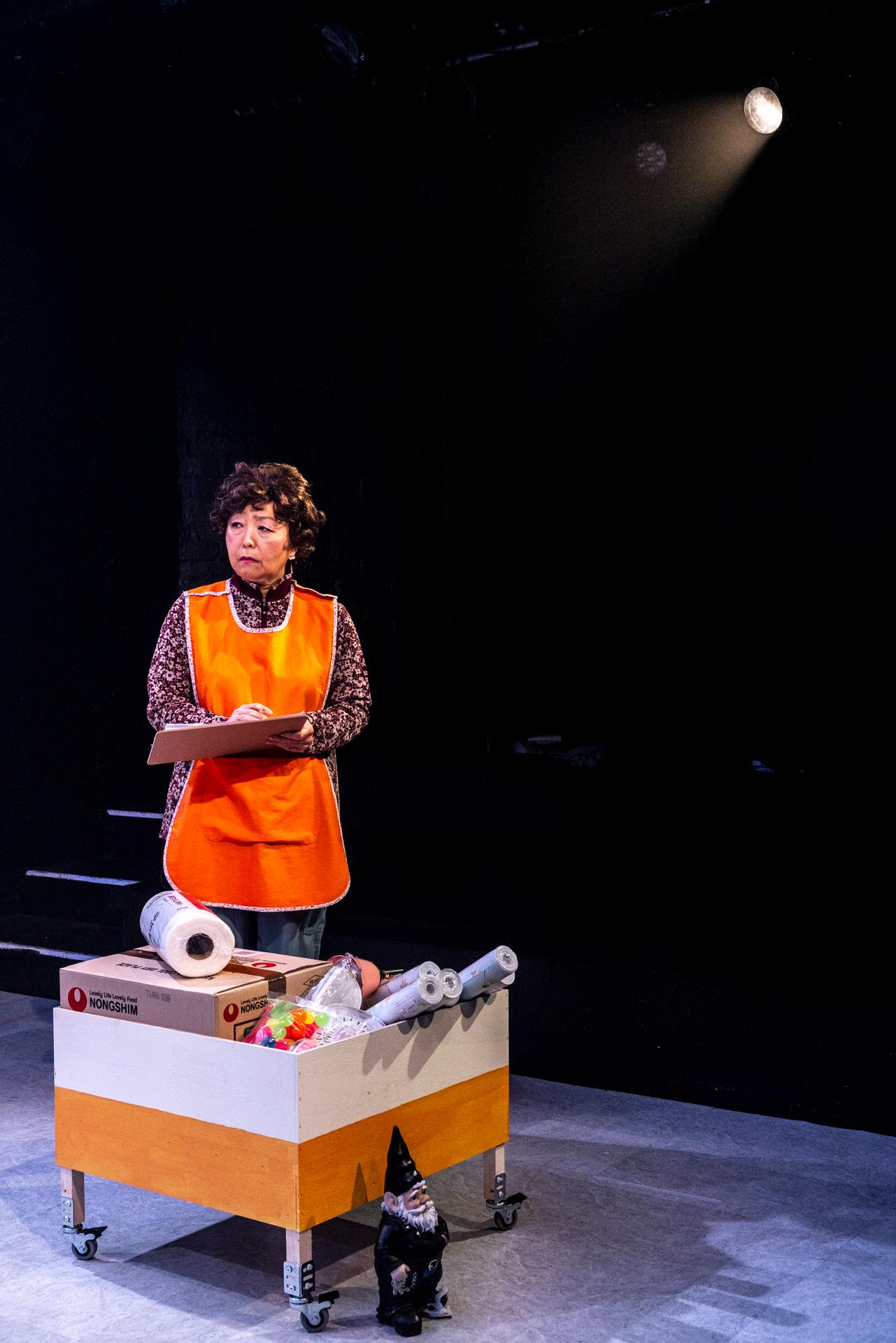
Davidson plays Hannah the naïve Australian, with exceptional effervescence. Heather Jeong brings admirable authenticity, to the role of shopkeeper Soon Hee. Both performers are wonderfully comedic, demonstrating excellent timing along with a persuasive chemistry. Directed by Jessica Arthur, the presentation is compulsively engaging at every moment, memorable for its sparkling humour. Scenes of poignancy could be provided more gravity, but they remain effective, in this story about unconventional kinship.

Production design by Mel Page accomplishes an extraordinary level of naturalism, to have us connecting immediately with visual cues that convey all we need to know, about these people and places. Lights by Kate Baldwin are commensurately accurate, in portraying a heightened ordinariness. Music by Brendon Boney offers a full-bodied expression of the playful spirit underpinning Koreaboo‘s humour, punctuating the show with gleeful joy throughout.

Parents are rarely, if ever, ideal beings. Admittedly some are more flawed than others, but a substantial part of any person’s maturation, involves coming to terms with disappointments around our parents’ deficiencies. Hannah longs for her mother’s love, but we discover that Soon Hee’s affections take a form quite different from what Hannah had hoped for. Like all adults, Hannah will learn eventually, that she simply has to make do.

www.griffintheatre.com.au

Review: Nucleus (Griffin Theatre Company)

Venue: Seymour Centre, Reginald Theatre (Chippendale NSW), Feb 14 – Mar 15, 2025
Playwright: Alana Valentine
Director: Andrea James
Cast: Paula Arundell, Peter Kowitz
Images by Brett Boardman

Theatre review
Cassie and Gabriel have known each other for decades, but because the former is an anti-nuclear activist, and the latter a pro-nuclear engineer, they are unable to conceive of their relationship as anything other than adversarial. Alana Valentine’s Nucleus is in some ways a boy-meets-girl story, and in other ways, an exploration into debates about nuclear energy. Scientific portions feel thoroughly researched, able to offer valuable insight, if slightly too densely assembled for this 90-minute production. Romantic aspects of Nucleus may not be entirely convincing, but they certainly keep us attentive to an important subject that relates to the very survival of our species.

Direction by Andrea James provides a sense of precision to the escalation of dramatic urgency, that ensures our investment in the piece. Production design by Isabel Hudson encourages us to regard the show’s ideas with an expansive attitude, whilst manufacturing a satisfying elegance to the staging. Lighting by Verity Hampson, along with video projections by Laura Turner, offer meaningful transformations of atmosphere, although a greater dynamism could improve the experience. Phil Downing’s music and sound are thoroughly considered, to help manufacture an aural richness to inspire sentimental responses.

For the role of Cassie, actor Paula Arundell is required to embody a wide range of temperaments and emotions, and the clarity she brings to all those distinctions of mental states is remarkable to observe. As Gabriel, Peter Kowitz is less detailed in his performance, often looking inadequately prepared and unconfident. Chemistry between the two is sorely lacking, which makes a lot of this two-hander hard to enjoy.

In the current age of distrust in media and of authorities in general, obtaining accurate information on something as crucial as energy resources, can feel an absolute quagmire. Competing interests, with competing truths, make for the gathering of facts so arduous that giving up trying, is almost always the result. In a world where we have grown accustom to having other people, who we never really trust, deal with each and every environmental crisis, it will come as no surprise that the ultimate consequence of populaces not paying attention, is of course going to be dire.

www.griffintheatre.com.au

Review: Flat Earthers: The Musical (Griffin Theatre Co / Hayes Theatre)

Venue: Hayes Theatre Co (Potts Point NSW), Oct 11 – Nov 9, 2024
Book and Lyrics: Jean Tong, Lou Wall
Songwriting: Lou Wall, James Gales
Director: Declan Greene
Cast: Michelle Brasier, Lena Cruz, Manali Datar, Milo Hartill, Amanda McGregor, Manon Guderson-Briggs, Mel O’Brien, Shannen Alyce Quan, Zarif
Images by John McRae

Theatre review
The story begins when Ria and Flick meet online, and quickly fall in love. Being a conspiracy theorist however, means that Flick is making their unfolding romance very complicated indeed. Flat Earthers: The Musical by Jean Tong, Lou Wall and James Gales commences with a fascinating conceit involving the very contemporary phenomenon of information silos and alternative facts, but quickly devolves into a confusing quandary of fantastical excursions.

Director Declan Greene brings a sense of exuberance to an outlandish plot that goes completely frenzied and unruly, but the musical comedy never really connects in any meaningful way. A heavy reliance on video elements, as designed by Xanthe Dobbie and Daniel Herten, makes the experience feel excessively complicated, resulting in a sensory overload that prevents us from truly engaging with the ideas and the humour of the piece.

On a positive note, songs in Flat Earthers are consistently enjoyable. Produced by James Gales and with musical direction by Jude Perl, each number is wonderfully rhythmic and often unpredictable, with choreography by Fetu Taku enhancing the imaginative quality and the pop sensibility of these modern showtunes. Singing is generally of a strong standard, with Manali Datar and Shannen Alyce Quan bringing admirable precision to their portrayals of lesbian lovebirds. It is worth noting that the unapologetic depictions of sapphic desire in Flat Earthers address a much needed queering of an art form, that although beloved by queers, rarely centres our identities in stories that routinely deny our right to take focus.
Set design by Brockman creatively incorporates the production’s need for projection screens, although occasionally unwieldy for performers as they enter the stage. Costumes by Emma White are as appealing as they are amusing, able to represent characters with accuracy, whilst maintaining a comical approach. Lights by Brockman are astonishing in their richness and intensity, in a show that is never for a moment, restrained in any way.

In a world where people believe that politicians can inflict hurricanes on battleground states at election time, and where patently and unabashedly evil individuals become presidents by manipulating media consumption of the populace, the business of information propagation is a seriously dire situation.  All of our history demonstrates that humans will trust in all manner of bizarre propositions, many of which have led to death and destruction. Also true of our nature, is that we never stay the same, and this too shall pass.
www.hayestheatre.com.au | www.griffintheatre.com.au