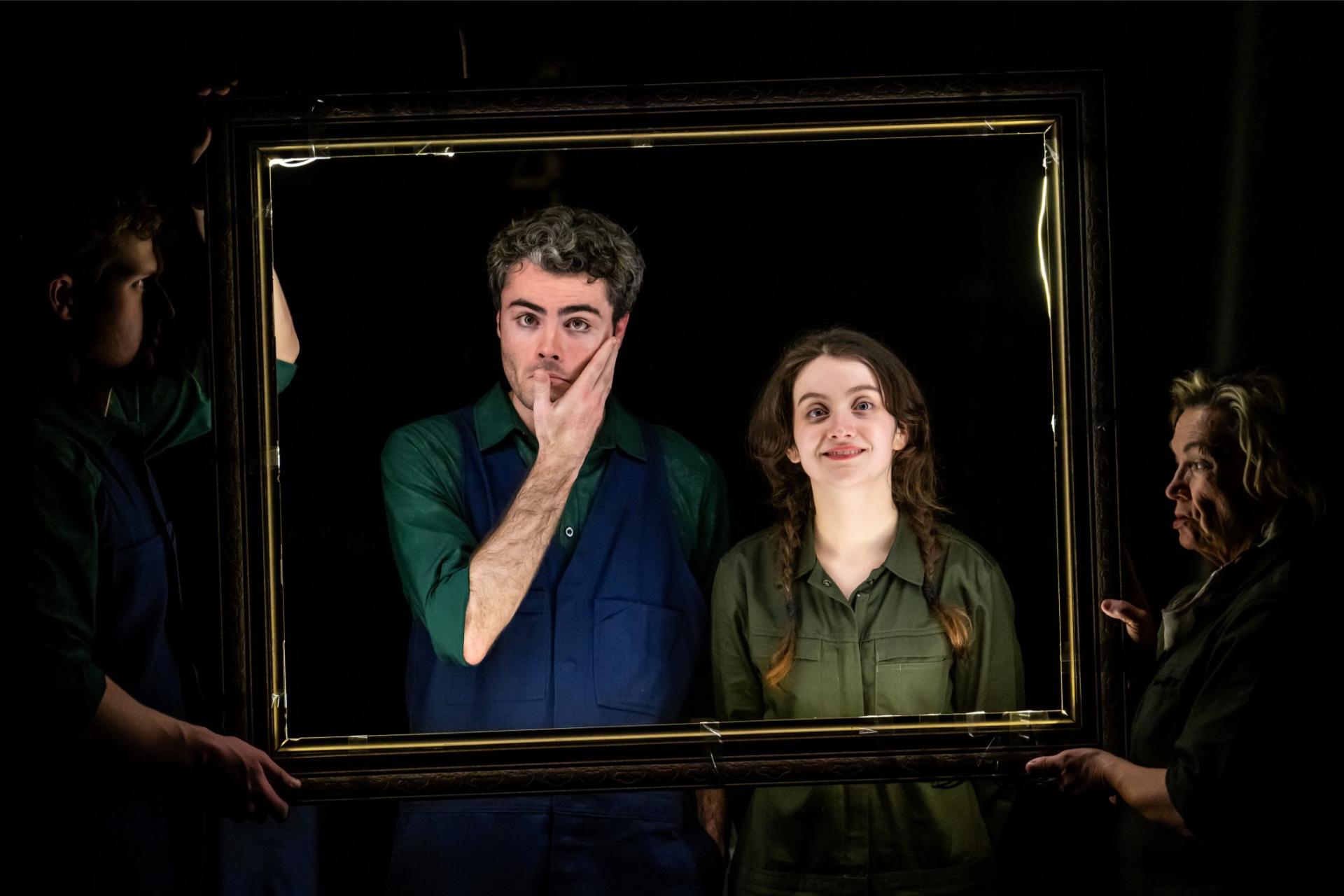
Venue: New Theatre (Newtown NSW), Jun 30 – Jul 25, 2026
Playwright: J. James-Moody (based on the novel by John Wyndham)
Director: J. James-Moody
Cast: James Collins, Claudia Elbourne, Nathan Farrow, Tony Llewellyn-Jones, Kate Mannix, Max Ryan, Umai Shantharajah, Natasha Todd
Images by Chris Lundie
Theatre review
In the wake of a devastating meteor shower that leaves swathes of humanity blind, carnivorous plants known as triffids emerge to prey upon the vulnerable. John Wyndham’s 1952 novel, The Day of the Triffids, is indelibly a product of its time—an era when science fiction writers sought to metabolise the recent trauma of war through allegories of invasion by extraterrestrial or mutated foes, as though mass destruction could only be processed when refracted through the lens of the fantastical.
J. James-Moody’s new stage adaptation nods toward contemporary relevance with scattered technological references, capitalising on the peculiar modern terror of artificial intelligence and the men who orchestrate its proliferation. Yet these gestures feel insufficient; the text remains stubbornly dated, bogged down by protracted exposition that offers the audience few footholds for emotional engagement. We scarcely find ourselves resonating with the narrative or its characters, and the production struggles to inspire genuine sentiment.
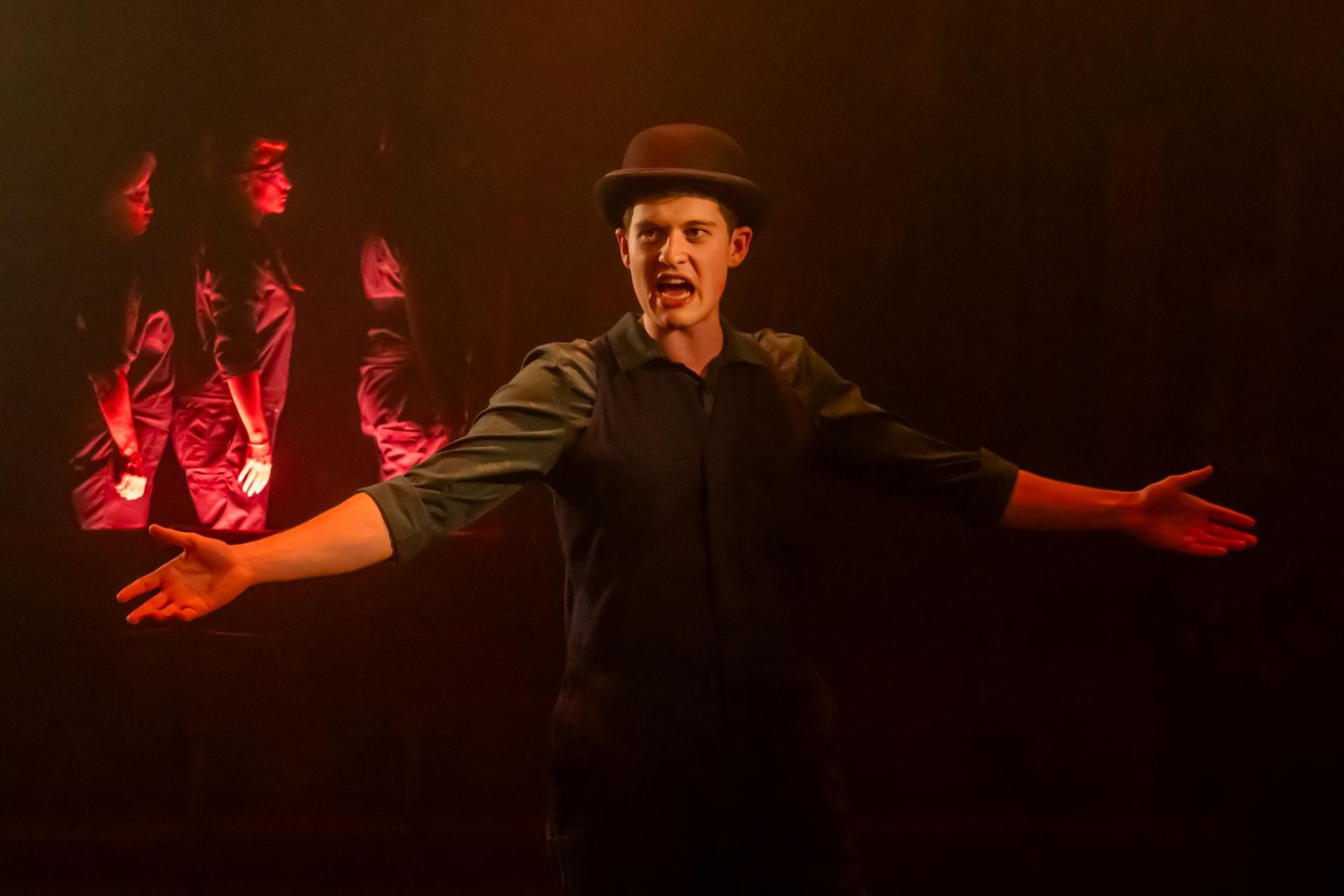
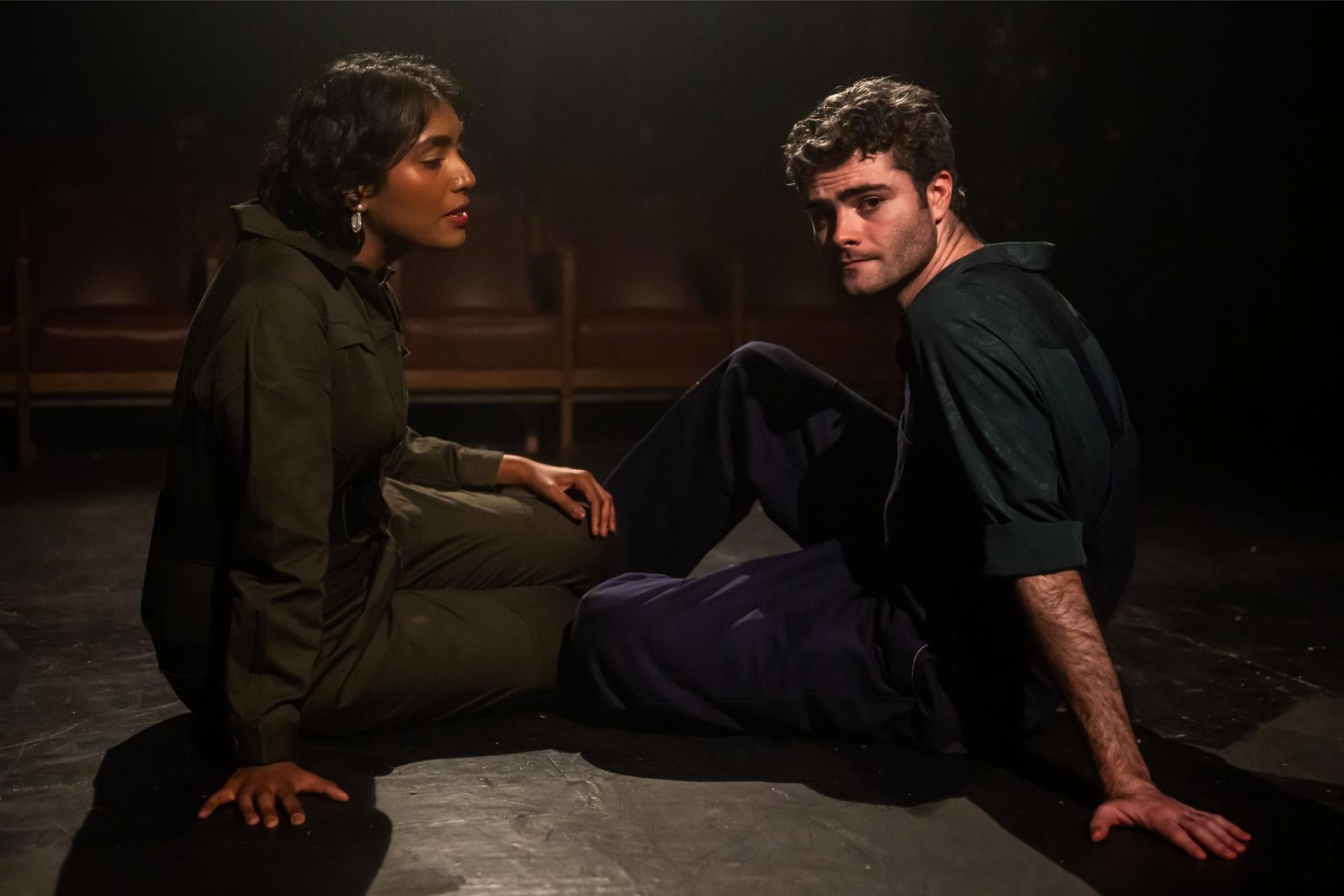
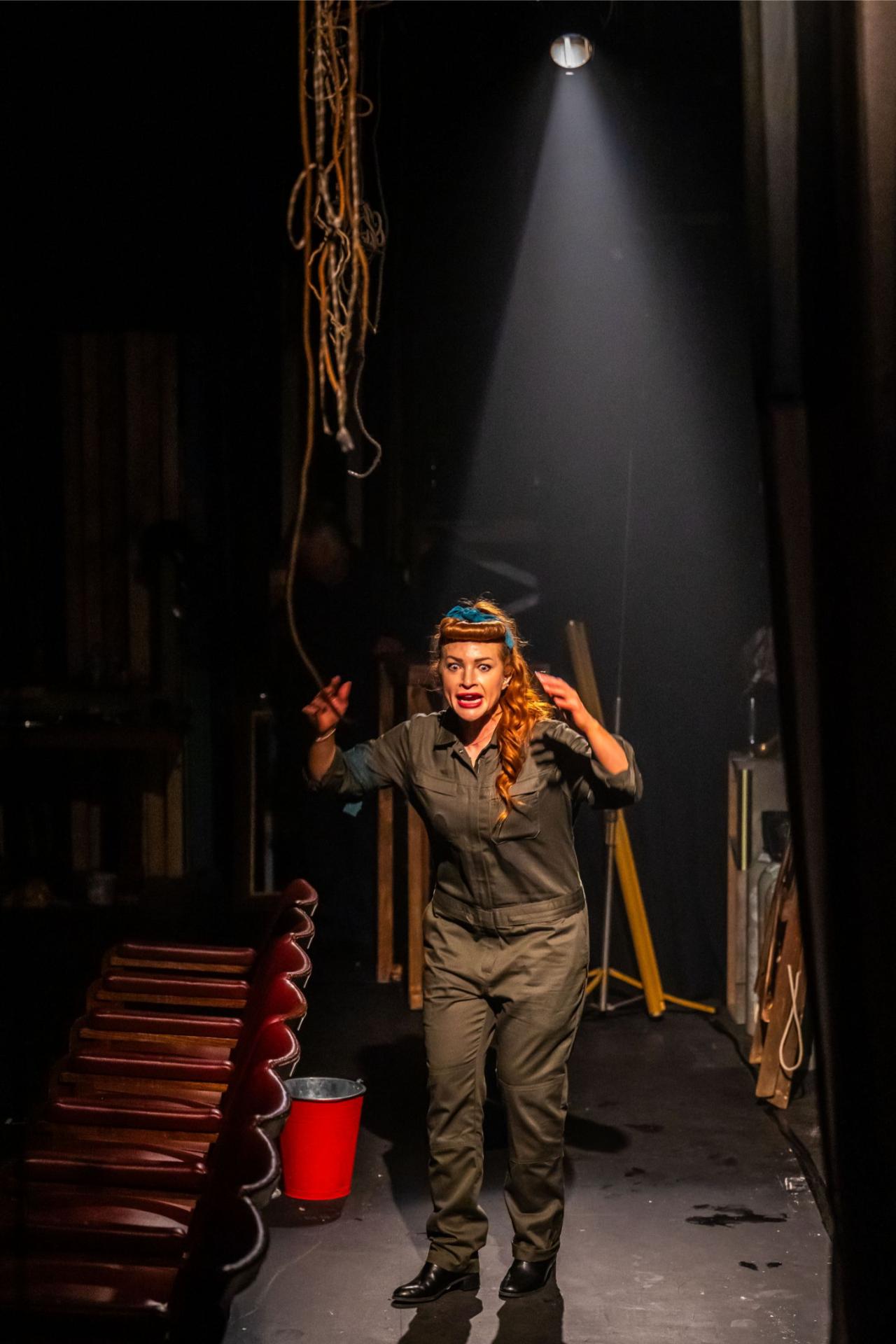
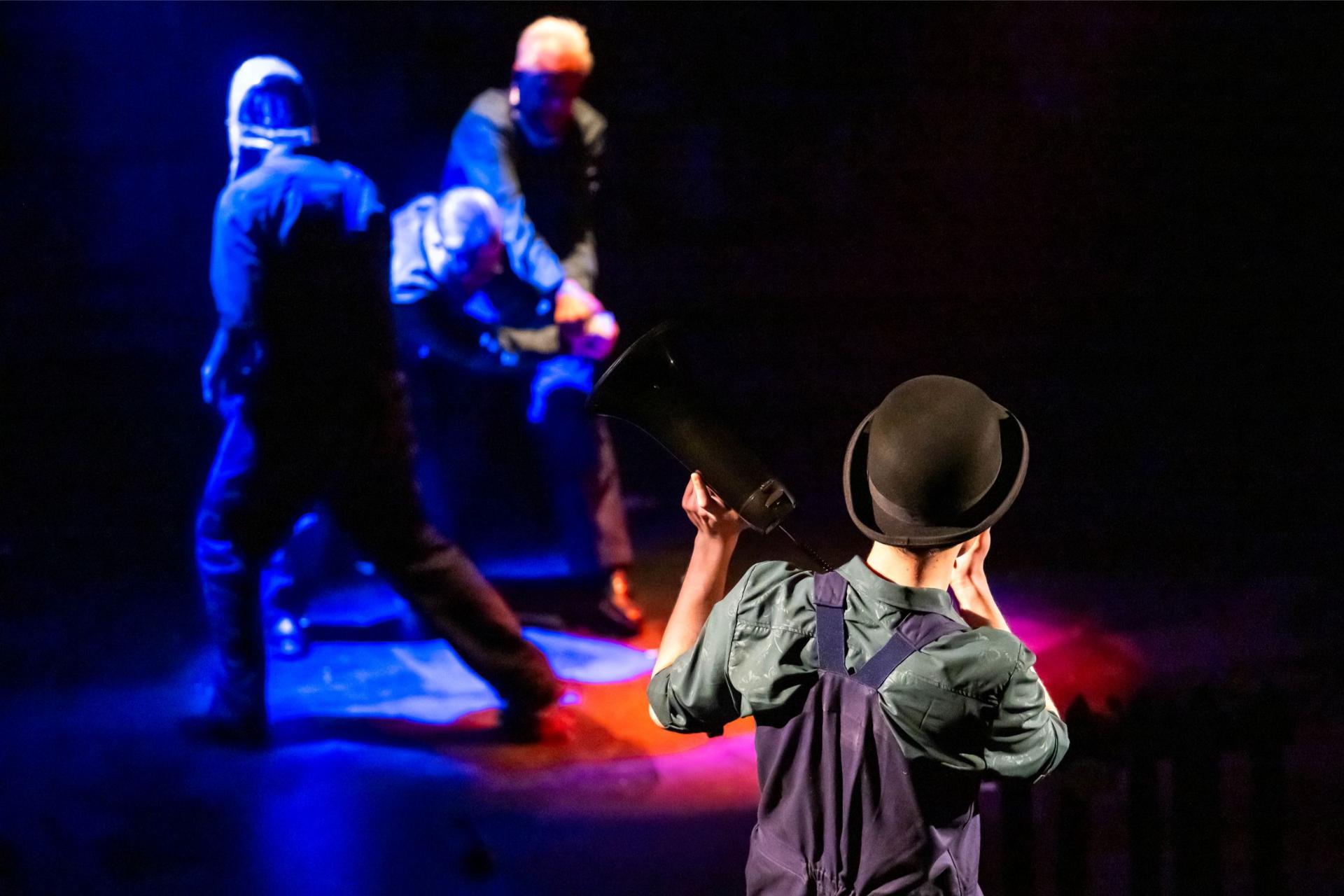
Where James-Moody fares considerably better is in his direction. He cultivates a carnival-like atmosphere, alive with mischief and playfulness that wins us over, at least intermittently. The staging abounds with imagination; while this inventiveness certainly entertains, it does little to advance the story with any real purpose.
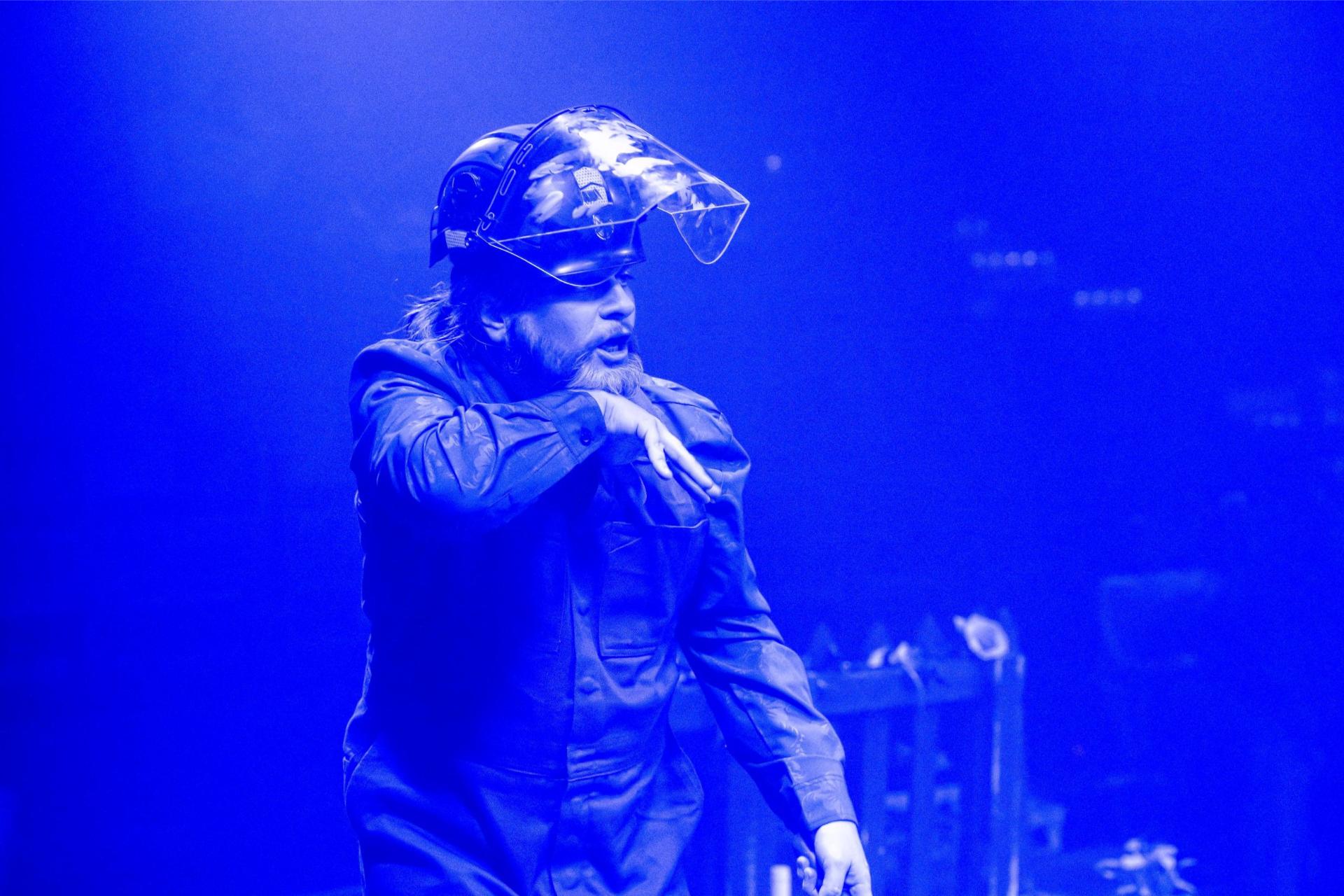
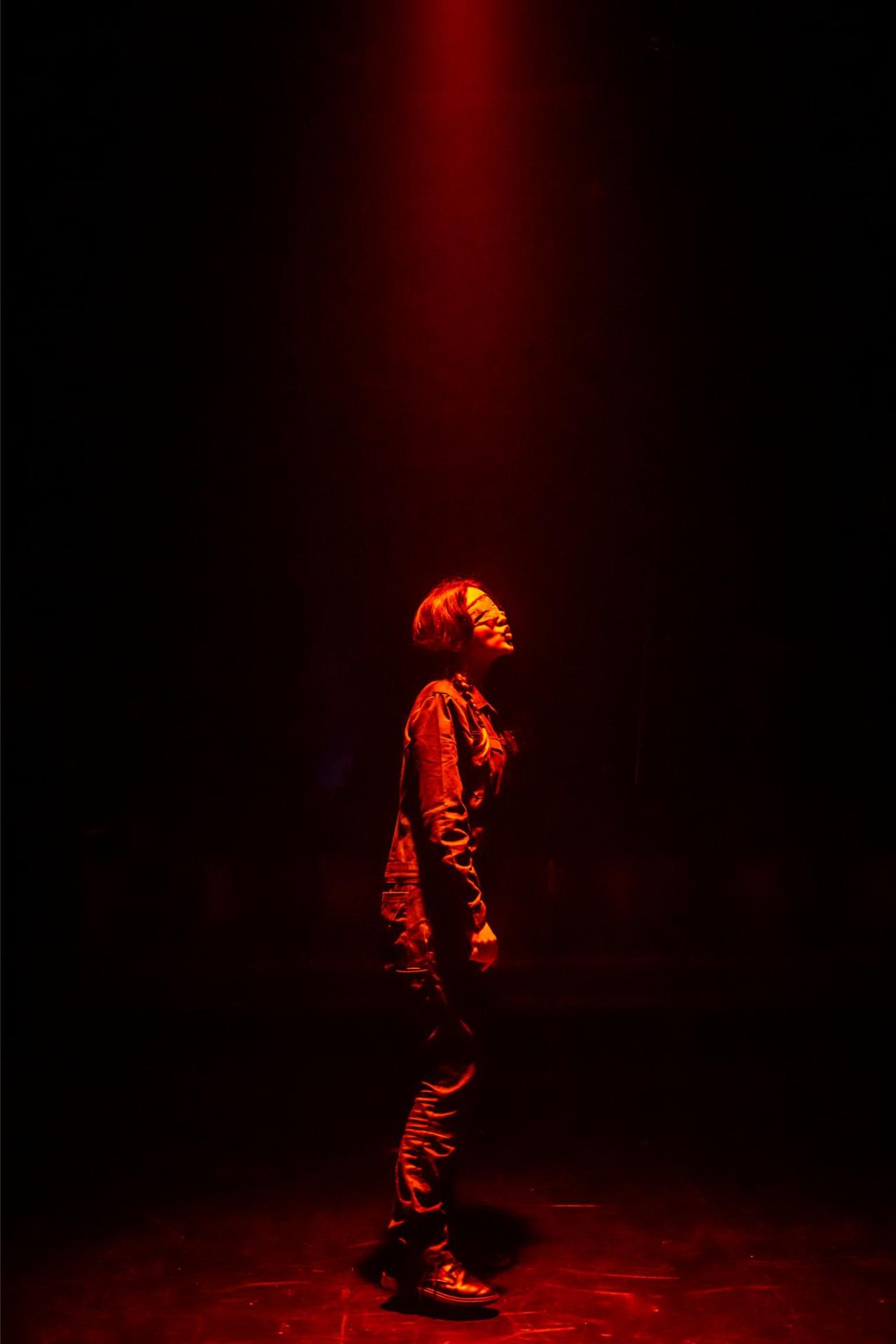
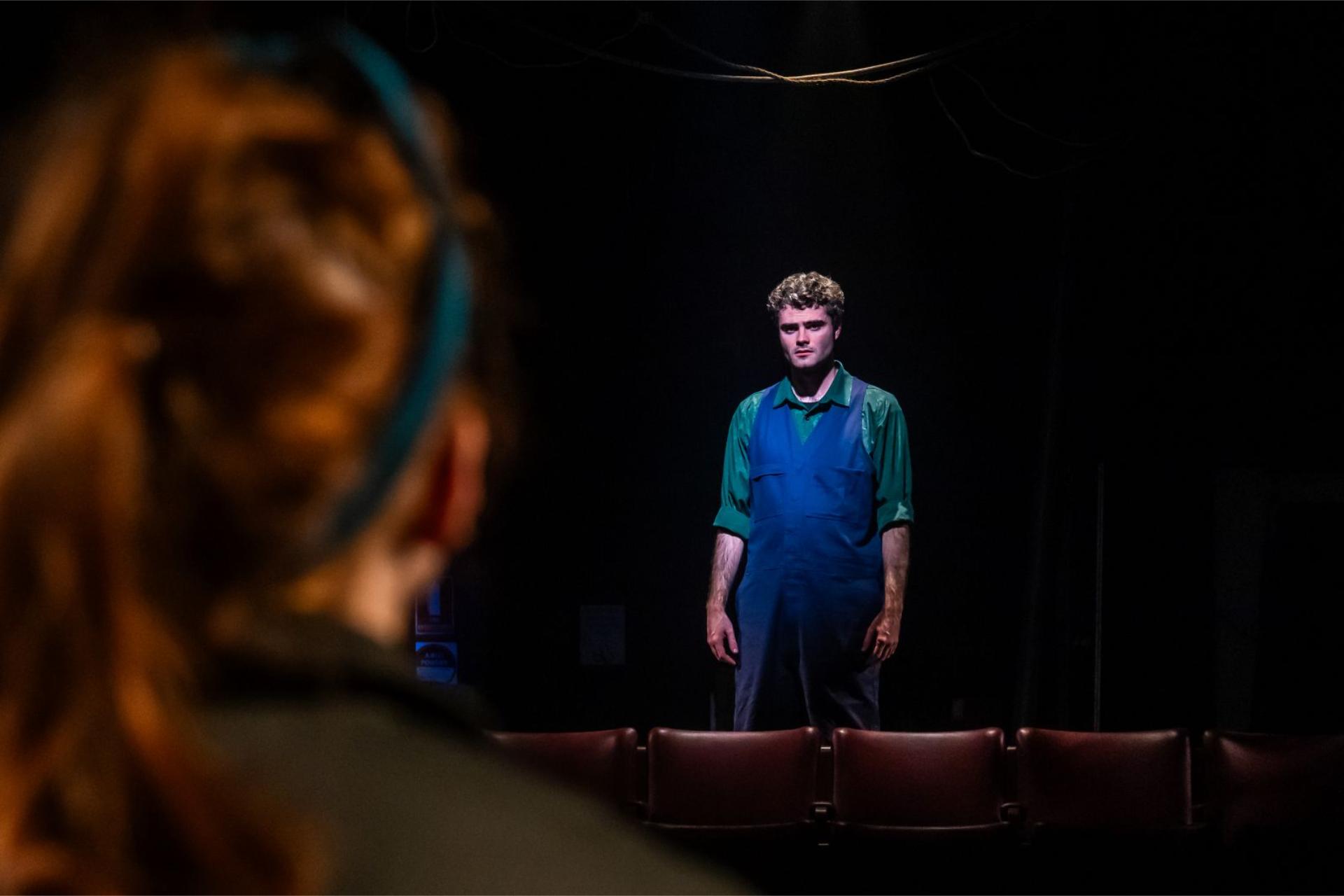
The design elements, by contrast, are immaculate. Holly Nesbitt’s lighting is dynamic and resourceful, delivering one striking visual tableau after another. Aubtin Namdar’s sound design and music are meticulously calibrated, enriching each scene with atmospheric precision. If the production fails to tell its story with clarity, it nevertheless astonishes with its technical and aesthetic faculties.
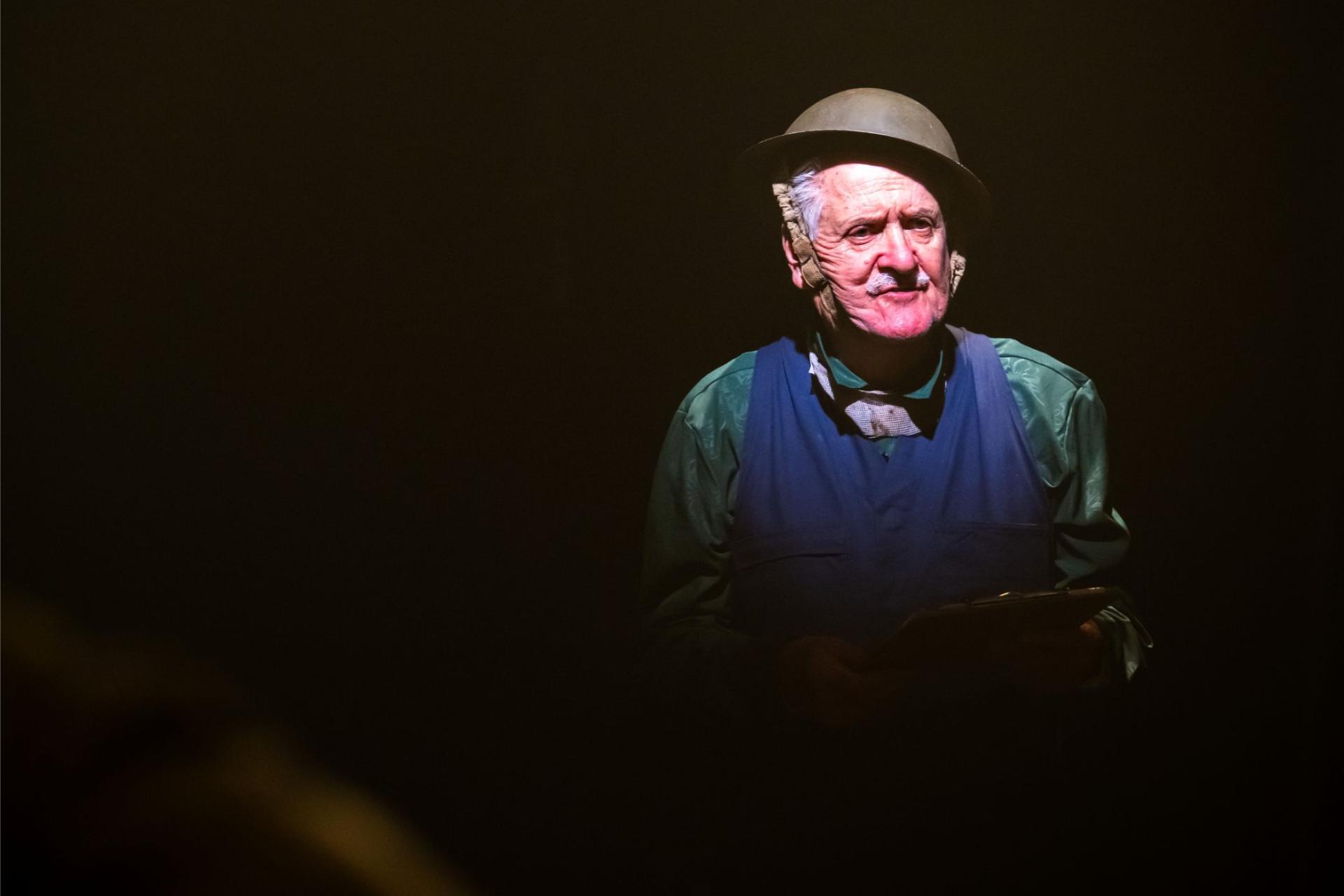
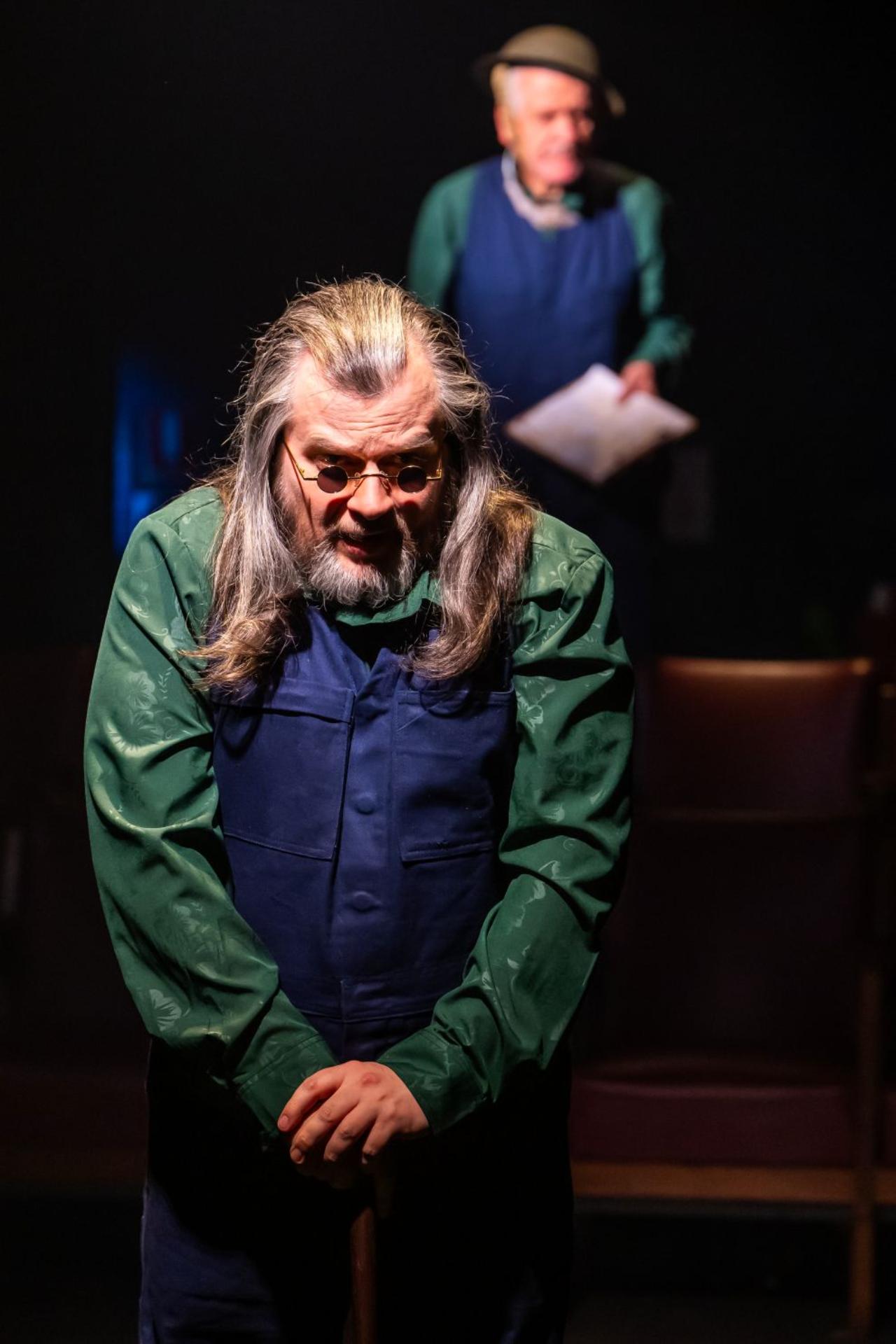
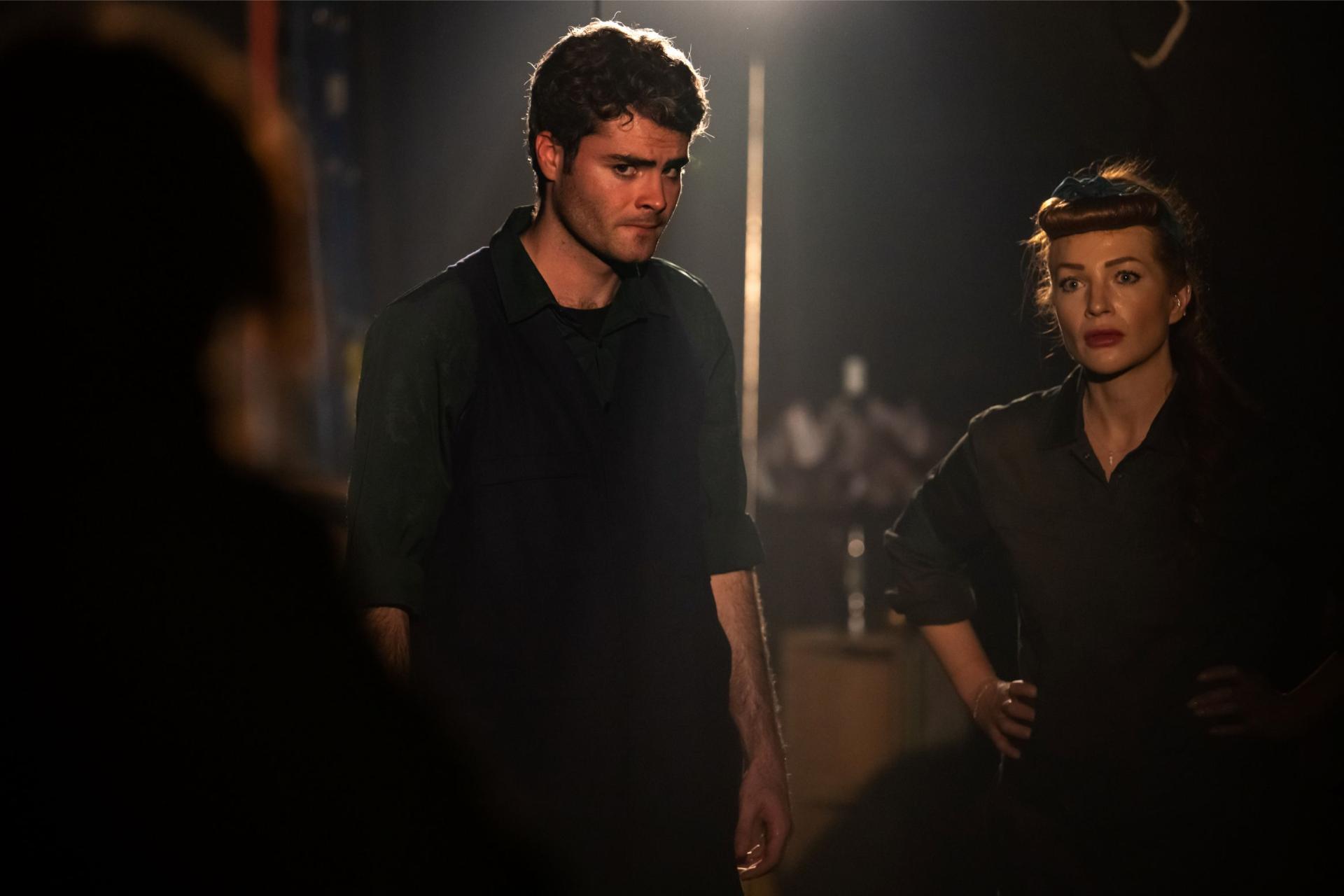
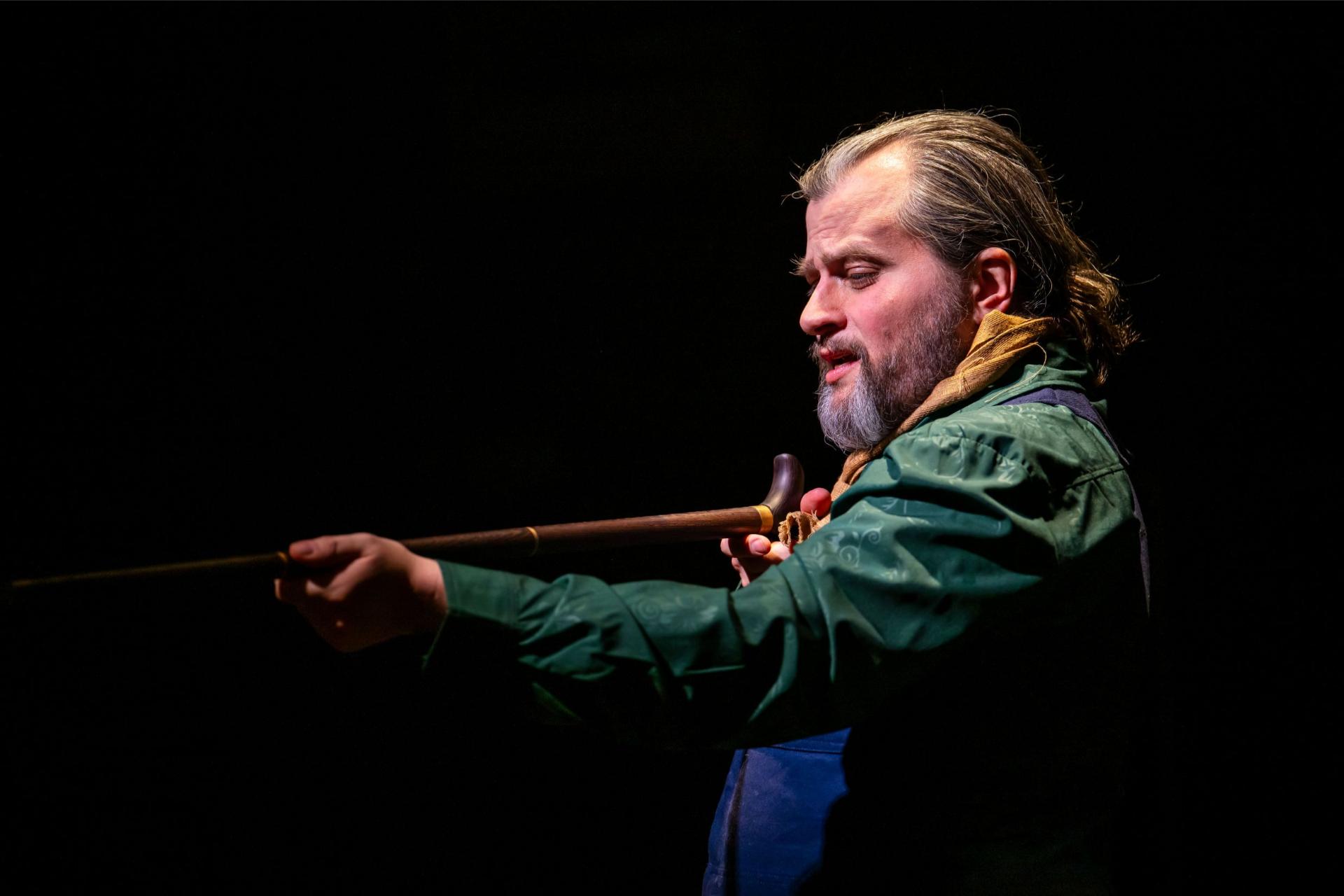
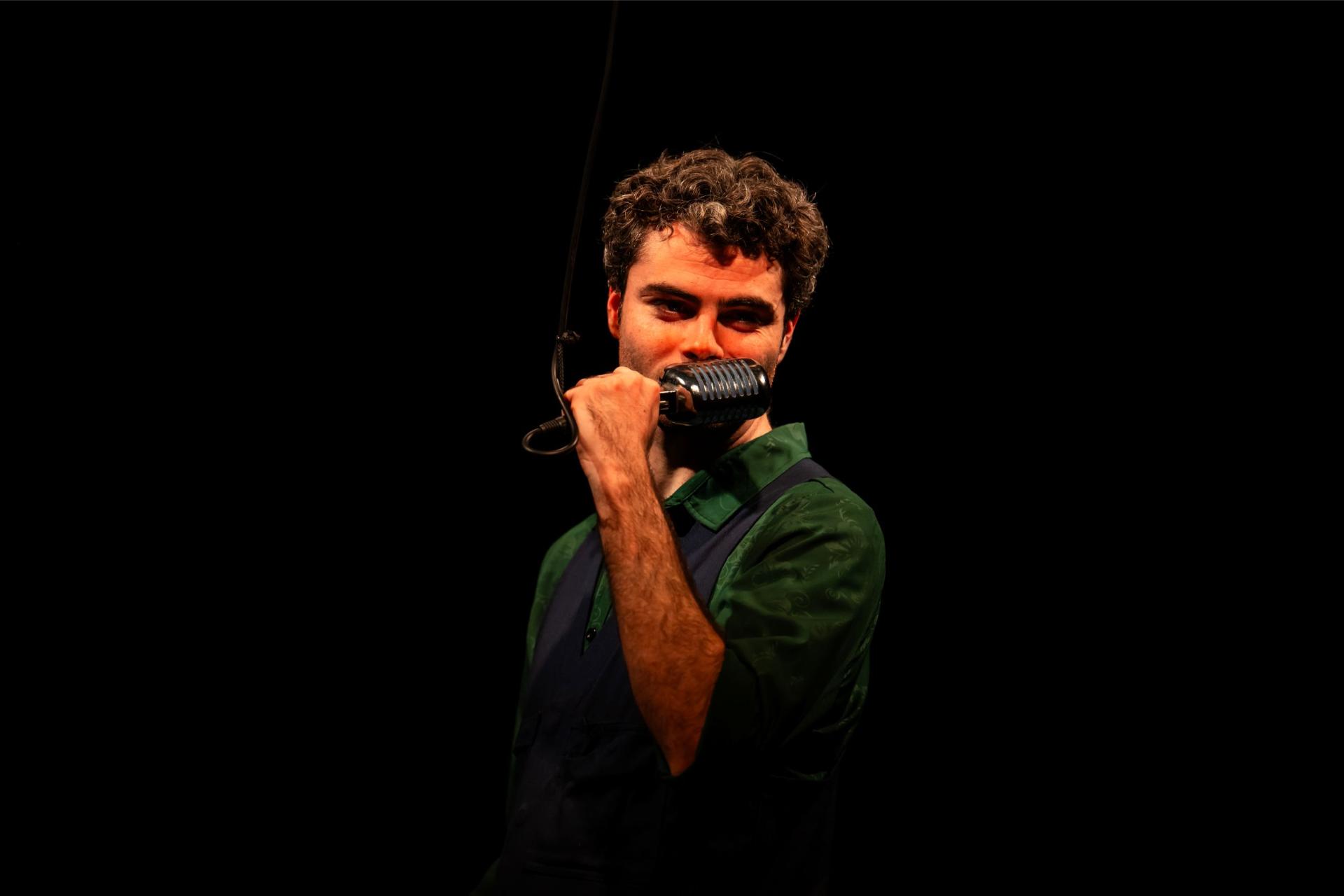
James Collins, playing Bill, the biologist navigating the apocalypse, provides a steadying centre—reliable, if never quite commanding. The seven-strong supporting ensemble proves equally personable, rising to the challenge of creating a spirited, occasionally raucous energy, though they never fully seize and hold our attention.
Wyndham’s novel ultimately celebrates the solidarity that can form in resistance to terror. Yet there is something unsettling about characterising the enemy as fundamentally alien—a narrative reflex of the postwar period that now feels increasingly difficult to endorse. Surveying the crises of our own age, one cannot escape the uncomfortable truth that we ourselves are the agents of so much that is destructive, even as we remain among its casualties.