Venue: Hayes Theatre Co (Potts Point NSW), May 22 – Jun 21, 2026 | Riverside (Parramatta NSW), Jun 25 – 28, 2026
Book: Jeffrey Lane
Music and Lyrics: David Yazbek
Director: Rebecca McNamee
Cast: Oliver Clisdell, Blake Erickson, Emma Feliciano, Brendan Godwin, Madelene Kirkwood, Scarlet Lindsay, Kristina McNamara, Aurélie Roque, Jordan Shea, Christopher Tendai, Rowan Witt
Images by John McCrae
Theatre review
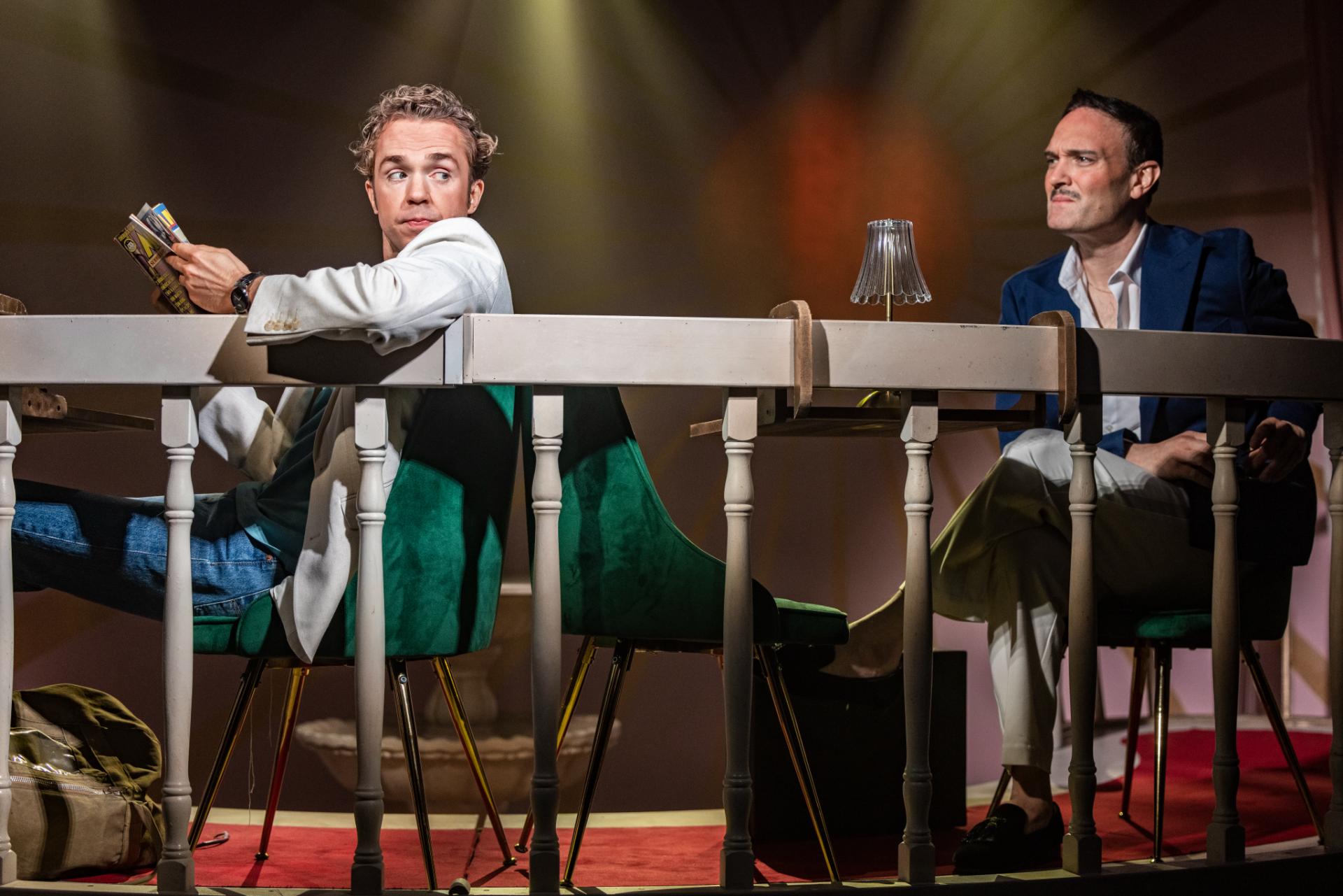
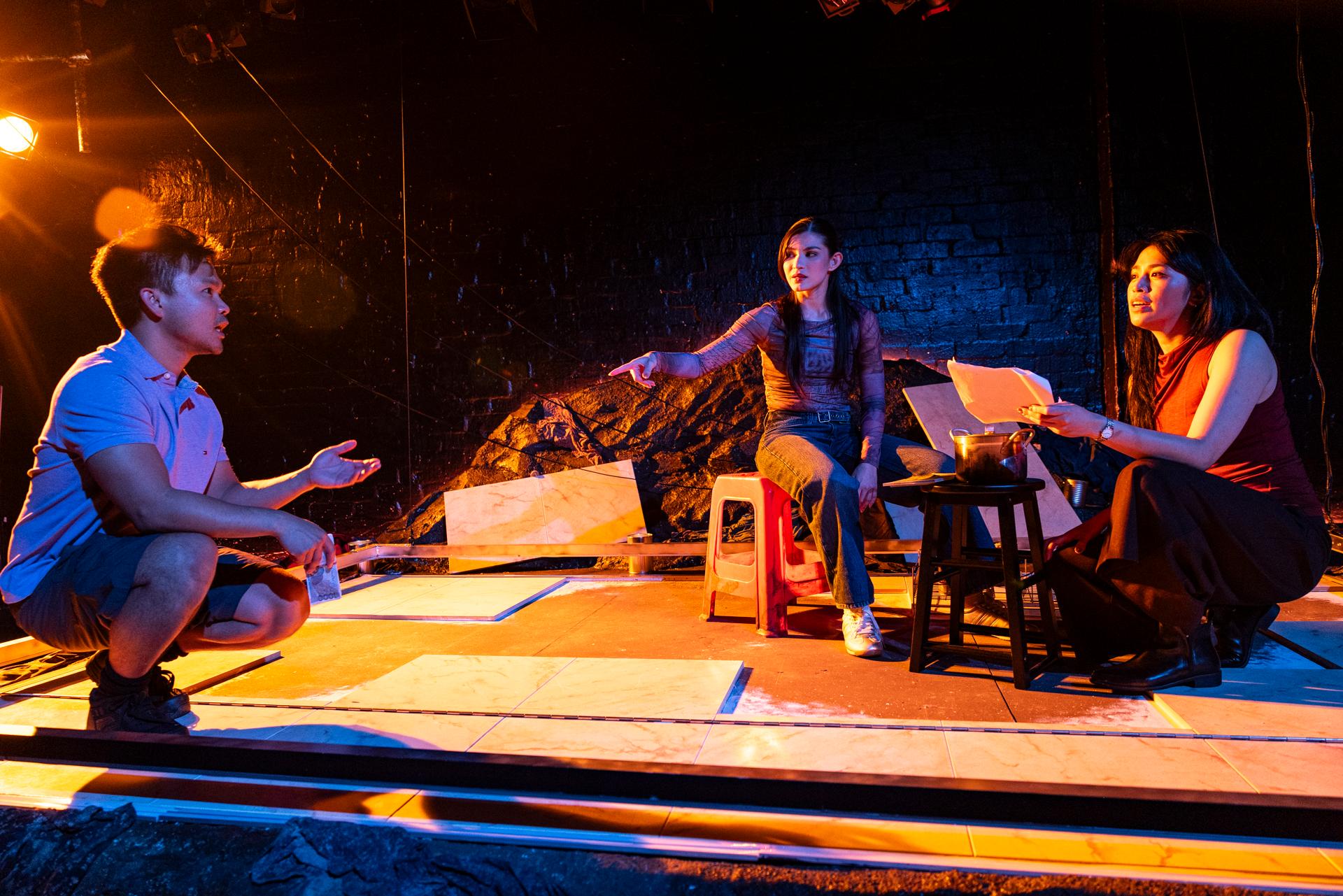
Lawrence and Freddy, kindred spirits in the art of the swindle, prey upon wealthy women with motives that extend well beyond the merely pecuniary. Pride—arguably the more potent fuel for their elaborate deceptions—renders their eventual collision not merely probable but structurally inevitable.
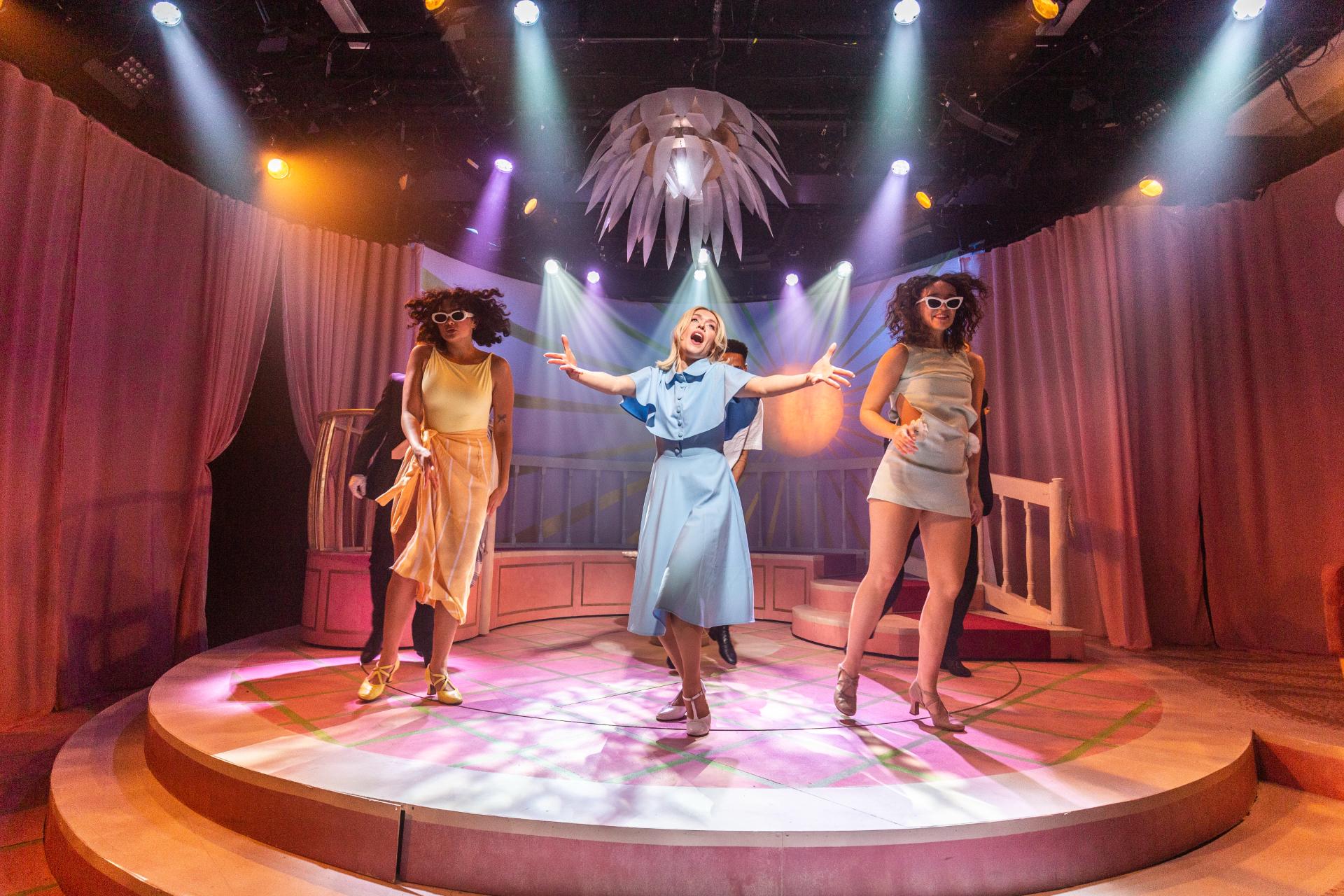
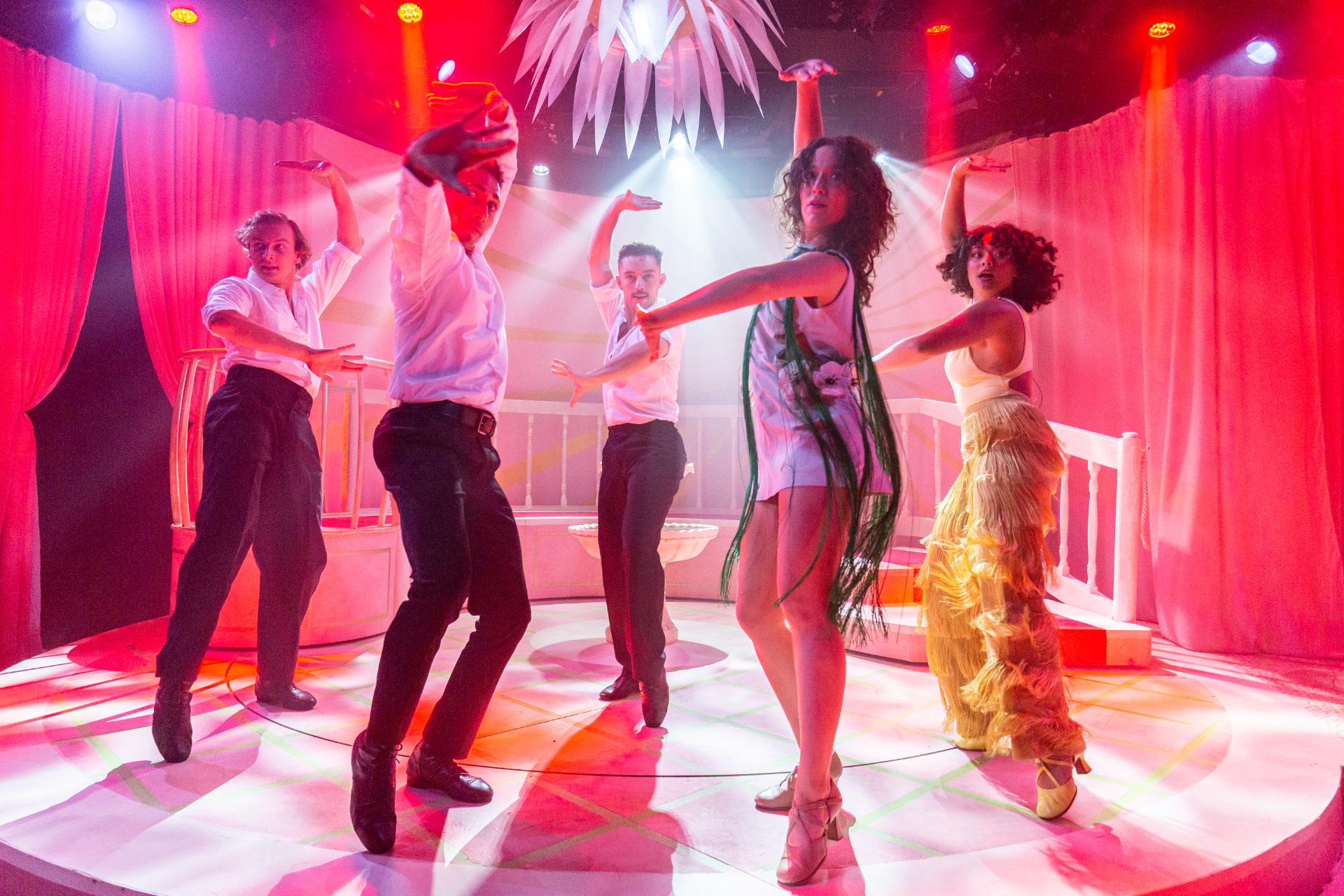
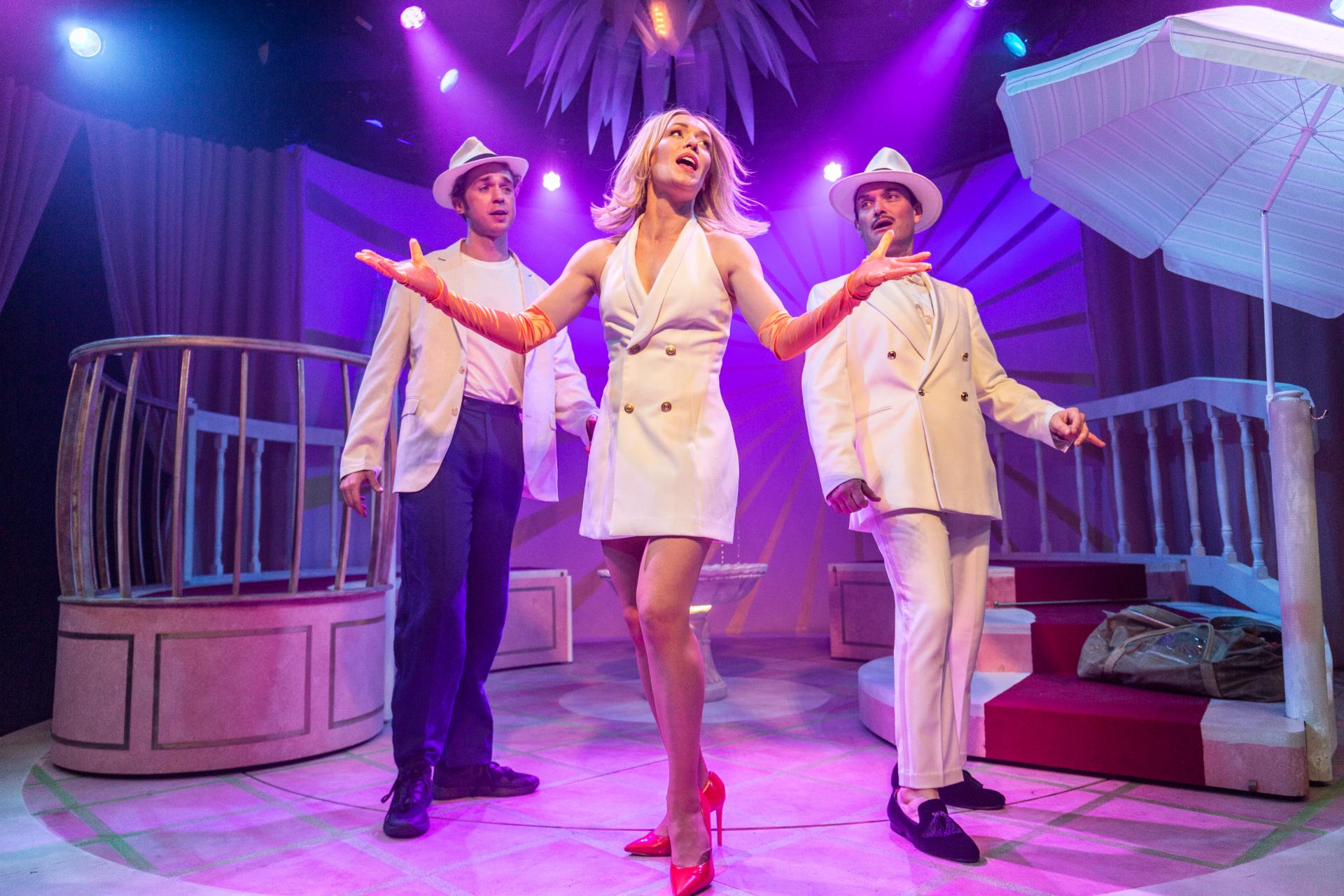
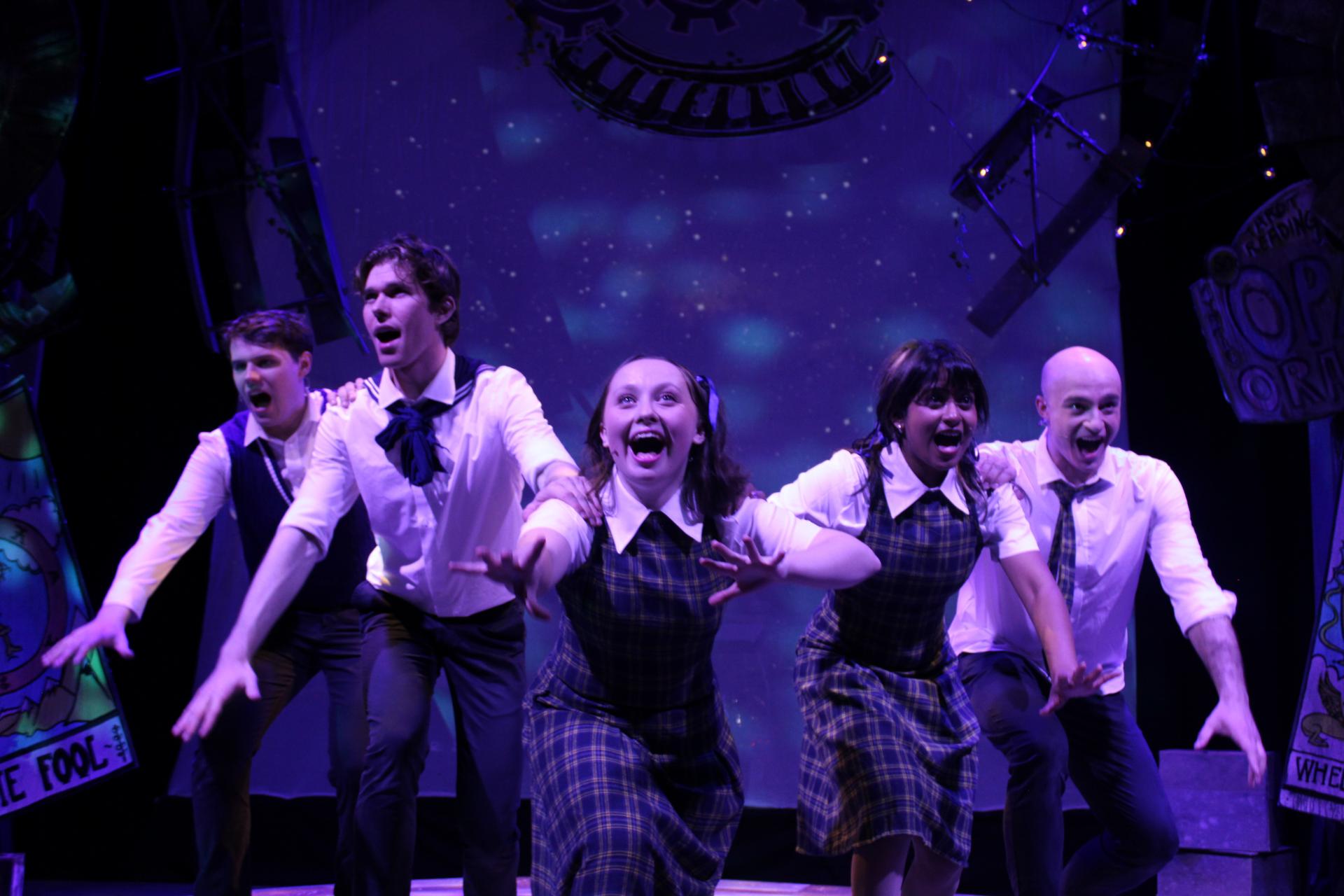
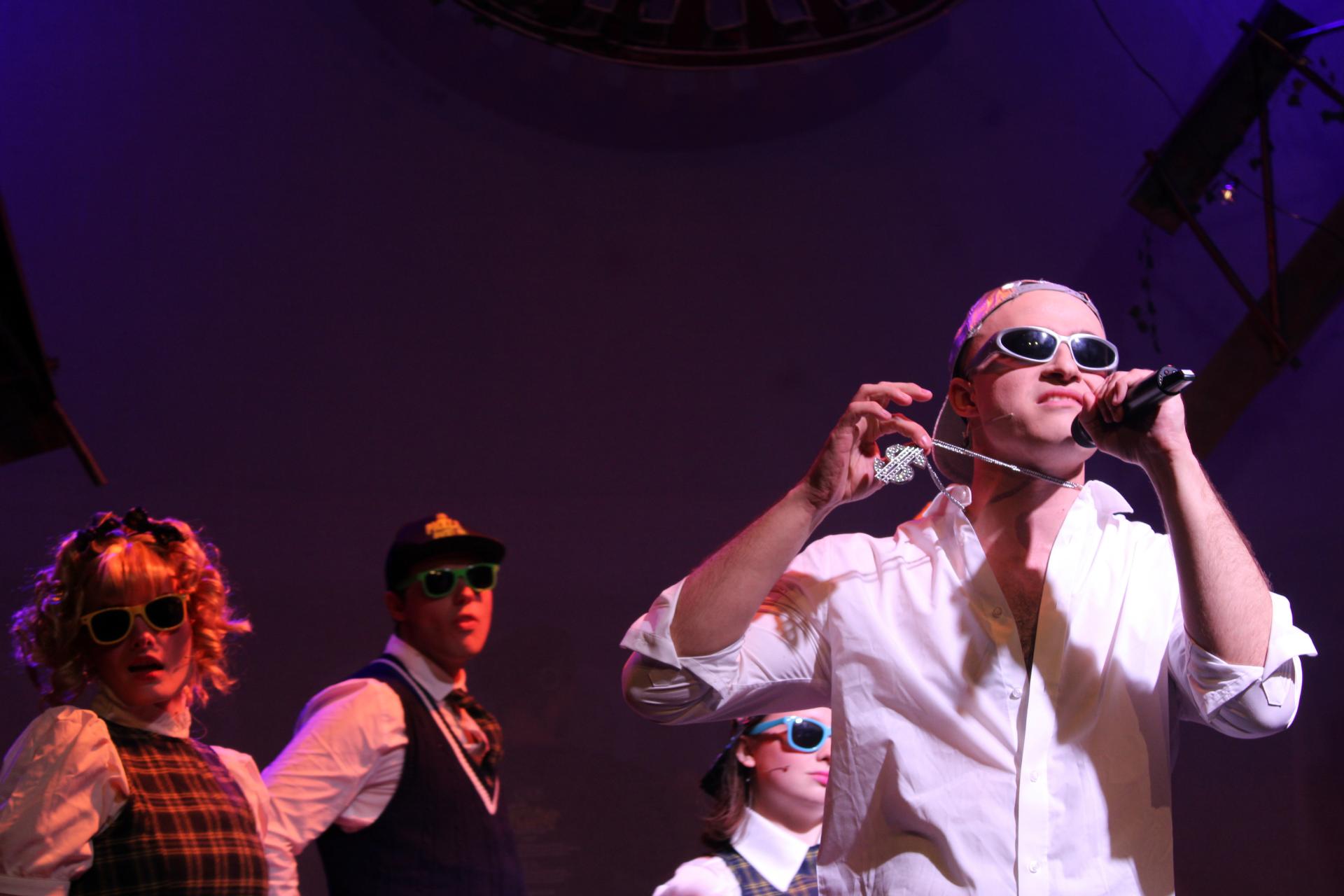
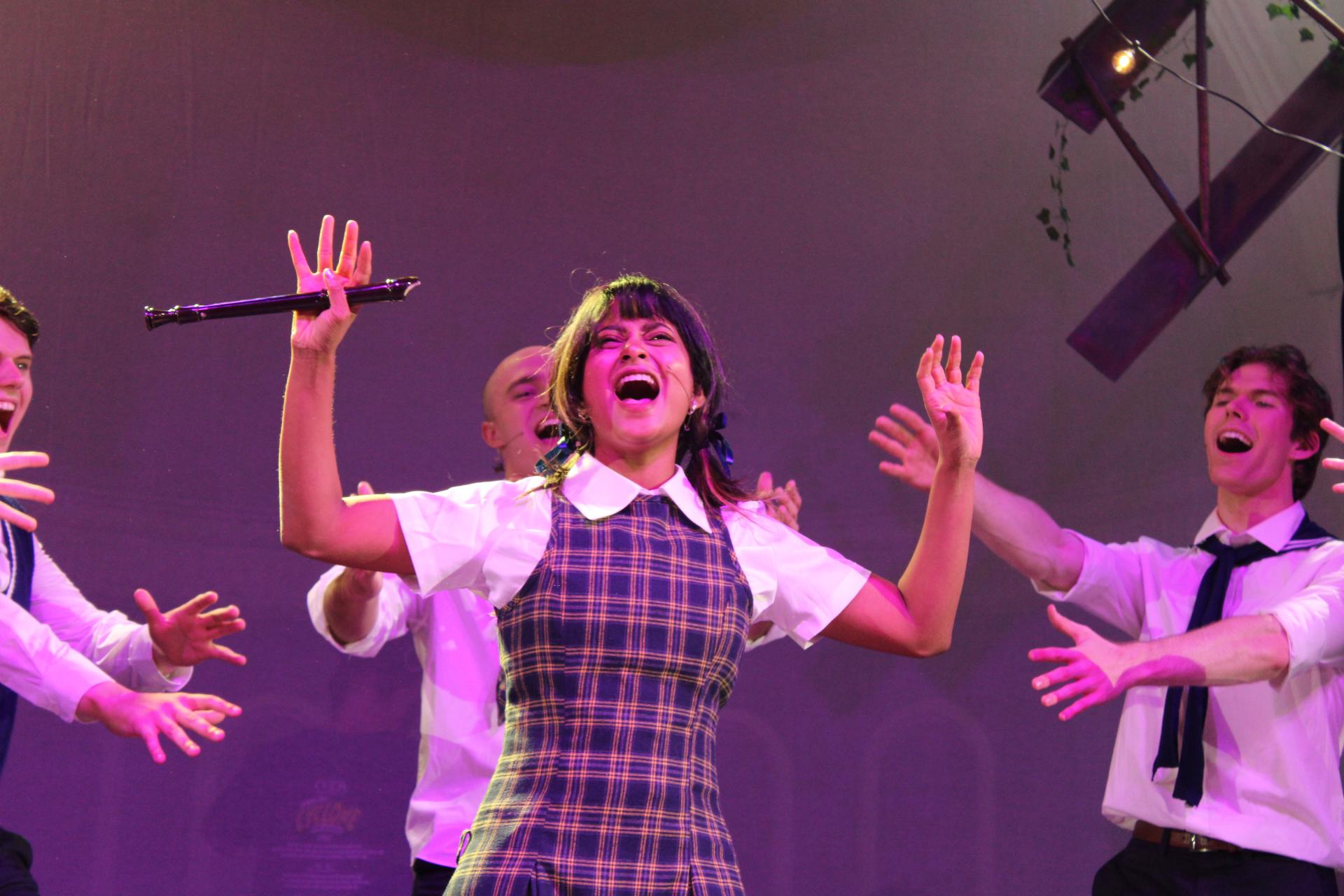
Dirty Rotten Scoundrels, the 2004 musical comedy adapted from the 1988 film, promises unalloyed frivolity, and its libretto brims with comic invention. Yet under Rebecca McNamee’s direction, the production does not consistently translate that potential into theatrical life; a certain vital spark remains stubbornly elusive. Despite Dylan Pollard’s buoyant musical direction and Cameron Boxall’s vigorous choreography, an unmistakable deficit of chemistry among the principals keeps the enterprise earthbound.
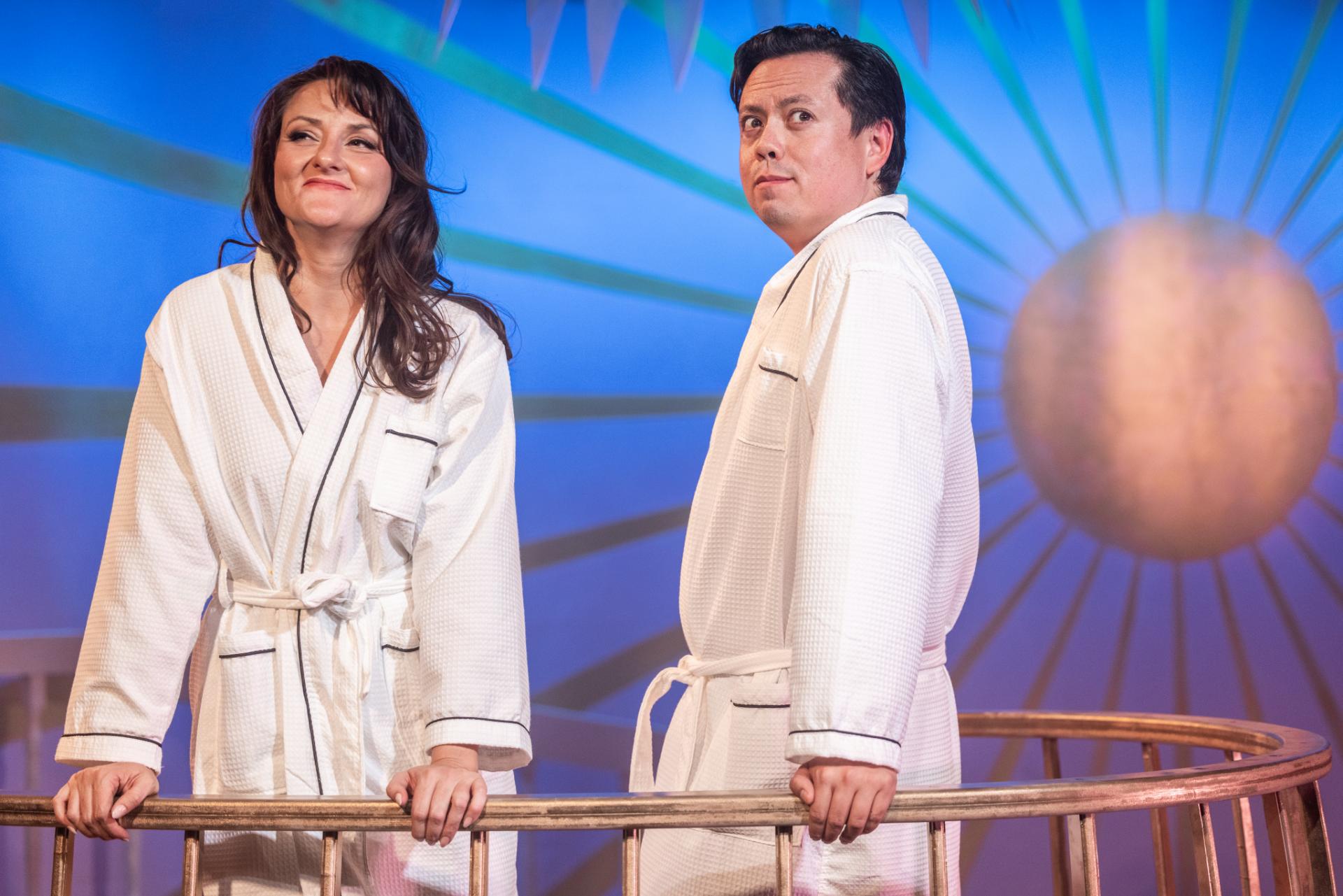
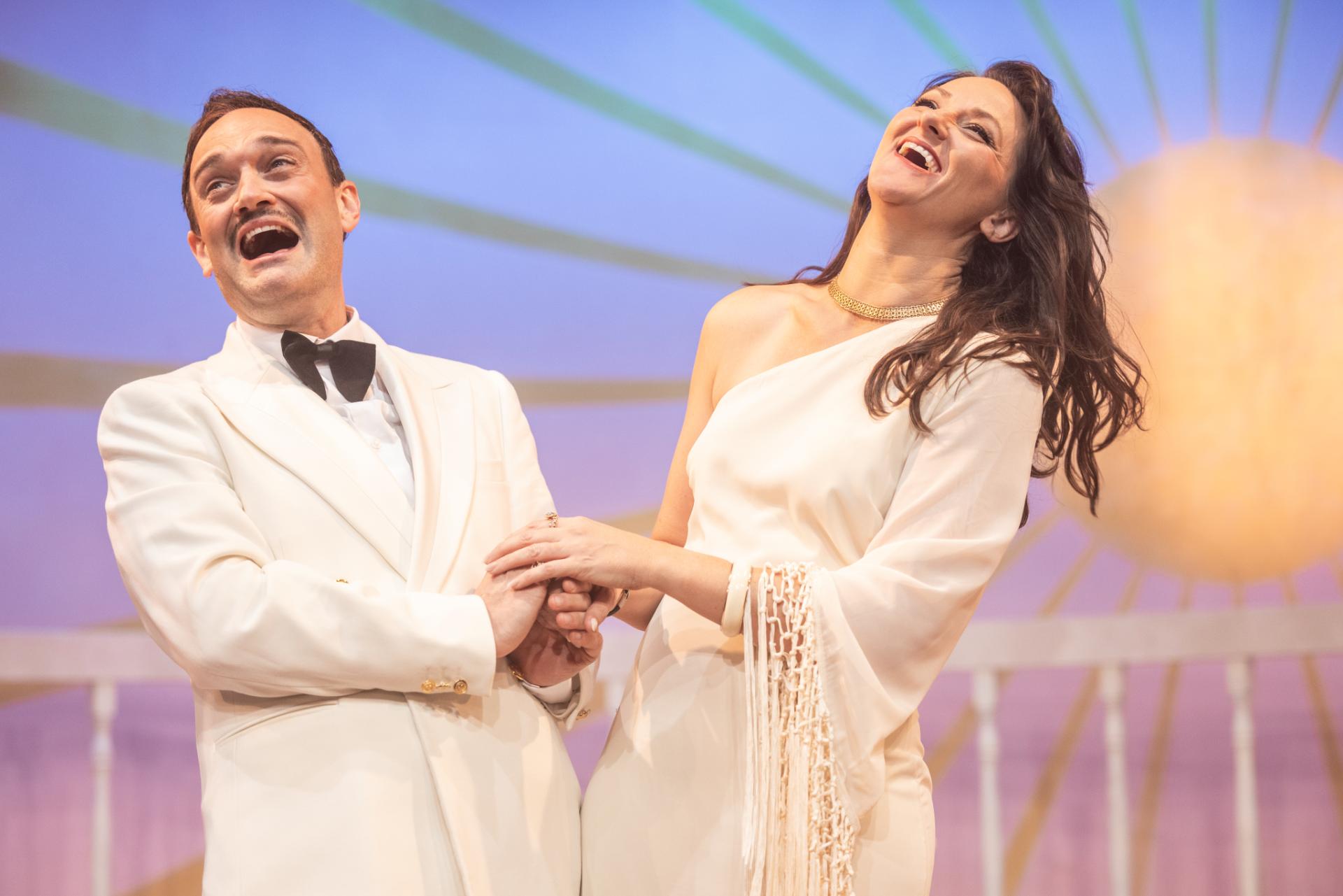
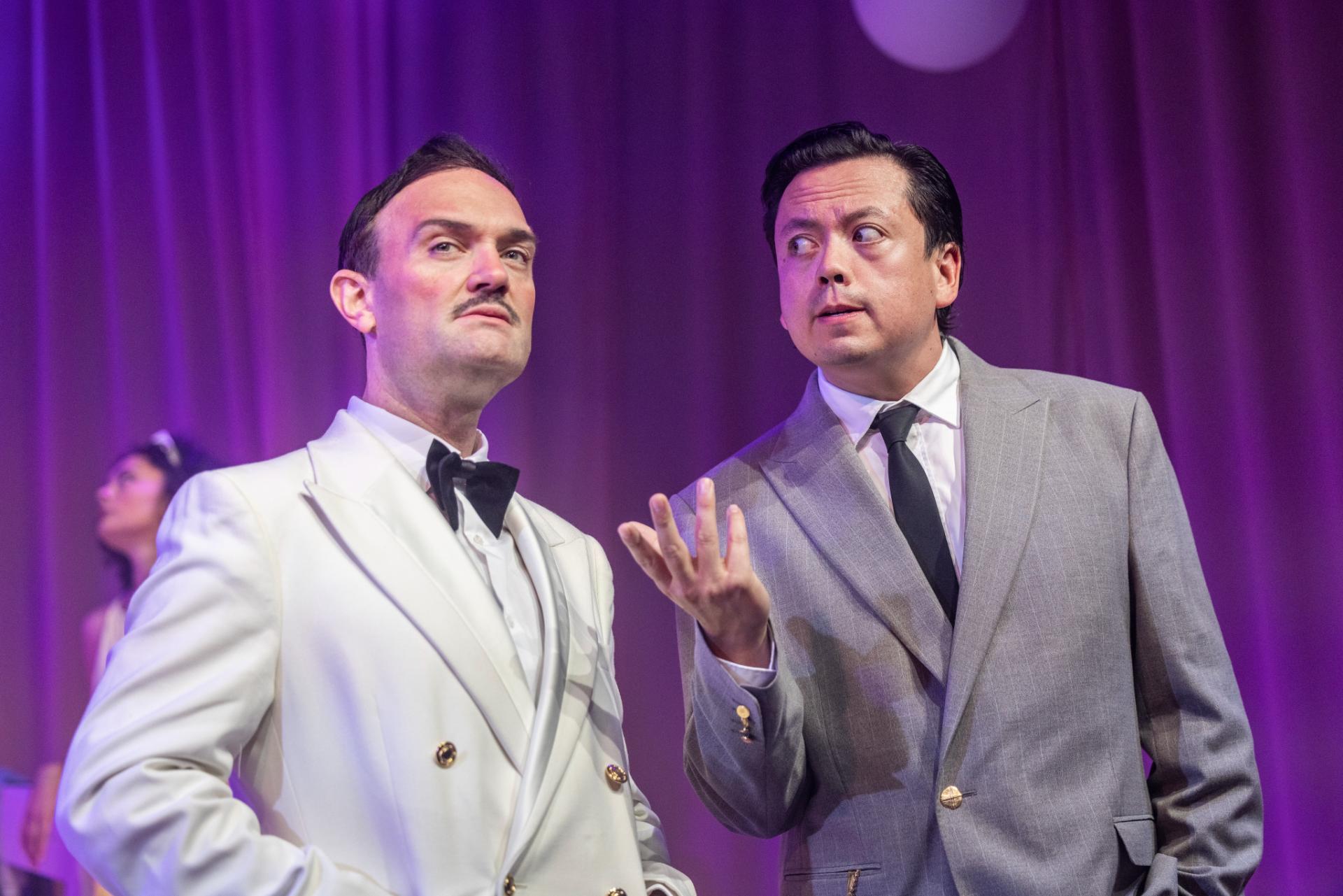
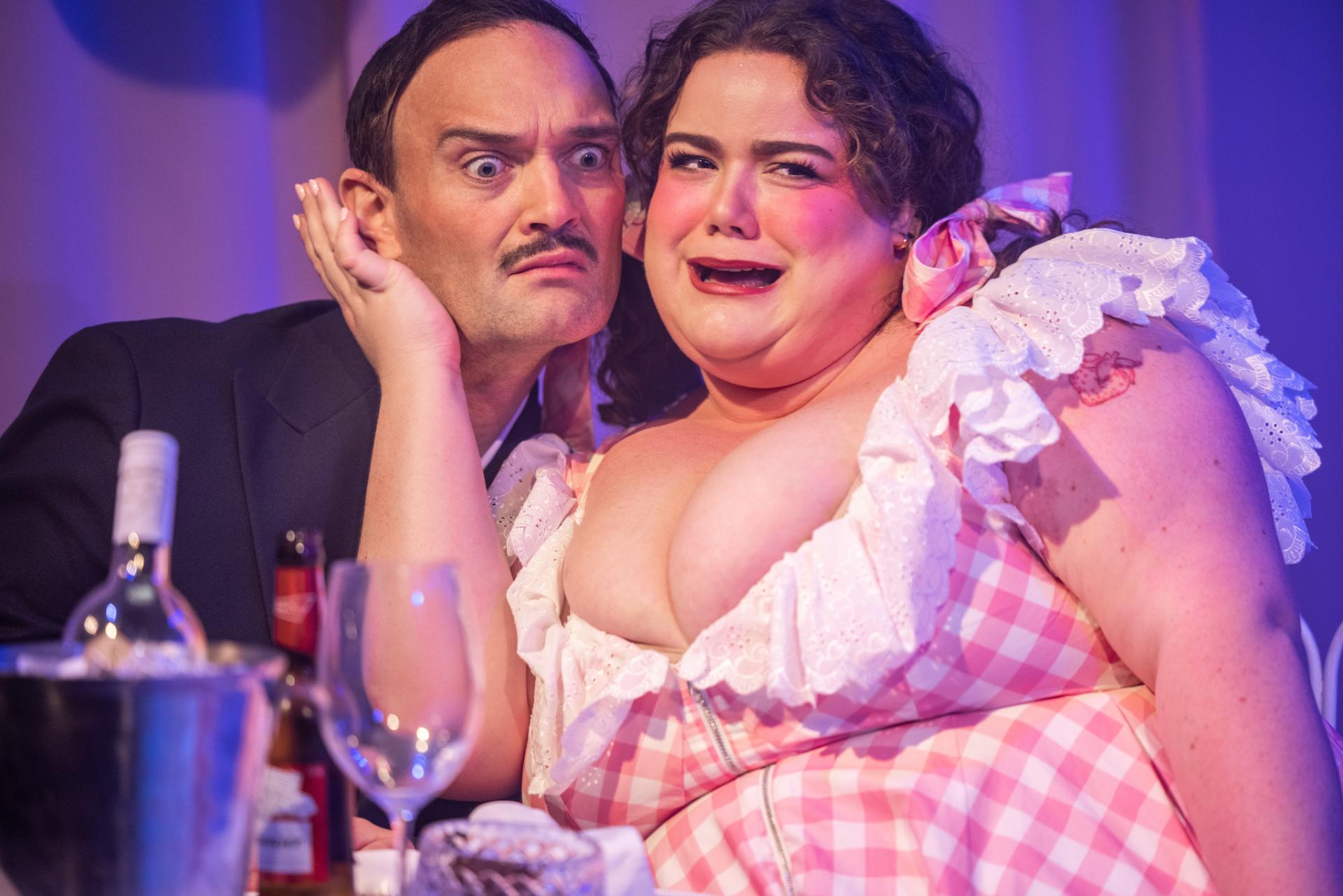
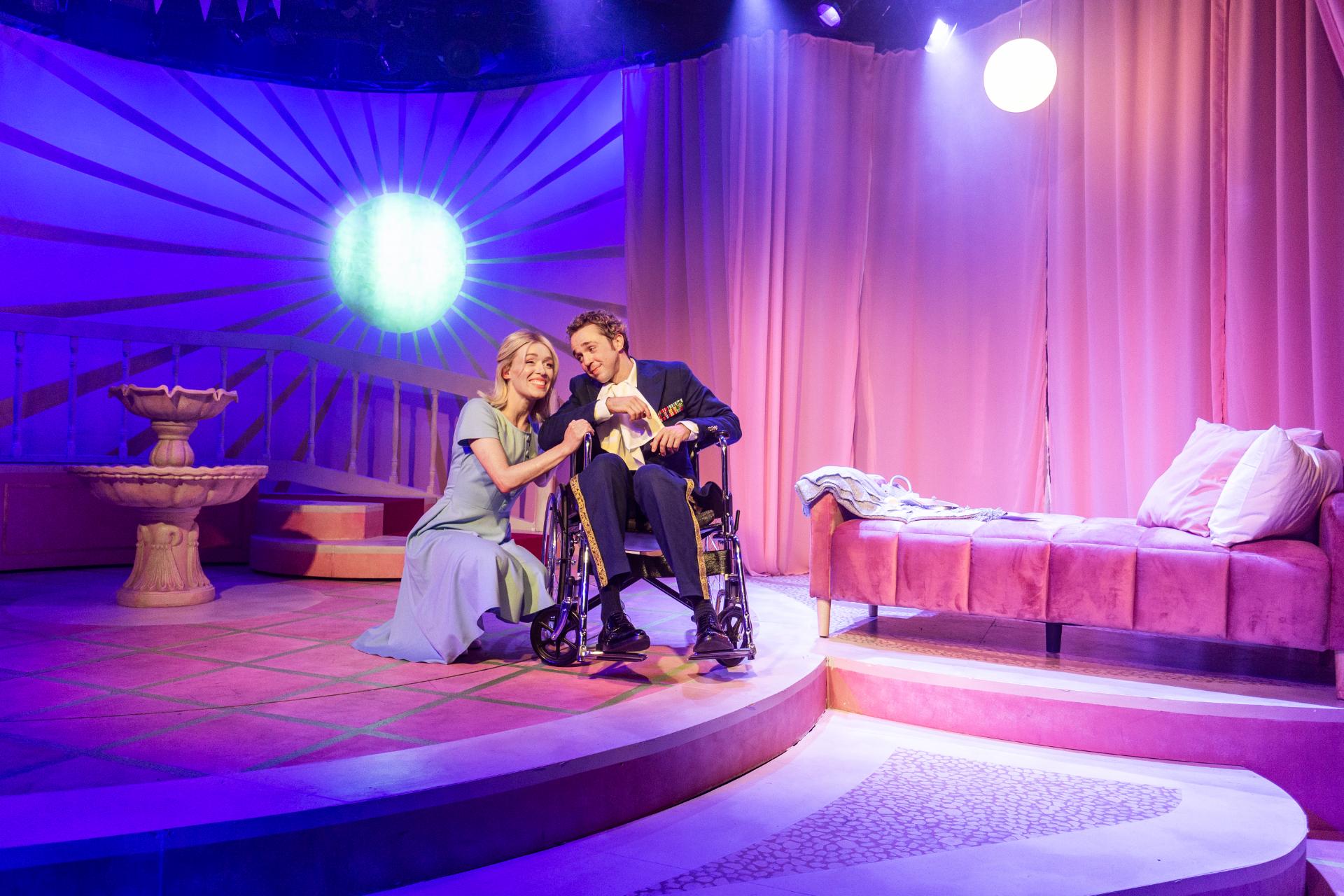
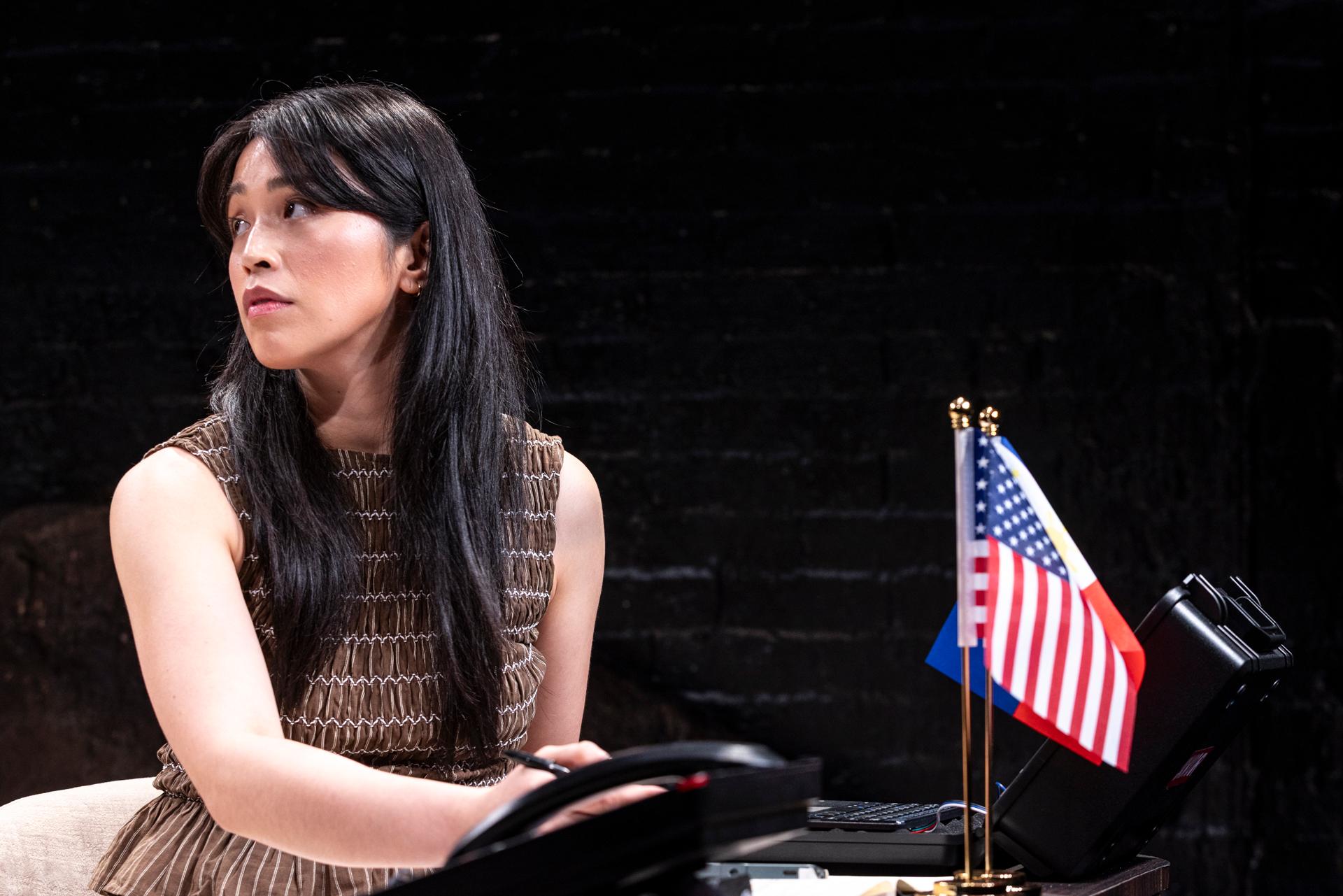
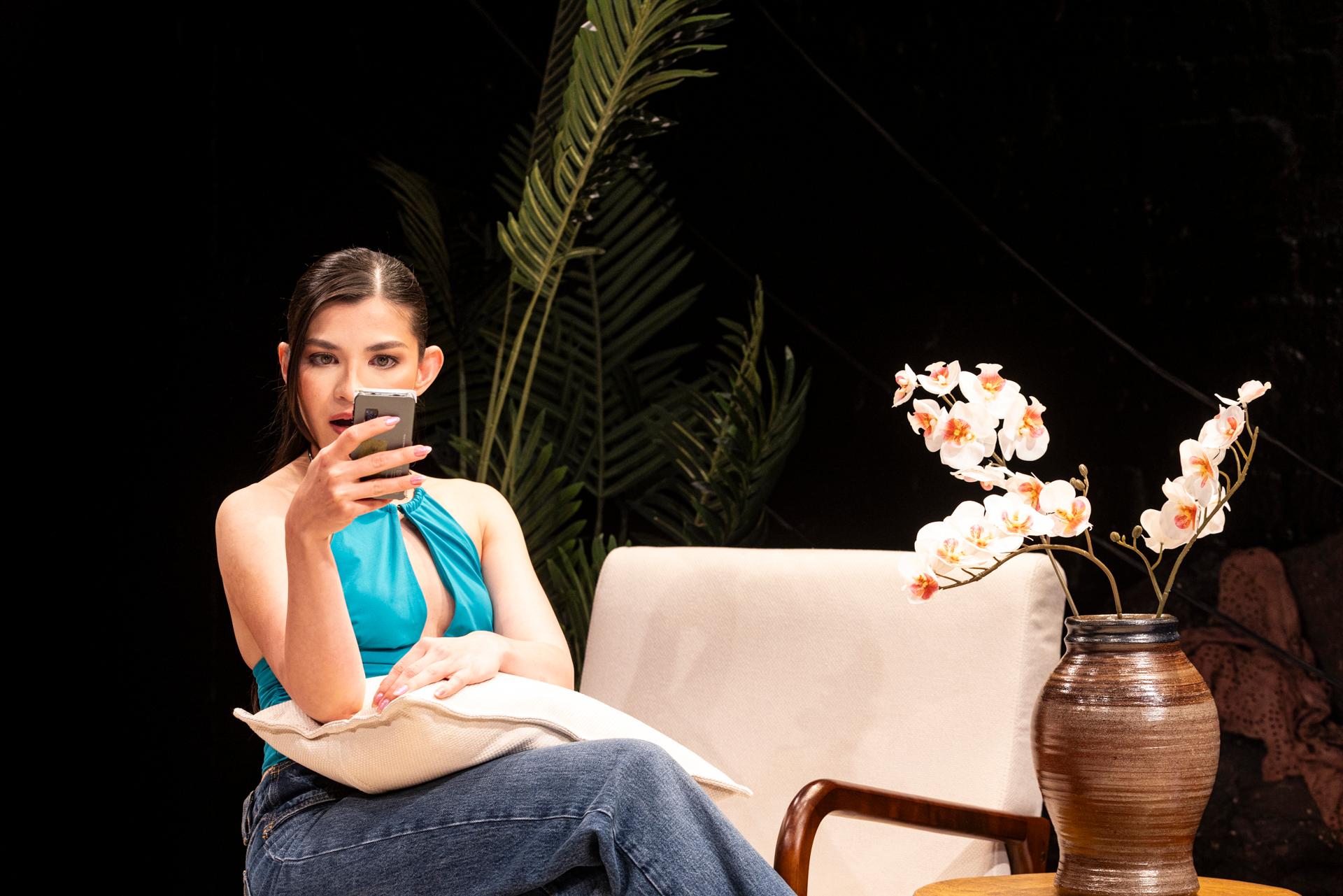
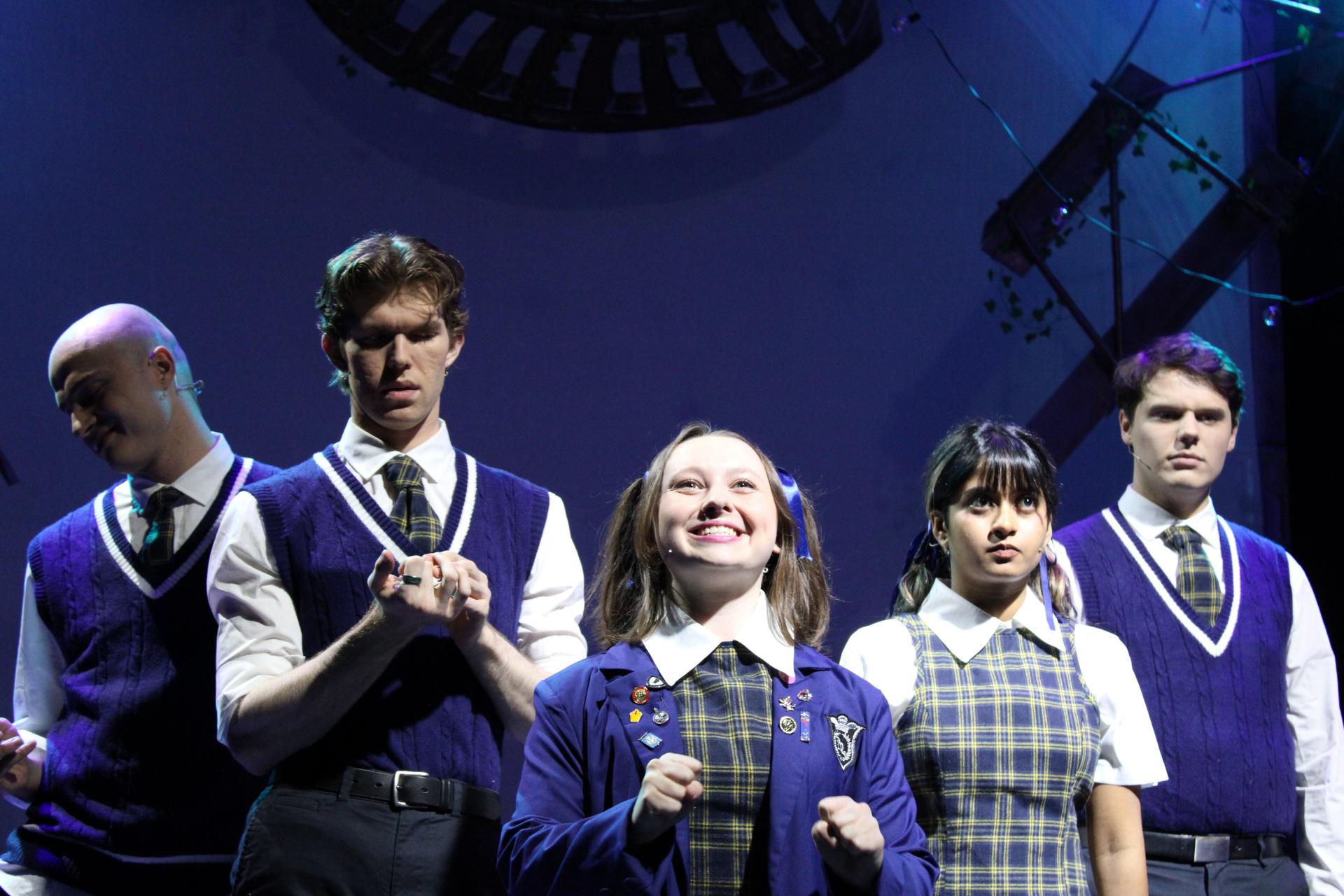
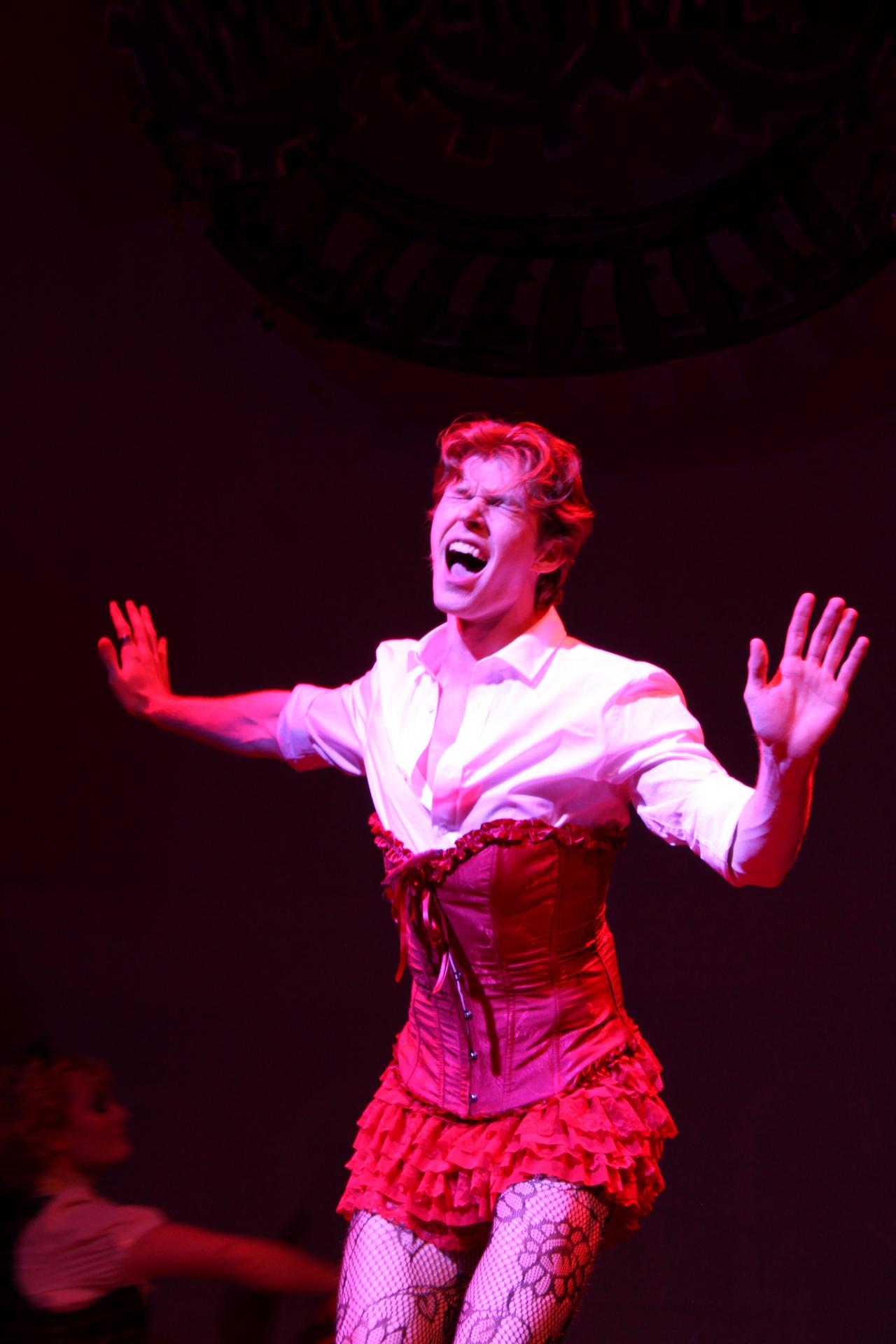
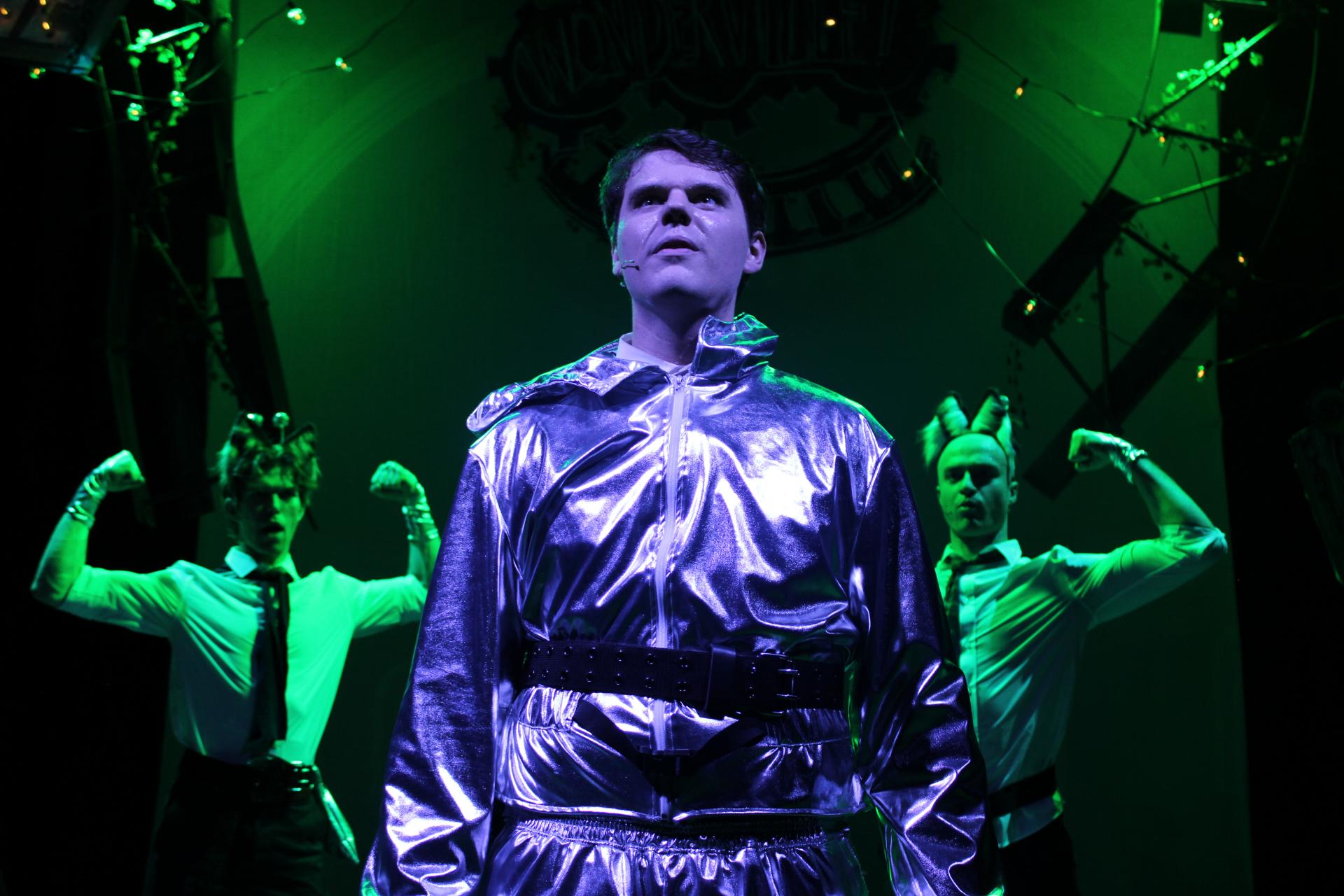
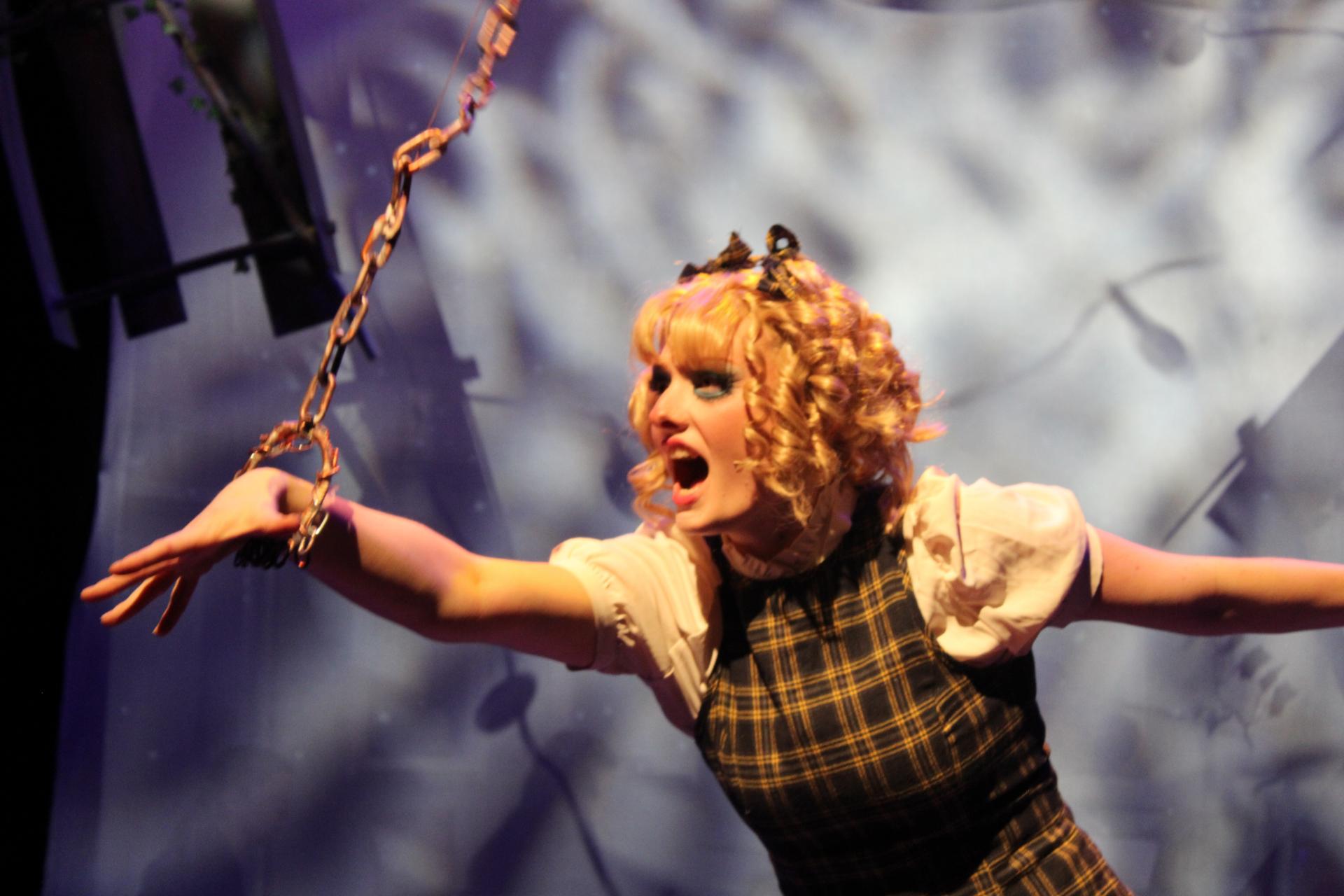
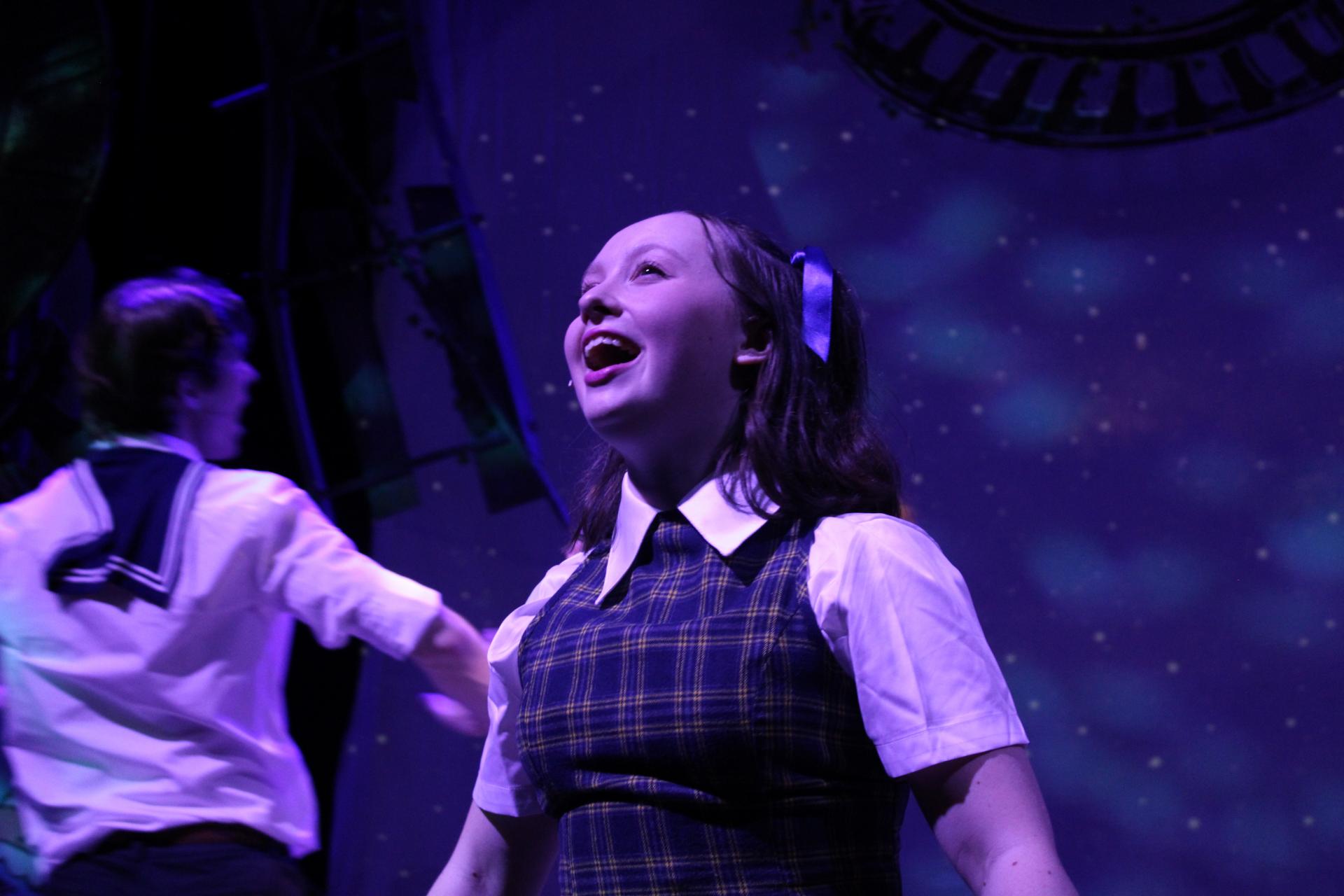
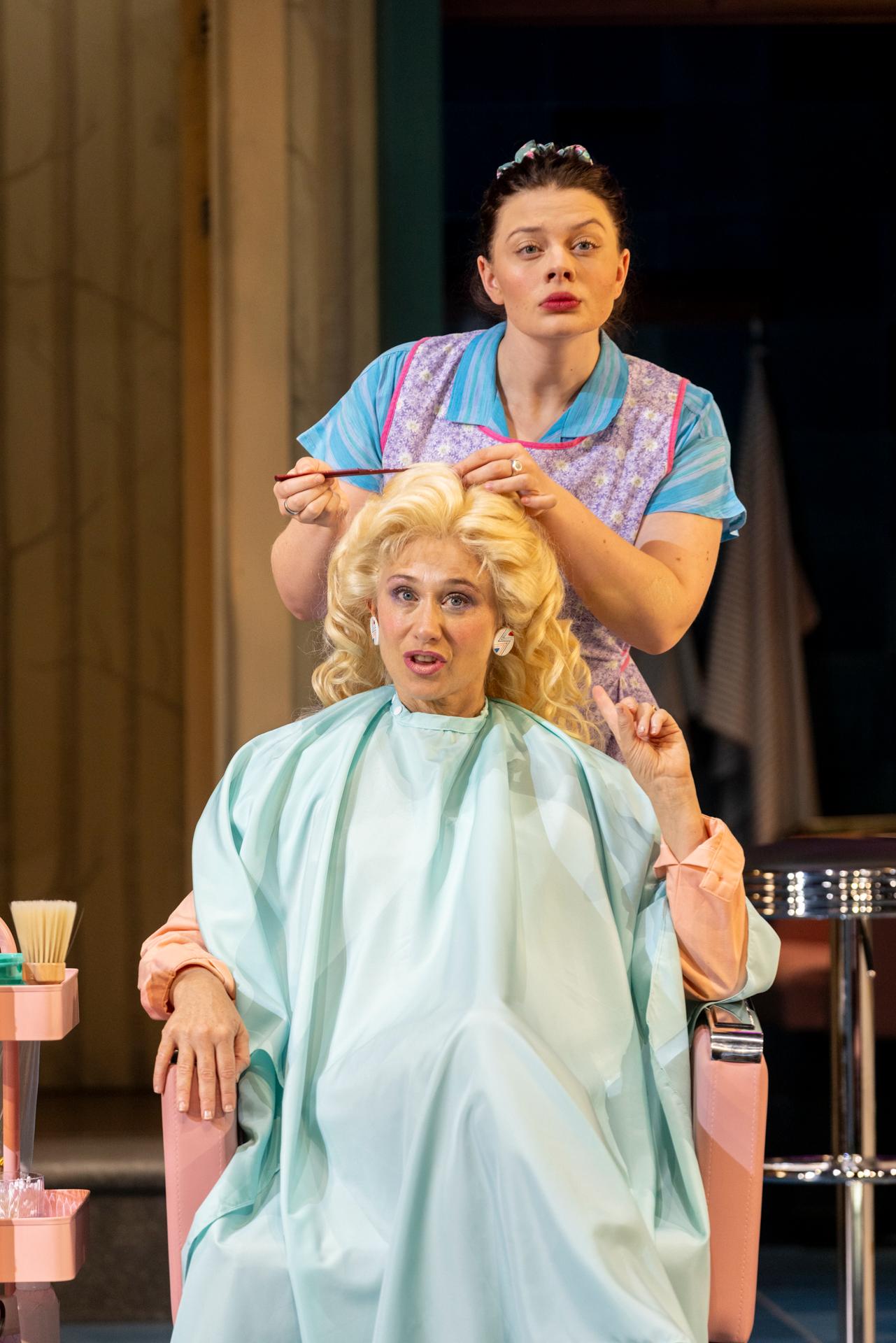
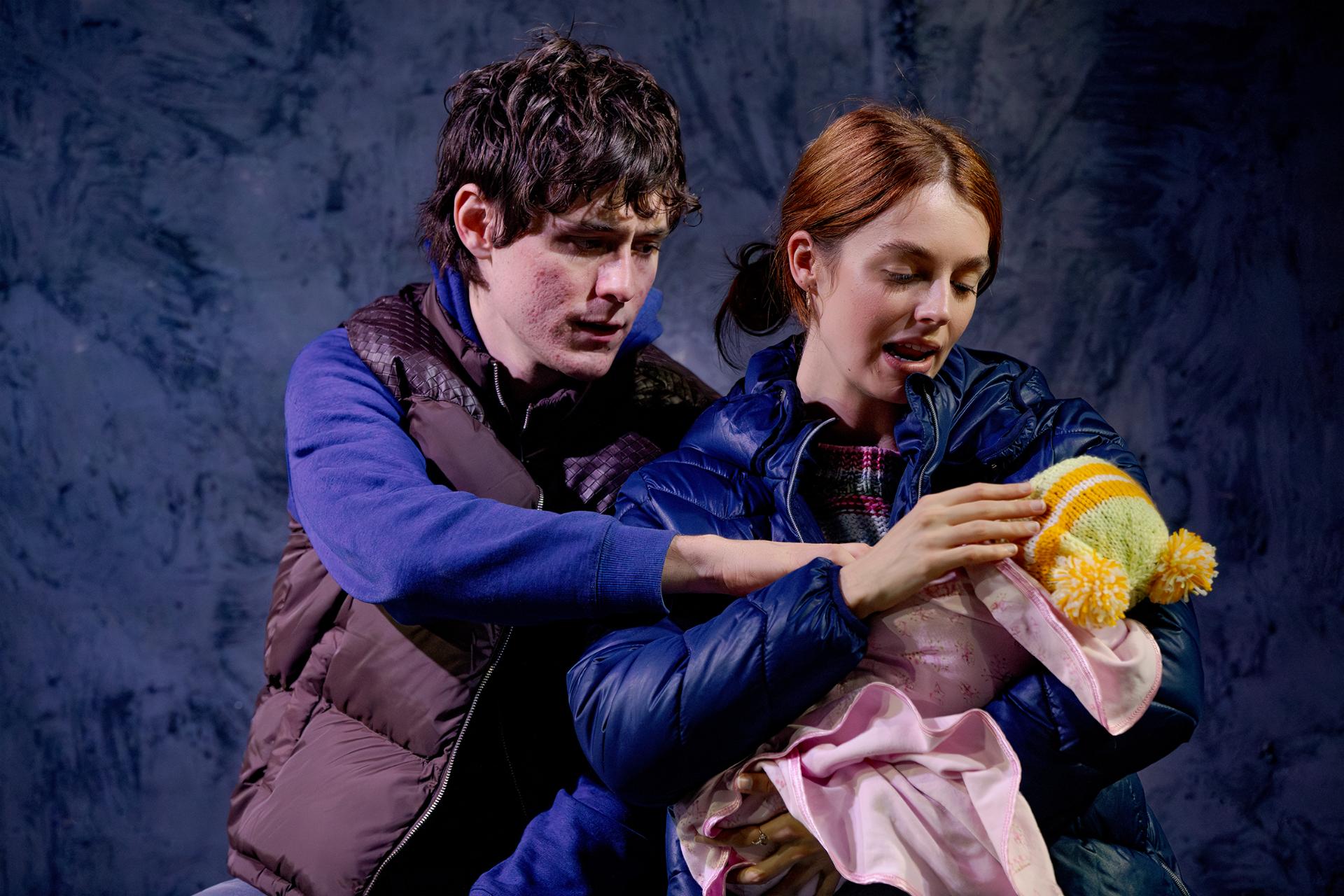
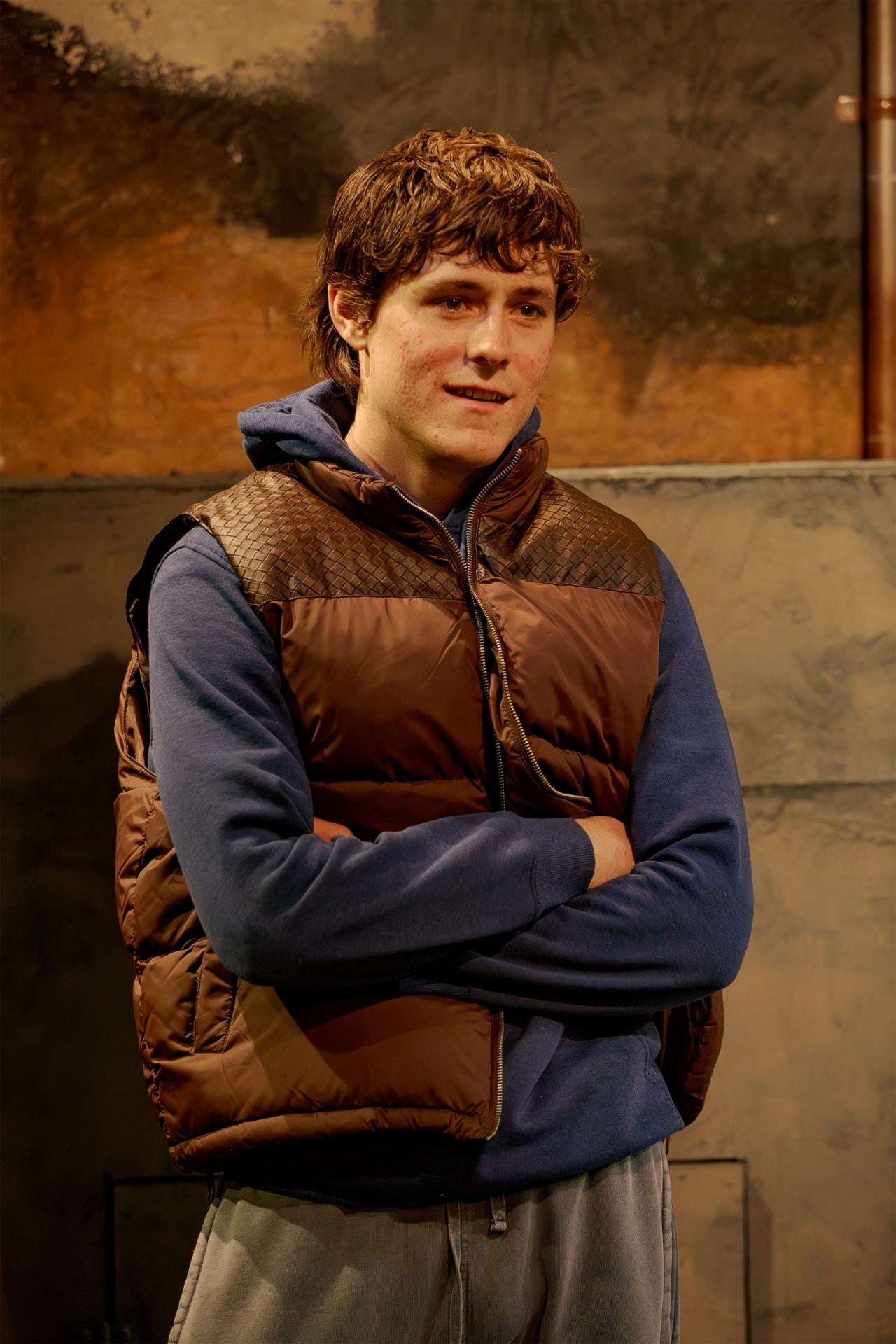
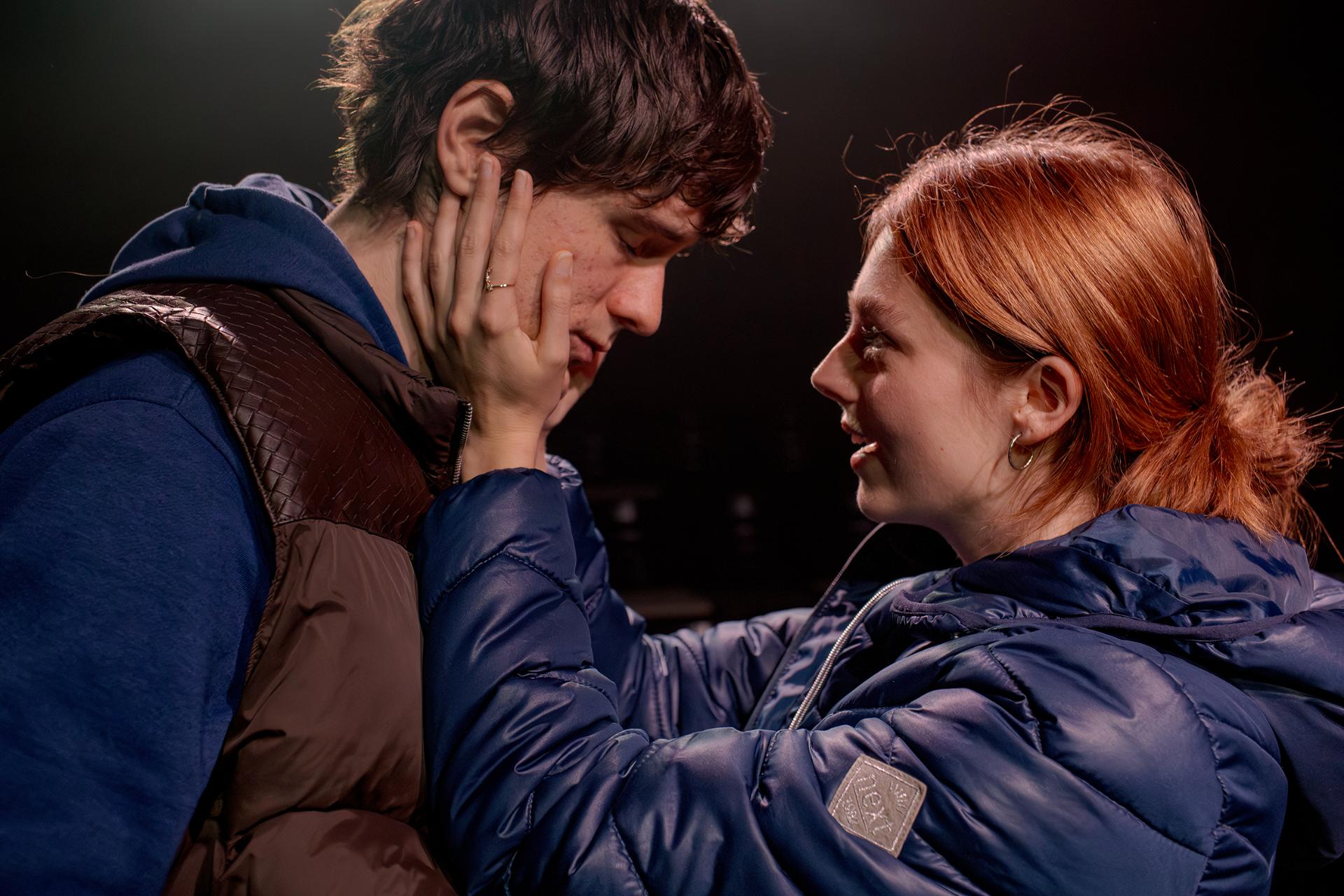
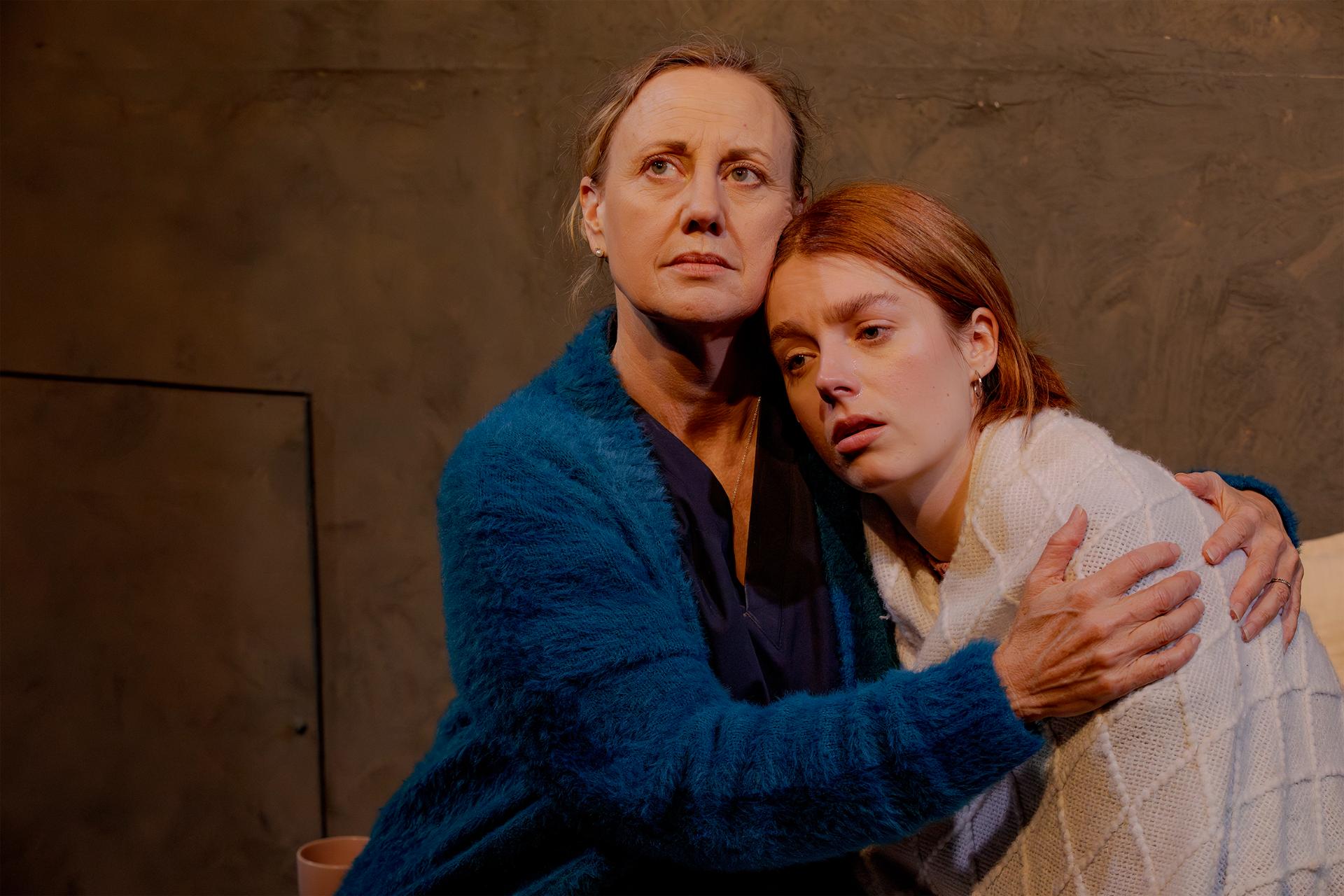
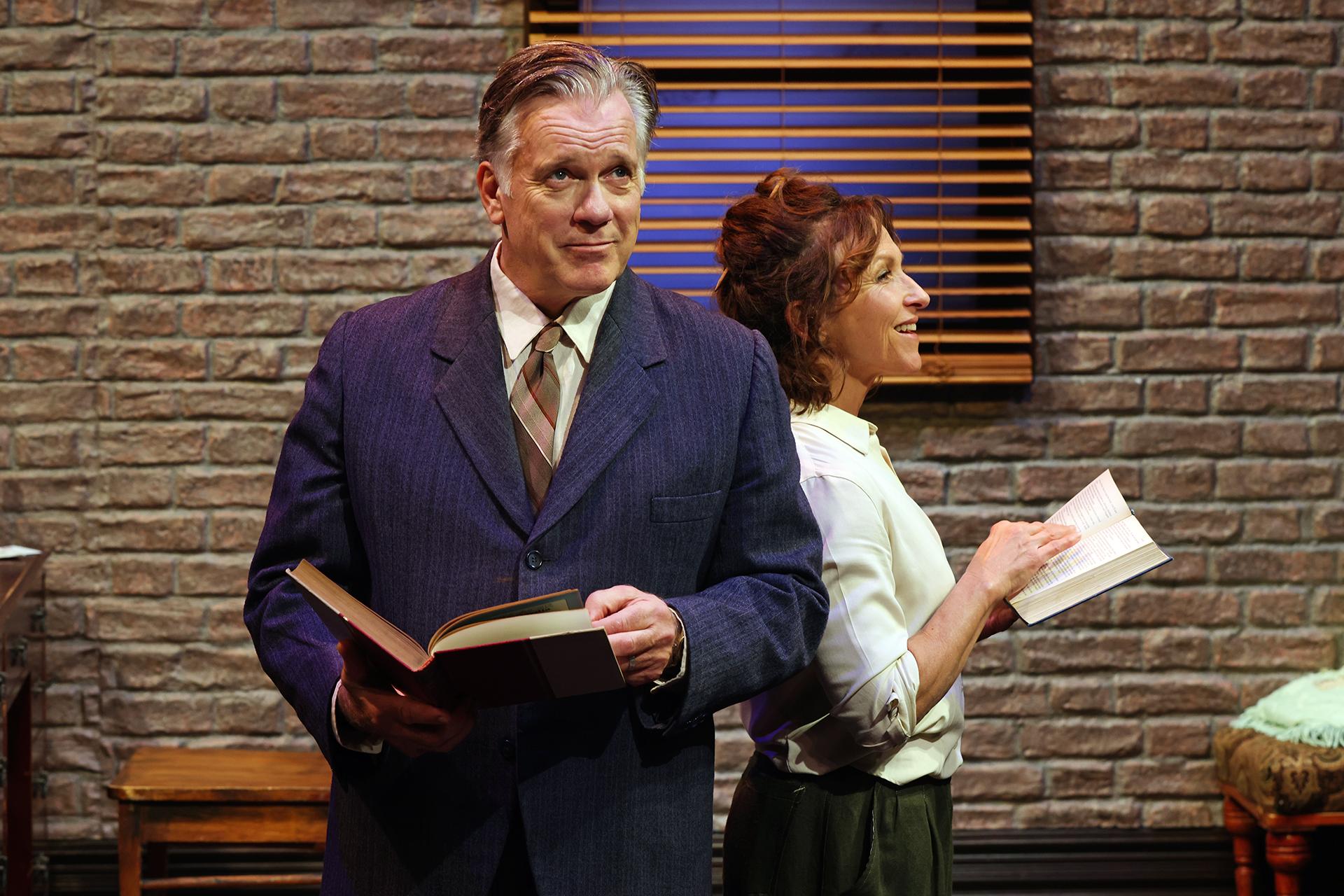
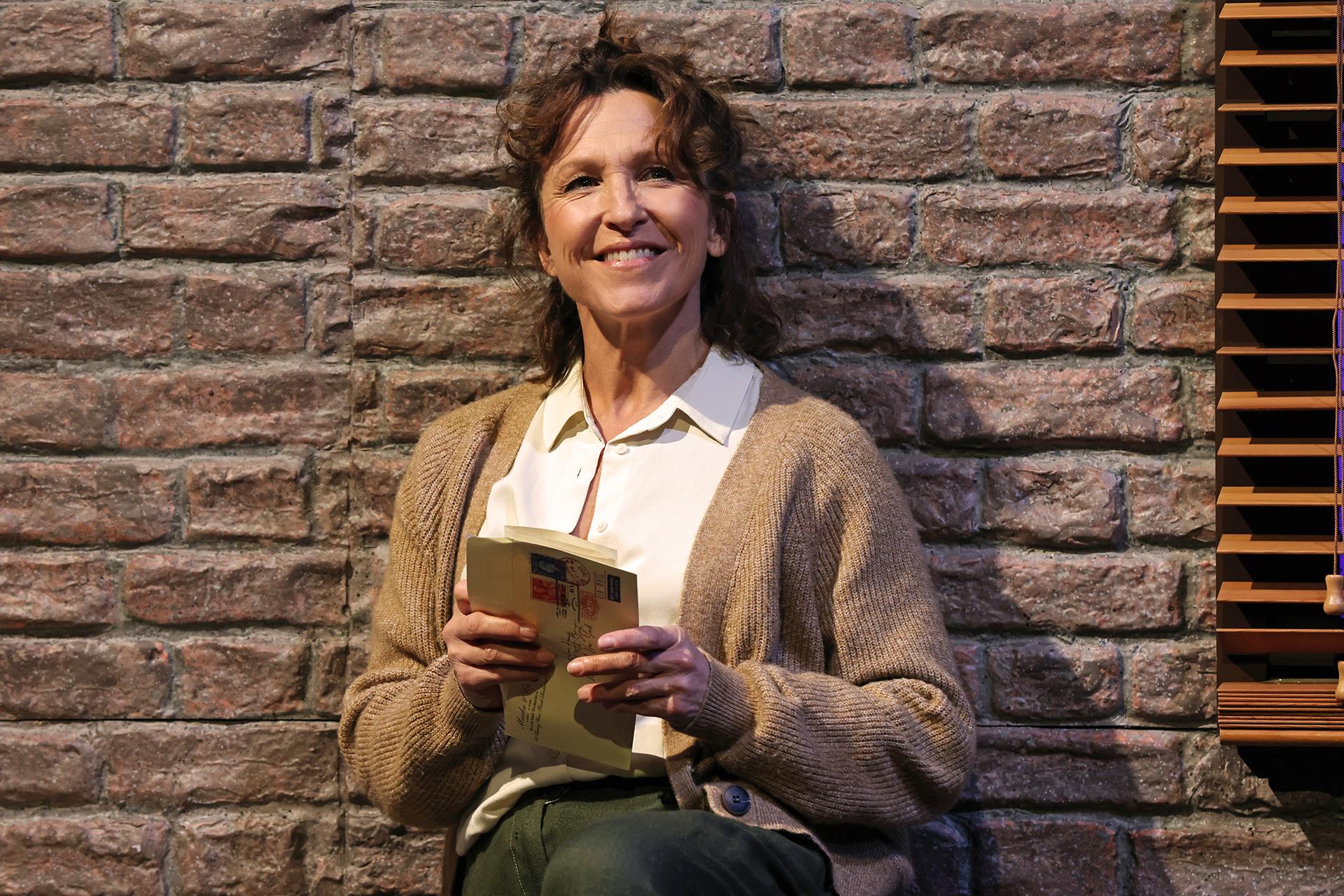
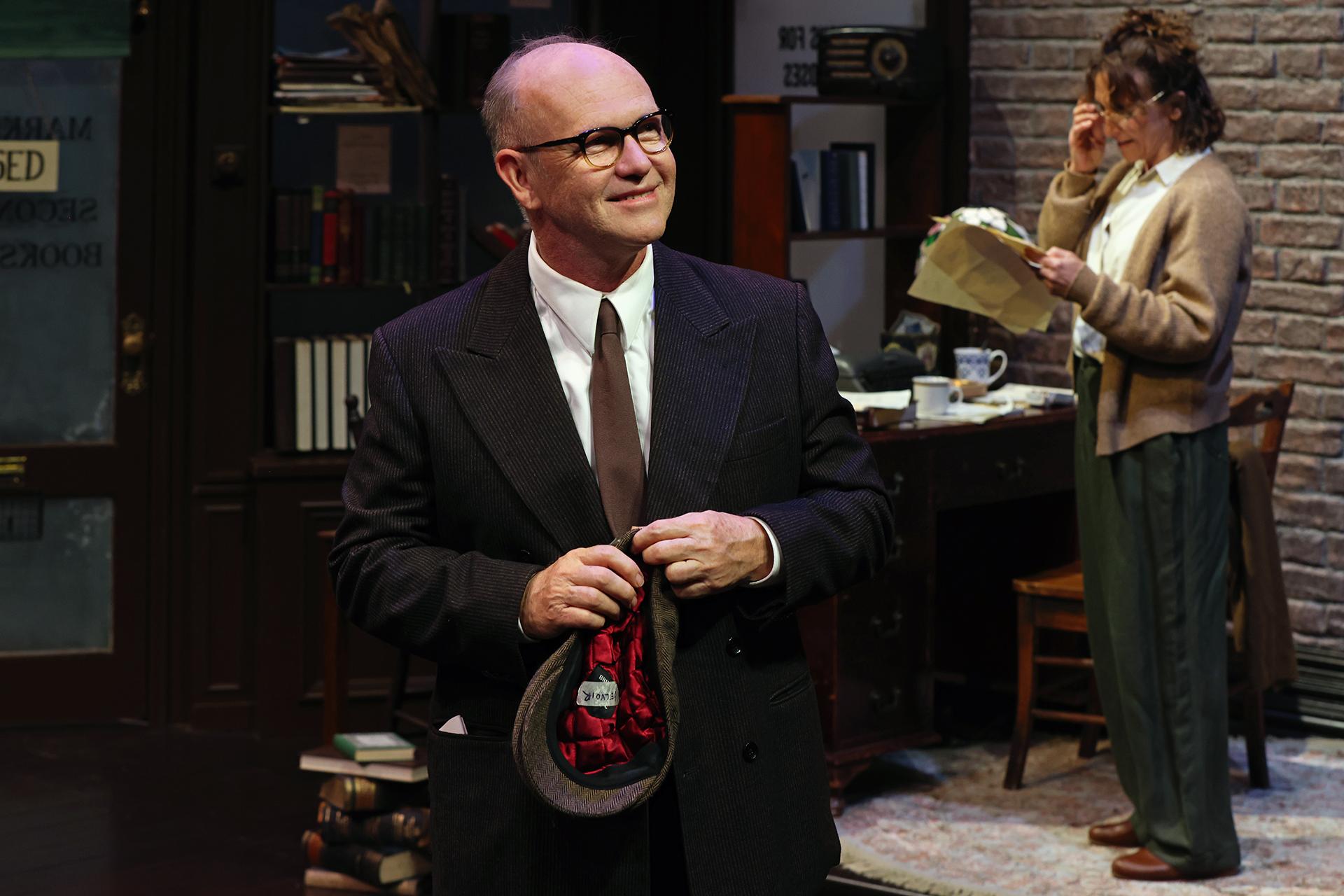
Blake Erickson’s Lawrence possesses the requisite savoir-faire, and Rowan Witt’s Freddy exerts a roguish appeal, but their pairing never achieves that alchemical synergy whereby the whole transcends its constituent parts. Kristina McNamara, as Christine—the narrative’s ostensible mark and emotional fulcrum—invests her performance with admirable precision and intensity, yet the production retains a curiously restrained, almost buttoned-up quality that sits at odds with the material’s inherent vulgarian exuberance.
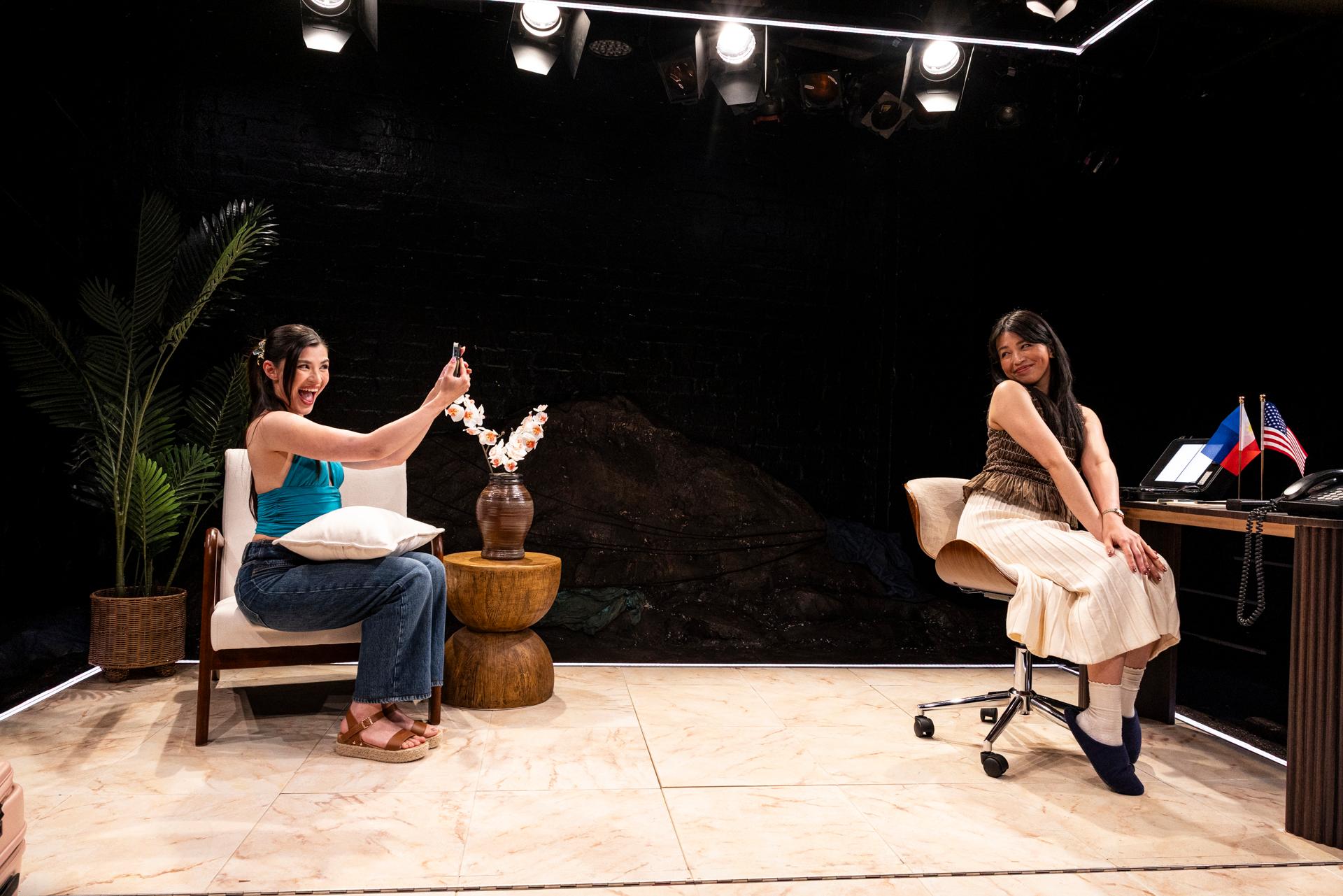
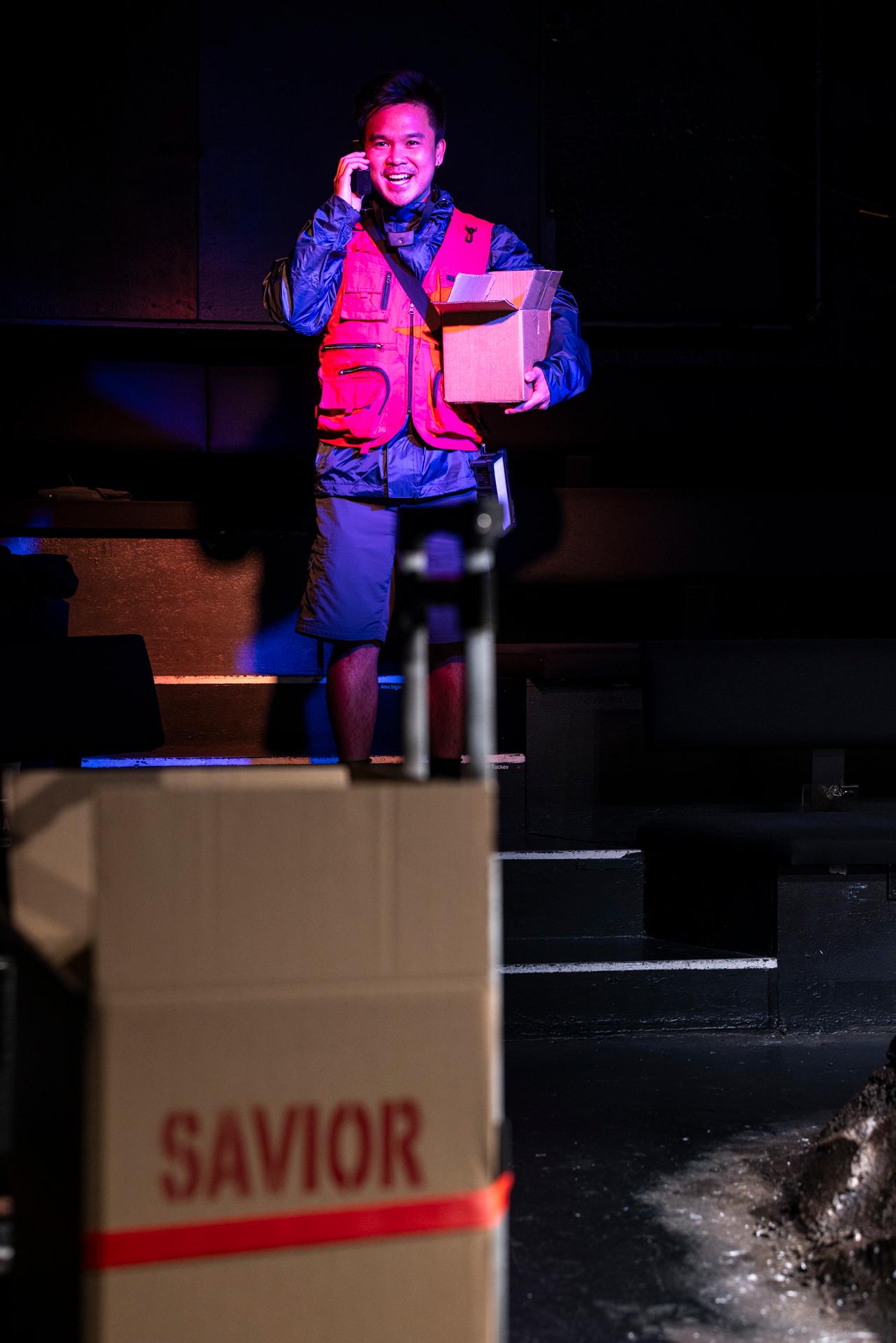
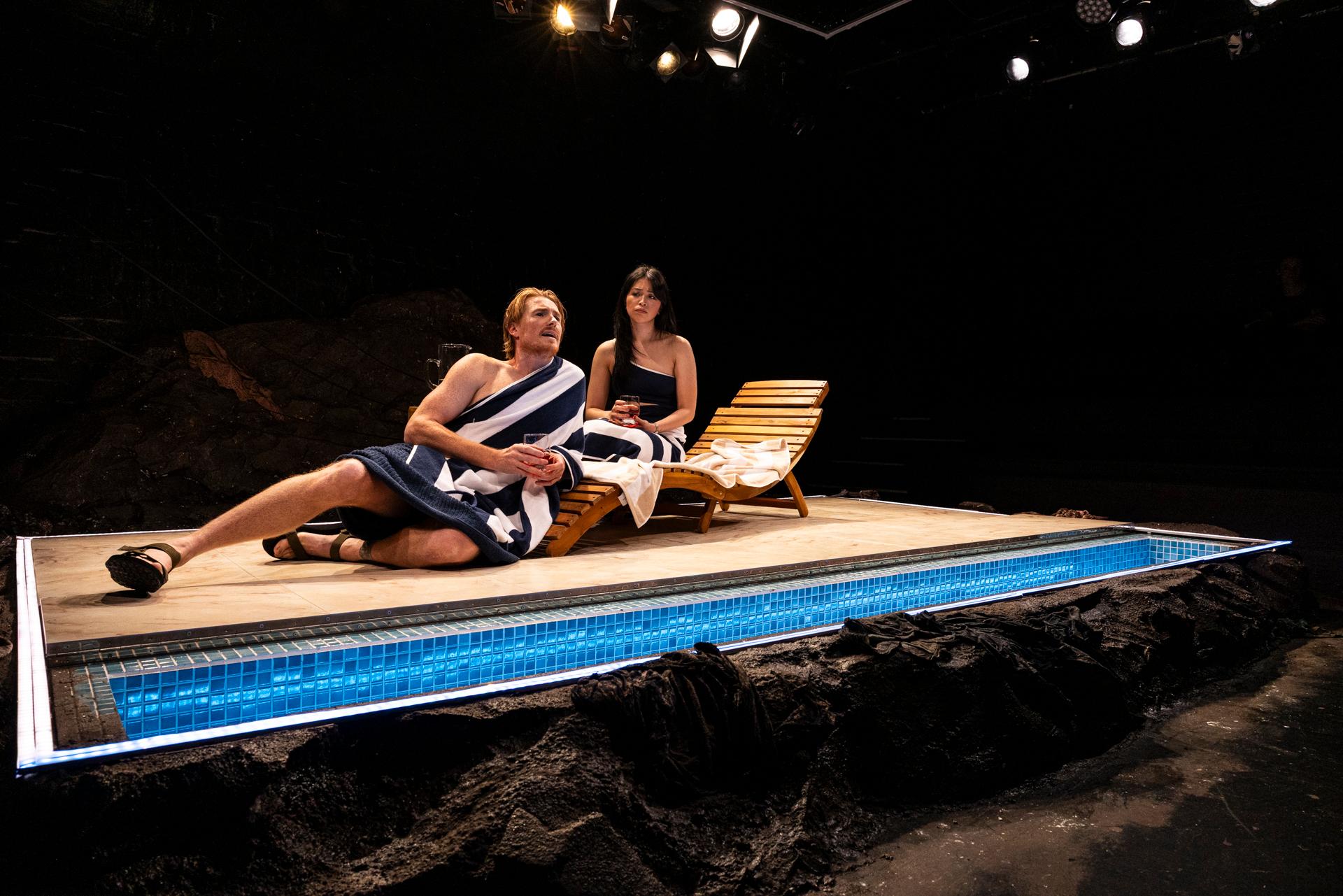
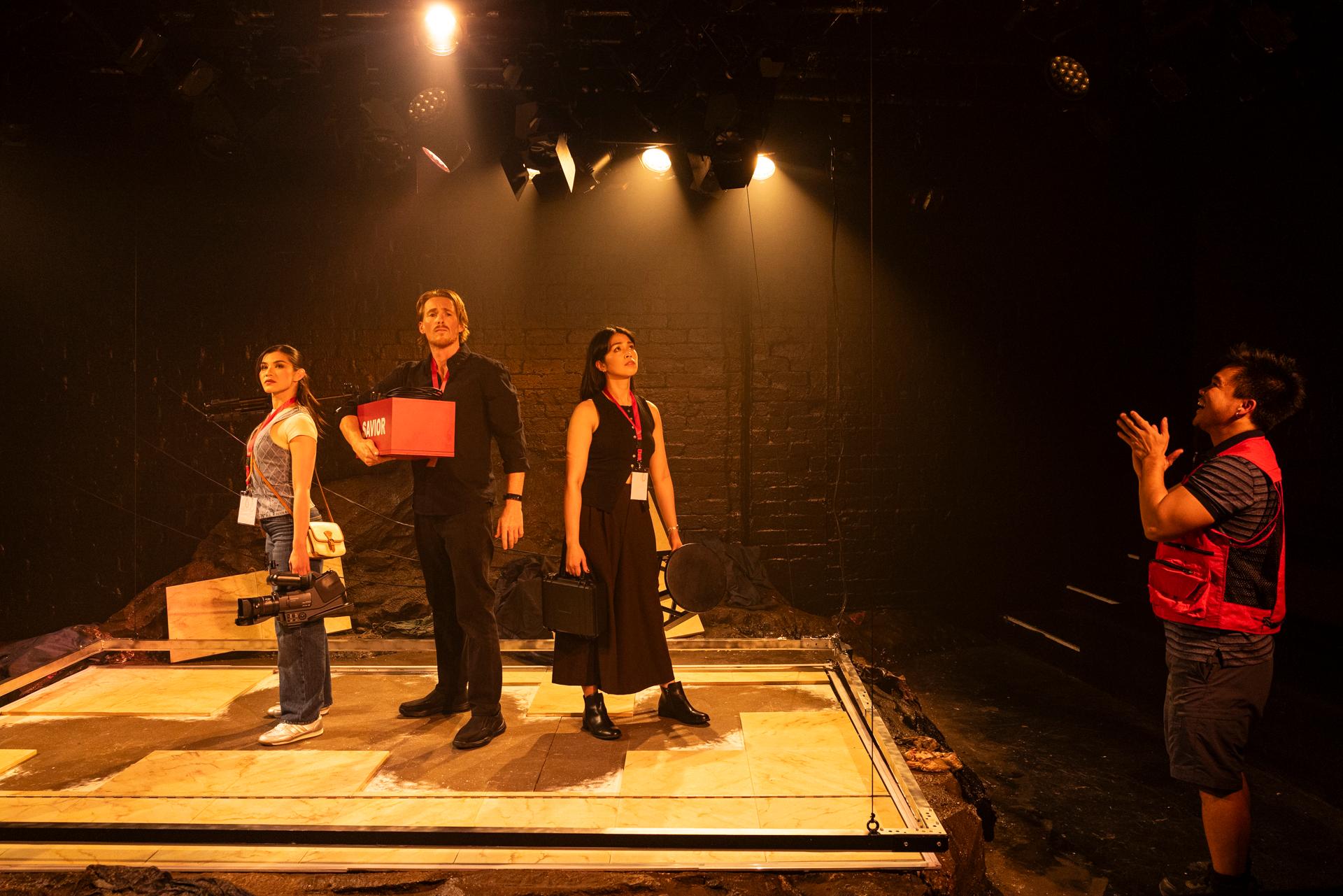
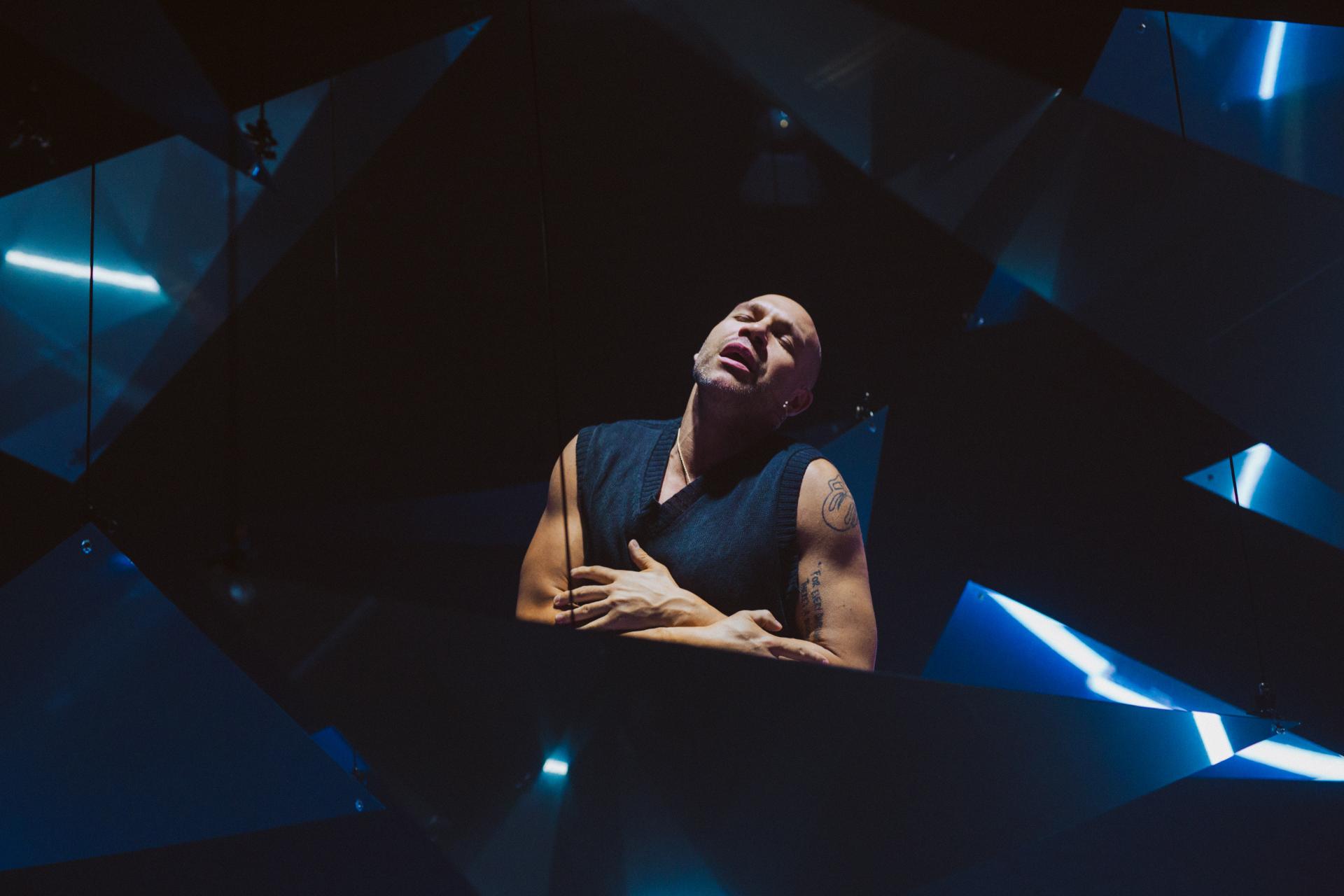
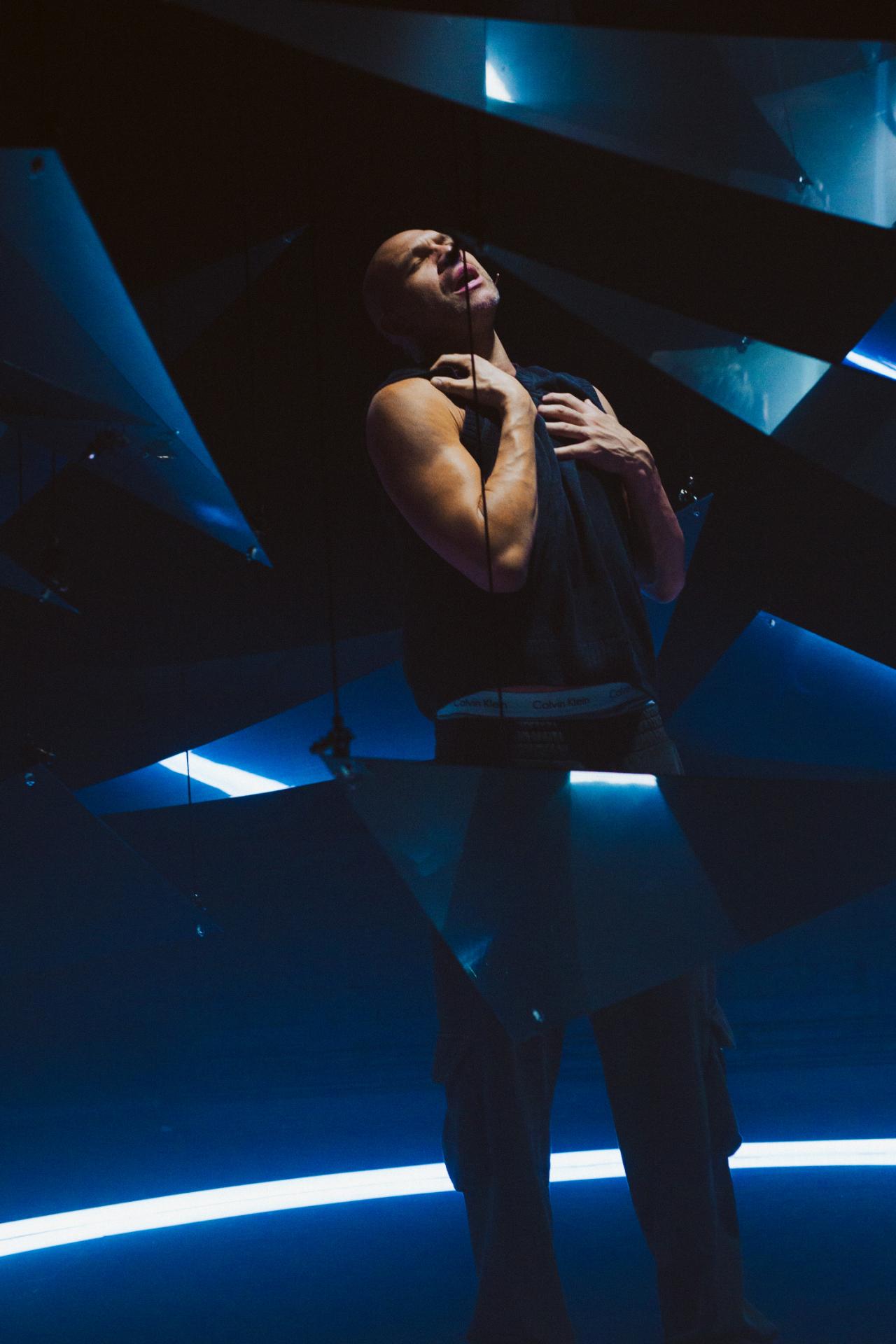
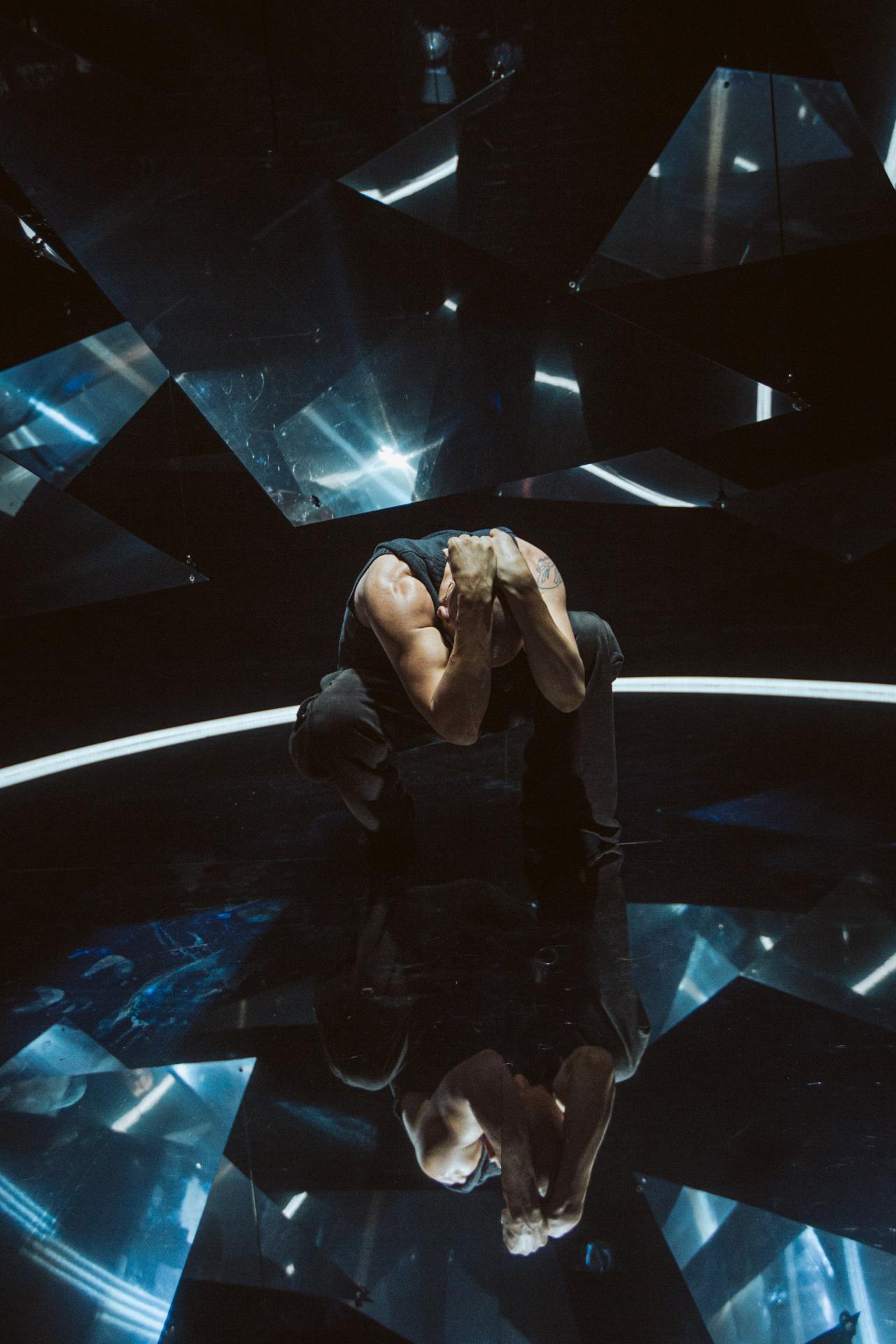
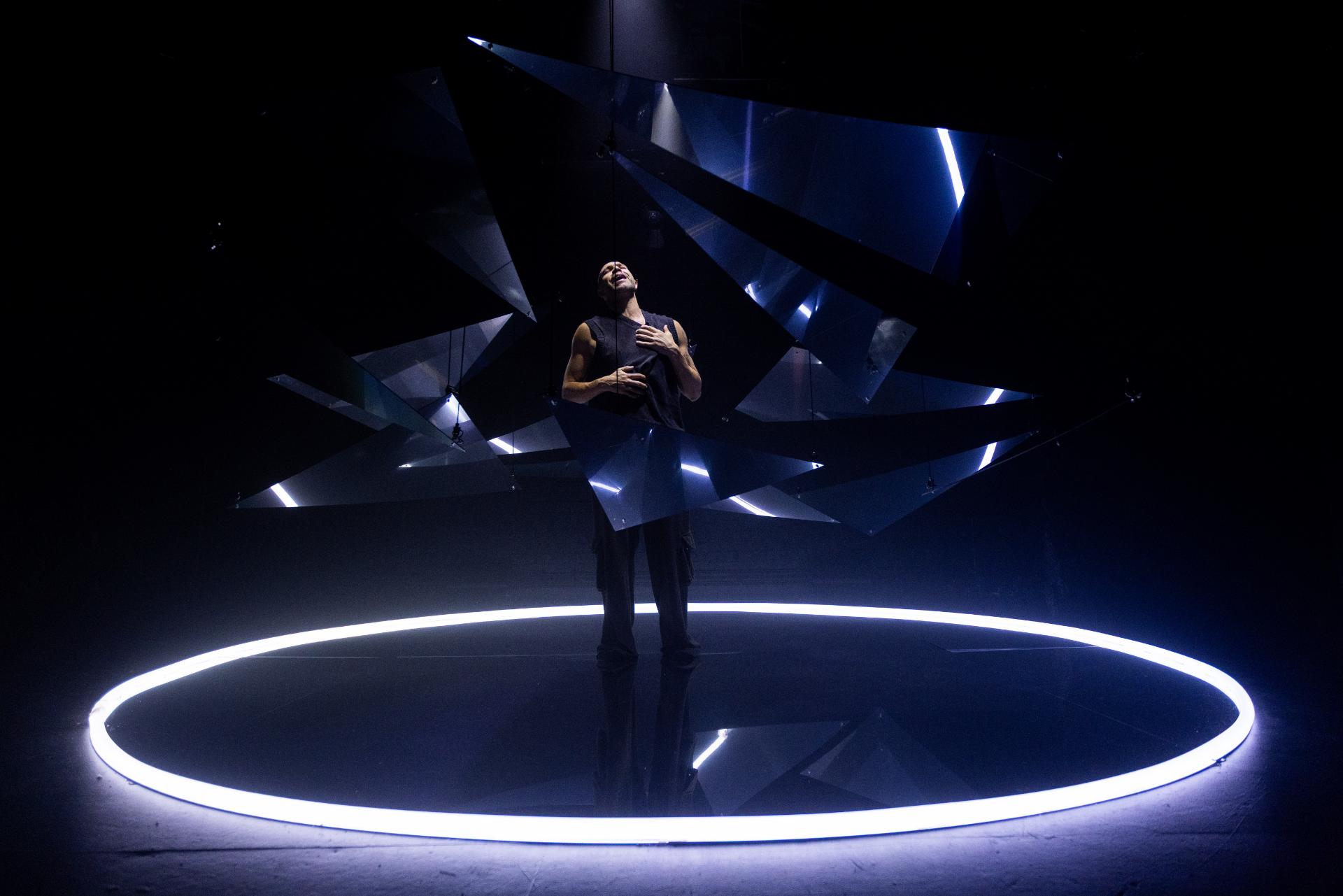
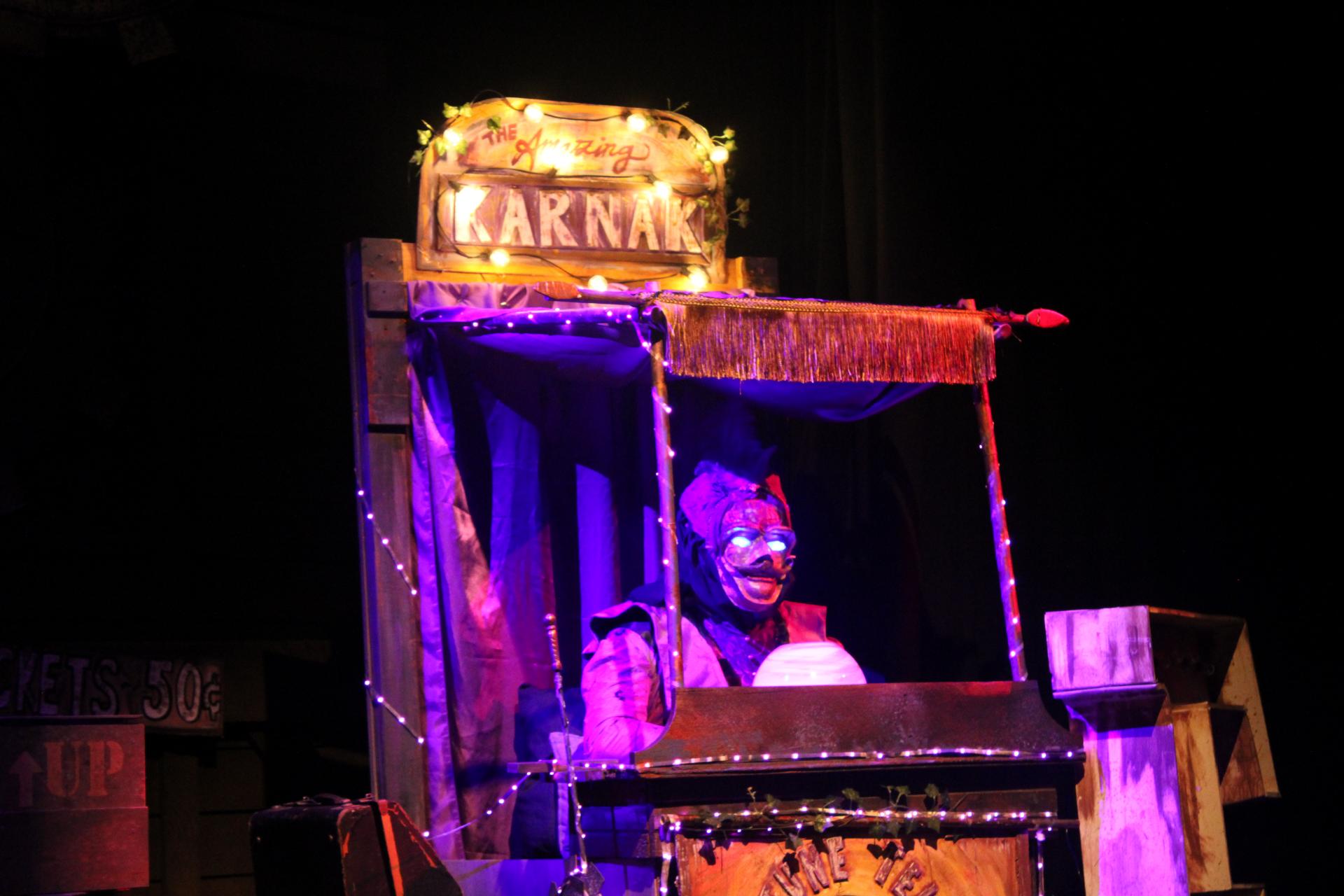
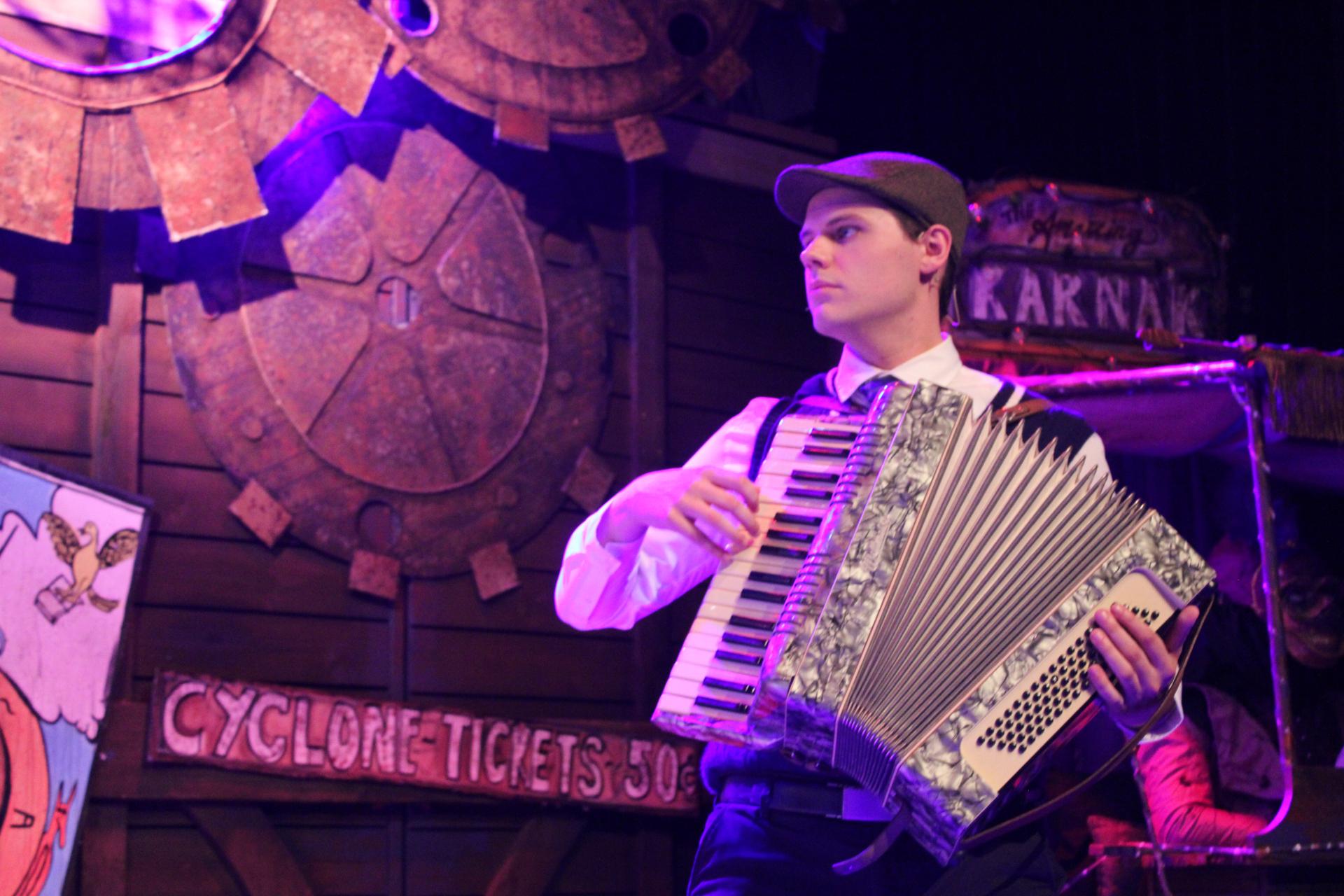
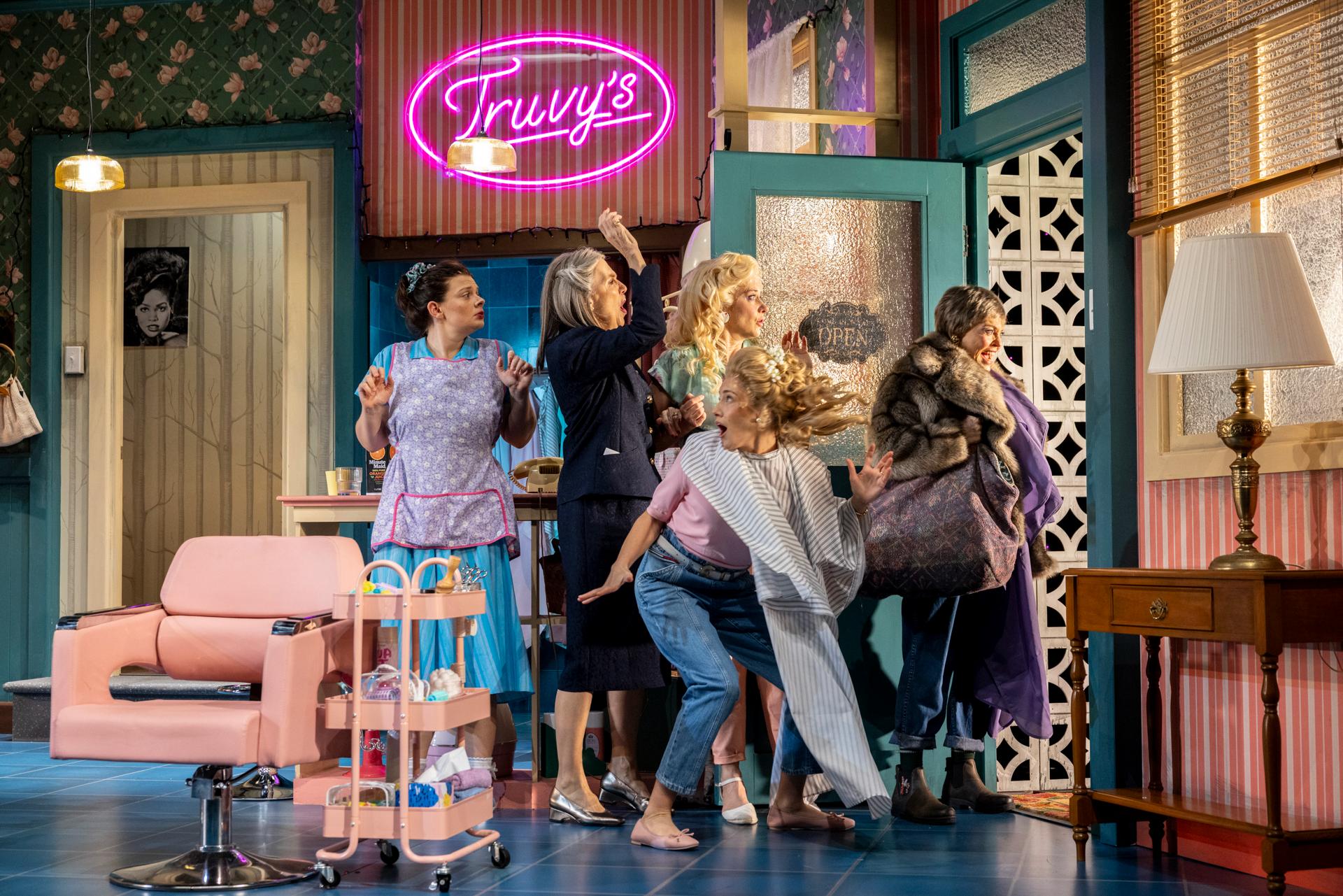
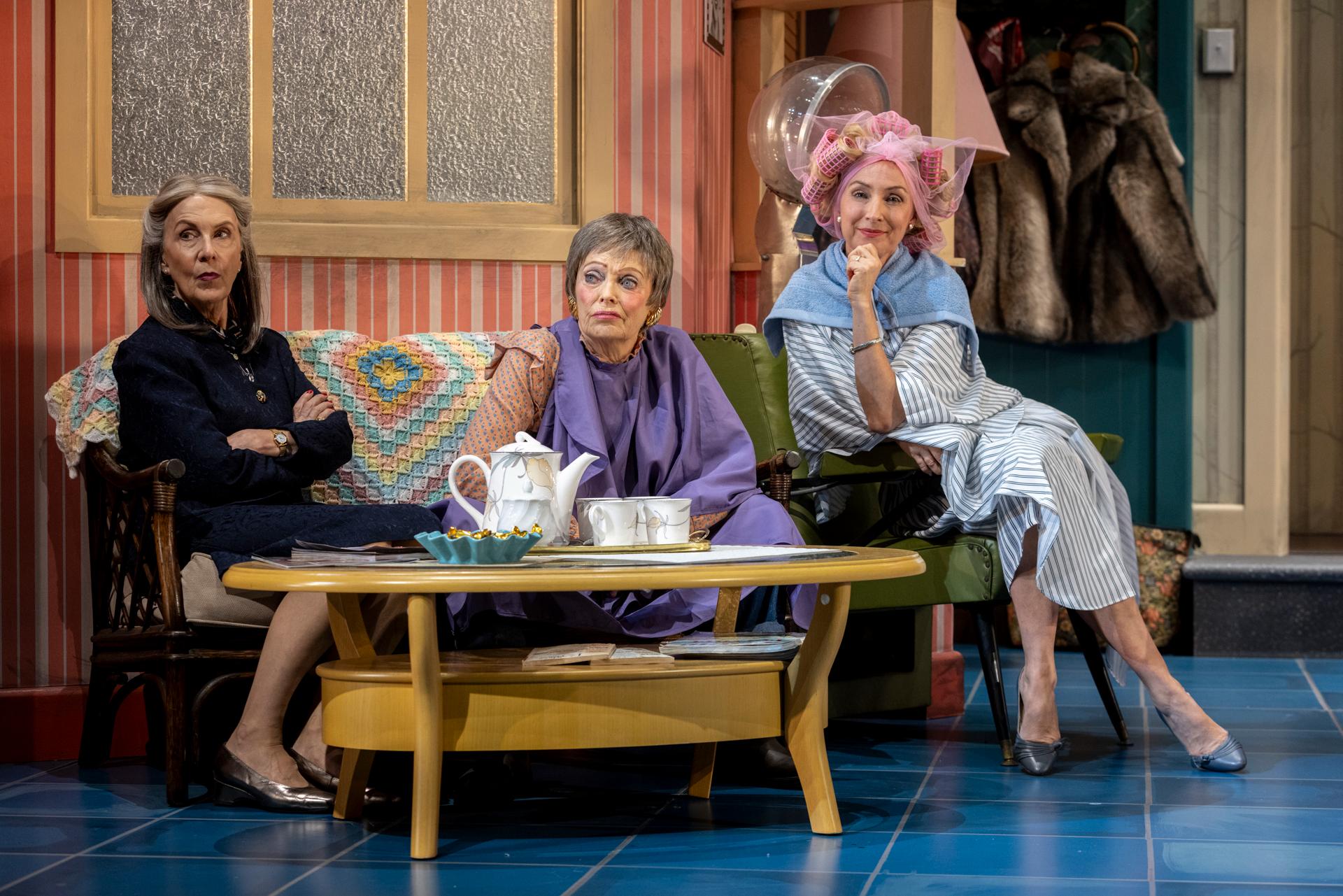
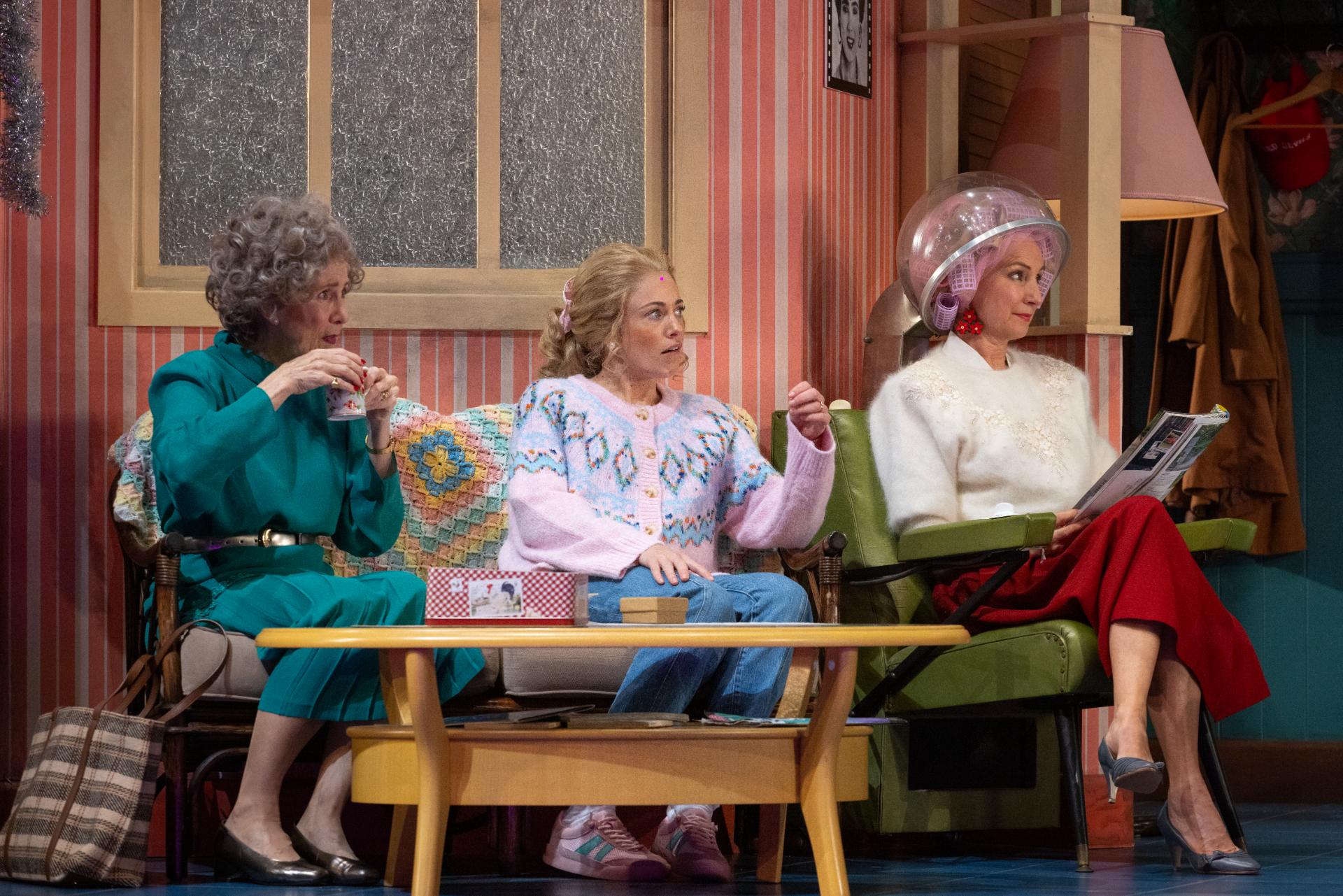
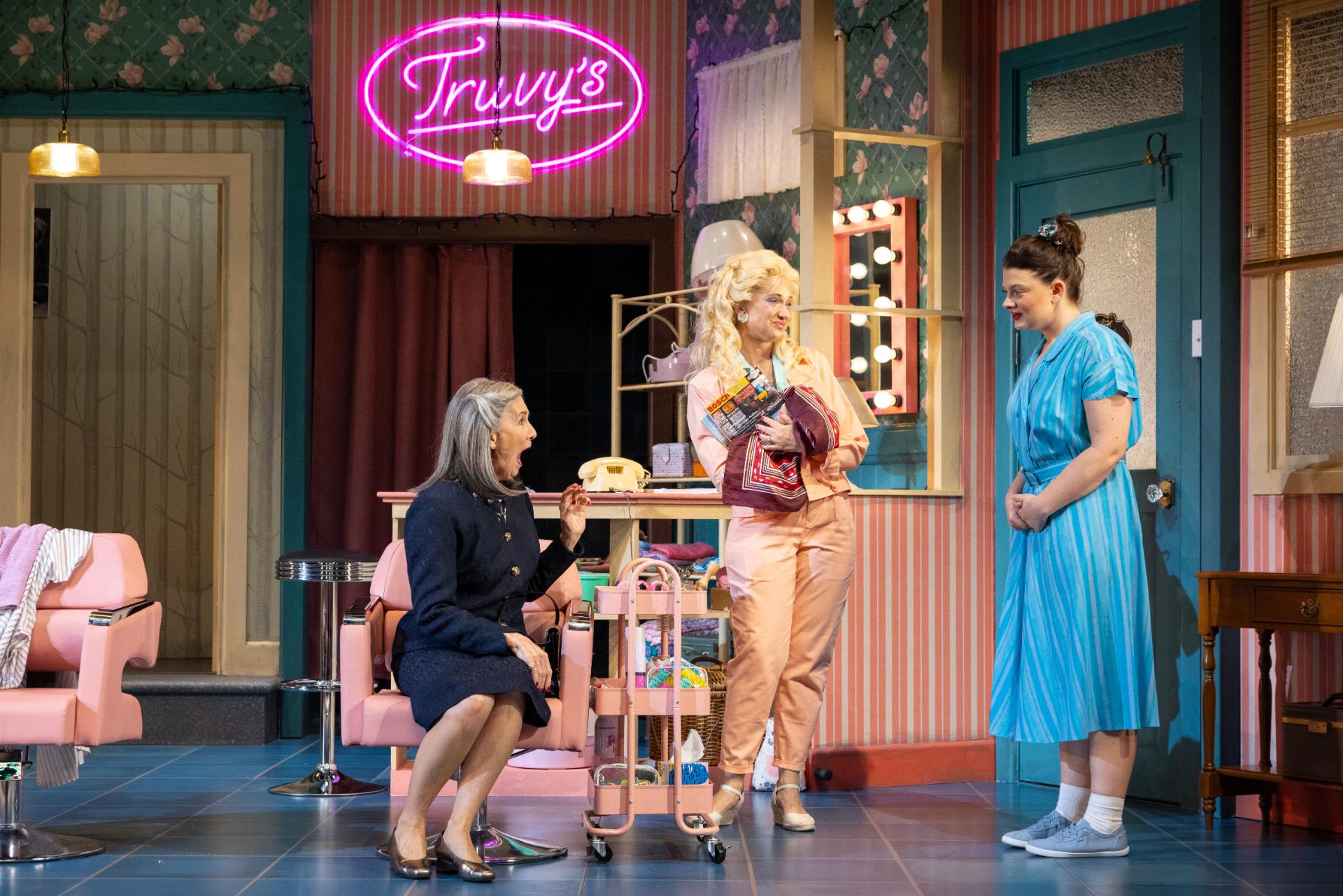
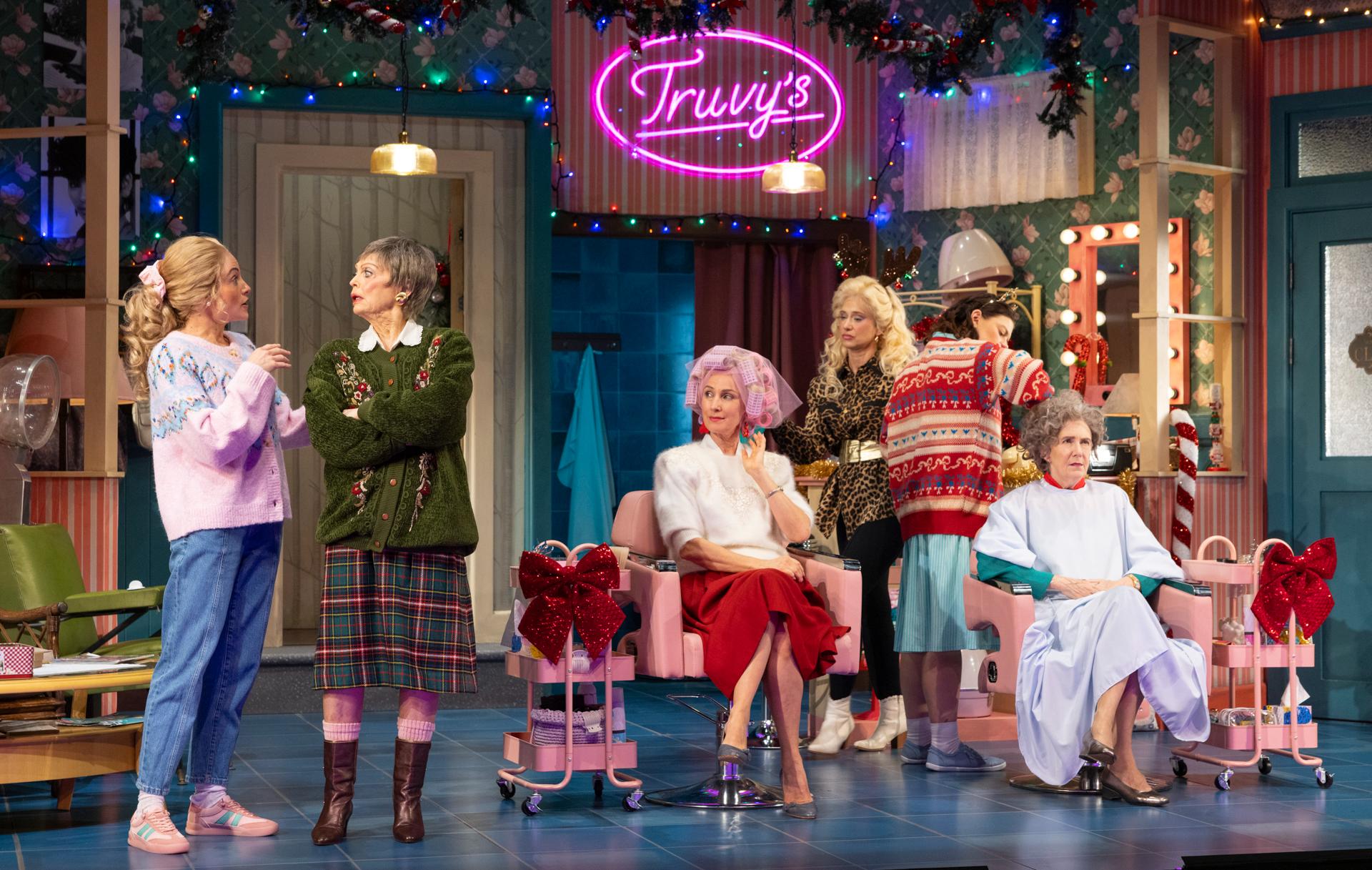
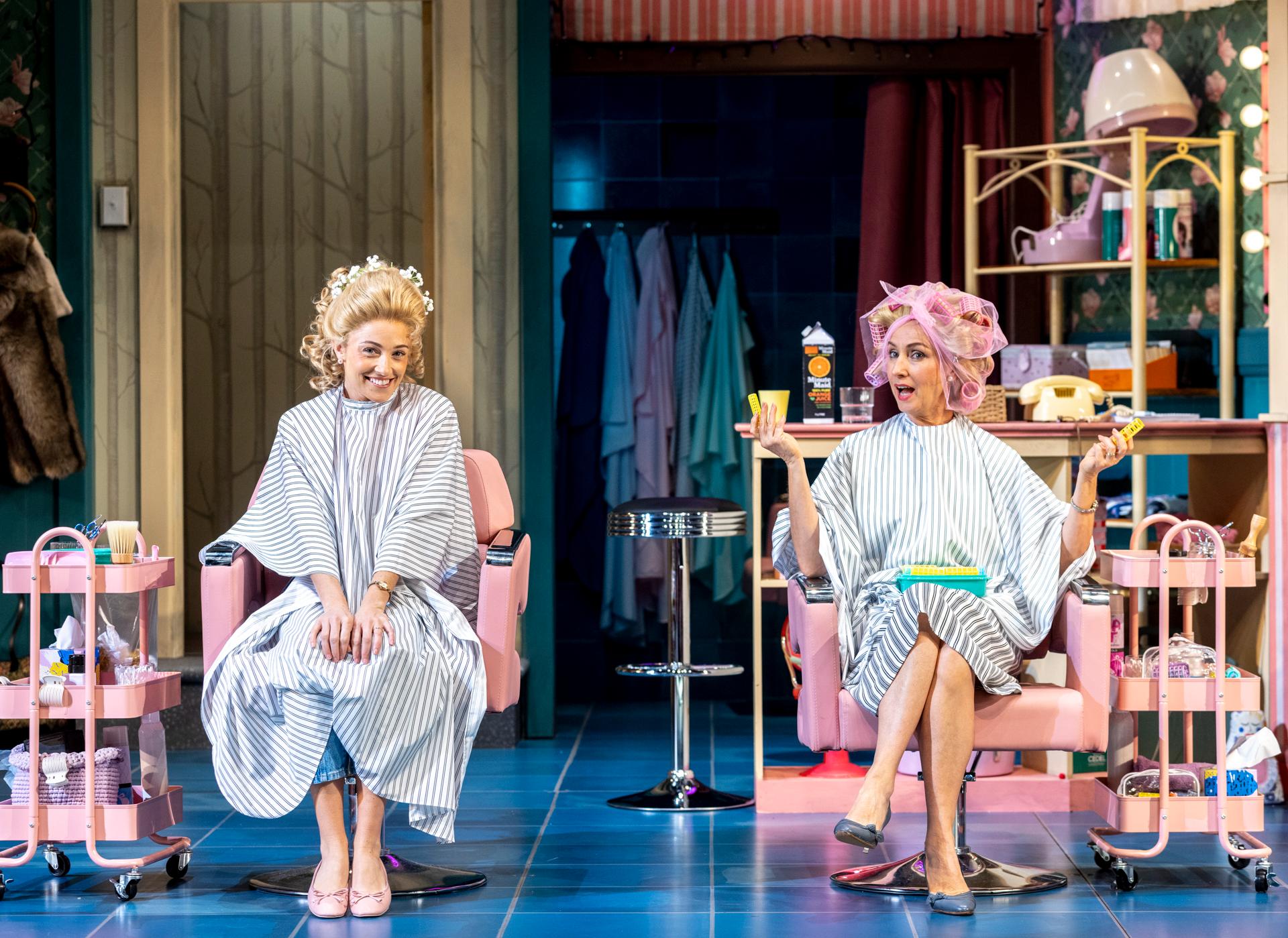
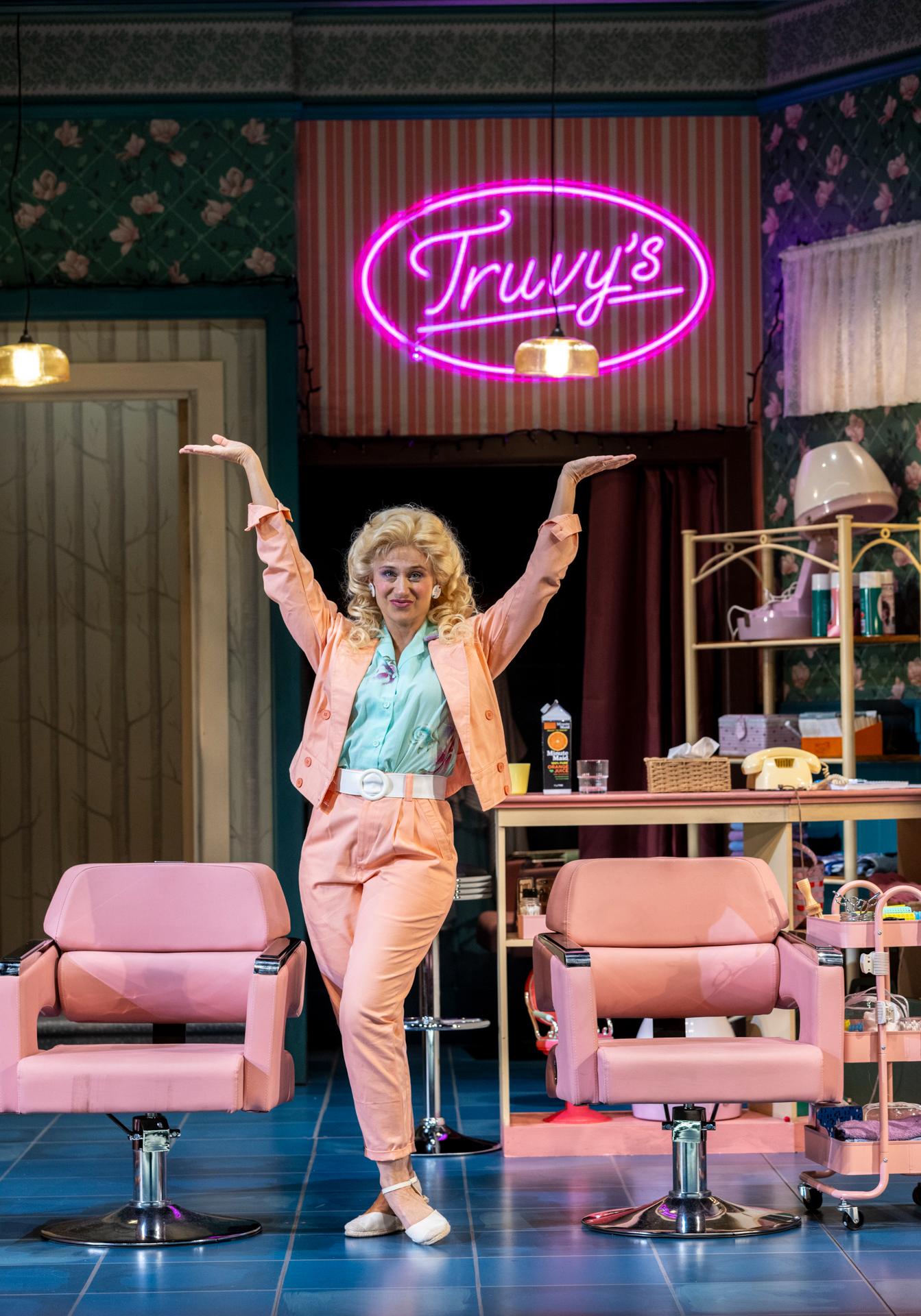
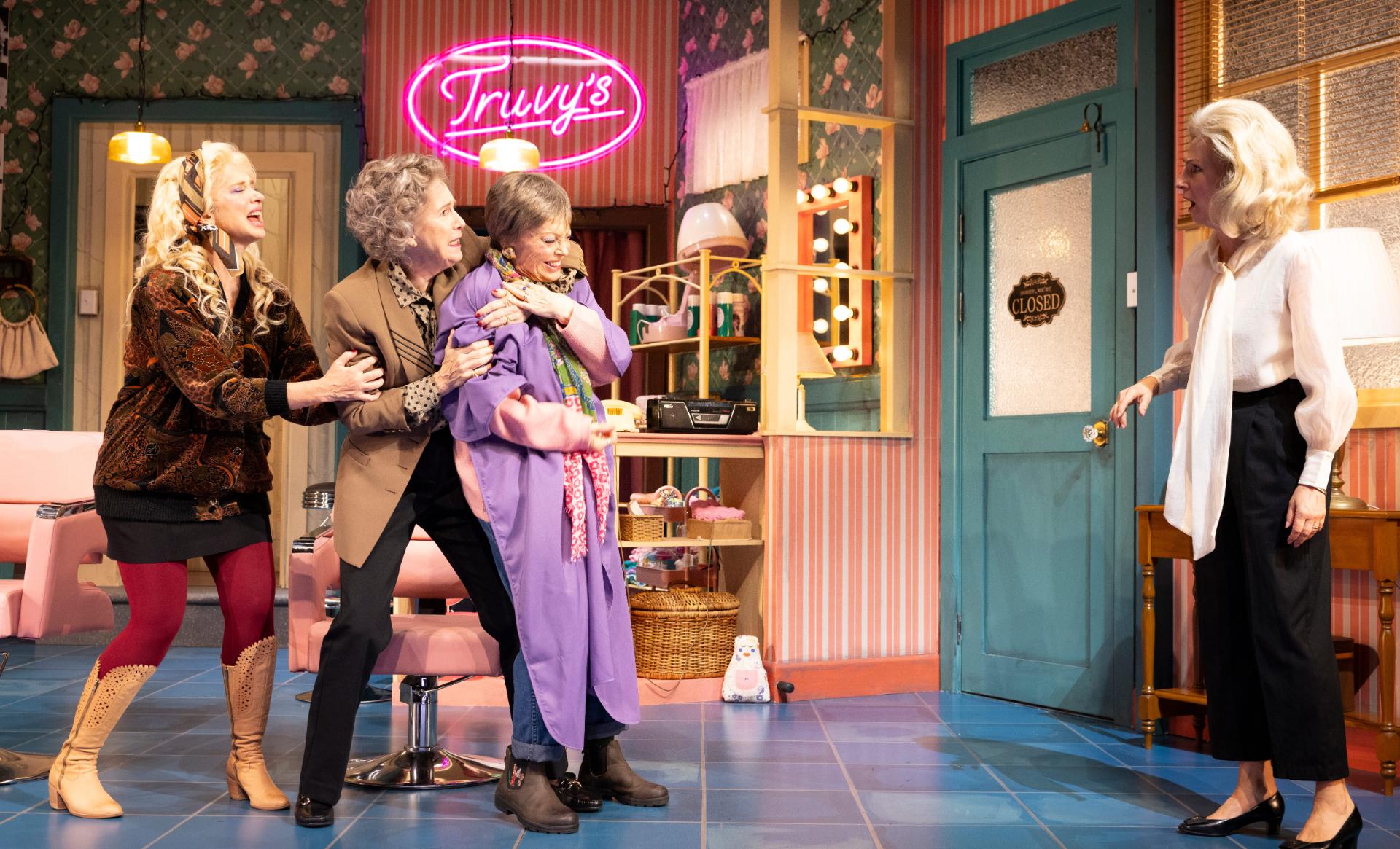
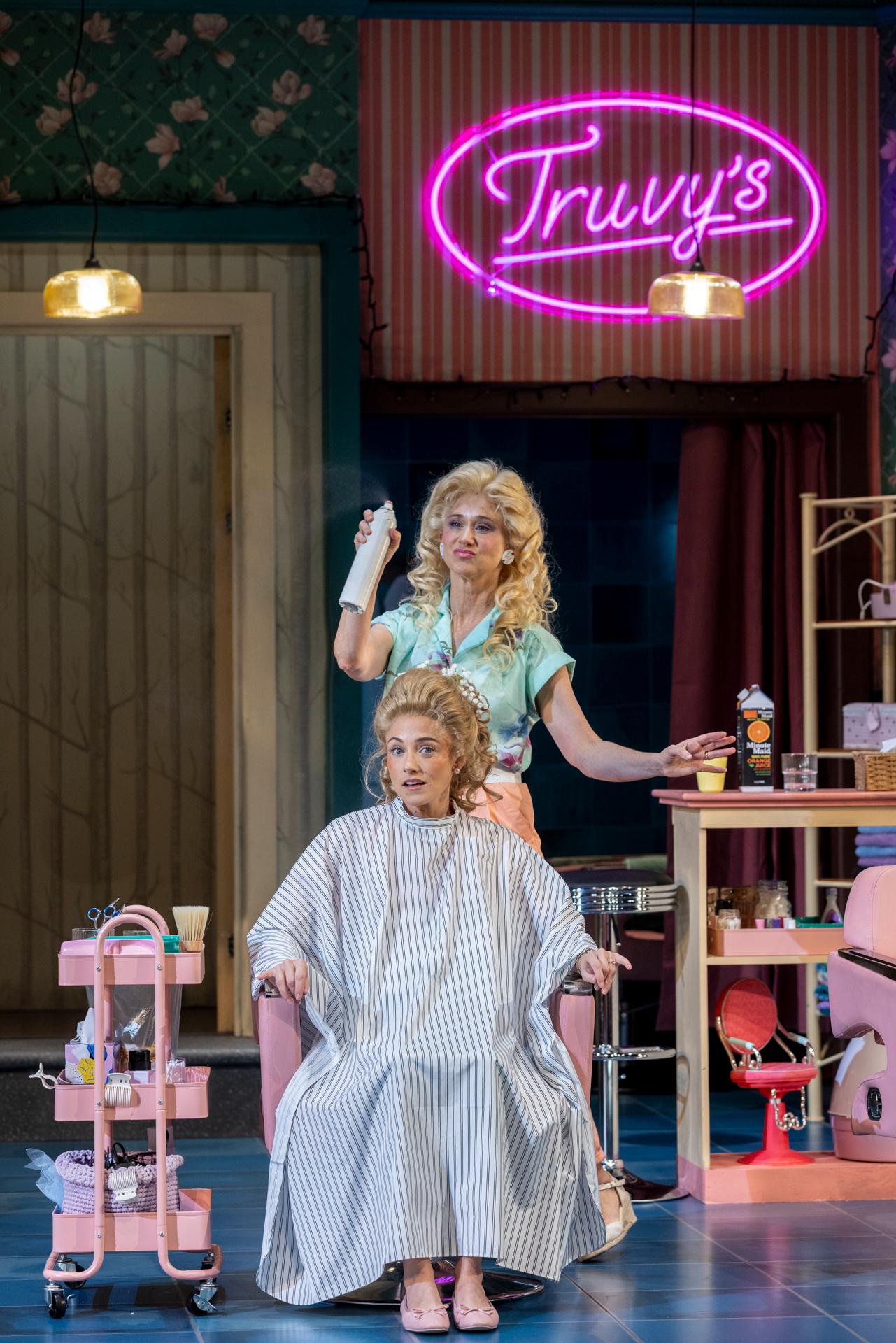
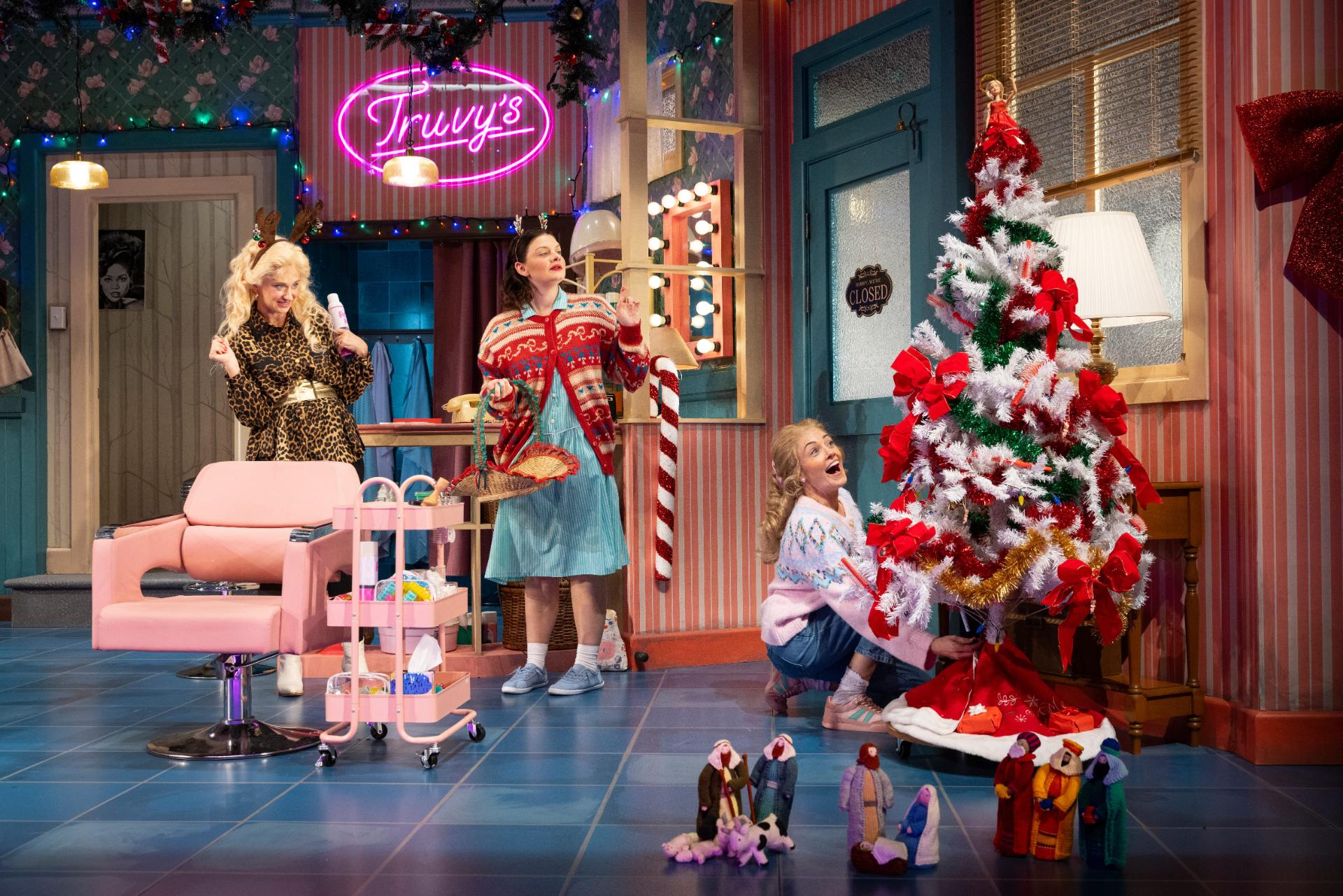
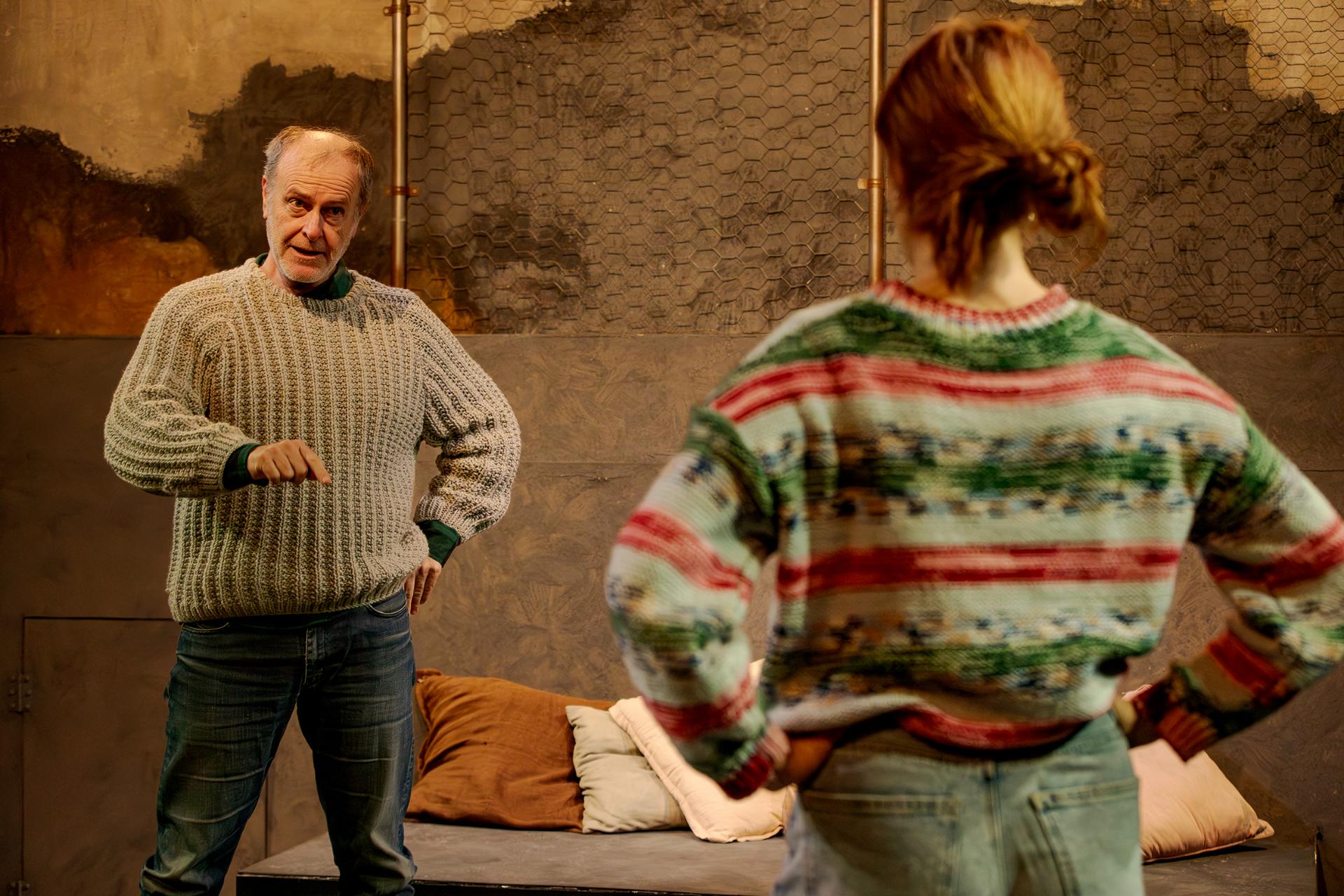
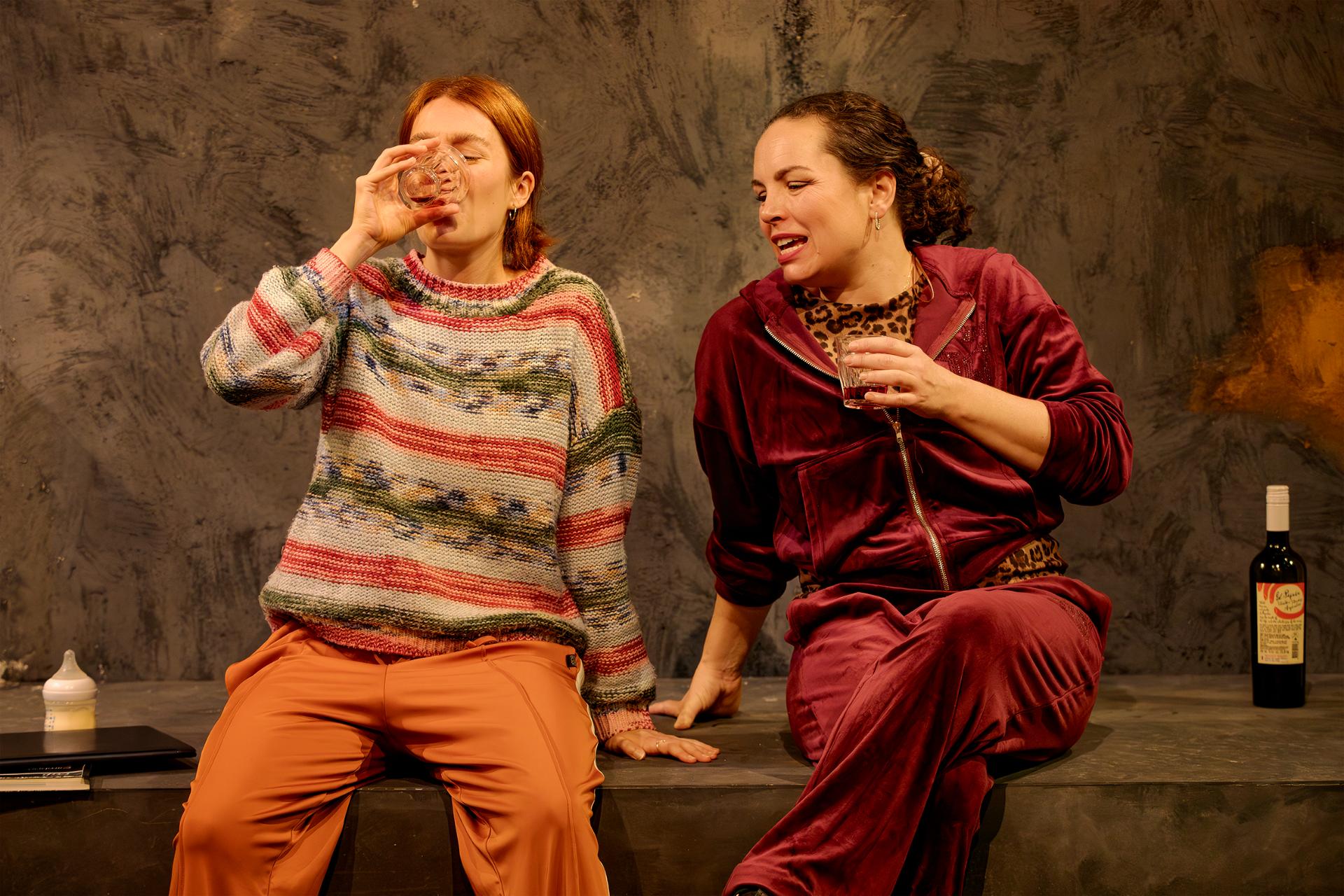
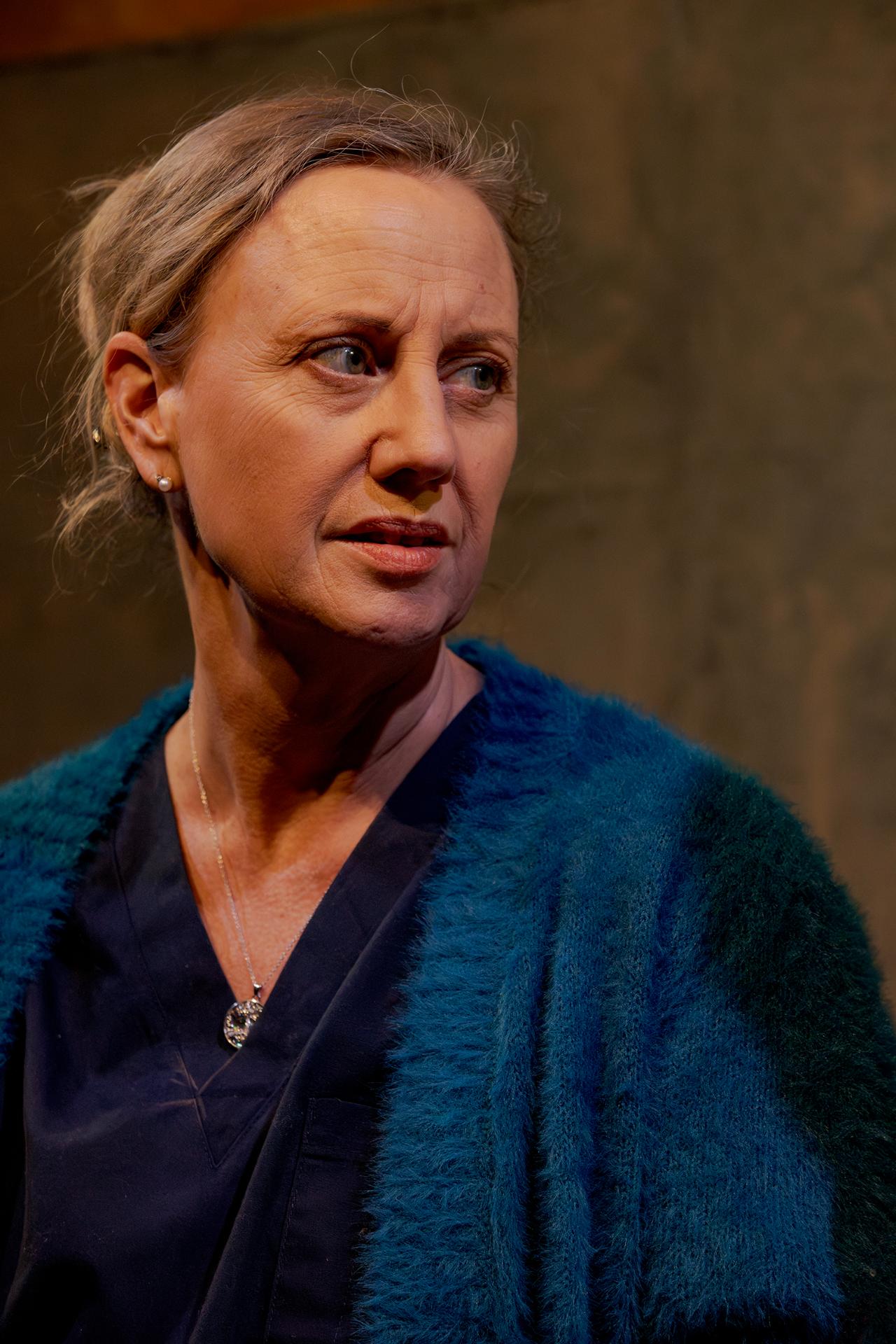
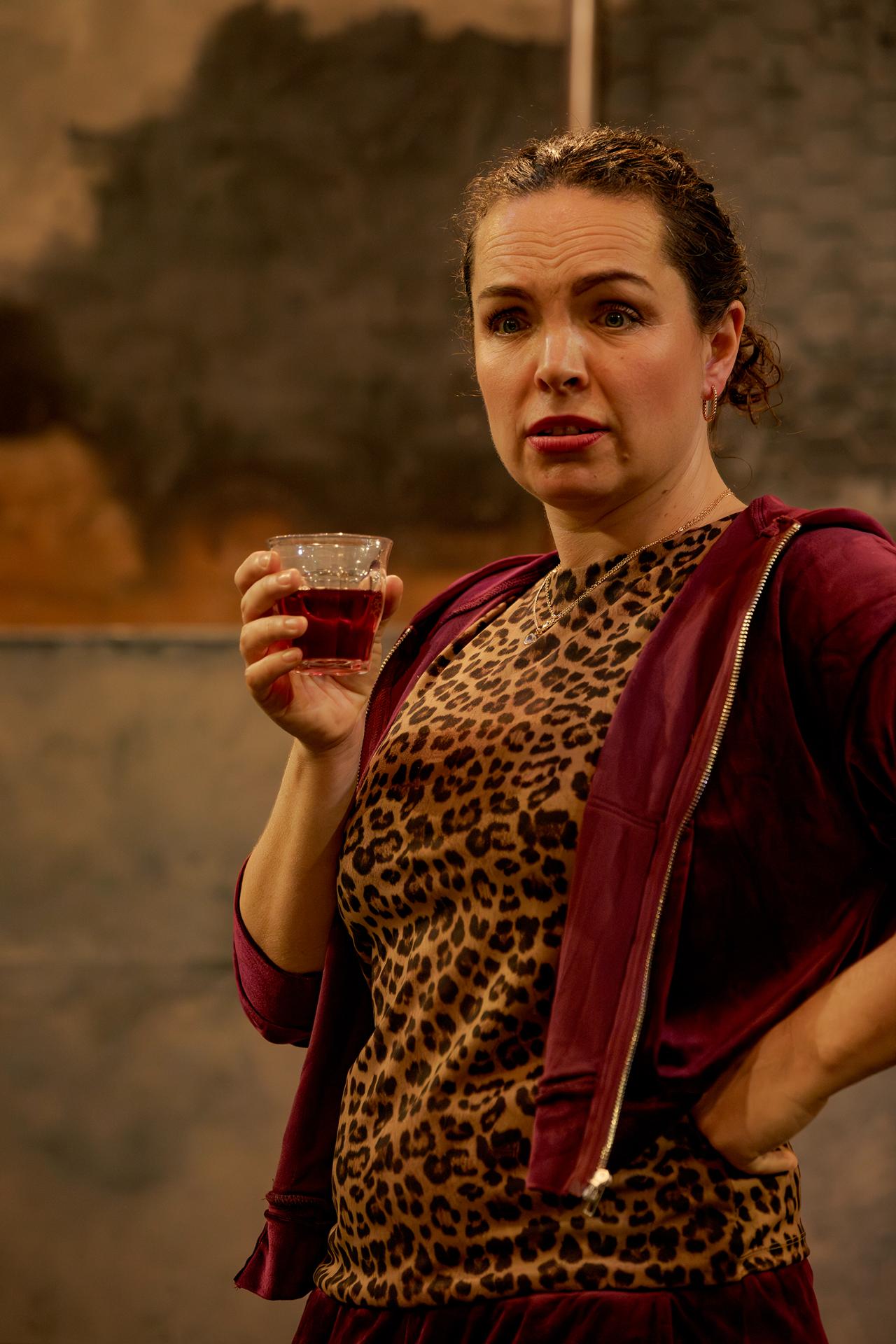
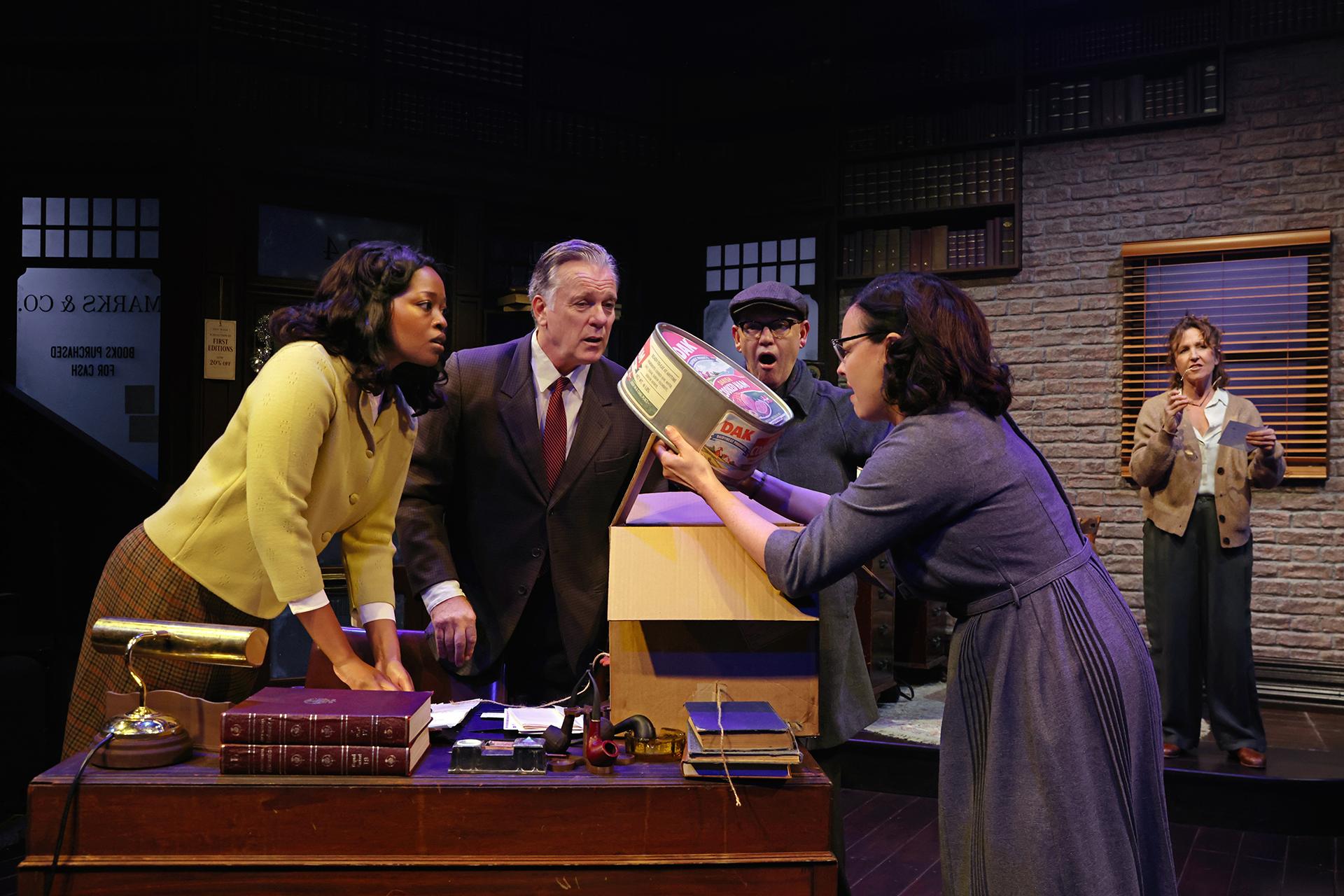
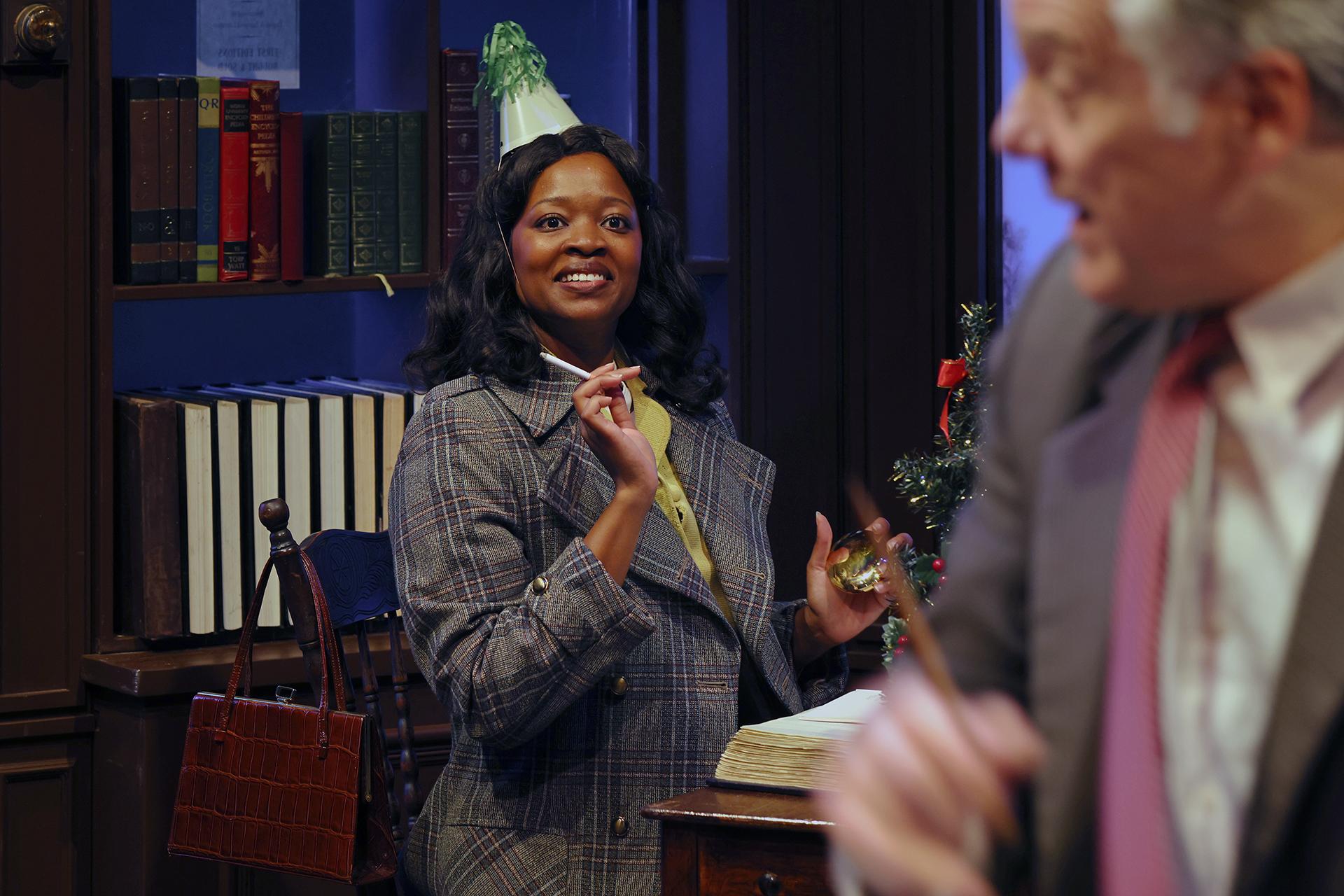
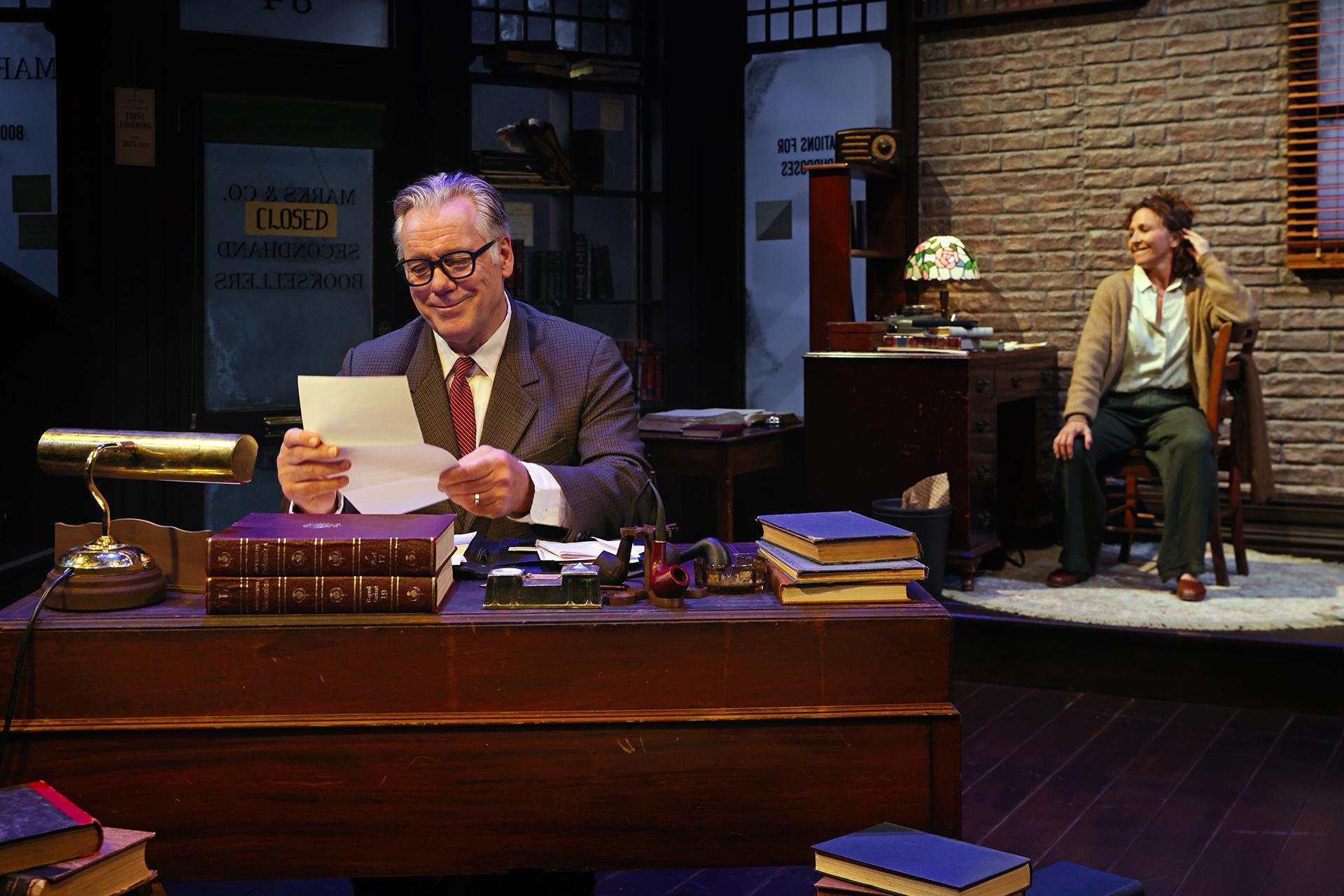
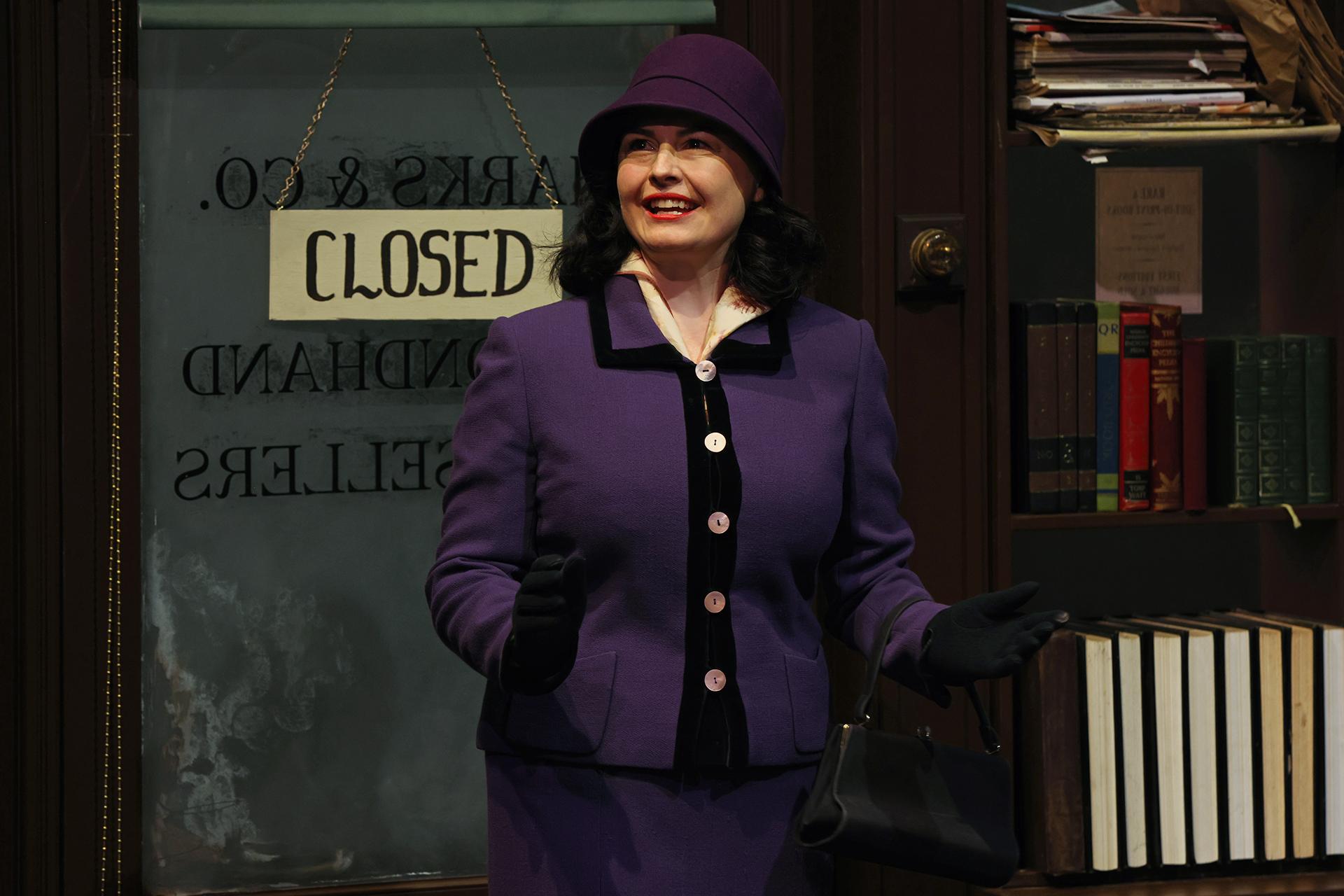
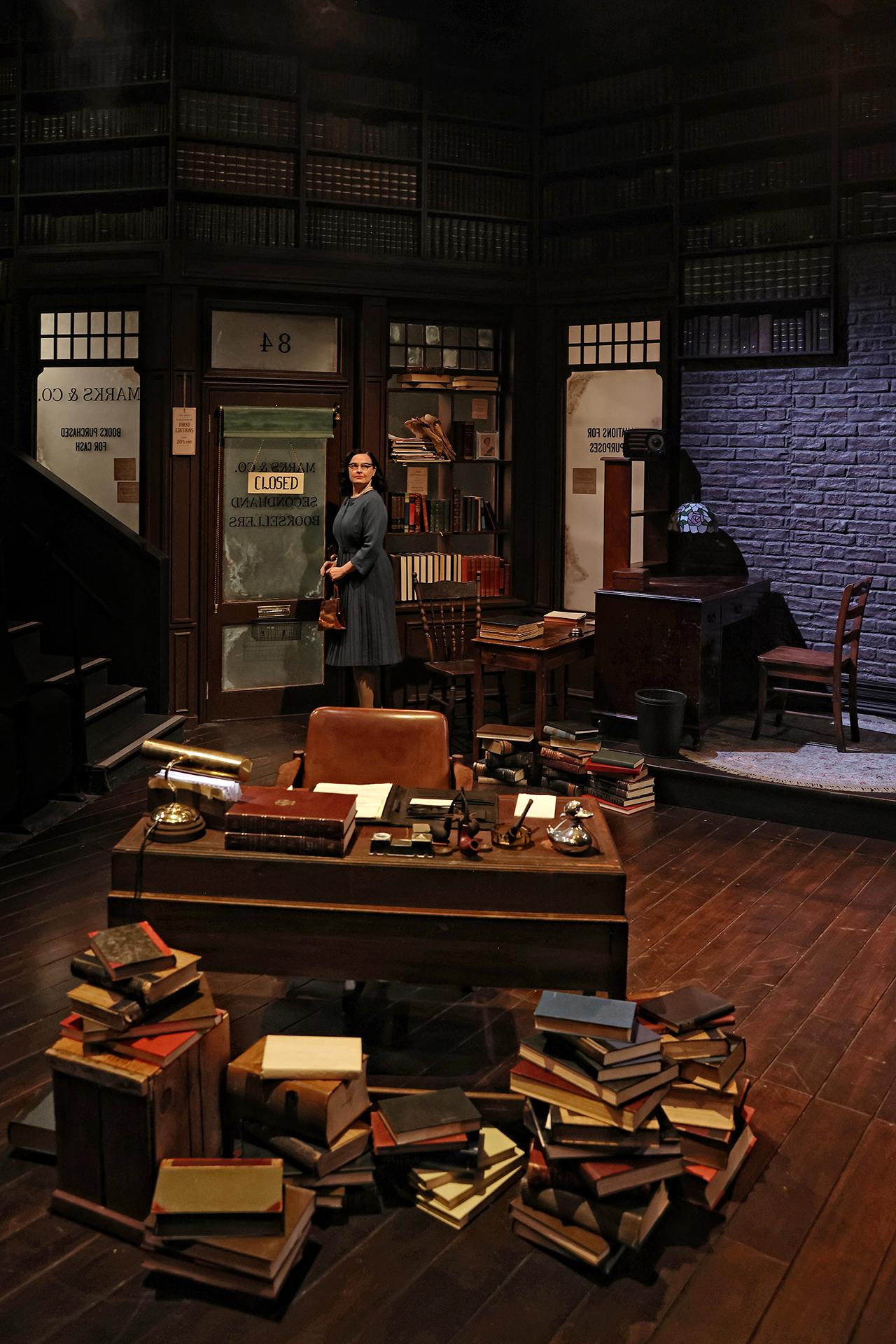
Visually, the production fares considerably better. Soham Apte’s set design emerges as a genuine asset, importing glamour and a welcome sense of theatrical fantasy to the proceedings. James Wallis’s lighting proves most compelling when it abandons restraint for something more operatically bold. Angelina Daniel’s costumes, by contrast, are inconsistently realized: certain pieces achieve a polished, character-defining flair, while others land with an unfortunate visual discord.
What proves most striking about Dirty Rotten Scoundrels is its moral architecture—or rather, the conspicuous absence of one. The narrative does not merely tolerate its protagonists’ ethical bankruptcy; it actively celebrates their cunning. One might read in this a particularly American strain of cultural logic: the conflation of charisma with virtue, of success with moral license. The musical’s gleeful amorality invites a broader reflection on a society increasingly inclined to reward performance over principle—a trajectory, one observes from current state of affairs in the USA, that leads only to diminishing returns.
www.hayestheatre.com.au | www.instagram.com/redfernlane