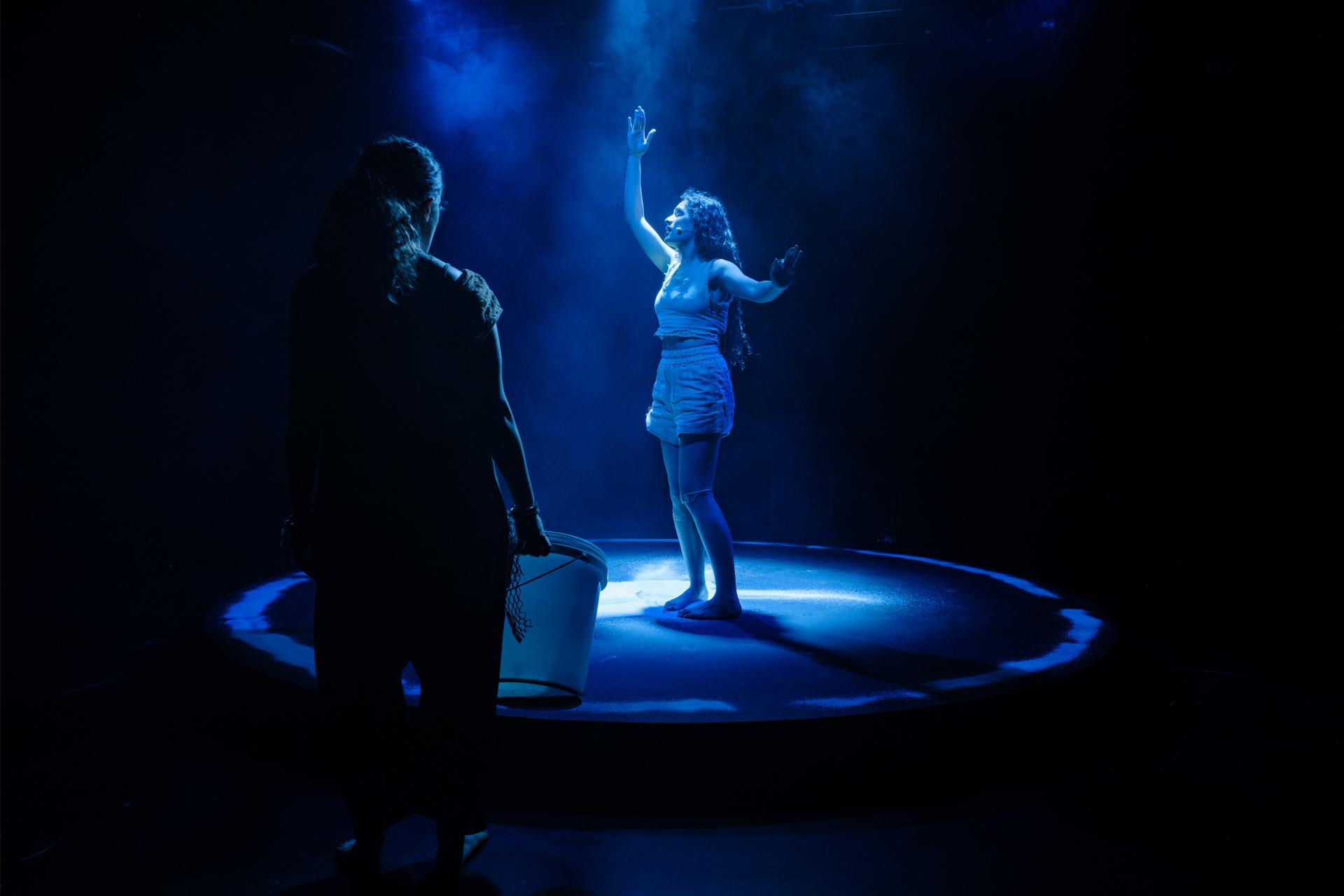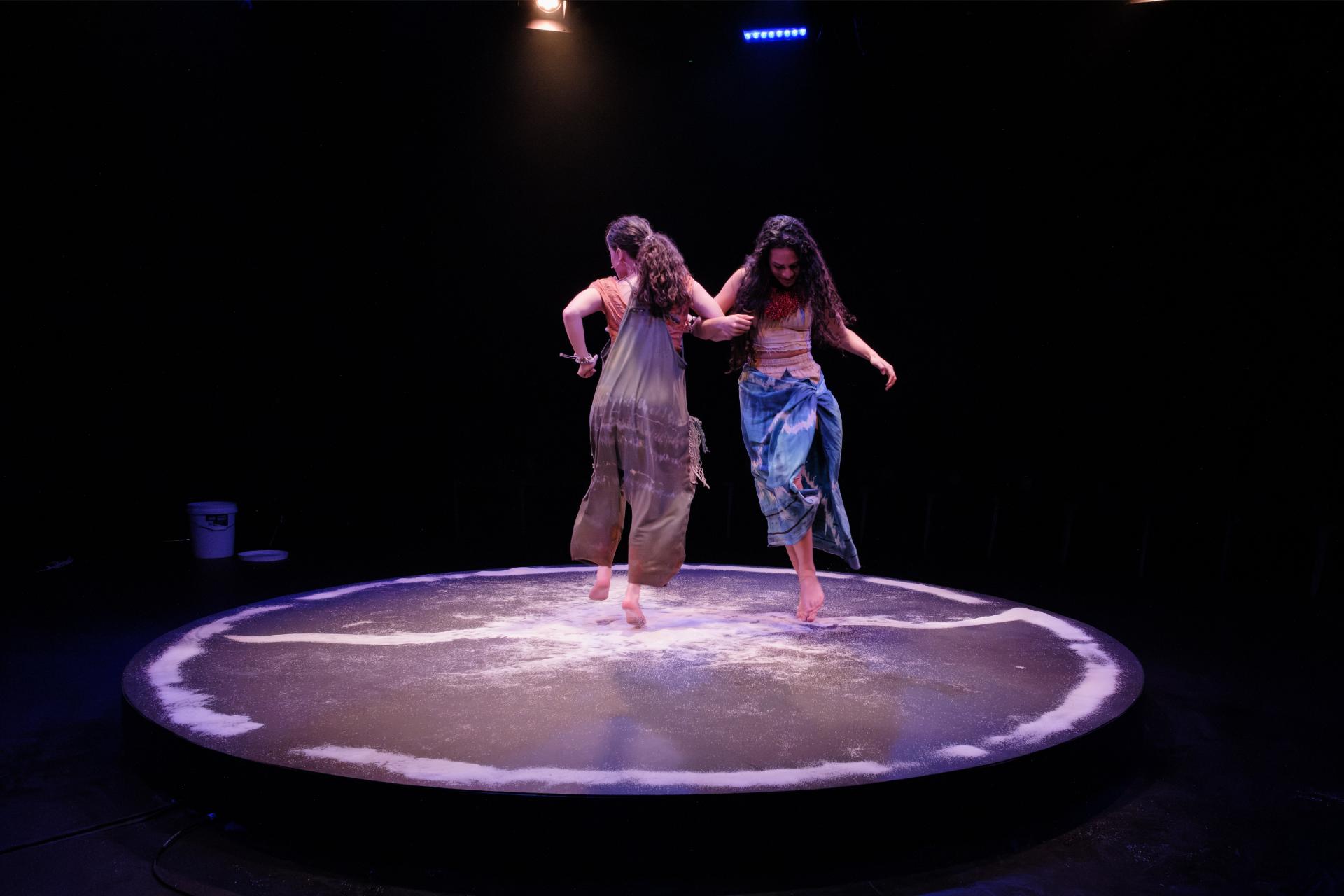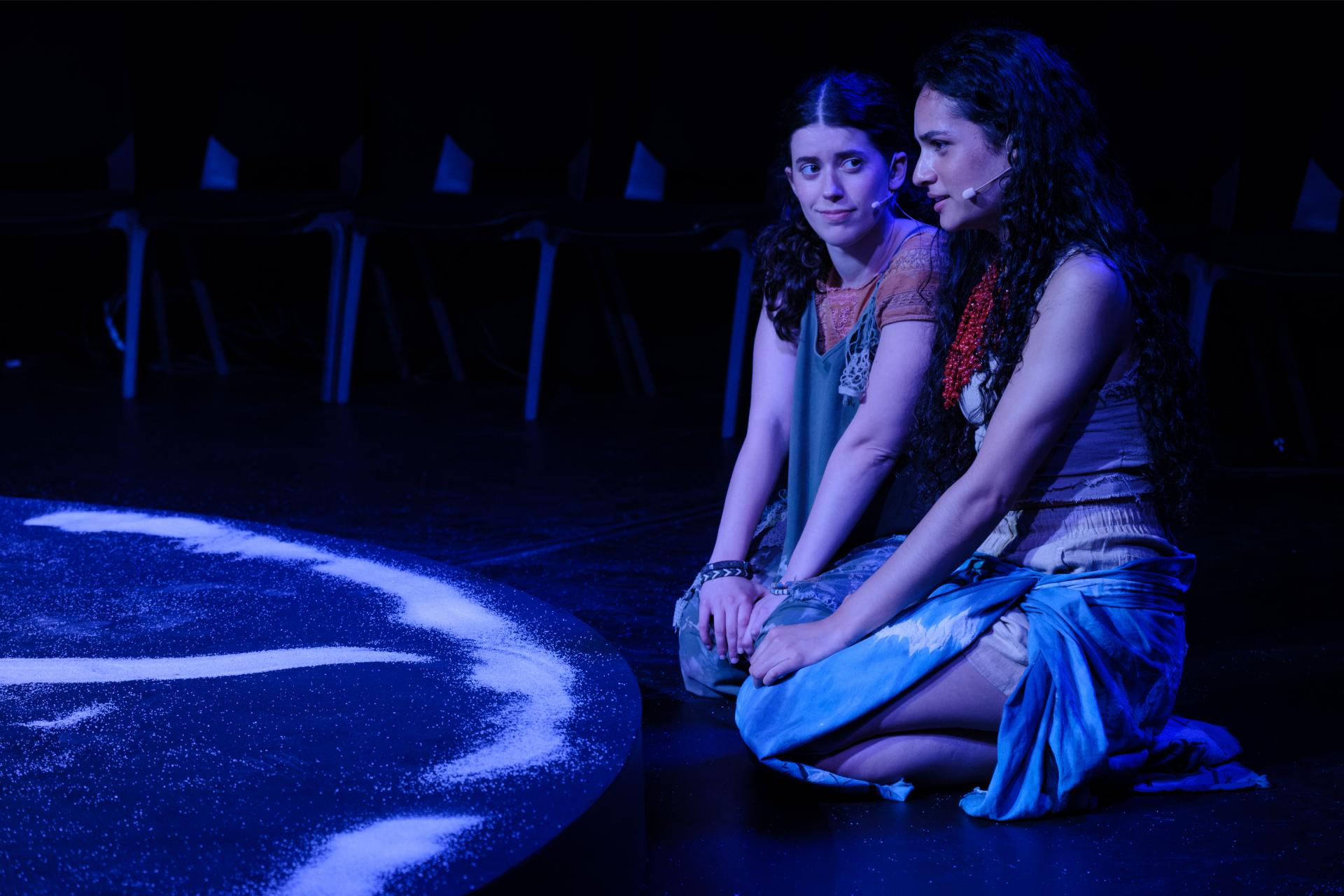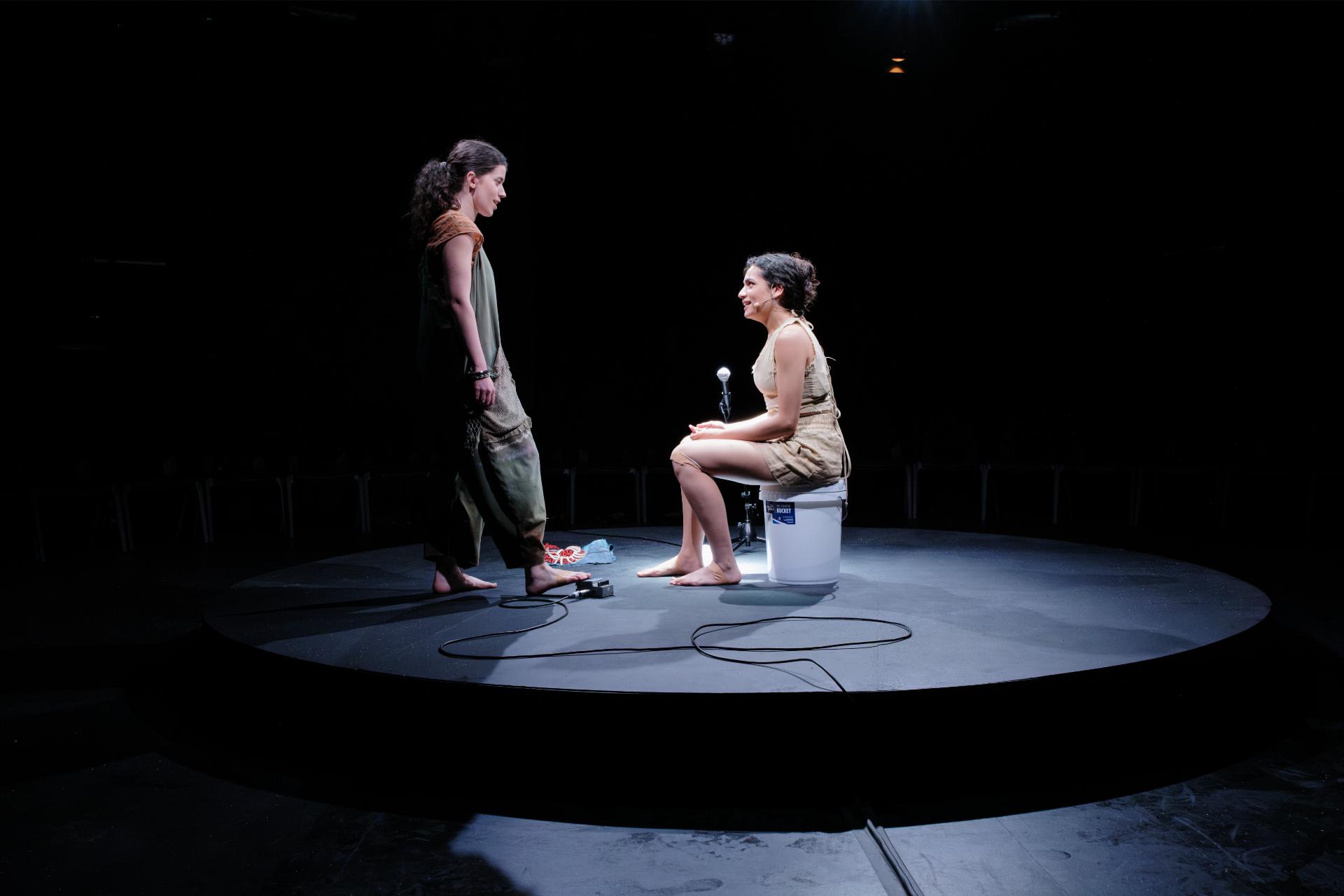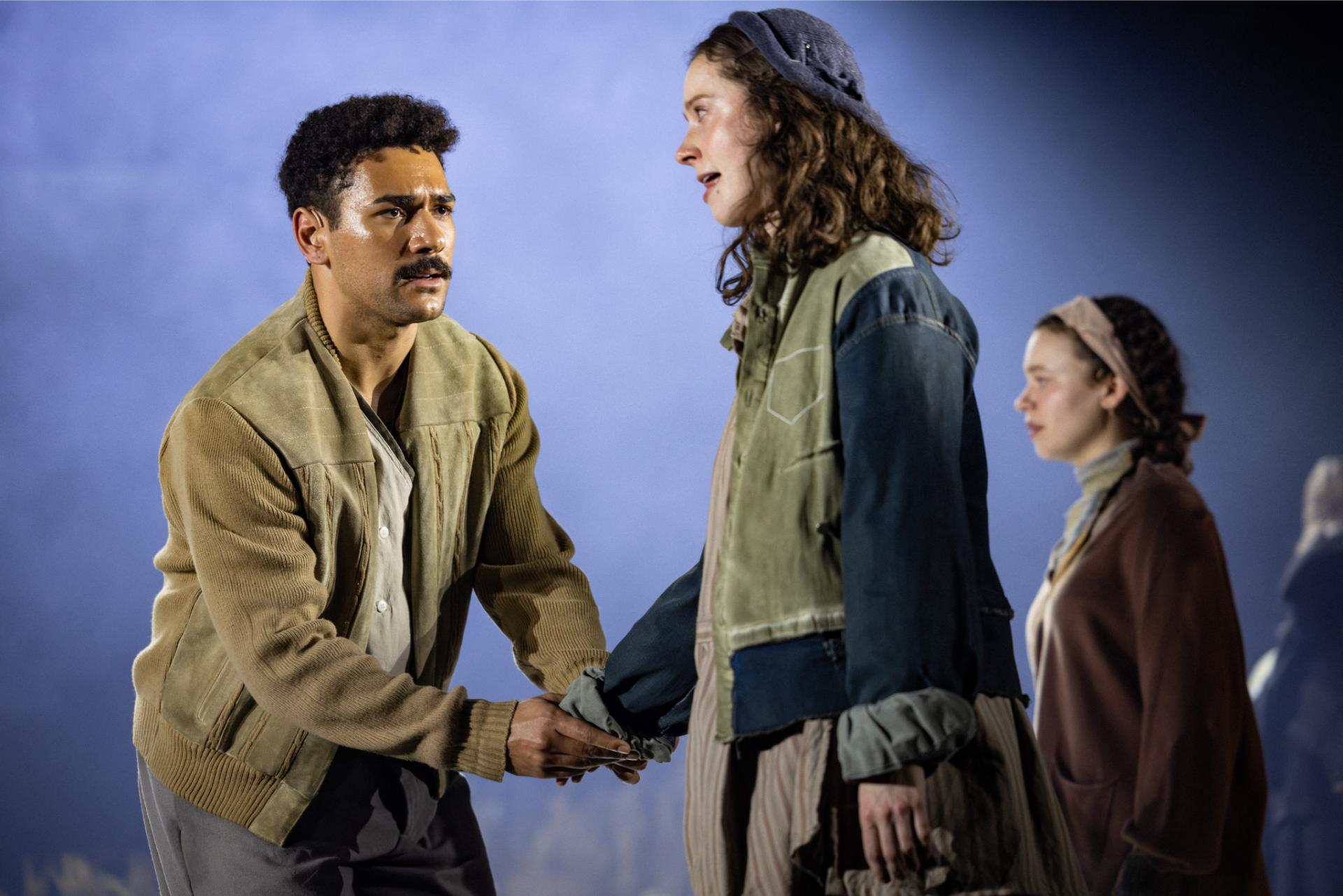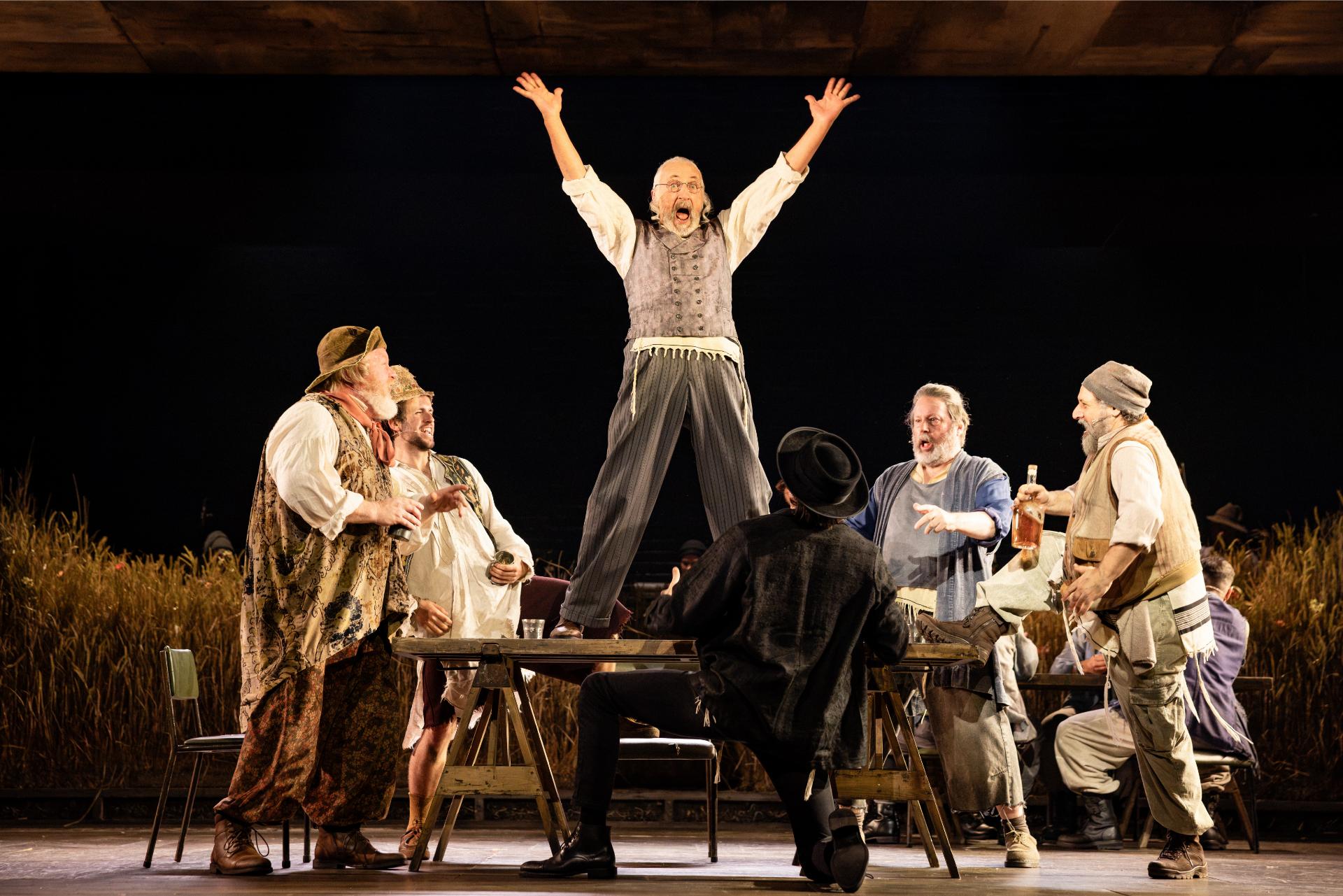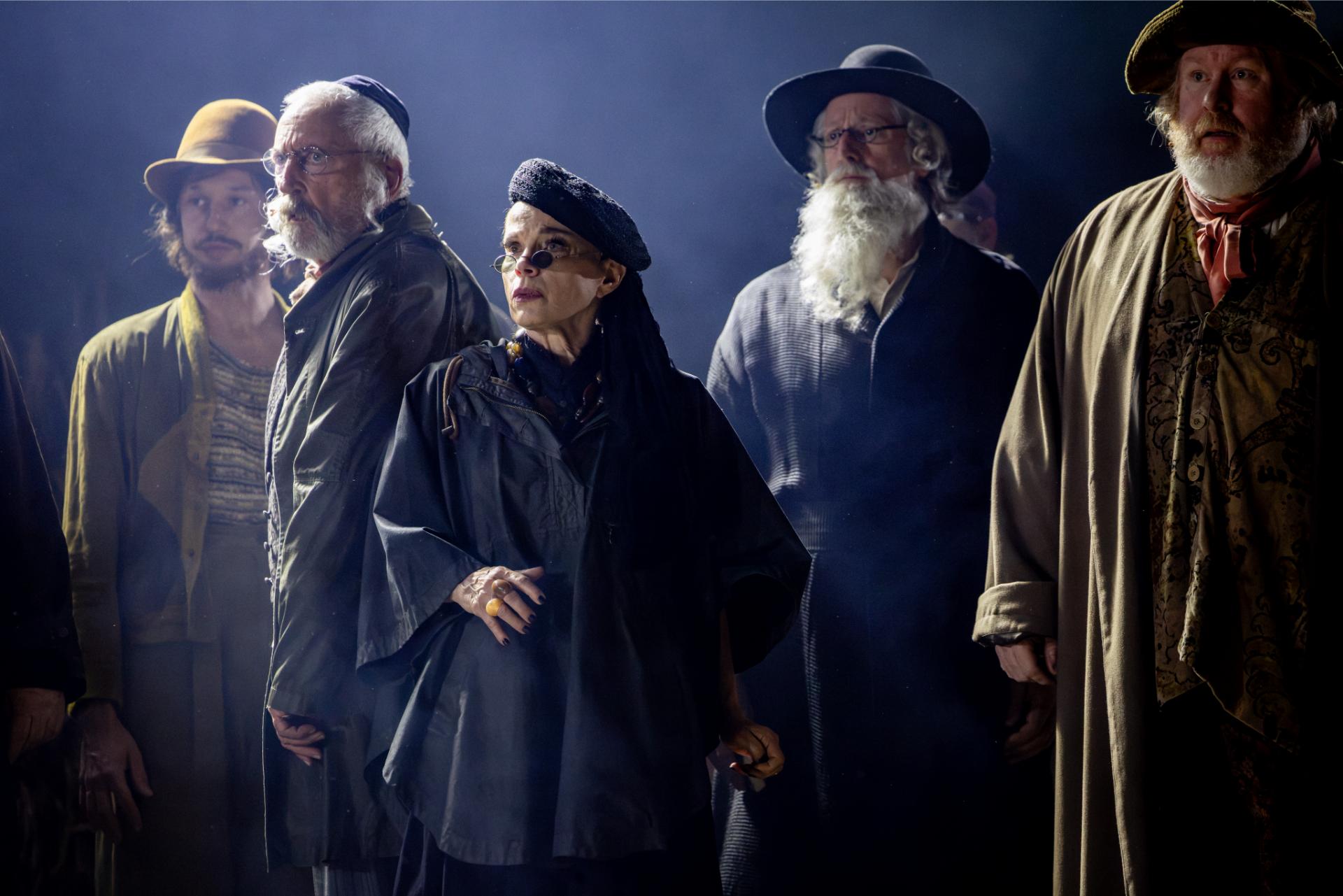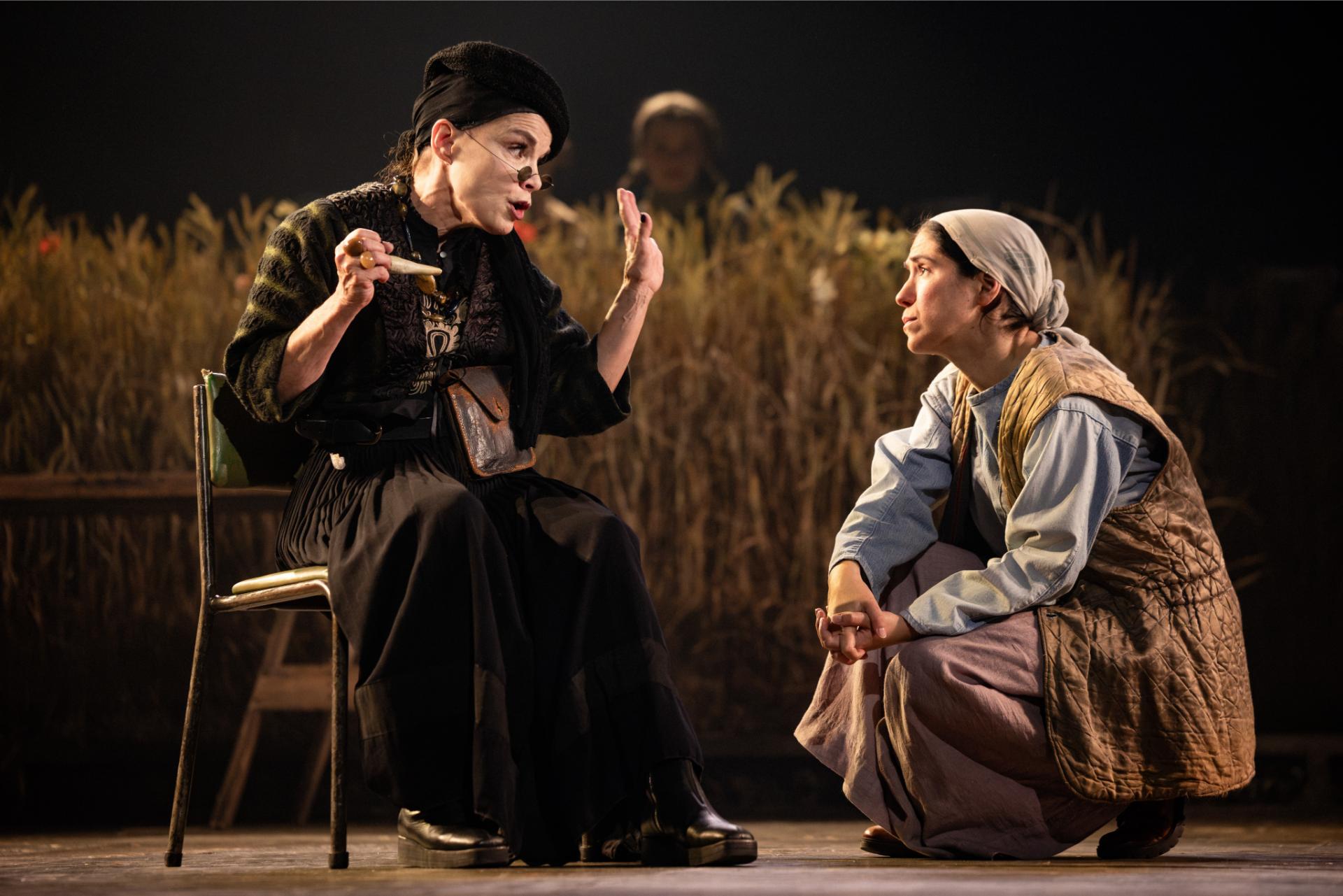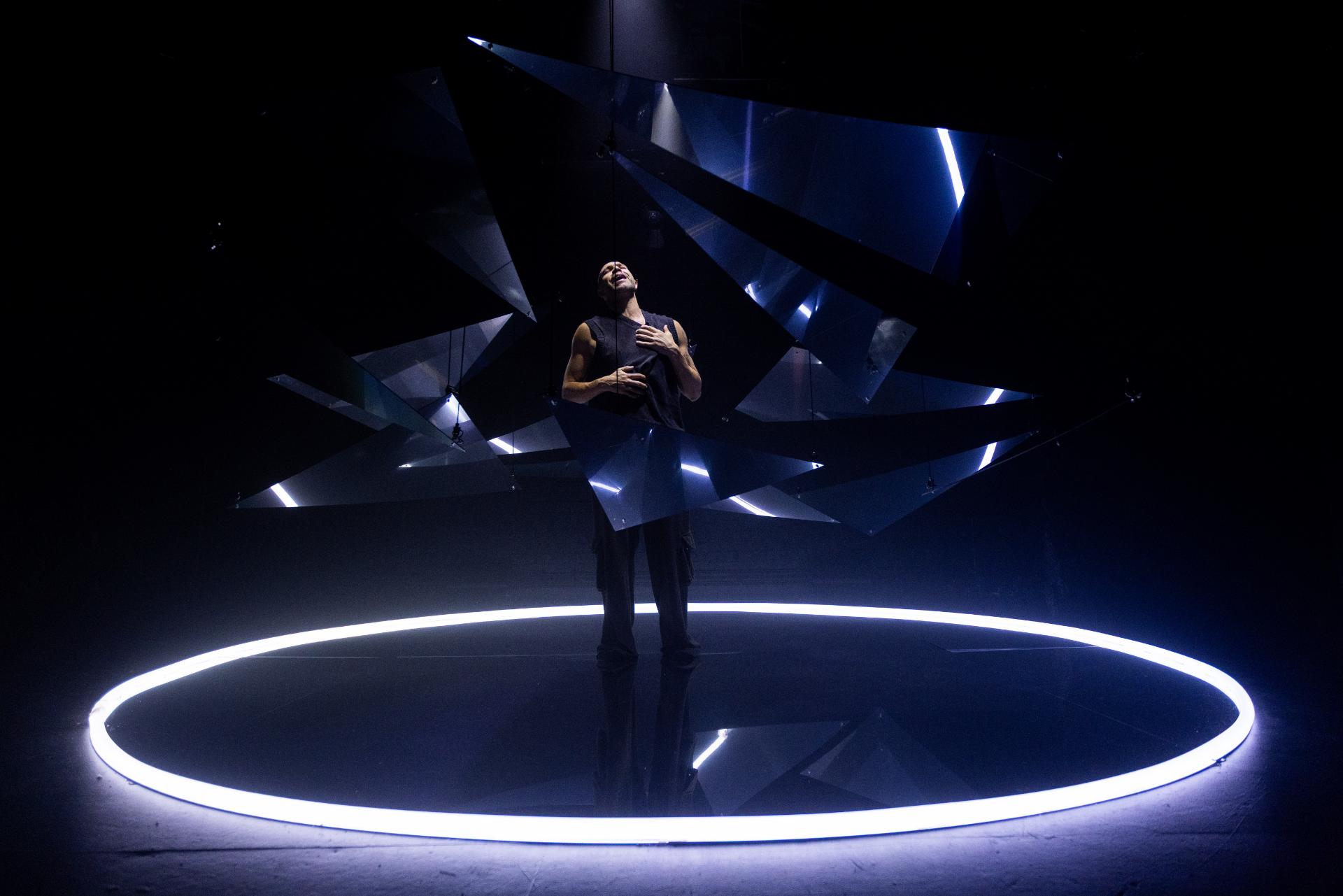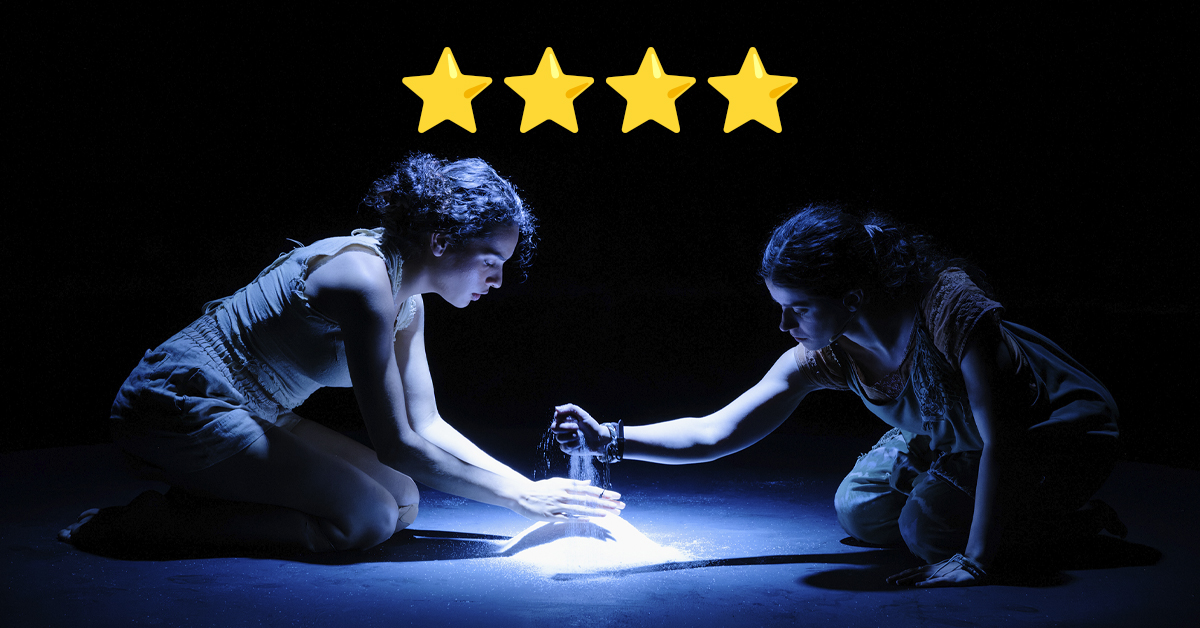
Review: The Lion King (Capitol Theatre)

Venue: Capitol Theatre (Sydney NSW), from Apr 18, 2026
Book: Roger Allers, Irene Mecchi
Music & Lyrics: Elton John, Tim Rice
Director: Julie Taymor
Cast: Nick Afoa, Daniel Frederiksen, Winston Hillyer, Jamie McGregor, Emily Nkomo, Aphiiwe Nyezi, Dev Raval, Rutene Spooner, Wilhemina Umeh-Nicholas, Mat Verevis, Benn Welford, Ezra Williams, Buyi Zama
Images by Daniel Boud, Cylla von Tiedemann

Theatre review
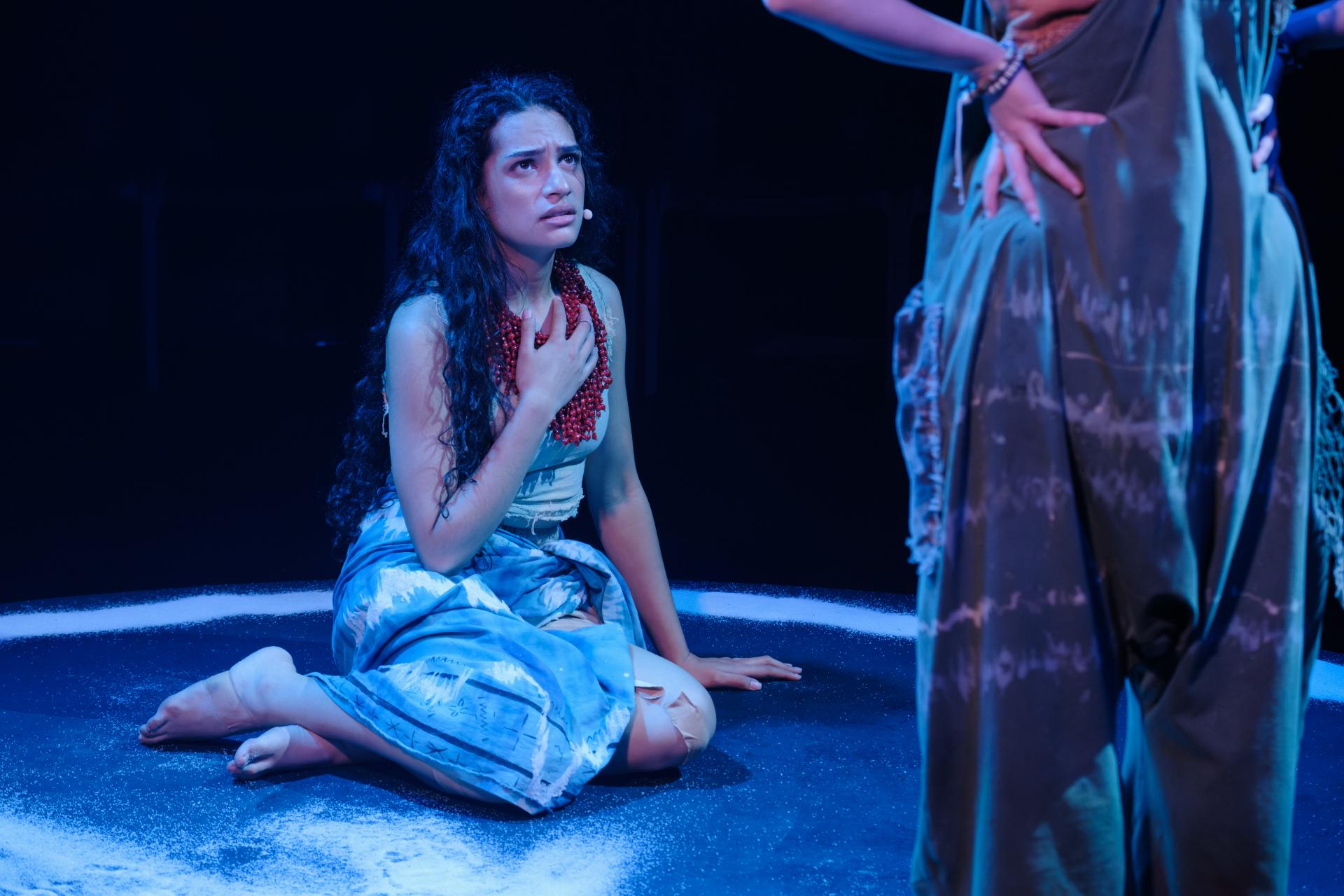
While The Lion King’s meditations on destiny and legacy possess a timeless resonance, it is the contemporary allegory of a narcissistic, inept ruler yielding to a leader of integrity and benevolence that strikes its most urgent chord today. We watch Scar lay waste to the kingdom, yet our spirits soar when Simba returns to reclaim his birthright and restore harmony to the ravaged land. In our present climate, this is precisely the fairy tale we require.
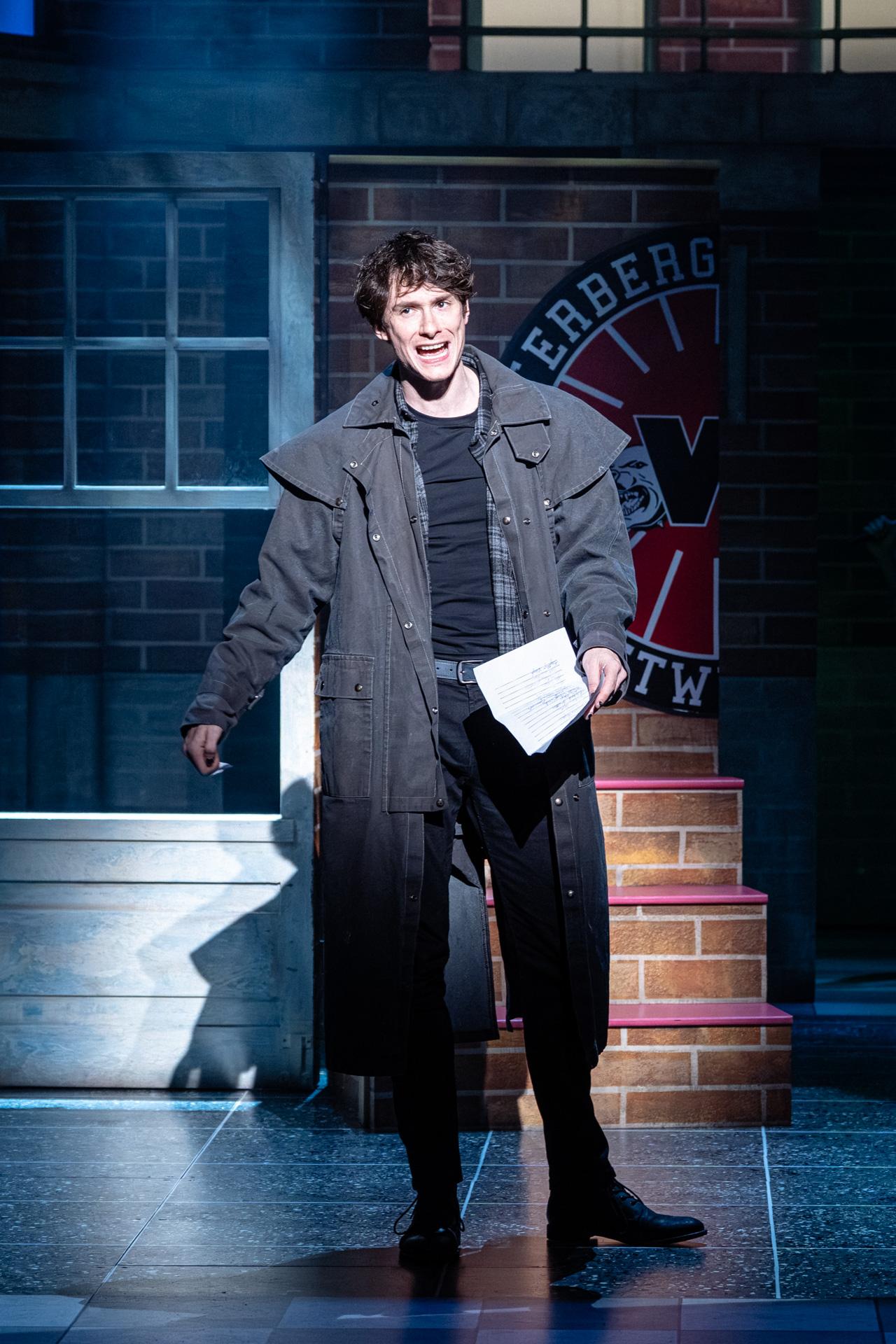
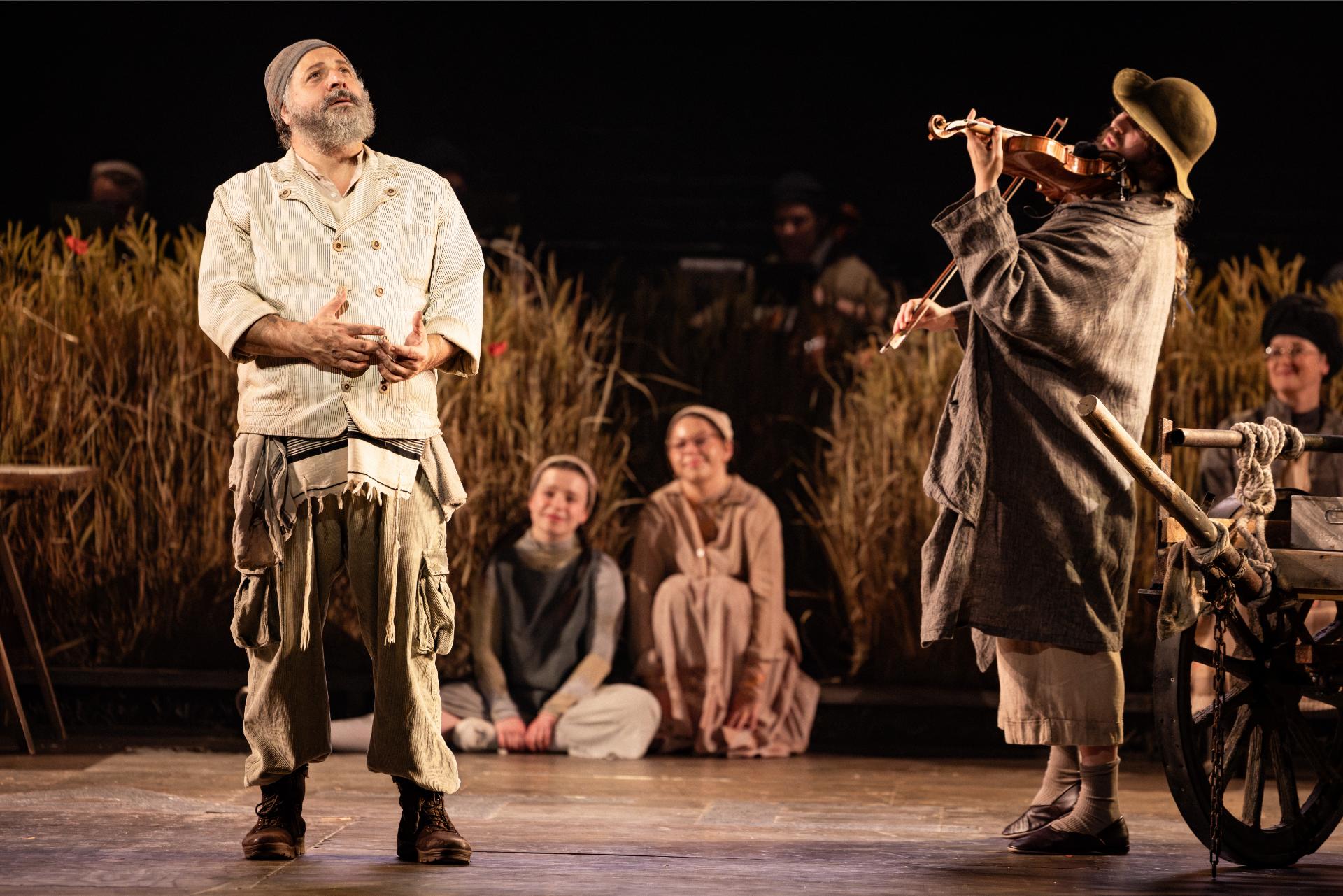
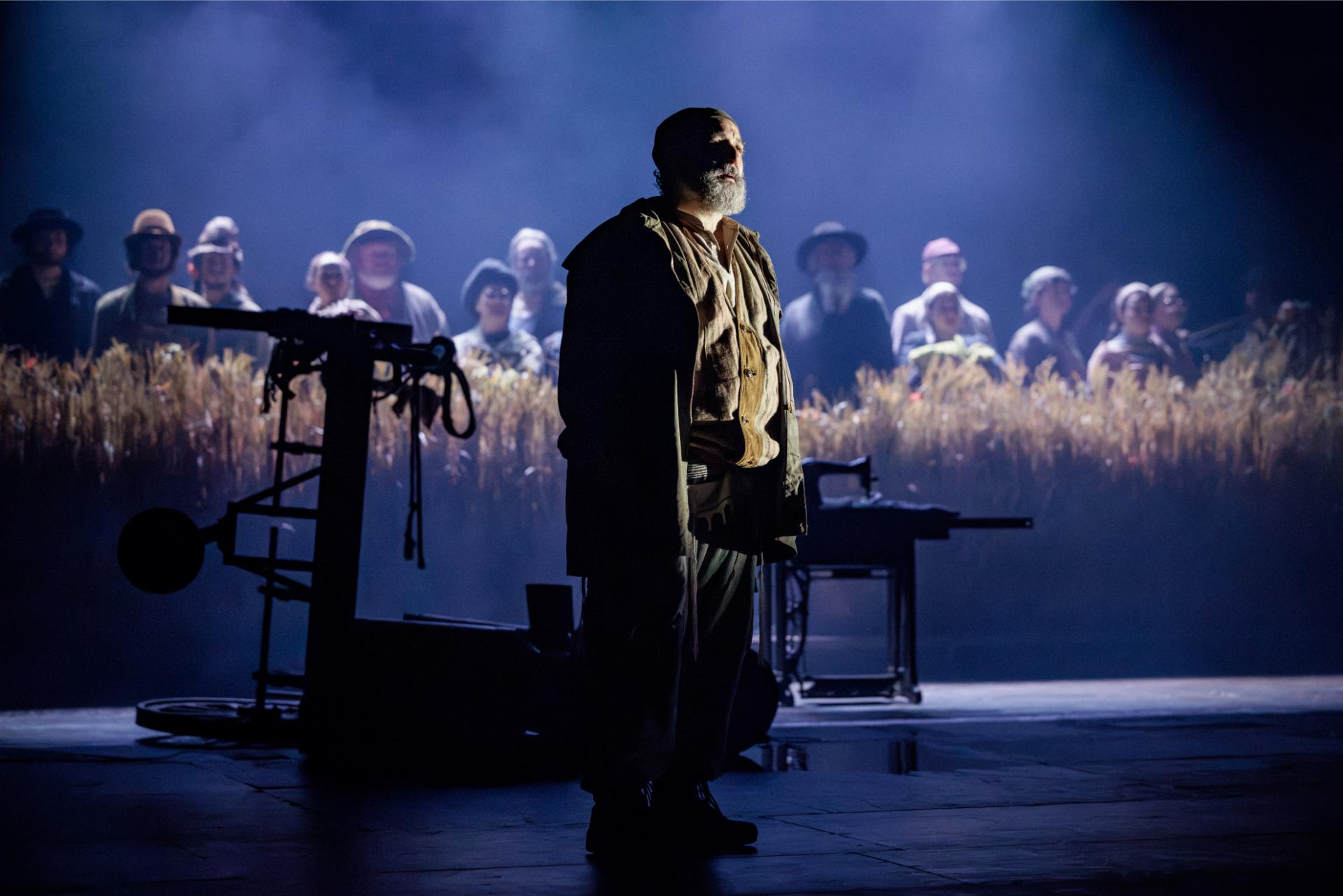
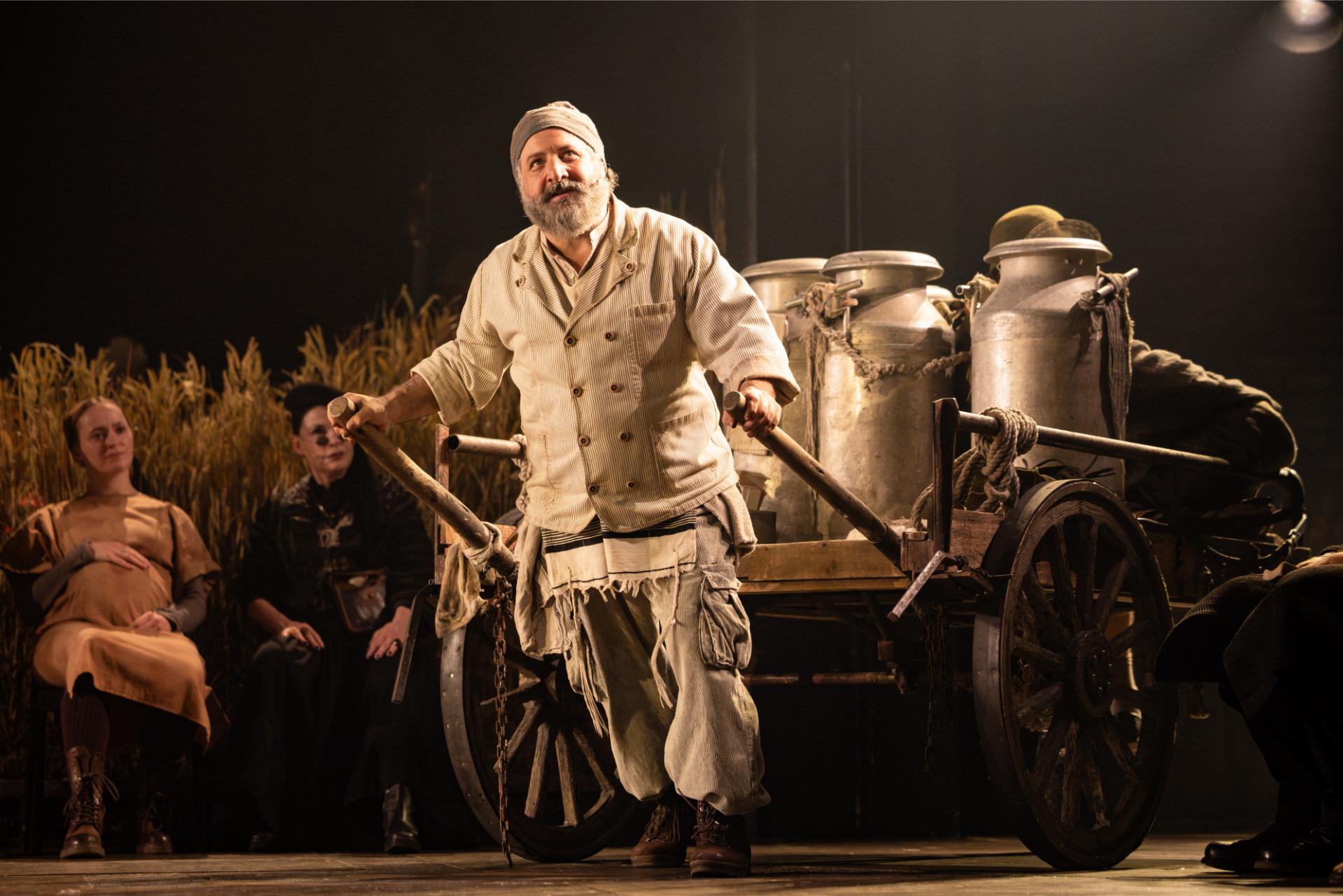
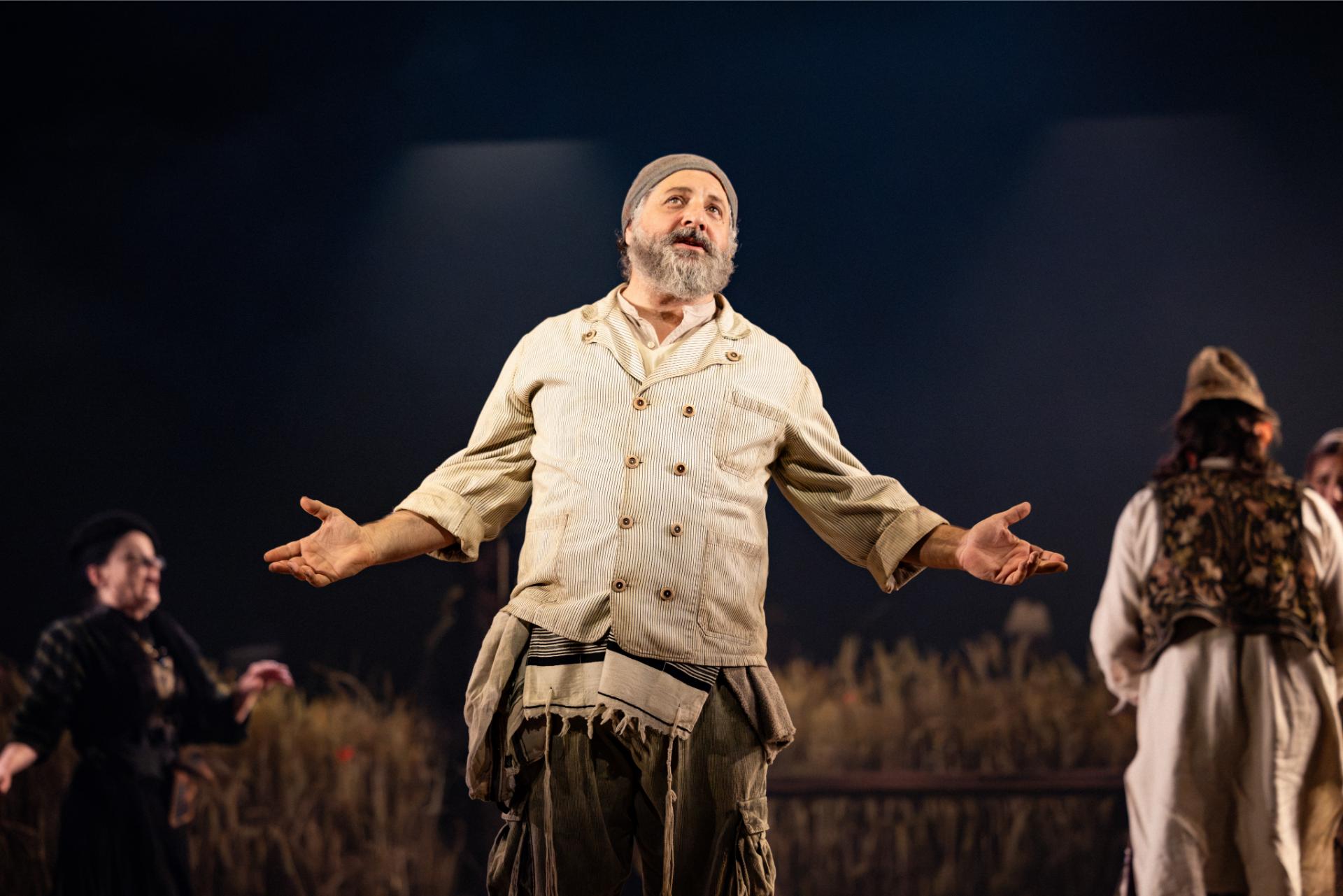
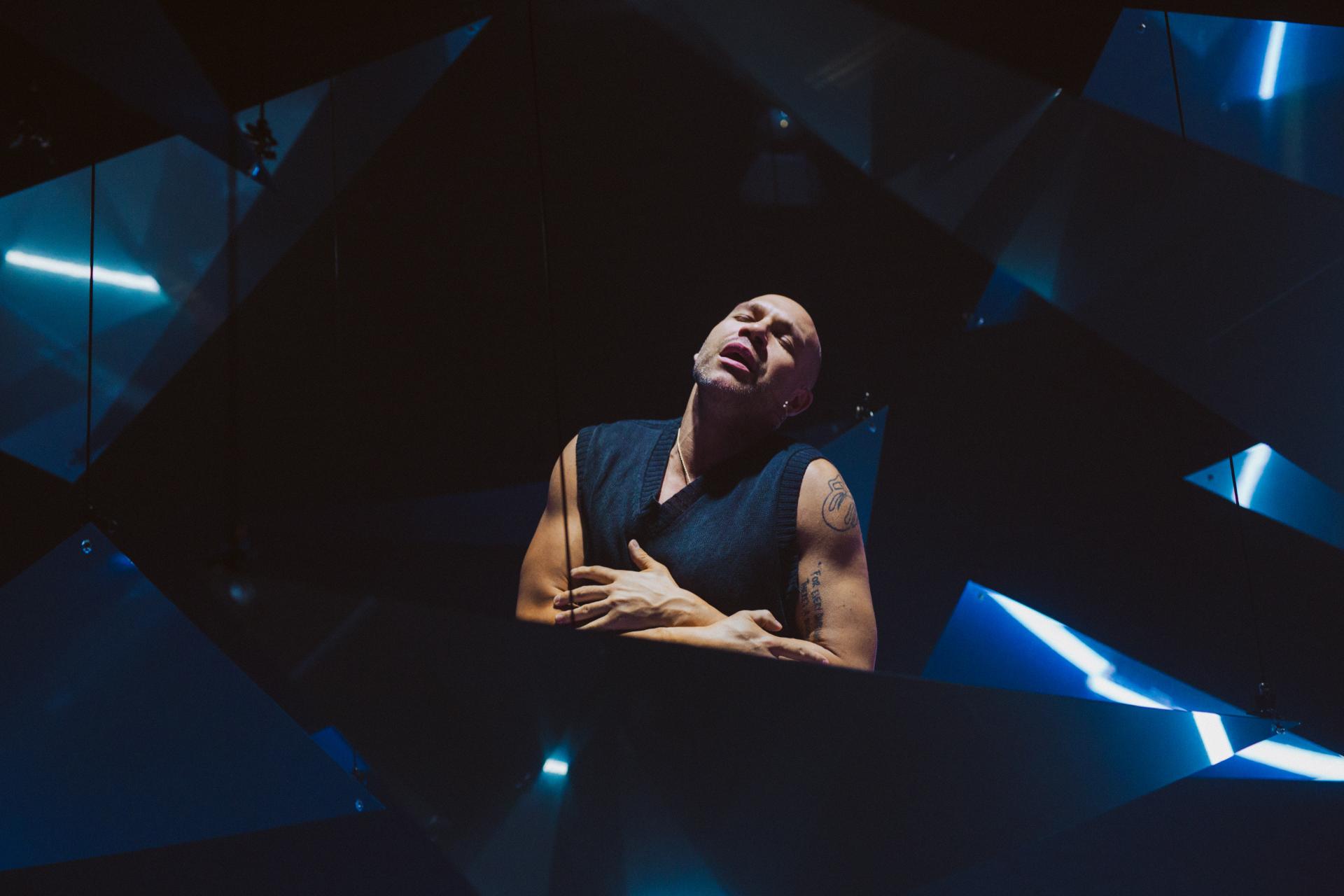
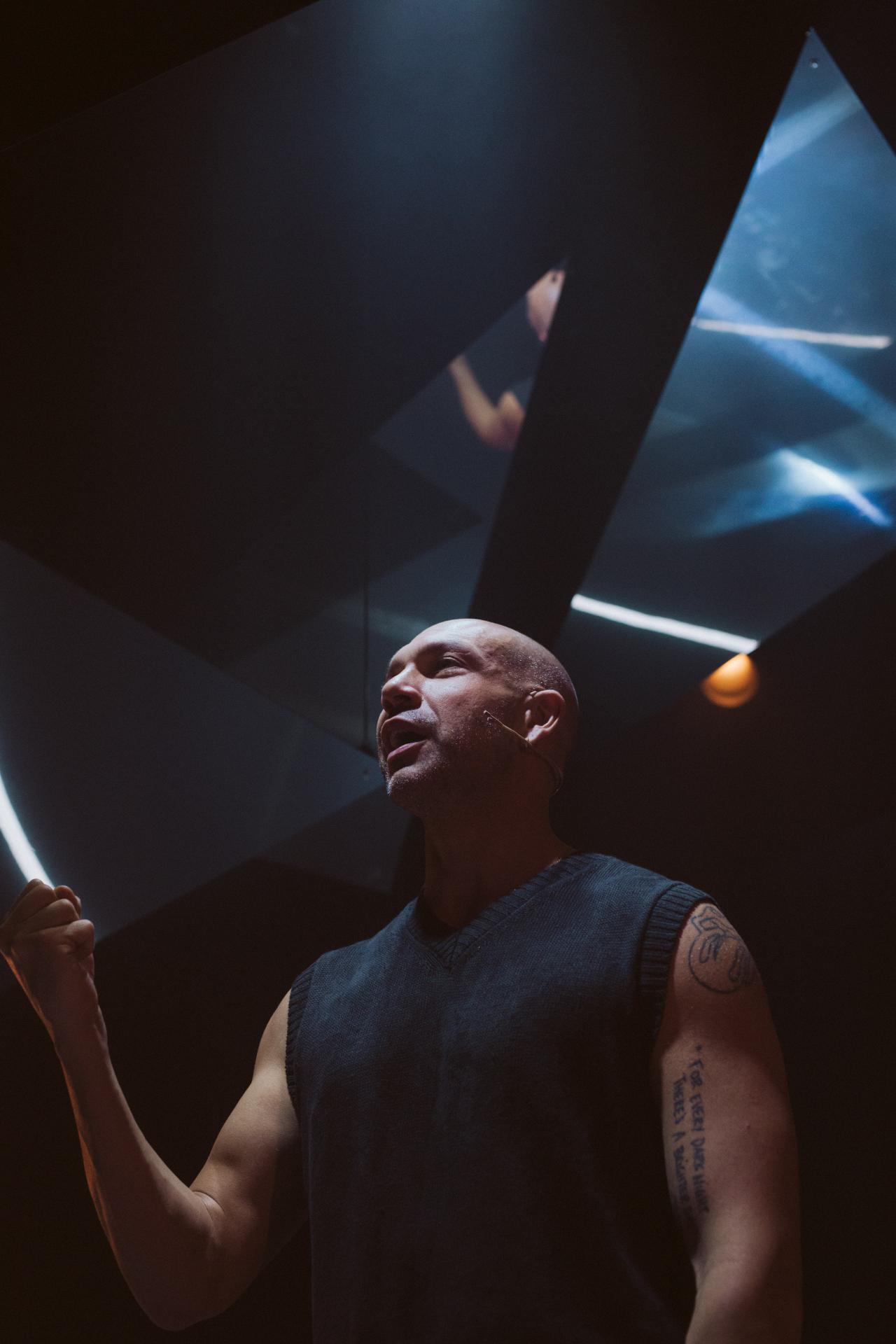
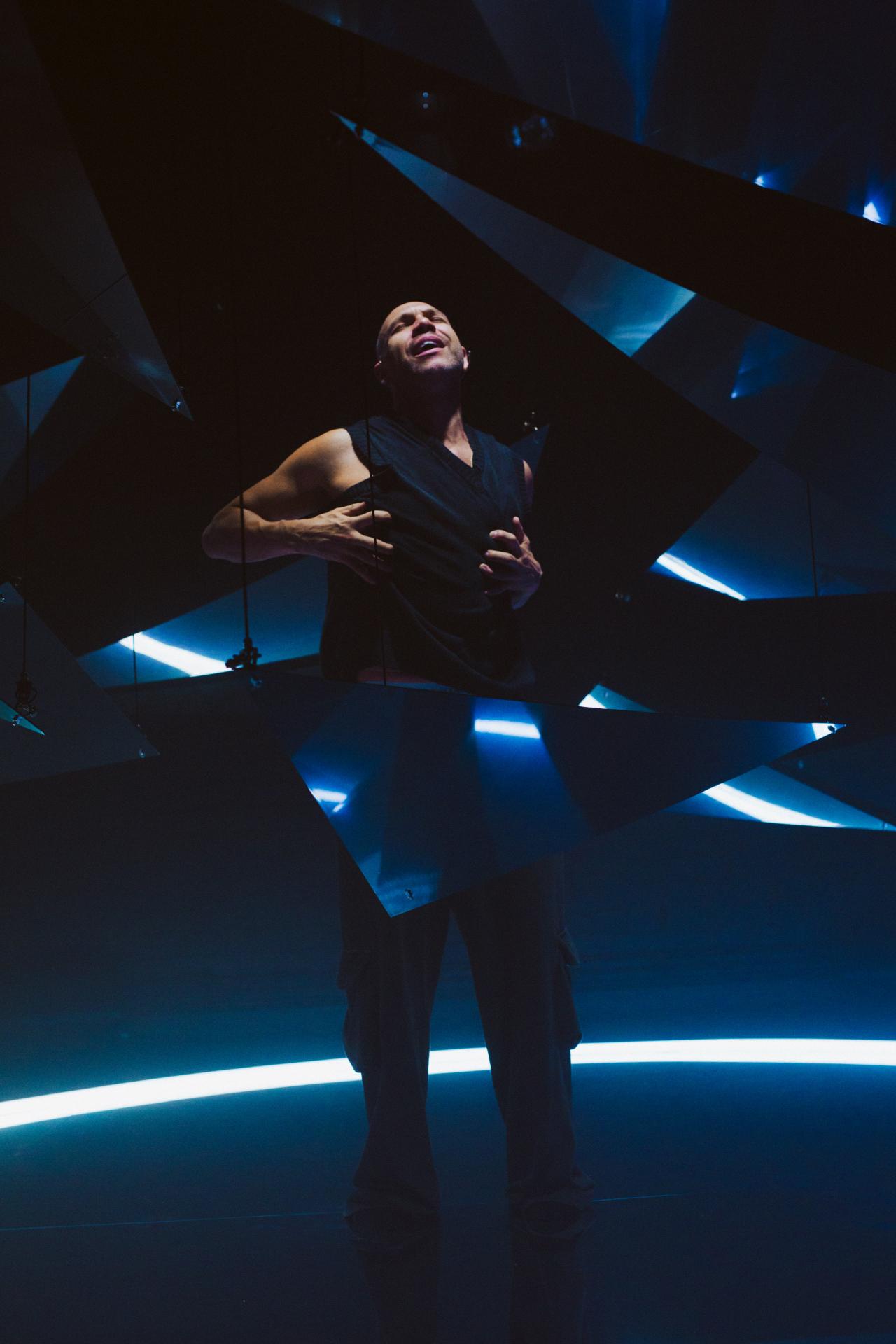
Nearly three decades since its debut, this stage adaptation not only reverberates with renewed significance; its peerless theatrical craftsmanship remains as spectacular as it is refined. The puppetry and mask work continue to stand unrivaled within the Broadway tradition, its sweeping vision no less breathtaking and hypnotic in an era where LED screens have become commonplace, often reducing live performance to a pseudo-virtual spectacle.
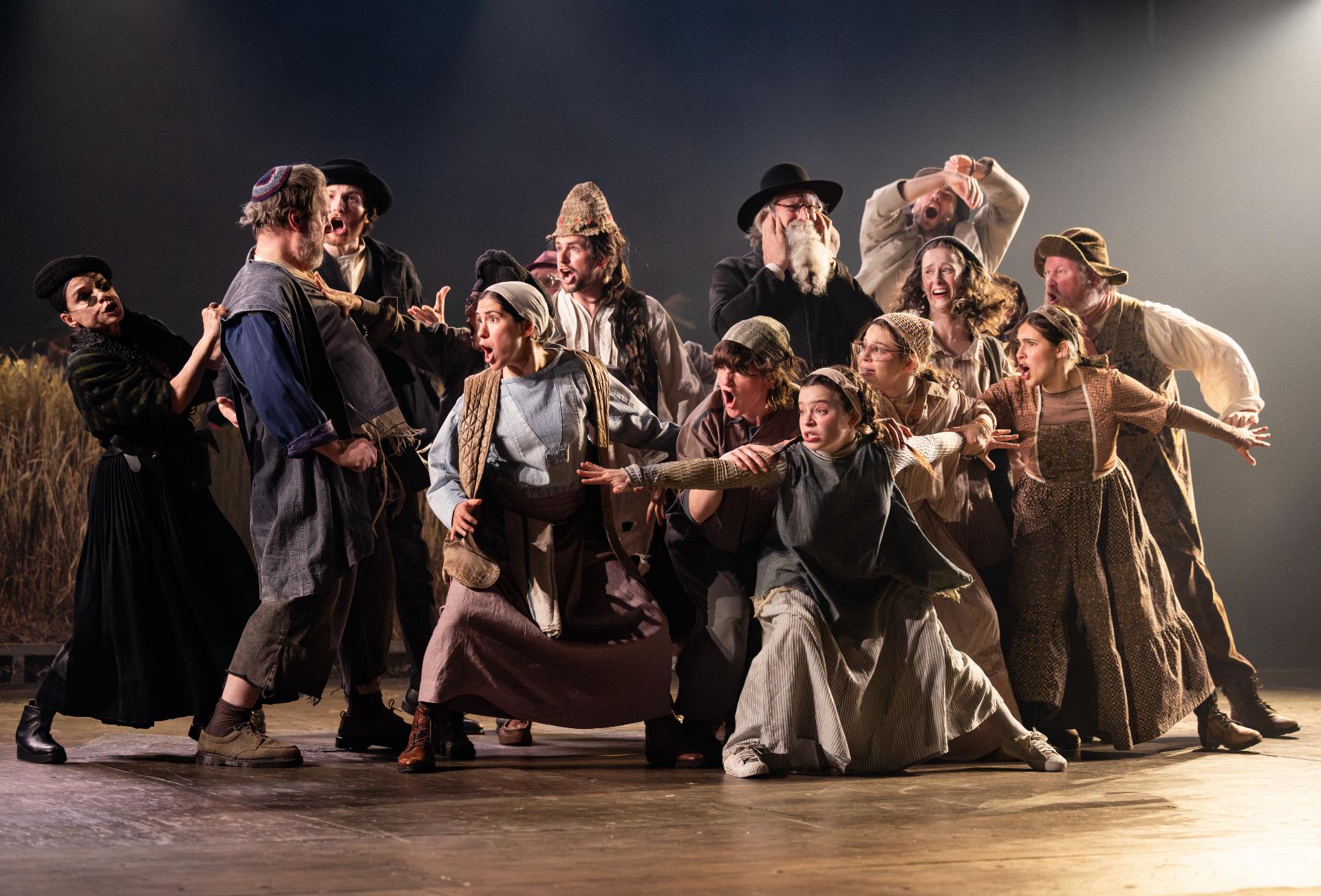
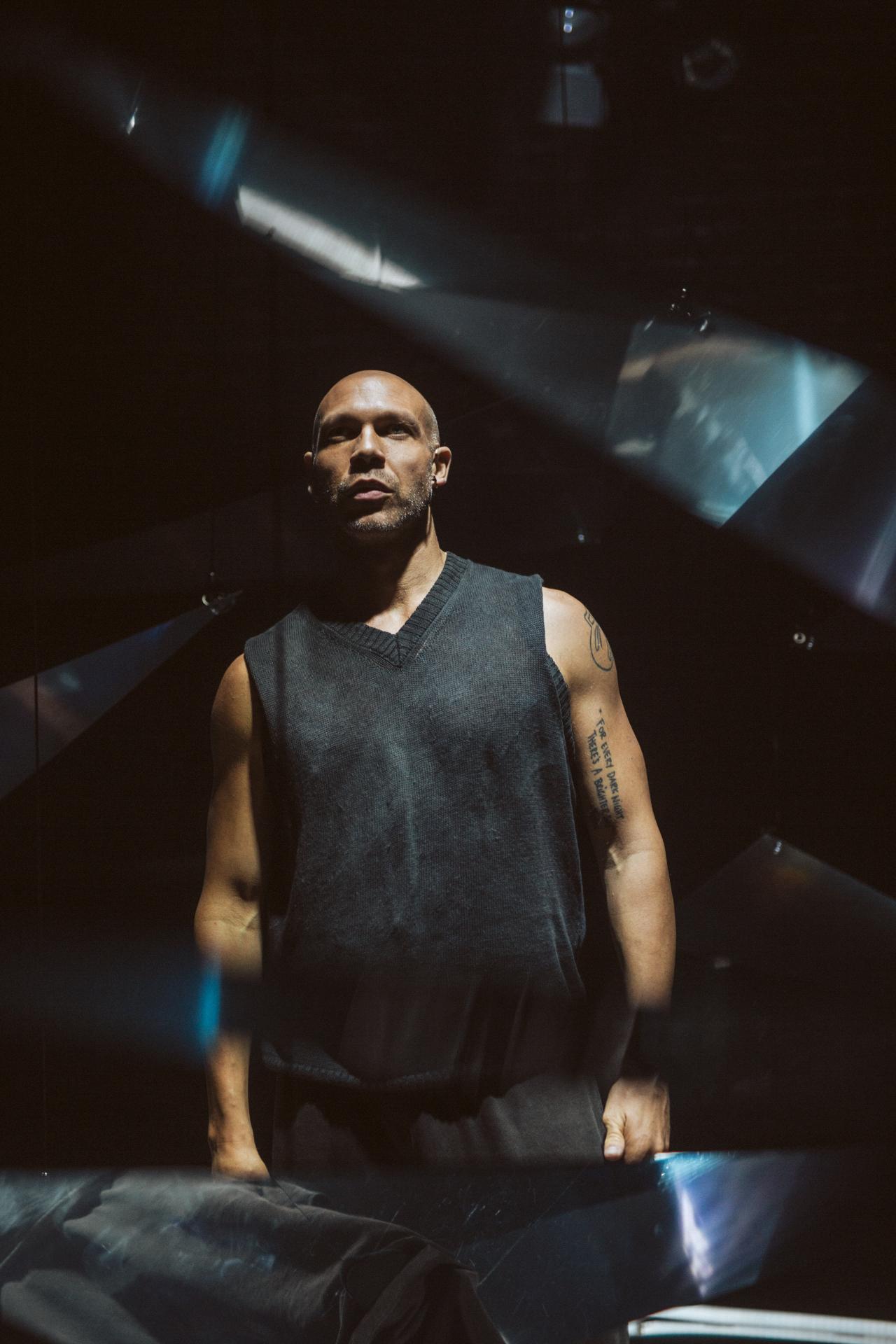
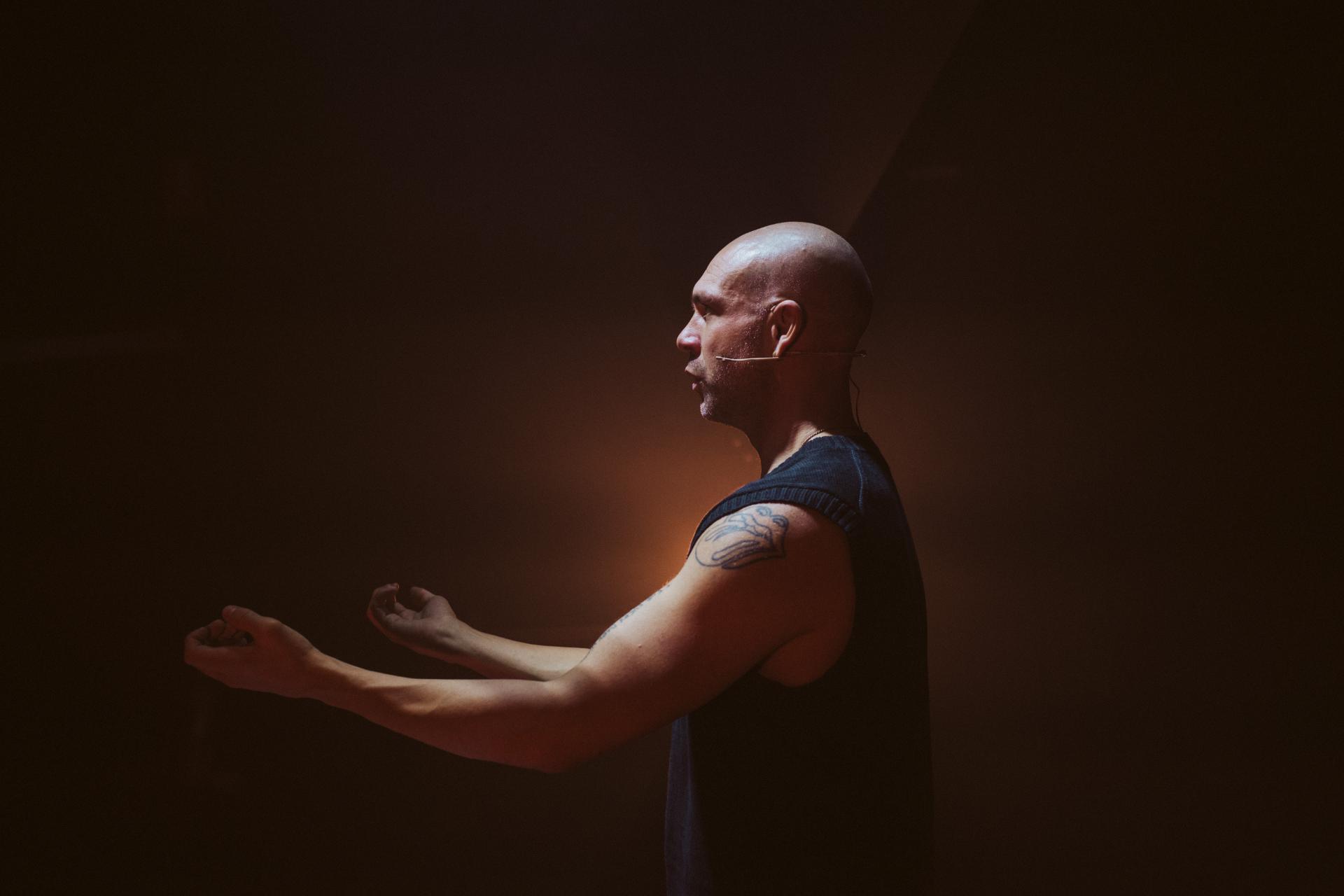
Under music director Laura Tipoki, the score surges with greater power than ever, stirring the soul and elevating the spirit. Aphiwe Nyezi and Dev Raval share the role of Simba, both commanding the stage with extraordinary physicality and magnetism. Buyi Zama proves unforgettable as Rafiki, her formidable presence and vocal brilliance captivating us from the moment the curtain rises. Jamie McGregor mines the comedy of Timon with expert precision, his puppetry skills not only conjuring a fully realized character but also delivering the evening’s most riotous laughter. Daniel Frederiksen’s Scar is appropriately inscrutable, deploying both vocal menace and physical stillness to forge a figure of genuine villainy.
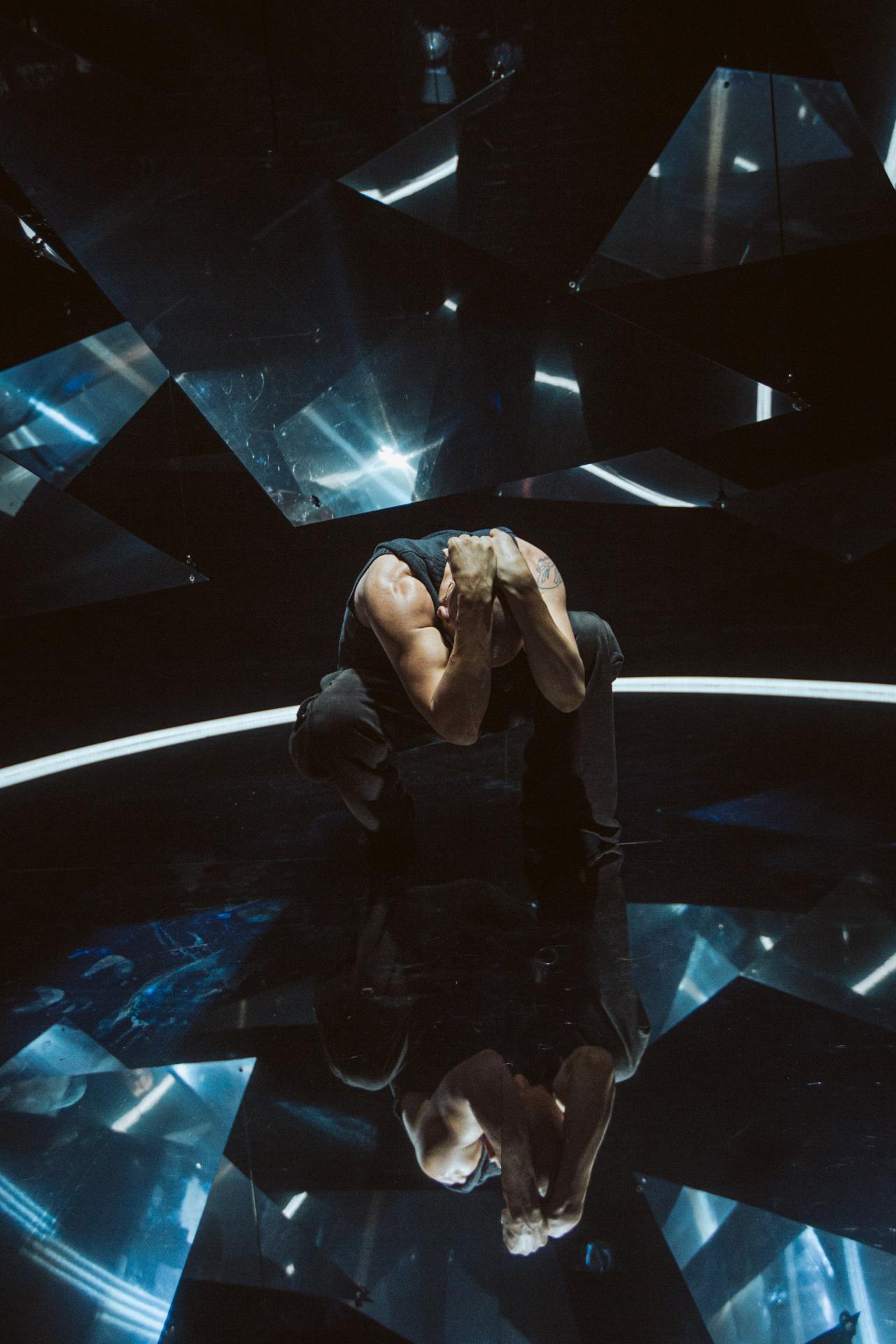
We may no longer inhabit a world where sovereignty is conferred by bloodline alone, yet we remain acutely aware of the necessity for principled individuals to occupy positions of power and advance the common good. The selfish will always covet the crown; our enduring duty is to unite in keeping them from seizing it, and to cast them down should they ascend.

www.thelionkingmusical.com.au

Review: Gutenberg! The Musical! (Hayes Theatre)

Venue: Hayes Theatre Co (Potts Point NSW), Apr 10 – May 10, 2026
Creators: Anthony King, Scott Brown
Director: Richard Carroll
Cast: Stephen Anderson, Ryan González
Images by John McRae

Theatre review
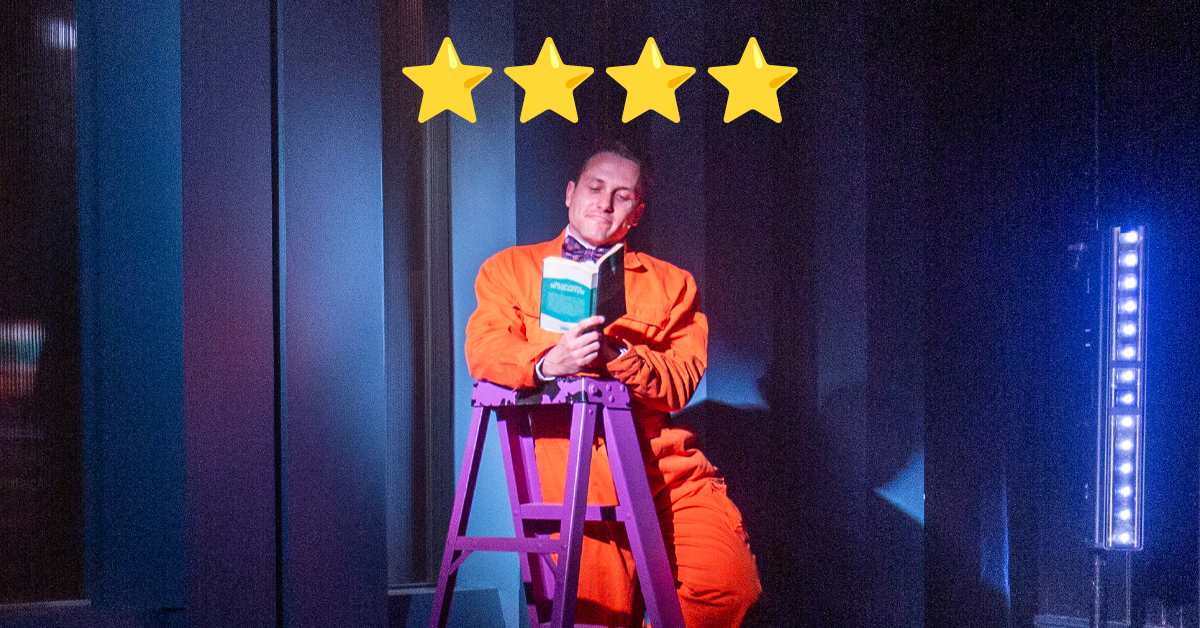
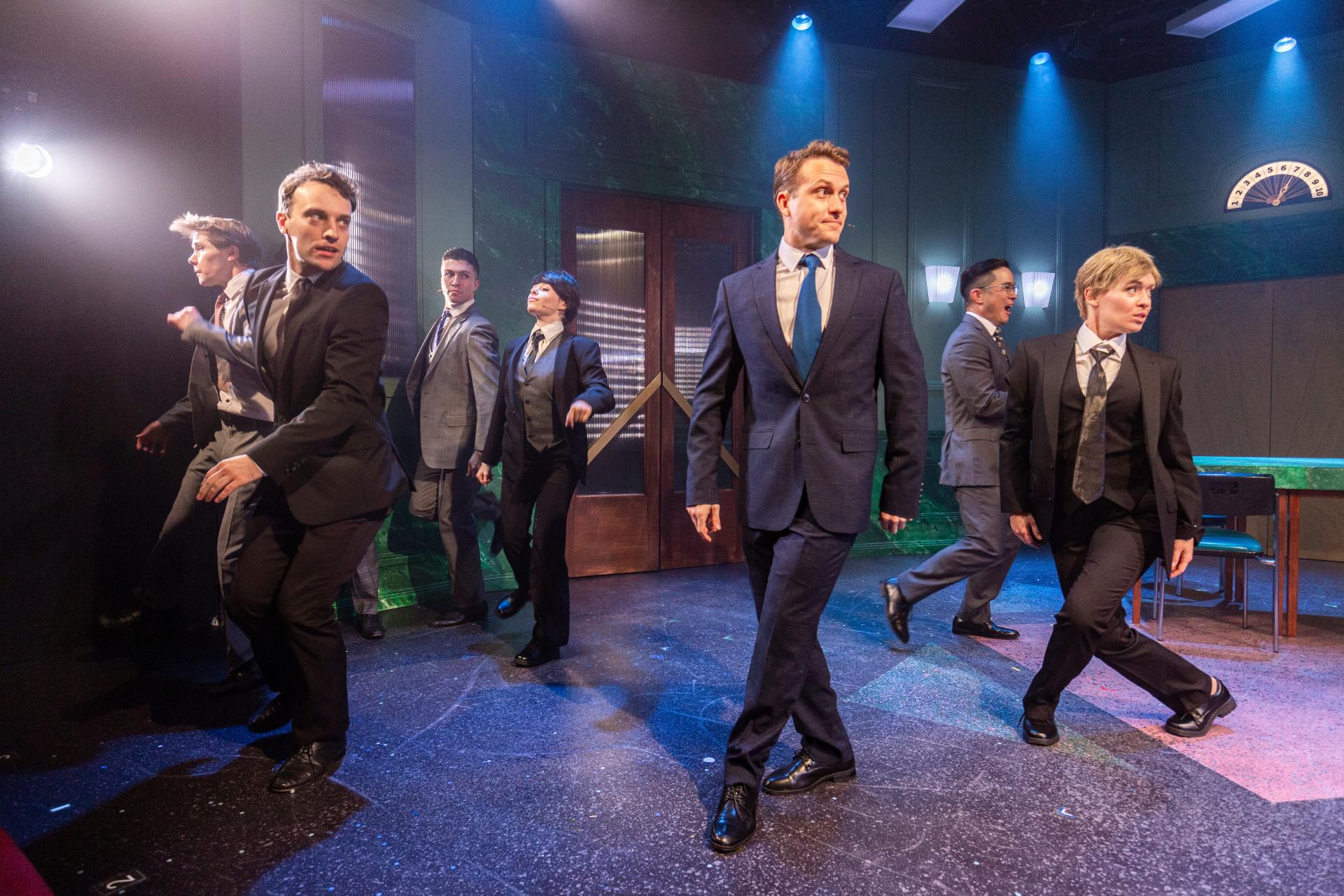
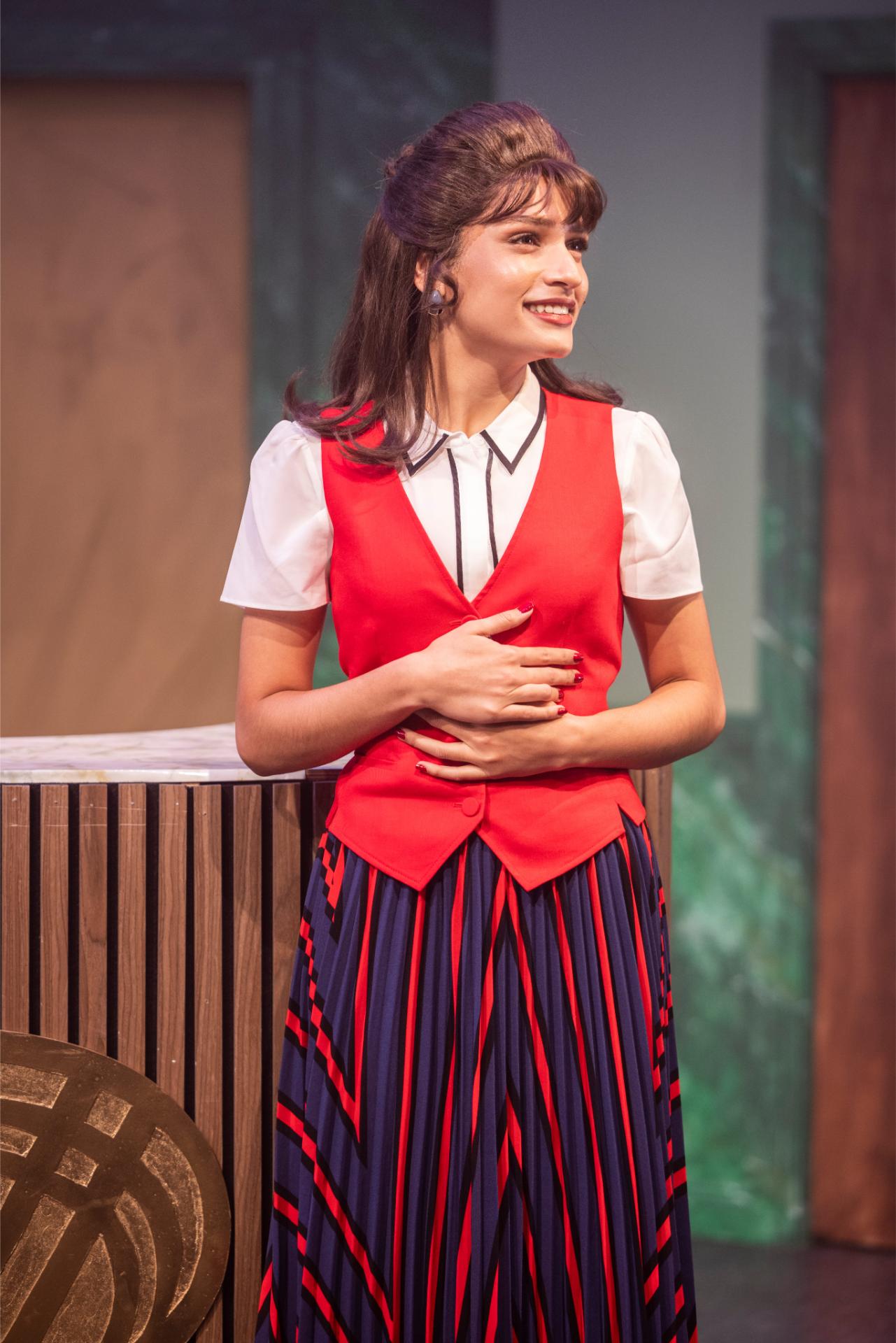
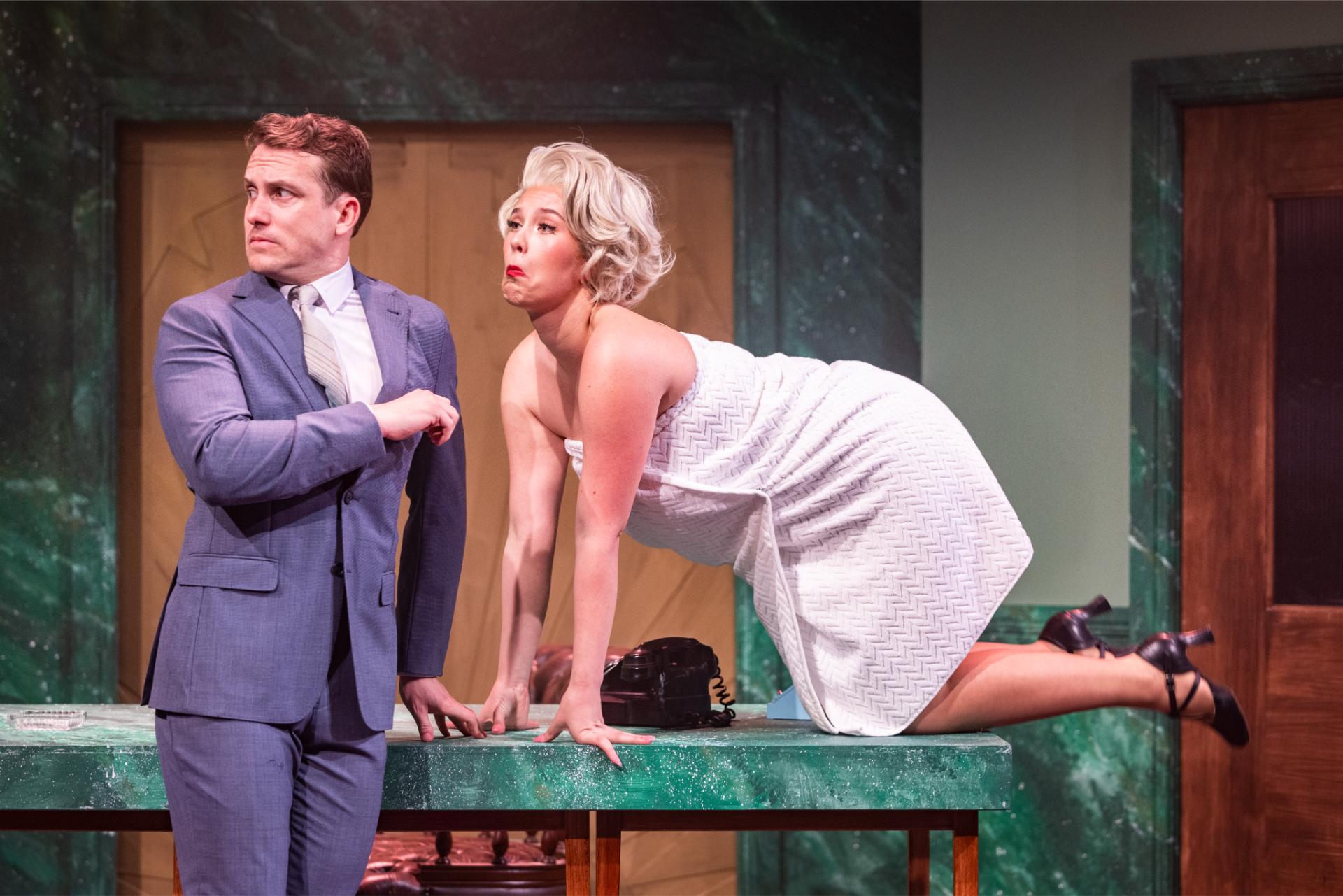
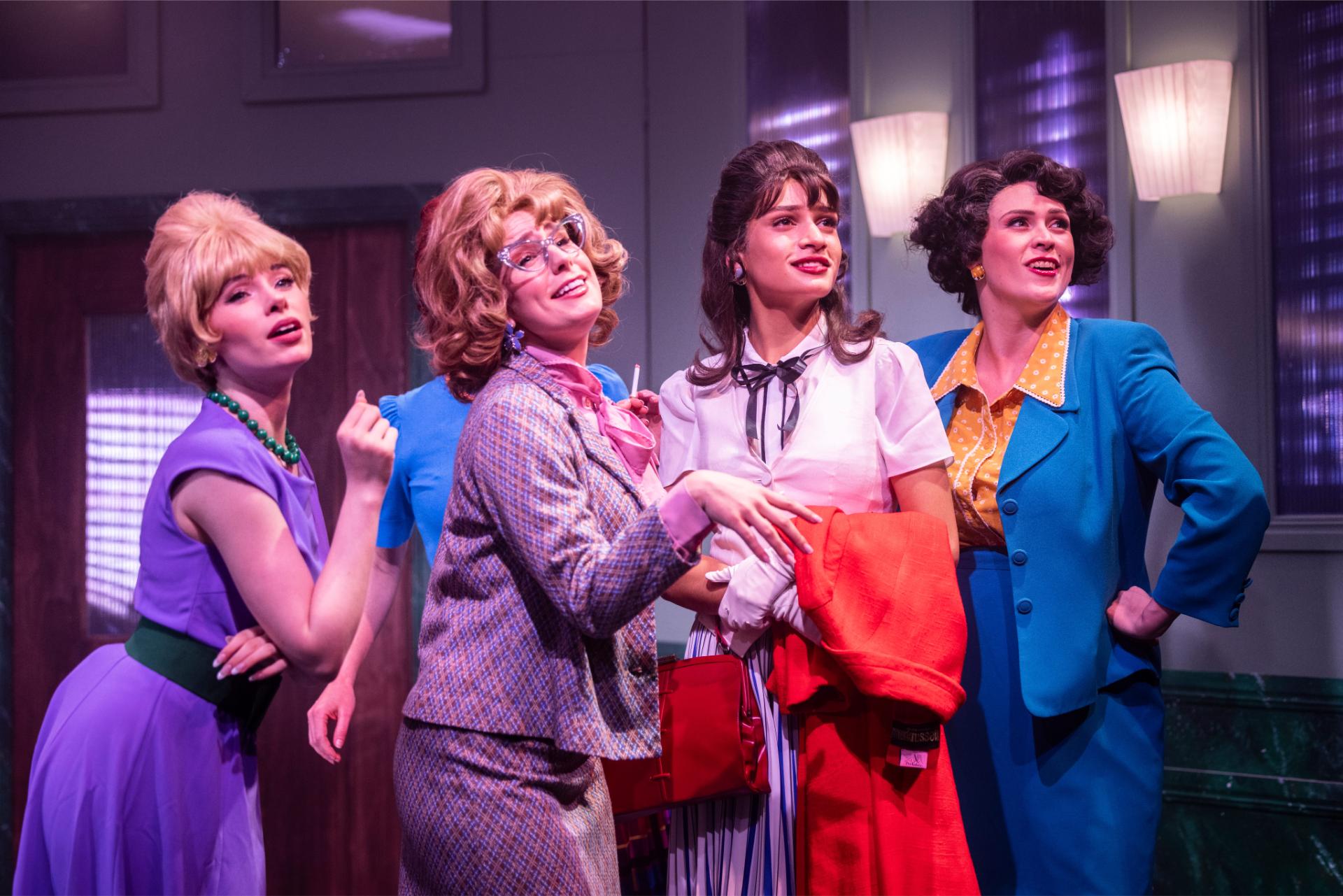
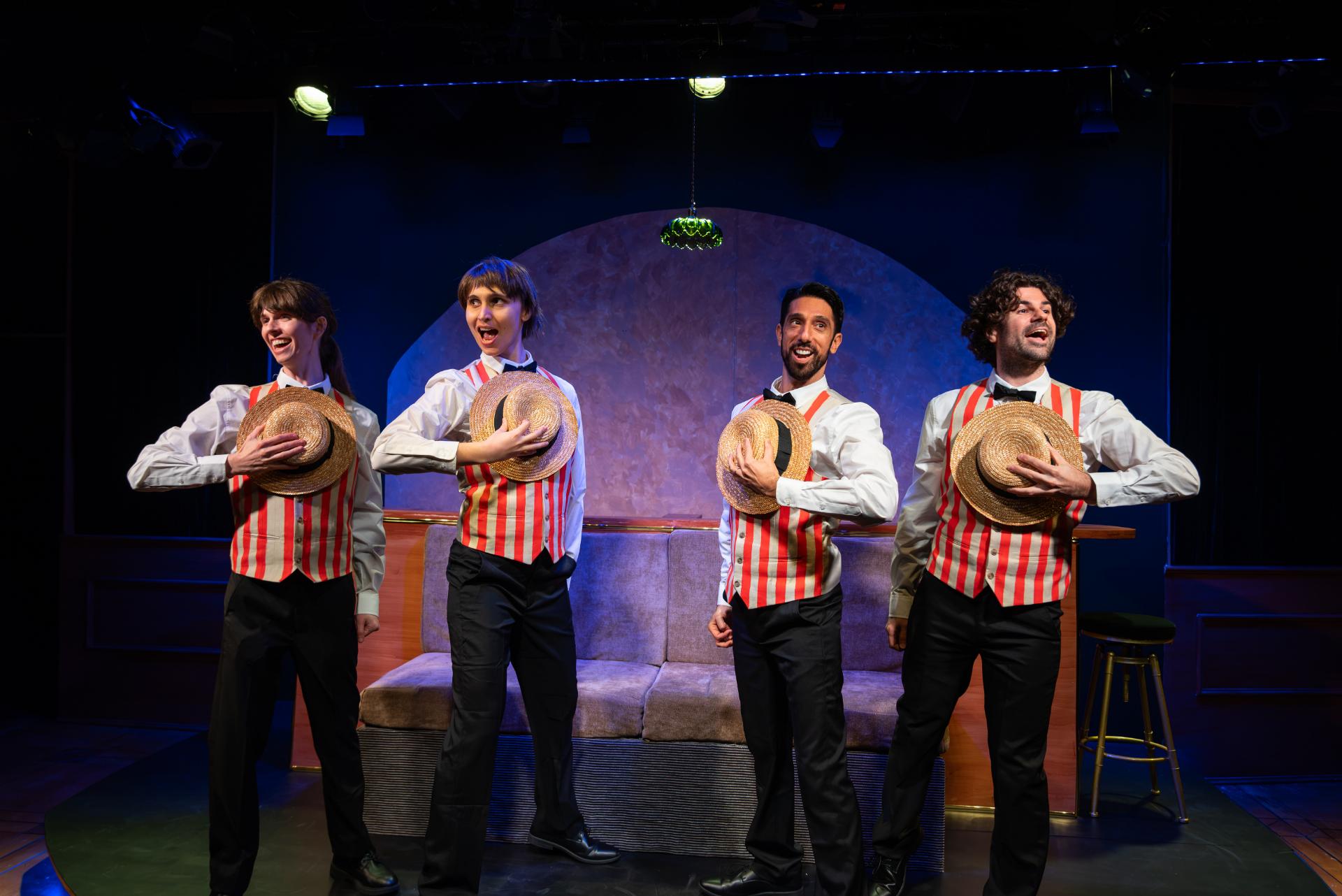
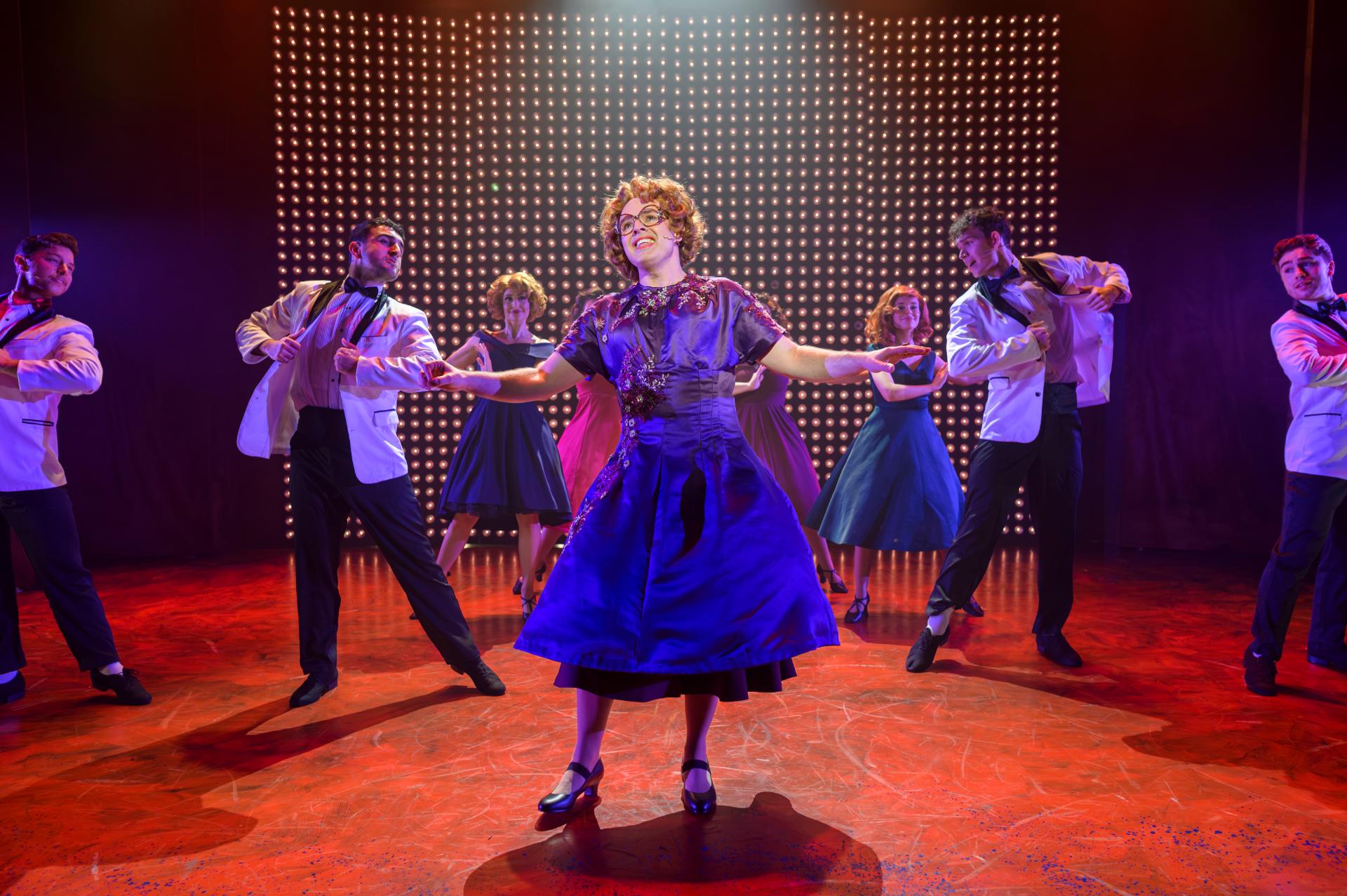
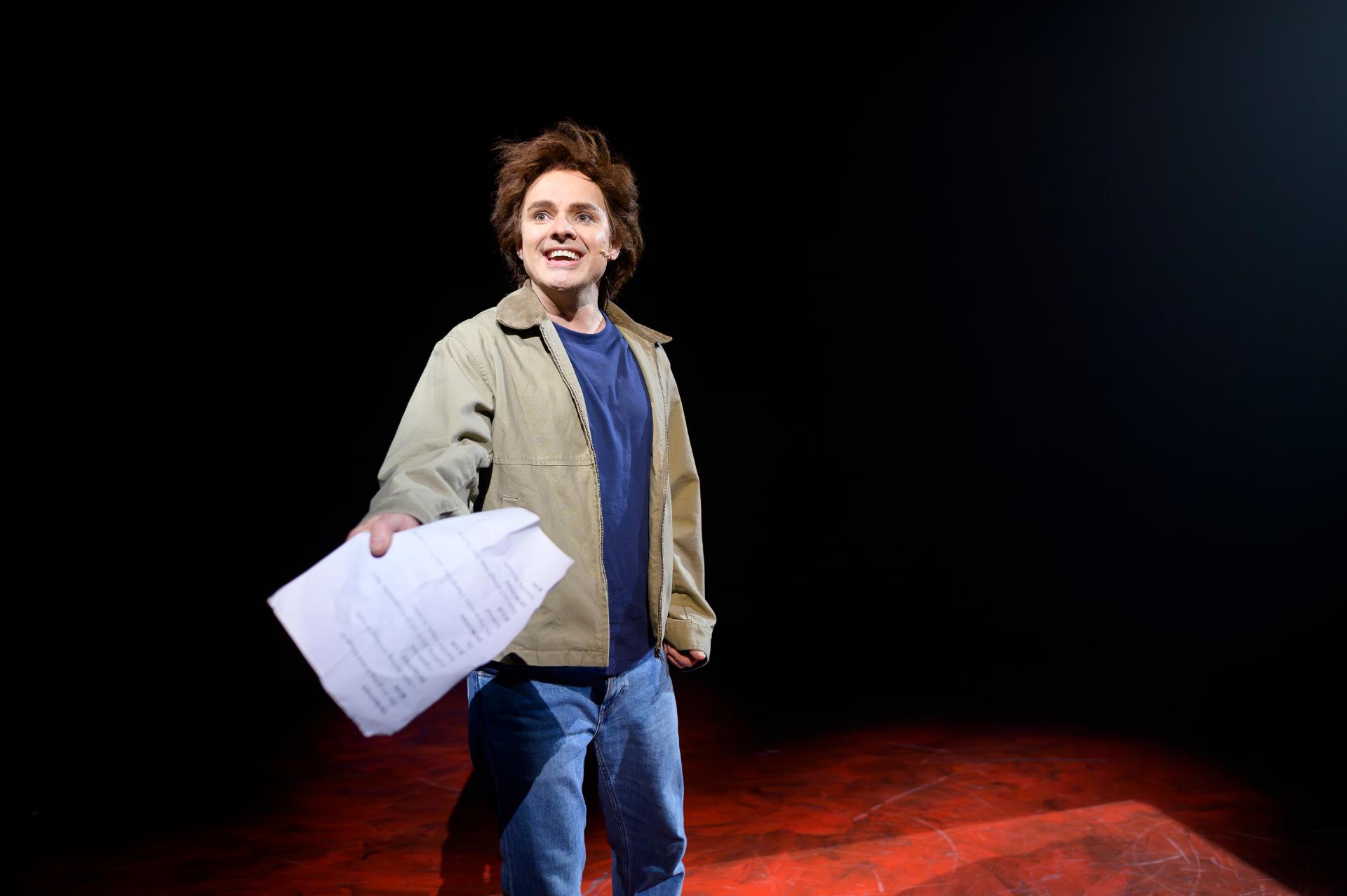
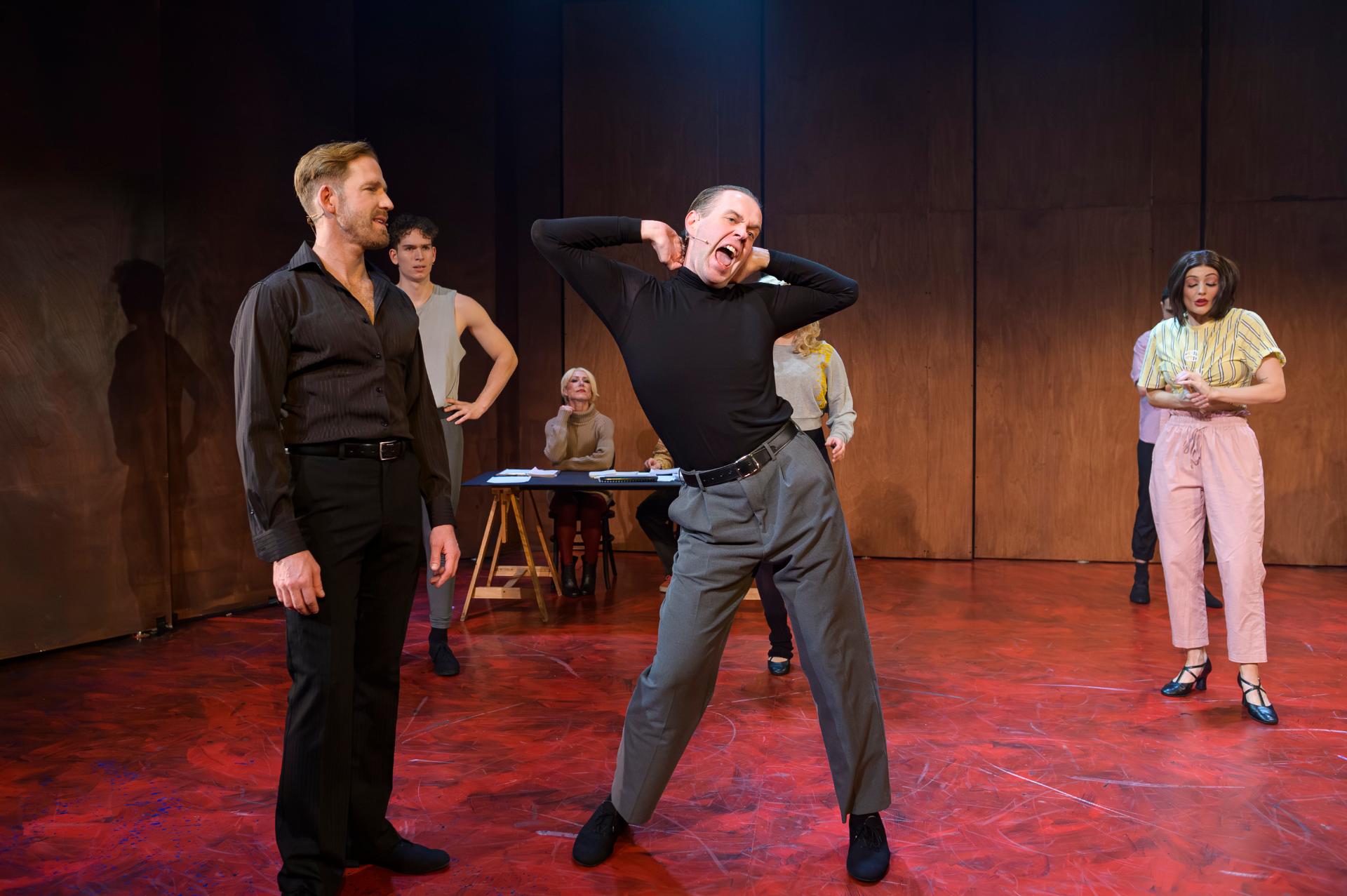
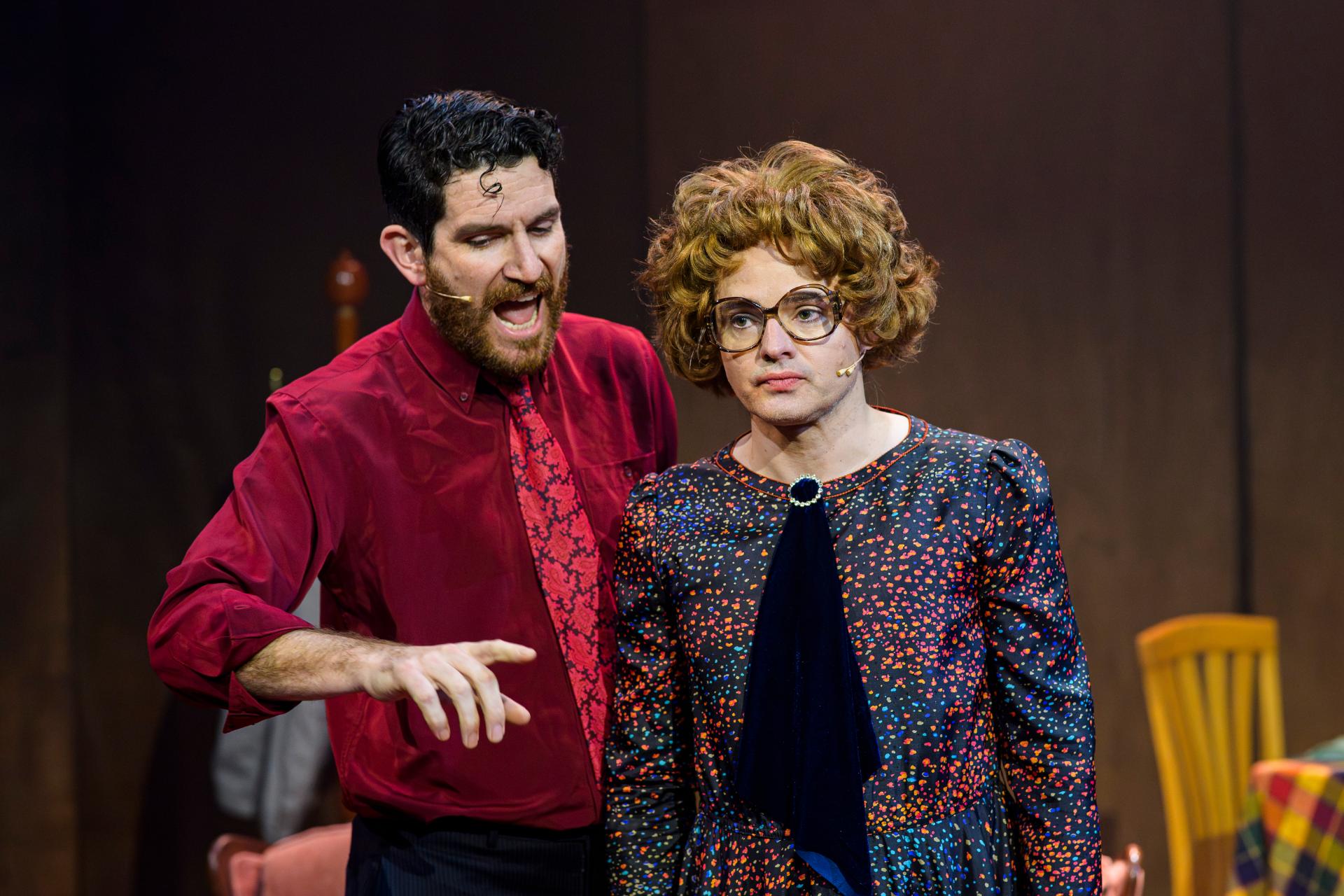
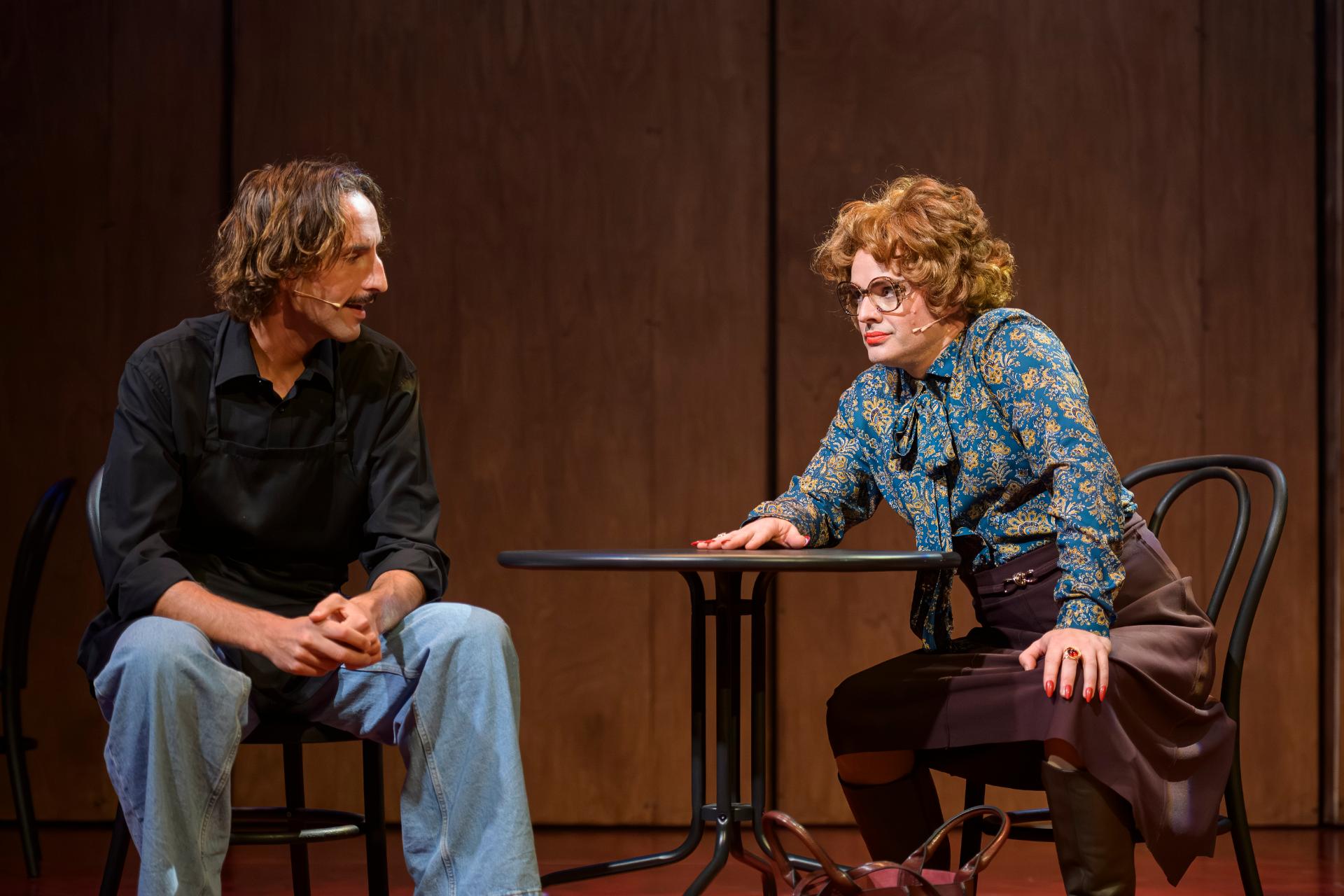
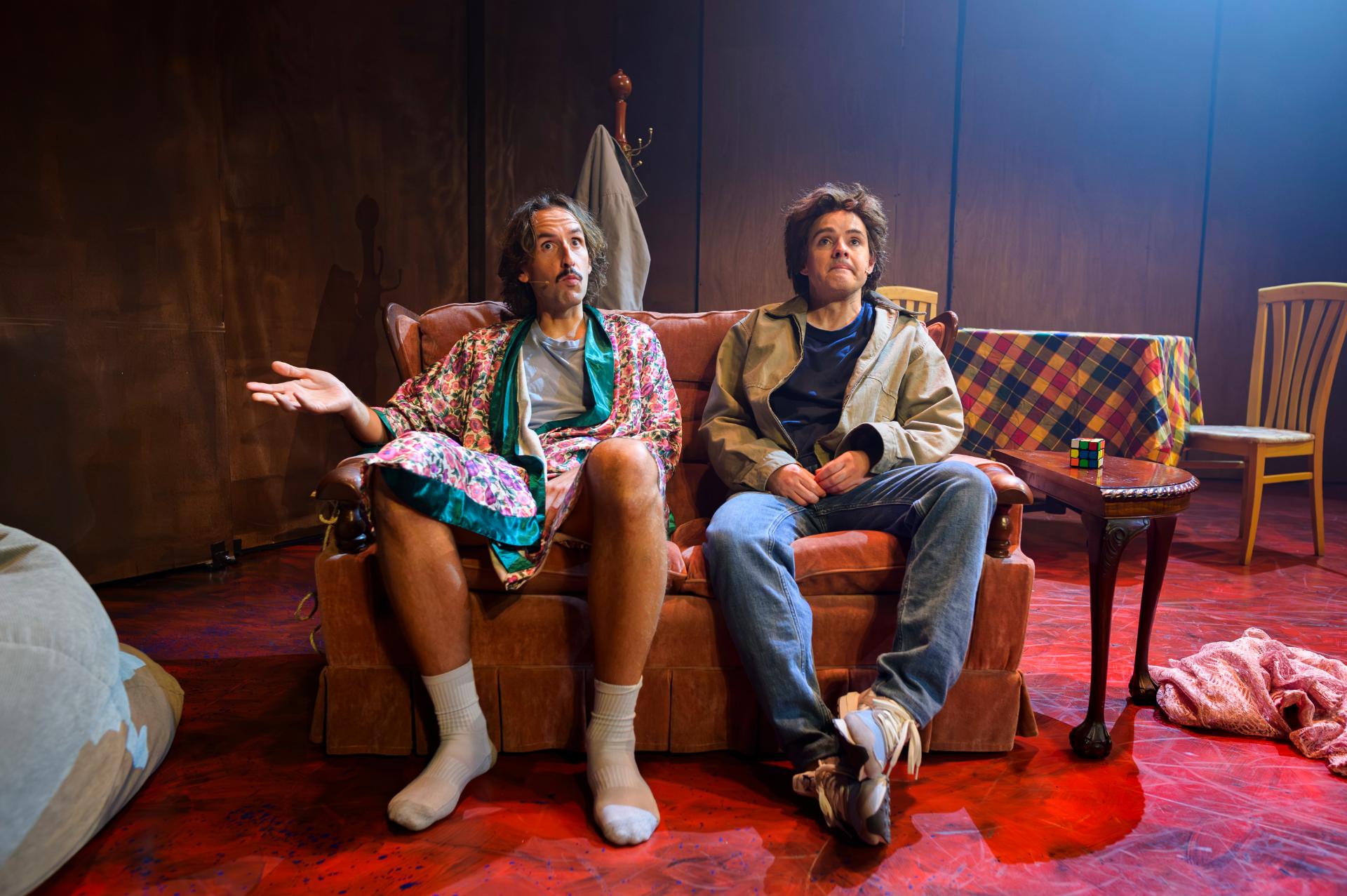
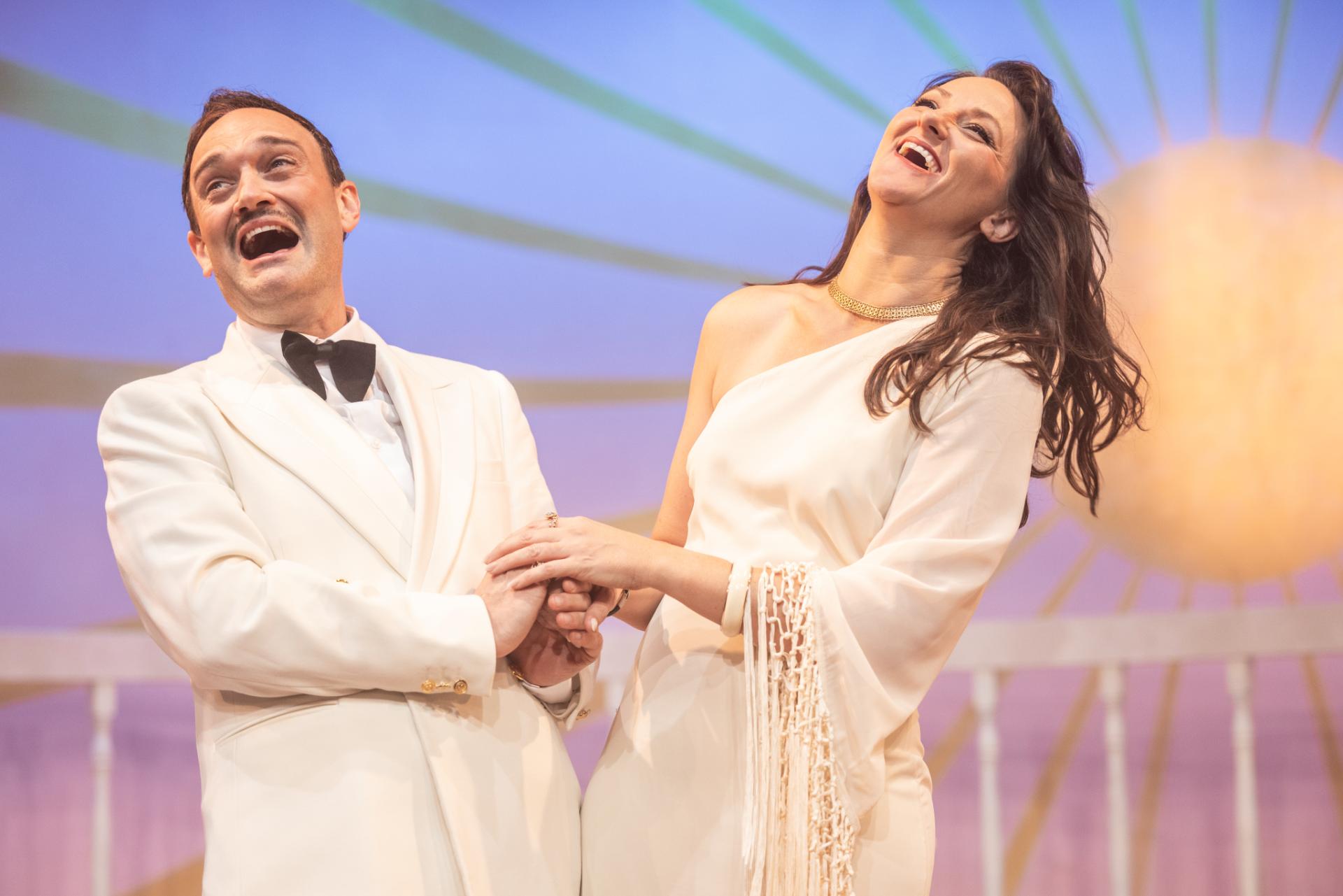
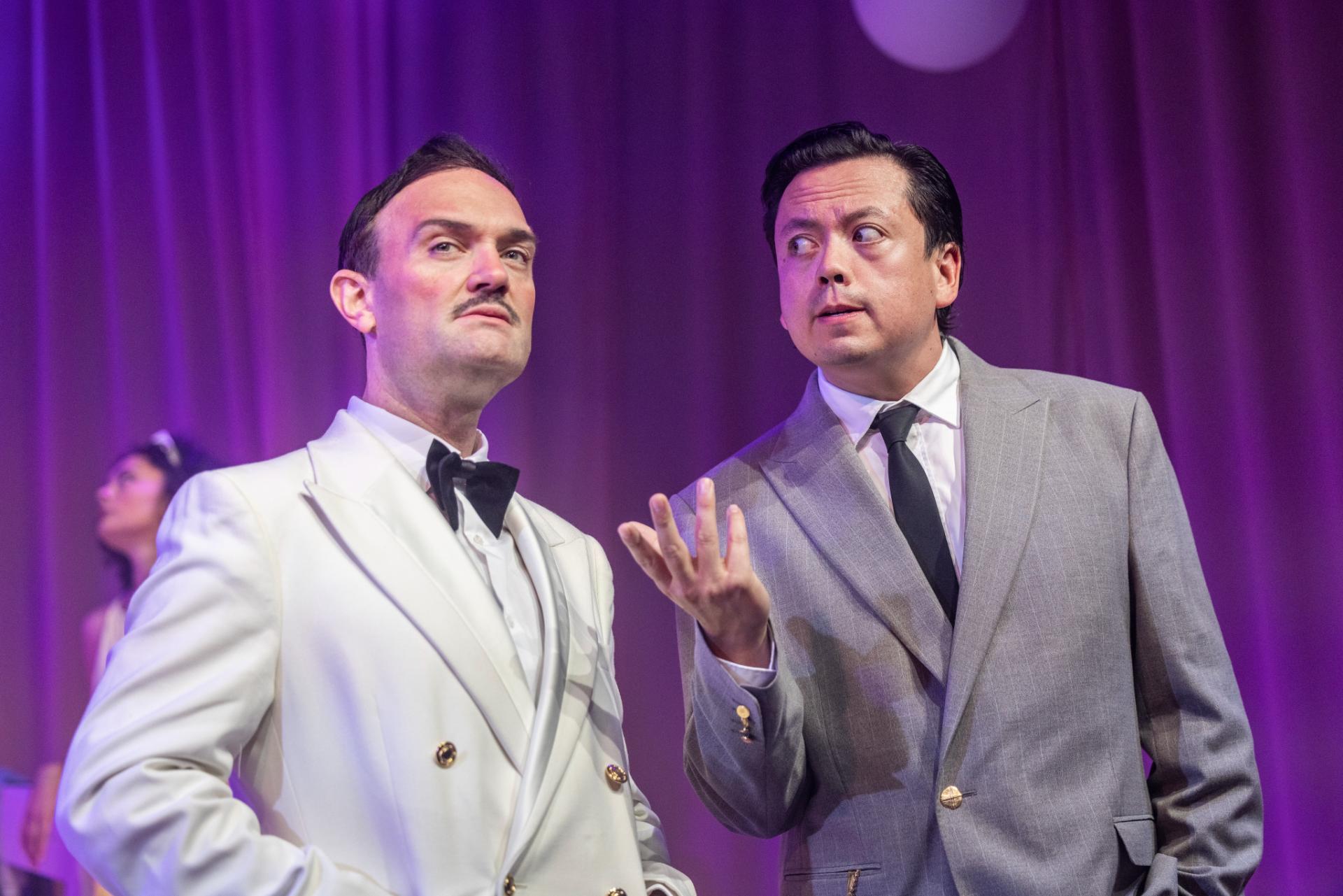
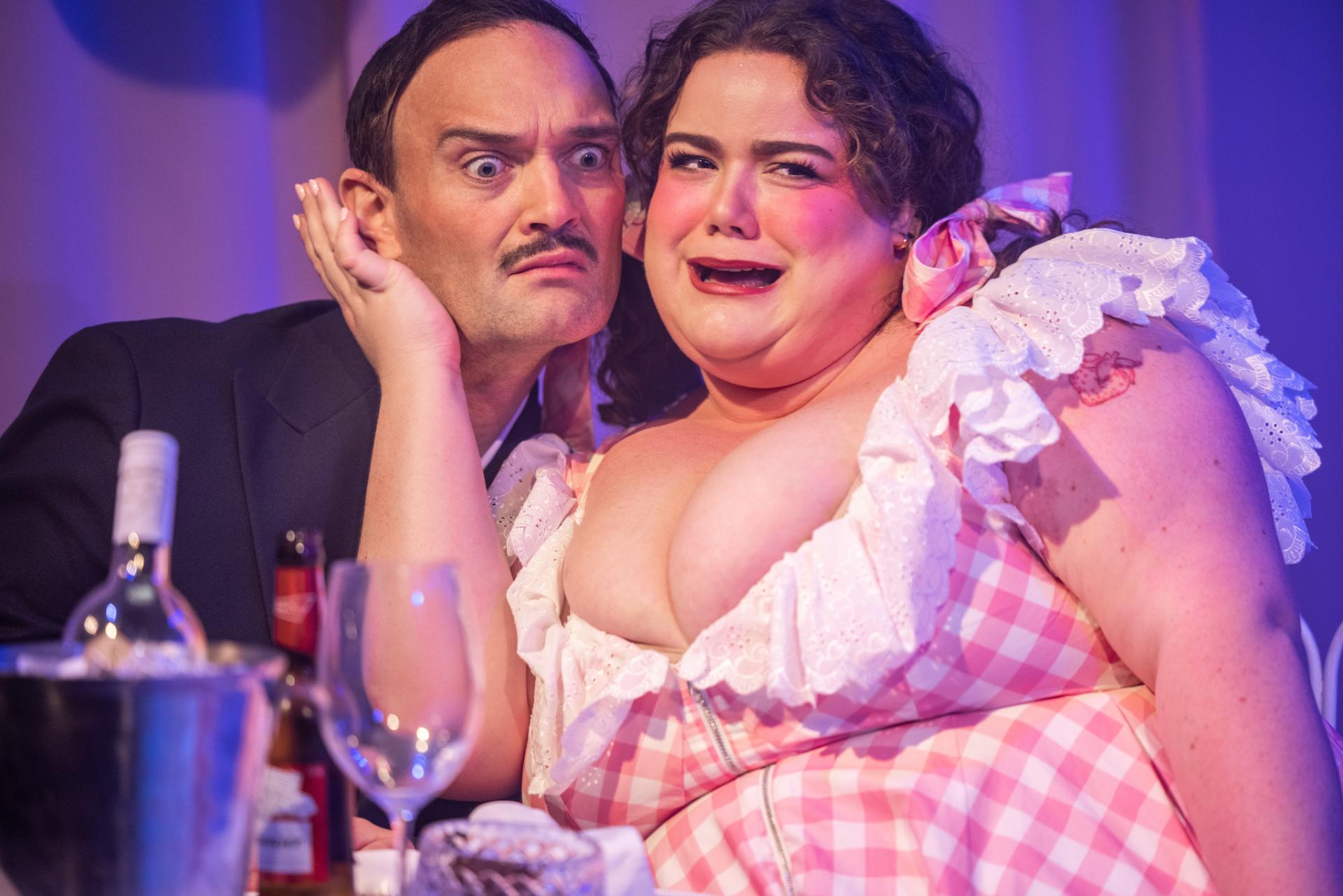
Bud and Doug are conducting a backer’s audition—a hallowed, anxiety-drenched ritual of the American theatre—to an intimate assembly that they pray includes angel investors with Broadway connections. That these two hope to leap from this modest presentation to the Great White Way represents either breathtaking entrepreneurial courage or delusional hubris; in the delicious friction between those poles lies the show’s particular charm. Conceived two decades ago by Anthony King and Scott Brown, Gutenberg! The Musical! operates on a deceptively slender premise, its book and lyrics unremarkable on the page. Yet as Richard Carroll’s production demonstrates, material that reads as slight becomes transcendent when filtered through the alchemy of exacting performance.

This is camp elevated to high art—unapologetically exuberant, intellectually irreverent, and executed with rigorous precision masquerading as spontaneity. Stephen Anderson and Ryan González navigate the two-hander format with such virtuosic ease that they effectively erase the text’s deficiencies through the sheer force of their charisma. They possess that rarest of theatrical gifts: the ability to make the audience complicit in the illusion, transforming spectators into enthusiastic conspirators. Their technical proficiency—vocally immaculate, comically razor-sharp—serves a deeper purpose: they convince us that Bud and Doug’s quixotic dream deserves to succeed, if only because the passion propelling it is so infectious.

They receive impeccable support from Zara Stanton, whose work at the keyboard as accompanist and music director provides more than musical infrastructure; her presence completes the trio with an understated wit that mirrors the leads’ symbiotic rapport. Shannon Burns’ choreography excavates humour from physicality, generating kinetic comedy within the stringent limitations of the space—proving that inventive staging requires merely bodies in motion, not architectural spectacle. Lochie Odgers’ scenic design and Lily Mateljan’s costumes embrace aesthetic economy not as constraint but as dramaturgical choice, authentically evoking the scrambled, duct-taped urgency of fledgling theatrical development. Only Veronique Benett’s lighting design luxuriates in complexity; her dynamic, intricate compositions assert the transformative power of illumination when other visual elements remain deliberately, appropriately threadbare.

The production invites a familiar meditation: musical theatre depends upon entertainers who can suspend disbelief through sheer force of personality, and we are rightfully grateful for the ephemeral wonders they bestow. Yet Gutenberg! The Musical! also underscores the distinction between the immediate gratification of laughter and the lingering resonance of meaning. The evening delivers the former in abundance; whether it transcends into the latter remains debatable. Still, if laughter proves the best medicine, then this production administers a potent dosage, leaving its audience indisputably invigorated—if not permanently altered—by the encounter.

www.hayestheatre.com.au

Review: Anastasia (Sydney Lyric Theatre)

Venue: Sydney Lyric Theatre (Sydney NSW), Apr 7 – Jul 18, 2026
Book: Terrence McNally
Music: Stephen Flaherty
Lyrics: Lynn Ahrens
Director: Darko Tresnjak
Cast: Rhonda Burchmore, Rodney Dobson, Nancye Hayes, Georgina Hopson, Joshua Robson, Robert Tripolino
Images by Jess Busby

Theatre review
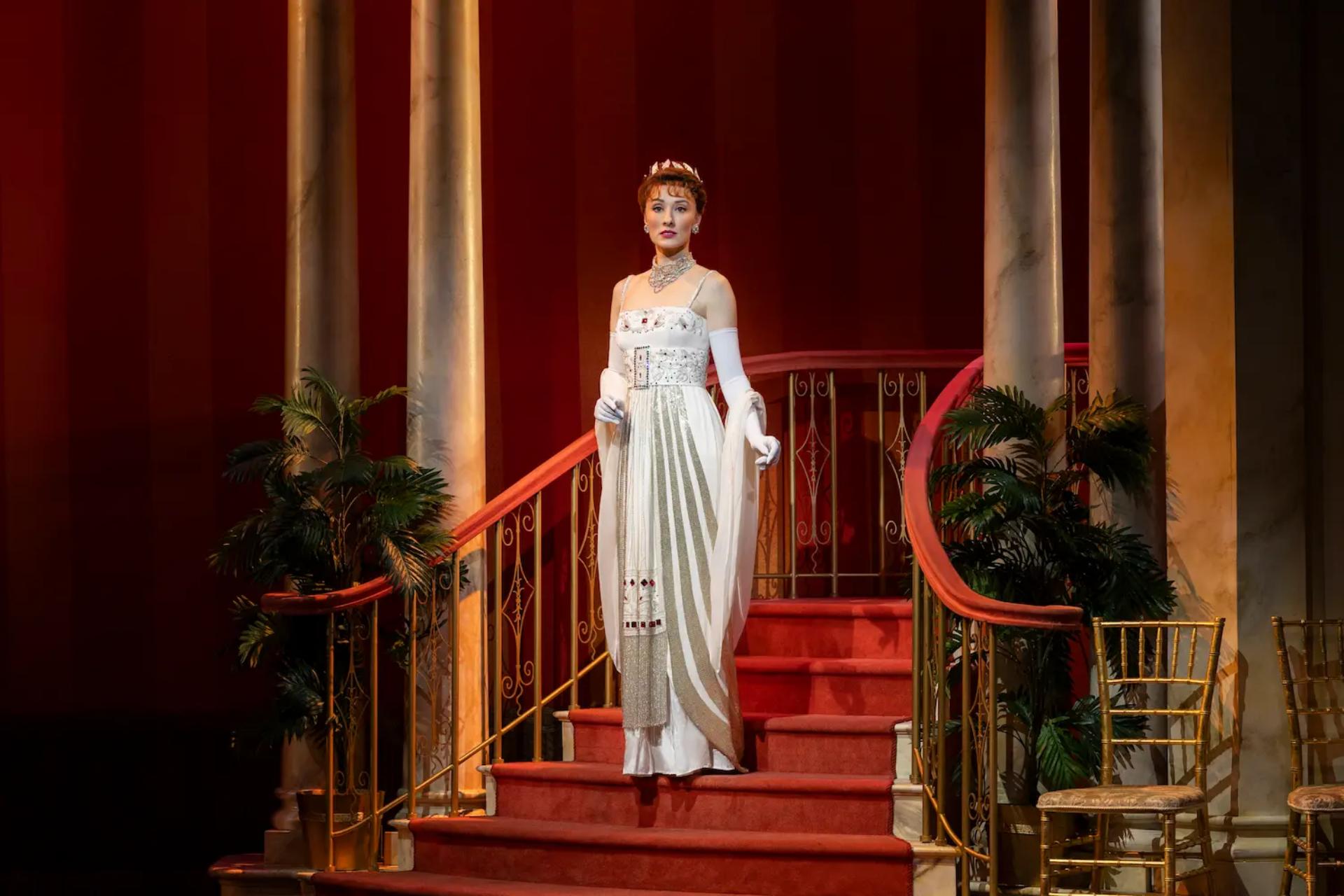
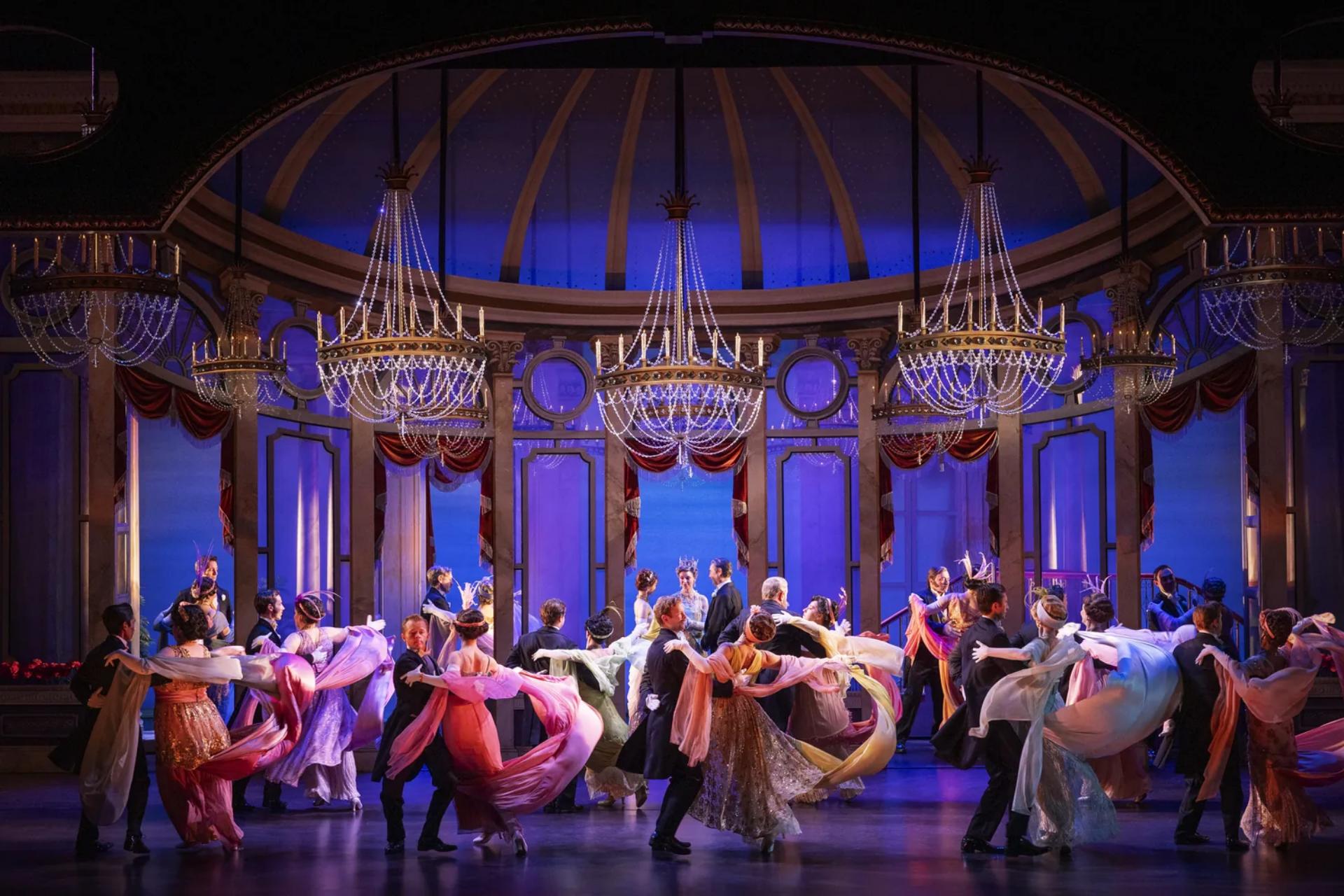
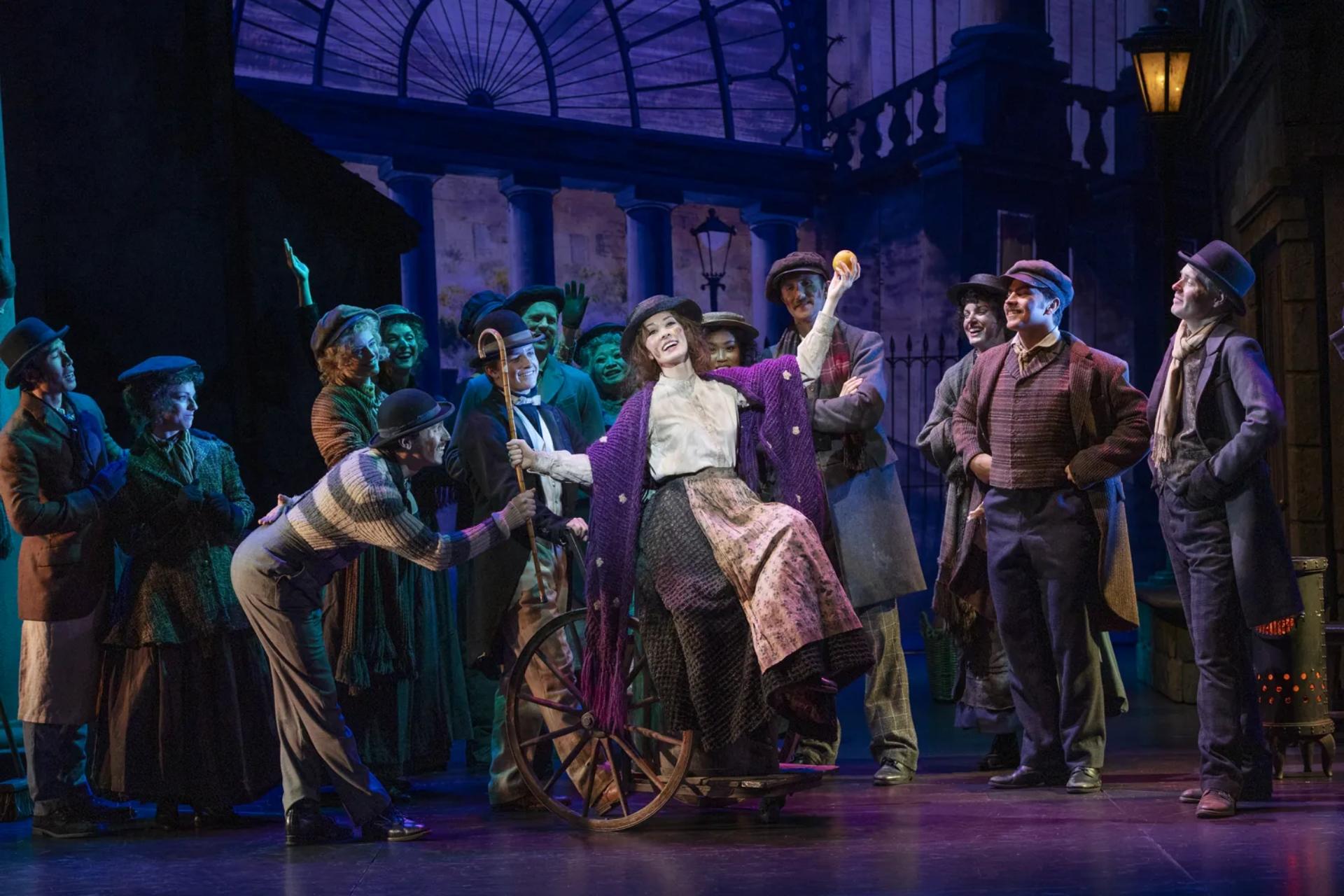
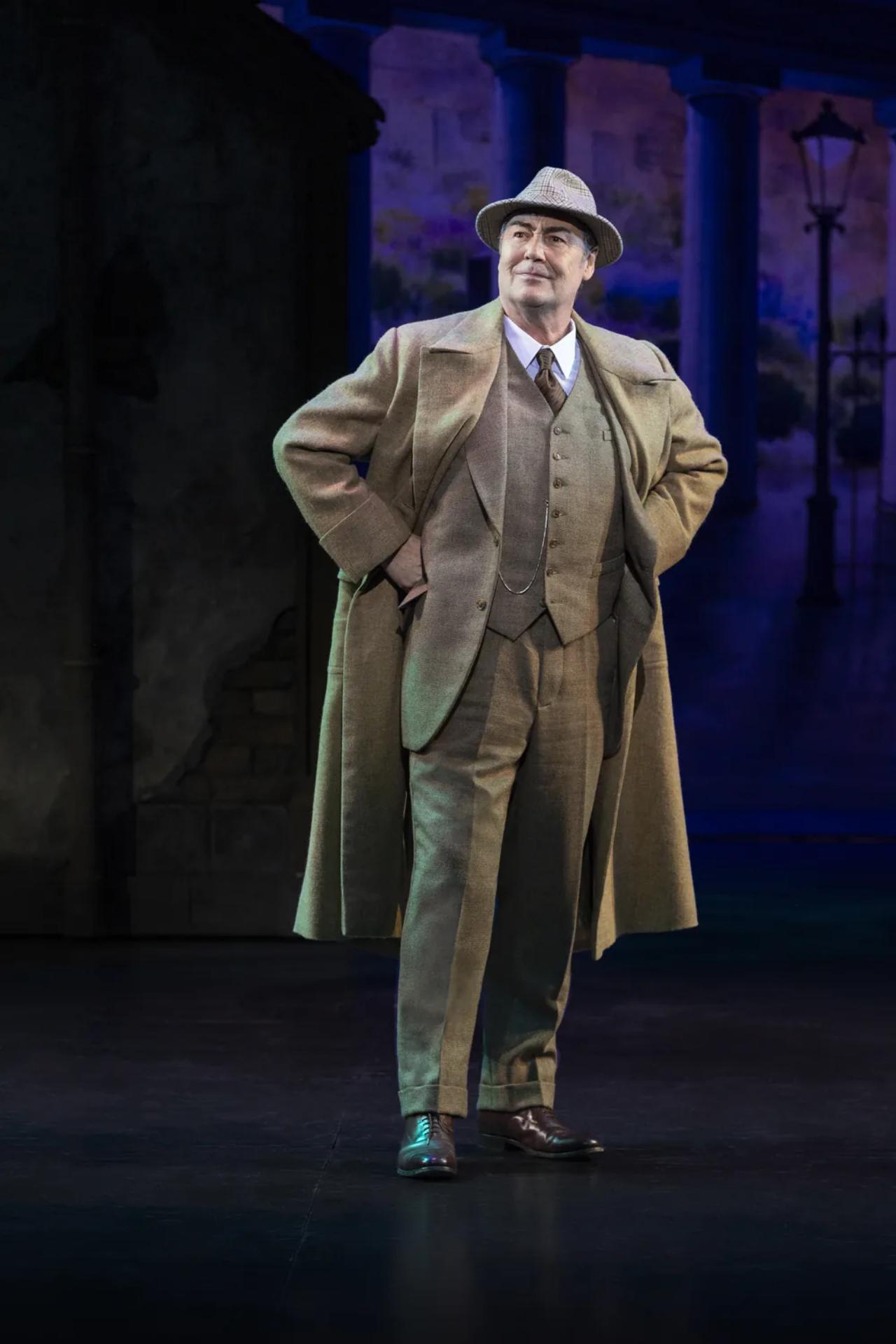
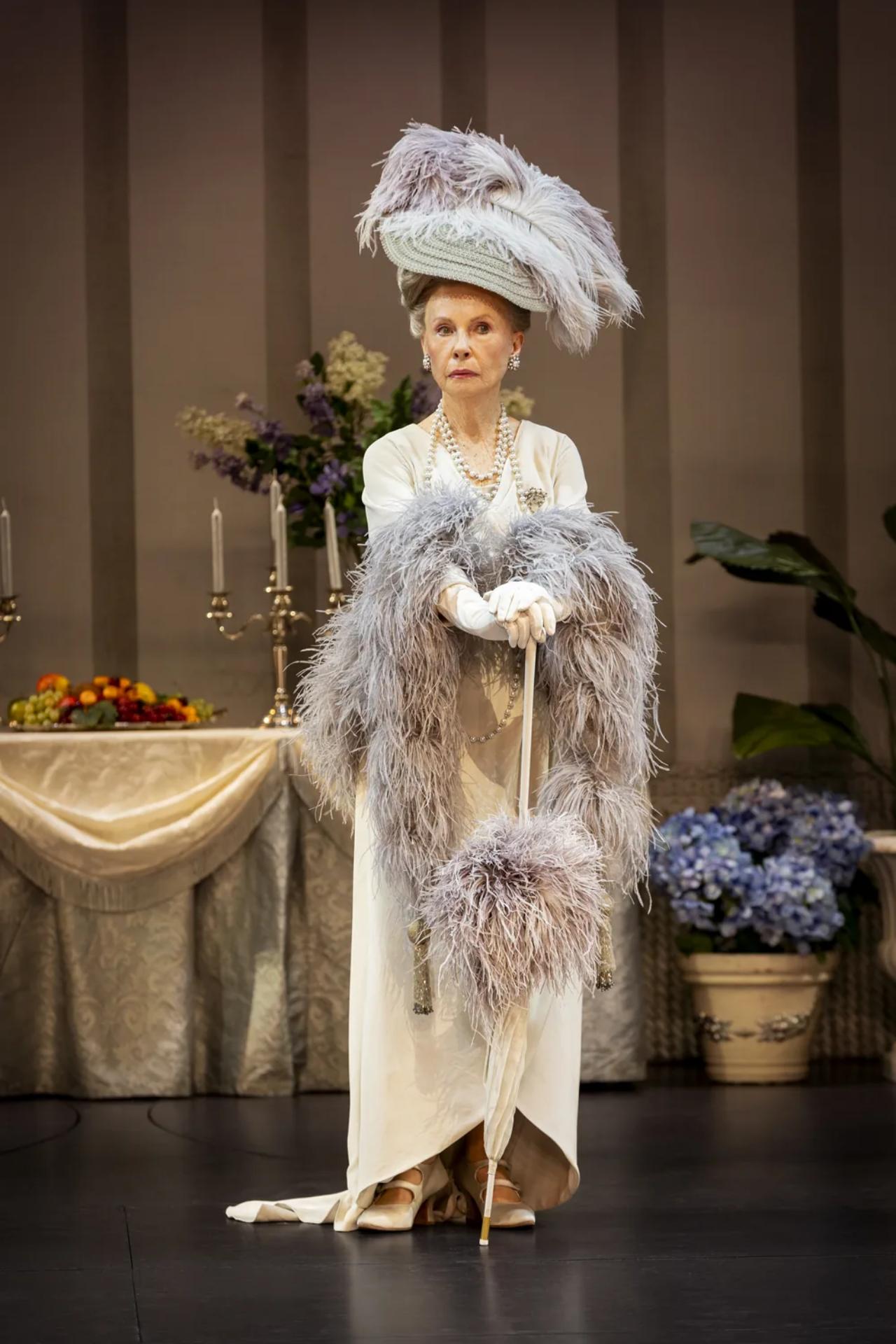
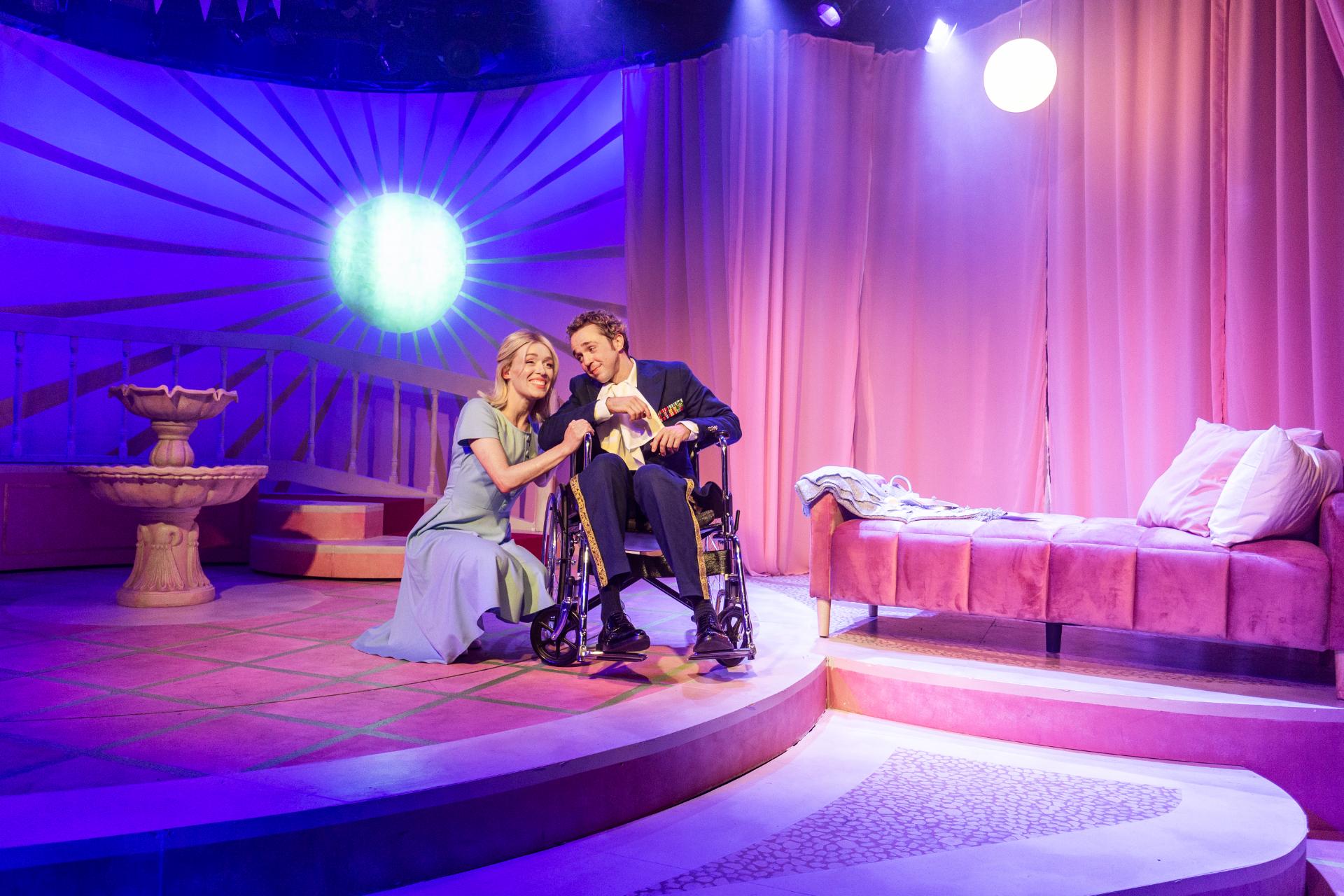
Paris, 1927. The Dowager Empress Romanov languishes in aristocratic exile, her imperial dreams finally extinguished after decades of yearning for a granddaughter presumed lost to the Bolshevik firing squads. When a young woman emerges from revolutionary Russia claiming—perhaps mendaciously, perhaps miraculously—to be the sole surviving heir of the defunct dynasty, the stage is set for a reckoning that is as much psychological as political.

Anastasia, the 2016 Broadway confection adapted from its animated predecessor, arrives freighted with expectations of cloying sentimentality—the inevitable collision of cartoon whimsy and theatrical spectacle. Yet under Darko Tresnjak’s discerning direction, with a book by the late Terrence McNally, the production confounds such prejudices. Stephen Flaherty and Lynn Ahrens’s score may hew to the melodic conventions of the Great White Way, eschewing avant-garde experimentation for accessible romanticism, but the storytelling itself exhibits a gratifying intellectual seriousness. Alexander Dodge’s sumptuous set design and Aaron Rhyme’s innovative video projections satisfy the visual appetites of contemporary audiences, yet the narrative never panders, never traffics in theatrical sleight-of-hand to manipulate easy emotions. The result is a work of genuine dramatic substance artfully disguised as frivolous entertainment—subversion through sophistication.

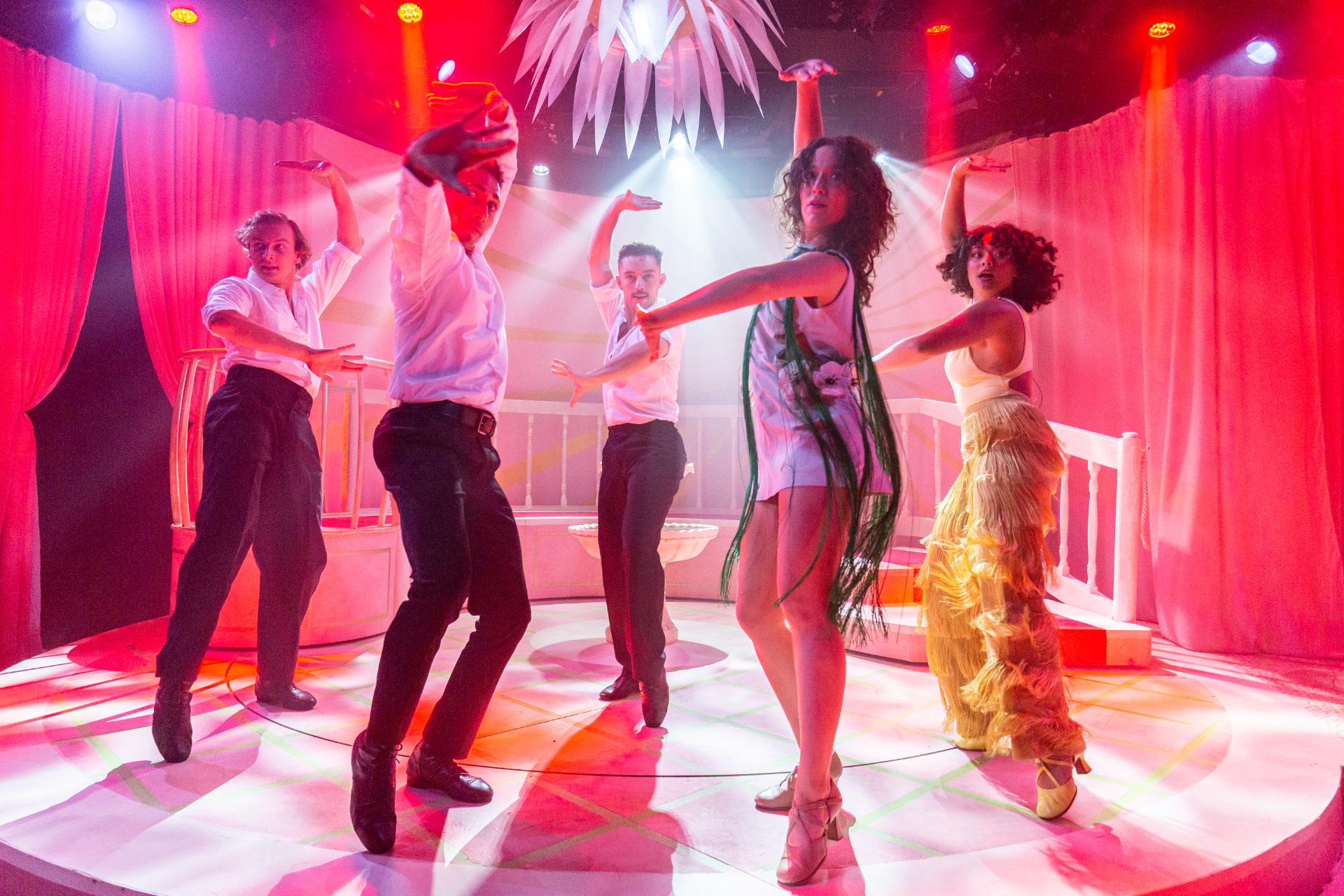
This Australian mounting further distinguishes itself through an exemplary ensemble. Georgina Hopson, in the title role, delivers vocal performances of crystalline precision while suffusing her characterization with a soulful gravity that compels genuine emotional investment rather than passive spectatorship. As her suitor and conspirator Dmitry, Robert Tripolino combines rakish charm with choreographic crispness, rendering the role with charismatic authority. Particularly compelling is Joshua Robson’s Gleb, the Bolshevik antagonist; his portrayal plumbs unexpected emotional depths, transforming what might have been mere villainy into a meditation on ideological fanaticism and human cost. The production’s aesthetic ambitions reach their apotheosis in a second-act interpolation of Swan Lake, performed with breathtaking technical prowess by Sophia Bae, Davis Giotopoulos Moore, and Keian Langdon—a sequence that temporarily suspends the narrative to achieve something approaching pure visual poetry.

The production’s ultimate triumph lies in its implicit rebuke to the condescension that permeates so-called “family entertainment.” Where creators routinely infantilize their audiences and shield younger viewers from life’s harsher truths, Anastasia proceeds from the radical premise that children—and adults—possess the capacity to apprehend darkness, loss, and historical trauma. The postponement of such reckonings serves neither art nor audience; rather, it produces cultural artifacts that mistake triviality for accessibility. In refusing this calculus, Anastasia achieves what the best popular art has always aspired to: the transformation of painful history into transcendent beauty, without sacrificing either truth or wonder.

www.anastasiathemusical.com.au

Review: A Transgender Woman On The Internet, Crying (Old Fitz Theatre)

Venue: Old Fitzroy Theatre (Woolloomooloo NSW), Mar 26 – Apr 11, 2026
Book, Music & Lyrics: Cassie Hamilton
Director: Jean Tong
Cast: Blake Appelqvist, Cassie Hamilton, Rosie Rai, Teo Vergara
Images by Brett Boardman

Theatre review
A Transgender Woman on the Internet, Crying by Cassie Hamilton is a work of considerable ambition: a musical that interrogates the fractious politics of contemporary trans identity with both intellectual rigor and genuine entertainment value. The narrative centres on Avis, a social media influencer whose transition to womanhood is conducted almost entirely through the counsel of her followers—an arrangement that strikes her would-be friend Corrin as not merely misguided but politically retrograde. Corrin’s overtures of friendship, we soon discover, are calculated; they intend to expose Avis and dismantle her influence. What emerges is a drama less about betrayal than about the impossible question of whether there exists, in Hamilton’s formulation, any “correct” mode of being trans.

Under Jean Tong’s direction, the production achieves that rare alchemy of the serious and the playful. The tone is urgent without being hectoring, consistently amusing yet never trivializing the stakes at hand. Lillian Hearne’s musical direction deploys electronica to construct what one might call a deceptively frothy soundscape—girl-pop textures that, upon closer listening, reveal considerable compositional sophistication. Dan Ham’s choreography pushes the performers to their limits, delivering bursts of energy while ensuring every movement remains flattering. Rachel Lee and Nick Moloney’s lighting design navigates the production’s numerous location shifts with efficiency, though one wishes for more granular calibration of emotional atmosphere. Ruby Jenkins’ set design leans toward the simple side but never feels insufficient.

Hamilton herself proves a formidable stage presence as Avis, negotiating an impressive emotional register with a nuance that compels genuine investment in her predicament. Her excellent singing voice is a genuine joy, only amplifying the appeal of her catchy songwriting. The compelling Blake Appelqvist brings necessary credibility to the challenging role of Corrin, and the chemistry between the two principals lends the production its persuasive force. In supporting roles, Rosie Rai and Teo Vergara deserve particular mention for their depiction of a gender-nonconforming community rendered with humour and, crucially, tenderness.

Women, cis and trans alike, have historically laboured under regimes of visibility that dictate permissible self-presentation, imposing unreasonable requirements and unattainable ideals. There always exist however, those who refuse such mandates, who proliferate alternative definitions of being, who continually expand the circumference of what womanhood, and indeed gender itself, might signify.

There is no question that gender remains a system of control, and though few of us can claim to have fully evaded its grip, there are countless ways to twist and subvert its rules, even to the point of exposing their meaninglessness. Conversely, those rules can certainly be followed strictly—so long as those who choose to adhere, learn to accept that others will find their own ways, of being human.

www.oldfitztheatre.com.au | www.instagram.com/atwotic

Review: The Prom (Teatro)

Venue: Teatro (Leichhardt NSW), Mar 24 – Apr 26, 2026
Book: Rob Martin, Chad Beguelin
Music: Matthew Sklar
Lyrics: Chad Beguelin
Directors: Andrew Bevis, Nathan M. Wright
Cast: Erin Bruce, Renae Corser née Berry, Murray Cunninghame, Paige Fallu, Brad Green, Ewan Herdman, Nina Hurley, Scott Irwin, Abbey McPherson, Sophie Montague, Brendan Mungar, Caroline O’Connor, Luke Reynolds
Images by Robert Miniter

Theatre review
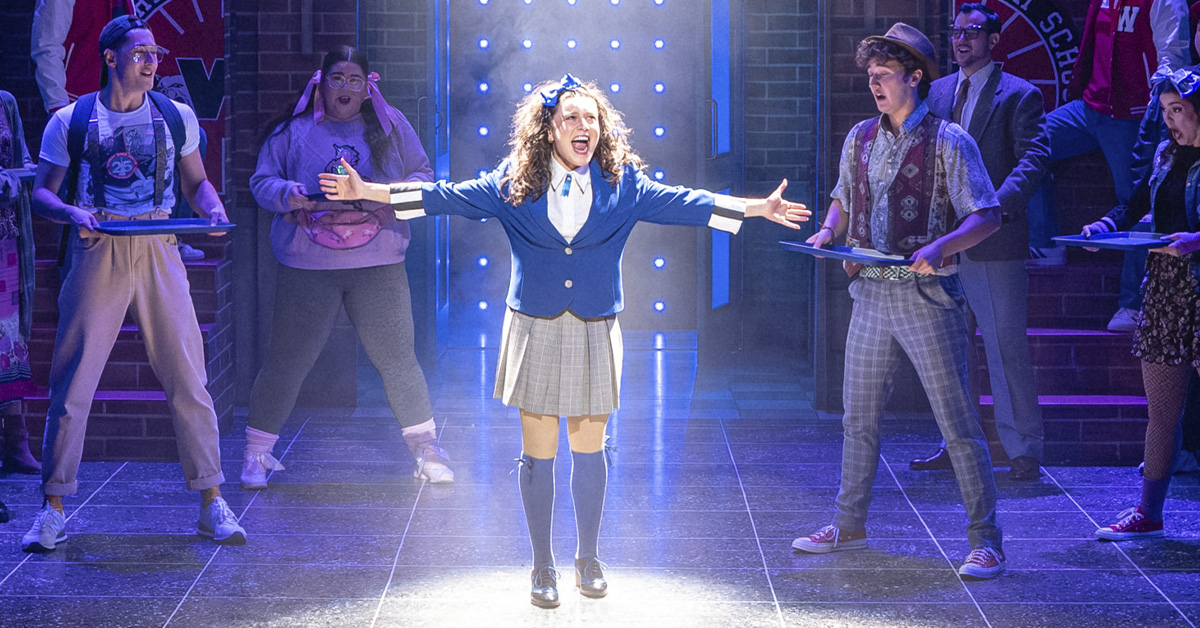
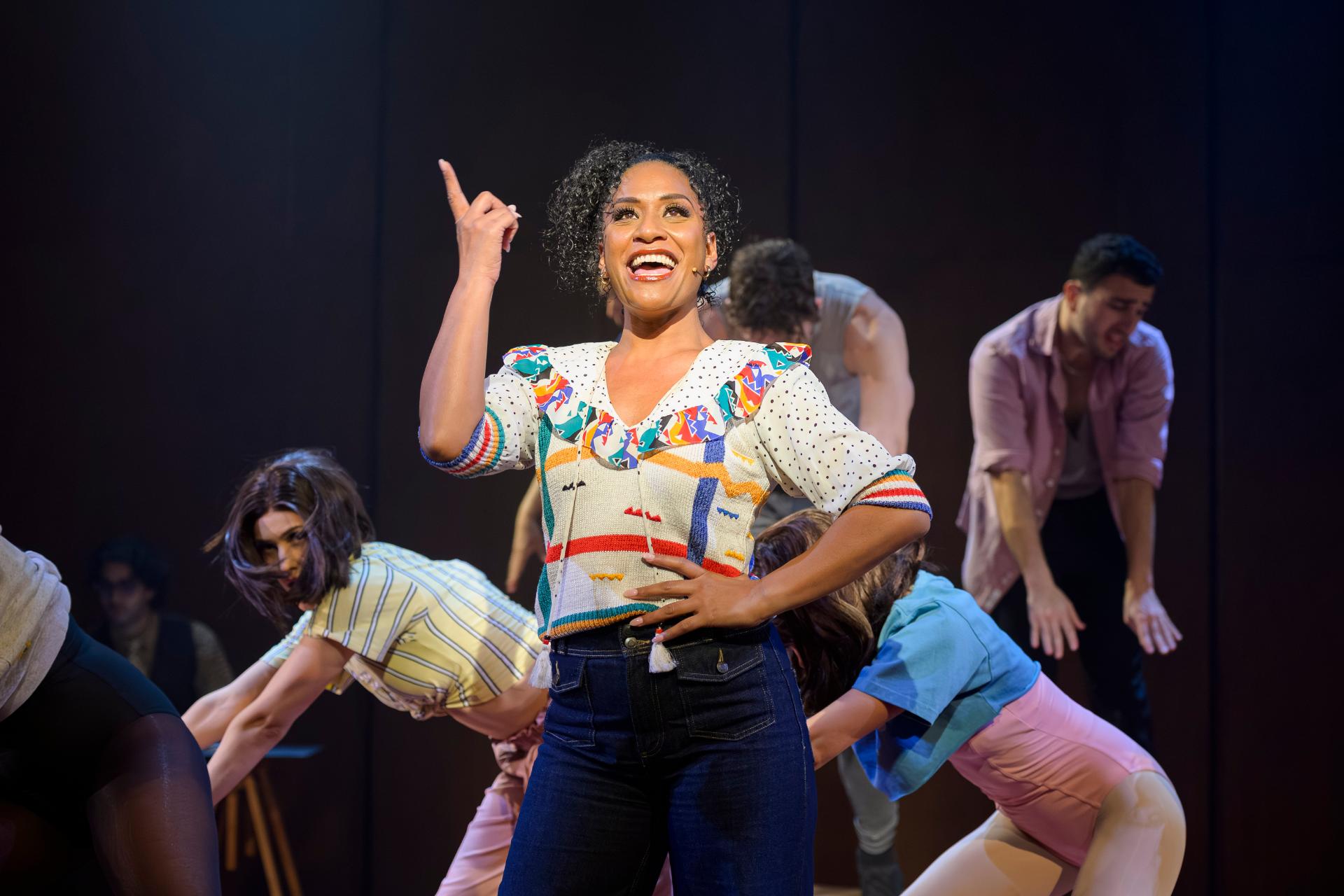
When a clutch of fading Broadway luminaries descends upon rural Indiana to champion a lesbian teenager barred from escorting her girlfriend to the high school prom, the 2016 musical The Prom possesses a compelling premise, yet its execution frequently falters; the book and songs, for what is ostensibly a deeply emotional story, seldom earn the investment they demand, and the humour often falls flat.

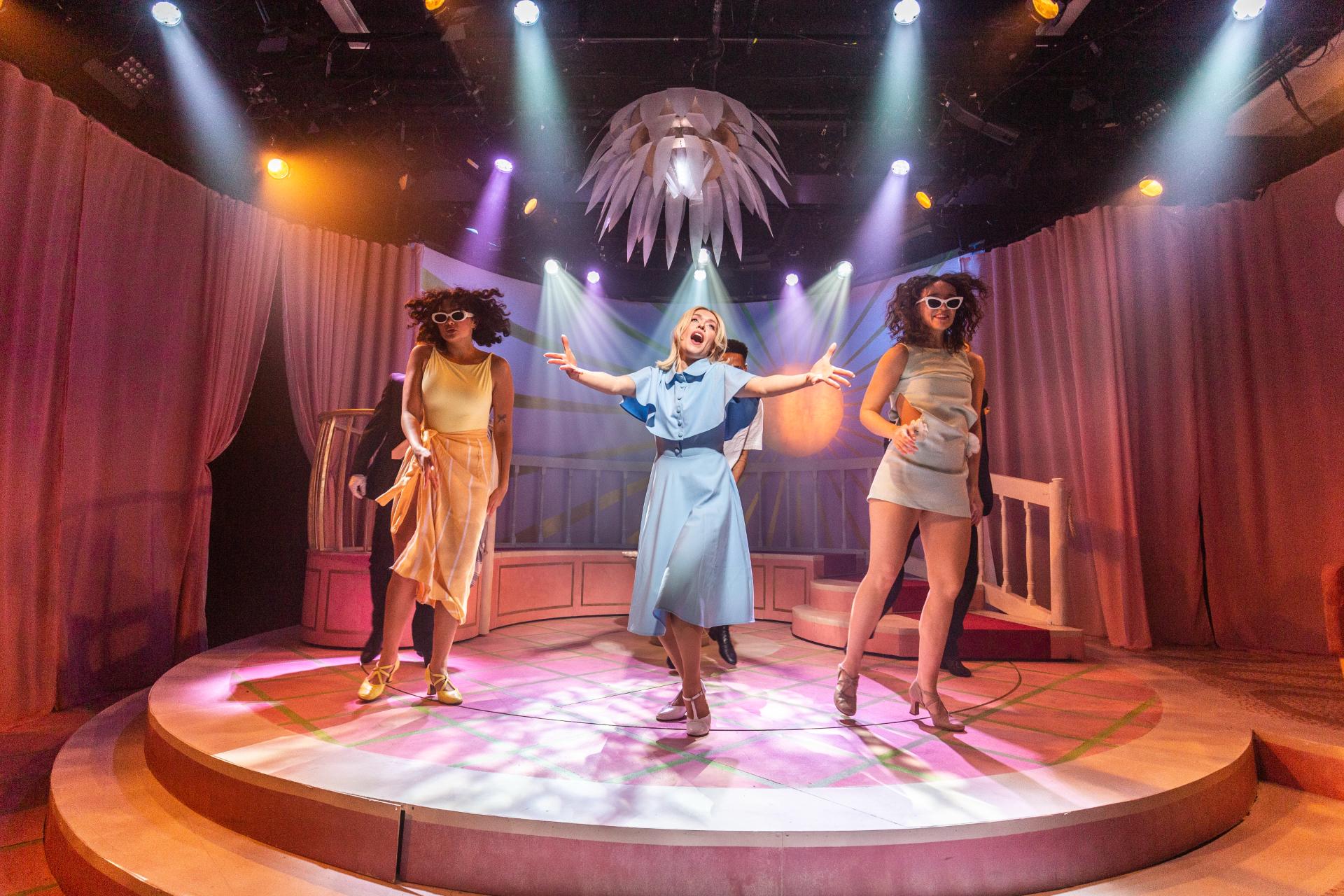
Directors Andrew Bevis and Nathan M. Wright nonetheless infuse the proceedings with ample dynamism and a spirited flair; Wright’s choreography, in particular, distinguishes itself through infectious exuberance executed with commendable vigour by a spirited young ensemble. Nick Fry’s set design is unapologetically flamboyant, draping the entire backdrop in shimmering, multi-hued sequins that delight the eye. Cornelia Cassimatis’s costuming matches this chromatic audacity, though occasionally sacrificing sartorial sophistication for spectacle. Roderick Van Gelder’s lighting, whilst compositionally conventional, nonetheless succeeds in amplifying the production’s kinetic vitality.

The cast labours with palpable dedication, their commitment evident even as the material proves resistant to transcendence. Among them, Brendan Monger’s Barry emerges as a singular delight, his impeccable comic timing compensating for the script’s deficiencies. Caroline O’Connor, portraying the narcissistic Dee Dee Allen, deploys a calculated theatrical excess that miraculously breathes life into even the most anemic one-liners.

That The Prom addresses queerphobia with such explicit moral clarity feels almost achingly prescient given its pre-Trump provenance; the subsequent decade has witnessed a grievous retrenchment of LGBTQIA+ rights throughout the American heartland, rendering the musical’s conceit not merely relevant but increasingly urgent—a sobering reminder that what once played as contemporary fiction now reads as documentary reality, contemplated with genuine anguish.

www.teatroitalianforum.com.au

Review: Phantom Of The Opera (Opera Australia)

Venue: Handa Opera on Sydney Harbour (Sydney NSW), Mar 27 – May 3, 2026
Book: Richard Stilgoe, Andrew Lloyd Webber (based on the novel by Gaston Leroux)
Music: Andrew Lloyd Webber
Lyrics: Charles Hart
Director: Simon Phillips
Cast: Melody Beck, Daniel Belle, Brent Hill, Debora Krizak, Michael Lampard, Amy Manford, Jayme Jo Massoud, Giuseppe Grech, Martin Crewes, Darcy Carroll, Andrew Dunne, Jarrod Draper, Jake Lyle, Lachlan O’Brien, Daniel Tambasco, Raphael Wong
Images by Hamilton Lund

Theatre review
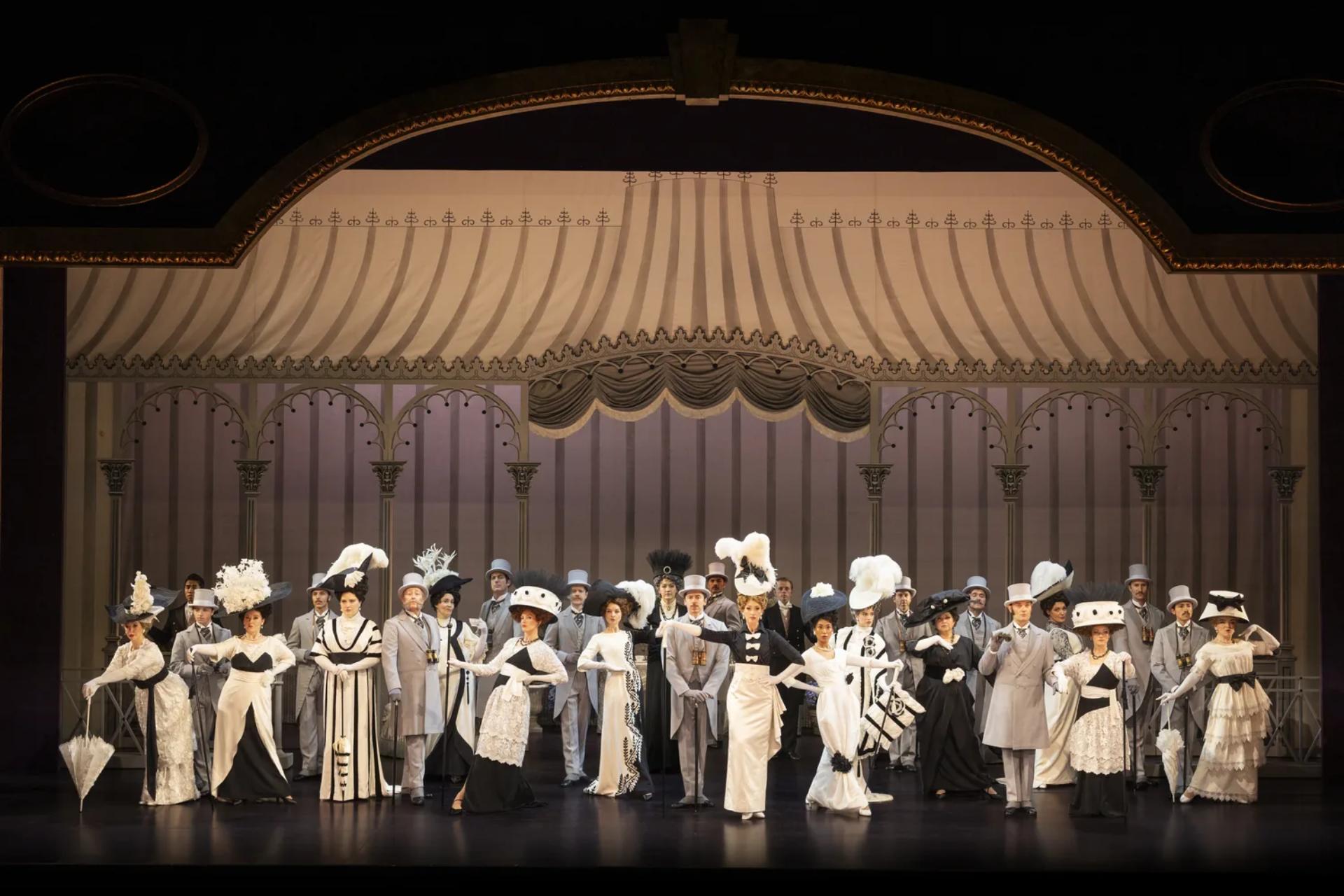
It is Christine who possesses the talent, yet in The Phantom of the Opera, her destiny remains perpetually subject to the machinations of theatre owners, a vicomte, and a spectre. Andrew Lloyd Webber’s musical adaptation turns forty this year, and while its signature numbers still soar with a kind of transcendental bombast, the narrative itself has only grown more intractable with time—more difficult to admire, and certainly more difficult to love.

Director Simon Phillips offers a stylistic refresh that leans into the show’s signature kitsch, yet does little to render the story palatable for contemporary audiences. Set and costume designer Gabriela Tylesova injects vibrancy and grandiosity into the staging, while Nick Schlieper’s lighting conjures a melodrama commensurate with the heightened emotional register of the score. Guy Simpson’s musical supervision supplies the requisite intensity, capturing the ear with its unrelenting theatrical force. Less successful are the few video projections, which lapse into a digital garishness that even the production’s embrace of deliberate artifice cannot excuse.

As Christine, Amy Manford strikes a suitably delicate figure, commendable for conjuring flickers of strength within a character painfully starved of autonomy. Jake Lyle brings a convincingly tormented quality to the Phantom, while Jarrod Draper cuts an unmistakably dashing figure as Raoul, the Vicomte de Chagny.

In the world of The Phantom of the Opera, misery proves the true universal—a fitting consequence, perhaps, of the patriarchal hegemonies that structure its every interaction. Whether one is behind the scenes pulling strings or centre stage in the spotlight, satisfaction remains elusive. The struggle for power yields only its accumulation by a few, yet the broader exercise of domination and subjugation yields nothing, in the end, but agony.

www.opera.org.au

Review: My Brilliant Career (Sydney Theatre Company)

Venue: Roslyn Packer Theatre (Sydney NSW), Mar 21 – May 3, 2026
Book: Sheridan Harbridge, Dean Bryant (from the Miles Franklin novel)
Music: Mathew Frank
Lyrics: Dean Bryant
Director: Anne-Louise Sarks
Cast: Cameron Bajraktarevic-Hayward, Melanie Bird, Lincoln Elliott, Victoria Falconer, Kala Gare, Raj Labade, Drew Livingston, Ana Mitsikas, Christina O’Neill, Jarrad Payne, Jack Green, and Meg McKibbin.
Images by Pia Johnson

Theatre review
First published in 1901, when Miles Franklin was merely twenty-one, this seminal novel chronicles a teenage protagonist’s fierce determination to transcend restrictive gender conventions and forge an autonomous existence within the artistic sphere. Now, My Brilliant Career—that cornerstone of the Australian literary canon—has been reimagined as a stage musical by the formidable trio of Dean Bryant and Sheridan Harbridge, who craft the words, and composer Mathew Frank. Together, they amplify the original’s spirited verve to revelatory effect, delivering a production as profoundly moving as it is inspiring.

Under Anne-Louise Sarks’s astute direction and Amy Campbell’s sensitive choreography, the production arrives with startling immediacy, rendering its feminist discourse with the electrifying urgency of a revelation only just unveiled. Sybylla Melvyn, that indomitable protagonist, captivates utterly; every element of the staging conspires to forge an unbreakable empathic bond, compelling our complete investment in her trajectory.

Kala Gare delivers a thoroughly virtuosic performance in the central role, commanding the stage with breath-taking intensity to create an indelible theatrical experience. Remarkably, Gare and the supporting ensemble assume the dual responsibility of dramatic interpretation whilst simultaneously constituting the instrumental foundation of the entire musical landscape—a demonstration of extraordinary artistic versatility. Under Victoria Falconer’s expert musical direction, each composition emerges as a triumph of exuberance, sustaining a level of entertainment that never once falters.

Set and costumes by Marg Howell evoke the visual vernacular of the late nineteenth century, yet—like every other element of the production—deploy considerable artistic license to ensure the work feels distinctly contemporary. Eschewing any slavish fidelity to historical accuracy that might risk feeling dowdy or remote, preventing the work from collapsing into the fusty dreariness of period-bound exactitude that might otherwise alienate contemporary sensibilities. Matt Scott’s lighting makes sparing use of grand gestures, focusing instead on the nuanced cultivation of atmosphere, achieving its mood-crafting objectives with impeccable restraint and consummate efficacy.

Girls should be taught not only that they possess every right to shape their own lives, but also that the denial of independence precipitates inexorably a descent into despondency, corrosive resentment, and a misery that permeates the very marrow of being. Sybylla’s narrative stands as a testament to resistance—particularly arduous resistance, for she must steel herself not against hardship, but against pleasure itself; she must privilege the austere dictates of intellect over the intoxicating, ephemeral promises of romantic entanglement.

Every instinct of her adolescent being strains toward those deceptively beautiful, ultimately hollow comforts, yet it is precisely this opposition to that which appears most desirable that renders her struggle both agonizing and transcendent. In her defiance, we recognize the heart breaking truth that the most exquisite cages remain cages still, and that the price of genuine freedom is often the conscious, painful renunciation of that which sparkles most brightly.

www.sydneytheatre.com.au

Review: Head Over Heels (Hayes Theatre)

Venue: Hayes Theatre Co (Potts Point NSW), Feb 20 – Mar 22, 2026
Book: Jeff Whitty
Adaptation: James Magruder (based upon The Arcadia by Sir Philip Sydney)
Director: Ellen Simpson
Cast: Thomas Campbell, Nancy Denis, Gaz Dutlow, Ellen Ebbs, Alana Iannace, Minerva Khobande, Lucy Lalor, Jenni Little, Adam Noviello, J Ridler
Images by Kate Williams

Theatre review
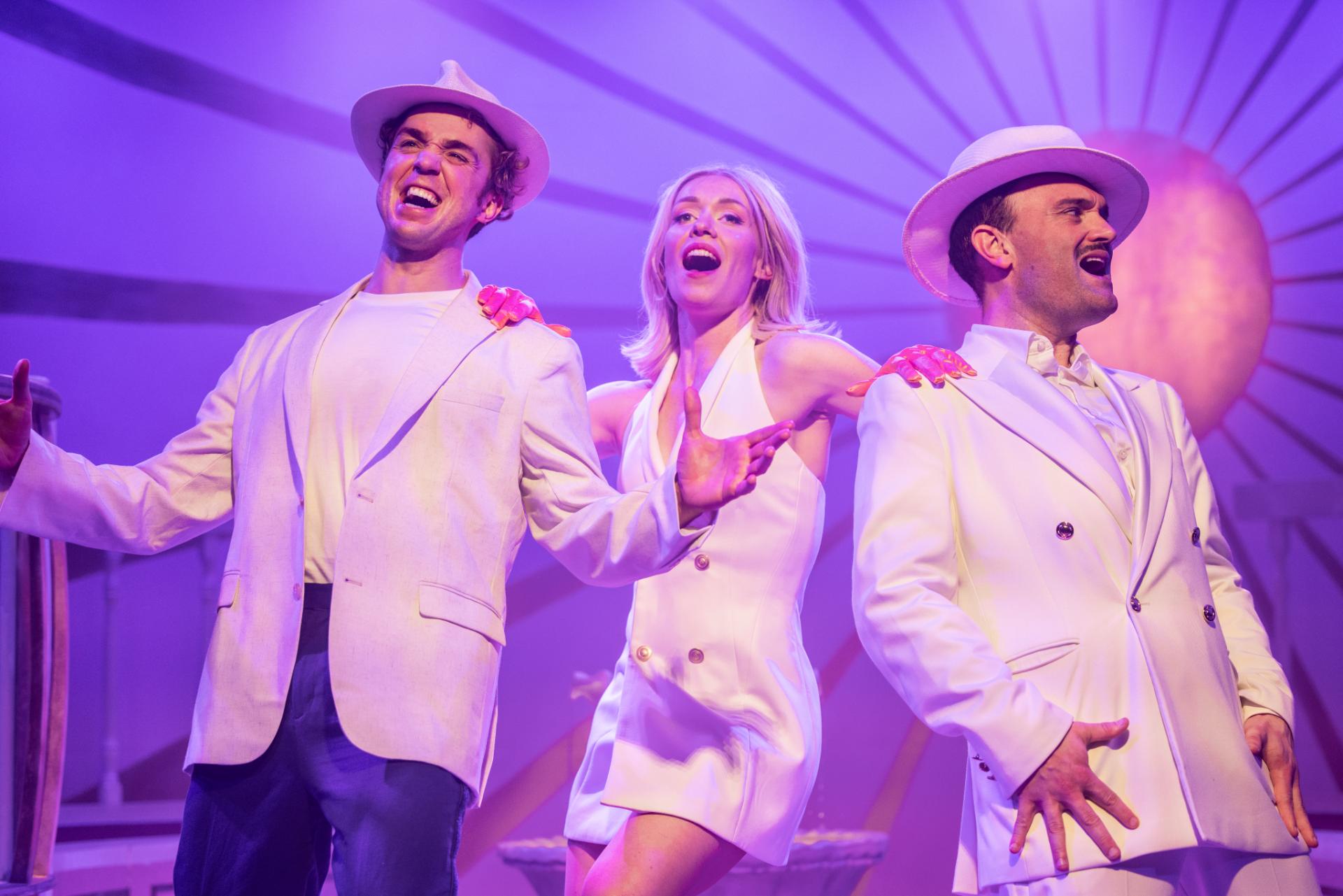
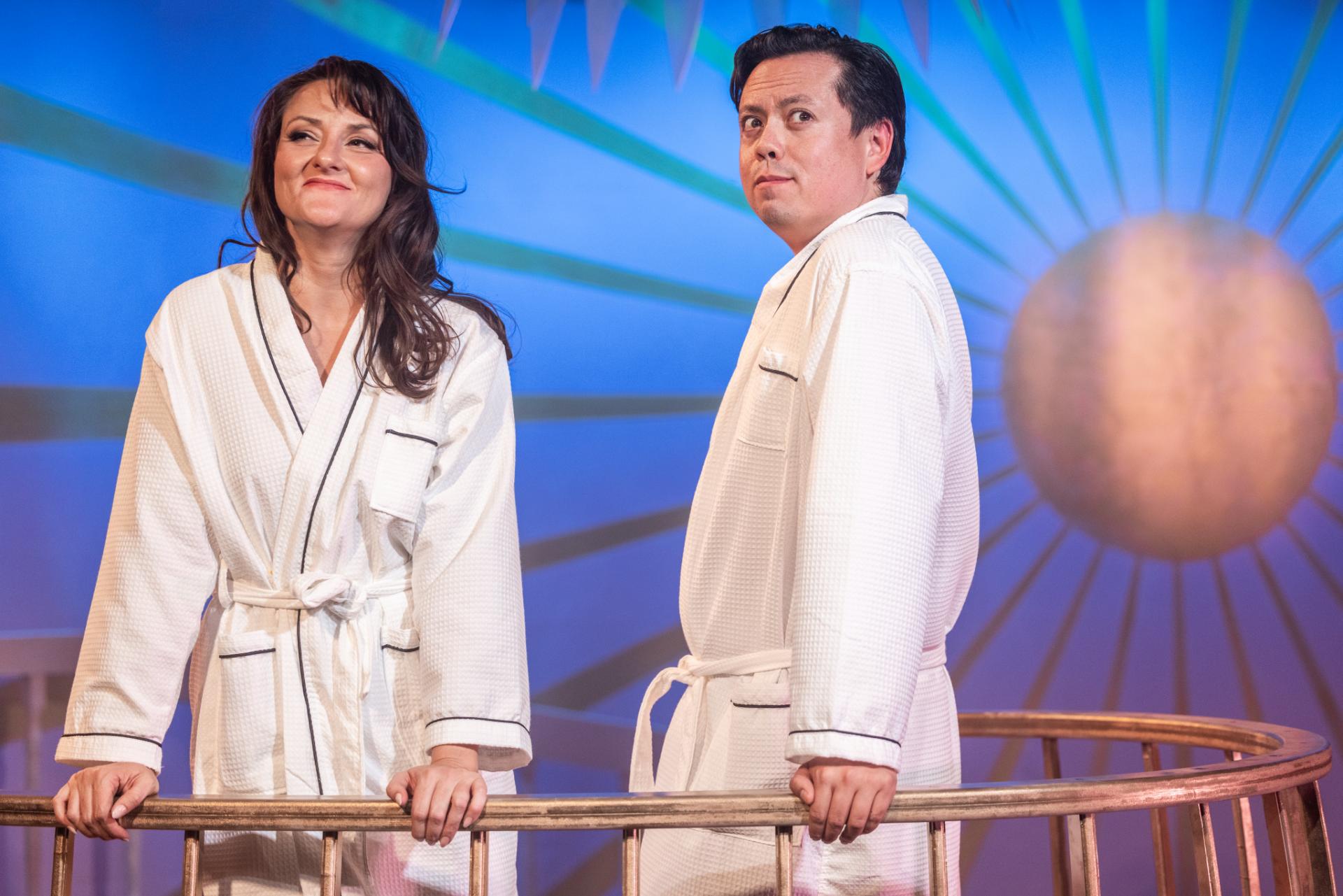
Adapted from Sir Philip Sidney’s 16th-century prose romance The Countess of Pembroke’s Arcadia and set to the effervescent catalogue of The Go-Go’s (including solo work by lead vocalist Belinda Carlisle), the jukebox musical Head Over Heels follows King Basilius of Arcadia as he flees into the wilderness with his royal court, desperately seeking to outmanoeuvre a quartet of ominous prophecies. While a deliberate queering of the narrative lends the production a timely, subversive edge, the 2015 creation remains conceptually thin—an exercise in nostalgic pastiche that, for all its exuberance, ultimately fails to transcend the limitations of its own conceit.

Ellen Simpson’s direction is conventional without being uninspired, yet it fails to cultivate the crucial investment that might elevate the piece beyond its modest virtues. The production’s buoyancy is its greatest asset, an infectious lightness that often carries the day even as the characters remain at a narrative arm’s length. Music director Zara Stanton and choreographer Ryan González follow suit, offering pleasant, polished contributions that are content to serve the material’s needs rather than striving for innovation.

Josh McIntosh’s set sketches a charming pastoral world through its key features—a graceful proscenium arch and an evocative backdrop—but the effect is compromised by rolling units whose rustic utilitarianism clashes with the design’s more delicate aspirations. Sidney Younger’s lighting, though visually restrained, demonstrates scrupulous calibration, modulating energy and atmosphere with precision if not poetry. The cast, uniformly accomplished and visibly committed, labour against a fundamental limitation: the show’s characters are drawn as caricatures, and no amount of performative investment can quite animate them into three-dimensional life.

Head Over Heels illuminates the slender margin between inspired invention and well-worn trope. The production brims with undeniable flashes of creativity, yet they never quite coalesce into something genuinely artistic. Instead, the whole resolves into something more modest: a serviceable vehicle for entertainment, one with which many audience members will undoubtedly leave content, if not transformed.

www.hayestheatre.com.au | www.welldonecreative.com.au

Review: Evil Dead (Seymour Centre)

Venue: Seymour Centre (Chippendale NSW), Feb 20 – Mar 21, 2026
Book & Lyrics: George Reinblatt (based on characters created by Sam Raimi)
Music: Christopher Bond, Frank Cipolla, Melissa Morris, George Reinblatt
Director: Daniel Stoddart
Cast: Grace Alston, Jake Ameduri, Elaina Bianchi, Oliver Clisdell, Harley Dasey, Harrison Riley, Emma Wilby
Images by Peter Stoop

Theatre review
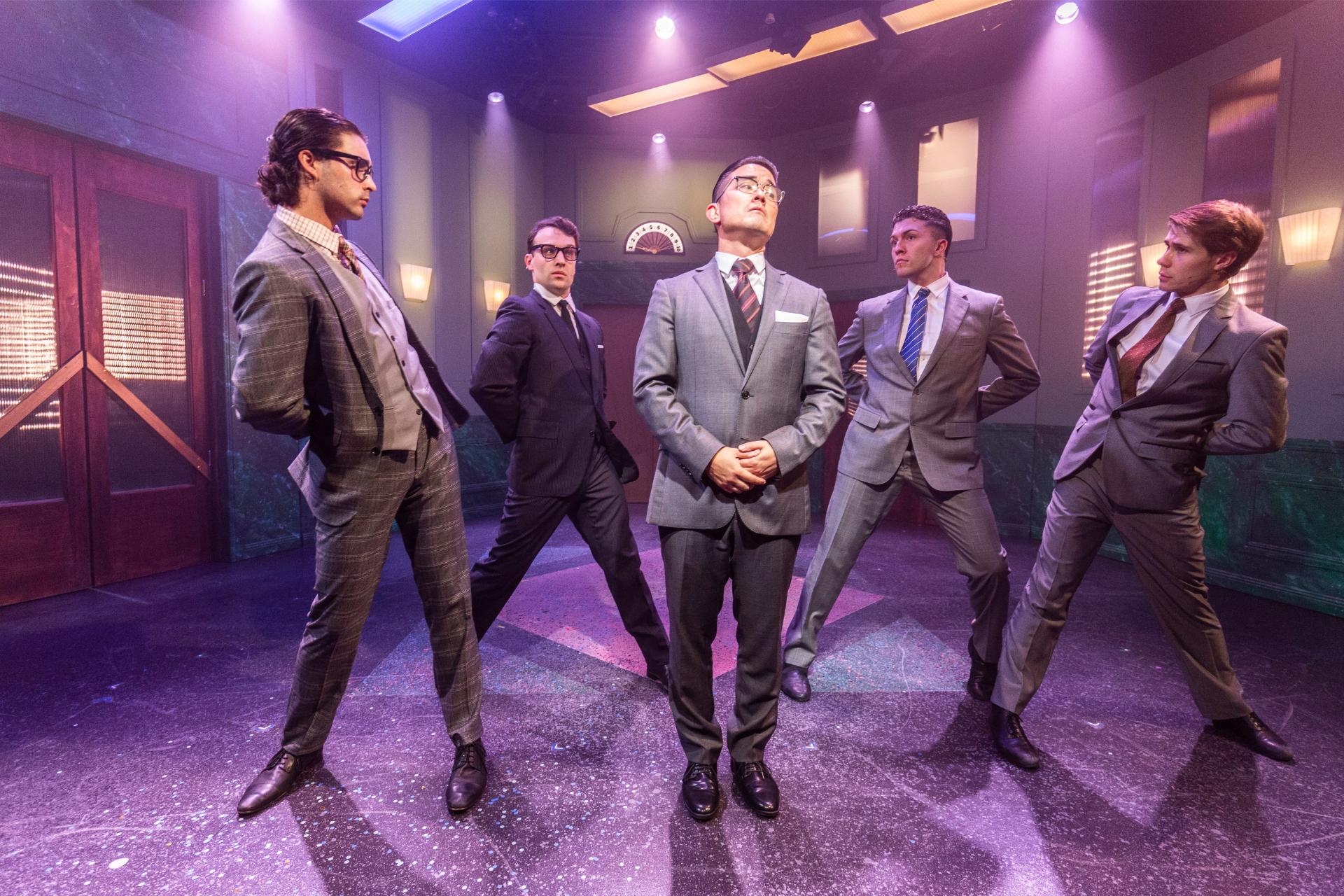
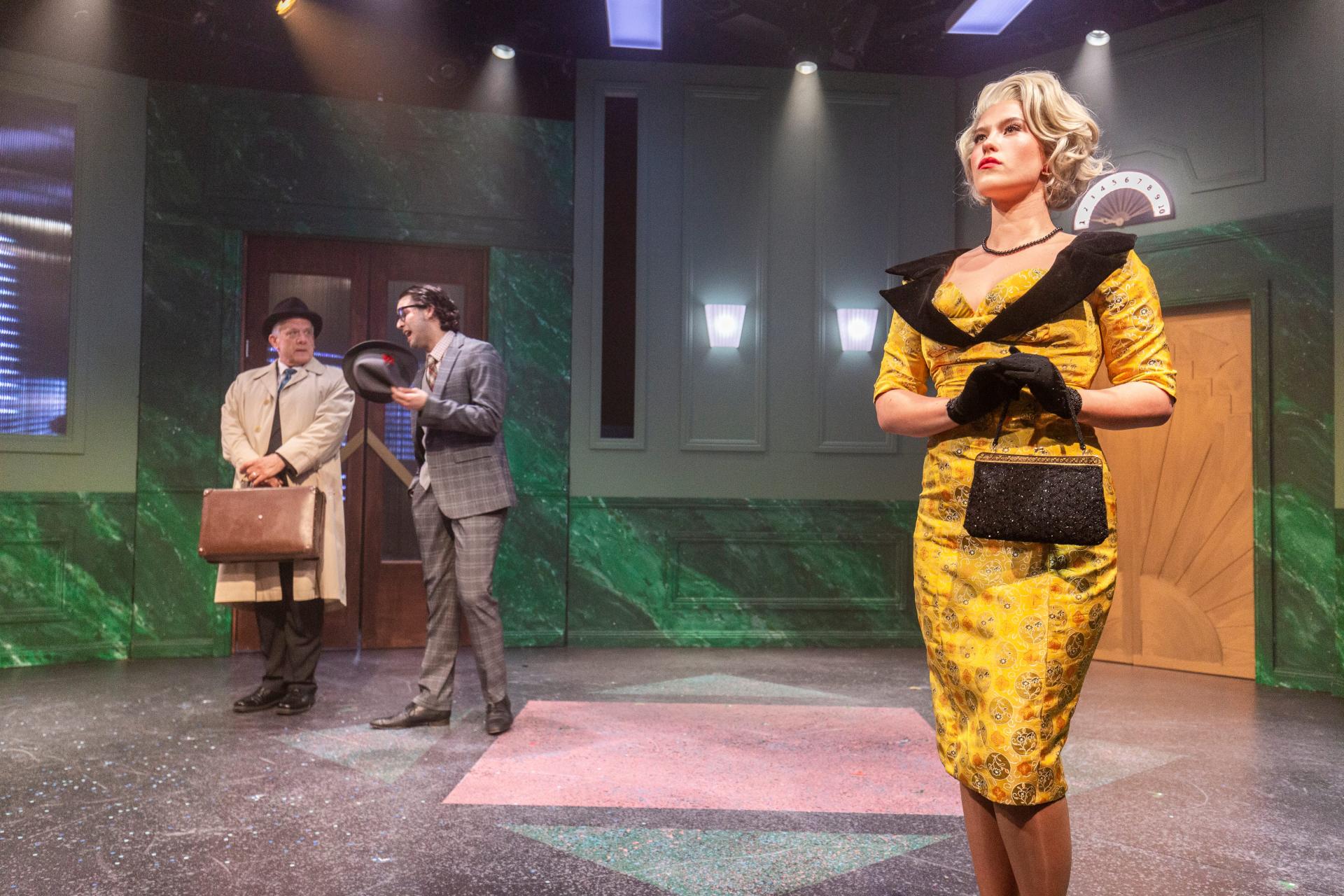
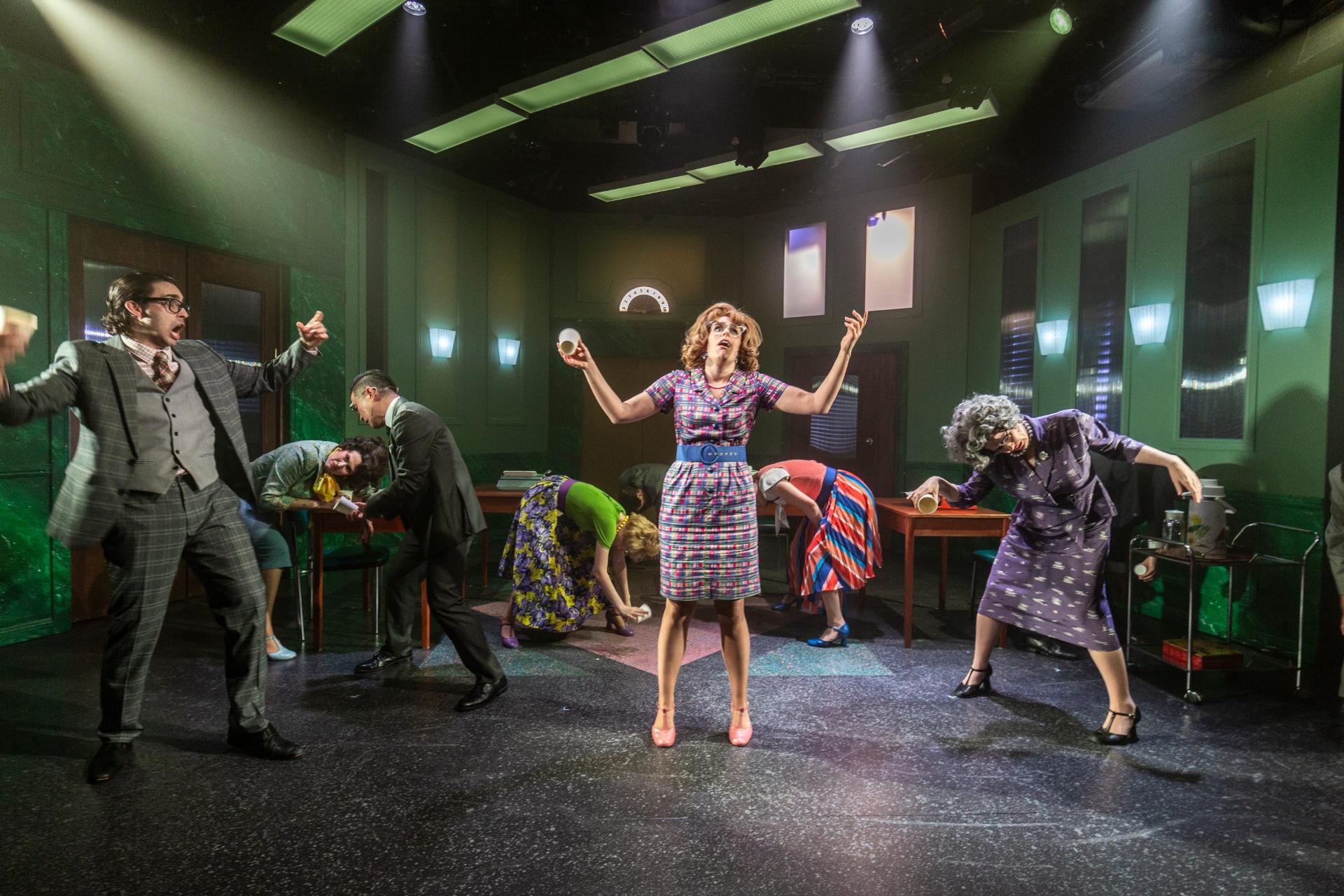
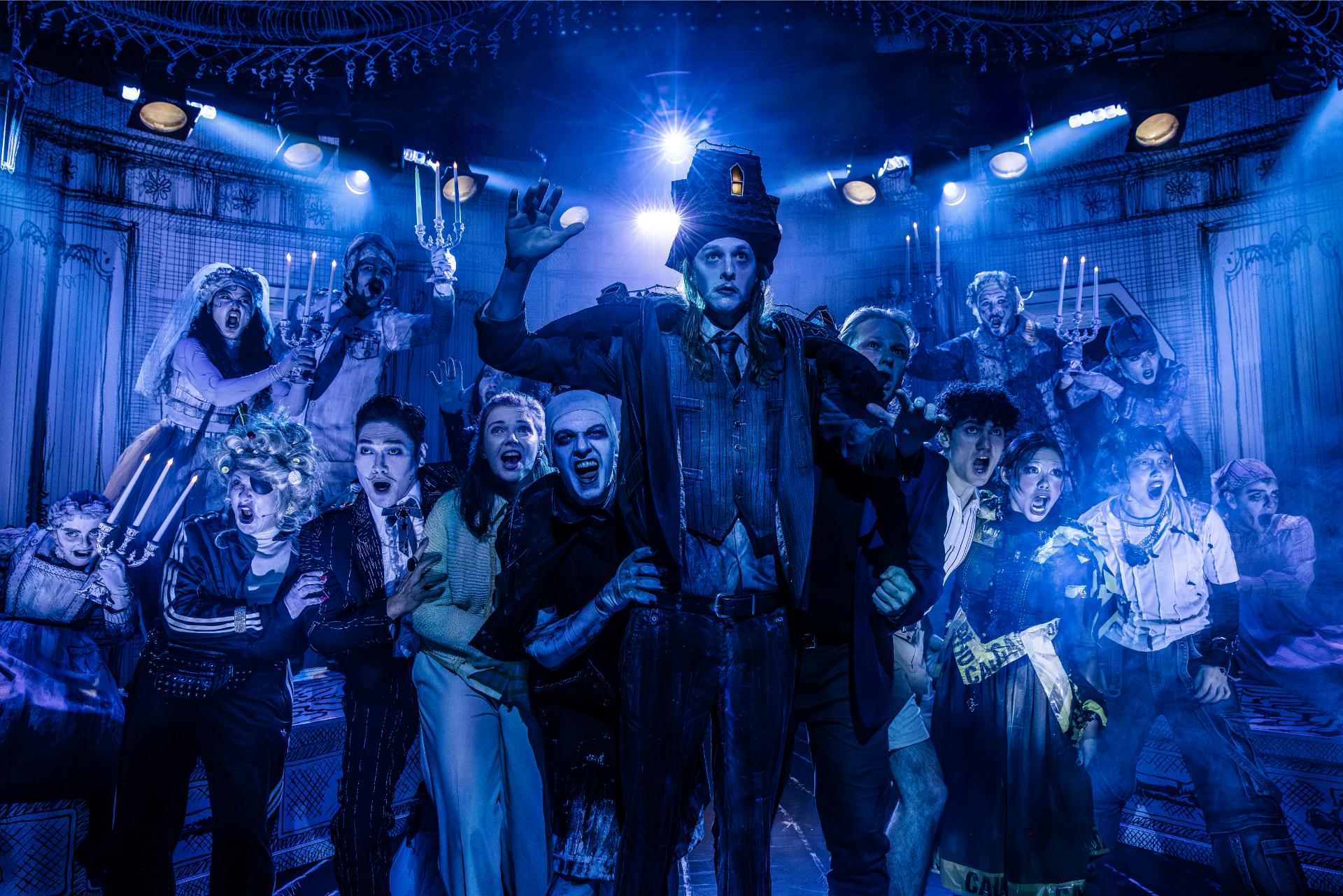
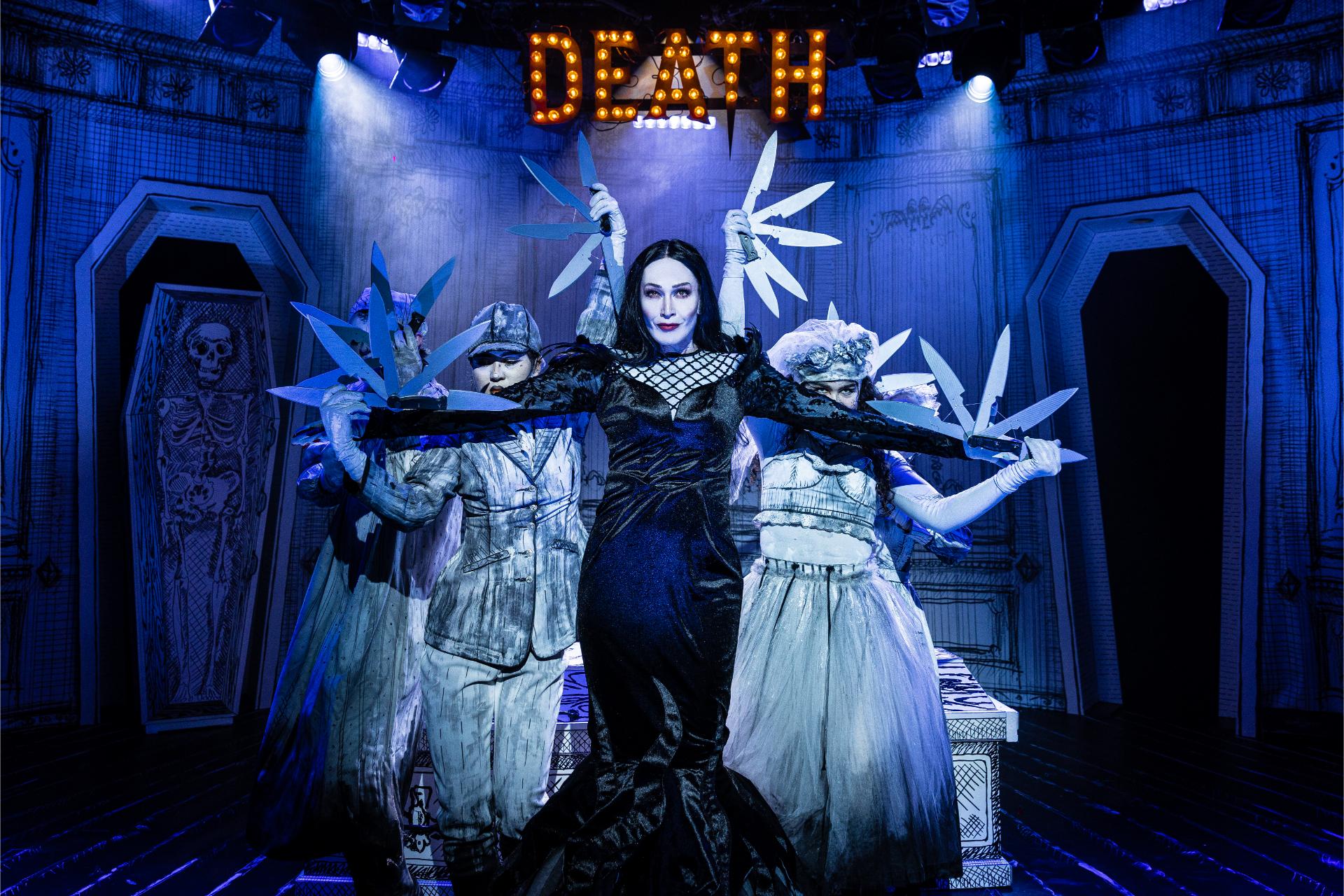
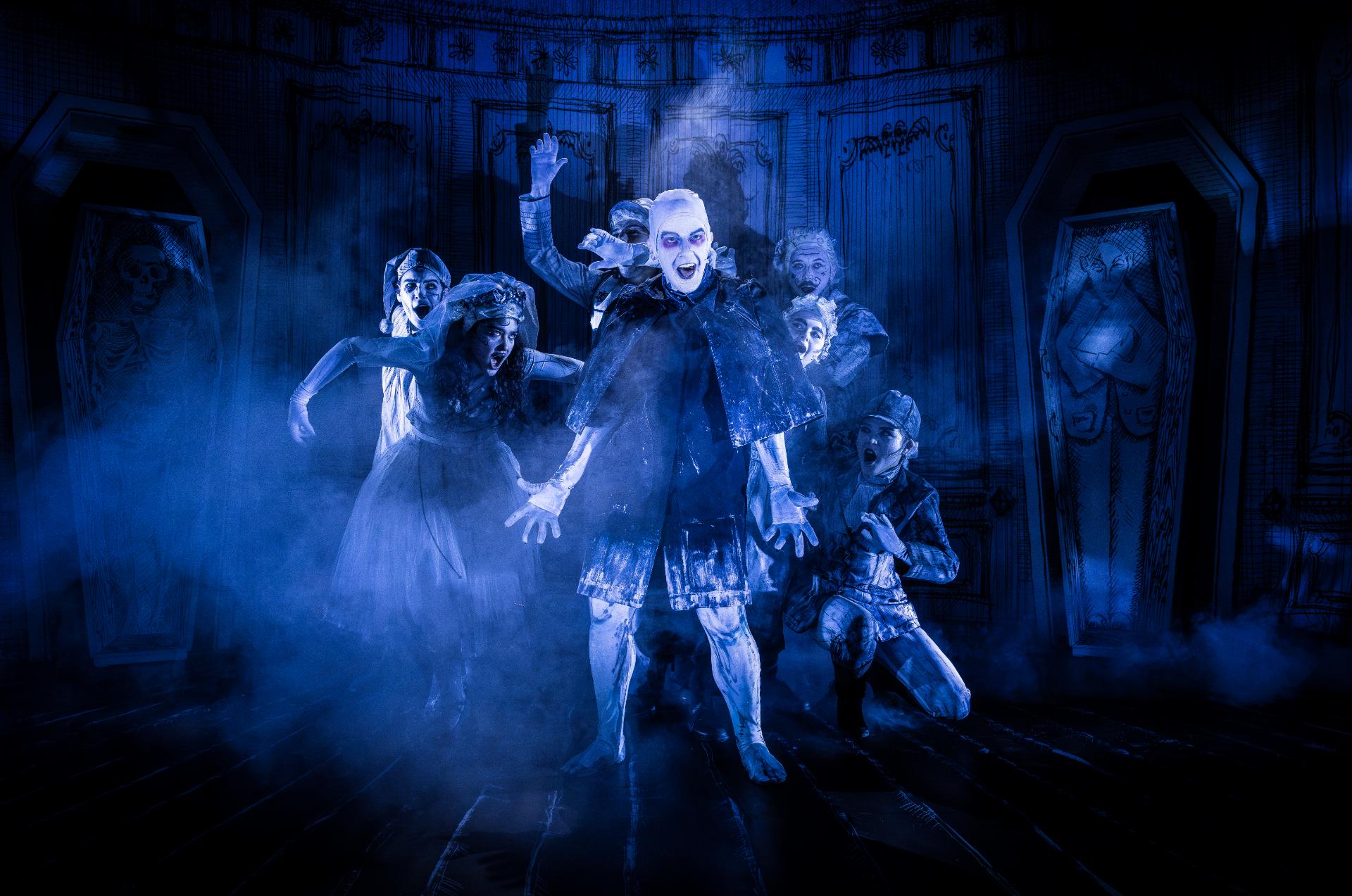
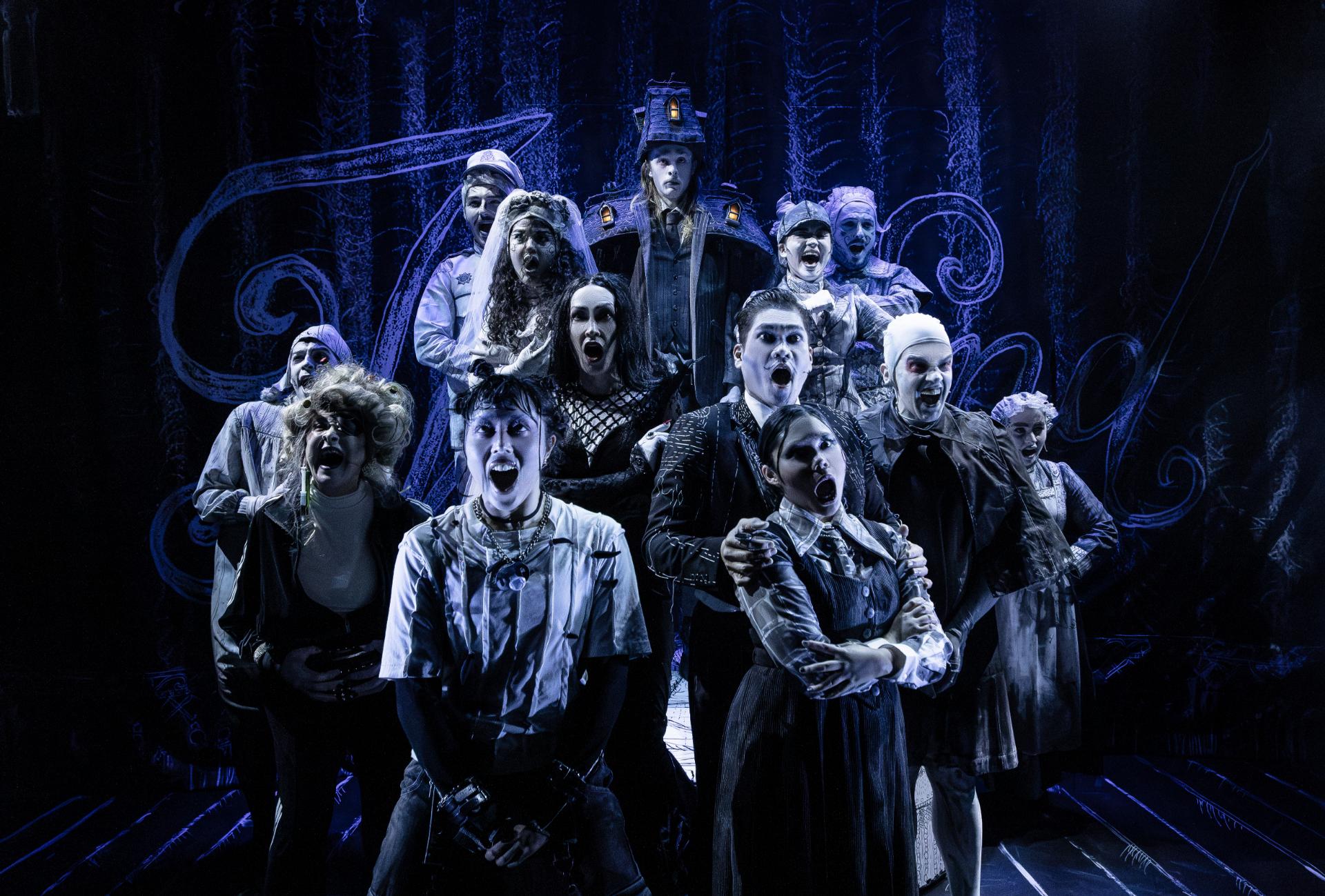
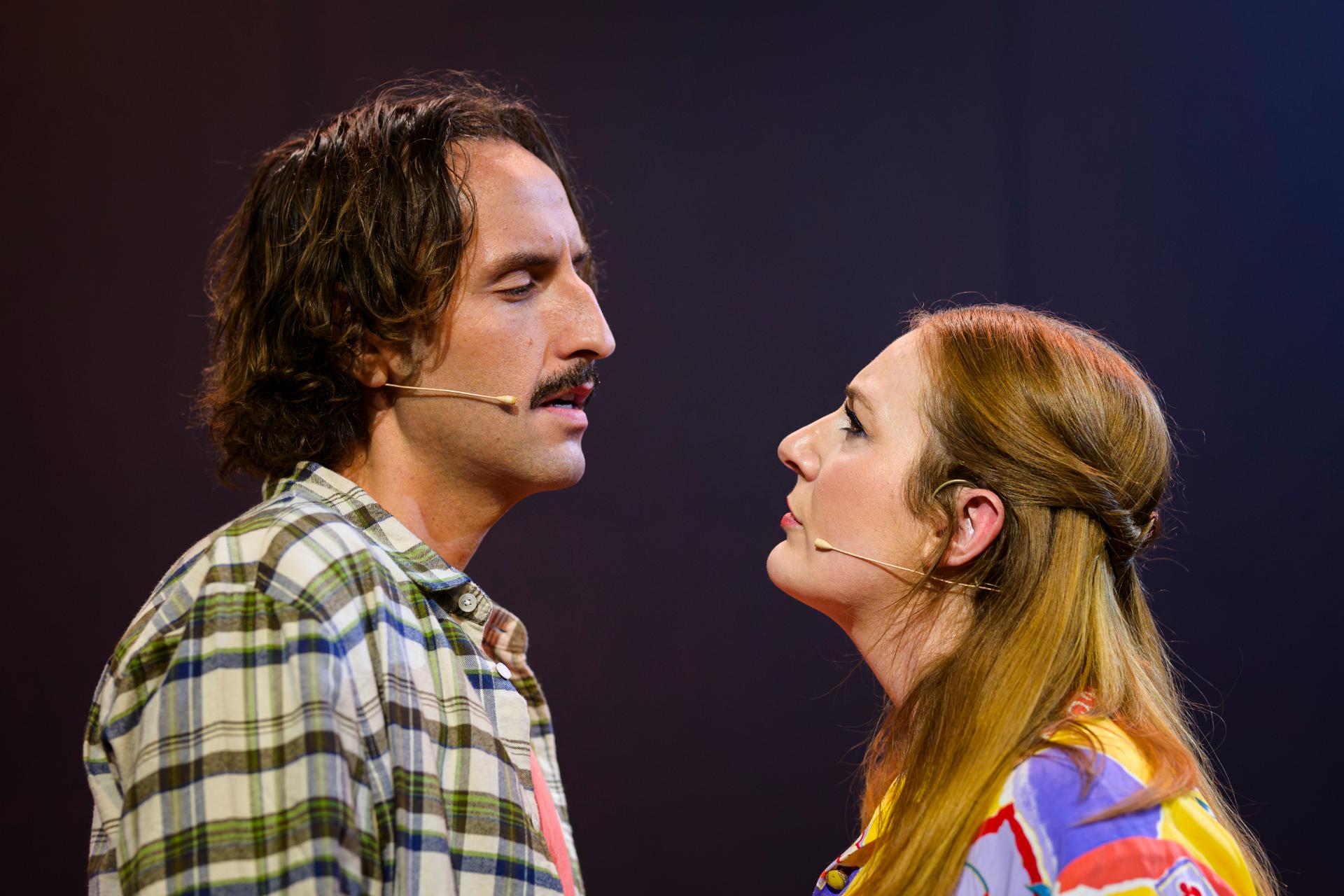
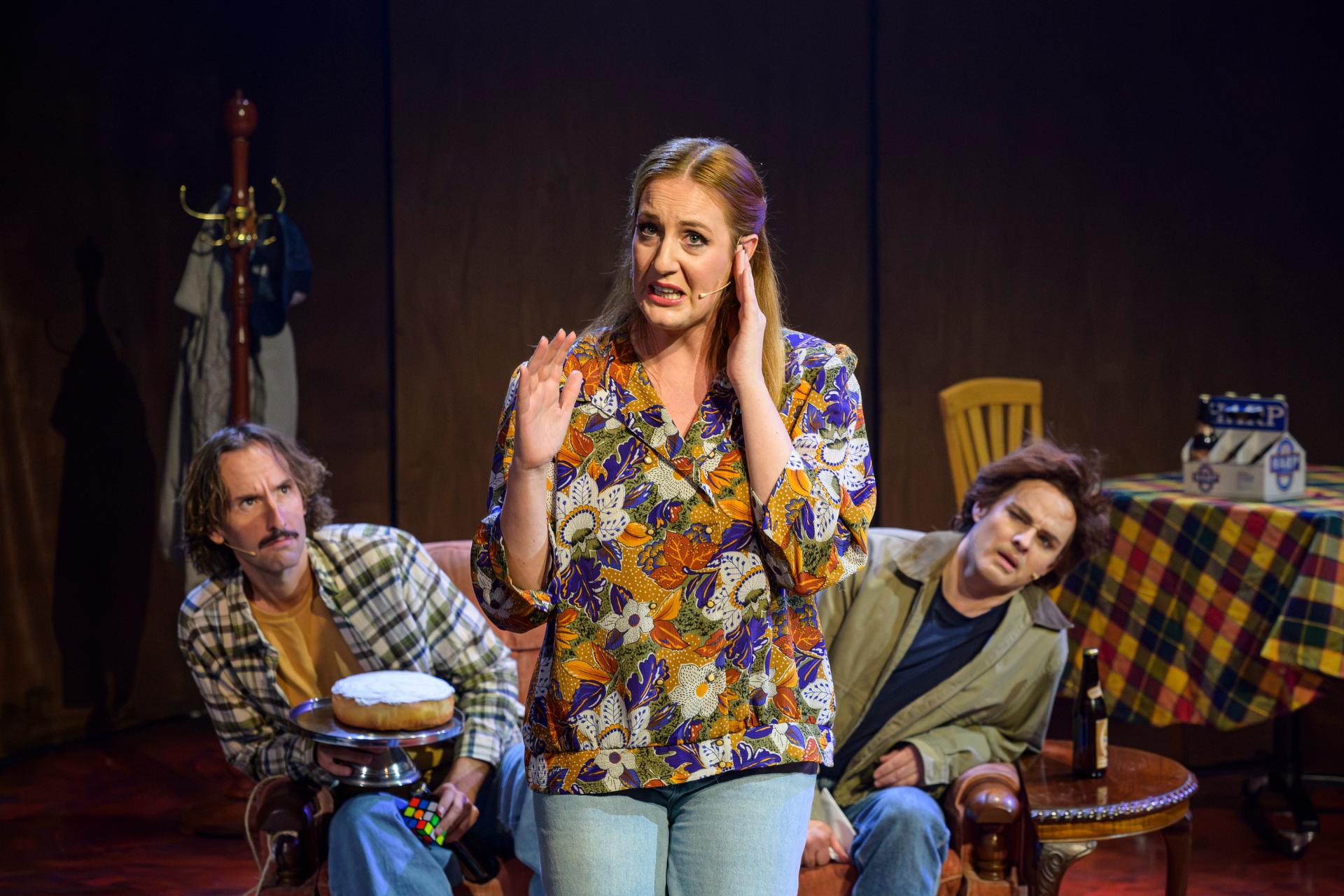
Five college students venture into a remote cabin for spring break, only to succumb one by one to demonic possession—unleashing bloody carnage upon their unsuspecting friends. This is Evil Dead: The Musical, a stage adaptation of Sam Raimi’s seminal horror film. Where the 1981 original genuinely terrified audiences, the musical version leans gleefully into slapstick, transforming the source material’s gruesome set pieces into comical, blood-soaked punchlines. The result plays less as parody and more as affectionate tribute—a theatrical love letter to a film that has since ascended to iconic cult status.

While the material itself may not consistently land with comedic precision, director Daniel Stoddart compensates with an infusion of irrepressible exuberance that propels the production forward. The contributions of choreographer Lochlan Erard and music director Mark Bradley, while adhering to conventional frameworks, provide a polished and professional foundation for the production.

Much of the evening’s success rests upon the sheer infectiousness of the cast’s enthusiasm, which effectively distracts from jokes that can otherwise skew toward the trite. In the central role of Ash, Harley Dasey demonstrates technical competence, even if his portrayal falls somewhat short of the roguish, beleaguered heroism the part demands. More memorable are supporting players like Emma Wilby as Cheryl and Harrison Riley as Jack, whose impeccable comic timing yields the production’s most substantial laughs.

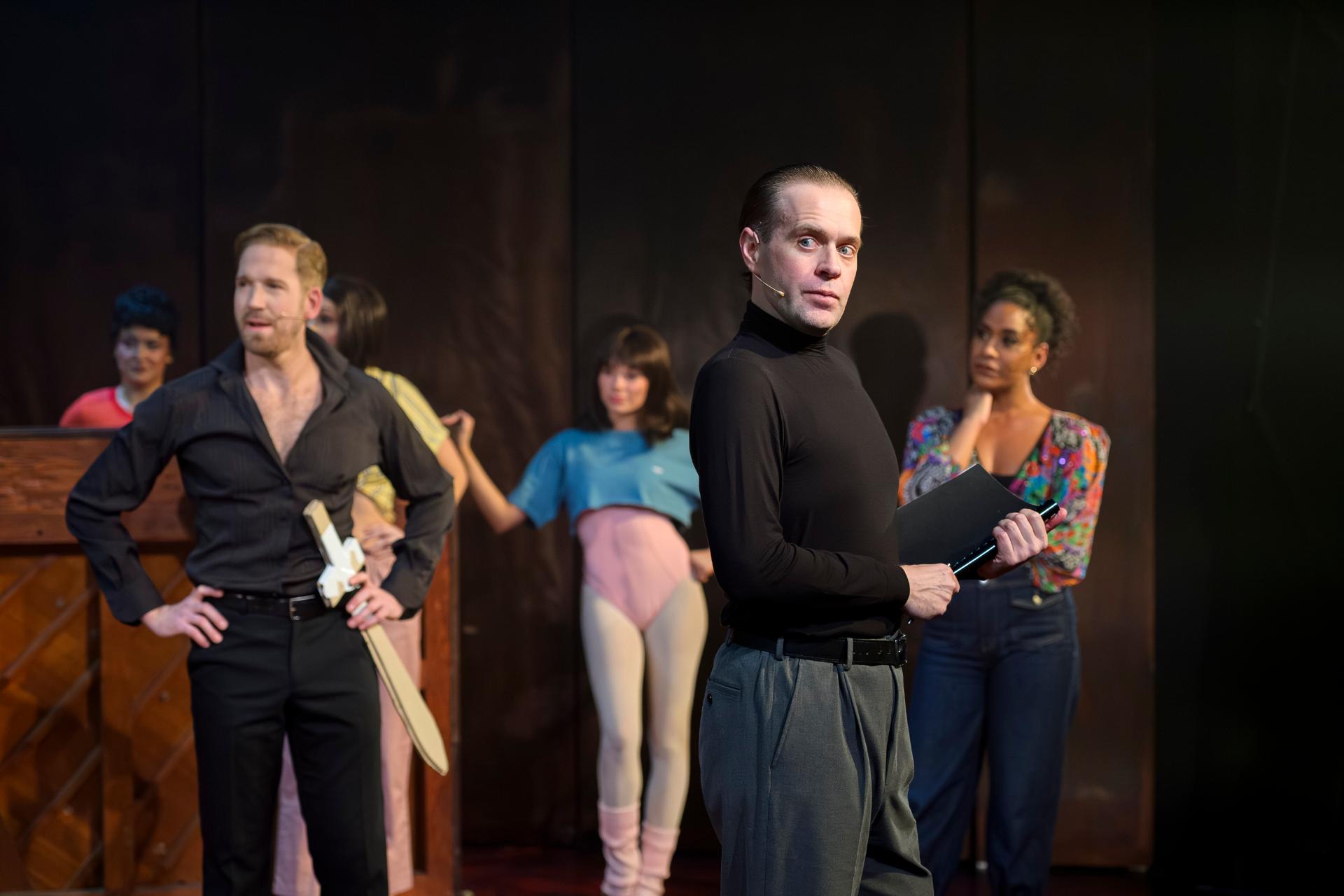
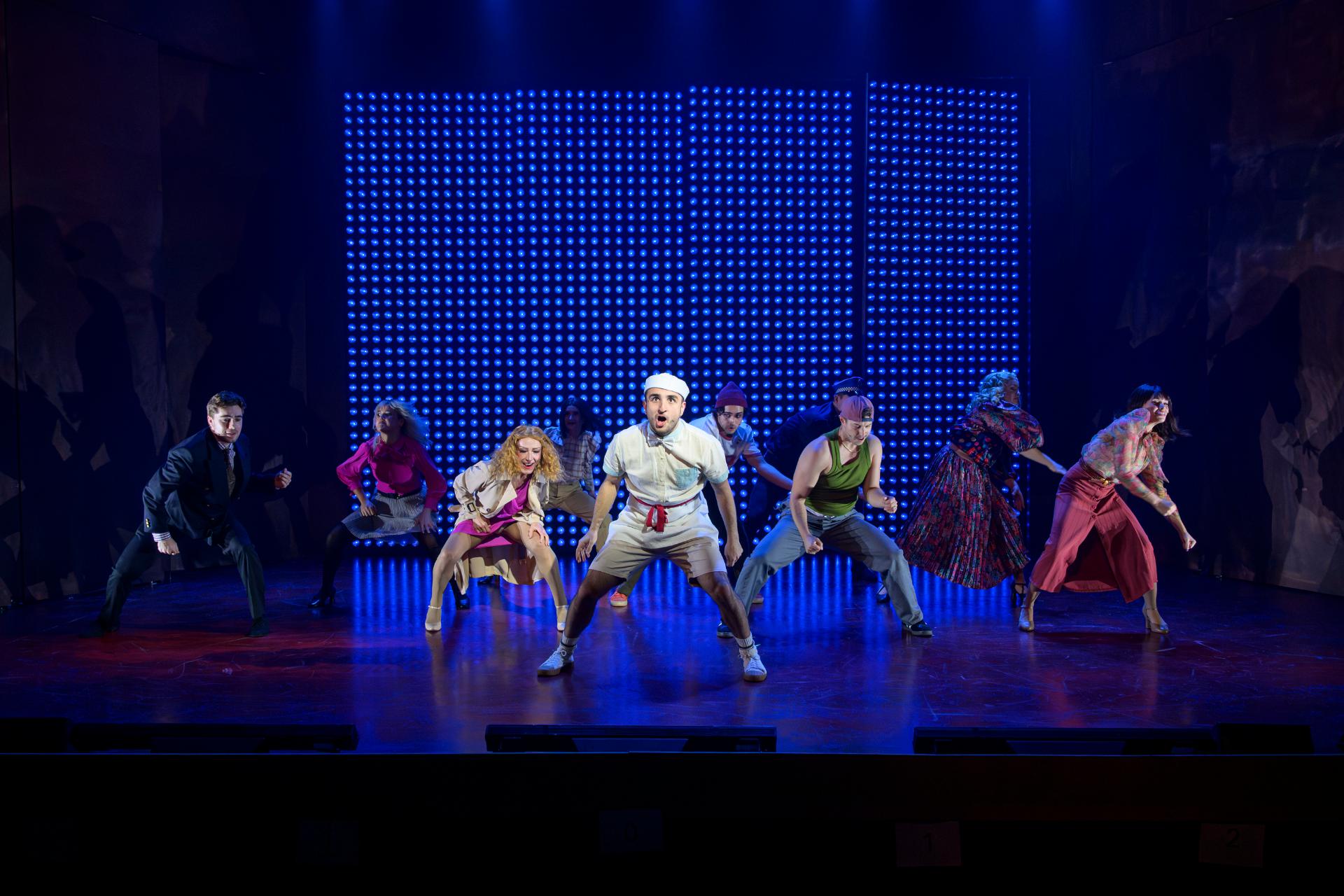
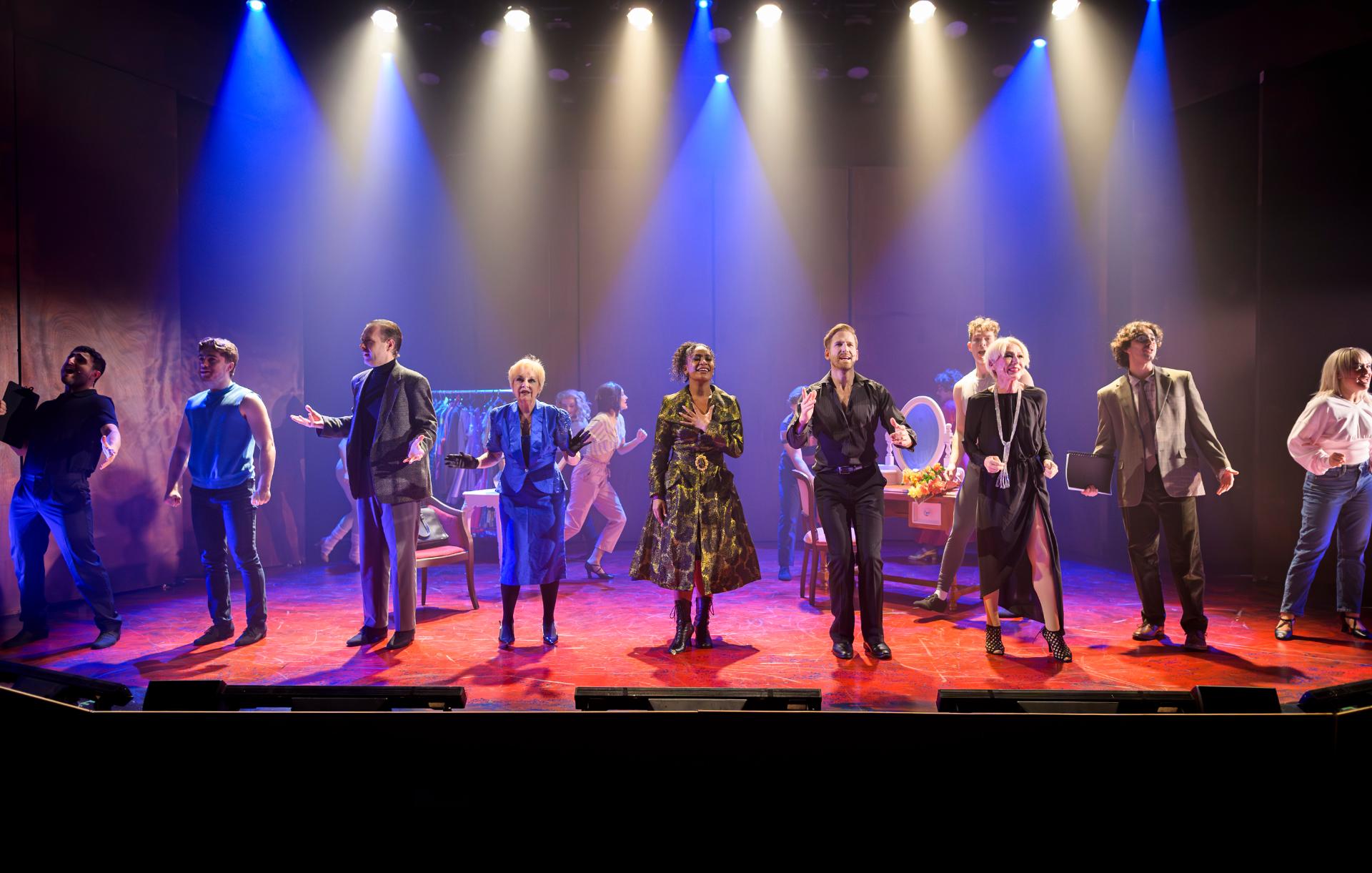
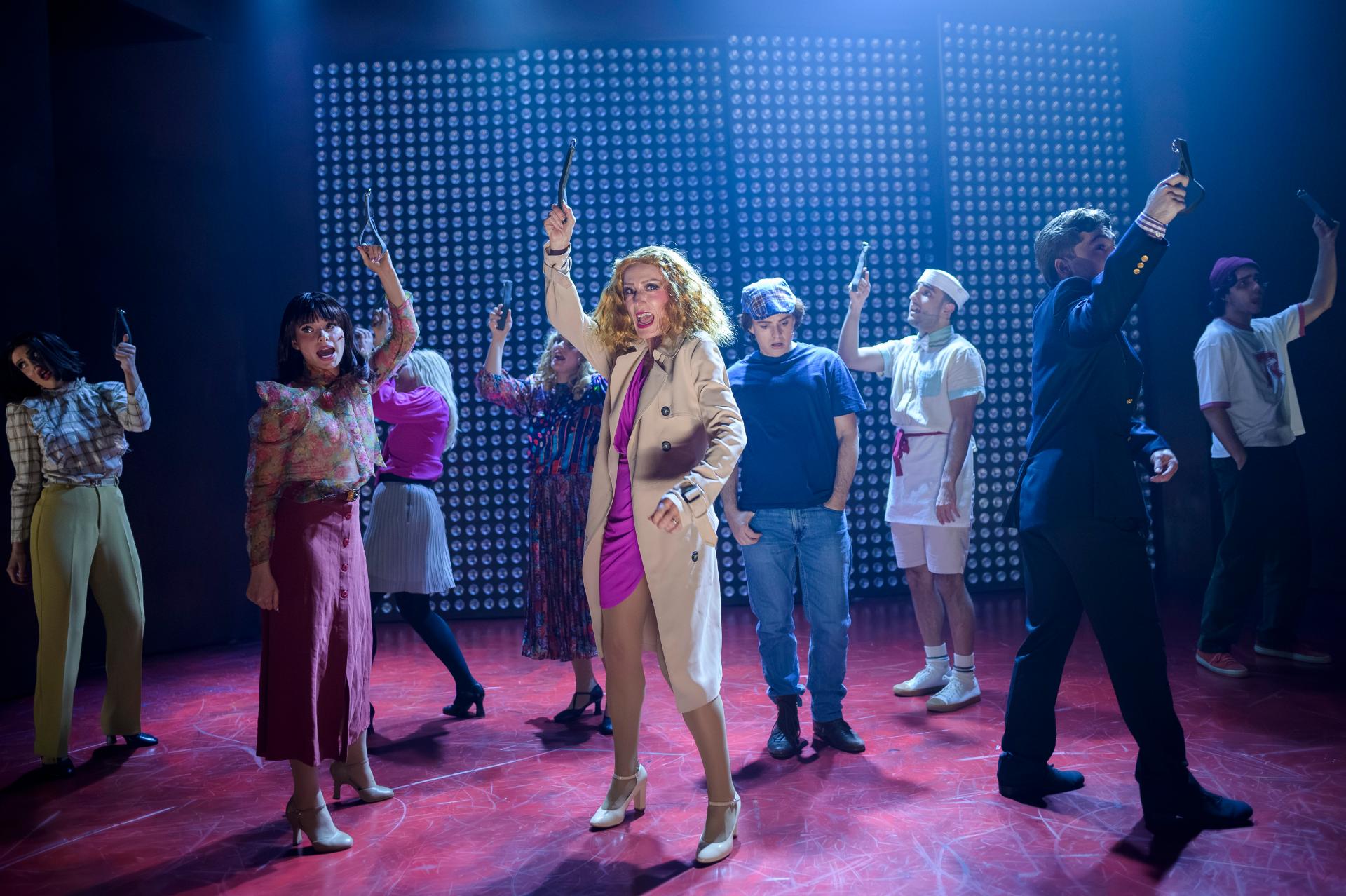
Eric Luchen’s set design proves memorable in its effective realization of the narrative’s supernatural demands. Together with Renata Beslik’s costumes, the production’s visual landscape achieves a faithful, if overly conventional, period authenticity. It is Jason Bovaird’s lighting design, however, that injects genuine dramatic tension, its increasingly dynamic palette mirroring the story’s gradual descent into high-octane chaos and effectively propelling the production toward its bombastic conclusion.

Review: Putting It Together (Foundry Theatre)

Venue: Foundry Theatre (Pyrmont NSW), Jan 6 – Feb 15, 2026
Words and Music: Stephen Sondheim
Director: Cameron Mitchell
Cast: Stefanie Caccamo, Michael Cormick, Nigel Huckle, Bert LaBonté, Caroline O’Connor
Images by Daniel Boud

Theatre review
Titled Putting It Together: A Musical Review, devised by Stephen Sondheim and Julia McKenzie, the revue offers an ostensibly eclectic yet undeniably compelling survey of Sondheim’s oeuvre. The work unfolds as a loosely assembled showcase of songs—each brilliant in its own right—exploring intricate ideas and psychologically complex characters. Admirers of the Broadway master will find much to savour, and while the piece dispenses with a conventional narrative arc, the sheer intelligence and craft of Sondheim’s songwriting ensure its appeal to even the most discerning music lovers.

Under Cameron Mitchell’s direction, the production is polished, if overly restrained and polite, with choreography that renders each movement fluid and visually harmonious. Nick Fry’s set design deftly evokes the glamour of twentieth-century America, while Trudy Dalgleish’s lighting lends a complementary sheen that further elevates the scenic palette. Nigel Shaw’s costumes, though understated, are nonetheless elegant and flattering, contributing quietly but effectively to the overall aesthetic.

A highly accomplished cast anchors the production, led by Bert LaBonté, whose charisma and warmth cut through the material, ensuring the evening never lapses into stasis. Stefanie Caccamo’s relentlessly dynamic vocals are a particular delight, each phrase delivered with astonishing precision and expressive control. Michael Cormick, Nigel Huckle, and Caroline O’Connor likewise register strongly, each enjoying moments of distinction within a staging notable for its consummate professionalism.

Completing the picture, Kevin Wang’s musical direction proves a standout, drawing remarkable richness and depth from a pared-back ensemble of two pianos and rhythm section. Sondheim’s songs remain incontestably magnificent, and this iteration of Putting It Together demonstrates how even the lightest touch of theatrical framing can unlock a remarkable degree of magic.

www.foundrytheatre.com.au