Venue: Belvoir St Theatre (Surry Hills NSW), Aug 22 – Sep 20, 2026
Playwright: Richard Tulloch (from the novel by Guus Kuijer)
Director: Neil Armfield
Cast: Julie Forsyth, John Gaden, Claire Jones, John Leary, Rebecca Massey, Bridie McKim, Pamela Rabe, Matthew Whittet
Images by Brett Boardman
Theatre review
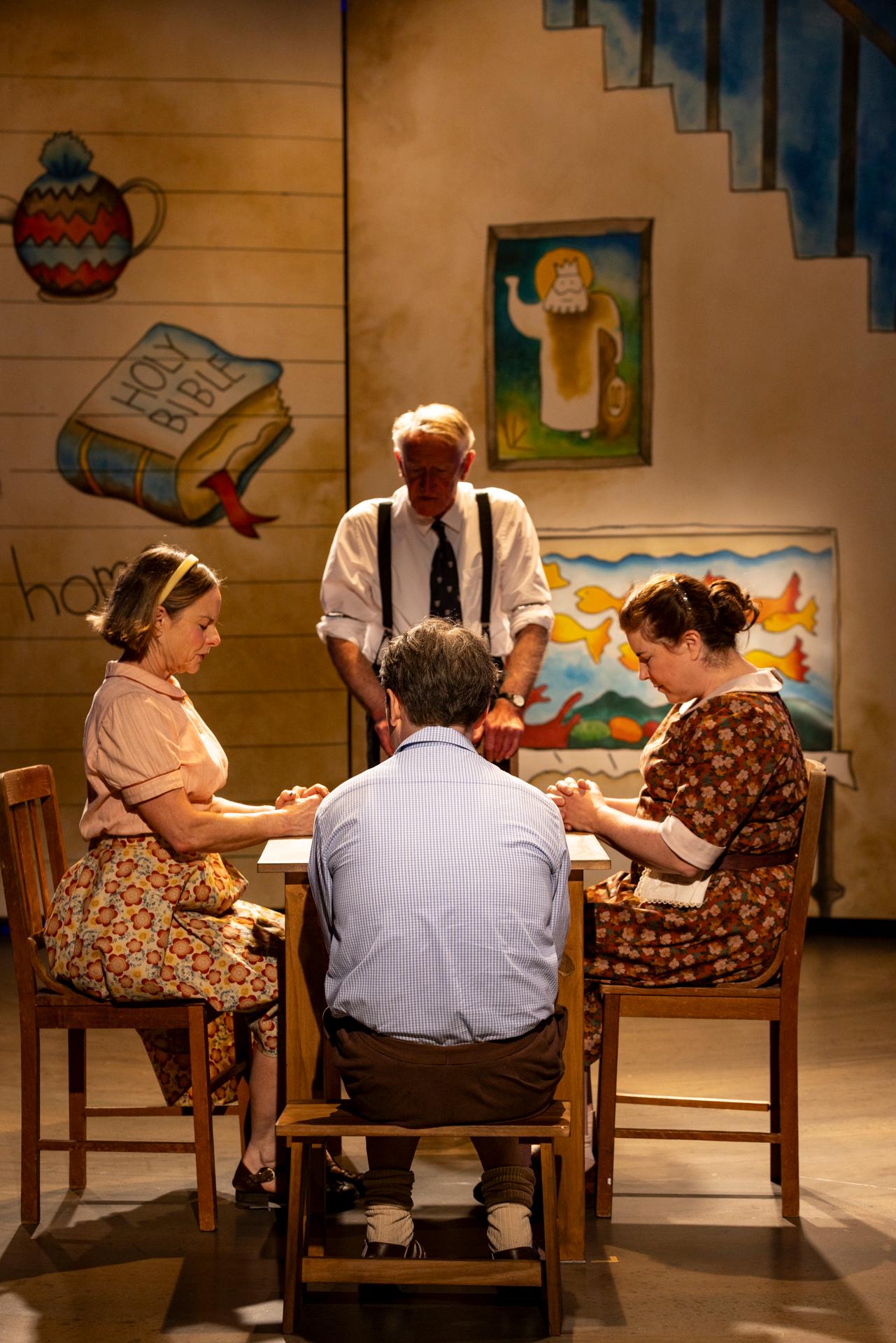
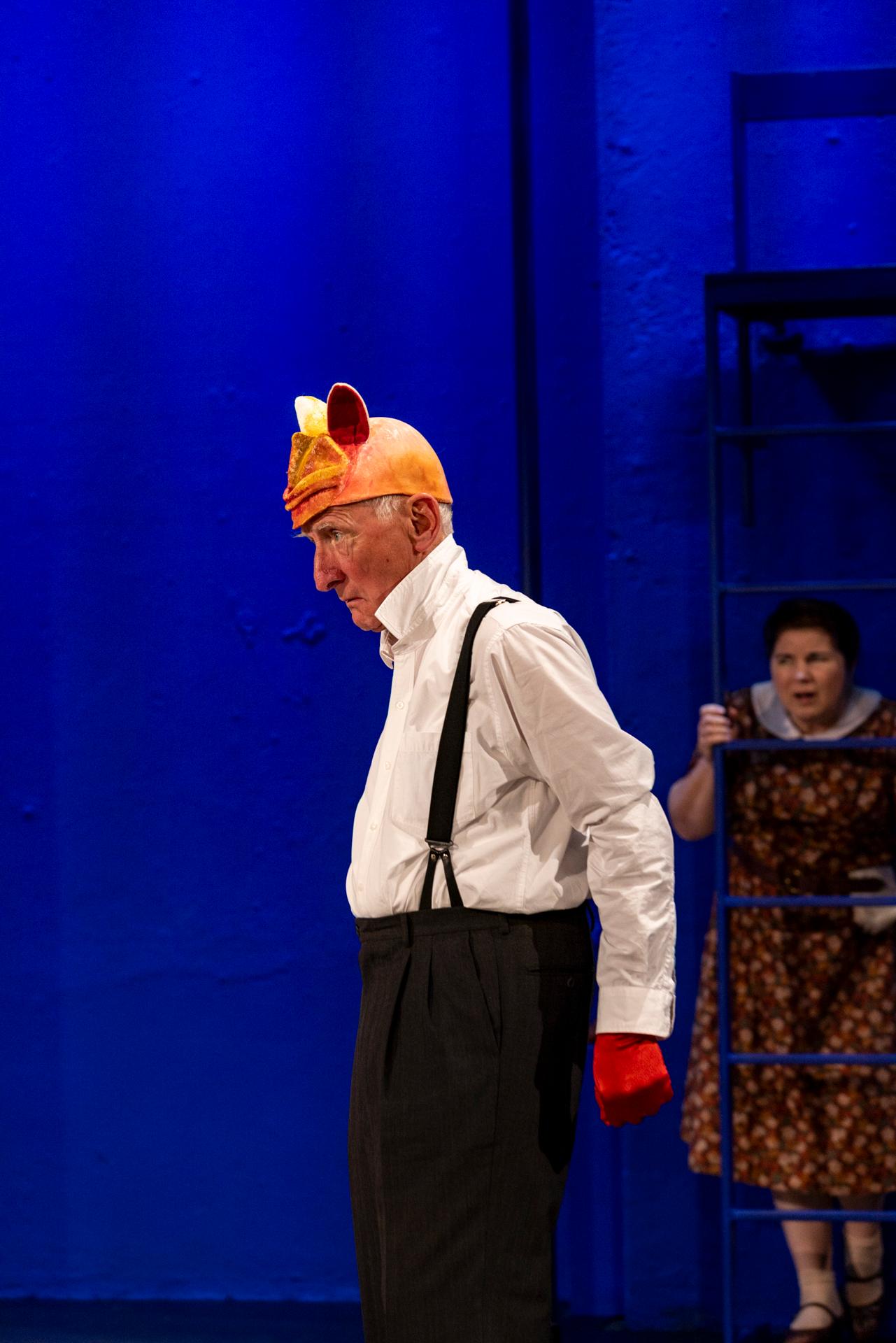
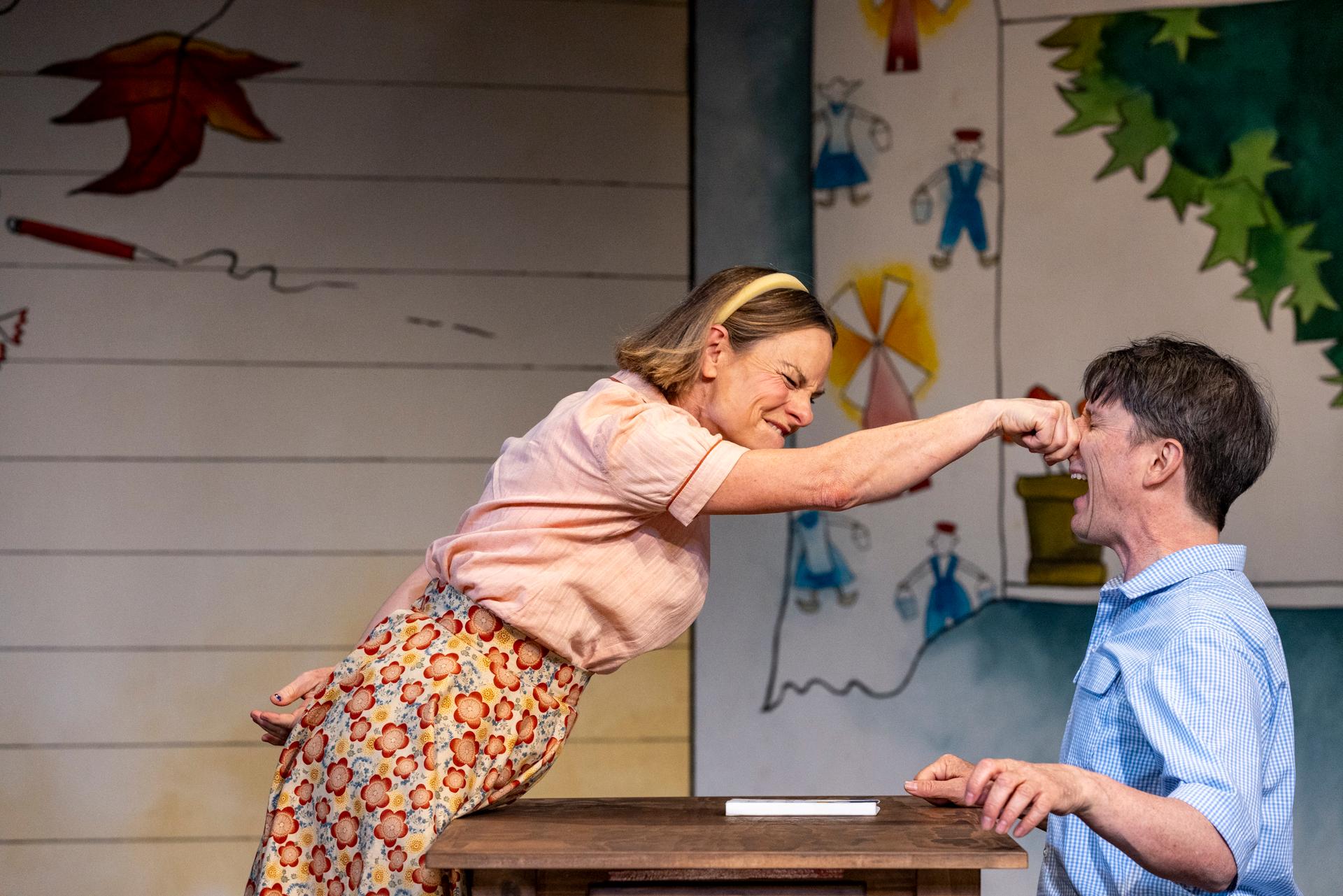
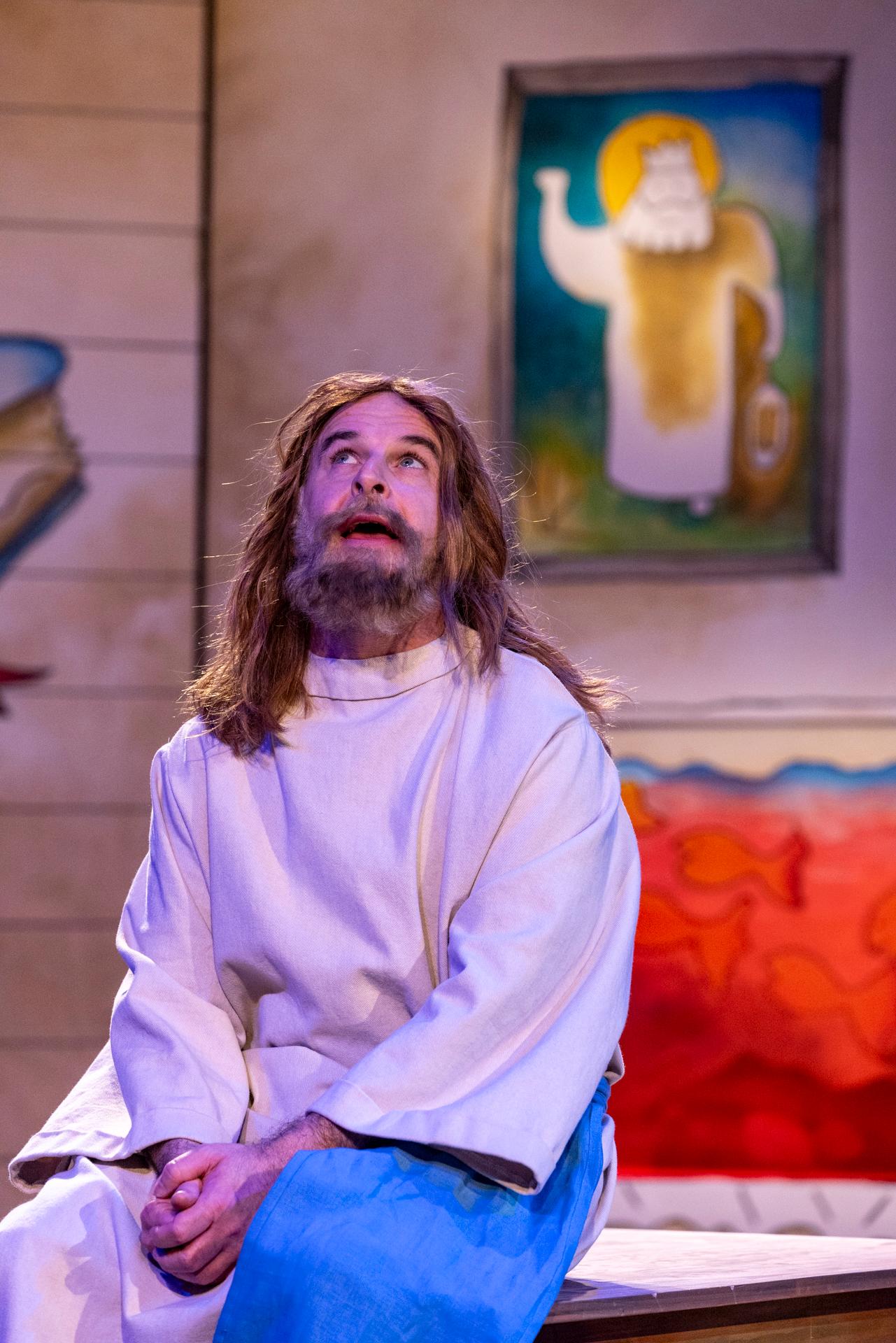
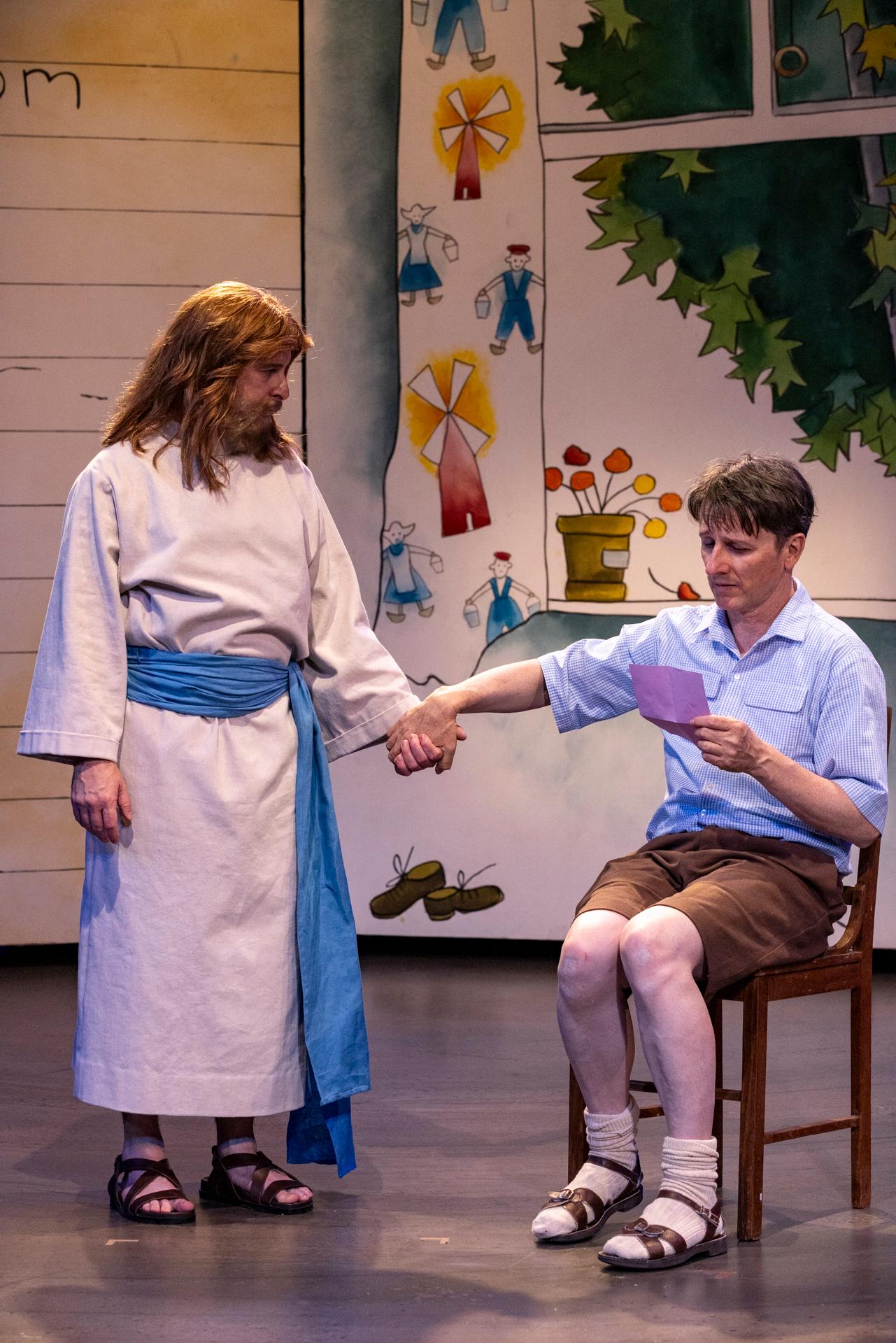
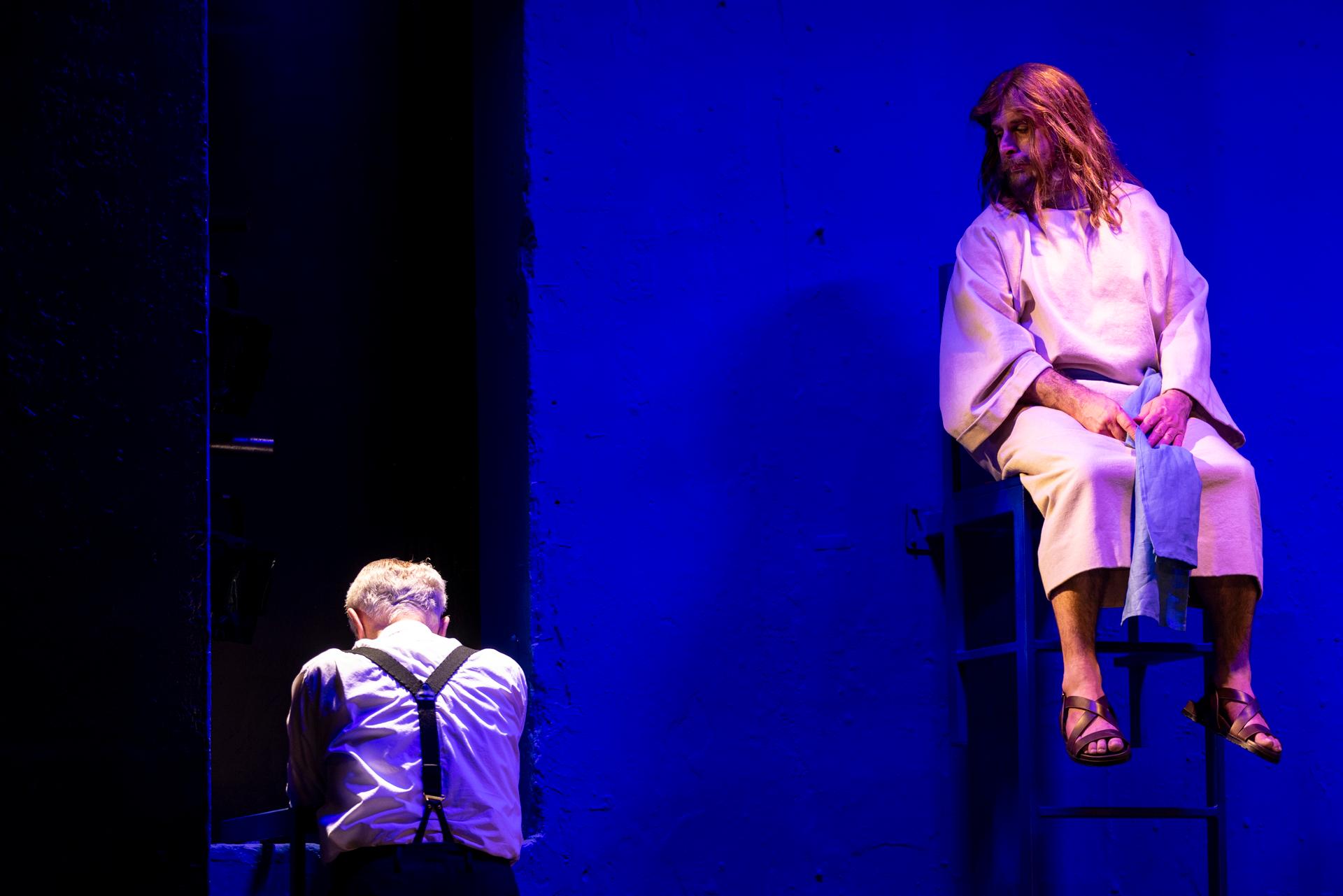
Nine-year-old Thomas lives in the shadow of a tyrannical father whose religious fanaticism manifests as routine violence against his wife and children. Next door lives a witch who appears to stand in direct opposition to everything the Christian church represents, yet she is the one who offers Thomas the greatest comfort and inspiration. Guus Kuijer’s The Book of Everything is a story with a profound moral centre, and Richard Tulloch’s stage adaptation captures that depth while remaining irresistibly joyful, funny and ultimately uplifting.
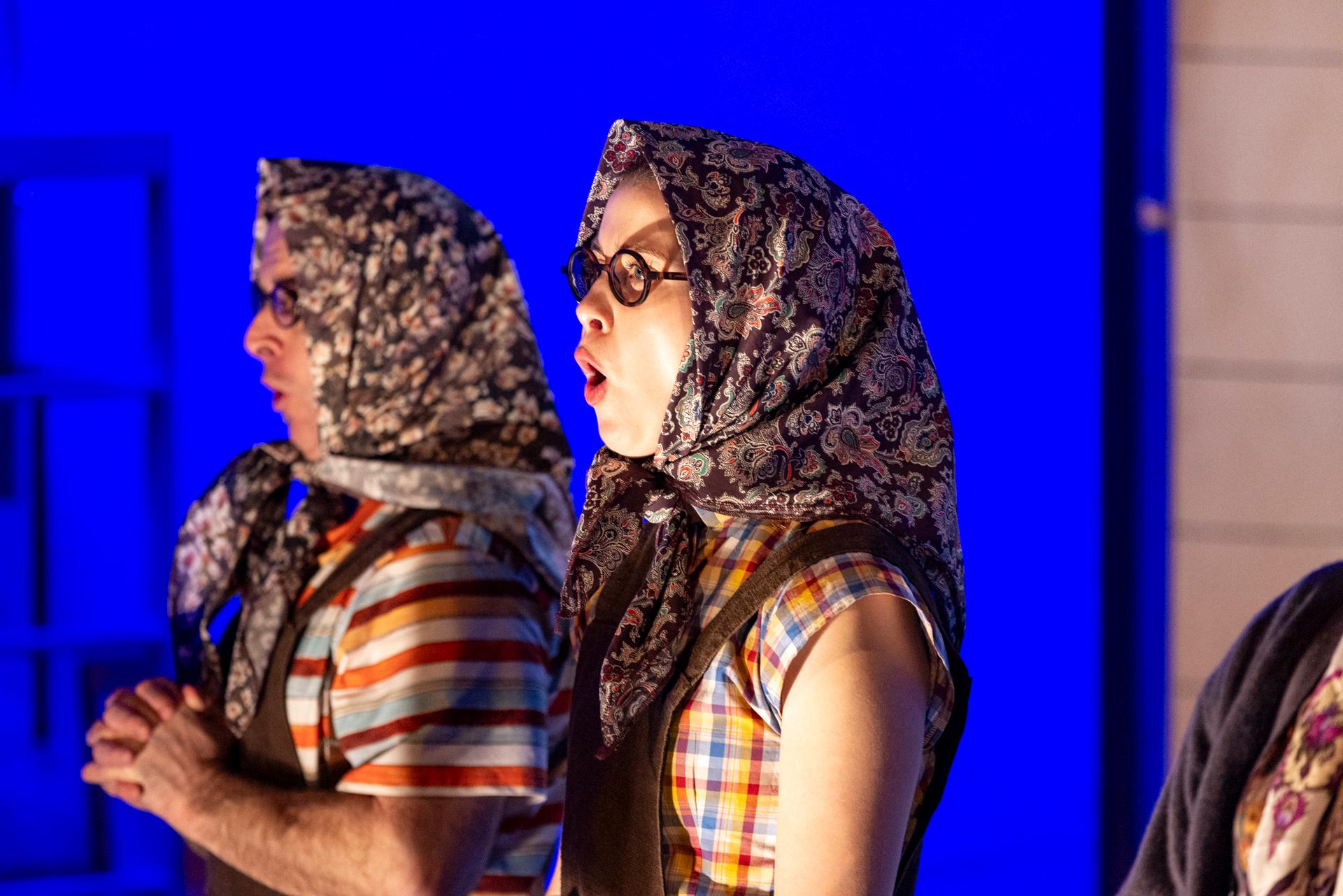
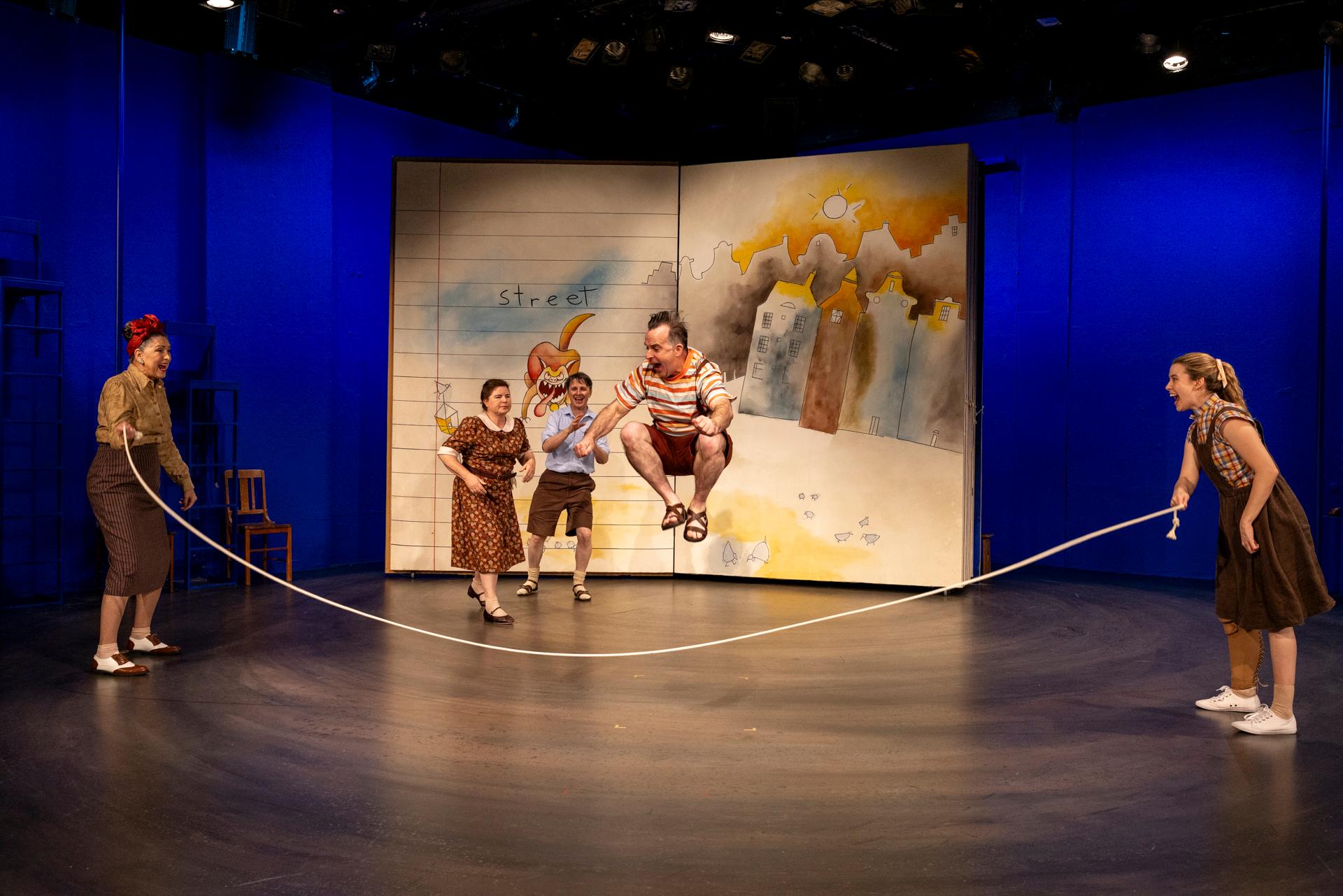
Neil Armfield’s direction brims with effervescence. Whether the production is boisterous or intimate, it is consistently moving, finding genuine emotional truth without ever tipping into sentimentality. The Book of Everything is about childhood innocence, but its reflections on growing up feel timeless rather than saccharine.
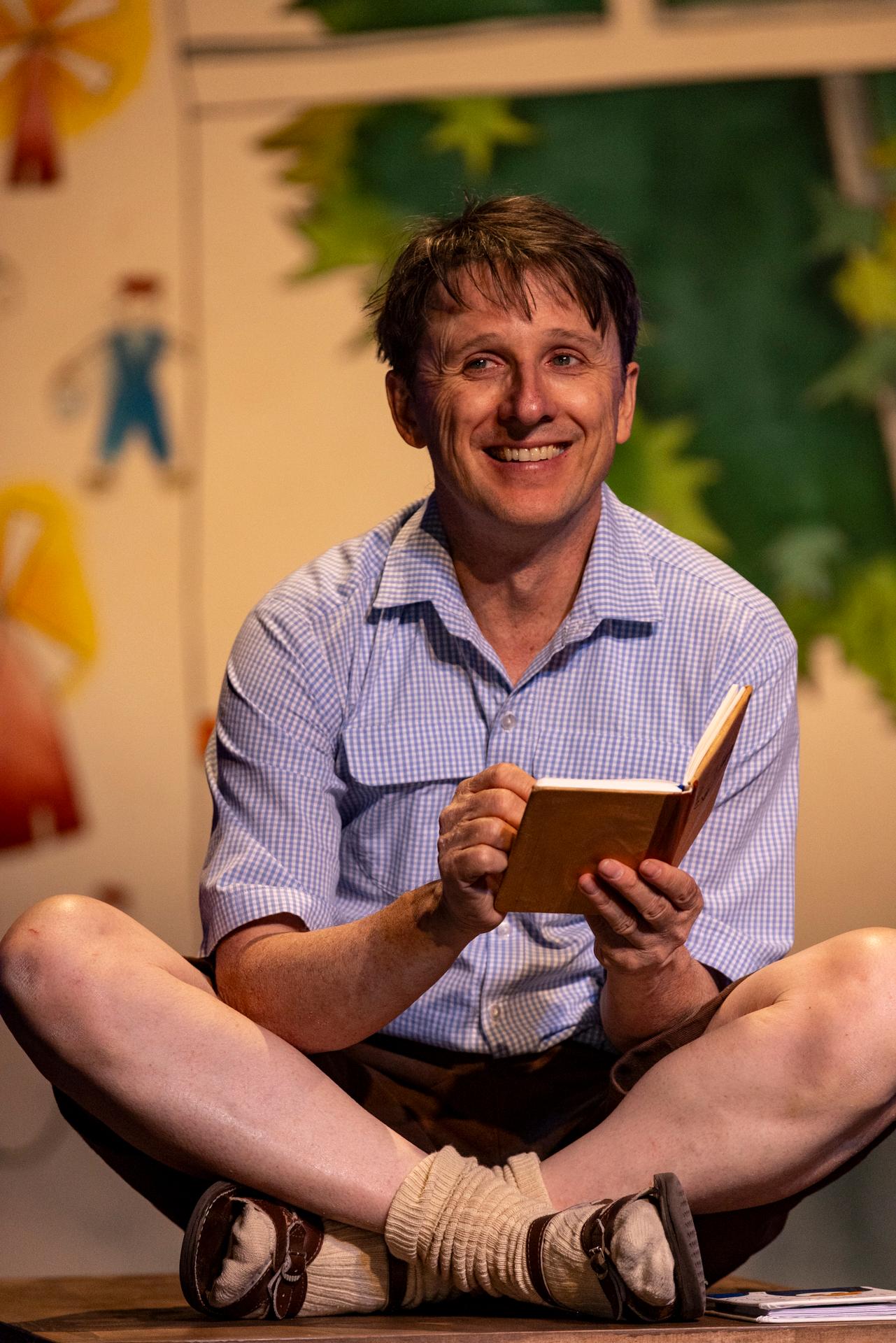
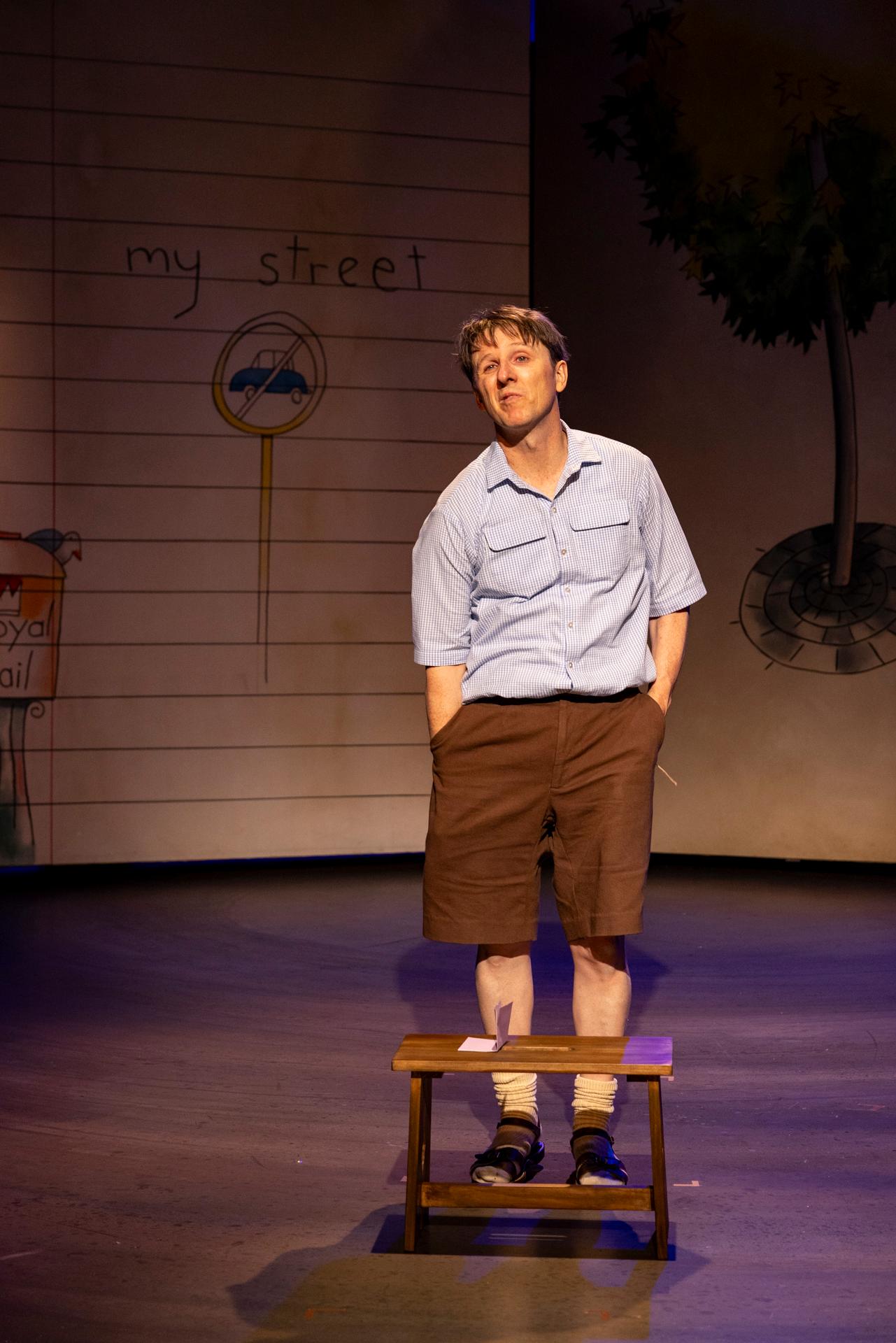
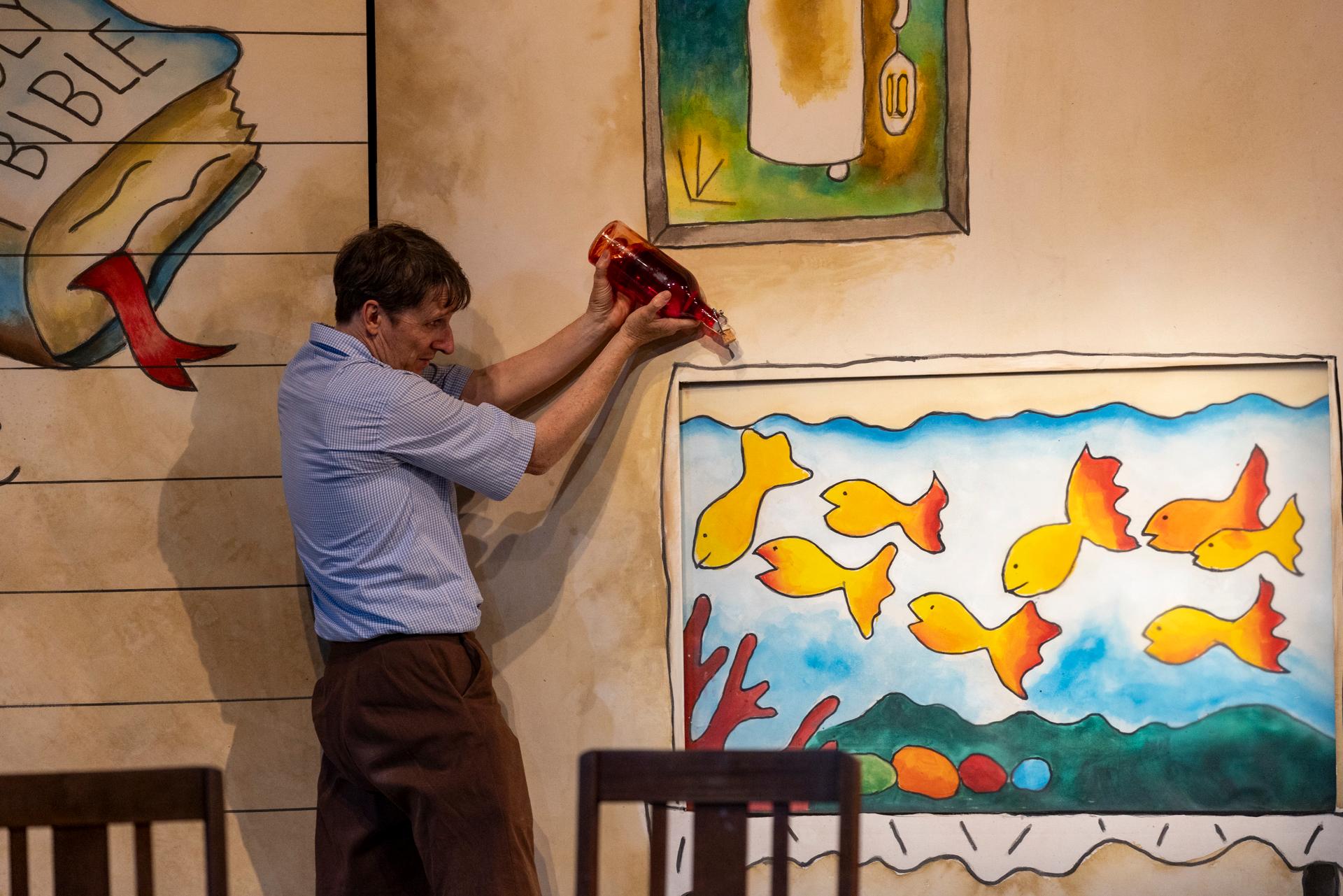
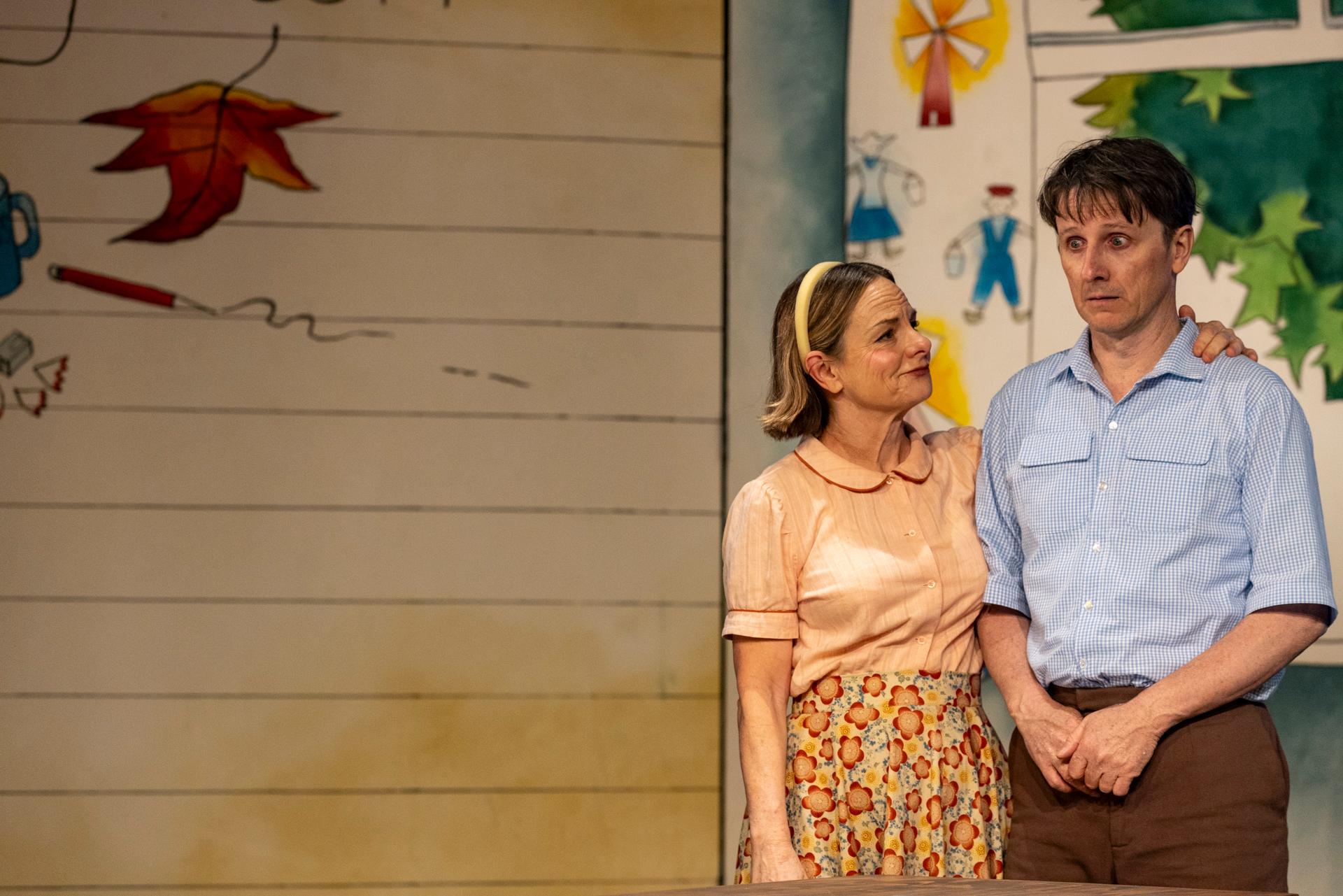
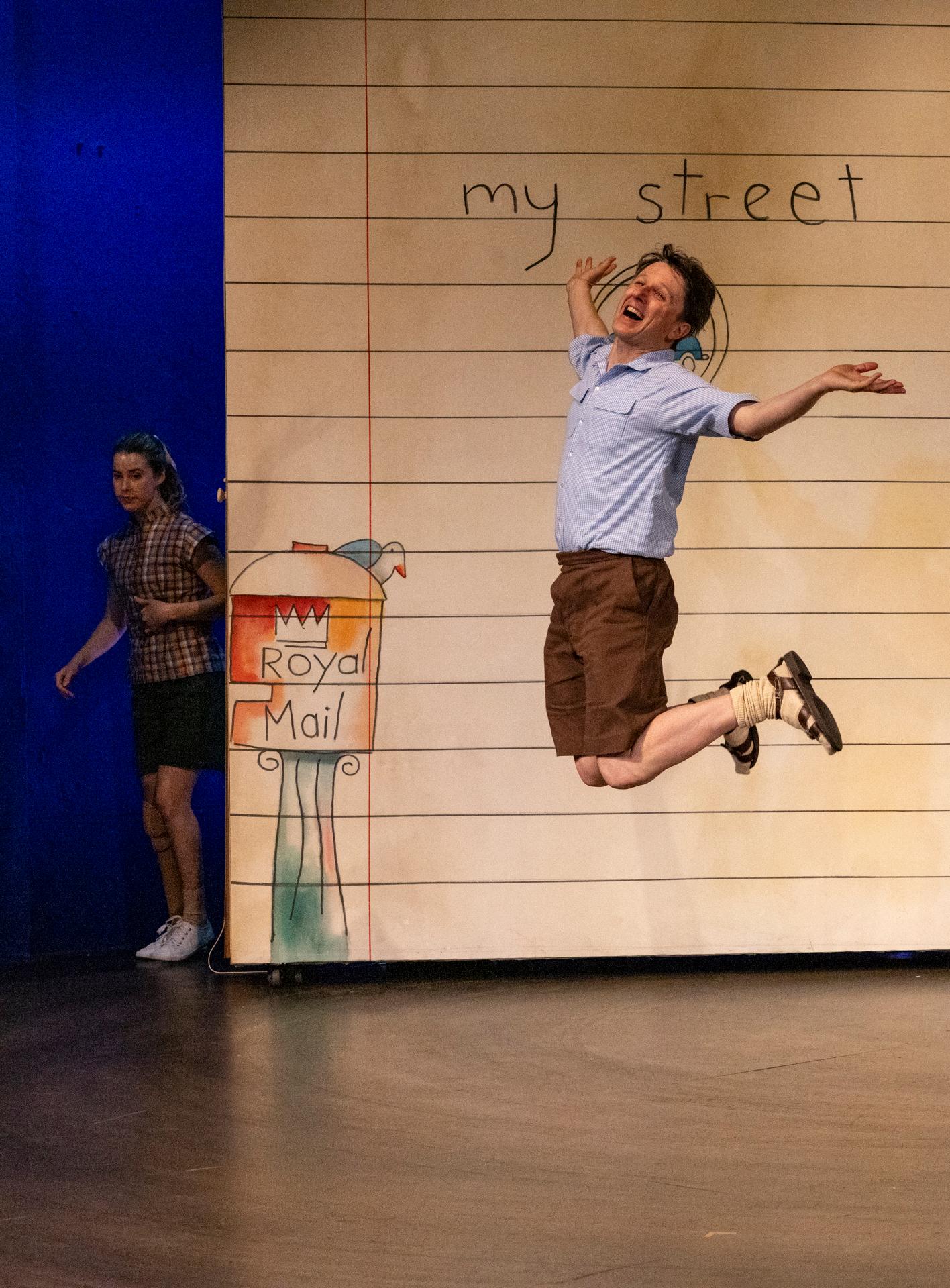
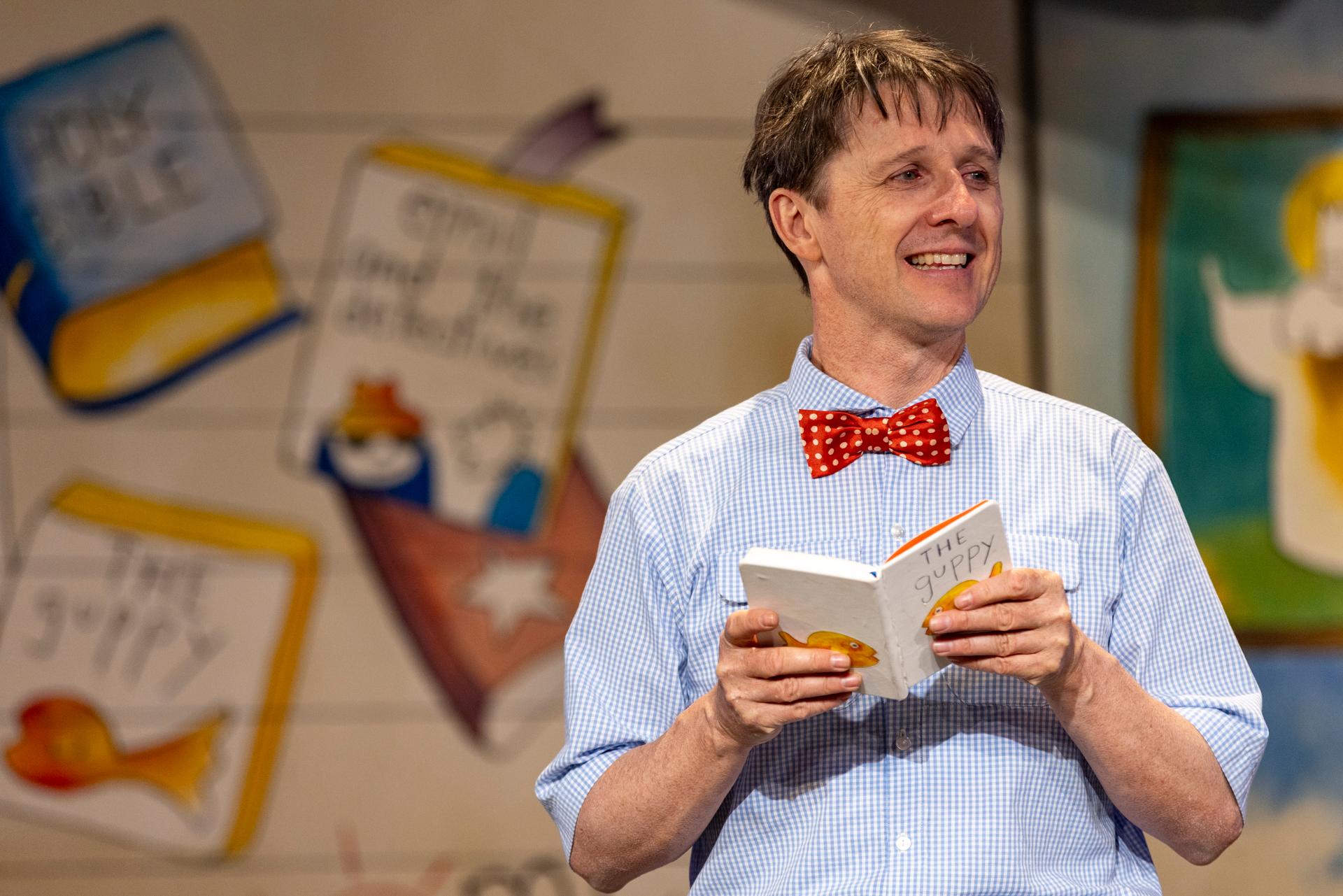
Much of that success rests on Matthew Whittet’s extraordinary performance as Thomas. He plays the boy with boundless energy and infectious delight, yet every burst of exuberance feels completely sincere. His portrayal is so emotionally open that we become wholly invested in Thomas and instinctively share both his fears and his hopes.
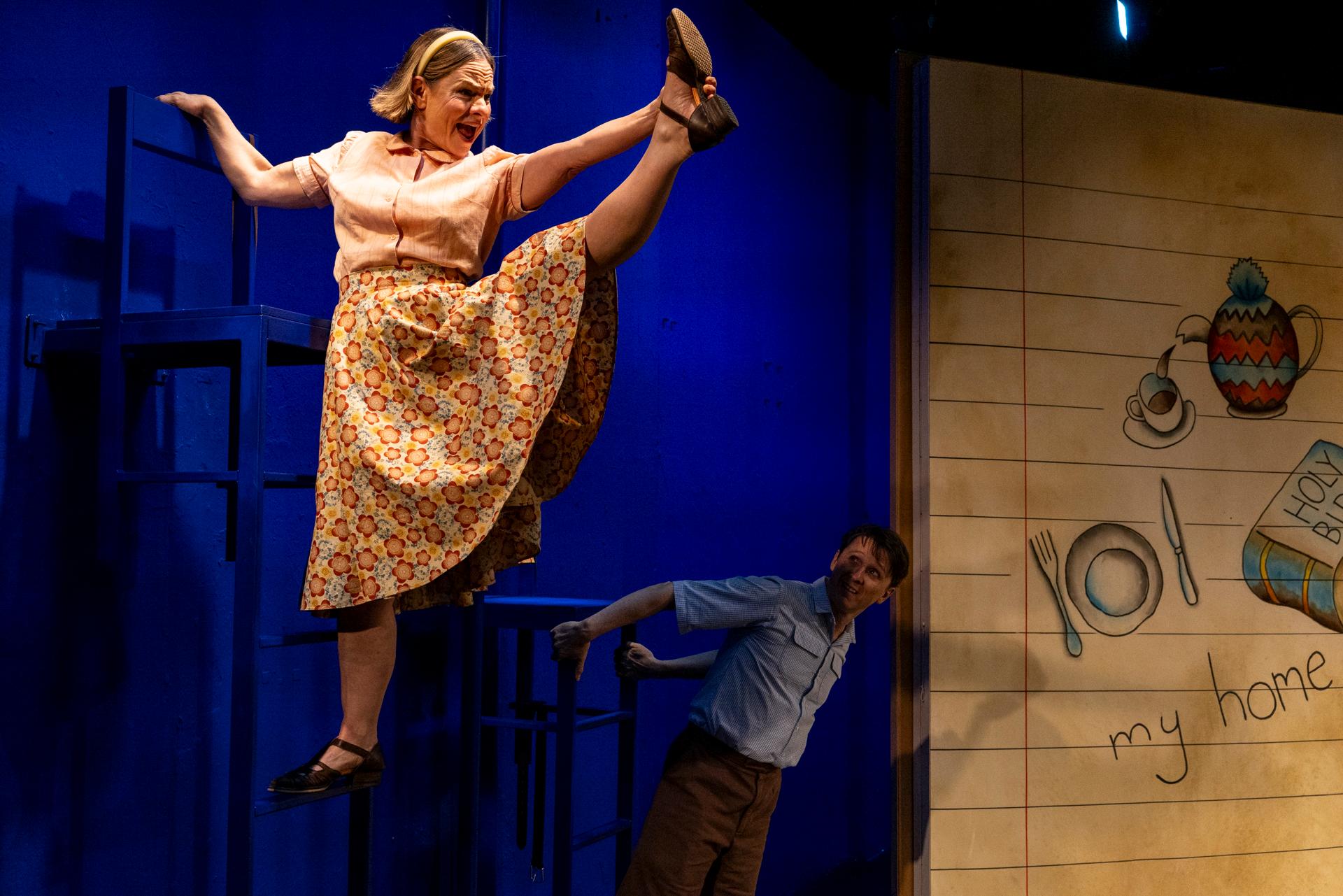
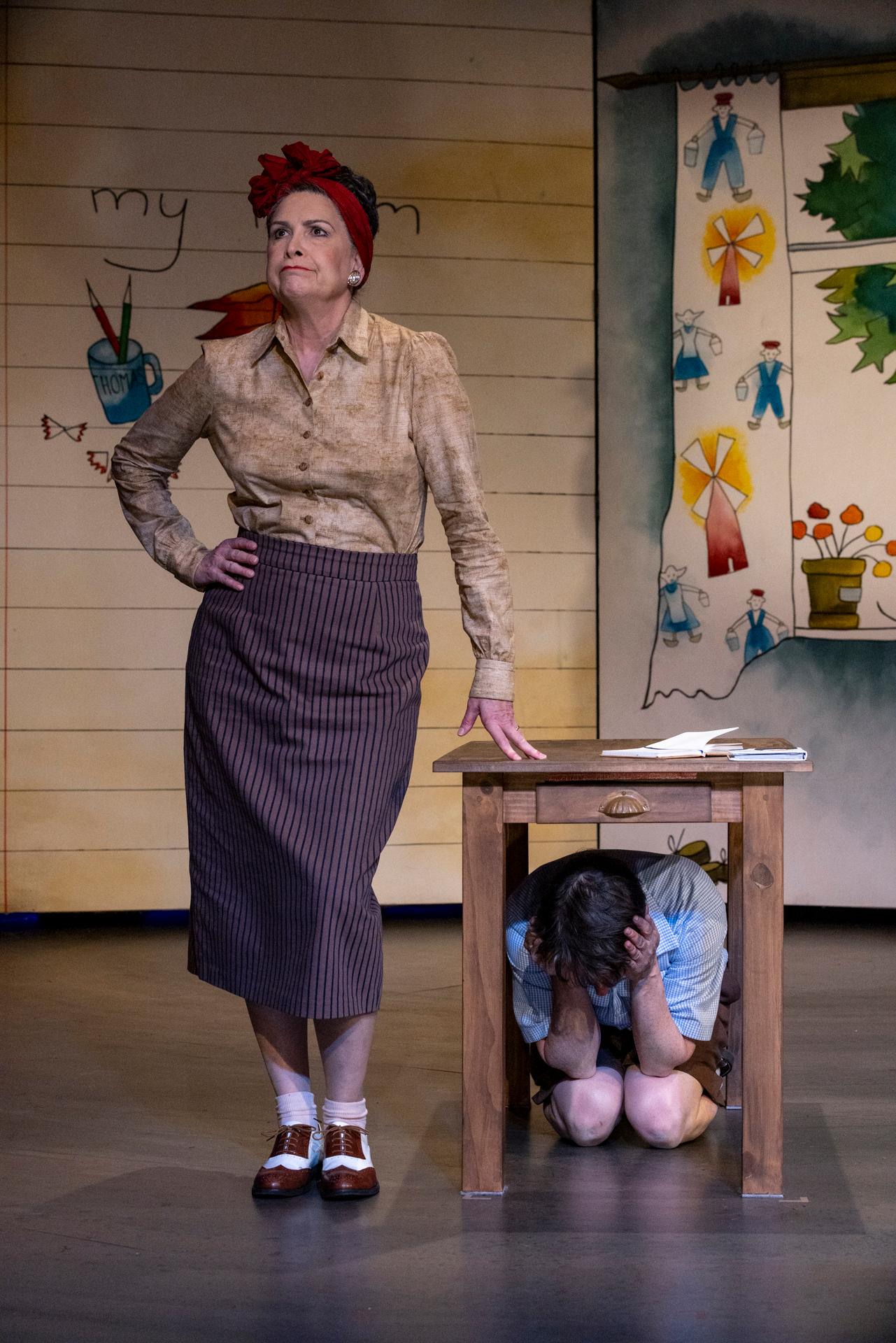
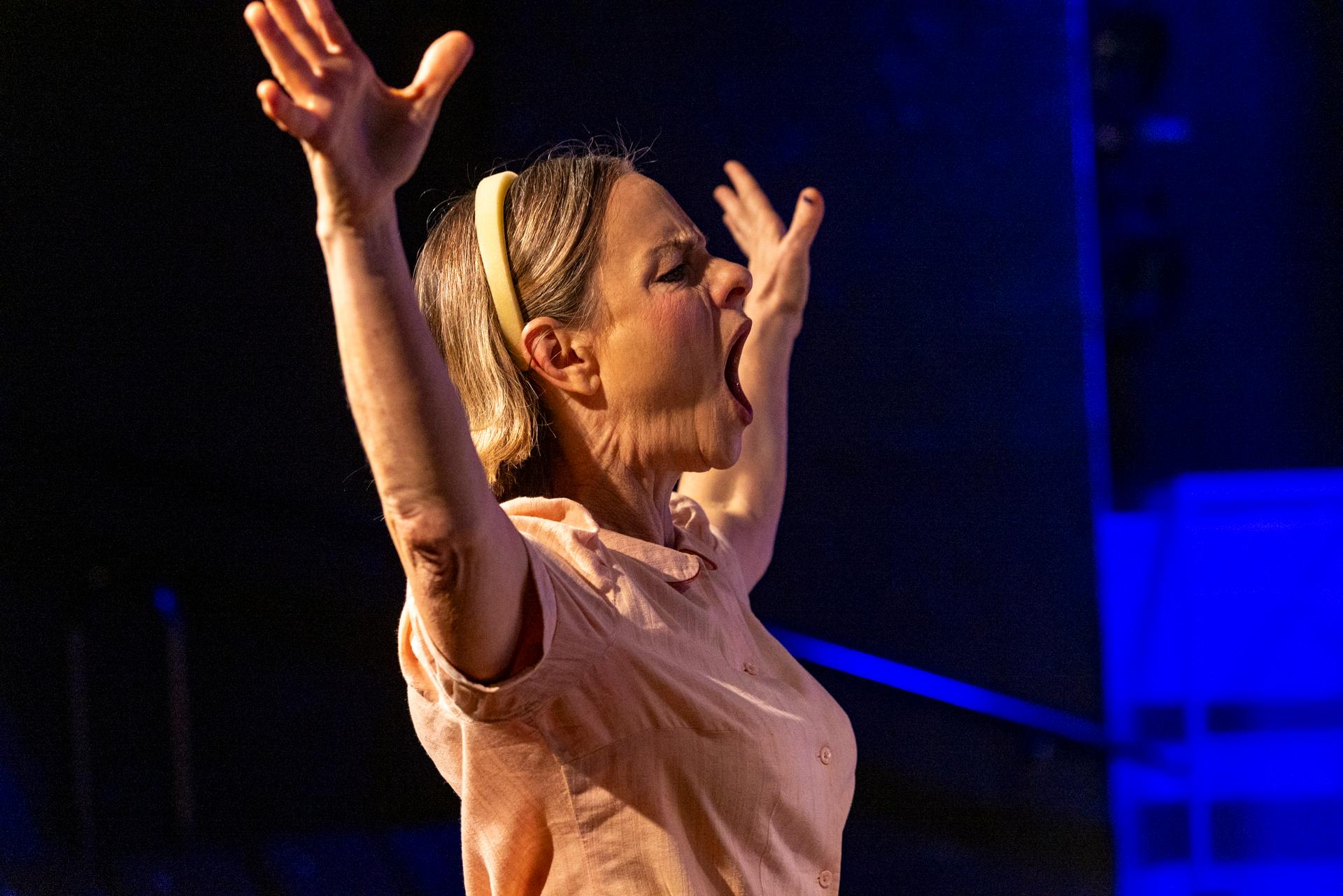
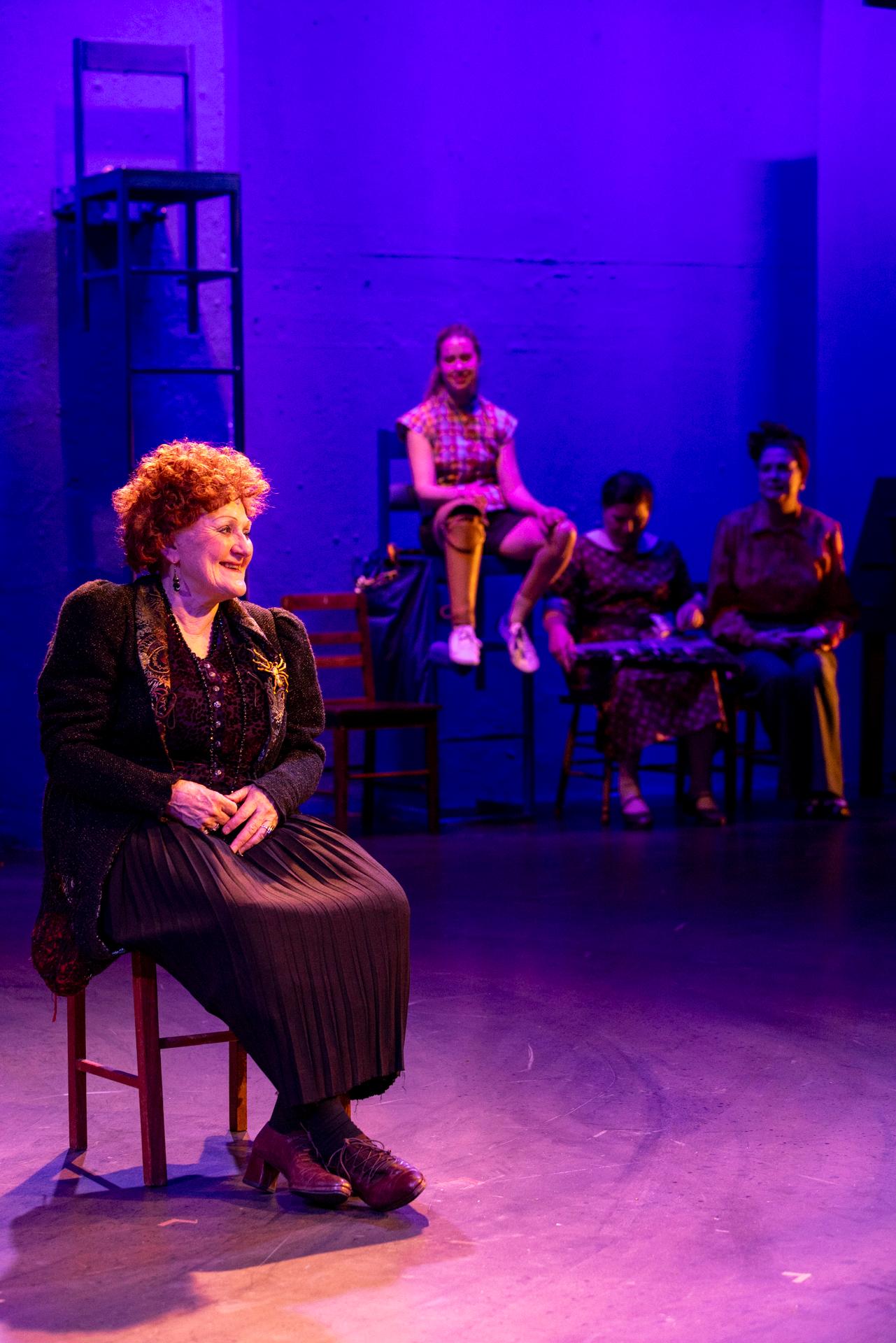
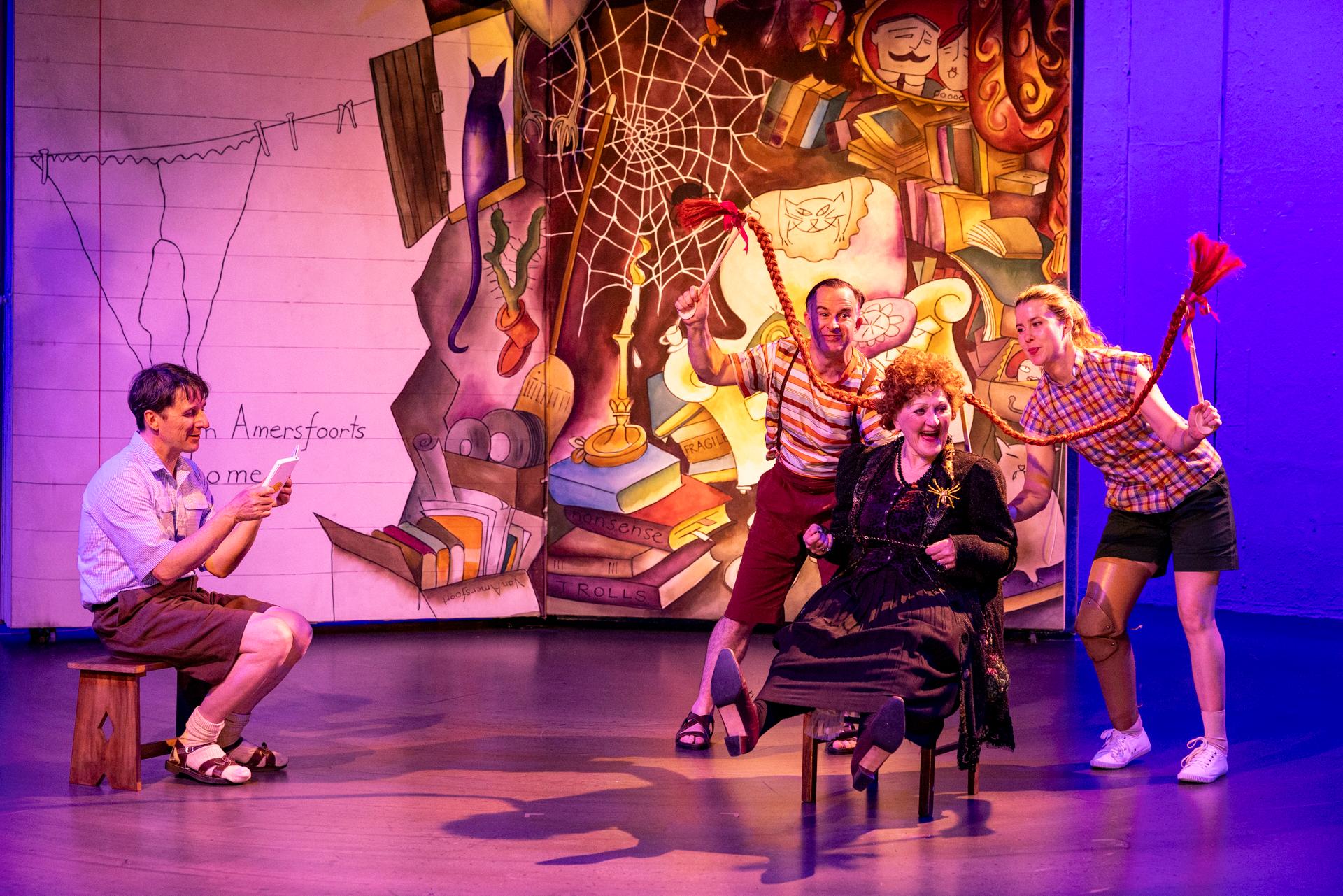
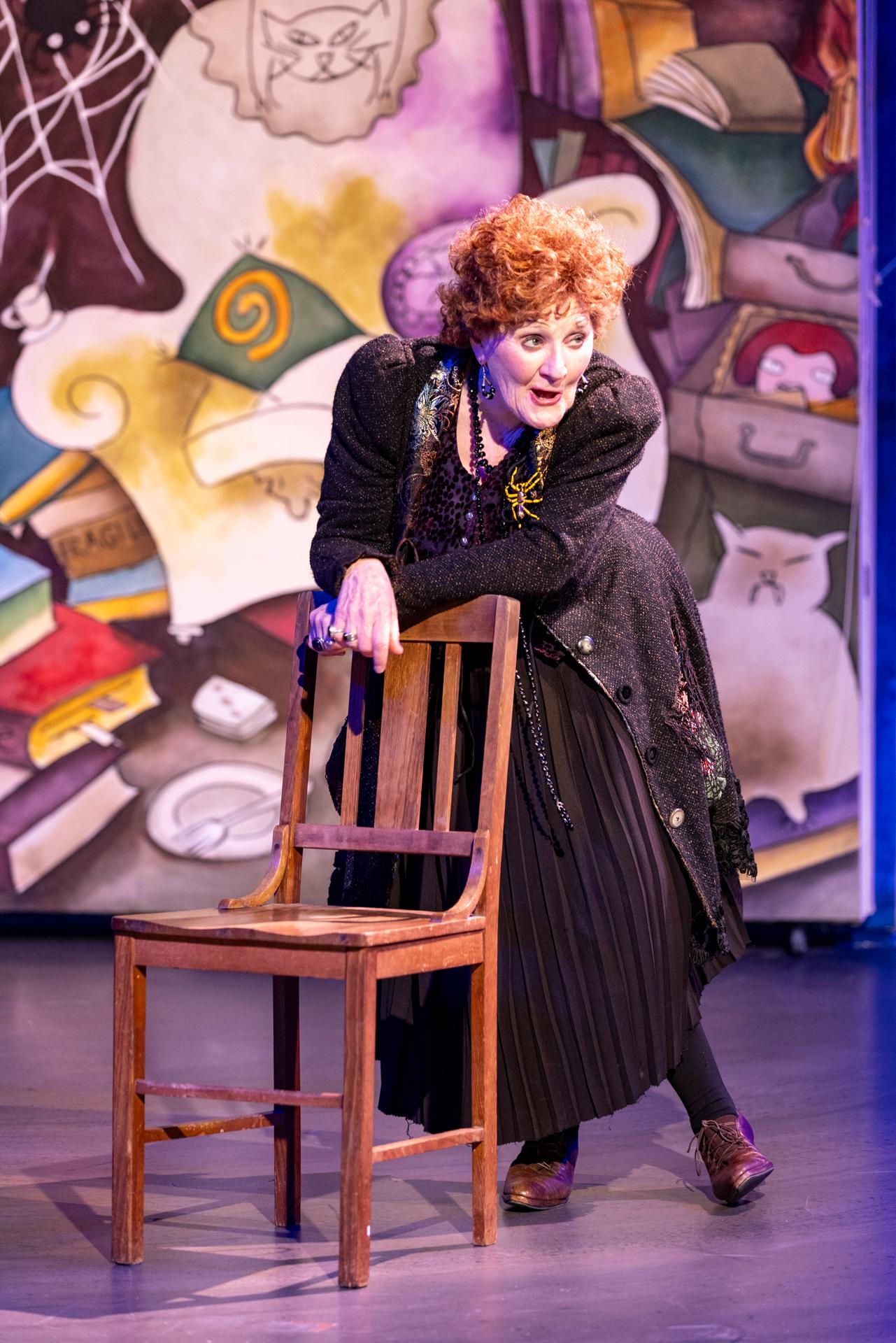
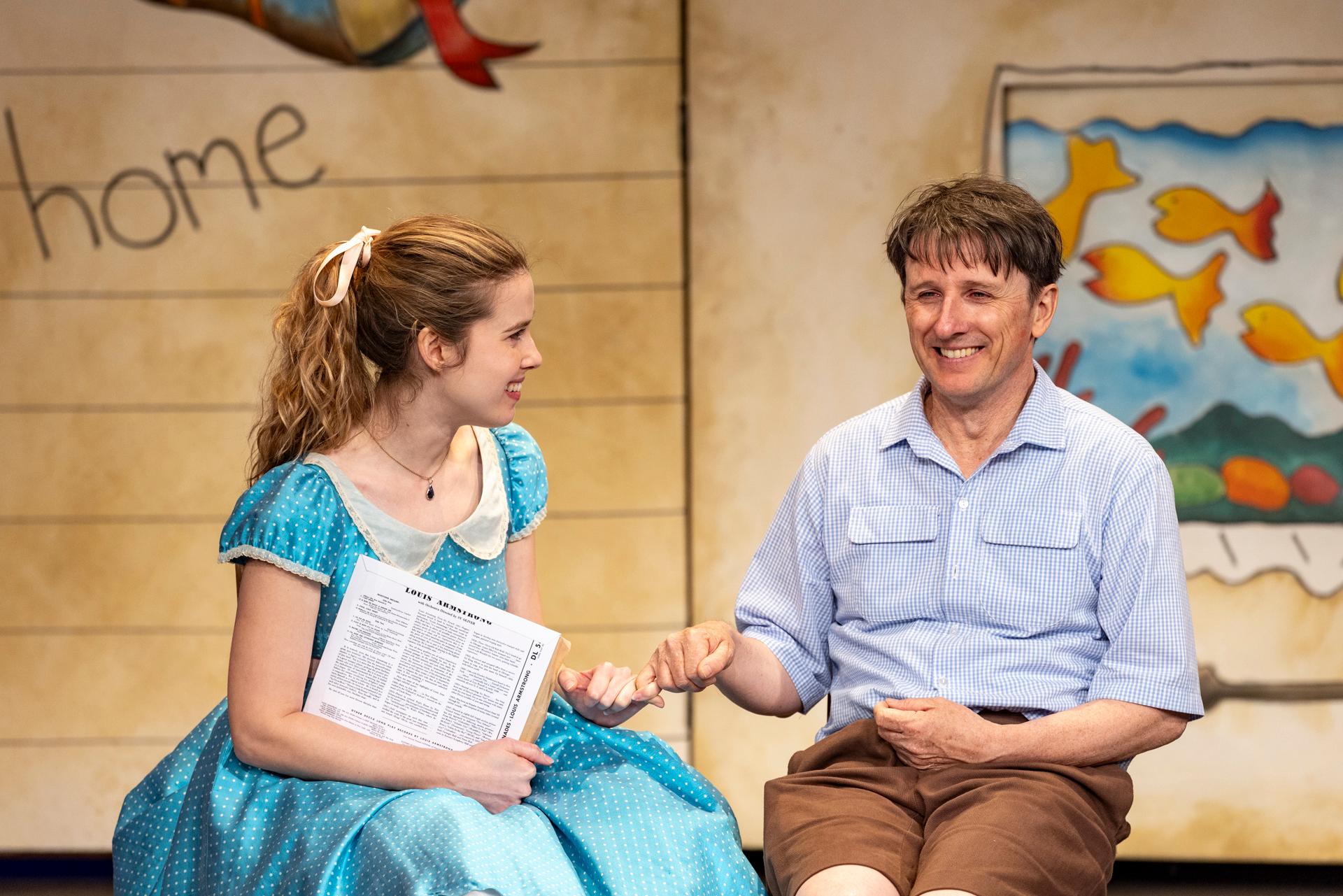
Julie Forsyth is equally captivating as Mrs Van Amersfoort. She brings effortless charisma and warmth to the role, making it easy to understand why Thomas is drawn to her. The tenderness of their evolving friendship becomes the emotional heart of the production.
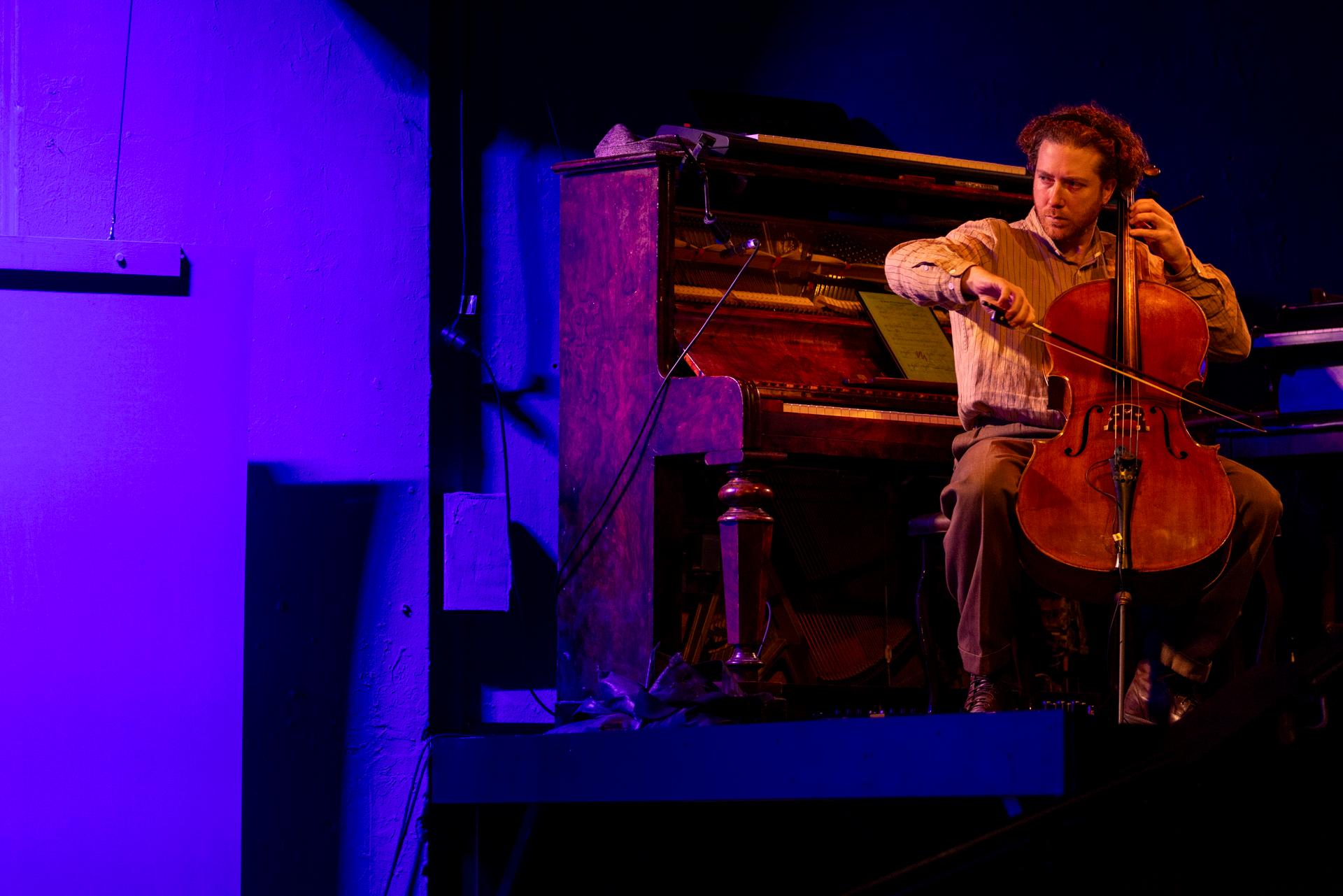
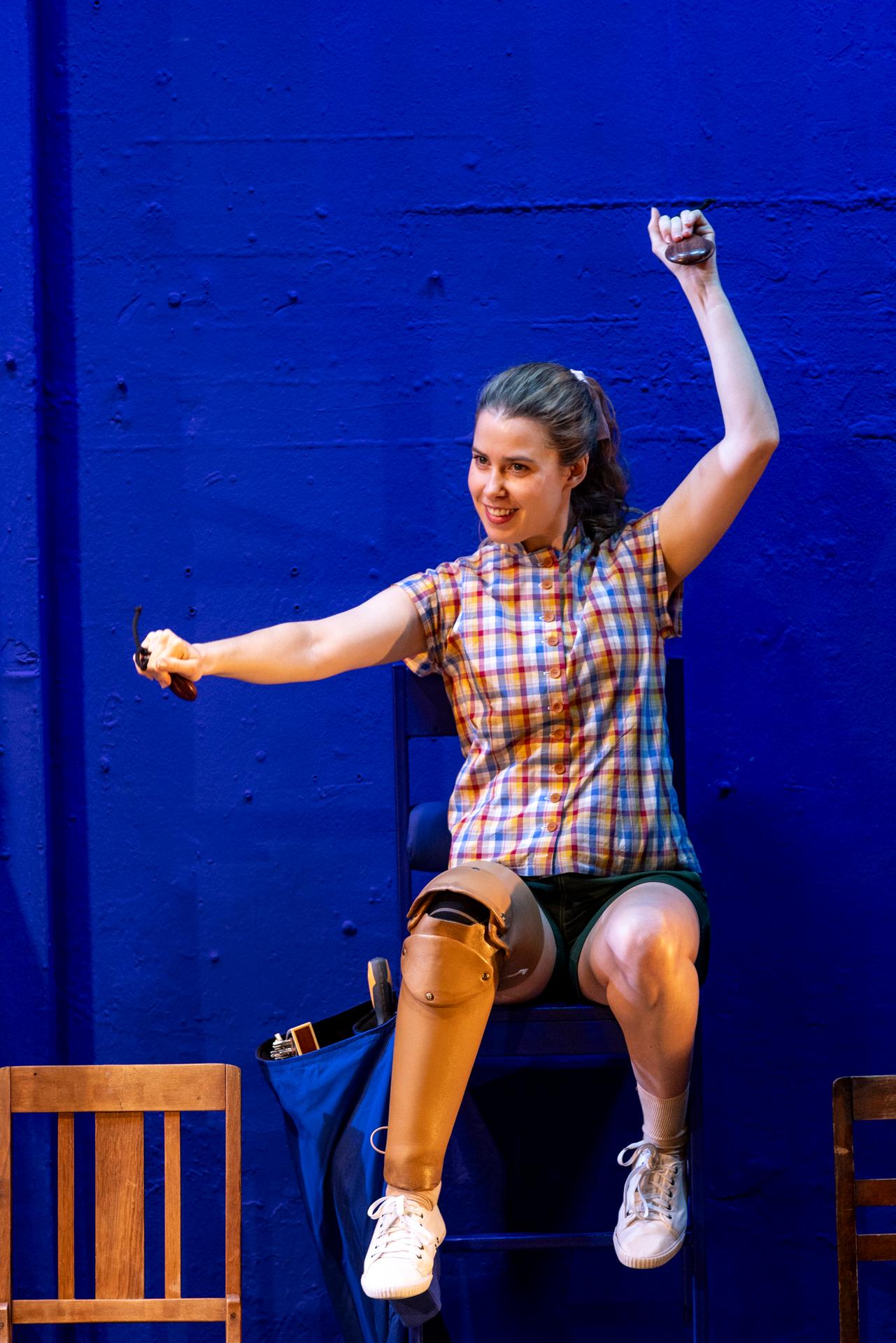
Throughout, live music by Jack Ward underscores the action with remarkable sensitivity. He calibrates every shift in tone with surgical precision, guiding the audience seamlessly from moments of gravity and introspection to scenes of childlike playfulness. His score gives the production a magical sheen that invites younger audiences into Thomas’s imagination while reminding older ones how to reconnect with their own sense of wonder.
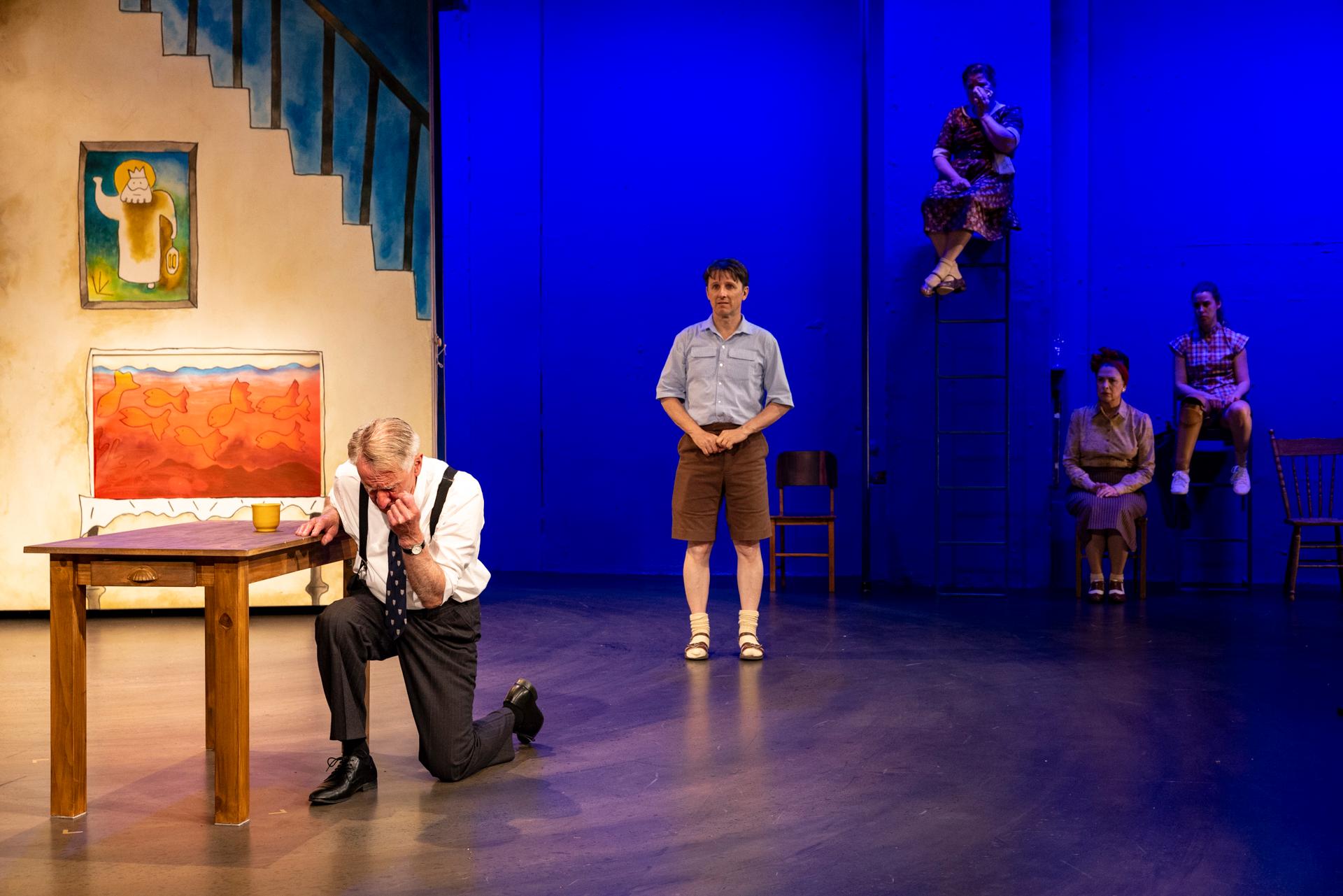
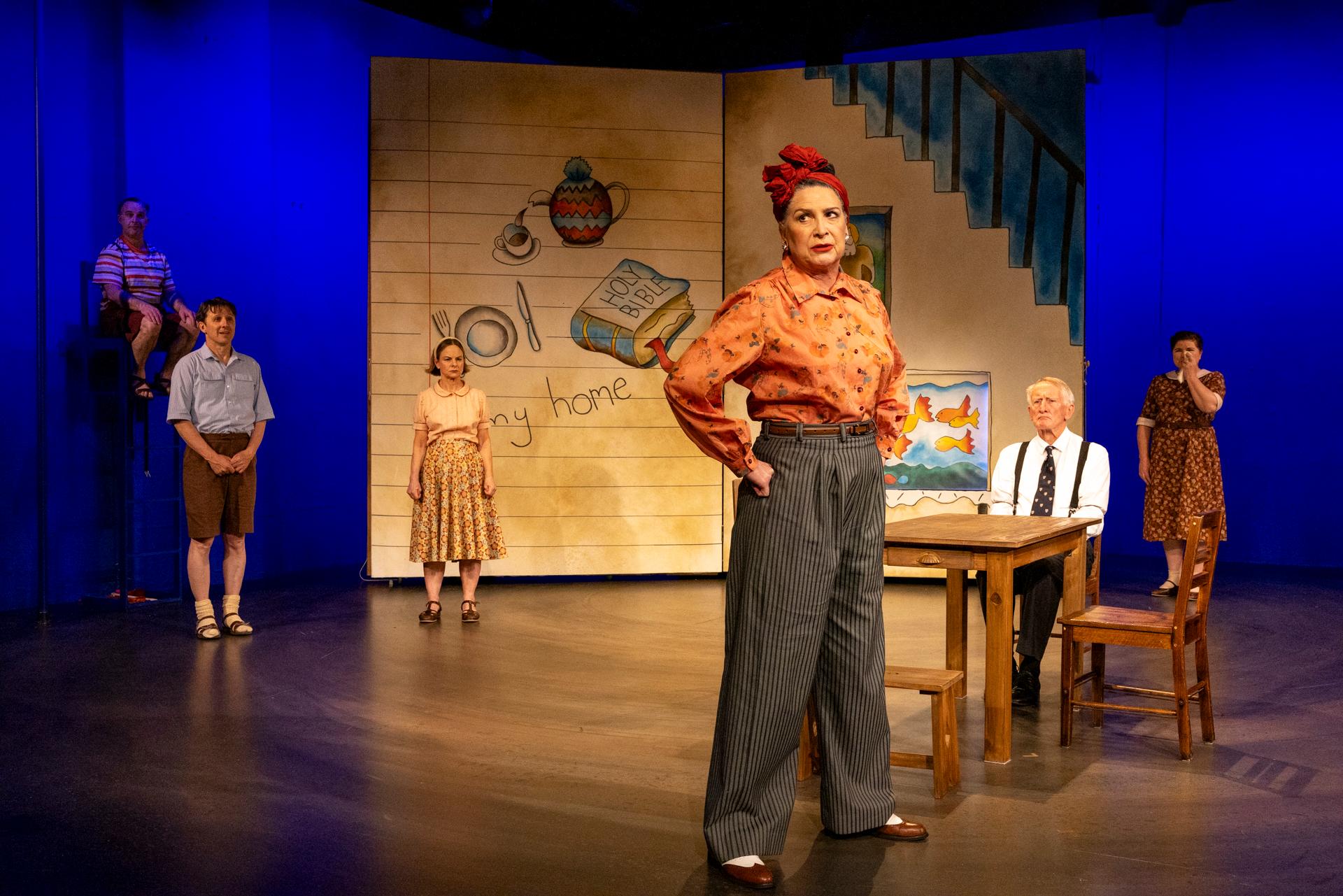
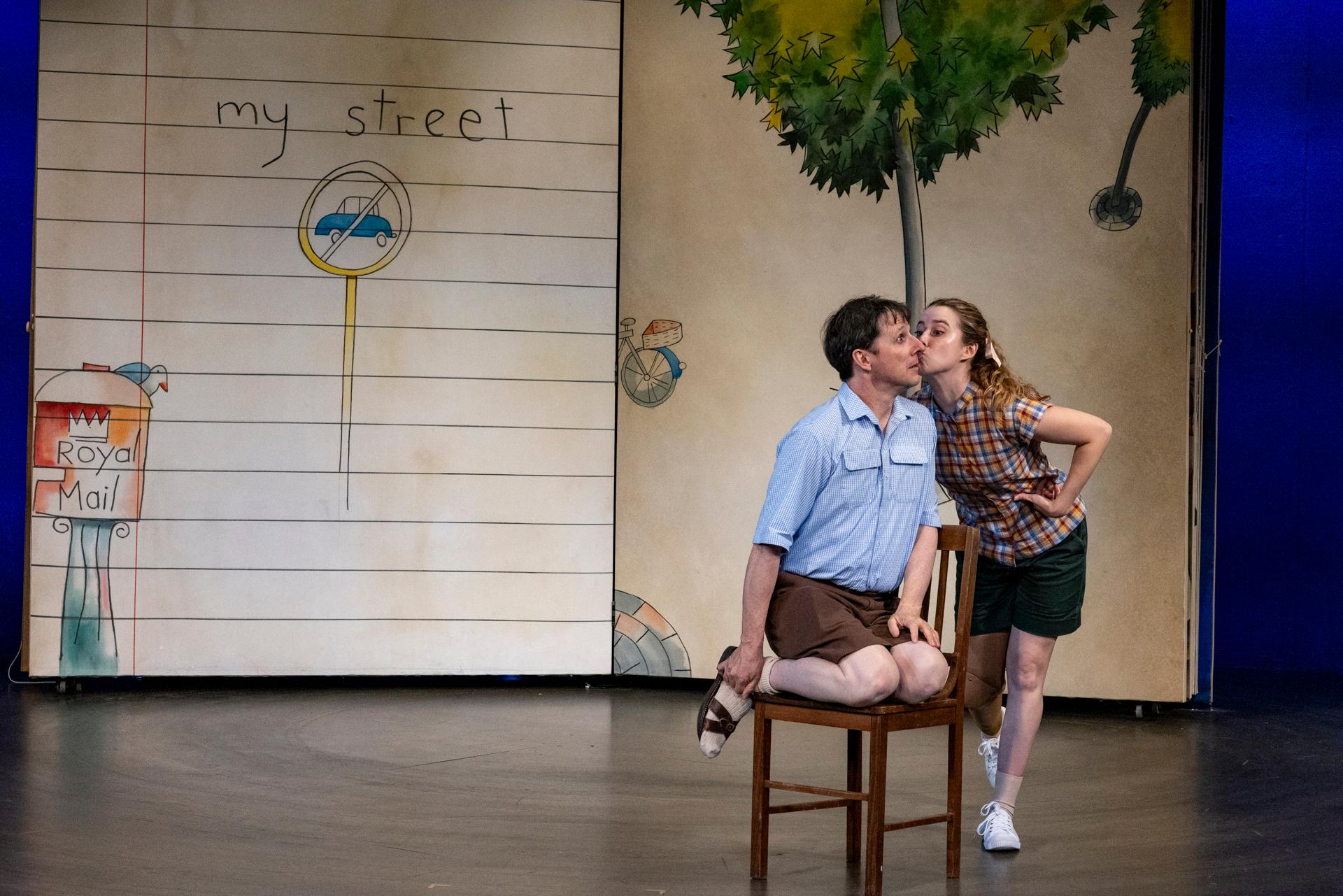
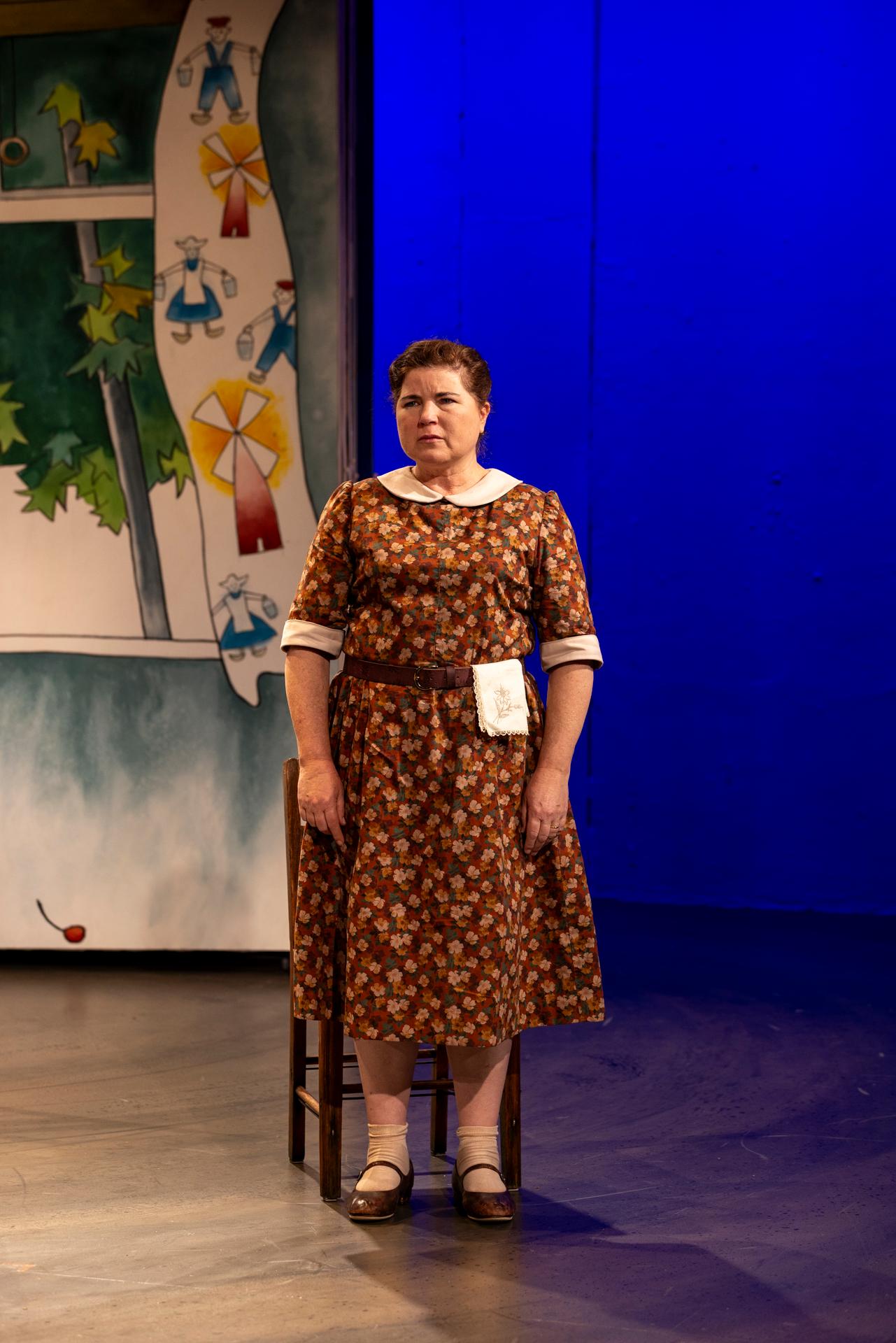
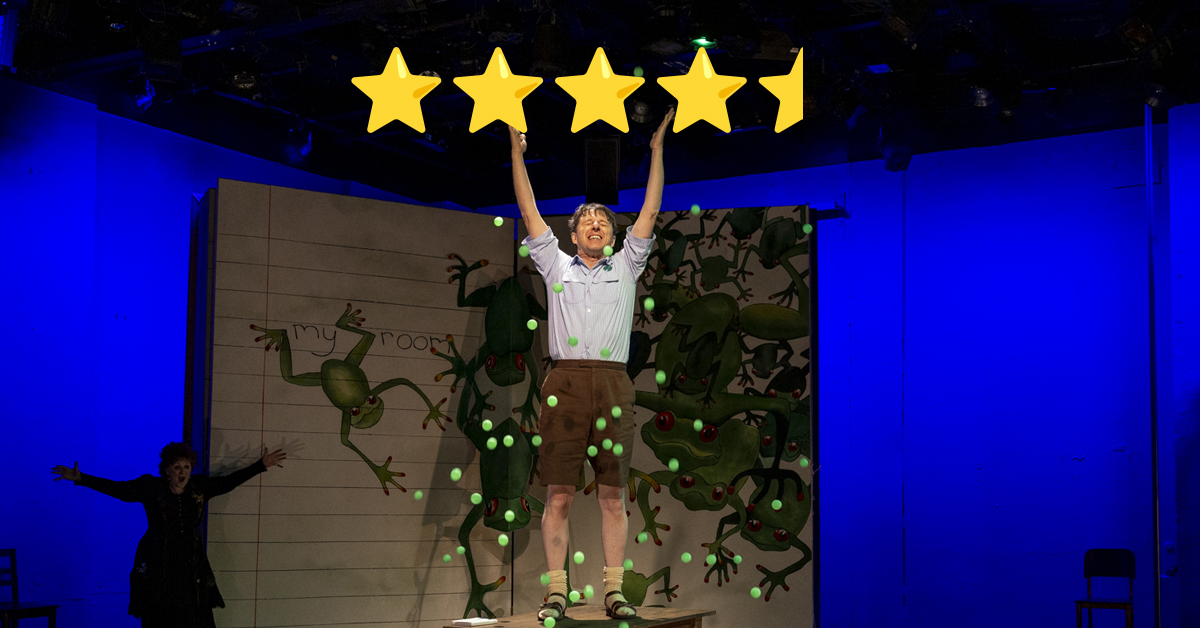
Kim Carpenter’s set design is built around the seemingly simple concept of an oversized book unfolding into each new scene. What could have felt obvious instead becomes wonderfully effective, framing the story within a world of innocence and possibility. Against that backdrop, the narrative’s darkest ideas about faith and fanaticism become even more confronting. Nigel Levings’ lighting is not especially showy, but it is meticulously judged, creating atmosphere with precision and maintaining beautiful visual balance throughout.
The Book of Everything ends on a note of hope, though Thomas’s future remains unwritten. Having witnessed the damage wrought by his brutal father, one might easily imagine him repeating that cycle of harm. Yet we have also seen the redemptive influence of Mrs Van Amersfoort, and the possibility that Thomas might forge a better path. More crucially, perhaps, the play reminds us that becoming one’s own person means the freedom to choose at every turn—and that the courage to choose wisely is the truest measure of character.