Review: The Boys Are Kissing (Qtopia)

Venue: Qtopia (Darlinghurst NSW), Aug 12 – 29, 2026
Playwright: Zak Zarafshan
Director: Gavin Roach
Cast: Aisling Delahunt, Max Fernandez, Sonya Kerr, Willa King, John Michael Narres, Shab Tavakol
Images by Robert Catto

Theatre review
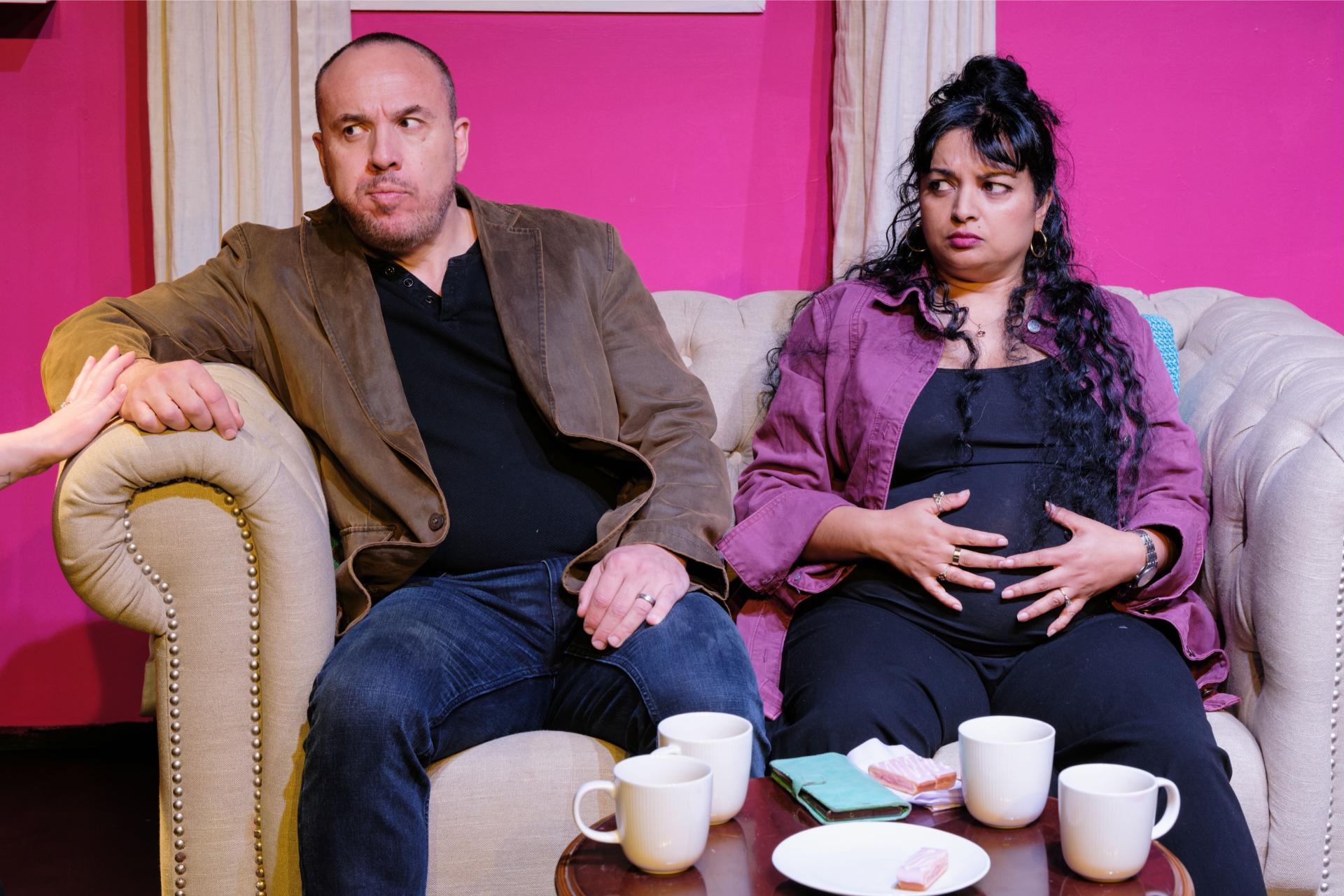
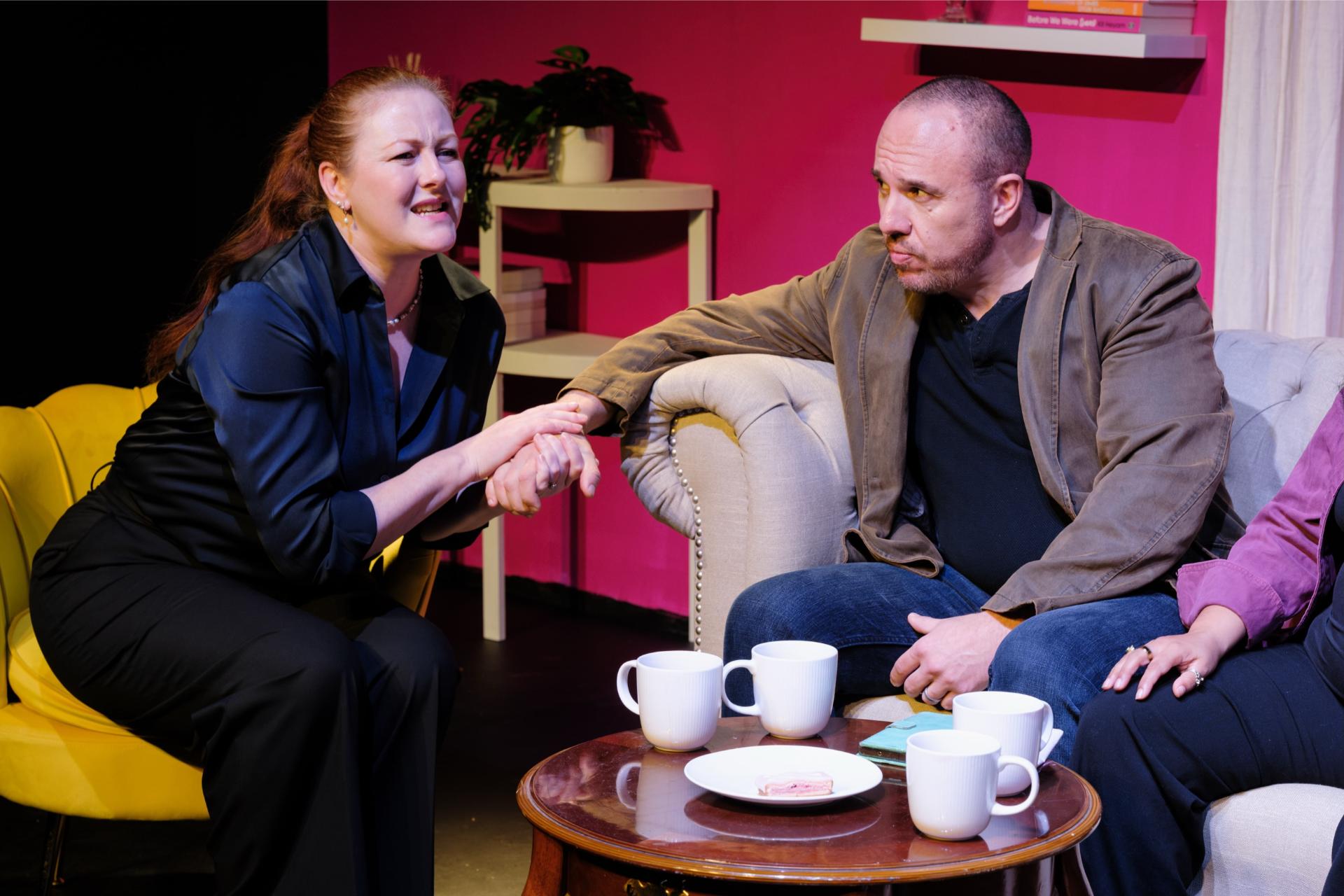
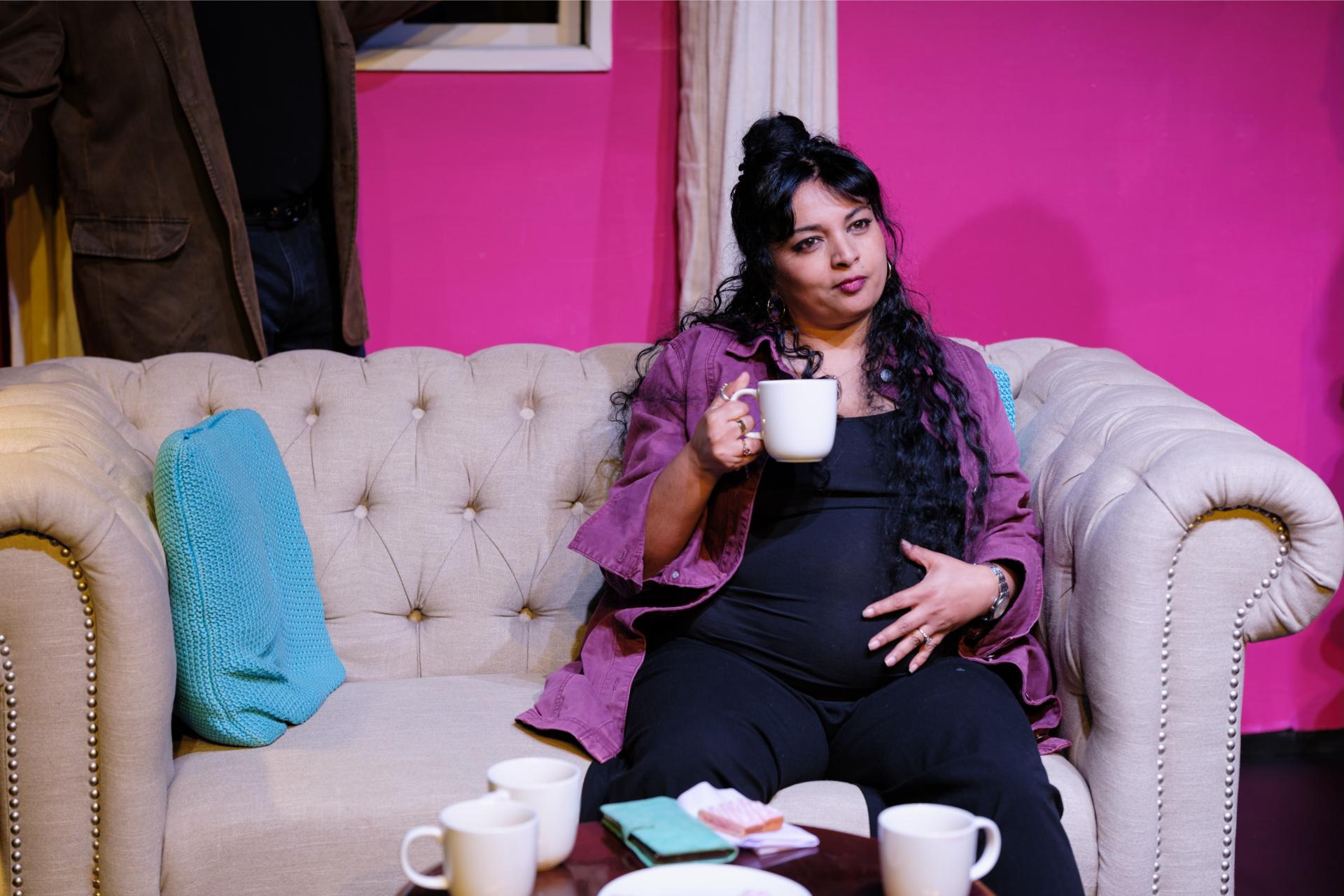
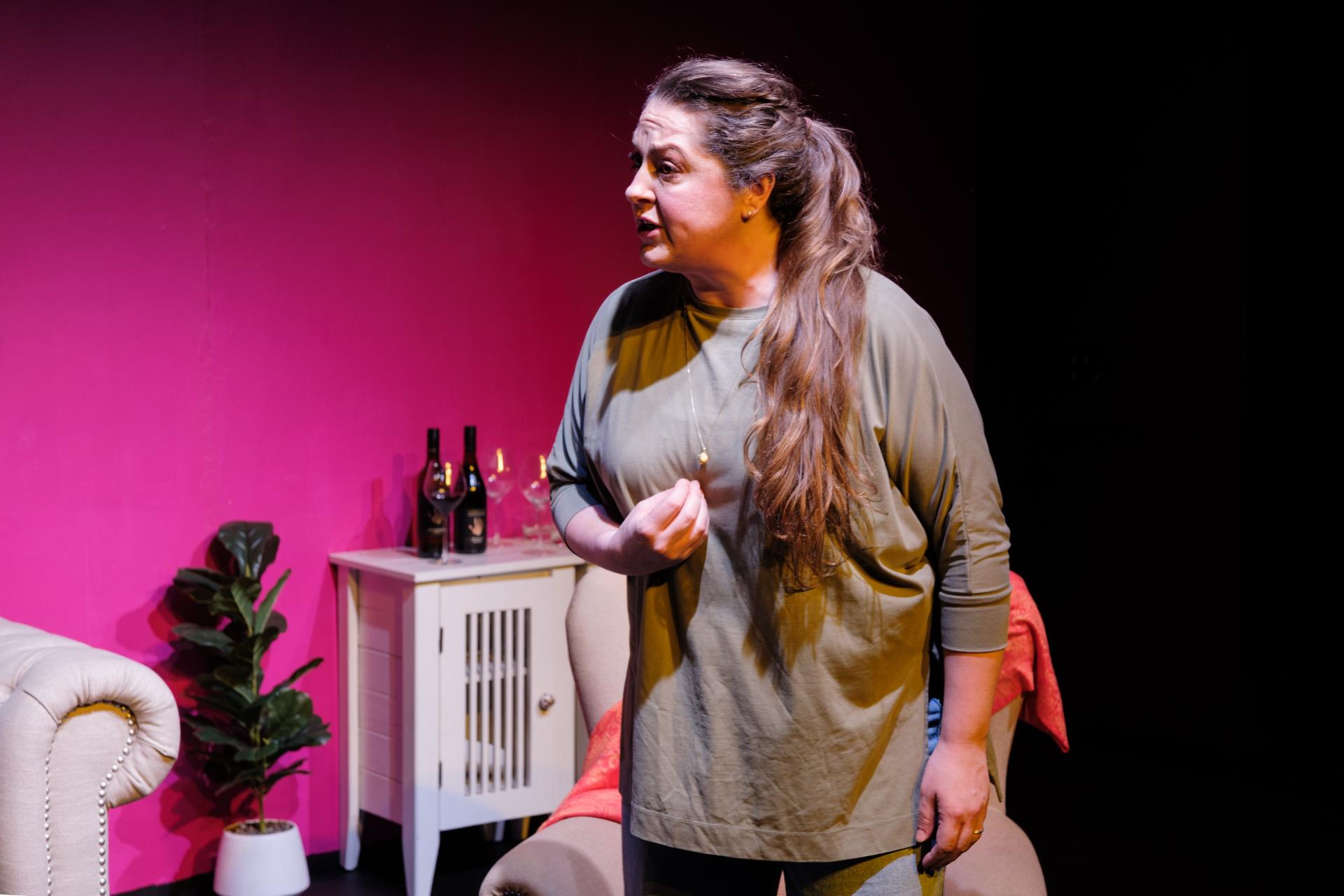
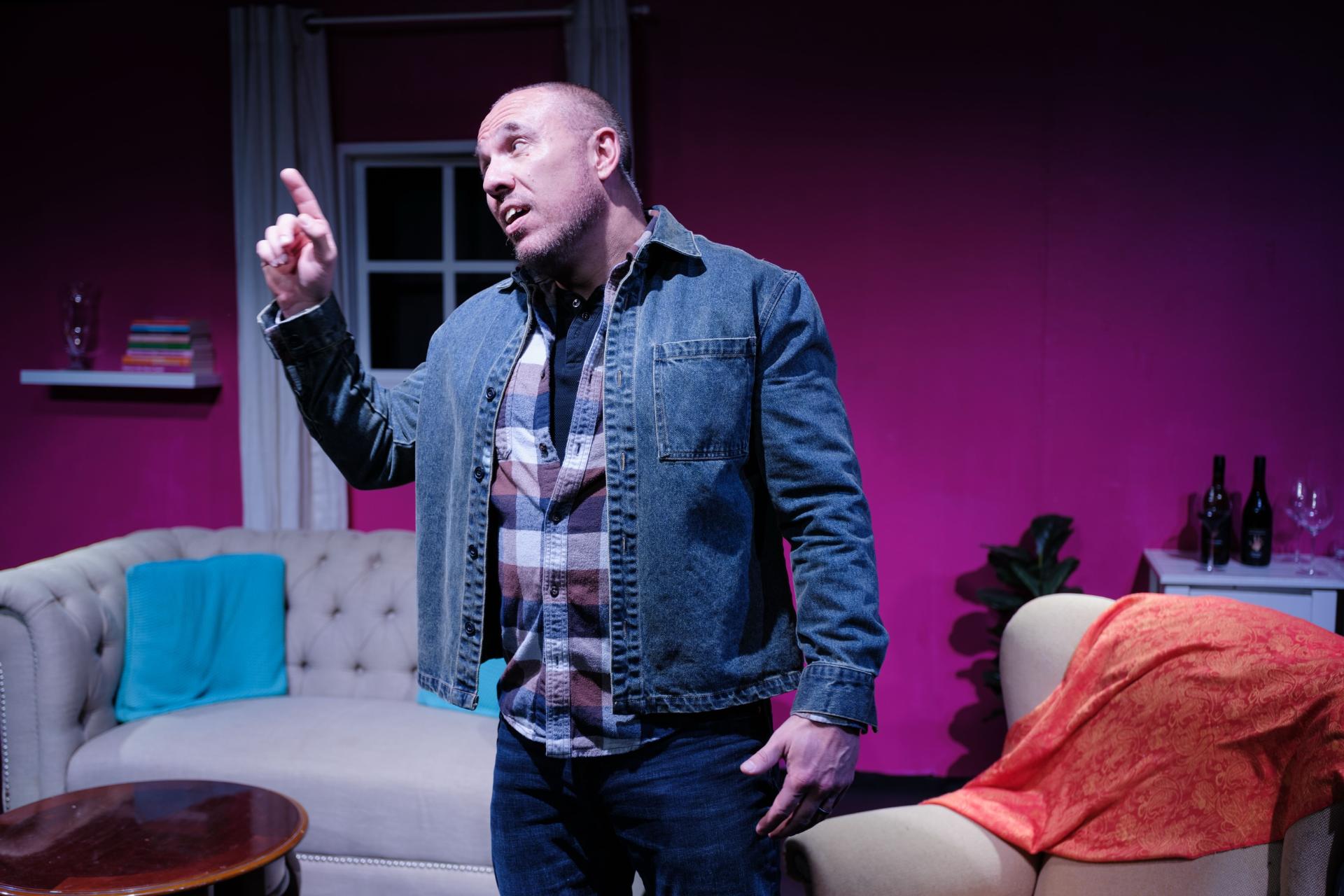
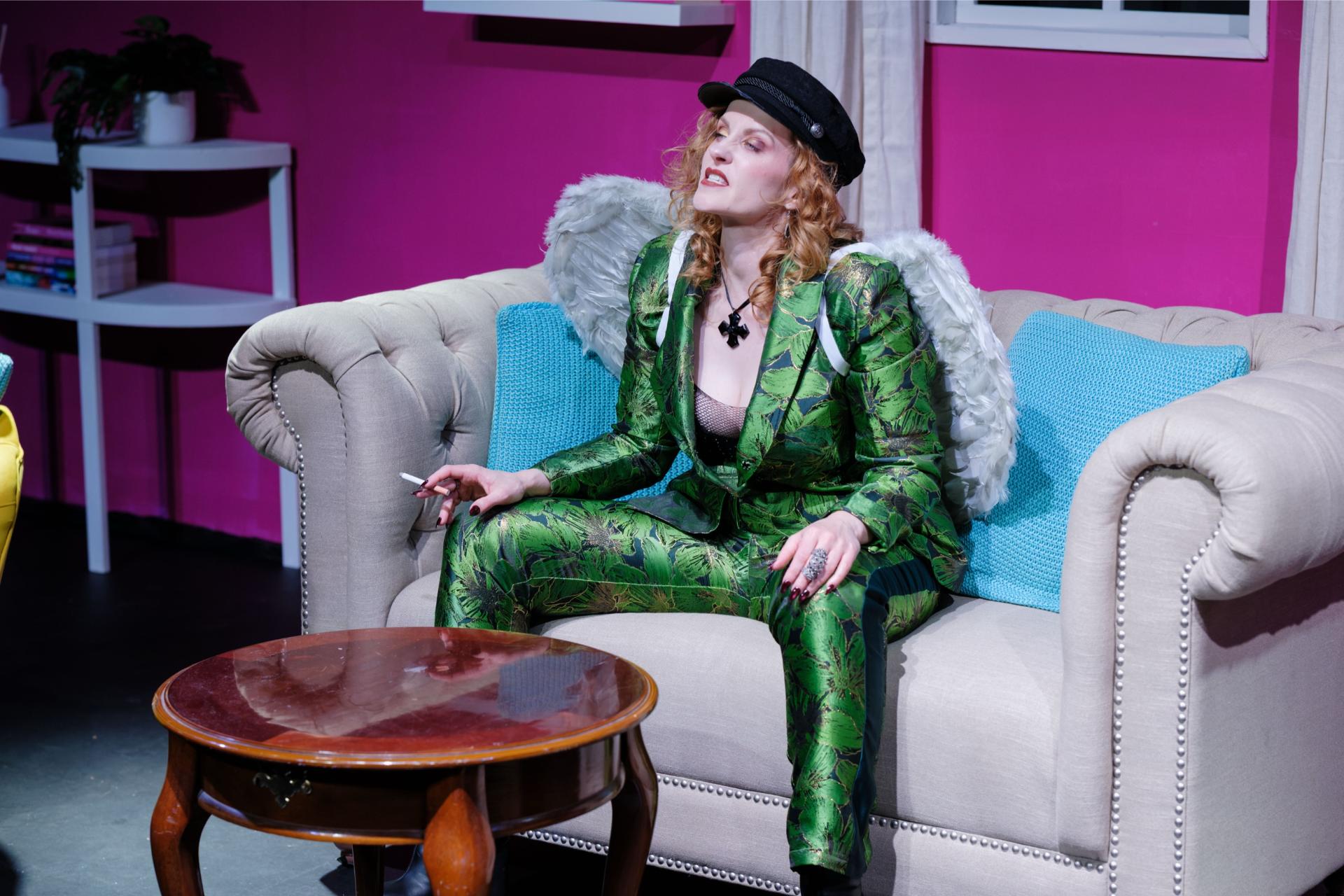
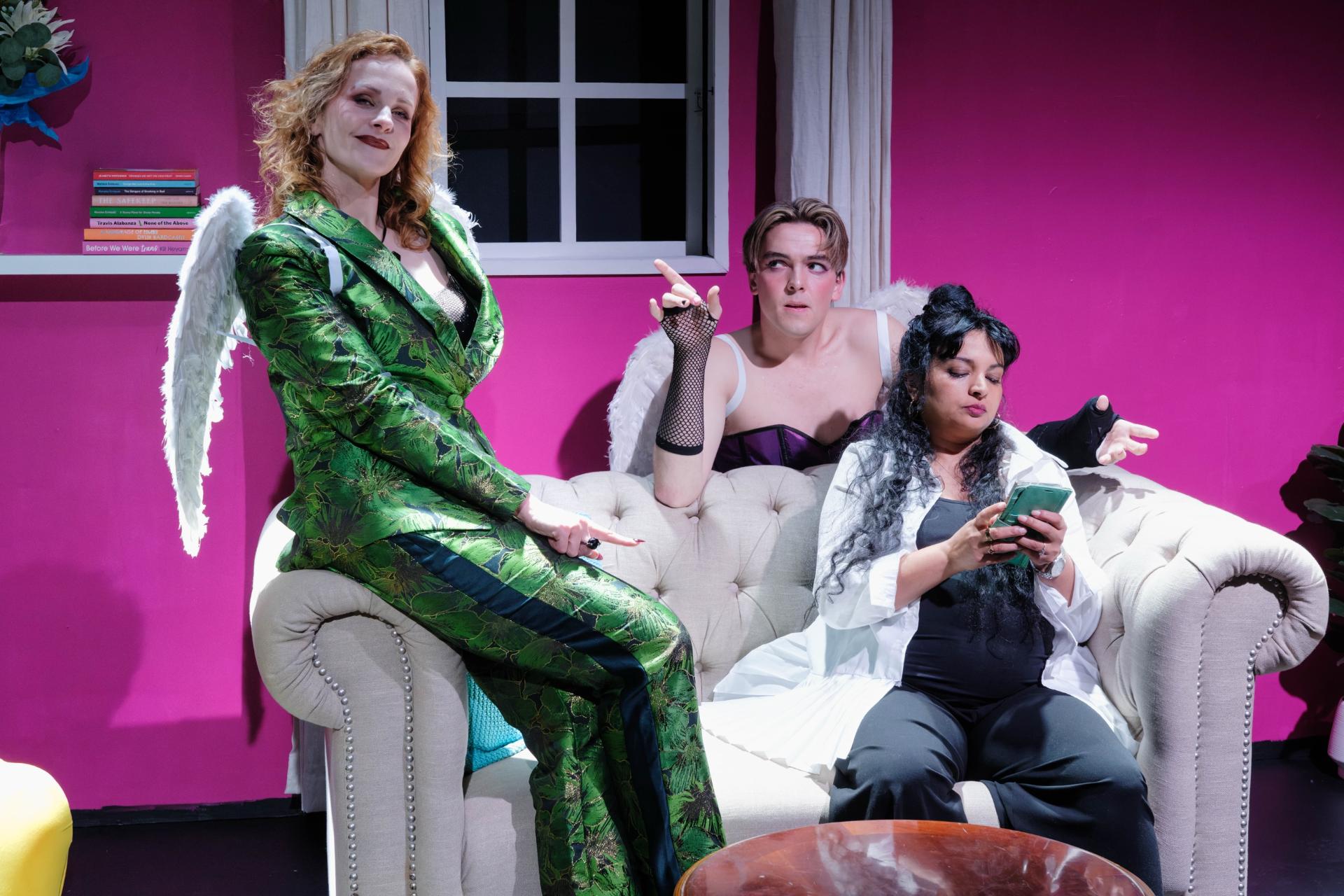
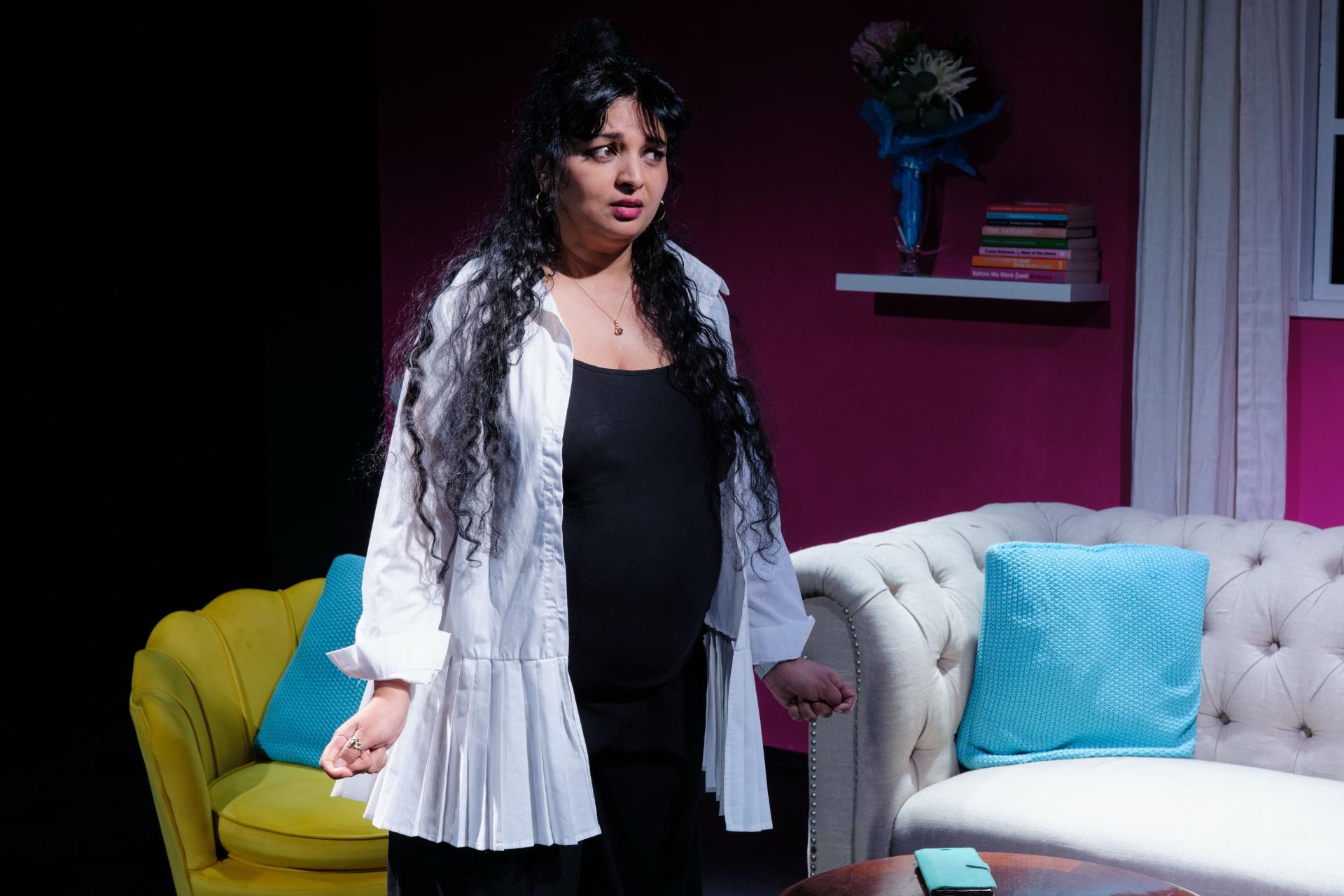
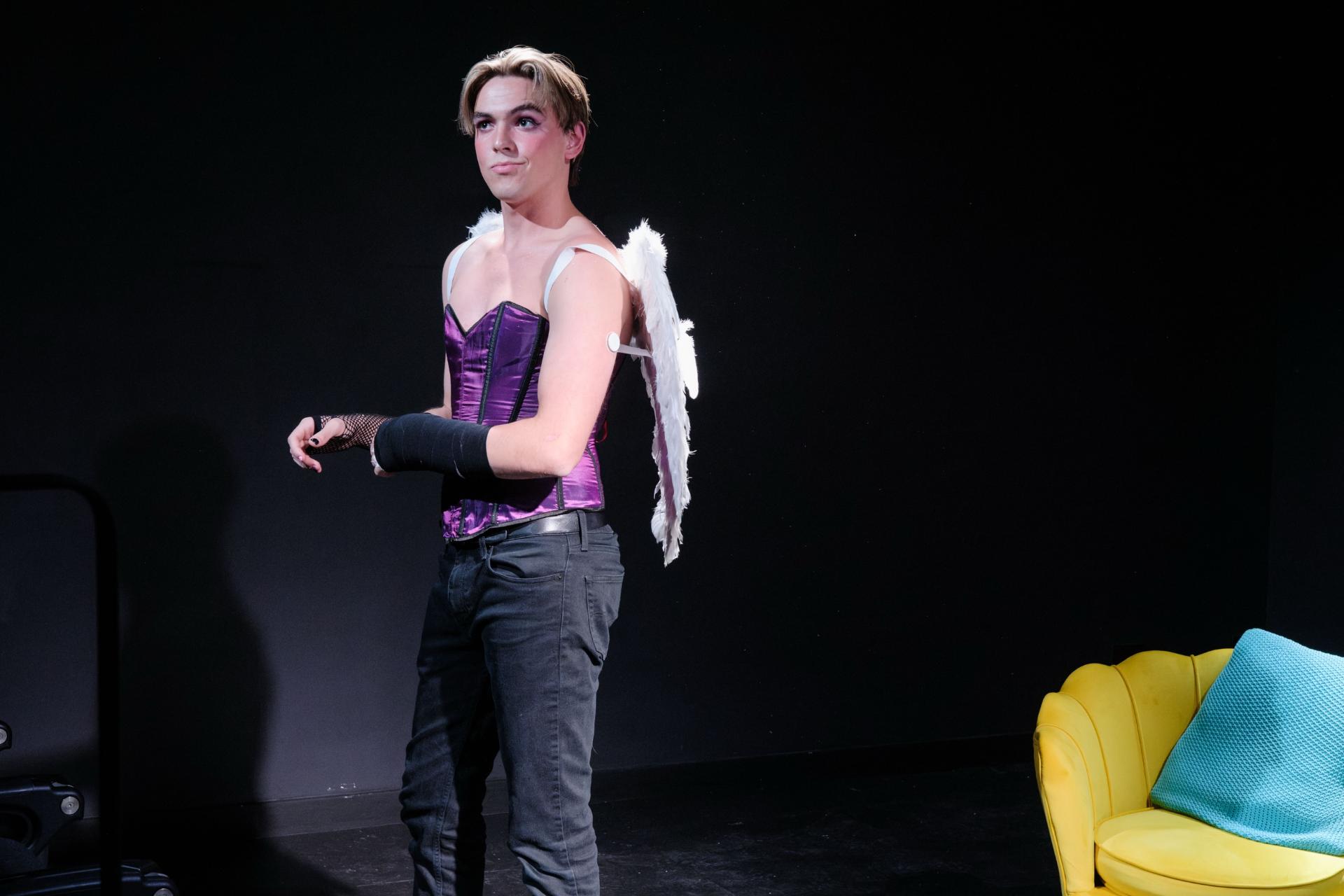
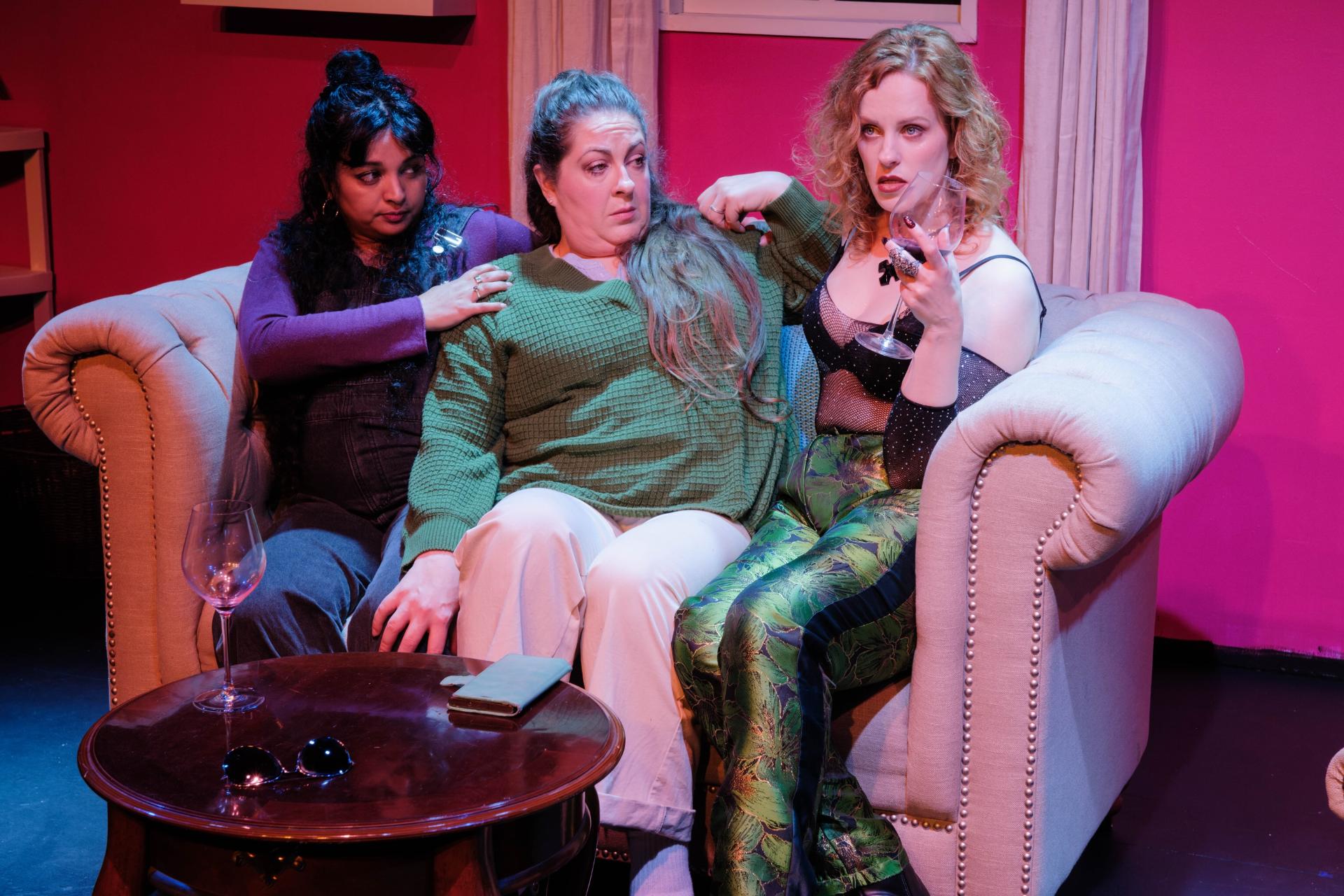
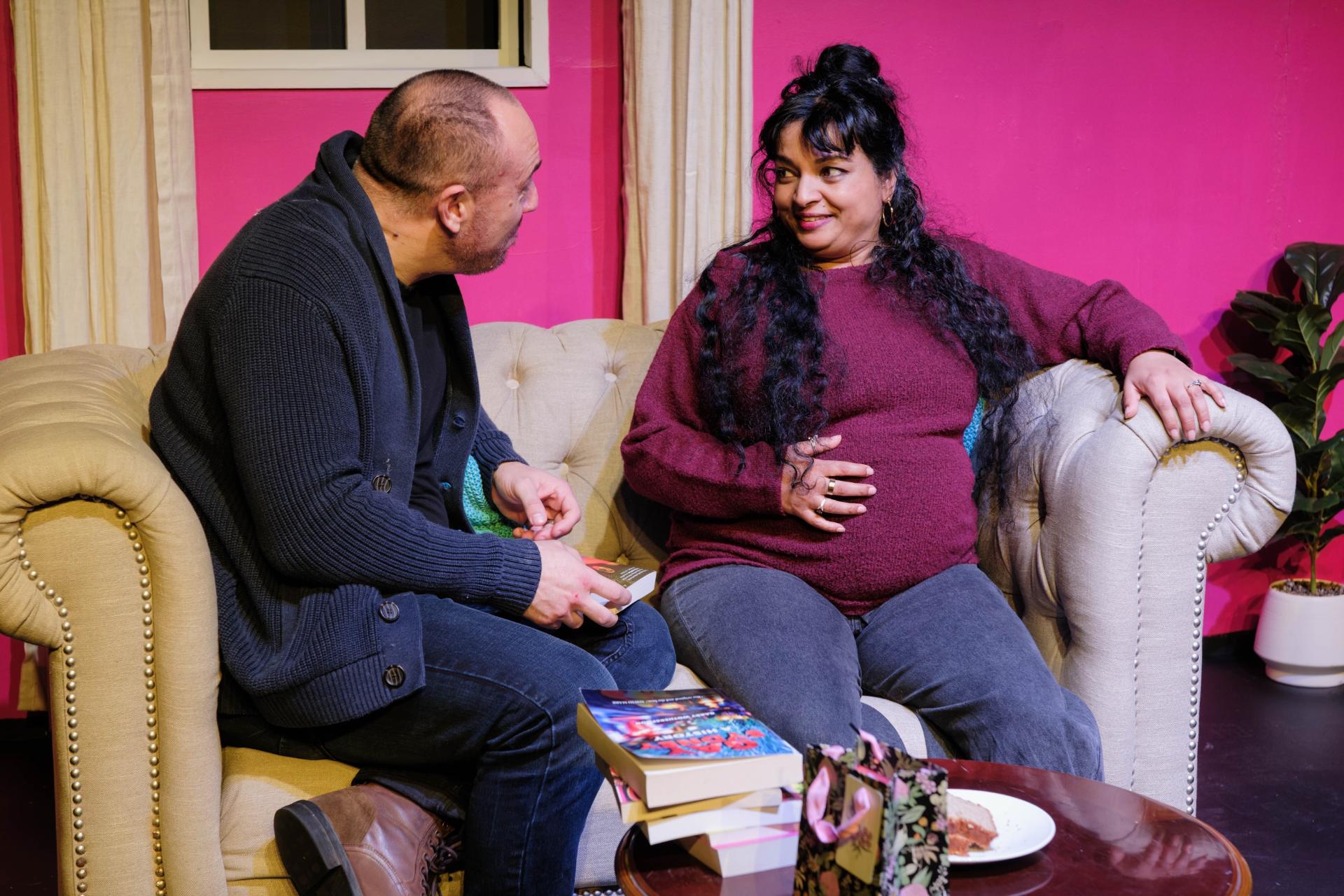
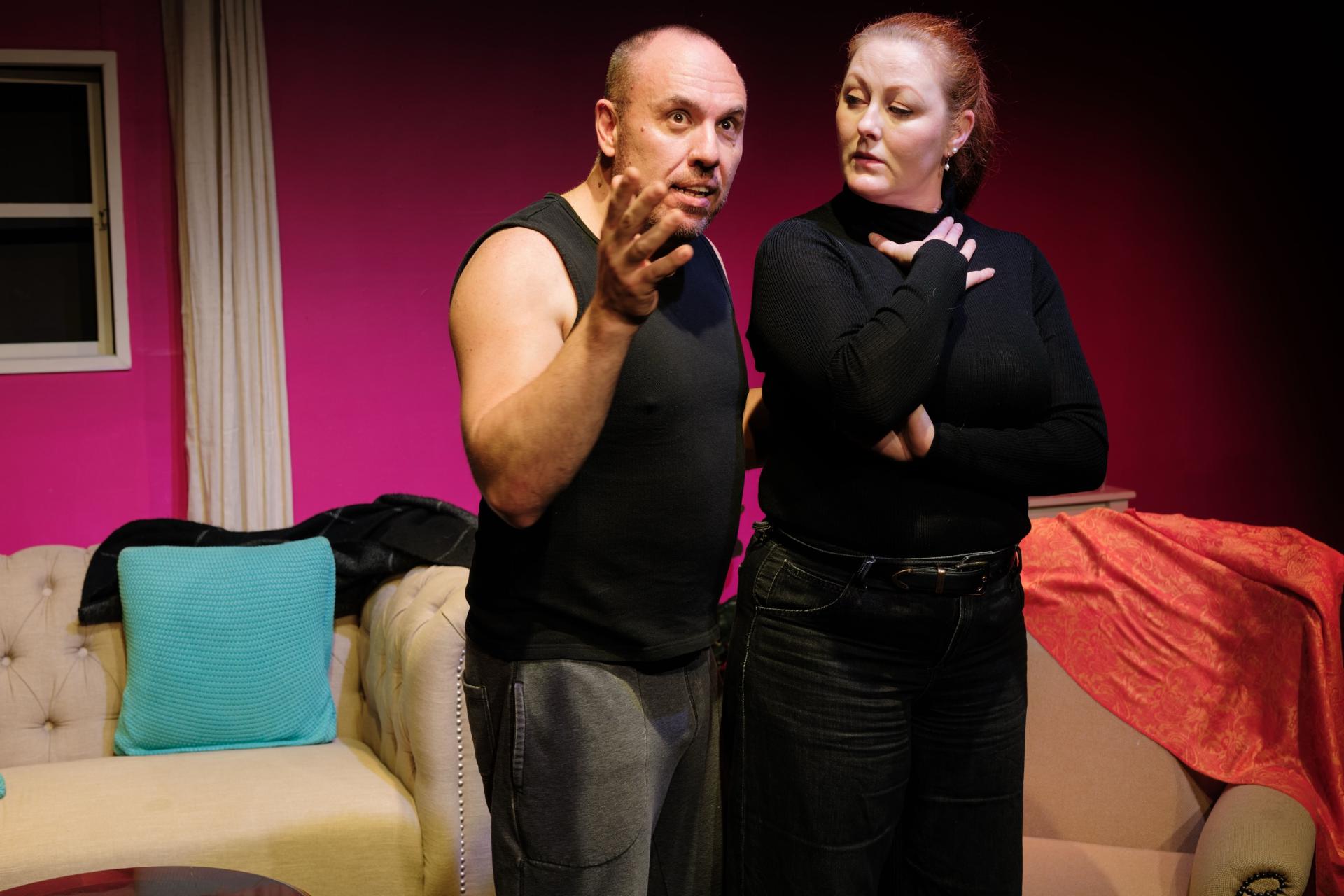
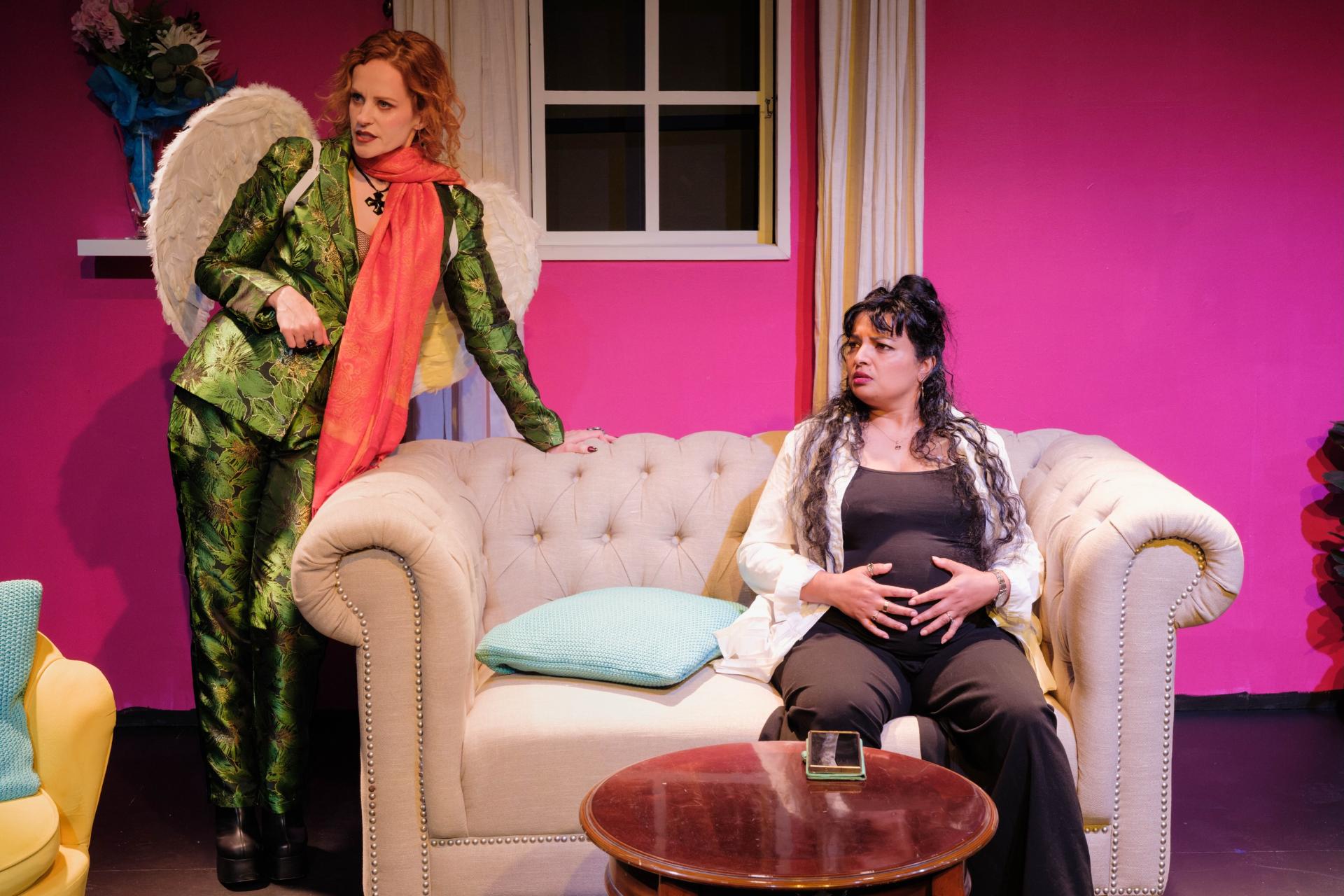
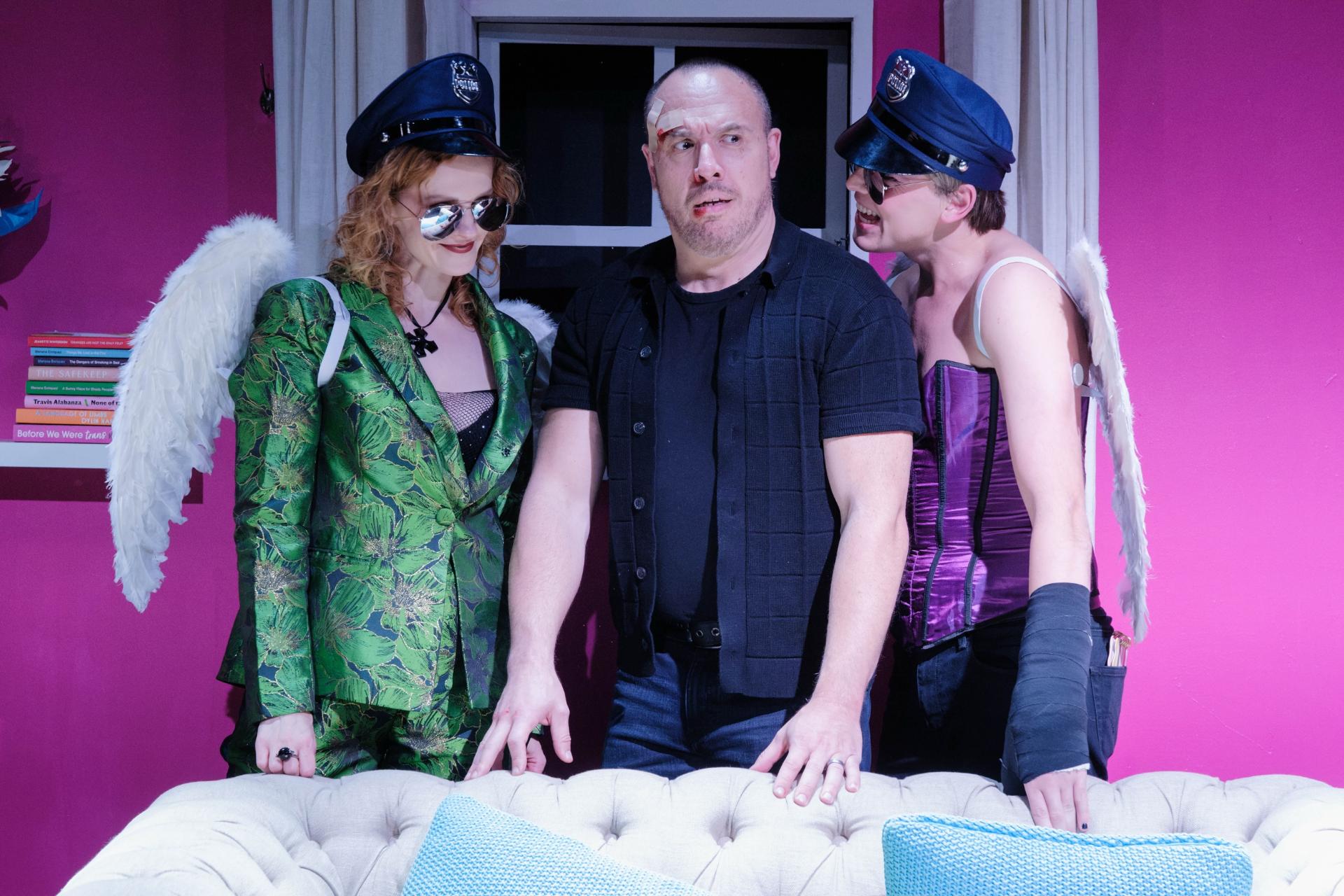
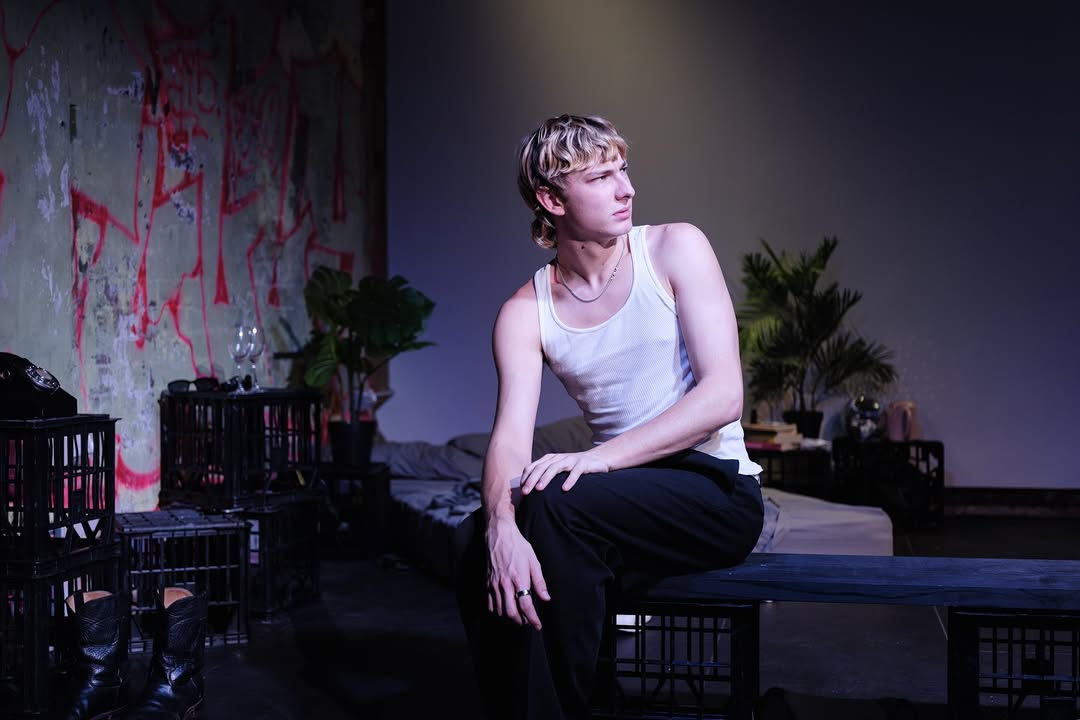
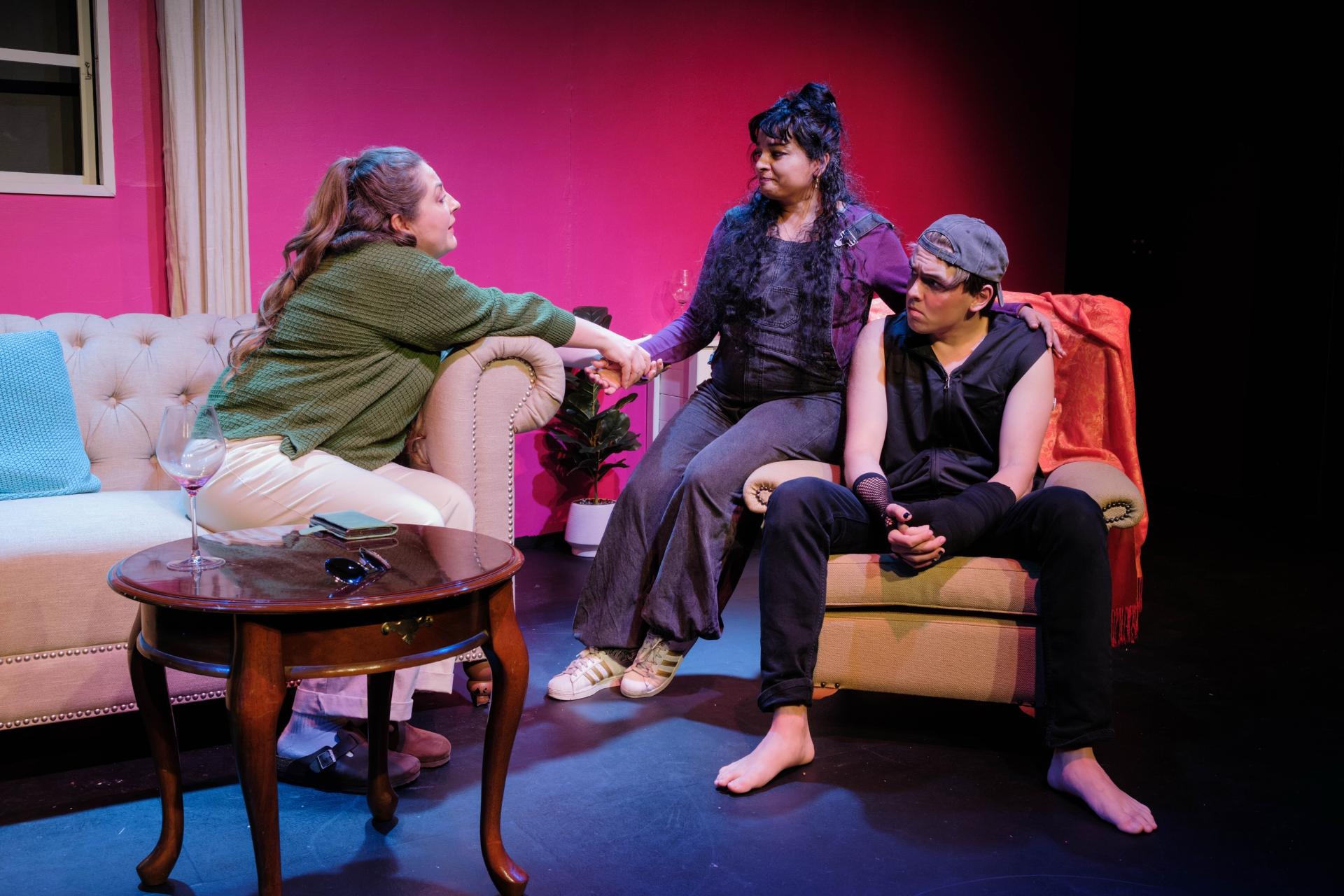
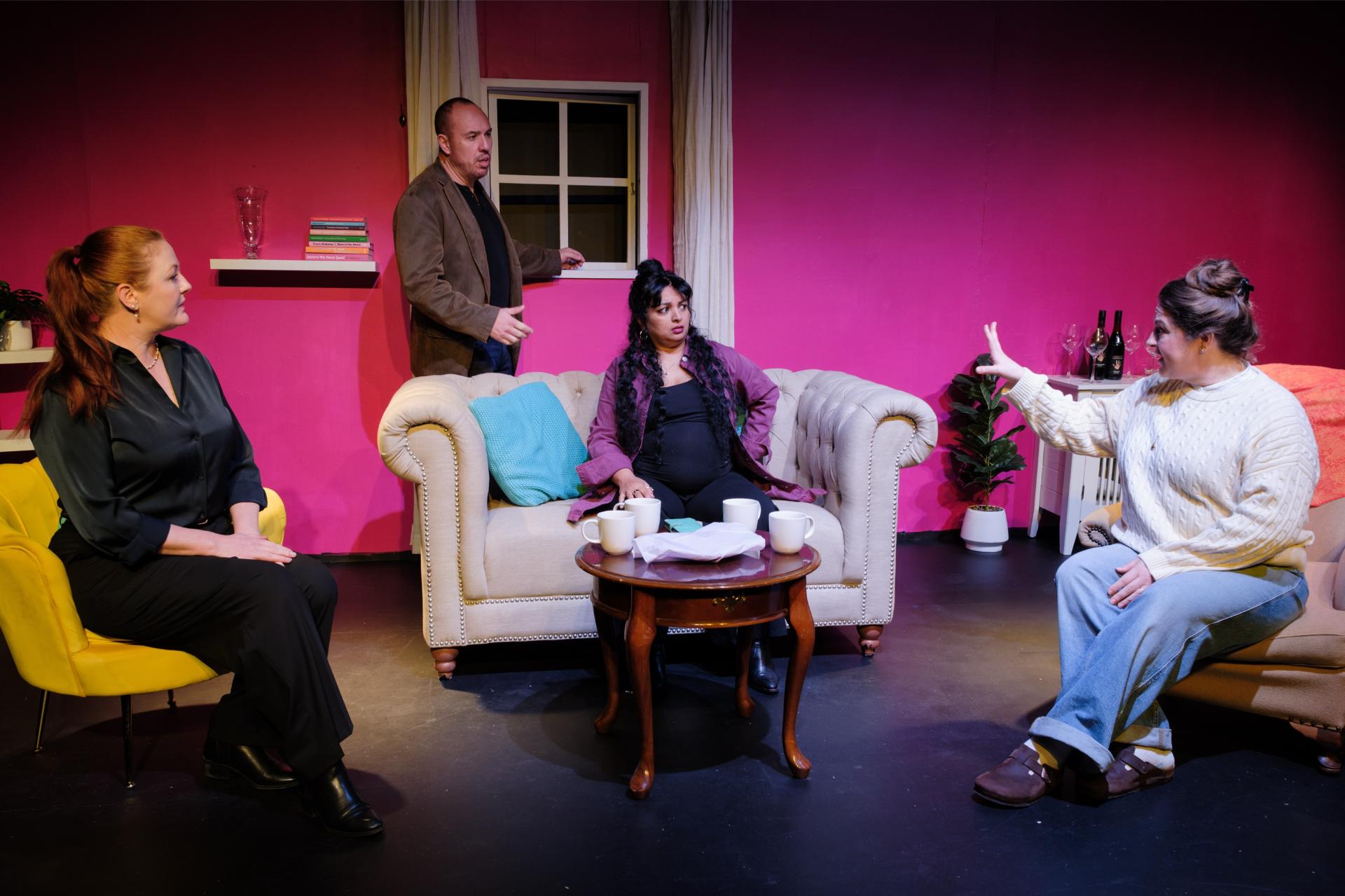
Amira and Chloe have fled London in search of breathing room, trading cramped city living for a house with a garden where their nine-year-old might roam. The trade-off, as they discover, is steep: the regional school gates prove far less hospitable than the cosmopolitan playgrounds they left behind. As an interracial lesbian couple, they increasingly find themselves at odds with other parents, a tension that Zak Zarafshan mines to brilliant effect in The Boys are Kissing, conjuring moments that veer from the absurdly comic to the quietly devastating. It is a play that feels genuinely of the post-marriage-equality moment: intellectually grounded without being preachy, its moral architecture sturdy enough to propel the narrative yet never so heavy that it drags the storytelling under.

Director Gavin Roach approaches the material with an admirable vigour, infusing the production with an urgency that reminds us queer rights remain a fight rather than a fait accompli. Yet the execution never quite matches the intention, with the production itself lacking the crispness necessary to draw us fully into the story. The cast often appears under-rehearsed, and while there are moments of genuine theatrical delight, their connections to both character and narrative lack sufficient depth. This diminishes not only the gravity of the material, but also the sense of joy and possibility that ultimately lies at its heart.

Raphael Gennusa’s lighting design brings welcome variation and texture to the atmosphere, although some scenes requiring more substantial shifts in location are not transformed quite convincingly enough. Akesiu Poitaha, meanwhile, deserves commendation for an extensive sound design that effectively transports the action beyond the mundane into spaces that feel altogether more evocative.

As queer people, we have long carried the responsibility of making life more bearable for generations of queer people yet to come. Now that it is increasingly common for us to have biological children of our own, the question of what we leave behind—and the kind of world our children will inherit—feels more consequential than ever. Yet the method by which we pursue that legacy need not change dramatically. We need only hold fast to the same principle that has always served us: the simple, unwavering demand for equality.

www.qtopiasydney.com.au | www.instagram.com/a_hello_darling_production
Review: Toxic (Qtopia)

Venue: Qtopia (Darlinghurst NSW), Apr 20 – May 9, 2026
Playwright: Nathaniel J Hall
Director: Gavin Roach
Cast: Bash Nelson, Patrick Phillips
Images by Robert Catto

Theatre review
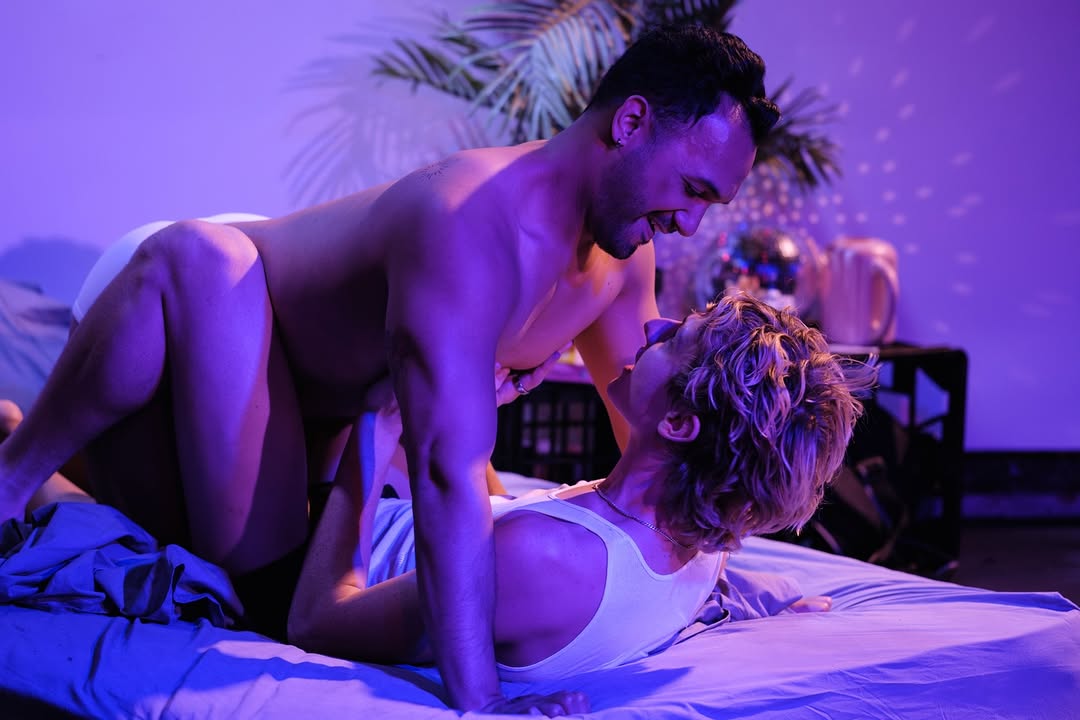
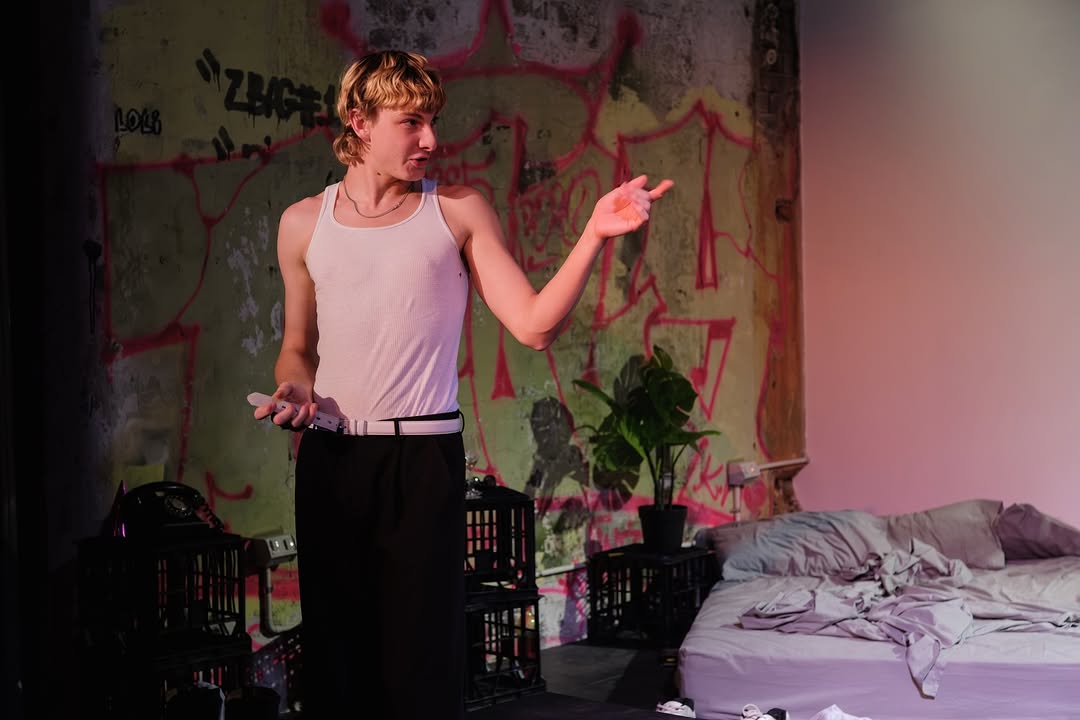
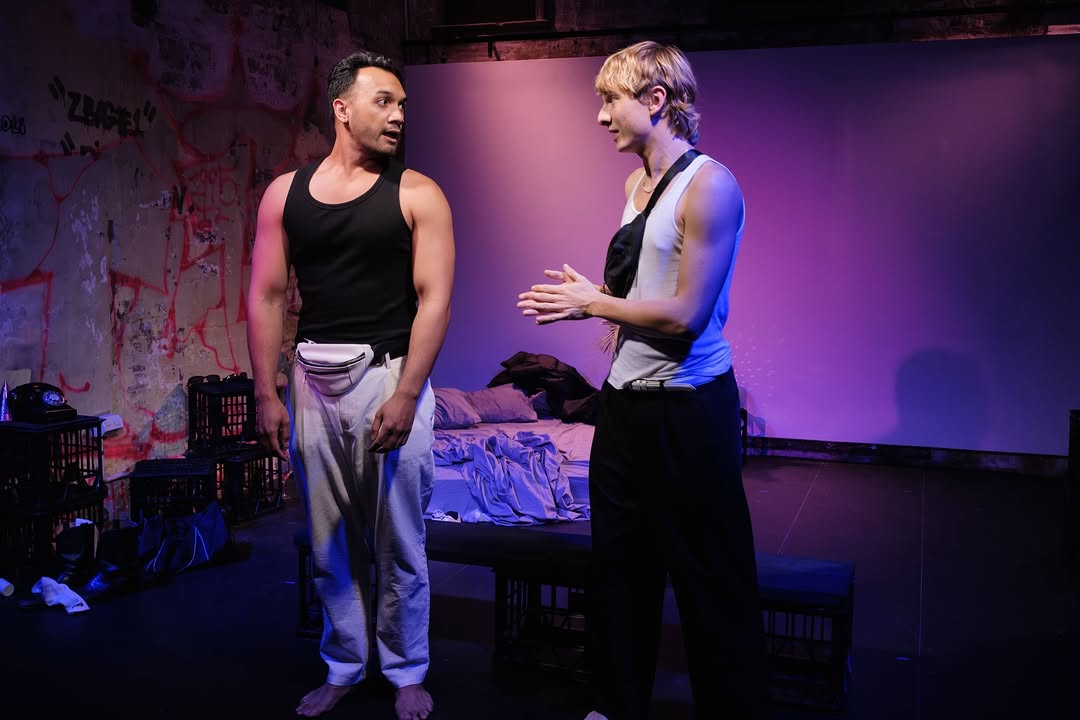
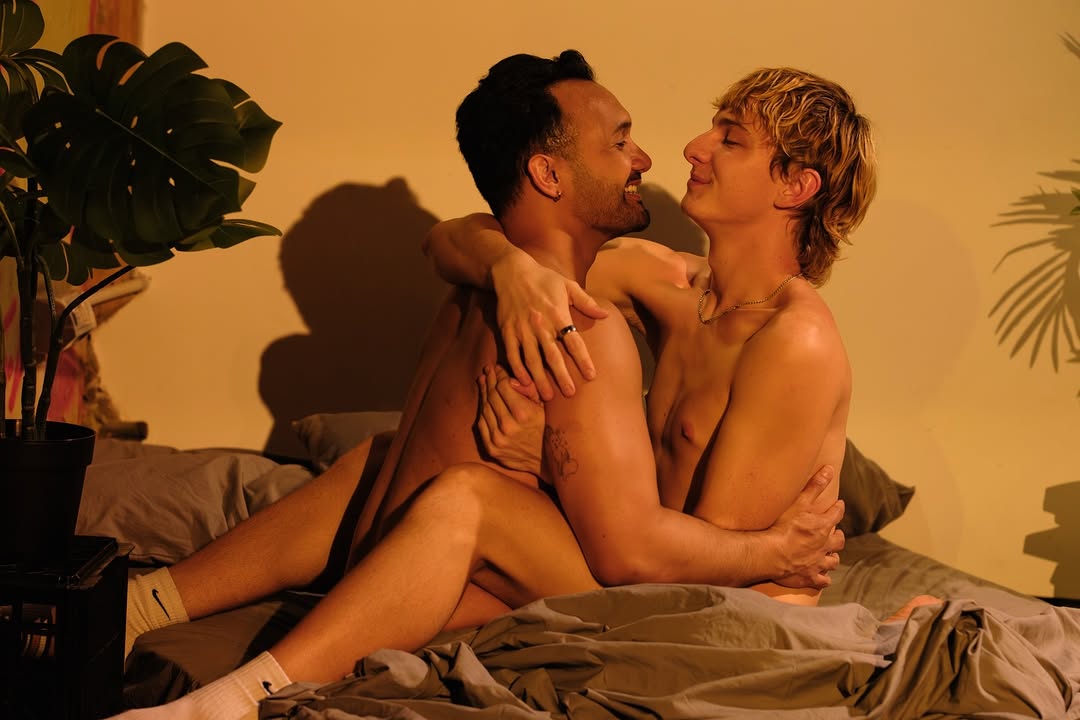
In Nathaniel J Hall’s Toxic, two young men in their twenties tumble into love with the heedless velocity of youth, cohabiting almost as swiftly as they collide. The play examines that familiar phenomenon wherein the young pledge themselves to profound domestic entanglement before they have sufficiently mapped the interior territories of their own selves. Yet Hall constructs his narrative with a necessary circularity: the fissures that eventually fracture the relationship become, paradoxically, the very instruments through which each man comes to know himself. The work suggests that heartache and anguish are not merely unfortunate by-products of intimacy but necessary instruments of maturation—painful, inexorable rites without which genuine adulthood remains elusive.

Hall’s writing possesses a confessionary candour, and its unbridled artistic honesty is to be admired. Yet for all its visceral authenticity, the revelations contained within Toxic seldom startle; the territory it maps feels familiar, even anticipated. One appreciates the vulnerability on display without ever quite being astonished by it.

Director Gavin Roach attempts to generate theatrical voltage through excess, foregrounding the sex and narcotics that lubricate the men’s bond. These elements are staged with reasonable explicitness, yet rather than elevating the material into the transgressive or the revelatory, the production ultimately feels pedestrian—a conventional narrative dressed in the costume of debauchery, unable to transcend its own sensationalism.

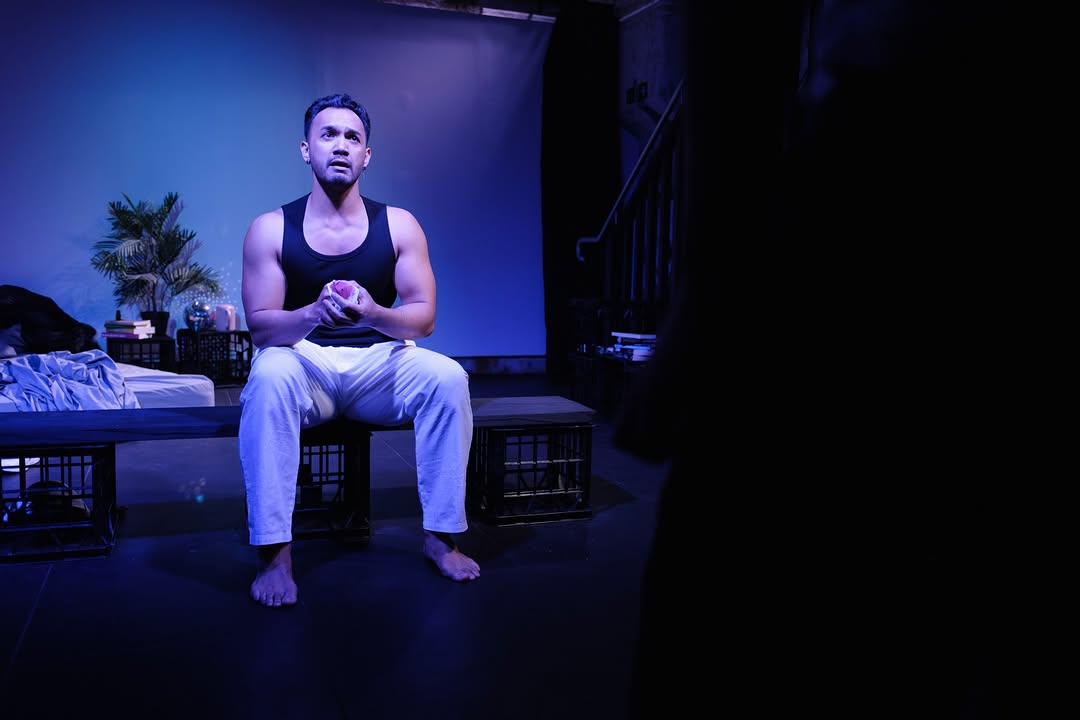
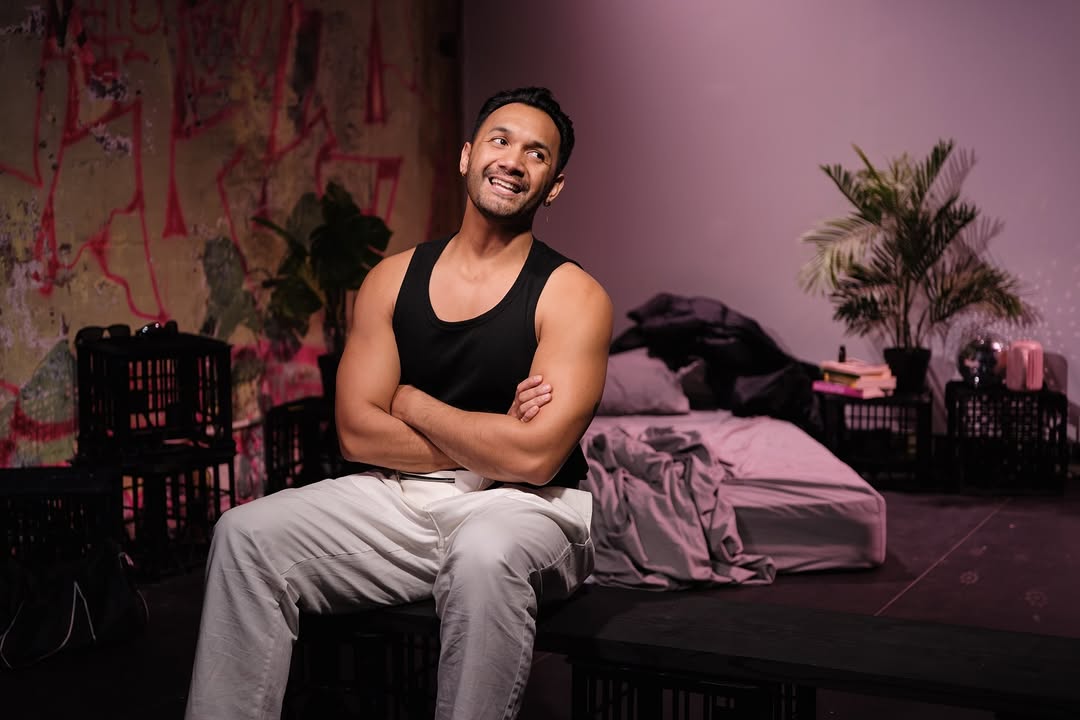
As the couple, Bash Nelson and Patrick Phillips bring a focussed, muscular energy to the stage, committing themselves to the physical and emotional demands of the roles with undeniable dedication. Where they falter is in the subtler intricacies of the psychology they are charged with interrogating. The subterranean currents of individual neurosis are insufficiently excavated, nor do they render the shifting power dynamics between them with satisfying complexity. Consequently, the production’s explorations of human behaviour—its contradictions, its compulsions, its myriad ambivalences—remain somewhat at arm’s length. We observe the characters’ turmoil without being wholly drawn into its labyrinth.

The play’s underlying philosophy is perhaps its most resonant thread. We spend our lives attempting to circumvent emotional devastation, yet it is precisely through lacerating experience that we are forged. Hall’s protagonists have committed no transgression that would warrant the anguish they endure; their suffering arrives not as punishment but as the arbitrary, brutal tuition of existence. And herein lies the work’s most sophisticated tension: the hedonism they pursue—those nights of chemical and carnal abandon—reads simultaneously as evasion, a frantic attempt to outrun what must eventually be processed, and as a strange species of emancipation. For these two fortunate souls, who never quite tumble past the point of no return, debauchery becomes not merely escape but liberation—a messy, imperfect key to self-discovery. They emerge scathed but transformed, having learned that growth and agony are not opposites but conjoined twins, inseparable in the nature of a life fully lived.

www.qtopiasydney.com.au | www.instagram.com/a_hello_darling_production