Venue: KXT on Broadway (Ultimo NSW), Aug 21 – Sep 5, 2026
Playwright: Peter Shaffer
Director: Brockman
Cast: Cloud Fernandez-Montoya, Sophie Gregg, Stephen Madsen, Jay-James Moody, Gus Murray, Linda Nicholls-Gidley, Shalamah Tautaiolefue, Ryan Yeates
Images by Daniel Boud
Theatre review
It was in 1973 that Peter Shaffer wrote Equus, the story of 17-year-old Alan Strang, a boy who blinds six horses with a metal spike. At its heart, Equus is a play about desire: where it comes from, how it is shaped, and the destruction that can follow when it is denied. As a gay man born in the early twentieth century, Shaffer was almost certainly drawing, at least in part, on the devastating consequences of harbouring desires deemed socially taboo.
More than half a century later, director Brockman brings the play’s submerged queerness unmistakably to the surface. Where Shaffer had to veil the politics of Equus beneath explorations of religion, psychotherapy and obsession, Brockman’s contemporary interpretation points directly to the machinery of social stigmatisation and the wounds of marginalisation.
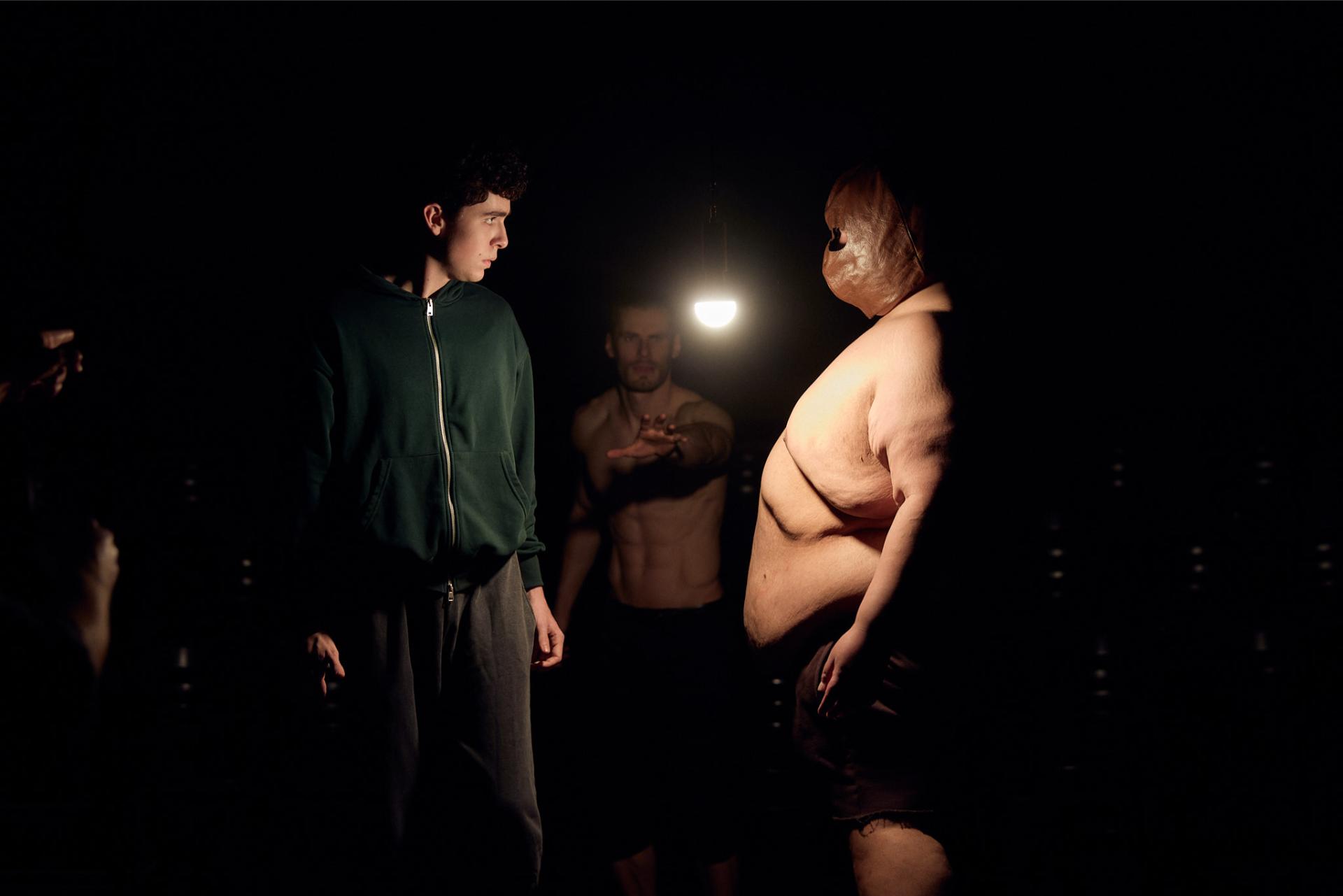
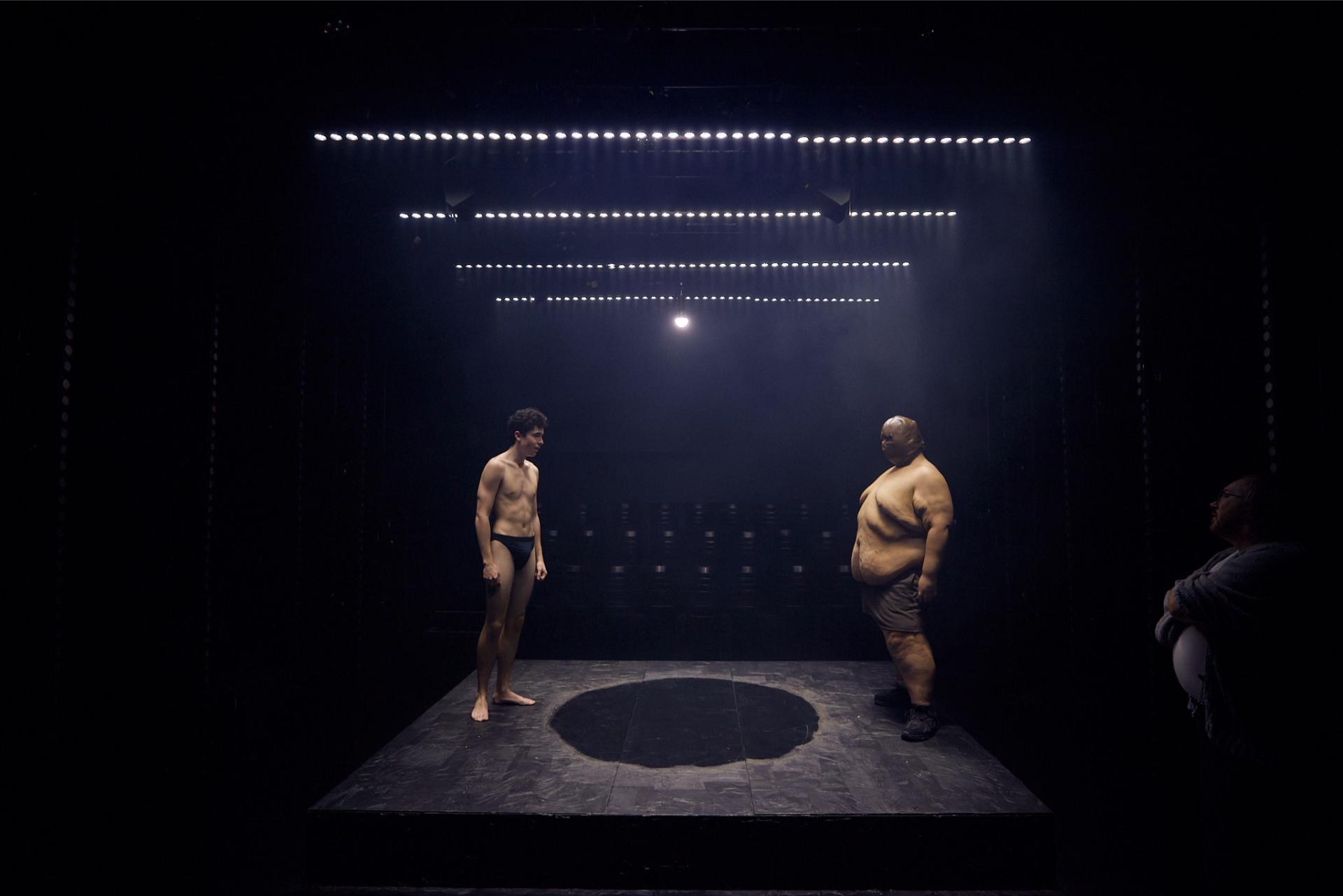
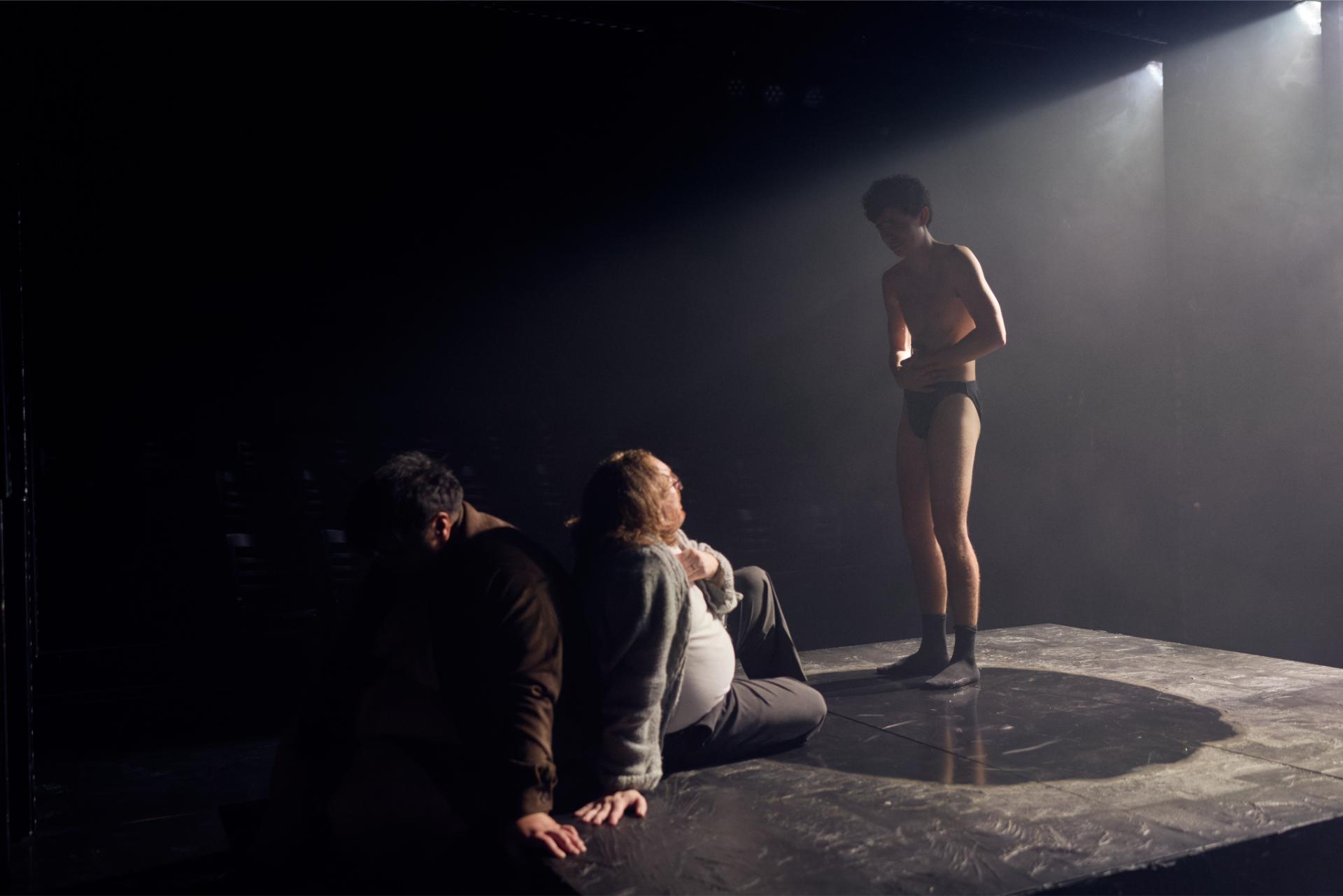
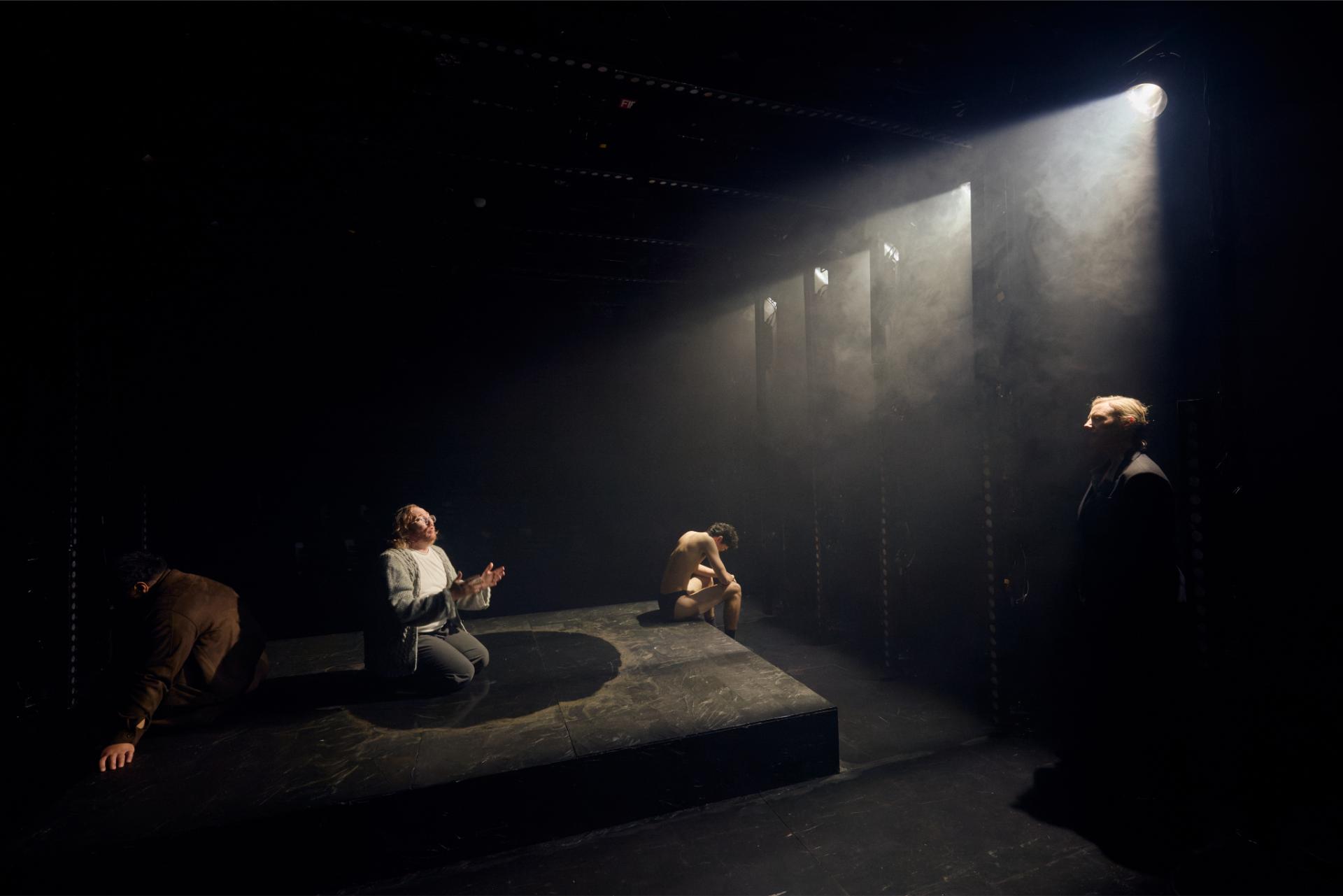
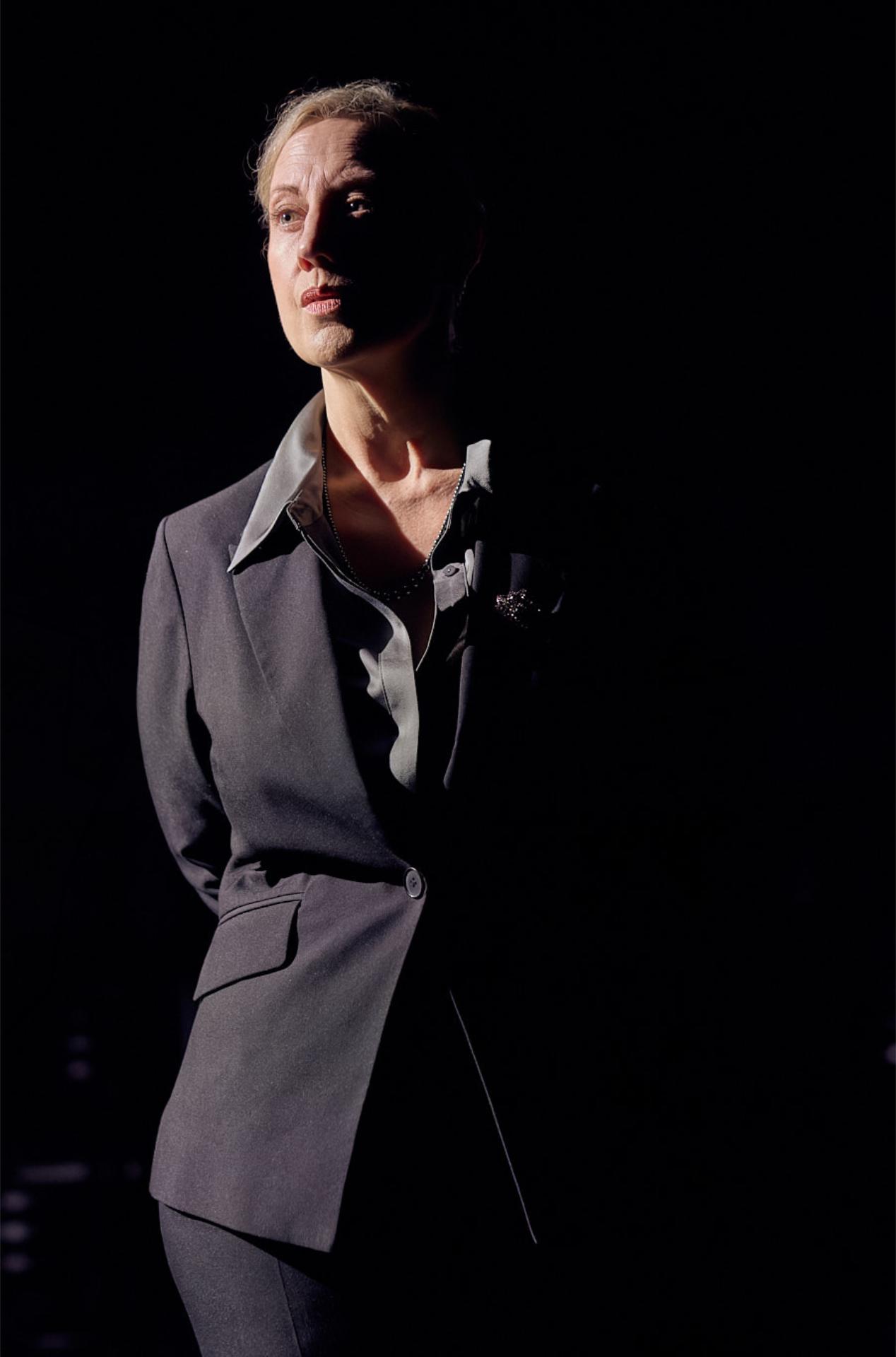
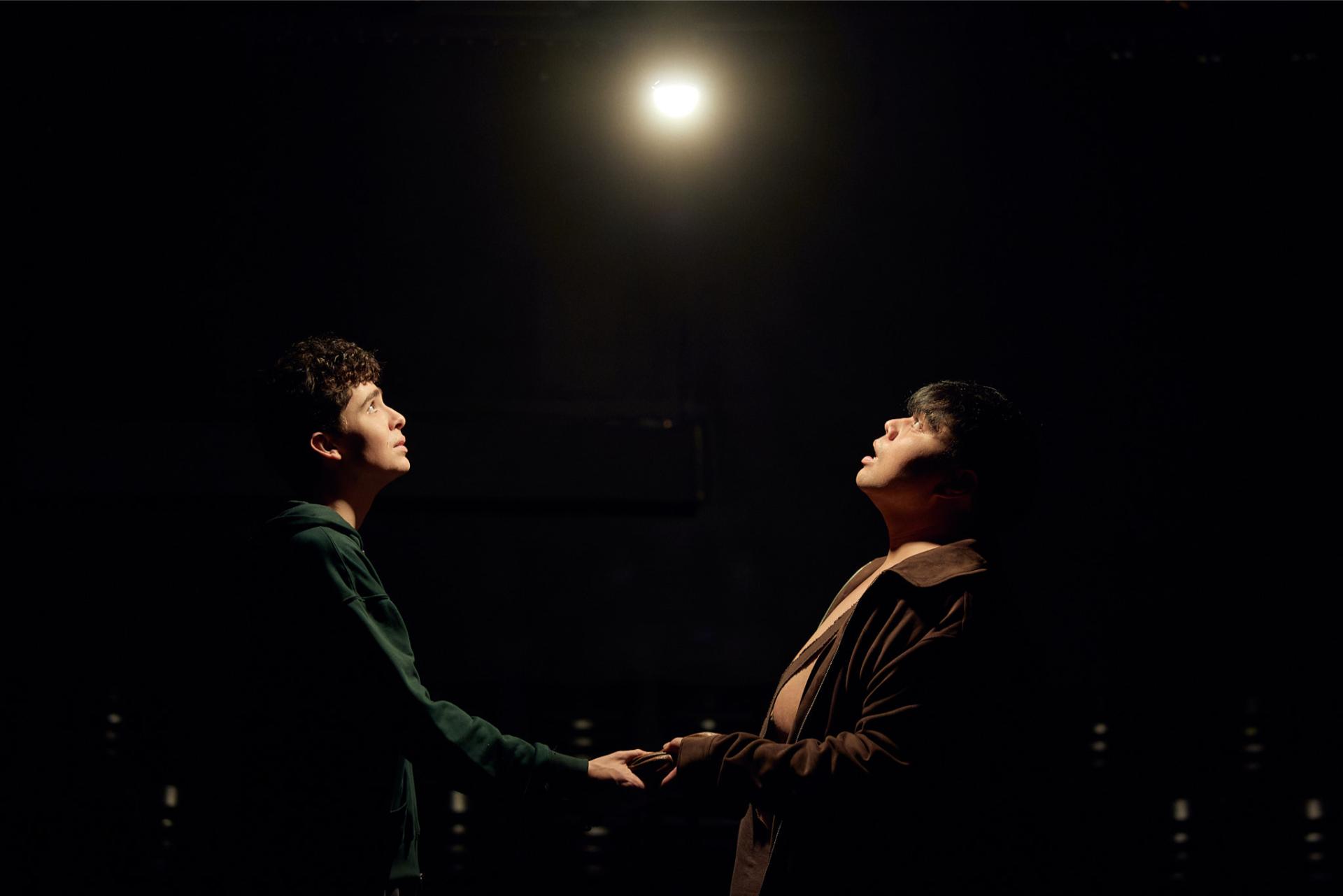
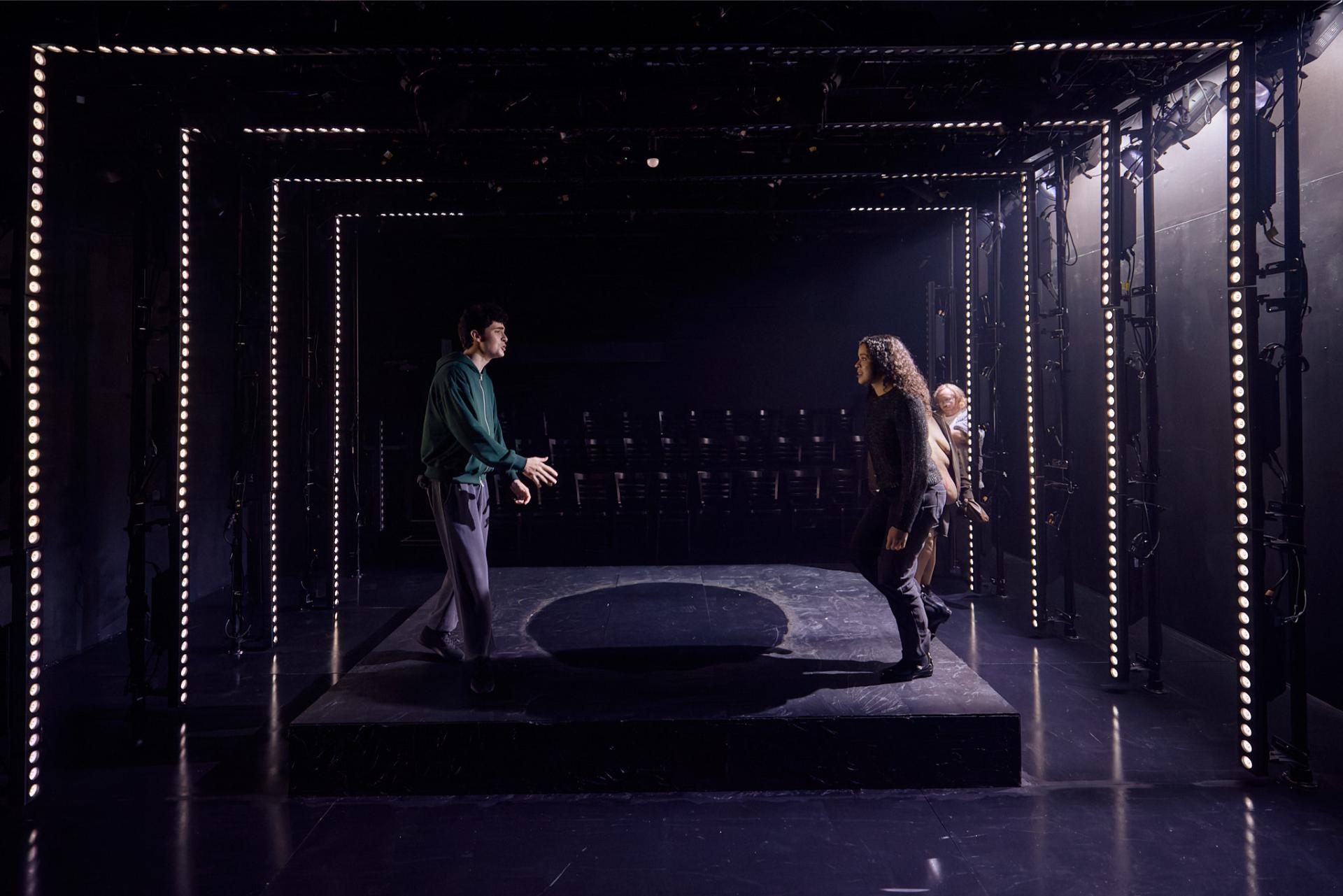
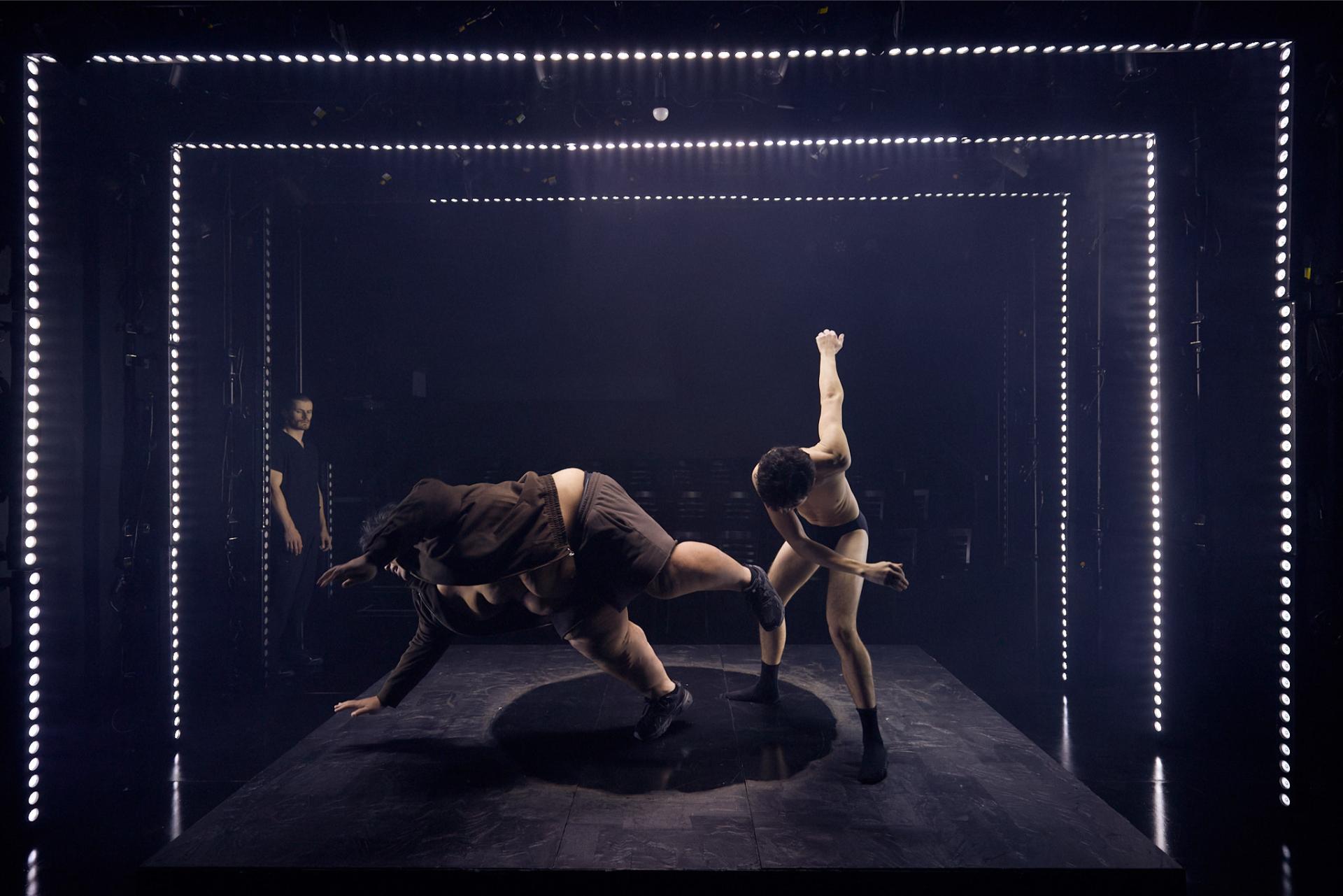
The production is as pointed in its message as it is atmospheric in its rendering. Brockman, who also serves as set and lighting designer, uses light to construct a performance space that recalls the stable where the unspeakable occurred, illuminating the action in ways that evoke desire and its eternal companion, brutality. The fluid movement between warm and cold tones mirrors the play’s shifting moral landscape, inviting us to question ideas of sin and transgression when set against the force of human instinct.
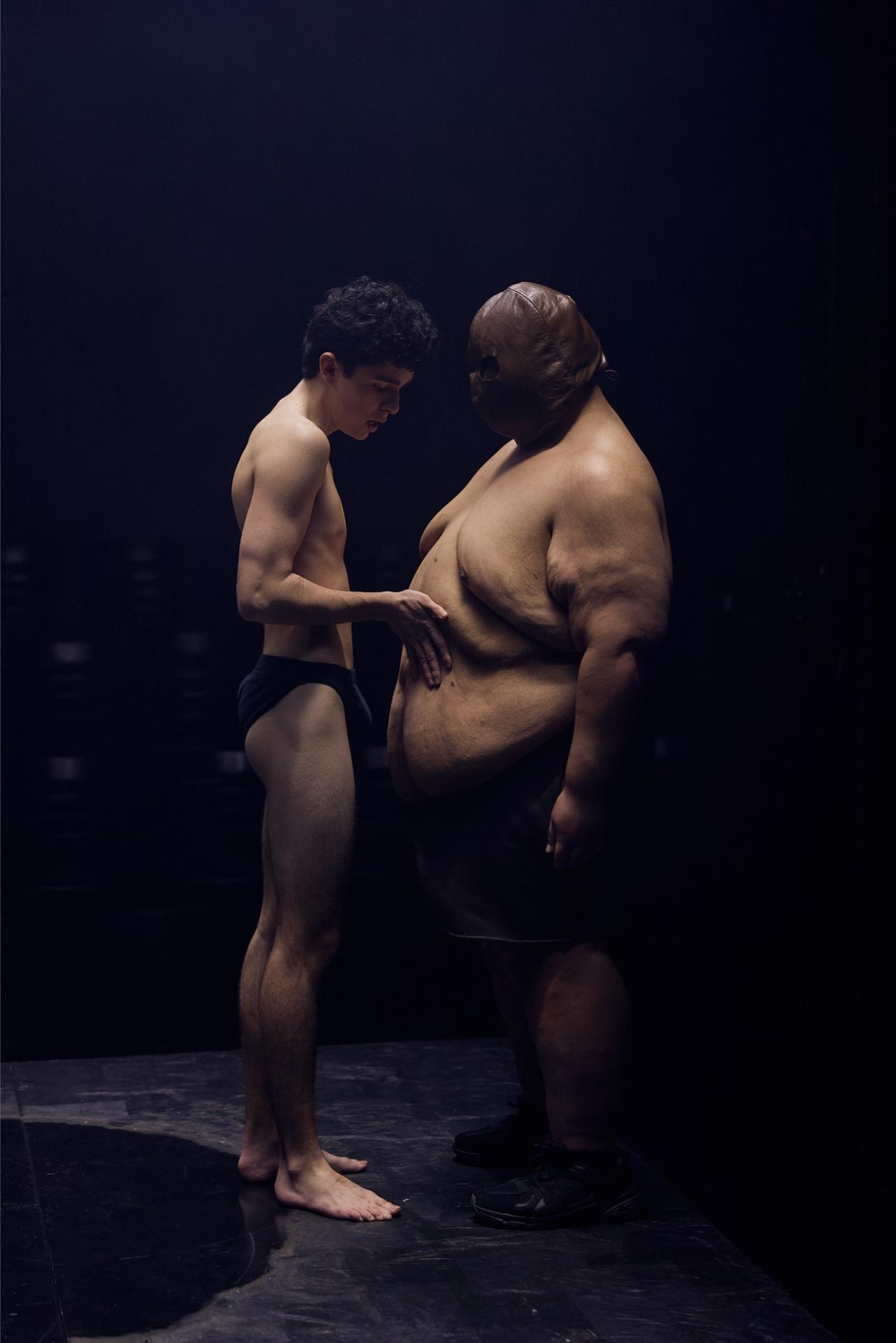
Dr Emily Brayshaw’s costumes remain in harmony with the production’s dark visual palette, while introducing subtle variations in colour and texture that keep the stage picture richly alive. Milo Mclaughlin’s sound design establishes a sombre timbre befitting the material’s gravity, though the persistence of his repetitious drone occasionally dulls the audience’s engagement.
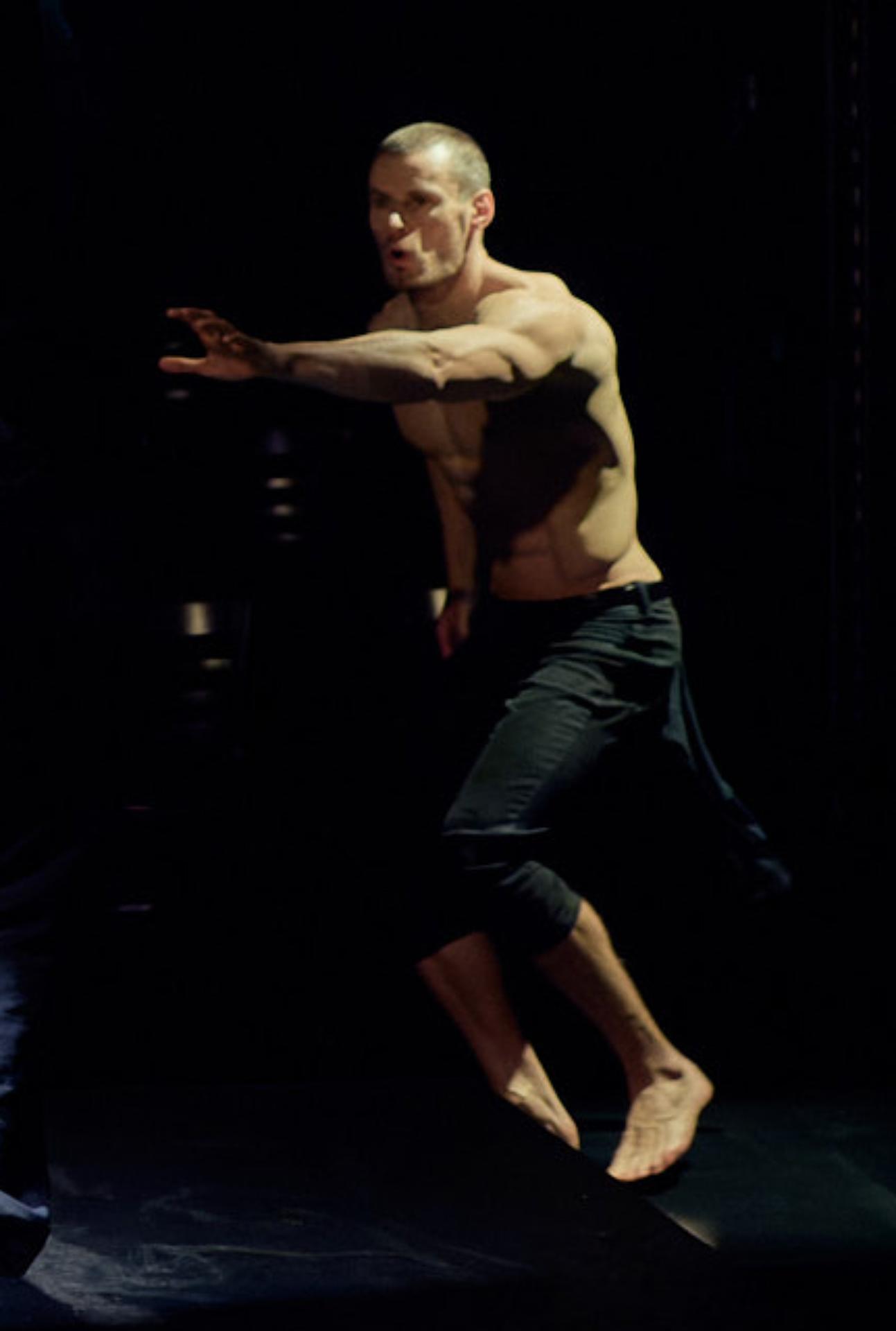
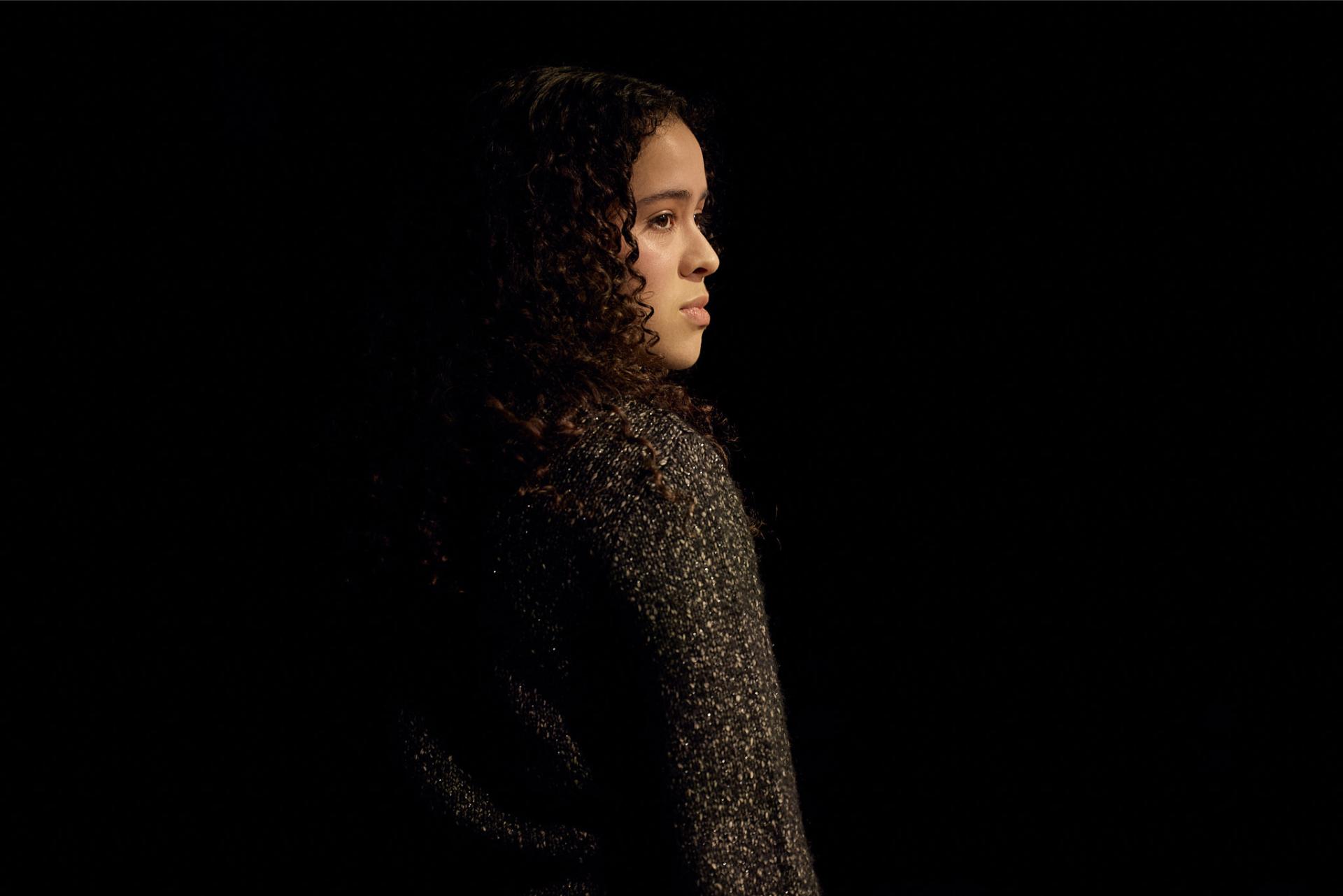
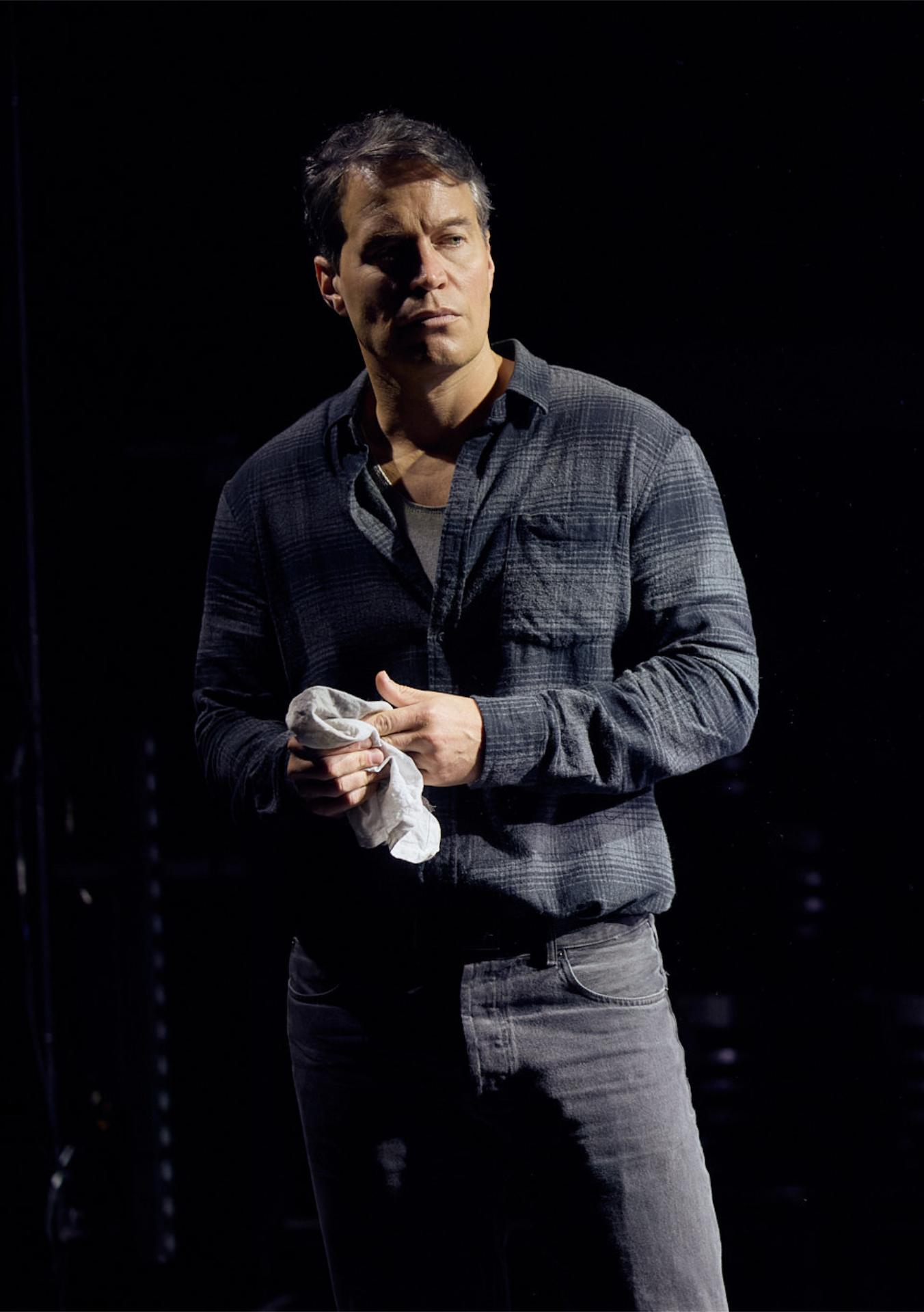
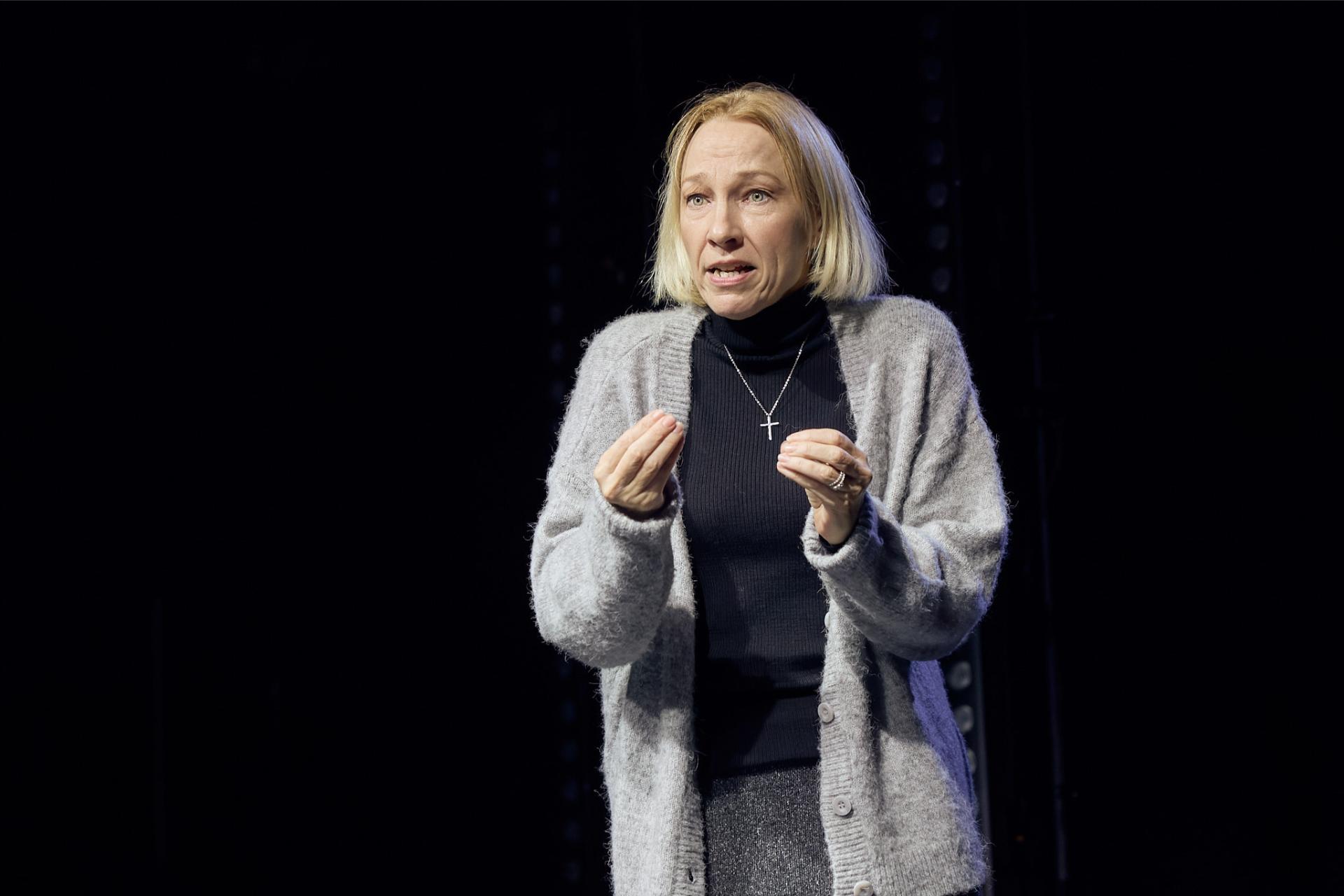
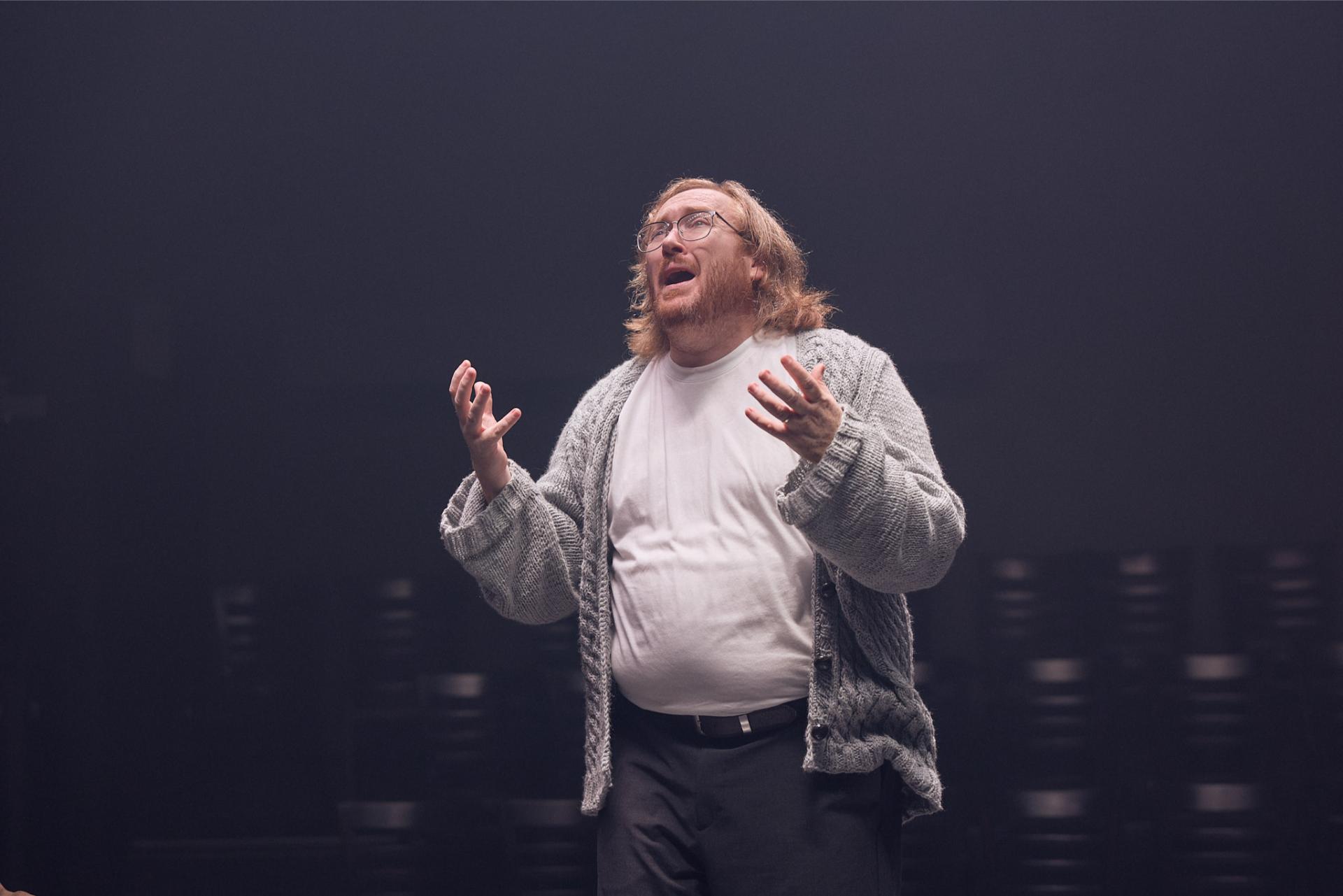
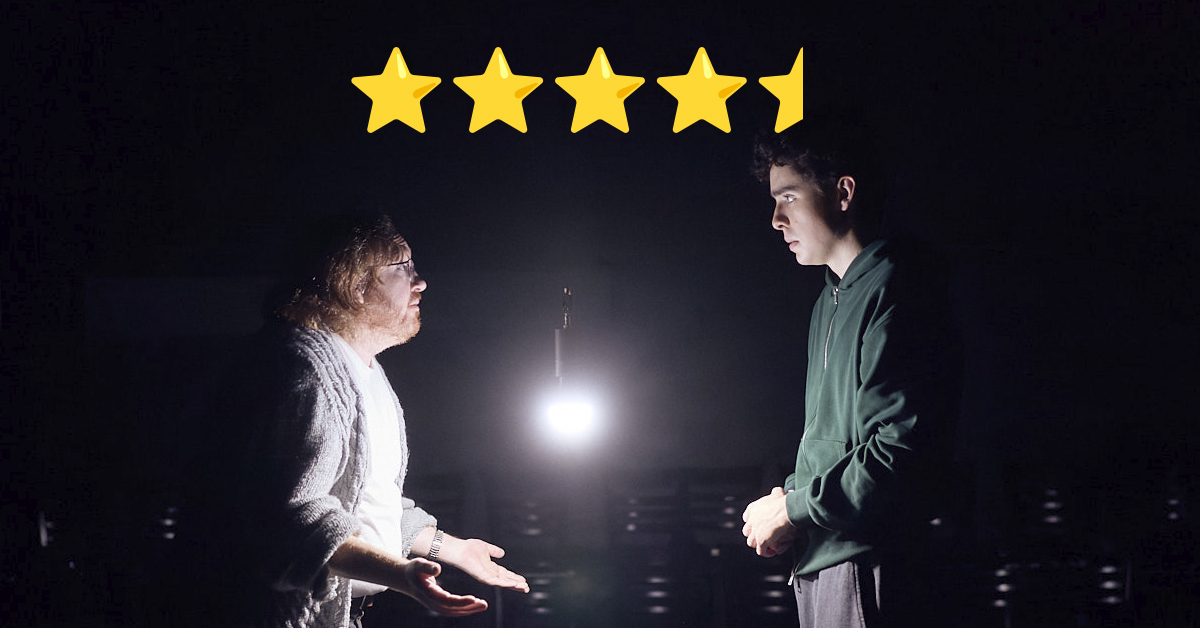
Ryan Yeates delivers an admirably naturalistic Alan, bringing a vulnerability that makes the character feel both psychologically complex and undeniably real. He is simultaneously victim and perpetrator, embodying a story that first emerged at the dawn of the gay rights movement in Britain. Opposite him, J. James-Moody gives an extraordinary performance as Dr Dysart. He navigates Shaffer’s dense, philosophical dialogue with remarkable precision, revealing its intricate emotional and intellectual textures without sacrificing clarity. Beyond the cerebral pleasures of his performance, James-Moody is also devastatingly visceral, particularly in moments of profound self-loathing and emotional torment—qualities that become the defining concerns of Equus in 2026.
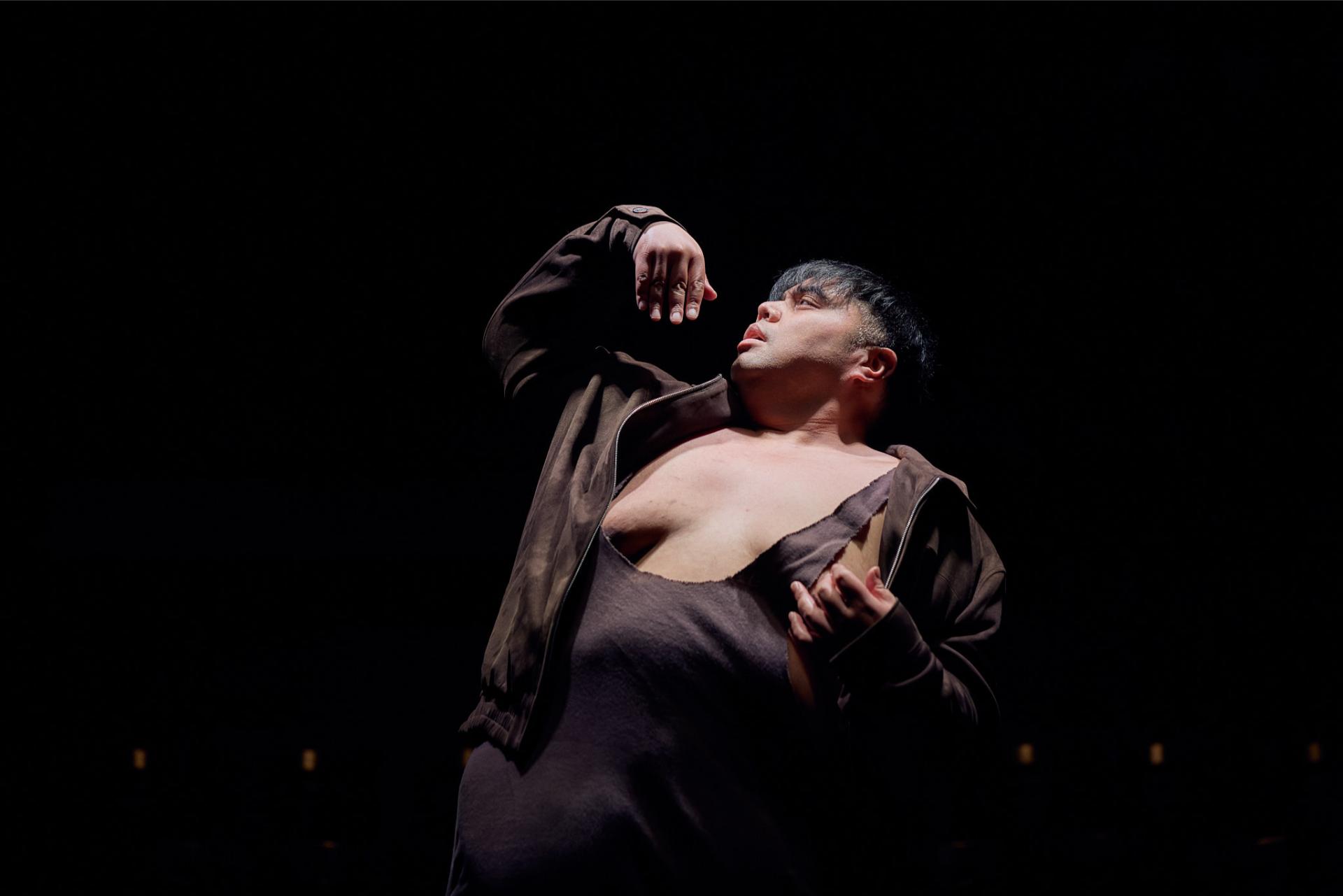
Equally remarkable is Shalamah Tautaiolefue, who inhabits the various horses throughout the play. Rather than simply anthropomorphising the animals, Tautaiolefue expands the production’s interrogation of taboo to encompass questions of gender, race and body size. Working with movement director Jeremy Lloyd, they create an entirely non-verbal performance of astonishing imagination and beauty, one that remains captivating from the opening moments to the final scene.
Alan has been taught to hate, perhaps unconsciously, but certainly within an Abrahamic tradition that leaves no ambiguity about who and what deserves contempt, and that habitually justifies violence as a form of atonement. His desires curdle into hatred for himself and for the horses; lacking any means to reject or subvert his indoctrination, he follows the only logic available to him, and strikes out at the thing he loves most, in a tragedy about the catastrophic consequences of teaching someone that love itself is sinful.
www.kingsxtheatre.com | www.danielcottier.com.au