Review: Consent (Seymour Centre)

Venue: Seymour Centre (Chippendale NSW), Jun 1 – 24, 2023
Playwright: Nina Raine
Director: Craig Baldwin
Cast: Jessica Bell, Nic English, Sam O’Sullivan, Jennifer Rani, Anna Samson, Anna Skellern, Jeremy Waters
Images by Phil Erbacher

Theatre review

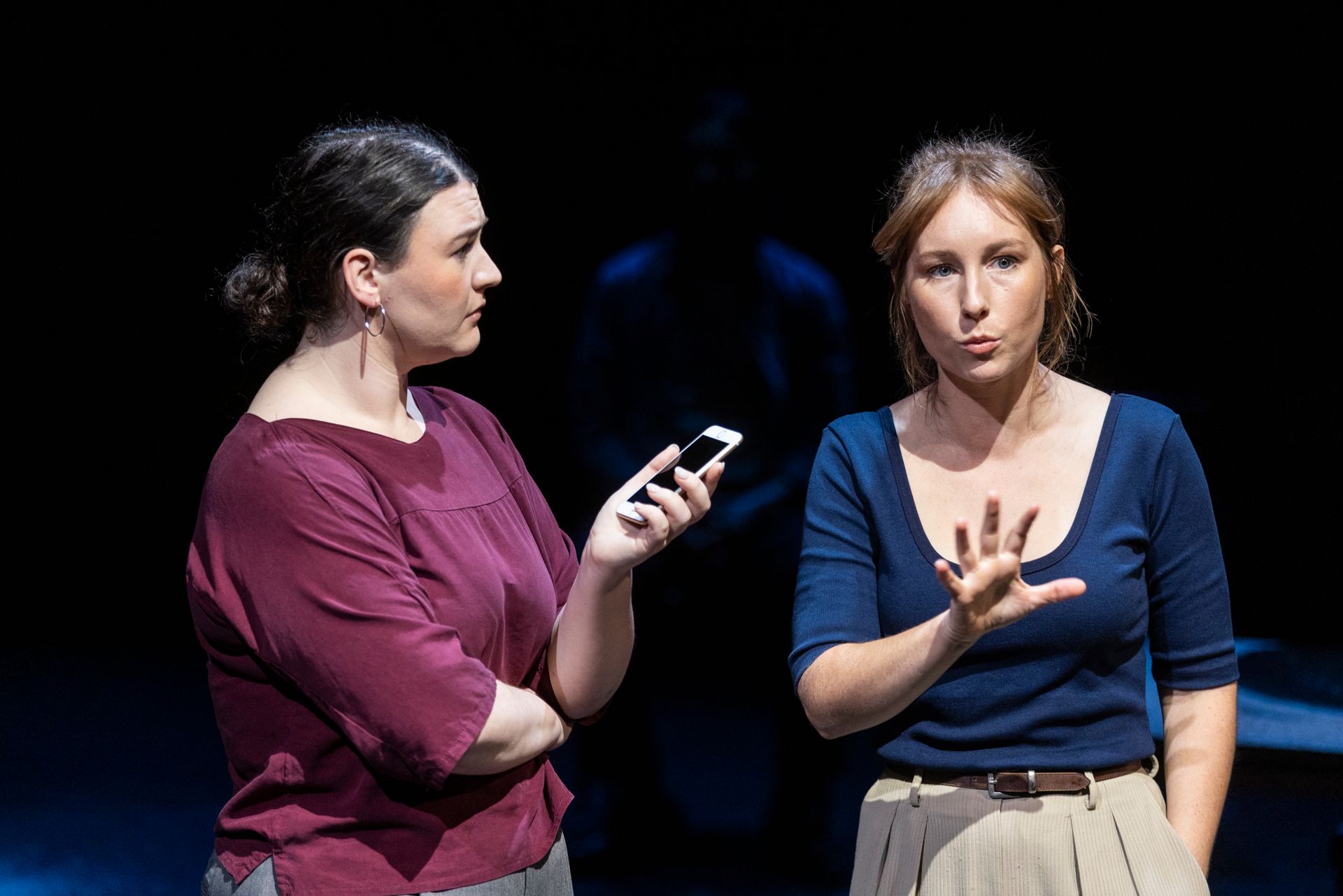
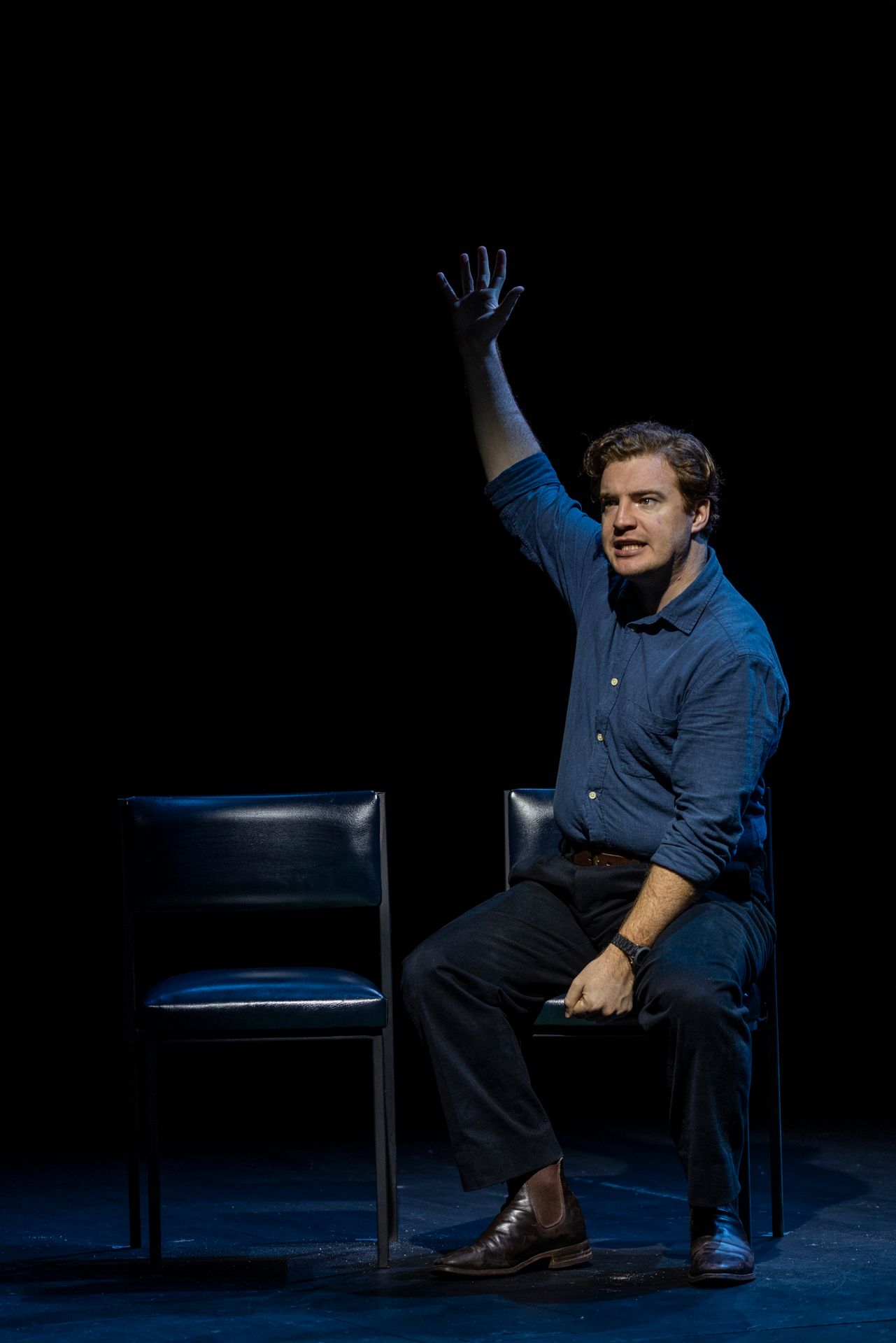
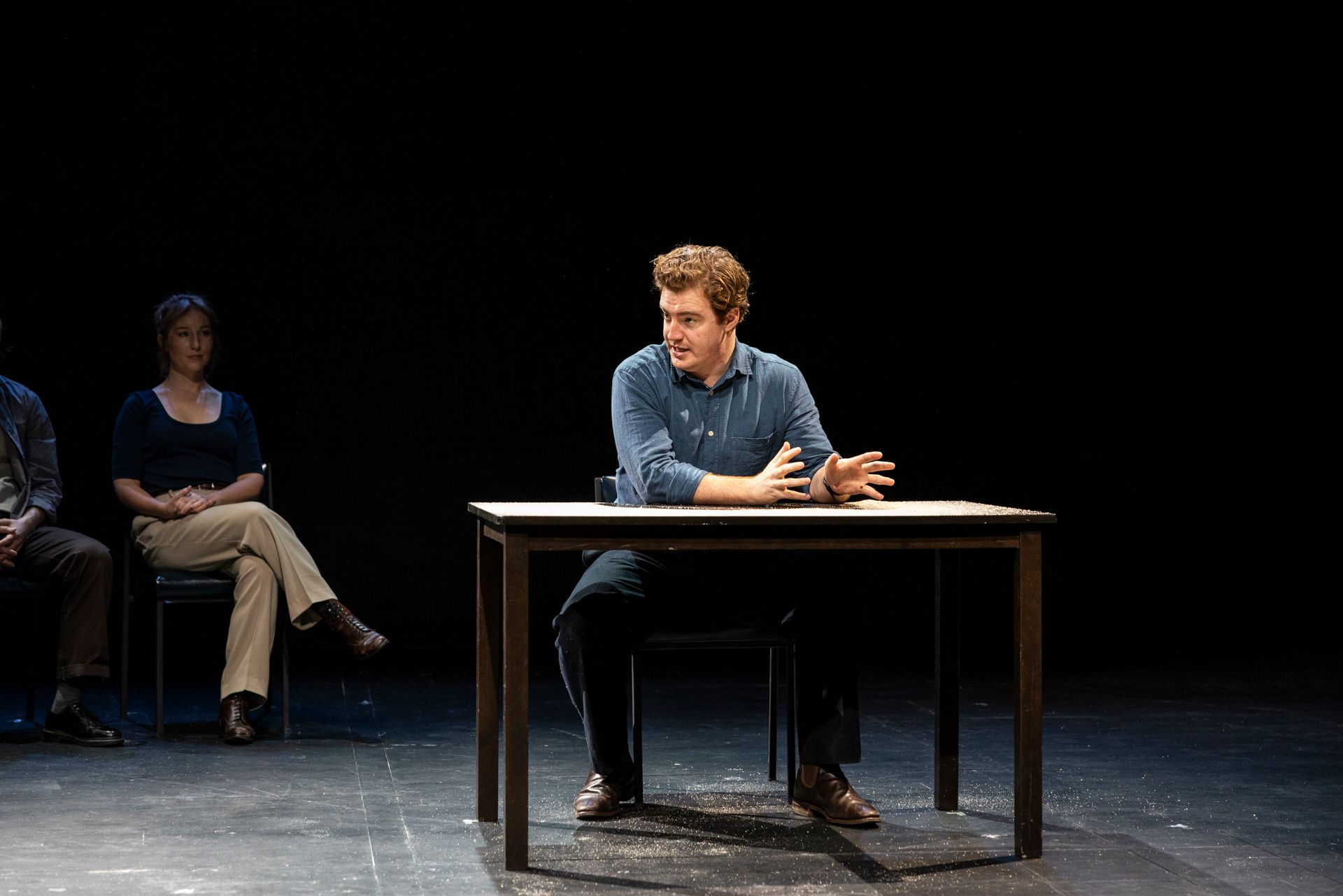
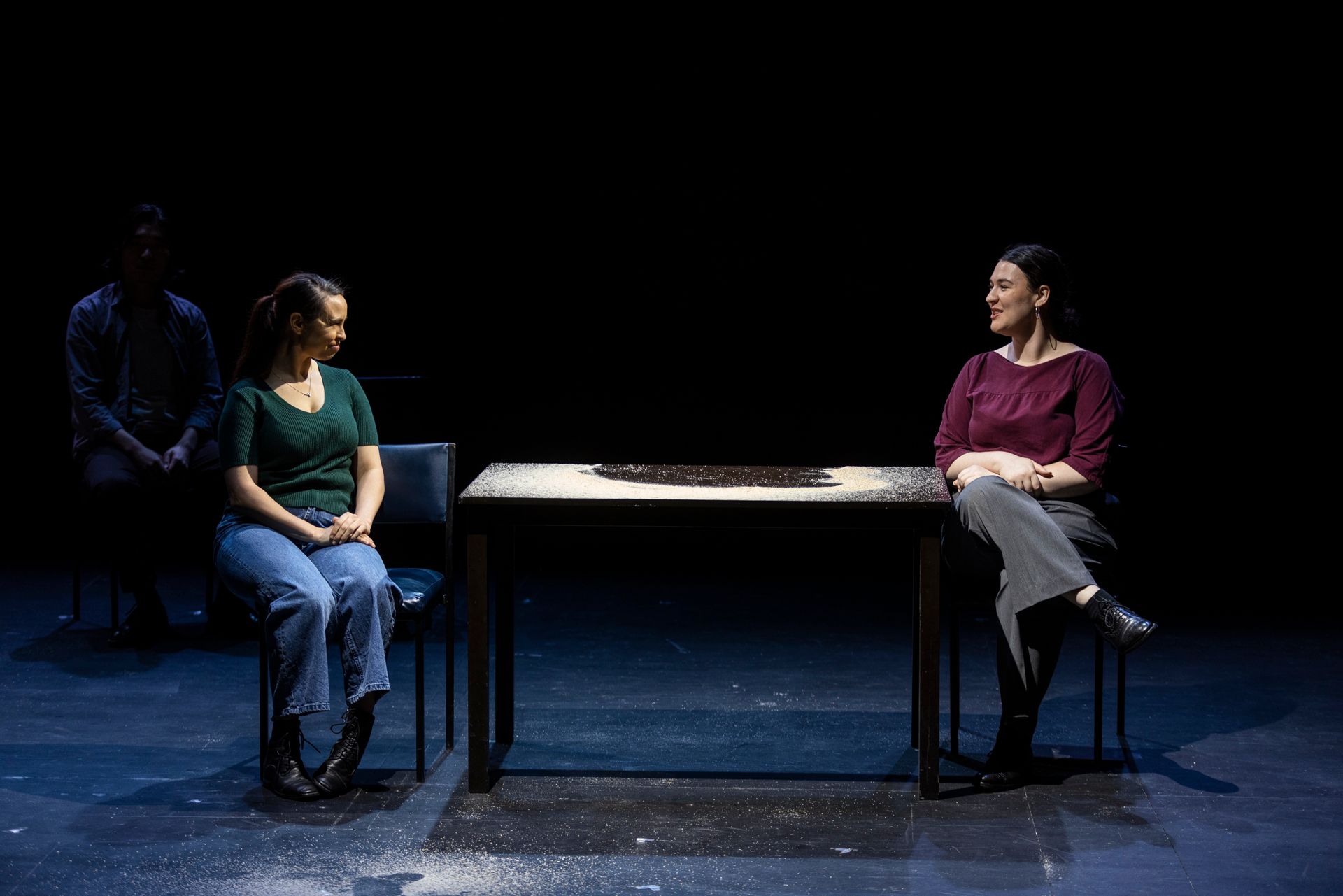
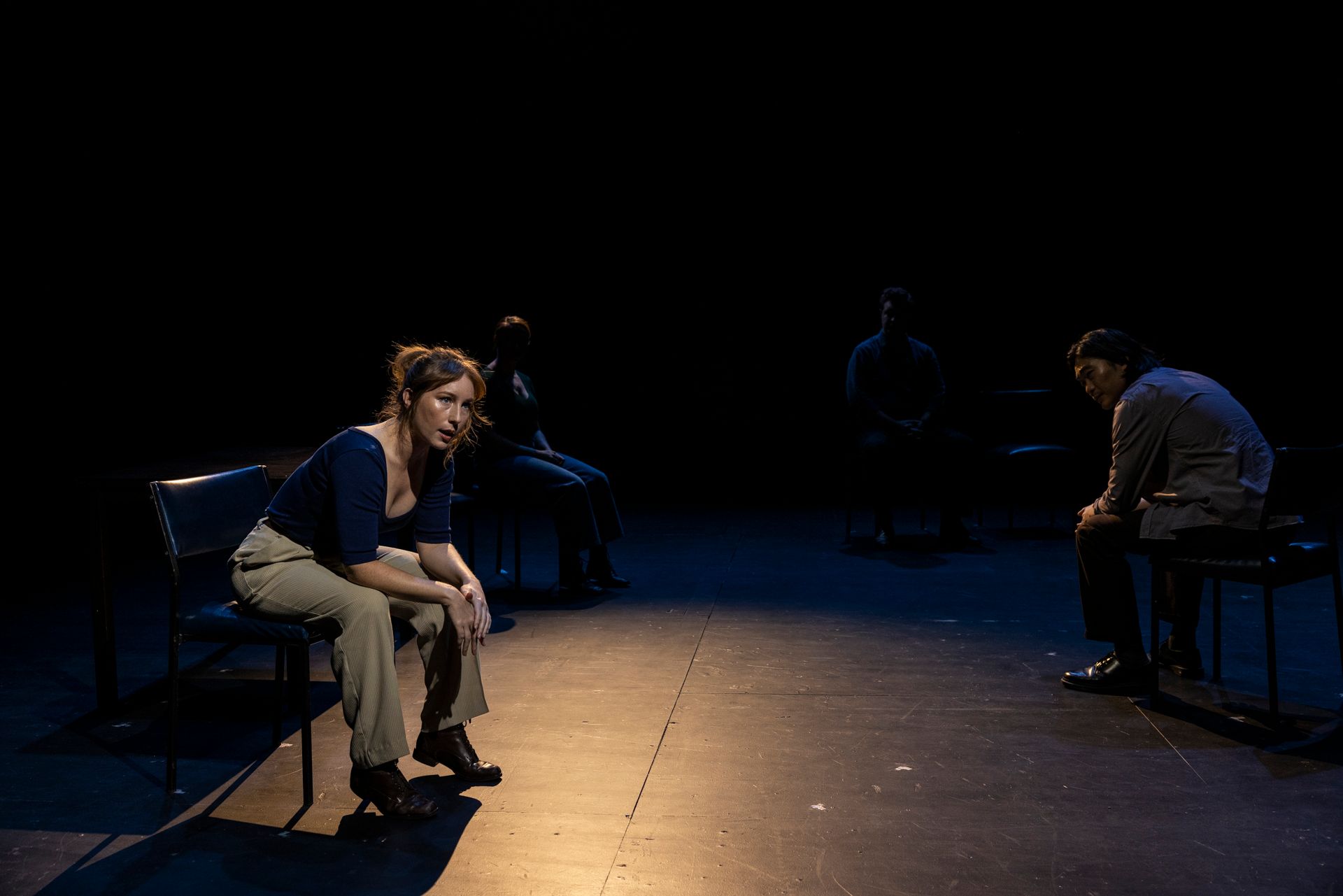
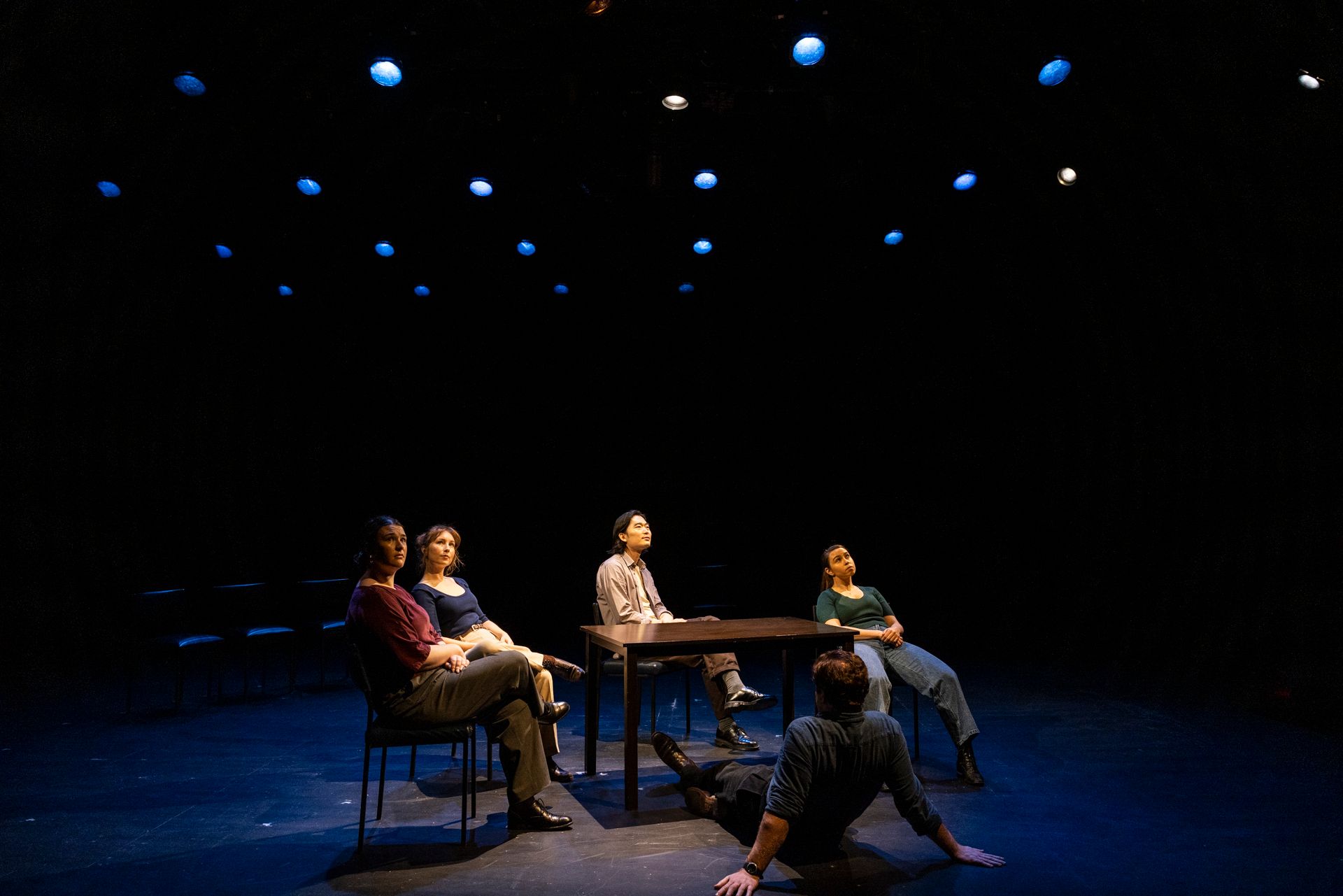
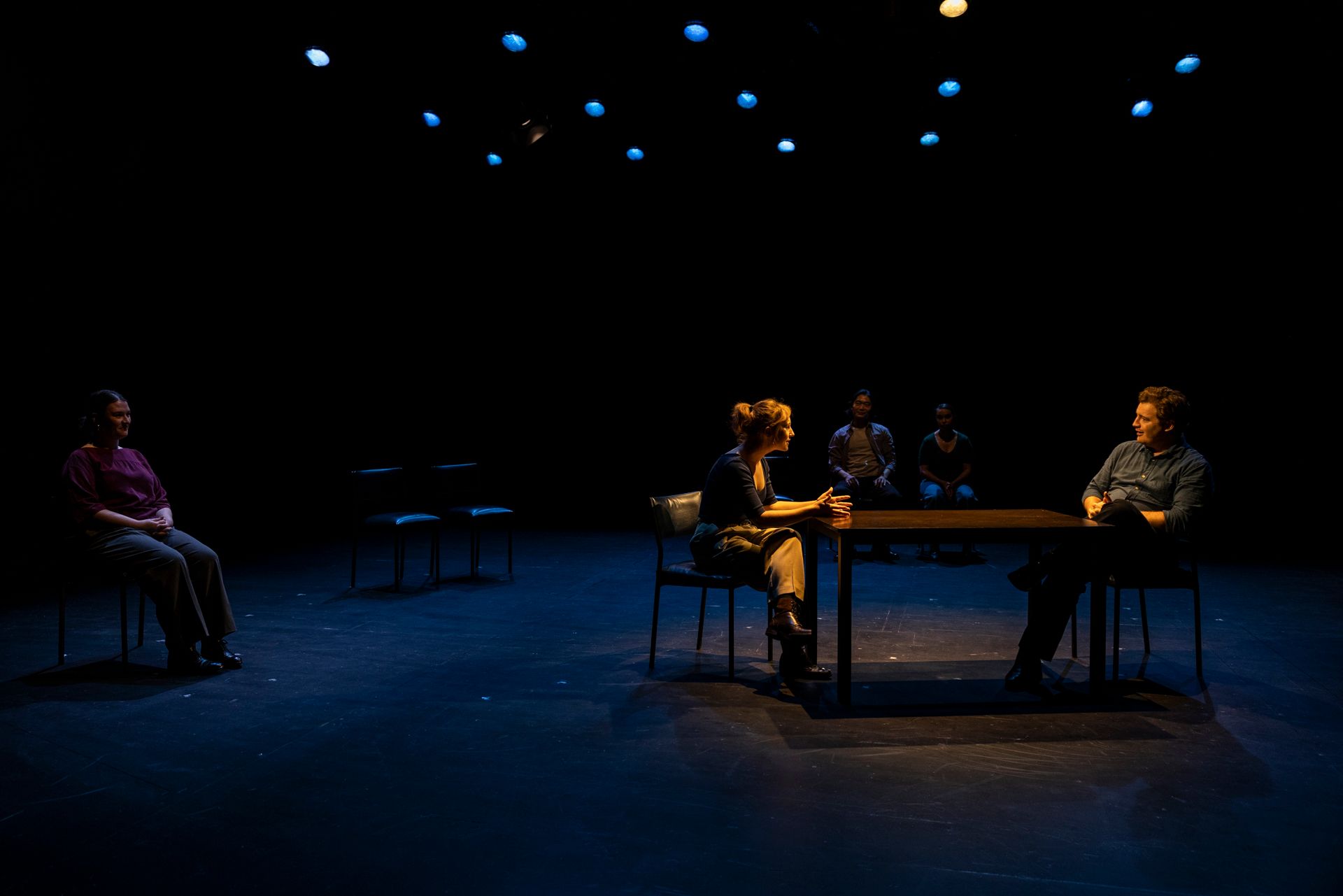
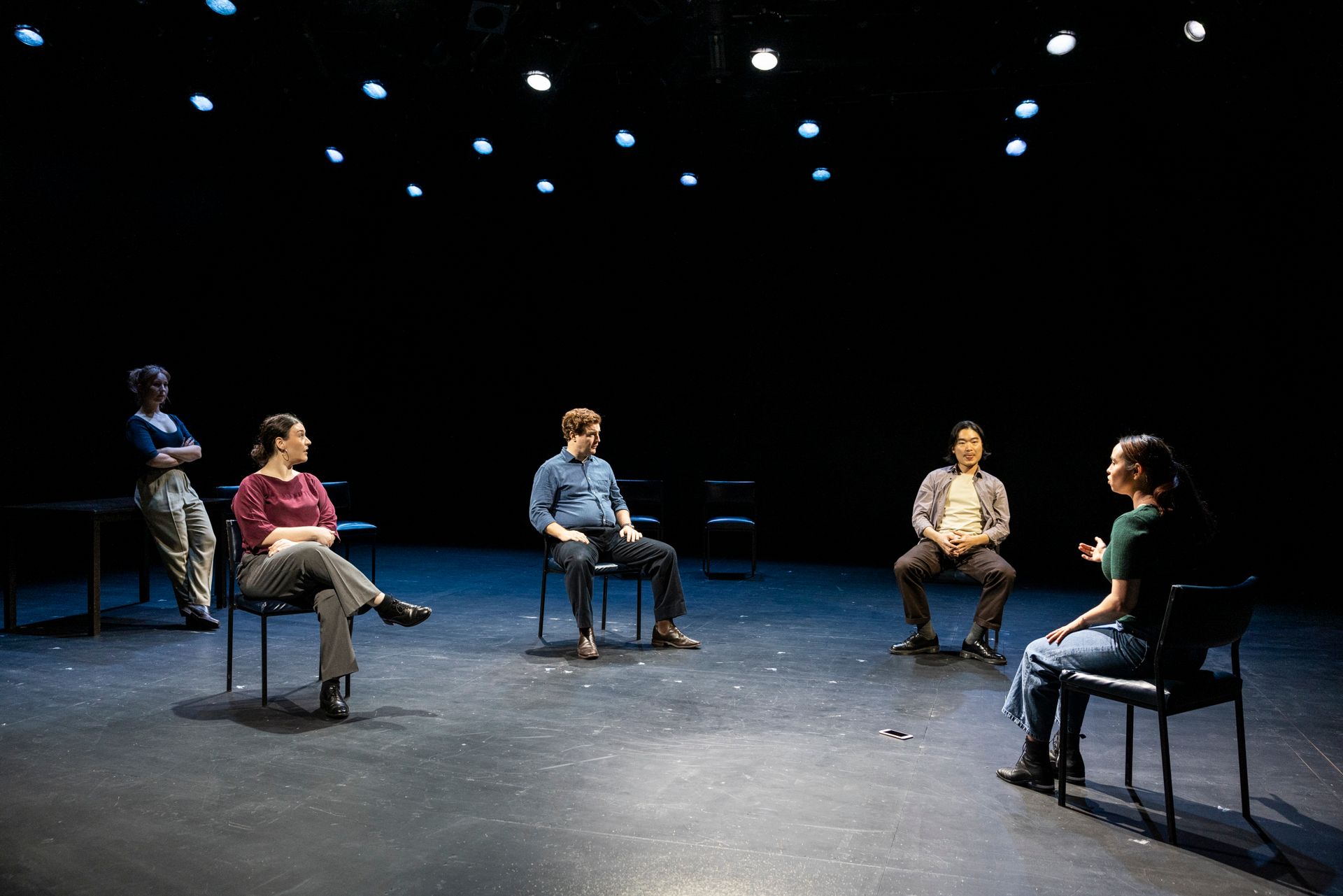
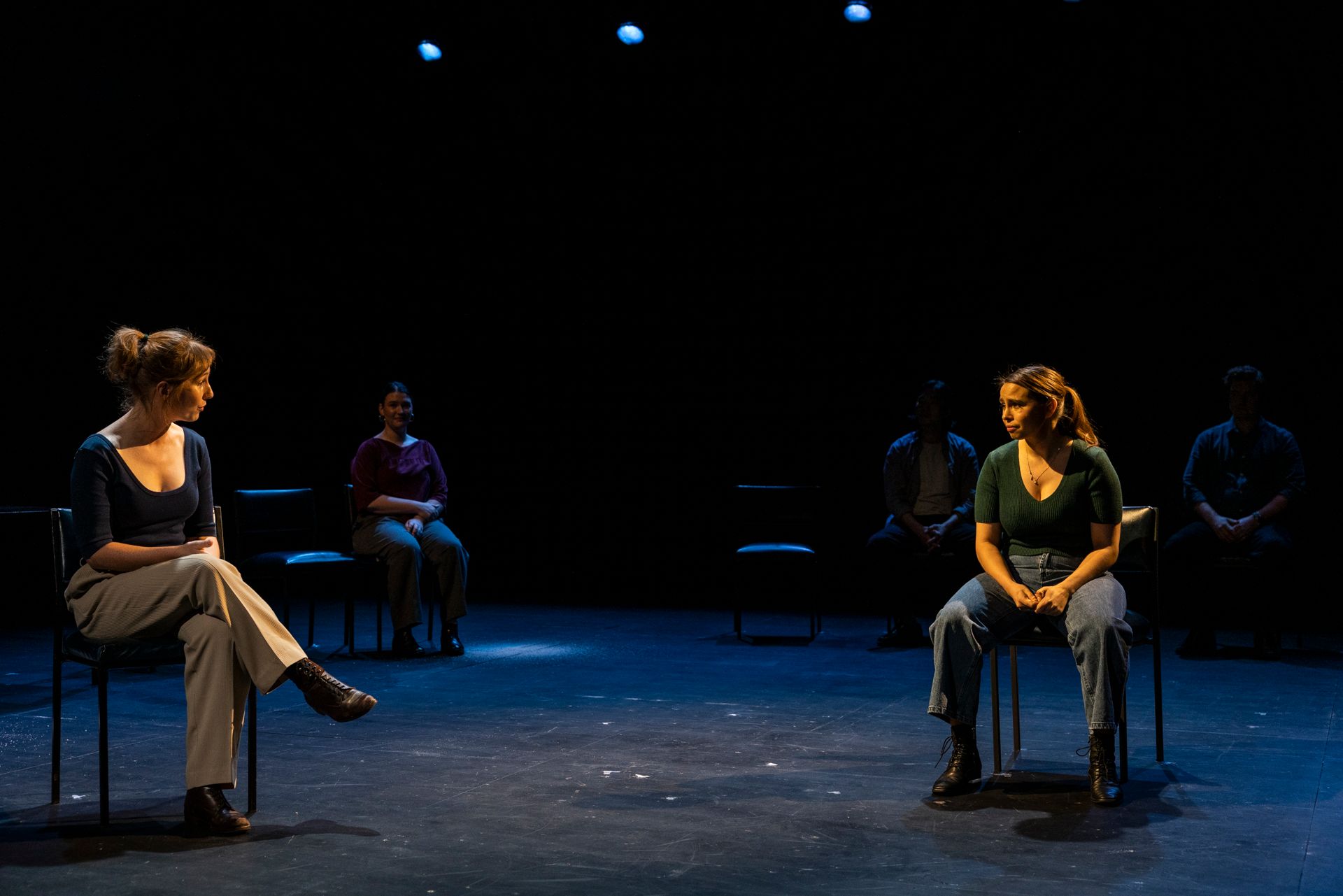
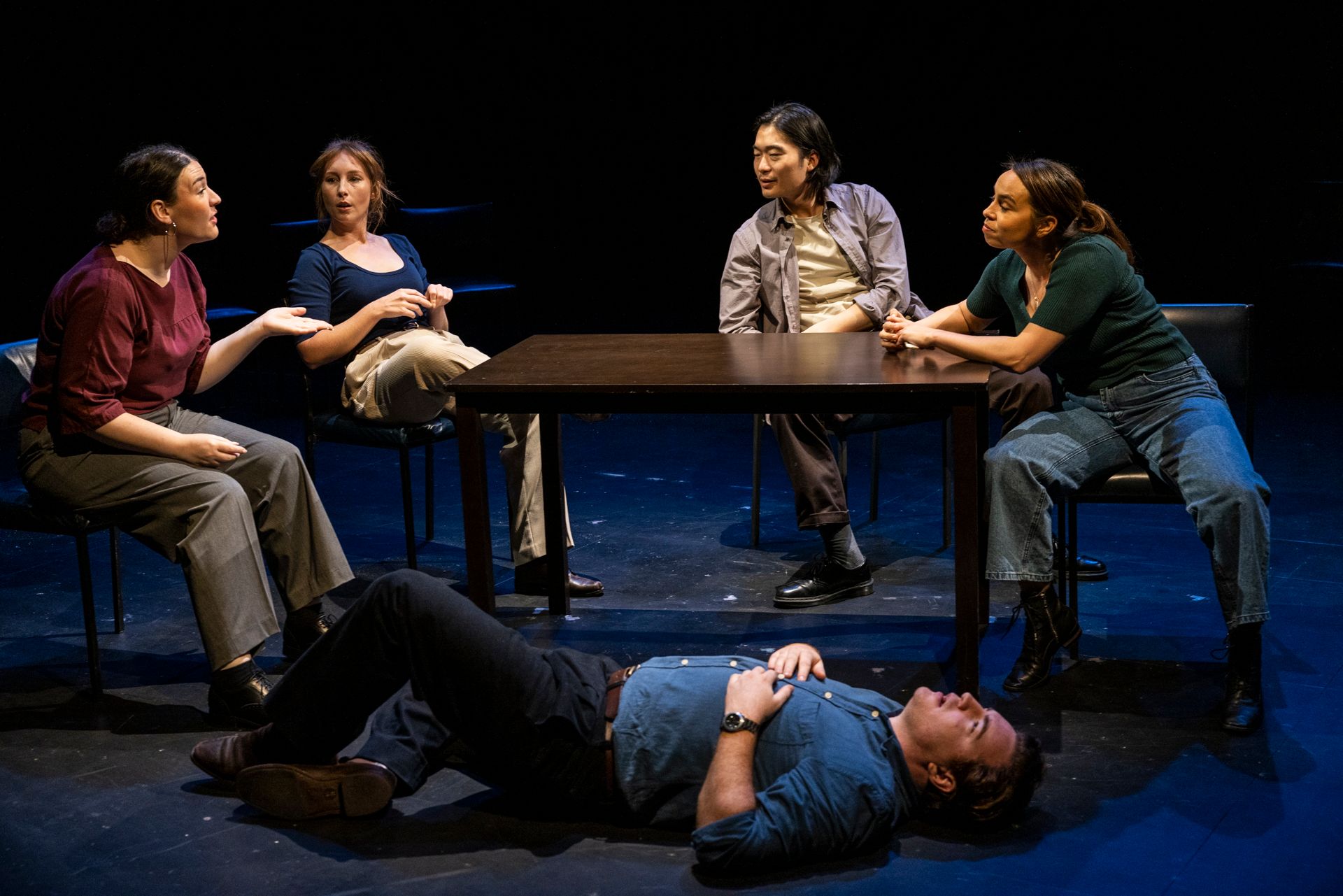
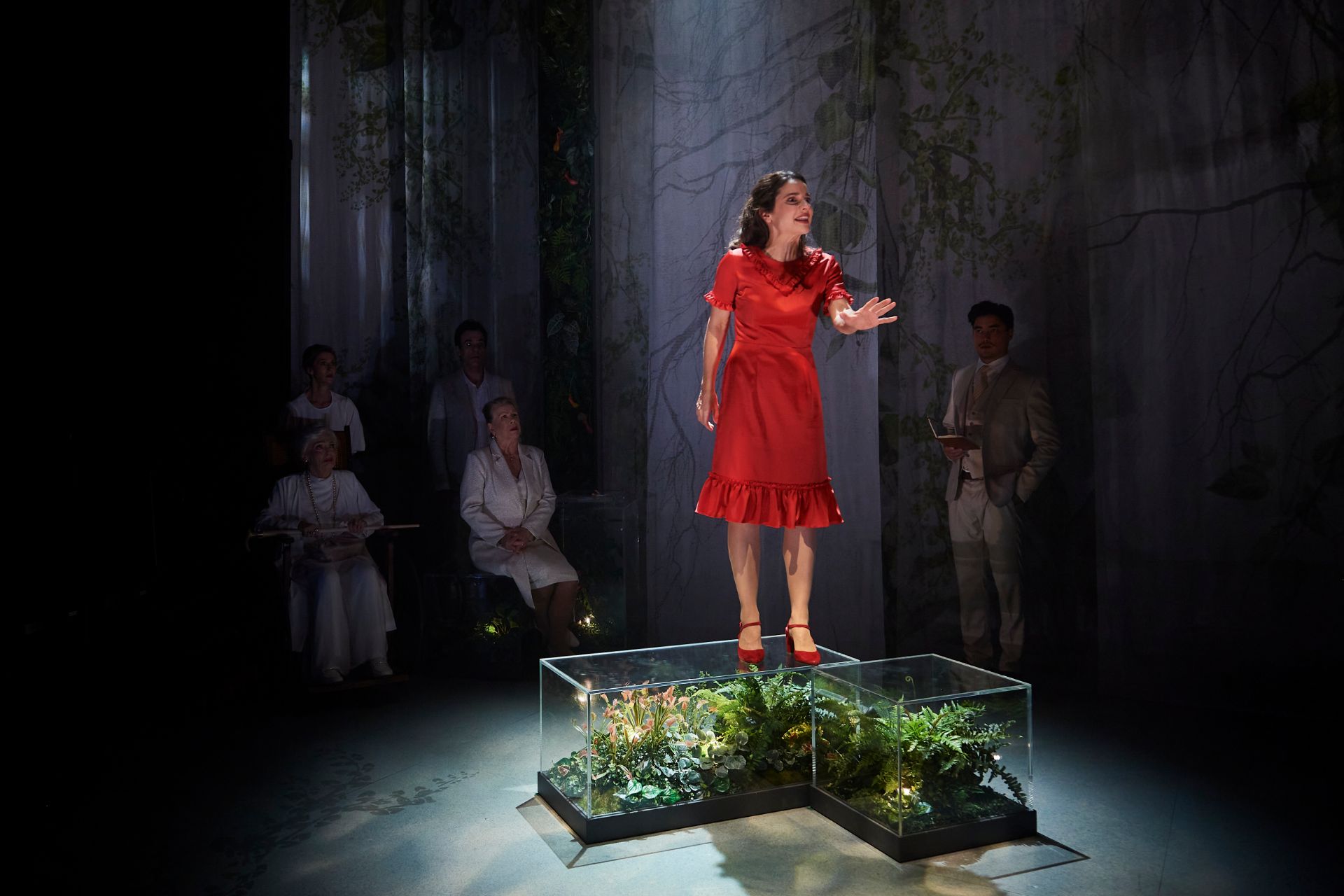
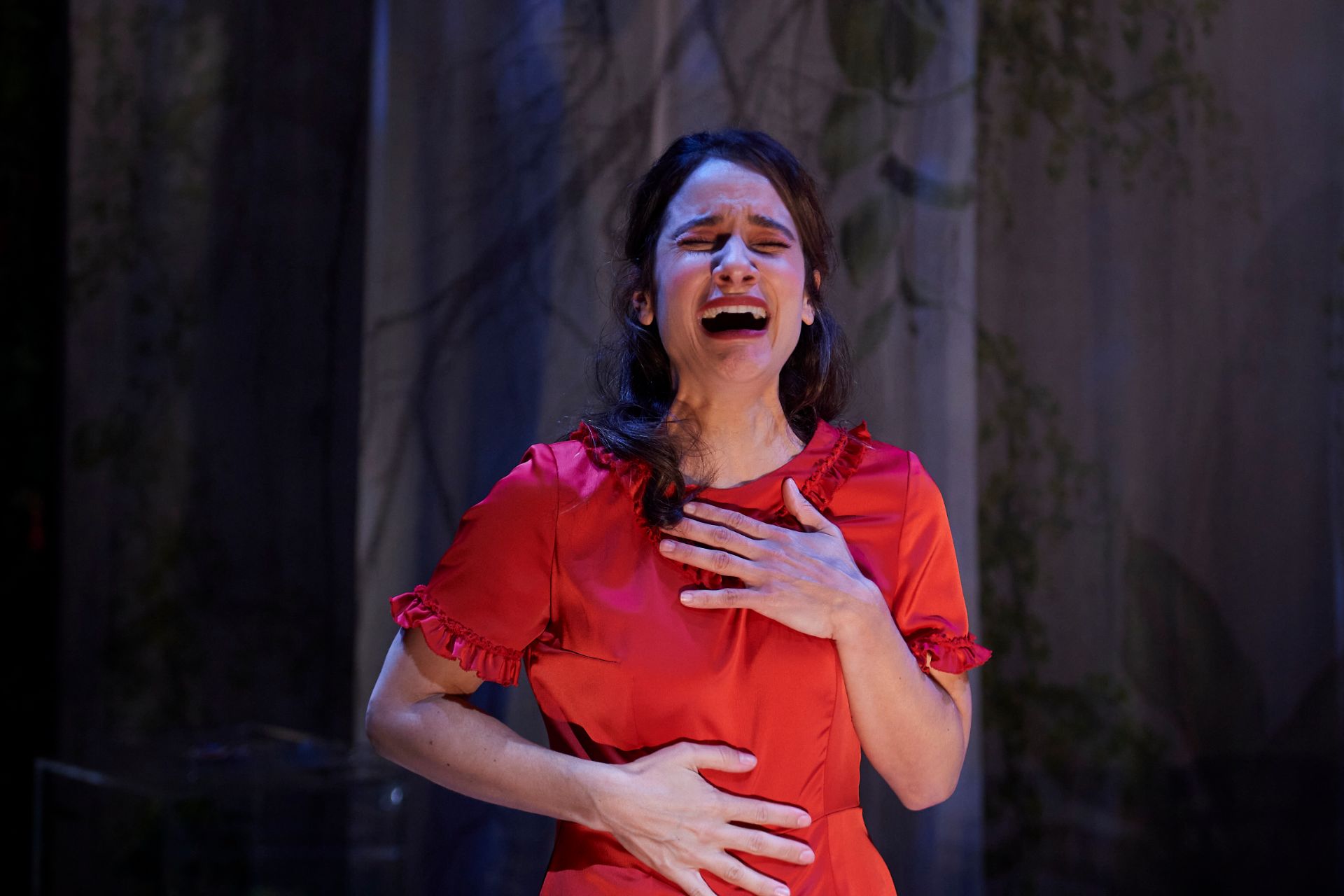
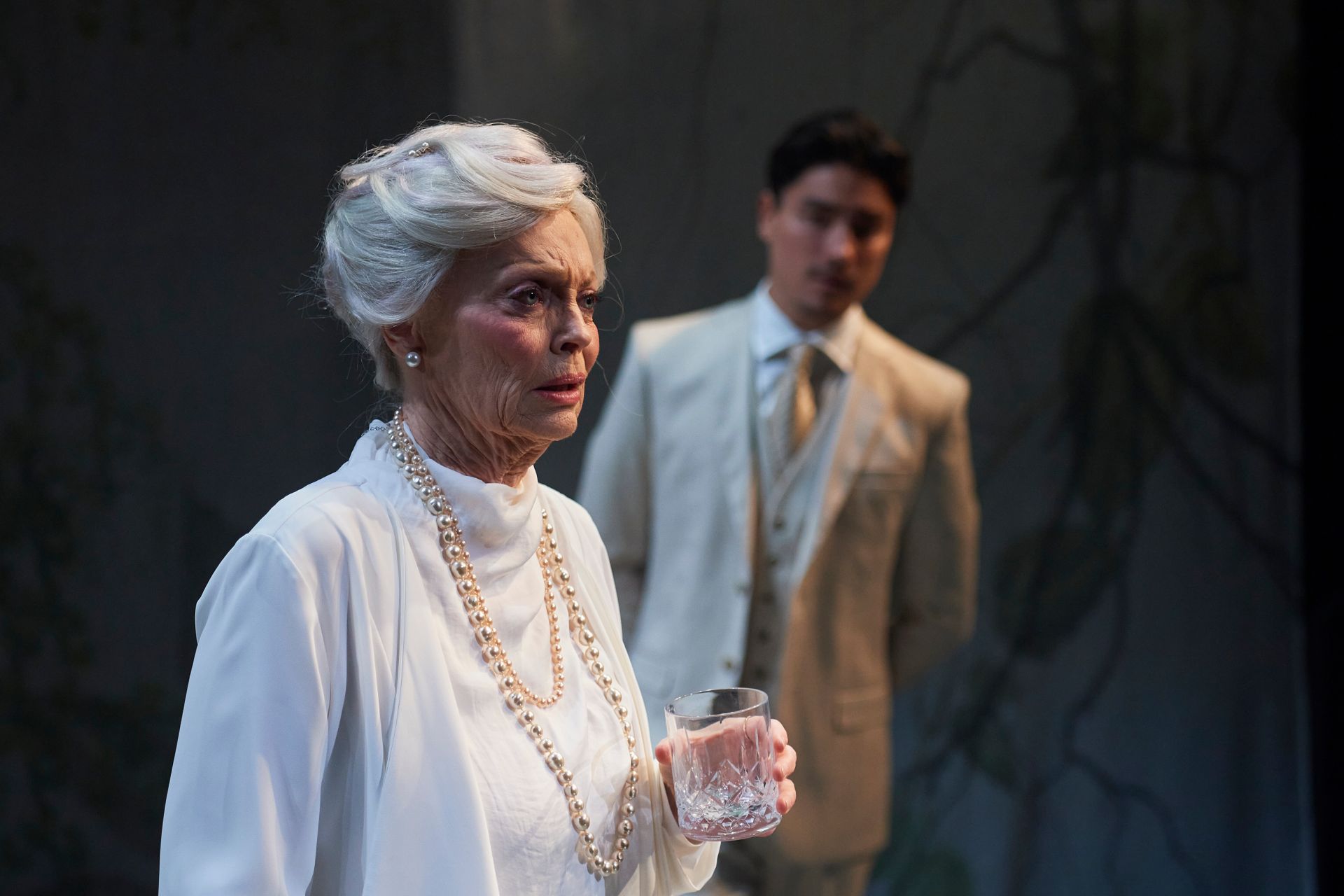
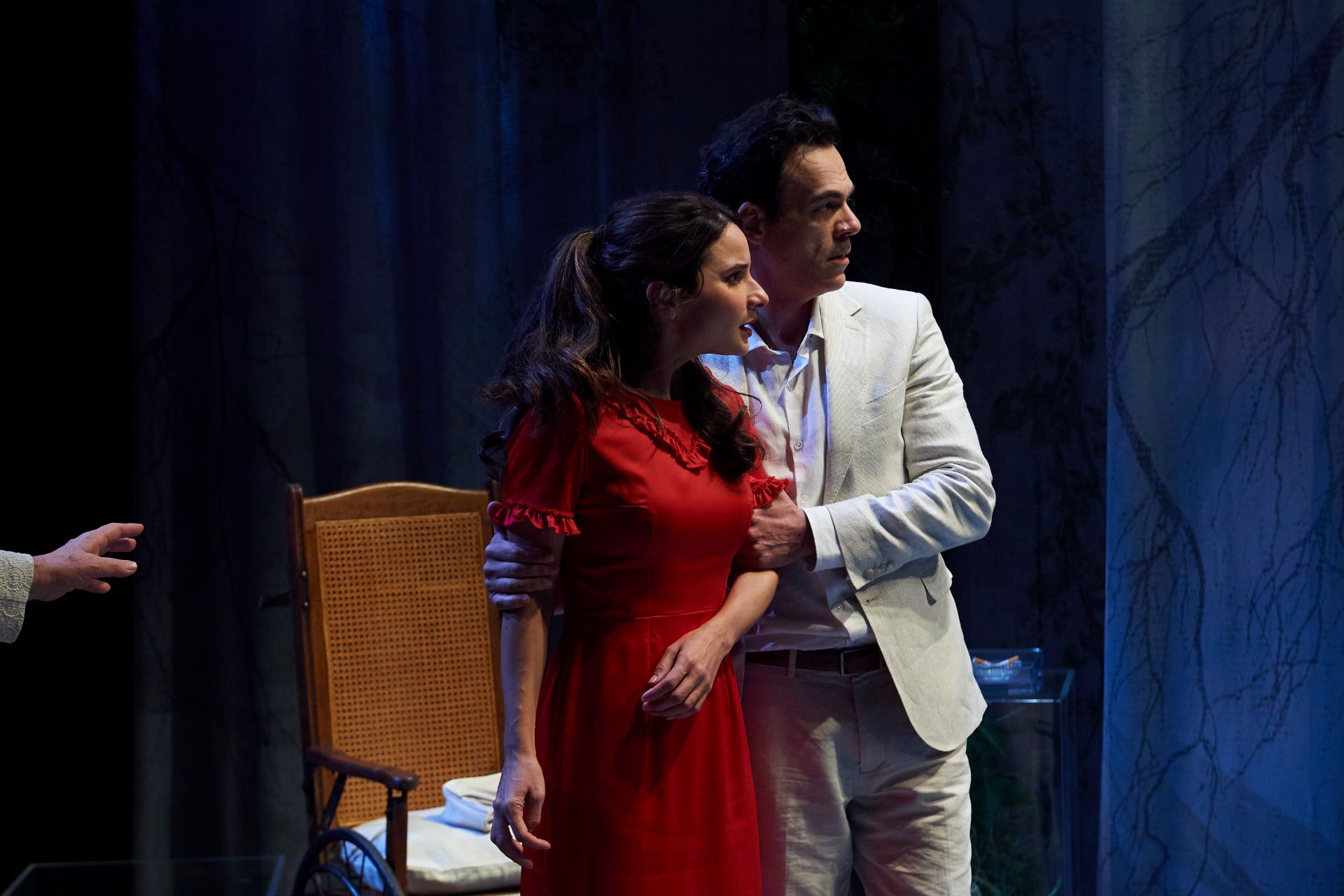
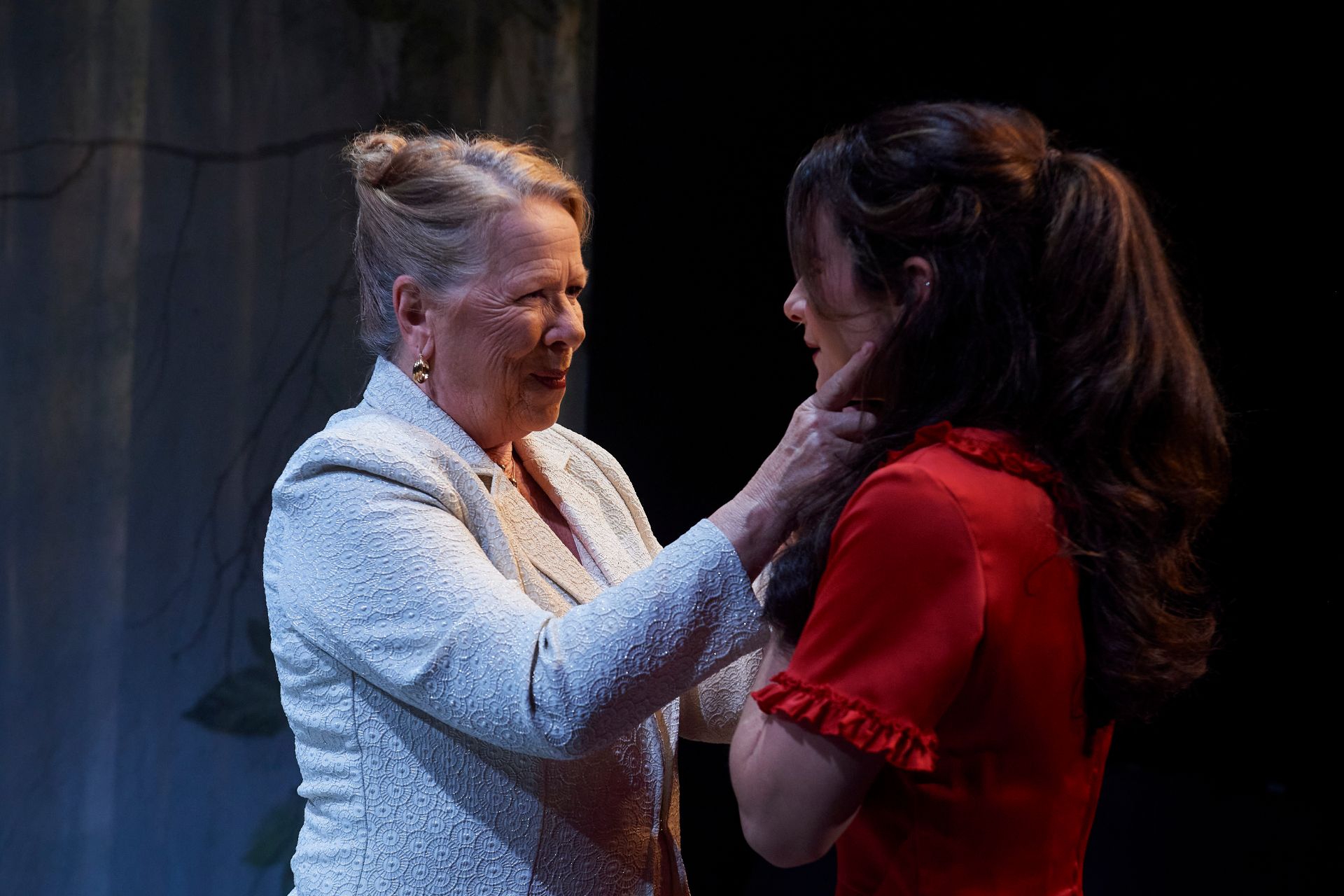
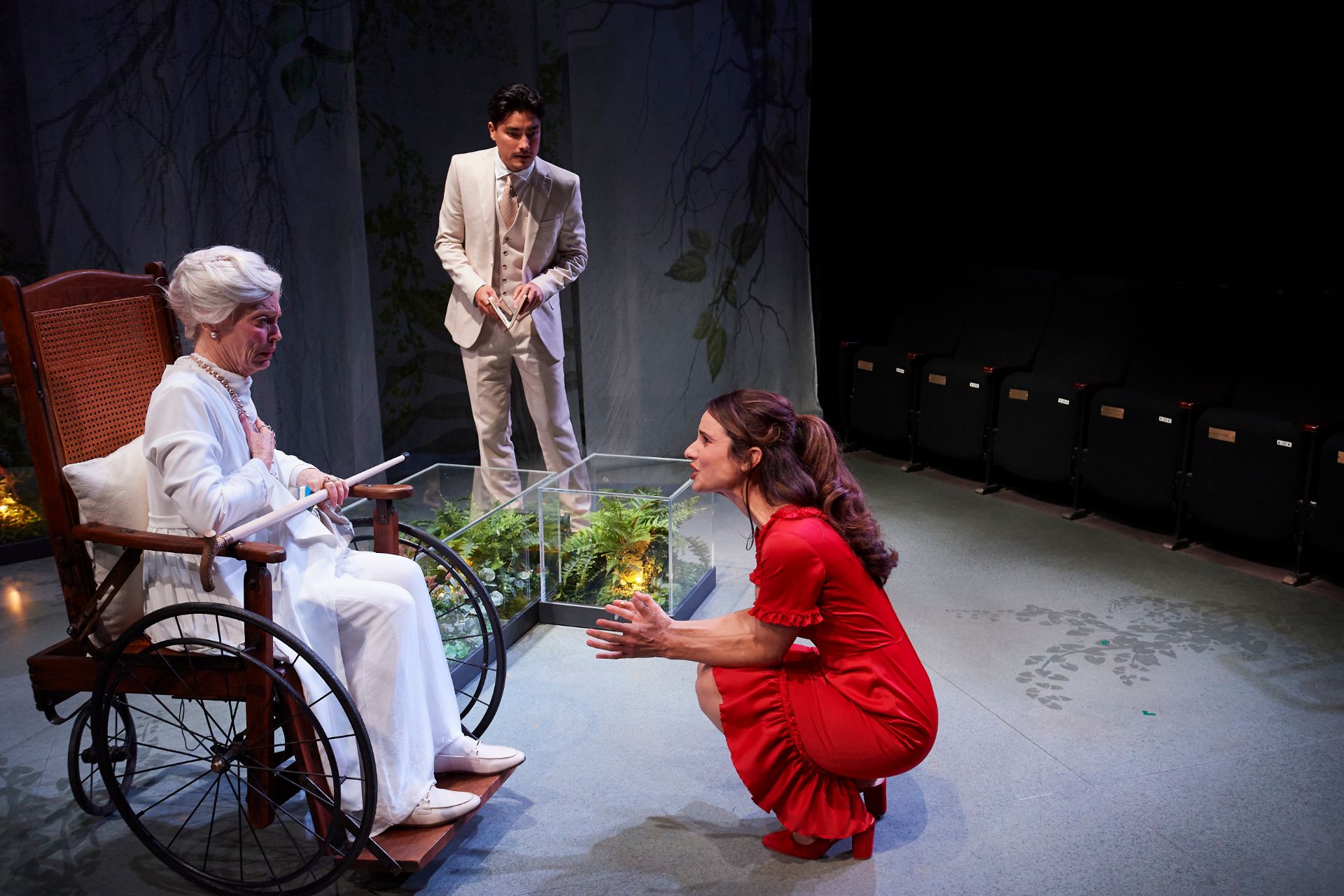
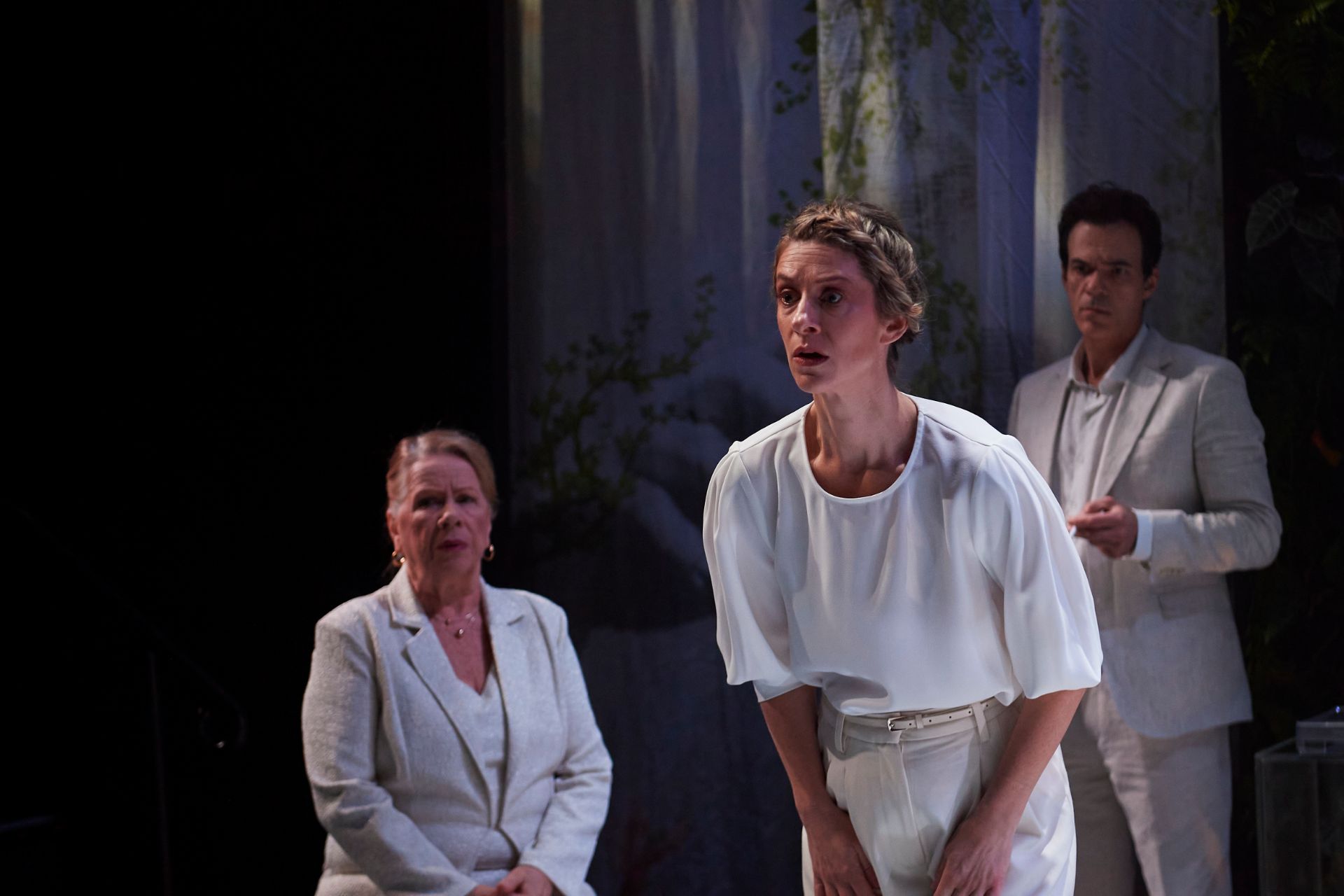
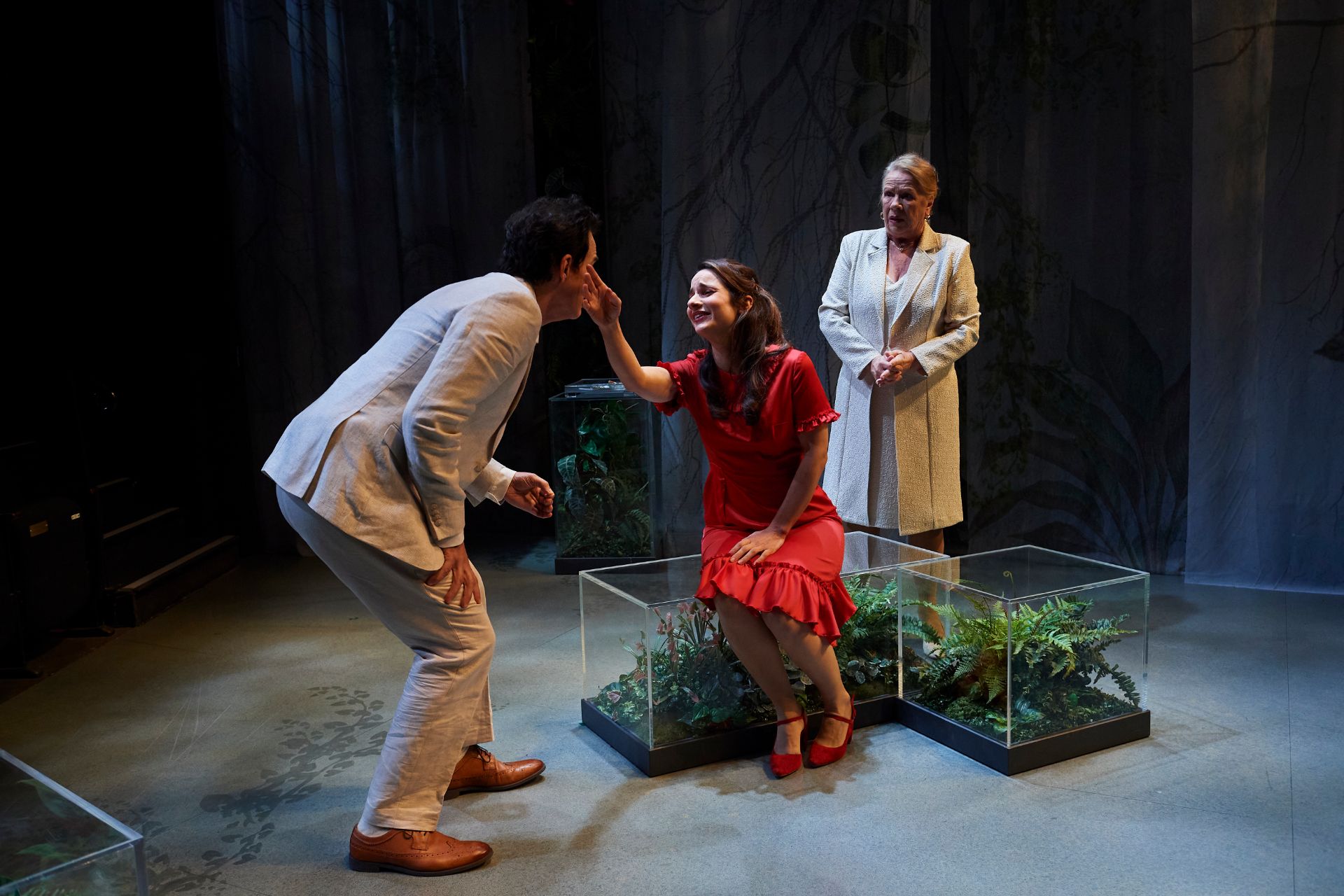
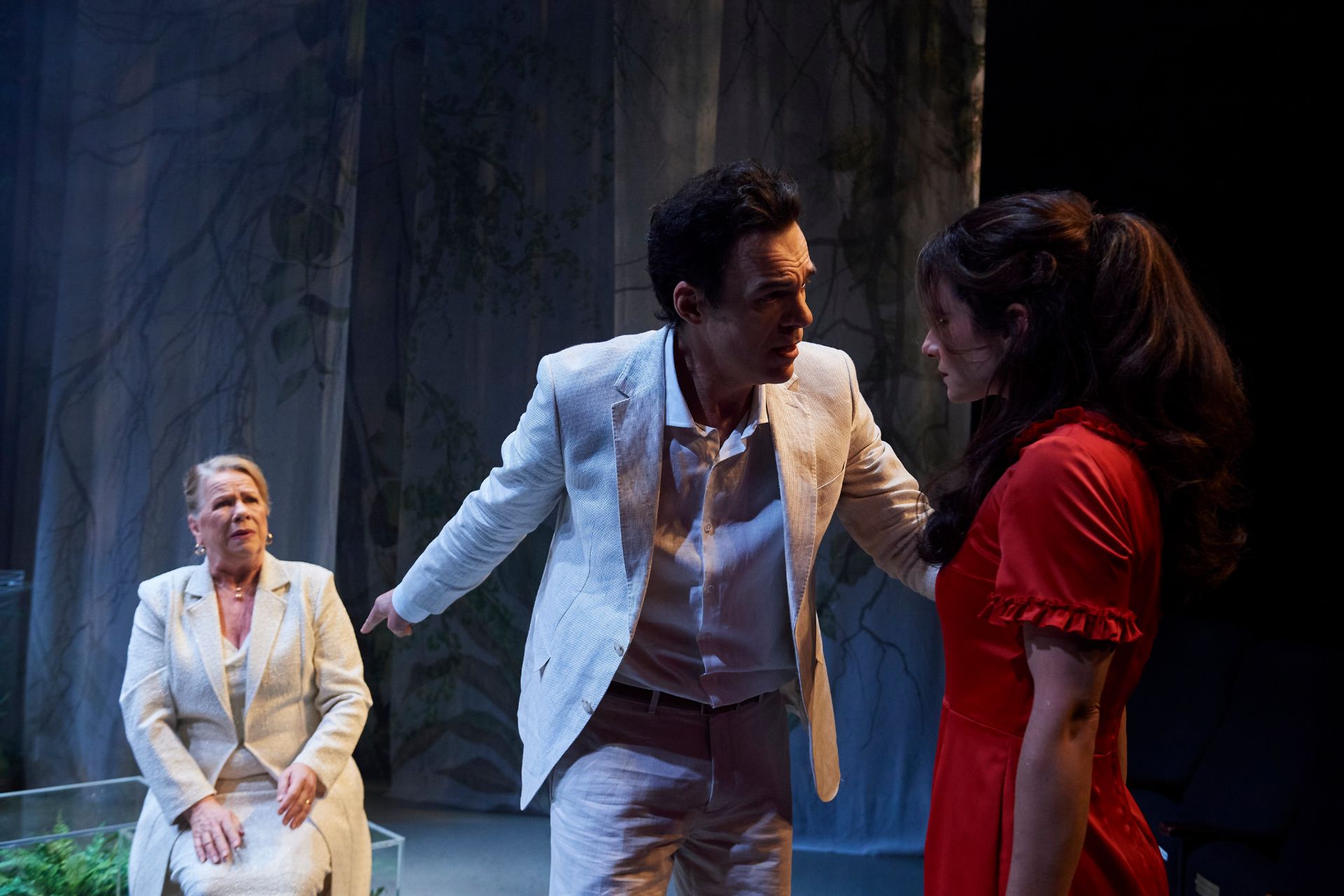
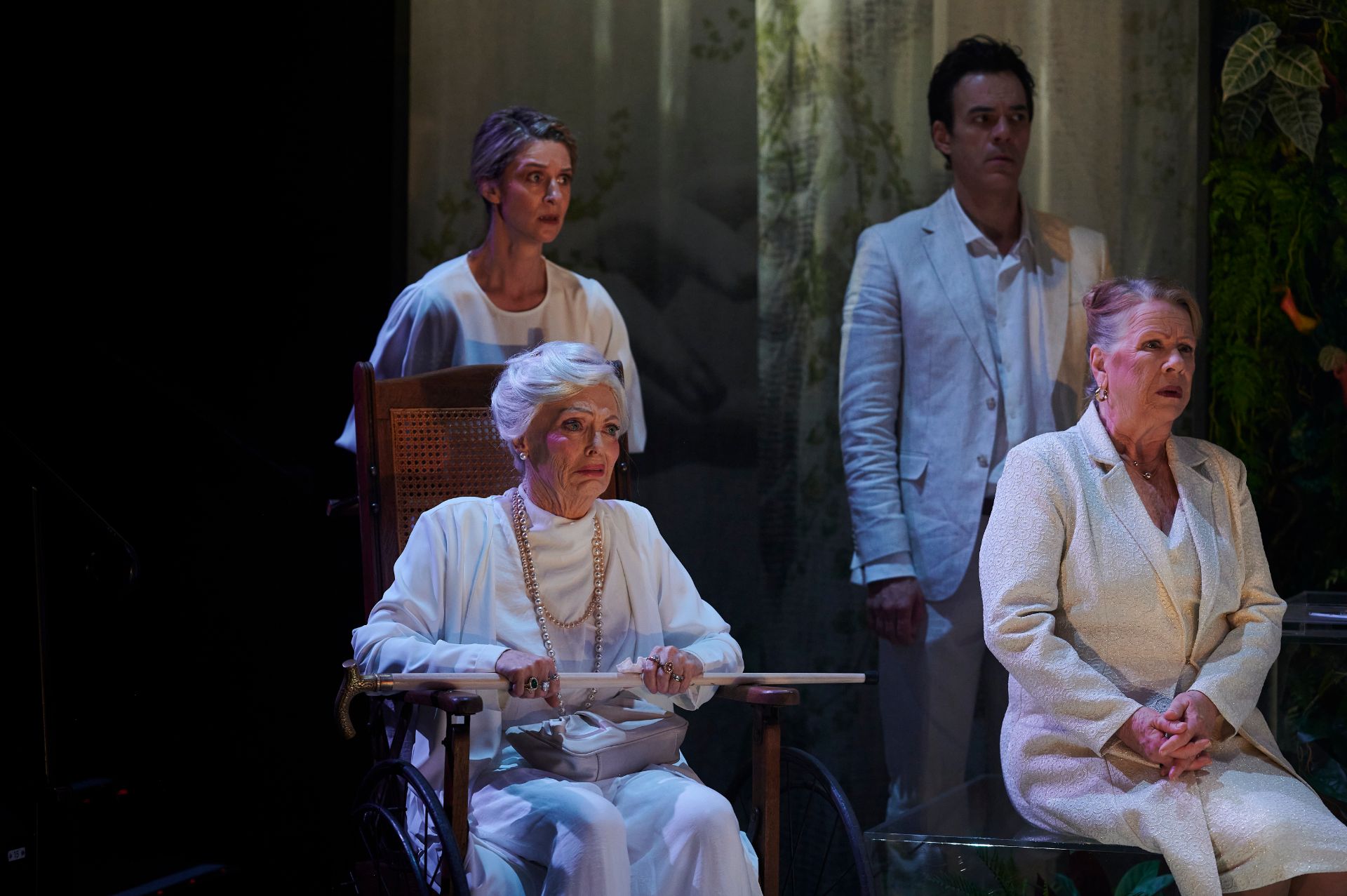
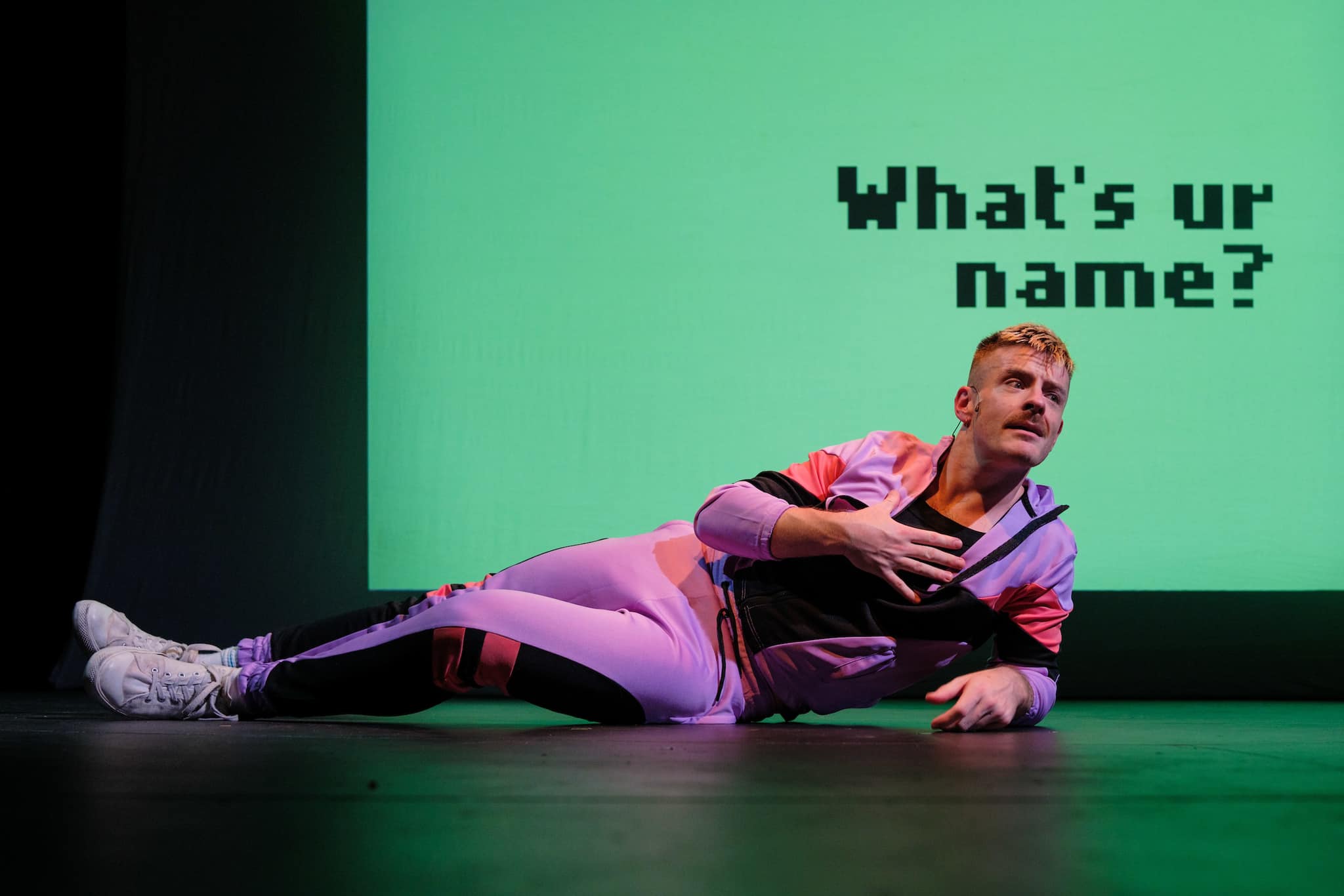
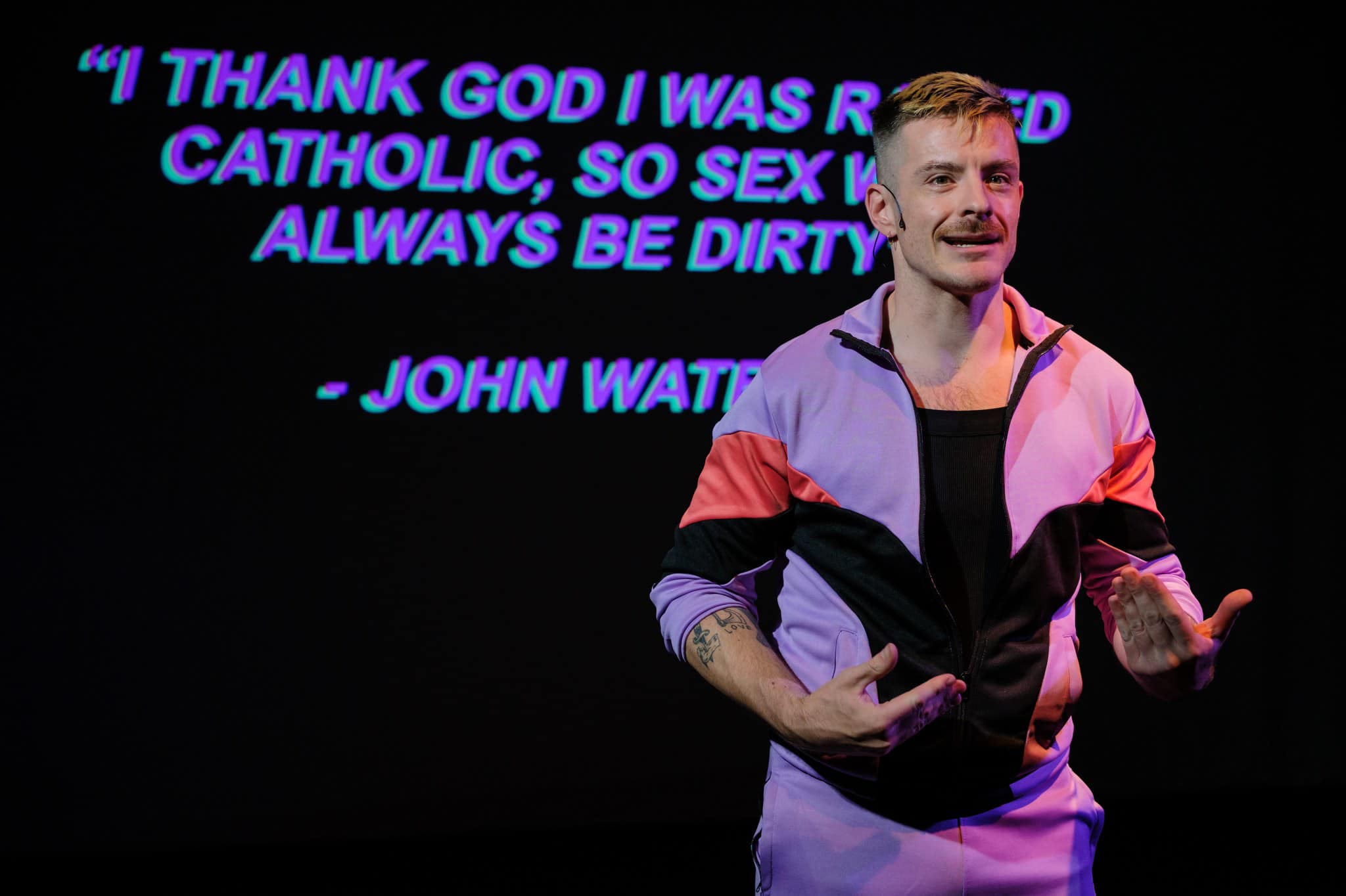
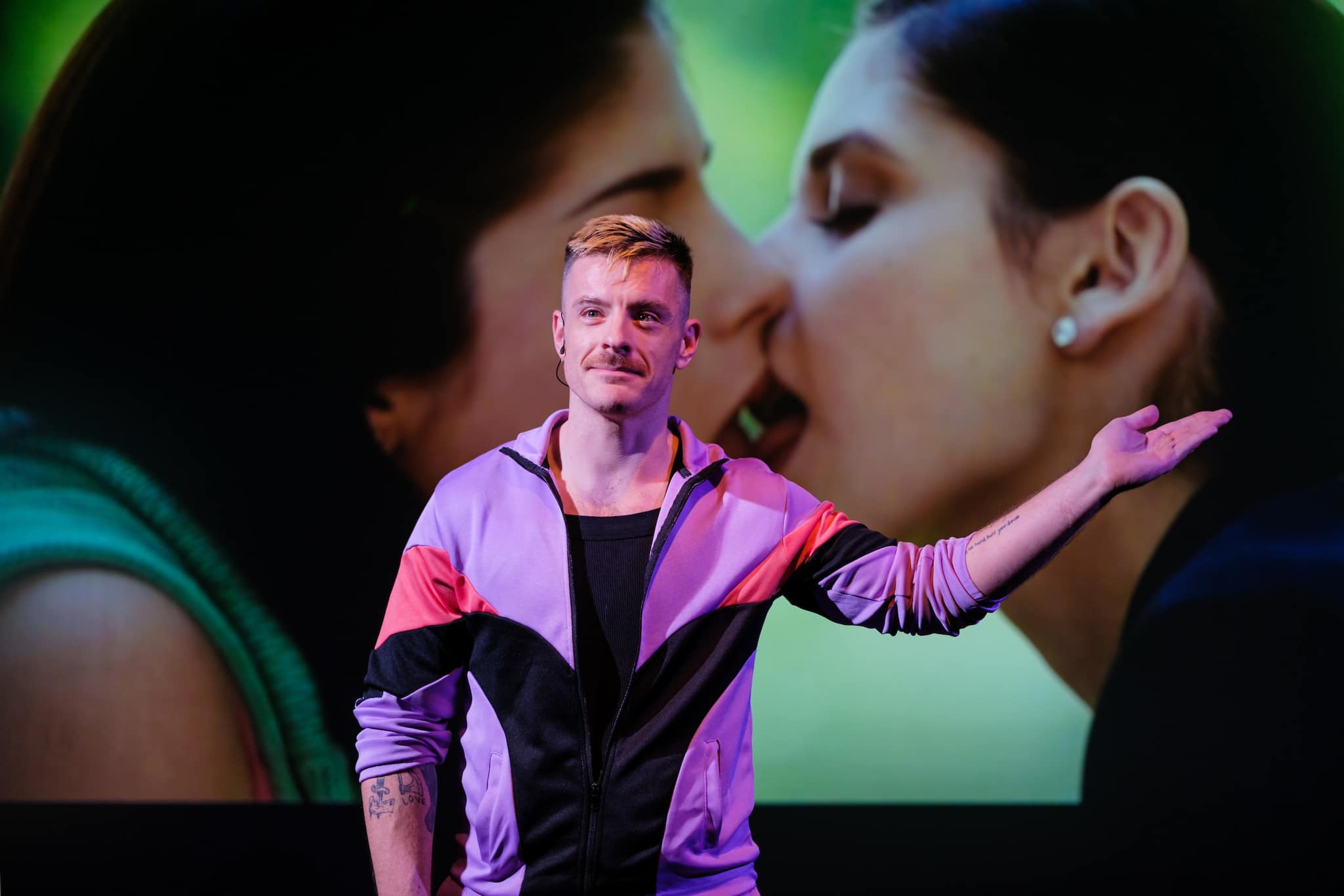
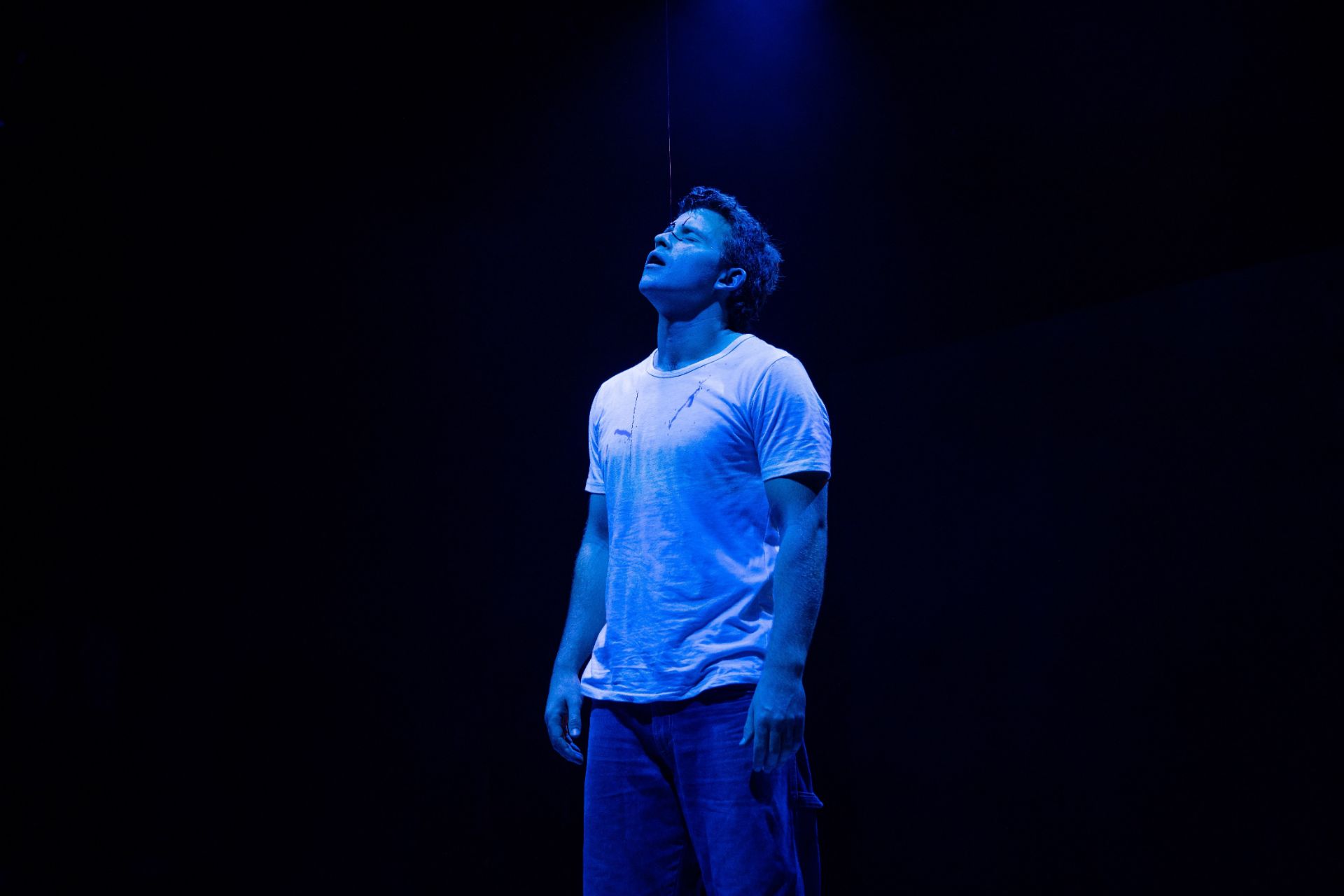
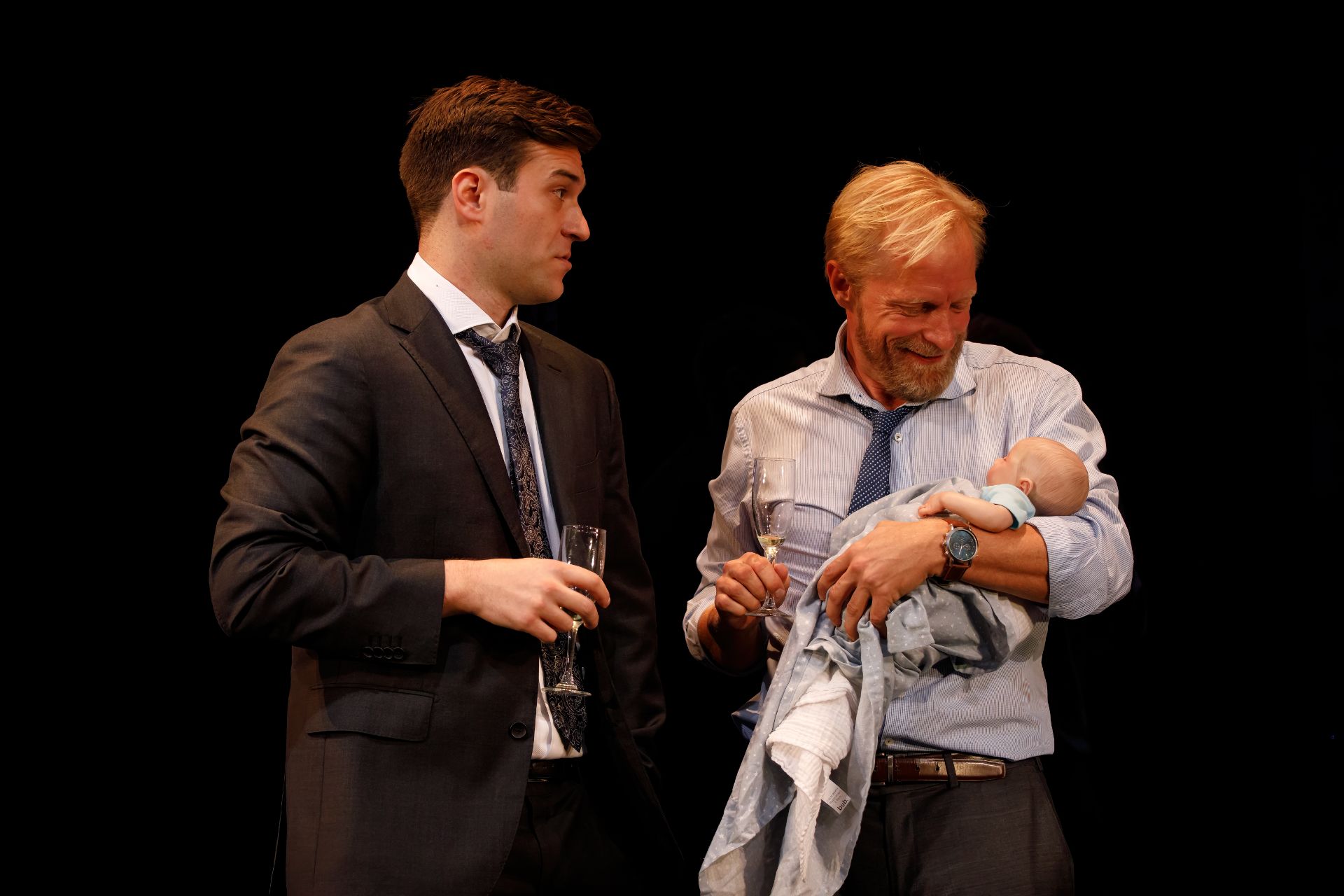
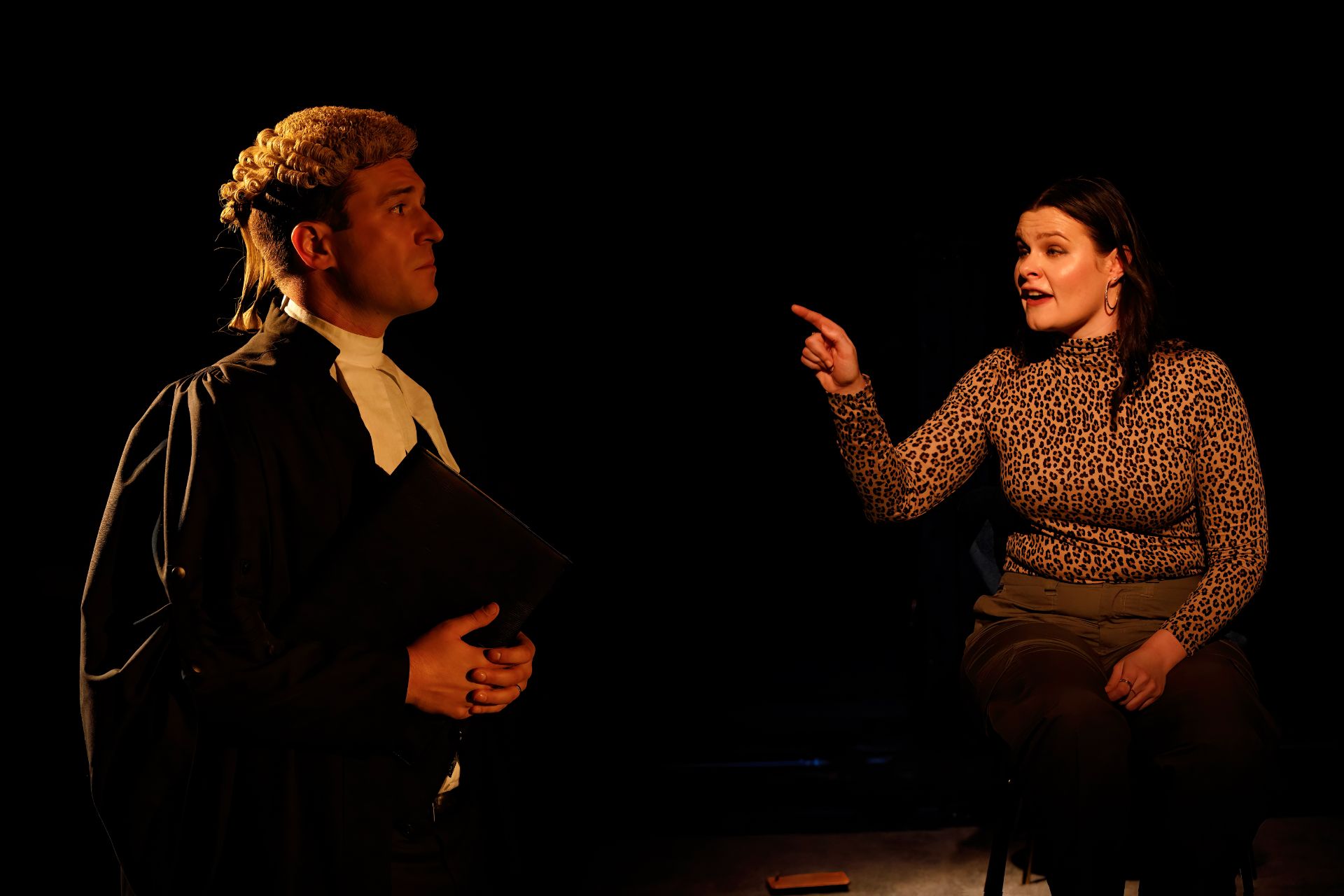
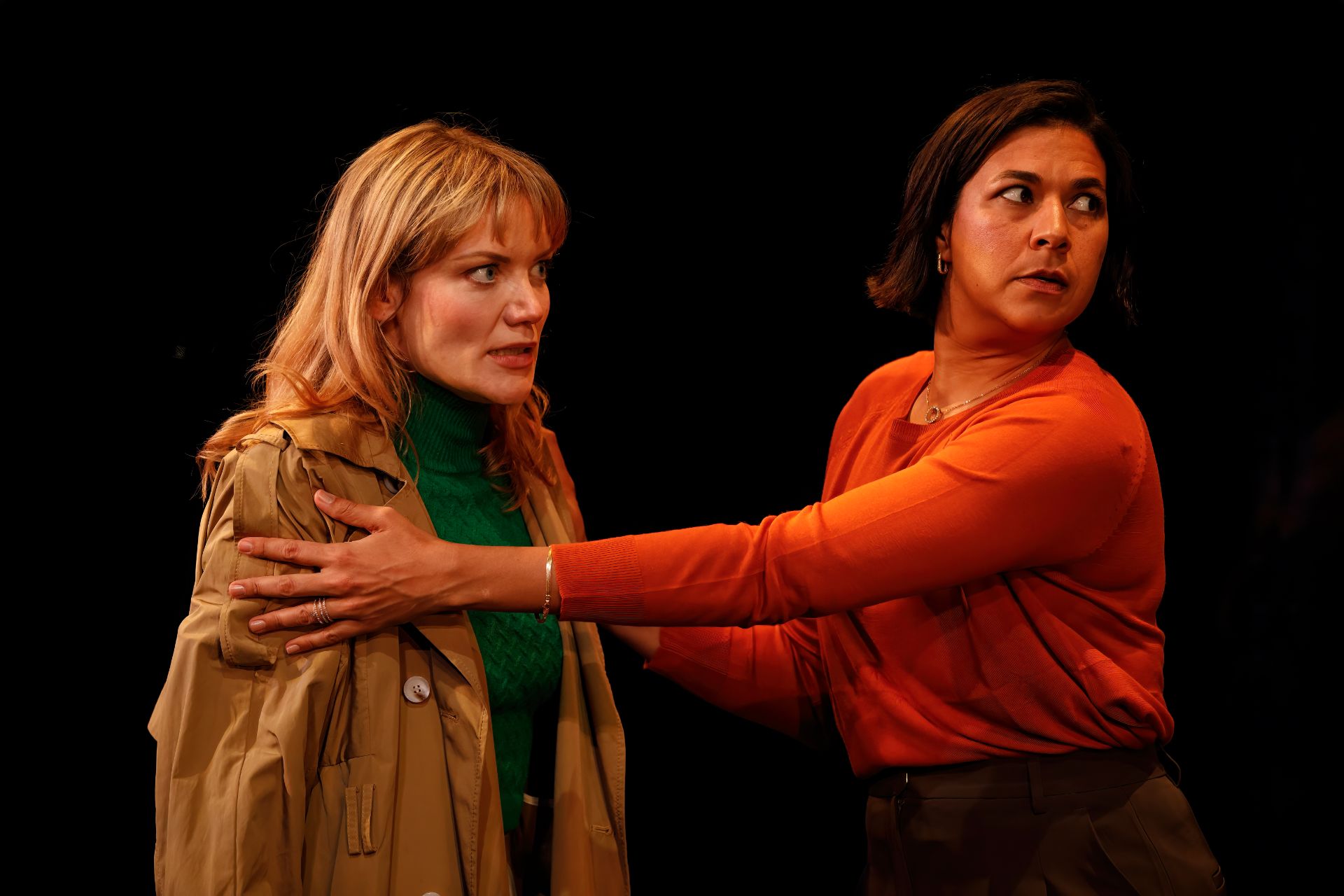
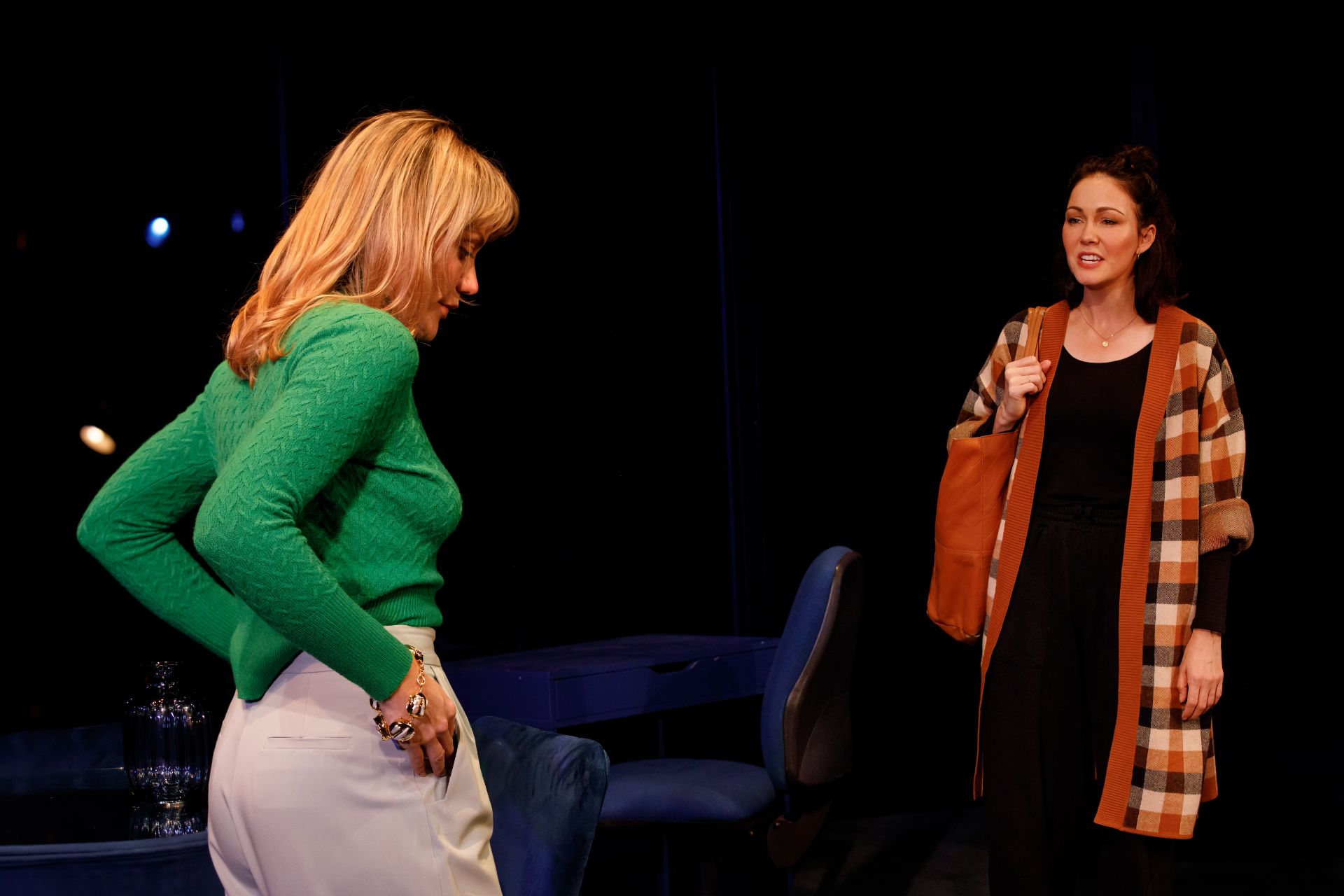
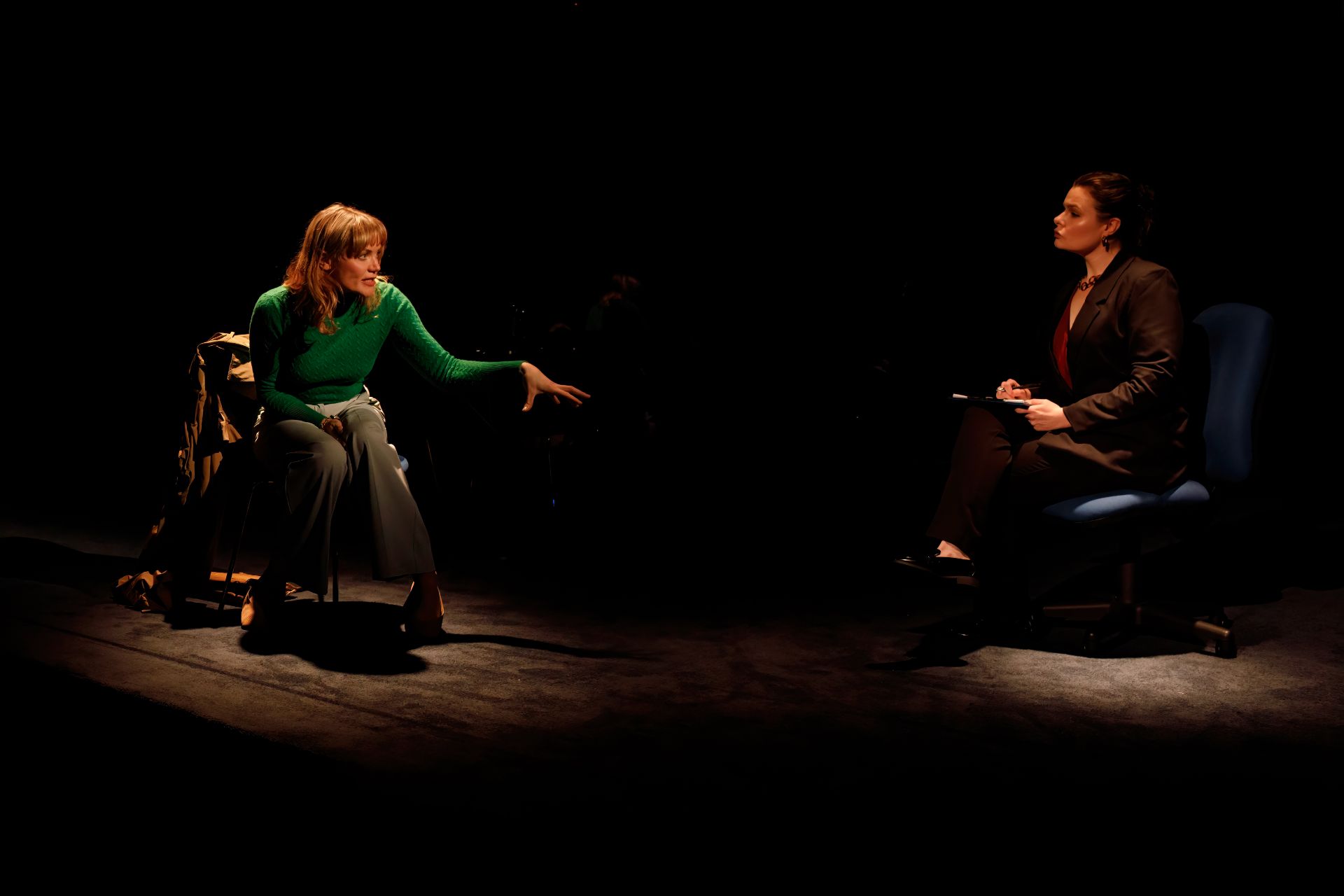
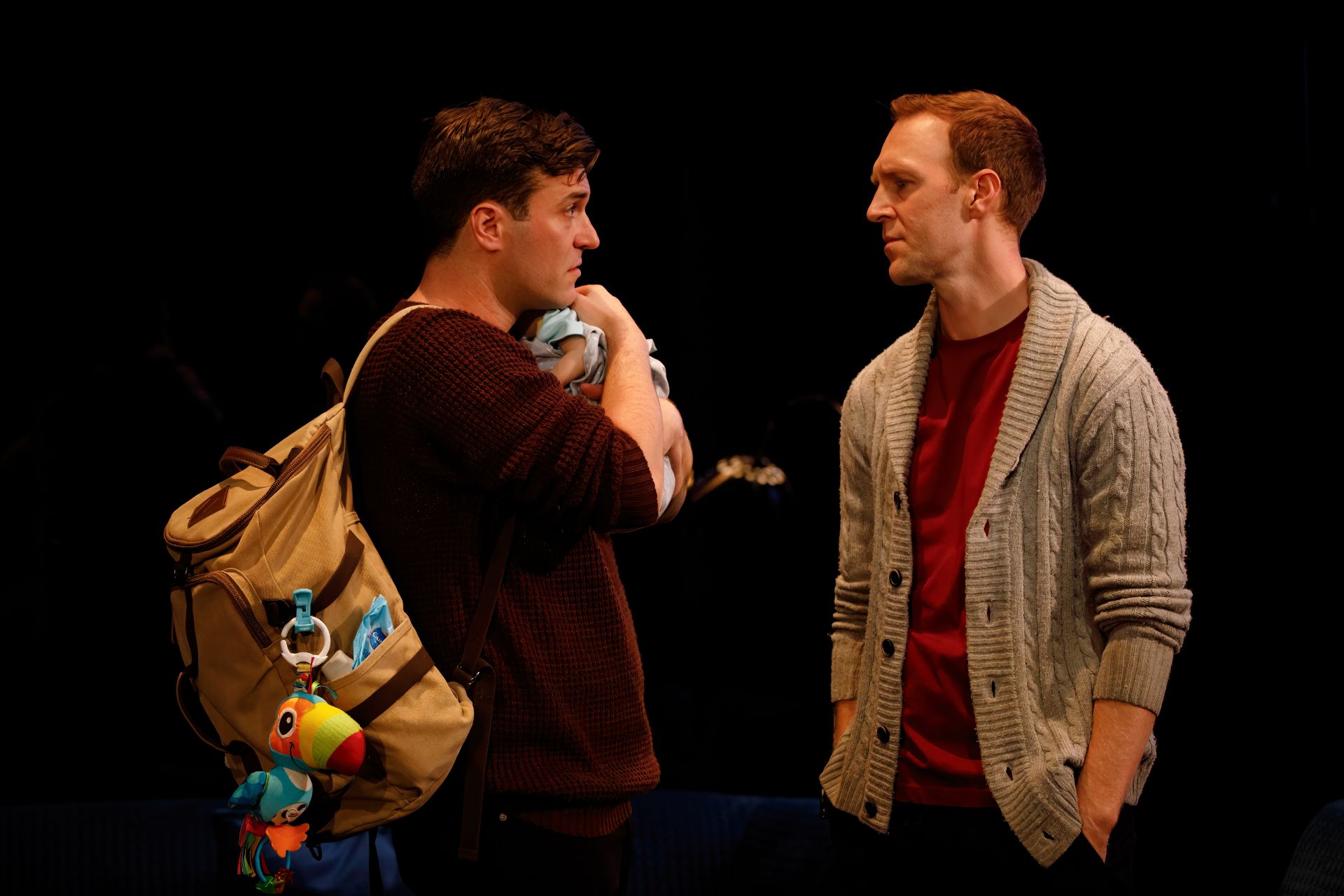
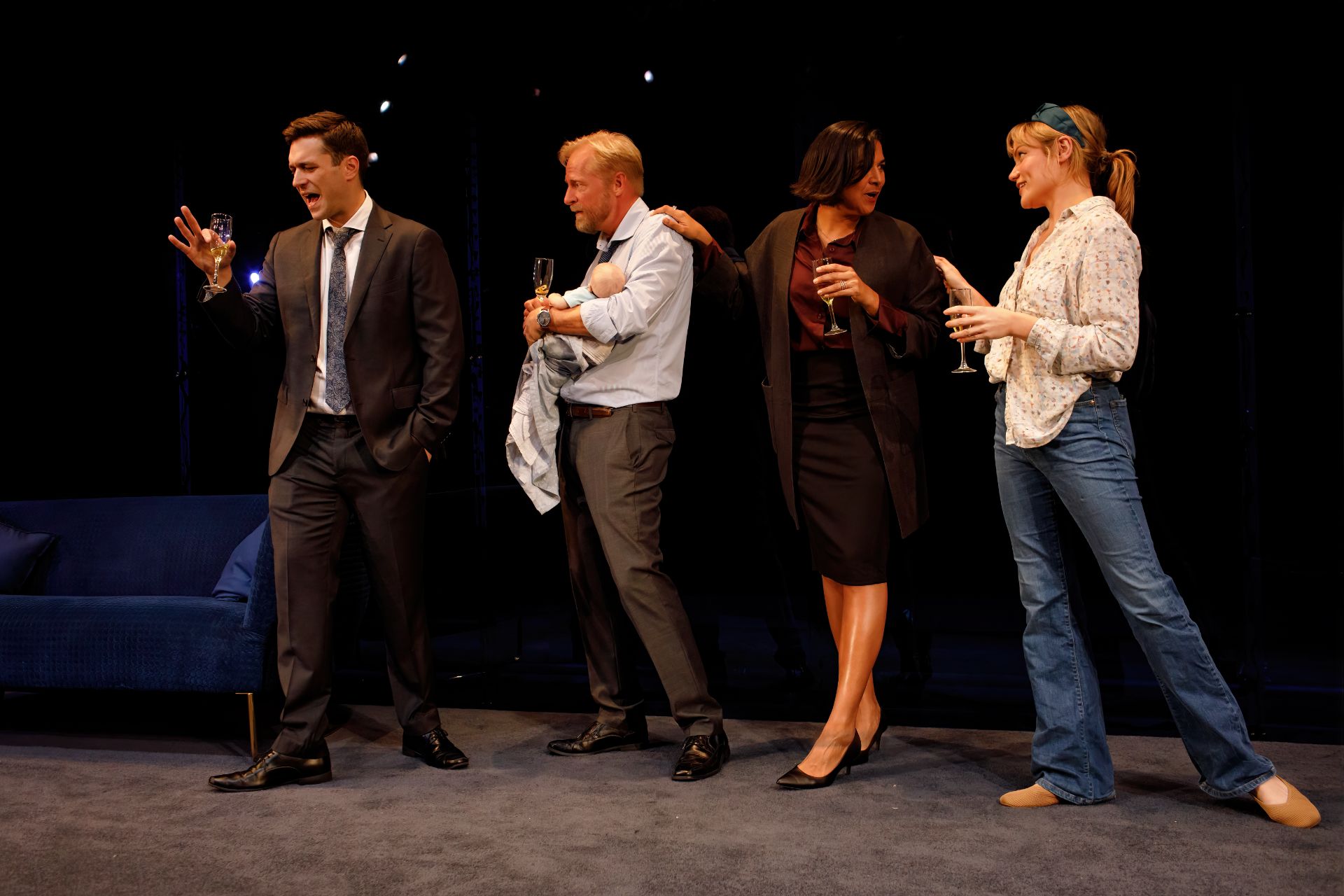
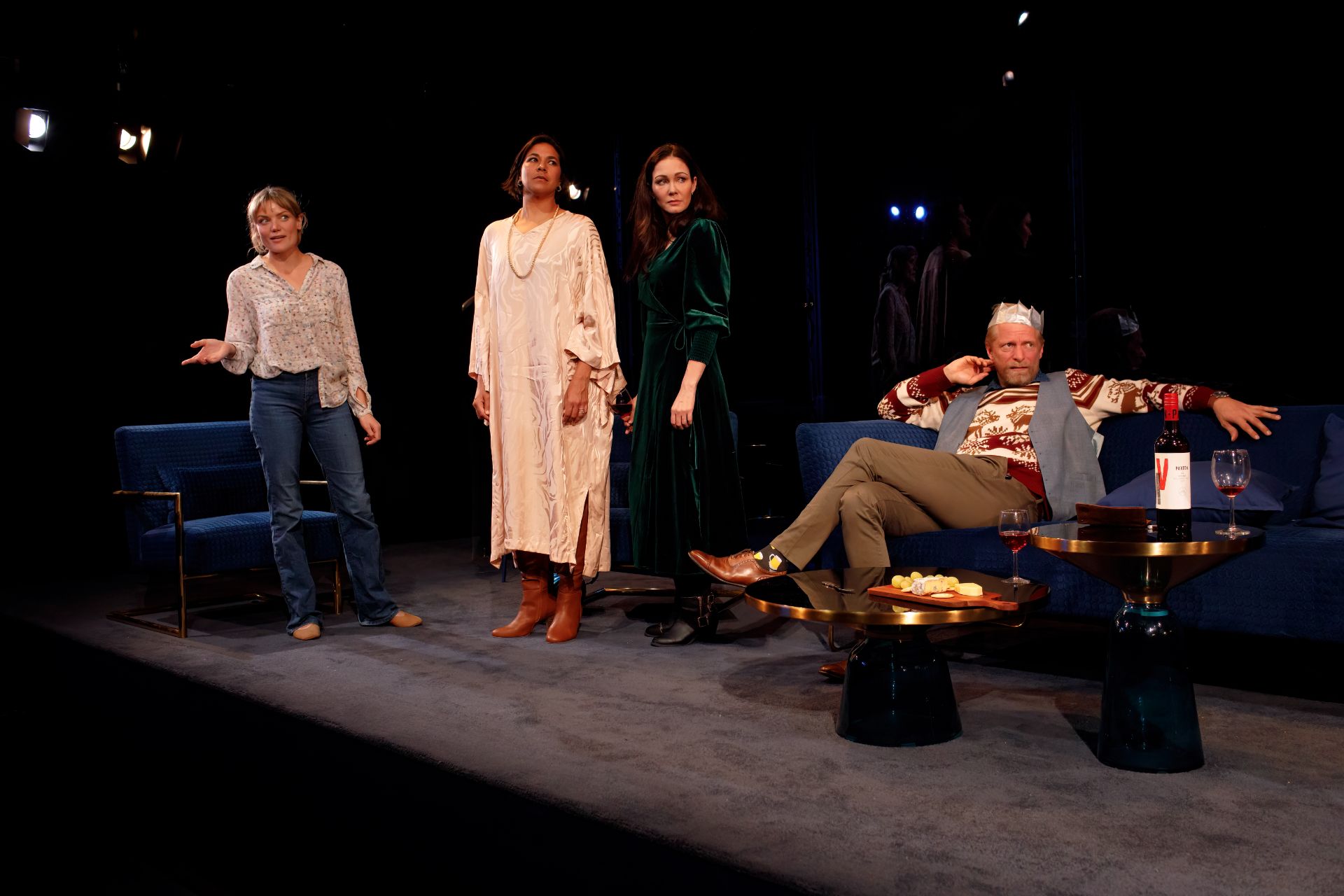
Kitty never forgave her husband Ed’s indiscretions from five years ago, so their marriage remains strained even with the arrival of a new baby. Meanwhile, Ed serves as a barrister prosecuting against rape allegations, in which we see the victim being treated with little compassion or fairness. Nina Raine’s Consent explores bodily transgressions within differing realms, stretching the notion of consent to cover issues from sexual assault to infidelity.

The play’s attempts to draw parallels can feel somewhat tenuous, and uncomfortable in its tendencies to diminish the severity of rape, in favour of a more intensive discussion about adultery. There is a sadistic pleasure in watching a group of affluent lawyers go through emotional turmoil, but it can prove challenging to evoke genuine empathy, for entitled personalities who only have themselves to blame for their strife.

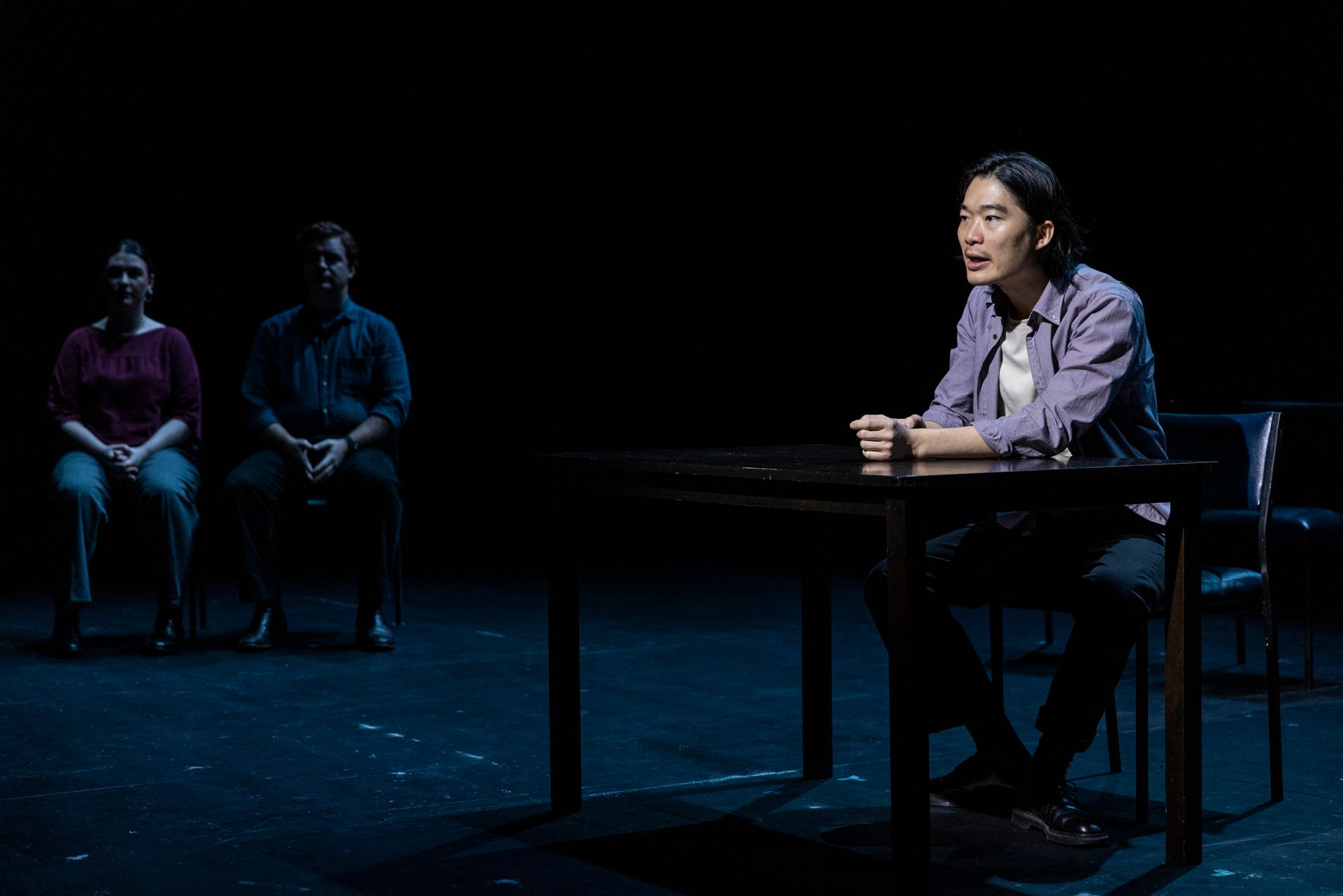
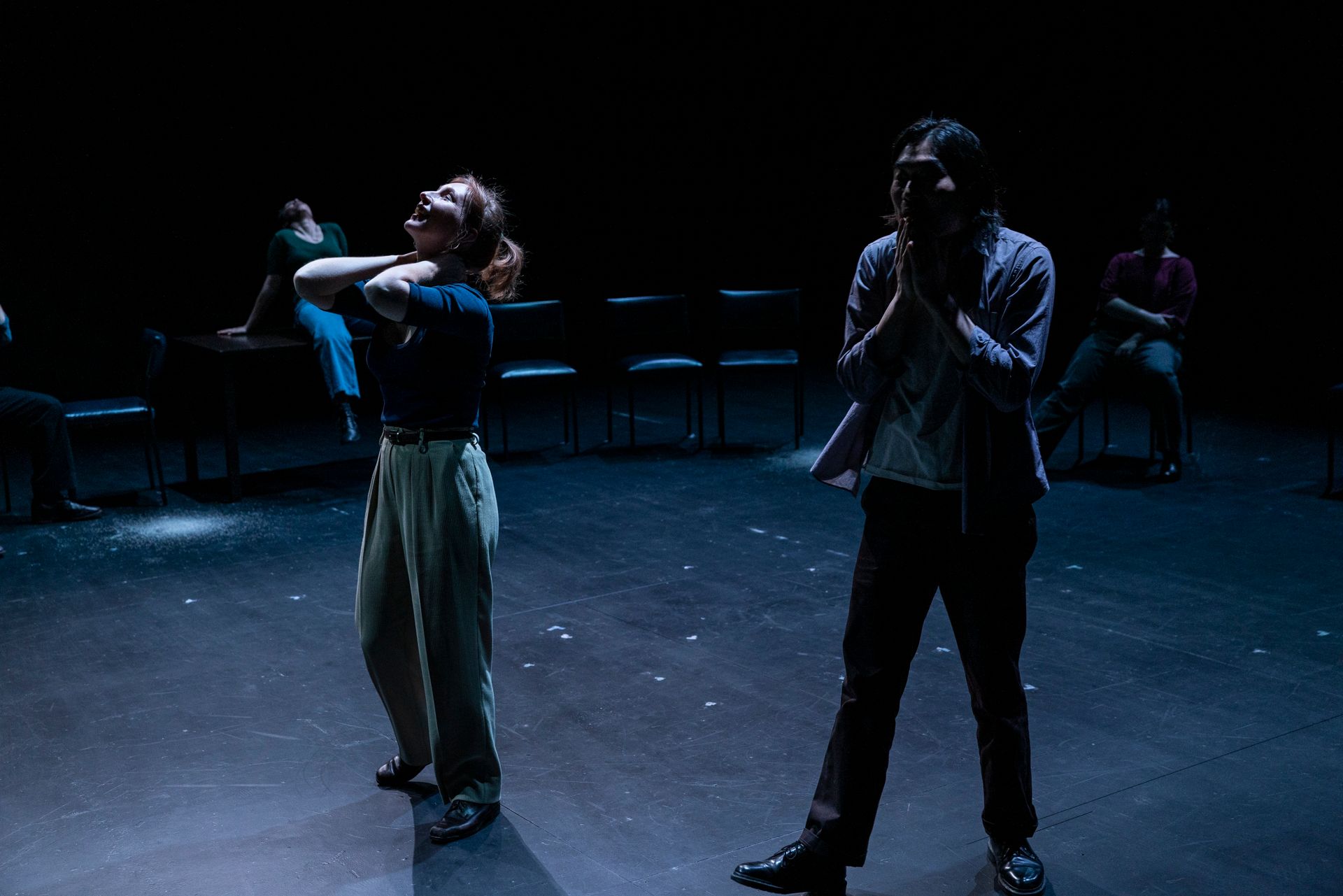
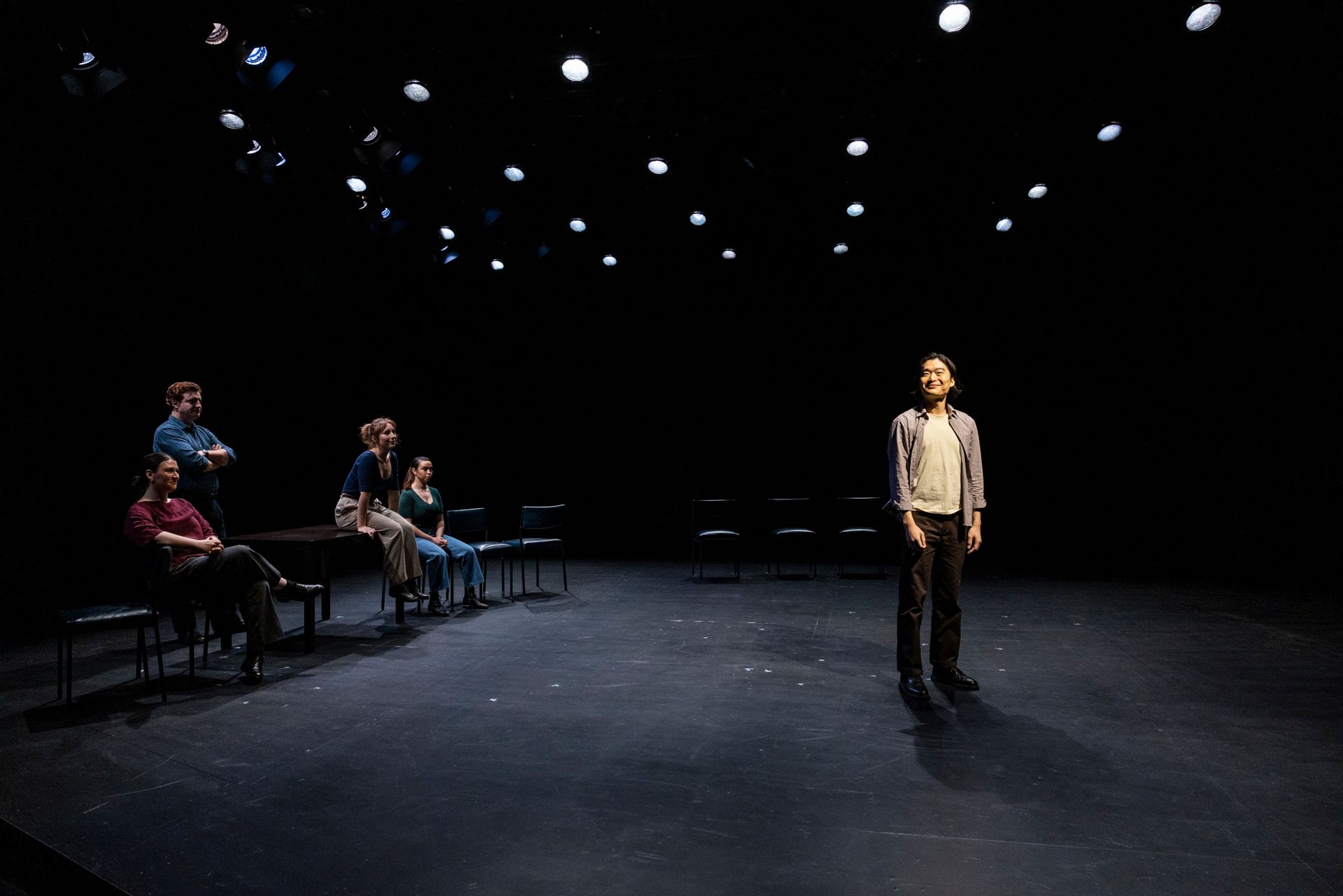
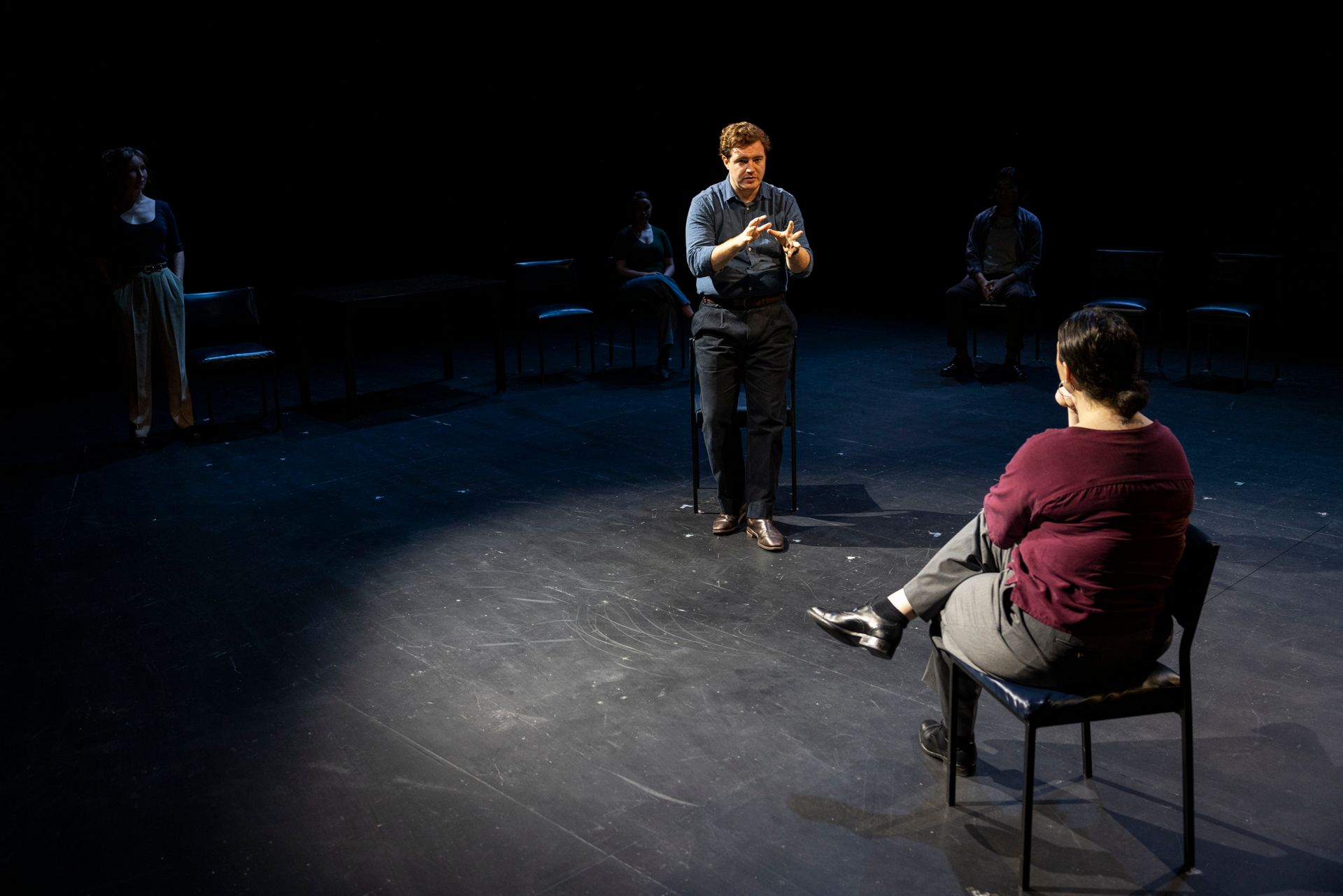
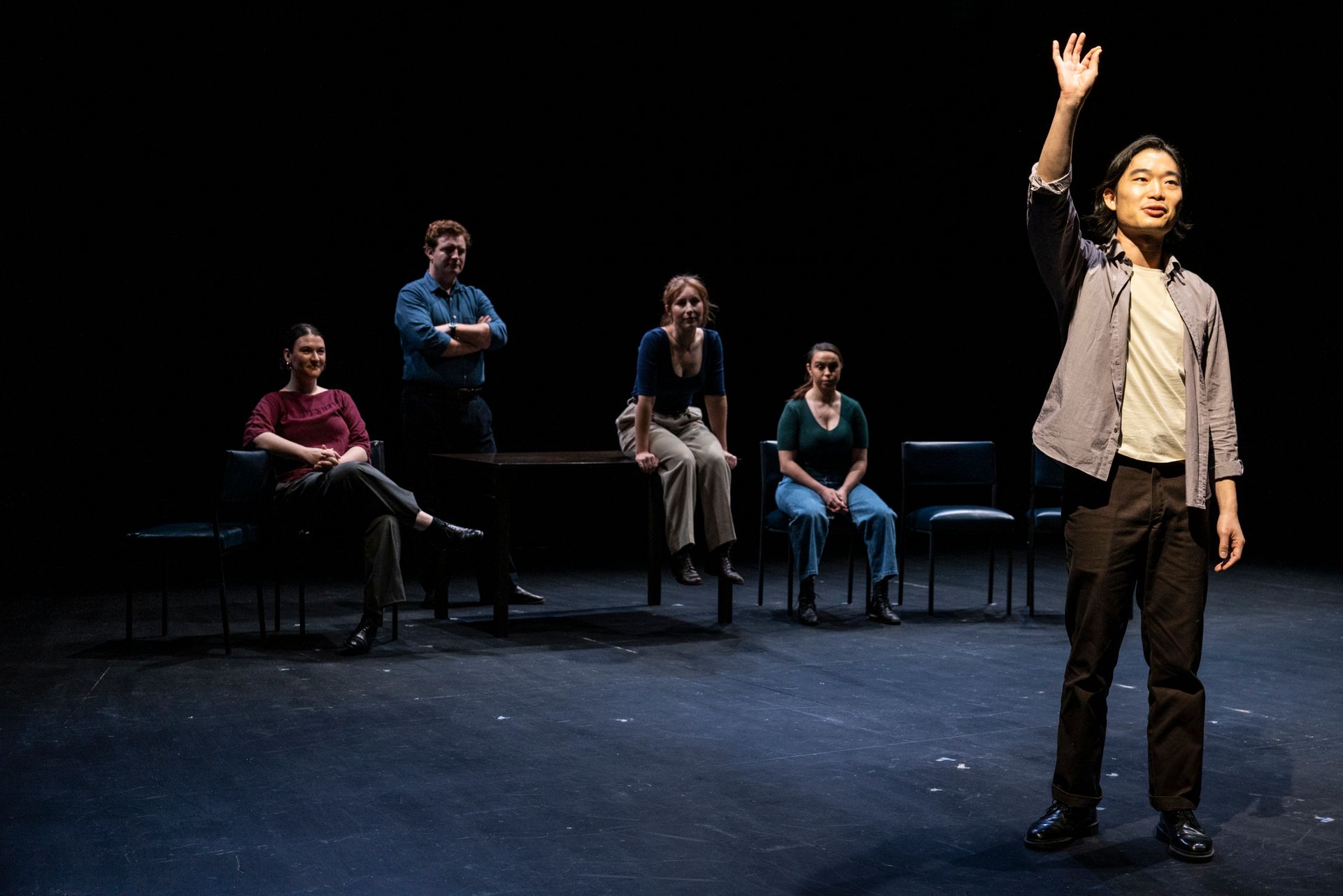
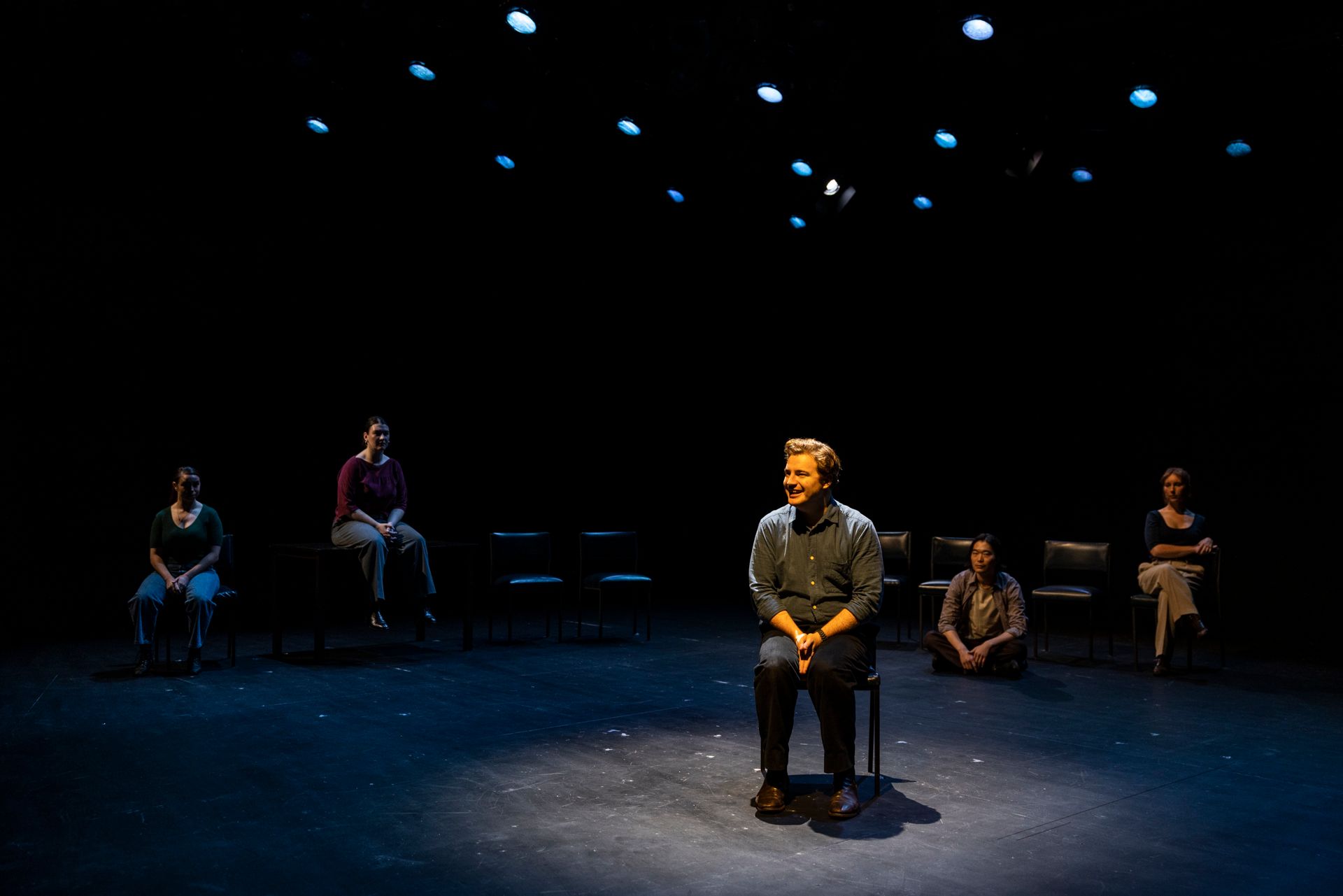
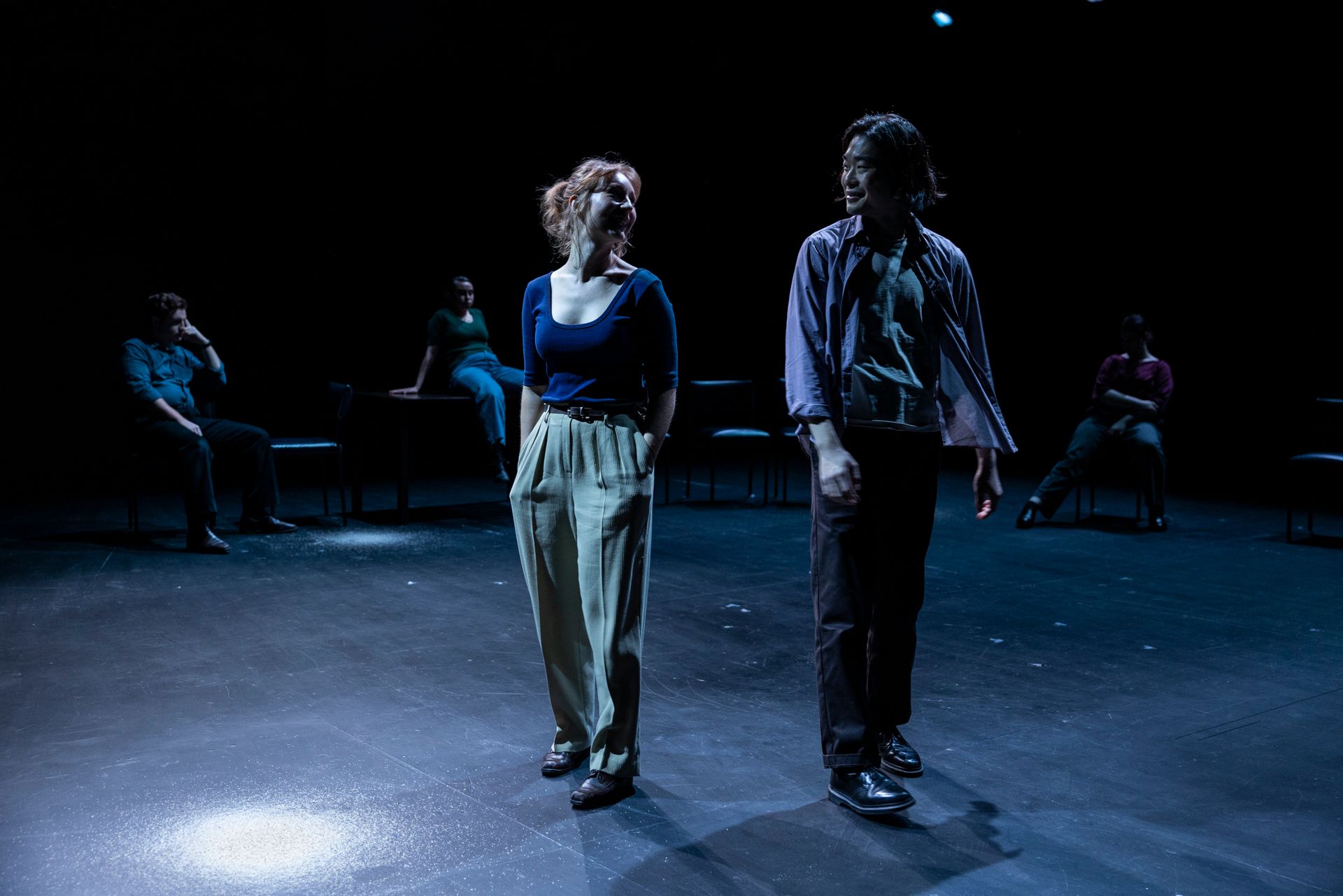
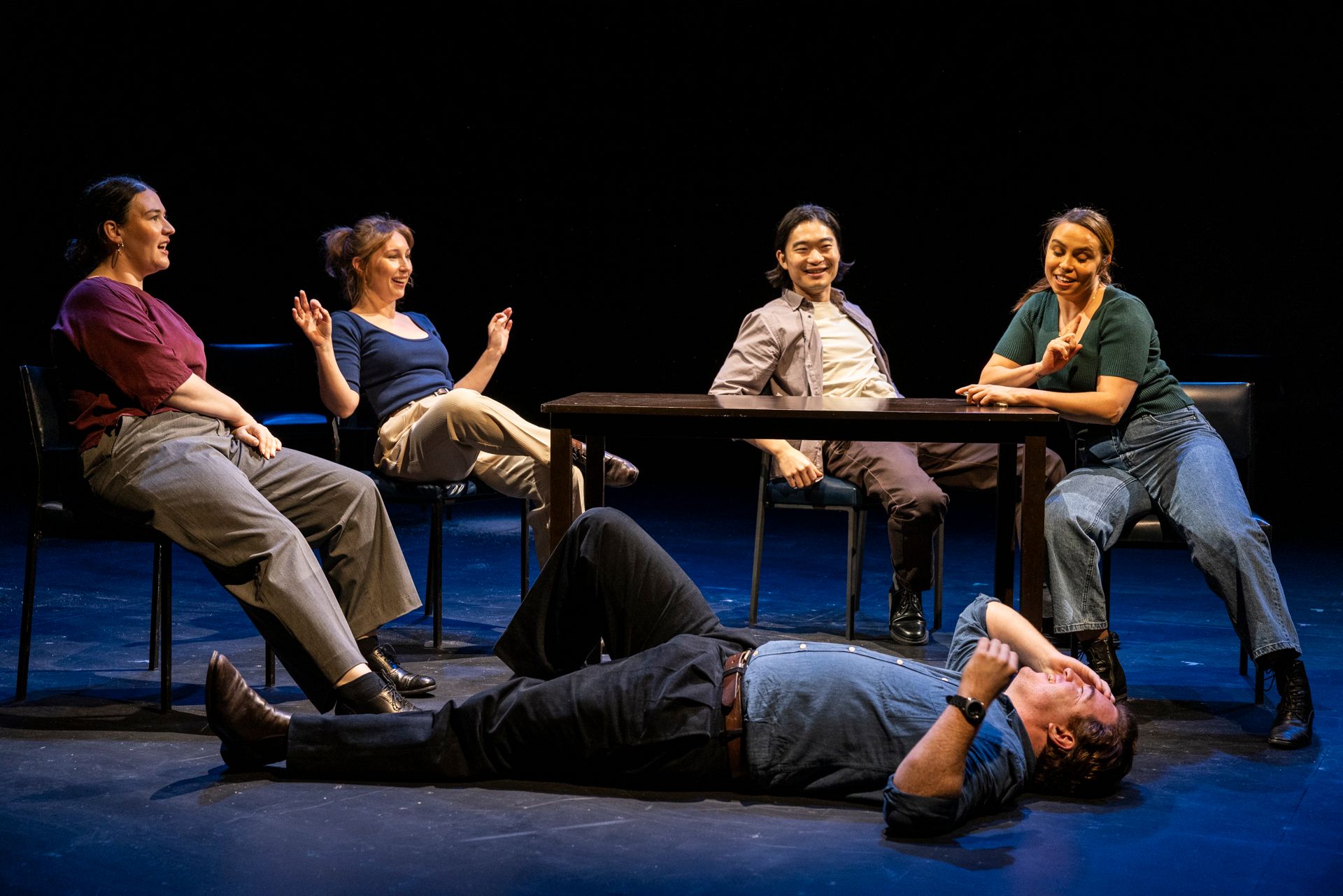
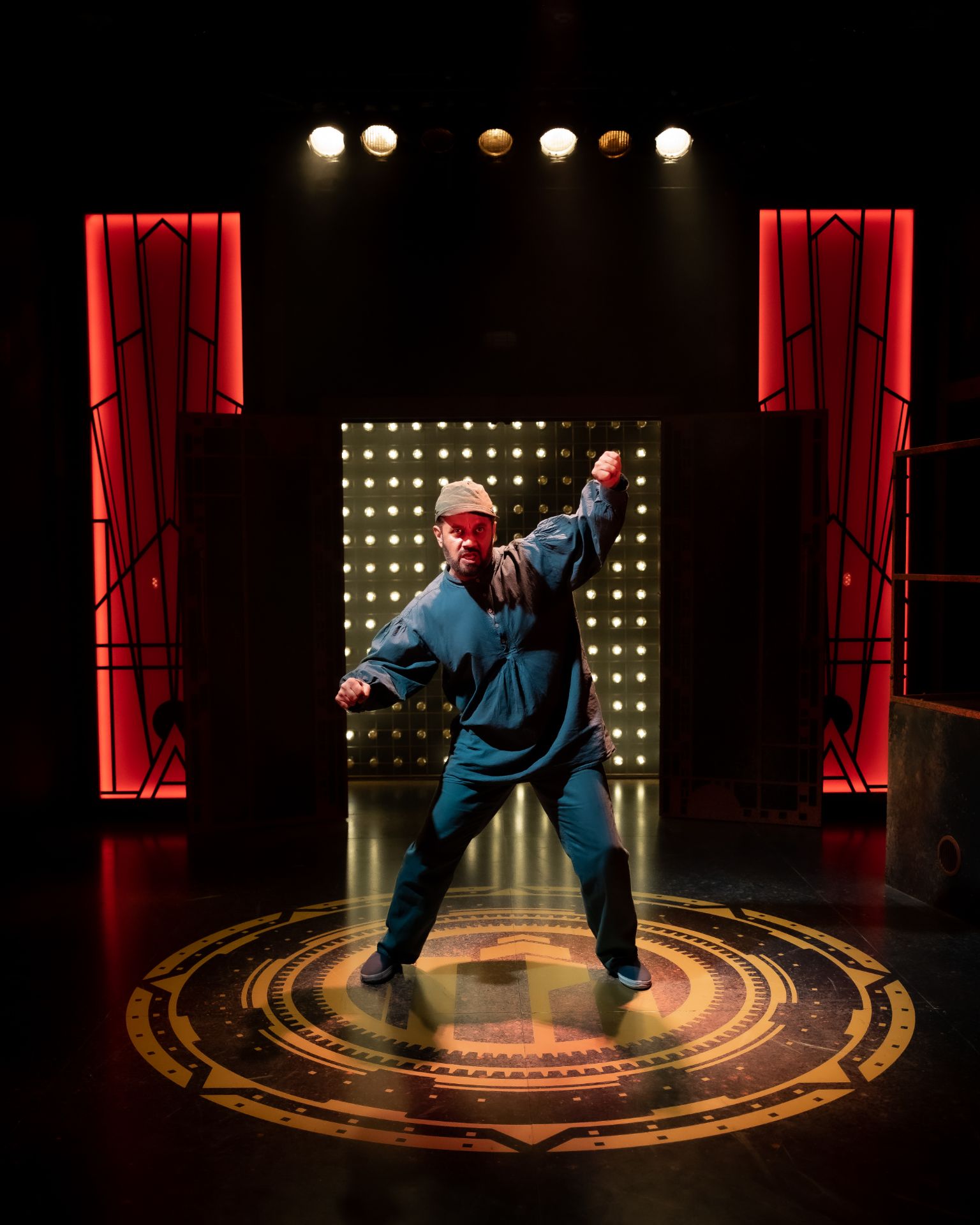
The production is directed by Craig Baldwin, who emphasizes emotional authenticity in portraying the numerous arguments that characterize this play about bickering posh couples. Baldwin demonstrates admirable integrity by resisting excessive humiliation of the characters, although this approach can sometimes miss opportunities for bigger laughs. The staging honours the text’s central ideas about betrayal, but the unsavoury personalities of Consent prevent us from fully engaging in a sufficiently meaningful way.

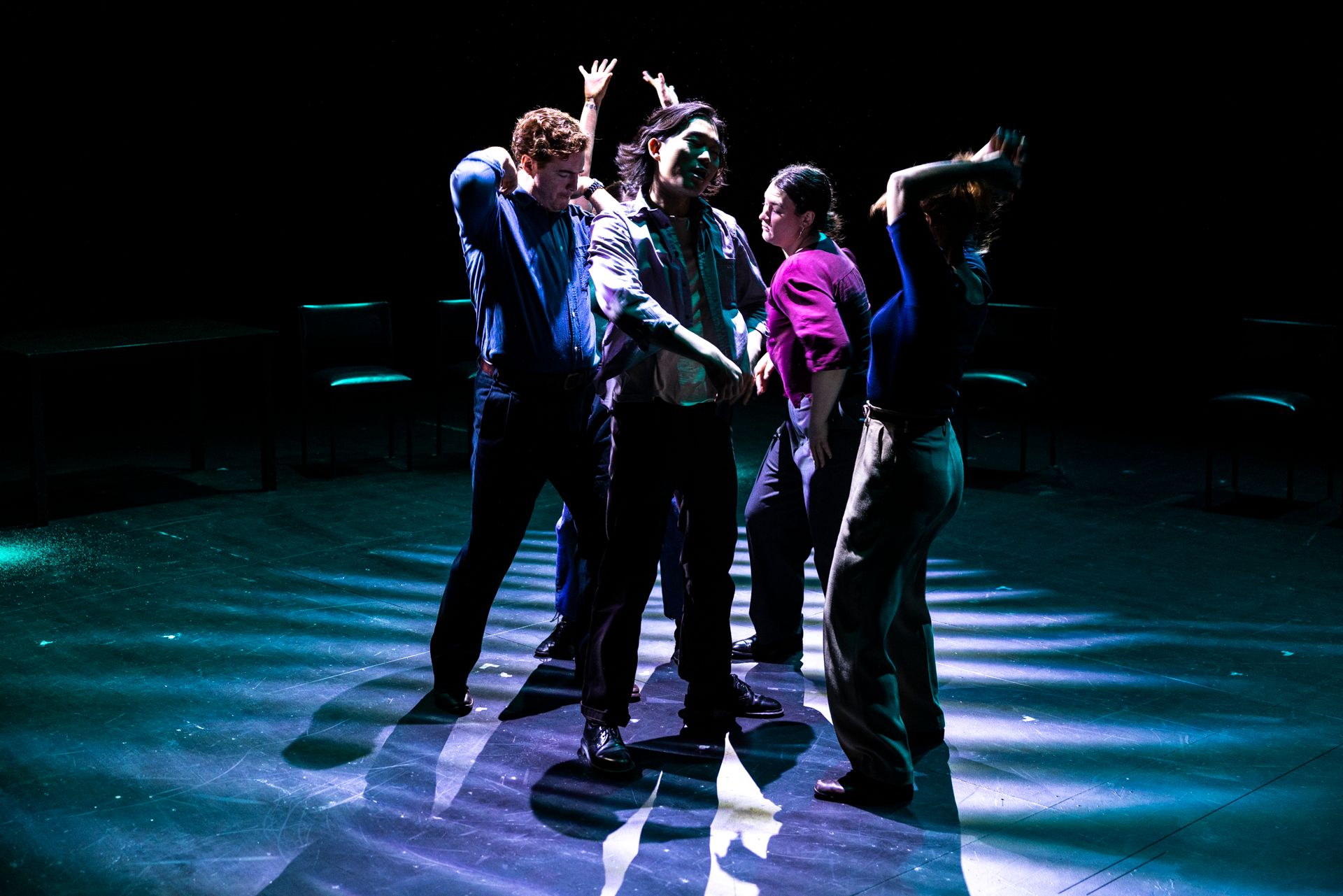
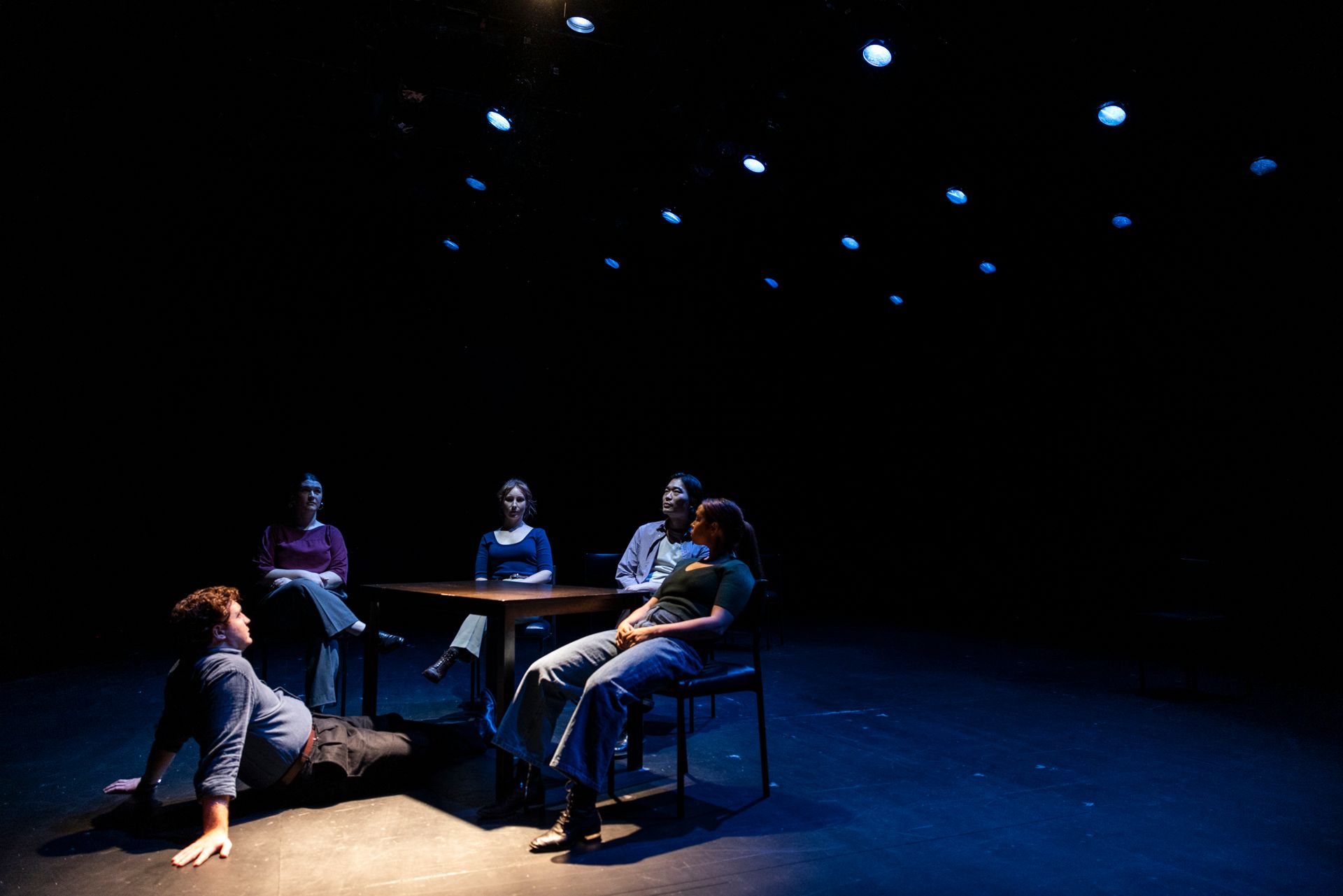
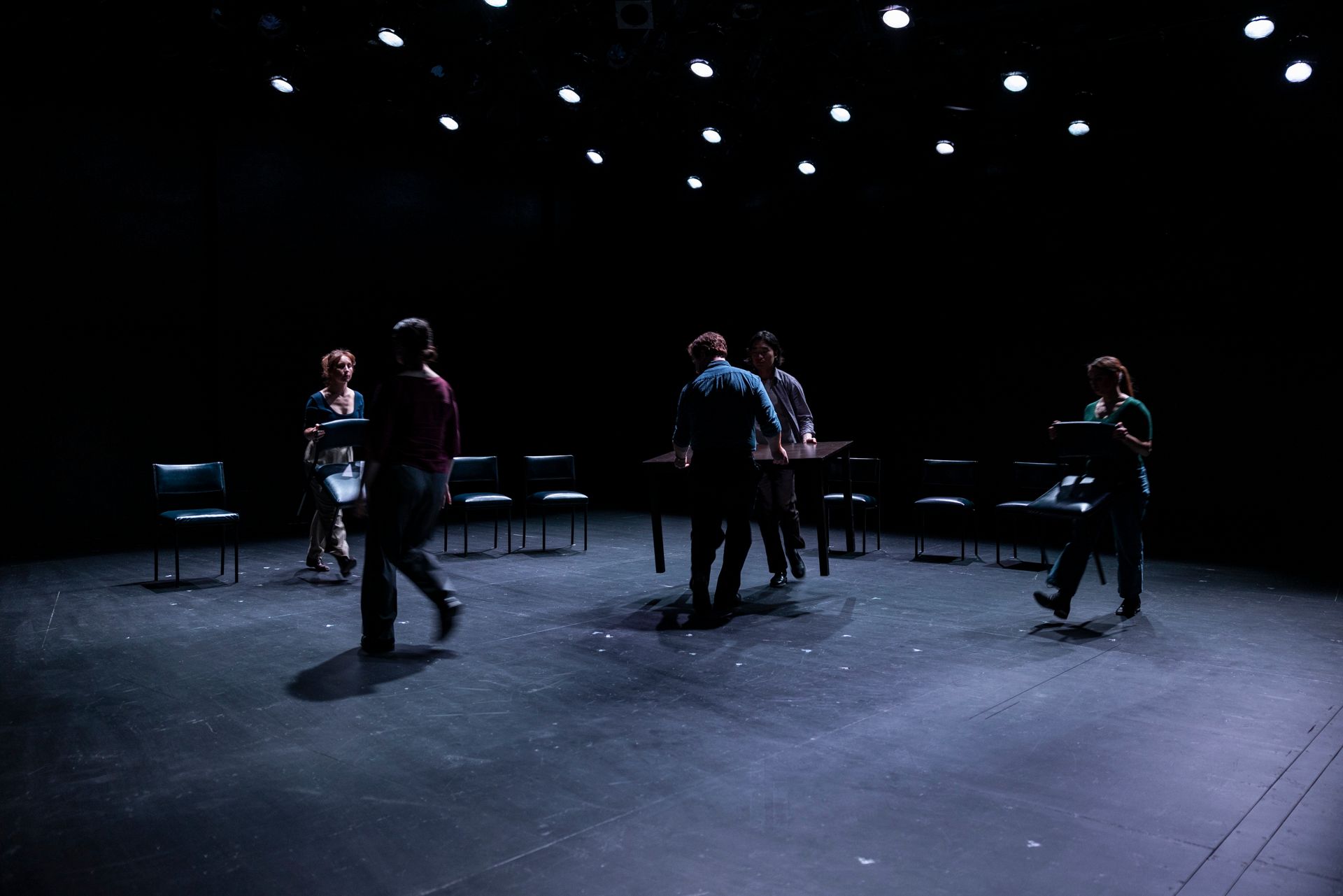
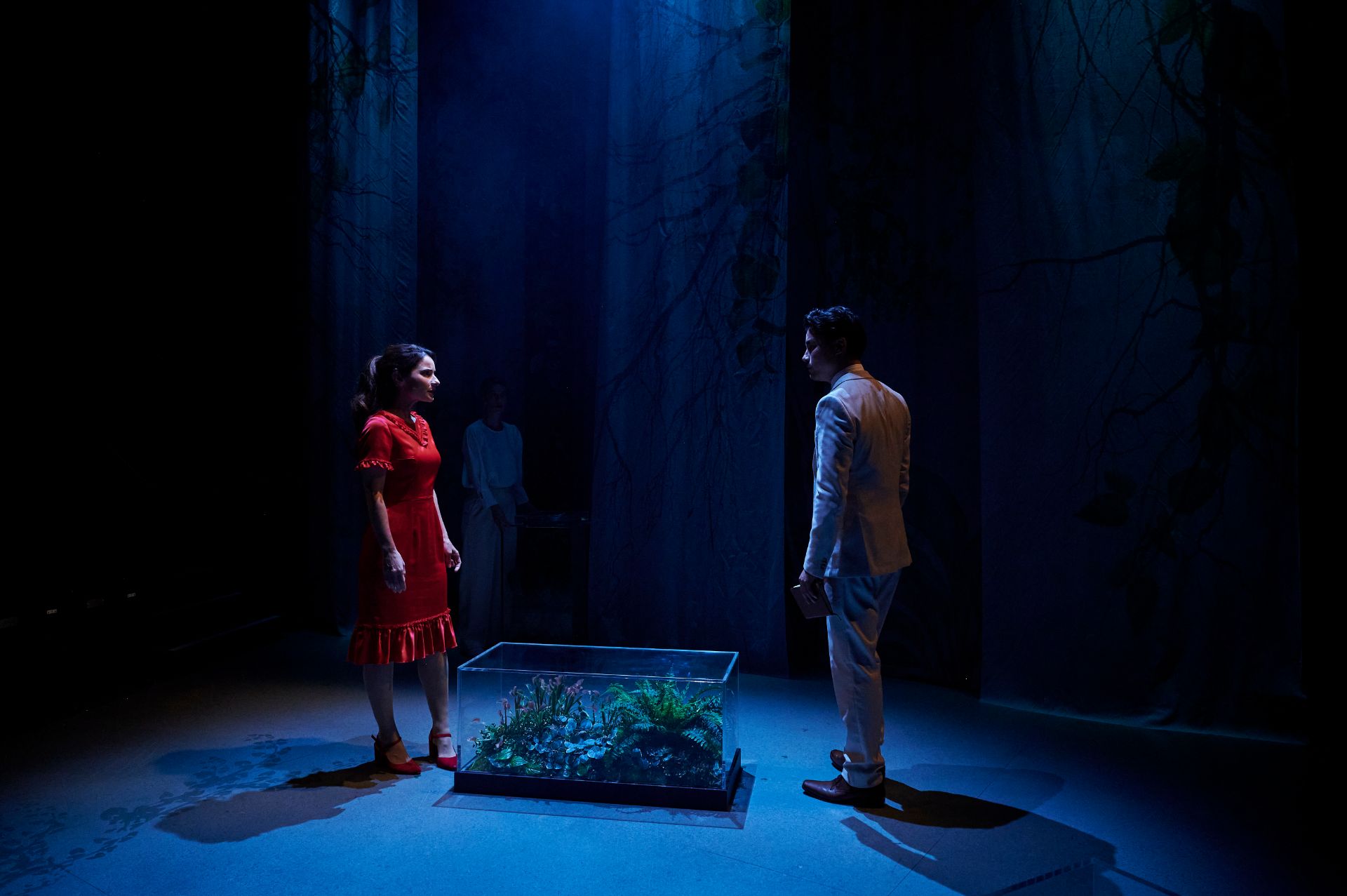
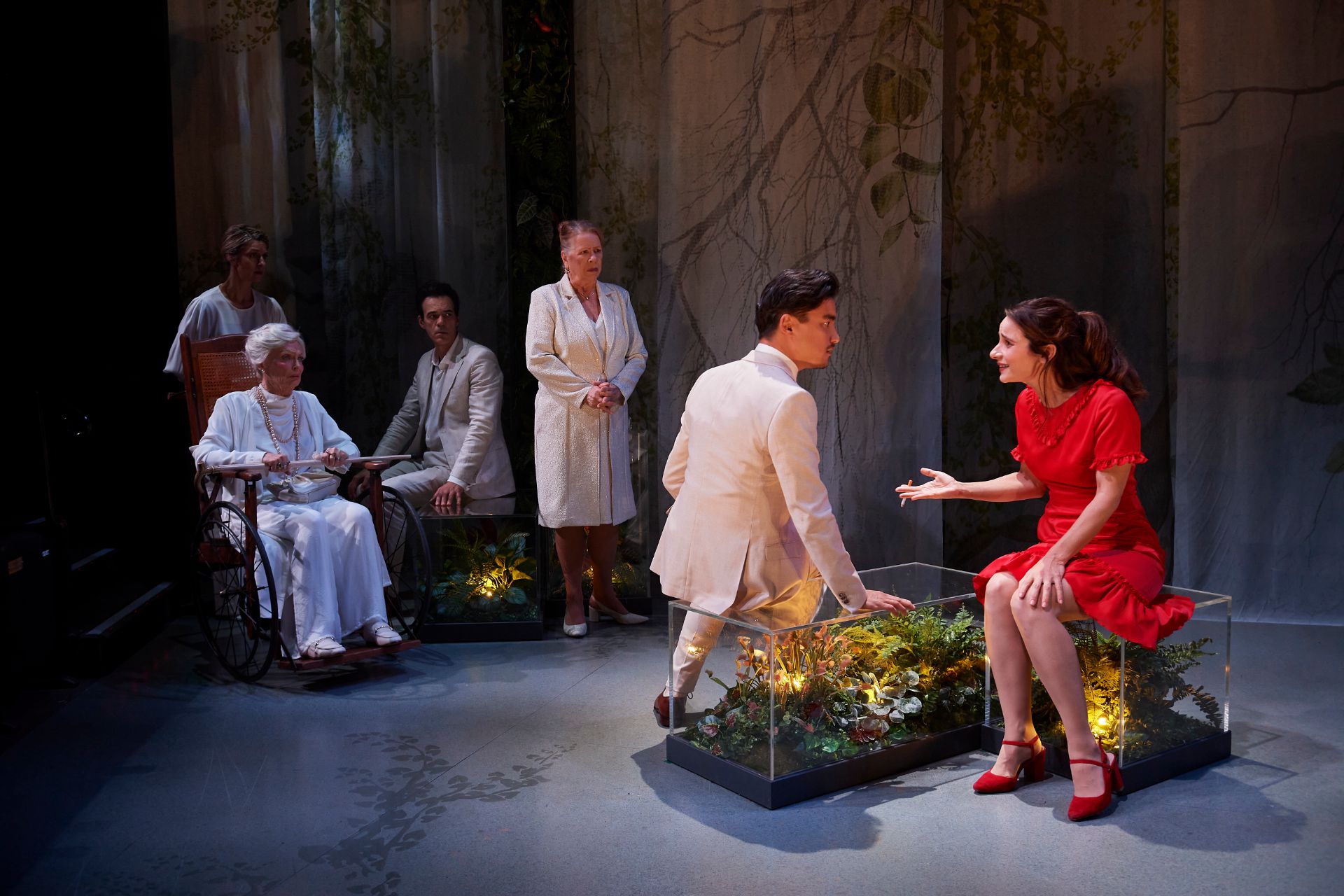
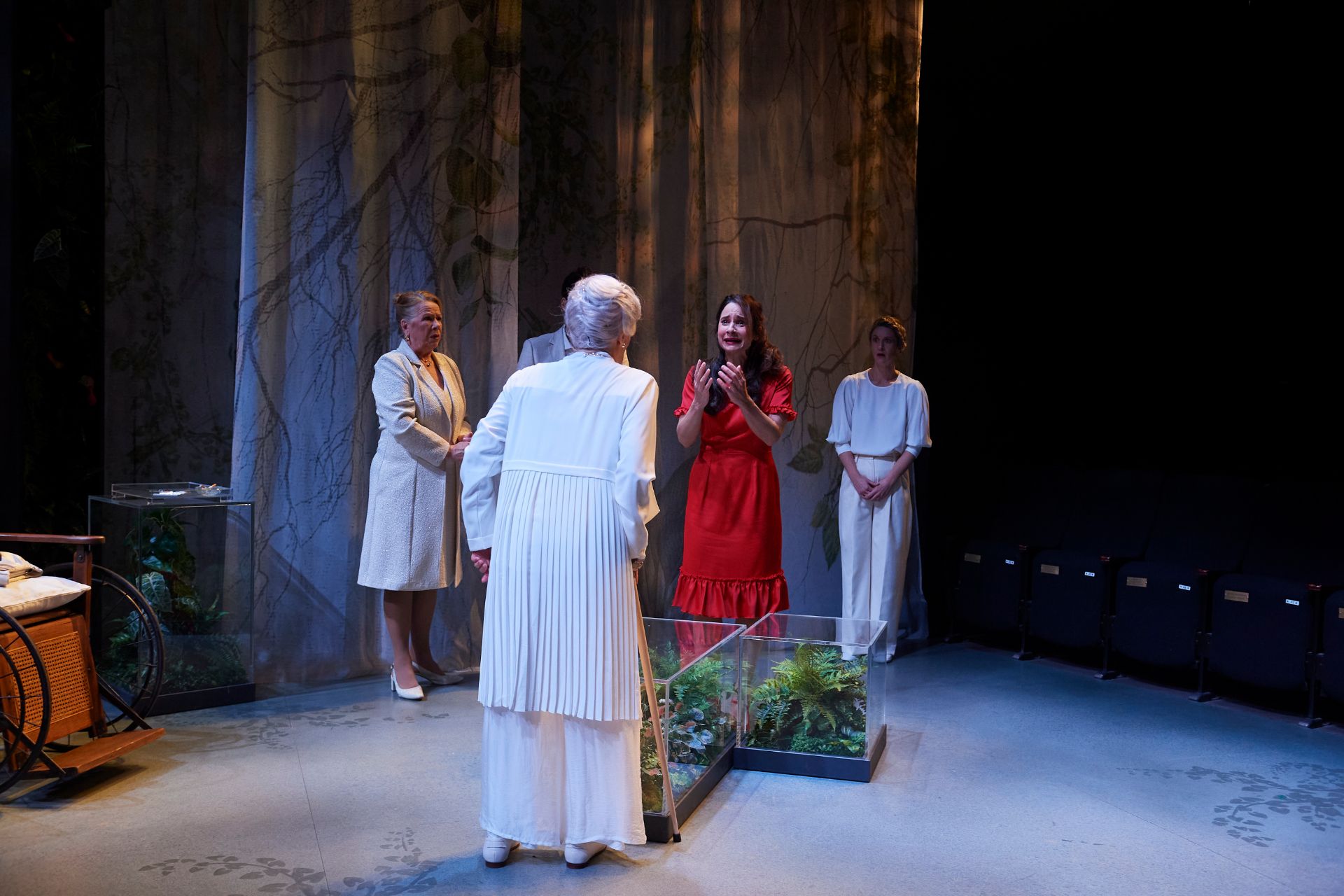
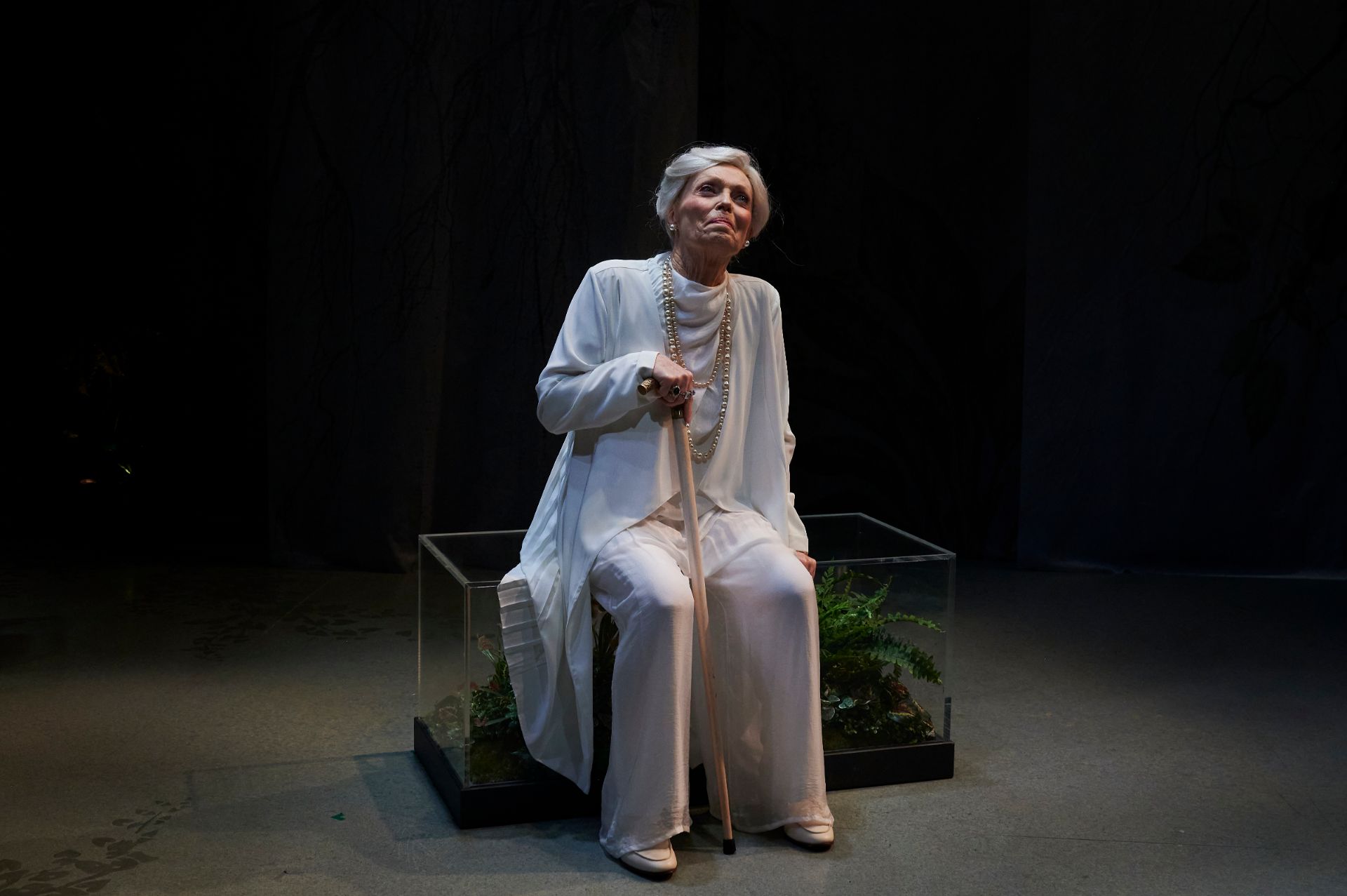
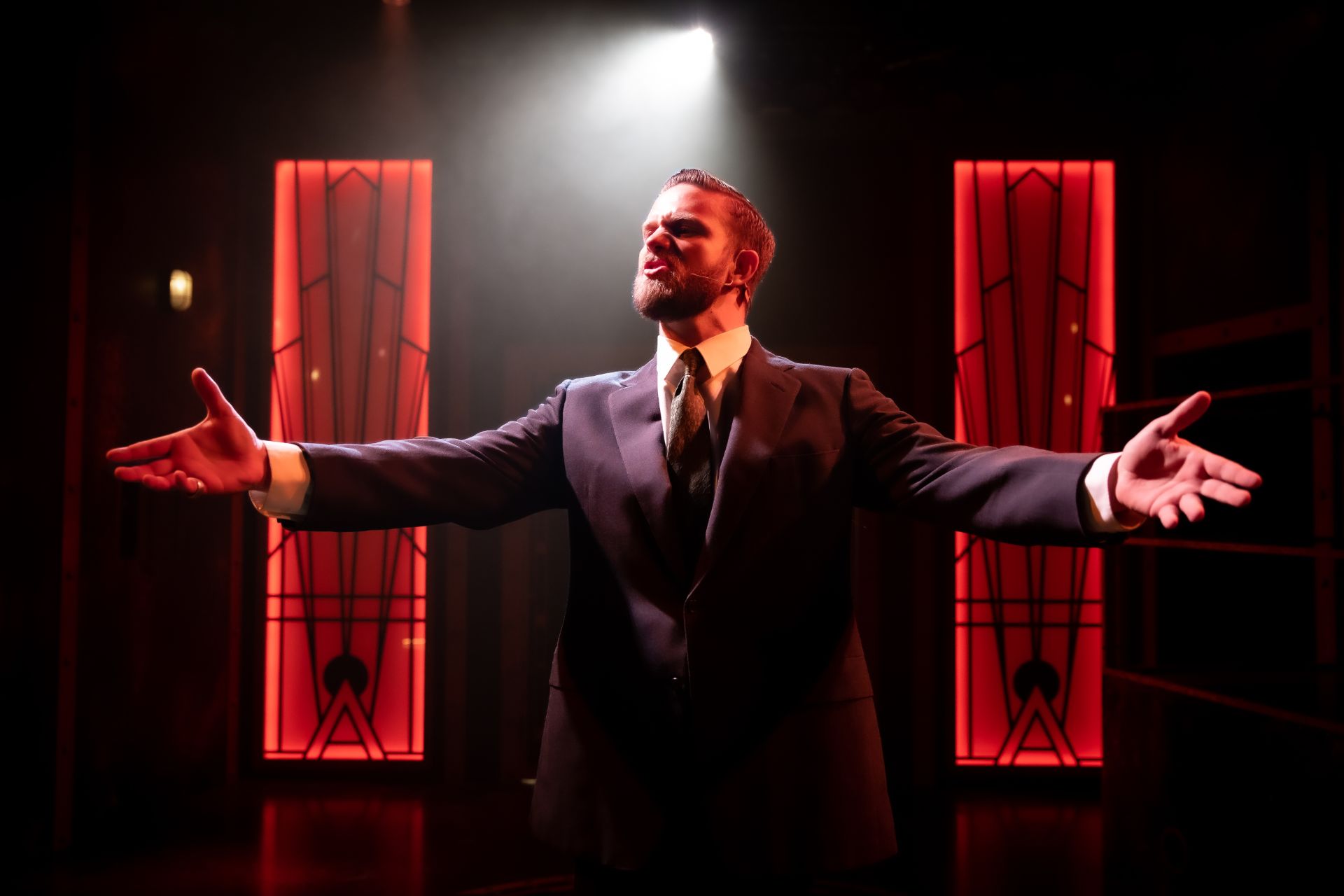
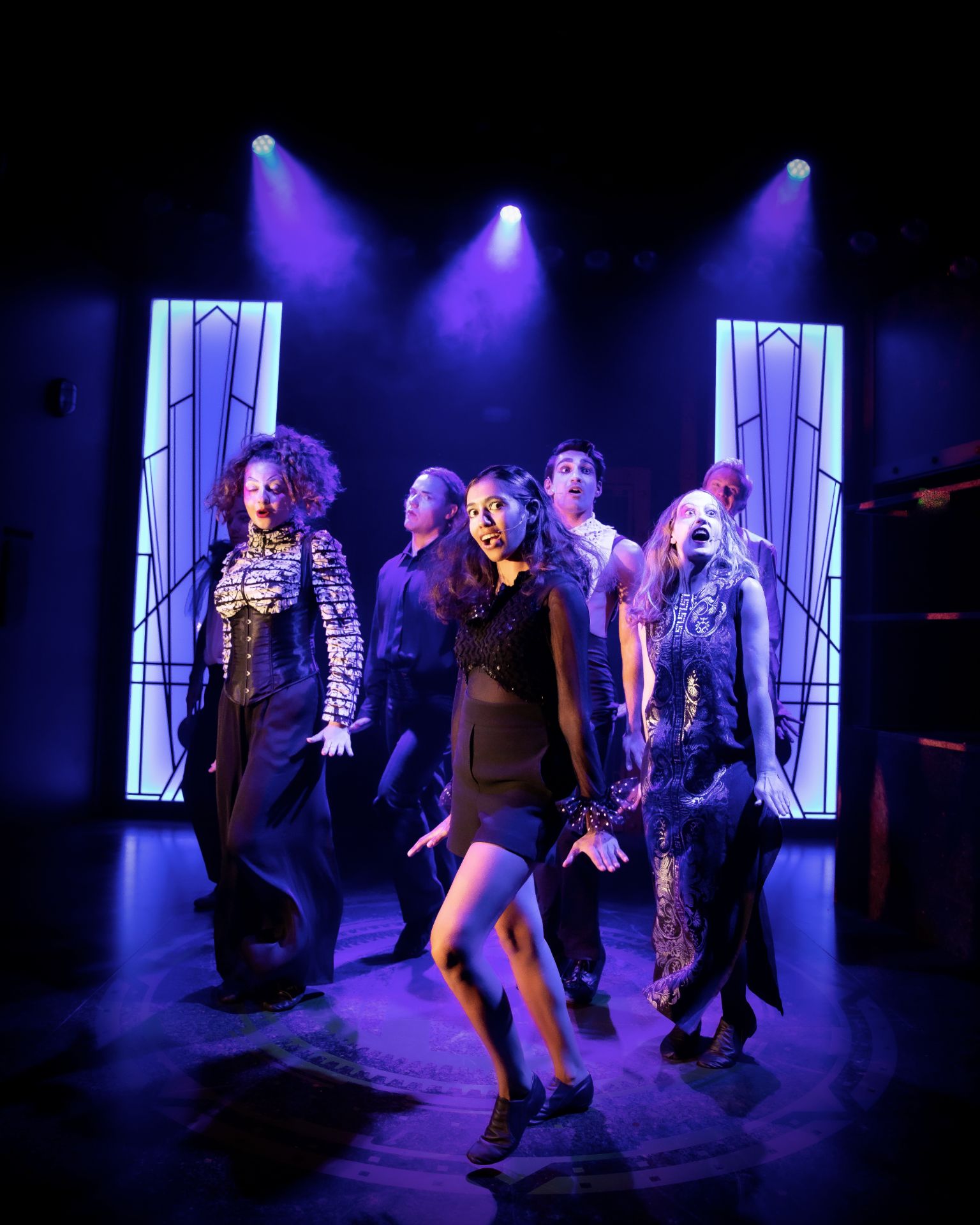
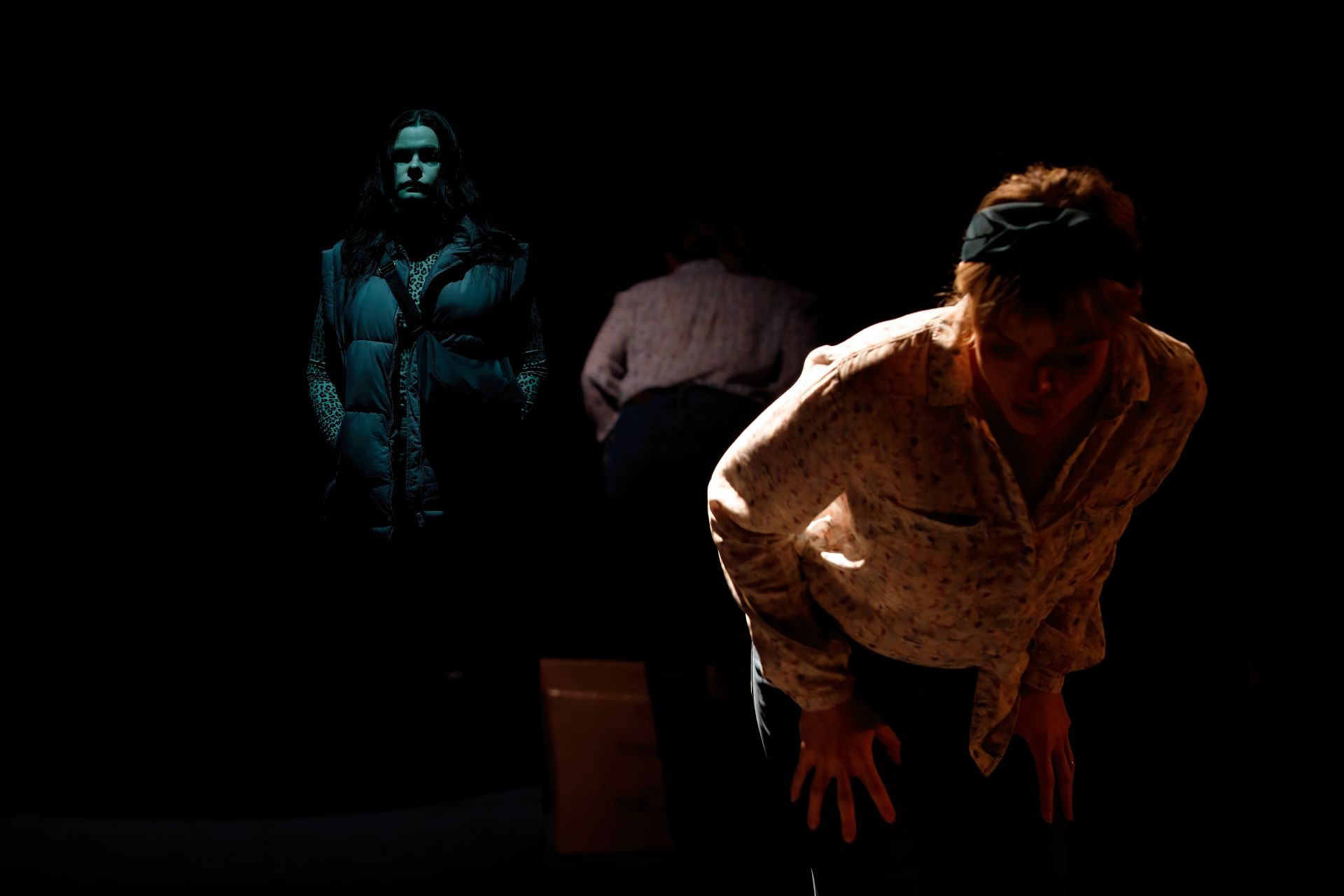
Design aspects are however accomplished effectively. Soham Apte’s sets and costumes are satisfyingly theatrical, yet bear a sense of accuracy in their depictions of a world inhabited by lawyers and their spouses. Lights by Ryan McDonald provide visual finesse, always aiming for polish without ever being obtrusive. Eliza Jean Scott’s segments of interstitial music are creatively rendered, offering us momentary reprieve from intense altercations, whilst manufacturing an air of refinement appropriate to the piece.

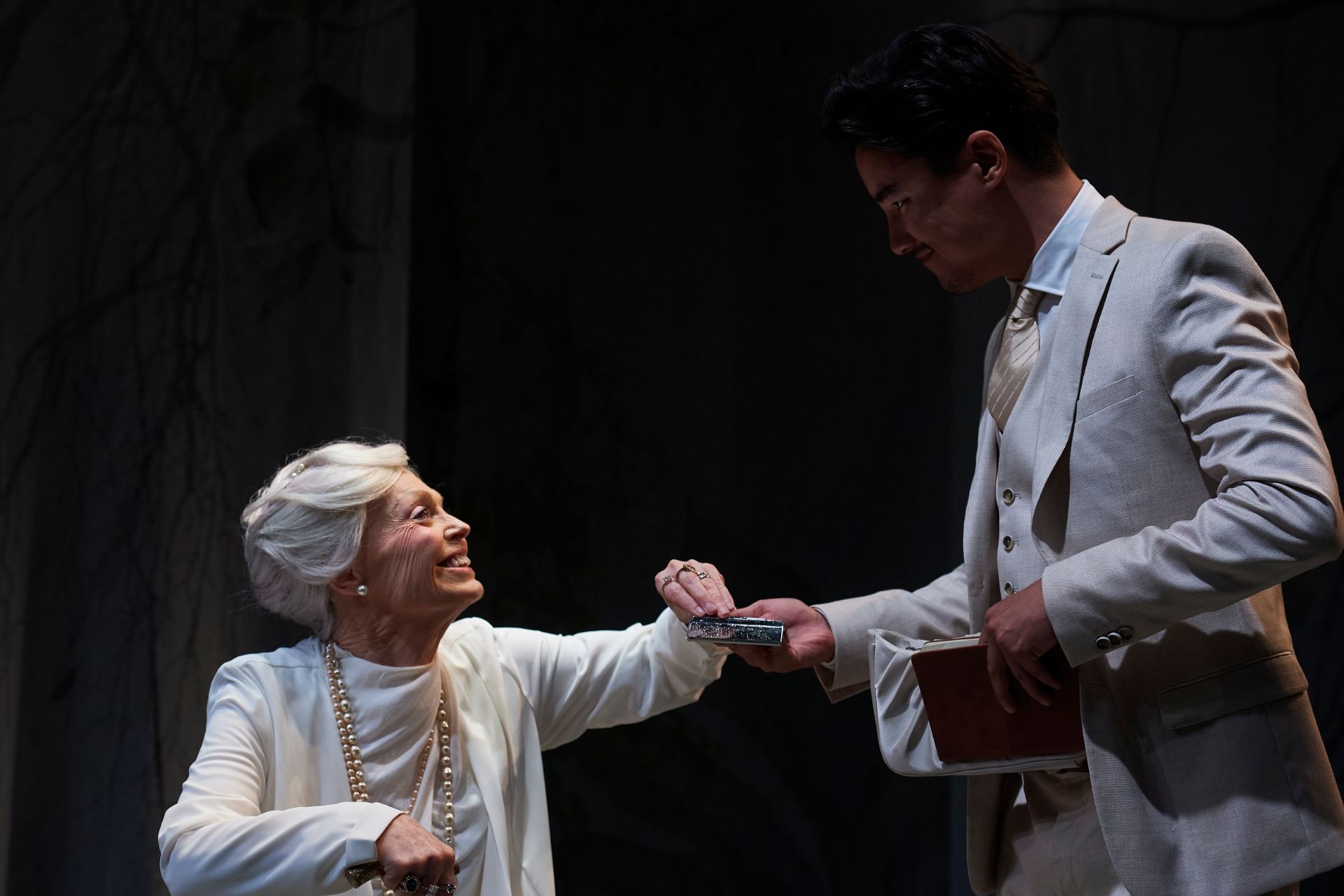
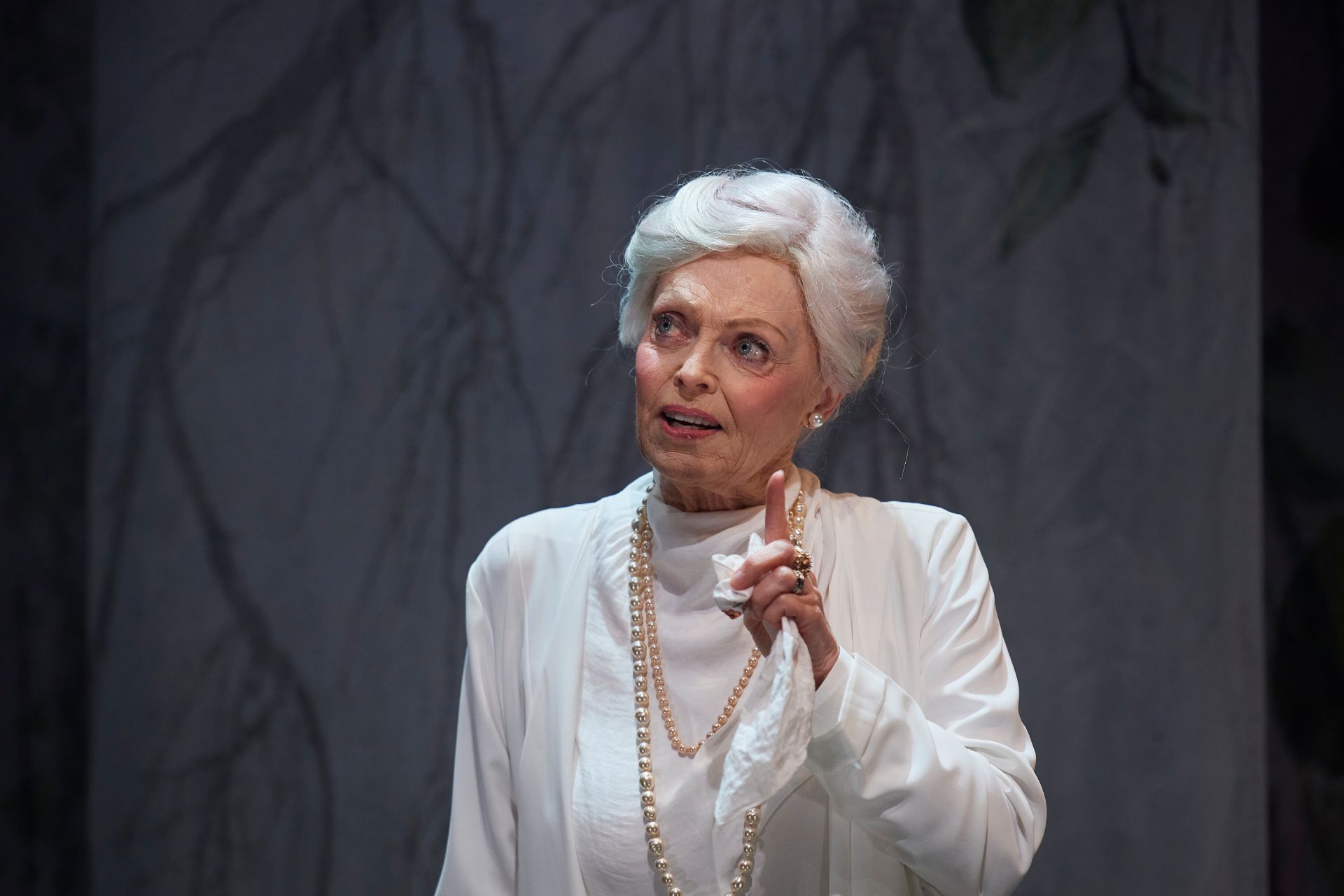
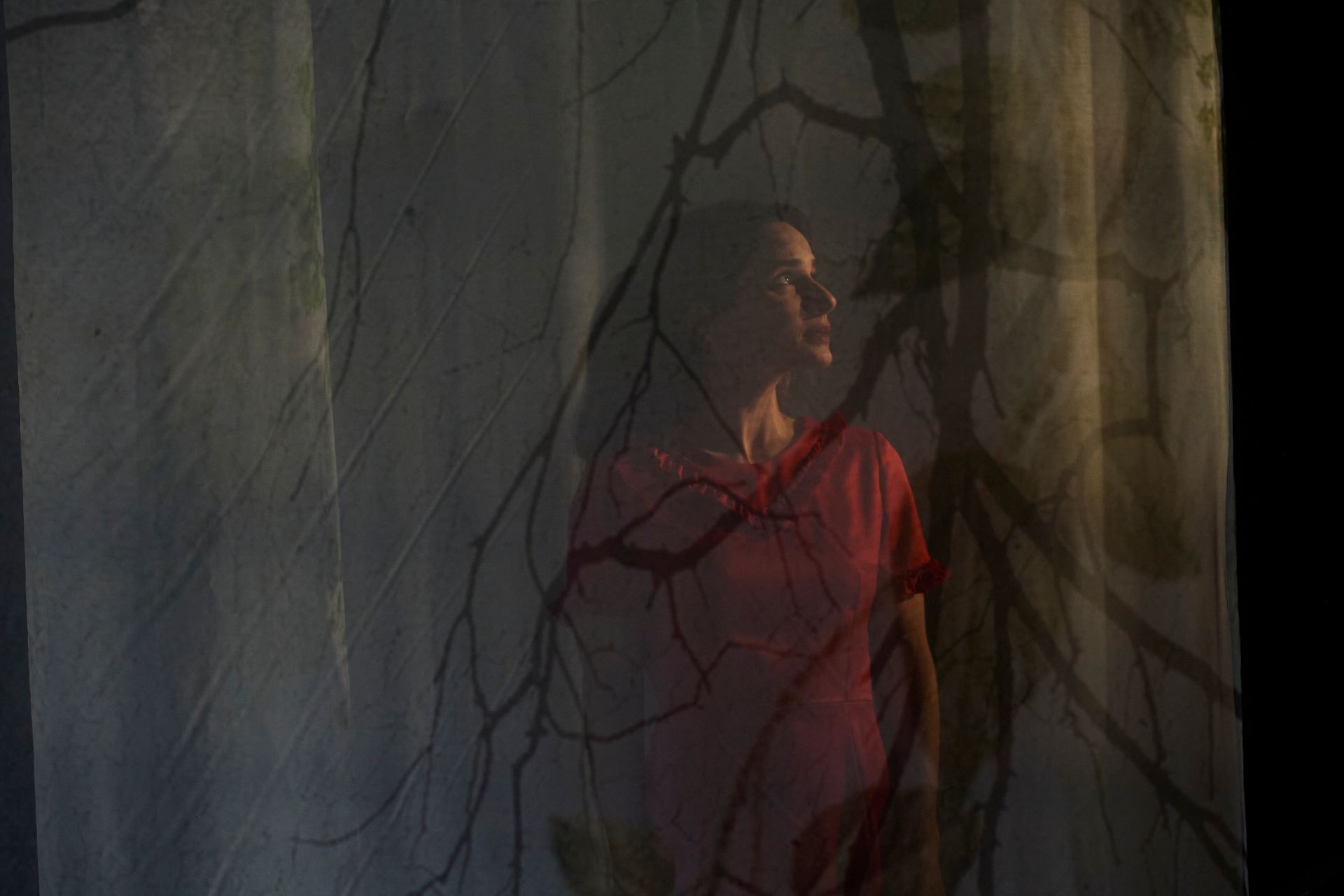
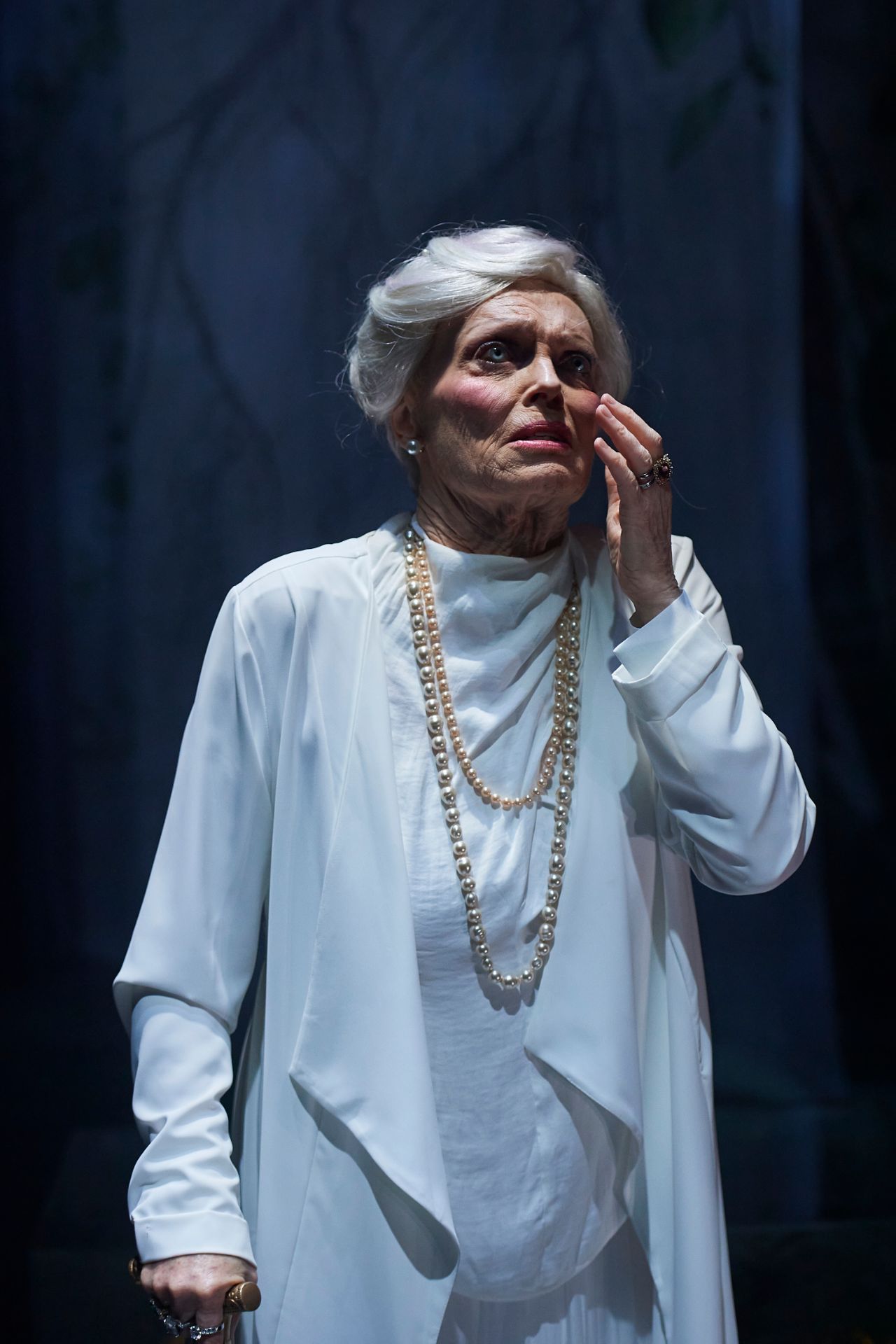
Anna Samson and Nic English play Kitty and Ed respectively, both highly believable in their execution of this domestic drama, with an intricacy in approach that encourages us to bring nuance to our interpretations of the story. Also bringing vim and vigour are Jessica Bell, Sam O’Sullivan, Jennifer Rani, Anna Skellern and Jeremy Waters, who conspire to bring energy to an experience that can very easily become overly cerebral.

It certainly feels awful to be cheated on, but it is audacious to say that it is in some ways similar, to having suffered sexual assault. We all understand human fallibility, yet we continue to hang on to old ways of thinking about monogamy and marriage. On one hand, we understand the nature of lust, including its inevitable superficiality, and on the other, we insist on defining the success of marital unions, on the ability of individuals to prevent themselves from committing these sins that ultimately mean little. Yes, rape and infidelity are forms of betrayal, but they are far from commensurate.
www.seymourcentre.com | www.outhousetheatre.org

Review: Scenes From A Climate Era (Belvoir St Theatre)

Venue: Belvoir St Theatre (Surry Hills NSW), May 27 – Jun 25, 2023
Playwright: David Finnigan
Director: Carissa Licciardello
Cast: Harriet Gordon-Anderson, Abbie-Lee Lewis, Brandon McClelland, Ariadne Sgourgos, Charles Wu
Images by Brett Boardman

Theatre review

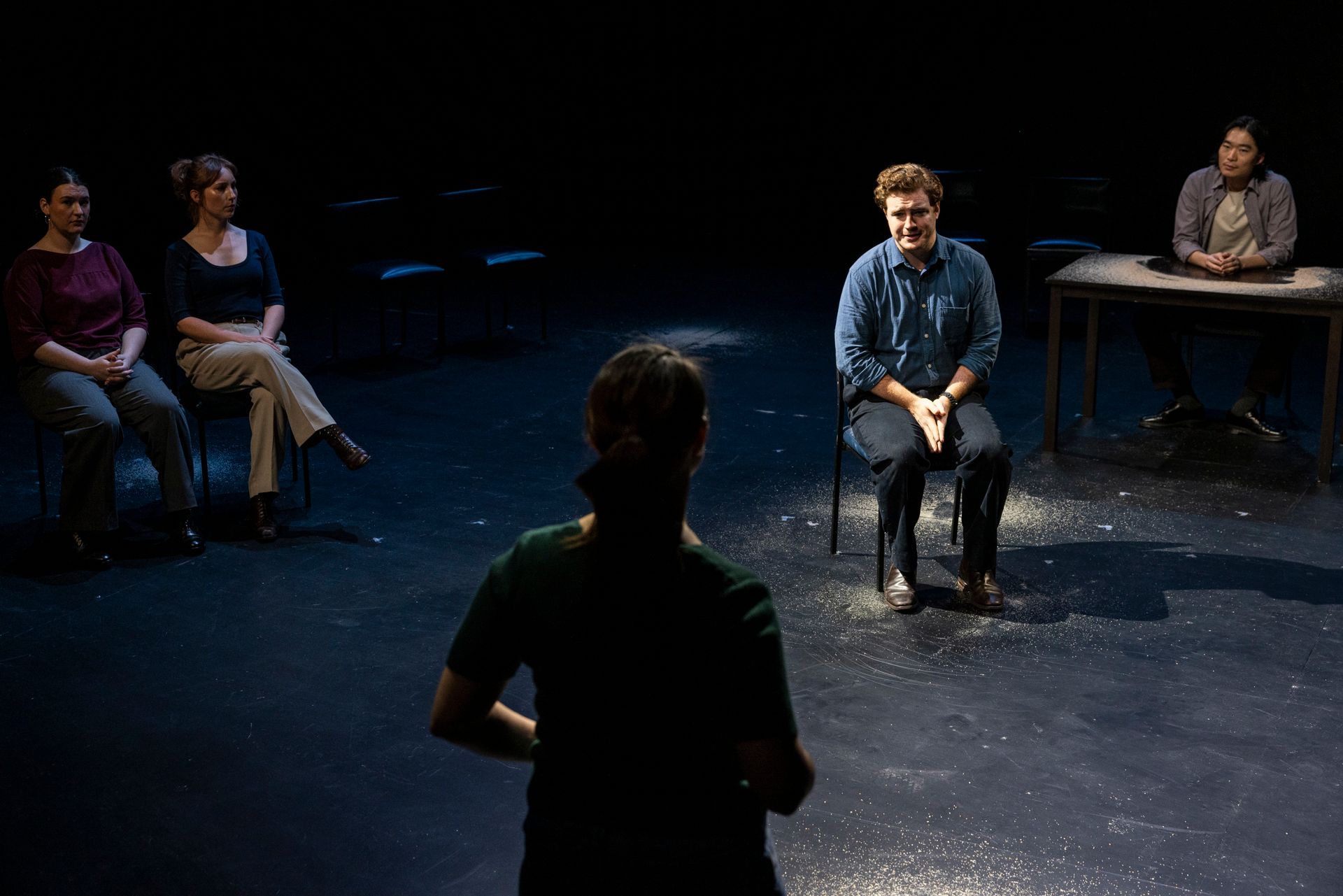
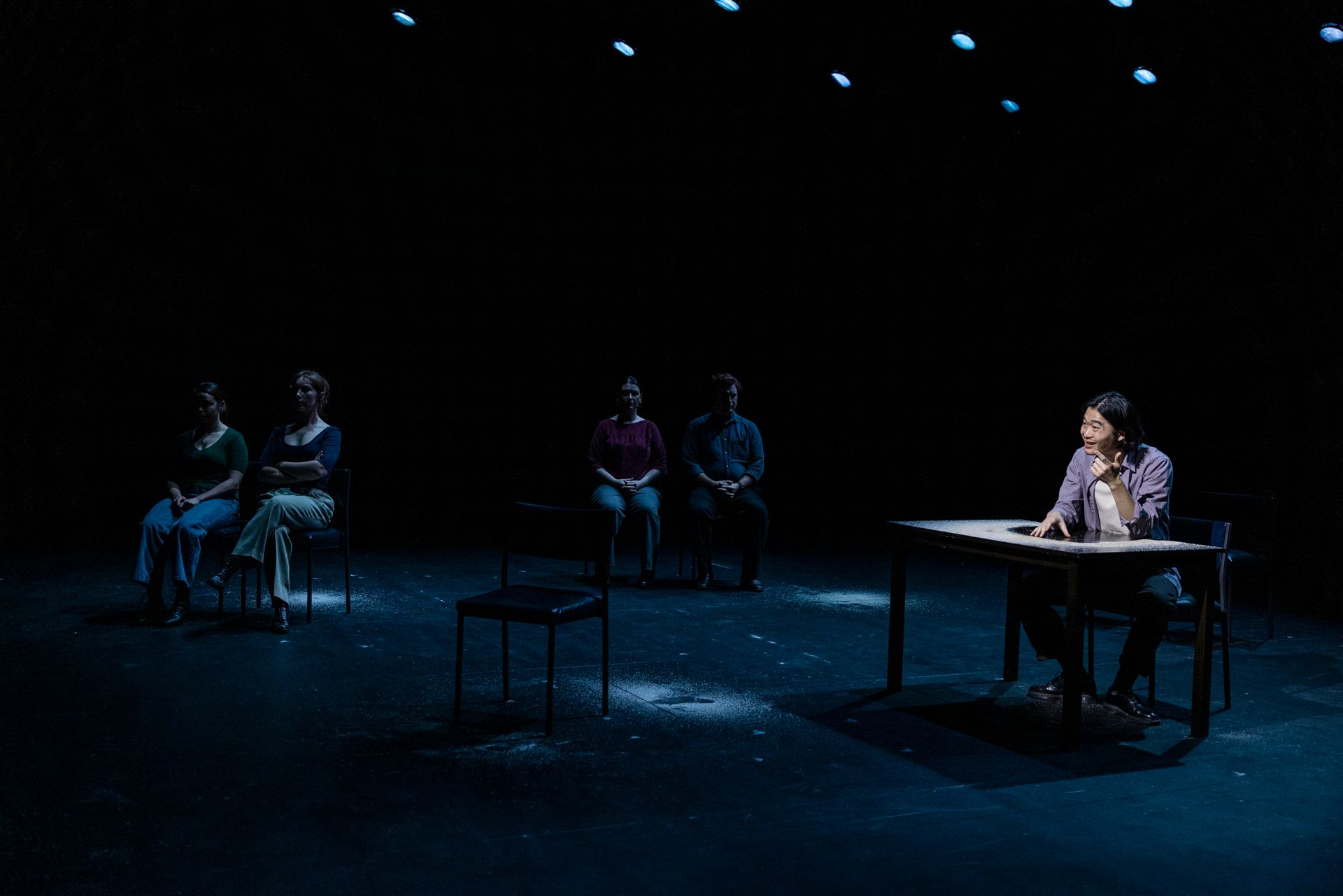
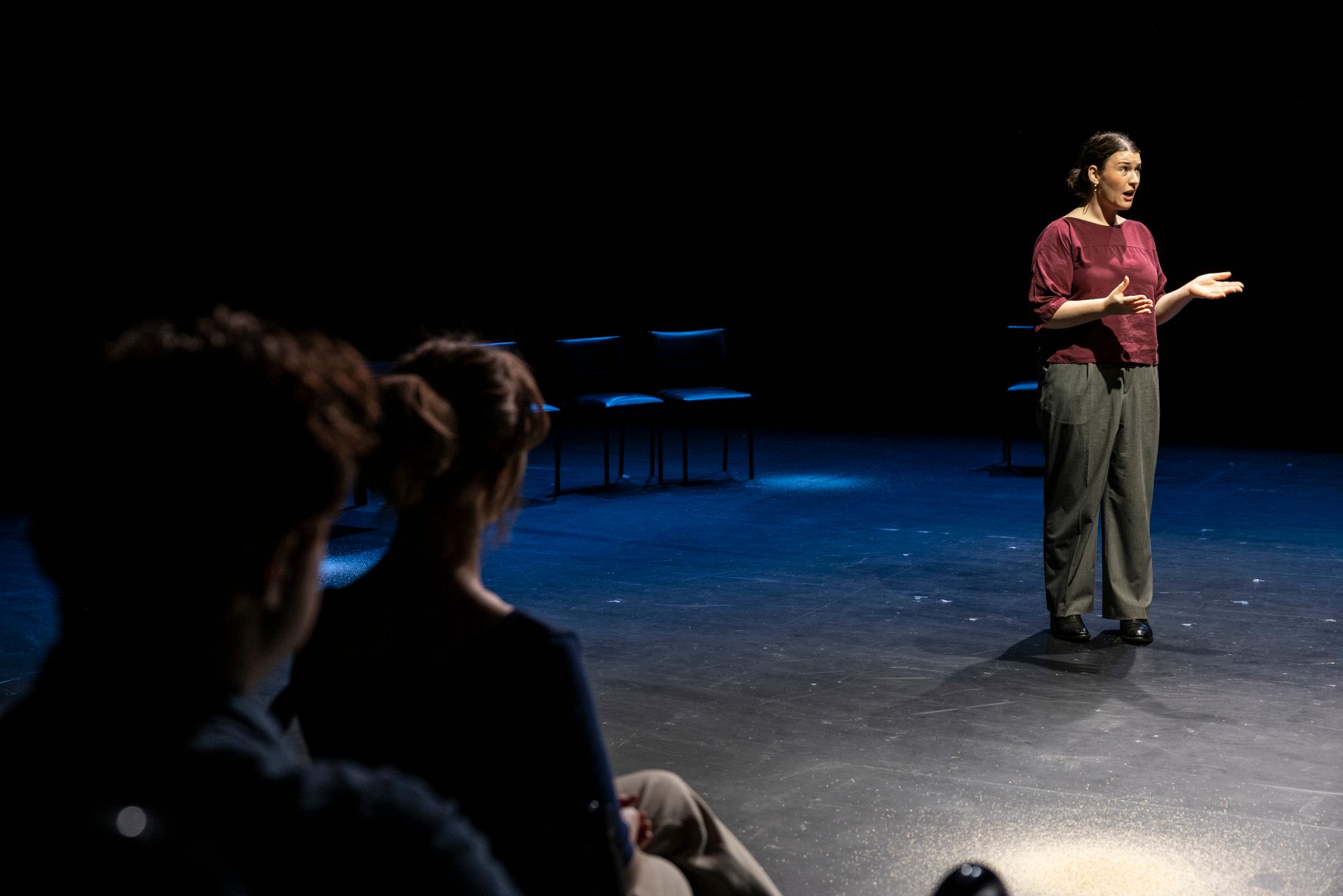
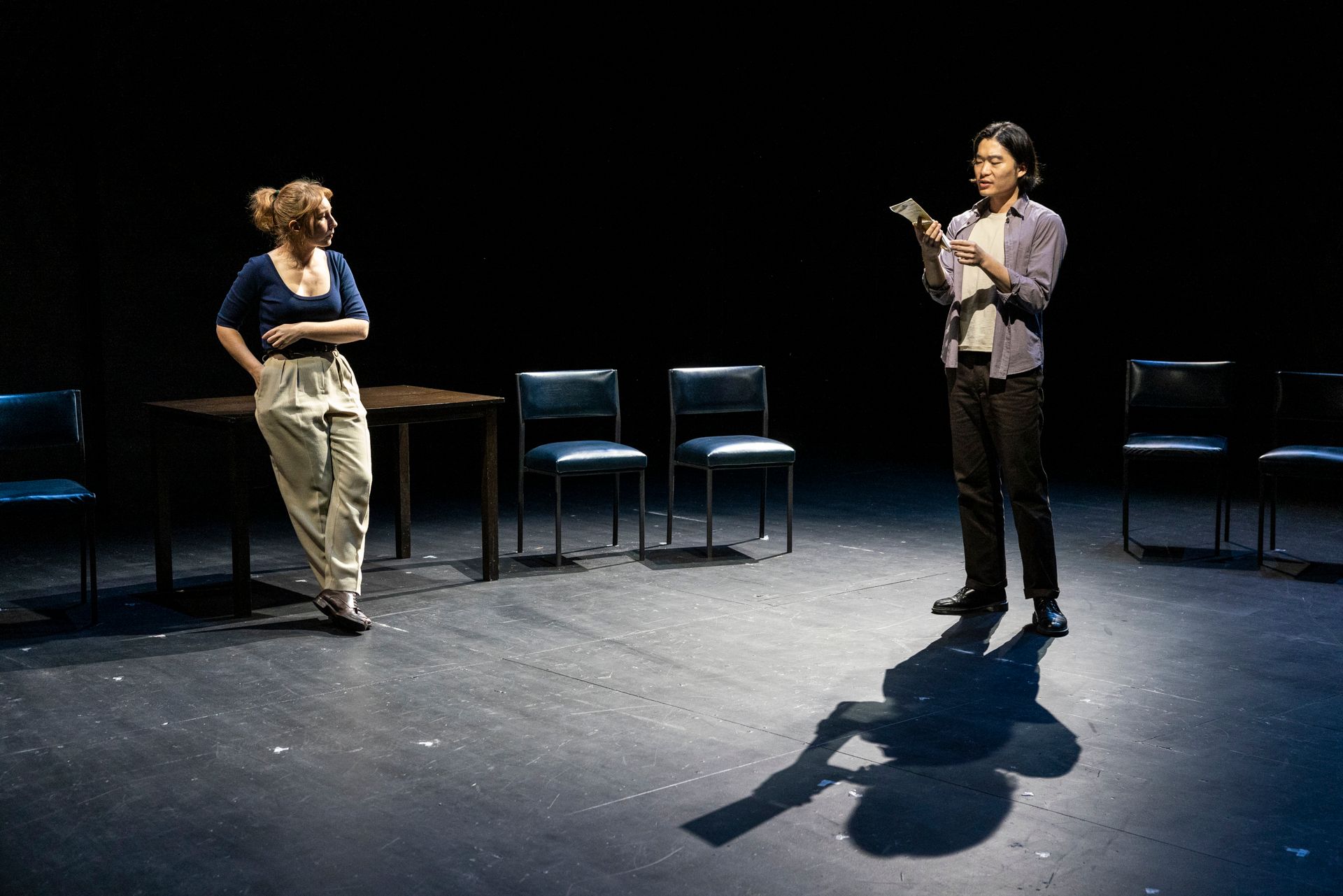
Over 80 minutes, a string of familiar scenarios unfold on stage, all dealing with the climate crisis. Some true and some fictional, these more than 50 very short plays, reflect our contemporary attitudes about environmentalism, ranging from cynicism to alarming. David Finnigan’s Scenes from a Climate Era may be urgent in spirit, but is largely banal, in its representation of thoroughly recognisable situations. Nothing is surprising or obscure, so the show tends to underwhelm. Its accuracy in depicting our general nonchalance however, is beyond reproach.

Direction is provided by Carissa Licciardello, who along with set and lighting designer Nick Schlieper, imbue the production with a sense of theatricality at key moments, to help heighten our senses, even if emotions remain detached. Costumes by Ella Butler are versatile but appropriately unassuming, for depictions of these everyday conversations by people from all walks. David Bergman’s music and sound introduce tension when required, and are notably elegant in a show determined to refrain from dramatics, in favour of appealing to our logic.

The ensemble comprises five actors; Harriet Gordon-Anderson, Abbie-Lee Lewis, Brandon McClelland, Ariadne Sgourgos and Charles Wu are well-rehearsed, all demonstrating a good level of creativity that enables them to bring variety and differentiation, between moments in Scene from a Climate Era. Sgourgos and Wu are particularly memorable, for finding opportunities to deliver gentle laughs, as we try to deal with some of the hardest conundrums of our lifetime.

Climate issues seem to have been relegated to a perennial “too hard basket”. There appears to be an insurmountable passivity in how we deal with a crisis, which we can easily imagine to pose no immediate threat. Our lives have become so thoroughly commodified and monetised, we are at a complete loss in dealing with something that refuses to be paid off. In fact, we are discombobulated and unable to fathom anything that wants us to retreat, from capitalistic ways of thinking that have come to fundamentally define modern existence. Parts of Scene from a Climate Era are funny, especially when we watch ourselves march willingly, yet obliviously, towards certain extinction.

www.belvoir.com.au

Review: Do Not Go Gentle (Sydney Theatre Company)

Venue: Roslyn Packer Theatre (Sydney NSW), May 23 – Jun 17, 2023
Playwright: Patricia Cornelius
Director: Paige Rattray
Cast: Peter Carroll, Vanessa Downing, John Gaden, Josh McConville, Philip Quast, Marilyn Richardson, Brigid Zengeni
Images by Prudence Upton

Theatre review
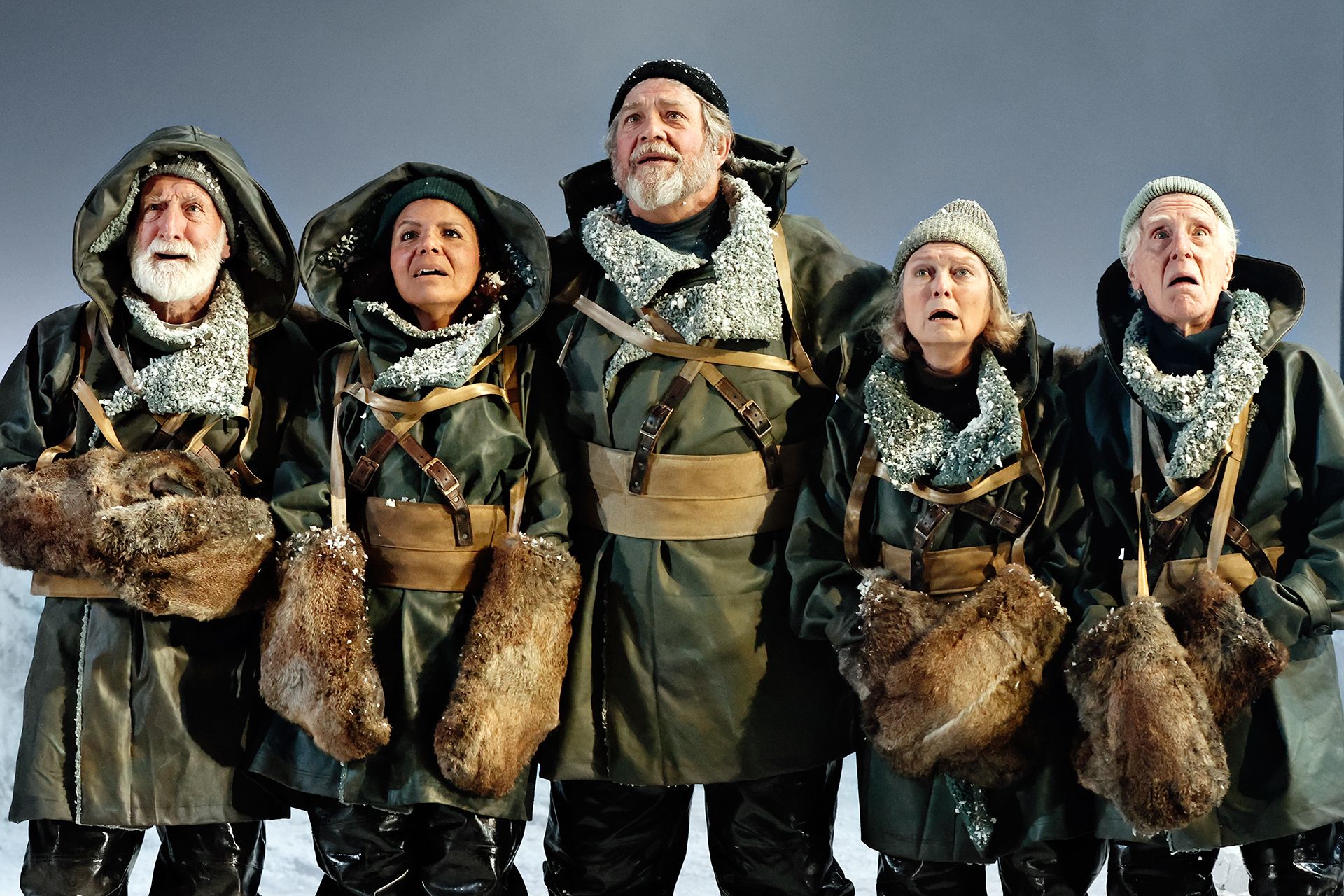
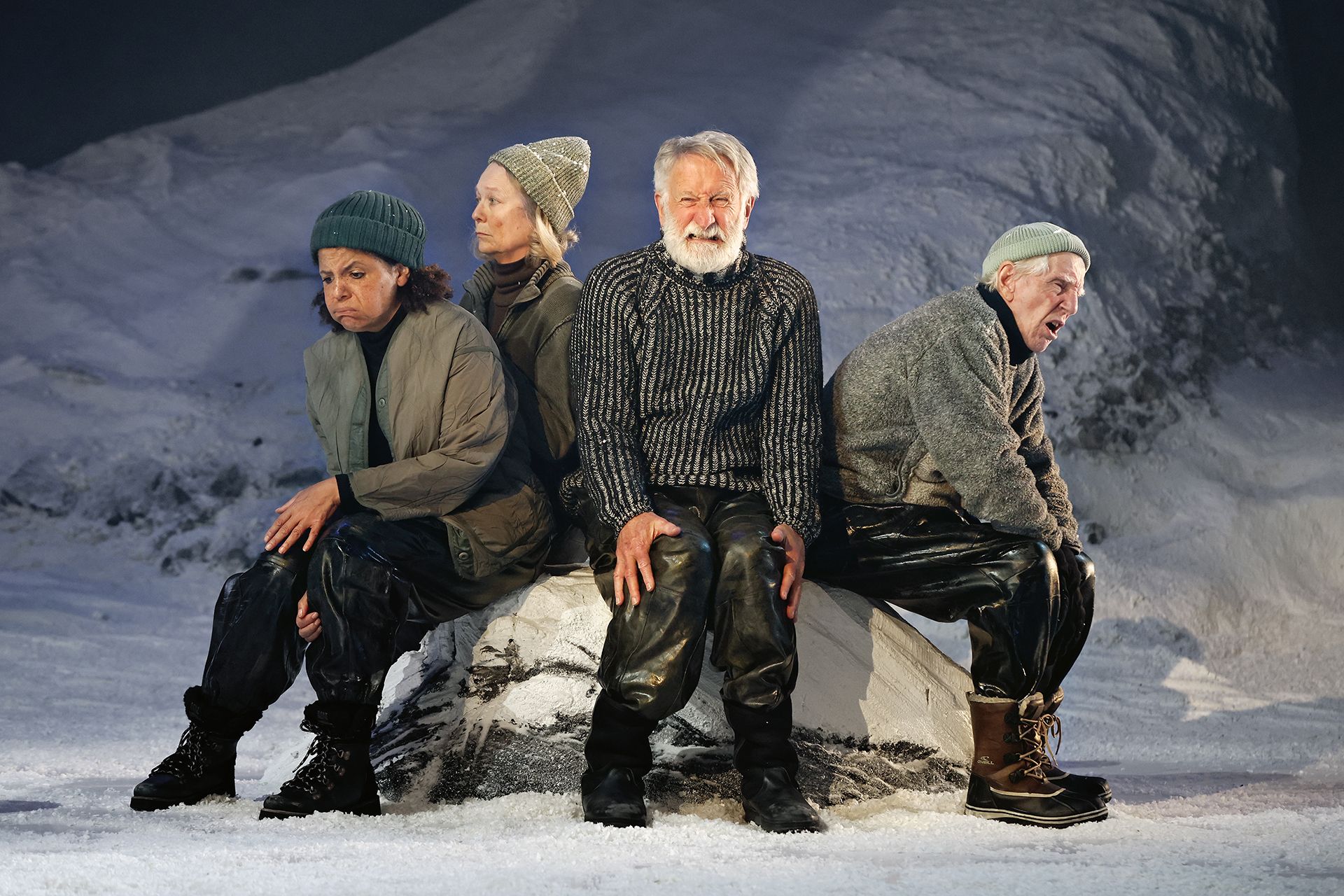
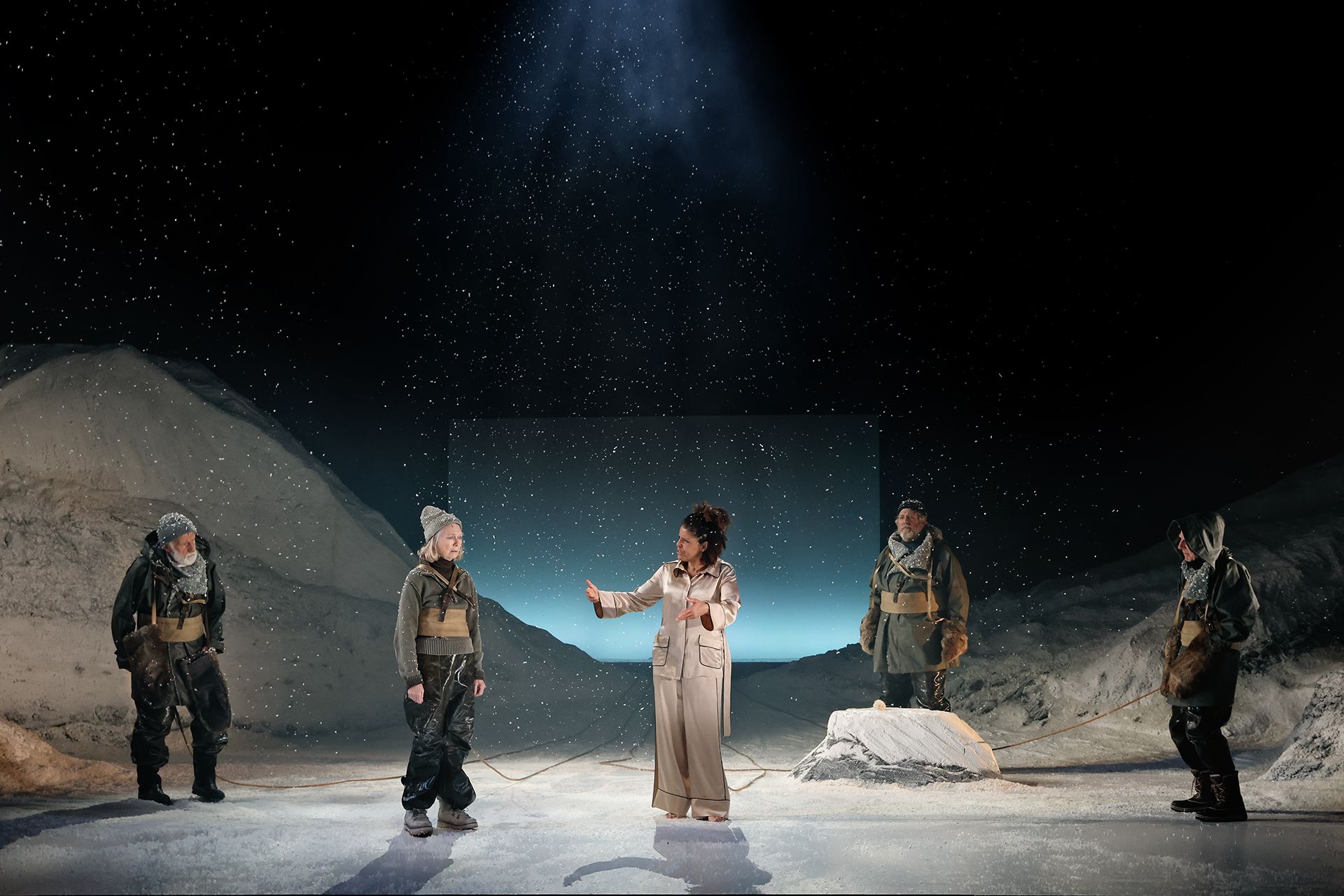
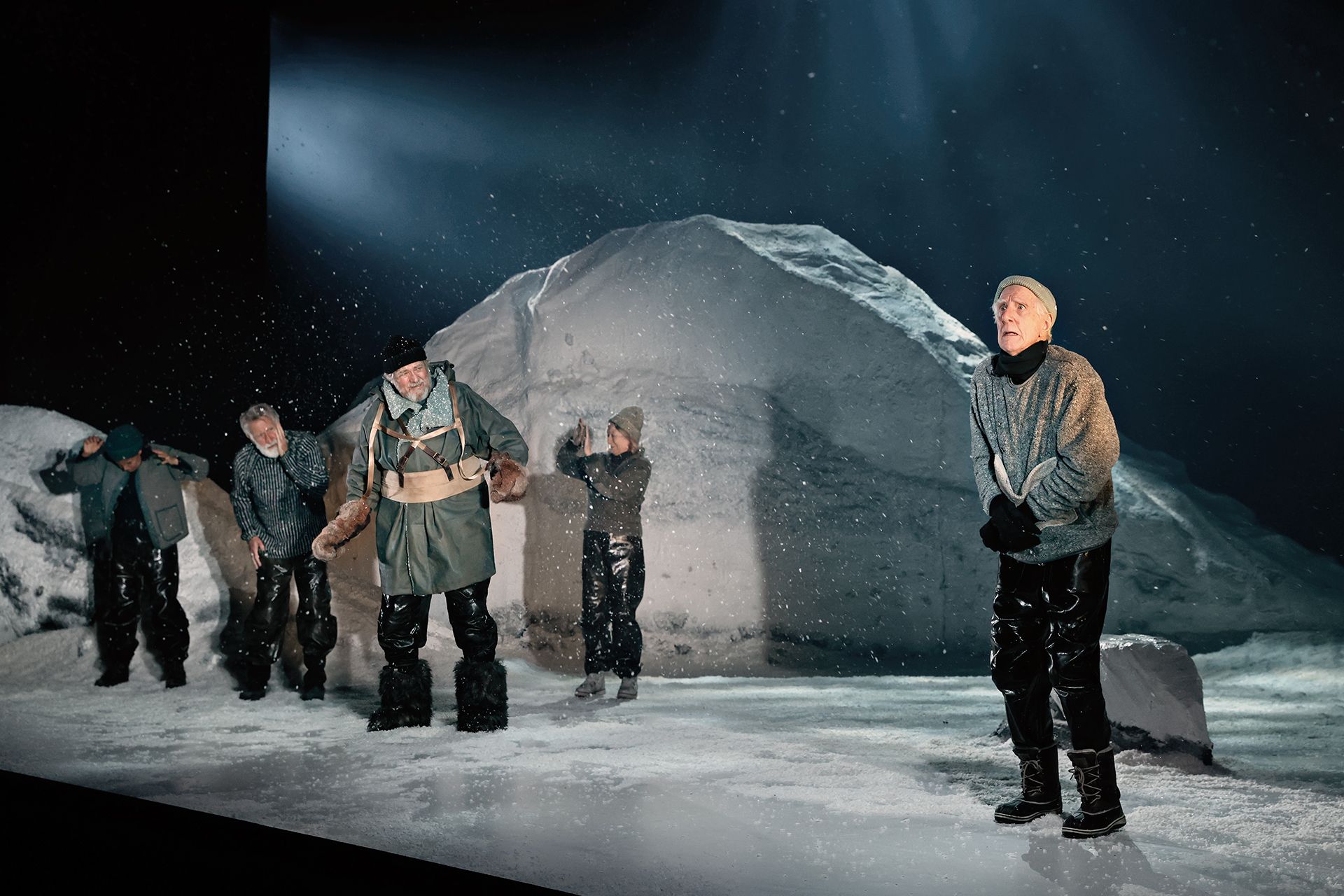
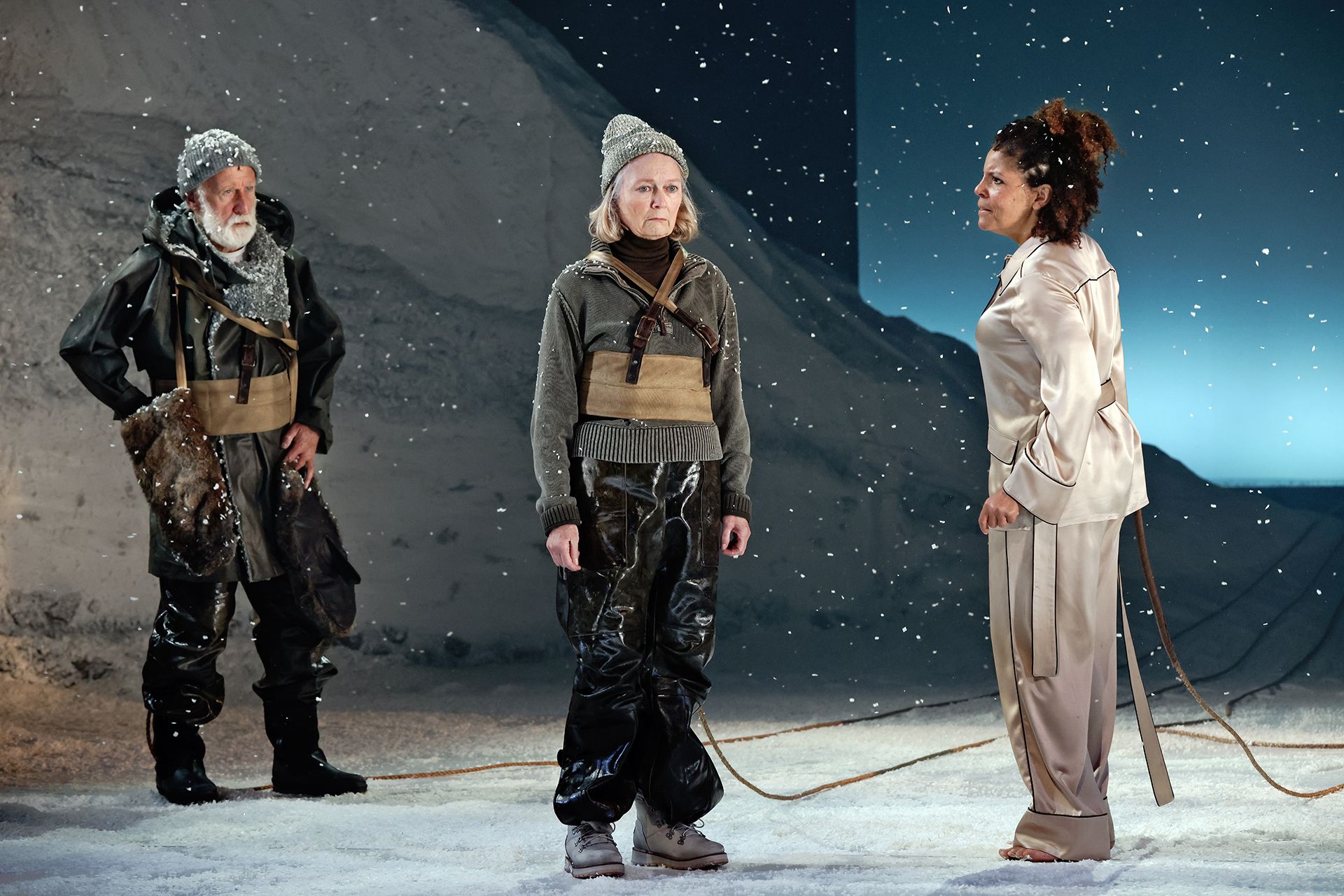
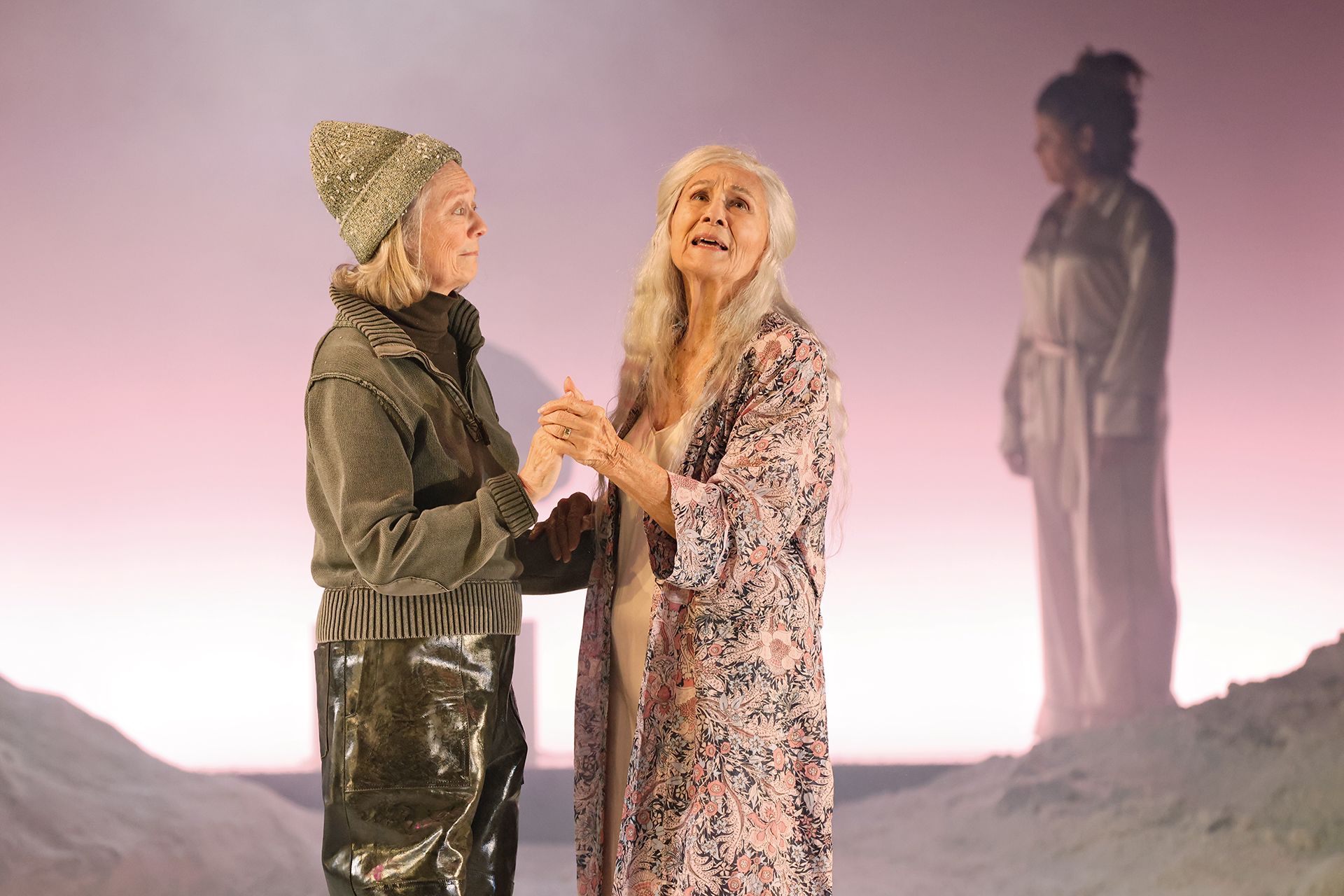
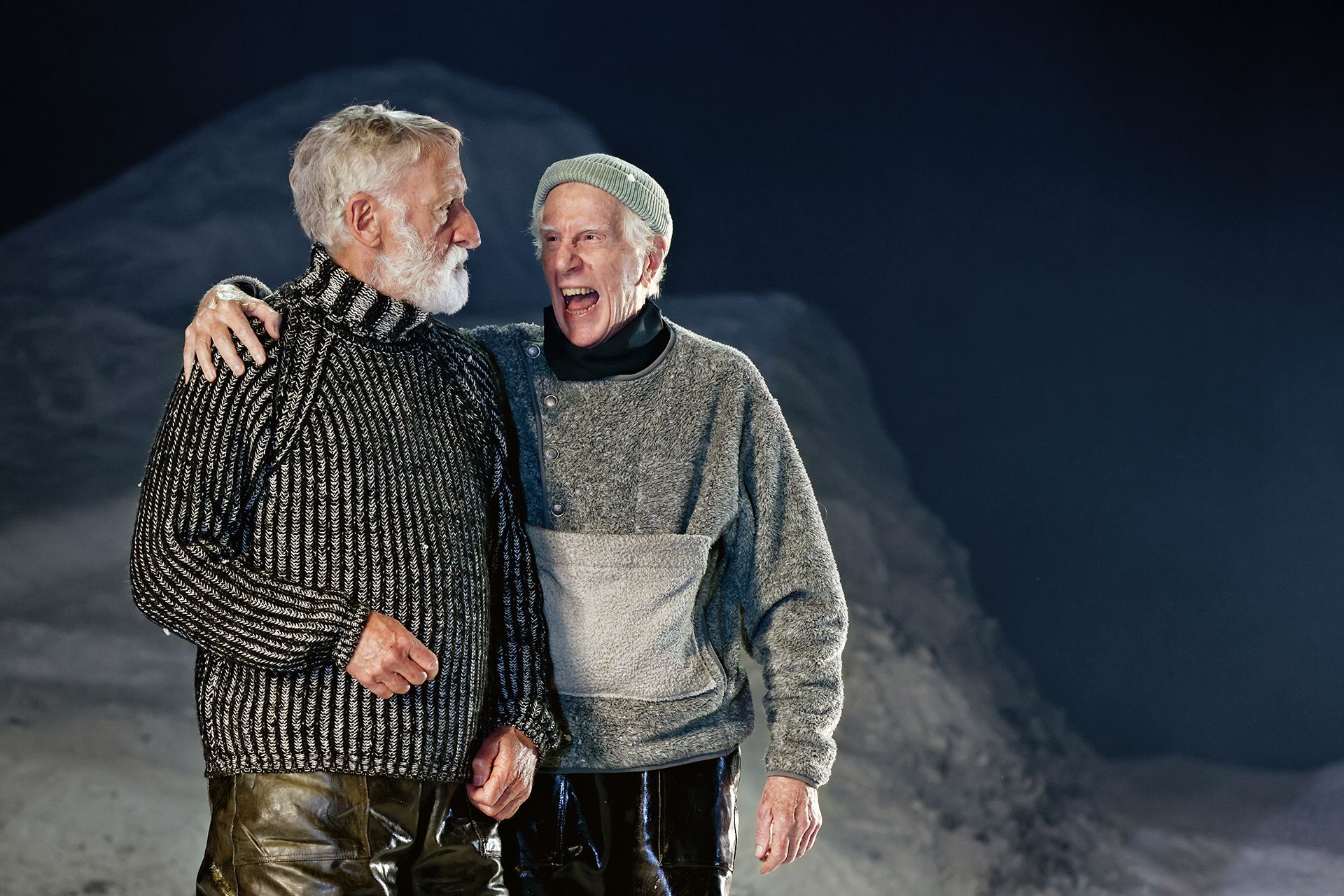
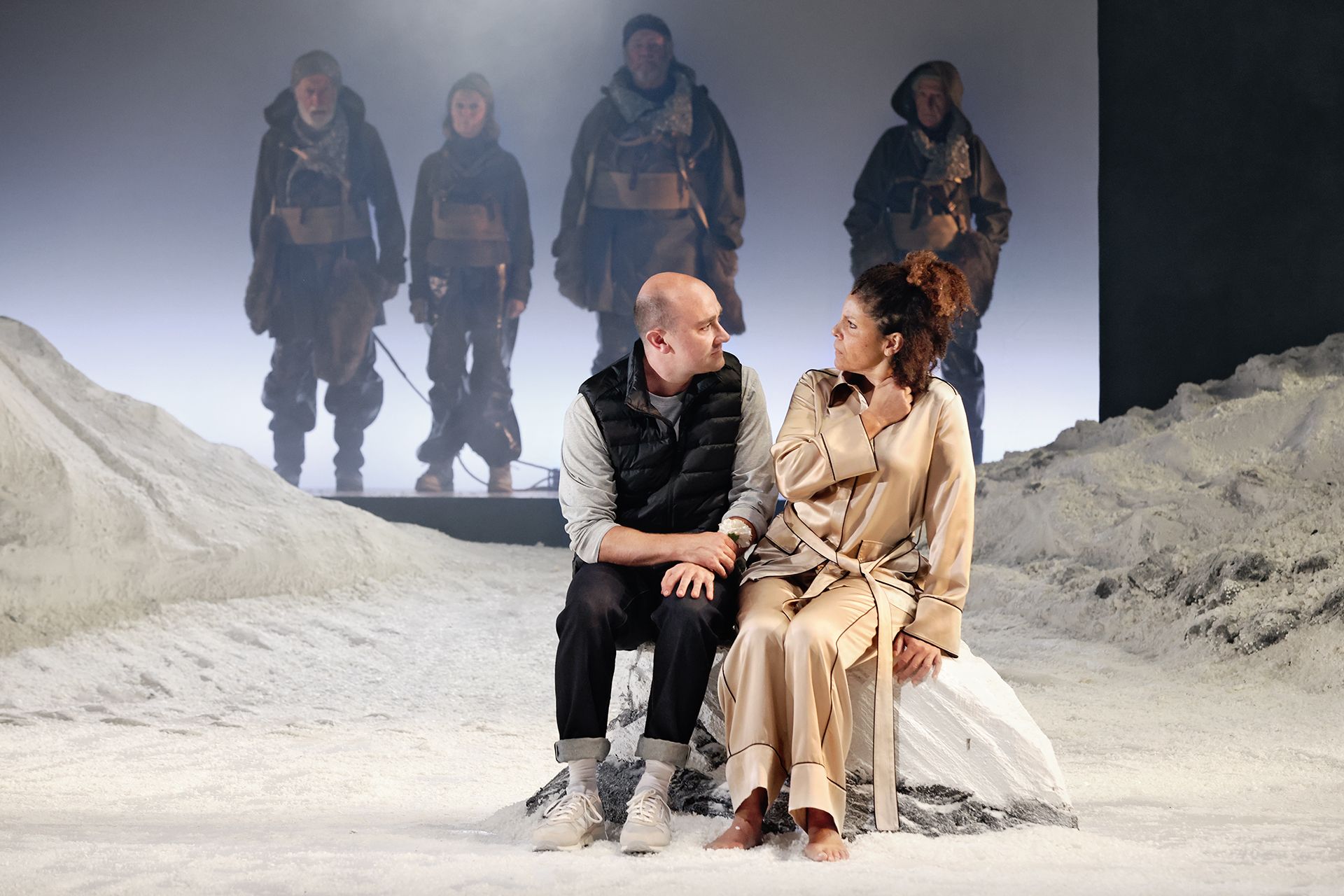
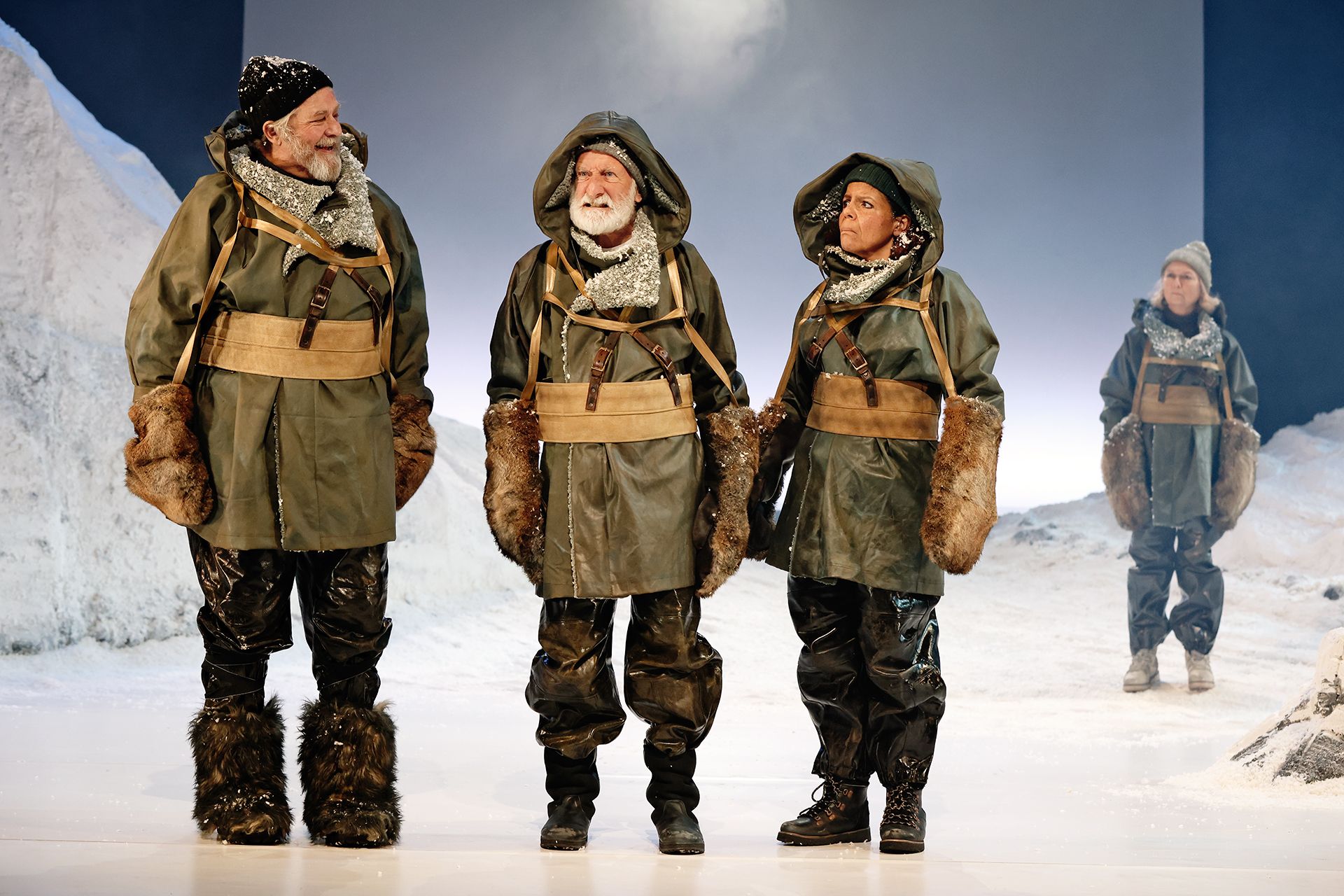
The Terra Nova Expedition, led by Robert Falcon Scott, departed from Cardiff, Wales, on June 15, 1910. That historic attempt to be the first to reach the South Pole may have been beaten by Norwegian explorer Roald Amundsen, but Scott’s team left behind an indelible legacy, along with a towering beacon of inspiration, as can be evidenced in Patricia Cornelius’ sublime Do Not Go Gentle.

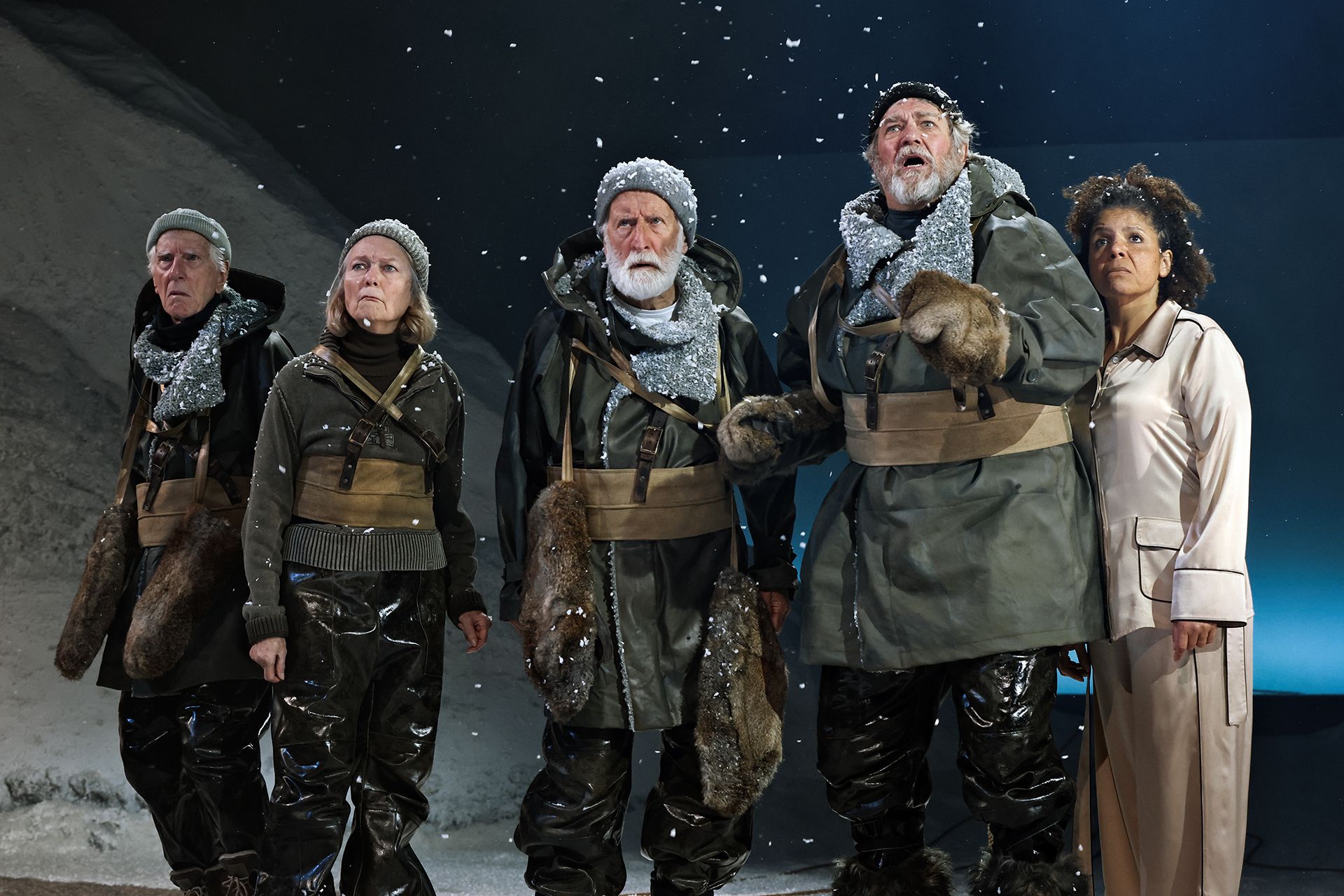
We encounter characters in Cornelius’ play when on their last legs of that fateful journey. The five young men from over a century ago, are transformed into elderly people approaching the very final chapter of life. The work delves into the subject of death, the only real certainty, yet routinely omitted from virtually all our interactions and discussions in Western contexts.

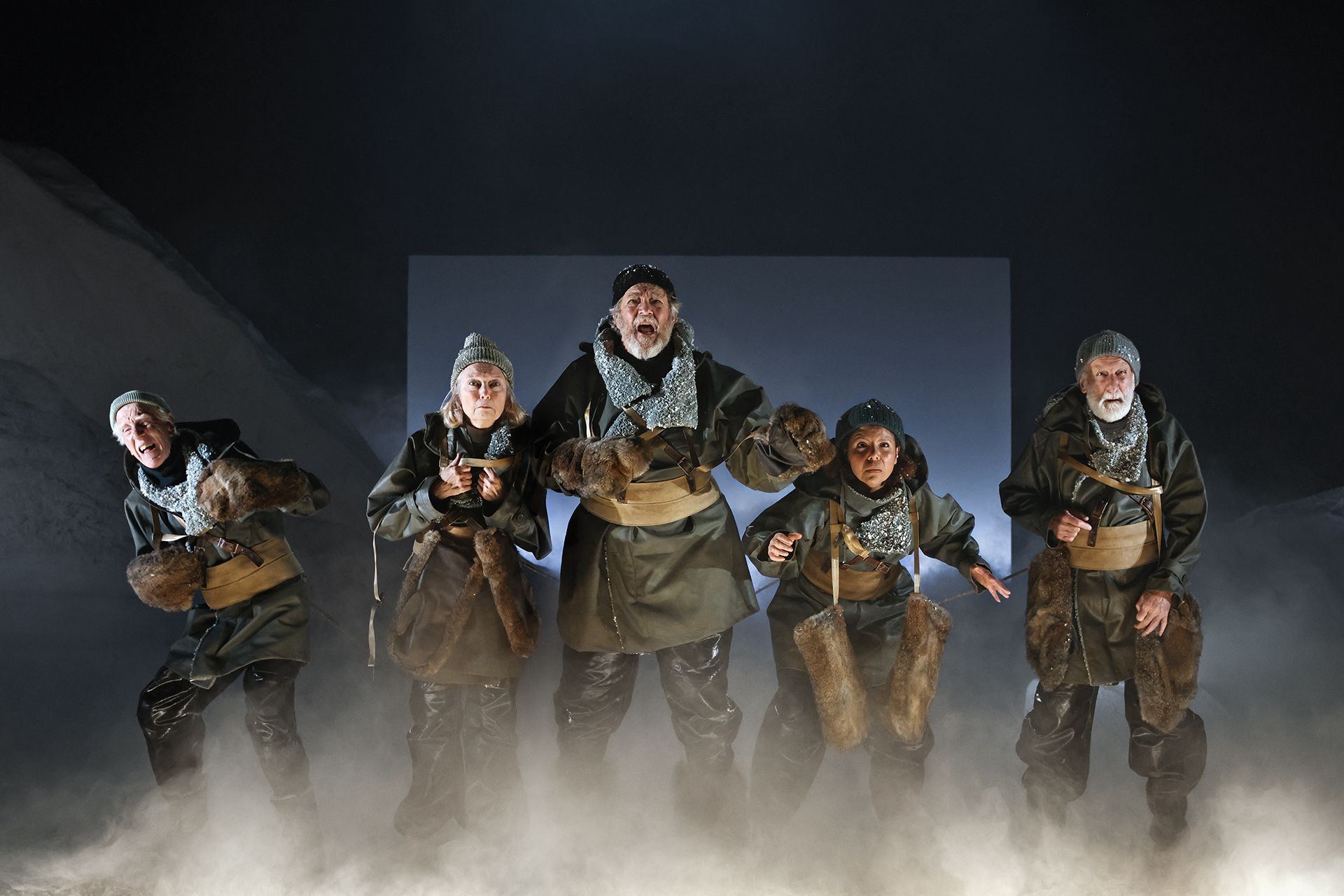
Do Not Go Gentle boldly explores some of our biggest fears, in order that we may reach the greatest truths, as is the purpose of our noblest artistic pursuits. There is so much that is meaningful and profound, in the most transcendent ways in Cornelius’ writing, and although director Paige Rattray admirably manufactures sensational spectacles for the blizzard filled production, it is invariably the intimate conversations that matter most.

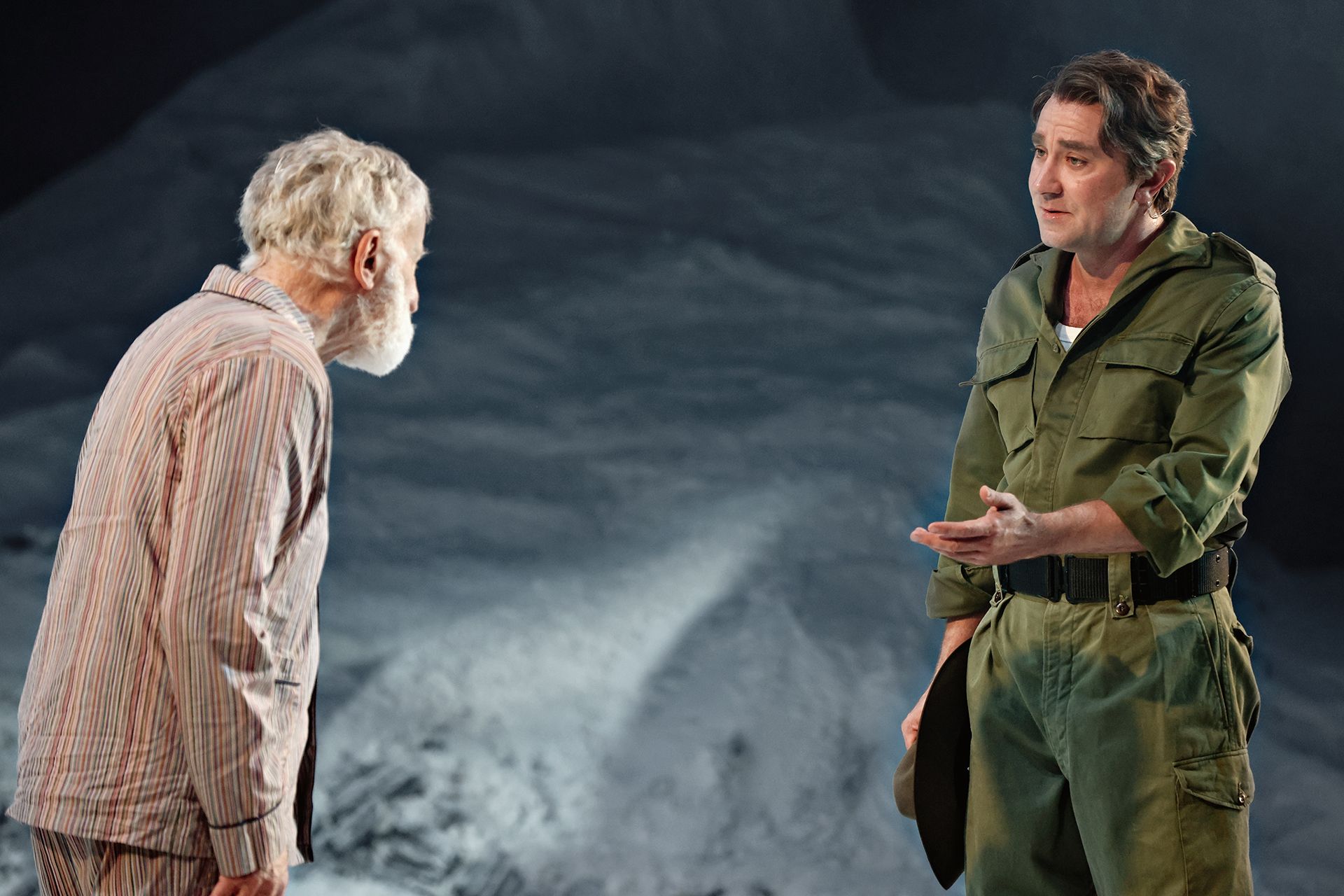
In the vast auditorium however, we can often feel too distant from those deeply introspective reflections. The cast is commendable for always being mindful of bringing amplification to these pearls of wisdom, so that we may hopefully go away with substantial portions of this wondrous text resonating in our heads. Playing the adventurers are Peter Carroll, Vanessa Downing, John Gaden, Philip Quast and Brigid Zengeni, who all bring excellent gravity and believability, to the fantastical philosophies of Do Not Go Gentle. Also captivating are Josh McConville and Marilyn Richardson, who play surprising support parts, adding valuable variation to the textures of this lyrical work.

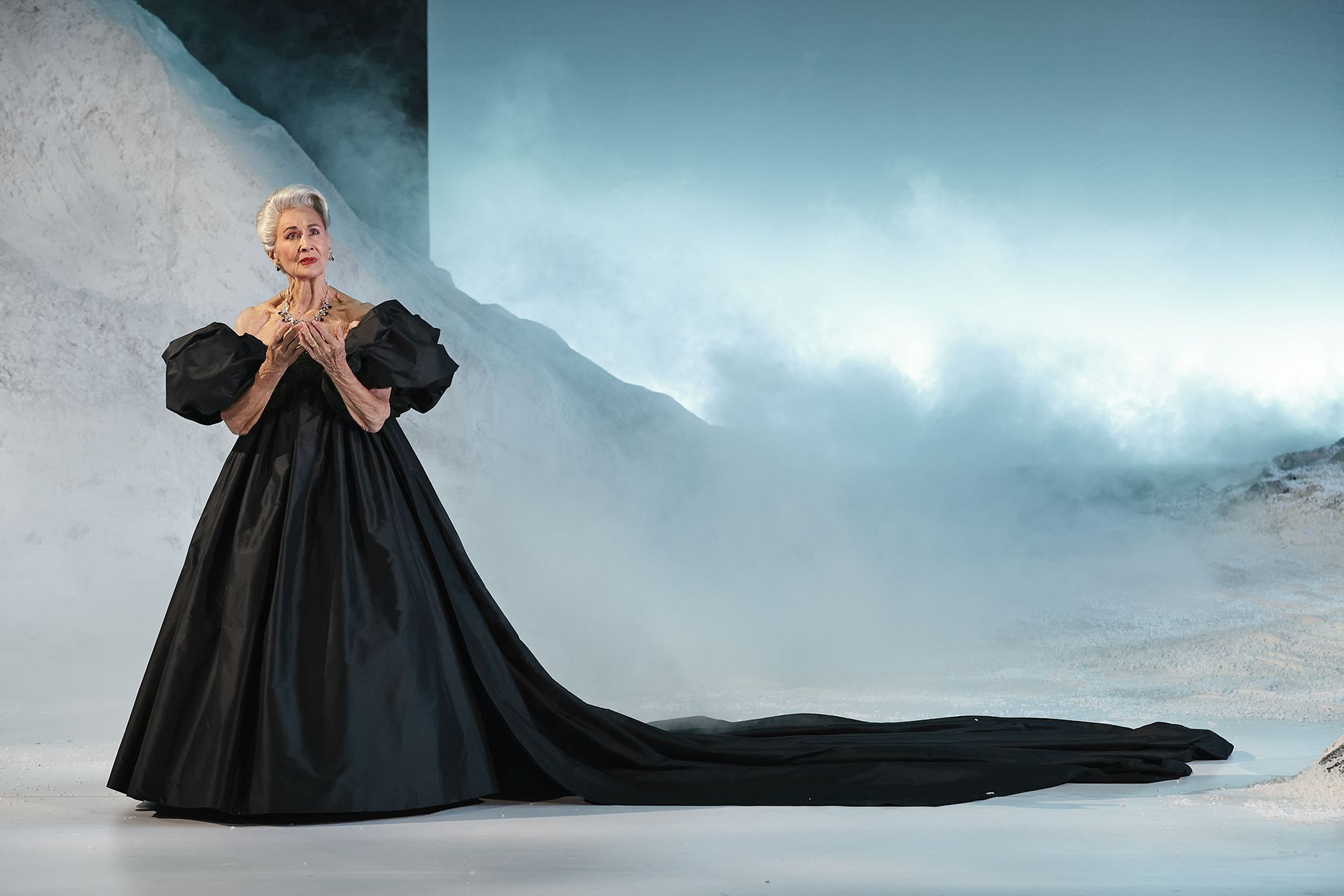
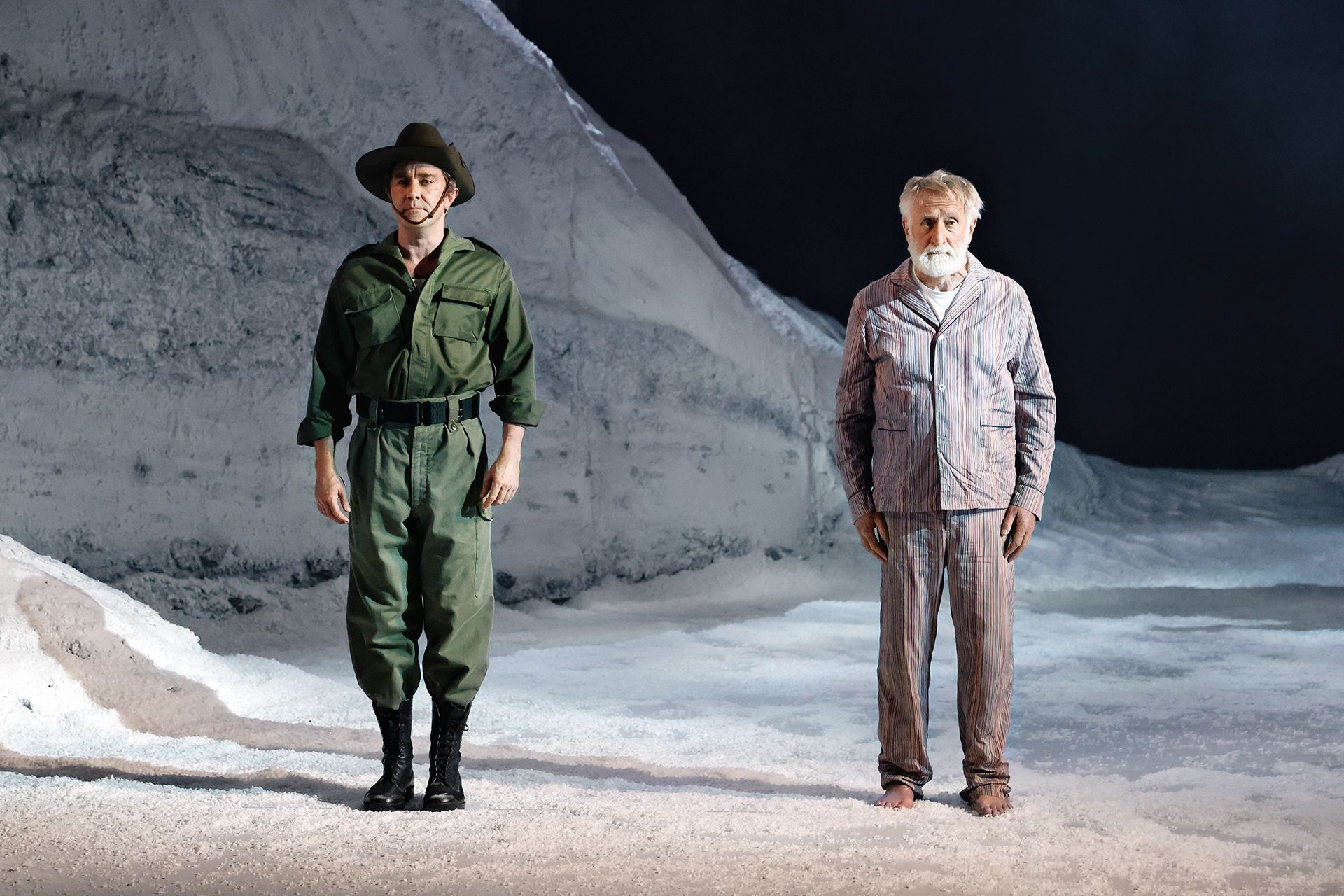
Set and costumes by Charles Davis are exquisitely designed to deliver both a sense of realism, along with the flamboyant theatricality expected of a lavish production. Paul Jackson’s lights are emotive and dramatic, effective at steering both our attention and our sentiments throughout the duration. Sound design by James Brown too is a powerful element, that helps connect us to a soulful beauty that regulates all the tumult encountered by Scott and his team.

Death is always close by, it is in fact omnipresent. In our colonised lives, not only do we have to act as though individuals are immortal, we are made to ignore the eternalness of our cosmos. Death then becomes a pervasive, persistent and insidious fear, one that completely upends our priorities, so that all our energies are expended on things that prove ultimately to be delusive and self-destructive. When we live as though we can cheat death, we are pretending that we are greater than the universe itself. The truth is in plain sight, but there is an arrogance that often prevents human submission to a greater order, and the price we pay for that hubris, grows bigger every moment.

www.sydneytheatre.com.au

Review: Suddenly Last Summer (Ensemble Theatre)

Venue: Ensemble Theatre (Kirribilli NSW), May 18 – Jun 10, 2023
Playwright: Tennessee Williams
Director: Shaun Rennie
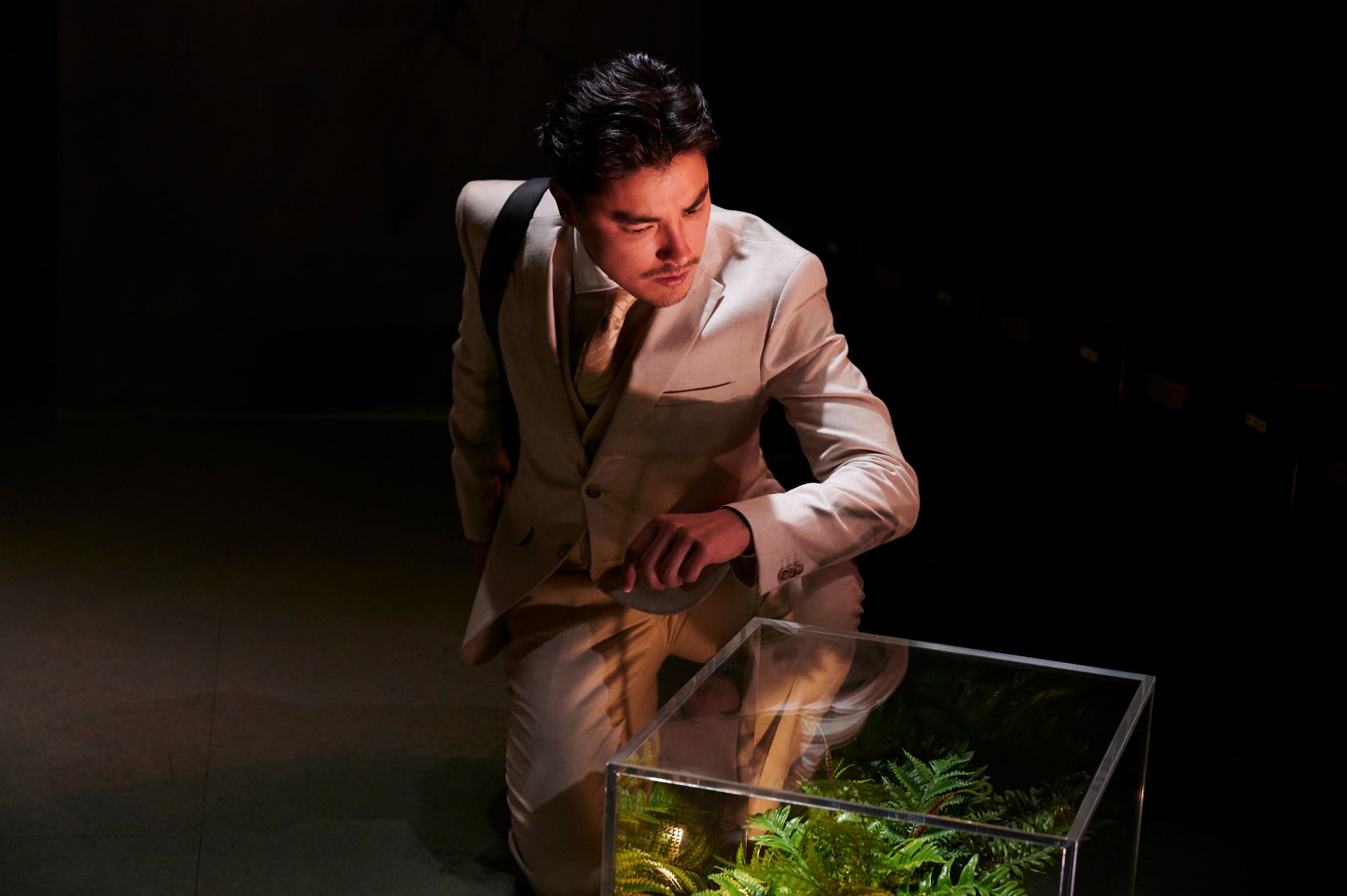
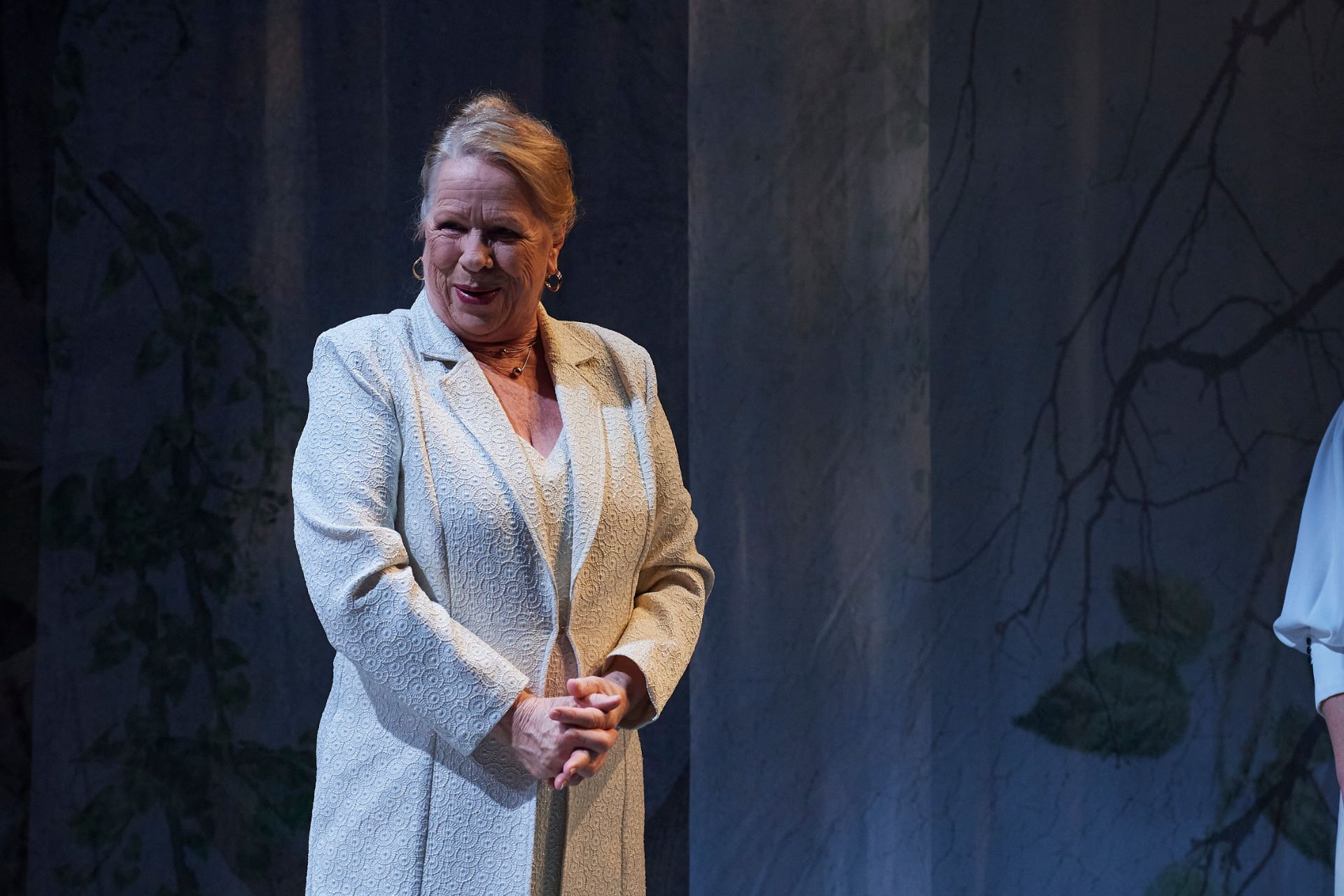
Cast: Valerie Bader, Andrea Demetriades, Belinda Giblin, Remy Hii, Socratis Otto, Kate Skinner
Images by Jaimi Joy

Theatre review

The poeticism of Tennessee Williams’ Suddenly Last Summer tells a story of mystery and obfuscation surrounding the death of a certain Sebastian Venable. Violet, the mother of Sebastian, feigns ignorance and is so determined to suppress the truth that she confines Catharine Holly, her son’s cousin and eyewitness, in a mental institution. It becomes increasingly evident, that if Catharine’s testimony is allowed to emerge, untold harm would come to the Venable name.

The play was first staged in 1958, but the concept of shame, remains very much a part of the human experience. Director Shaun Rennie conveys with great efficacy, the intensity with which these characters have to succumb to the prospect of reputation ruin. There is no questioning the severity of stakes involved, and an unmistakable escalation of dramatic tension through the piece proves deliciously satisfying.

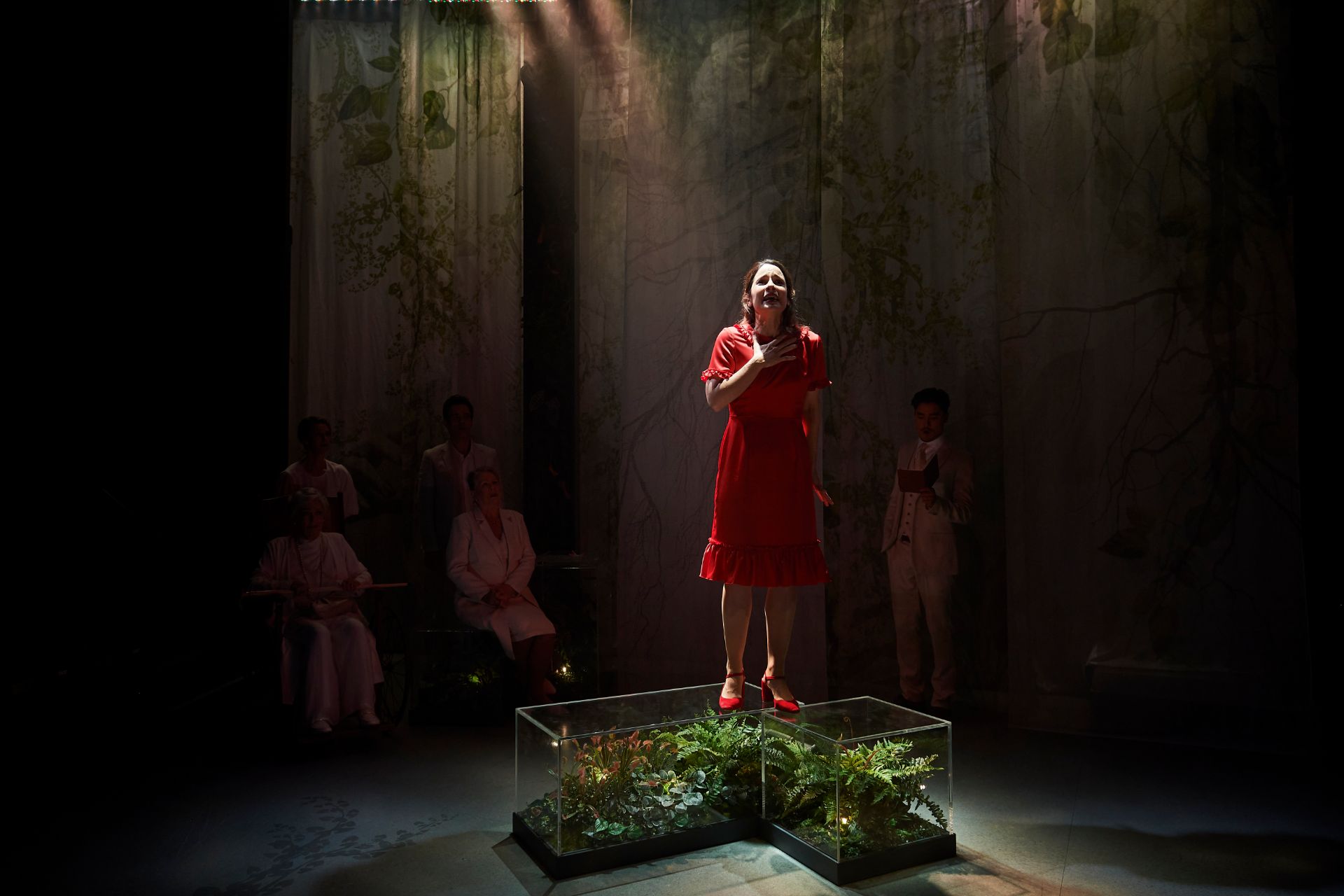
Music and sound by Kelly Ryall is crucial in communicating so unambiguously, the mounting pressure that occurs through the production. Ryall’s renderings of atmosphere bear a surreal quality, that melds beautifully with the lyrical style of Williams’ writing. Lights by Morgan Moroney too, transport us somewhere decidedly dreamlike, perhaps commensurate with the altered states experienced by a heavily medicated Catharine. Set and costumes by Simone Romaniuk are subdued by comparison, but are nonetheless elegant in their depictions of space.

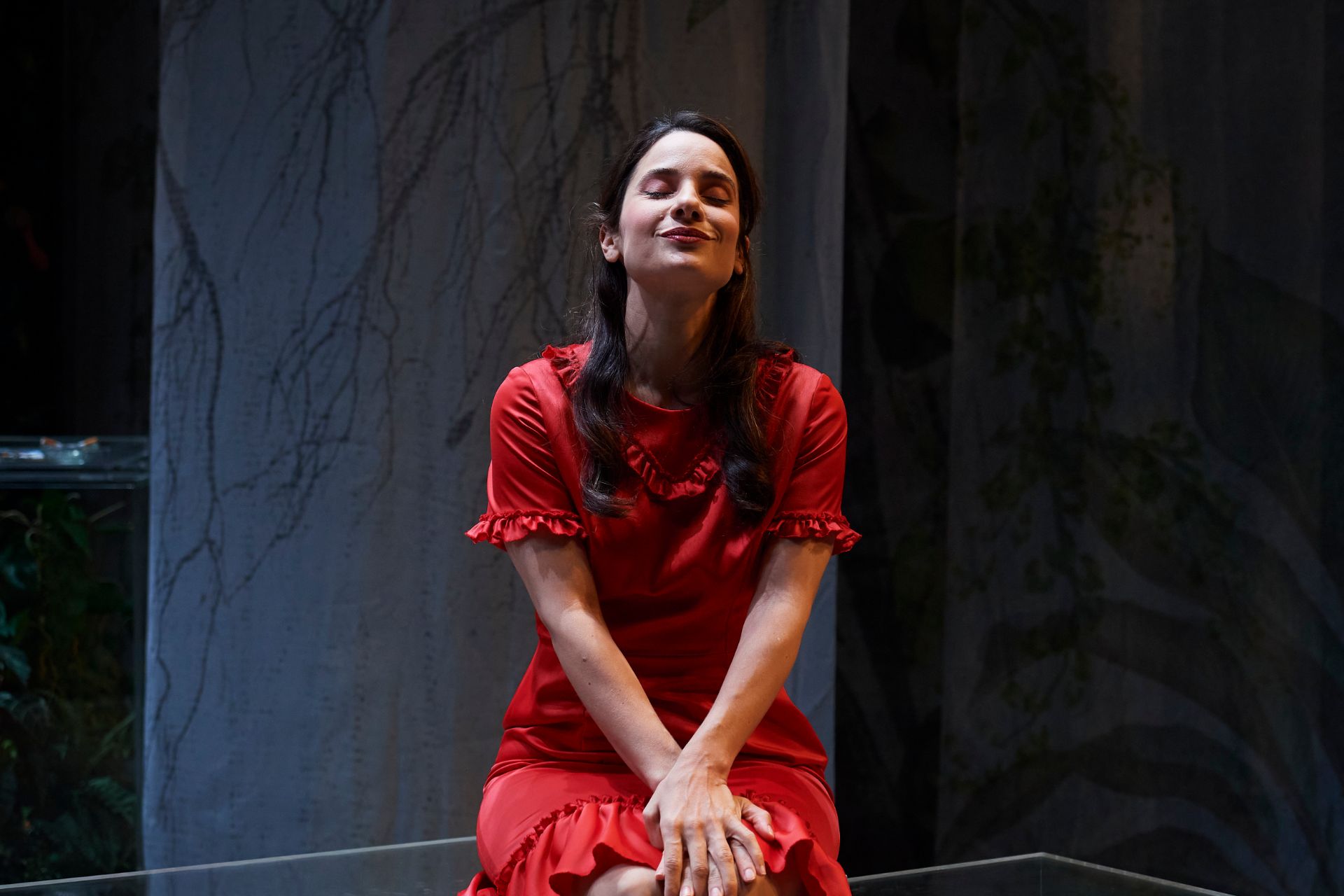
Actor Andrea Demetriades is splendid as Catharine, elastic in her capacity to portray a wide variety of psychological conditions, and mesmerically powerful when required to take the theatre to a fever pitch, at its concluding moments. The deceptive Violet is played by Belinda Giblin, who impresses with a meticulous approach to her character’s obscured complexities. Remy Hii as Dr. Cukrowicz is memorable for introducing an austerity to the health professional’s ethically suspect actions. The ephemeral essence of American Southern-ness is not always represented perfectly in the show, but Valerie Bader, Socratis Otto and Kate Skinner, who although play auxiliary parts, are all marvellously adept at creating for us, that very beguiling and distinct flavour.

Tennessee Williams was prohibited from living a completely authentic life. His queerness was outlawed, and in Suddenly Last Summer we see how that homophobia had manifested, within the queer artist’s mind. The play makes statements about a kind of self-hatred that we are prone to acquire, as a result of persistent and pervasive gaslighting. It also functions as a valuable historical artefact, in which a queer artist is only able to occupy space in his own work, by inflicting on himself the same exhaustive denigration, made obligatory by dominant forces of those times. Things do change, but in Suddenly Last Summer, the appalling way we treat the marginalised, only seems to turn increasingly grim with time.

www.ensemble.com.au

Review: Tina (Theatre Royal)

Venue: Theatre Royal (Sydney NSW), from May 2023
Book: Katori Hall, Frank Ketelaar, Kees Prins
Director: Phyllida Lloyd
Cast: Cayden Dosoruth, Blake Erickson, Jayme-Lee Hanekon, Ilbinabo Jack, Amara Kavaliku, Abu Kebe, Rishab Kern, Nadia Komazec, Jenni Little, David Mairs, Ruva Ngwenya, Emily Nkomo, Camile Nko’o, Tim Omaji, John O’Hara, Matthew Prime, Tendai Rinomhota, Rebecca Selley, Tigist Strode, Augie Tchantcho, Mat Verevis
Images by Daniel Boud

Theatre review
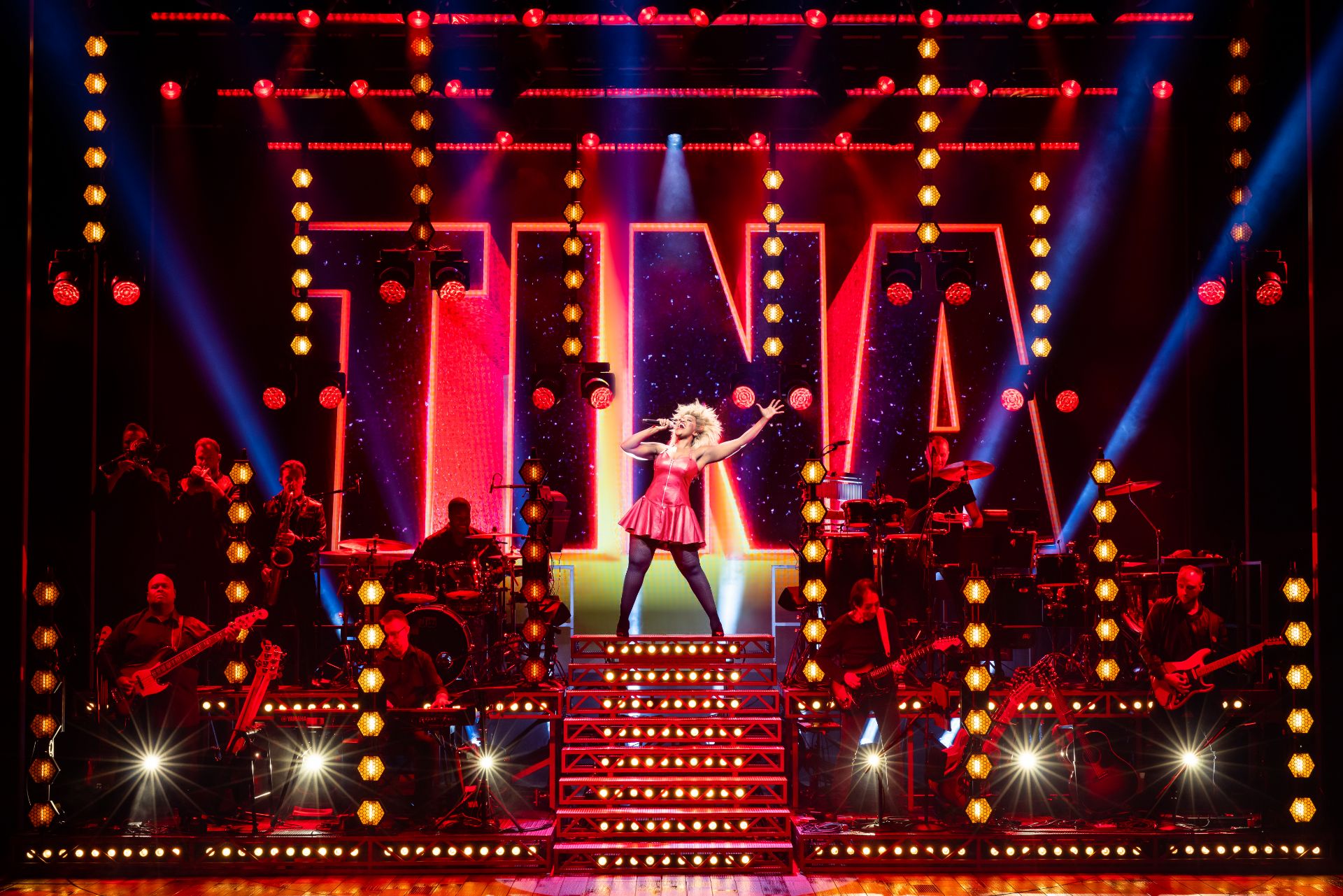
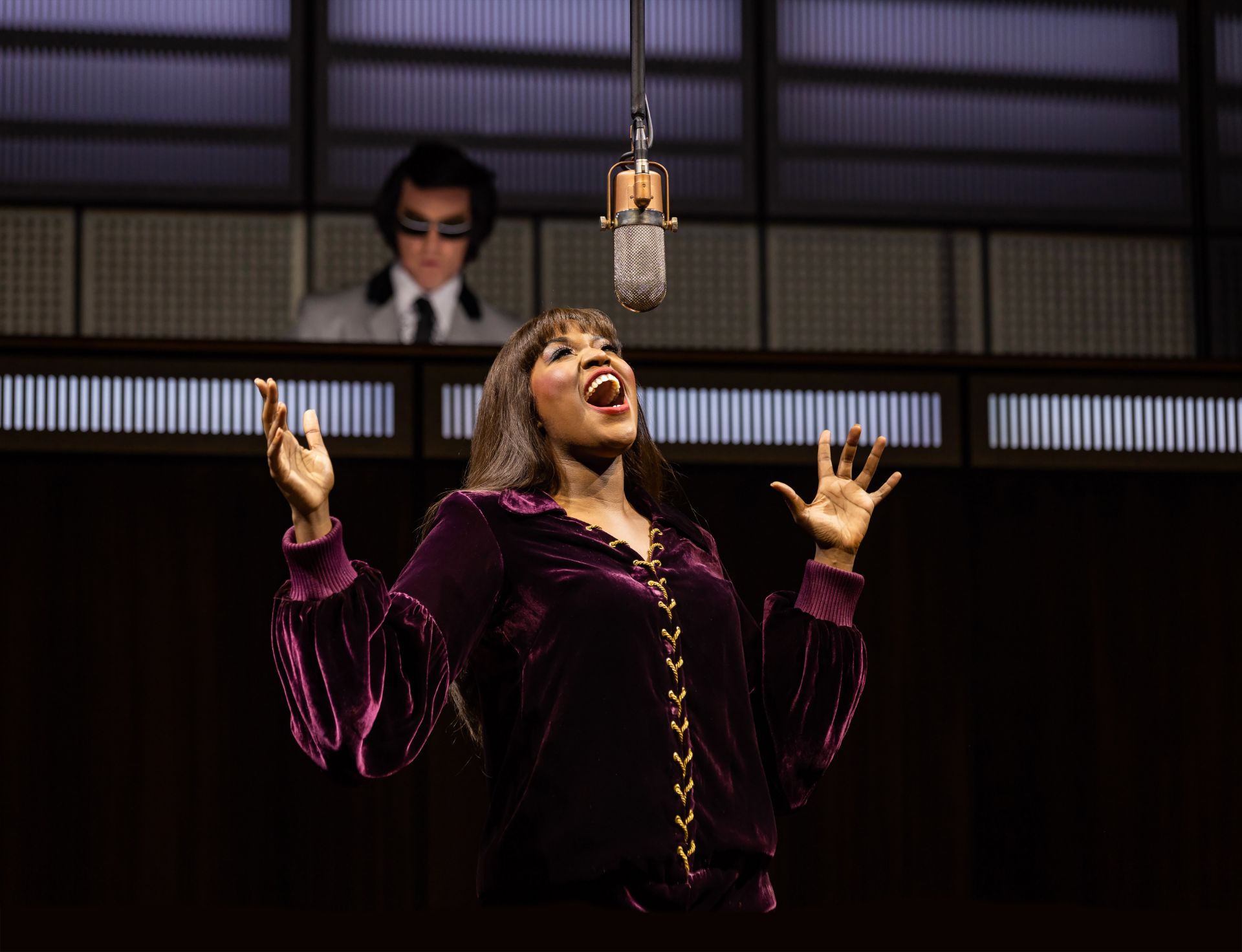
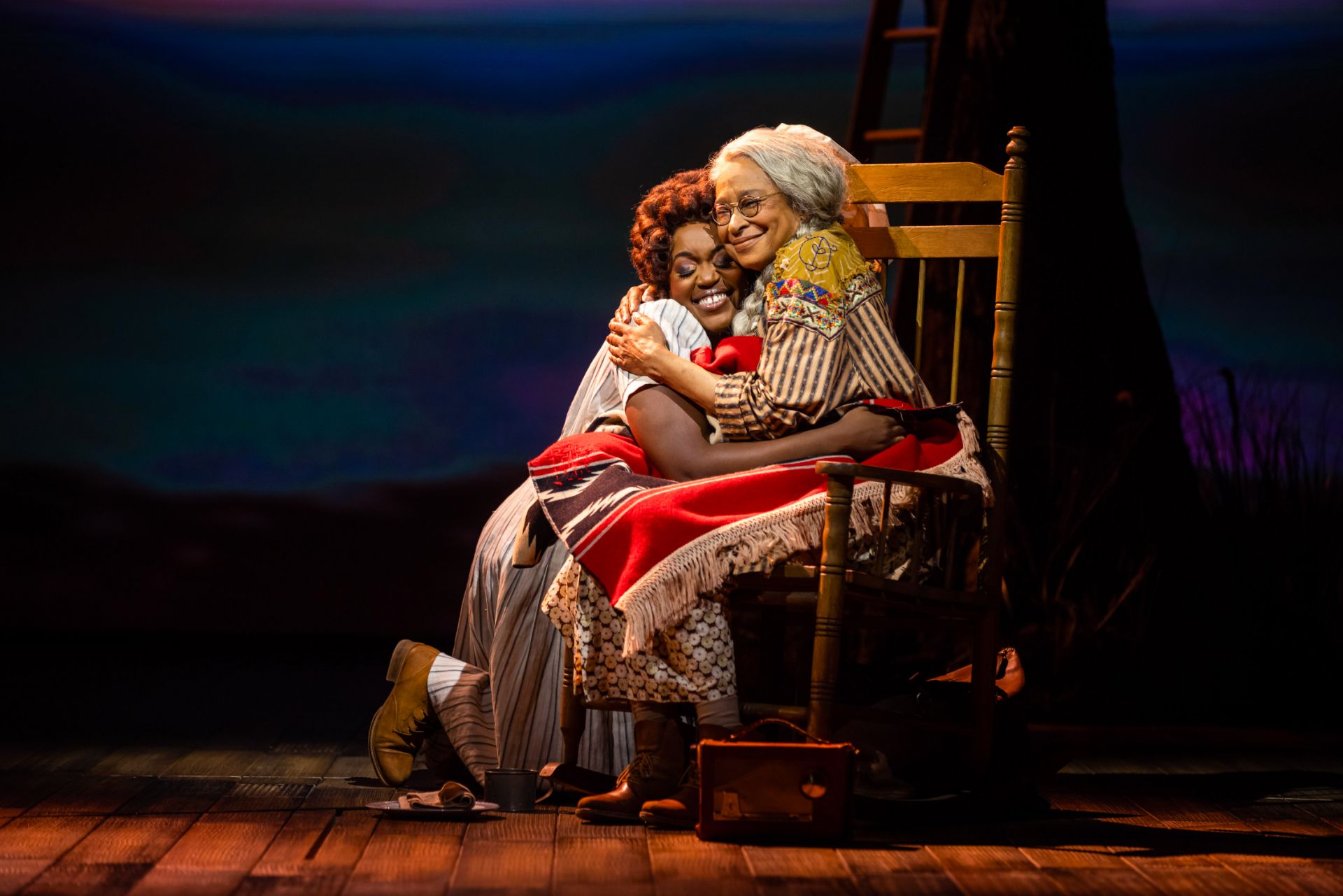
Rock star Tina Turner’s triumph over hardship, during her earlier years, is a story that has defined her entire public persona. Indeed, many have identified that legendary emergence from tragedy, to be a real  source of inspiration, and it is that period of her life we revisit in the 2018 musical Tina.

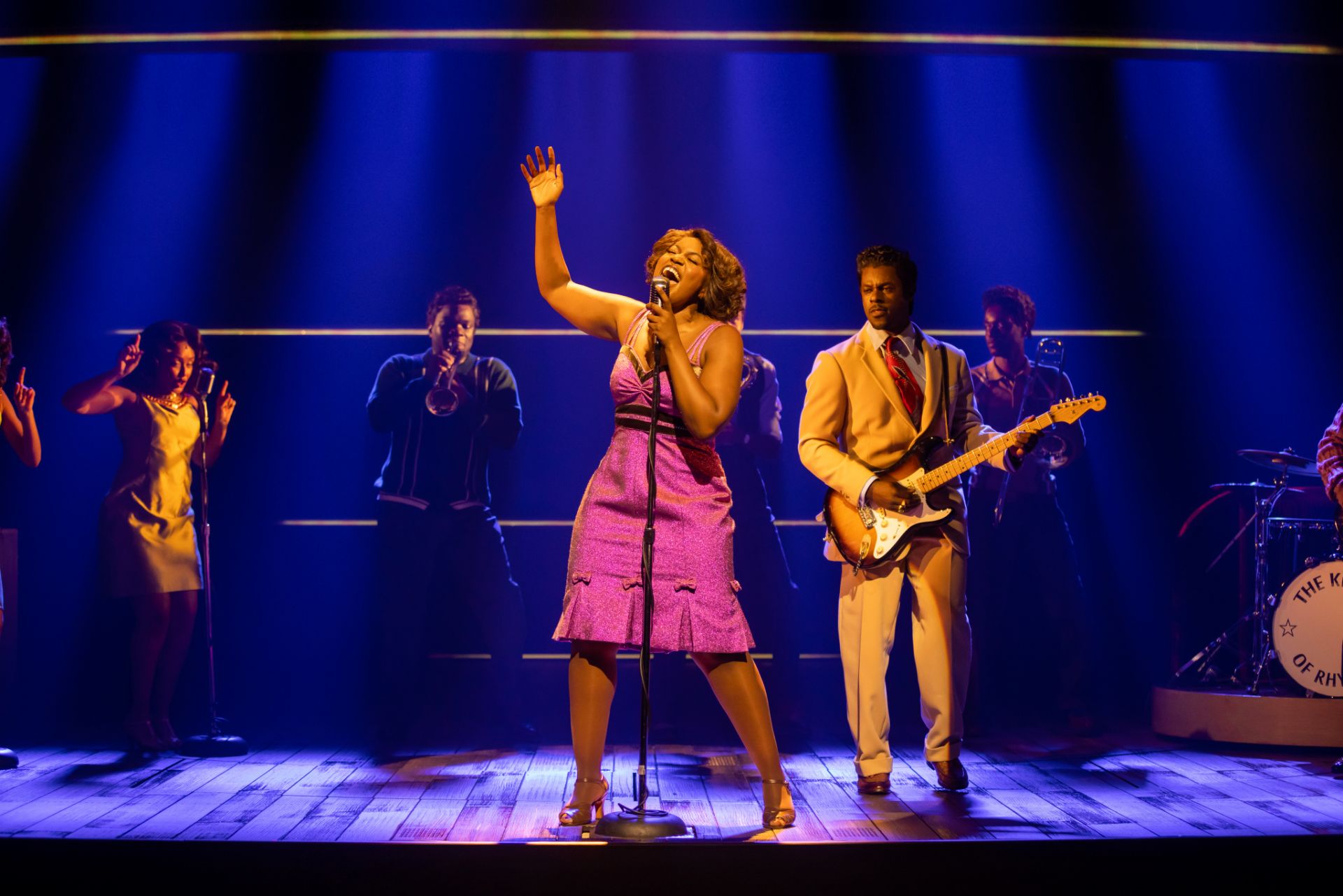
Comprised of songs from Turner’s multi-decade career, the show is never short of nostalgia, many of which are likely to deliver moments of sheer transcendence. The plot however, does not prove to be quite as gripping, with a book that although preserves a sense of integrity for Turner’s narrative, can feel somewhat theatrically lacklustre.

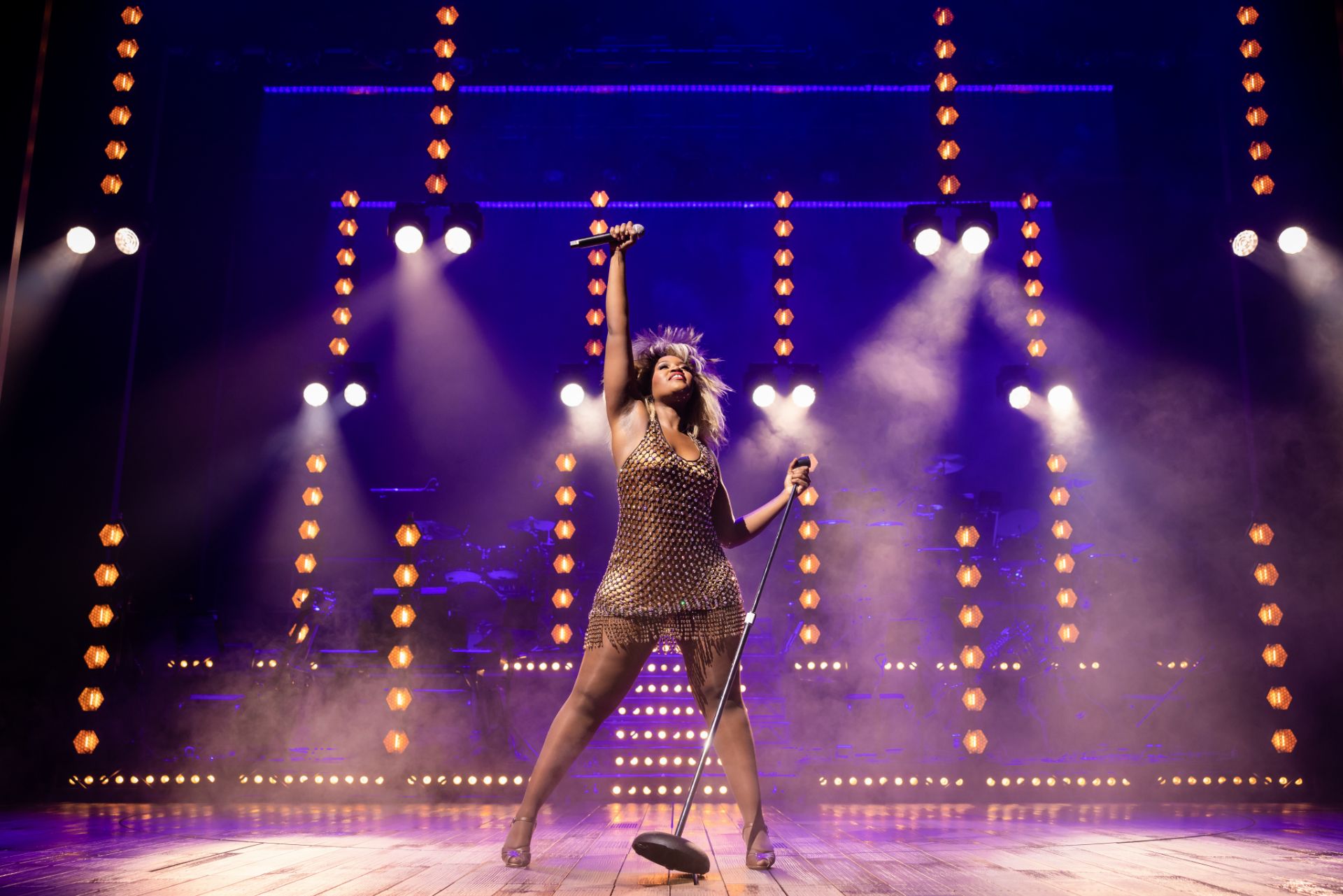
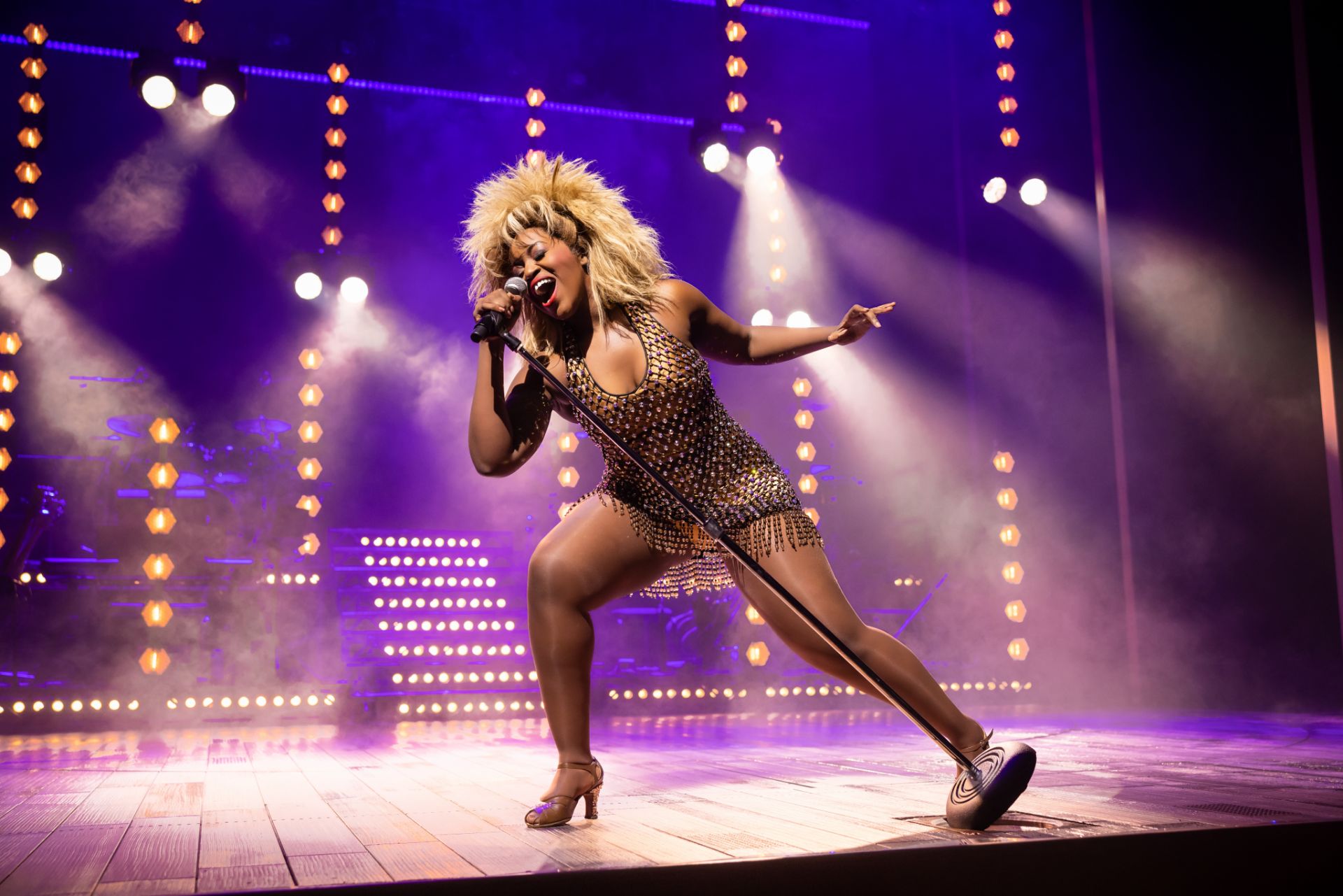
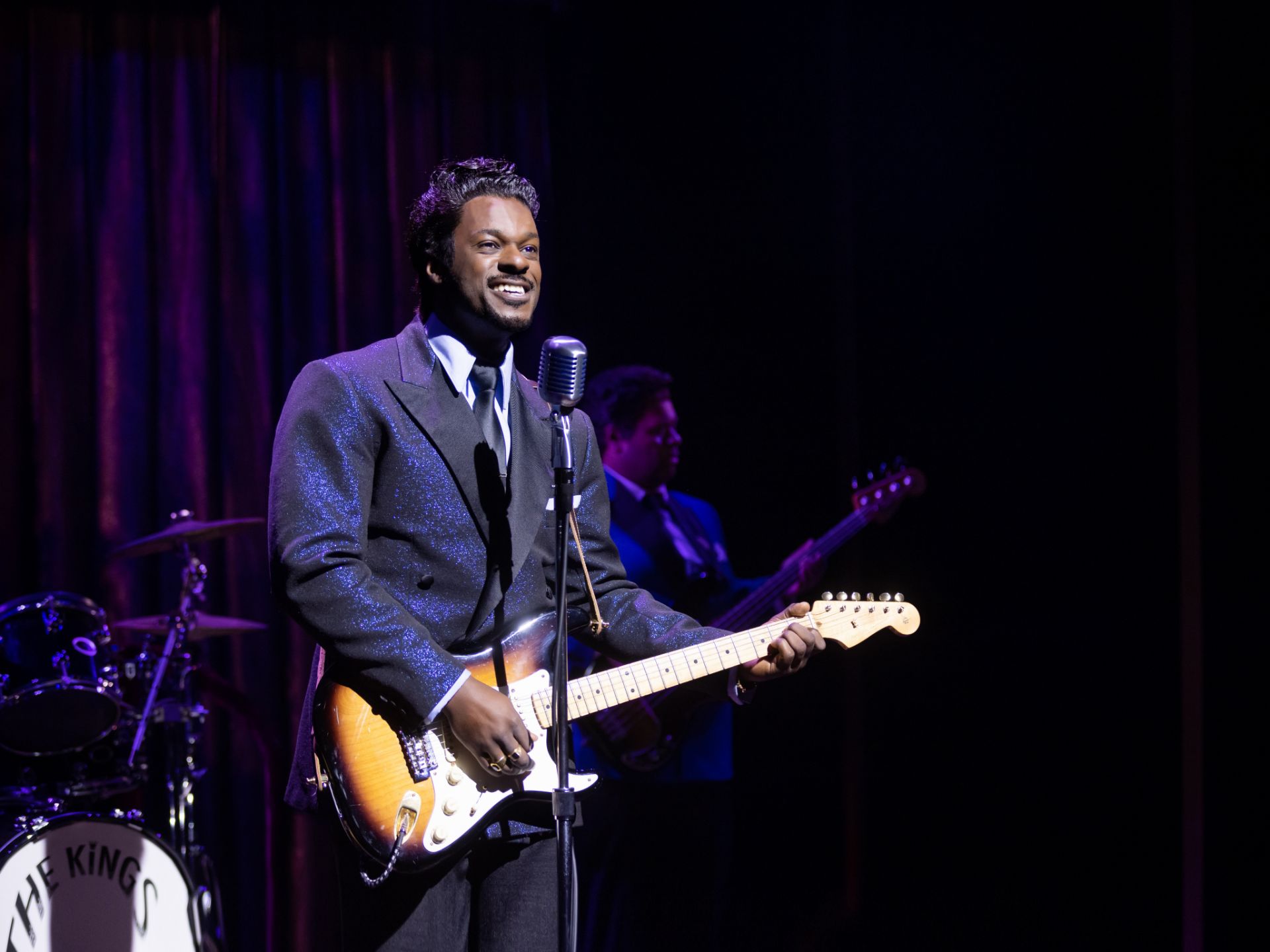
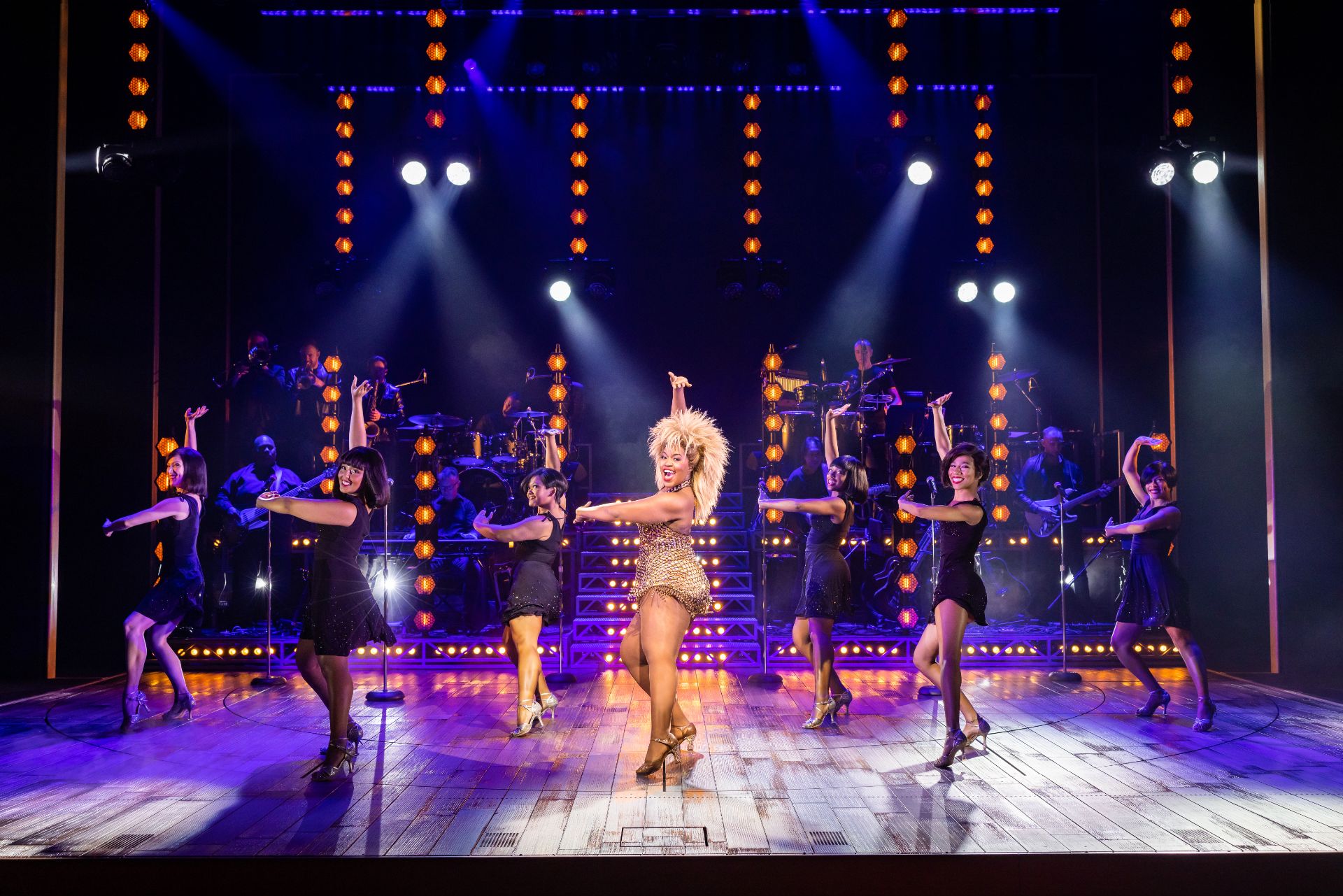
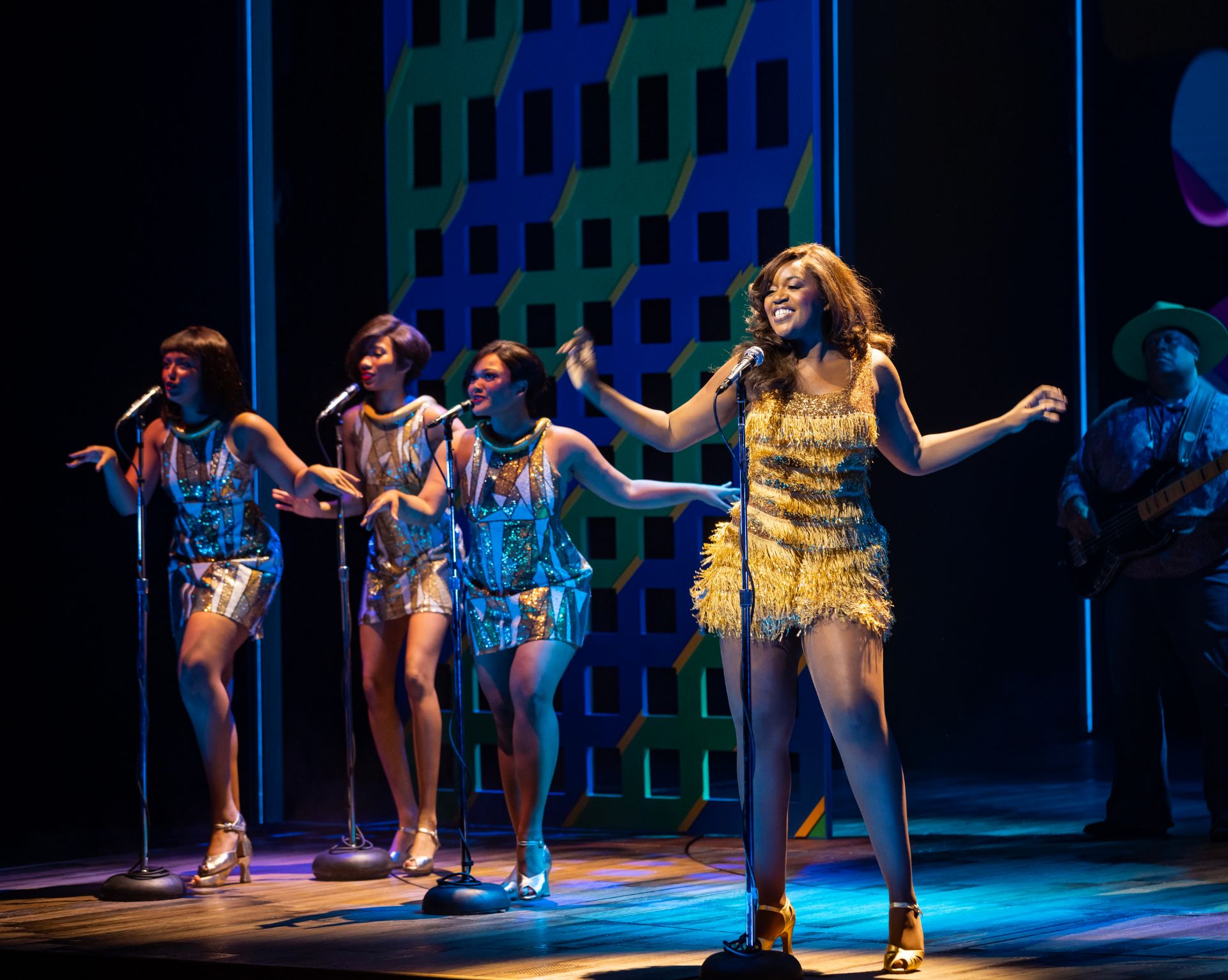
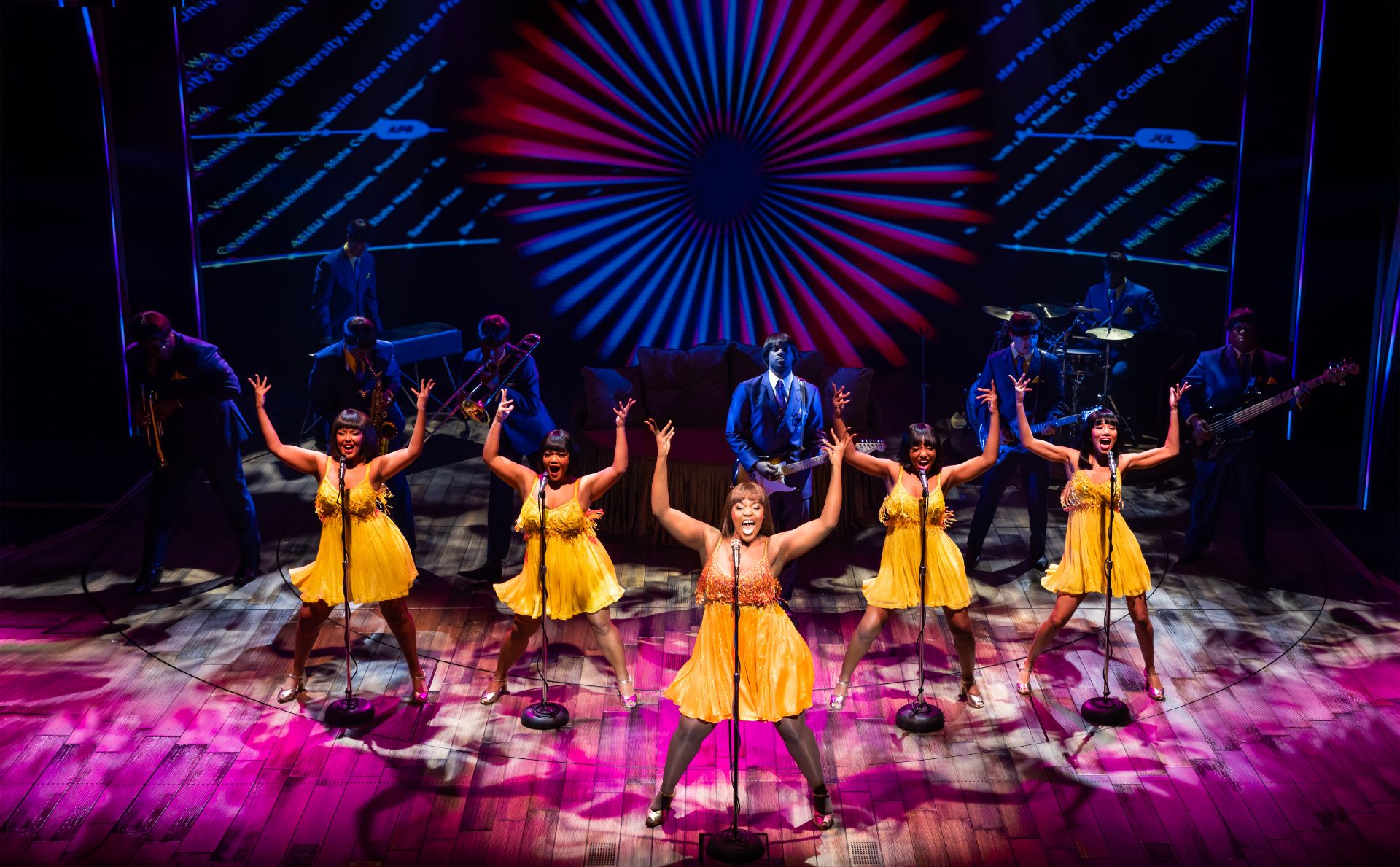
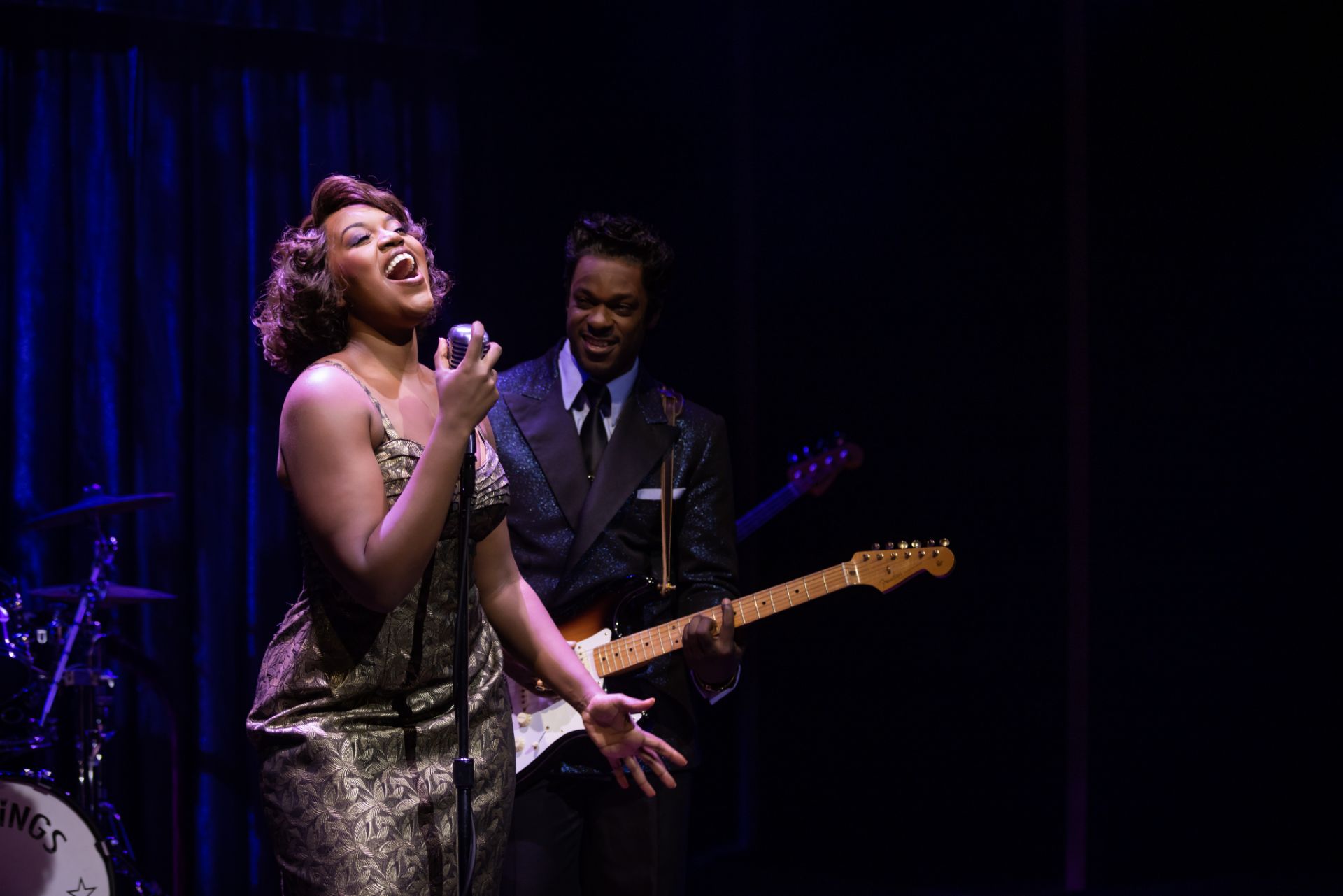
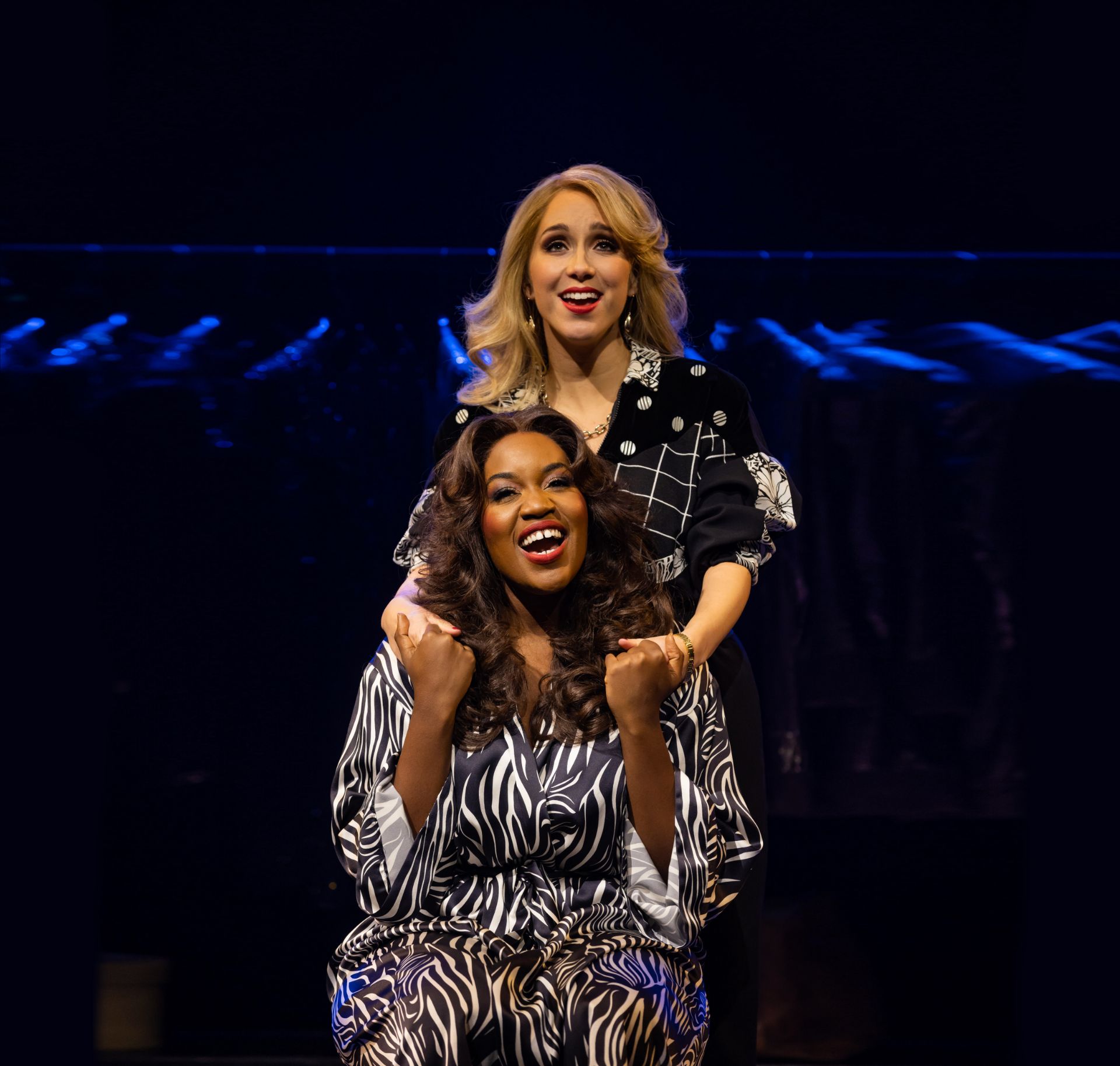
Fortunately, the production breaks into song often enough, and with Ruva Ngwenya in the lead role, providing near flawless performances of musical numbers, the experience is made worthwhile. Ike Turner is played by Tim Omaji who brings extraordinary charisma to a perhaps undeserving character, but nonetheless delivers confidently to leave us impressed and entertained.

Tina might be strangely unmoving as a dramatic production, but there is no denying the power of Turner’s legacy, along with the collective memory and immeasurable goodwill that surrounds her. All we want is to see her in all her glory, and in these effervescent re-enactments of moments from a brilliant woman’s life, we are able to witness up close and personal, the best of a star truly loved.

www.tinathemusical.com.au

Review: Metropolis (Hayes Theatre)

Venue: Hayes Theatre Co (Potts Point NSW), Apr 21 – May 20, 2023
Book and Lyrics: Julia Robertson (based on the novel by Thea von Harbou)
Music: Zara Stanton
Director: Julia Robertson
Cast: Thomas Campbell, Tom Dawson, Sam Harmon, Selin Idris, Dominic Lui, Amanda McGregor, Tomas Parrish, AJ Pate, Joshua Robson, Anusha Thomas, Shannen Alyce Quan, Jim Williams
Images by Grant Leslie

Theatre review

Thea von Harbou’s 1925 novel Metropolis, emerged as a response to the Second Industrial Revolution, when it had become clear that modernity was likely to involve catastrophic consequences, that the powers that be, could very well ignore. In von Harbou’s story, business magnate Joh Fredersen’s ambitions knows no bounds. His efforts to exploit new technologies for unprecedented material gains, turns him blind to the devastating human and environmental costs, resulting from these twentieth century ways of organising labour. There may be a naivete associated with Metropolis, but a century on, it is clear that von Harbou’s early concerns, criticized for being overly simplistic, have now become completely substantiated, and sadly commonplace.

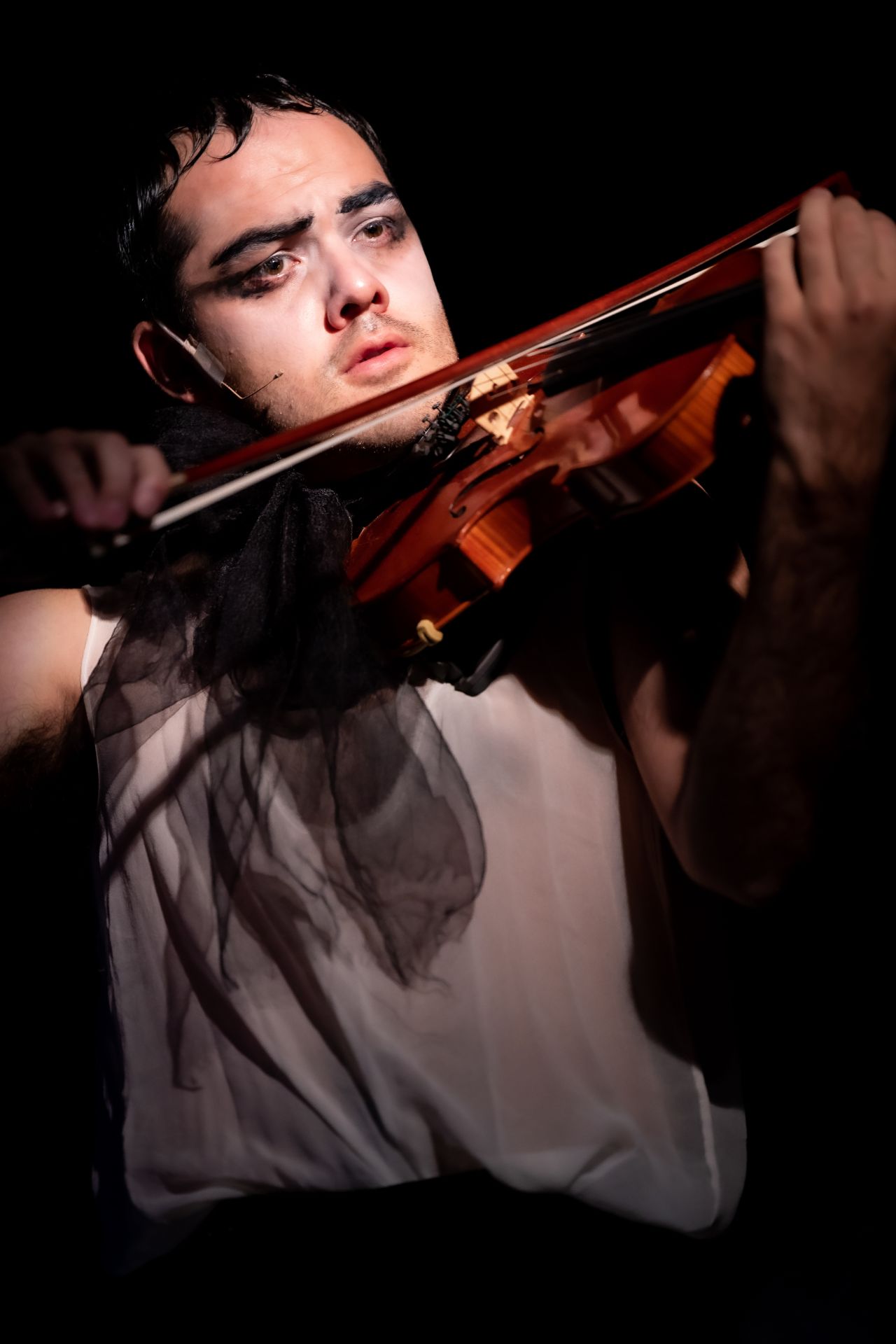
This musical adaptation, with book and lyrics by Julia Robertson and music by Zara Staunton, certainly preserves the uncomplicated tone of the original book (and the famous Fritz Lang film of 1927). Its songs are highly enjoyable, with unpredictable orchestrations by Staunton that evoke meaningful contrasts between notions of the natural versus the synthetic. The plot however, is rarely compelling or convincing in a show, directed by Robertson, that is perhaps excessively stylised, ironically unable to convey sufficient humanity, for its audience to invest meaningfully into any of its characters, or its moral intentions.

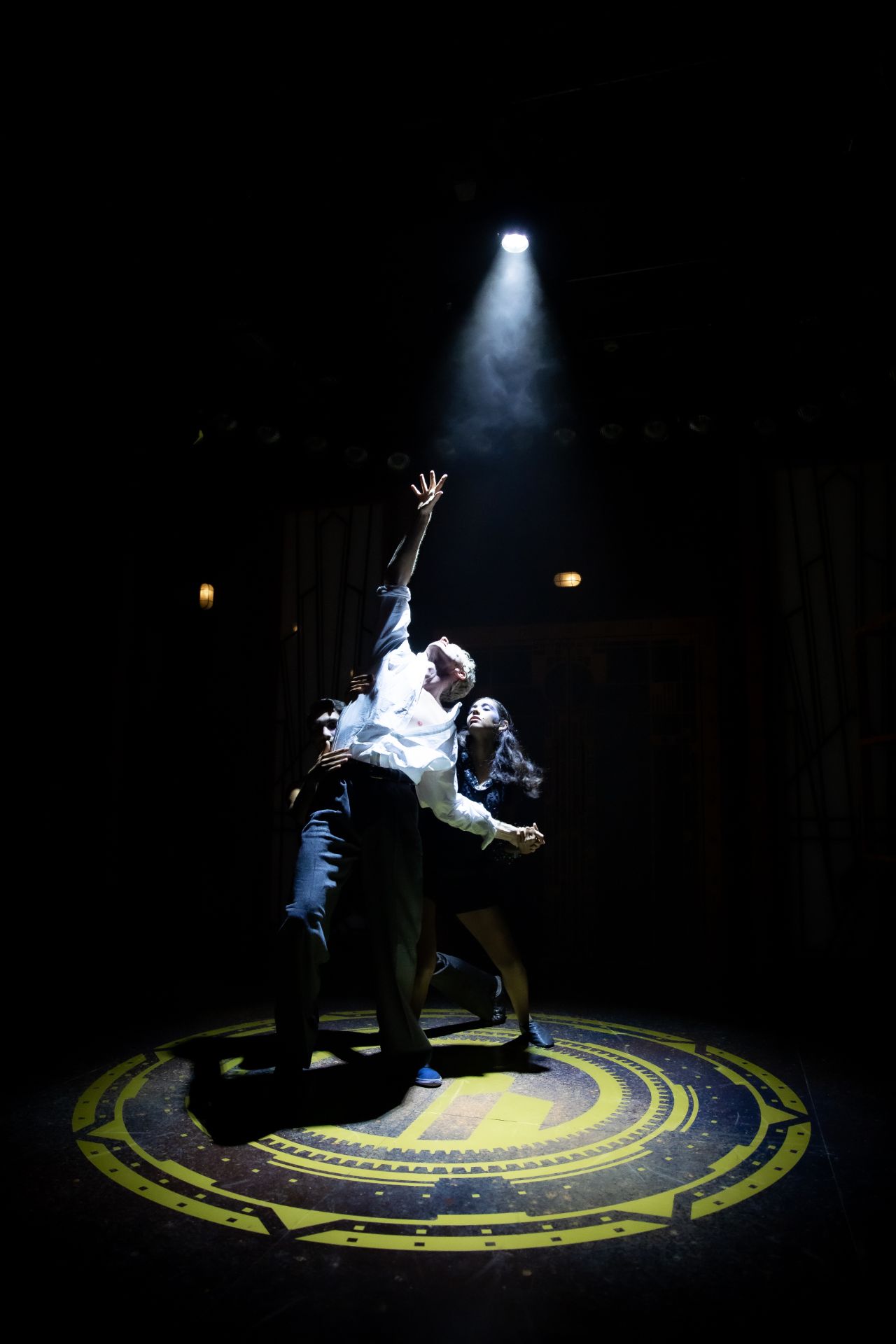
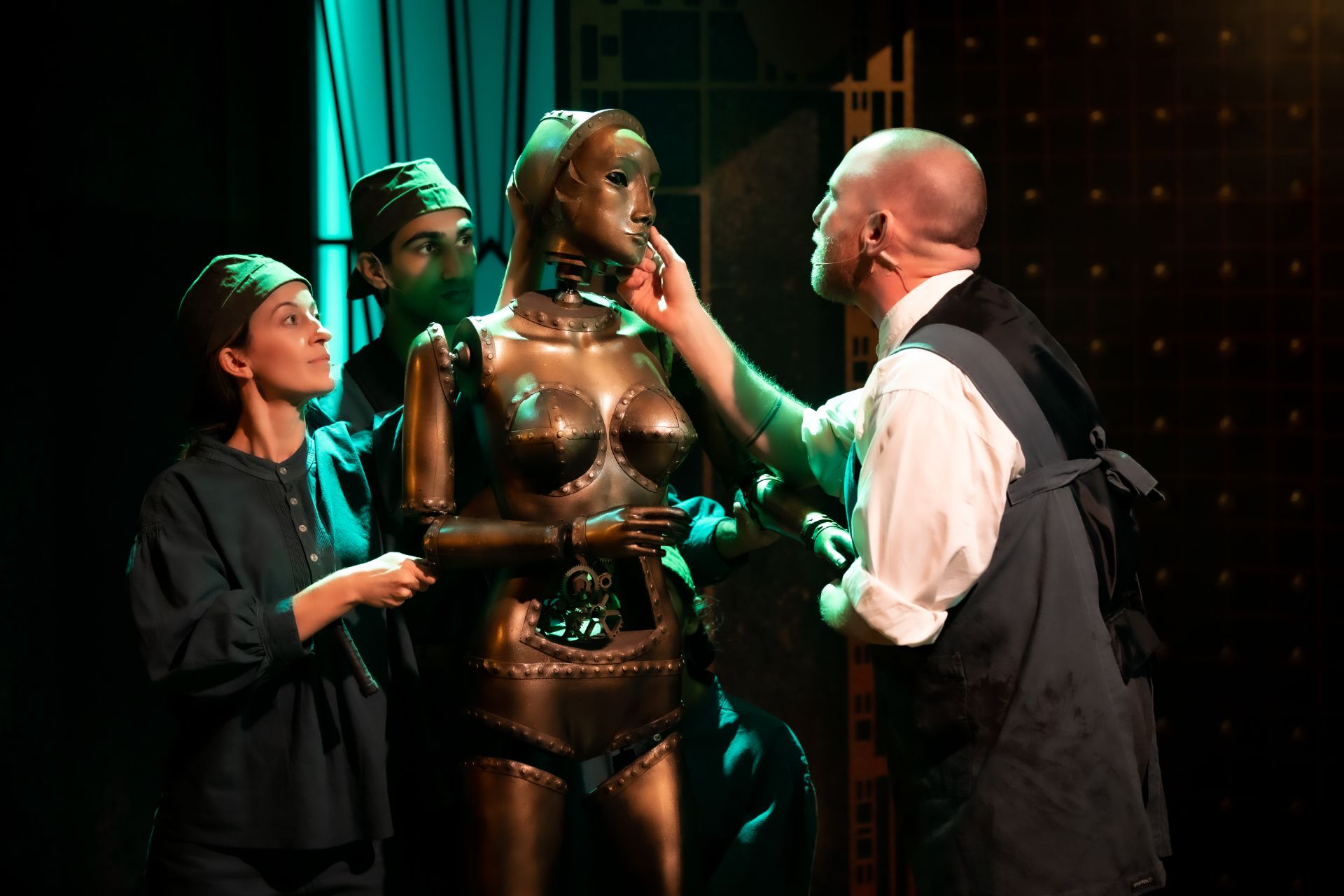
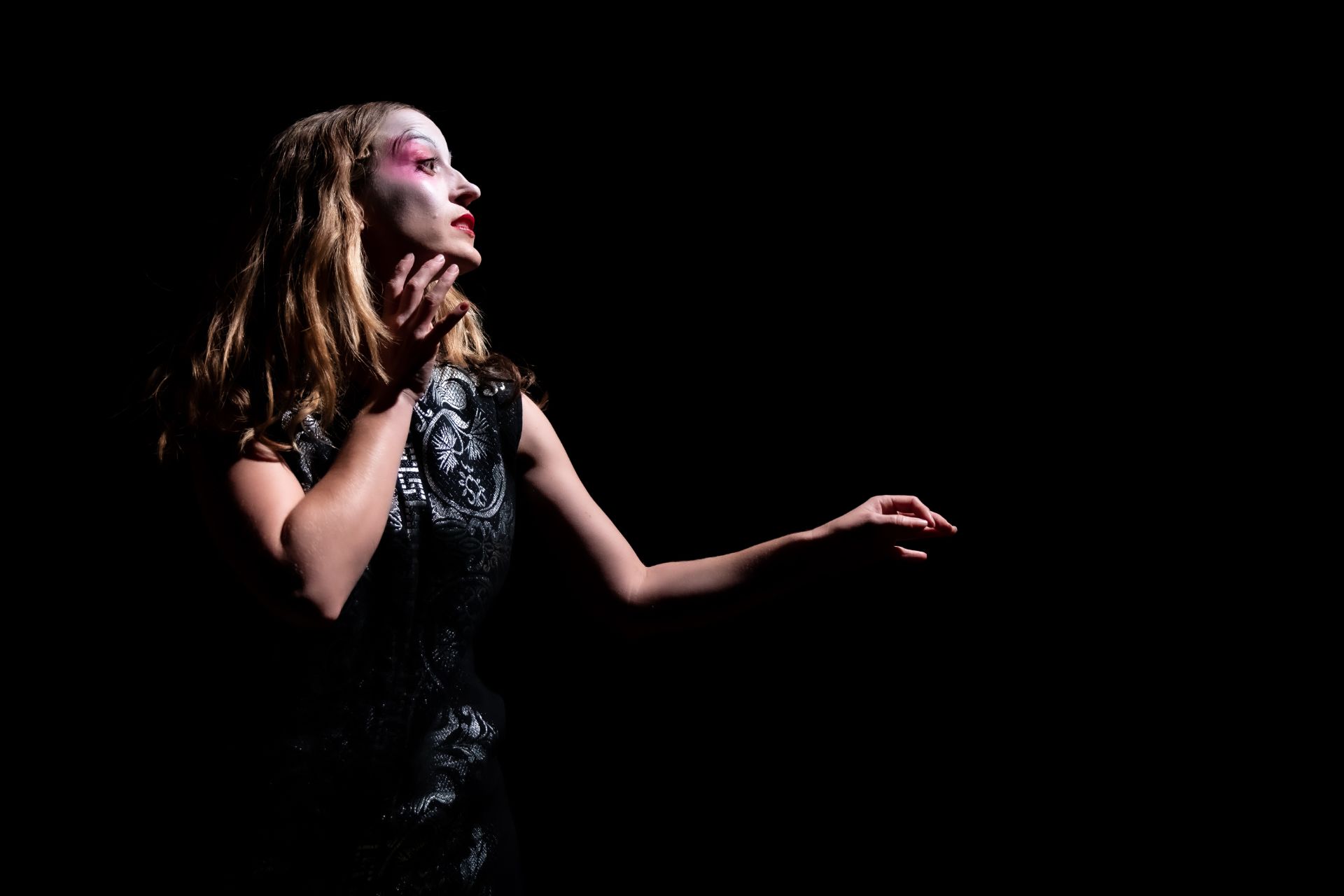
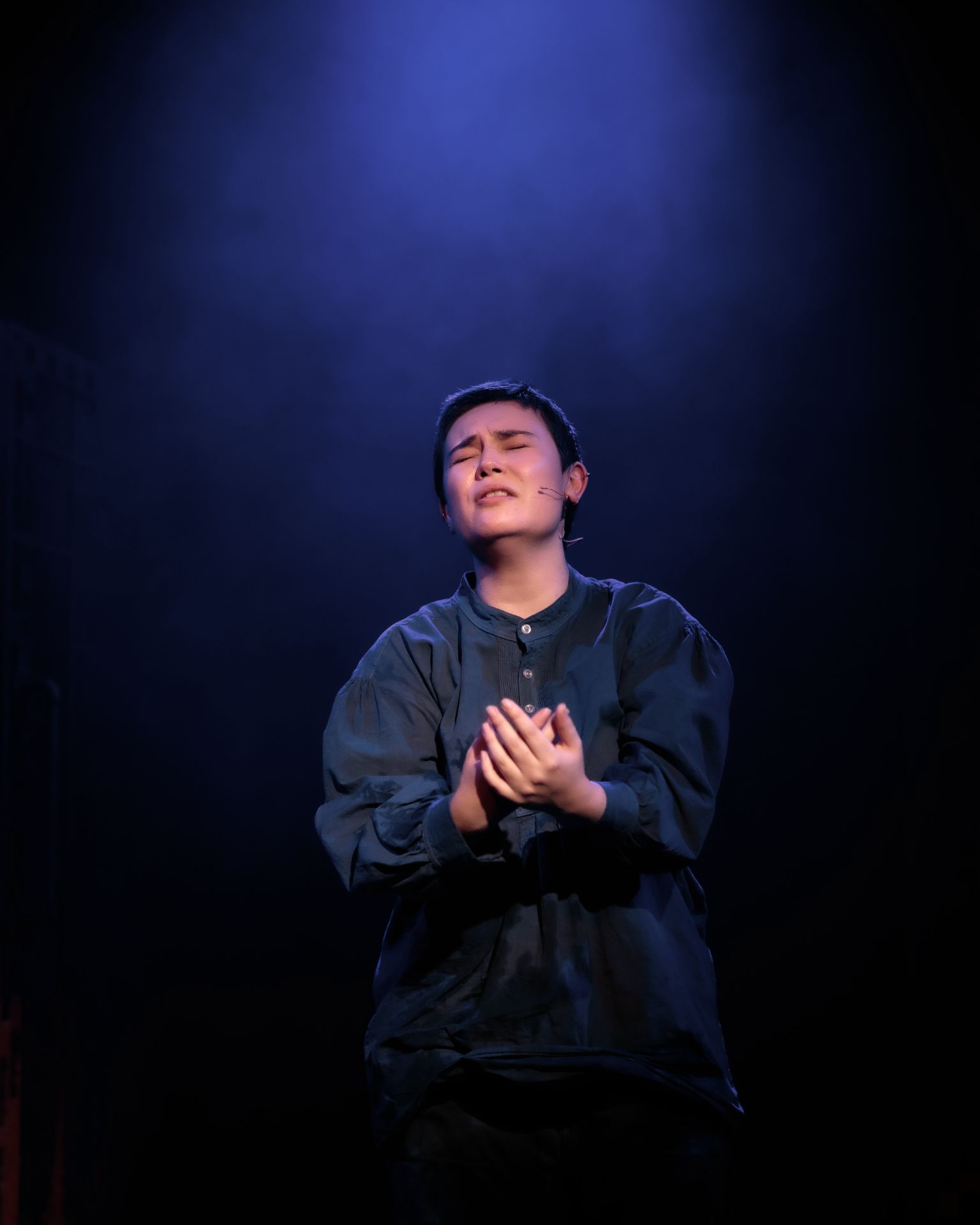
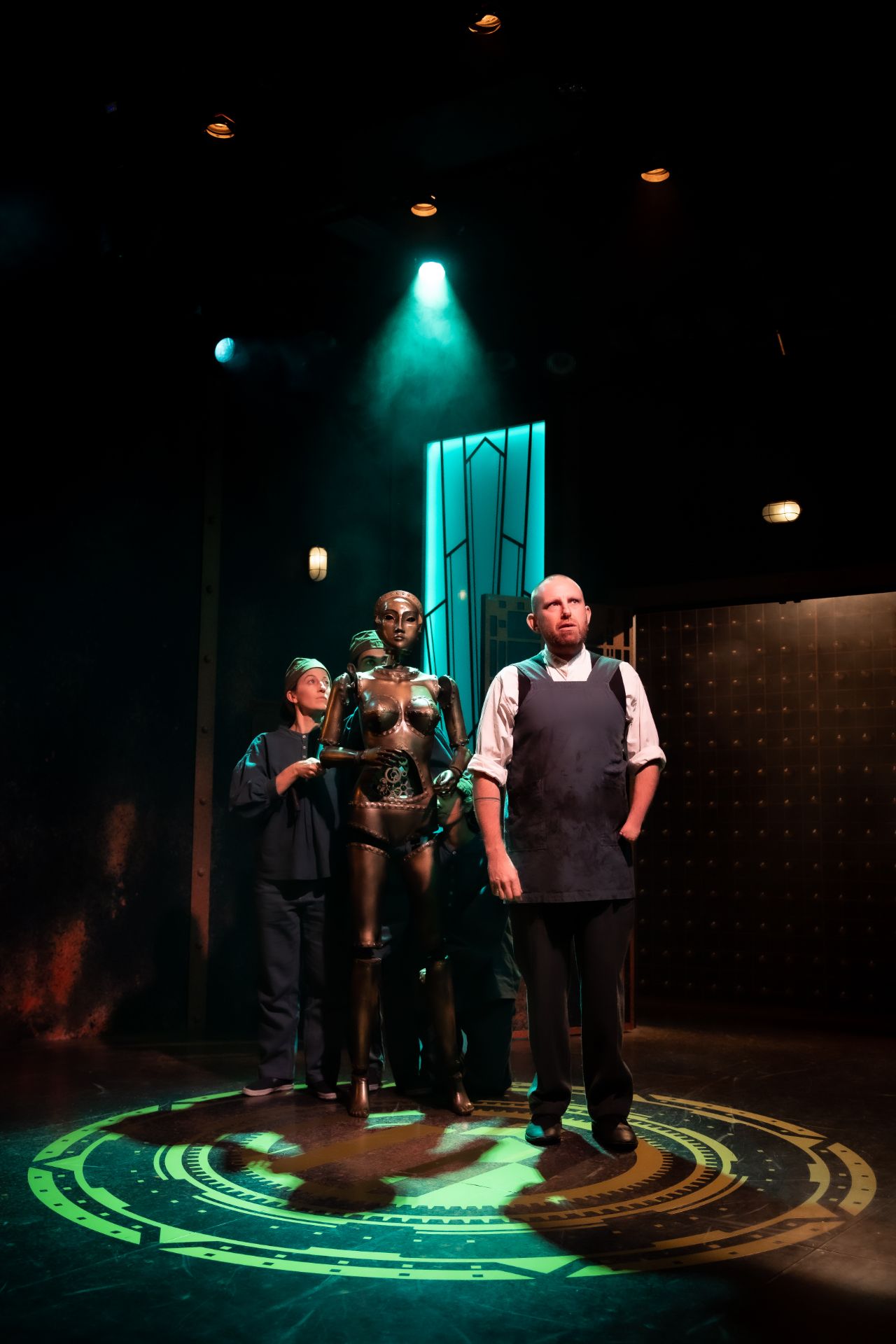
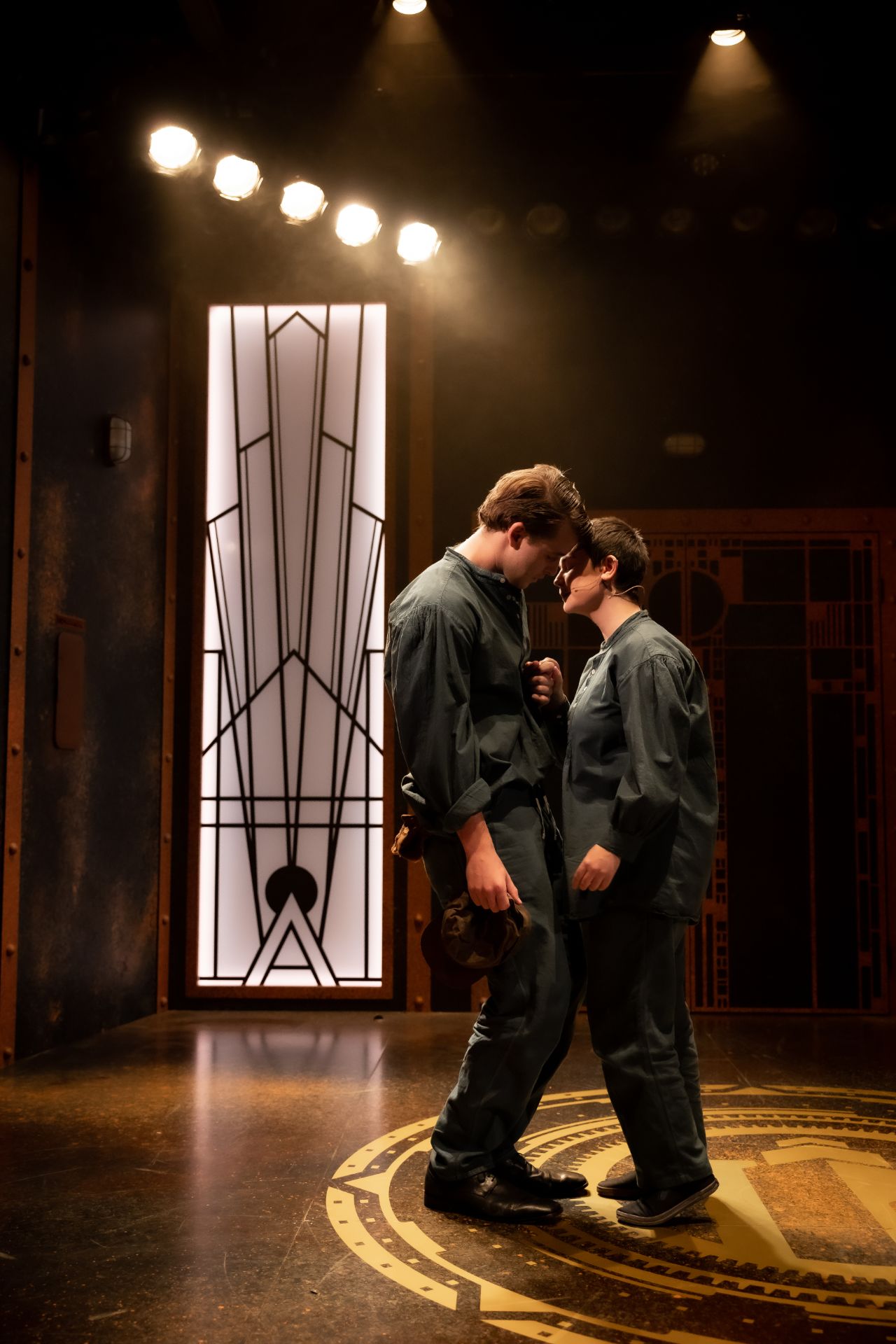
There are however, many instances of visual splendour, on a set by Nick Fry whose rendering of classic art deco schemes, delivers satisfying imagery commensurate with expectations derived from the cultural landmark that is Lang’s film. Fry’s work on a human-size puppet that depicts a dystopic robot, is especially impressive. Ryan McDonald’s lighting design too is pleasing to the eye, although it can seem too pre-occupied with the manufacturing of beauty, leaving some spatial configurations to look somewhat deficient. Ella Butler’s costumes depict well, the decay of modernity, but some attempts at portraying decadence, are less than adequate.

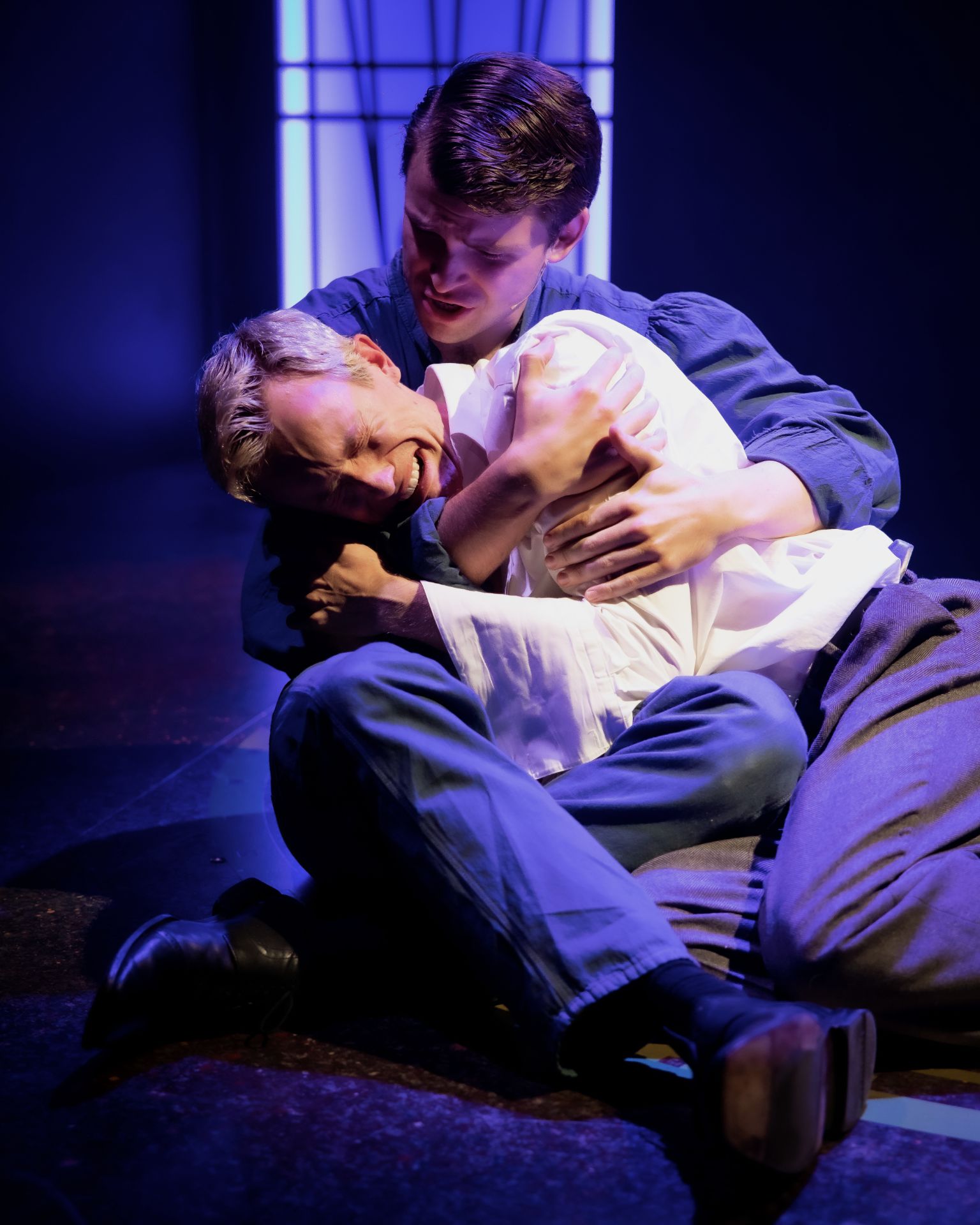
Joshua Robson plays Fredersen, and along with Shannen Alyce Quan in the role of Maria, offer some of the stronger singing, in a cast memorable for its unwavering earnestness. Tom Dawson brings stage presence to Fredersen’s honourable son Freder, but it is Thomas Campbell as the mad scientist Rotwang who is memorable with a sense of authenticity, albeit in an extravagantly fantastical realm.

Freder repeatedly urges for his father to do better, but it is hard to tell anyone to moderate their behaviour, when they see no incentive to do so; for some people, the idea of “a greater good” simply never resonates. It makes sense therefore, to resort to the language of power, that they evidently believe in above all else. This then requires that the disenfranchised find cohesion and consensus, for the only way for the huddled masses to be able to participate in the discourse of power, is for us to coalesce, in hopes of forming something threatening enough, that will force a change. When our disparities are this severe, we need to wake to the fact that any amelioration, will only come from our steely insistence, and never from the kindness of those whose hearts are determined not to be found.

www.hayestheatre.com.au | www.littleeggscollective.com

Review: New Balance (Old Fitz Theatre)

Venue: Old Fitzroy Theatre (Woolloomooloo NSW), Apr 19 – 23, 2023
Creators: Christopher Bryant, Emma Palackic
Cast: Christopher Bryant
Images by Robert Catto

Theatre review
In the one-person show New Balance, Christopher Bryant declares himself queer and disabled, wearing those labels like one would badges of honour, when returning from fighting for causes of immense consequence. In polite society, those labels of identification are of course discouraged from prominent enunciation, because the cis-white-straight-ableist hegemony would always prefer to deny, that their prejudices are in fact fundamental, to how each of our lives is structured. They want us to subscribe to the convenient notion that all people are the same, in order that so many of the injustices they steadfastly establish and perpetuate, are allowed to operate in stealth.

Their gaslighting, and our cultural delusion, is addressed by New Balance, a brilliantly engrossing 60-minute show created by Bryant and Emma Palackic, to firmly renounce that collective refusal to acknowledge the gremlins in our system, put in place to privilege the few, but that are perversely upheld by the masses. The show asserts otherness from a location that is both queer and disabled, two conceptions of experiences that seem at face value, to be distinct and separate, but through the articulation of a performer who inhabits both identities simultaneously, it becomes clear that the politics of otherness, only ever functions one way. The narrative of routine ostracism, and of persistent exclusion, is powerfully represented by Bryant’s unvarnished performance style, devoid of pretension and of formalist technique, existing only in the space of theatre, to speak intimately and persuasively from human to human.

Bryant and Palackic’s text, which includes first-person contributions from Jamila Main, Rebekah Robertson, Anthony Severino and Jacqueline Tooley, is a deeply evocative expression of life on the outside. Video projections by Justin Gardam, along with sound recordings of confessional voices, offer meaningful enhancement to all the sensitive divulgements, that are surprising yet familiar, in their honest encapsulation of a diverse humanity. Lighting design by Chris Milburn add sensuality to proceedings, to make us feel a certain palpable corporeality, that keeps these thoughts being so staunchly shared on stage, to link resolutely to our own bodies.

New Balance seeks to dismantle that which has long been instituted as pristine, and reconstitutes that which is deemed immaculate, to refute the many exclusionary tendencies of how we organise our lives. It reminds us fervently, that much as we experience challenges differently, our humanity can only ever be uniformly perfect.

www.redlineproductions.com.au

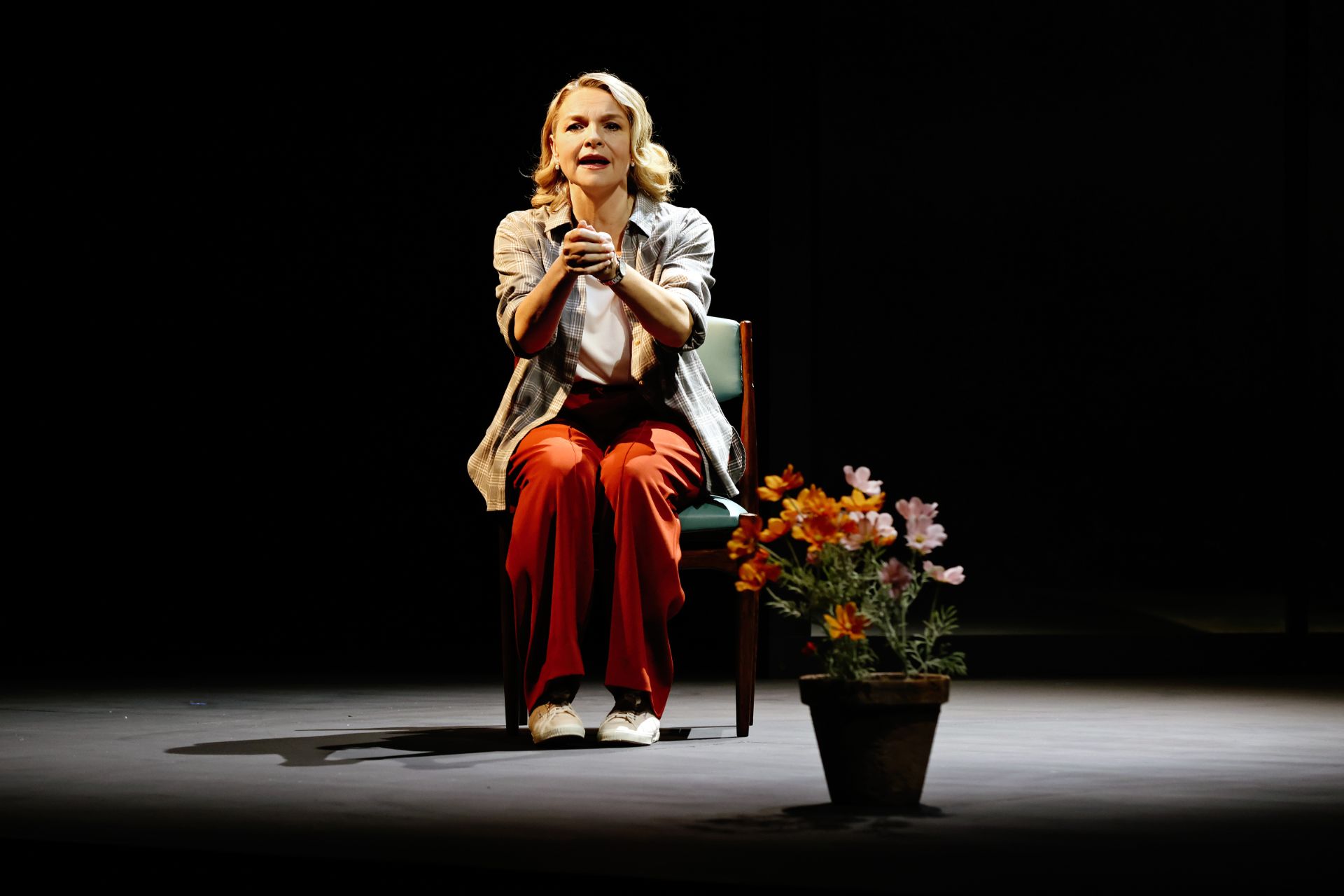
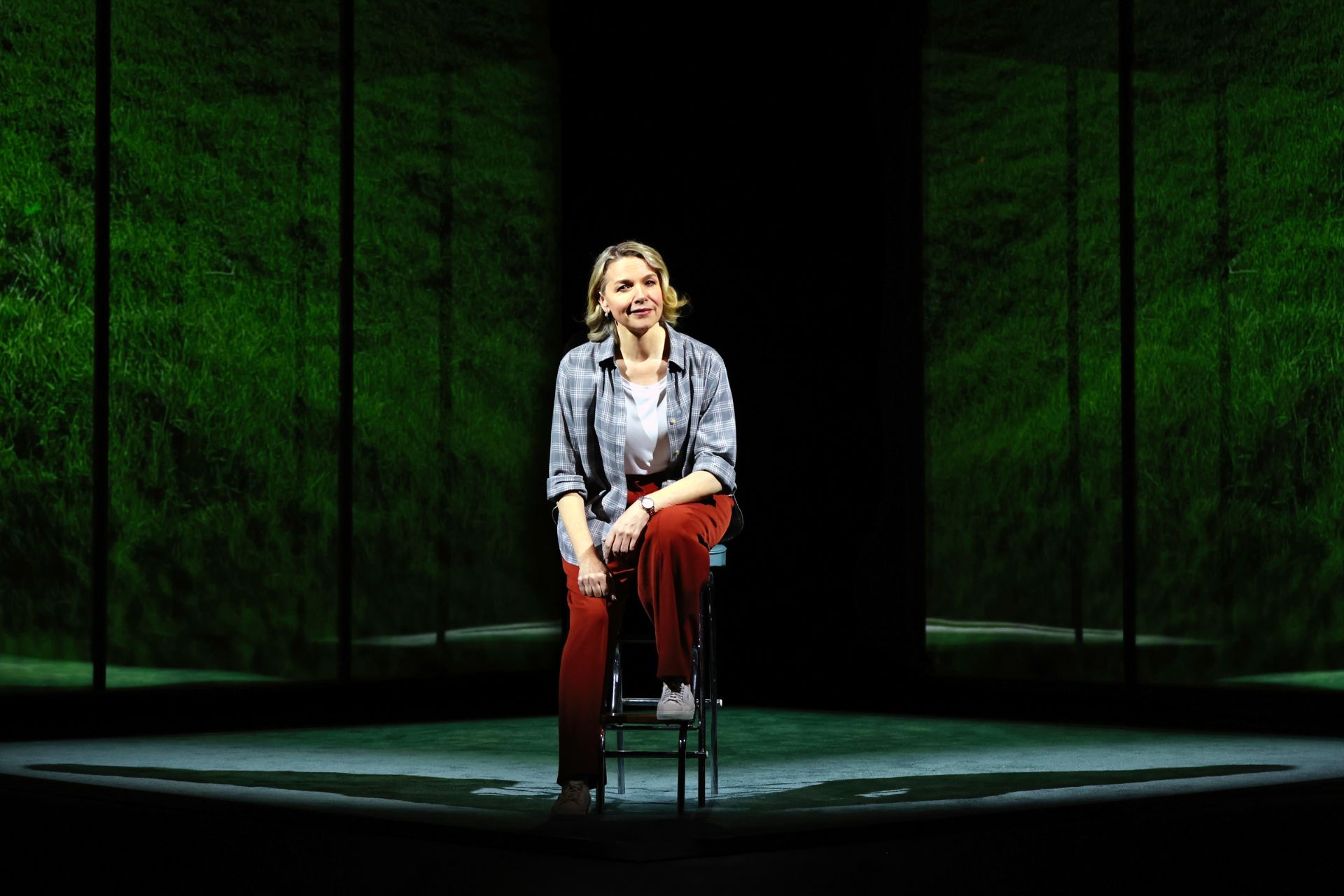
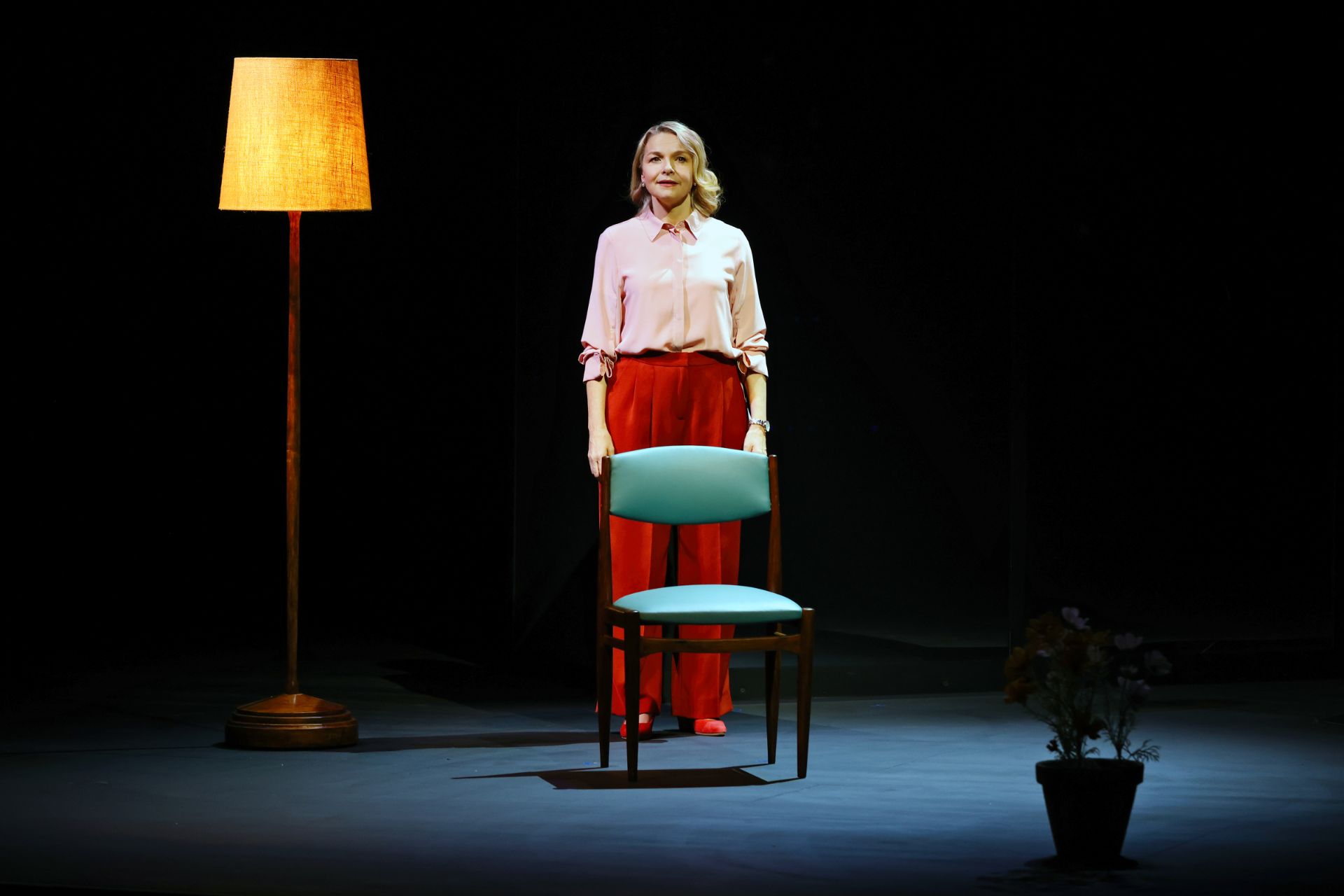
Review: Julia (Sydney Theatre Company)

Venue: Sydney Opera House (Sydney NSW), Mar 31 – May 20, 2023
Playwright: Joanna Murray-Smith
Director: Sarah Goodes
Cast: Jessica Bentley, Justine Clarke
Images by Prudence Upton

Theatre review ⭐️⭐️⭐️⭐️ 
We know that Julia Gillard, our 27th Prime Minister, is made of some truly formidable stuff, simply for being the first woman to attain that coveted position. In Joanna Murray-Smith’s play simply named Julia, evidence of all her incredible grit and gumption, is consolidated into a 90-minute piece, telling a story not only of Gillard’s virtues, but also of the immense culture of sexism and misogyny, so fundamentally entrenched in Australian life. Holding office from 2010 to 2013, Gillard’s experiences as the most high-profile woman on these lands, meant that she had to navigate some of the worst abuse ever witnessed in the public sphere, at a time even more hostile to female leaders than today,  before the prior to the 2016 watershed #MeToo movement.

Murray-Smith’s writing is undeniably powerful, valuable both as documentation of a deeply significant moment of our history, and as a feminist work that proves enormously inspiring. Julia can at times feel excessively deferential, and can be charged with having minimised Gillard’s weaknesses and faults (in particular, her handling of issues pertaining to asylum seekers and to marriage equality), but its theatricality, structured around the celebration of a genuinely consequential personality, is one of rare exaltation.

The show is directed by Sarah Goodes, whose judicious sensitivity ensures that we see beyond the personal achievements of a remarkable woman, to consider the wider meanings of Gillard’s prominence. Goodes makes us think about the contexts of the ex-PM’s relentless mistreatment, along with the trails she had blazed, so that Julia becomes more than a tribute to one. 

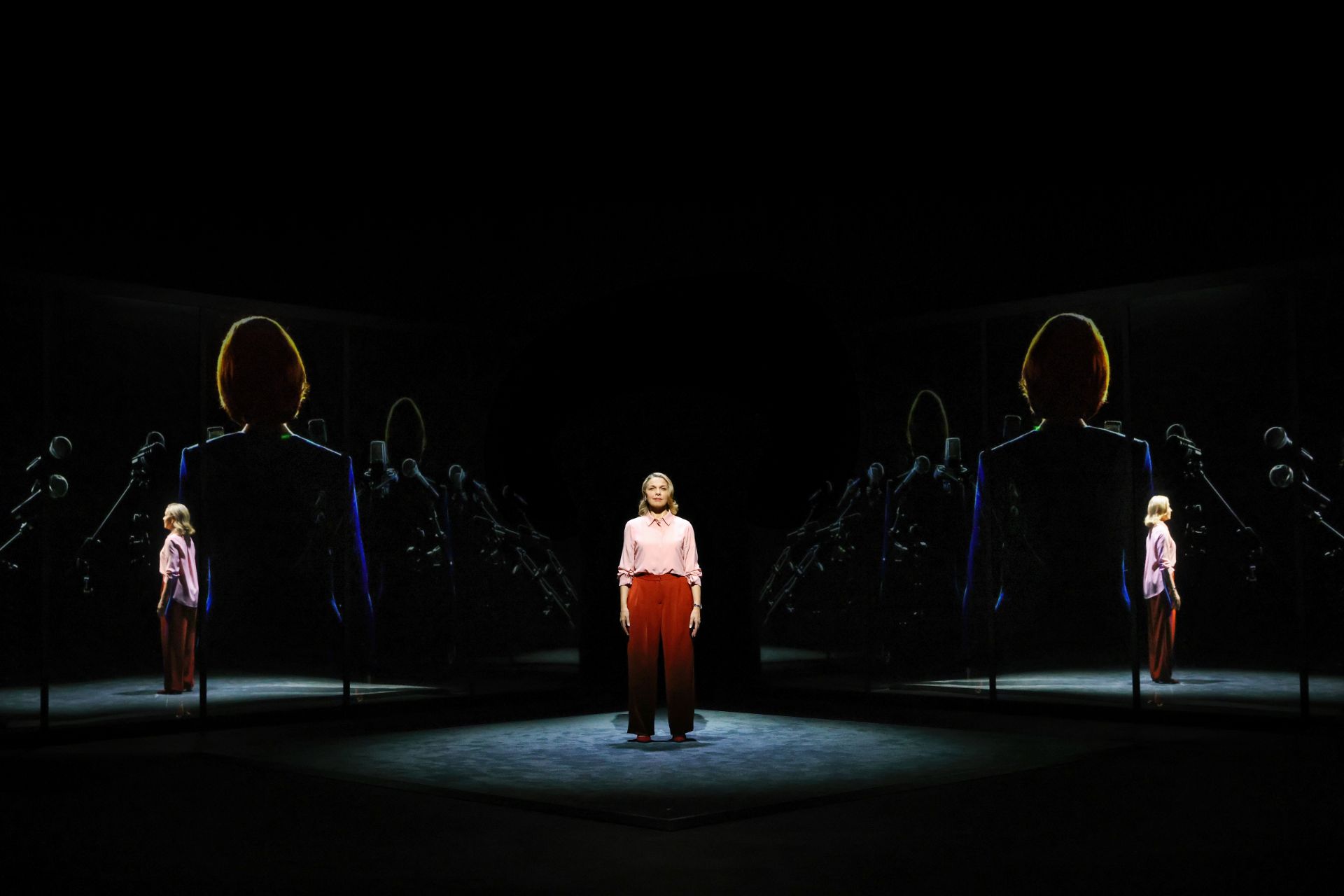
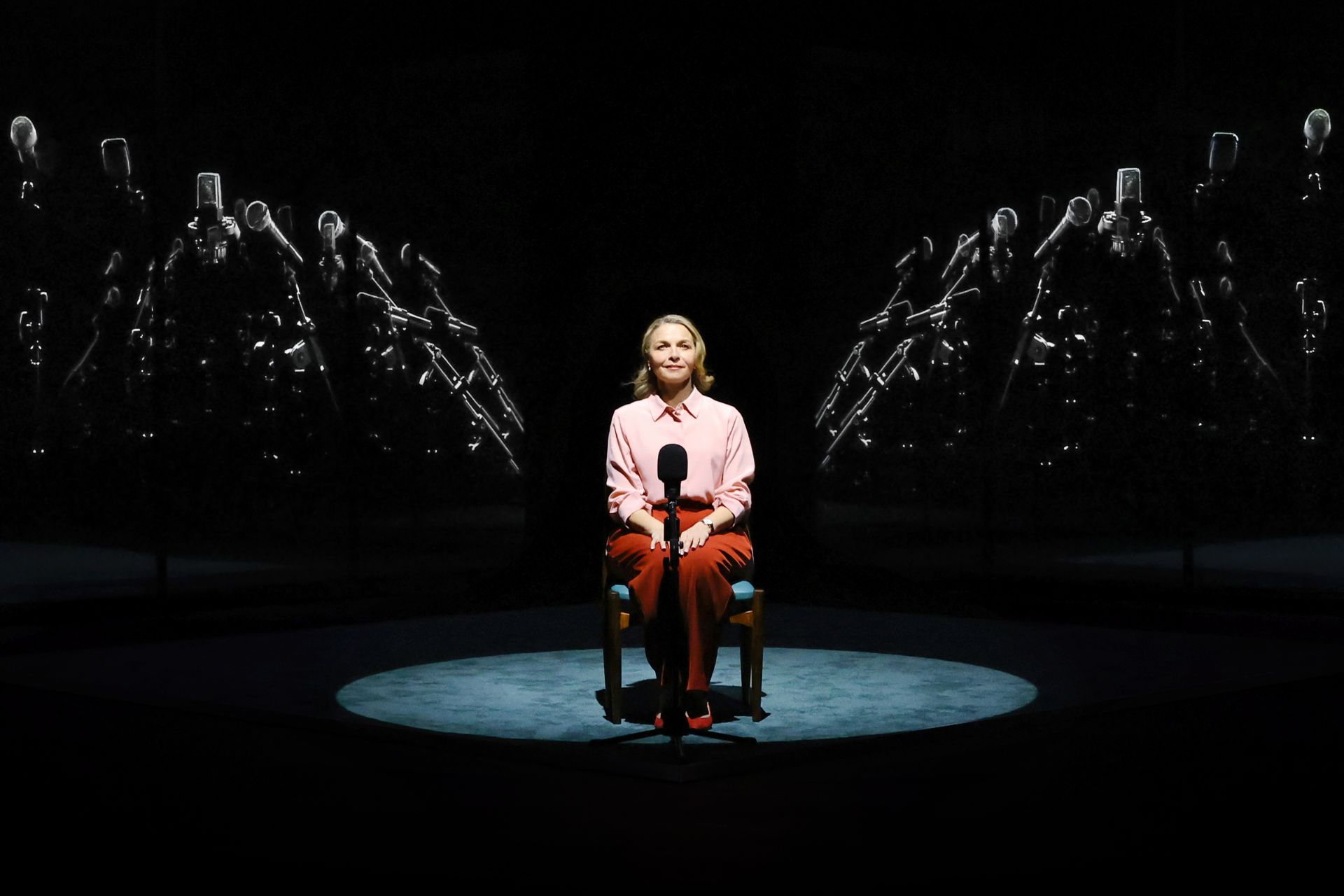
Set design by Renée Mulder features mirrored surfaces that remind us of the infinitely far-reaching effects of Gillard’s accomplishments. Lights by Alexander Berlage are gently rendered to keep unwavering focus on the protagonist. Video projections by Susie Henderson offer elegant augmentation, to the simple imagery being presented. Music and sound by Steve Francis, enhance the gravitas being explored, in the feminist themes that are so intrinsic to how we understand the story of Julia.

Actor Justine Clarke is electric as our national hero, exceedingly precise with her delivery of every line, and resolutely present, in every moment of her compelling embodiment of this much-loved character. Vigorously poignant, yet dazzlingly splendid with her humour, Clarke’s is a faultless performance on technical levels, but more importantly, a marvellously enchanting creation, that reminds us of what it means to lead with morality and integrity.

Jessica Bentley plays a subsidiary role, as a person of few words, but nonetheless omnipresent as a woman of lower status, to whom Gillard’s efforts are dedicated, and without whom Gillard was unable to rise. This incorporation of a secondary personality,  one performed by a person of colour reveals quite importantly, an awareness around issues of racism in representations of Gillard’s legacy. Narratives of this nature frequently fall into traps of “white feminism”, and whilst this theatrical device is clearly well intentioned, there is a persistent discomfort in witnessing Bentley occupying various positions of silent servitude, all through the production.

It was certainly a momentous occasion when Gillard demonstrated that women too, are capable of ascending to the very pinnacle of positions. Whether or not it was a revolutionary event, is however debatable. If we concede that Gillard was an exception to the rule, we admit that little has changed, in the systems that we allow to run the world. On the other hand, to say that Gillard has not left behind permanent improvements, is manifestly inaccurate. Relying on any singular effort to change the world, is naïve and absurd. Heroes are gratifying as objects of admiration, but their greater purpose is to spur bigger numbers into action, when they have shown without ambiguity, what can be done when we believe in the good of our species.
www.sydneytheatre.com.au | www.canberratheatrecentre.com.au

Review: Fences (Sydney Theatre Company)

Venue: Wharf 1 Sydney Theatre Company (Walsh Bay NSW), Mar 25 – May 6, 2023
Playwright: August Wilson
Director: Shari Sebbens
Cast: Bert LaBonté, Markus Hamilton, Damon Manns, Molly Moriarty, Zahra Newman, Dorian Nkono, Darius Williams
Images by Daniel Boud

Theatre review

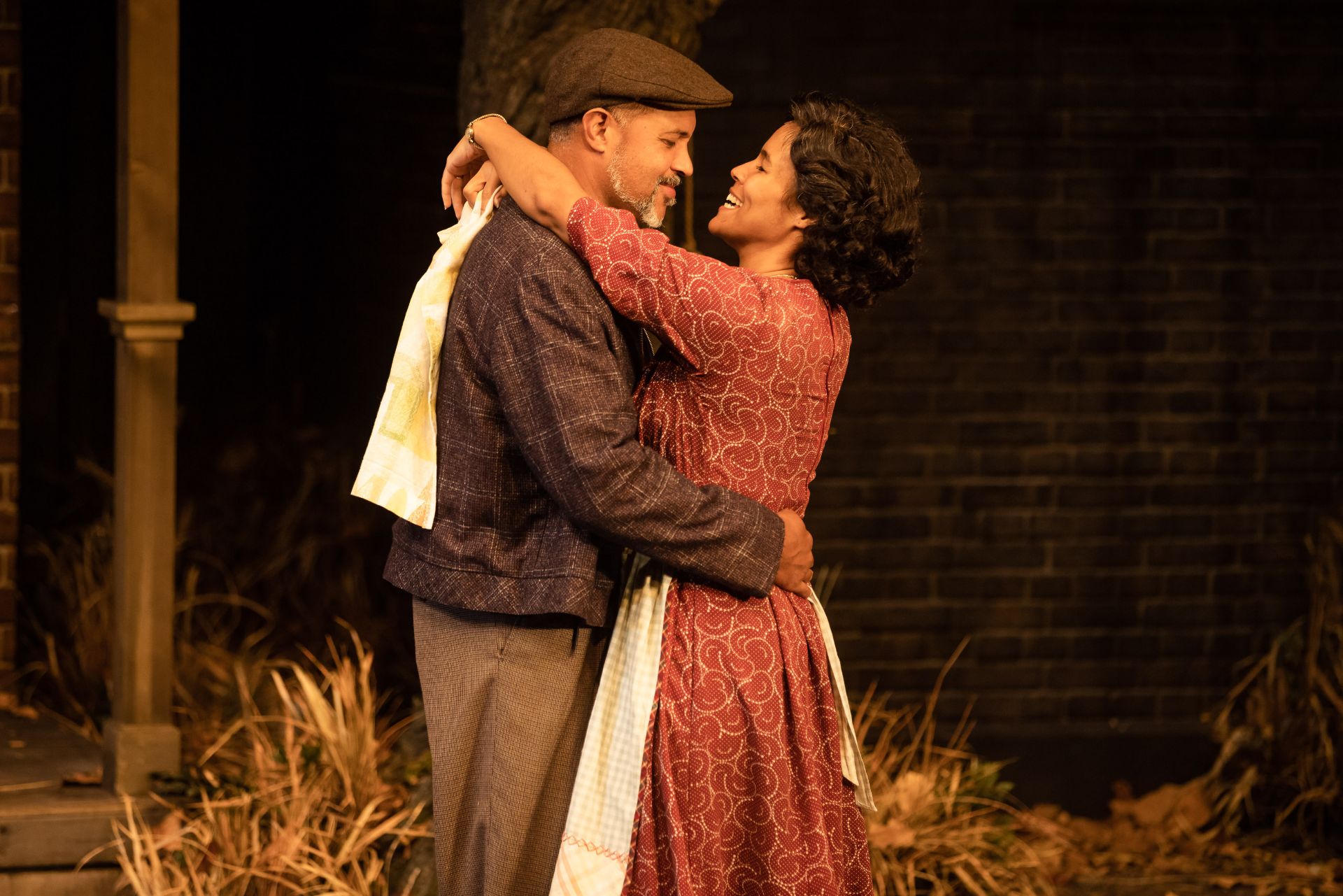
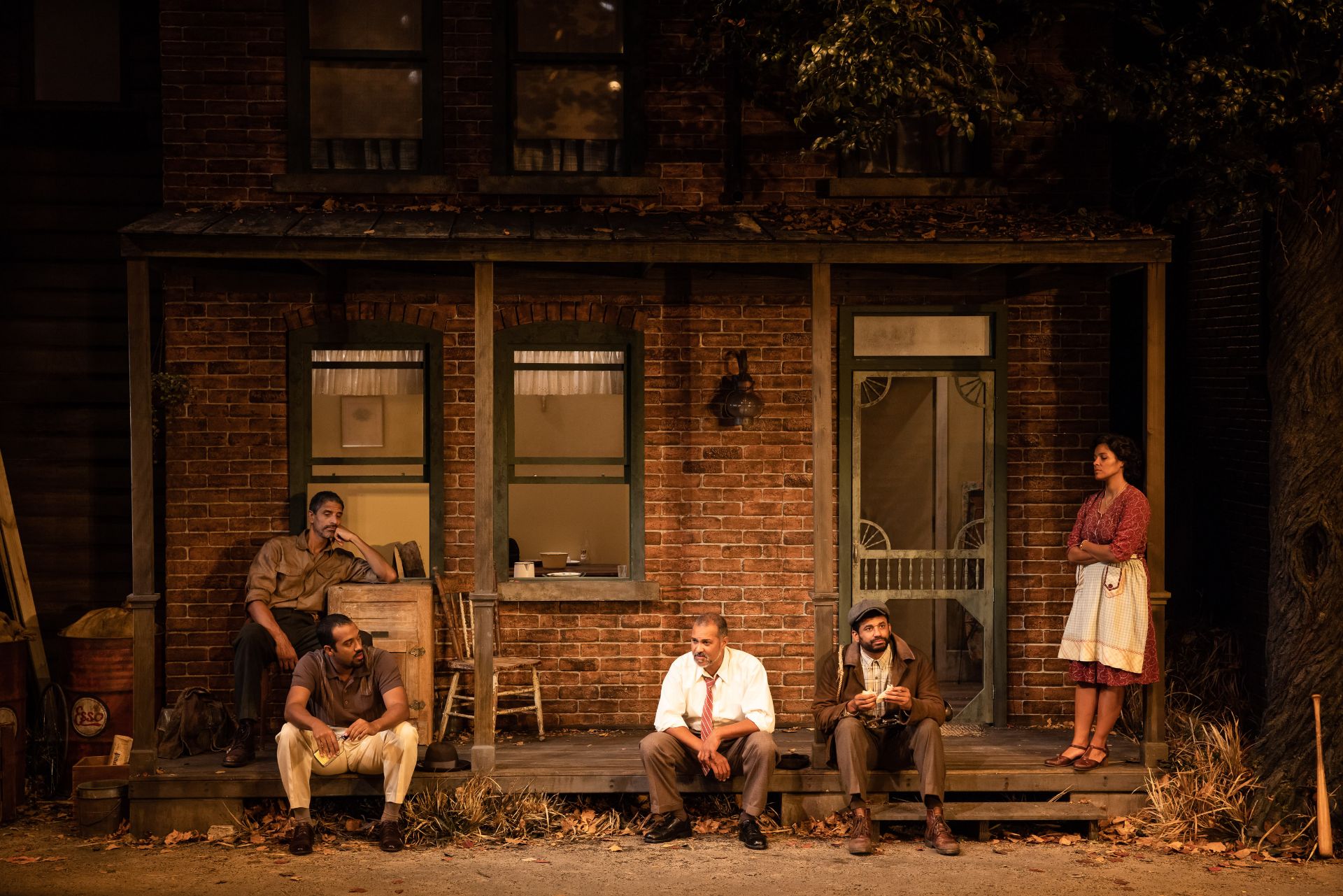
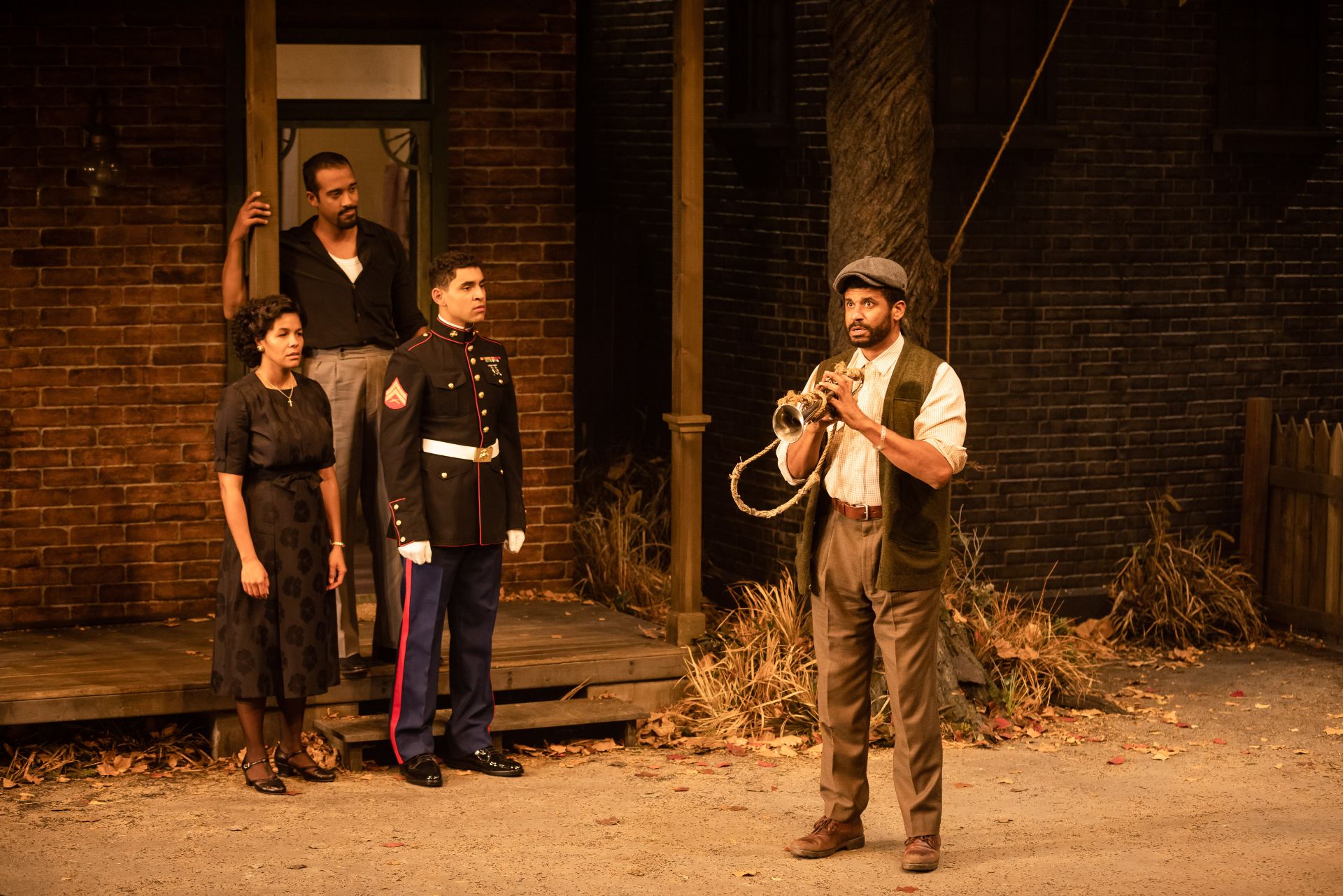
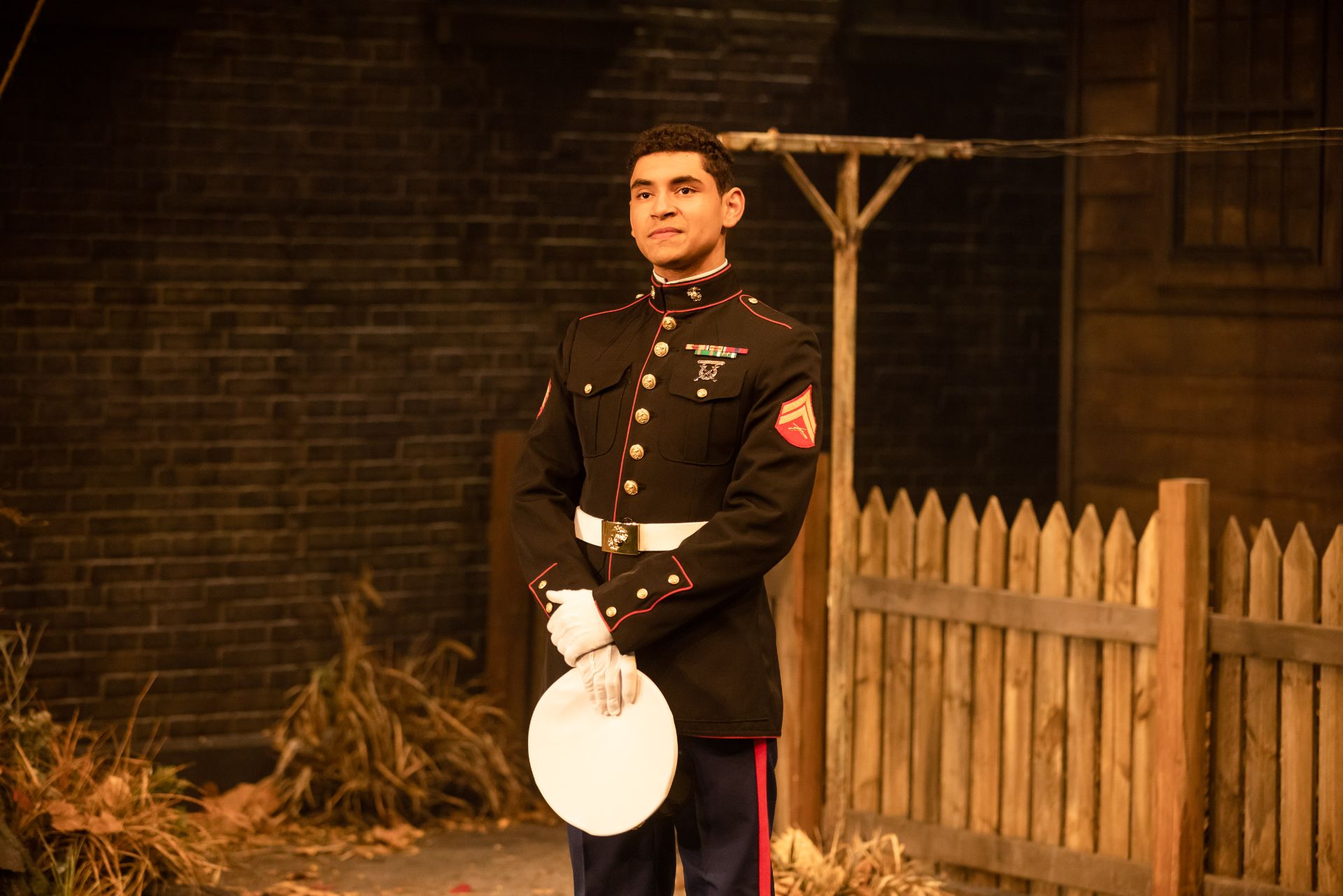
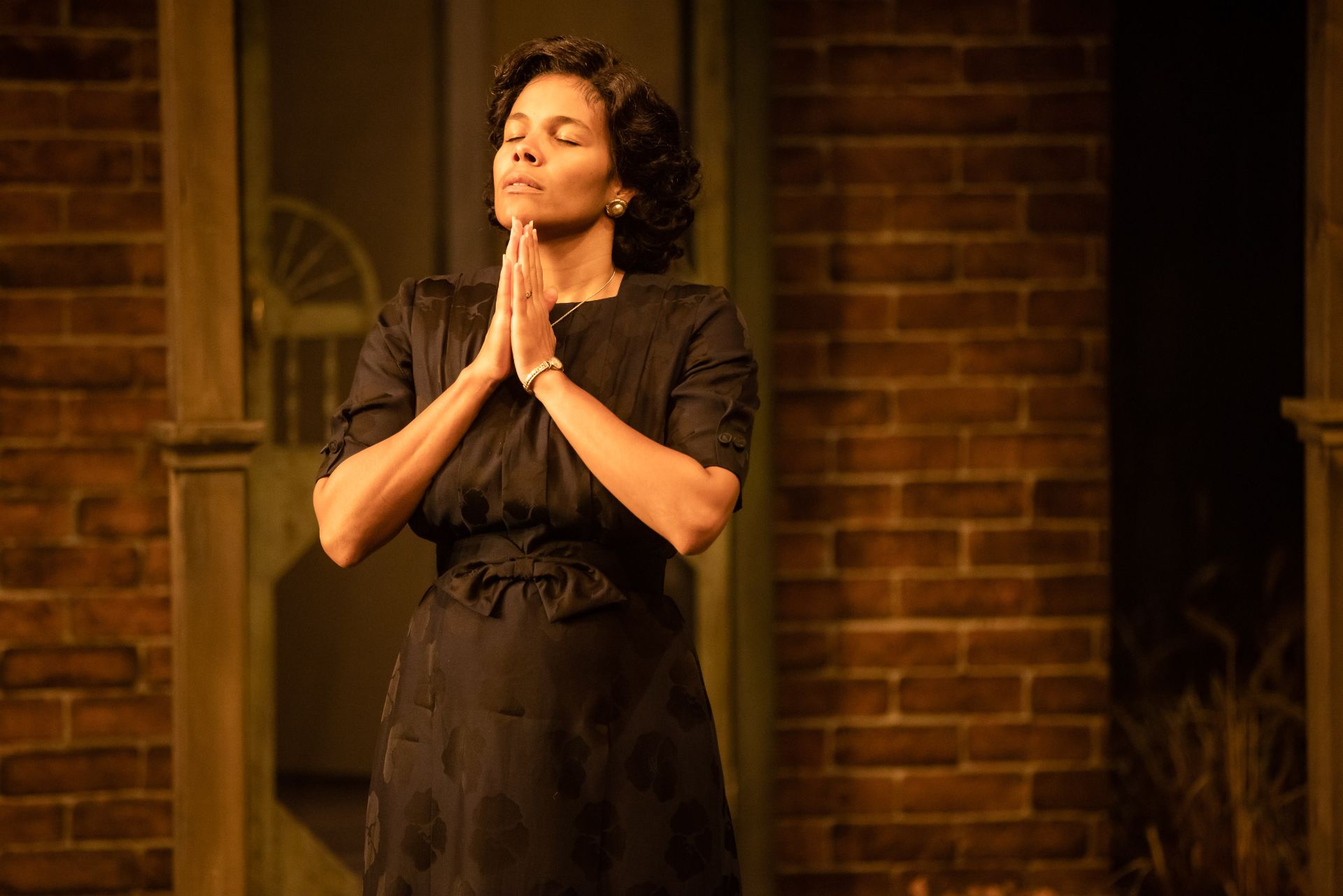
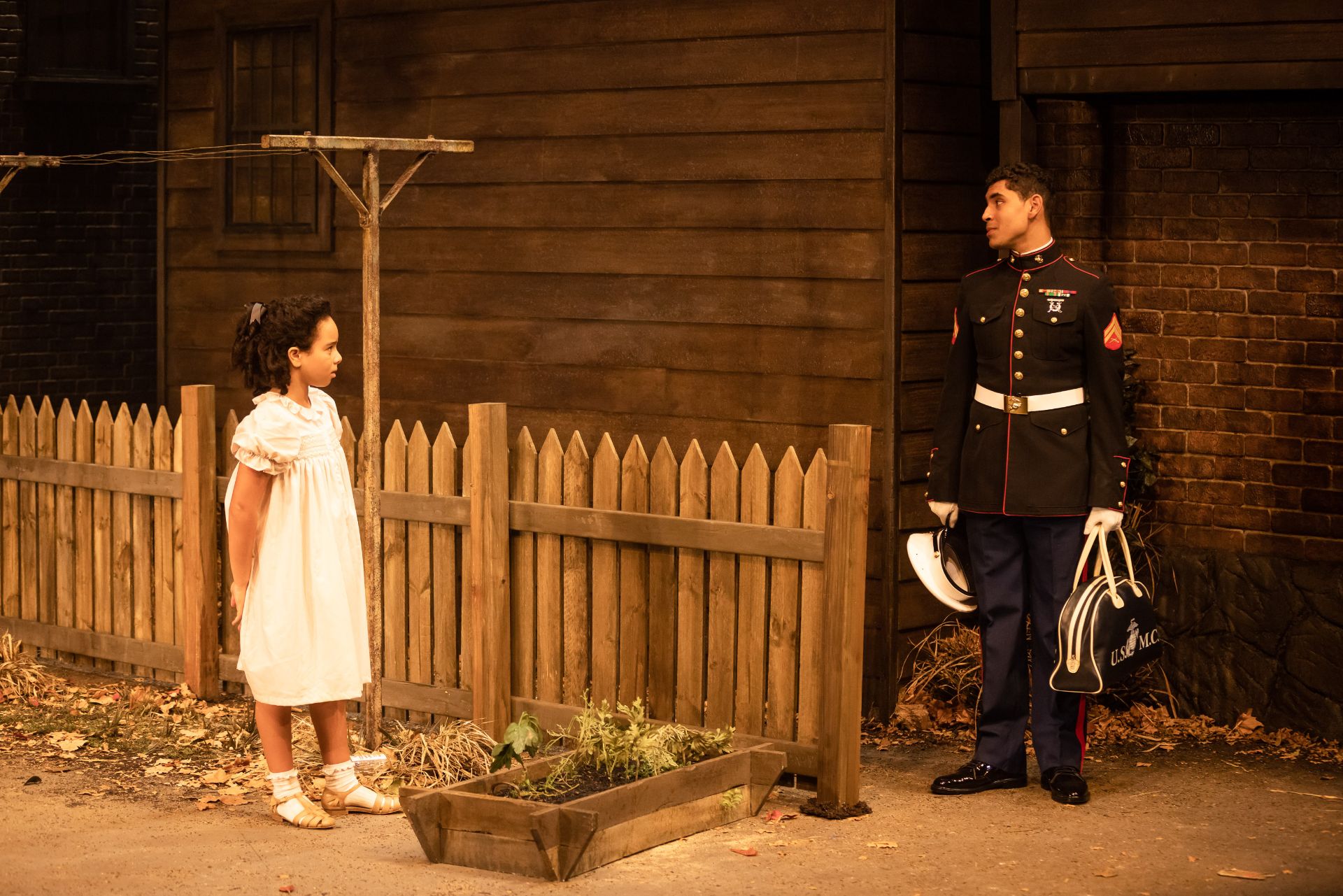
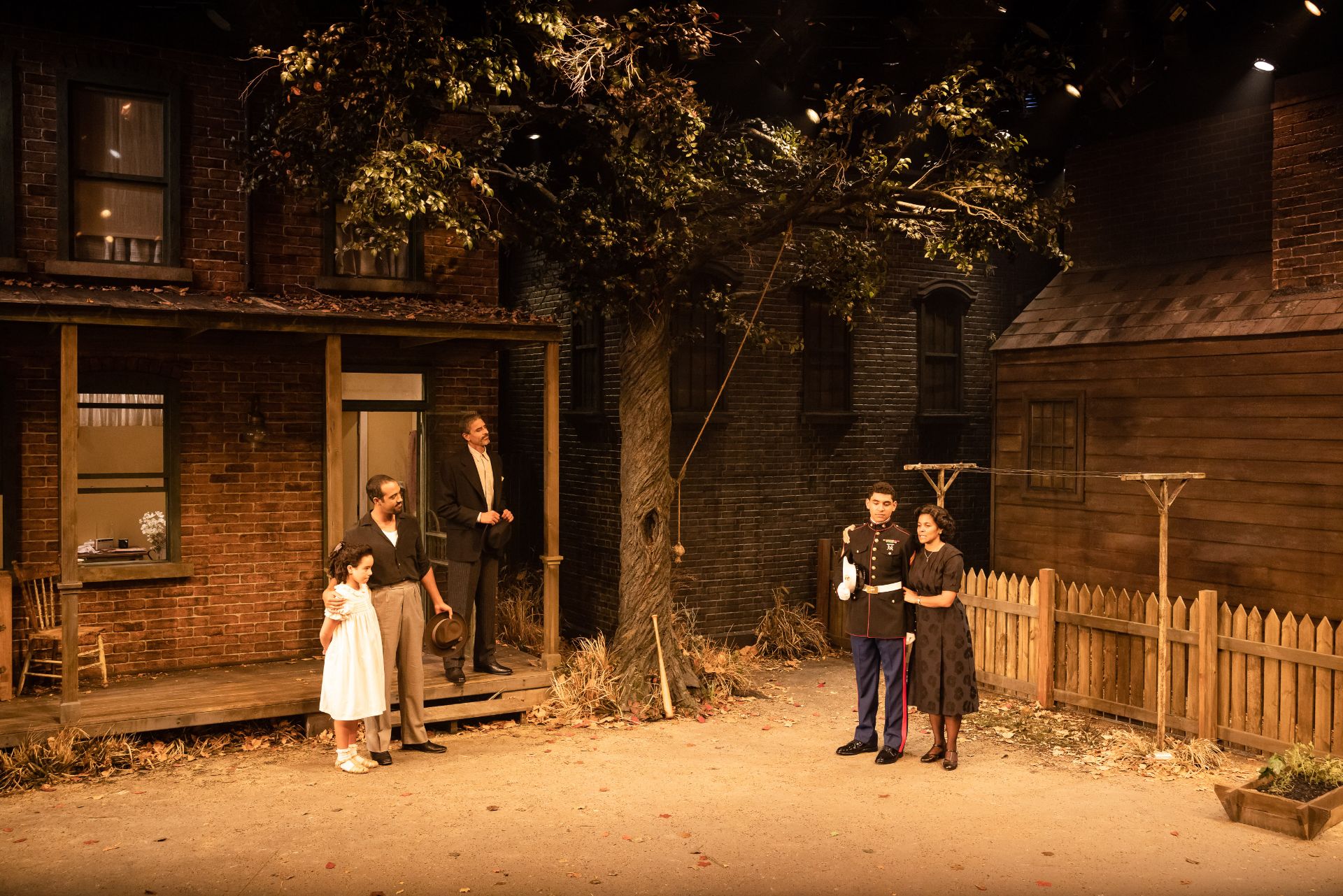
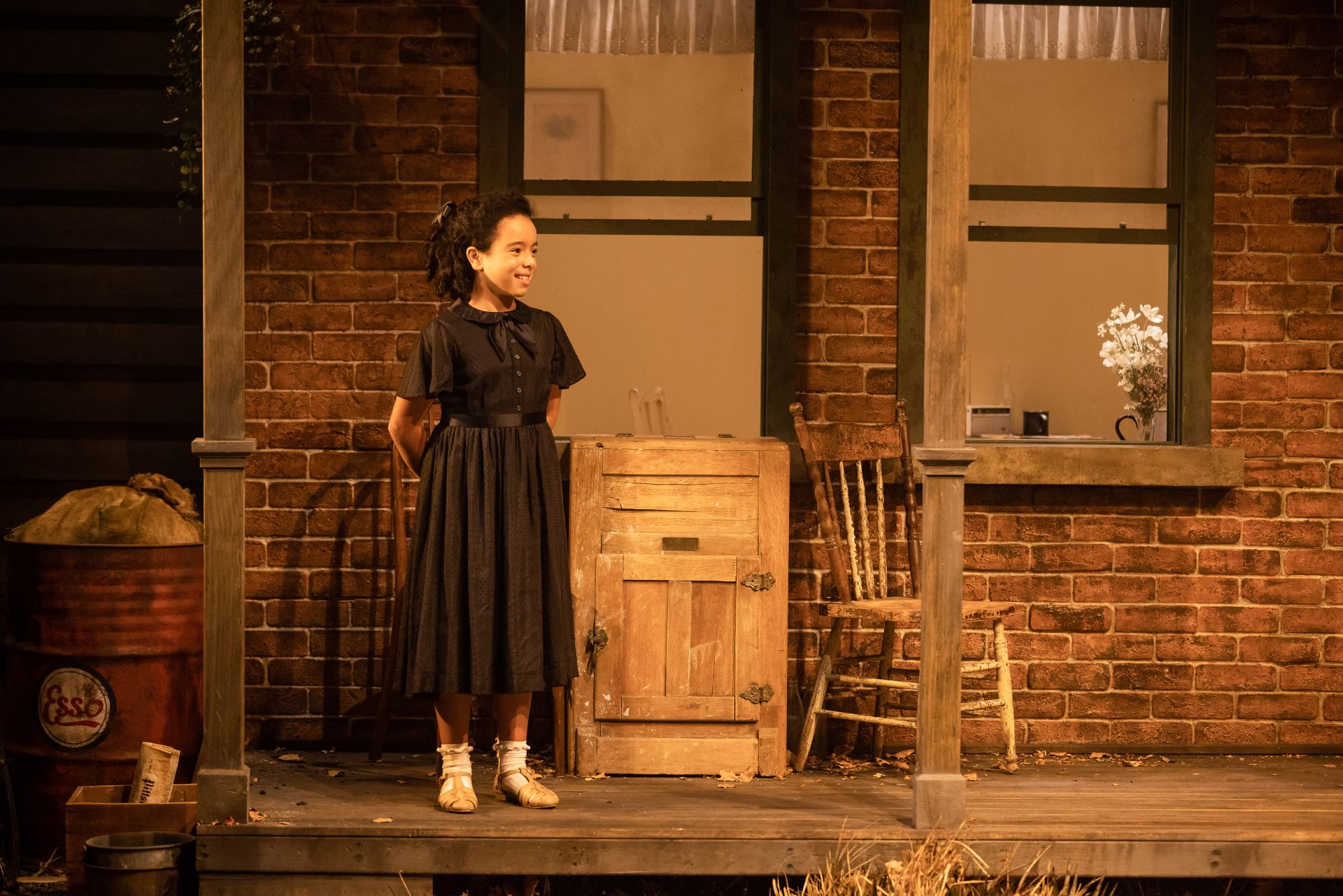
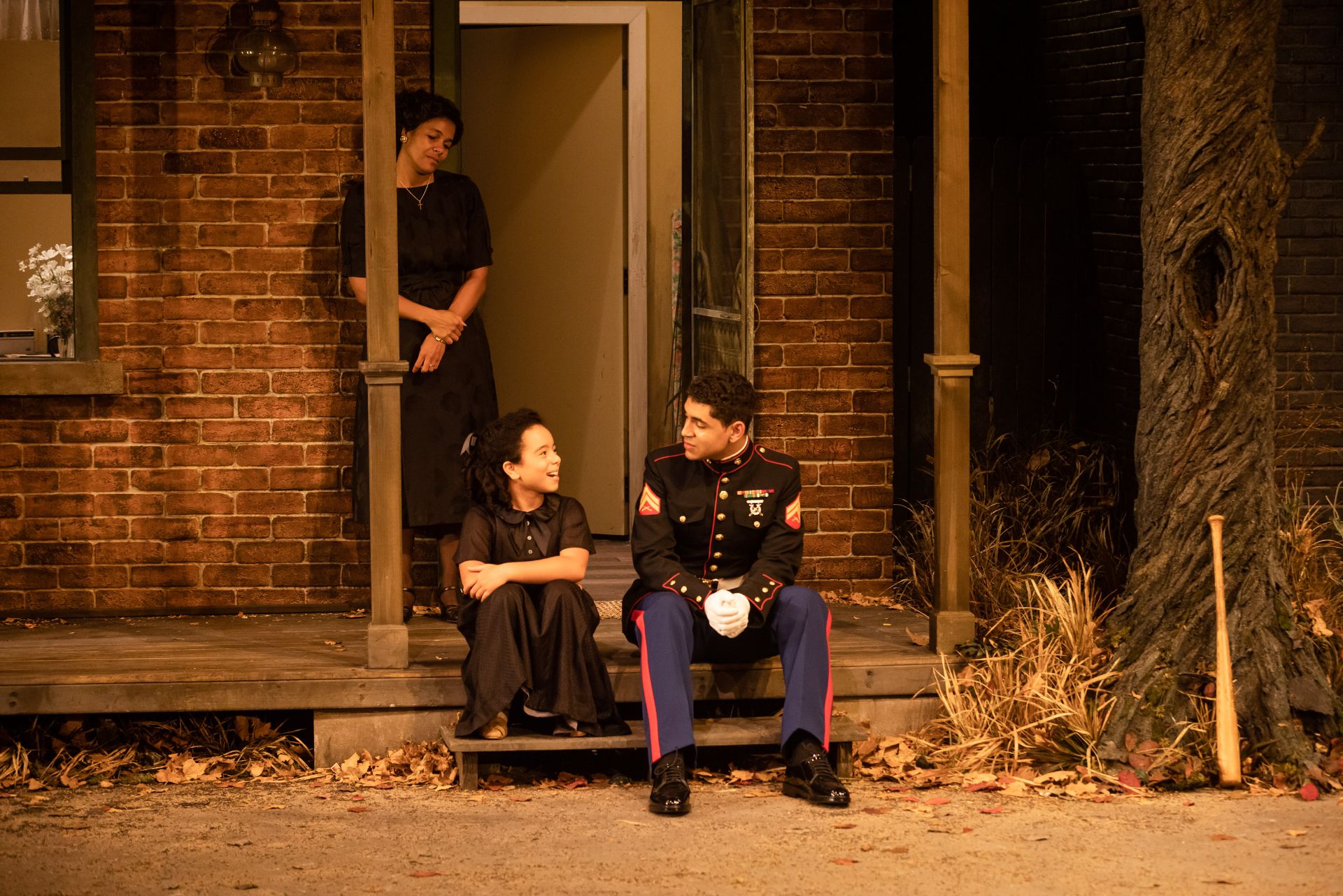
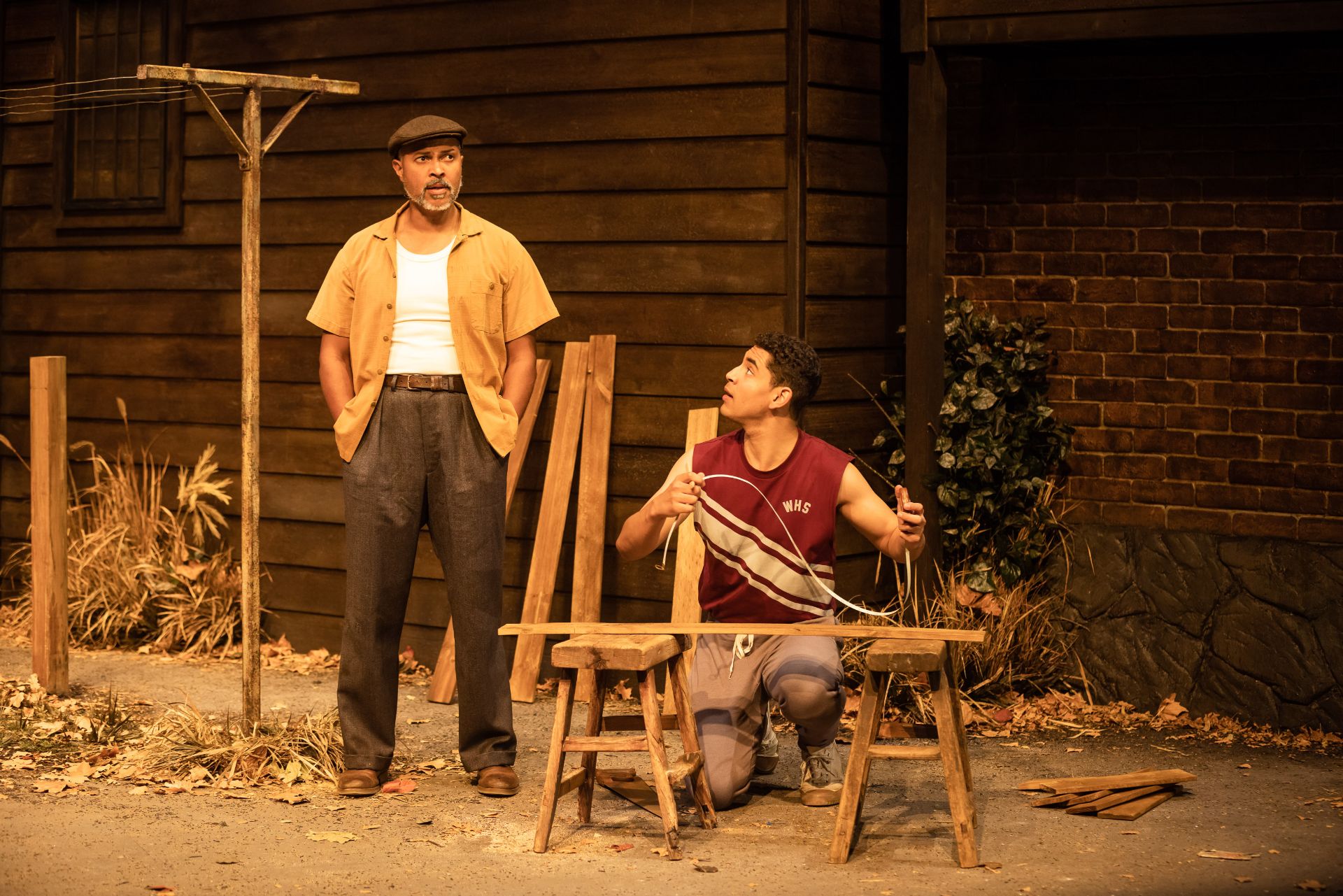
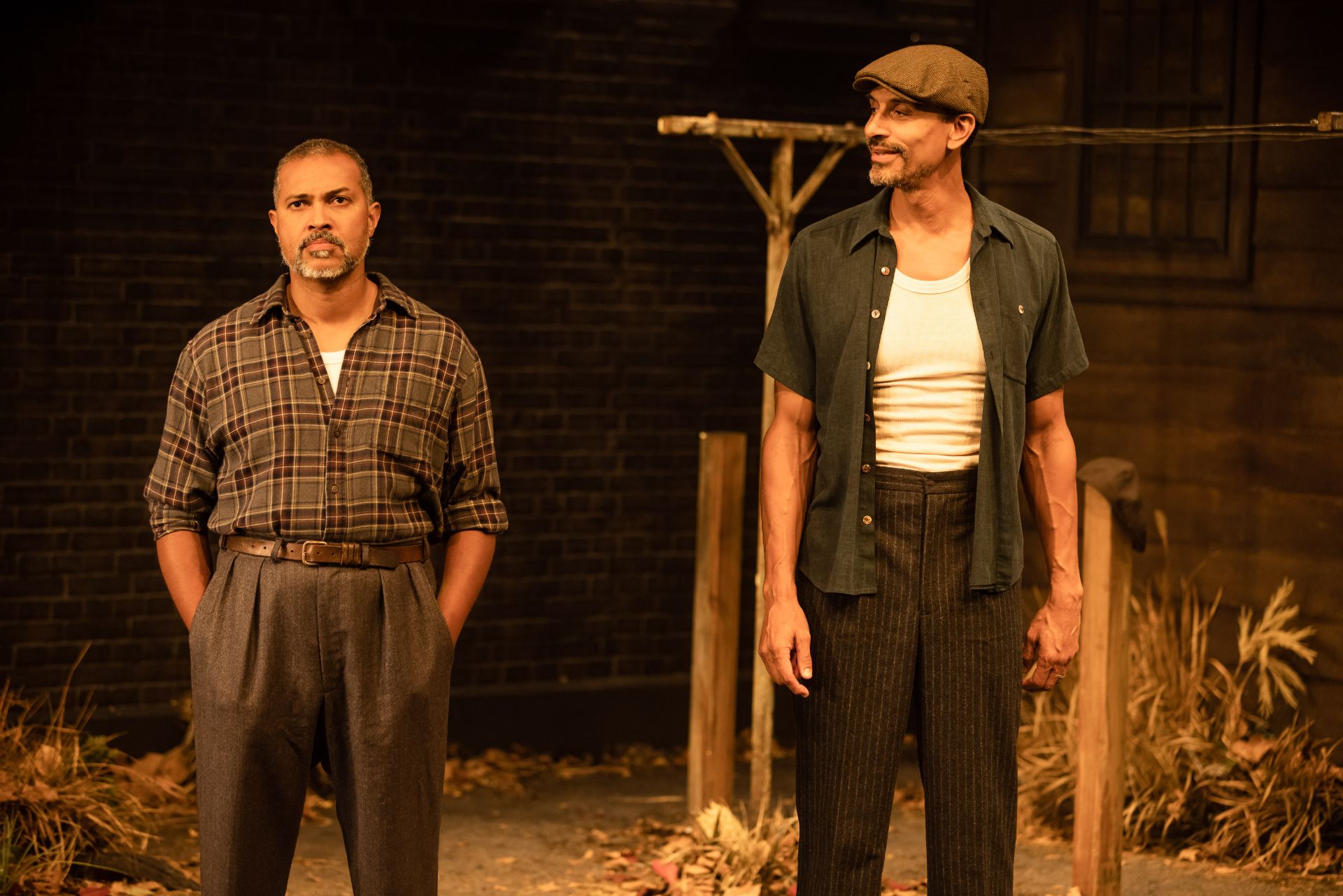
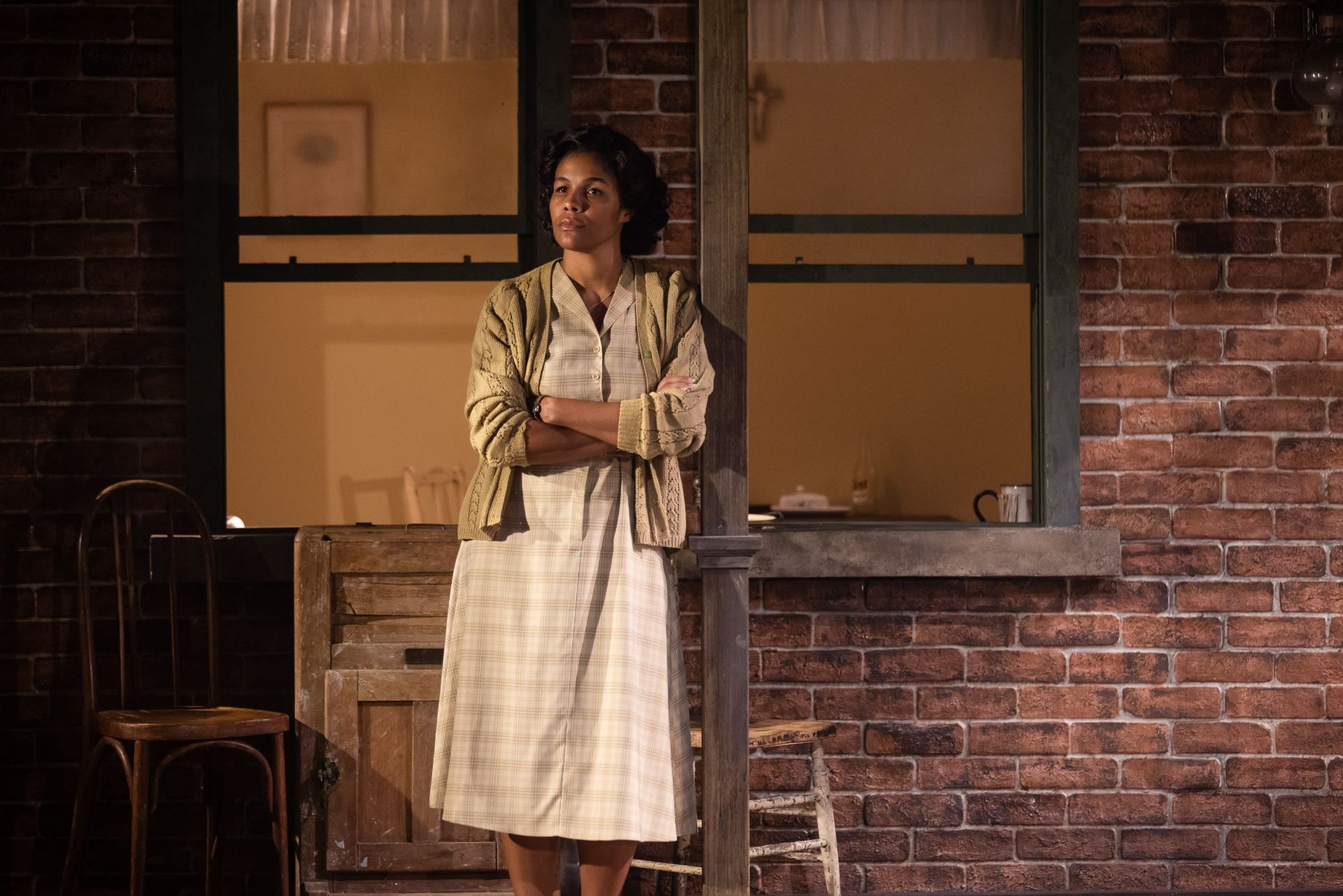
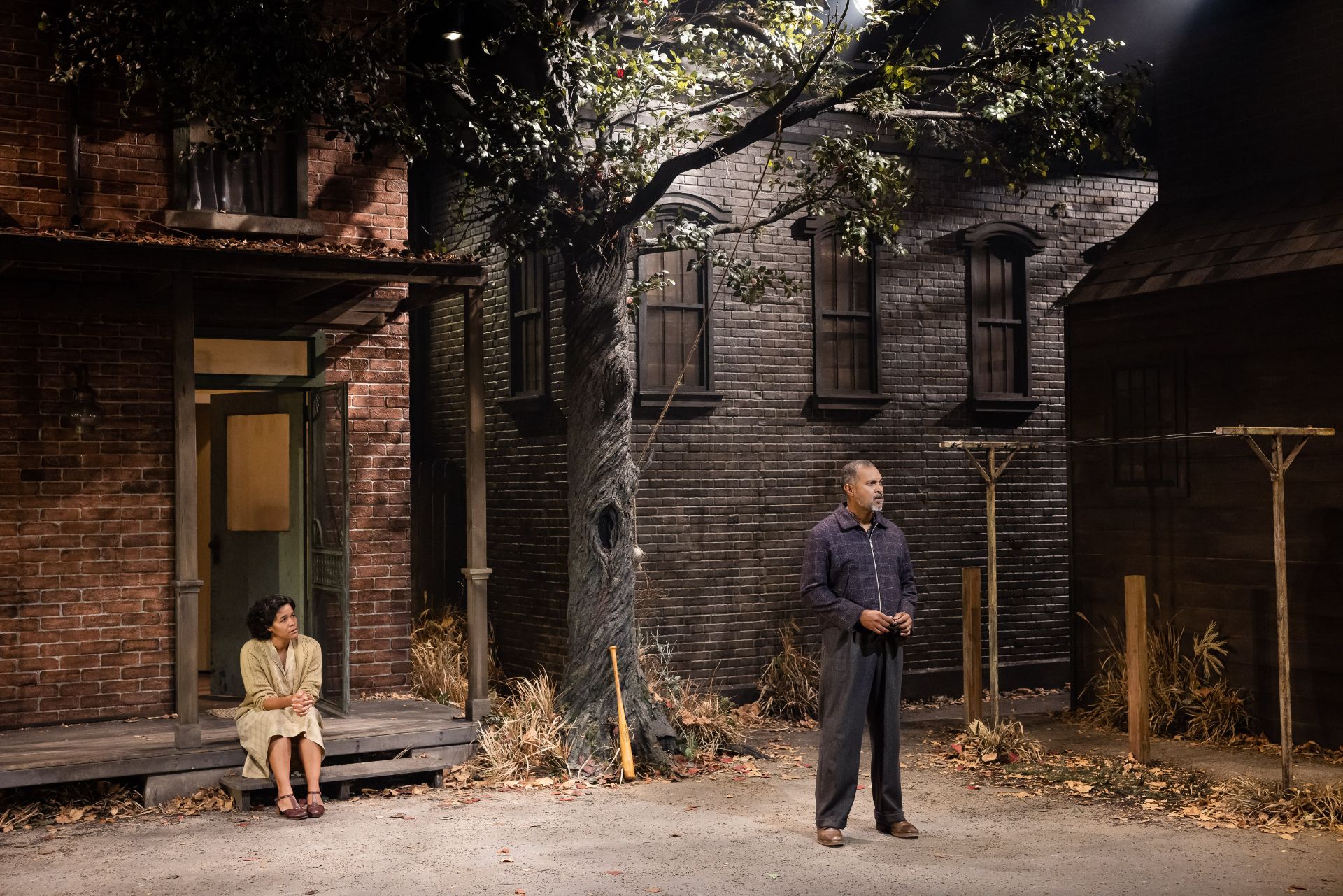
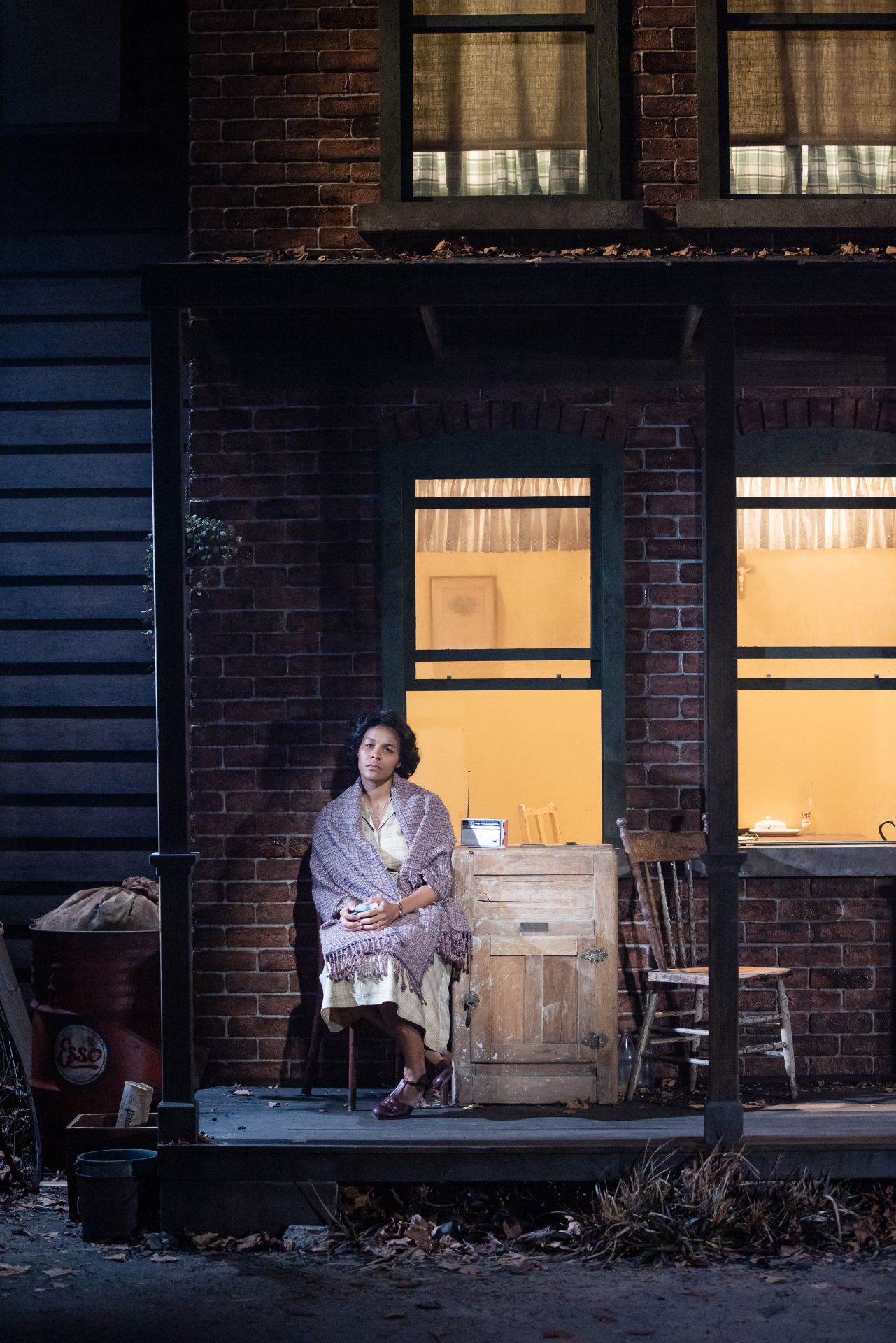
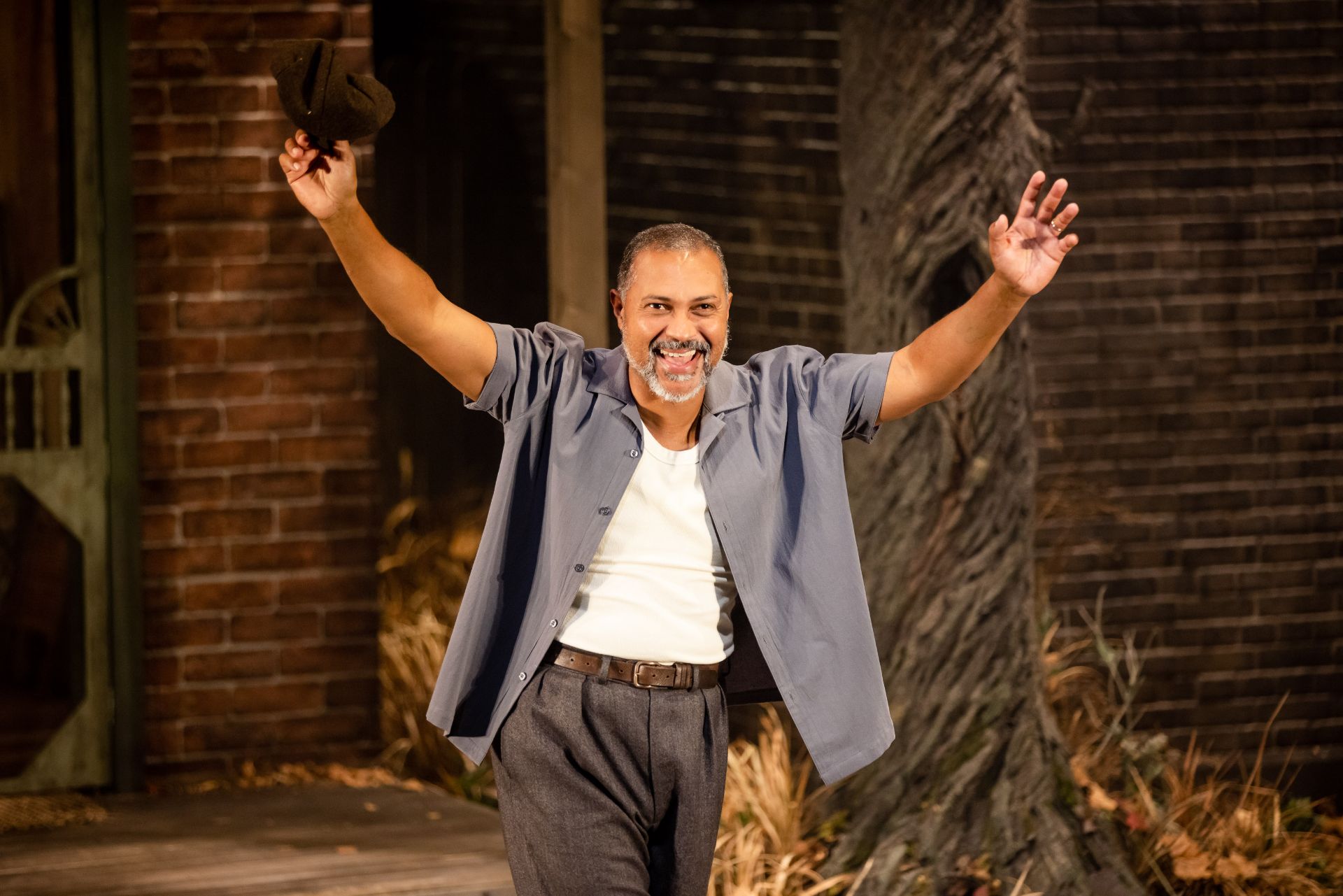
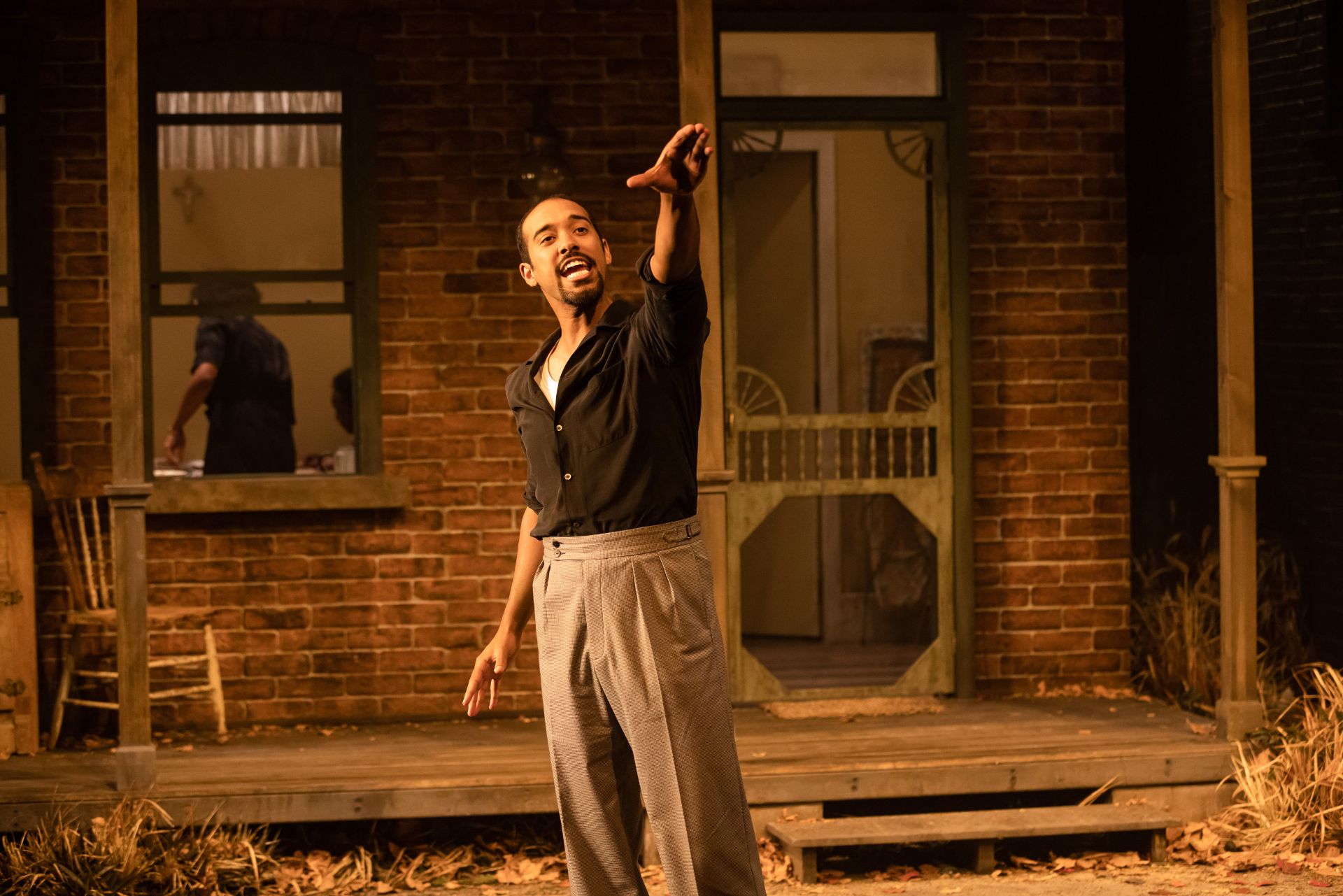
In 1950s Pittsburgh USA, Troy and Rose try their level best at making a life for themselves and their children. Harsh conditions as evidenced most concretely in discriminatory Jim Crow laws of the time however, means that the couple’s dreams were always going to be dashed, no matter their effort. August Wilson’s Fences deals with the effects of racial subjugation, from the microcosmic perspective of a single family unit, and its inevitable disintegration. As with all great tragedies, we find ourselves rooting for characters, but also simultaneously anticipating their demise. In Fences, we understand that it is not the playwright’s manipulations that prevent the Maxsons from thriving, but the very realities of racism and its accompanying systemic reverberations, that have kept generations of African-Americans from fulfilling their greatest potential.

Powerfully directed by Shari Sebbens, the production speaks pointedly on both the intimate and the broader social contexts, of the Maxson family’s story. The drama works poignantly whether one is concerned with the personal aspects of Fences, or the implications on community, of a far-reaching story like this. Sebbens’ work feels beautifully organic, yet its intricacies are honed with great detail, resulting in a meticulously rendered presentation that always sings naturally and connects profoundly.

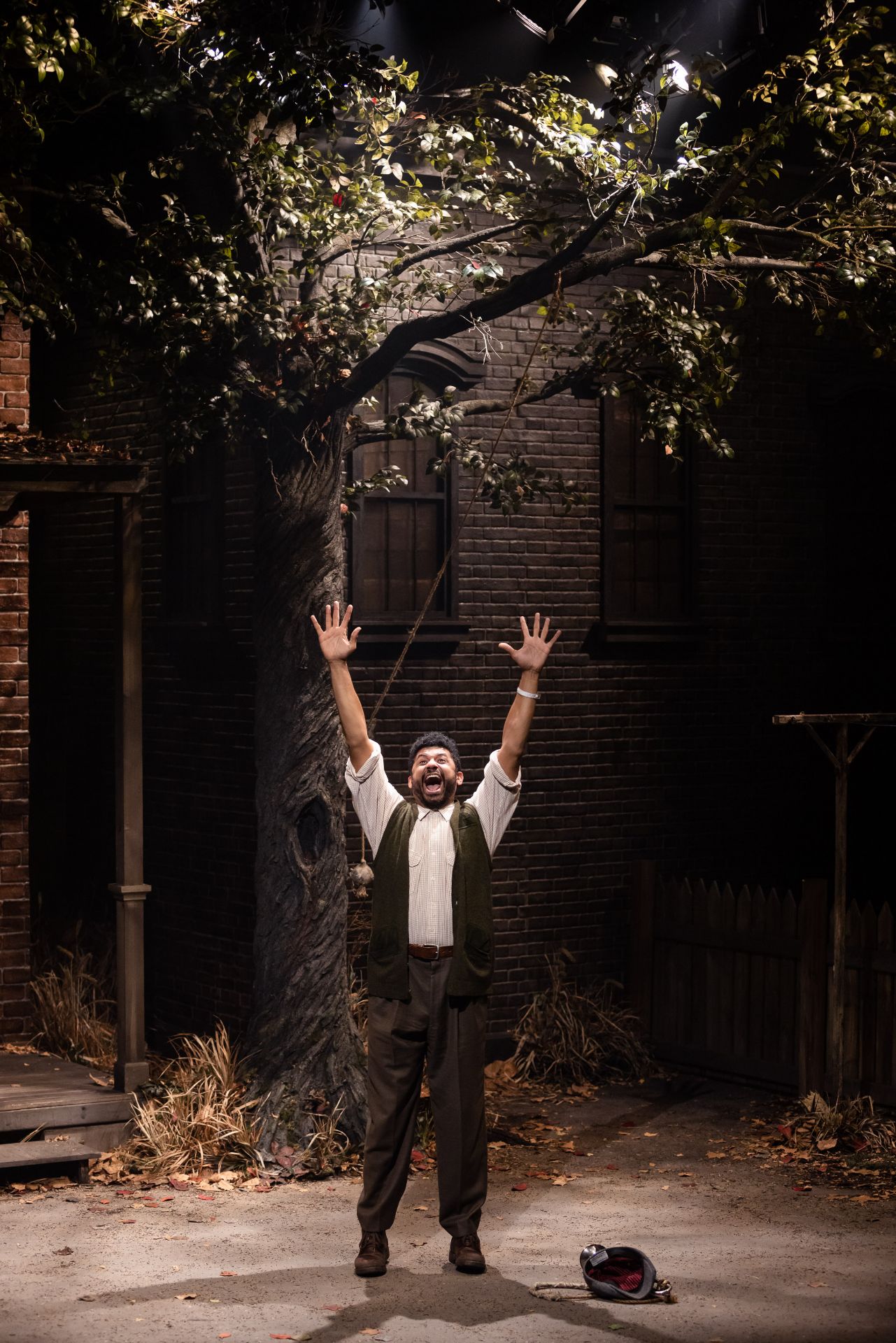
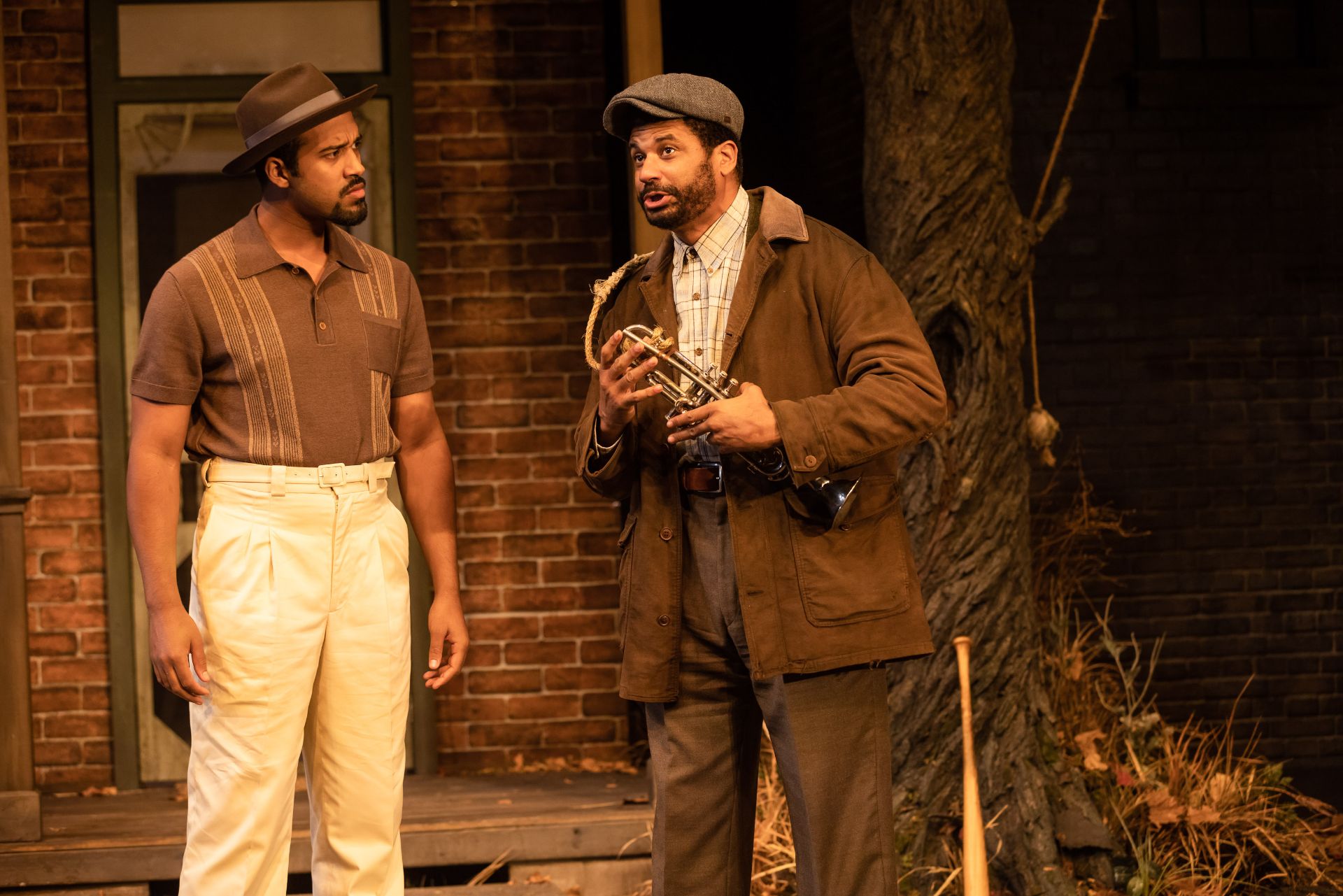
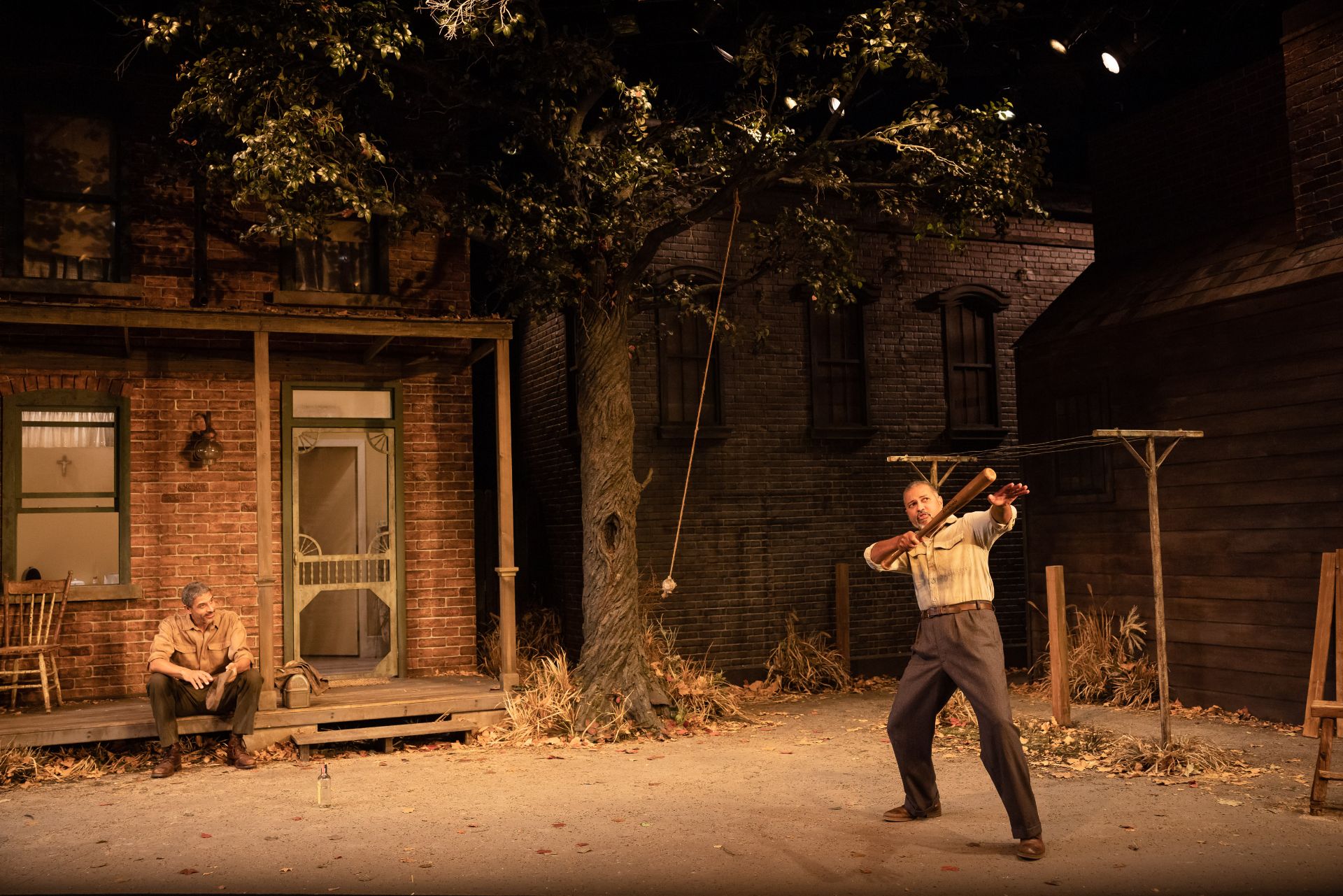
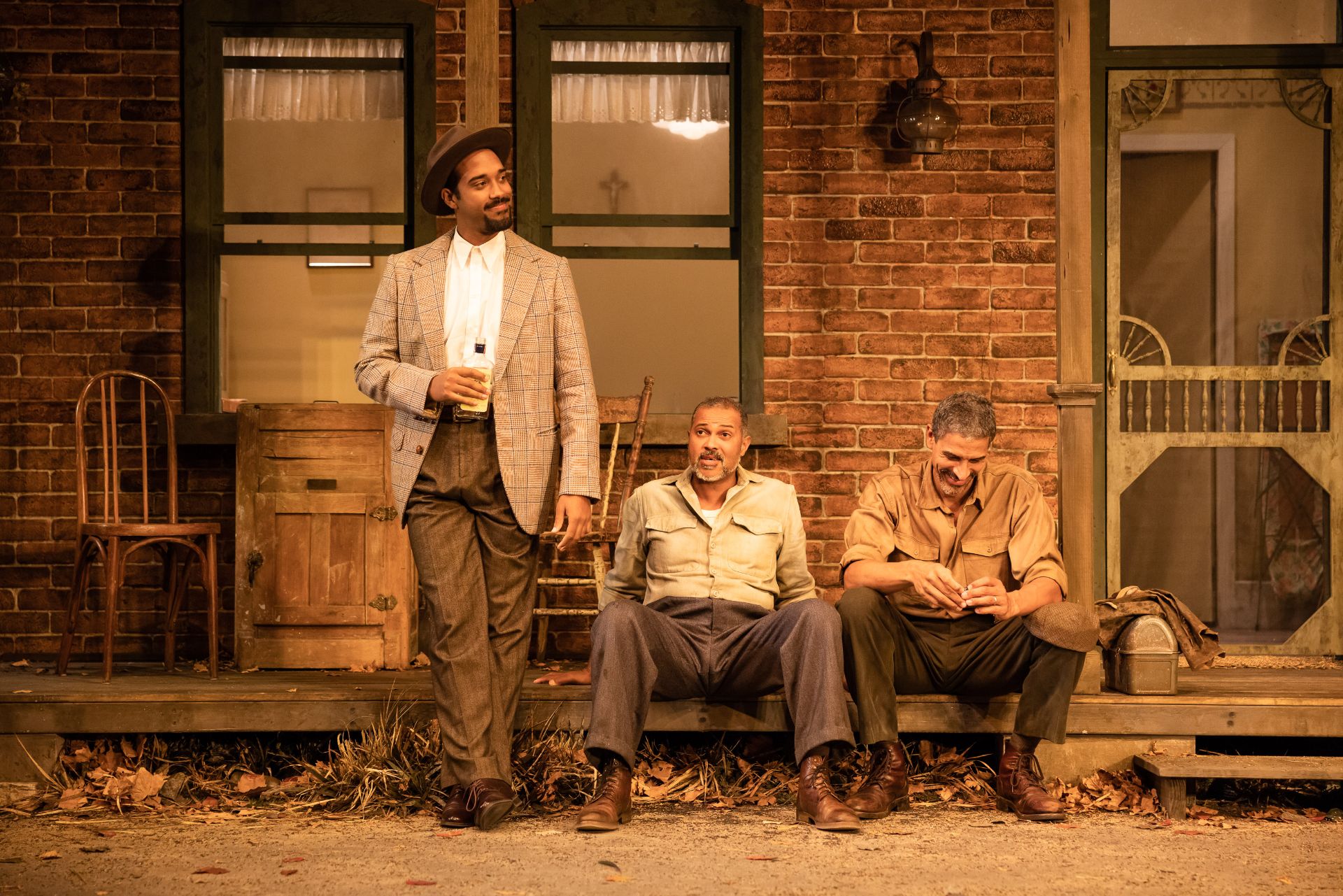
Set design by Jeremy Allen transports us somewhere thoroughly believable. Even though the Maxsons’ front yard from 70 years ago only exists in our imagination, what our eyes encounter is something that seems replete with verisimilitude, as are Allen’s costumes, similarly accurate in their depictions of Black life in mid-century Pennsylvania. Verity Hampson’s lights are conservatively, but thoughtfully, calibrated to engender an intense sentimentality, for a play that requires of us, emotional as well as intellectual investment. Sensual and soulful music by Brendon Boney draws from American Blues traditions, so that our sensibilities remain firmly in that historic time and place, one comprising the complex embroilment of bittersweet nostalgia and despicable oppression.

Actor Bert LaBonté delivers sensationally as Troy, with unremitting authenticity and disarming passion. He is heartbreaking yet reprehensible, sympathetic yet frustrating, in his noble portrayals of emasculation and righteous indignation. Zahra Newman brings great vigour to her interpretation of Rose, allowing the feminine half of the Fences story to make an almost comparable impact. Highly engaging is Darius Williams as son Cory, impressively nuanced and exquisitely tender, in a devastating narrative of circular histories. Markus Hamilton too, has us captivated as the mirthful Bono, with perfect timing and an extraordinary presence. Other cast members are Damon Manns, Molly Moriarty and Dorian Nkono, each one more charming than the other, in a show full of persuasive and likeable personalities.

Troy is fixated on his shattered hopes of becoming a professional baseball player of great renown. It is true that no person’s life can be guaranteed happiness ever after, based on the reversal of a singular precedent circumstance. It is also true however, that if racism is not the annihilating force pervasive in so many of our lives, Troy would have achieved not only his heart’s desire, but also a significantly improved existence overall, for himself and for his loved ones. Like Troy, many of us are conditioned to think more about personal failures, than to figure out ways to dismantle those harmful systems, within which all have to operate. Despondency is understandable, but those energies can be turned outwards, negative as they may be, to forge new paths that could bend the arc of history.
www.sydneytheatre.com.au

Review: Cherry Smoke (KXT on Broadway)

Venue: KXT on Broadway (Ultimo NSW), Mar 24 – Apr 8, 2023
Playwright: James McManus
Director:
Charlie Vaux
Cast: Alice Birbara, Fraser Crane, Tom Dawson, Meg Hyeronimus
Images by Abraham de Souza

Theatre review
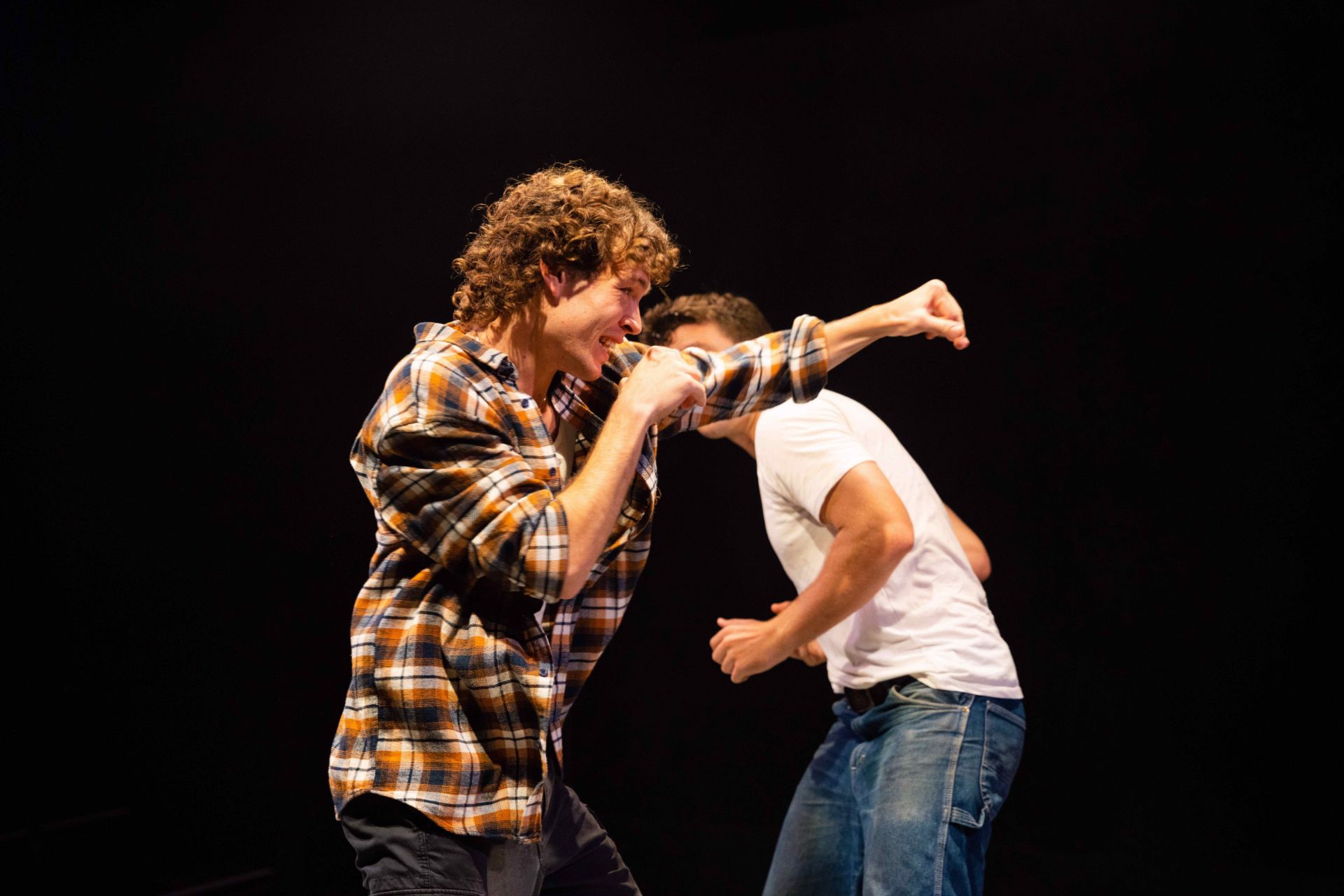
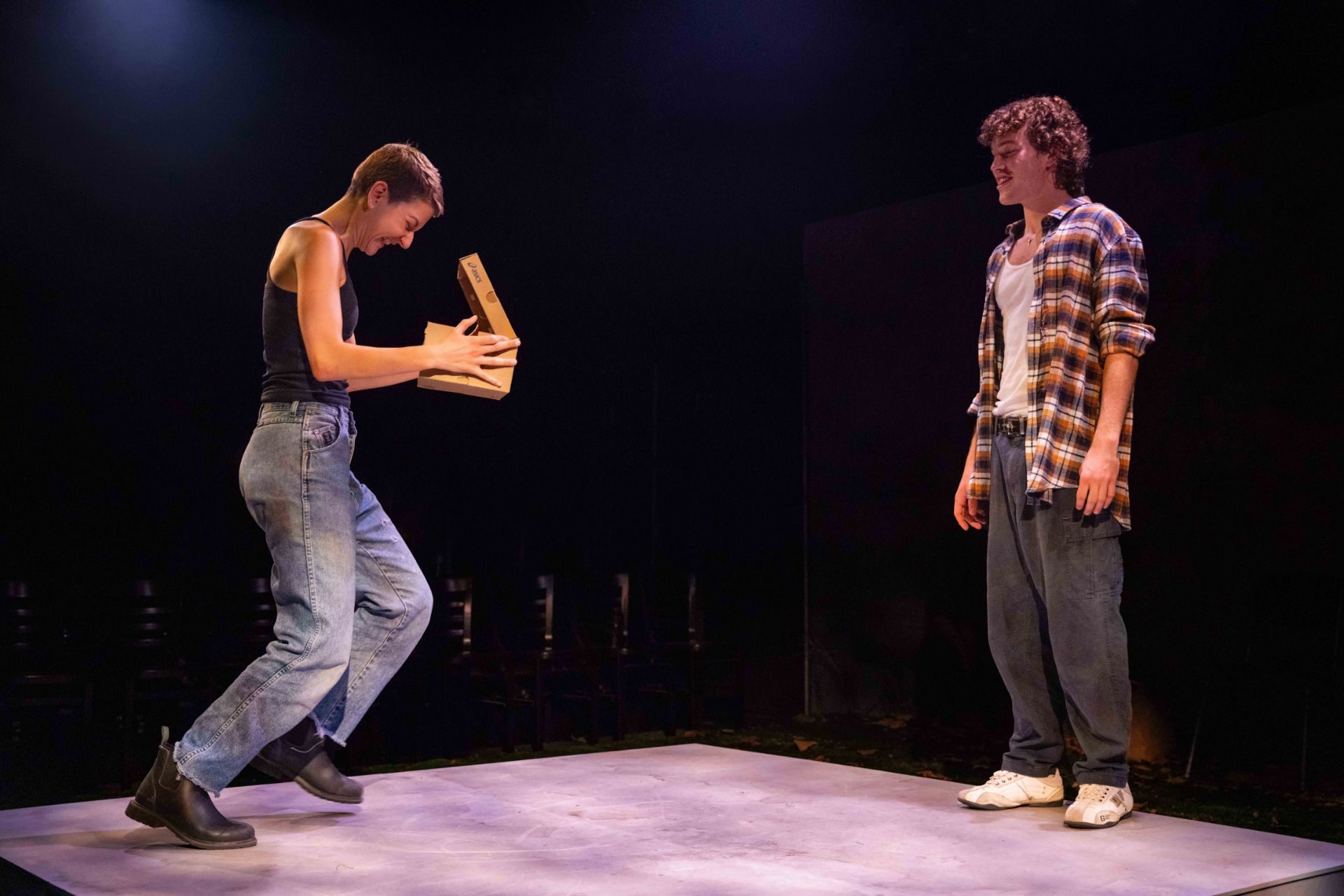
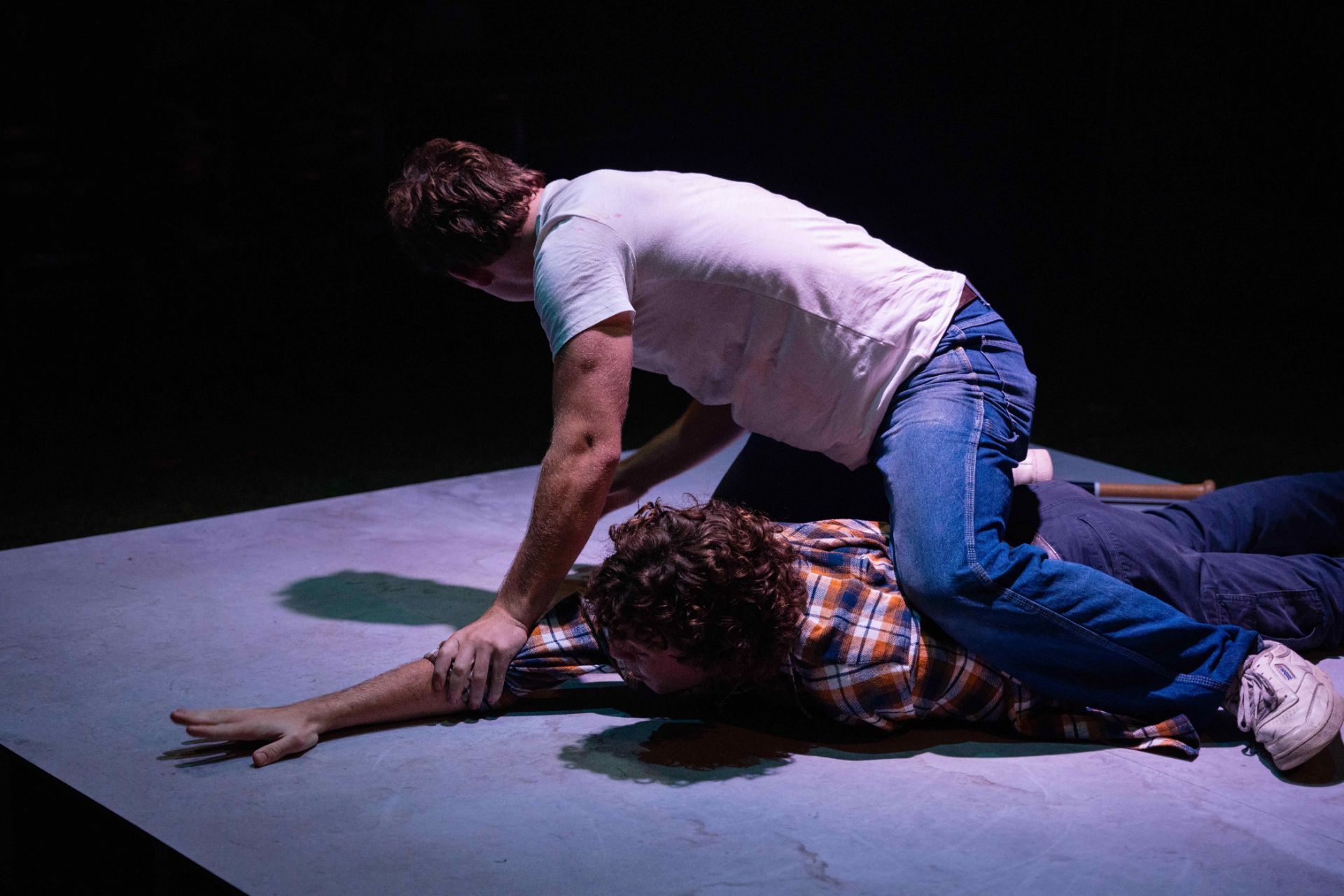
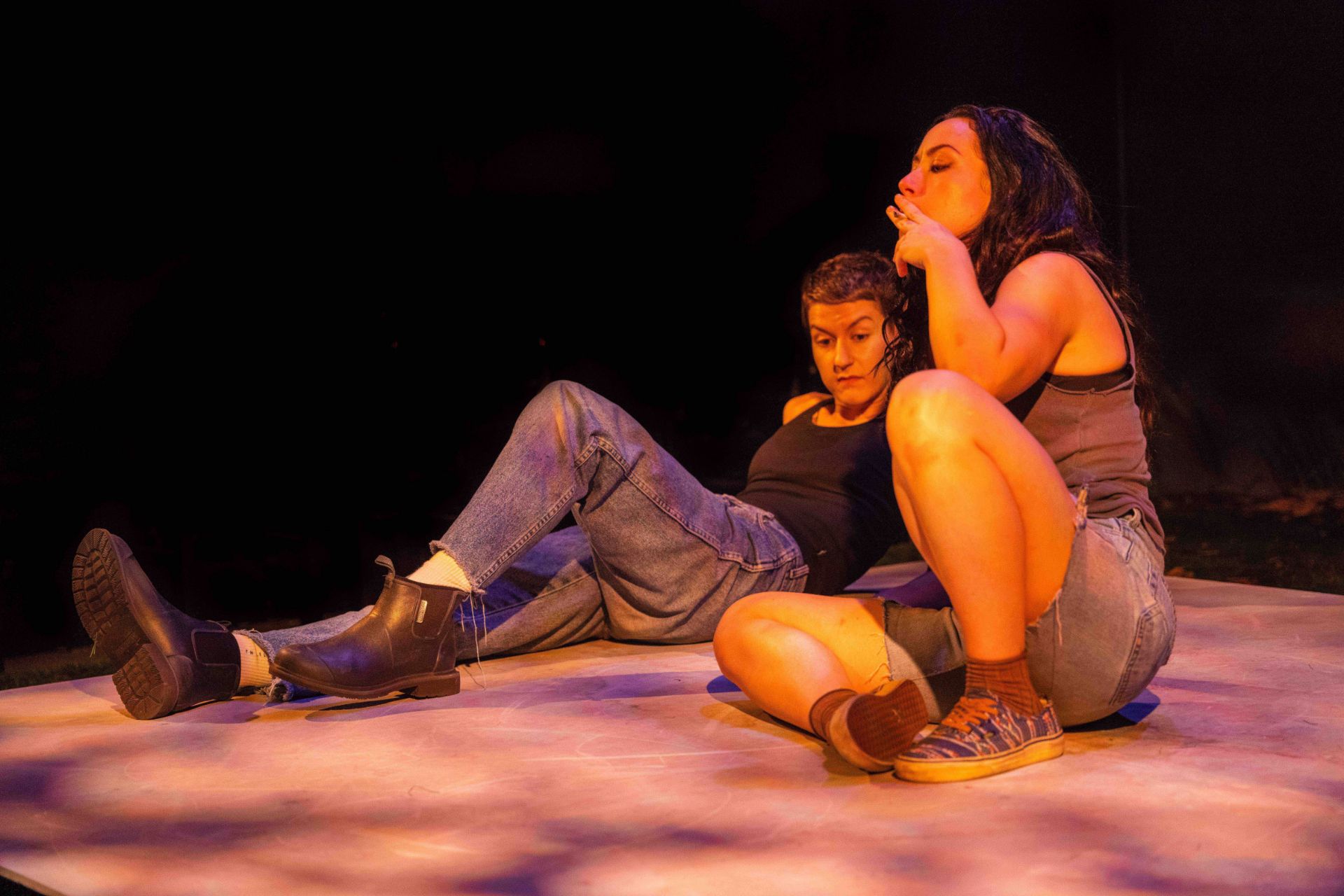
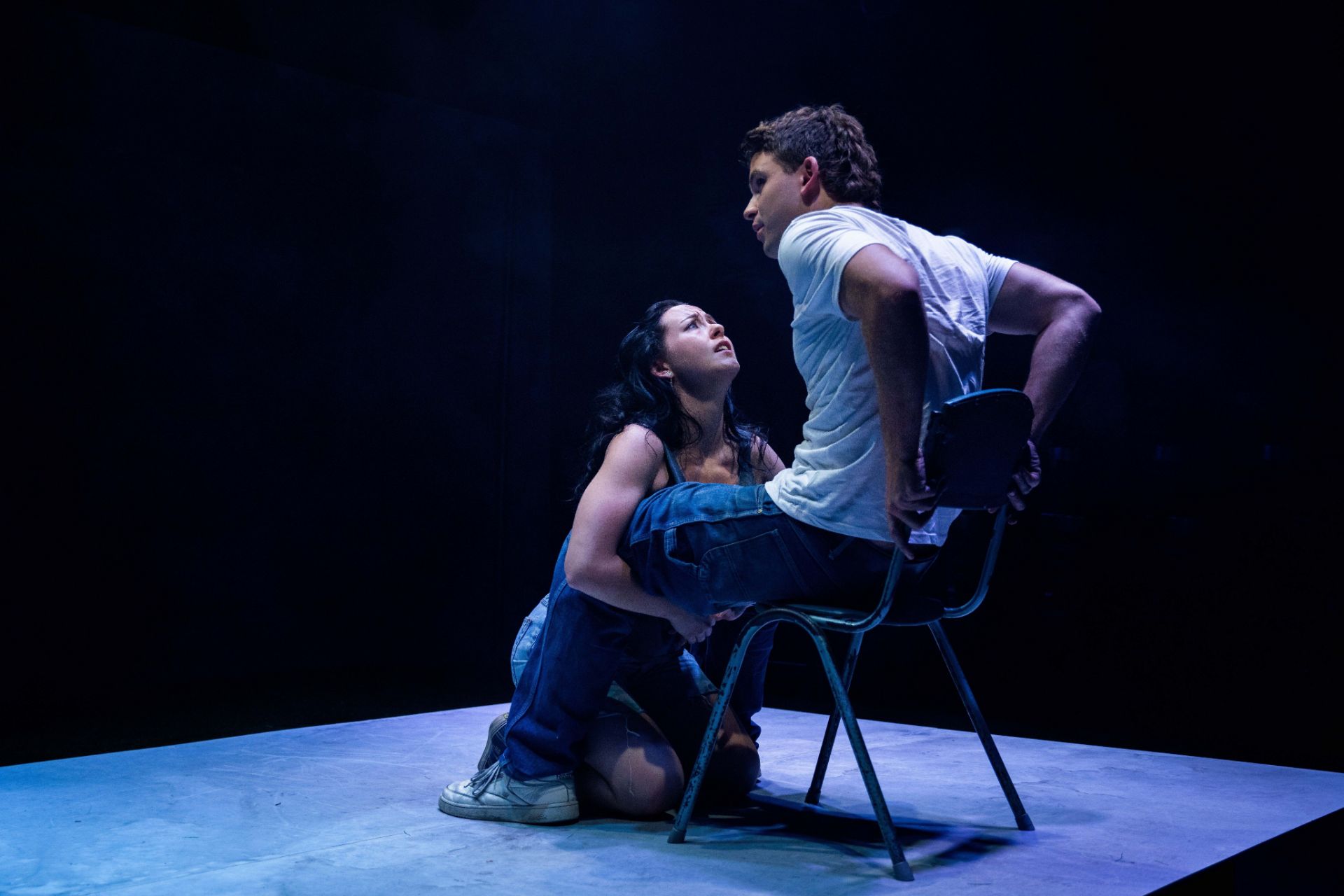
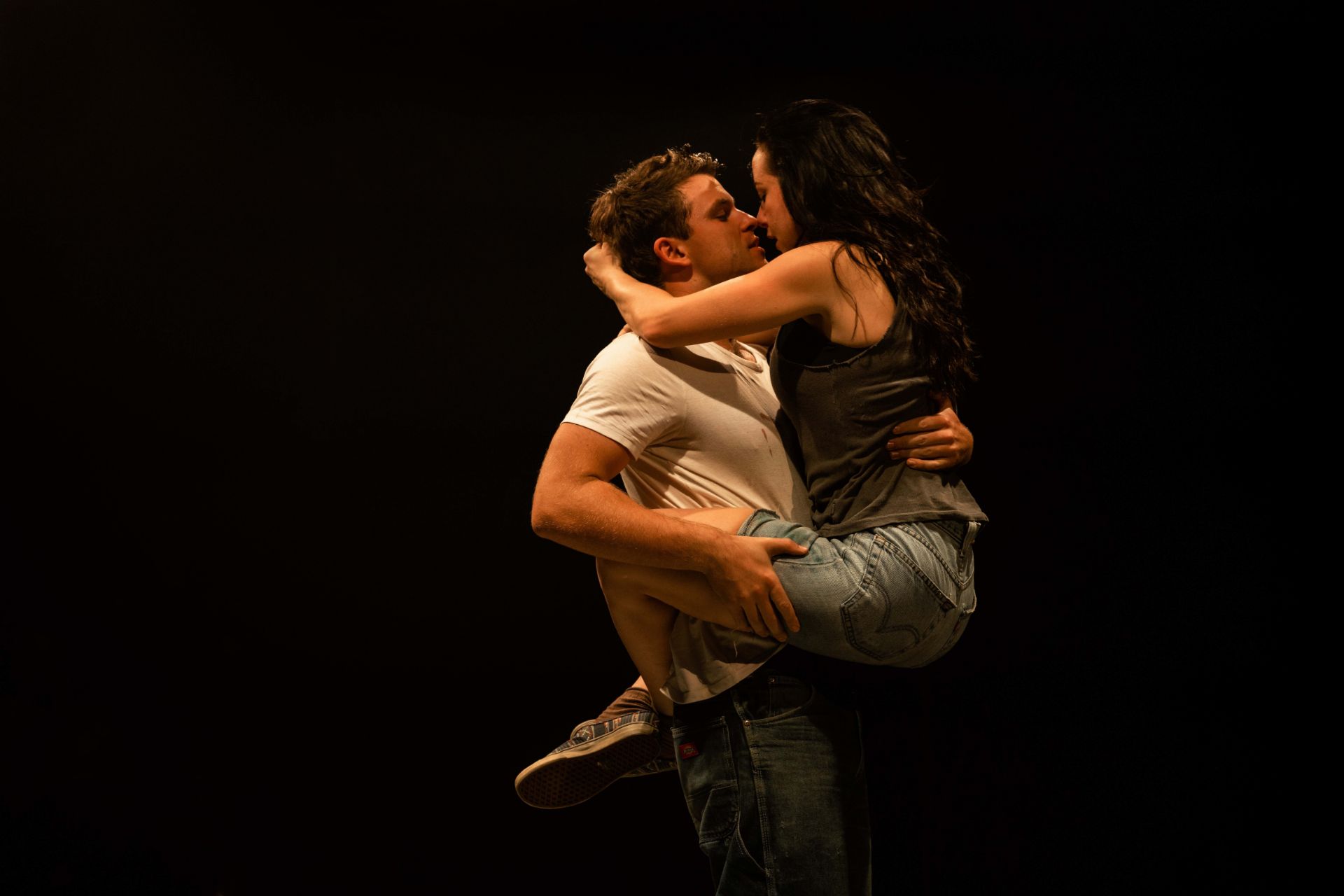
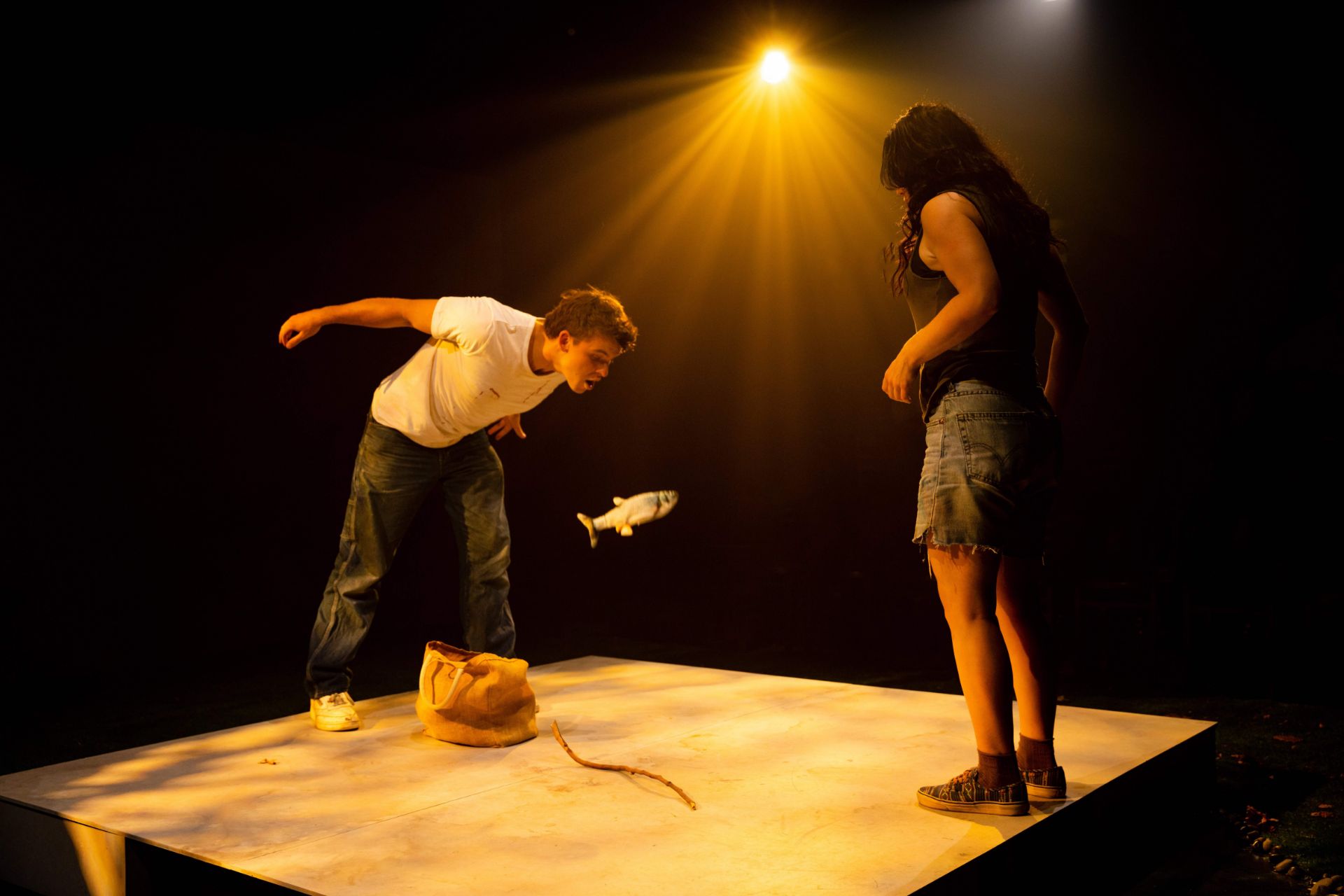
The story takes place somewhere in a godforsaken redneck part of the United States, where girls kiss delinquents and dream of birthing babies, and boys fight each other to prove their manhood. As we see in James McManus’ Cherry Smoke, there is not much one can aspire to, when caught in a cycle of poverty. Even the imagination is restricted, and people can only follow in the footsteps of parents, whose lives have proven completely unworthy of replication.
Directed by Charlie Vaux, the pessimistic story is given a surprising tenderness, with perhaps a deficiency in portrayals of brutality and grittiness, that makes the experience feel insufficiently poignant. Lights by Jasmin Borsovszky are commensurately soft in approach, visually appealing but overly romantic with its renderings of despondency. Soham Apte’s set design offers simple solutions to help facilitate entrances and exits with minimal friction. Sounds by Johnny Yang are a highlight,  working marvellously to alter atmosphere, and to manufacture moments of dramatic tension.

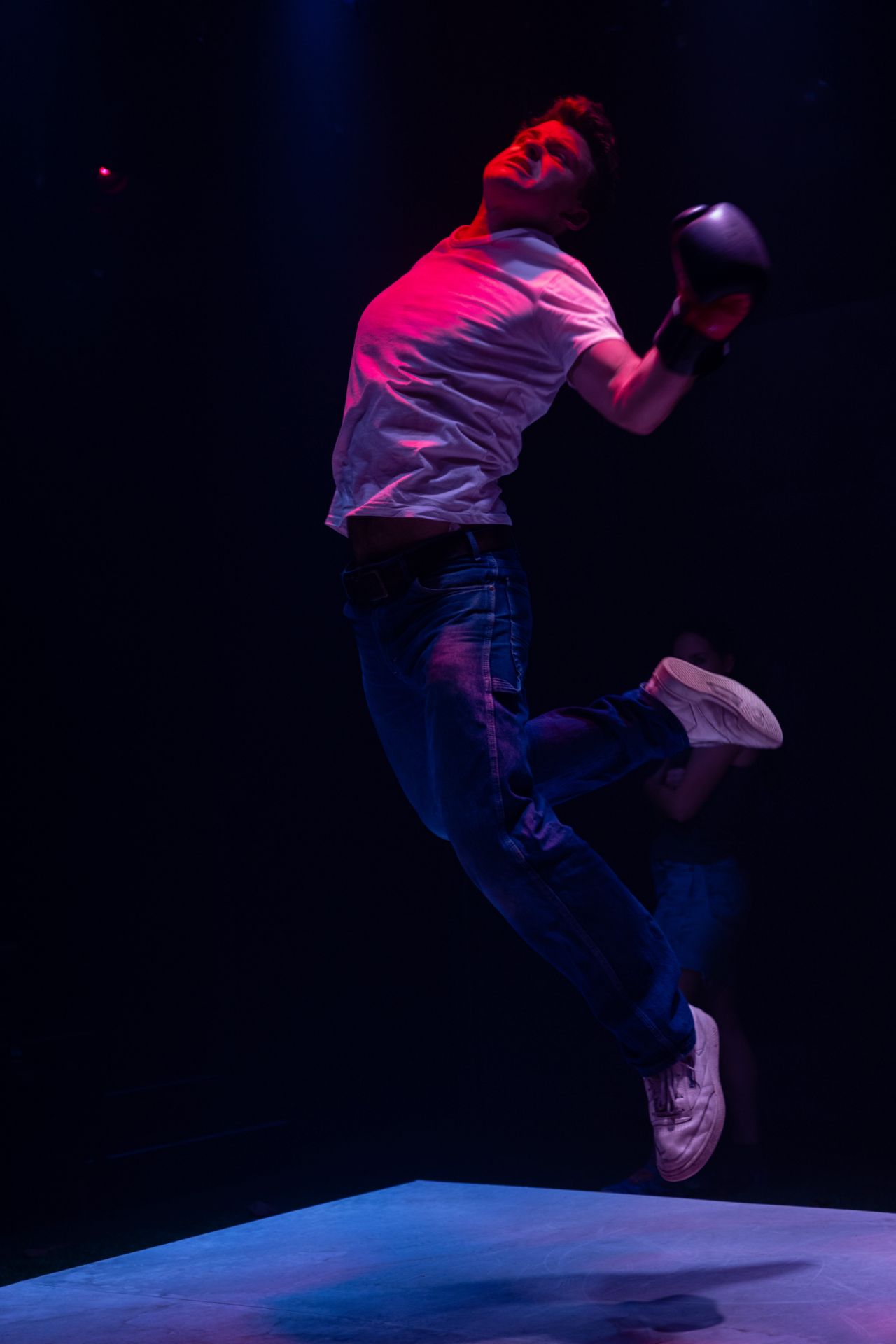
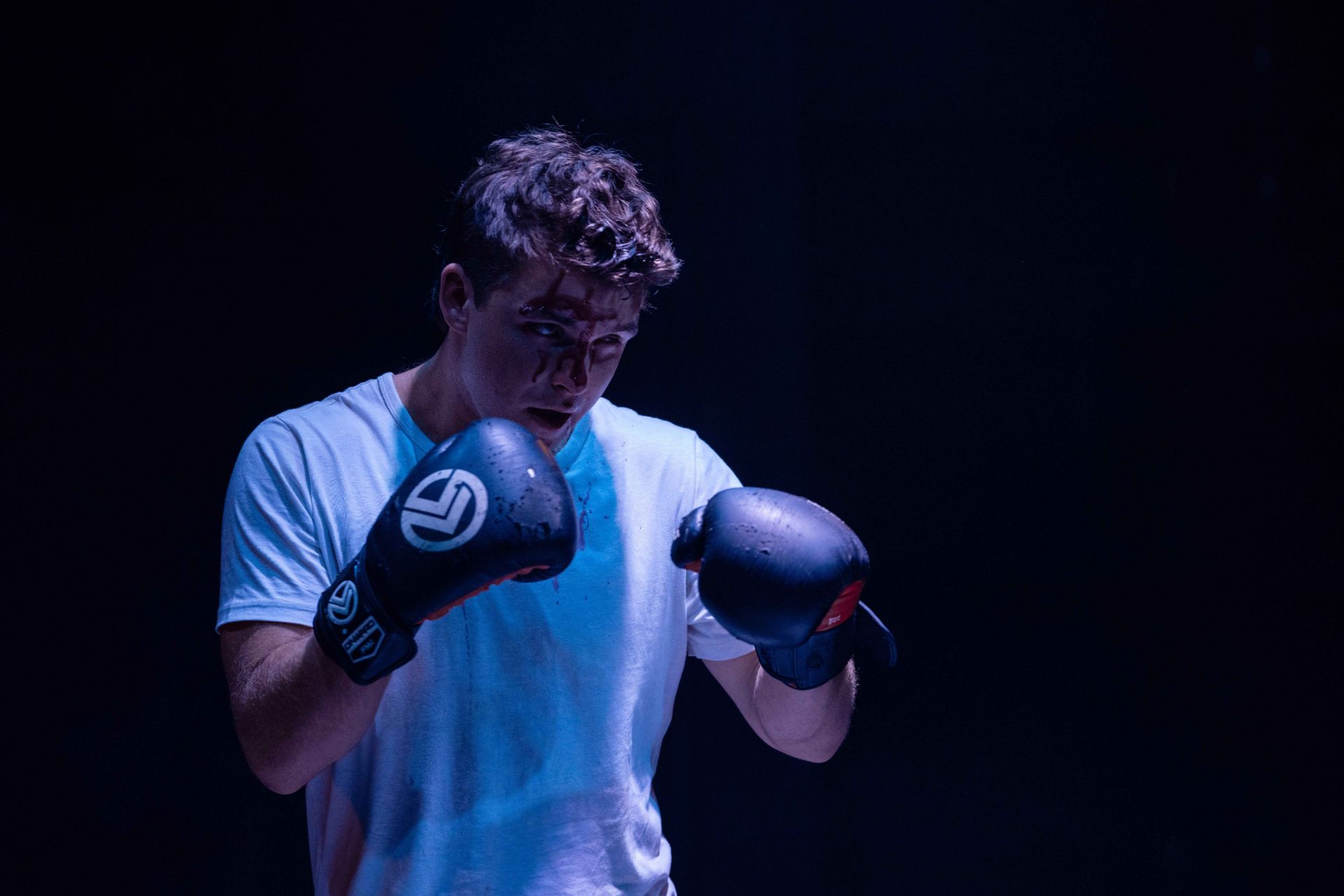
Actor Meg Hyeronimus plays the love-struck Cherry, as a sassy yet stern young woman,  whilst the object of her desire Fish is performed by Tom Dawson, who depicts the boxer with imprudence and a devastating recklessness. Both demonstrate good focus, along with attention to detail, for a challenging piece about a space that seems so far removed, from most of our present realities. Alice Birbara and Fraser Crane, too are diligent with their parts as Bug and Duffy respectively, bringing intensity to the production at key junctures.

The veracity of socio-economic problems being explored in Cherry Smoke, is beyond doubt. Evidence of people falling through the cracks is extensive, should we choose to pay attention. It is meaningless to say that we want these problems to go away, unless we can admit that it is a matter of wealth redistribution that needs to take place, and that some simply have to give up their power and riches, in order that many more can be released from their torment. The disadvantaged should also find ways to divert violence away from themselves, and exert that force instead, on those who are more deserving of pressure and disruption.

www.kingsxtheatre.com