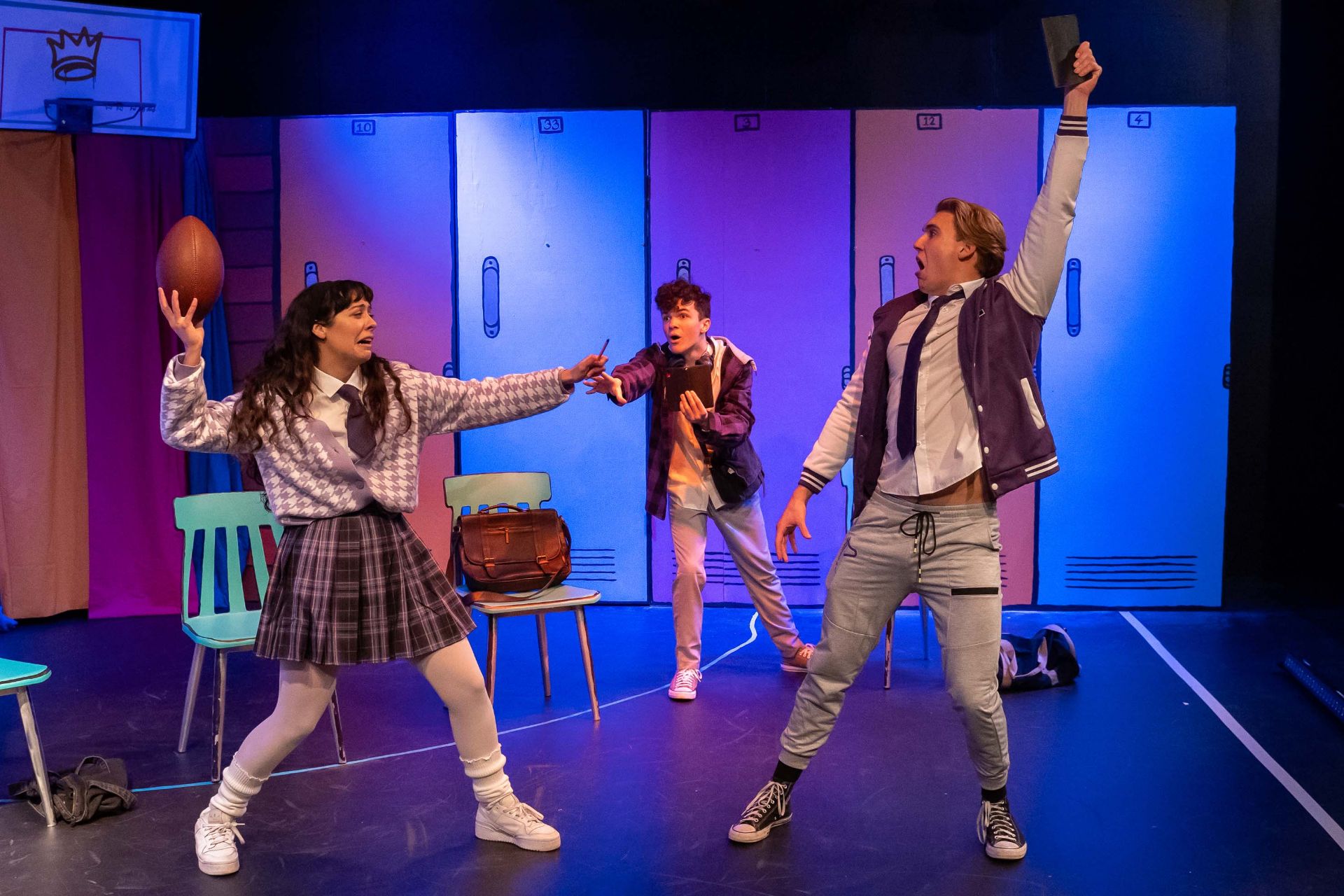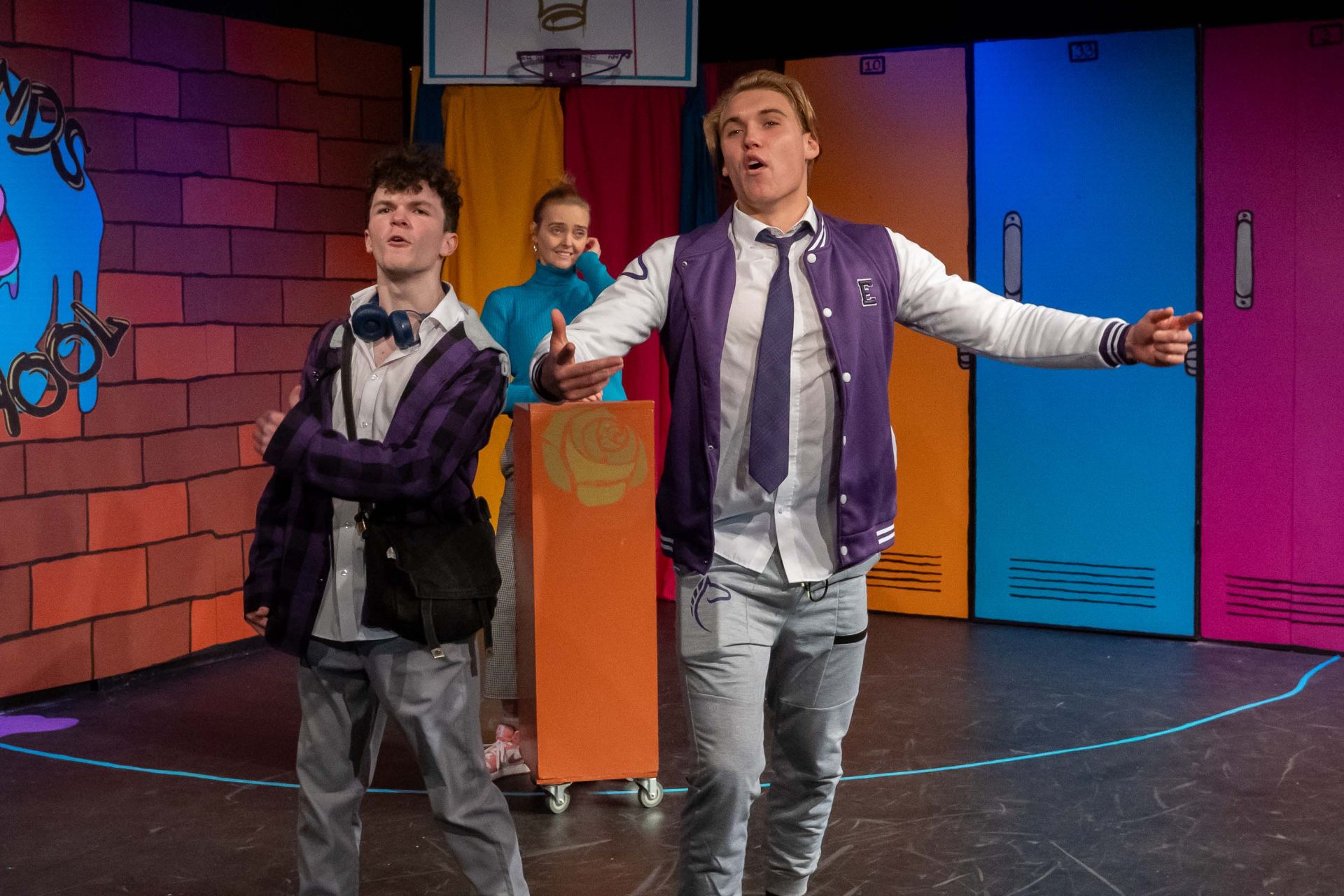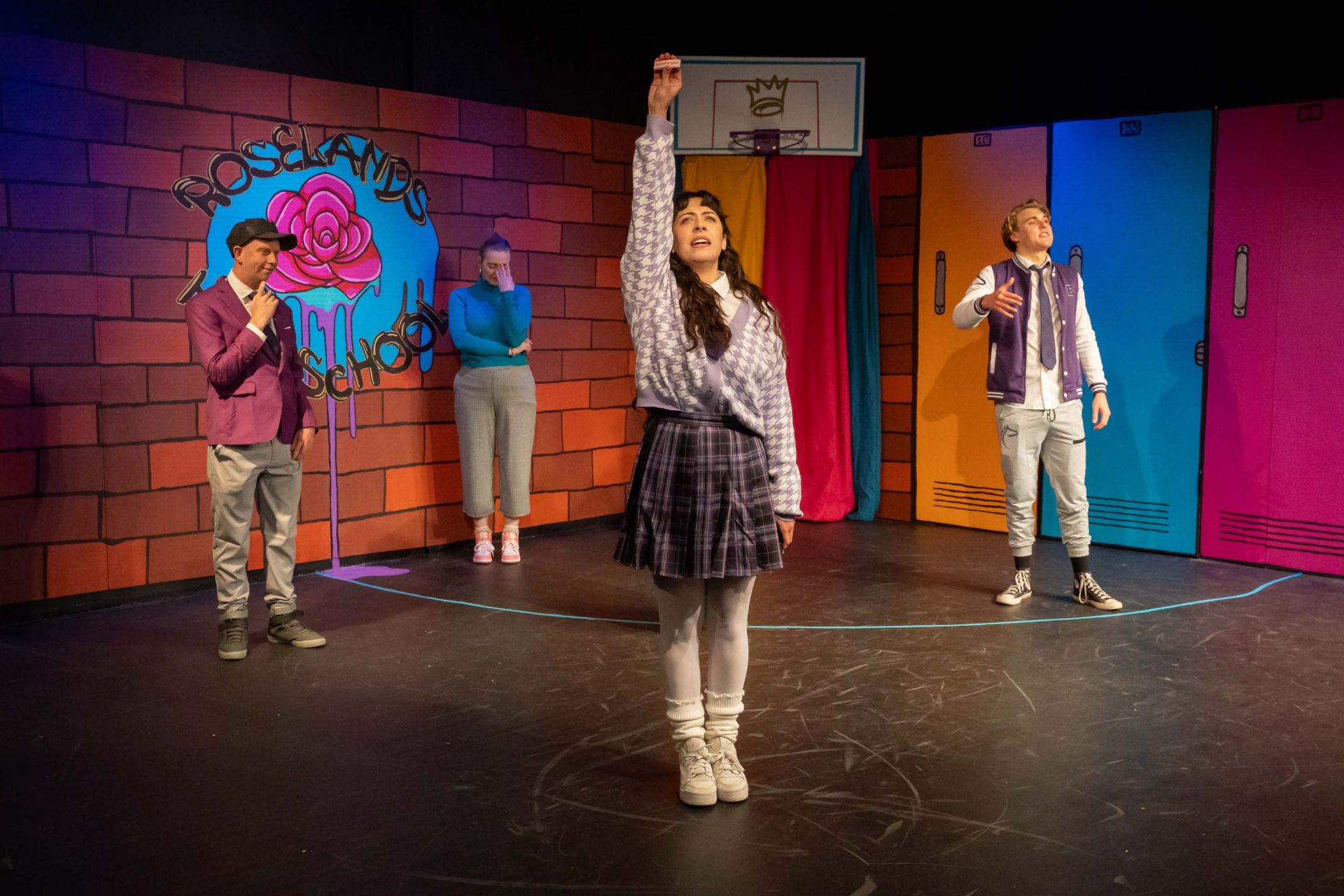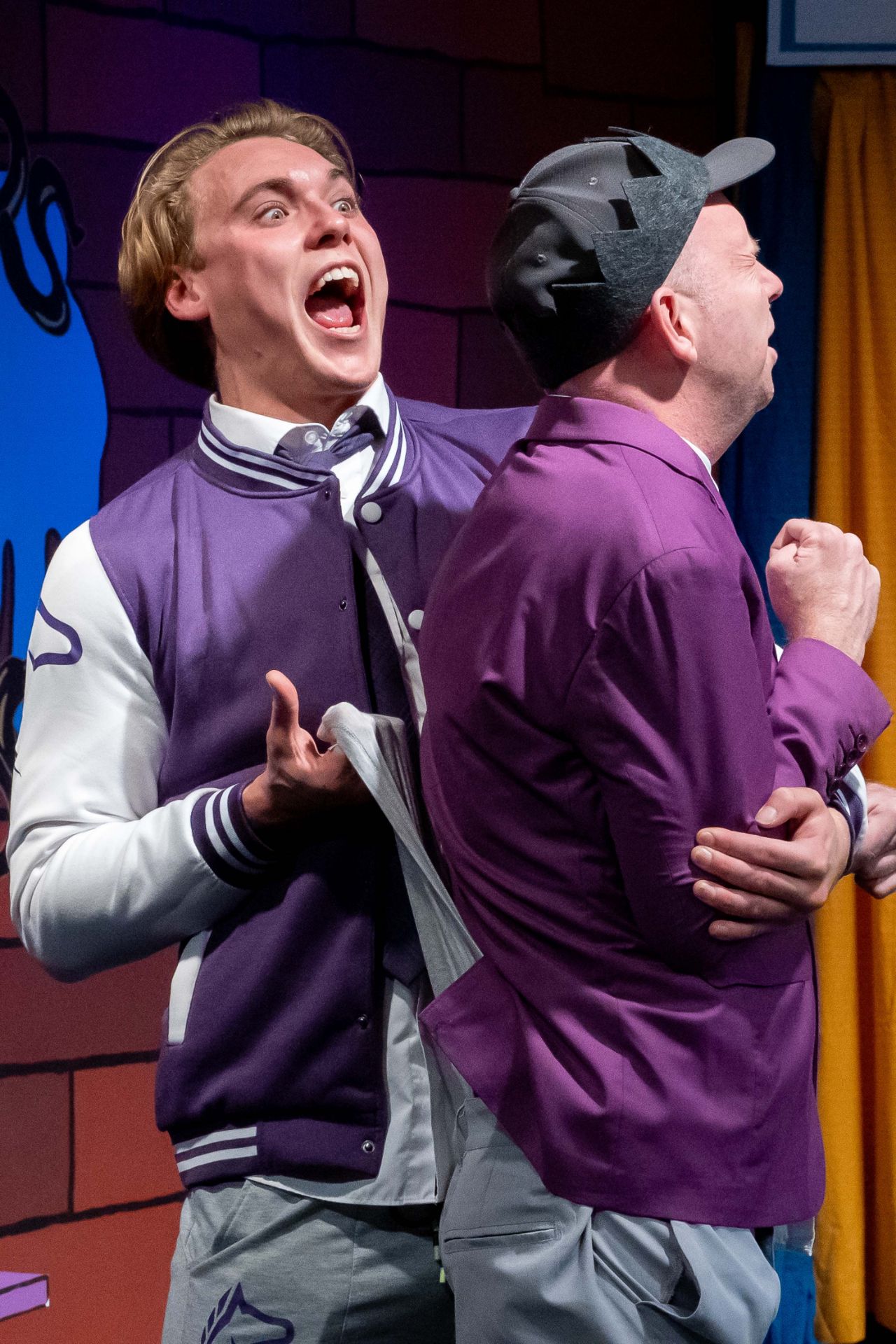
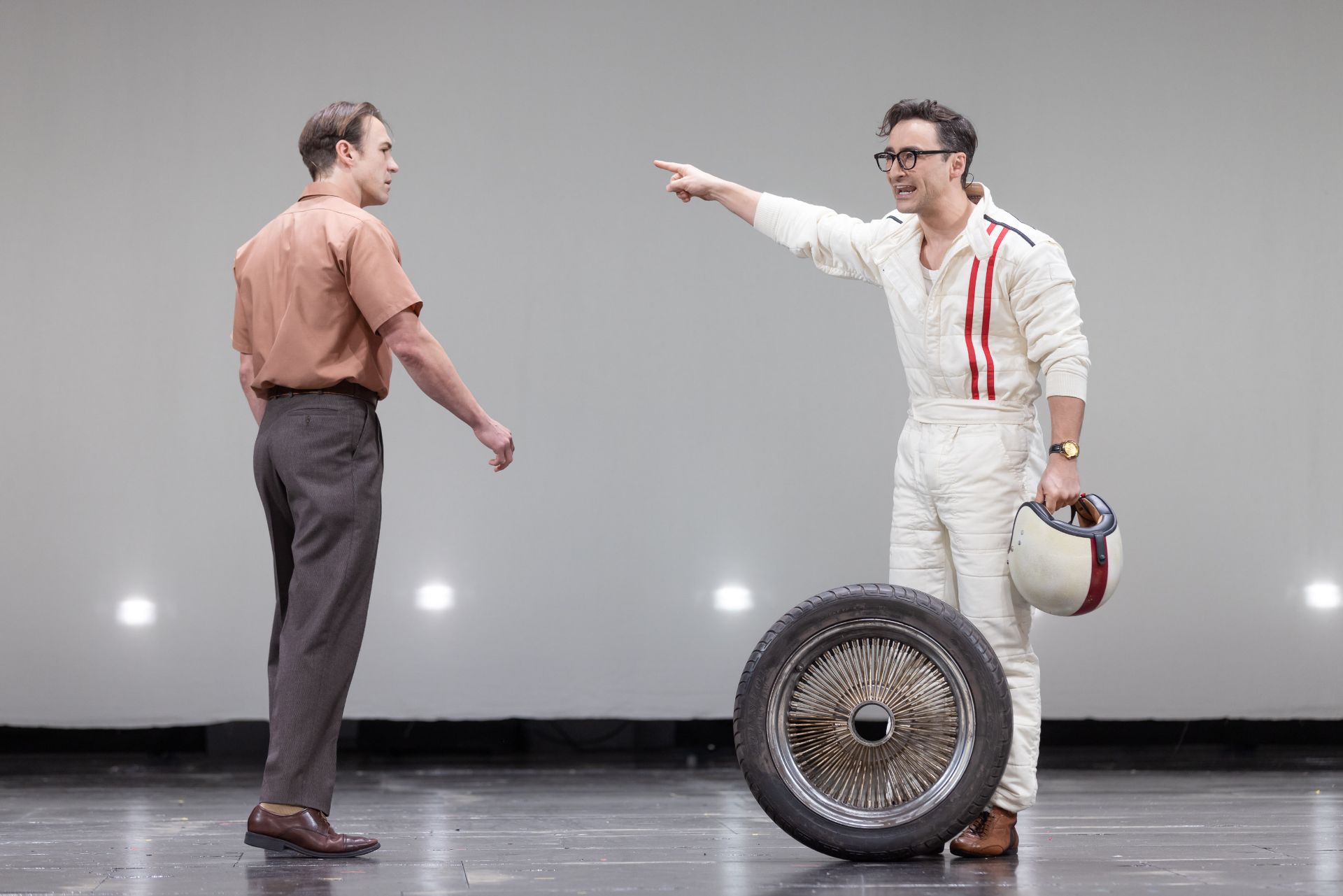
Review: Bright Half Life (Meraki Arts Bar)

Venue: Meraki Arts Bar (Darlinghurst NSW), Feb 2 – 19, 2023
Playwright: Tanya Barfield
Director:
Rosie Niven
Cast: Genevieve Craig, Lisa Hanssens, Loretta Kung, Samantha Lambert 
Images by Becky Matthews

Theatre review

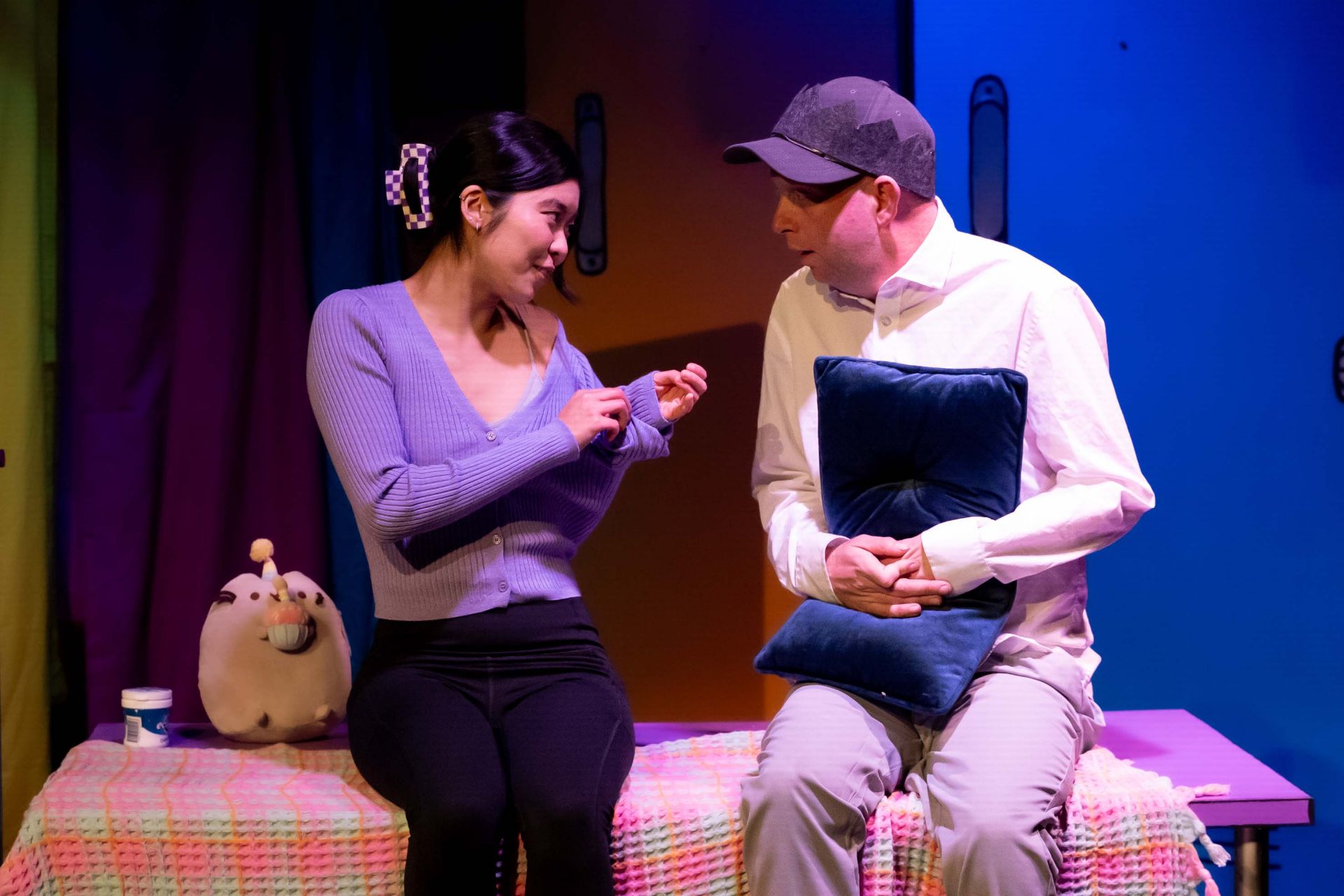
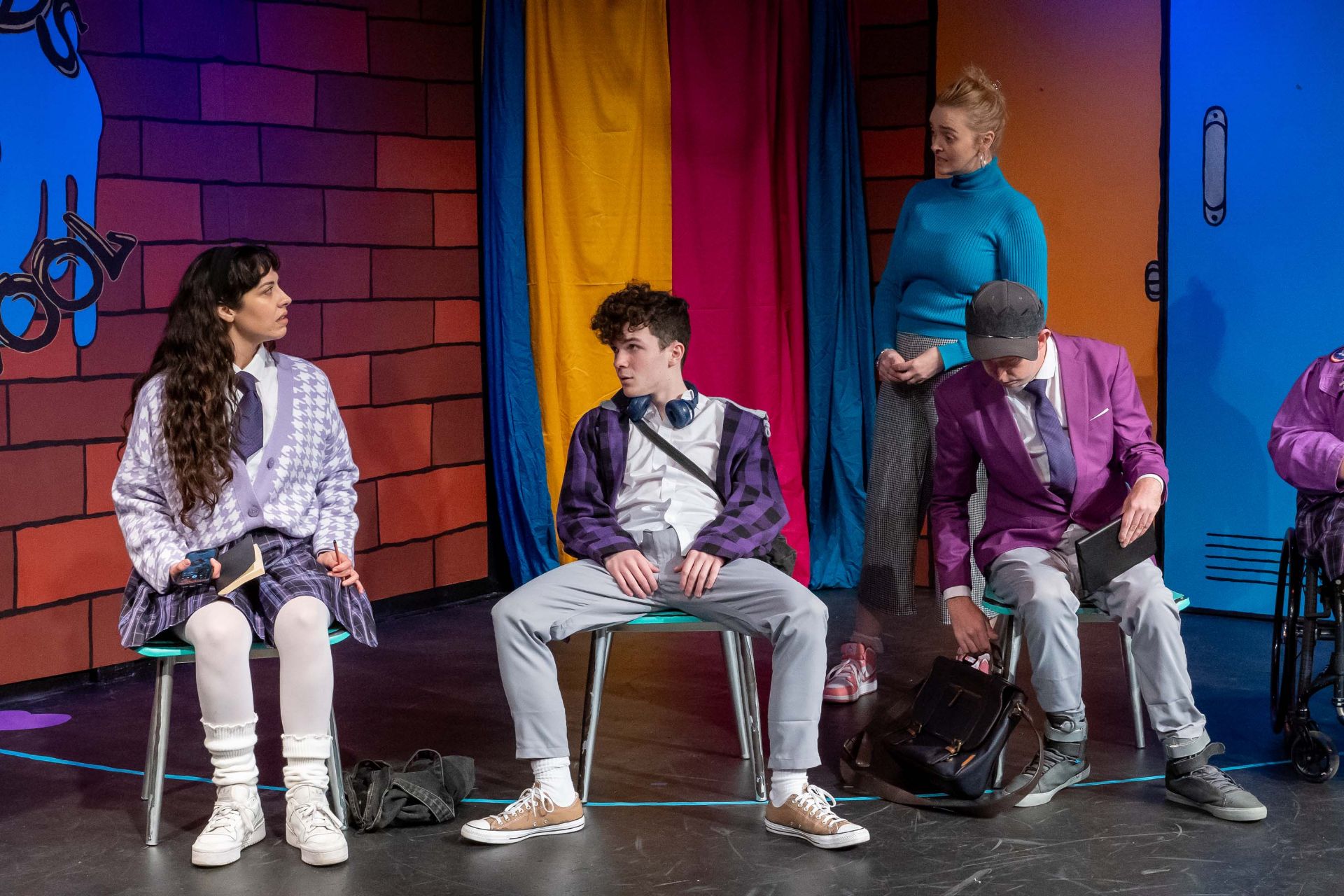
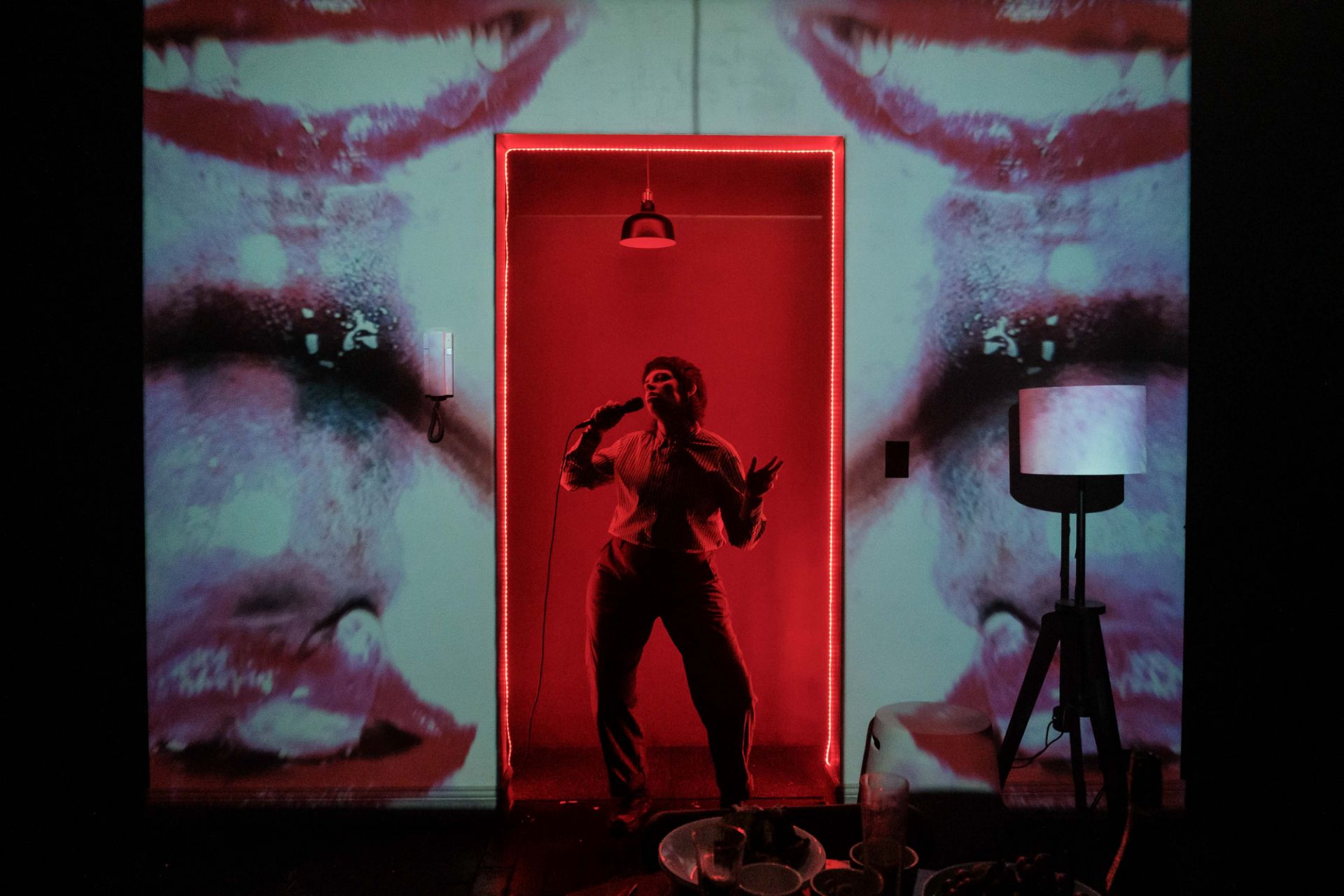
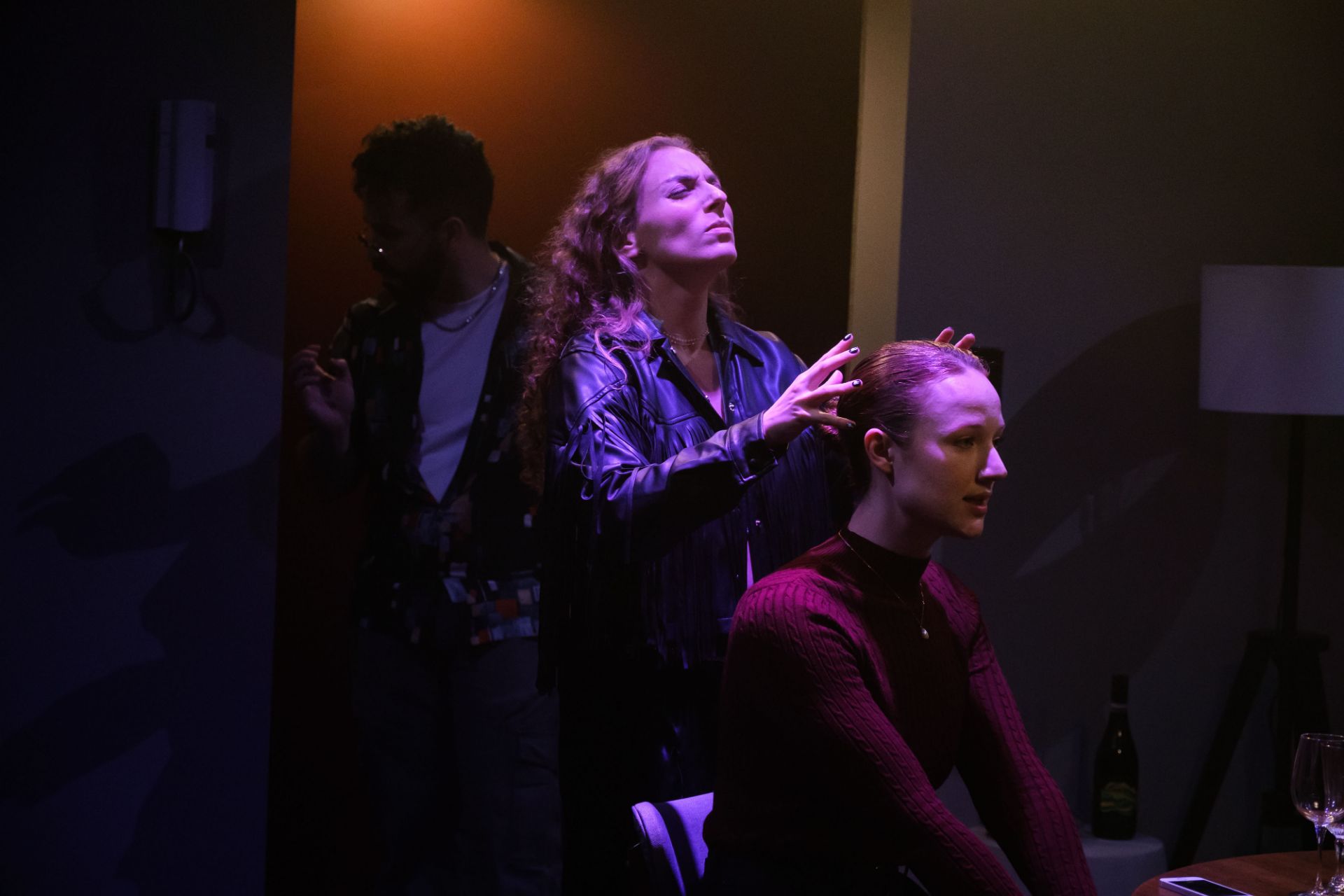
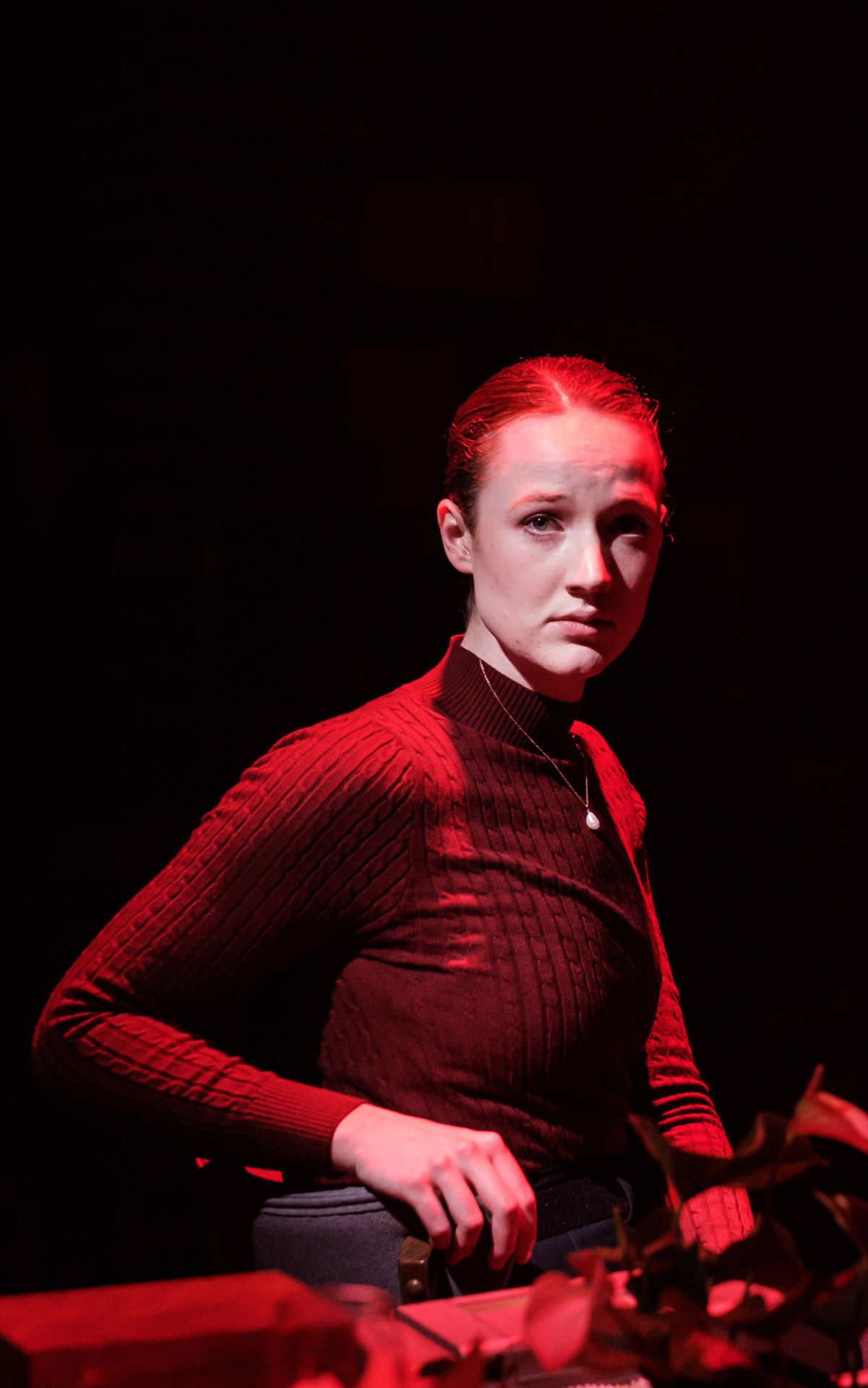
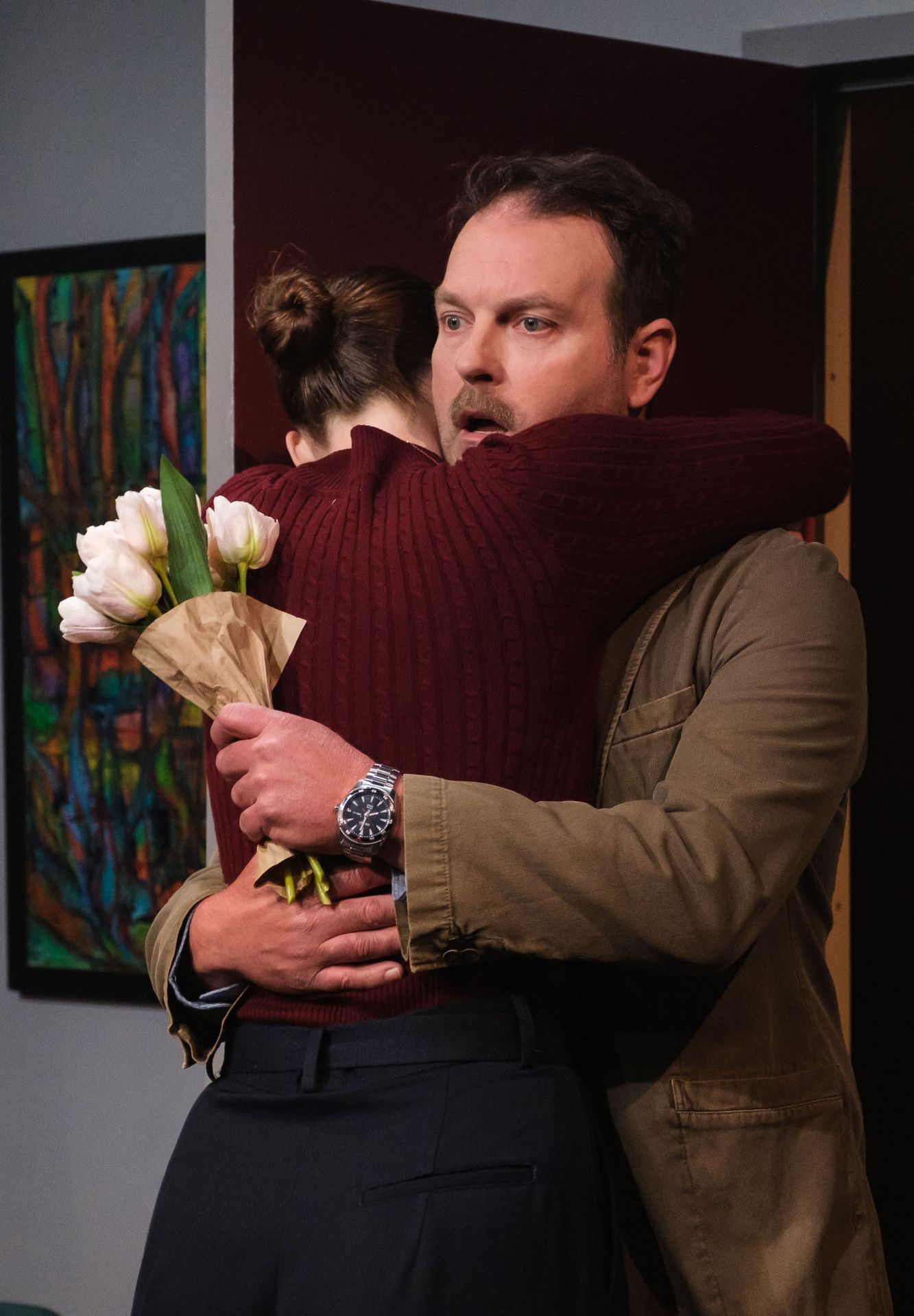
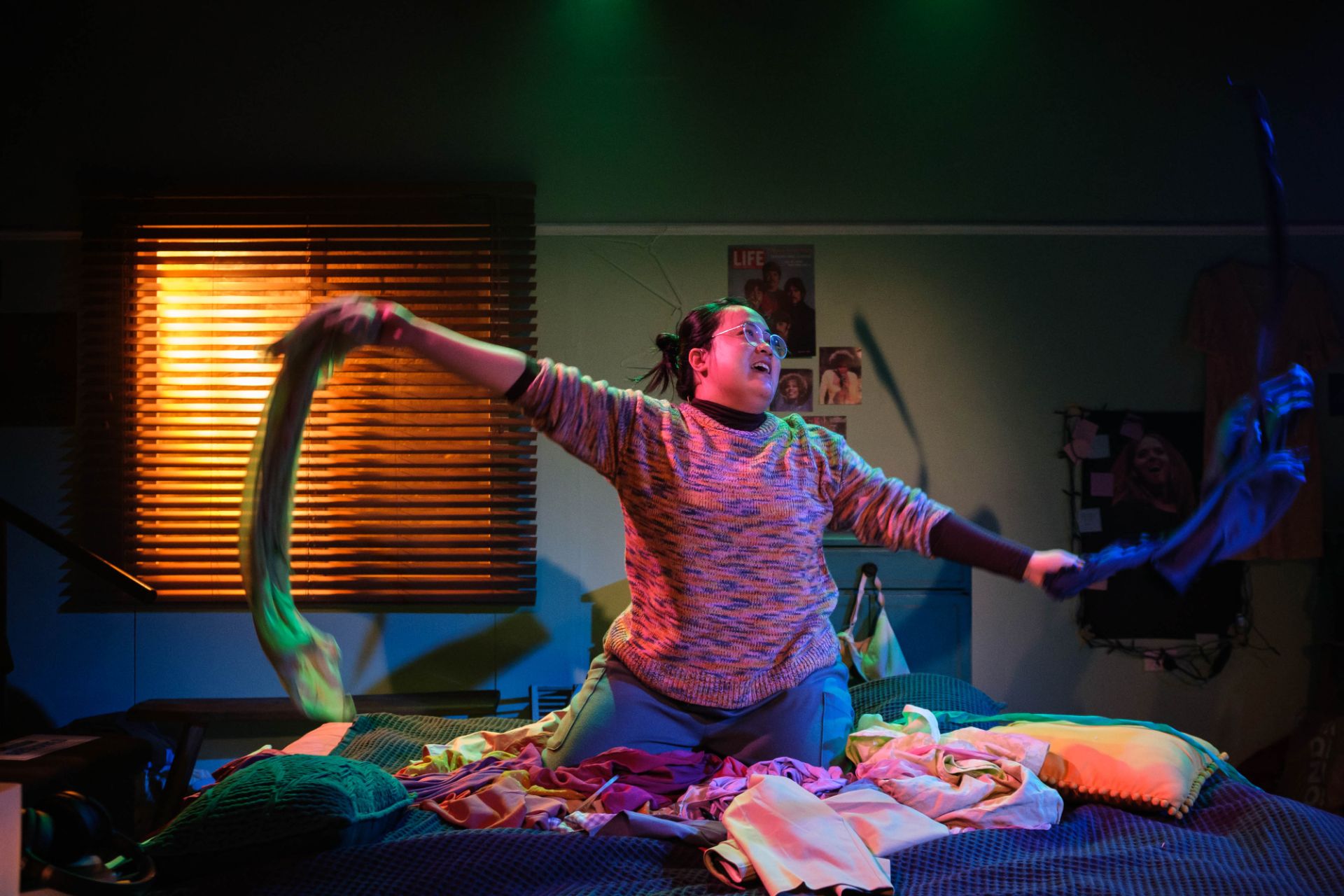
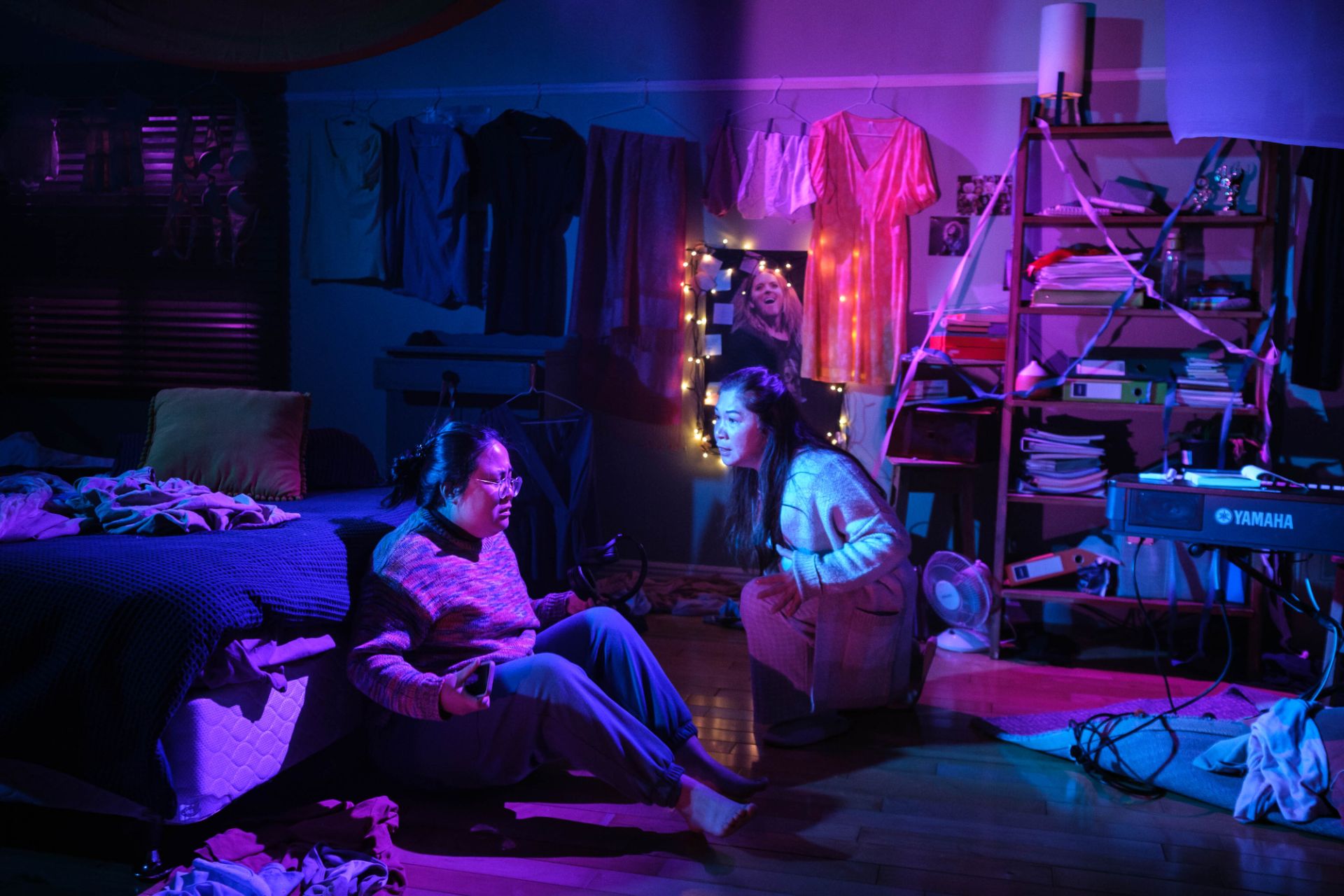
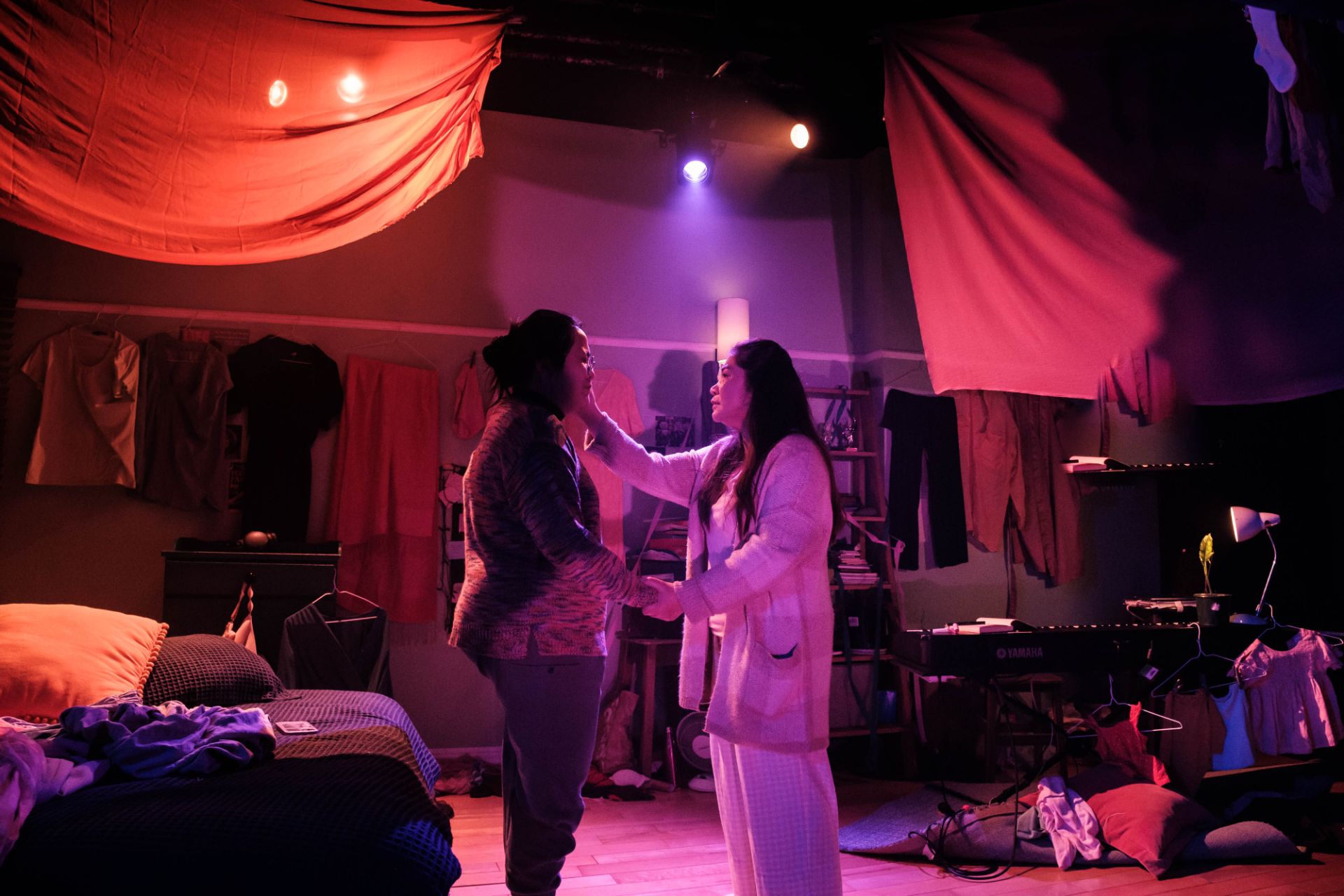
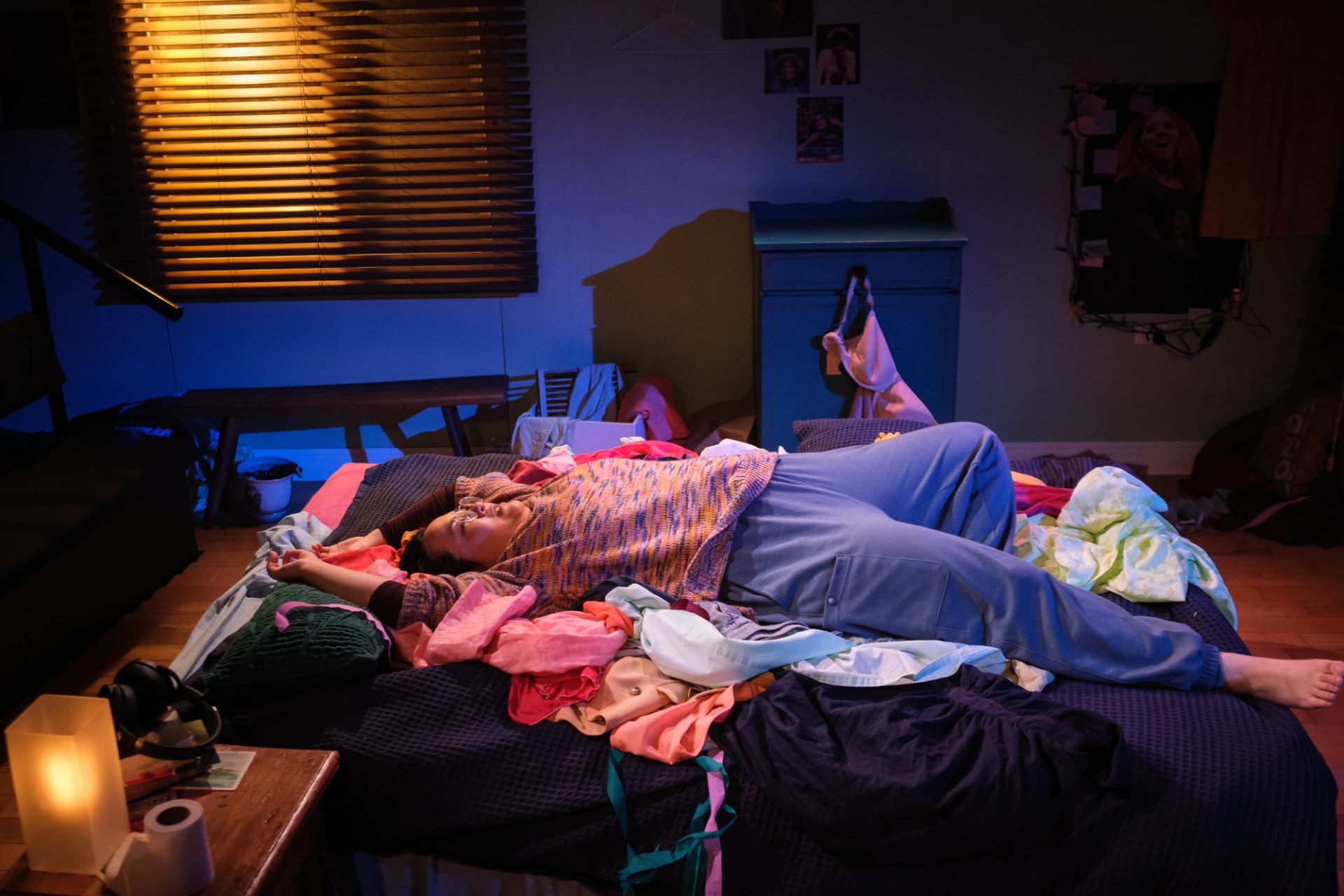
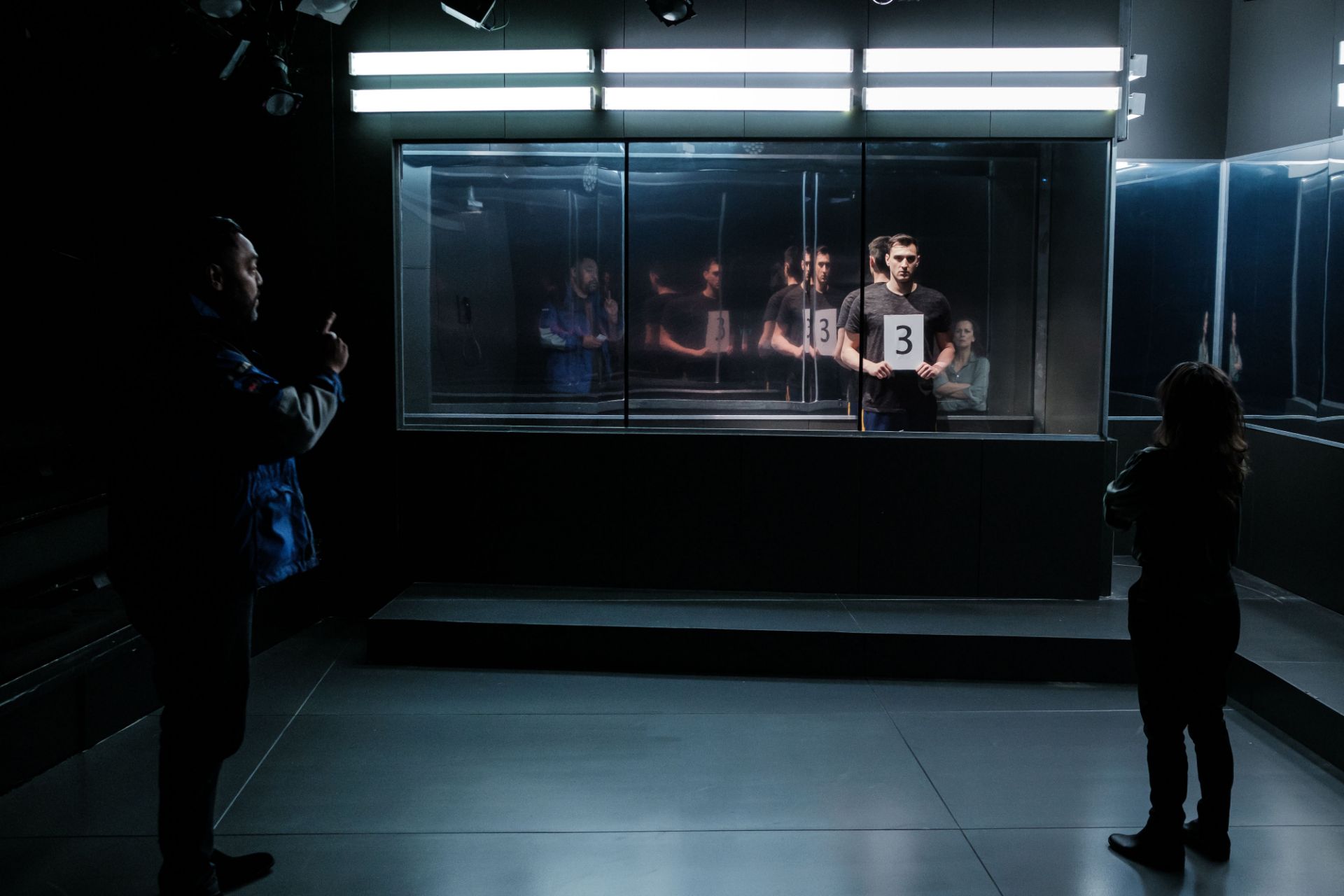
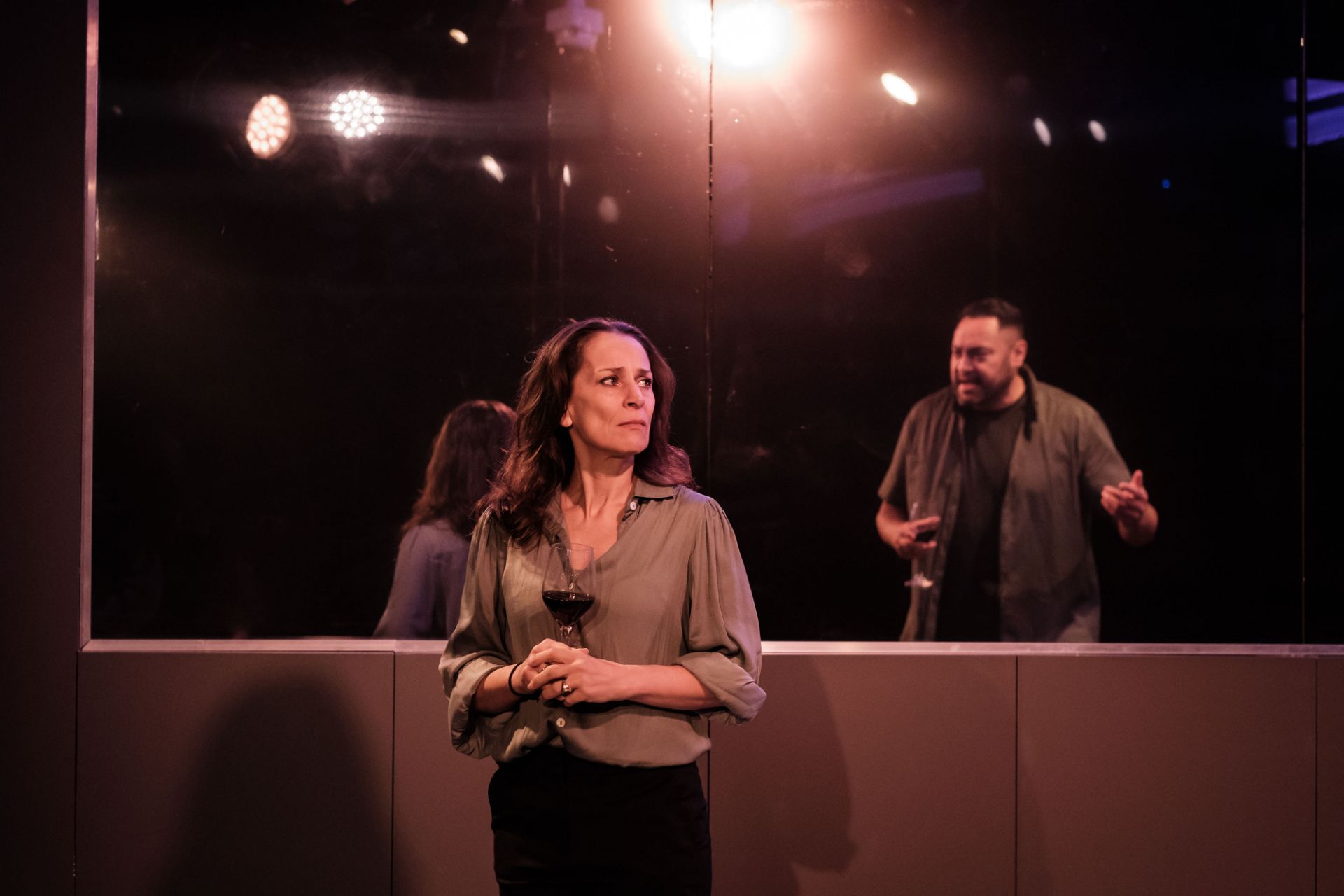
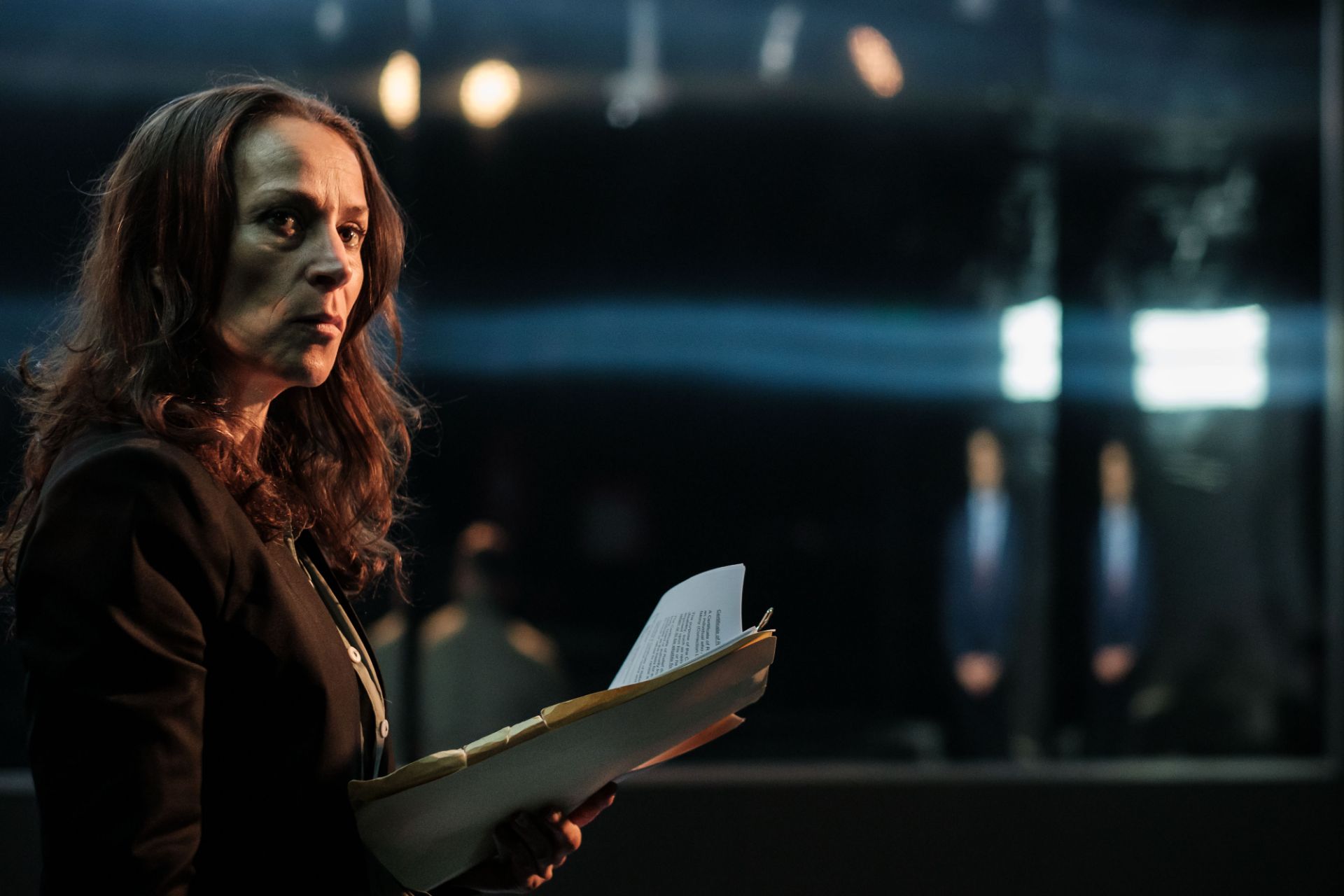
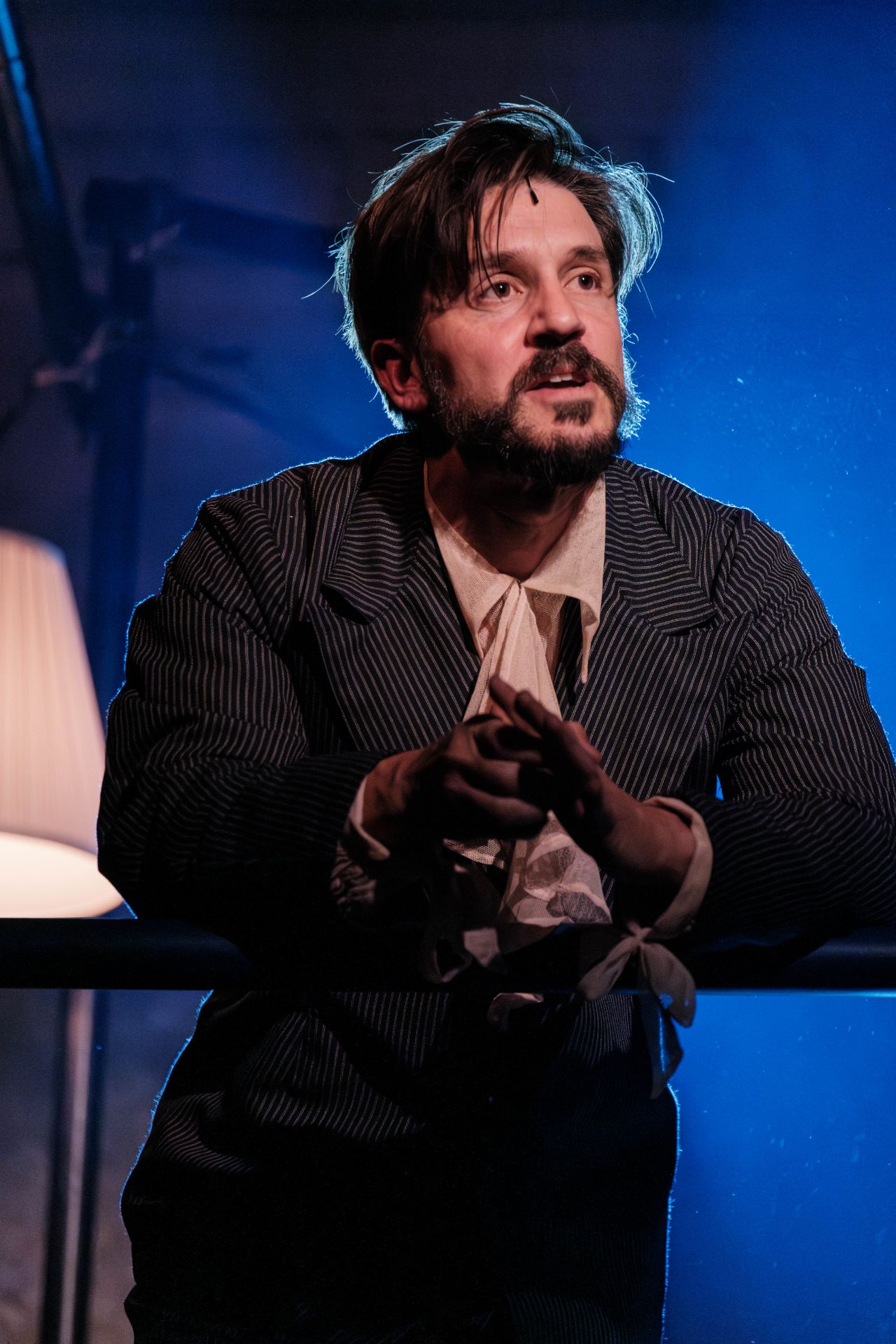
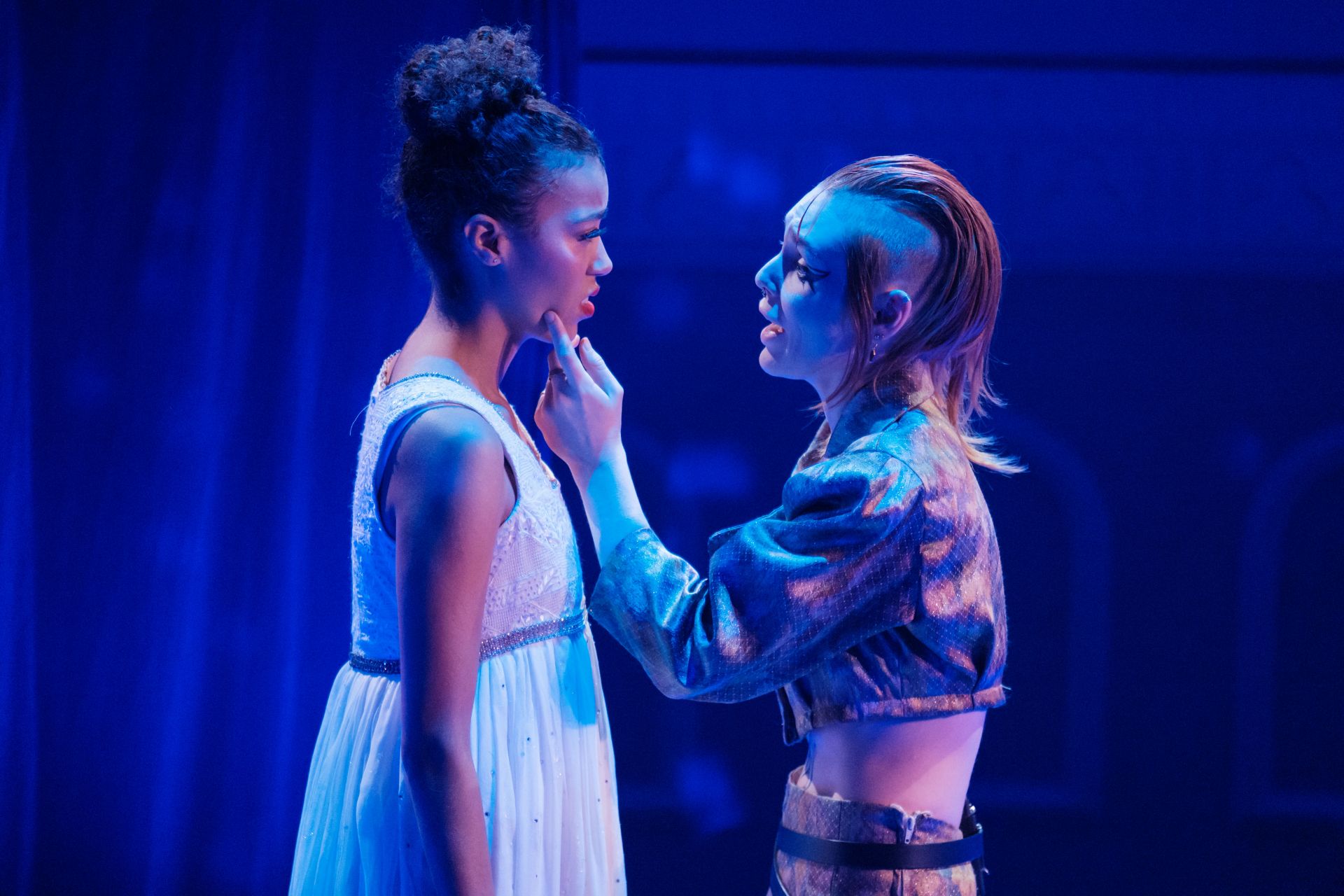
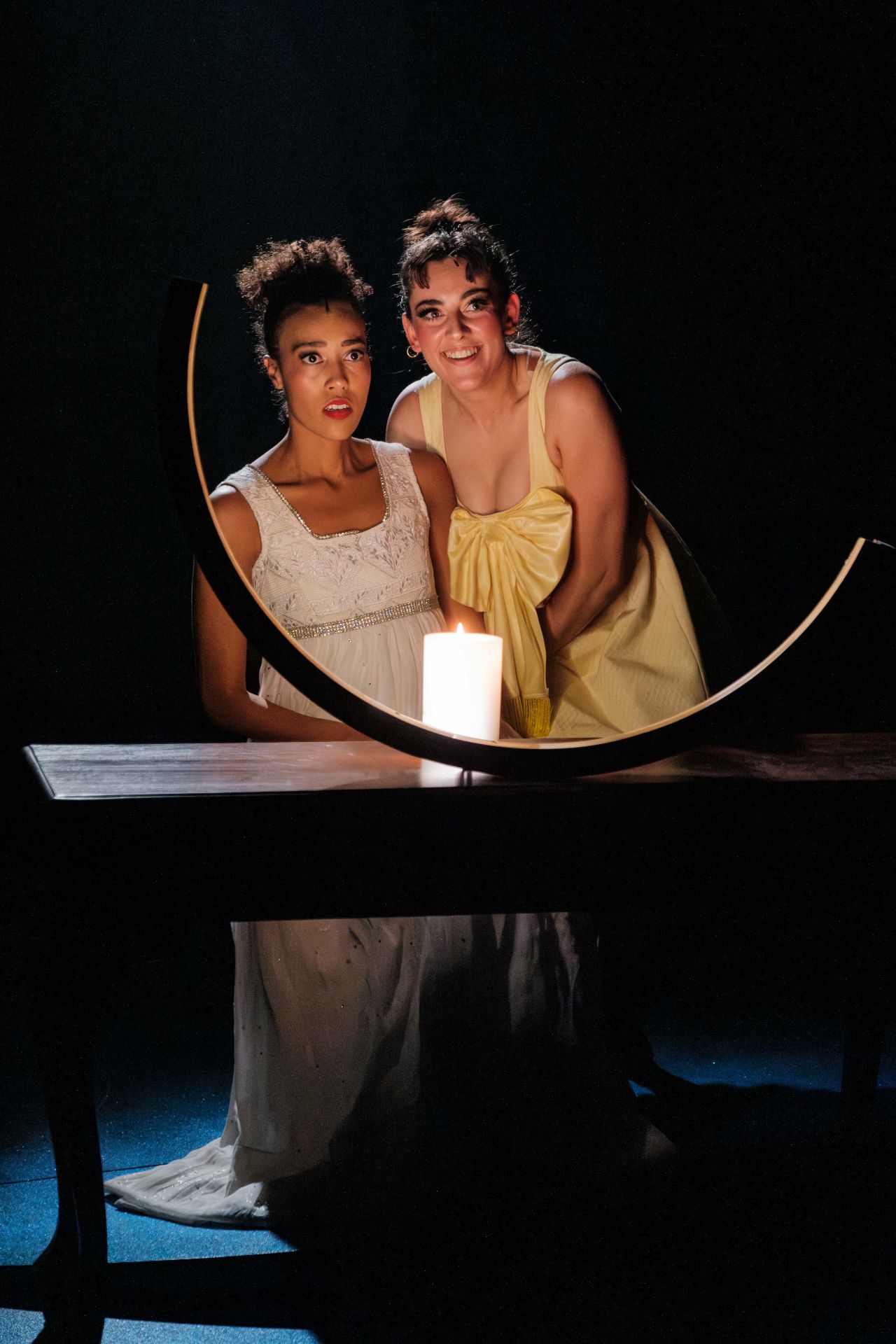
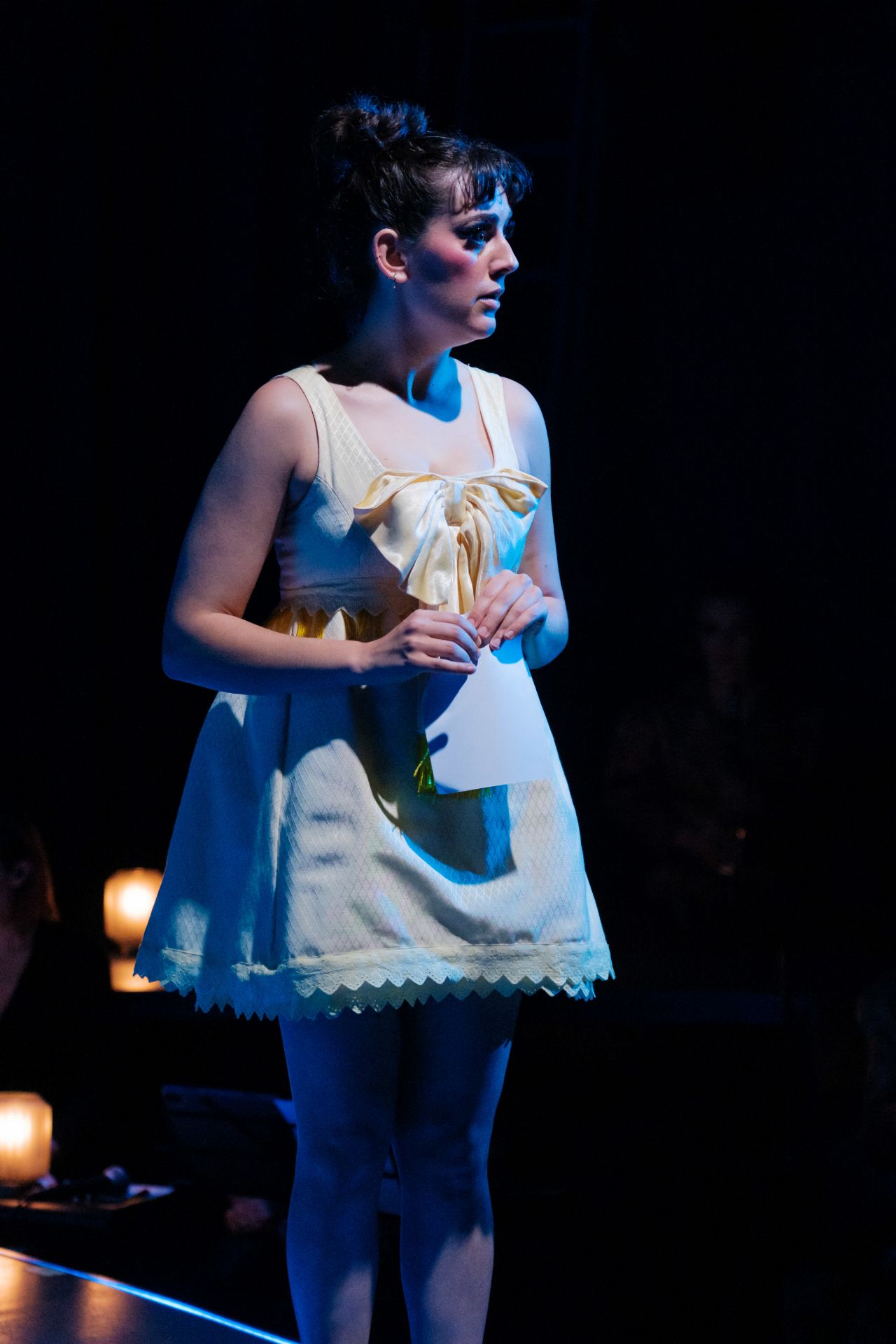
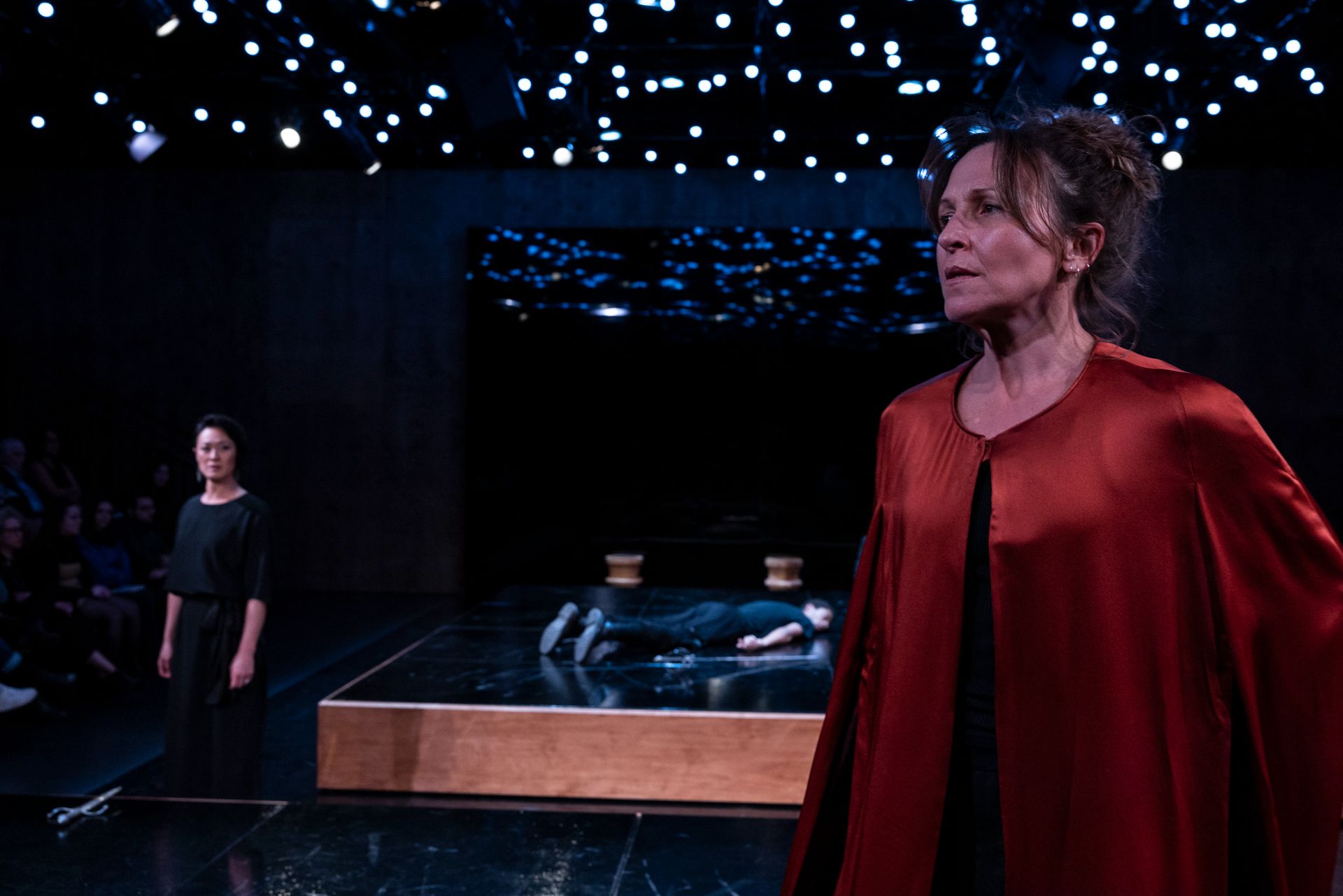
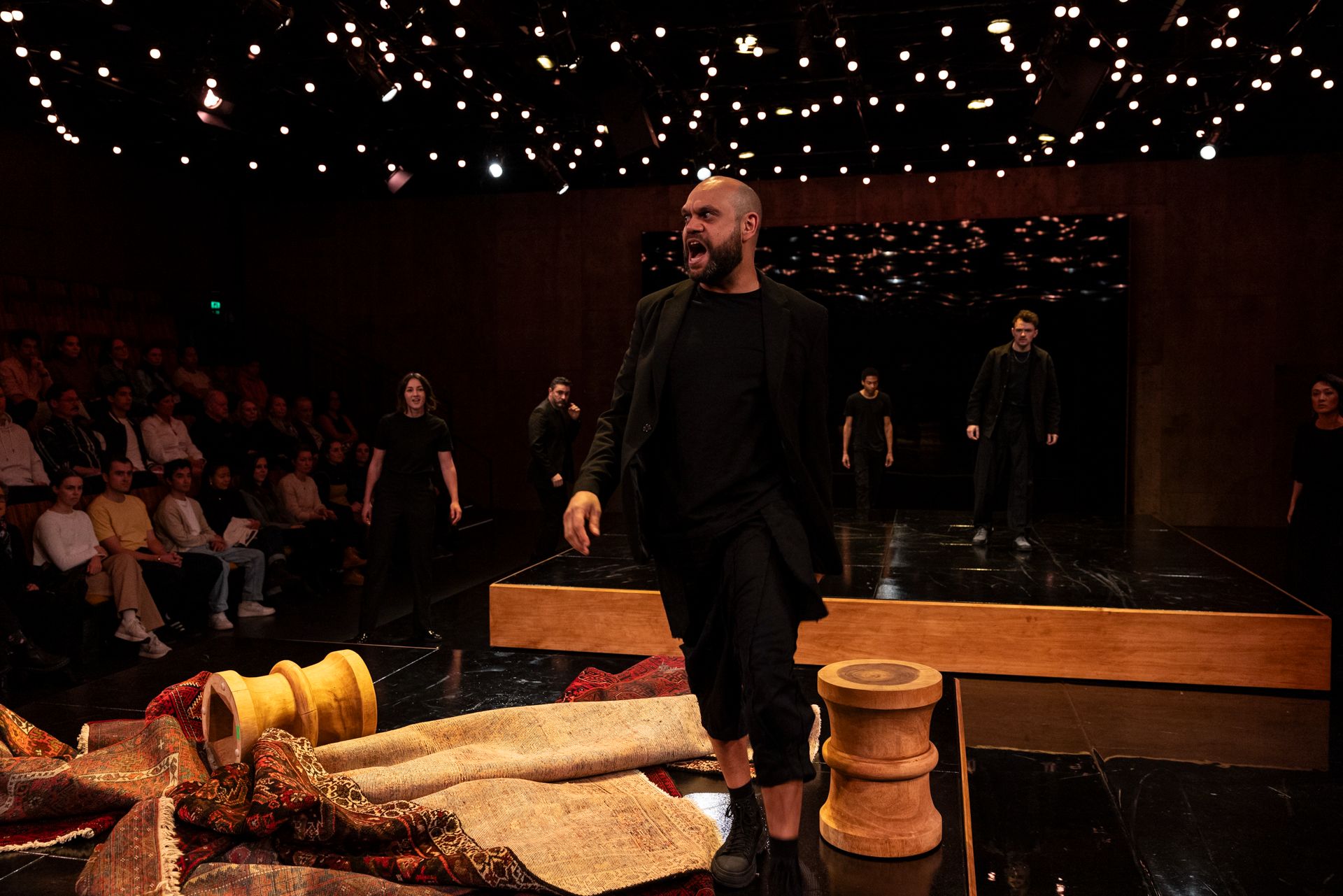
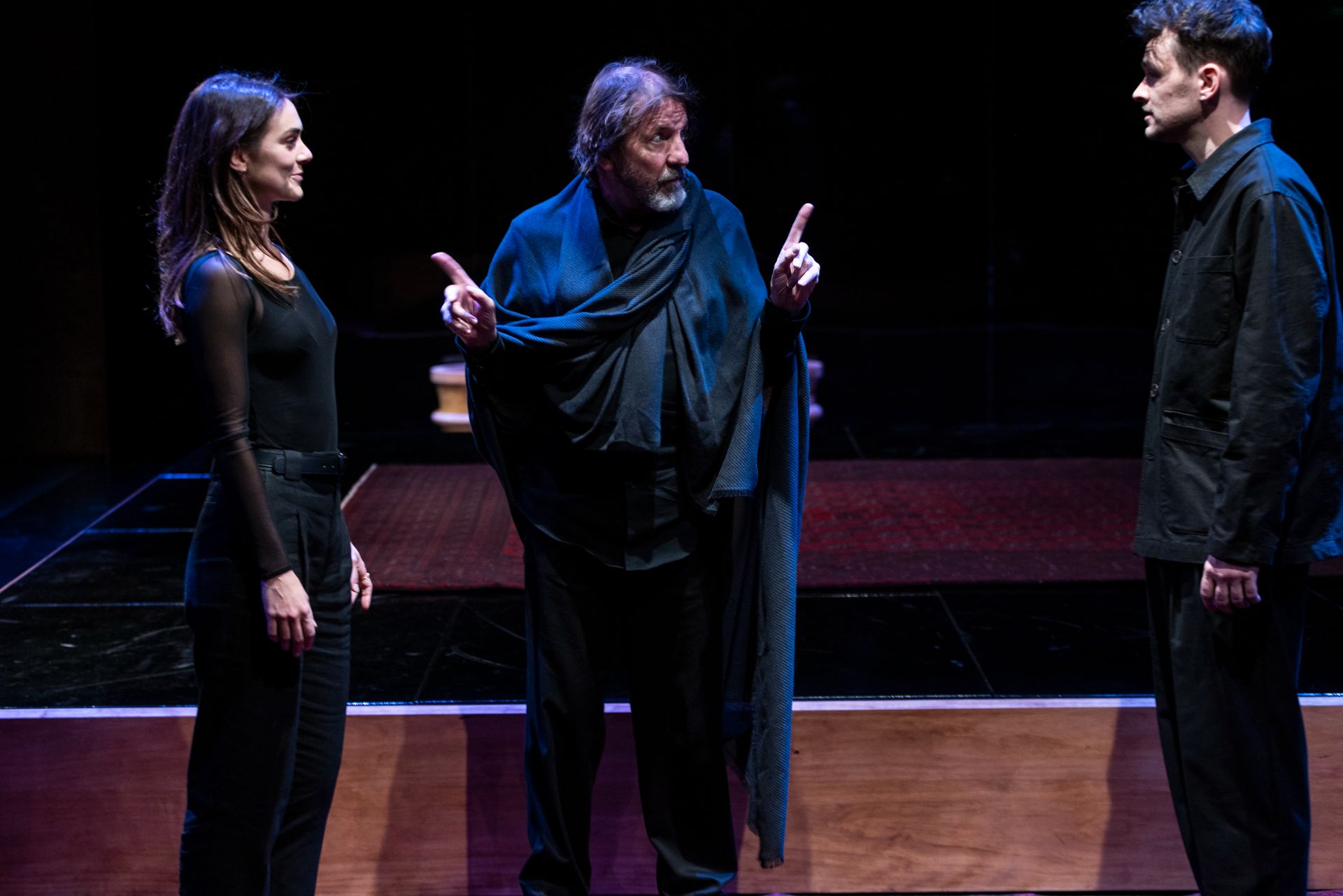
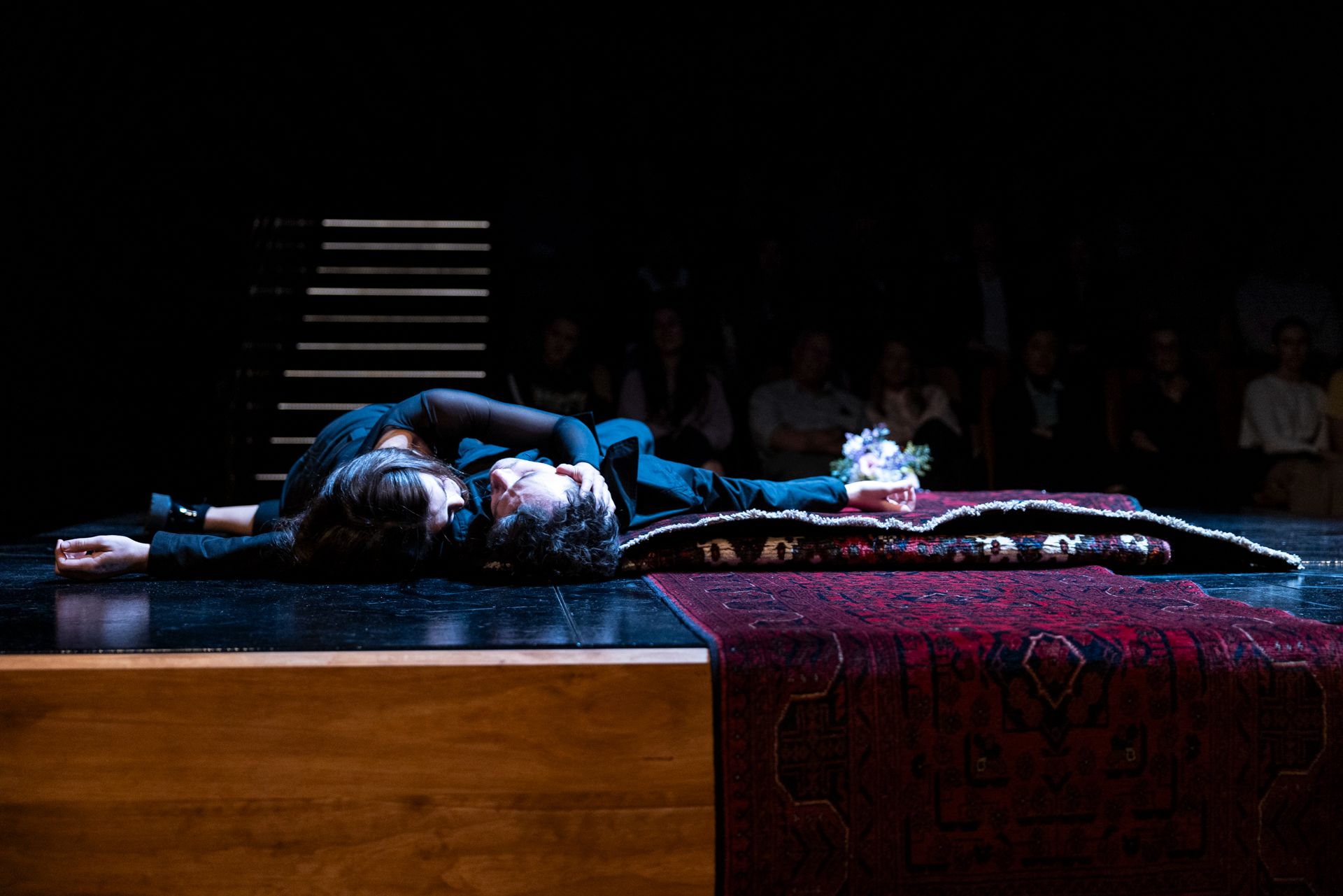
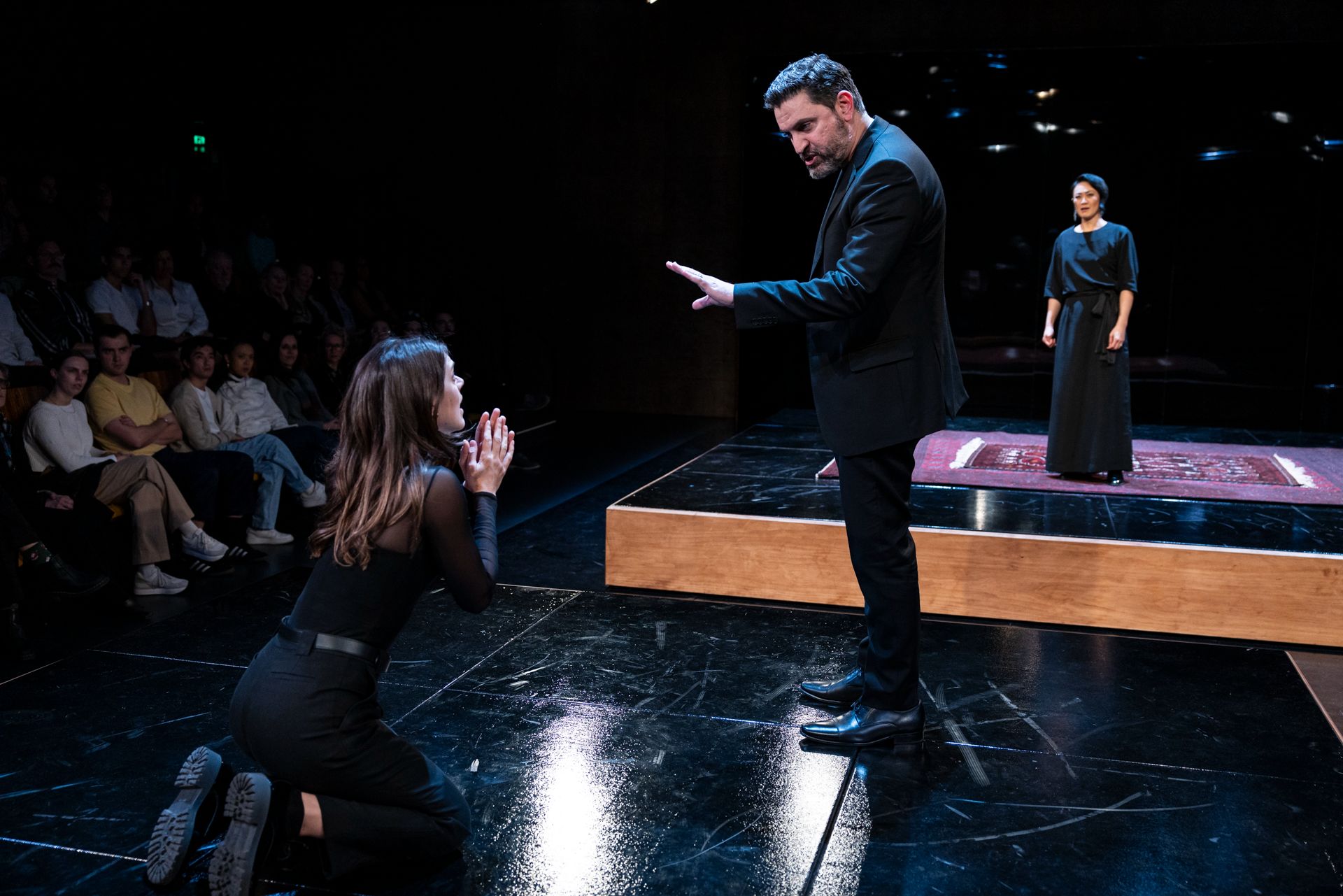
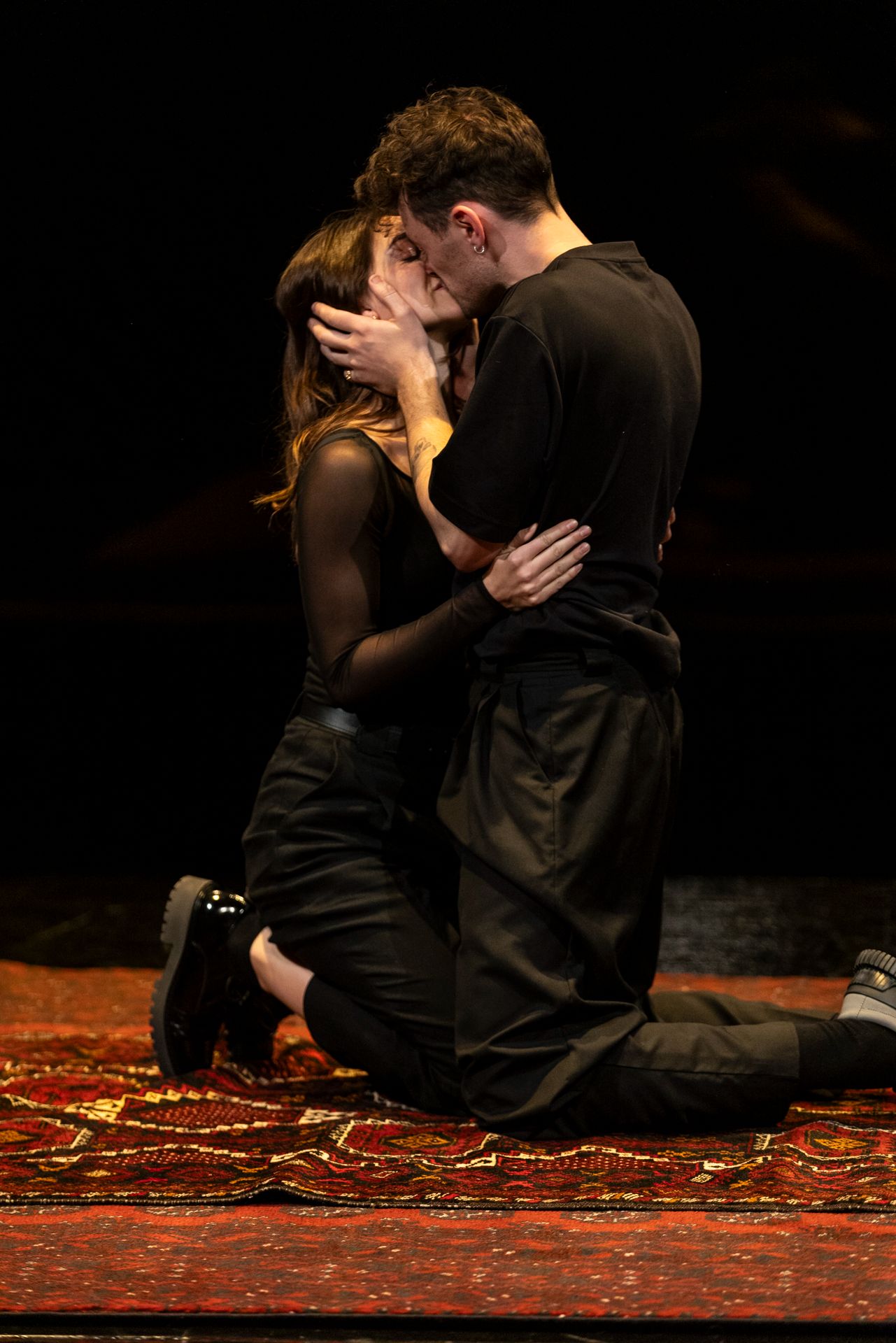
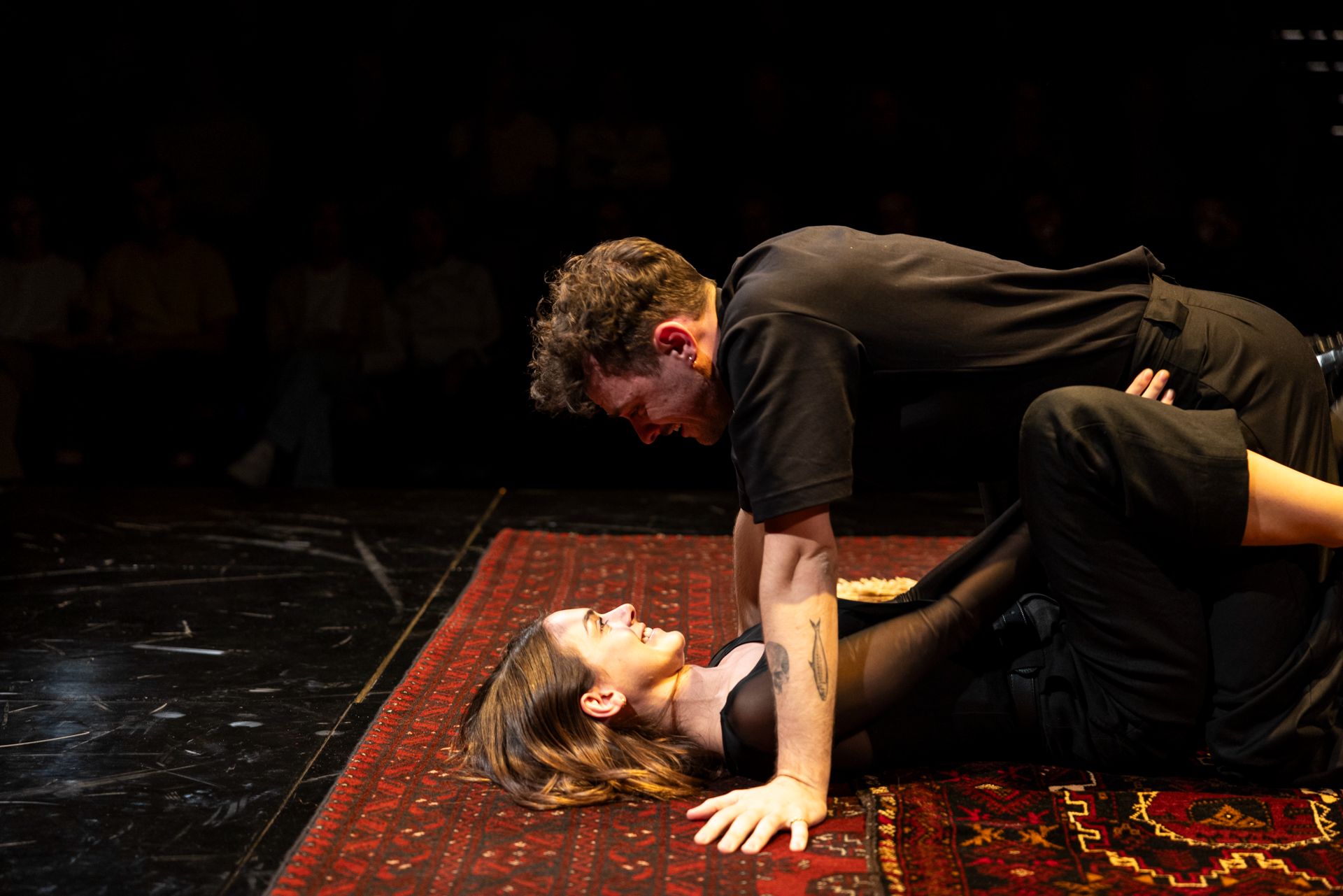
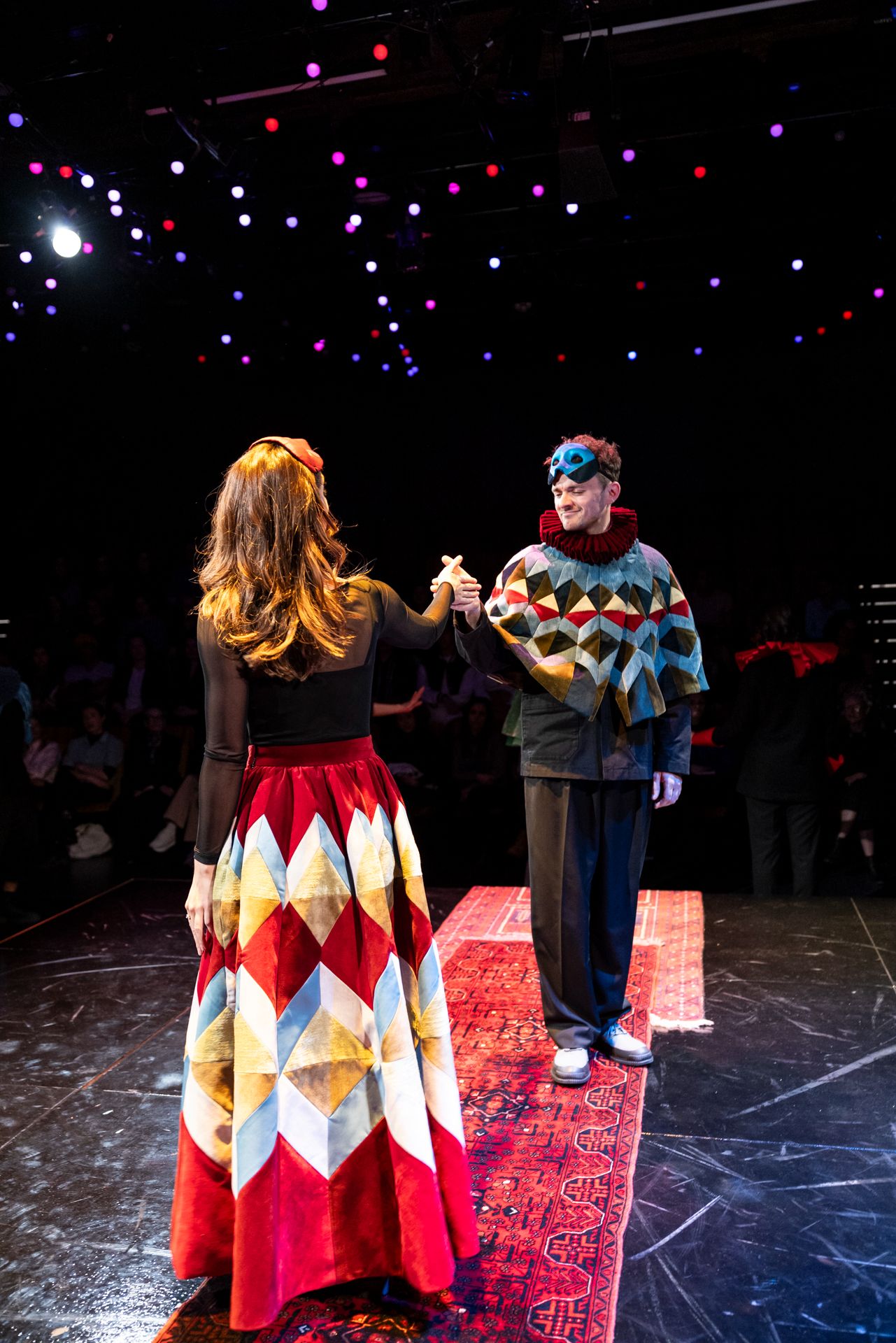
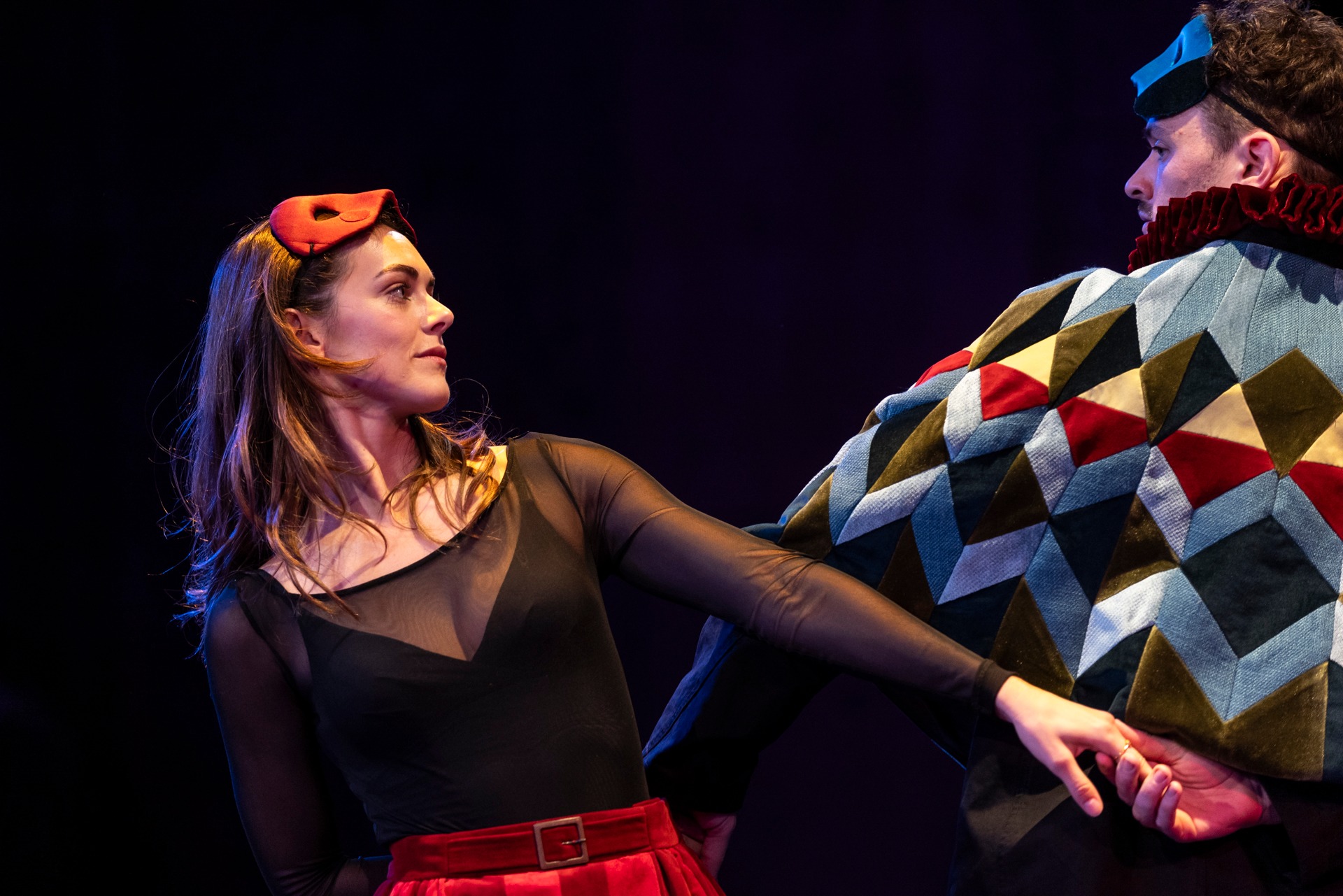
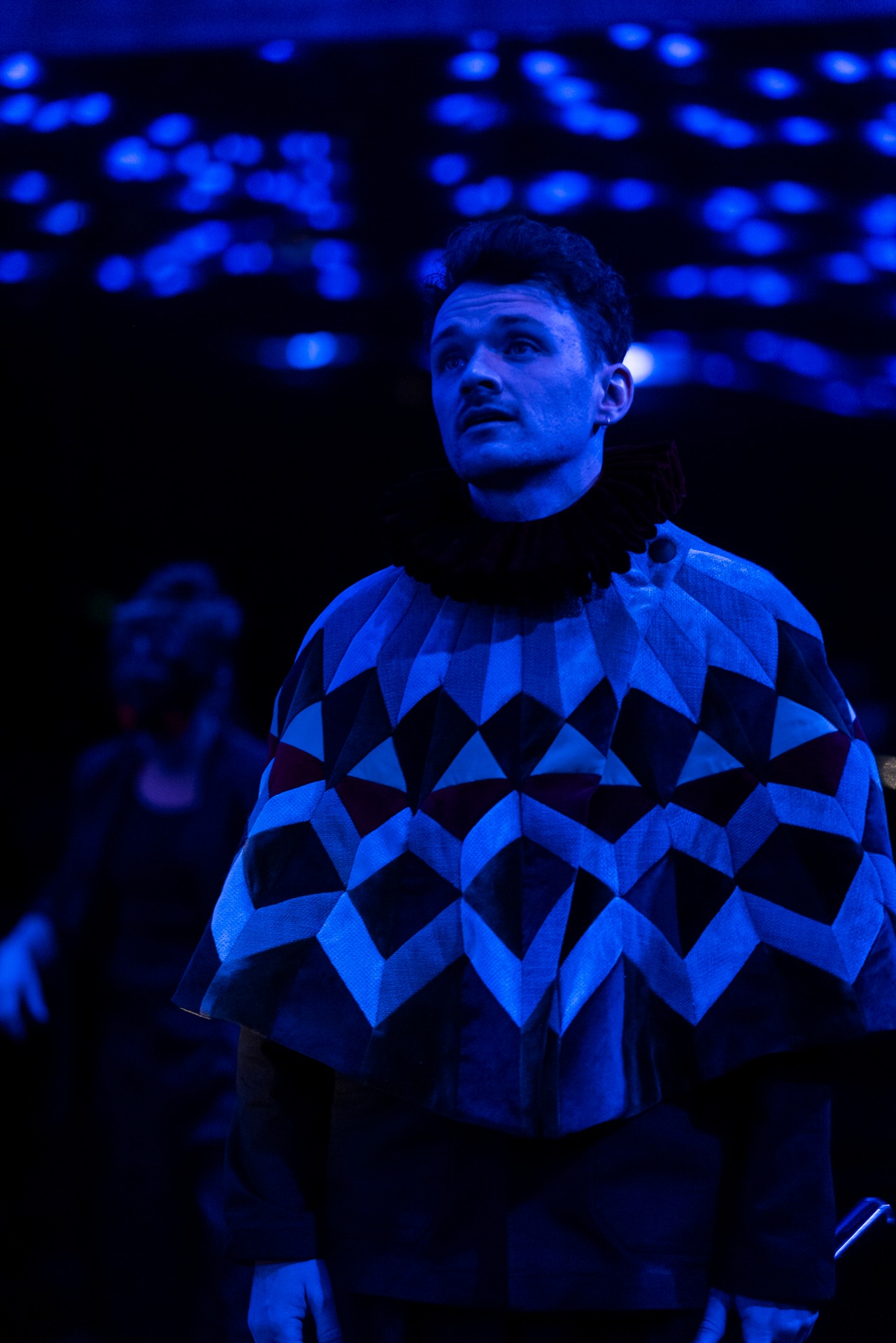
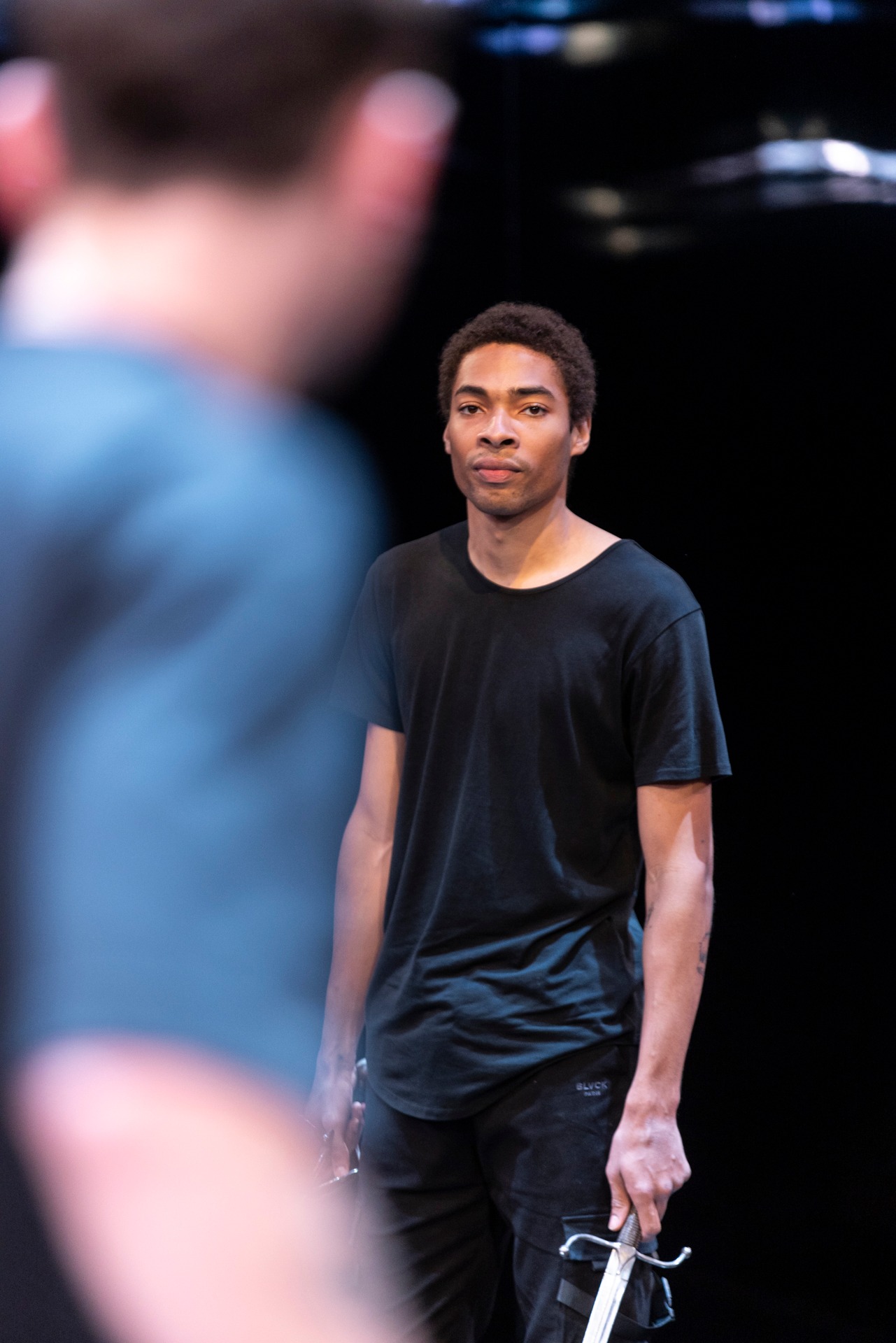
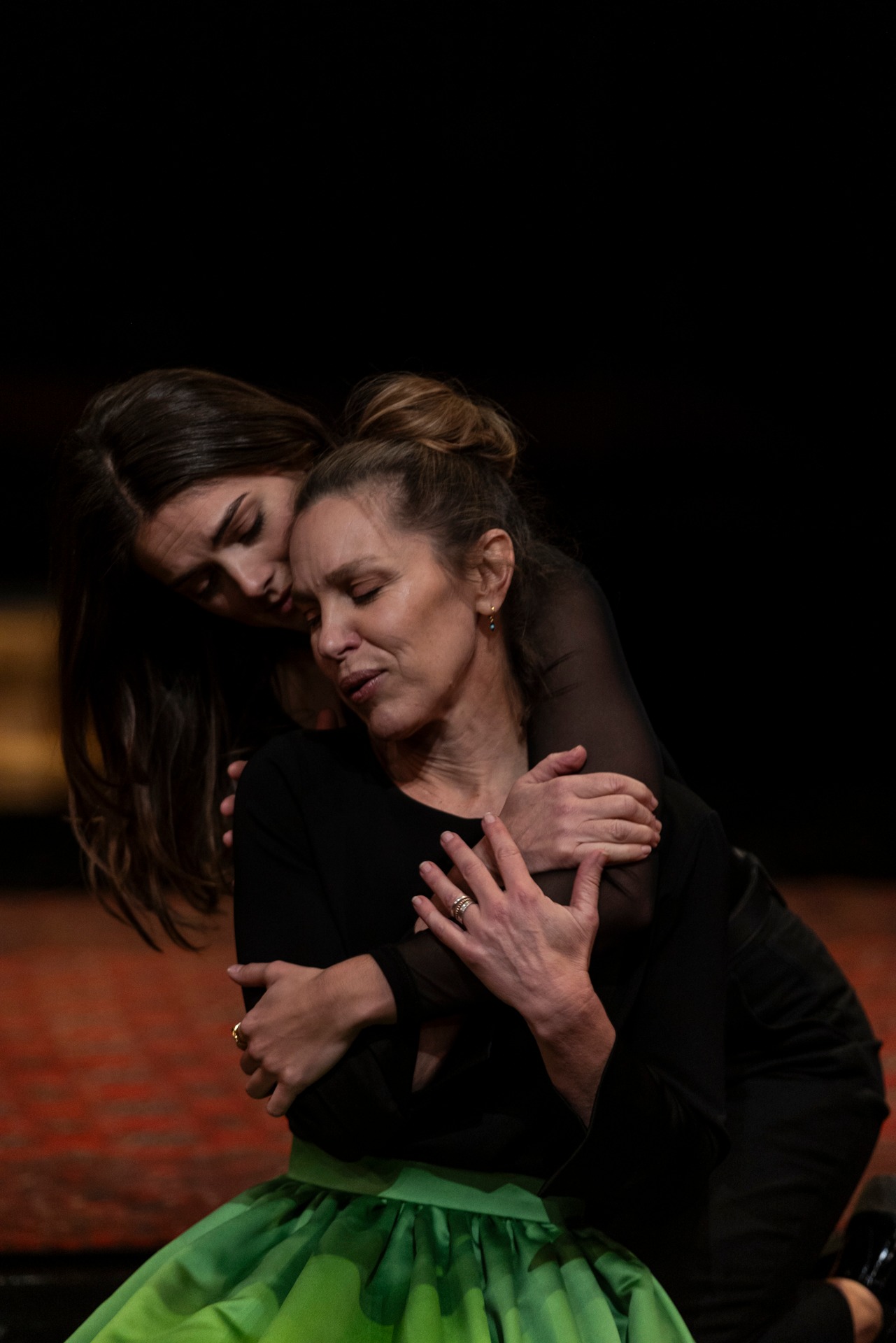
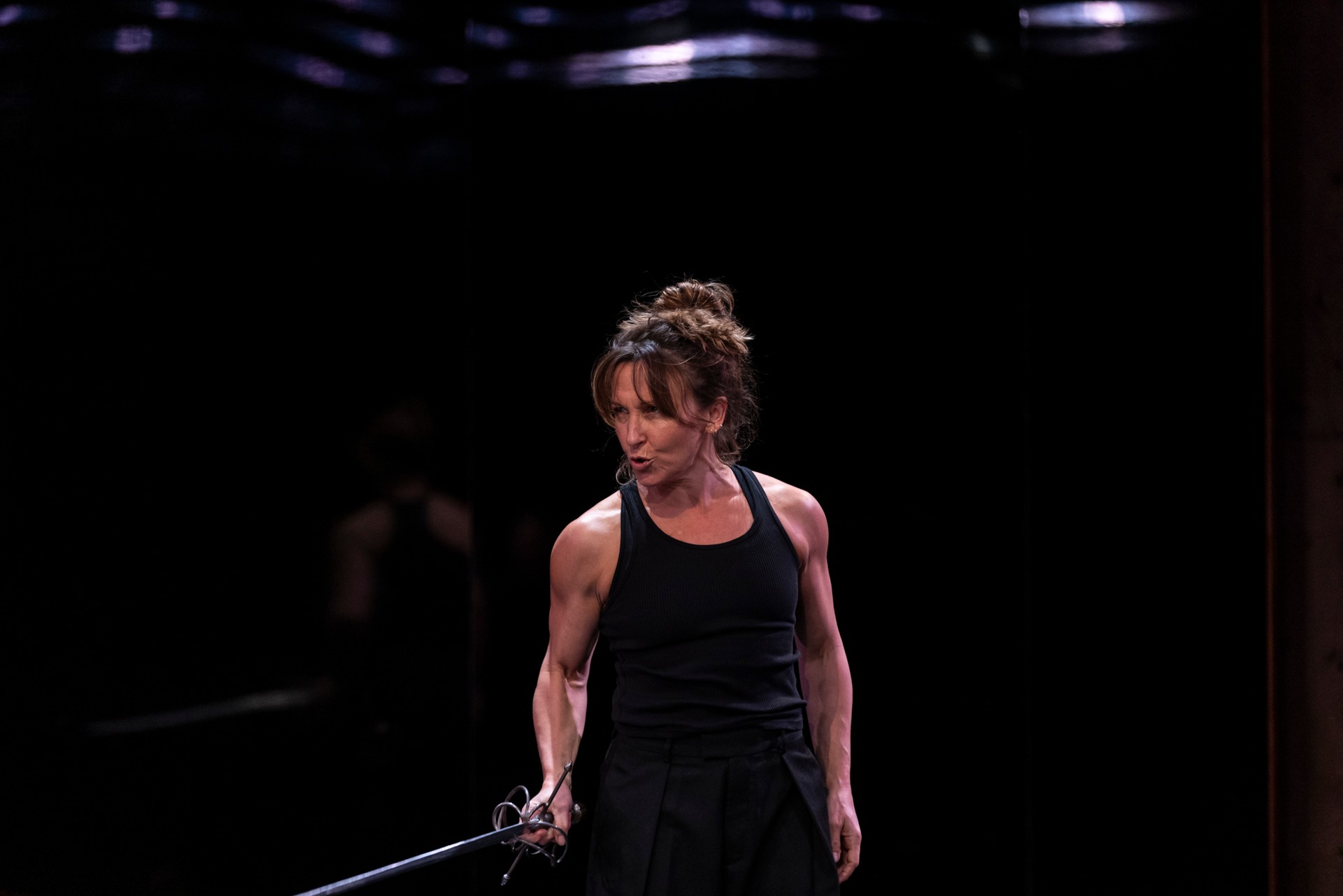
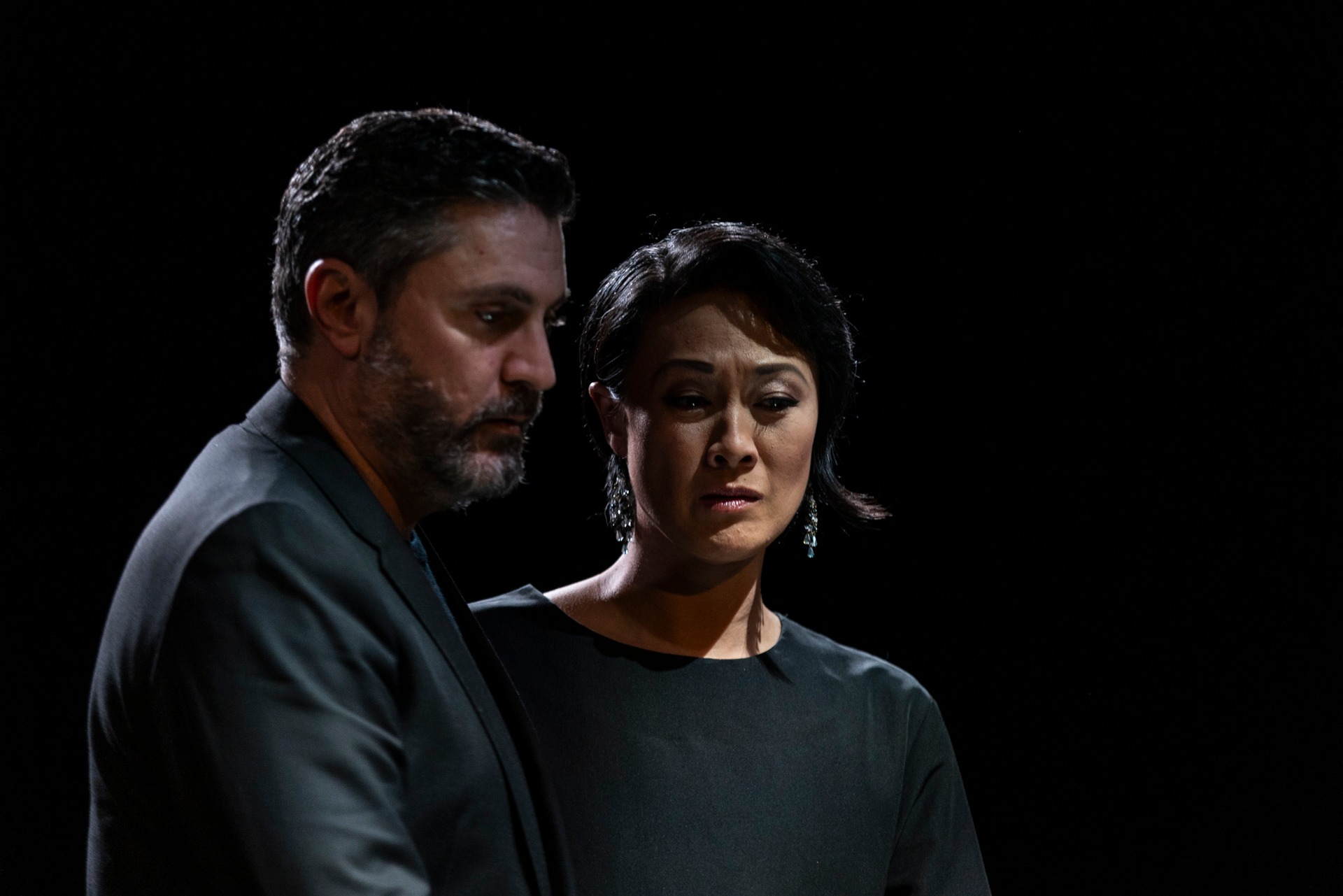
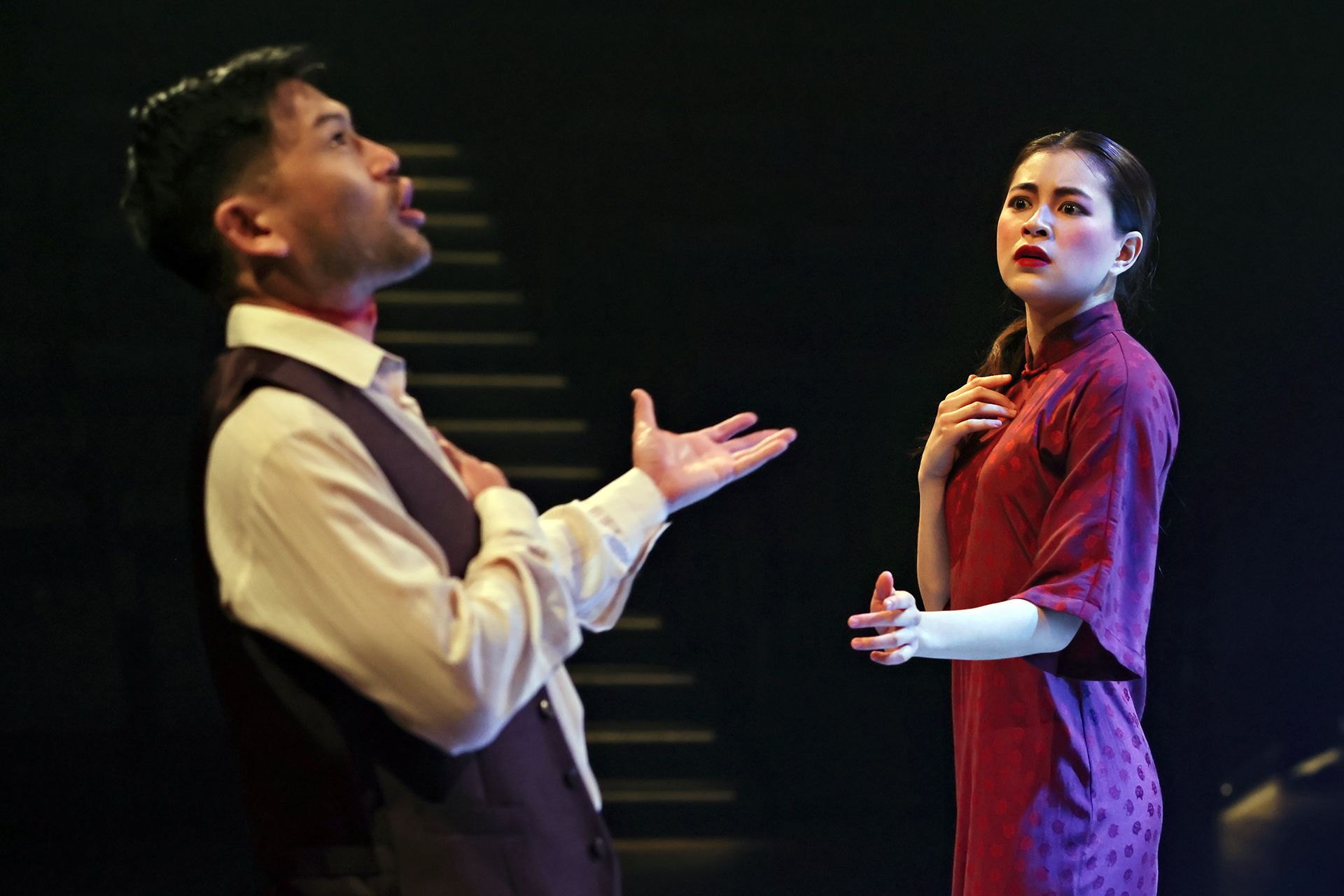
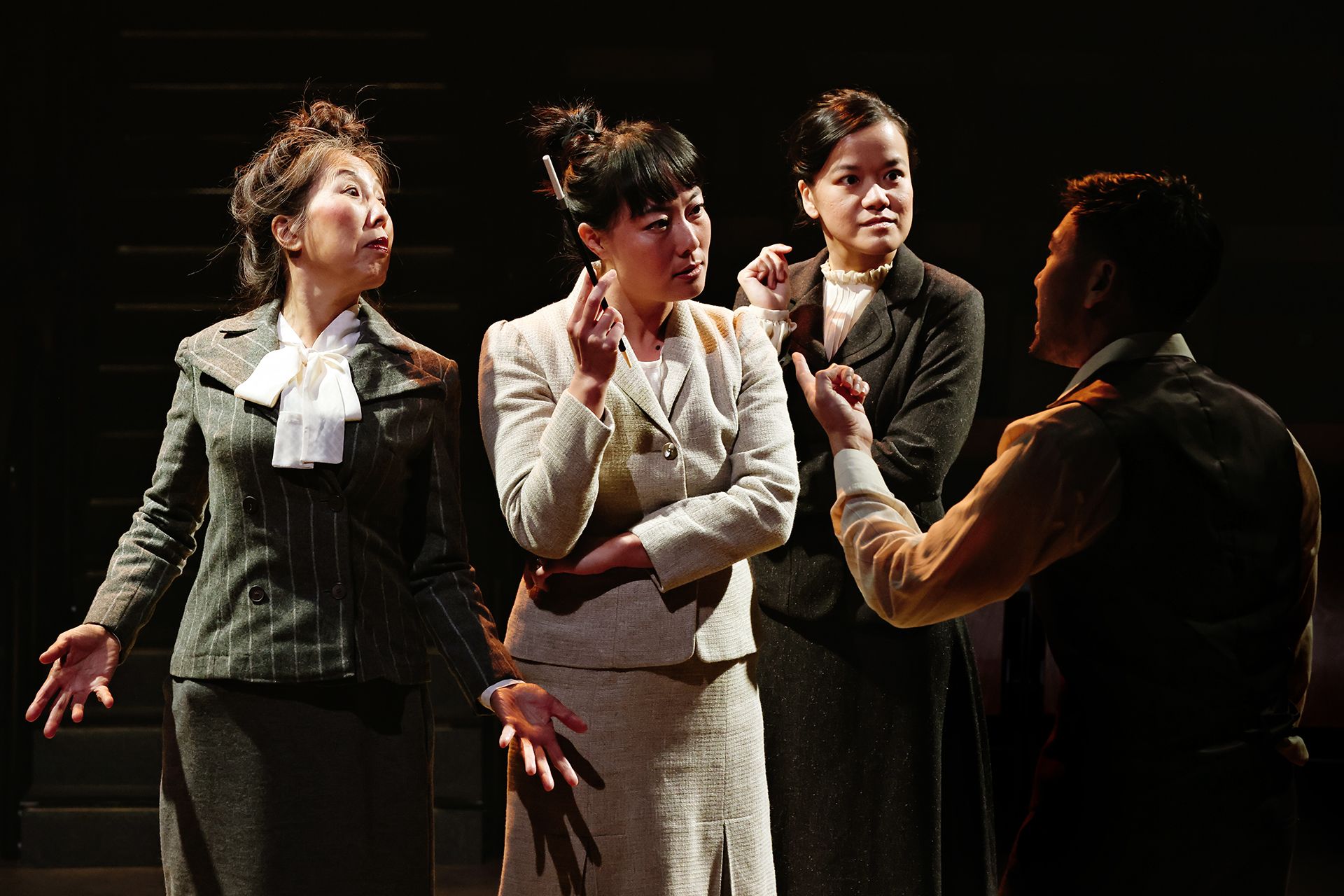
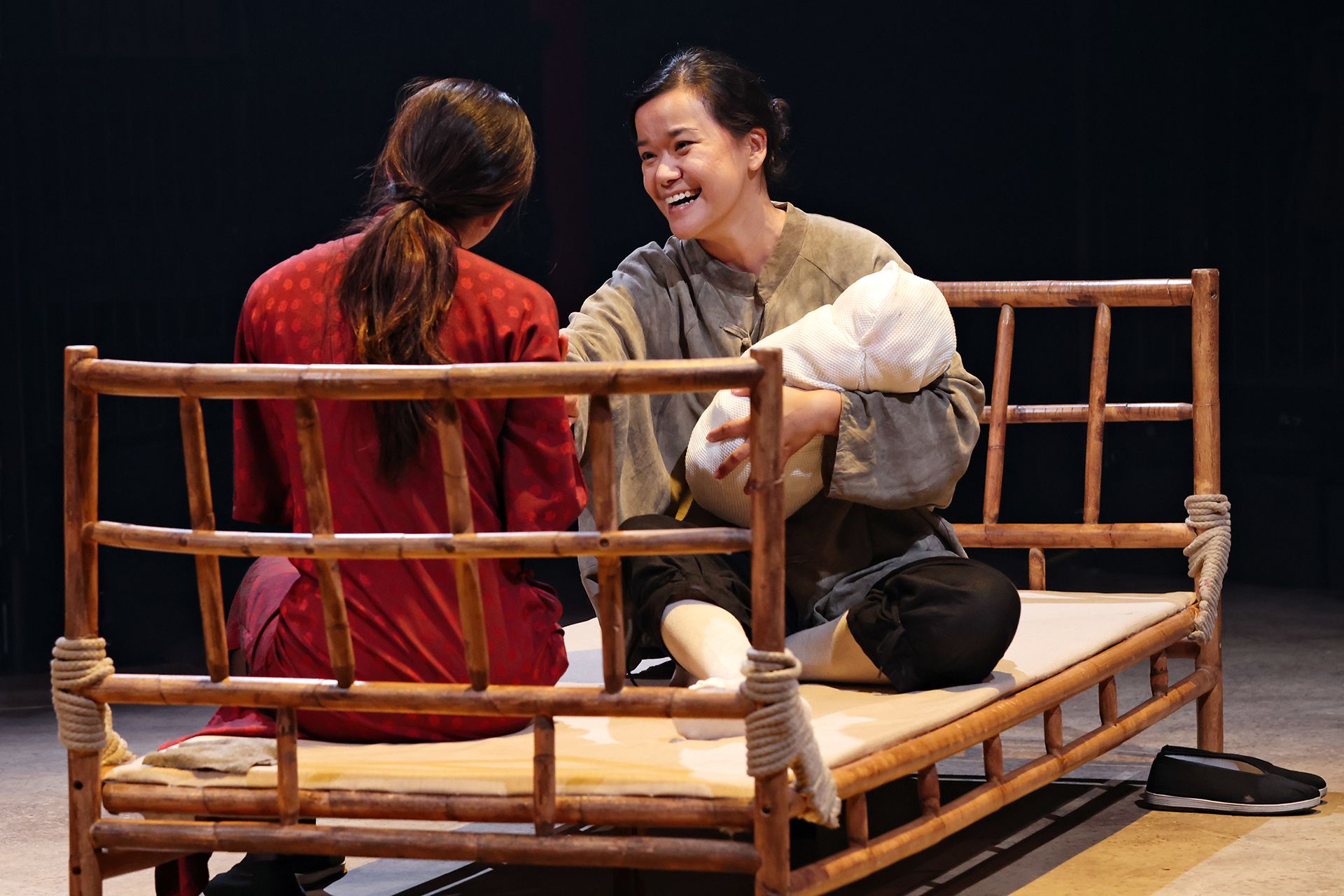
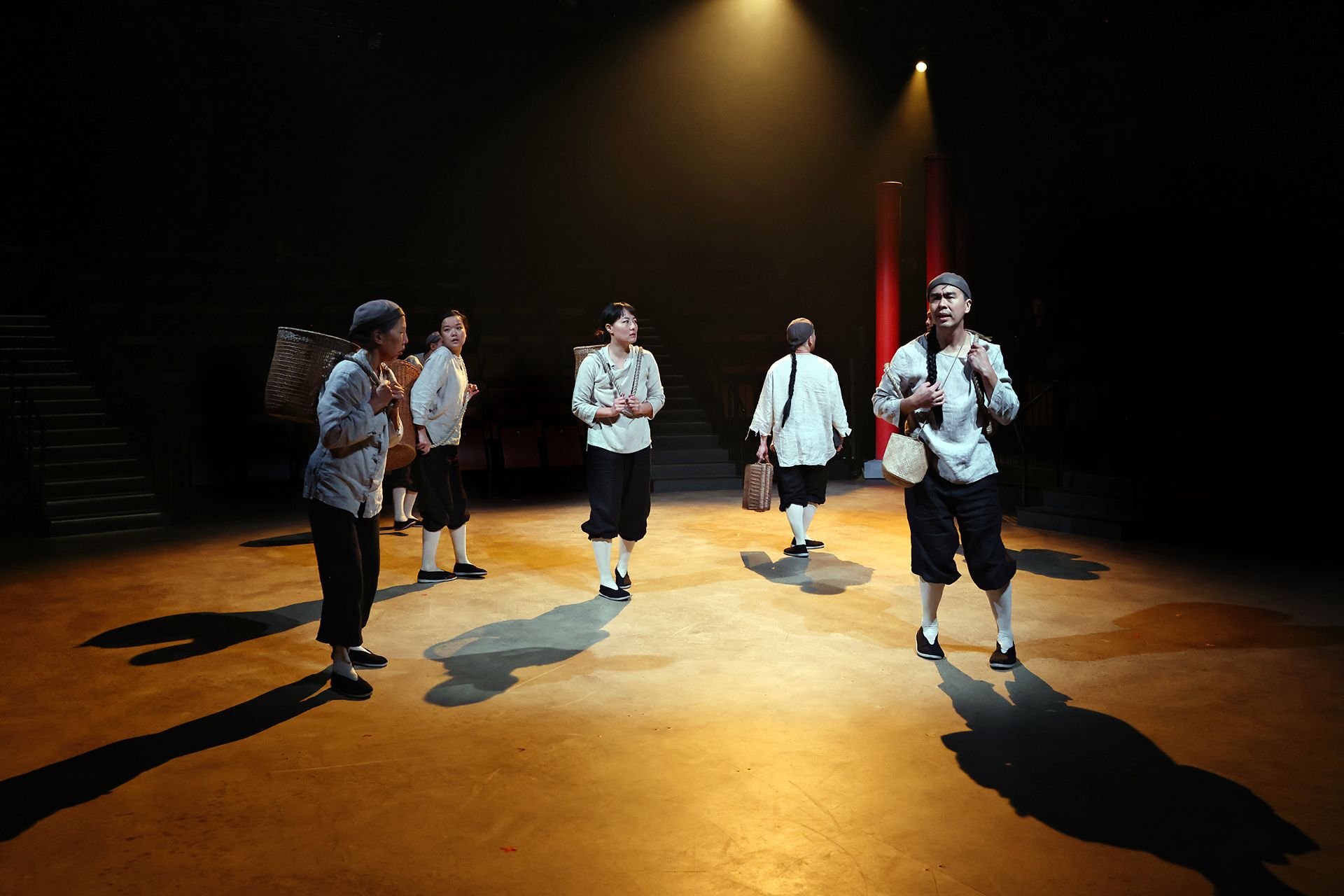
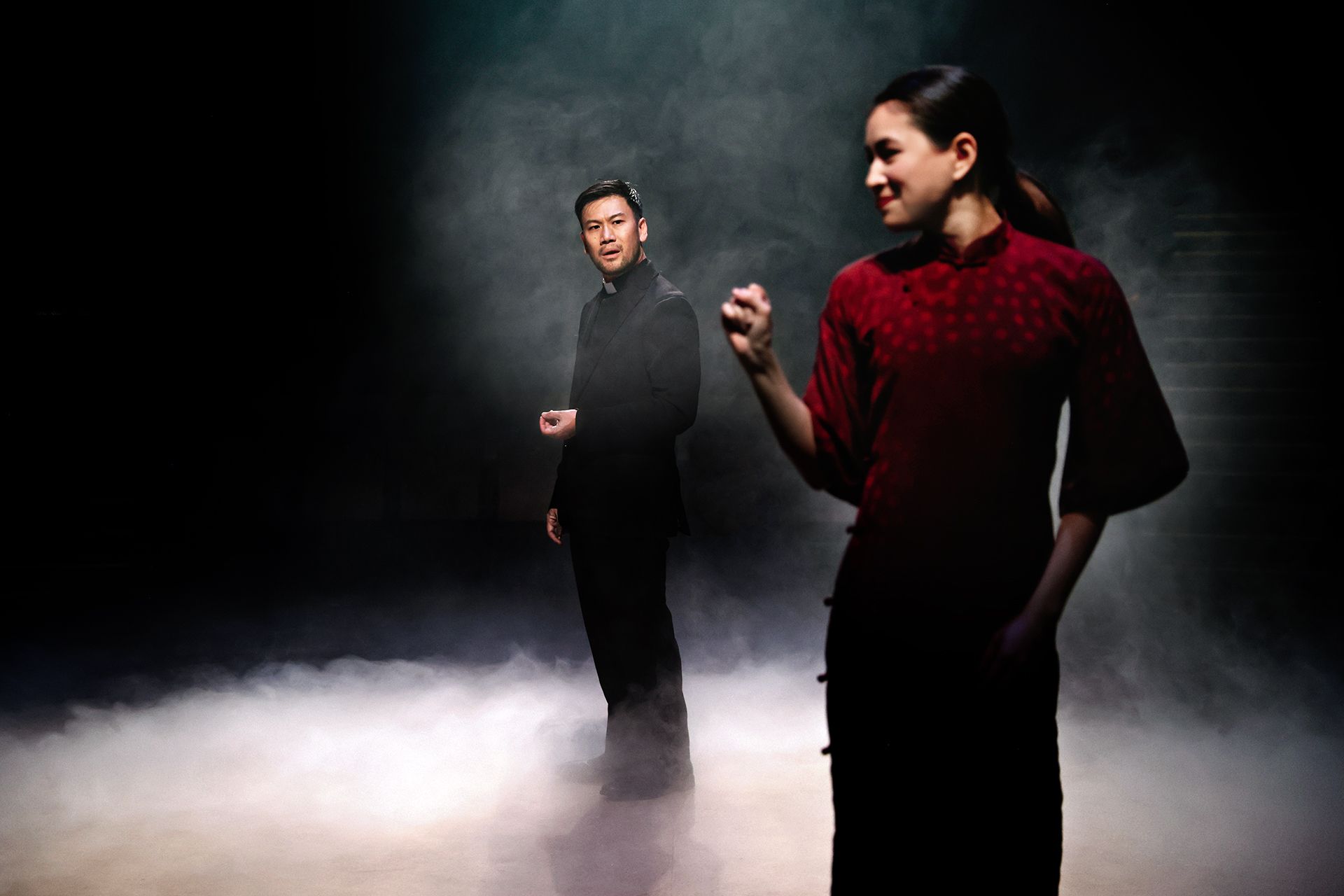
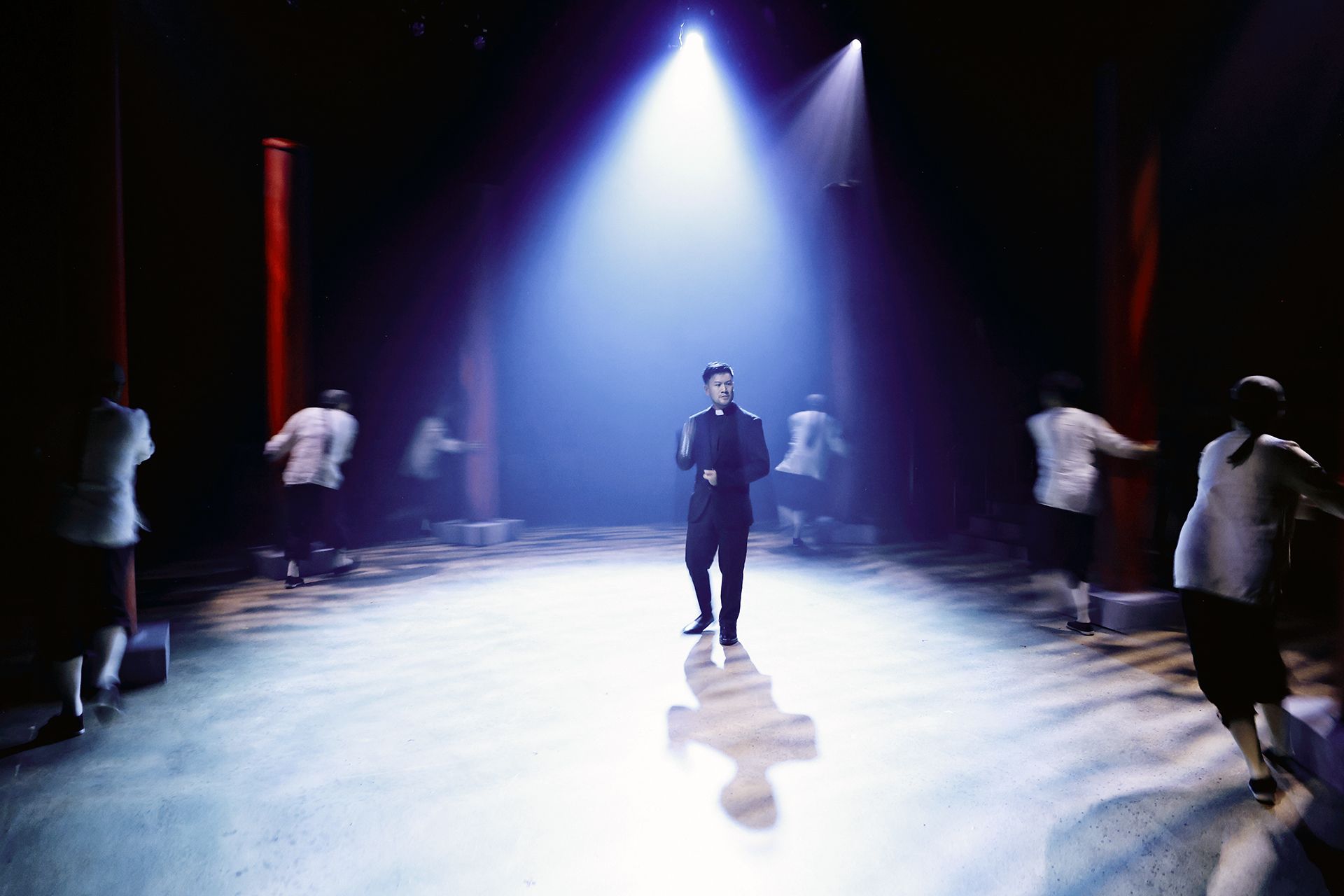
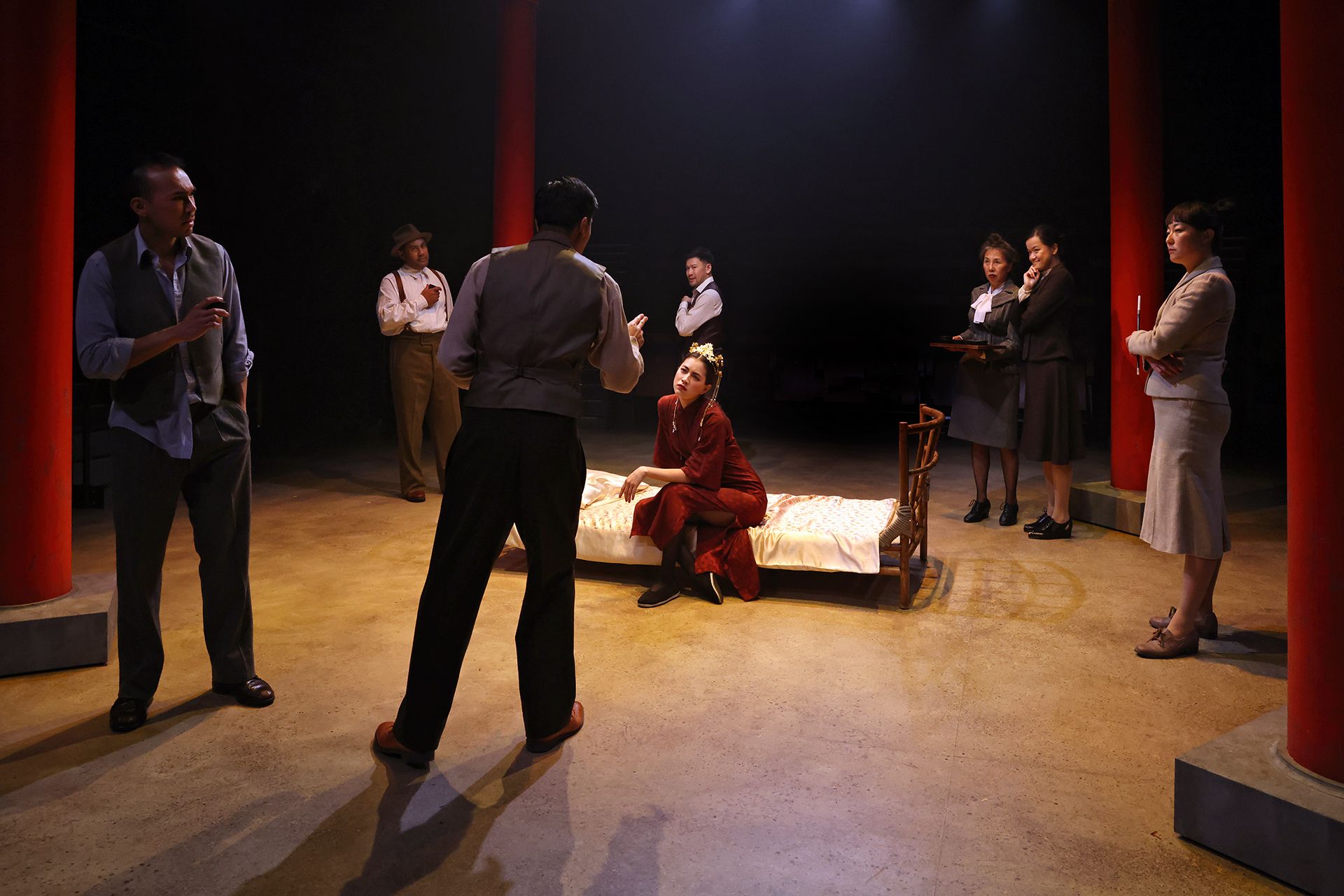
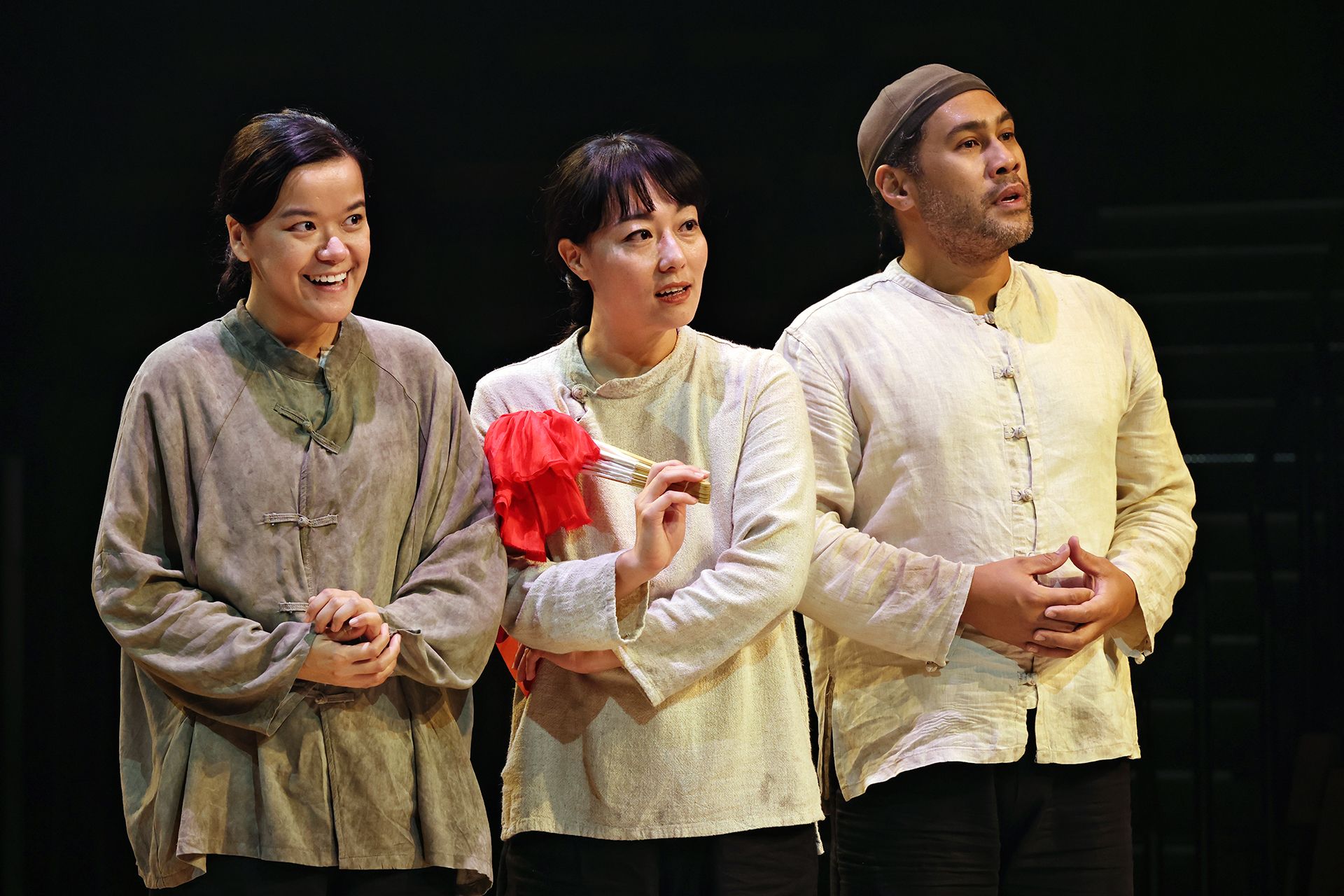
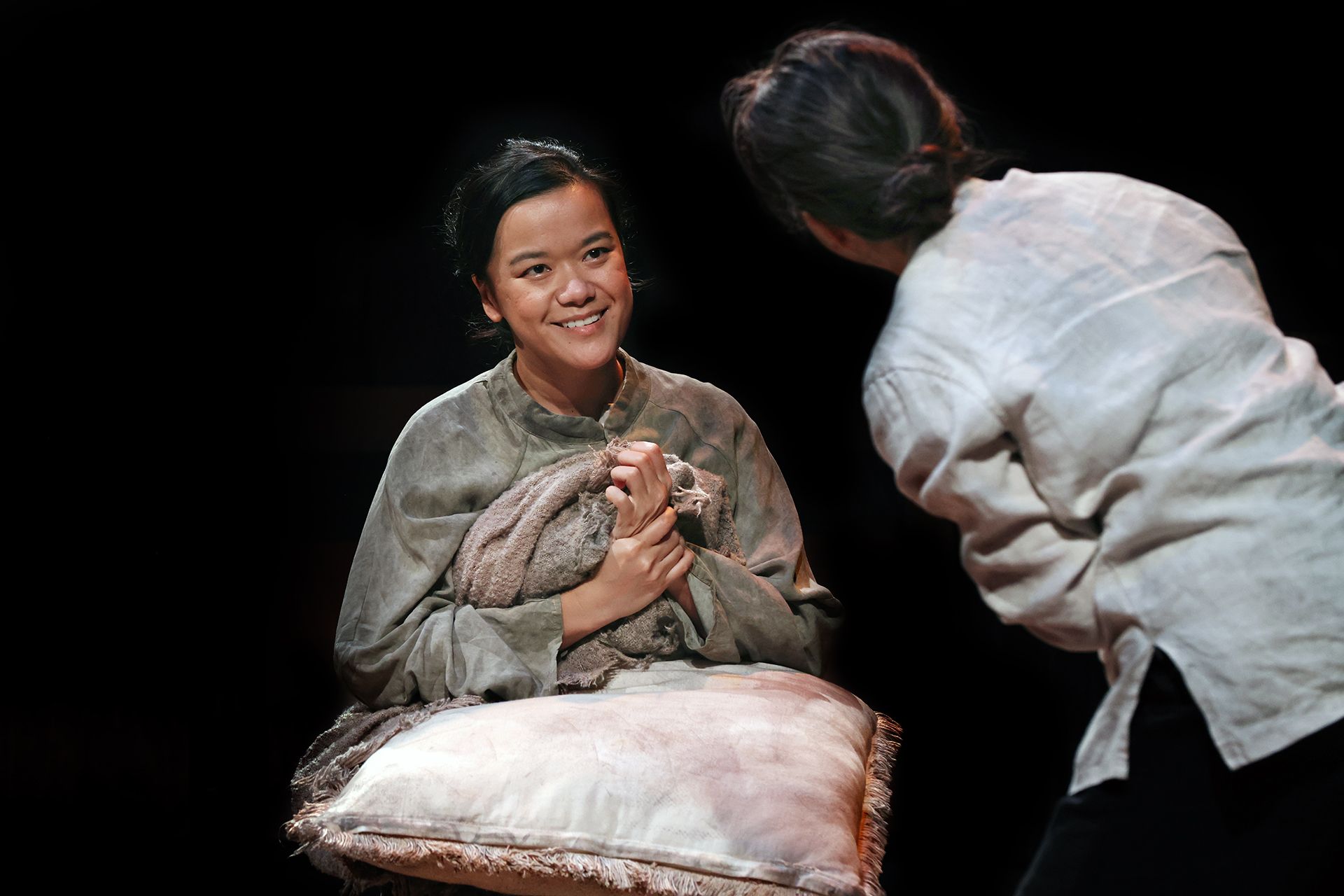
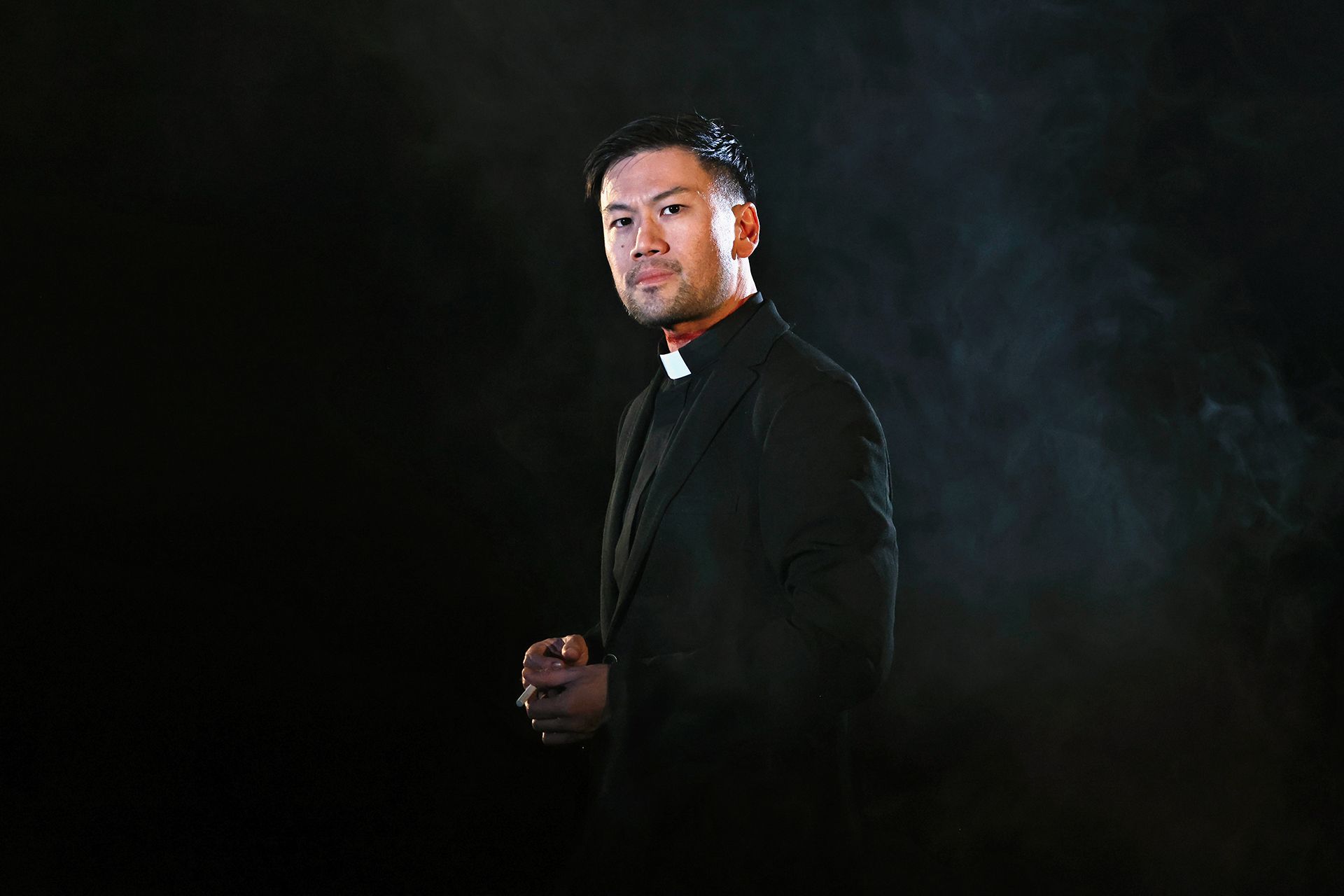
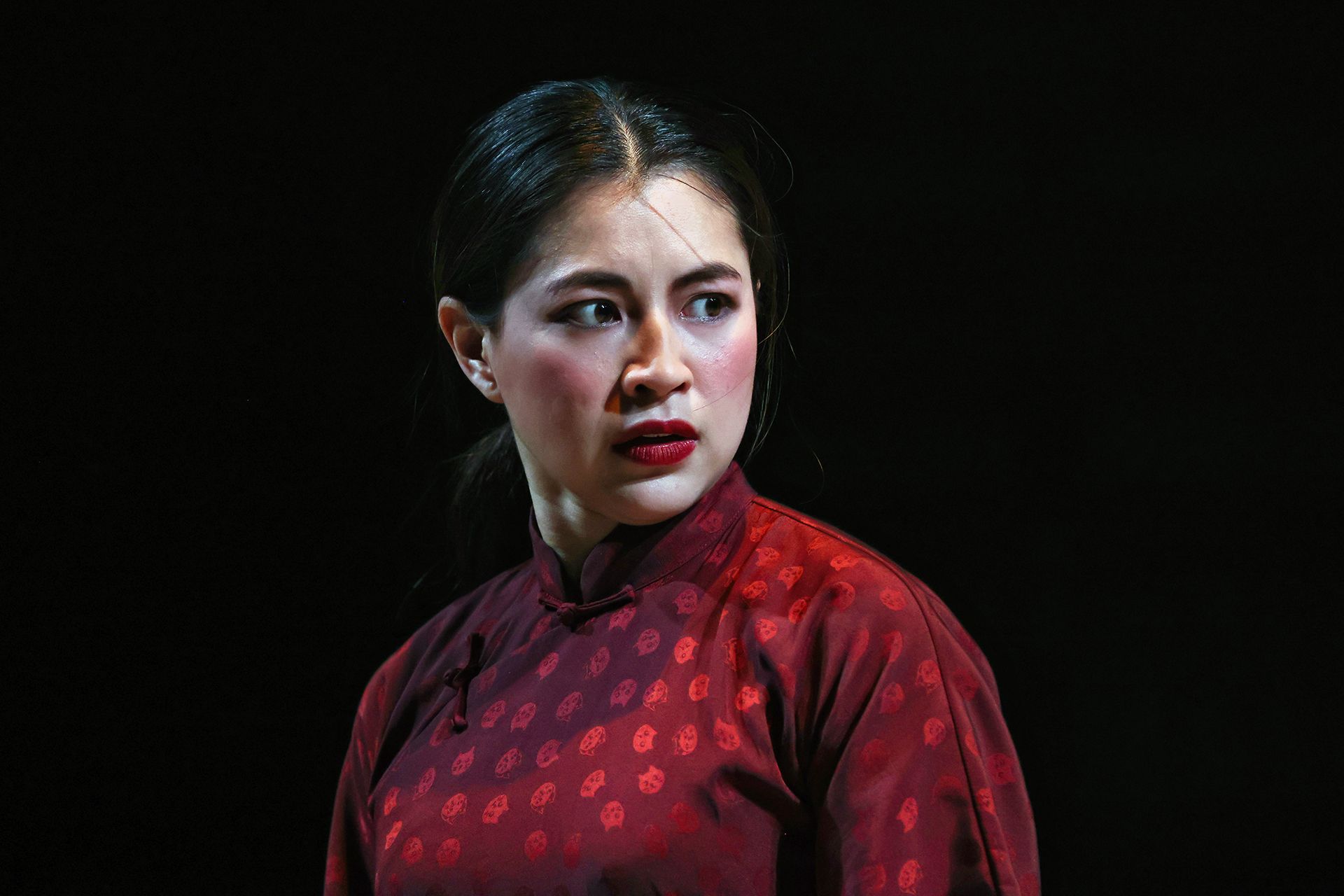
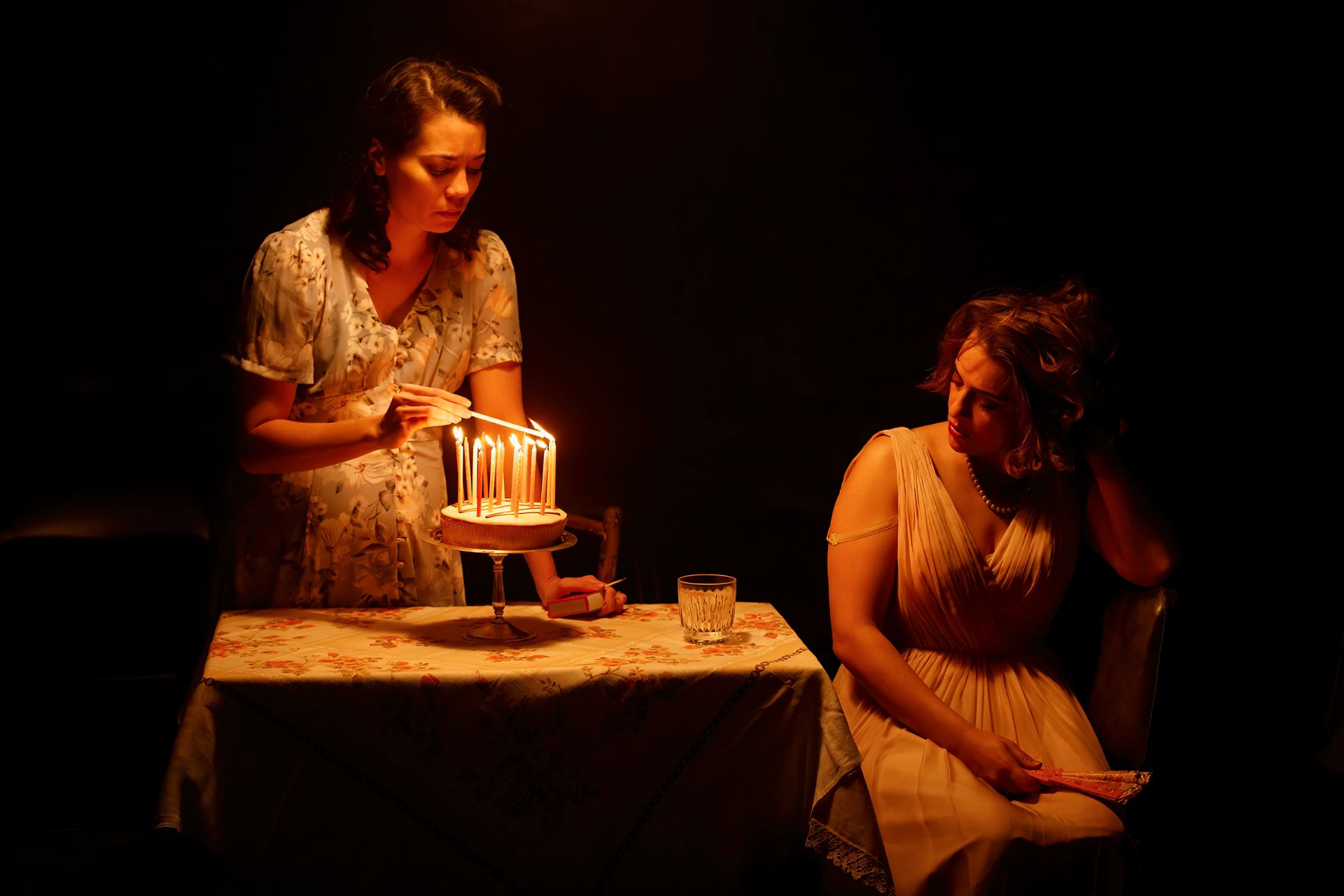
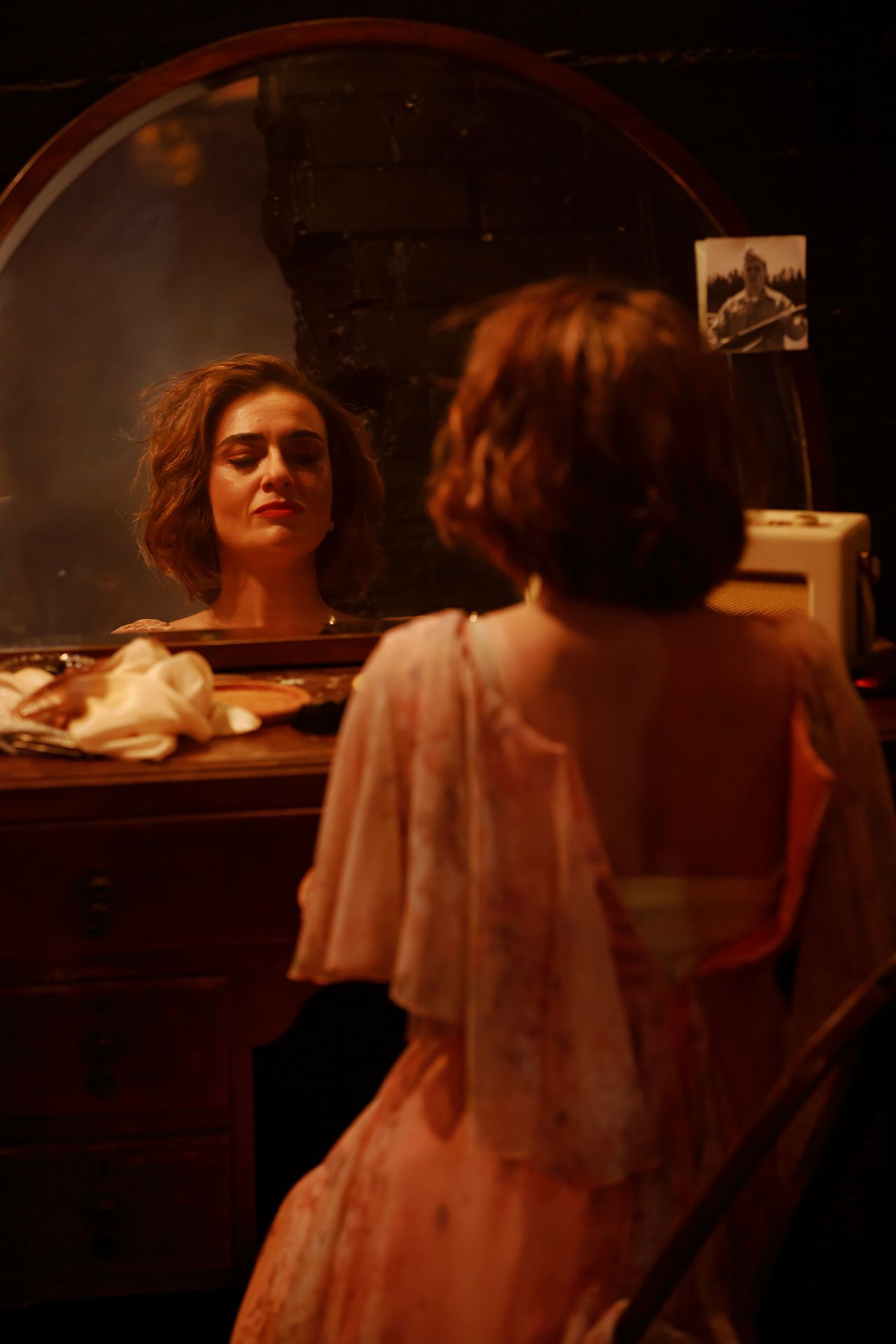
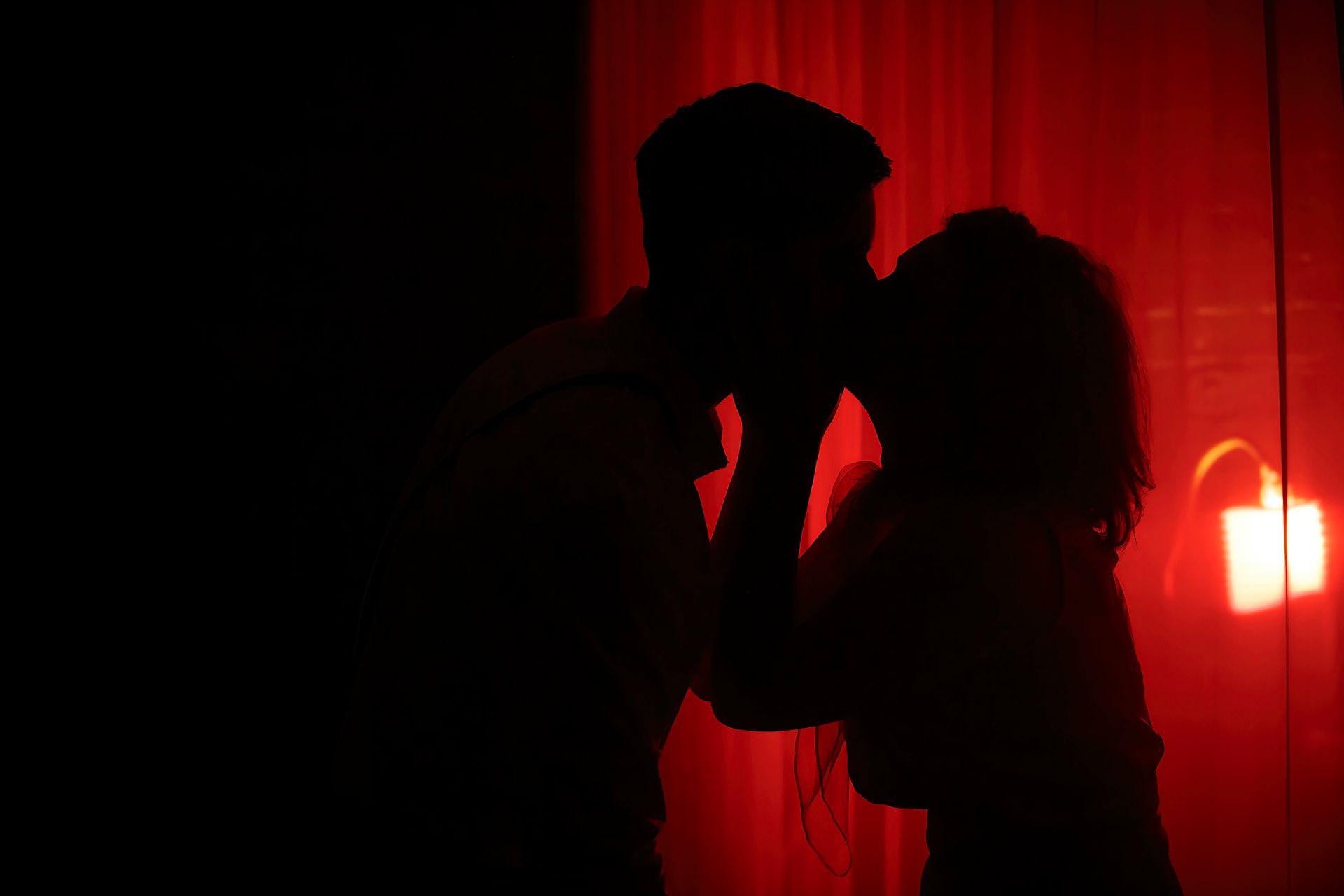
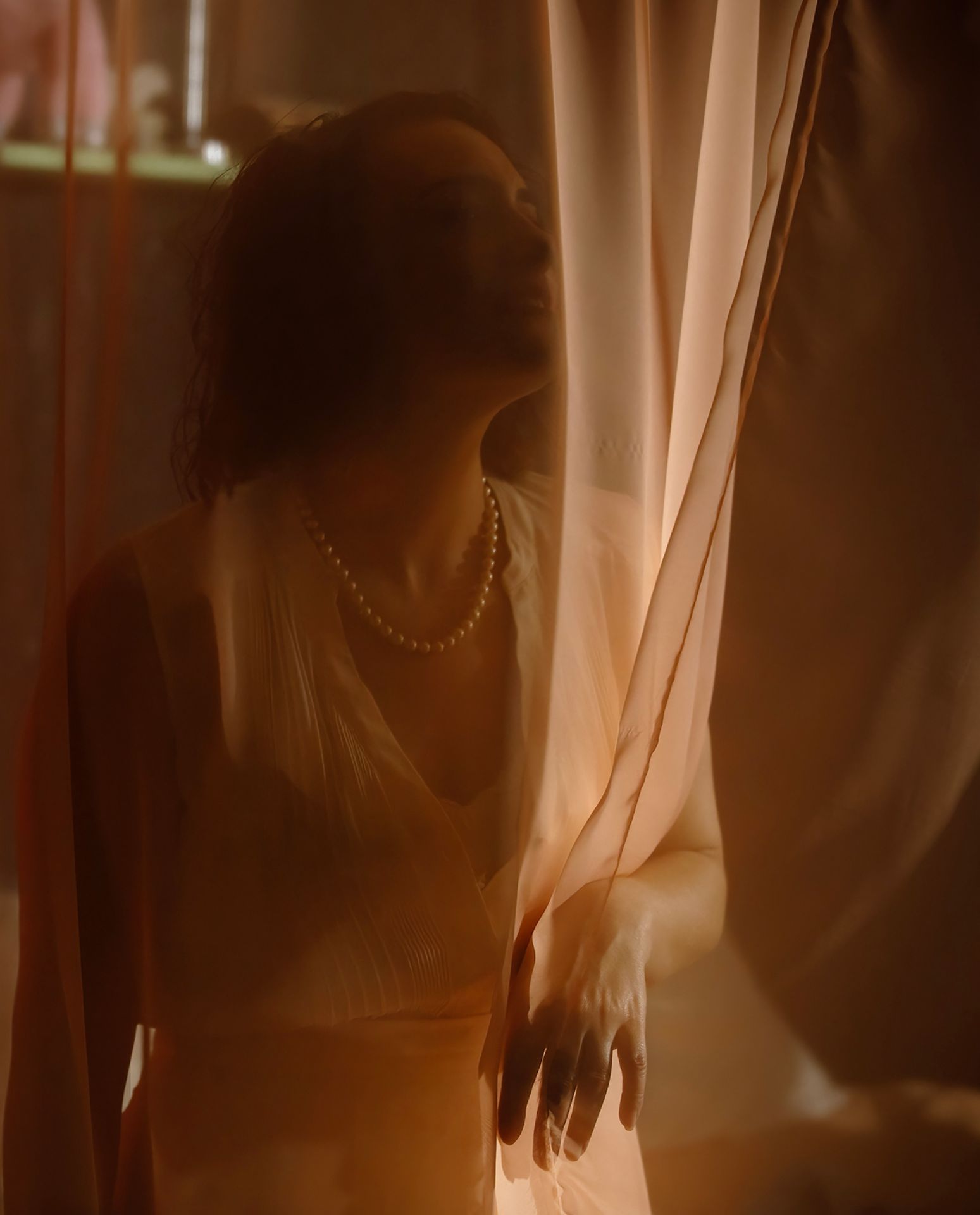
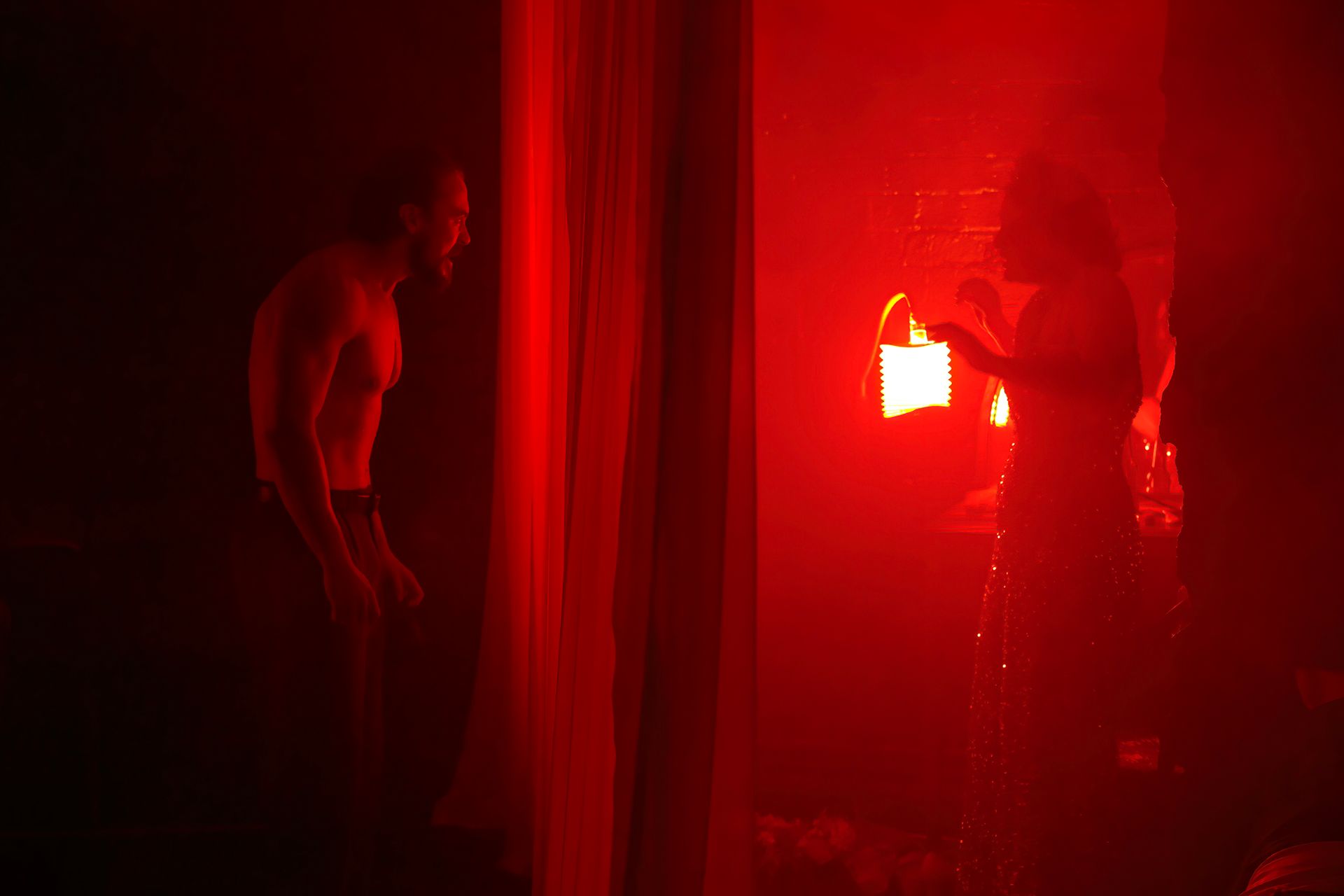
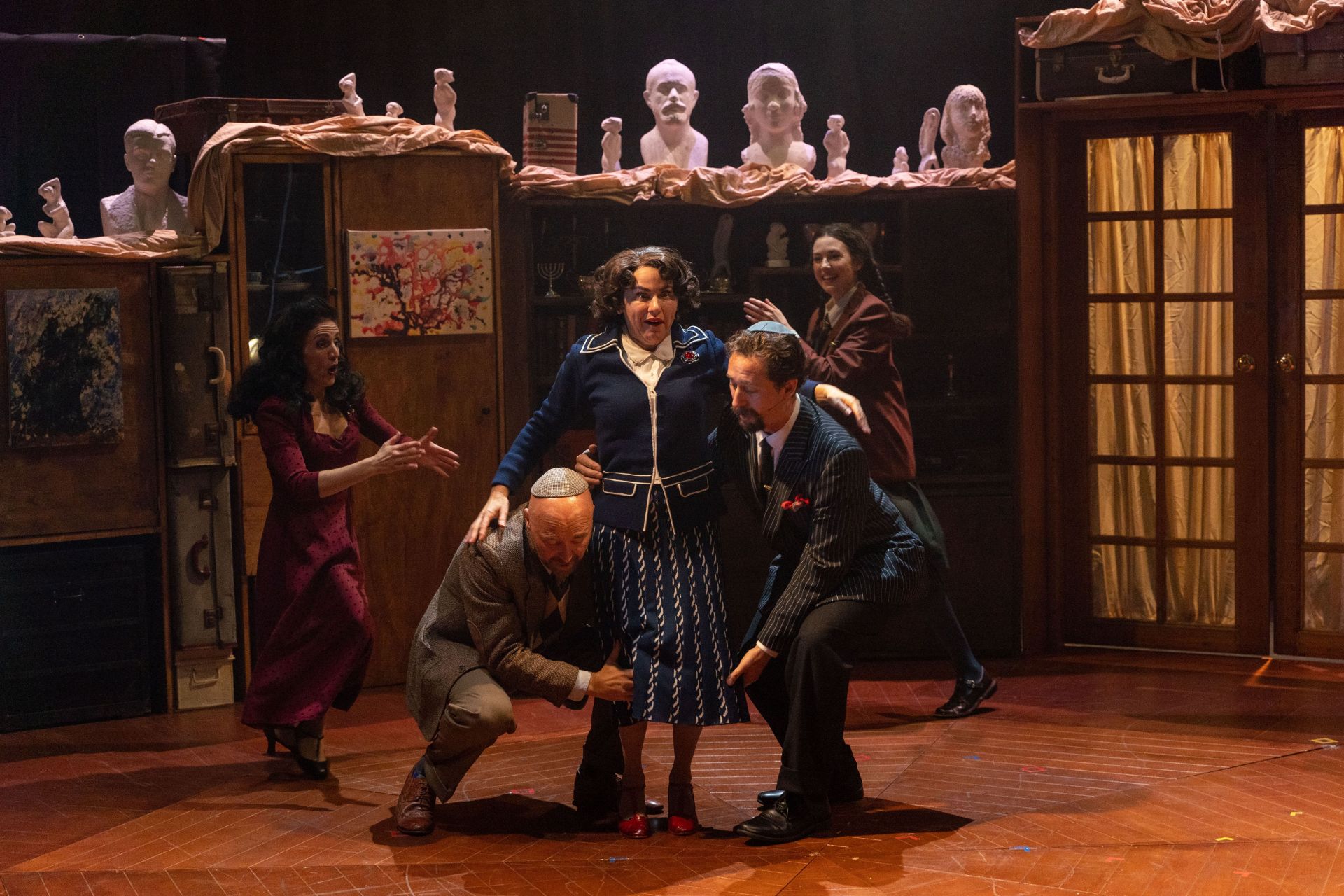
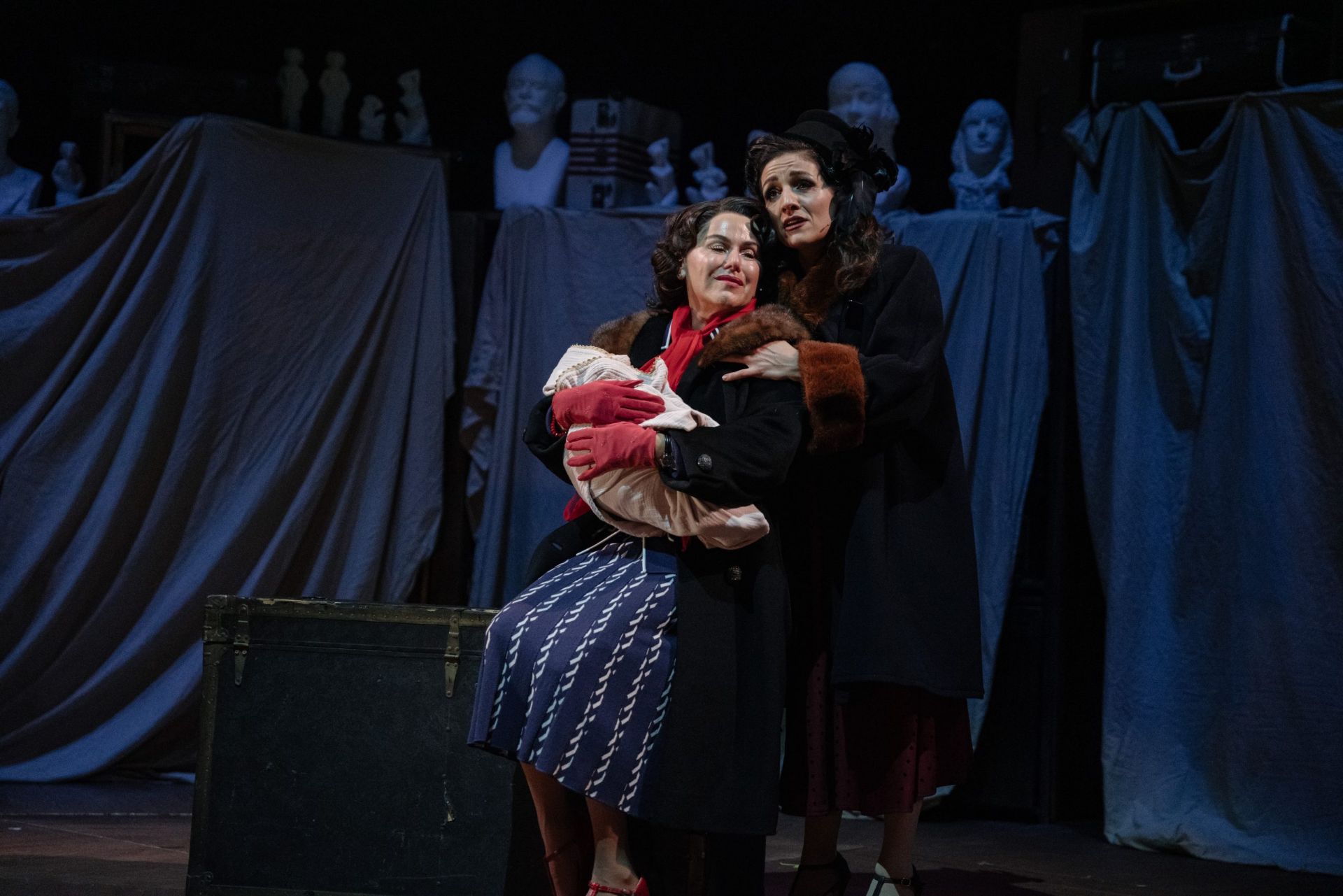
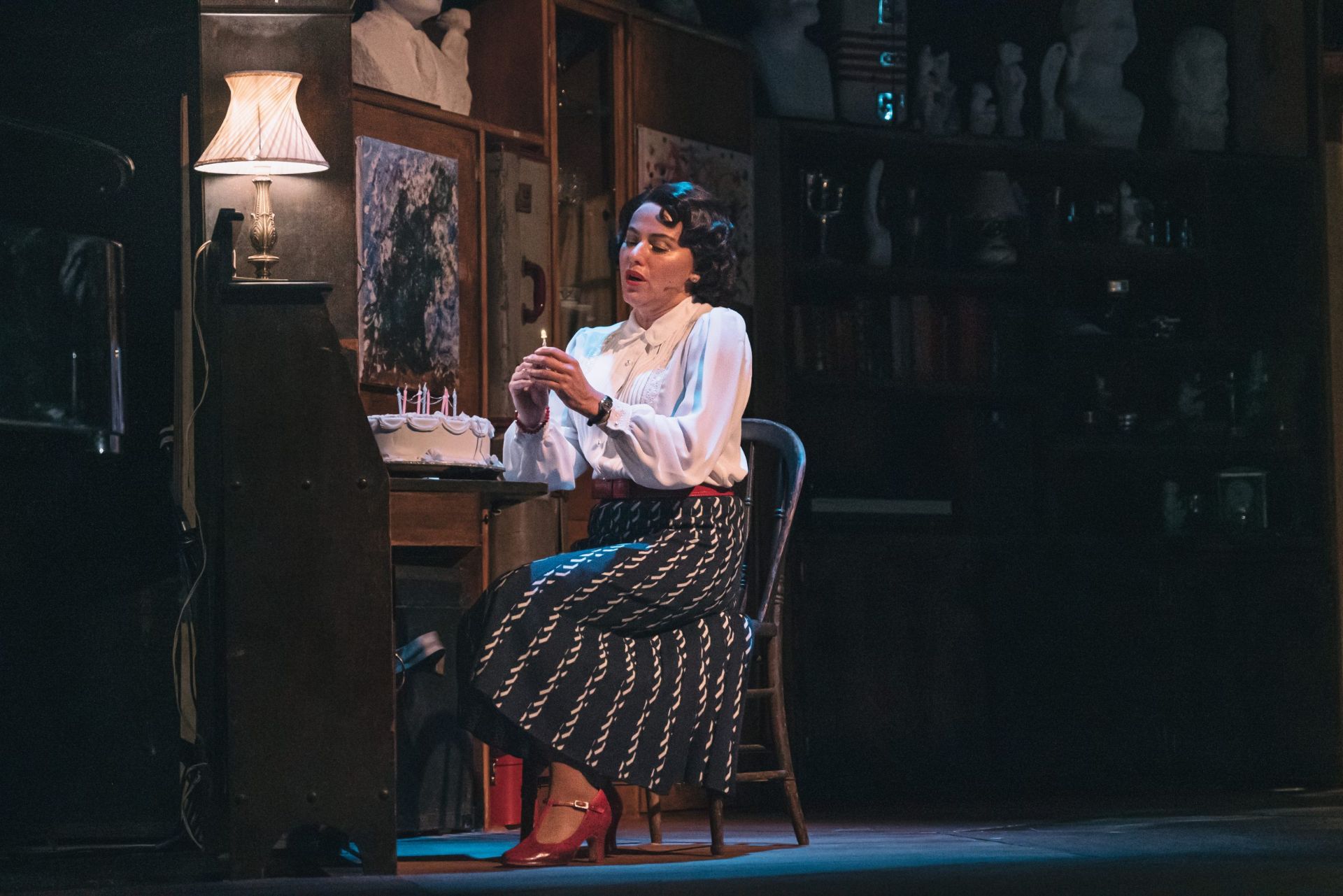
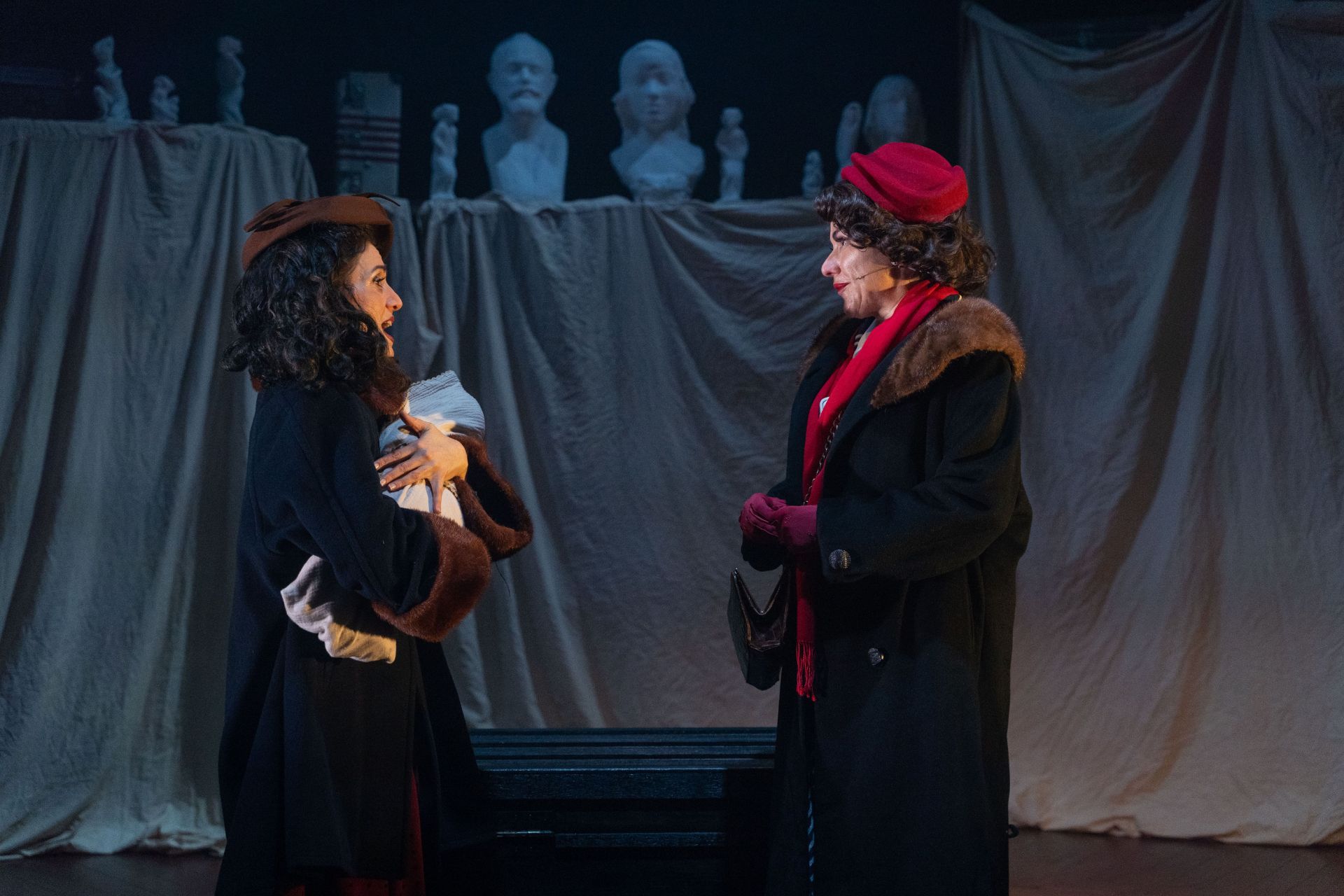
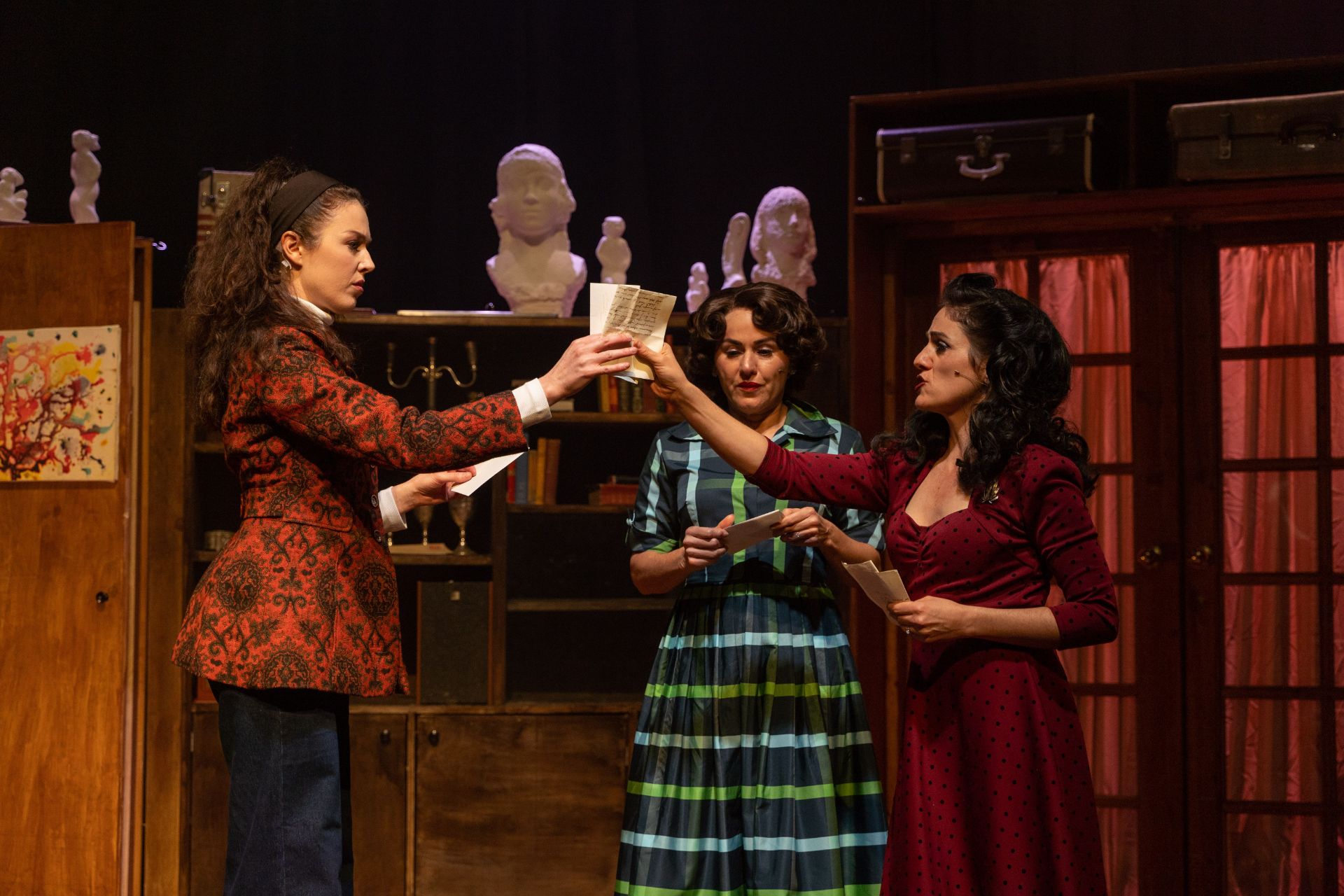
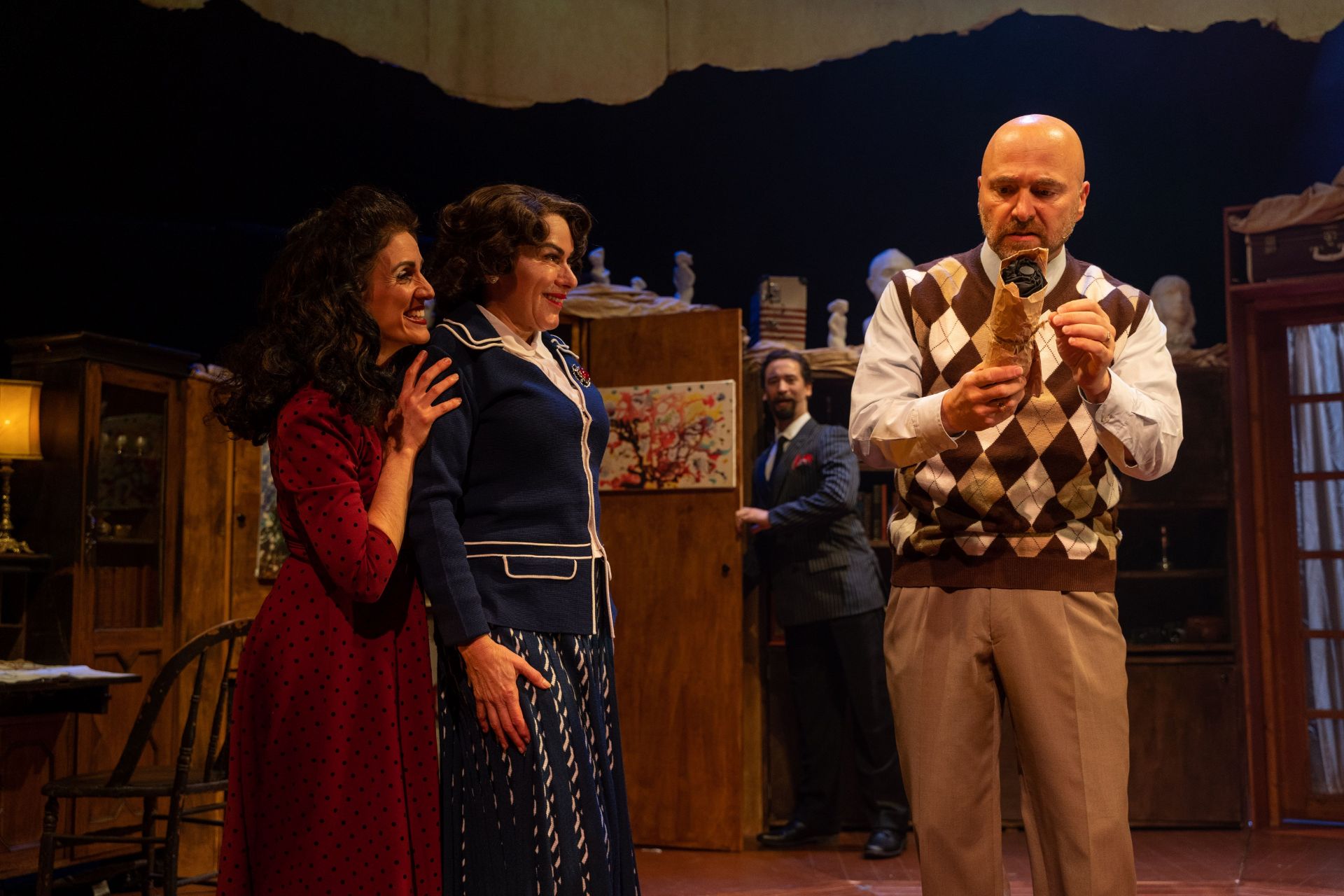
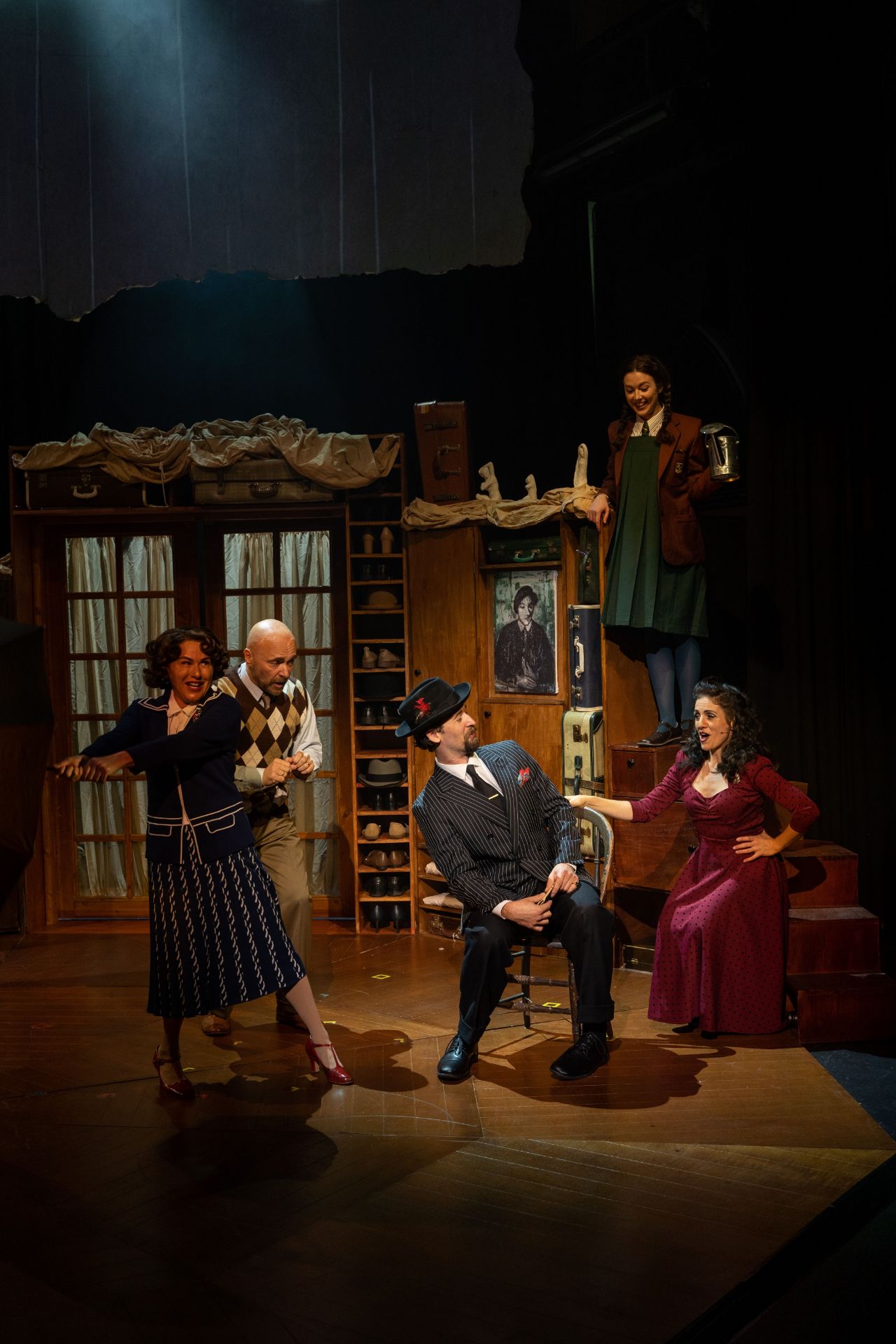
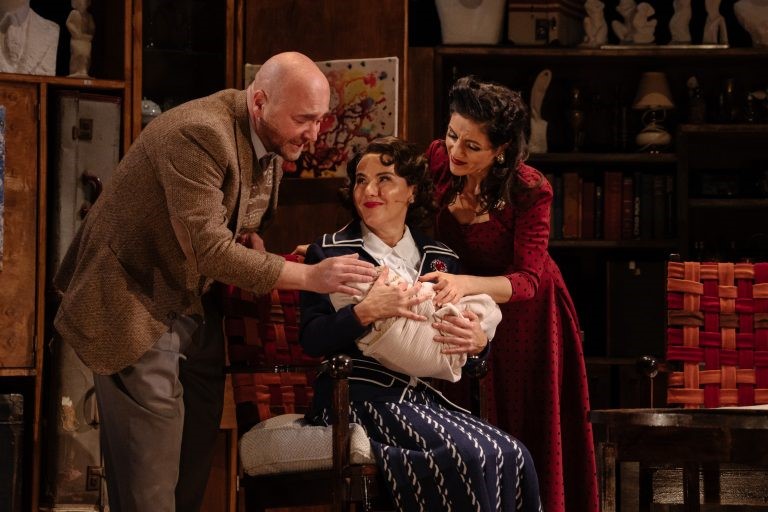
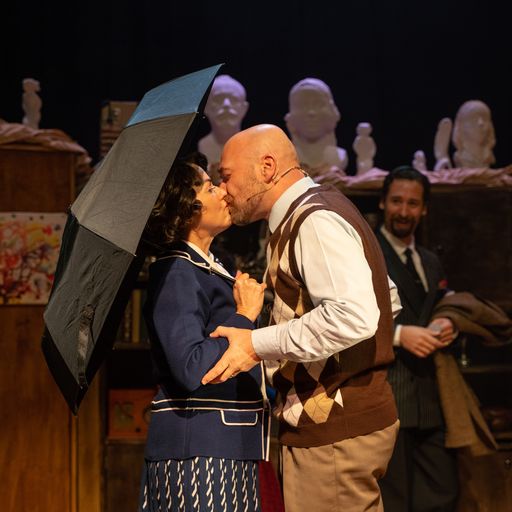
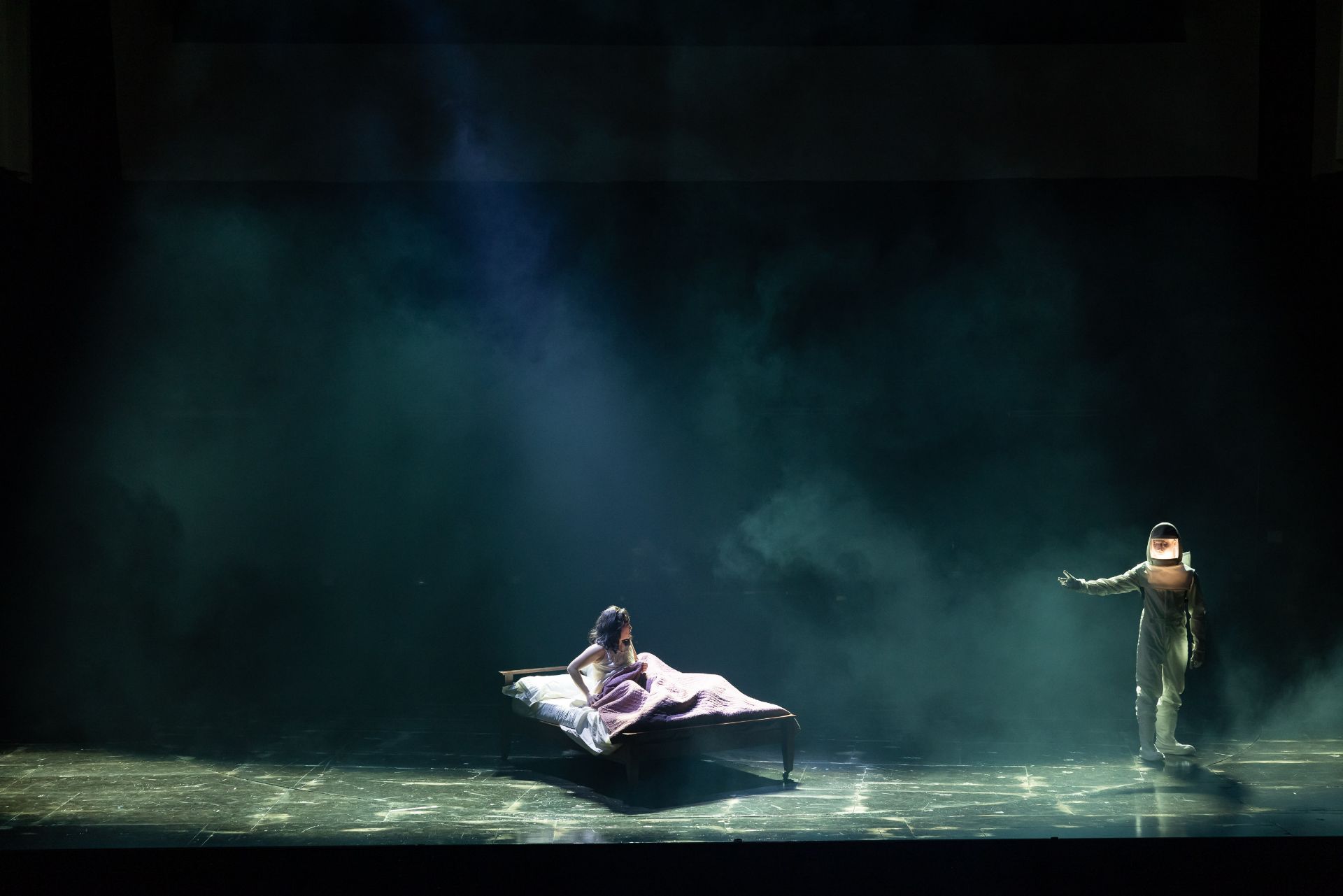
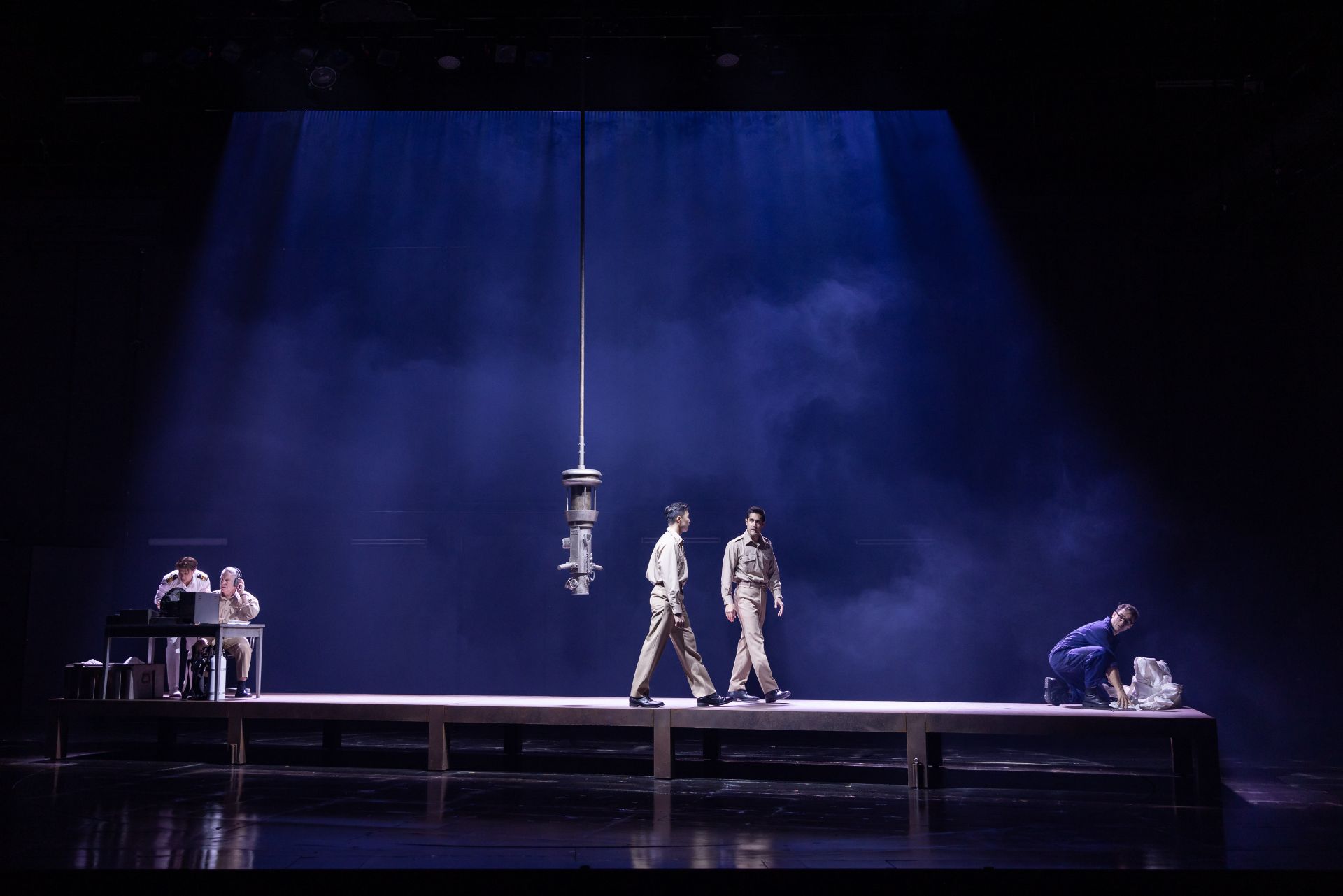
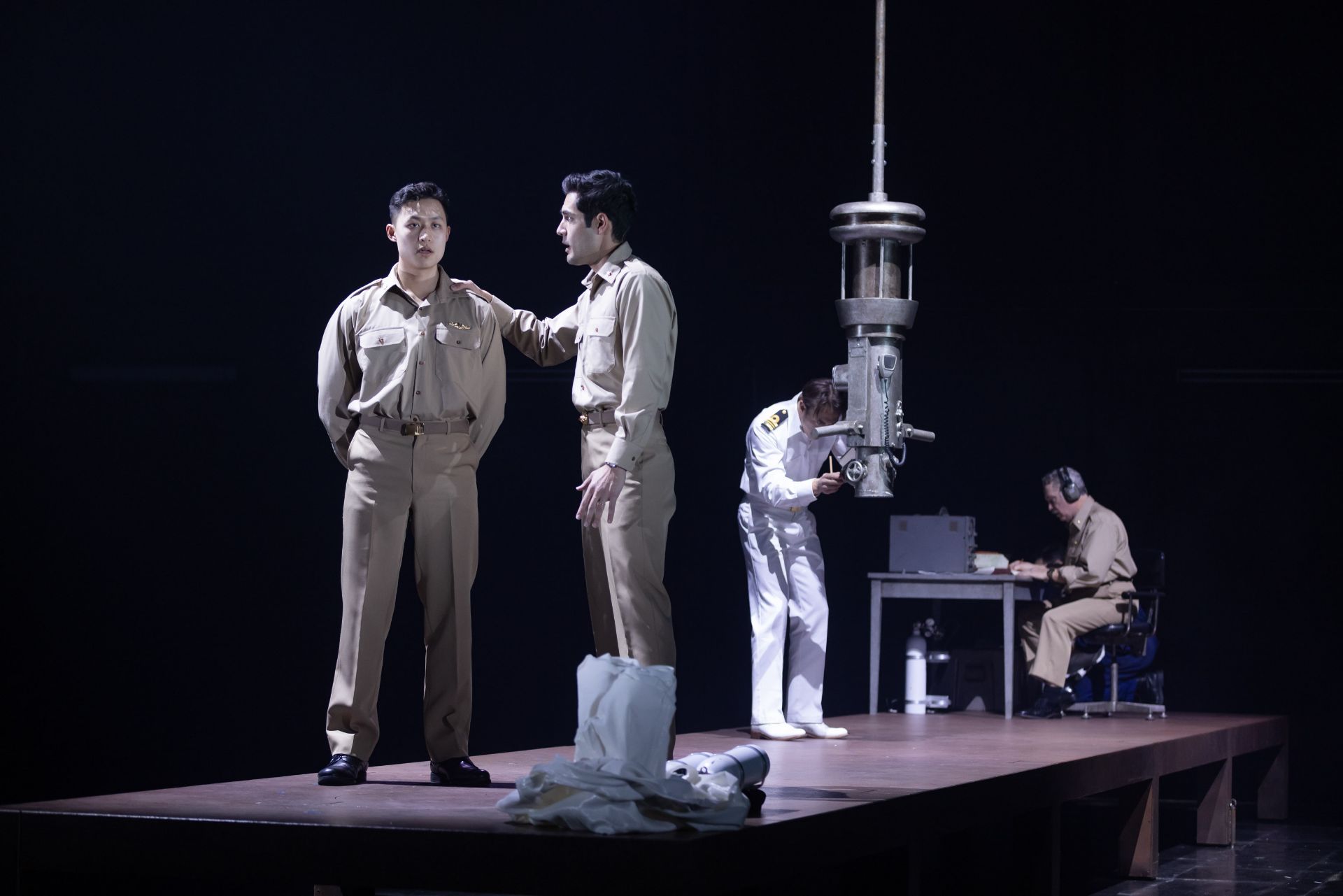
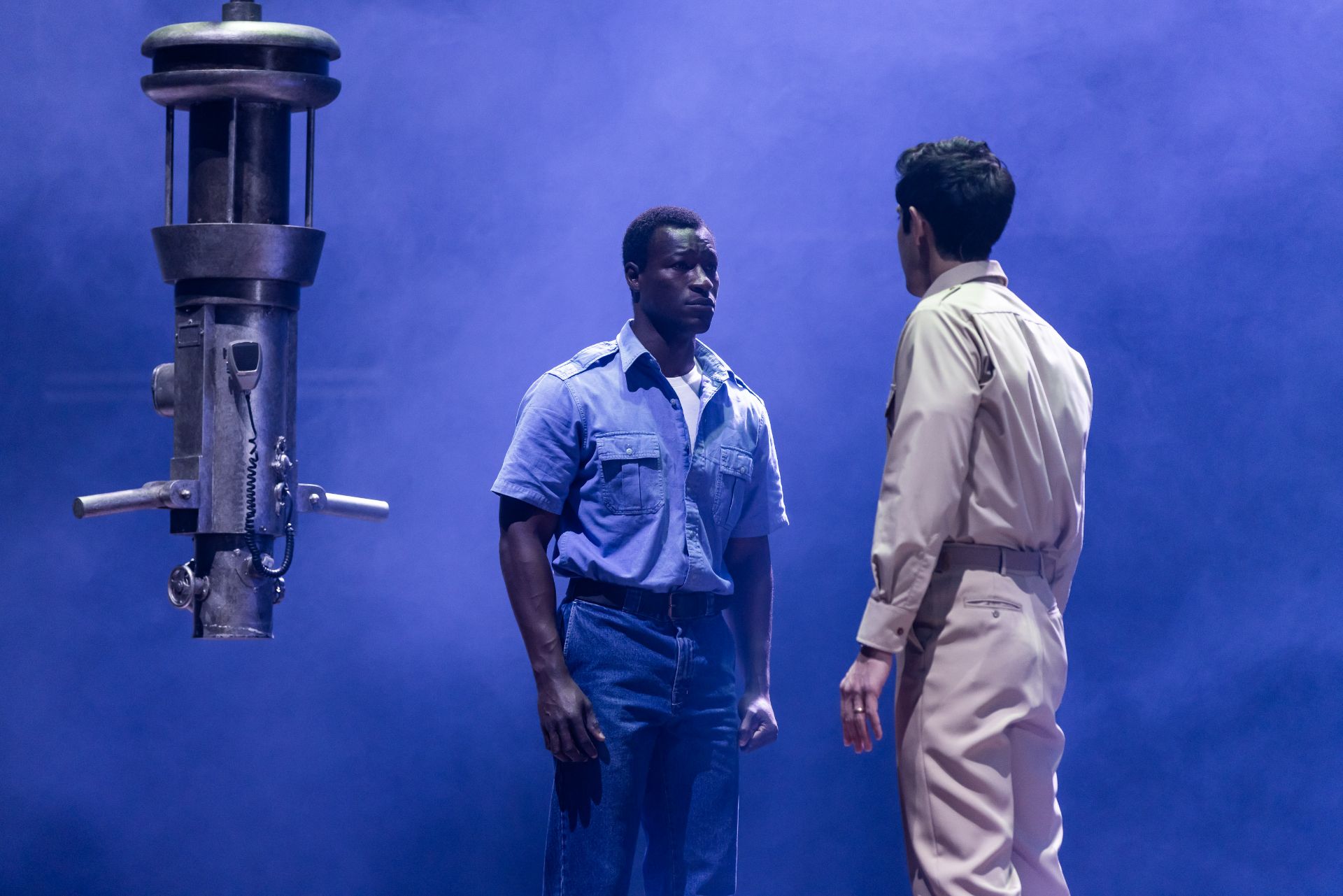
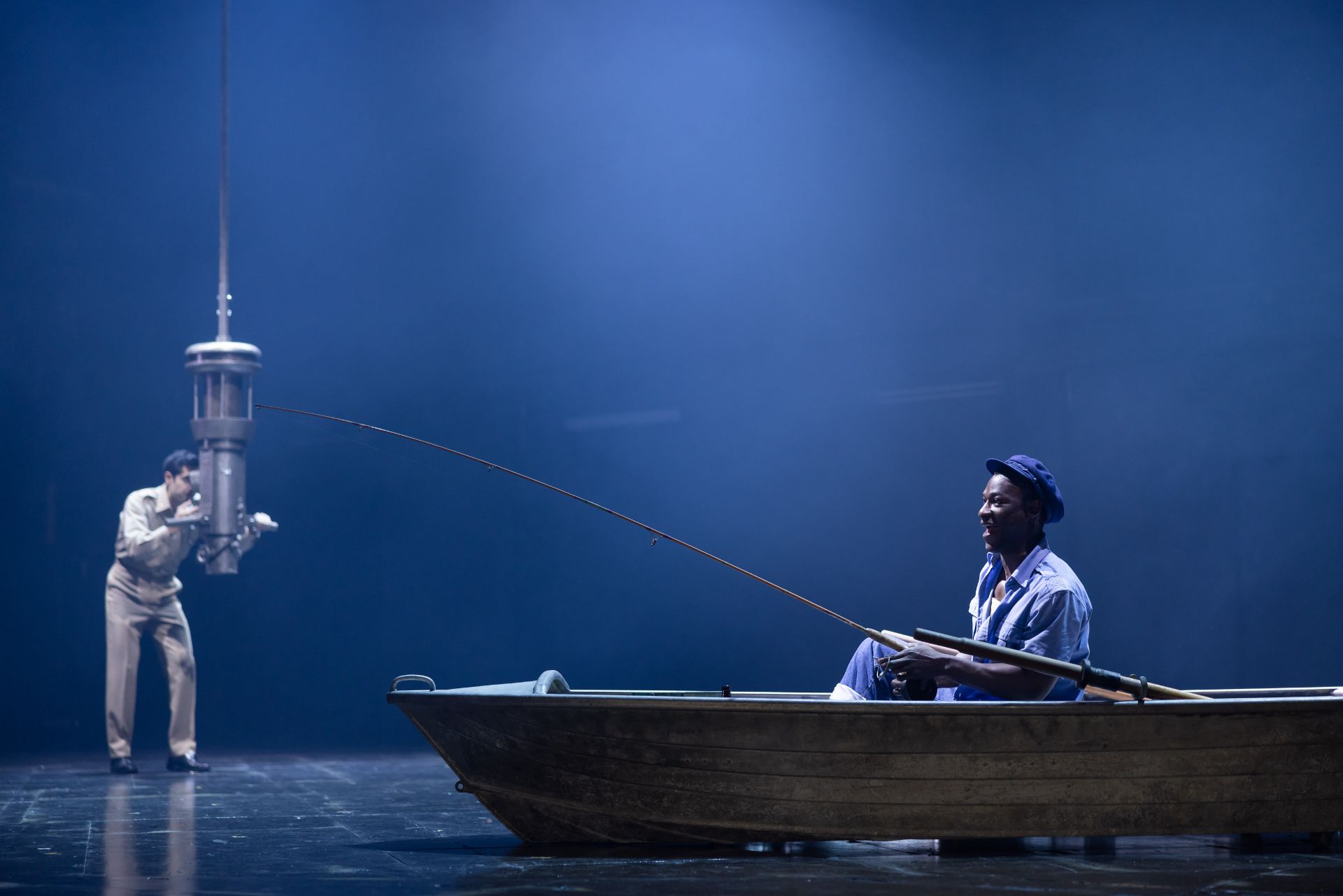
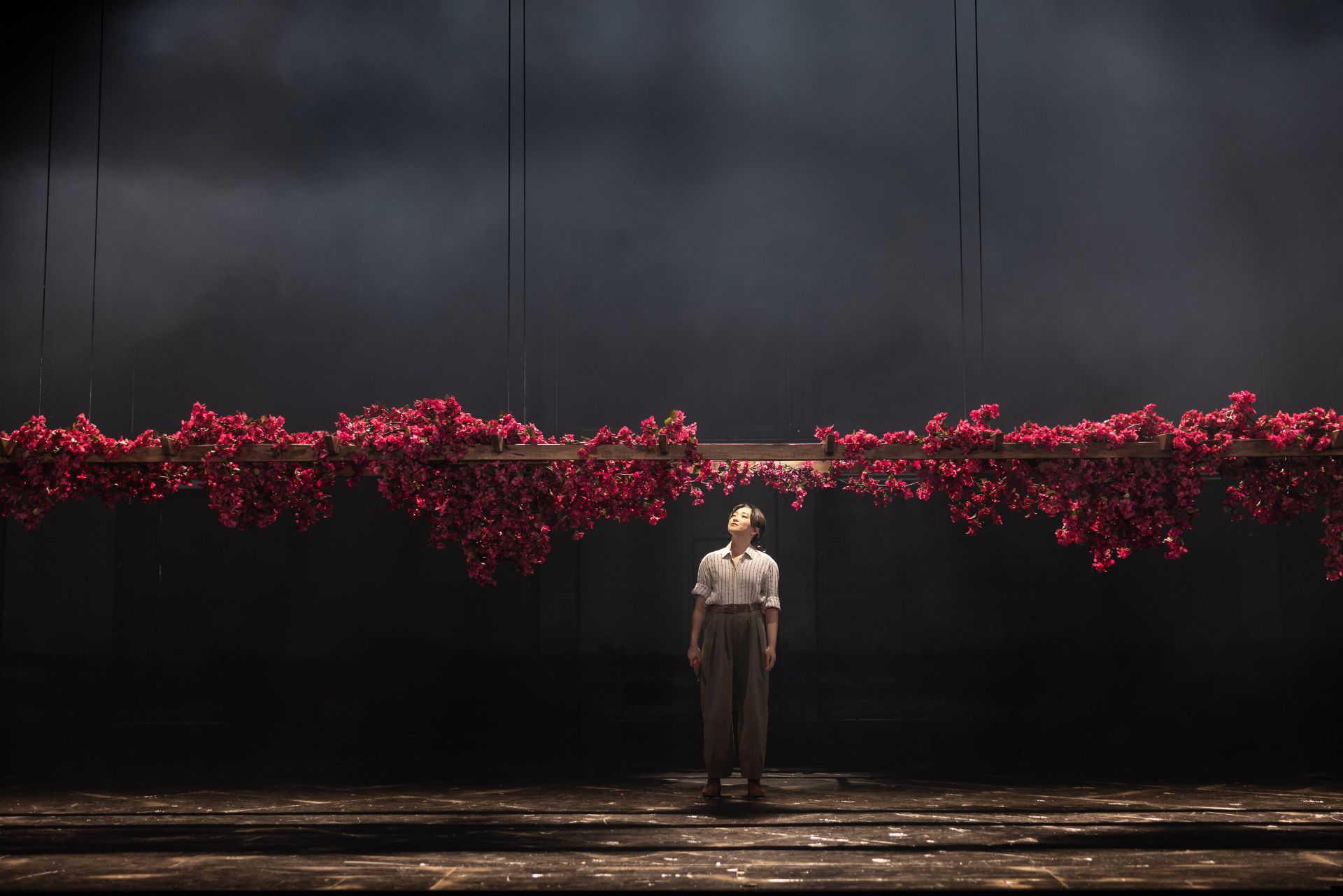
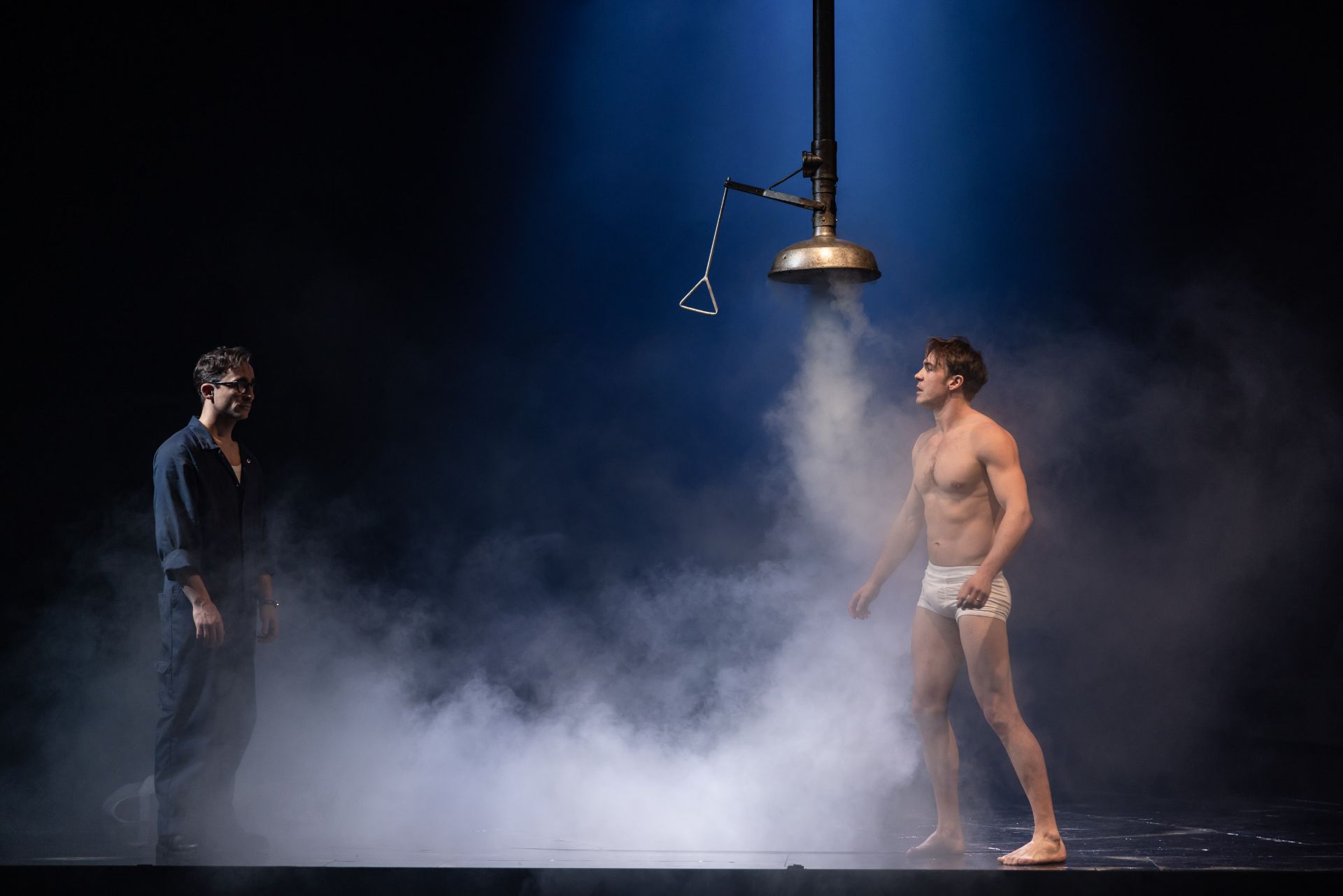
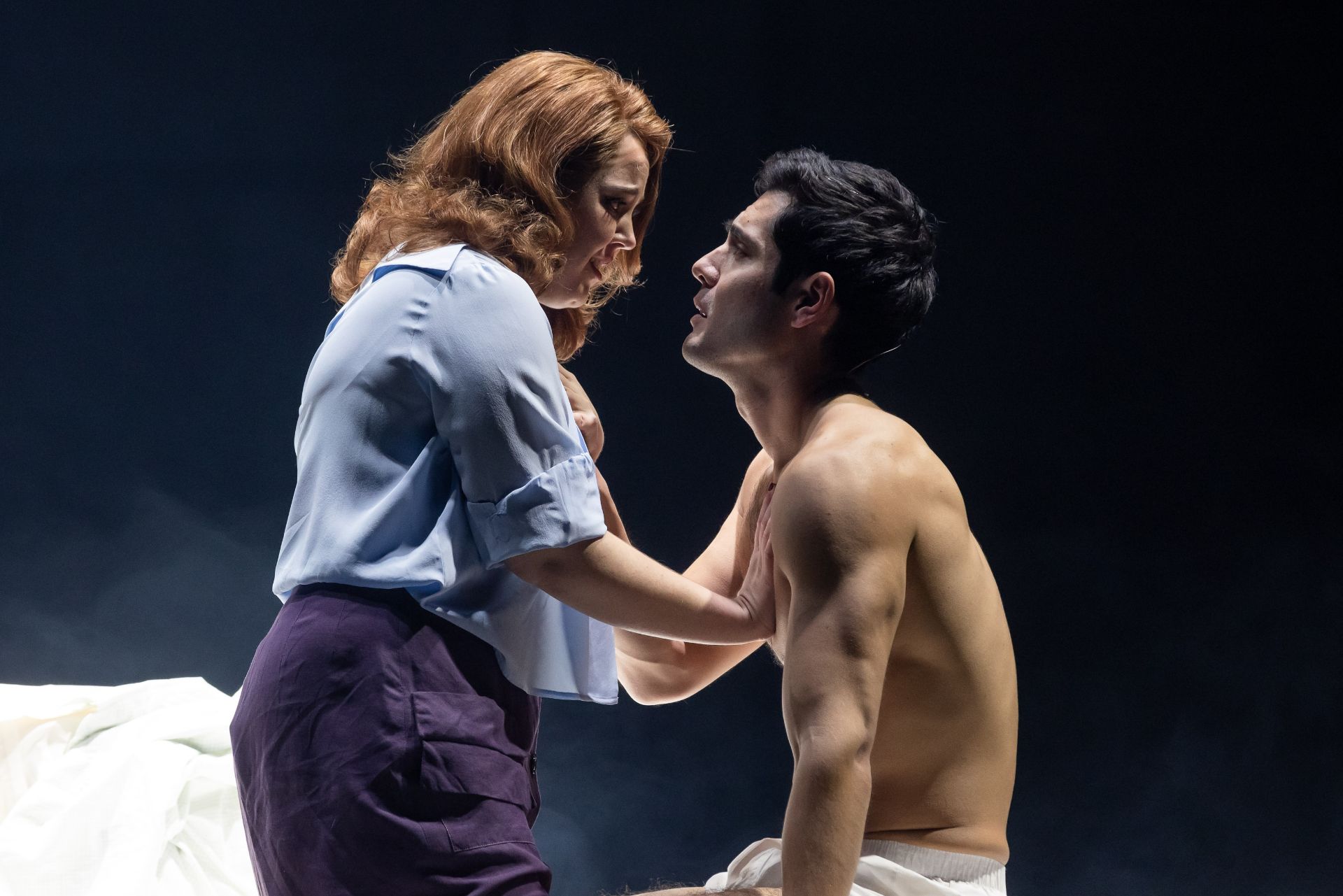
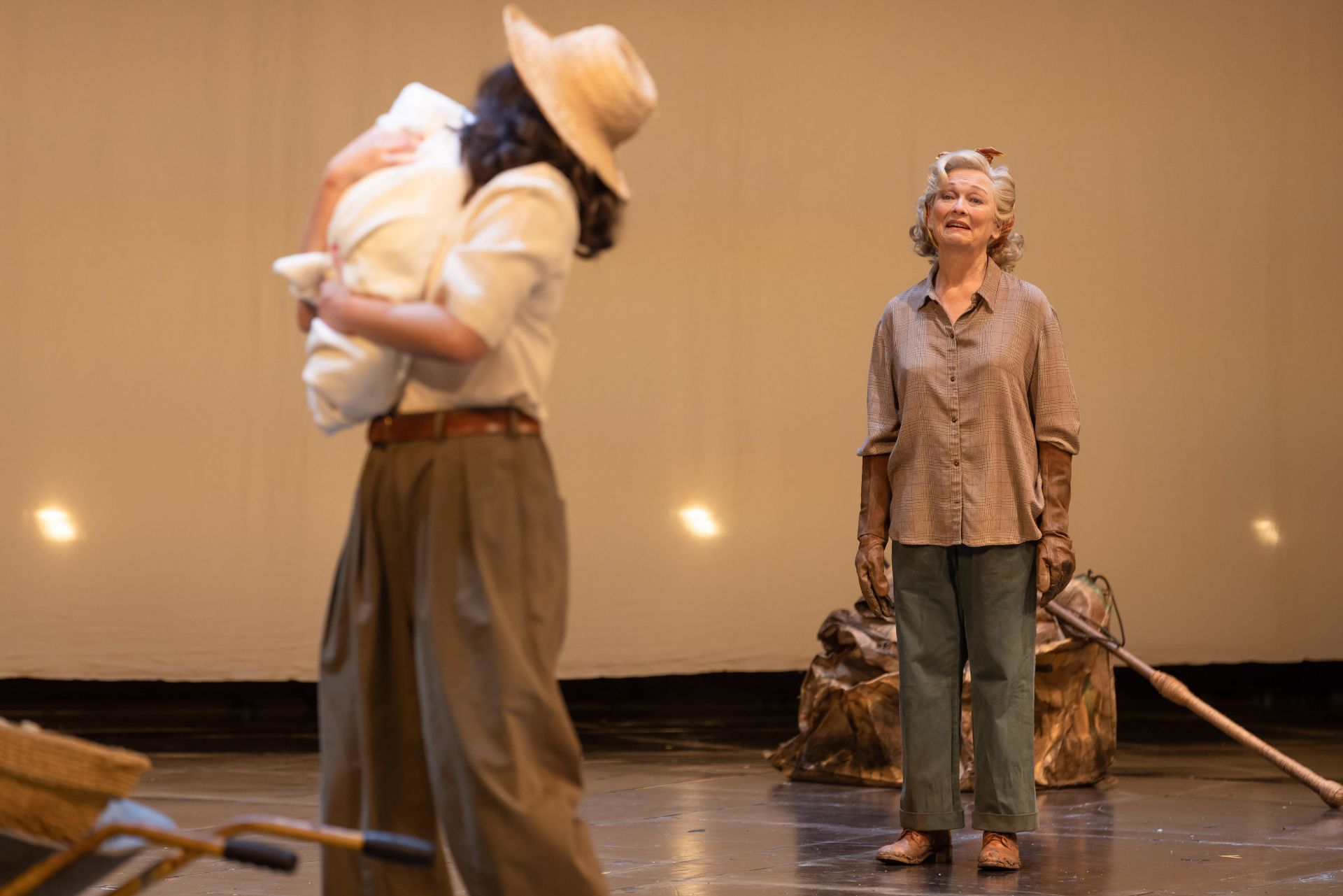
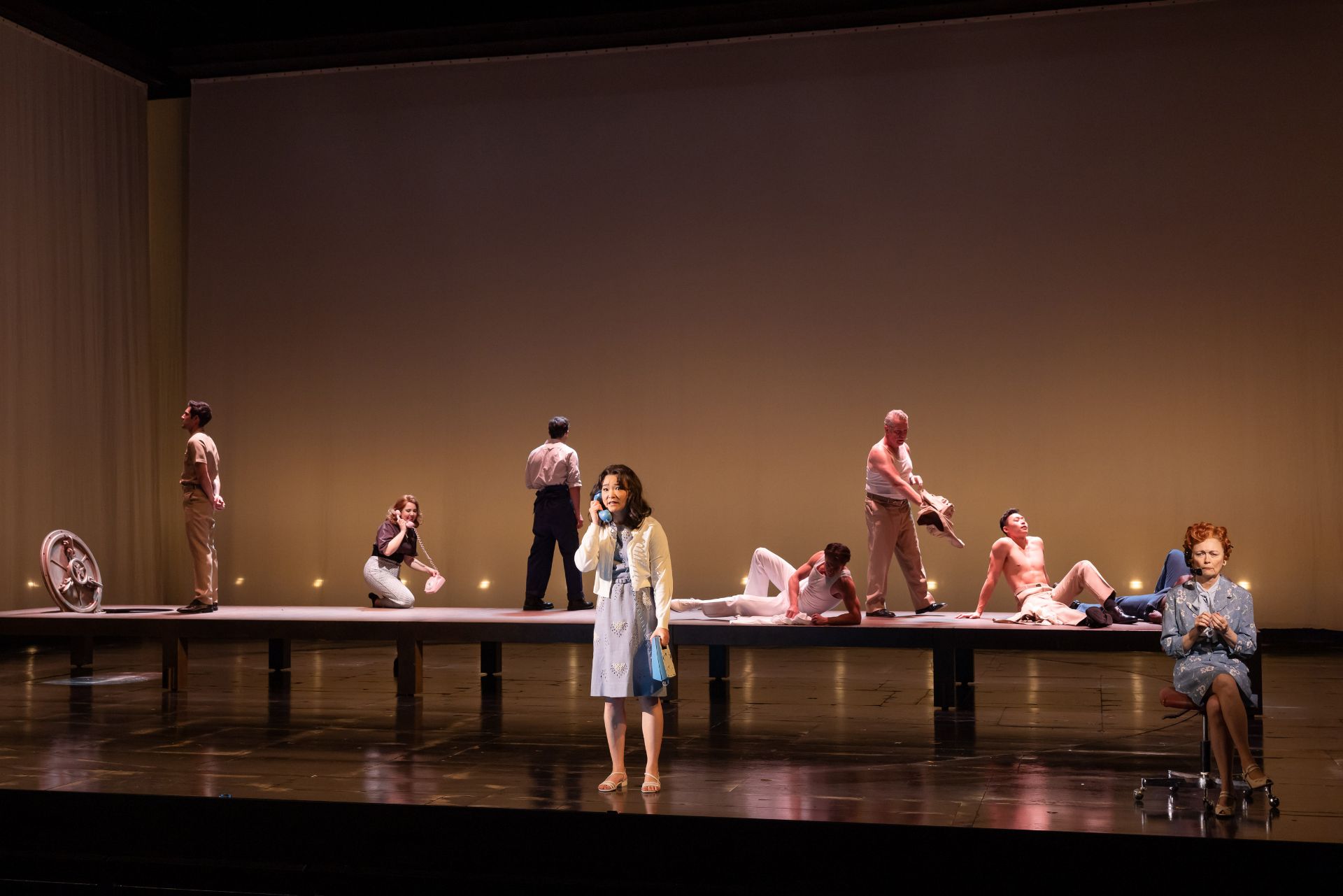
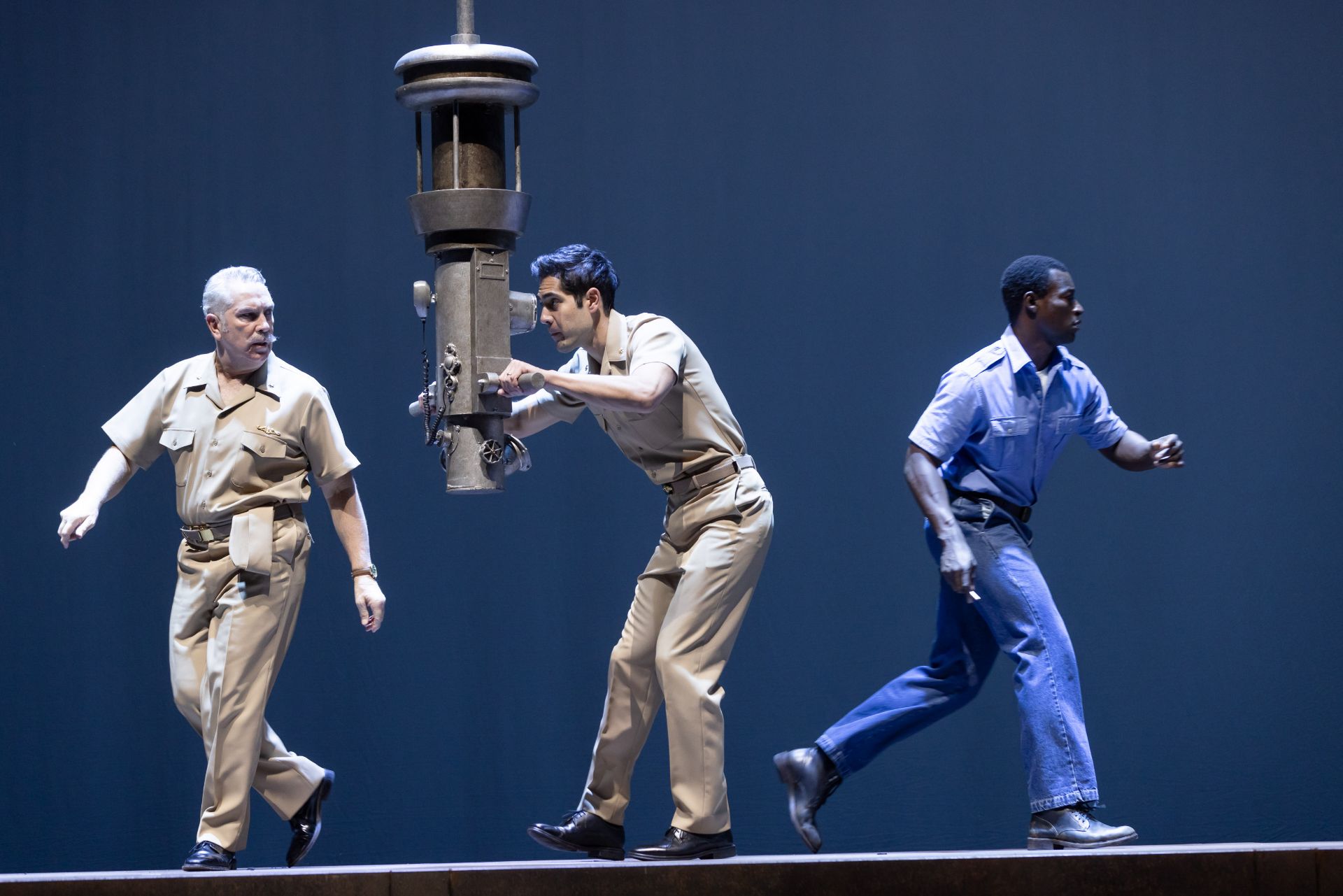
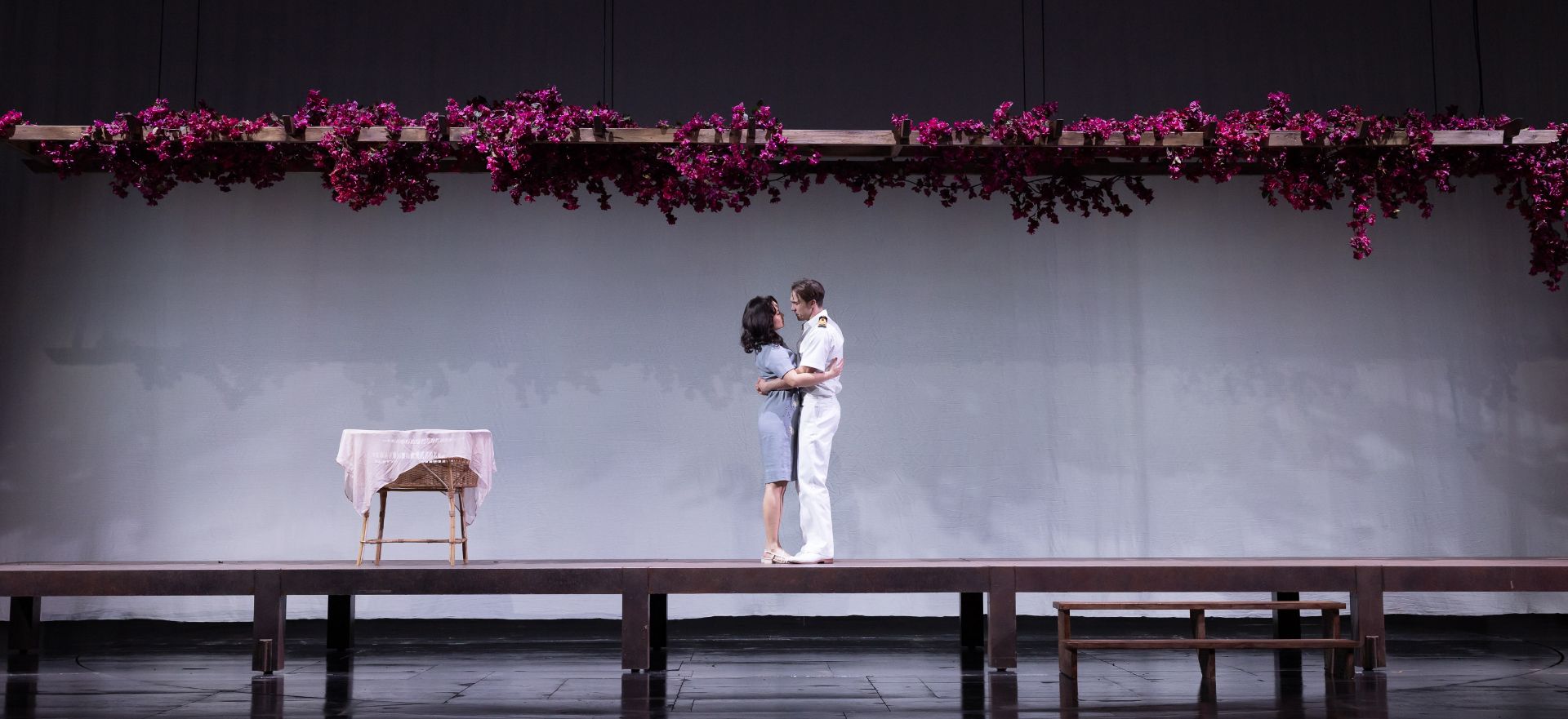
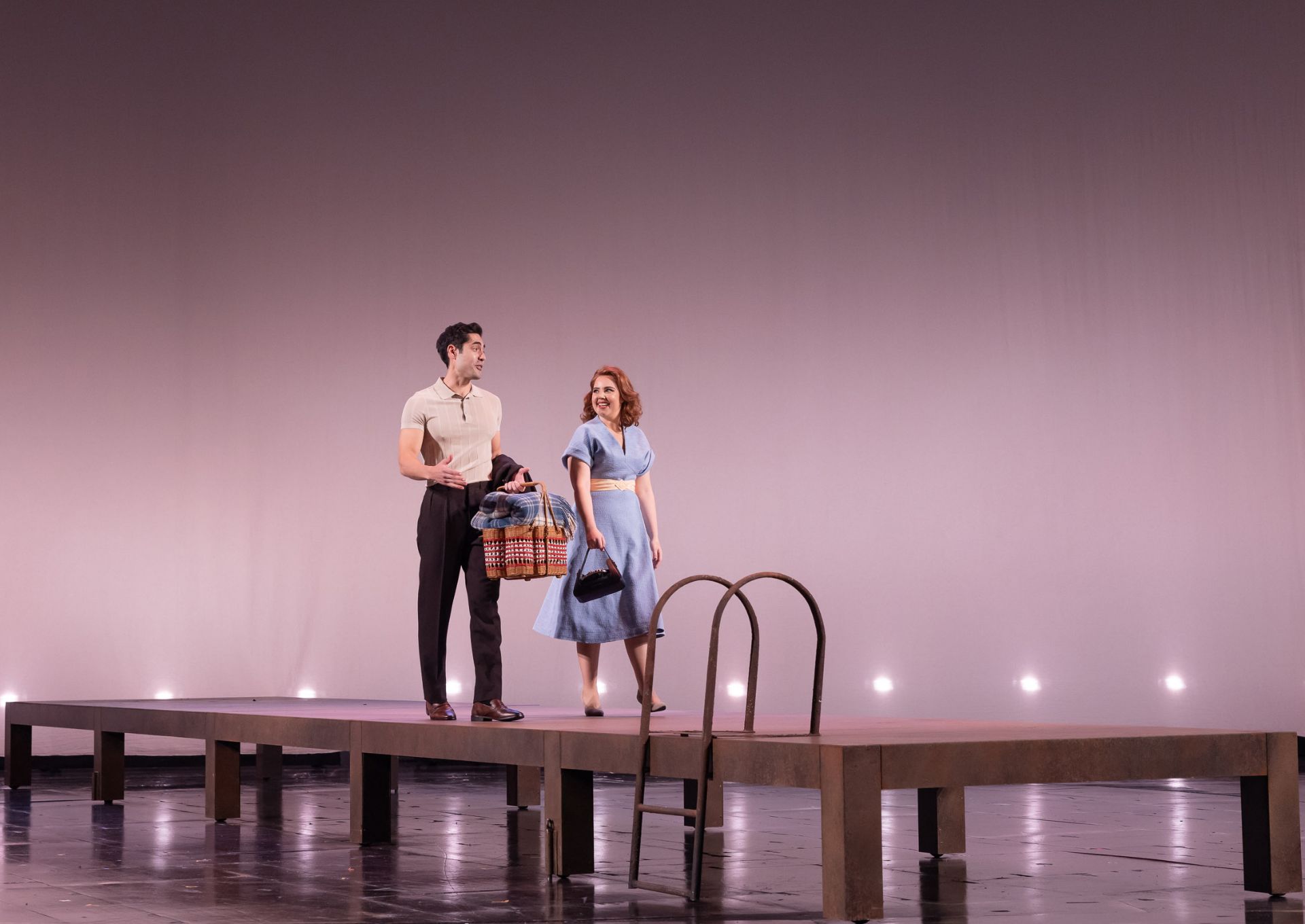
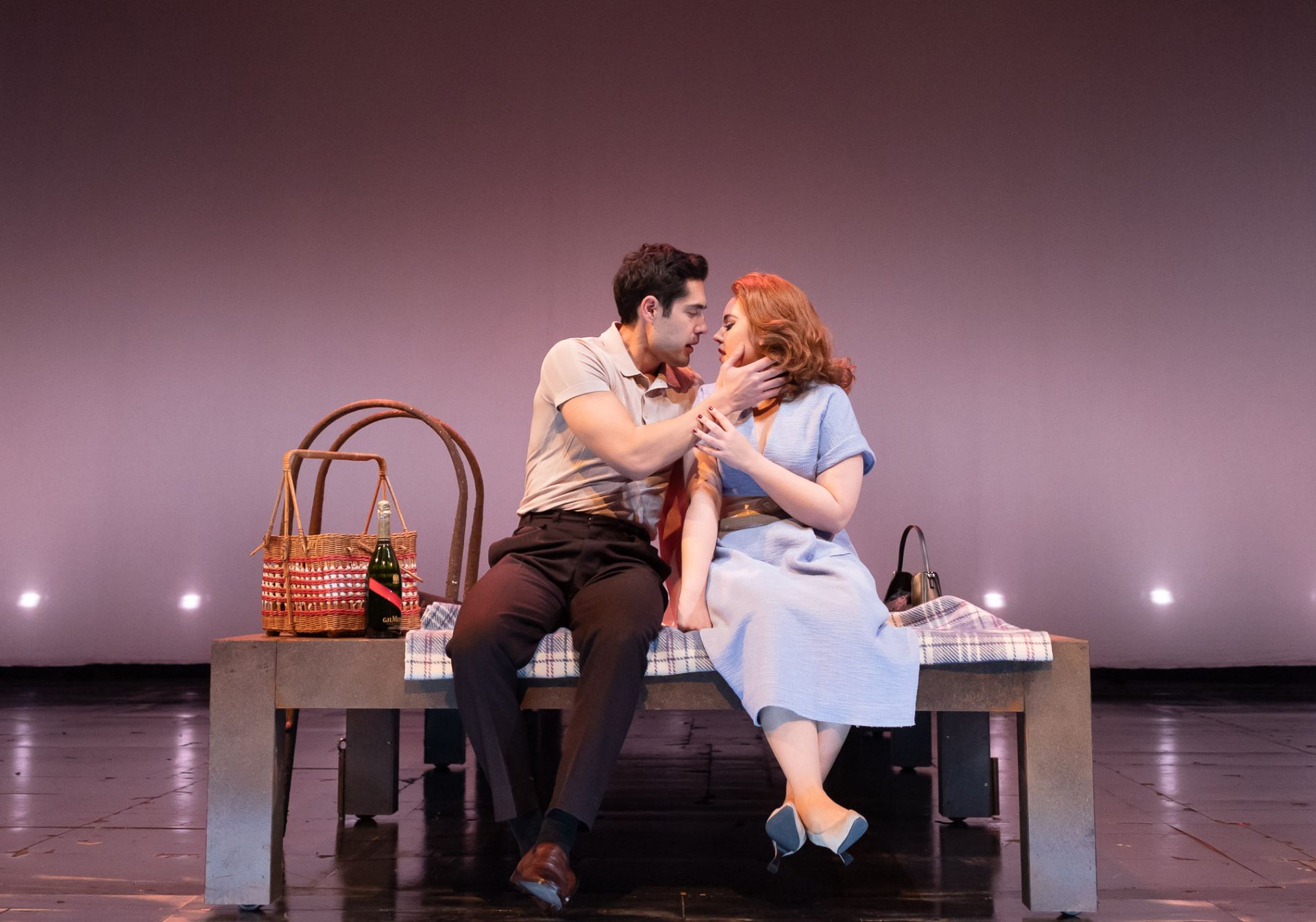
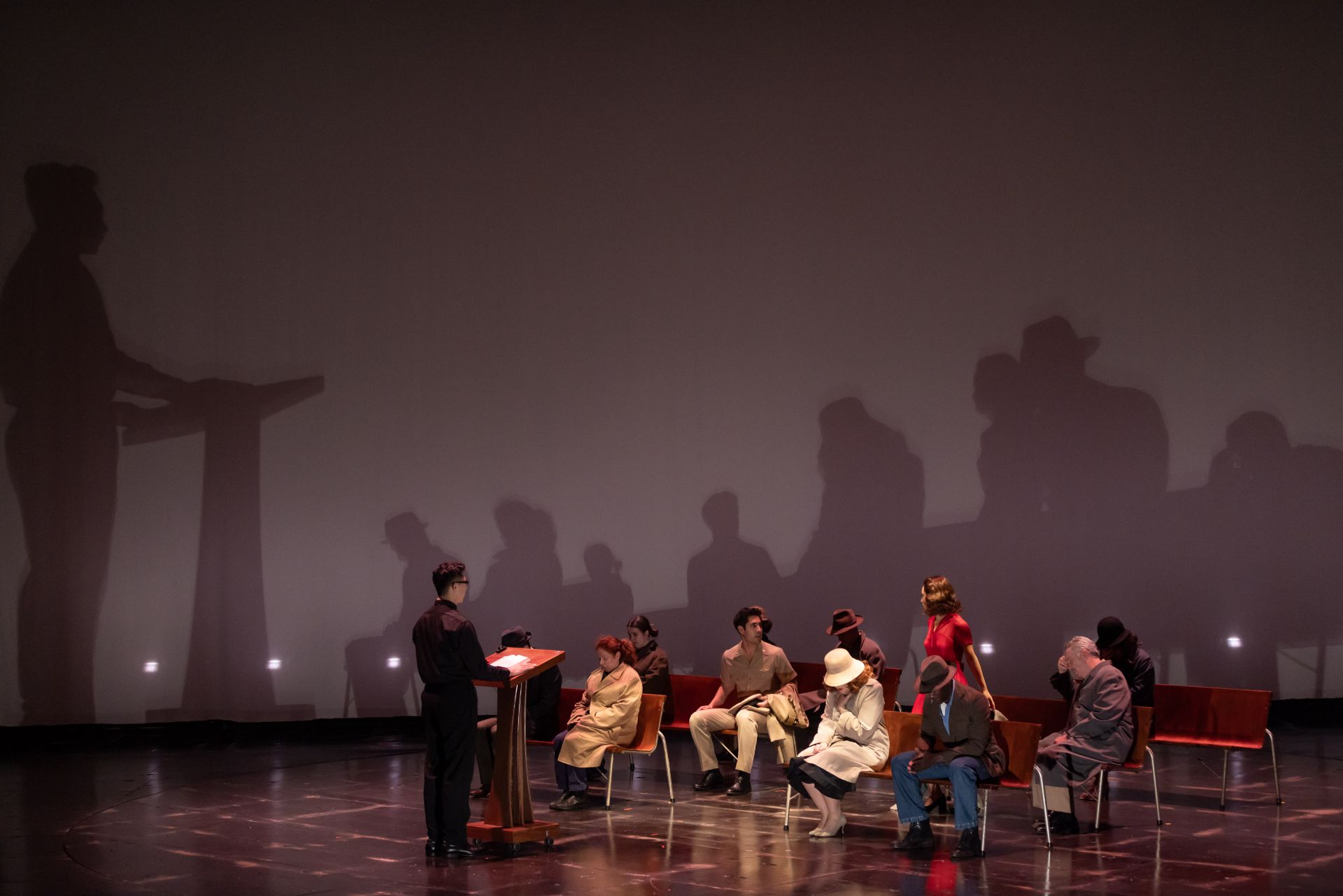
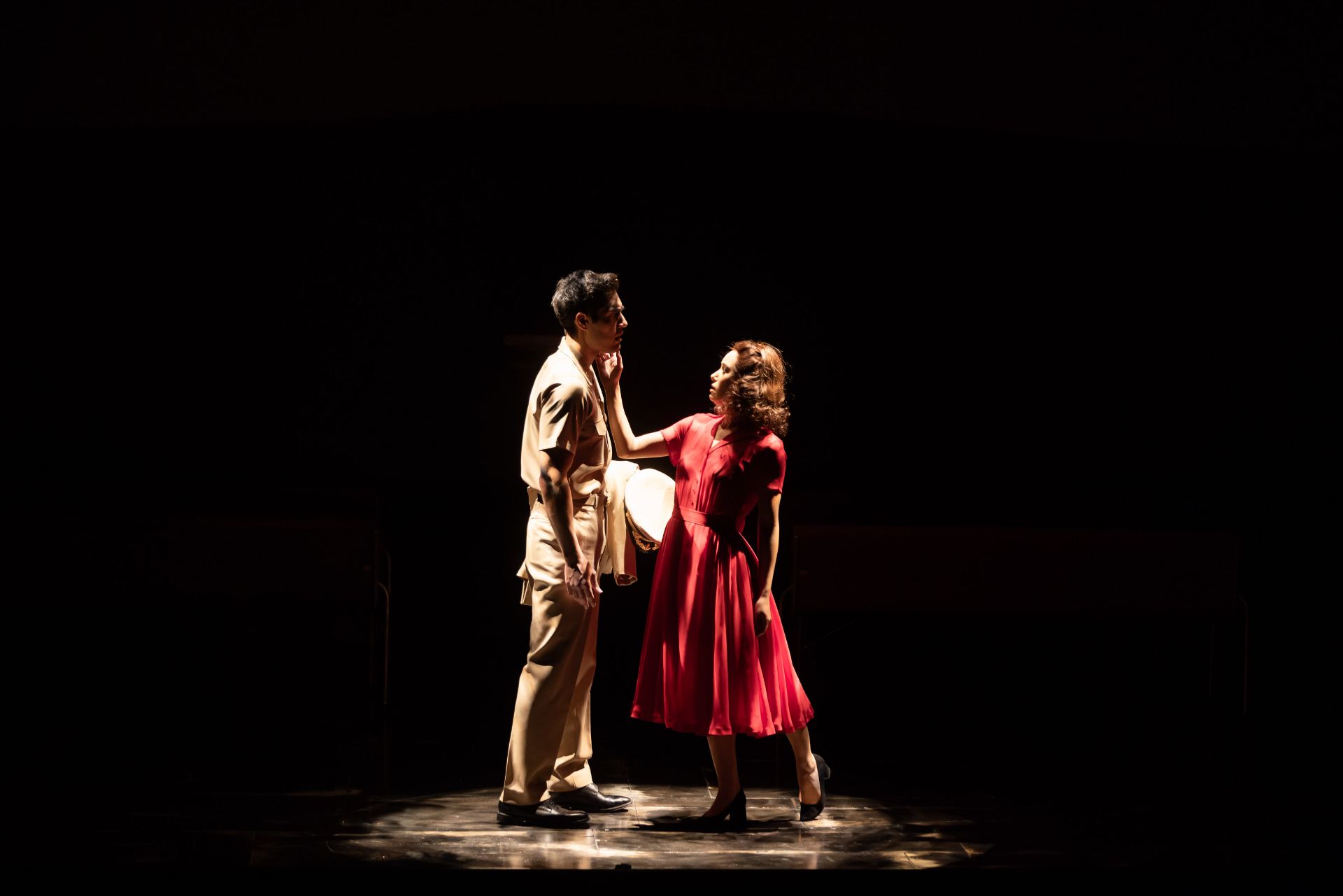
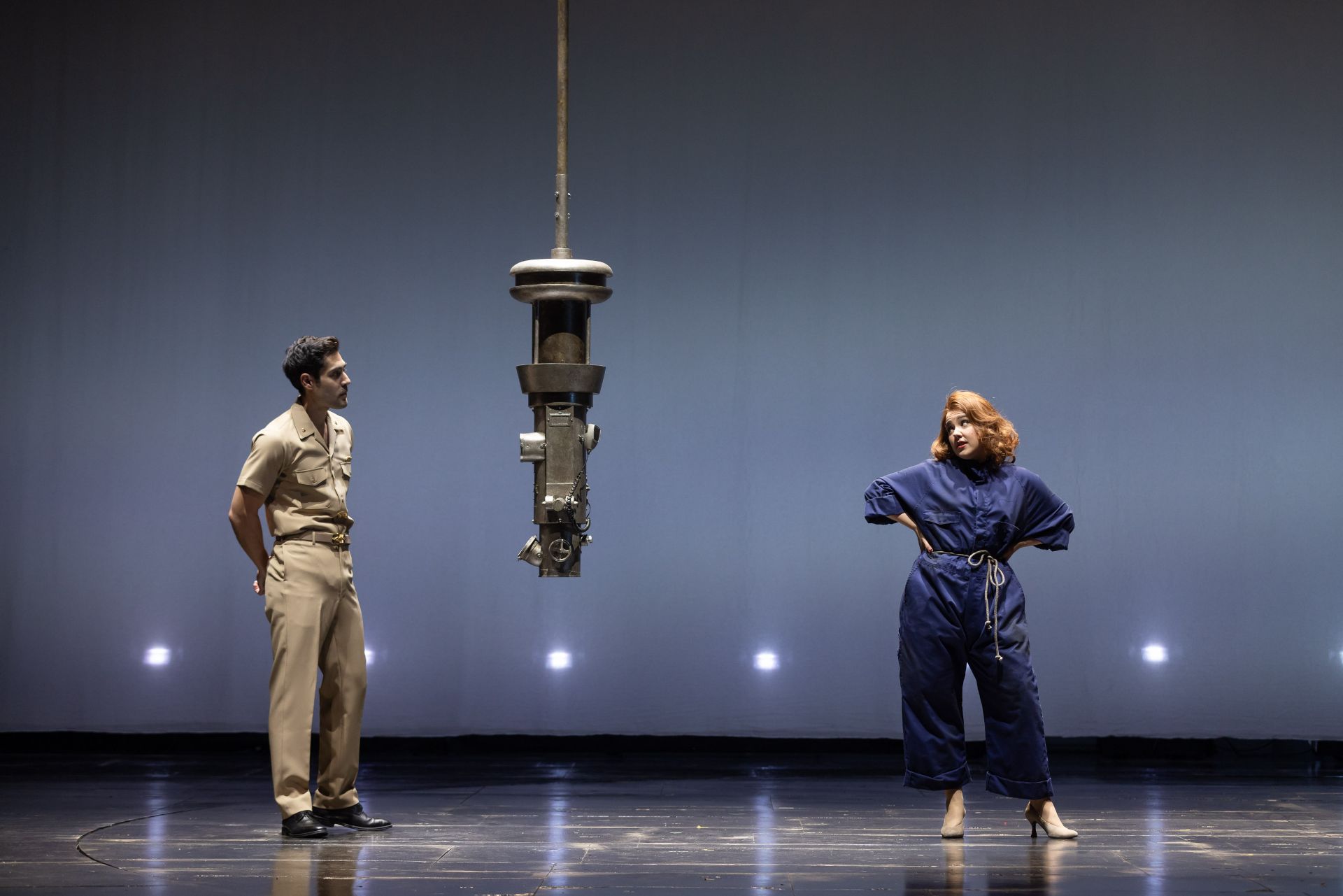
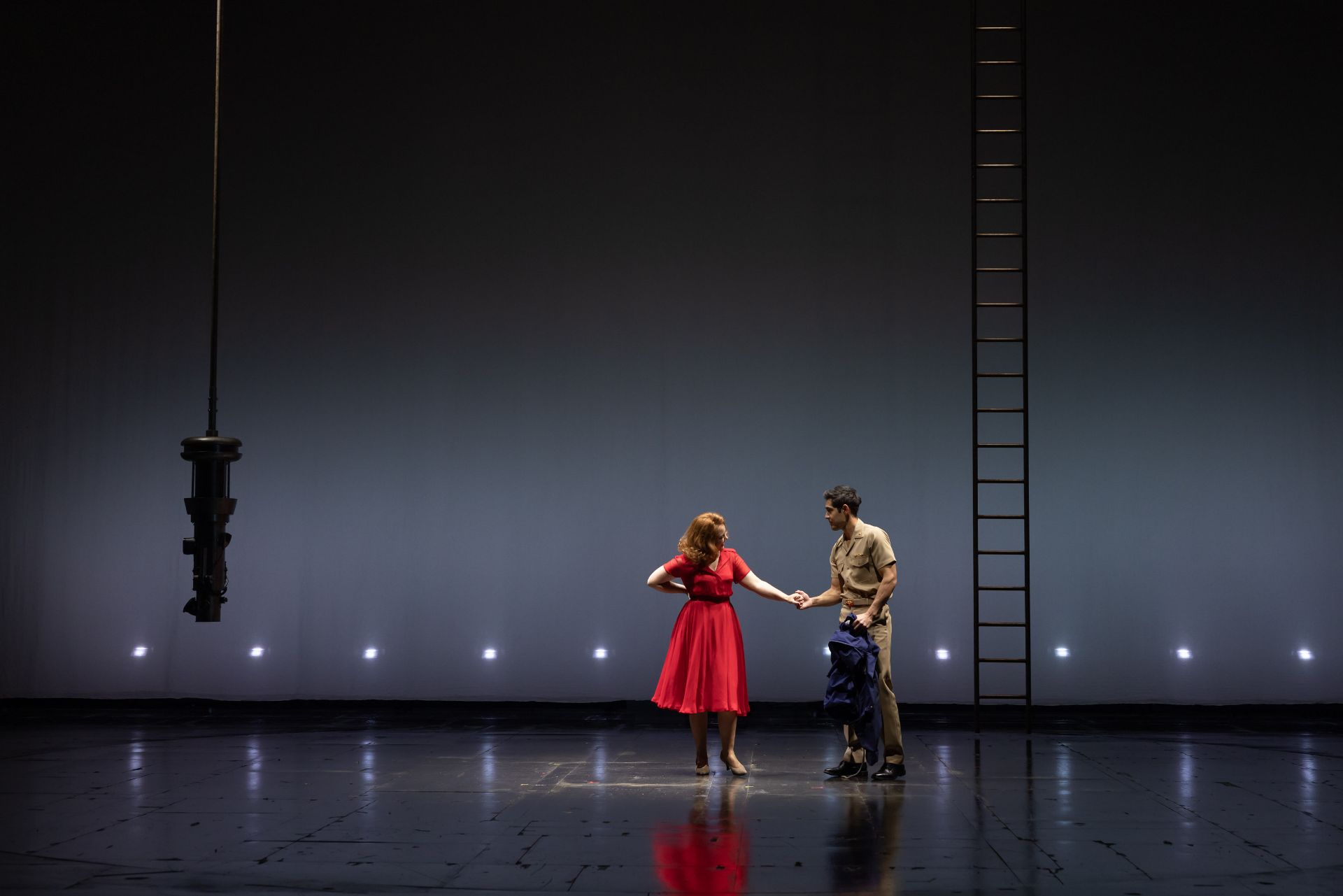
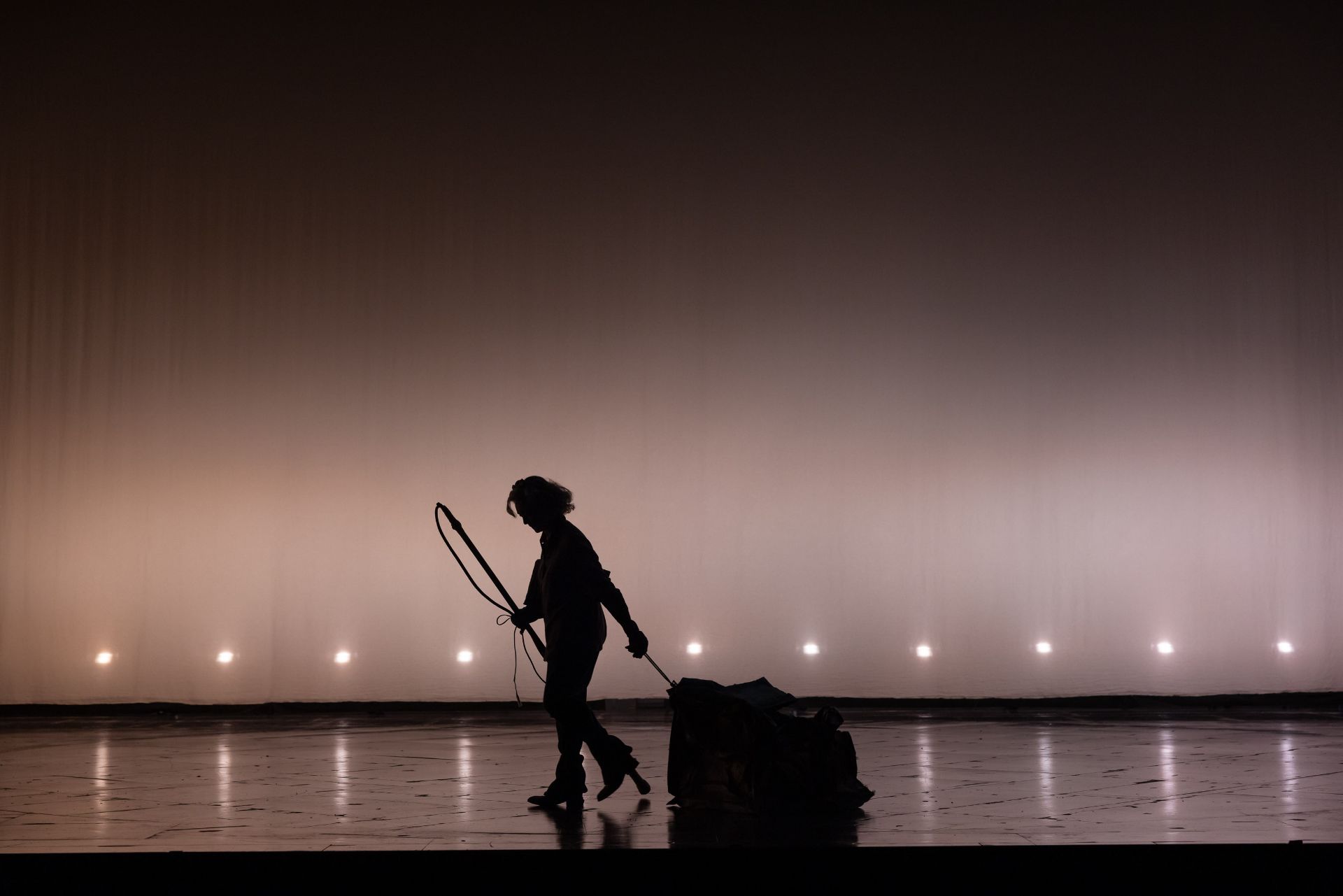
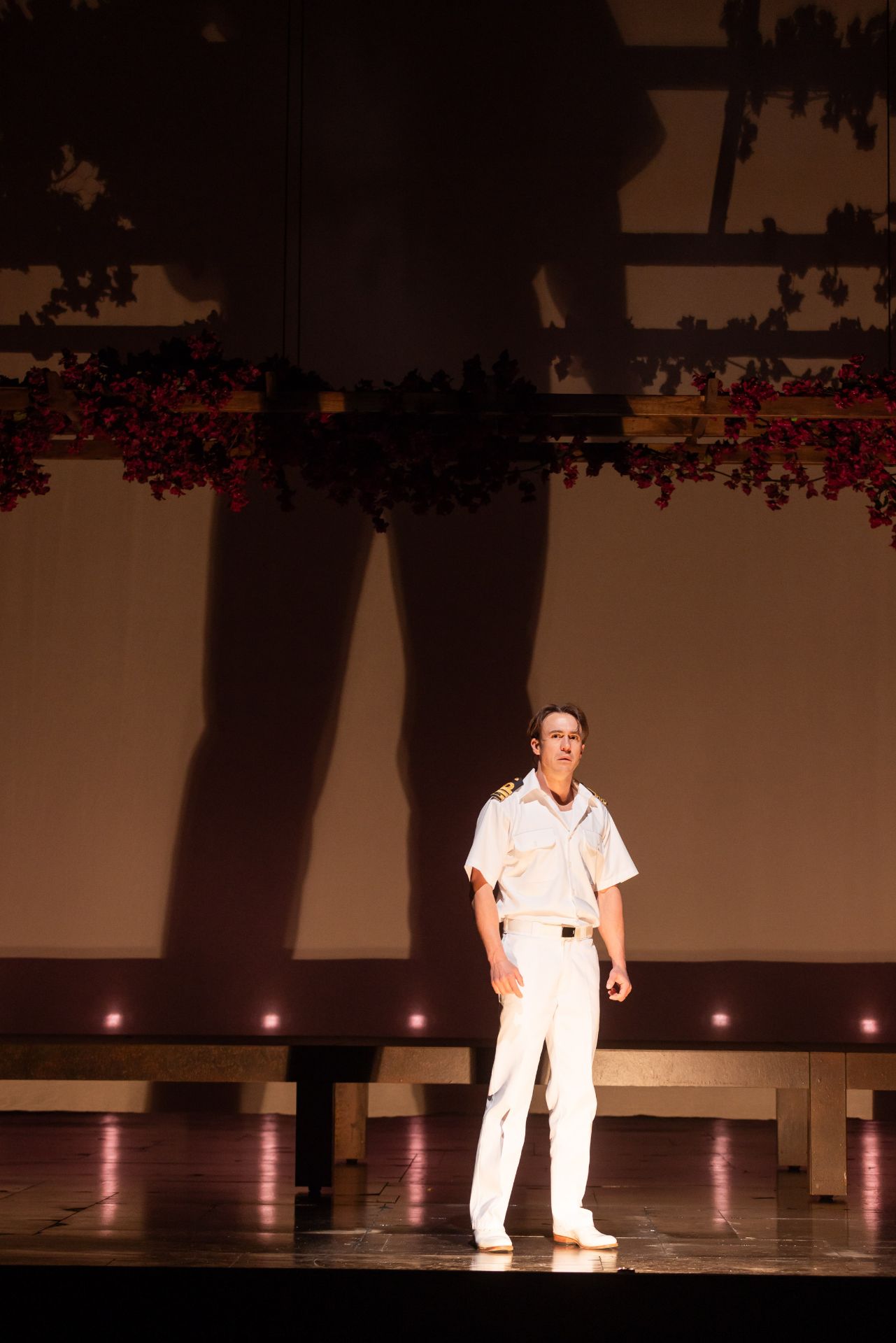
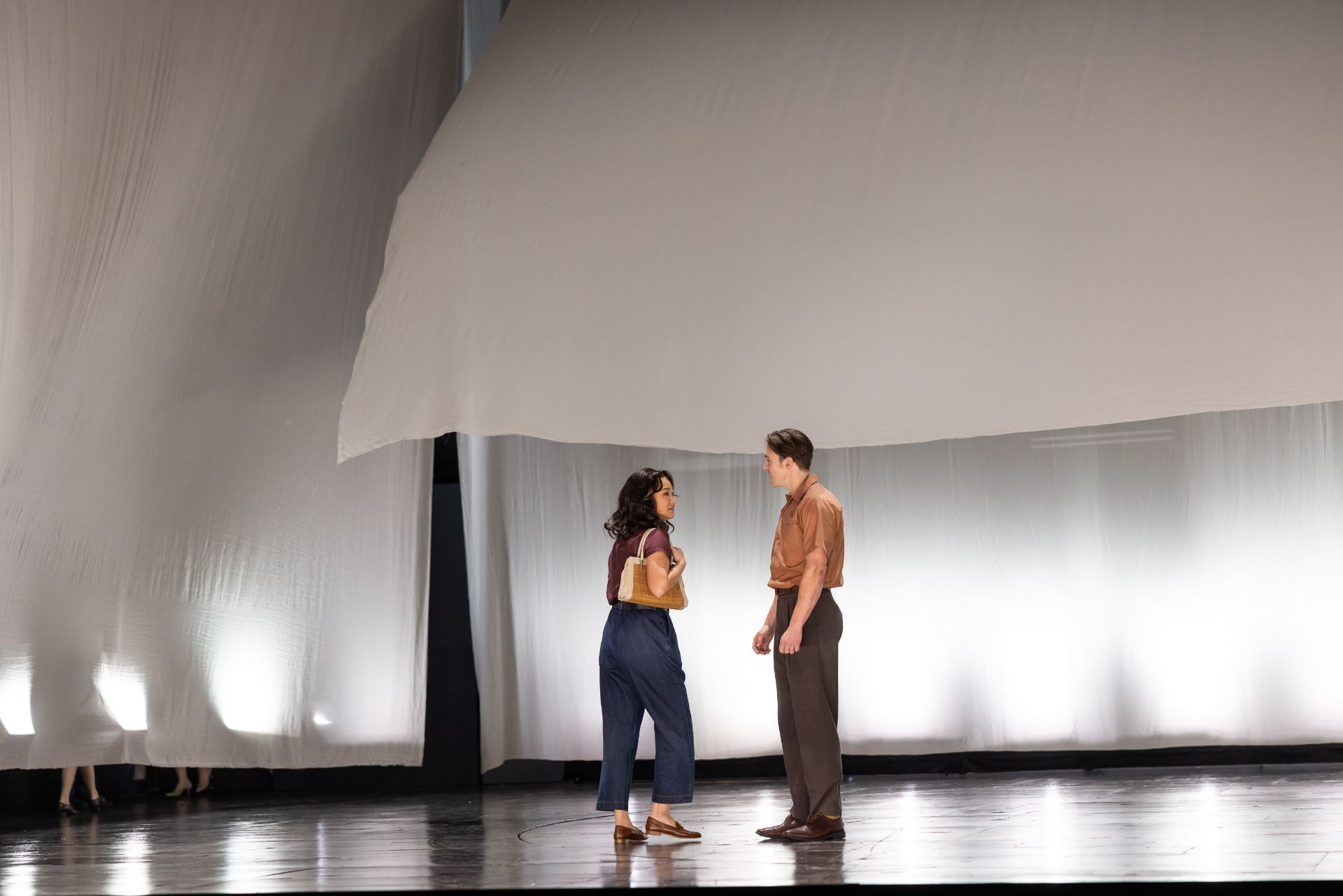
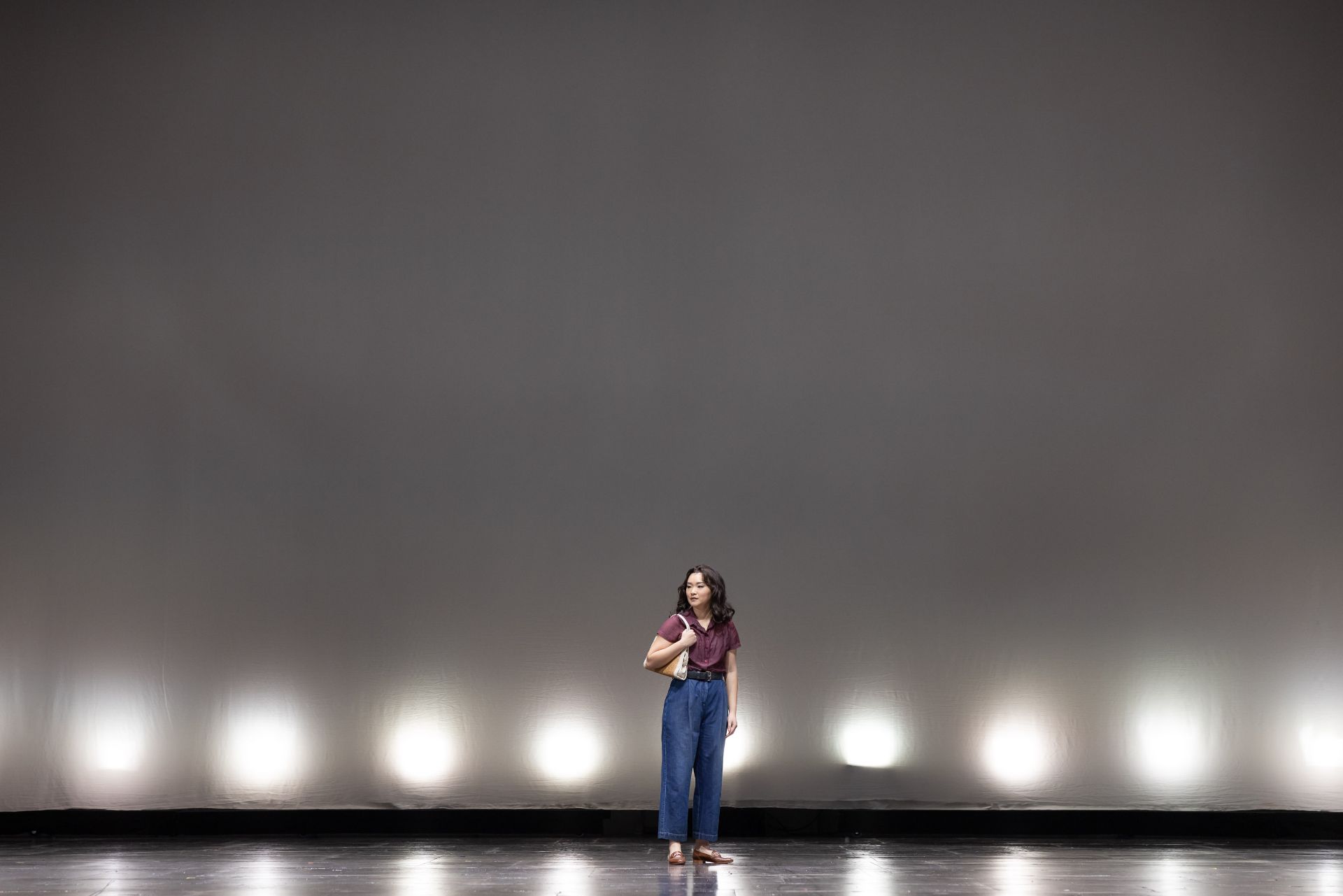
Erica and Vicky are each other’s greatest love story, but like most love stories, theirs is one that feels just a bit mundane to everybody else. Tanya Barfield’s Bright Half Life is concerned with the big romance in a person’s life, both the enormity and normalcy of such an experience. The non-linear aspect of the storytelling helps draw us into the women’s decades-long narrative, but the sheer ordinariness of their union, makes for a theatre that seems somewhat unremarkable.

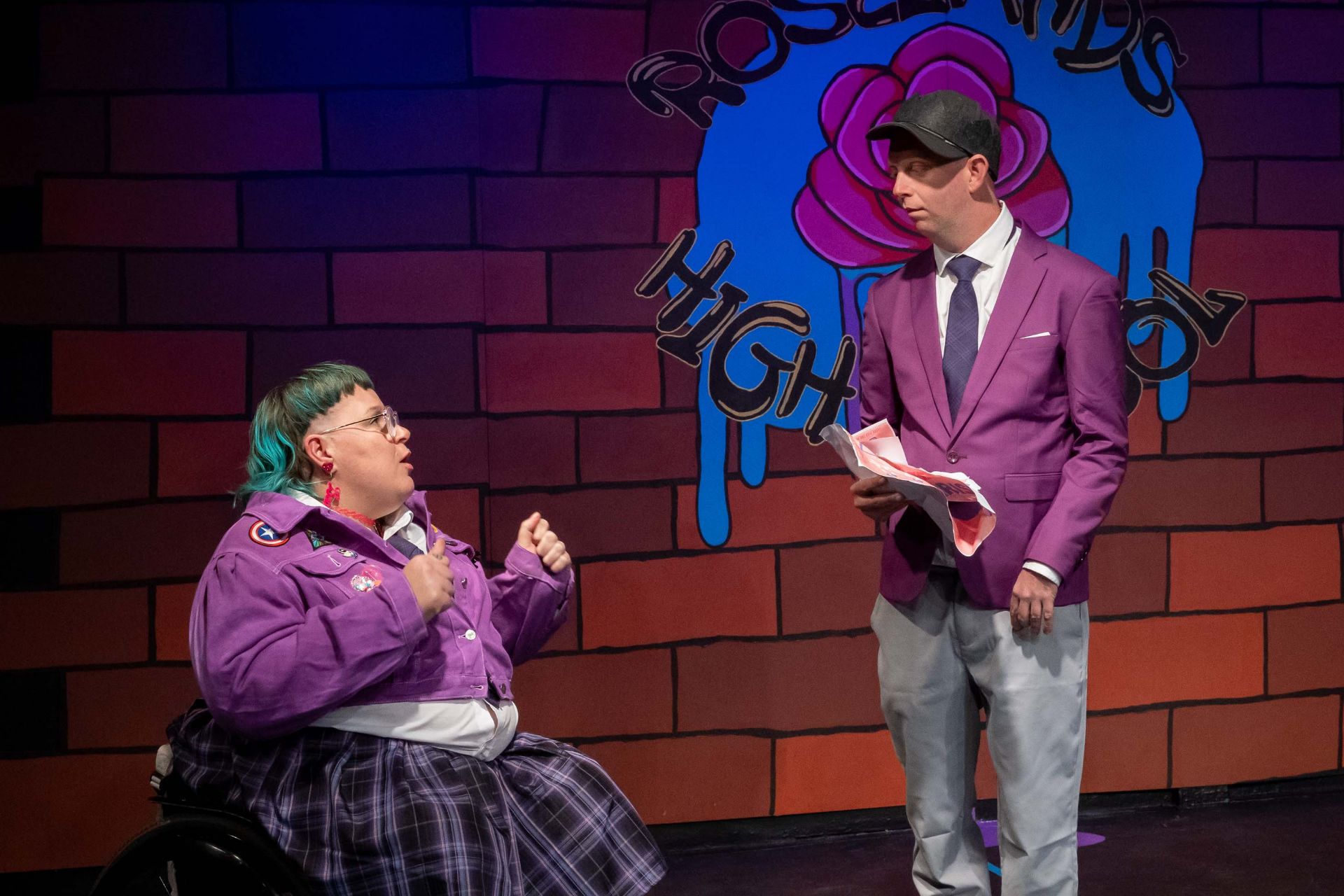
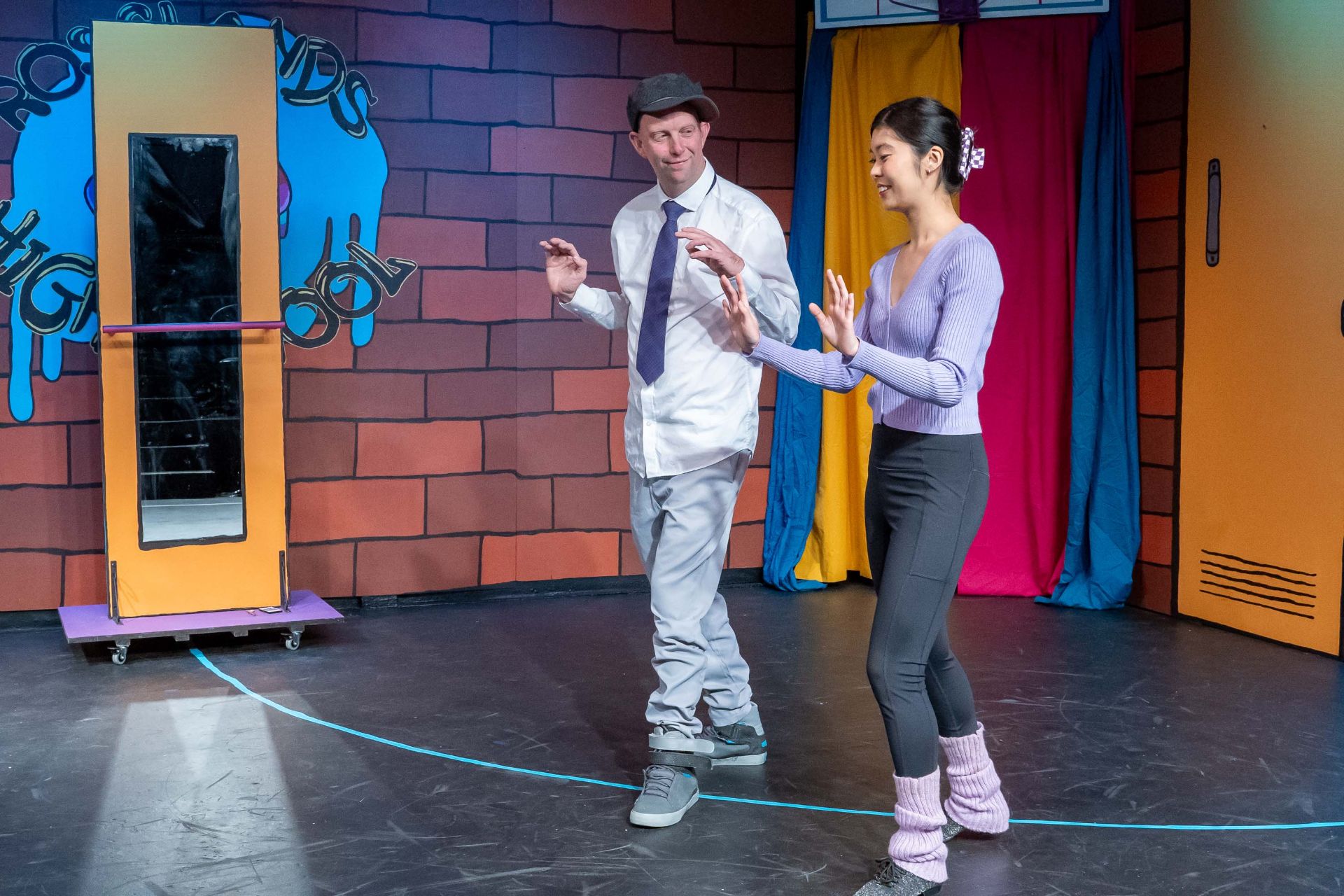
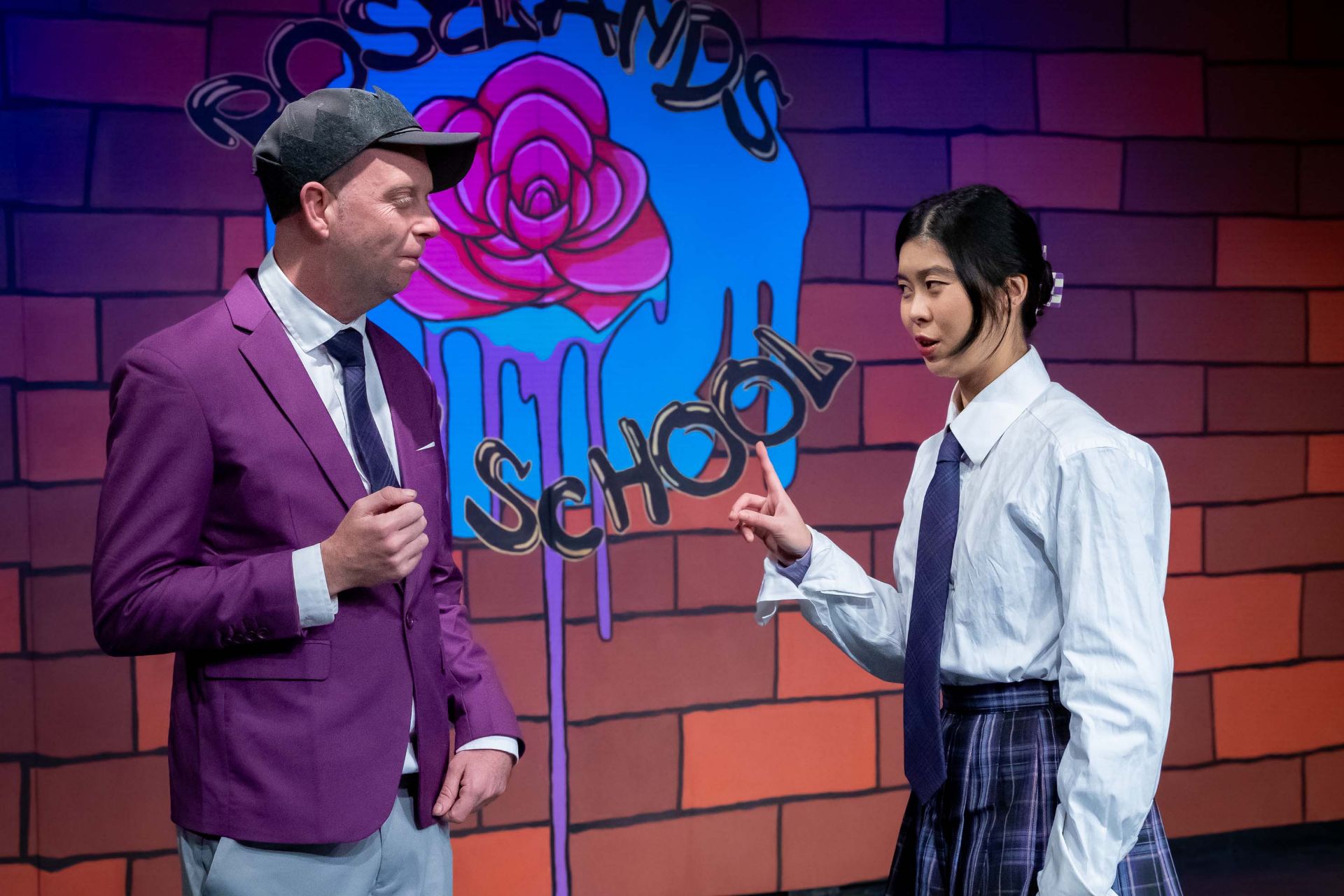
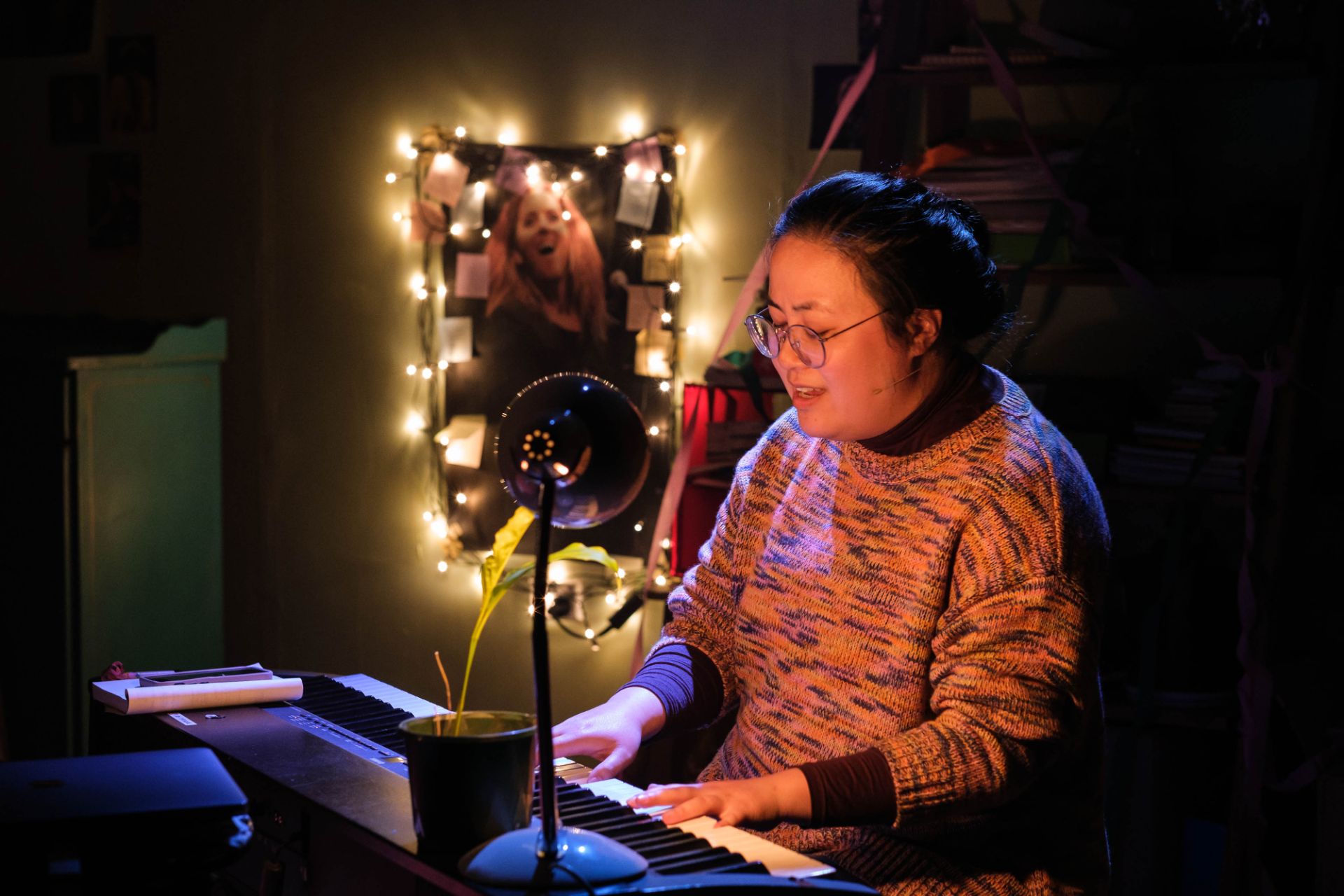
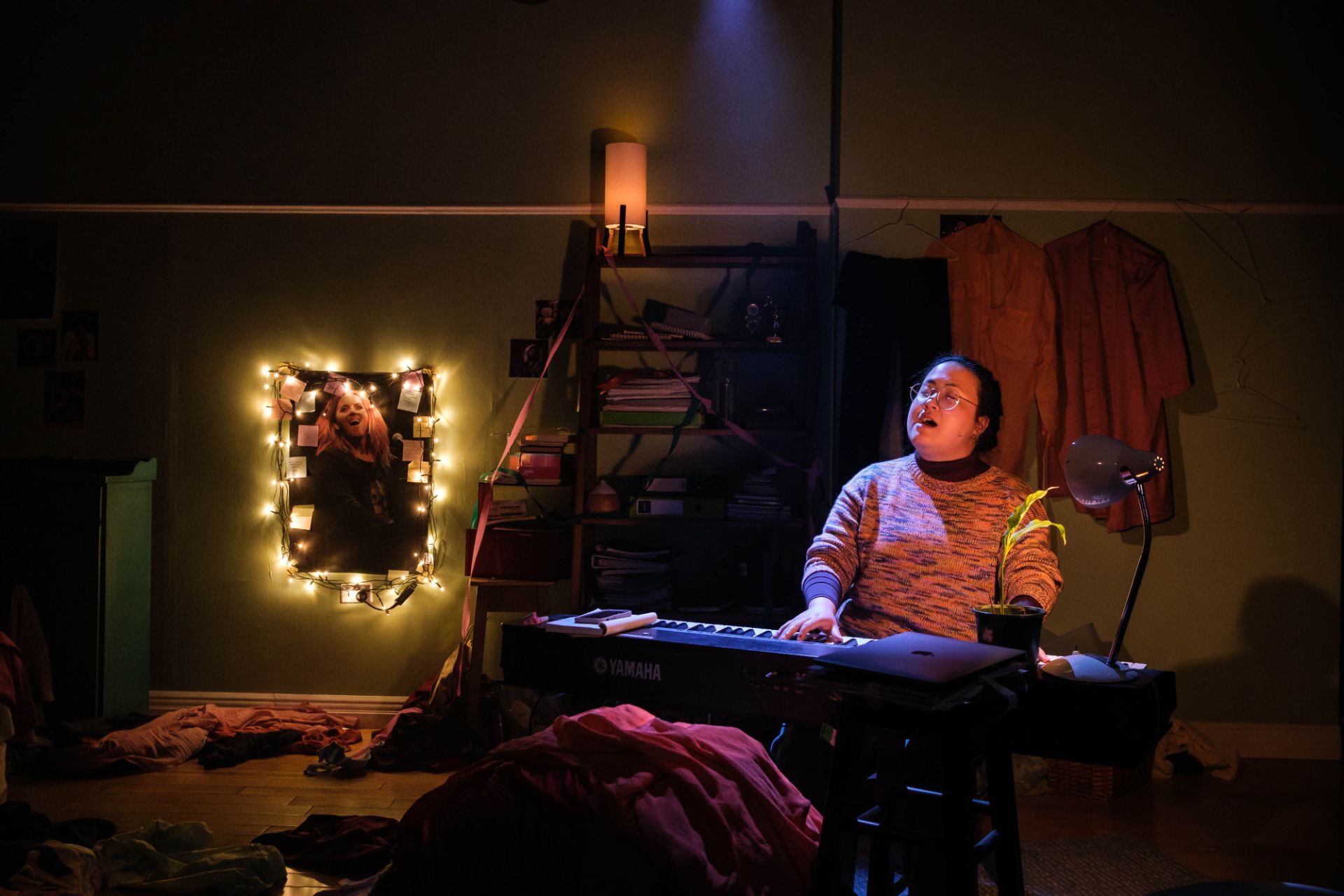
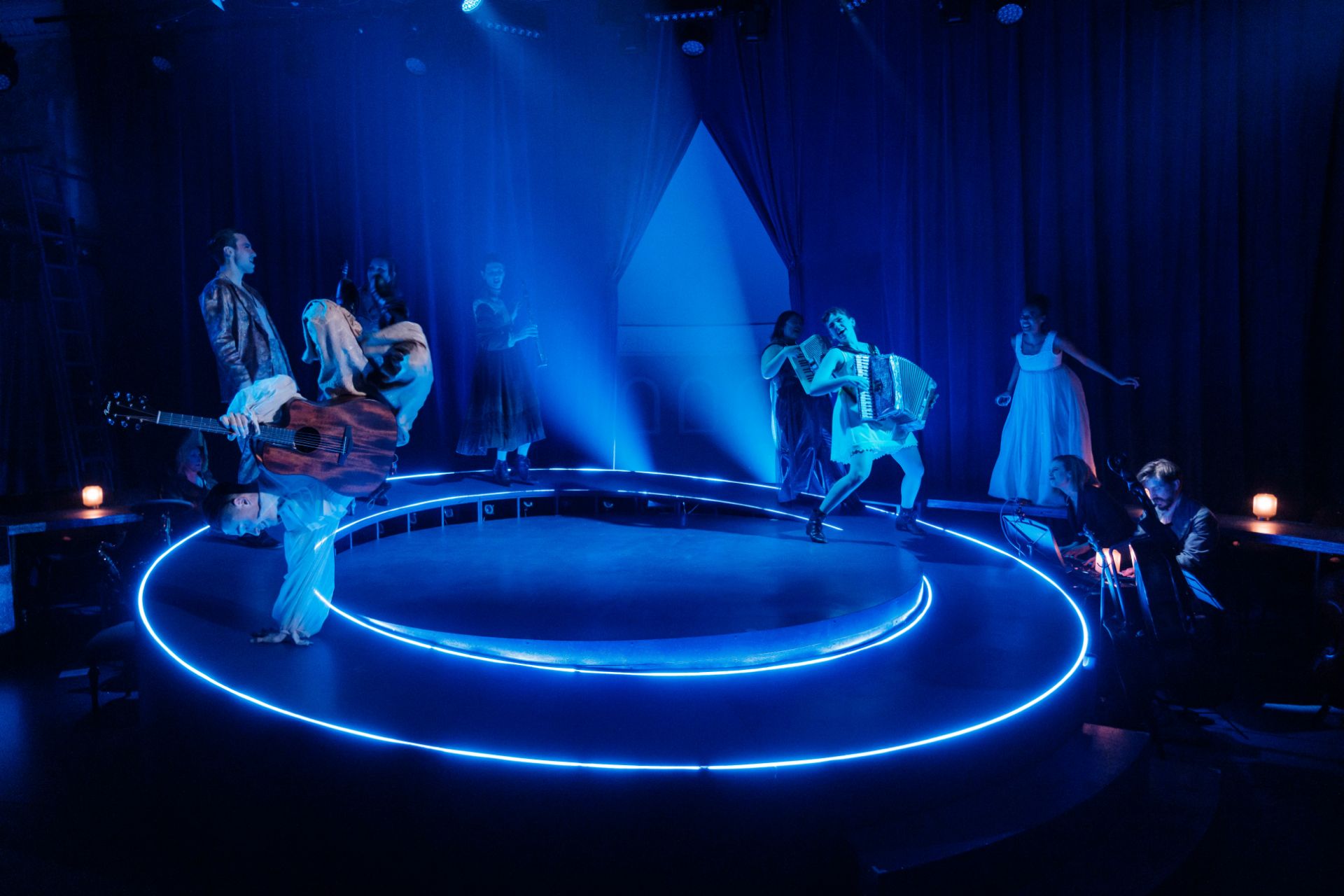
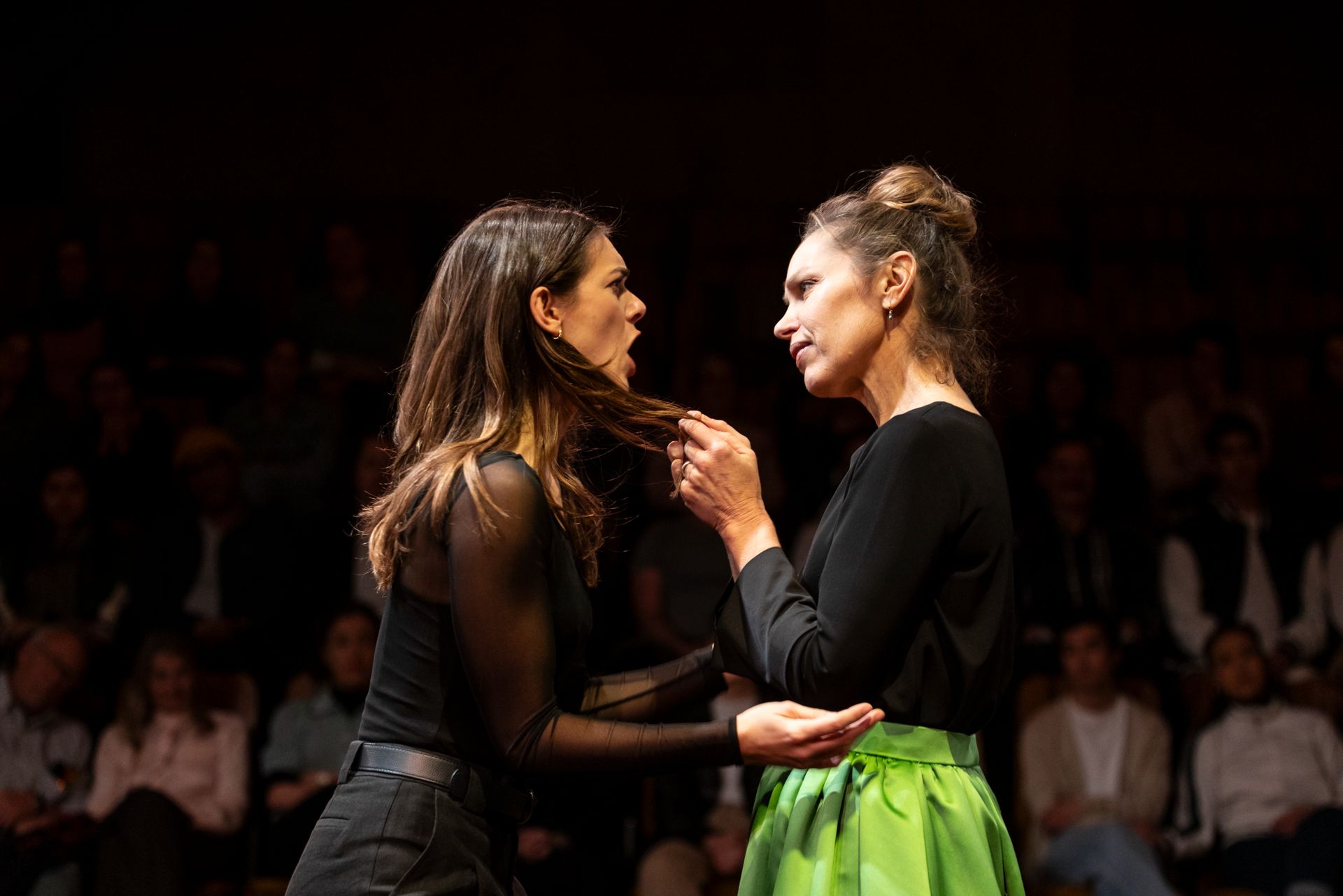
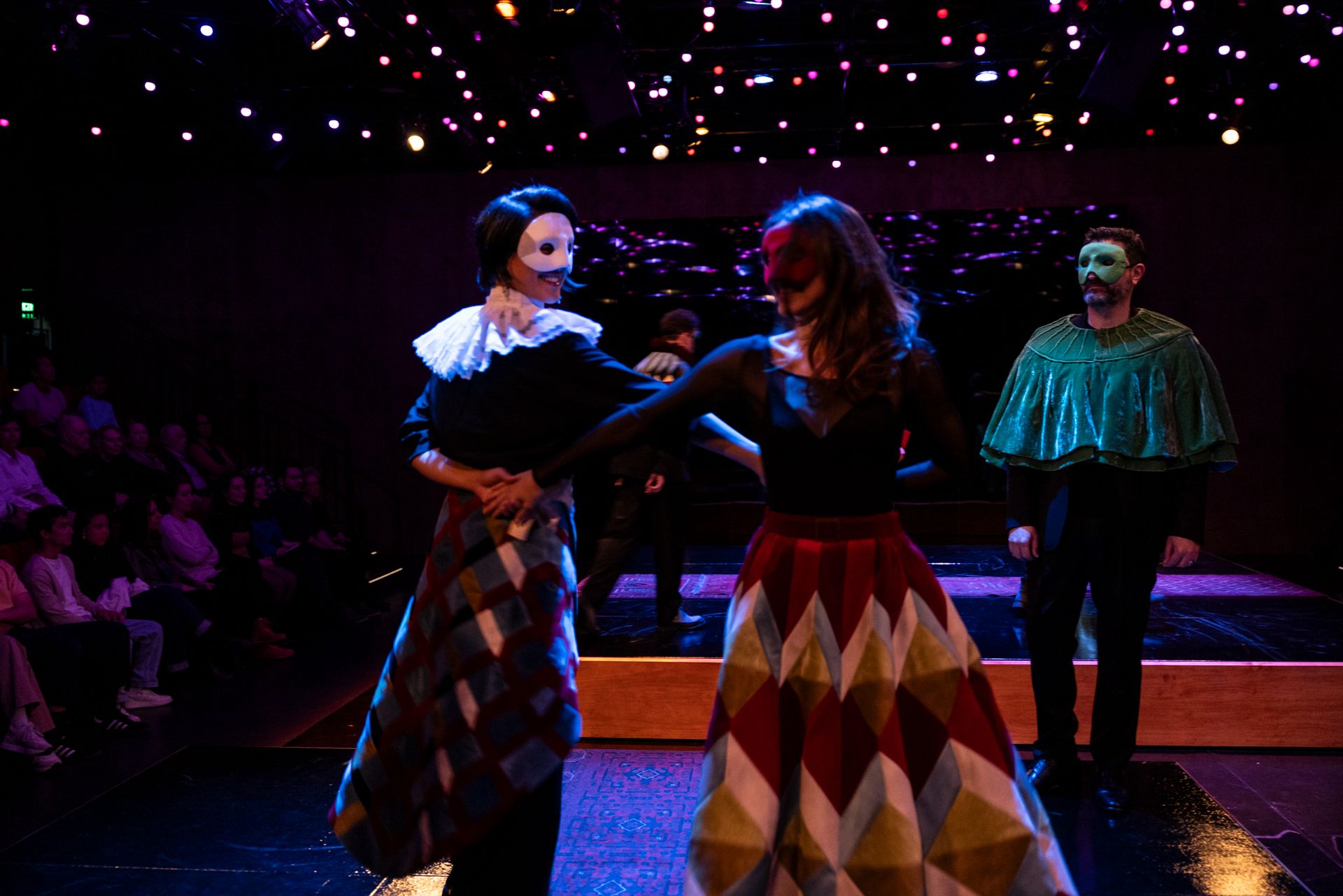
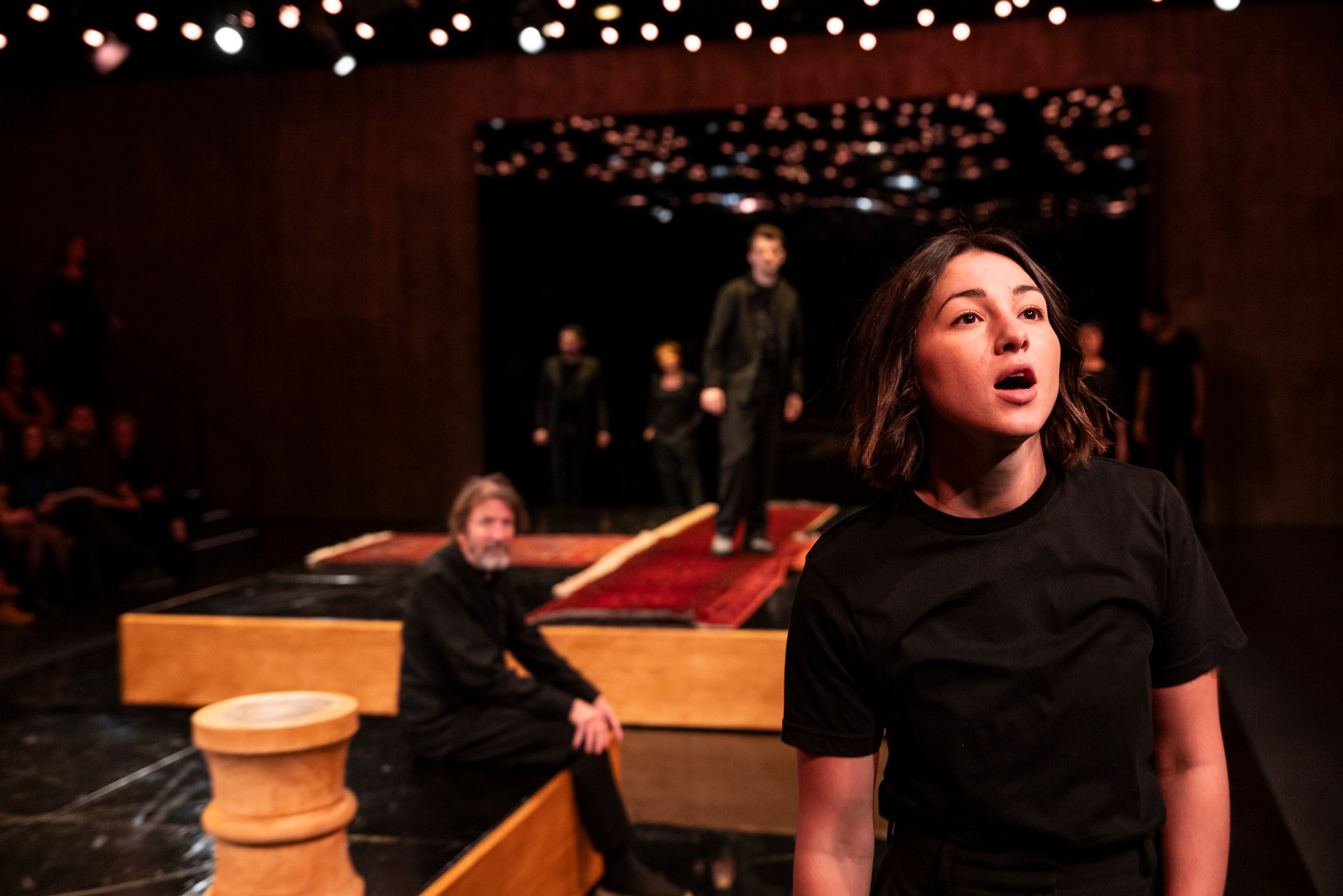
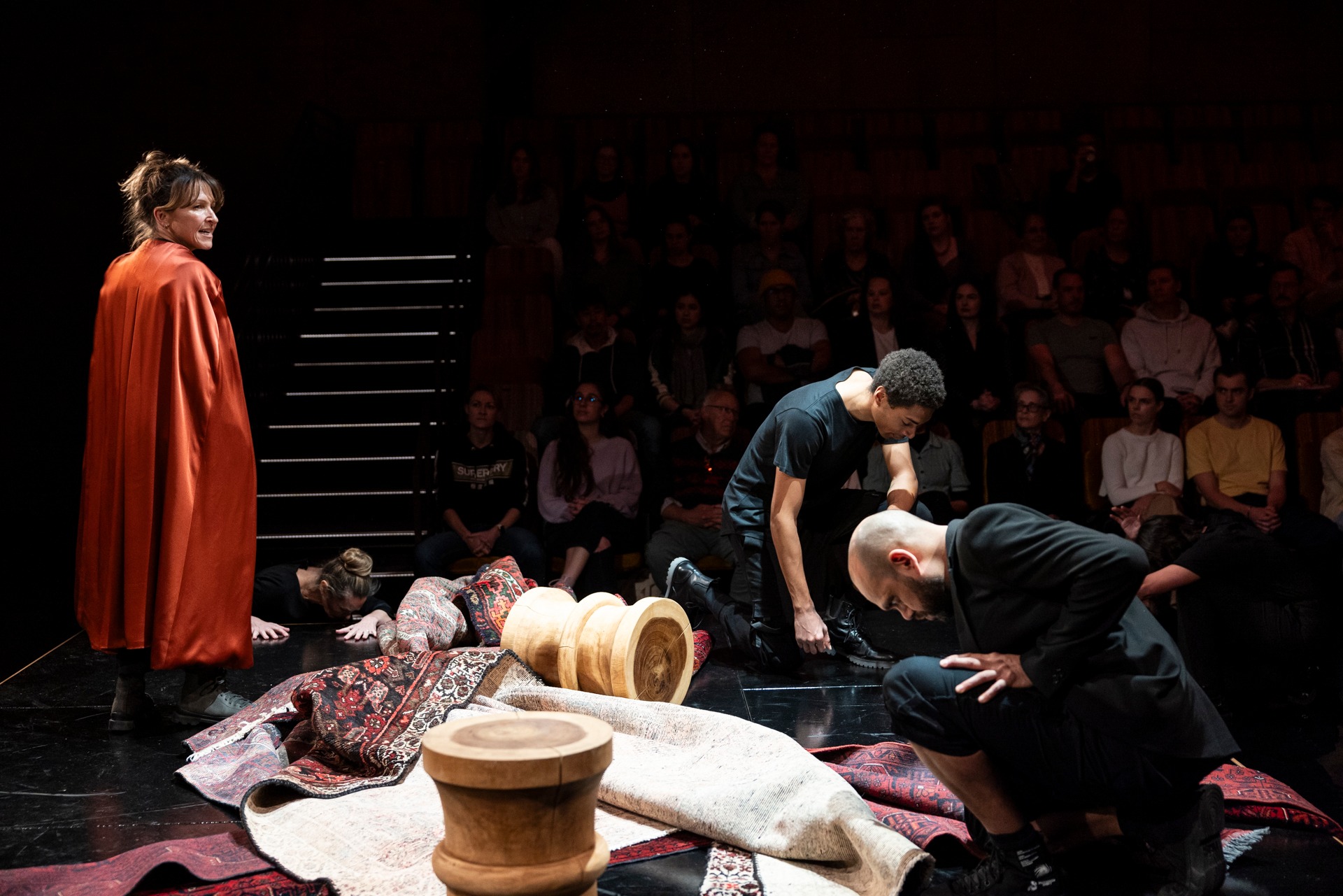
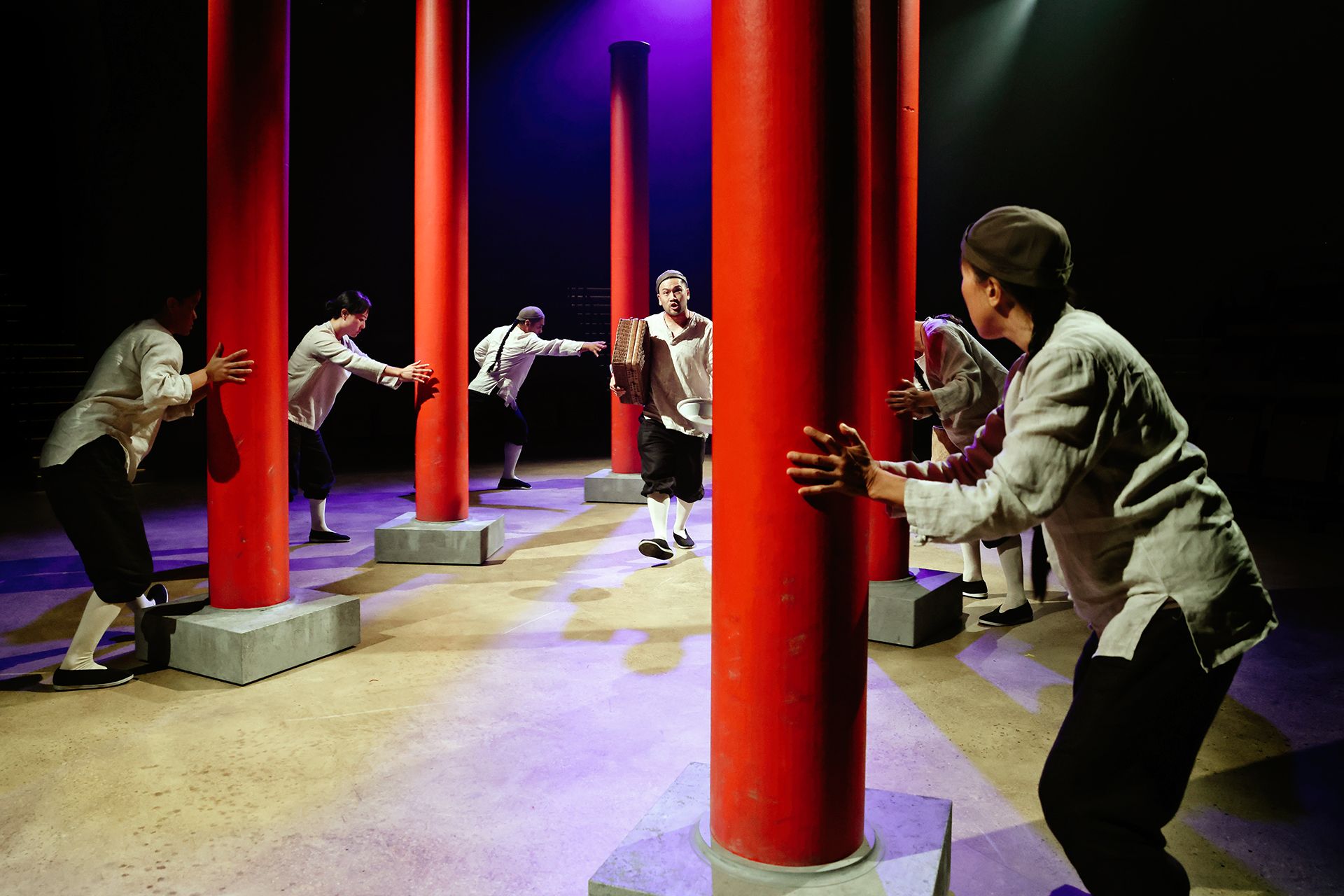
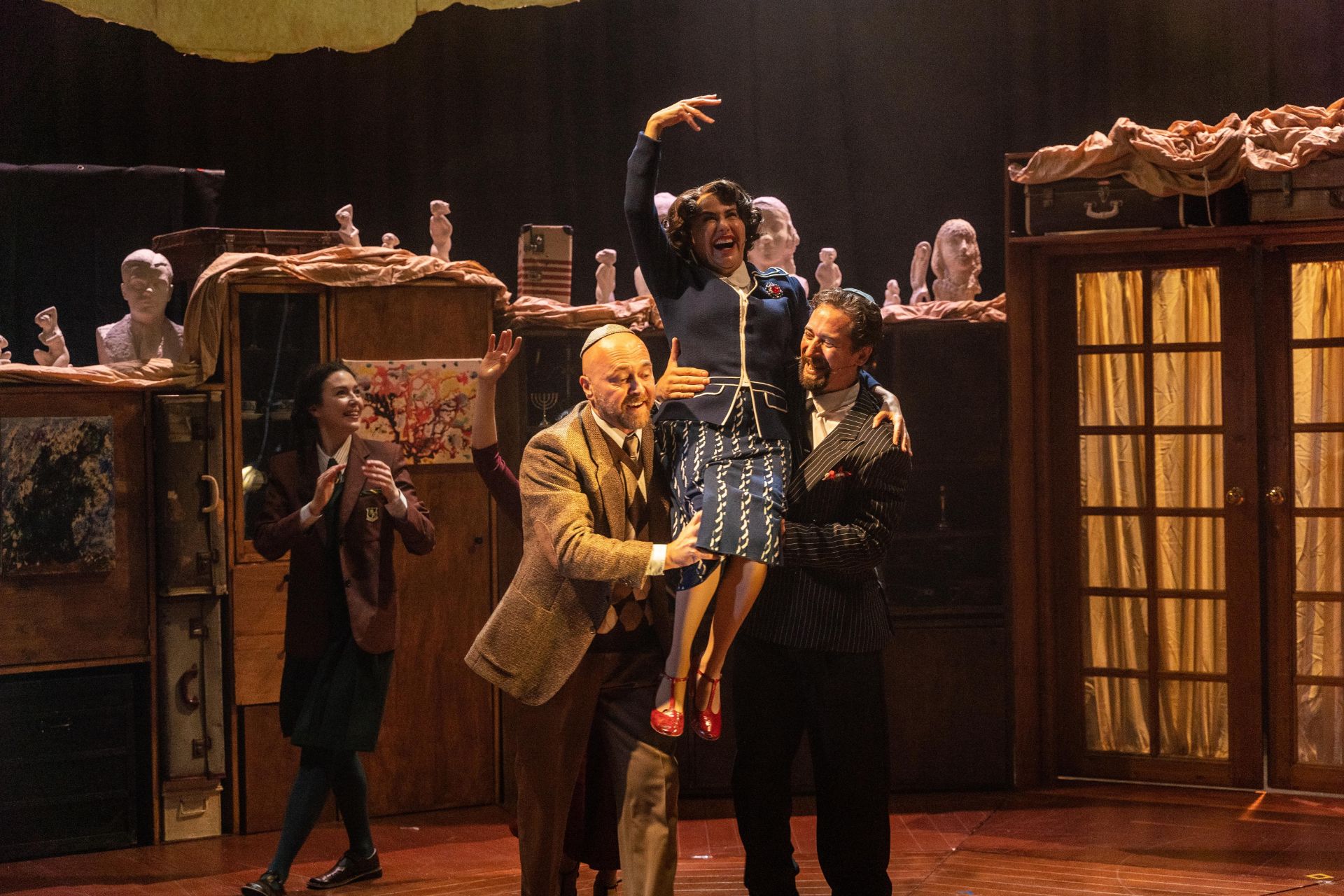
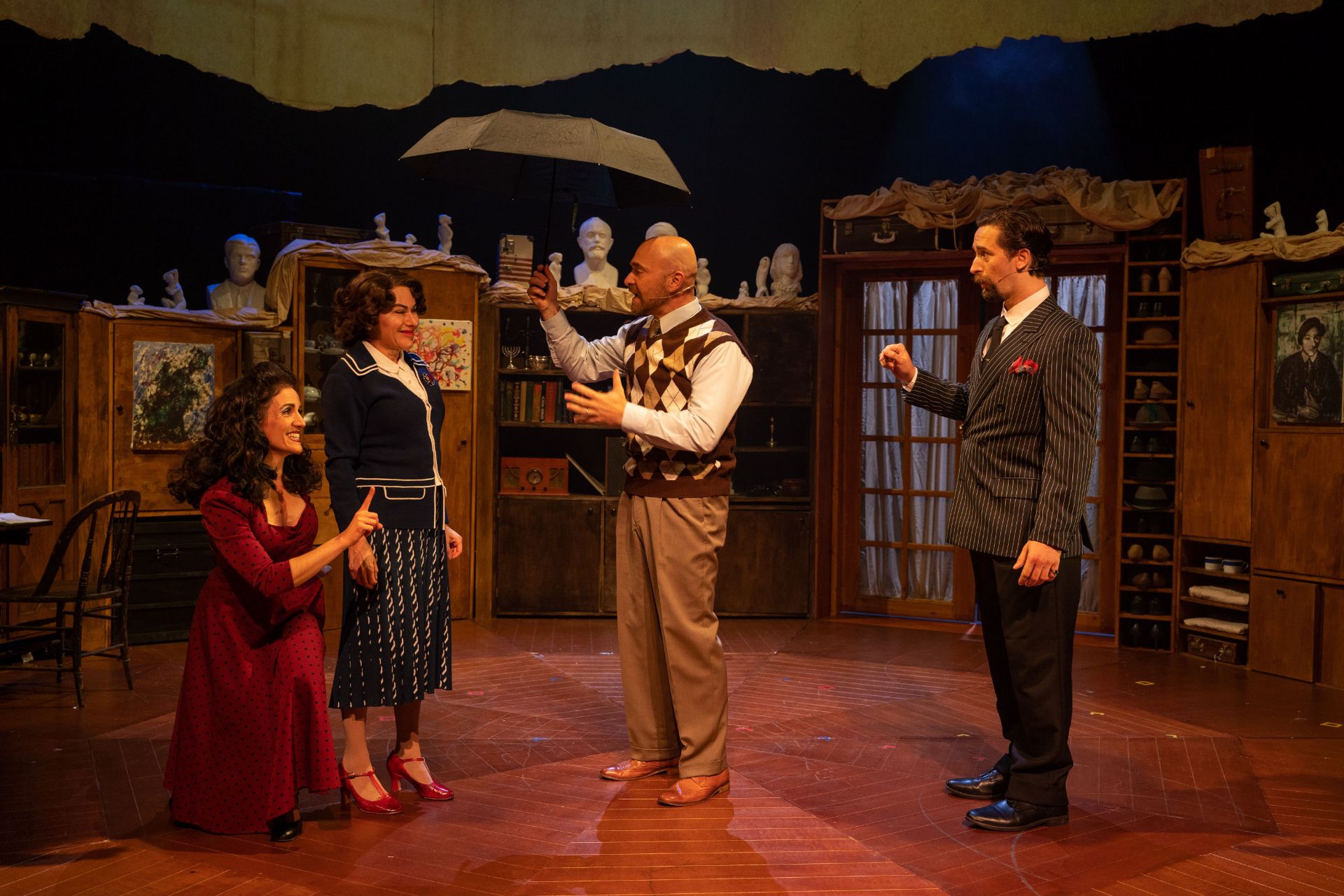
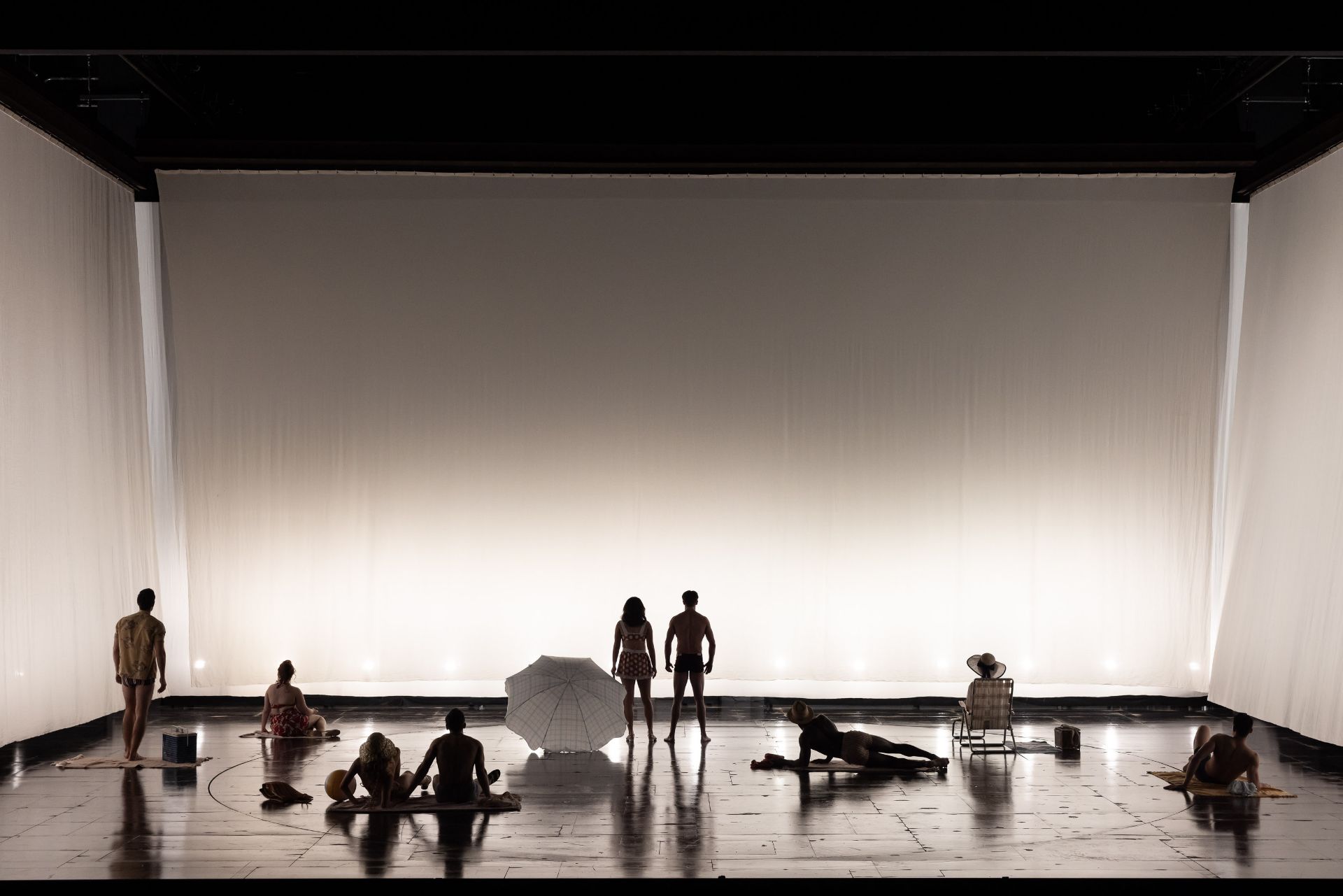
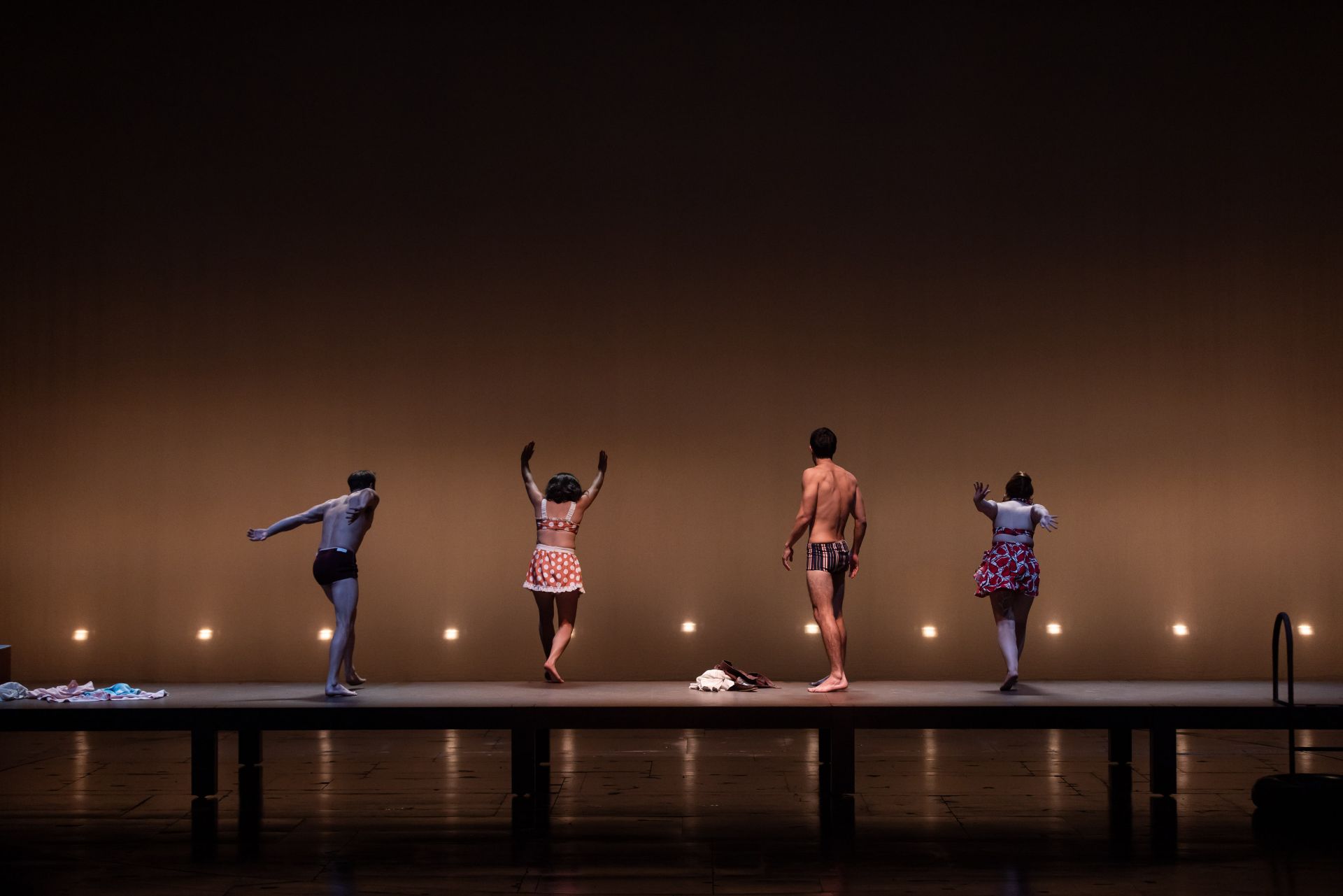
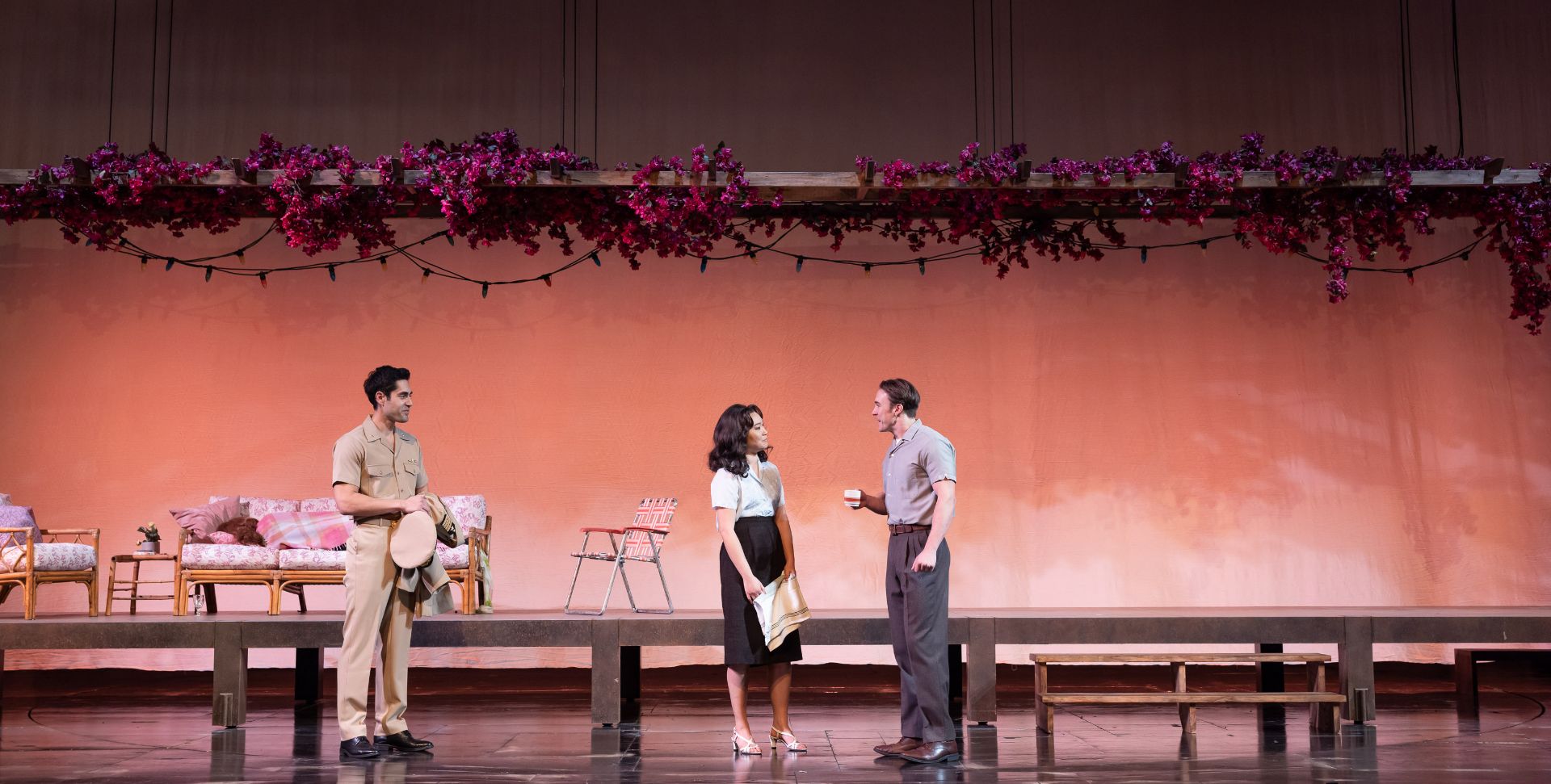
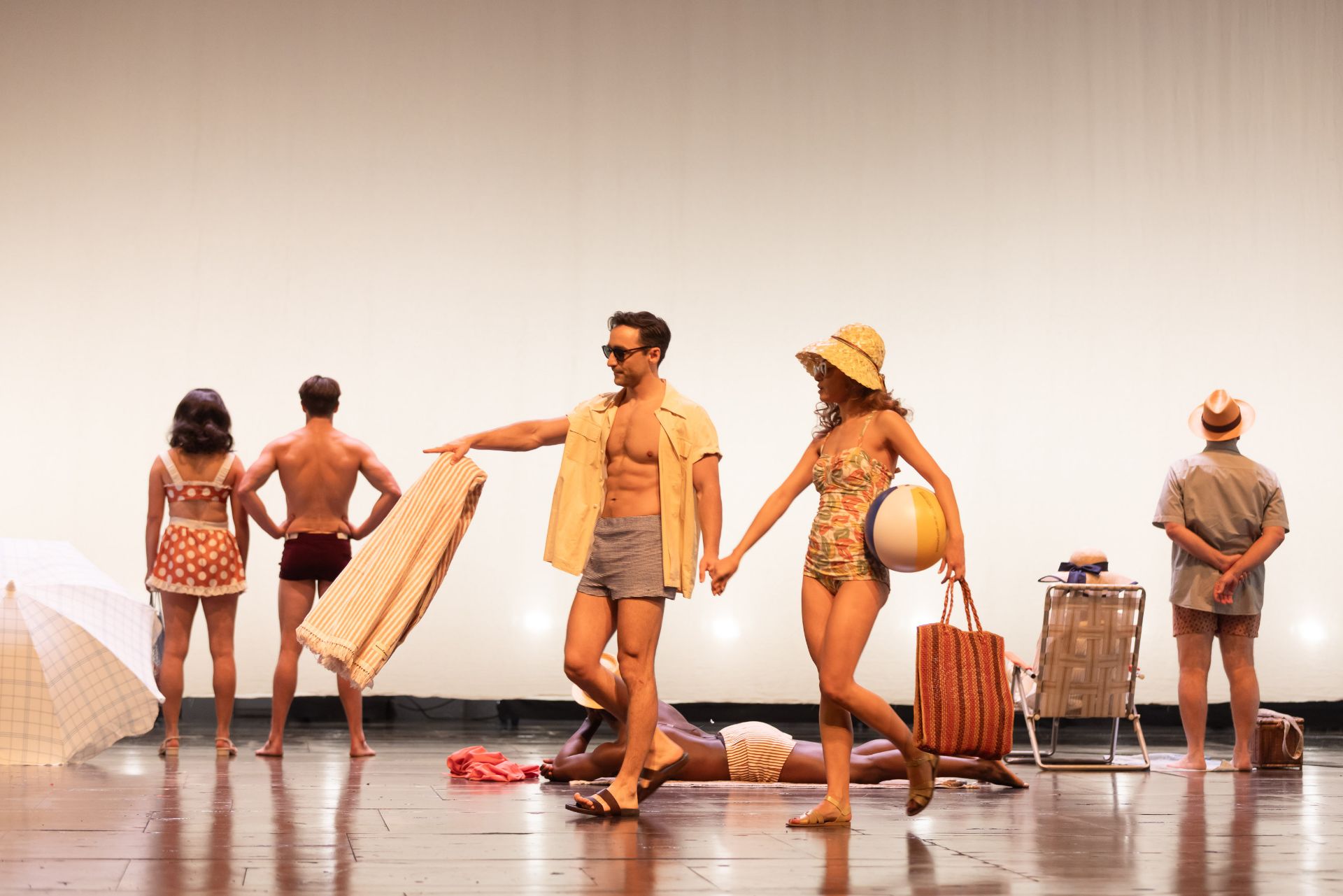
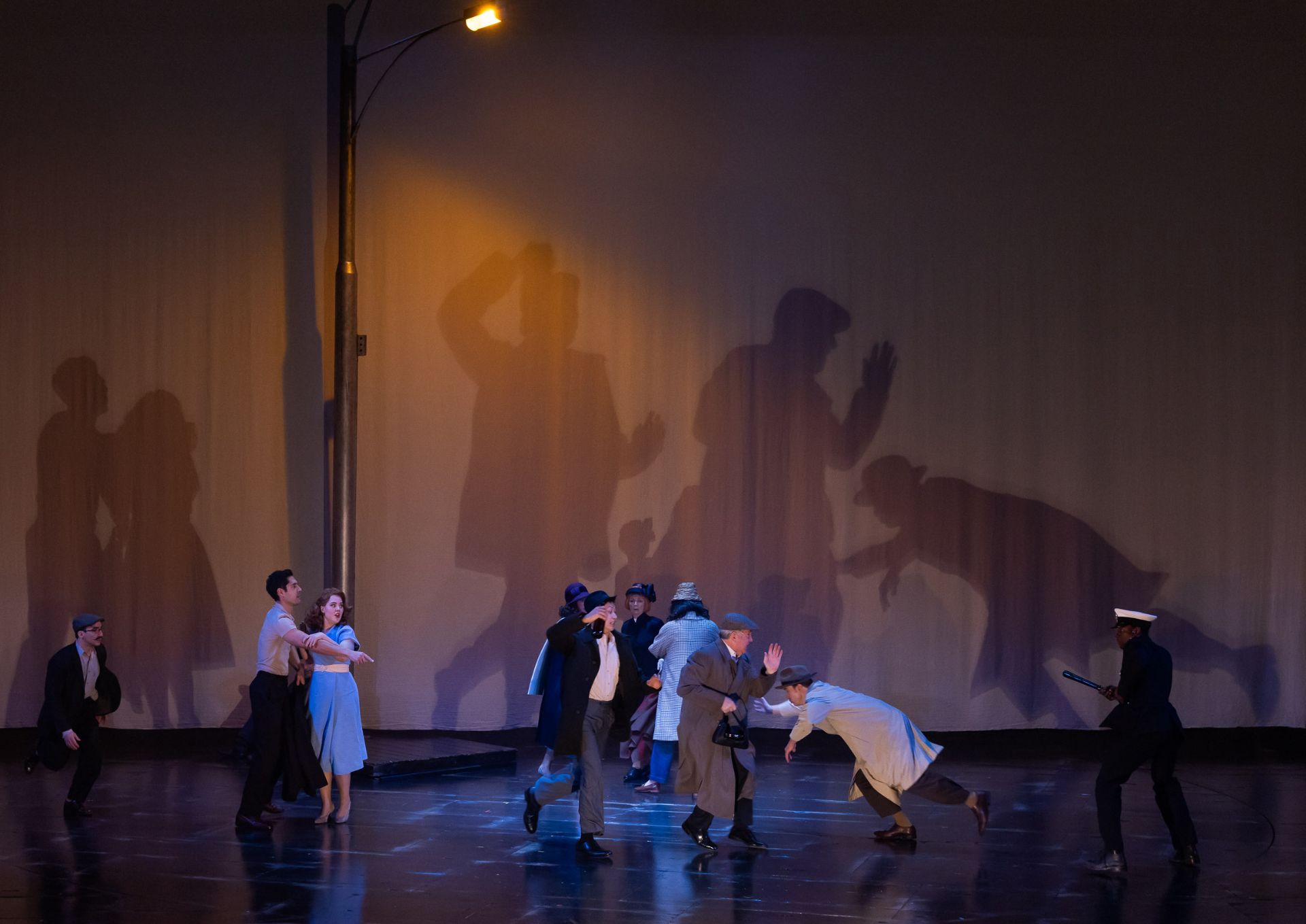
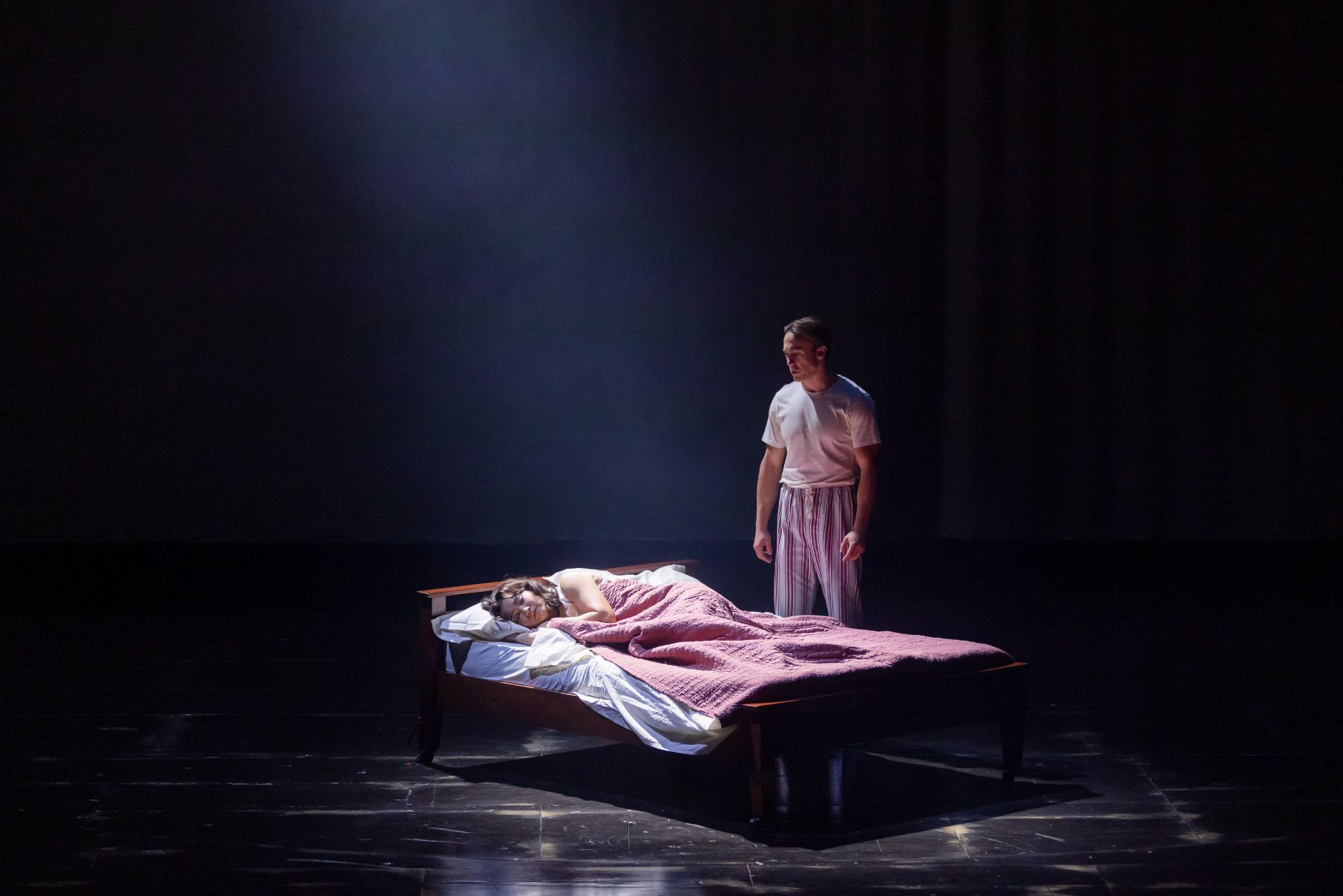
Direction by Rosie Niven brings clarity to both the unconventional timeline, and the emotional fluctuations, as we encounter key moments in the evolution of Erica and Vicky’s life together. The presentation struggles to convey some of the play’s humorous dimensions, but its central gravity is certainly well communicated. Lights by Capri Harris bring much needed visual variation, and sound design by Akesiu Ongo Poitaha helps us envision the many places and years, as we accompany the couple on their reminiscence.

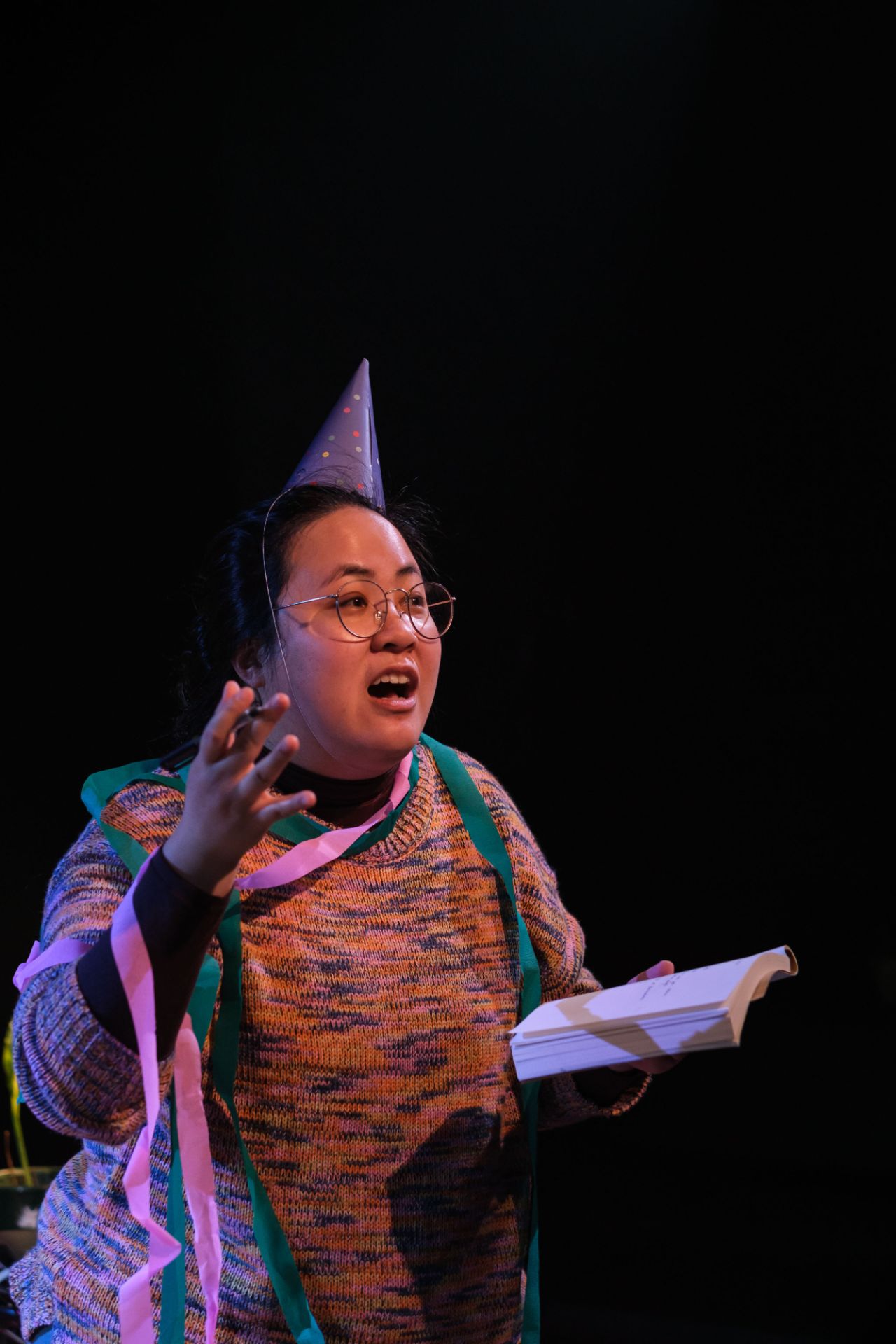
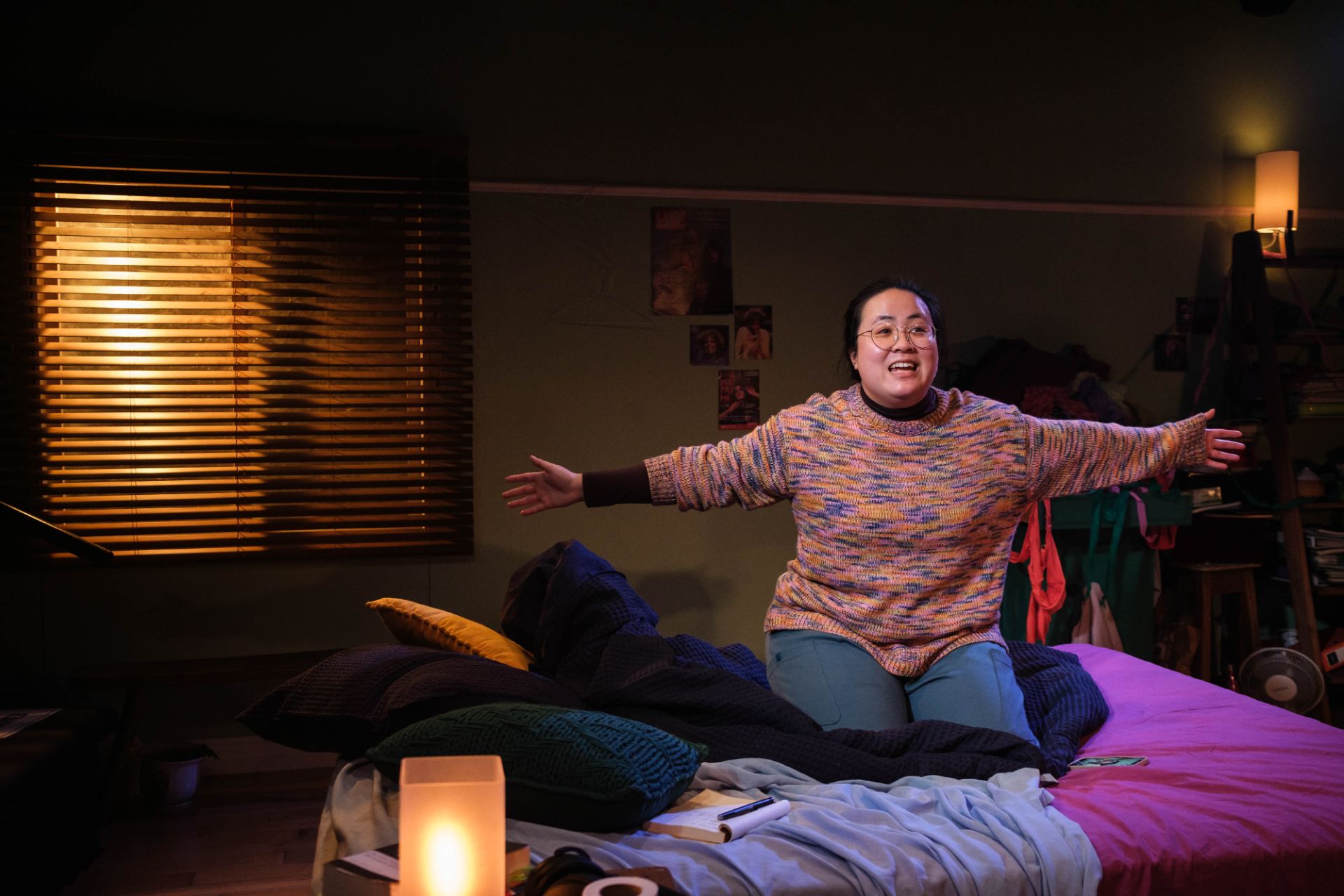
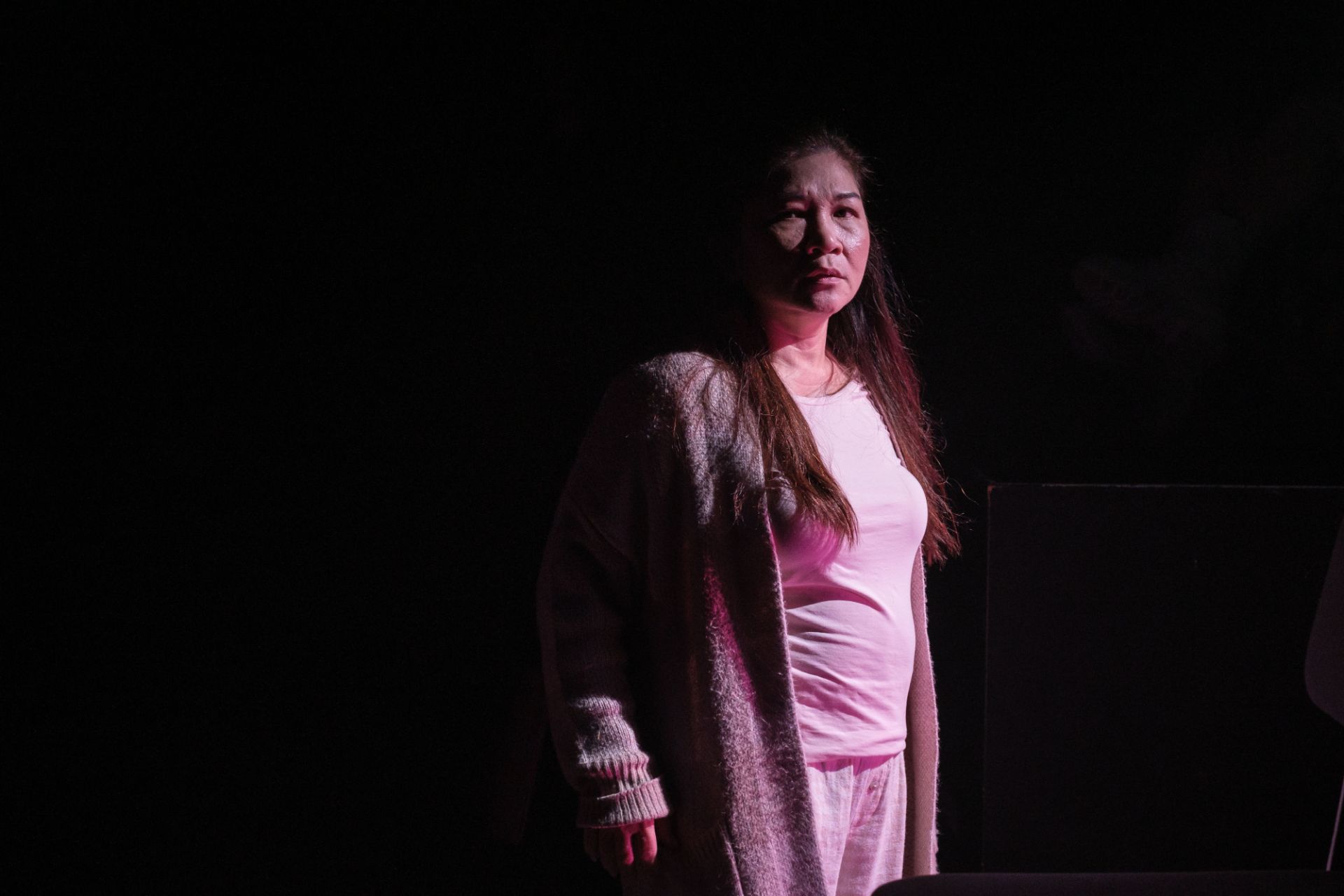
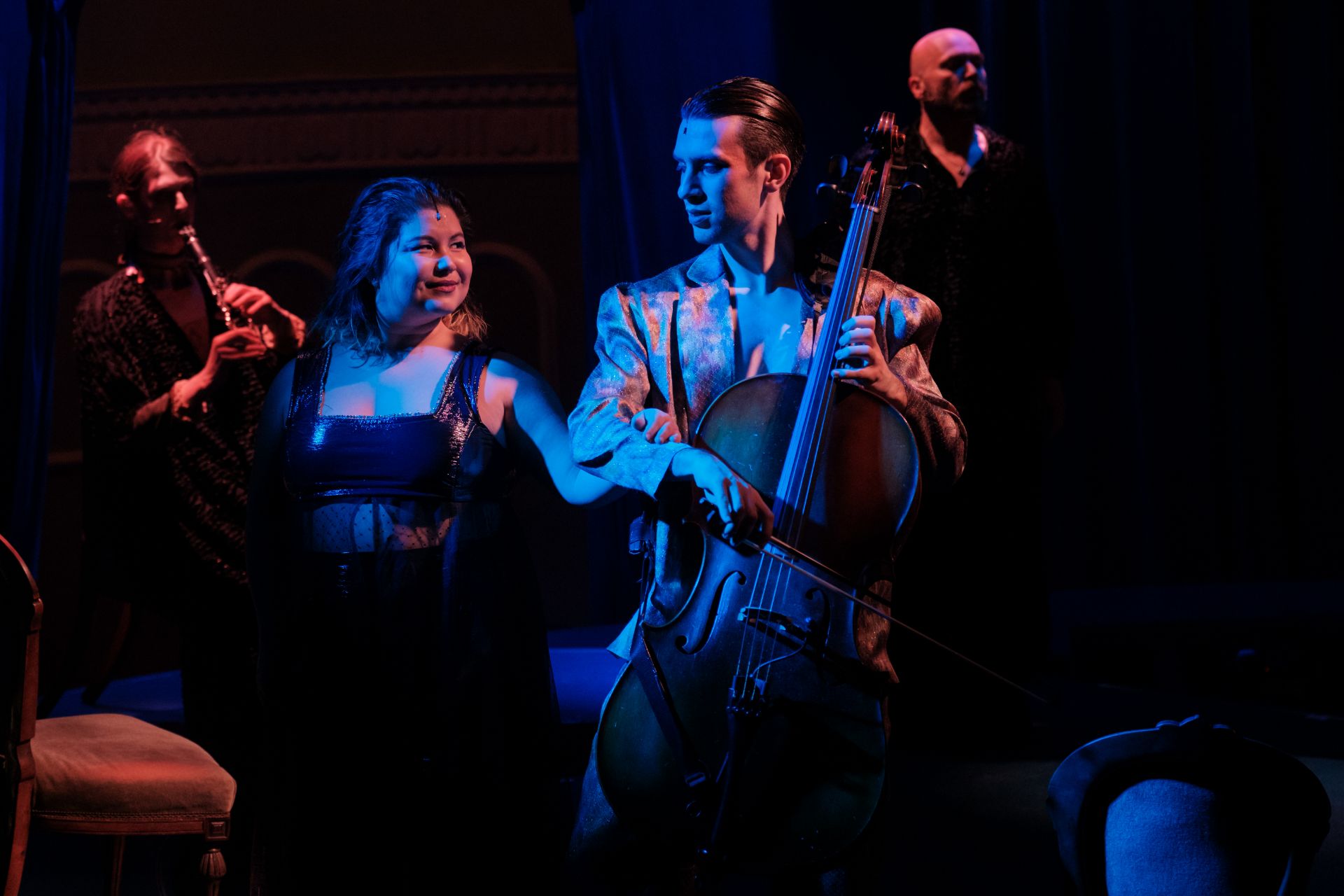
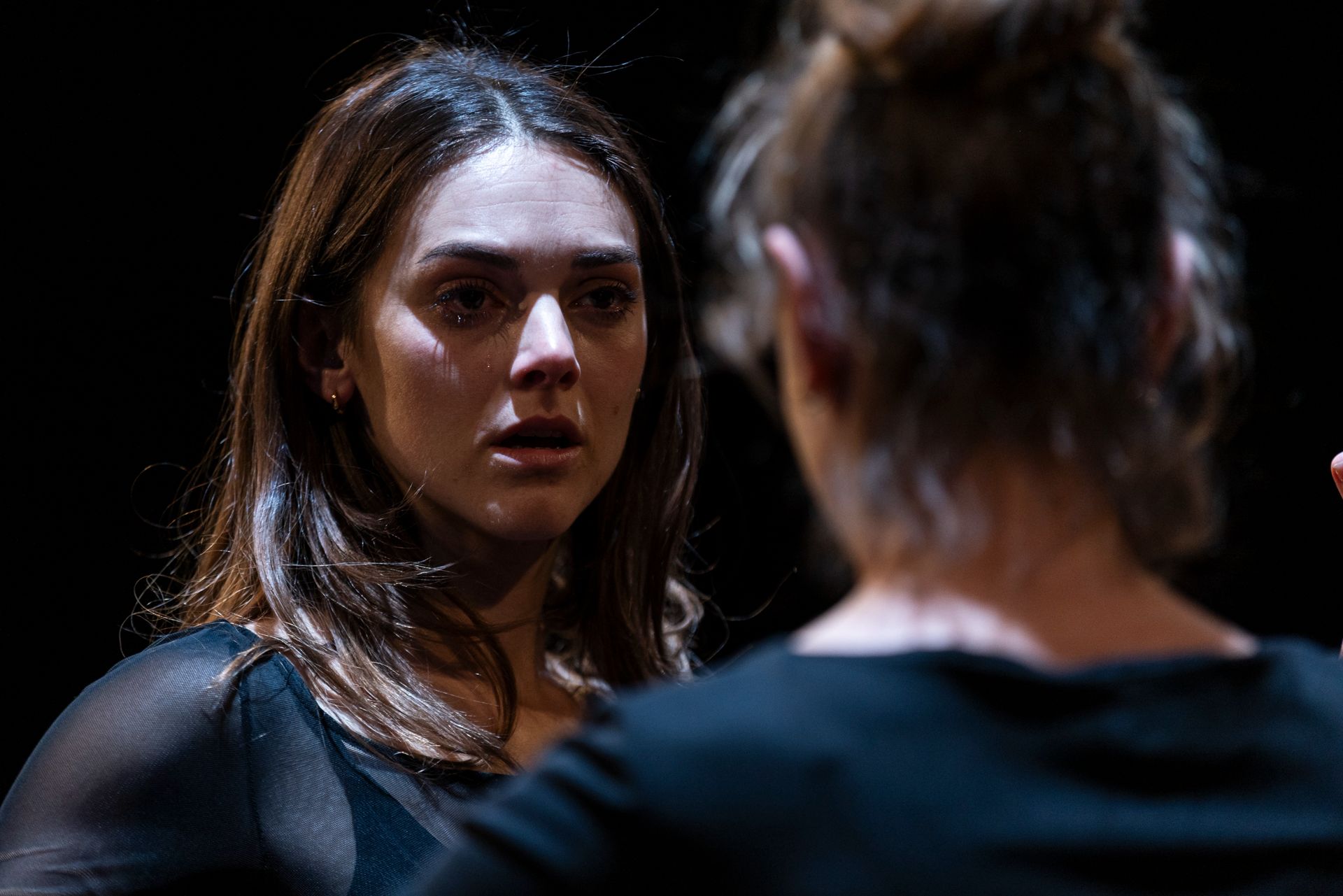
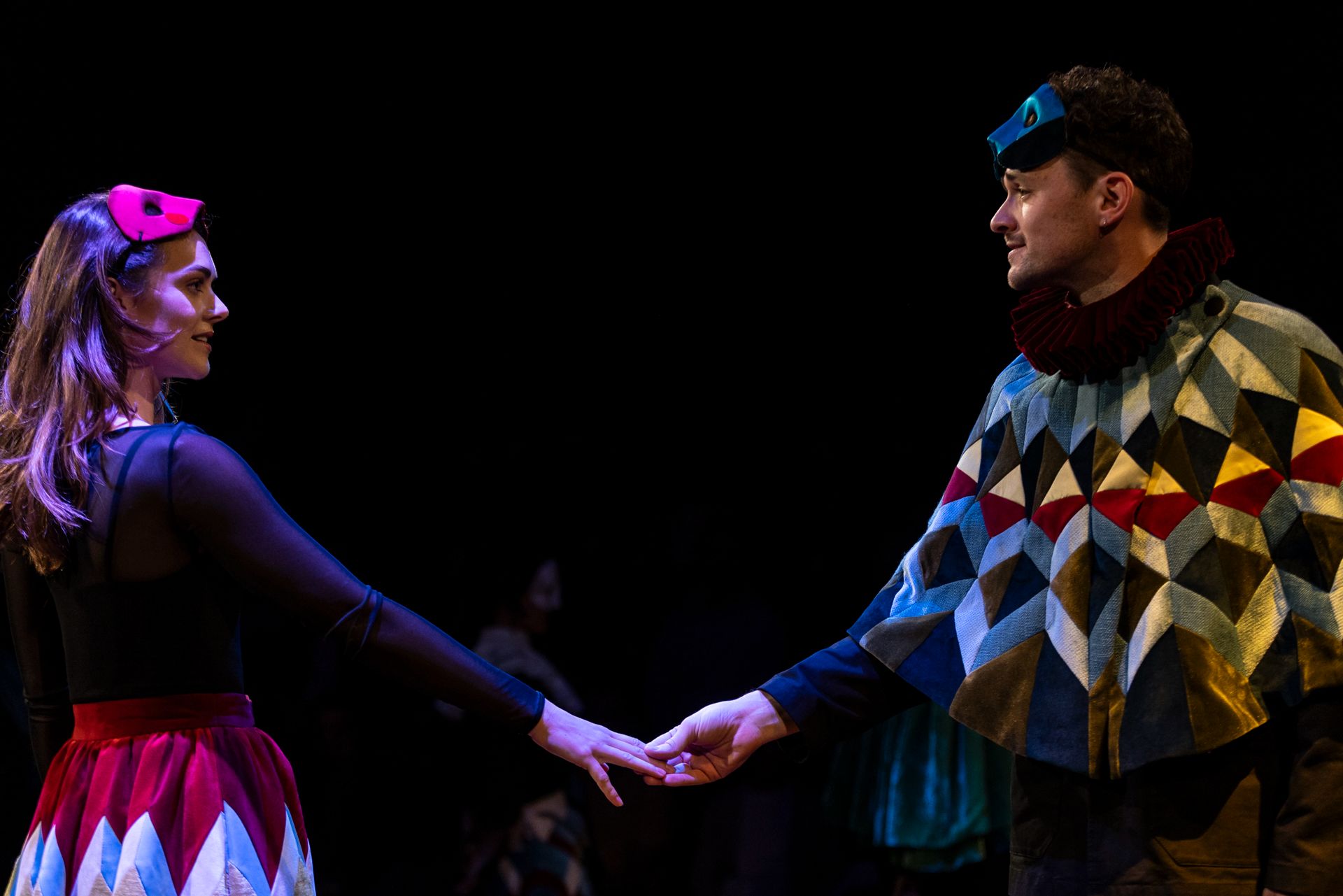
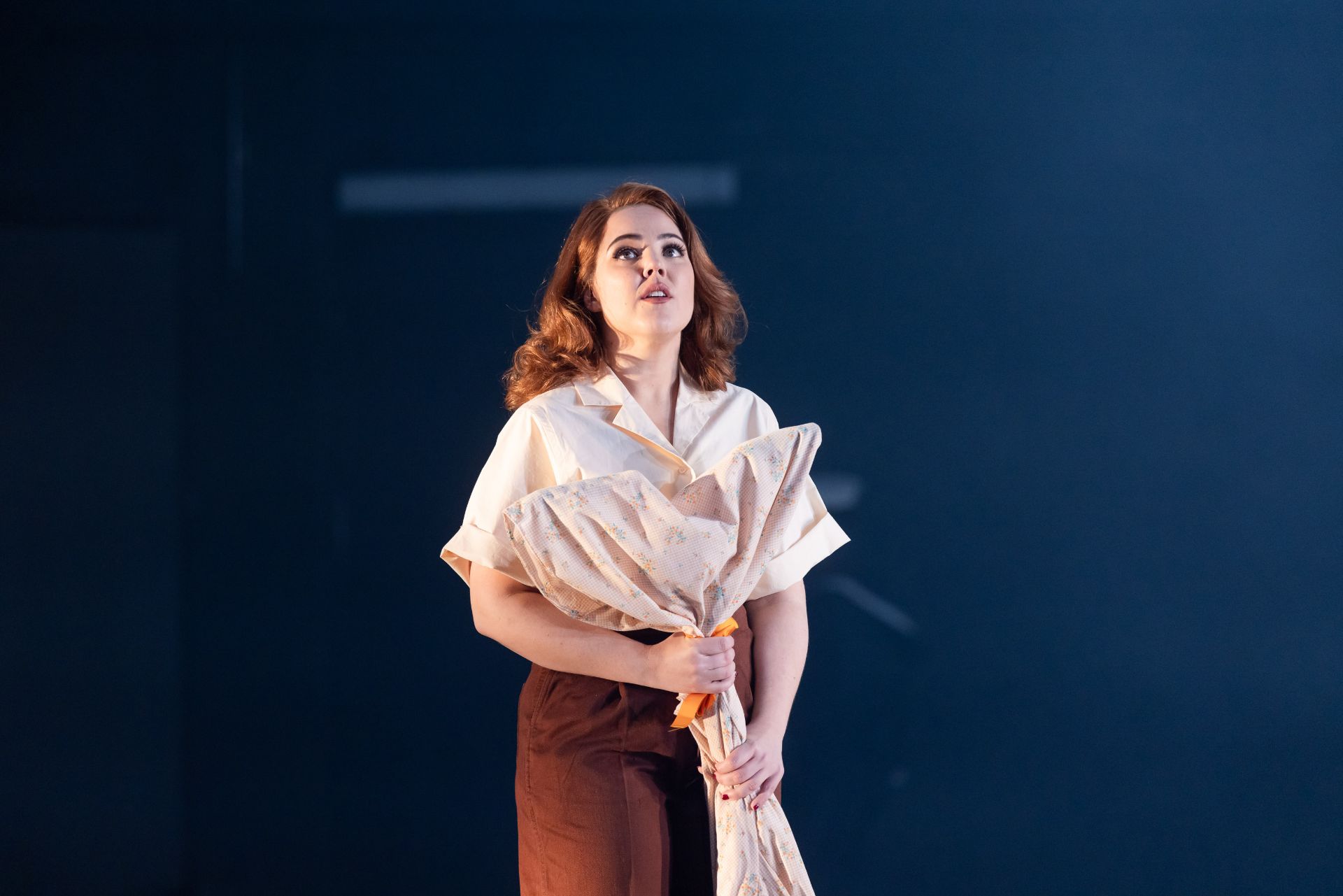
Genevieve Craig and Samantha Lambert play respectively, Vicky and Erica in their younger days, both detailed in their explorations of women in love. As they grow older, we see the roles go to Lisa Hanssens as Erica and Loretta Kung as Vicky, who manufacture a more intimate and tender connection. Performances are slightly too earnest in parts, but all four prove themselves accomplished actors, in a play that provides ample opportunity to demonstrate skill and acumen.

Bright Half Life reminds us of the centuries of absurdity, and cruelty, when same-sex marriages were thought of as abominable. In a few short years since its legalisation in Australia, so much has changed culturally and ideologically; it is now hard to fathom the immense difficulty with which so many normal relationships had faced to simply attain recognition, just because they were queer. Normal can be boring, but sometimes the road to normalcy is the most arduous imaginable.

www.theatretravels.org | www.meraki.sydney

Review: Darkness (The Library)

Venue: The Library (Newtown NSW), Jan 10 – Feb 19, 2023
Playwrights: Andrew Bovell, Zoey Dawson, Dan Giovannoni, Megan Wilding
Director: Dino Dimitriadis
Cast: Caroline L. George, Zoran Jevtic, Jerome Meyer, Imogen Sage, Alec Snow, Drew Wilson
Images by Phil Erbacher

Theatre review

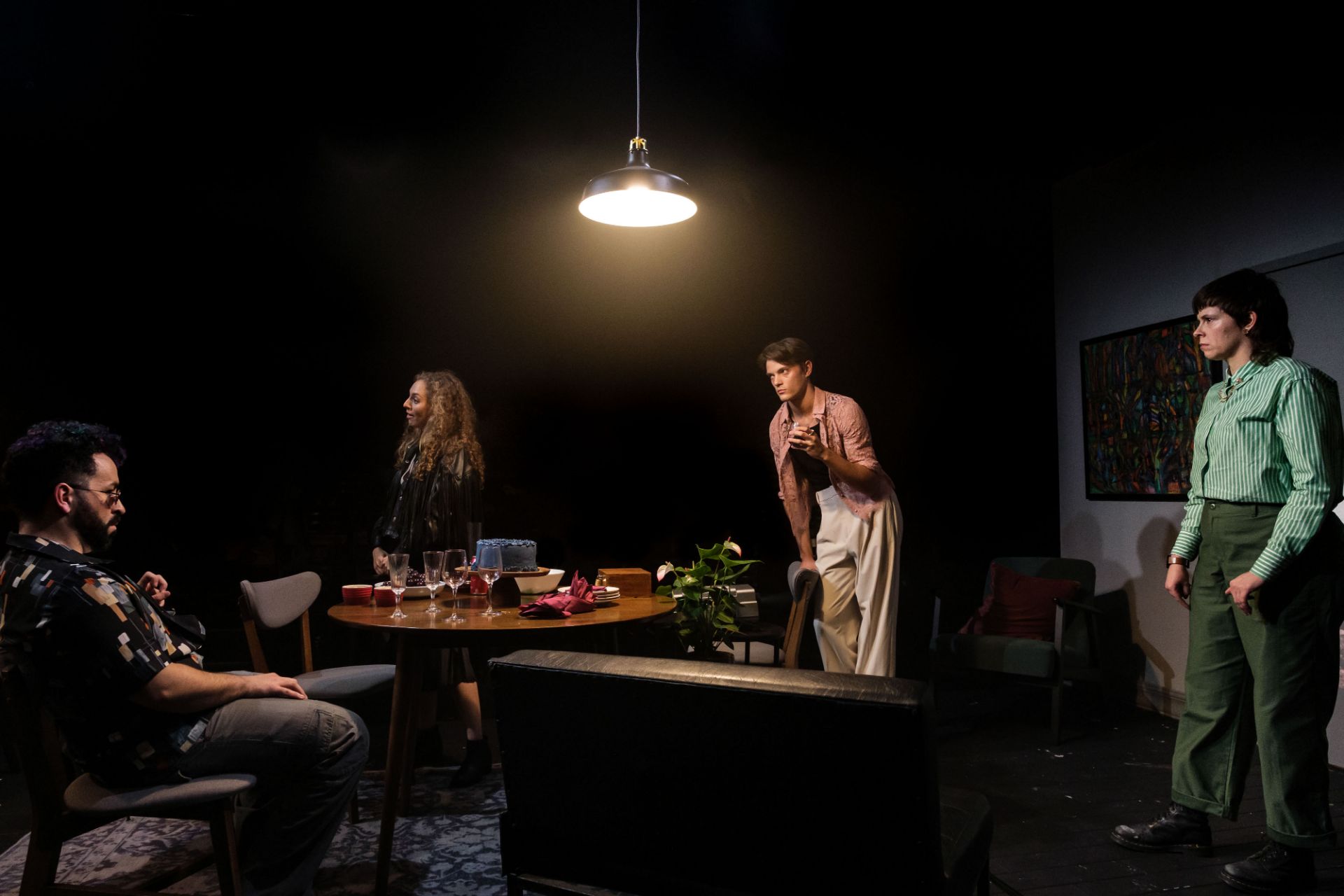
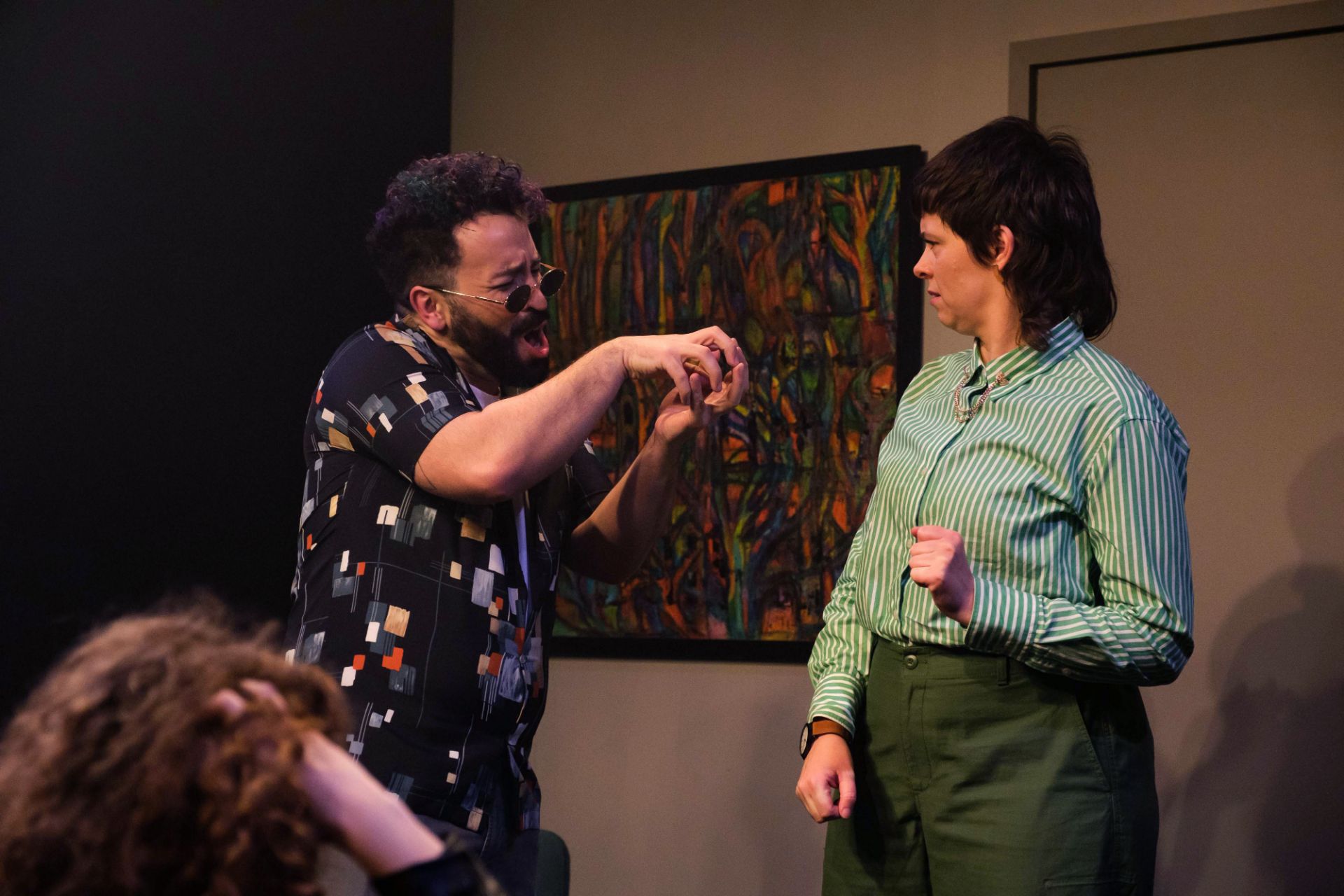
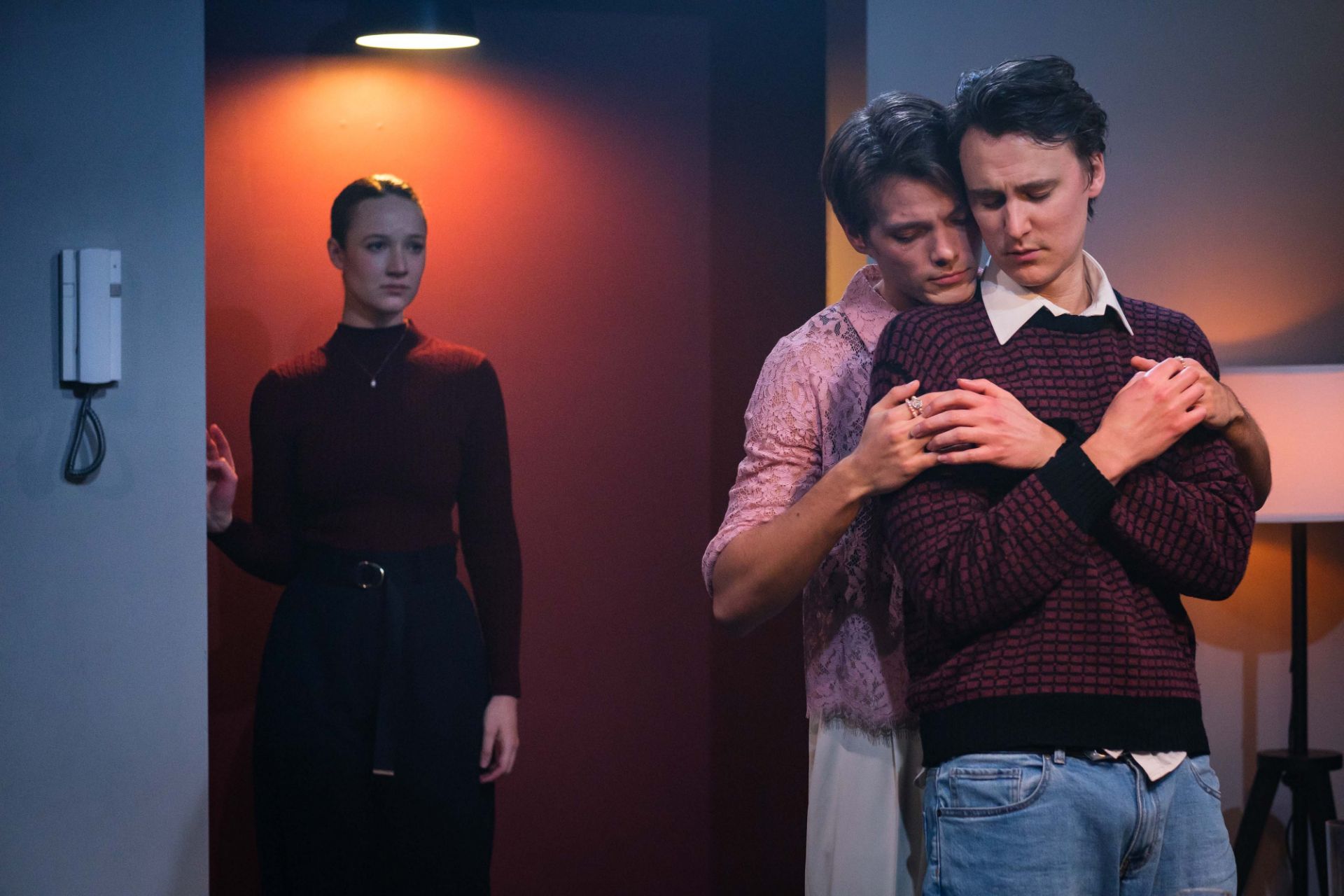
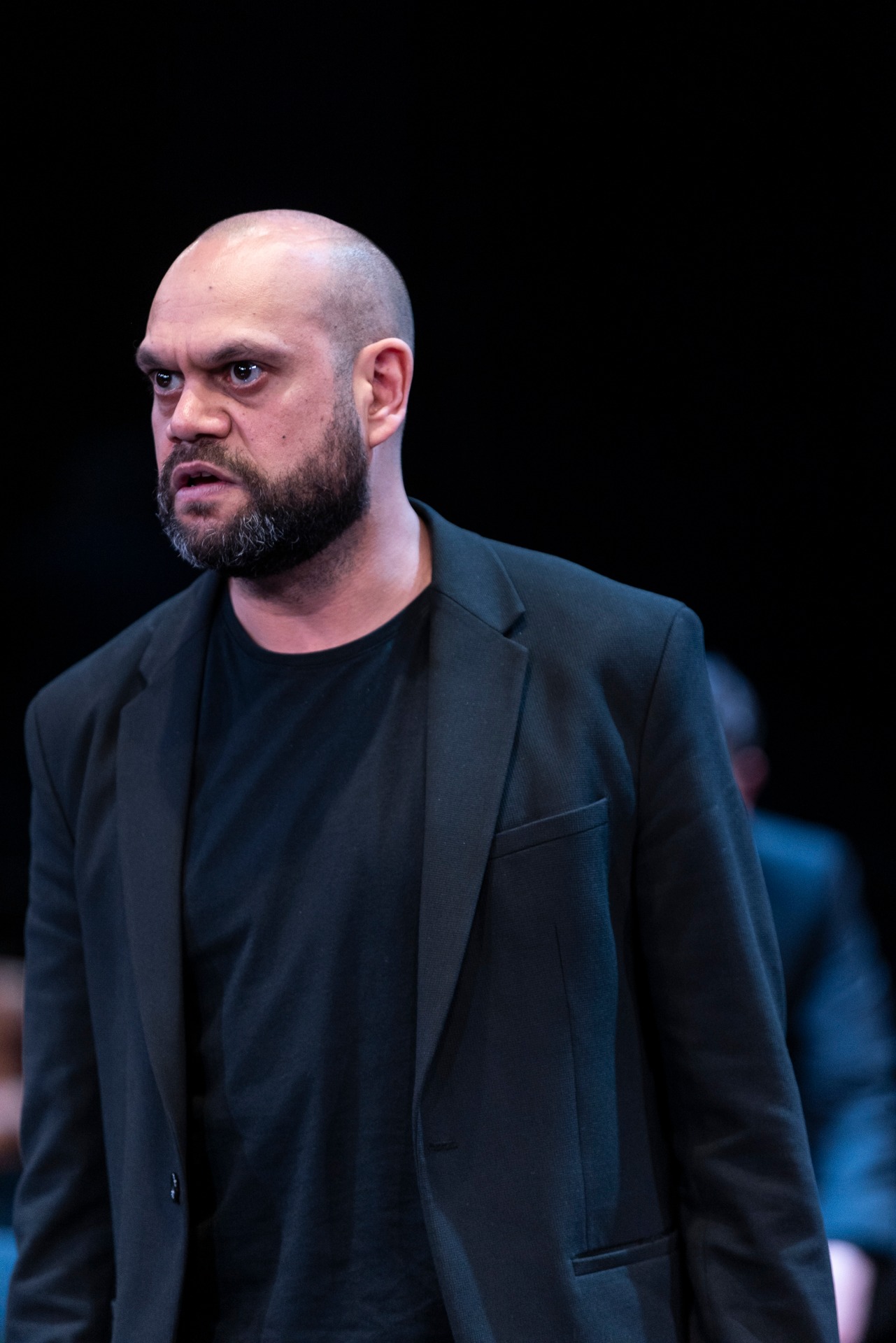
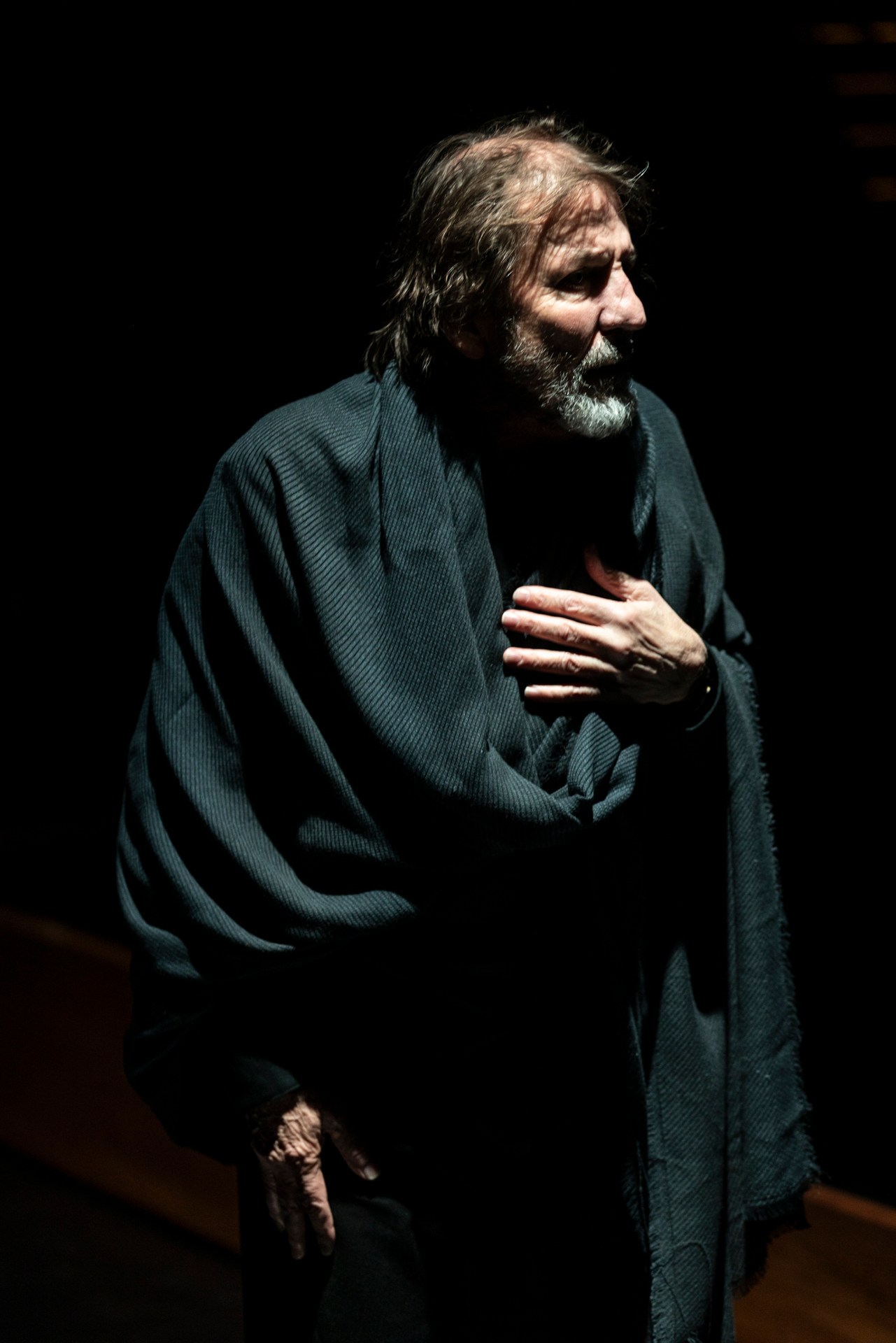
Hopelessness fills the house, in which 5 characters dwell. Misery has seeped in from without, and the despondent personalities are lashing out on one another. They tell stories of loss, regret and forlornness, but there is little sympathy to be gained from people consumed with their own anguish. Darkness by Andrew Bovell, Zoey Dawson, Dan Giovannoni and Megan Wilding attempts to be a coherent effort, but delivers instead something decidedly fractured and erratic. Its narratives are uninspiring, and relationships flimsily rendered. In efforts to create something stylistically cohesive, it may seem that the crucial ingredients of heart and soul have gone missing from the writing process.
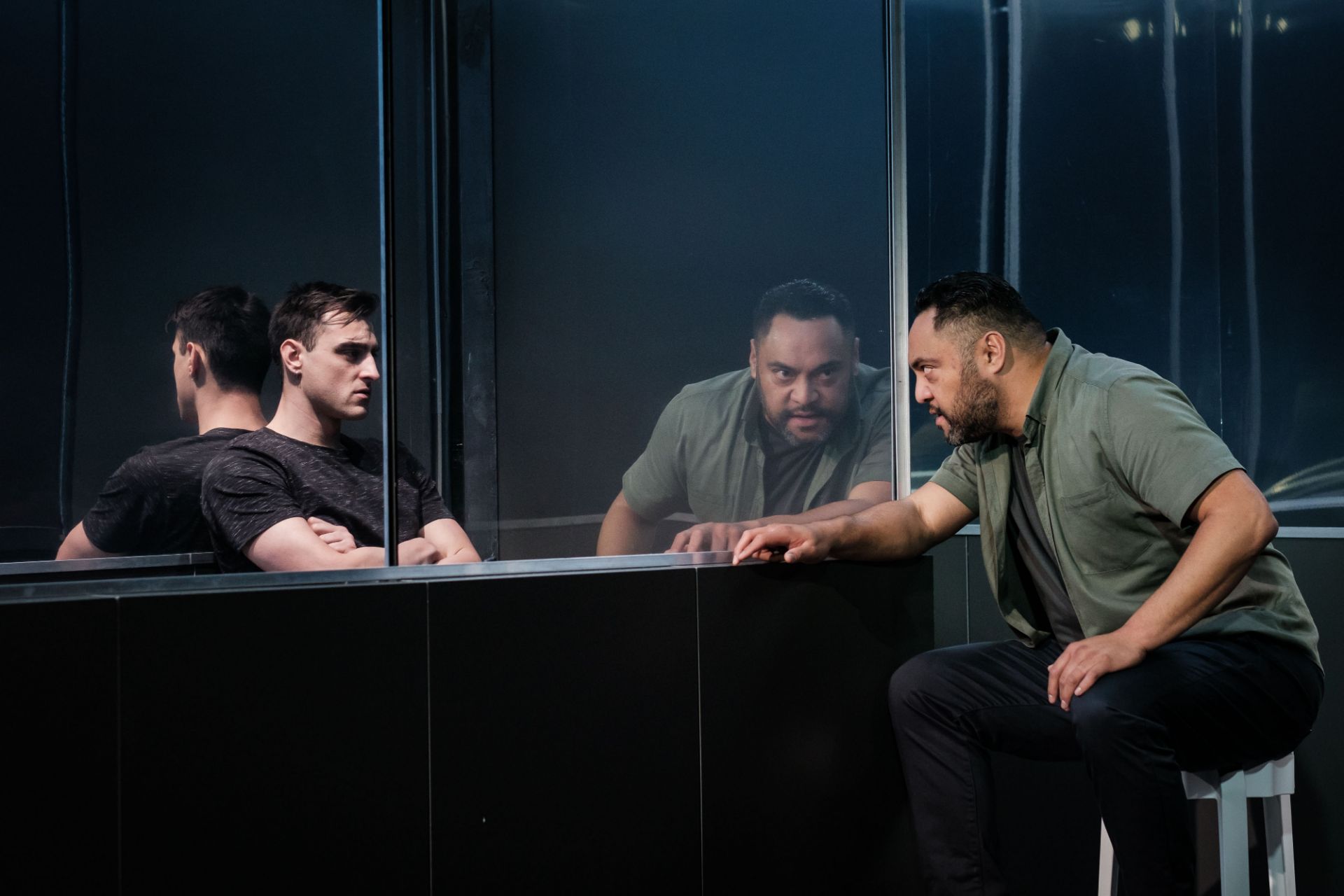
Other elements of the show however, are wonderfully assembled. Set and costumes are sexy and mysterious, creatively imagined by Isabel Hudson whose transformation of space for the old building, proves a real triumph. Lights by Benjamin Brockman are full of impact, with a sense of playfulness that prevents the bleakness of Darkness from turning dreary. Sound design by Danni Esposito envelopes our bodies, to turn our experience of atmosphere from subconscious to palpable, in a show directed by Dino Dimitriadis, that although fumbles with its stories, cannot be denied for being able to do magical things with space.

Performers Caroline L. George, Zoran Jevtic, Jerome Meyer, Imogen Sage and Alec Snow demonstrate strong commitment to their parts, able to convey intensity, even if helping us connect with the material seems a thankless task. Darkness attempts to manifest a sense of the apocalyptic, with all its mesmerising theatrics, but it is no match for the real world horrors that await us outside the auditorium. Artists will always try to represent devastating aspects of existence; that may even be considered their most noble purpose, but to find resonance for something humans know at the deepest instinctual levels, will forever be a challenge.

www.experiencedarkness.com.au

Review: A Broadcast Coup (Ensemble Theatre)

Venue: Ensemble Theatre (Kirribilli NSW), Jan 26 – Mar 4, 2023
Playwright: Melanie Tait
Director: Janine Watson
Cast: Tony Cogin, Ben Gerrard, Alex King, Amber McMahon, Sharon Millerchip
Images by Prudence Upton

Theatre review

Michael King is one of those stars of Australian radio, a straight white man of an older generation, retaining popularity on a waning platform. He presents a decent front, conscious of prevailing social expectations, but as we discover in Melanie Tait’s A Broadcast Coup, some leopards never change their spots. His younger colleagues however, have no capacity for tolerating his archaic ways, and as the title suggests, a revolution is under way.

The destination is predictable. From the play’s very first minutes, we can see no where else for the story to end, but thankfully the journey getting there proves to be deeply satisfying. Tait’s exhaustive representation of the nuances pertaining to current discussions, about gender and about power in general, are finely observed and thoroughly considered. Her dialogue is captivating, and her characters feel richly imagined. Her plot for  A Broadcast Coup is engaging throughout, with a narrative that tells us categorically what our future is going to look like, and how we must act today, not only to be magnanimous, but also for reasons of self-interest and self-preservation.
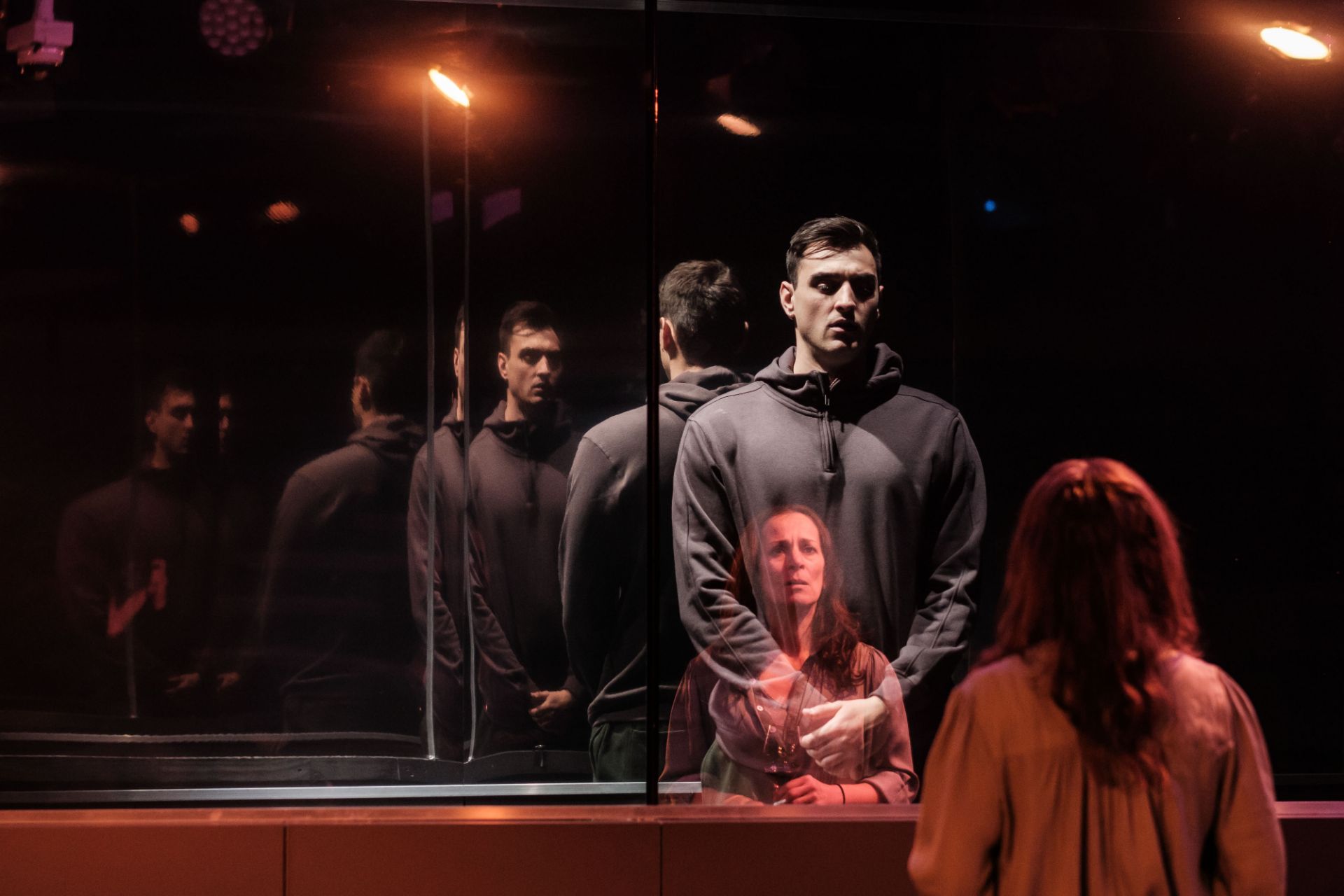
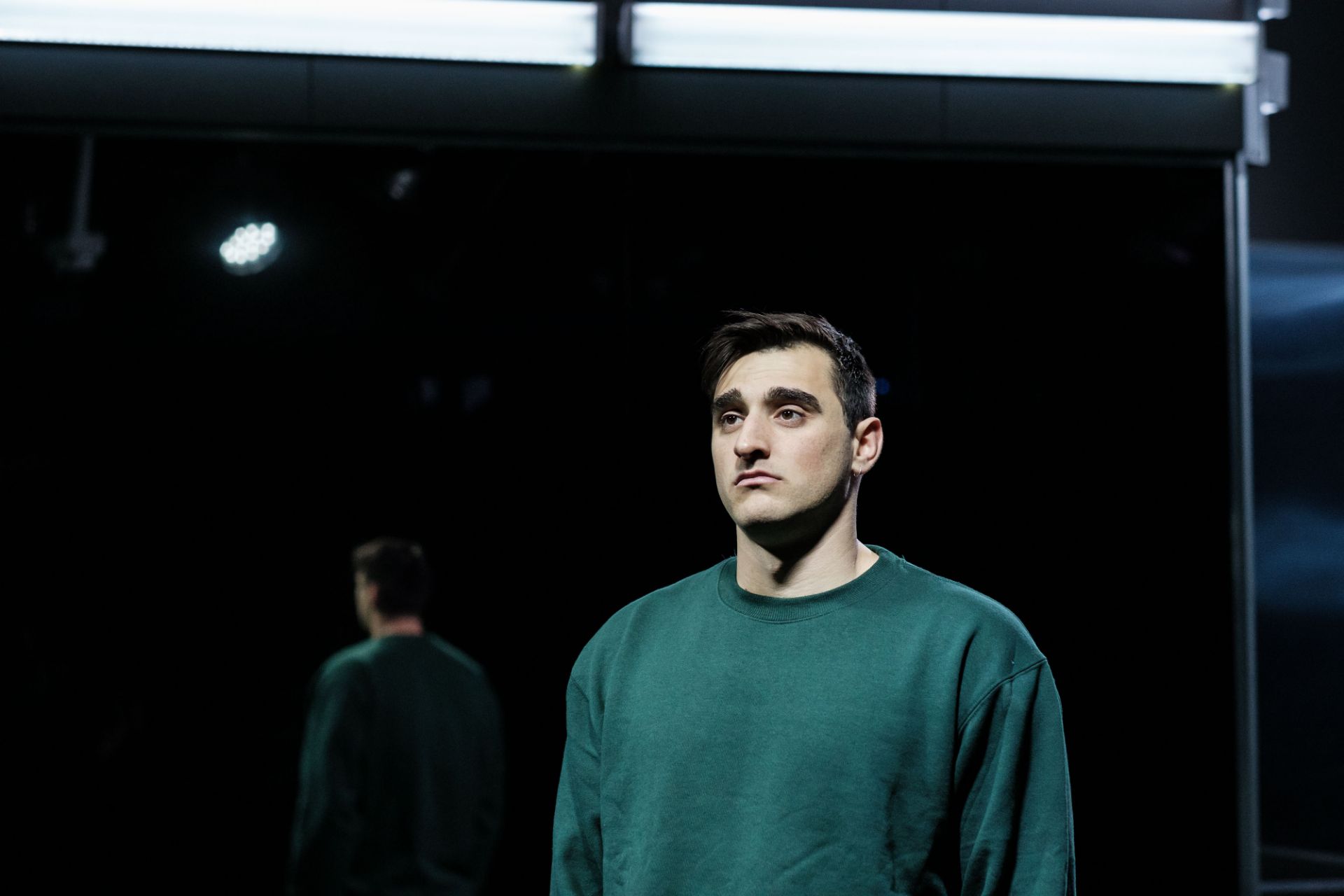
Janine Watson’s direction of the piece is passionate, with an unmistakeable generosity that allows each personality we encounter, to be convincing and compelling. Watson frames the show’s arguments in ways that appeal to our humanity, preventing any assertions from coming across lofty, radical or exclusionary.

Set and costumes by Veronique Benett take inspiration from real-life examples of broadcast studios and media companies, accurate with the obsolescence and dourness being portrayed. Lights by Matt Cox are sensitively calibrated, to precisely articulate all the tonal shifts, for a show that moves effortlessly between comedy and tragedy. Clare Hennessy brings dramatic tension with her music and sound design, especially memorable for the hyper-realistic audio documentation, of sexual assault victims and their testimonies.
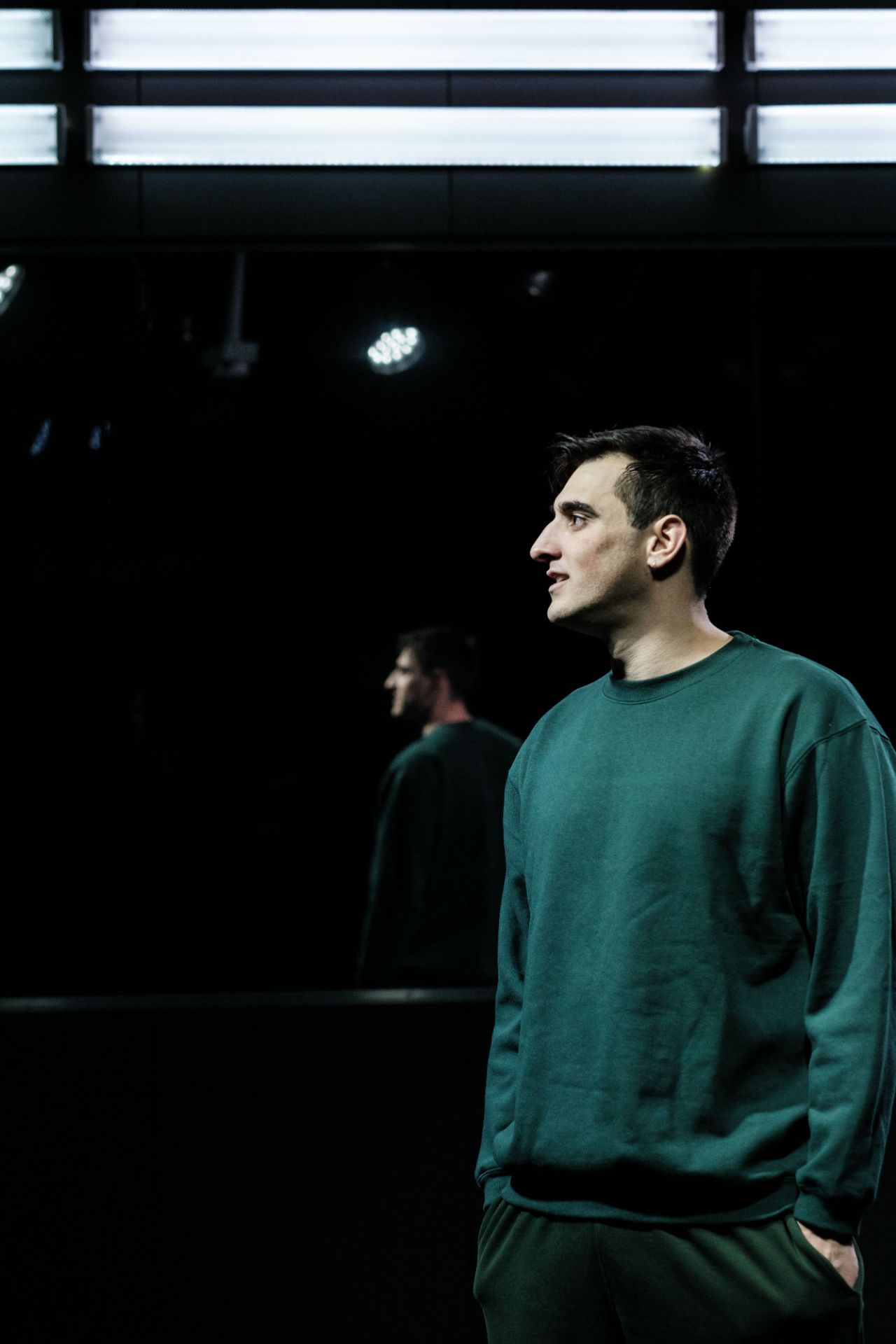
Actor Alex King plays with conspicuous dedication and charisma, a modern ingenue Noa, slightly naïve but mostly gregarious and impressively erudite. The role of the villain Mike is performed by Tony Cogin, who although lacks the swagger of a celebrity Casanova, speaks with the persuasive voice of a veteran radio star. Amber McMahon’s admirable dynamic range as podcaster and antagonist Jez, delivers scenes that are full of gripping intrigue. Louise, the faithful radio producer, is given emotional authenticity by Sharon Millerchip. Ben Gerrard’s comic timing is an undeniable highlight, as executive Troy who struggles to keep his troublesome headliner under control.

The story comes to a gratifying conclusion, only because enough people in the story decide to do the right thing. It is evident that what the system encourages, is for individuals to turn a blind eye, and allow bad things to persist. The system rewards such behaviour, because it does not wish to change. What we think of as rot, is to the system, beneficial elements that keep it perpetuating.

What we see in A Broadcast Coup is that humans know instinctively and objectively, right from wrong, yet many of us are comfortable, from a lifetime of habituation, to accept deplorable conditions. We need to stop protecting a system that does not serve us, and distressing and awkward as it may be in the interim, to disrupt everything that we know to be appalling.

www.ensemble.com.au

Review: Chef (Kings Cross Theatre)

Venue: Kings Cross Theatre (Kings Cross NSW), Jan 25 – Feb 5, 2023
Playwright: Sabrina Mahfouz
Director:
Victor Kalka
Cast: Alice Birbara
Images by Clare Hawley

Theatre review

Her passion for the culinary arts is undeniable, but she talks about her favourite food in the past tense. There is a lot to be unnerved about, in Sabrina Mahfouz’s Chef. A woman is caught between spaces coarse and rarefied, living simultaneously in moments mundane and sacred, for a story that explores issues of class, along with themes about gender. It is a multi-faceted work, with generous doses of abstraction that make for an unpredictable theatrical experience.

Performed by Alice Birbara, under the direction of Victor Kalka, the one-woman show is intricately constructed, especially in terms of the character’s complex emotional condition, and her vacillating mental states. There is an intensity that can feel too unrelenting in the production, but the commitment to authenticity is an admirable one. The difficulty of a traverse stage, when only a single actor is occupying our attention, is successfully addressed by Birbara, who maintains consistent contact, whichever side of the auditorium one finds themself.

Kalka’s set design is palpably accurate, in its evocation of locations relevant to the unnamed woman’s tale. Jasmin Borsovszky’s lights are dynamic and imaginative, effective at providing surprising and gratifying visual variety. Sound by Ryan Devlin bring a sense of drama to the piece, reliable at heightening tension whenever required.
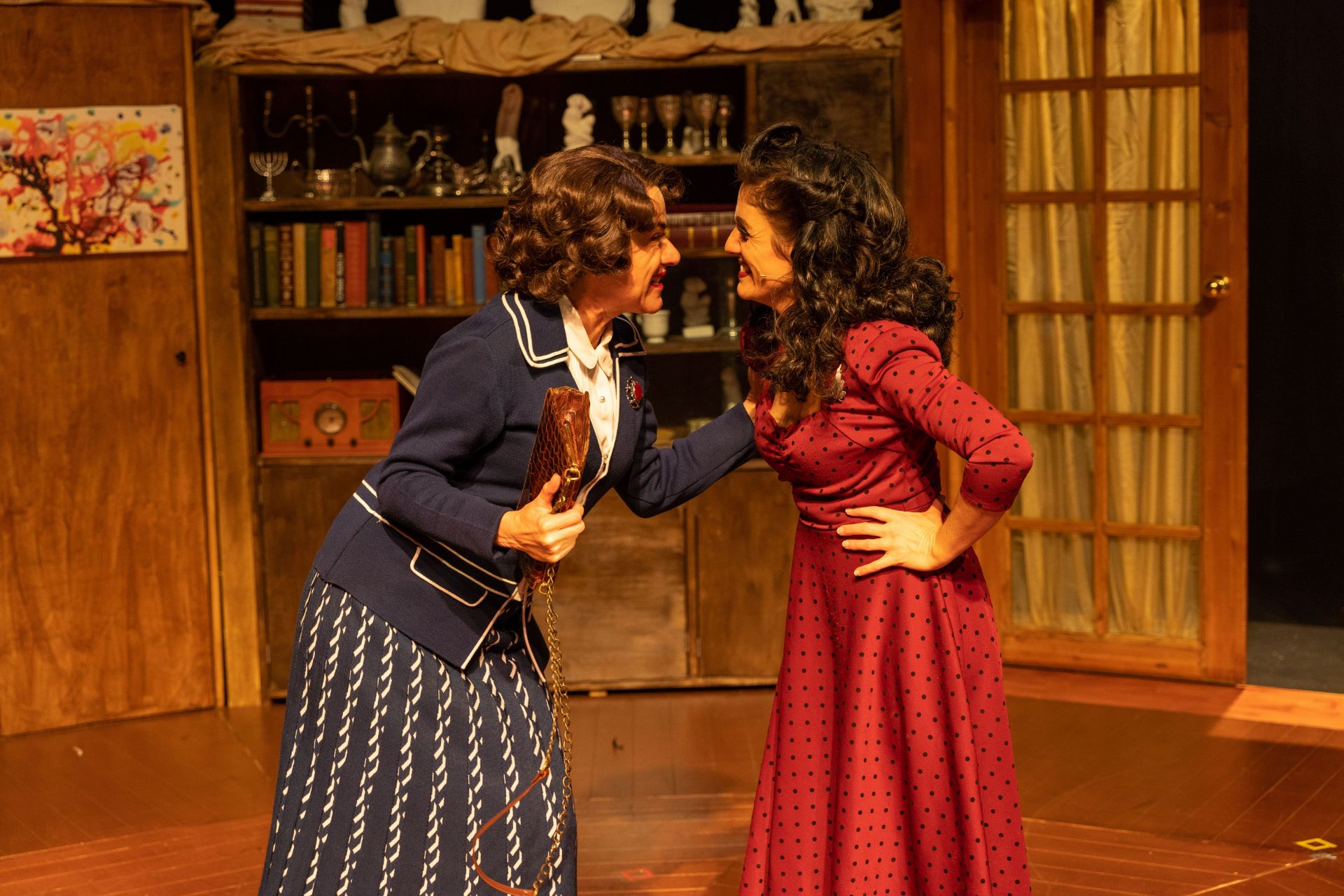
Women are expected to know our way around a kitchen, unless it is a commercial one, with money, status and real power at stake, then we are denied equitable participation, as is the case in every situation where the patriarchy institutes the rules to benefit a privileged few. The word “chef” in French, refers to a leader, a master of their own domain. The woman we meet in the play has all the qualities, and every right, to be the determinant of her own destiny, and an absolute boss in her professional realm, but sadly she is not going to make it on her own.

www.kingsxtheatre.com | www.virginiaplaintheatre.com

Review: Janet’s Vagrant Love (Belvoir St Theatre)

Venue: Belvoir St Theatre (Surry Hills NSW), Jan 19 – 22, 2023
Playwright: Elaine Crombie
Directors: Kirk Page
Cast: Elaine Crombie
Images by

Theatre review

In between personal anecdotes of love and loss, Elaine Crombie sings incredibly beautiful songs, as she plays her guitar, with accompanist Amaru Derwent on keyboard. The show is entitled Janet’s Vagrant Love, but not for a second do we feel that Crombie conveys anything but her own deepest truths, in these recollections, involving people who have come and gone. We witness joy and pain, seemingly dichotomous but in comfortable juxtaposition, as well as strength alongside vulnerability, such are the complexities and incoherence of existence.

Direction by Kirk Page allows the fractures to remain exposed and unvarnished in the show. The experience is simply about being in the presence of humanity, one that we can feel to be natural and real, with narratives that are as disjointed as those in every person’s life. The presentation may be unpretentious, but there is no denying the skill of Crombie’s vocals and song writing, delivering many moments of transcendence.

Crombie, as a Pitjantjatjara, Warrigmal, South Sea & German descended woman, very generously says that this place is home for all of us. It can only follow, that when one of our family, especially if they are part of a lineage that has grappled with generations of dispossession, takes to the stage and magnanimously shares the contents of her heart, we have to bear witness, and be filled with a deep appreciation, to be offered an opportunity that many do not deserve.

www.belvoir.com.au

Review: Blue (Belvoir St Theatre)

Venue: Belvoir St Theatre (Surry Hills NSW), Jan 14 – 29, 2023
Playwright: Thomas Weatherall
Directors: Deborah Brown
Cast: Thomas Weatherall
Images by Joseph Mayers

Theatre review

Barely out of his teens, Mark is already facing some of life’s biggest challenges. Having been dealt devastatingly bad hands in quick succession, he is left to pick up the pieces, in a world he is not quite ready for. Thomas Weatherall’s Blue is a work of fiction, but its explorations of despair feel exhaustive and authentic. There is a beauty in his rhythmic arrangement of words, that keeps the darkness from becoming alienating, along with a wistful humour that gently endears. As is perhaps typical of young writing, Blue may not always be sufficiently insightful, but its ability to convey poignancy is unequivocal.

Directed by Deborah Brown, the staging is tender and immediate, consistently intimate in its rendering of a contemplative one-man show. Set design by Cris Baldwin and Jacob Nash evokes a glacial edge, mesmerising with its intricate detailing of surfaces, and effective at transporting us to the oceanic settings that play an important part of the storytelling. David Bergman’s video work is projected onto the entirely white vista, for breathtaking visual transformations that move us beyond the capacity of words. Lights by Chloe Ogilvie are soft and sensitive, helping us connect with the undulating melancholy of the piece. Wil Hughes’ minimal sound design too, is delicate in its efforts to enhance the efficacy of the words we hear.

As performer, Weatherall’s disarming charm lures us into the deeply introspective monologue, to participate in Blue‘s solemn ruminations about the nature of love and loss. Weatherall’s knack for naturalism makes convincing everything that he presents. His ability to inhabit Mark’s intense emotions is compelling, proving successful at drawing sympathy for the character’s very unfortunate circumstances.

Blue showcases a new era of masculinity, one that feels radically different from all preceding generations. It is unafraid of what it feels, and refuses to be humiliated for honouring truth and emotion. It disregards pretences of power, seeking instead genuine manifestations of strength. It values vulnerability, and understands human fallibility to be natural and necessary, in attaining improved lives, for the individual as well as for communities. When men stop denying the sadness that will always figure in being human, they can perhaps chart a new course, by first identifying what it is, that they really need, to make this existence truly fulfilling.

www.belvoir.com.au

Review: Girls & Boys (Seymour Centre)

Venue: Seymour Centre (Chippendale NSW), Jan 5 – 15, 2023
Playwright: Dennis Kelly
Director: Mitchell Butel
Cast: Justine Clarke
Images by Sam Roberts

Theatre review

The play is at first incredibly banal, with a woman beginning to tell her life story, with no hint of how her experiences may be of any significance or consequence, to anyone but herself. For almost an hour, the unnamed character in Dennis Kelly’s Girls & Boys tries to beguile her audience with mildly amusing tales of love, family and career, only to come across strangely oblivious to the increasingly ordinariness of what she is sharing. A bombshell is dropped however, in the middle of the show, and everything changes drastically.

Kelly’s writing does not begin at the point of trauma, choosing instead to take an inordinate length of time to set the stage, in order to convey a sense of everyday mundanity, before unleashing its drama of catastrophic proportions. It is arguable if the phenomenon of normative domesticity requires such intricate definition, but there is no questioning the theatrical efficacy of the tension and agony that subsequently surfaces. Girls & Boys takes a while to get to its point, but what it wishes to say about gender is certainly valuable.

Mitchell Butel’s direction of the piece is unremittingly sensitive, able to create resonance in every moment, whether they be simple or vivid. For almost two hours, our attention is held entirely captive, even when nothing particularly substantial seems to be happening. Set design by Ailsa Paterson is colourful and curvaceous, helpful in keeping our eyes animated and engaged. Lights by Nigel Levings and sound by Andrew Howard, are elegantly, and sparingly, utilised to manipulate atmosphere, for a show that speaks in nuance.
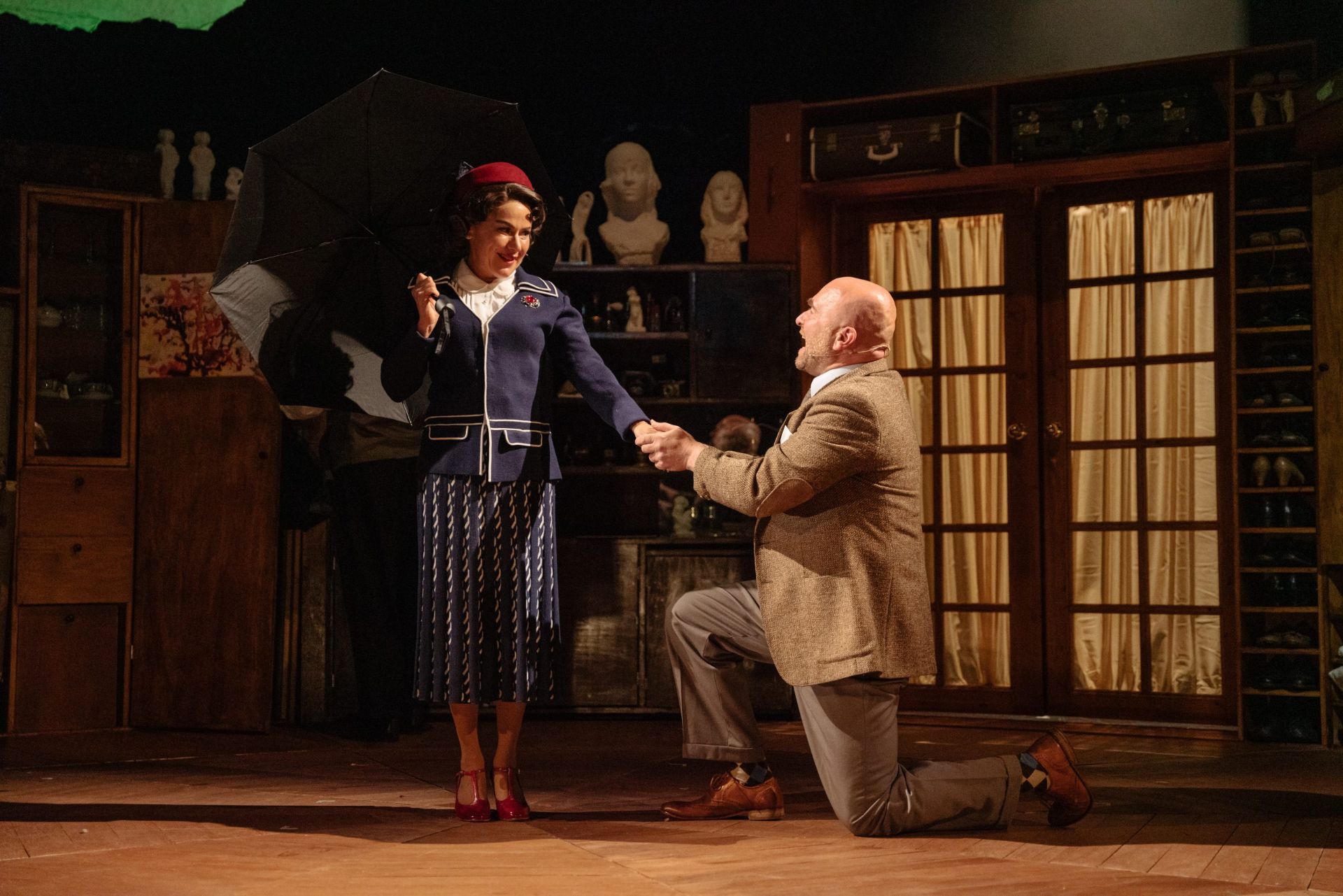
Performer Justine Clarke is flawless in this one-woman show, so impressively enamouring with her talent, dedication and skill, that we almost disregard the big messages of the show itself. Clarke’s work is thorough and deep, yet it never feels laboured, and along with an exceptional charm, we find ourselves completely absorbed, in everything she wishes to impart.

What Girls & Boys says about gender, is worth repeating, and has certainly been said time and time again. The woman in the play, would have heard those messages of admonishment many times, before encountering the devastating events that will eventually shape her entire life. We can tell each other everything about these profound truths, yet it seems it is in our nature, to only learn from first-hand experience, these hardest lessons of life.

www.sydneyfestival.org.au | www.statetheatrecompany.com.au

Review: Amadeus (Sydney Opera House)

Venue: Sydney Opera House (Sydney NSW), Dec 27, 2022 – Jan 21, 2023
Playwright: Peter Schaffer
Director: Craig Ilott
Cast: Joseph Althouse, Katherine Allen, Lily Balatincz, Blazey Best, Michael Denkha, Gabriel Fancourt, Belinda Giblin, Glenn Hazeldine, ‘Ana Ika, Michaela Leisk, Daniel Macey, Arky Michael, Sean O’Shea, Joshua Oxley, Josh Quong Tart, Rahel Romahn, Laura Scandizzo, Toby Schmitz, Michael Sheen, Daniel Verschuer
Images by Daniel Boud

Theatre review

Wolfgang Amadeus Mozart was barely 36 when he died an impoverished man in 1791. The influential Antonio Salieri was at the time, director of the Italian opera in Vienna, and although he understood the genius of Mozart’s work, did little to improve the rival composer’s circumstances. In Peter Schaffer’s Amadeus, it is suggested that Salieri may even have been responsible for the poisoning and subsequent death of Mozart. The 1979 play explores the human experience of envy, as it relates to art and status, demonstrating the extent to which it can lead a person to destruction.

Almost half a century hence, Craig Ilott’s direction of the piece is memorable for its extravagant incorporation of live music (performed by The Metropolitan Orchestra), which delivers for the production an unmistakeable transcendence, such is the power of Mozart. Also highly impressive are costumes by Romance Was Born and Anna Cordingley, providing remarkable flourish and extraordinary exuberance, against a restrained black stage. Designed by Michael Scott-Mitchell, the set feels appropriately grand, with clever placement of stairs that facilitate many visually satisfying configurations of performers and their kaleidoscopic attire. Lights by Nick Schlieper offer a touch of sophistication, helping us pay attention to the real drama unfolding, in the middle of a lot of hullabaloo.

Actor Michael Sheen is full of mighty vigour, as the hateful Salieri, unrelenting in his assertions of passion and energy, for a story that urges meaningful introspection. More textured in approach is Rahel Romahn, whose Mozart proves endearing and exigently sympathetic. Both Sheen and Romahn bring great nuance and vulnerability to their roles, albeit in wildly contrasting styles. The wonderfully whimsical duo of Belinda Giblin and Josh Quong Tart, are notable as a pair of characters known as Venticelli, representing a more objective perspective in this controversially revisionist take on Mozart’s demise.

Salieri and Mozart wax lyrical about God, acknowledging the presence of divinity in artistic pursuits, but also attributing many of their very human decisions to their Christian deity. If Salieri did inflict harm on Mozart, we can infer that much of it was bolstered by religious faith, as observed in his perverse belief that God does answer his dangerously narcissistic prayers. It is perhaps true that art, especially when sublime and beautiful, comes from an otherworldly realm, but it is plain to see, that there is nothing at all celestial, in all the damage that people impose.

www.redlineproductions.com.au

Review: The Wasp (Kings Cross Theatre)

Venue: Kings Cross Theatre (Kings Cross NSW), Dec 2 – 17, 2022
Playwright: Morgan Lloyd Malcolm
Director:
Becks Blake
Cast: Cara Whitehouse, Jessica Bell
Images by Clare Hawley

Theatre review

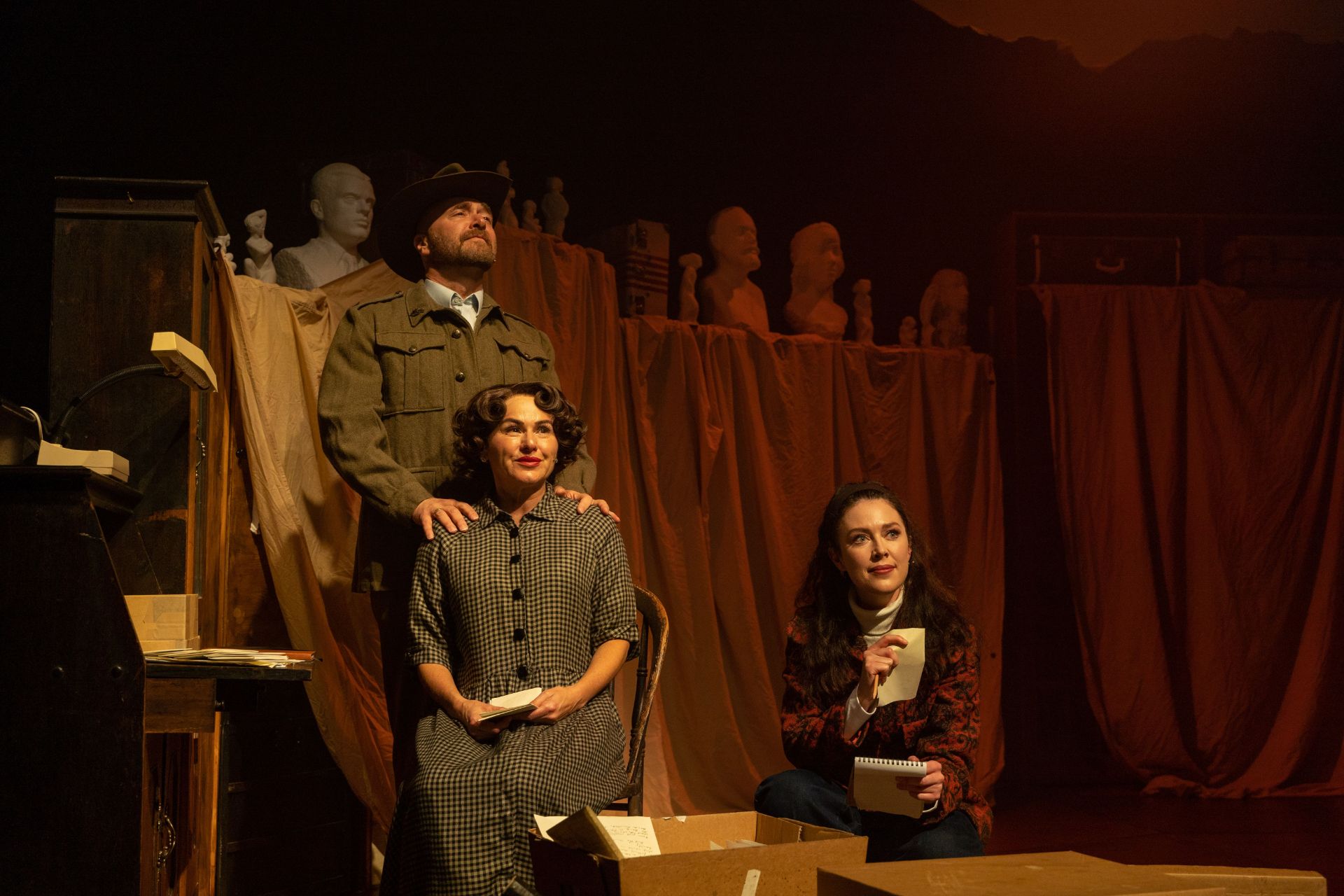
Carla and Heather were best friends at school, but things turned awry in Year 7. Reuniting 20 years later, we discover the depth with which those difficult times in their early teens, have affected these now grown women. Morgan Lloyd Malcolm’s The Wasp is a story of violence, one that relates particularly to the experience of youth violence by girls and women. We explore its enduring effects, looking at how a person is shaped over time, asking questions about the permanence of damage, and how we carry trauma through our lives. Carla and Heather’s stories are told with a thrilling boldness. Endless twists and turns, accompanied by truly scintillating dialogue, make The Wasp an immense delight, albeit a frequently harrowing one.

Directed by Becks Blake, we are given awesome insight into the psychological and emotional mechanics, of these two very unique yet realistic personalities. Blake makes explosive, each and every shocking revelation in the narrative. The drama is delicious, and the comedy consistently wicked, in a show memorable for its grit and edgy intensity. Fun and scary, The Wasp involves high stakes and controversial ideas, to provoke, to entertain and to engage.

Stage design by Axel Hinkley cleverly fuses two distinct spaces, into one harmonious whole. Hinkley’s costumes, like their set, are accurately rendered, to evoke time, place and importantly class, for this tale of two social strata. Lights by Martin Kinnane are simple, if slightly too subtle in the depiction of textural transformations, for how the relationship morphs between the two women. Johnny Yang’s sound design is wonderfully imaginative, and sensitive in its calibrations of atmosphere, as we delve deeper and deeper into the nightmare of old friends and their old grievances.

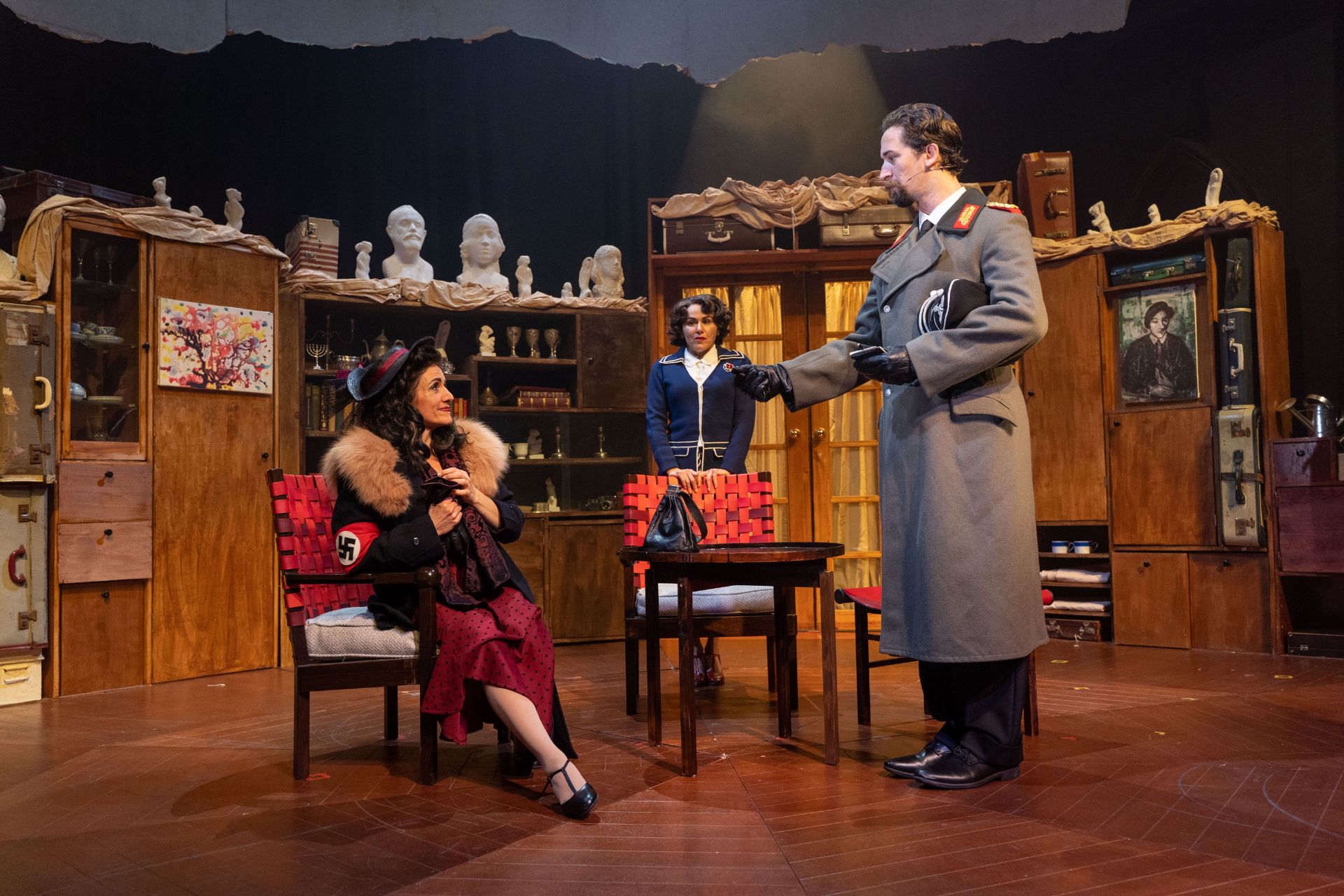
Actor Jessica Bell is stunning as Carla, hilarious in her portrayal of proletarian coarseness, and masterful with her concoctions of dramatic tension, keeping us wide eyed and slack jawed for the duration. Bell’s work on this occasion is truly a performance to remember. Heather is played by Cara Whitehouse, whose deep submergence into her character’s twisted world, convinces us of all her deranged antics. The pair is beautifully well-rehearsed, with a sense of intricacy that allows us to read infinitely closely to every detail being presented, and emerge feeling we have learned something remarkable.

Violence begets violence, if conventional wisdom is to be believed. It is true that the effects of violence reverberate beyond inciting incidents. Like the nature of karma, a transference occurs, whether from one person to others, or from one unto themselves. In The Wasp we see the trauma finding ways to manifest, always in ugly and horrific ways, extending inward or outward, to prolong its effects. Damage spreads, and it remains a mystery, if deep hurt can ever just go away.
www.kingsxtheatre.com

Review: M’ap Boulé (Urban Theatre Projects)

Venue: Eternity Playhouse (Darlinghurst NSW), Dec 6 – 9, 2022
Playwright: Nancy Denis
Composer: Carl St. Jacques
Director: Anthea Williams
Cast: Nancy Denis (with musicians Victoria Falconer, Mick Stuart and Kween G)
Images by Jacquie Manning

Theatre review
Nancy Denis is a warrior, not only of circumstance, but also of heritage. A woman of Haitian background, a fighting spirit thrives in her blood. Generations of colonial history have not been able to subdue Denis, as she declares in her show M’ap Boulé, or “I’m On Fire” in English. Featuring stirring music composed by the recently departed Carl St. Jacques, M’ap Boulé is a passionate exhibition of one woman’s joy and pain, and a poignant autobiography by a young artist with a lot to say.

An embodiment of dark-skinned queer womanhood, Denis represents so much of what is marginalised. The dominant hegemony that privileges the straight white male, is of course unable to conceive of her as equal. Her lived experience of inconvenient intersectionalities also means, that the various groups to which she should belong, also struggle to contain the seemingly conflicting identities that are ascribed onto her complicated, but perfectly natural body. To say that M’ap Boulé is an important work would be an understatement; it is a voice we rarely hear, yet demonstrates itself to be, quite possibly, the voice we need most to hear.

A warrior’s story is inherently combative and propulsive, but in M’ap Boulé  it is the revelations of weakness and vulnerability, that make its depictions of strength, truly resonate. Directed by Anthea Williams, the show feels unequivocally guided by a sense of integrity, determined to put to the stage, a wholistic perspective of the author and all that she has chosen to share. Set and costumes by Maitê Inaê are celebratory of Denis qualities, as a woman of colour, born of Haitian immigrants, and together with Karen Norris’ lights, the stage glimmers and pulsates, to connect with the most sensual of our beings.

The artist’s charisma and exuberance as a performer, ensure that her audience is kept riveted. Her velvety timbre, especially when singing contralto, is simply exquisite, and a rare gift that brings tremendous amplification, to the soulfulness that underpins every song. Joining Denis on stage are musical director Victoria Falconer, rapper Kween G and musician Mick Stuart, who work in transcendent harmony, to offer our ears access to some place decidedly more exalted.

When we watch Nancy Denis on stage, we understand that she is precisely where she needs to be. There are no inadequacies, just as there is no perfection. We need to learn to see ourselves, beyond capitalistic and patriarchal lenses, to remember that we are human through and through, never to be anything but. For sure, we are capable of more, of better, of something else, but it is integral that we never forget, that today, is the result of having overcome everything before, and it is good.

www.utp.org.au