Review: Dixon & Daughters (Old Fitz Theatre)

Venue: Old Fitzroy Theatre (Woolloomooloo NSW), Sep 18 – Oct 3, 2026
Playwright: Deborah Bruce
Director: Kim Hardwick
Cast: Vanessa Downing, Rylea Eilis, Romney Hamilton, Linda Nicholls-Gidley, Danette Potgieter, Sarah Jane Starr
Images by Campbell Parsons

Theatre review
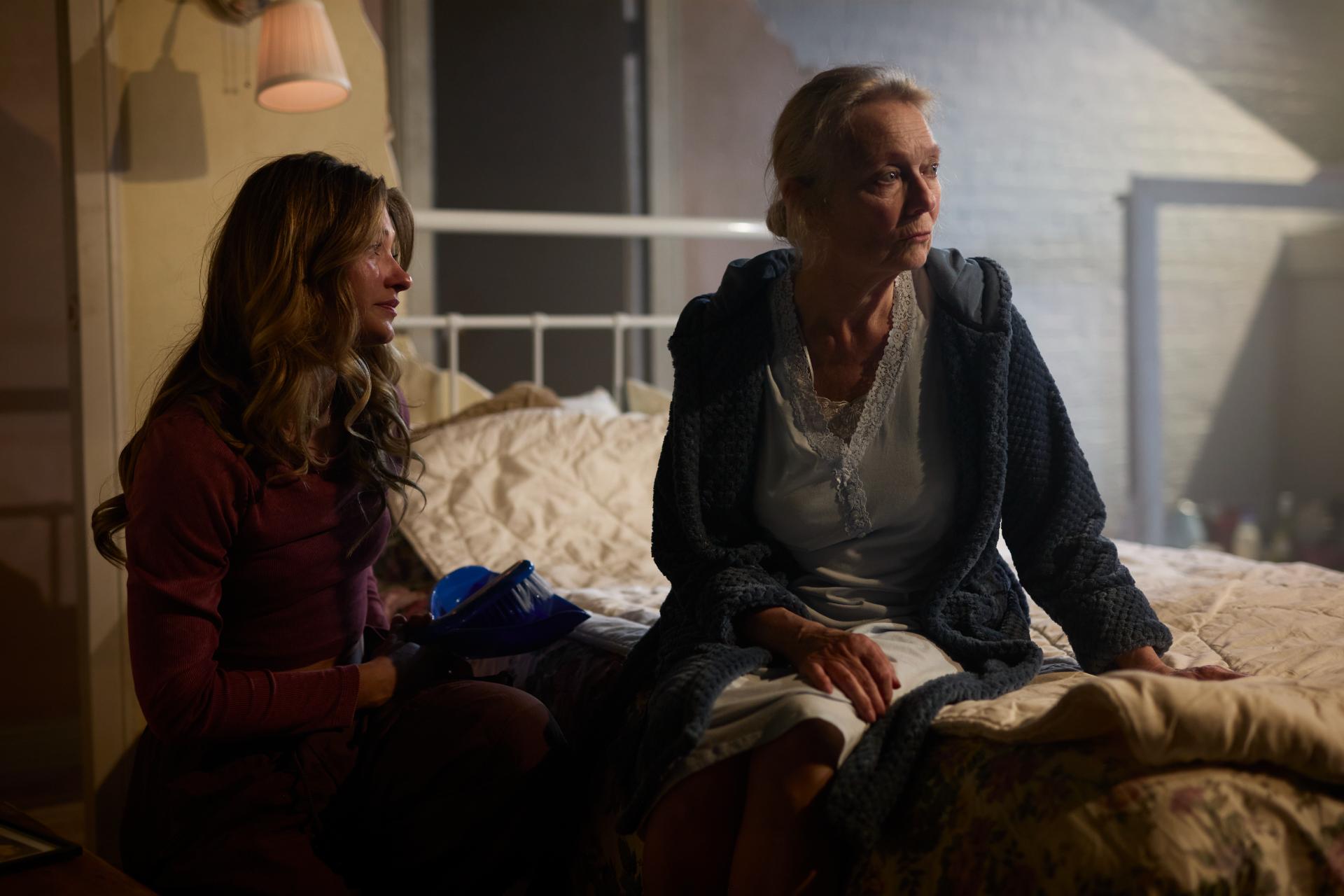
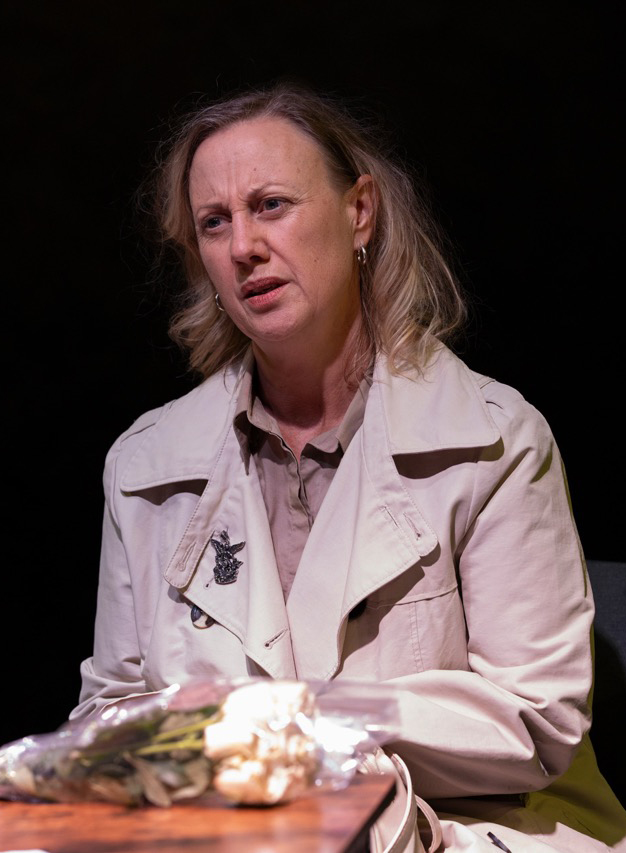
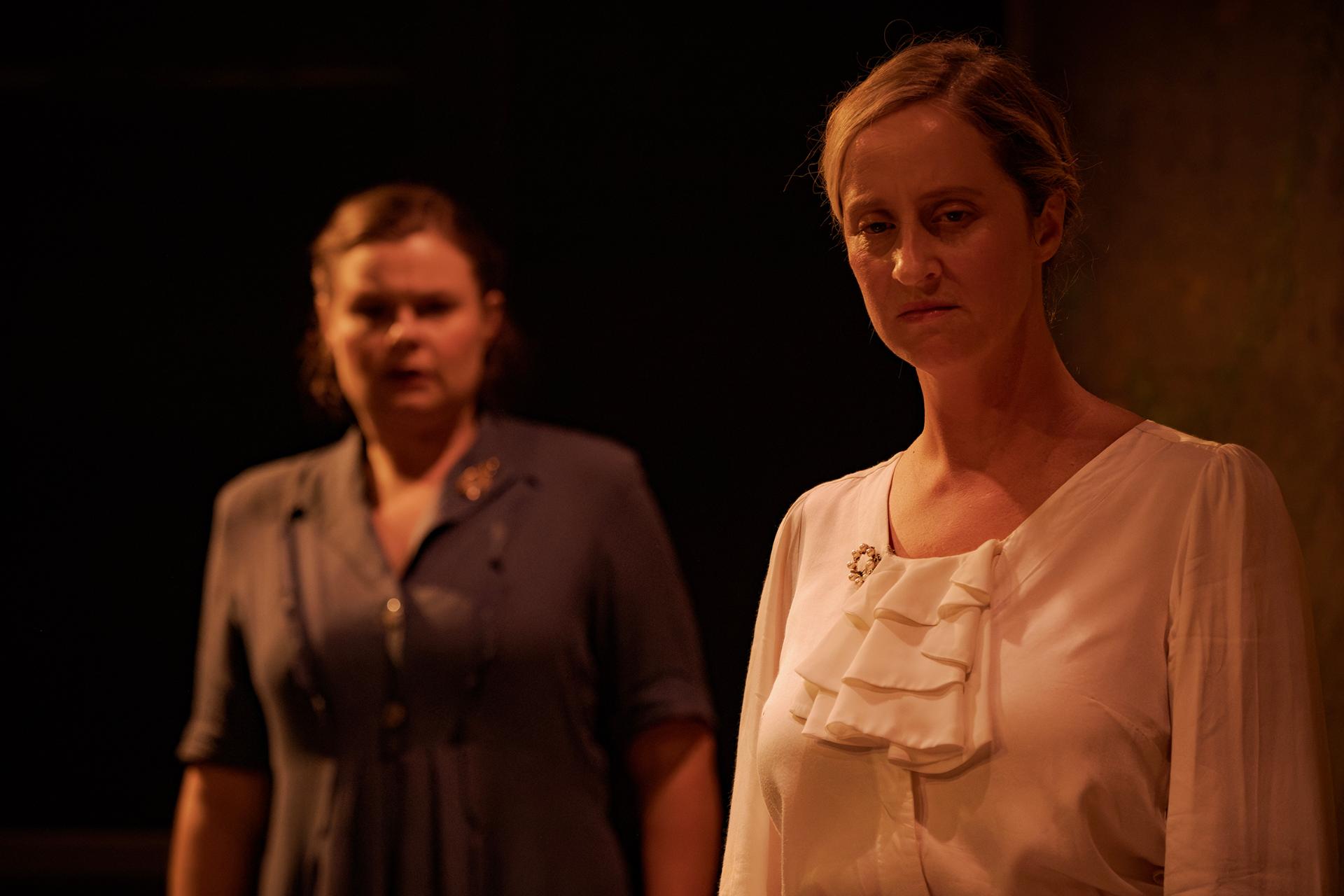
Mary has just been released from prison, and although her daughters and granddaughter are trying to restore some sense of normality, this is a household built on fractures that refuse to stay buried. Deborah Bruce’s Dixon & Daughters takes longer than necessary to arrive at its emotional centre, but once its central wound is exposed, there is no questioning the play’s urgency. Its wit is sharp and often disarming, yet it is the emotional weight of its drama that ultimately leaves the deepest impression.

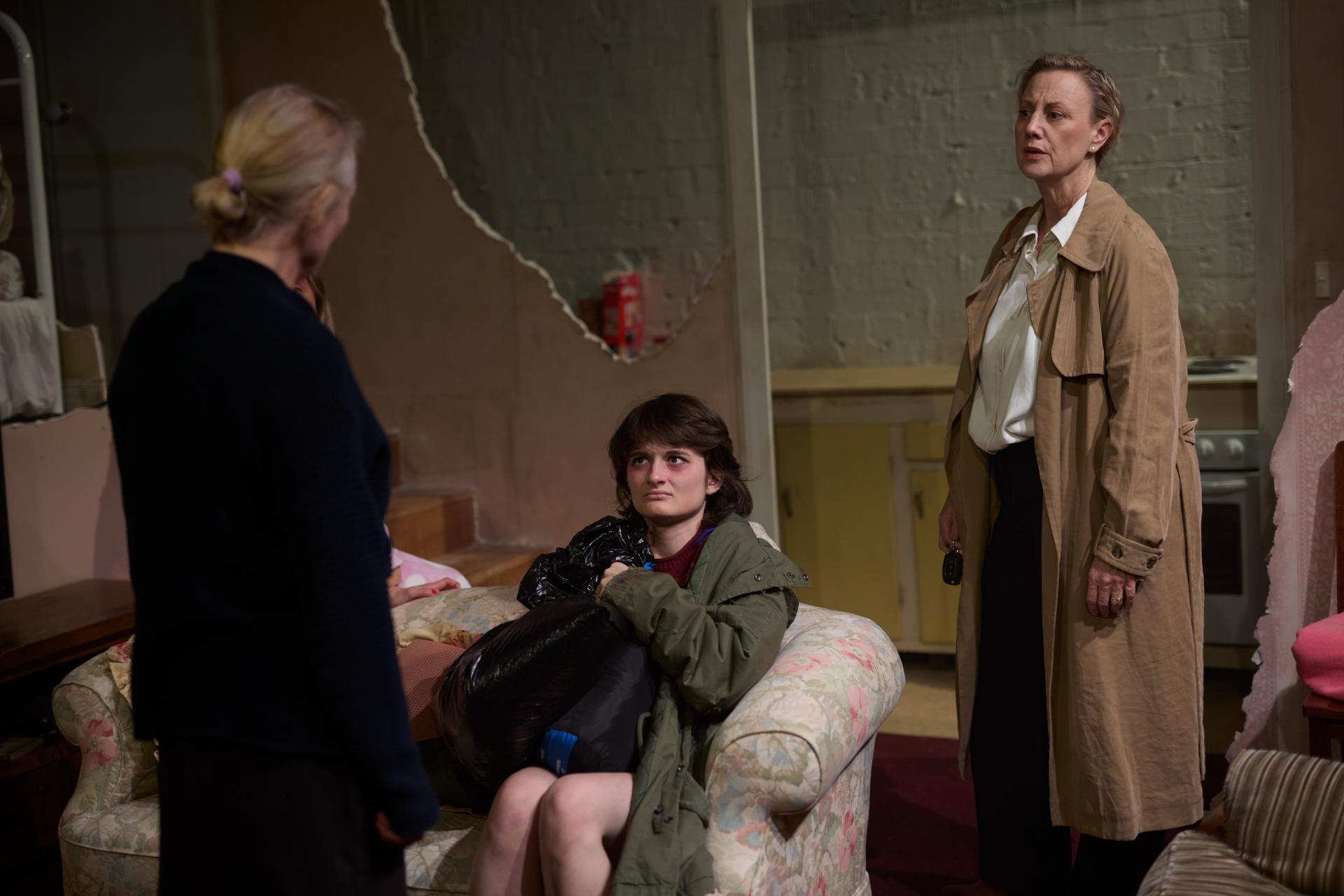
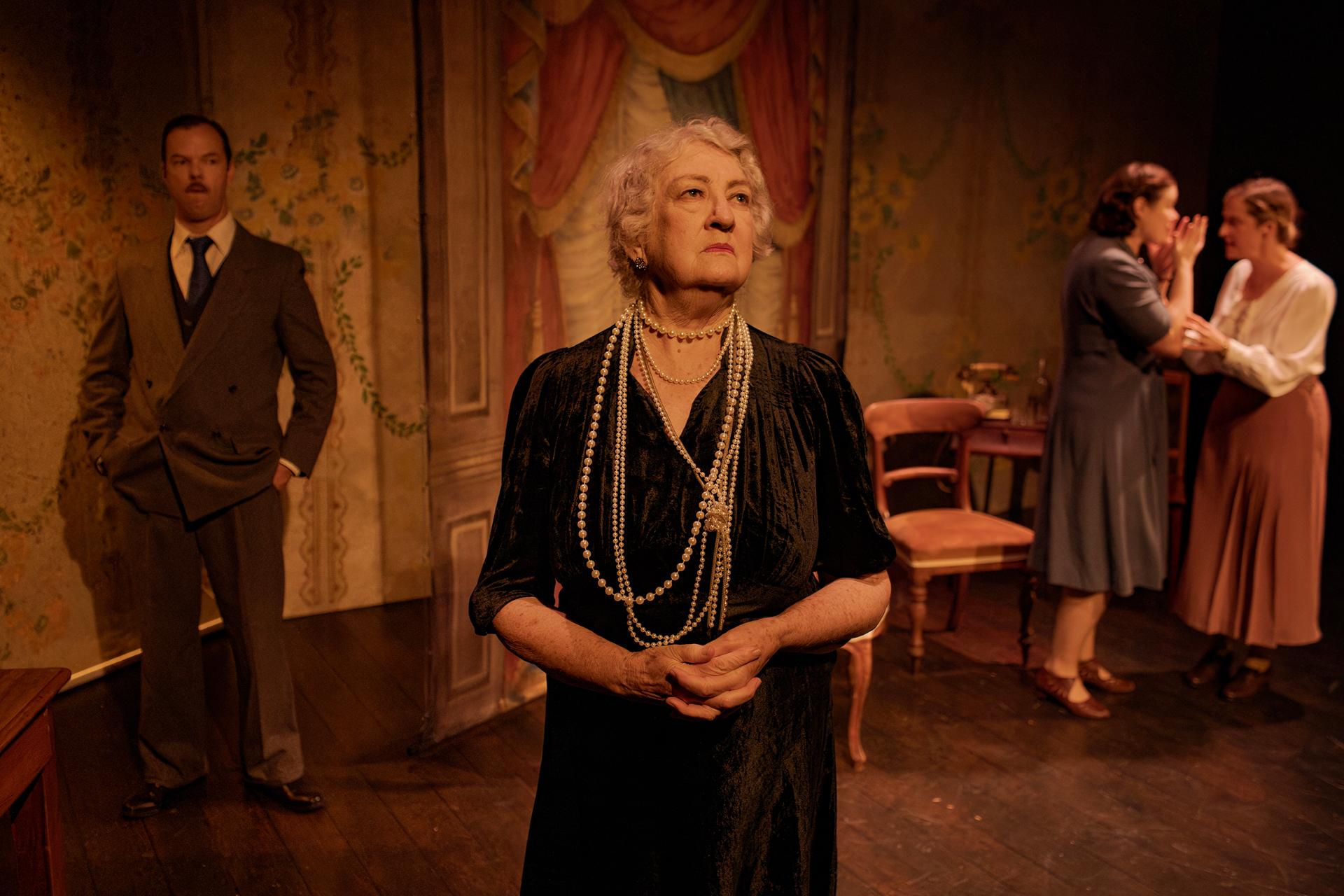
Kim Hardwick’s direction is steeped in convincing naturalism. She creates a world of such lived-in authenticity that every exchange feels immediate and every relationship fully inhabited, drawing the audience into the family’s intimate dynamics before revealing the devastating force of what lies beneath. The realism never feels ornamental; it is precisely what gives the story its devastating emotional impact.

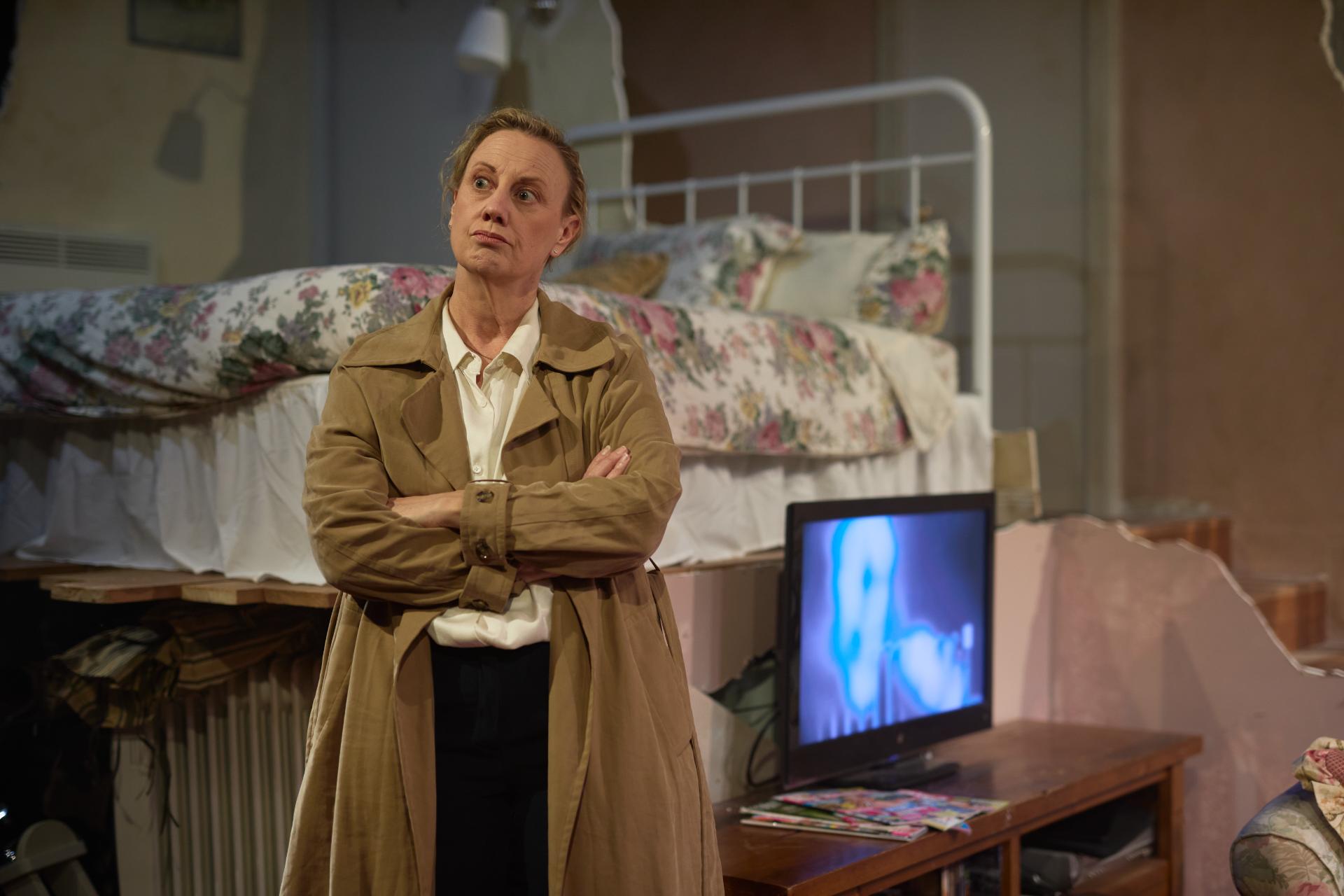
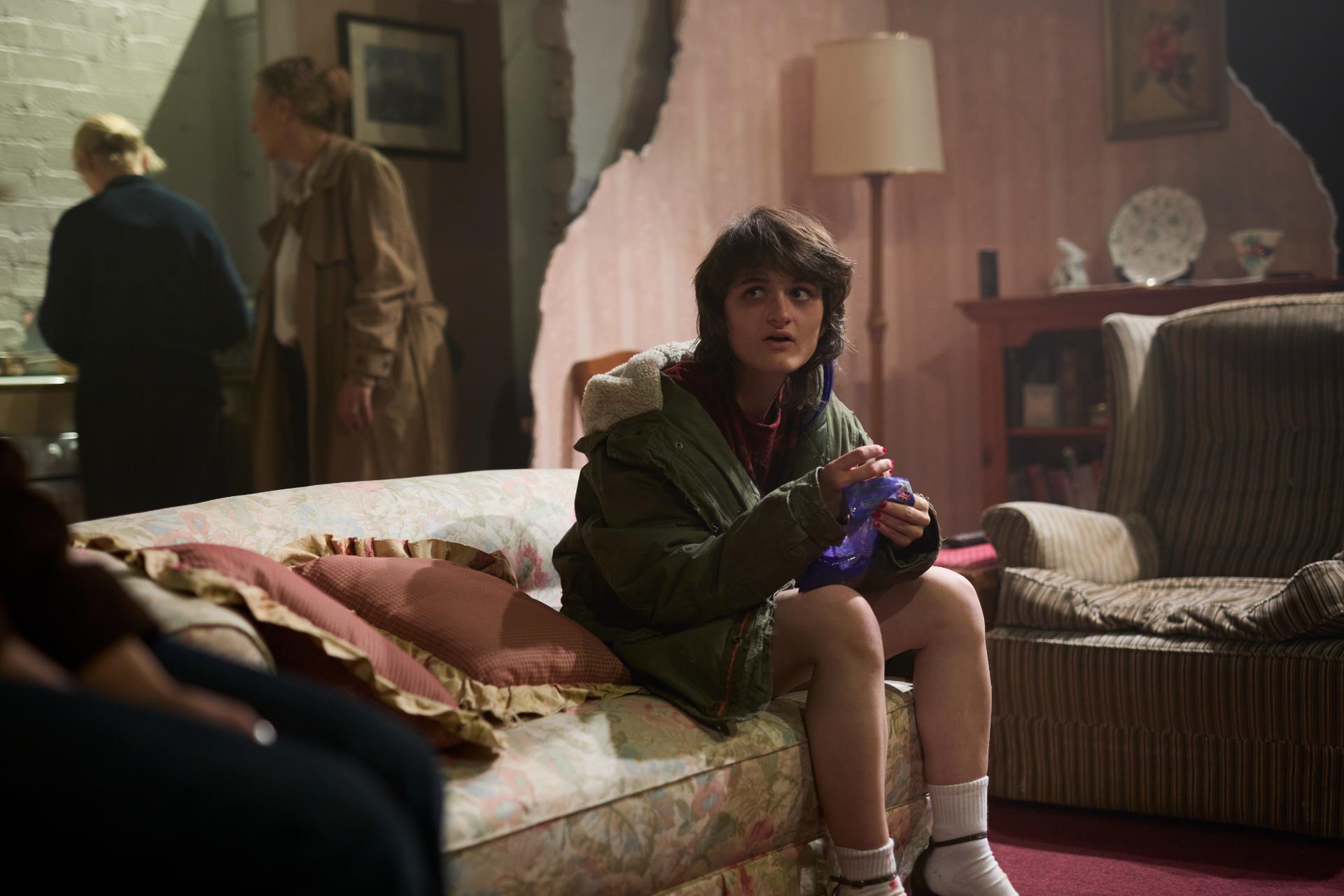
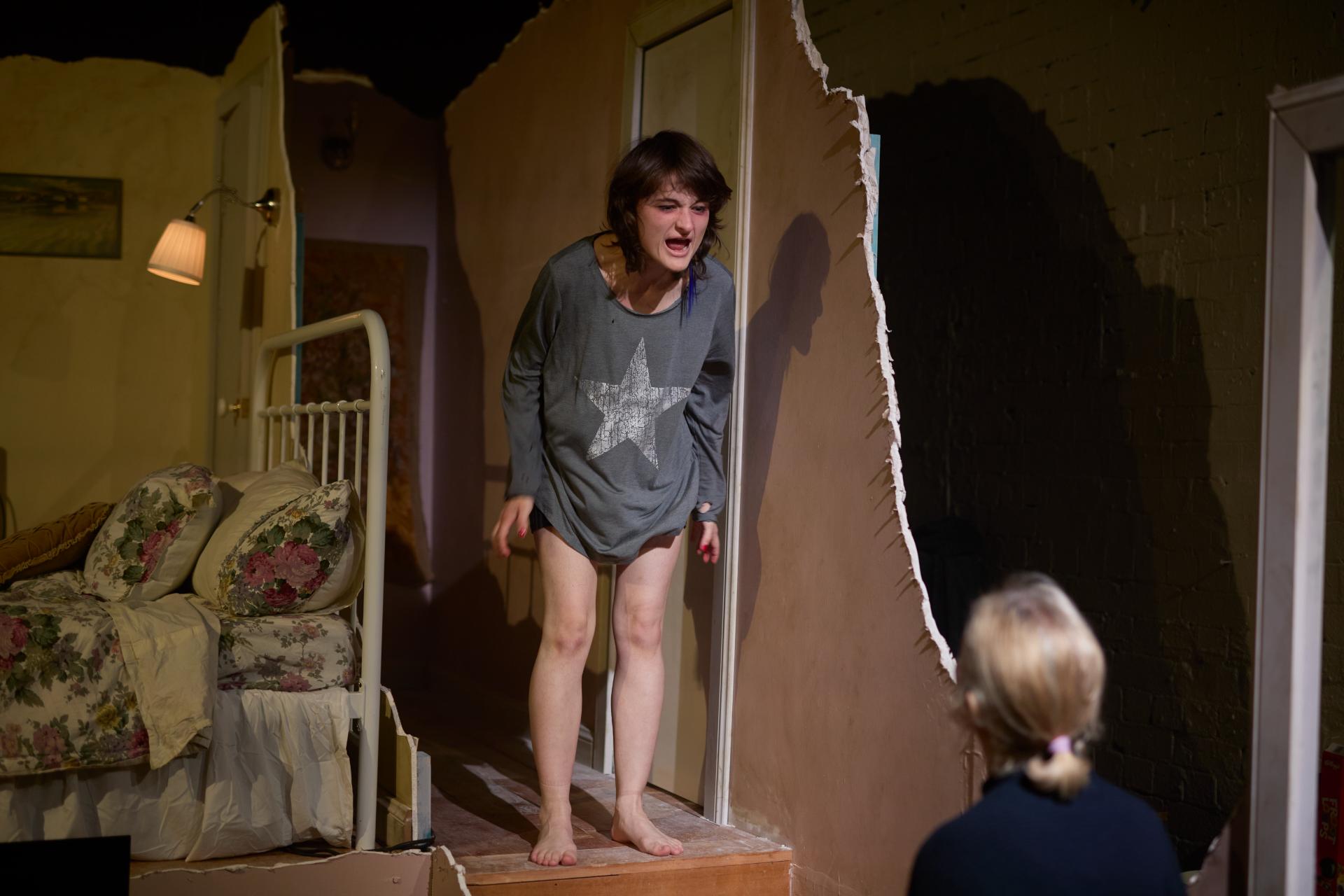
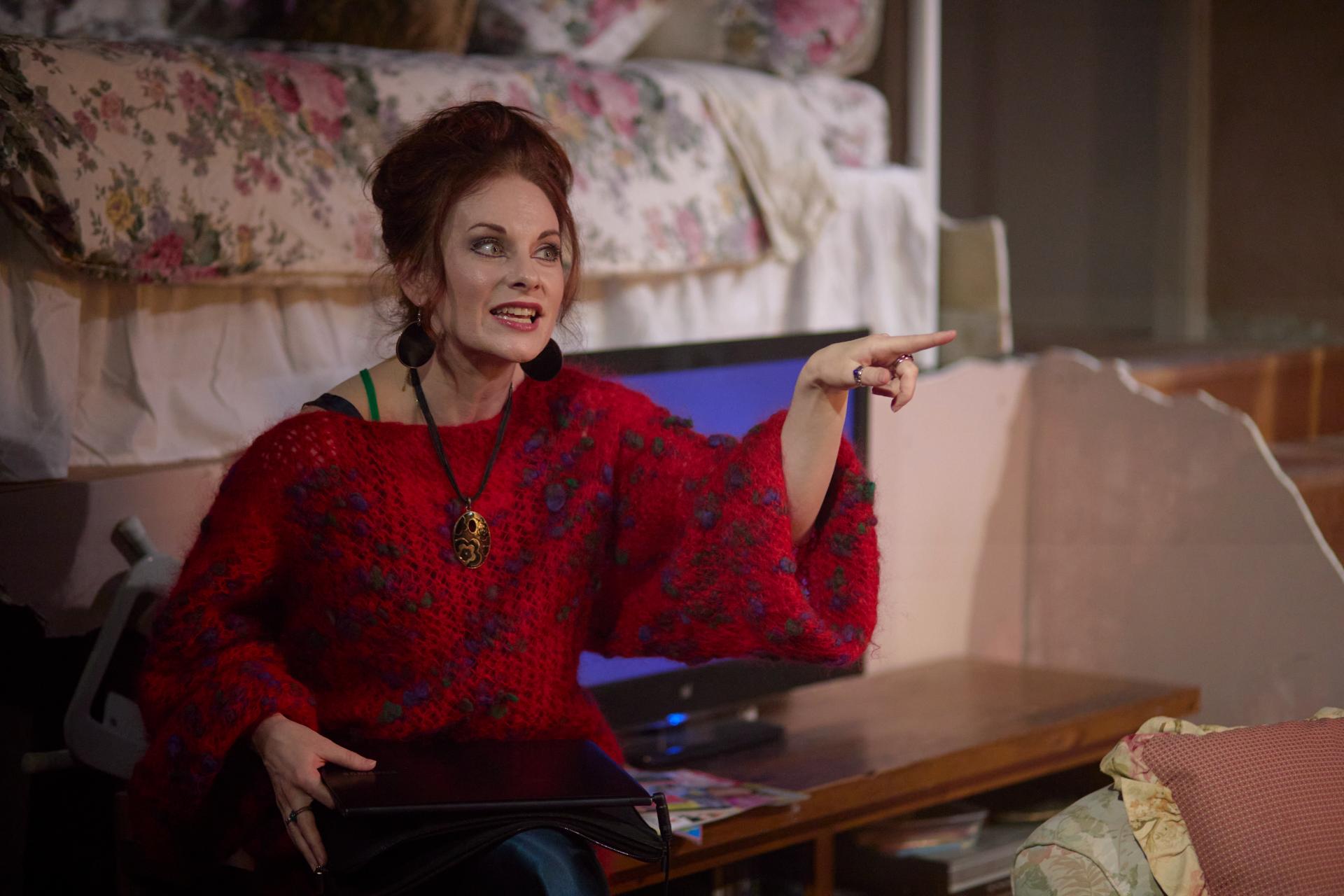
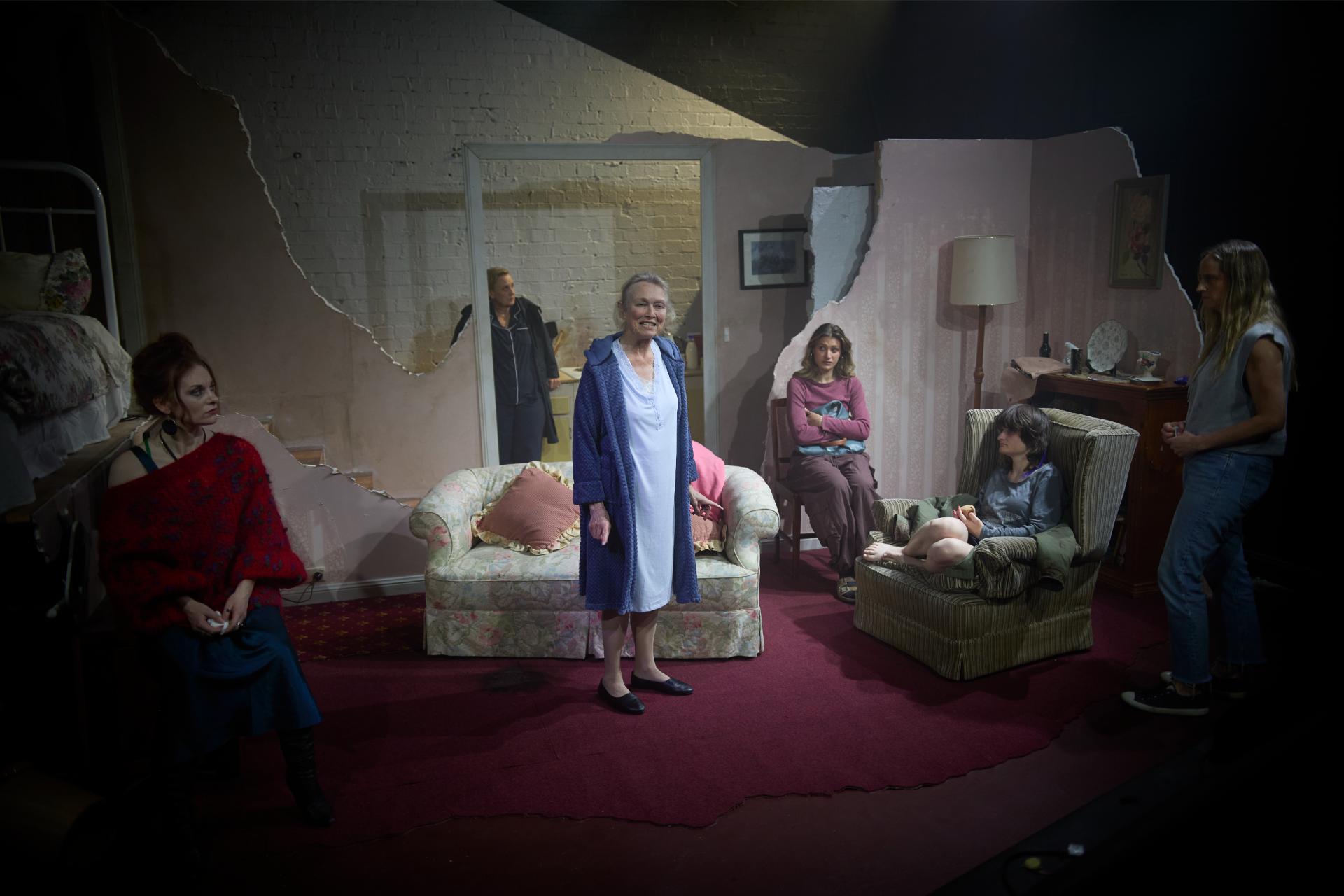
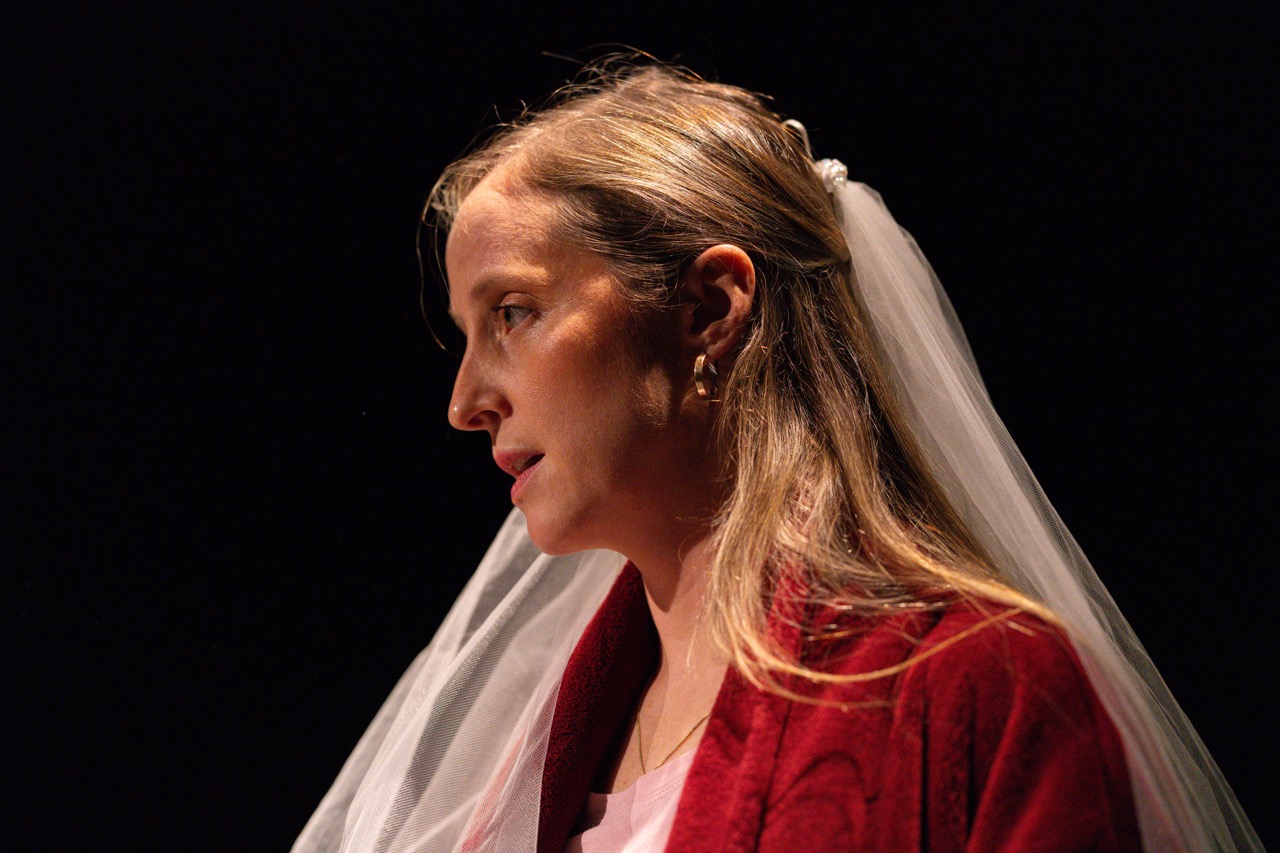
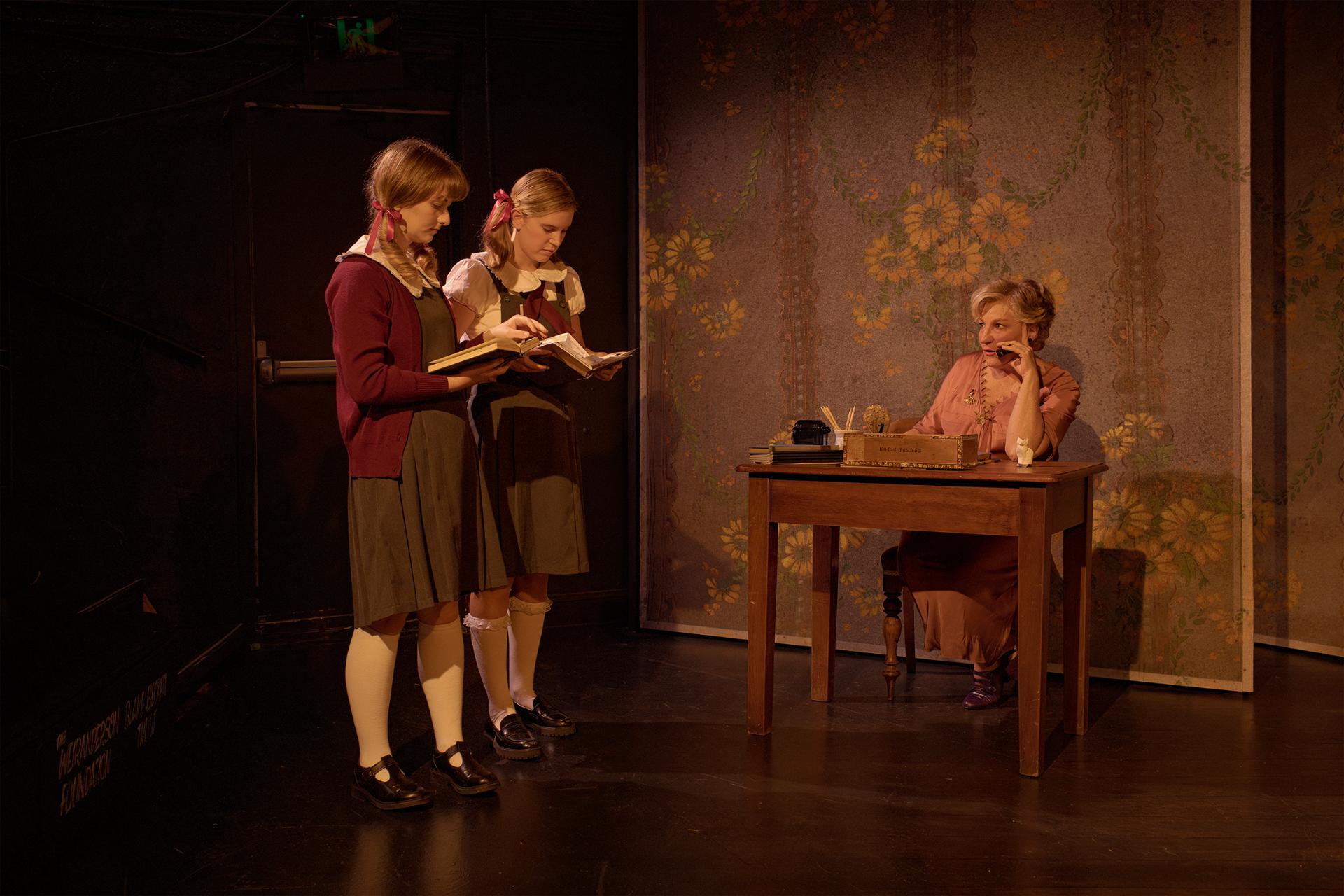
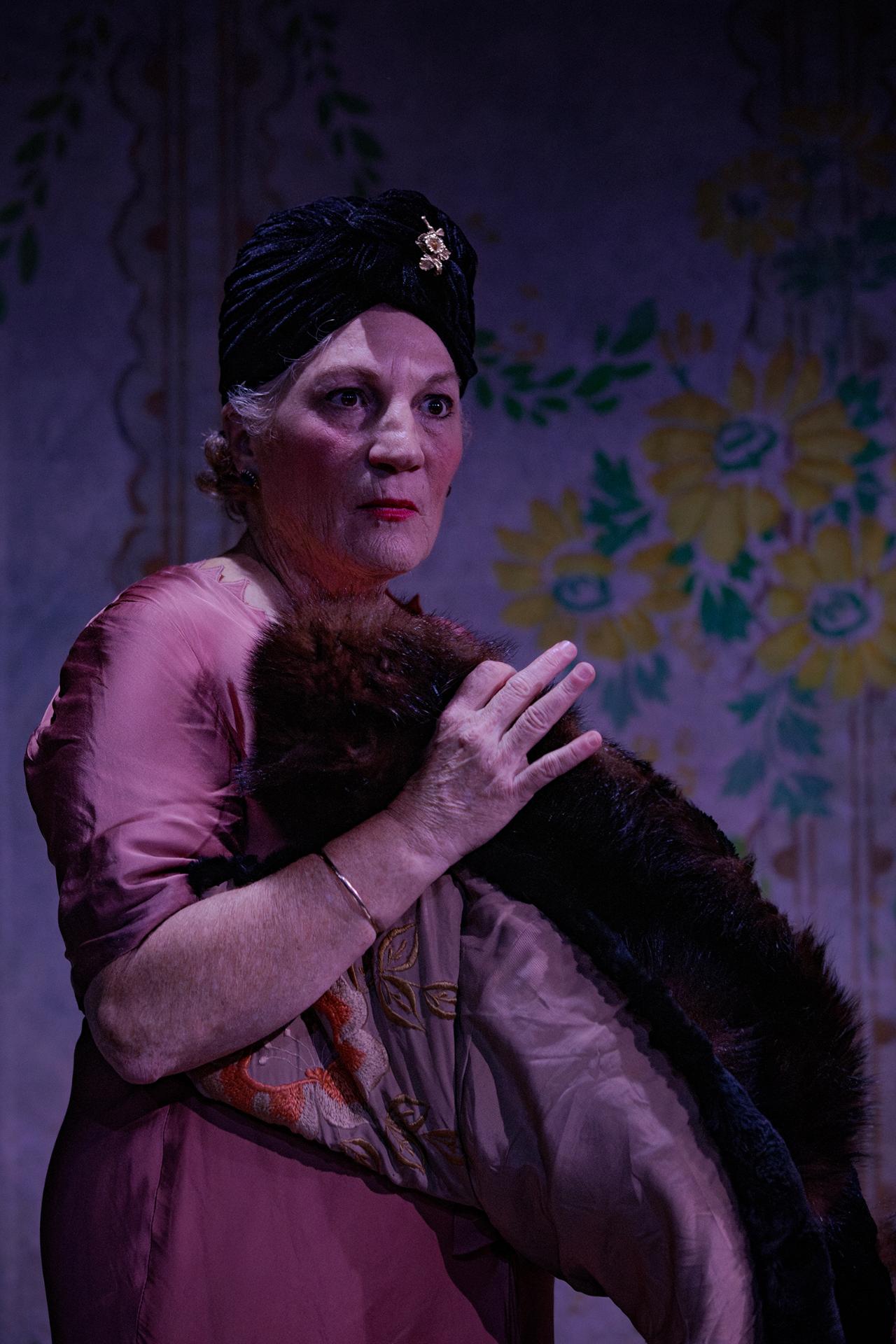
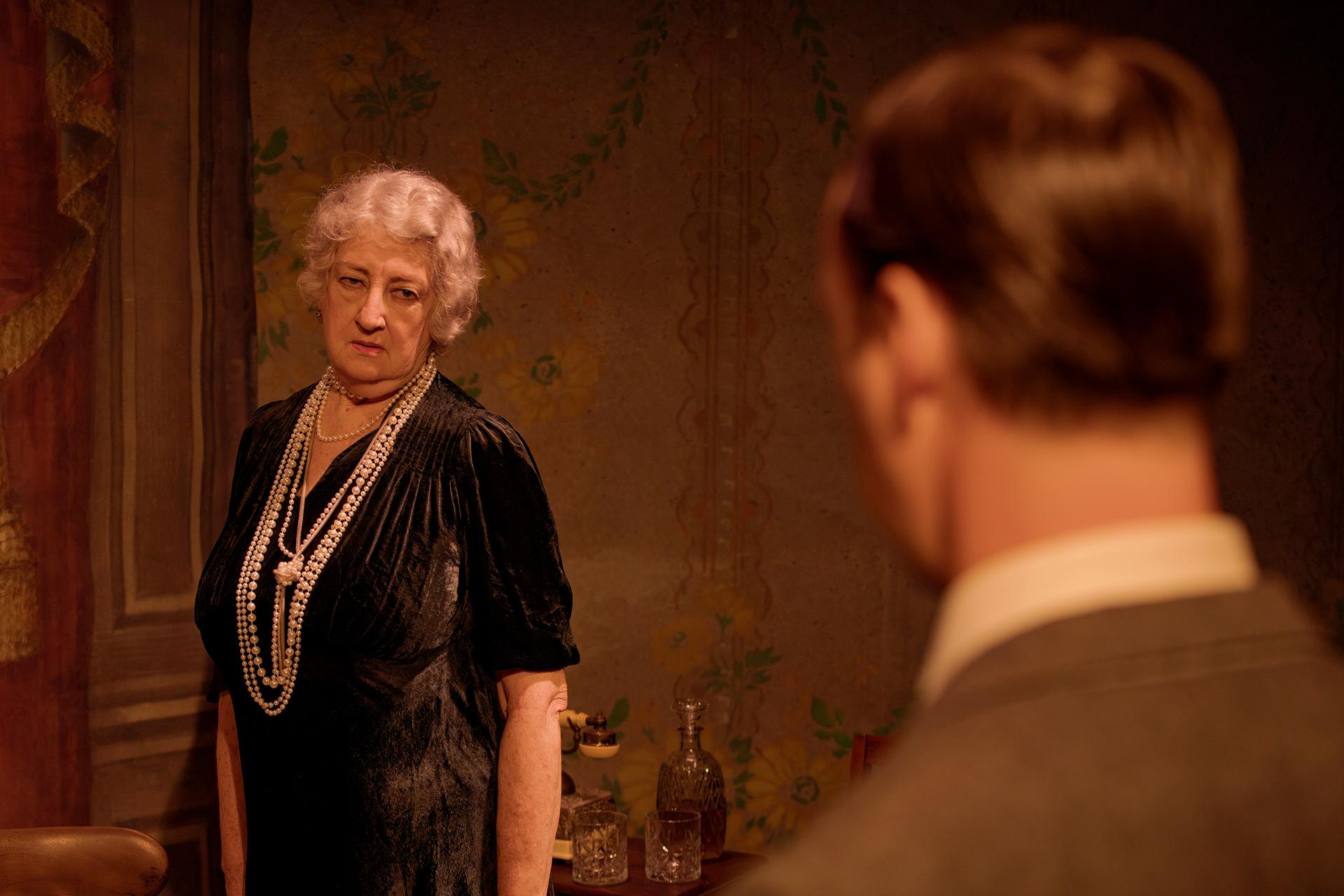
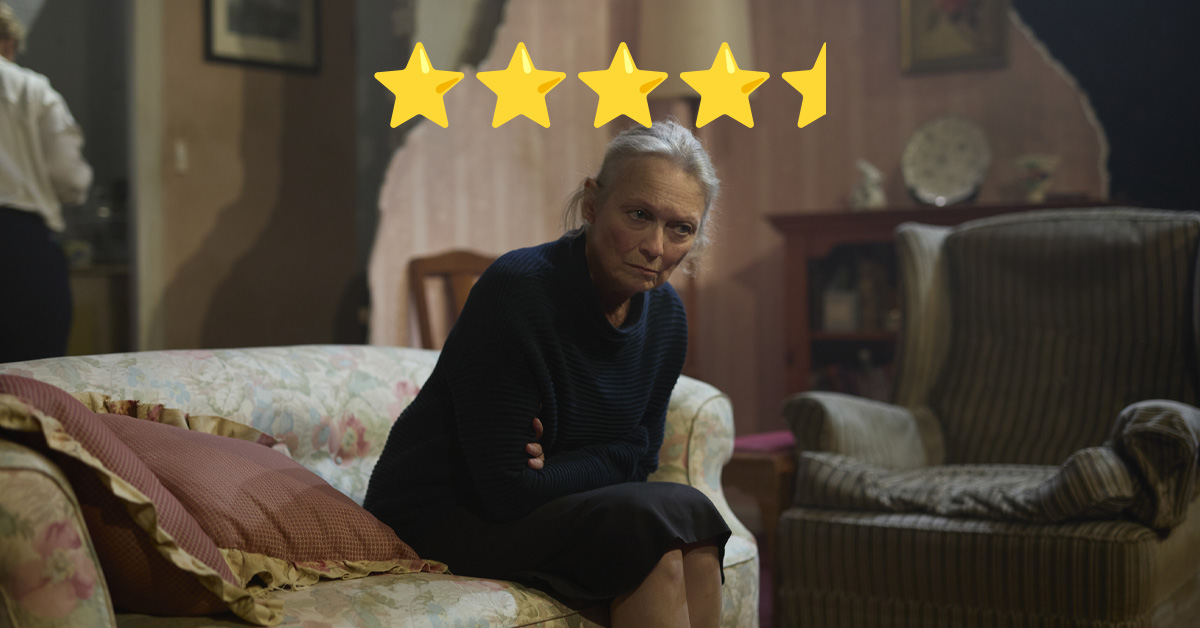
Vanessa Downing is formidable as Mary, refusing to soften the character’s abrasiveness or blunt cruelty. It is an unsparing performance that allows us to confront both the harm Mary has inflicted and the remorse she struggles to articulate. Sarah Jane Starr is equally compelling as Briana, bringing razor-sharp acerbity and infectious vitality to a woman shaped by trauma yet fiercely committed to breaking its cycle. Romney Hamilton’s Julie is quietly heartbreaking from the outset, before delivering the production’s most emotionally shattering moments when the drama reaches its fullest intensity. Linda Nicholls-Gidley lends Bernie a stoic resilience that evokes the British “keep calm and carry on” ethos, while always revealing the grief simmering beneath her composure. As the youngest generation, Danette Potgieter and Rylea Eilis bring Ella and Leigh an appealing blend of youthful innocence and surprising emotional intelligence.

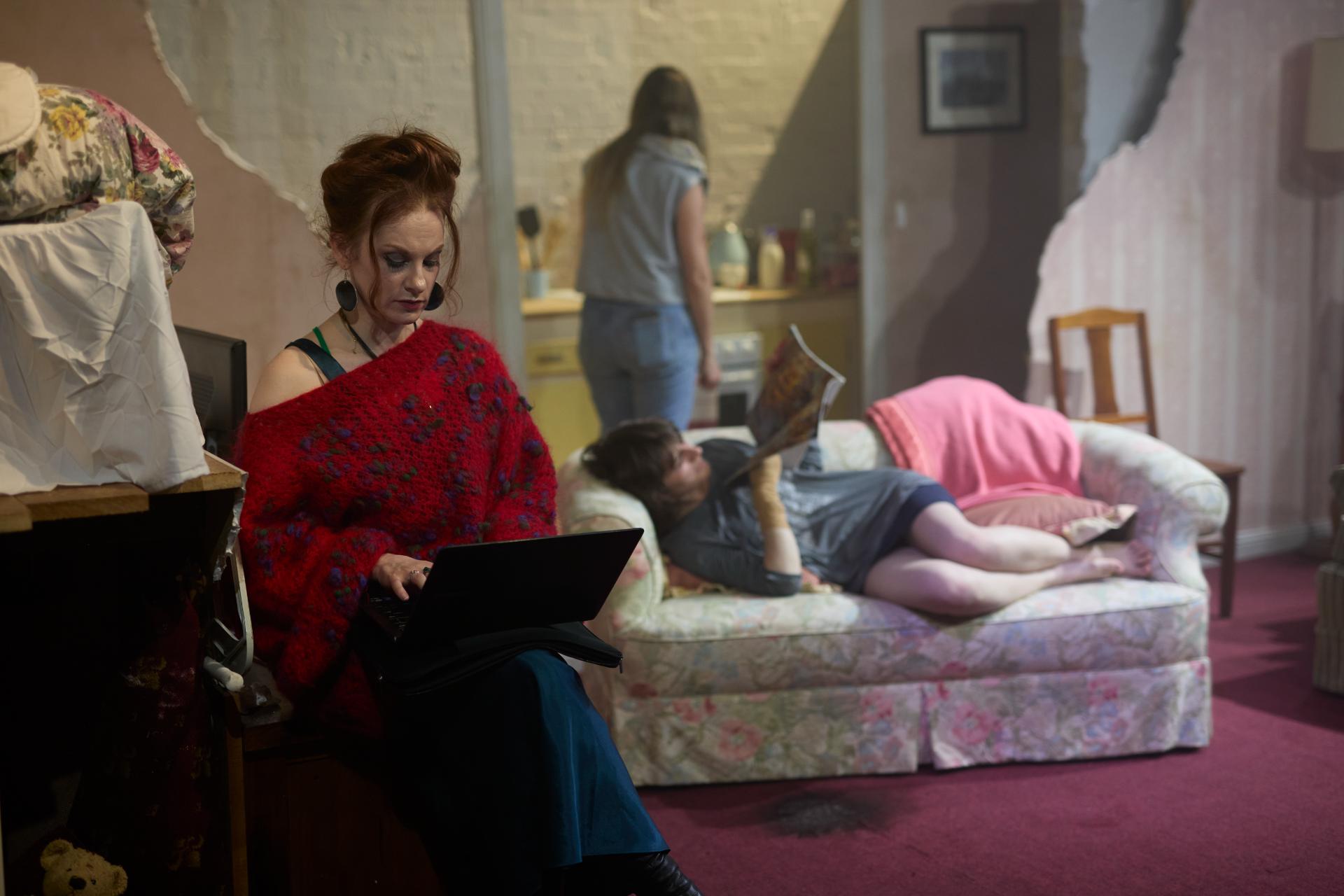
Mia MacCormick’s set is equally deserving of praise. Her two-level design effortlessly accommodates the play’s shifting locations within Mary’s home, while vividly capturing the cramped material reality of England’s working class. It is an economical design rich with social detail, telling its own story about the conditions in which this family has endured.

Across three generations of women, Dixon & Daughters traces the enduring consequences of domestic violence. The patriarch is the obvious perpetrator, but Bruce is interested in something more insidious: the web of institutions, expectations and silences that enable abuse to persist and perpetrators to evade accountability. It is easy to condemn Mary for her silence and inaction. The play asks us to confront the more uncomfortable truth that her choices were shaped by a system designed to reward obedience and punish resistance under white patriarchy. To hold Mary solely responsible is to imagine, borrowing Audre Lorde’s famous formulation, that the master’s house can be dismantled with the master’s tools. Justice lies not in isolating one woman’s failure, but in exposing the structure that made it possible in the first place, and then committing to build a better replacement.

www.oldfitztheatre.com.au | www.tinydogproductions.com.au
Review: Monster (KXT on Broadway)

Venue: KXT on Broadway (Ultimo NSW), Mar 6 – 21, 2026
Playwright: Duncan Macmillan
Director: Kim Hardwick
Cast: Tony J Black, Romney Hamilton, Linda Nicholls-Gidley, Campbell Parsons
Images by Abraham de Souza

Theatre review
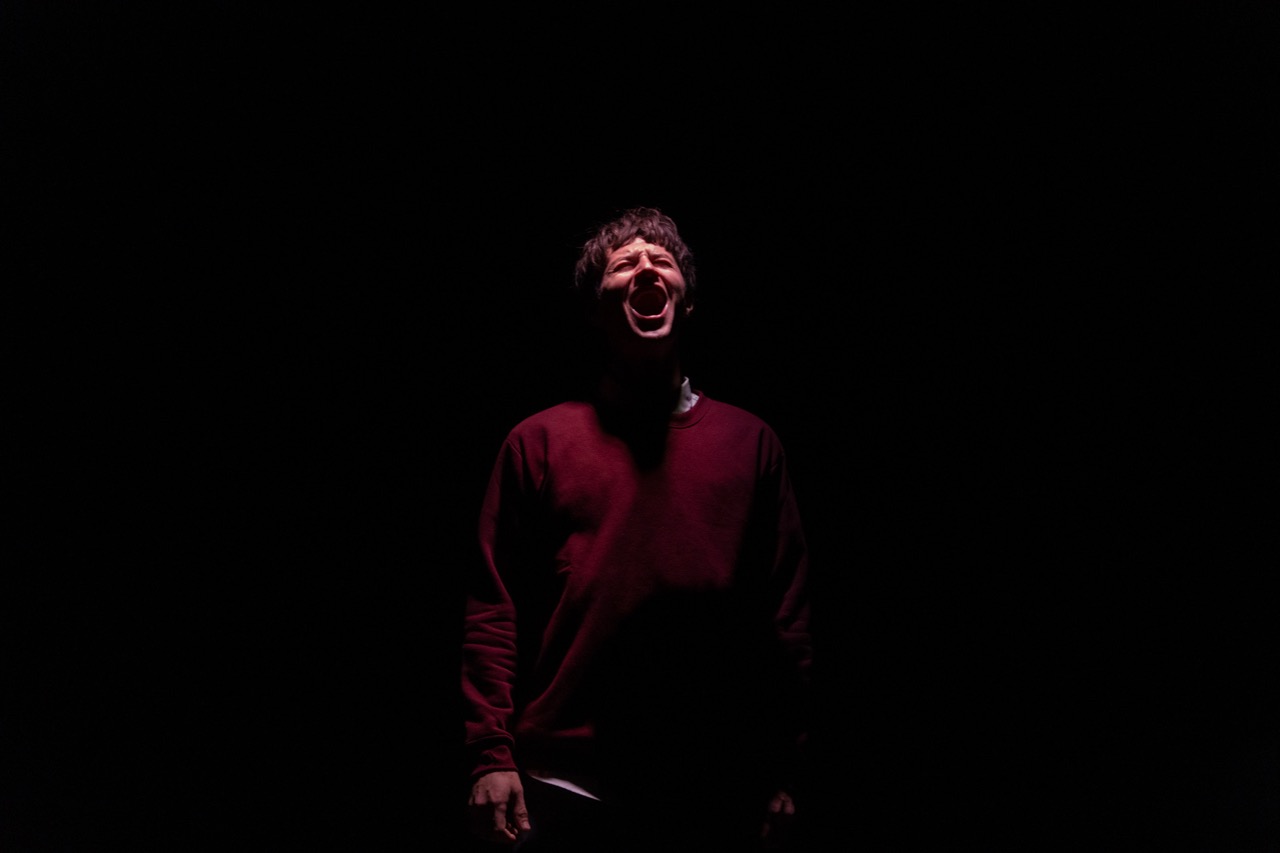
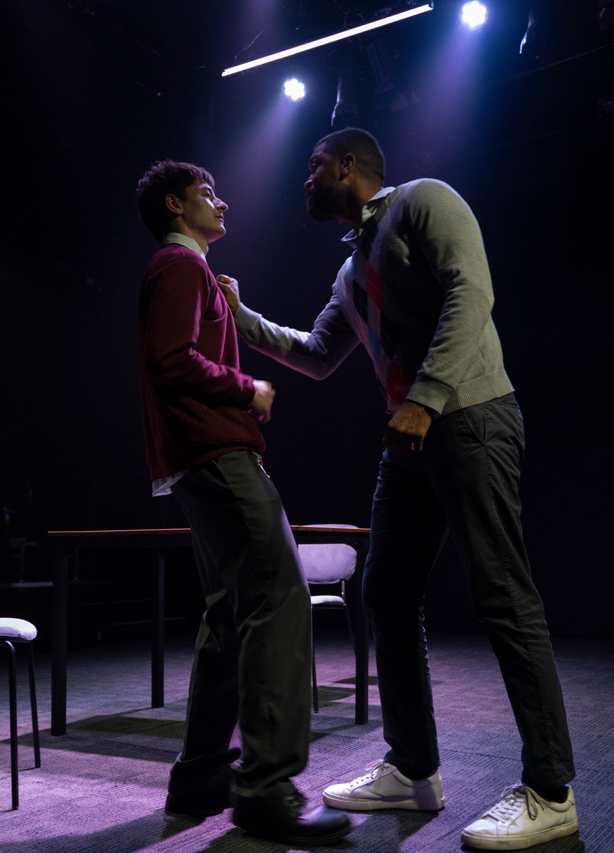
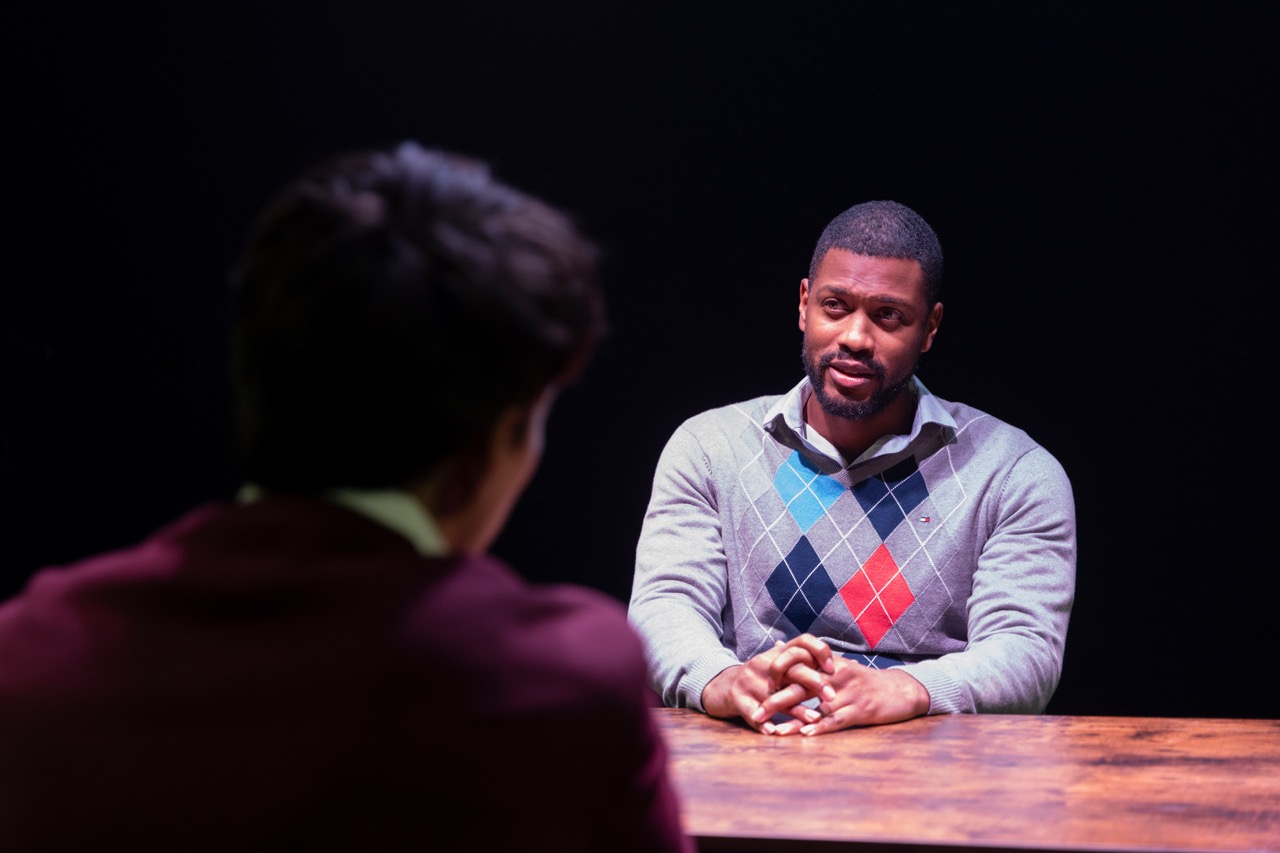
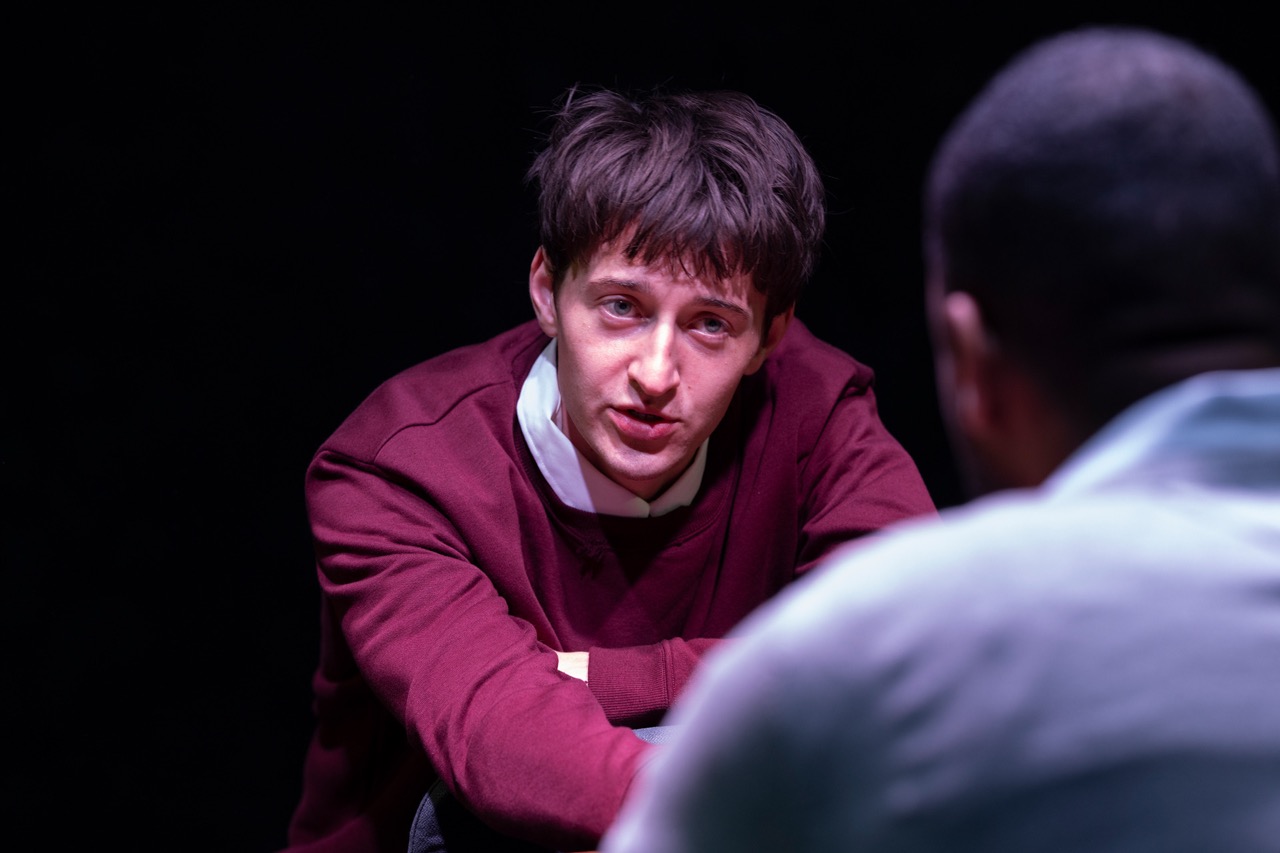
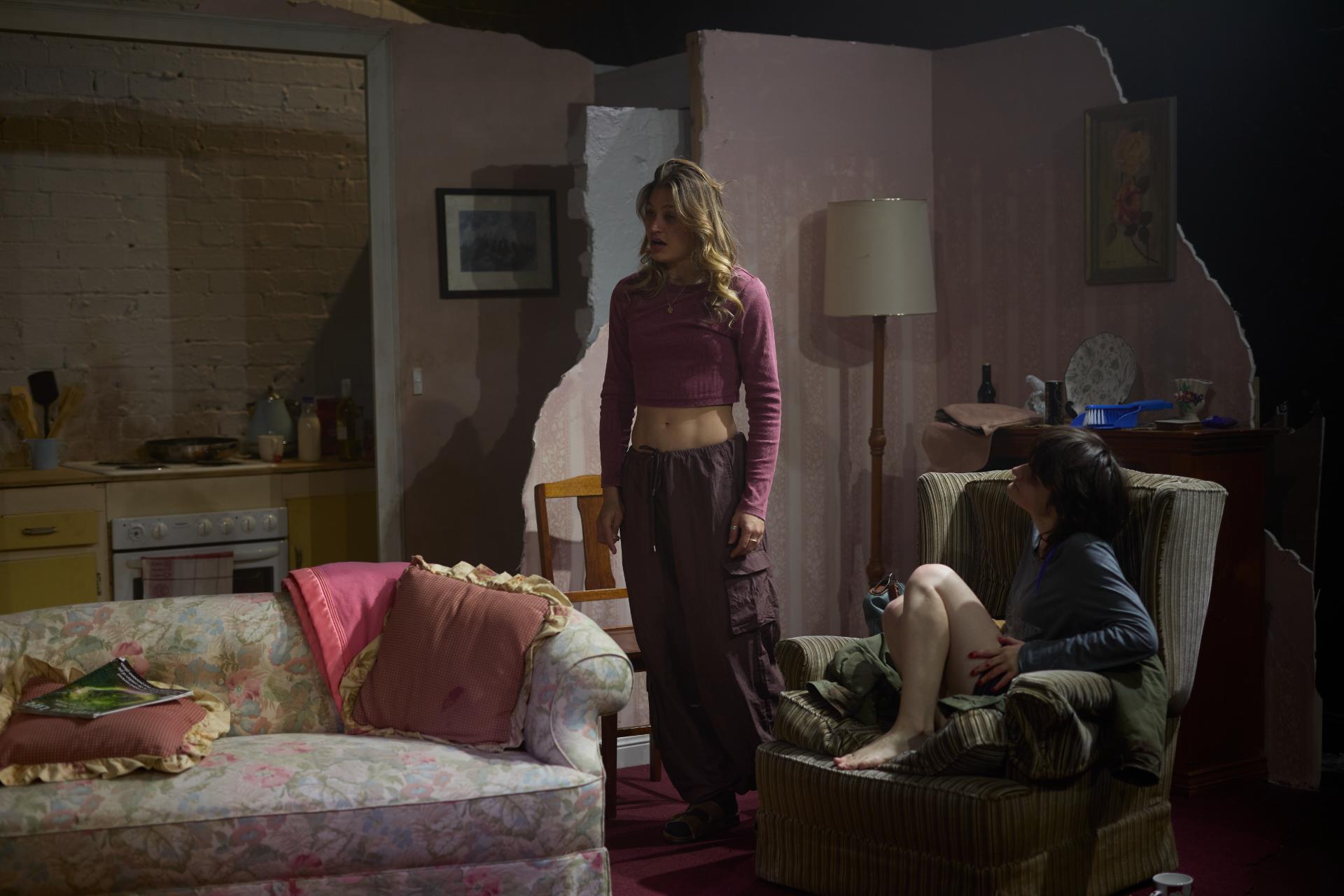
Duncan Macmillan’s Monster confronts its audience with an uncompromising examination of human depravity through the fraught pedagogical relationship between Tom, a beleaguered schoolteacher, and Darryl, a fourteen-year-old pupil exhibiting escalating criminal and sociopathic tendencies. Macmillan deliberately eschews moralistic didacticism in favour of unvarnished verisimilitude, constructing a narrative architecture that systematically dismantles the audience’s tendencies for denial or evasion.

Director Kim Hardwick translates the play’s uncompromising themes into an equally austere production aesthetic. Her direction deploys uncomfortable stillness as a dramatic vacuum, allowing horror to reveal itself without mediation. This minimalist tension is amplified by Charlotte Leamon’s sound design and Topaz Marley-Cole’s lighting, which coalesce during transitions to externalize our creeping dread. Through this calibrated accumulation of unease, Hardwick ensures we arrive at Monster‘s most unsettling recognition in lockstep with the characters: the gradual, inexorable realization that the situation is irredeemable.

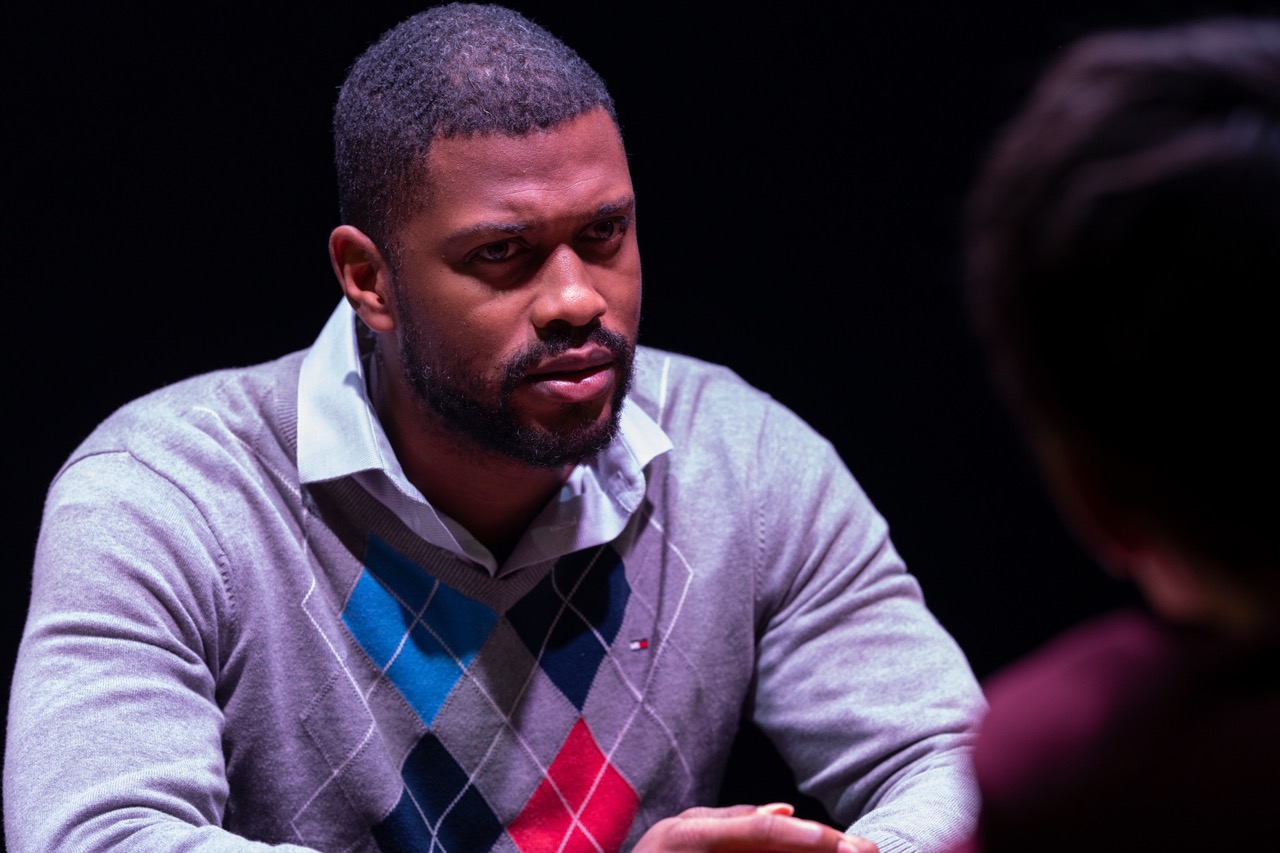
Tony J Black, undertaking the role of Tom as a last-minute replacement, performs with script in hand—a circumstance that is entirely understandable. By contrast, Campbell Parsons delivers an extraordinary inhabitation of young Darryl, manifesting a terrifying and persuasively unhinged presence that systematically thwarts the audience’s compulsion toward rehabilitative narrative arcs. The production’s depth is further enriched by its supporting players. Romney Hamilton and Linda Nicholls-Gidley perform with unwavering commitment, each finding moments of dramaturgical incisiveness that cut through the tension, illuminating new facets of the play’s moral complexity.

The world in which we live confronts us with ubiquitous atrocity, demanding of its survivors not merely resilience but, a calibrated measure of productive delusion. Optimism constitutes less a sentimental luxury than an existential imperative—one without which flourishing simply becomes impossible. Indeed, viable existence itself appears contingent upon hope, however tenuous or substantially fabricated that hope may prove upon examination. Art then enters, to afford us the space to dwell in life’s deepest truths. However harrowing, these confrontations serve as a balm—permitting us to gaze upon reality without flinching, if only briefly, before we must again turn away.

www.kingsxtheatre.com | www.tinydogproductions.com.au
Review: The Children’s Hour (Old Fitz Theatre)

Venue: Old Fitzroy Theatre (Woolloomooloo NSW), Feb 14 – Mar 1, 2025
Playwright: Lillian Hellman
Director: Kim Hardwick
Cast: Sarah Ballantyne, Jess Bell, Amy Bloink, Mike Booth, Annie Byron, Kim Clifton, Romney Hamilton, Martelle Hammer, Miranda Huttley, Deborah Jones, Lara Kocsis, Madeline Kunstler, Kira McLennan
Images by Phil Erbacher

Theatre review
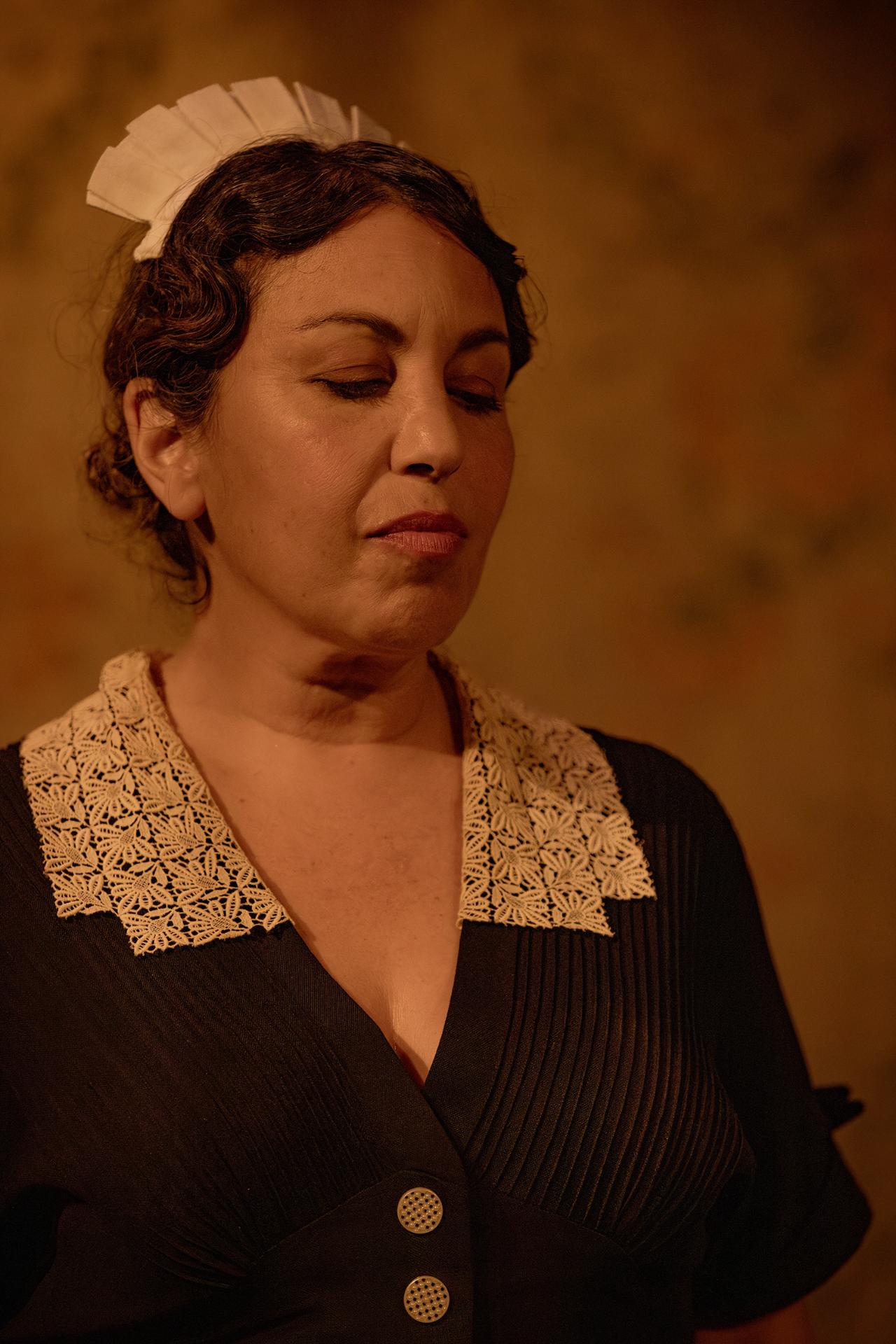
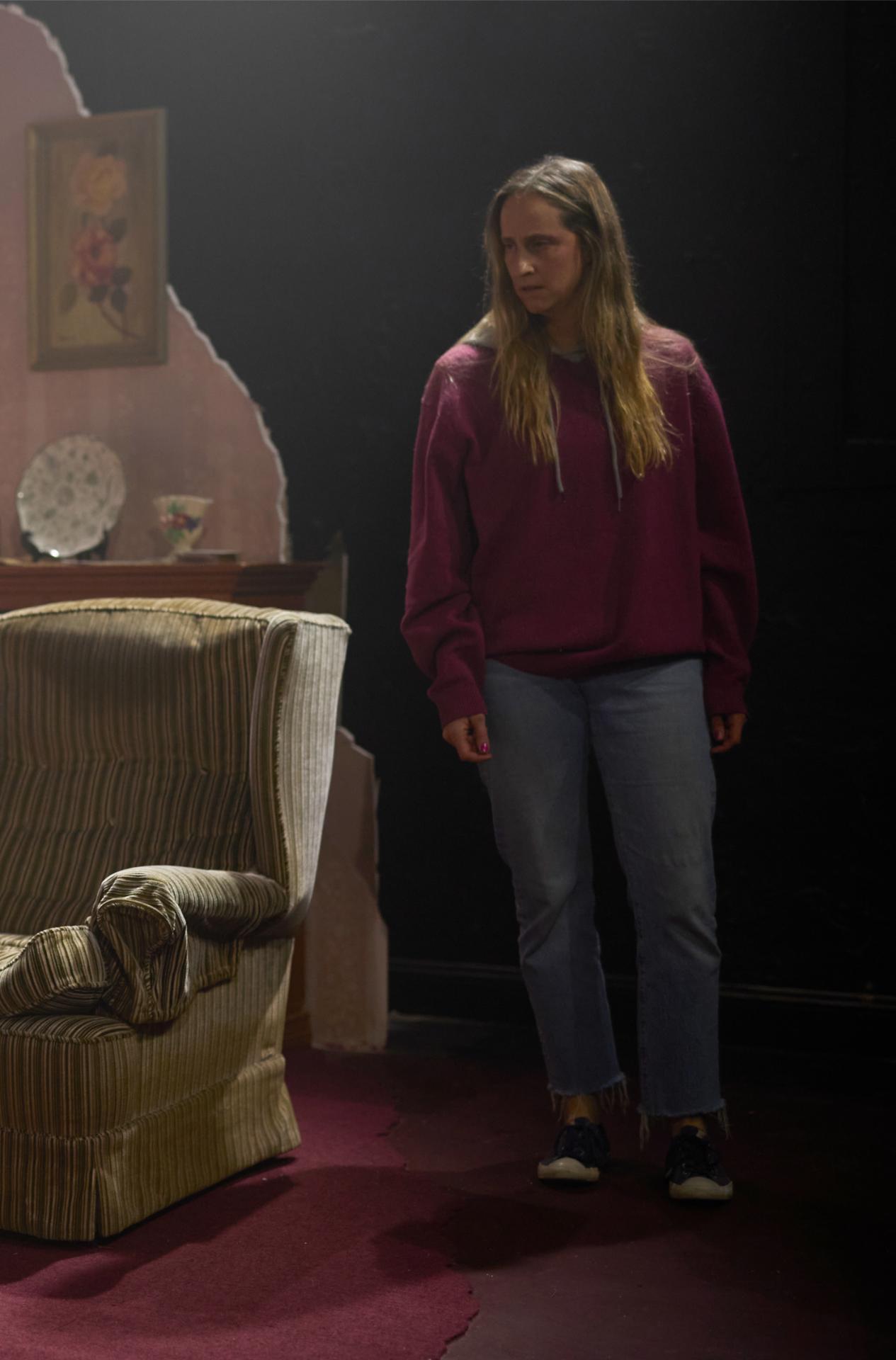
Mary is a terror of a child. She may be just twelve years of age, but her conniving ways are already causing chaos everywhere. When Mary starts a rumour about headmistresses Martha and Karen having a sexual relationship at their residential school, the consequences are devastating. The Children’s Hour is a 1934 play by American playwright Lillian Hellman, significant for its portrayals of queer women at a time when lesbians were rarely represented in the arts, and when homosexuality was severely stigmatised.

The text reflects the immense shame endured by queer people of the time, and although largely obsolete in its depictions, The Children’s Hour serves as a valuable and accurate record of the way things had been. Direction by Kim Hardwick brings truthfulness to the storytelling, so that we may bear witness to the cruelty that humans are capable of inflicting, especially upon the marginalised. Some scenes are more compelling than others, which suggests that a slightly abridged version could be more suited to contemporary tastes.

Set design by Emelia Simcox, along with scenic art by Russell Carey are evocative of the era being showcased. Hannah Yardley’s costumes too are appropriate in style, although not always well-fitted, and some pieces show visible signs of distress. Lights by Jimi Rawlings and sound by Michael Huxley offer unobtrusive enhancements to atmosphere, in a staging that scores points for integrity.

The role of the deceitful Mary is played captivatingly by Kim Clifton, who brings a delicious ferocity to the viciousness that propels the narrative. Jess Bell and Romney Hamilton demonstrate strong chemistry as Martha and Karen respectively, with Bell’s riveting intensity and Hamilton’s restraint, forming a surprising contrast.

In the current political moment, it seems that lies are the greatest driver for our destruction. No longer able to effectively discern truth from lies, or even right from wrong, we find ourselves in a constant state of frustrating bewilderment, unable to trust any information, and subsequently enfeebled with inaction. Queer history, however, proves that no matter how extreme the oppression, the warriors for justice will overcome.

www.oldfitztheatre.com.au | www.instagram.com/tinydogproductions