Review: The Shark Is Broken (Foundry Theatre)

Venue: Foundry Theatre (Pyrmont NSW), Aug 28 – Oct 11, 2026
Playwrights: Joseph Nixon, Ian Shaw
Director: Luke Joslin
Cast: Robin Goldsworthy, Anthony Gooley, Tom Stokes
Images by David Hooley

Theatre review
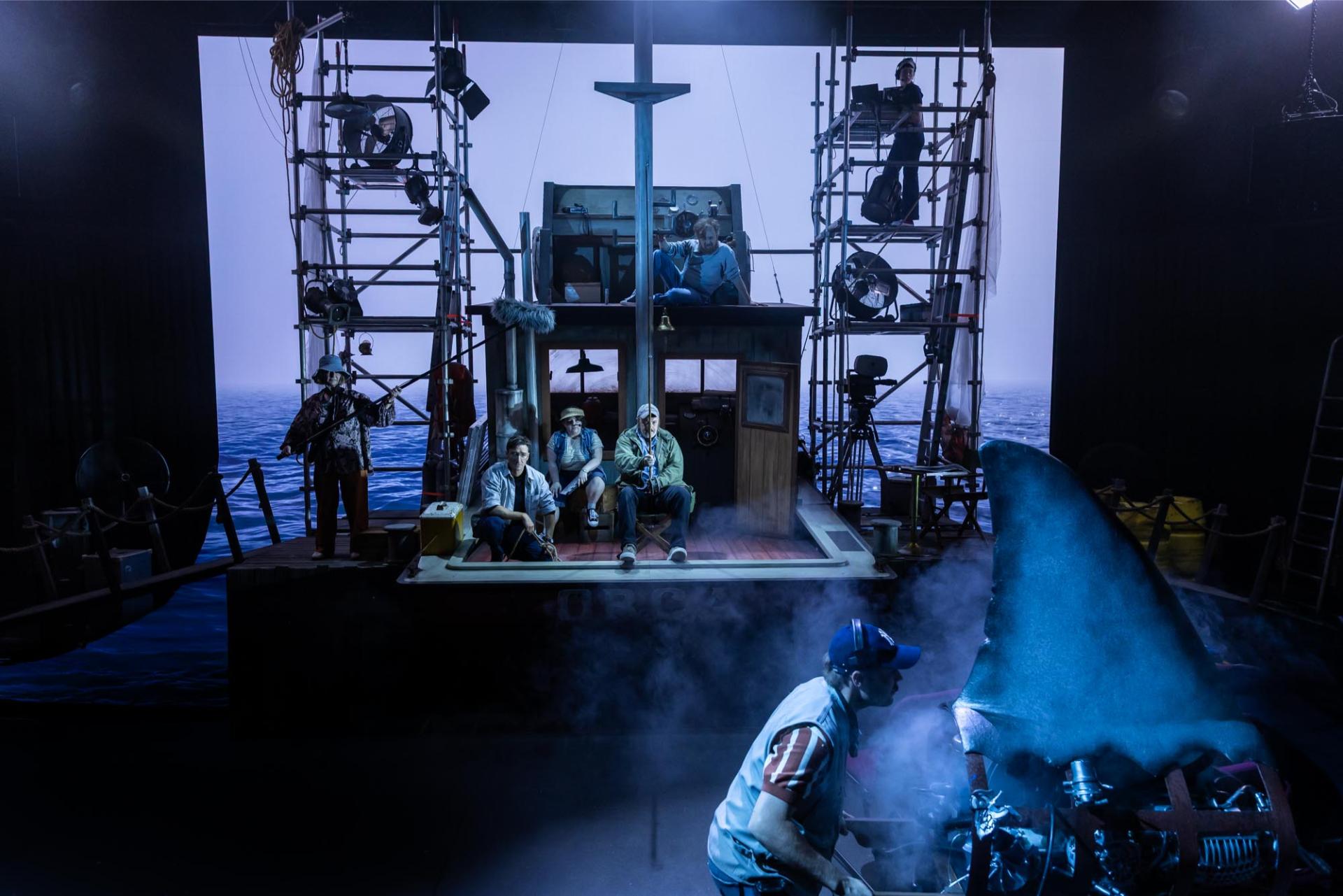
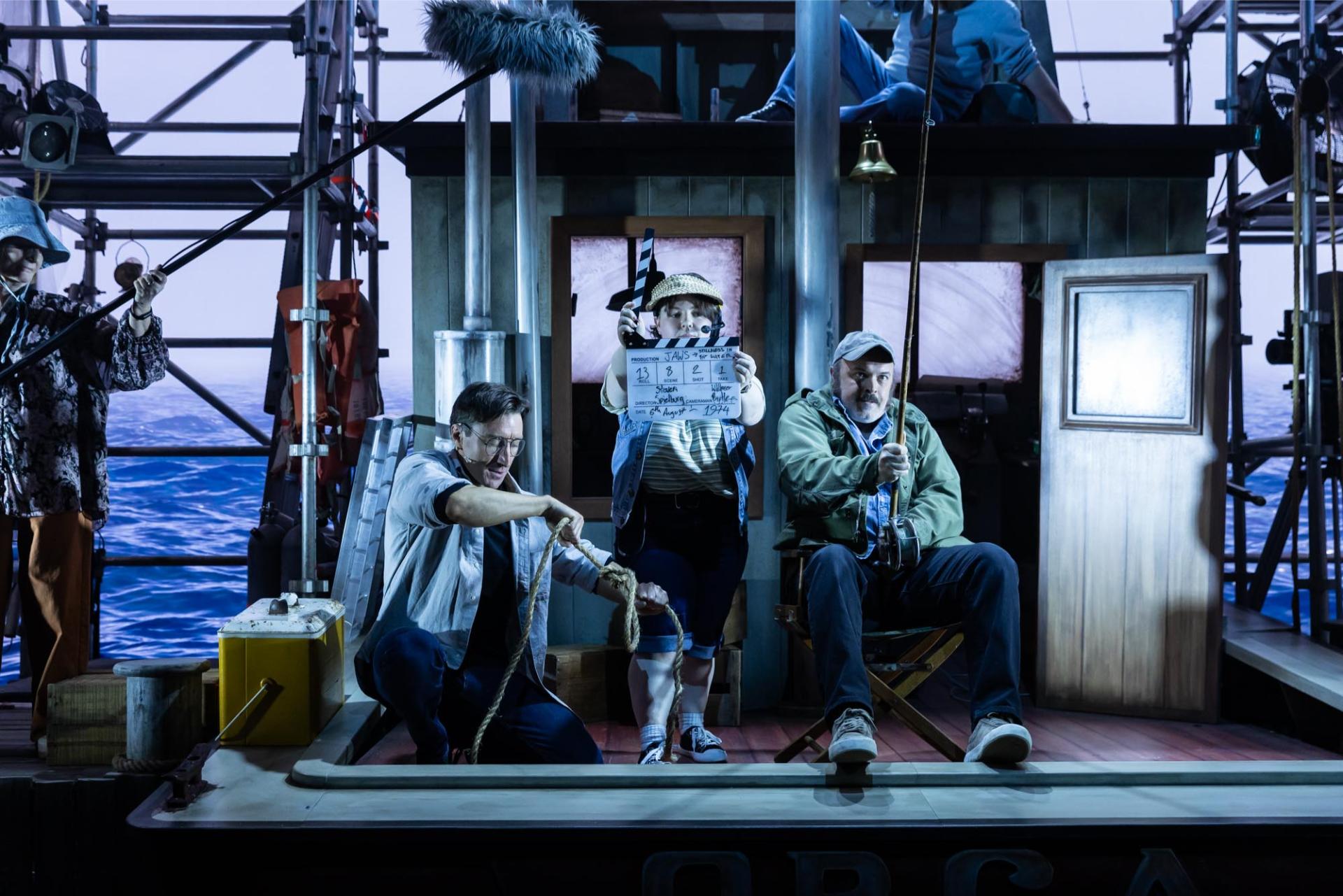
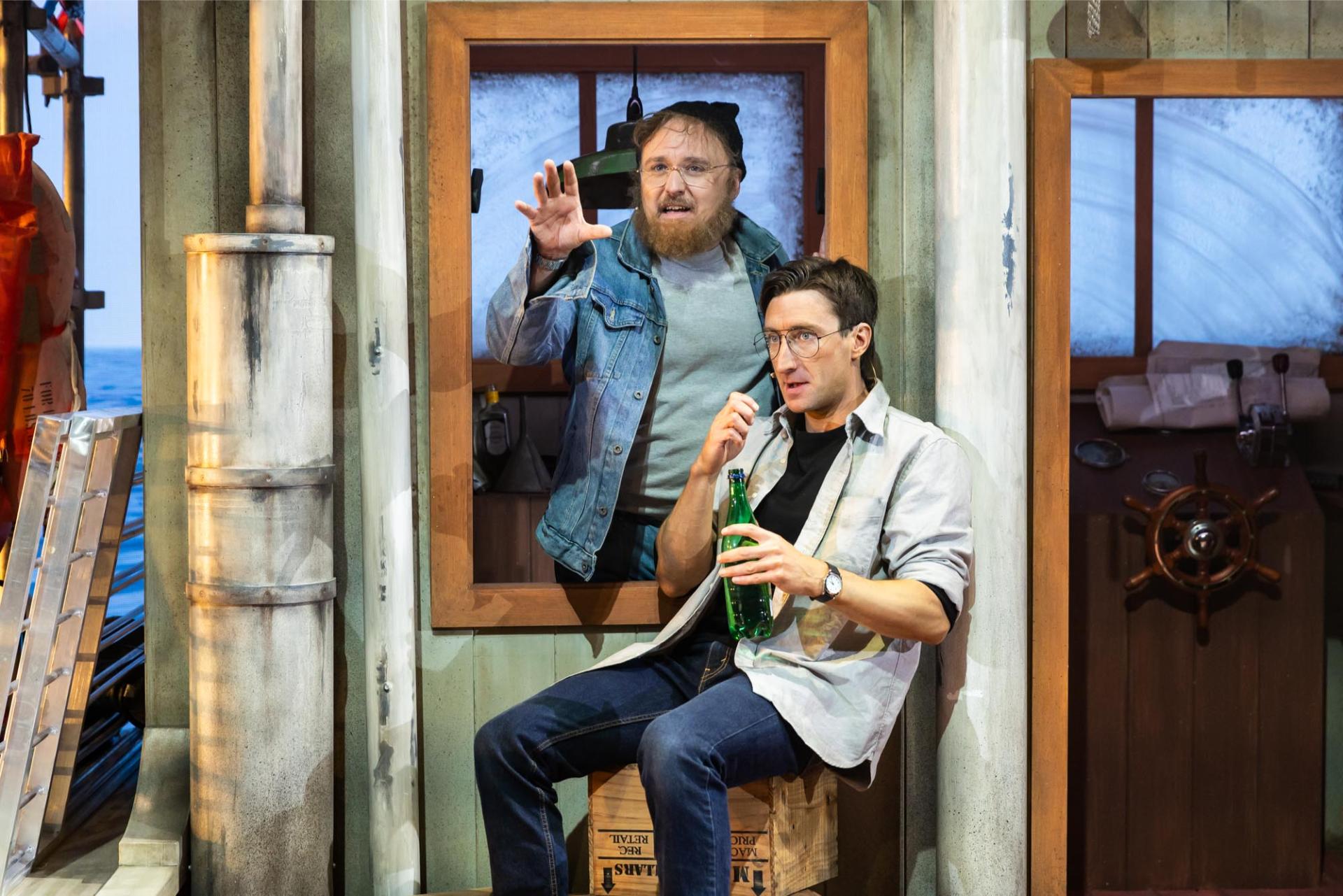
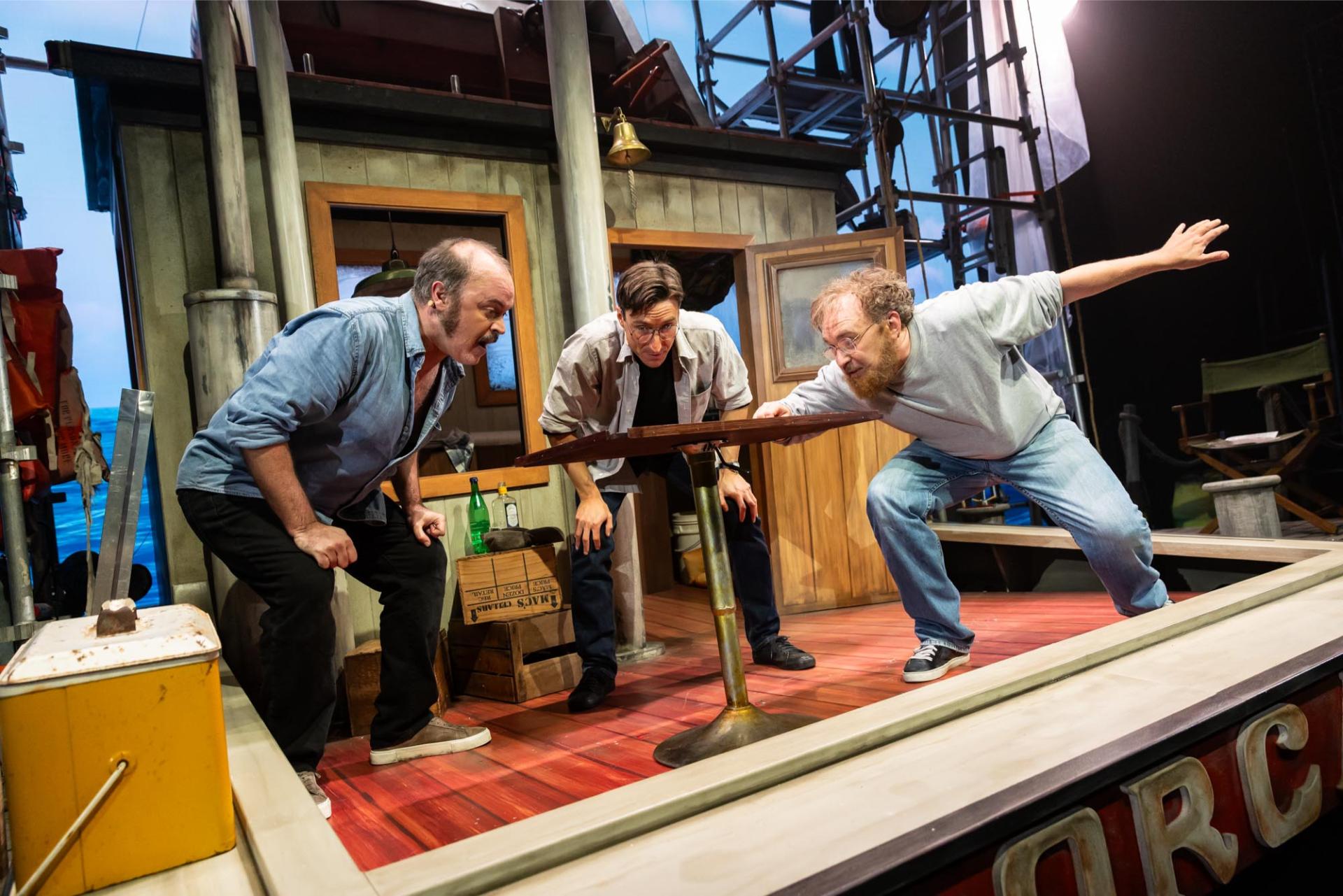
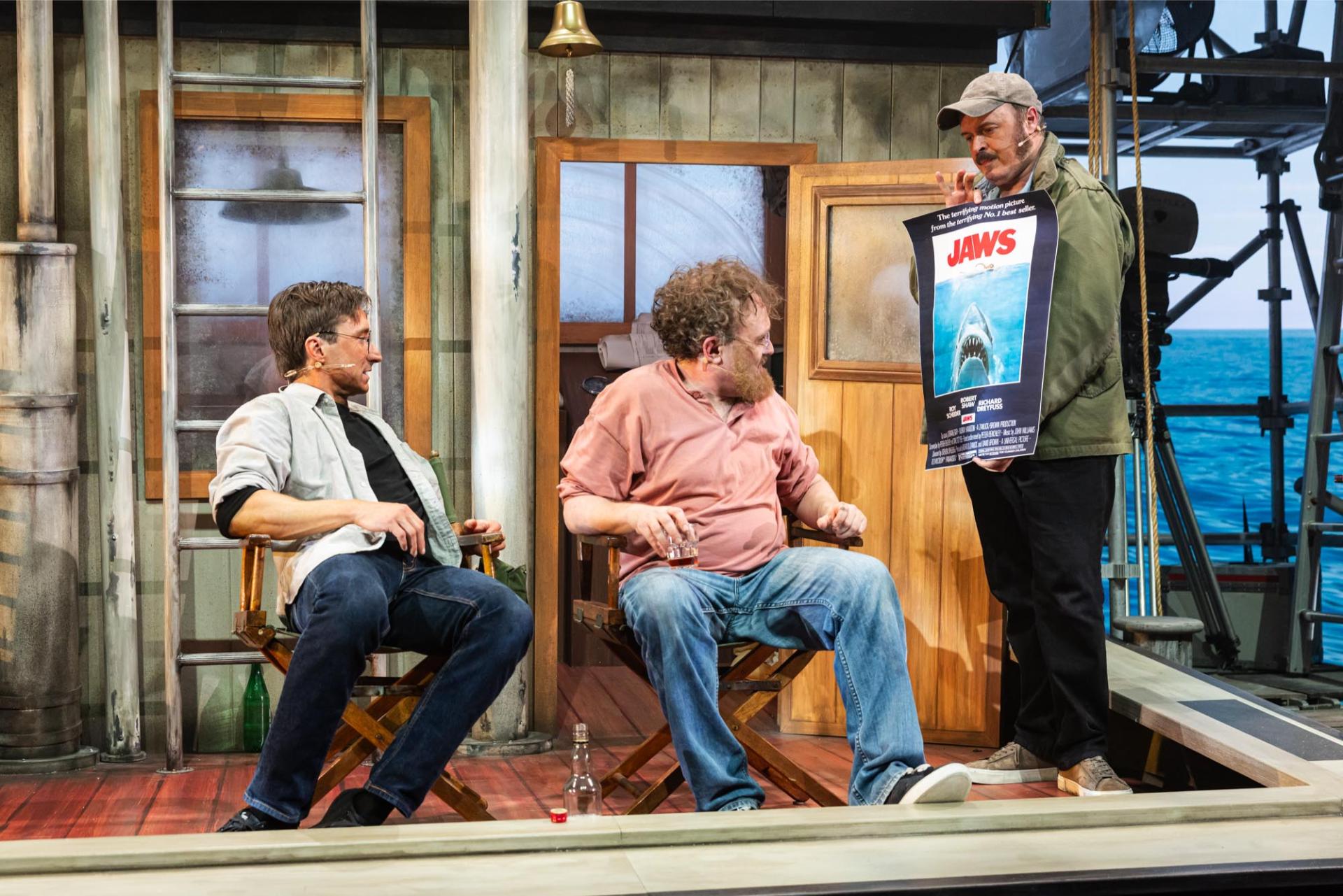
Protracted technical failures on the set of a Hollywood blockbuster have a curious way of forging intimacy among those marooned by circumstance. Such was the predicament in 1975 on the set of Jaws, where three principal actors found themselves with an abundance of time and a poverty of purpose. In The Shark is Broken, by Ian Shaw and Joseph Nixon, we observe these men—united by profession yet scarcely by disclosure—navigate the liminal space between collegiality and confession.

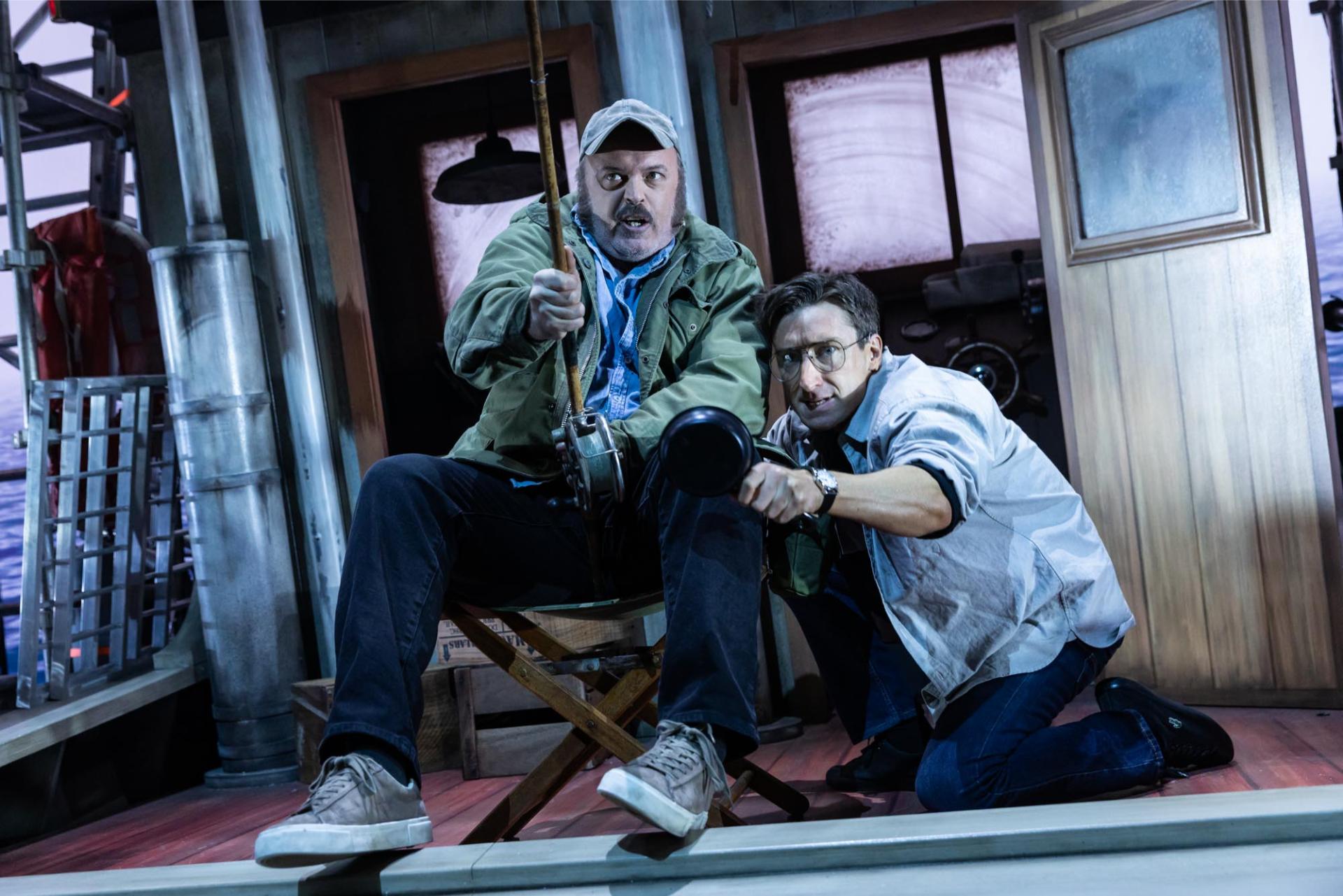
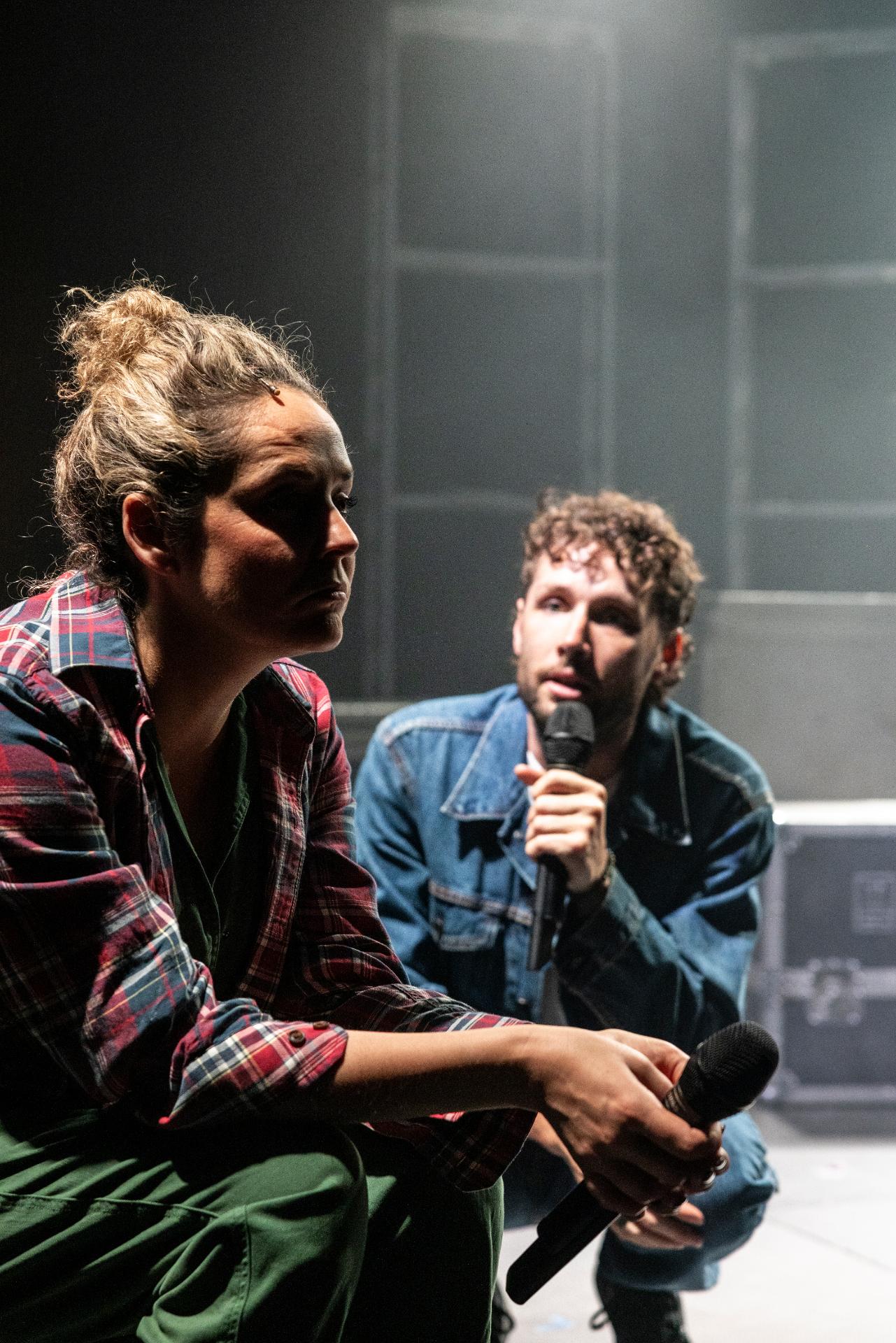
Directed by Luke Joslin, the production captures the texture of masculine camaraderie with undeniable authenticity; the performers bristle, bond, and deflect with the choreography of men who have learned that proximity need not entail revelation. Yet the play remains curiously surface-bound: its characters traffic in the signifiers of vulnerability without ever submitting to its discomfort. One admires the execution while wondering for whom, precisely, this exercise in emotional restraint is intended.

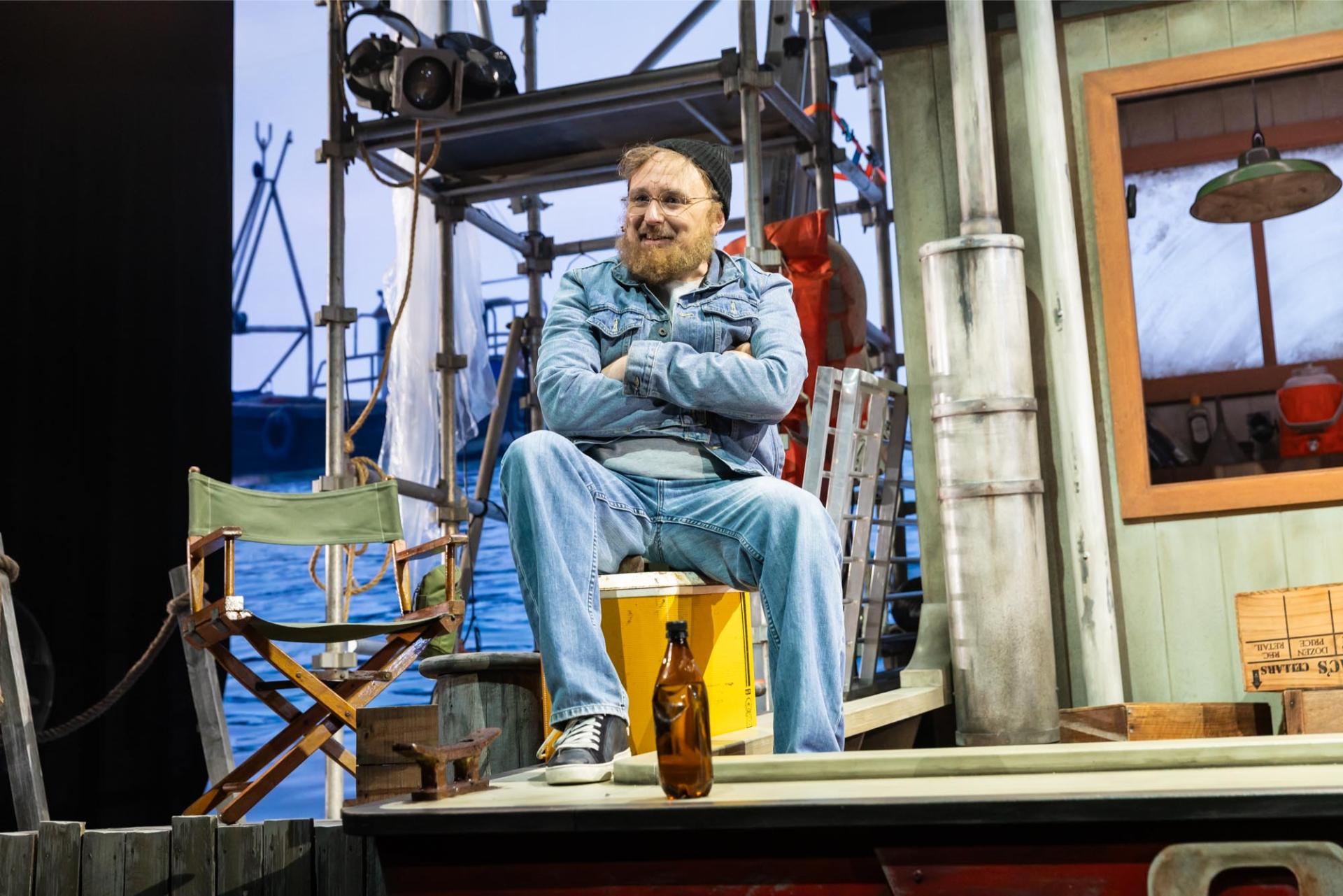
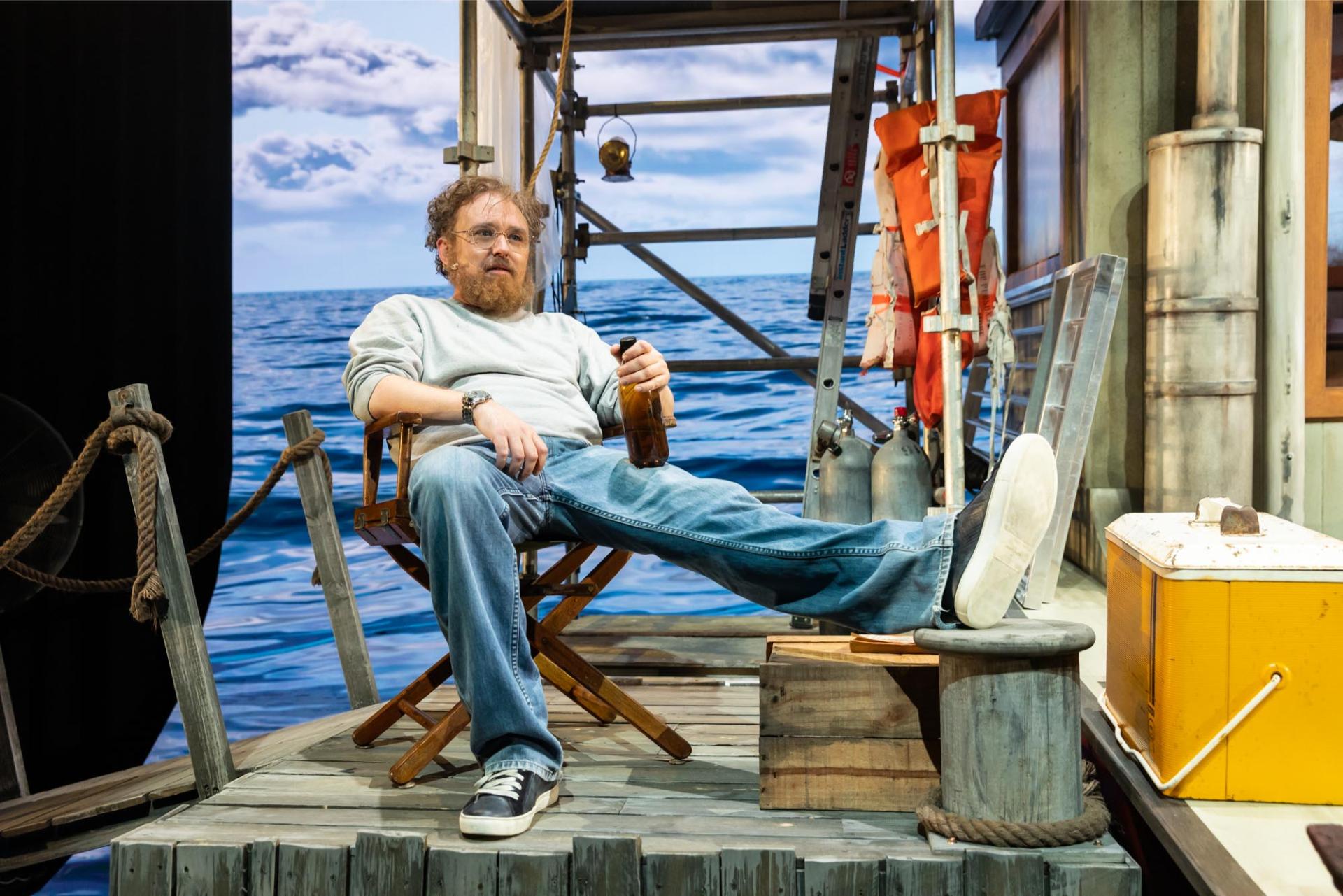
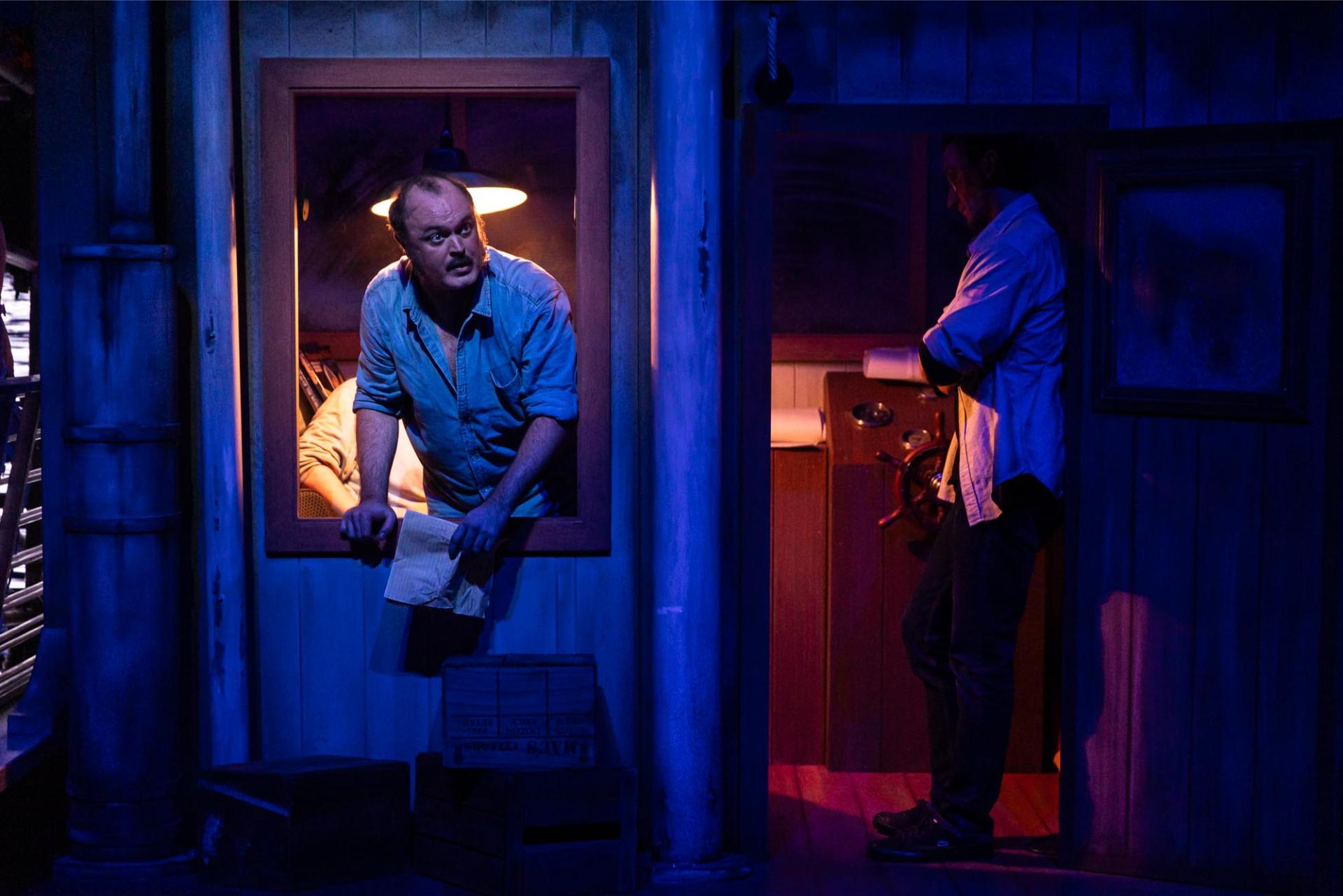
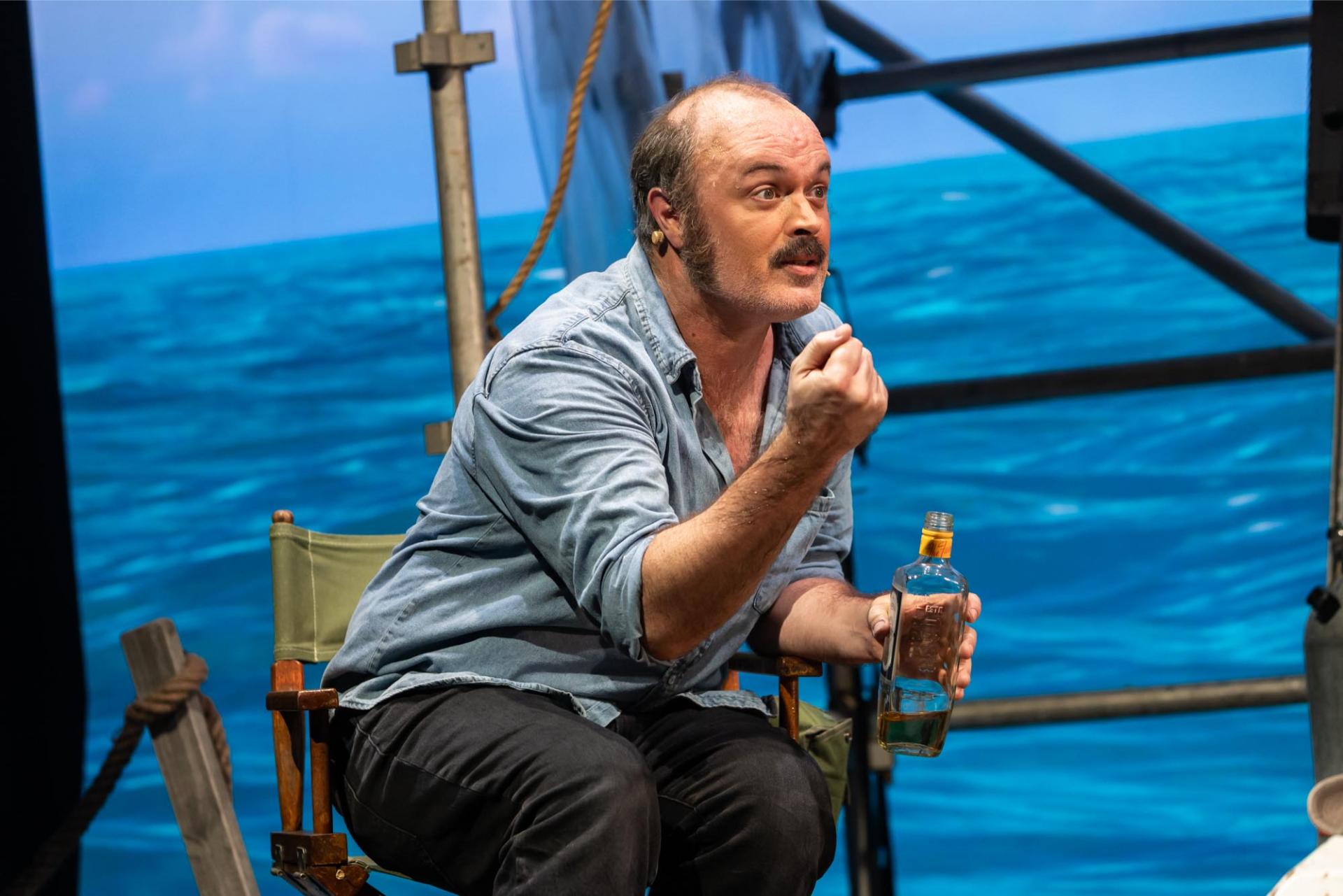
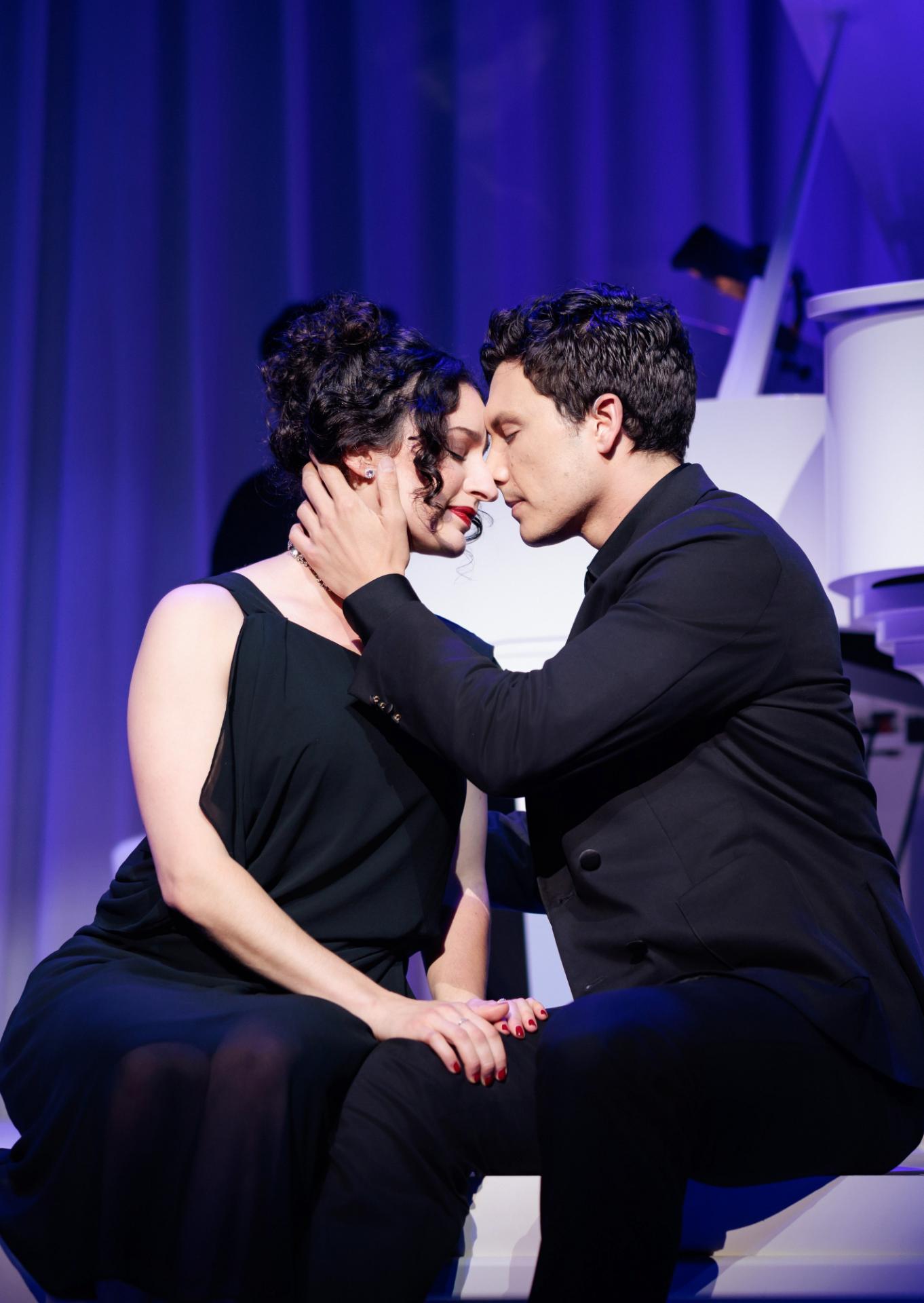
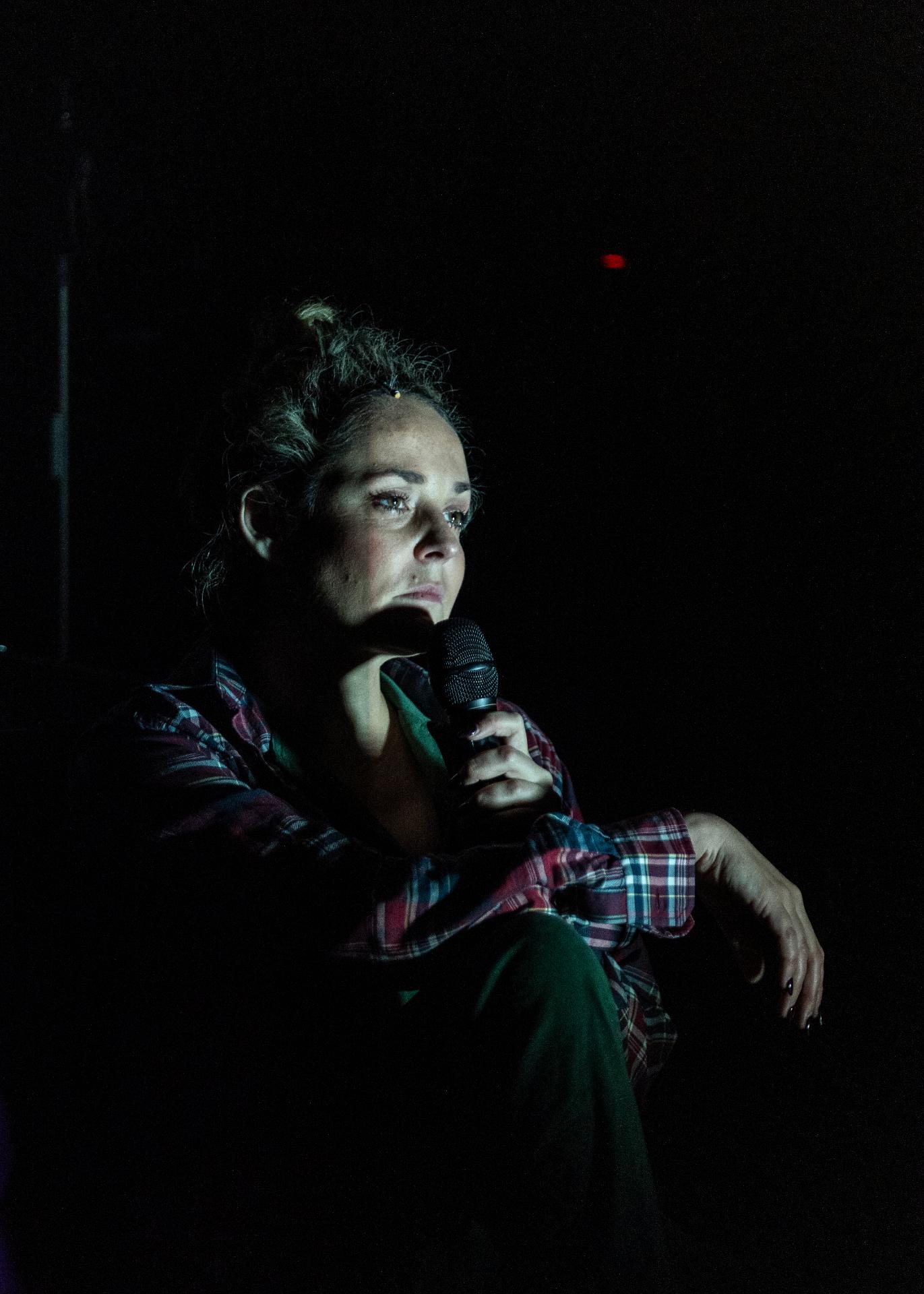
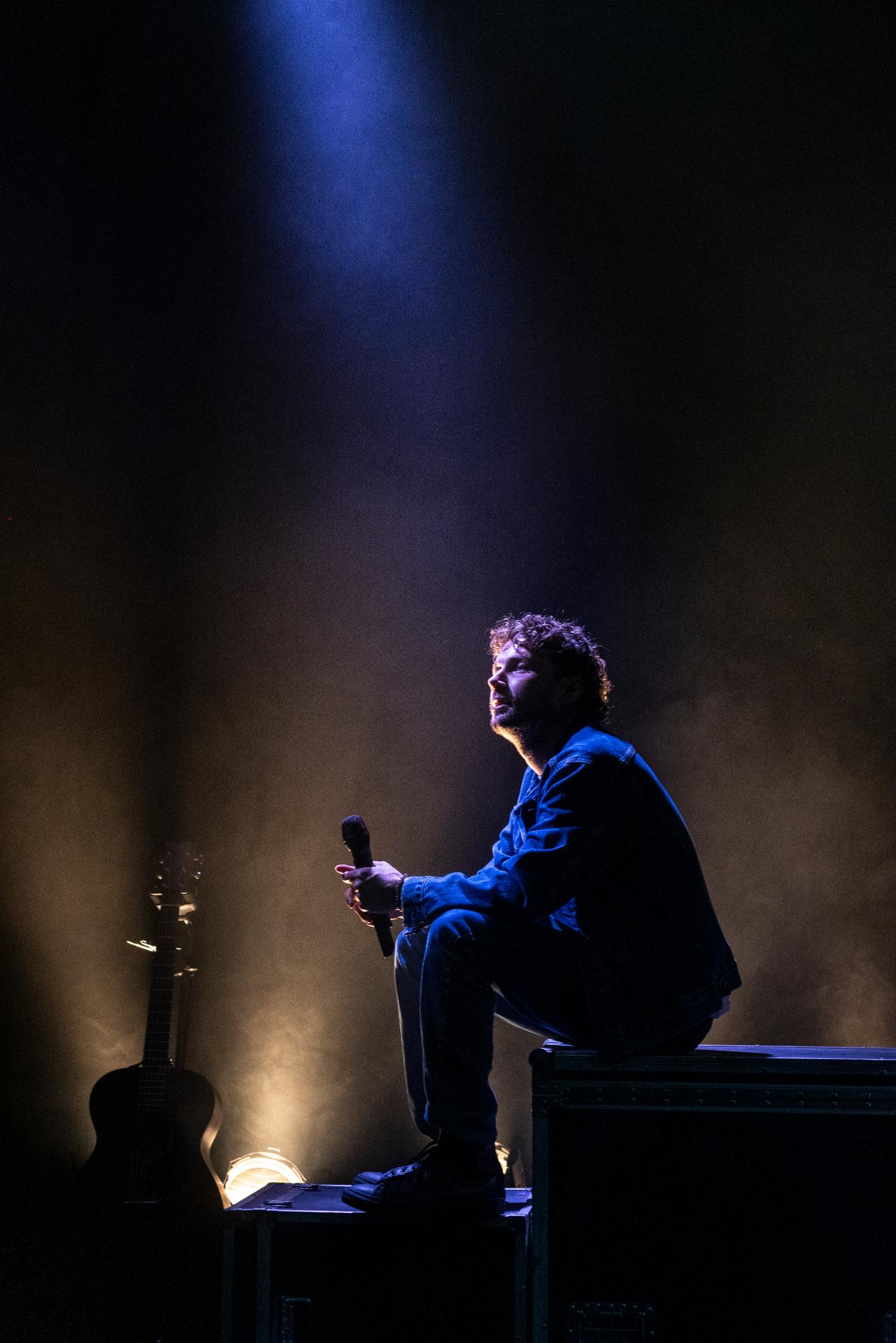
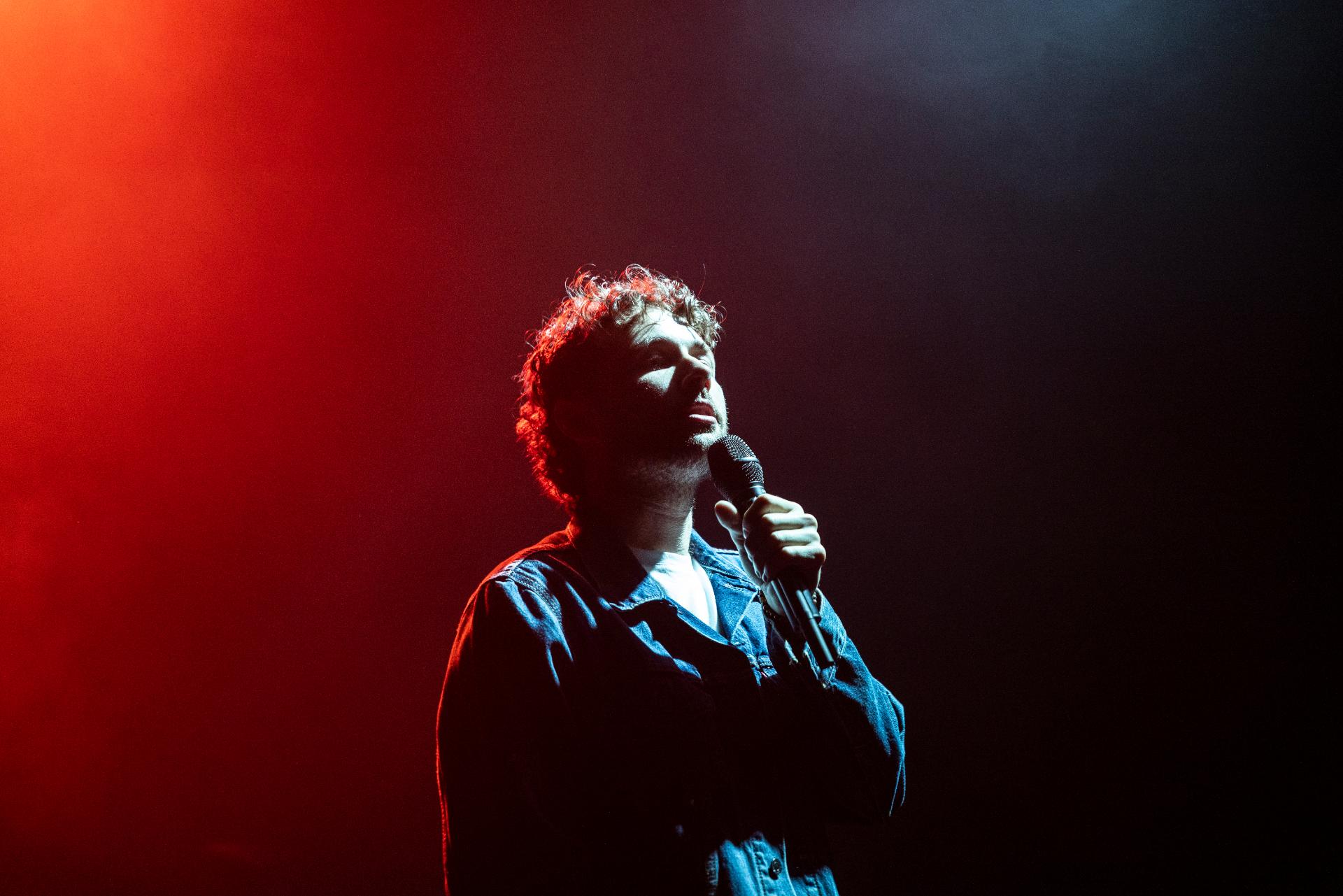
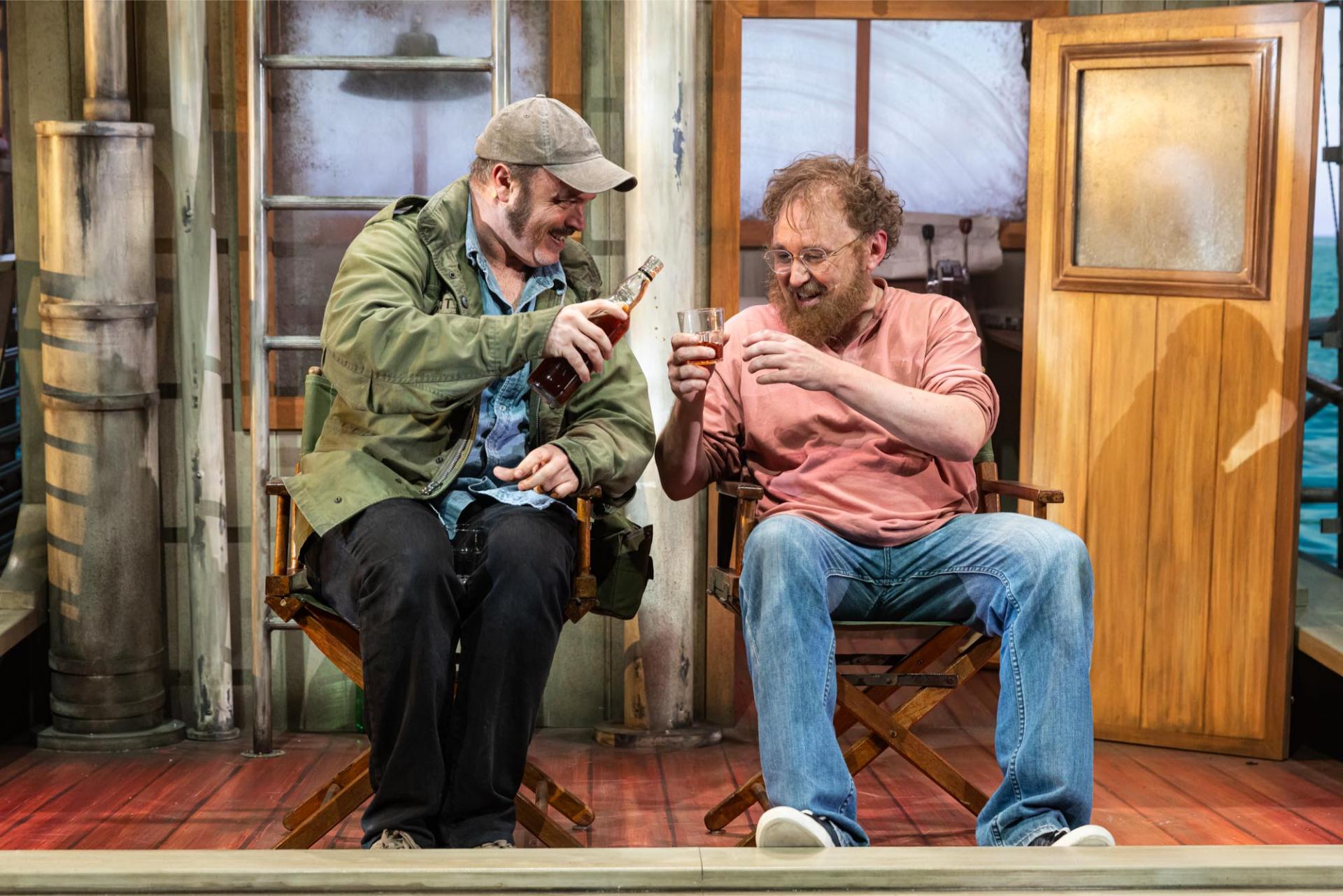
The cast is uniformly superb. Robin Goldsworthy brings an irrepressible, mercurial energy to Richard Dreyfuss, his vivacity keeping the proceedings buoyant even as the narrative threatens to list. Anthony Gooley imbues Robert Shaw with a brooding, caustic grandeur—convincingly sodden one moment, debonair the next, capturing the paradox of the ruined aesthete. Tom Stokes is a dead ringer for Roy Scheider, his impeccable timing lending the storytelling an organic, unforced rhythm.

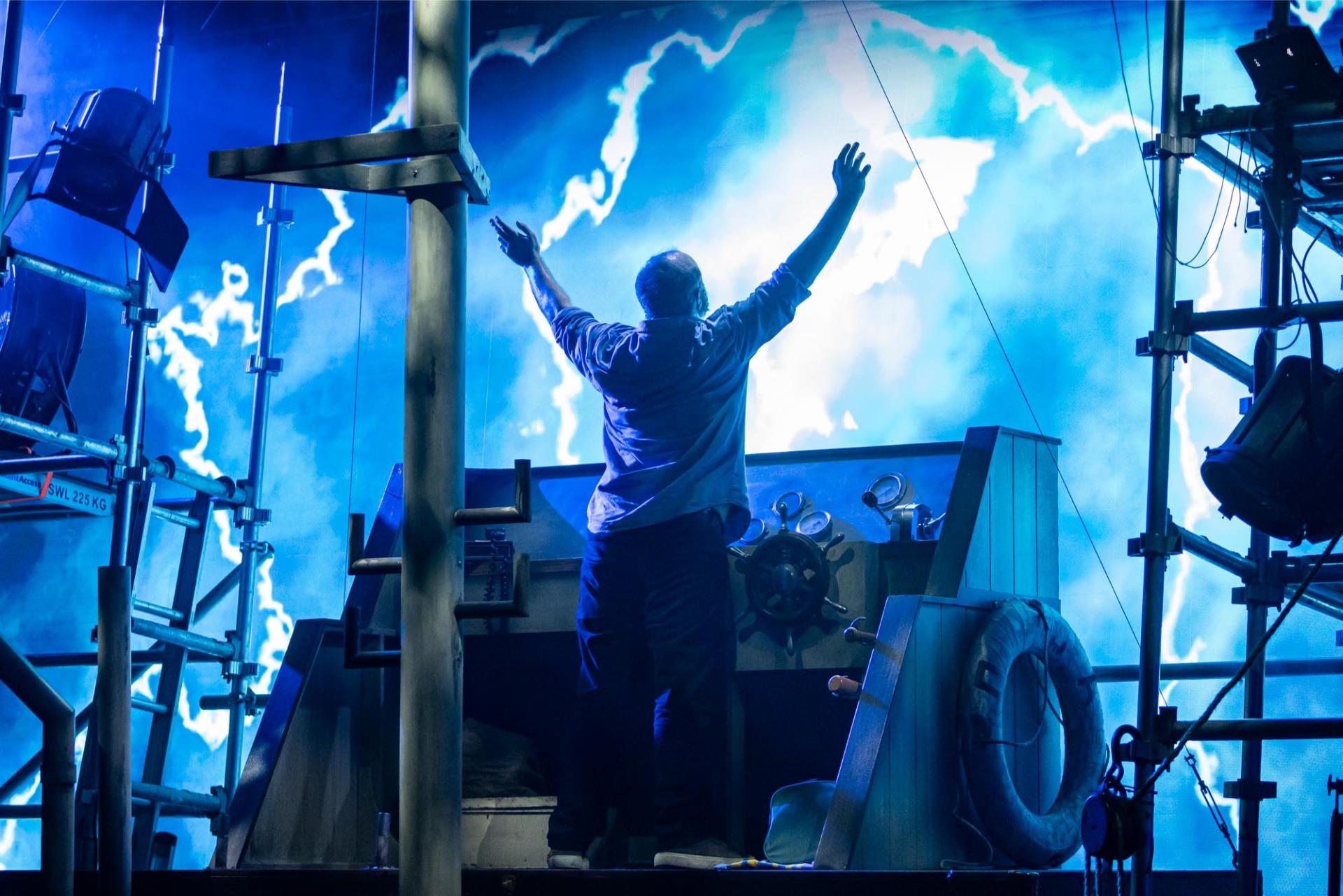
The design elements are equally accomplished. James Browne’s set, augmented by Cameron Smith’s video projections, achieves a striking majesty while never permitting us to forget that these men are, both literally and figuratively, at sea. Jasmine Rizk’s lighting and Sean Peter’s sound design offer subtle but essential flourishes, conjuring theatricality from an environment that is simultaneously artificial and elemental.

The central irony of the piece—and perhaps its most trenchant observation—is that these men had no faith their film would become anything more than a troubled production. They did not relish their position; they did not apprehend the extraordinary privilege of their circumstance. Instead, they nursed petty grievances and private miseries, too consumed by their own discontent to recognize the historical moment unfolding around them. The play seems to ask whether lasting legacies are forged through conscious intention or merely accrue, unbidden, to those too preoccupied to notice. It is a sobering meditation on the cost of myopia—though one wishes the work itself were less reluctant to look beneath the surface it so reticently surveys.
www.sharkisbroken.com.au

Review: Putting It Together (Foundry Theatre)

Venue: Foundry Theatre (Pyrmont NSW), Jan 6 – Feb 15, 2026
Words and Music: Stephen Sondheim
Director: Cameron Mitchell
Cast: Stefanie Caccamo, Michael Cormick, Nigel Huckle, Bert LaBonté, Caroline O’Connor
Images by Daniel Boud

Theatre review
Titled Putting It Together: A Musical Review, devised by Stephen Sondheim and Julia McKenzie, the revue offers an ostensibly eclectic yet undeniably compelling survey of Sondheim’s oeuvre. The work unfolds as a loosely assembled showcase of songs—each brilliant in its own right—exploring intricate ideas and psychologically complex characters. Admirers of the Broadway master will find much to savour, and while the piece dispenses with a conventional narrative arc, the sheer intelligence and craft of Sondheim’s songwriting ensure its appeal to even the most discerning music lovers.

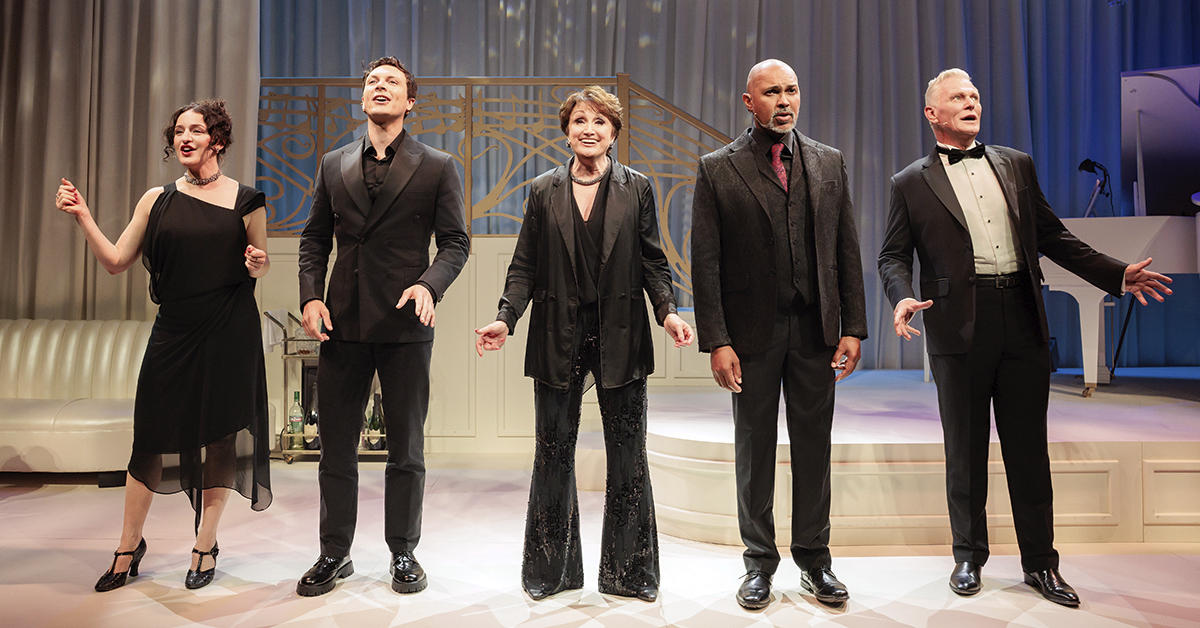
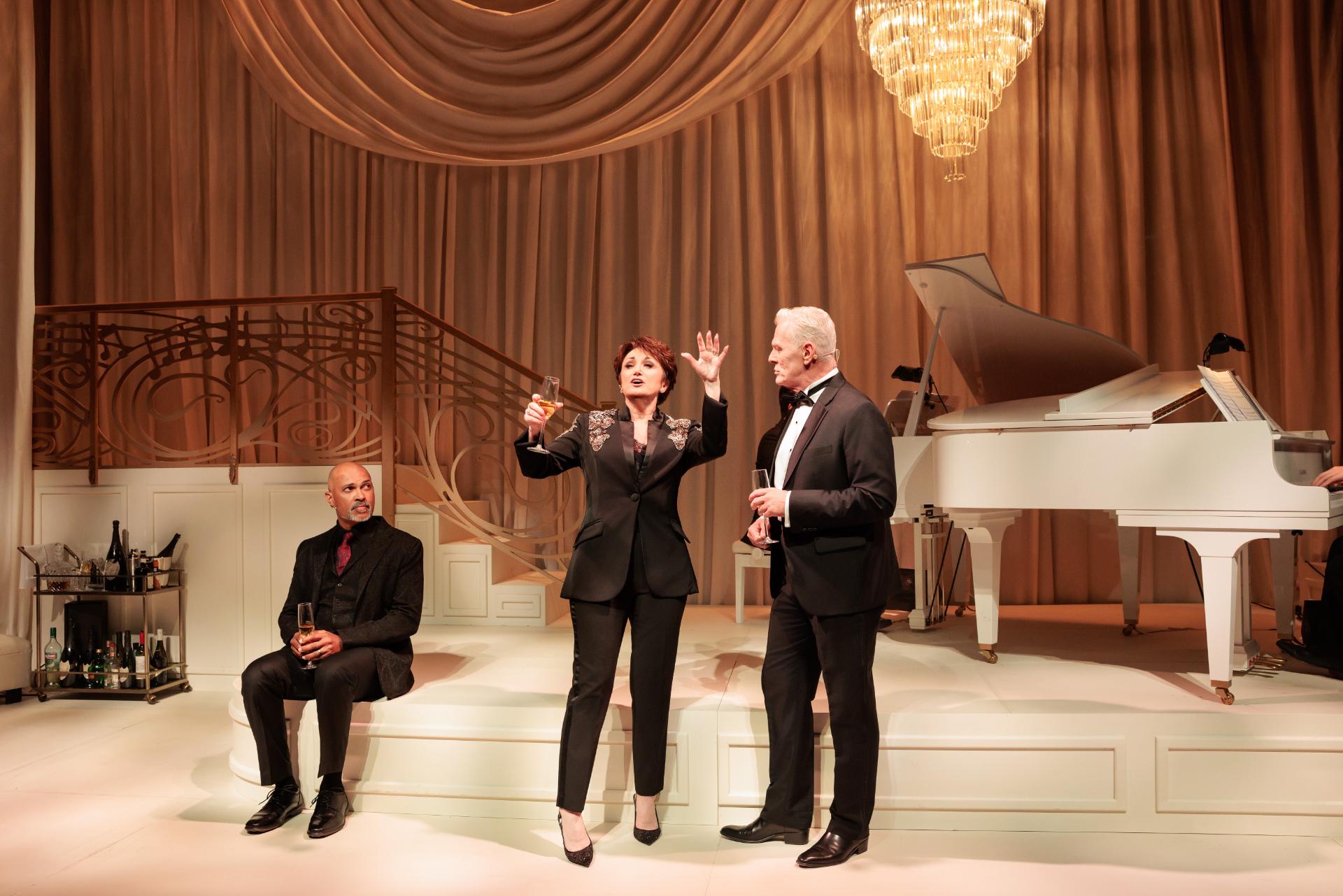
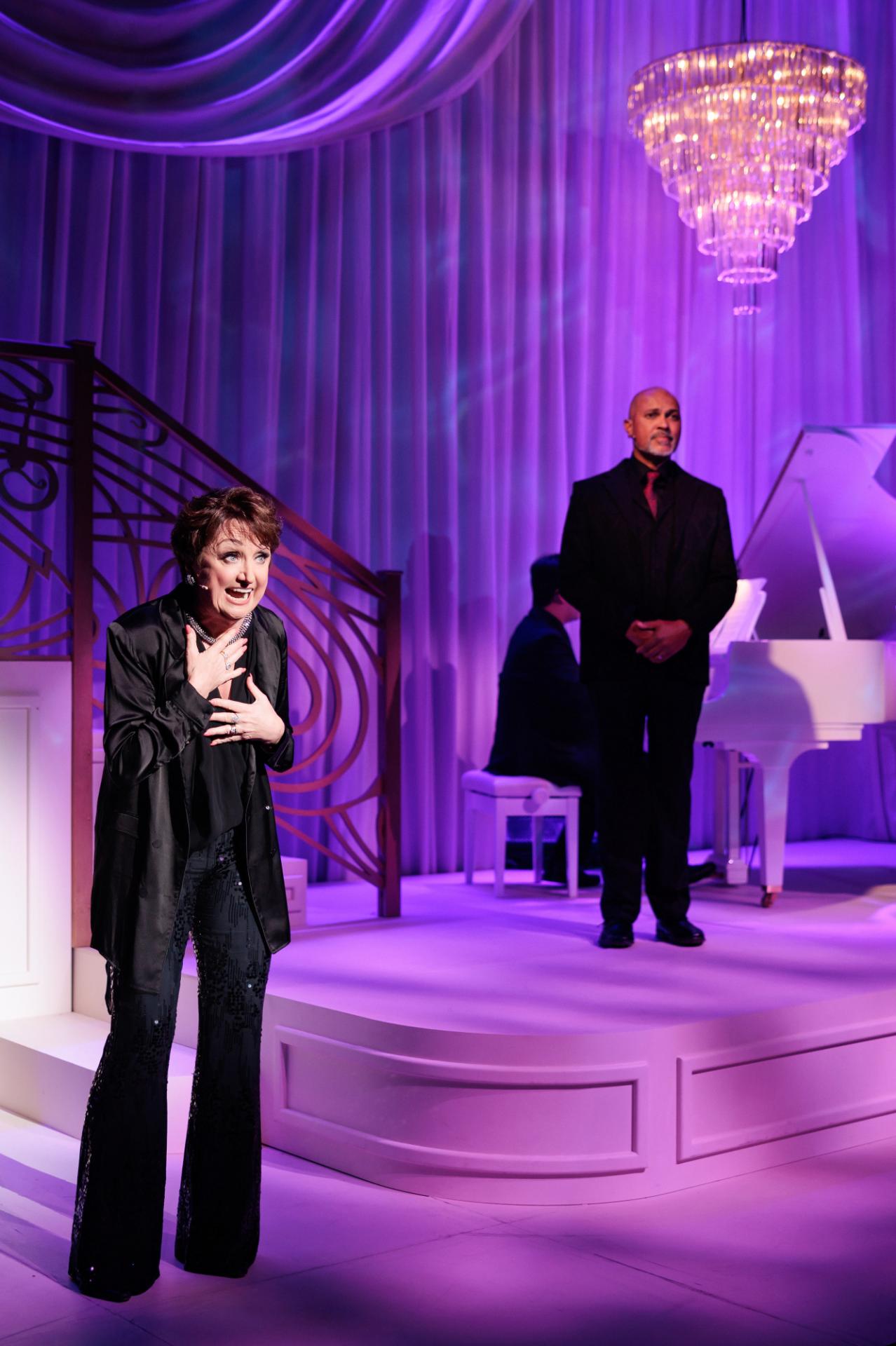
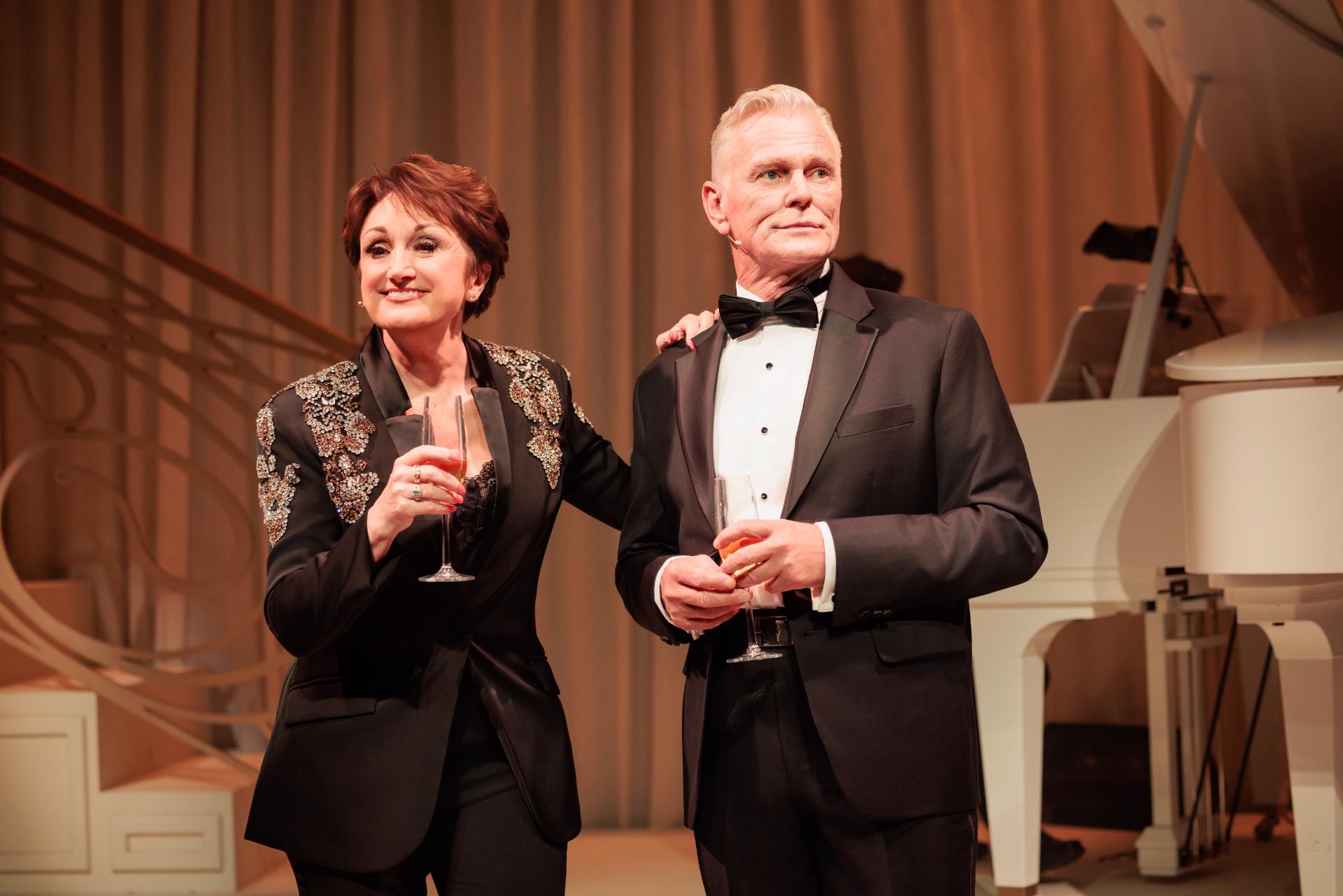
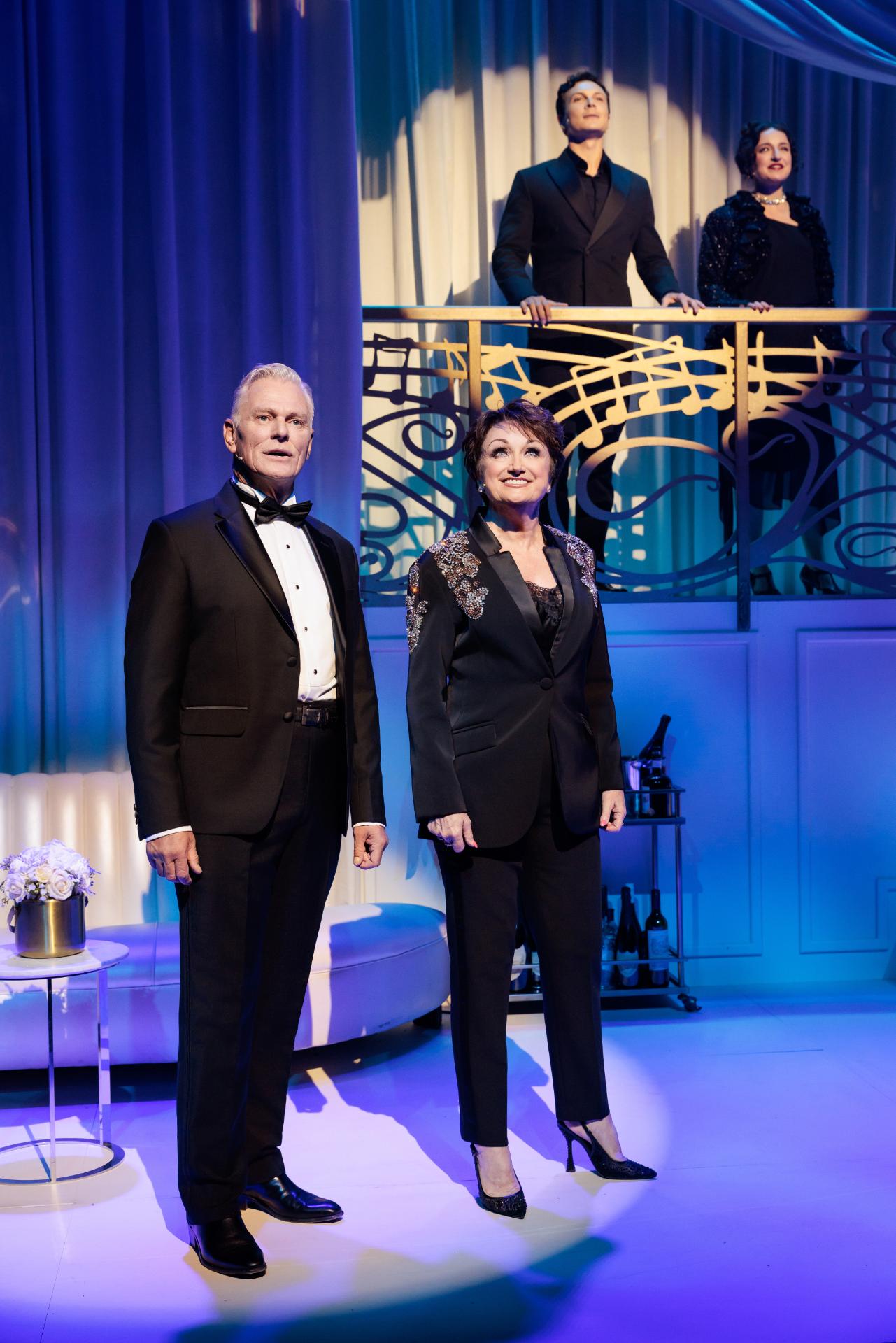
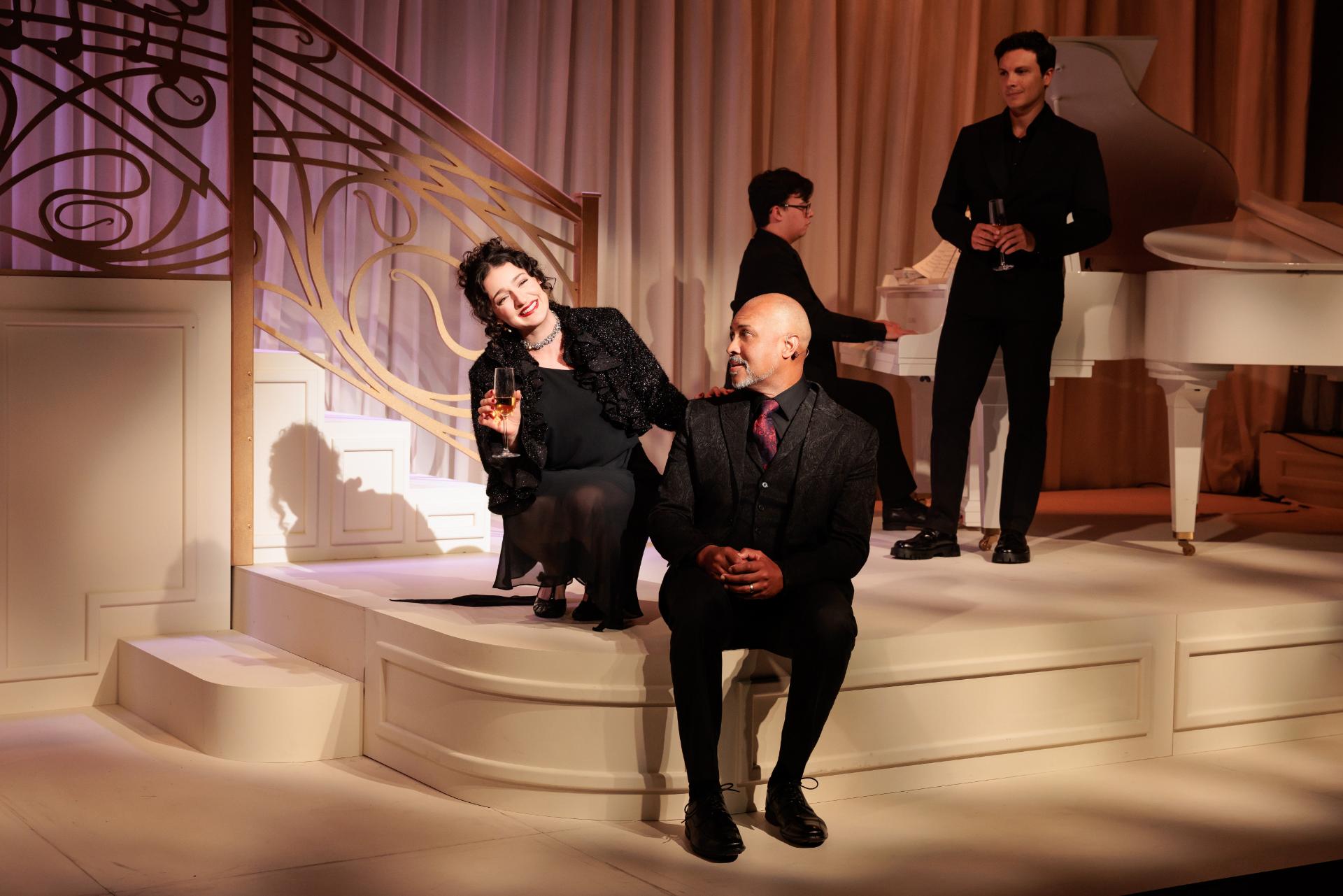
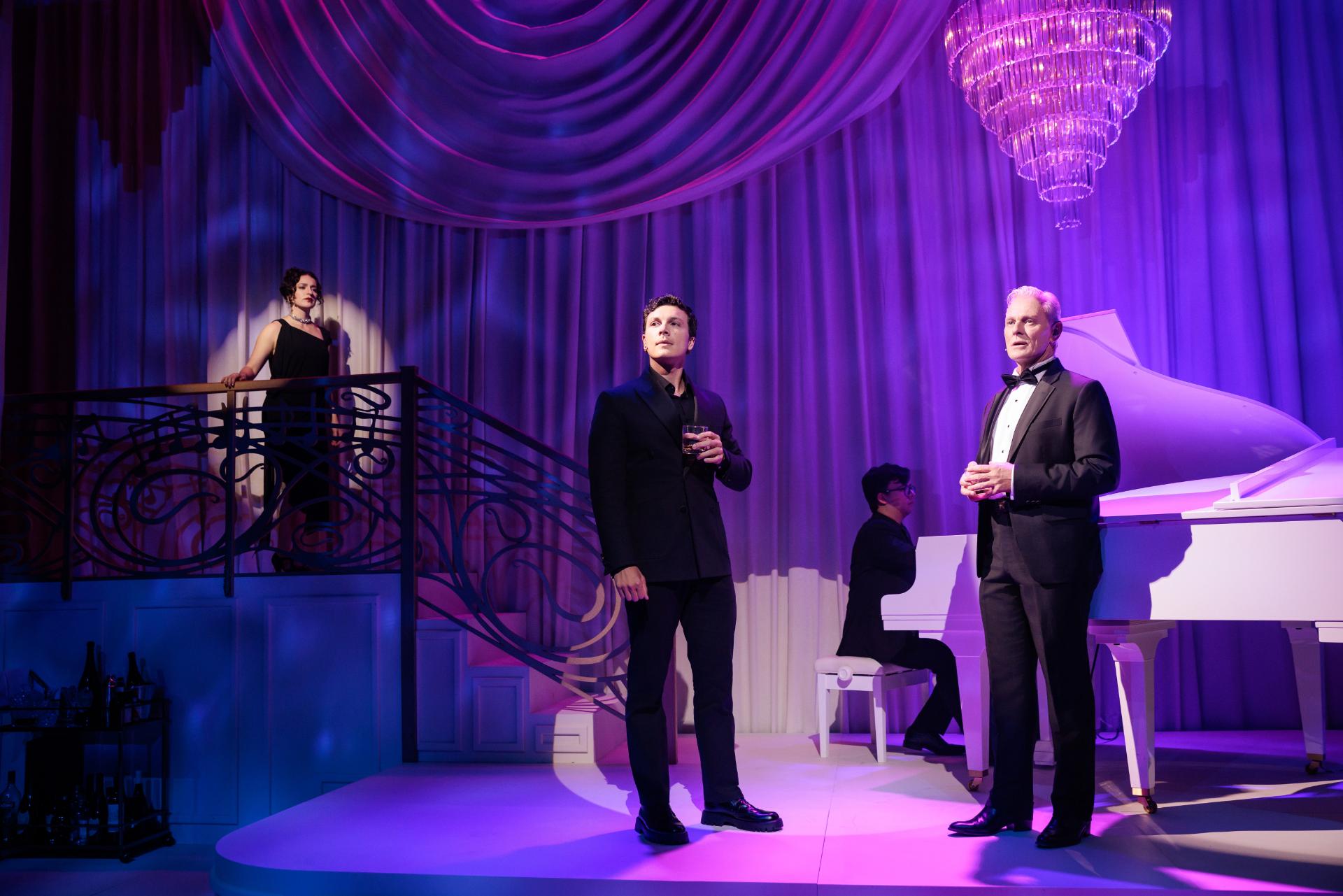
Under Cameron Mitchell’s direction, the production is polished, if overly restrained and polite, with choreography that renders each movement fluid and visually harmonious. Nick Fry’s set design deftly evokes the glamour of twentieth-century America, while Trudy Dalgleish’s lighting lends a complementary sheen that further elevates the scenic palette. Nigel Shaw’s costumes, though understated, are nonetheless elegant and flattering, contributing quietly but effectively to the overall aesthetic.

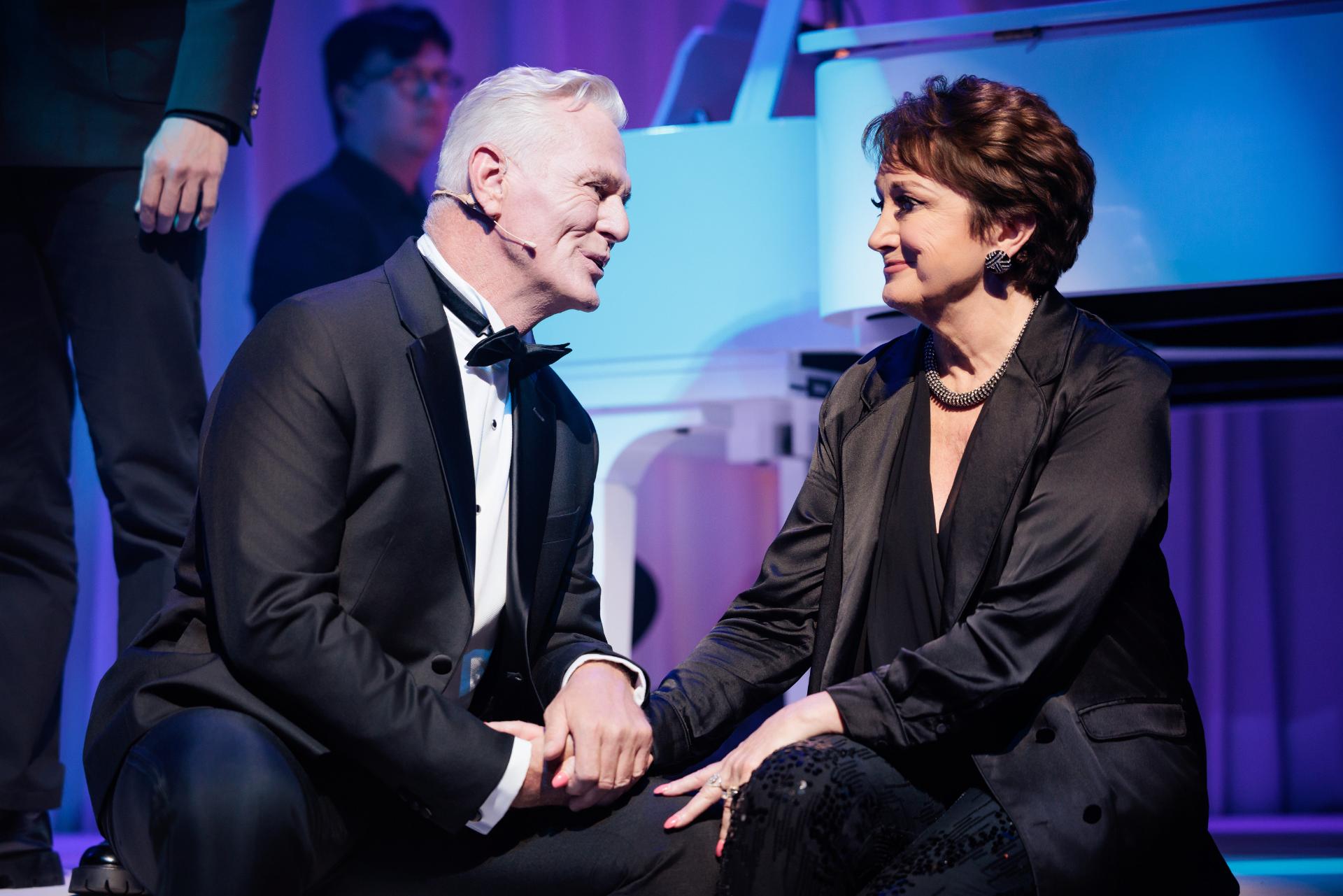
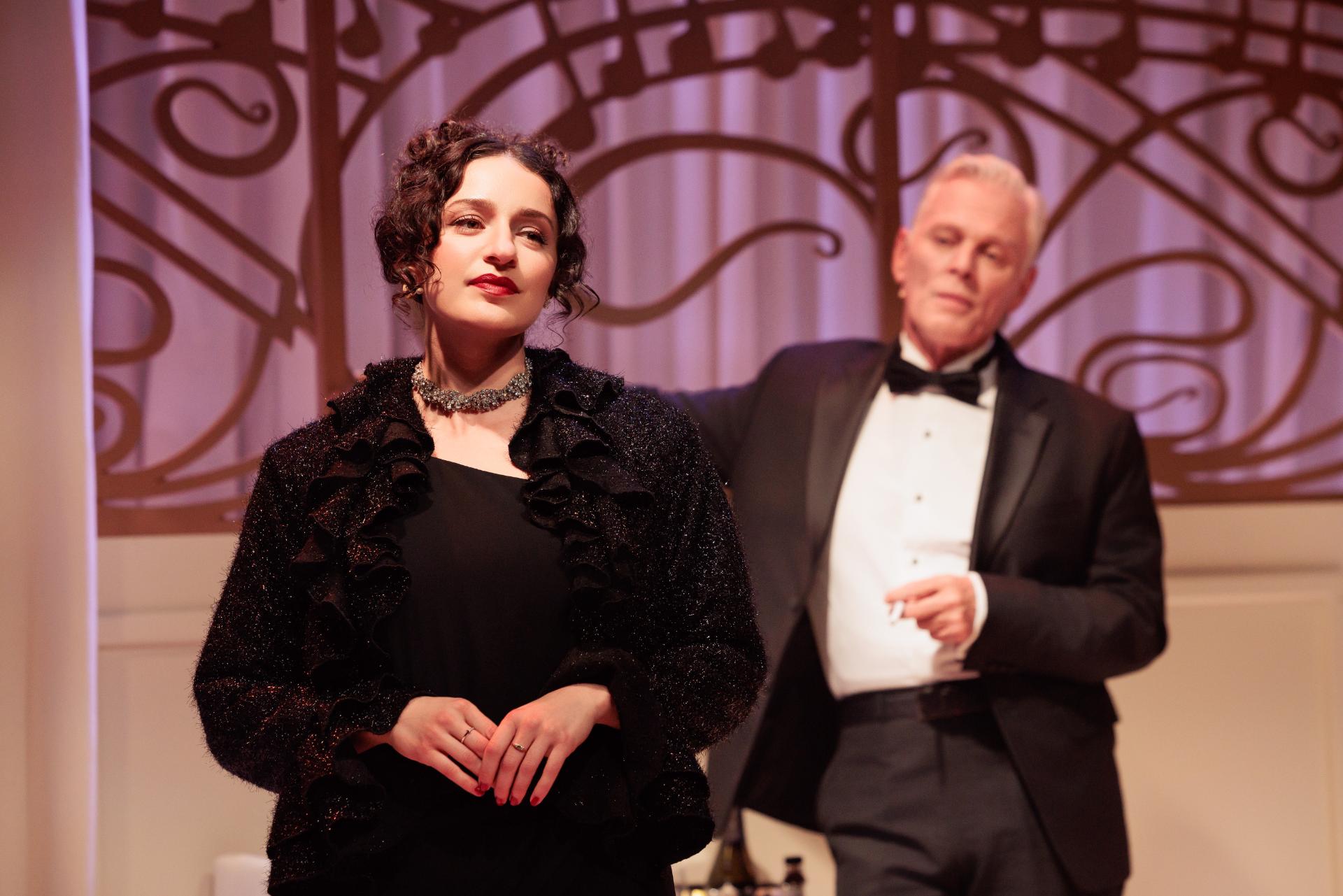
A highly accomplished cast anchors the production, led by Bert LaBonté, whose charisma and warmth cut through the material, ensuring the evening never lapses into stasis. Stefanie Caccamo’s relentlessly dynamic vocals are a particular delight, each phrase delivered with astonishing precision and expressive control. Michael Cormick, Nigel Huckle, and Caroline O’Connor likewise register strongly, each enjoying moments of distinction within a staging notable for its consummate professionalism.

Completing the picture, Kevin Wang’s musical direction proves a standout, drawing remarkable richness and depth from a pared-back ensemble of two pianos and rhythm section. Sondheim’s songs remain incontestably magnificent, and this iteration of Putting It Together demonstrates how even the lightest touch of theatrical framing can unlock a remarkable degree of magic.

www.foundrytheatre.com.au

Review: No Love Songs (Foundry Theatre)

Venue: Foundry Theatre (Pyrmont NSW), Mar 7 – Apr 13, 2025
Book: Laura Wilde, Johnny McKnight
Songs: Kyle Falconer
Director: Andrew Panton, Tashi Gore
Cast: Keegan Joyce, Lucy Maunder
Images by Brett Boardman

Theatre review
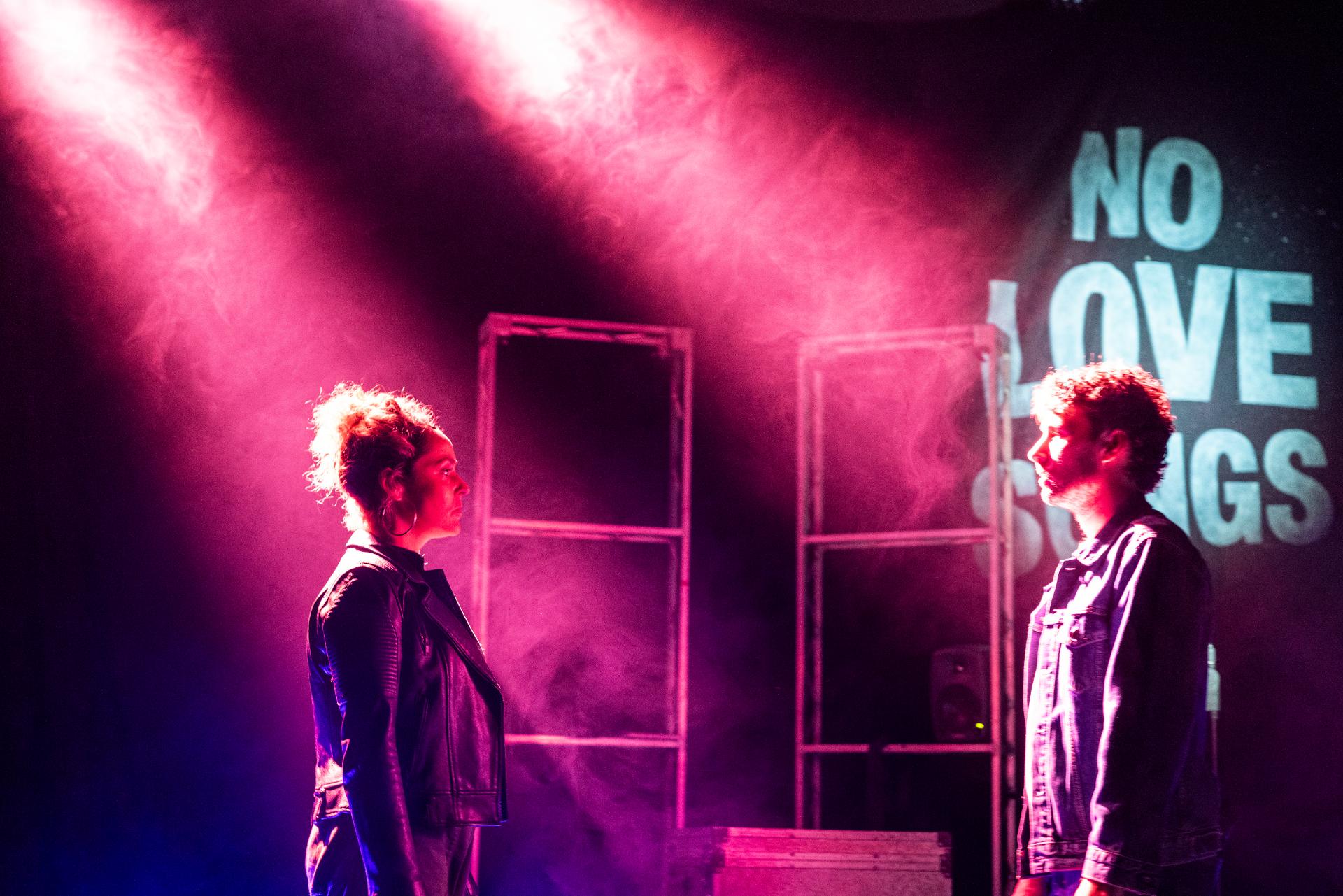
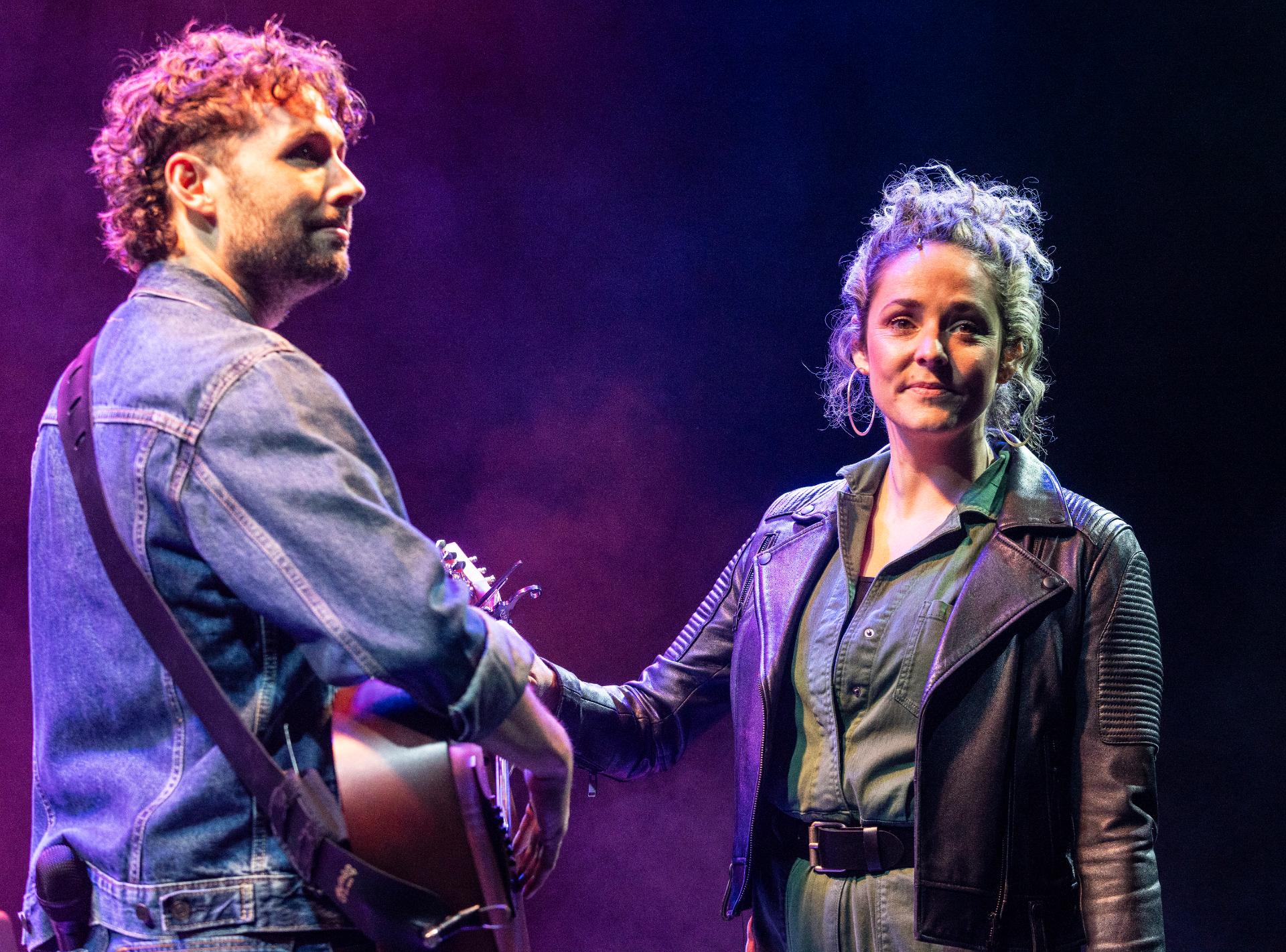
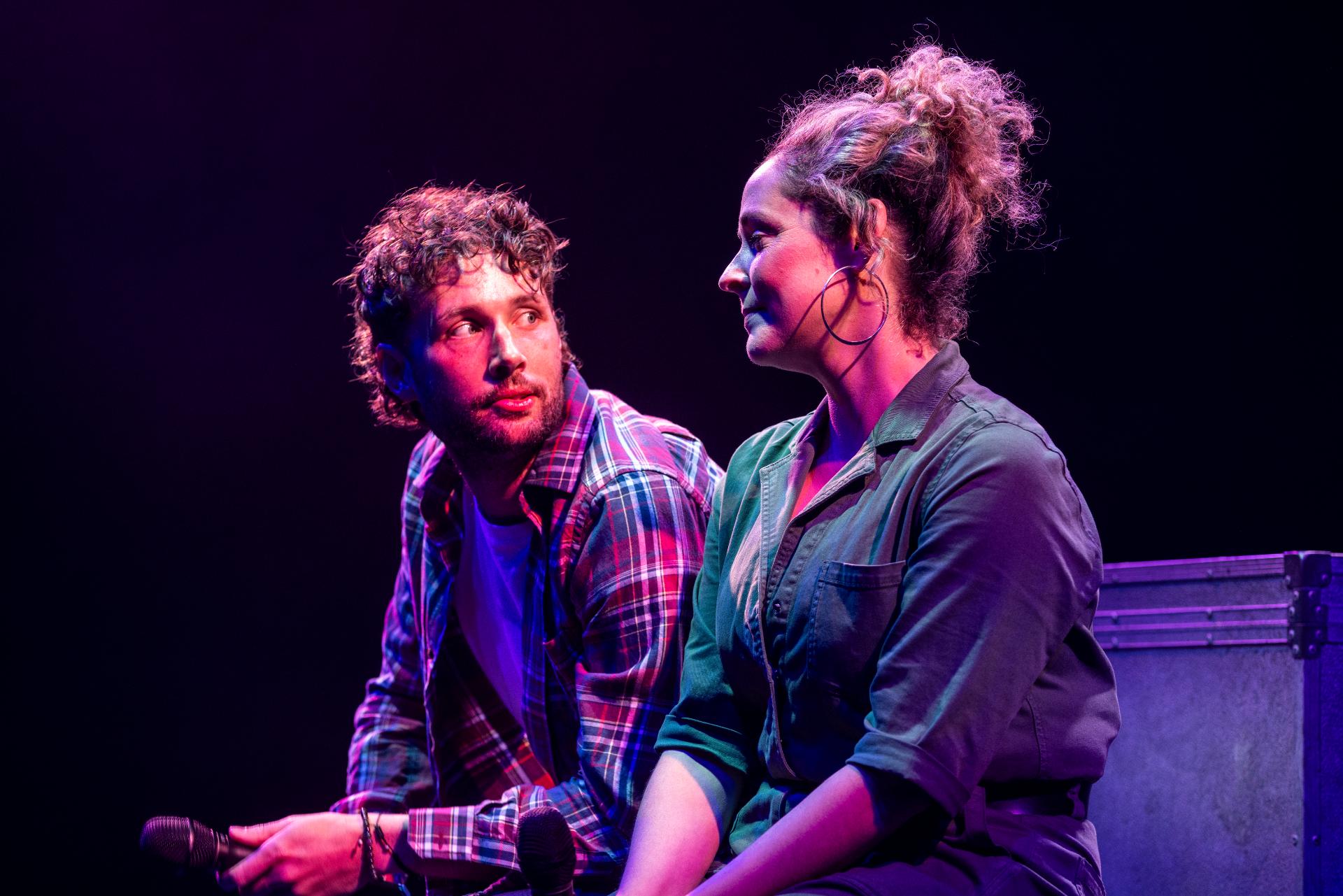
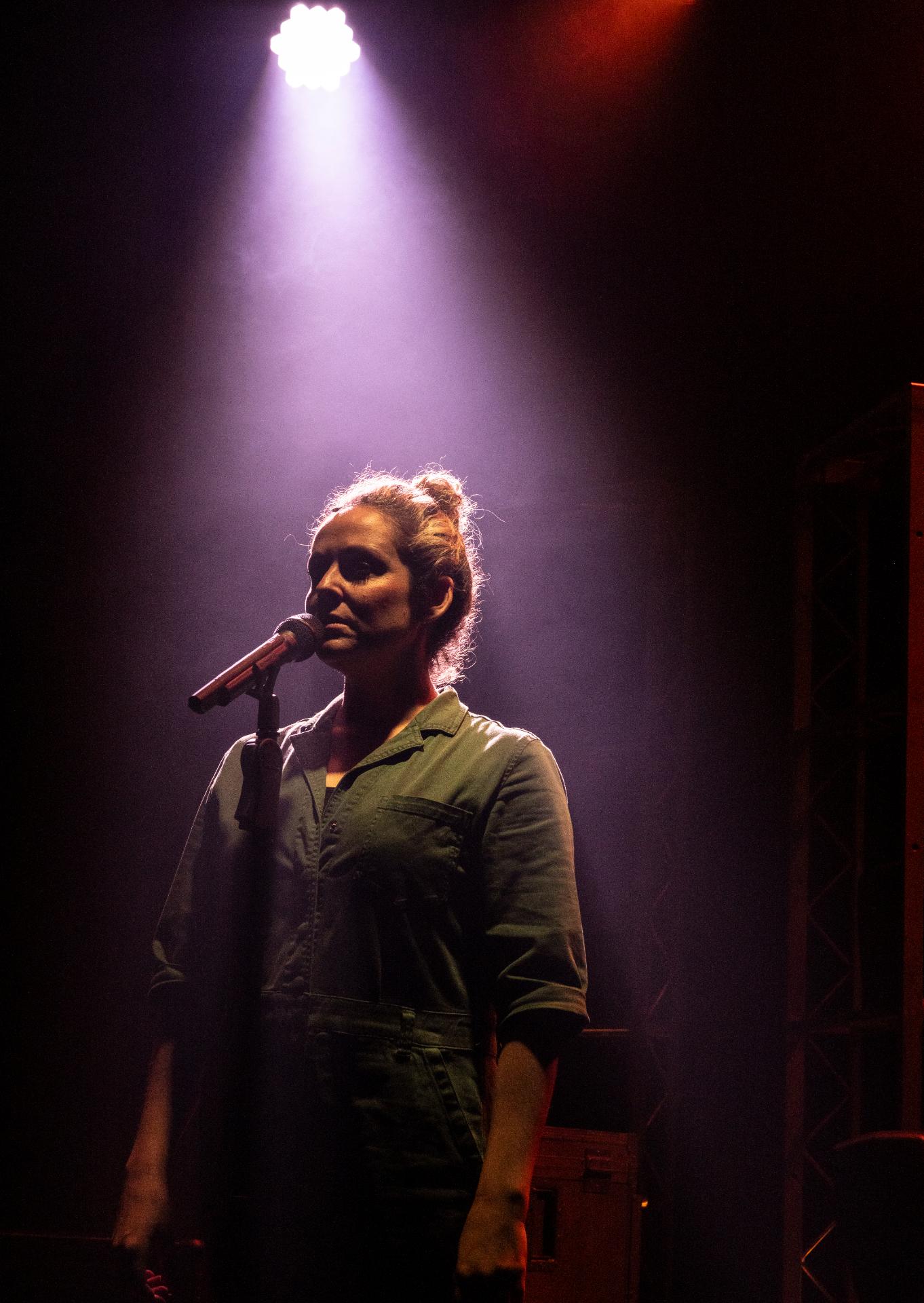
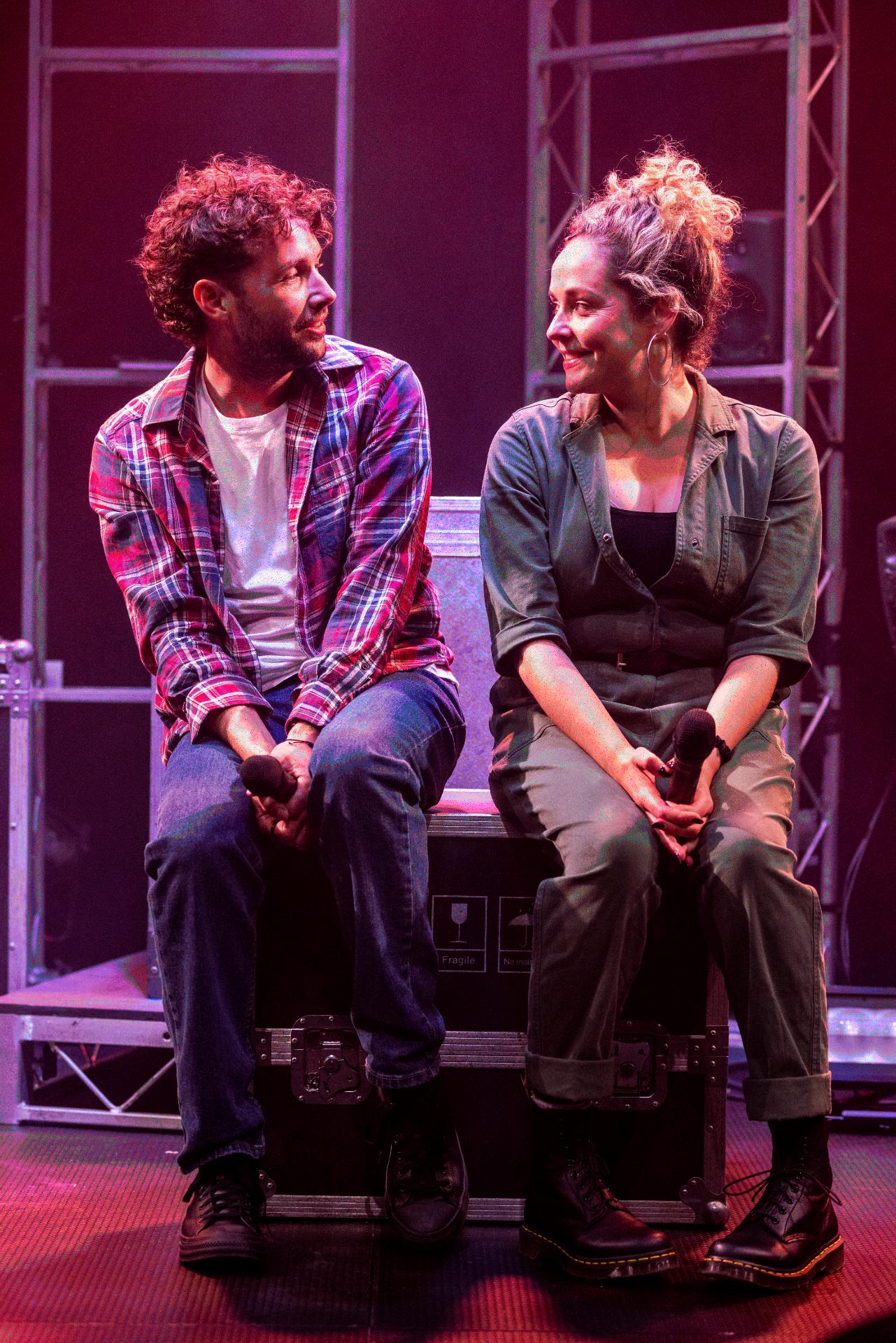
It appears to be the most ordinary of romances when Lana and Jessie meet, but things take a dark turn after the birth of their baby. Post-natal depression may give No Love Songs much needed gravity, but there is no denying the dreariness it adds to an already lacklustre experience. Based on a true story from creators Kyle Falconer and Laura Wilde, No Love Songs is replete with honesty, always guided by integrity in its very personal revelations. The musical however, requires more than sincerity to deliver entertainment.

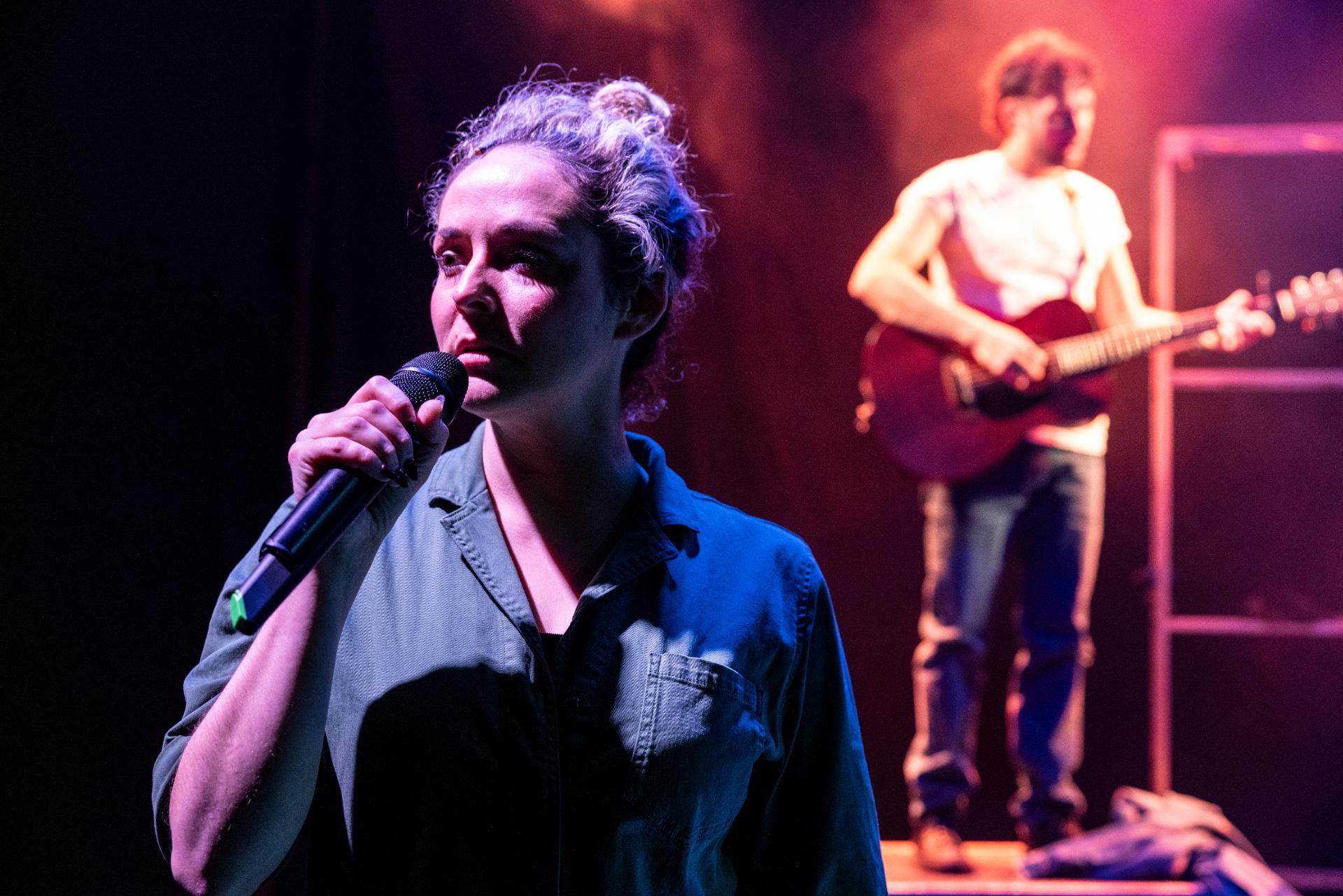
Directed by Andrew Panton and Tashi Gore, the production is certainly well rehearsed, with an evident polish that conveys a sense of confidence. Visual elements are kept simple, with lights by Grant Anderson commendable for introducing a quotient of drama. Work by Mark Chamberlain on music direction and accompaniment is a delight, even if energy of the piece never ceases to gradually and persistently falter. 

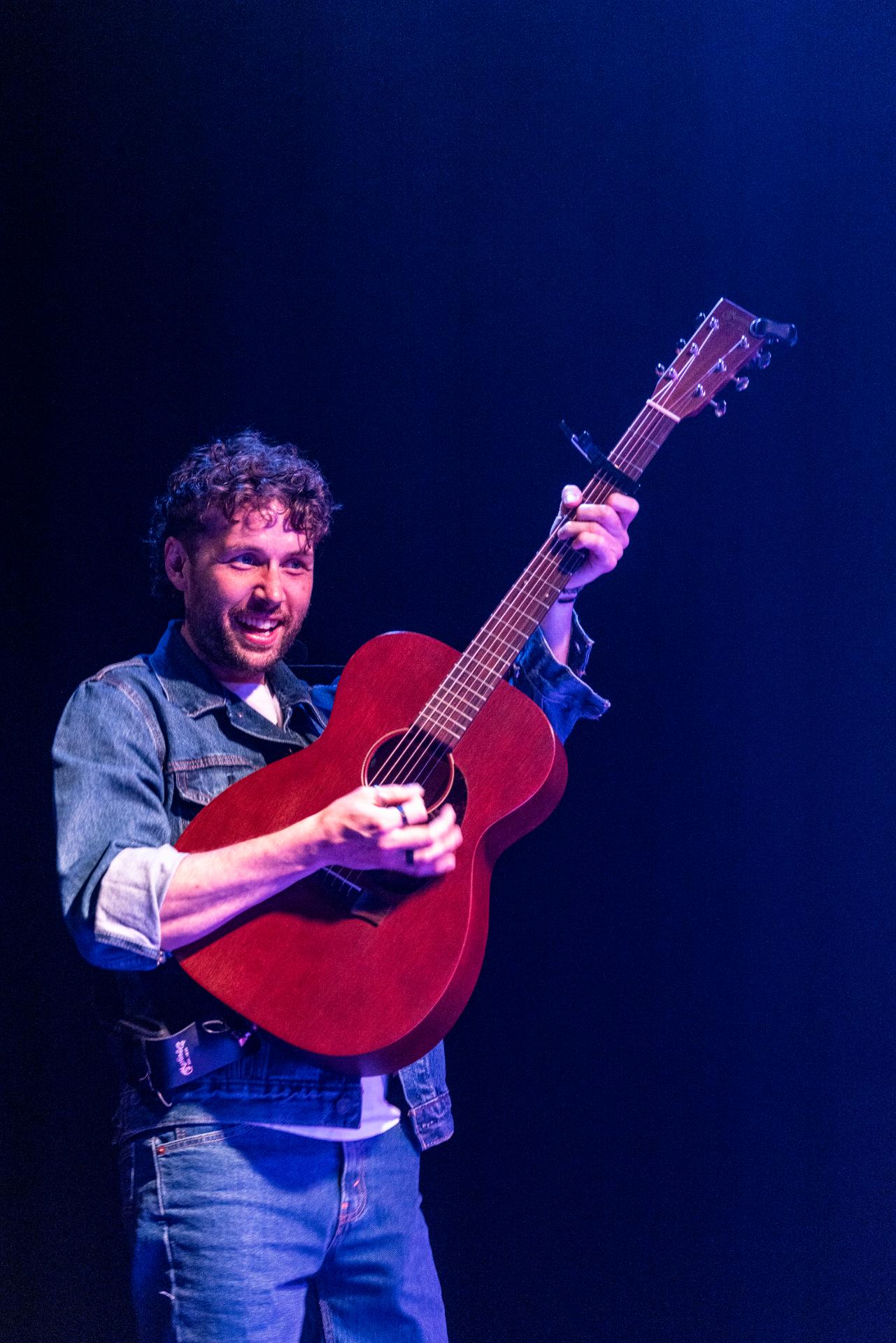
The combination of performers Keegan Joyce and Lucy Maunder may lack chemistry, but each demonstrates themselves to be individually accomplished. There is great detail in their efforts at bringing Lana and Jessie to life, both with remarkable conviction for their parts, along with strong vocals that prove their mettle.

Theatre can be as earnest as any story needs for it to be, but it is a space where imaginativeness should be able to run wild. No Love Songs is perhaps too plain in its expressions of an intense human moment. It is wonderful to attain a state of empathy through art, for it offers an avenue of communication that is unpredictable, when the normal ways fail to move.

www.nolovesongs.com.au