Venue: Foundry Theatre (Pyrmont NSW), Aug 28 – Oct 11, 2026
Playwrights: Joseph Nixon, Ian Shaw
Director: Luke Joslin
Cast: Robin Goldsworthy, Anthony Gooley, Tom Stokes
Images by David Hooley
Theatre review
Protracted technical failures on the set of a Hollywood blockbuster have a curious way of forging intimacy among those marooned by circumstance. Such was the predicament in 1975 on the set of Jaws, where three principal actors found themselves with an abundance of time and a poverty of purpose. In The Shark is Broken, by Ian Shaw and Joseph Nixon, we observe these men—united by profession yet scarcely by disclosure—navigate the liminal space between collegiality and confession.
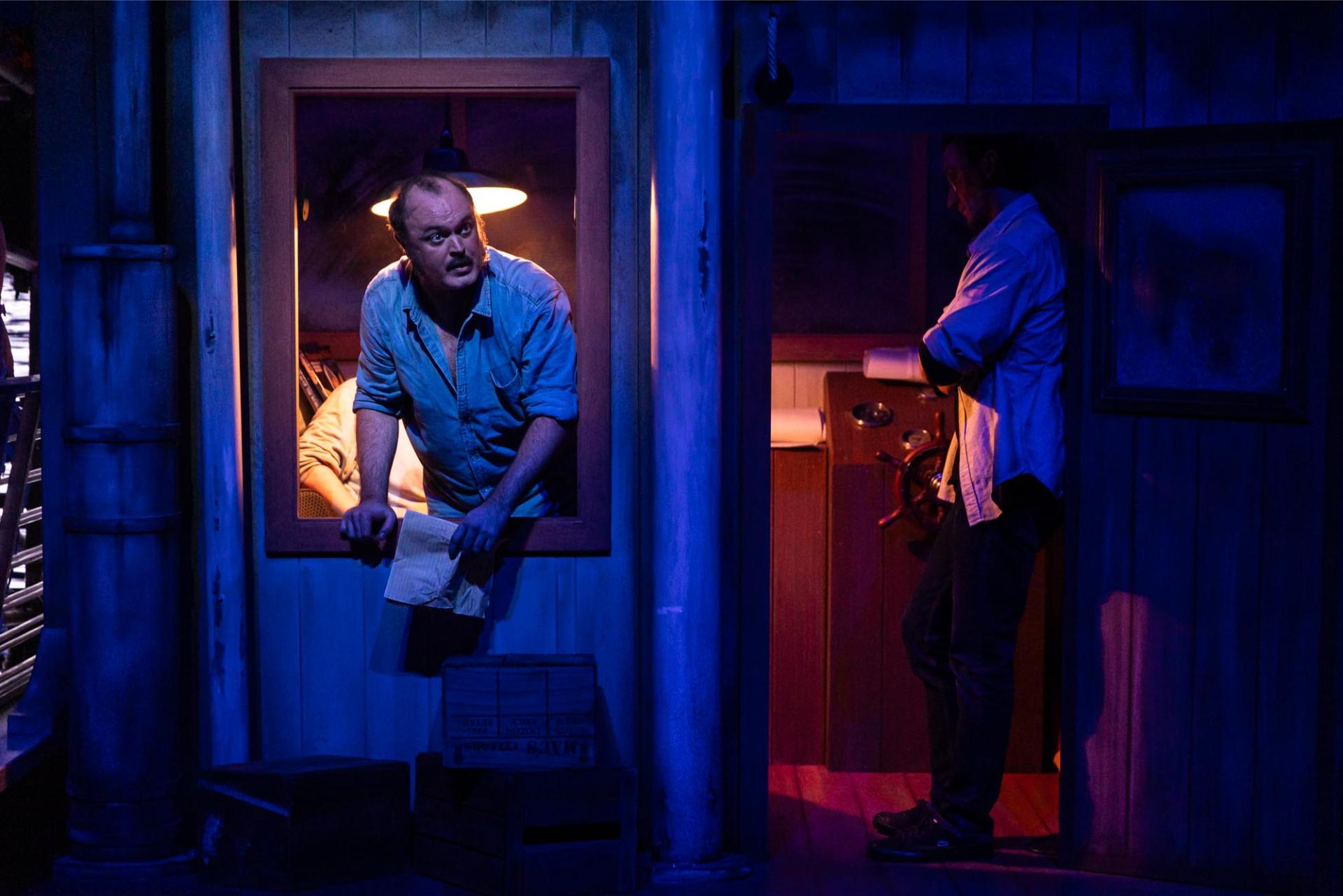
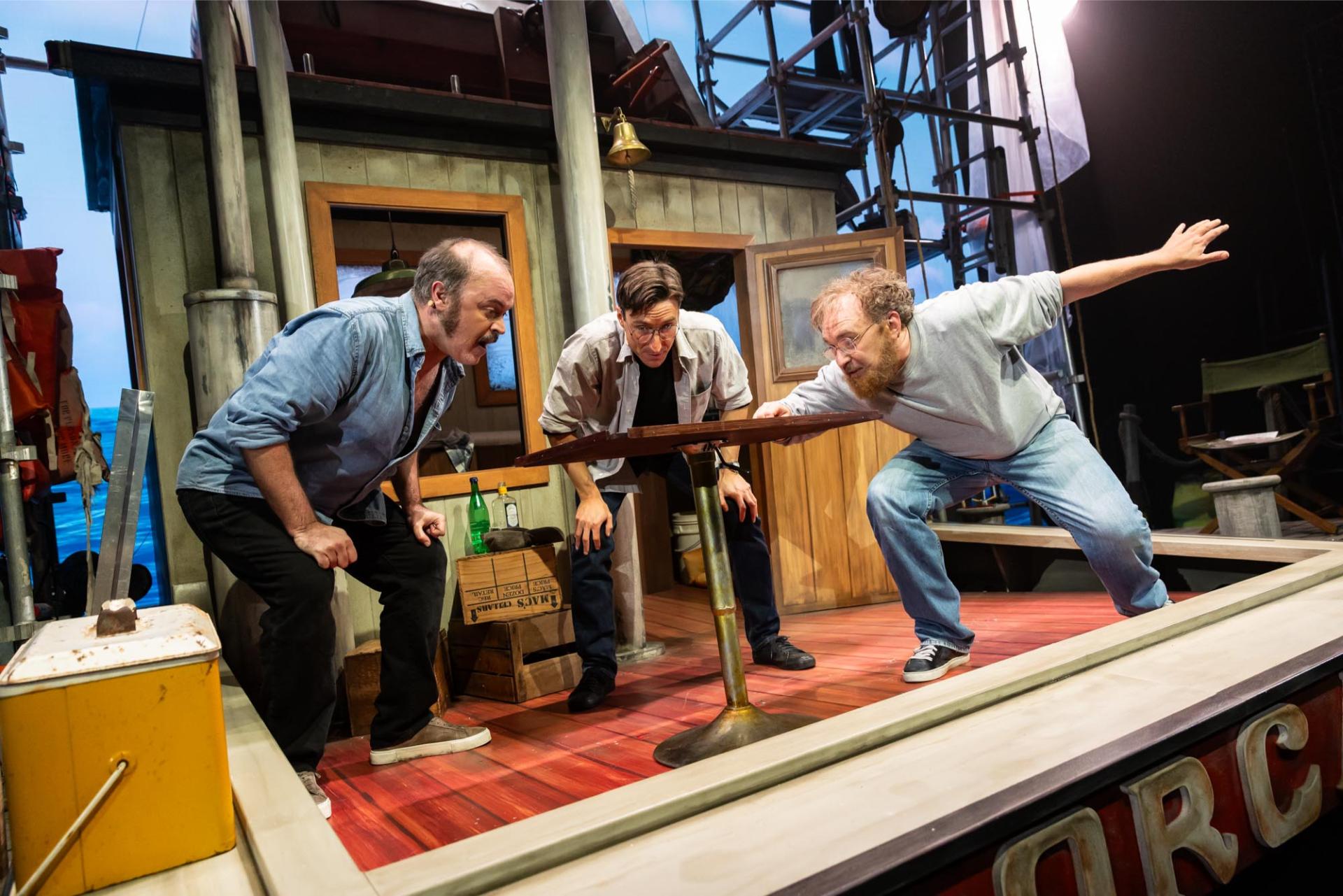
Directed by Luke Joslin, the production captures the texture of masculine camaraderie with undeniable authenticity; the performers bristle, bond, and deflect with the choreography of men who have learned that proximity need not entail revelation. Yet the play remains curiously surface-bound: its characters traffic in the signifiers of vulnerability without ever submitting to its discomfort. One admires the execution while wondering for whom, precisely, this exercise in emotional restraint is intended.
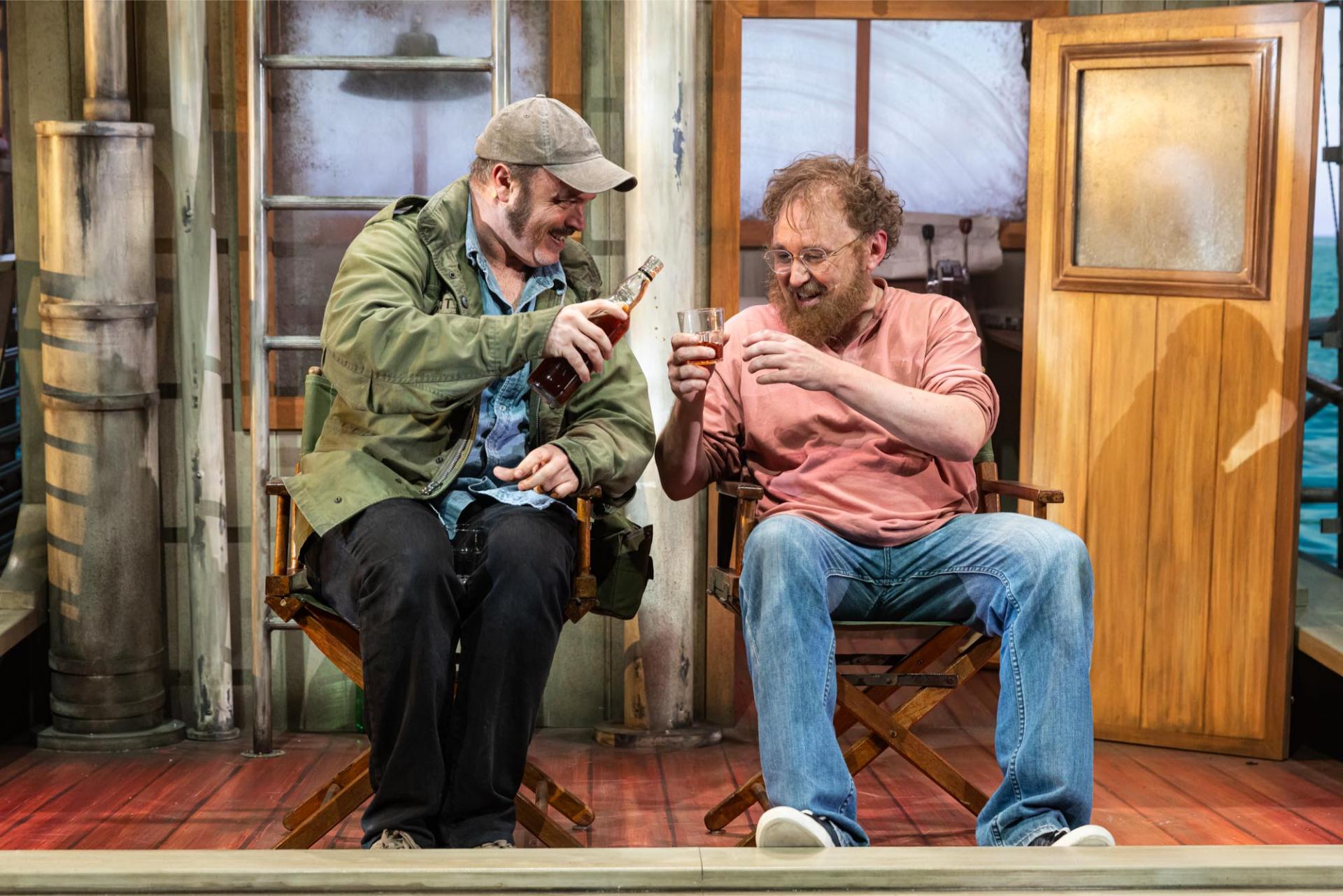
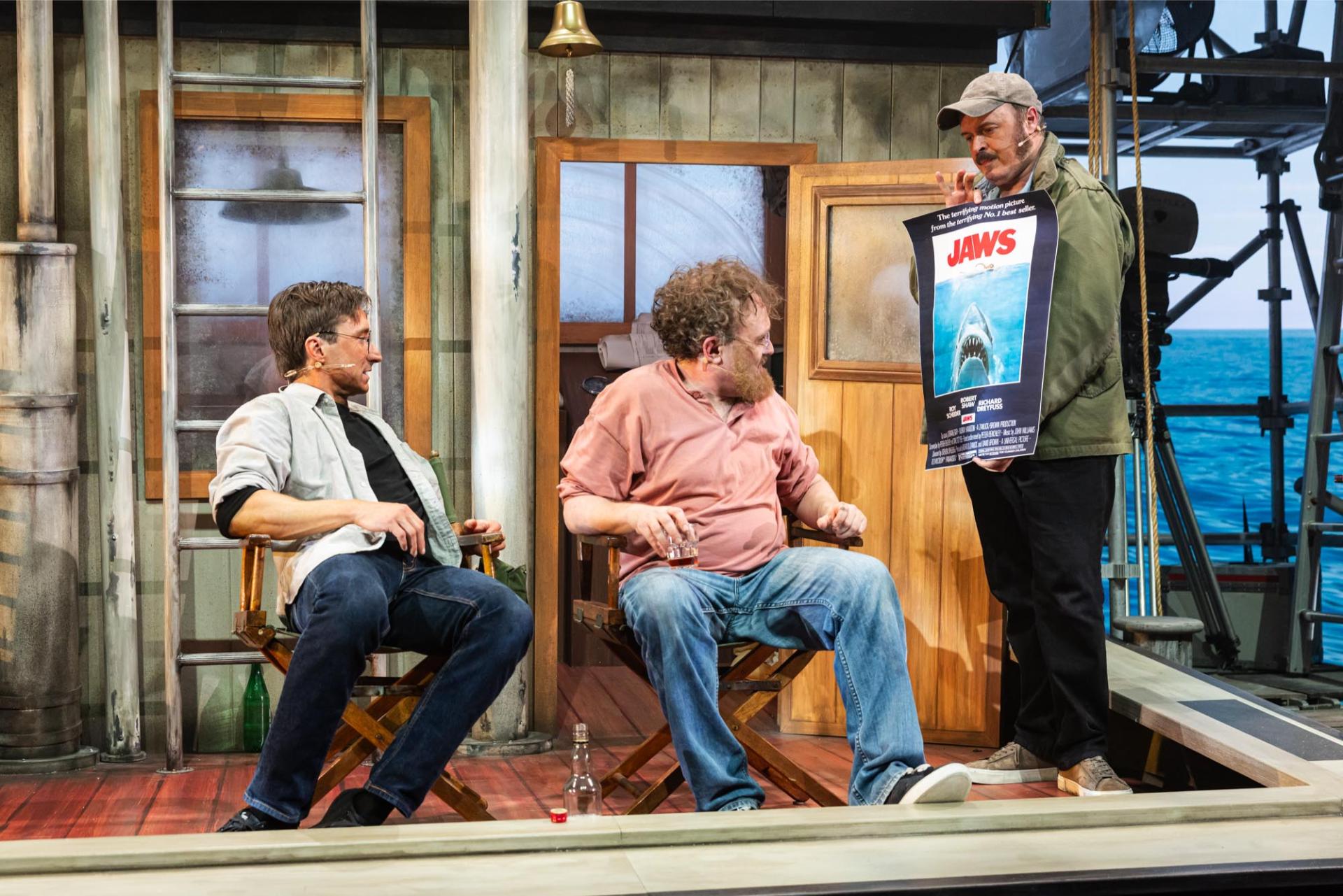
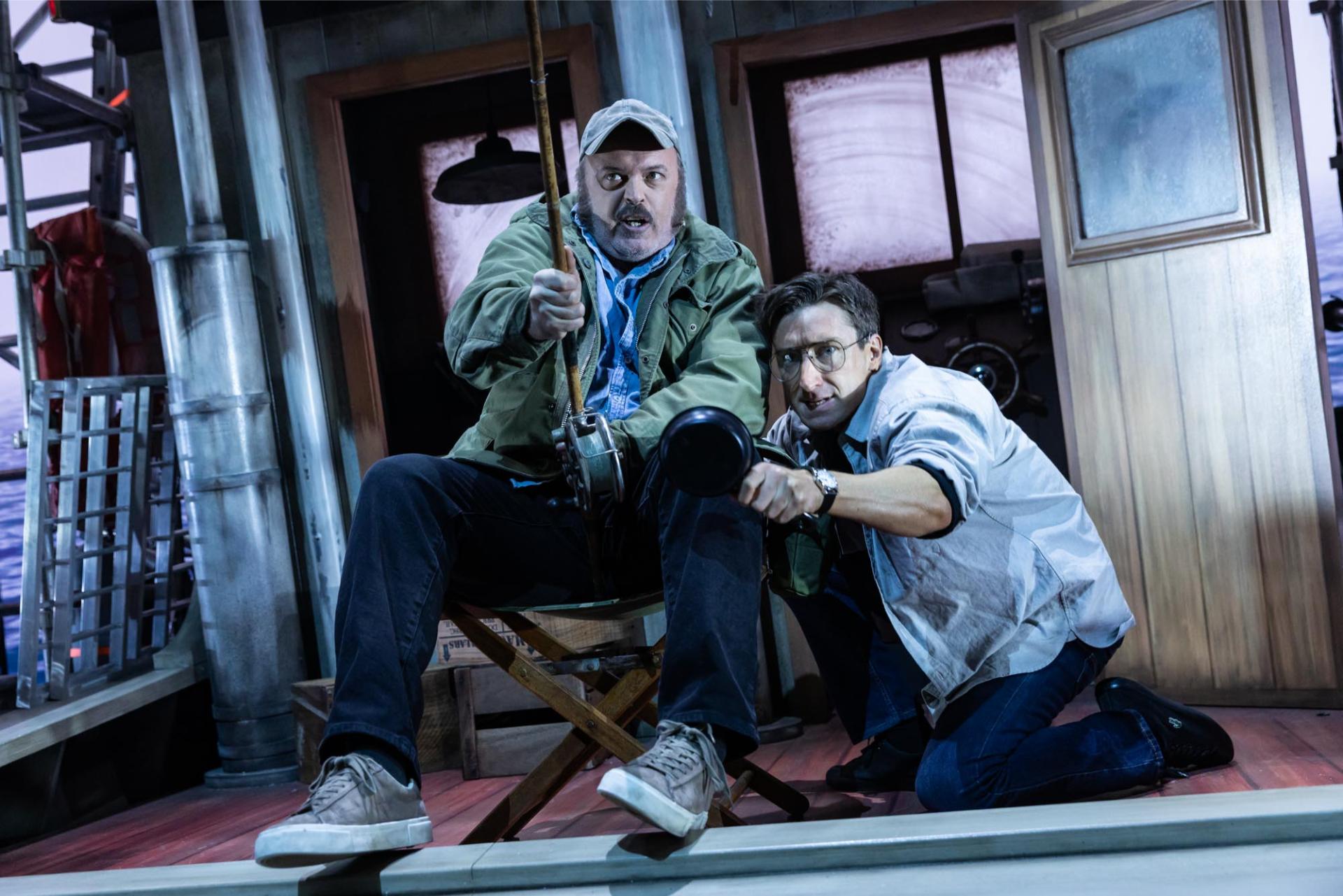
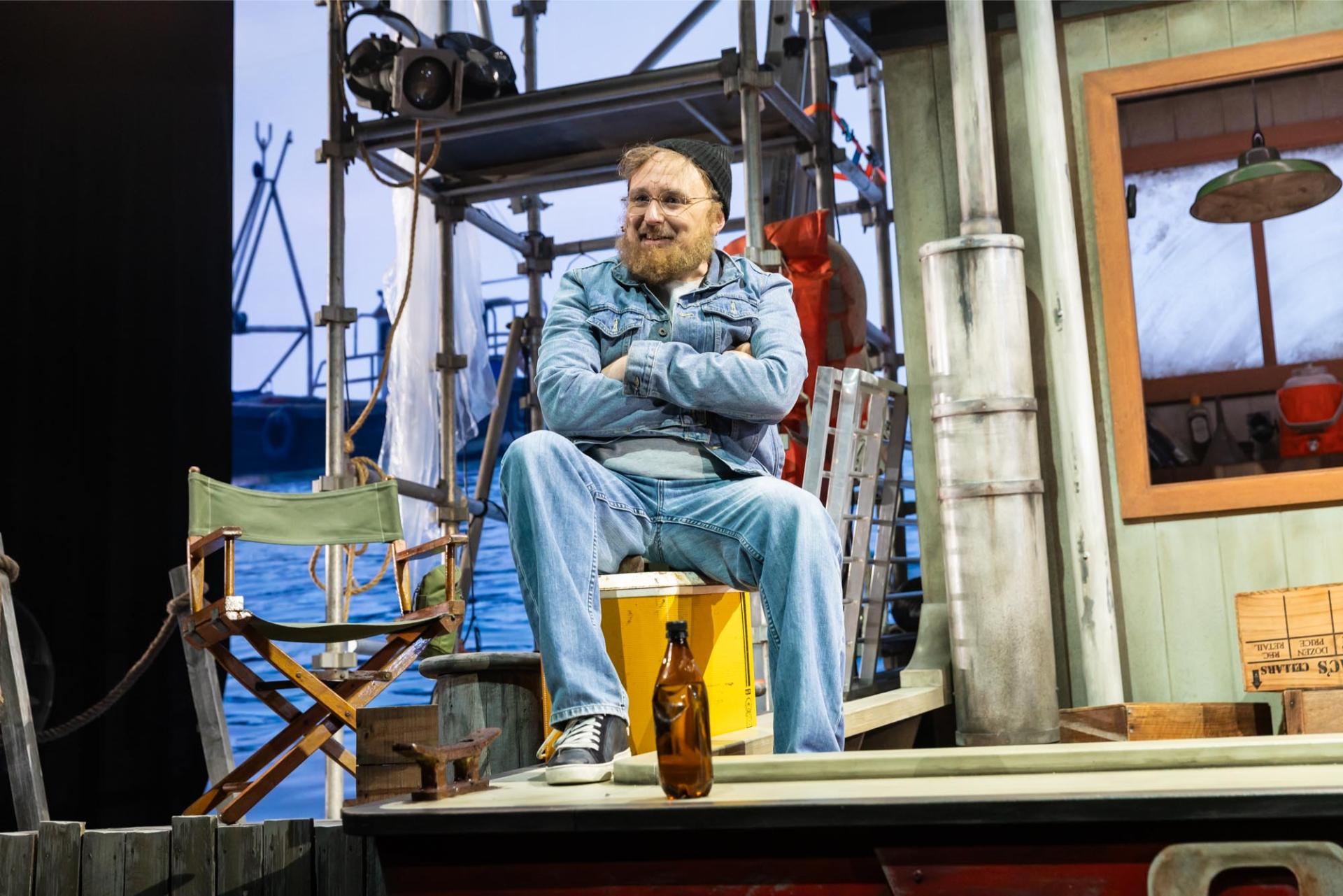
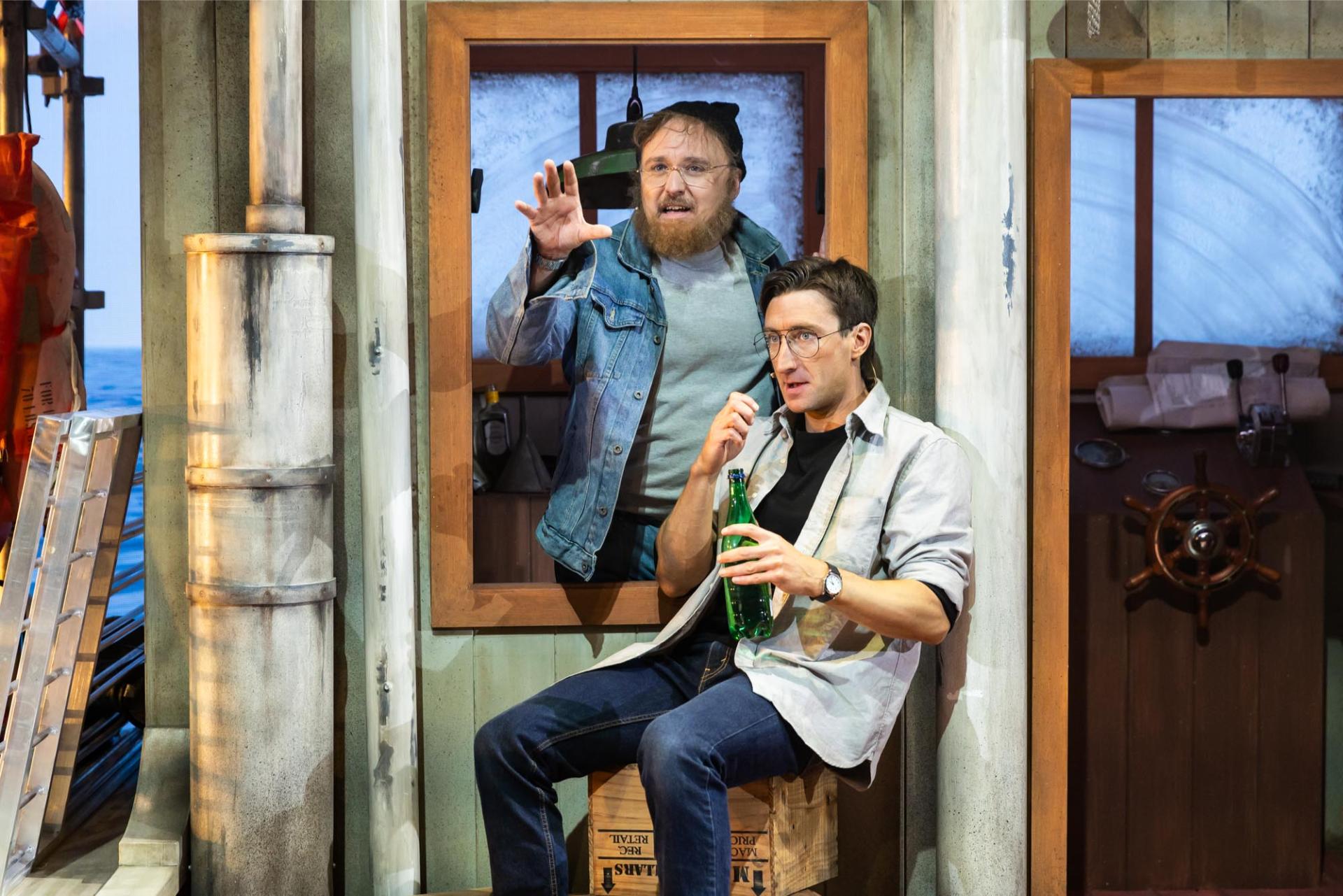
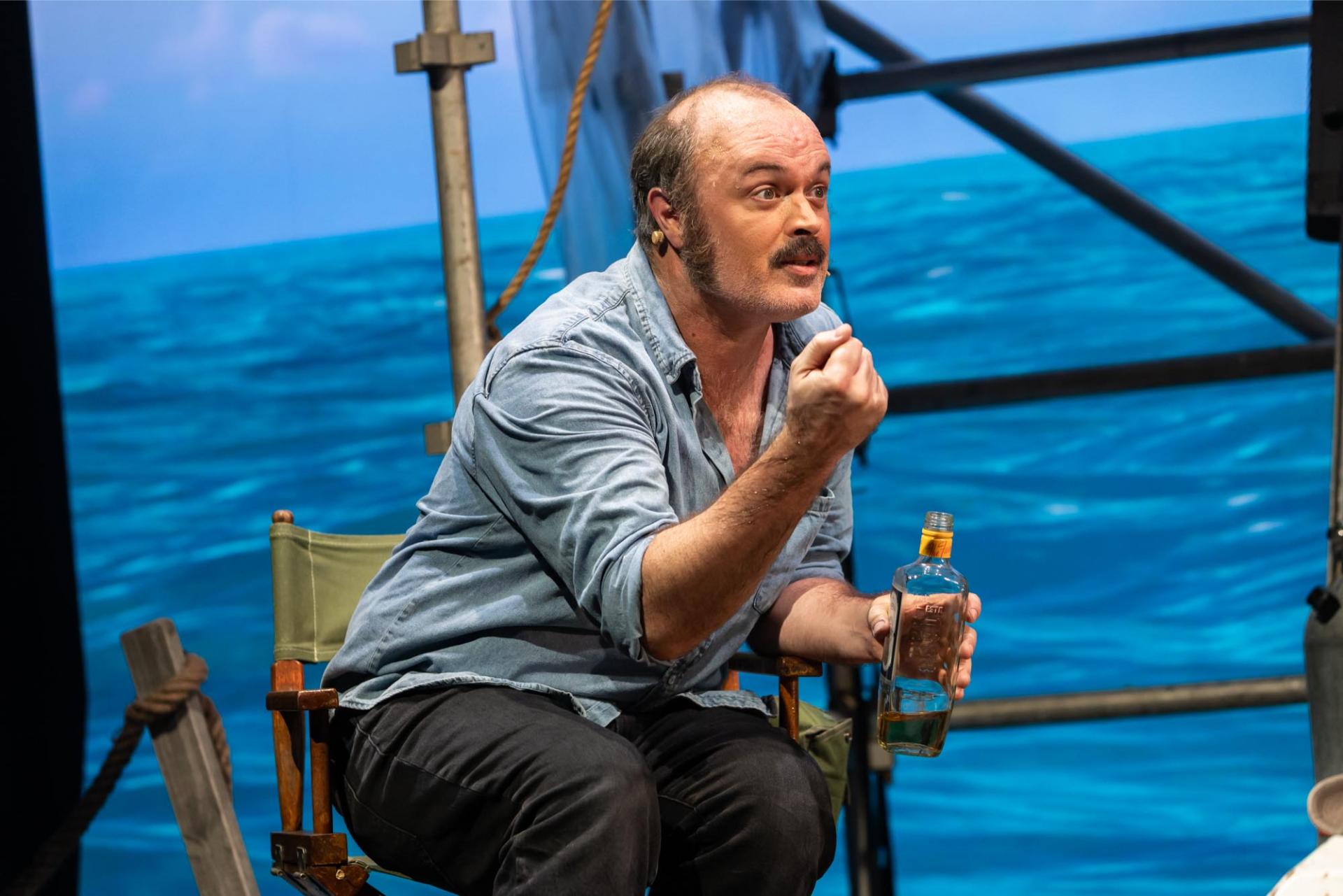
The cast is uniformly superb. Robin Goldsworthy brings an irrepressible, mercurial energy to Richard Dreyfuss, his vivacity keeping the proceedings buoyant even as the narrative threatens to list. Anthony Gooley imbues Robert Shaw with a brooding, caustic grandeur—convincingly sodden one moment, debonair the next, capturing the paradox of the ruined aesthete. Tom Stokes is a dead ringer for Roy Scheider, his impeccable timing lending the storytelling an organic, unforced rhythm.
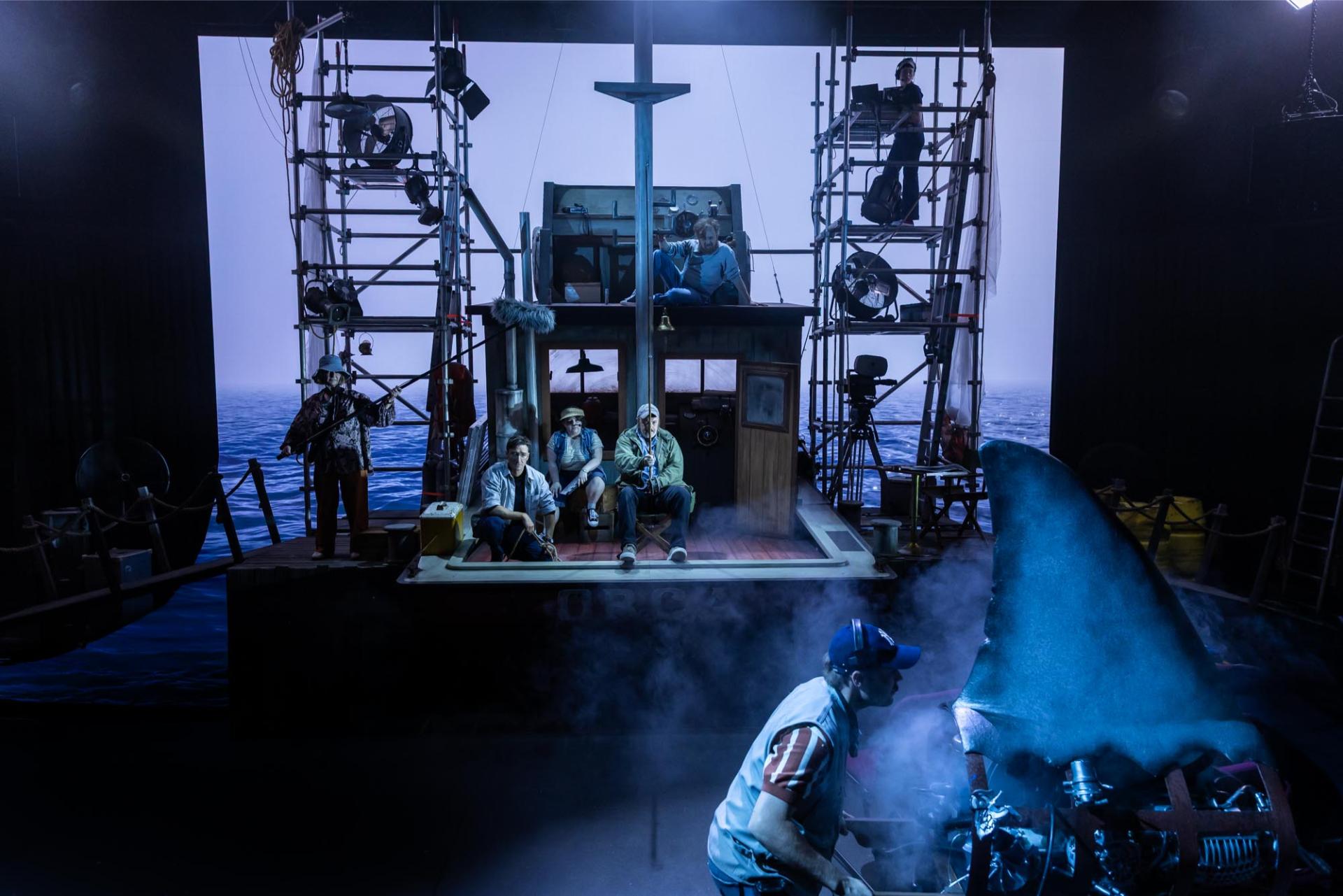
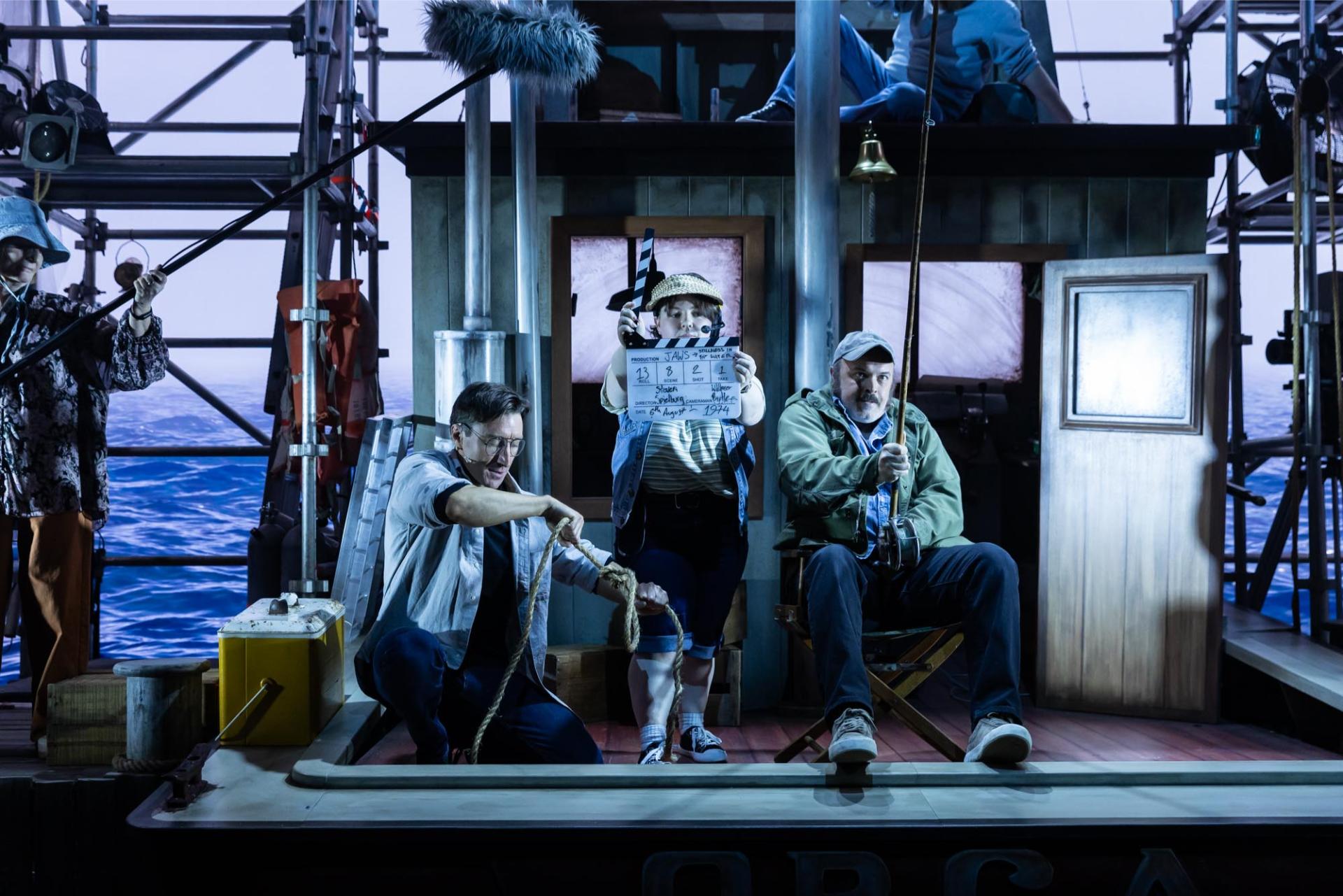
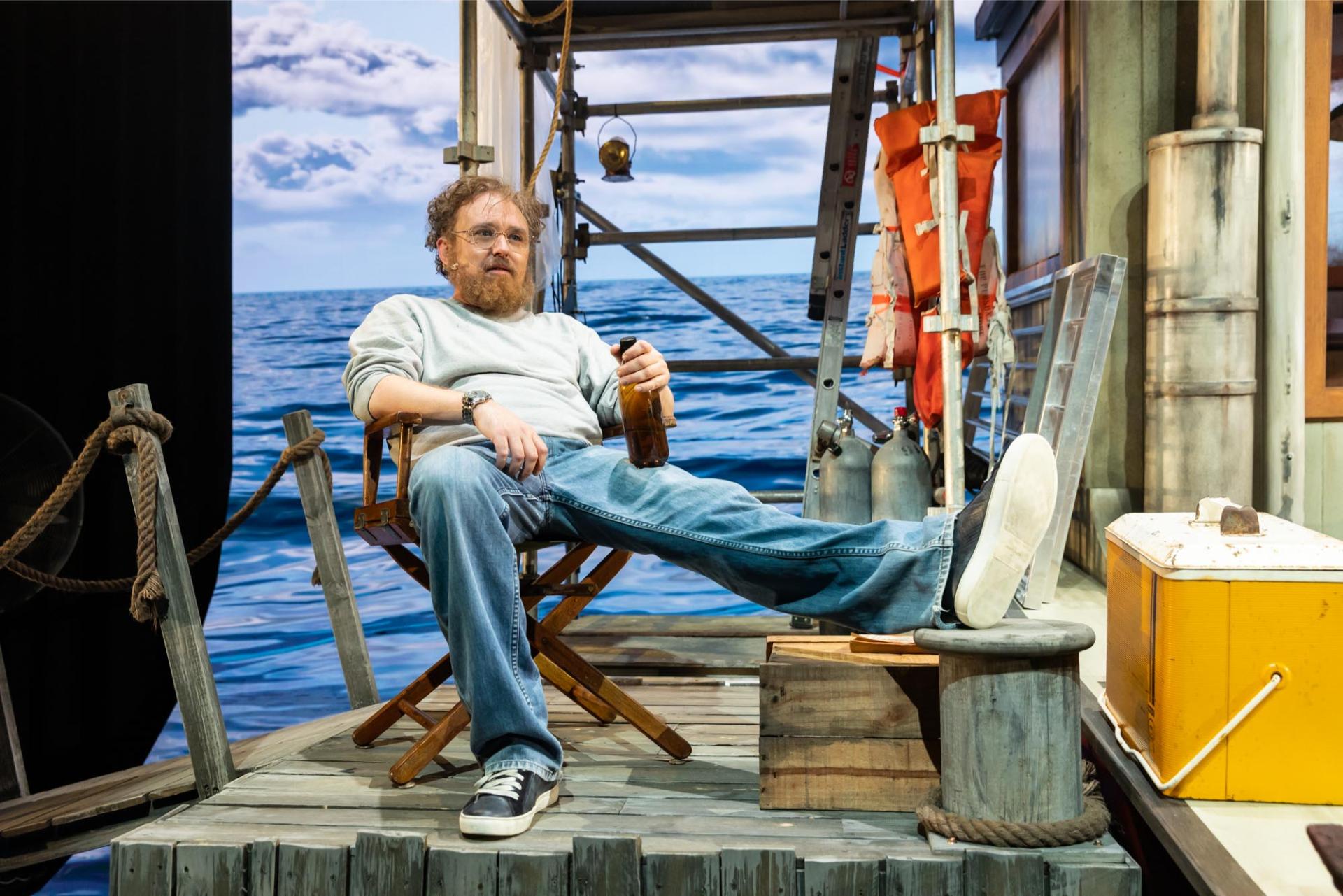
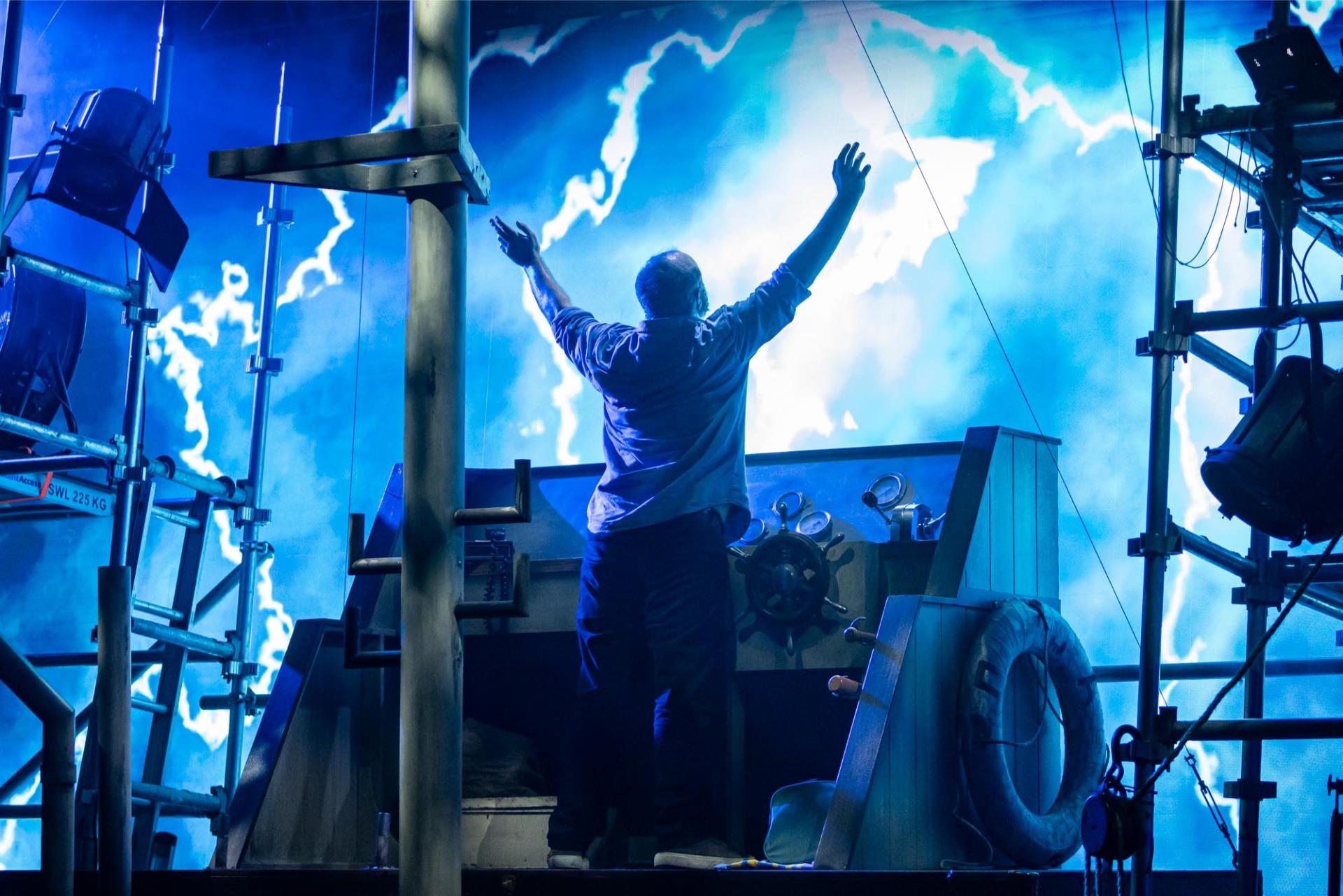
The design elements are equally accomplished. James Browne’s set, augmented by Cameron Smith’s video projections, achieves a striking majesty while never permitting us to forget that these men are, both literally and figuratively, at sea. Jasmine Rizk’s lighting and Sean Peter’s sound design offer subtle but essential flourishes, conjuring theatricality from an environment that is simultaneously artificial and elemental.
The central irony of the piece—and perhaps its most trenchant observation—is that these men had no faith their film would become anything more than a troubled production. They did not relish their position; they did not apprehend the extraordinary privilege of their circumstance. Instead, they nursed petty grievances and private miseries, too consumed by their own discontent to recognize the historical moment unfolding around them. The play seems to ask whether lasting legacies are forged through conscious intention or merely accrue, unbidden, to those too preoccupied to notice. It is a sobering meditation on the cost of myopia—though one wishes the work itself were less reluctant to look beneath the surface it so reticently surveys.