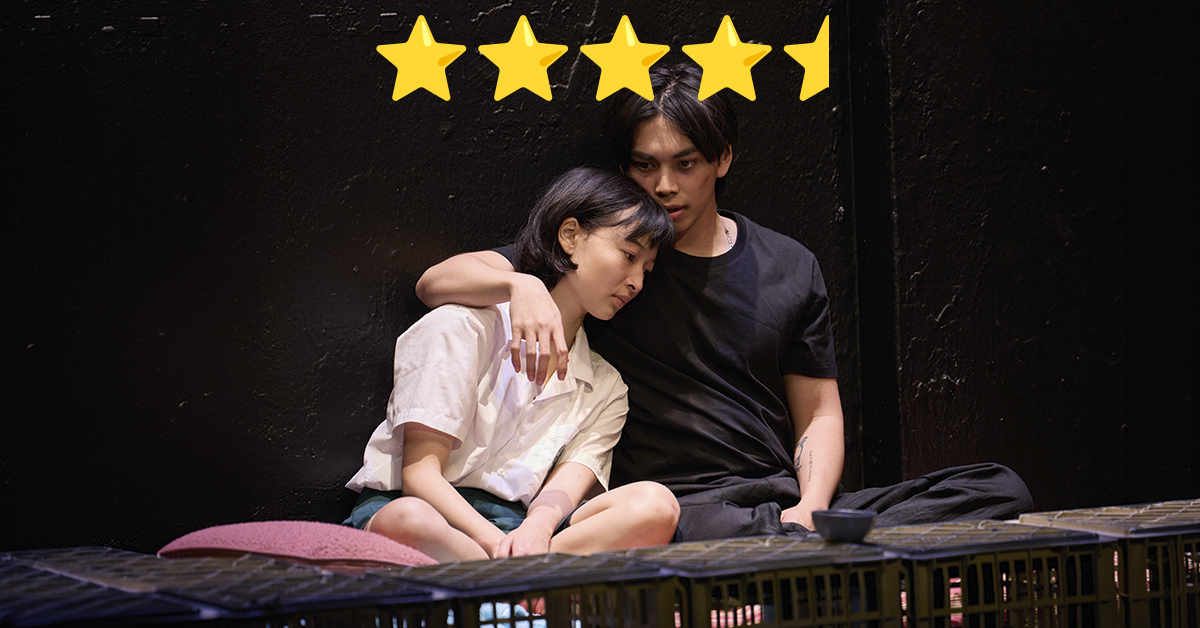
Venue: Belvoir St Theatre (Surry Hills NSW), Nov 21 – Dec 23, 2026
Playwright: Vivian Phan
Director: Hannah Goodwin, Catherine Văn Davies
Cast: Gemma Chua-Tran, Van Doan, Susan Huang, Kevin Khan, Haiha Le, Rabia Majeed, Brandon Nguyen, Jonathan Nguyen, Christy Tran, Khanh Trieu
Images by Daniel Boud
Theatre review
Sonny is simply trying to get through high school, but life in Cabramatta in 1998 is anything but straightforward. She may be an Australian teenager, but as a descendant of Vietnamese war refugees, she finds herself perpetually enveloped by the lingering trauma of a conflict she has never known firsthand. It is ostensibly a time of peace, yet the elders in her community behave as though suffering has no conceivable endpoint. Her contemporaries fare little better, among them the dreamy Vince, recently released from youth detention, who carries an emotional burden seemingly no less onerous than that of their parents’ generation.
Vivian Pham’s play, adapted from her 2020 novel of the same name, The Coconut Children, derives its title from a folkloric metaphor about coconut palms leaning towards the water, allowing their fruit to fall into the ocean and journey to distant shores. It is indeed a bittersweet meditation on the diasporic experience, and on the inextinguishable human yearning for better futures, even in the face of seemingly insurmountable adversity.
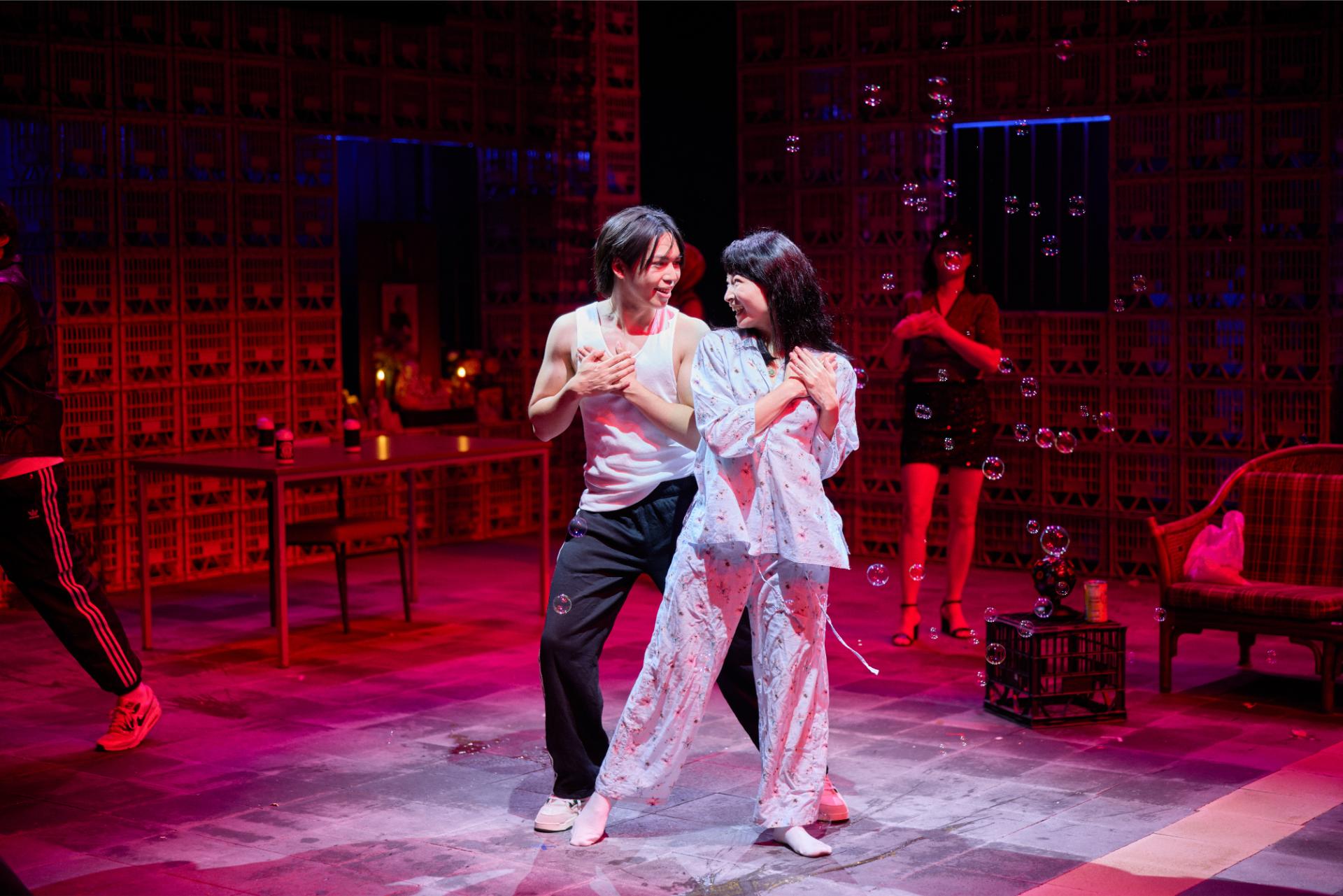
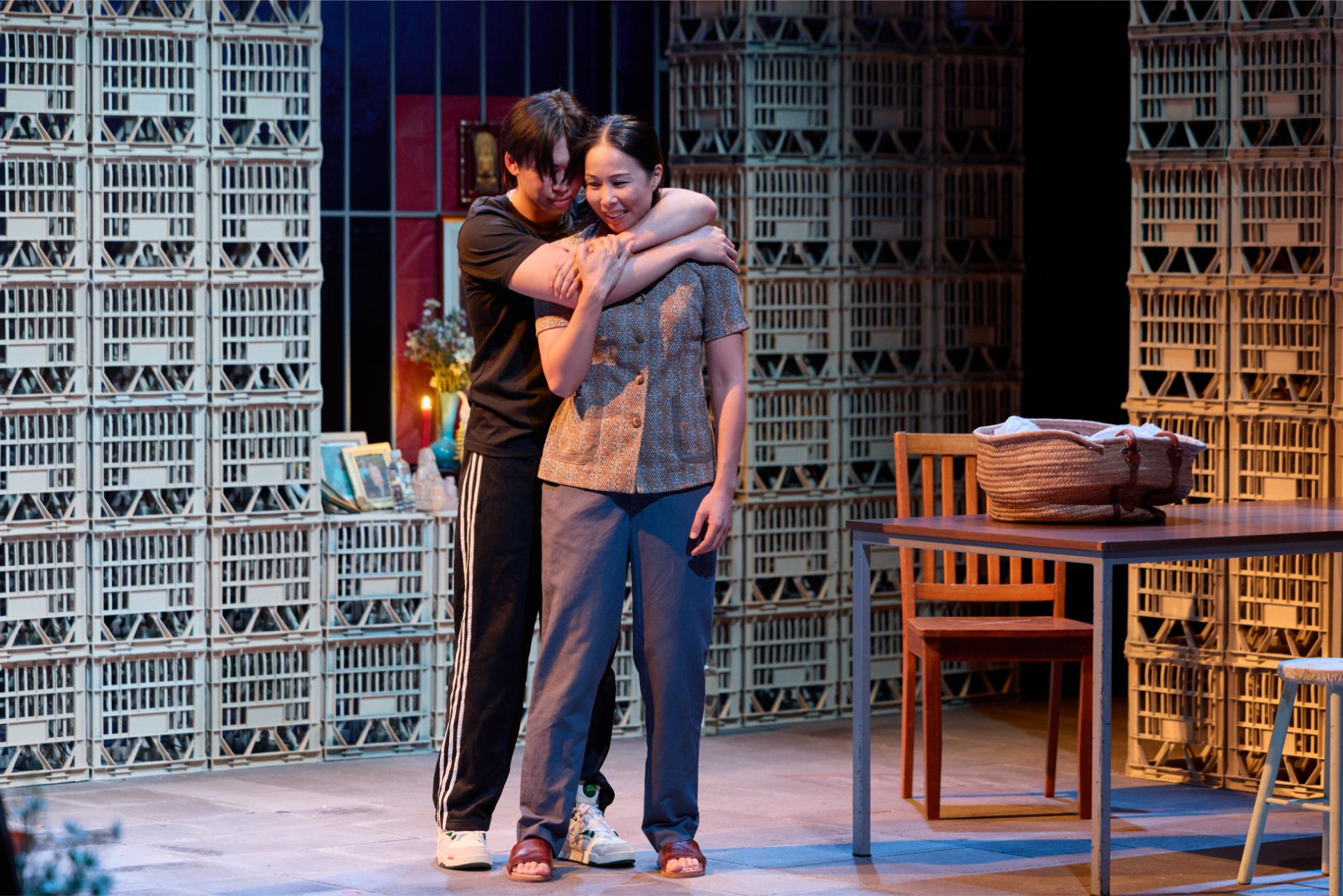
Pham’s work is inexhaustibly tender, yet wondrously humorous. Laughter in the face of anguish is a familiar reality for those who have escaped the ravages of war, and it is precisely this sensibility that permeates the staging. We laugh because the truth is almost unbearably dark, and even as that laughter offers a measure of transcendence, the concomitant weight of historical trauma seems only to intensify. Co-directors Hannah Goodwin and Catherine Văn Davies demonstrate an acute appreciation of this emotional duality, orchestrating a production in which the joys and sorrows of Sonny’s community continually wash over us. We find ourselves laughing almost incessantly, whilst partaking in a collective heartache that seems unlikely ever to dissipate.
The emotional potency of The Coconut Children may be its most immediately arresting quality, but equally valuable is the rare insight it affords into a dimension of Australian life whose complexities have seldom been adequately represented on our stages. We emerge with a remarkably intimate understanding of experiences that are both profoundly personal and inextricably bound to the formation of our contemporary national identity.
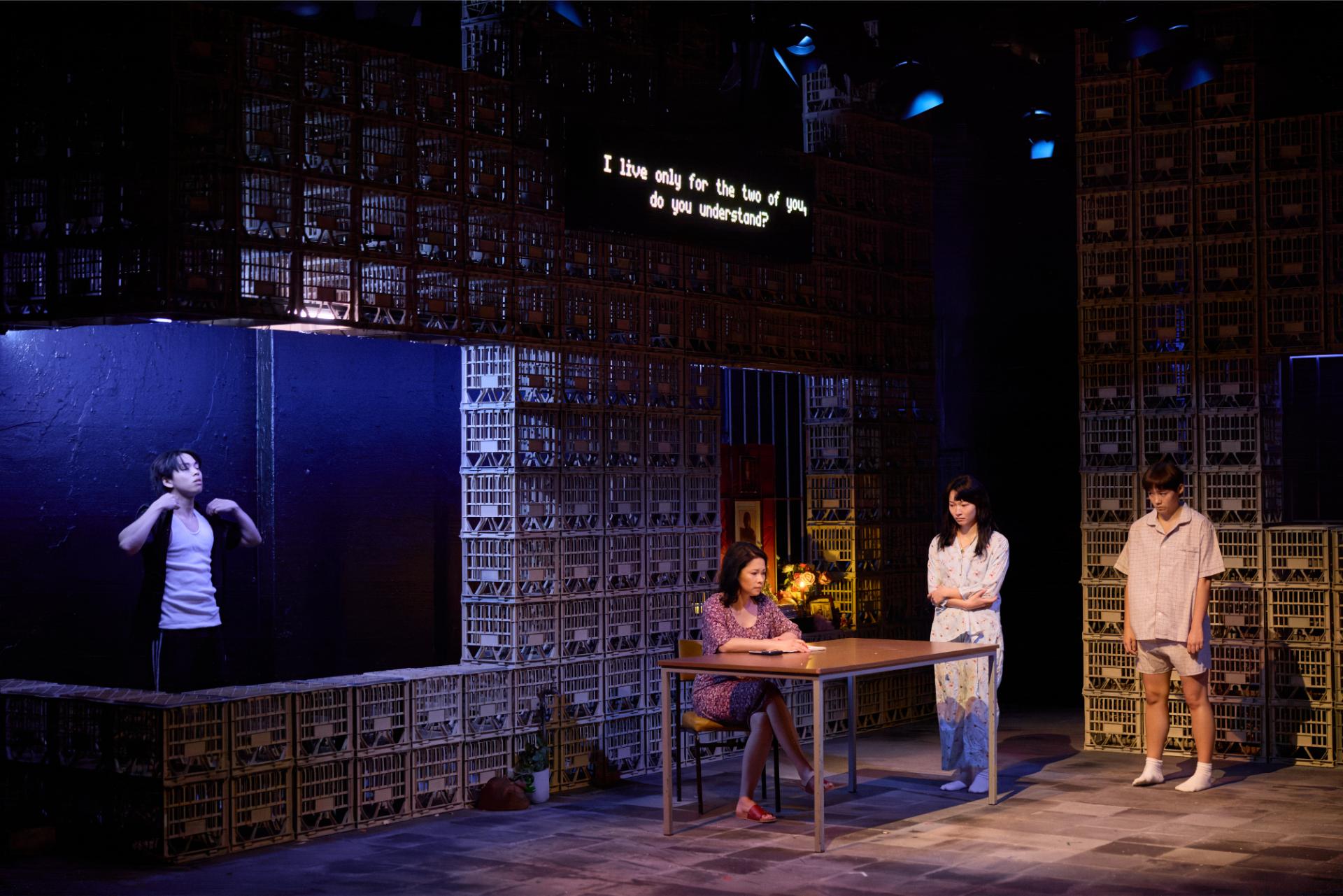
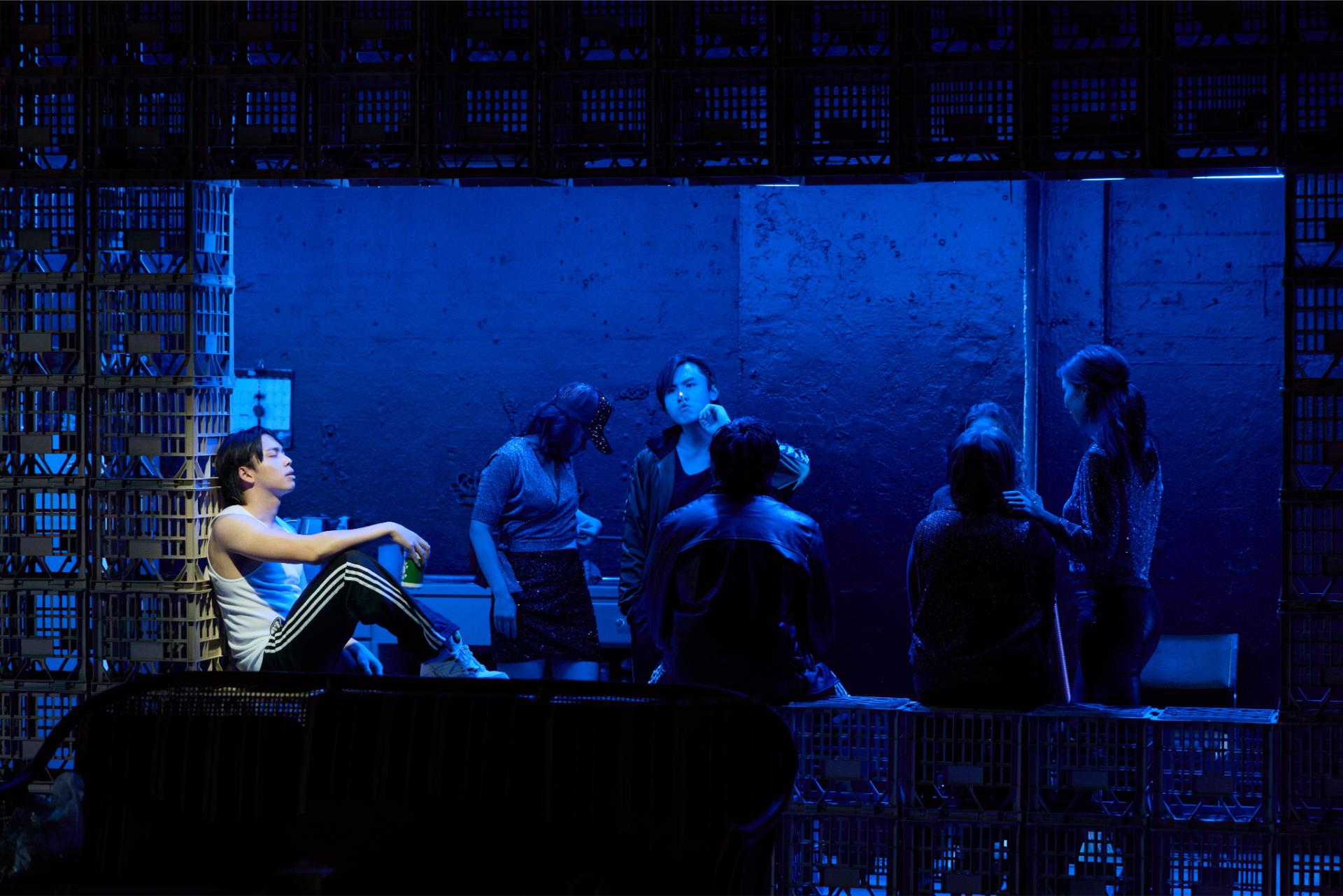
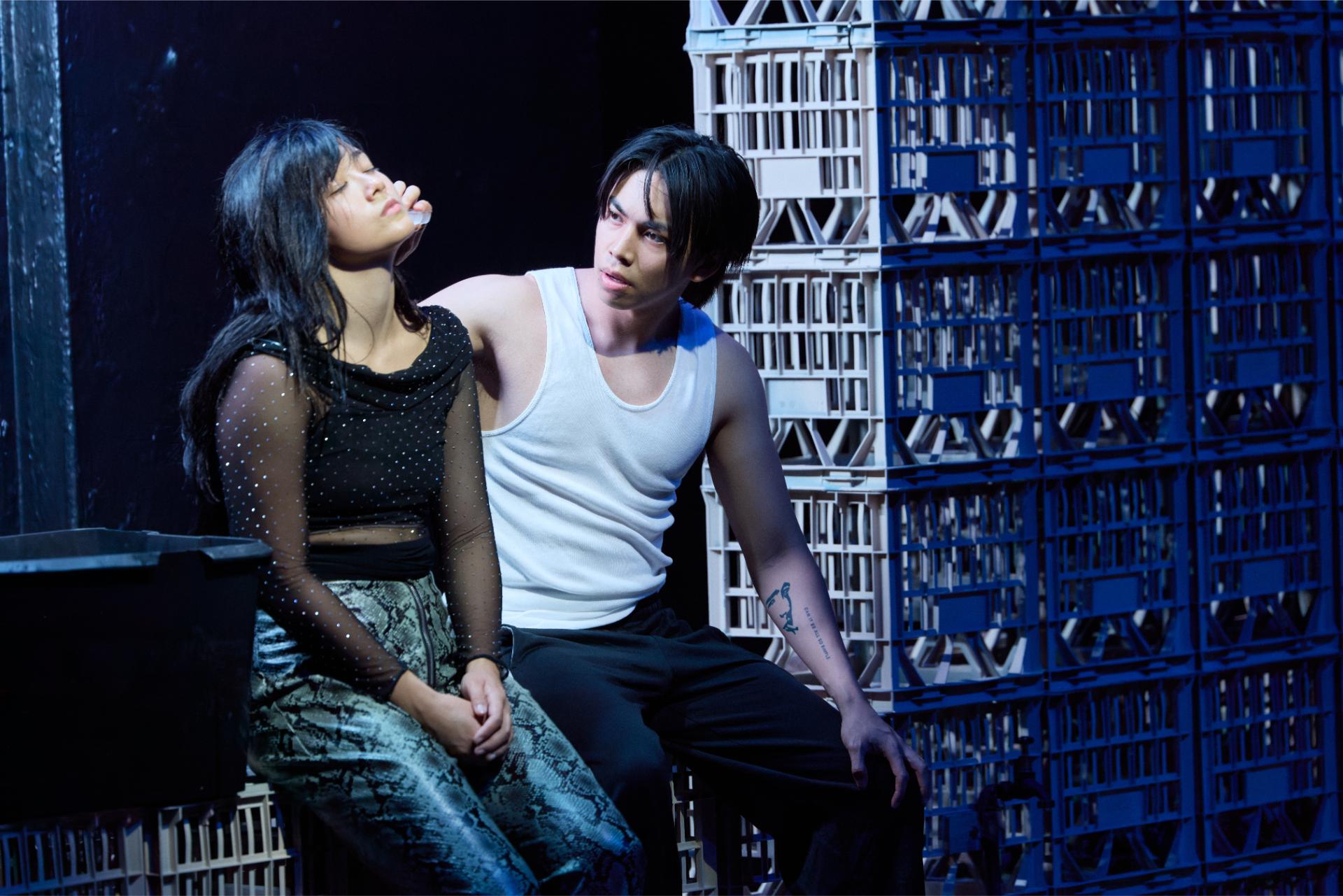
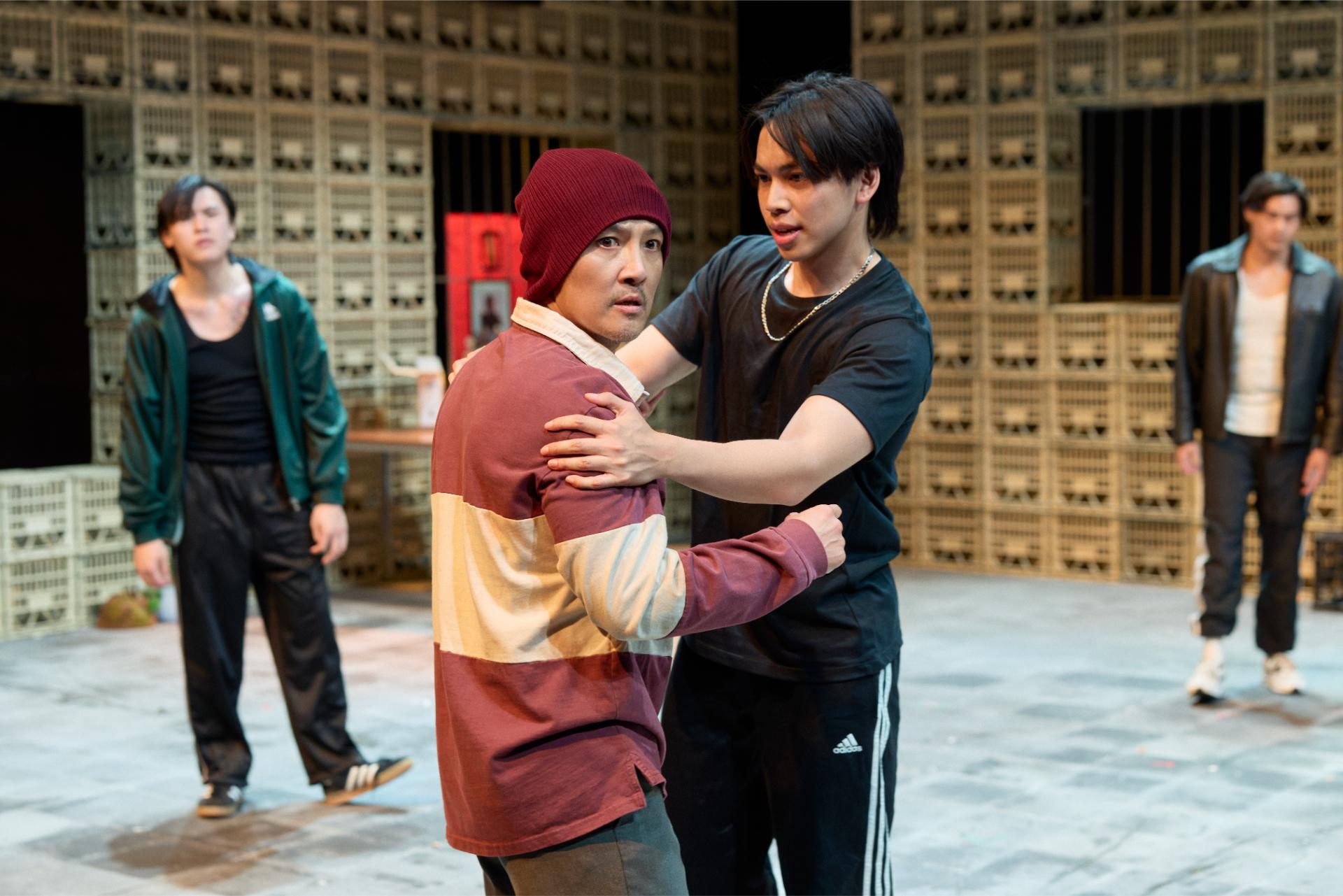
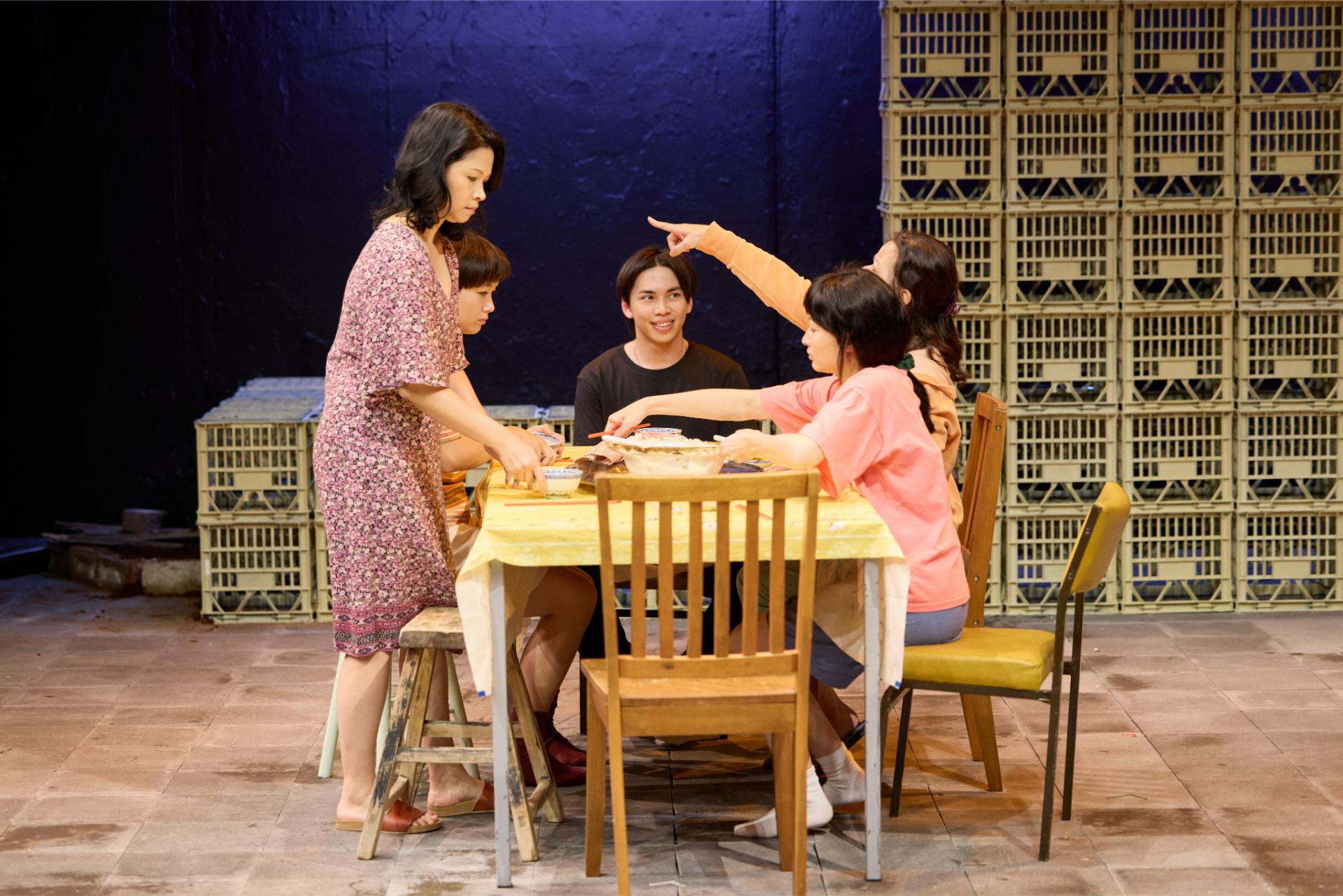
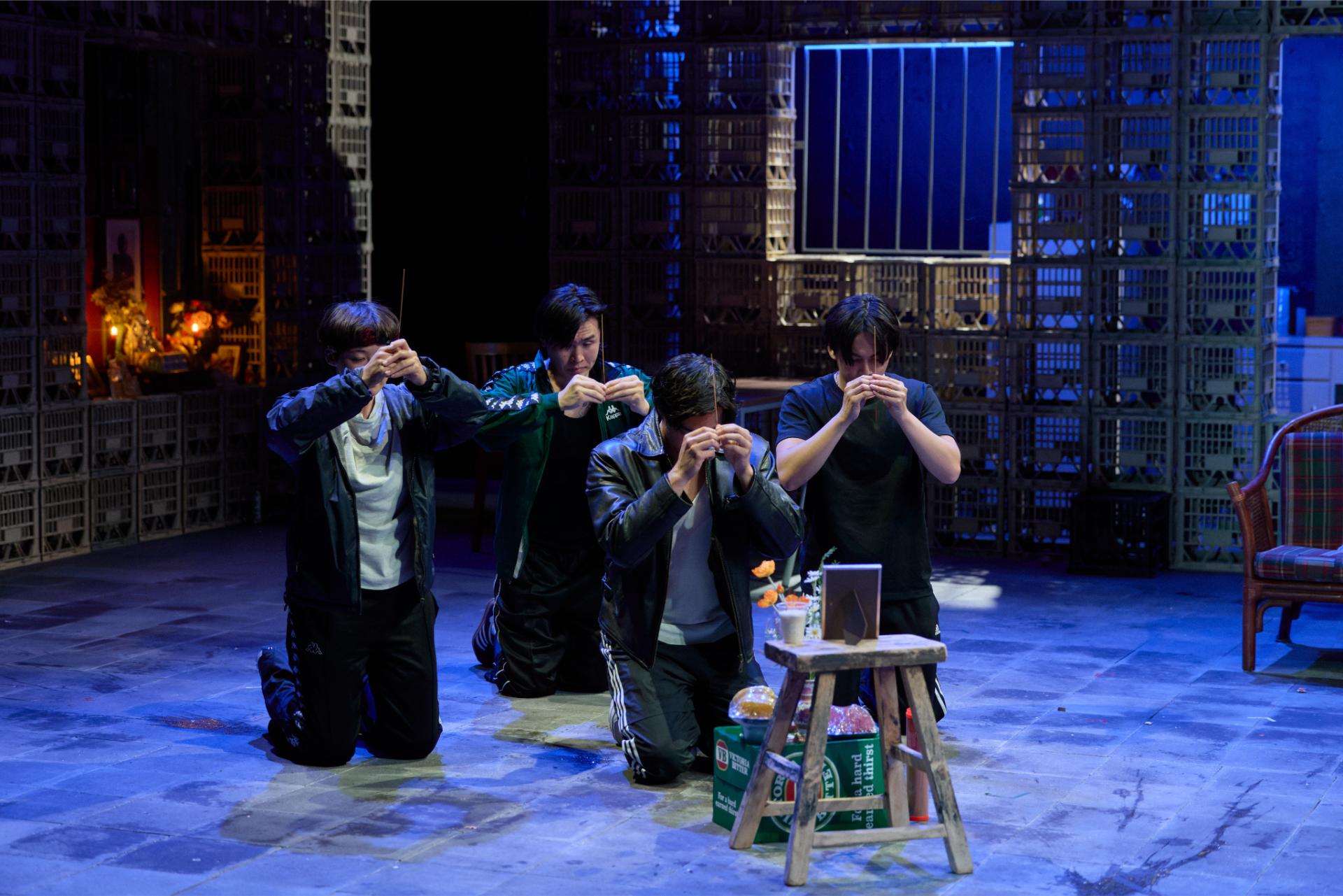
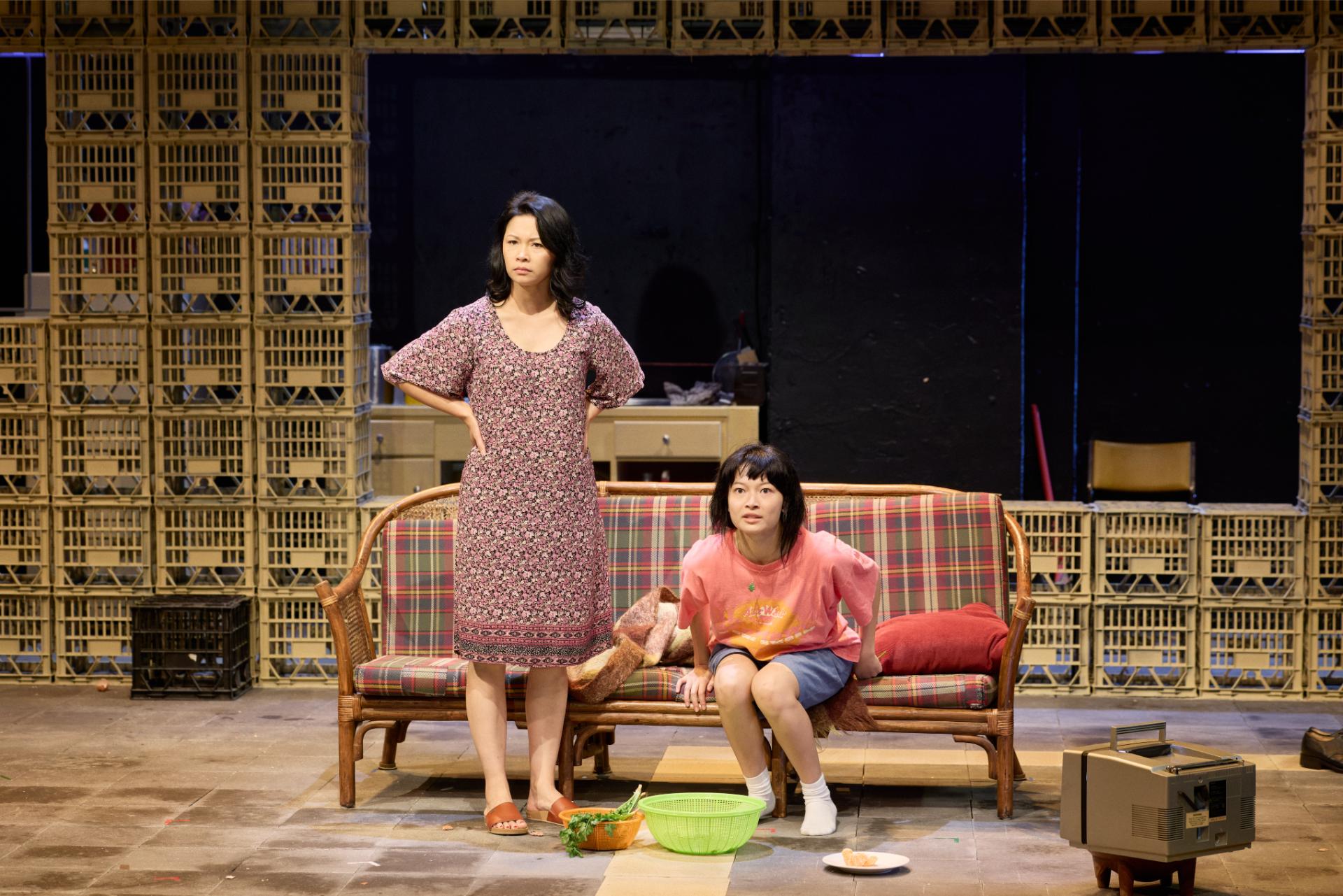
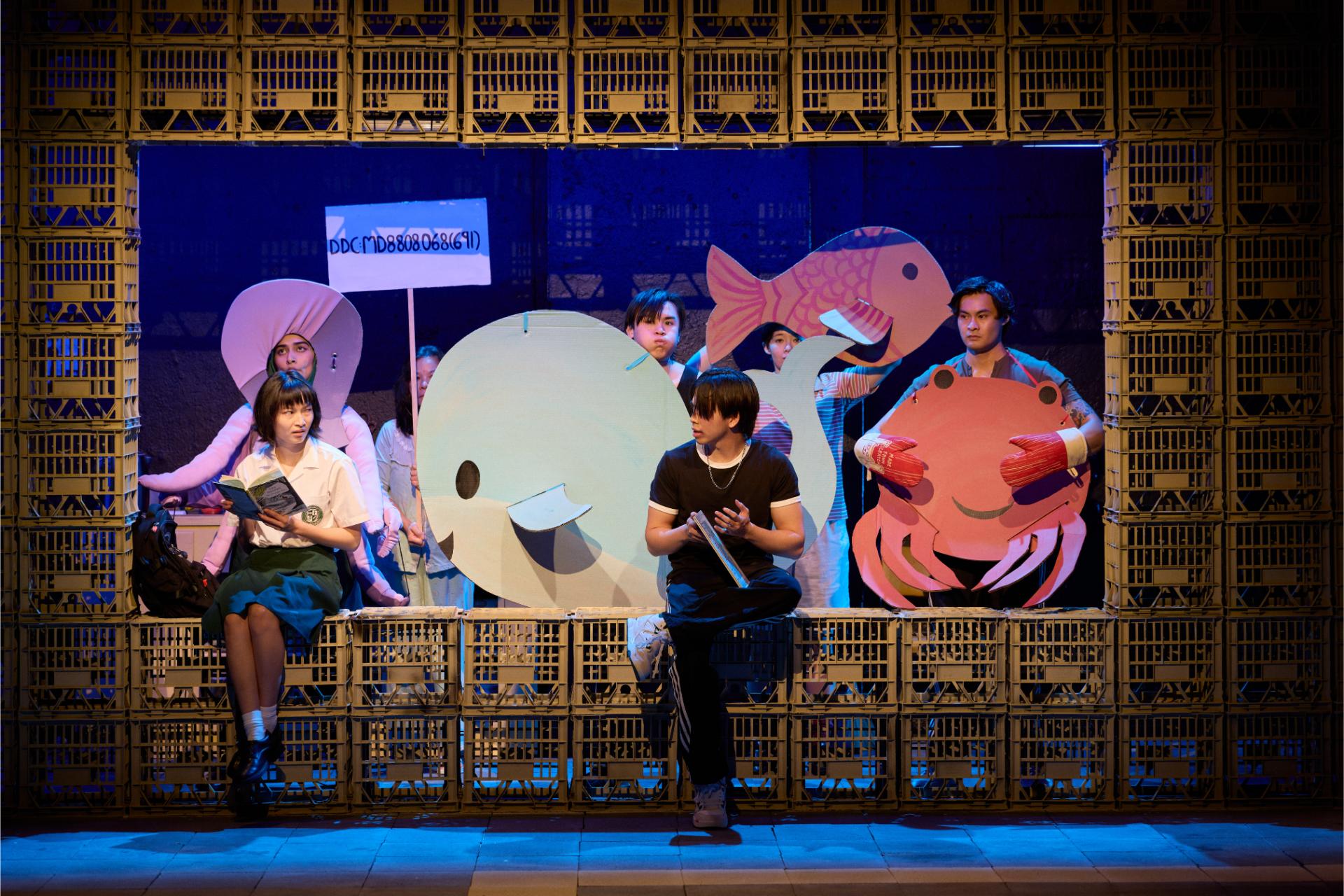
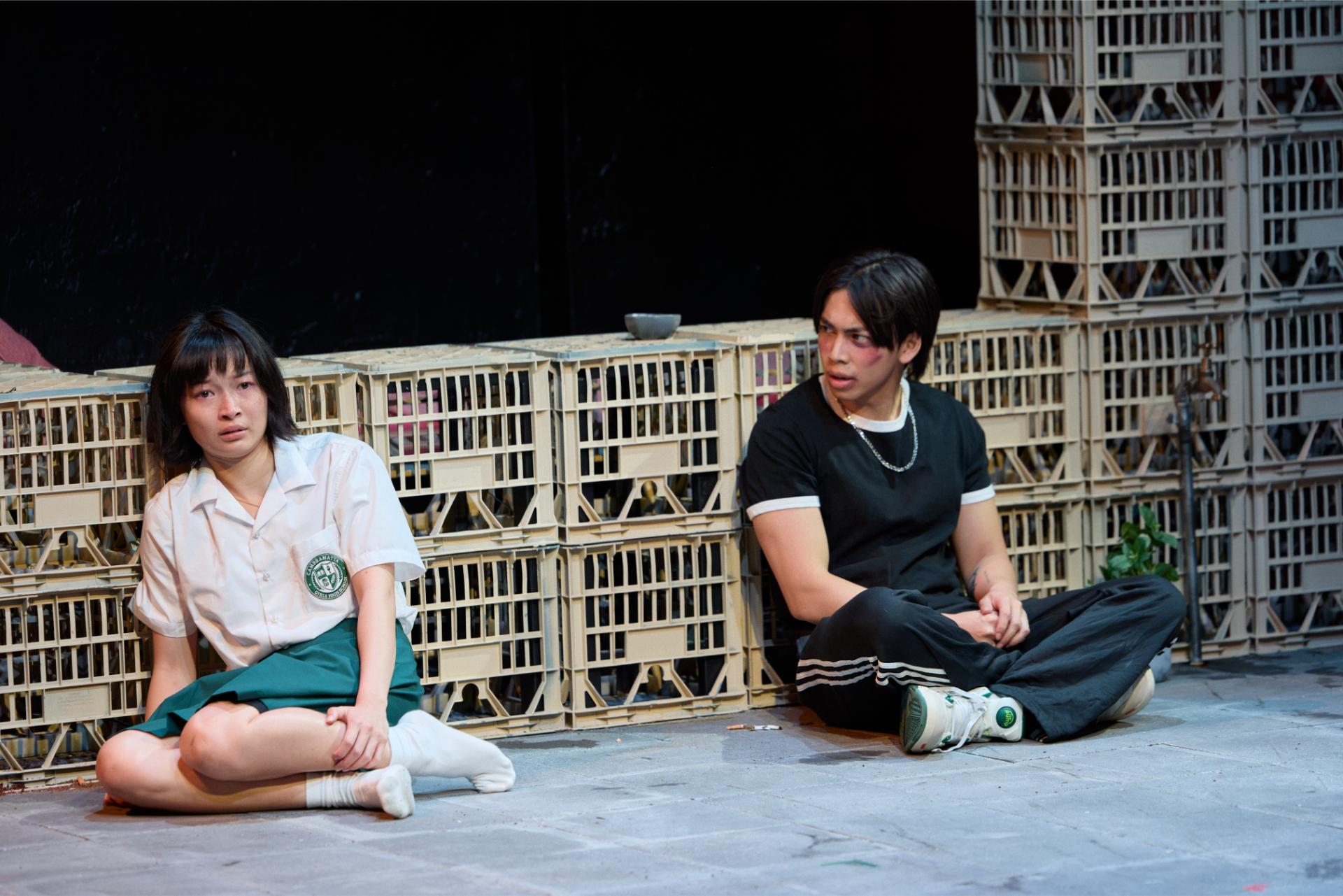
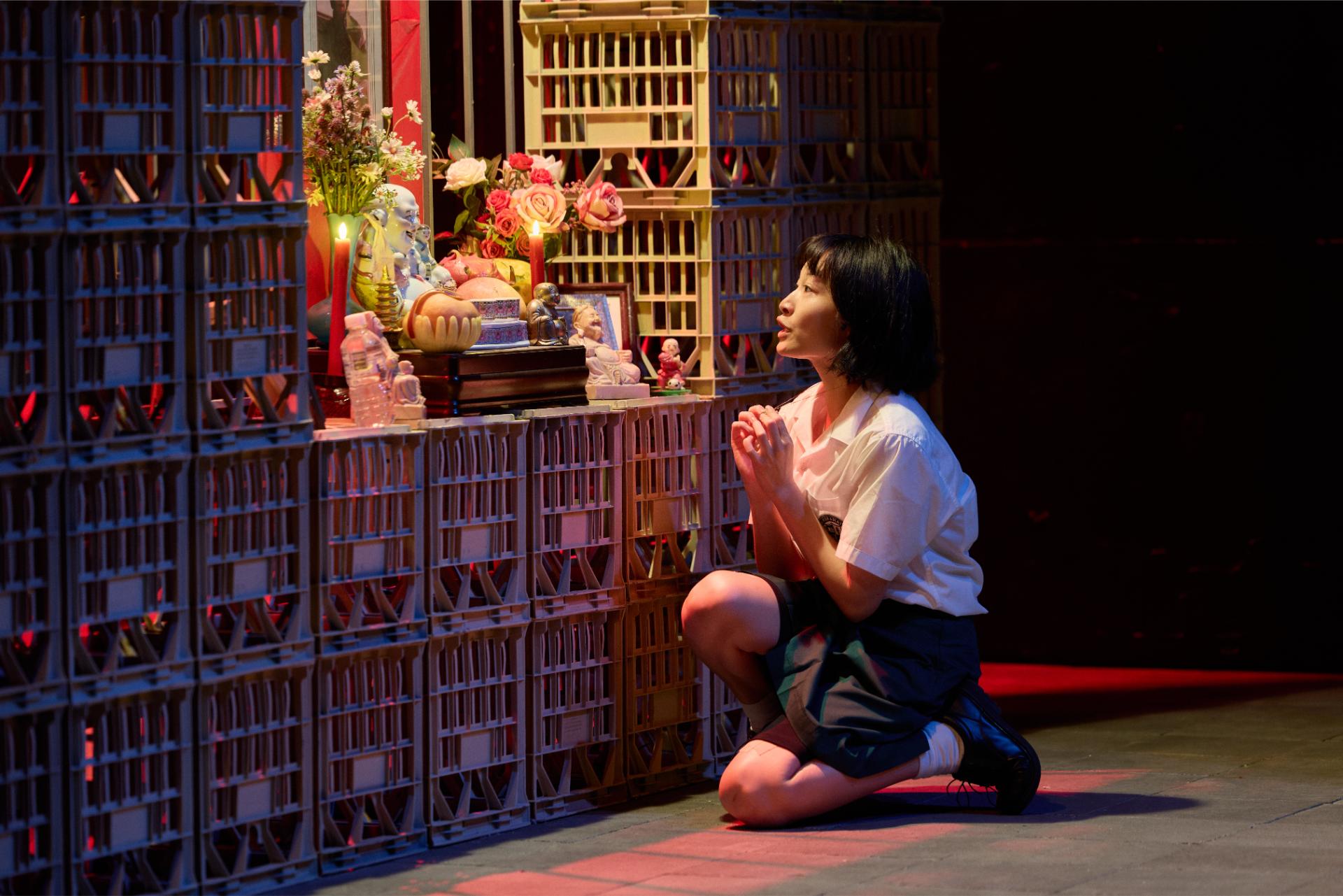
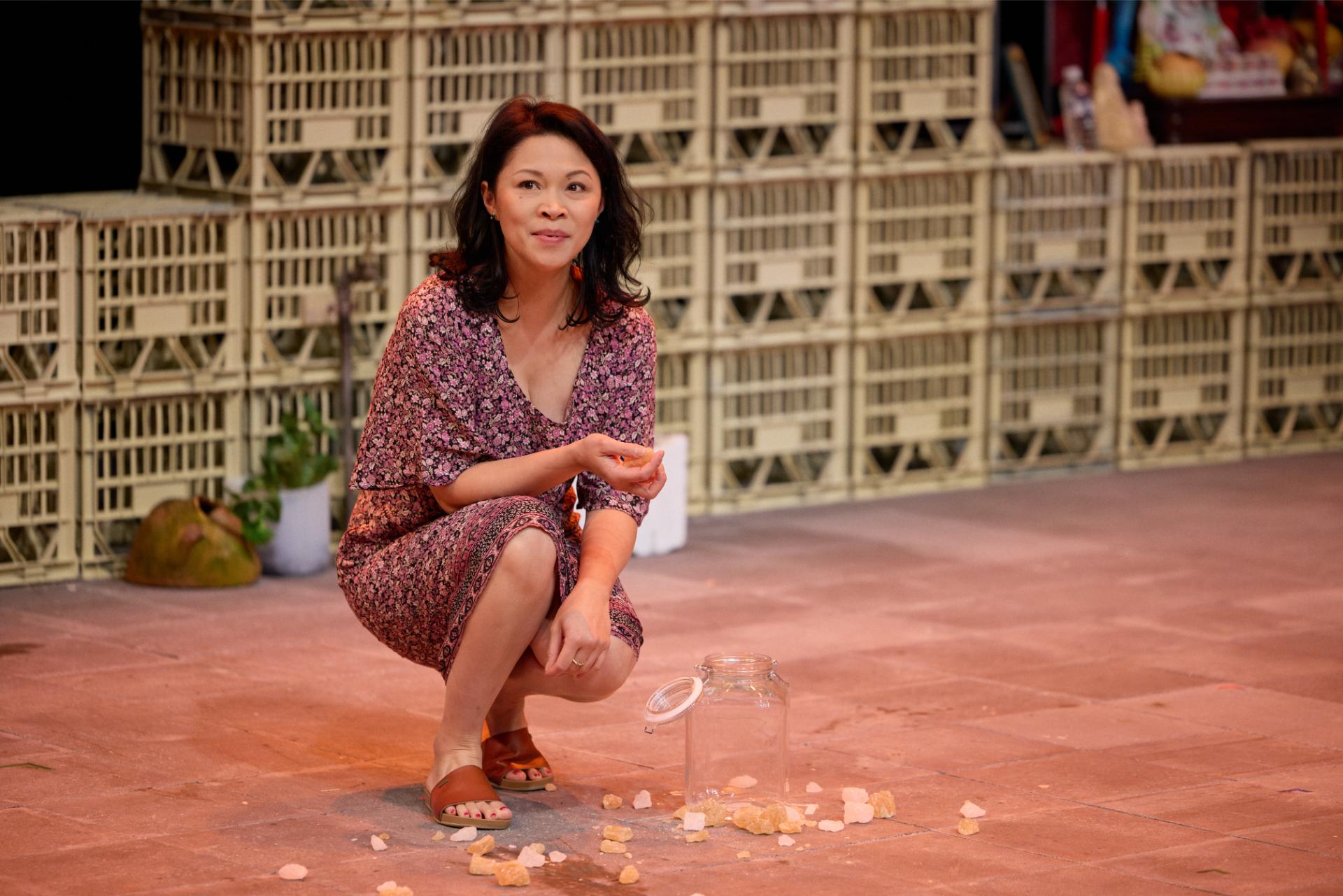
Set design by Dale Ferguson elegantly partitions the performance space to facilitate fluid scenic transformations, with milk crates constituting a dominant visual motif, seemingly articulating something about socioeconomic disparities and the capacity for beauty to emerge from circumstances not conventionally associated with it. Ferguson’s costumes similarly engage with questions of class, embracing an almost subversive countercultural aesthetic whose ideological resonances feel as pertinent today as they did in 1998.
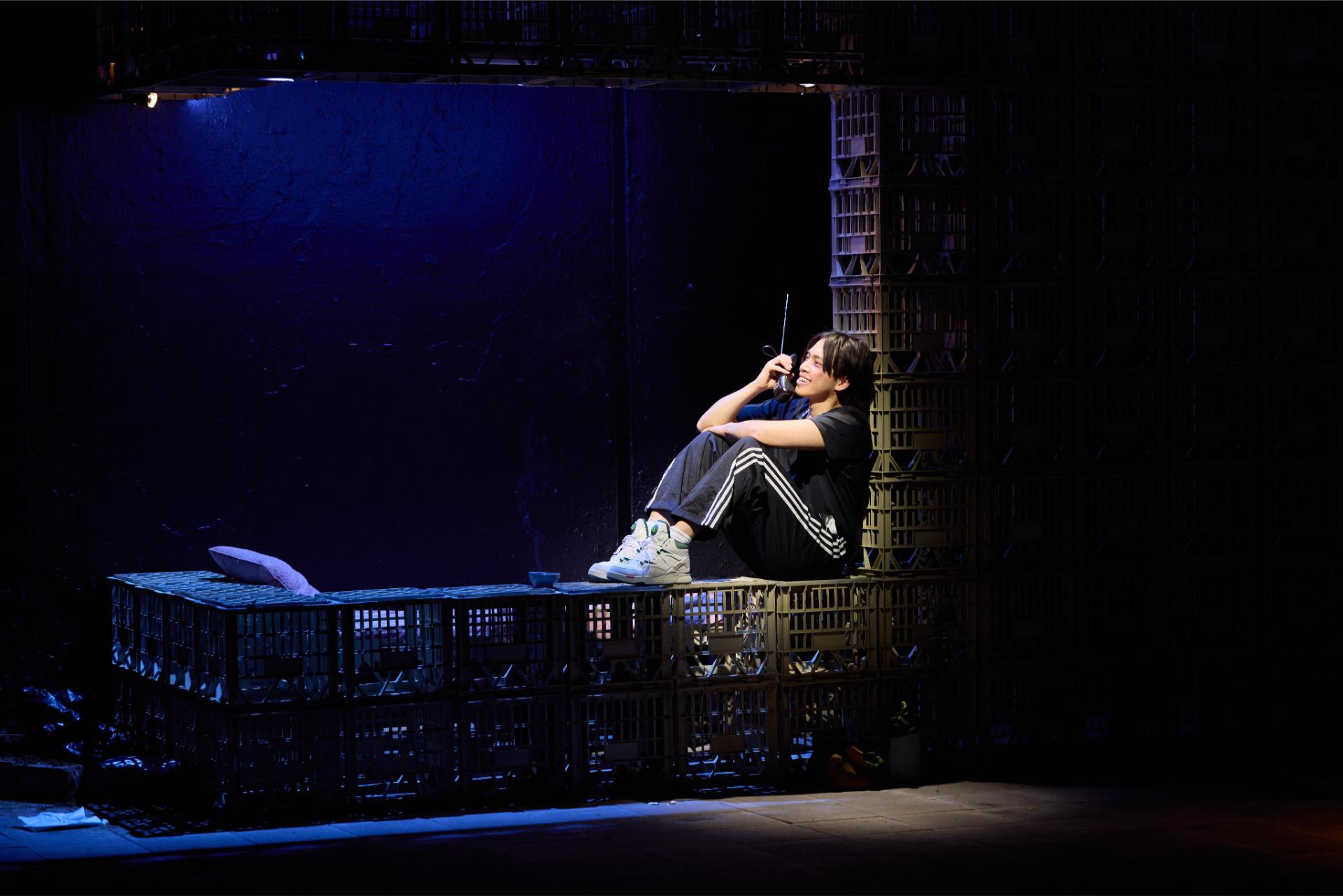
Lighting by Phoebe Pilcher is capable of exquisite tenderness, yet the imagery it helps conjure is never unduly romanticised. We encounter a Cabramatta imbued with warmth and affection, but the production honours the suburb’s troubled history by remaining unflinching in its depiction of what survival demanded during those tumultuous years. Music by Maggie Tra and sound design by Steve Francis are exquisitely calibrated, particularly impressive for the meticulous modulations of atmosphere that allow individual theatrical moments to affect us with astonishing precision. Together, they contribute to a production that seems capable of encompassing the entire spectrum of human emotion within a single breath.
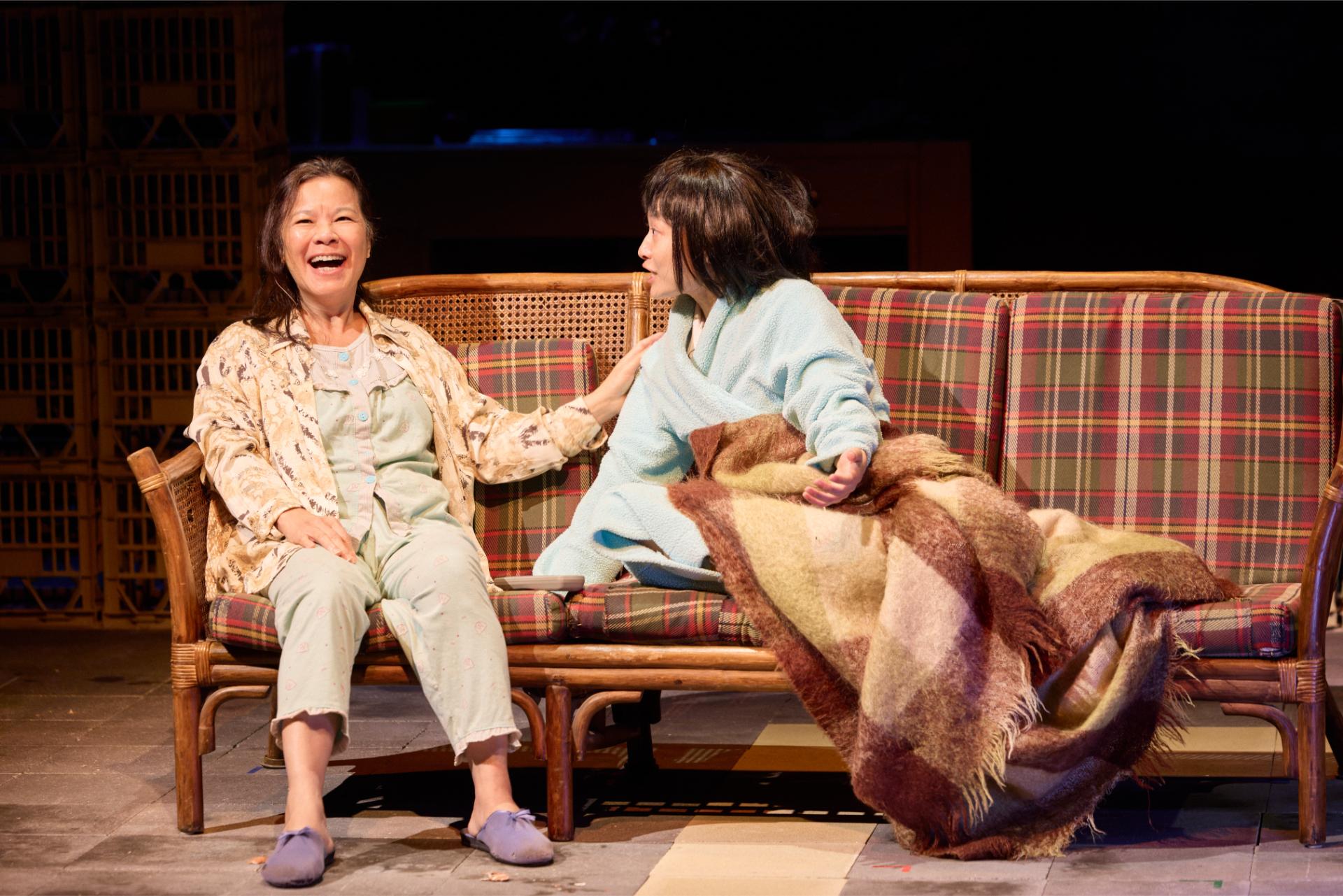
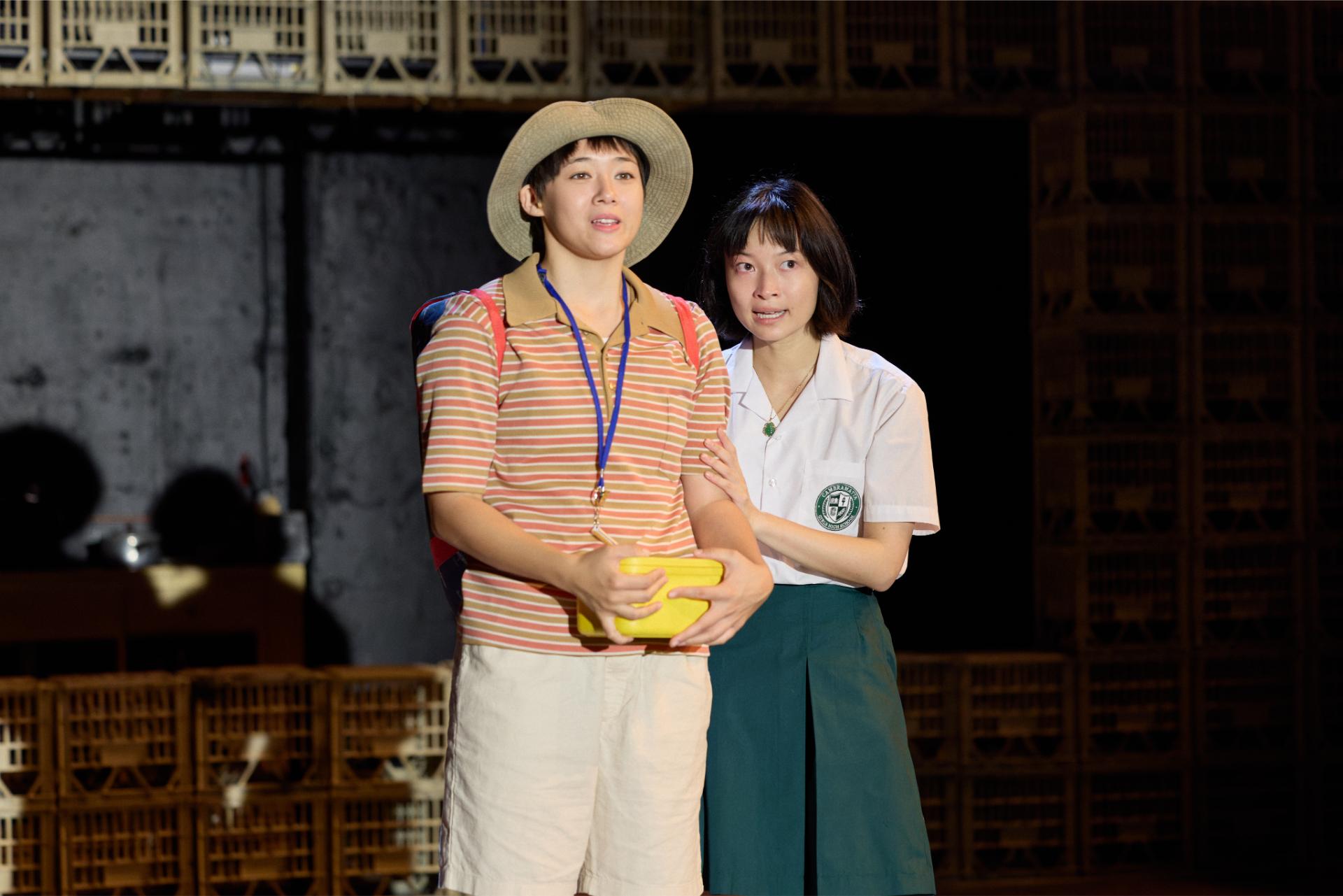
The immensely likeable ensemble of ten may vary in technical refinement, but the unmitigated soulfulness that each performer brings to the stage is unequivocally disarming. Sonny is played by the luminous Gemma Chua-Tran, whose technical brilliance is matched by the acuity of her instincts. Her impeccable comic timing elicits laughter even as the sorrowful undercurrents of her narrative grow increasingly palpable. That beautifully calibrated balance of innocence and worldliness finds its counterpart in Kevin Khan, whose Vince is entirely convincing as the archetypal bad boy, yet whose vulnerability is never allowed to recede from view. It is a portrayal that speaks eloquently to the insidious consequences of intergenerational trauma. Susan Huang and HảiHà Lê leave particularly indelible impressions as maternal figures, both honouring Vietnamese motherhood with heartbreaking authenticity and profound reverence.
Our ancestors may never have envisaged the lives we inhabit today, but they understood intimately the price of aspiring towards a brighter future. Throughout history, in circumstances both hopeful and desolate, humanity has persisted in its pursuit of something better, even when the imagination could furnish no discernible image of the destination. For many of us, the extraordinary distances traversed by preceding generations have culminated in lives whose comforts and freedoms we have grown accustomed to regarding as unremarkable. Perhaps one of the most moving propositions of The Coconut Children is that the very ordinariness of our present existence constitutes a triumph of almost fantastical proportions, one that those who sacrificed so much on our behalf could scarcely have dared to imagine.