Venue: Old Fitzroy Theatre (Woolloomooloo NSW), Oct 9 – 31, 2026
Playwright: Mia Chung
Director: Anna Houston
Cast: Andre de Vanny, Robin McLeavy, David Soncin
Images by Phil Erbacher
Theatre review
The Lavecchias and the Phelans of New England have been friends for decades. They lead unremarkable American lives, guided by conventional values, and encounter difficulties that feel devastatingly consequential to those experiencing them, yet are hardly extraordinary in the broader scheme of things. It is precisely this ordinariness that gives Mia Chung’s Catch as Catch Can its emotional force. The dialogue is hyperrealistic, its rhythms, vocabulary and repetitions capturing the texture of everyday speech with uncanny fidelity. Yet Chung’s audacious dramatic structure transforms this apparent naturalism into something extravagantly theatrical. Her stipulation that just three actors portray six characters, traversing generations and gender, creates a startling interplay between the familiar and the estranging.
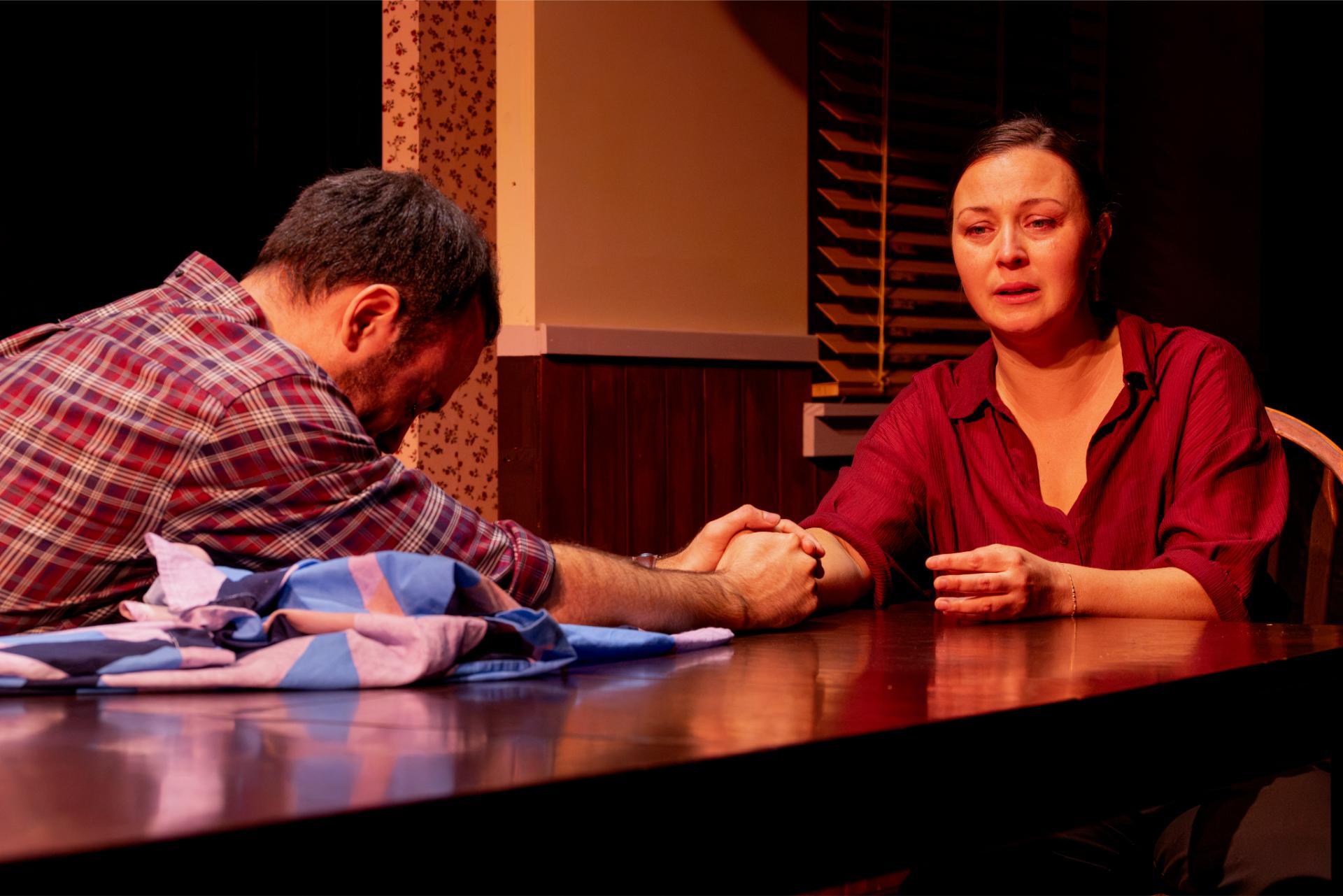
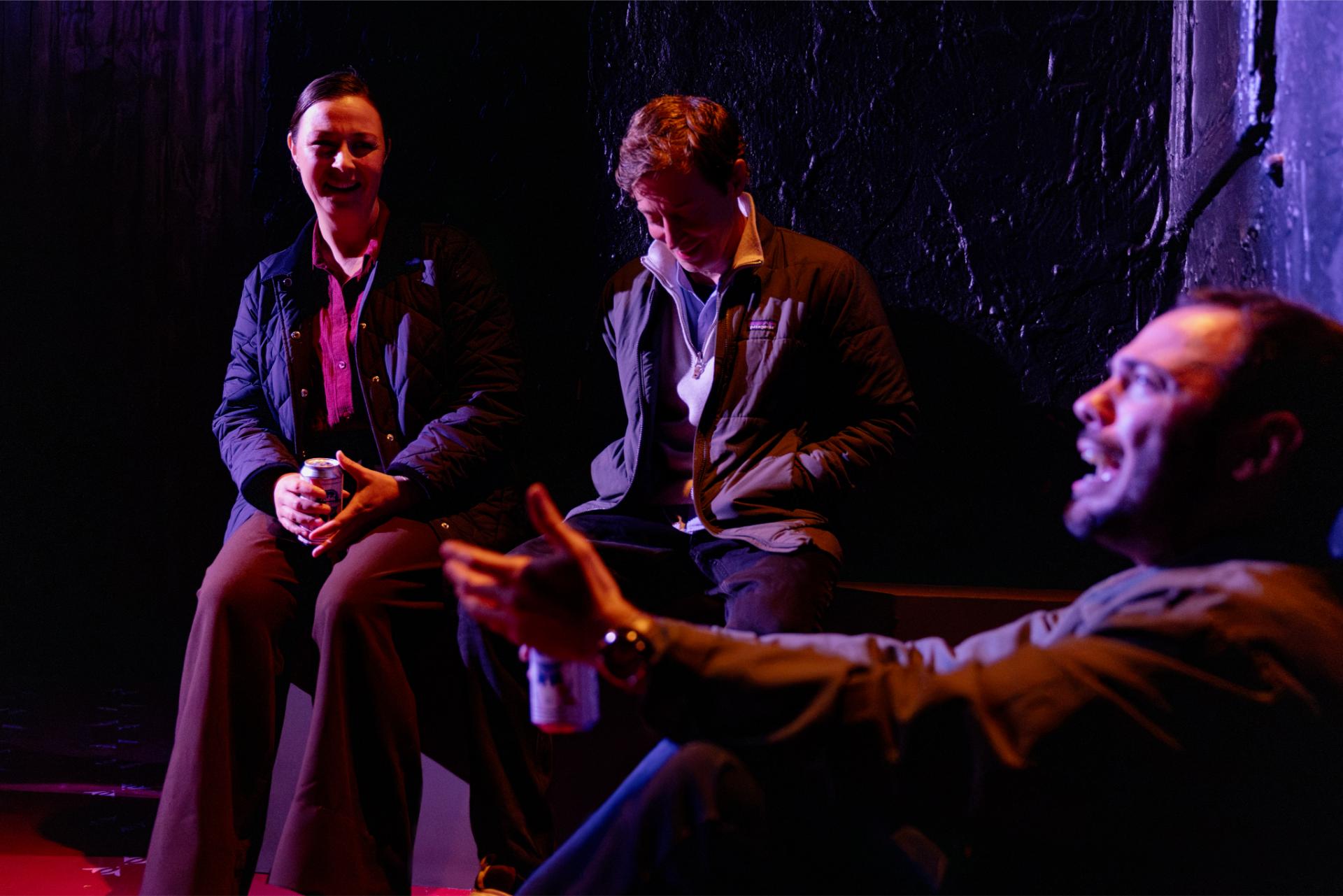
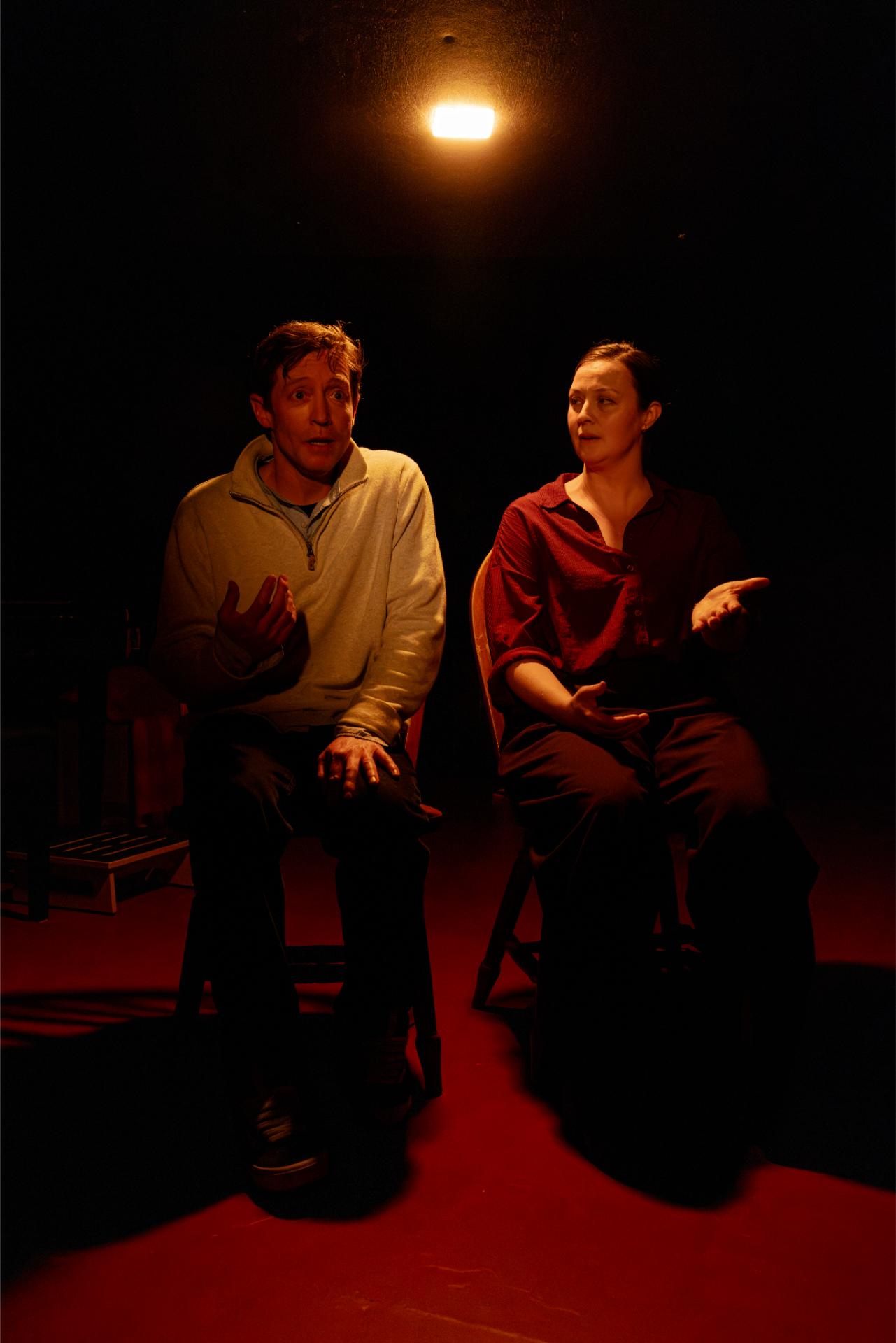
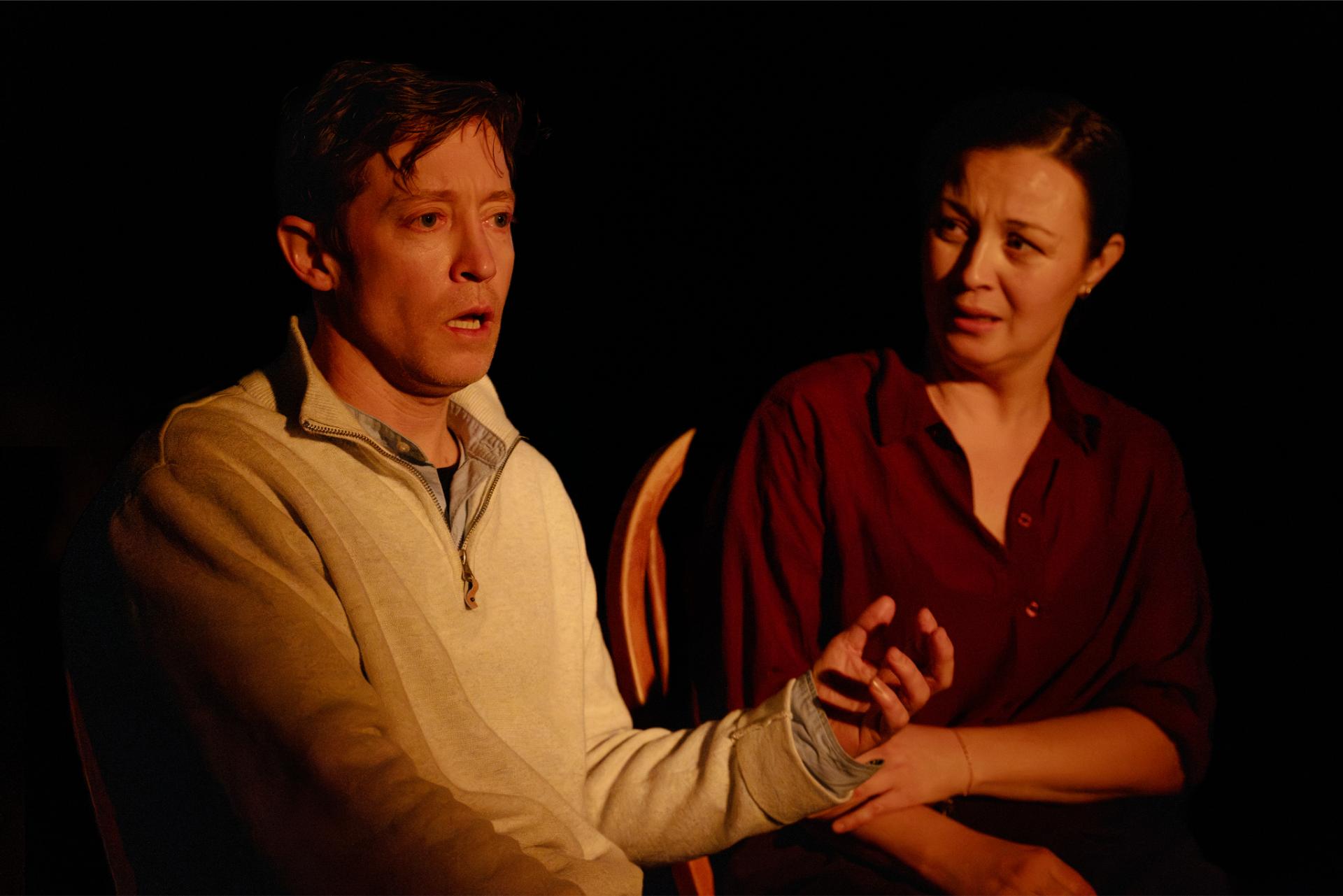
As performers move between the roles of mother and son, or father and daughter, the production illuminates the peculiar intimacy of family life, and the ways in which those closest to us become embedded in our emotional worlds. Familial bonds can be so profound that the boundaries between our feelings and those of others begin to blur, leaving us unable to distinguish where one person’s emotional experience ends and another’s begins. Chung’s formal conceit makes this entanglement physically manifest, as the same bodies give expression to different generations, suggesting that our identities are never entirely our own, but are shaped by the people whose lives intersect with ours.
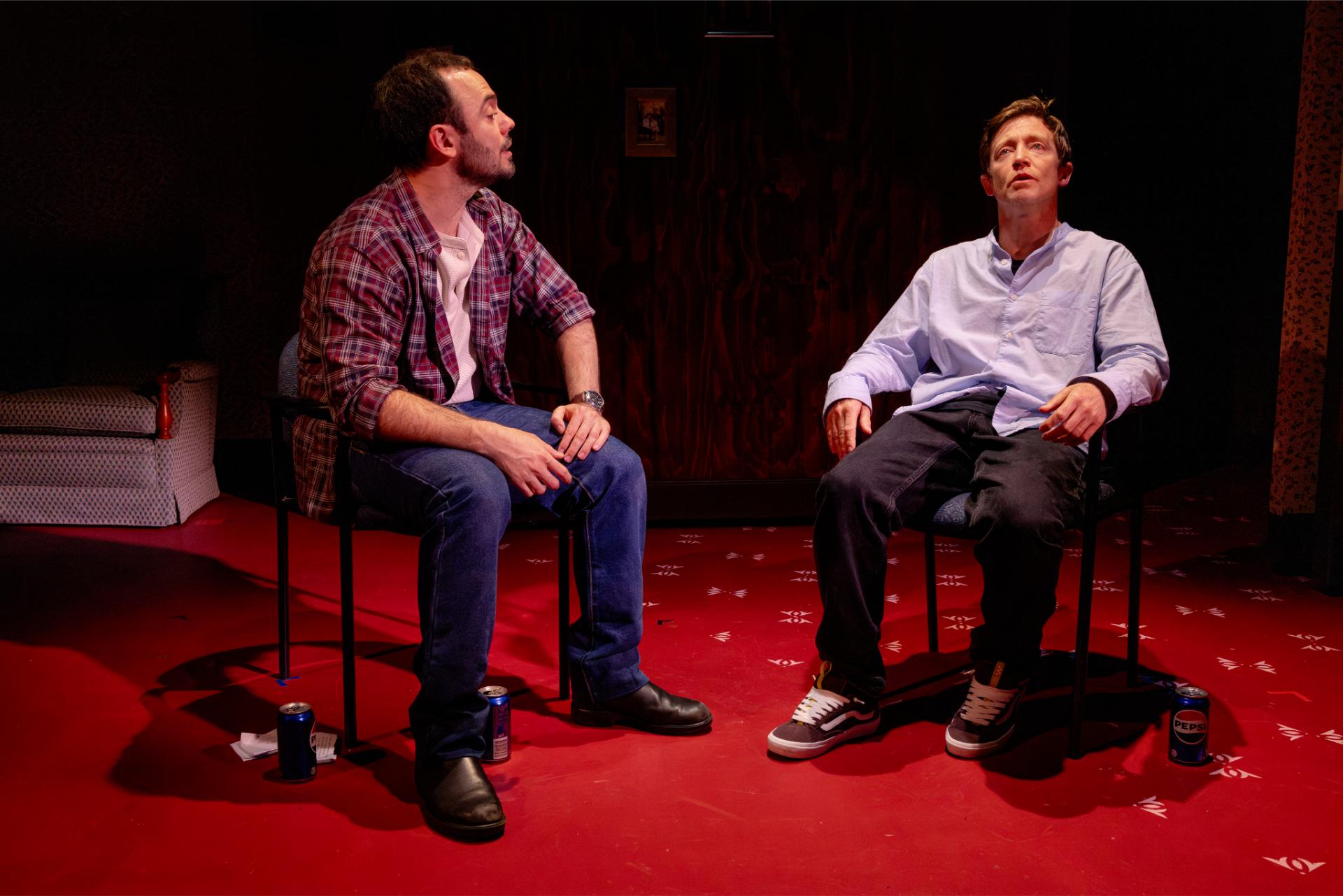
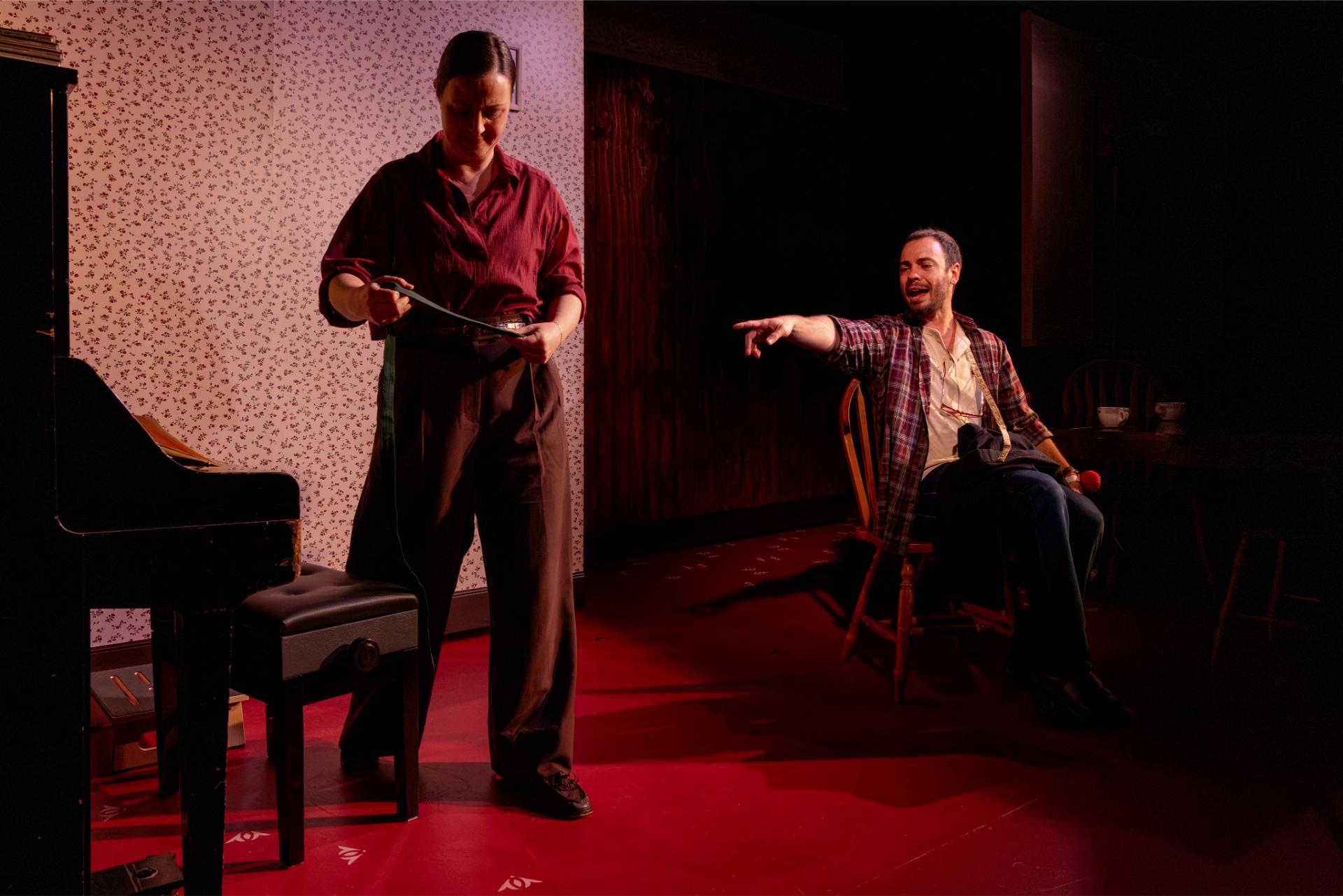
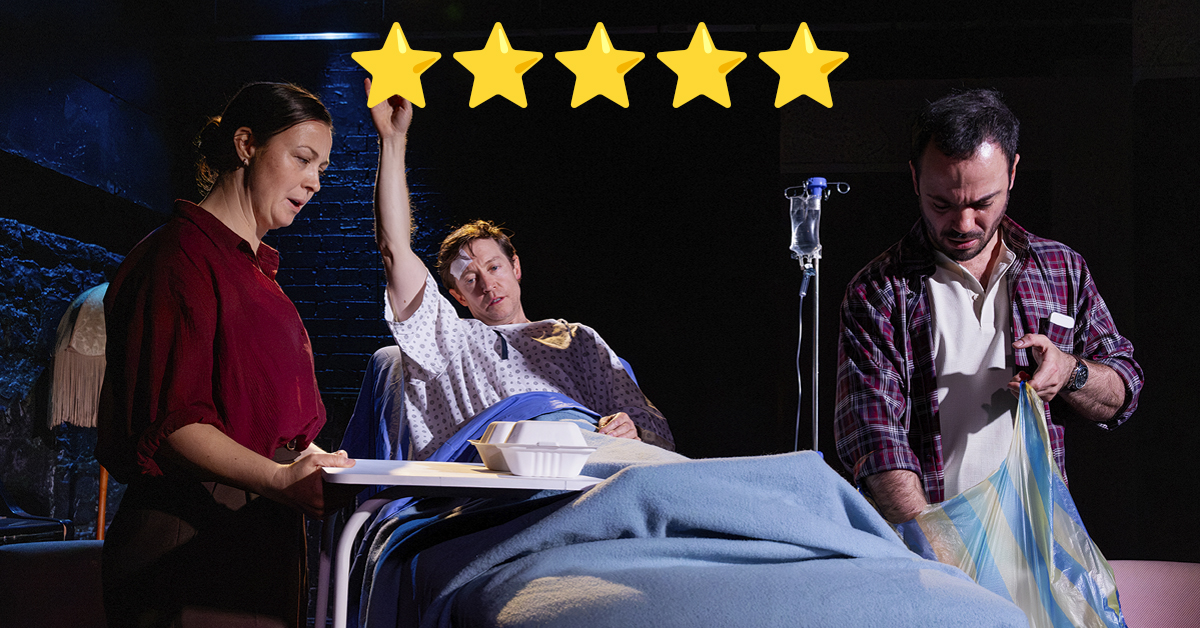
The text presents extraordinary challenges for its performers, yet Andre de Vanny, Robin McLeavy and David Soncin do considerably more than rise to the occasion. Together, they deliver a production of astonishing precision and emotional depth, an achievement that feels almost impossible until witnessed firsthand. Their artistry is confoundingly impressive: their technical command is beyond question, their concentration unwavering, and their familiarity with the material’s intricate demands remarkable. The speed and complexity of the exchanges require not only exceptional memorisation and coordination, but an acute sensitivity to the subtle distinctions between characters. That the actors accomplish this with such fluency, while preserving the humanity of each individual they portray, is a testament to their formidable skill.
Director Anna Houston gives the production a sense of immediacy and urgency, maintaining a propulsive momentum from beginning to end without sacrificing the emotional complexity of the material. We find ourselves awestruck by the seemingly superhuman feat unfolding before us, but this is far more than a technical exhibition. The virtuosity of the performances serves a deeper purpose, bringing ordinary lives into extraordinary focus and allowing us to recognise something of ourselves in the characters’ vulnerabilities, disappointments and attachments. The production’s achievement lies in making the improbable mechanics of its theatrical form feel entirely natural, while rendering the familiar business of living profoundly affecting.
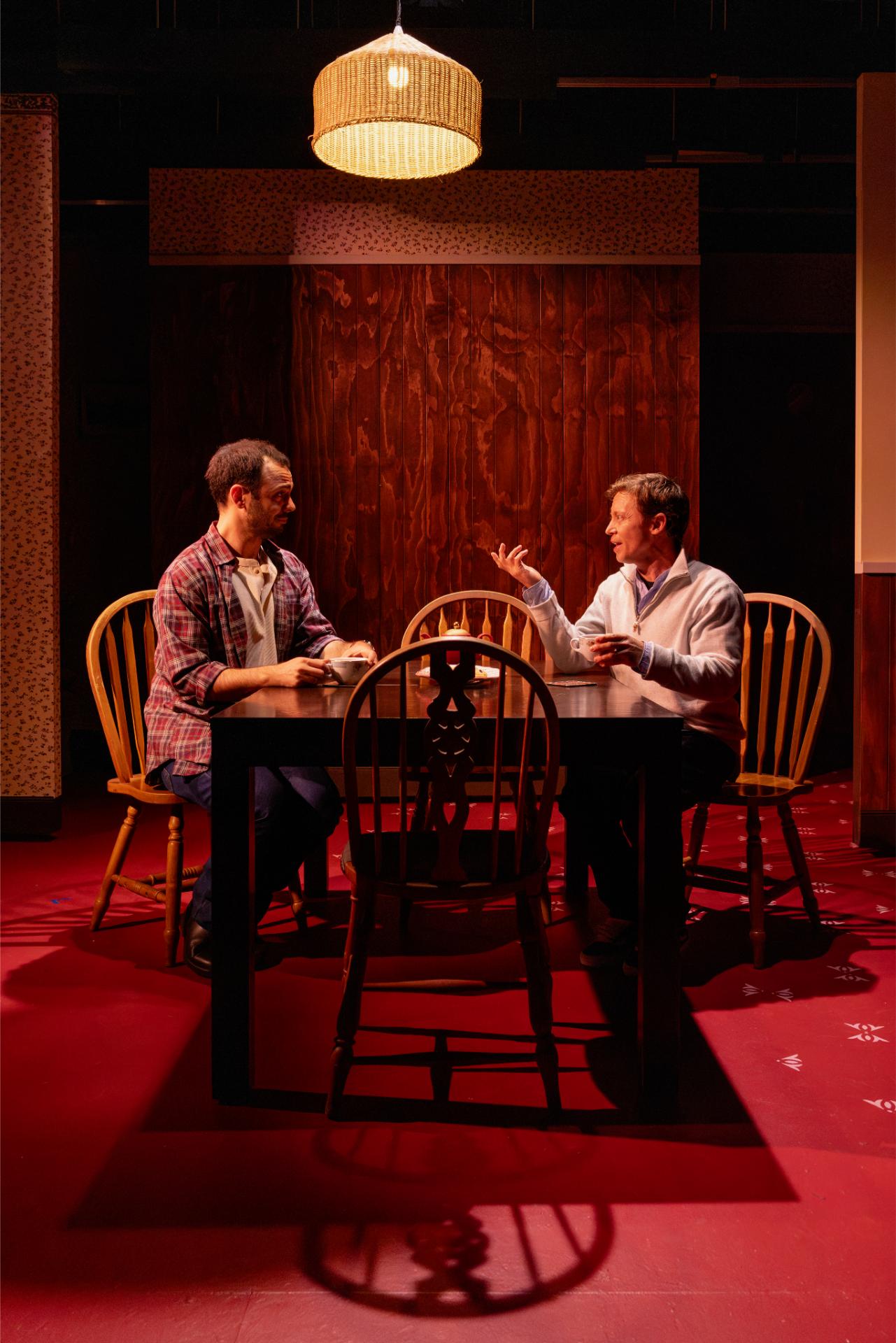
Aron Murray’s lighting and Steve Toulmin’s sound design contribute atmospheric nuances with admirable restraint, each responding sensitively to the emotional trajectory of the drama. Together with Kate Beere’s thoughtful set design, they create an understated beauty that eschews spectacle in favour of something more elemental: a quiet reverence for the sacredness of everyday existence. The production understands that the significance of a life need not be measured by extraordinary events, but may reside in the accumulated weight of small interactions, private sorrows and seemingly inconsequential choices.
The play begins with Theresa and Roberta engaged in conversation and concludes with their sons, Tim and Robbie, occupying a separate but structurally related scenario. With the same two actors embodying these respective pairs, the ending establishes a formal echo of the beginning, suggesting that the patterns of human experience are neither isolated nor confined to a single generation. There is something almost cyclical in this arrangement, as though the characters are caught within a continuum in which lives, relationships and emotional struggles recur in altered forms. The structure evokes spiritual conceptions of existence as an interminable cycle, standing in intriguing tension with the predominantly Western tendency to understand life and death as discrete, linear events.
Perhaps this is where Catch as Catch Can extends beyond the intimate confines of family drama and towards a more expansive philosophical proposition. So much destruction, whether ecological, socioeconomic or interpersonal, arises from a failure to recognise the continuity between our actions and their consequences. We behave as though the damage we inflict belongs to the immediate present, or to someone else’s future, rather than to a shared continuum of existence. What we leave behind does not simply disappear when we do; it persists in the lives of others, in the structures we sustain and in the conditions inherited by those who follow us. To recognise this is to understand karma not merely as a spiritual abstraction, but as an ethical principle of consequence and responsibility. How profoundly different our lives might be if we understood that nothing we do is entirely self-contained, and that the world we bequeath to others is inseparable from the choices we make today.
www.oldfitztheatre.com.au | www.empresstheatre.com.au