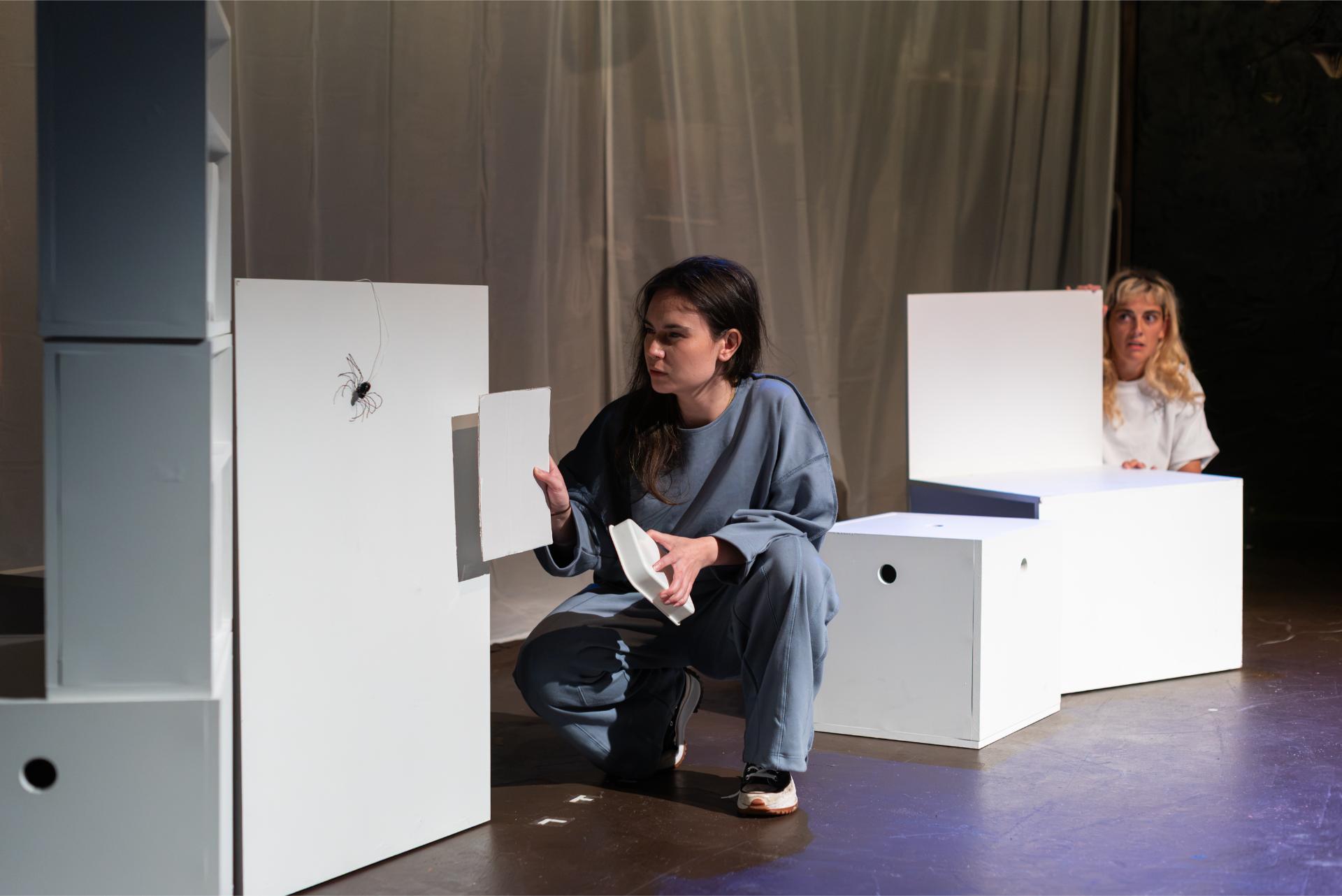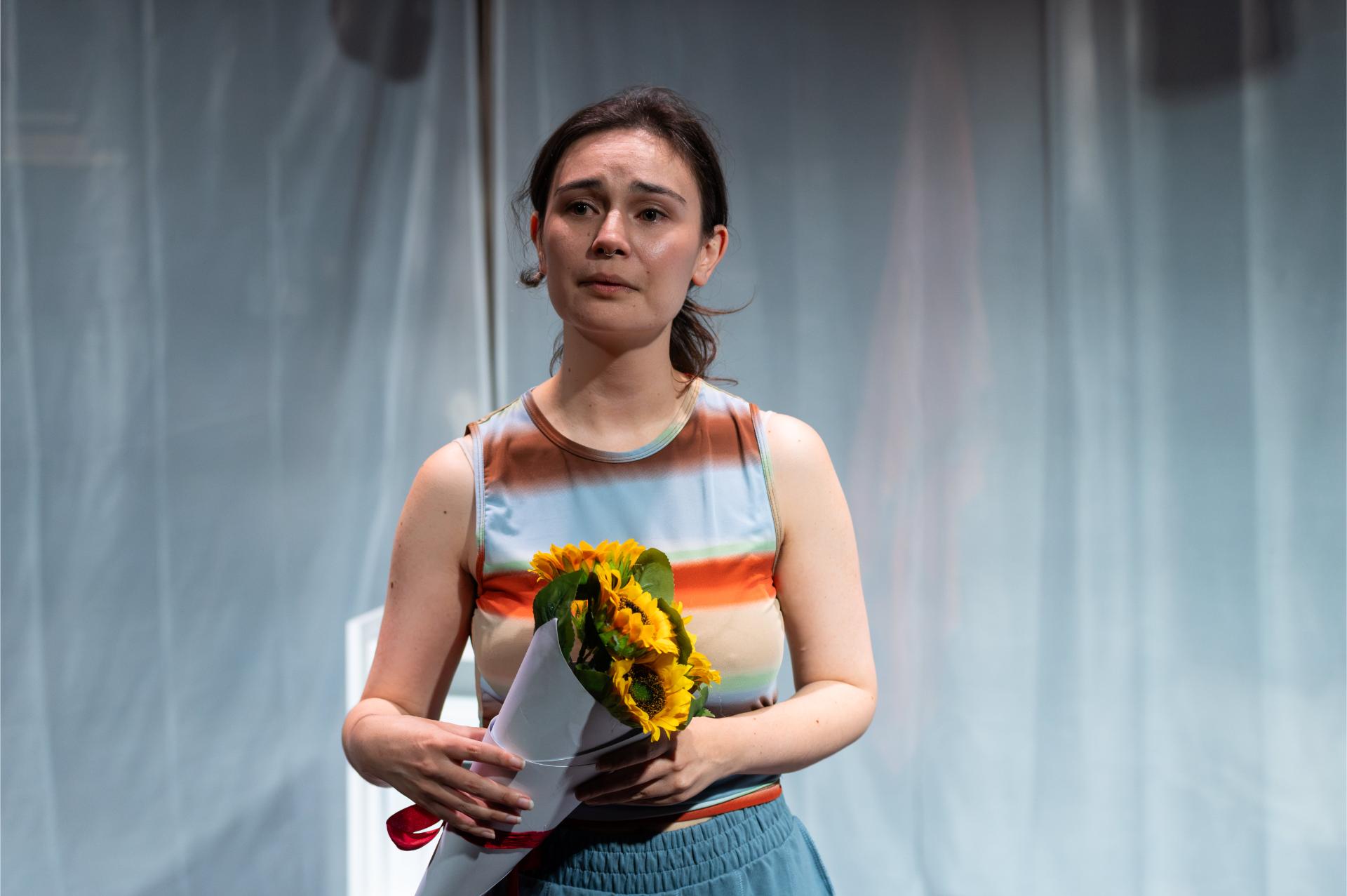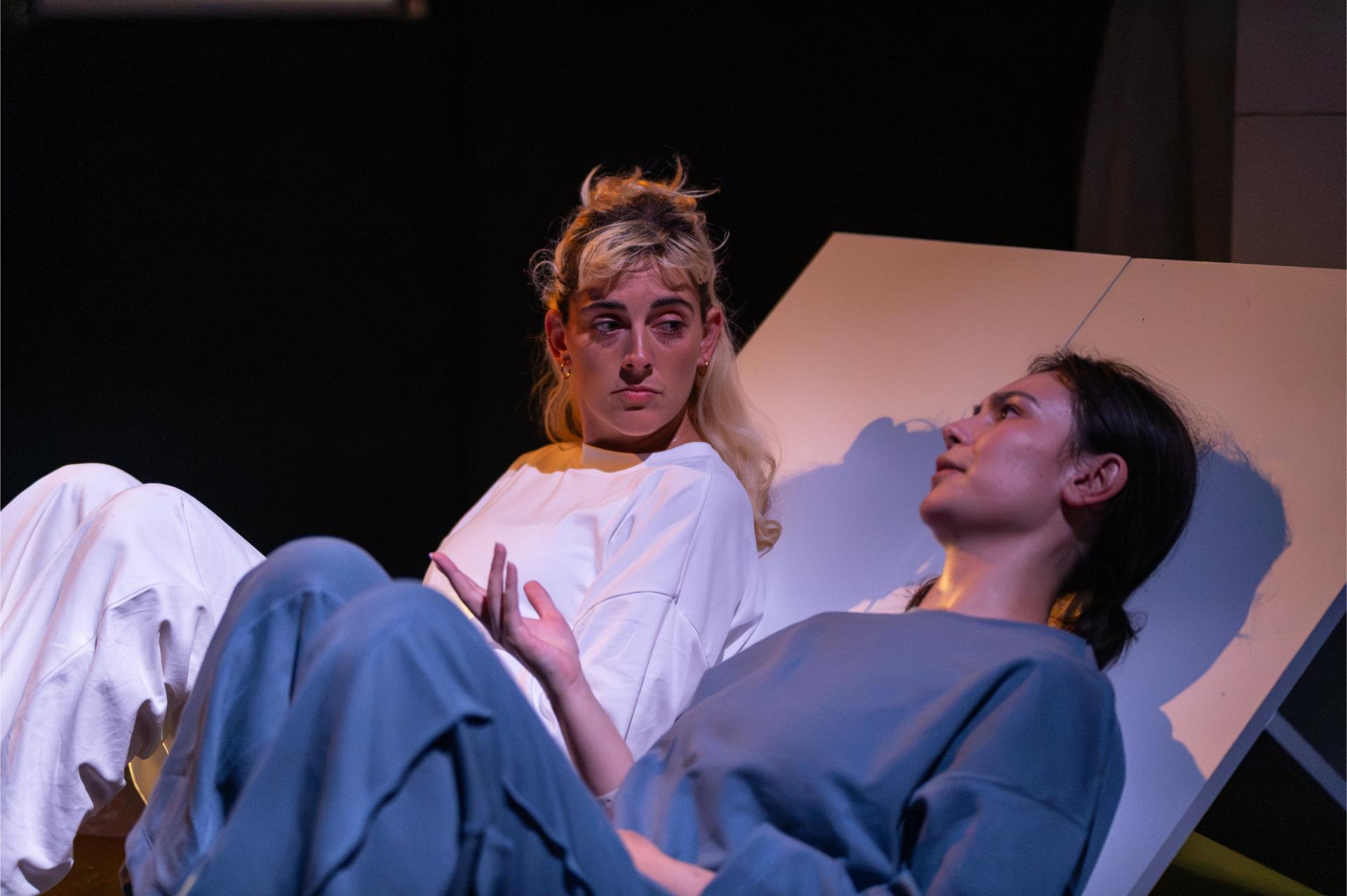
Venue: Old Fitzroy Theatre (Woolloomooloo NSW), Sep 1 – 11, 2026
Playwright: Sophie Davis
Director: Jessica DiCosta
Cast: Kala Gare, Shannen Alyce Quan
Images by Lucy Parakhina
Theatre review
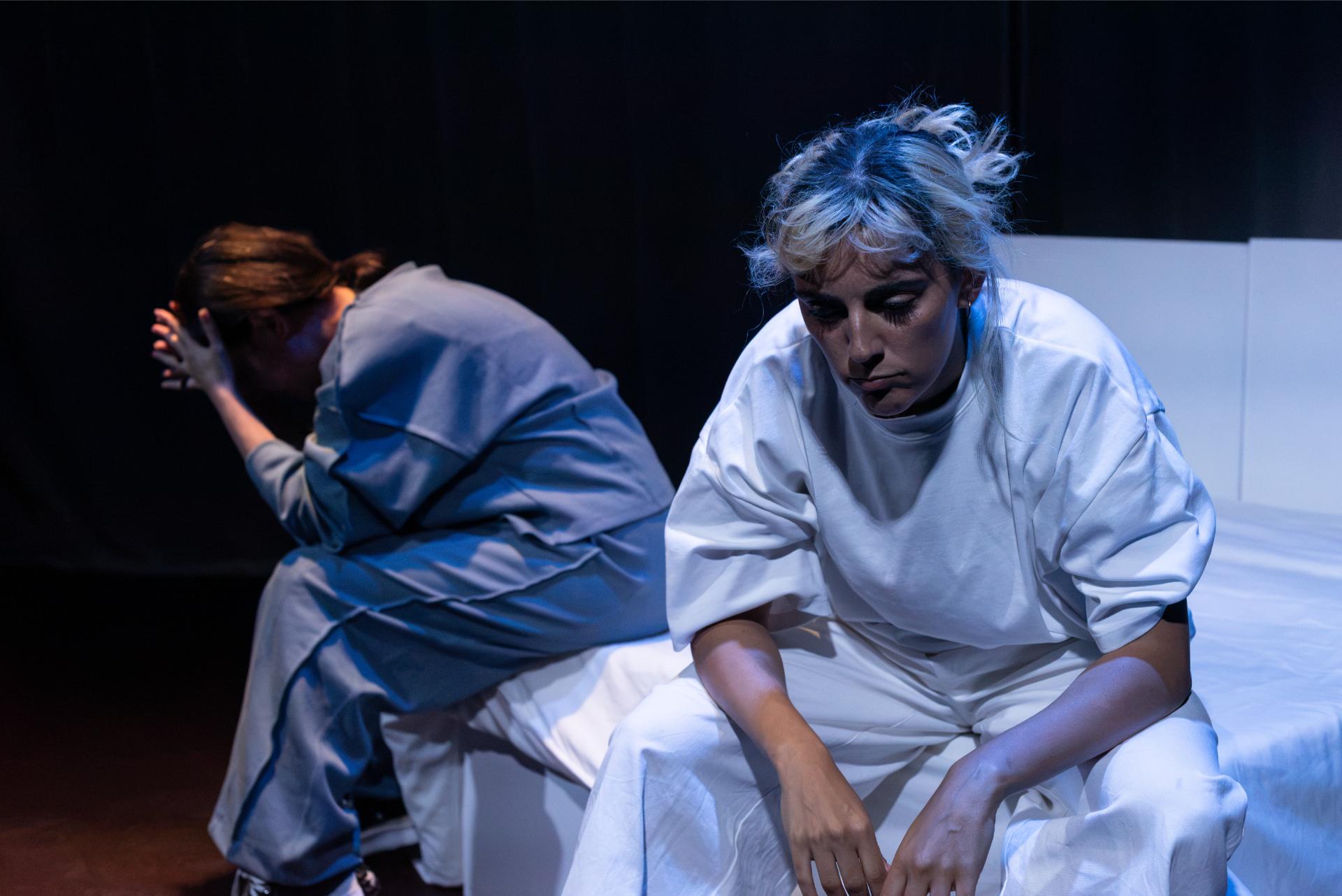
Andrea and Sasha are bound by a love that is as fervent as it is fraught, yet their union remains inescapably constrained by Andrea’s deteriorating mental health; an affliction that compels her toward radical, perhaps irreversible, measures in pursuit of restoration. Forget Me, Please, Sophie Davis’ ambitious if uneven work, presents itself simultaneously as an intimate romance between two women and as a work of science fiction with grand designs that it ultimately falls short of fully realising.
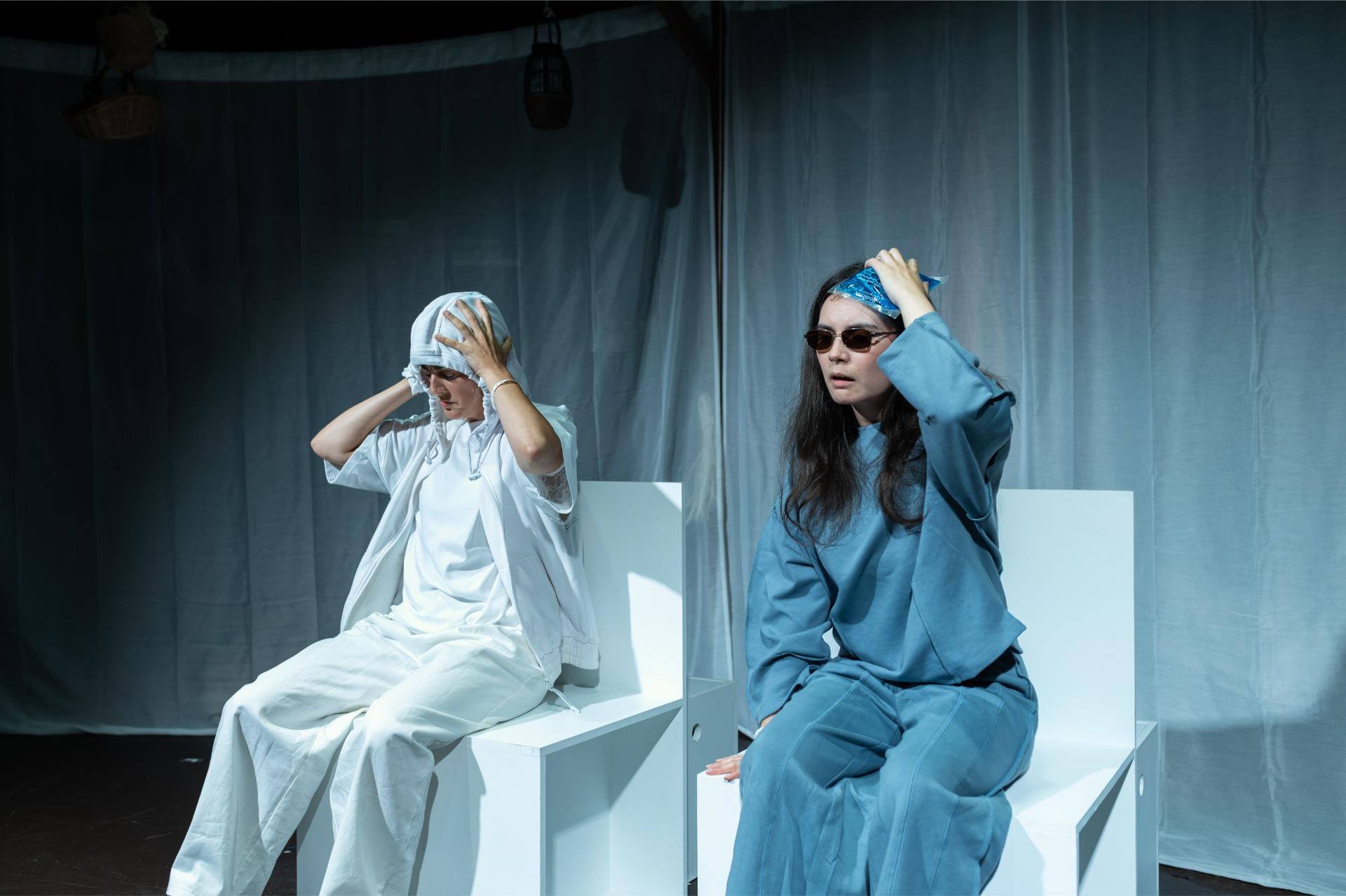
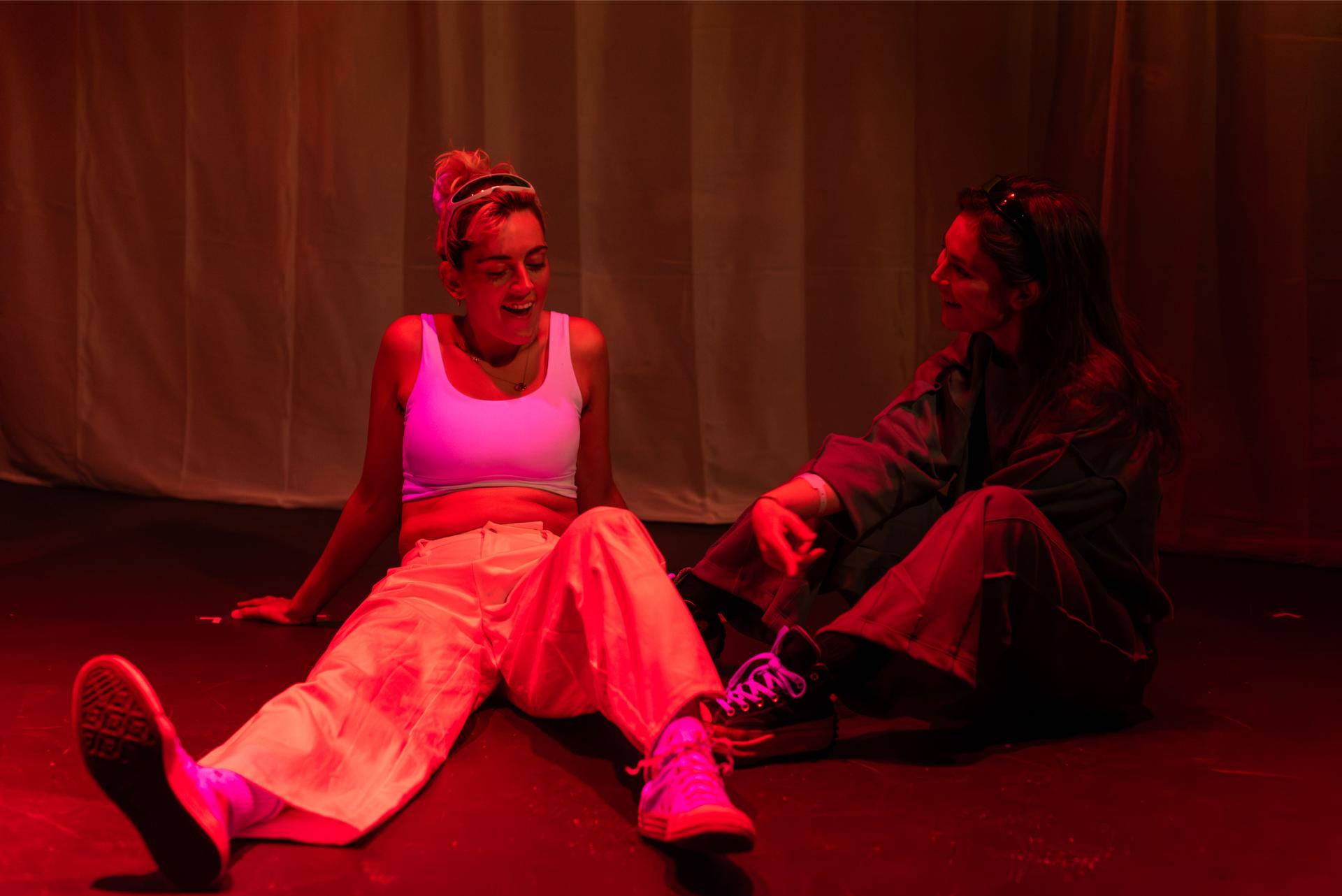
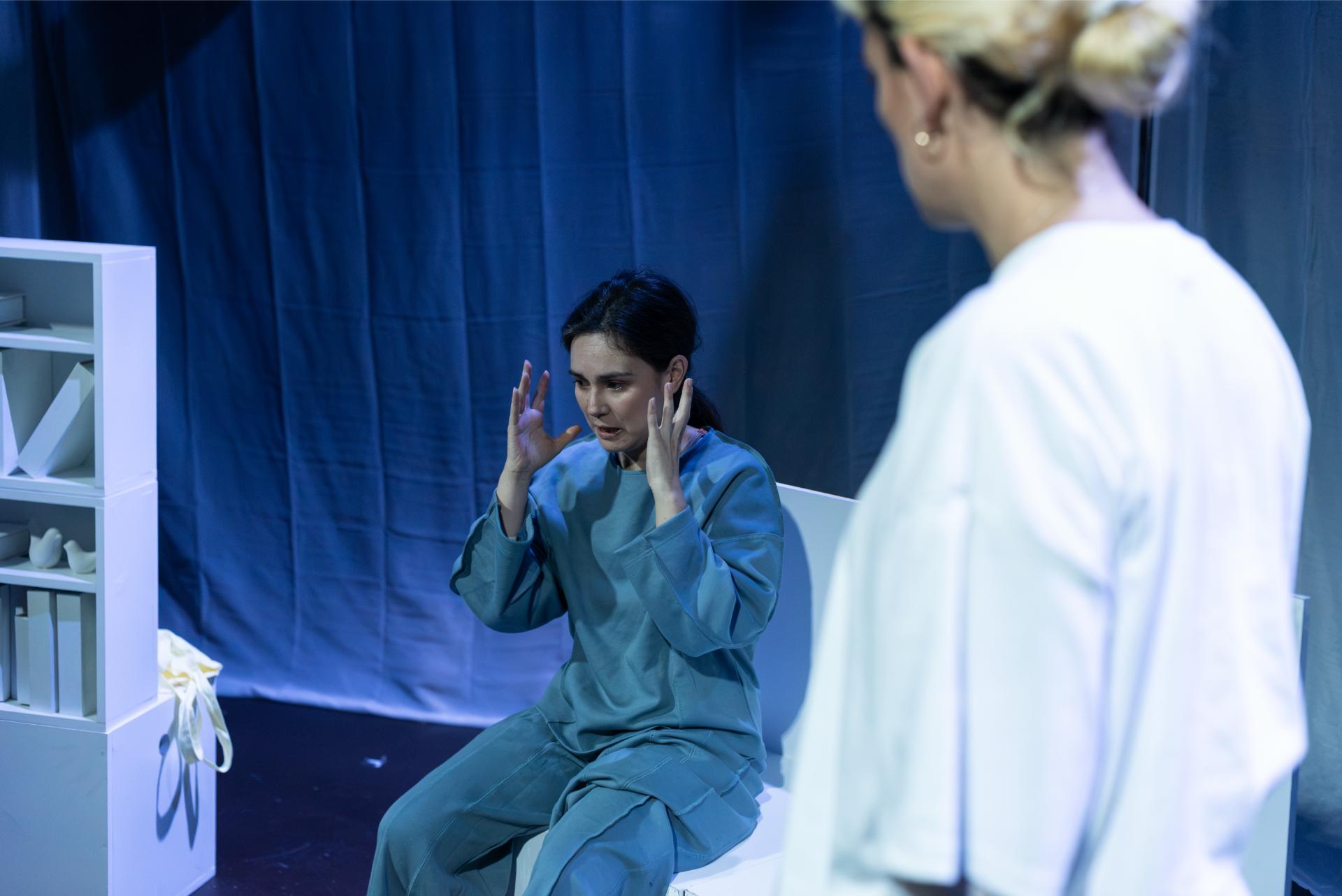
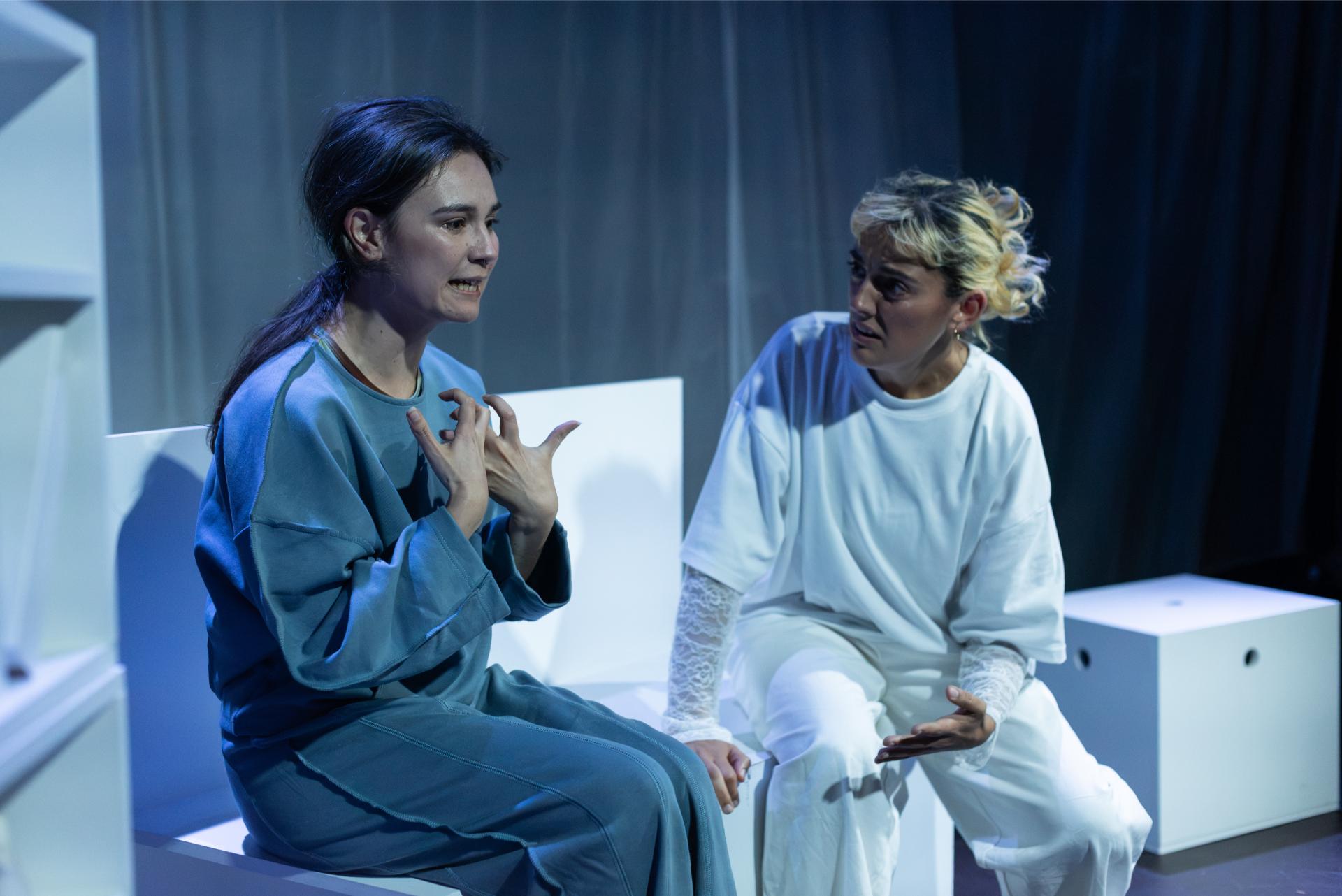
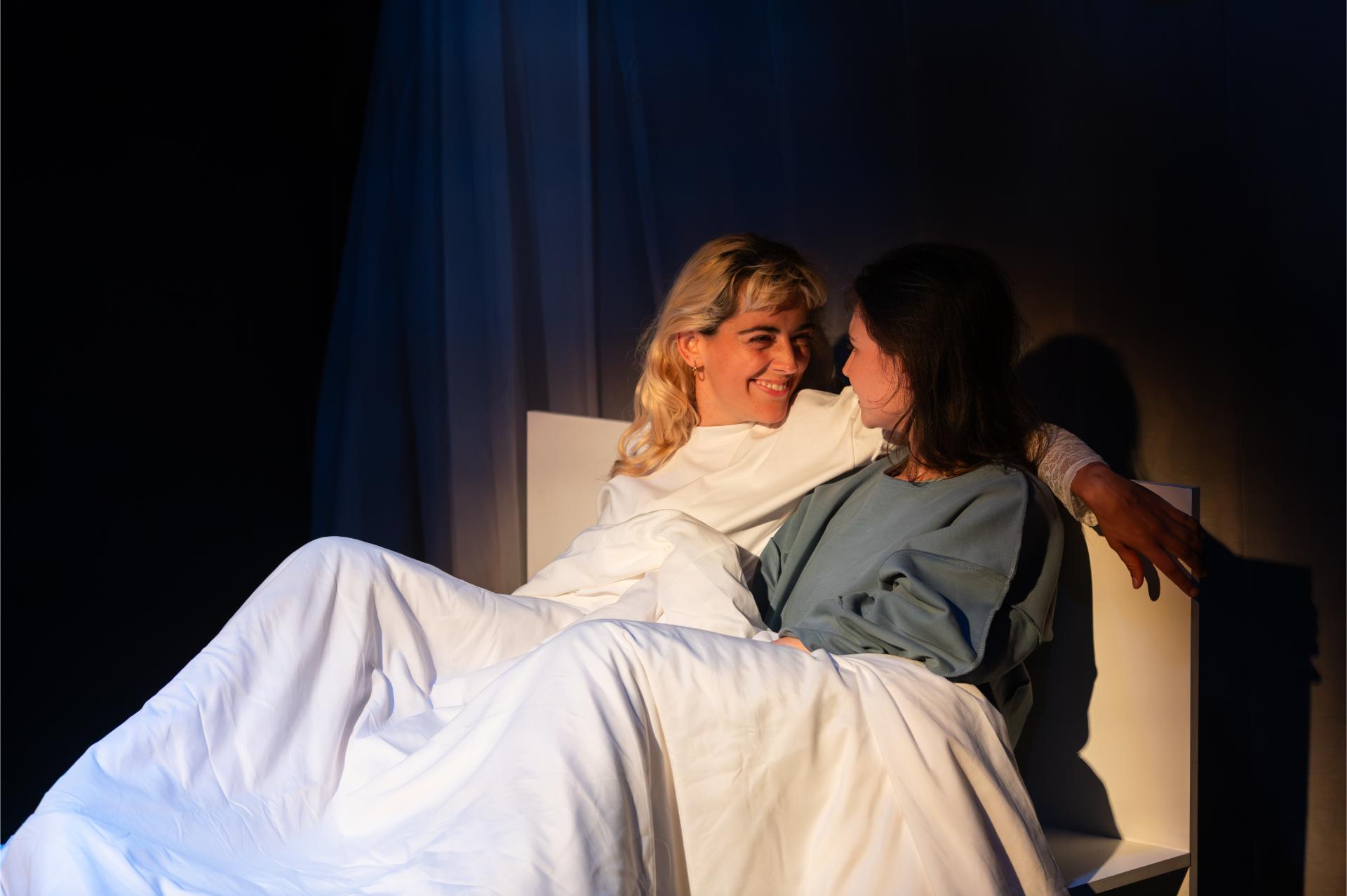
What elevates the material beyond its narrative limitations is Jessica DiCosta’s direction, which is marked by a palpable sensitivity to the fragile dynamics of a troubled romantic entanglement. DiCosta renders every subtle inflection of this demanding relationship with credibility, while her sustained commitment to dramatic intensity transforms what might otherwise have been a pedestrian storyline into something more compelling. Complementing this visual and emotional texture is the score by Jessica Meier and Alex Meier, whose music accomplishes the crucial work of atmospheric modulation, ensuring the production never lapses into monotony and frequently deepening the sensual undercurrents that animate this queer love story.
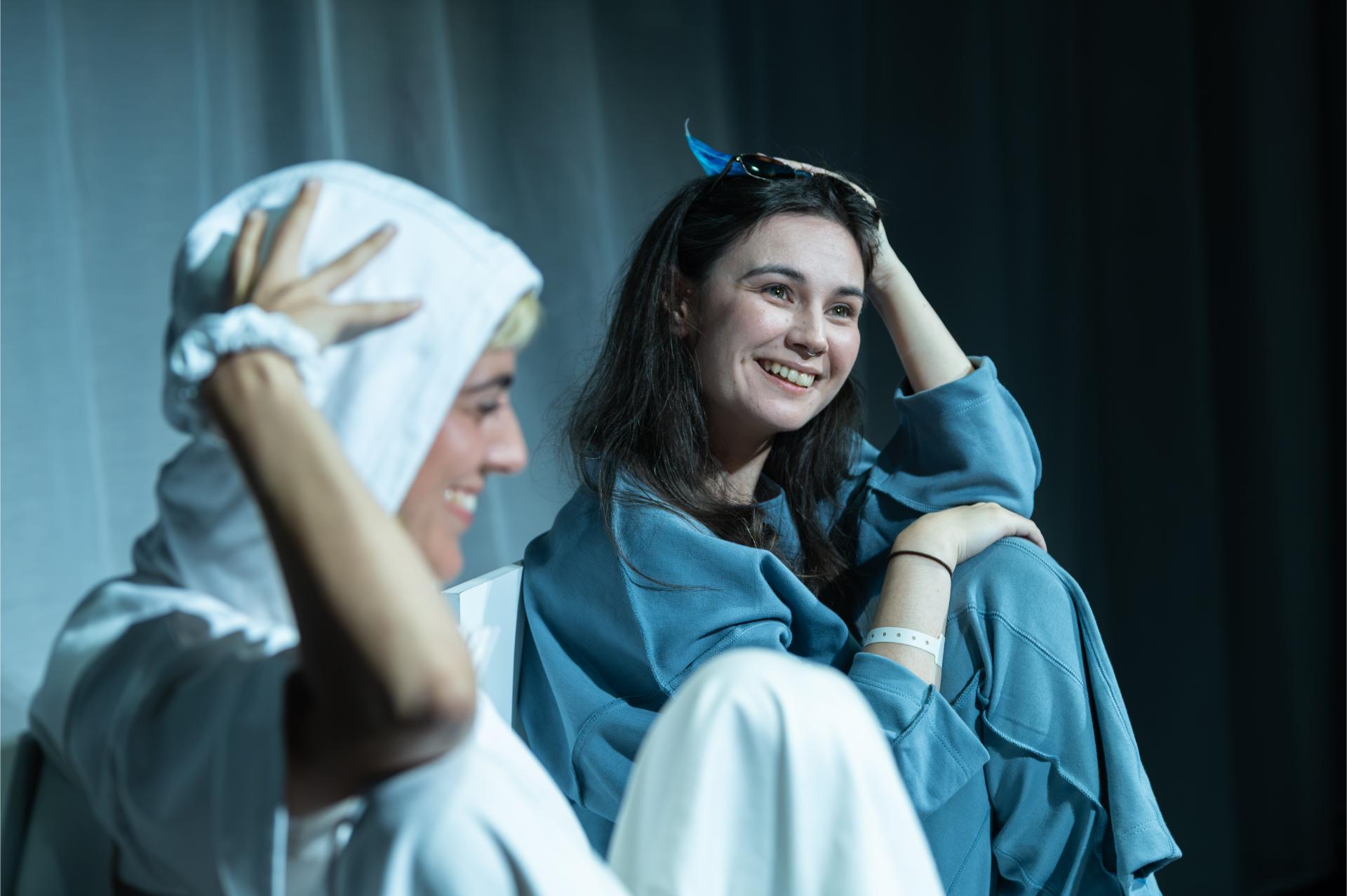
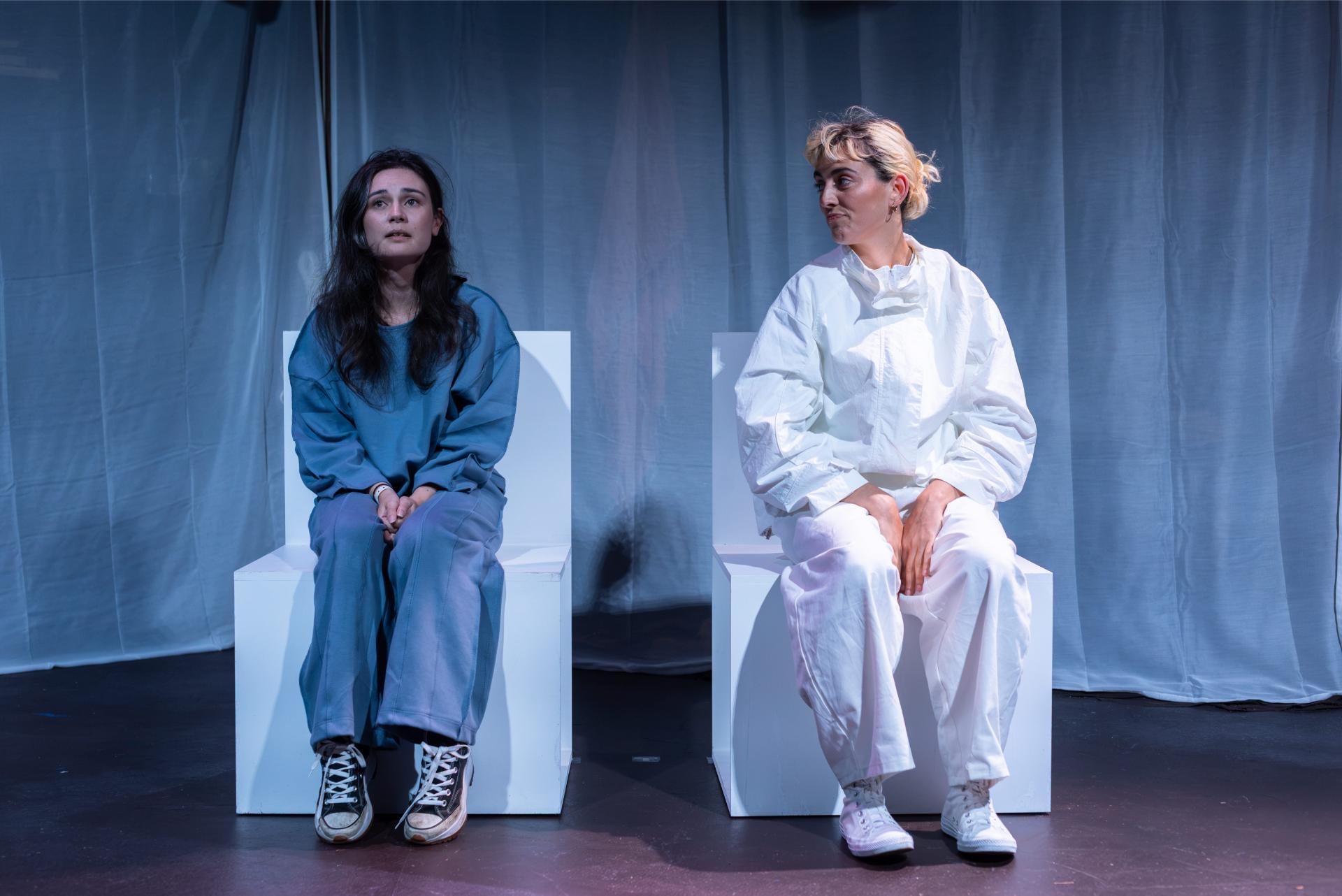
At the heart of the piece are Kala Gare and Shannen Alyce Quan, whose onstage partnership proves as formidable as it is finely calibrated. Each performer operates with admirable restraint, threading nuance through every scene, yet both locate precisely the right moments to unleash a raw, affecting intensity. It is, above all, the calibre of their acting that renders the production memorable. They captivate individually, but it is the unambiguous chemistry they have cultivated together that persuades us to invest in the turbulent vicissitudes of their characters’ complex bond.
Sasha harbours the understandable hope that love alone might mend Andrea’s fractured psyche, yet she arrives, as so many before have, at the more sobering truth: however majestic or all-consuming love may feel, it remains no panacea for wounded souls. Andrea must undertake a deeply personal journey of reckoning and recovery, one for which Sasha, despite her devotion, cannot be a companion.