Venue: KXT on Broadway (Ultimo NSW), Oct 2 – 17, 2026
Playwright: Phillip James Rouse (after Molière)
Director: Phillip James Rouse
Cast: Annie Byron, Deborah Galanos, Julian Garner, Lucy Miller, Tamara Lee Bailey, Dominique Purdue, Travis Howard, Will Thomas
Images by Phil Erbacher
Theatre review
The most significant difference between Phillip James Rouse’s adaptation and Molière’s Tartuffe is the extent to which the former secularises the story of a religious impostor. Recasting the play for a contemporary audience without the historical baggage of Christianity is an understandable strategy, particularly in an age populated by grifters who exploit our willingness to believe in false gods of various kinds. Yet Rouse’s adaptation also demonstrates how difficult it is to replicate the particular satisfaction of Molière’s original, whose success rested in no small part on its incisive critique of the Church and religious hypocrisy. There is something especially gratifying about exposing the failings of an institution that claims moral authority, and Rouse’s largely secular retelling sacrifices some of that critical potency in the process.
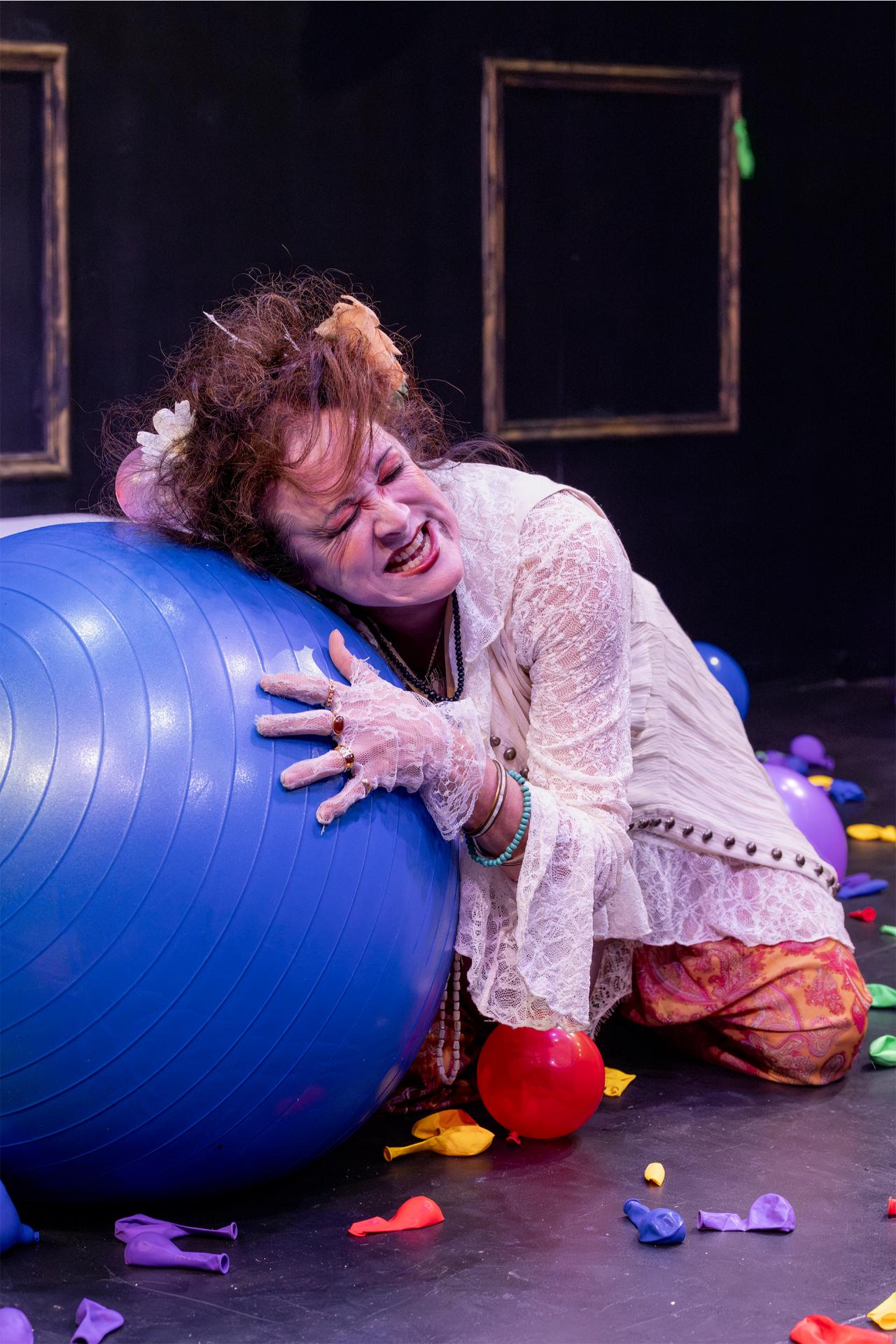
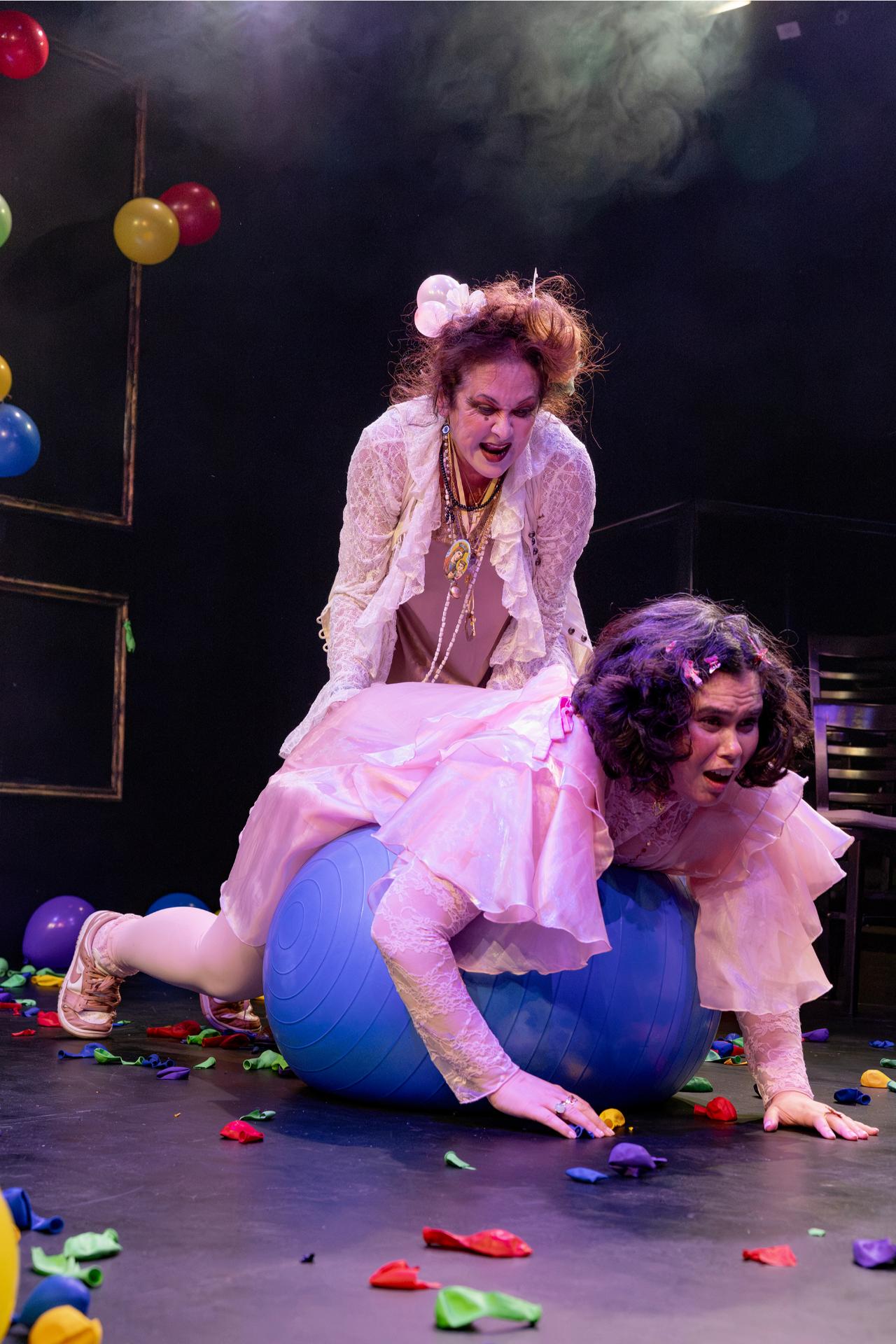
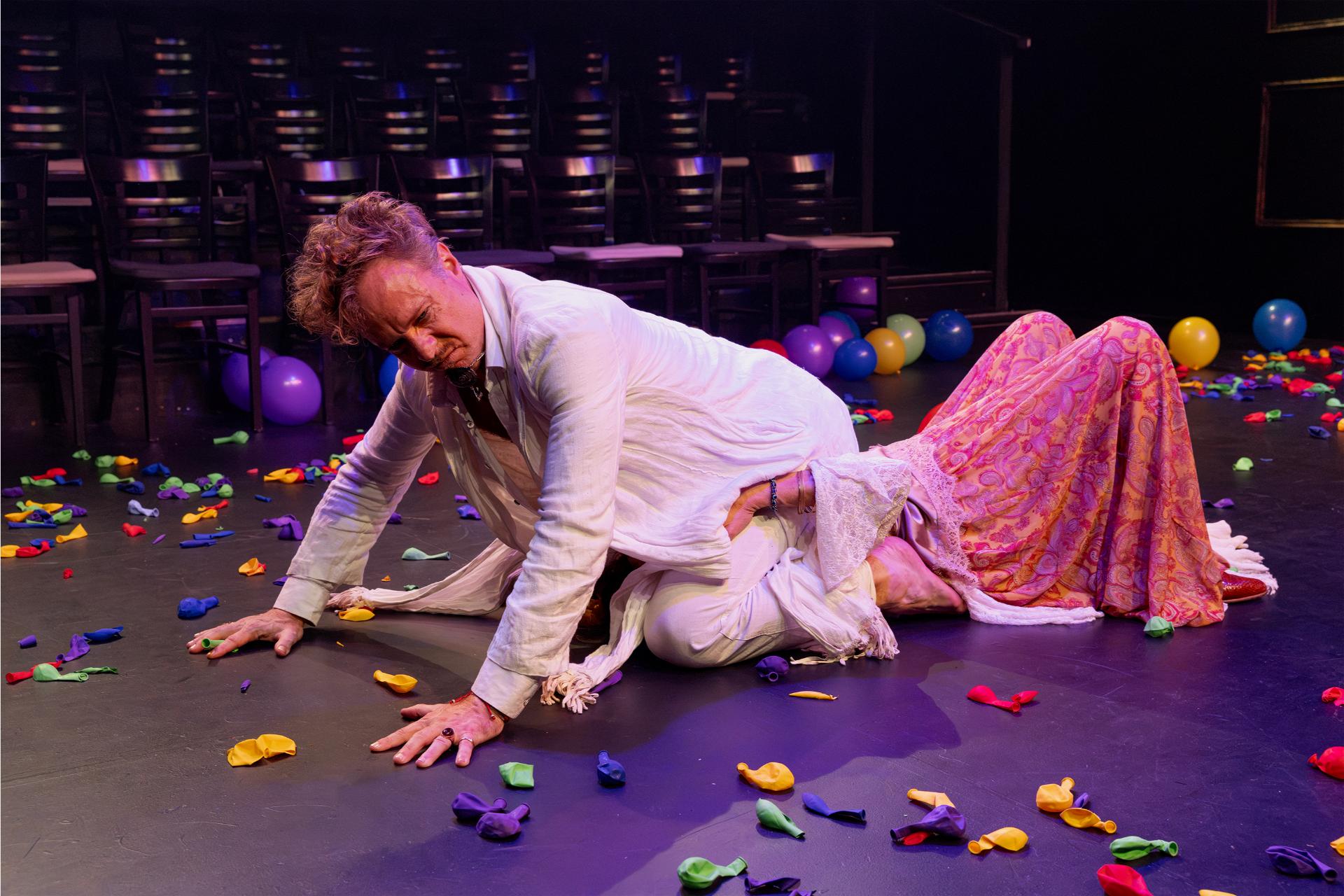
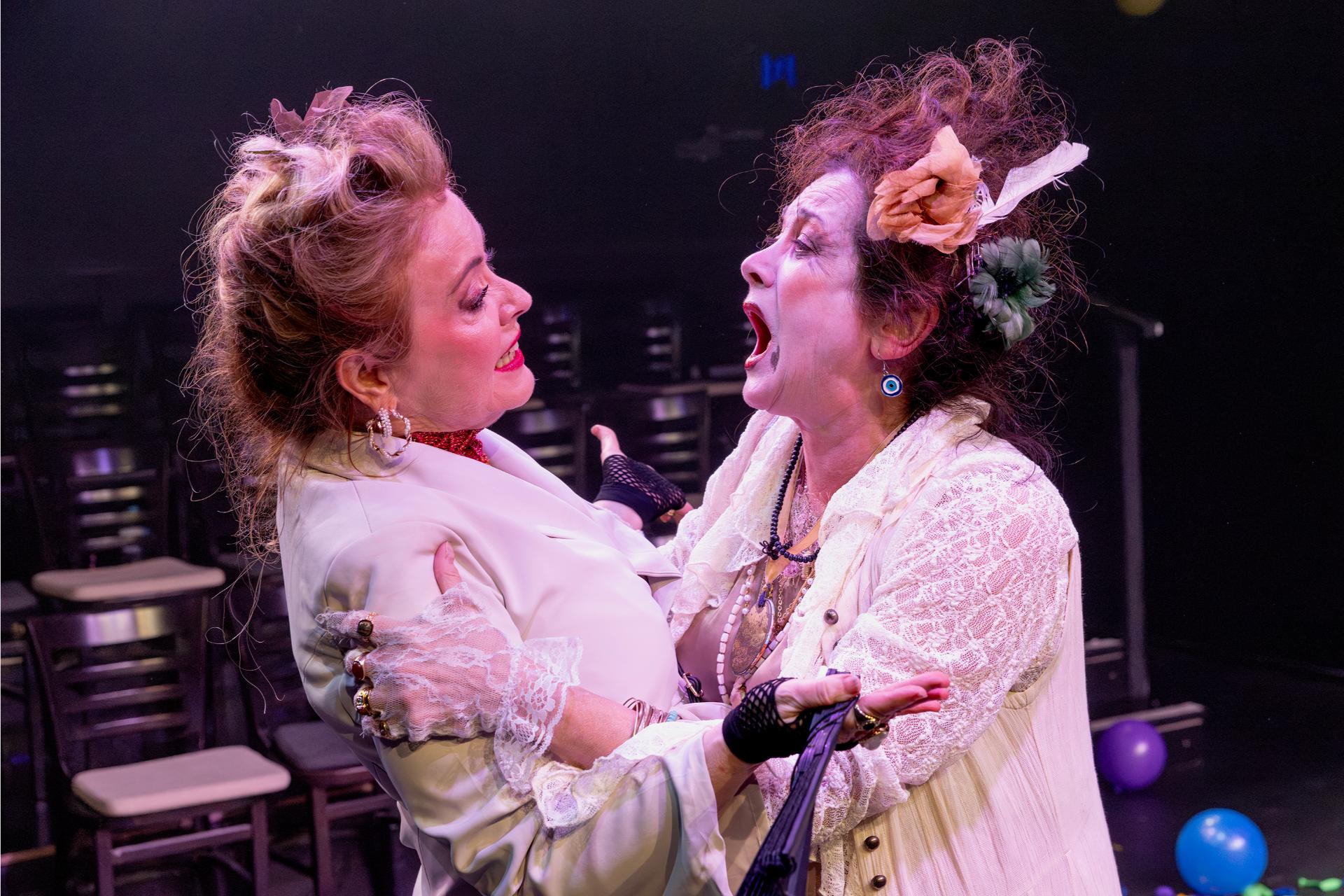
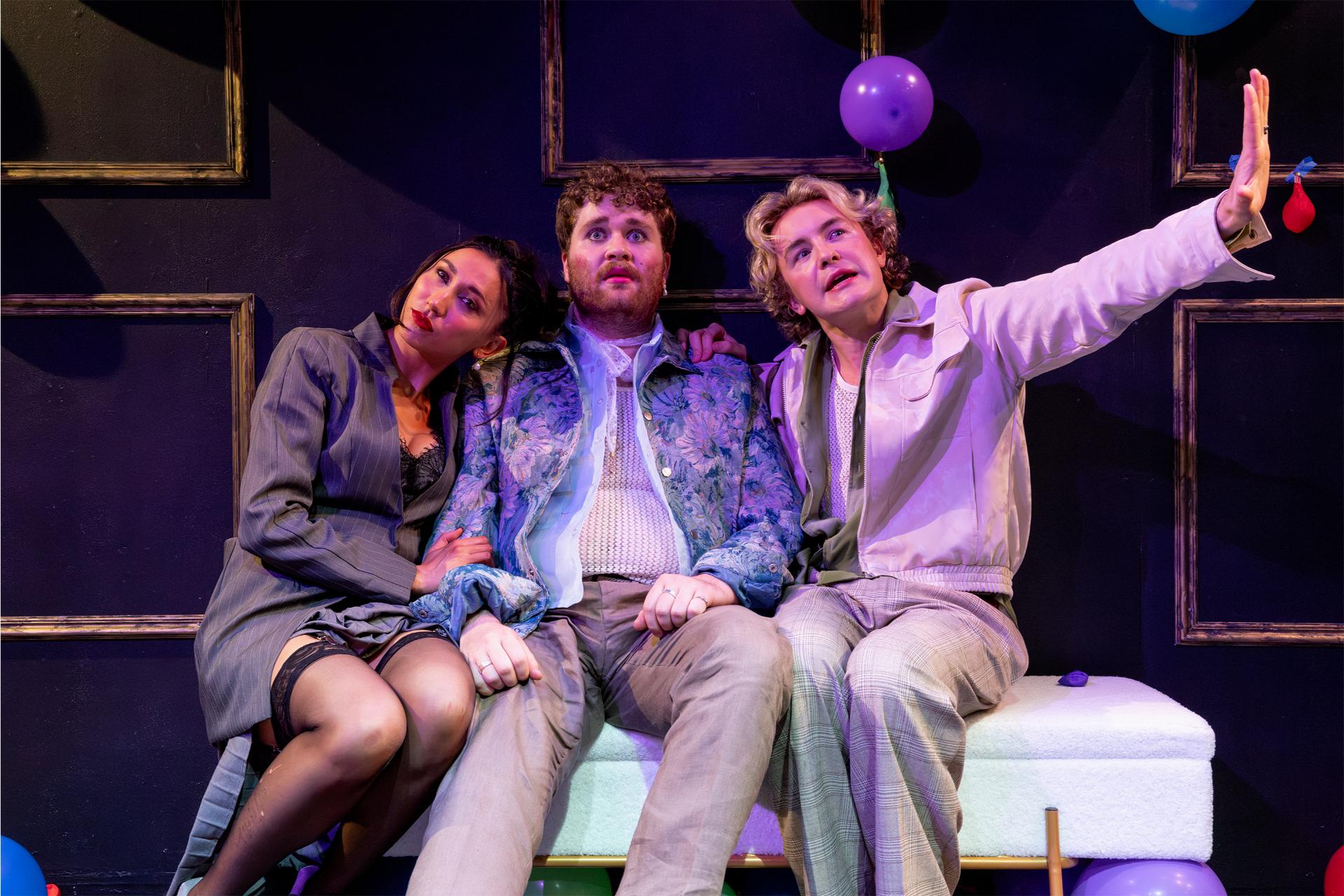
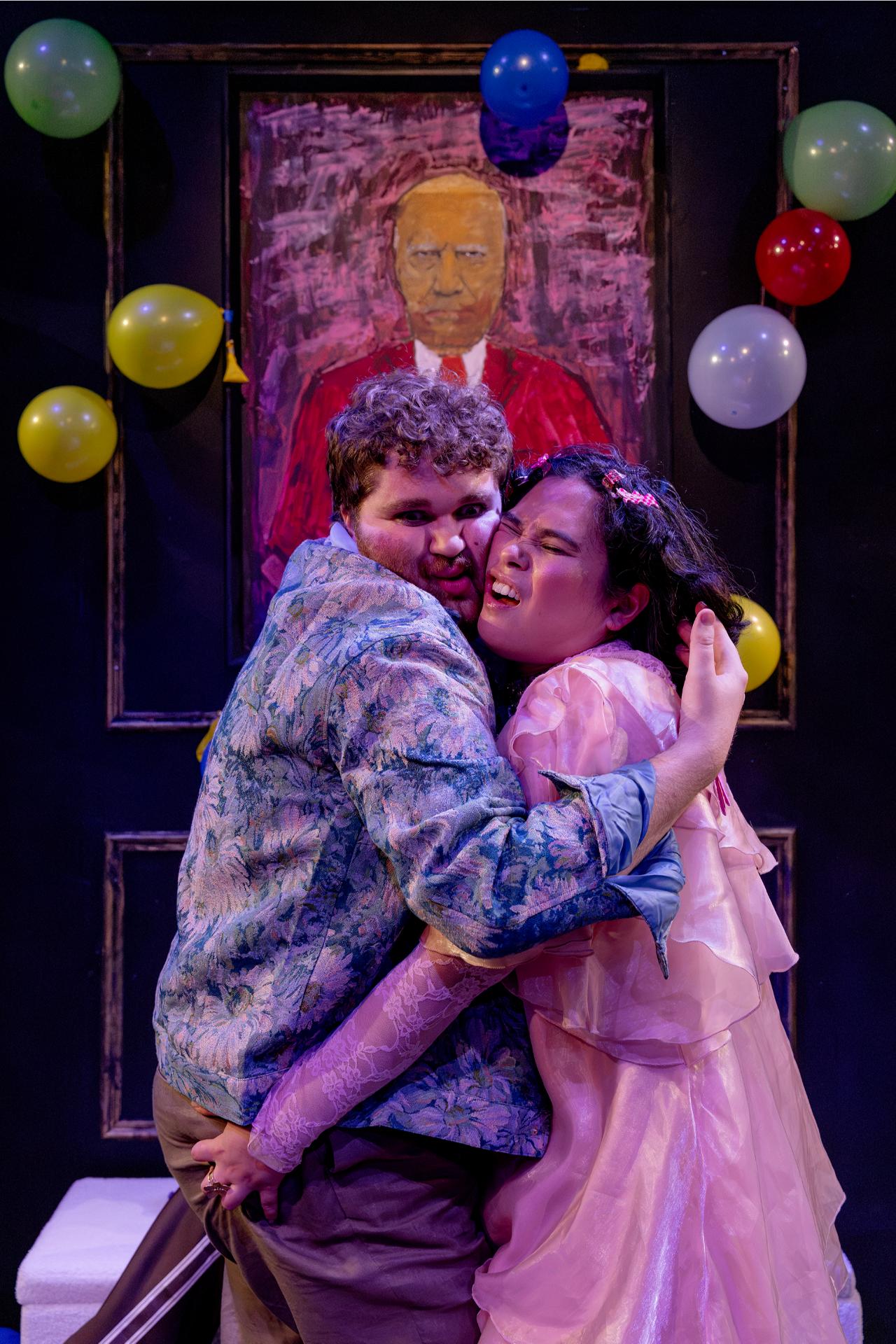
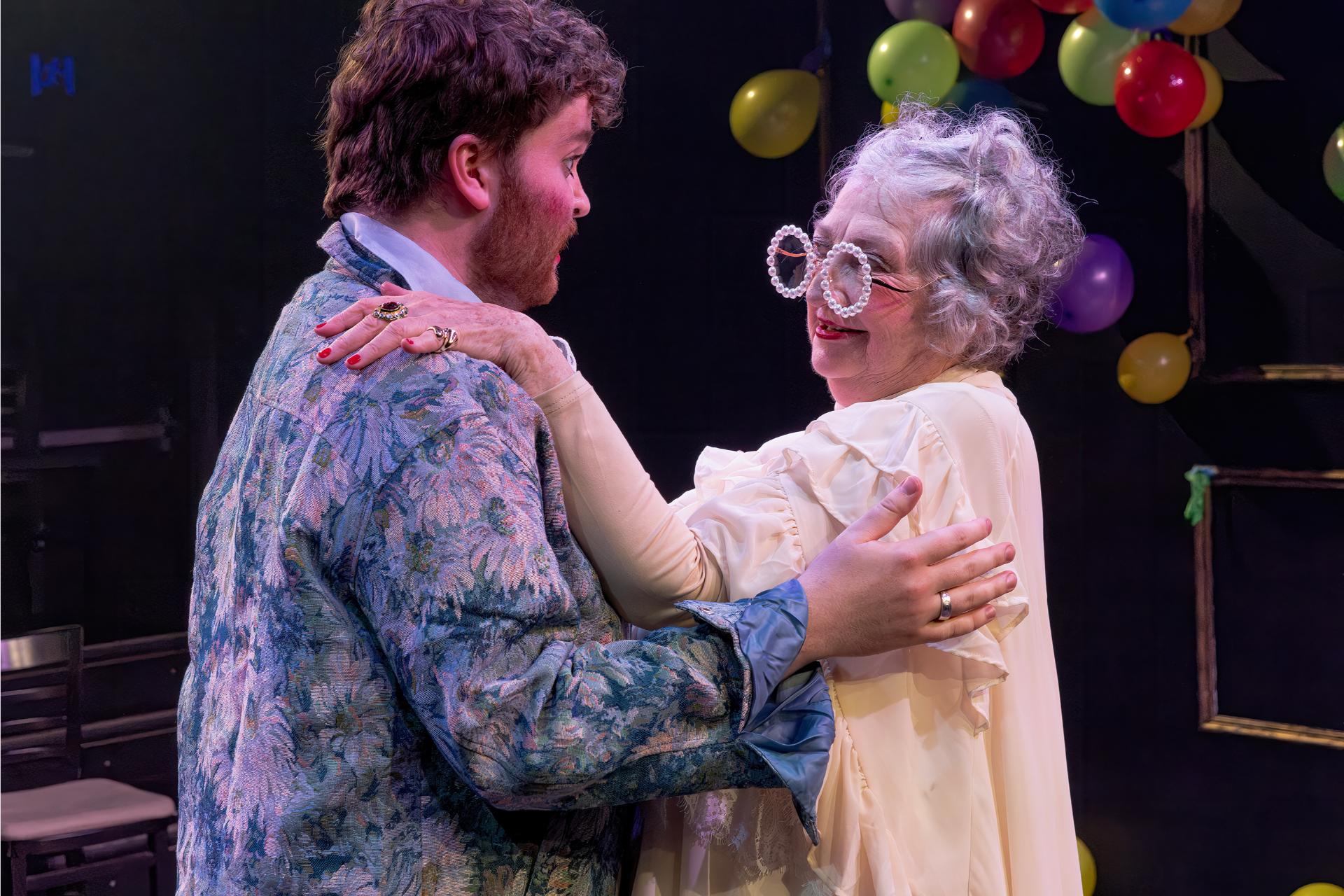
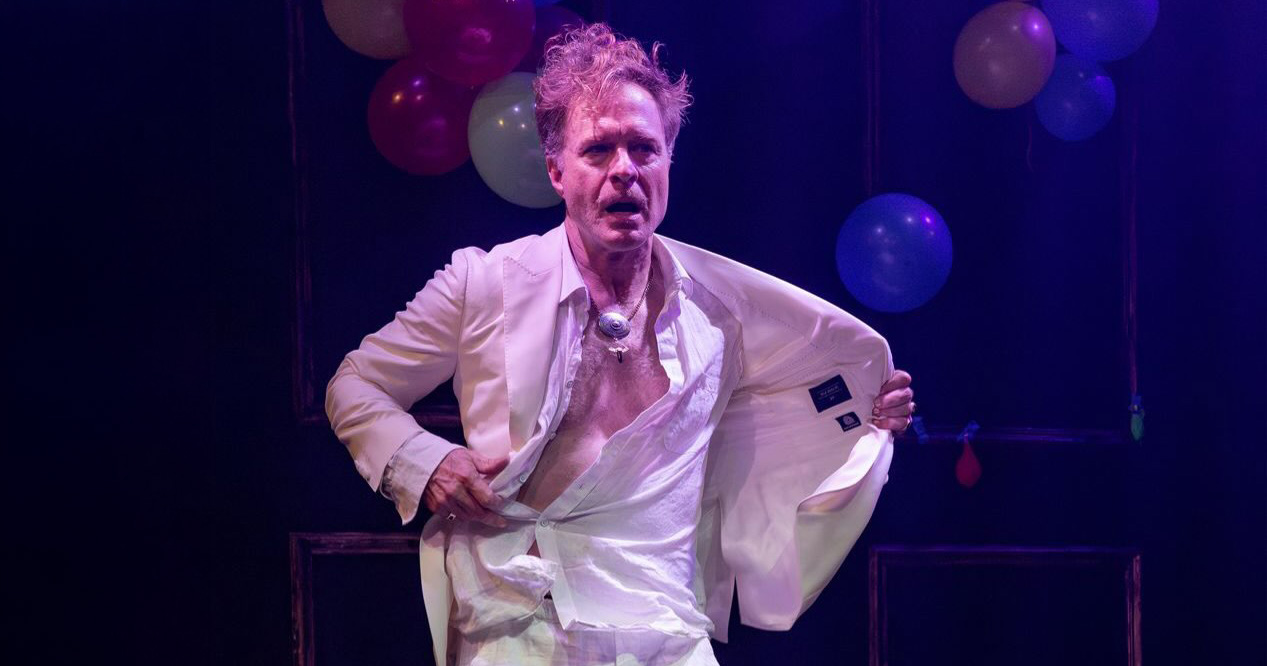
Rouse’s direction is animated by a commitment to comic exuberance, and the production is undeniably energetic and boisterous, with an unmistakable vein of camp running throughout. Not every member of the cast, however, manages to sustain this heightened comic register with sufficient consistency. Fortunately, Julian Garner strikes precisely the right tone in the title role, delivering a delicious combination of scheming opportunism and self-serving delusion. He brings both presence and charisma to Tartuffe, making the character’s duplicity as entertaining as it is exasperating. Deborah Galanos is equally noteworthy as Orgonelle, a female reimagining of Orgon, imbuing the role with a flamboyance and emotional intensity that sit comfortably within the absurdist, grotesque sensibility of Rouse’s direction.
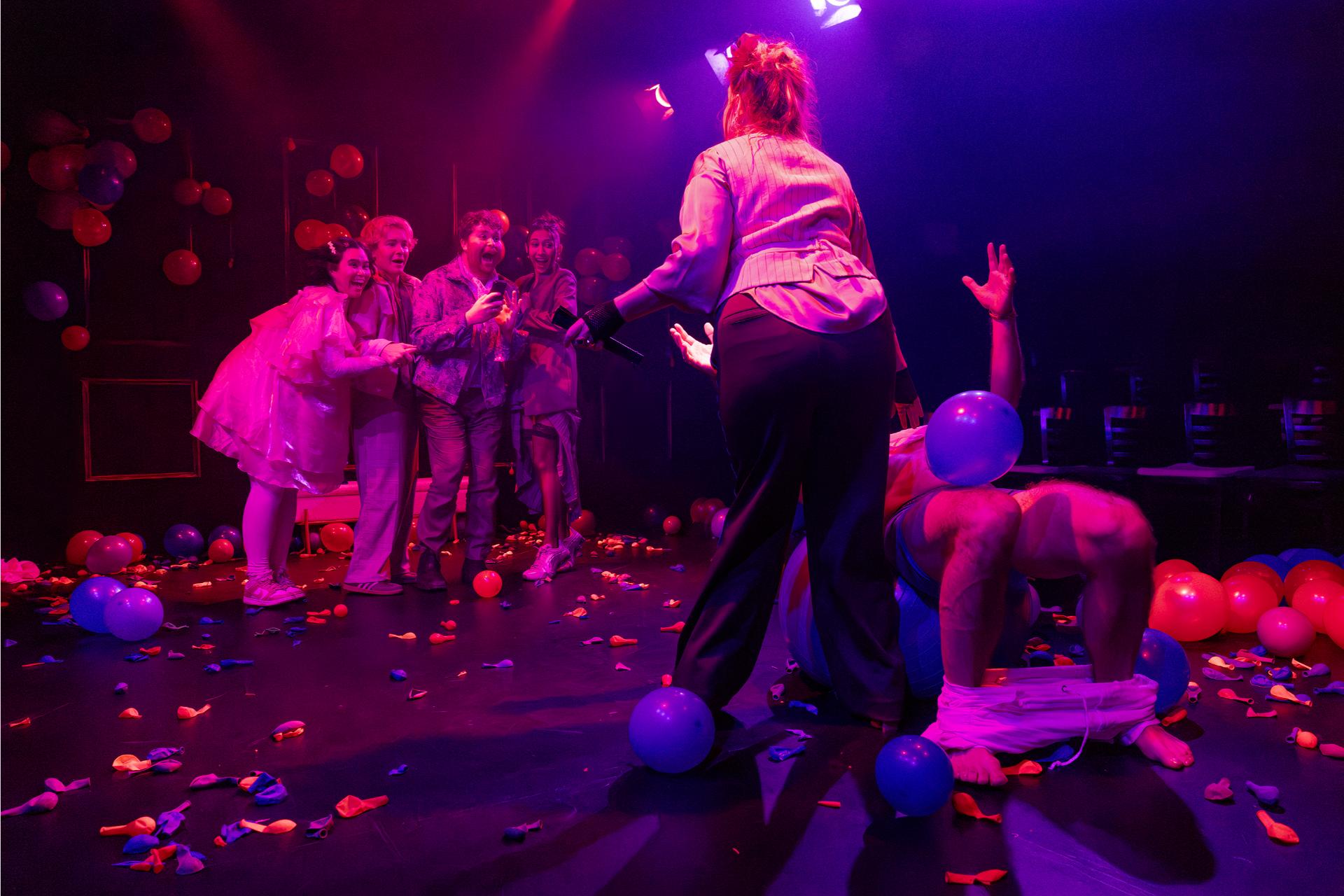
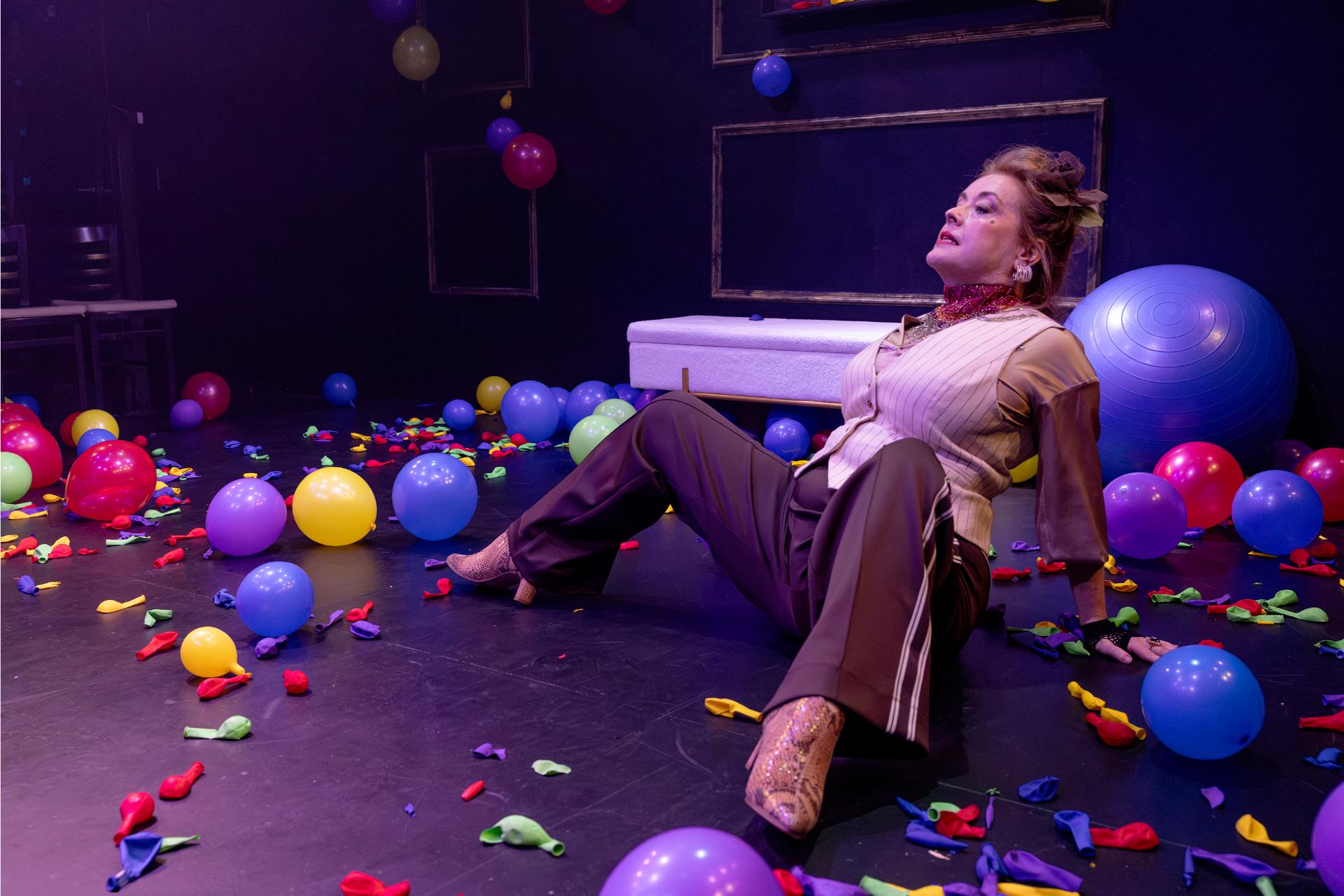
The stage is populated with multicoloured balloons which, whatever their intended symbolism, provide a measure of visual engagement. Anna Gardiner’s costumes combine elements of the classical European aesthetic of Molière’s period with a more contemporary sensibility, while Richard Whitehouse’s lighting remains largely at full intensity, sustaining the production’s relentlessly heightened comic energy. Matty James’s sound design is effective during the play’s more sinister passages, but at other times seems to work against the actors’ attempts to generate laughter. The resulting incongruity has a certain curiosity value, although it ultimately proves more distracting than illuminating.
If religion no longer commands the same hold over us that it once did, the con artist has hardly disappeared. The objects of our credulity have simply changed. Today, we are sold rockets promising journeys we will never undertake, to destinations we have little desire to visit, and persuaded to part with our hard-earned money for ephemeral digital investments bearing fashionable names but possessing no intrinsic value.
We congratulate ourselves on our moral clarity, our education and our capacity for informed judgement, yet we willingly purchase candles supposedly redolent of anatomy and vote for the ultra-rich, who repeatedly demonstrate that they regard us less as citizens than as opportunities for exploitation. The contemporary Tartuffe need not pretend to speak for God; he need only convince us that he knows something we do not. And judging by our collective willingness to believe him, business is very good.
www.kingsxtheatre.com | www.instagram.com/raus_aus