Venue: Theatre Royal (Sydney NSW), May 13 – 30, 2026
Playwright: Robert Harling
Director: Lee Lewis
Cast: Belinda Giblin, Lotte Beckett, Mandy Bishop, Debra Lawrance, Lisa McCune, Jessica Redmayne
Images by Brett Boardman
Theatre review
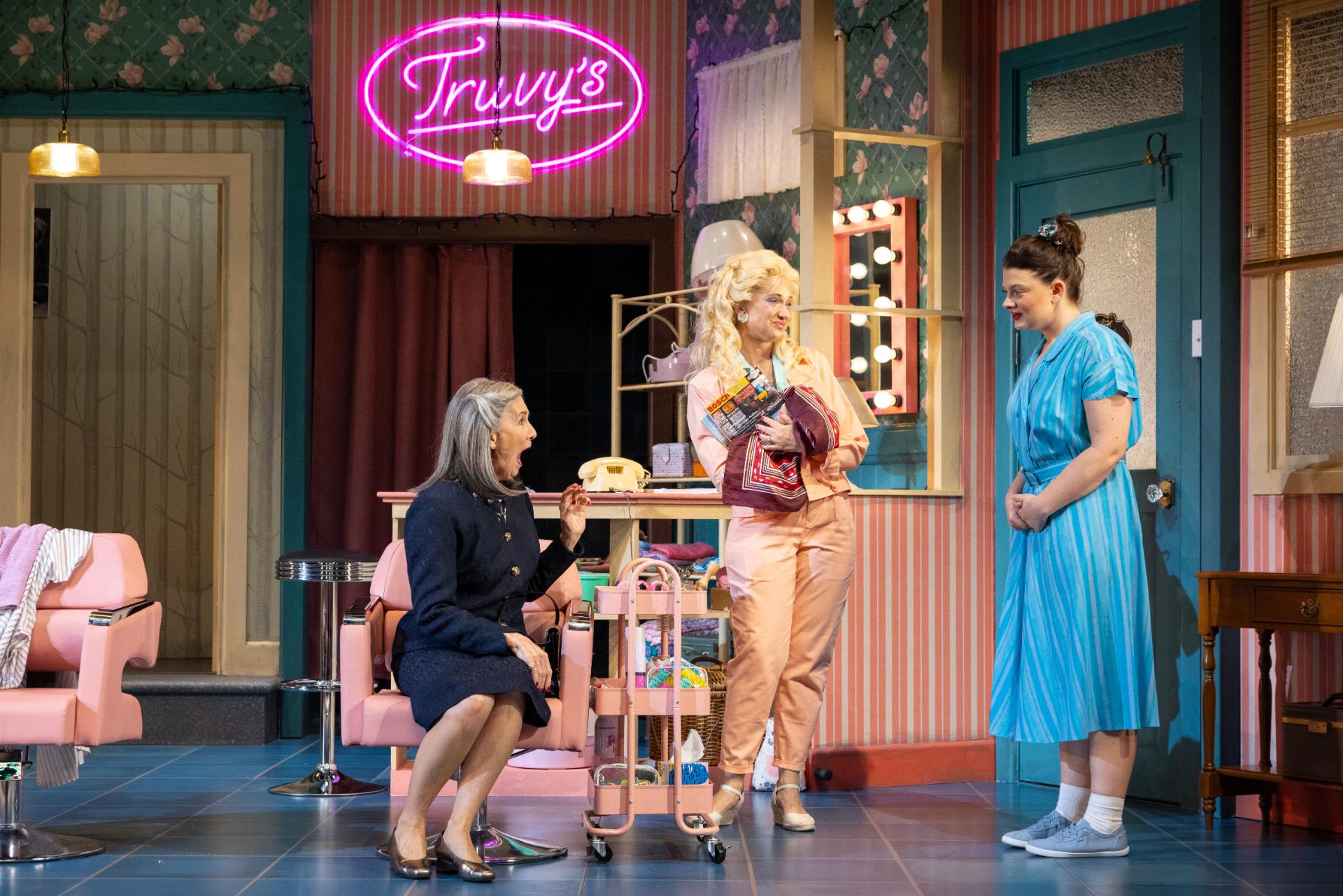
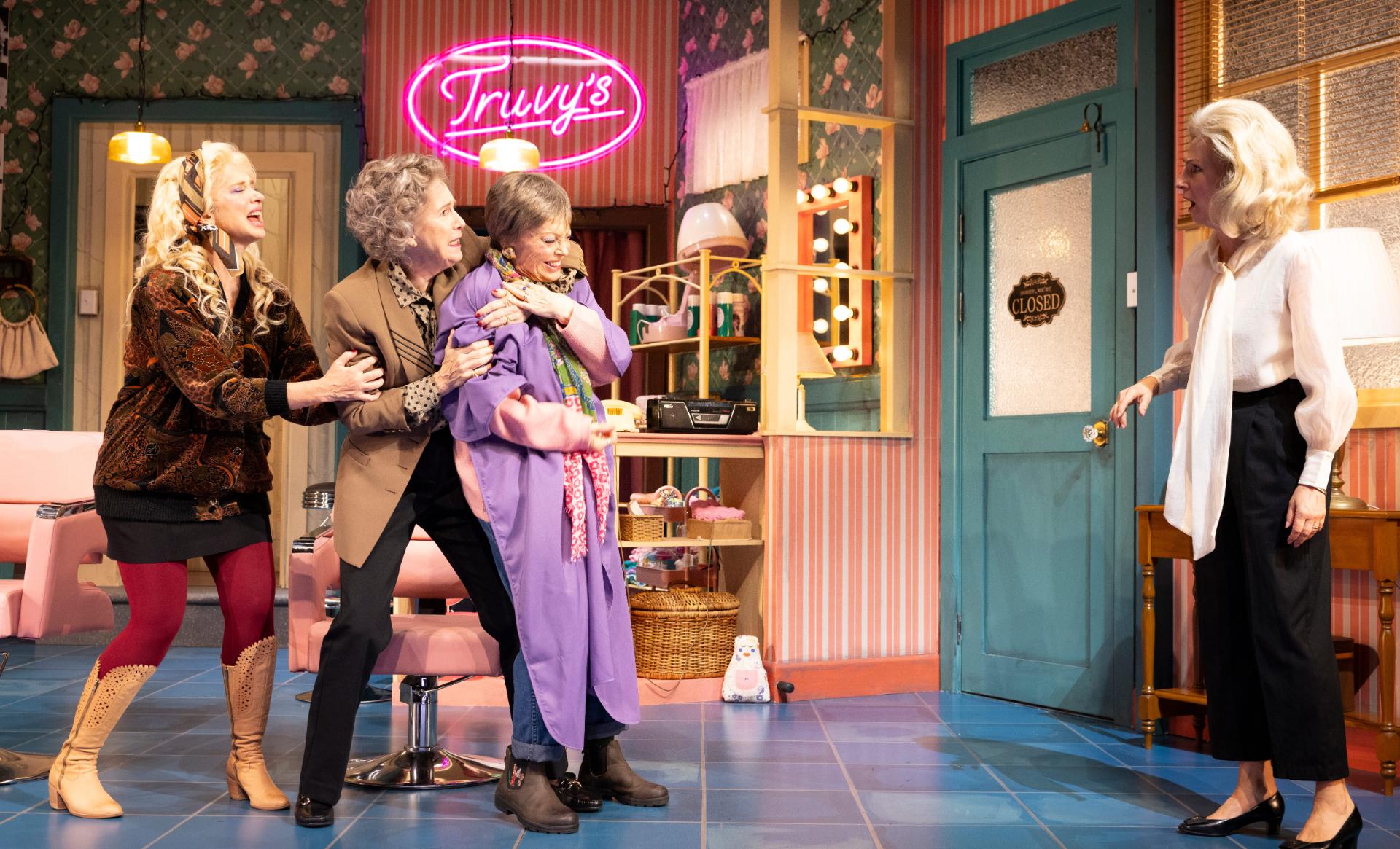
Set in late-1980s Louisiana, Robert Harling’s *Steel Magnolias* unfolds primarily within Truvy’s beauty salon, where a tight-knit circle of women gather to trade confidences ranging from the quotidian to the devastating, their conversations laced with the acerbic warmth of Southern wit. Approaching its fortieth anniversary, the play now reads as an almost accidental period piece; its cultural markers may have faded, but its portrait of female solidarity retains its emotional currency. What endures is not necessarily the substance of every exchange, but the musicality of the dialogue itself—the pleasure of witnessing women who speak with intimacy, velocity, and irreverent affection.
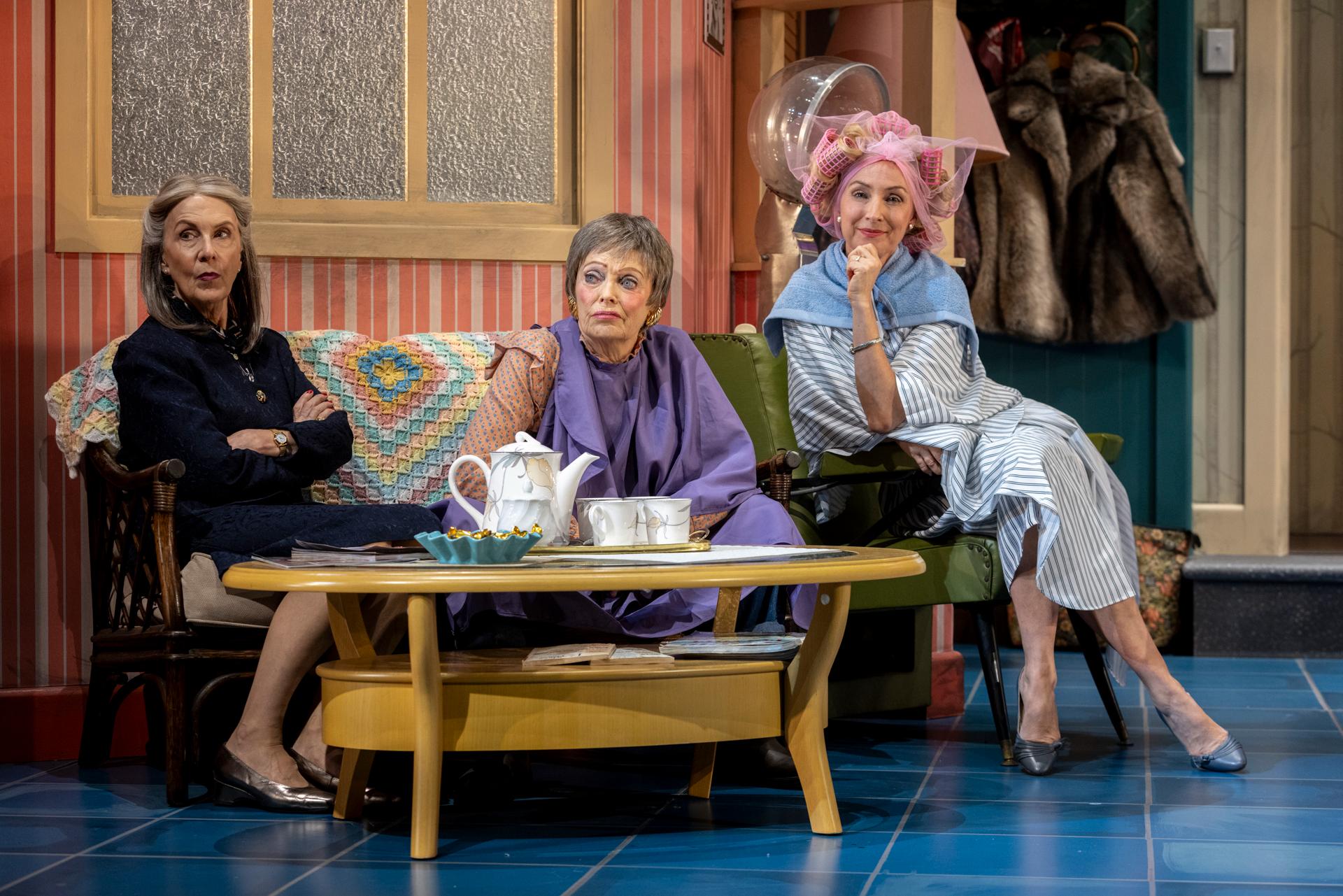
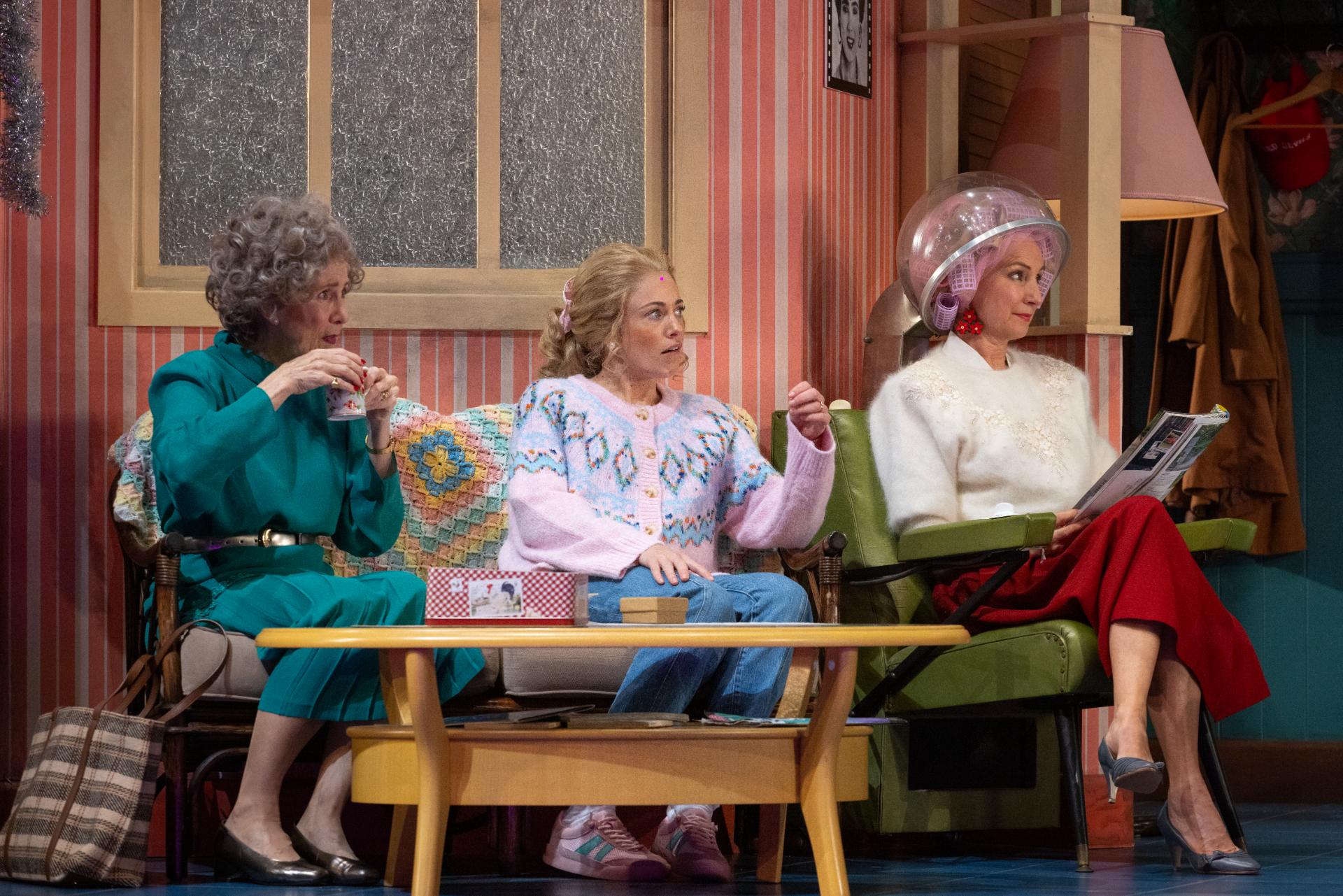
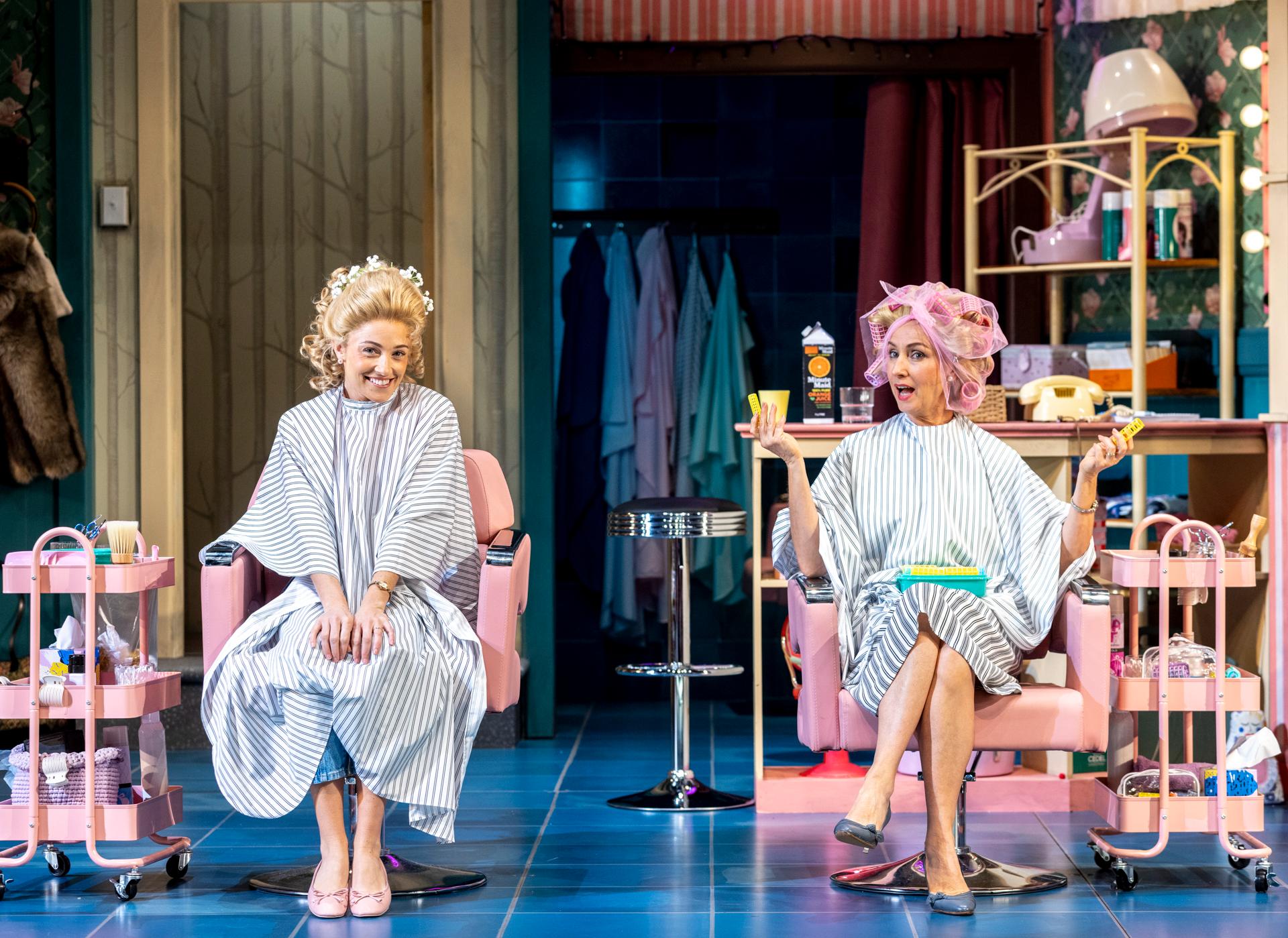
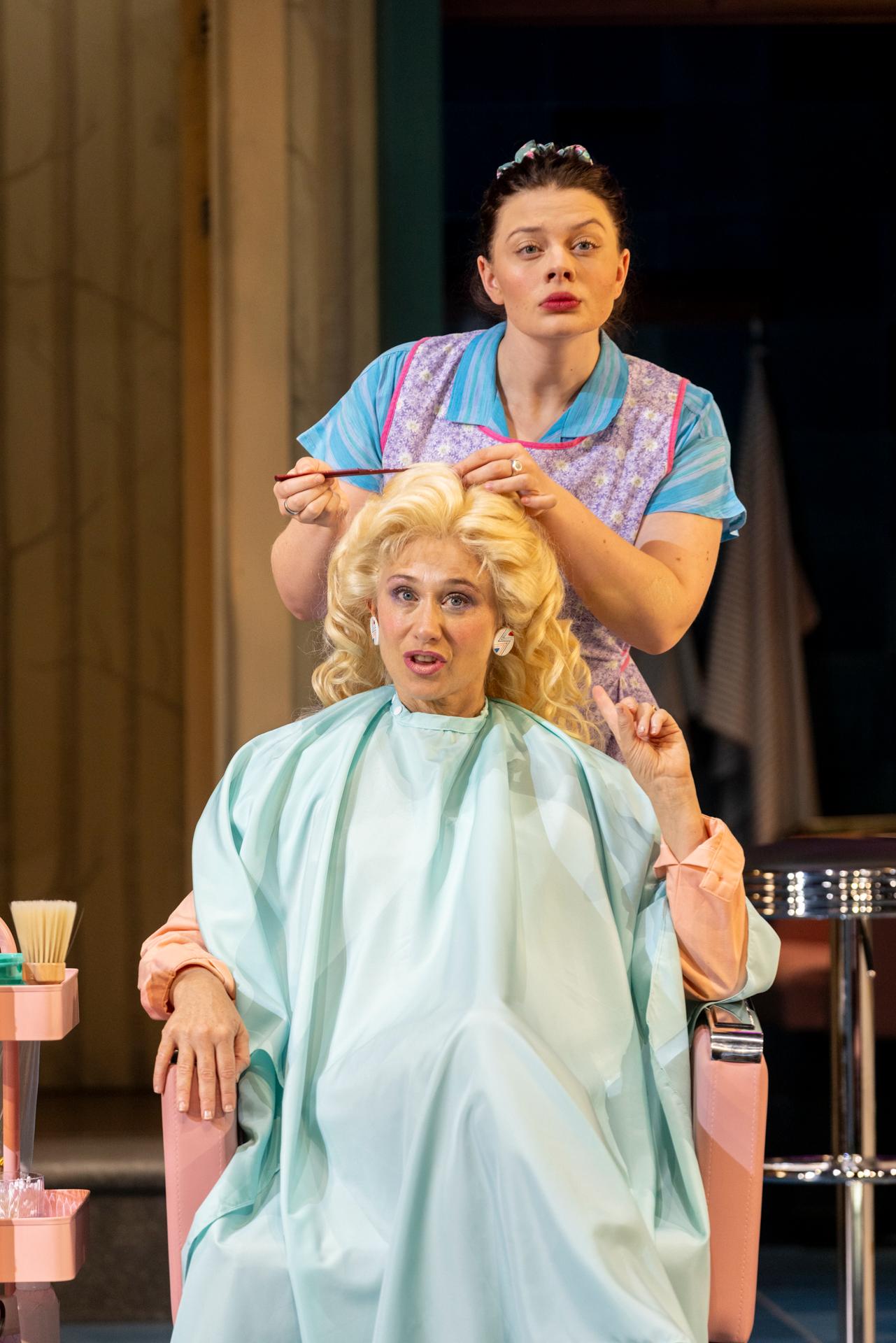
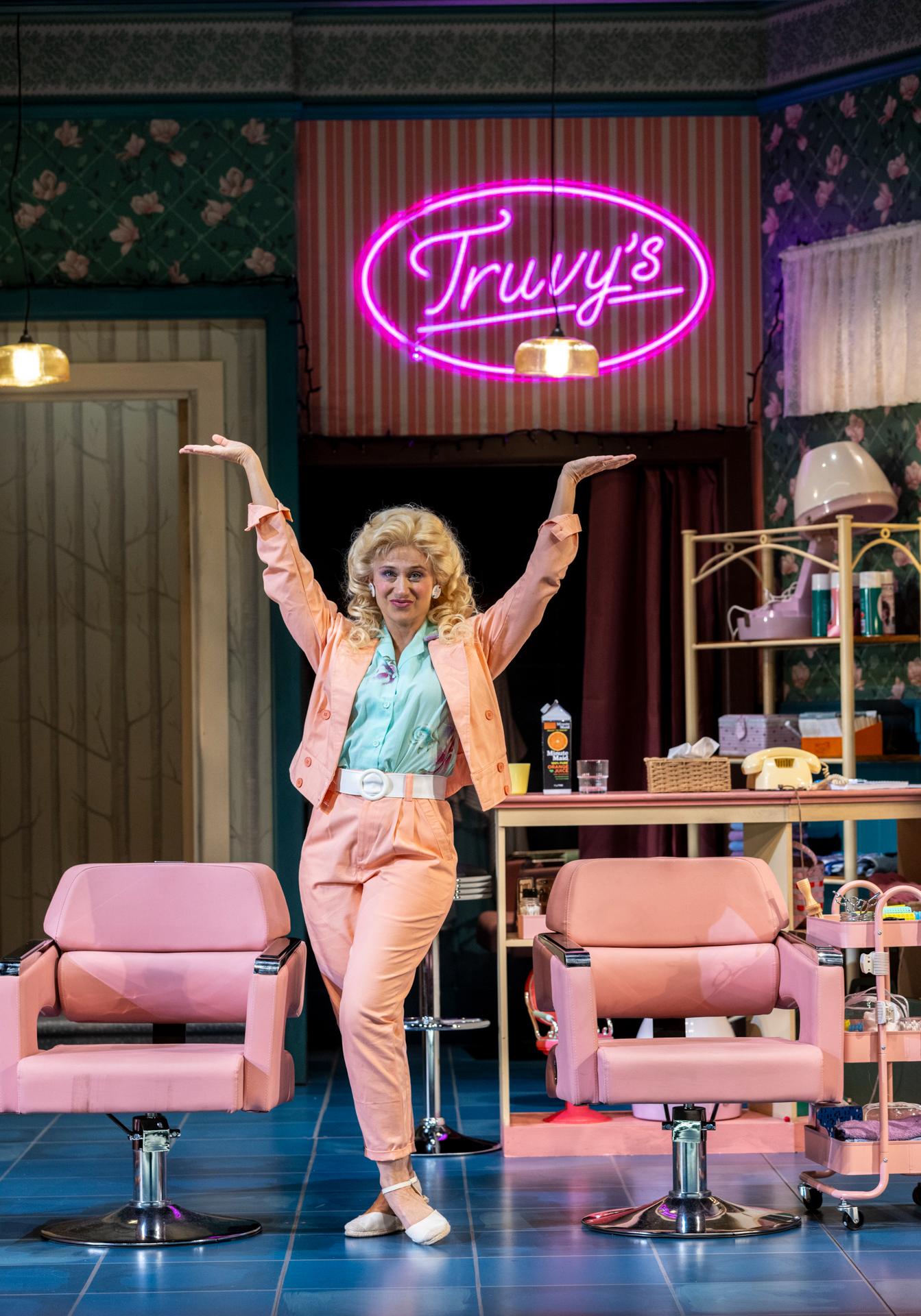
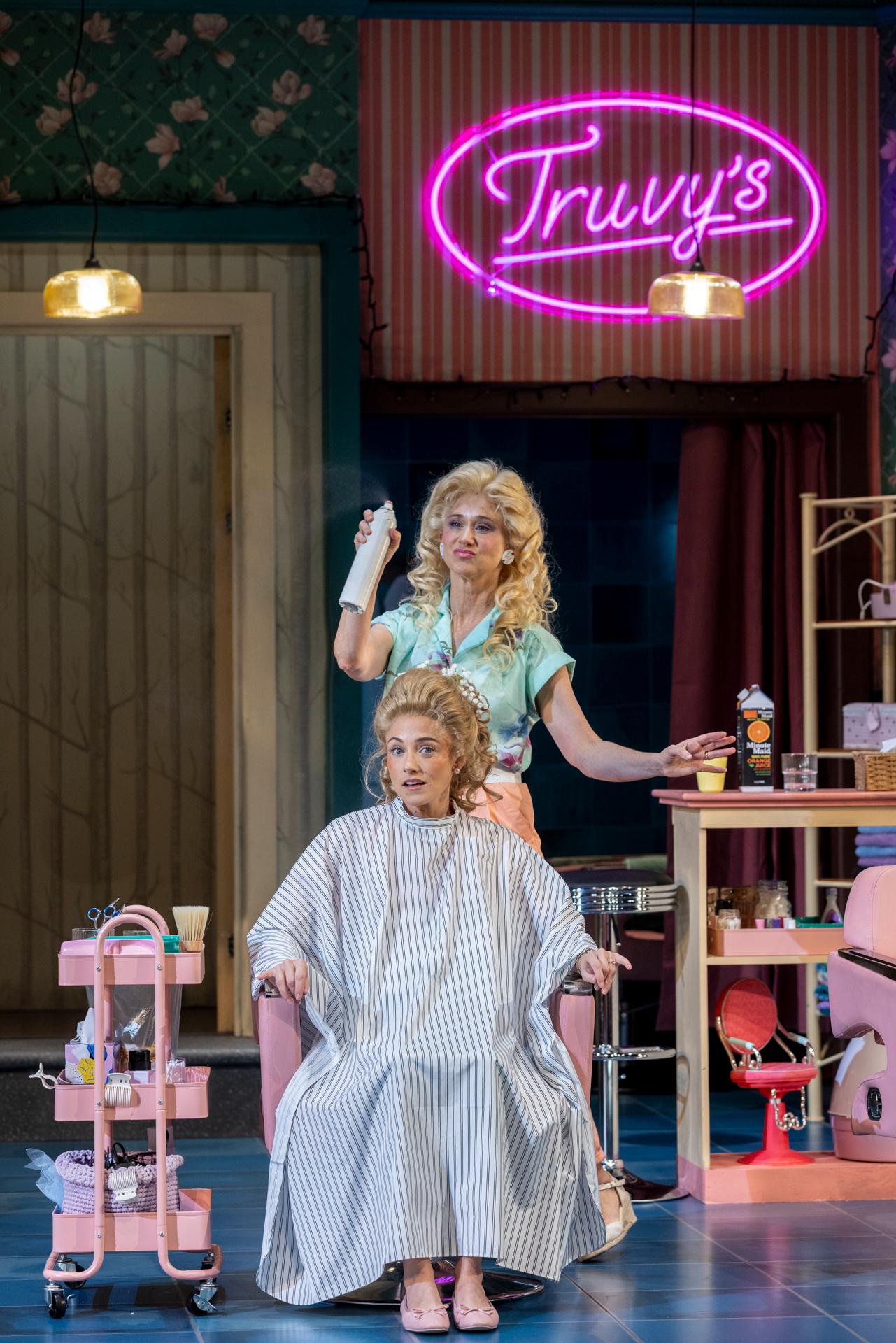
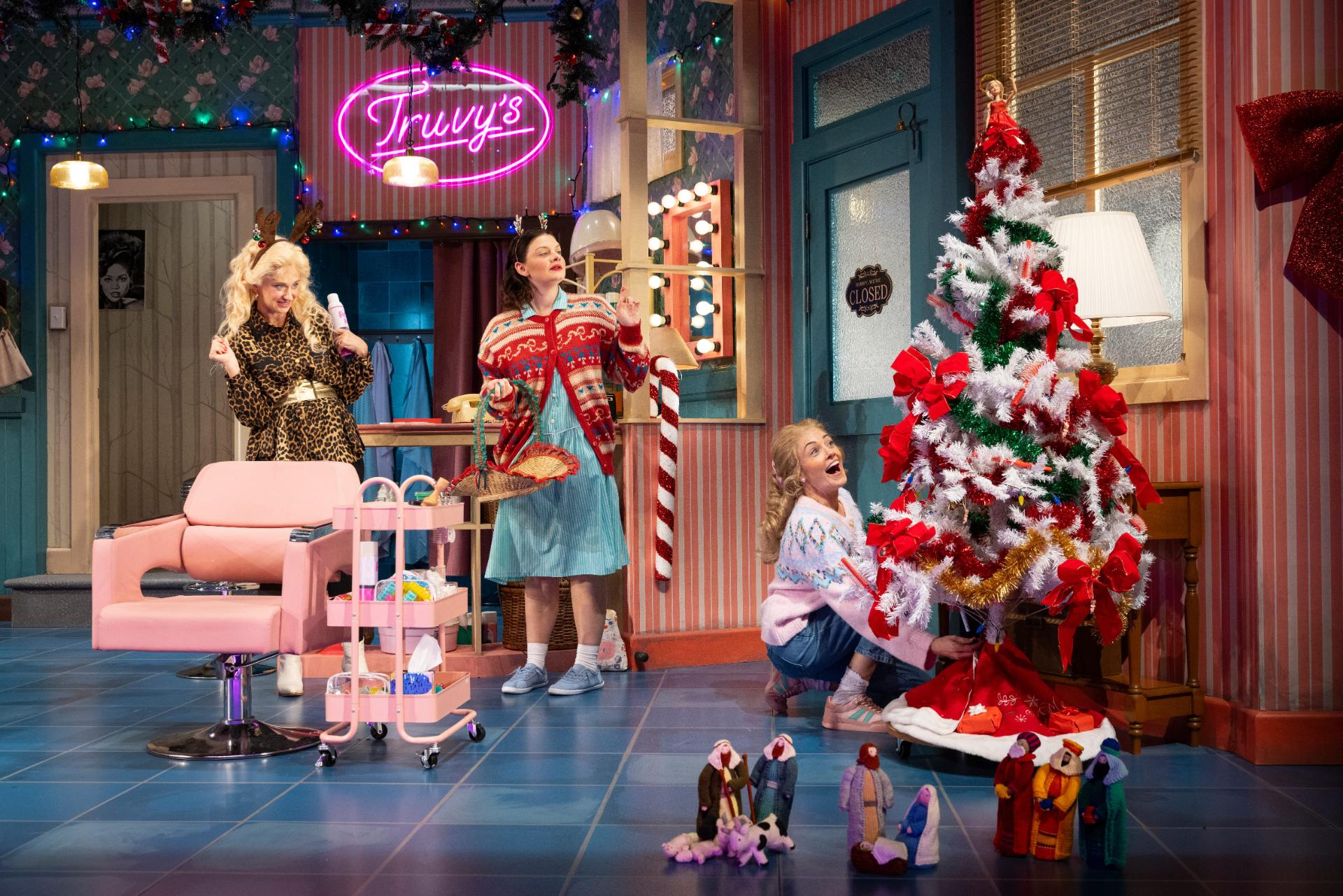
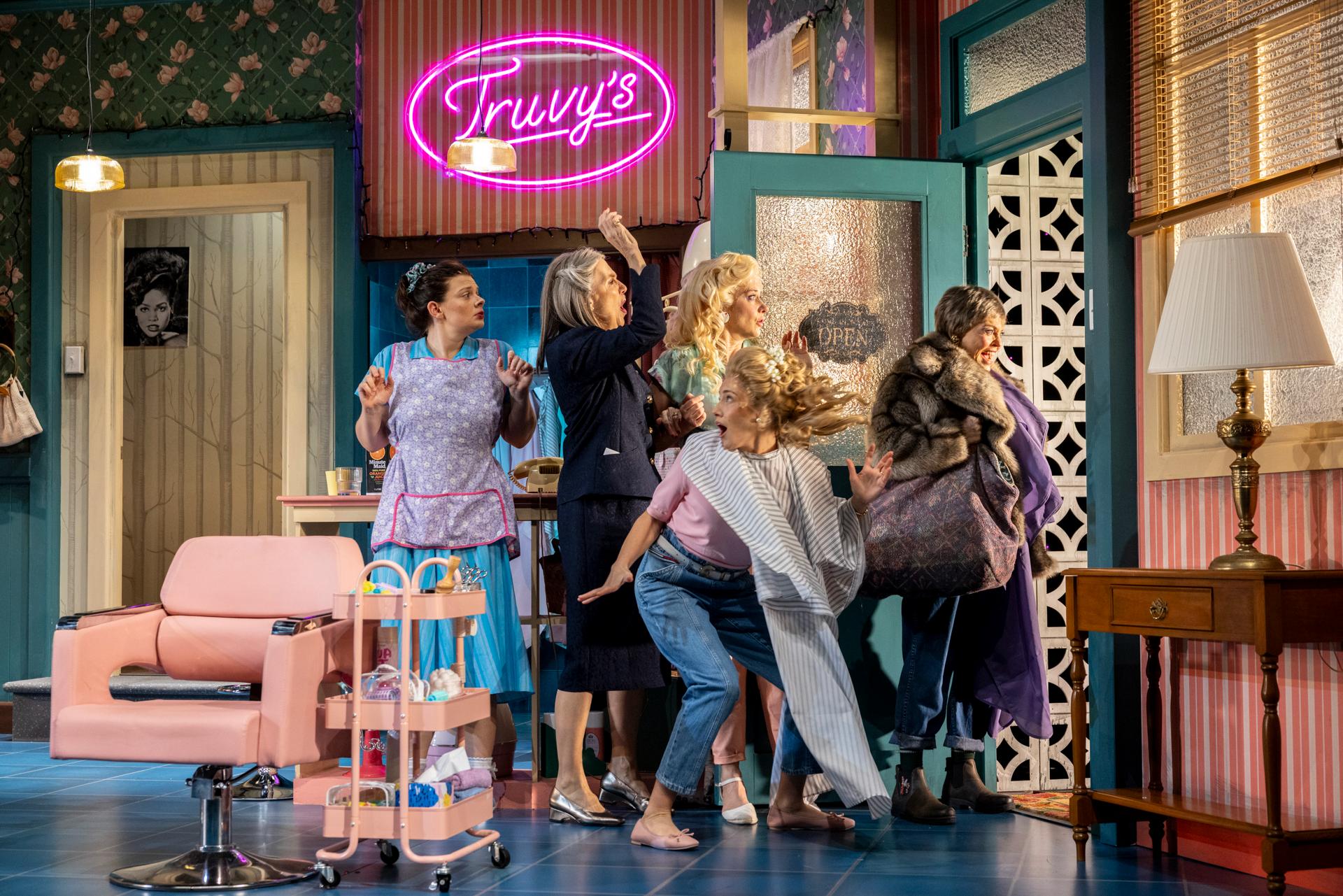
Director Lee Lewis leans into the production’s nostalgic appeal, crafting a staging that privileges comfort and communal charm over dramatic urgency. The result is inviting, if occasionally too gentle to fully command our investment in every narrative turn. Designer Simone Romaniuk supports this atmosphere with sets and costumes that evoke a more sheltered era, deploying a vivid, deliberately kitsch palette that winks at the aesthetic excesses of the decade without undermining its sincerity.
The ensemble of six operates with uniform commitment, yet the production’s true strength lies not in individual virtuosity but in their collective chemistry. The camaraderie feels lived-in and authentic, bridging the temporal and cultural distance that separates these characters from a contemporary Australian audience. Only some unfortunate choices in wig design briefly rupture the illusion.
Perhaps the most disorienting aspect of encountering this work in 2026 is its resolute political silence. To watch a group of white American women onstage, entirely insulated from the civic ruptures of their moment, feels almost anthropological now. In the 1980s, such insulation might have read as plausible, even unremarkable; today, it registers as a stark reminder of the privilege inherent in that protection—a privilege that, in the current climate, no demographic can safely assume will hold.