Review: Sunday (Sydney Theatre Company/Melbourne Theatre Company)

Venue: Sydney Opera House (Sydney NSW), Nov 28 – Dec 7, 2024
Playwright: Anthony Weigh
Director: Sarah Goodes
Cast: Matt Day, Jude Hyland, Ratidzo Mambo, James O’Connell, Nikki Shiels
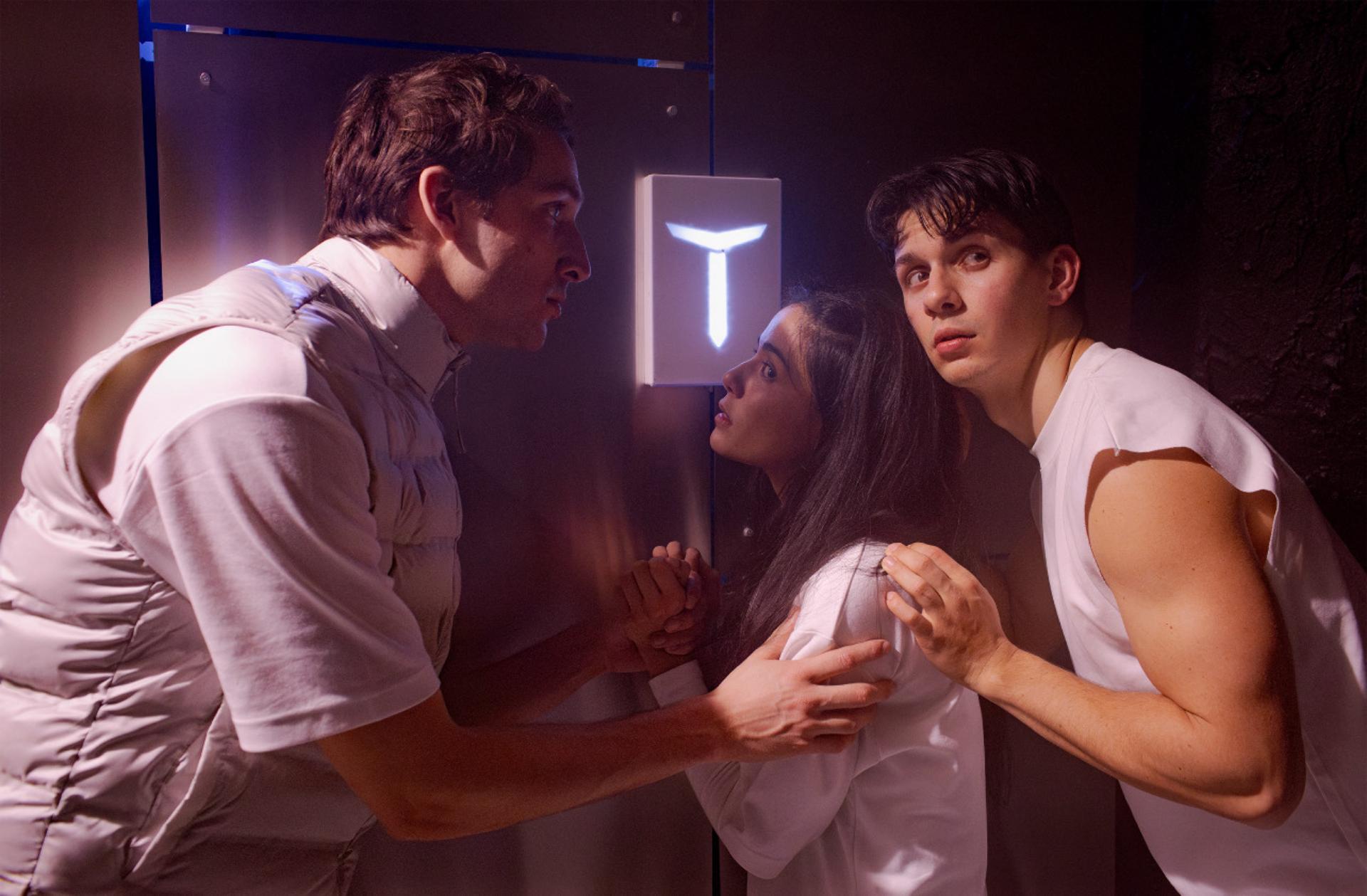
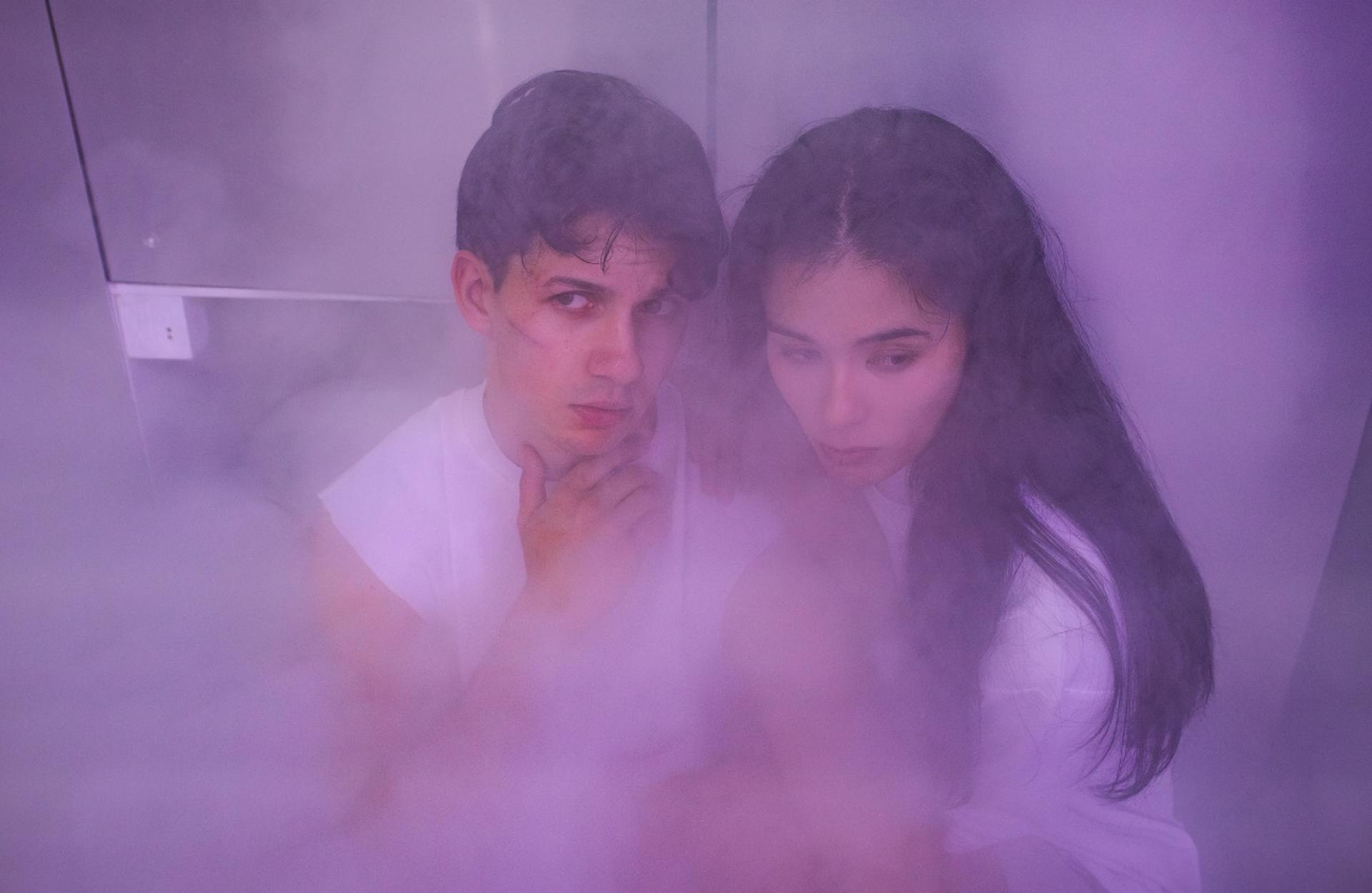
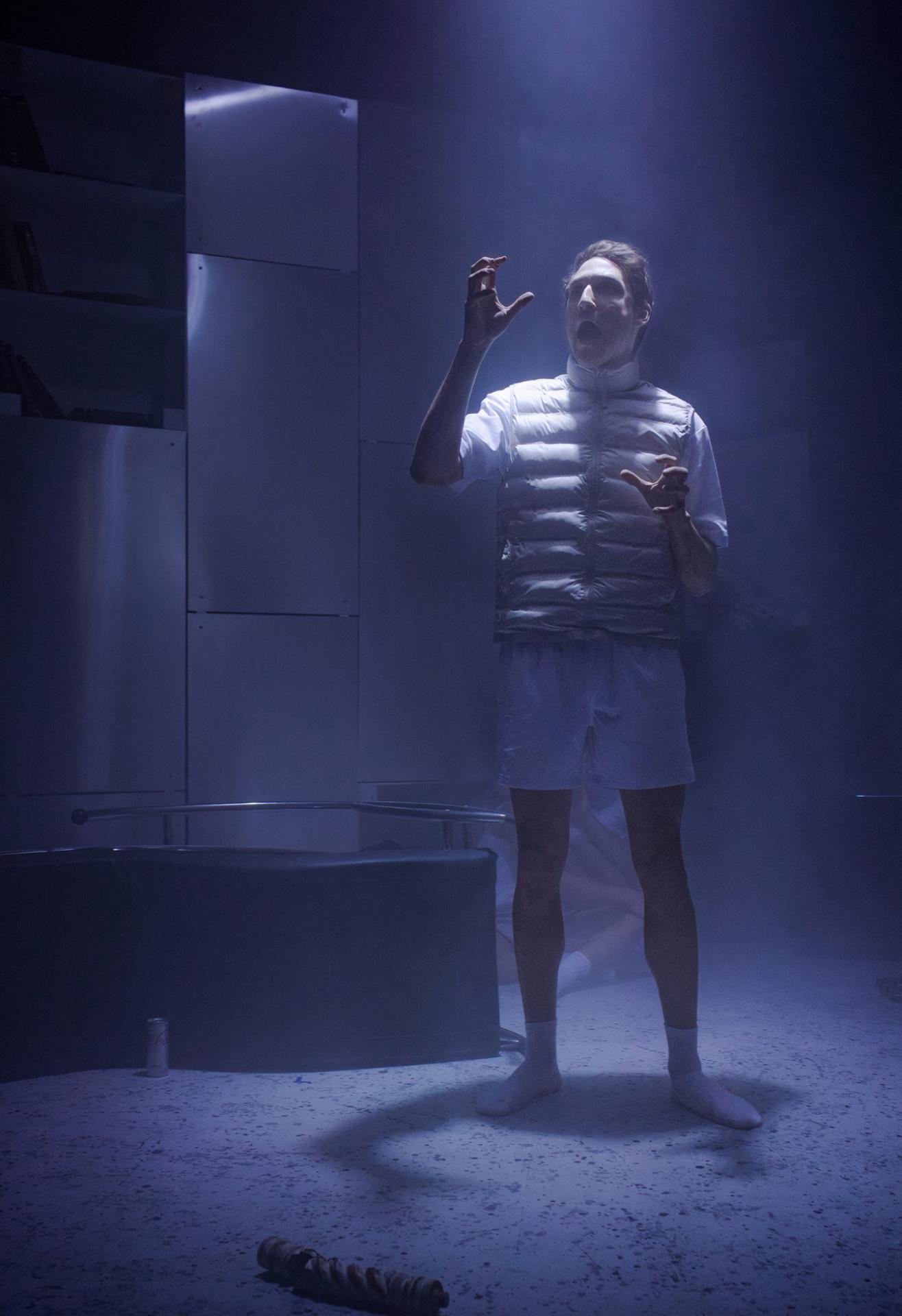
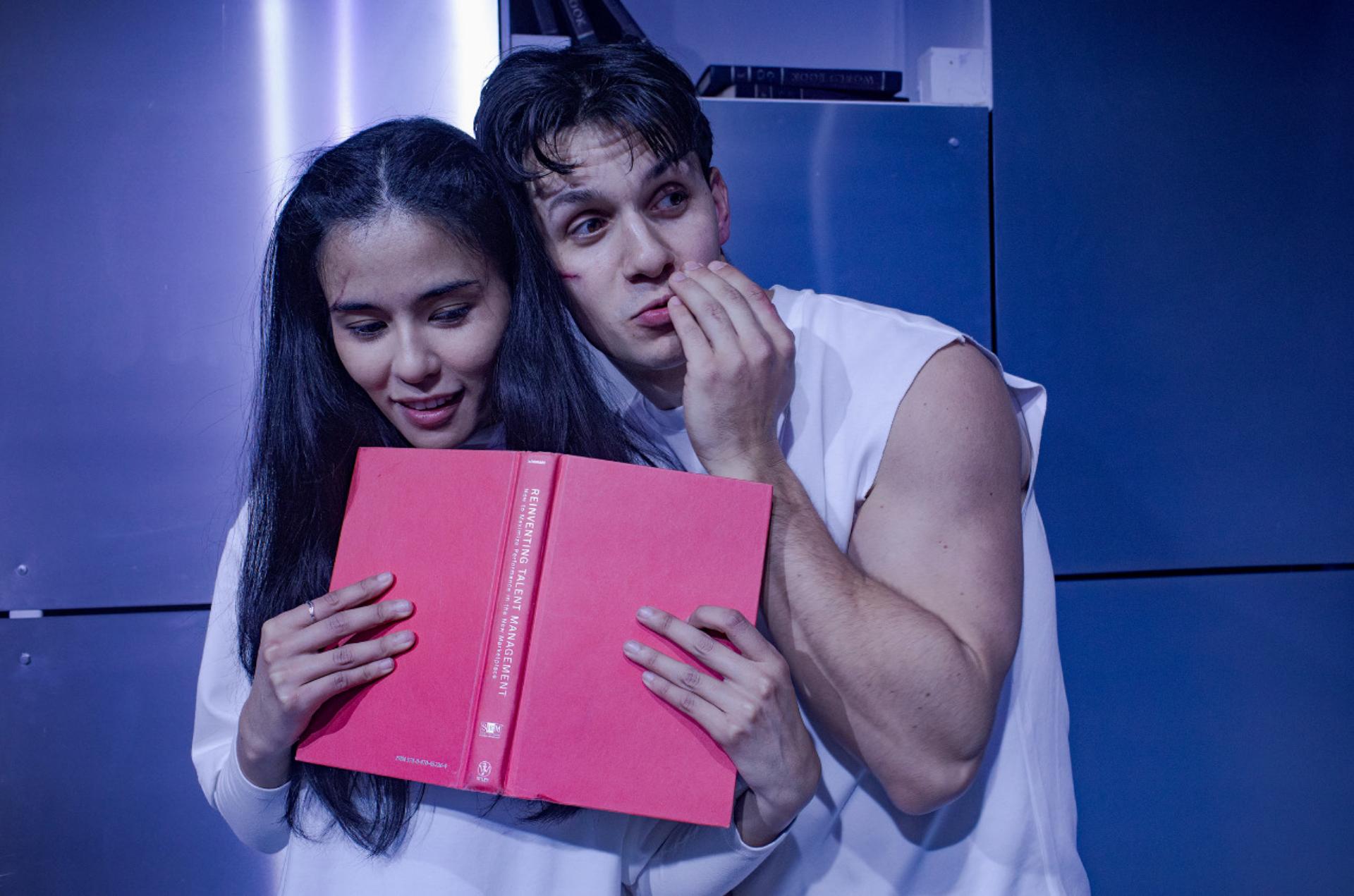
Images by Prudence Upton

Theatre review
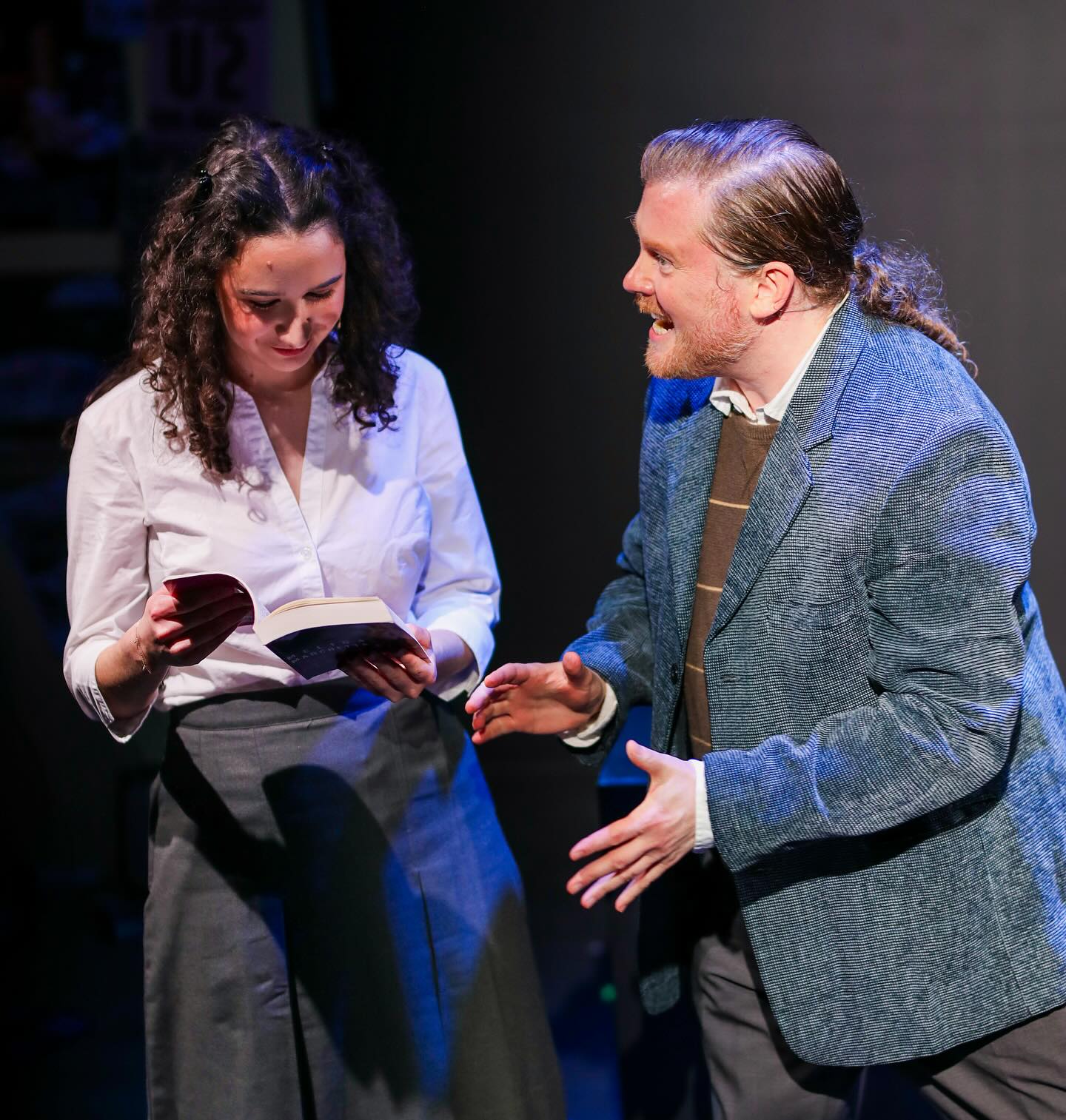
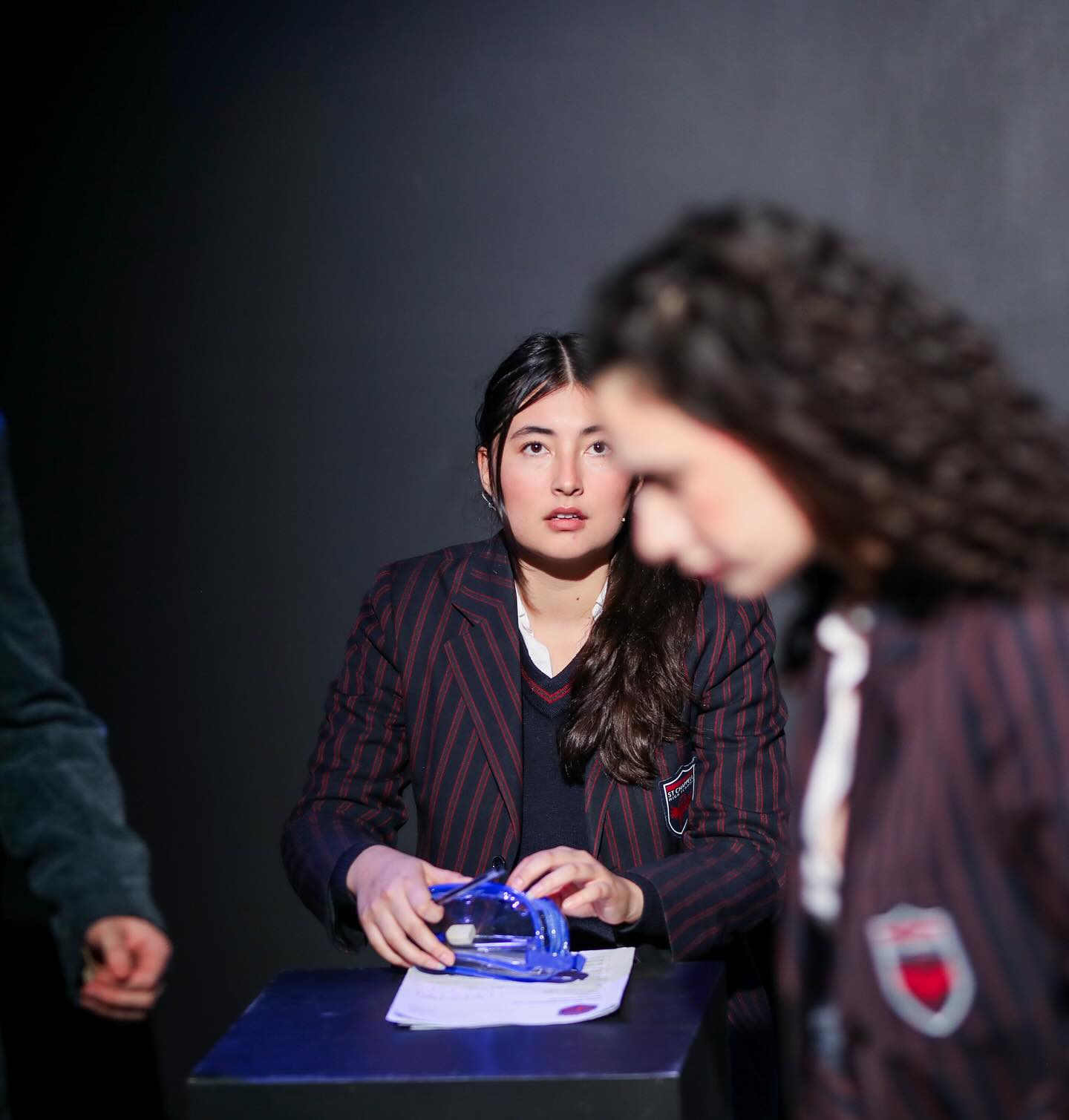
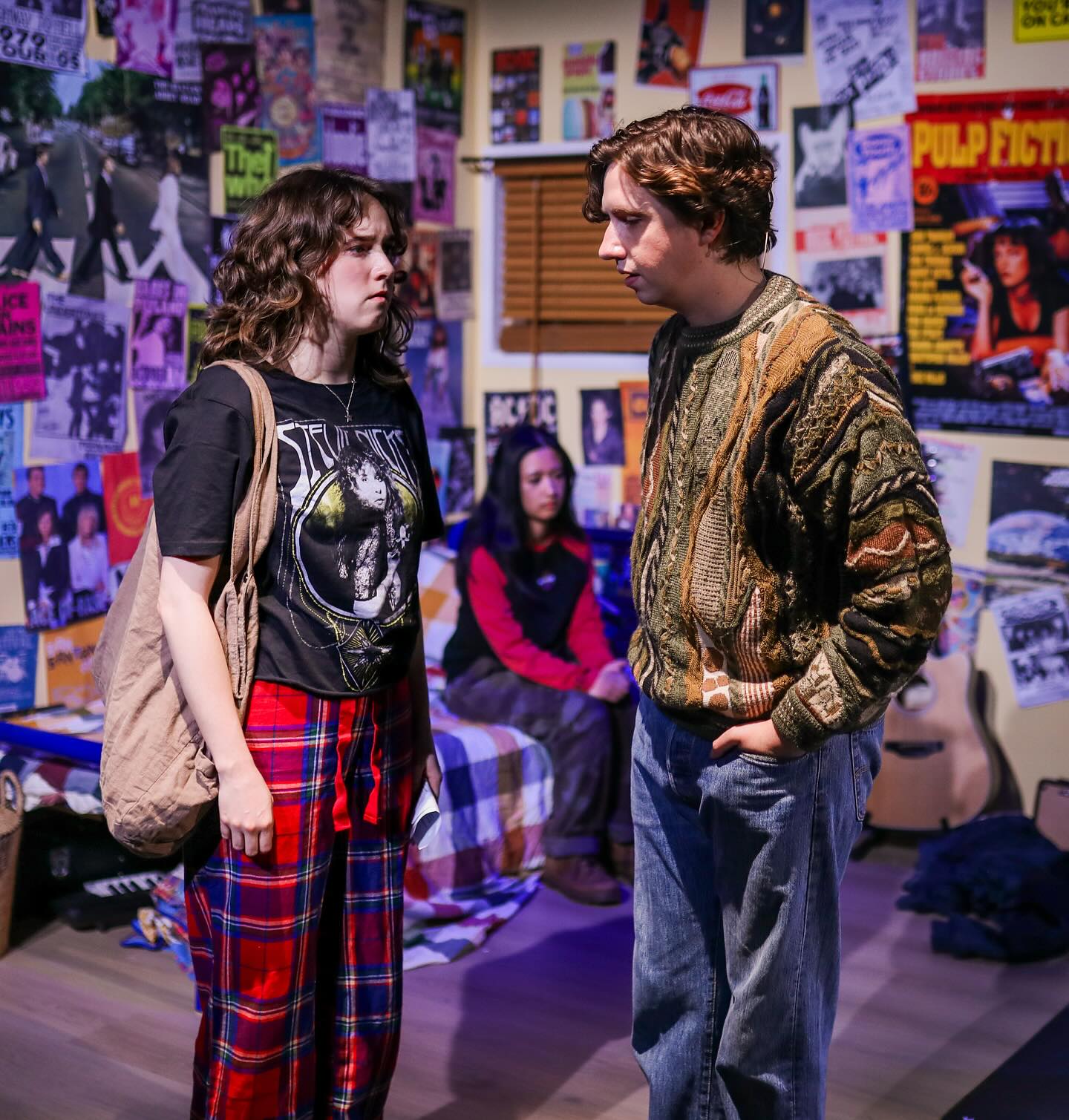
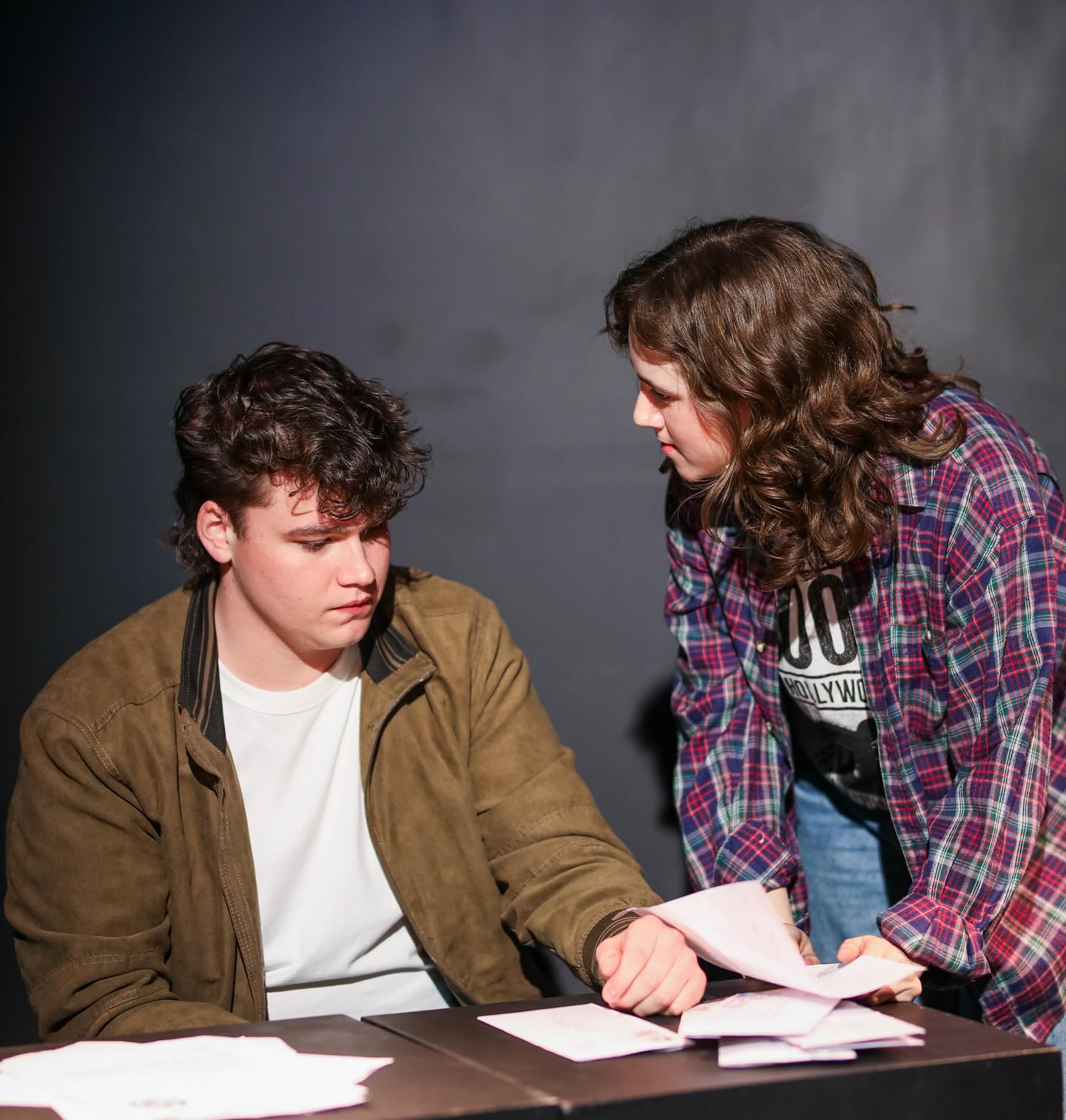
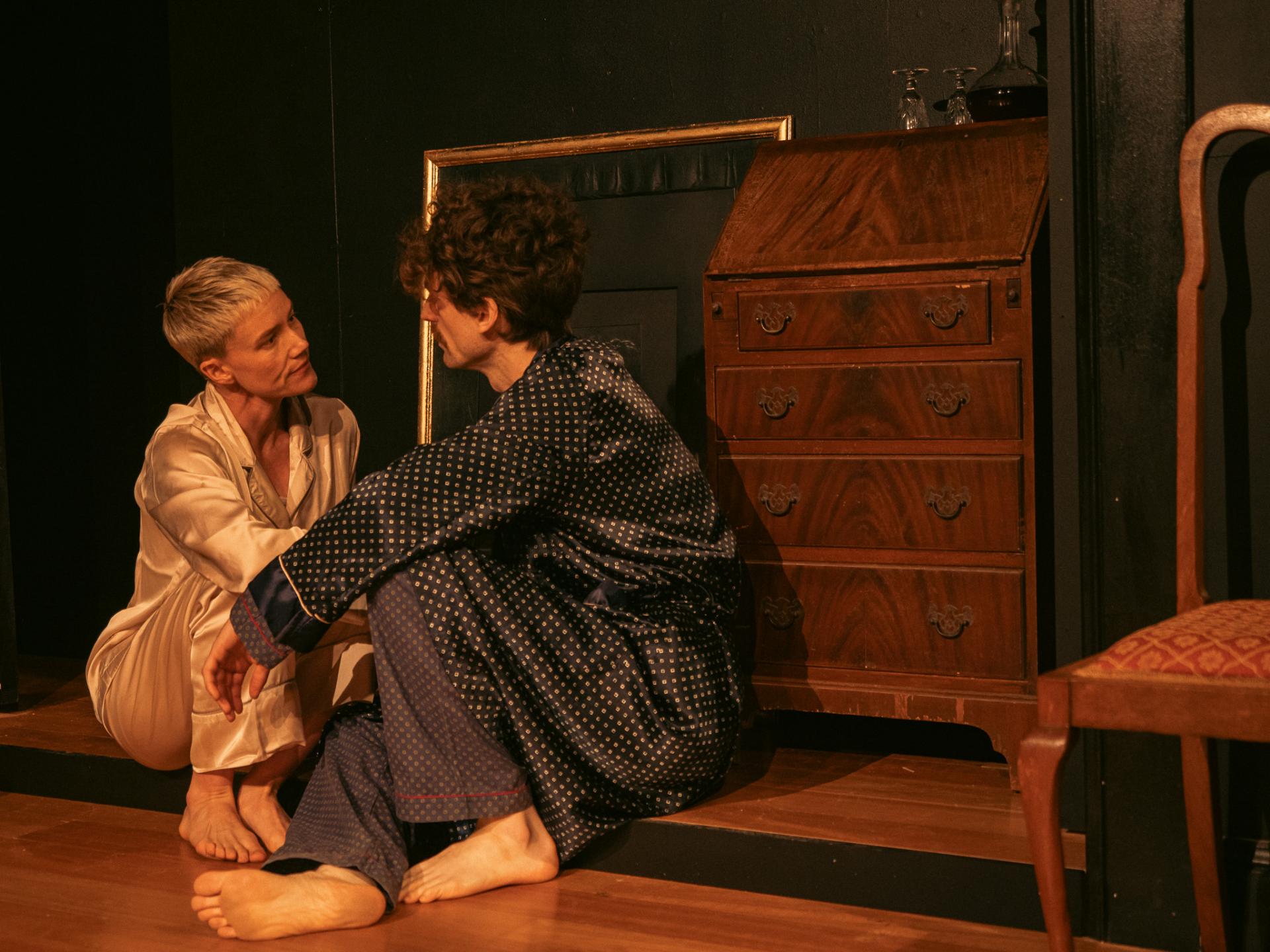
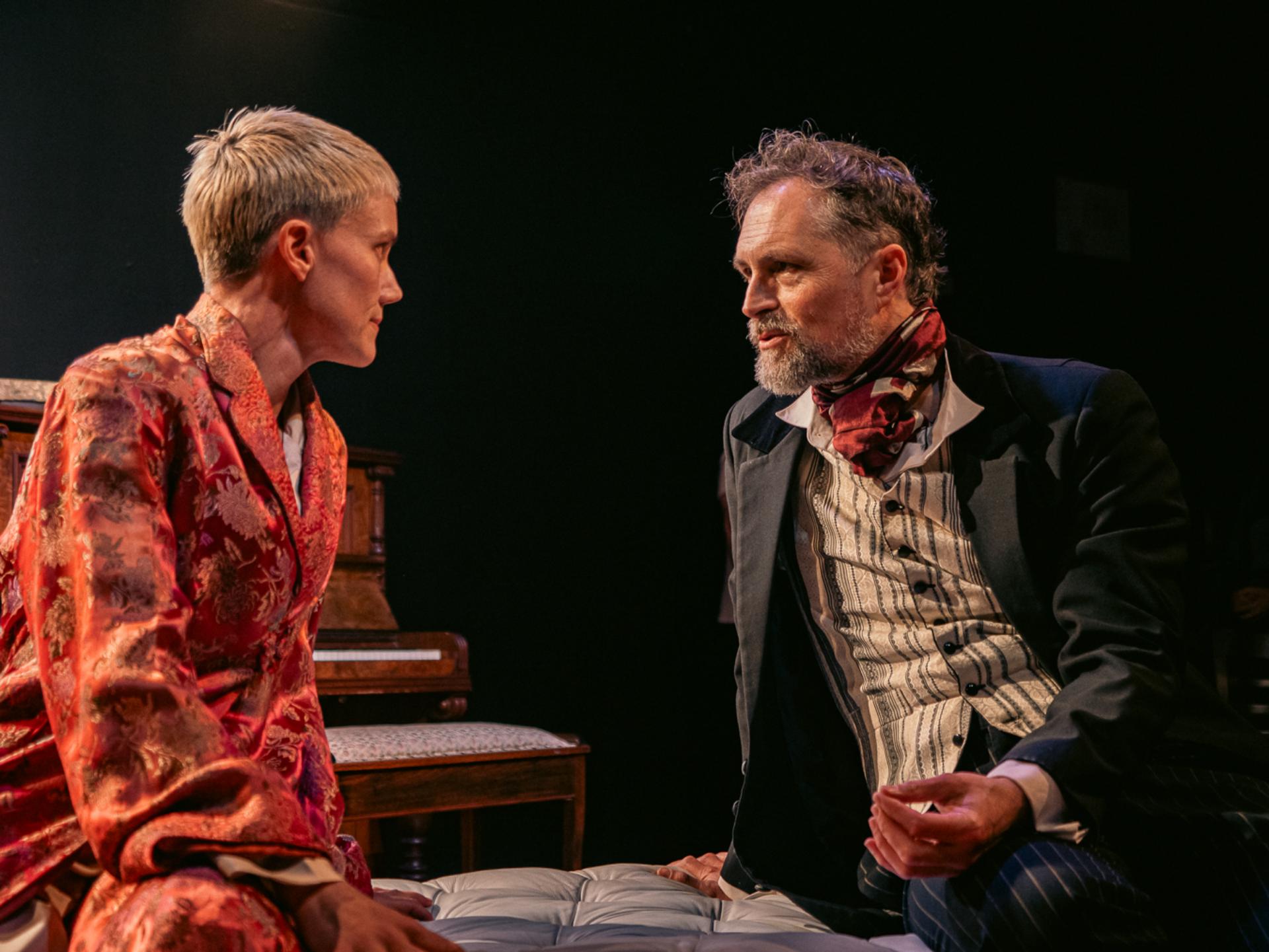
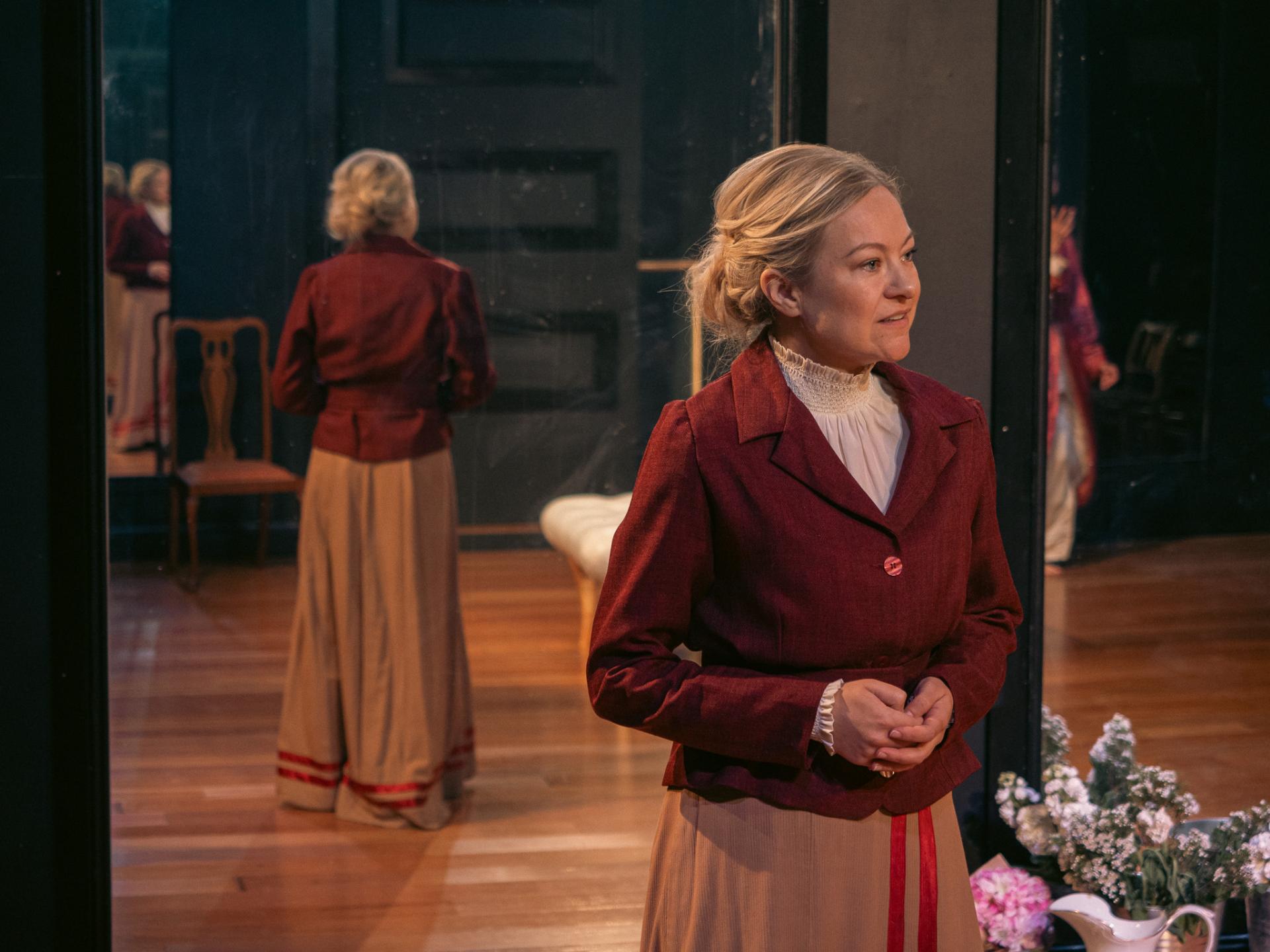
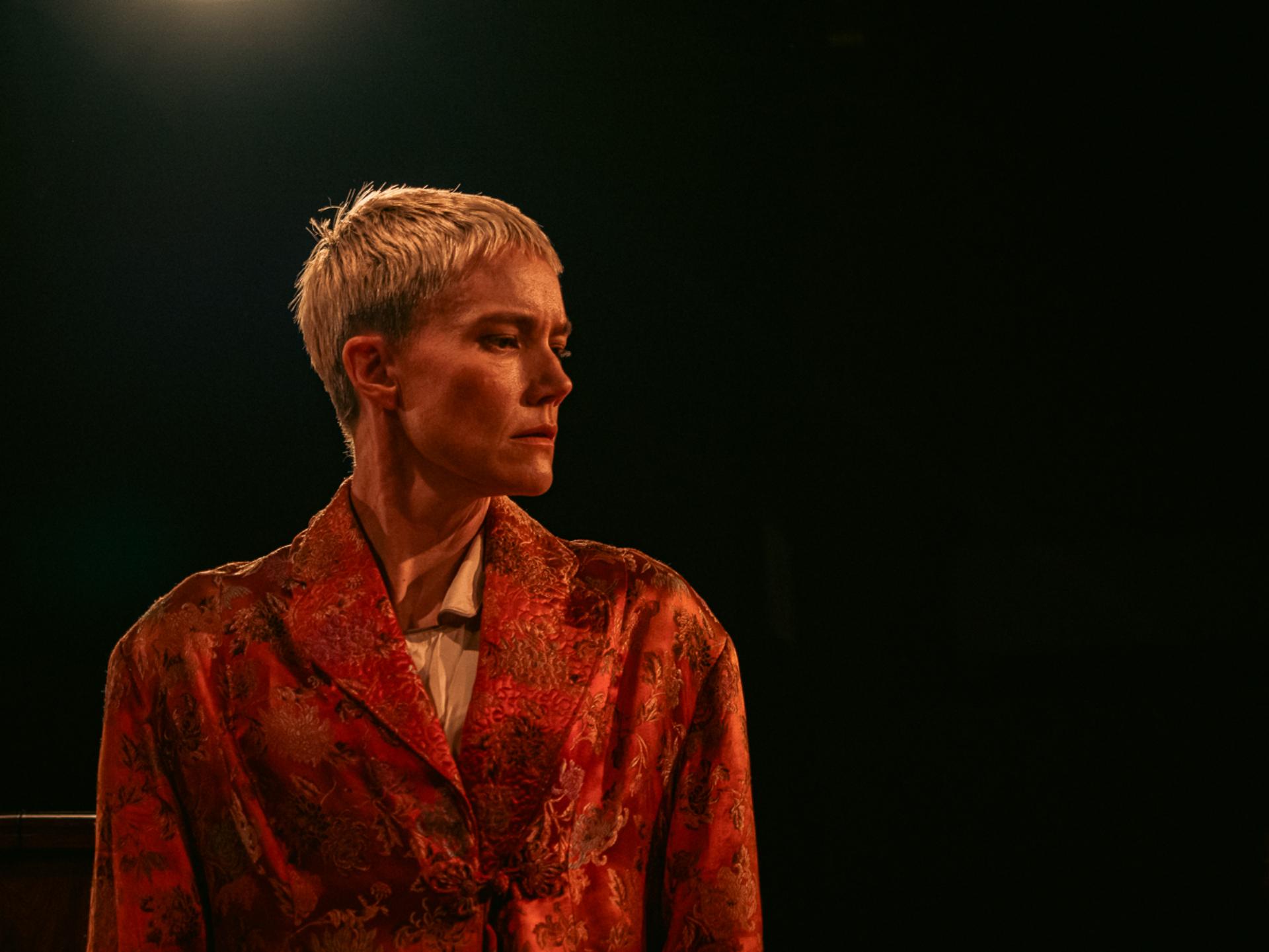
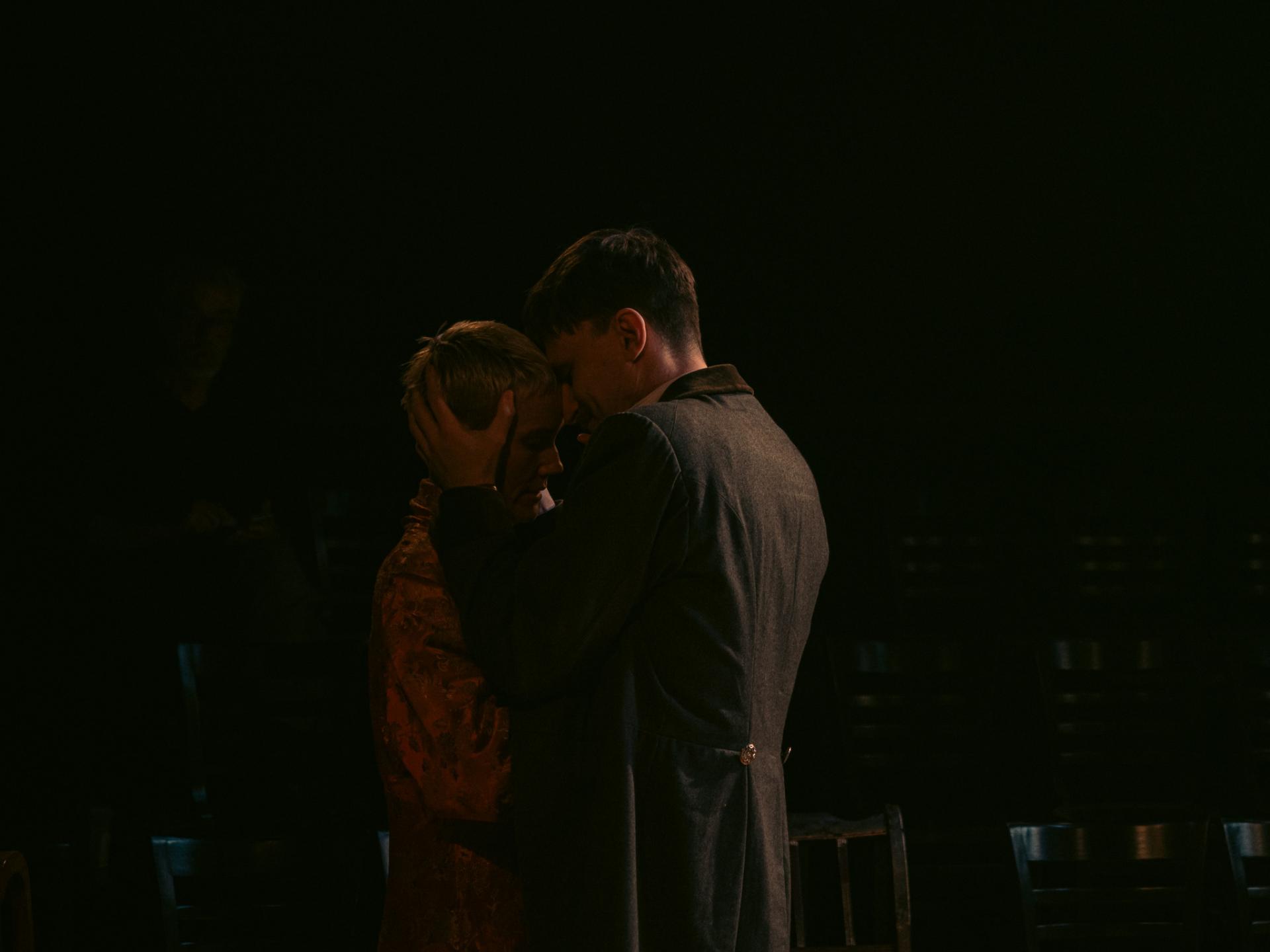
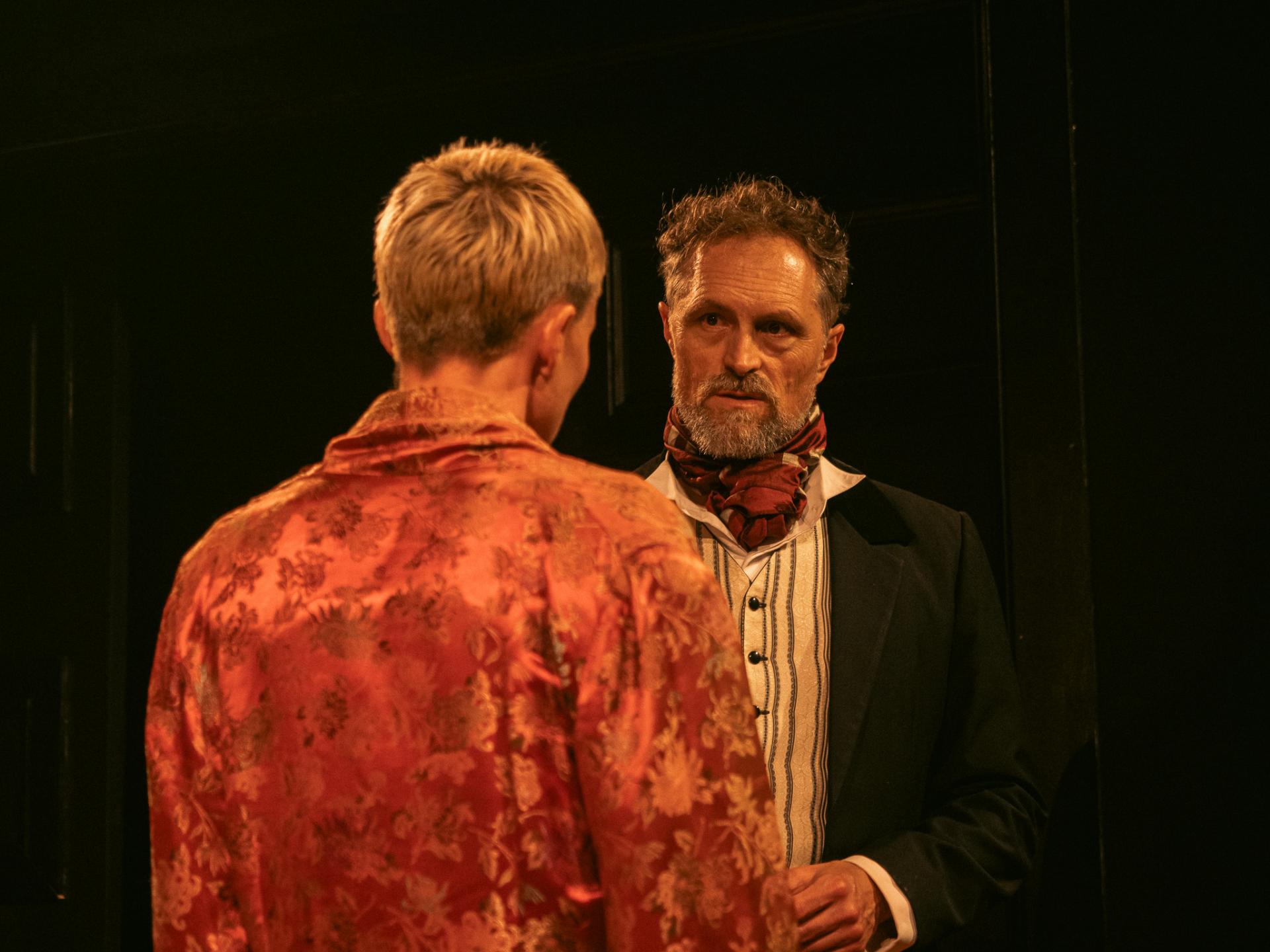
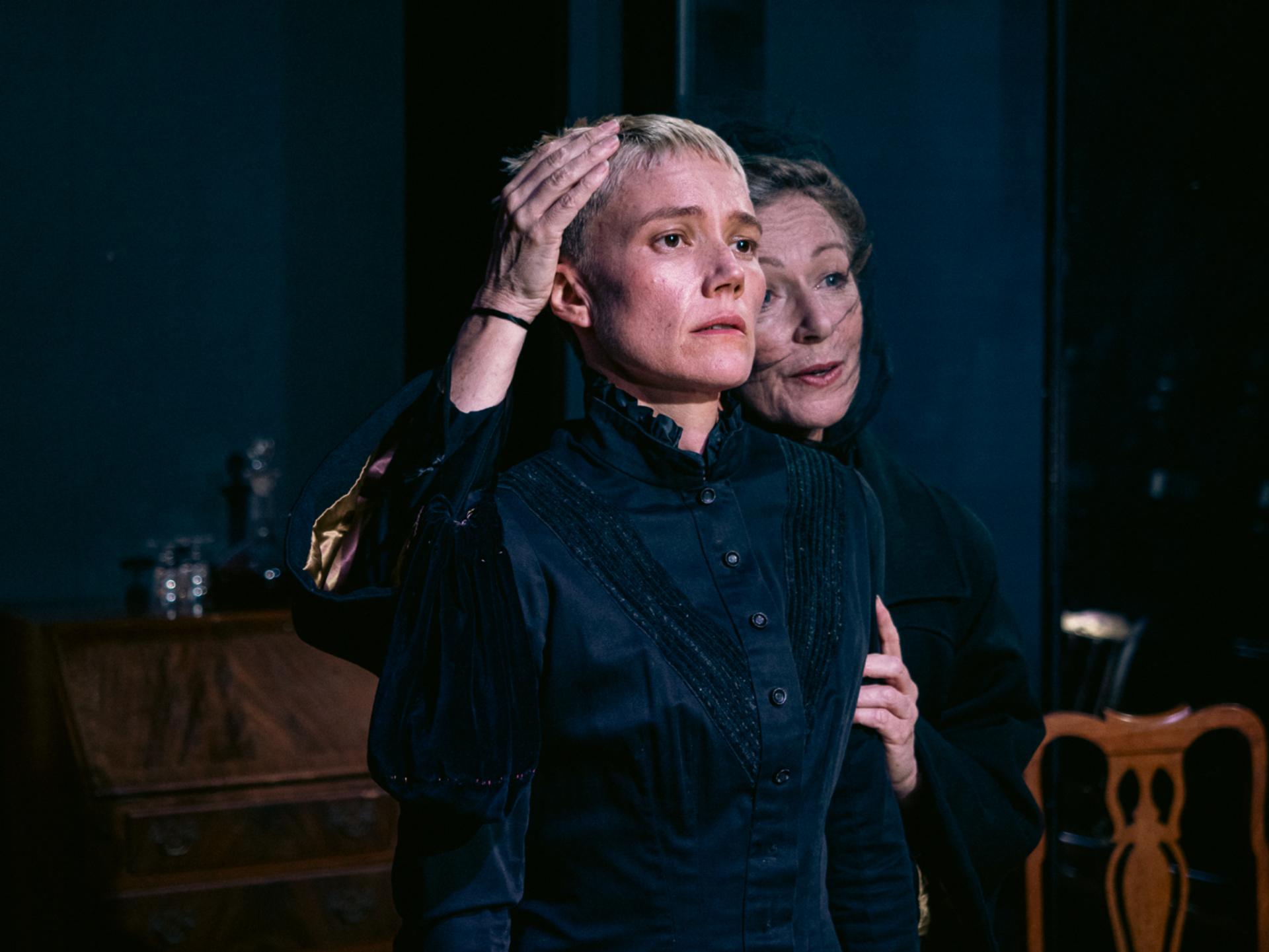
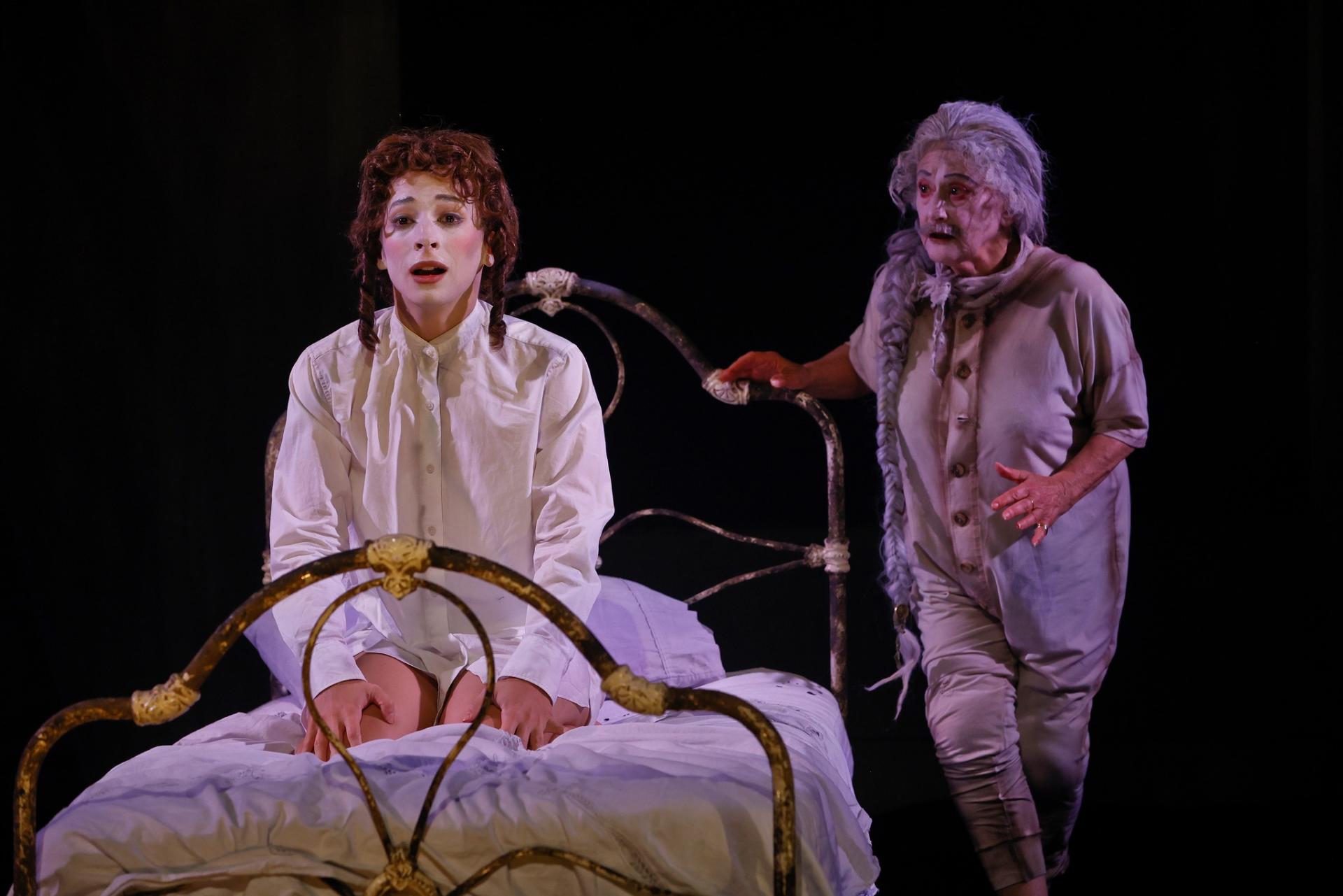
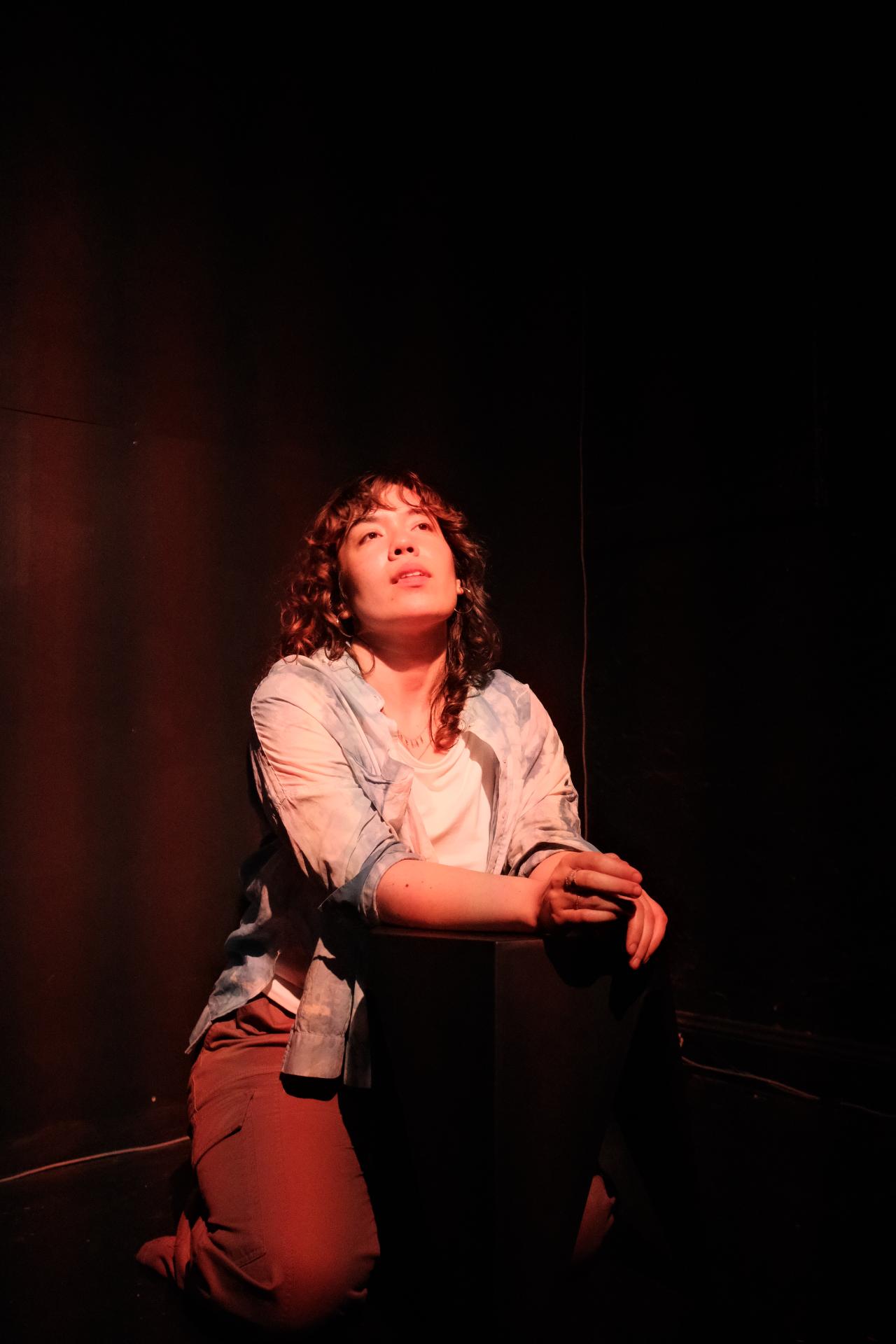
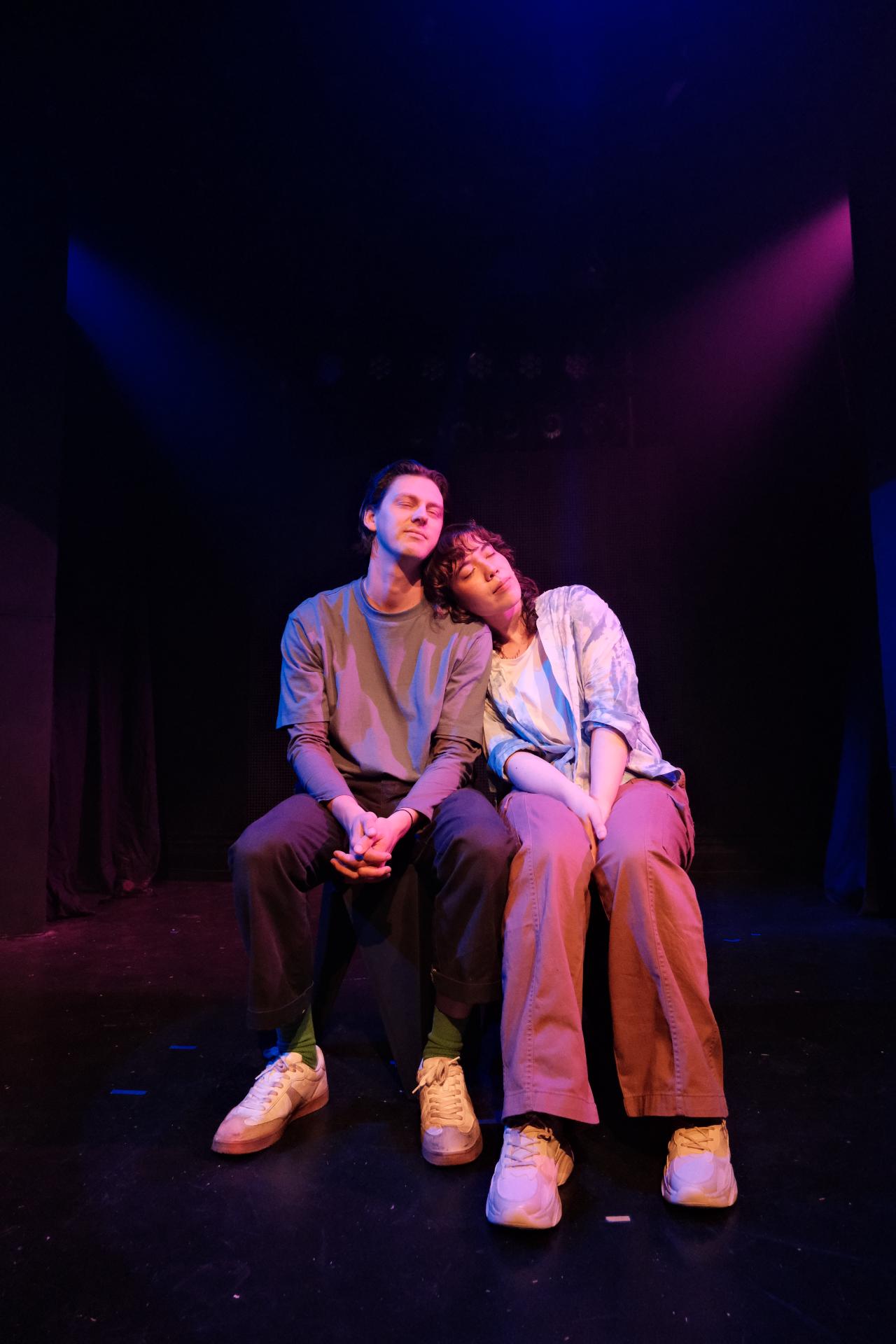
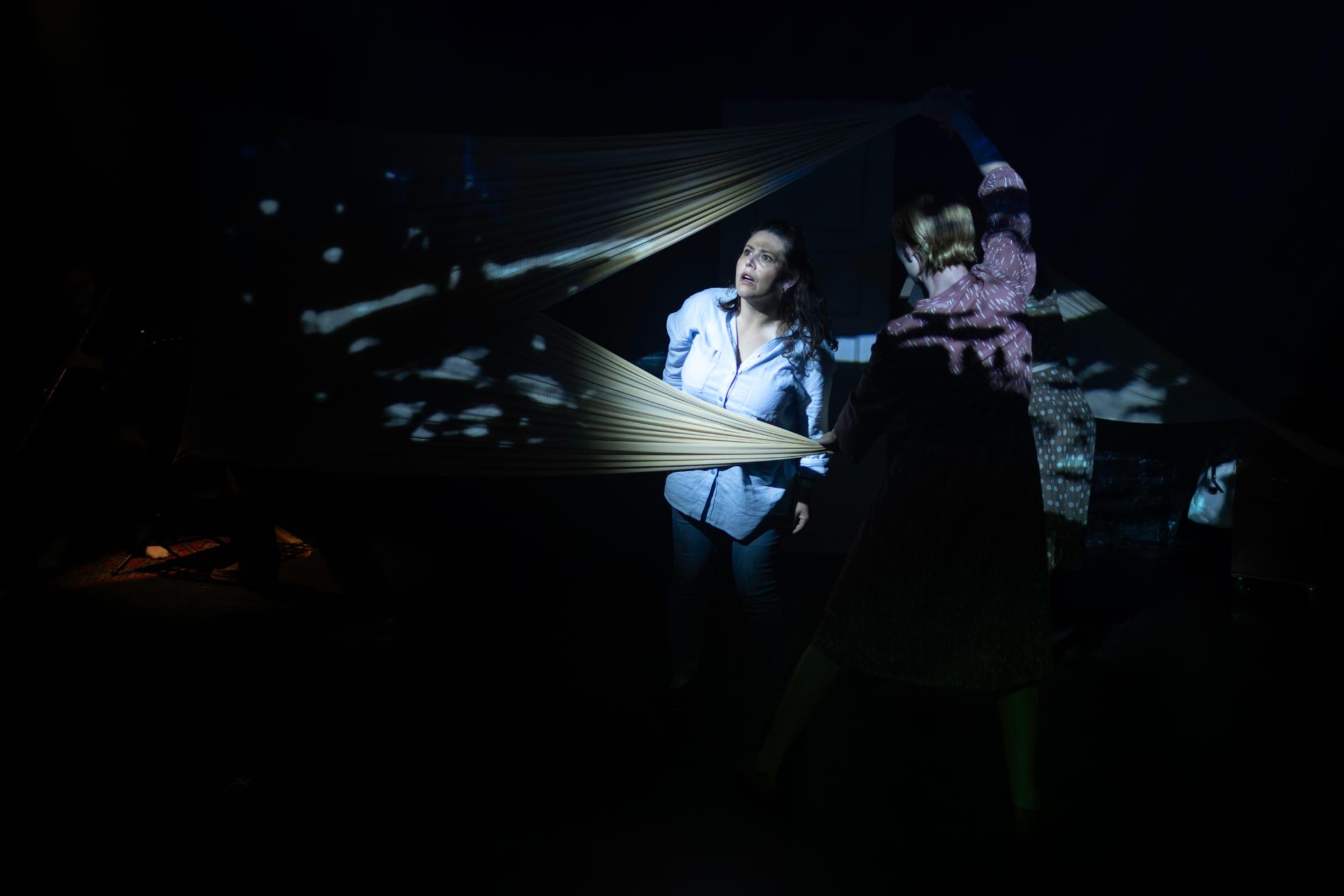
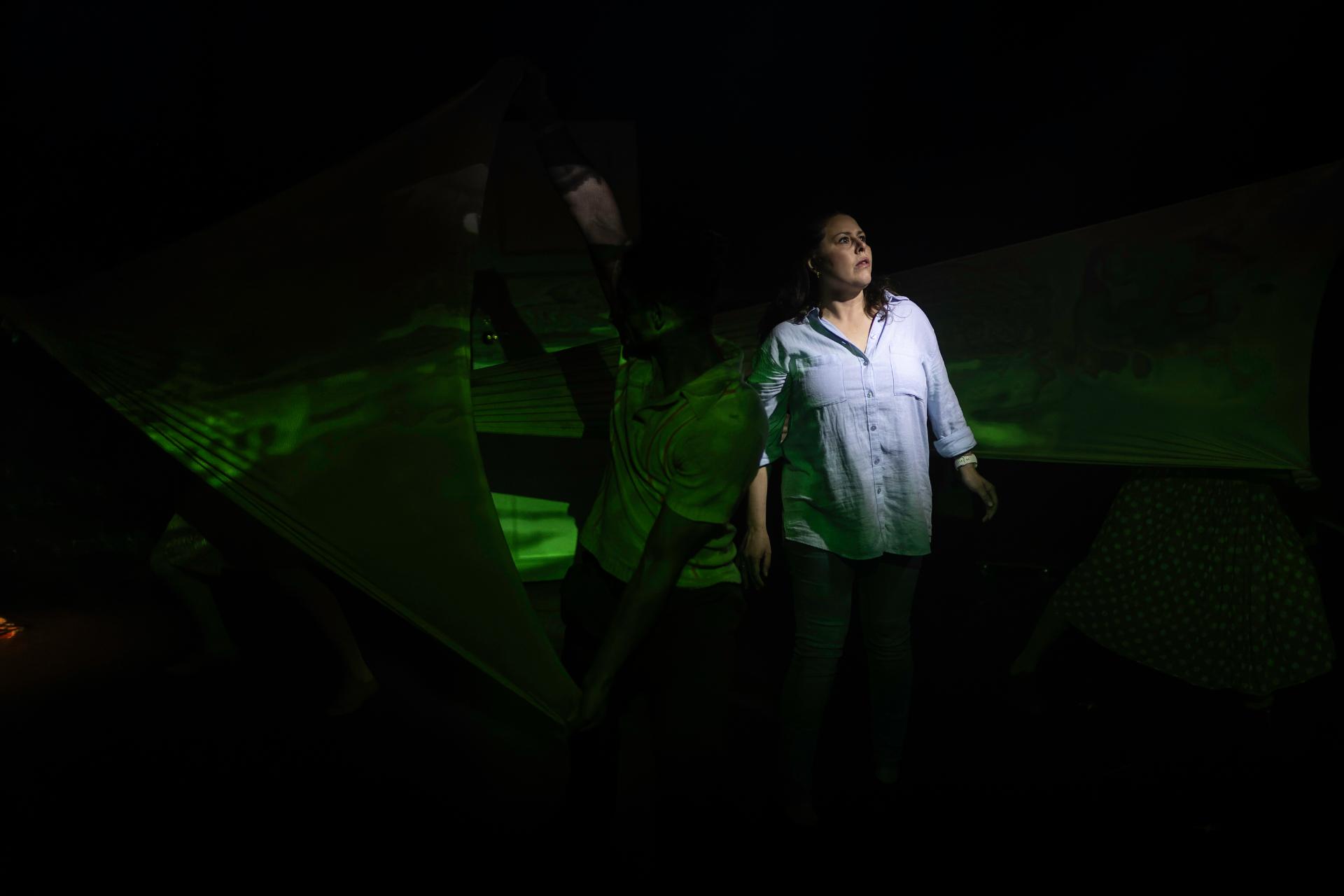
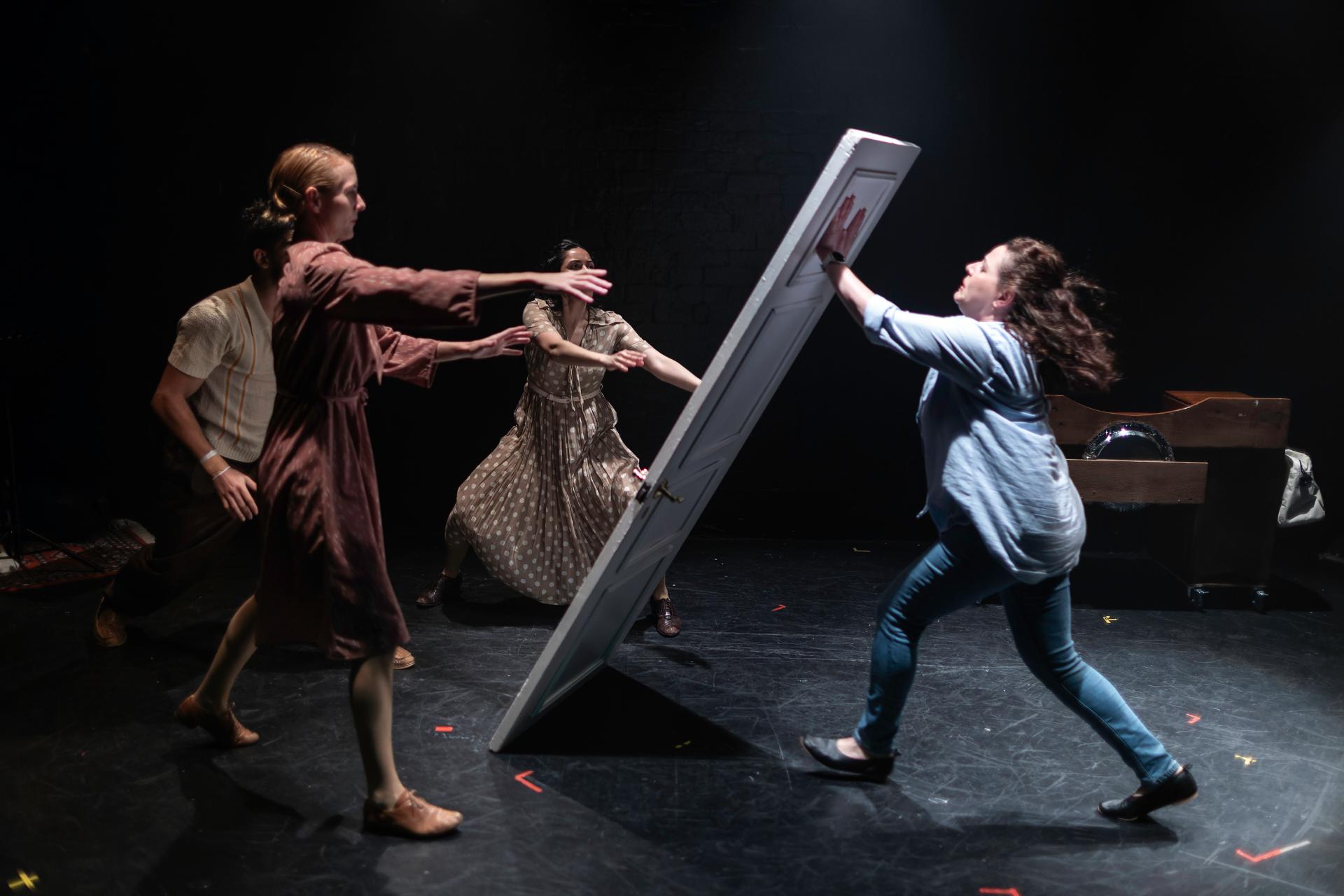
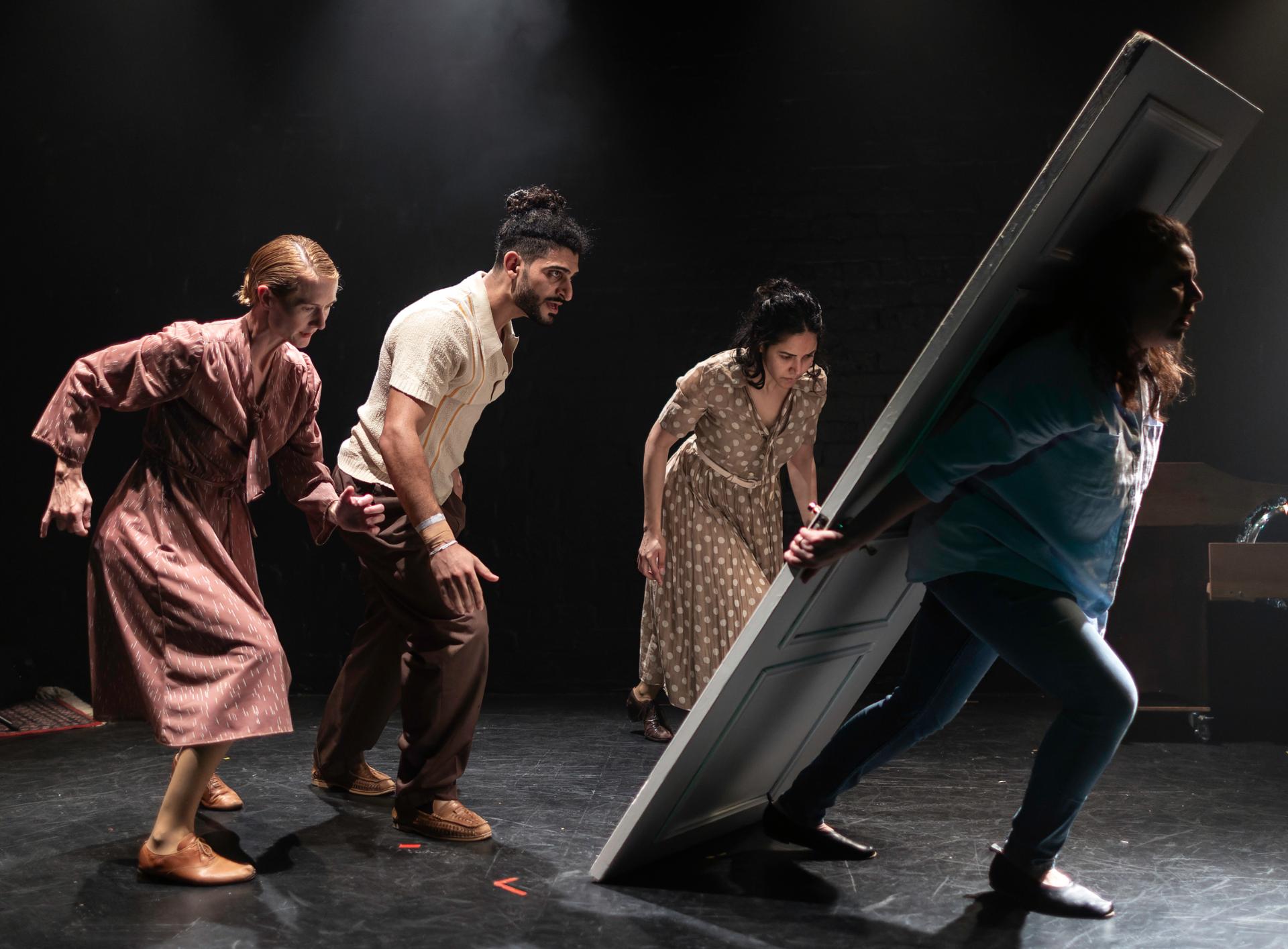
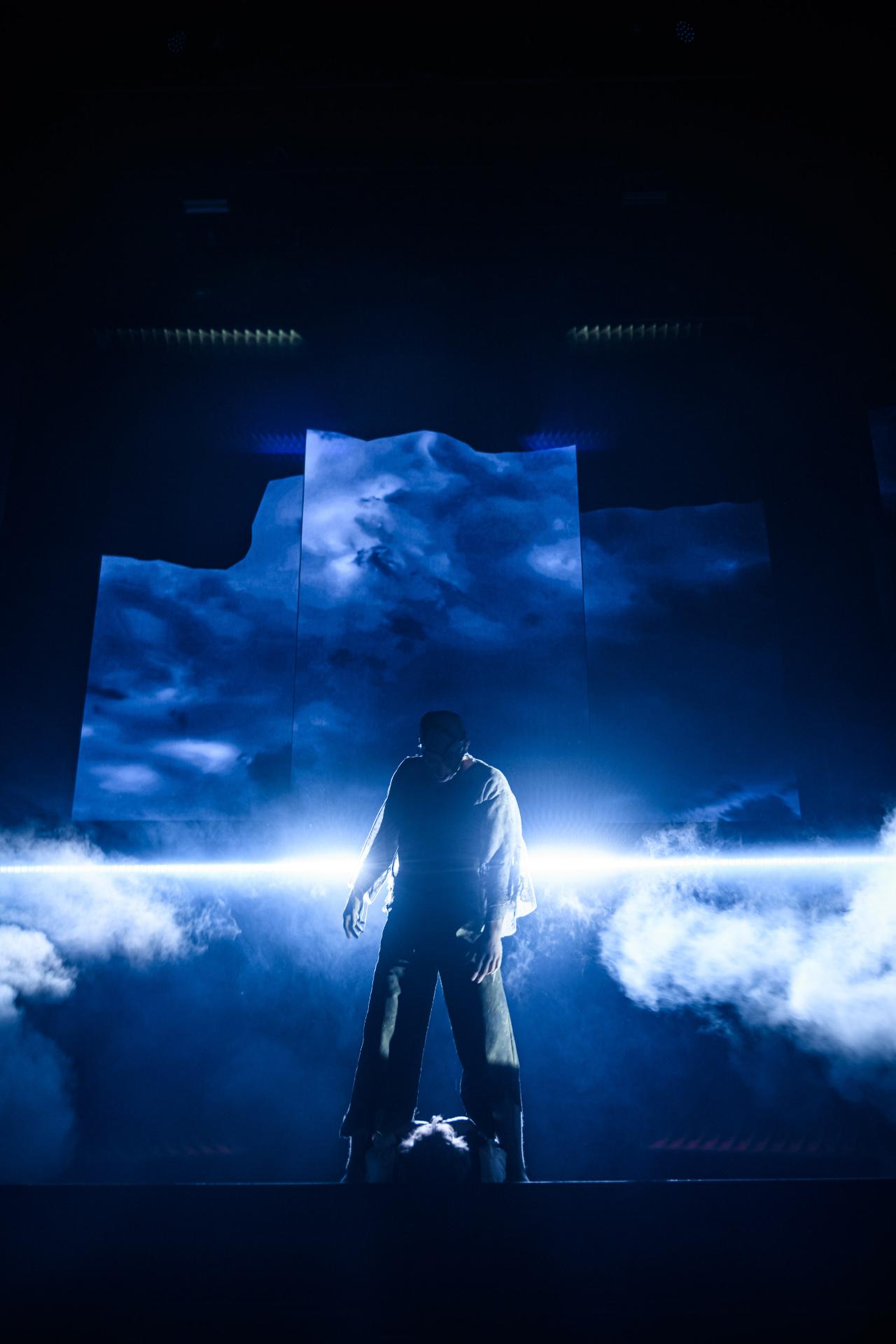
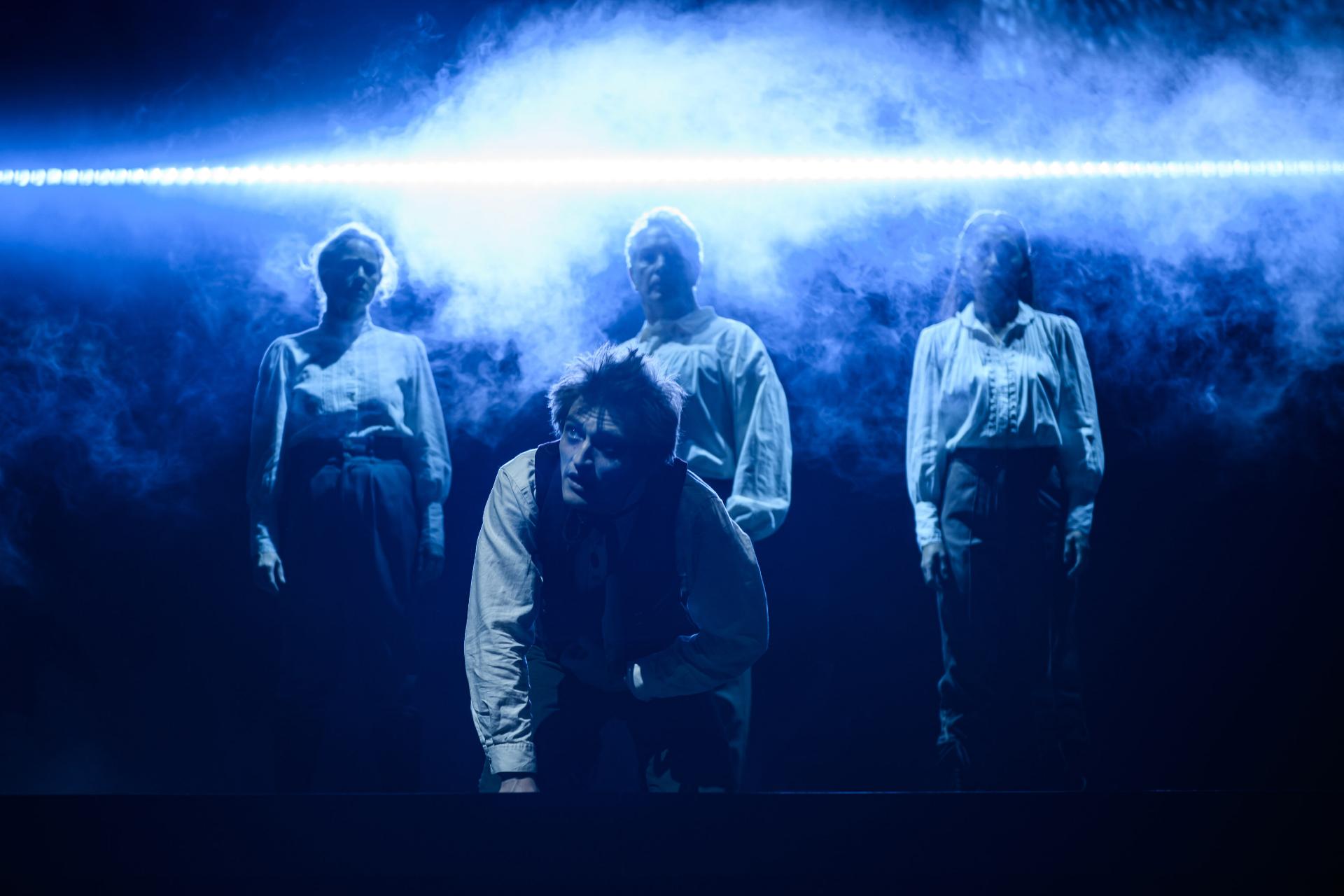
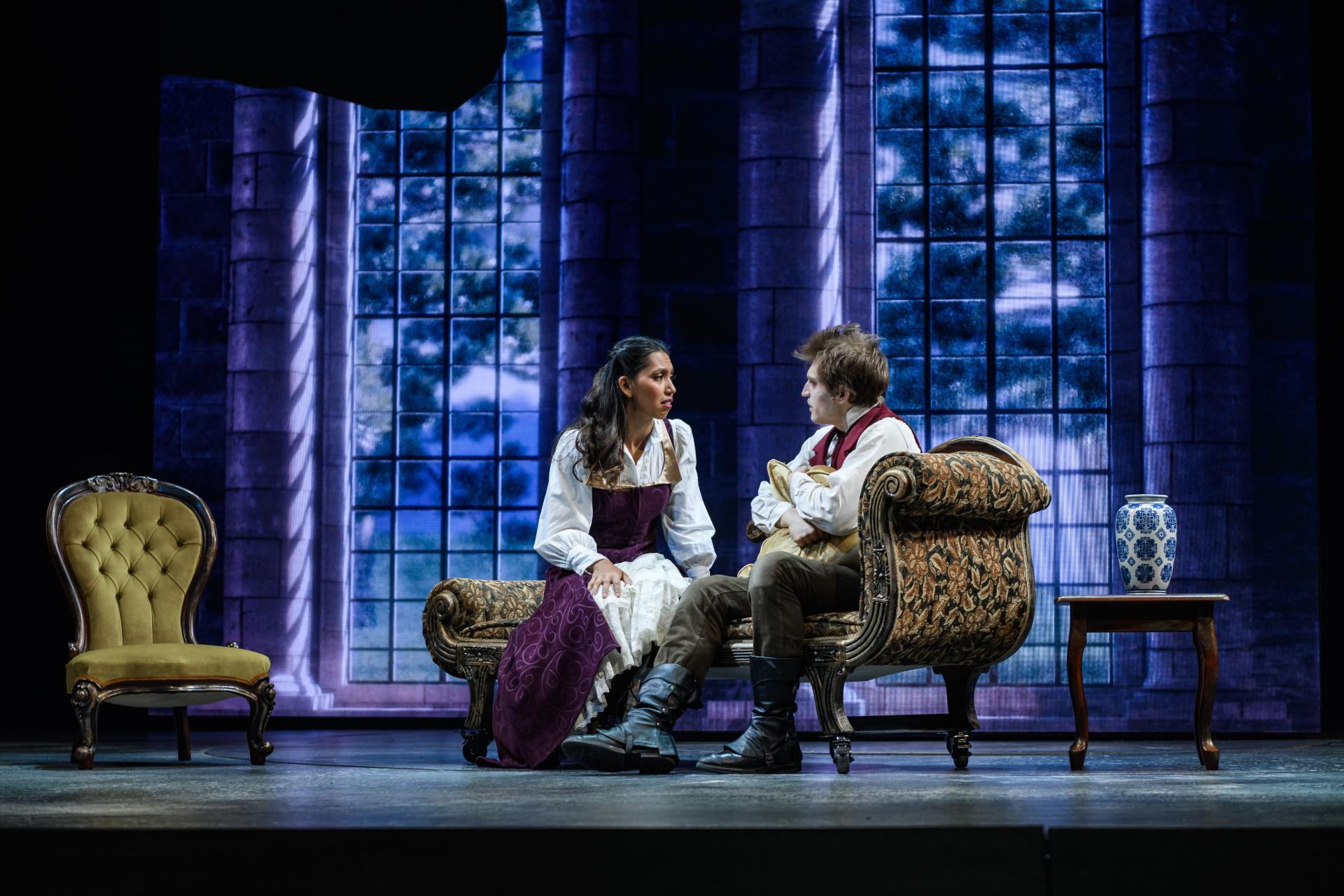
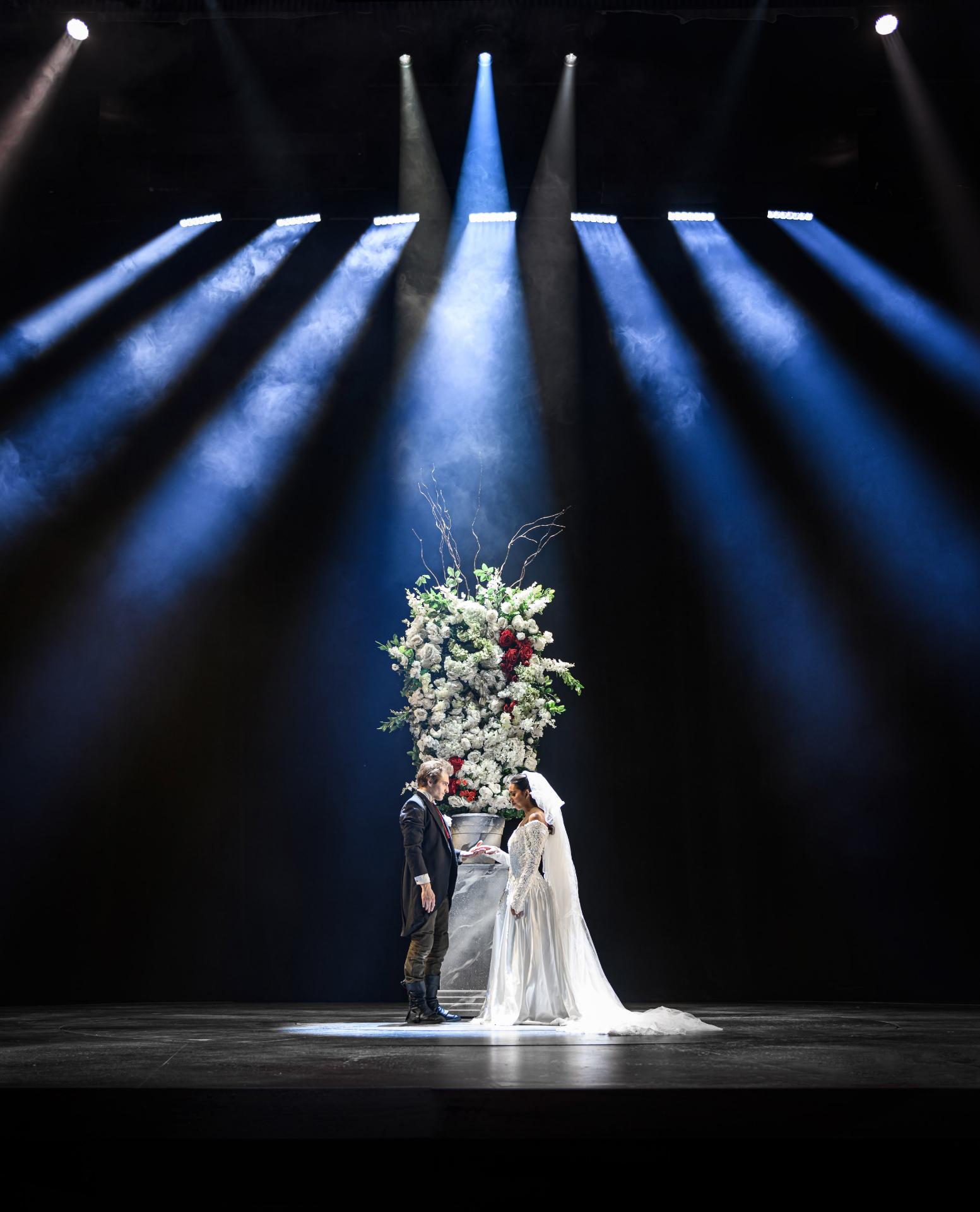
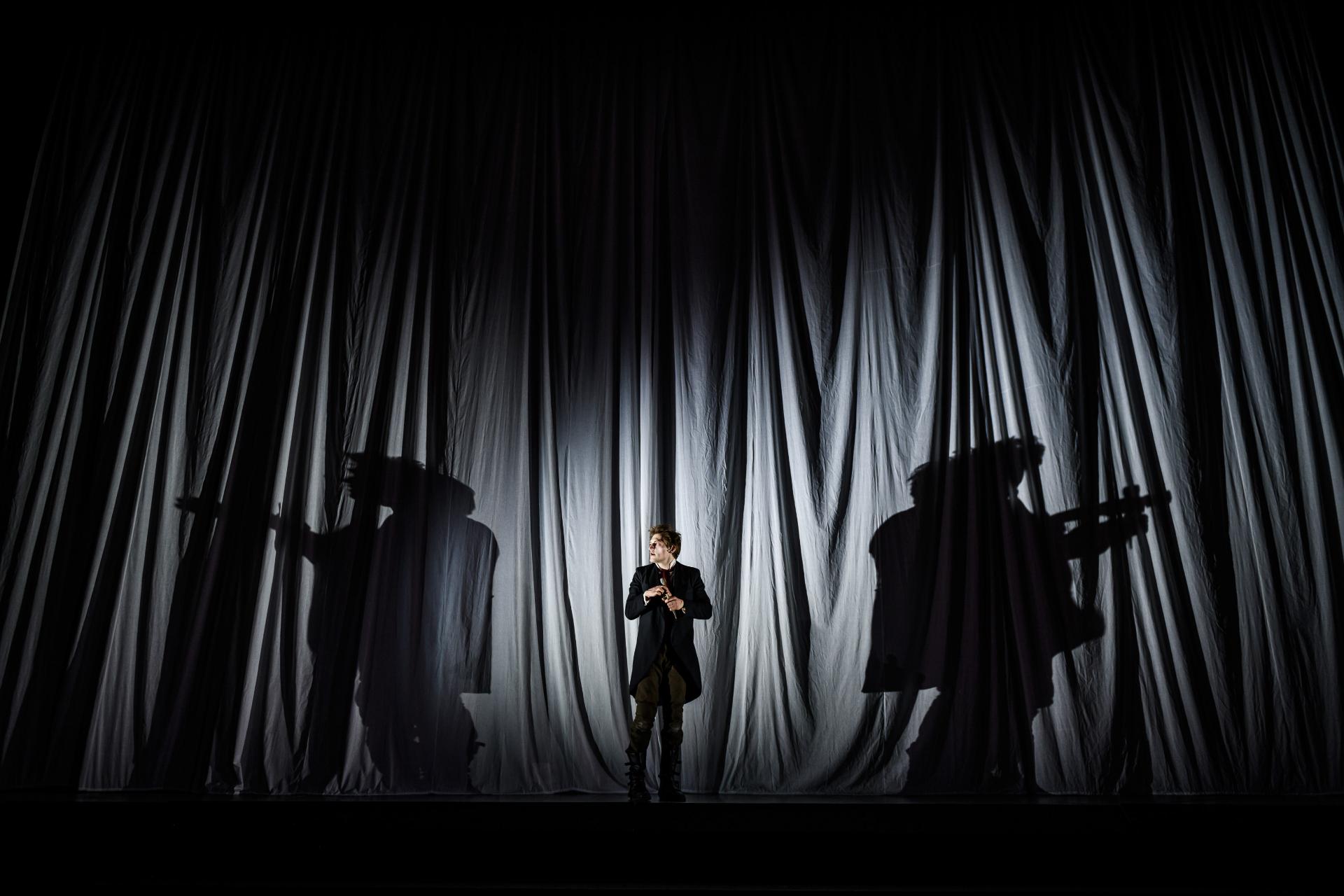
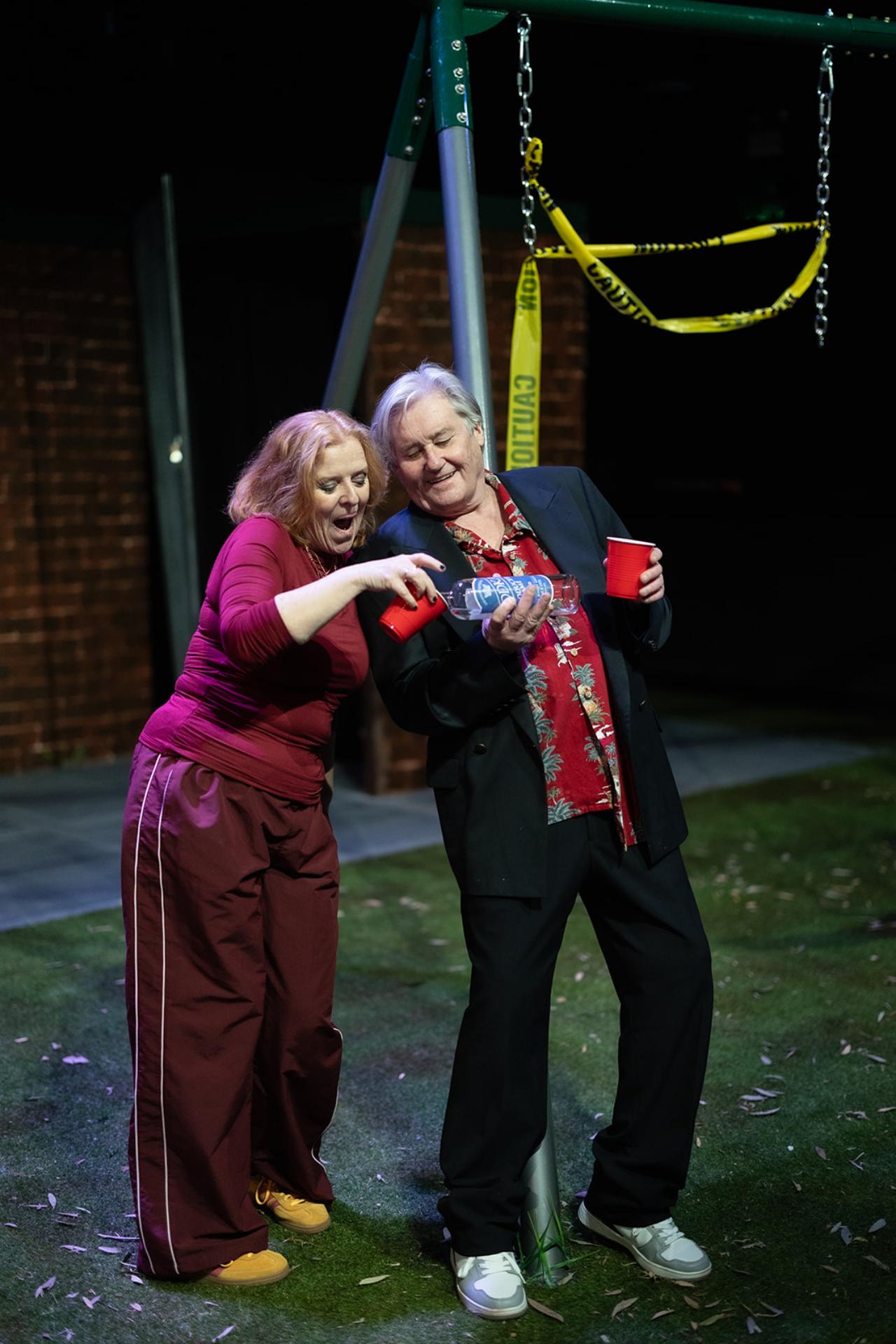
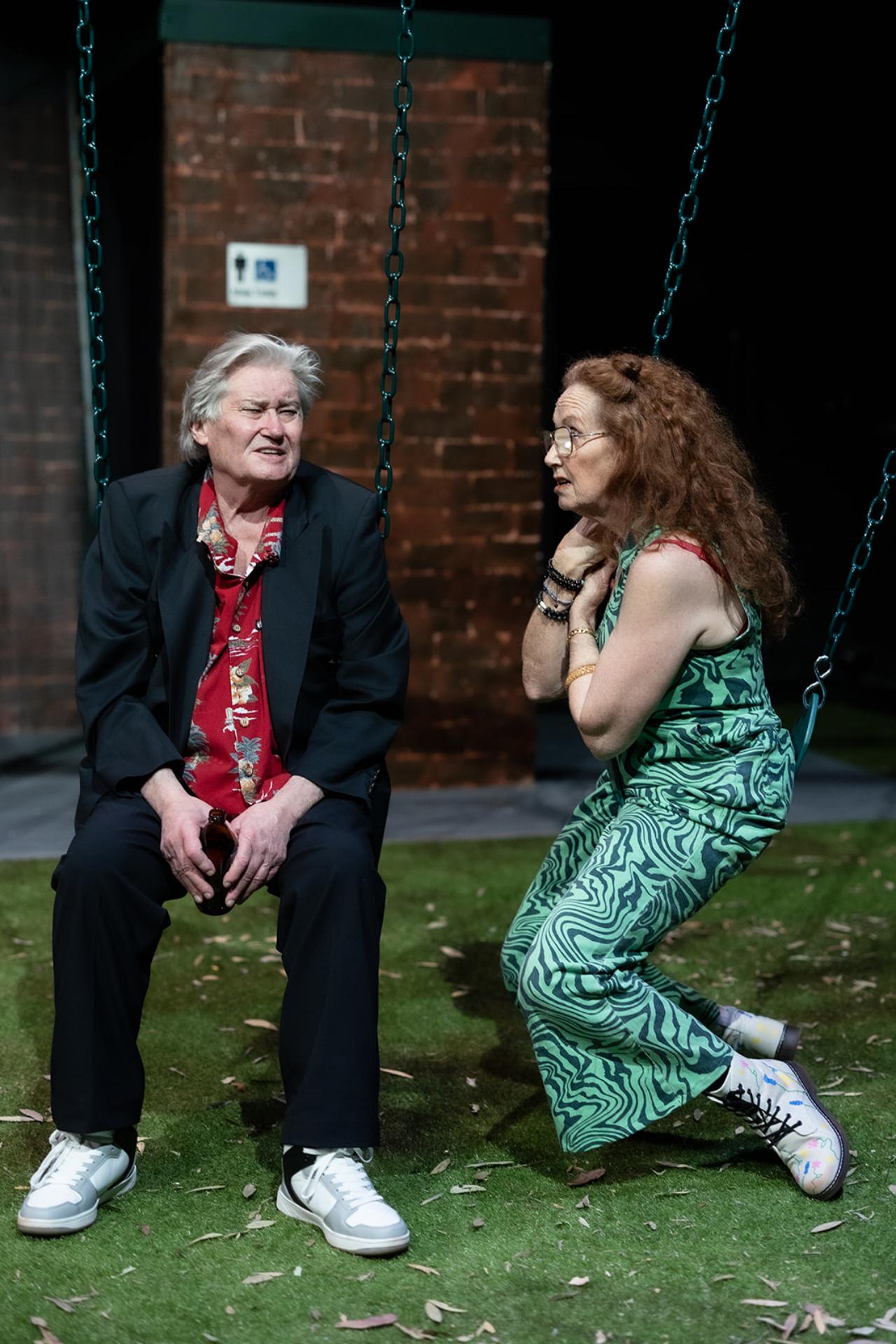
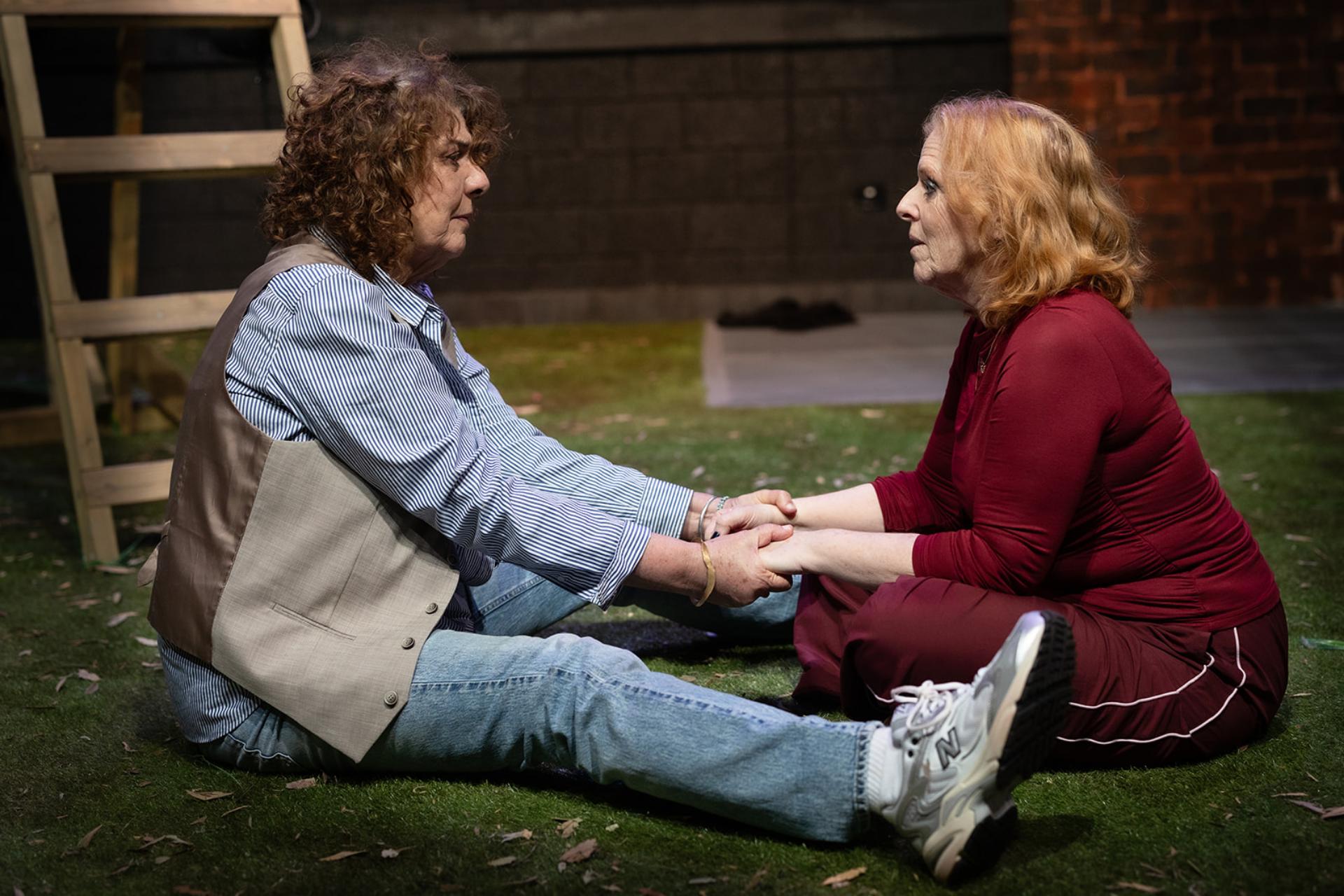
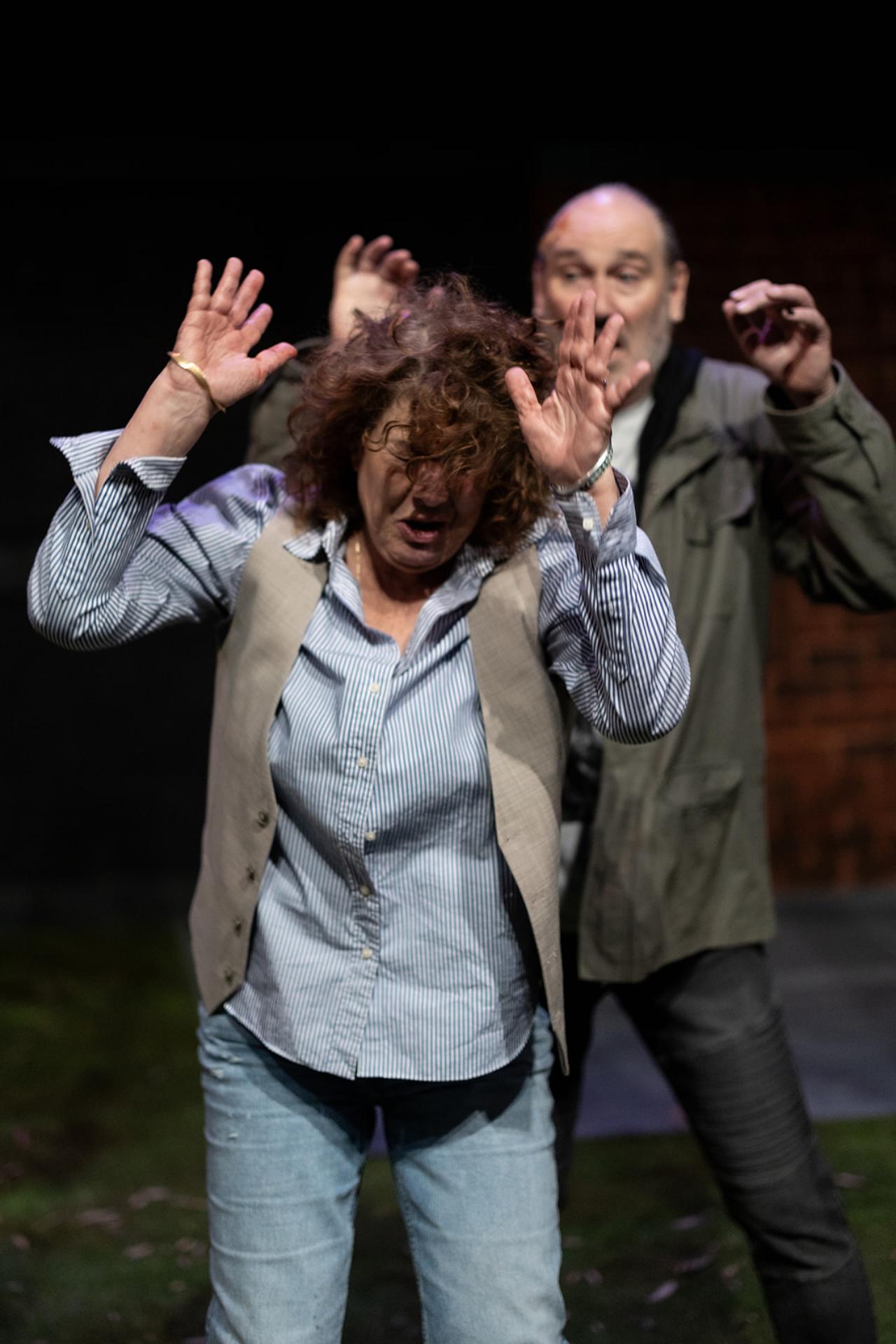
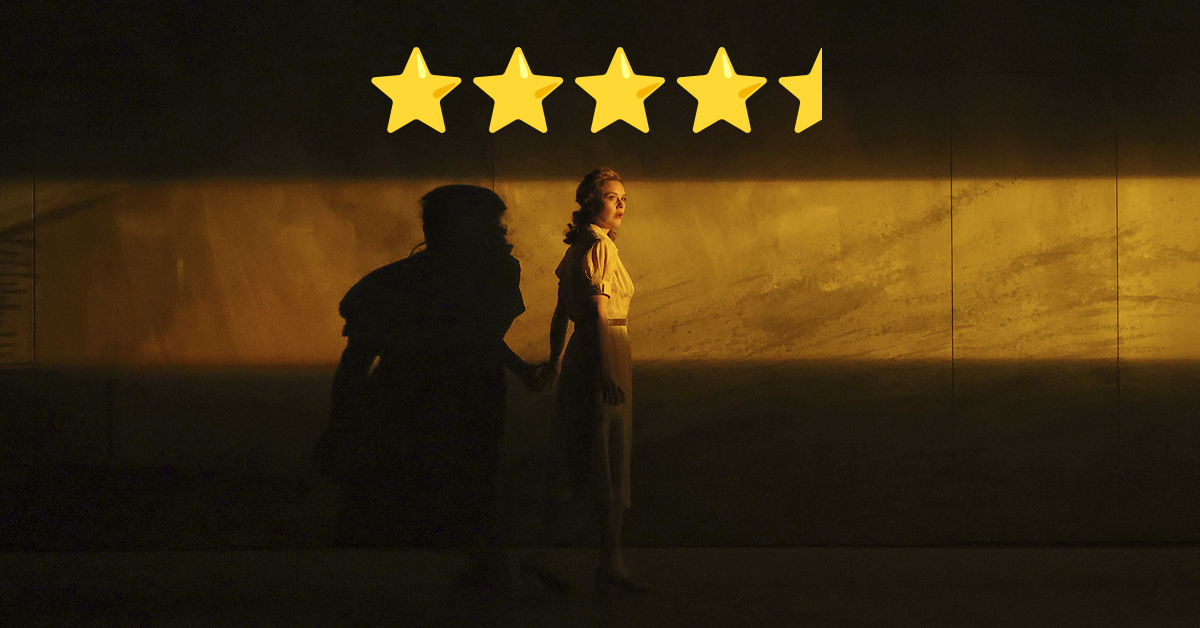
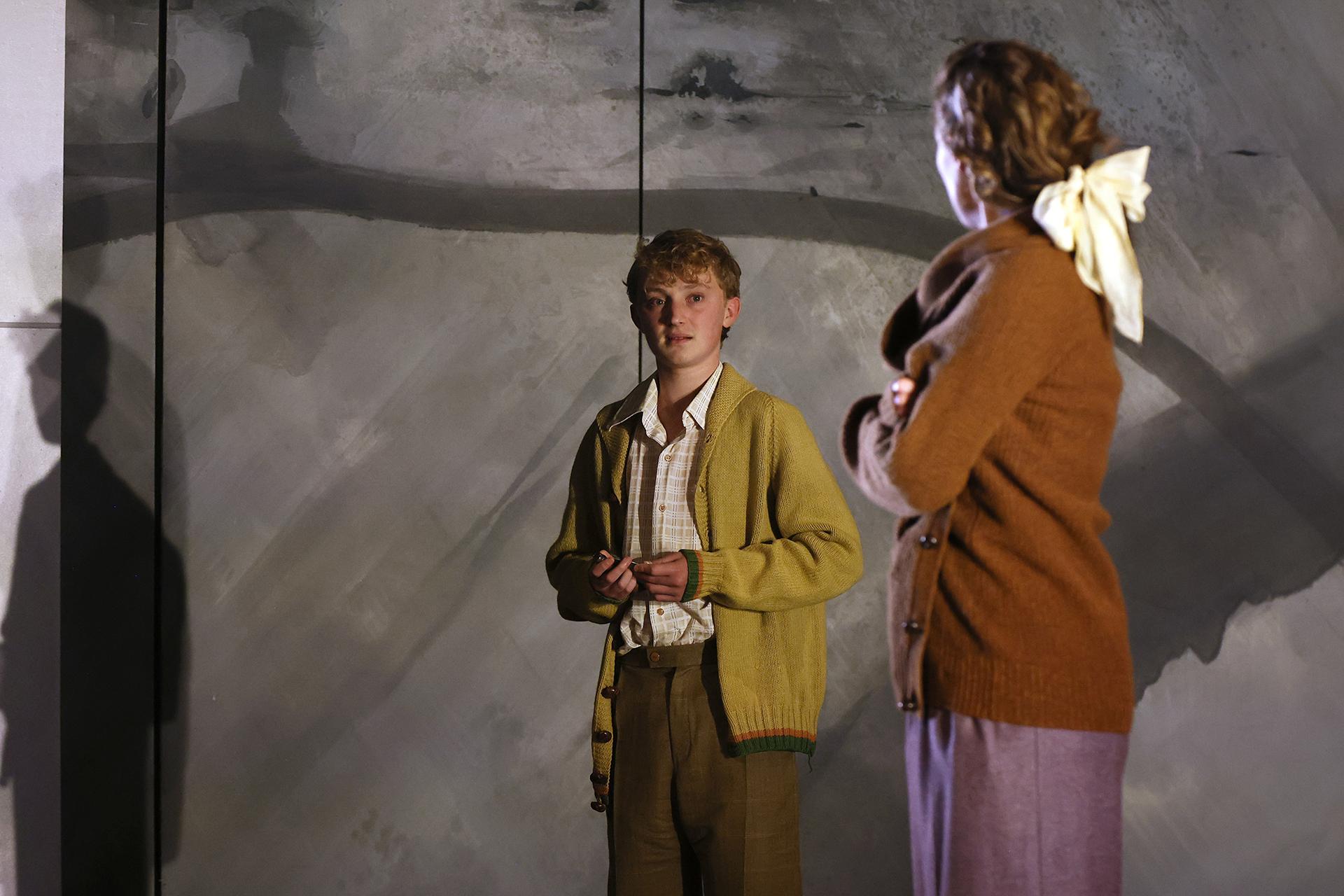
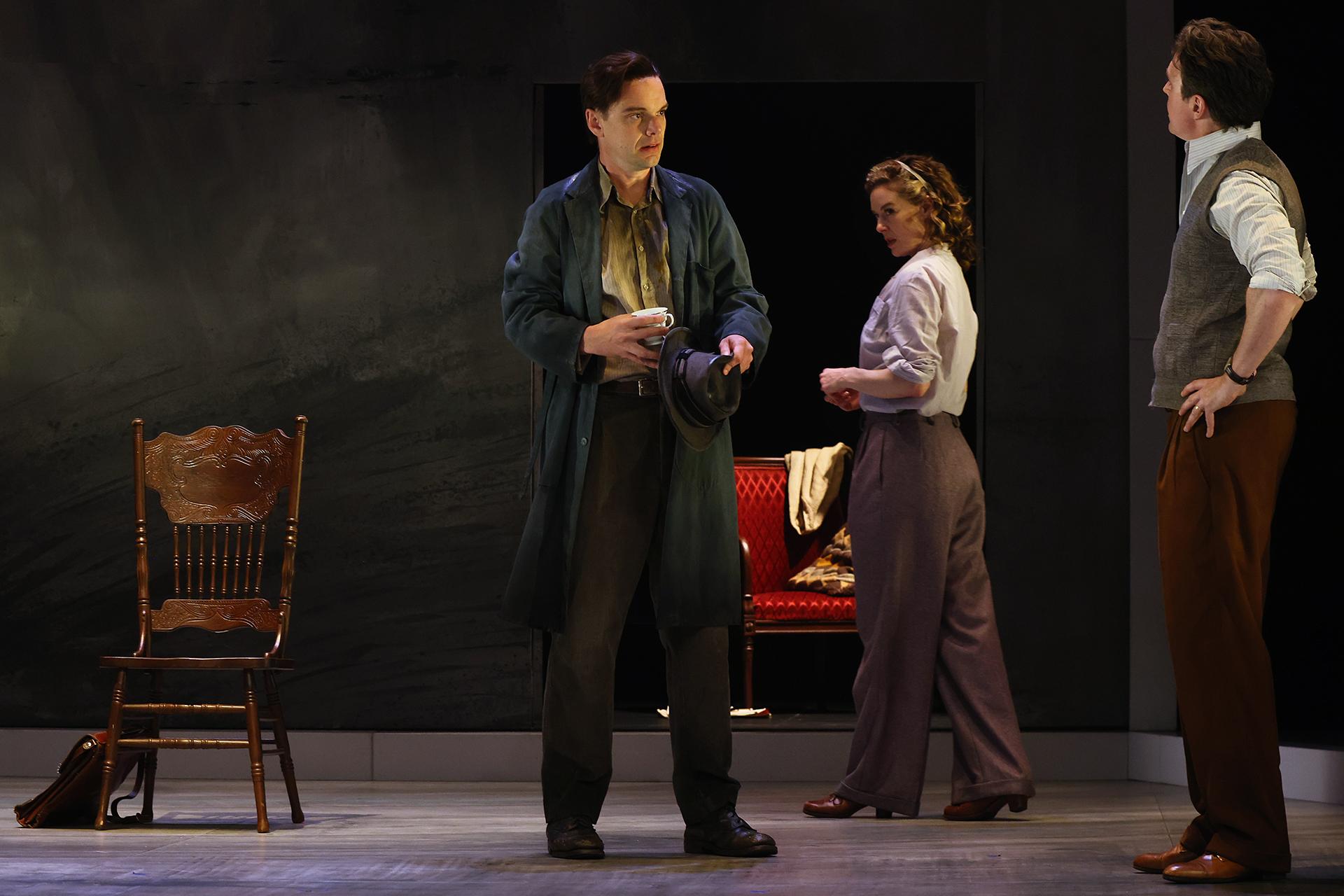
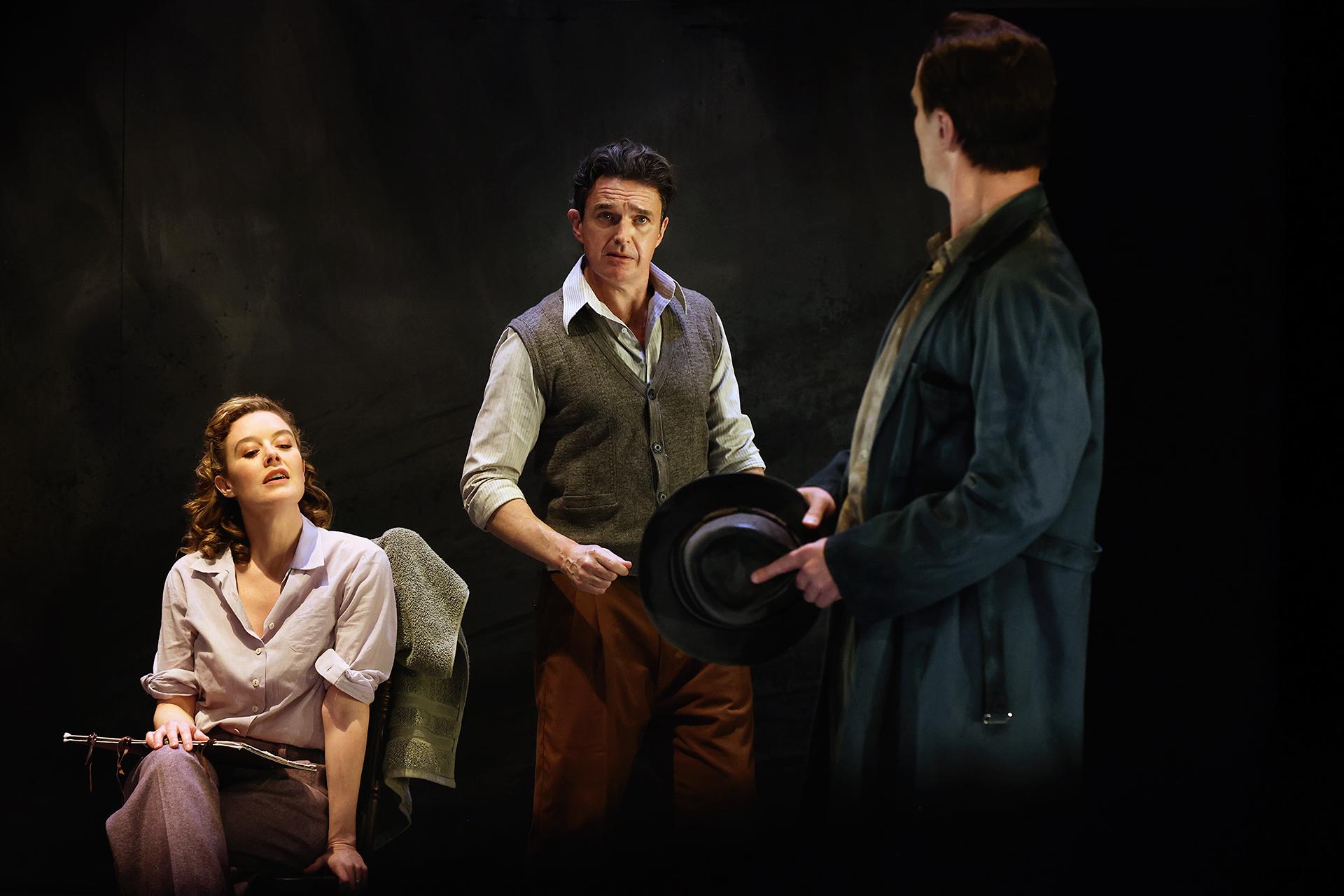
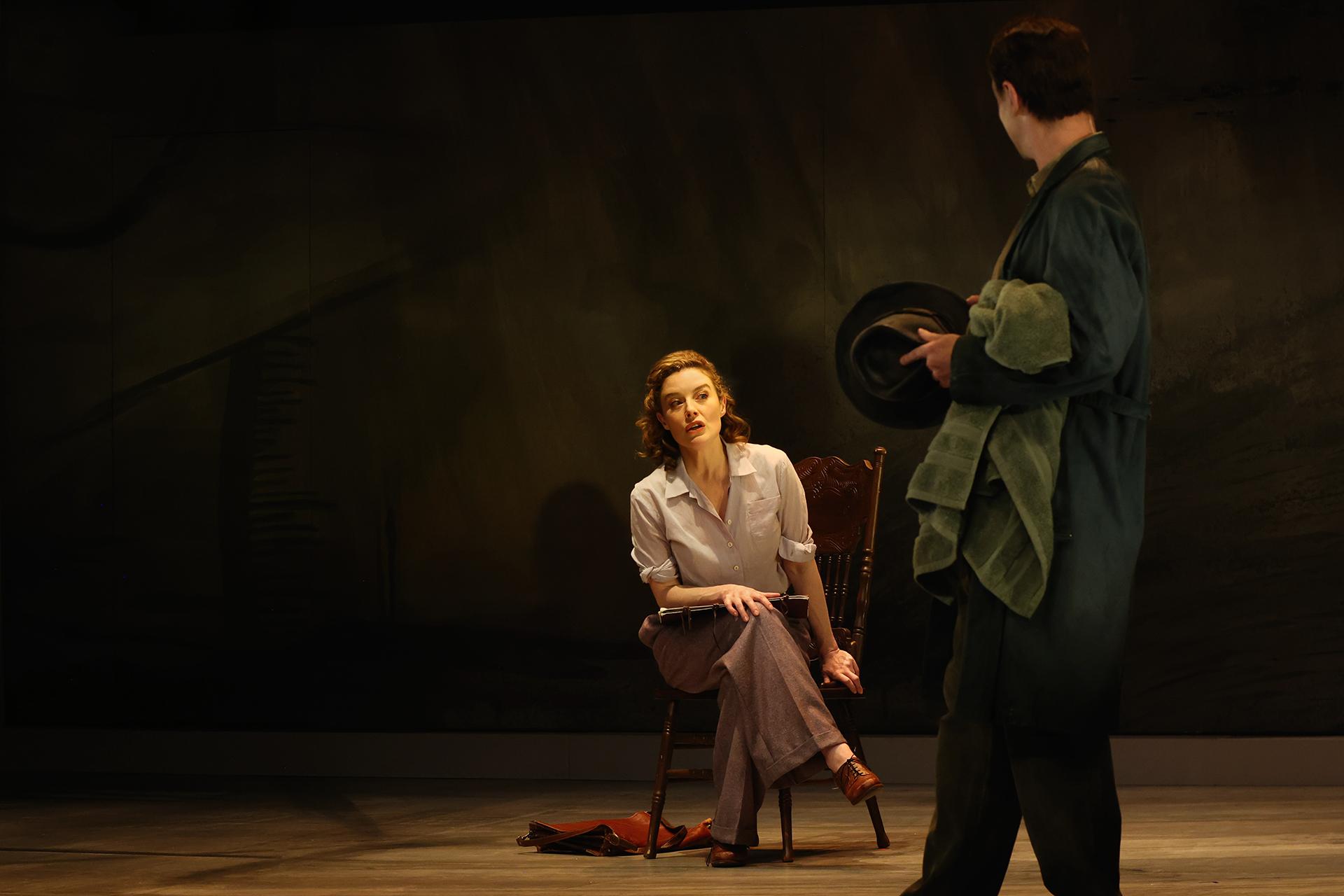
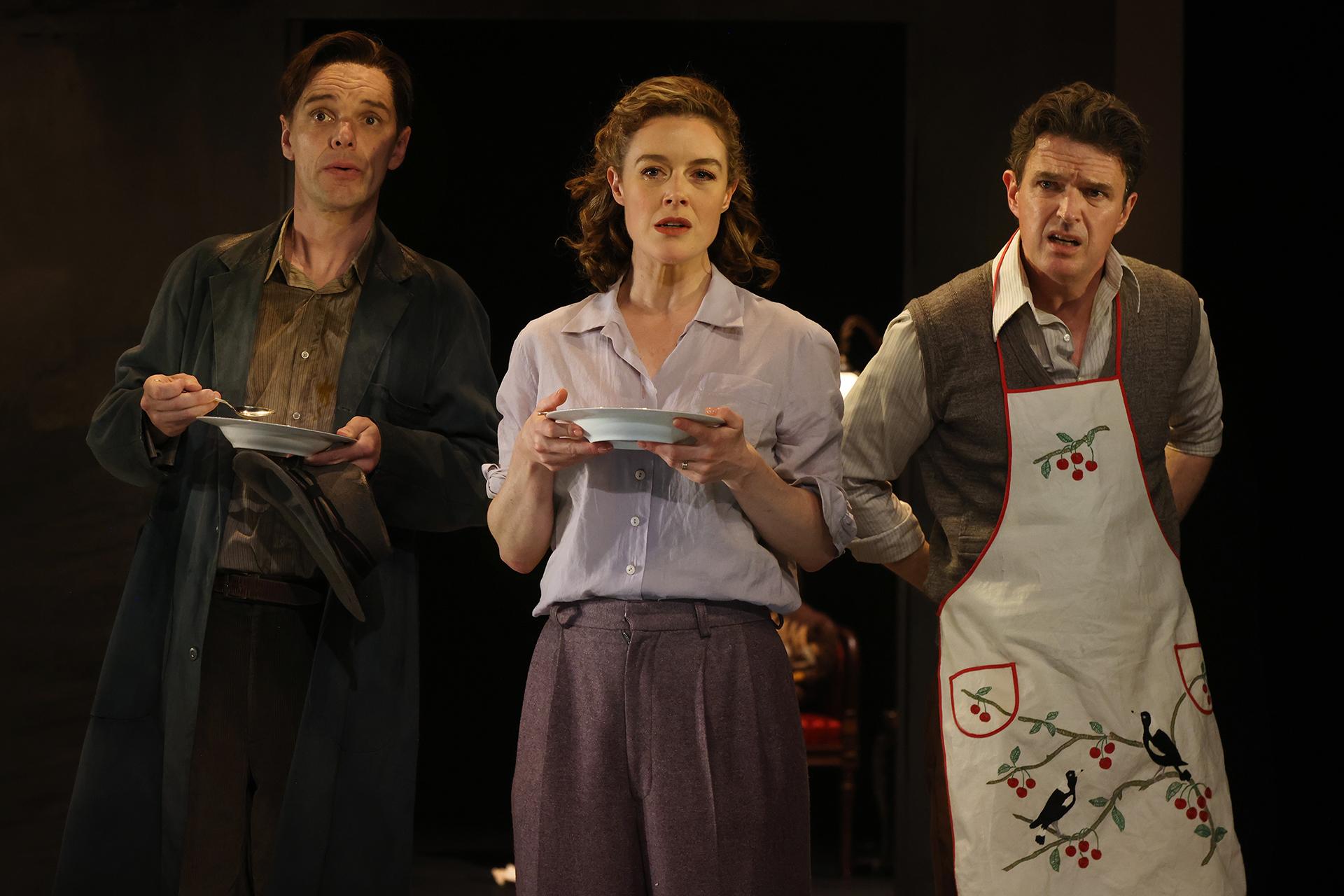
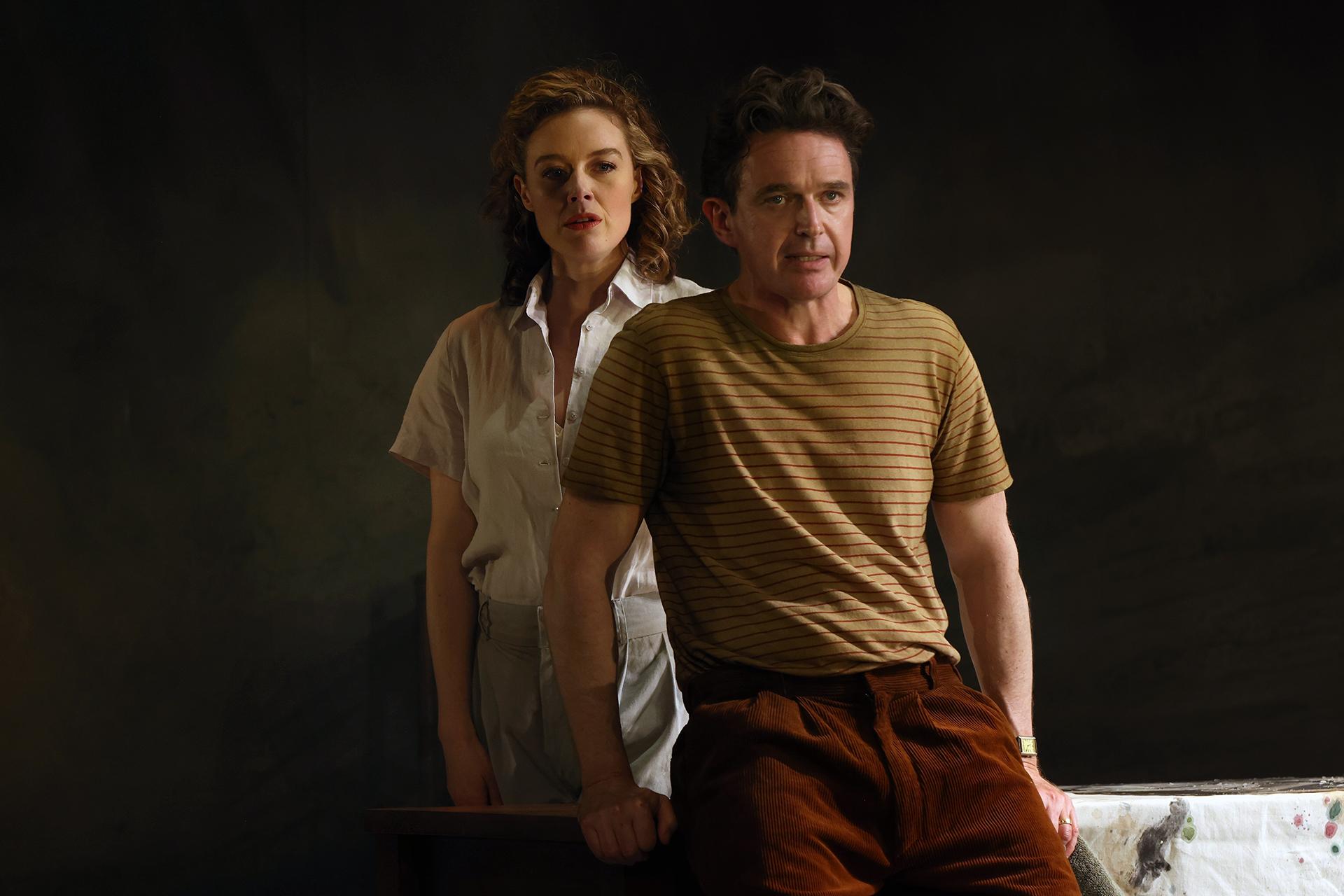
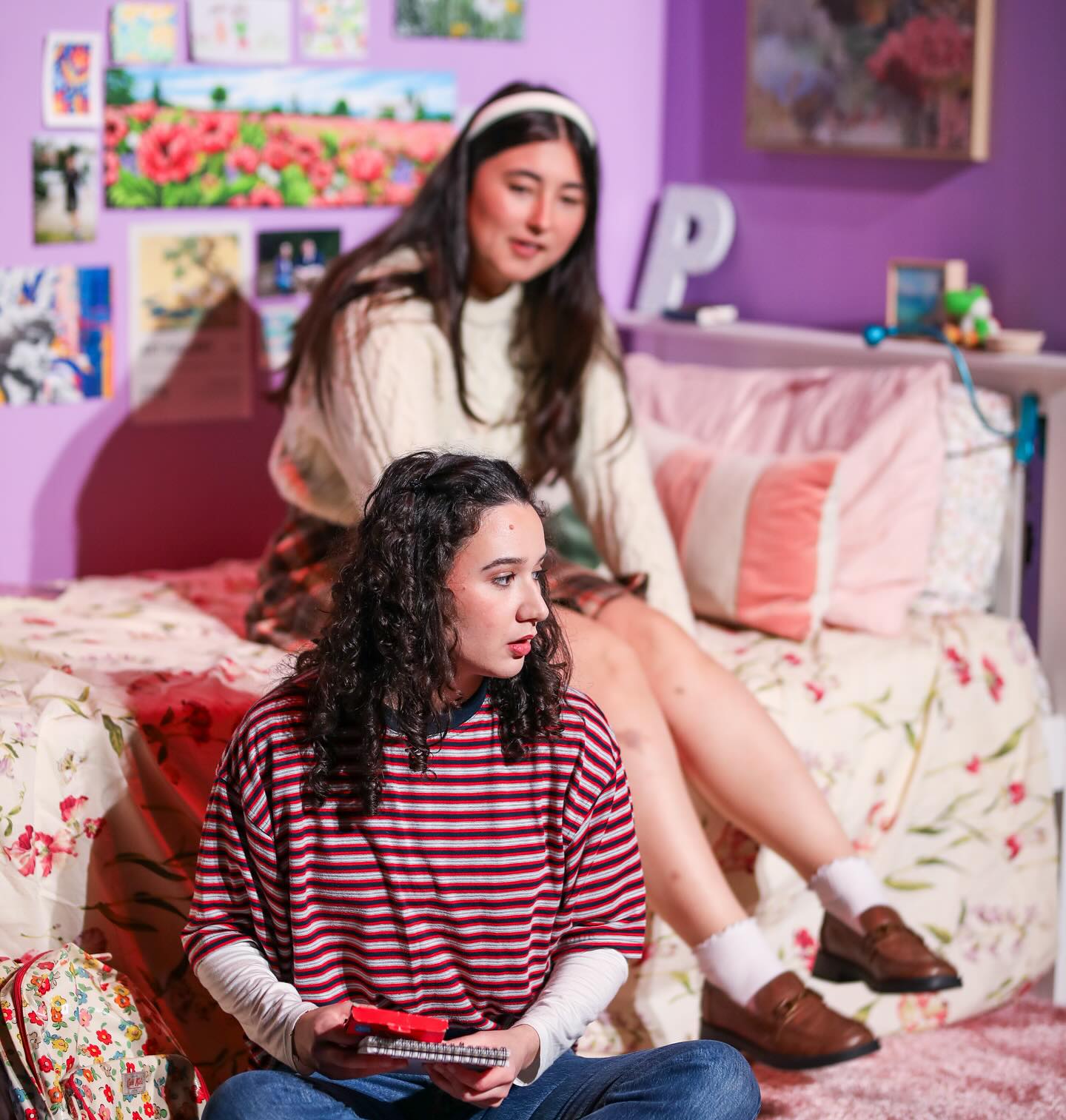
It was the 1930s and Sunday Reed wore trousers. Obviously unafraid of controversy, she had courted a life of affluent bohemia, at a time when being a patron of the arts did not preclude one from more unconventional or perhaps, scandalous pursuits. No doubt her ménage à trois with husband John Reed and now legendary painter Sidney Nolan would have raised more than a few eyebrows, the Reeds were nonetheless celebrated for supporting the careers of prominent artists through their establishment of the Heide Circle.

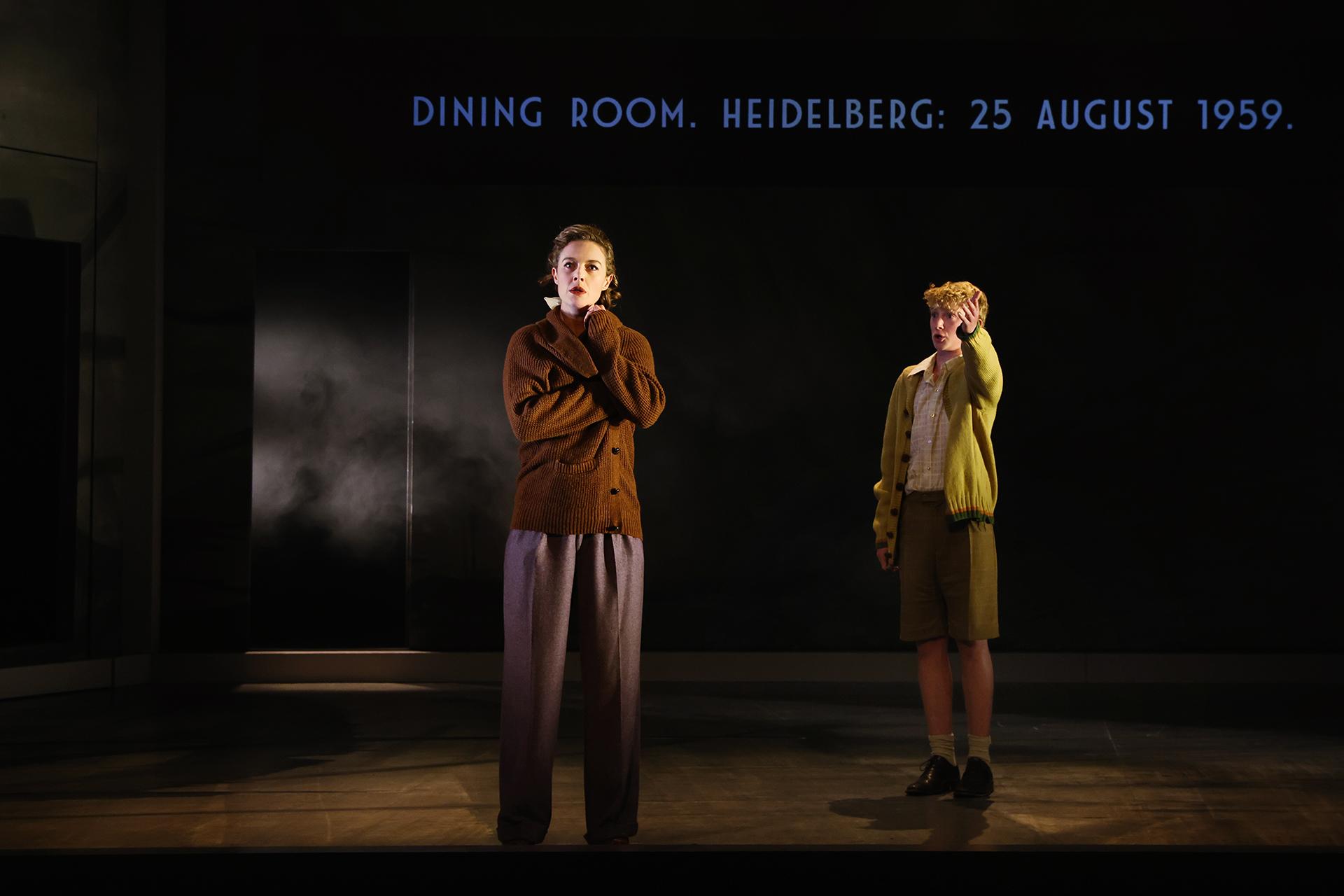
Anthony Weigh’s Sunday offers a glimpse into the heady days of our heroine’s life as philanthropist and muse, paying particular attention to the years during which Nolan had played a significant part. Weigh’s writing is passionate and incisive, for a sprawling tale spanning more than two decades. Sections venture into the granularity of art philosophy that may not appeal to wider audiences, but Sunday‘s explorations of an unorthodox romance is certainly fascinating.

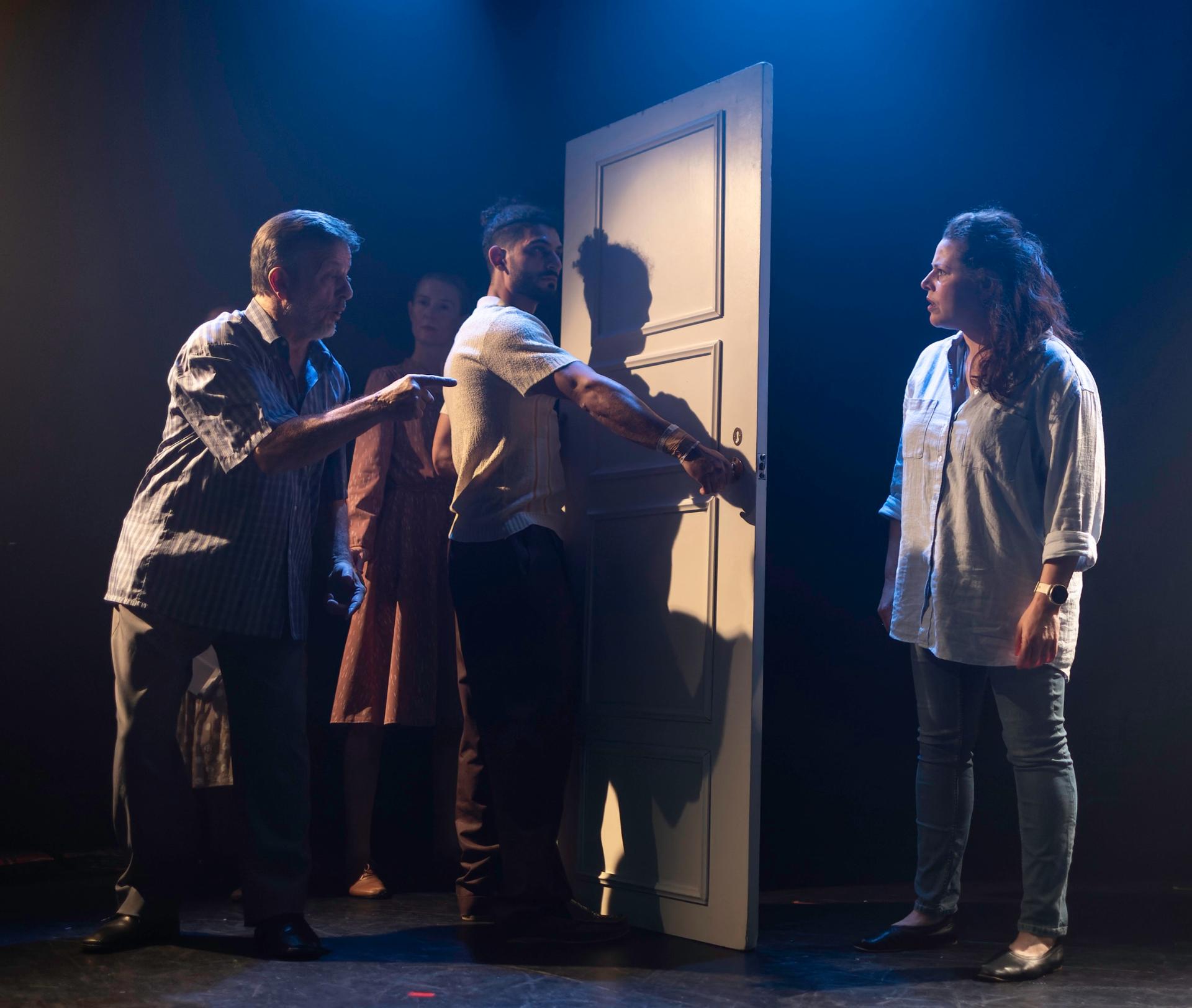
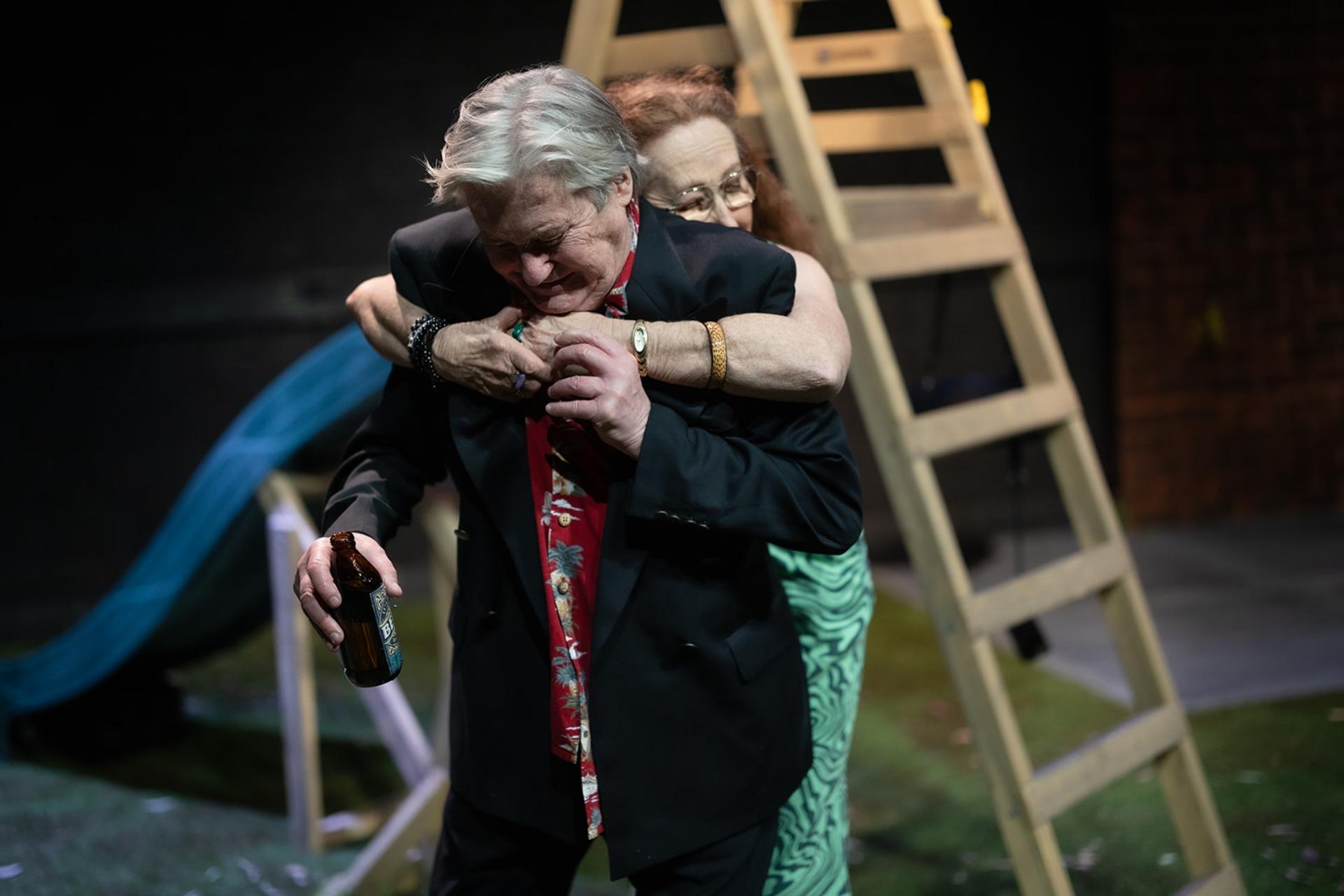
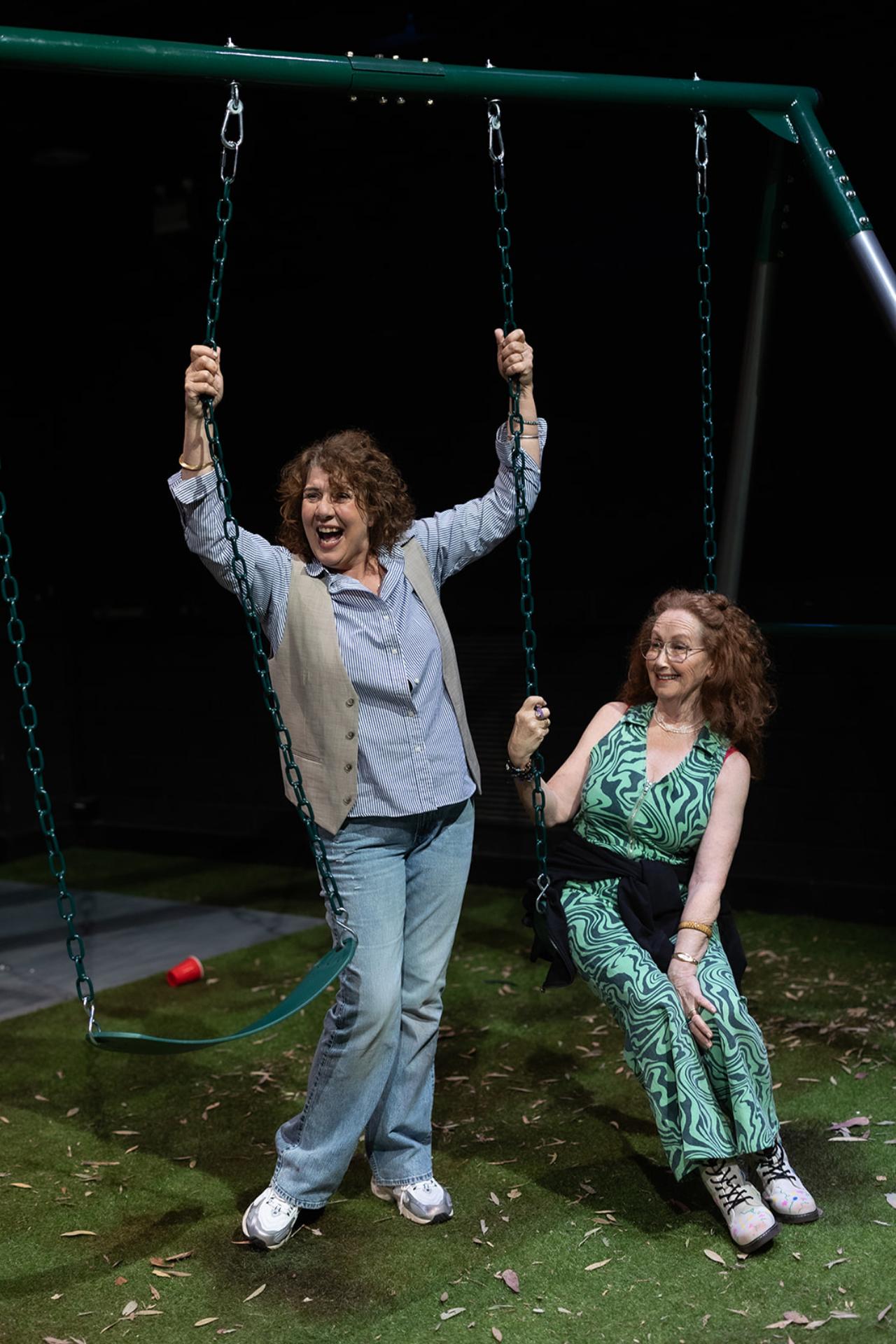
Directed by Sarah Goodes, the staging is a spirited showcase of a woman’s experience of privilege and autonomy, at a time when gender roles remained strictly prescribed. It is in many ways an inspiring portrait, not only of the daring choices made by a woman, but also of the tacit acceptance of her radical approach to life, by the men around her. Sunday Reed is presented as brilliant, but also flawed, which somewhat perversely makes her story all the more intriguing.

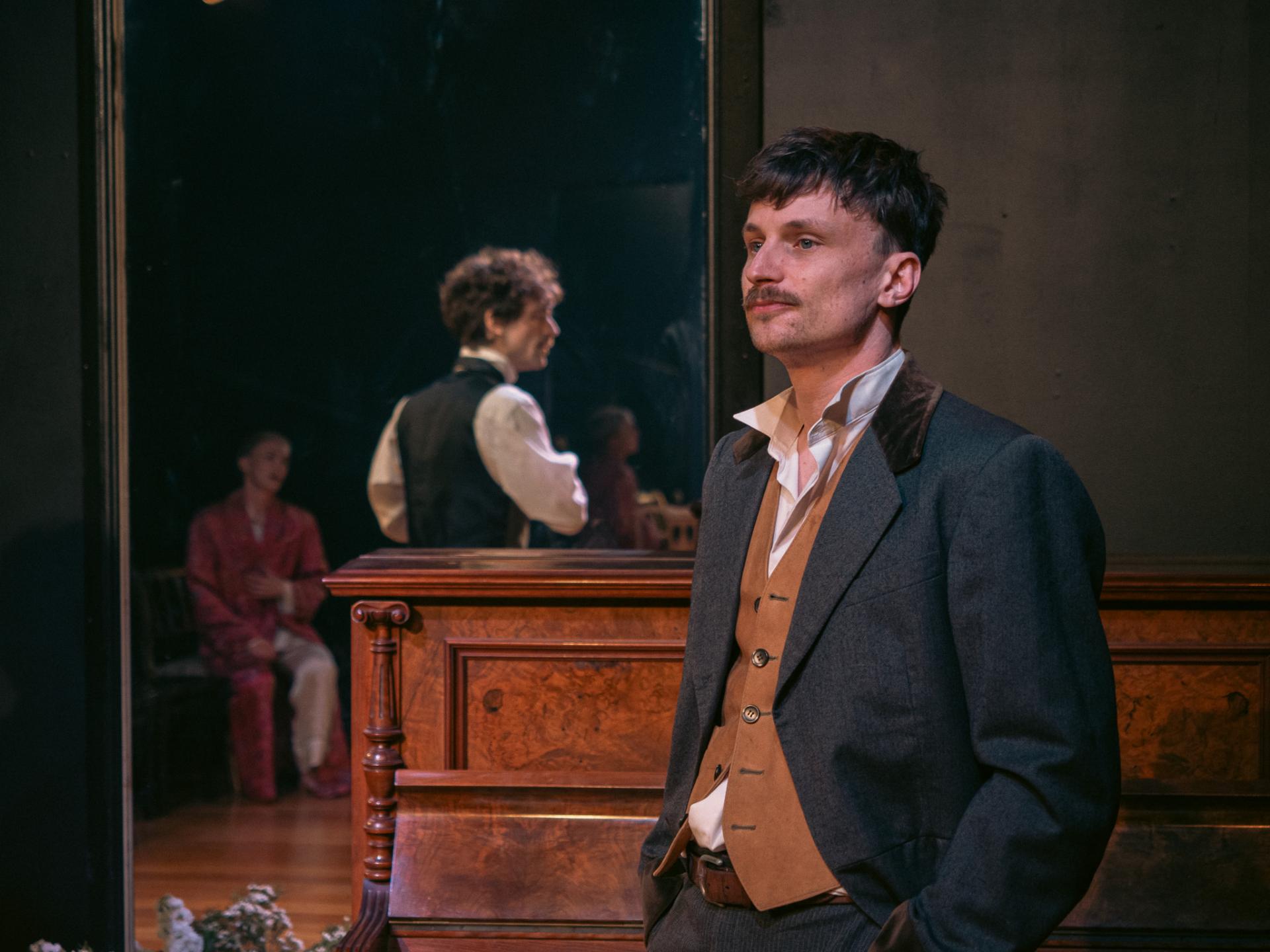
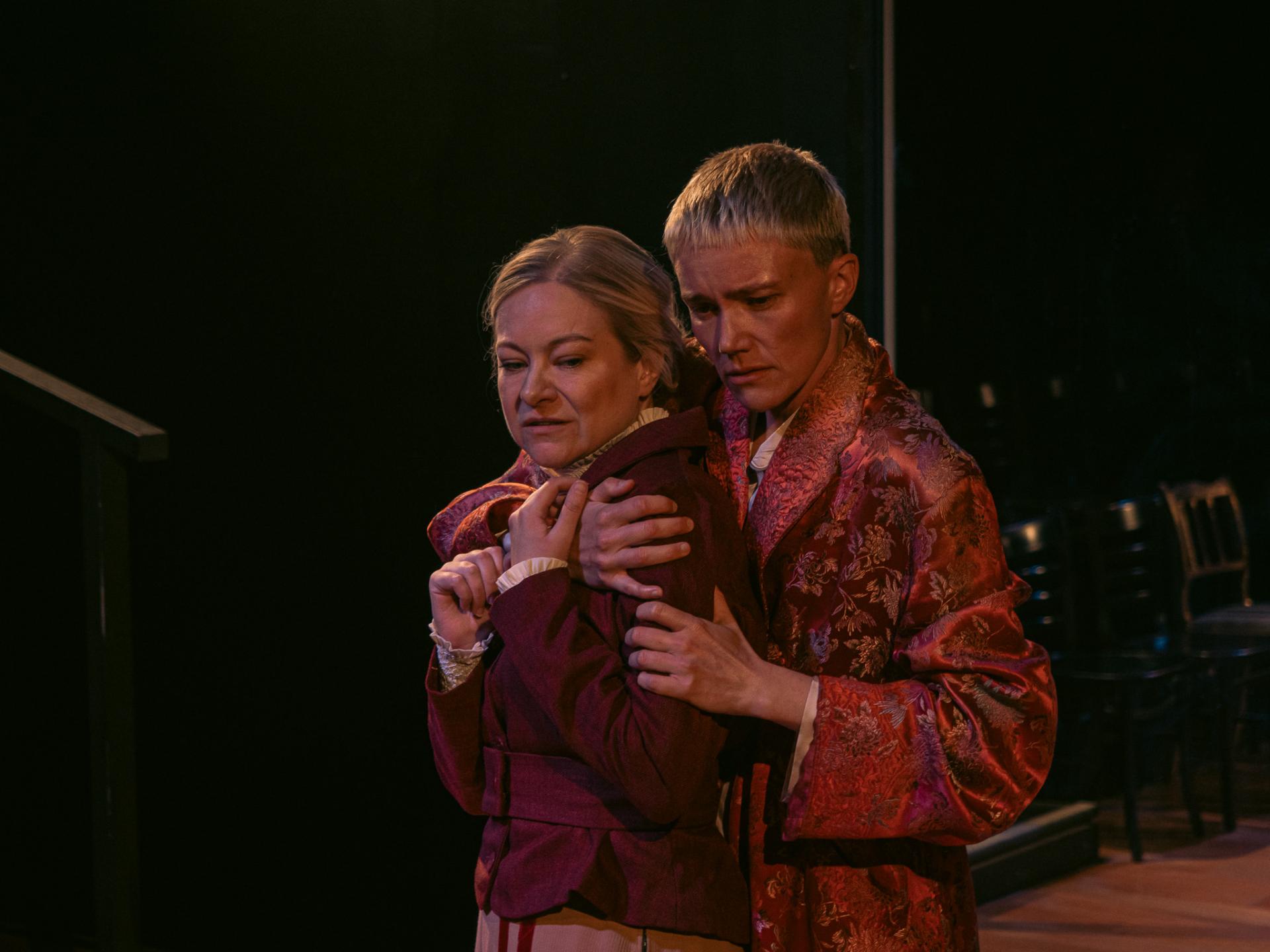
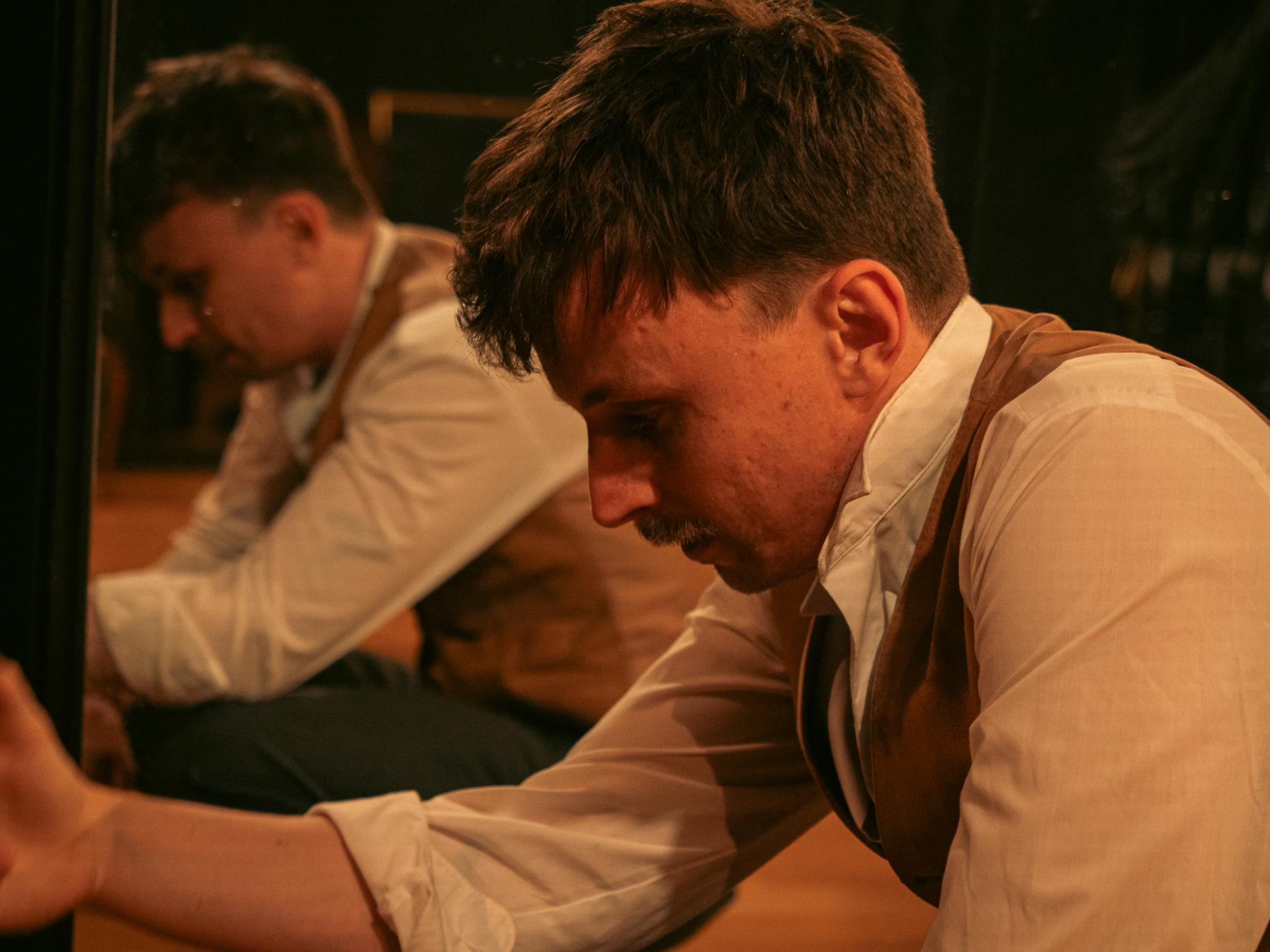
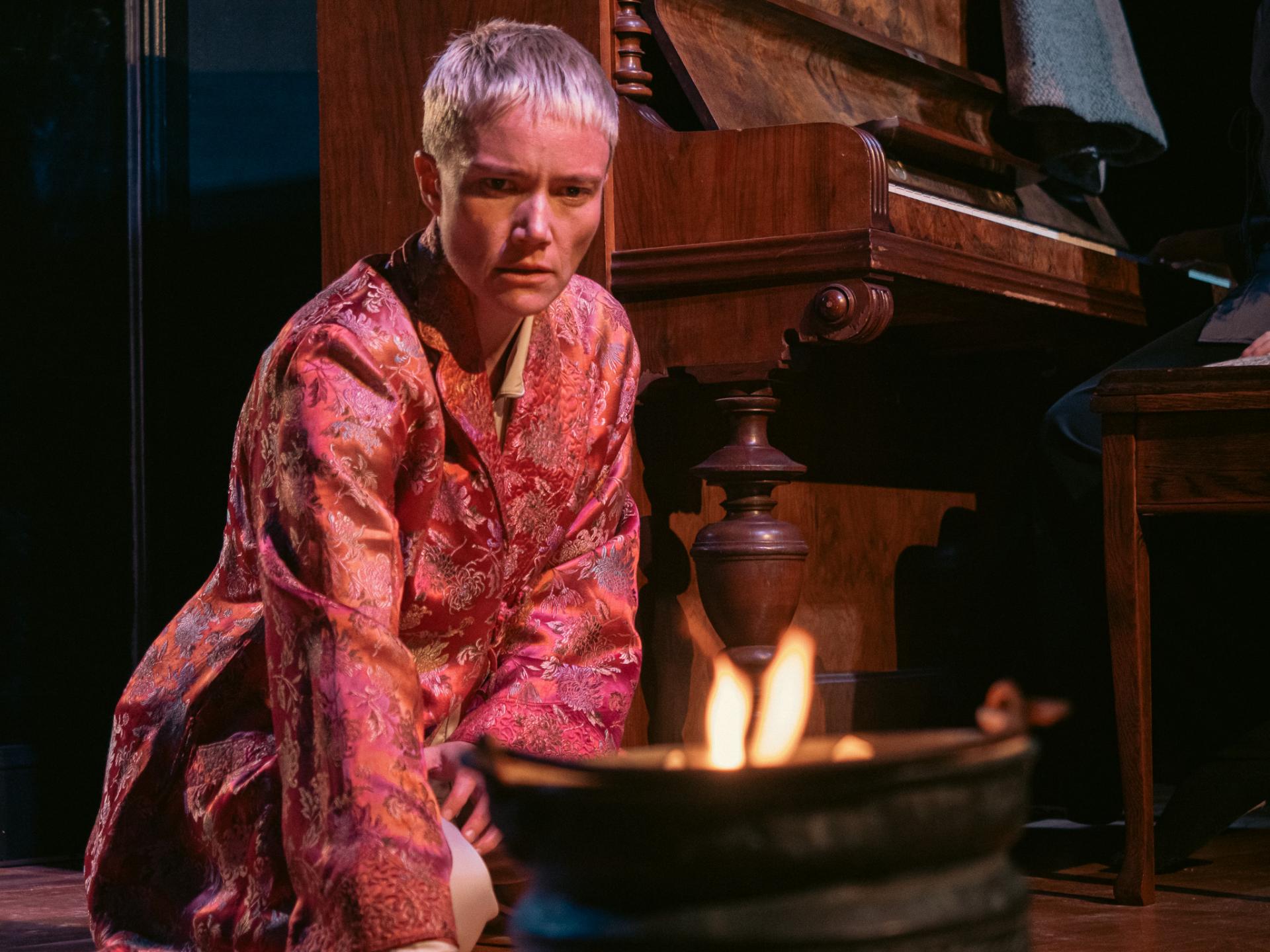
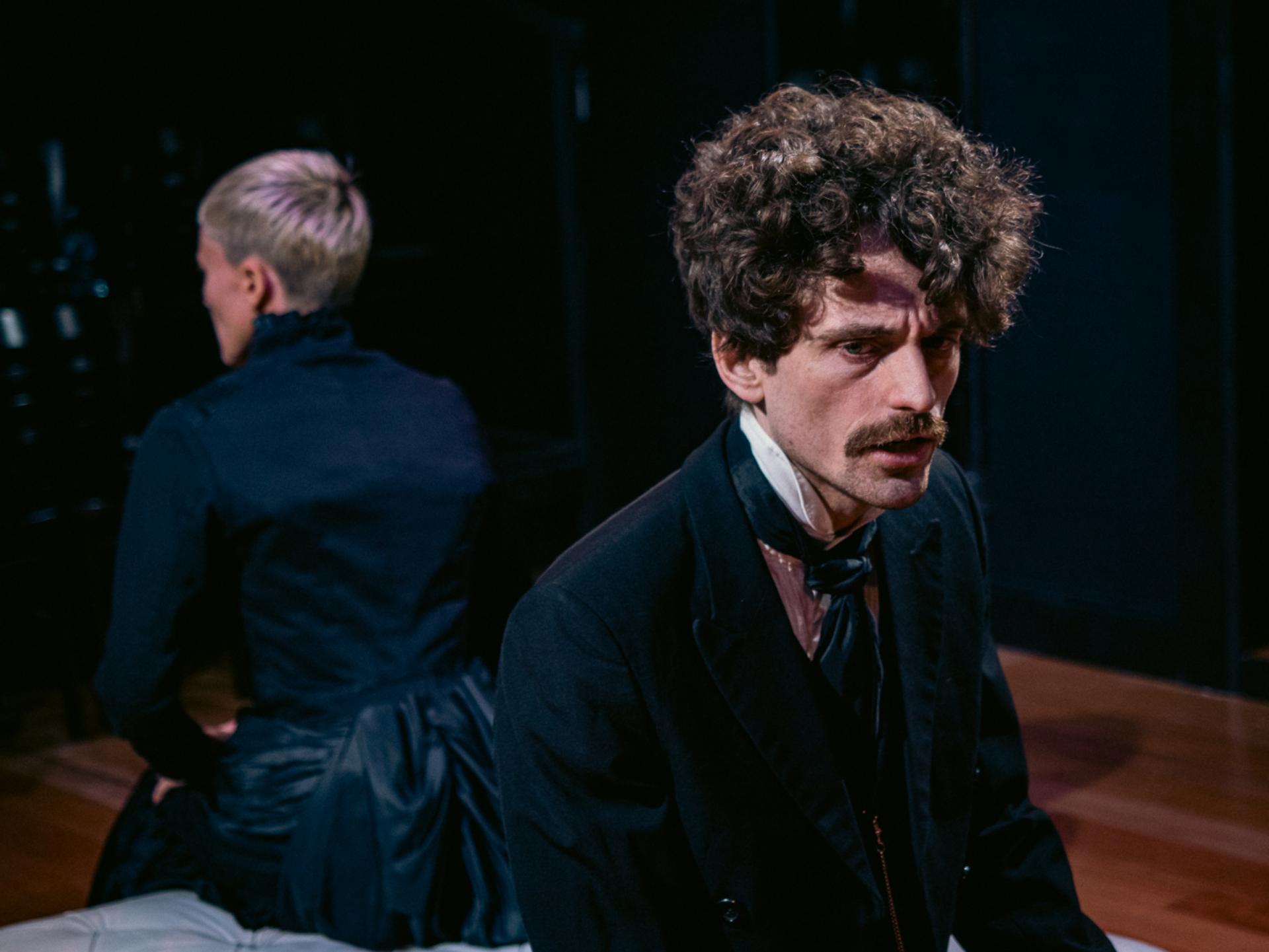
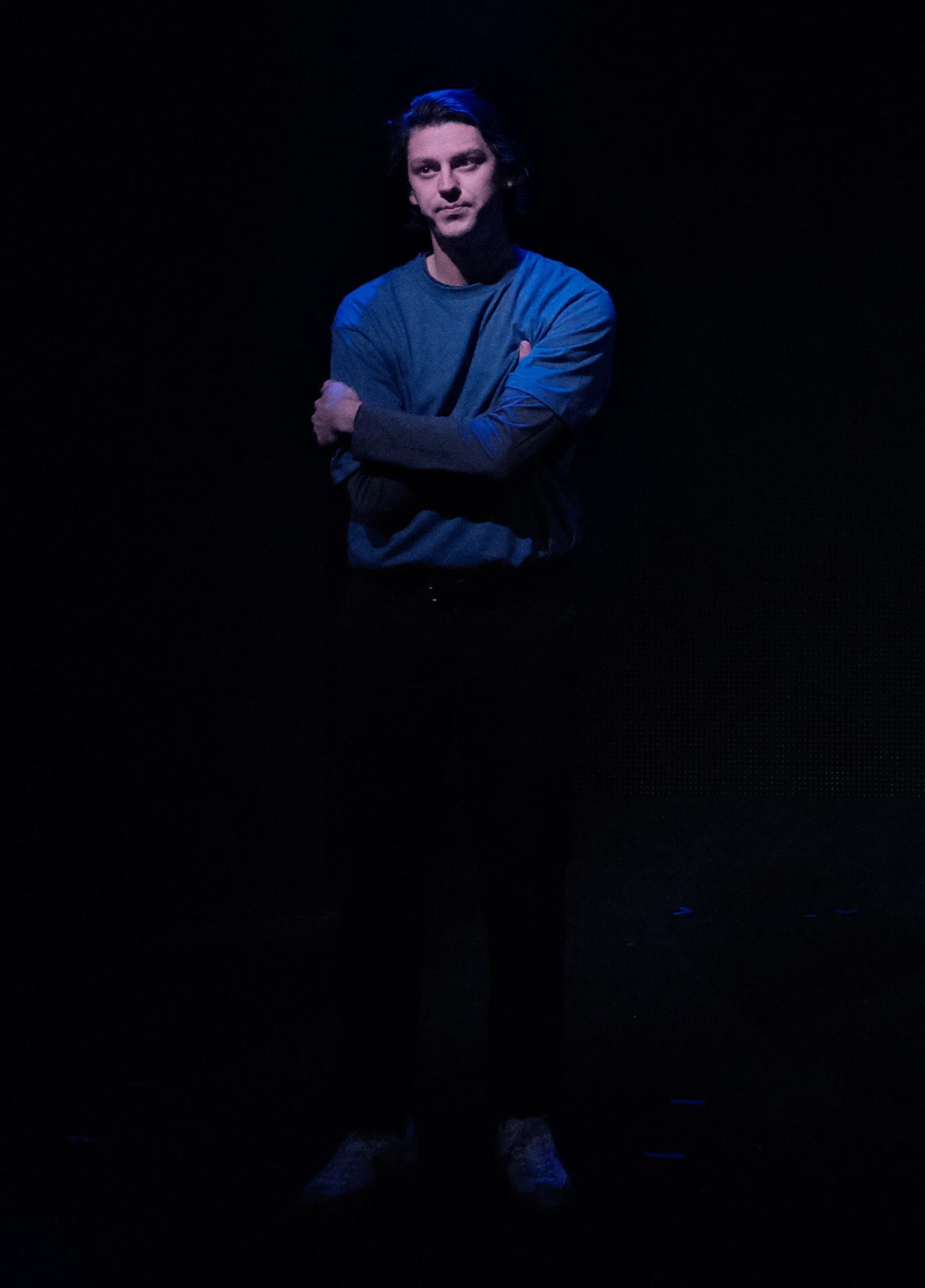
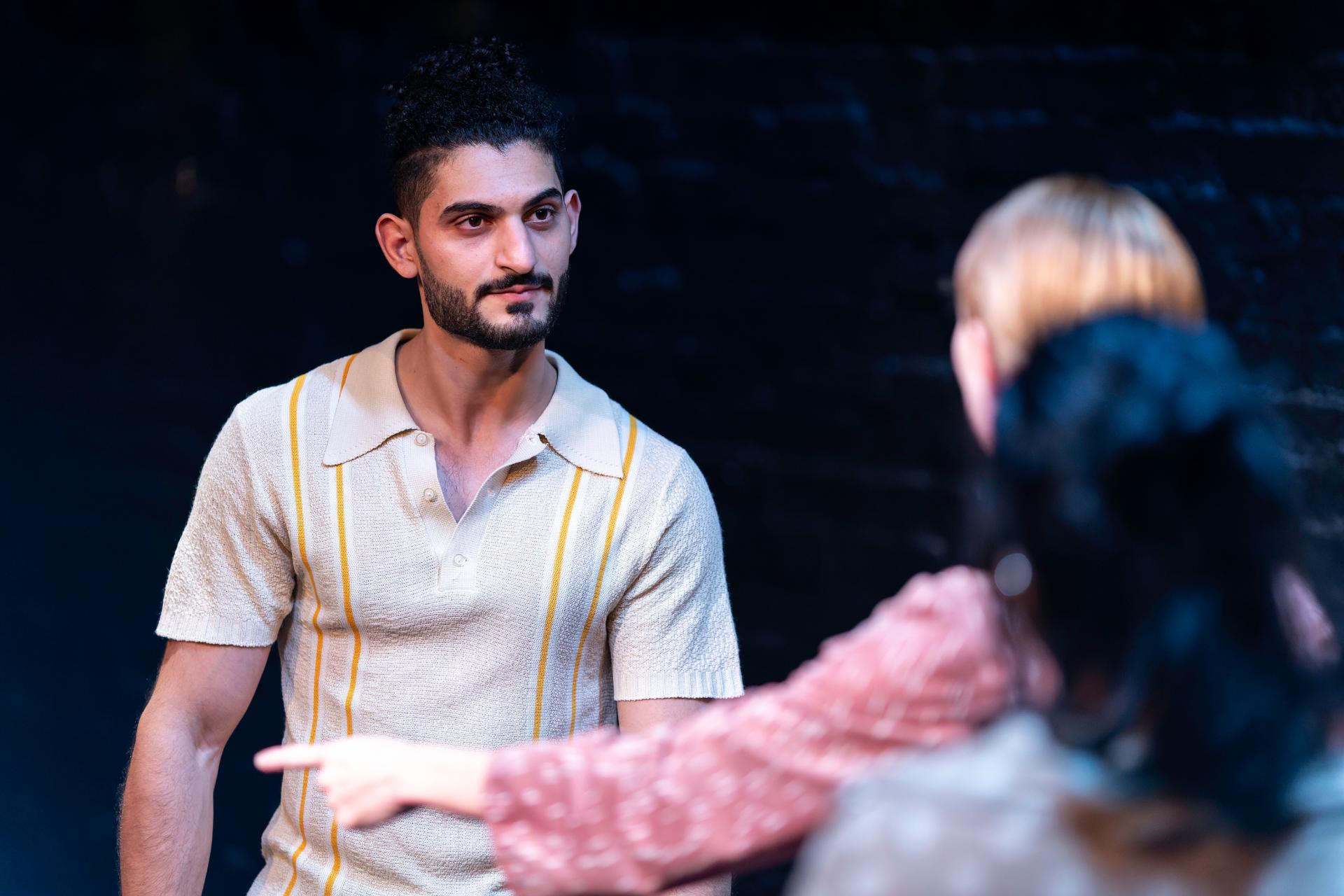
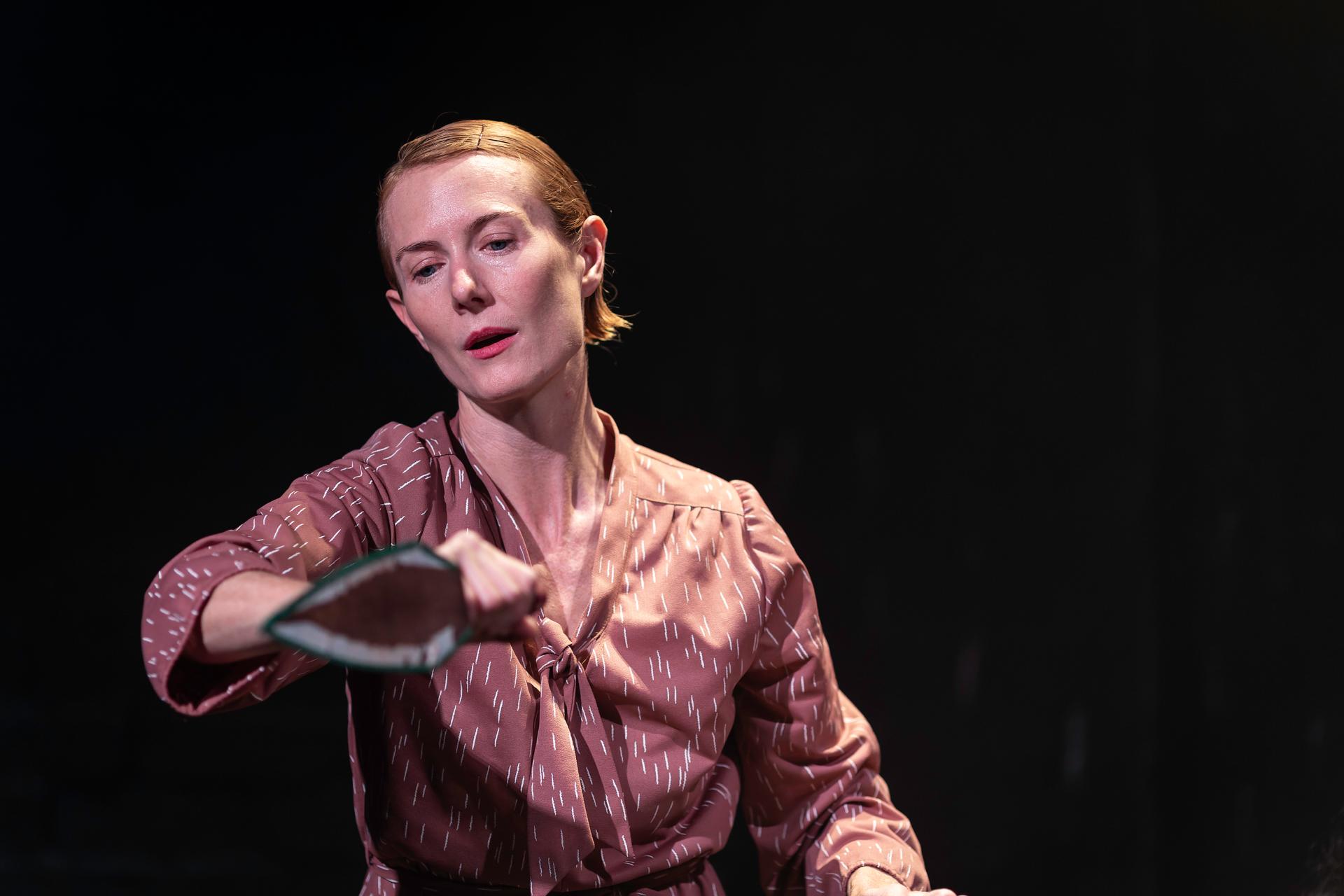
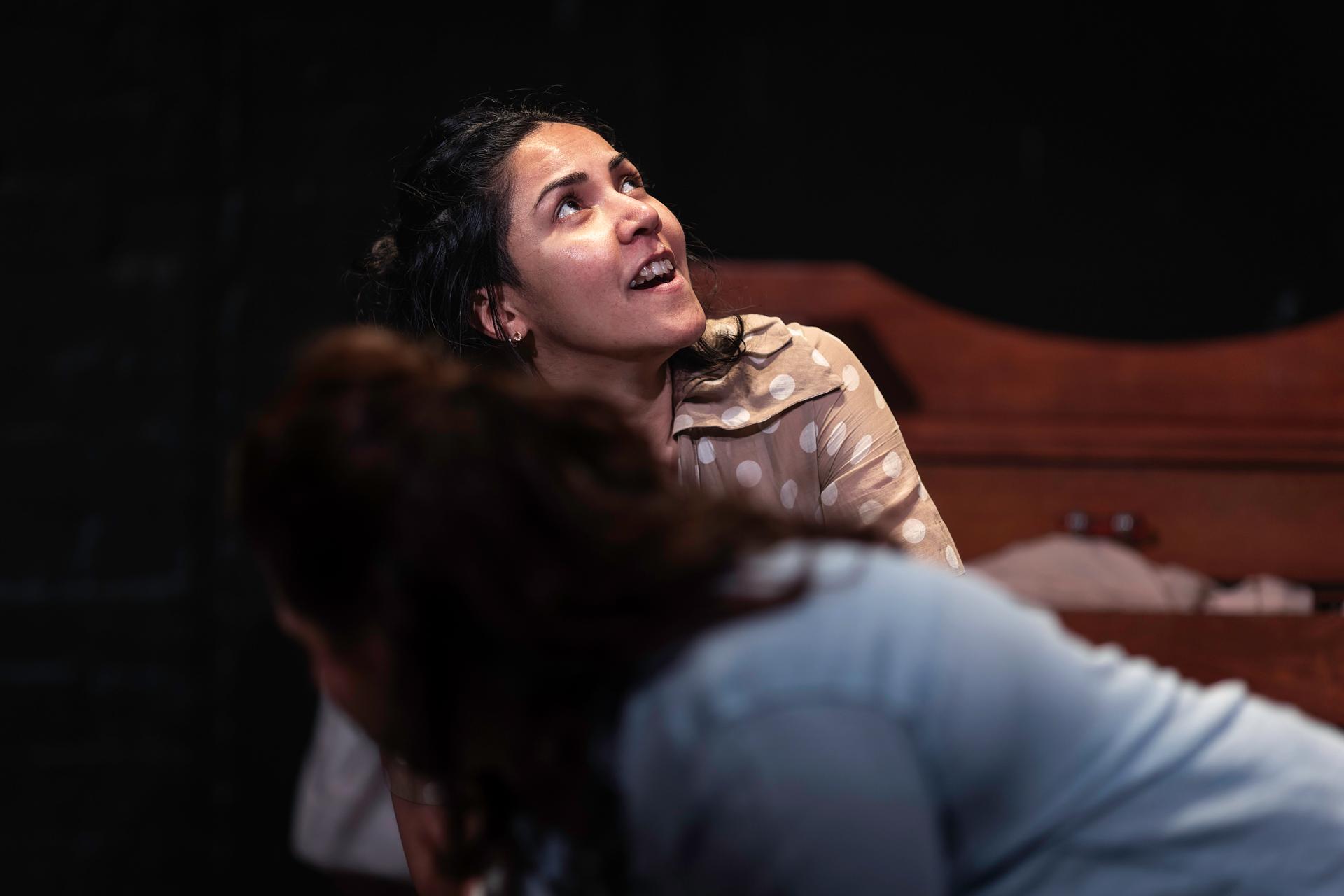
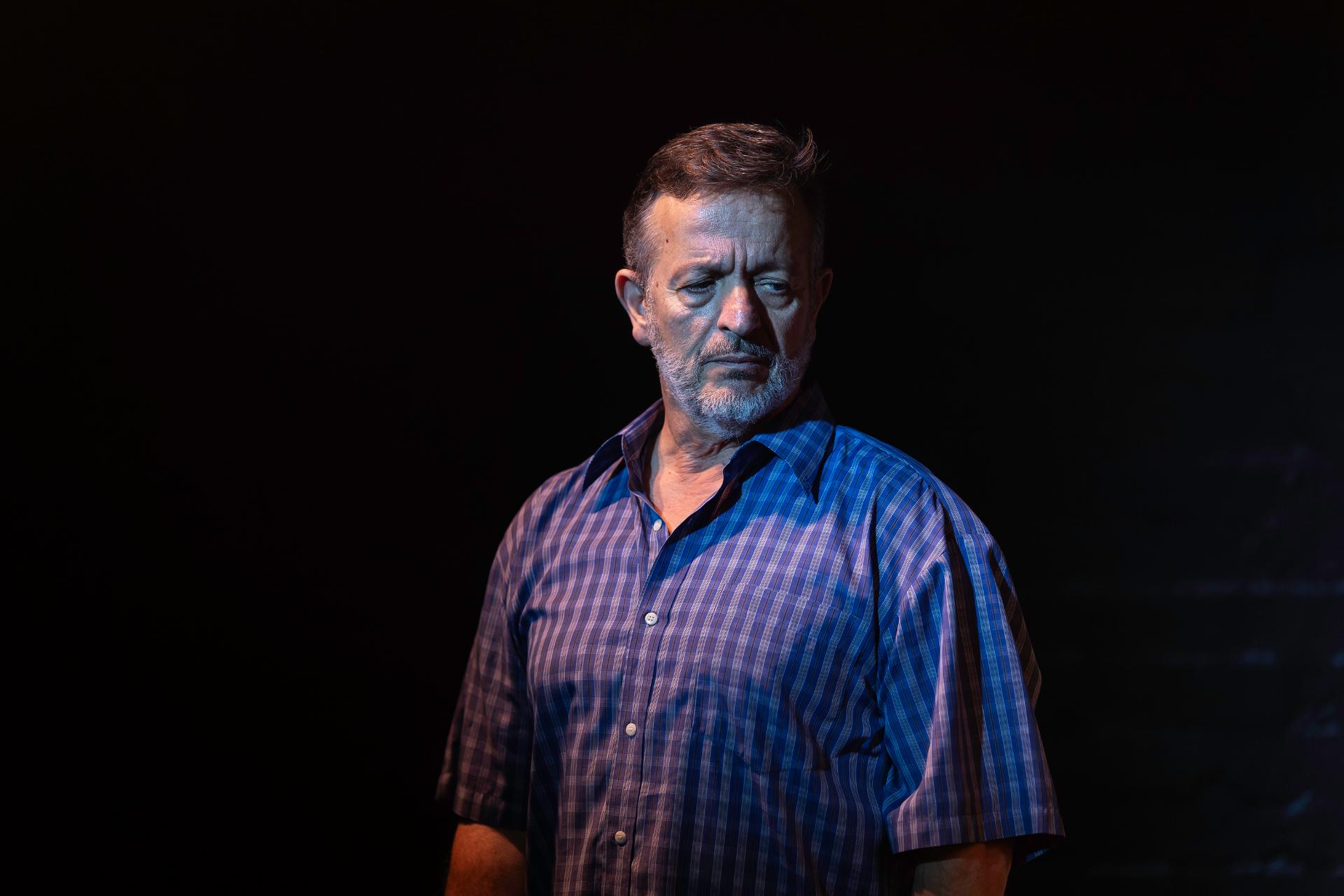
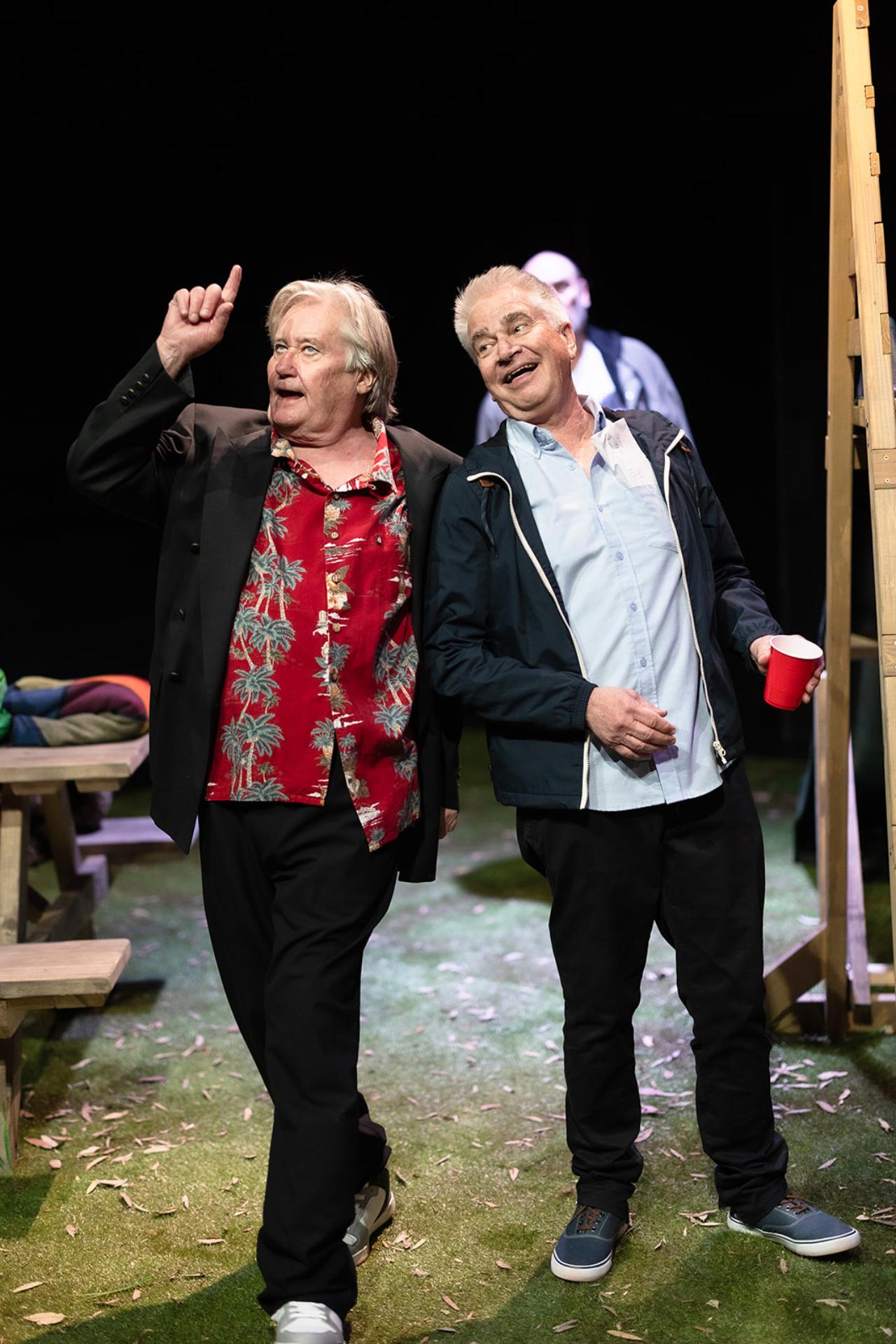
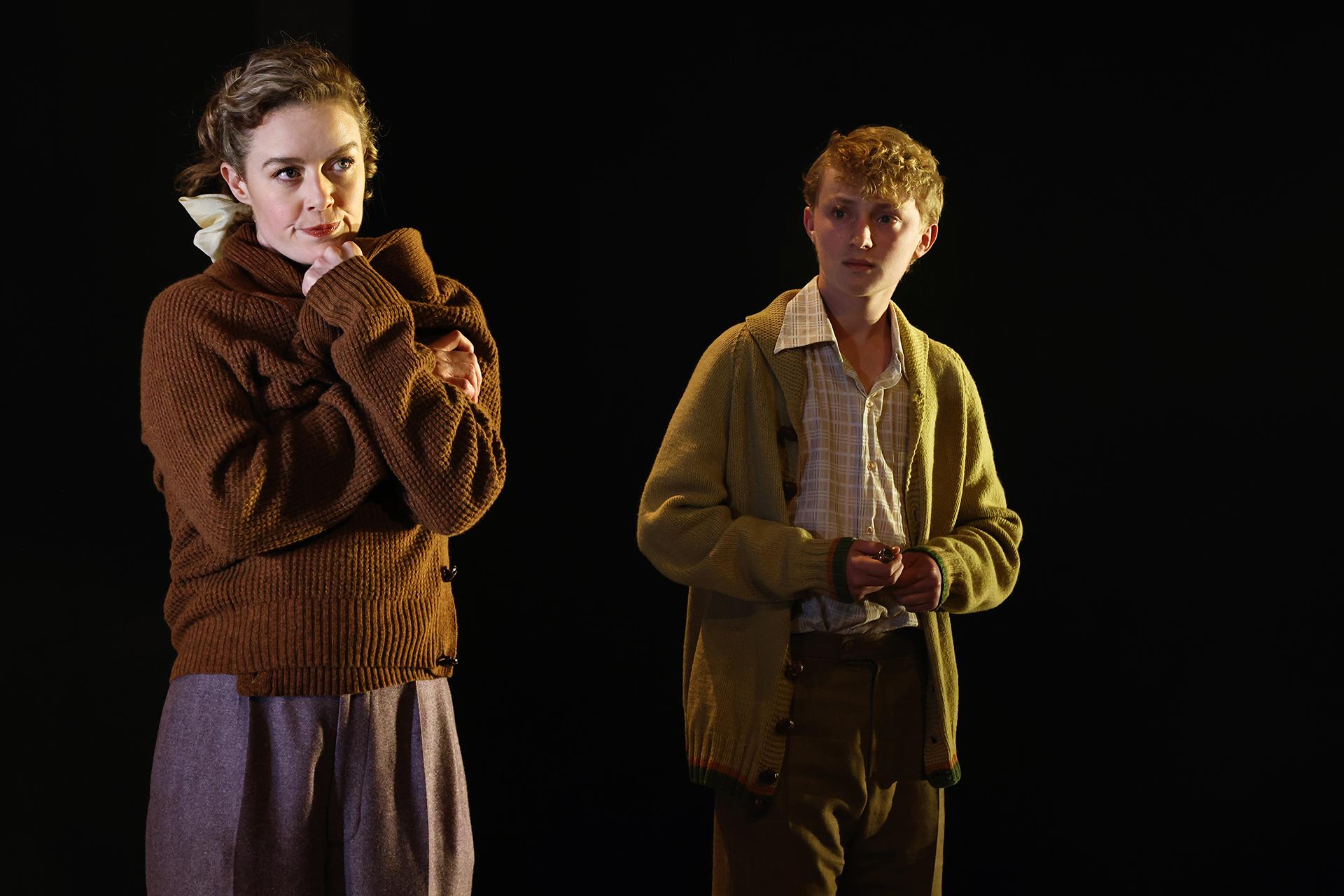
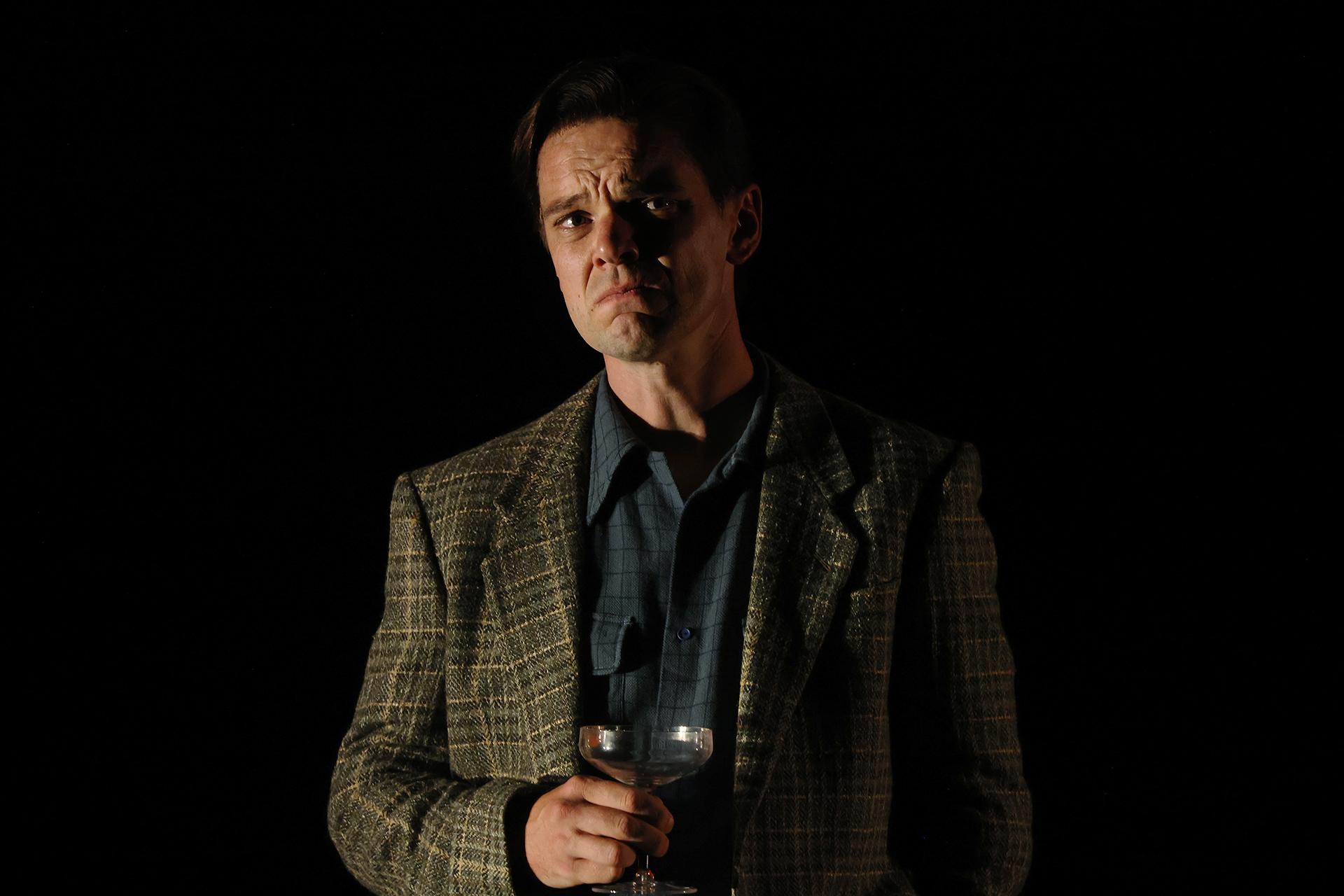
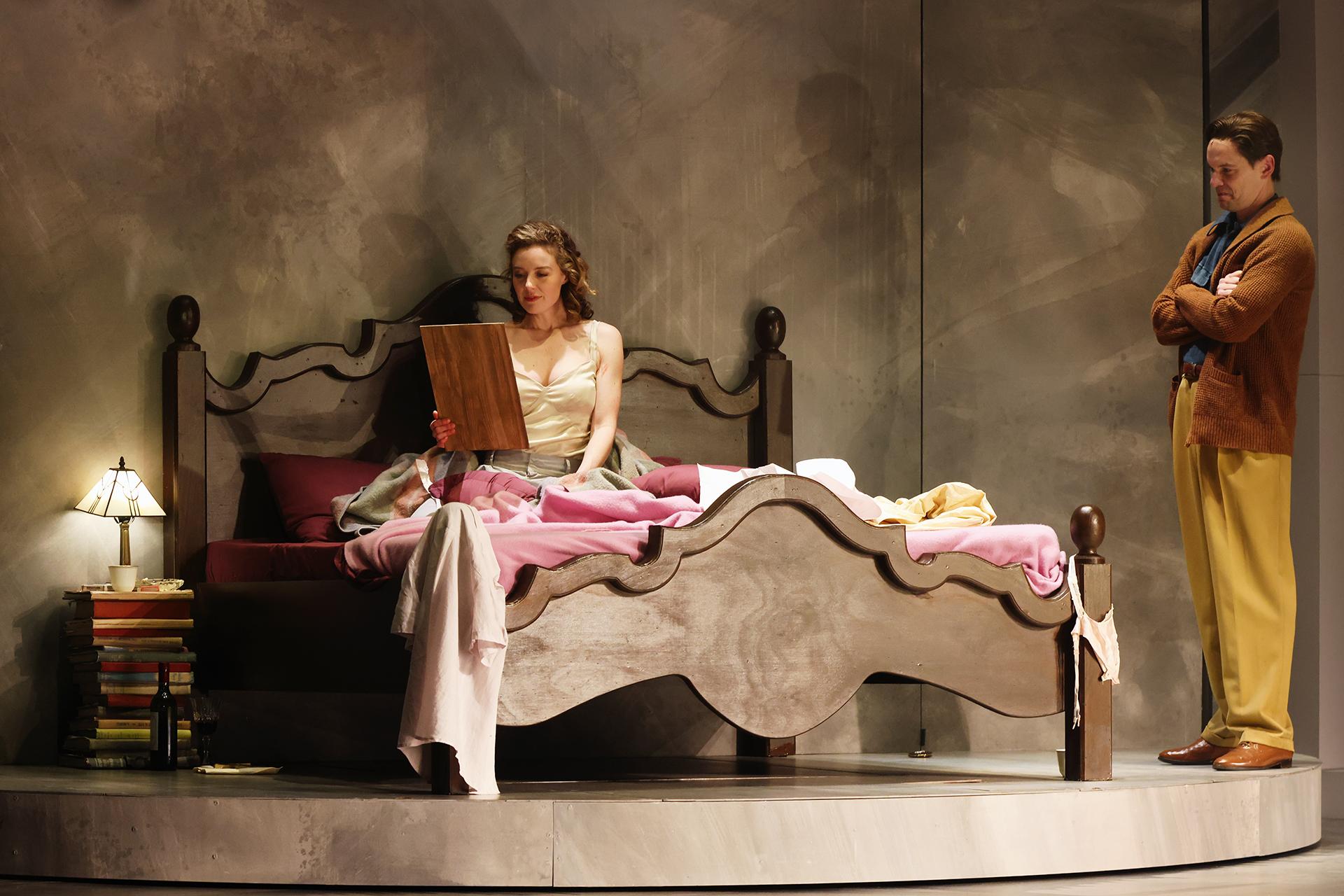
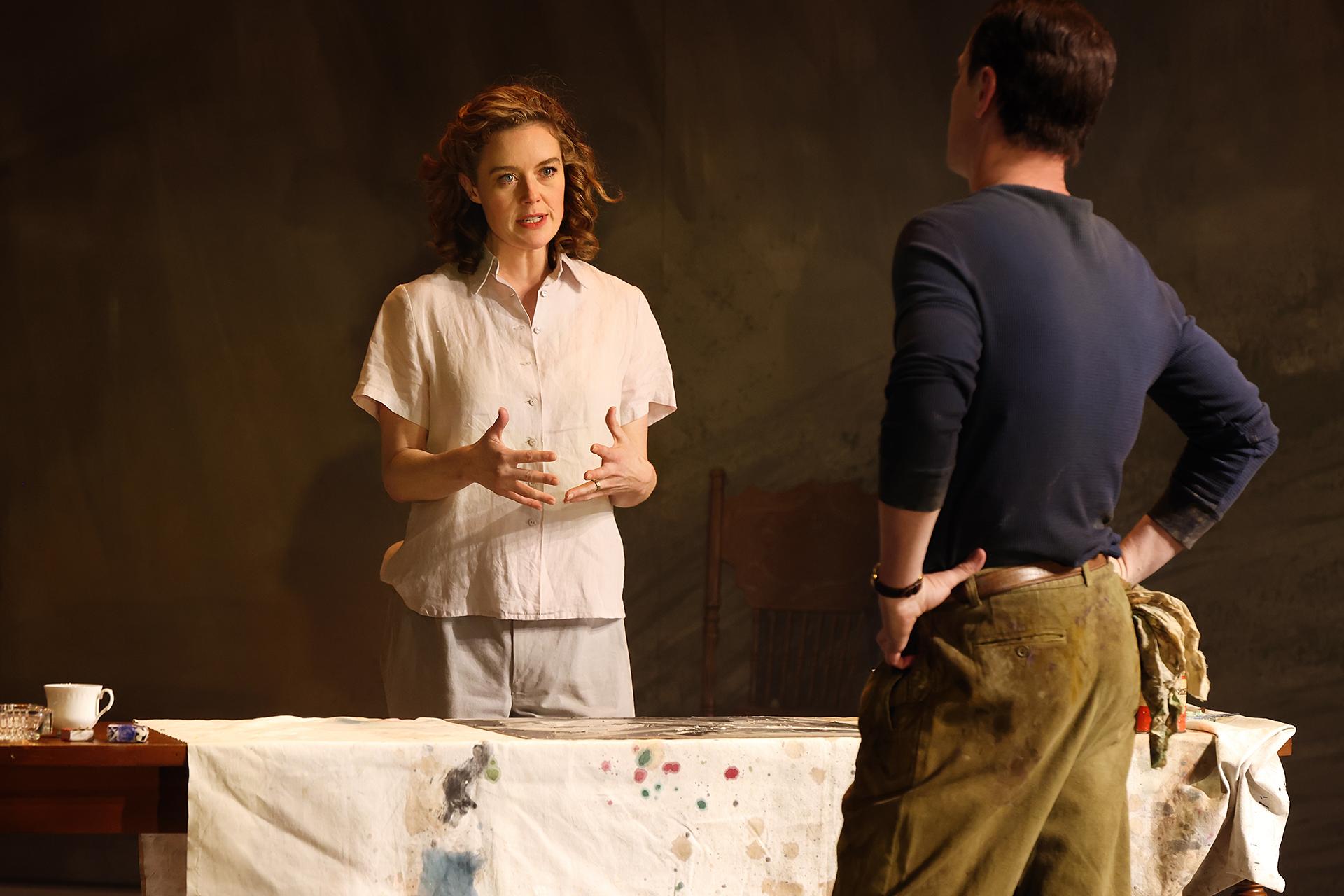
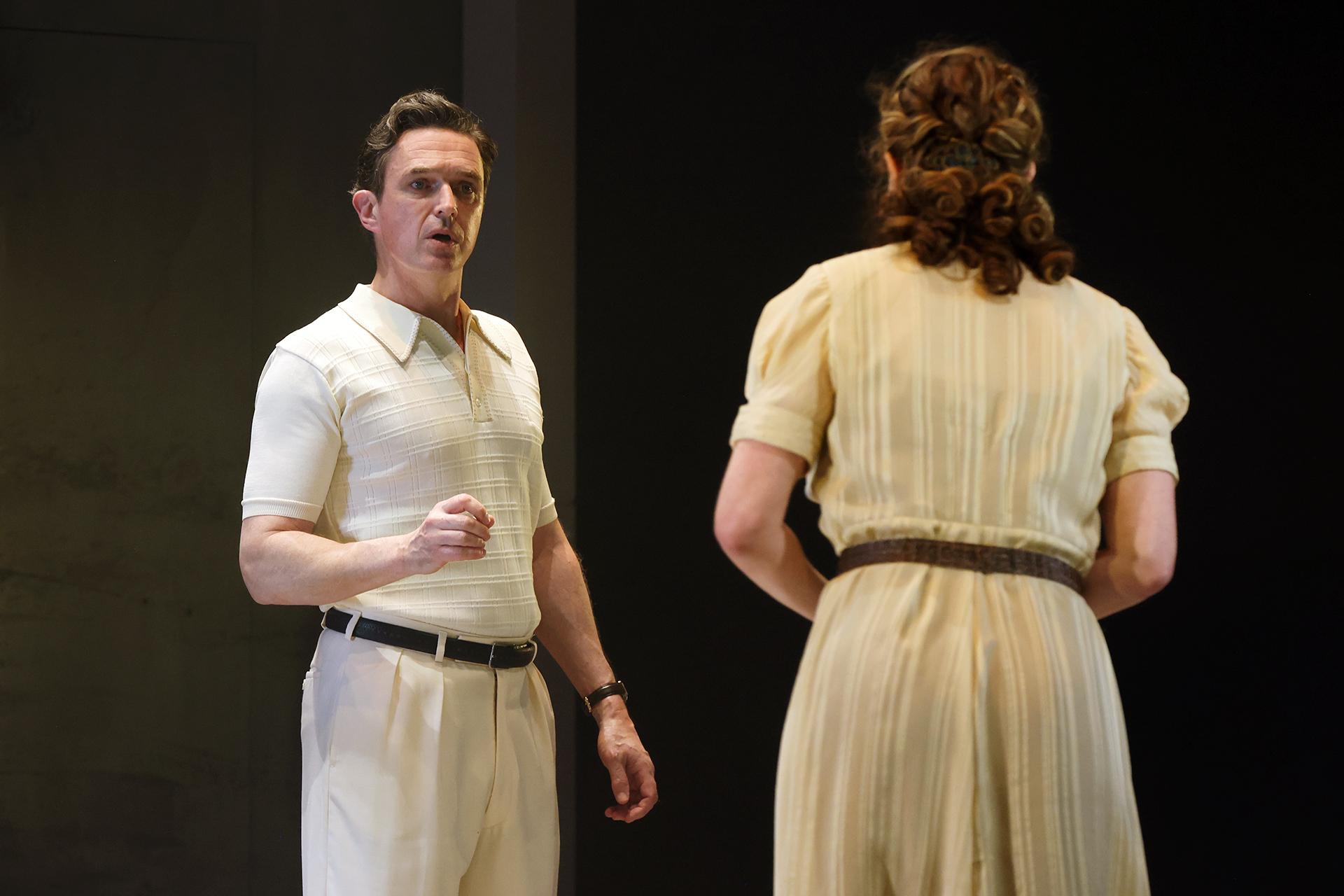
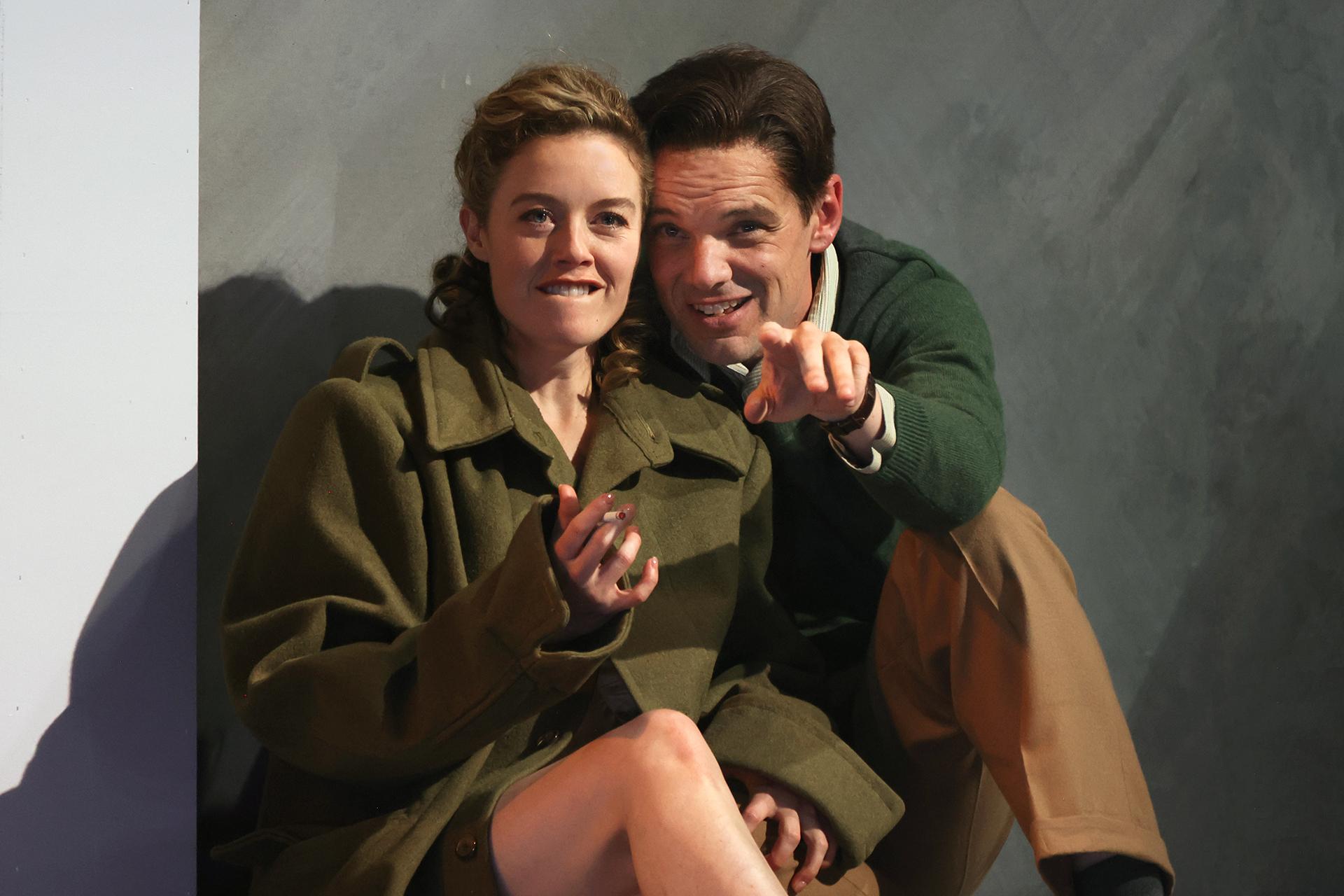
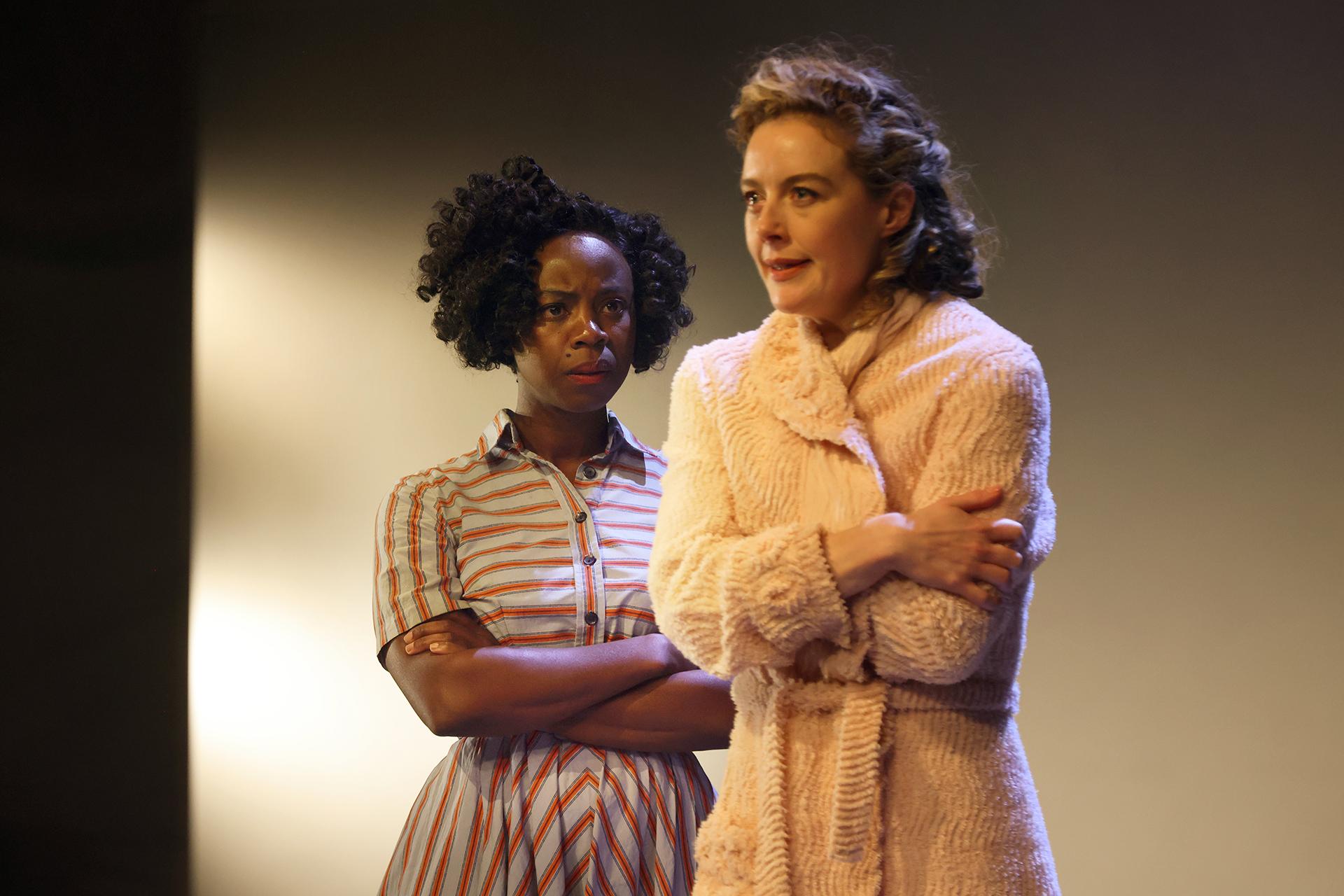
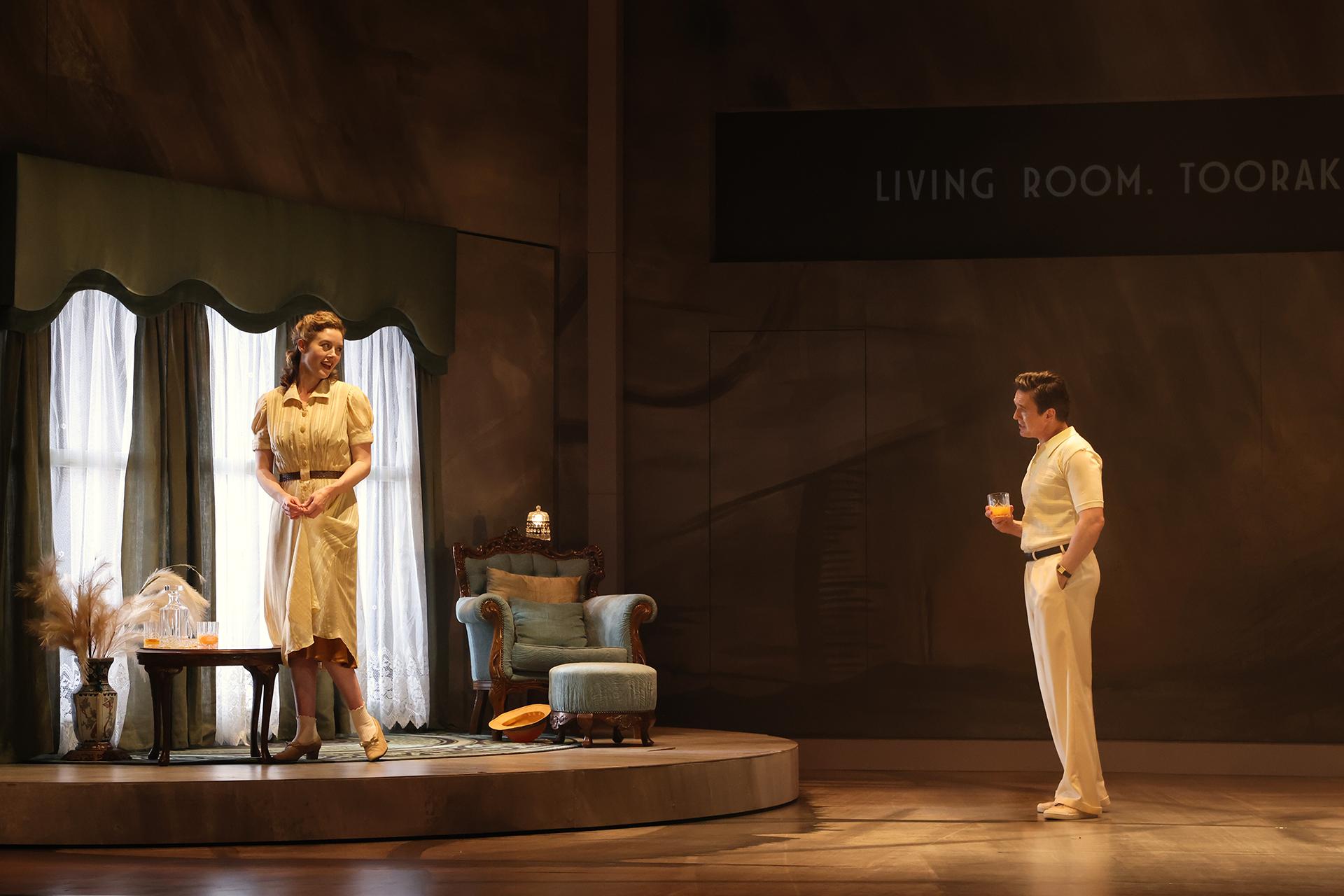
Nikki Shiels is our marvellous leading lady, authoritative and robust in her depictions of a complex personality, rigorously persuasive with all that she manifests. Highly dramatic but also irreproachably detailed, it is a performance that is as provocative as it is captivating, demanding both our focus and intellect. Matt Day brings relentless charm to the part of John Reed, memorable for a lightness of touch that conveys a great deal of sophistication, in a play that communicates with gratifying maturity. In the role of Sidney Nolan is James O’Connell, whose journey from naivety to self-assuredness is charted with evident diligence alongside an admirable grace. Jude Hyland and Ratidzo Mambo as Sweeney Reed and Joy Hester respectively, surprise with the gravity they introduce, notwithstanding the brevity of their appearances.

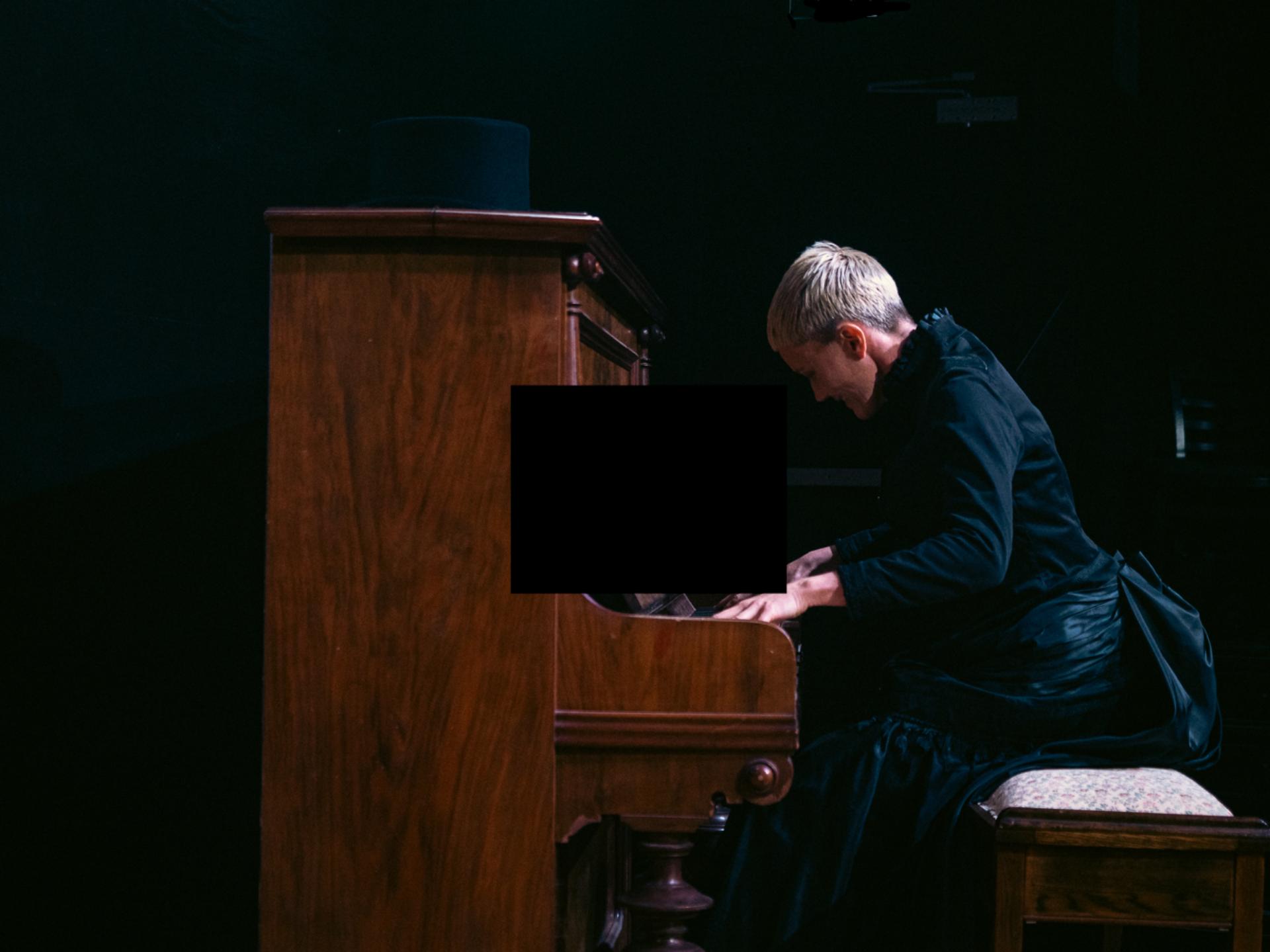
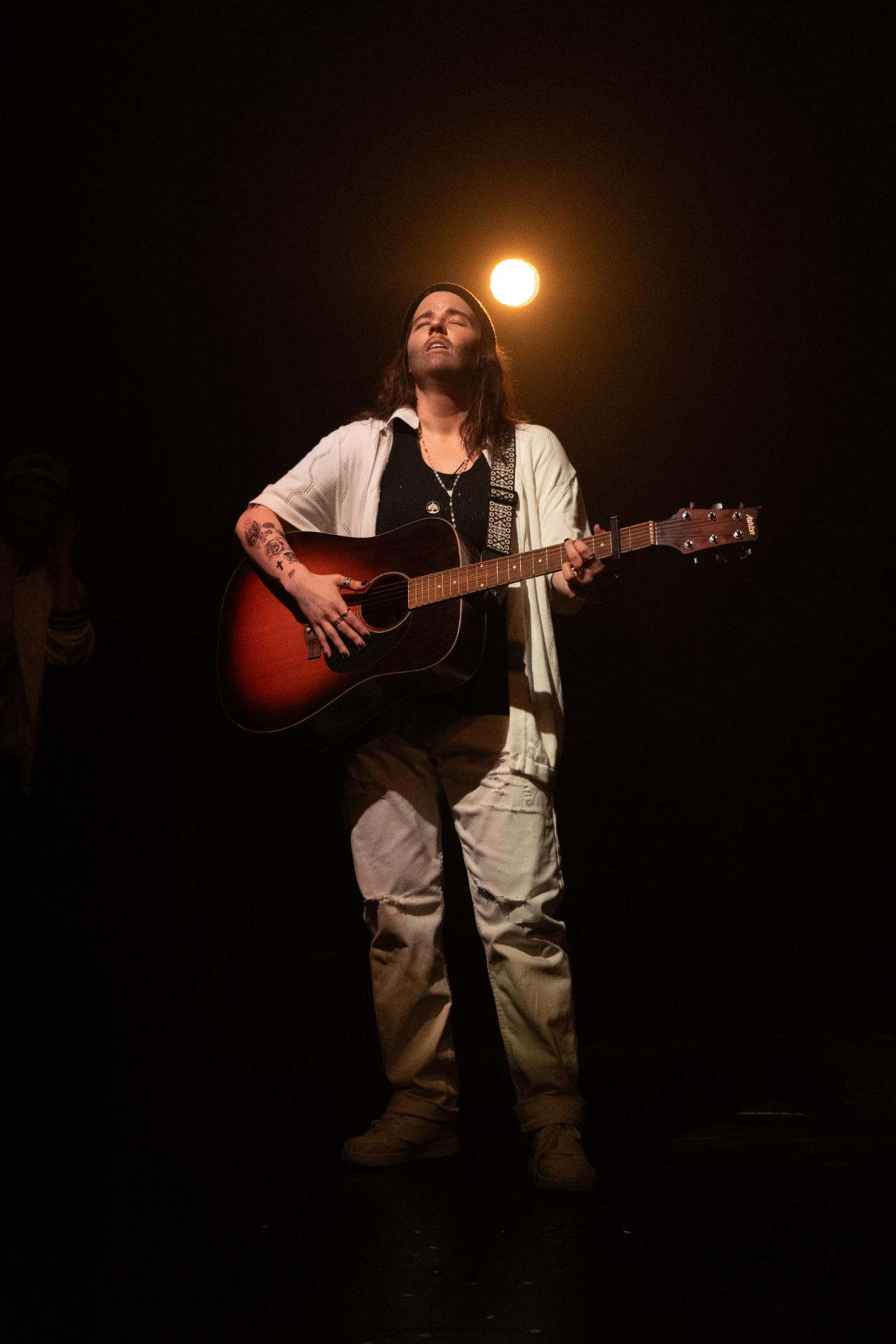
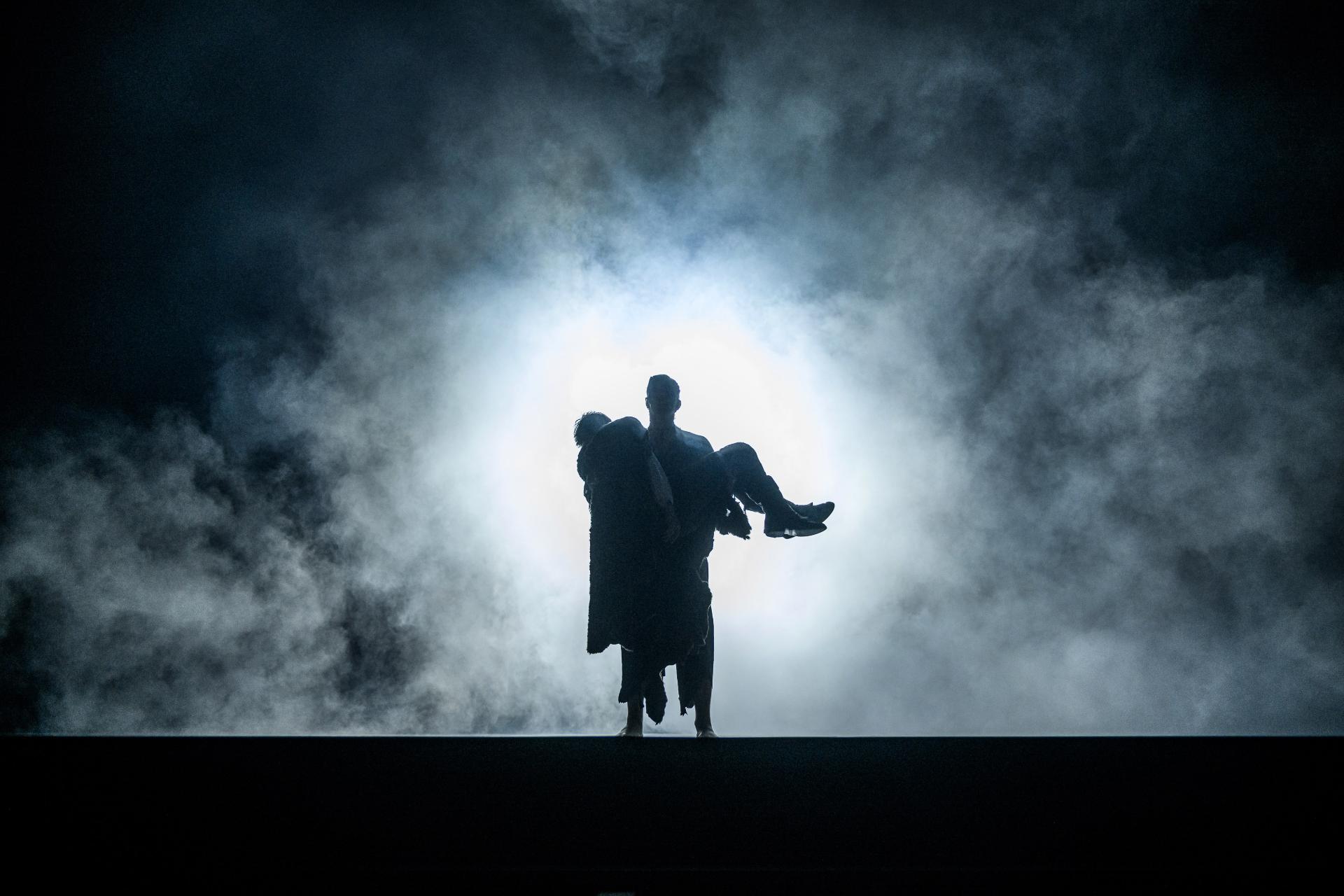
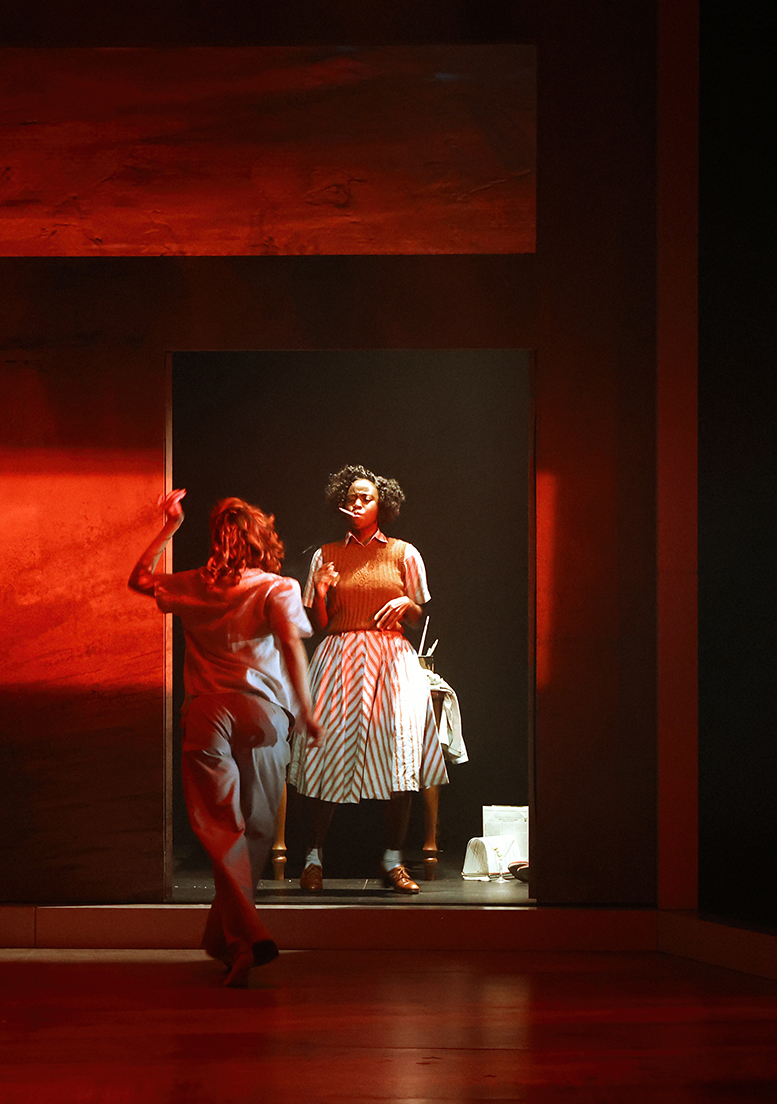
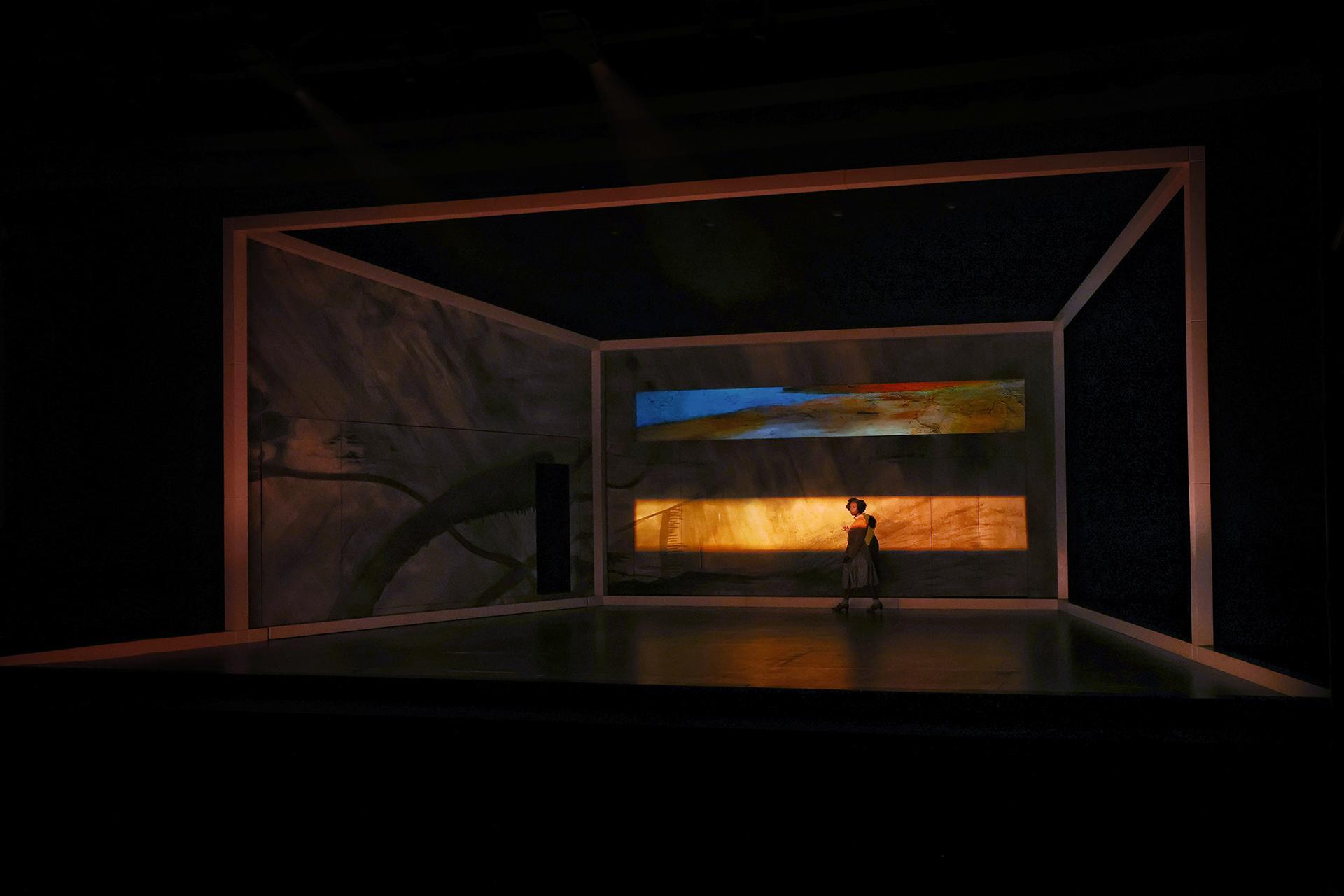
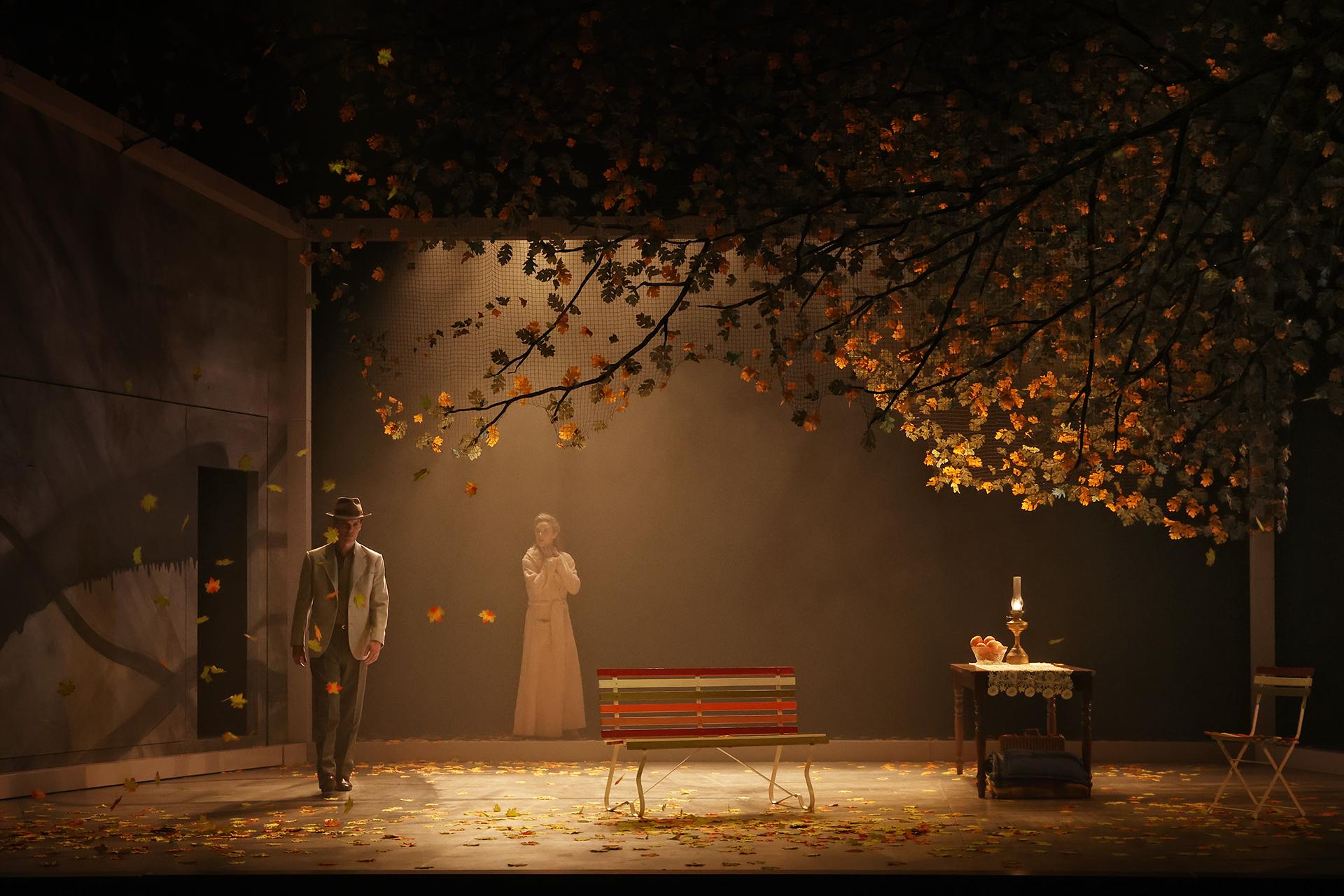
Set design by Anna Cordingley is appropriately painterly with the textures it incorporates, and paired with lights by Paul Jackson, there is an unmistakeable delicacy to the beauty being harnessed, for a tale that often talks about aesthetics as a central value defining our ways of being. Impressively detailed costumes by Harriet Oxley transports us in time and in sensibility, to invite contemplation on our recent history, especially in terms of class and gender. Sublime work by composer Jethro Woodward includes unforgettable moments in the most exquisite of jazz forms, as well as some truly entrancing sound effects that get us completely invested in all the delicious tumult of Sunday.

The wealthy will always have inordinate influence on the architecture of our collective lives. The Reeds were a dominant force in our artistic landscape in a modern and colonised Australia, not only making decisions about who to foreground, but also on what the agenda looks like. Along with the ability to circumvent societal norms, it is that insidious impact on others, that defines power. One imagines that rich white women can do anything, and Sunday Reed certainly dared to reach for the stars.
www.sydneytheatre.com.au

Review: Penpals (Qtopia)

Venue: Qtopia (Darlinghurst NSW), Oct 23 – Nov 9, 2024
Book, Music & Lyrics: Megan Robinson
Director: Sarah Campbell
Cast: Danielle Lorzano, Rhiannon Lidbury, Damien Noyce, Megan Robinson, Danika Rojas, Toby Rowe, Nikolas Zielinski 
Images by Jessie Jay

Theatre review
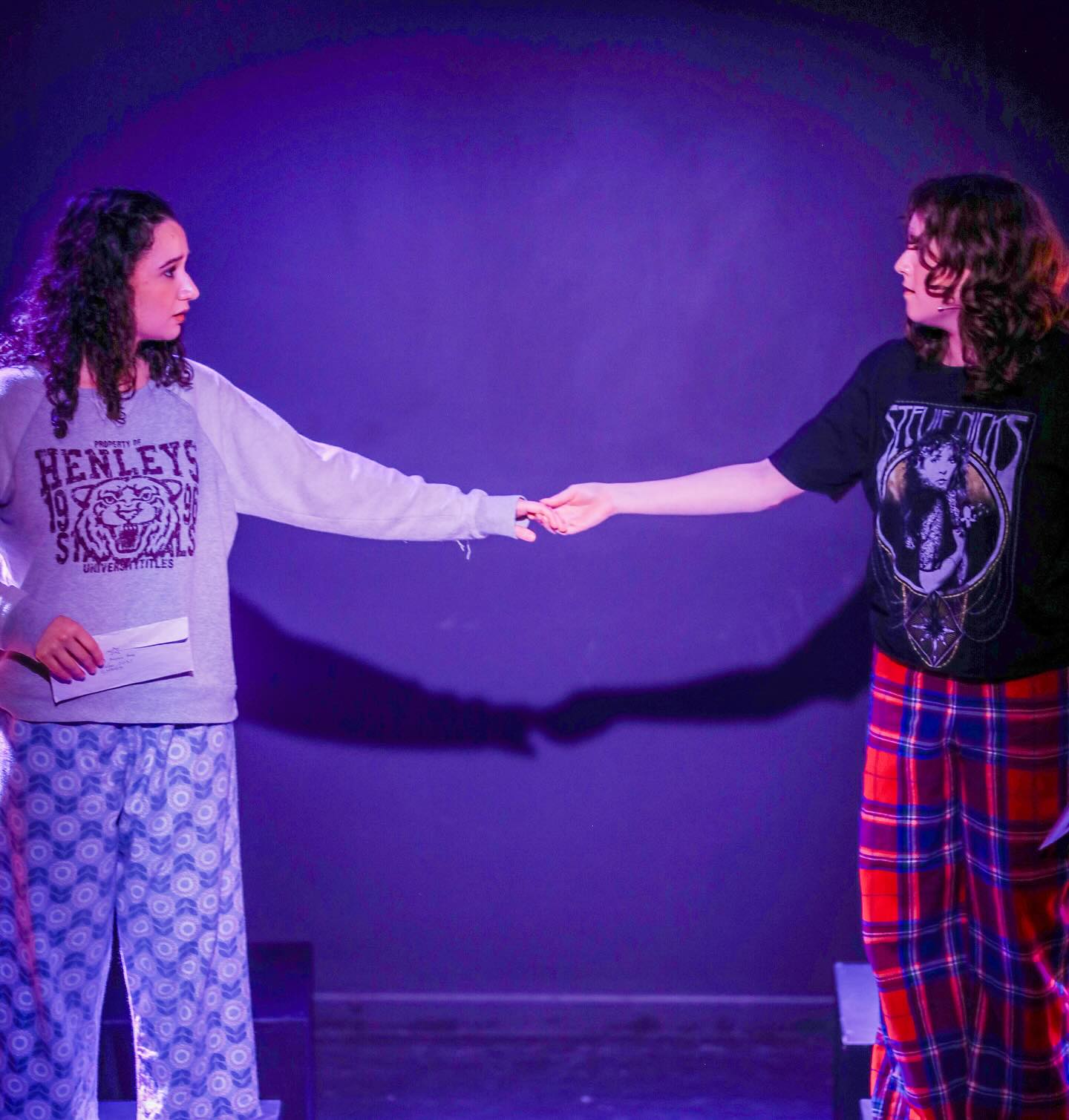
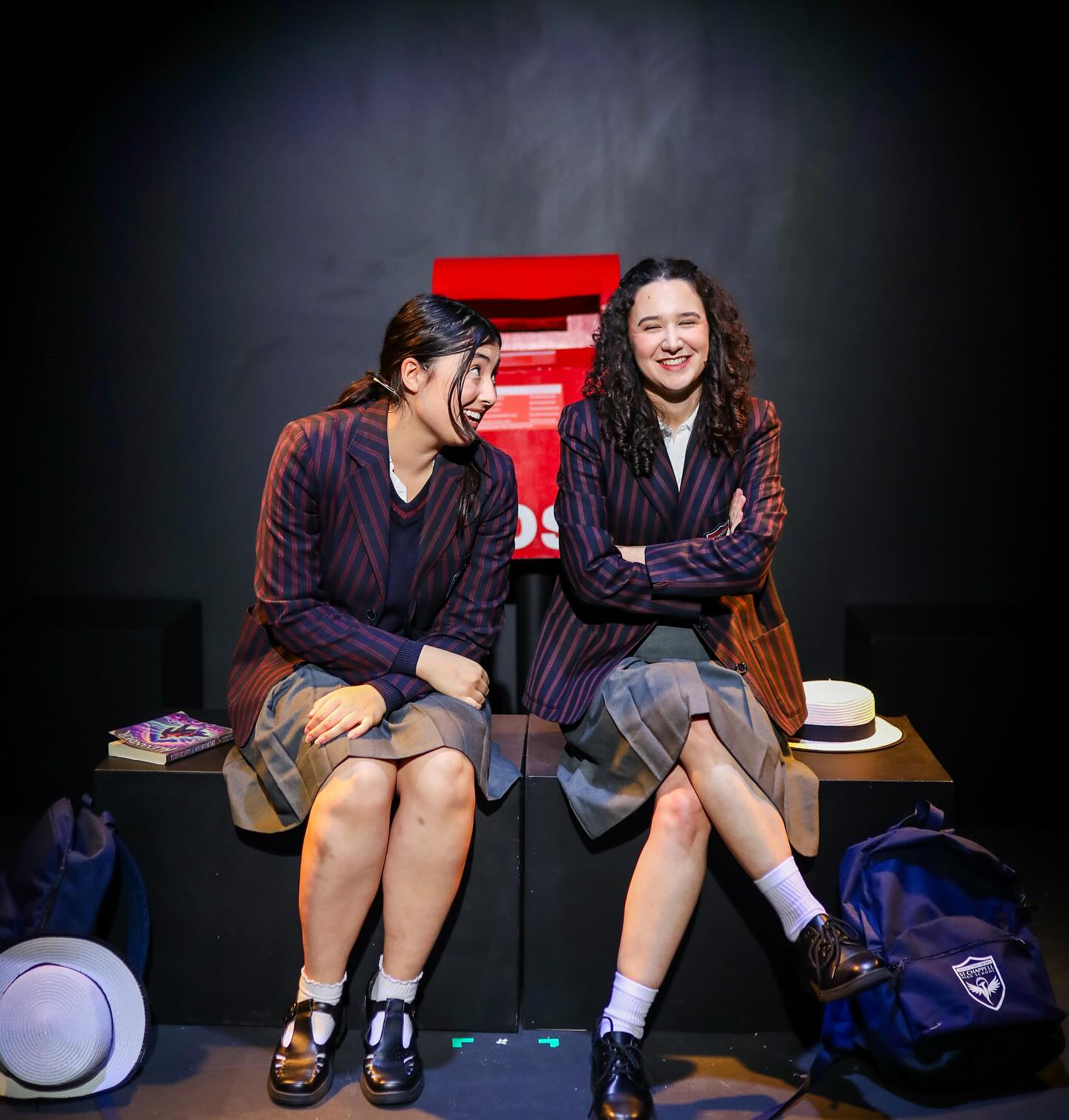
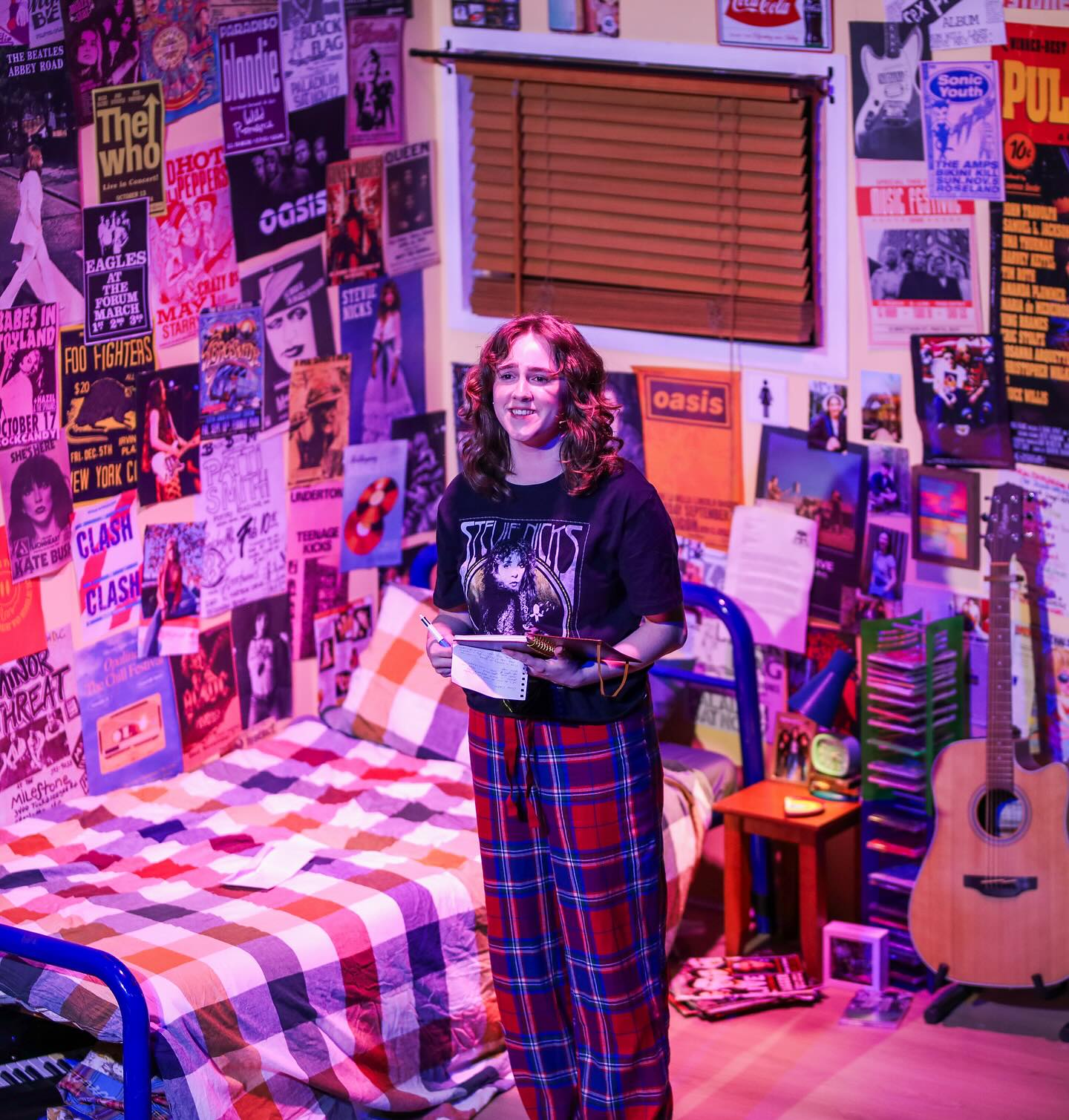
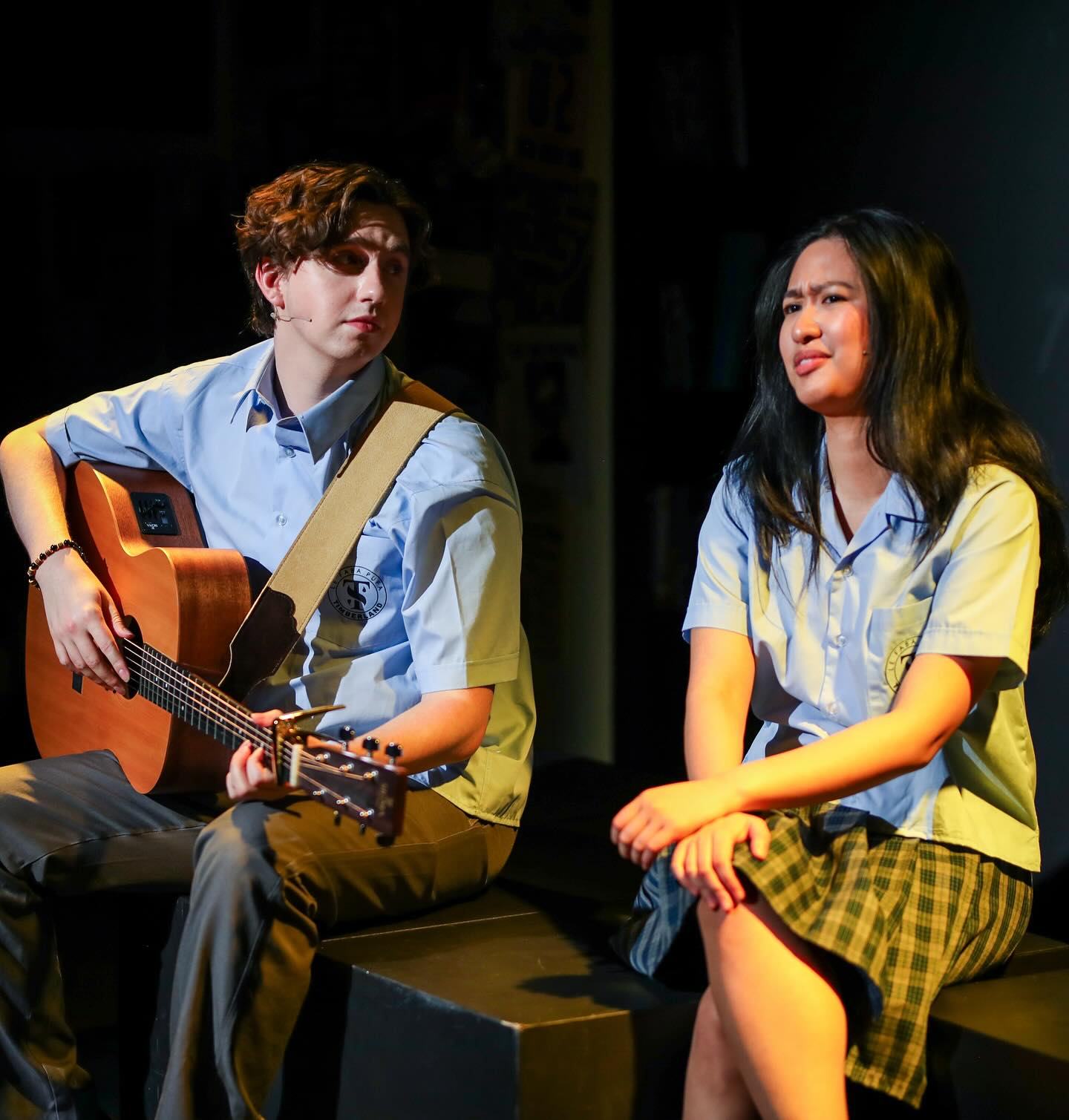
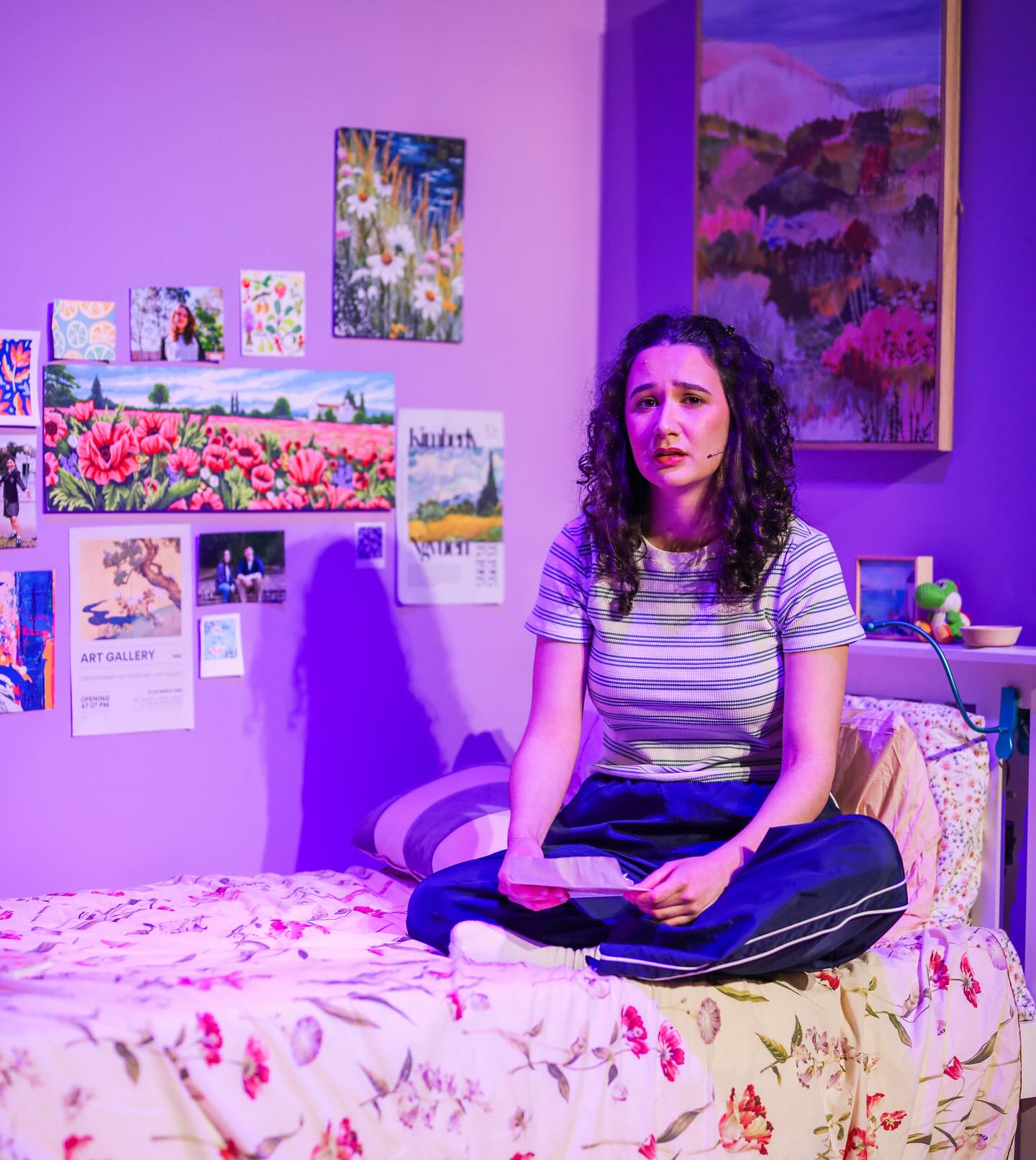
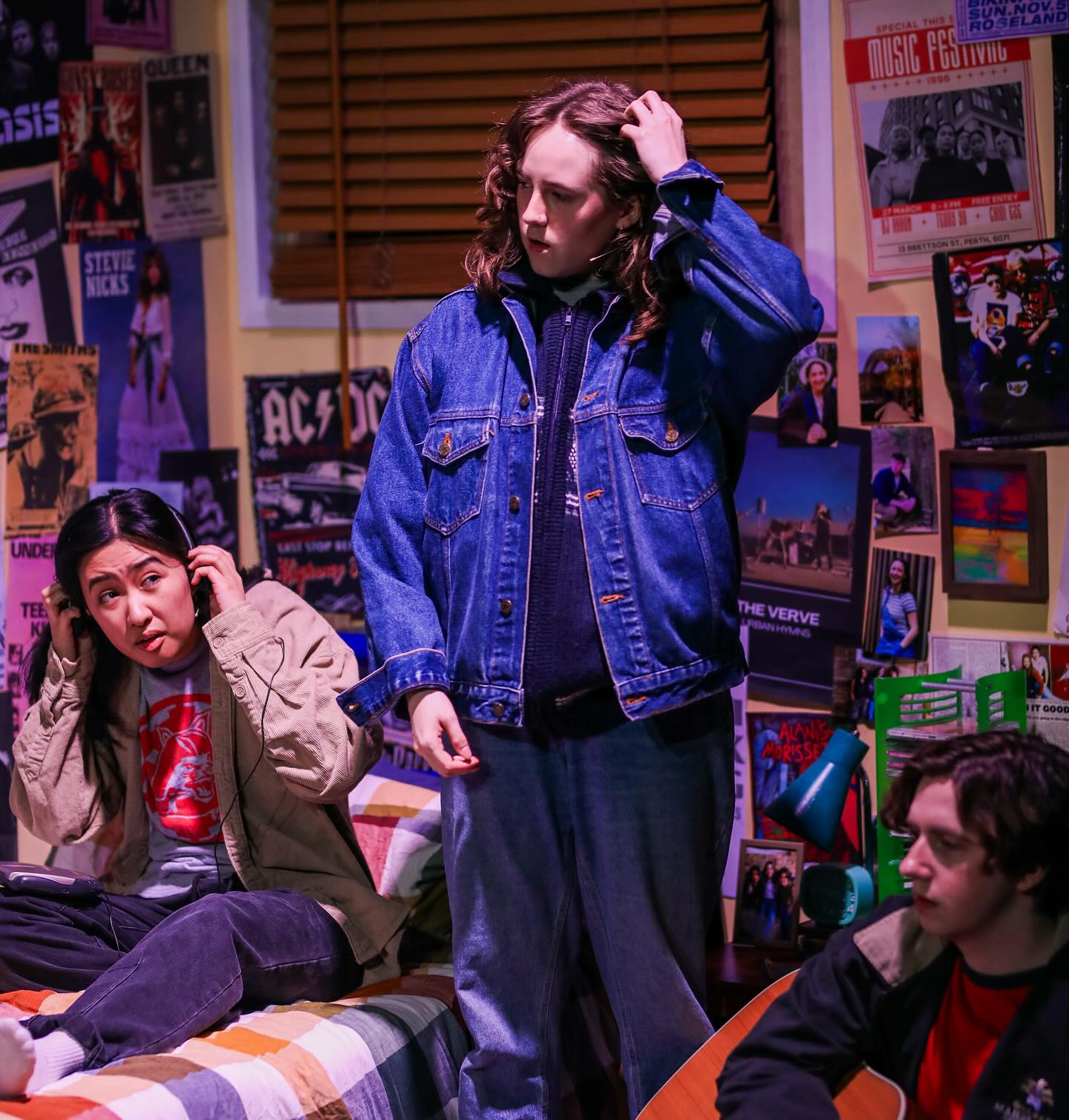
The story involves 2 high school girls falling in love, after writing to each other between Perth and Sydney. It was 1997, and letters were on their last legs. In the musical Penpals by Megan Robinson, we can clearly see that those were more romantic times, although certainly undeniable is that homophobia was significantly harsher. Robinson’s songs are excellent, but the many scenes in between musical numbers are written with less flair. The plot is thoughtfully assembled, even if it can often feel excessively detailed.

Robinson’s vocals are very strong, in the role of Callie. Singing by Danika Rojas for Pearce too, is beautiful. Acting however, is very intemperate across the board, by all members of the seven-person cast. Direction by Sarah Campbell requires a more subtle approach, in order that the audience may invest more authentically and tenderly into the love story. Musical direction by Hazel Alexander does well to convey the emotional qualities of Penpals, and with greater access to resources, there is no doubt that the songs can be presented in a much more affecting manner.

It is wonderful to see young artists paying tribute to a previous generation of queer people. There is a danger in former struggles becoming forgotten, not only because the young need a way to value their freedoms today, but also because nefarious forces are always poised to attack, when given the opportunity. We cannot let our guards down, when we know that the conservatives are constantly looking for new scapegoats to serve their agenda. Queer people remain an easy target, and our vigilance is imperative, to keep them fearful of our might.

www.qtopiasydney.com.au | www.instagram.com/penpalsmusical

Review: Hedda Gabler (KXT on Broadway)

Venue: KXT on Broadway (Ultimo NSW), Oct 18 – Nov 2, 2024
Playwright: Anthony Skuse (after Henrik Ibsen)
Director:
Anthony Skuse
Cast: Jane Angharad, Jack Angwin, Suzann James, Christie Mae, Ella Prince, James Smithers, Christopher Tomkinson
Images by Braiden Toko

Theatre review
Hedda did not have many options in life, being a woman in the 19th century. She went with the most sensible route and chose the best candidate for a successful married life, but found only bitter resentment. Henrik Ibsen’s Hedda Gabler exposes what it is often like, for women who obey the rules in patriarchal systems that offer little more than illusory promises.

This short and sharp adaptation by Anthony Skuse goes straight to the point of Hedda’s discontent. Indeed, there is no real need to explain her exasperation, in a world we know that is determined to prevent women from attaining true fulfilment. Skuse’s succinct dialogue delivers a condensed experience of Hedda Gabler, one that retains entirely the moral of the story. There is an inevitable reduction in tension leading up to the dramatic climax, but there is a newfound velocity to this iteration of the 1891 story that proves invigorating.

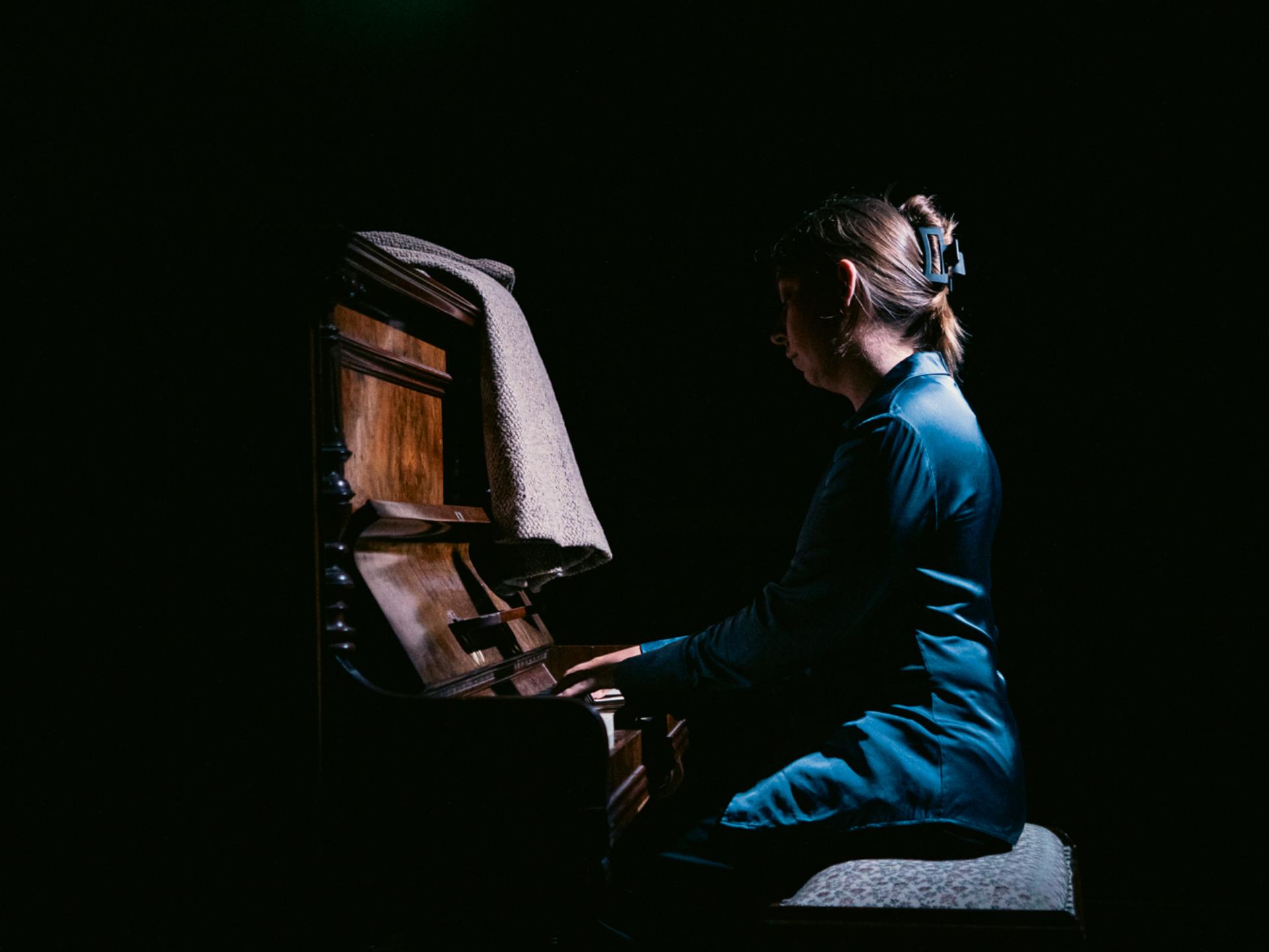
Set design by James Smithers delivers clean lines for a simplified representation of Hedda’s home. Max Shaw’s costumes help depict with accuracy, the social status and relevant epoch being explored. Travis Kecek’s lights are uncomplicated, but effective in guiding us through shifts in temperament. Live music by Christie Mae on the piano, render scene transitions with fluidity and reflectiveness.

Actor Ella Prince takes on the lead role with blistering intensity if slightly lacking in subtlety, for moments when allusions are more than sufficient in drawing us into Hedda’s troubled mind. Jack Angwin and Christopher Tomkinson bring wonderful richness to their portrayals of auxiliary men in Hedda’s life, both performers offering marvellous intrigue and a palpable sense of danger to the narrative.

No single person in Hedda’s orbit can be held liable for her demise. We understand that it is the grander scheme of things, that drives her to destruction. No one is individually responsible, yet we are all culpable, in upholding systems that fail the majority. Hedda’s material withdrawal from adversity can be considered futile, especially in karmic terms; a person’s body may leave this realm, but their presence is never really dissolved. Whether we believe that one returns in cycles, or we simply look at prevailing structures that are relentless in regulating lives over generations, it is clear that retreating from the struggle is ineffectual. It is in the commitment to finding solutions, that we can hope to approach something like exaltation.

www.kingsxtheatre.com | www.secrethouse.com.au

Review: Yentl (Sydney Opera House)

Venue: Sydney Opera House (Sydney NSW), Oct 17 – Nov 10, 2024
Playwrights: Gary Abrahams, Elise Hearst, Galit Klas (based on a short story by Isaac Bashevis Singer)
Director: Gary Abrahams
Cast: Amy Hack, Nicholas Jaquinot, Genevieve Kingsford, Evelyn Krape
Images by Jeff Busby

Theatre review
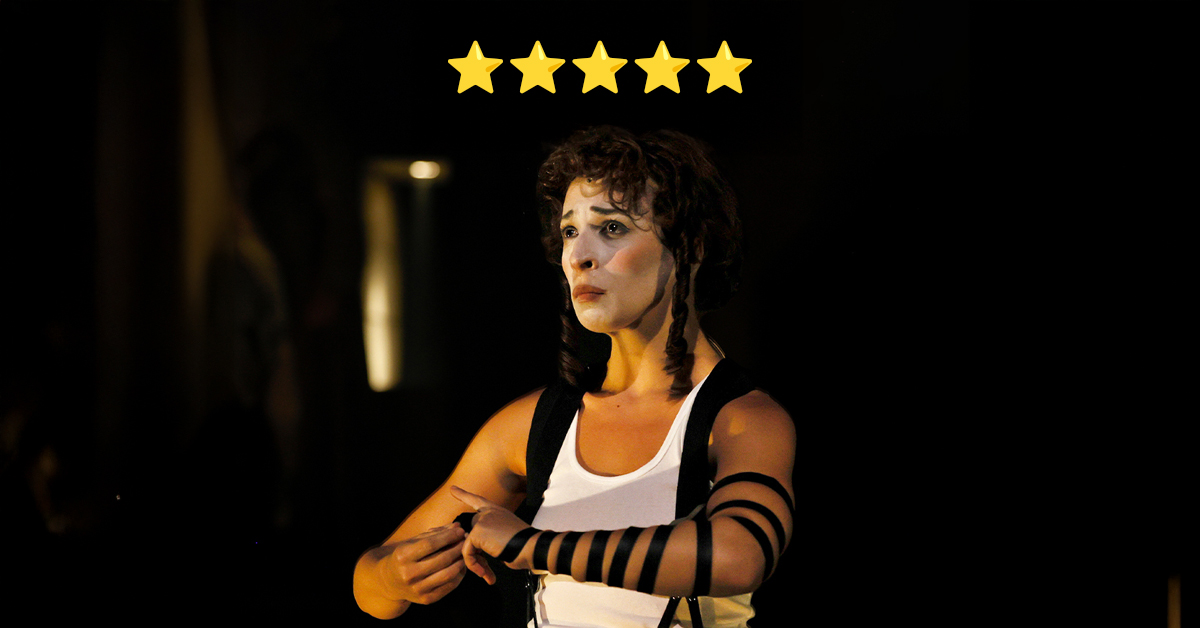
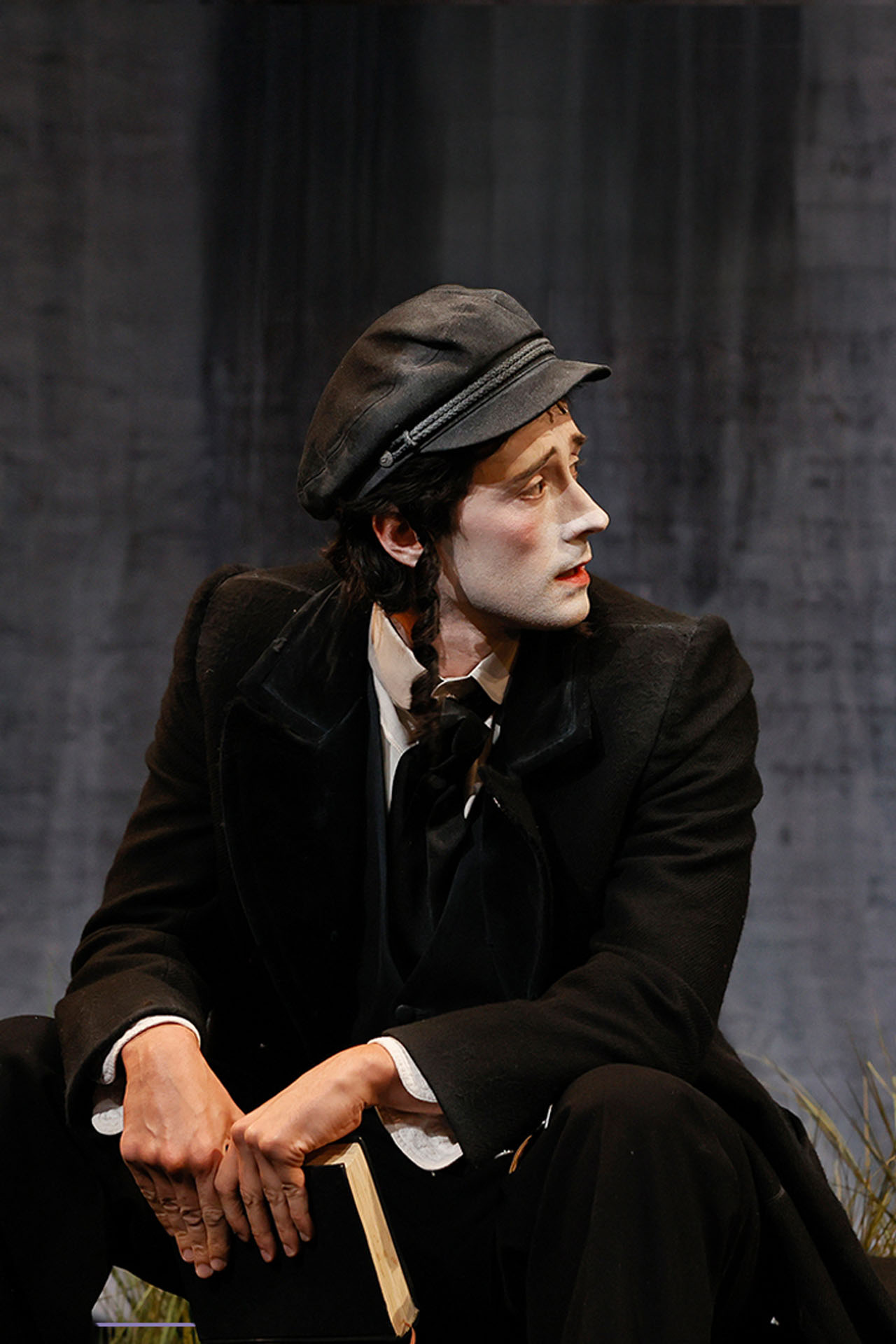
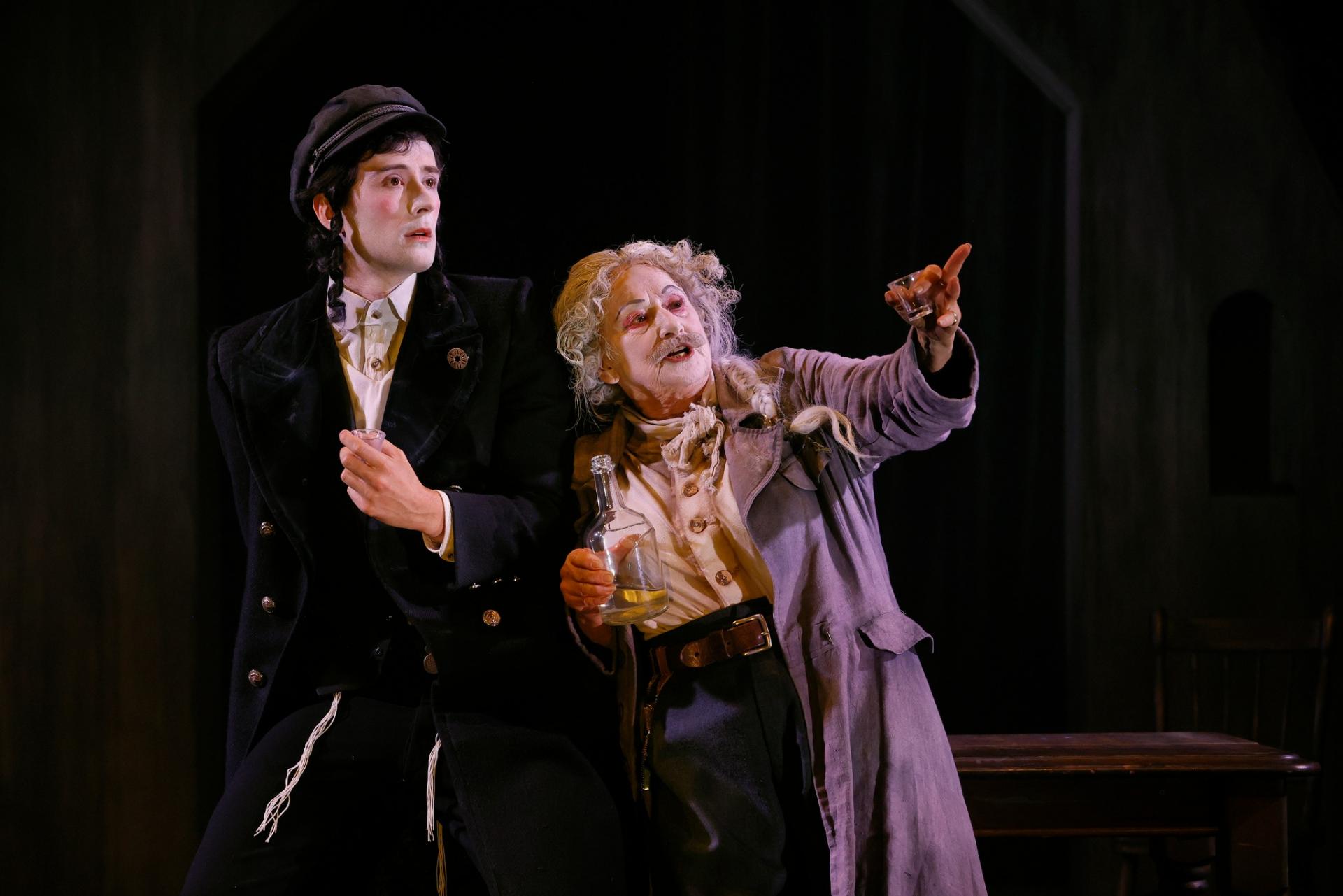
Regarded female, the young adult in Isaac Bashevis Singer’s 1962 short story has to don disguise as male, in order to obtain a formal Jewish education. It was early 20th-century Poland in Yentl the Yeshiva Boy, when the rigidity of gender roles was even more pronounced than they are today. The dominance of religion had meant that many were not able to live their true selves, but adhere instead to strict prescriptions of teachings and texts, that were too often concerned with the constraint of people.

In this 2024 stage adaptation of Yentl, the central character’s zeal to abandon their old garments in exchange for those of the opposite gender, is clearly seen to be more than a matter of access. Not only are Yentl’s desires about enlightenment, they are in fact about an actualisation of identity. Yentl takes the big step of taking public, their previously secret dressing up in their father’s clothing. This appropriation of gender represents for Yentl an opportunity to penetrate an oppressive system, as well as to assume an identity closer to their natural essence.

In 2024, the proliferation of terminology like genderqueer, nonbinary and transness, along with a greater understand of their accompanying definitions and perspectives, means that we see Yentl in a new and clearer light. Of course, they had known themselves for decades, but it may be that we are only now catching up, and it is to the credit of playwrights Gary Abrahams, Elise Hearst and Galit Klas, and their rigorous work, that we can have this restored and truer knowledge of who Yentl was.

Directed by Abrahams, this mesmerising update delivers for its audience, delicious intellectual engagement, along with fabulous entertainment. It is as amusing as it is informative, with an admirable sophistication in both style and thought, that makes Yentl an exceptional work of theatre.

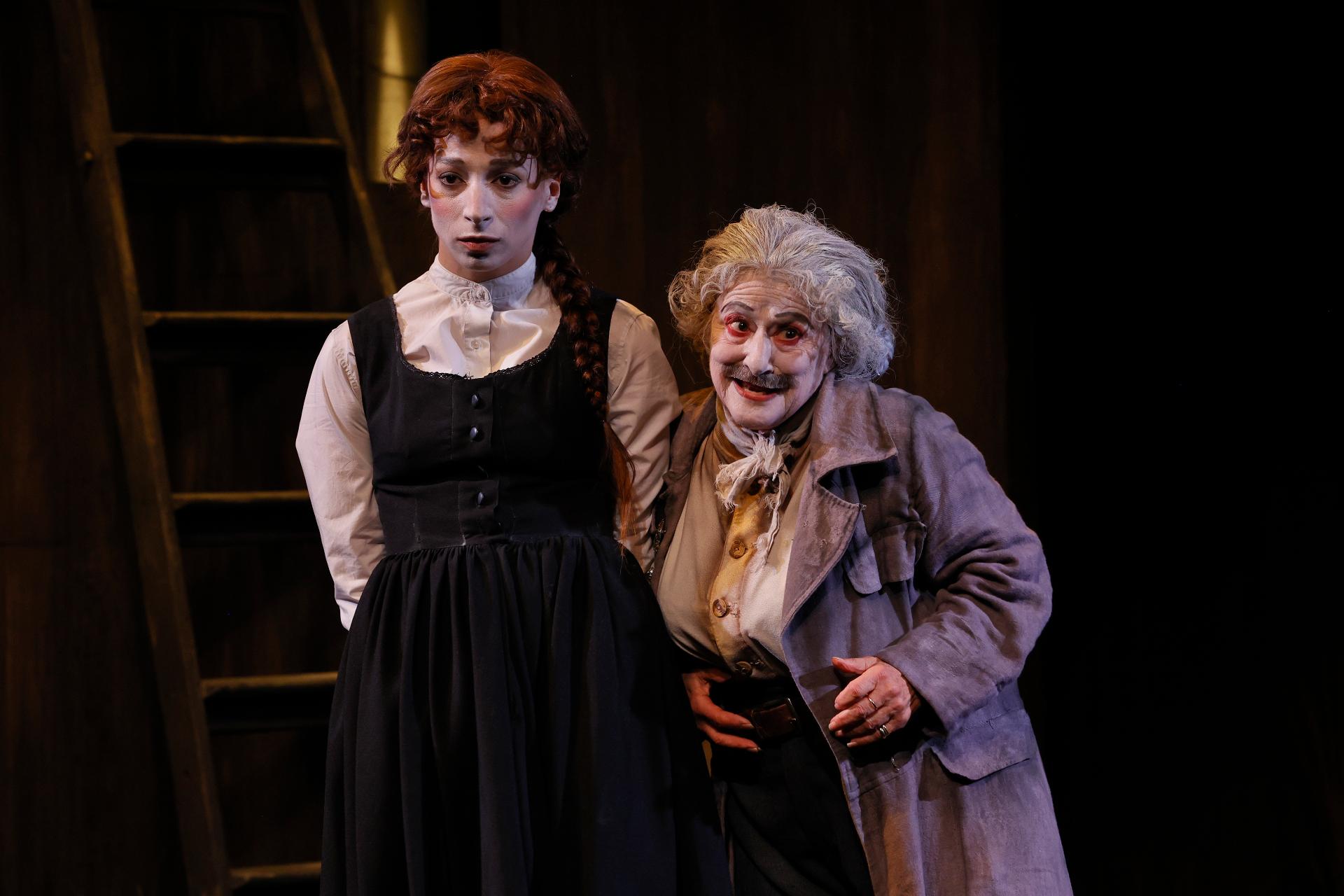
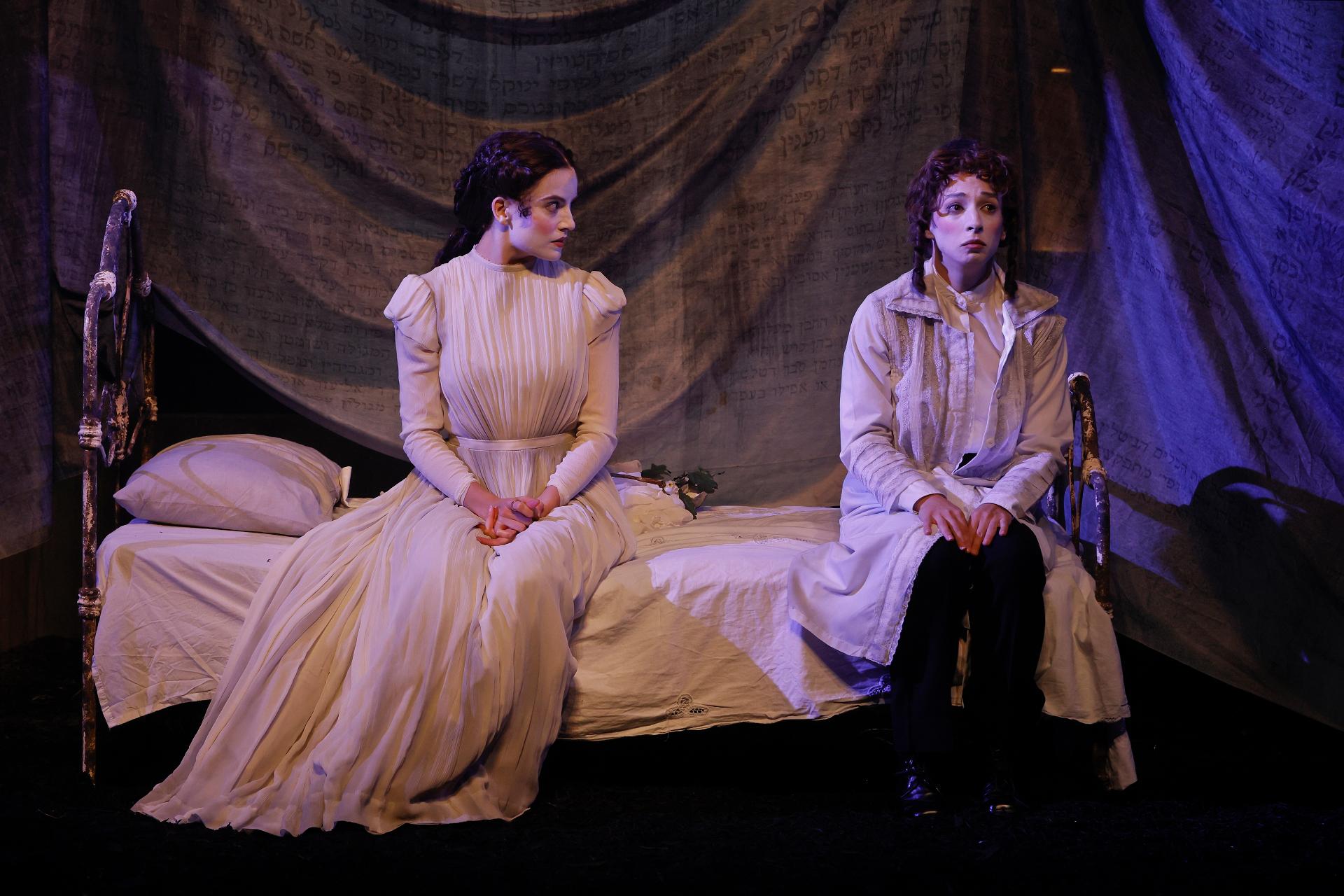
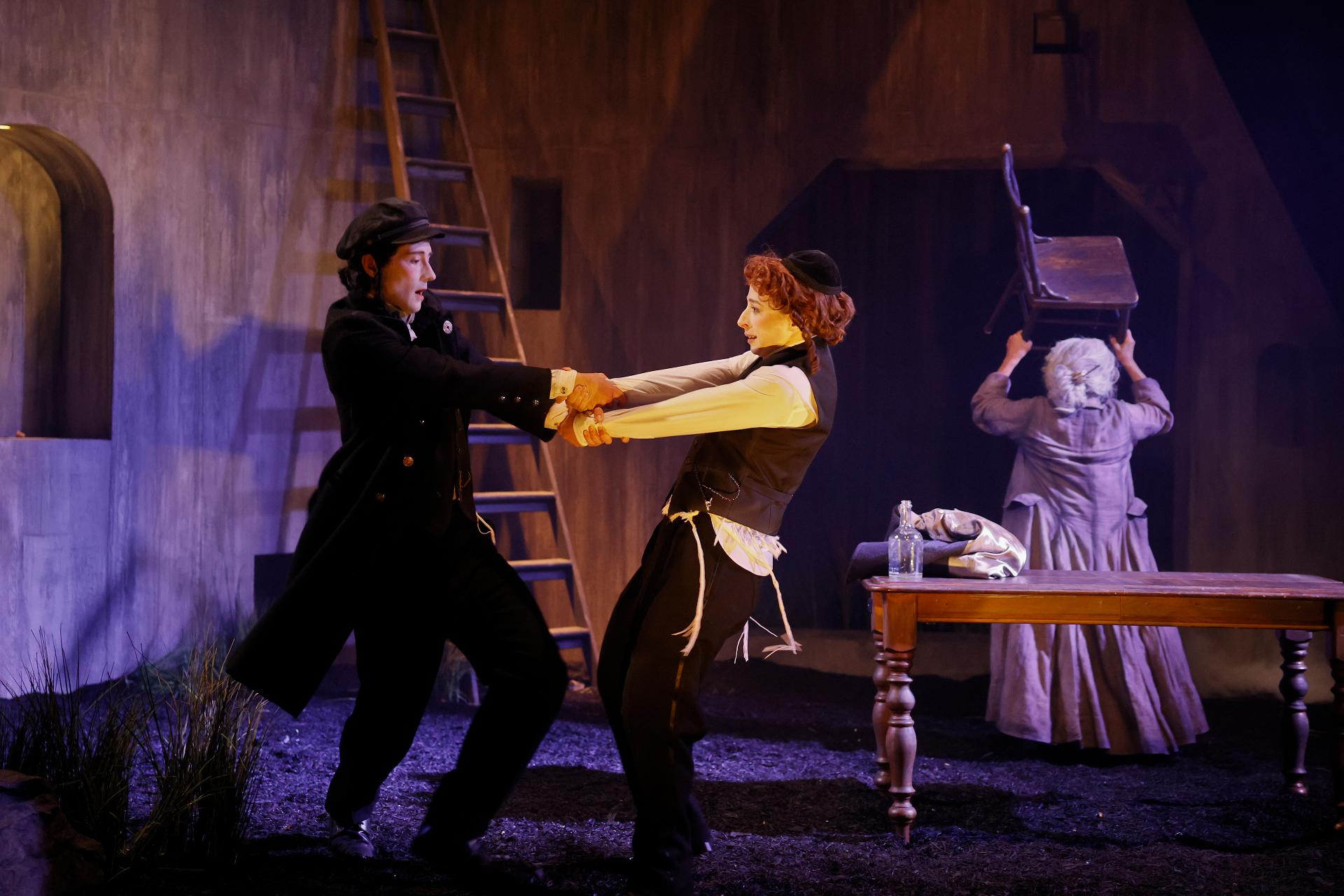
Charming production design by Dann Barber carves out a time and place that looks to be specific and accurate, with manipulations of depth that help us imagine the various locations in which the story resides. Rachel Burke’s lights offer sensitive enhancement to the exalting visual beauty being presented, with a sensual intensity that makes the conveyance of ideas in Yentl feel tender and intimate. Max Lyandvert’s sounds and music keep us attentive to the shifting temperaments for the piece, able to bring the drama when the moment calls for it.

Actor Amy Hack is entirely convincing in the titular role, marvellously precise in voice and physicality for her embodiment of a person both pretending to be something other, whilst simultaneously becoming closer to their real self. Hack’s technical proficiency may prove astonishing, but it is her manifest empathetic acuity for the inner world of Yentl that is really moving.  Other members of cast too are highly impressive; Nicholas Jaquinot, Genevieve Kingsford and Evelyn Krape can be remembered for bringing artistic brilliance to a staging replete with intelligence, generosity and soul.

It is Yentl’s soul that eventually comes to the fore. The show commences with a simple understanding about sex and relevant biological constitutions, and how our societies are determined to create categories according to those perceived differences, often for the purposes of marginalisation and disenfranchisement. Yentl the play reminds us however that if gender is indeed a real thing, it can only exist where a person’s soul is, knowing that it was always the whole person and not just particular portions of their anatomy, that those notions apply.

A soul is mostly resolute. Just as we need to believe that the human soul is essentially good, we have to believe that its other aspects too bear fundamental qualities that can never be truly disguised or transmuted. Some souls come gendered one way or the other, independent of bodily realities, and other souls simply do not play by those rules. Our wish is for Yentl to finally accept, and love, their own soul, just as we must always see one another for only who we are.

www.yentl.com.au

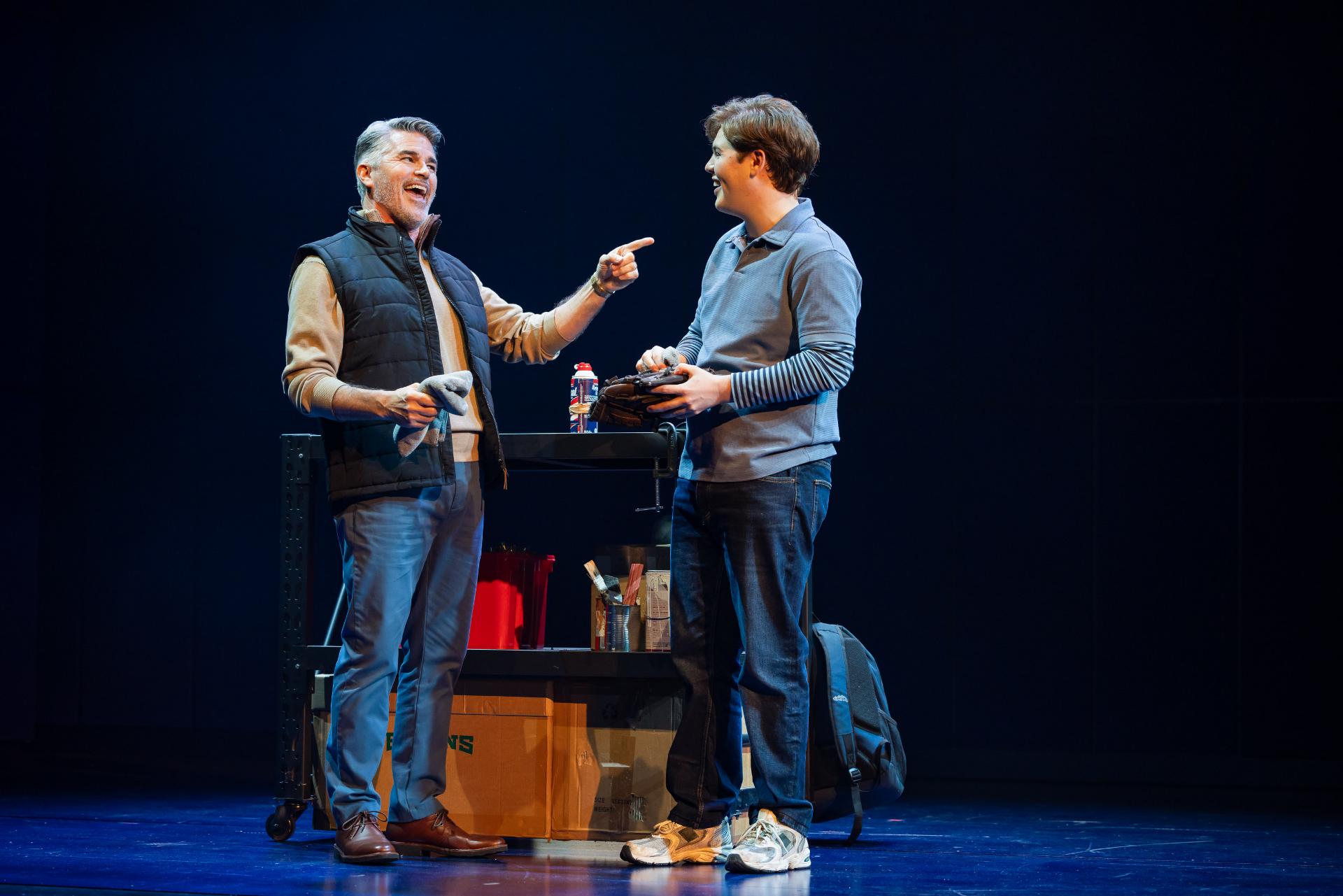
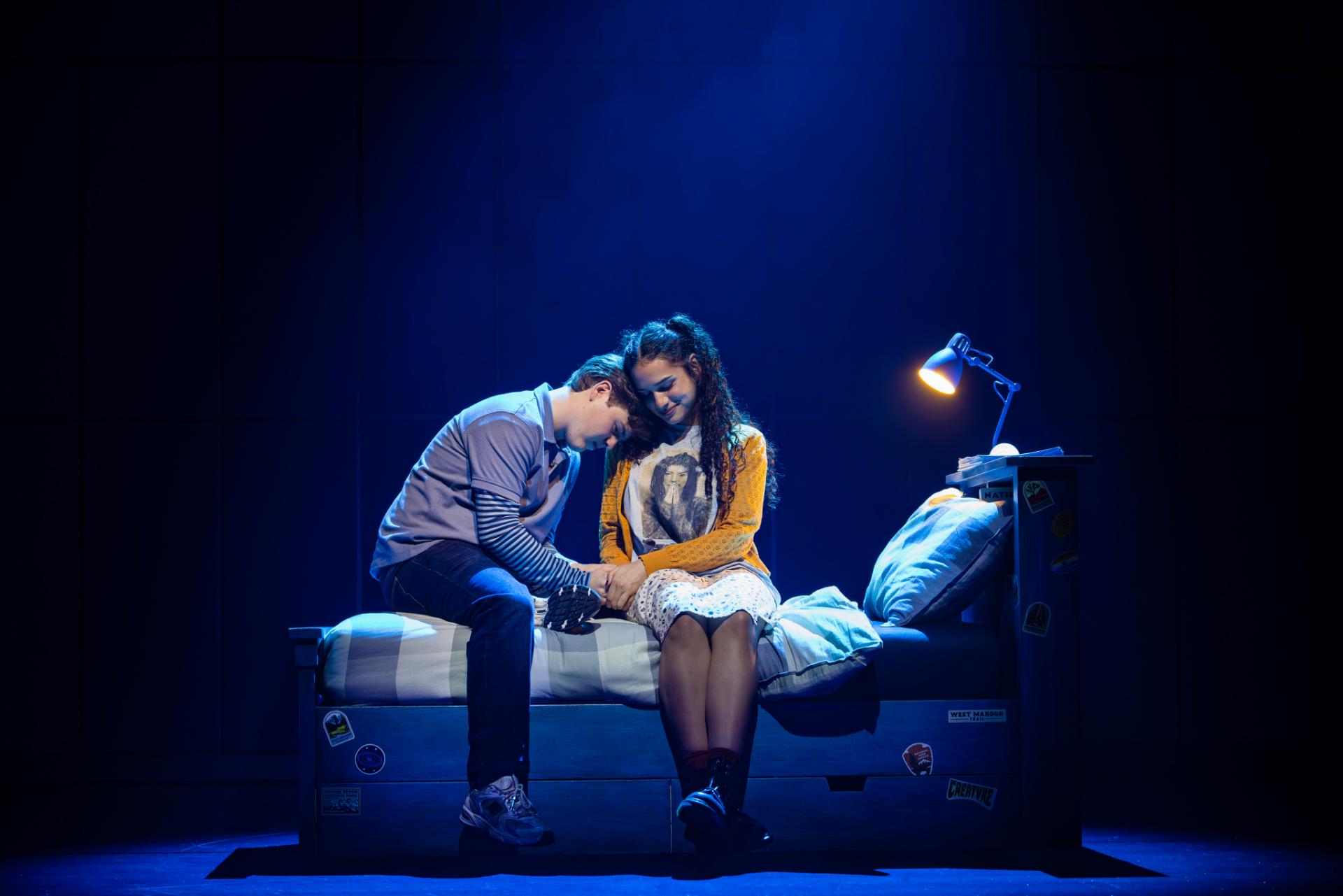
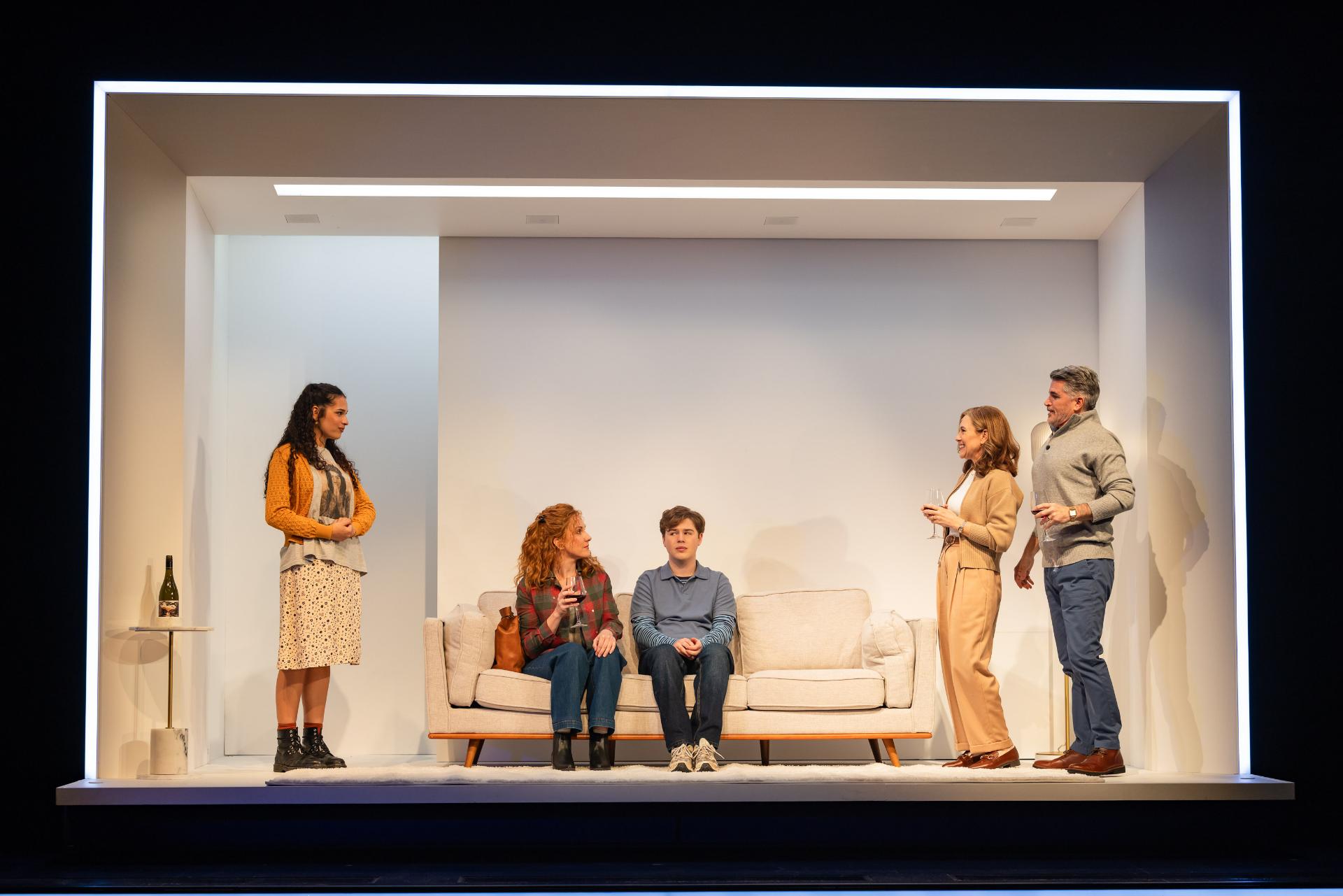
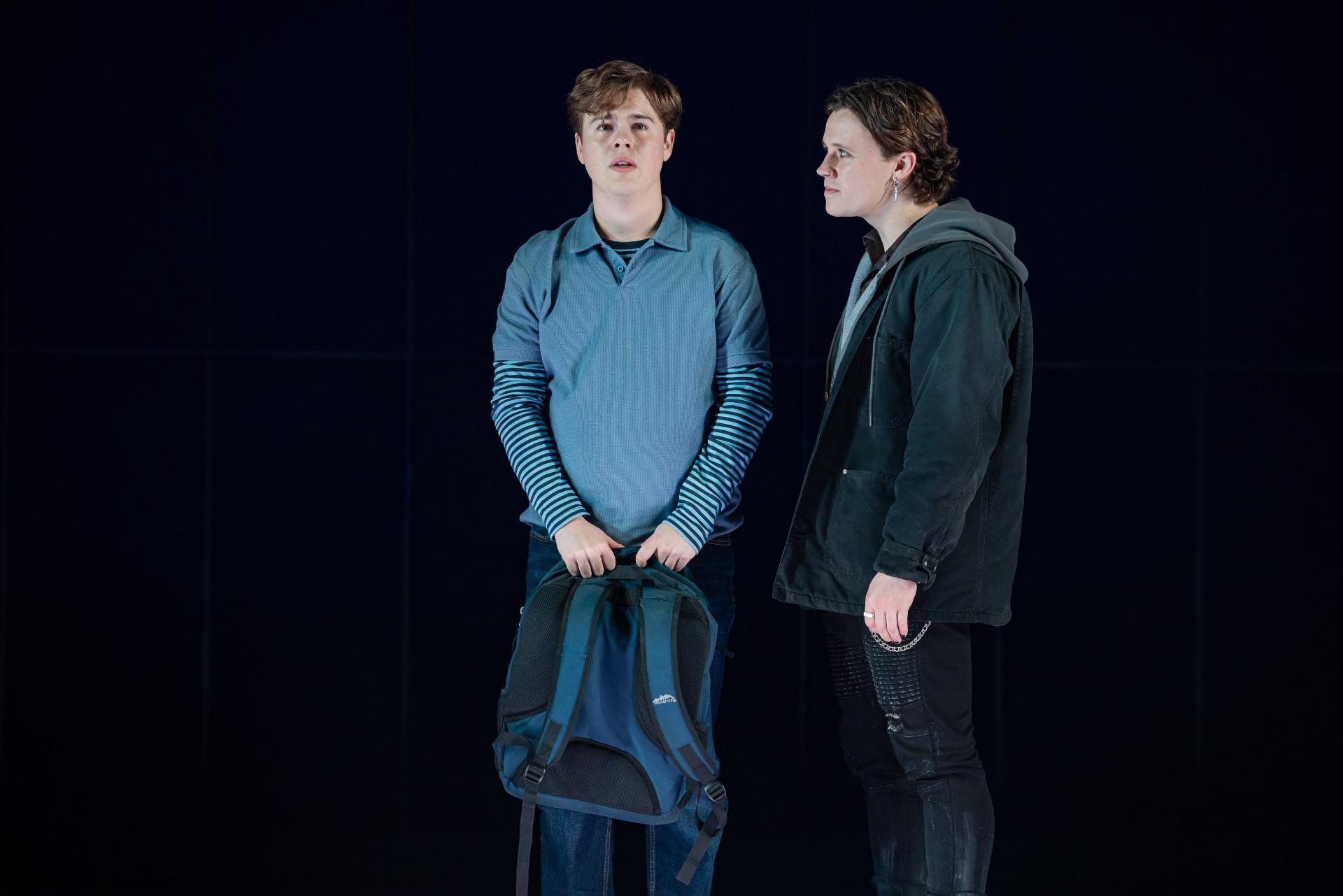
Review: Dear Evan Hansen (Roslyn Packer Theatre)

Venue: Roslyn Packer Theatre (Sydney NSW), Oct 12 – Dec 1, 2024
Book: Steven Levenson
Music and Lyrics: Benj Pasek & Justin Paul
Director: Dean Bryant
Cast: Martin Crewes, Verity Hunt-Ballard, Georgia Laga’aia, Natalie O’Donnell, Carmel Rodrigues, Jacob Rozario, Harry Targett, Beau Woodbridge 
Images by Daniel Boud

Theatre review
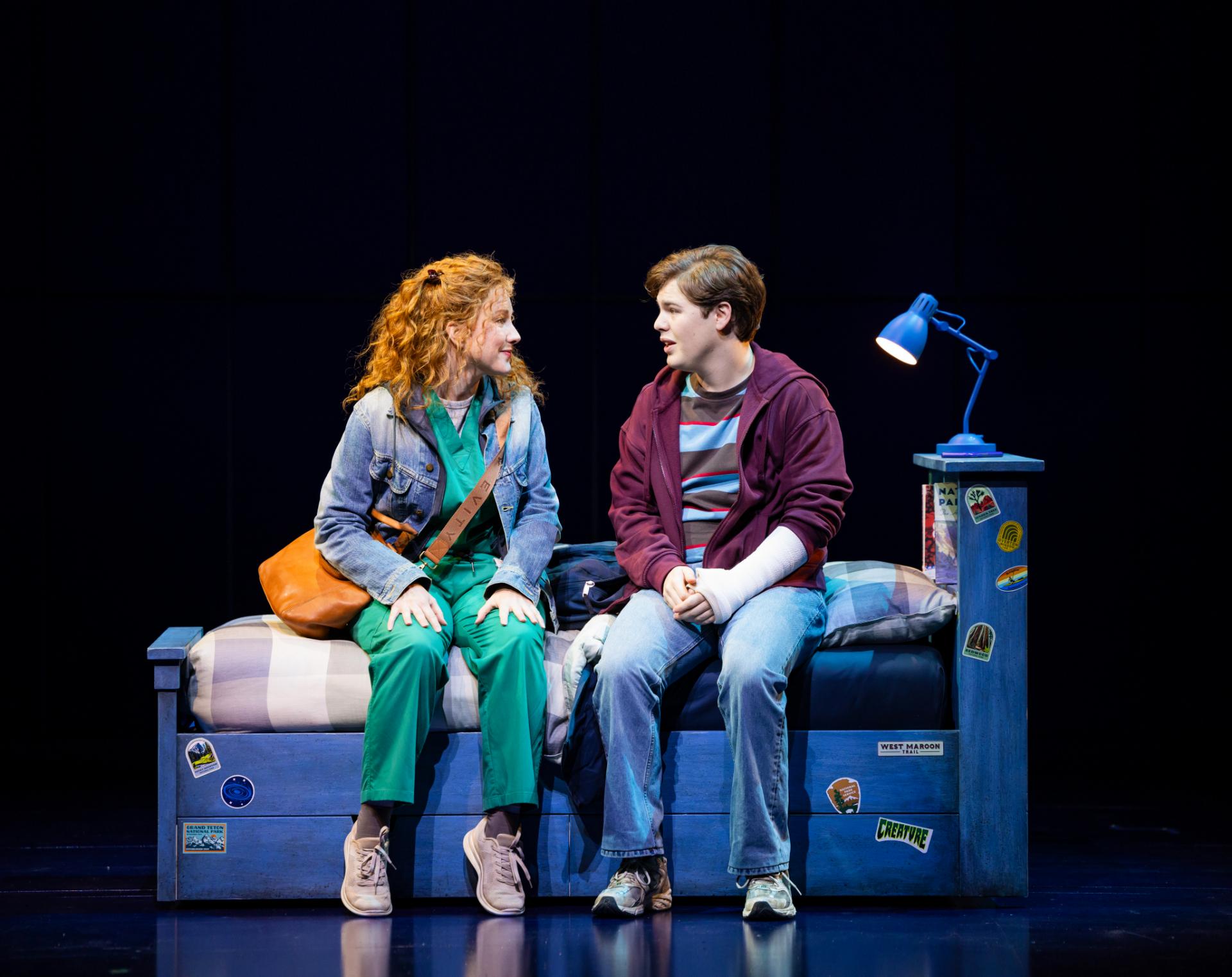
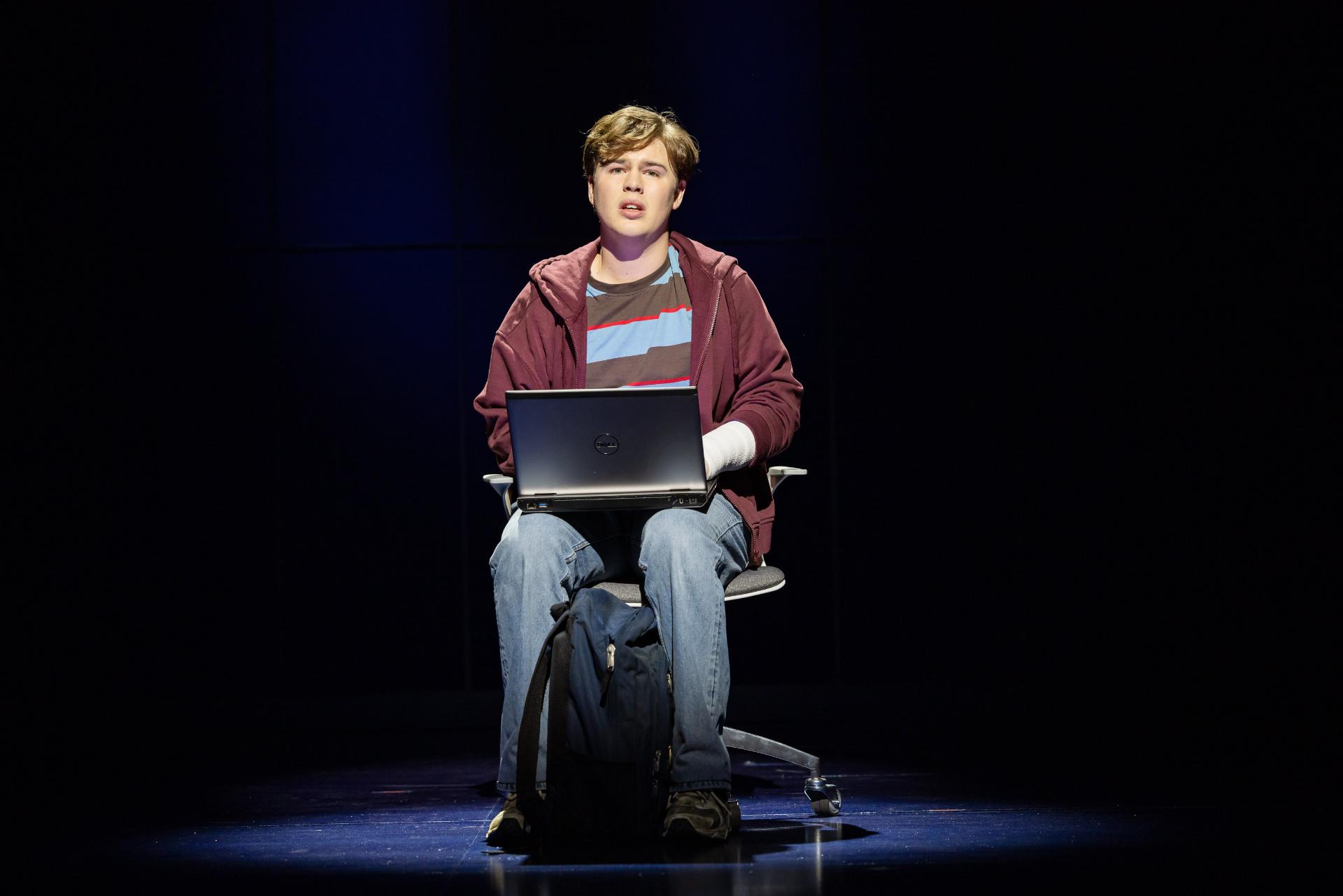
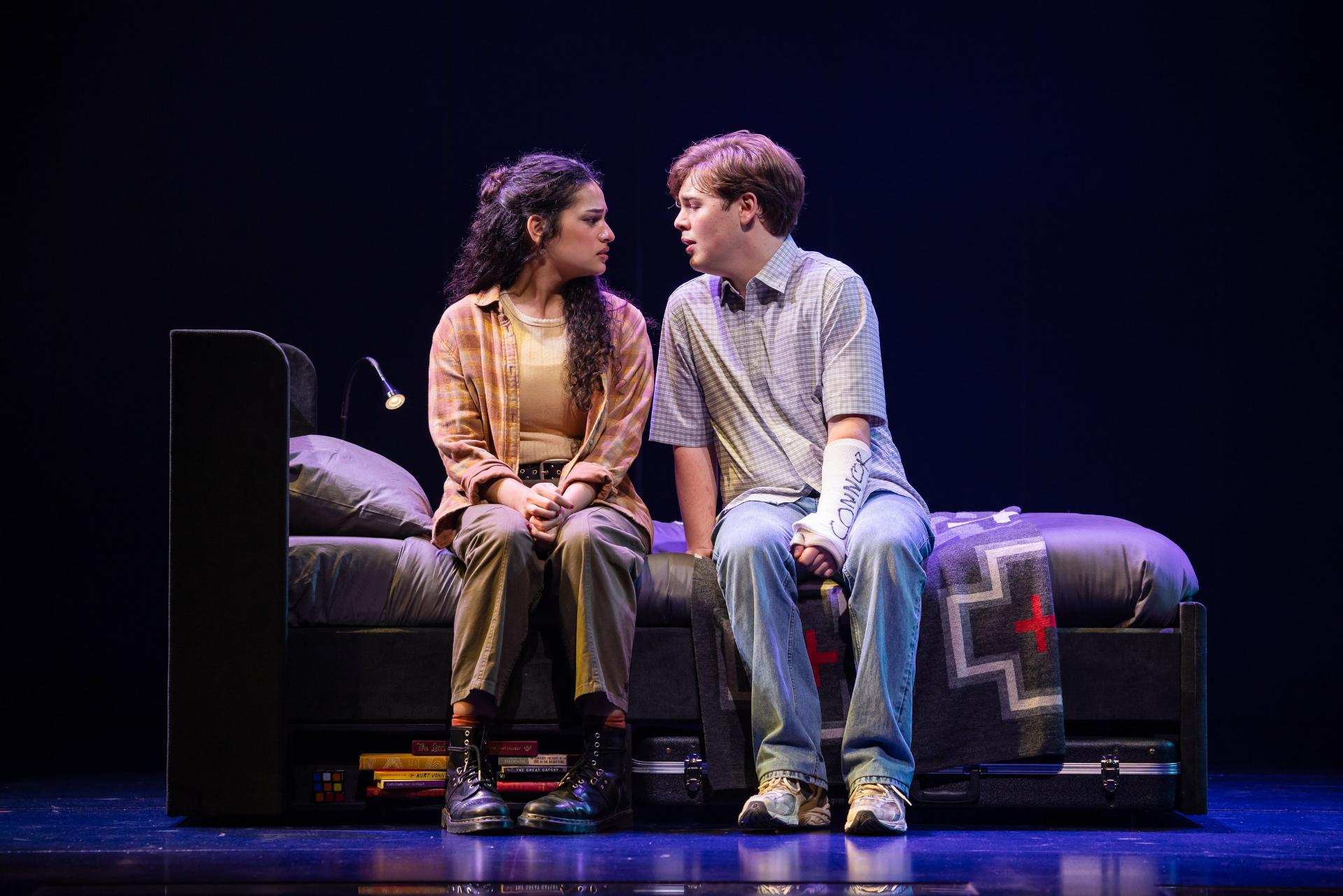
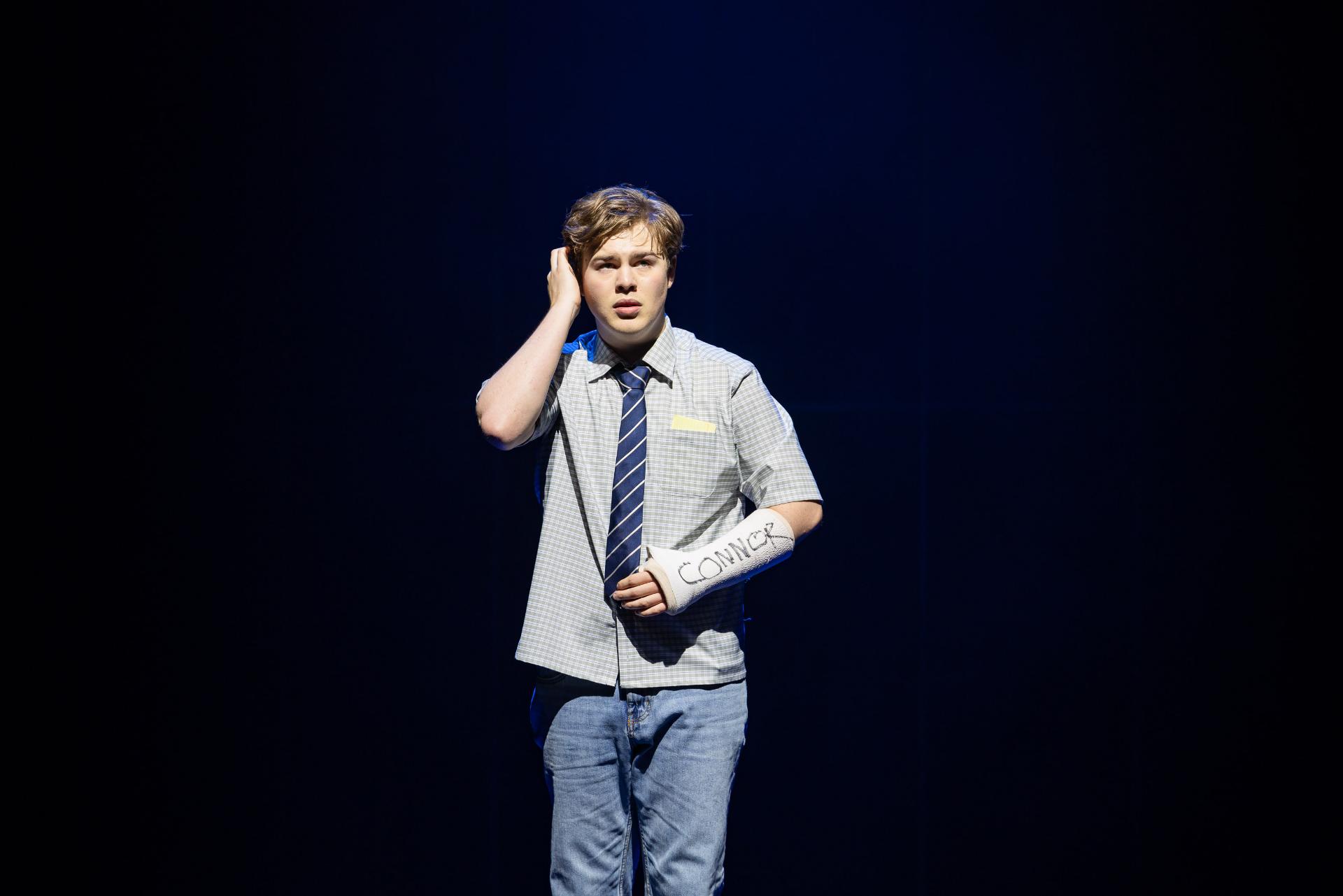
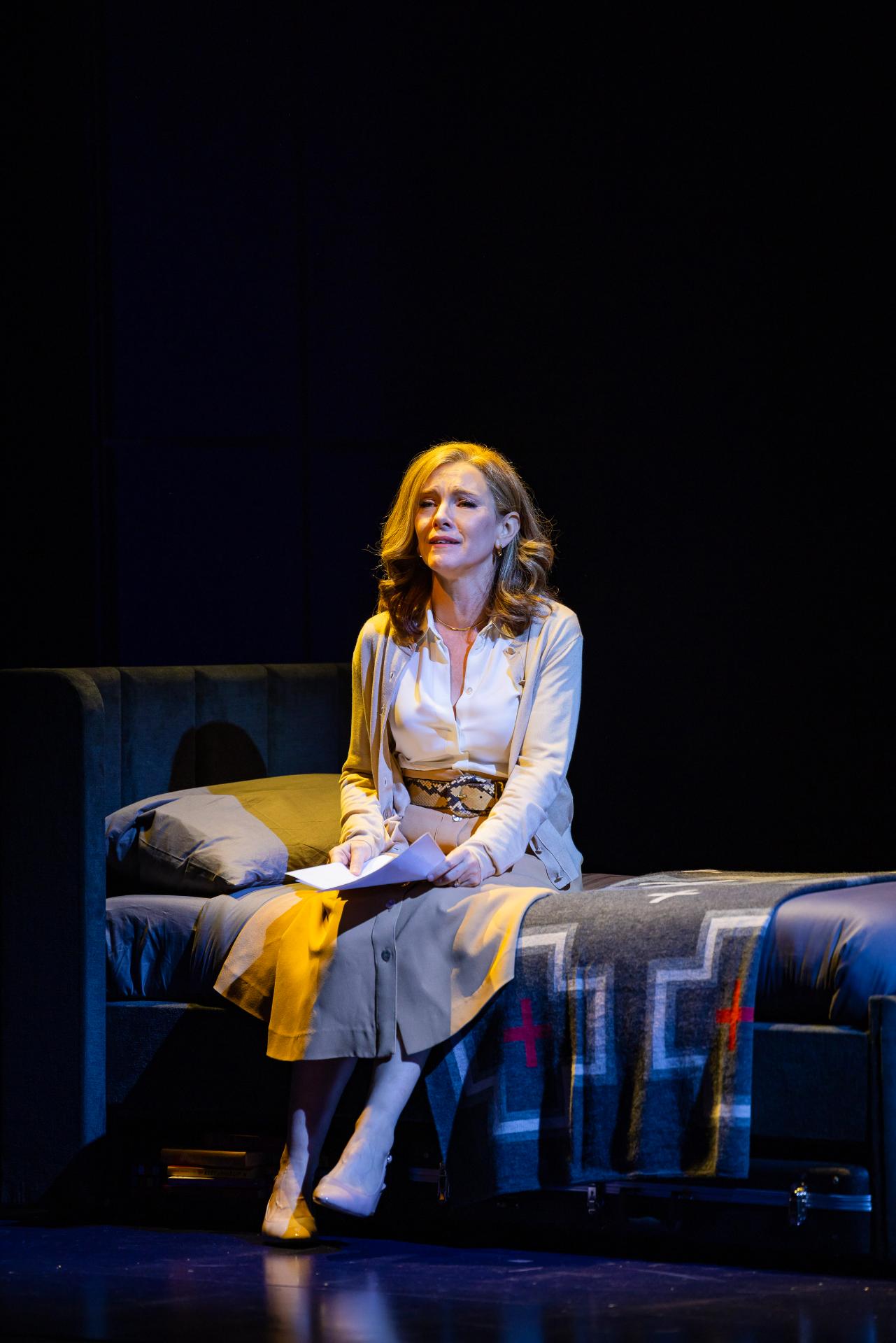
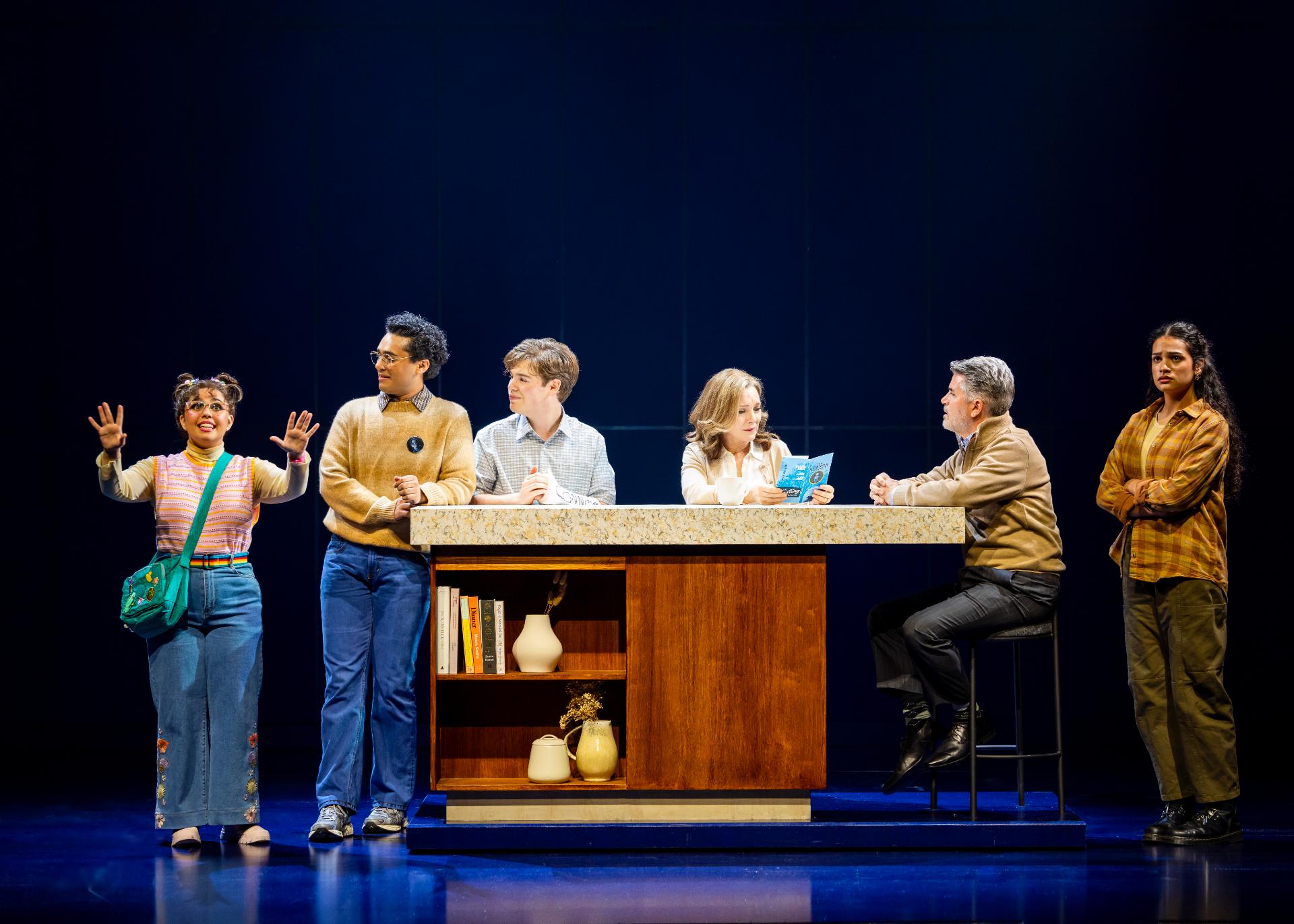
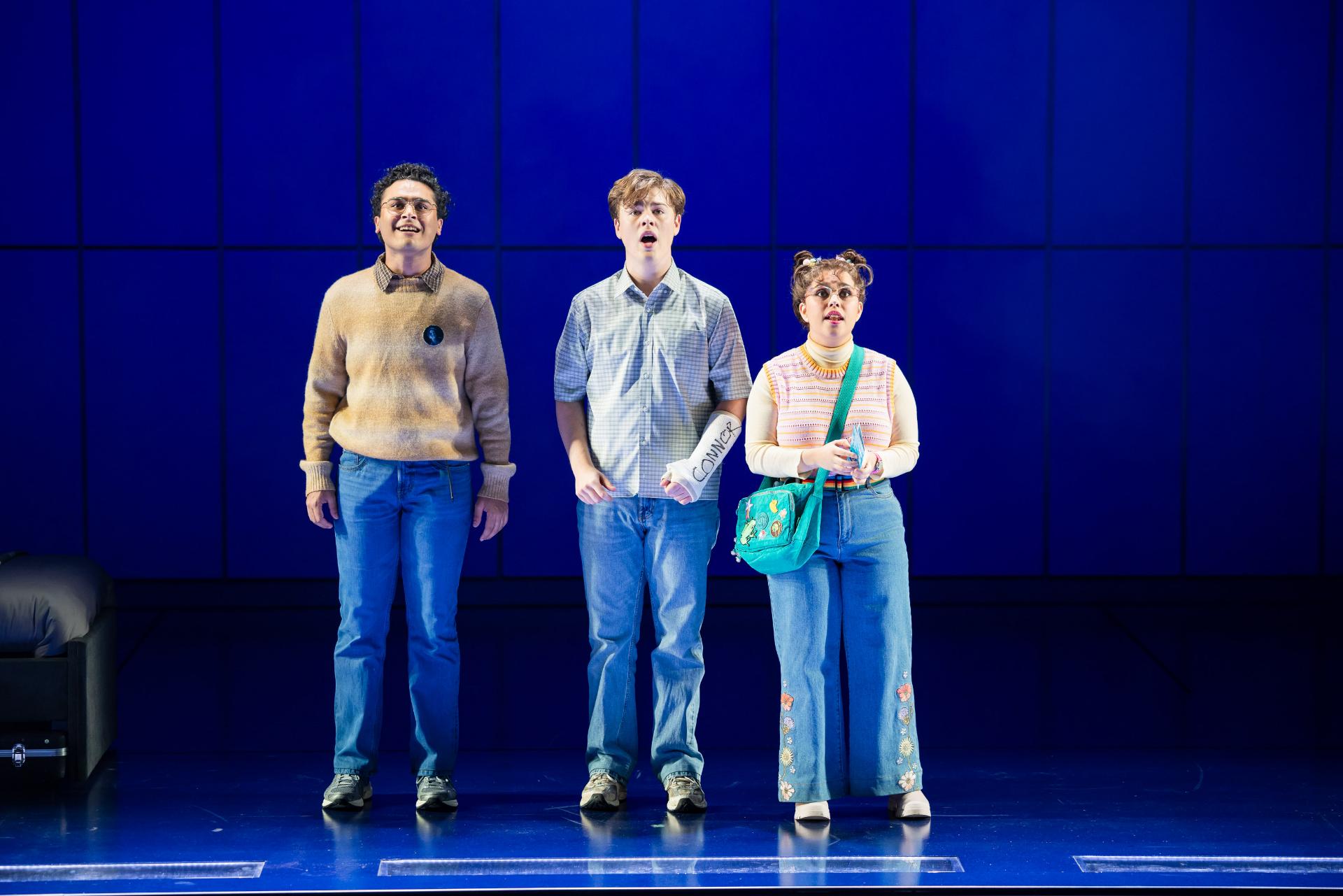
Evan finally becomes popular, after fabricating a close relationship with Connor, after Connor’s suicide. In the teen drama of Dear Evan Hansen, we watch a protagonist suffer from loneliness and anxiety, but gradually grow in maturity and self-awareness, after learning from his mistakes. The narrative, like the songs of this 2016 musical, is earnestly sentimental to a fault. The book by Steven Levenson, with songs by Benj Pasek and Justin Paul, depict the substantive effects of a snowballing lie, but everything works too hard to keep Evan likeable throughout the piece.

What may be saccharine for some, is also the ticket to commercial viability, in this business of the musical theatre. Productions like Dear Evan Hansen often prove successful even when deficient in literary complexity, or indeed any simple sense of irony. The show’s stakes too are never really high enough, but it does seem that formulaic song writing is more than adequate to have audiences invest, both in terms of emotions and money.

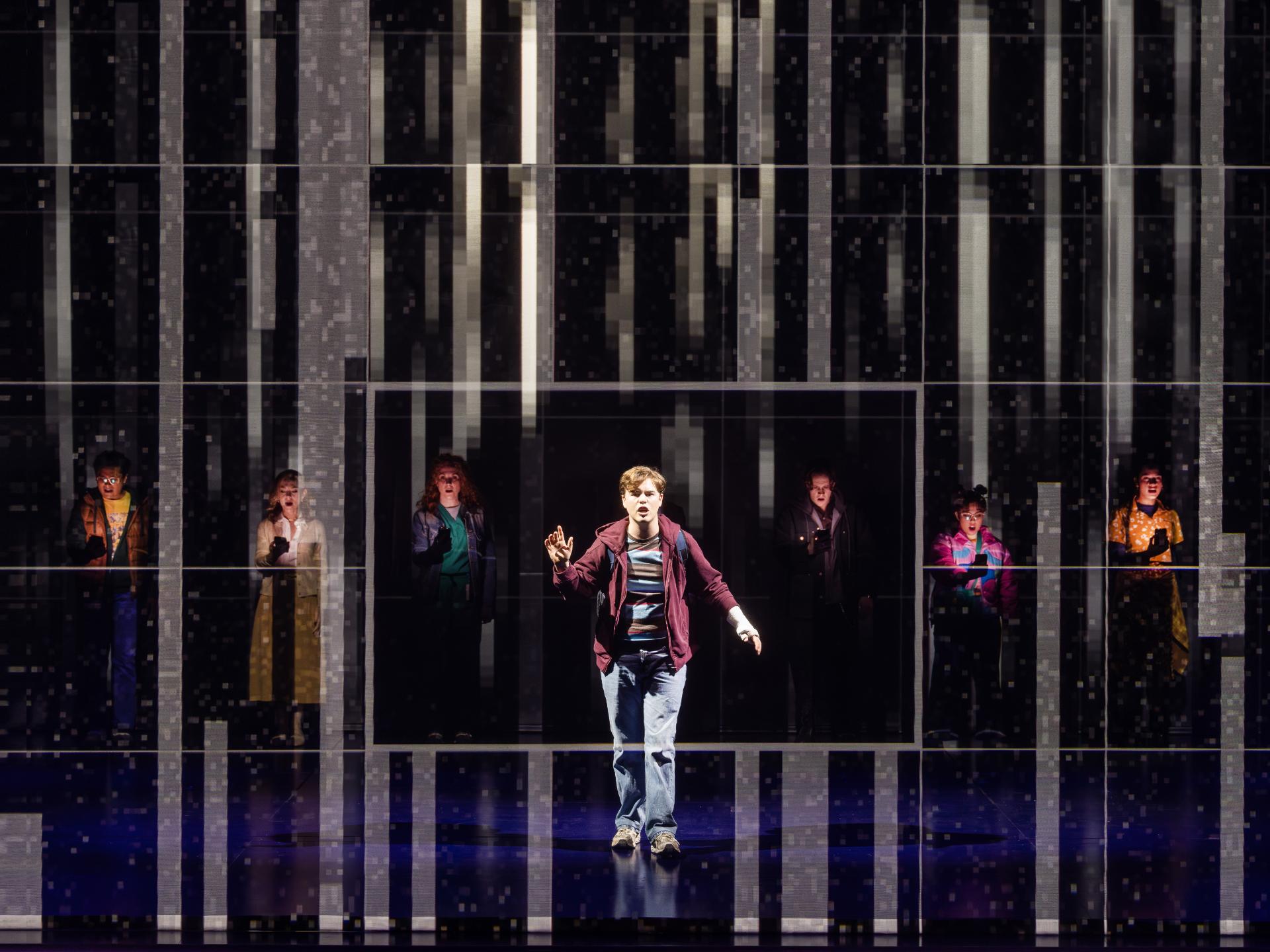
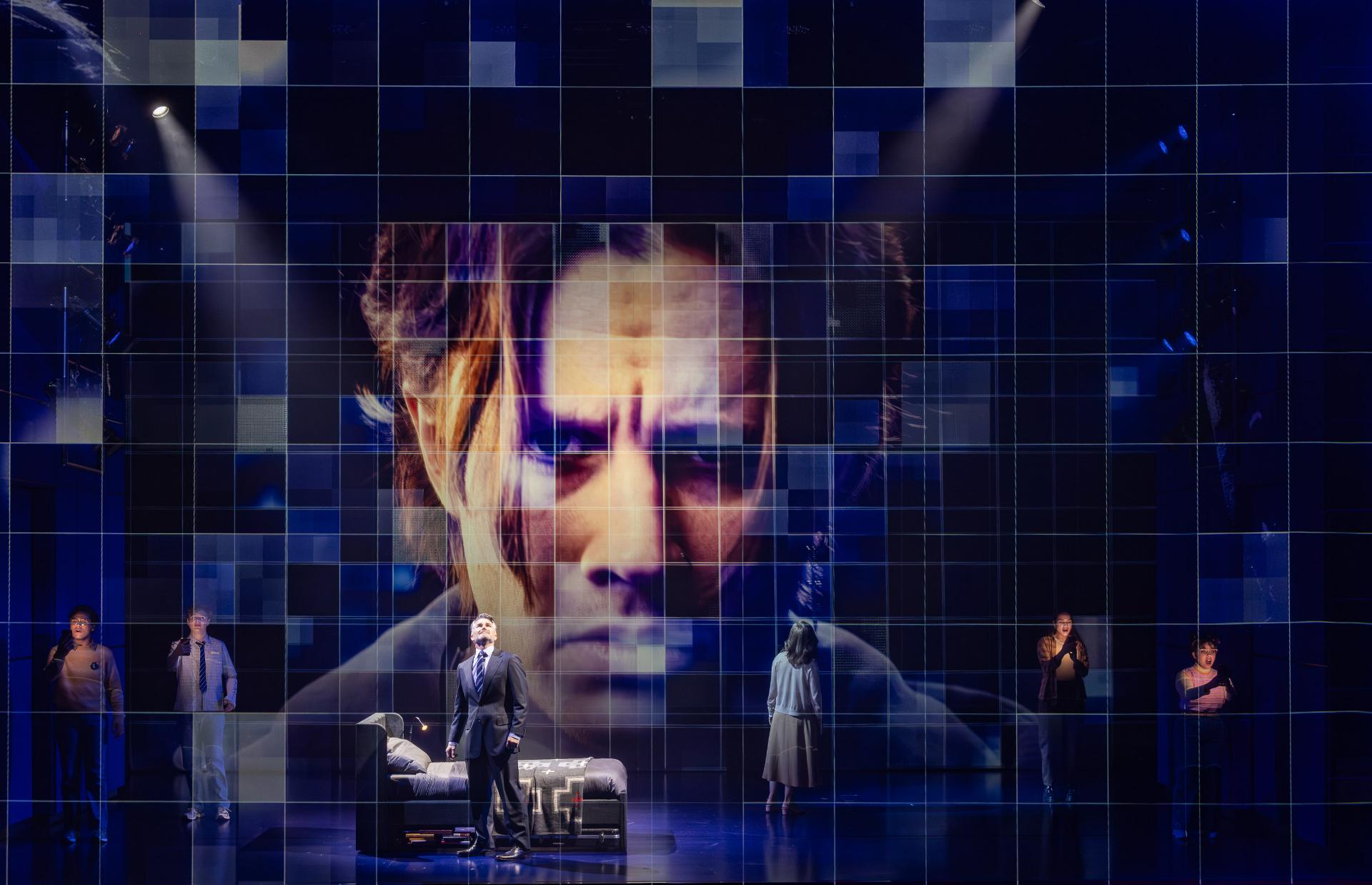
The staging is however, very slick and frequently spectacular, as directed by Dean Bryant, with enveloping video projections by David Bergman leaving a particular strong impression, and musical direction by Zara Stanton never failing to have the audience roused and beguiled. Sound engineering by Ghiovanna De Oliveira is highly effective in achieving extraordinary clarity and balance, and can be credited for enriching the quality of singing by its passionate cast.

Beau Woodbridge plays Evan, with immense sincerity and an admirable precision, in a presentation memorable for its technical excellence. Jacob Rozario is a godsend as classmate Jared, able to introduce some uplifting playfulness, to an excessively solemn experience. Maternal characters are played powerfully by Verity Hunt-Ballard and Natalie O’Donnell, both bringing an air of substance, to roles that are mediocrely written.

It should be no surprise that entertainment can be packaged in something bland and inoffensive, in its commercial aspirations to have the widest reach. When art bears those same qualities however, we have to be suspicious of what it says, in the possible absence of integrity and truth. The message of Dear Evan Hansen can feel dubious on reflection, and we begin to understand that a momentary sensation of heightened dramatics, can prove subsequently to be empty and cheap.

www.dearevanhansenmusical.com.au

Review: New Works Festival Part 3 (Old Fitz Theatre)

Venue: Old Fitzroy Theatre (Woolloomooloo NSW)

Champions Oct 11 – 26, 2024
Playwright: Isabella McDermott
Director: Bali Padda
Cast: Cat Dominguez, Talitha Parker, Lincoln Vickery, Bayley Prendegast
Images by Patrick Phillips

Fuccbois: Live In Concert Oct 11 – 26, 2024
Book, Music and Lyrics: Bridie Connell
Director: Jessica Fallico
Cast: Gabbi Bolt, Bridie Connell, Orya Golgowsky, Clara Harrison, Megan Walshe 
Images by Leanne Ansell

Theatre review
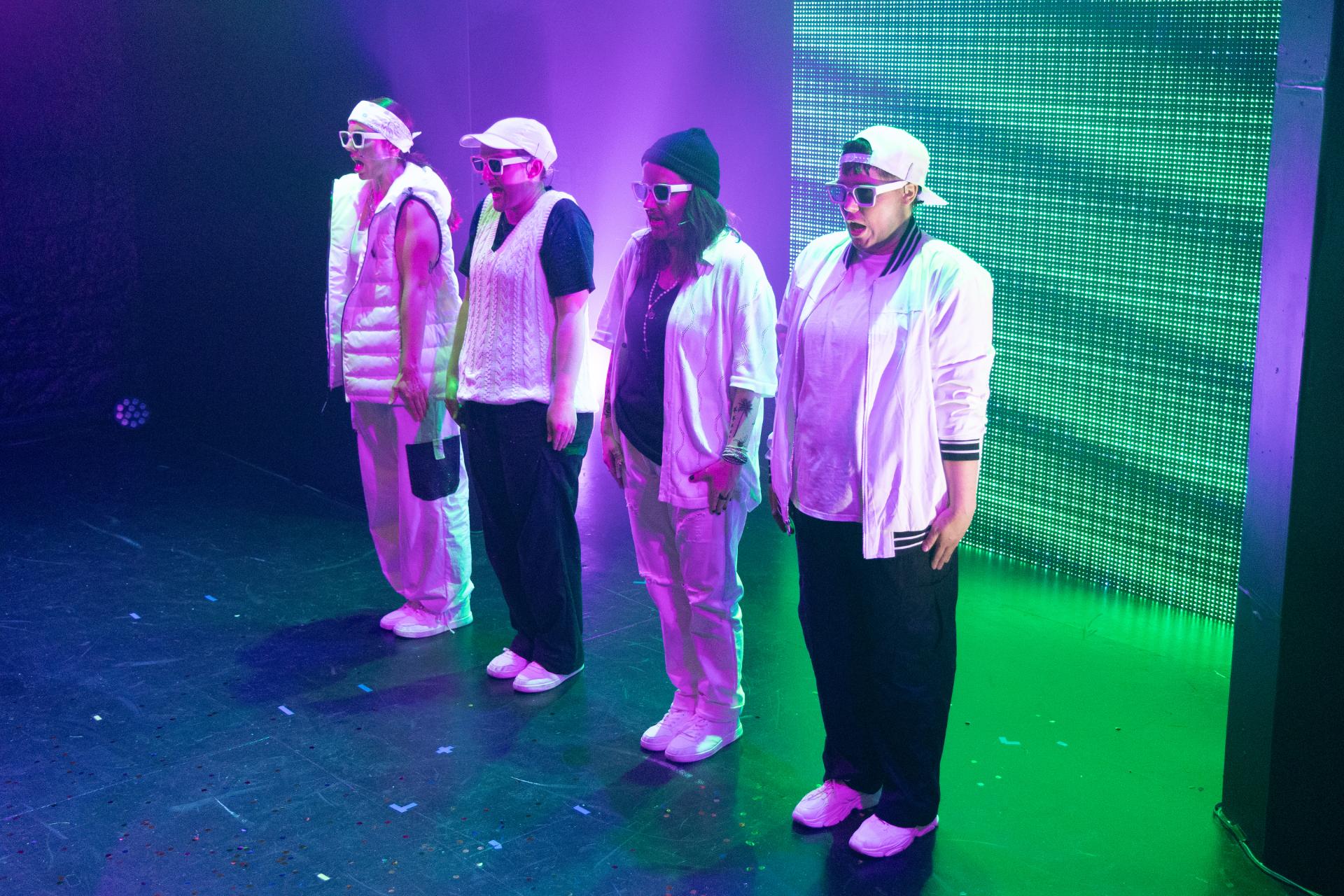
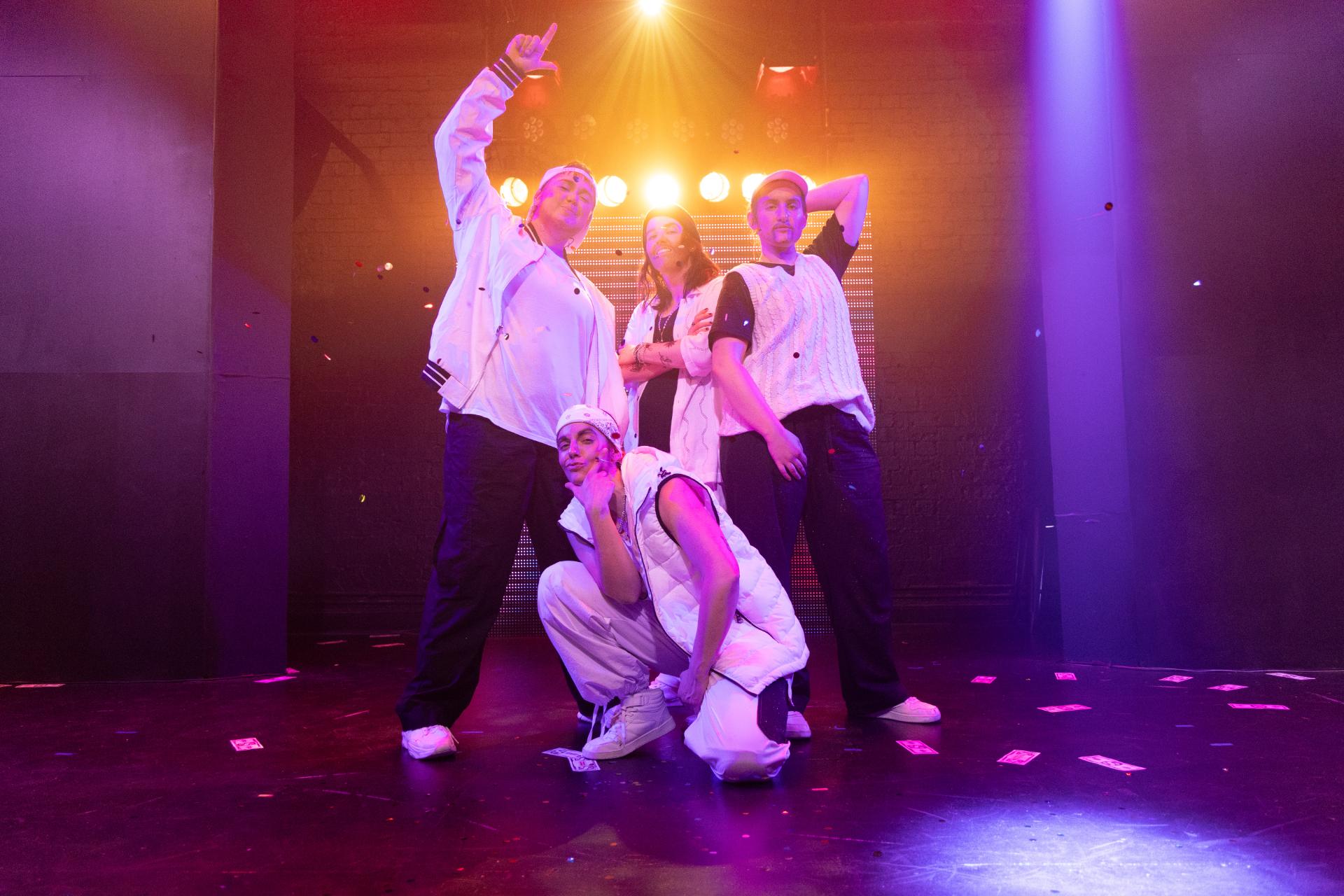
The two stories in part 3 of the Old Fitz Theatre’s New Works Festival involve separate groups of four artists and their respective relationships with integrity. Isabella McDermott’s sophisticated Champions looks at the effect of a $50,000 prize, when art becomes a competitive sport. In Bridie Connell’s rambunctious Fuccbois: Live in Concert, it is the competitive alpha male that adopts the art of performance to satisfy his narcissism. 

A contemplative work, Champions is directed by Bali Padda who brings commendable sensitivity to a play brimming with engaging nuance. For Fuccbois, it is Jessica Fallico’s mischievous direction of raucous drag kings that leaves an impression. There is a slight deficiency in terms of dramatic escalation over the duration of both shows, but Padda and Fallico certainly prove themselves accomplished, albeit in wildly different styles.

A simple set design by Elle Fitzgerald converts the space to allow for greater versatility. Tim Hope’s lights are marvellously dynamic for Fuccbois but are perhaps overly sombre in Champions. Costumes by Rita Naidu for Champions and Lily Moody for Fuccbois are all similarly appropriate for each of the characters we encounter. Sound design by Prema Yin for Champions is particularly noteworthy, intricate in approach and effective with the vigour it provides.

The cast for Champions is very strong; Cat Dominguez, Talitha Parker, Lincoln Vickery and Bayley Prendegast play visual artists negotiating a suddenly intensified work environment, remarkable for the distinct qualities they deliver, as well as a sense of authenticity they imbue in the storytelling. For the faux arena concert of Fuccbois, Gabbi Bolt, Bridie Connell, Orya Golgowsky, Clara Harrison and Megan Walshe manufacture an electric atmosphere, gratifying with their pointed commentary on commodified masculinity, but unfortunately lacking in crispness with their highly stylised presentation.

Even when art loses all of its truthfulness, when having to accommodate all manner of economic considerations, it can still reveal something worthwhile, if only we commit to its decipherment. Bad art however is determined to discourage analysis, and have us accept its deceptive surface. In other words, bad art trades in obfuscation and lies. No person can claim to be insusceptible to artful trickery, but it is in the willingness to talk to one another, that we can discover bigger truths, about the messages we are being sold. 

 ww.oldfitztheatre.com.au | www.littlegoat.com.au

Review: Ruins أطلال (25A Belvoir)

Venue: Belvoir St Theatre (Surry Hills NSW), Oct 1 – 20, 2024
Playwrights: Emily Ayoub, Madeline Baghurst, Mine Cerci
Directors: Emily Ayoub, Madeline Baghurst
Cast: Emily Ayoub, Adam Al Kuheli, Madeline Baghurst, Tony Poli, Piumi Wijesundara
Images by Geoff Magee

Theatre review
It is a pilgrimage of sorts that we see in Ruins أطلال . An Australian travels to the Bekaa Valley in Lebanon, guided by memories of her recently departed father, in search of something that feels like belonging. Stories of diaspora seem to be having their moment. It is the element of time that makes all the difference. We have always known the wealth of possibilities in working through our tales of origin, but assimilation for survival has meant that we have, for a long time, neglected parts of ourselves that are considered inconvenient and unsavoury.

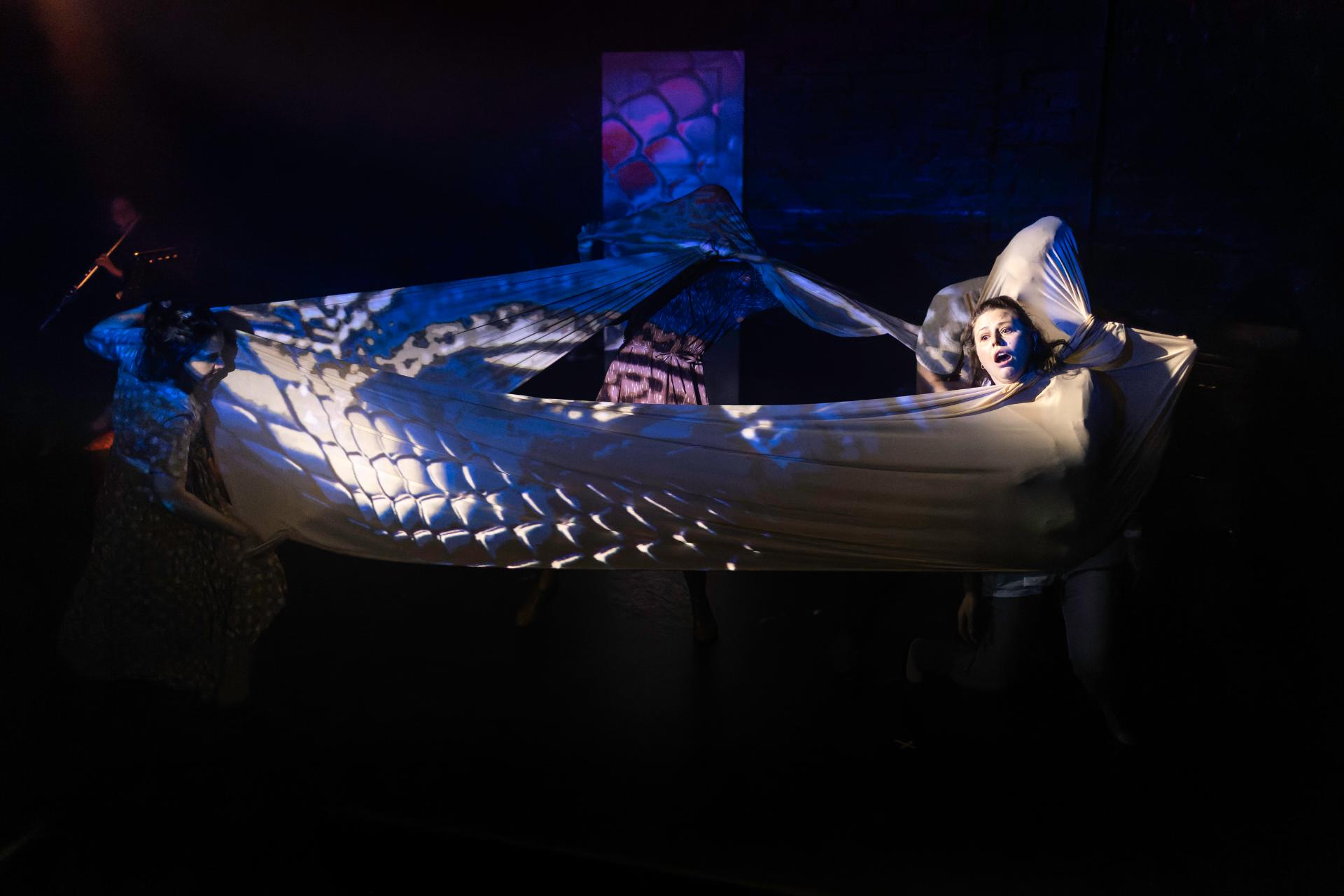
Conceptualised and directed by the formidable duo of Emily Ayoub and Madeline Baghurst, Ruins أطلال  initiates an exploration into that duality of being both and in-between, of containing contradictions and finding harmony whilst acknowledging, all the troublesome incoherence resulting from inhabiting an identity that is not just one thing. The show is beautiful at every juncture, with incredible configurations of bodies in space, illuminated exquisitely by Frankie Clarke, and with Johnny Yang’s music gently stirring in the background.

Jessica Scott is the flautist on the periphery, adding to the dynamism of the piece, whilst the spiritually fortified Ayoub leads the cast at bringing to life, this meditation on how a person cannot escape excavating the past, if they wish to become truly whole. Tony Poli embodies the paternal figure, with generous warmth and an understated strength. Baghurst, along with Adam Al Kuneli and Piumi Wijesundara play a range of secondary characters with magical effect, always imbuing a sense of wonder to the experience.

There is perhaps some deficiency in the level of intellectual engagement that the piece inspires, but Ruins أطلال is a work that makes an unequivocal statement about the importance of knowing one’s roots and of embracing one’s entirety. It is about the rejection of shame as prescribed by colonialist projects, and about finding the confidence to stand for the validity of cultural specificities that are excluded from hegemonic paradigms. We may have to regularly acquiesce to whiteness on these lands, but spaces are opening up, rapidly and pervasively, in which we can become truer and better selves.

www.belvoir.com.au | www.clockfiretheatre.com

Review: Frankenstein (Theatre Royal)

Venue: Theatre Royal (Sydney NSW), 28 Sep – 13 Oct, 2024
Playwright: Nelle Lee (from the novel by Mary Shelley)
Director: Nick Skubij
Cast: Darcy Brown, Tony Cogin, Nick James, Anna Lise Phillips, Jeremiah Wray, Chloé Zuel
Images by Joel Devereux

Theatre review
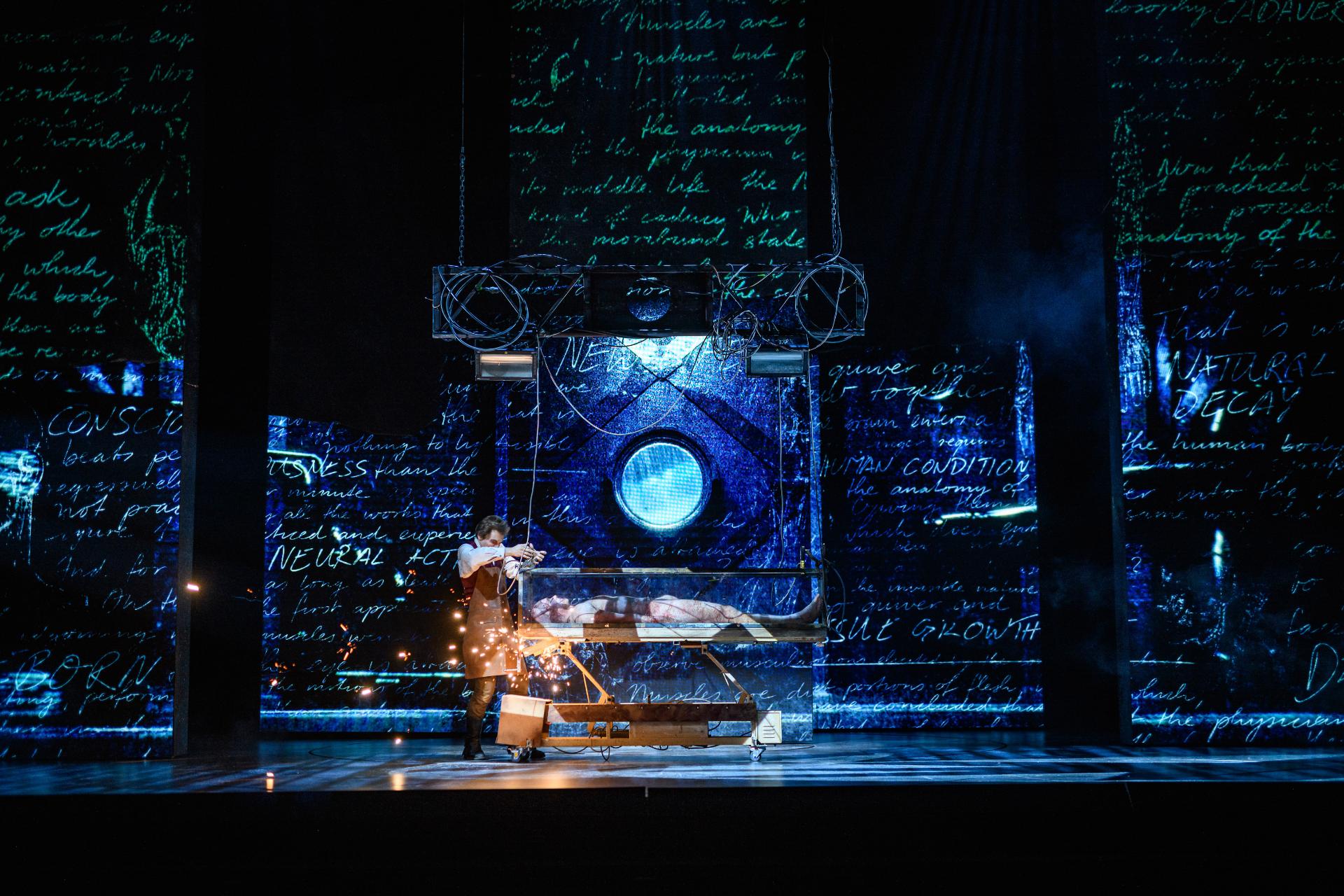
It is with the most obsessive passion, that the scientist sets out to build his creature. It seems Mary Shelley had intuited that technology would simply march forward, whether the consequences are good or bad. Nelle Lee’s adaptation of Frankenstein provides a rich narrative, for an eventful piece of theatre. Unlike the original, it tends not to inspire much philosophical rumination, but there is certainly a lot of room for drama and spectacle.

Dynamic direction by Nick Skubij’s aims to provide a thrilling experience, and the production is indeed impressive with its unrelenting kineticism. It however neglects our need for emotional involvement until late in the piece, and when we begin to feel for the story,  it may be too little, too late.

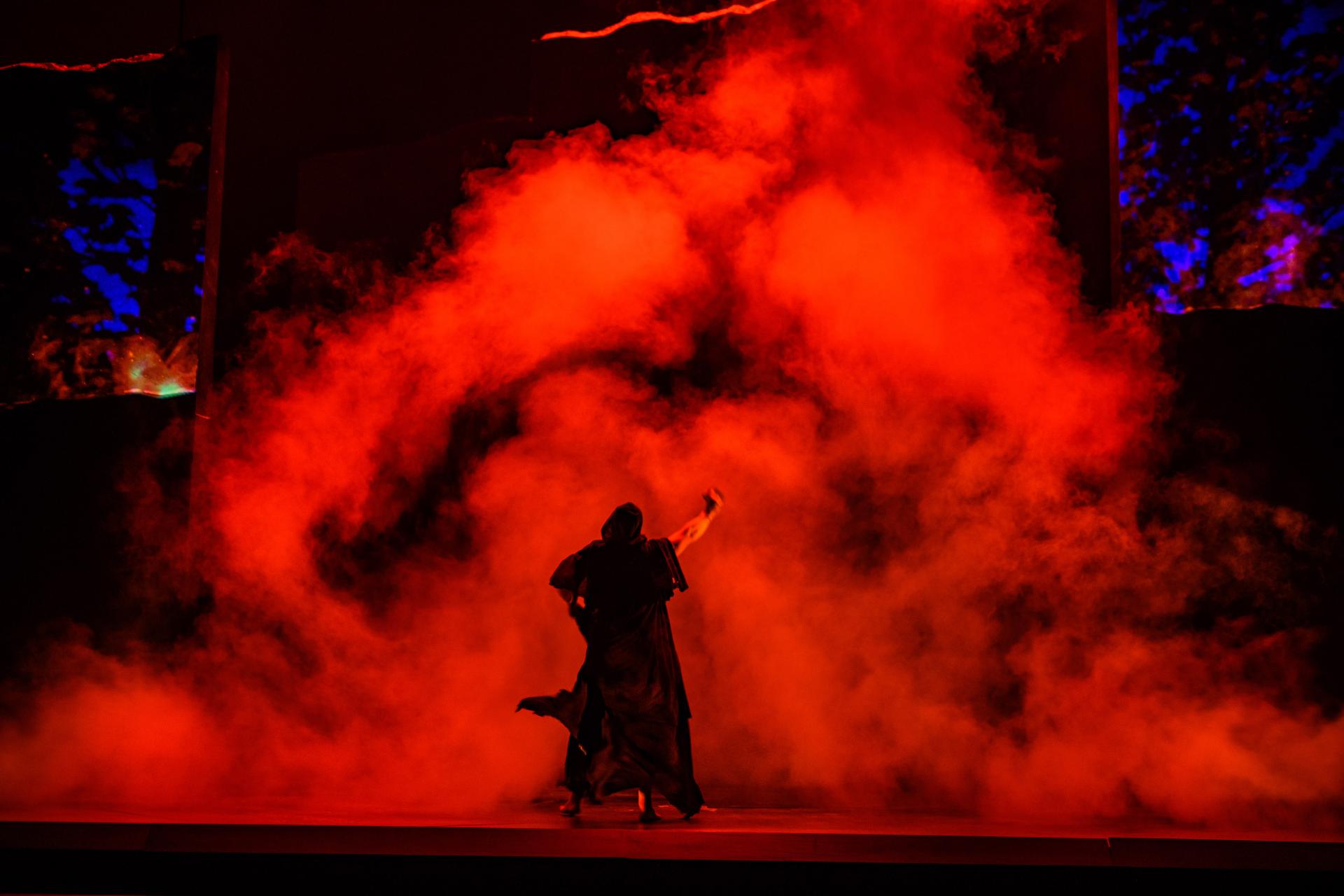
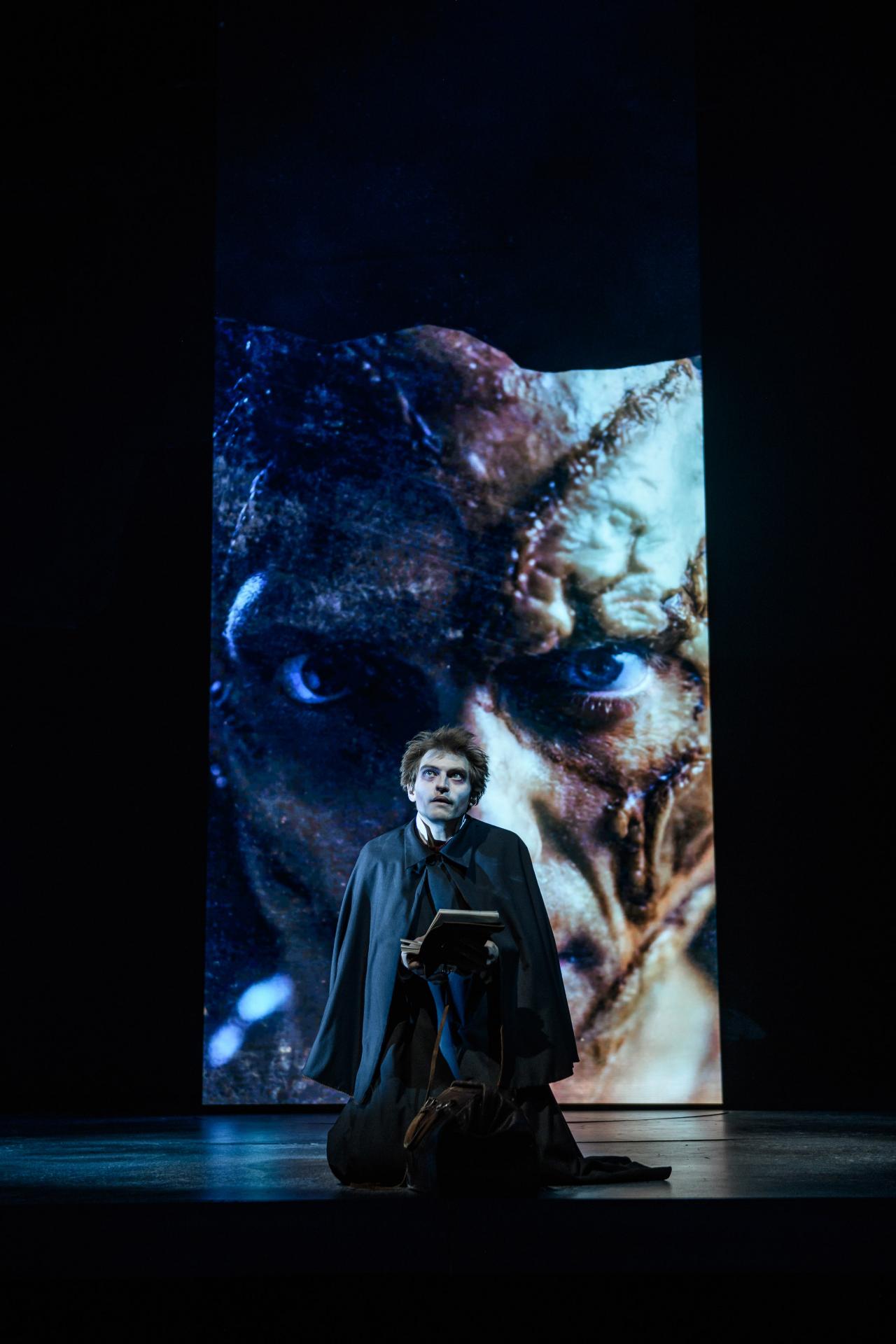
Ambitious set design by Josh McIntosh keeps our senses enthralled, with Craig Wilkinson’s intensive video projections sometimes adding to the extravagance, but at other times making things look less than elegant. McIntosh’s work on costumes proves accomplished, and along with makeup by Steven Boyle, especially memorable for their combined rendering of the notorious Frankensteinian creature. Lights by Trent Suidgeest are striking, with a consistent flamboyance that really dazzles. Sounds and music by Guy Webster are wonderfully grand, always imbued with a sense of opulence that greatly enhances the show.

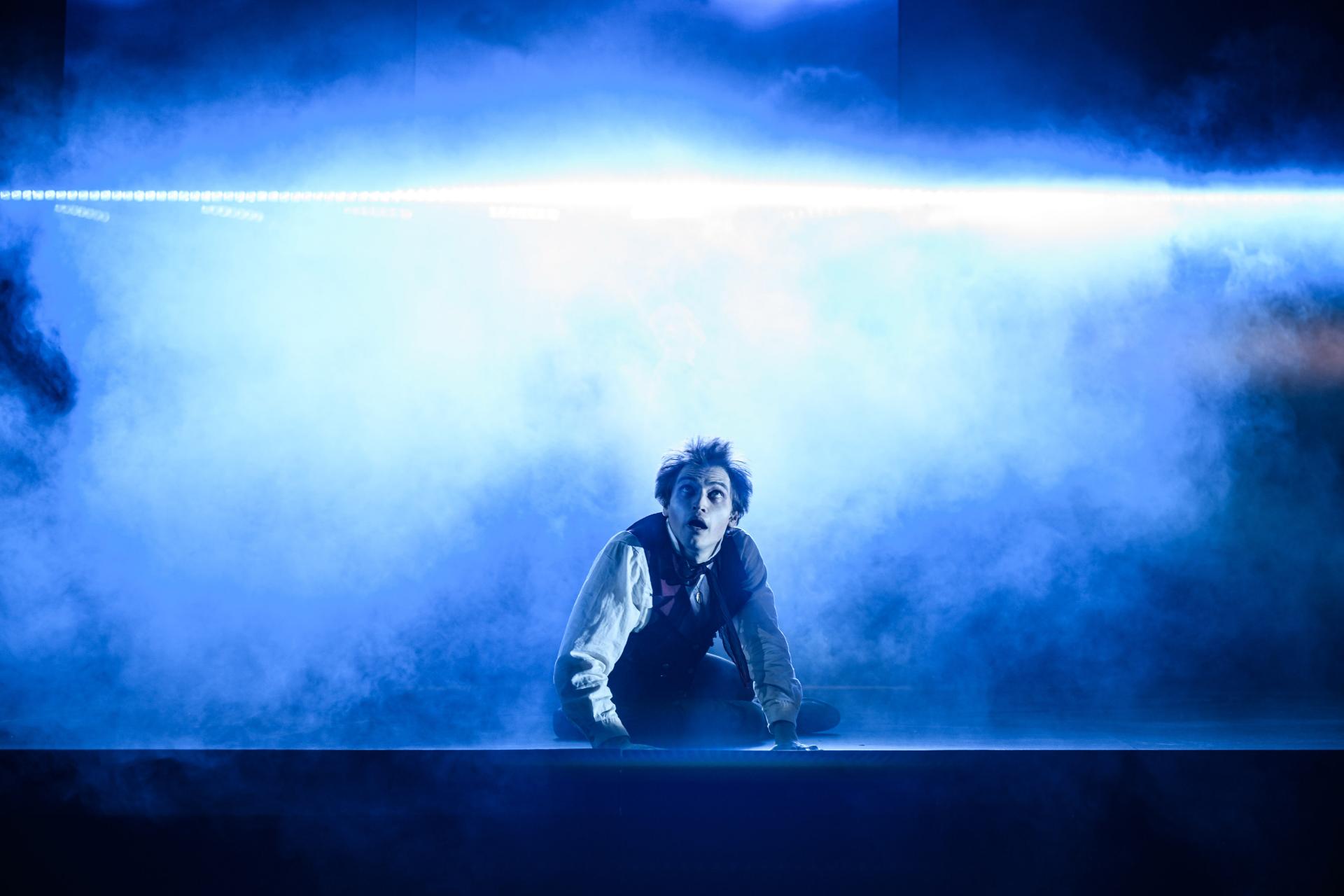
Actor Darcy Brown plays a very eccentric Victor Frankenstein, perhaps slightly too unrestrained on occasion, but nonetheless marvellous with the intensity being delivered. Jeremiah Wray is remarkable as the creature, astonishing with the physicality he brings to the role, and disarming with the sentimentality he delivers quite unsuspectingly, just when we begin to tire of the inexorable theatrical hullabaloo.

There is a karmic lesson fundamental to the meanings of Frankenstein; it appears that monsters can only be created by other monsters. It may also seem that monstrous behaviour can be unintentional, although it is infinitely more human, to cling to the belief that it is our resolve that means everything, that we must endeavour to do good, and that our vigilance is key to thwarting destructive aspects of our nature. 
www.frankensteinlive.com.au

Review: Seventeen (Seymour Centre)

Venue: Seymour Centre, Reginald Theatre (Chippendale NSW), Sep 27 – Oct 19, 2024
Playwright: Matthew Whittet
Director: Mary-Anne Gifford
Cast: Di Adams, Katrina Foster, Noel Hodda, Peter Kowitz, Colin Moody, Di Smith
Images by Carlita Sari

Theatre review
A group of teenagers has completed their final day in high school, and is now poised for the rest of their lives. It is all very daunting for characters in Matthew Whittet’s Seventeen, at a moment where big changes are afoot, and with new identities being formed, but for those of us who have been through that rite of passage,  it can all seem a little trite and pedestrian.
Once again the play is performed by older actors, presumably in their sixties, in order that the text may communicate with greater poignancy. Indeed it is the notion of transience that becomes a prominent dimension of the storytelling, juxtaposing against the naivety of young people in the throes of something that feels defined by finality.

Actors Noel Hodda and Di Smith are particularly captivating, both bringing a savvy to their performative representations, of personalities decades their junior. Others in the cast tend to be overly earnest, which only draws greater attention to the mundane qualities of Seventeen. Direction by Mary-Anne Gifford could benefit from a more flamboyant approach, but there is certainly an integrity to her realism that cannot be denied.

Set design by Paris Burrowes introduces visual familiarity to the experience, although it is doubtful if her costumes convey that same accuracy. Lights by Grant Fraser and sounds by Michael Huxley are implemented with simplicity, in a production that errs on the side of reticence. 

Watching the seniors play juvenile roles, it is the nature of time that comes to the fore. The impermanence of human experience should tell us that it can all be taken with a pinch of salt, but life has a knack for having us completely invested in all of its ups and downs. We should know to be unperturbed, but the truth is that we are embroiled, hopelessly engaging in every emotion, even as we understand more clearly their ironic futility.

www.seymourcentre.com | www.wildthingproduction.com

Review: New Works Festival Part 2 (Old Fitz Theatre)

Venue: Old Fitzroy Theatre (Woolloomooloo NSW)

Sitting, Screaming Sep 20 – Oct 5, 2024
Playwright: Madelaine Nunn
Director: Lucy Clements
Cast: Clare Hughes
Images by Phil Erbacher

Anomalies Sep 20 – Oct 5
Playwright: Jordyn Fulcher
Director: Matt Bostock
Cast: Giani Fenech, Rhiaan Marquez, Harold Phipps
Images by Phil Erbacher

Theatre review
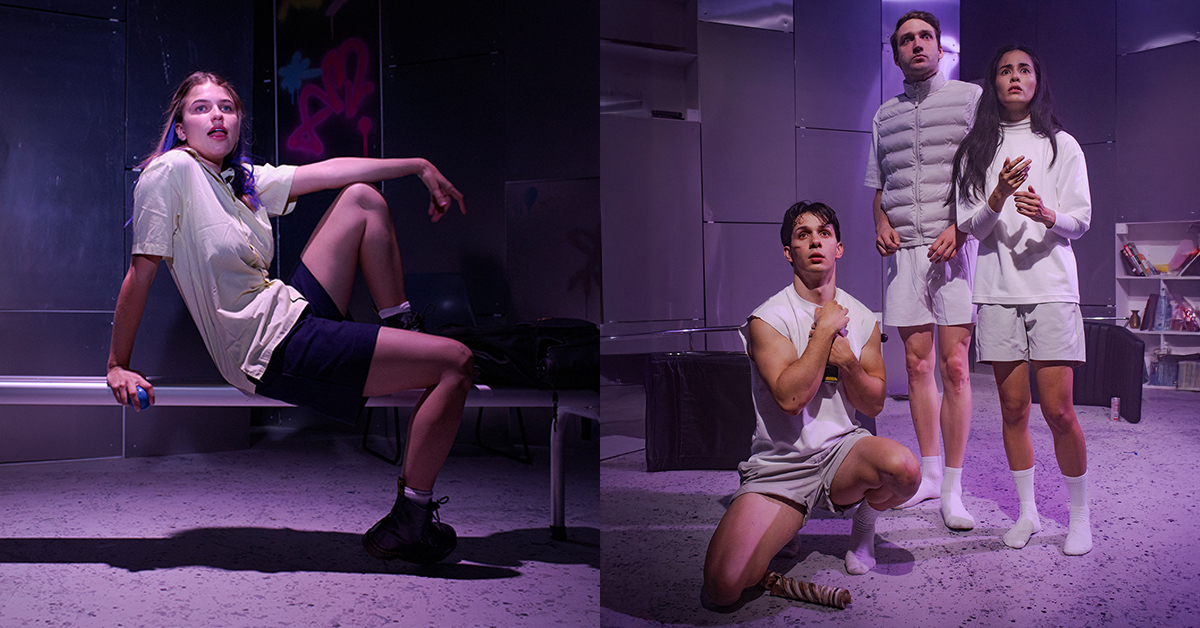
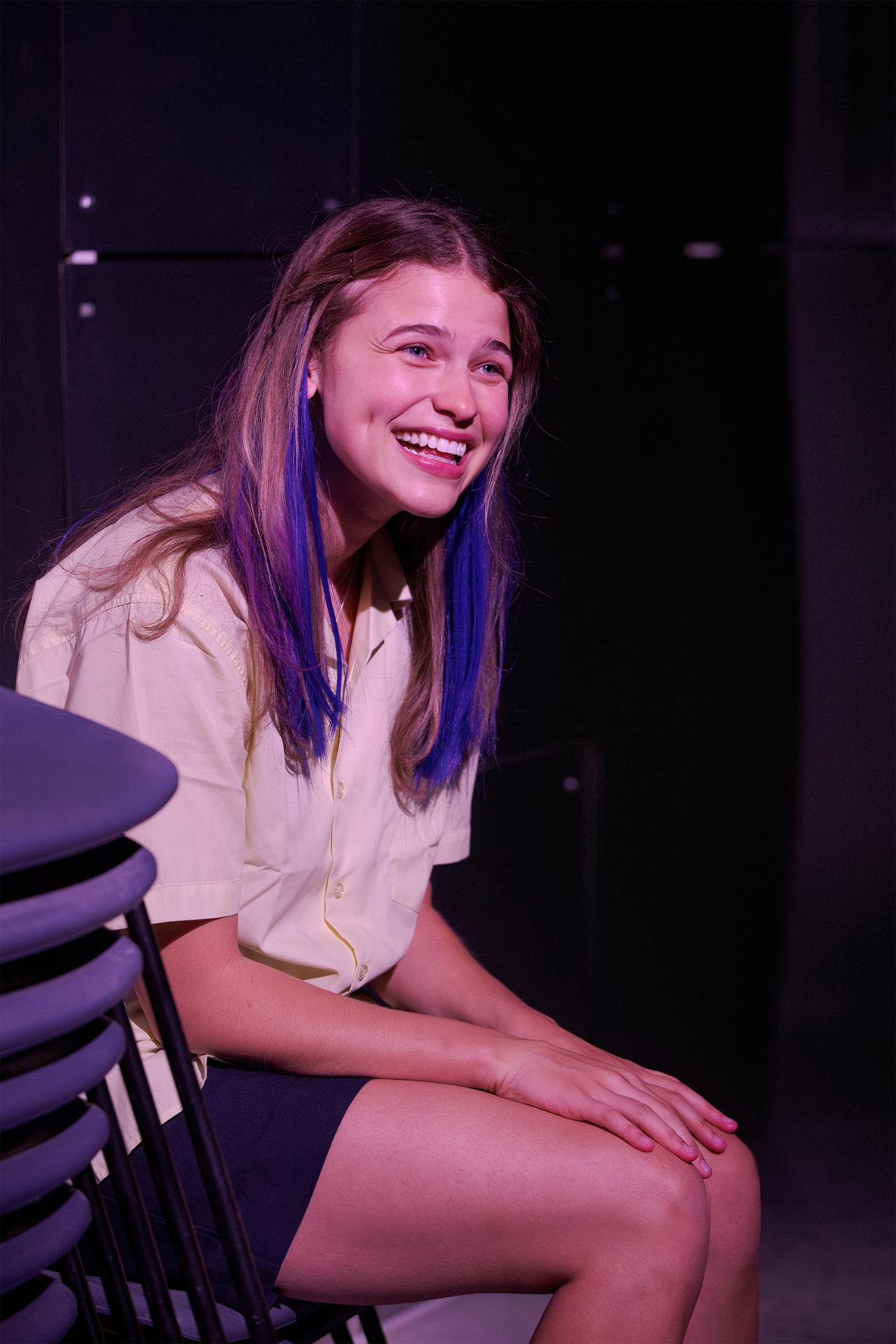
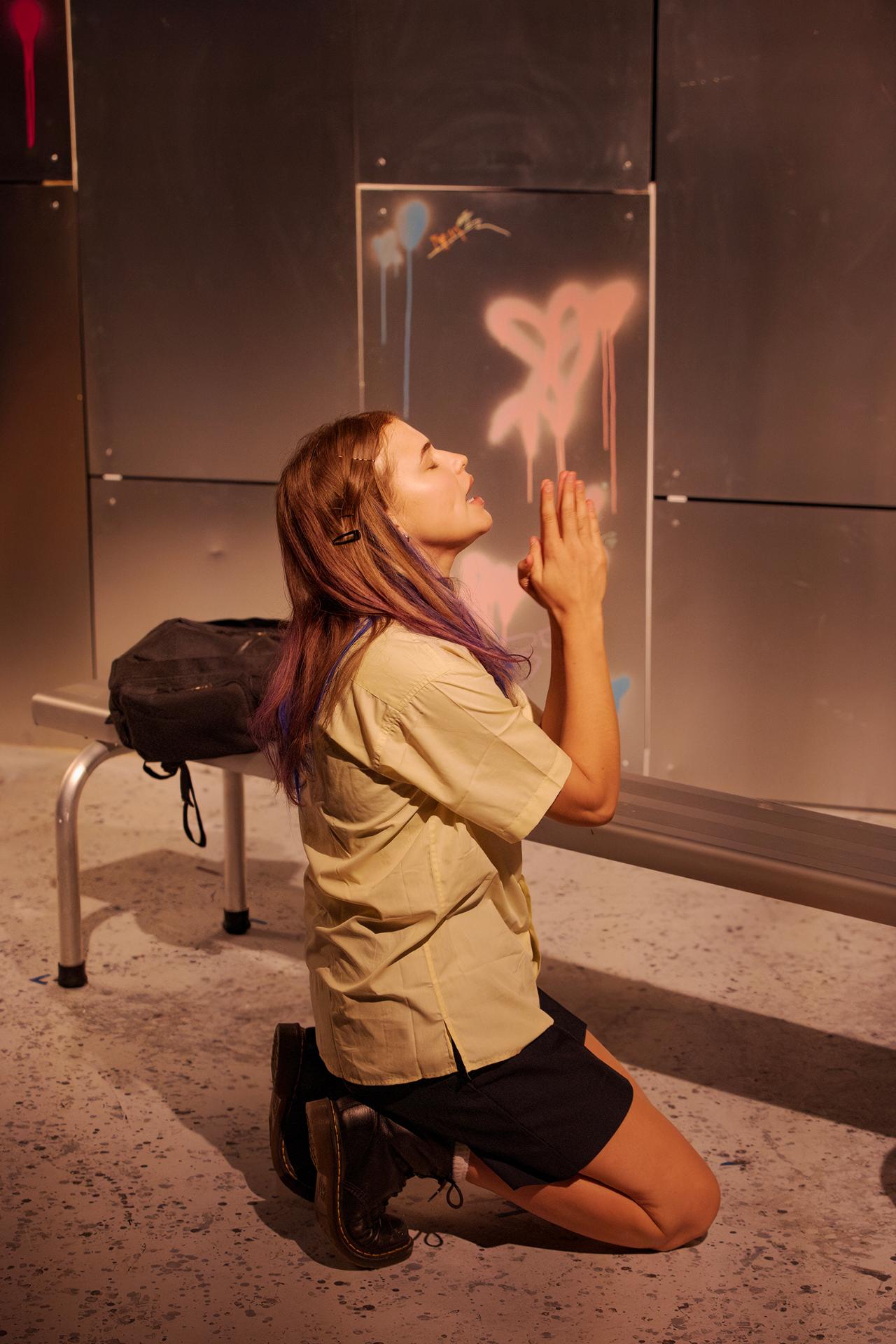
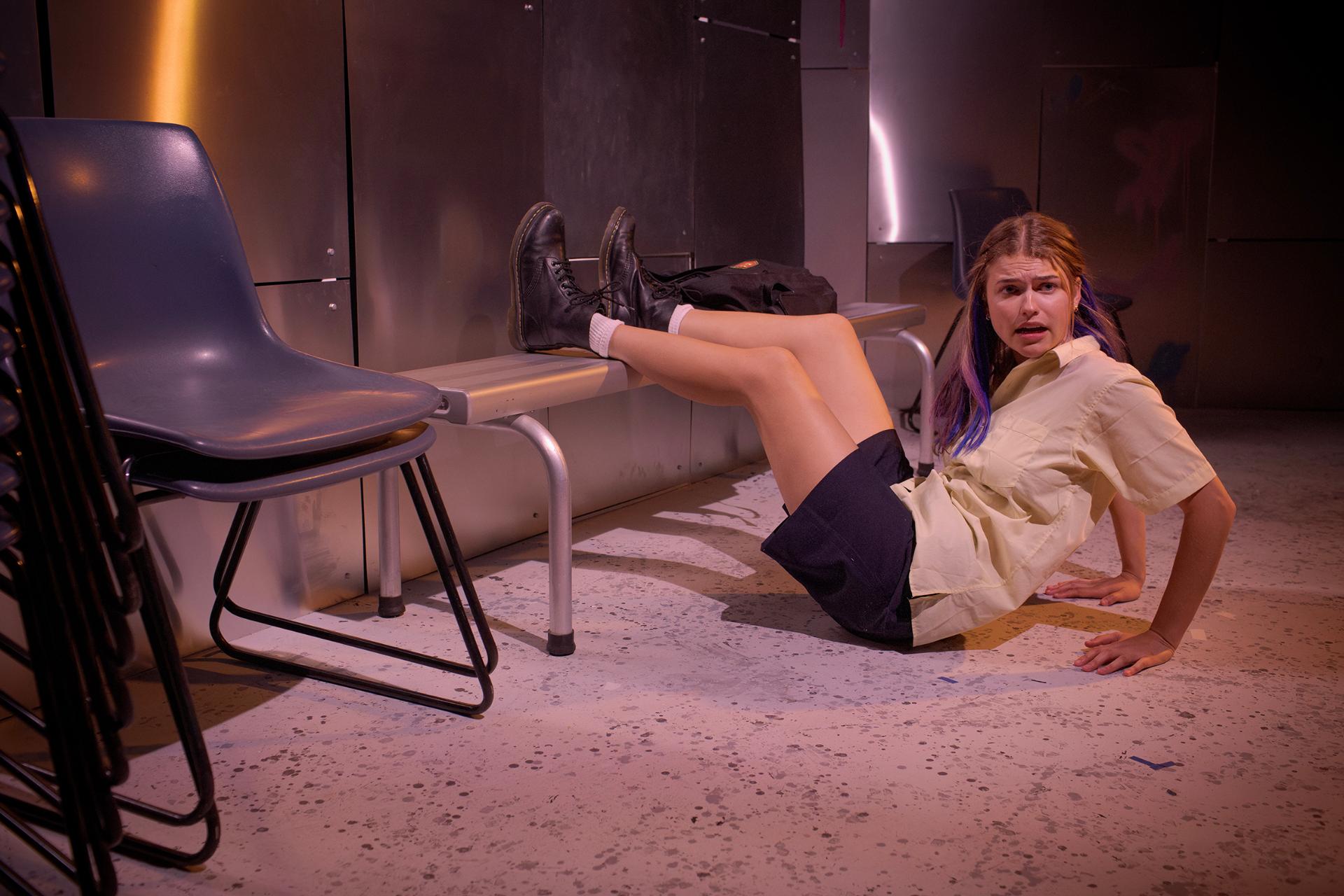
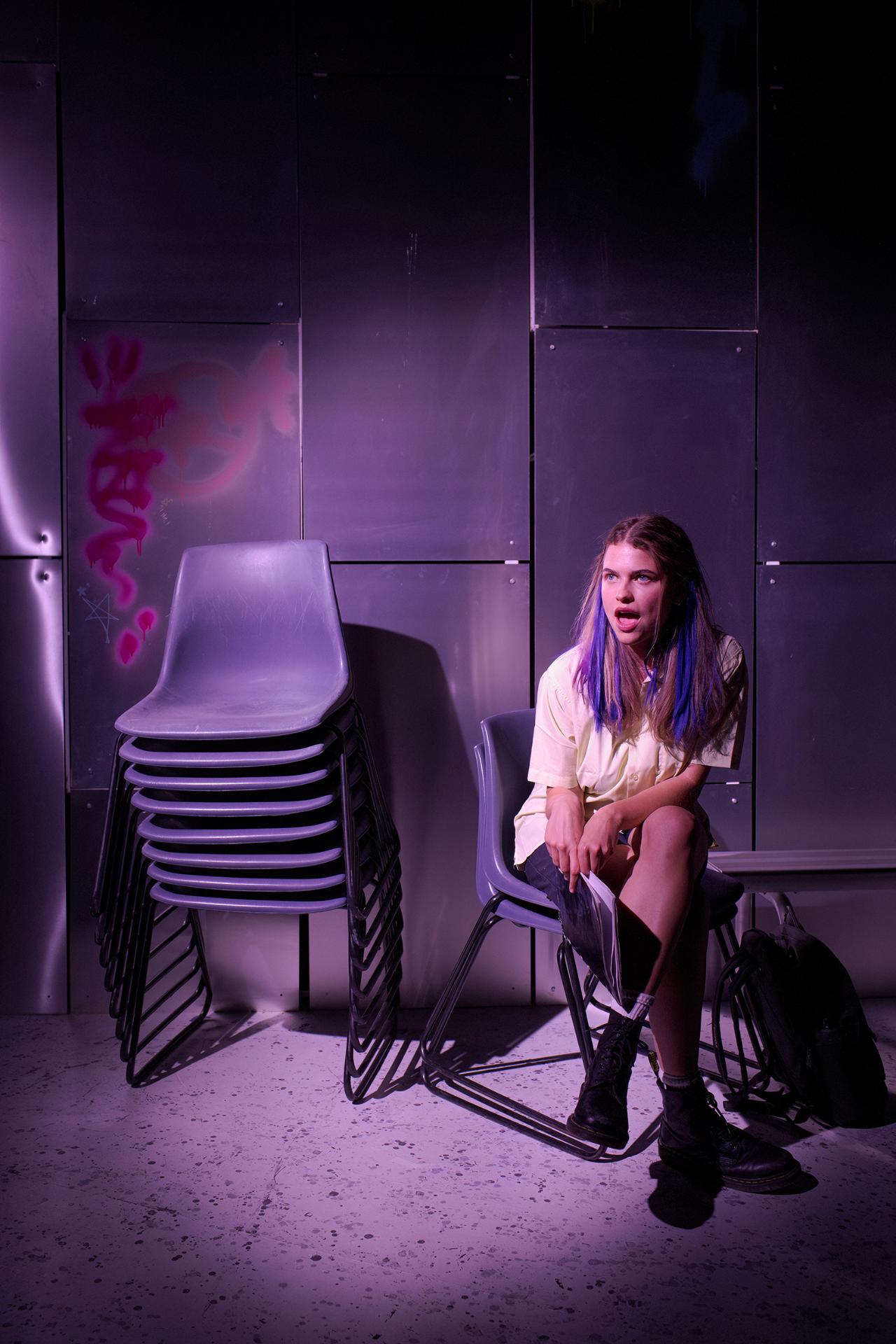
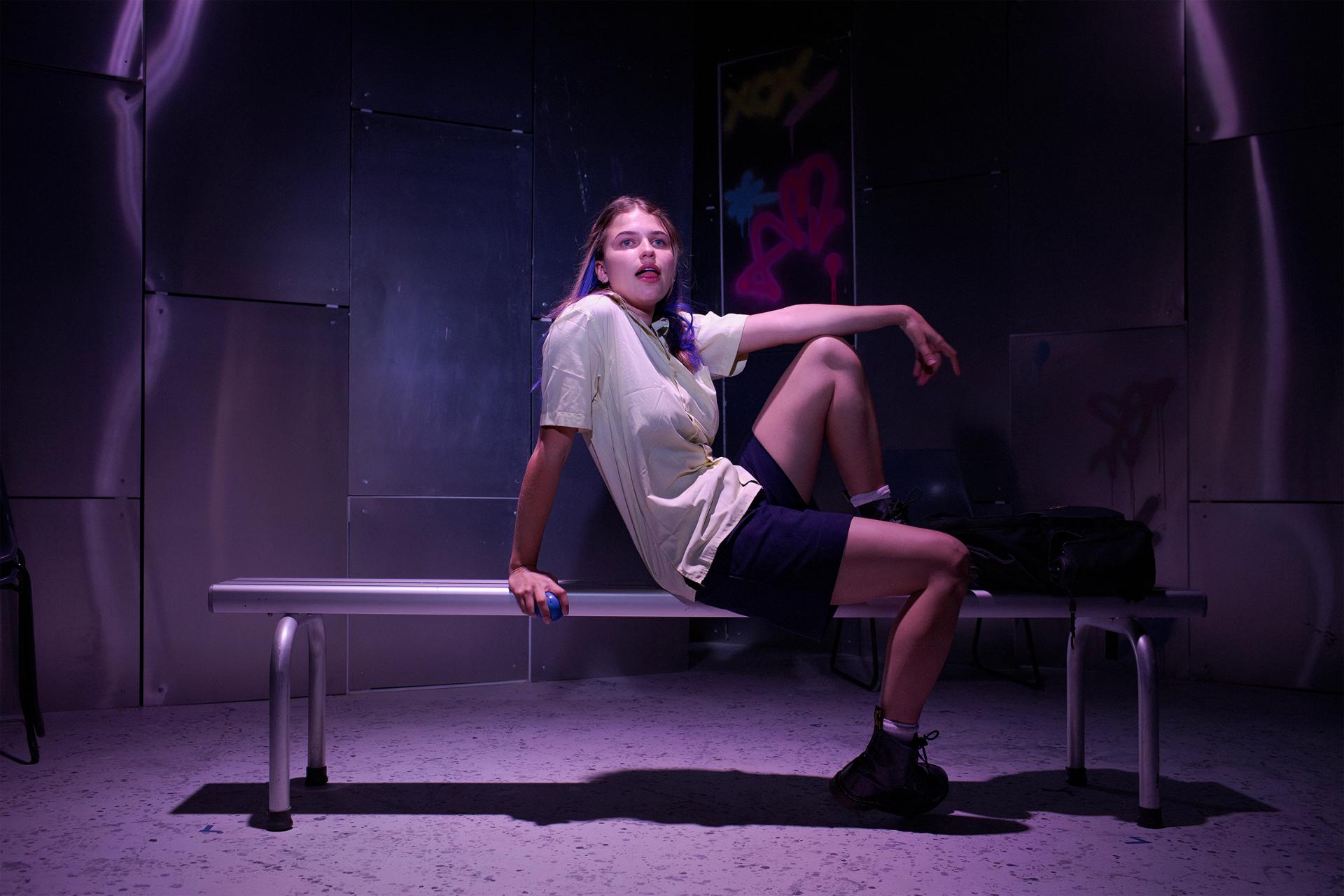
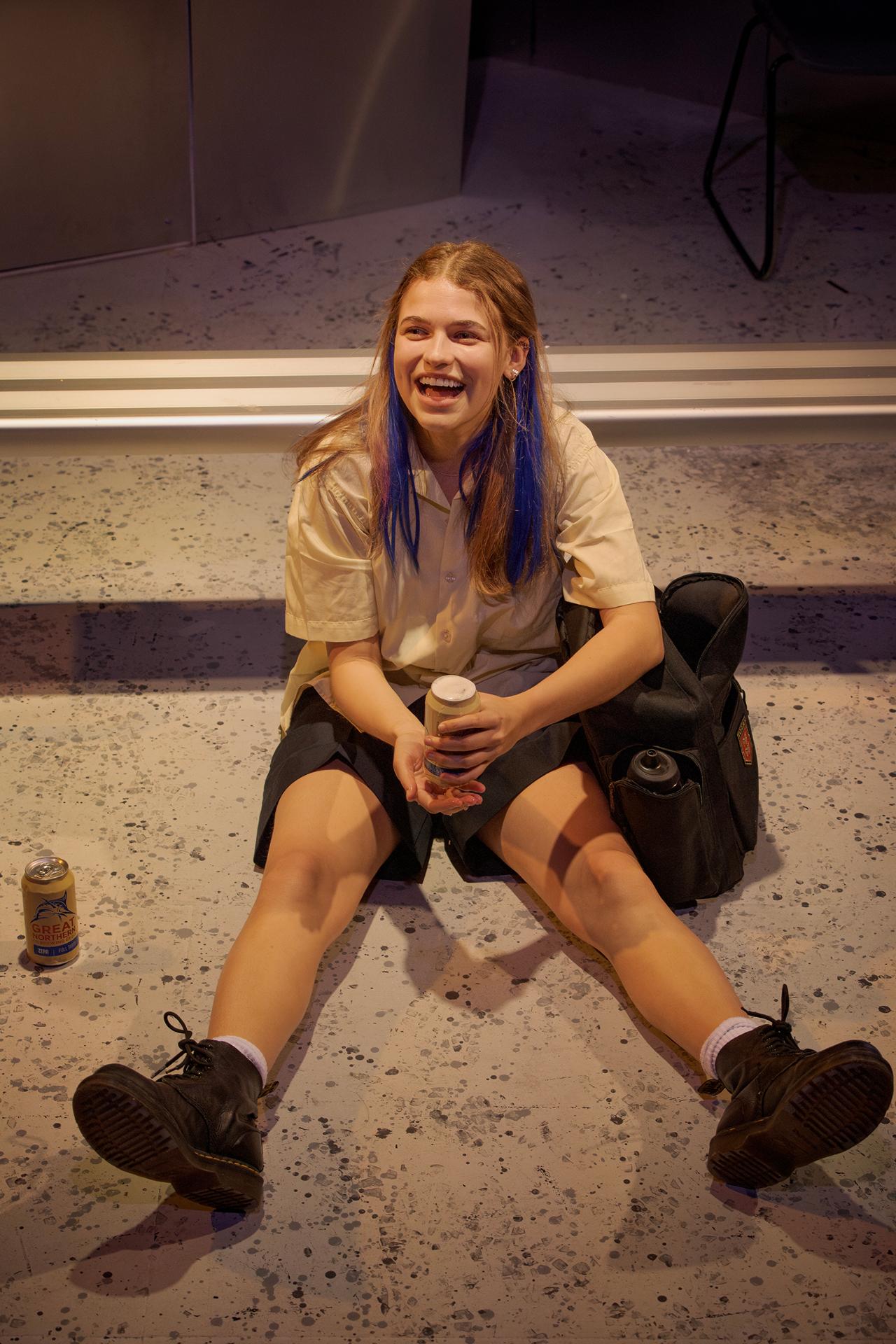
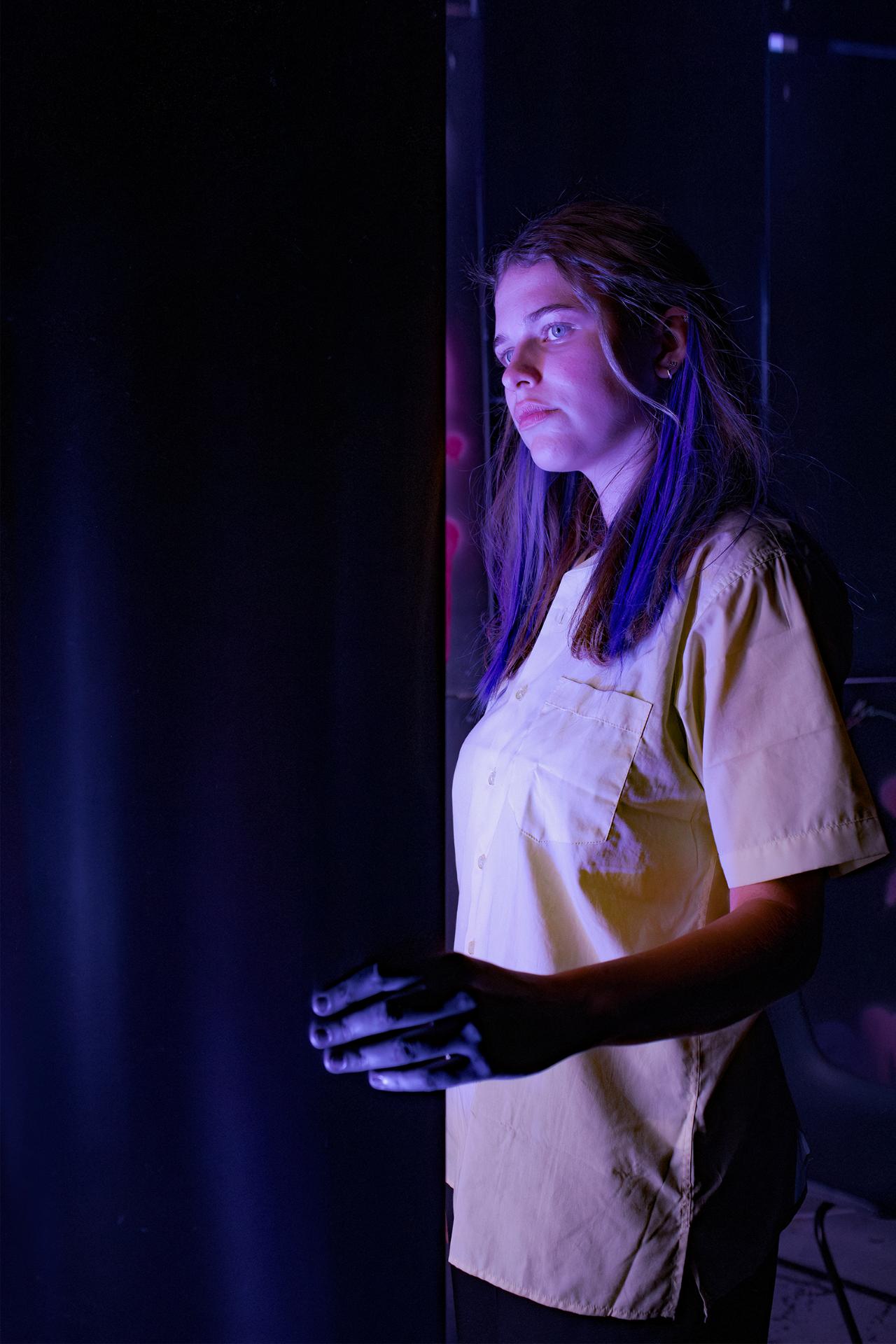
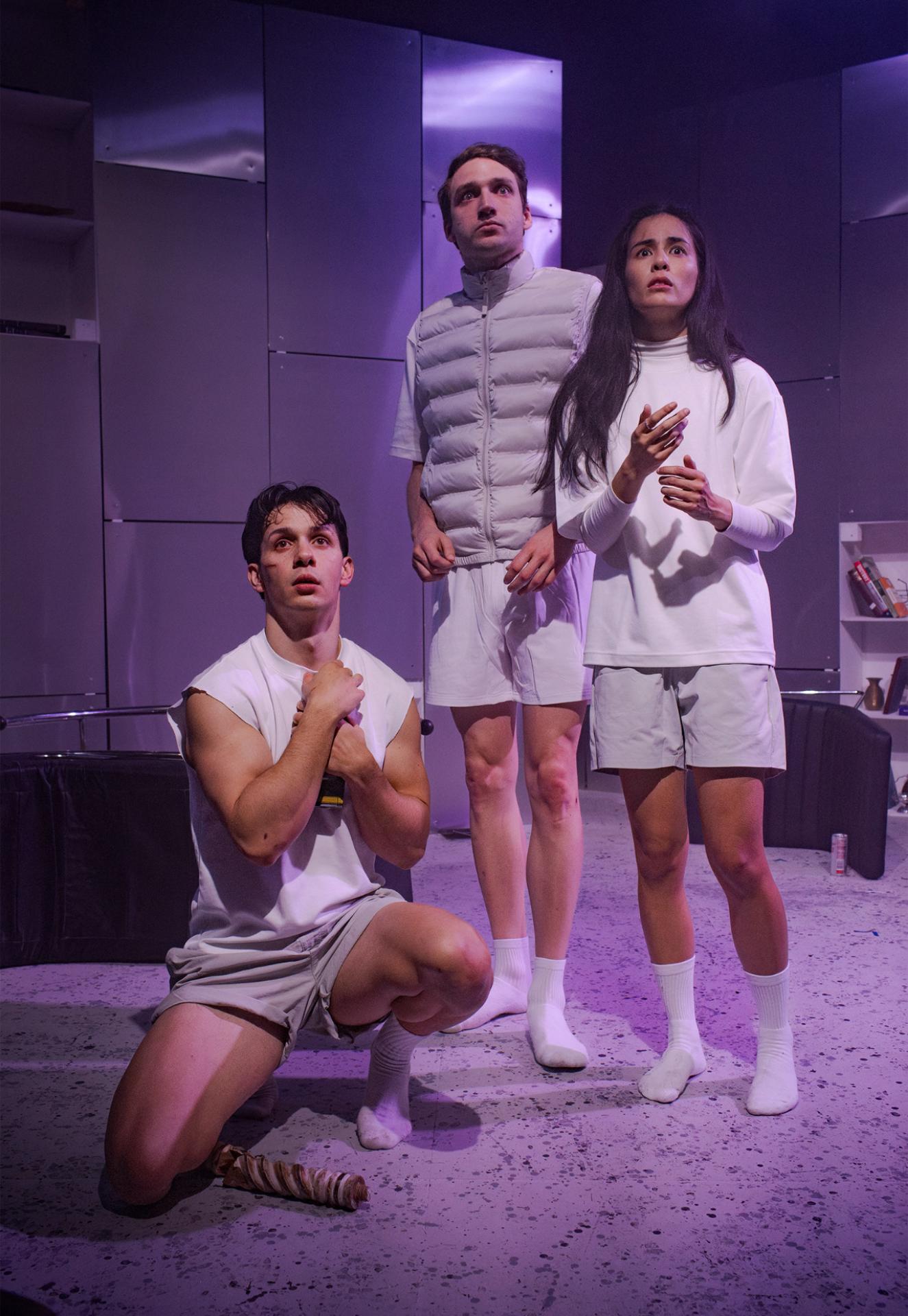
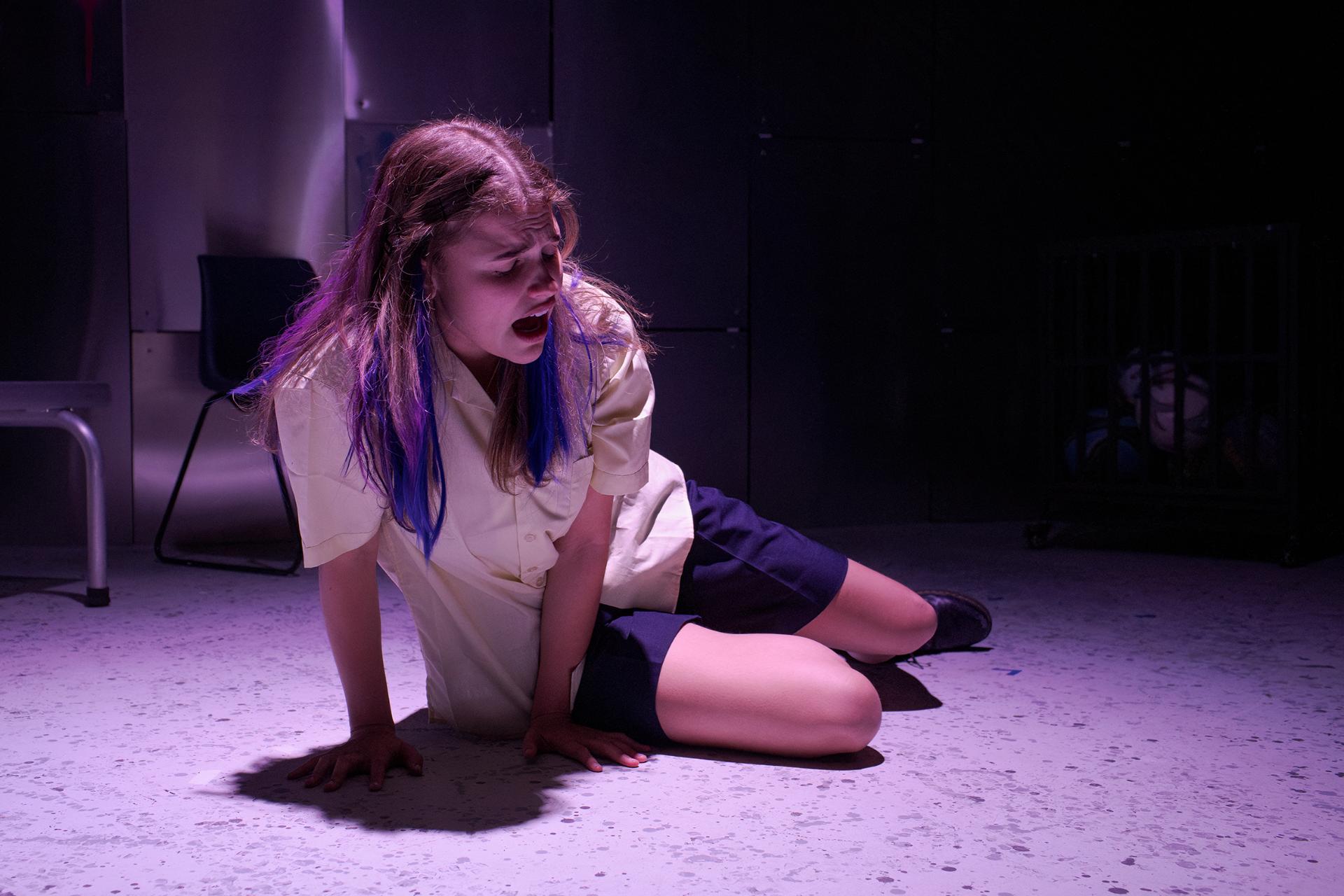
Centred in the second instalment of New Works Festival by Old Fitz Theatre, are the troubling lives of teenagers. Madelaine Nunn’s Sitting, Screaming depicts with searing realism the dangerous situation of a schoolgirl dealing with a predator, whilst Jordyn Fulcher’s Anomalies is completely fantastical in its speculations about a dystopian future, when three youngsters find themselves waking up to calamity, as an extensive technological malfunction takes hold.
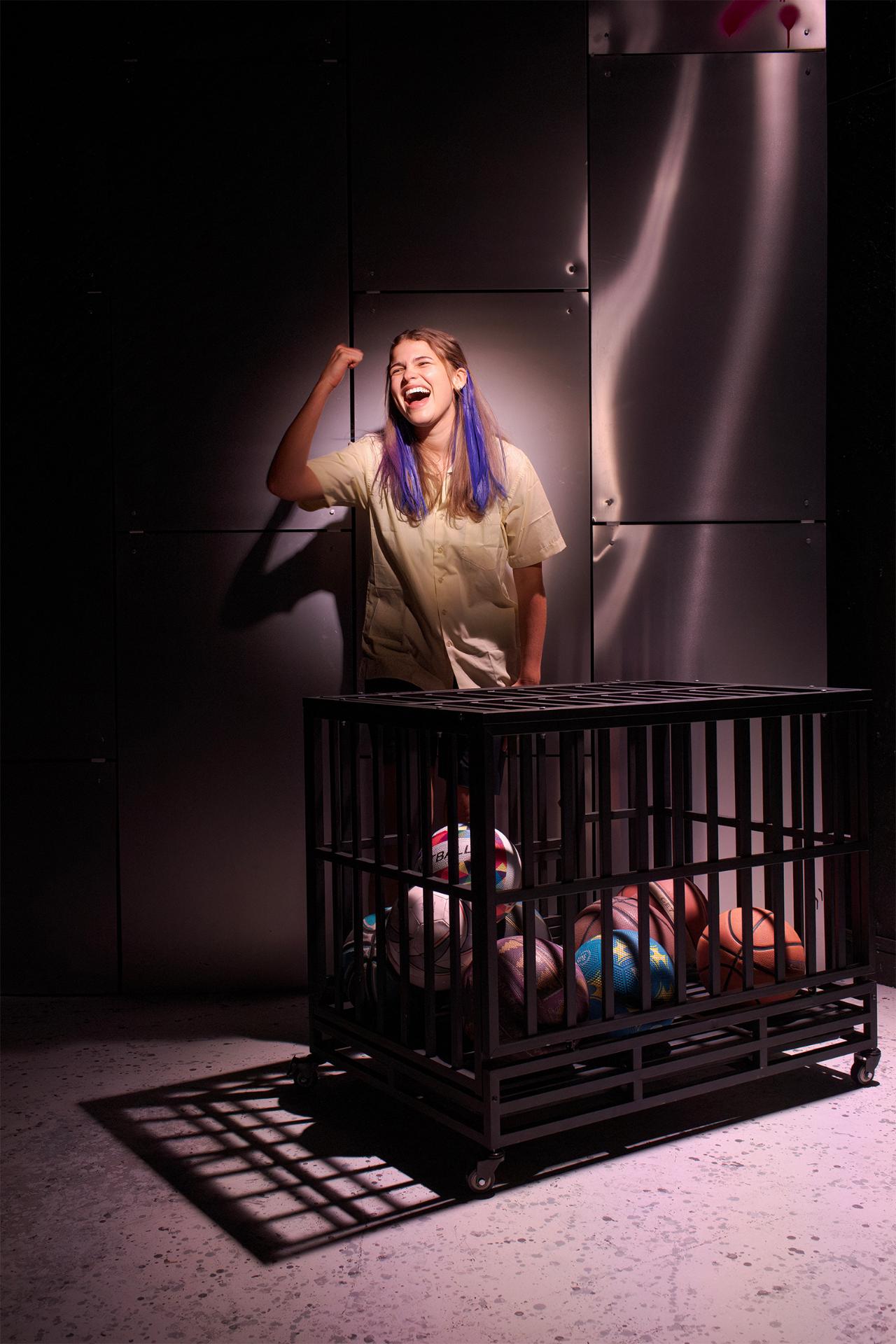
The very cleverly structured and rigorously considered Sitting, Screaming is a work of gripping theatre, as directed by Lucy Clements, who brings exceptional detail to this exploration of rape culture. Its protagonist Sam is played by the wonderful Clare Hughes, who keeps us riveted for the entirety, highly impressive with the tonal variations she introduces, for an occasion of memorable storytelling.

Anomalies however is much more demanding of its audience. Although given energetic direction by Matt Bostock, the piece speaks in a convoluted and alienating language, over a lengthy duration, and with little narrative development. The cast works hard to make sense of the play, but Giani Fenech, Rhiaan Marquez and Harold Phipps can only be credited for being able to find meaning from Anomalies for themselves.
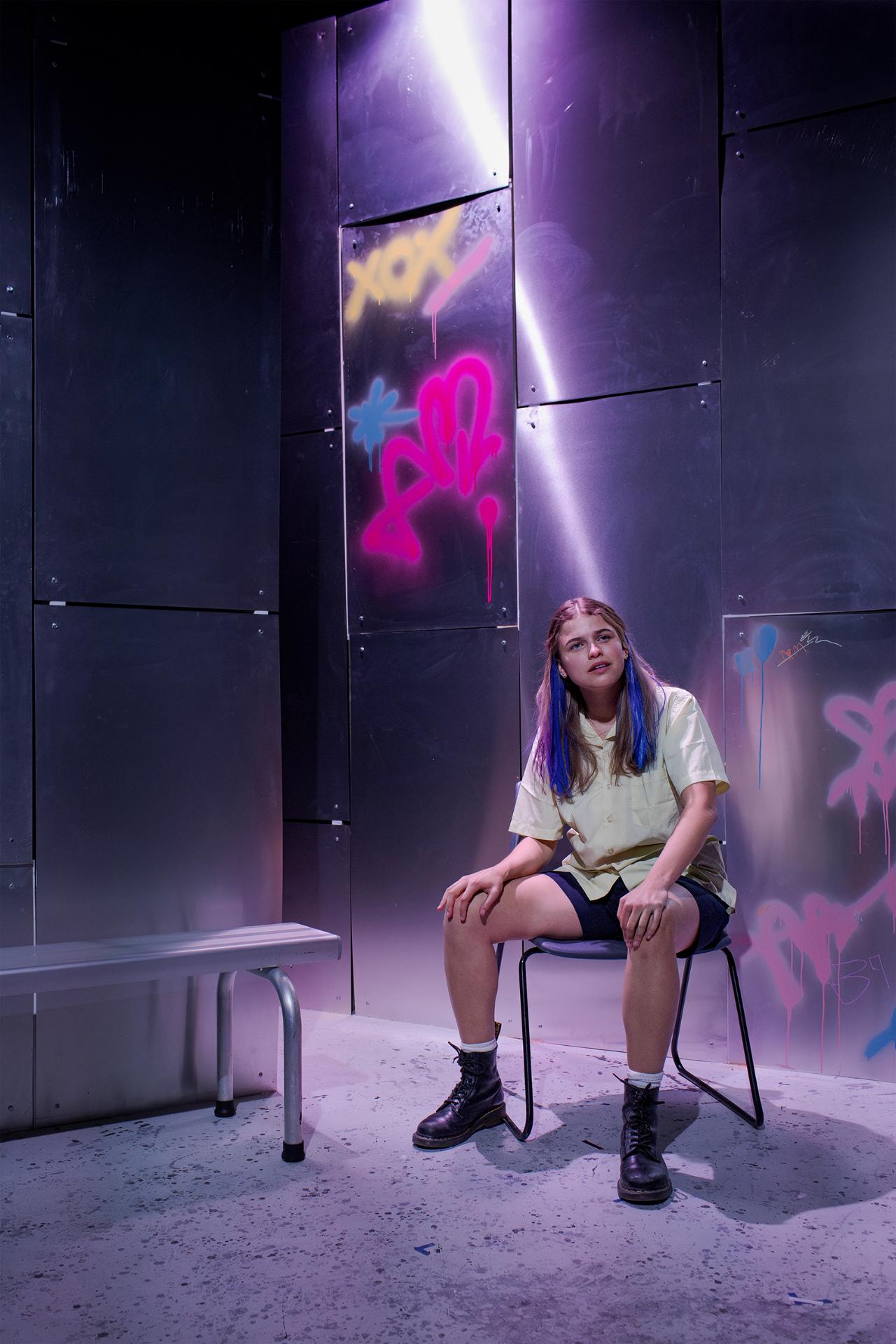
Thankfully, we discover that the staging for both are remarkably well designed. Hailley Hunt’s set and costumes are expressive, and convincing with what they wish to convey. Lights by Luna Ng are commendable for their attentiveness to the nuances of the writing, and for helping us shift through all the vacillating drama and comedy. Sounds by Sam Cheng for Sitting, Screaming too are effective at pulling us deep into the fluctuating emotional textures, just as Milo McLaughlin’s audio creations for Anomalies are able to indicate the escalating intensity of its sci-fi predicament.
Characters in both tales, one authentic and one imaginary, inherit broken worlds. So much of what is normalised, should never have been deemed acceptable. It is through the perspective of youth that we can clearly see that all we have acquiesced to consider good enough, is actually of tragic proportions. The eternal dilemma of humanity seems to be that we cannot help but conceive of perfection, but to bring it to fruition is always beyond us.

 ww.oldfitztheatre.com.au | www.newghoststheatre.com