Review: Ride The Cyclone (Eternity Playhouse)

Venue: Eternity Playhouse (Darlinghurst NSW), May 14 – 30, 2026
Book, Music & Lyrics: Jacob Richmond & Brooke Maxwell
Director: Kris Sergi
Cast: Brock Cramond, Riley Druce, Liam Faulkner-Dimond, Michael Haratzis, Kayla Ingle-Olson, Kavisha Karunarathna, Natalie Patterson
Images by Izzy Sergi

Theatre review
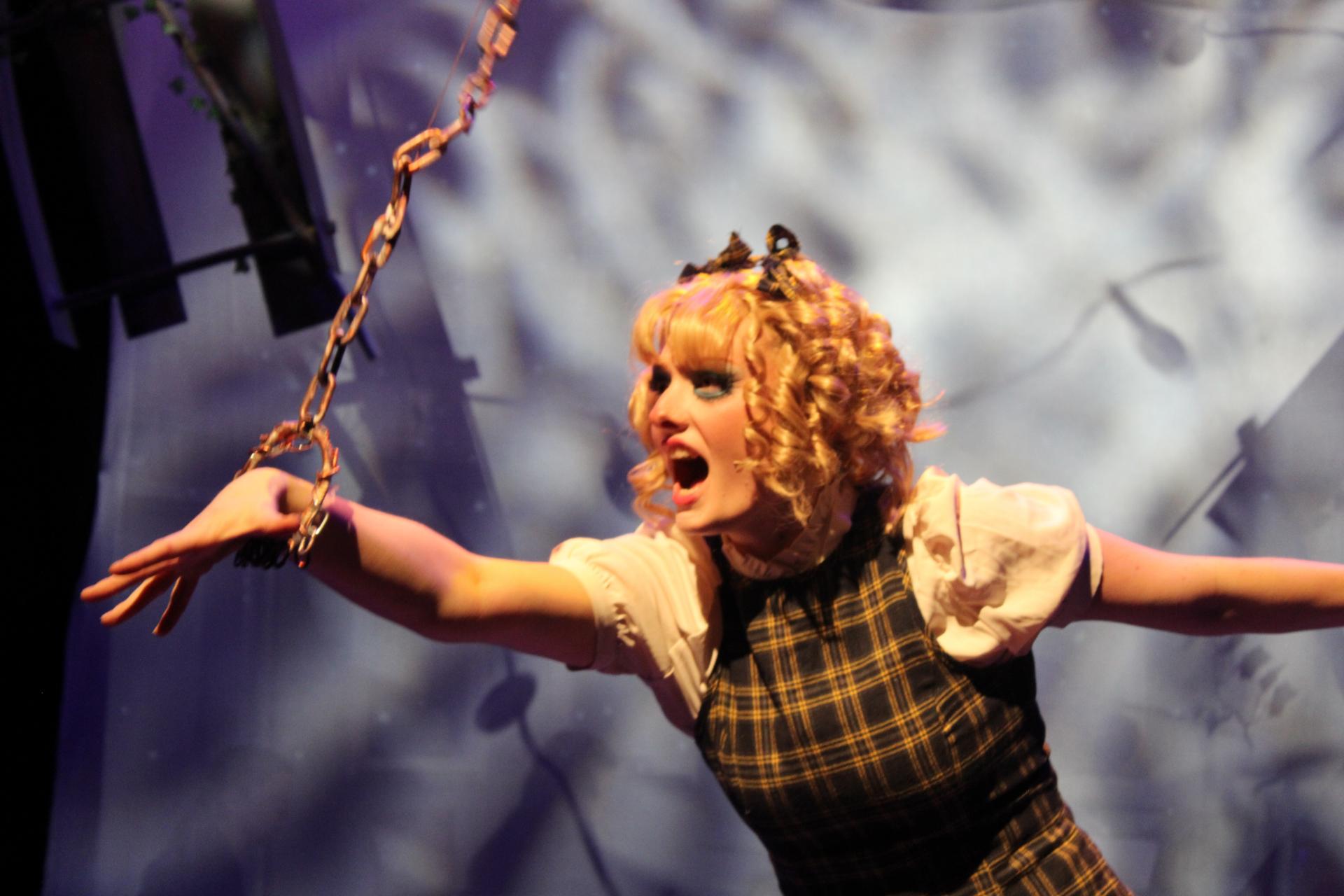
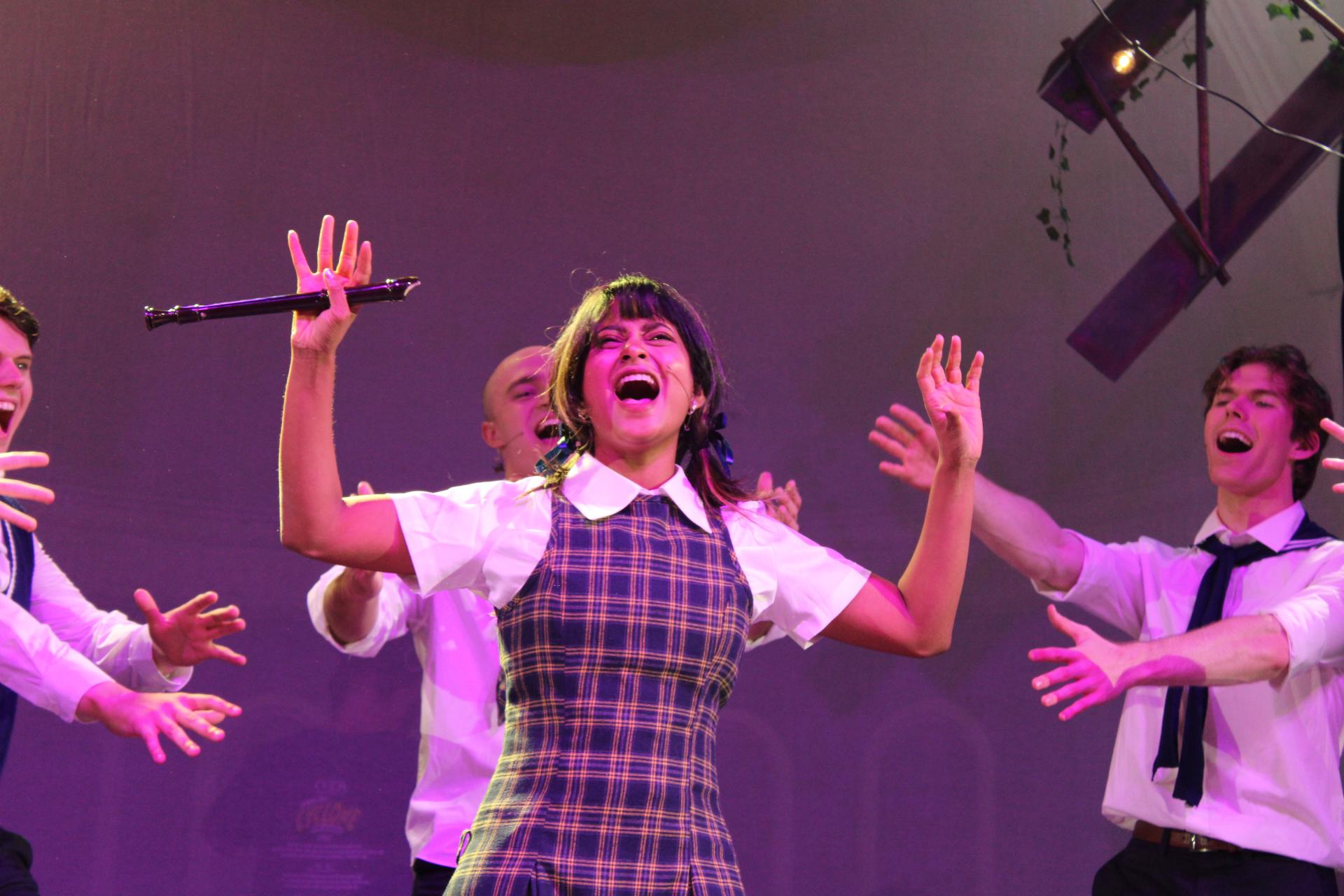
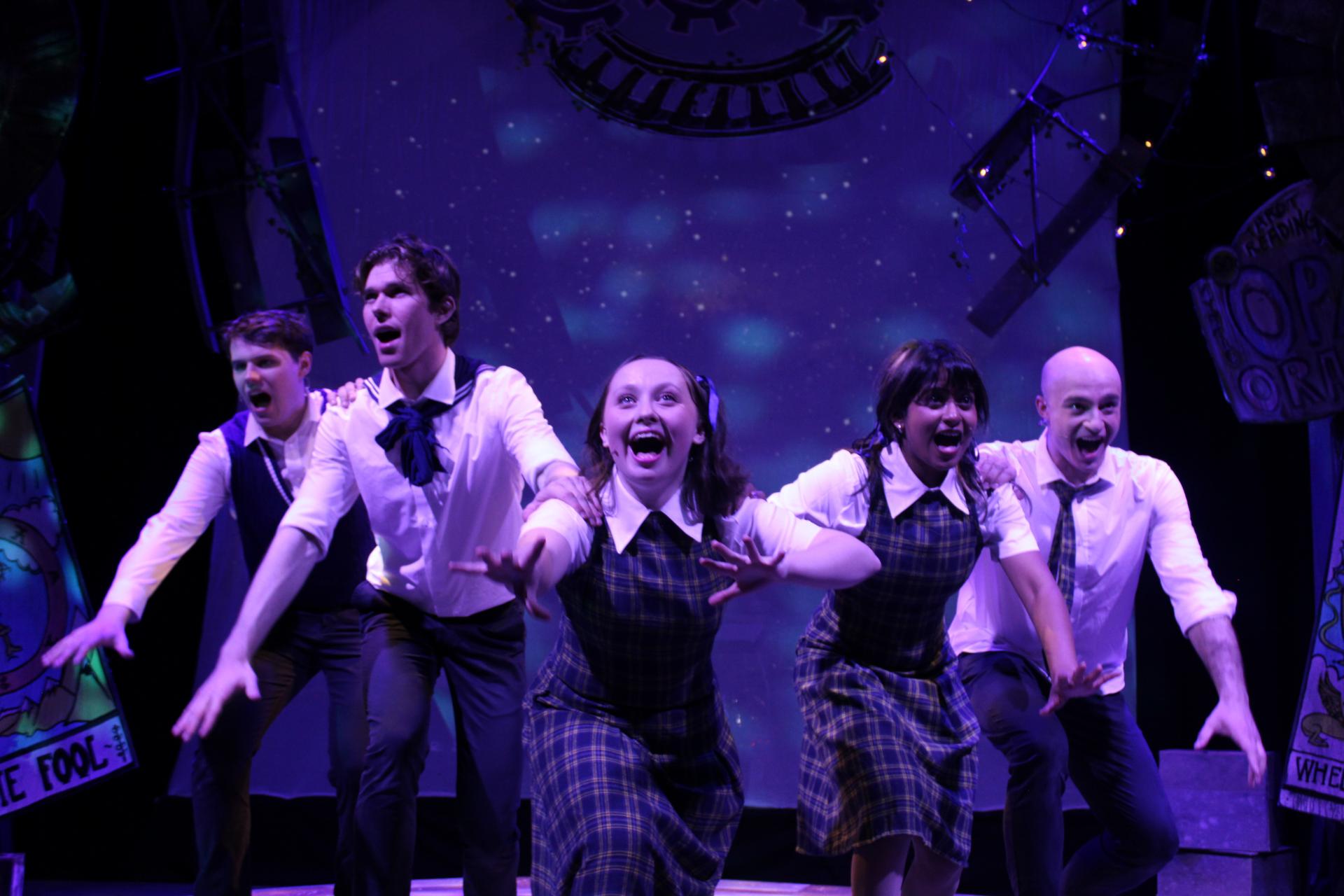
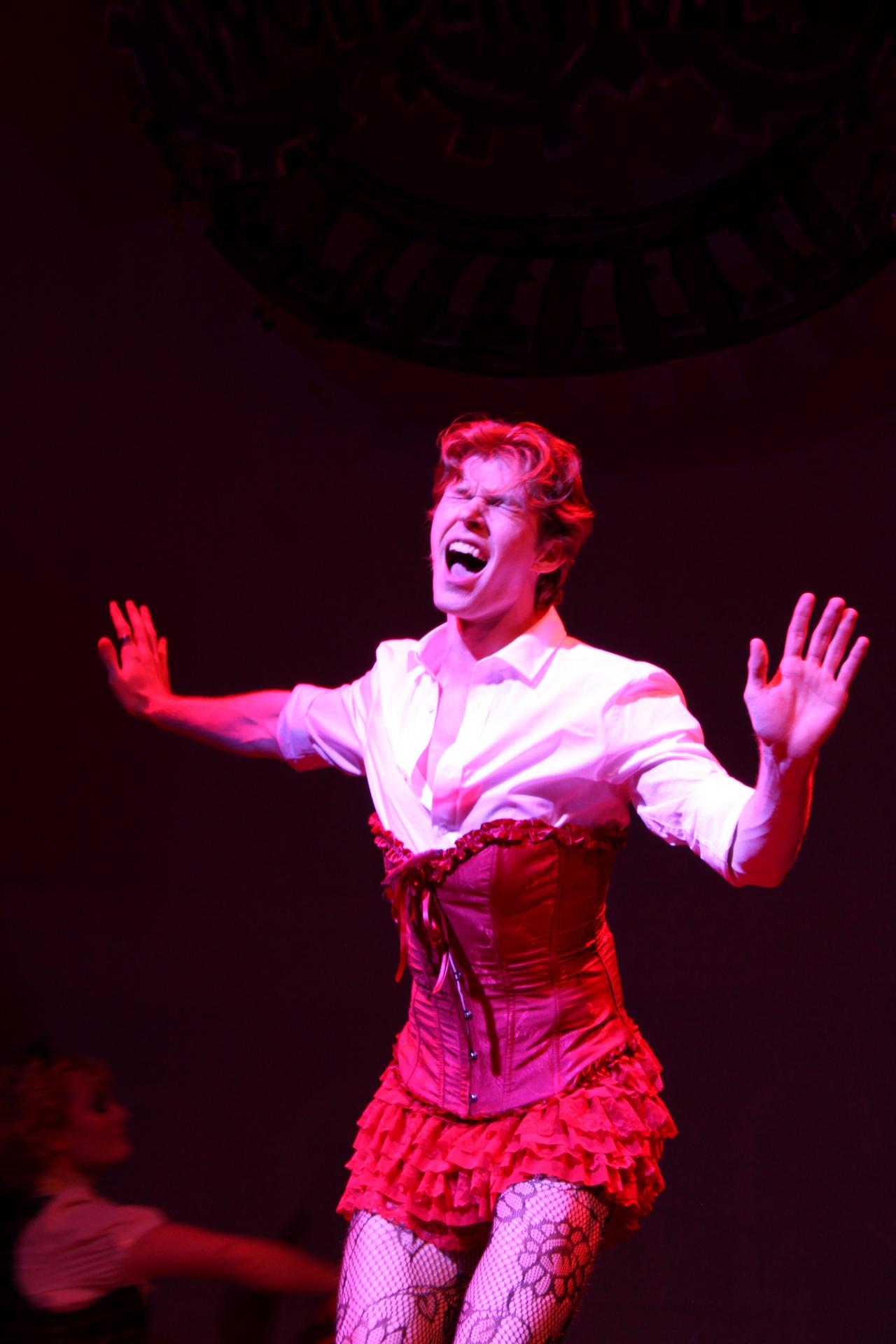
In a liminal purgatory, six teenagers compete in a macabre talent show for the singular prize of resurrection. *Ride the Cyclone*, the 2008 musical by Jacob Richmond and Brooke Maxwell, purports to meditate on existential meaning, yet its philosophical inquiry remains largely superficial. The score offers moderate pleasures, and the characters possess intermittent charm, but the work never achieves the emotional gravity its premise demands. Though consistently amusing, the humour too often settles for the facile rather than the genuinely witty.

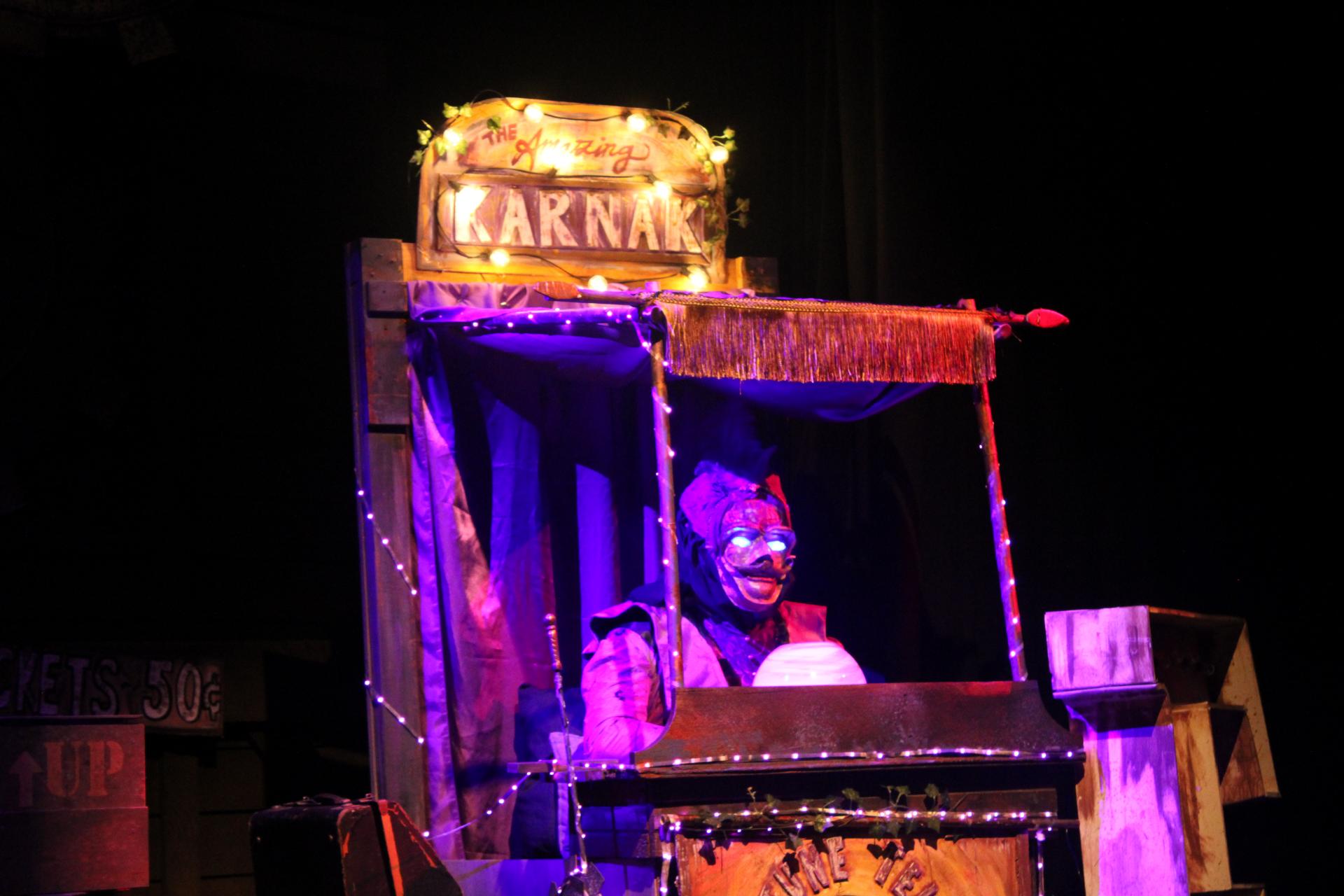
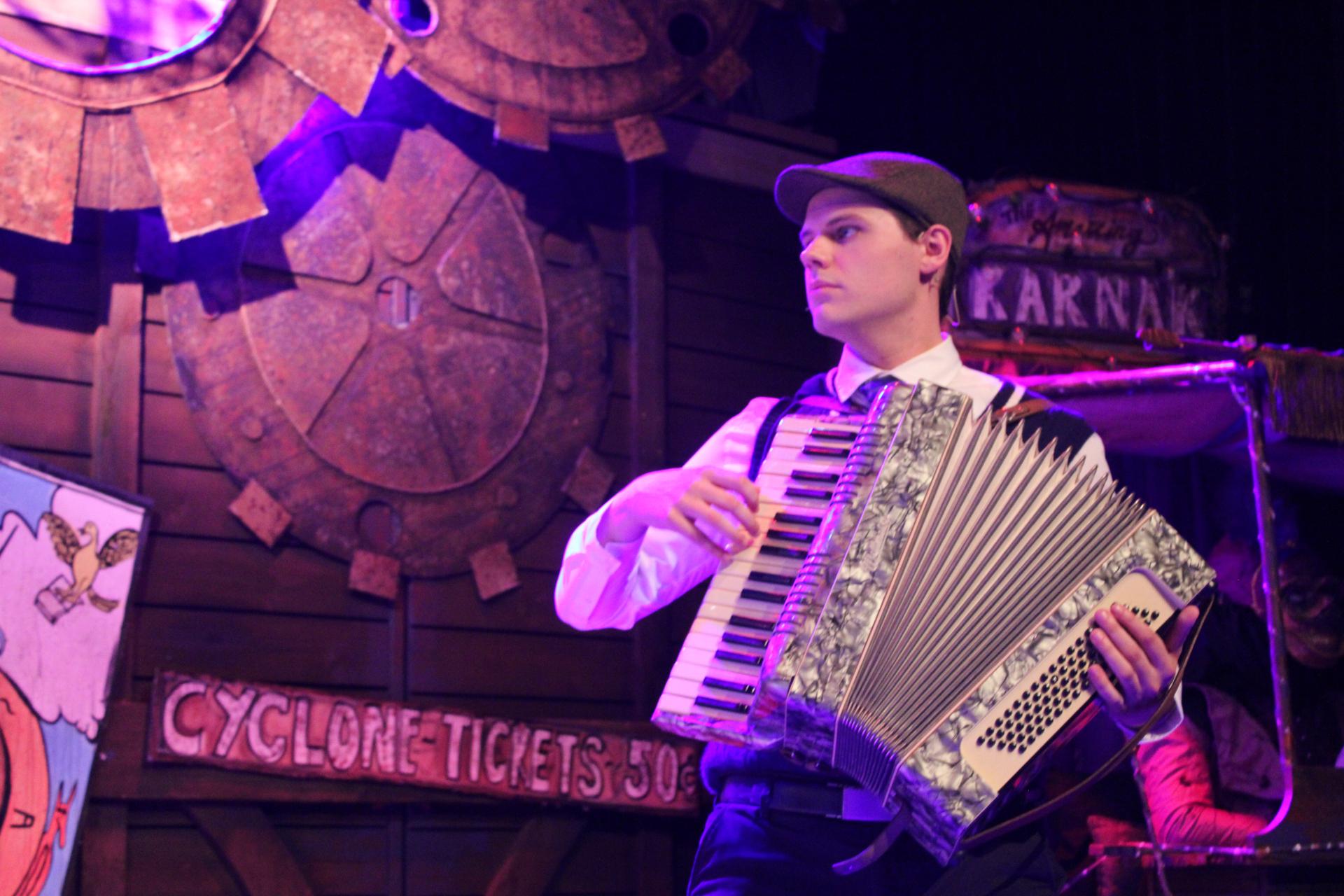
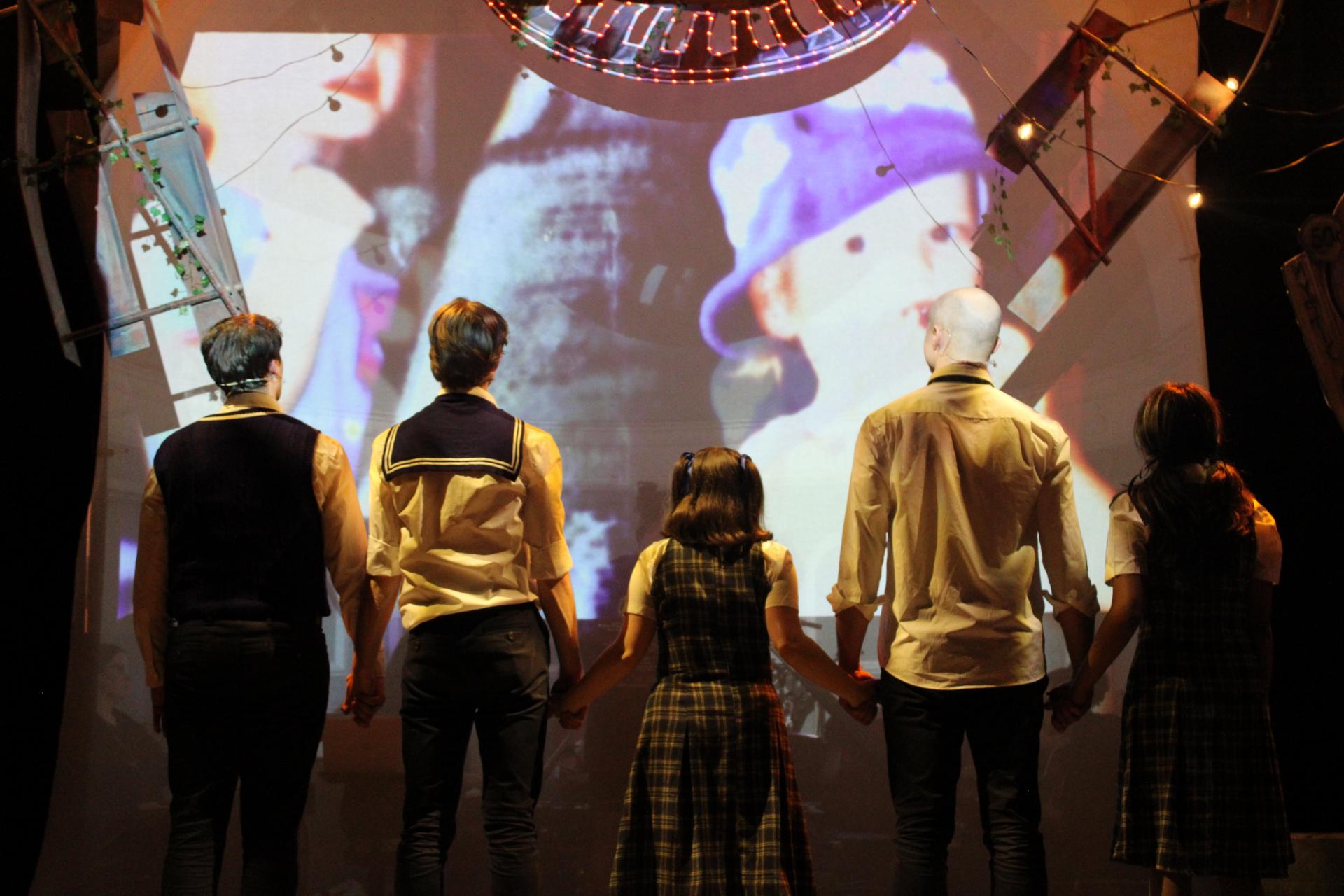
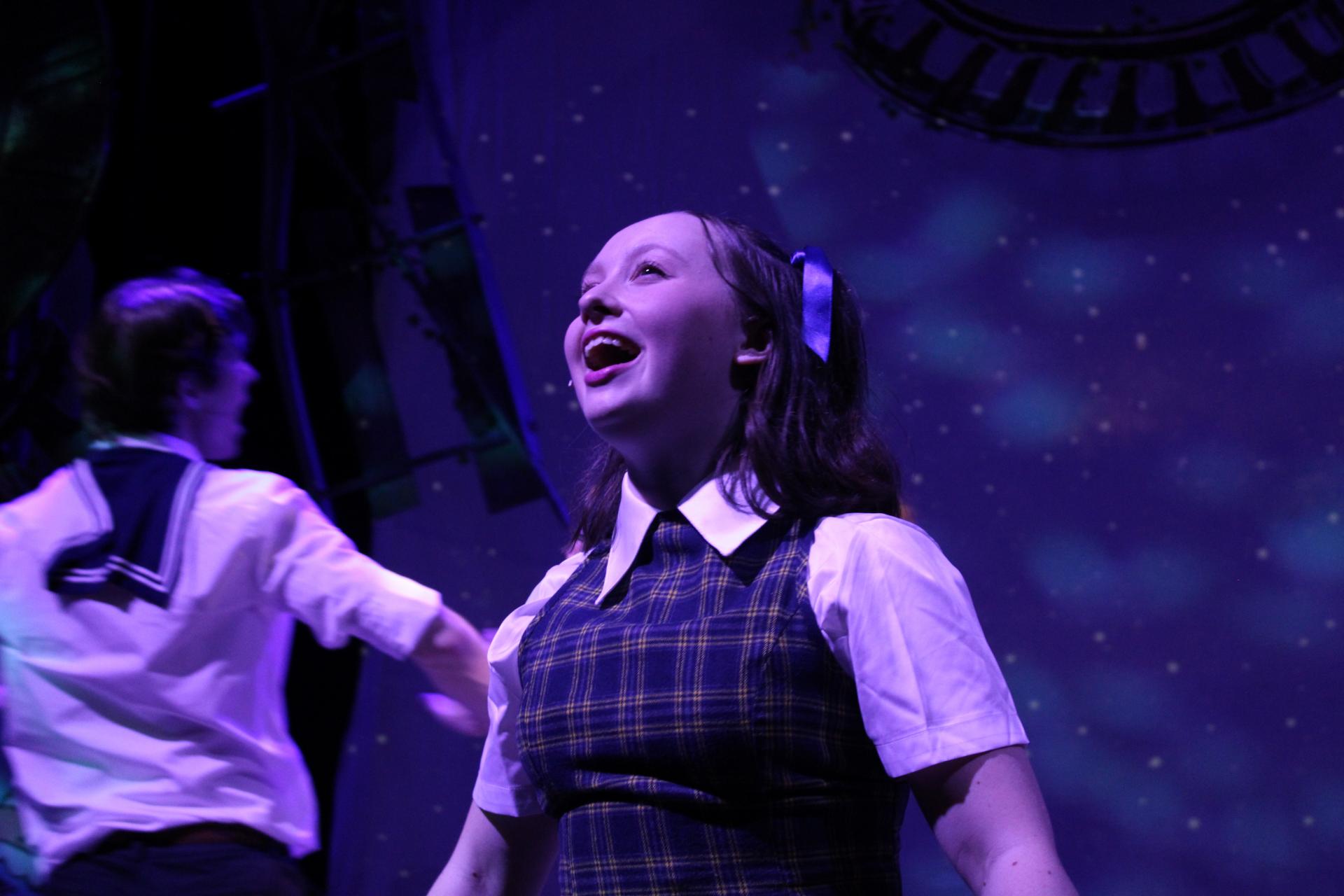
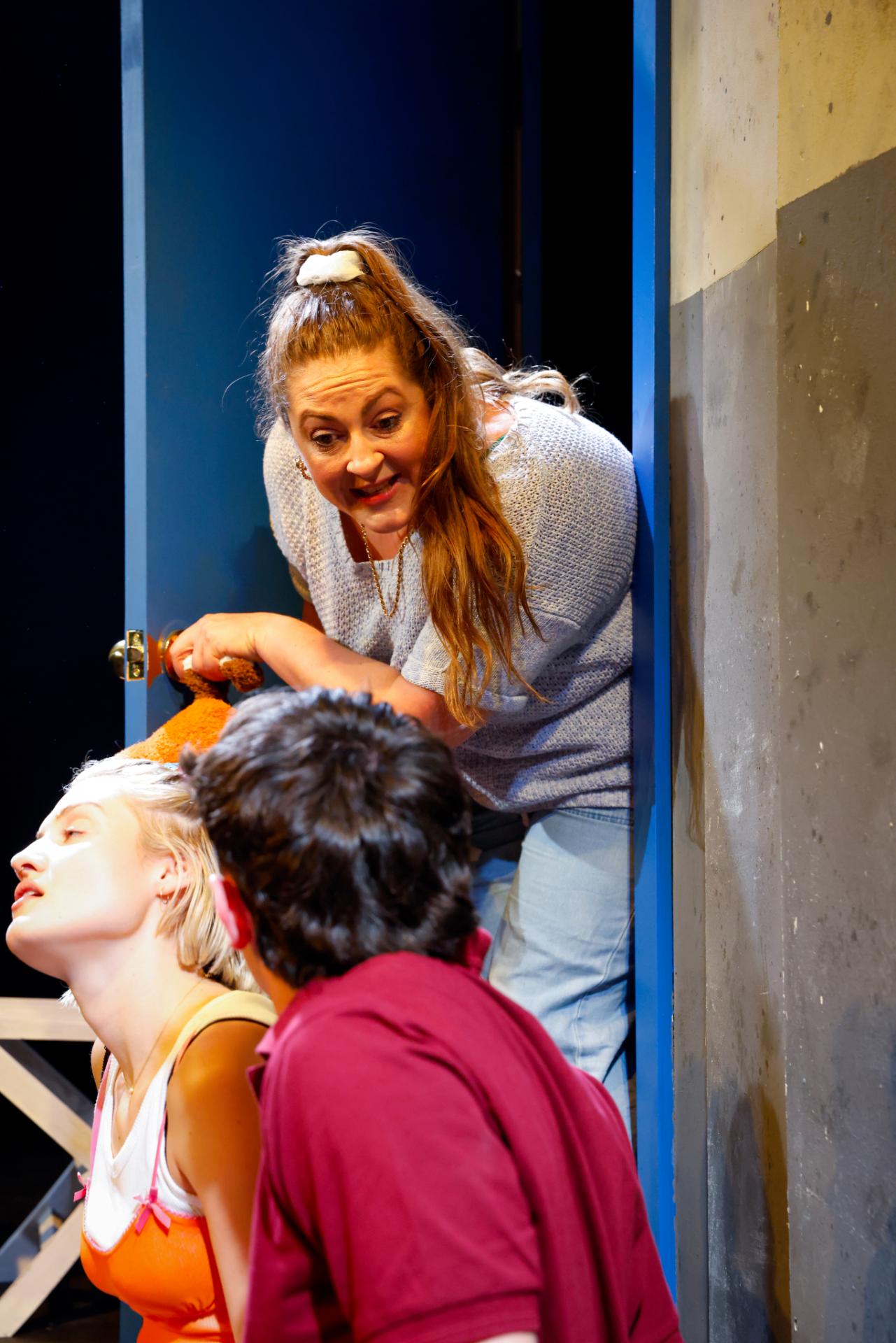
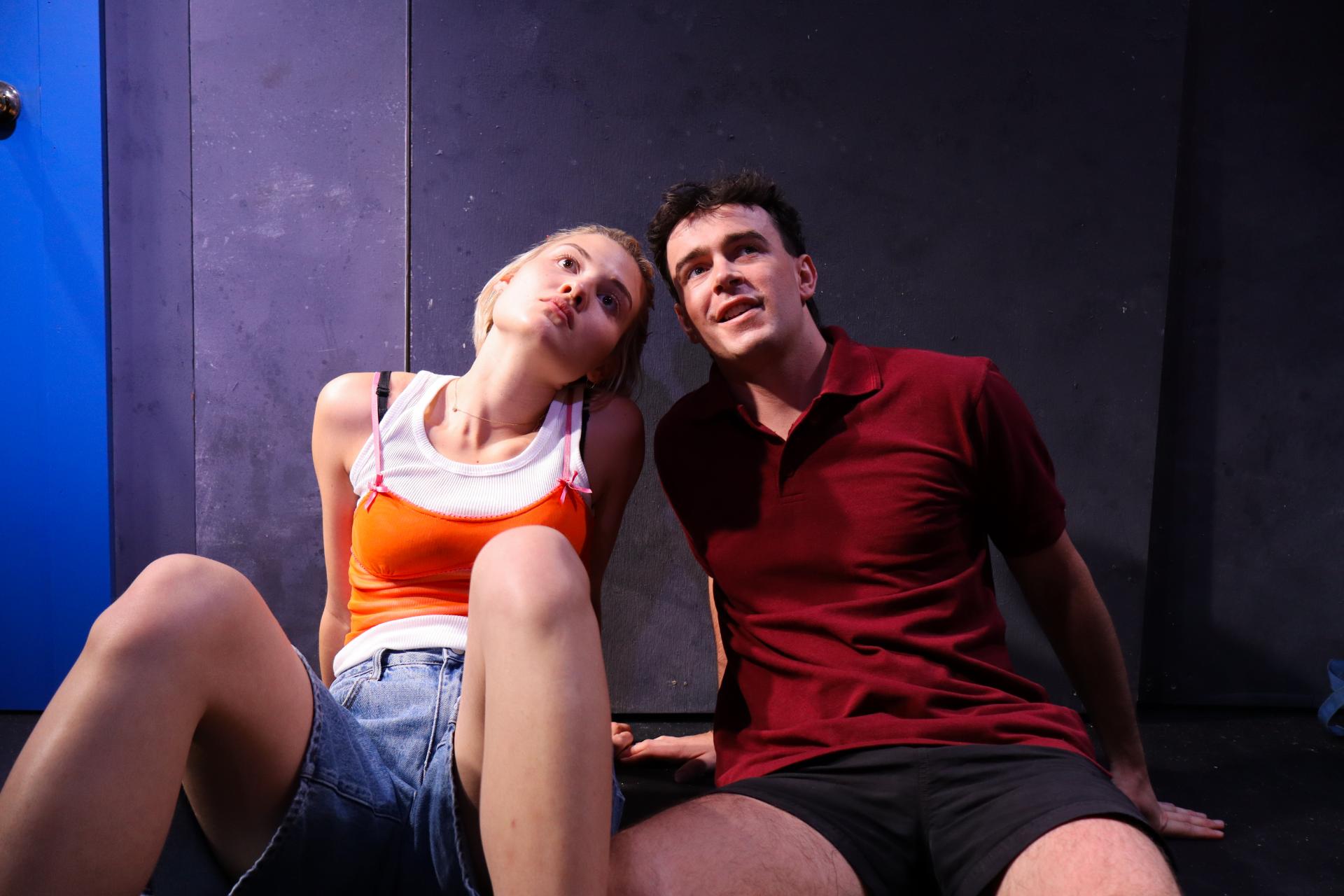
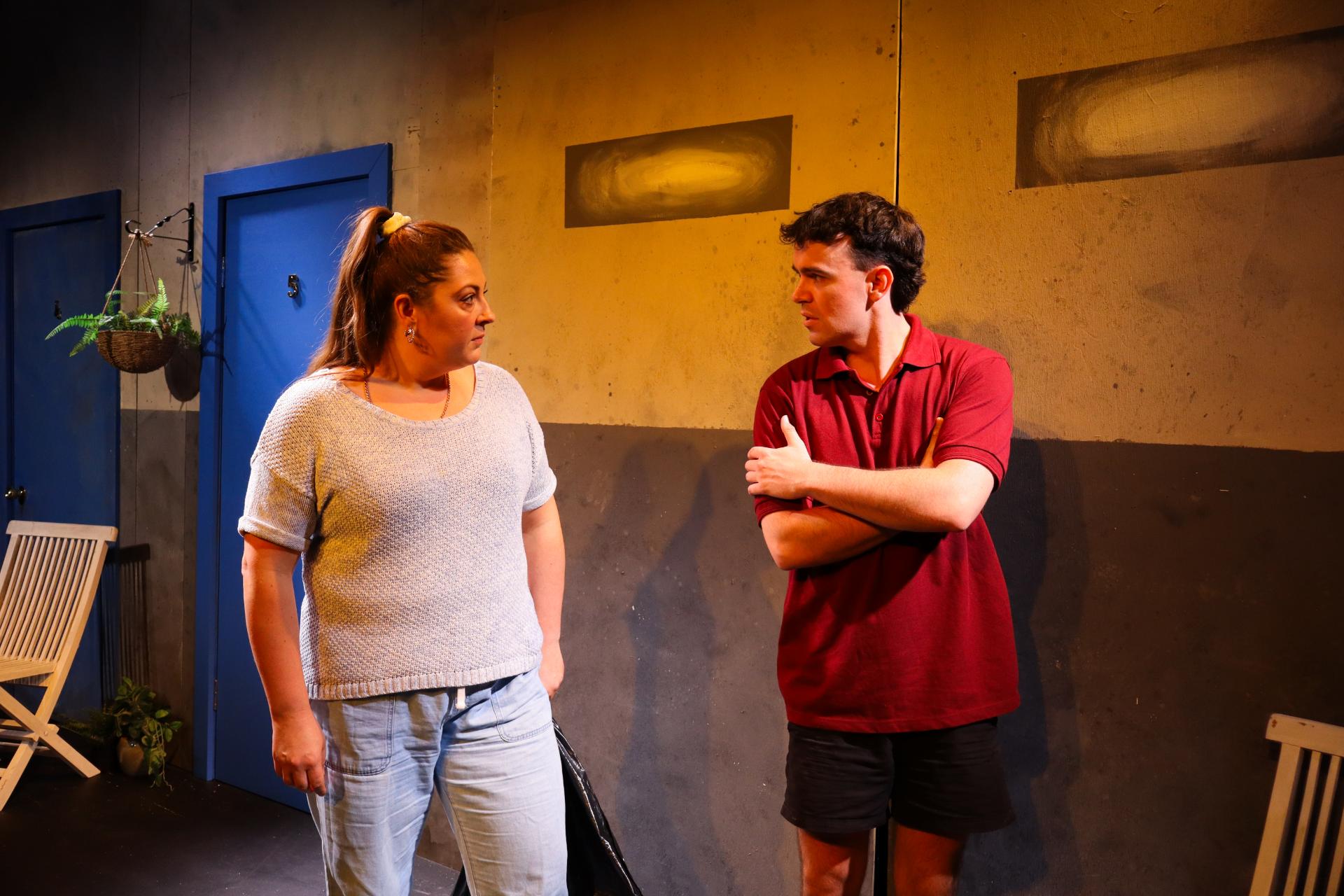
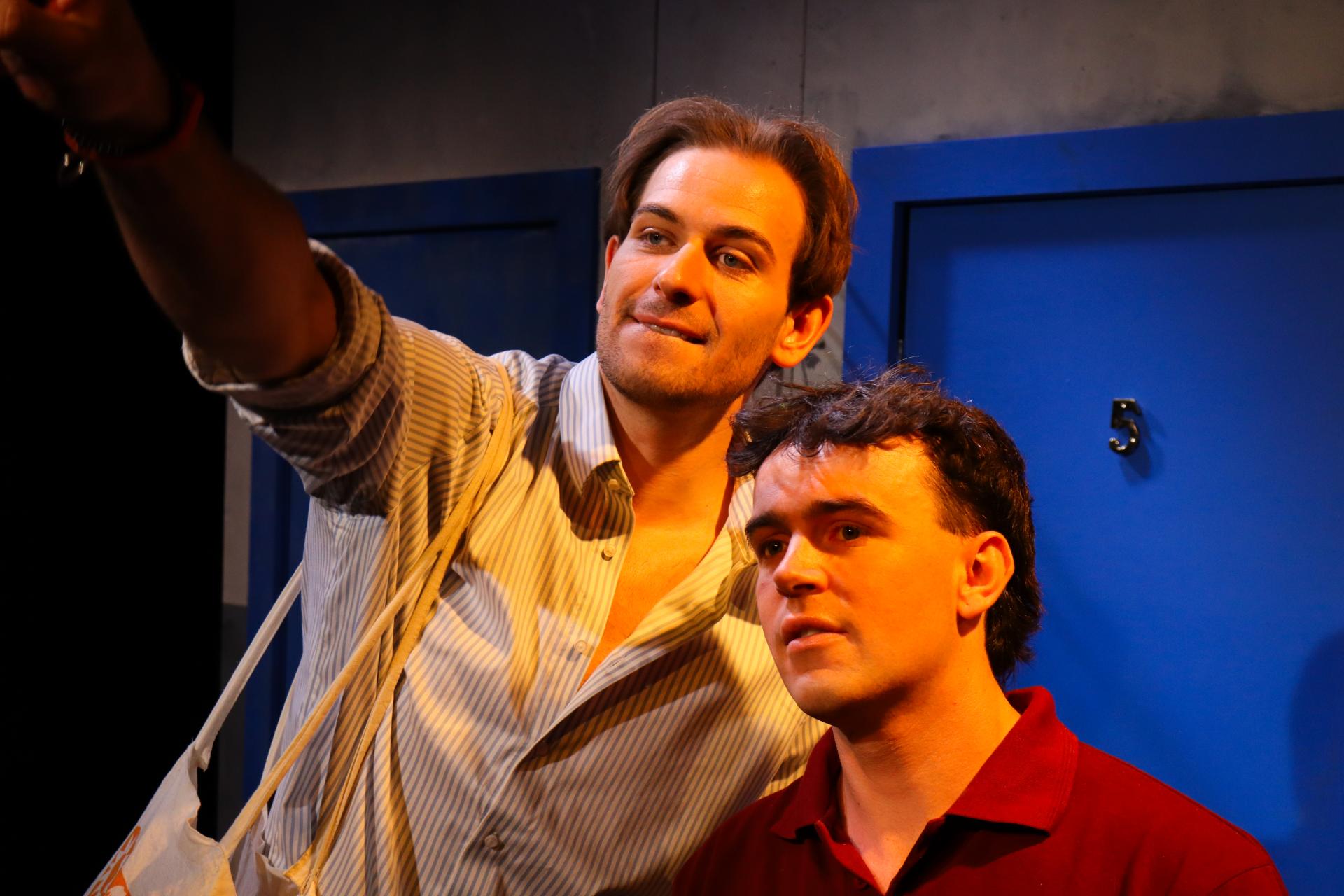
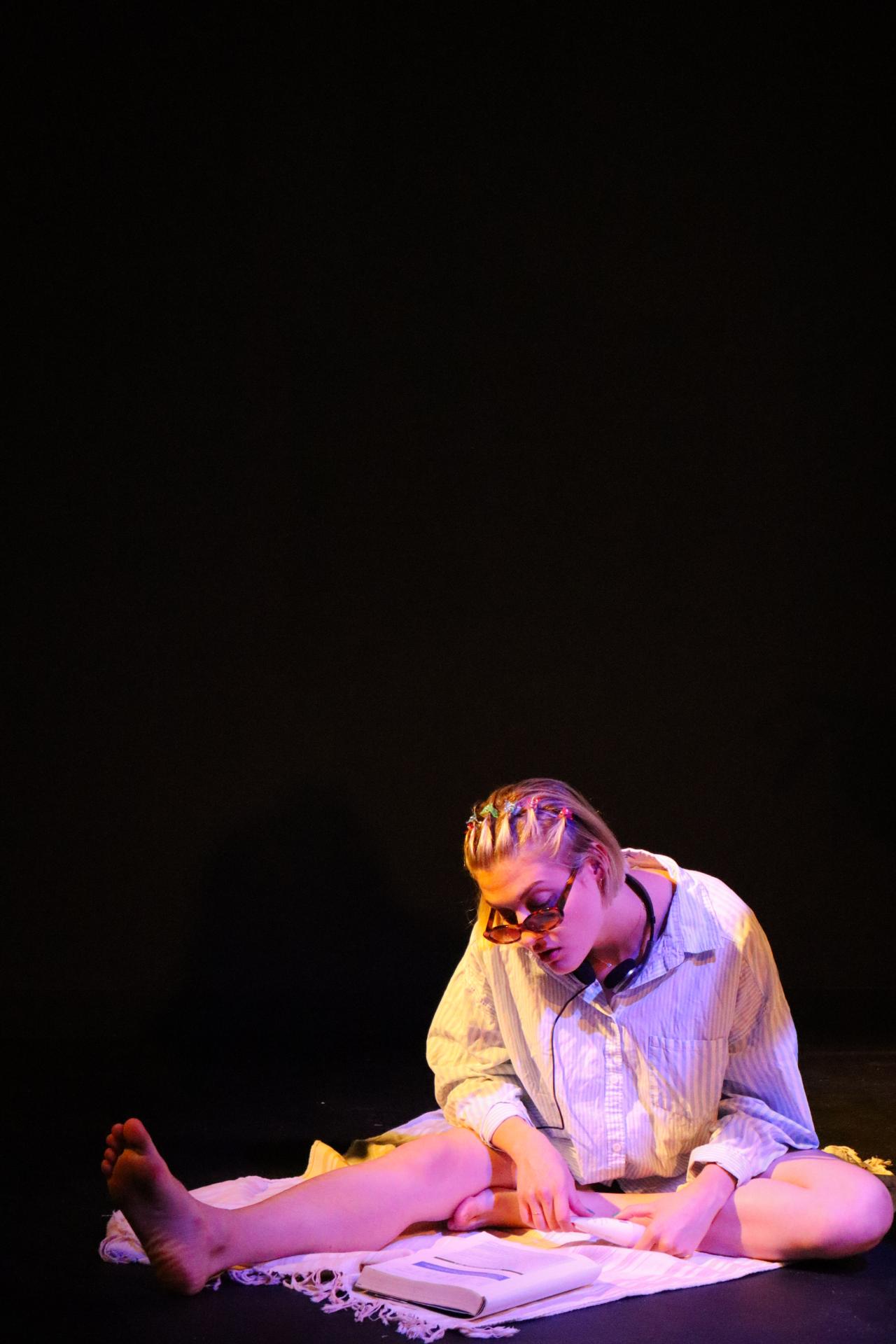
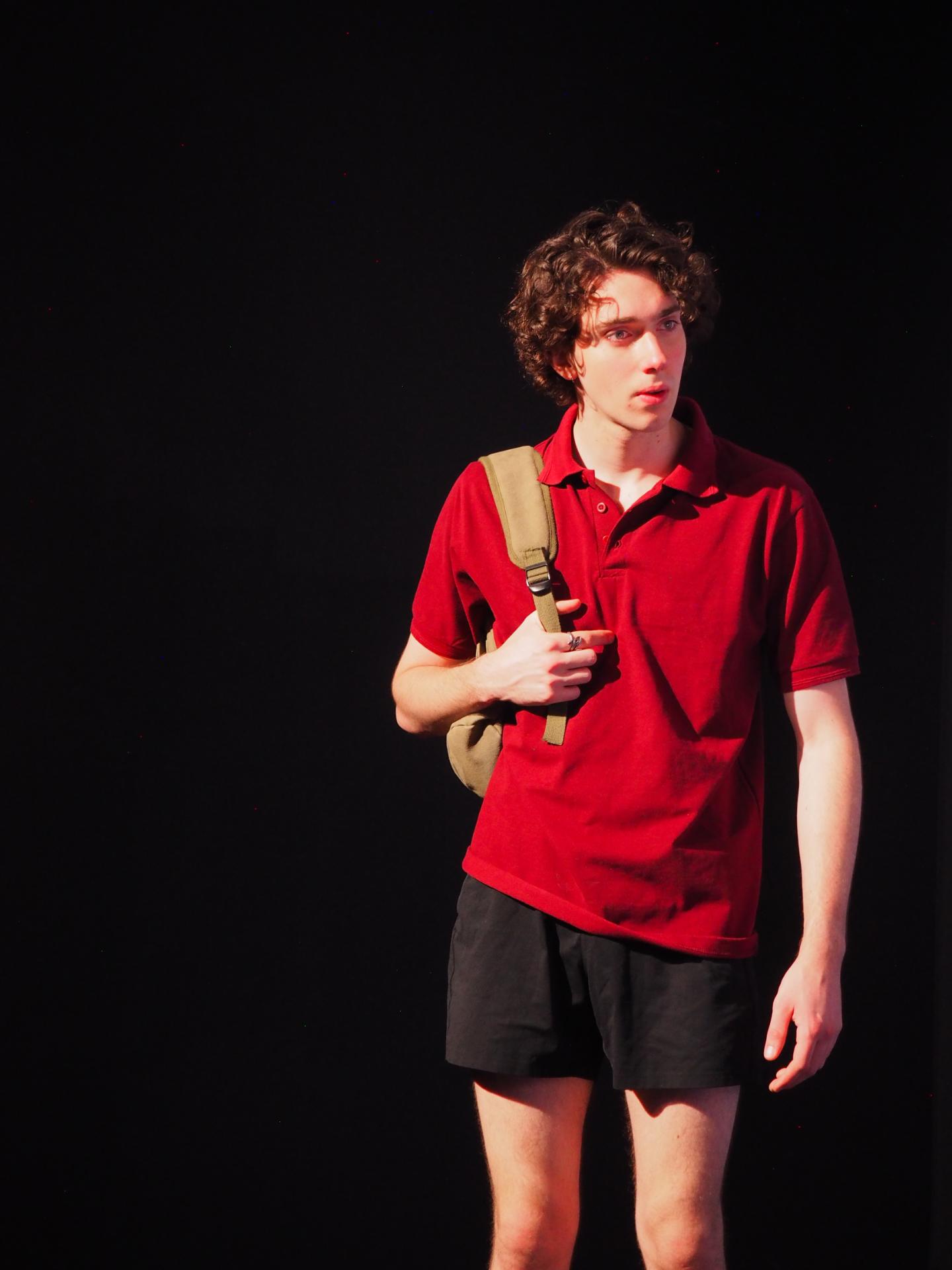
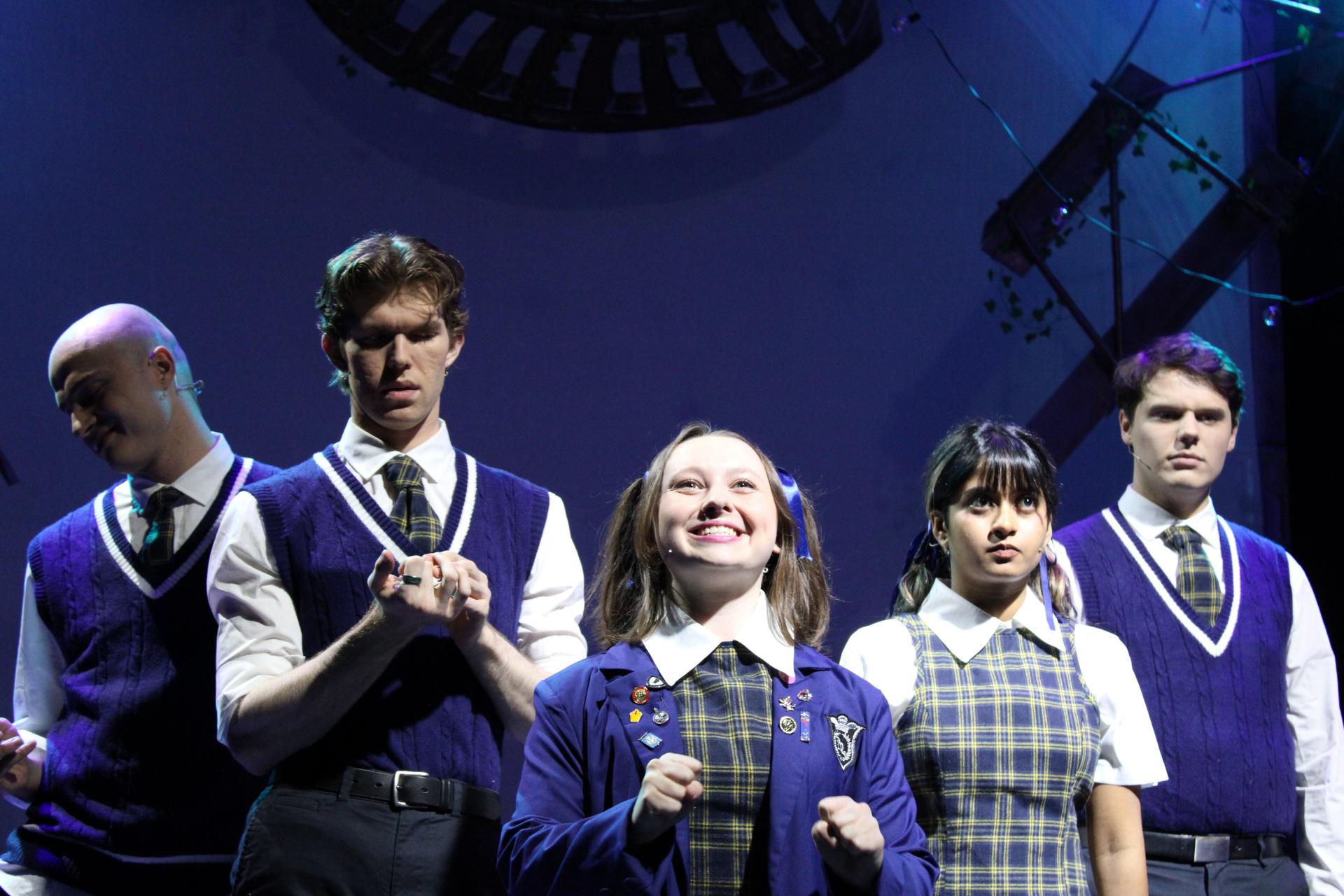
Kris Sergi’s direction and choreography inject the production with undeniable verve and exuberance, yet even this kinetic energy cannot fully animate the material’s hollow center. The production’s most compelling achievement lies in Kathryn Smith and Peter Mussared’s scenic design, which masterfully constructs the spatial paradox of a threshold existence—granting this purgatorial realm genuine dimensionality and visual majesty that momentarily transcends the script’s limitations. Sergi and Lexi Willis’s costumes display welcome visual variety, though they would benefit from greater refinement. Tim Hope’s lighting, too, is marked by inconsistency: it lacks the sustained atmospheric density to conjure a convincingly supernatural realm and falls short of the chromatic complexity required for nuanced tonal metamorphoses, yet it nonetheless achieves an arresting memorability at the drama’s most pivotal junctures.

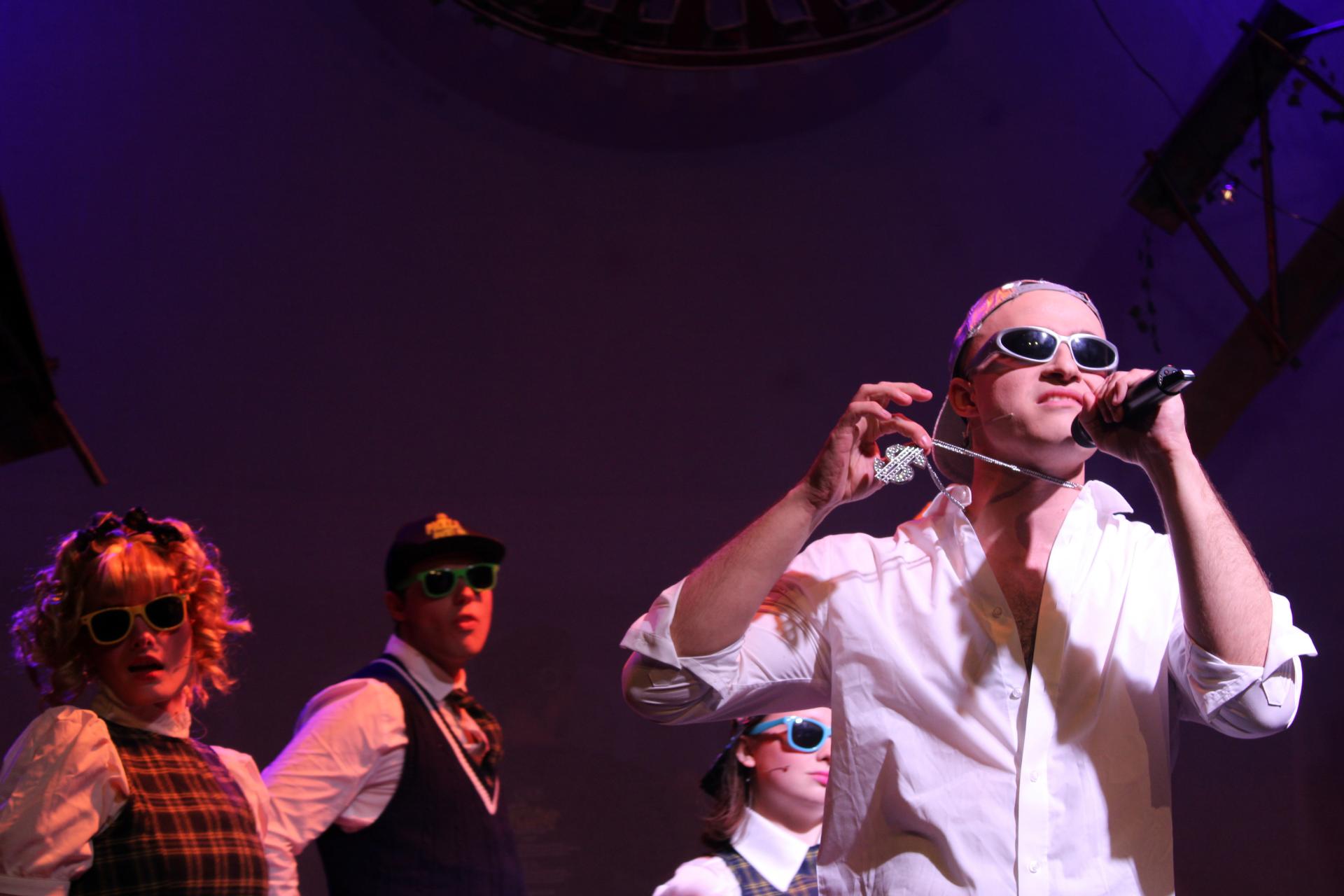
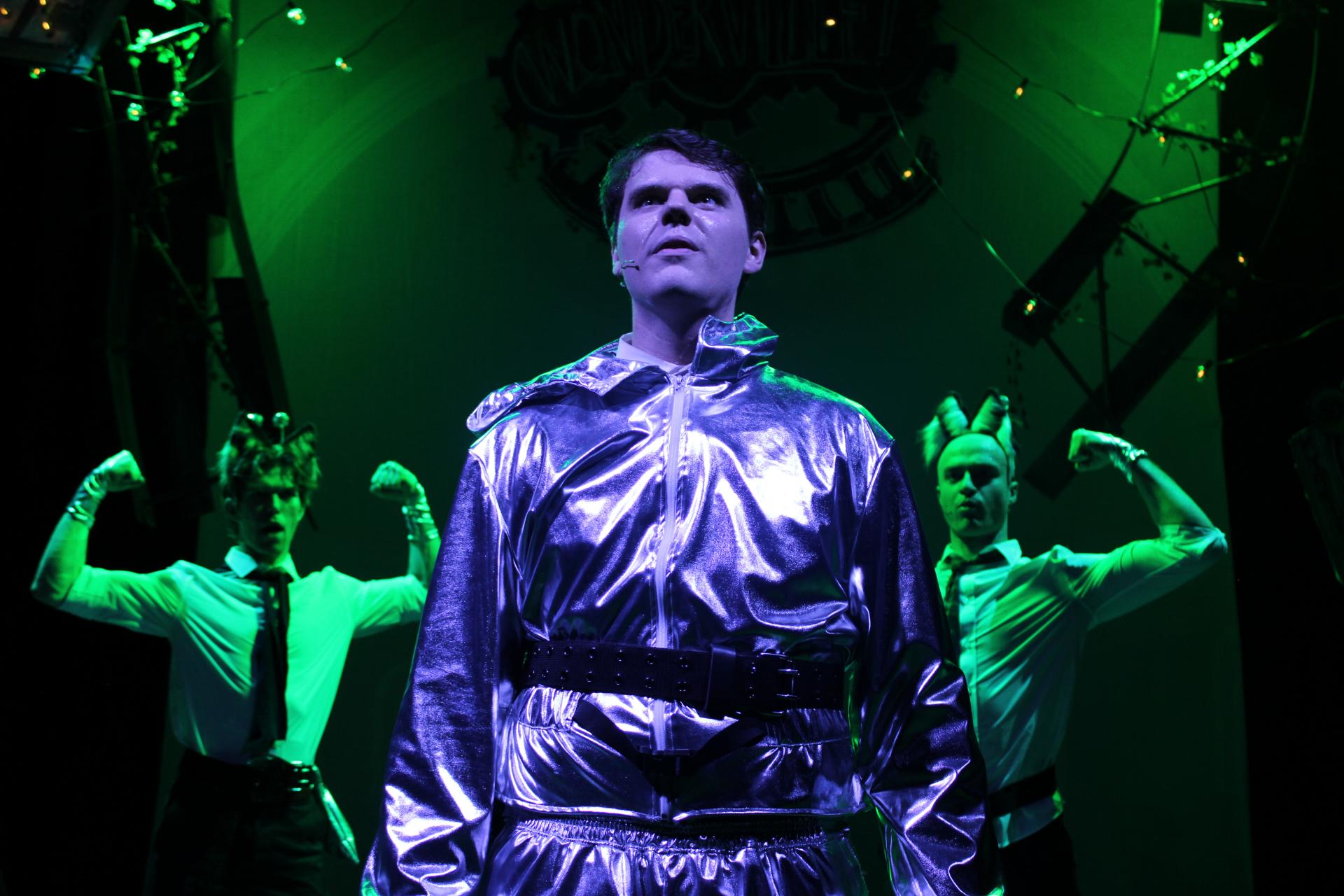
The seven-member cast commits wholeheartedly, their palpable effort to infuse the piece with soulfulness evident even when the material resists such depth. Beyond some genuinely formidable vocal work, individual performances fluctuate between competent and genuinely accomplished. Natalie Patterson emerges as the production’s undeniable anchor; her Jane Doe combines technical precision with an emotional acuity so penetrating it becomes the evening’s most authentic glimpse into genuine pathos.

There are fleeting instants when the production invites a more profound consideration—that perhaps the hereafter offers possibilities more tantalizing than earthly existence itself. As these characters claw desperately toward their former lives, one might paradoxically conclude that while our time on the current plane remains unequivocally precious, what lies beyond may hold its own strange allure. Terrifying though the unknowable remains, it may not, in the end, be something to fear.
www.companyofdramaticarts.com

Review: Beautiful Thing (Qtopia)

Venue: Qtopia (Darlinghurst NSW), Dec 3 – 13, 2025
Playwright: Jonathan Harvey
Director: Finn Stannard
Cast: Poppy Cozens, Max Dÿkstra, Michael Hogg, Willa King, Jake Walker
Images by Alexandra Tiernan, Yingying Zhang

Theatre review

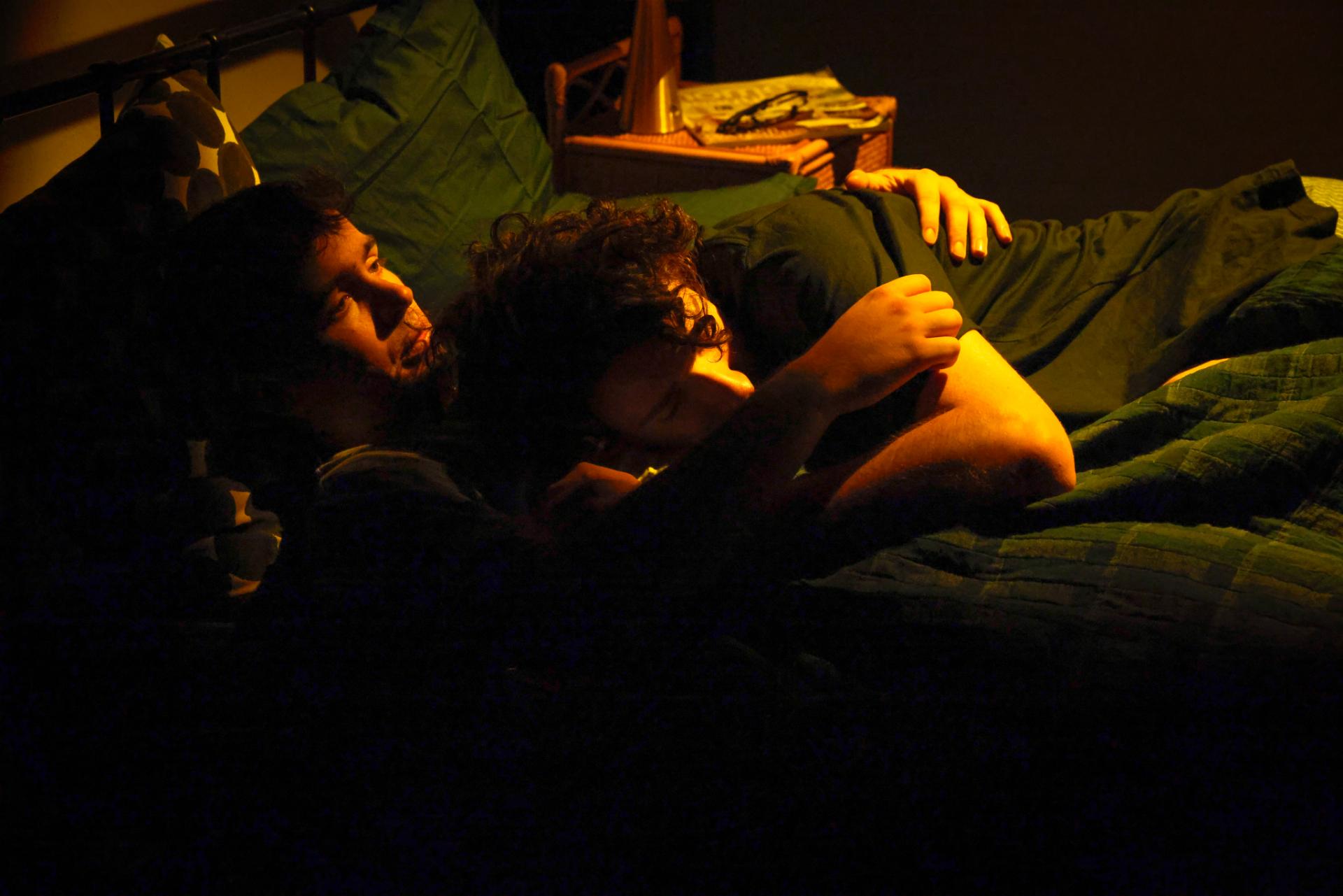
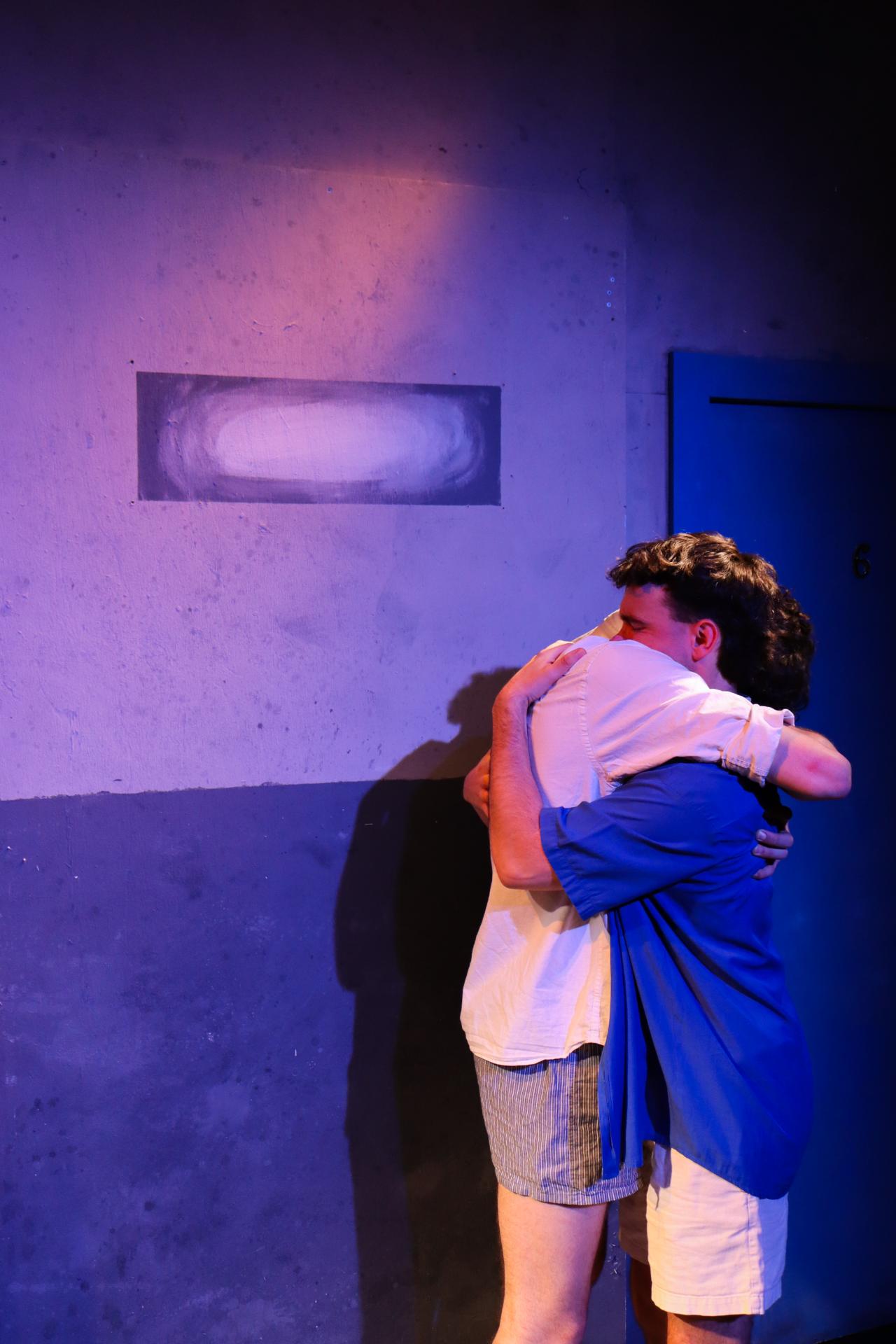
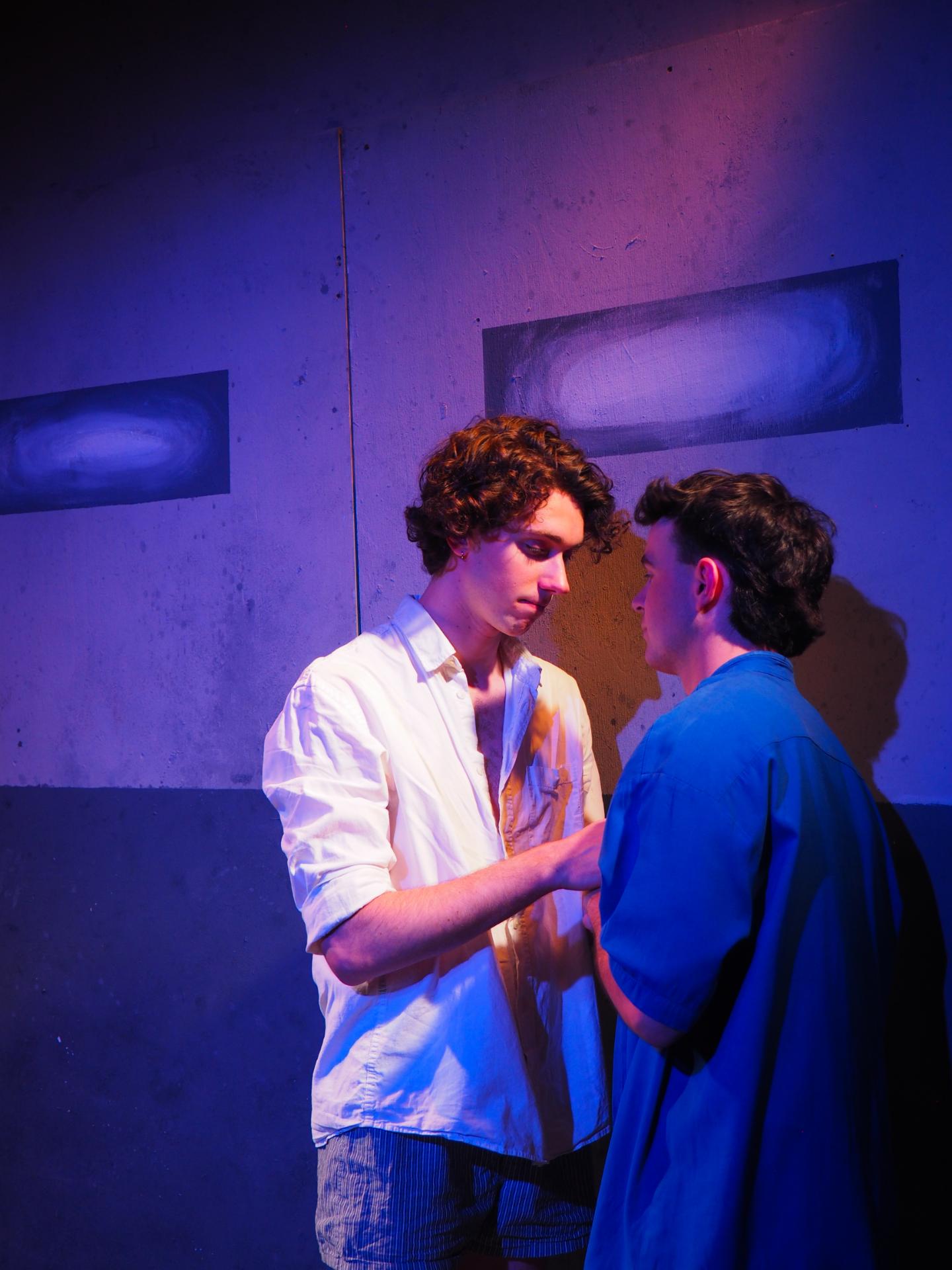
It is challenging enough for two teenage boys to fall in love, but the lower-socioeconomic circumstances into which Jamie and Ste are born make the prospect exponentially more fraught. Jonathan Harvey’s seminal Beautiful Thing may be more than thirty years old, yet not a moment of it feels antiquated. Still resonant and urgent, the play continues to illuminate a vital social discourse while remaining every bit as entertaining and affecting as it ever was.

Under the direction of Finn Stannard, this production proves a genuine delight, distinguished by its keen focus on the intimacies between characters and its palpable tenderness toward individuals navigating their own distinct hardships. The set, designed by Laila McCarthy and Zoe Young, is both convincing and versatile, while Raphael Gennusa’s unadorned lighting design shifts quietly, guiding us gently through the changing moods of each scene.

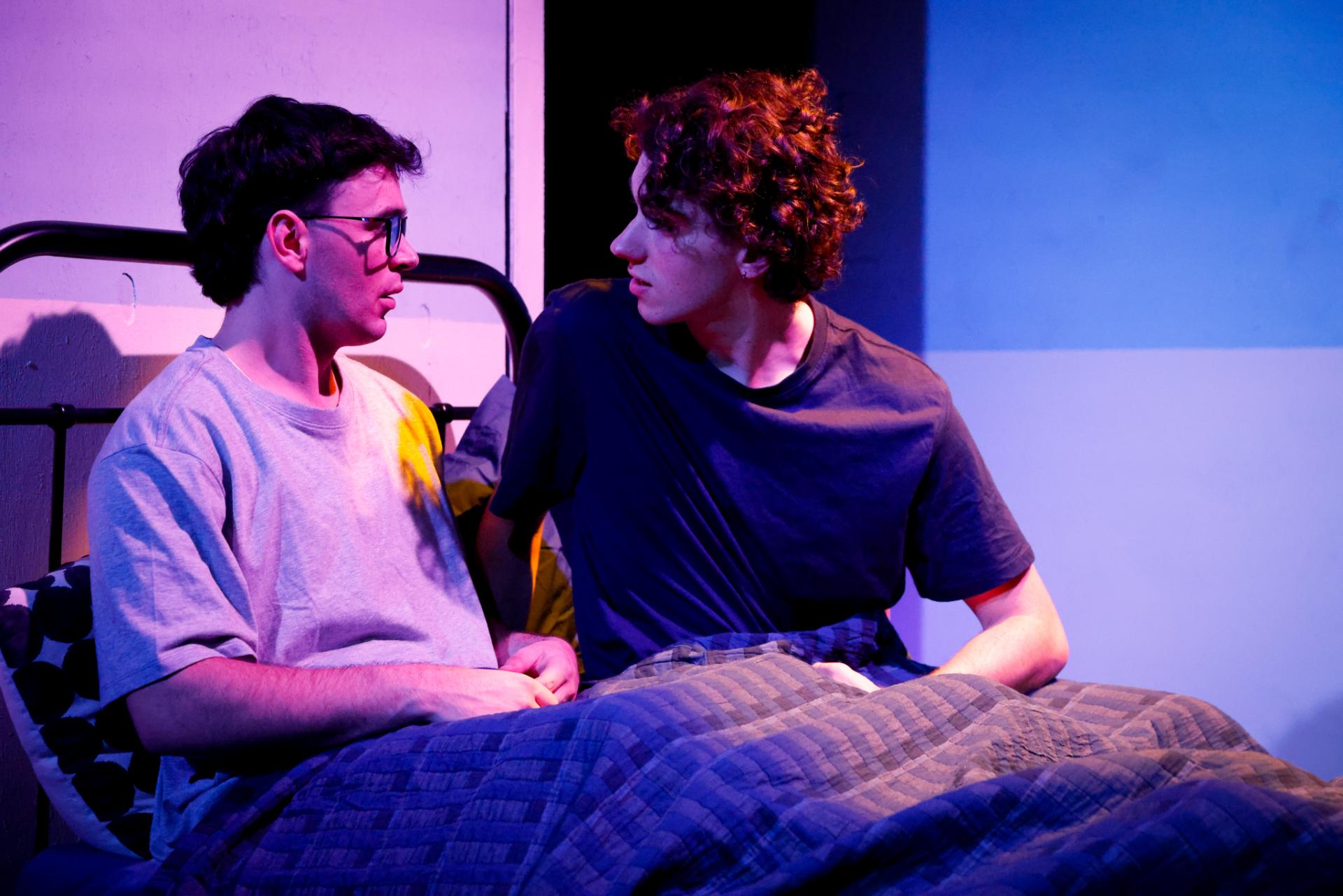
Jake Walker engenders genuine empathy as Jamie, delivering a persuasive portrait of youthful innocence edged with quiet longing. Max Dÿkstra may veer toward understatement as Ste, yet his restraint never obscures the depth of the young man’s turmoil, which remains palpable throughout. Their mutual friend Leah is vivaciously inhabited by Poppy Cozens, whose irrepressible sass and streak of mischief punctuate the play with welcome irreverence. Equally playful is Willa King as Jamie’s mother, Sandra; she injects the production with invaluable verve and humour, while capturing with striking precision the realities of a single mother navigating the precarity of the lower working class. Her boyfriend Tony, portrayed by Michael Hogg, may not always land the comedic beats, but he compensates with a deft sensitivity that emerges at precisely the moments the drama most requires.

In 1993, few could have imagined that same-sex marriage would become a lived reality within a single generation, yet history has a way of revealing humanity’s capacity for radical progress. For many queer youth, particularly those in the West, growing up beyond the strictures of heteronormativity has grown markedly less daunting with each passing decade. Living in poverty, however, remains a far more stubborn barrier to liberation, especially in an era marked by worsening wealth disparities that entrench disadvantage as swiftly as social attitudes evolve. It is a sobering reminder that equality in law does not instantly translate to equality in life — and that love, though triumphant, still has to fight for its footing.