Review: Shirley Valentine (Theatre Royal)

Venue: Theatre Royal (Sydney NSW), Oct 22 – 26, 2025
Playwright: Willy Russell
Director: Lee Lewis
Cast: Natalie Bassingthwaighte
Images by Brett Boardman

Theatre review
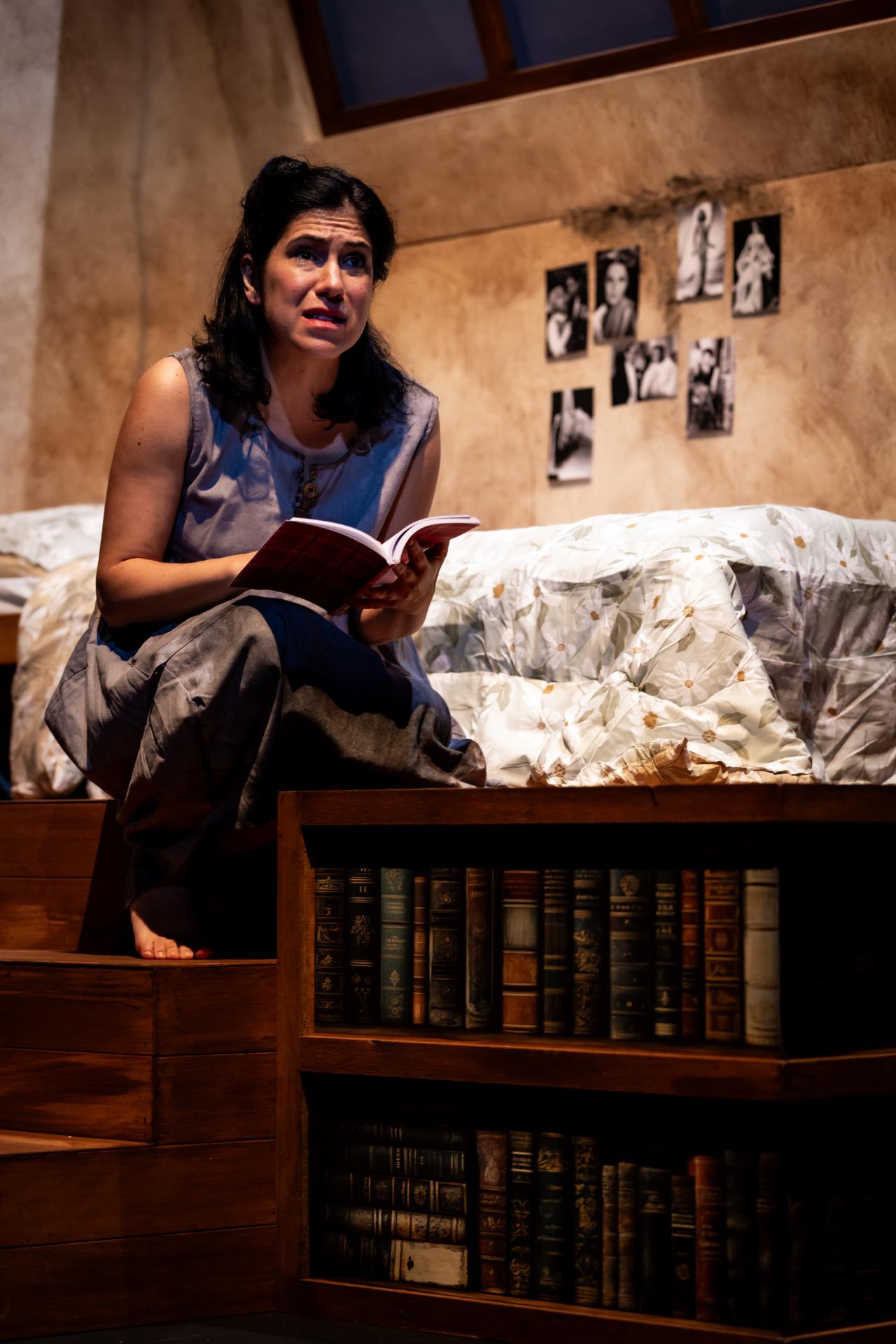
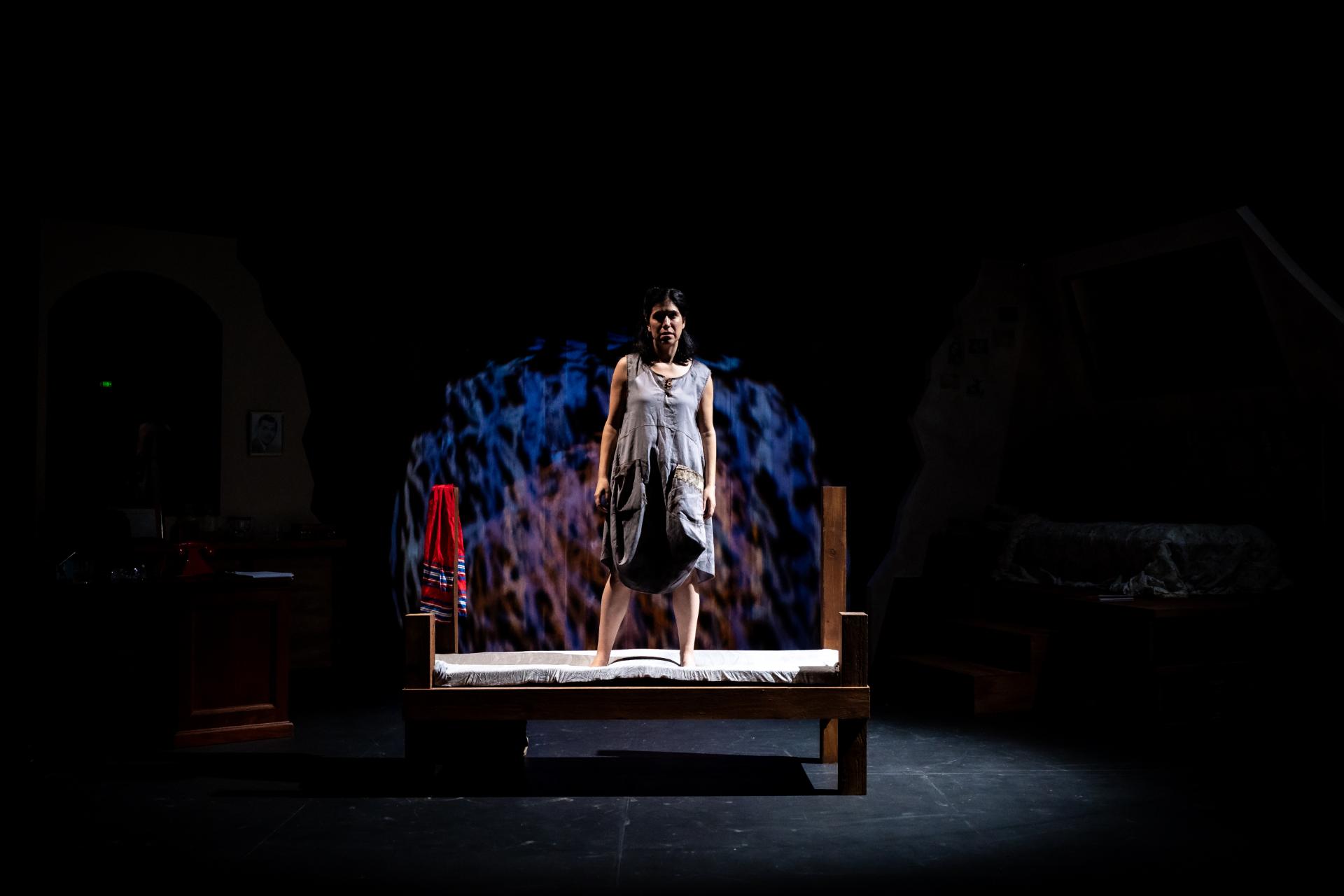
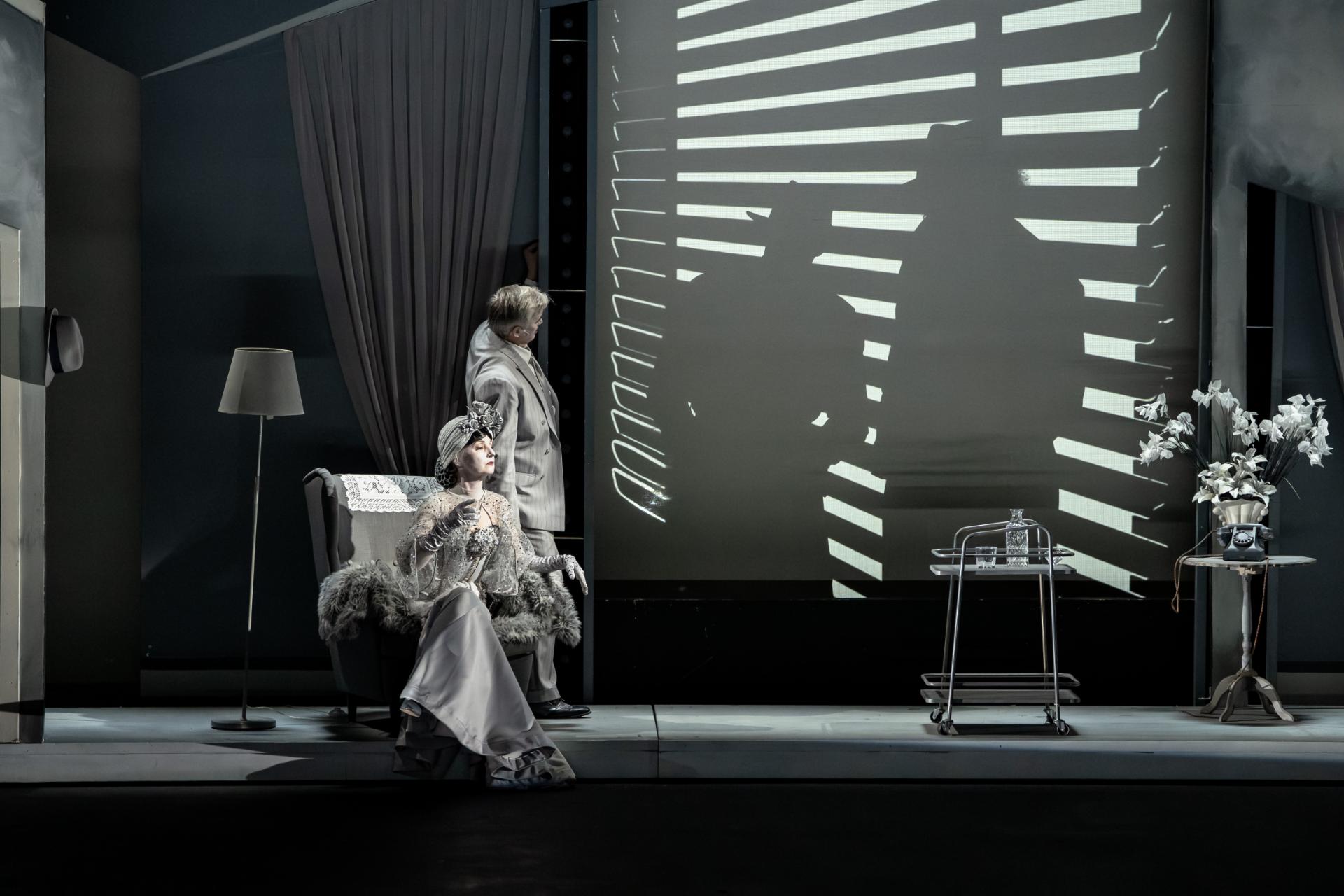
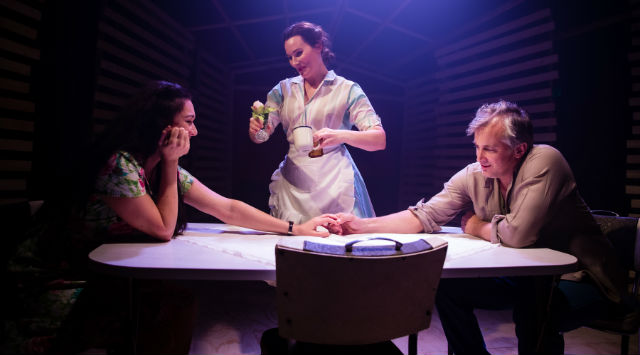
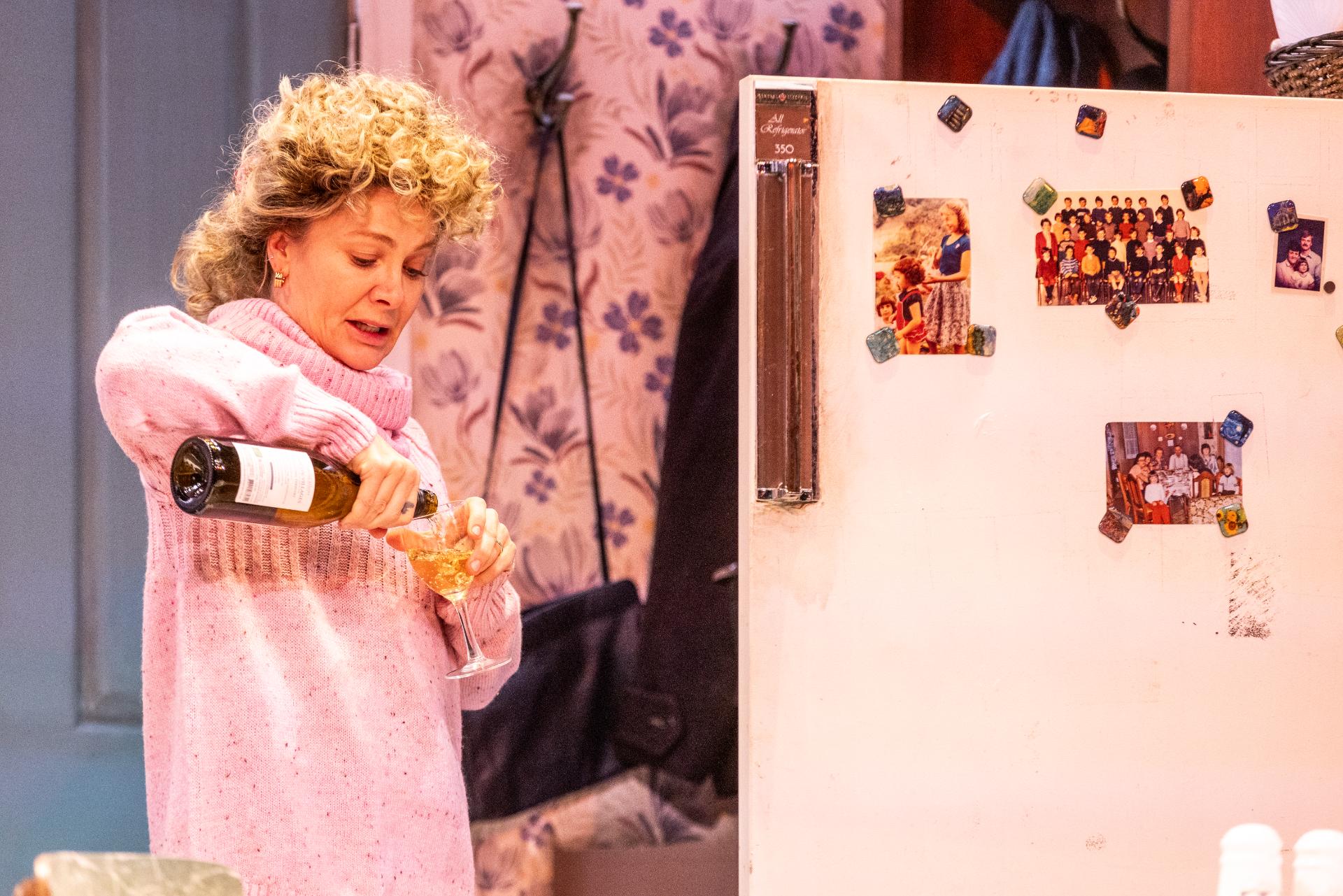
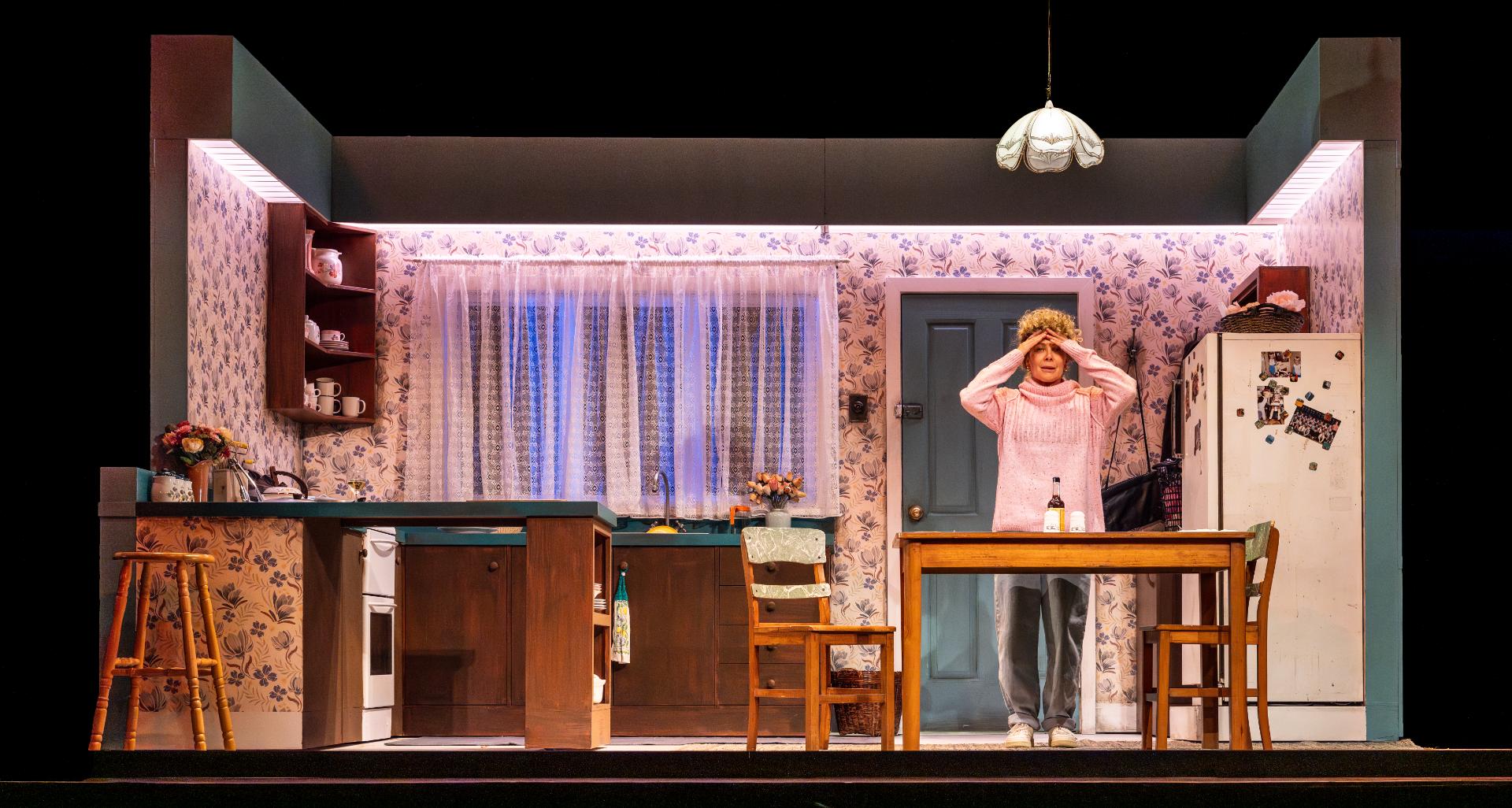
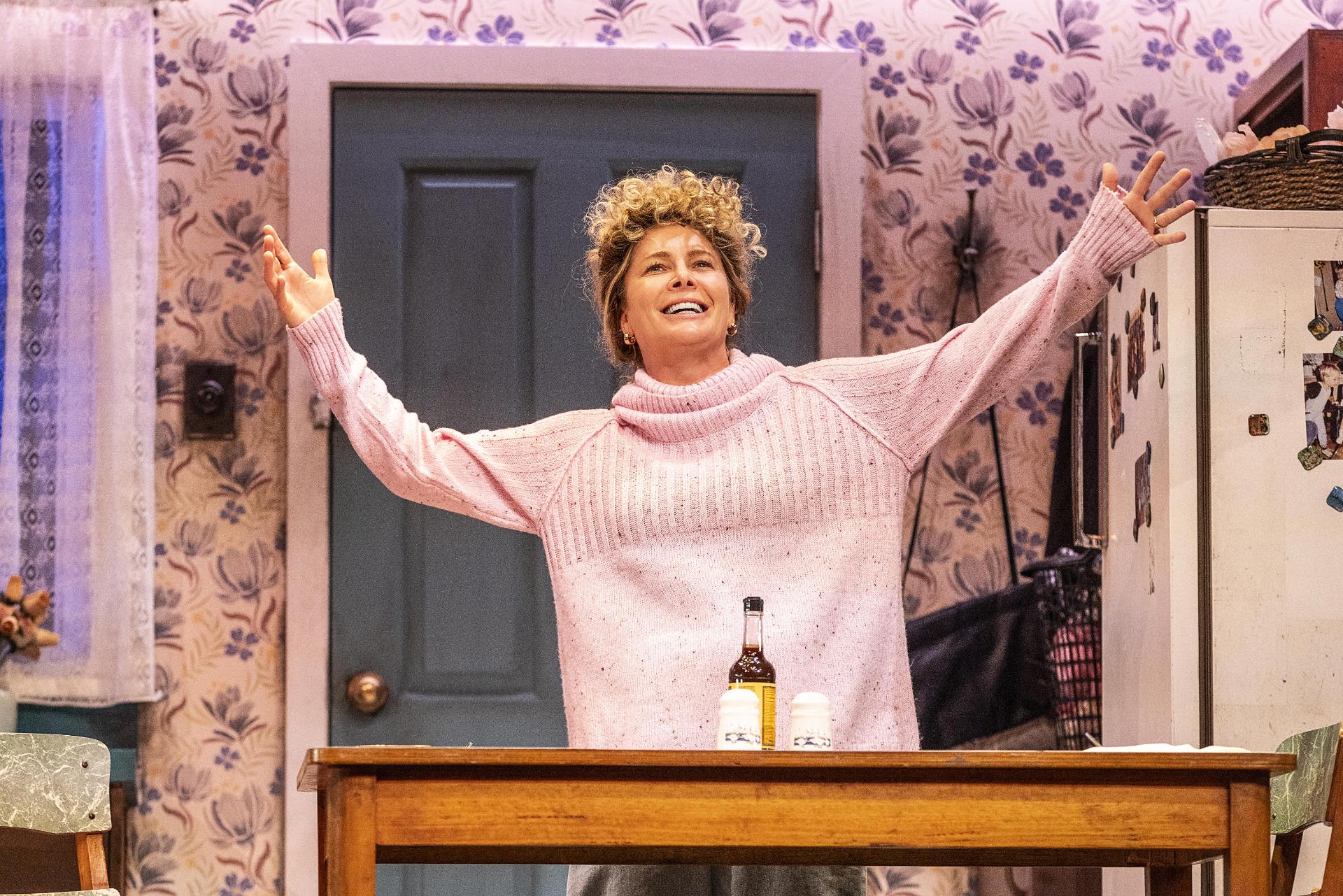
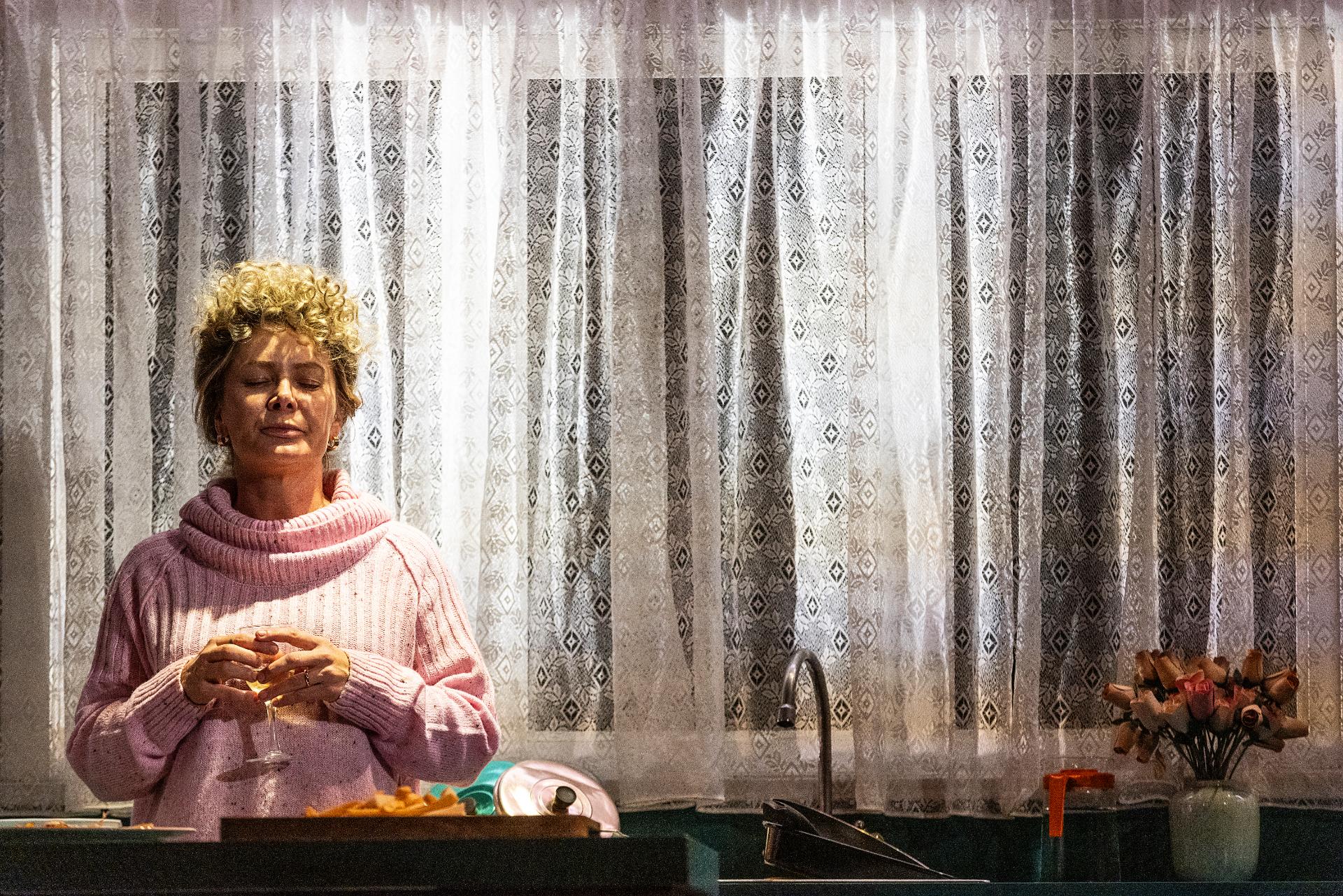
Shirley is at home, drinking too much wine and talking to the walls. Once the devoted wife and mother to an ungrateful family, she now finds herself, at 42, confronting the emptiness that domestic duty has left behind. Willy Russell’s Shirley Valentine (1986) still beats with the pulse of liberation, but its rhythm has softened. What was once piercingly funny and quietly radical now feels more quaint than provocative. The world has moved on, and so has the conversation about women’s liberation — though the play’s plea for self-possession remains universal, a reminder that the longing for selfhood, for the courage to live beyond the roles we are assigned, is timeless.

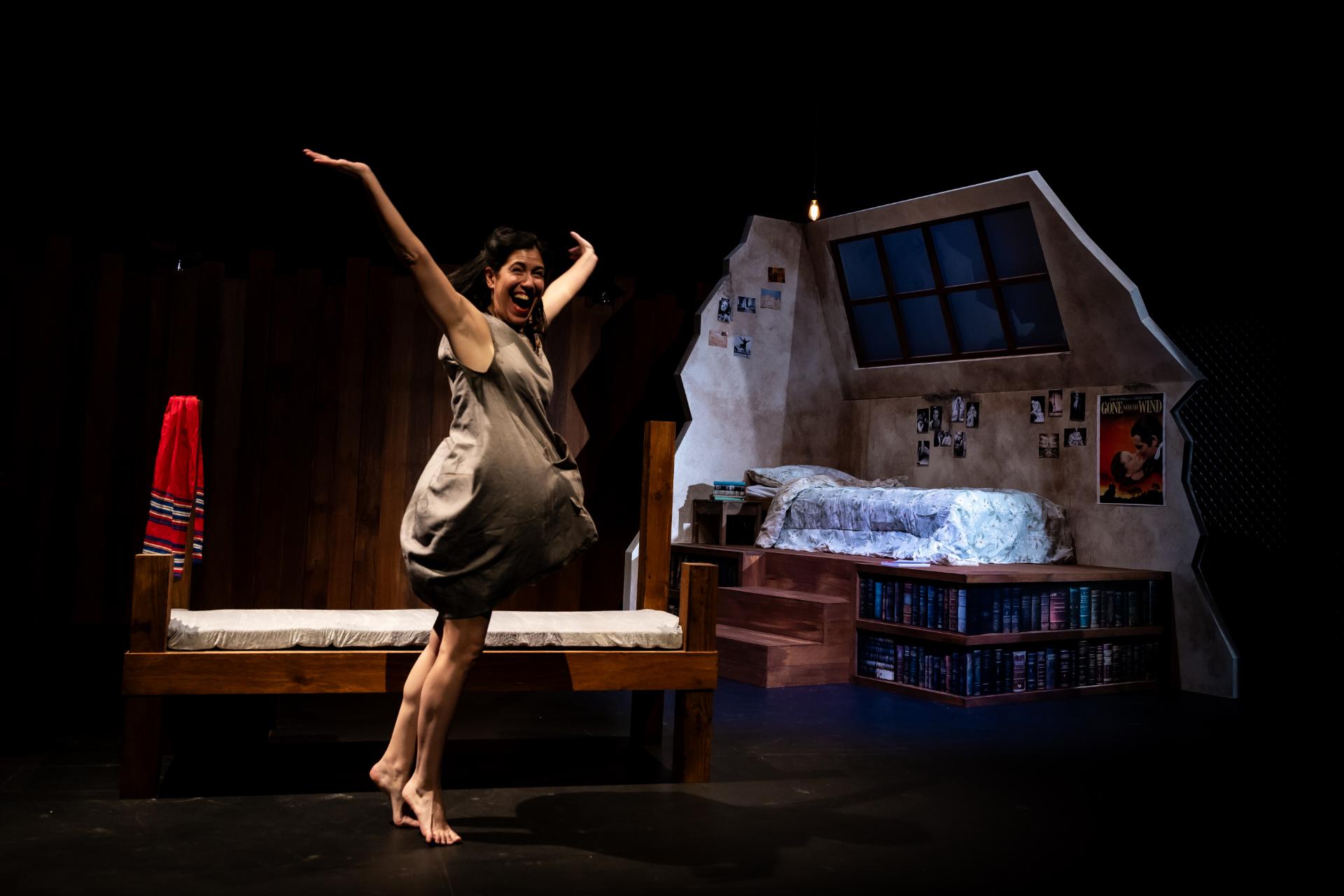
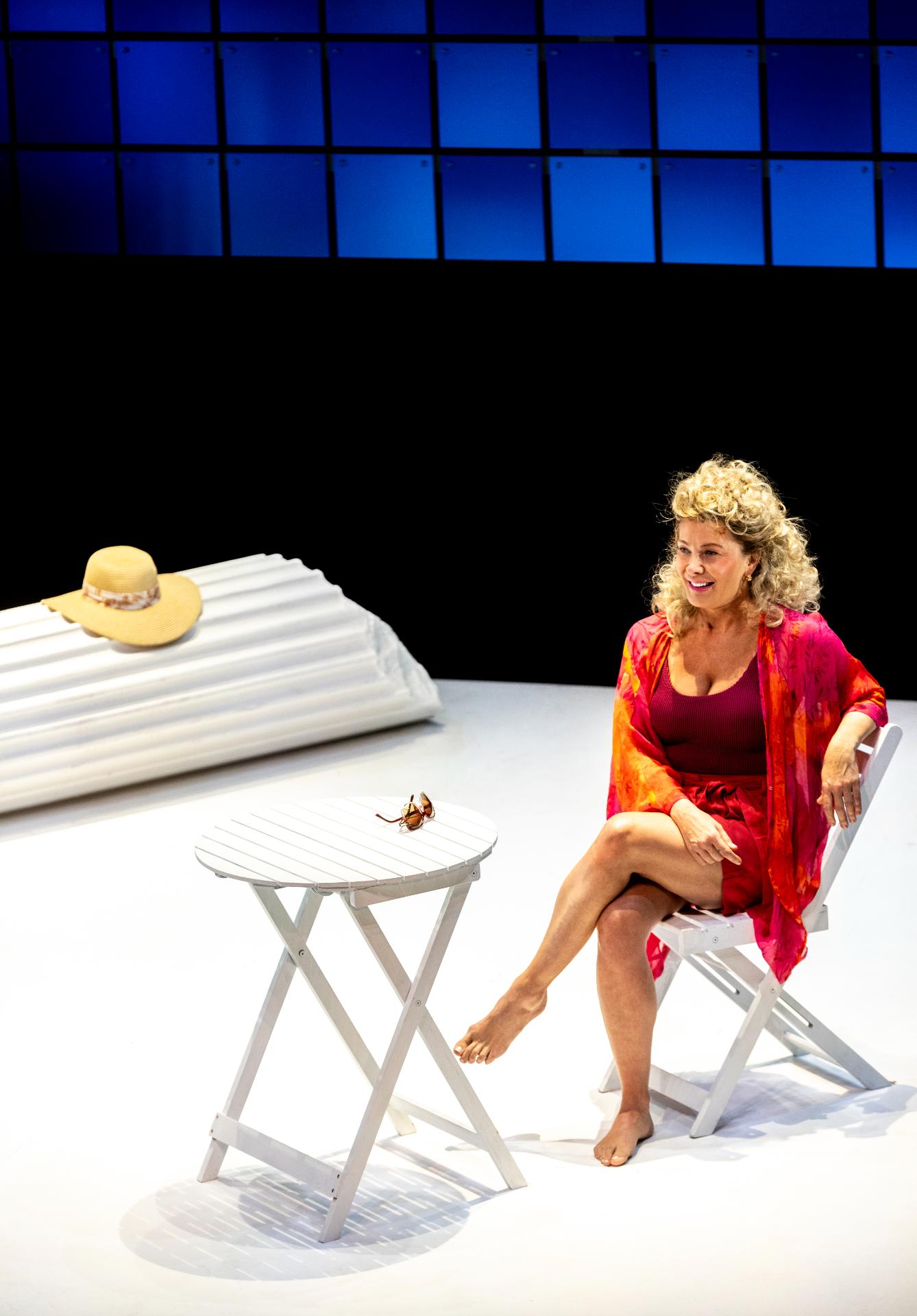
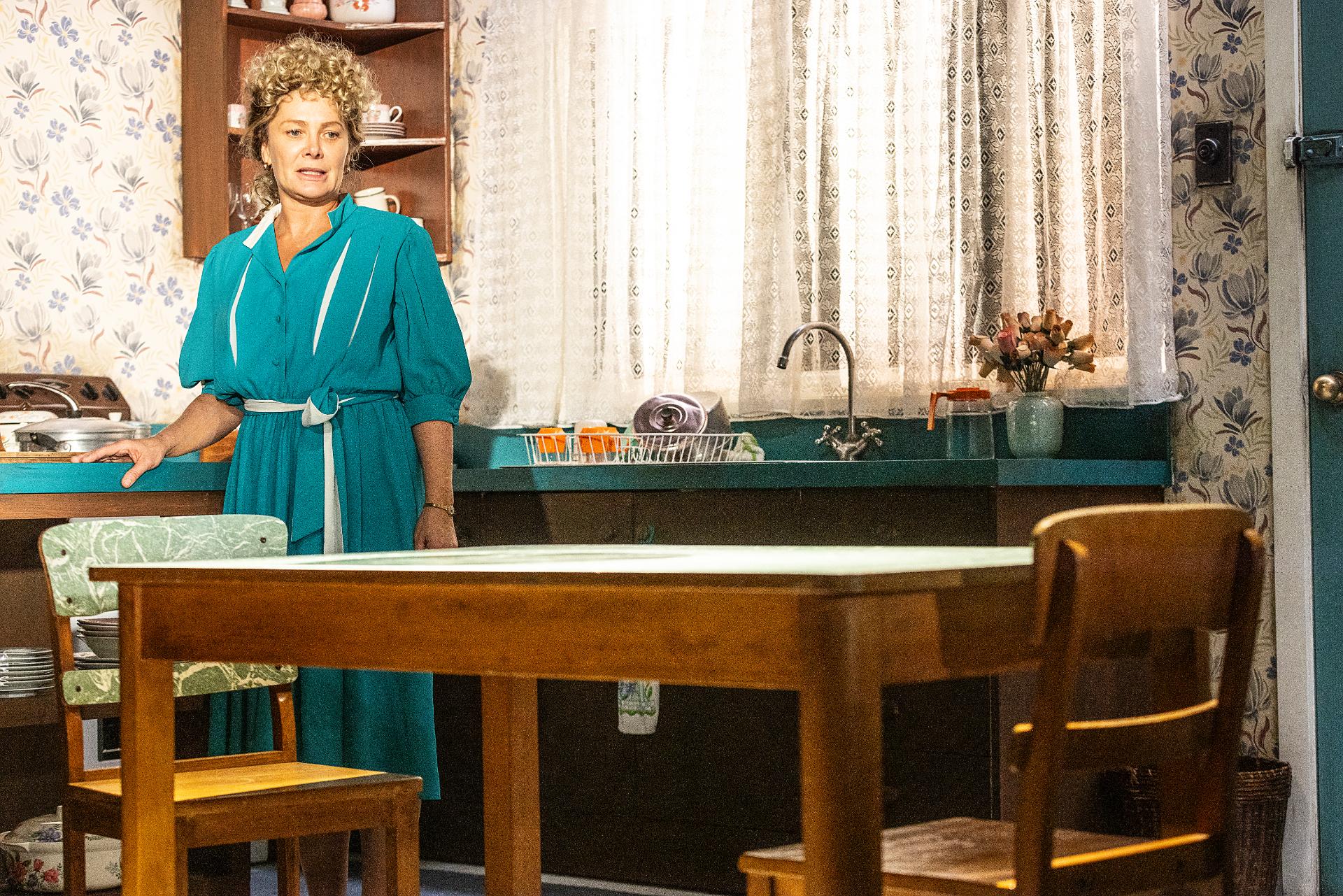
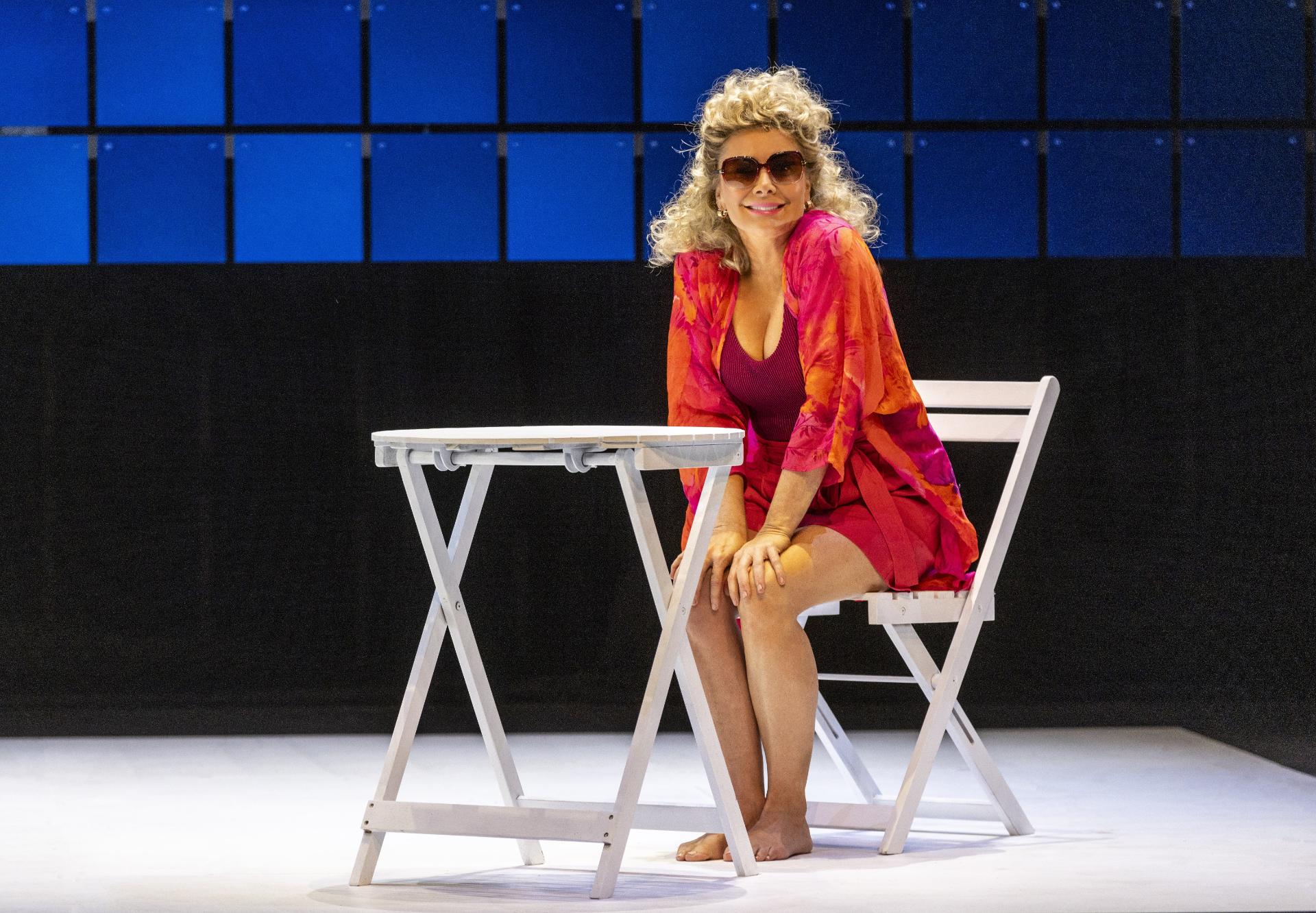
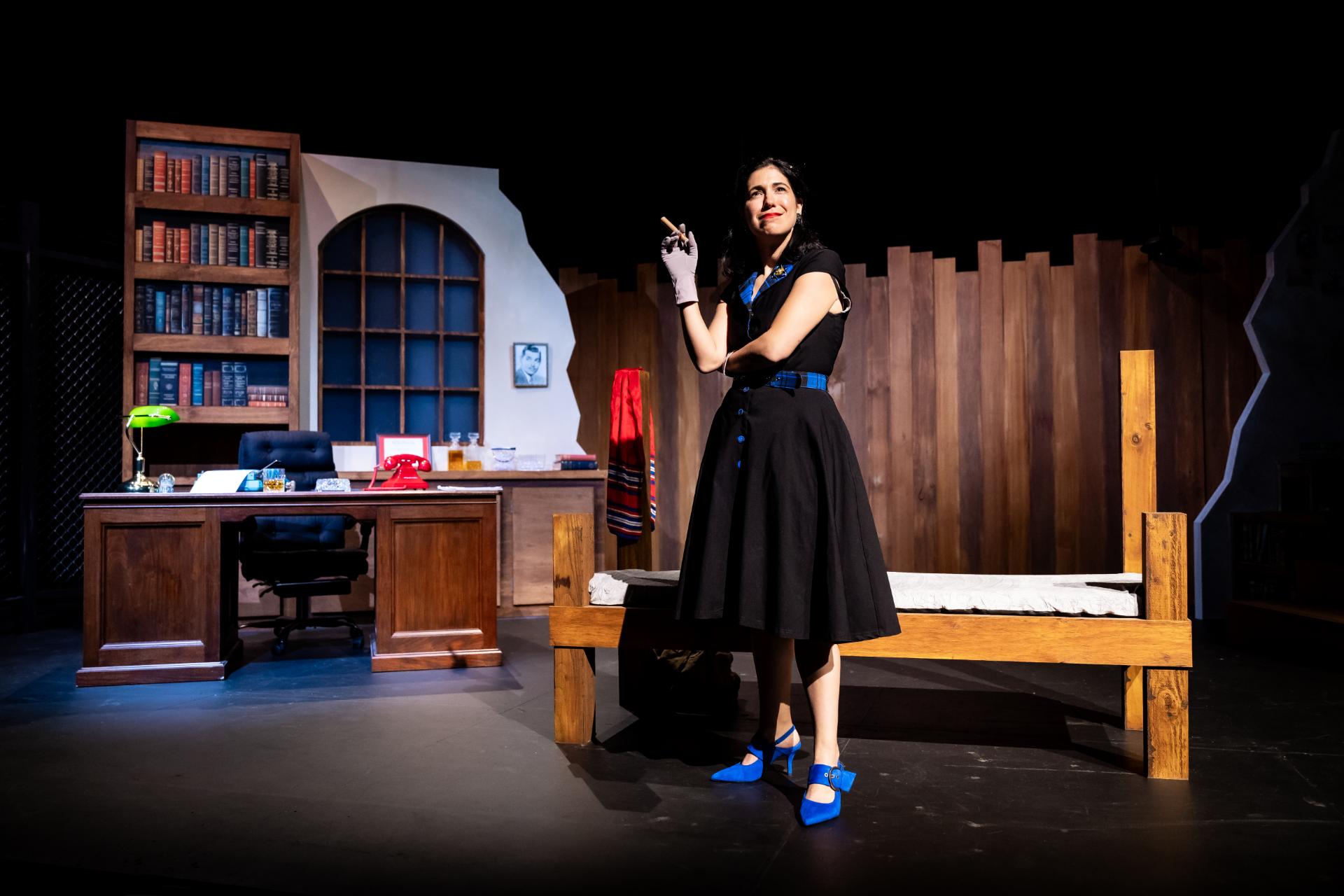
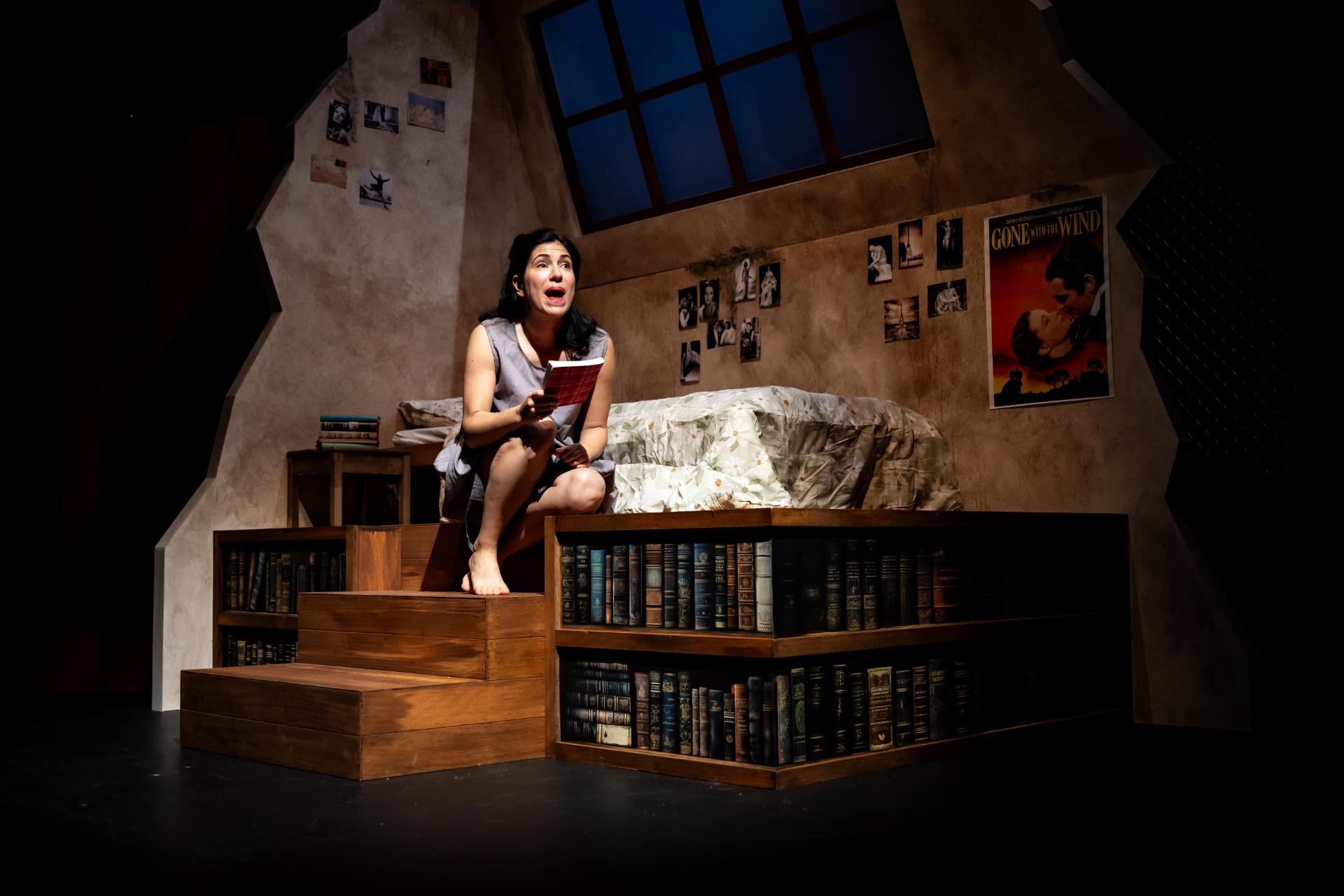
Lee Lewis’s direction proves almost too faithful to the original’s stylistic and philosophical blueprints, resulting in a production that feels somewhat restrained by contemporary standards. Still, it is a respectable staging — elegant, measured, and clear in its moral throughline. Simone Romaniuk’s set and costume design offer little in the way of reinvention, yet they convincingly evoke the dual worlds Shirley inhabits, from domestic confinement to sunlit escape. Paul Jackson’s lighting, unembellished but effective, complements Brady Watkins’s music and Marcello Lo Ricco’s sound design, both of which are finely judged in modulating the audience’s emotional terrain.

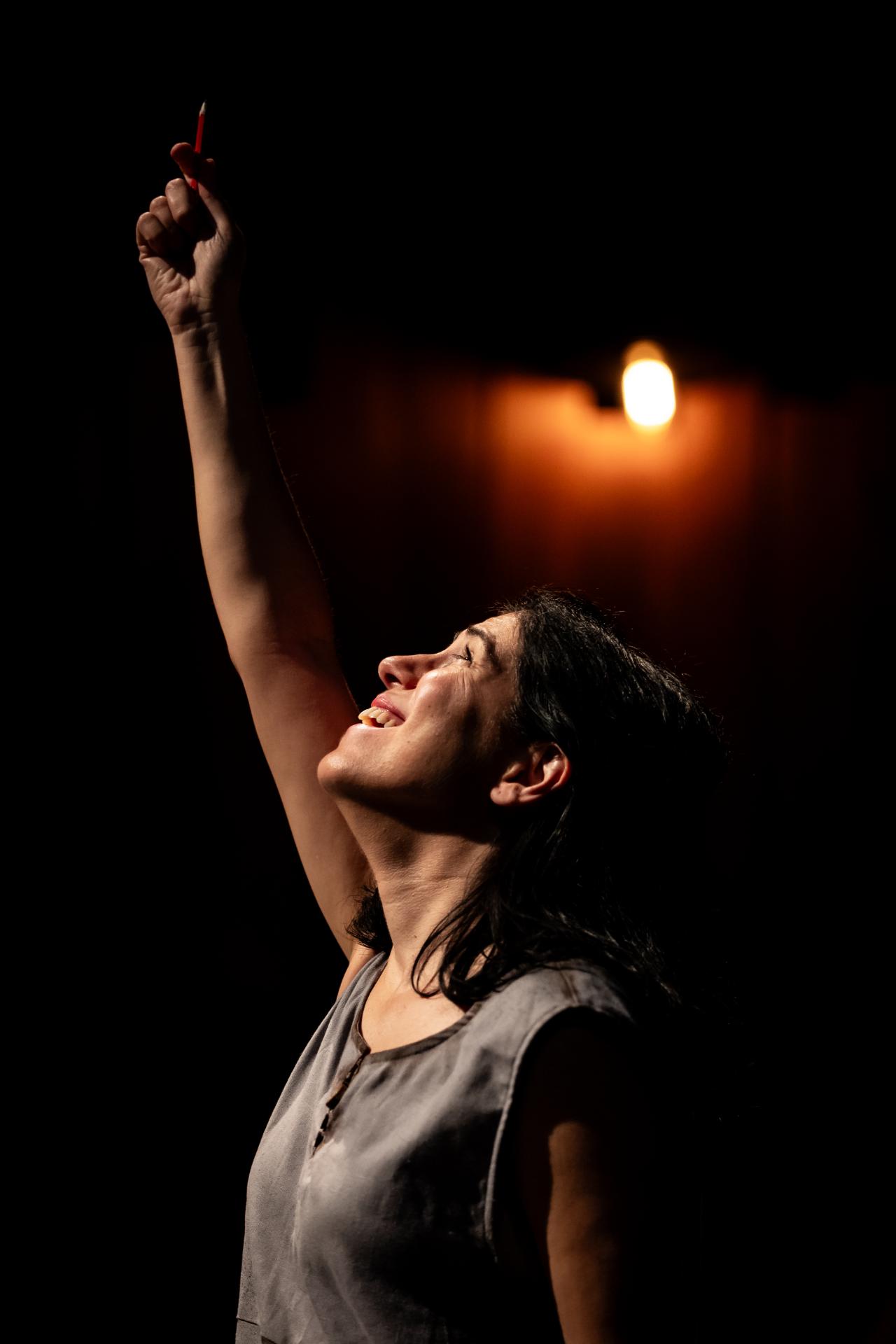
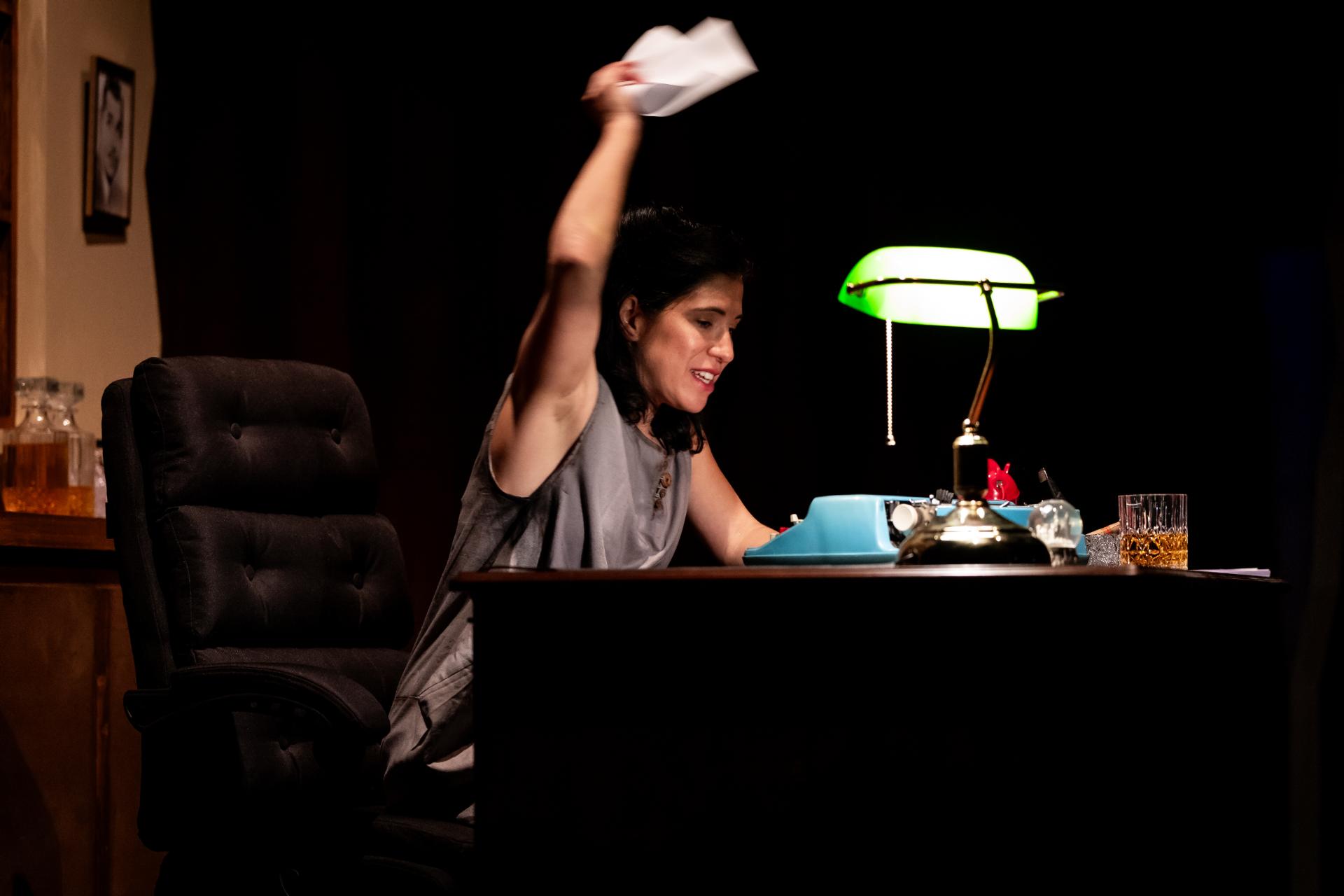
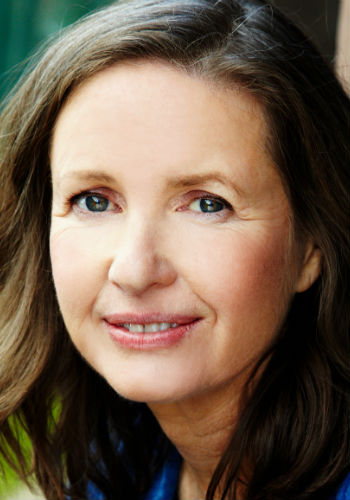
Natalie Bassingthwaighte’s natural charisma positions her perfectly for the role of Shirley. With impeccable timing and clear command of the material, she lends the one-woman show a sense of substance and confidence throughout. While she doesn’t entirely bridge the gap between the play’s dated sensibilities and a modern audience, her performance radiates authenticity, grounding the work with a valuable sense of integrity and emotional truth.

Shirley Valentine reflects not only the lives our mothers and grandmothers once led, but the continuum of feminist struggle that binds their stories to ours. It makes clear the extent of our progress, and the fragility of it — how readily it can unravel the moment we presume the fight has been won. Freedom, as ever, survives only in motion — and Shirley, we hope, is still forging ahead, still living out the promise of a brighter future.
www.shirleyvalentine.com.au

Review: Anne Being Frank (Sydney Opera House)

Venue: Sydney Opera House (Sydney NSW), Sep 13 – 21, 2025
Playwright: Ron Elisha
Director: Amanda Brooke Lerner
Cast: Alexis Fishman
Images by Grant Leslie

Theatre review
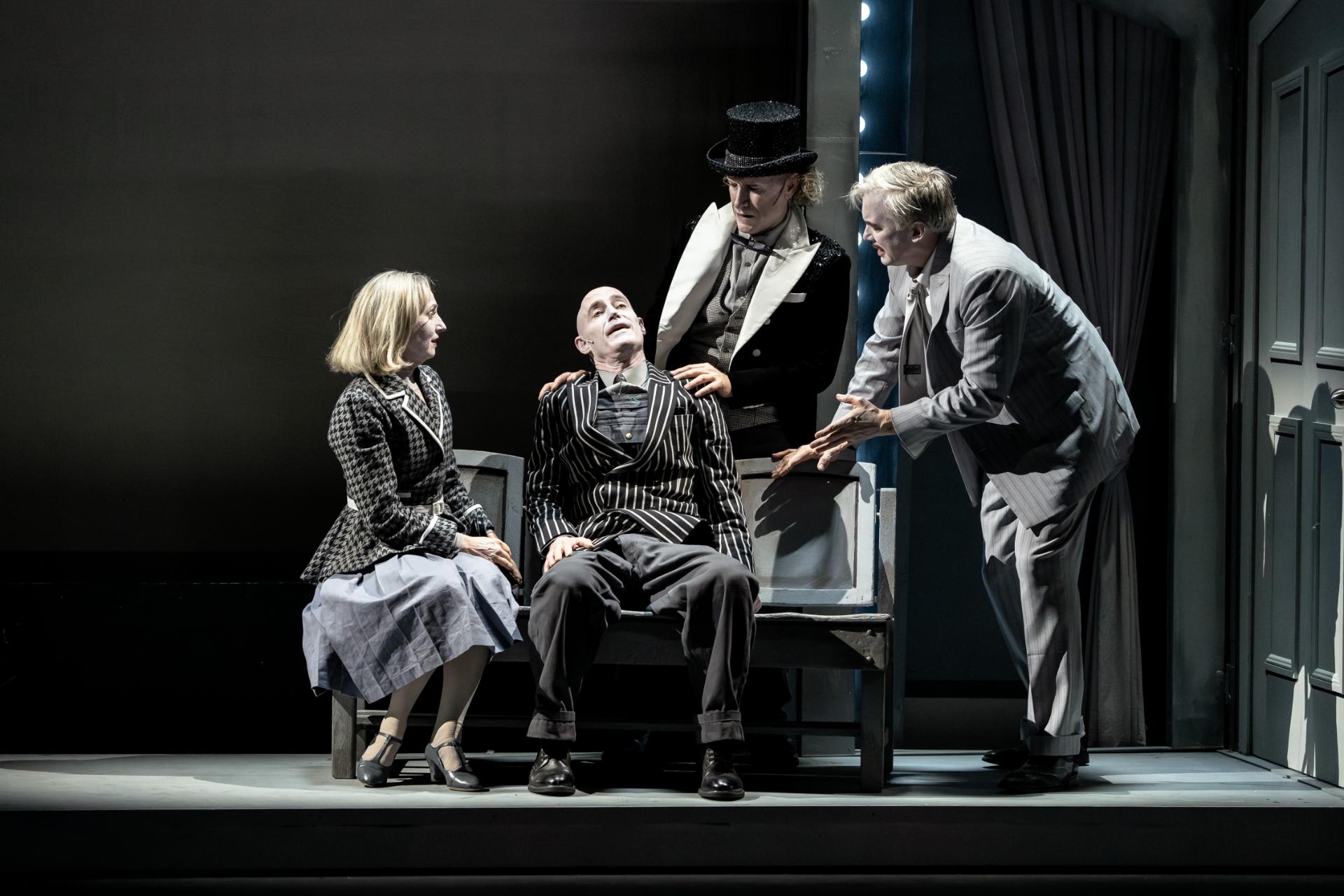
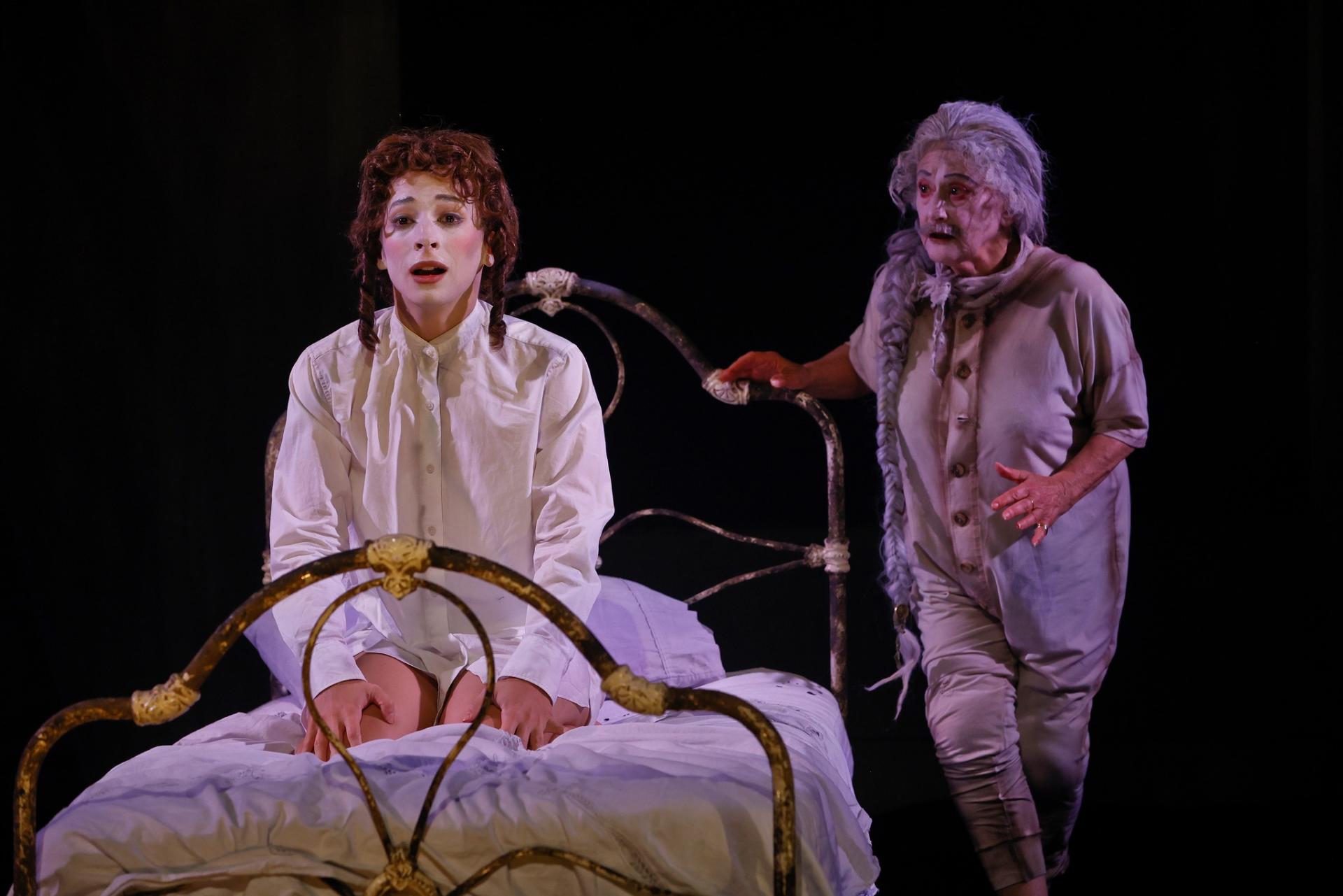
Anne Frank’s story did not end with her famous diary. For months after the final entry, she endured the harrowing journey through camps in the Netherlands, Poland, and Germany. Ron Elisha’s play Anne Being Frank reimagines those lost chapters while daring to add a fictional path in which Anne survives the war, is discovered by a publisher, and returns to her memoirs with the voice of a survivor.

To call the piece thoughtful is an understatement. At a time when wars are escalating across the globe, Anne Being Frank urges us to confront the senseless loss of human life, across nations, faiths, and identities. Under Amanda Brooke Lerner’s direction, the work compels an empathetic response to profound questions, even if certain moments of the staging fall can feel somewhat dry or staid.

The production is rendered with care. Set, costumes, lighting, and sound are all handled with sensitivity, offering a degree of theatricality without breaking new ground. At its centre, Alexis Fishman delivers a commanding performance as Anne. Her intimacy with the material is unmistakable, and she is at her most affecting when the narrative reaches its deepest poignancy.

It may feel trite to denounce the evils of war, yet it is a truth that demands endless repetition. Again and again humanity plunges into conflict, deaf to the countless stories etched across history that plead with us to turn away. Most bitter of all is the sight of those once crushed beneath its weight rising, in time, to be amongst its fiercest perpetrators. Such is the cruel cycle we seem powerless to break.

www.monstroustheatre.com.au

Review: The 39 Steps (Sydney Opera House)

Venue: Sydney Opera House (Sydney NSW), Aug 8 – 30, 2025
Playwright: Patrick Barlow (from the John Buchan novel, and the Alfred Hitchcock movie)
Director: Damien Ryan
Cast: David Collins, Shane Dundas, Lisa McCune, Ian Stenlake
Images by Cameron Grant

Theatre review
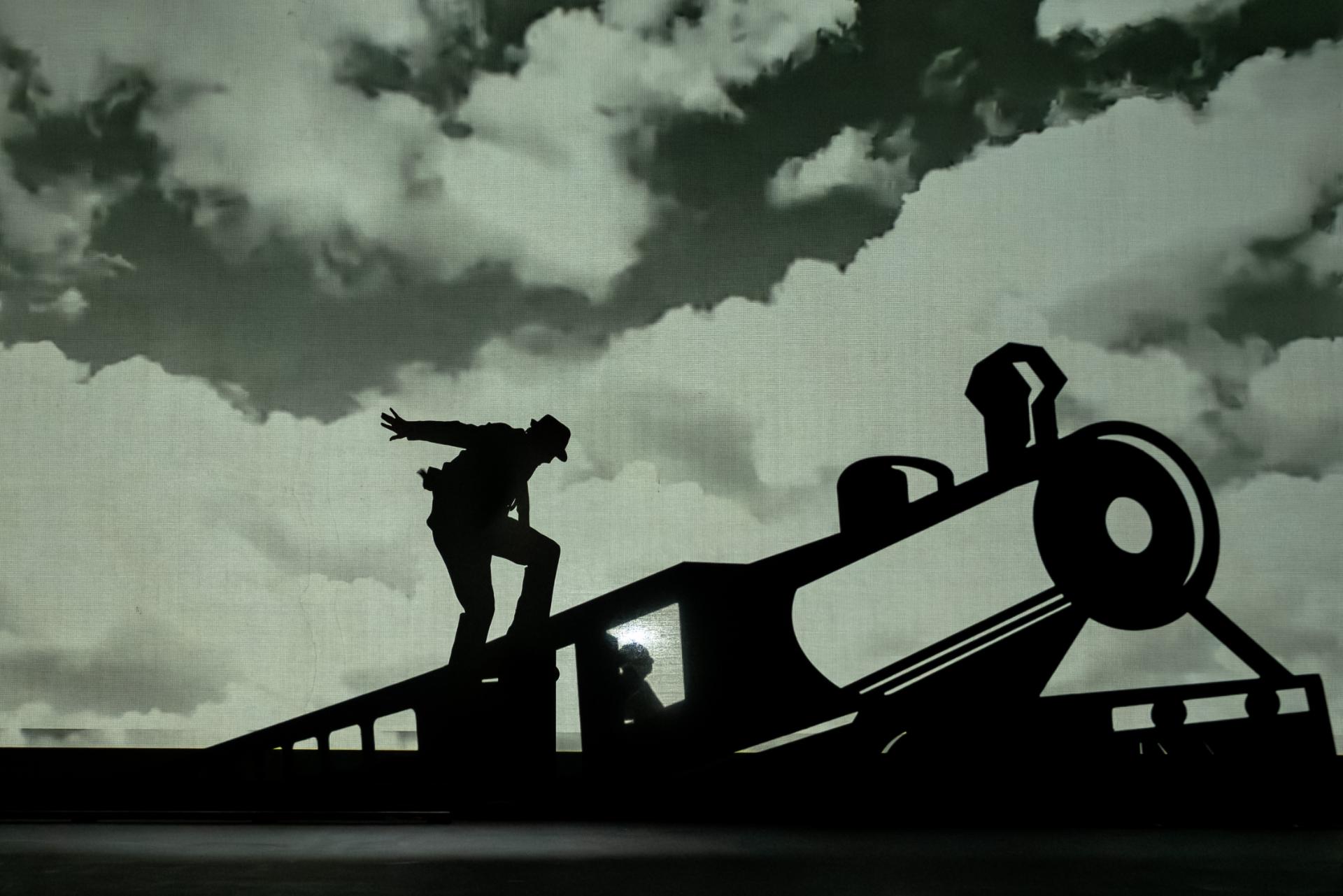
Richard is a man on the run, falsely accused of murder. The 39 Steps is best known as Alfred Hitchcock’s wryly funny 1935 film, adapted from a 1915 adventure-thriller novel. Patrick Barlow’s 2005 stage adaptation transforms the story into a fully comedic work, frequently referencing the movie version to create a postmodern take on the century-old title.

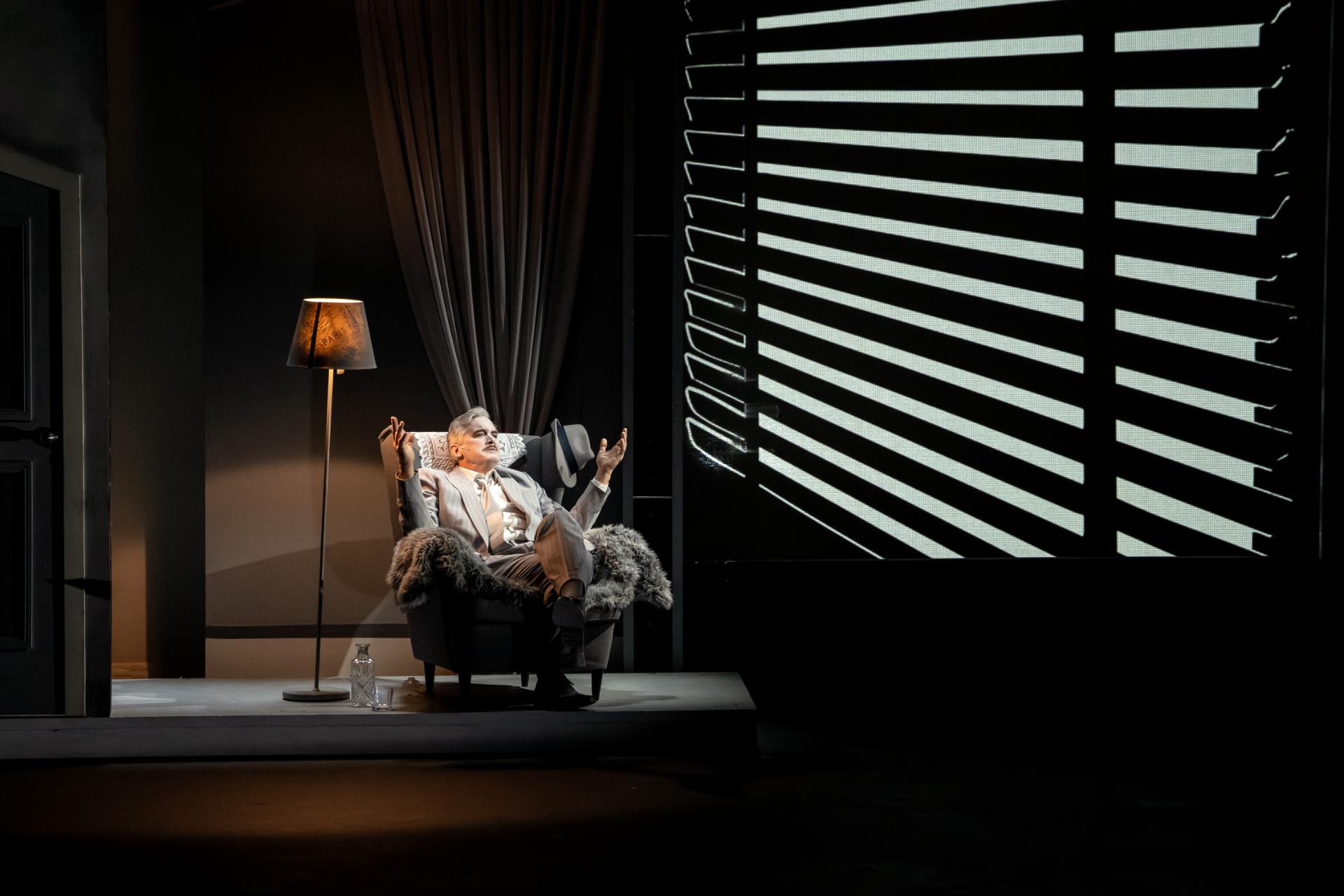
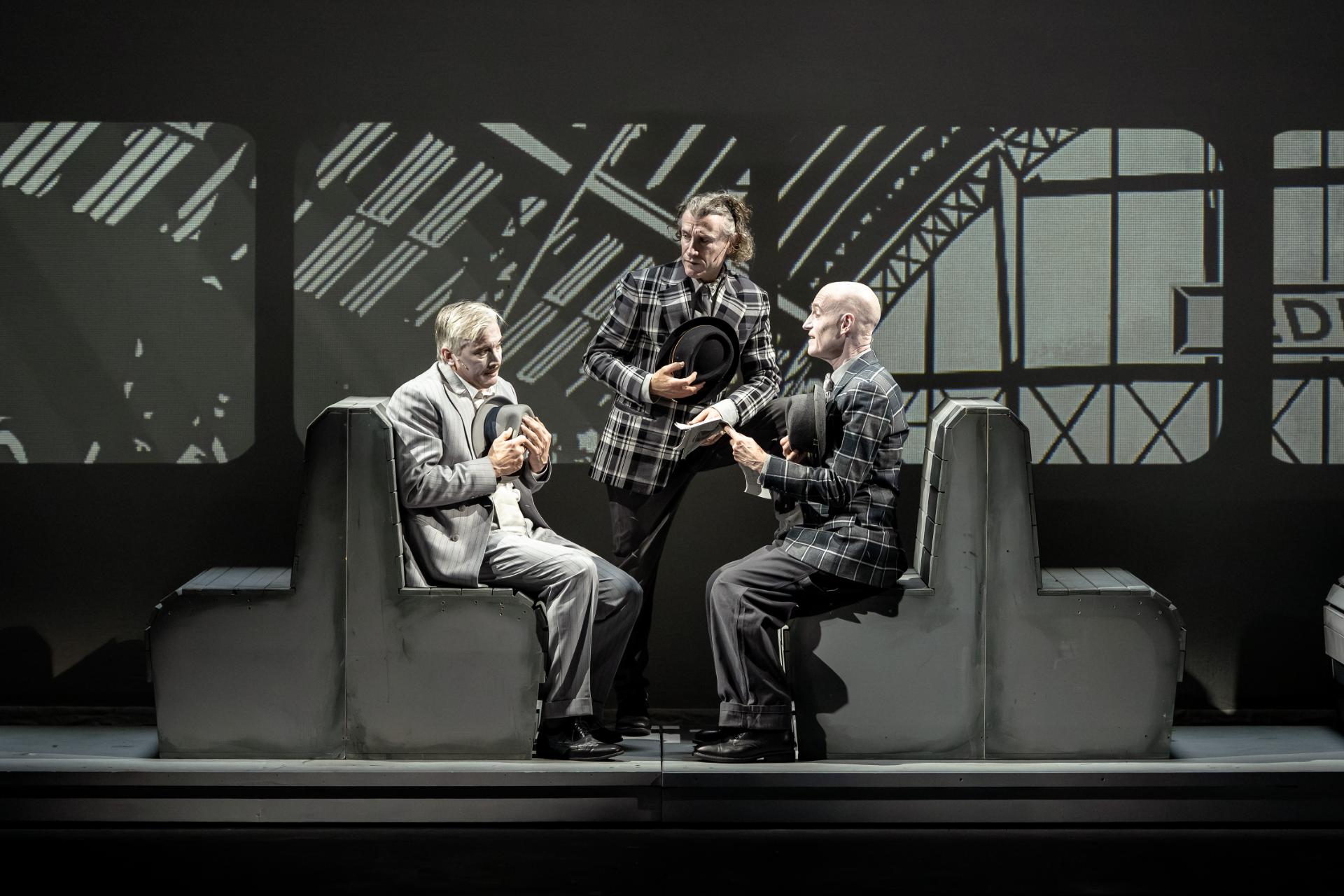
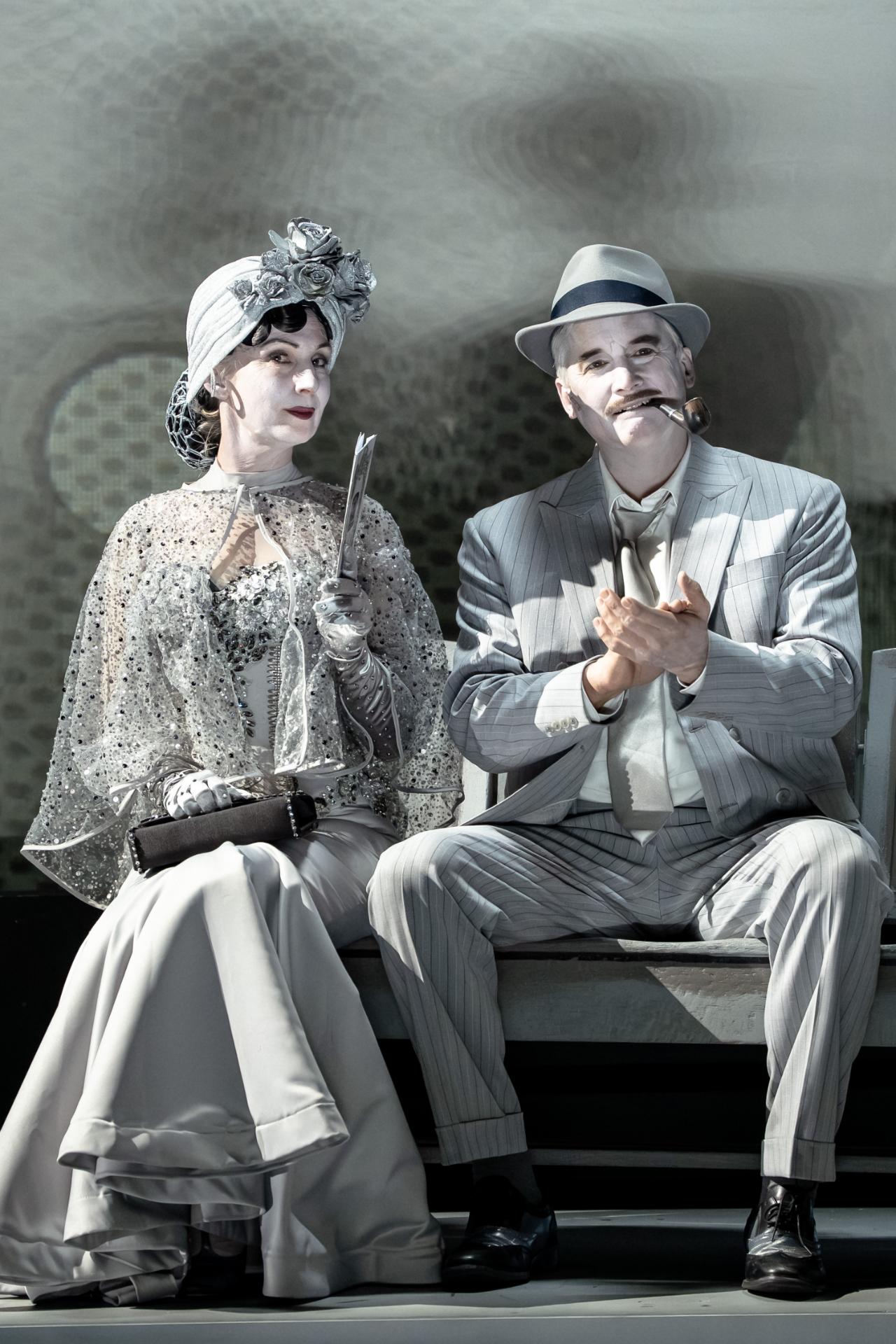
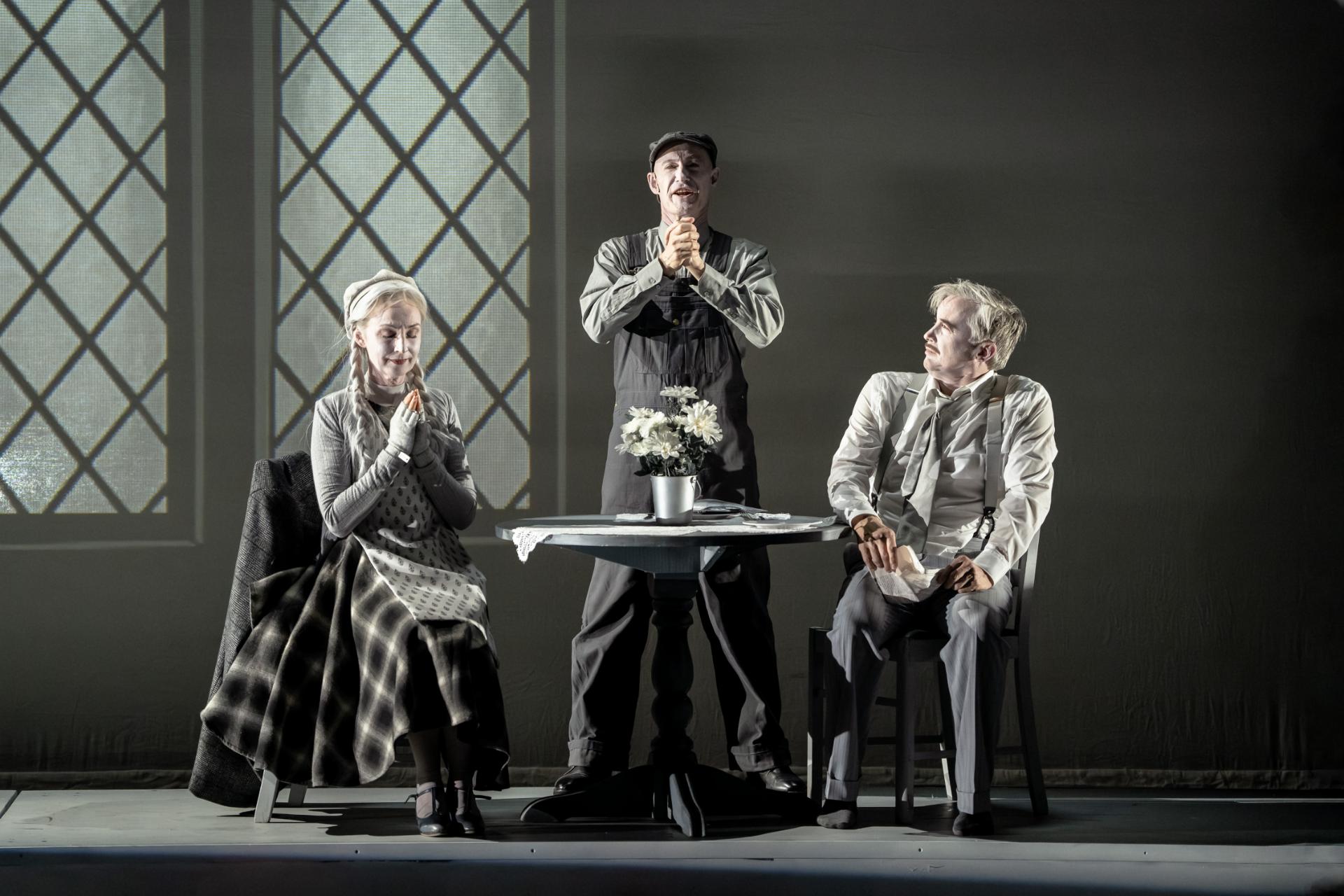
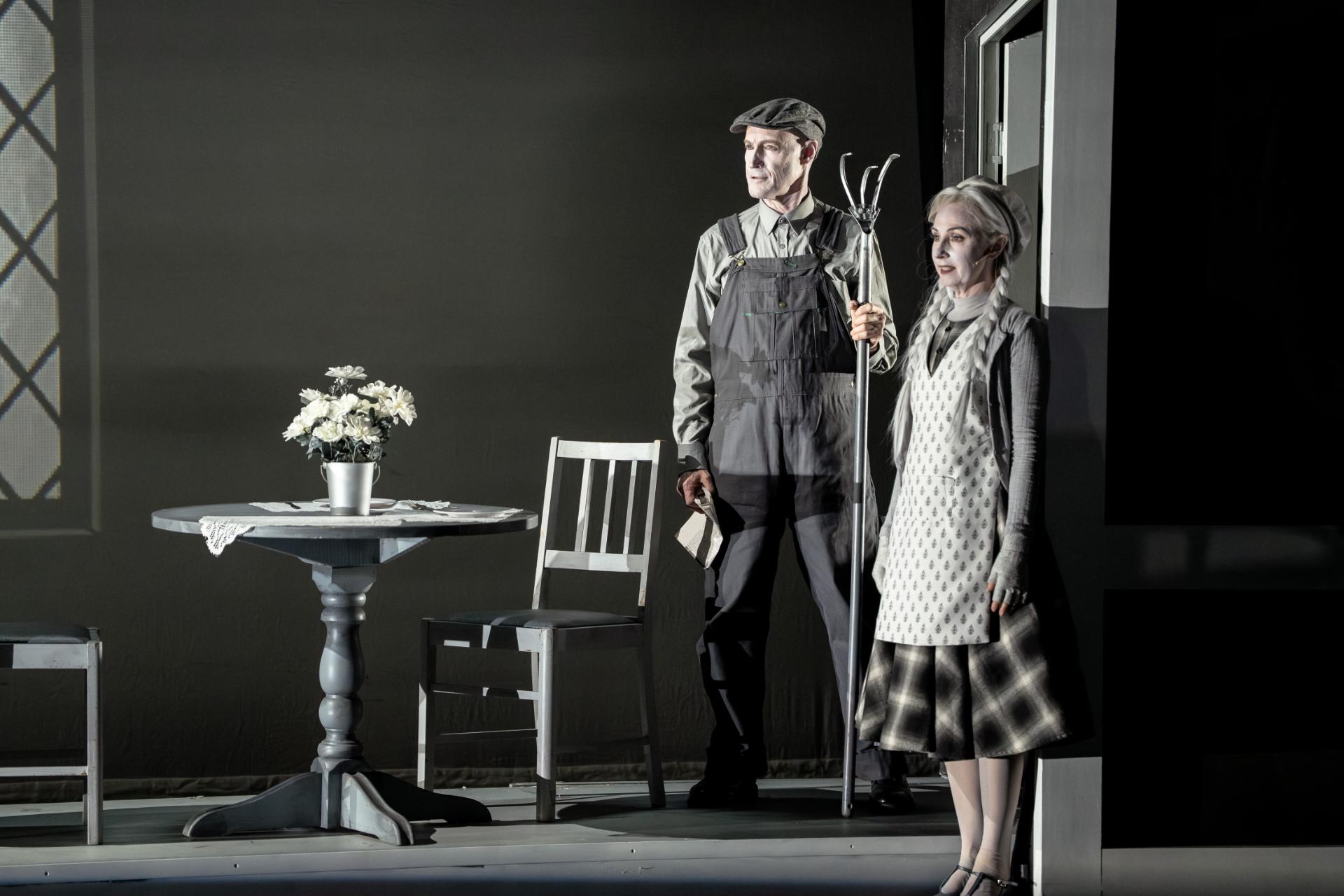
Director Damien Ryan embraces all the parody and pastiche, delivering a bold and extravagant farce, though the nonstop jokes lack the crispness needed to fully land. The production is visually striking, with James Browne’s sets and costumes impressing through their ambitious scale and refined aesthetic. Lights by Matthew Marshall are commensurately sumptuous, and highly evocative in this monochromatic tribute to early filmmaking. Music and sound by Brady Watkins are full of dynamism, adept at sustaining energies, even when the laughs begin to feel laboured.

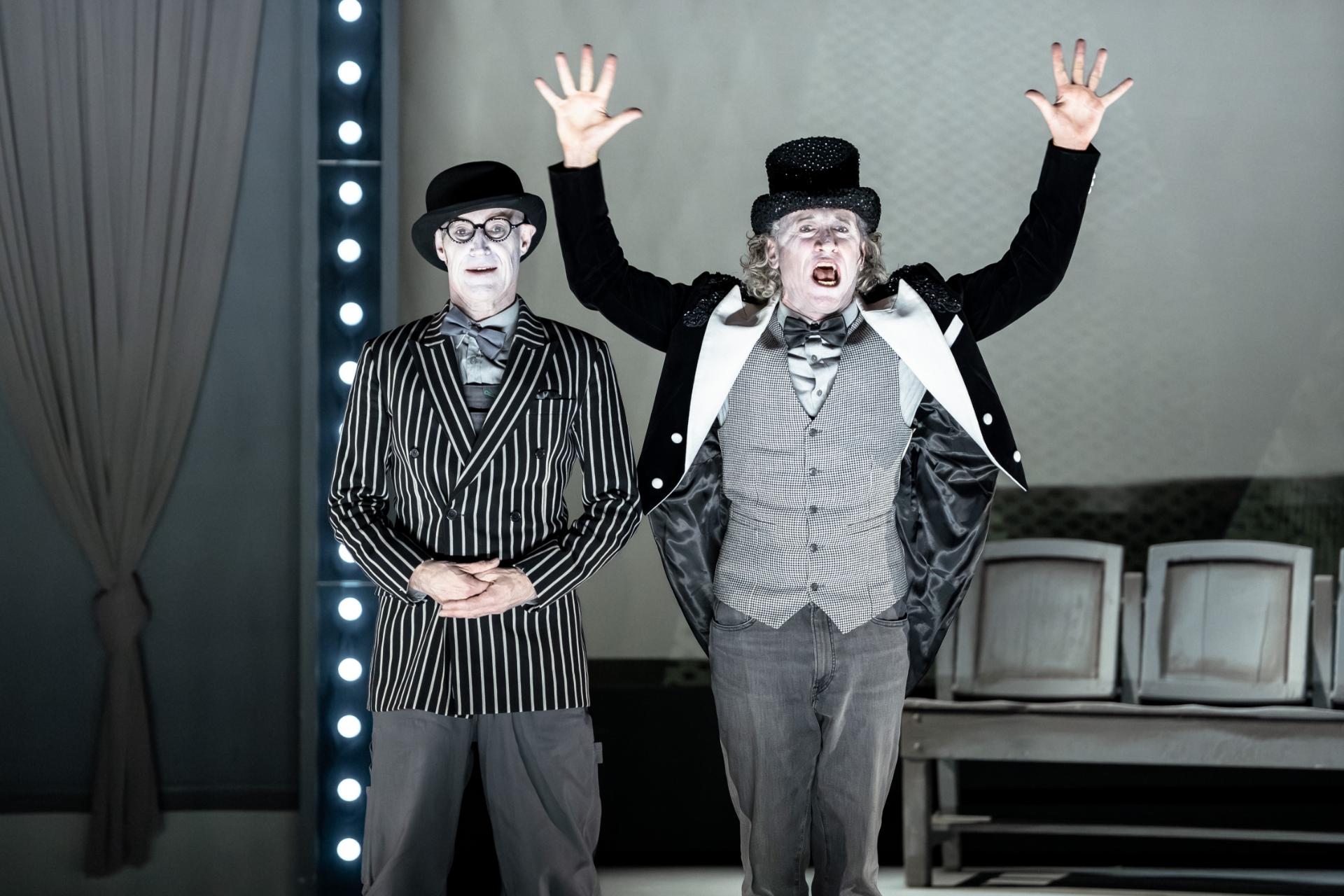
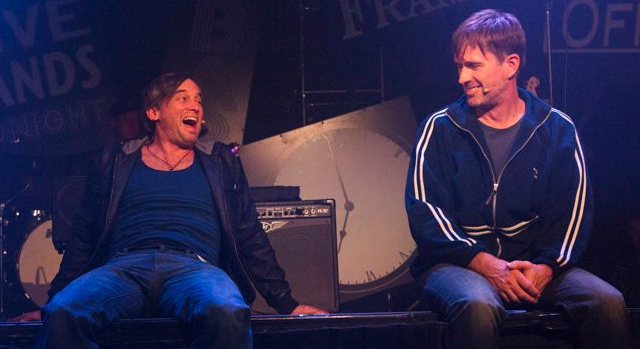
Actor Ian Stenlake embodies the leading man with commendable dedication, though he exhibits some limitations in agility for a production characterized by its vigorous intensity. Lisa McCune performs multiple roles with skill and accuracy, bringing a level of refinement to a show that easily spirals out of control. David Collins and Shane Dundas, best known collectively as The Umbilical Brothers, make their trademark humour a distinctive feature of the staging, which ultimately detracts from the overall experience. The pair is unequivocally accomplished, but the narrative momentum is hindered by the production’s insistence on highlighting their expertise.

Humour is inherently subjective. Understanding what makes something funny demands an examination of the milieu from which it stems. While we may live in multicultural societies, much of the artistic output—even in the twenty-first century—remains resolutely monocultural. As a result, for many of us in minority communities, witnessing widespread laughter can often feel nothing short of confounding.

www.the39steps.com.au

Review: Yentl (Sydney Opera House)

Venue: Sydney Opera House (Sydney NSW), Oct 17 – Nov 10, 2024
Playwrights: Gary Abrahams, Elise Hearst, Galit Klas (based on a short story by Isaac Bashevis Singer)
Director: Gary Abrahams
Cast: Amy Hack, Nicholas Jaquinot, Genevieve Kingsford, Evelyn Krape
Images by Jeff Busby

Theatre review
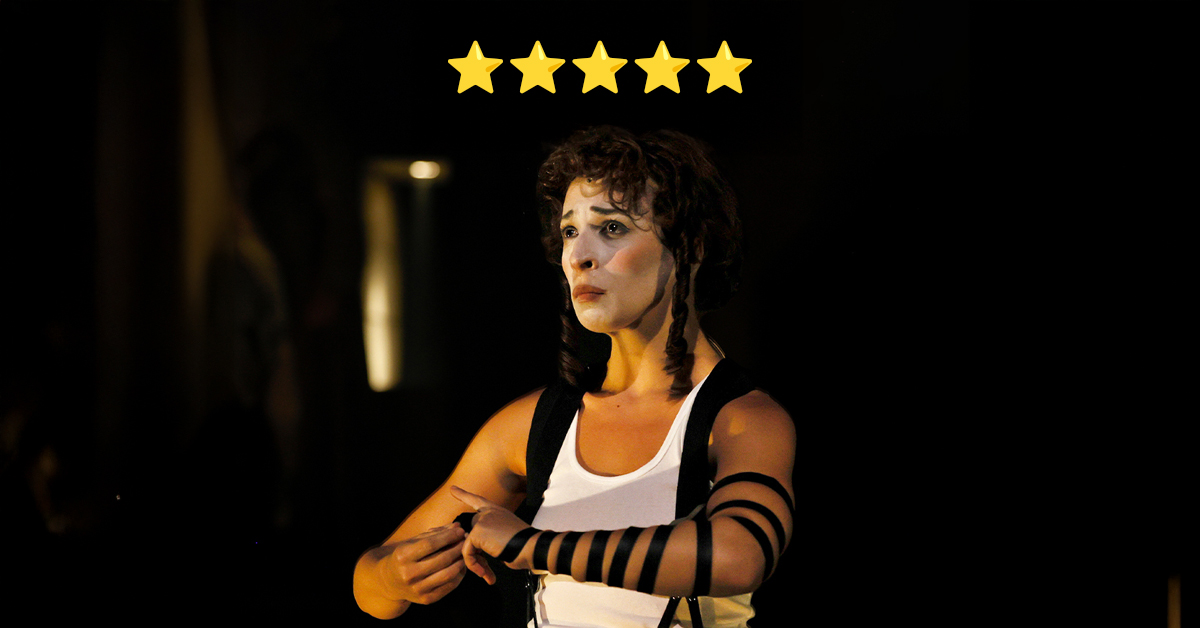
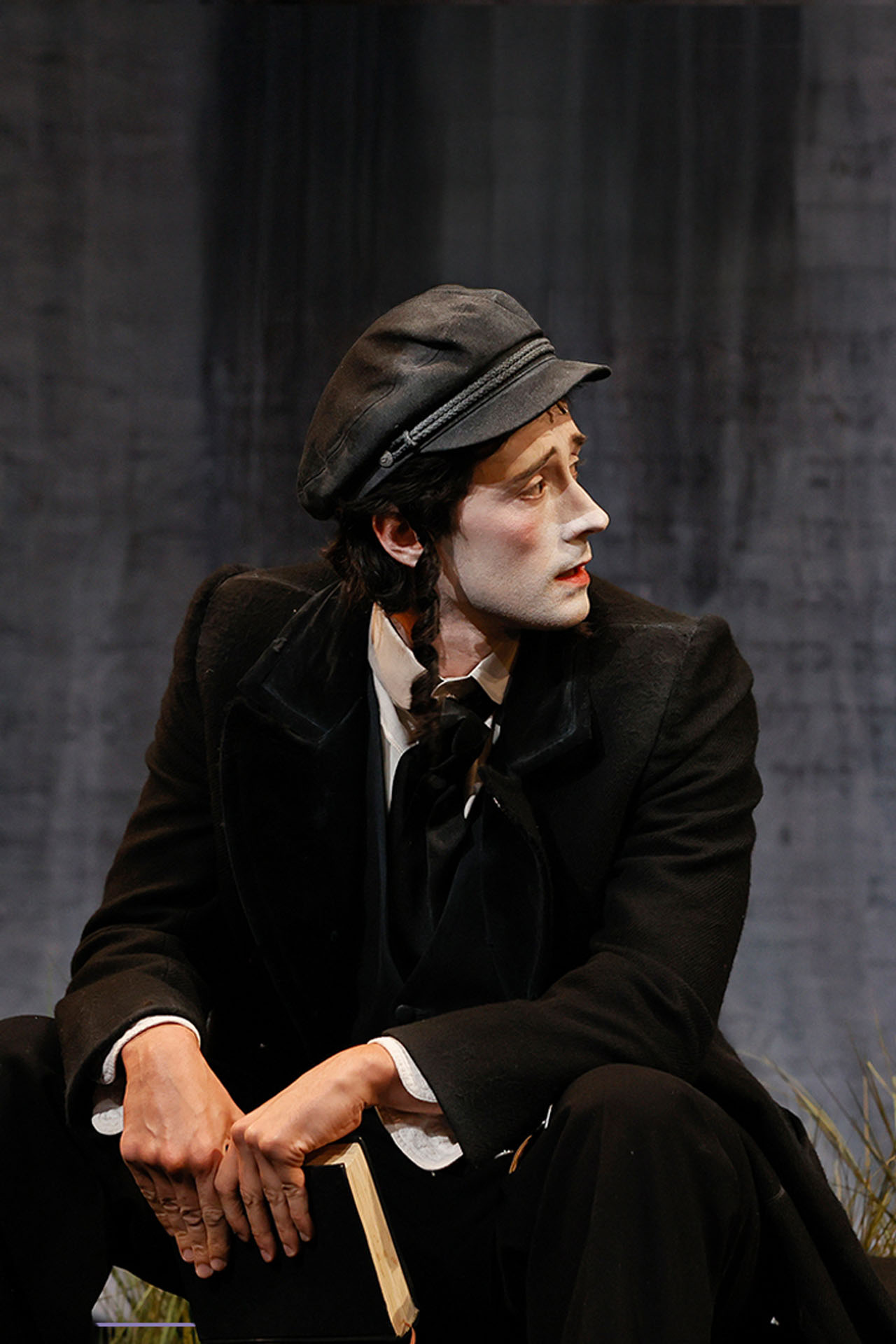
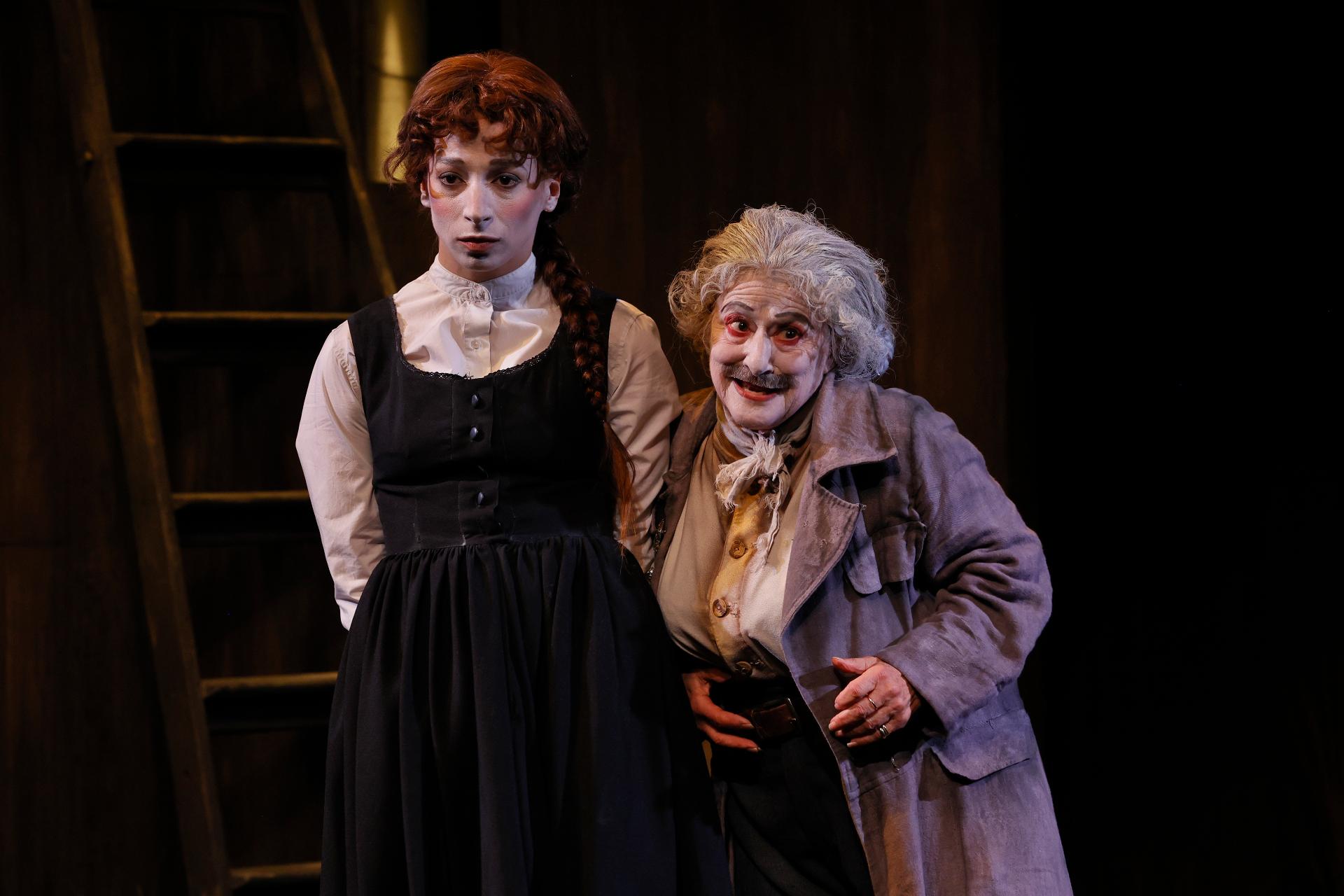
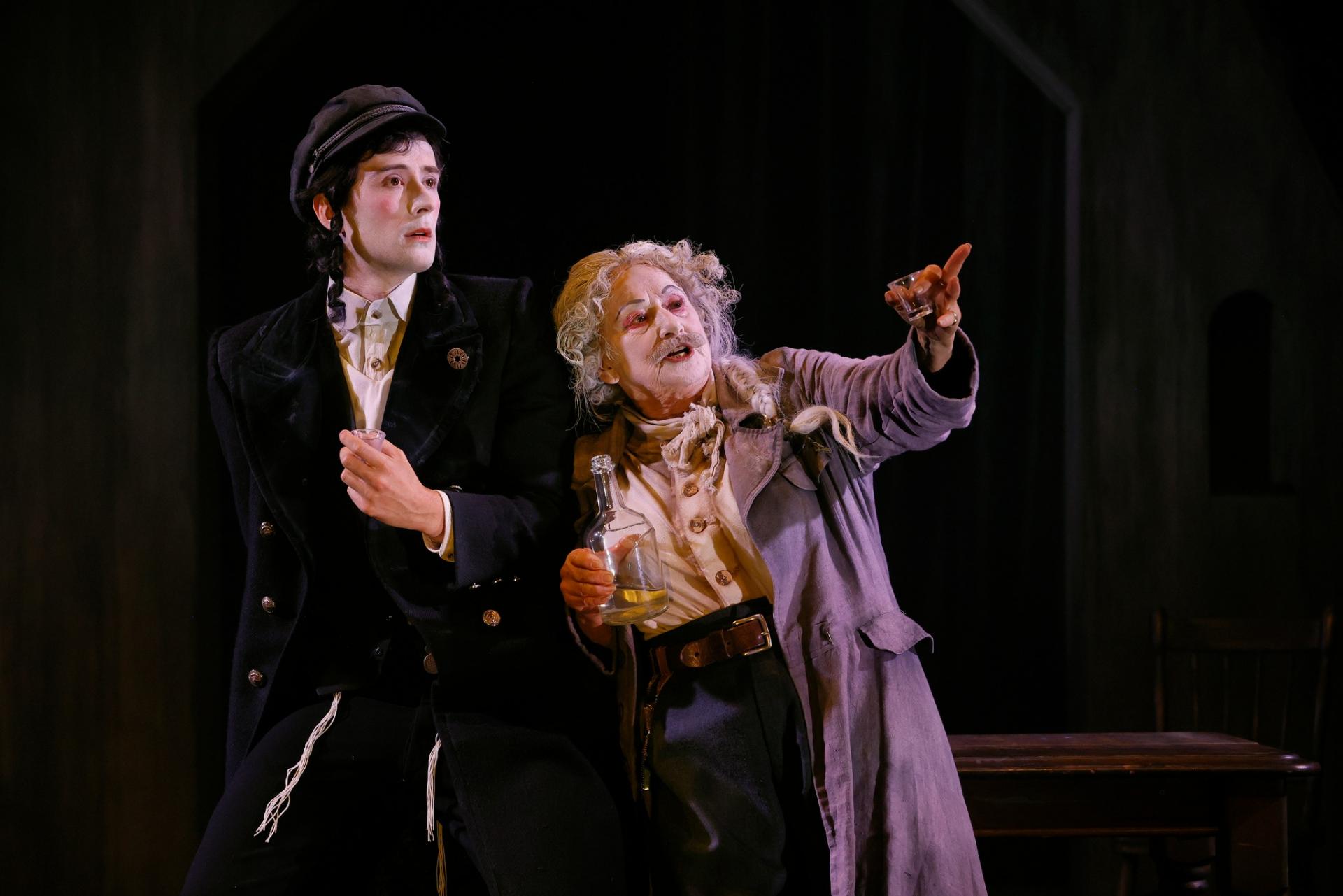
Regarded female, the young adult in Isaac Bashevis Singer’s 1962 short story has to don disguise as male, in order to obtain a formal Jewish education. It was early 20th-century Poland in Yentl the Yeshiva Boy, when the rigidity of gender roles was even more pronounced than they are today. The dominance of religion had meant that many were not able to live their true selves, but adhere instead to strict prescriptions of teachings and texts, that were too often concerned with the constraint of people.

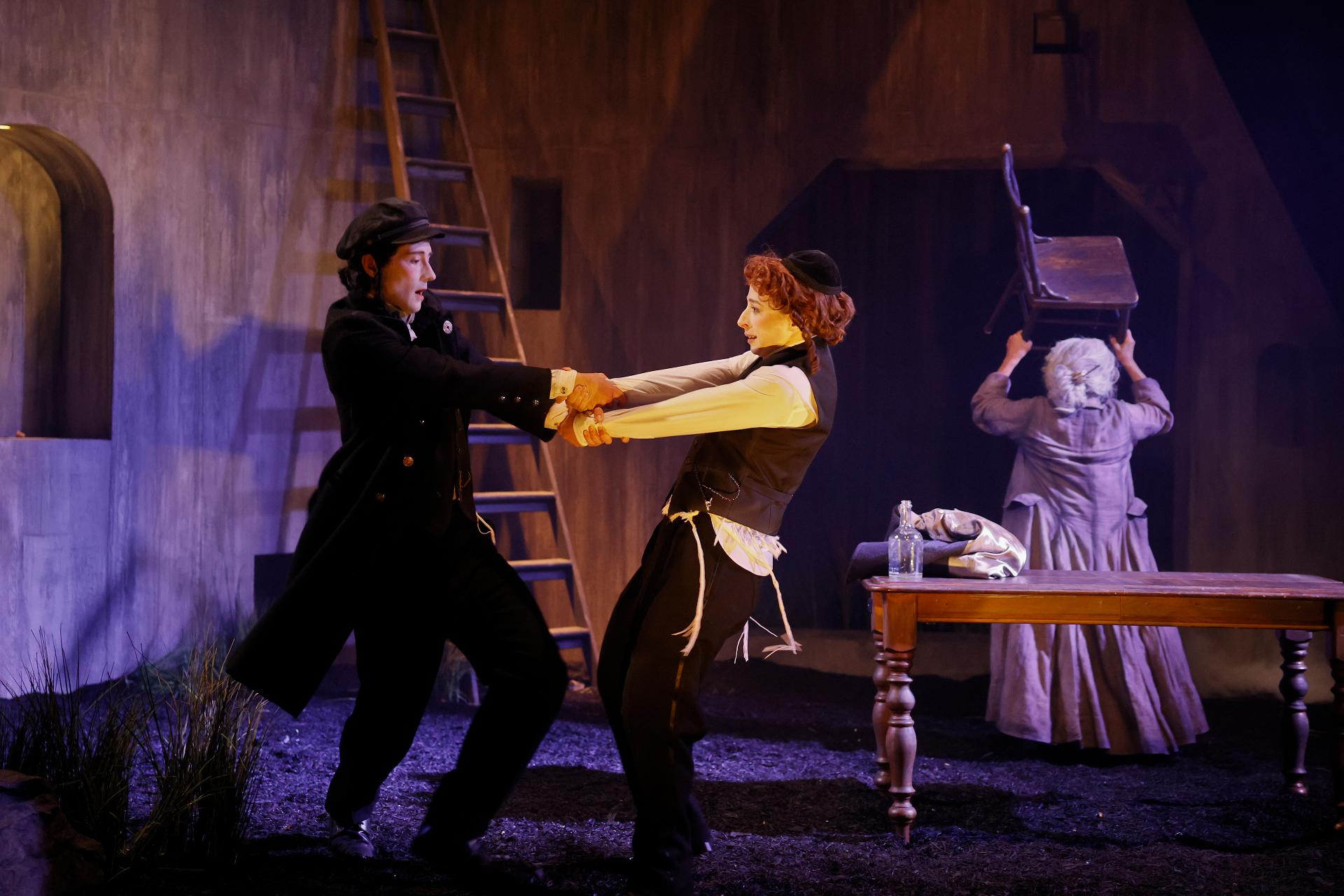
In this 2024 stage adaptation of Yentl, the central character’s zeal to abandon their old garments in exchange for those of the opposite gender, is clearly seen to be more than a matter of access. Not only are Yentl’s desires about enlightenment, they are in fact about an actualisation of identity. Yentl takes the big step of taking public, their previously secret dressing up in their father’s clothing. This appropriation of gender represents for Yentl an opportunity to penetrate an oppressive system, as well as to assume an identity closer to their natural essence.

In 2024, the proliferation of terminology like genderqueer, nonbinary and transness, along with a greater understand of their accompanying definitions and perspectives, means that we see Yentl in a new and clearer light. Of course, they had known themselves for decades, but it may be that we are only now catching up, and it is to the credit of playwrights Gary Abrahams, Elise Hearst and Galit Klas, and their rigorous work, that we can have this restored and truer knowledge of who Yentl was.

Directed by Abrahams, this mesmerising update delivers for its audience, delicious intellectual engagement, along with fabulous entertainment. It is as amusing as it is informative, with an admirable sophistication in both style and thought, that makes Yentl an exceptional work of theatre.

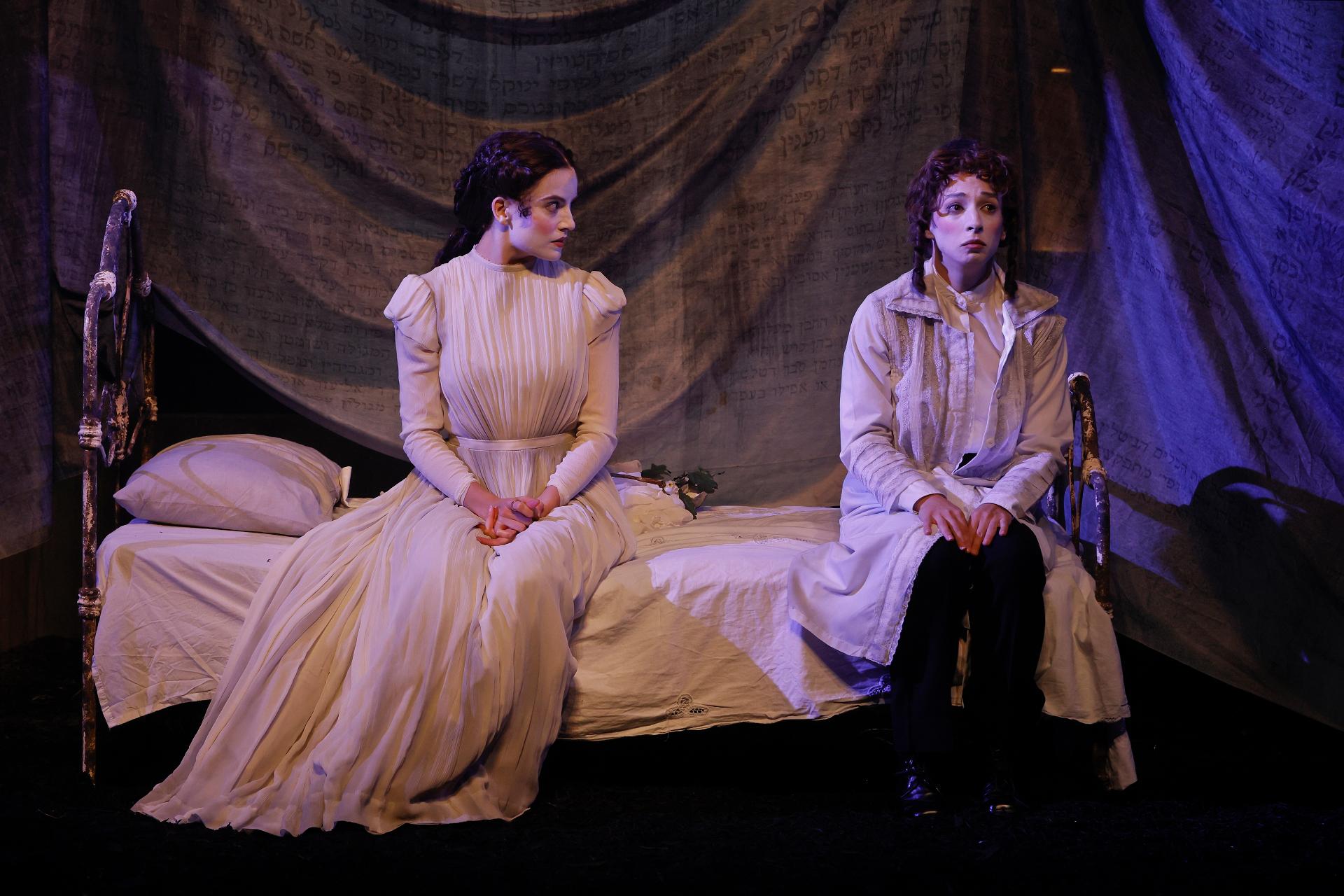
Charming production design by Dann Barber carves out a time and place that looks to be specific and accurate, with manipulations of depth that help us imagine the various locations in which the story resides. Rachel Burke’s lights offer sensitive enhancement to the exalting visual beauty being presented, with a sensual intensity that makes the conveyance of ideas in Yentl feel tender and intimate. Max Lyandvert’s sounds and music keep us attentive to the shifting temperaments for the piece, able to bring the drama when the moment calls for it.

Actor Amy Hack is entirely convincing in the titular role, marvellously precise in voice and physicality for her embodiment of a person both pretending to be something other, whilst simultaneously becoming closer to their real self. Hack’s technical proficiency may prove astonishing, but it is her manifest empathetic acuity for the inner world of Yentl that is really moving.  Other members of cast too are highly impressive; Nicholas Jaquinot, Genevieve Kingsford and Evelyn Krape can be remembered for bringing artistic brilliance to a staging replete with intelligence, generosity and soul.

It is Yentl’s soul that eventually comes to the fore. The show commences with a simple understanding about sex and relevant biological constitutions, and how our societies are determined to create categories according to those perceived differences, often for the purposes of marginalisation and disenfranchisement. Yentl the play reminds us however that if gender is indeed a real thing, it can only exist where a person’s soul is, knowing that it was always the whole person and not just particular portions of their anatomy, that those notions apply.

A soul is mostly resolute. Just as we need to believe that the human soul is essentially good, we have to believe that its other aspects too bear fundamental qualities that can never be truly disguised or transmuted. Some souls come gendered one way or the other, independent of bodily realities, and other souls simply do not play by those rules. Our wish is for Yentl to finally accept, and love, their own soul, just as we must always see one another for only who we are.

www.yentl.com.au

Review: The Bridges Of Madison County (Hayes Theatre)

Venue: Hayes Theatre Co (Potts Point NSW), Mar 6 – Apr 5, 2020
Book: Marsha Norman (based on the novel by Robert James Waller)
Music & Lyrics: Jason Robert Brown
Director: Neil Gooding
Cast: Michael Beckley, Anton Berezin, Beth Daly, Kate Maree Hoolihan, Zoe Ioannou, Katie McKee, Ian Stenlake, Grady Swithenbank
Images by Grant Leslie

Theatre review
When we encounter Francesca, she is a housewife in 1960s Iowa, with 2 kids and a husband, seemingly happy to be on a farm living the simple life. A fortuitous meeting with photographer Robert however, reveals that she does want more. The Bridges of Madison County is one of the most famous of American romances, a novella by Robert James Waller that has sold over 60 million copies since its initial publication in 1992. Francesca’s struggles about fulfilling her duties as wife and mother, are presented as completely incongruent with what might be a greater happiness. For a moment, she experiences exhilaration with Robert, but must weigh the consequences should she dare to follow her heart.

This musical version, first created in 2013, features strong songwriting by Jason Robert Brown, but its individual numbers, although delightful, do not necessarily add up to a satisfying plot for the show. Direction by Neil Gooding is able to suffuse a sense of intensity to the emotions being depicted, but the general pace for its storytelling is unsatisfying. Design and technical aspects of the production are on the whole accomplished, with Phoebe Pilcher’s work on lights noteworthy for bringing valuable flamboyance to the staging.

Performer Kate Maree Hoolihan plays a very sentimental Francesca. Her interpretation tends to be simplistic, but proves ultimately to be a moving one. Ian Stenlake looks every bit the National Geographer photographer and love interest Robert, but some of his singing at crucial points are not quite up to scratch. Although evident that the couple works hard to find chemistry, the attraction between the two is never really convincing. Beth Daly and Michael Beckley however are memorable as Marge and Charlie, quirky neighbours who bring occasional but very needed humour to the staging.

In the song “Almost Real”, we hear Francesca talk about her relationship with Chiara, her sister in Naples, who “would open her legs just as easy as speaking.” In her efforts to separate herself from that negative perspective of a free woman, Francesca spends her life doing what she thinks is the right thing, but it is clear that all she does is dedicate herself to being a subject of conformity. Although an indisputably credible character, the writers of Bridges refuse to allow Francesca the gratification she craves, and deserves. We are made to think that to be a good mother, Francesca simply has to give herself up, and that we must all realise, is a lie.

www.goodingproductions.com

Review: Stalking The Bogeyman (Old Fitz Theatre)

Venue: Old Fitzroy Theatre (Woolloomooloo NSW), May 23 – Jun 23, 2018
Playwrights: David Holthouse, Markus Potter (additional writing by Santino Fontana, Shane Stones, Shane Ziegler)
Director: Neil Gooding
Cast: Noel Hodda, Radek Jonak, Deborah Jones, Graeme McRae, Alexander Palacio, Anne Tenney
Images by John Marmaras

Theatre review
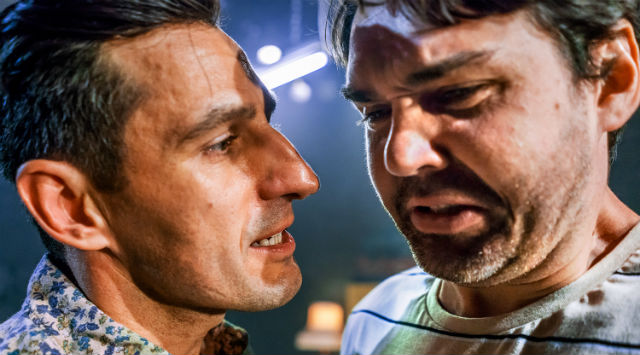
David was raped at the age of seven. The damage that follows is unimaginable, and the vigilante action he plans to carry out is understandable, even if some of us will no doubt have misgivings about his intentions to kill. In Stalking The Bogeyman, we are not asked to pass judgement on David’s decisions, but to witness the repercussions of sexual assault, especially as it pertains to the very young. Incidents that take place over several minutes, cause reverberations that last a lifetime. We meet David 25 years after the fateful night, and his struggles are unabated.

With these extraordinary stakes at hand, the play is appropriately enthralling; we are desperate to see how the story concludes. Not only do we want to know, how and if the characters find resolution, it is important that we discover what it is, that our societies would consider to be the right thing to do. In the creation of this play, our values are placed under magnification, and we hope for it to tell us more about ourselves that we may not already know.

It is an engaging production, with Neil Gooding’s restrained direction keeping things concise and clear. Ideas in Stalking The Bogeyman are simple, and powerfully conveyed on this stage. Leading man Graeme McRae’s vulnerability as David is a vital component, that preserves our empathy comprehensively, through every step of the proceedings. The eponymous bogeyman is played by Radek Jonak, whose portrayal of malevolence is as impressive as the electrifying energy he introduces with each appearance.

The play ends on an abrupt, and perhaps anticlimactic note. The drama fizzles out, but as it is “based on a true story” we appreciate the honesty of its divulgements. It is true, that when disaster strikes, we are rarely able to procure redress or compensation that is ever going to be satisfactory. That which cannot be undone, requires that victims find ways, often radical in nature, to make their daily existences bearable. Many even more unfortunate, have suffered annihilating consequences. Another day will dawn, if only for battling the lingering shadows of yesterday.

www.redlineproductions.com.au

5 Questions with Radek Jonak and Anne Tenney

Radek Jonak

Anne Tenney: You are a joy to have in the rehearsal room, endlessly entertaining and very funny, how did your teachers survive your school days, or, did they?
Radek Jonak: No teachers were harmed in the process! At school, I was actually quiet subdued, I was an overweight kid just blending in. When I get to know people then I relax and be myself.

When you first read Stalking The Bogeyman, what were your initial thoughts about the character, and have you played a similar role in your career to date?
Initial thought was, this guy is everything I stand against, as a human being. Never played a similar role, usually get cast as a cop or a criminal.

In one of your other lives you are a fitness instructor and personal trainer, so you mostly begin your day around 4 am, how do you work this in with a nightly performance schedule?
This will be the first time I will be doing it! Hope to get a lot of naps in.

If you won an all expenses paid trip to anywhere in the world where would you head off to?
Maldives, that island is slowly sinking, and it just looks amazing.

In your career, have you worked on any projects that have given you the opportunity to display your comedic talents?
With my mates, yes! Short films, web series etc. But professionally in a comedic role? No, never had the chance.

Anne Tenney

Radek Jonak: Watching you in this show, you bring along such ease and fun, when you are on stage. When was the first time you remember that you thought, I want to do this for a living?
Anne Tenney: Thank you, Radek. I was acting in a production of The Ballad Of The Sad Cafe during my NIDA years, and, such a beautiful, magical world had been created on the stage, atmospheric lighting etc, etc, it was one of those theatrical experiences where
everything came together. I felt at home , I was collaborating with a group of people all working towards the same end. And that was, to tell a story. So, I was bitten!

If you didn’t end up doing acting, what would have been your back up plan?
Still thinking about that one… Any back up plan I have flirted with inevitably has something to do with the arts, Painting (not houses), writing, so fairly impractical but would love to work with children, or the elderly, and that could be still on the cards.

Name three other actors (dead or alive) you would invite to have dinner with.
OK, first person that comes to mind is Judi Dench, then Deborah Mailman, and Ben Mendelsohn.

Your agent just rang and said, Anne you have been offered to do any part you like… what would it be?
Well, I am too old for her now, but I have always wanted to have a crack at playing Masha from Chekhov’s The Seagull, maybe something similarly comically mournful.

Cat or dog? Warm or cold? Day or night? Sweet or sour? Film or theatre? Skydive or bungee? Early riser or sleep in?
Well, I like them both, depending upon personality, but will say dog. Cold… warm if I can be immersed in cold water. Sour. Day. Film or theatre, mmmm, that’s a toughy, have to sit on the fence, and say a little bit of both. Skydive. ONLY if a gun was being held to my head . And definitely… an early riser.

Radek Jonak and Anne Tenney are appearing in Stalking The Bogeyman, by Markus Potter and David Holthouse.
Dates: 23 May – 23 Jun, 2018
Venue: Old Fitz Theatre

Suzy Goes See’s Best Of 2014

sgs-best2014

2014 has been a busy year. Choosing memorable moments from the 194 shows I had reviewed in these 12 months is a mind-bending exercise, but a wonderful opportunity that shows just how amazing and vibrant, theatre people are in Sydney. Thank you to artists, companies, publicists and punters who continue to support Suzy Goes See. Have a lovely holiday season and a happy new year! Now on to the Best Of 2014 list (all in random order)…

Suzy x

 Avant Garde Angels
The bravest and most creatively experimental works in 2014.

 Quirky Questers
The most unusual and colourful characters to appear on our stages in 2014.

♥ Design Doyennes
Outstanding visual design in 2014. Fabulous lights, sets and costumes.

♥ Darlings Of Dance
Breathtaking brilliance in the dance space of 2014.

♥ Musical Marvels
Outstanding performers in cabaret and musicals in 2014.

♥ Second Fiddle Superstars
Scene-stealers of 2014 in supporting roles.

♥ Ensemble Excellence
Casts in 2014 rich with chemistry and talent.

♥ Champs Of Comedy
Best comedic performances of 2014.

♥ Daredevils Of Drama
Best actors in dramatic roles in 2014.

♥ Wise With Words
Best new scripts of 2014.

 Directorial Dominance
Best direction in 2014.

♥ Shows Of The Year
The mighty Top 10.

♥ Suzy’s Special Soft Spot
A special mention for the diversity of cultures that have featured in its programming this year.

  • ATYP

End

sgs-best2014a

Photography by Roderick Ng, Dec 2014

End

Best of 2018 | Best of 2017 | Best of 2016Best of 2015Best Of 2013

Review: Truth, Beauty And A Picture Of You (Neil Gooding Productions)

hayestheatrecoVenue: Hayes Theatre Co (Potts Point NSW), May 9 – Jun 1, 2014
Book: Alex Broun, Tim Freedman
Music: Tim Freedman
Lyrics: Tim Freedman
Director: Neil Gooding
Musical Director: Andrew Worboys
Cast: Ian Stenlake, Scott Irwin, Erica Lovell, Toby Francis, Ross Chisari

Theatre review
Opera and the stage musical are theatre genres with their own defined song structures. Music is written in a specific way so that the genre works. Tim Freedman’s songs were written not for the stage, but for the world of pop and rock. This “juke box” musical is formed with highlights of his recording career with The Whitlams, and it is debatable how well the selection stands up against compositions tailored for the genre, but there is no question that this premier production of Truth, Beauty And A Picture Of You is effective on many levels.

Freedman and Alex Broun have built around the songs, a story replete with nostalgia and sentimentality, ensuring an emotional experience that audiences expect of the format. Characters and lines are thoughtfully crafted, with scenes between songs sometimes leaving a greater impression than the musical numbers themselves. Neil Gooding’s direction utilises space limitations of the Hayes Theatre to his advantage, evoking wistfully, the grunge of the 1990s and of Newtown, where the action is set, but it should be said that visual design could benefit from being a little more adventurous. The incorporation of live musicians within the space is charming. Gooding allows them to be within sight, but they are never intrusive. Above all, Gooding is a sensitive storyteller. The plot unfolds beautifully, with surprise, laughter and pathos always in the mix. His cast is a strong one, and the conviction of their performances is impressively engrossing.

Ian Stenlake, in the role of Anton, unleashes remarkable charisma. He is not a heroic protagonist, but his confident presence captivates us, and makes us care for all that he goes through. Stenlake’s ability to portray frivolity and an Australian casualness is wonderfully endearing, and his comic timing is a highlight of the show. Scott Irwin plays Charlie, buoyant and optimistic in 1994, but wearied and dejected in 2014. His unbelievable transformation between both eras bears an authenticity that is astonishing. Irwin’s work is subtle but powerful. His depiction of the character’s darker moments are devastating, and it is this gravity that gives the production its soul.

Younger members of the cast might be slightly less accomplished, but their talents are evident. Their vocal abilities in particular are outstanding, and they bring new life to many of the songs. It is unfortunate that the only obvious technical weakness of the production has to do with the way voices are mixed, as the band tends to drown out some of the singing in the bigger numbers. Erica Lovell as Beatrice is delightful and spirited. She is the strongest actor in the young bunch, and turns a somewhat inconsequential character into a memorable one.

Truth, Beauty And A Picture Of You is a moving show about love in its many guises. It tugs at our heartstrings and touches deeply. Like every great musical, it is affecting and entertaining, and it presents an opportunity to showcase some of our greatest talents, in whom we find great joy and sublime inspiration.

www.hayestheatre.com.au | www.goodingproductions.com

Review: Desperate Houseboys (Matthew Management / Neil Gooding Productions)

despboysVenue: Seymour Centre (Chippendale NSW), Feb 18 – 28, 2014
Playwrights: Cole Escola, Jeffery Self
Directors: Christian Coulson
Performers: Cole Escola, Jeffery Self

Theatre review
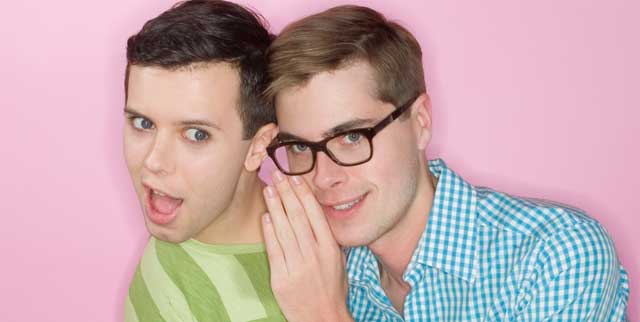
It takes a certain amount of gall and audacity to present a work that is entirely frivolous. Theatre practitioners are rarely able to look at their work as purely entertainment, while having no concern for conventions and audience expectations. Cole Escola and Jeffery Self’s Desperate Houseboys is creative, original, irreverent and wild. It is Generation Y post-modernism, attacking the notion of comedy with constant references to popular, theatre and gay culture, with the aide of theatrical structures that shift throughout the hour. It is like John Waters, only a lot younger.

Cole Escola and Jeffery Self do not seem to take themselves seriously. There are no discernible politics, and no obvious ambition to their work, but their supreme confidence in their niche is rare and admirable. Their undeniable talent is thoroughly utilised in this production, but it is within their comfort zones that the action takes place. It is high camp and highly amusing, without a need to try being too clever. Maybe because these young men are already extremely clever.

Their performance is energetic, with a manic silliness that characterises their persona and show. Like all great comic duos, the chemistry that exists between Escola and Self is bewilderingly powerful. Escola is more animated of the two, but Self is hardly the Dean Martin in this relationship. Both are outlandish and ridiculous, and it is this meeting of likeness that creates their success. It can be argued that their work requires these same qualities from its audience. This is a show about inside jokes, not necessarily with its themes, but in tone. Desperate Houseboys appeals to a specific sense of humour, one which is neither mainstream nor common. This would then mean that what Escola and Self have here is pure comedy gold for the right audience, but for others, quite possibly the opposite.

Presented as part of the Mardi Gras festival, the question remains whether Escola and Self are too offbeat for the target audience. With LGBT liberation in Sydney entering its fifth decade, and so many advances made in our sociopolitical lives, has the “gay community” become something too mainstream for this brand of madness? Have the Sydney gays gone too straight for a show about lube closets and overgrown twinks?

www.twitter.com/HouseBoysOz