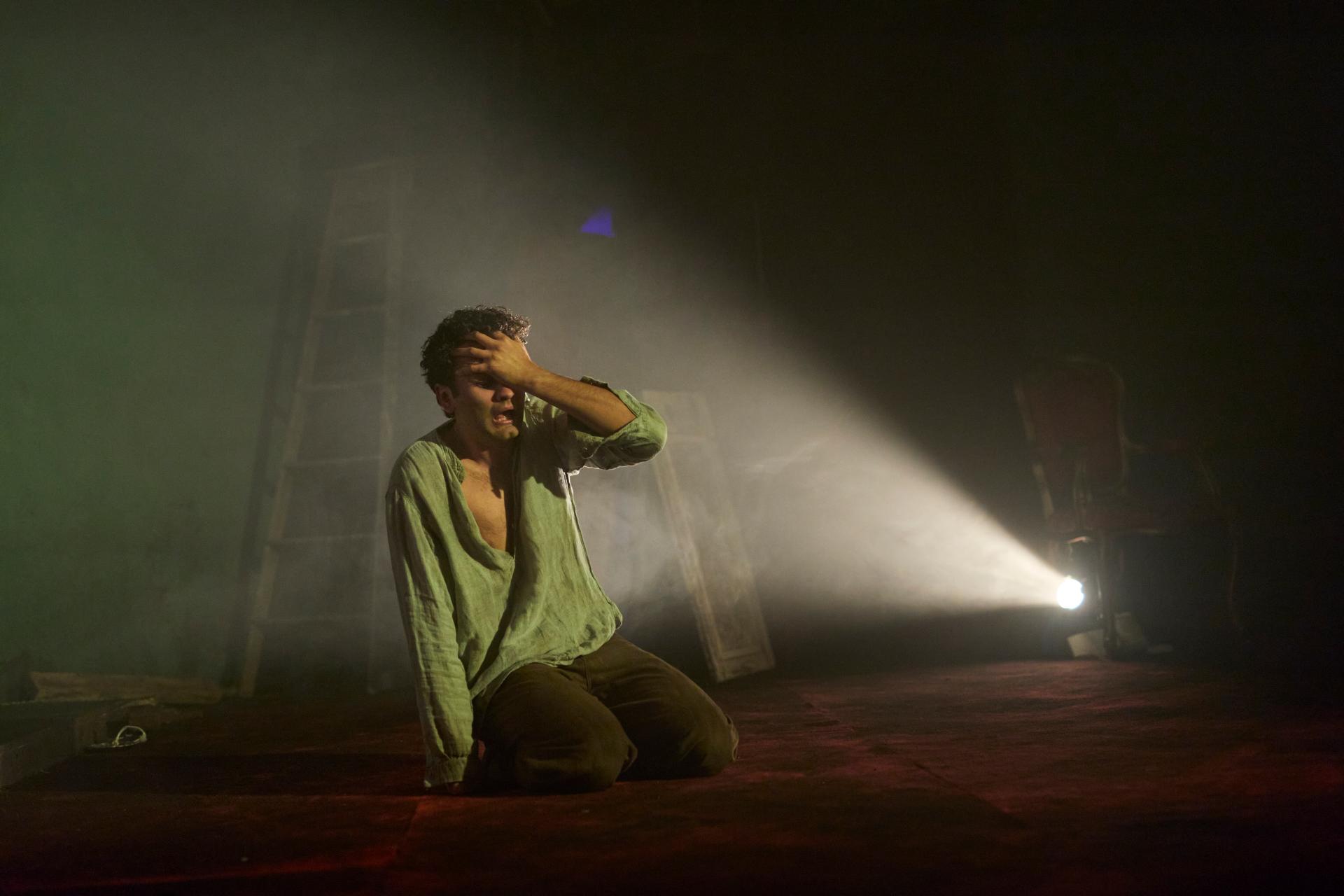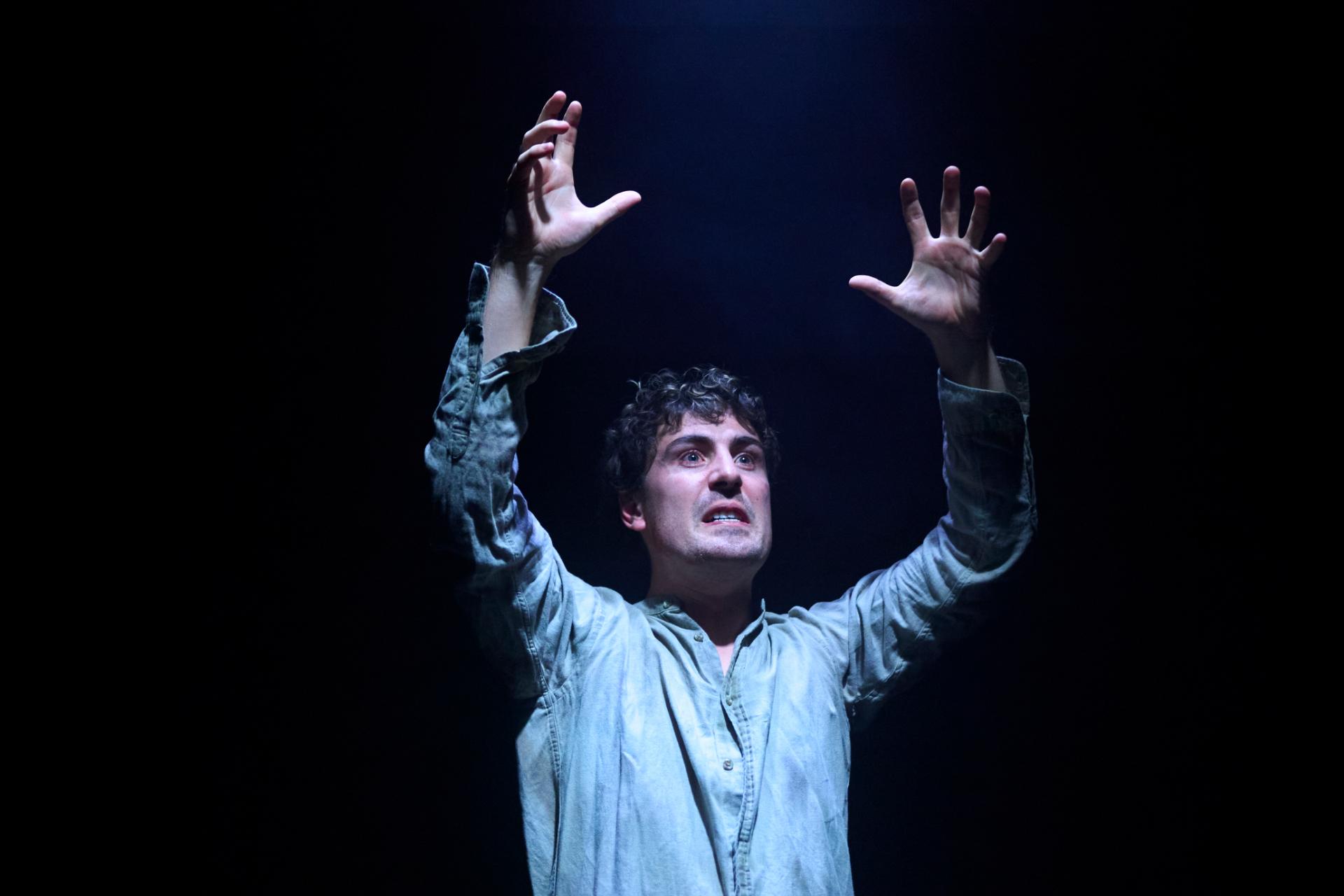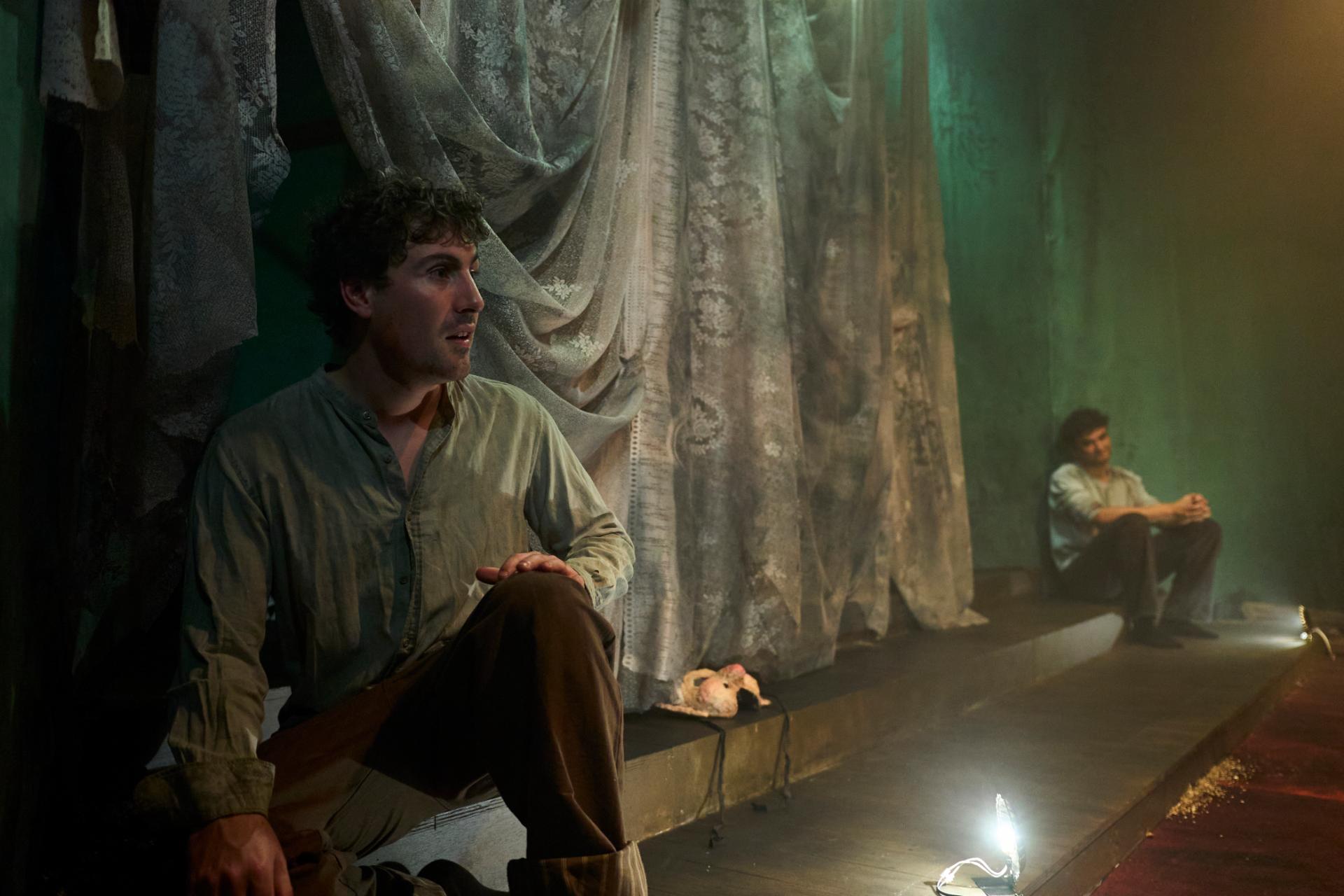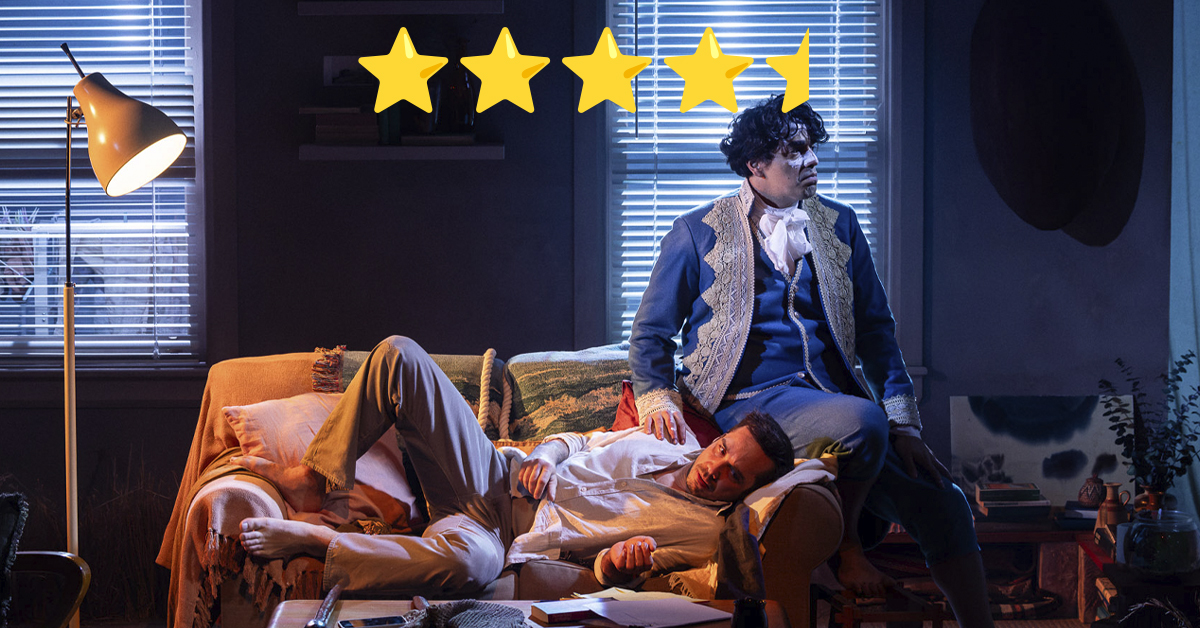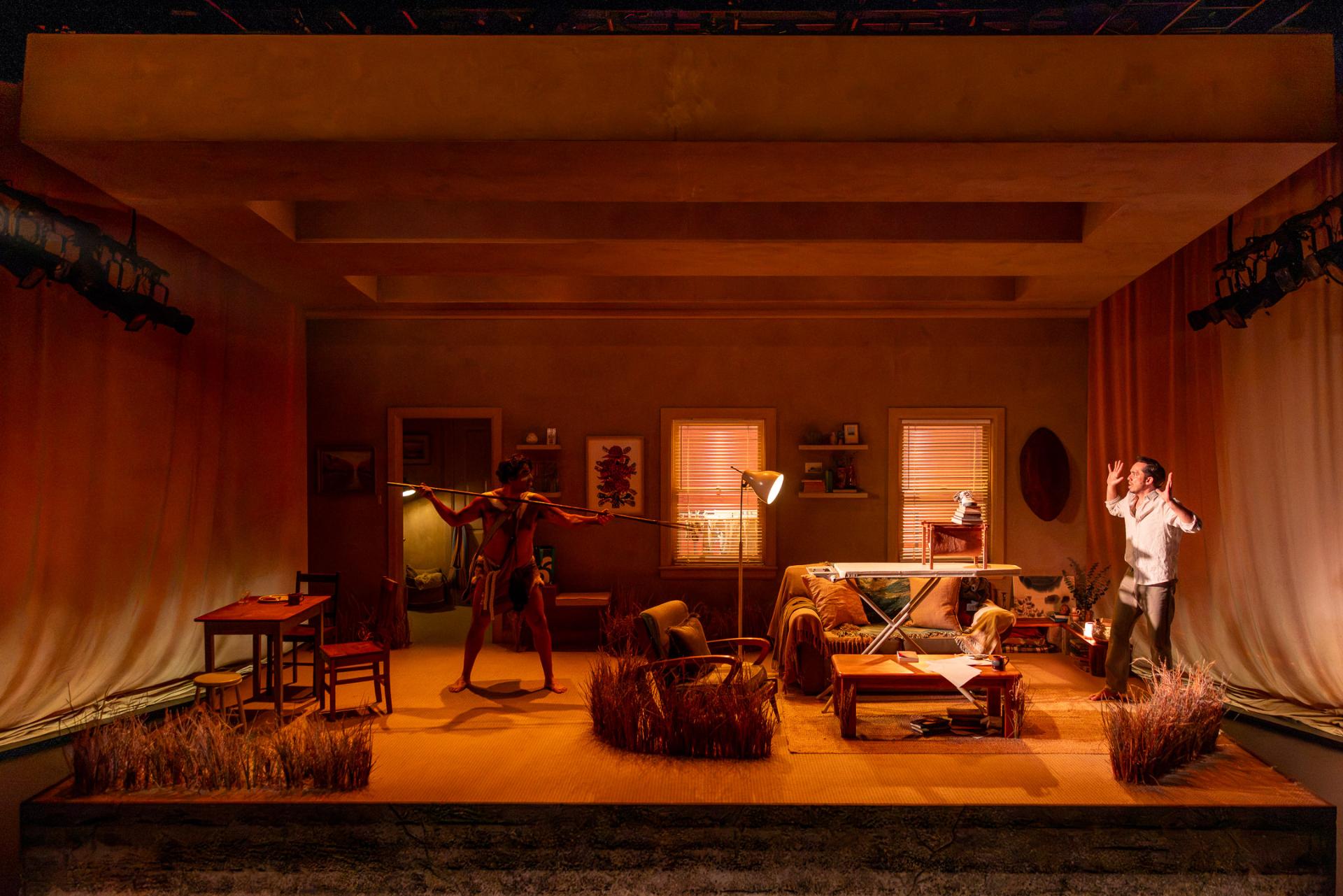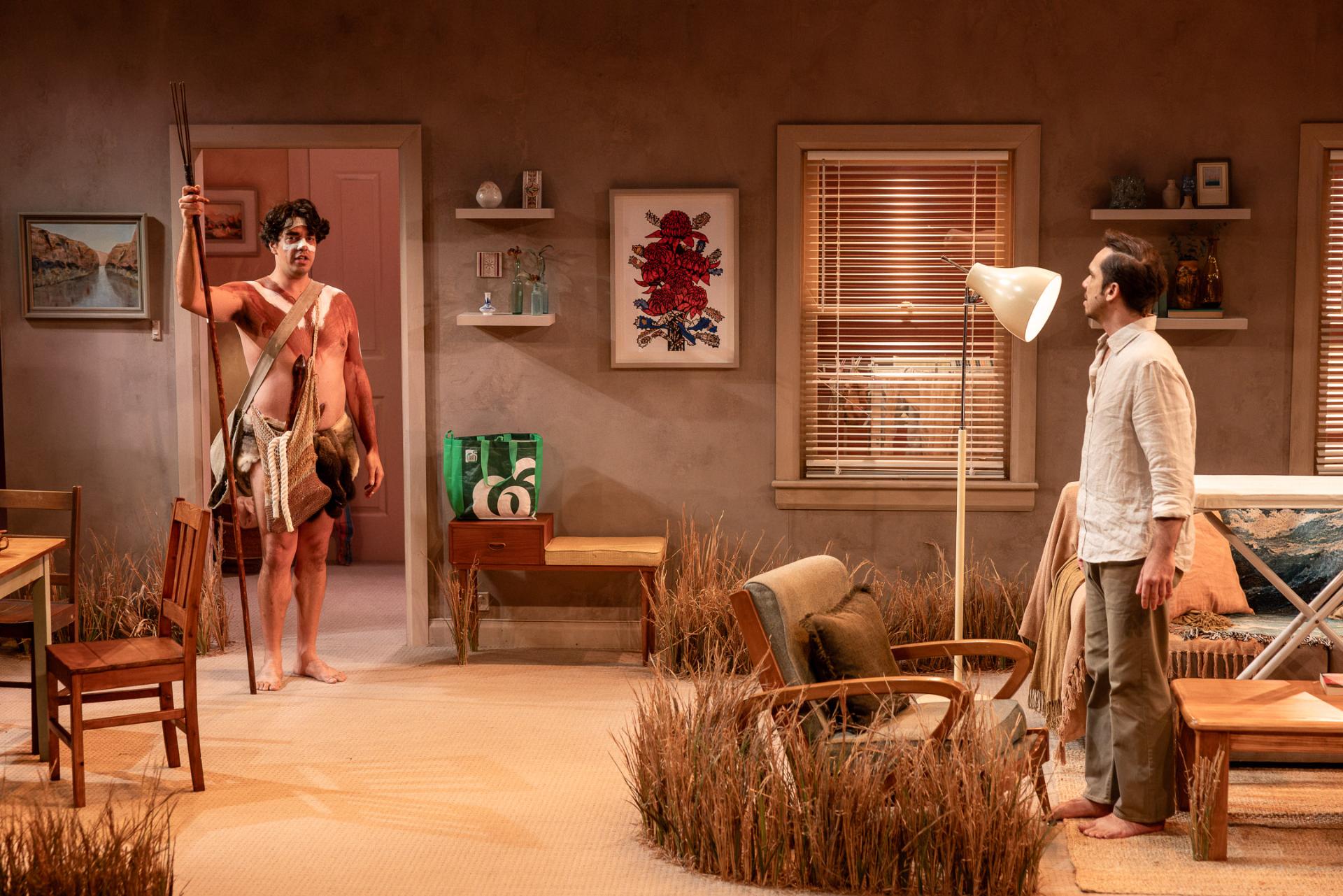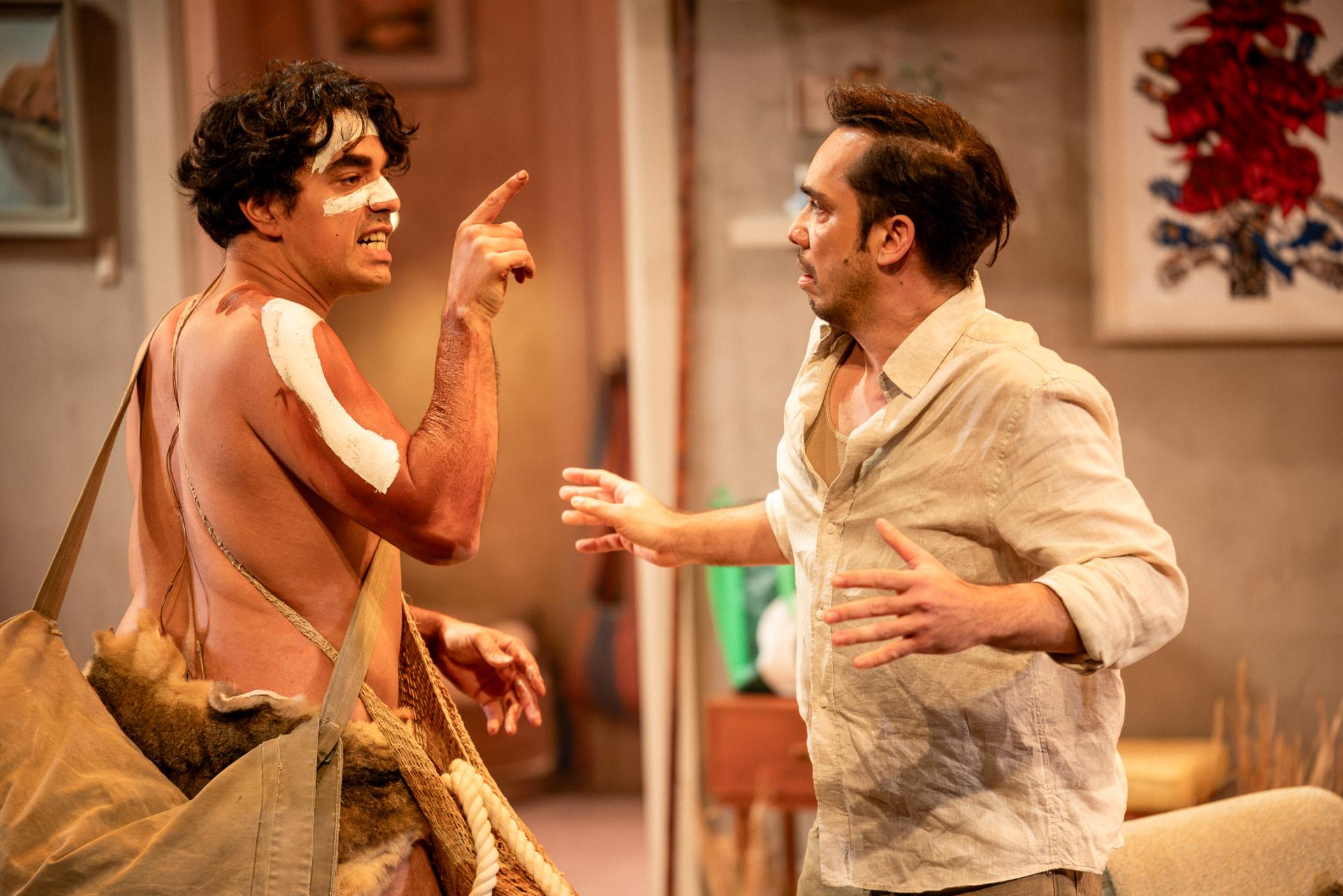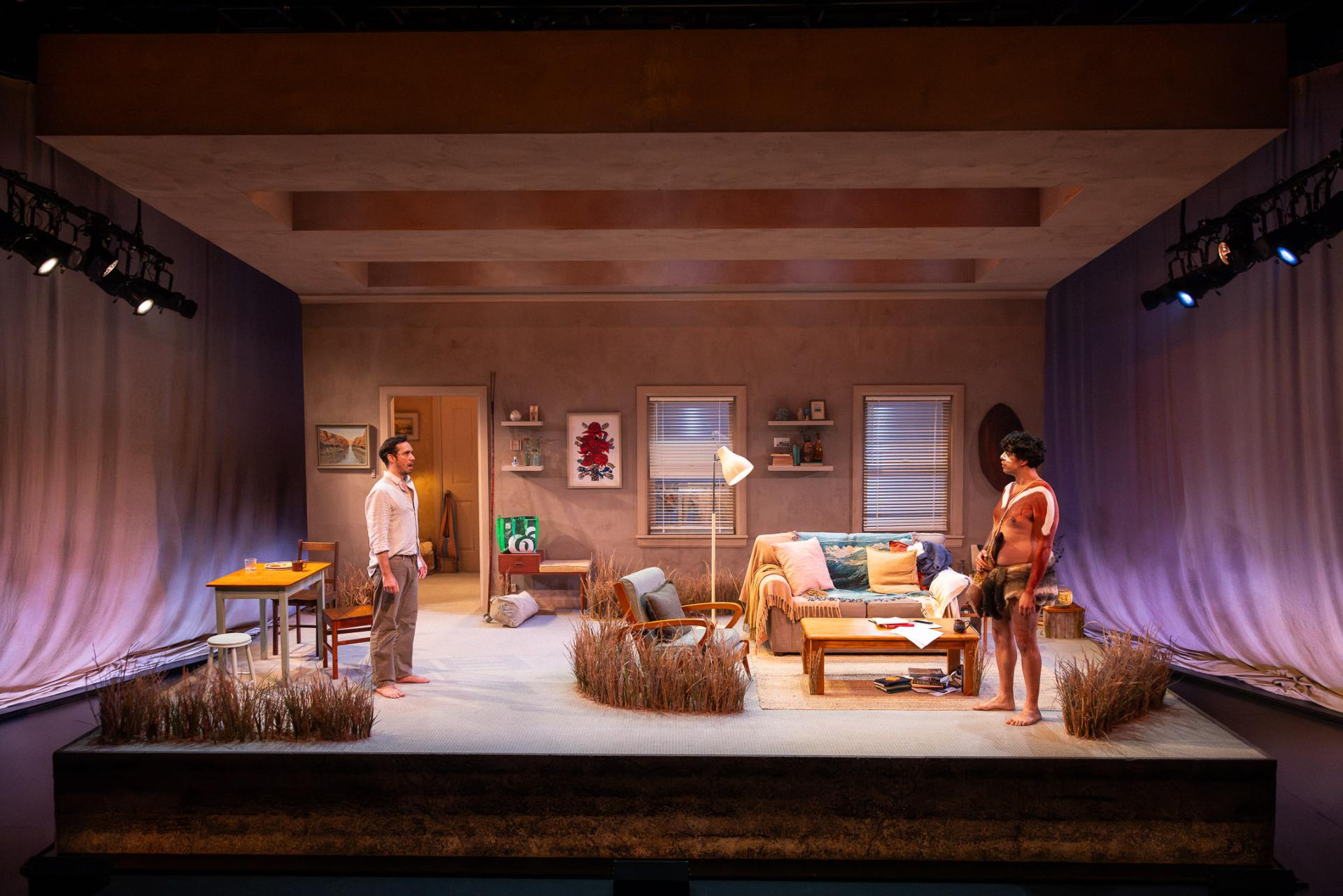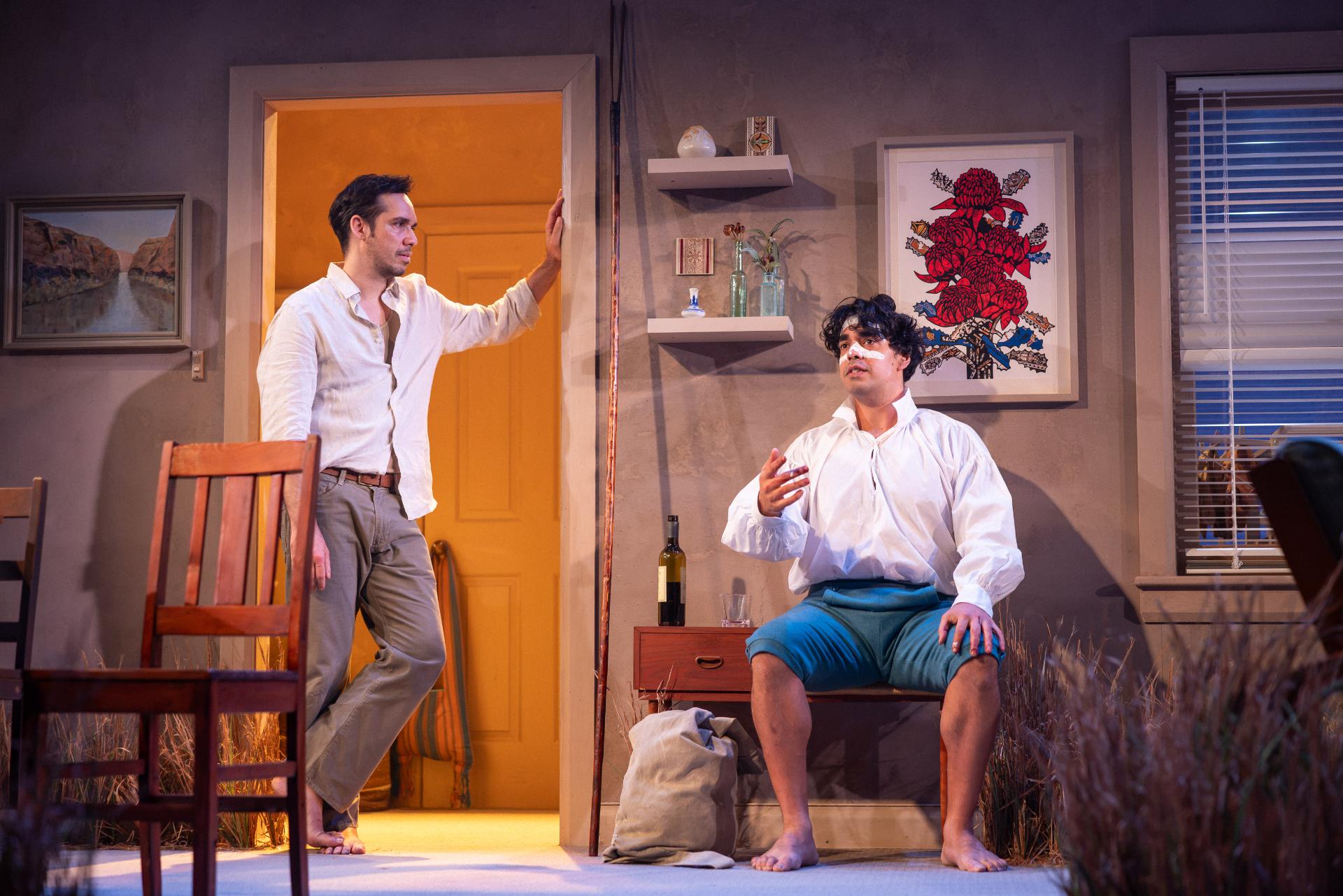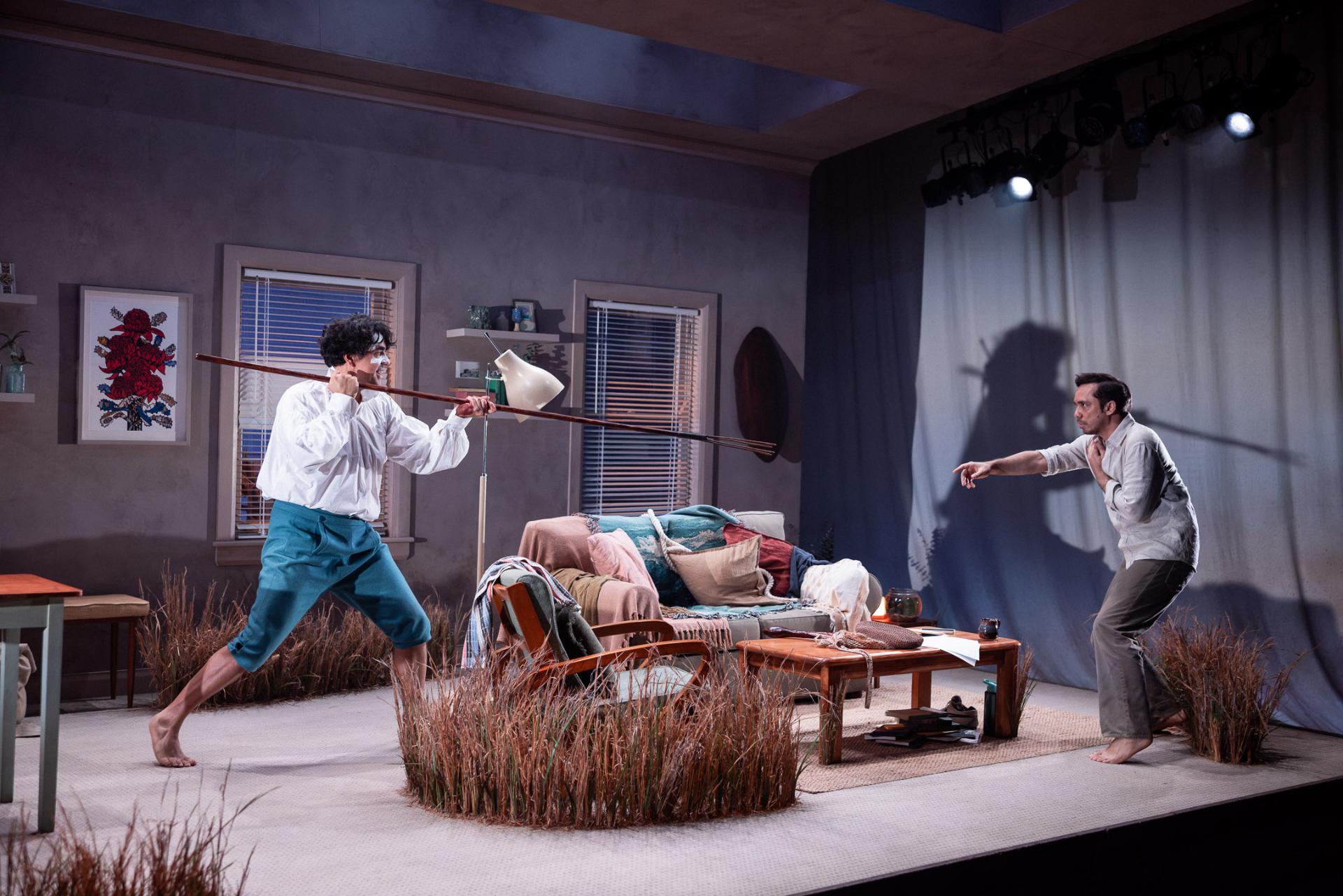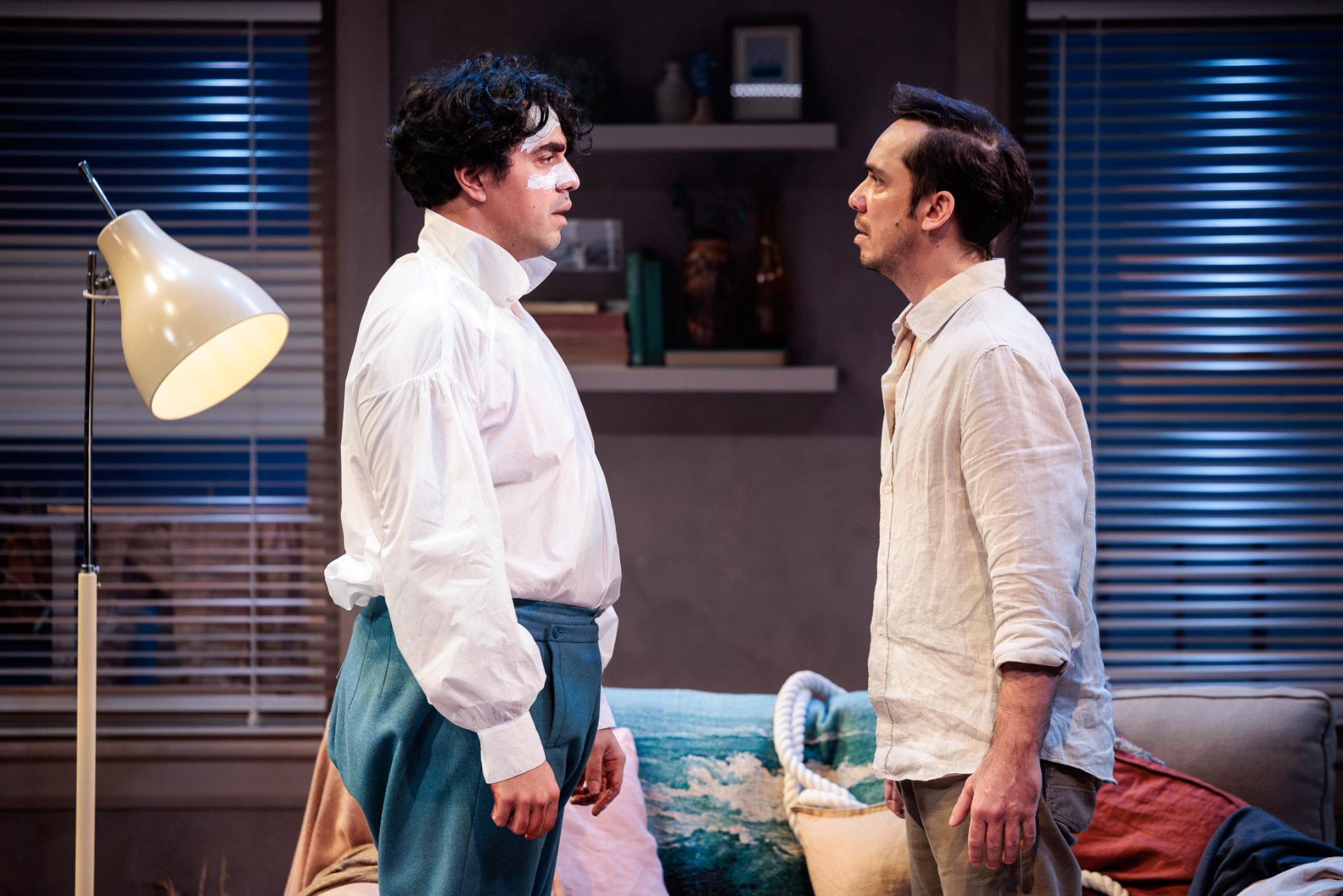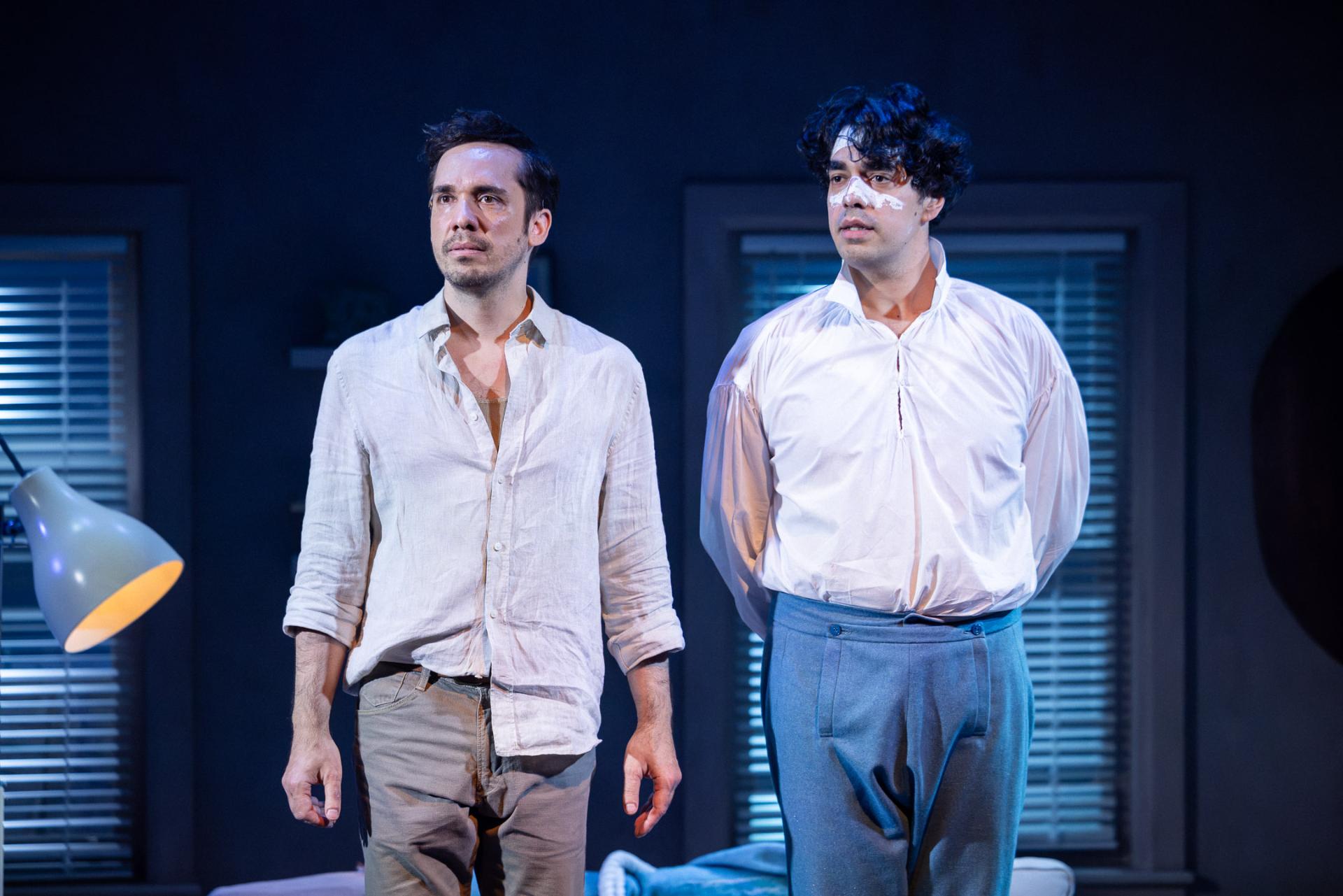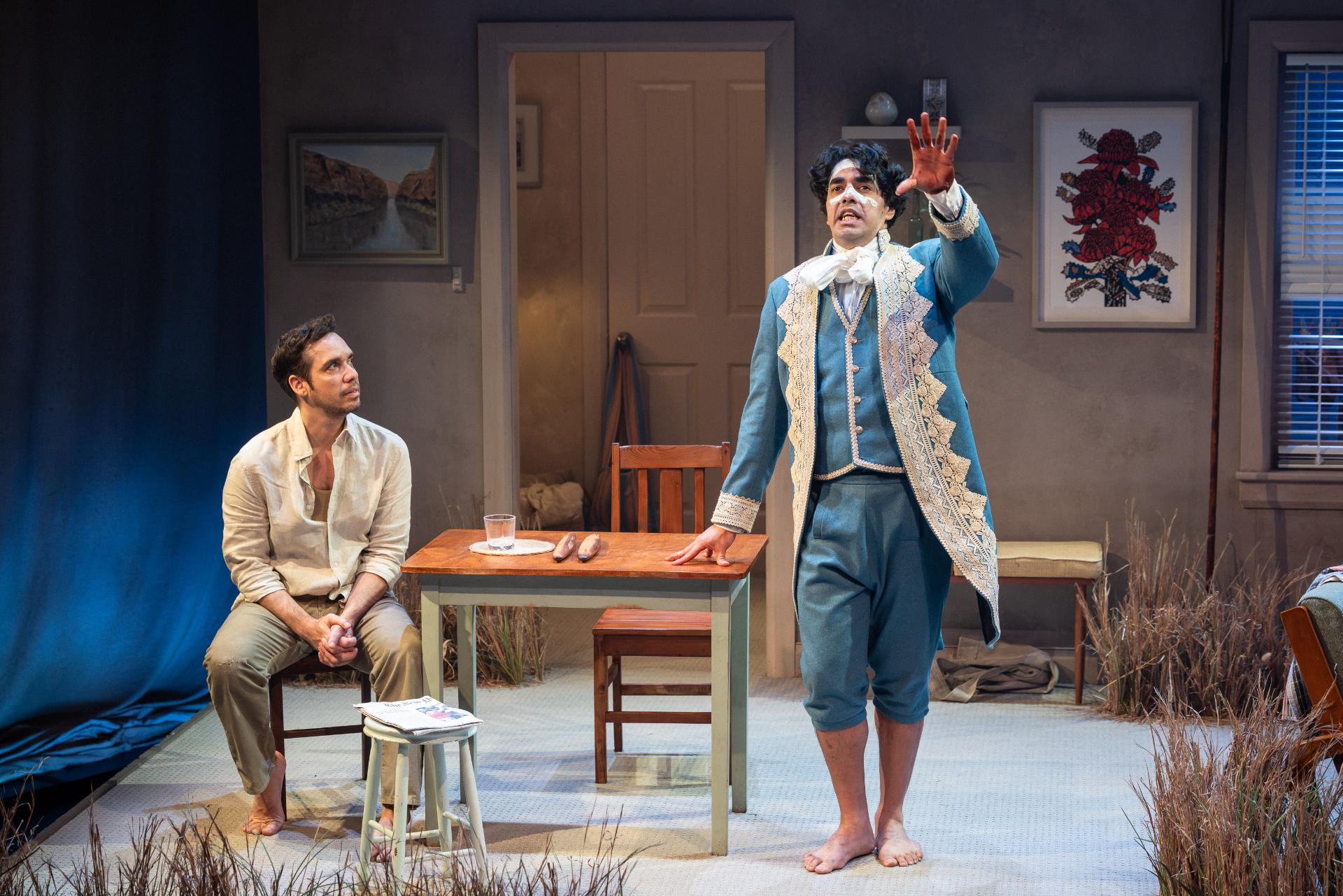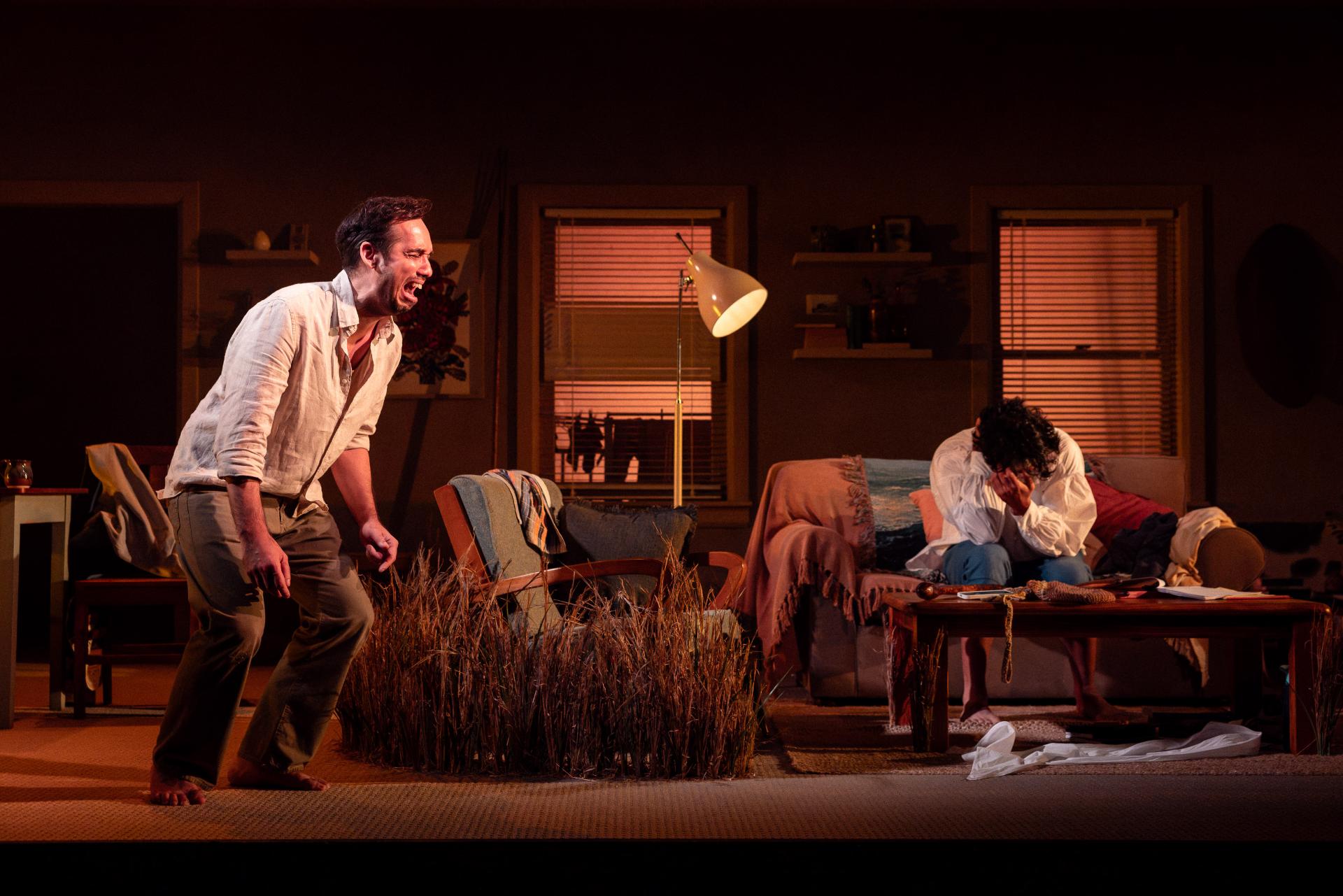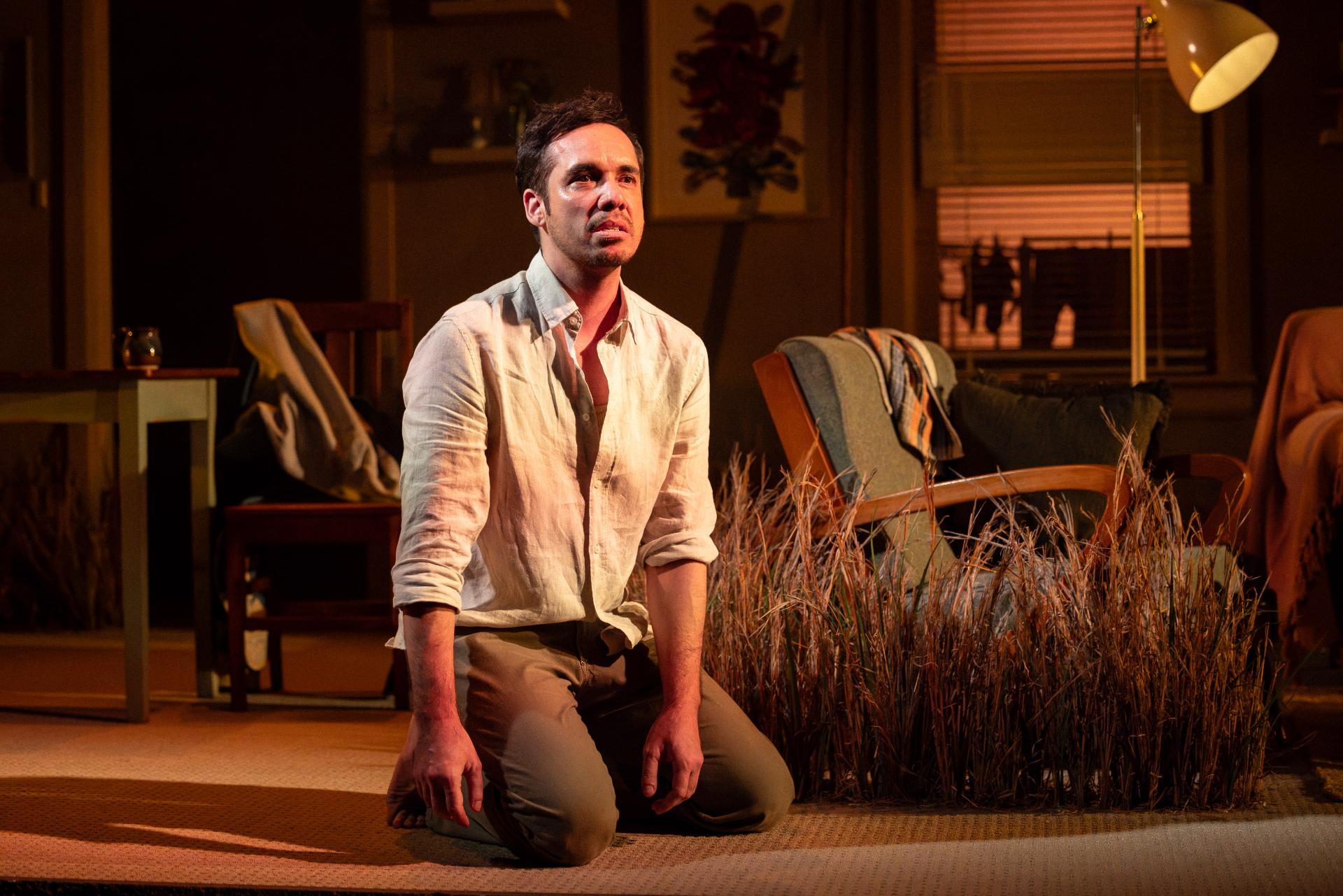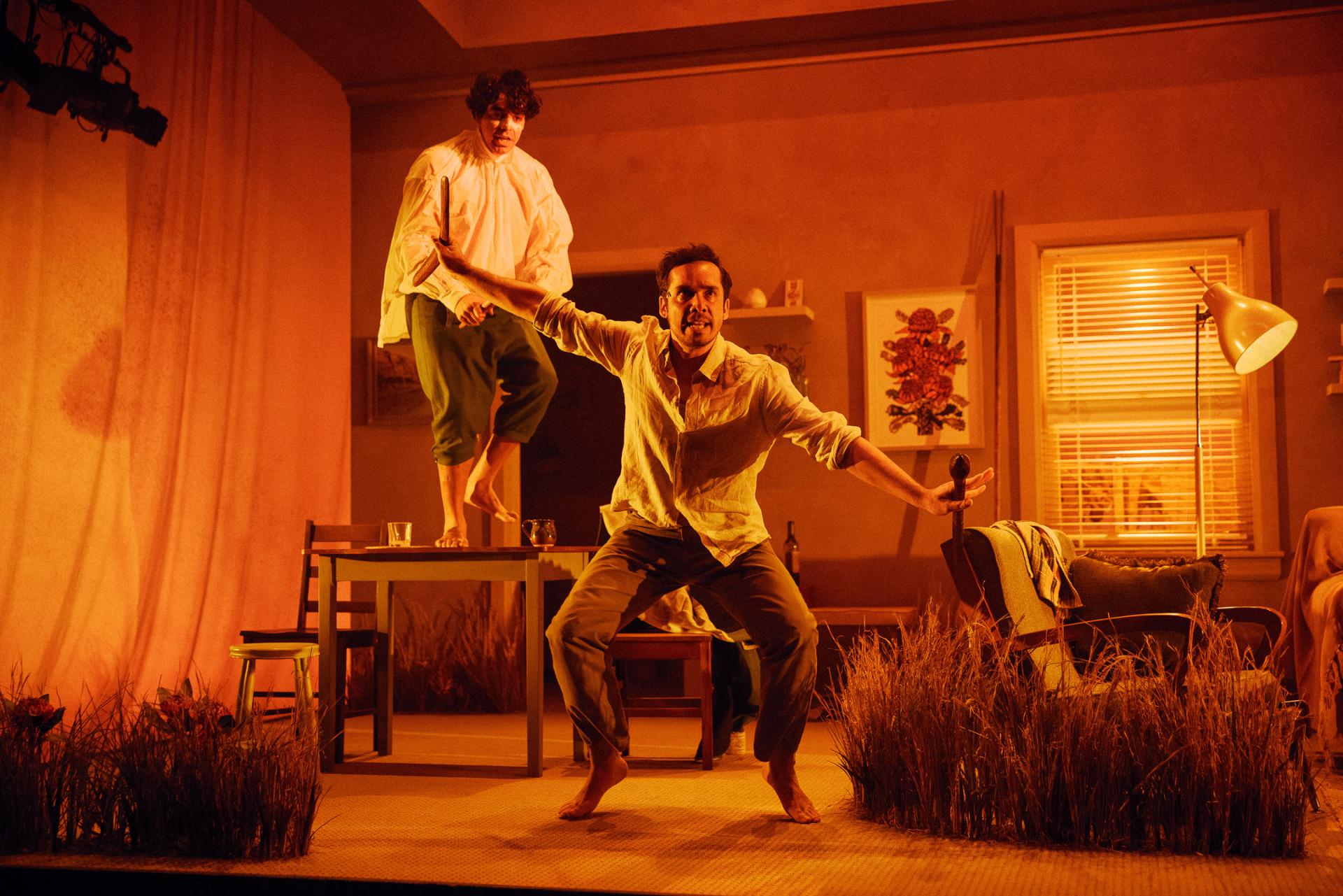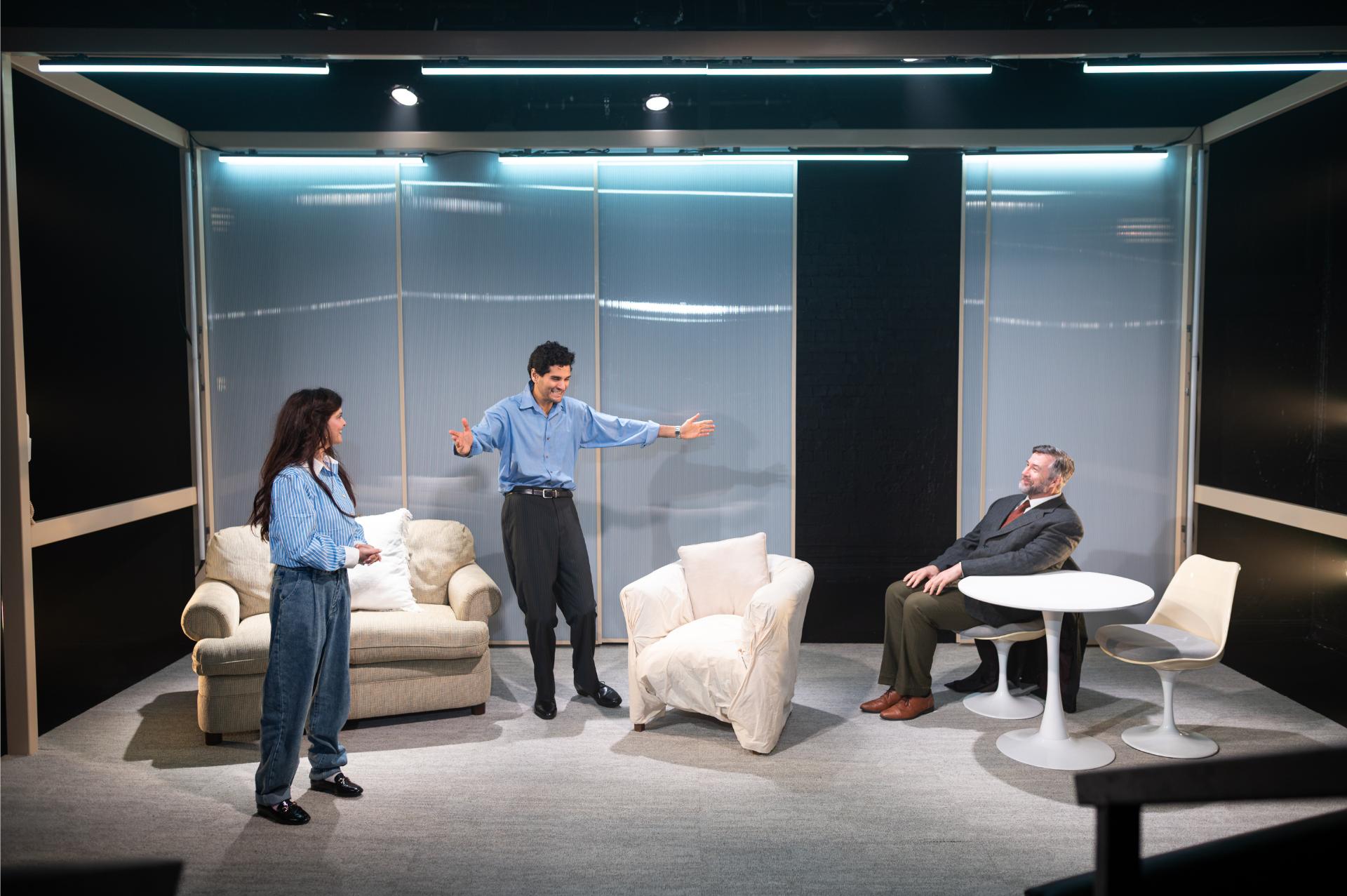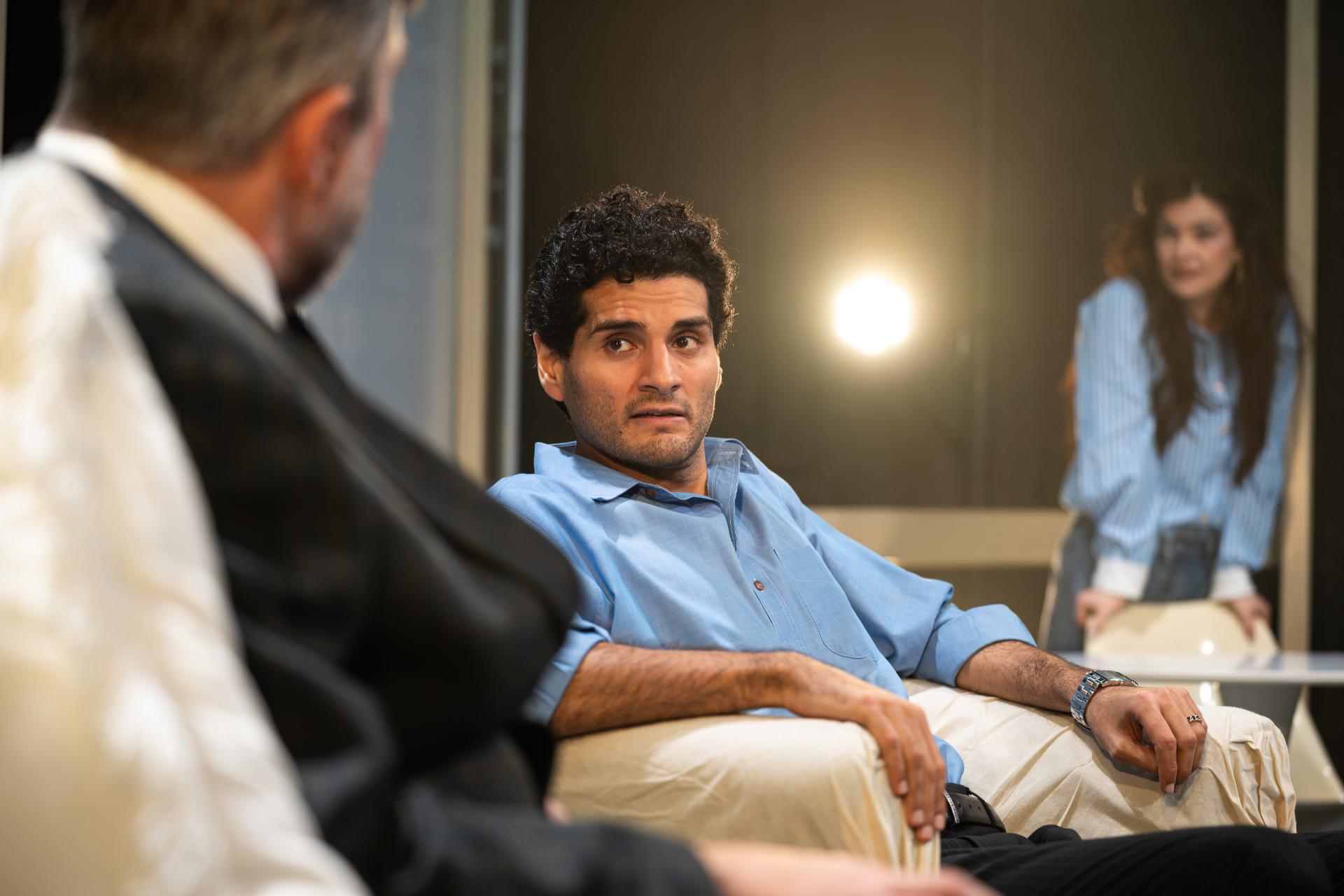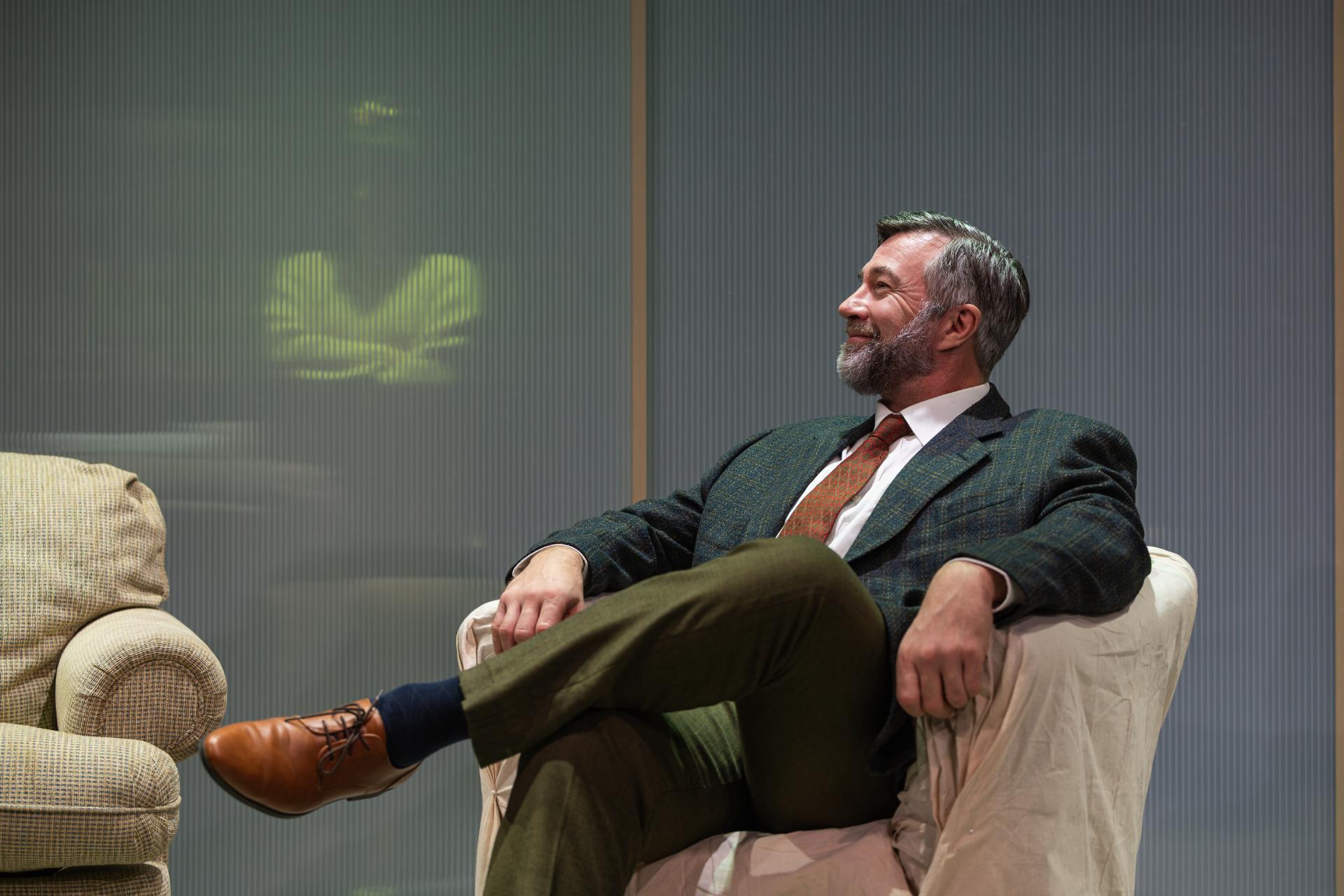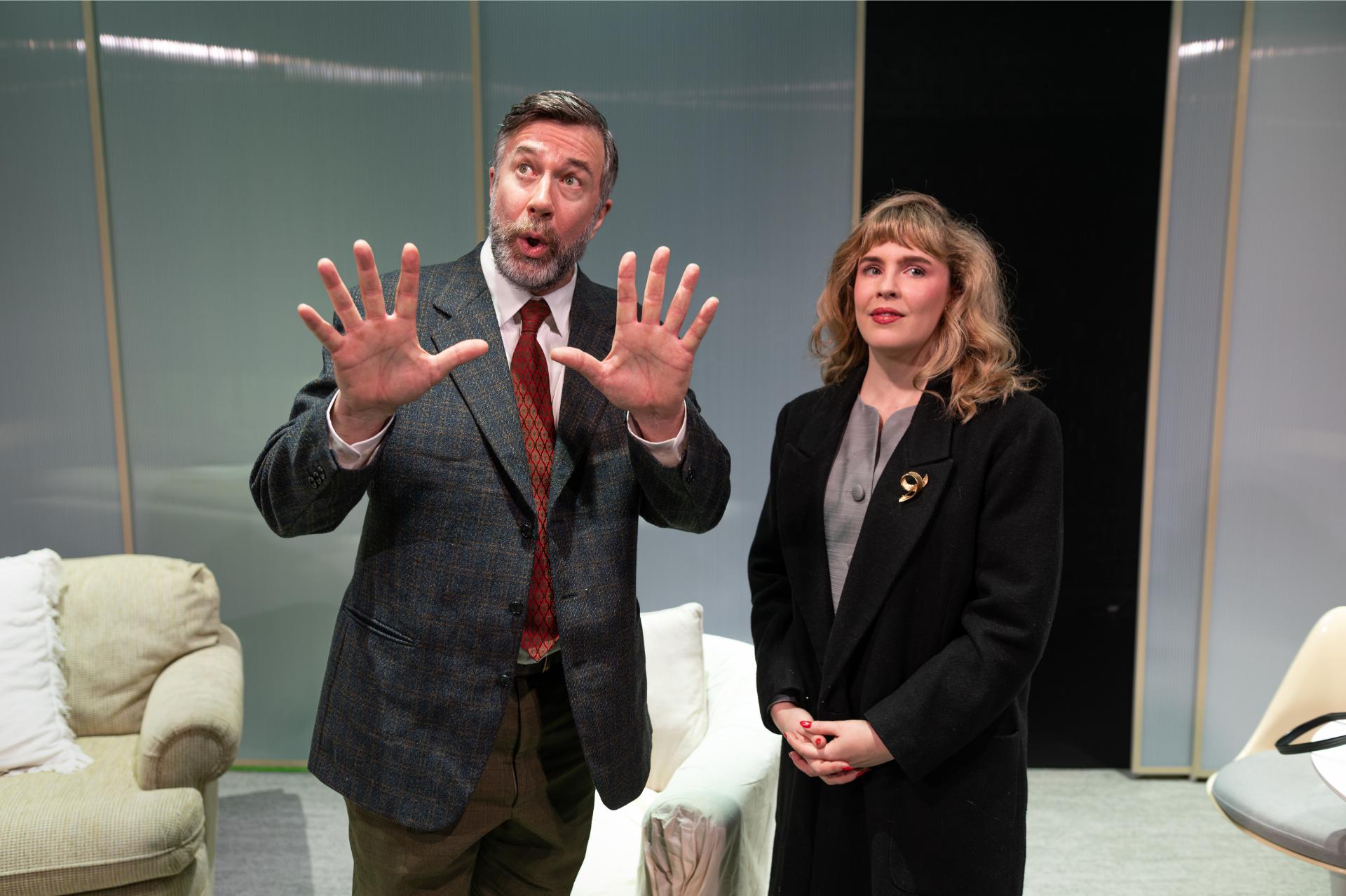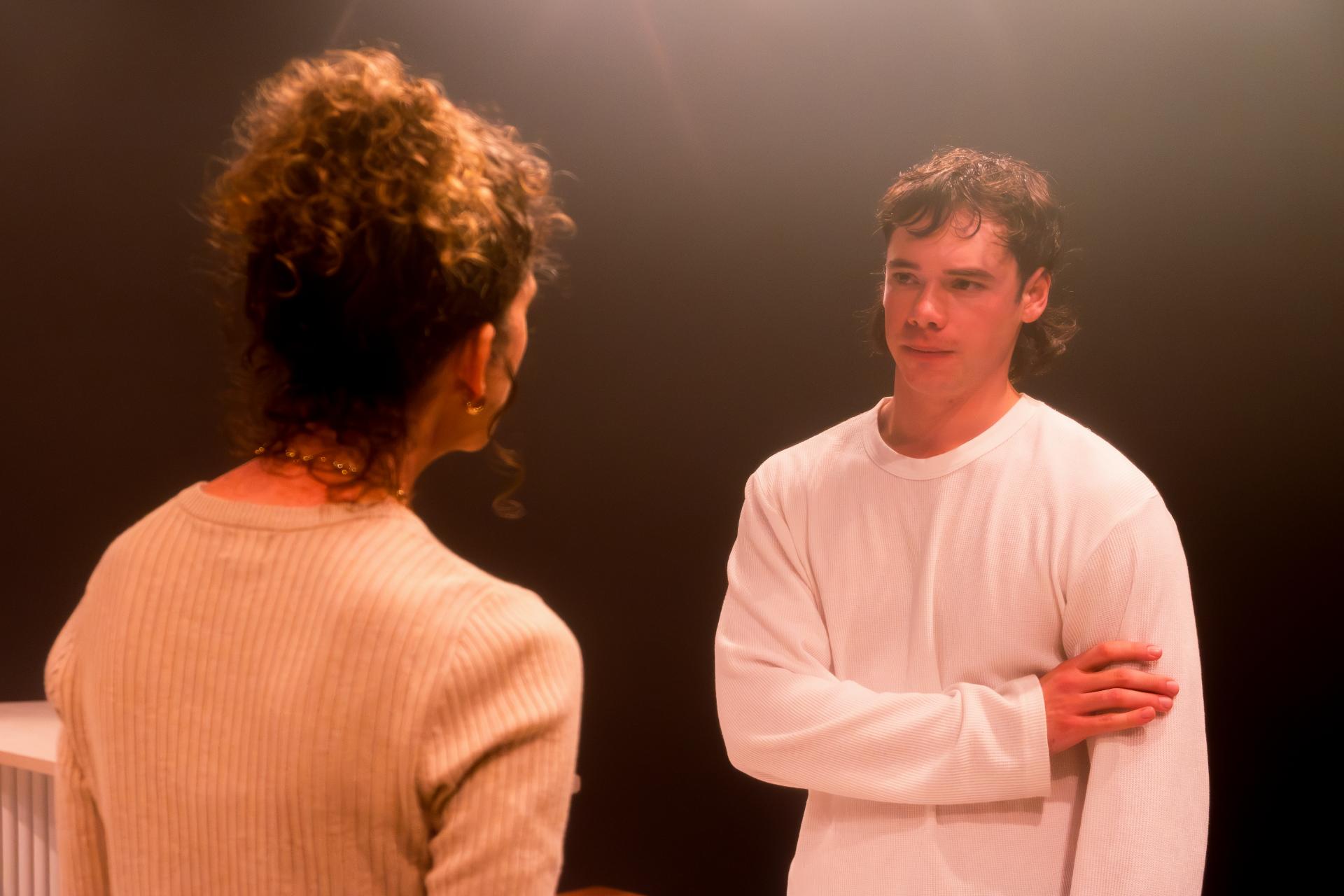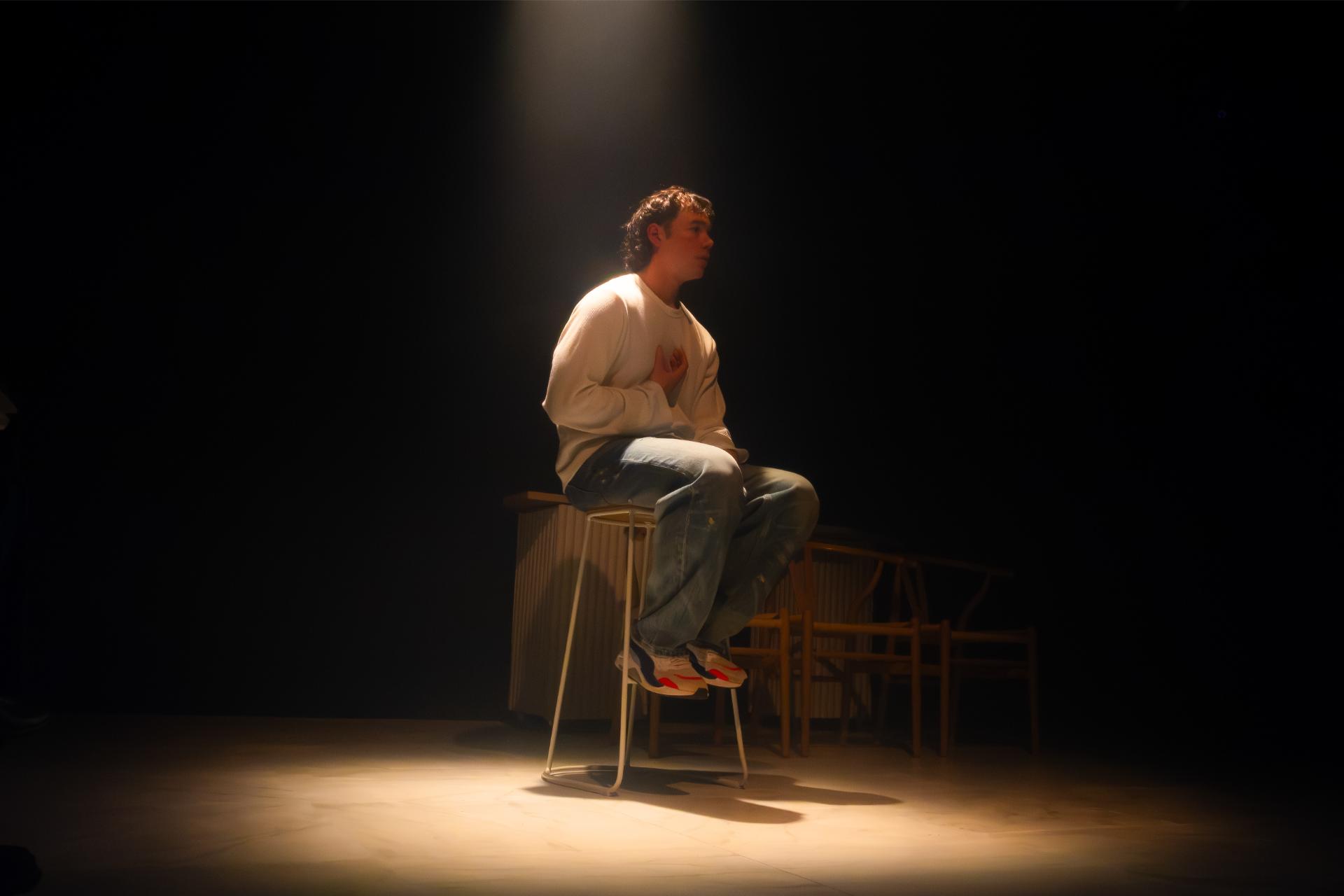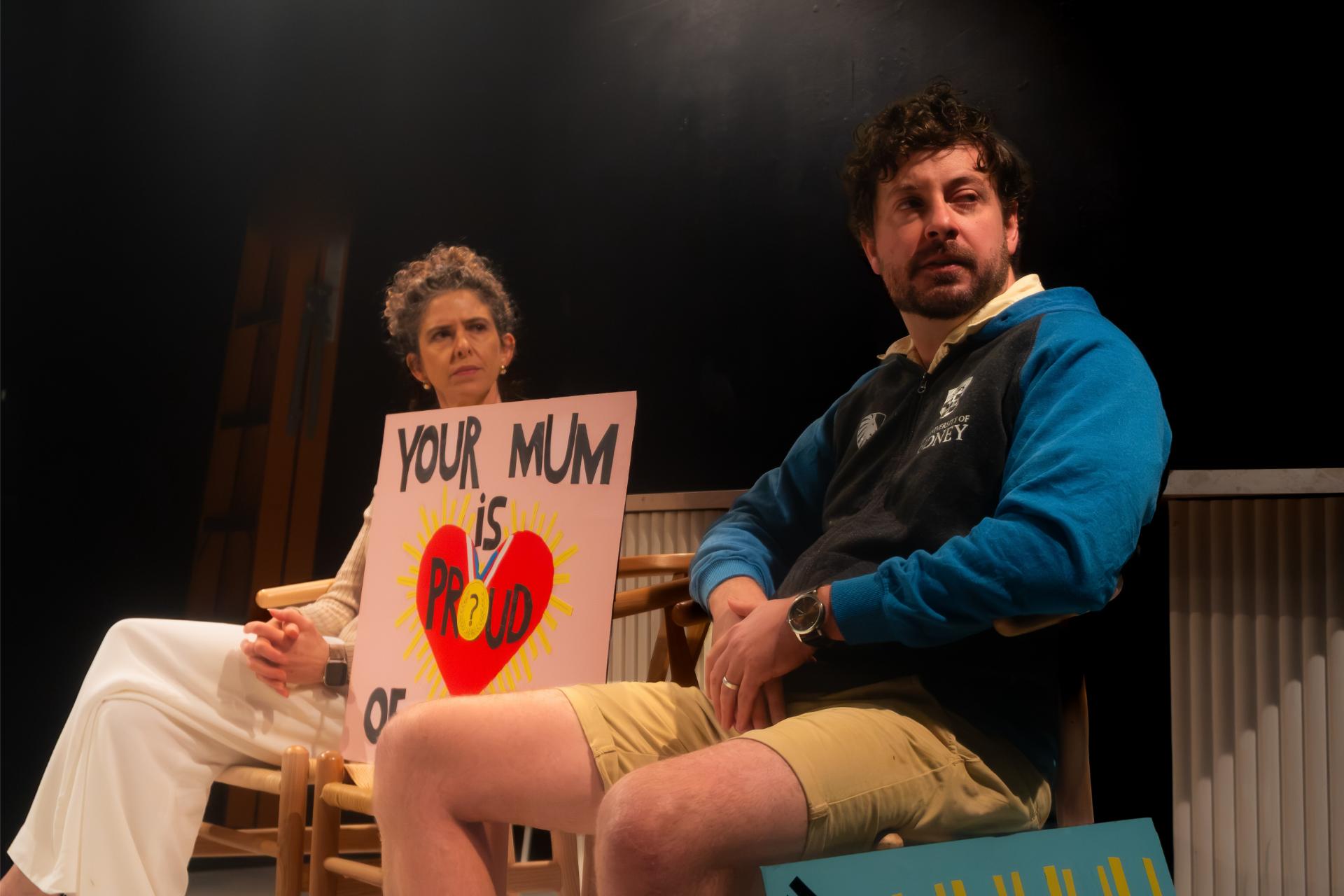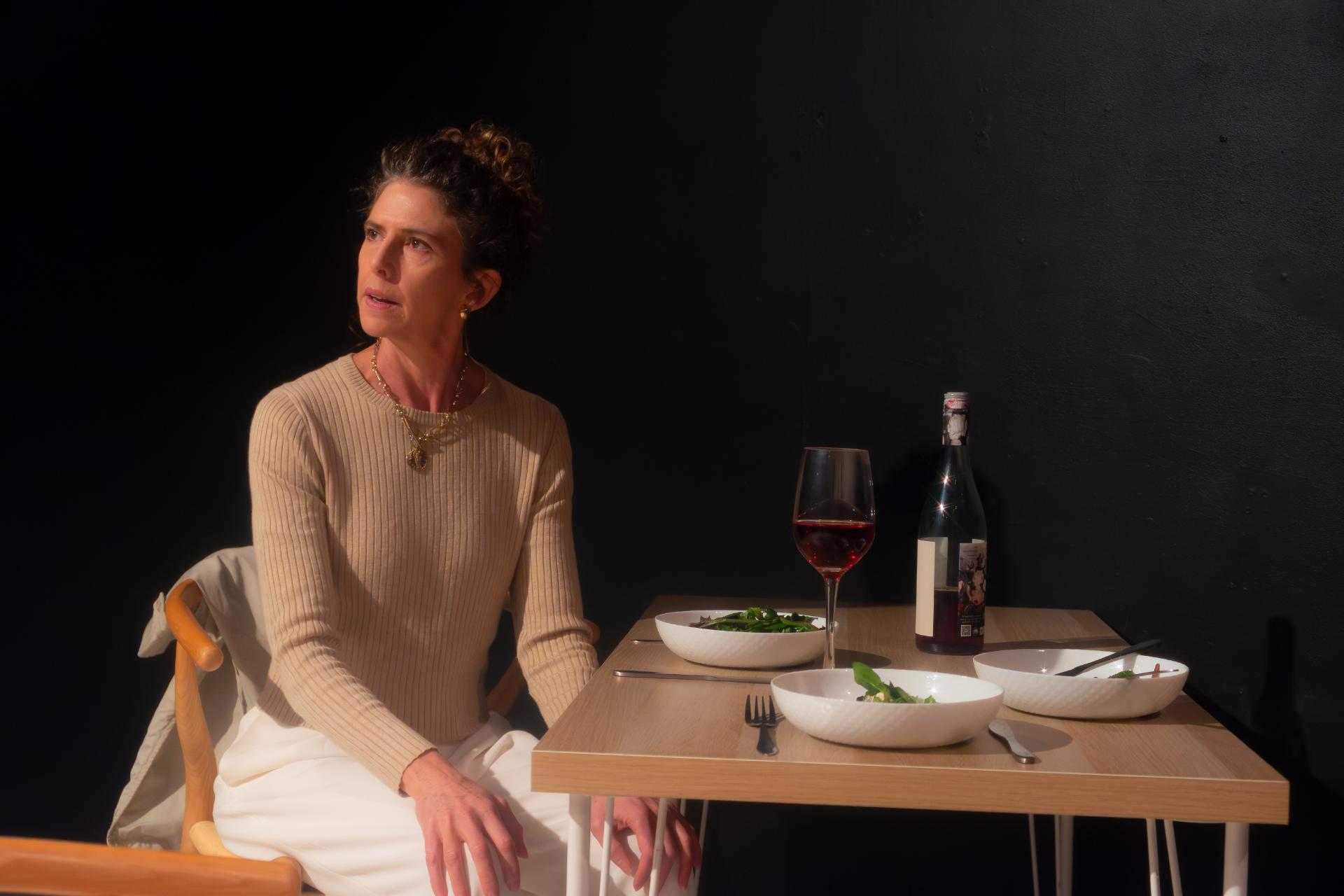
Review: English (Seymour Centre)

Venue: Seymour Centre (Chippendale NSW), Apr 9 – May 2, 2026
Playwright: Sanaz Toossi
Director: Craig Baldwin
Cast: Pedram Biazar, Nicole Chamoun, Neveen Hanna, Minerva Khodabande, Setareh Naghoni
Images by Richard Farland

Theatre review
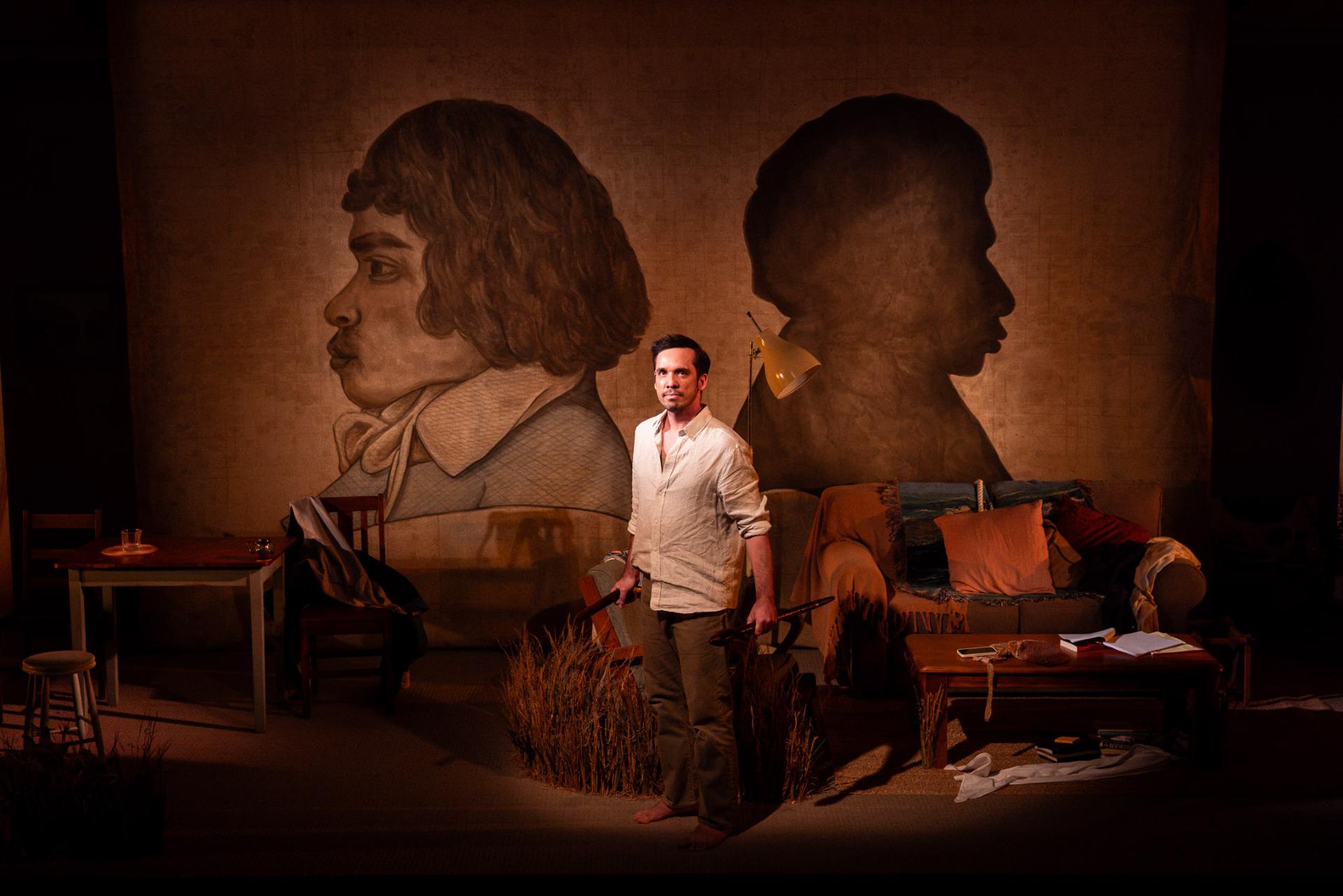
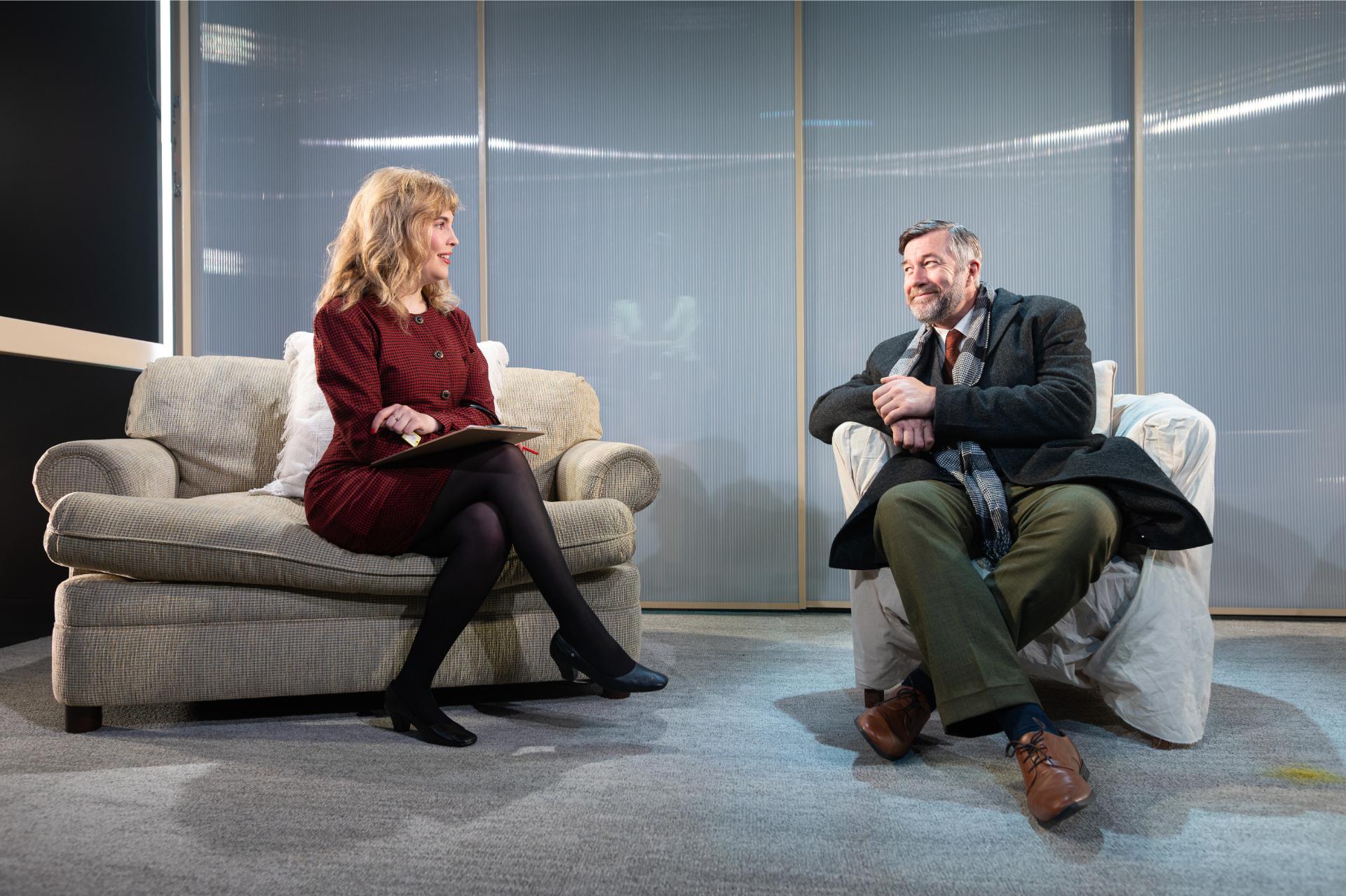
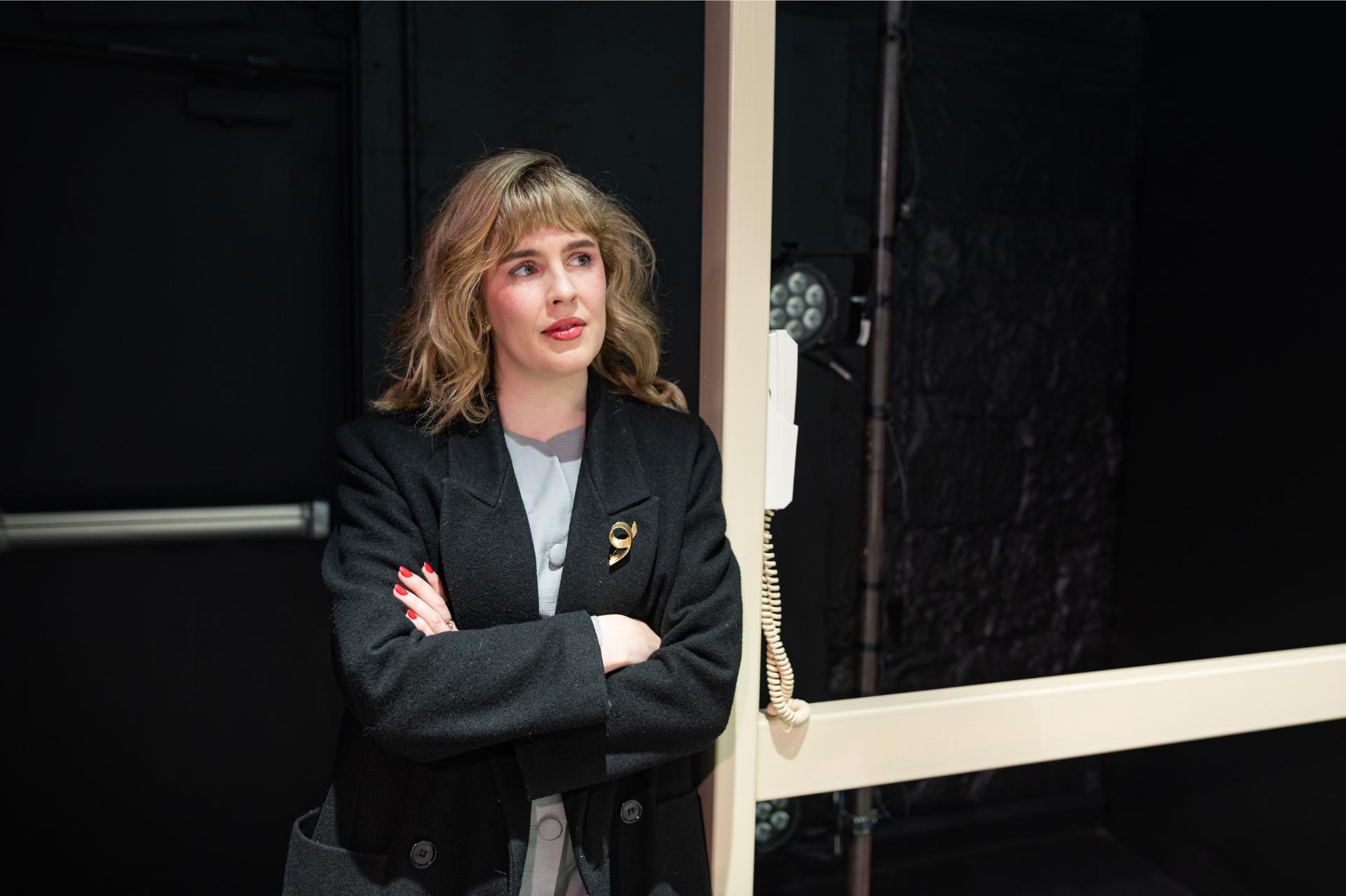
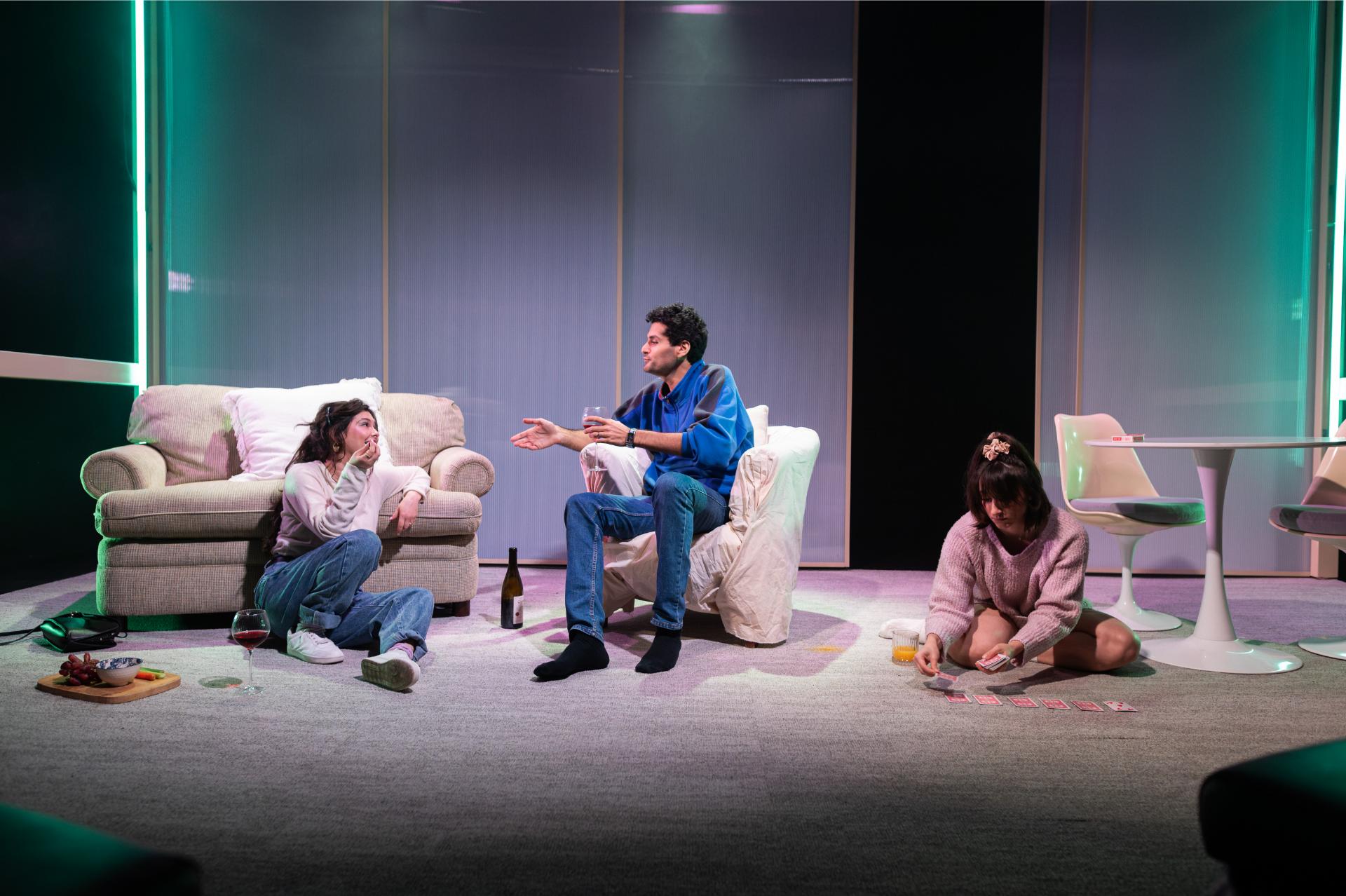
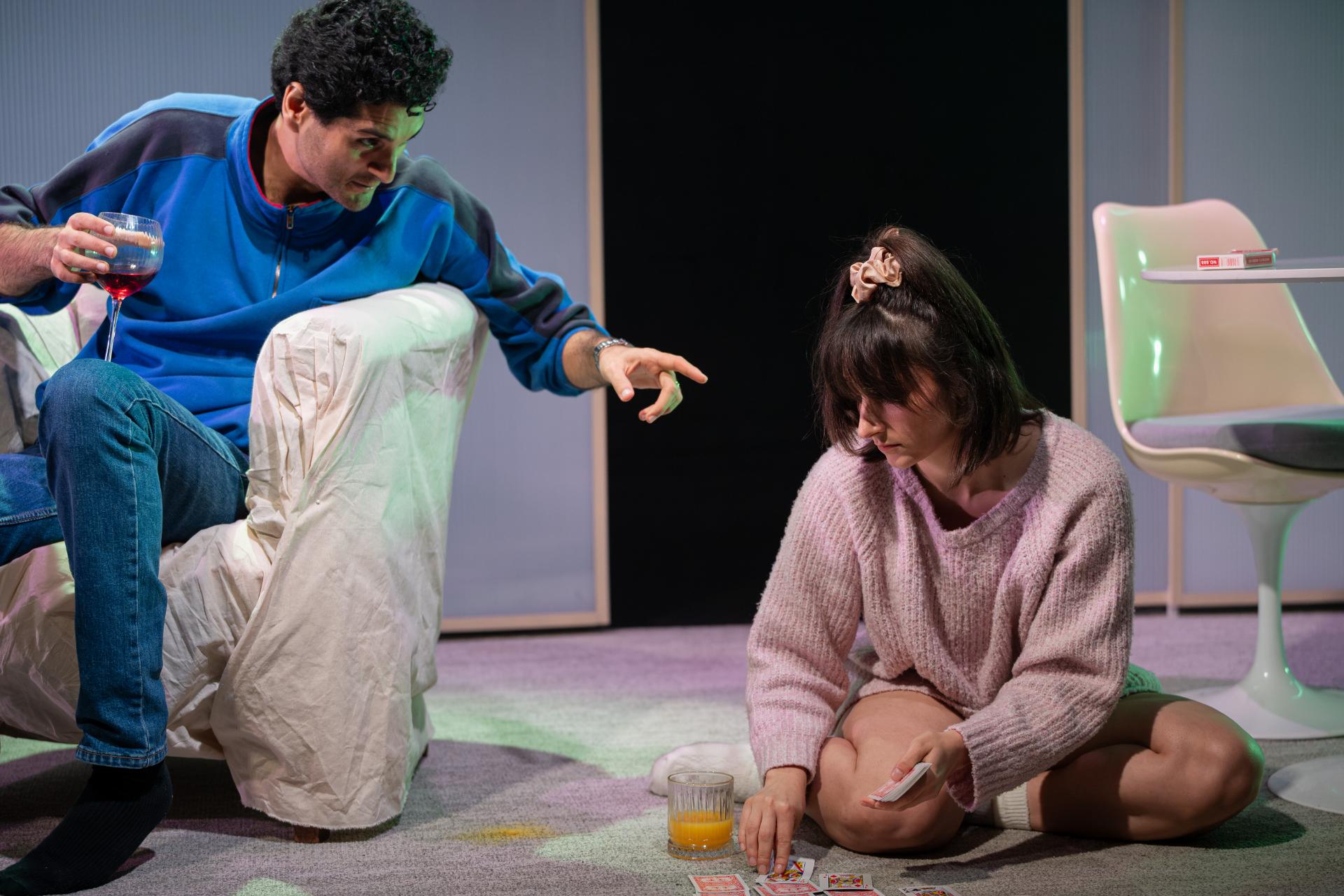
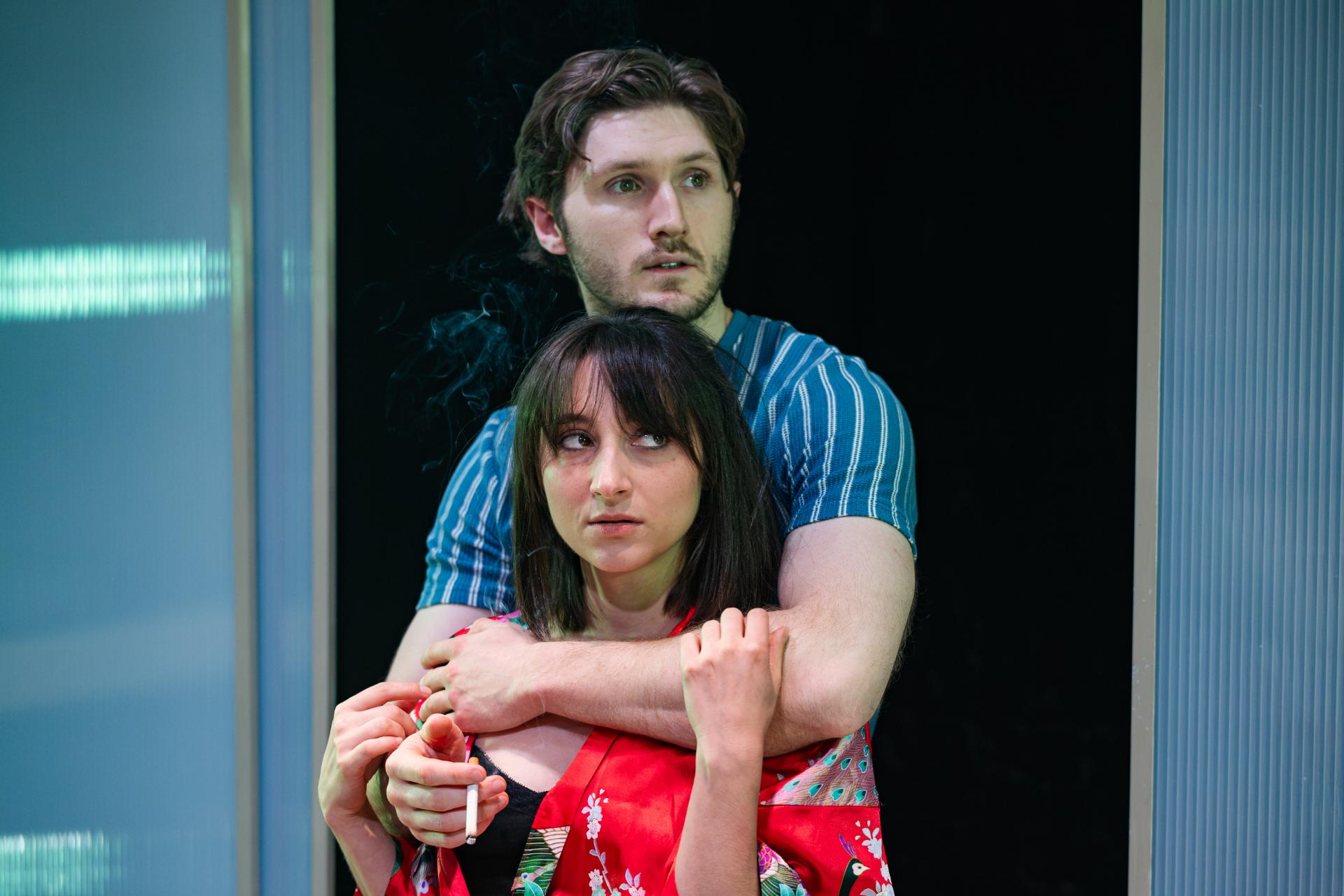
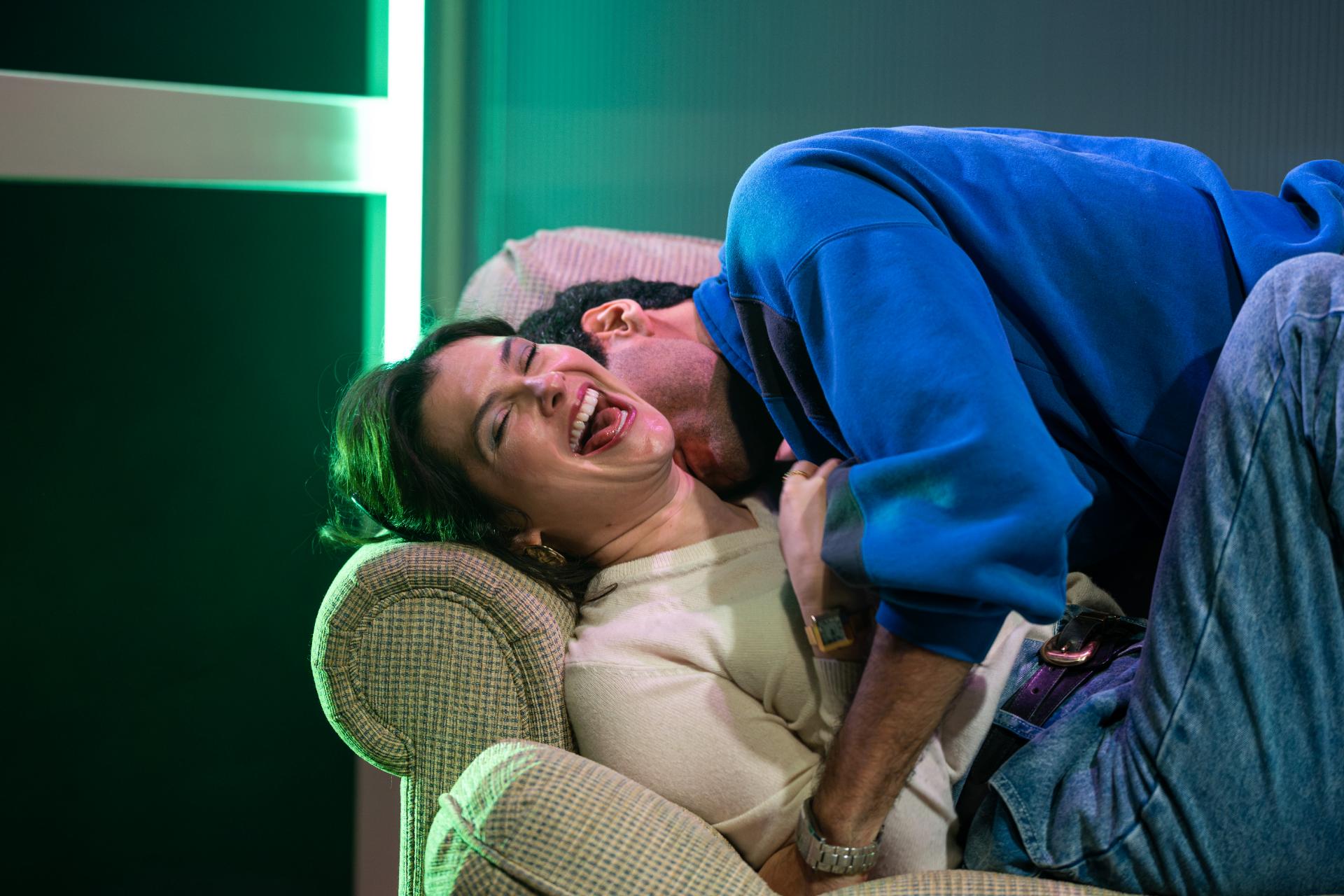
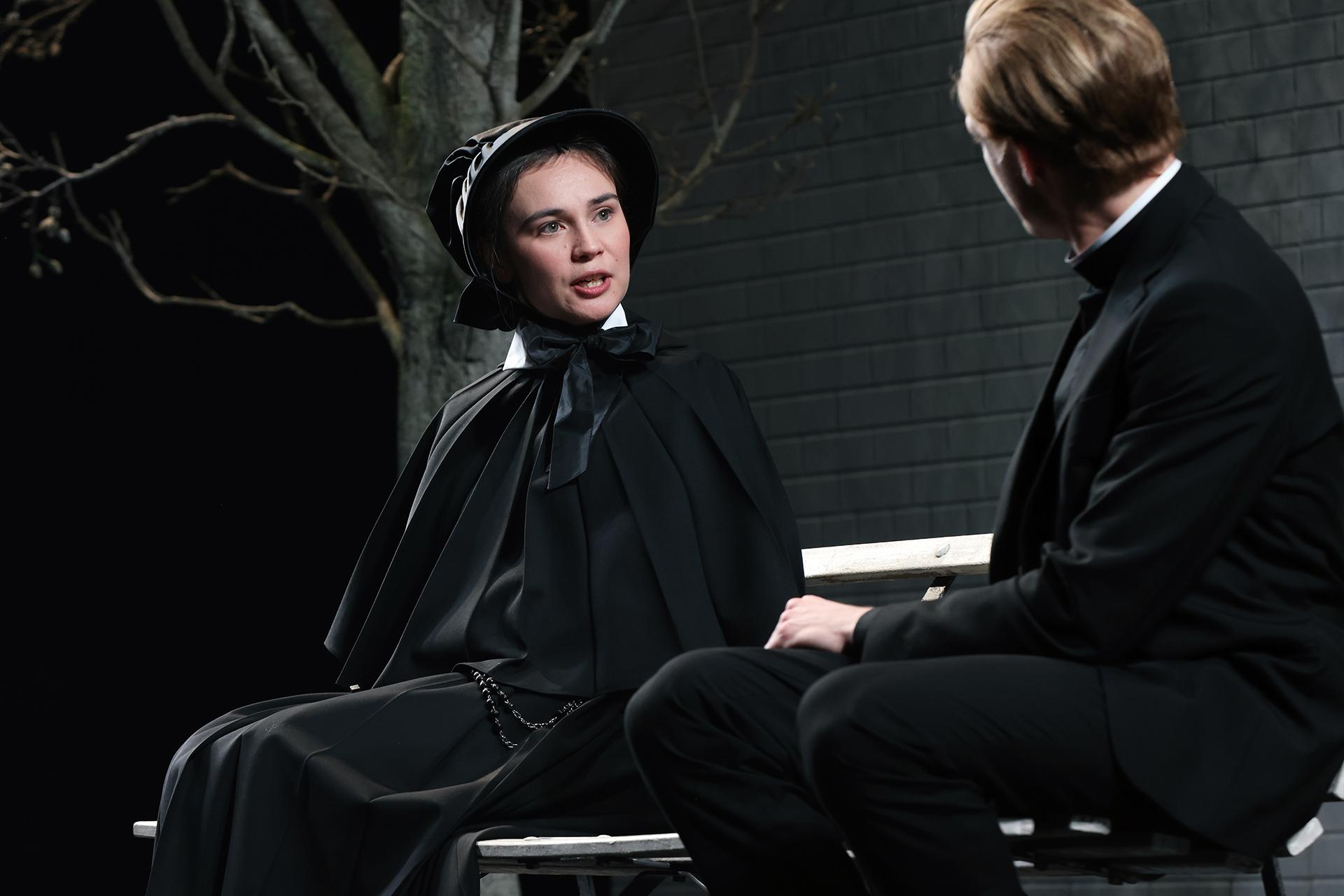
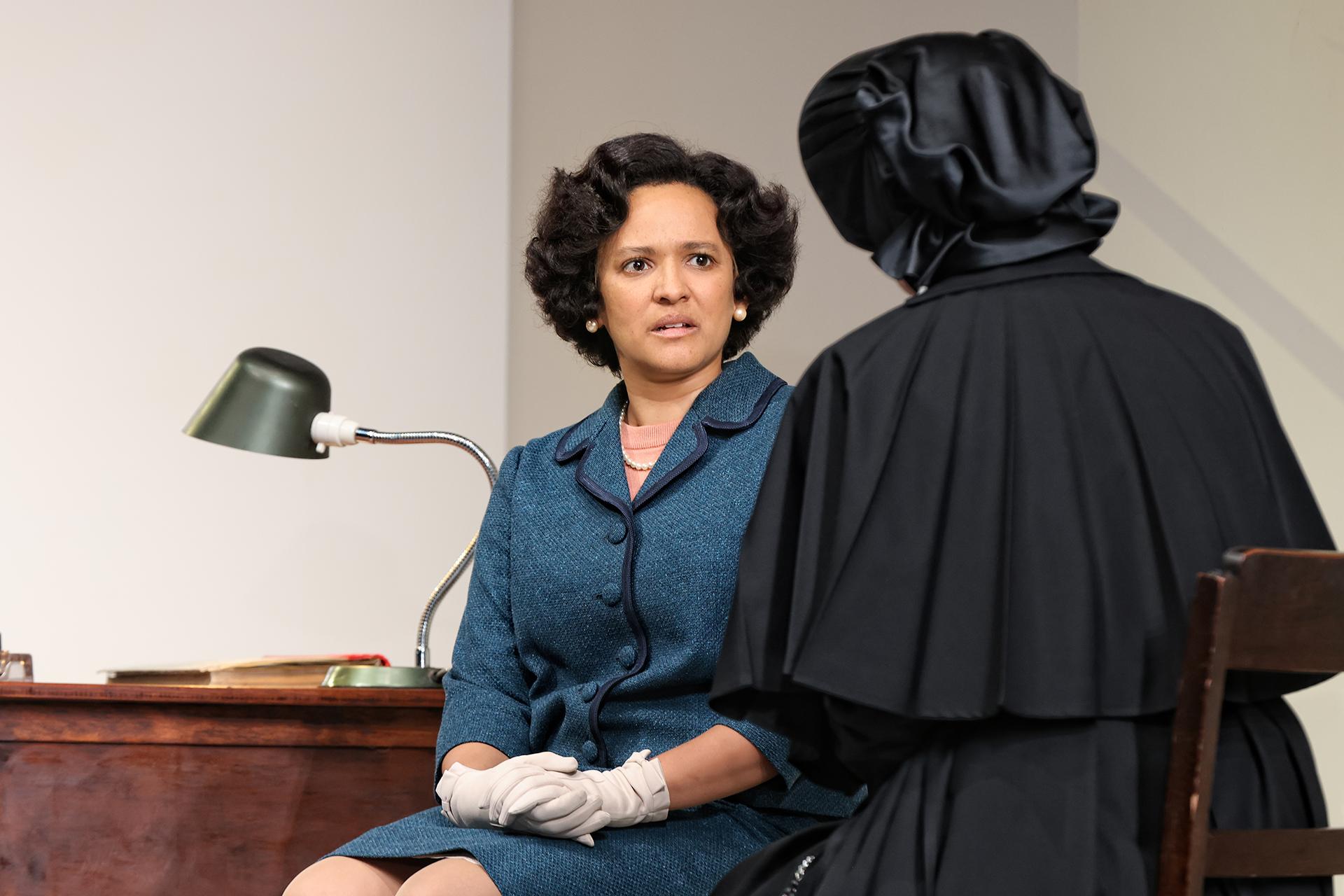
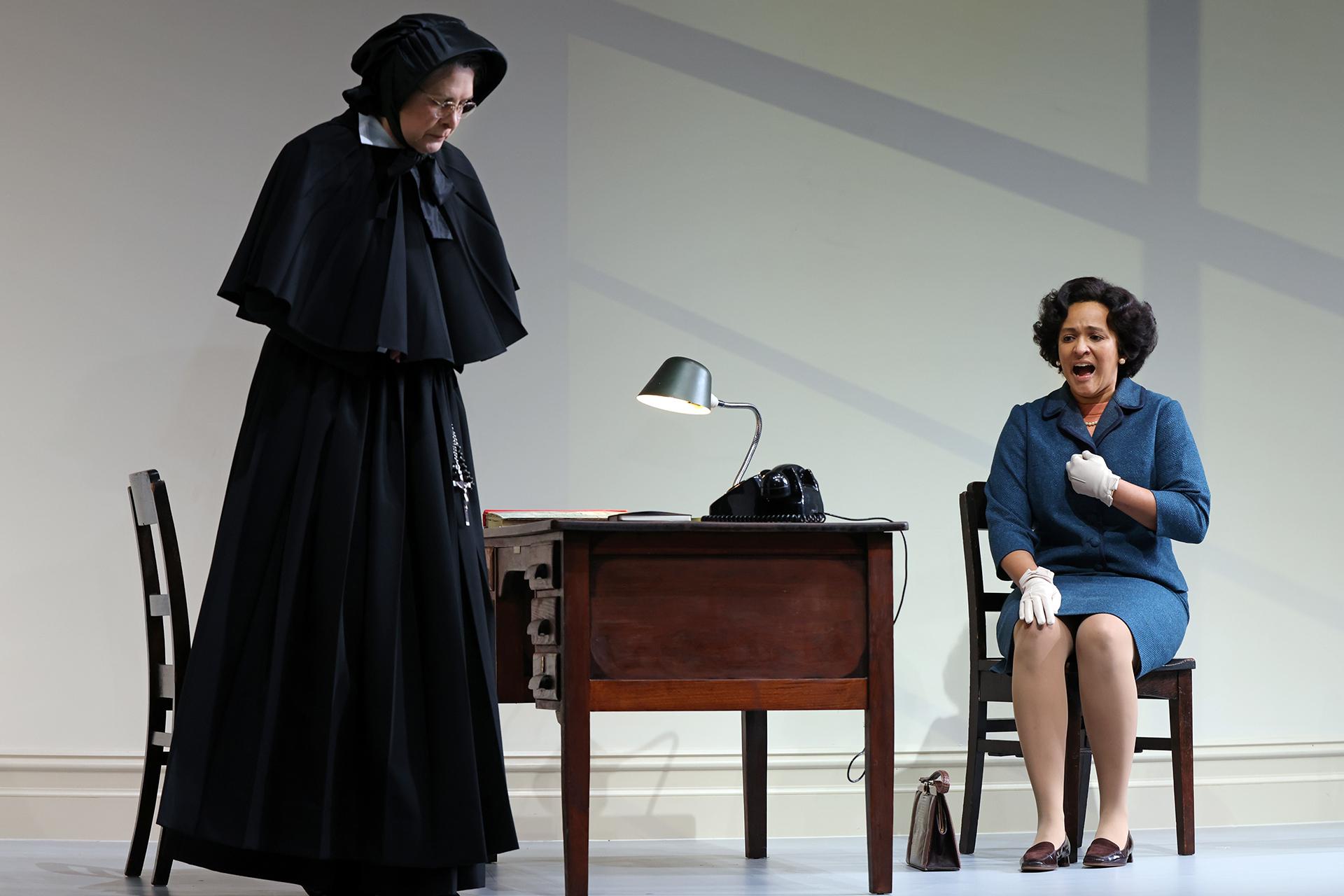
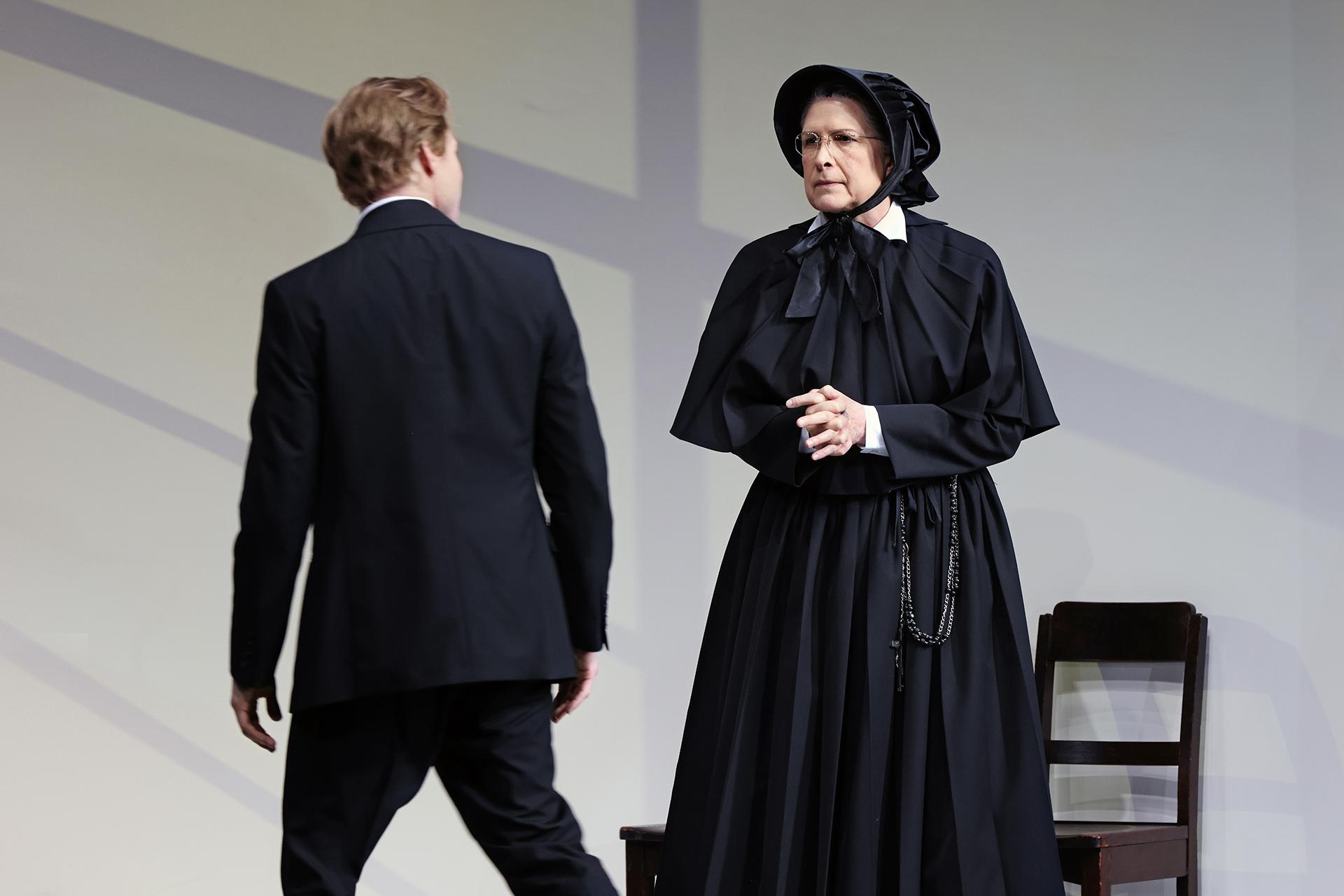
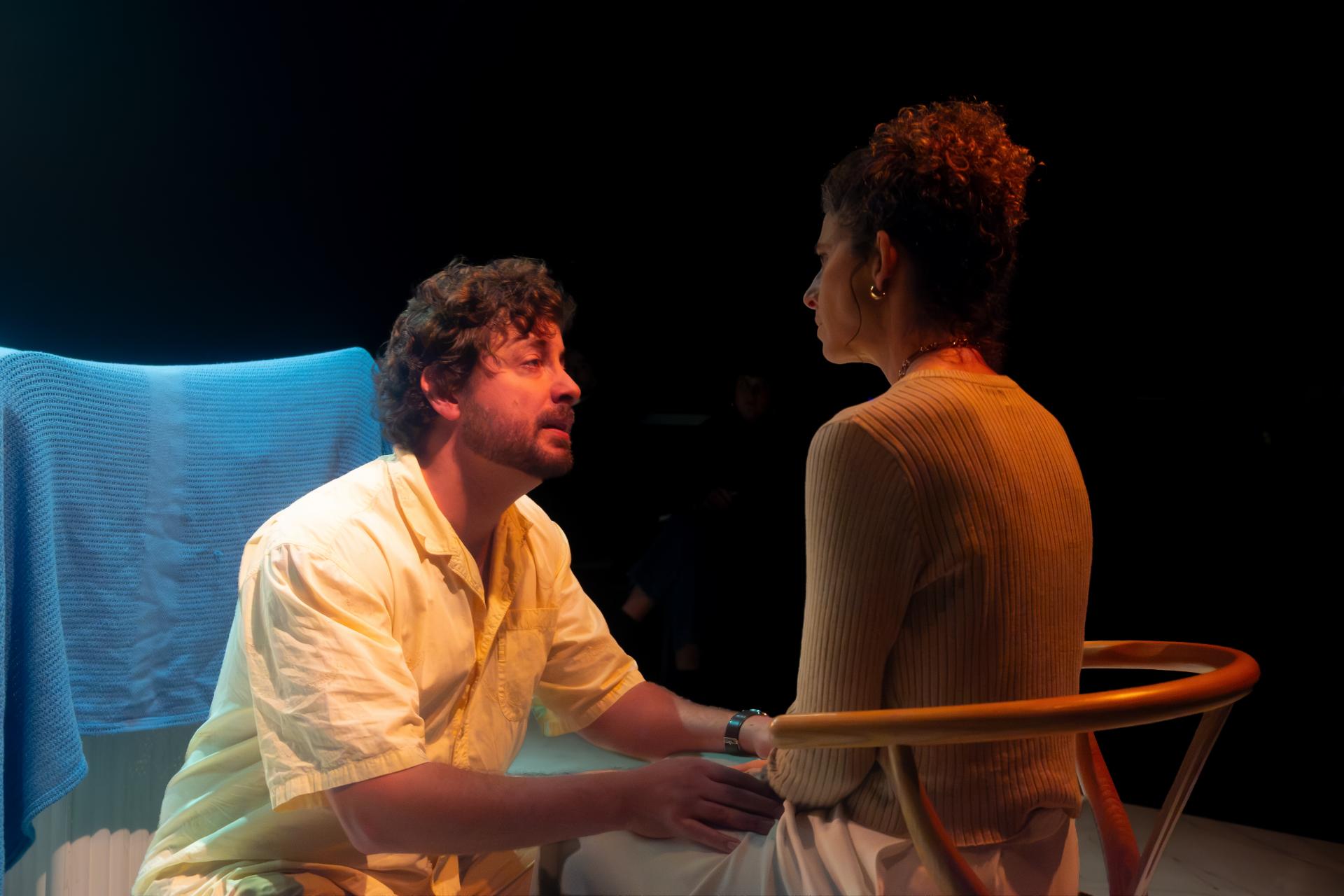
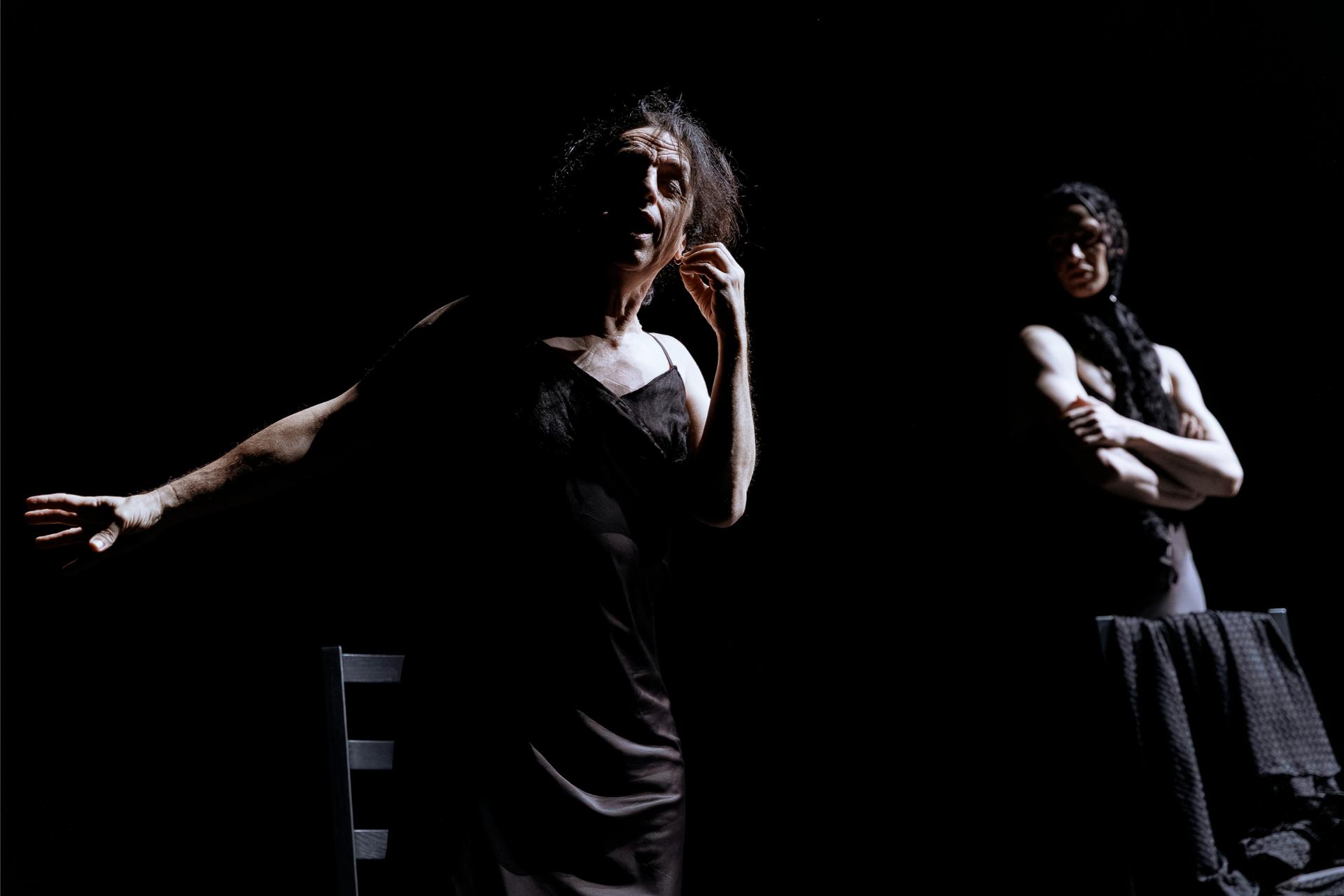
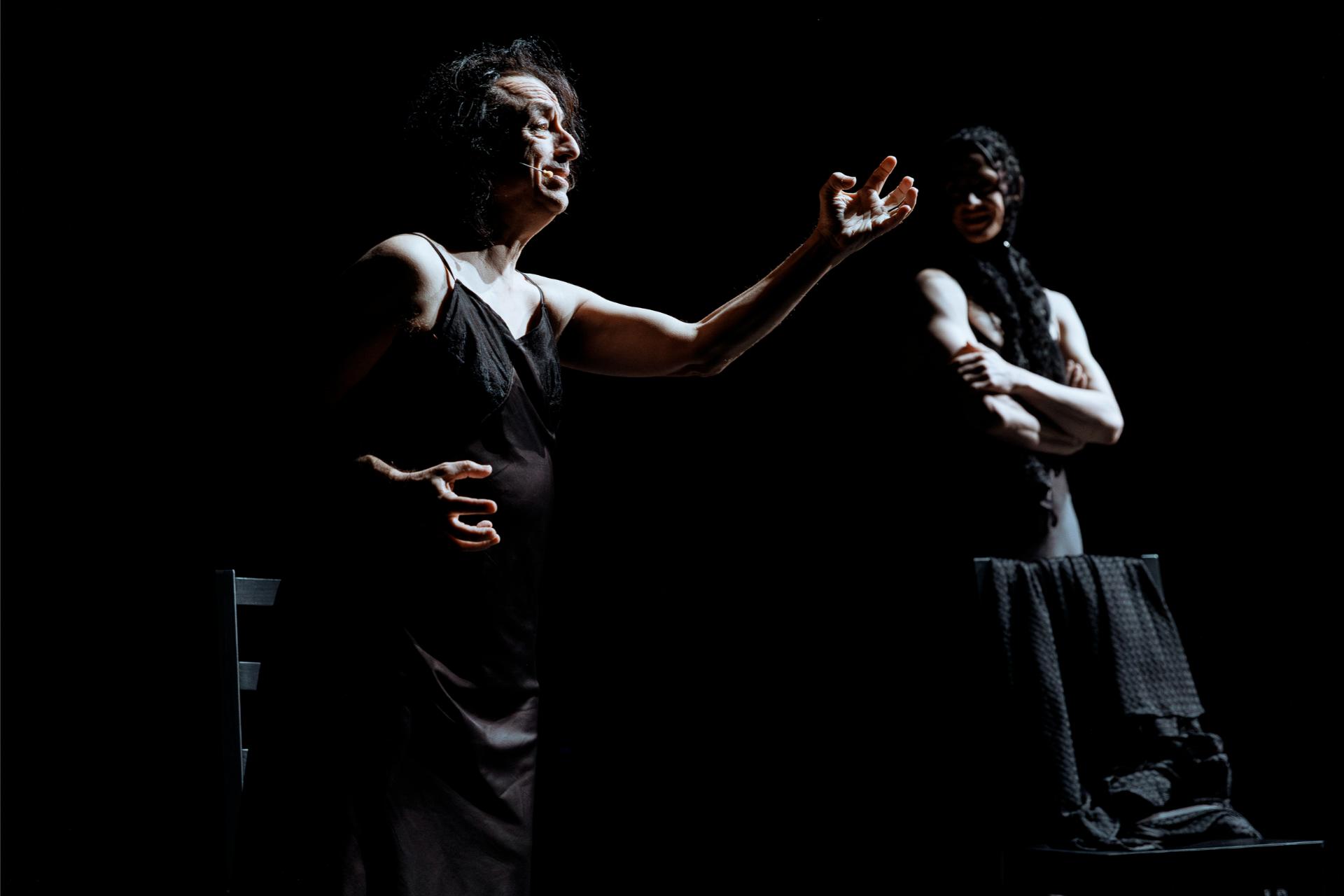
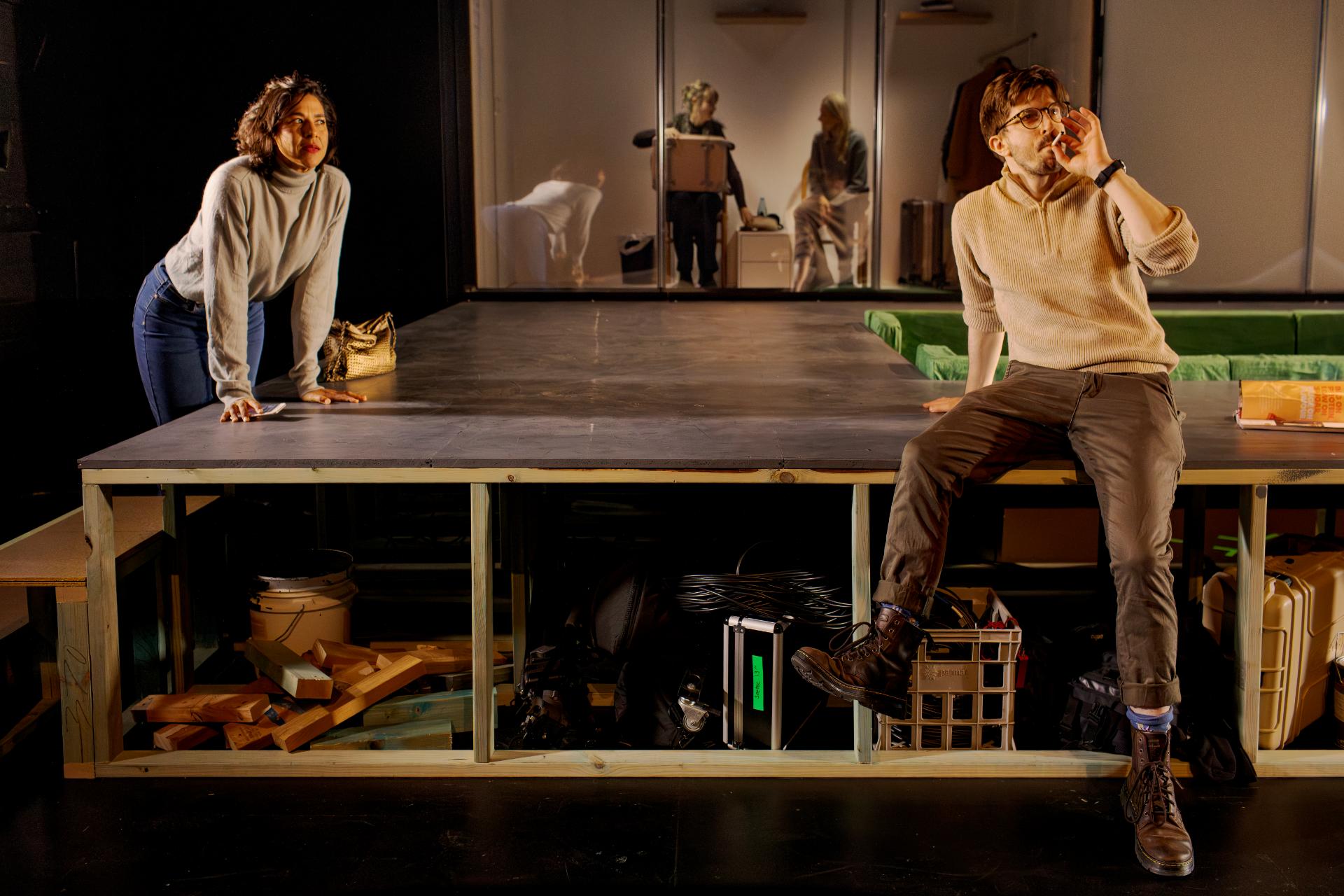
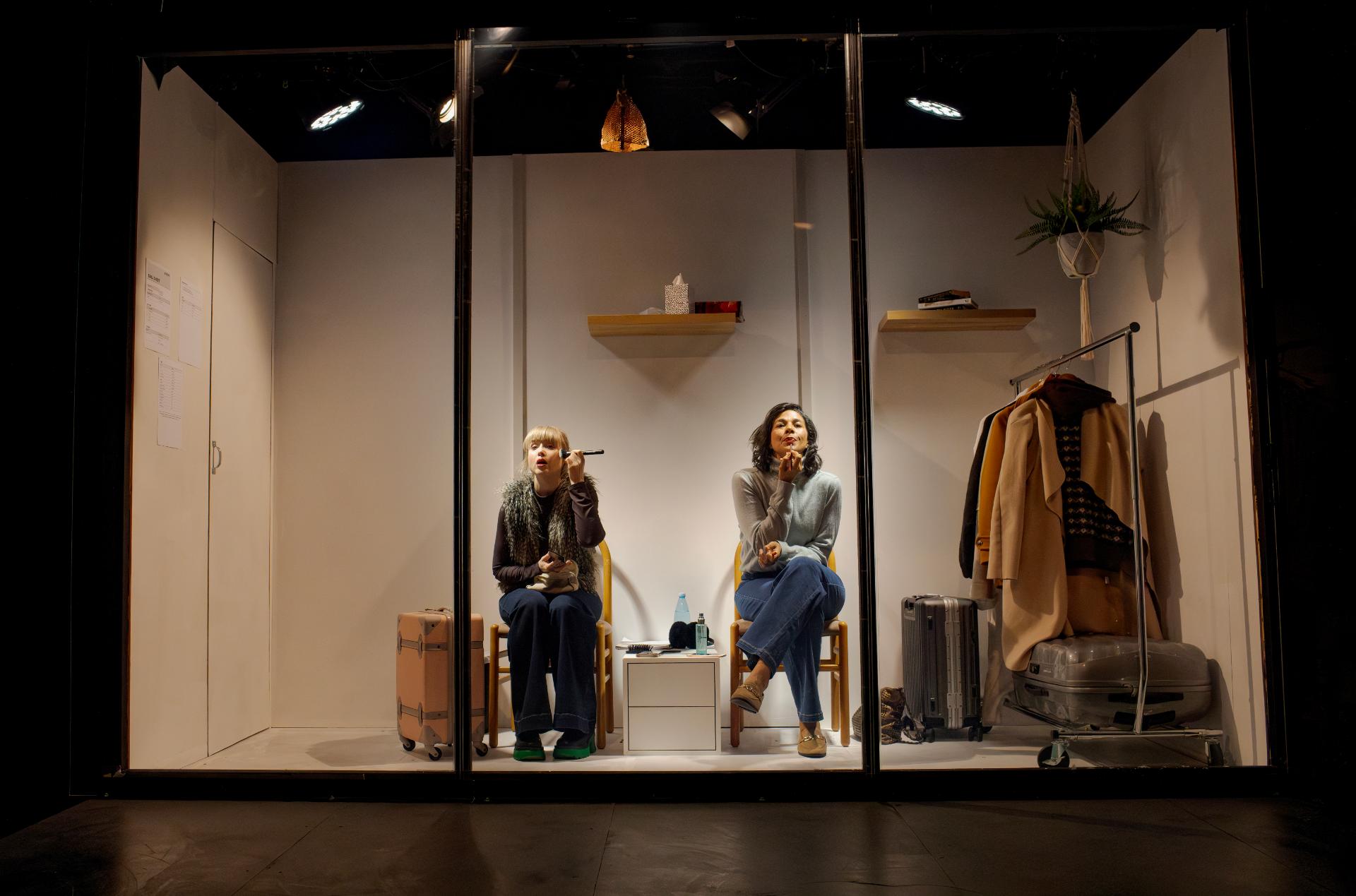
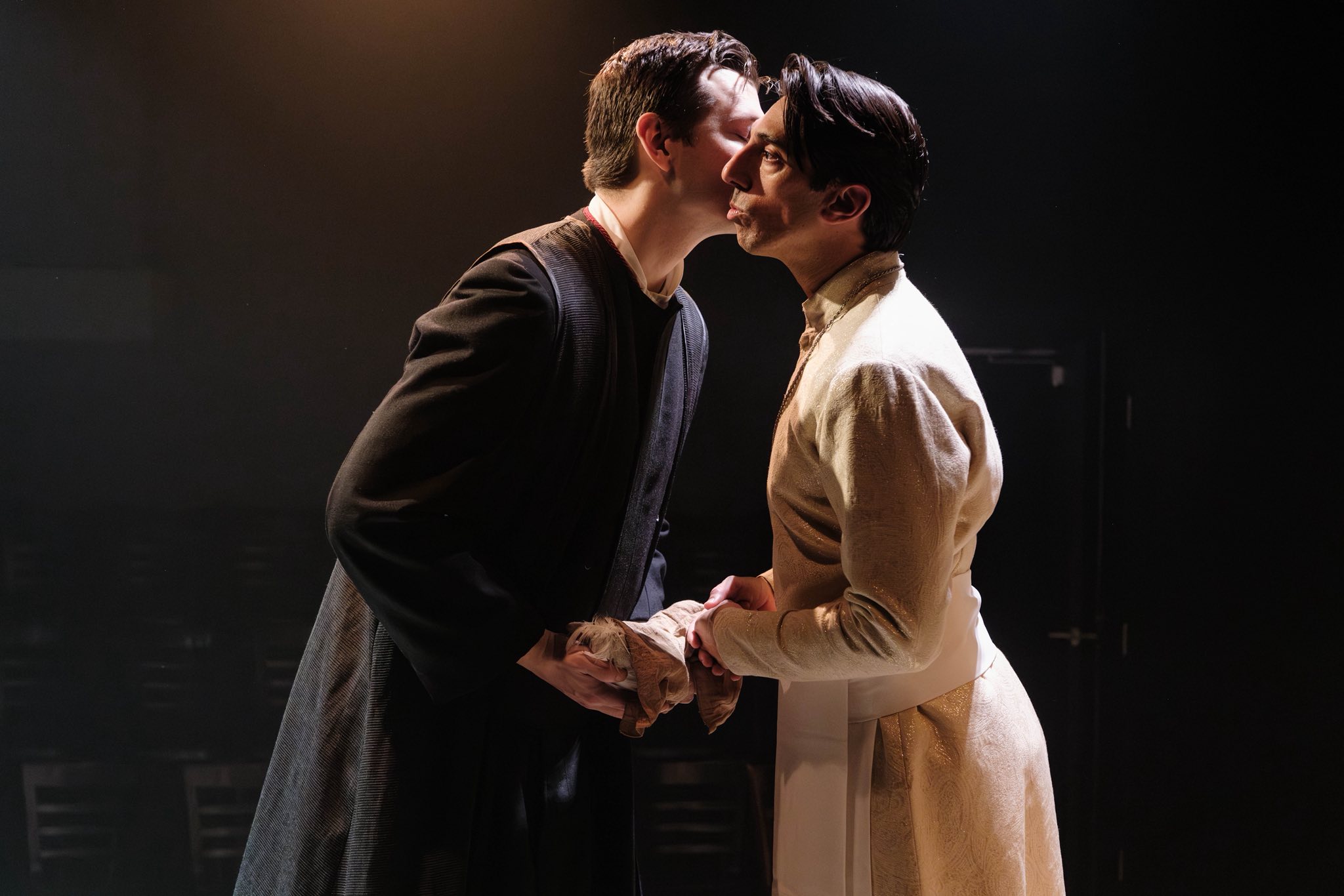
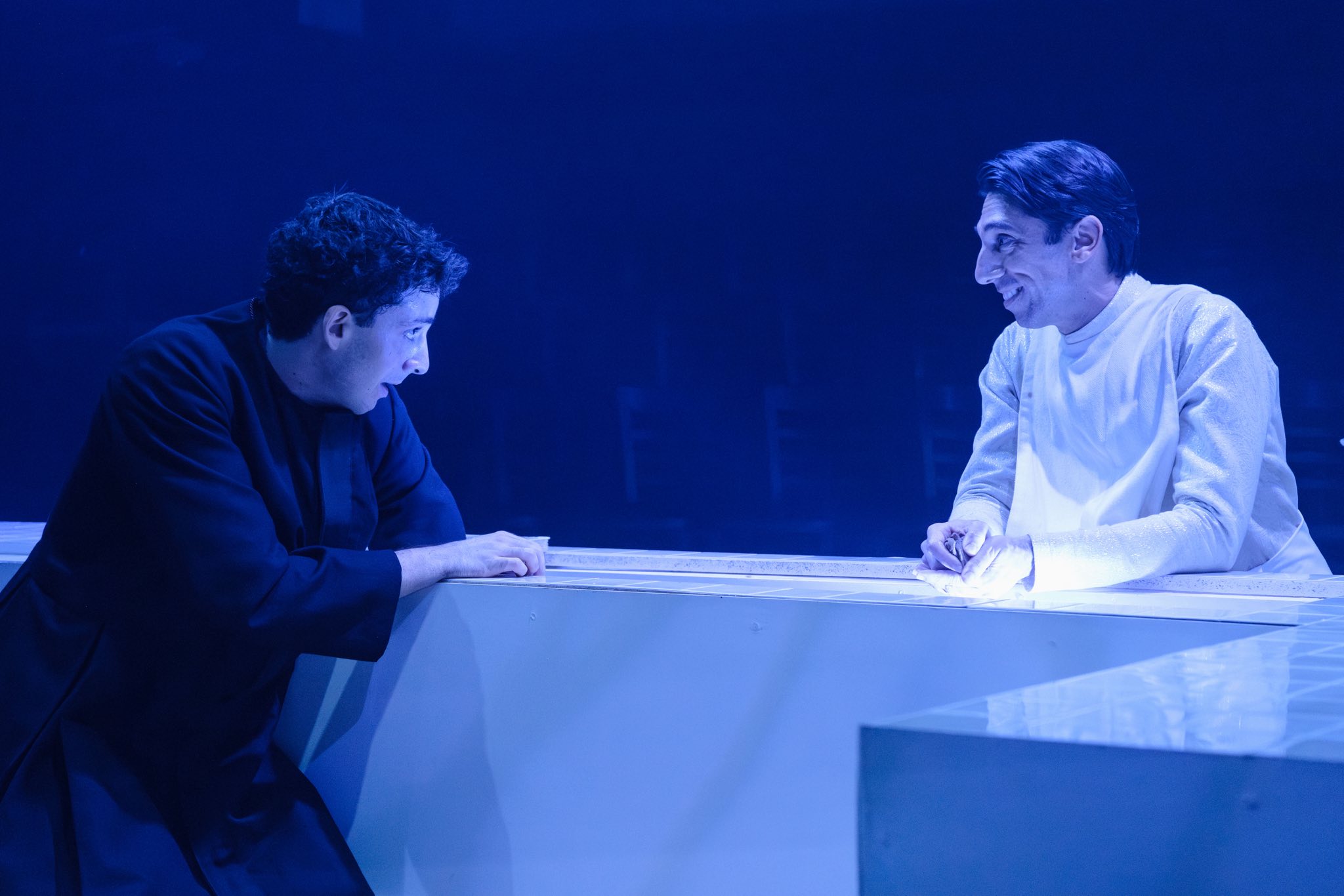
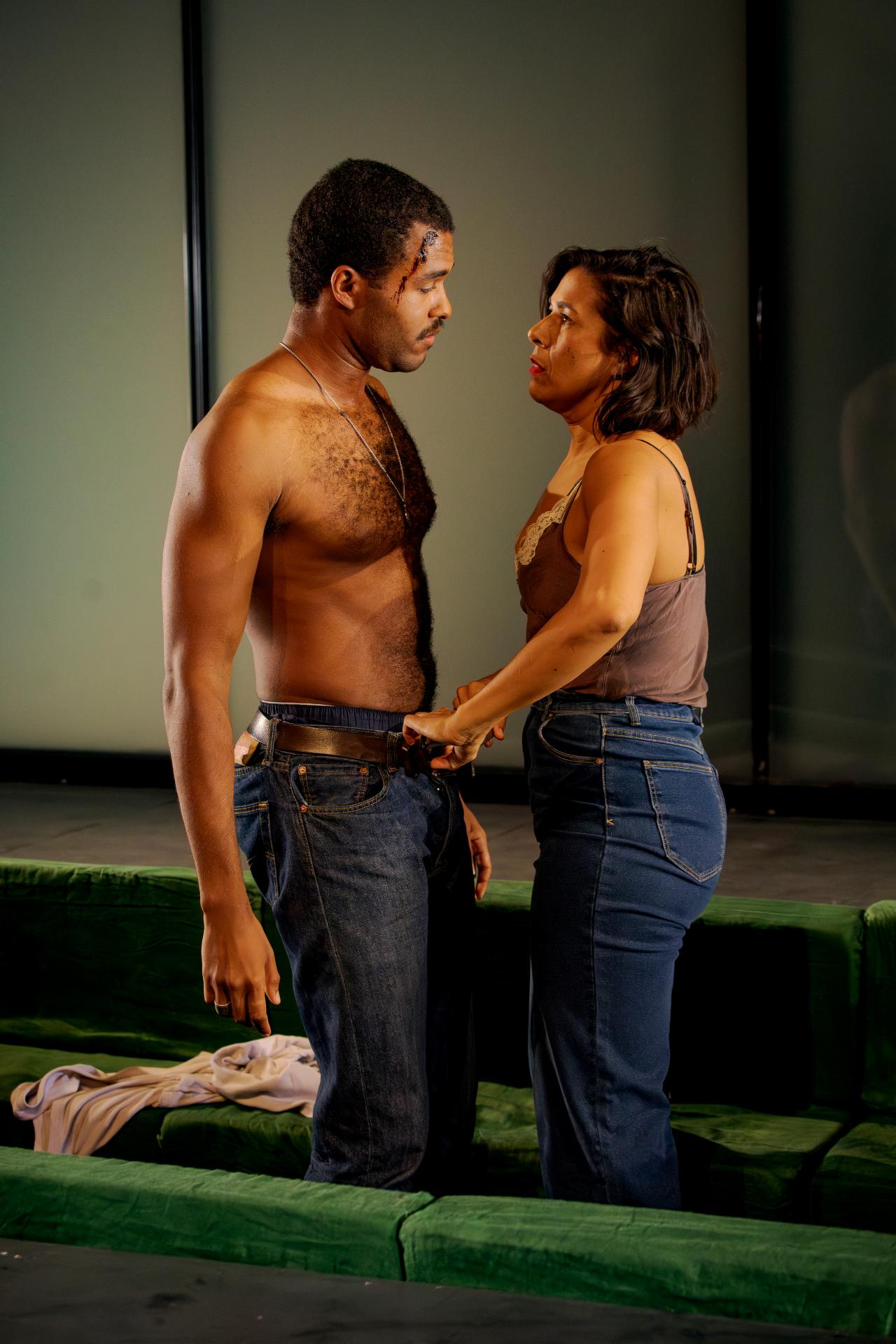
In a modest classroom in Karaj, 2008, where the air itself seems thick with unspoken anxiety, Marjan presides over a small cohort of Iranians preparing for the TOEFL (Test of English as a Foreign Language) examination. They arrive bearing different destinies but share a common condition: displacement. Sanaz Toossi’s English excavates the immigrant experience with surgical precision, revealing how language acquisition becomes both lifeline and loss, a means of escape that simultaneously erases.

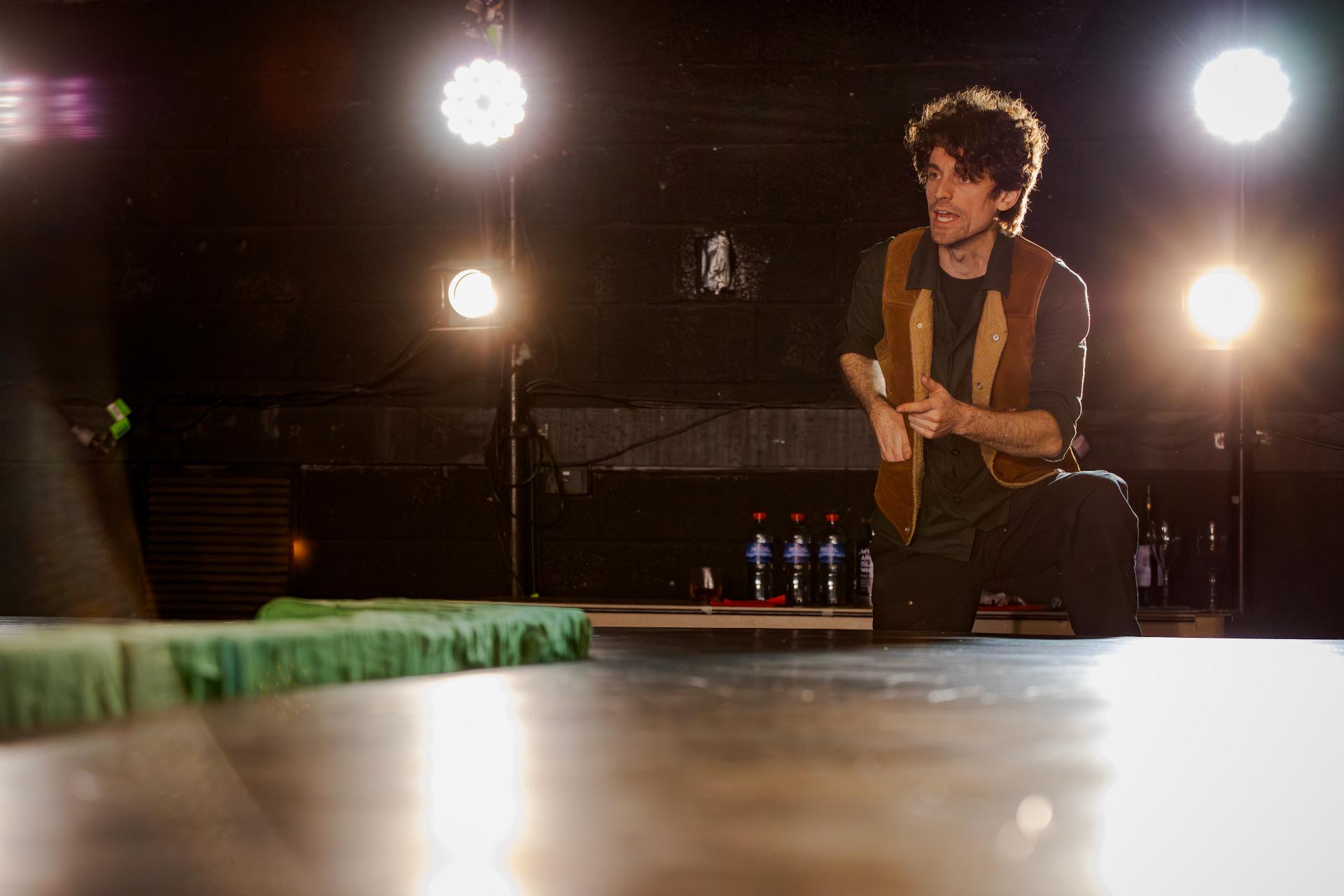
Toossi’s work operates in the confluence of colonized trauma and pragmatic survival; it deftly weaves exploration of love for a homeland and the quiet grief of witnessing it unravel. The play captures the immigrant experience with astonishing complexity, yet articulates with remarkable clarity the intricate and often agonizing challenges of forging a sense of home in foreign, unfamiliar terrain. Under Craig Baldwin’s direction, the production holds the audience spellbound from start to finish—devastating in its most searing dramatic moments, yet threaded throughout with sharp, scintillating wit. It achieves the rare feat of being both thoroughly entertaining and profoundly resonant, offering the kind of theatre that feels deeply, viscerally satisfying. For those with personal ties to the themes Toossi explores, English becomes nothing less than cathartic.
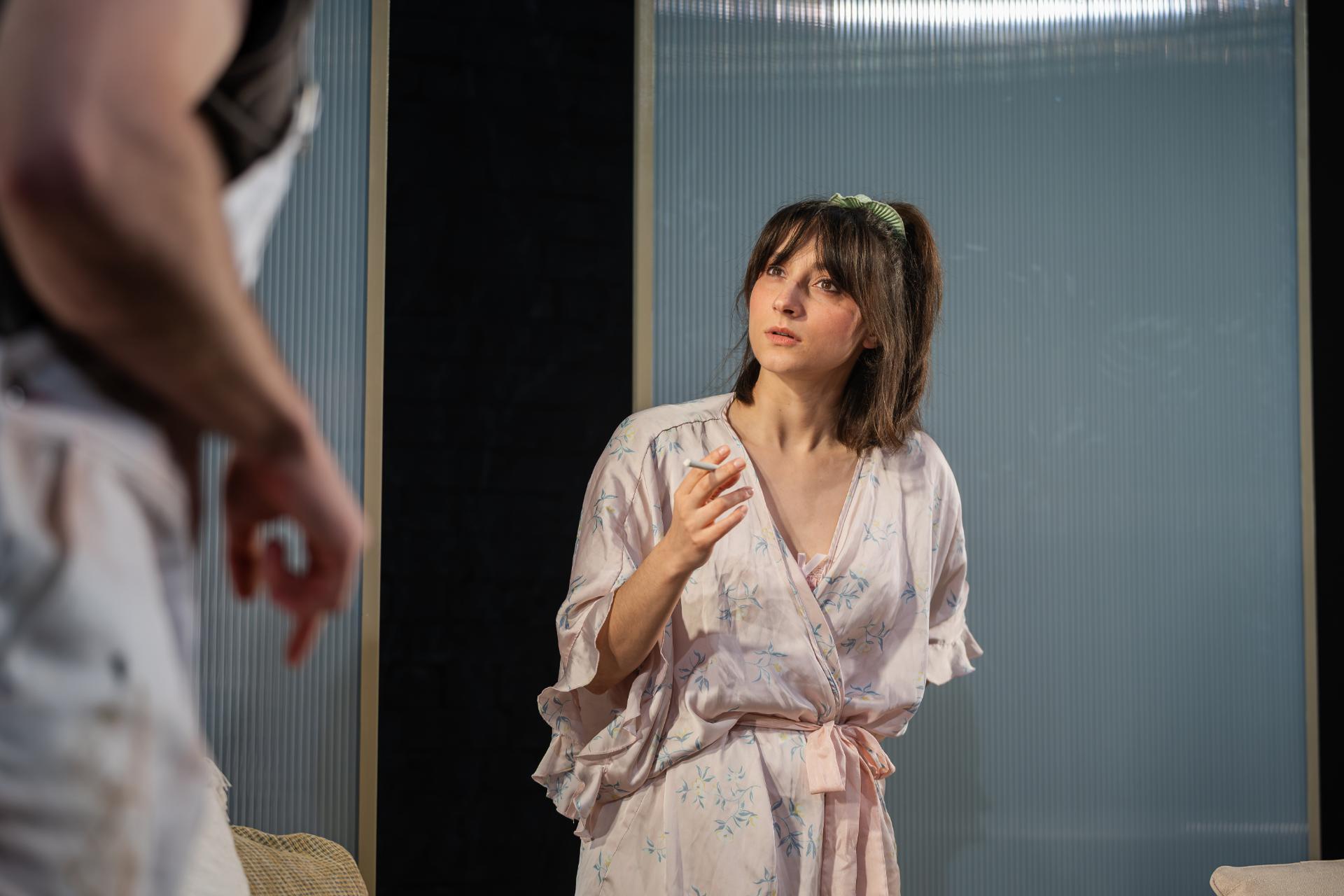
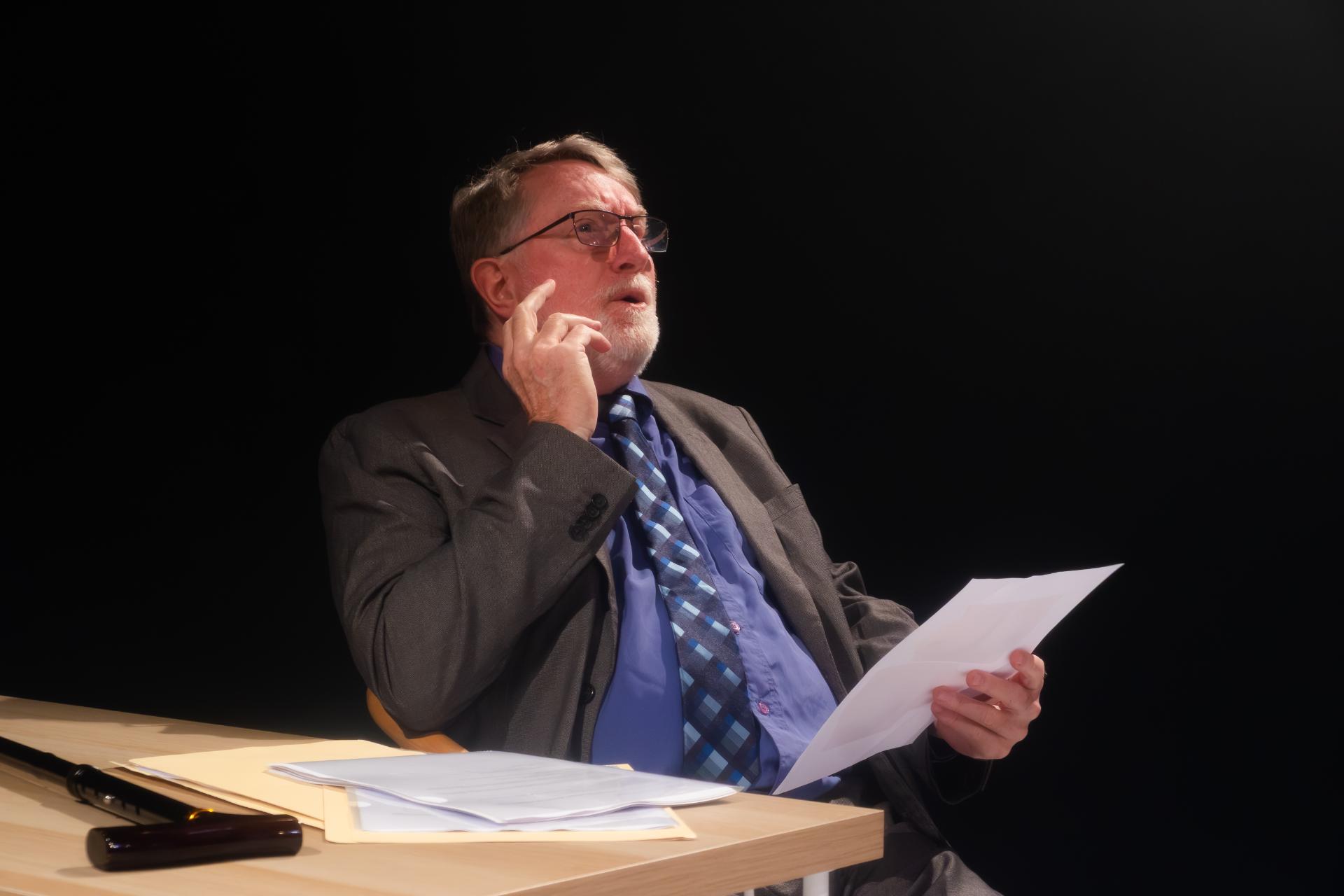
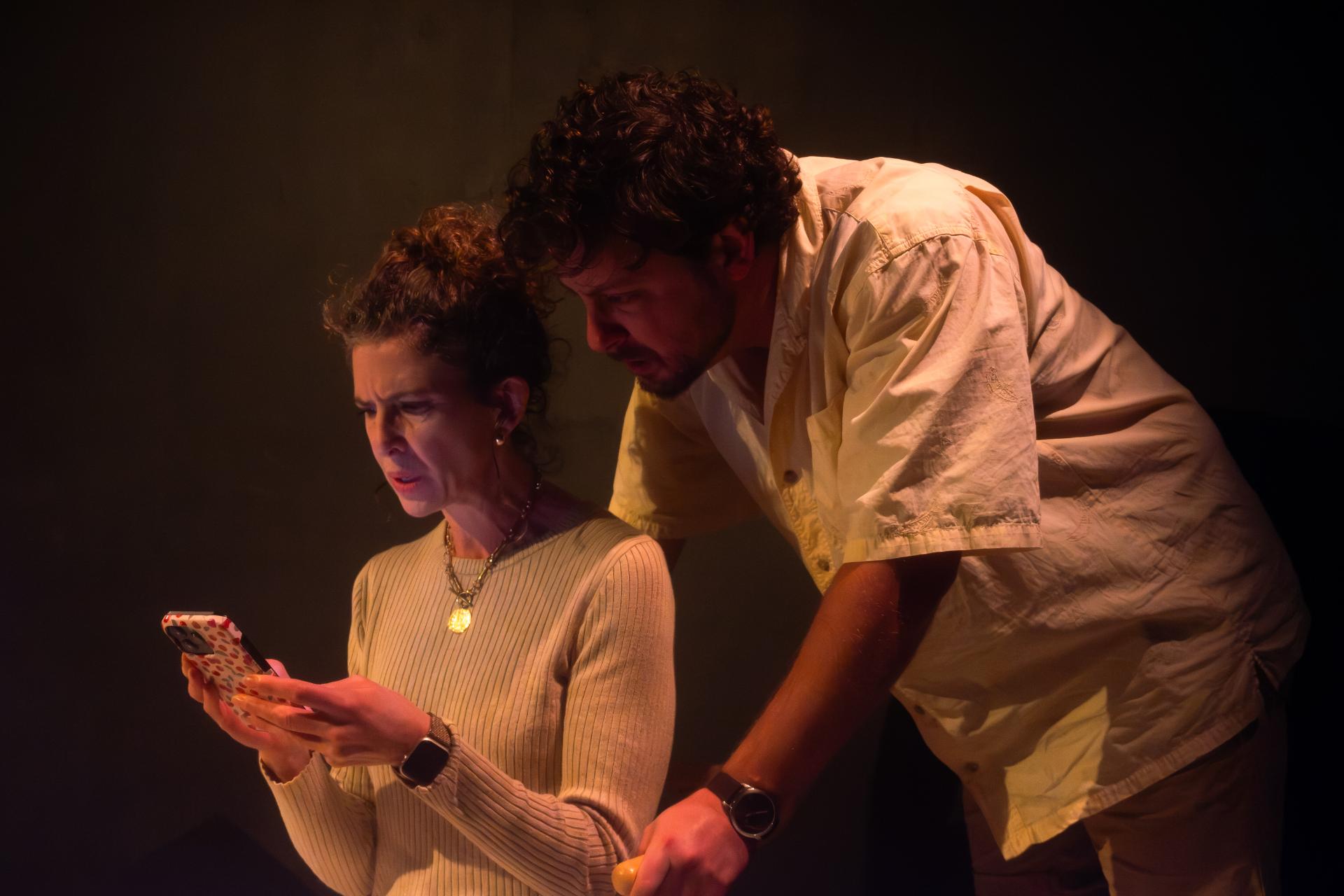
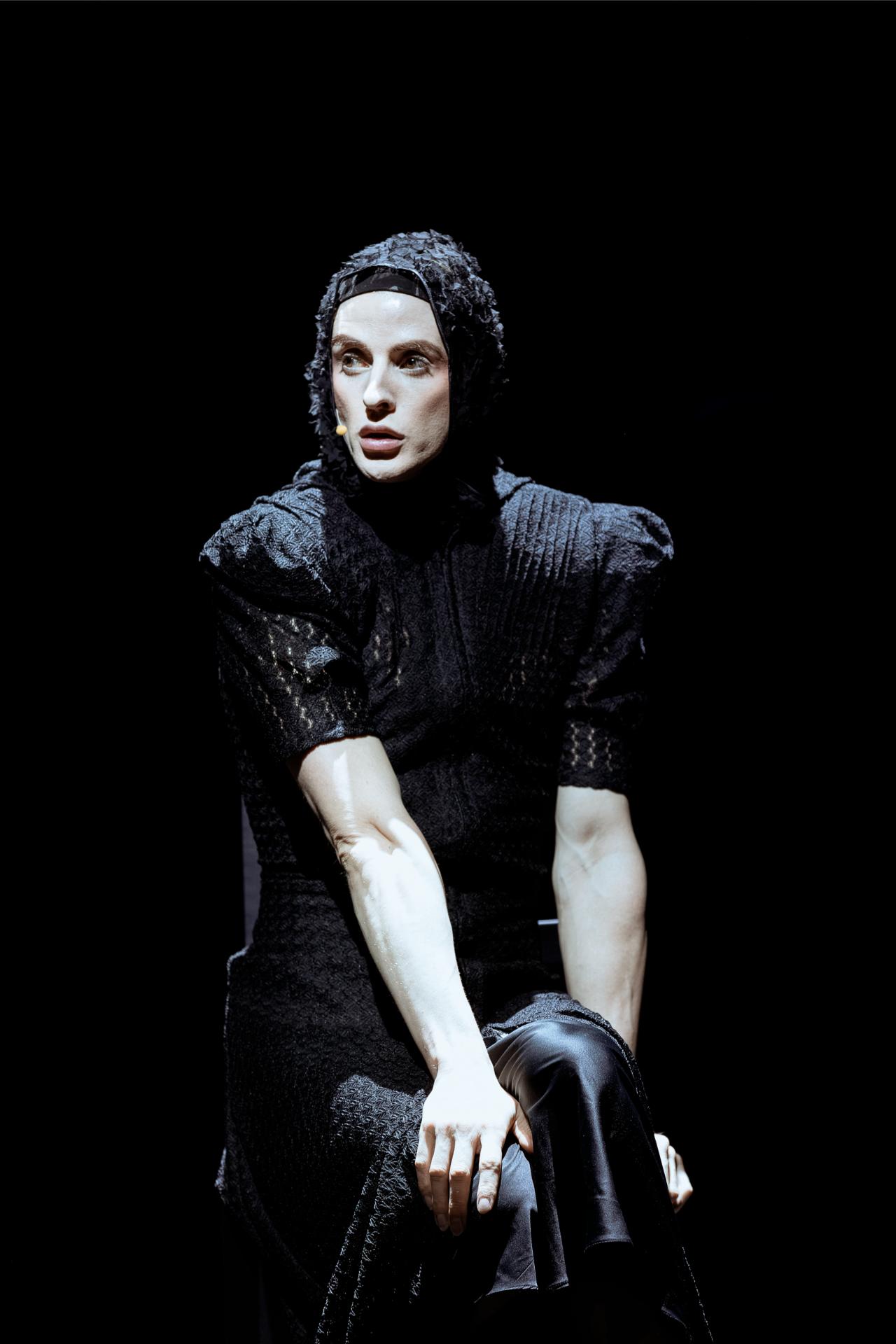
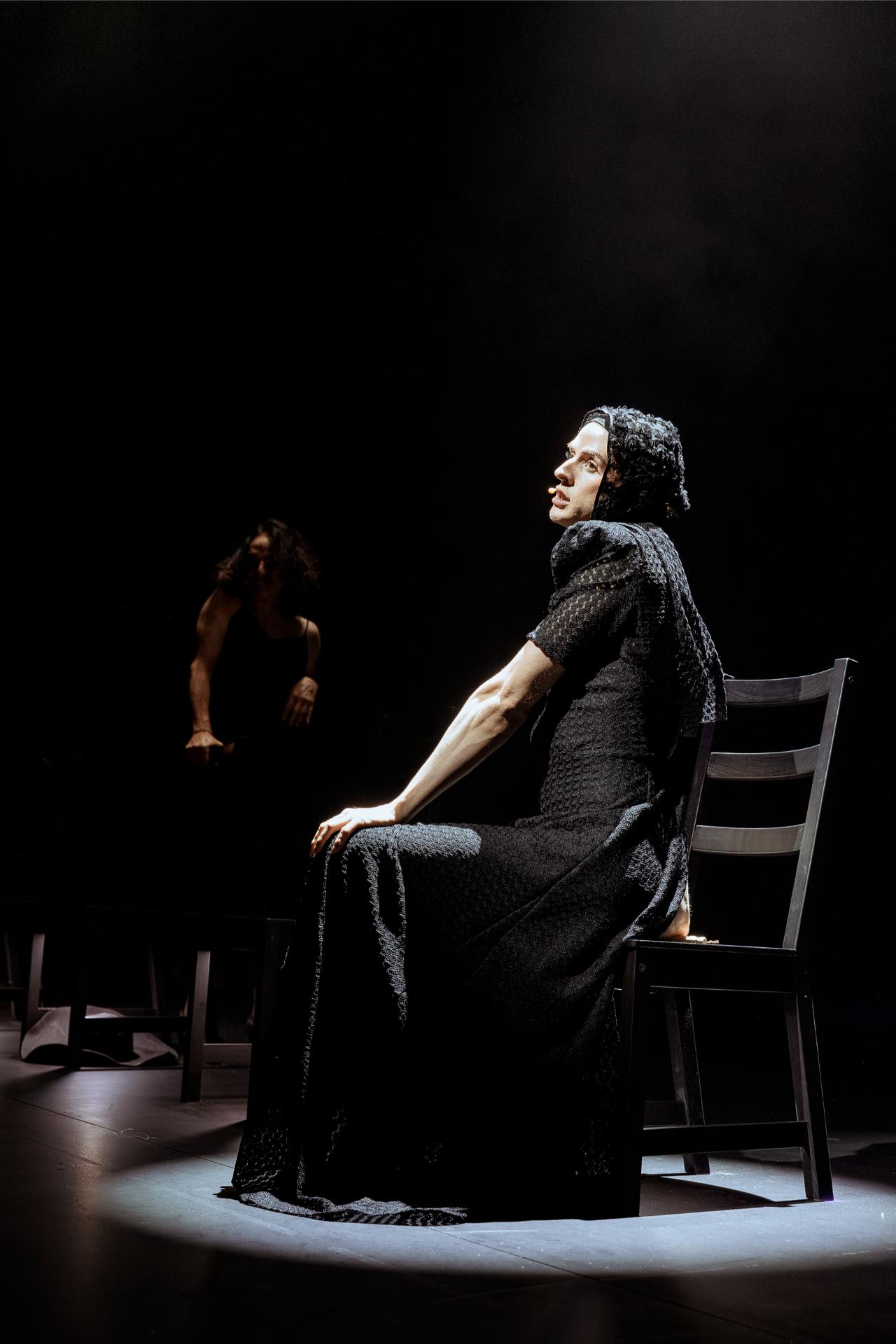
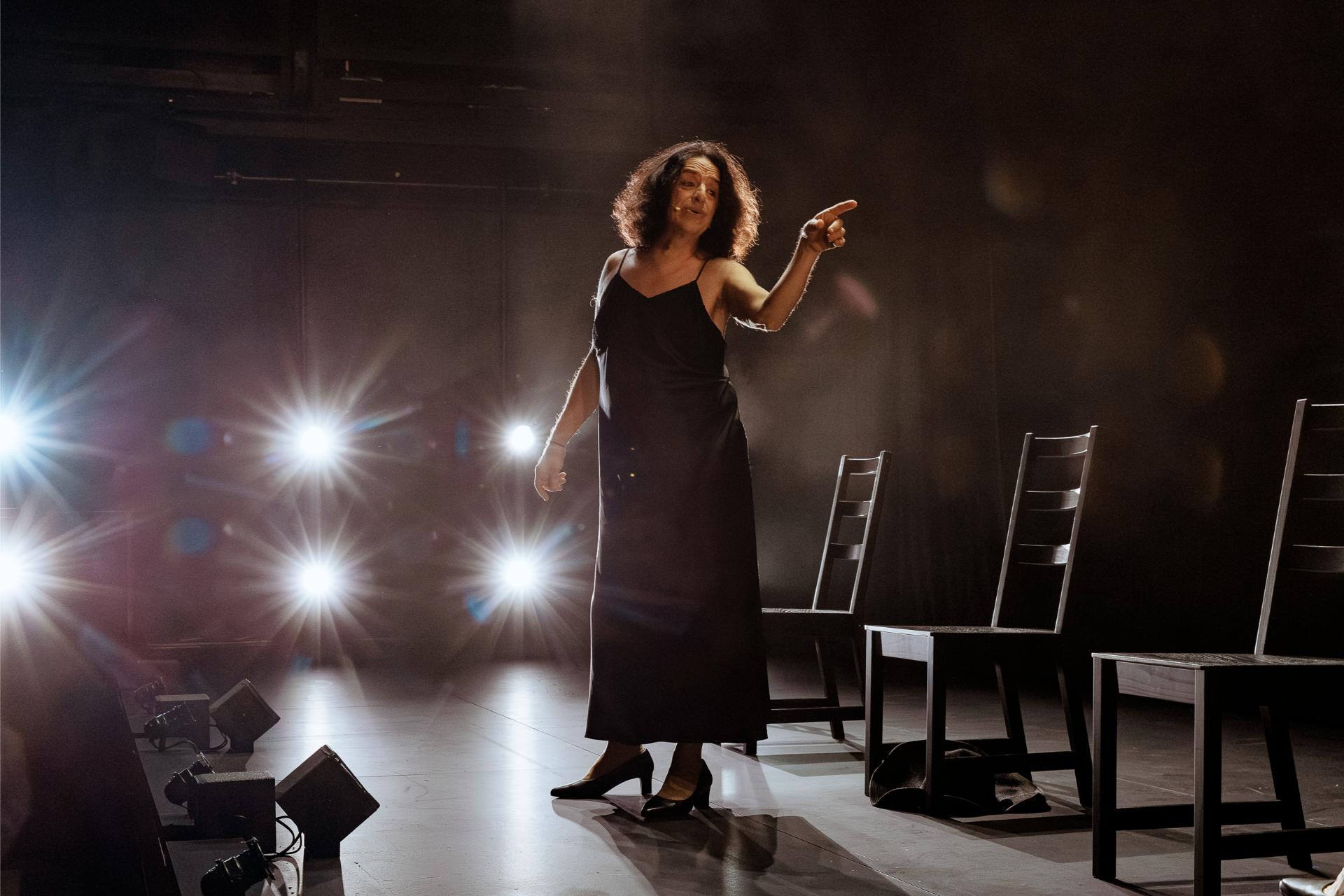
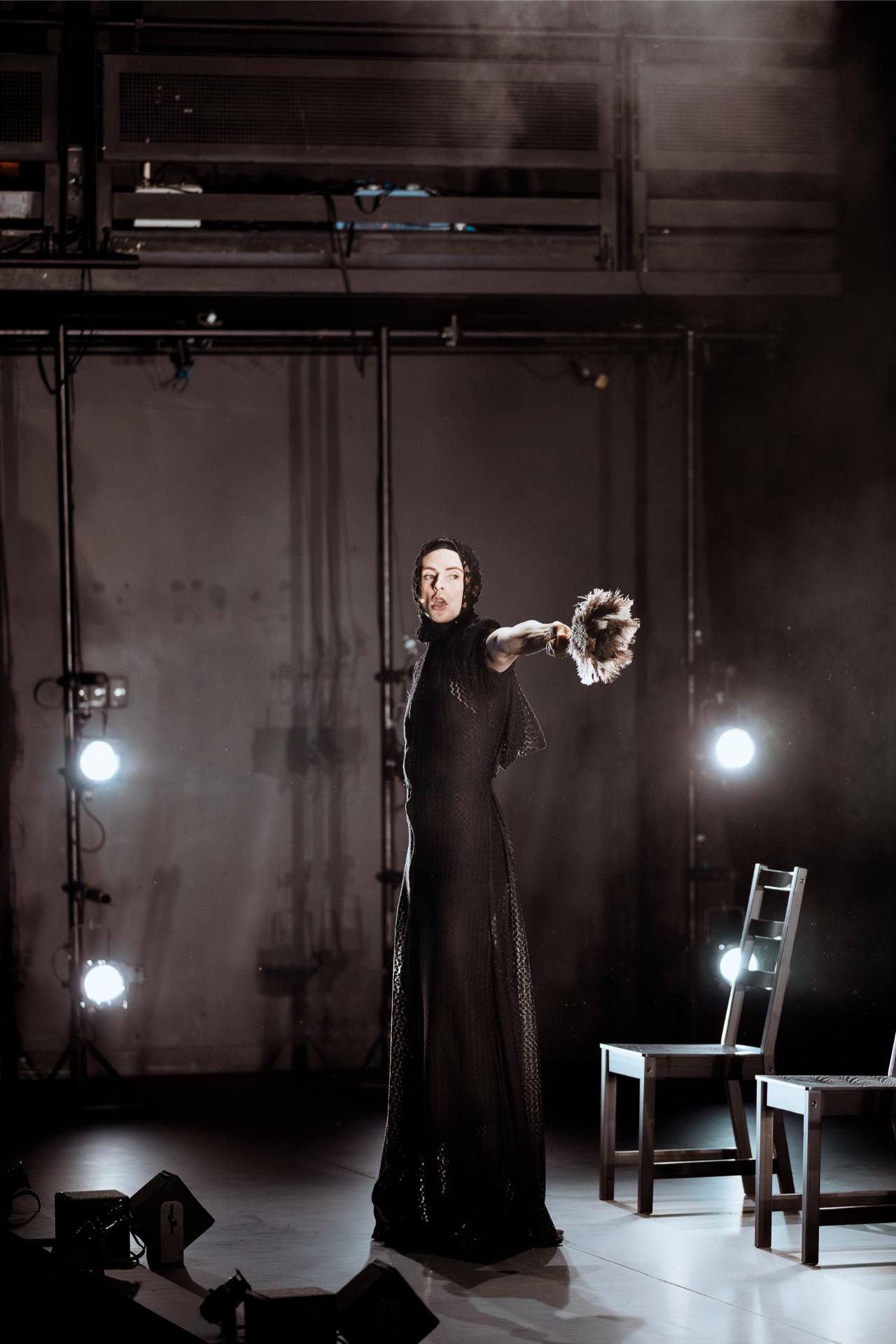
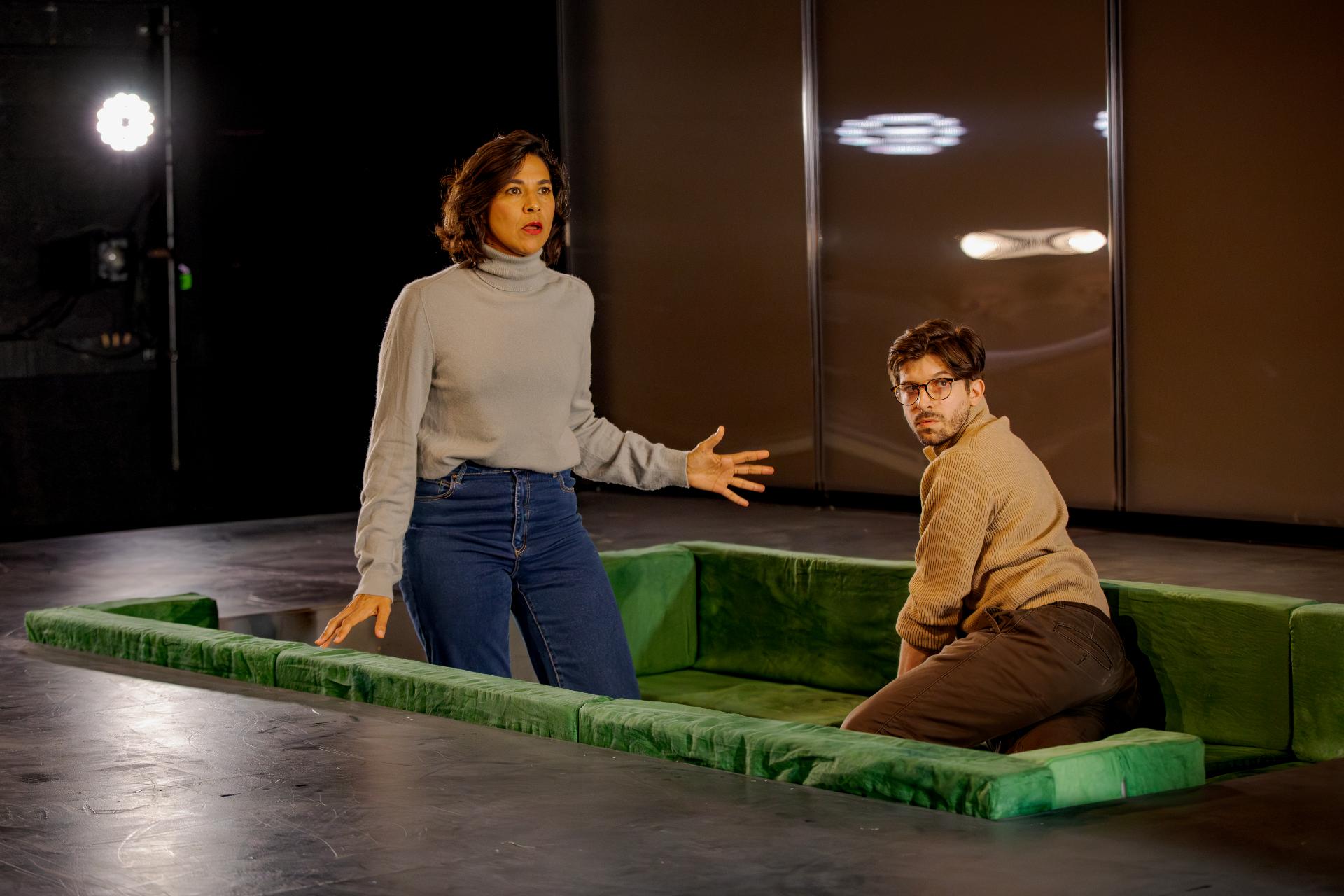
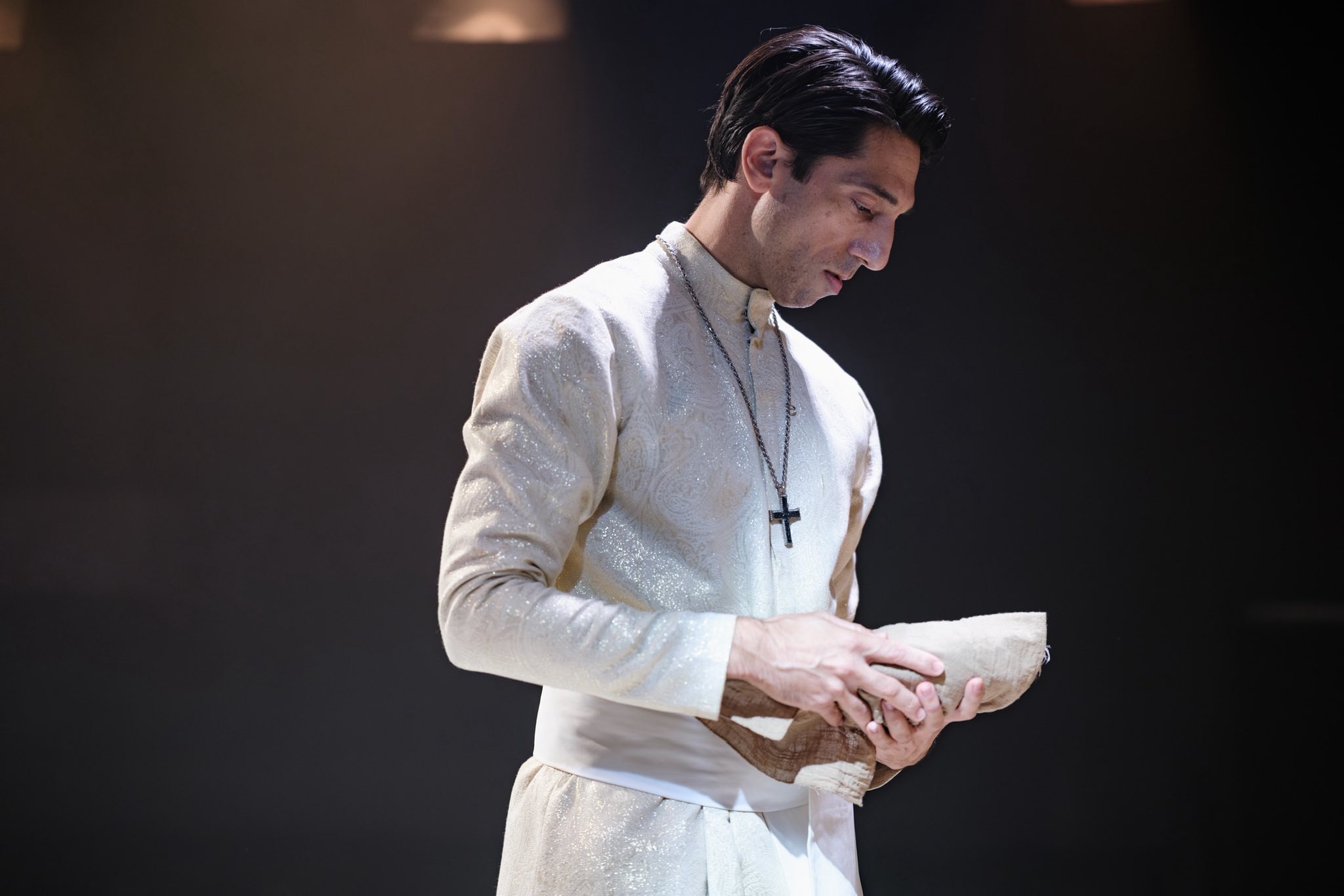
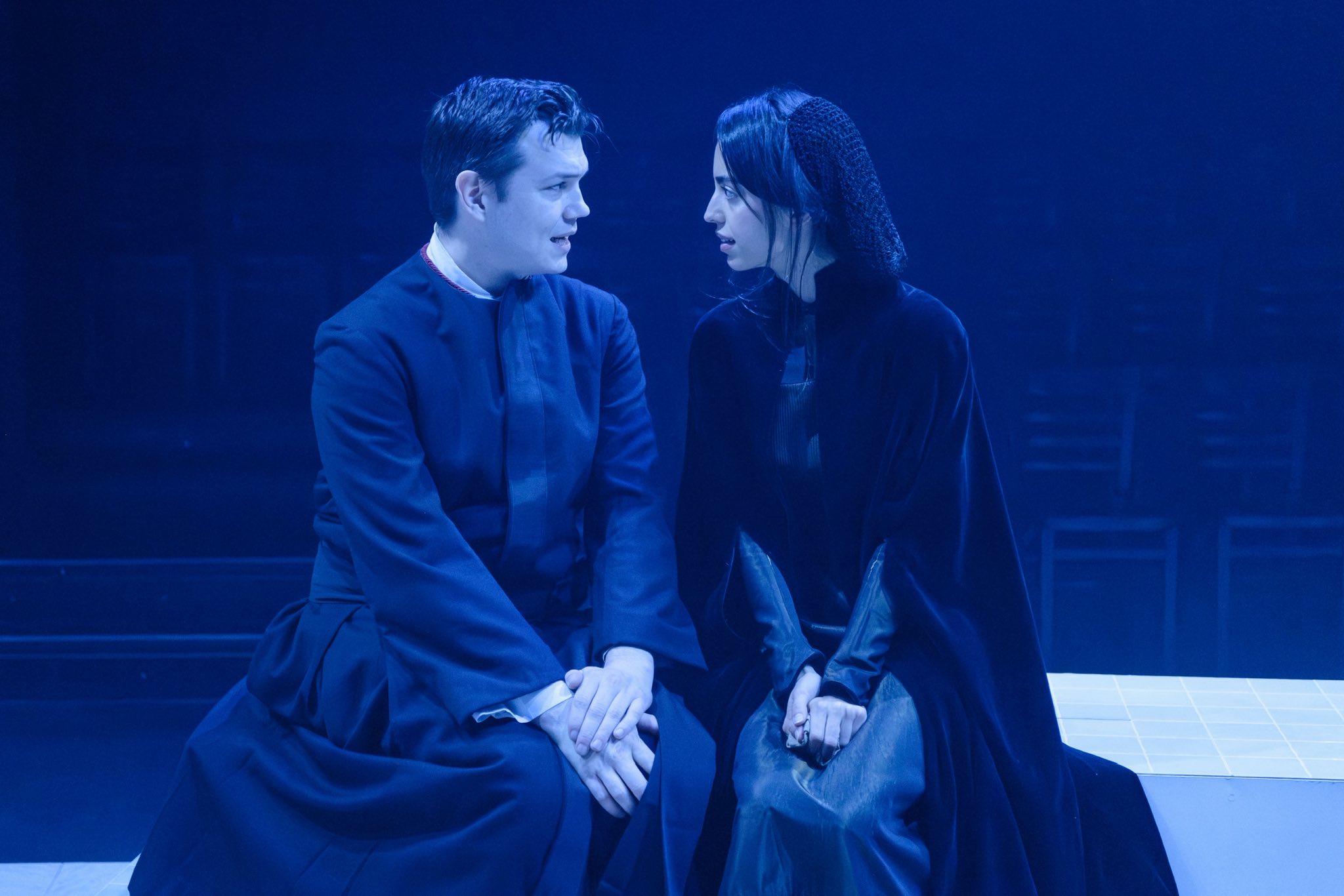
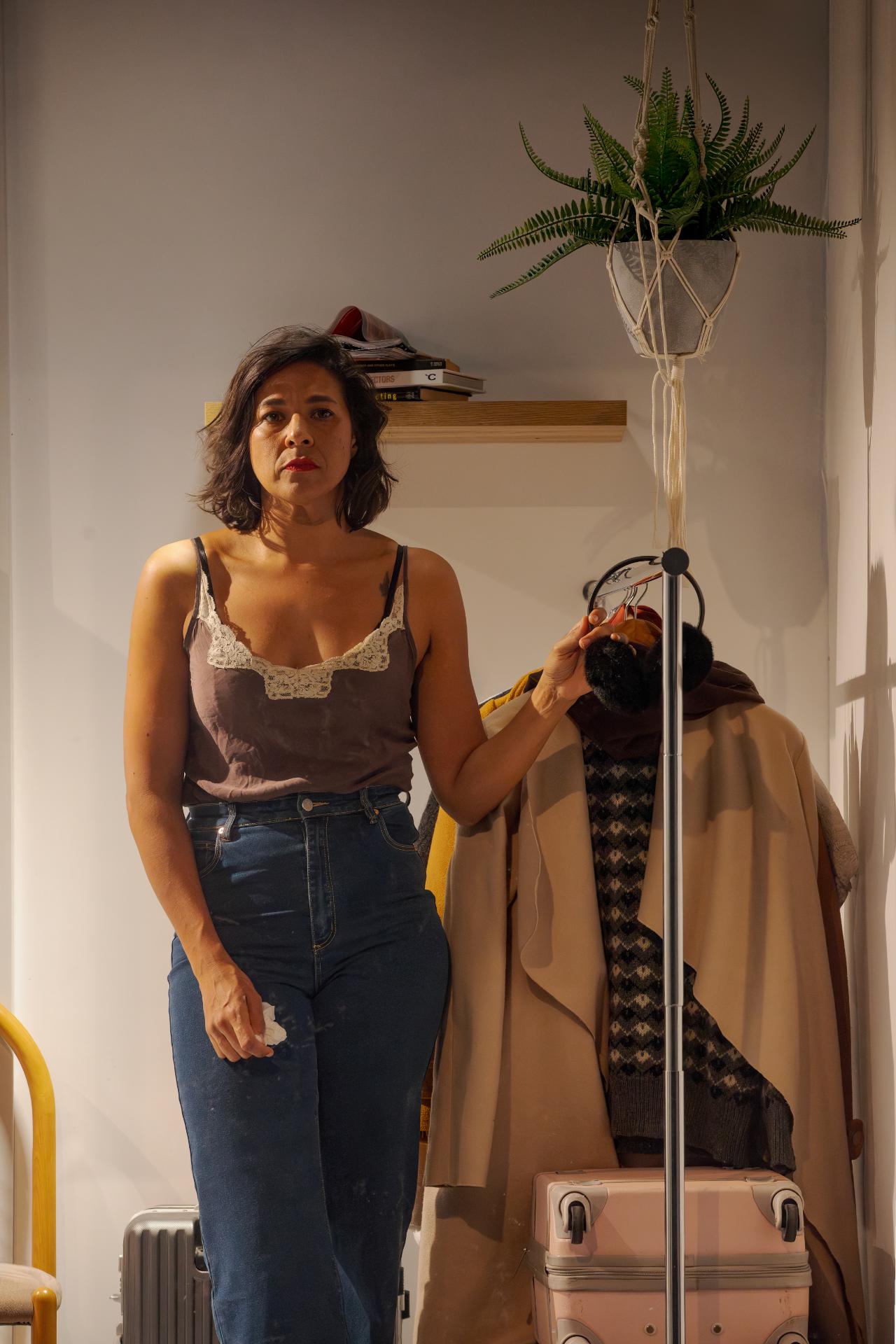
The ensemble executes this vision with extraordinary nuance. As Marjan, the eminently watchable Nicole Chamoun navigates the character’s post-colonial consciousness through restraint rather than histrionics—her trauma articulated in the tightening of a jaw, the careful modulation of vowels that betray her own complicated relationship with the English she peddles. Setareh Naghoni’s Elham embodies the paradox of the proud exile: armoured with abrasive humour yet perpetually vulnerable, her hard-headedness serving as both defence mechanism and prison.

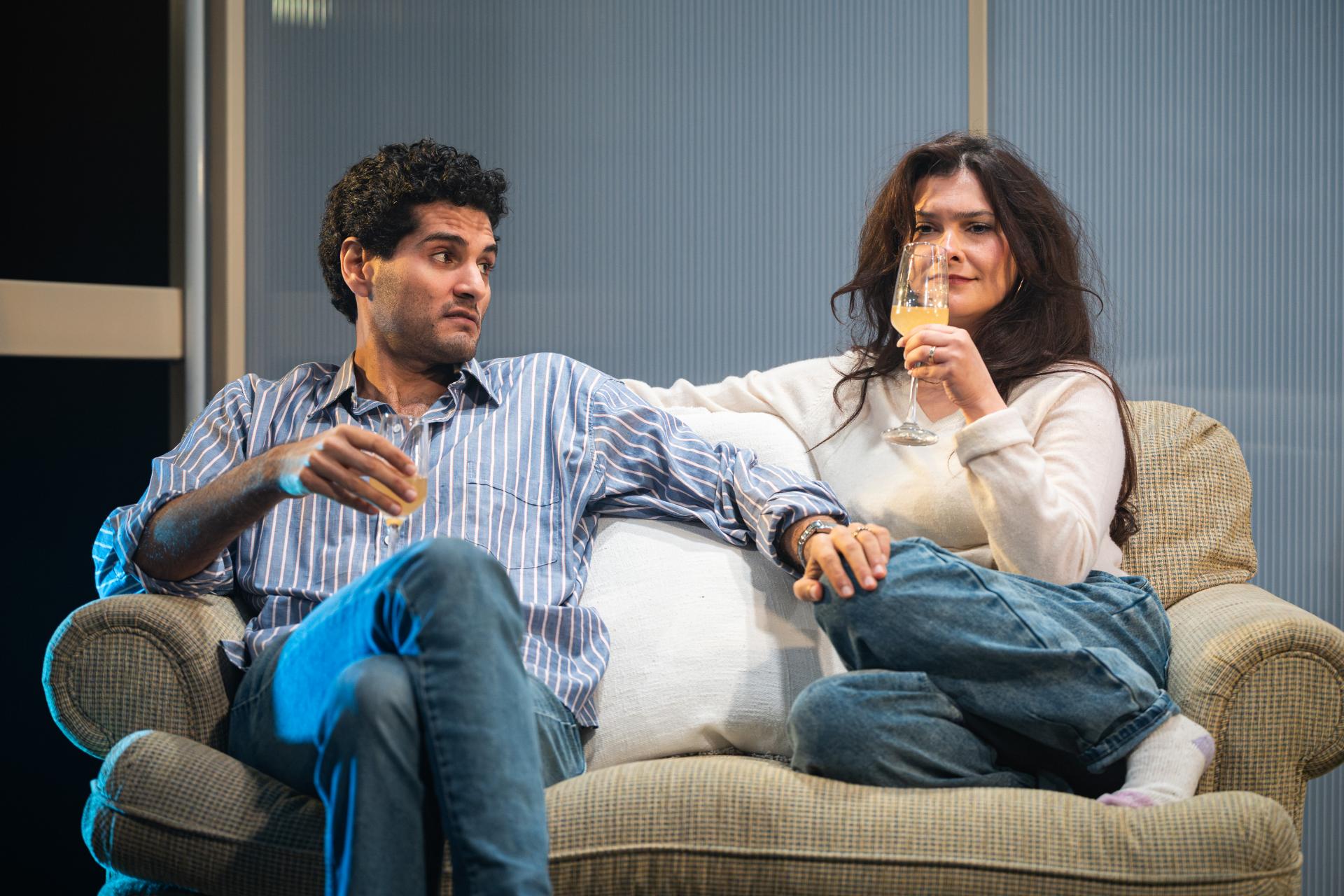
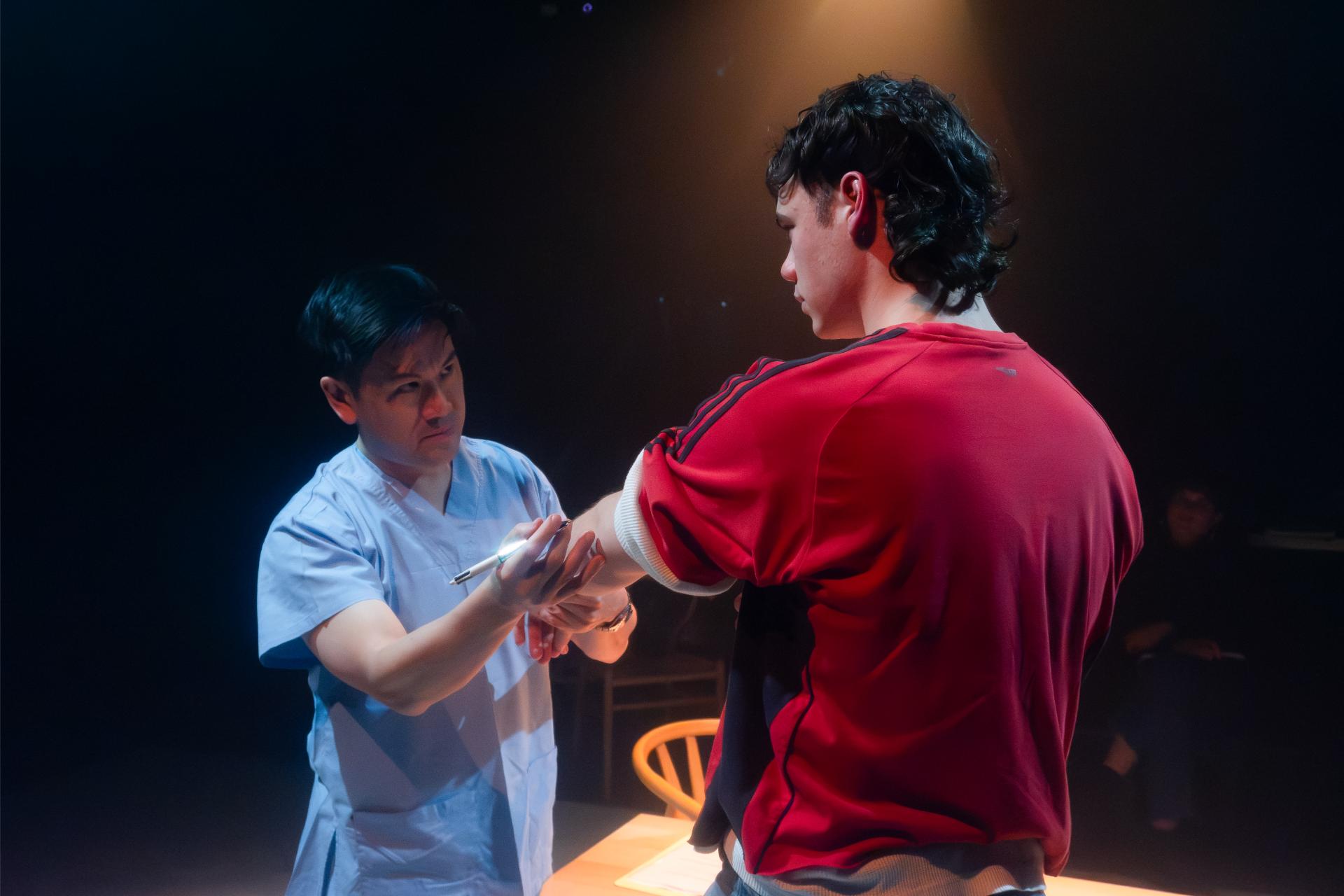
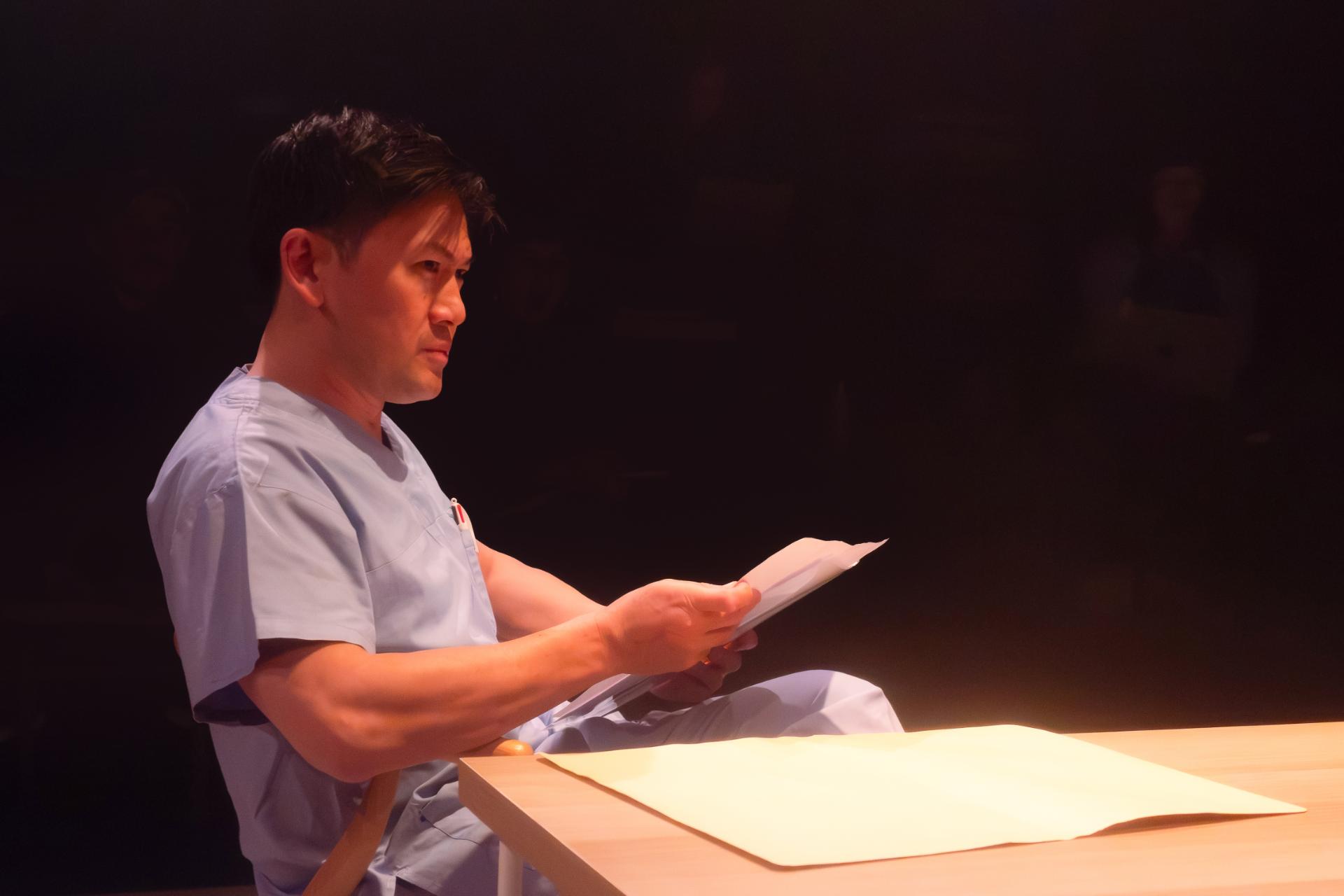
Minerva Khodabande’s effortless charm as Goli provides necessary luminosity, her youthful exuberance offering fleeting respite from the production’s heavier thematic weight, while the elegant Pedram Biazar’s turn as Omid maintains a dichotomy of warmth and opacity that complicates the narrative’s moral architecture, suggesting that escape always exacts its own particular tariffs. Most shattering is Neveen Hanna’s Roya, whose separation from her Canadian grandchildren becomes a meditation on intergenerational rupture. Hanna navigates the character’s desperation with such authenticity that her moments of comic relief—delivered with impeccable timing—land with twice the force, reminding us that grief and laughter often share the same respiratory system.

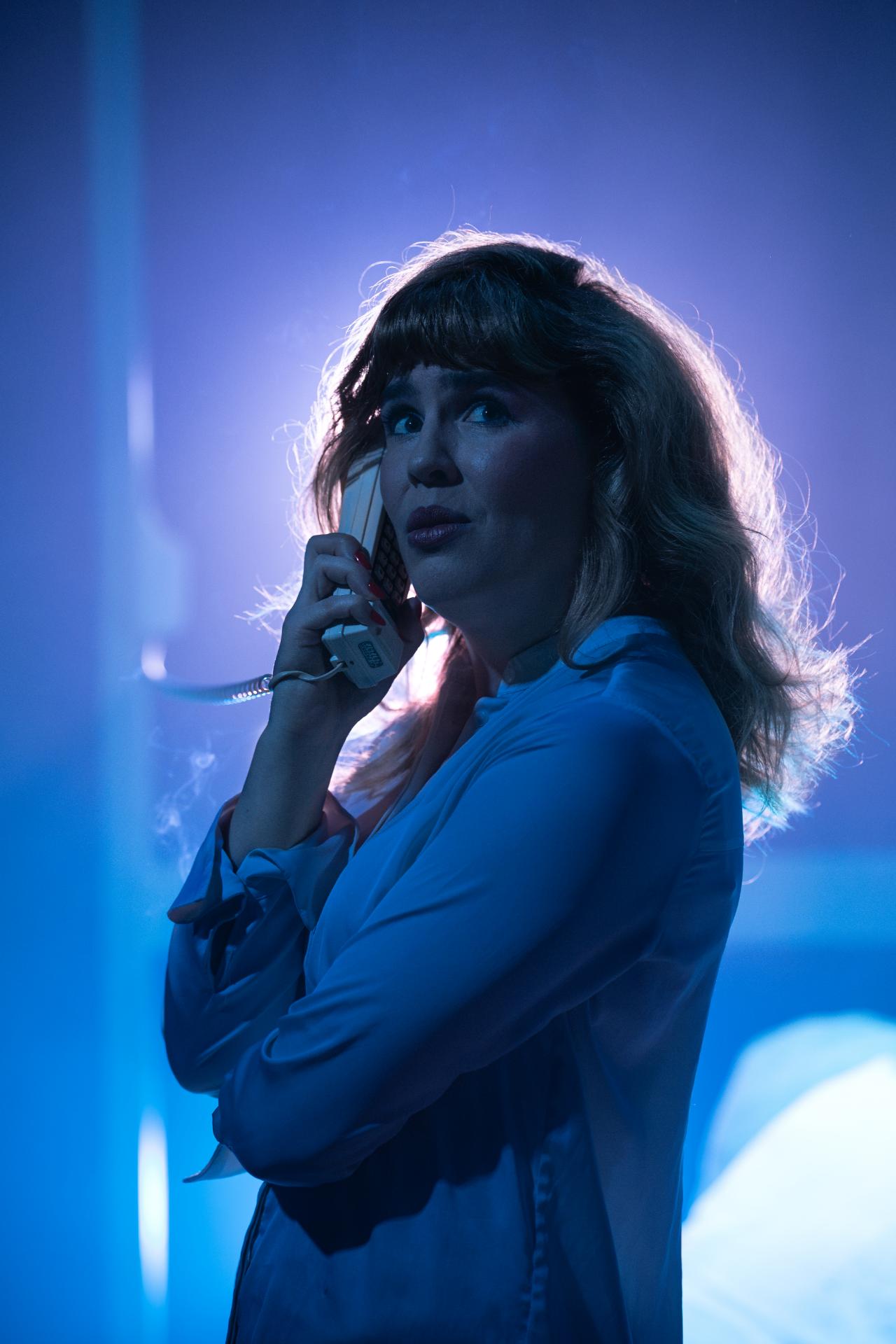
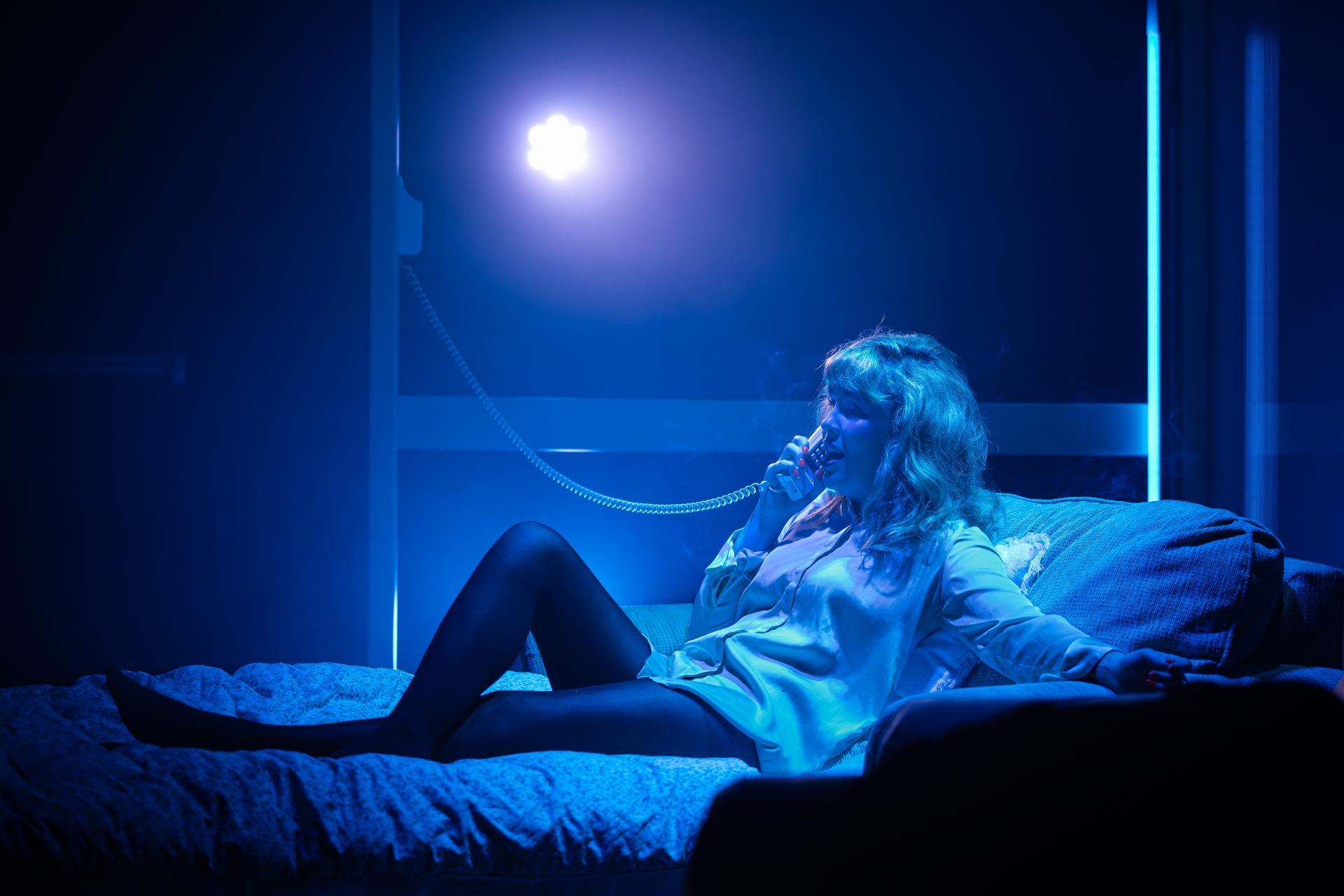
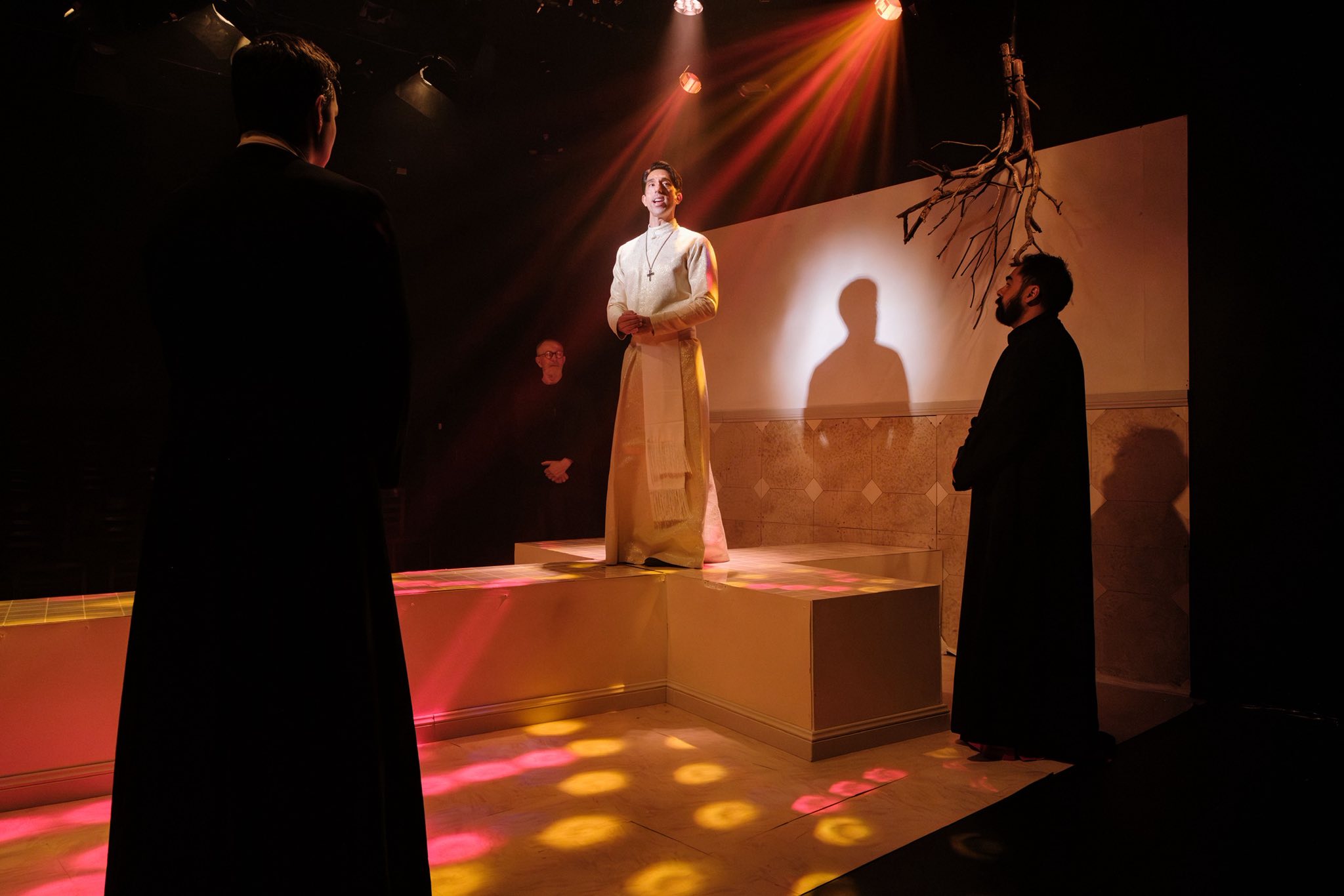
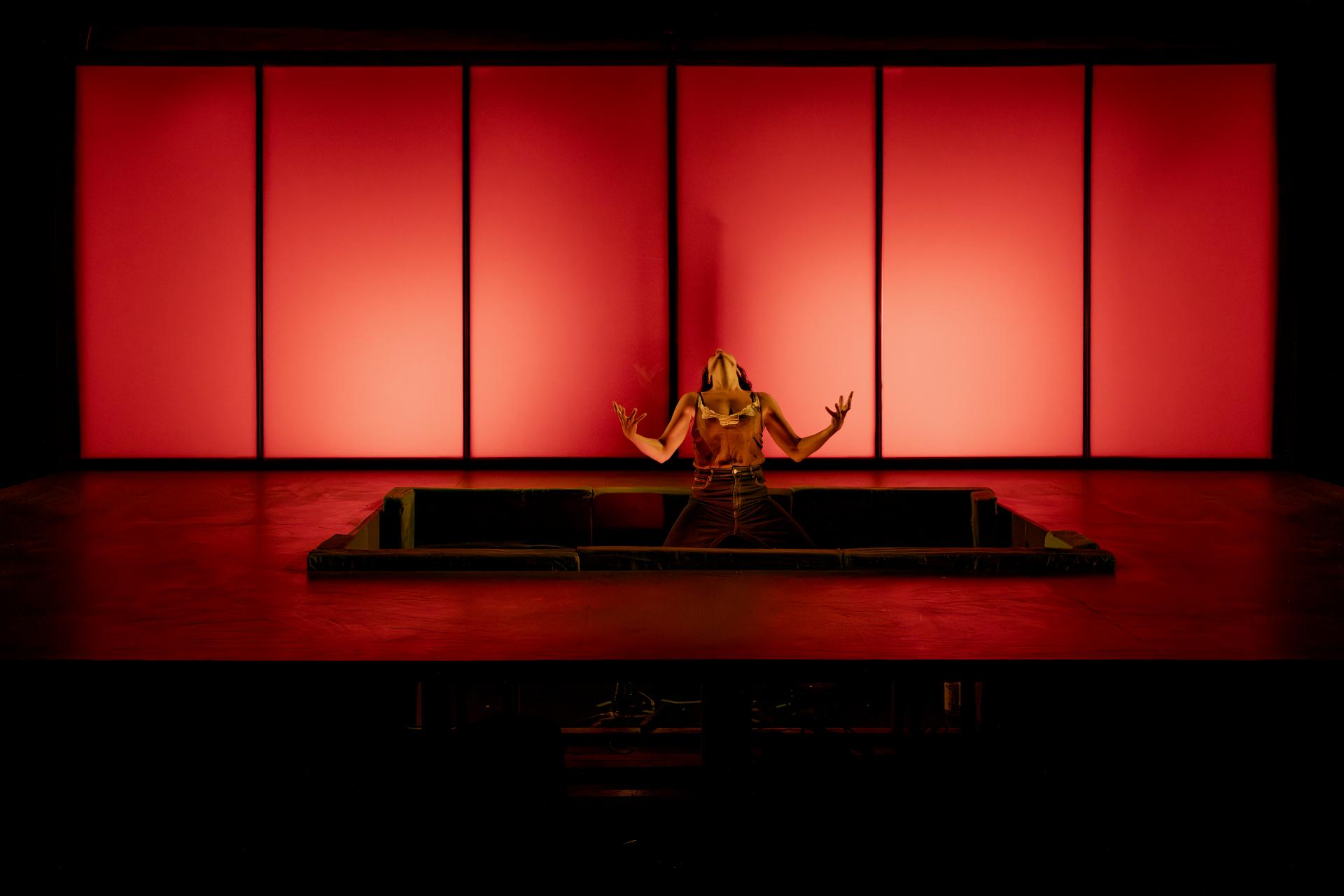
The technical elements eschew spectacle in favour of psychological acuity. Spencer Herd’s lighting design maintains a quotidian warmth during instructional scenes, then shifts during transitions to more expressionistic palettes that externalize the characters’ interiority. Hamed Sadeghi’s compositions function as aural set changes, traversing genres to evoke Iran’s cultural landscape while underscoring the disorientation in the very act of relocation. Soham Apte’s set and Rita Naidu’s costumes embrace a deliberate anti-theatricality; their unvarnished naturalism strips away distraction, forcing our attention onto the micro-gestures and linguistic stumbles that constitute the drama’s true intentions.

For many migrants, the journey begins long before their own lifetime. Where we find ourselves today is shaped not only by our individual choices and circumstances but also by the movement of ancestors who, generations earlier, sought better tomorrows for their children and their children’s children. Yet in the very act of building better lives, we often lose the language—or the permission—to speak of the hardships and ruptures that come with being pushed away from one’s homeland. English, however, refuses that silence, turning a searching gaze toward both the pain and the hope that bind so many of us together.

www.seymourcentre.com | www.outhousetheatre.org

Review: Anastasia (Sydney Lyric Theatre)

Venue: Sydney Lyric Theatre (Sydney NSW), Apr 7 – Jul 18, 2026
Book: Terrence McNally
Music: Stephen Flaherty
Lyrics: Lynn Ahrens
Director: Darko Tresnjak
Cast: Rhonda Burchmore, Rodney Dobson, Nancye Hayes, Georgina Hopson, Joshua Robson, Robert Tripolino
Images by Jess Busby

Theatre review
Paris, 1927. The Dowager Empress Romanov languishes in aristocratic exile, her imperial dreams finally extinguished after decades of yearning for a granddaughter presumed lost to the Bolshevik firing squads. When a young woman emerges from revolutionary Russia claiming—perhaps mendaciously, perhaps miraculously—to be the sole surviving heir of the defunct dynasty, the stage is set for a reckoning that is as much psychological as political.

Anastasia, the 2016 Broadway confection adapted from its animated predecessor, arrives freighted with expectations of cloying sentimentality—the inevitable collision of cartoon whimsy and theatrical spectacle. Yet under Darko Tresnjak’s discerning direction, with a book by the late Terrence McNally, the production confounds such prejudices. Stephen Flaherty and Lynn Ahrens’s score may hew to the melodic conventions of the Great White Way, eschewing avant-garde experimentation for accessible romanticism, but the storytelling itself exhibits a gratifying intellectual seriousness. Alexander Dodge’s sumptuous set design and Aaron Rhyme’s innovative video projections satisfy the visual appetites of contemporary audiences, yet the narrative never panders, never traffics in theatrical sleight-of-hand to manipulate easy emotions. The result is a work of genuine dramatic substance artfully disguised as frivolous entertainment—subversion through sophistication.

This Australian mounting further distinguishes itself through an exemplary ensemble. Georgina Hopson, in the title role, delivers vocal performances of crystalline precision while suffusing her characterization with a soulful gravity that compels genuine emotional investment rather than passive spectatorship. As her suitor and conspirator Dmitry, Robert Tripolino combines rakish charm with choreographic crispness, rendering the role with charismatic authority. Particularly compelling is Joshua Robson’s Gleb, the Bolshevik antagonist; his portrayal plumbs unexpected emotional depths, transforming what might have been mere villainy into a meditation on ideological fanaticism and human cost. The production’s aesthetic ambitions reach their apotheosis in a second-act interpolation of Swan Lake, performed with breathtaking technical prowess by Sophia Bae, Davis Giotopoulos Moore, and Keian Langdon—a sequence that temporarily suspends the narrative to achieve something approaching pure visual poetry.

The production’s ultimate triumph lies in its implicit rebuke to the condescension that permeates so-called “family entertainment.” Where creators routinely infantilize their audiences and shield younger viewers from life’s harsher truths, Anastasia proceeds from the radical premise that children—and adults—possess the capacity to apprehend darkness, loss, and historical trauma. The postponement of such reckonings serves neither art nor audience; rather, it produces cultural artifacts that mistake triviality for accessibility. In refusing this calculus, Anastasia achieves what the best popular art has always aspired to: the transformation of painful history into transcendent beauty, without sacrificing either truth or wonder.

www.anastasiathemusical.com.au

Review: Eden (Qtopia)

Venue: Qtopia (Darlinghurst NSW), Apr 7 – 18, 2026
Playwright: Kate Gaul
Director: Kate Gaul
Cast: Karrine Kanaan, Lara Lightfoot
Images by Natalia Ladyko

Theatre review
In a parched country town where the heat seems to calcify tradition, Dan and Kit stand at the precipice of adulthood, shedding the protective guilelessness of childhood to confront a more sinister revelation: womanhood here is not merely circumscribed but surveilled, and the silence of those around them—neighbours, family, the very landscape—feels less like innocence than complicity. When a woman’s body surfaces by the river under circumstances the town seems determined to ignore, the water’s edge becomes a threshold. The girls recognize, with the slow horror of dawning consciousness, that their home is not merely backward but actively dangerous, its beauty a camouflage for violence.

Kate Gaul’s Eden wears its politics lightly, or rather, embeds them in the marrow of its aesthetic. Working within the registers of Australian Gothic—where the land itself is a protagonist, ancient and indifferent, bearing both sacred lore and the scar tissue of colonization—Gaul conjures a world where the metaphysical bleeds into the mundane. Lyrical and at times overly opaque, Eden possesses a surface simplicity that renders it unexpectedly inviting. Though it sacrifices overt agitational urgency, Eden proves potent as an impressionistic piece, compensating with raw theatrical vitality.

Karrine Kanaan and Lara Lightfoot bring their characters to life with amusing exuberance, emerging as warmly compelling presences whose effortlessly captivating chemistry deepens our investment in the narrative. Nate Edmondson’s music stands as an unequivocal highlight, amplifying the play’s metaphysical unease while maintaining a relentless grip on the narrative’s forward motion, ensuring that even as we contemplate the cyclical nature of time and trauma, we remain breathlessly attentive to the fate of these young women.

Some places are defined by arrival, others by the doggedness of those who stay. Country towns ossify around their permanent residents, demanding that newcomers dissolve into the prevailing chemistry; cities, by contrast, offer themselves as mutable terrains, melting pots where identity might be recast rather than inherited. Time has proven itself circular, history always seeming an infinite loop rather than an arrow, yet it is hard not to think of progress as linear. Dan and Kit will inevitably arrive at their destined authentic selves, yet that metamorphosis appears contingent upon an exodus from this unforgiving terrain.

www.qtopiasydney.com.au | www.sirentheatreco.com

Review: The River (Sydney Theatre Company)

Venue: Sydney Opera House (Sydney NSW), Apr 8 – May 16, 2026
Playwright: Jez Butterworth
Director: Margaret Thanos
Cast: Andrea Demetriades, Ewen Leslie, Miranda Otto
Images by Daniel Boud

Theatre review
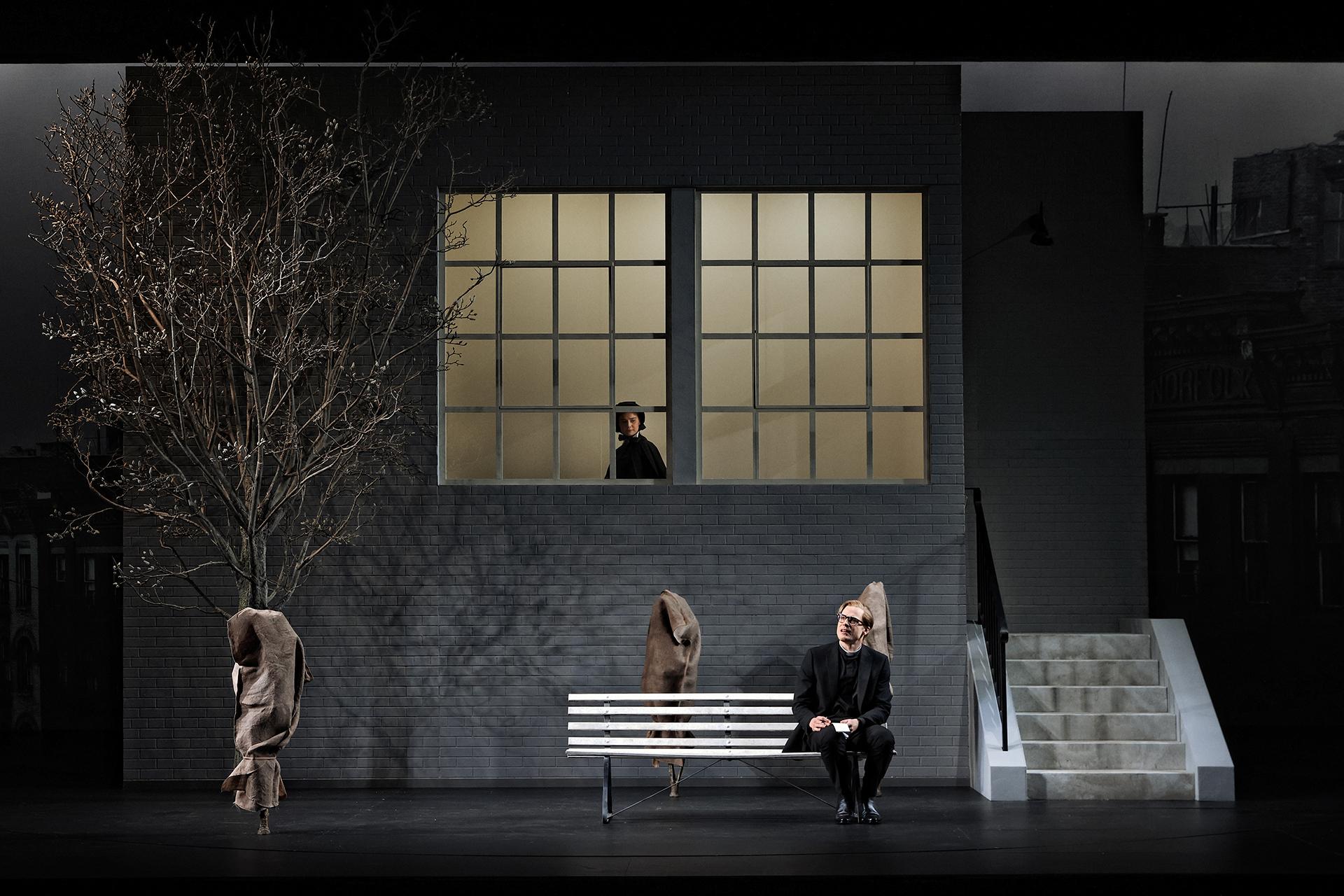
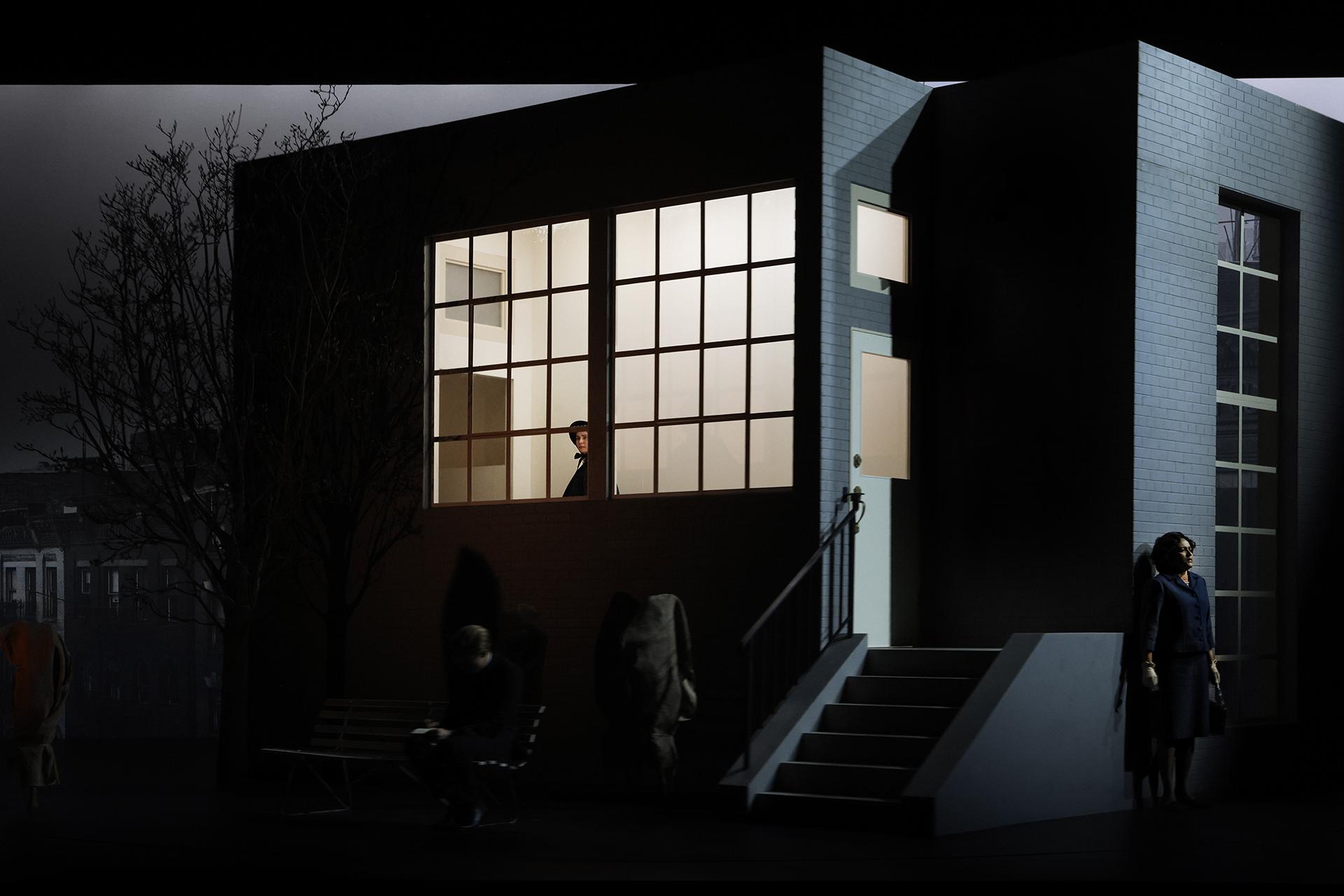
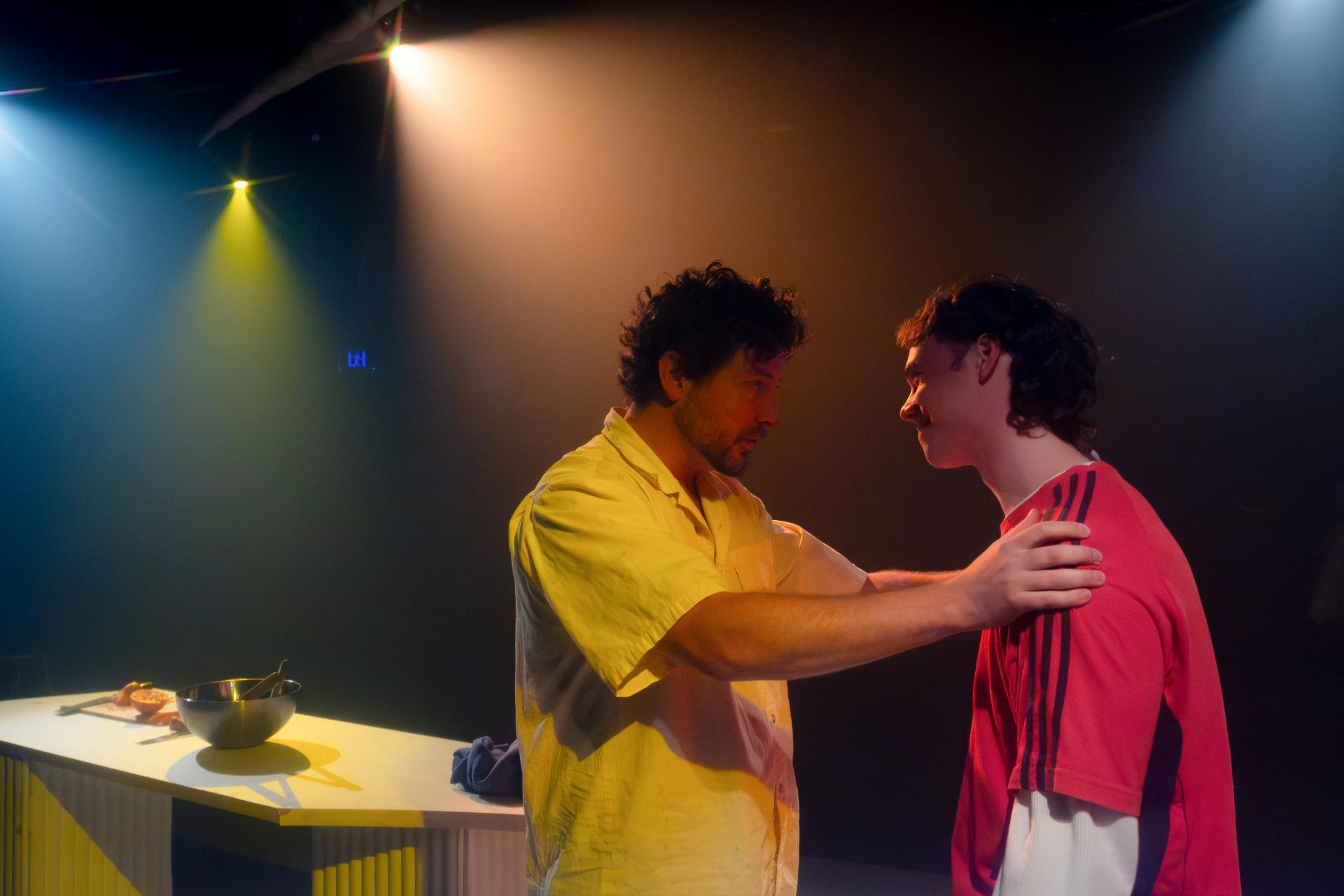
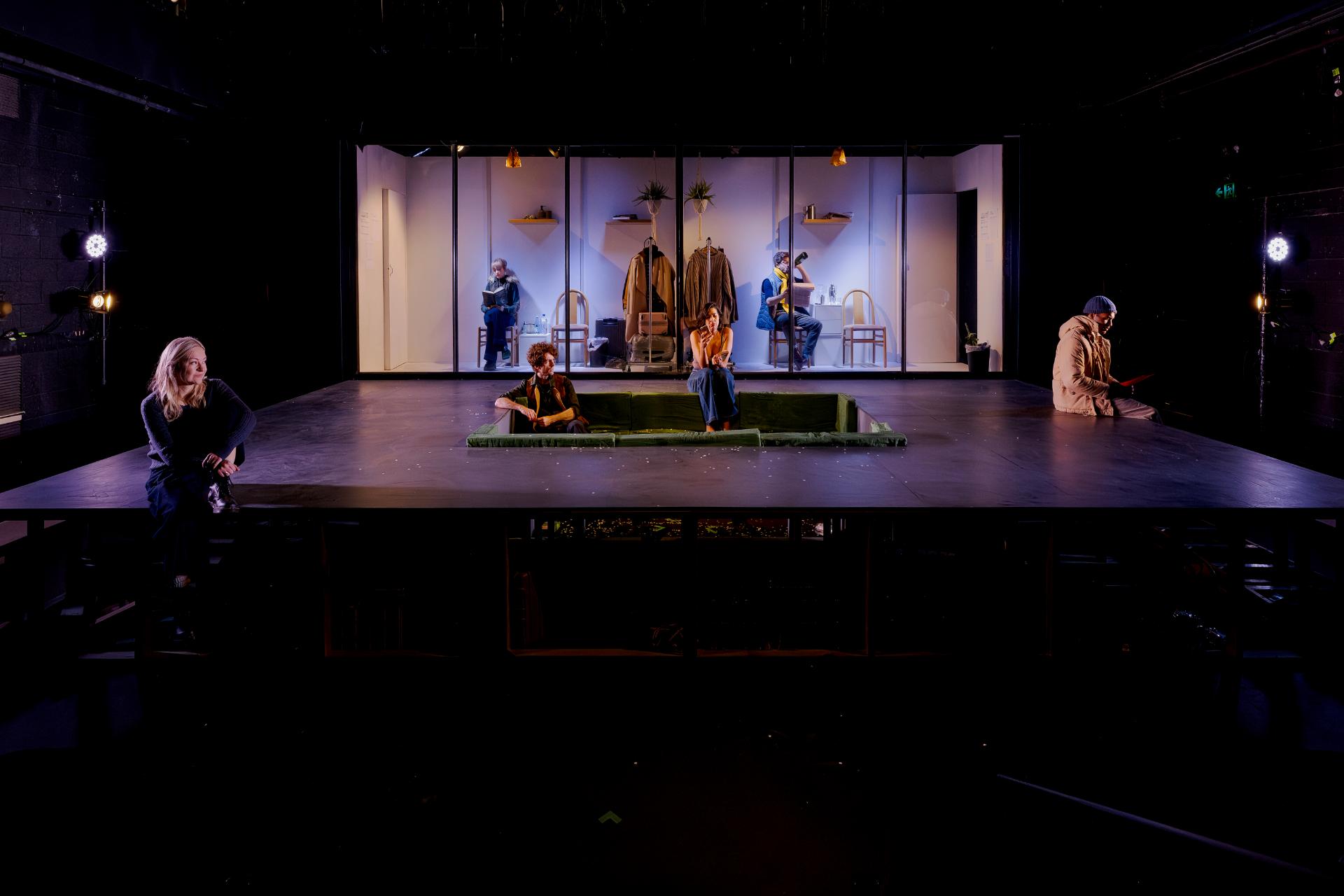
Nestled within the secluded confines of an English fishing cabin, a man confronts the ghost of unspeakable trauma—its spectral presence materialized in the image of a woman adorned in scarlet. Jez Butterworth’s The River emerges as a theatrical enigma of remarkable density, its narrative currents flowing through multiple interpretive channels while remaining anchored, perhaps most profoundly, in the murky depths of grief and regret. Though deliberately provocative in its withholding of certainties, the text is exquisitely wrought, offering precisely sufficient ambiguity to ignite the spectator’s imaginative faculties without descending into pedestrian opacity.

Margaret Thanos’ direction rises to meet this sophistication with an aesthetic of curated chicness—self-consciously stylish yet perhaps overly circumspect in its understated approach, occasionally sacrificing visceral immediacy for cerebral detachment. Anna Tregloan’s production design evokes flowing water through cascading ribbons and a minimalist hut-like structure—spare yet evocative, providing all necessary visual cues without distraction.

Damien Cooper’s lighting palette conjures the requisite haunting, vaguely sinister atmospherics essential to the piece’s creeping psychological dread, though one wishes for occasional modulation toward more flattering illumination to deepen our sympathetic attachment to the personalities portrayed. Sam Cheng’s sound design achieves moments of genuinely transcendent beauty—ethereal and devastating in its restraint—yet could benefit from greater dynamic range, allowing orchestral crescendos to match the text’s moments of heightened dramatic intensity rather than maintaining consistent atmospheric delicacy.

Ewen Leslie delivers a formidable performance as the lead, laudably infusing light and shade into a narrative that seems determined to remain stubbornly macabre. Without the crutch of expository dialogue, Leslie’s remarkable nuance conveys immense complexity, inviting us into a story that feels inexhaustibly layered. Andrea Demetriadis delivers exceptional intensity in several exquisitely crafted dramatic set pieces—operatic in their theatricality yet always anchored in coherent dramaturgical logic. Miranda Otto adopts a more reticent approach by comparison, effectively conveying inexorable realism though one desires greater creative adventurousness to fully spark our imaginative inspiration.

Throughout the drama’s unfolding, spectators find ourselves suspended in productive suspicion, perpetually interrogating our own comprehension even as our instincts register the underlying truth with uncomfortable accuracy. We discover ourselves actively denying our intuitive grasp of events—much as the protagonist must navigate his existence without full honesty regarding his past, and consequently, his present. Survival may indeed necessitate temporary aversion from unbearable truths, yet such evasion can only serve as provisional strategy; the ancient dictum remains immutable, and it is ultimately truth above all else, that will set you free.

www.sydneytheatre.com.au

Review: Till The Stars Come Down (KXT on Broadway)

Venue: KXT on Broadway (Ultimo NSW), Mar 27 – Apr 11, 2026
Playwright: Beth Steel
Director: Anthony Skuse
Cast: Jane Angharad, Peter Eyers, Amy Goedecke, Zoran Jevtic, Ainslie McGlynn, Kira McLennan, Brendan Miles, Jo Briant, Imogen Sage, James Smithers
Images by Braiden Toko

Theatre review
At Silvia’s wedding, the assembled family observes the ritual of good behaviour—upright postures, pleasantries exchanged with the precision of choreographed dance—only to find that the champagne, once flowing, dissolves the adhesive holding their performances together. Upheaval arrives not as surprise but as inevitability, and Beth Steel’s Till the Stars Come Down positions itself to excavate the sediment of grief, class anxiety, and generational fracture that such gatherings inevitably stir. Yet for all its archaeological ambition, the play remains frustratingly proximal to the surface, favouring the escalating rhythms of melodrama over the slower, more treacherous work of thematic investigation. Steel introduces fault lines that promise to rupture into revelation—economic precarity, maternal sacrifice, the performance of happiness itself—only to resolve them with a neatness that belies their complexity. The narrative plants its ambitions widely but harvests narrowly, leaving us not with the disturbing clarity of family truths exposed, but with the familiar aftertaste of soap opera: emotion without consequence, conflict without cost.
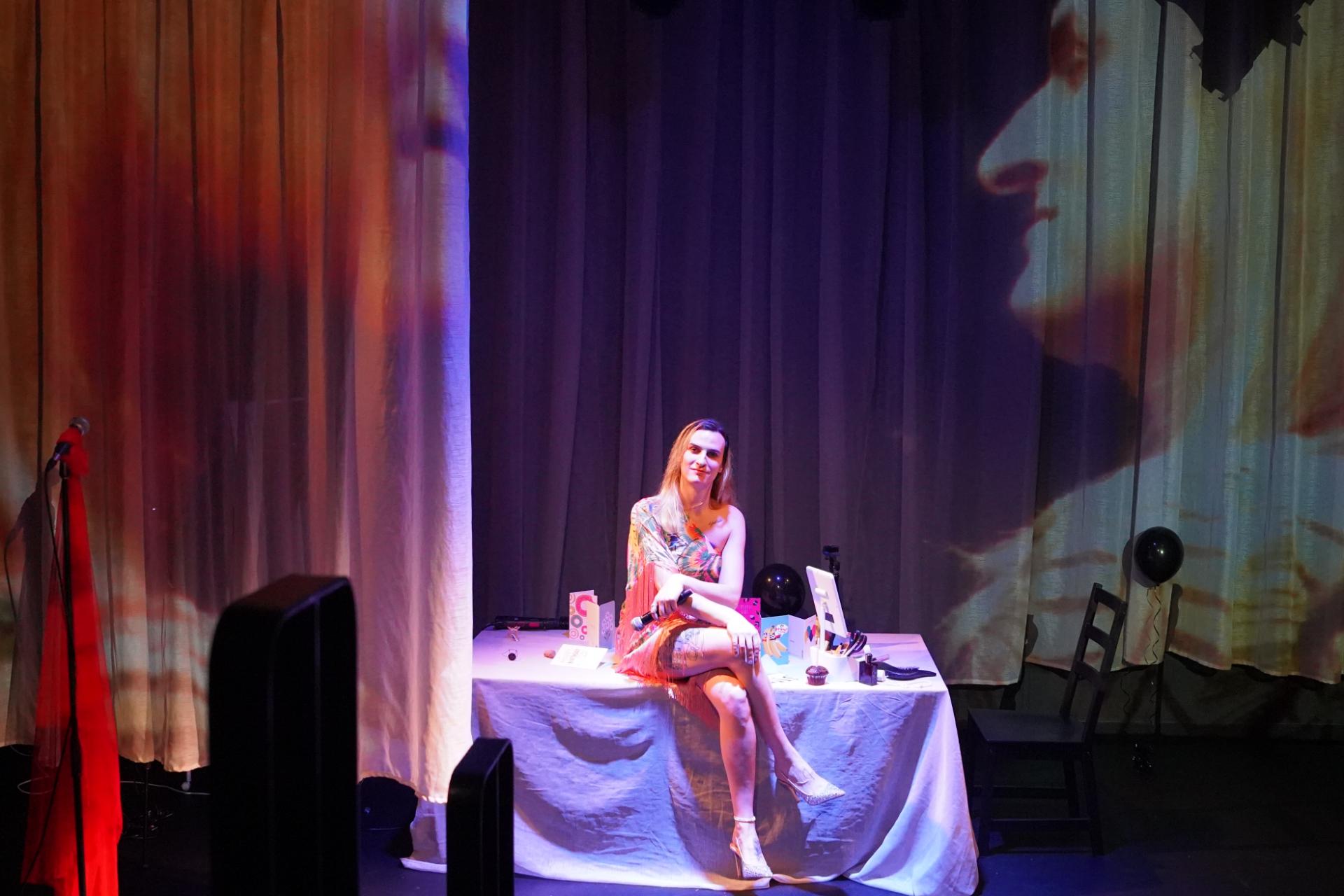
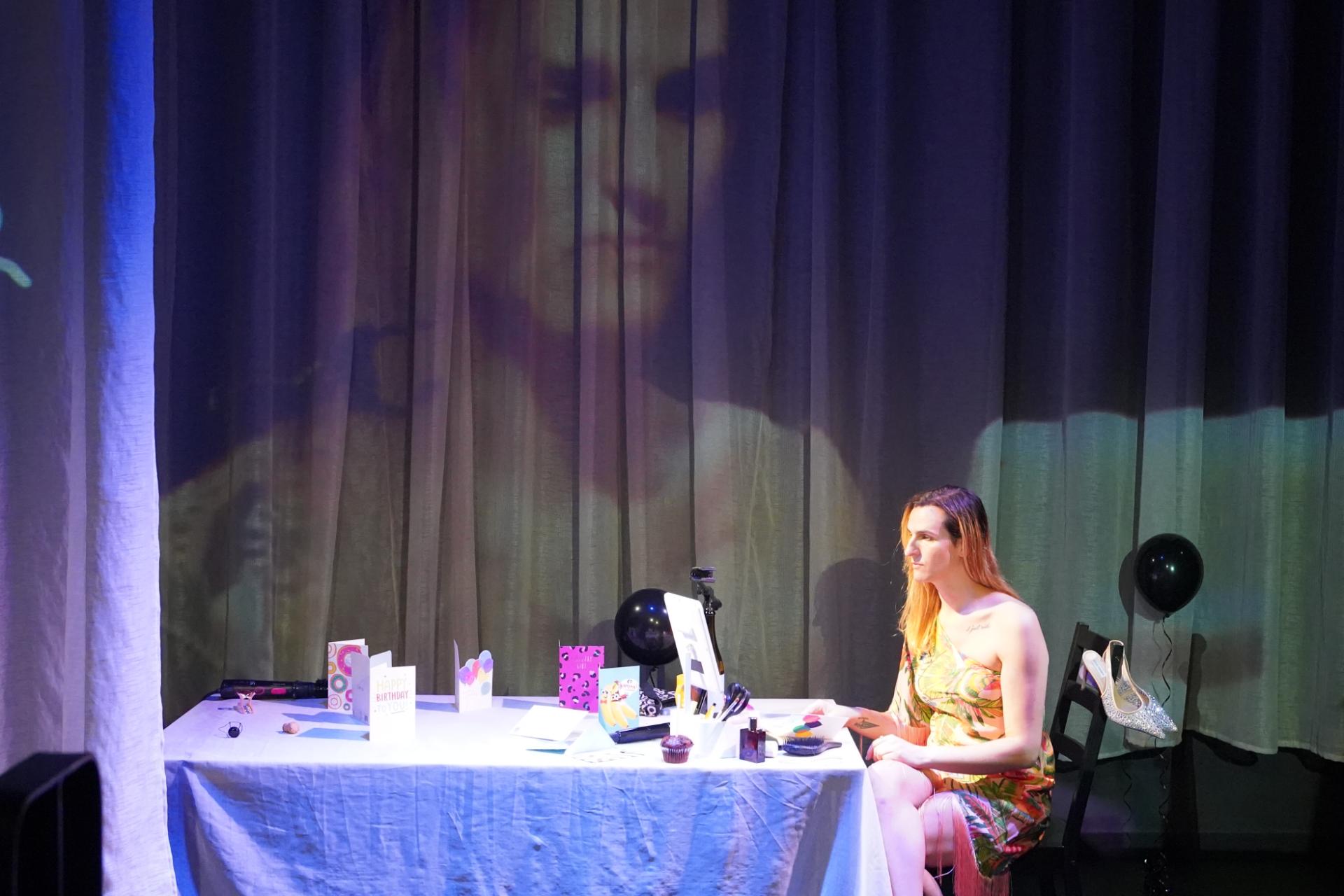
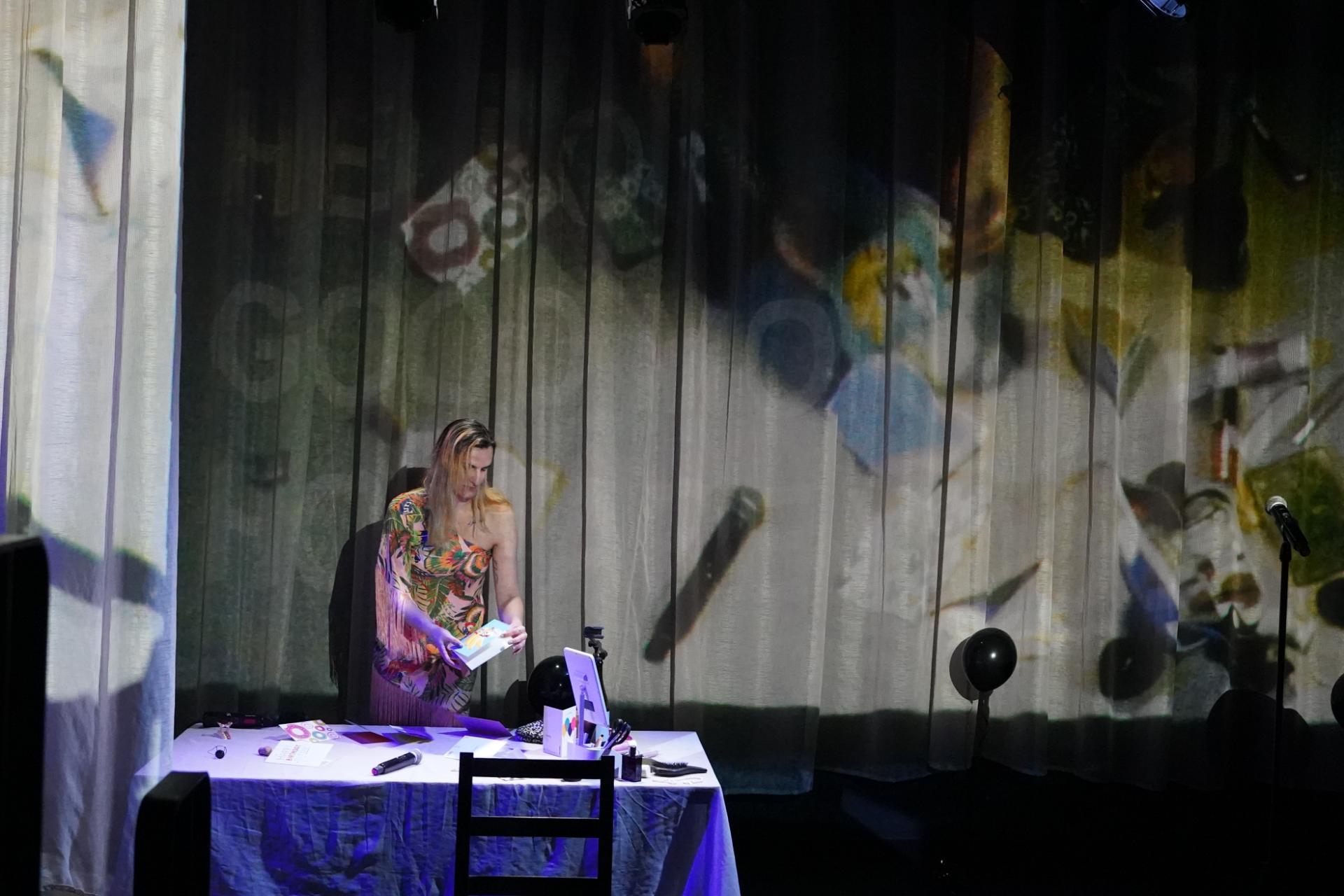
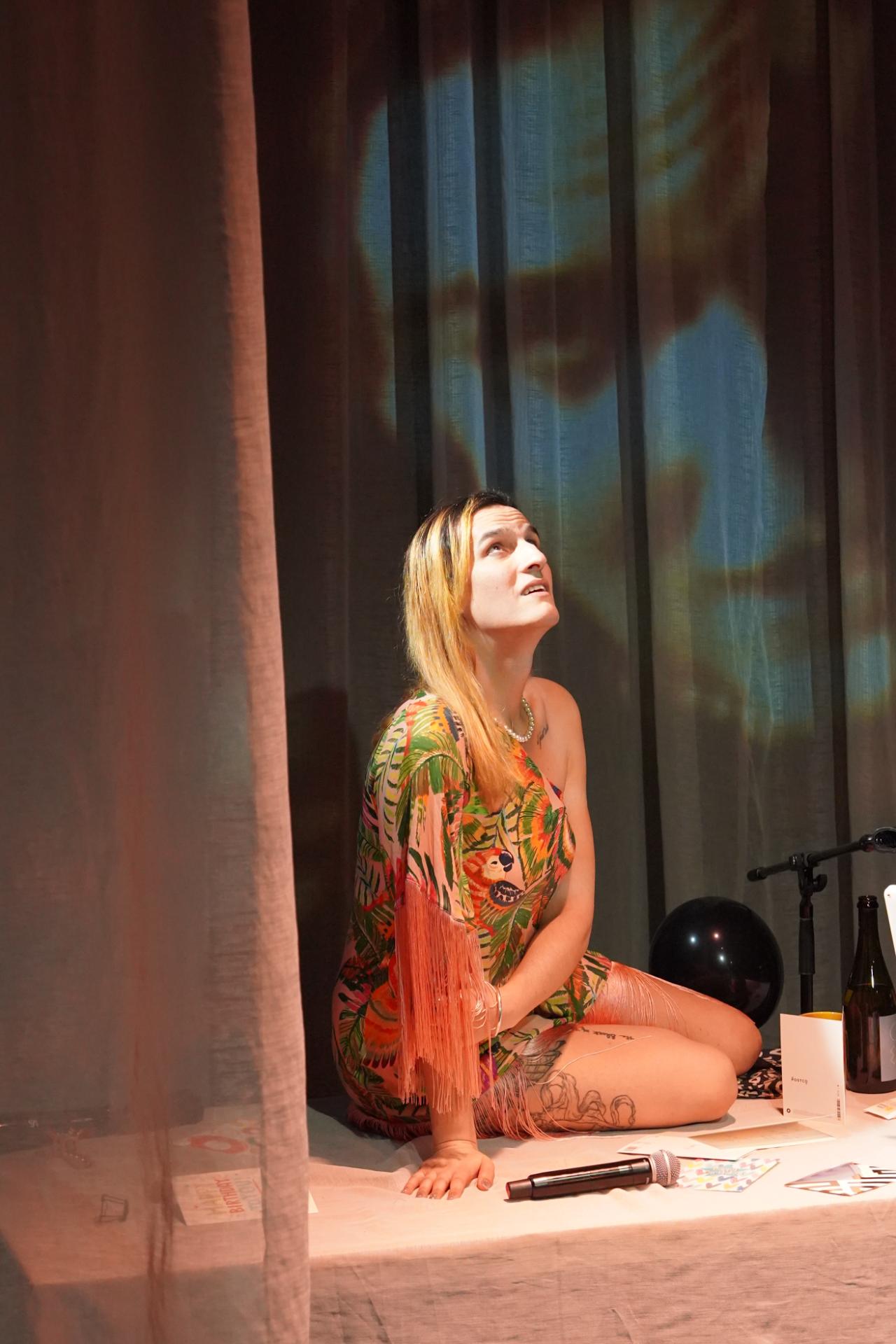
Director Anthony Skuse deserves credit for lending genuine gravity to the melodrama, grounding the characters’ anguish in palpable feeling even when their circumstances lean toward the mundane. The melancholy is further underscored by Layla Phillips’s music, whose interludes coax us into dwelling on the sorrow lurking beneath the festivities. James Smithers’s set, with its carefully appointed timber floor, evokes the familiar atmosphere of outdoor gatherings, though Charlotte Savva’s costumes, while fitting for the archetypes on display, could afford a more heightened theatrical sensibility. Topaz Marlay-Cole’s lighting captures subtle shifts in mood, yet it, too, might benefit from a more finely detailed approach.

The ensemble of ten—augmented by three additional performers as silent waitstaff—delivers performances ranging from adequate to genuinely compelling. Jo Briant as the family friend Carol and Zoran Jevtic as the groom Marek leave the strongest impressions, infusing their roles with an exuberance that feels refreshingly natural. As Hazel, one of the bride’s sisters, Ainslie McGlynn drives the play toward its feverish conclusion with remarkable theatricality, managing to conjure extraordinary moments from a role that the text itself often leaves thinly drawn.
Weddings are, of course, theatre in its most naked form: elaborate productions mounted to legitimise private feeling through public display. Yet as Steel’s play ultimately suggests—and as this production cannot quite overcome—the grandeur of the gesture often outpaces the depth of understanding beneath it. We enact conventions we have inherited but not examined, mistaking volume for truth, spectacle for significance. Till the Stars Come Down offers abundant commotion that resembles drama—shouts, tears, revelations hurled across the timber floor—but commotion alone cannot substitute for insight. The production leaves us with the hollow grandeur of the unrehearsed speech: moving in its immediacy, perhaps, but finally unable to articulate what it truly means to love, to lose, or to gather in the shadow of both.
www.kingsxtheatre.com | www.secrethouse.com.au

Review: Phantom Of The Opera (Opera Australia)

Venue: Handa Opera on Sydney Harbour (Sydney NSW), Mar 27 – May 3, 2026
Book: Richard Stilgoe, Andrew Lloyd Webber (based on the novel by Gaston Leroux)
Music: Andrew Lloyd Webber
Lyrics: Charles Hart
Director: Simon Phillips
Cast: Melody Beck, Daniel Belle, Brent Hill, Debora Krizak, Michael Lampard, Amy Manford, Jayme Jo Massoud, Giuseppe Grech, Martin Crewes, Darcy Carroll, Andrew Dunne, Jarrod Draper, Jake Lyle, Lachlan O’Brien, Daniel Tambasco, Raphael Wong
Images by Hamilton Lund

Theatre review
It is Christine who possesses the talent, yet in The Phantom of the Opera, her destiny remains perpetually subject to the machinations of theatre owners, a vicomte, and a spectre. Andrew Lloyd Webber’s musical adaptation turns forty this year, and while its signature numbers still soar with a kind of transcendental bombast, the narrative itself has only grown more intractable with time—more difficult to admire, and certainly more difficult to love.

Director Simon Phillips offers a stylistic refresh that leans into the show’s signature kitsch, yet does little to render the story palatable for contemporary audiences. Set and costume designer Gabriela Tylesova injects vibrancy and grandiosity into the staging, while Nick Schlieper’s lighting conjures a melodrama commensurate with the heightened emotional register of the score. Guy Simpson’s musical supervision supplies the requisite intensity, capturing the ear with its unrelenting theatrical force. Less successful are the few video projections, which lapse into a digital garishness that even the production’s embrace of deliberate artifice cannot excuse.

As Christine, Amy Manford strikes a suitably delicate figure, commendable for conjuring flickers of strength within a character painfully starved of autonomy. Jake Lyle brings a convincingly tormented quality to the Phantom, while Jarrod Draper cuts an unmistakably dashing figure as Raoul, the Vicomte de Chagny.

In the world of The Phantom of the Opera, misery proves the true universal—a fitting consequence, perhaps, of the patriarchal hegemonies that structure its every interaction. Whether one is behind the scenes pulling strings or centre stage in the spotlight, satisfaction remains elusive. The struggle for power yields only its accumulation by a few, yet the broader exercise of domination and subjugation yields nothing, in the end, but agony.

www.opera.org.au

Review: Contest (Flight Path Theatre)

Venue: Flight Path Theatre (Marrickville NSW), Nov 17 – 28, 2026
Playwright: Emilie Collyer
Director: Kirsty Semaan
Cast: Melissa Jones, Willa King, Suz Mawer, Emma Monk, Lana Morgan
Images by Phil Erbacher

Theatre review
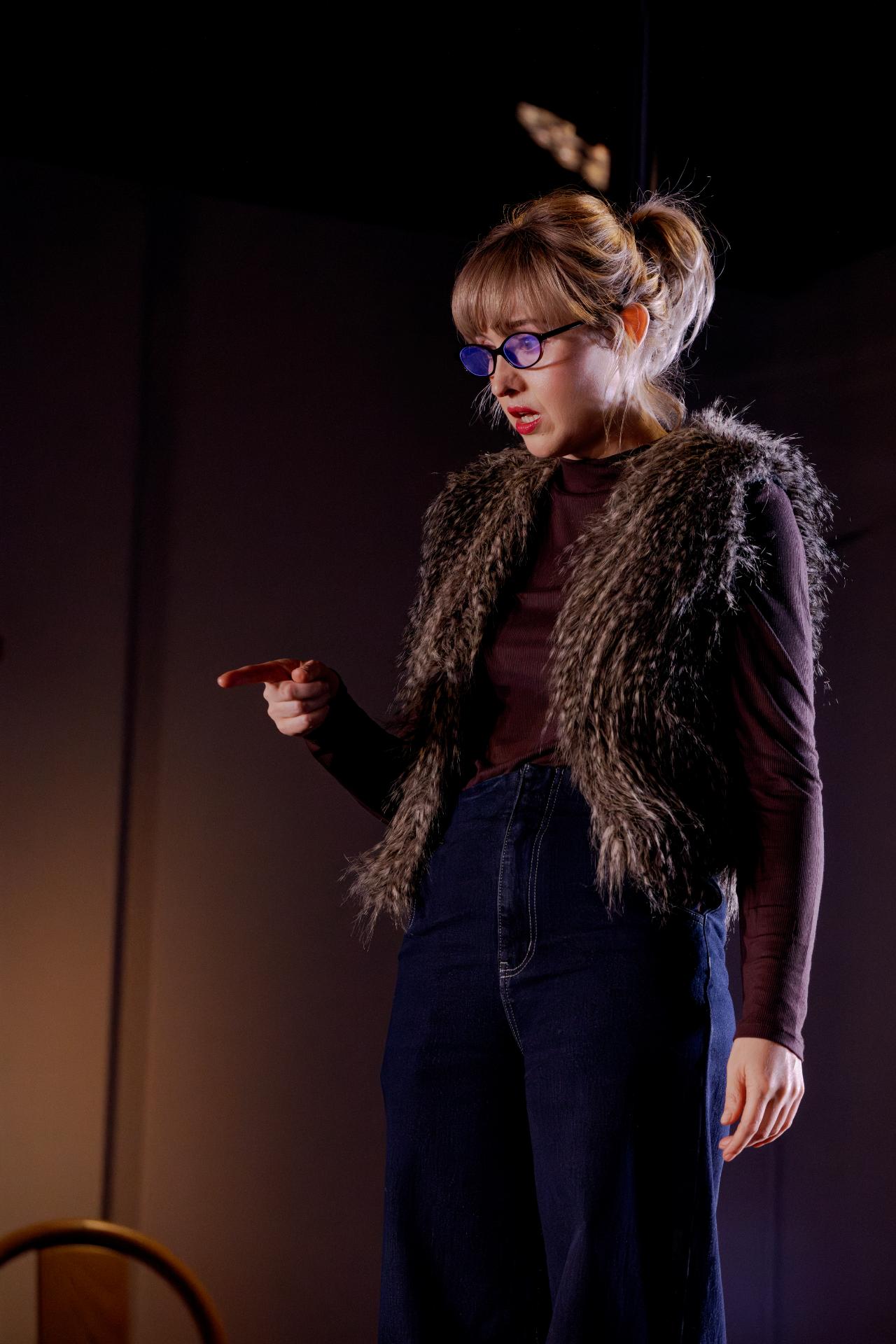
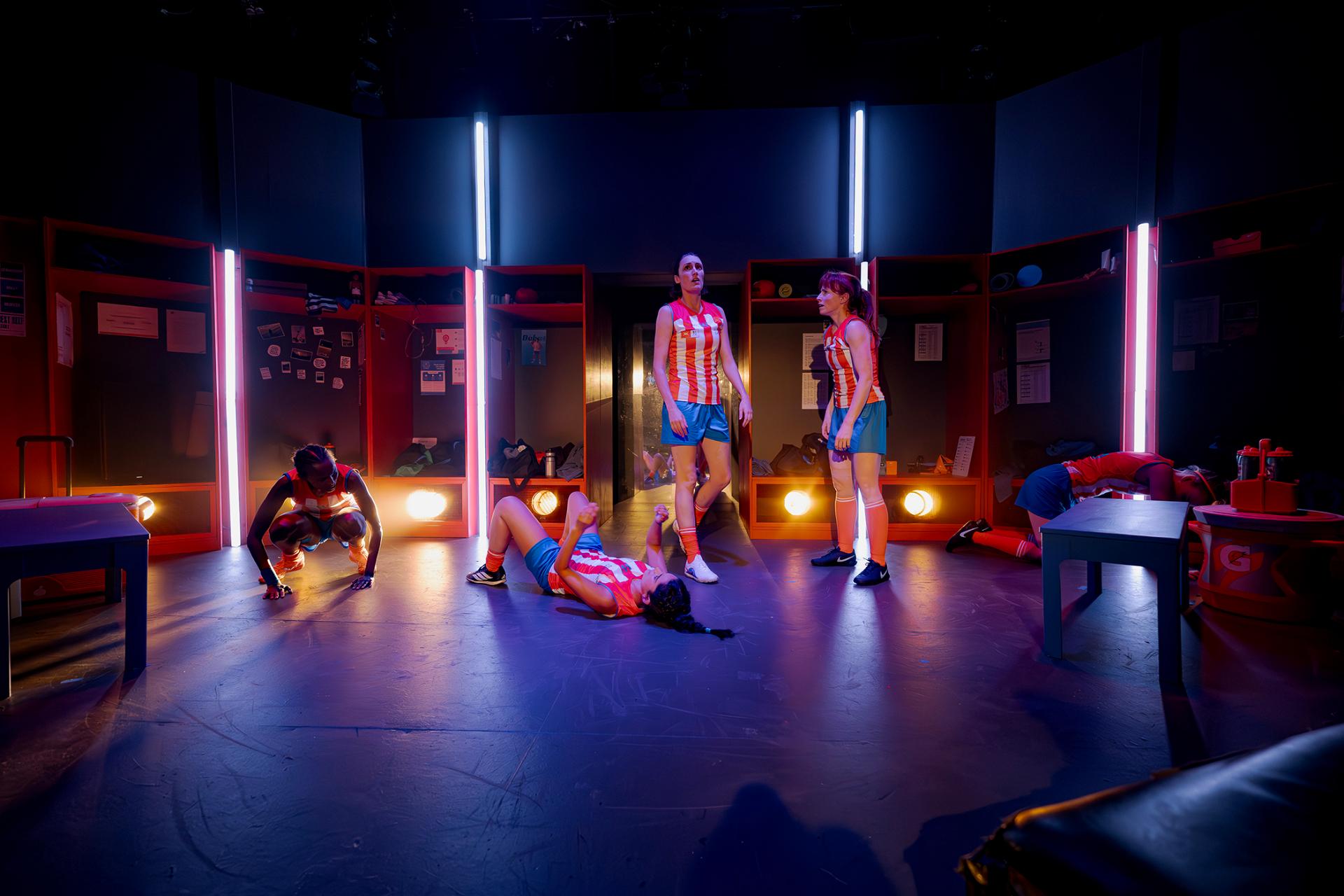
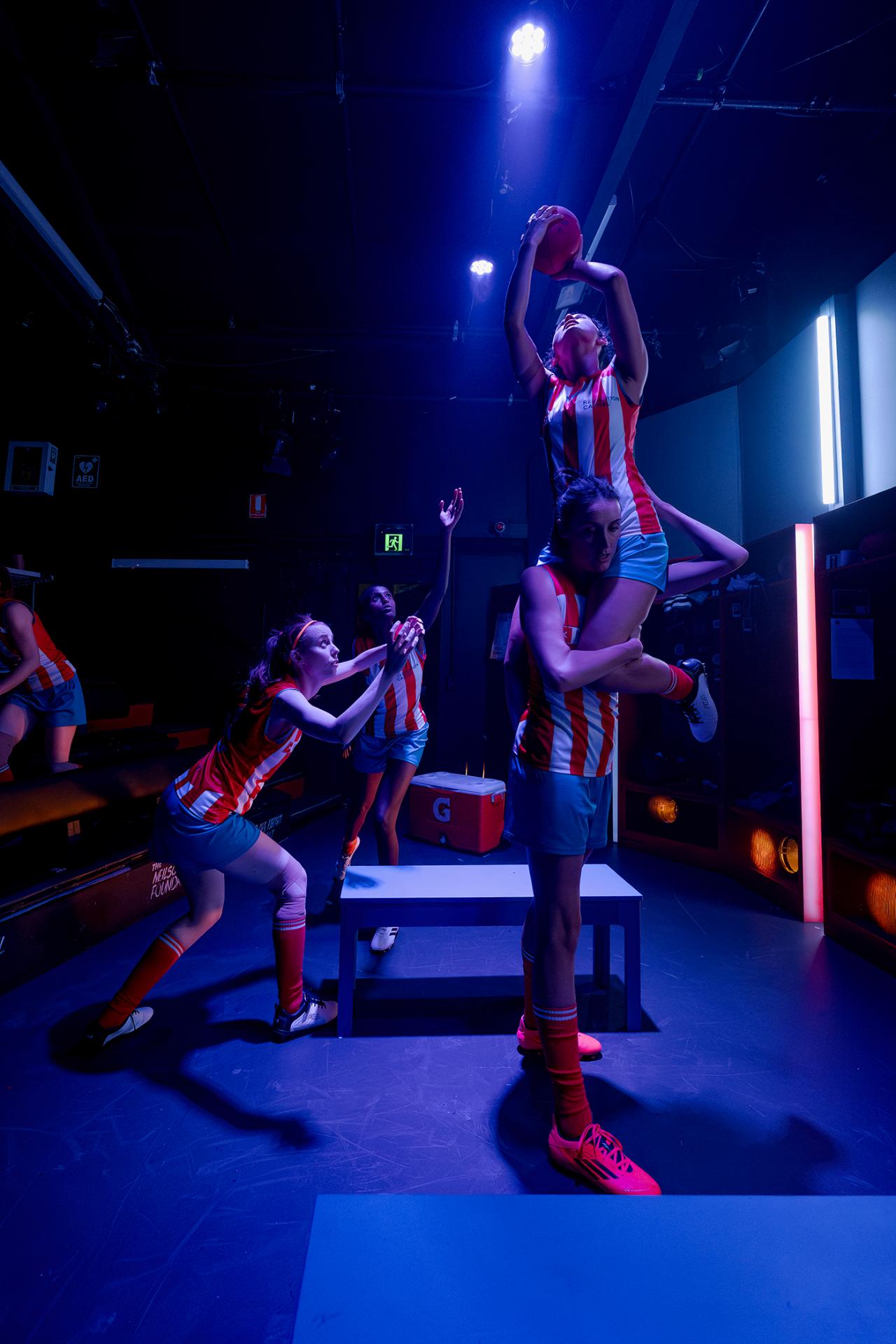
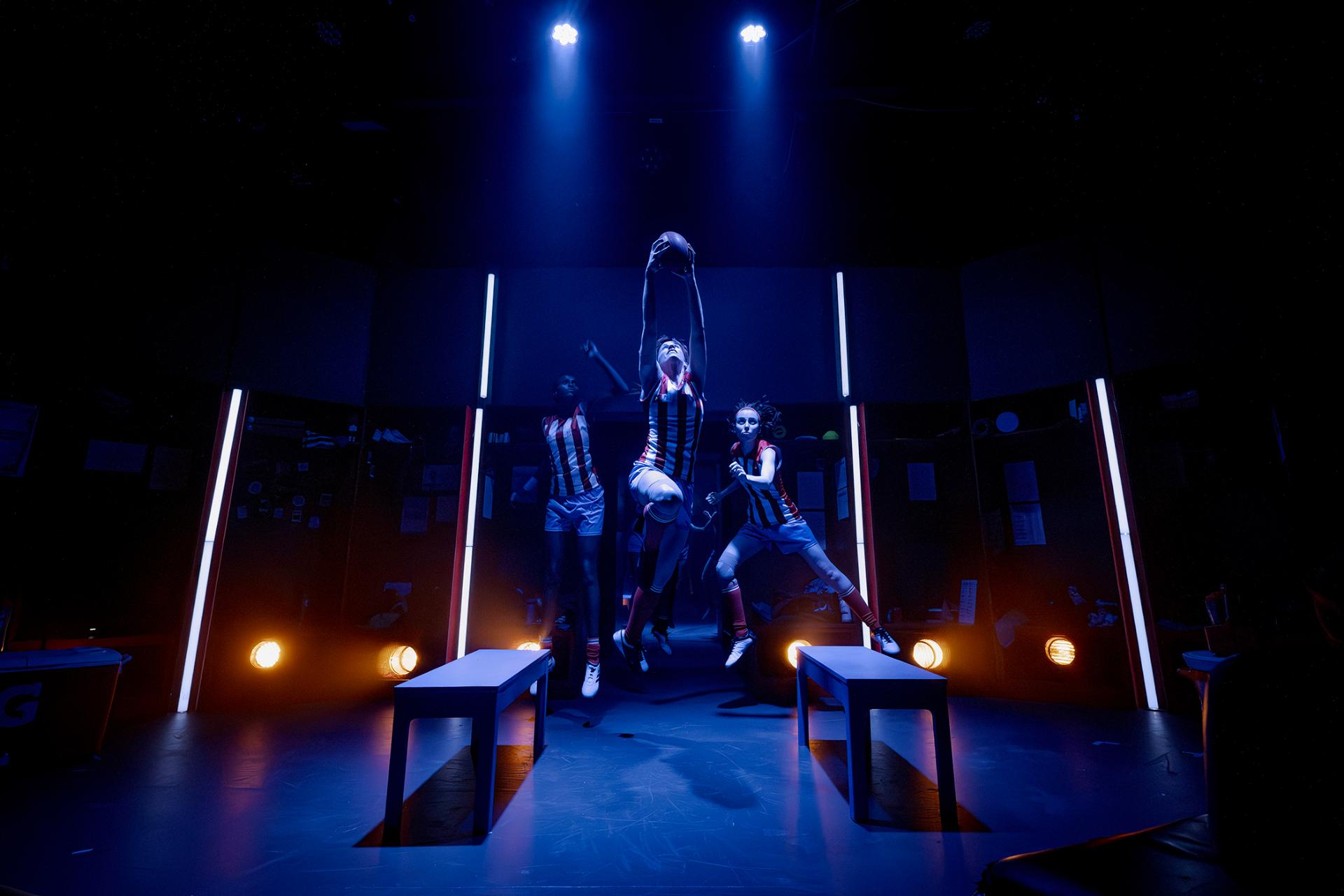
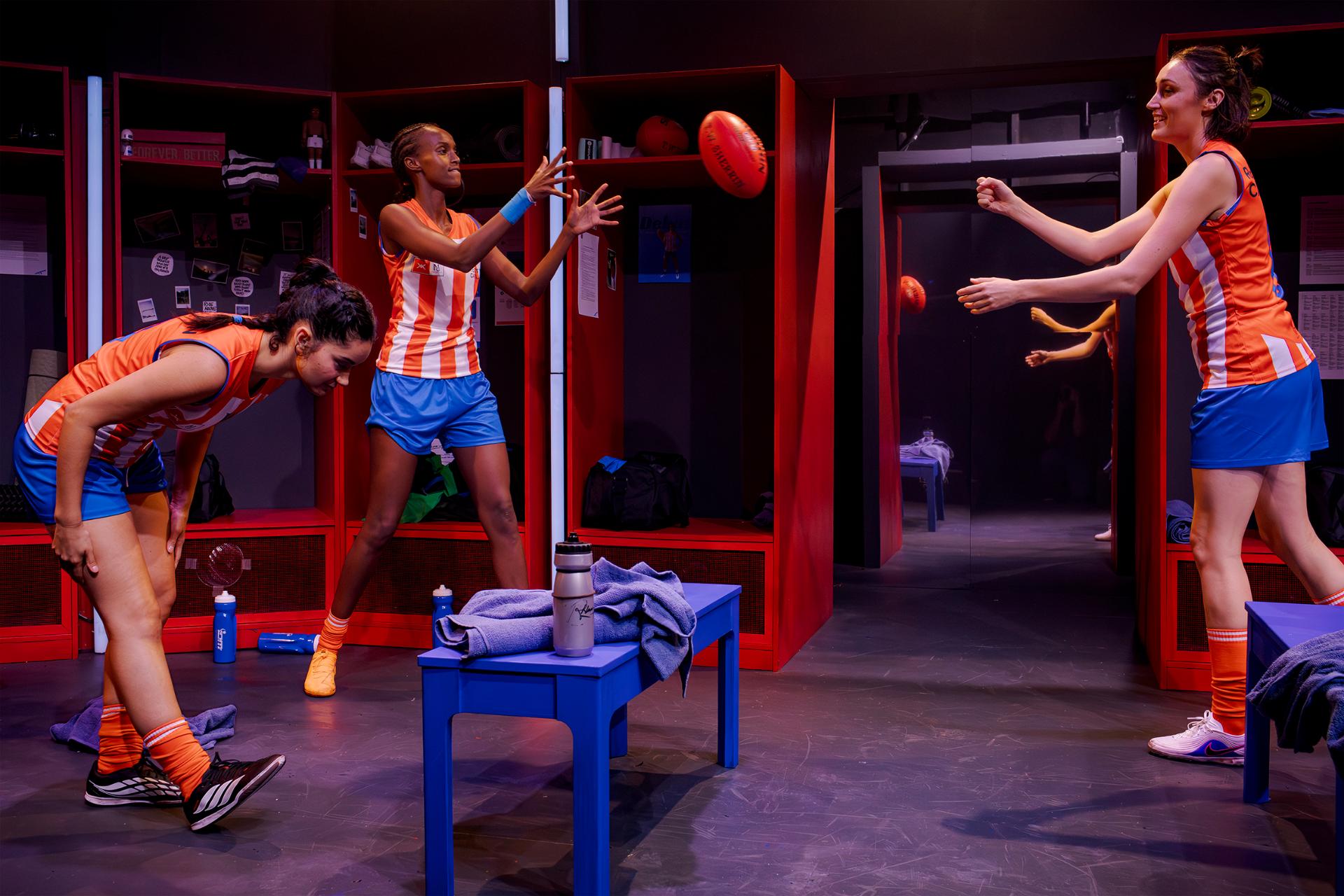
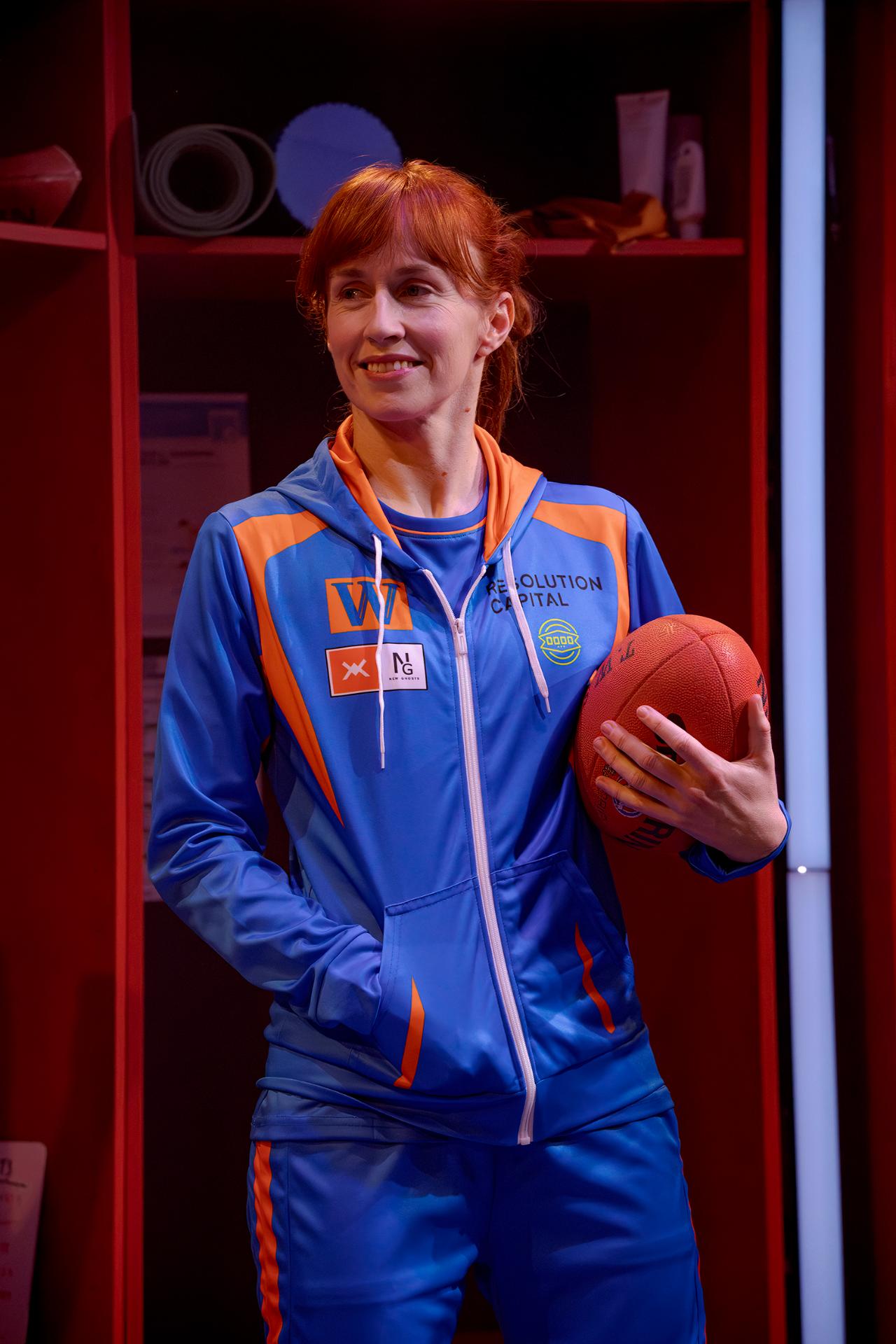
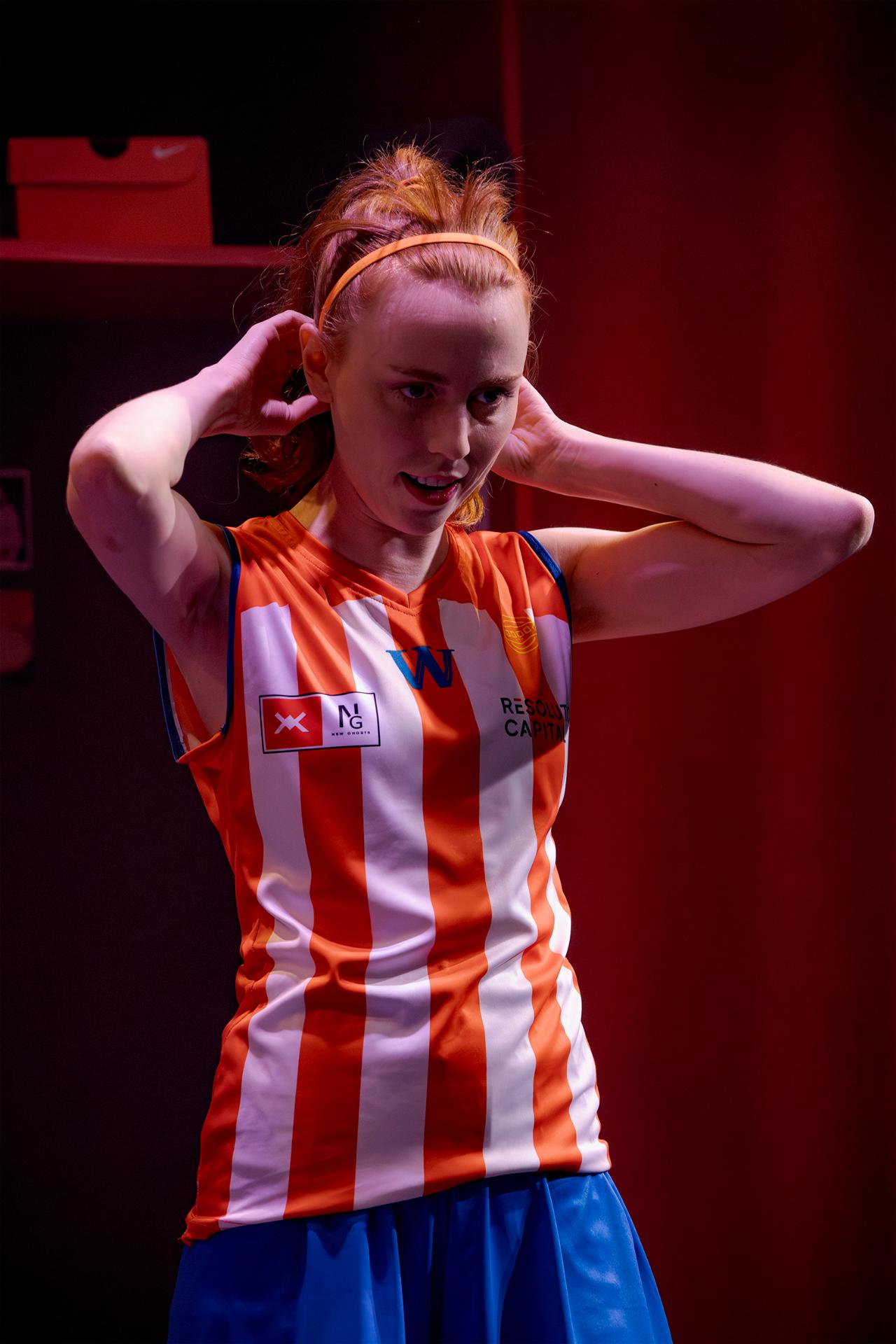
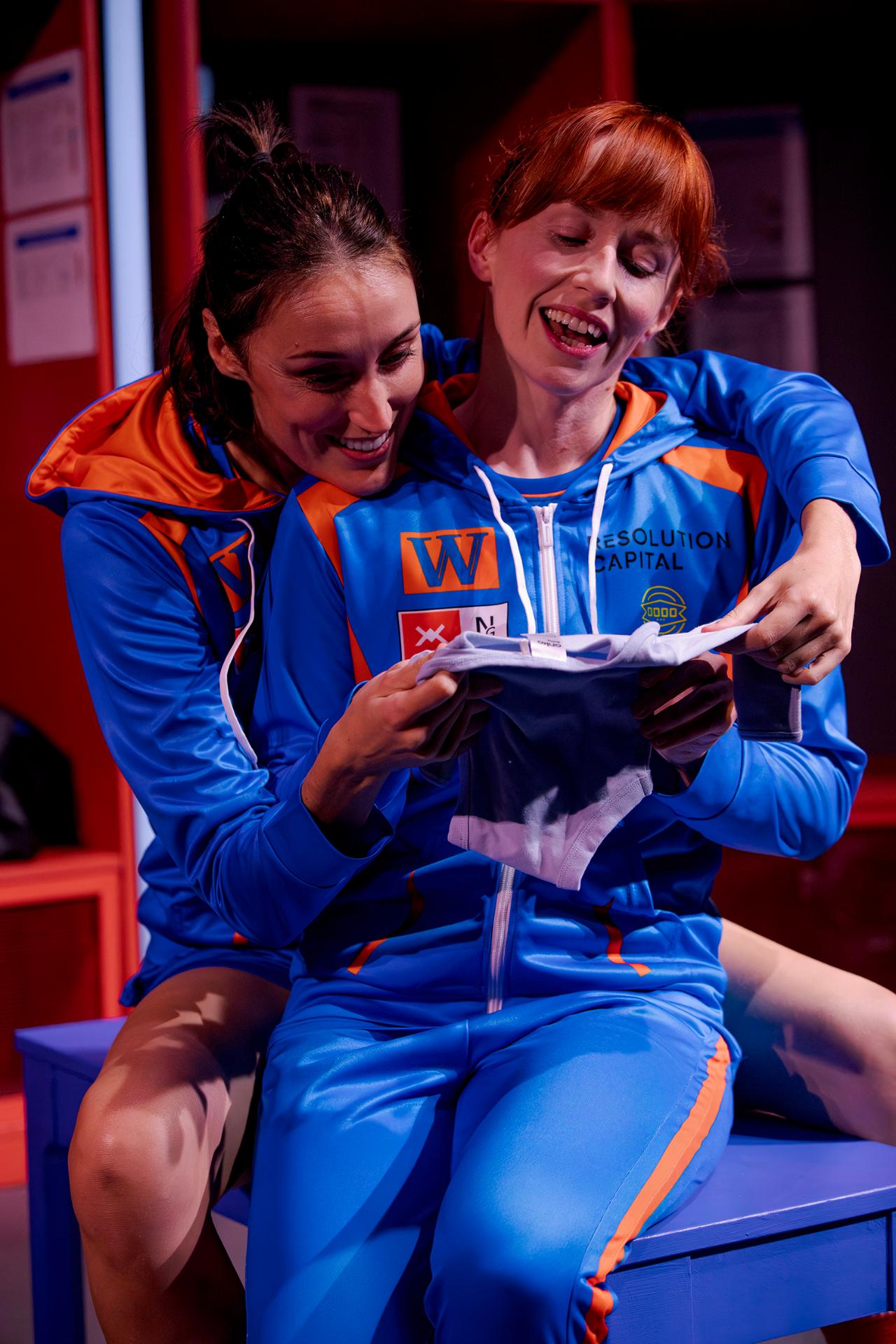
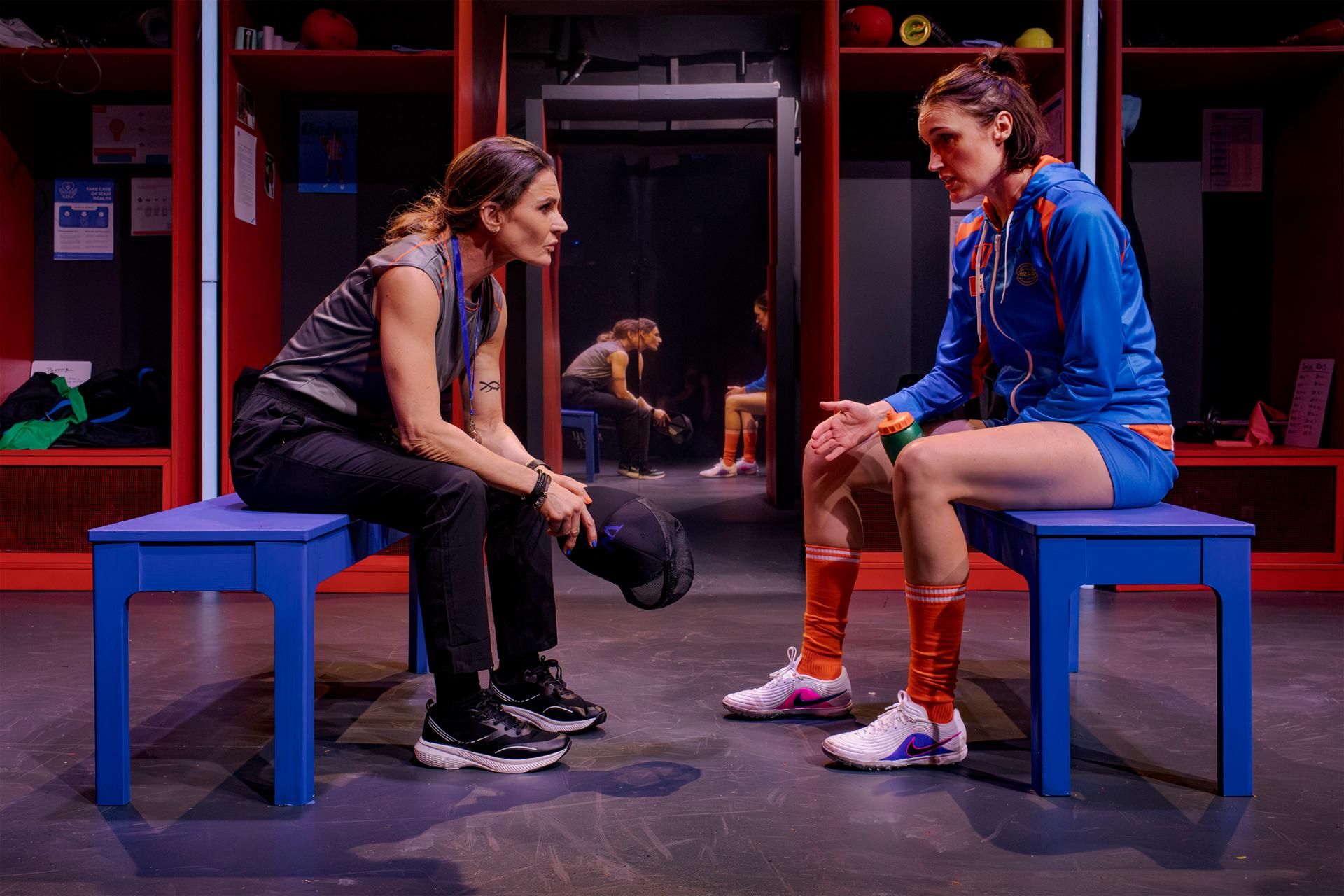
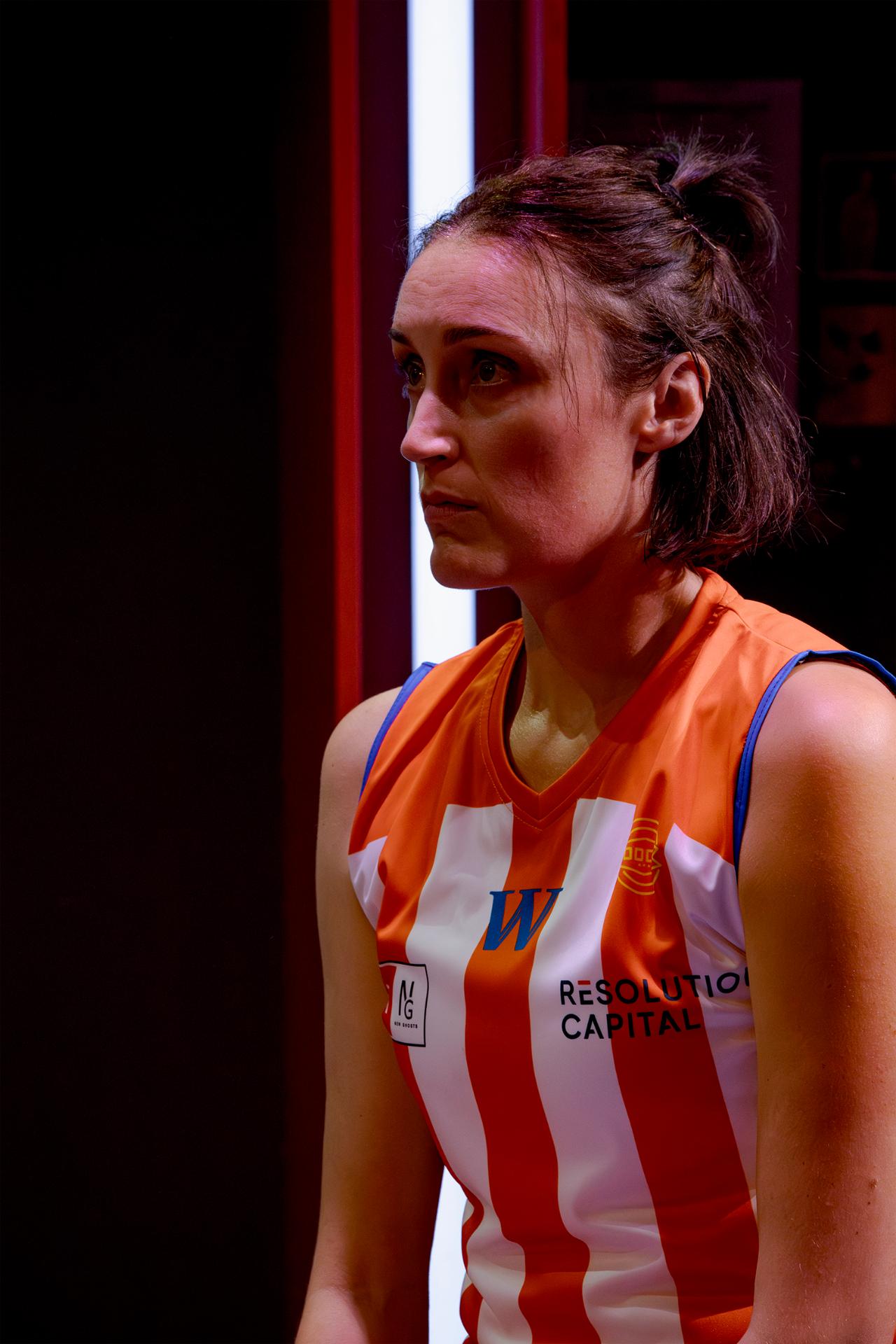
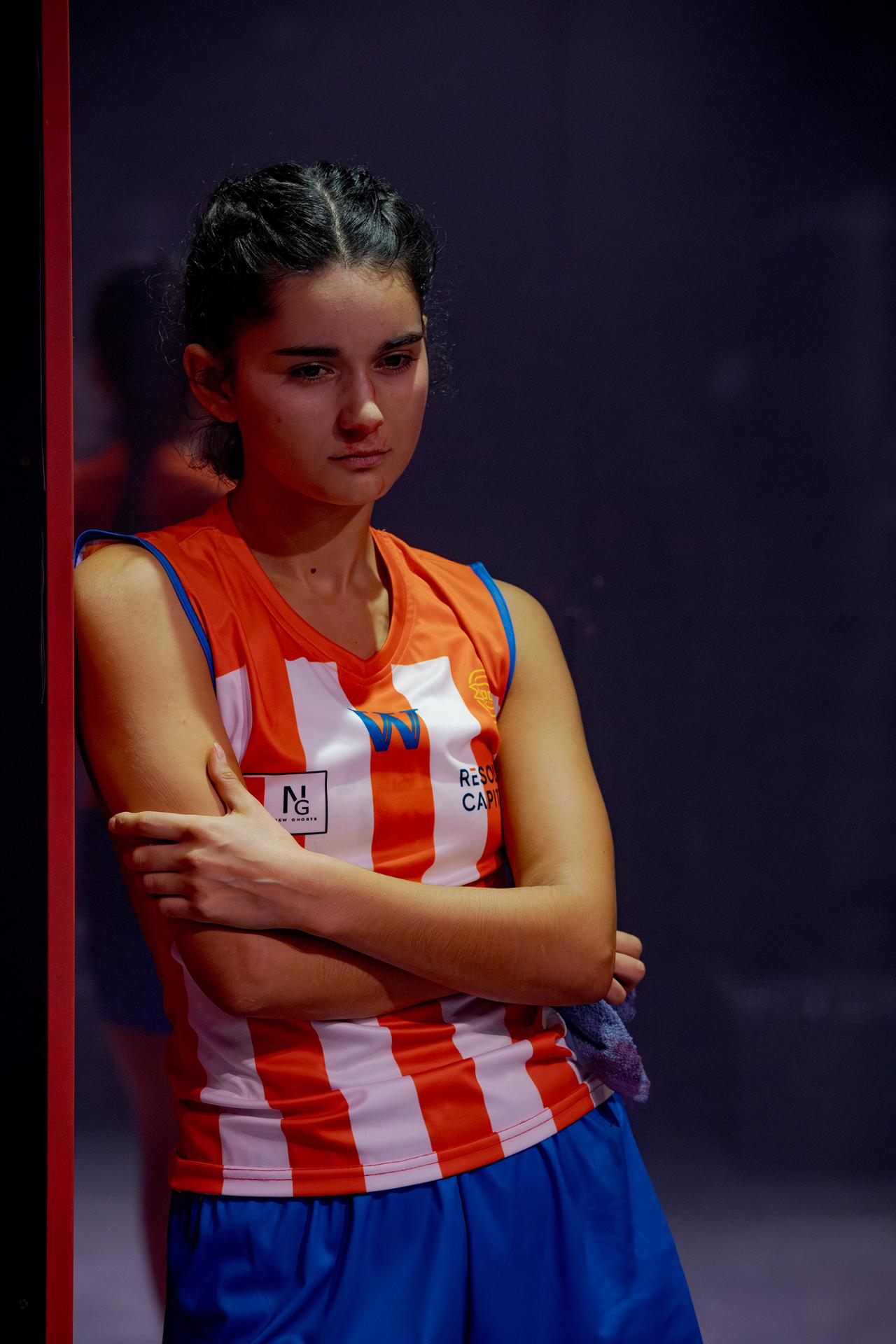
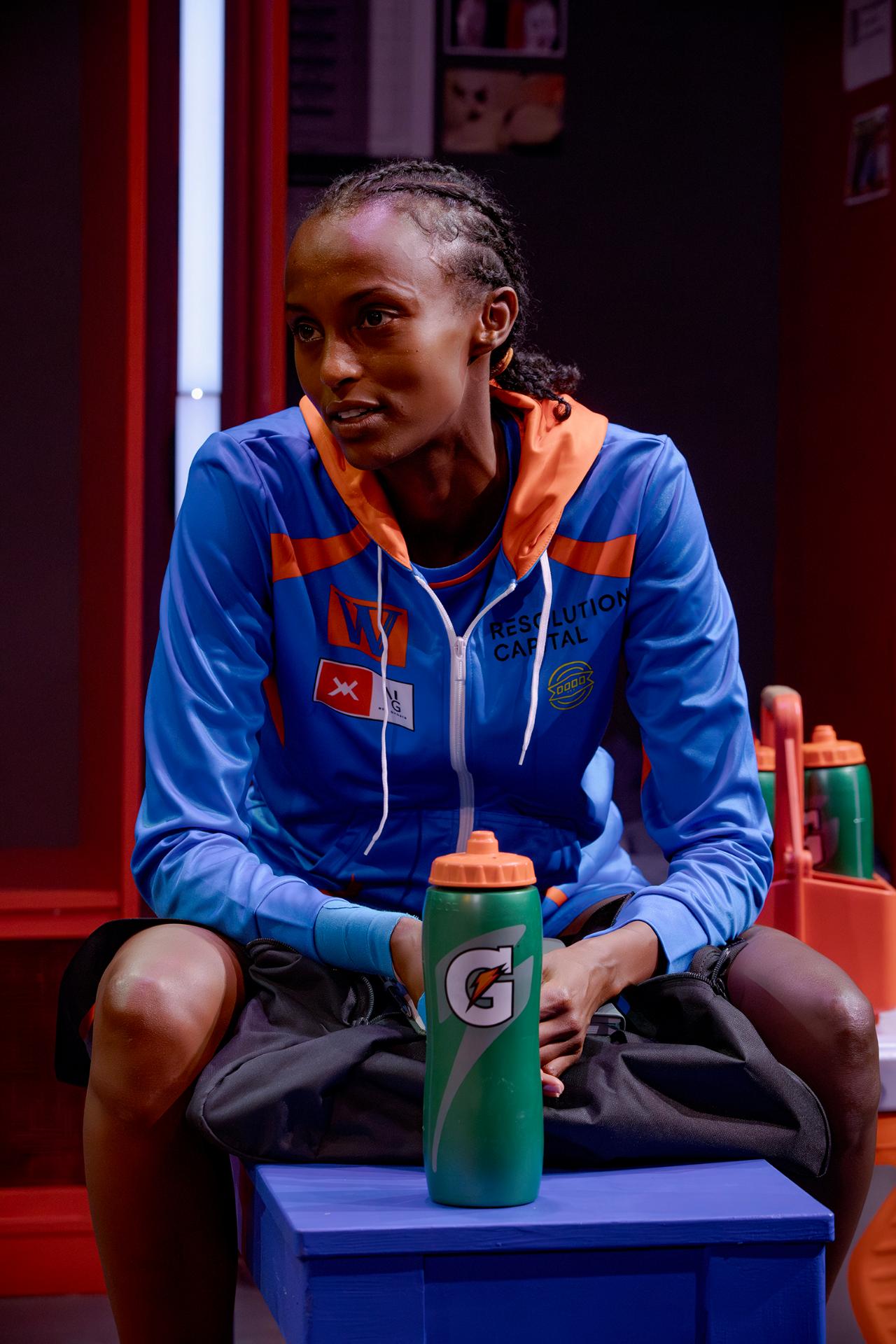
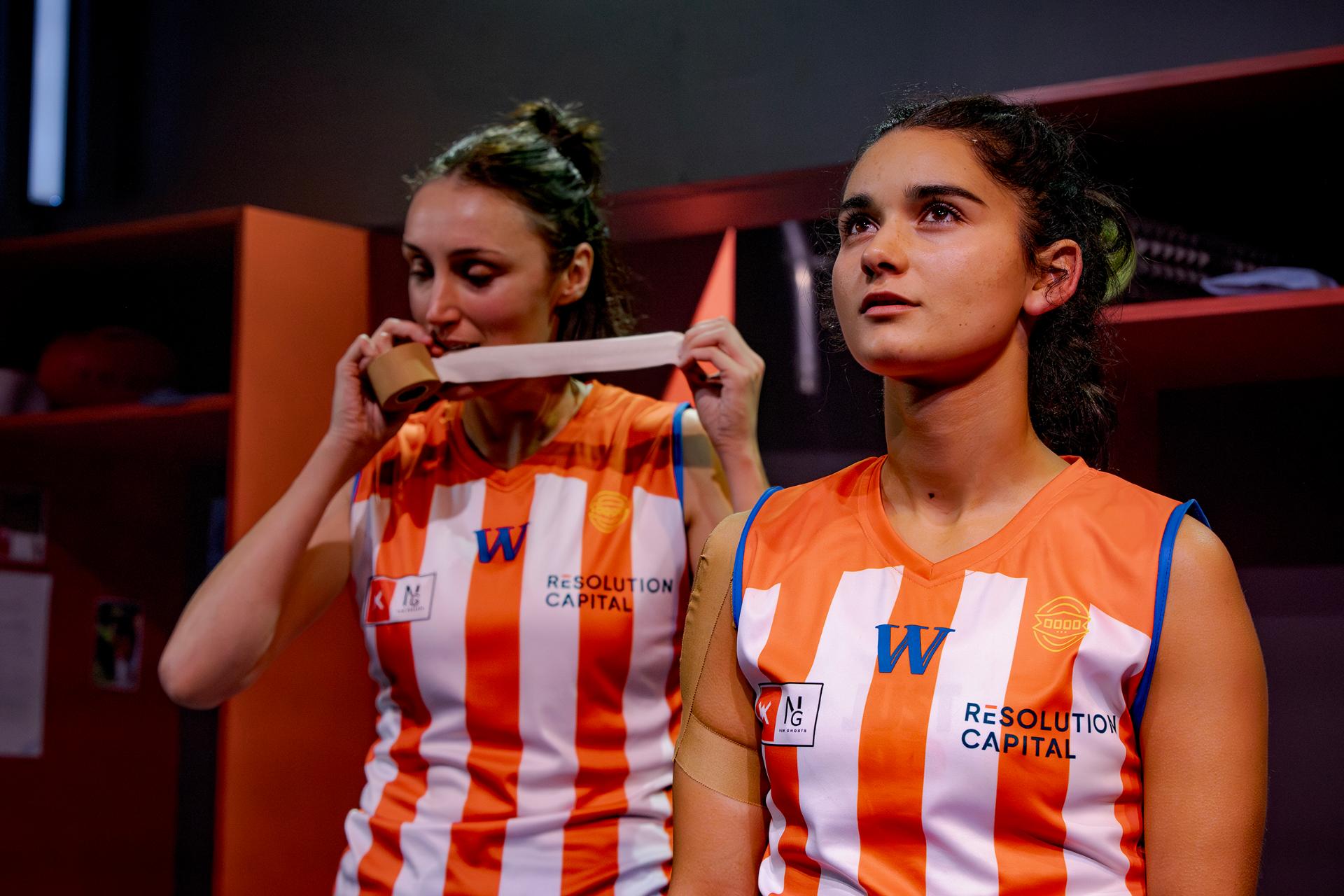
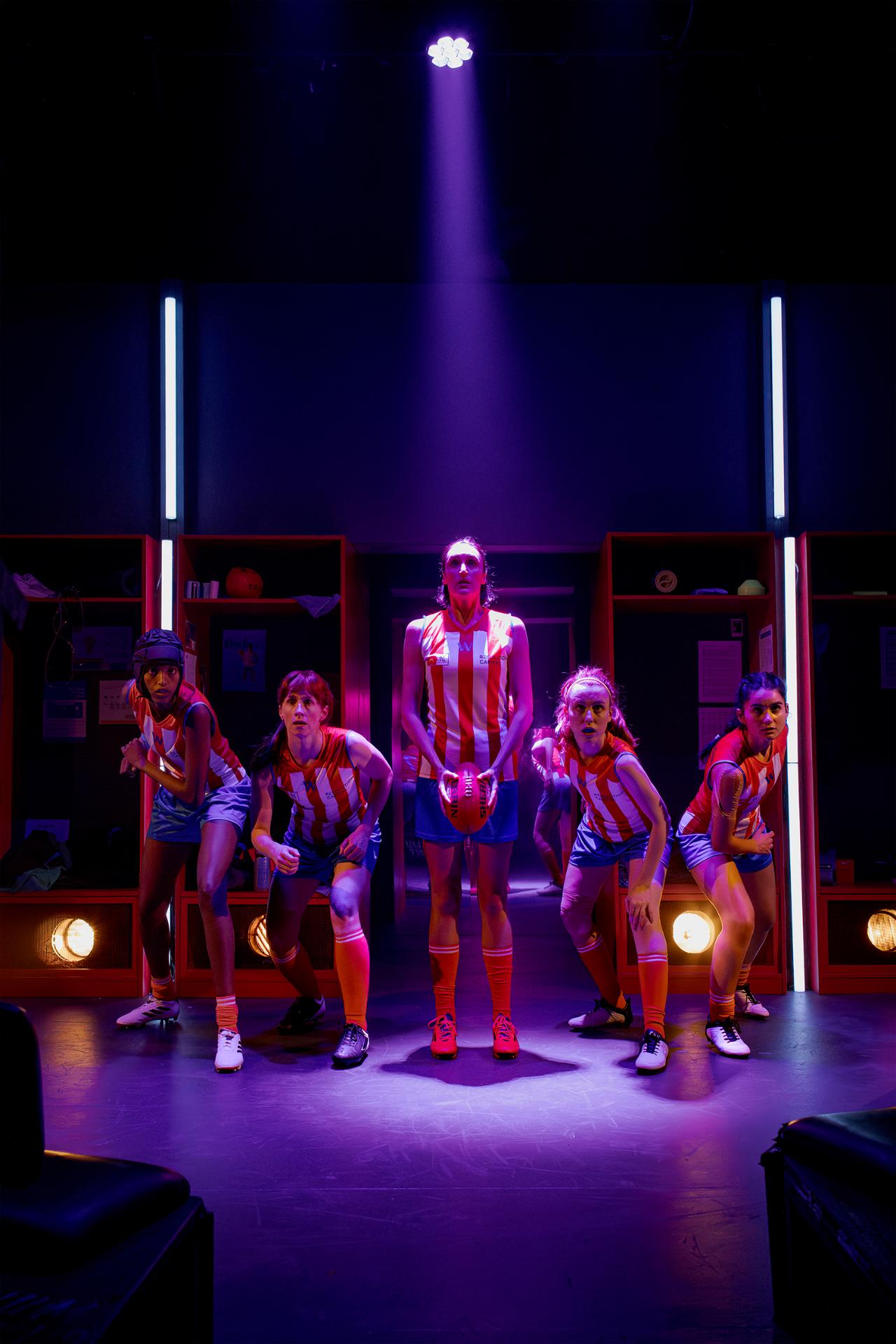
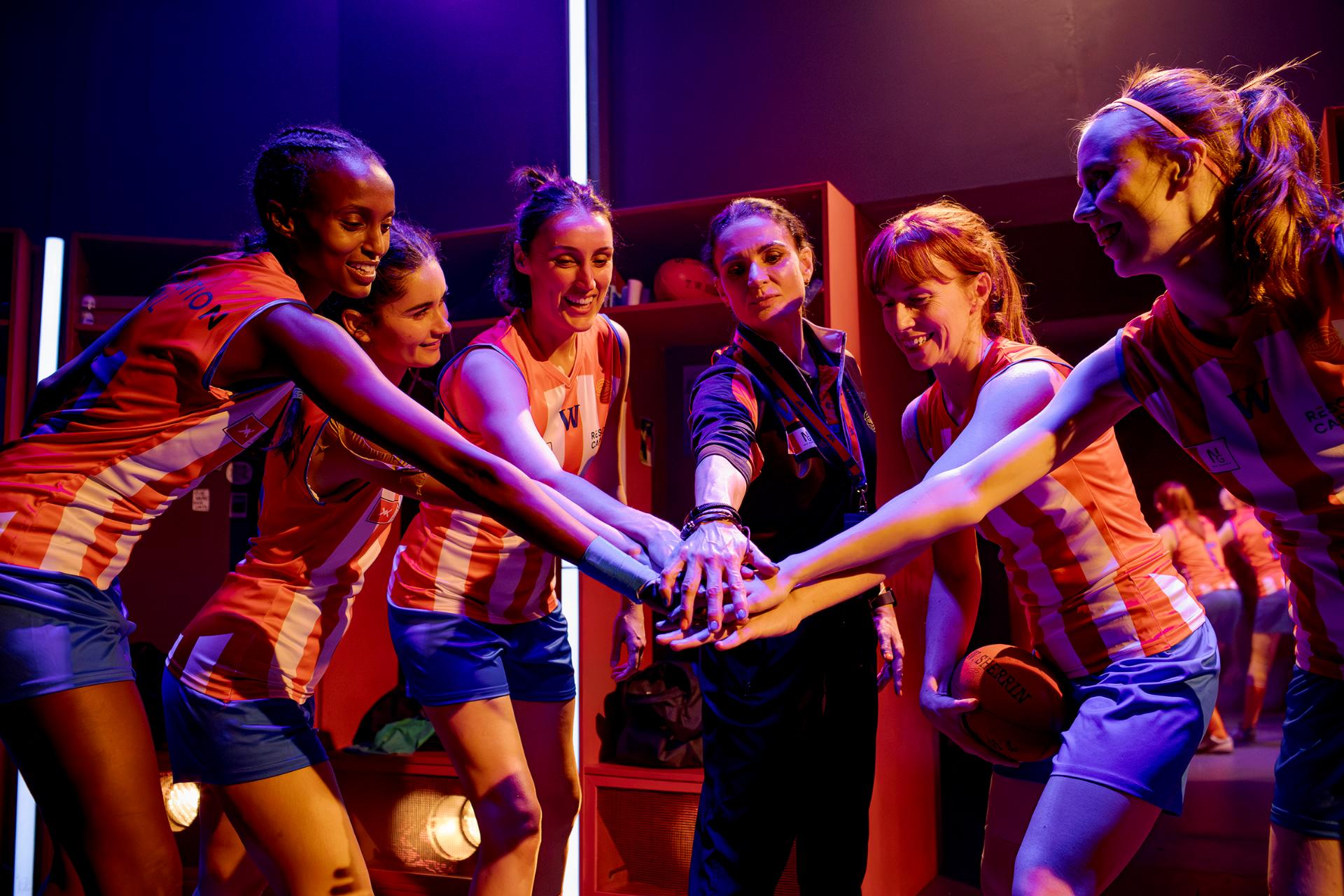
A group of recreational netball players convene for what appears, on the surface, to be a routine sporting engagement. Yet beneath the veneer of physical exertion lies a more profound undertaking: the deliberate cultivation of social bonds and a shared space for processing emotional turmoil. Though they may seem an unlikely cohort, these women gather with an unspoken recognition that loneliness is a condition to be actively, even consciously, resisted. This premise, rich with dramatic potential, forms the foundation of Emilie Colyer’s new play, Contest.

The work opens with promise, gesturing toward a meaningful exploration of female solidarity in an atomised world. However, as the evening unfolds, the initial intrigue gives way to a fundamental structural disappointment. The piece is composed of a series of vignettes that feel more like fleeting, disconnected confessions than a coherent dramatic narrative. Lacking a compelling throughline or sufficient character development to anchor our investment, the scenes accumulate without resonance, preventing the play from ever achieving the connective tissue it so desperately seeks.
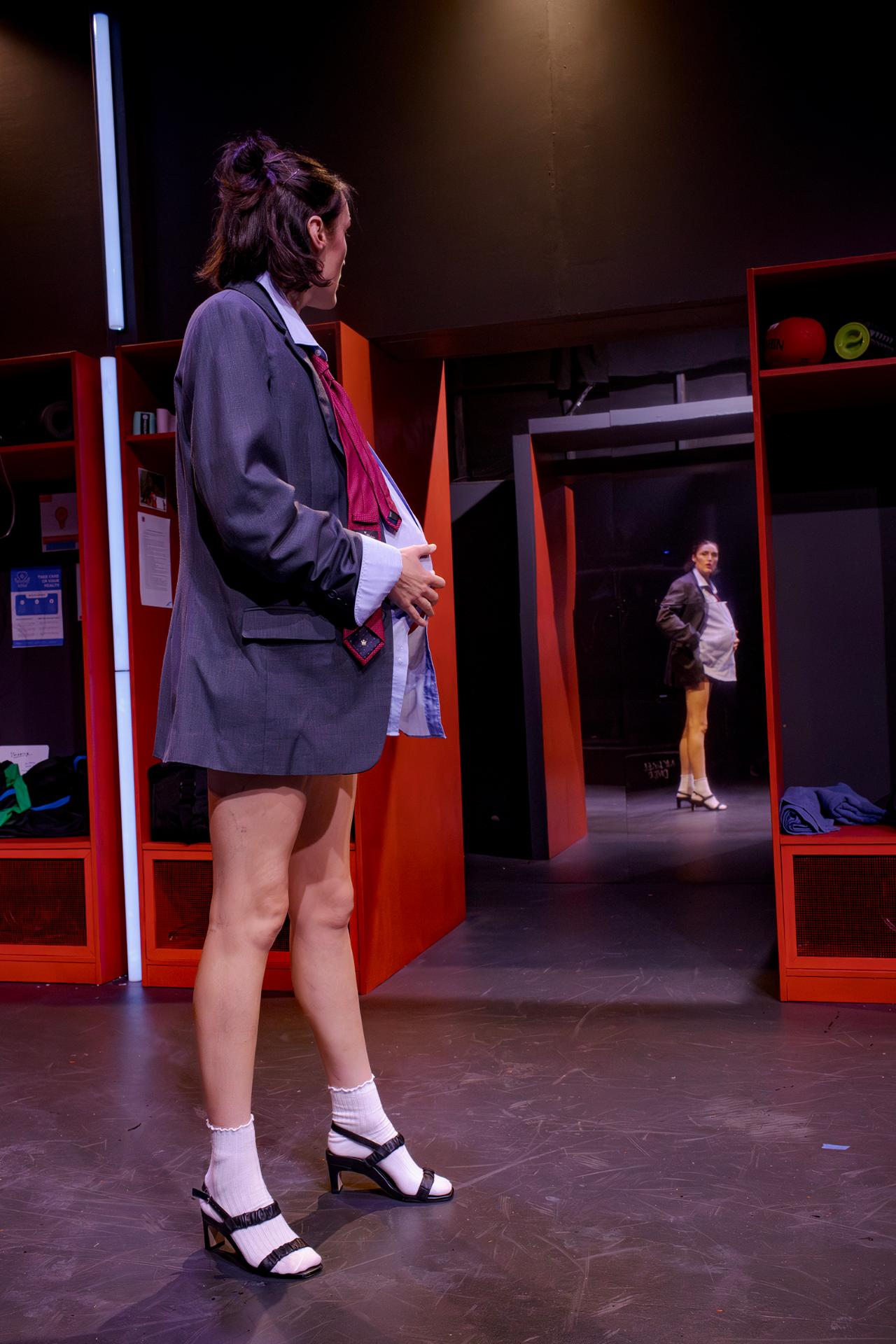
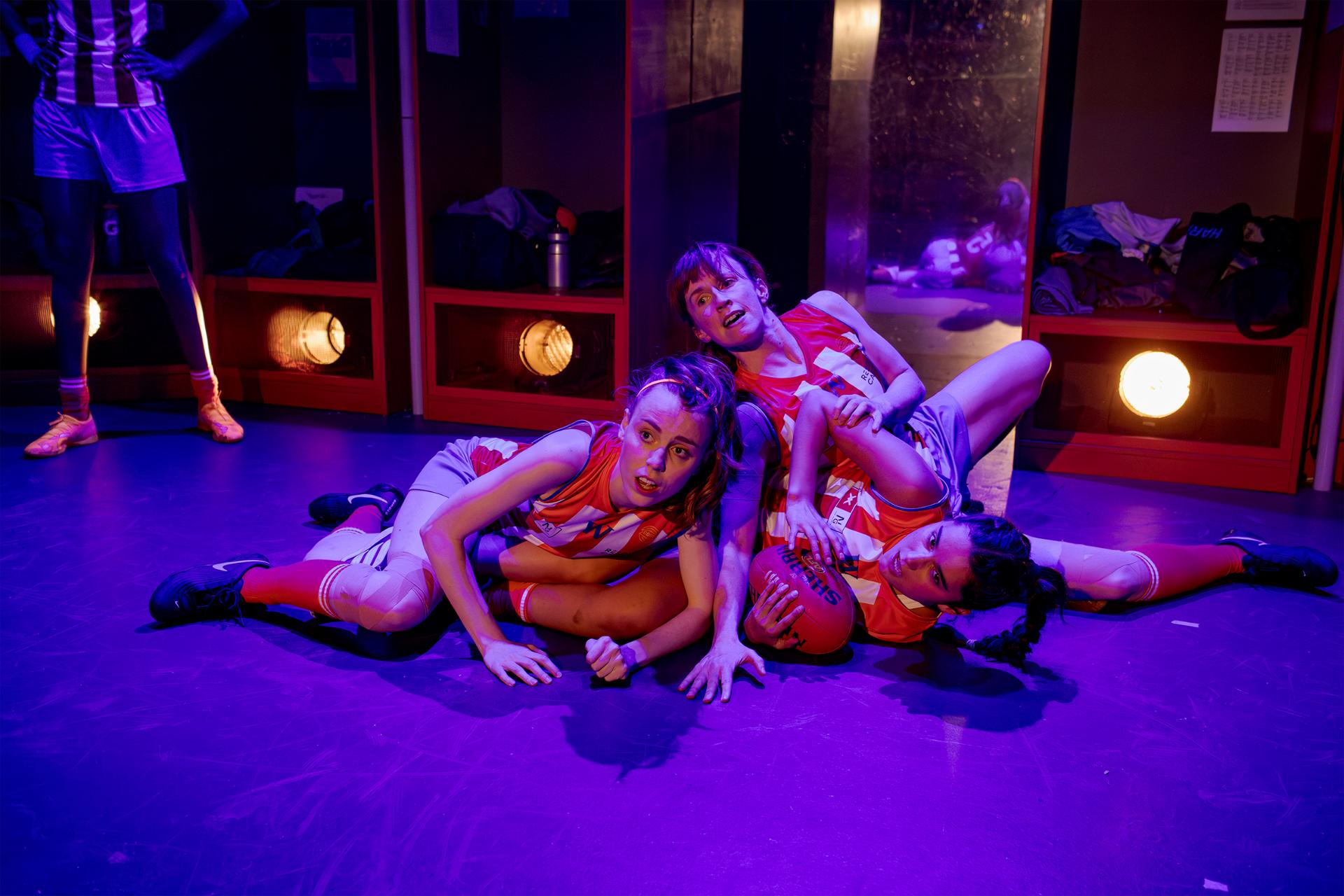
While the writing itself may falter, the production elements strive to inject vitality into the proceedings. Kirsty Semaan’s direction ensures a certain visual and spatial vibrancy, and her collaboration with movement director Amelia Pawsey generates enough kinetic energy on stage to momentarily divert the eye. Yet these bursts of physical dynamism often ring hollow, feeling like choreographed diversions from a text that fails to provide substantial grounding. The exercise, for all its motion, frequently feels empty at its core.
A notable exception is Charlotte Leamon’s sound design, which emerges as a genuine highlight. Leamon’s work deftly seizes every opportunity to underscore mood and subtext, injecting texture and atmosphere into what might otherwise be an entirely staid affair. It is a sensitive and resourceful aural landscape that breathes life into the production’s quieter corners.

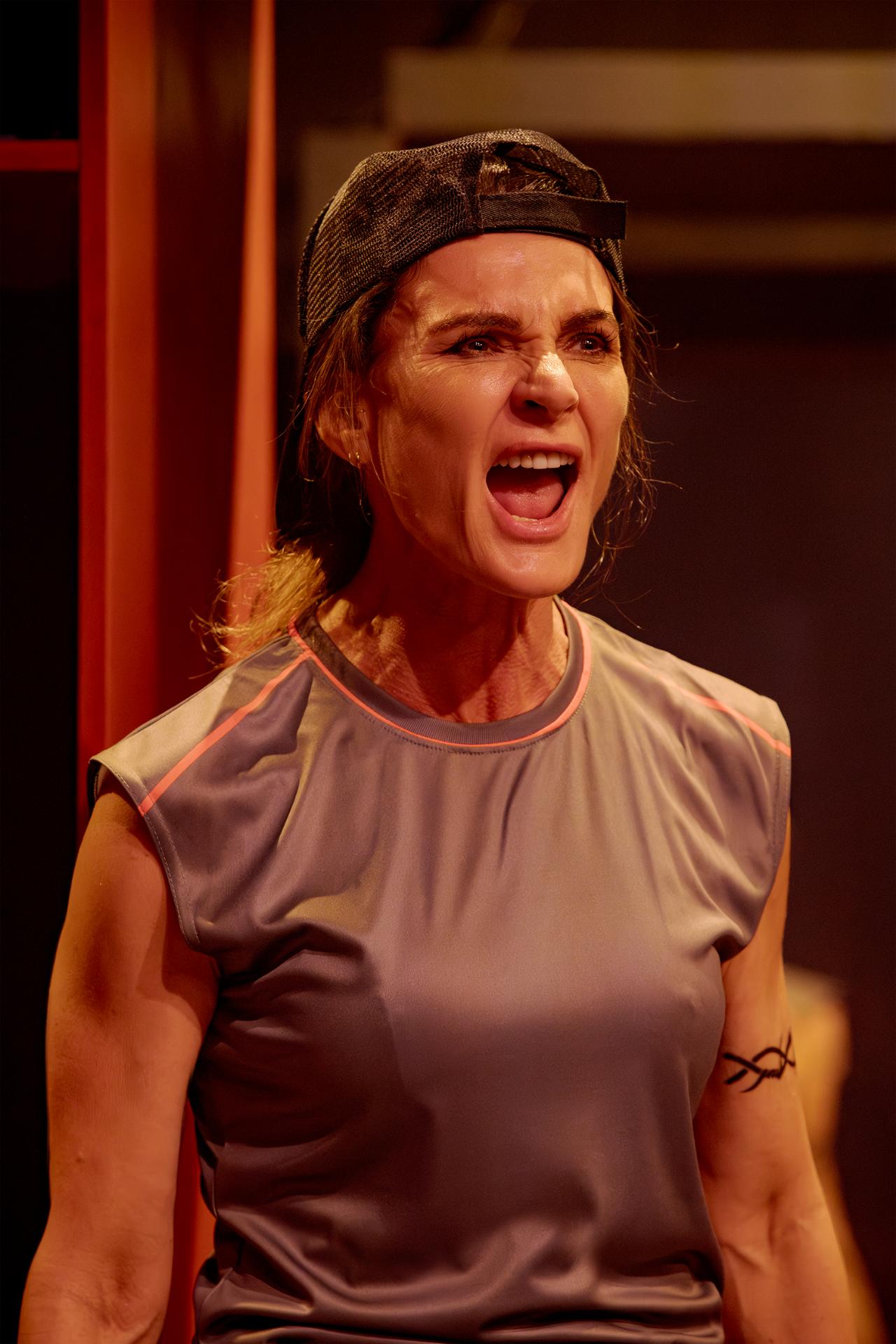
The five-member cast performs with admirable commitment and a convivial ensemble spirit that is not without its charms. They bring warmth and authenticity to their interactions, yet they cannot fully compensate for the material’s limitations, struggling to excavate emotional depth from characters who remain frustratingly indistinct.

Contest gestures toward an important thesis: that in the sporting arena, the ostensible goal may be victory, but for these women, the true aim is community—a quiet dismantling of the very structures designed to keep individuals apart. It is a resonant idea, this quiet act of reclaiming connection in a world engineered for solitude.

www.flightpaththeatre.org | www.spacejumptheatre.com

Review: Monster (KXT on Broadway)

Venue: KXT on Broadway (Ultimo NSW), Mar 6 – 21, 2026
Playwright: Duncan Macmillan
Director: Kim Hardwick
Cast: Tony J Black, Romney Hamilton, Linda Nicholls-Gidley, Campbell Parsons
Images by Abraham de Souza

Theatre review
Duncan Macmillan’s Monster confronts its audience with an uncompromising examination of human depravity through the fraught pedagogical relationship between Tom, a beleaguered schoolteacher, and Darryl, a fourteen-year-old pupil exhibiting escalating criminal and sociopathic tendencies. Macmillan deliberately eschews moralistic didacticism in favour of unvarnished verisimilitude, constructing a narrative architecture that systematically dismantles the audience’s tendencies for denial or evasion.

Director Kim Hardwick translates the play’s uncompromising themes into an equally austere production aesthetic. Her direction deploys uncomfortable stillness as a dramatic vacuum, allowing horror to reveal itself without mediation. This minimalist tension is amplified by Charlotte Leamon’s sound design and Topaz Marley-Cole’s lighting, which coalesce during transitions to externalize our creeping dread. Through this calibrated accumulation of unease, Hardwick ensures we arrive at Monster‘s most unsettling recognition in lockstep with the characters: the gradual, inexorable realization that the situation is irredeemable.

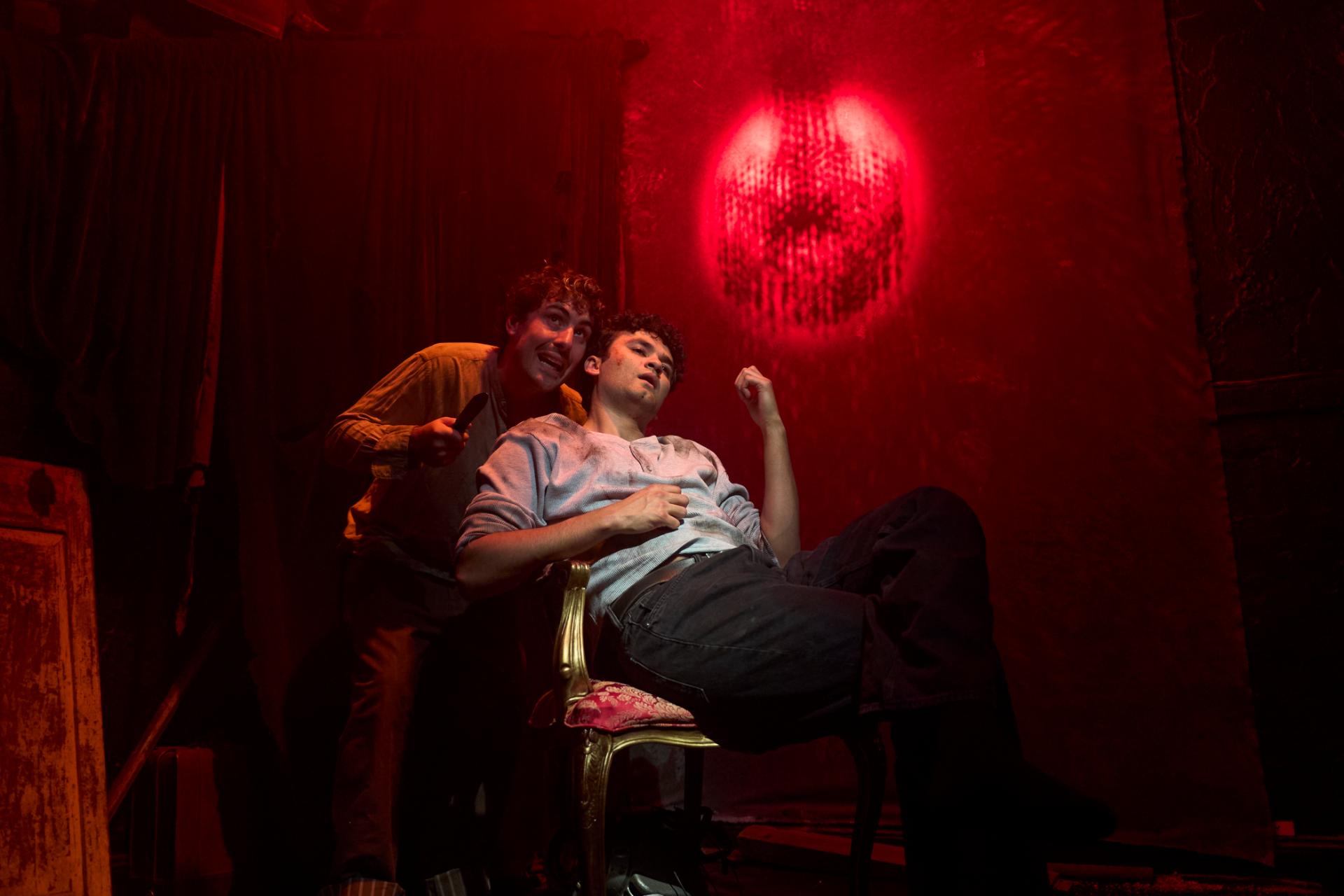
Tony J Black, undertaking the role of Tom as a last-minute replacement, performs with script in hand—a circumstance that is entirely understandable. By contrast, Campbell Parsons delivers an extraordinary inhabitation of young Darryl, manifesting a terrifying and persuasively unhinged presence that systematically thwarts the audience’s compulsion toward rehabilitative narrative arcs. The production’s depth is further enriched by its supporting players. Romney Hamilton and Linda Nicholls-Gidley perform with unwavering commitment, each finding moments of dramaturgical incisiveness that cut through the tension, illuminating new facets of the play’s moral complexity.

The world in which we live confronts us with ubiquitous atrocity, demanding of its survivors not merely resilience but, a calibrated measure of productive delusion. Optimism constitutes less a sentimental luxury than an existential imperative—one without which flourishing simply becomes impossible. Indeed, viable existence itself appears contingent upon hope, however tenuous or substantially fabricated that hope may prove upon examination. Art then enters, to afford us the space to dwell in life’s deepest truths. However harrowing, these confrontations serve as a balm—permitting us to gaze upon reality without flinching, if only briefly, before we must again turn away.

www.kingsxtheatre.com | www.tinydogproductions.com.au

Review: The Last Train To Madeline (ATYP)

Venue: The Popsy (Sydney NSW), Mar 11 – 21 , 2026
Playwright: Callum Mackay
Director: Hayden Tonazzi
Cast: Tyallah Bullock, Rylea Eilis, Sophie Gnodtke, Finn Middleton, Rory Spinks, Leon Walshe
Images by Phil Erbacher

Theatre review
Madeline and Luke’s friendship, forged in childhood amid the quiet streets of Wangaratta in 2003, serves as the emotional bedrock of Callum Mackay’s The Last Train to Madeline. Their shared rural upbringing and divergent fates—she escaping to the metropolis to chase ambition, he remaining tethered to their regional origins—form the narrative’s central tension. Mackay crafts a meditation on parallel lives that never quite intersect, where unfulfilled longing persists despite geographical and emotional distance.

The work arrives as something of an anomaly: an unabashedly sentimental romance in an era dominated by ironic detachment. Mackay excavates emotional terrain with commendable earnestness, offering nuanced portraits of maturation in isolated communities. Yet for all its sincerity, the narrative struggles to achieve universal resonance; its specificities, while authentically rendered, may leave broader audiences unmoved.

Hayden Tonazzi’s direction compensates somewhat through vigorous staging—kinetic movement and concentrated emotional intensity lend the production a visceral pulse. Ultimately, however, neither the narrative architecture nor its inhabitants achieve the gravitational pull necessary to fully captivate. The production remains admirable in its intentions, yet distant in its execution.

Savanna Wagman’s production design evokes the particular textures of small-town existence, grounding the narrative in an authentic provincial milieu while simultaneously asserting a bold theatrical vision that proves consistently satisfying to the eye. Spencer Herd’s lighting design complements this approach with soft, languid imagery that mirrors the narrative’s prevailing tone of wistful tenderness. Oliver Beard’s soundscape and musical compositions operate on dual registers: establishing atmospheric immersion while penetrating the interior landscapes of the characters’ private struggles.

Six performers inhabit the evolving personas of Madeline and Luke across the temporal arc of their lives, with Rylea Eilis and Finn Middleton emerging as the production’s most compelling interpreters. The pair craft distinct psychological profiles that resonate with verisimilitude, and their chemistry as a romantic unit achieves a persuasiveness that anchors the narrative’s emotional stakes. We observe these figures gradually establish interdependence, cultivating a bond that becomes instrumental in fortifying their respective passages toward maturity.

What unfolds between them is a gradual architecture of trust and interdependence, as two young people navigate the precarious terrain of shared adolescence. Their friendship becomes a vessel for resilience, each finding in the other a quiet scaffolding upon which to lean while charting the uncertain passage toward adulthood. It is a portrait of connection as both refuge and rudder—anchoring even as it orients.

Yet the work quietly demonstrates that such bonds, however formative, cannot permanently substitute for the sovereignty of self. Adulthood demands a different kind of mastery: not over another, but over oneself. The old intimacies, once vital, must be relinquished, or maybe temporarily set aside, as one sets aside a compass once the destination is in sight. It is a bittersweet acknowledgment that growth often requires distance, and that love, in its most mature form, often means letting go.

www.atyp.com.au

Review: Julius Caesar (Bell Shakespeare)

Venue: Sydney Opera House (Sydney NSW), Mar 7 – Apr 5, 2026 | Canberra Theatre Centre, Apr 10 – 18, 2026 | Arts Centre Melbourne, Apr 23 – May 10, 2026
Playwright: William Shakespeare
Director: Peter Evans
Cast: Jules Billington, Peter Carroll, Septimus Caton, Ray Chong Nee, Leon Ford, Mark Leonard, James Lugton, Ava Madon, Ruby Maishman, Brigid Zengeni
Images by Brett Boardman

Theatre review
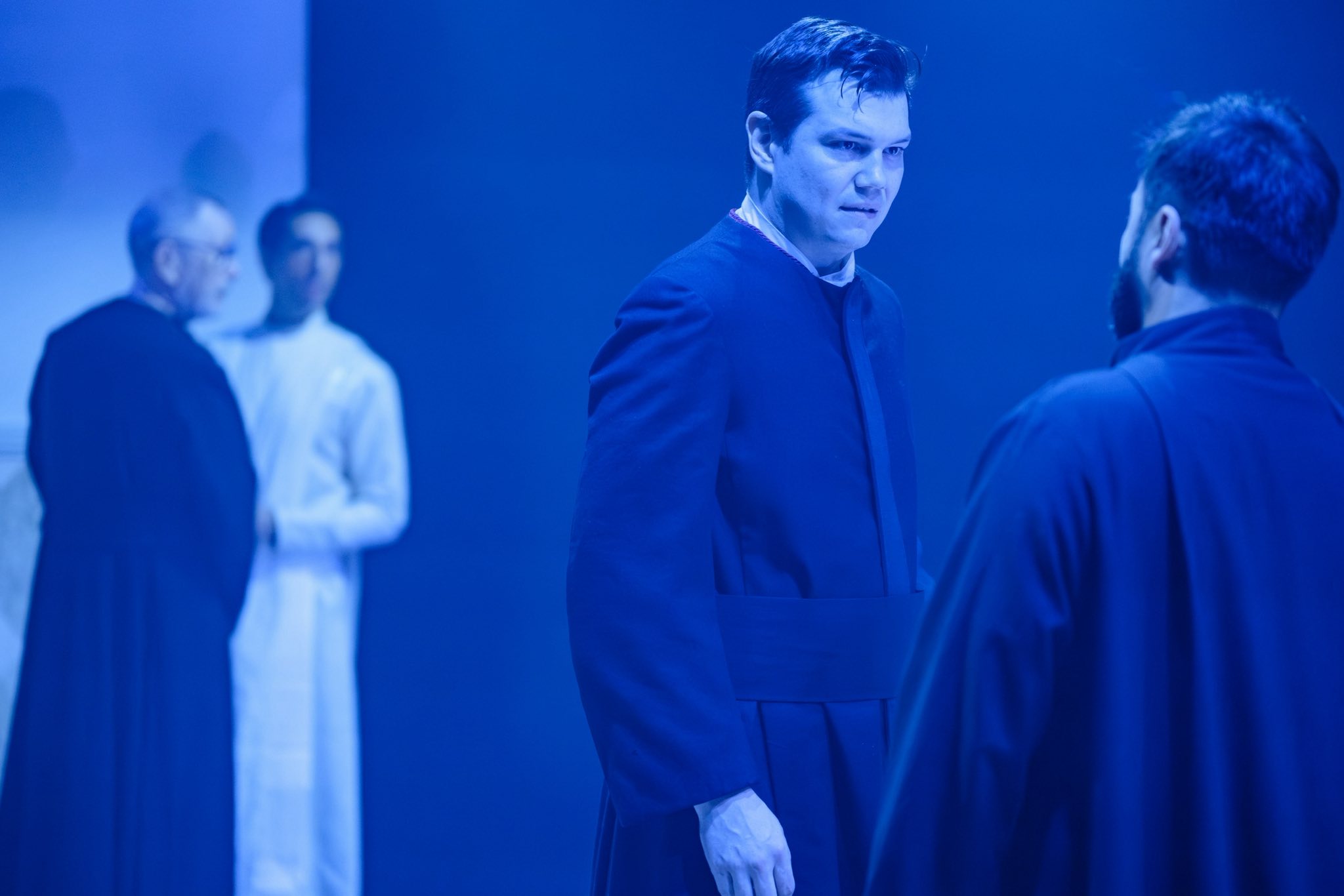
It is a testament to the unsettling prescience of Shakespeare’s “Julius Caesar” that it resonates with such urgency today. In an era marked by the rise of authoritarian figures across the globe—from the United States to West Asia, and from Russia to Africa—the play gives dramatic form to a pervasive and dangerous fantasy: the assassination of a monstrous leader. Yet the true sophistication of the work lies not in its depiction of the killing, but in its unflinching interrogation of the aftermath. It indulges our visceral desire for a tyrant’s fall, only to force us to confront the sobering question of what comes next.

Perhaps it is a testament to the enduring power of Shakespeare’s narrative that director Peter Evans approaches the material with such restrained deference, seemingly content to let the text speak for itself. While one might wish for a staging with greater interpretative audacity—something to jolt the senses and cater to the abbreviated attention spans that define the 21st-century spectator—the production ultimately finds its strength in a kind of quiet integrity. It resists the temptation to embellish, trusting instead in the story’s inherent moral gravity. The result, though at times dramatically inert and emotionally remote, nevertheless ensures that the play’s central thesis lands with unadorned clarity.

Amelia Lever-Davidson’s lighting design and Madeleine Picard’s sonic composition each begin with subtlety, only to swell into heightened theatricality as the production careens toward its conclusion—a gradual unshackling of atmosphere that mirrors the play’s unravelling order. Simone Romaniuk’s costumes chart a more subtle arc of descent: pristine shades of white give way to the muted austerity of military fatigues, signalling a visual erosion of civility. All of this unfolds against Peter Evans’ scenography, which is marked by a carefully calibrated functionality—spare, yet not without its own quiet appeal.

Leon Ford’s Cassius and Brigid Zengeni’s Brutus anchor the production with a taut, combustible intensity, their charged exchanges lending the drama an urgent, propulsive rhythm. Yet it is Mark Leonard Winter who emerges as the production’s most indelible presence. His Mark Antony is a study in delicious flamboyance—magnetic, audacious, and unsettlingly modern. In his hands, the role acquires a dramatic sensibility that feels both distinctly contemporary and strangely singular, drawing us into the gravitational pull of a performance that refuses to be forgotten.

It is entirely understandable—perhaps even inevitable—that we indulge in fantasies of political assassination, so relentlessly are we barraged with images of despots and the devastation they wreak across continents. Yet we must not lose sight of a more sobering truth: these figures did not materialize from the ether. They ascended through systems meticulously engineered for their rise, buoyed by social forces that will persist, unperturbed, long after their removal. Decapitate the serpent, and the body slithers on.

www.bellshakespeare.com.au