Venue: The Popsy (Sydney NSW), Oct 6 – 17 , 2026
Creator: Amy Draper
Book: Stewart Melton
Music & Lyrics: Finn Anderson
Director: Hayden Tonazzi
Cast: Georgia Laga’aia, Rebecca Ordiz
Images by Robert Catto
Theatre review
On the remote Scottish isle of Kinnan, a young girl named Eilidh discovers a beached whale calf, and fails to save it. Soon after, a mysterious stranger named Arran washes ashore from the very waters the whale departed, and an improbable friendship takes root between them. Islander, a 2017 musical written for two performers with a score composed almost entirely of the human voice, unfolds from this slender premise into something altogether more affecting.
Finn Anderson’s songs are wonderfully imaginative, possessing a transcendent quality that seems to reach out and hold the audience. Lauren Shaw’s musical direction is thrilling in its unpredictability, and together with Otto Zagala’s atmospheric sound design and Cameron Bartle’s exquisite sound engineering (a technical feat deserving of particular praise) the production’s aural landscape proves quite remarkable. The plot, drawn from Scottish folklore, is genuinely engaging, though when it reaches its dramatic apex, events take on a sudden, hurried momentum that leaves one somewhat disoriented; the abrupt shift in pace introduces a trace of incoherence into what had been, until then, a carefully measured narrative.
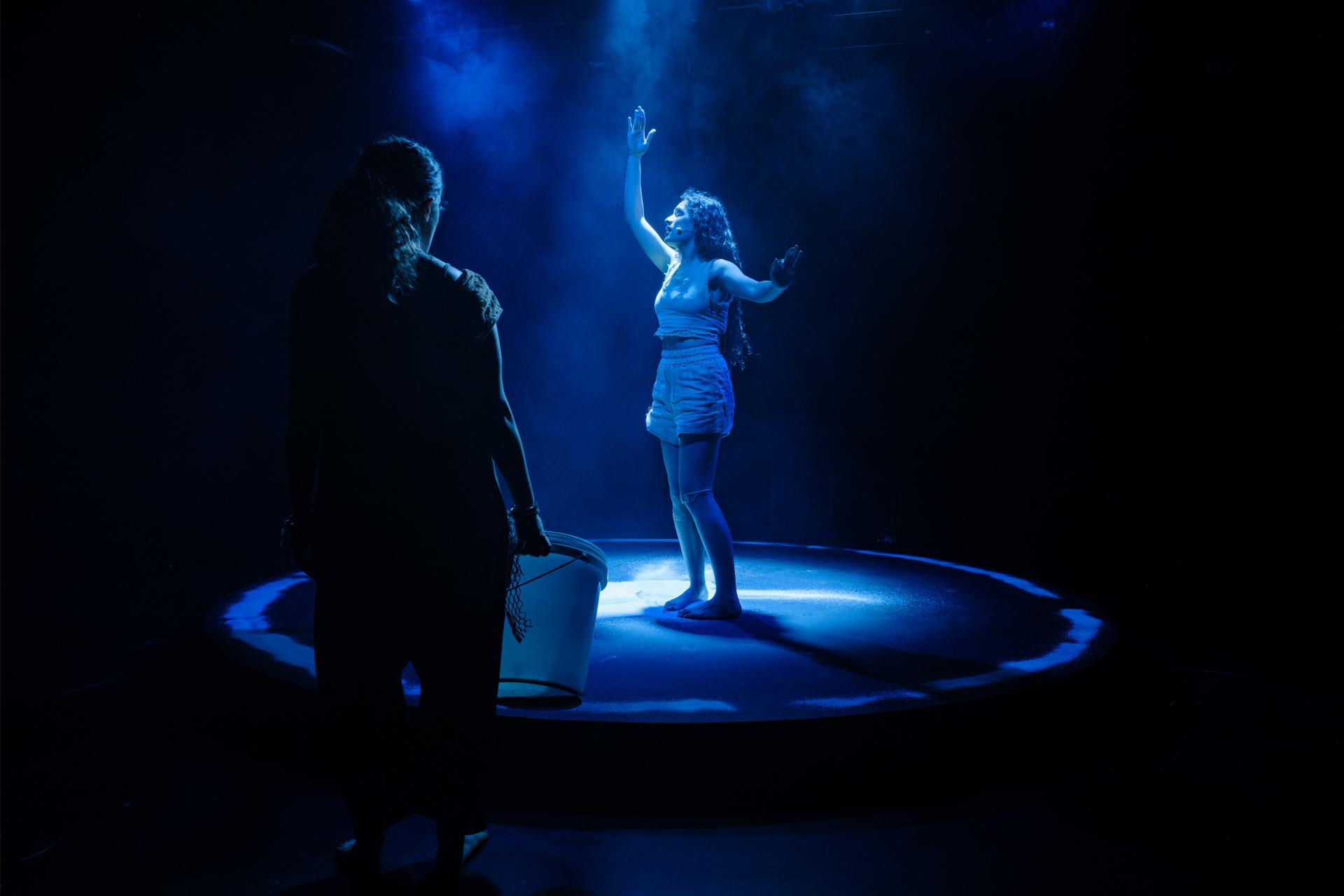
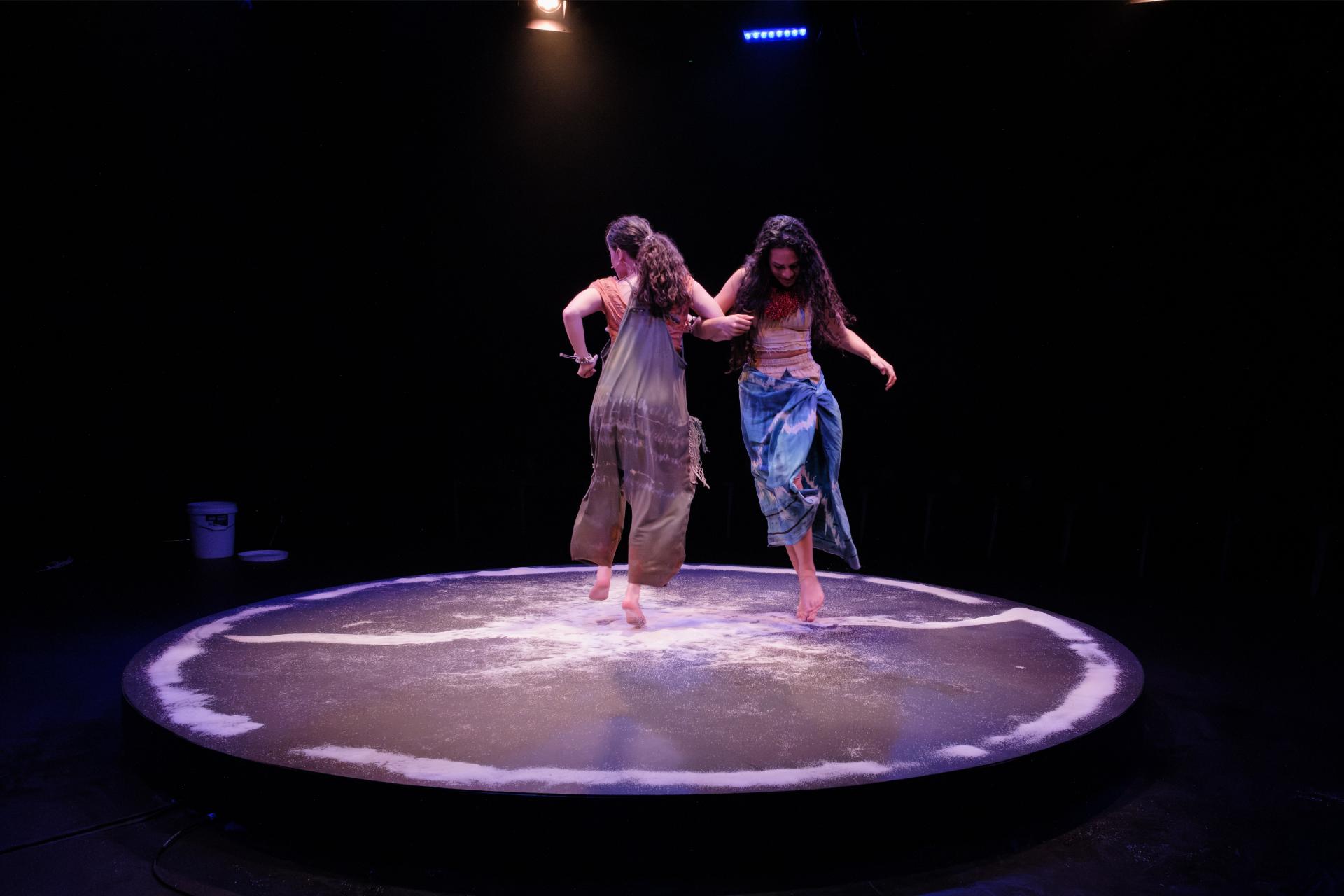
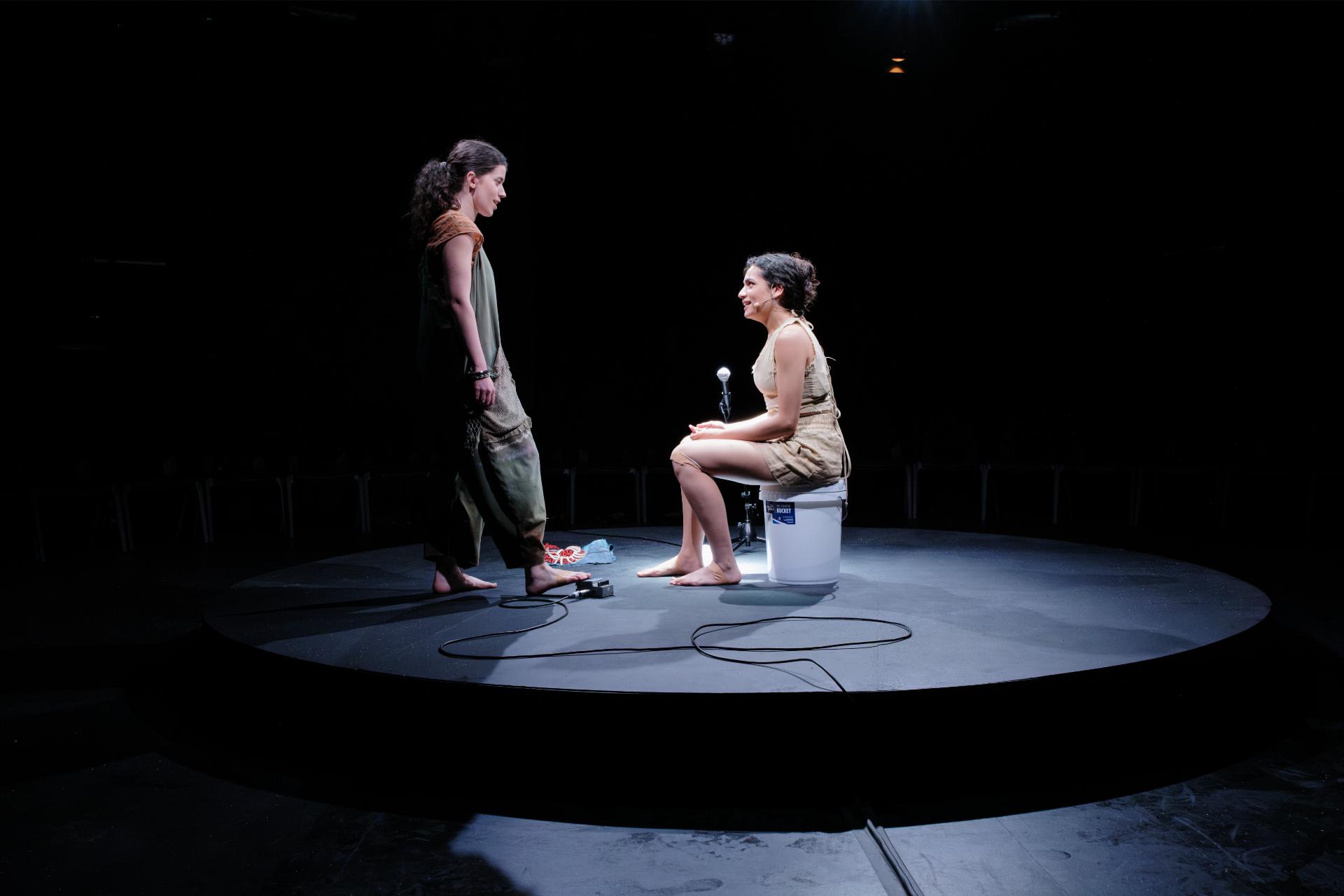
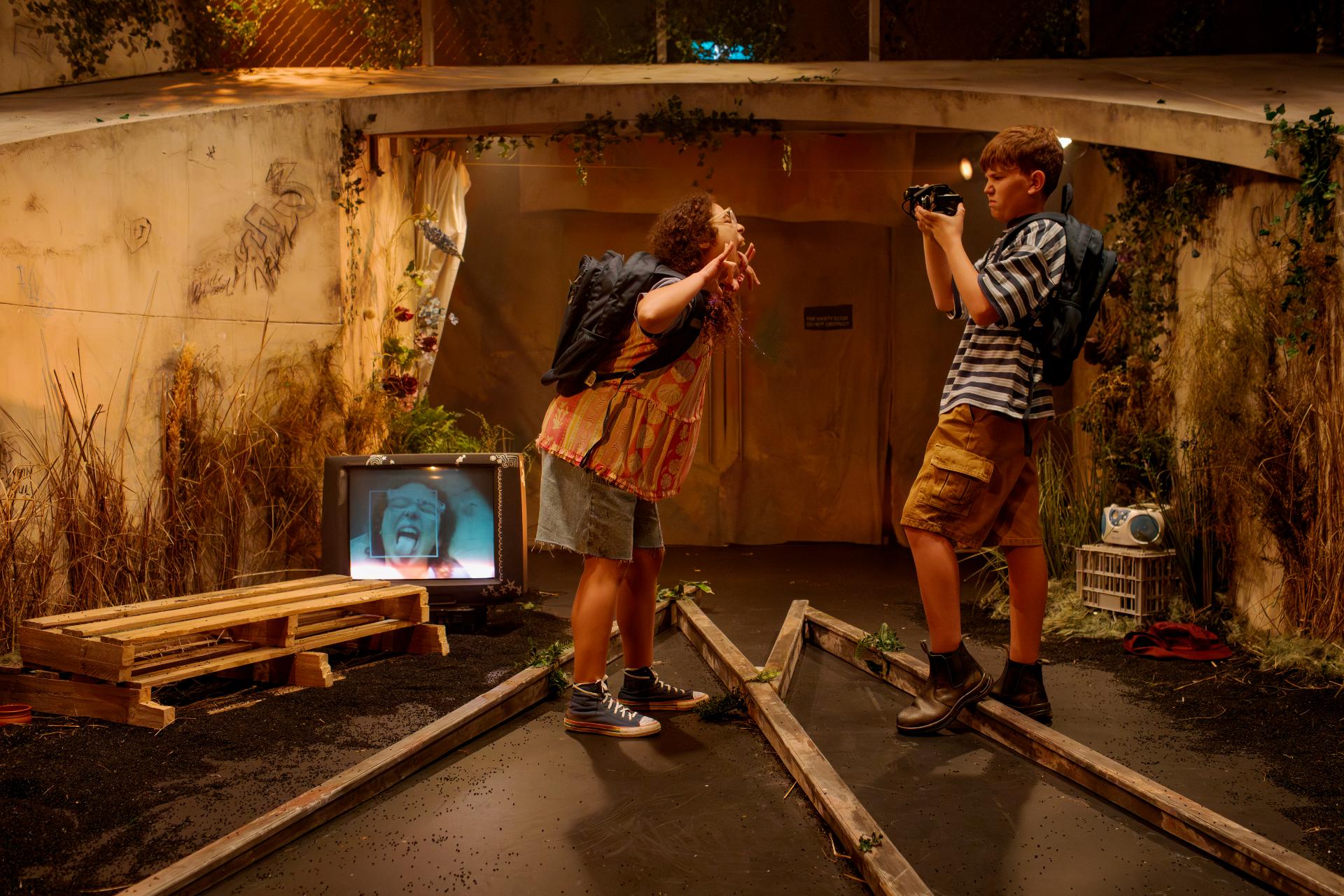
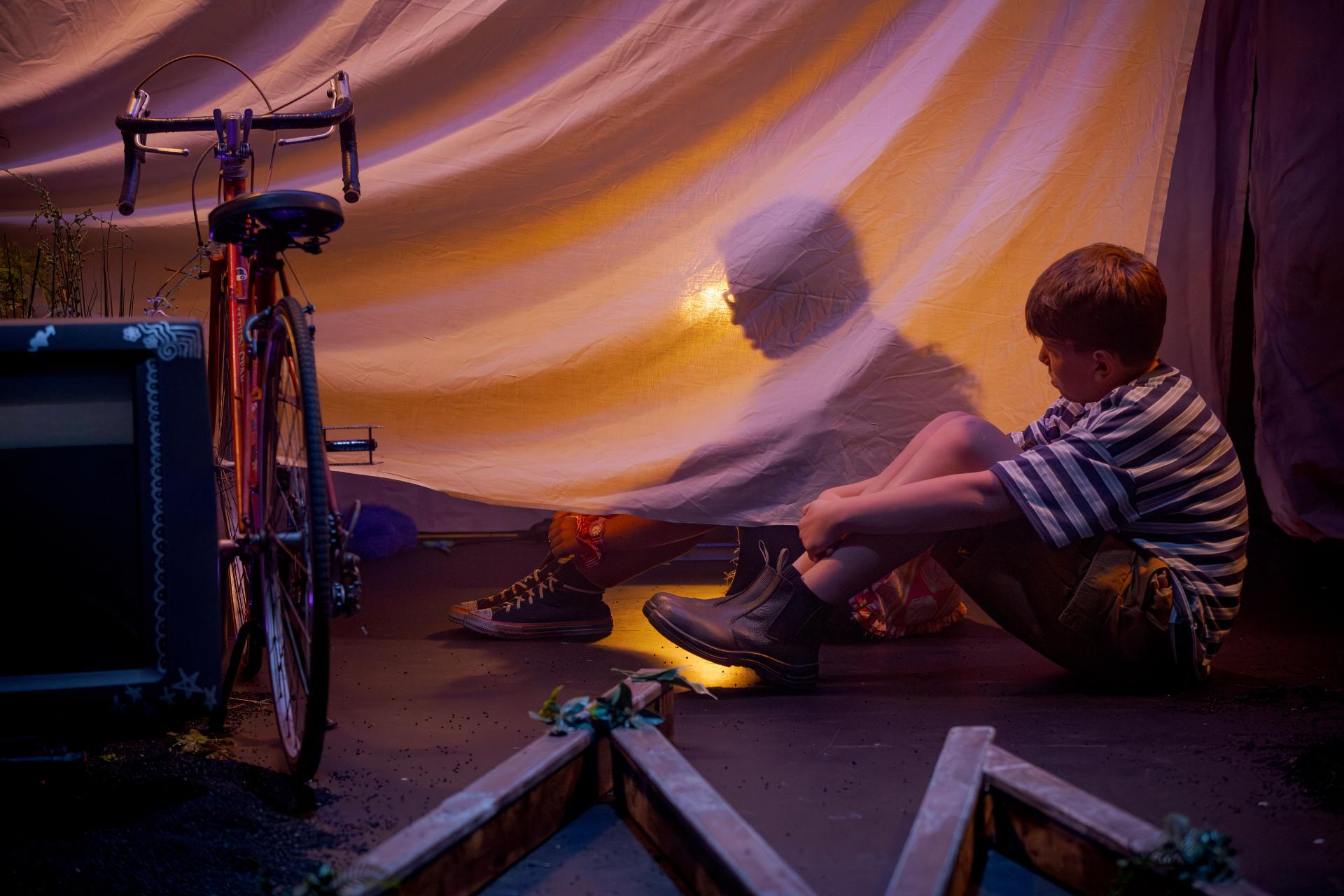
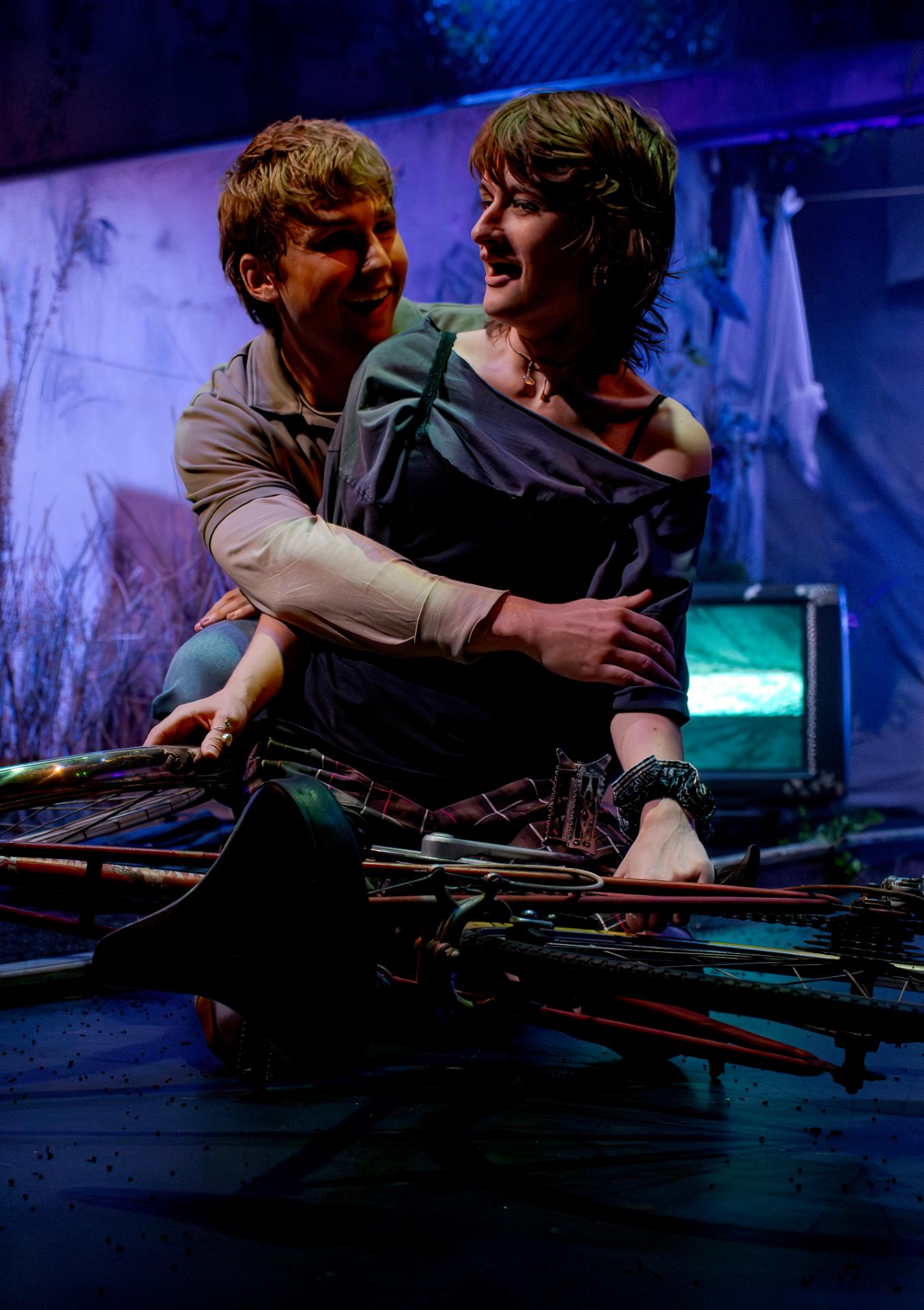
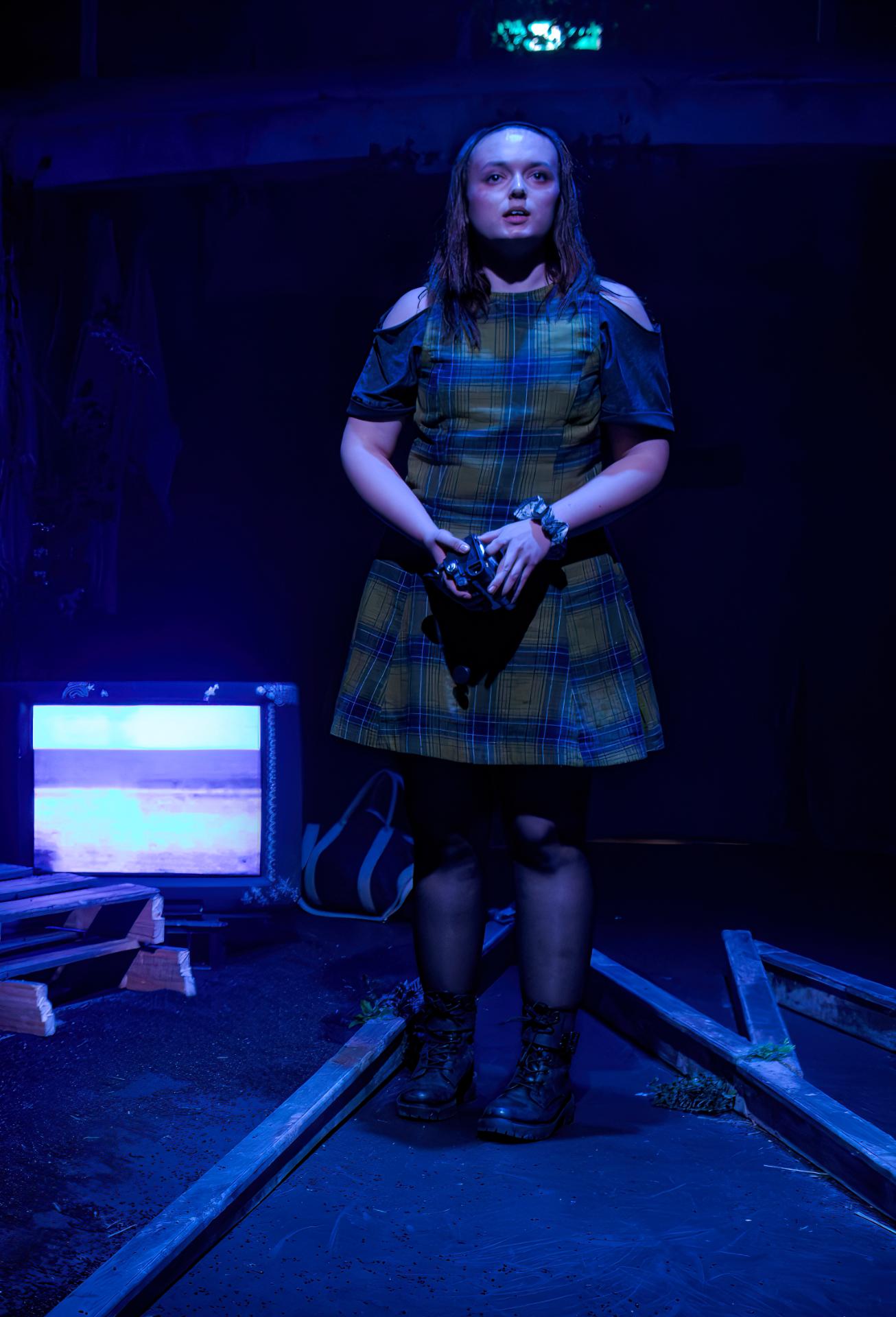
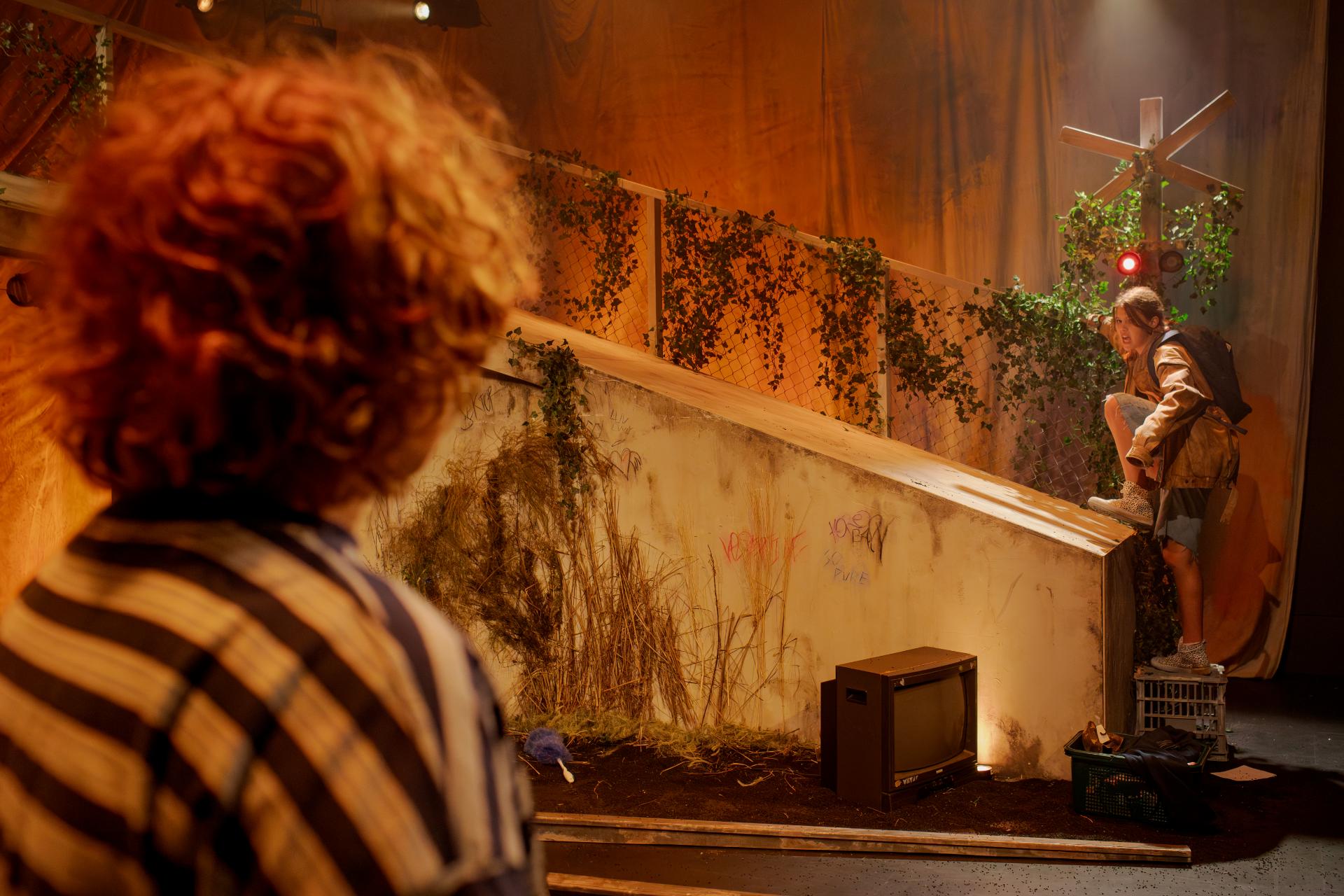
Visually, the set is spare, comprising a simple circular platform, but it is in the costumes that production designer Angelina Daniel makes her strongest impression, crafting pieces that speak to our affinity for the aesthetic traditions of the Pacific region. Tim Hope’s lighting could perhaps afford to be more extravagant, yet there is an unmistakable melancholy woven into his design that resonates beautifully with the production’s ecological undertones. Director Hayden Tonnazi imbues the staging with an emotional intensity that renders the experience genuinely compelling; there is a crispness to every element that keeps the audience rapt throughout.
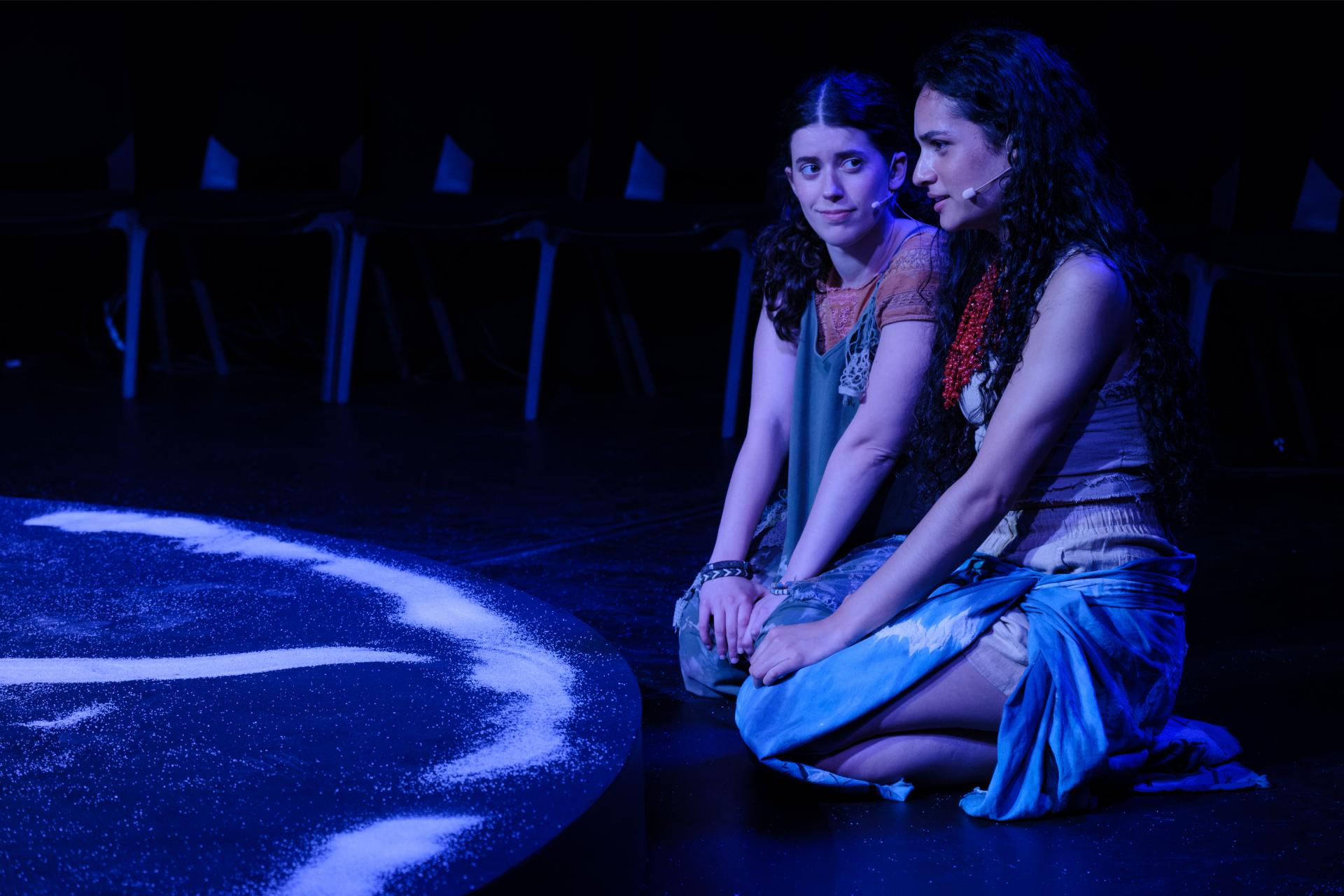
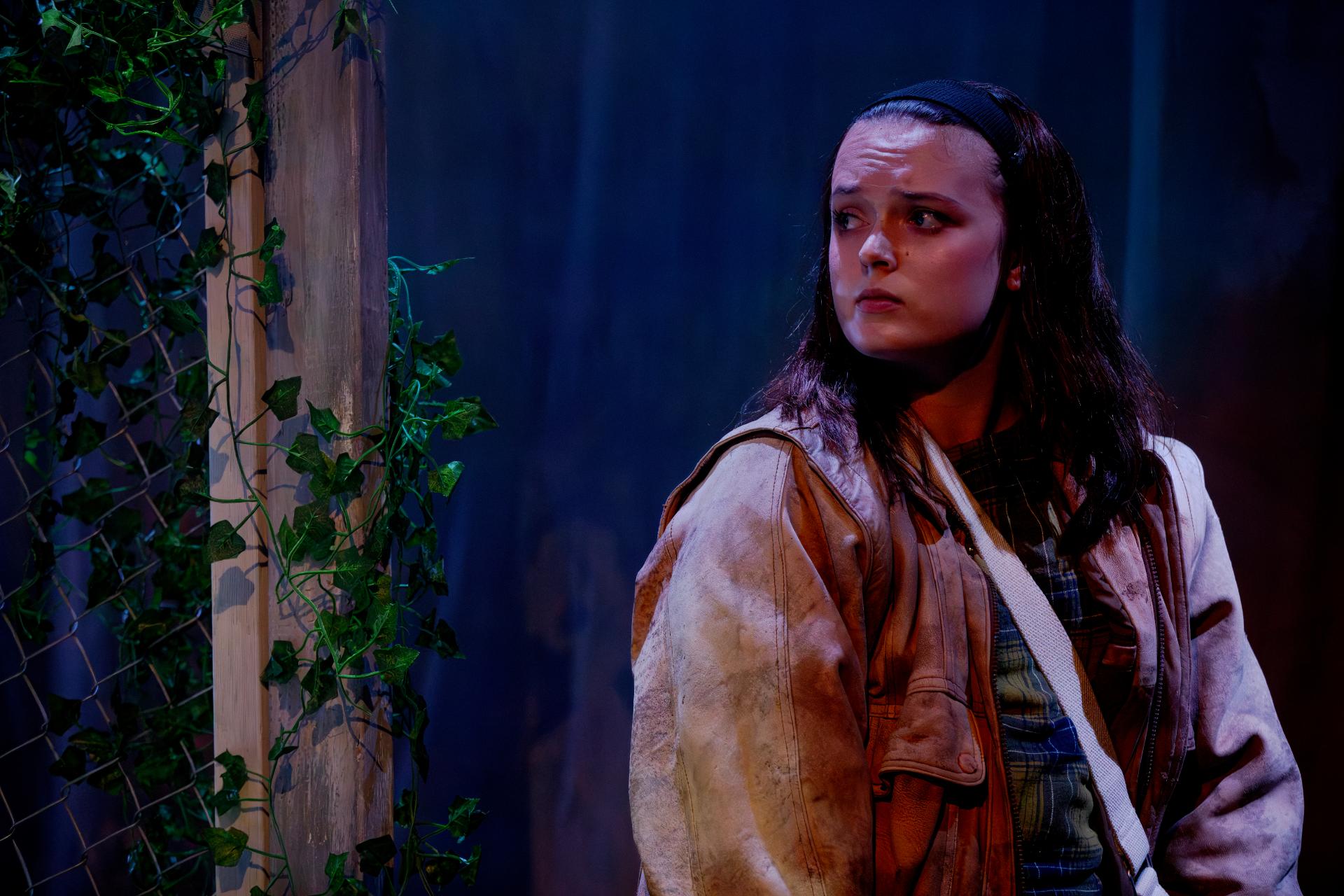
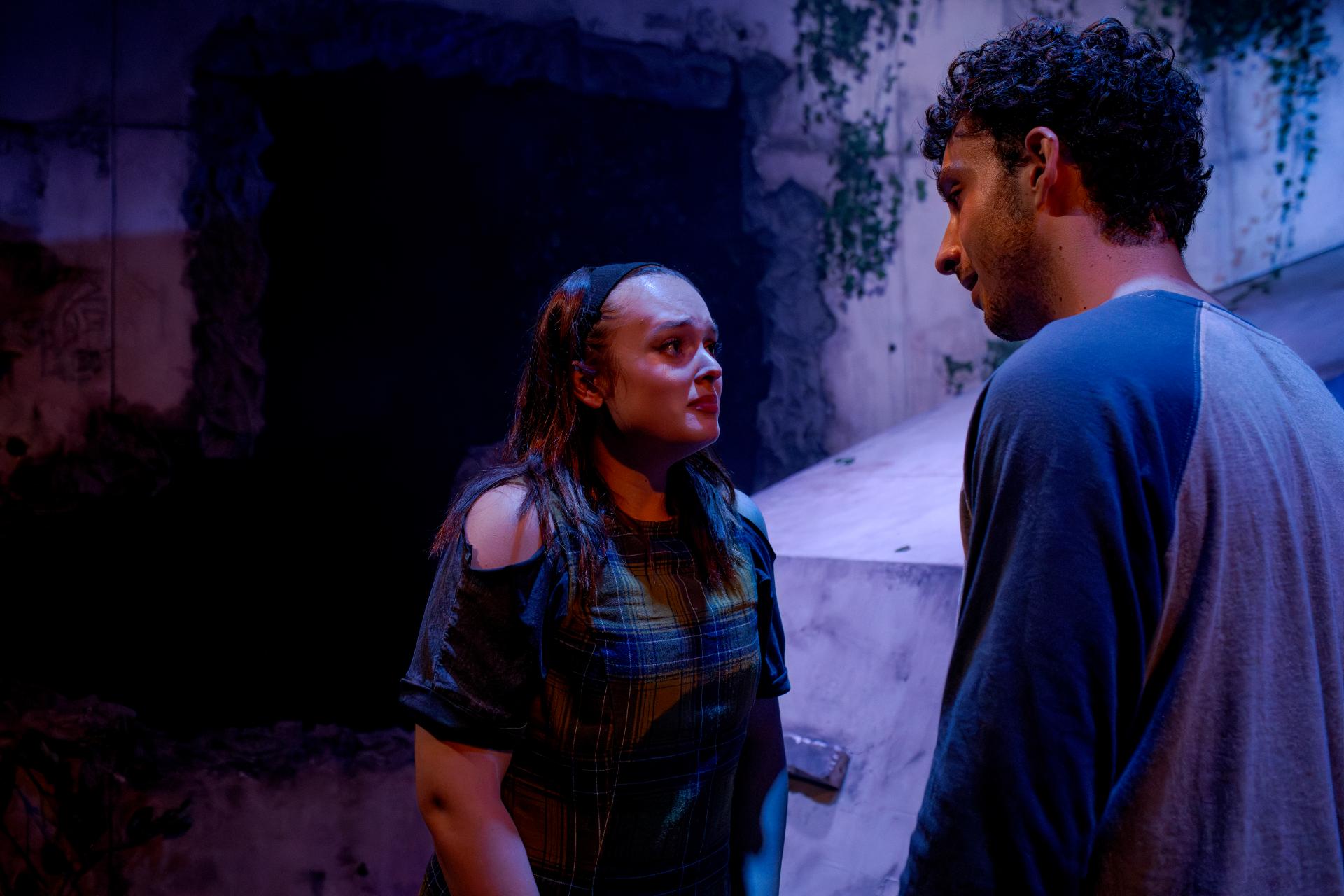
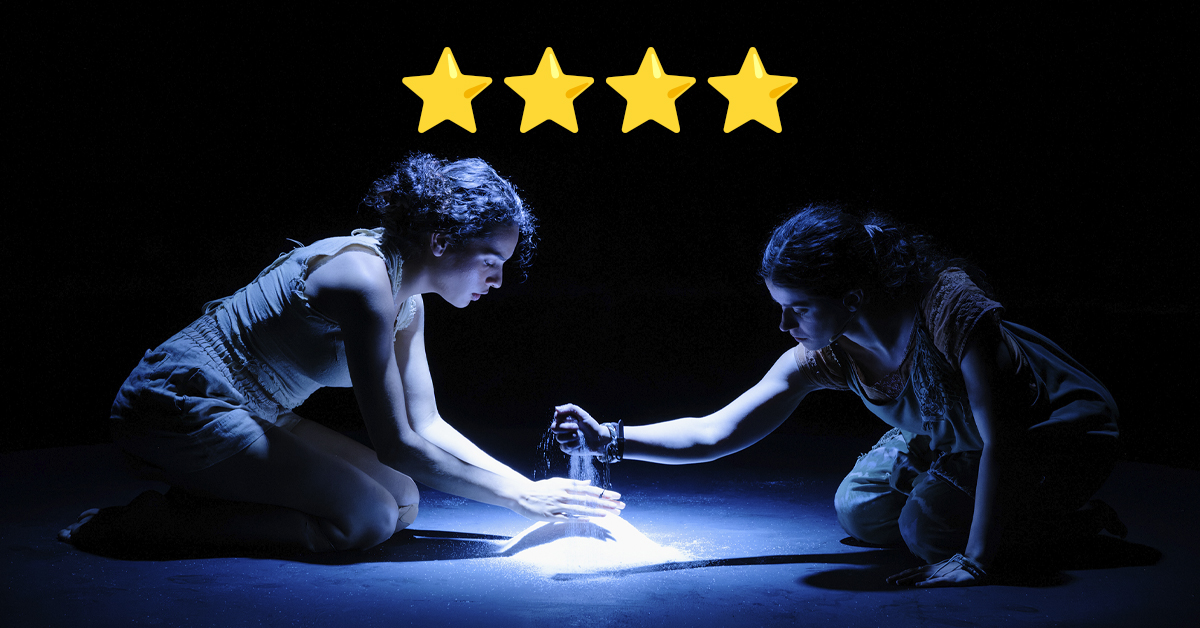
Performers Georgia Laga’aia and Rebecca Ordiz are nothing short of astonishing. Their precision is matched only by their flawless chemistry, one senses a rigour of rehearsal behind every gesture, every harmony, and their storytelling is so assured that surrendering to it feels effortless.
Beyond the stage, the production carries an urgent resonance. The state of our ecology is, by any honest measure, in disarray. We are but one species among millions, yet the scale of our impact is immeasurably outsized. To witness the consequences of that impact, is to confront an uncomfortable truth: we are custodians of this planet, whether we accept the mantle or not. That we have so often behaved as plunderers instead is, beyond question, a profound shame.