Venue: Seymour Centre (Chippendale NSW), Jun 11 – 27, 2026
Playwright: Nina Segal
Director: Monica Sayers
Cast: Jane Angharad, Jennifer Rani, James Smithers, Alpha Sylla, Lib Campbell, Matthew Abotomey
Images by Phil Erbacher
Theatre review
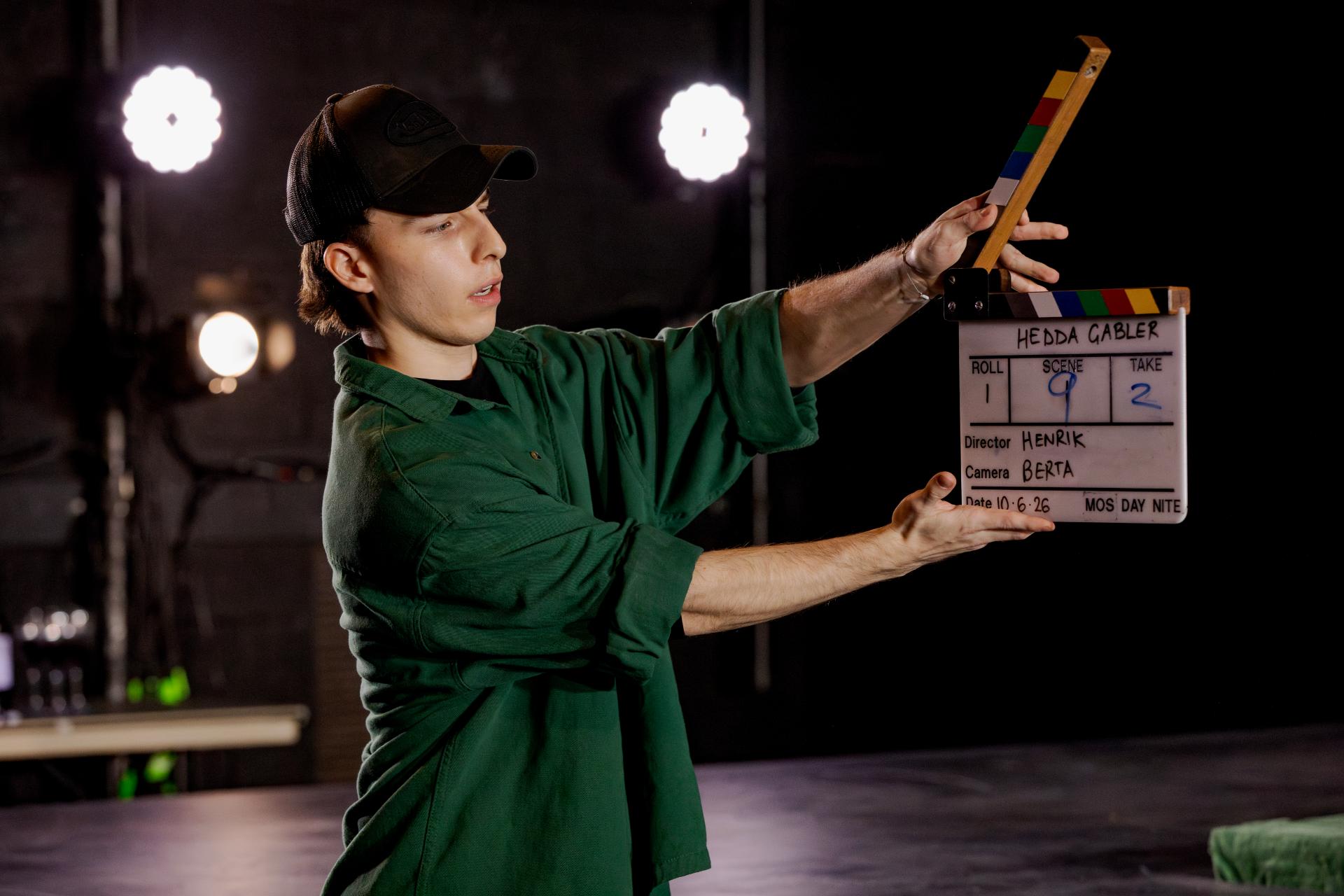
In Nina Segal’s Shooting Hedda Gabler, a Hollywood actor arrives in Norway to work beneath a film director celebrated as both visionary and enfant terrible. The parallel is deliberate: Segal subjects her protagonist to the same suffocating constraints that bind Ibsen’s heroine, collapsing the distance between the nineteenth century and our own to expose how tenaciously misogyny endures. Yet for all its darkness, the play is flecked with mordant wit, its sophistication rendering the medicine palatable without diluting its potency.
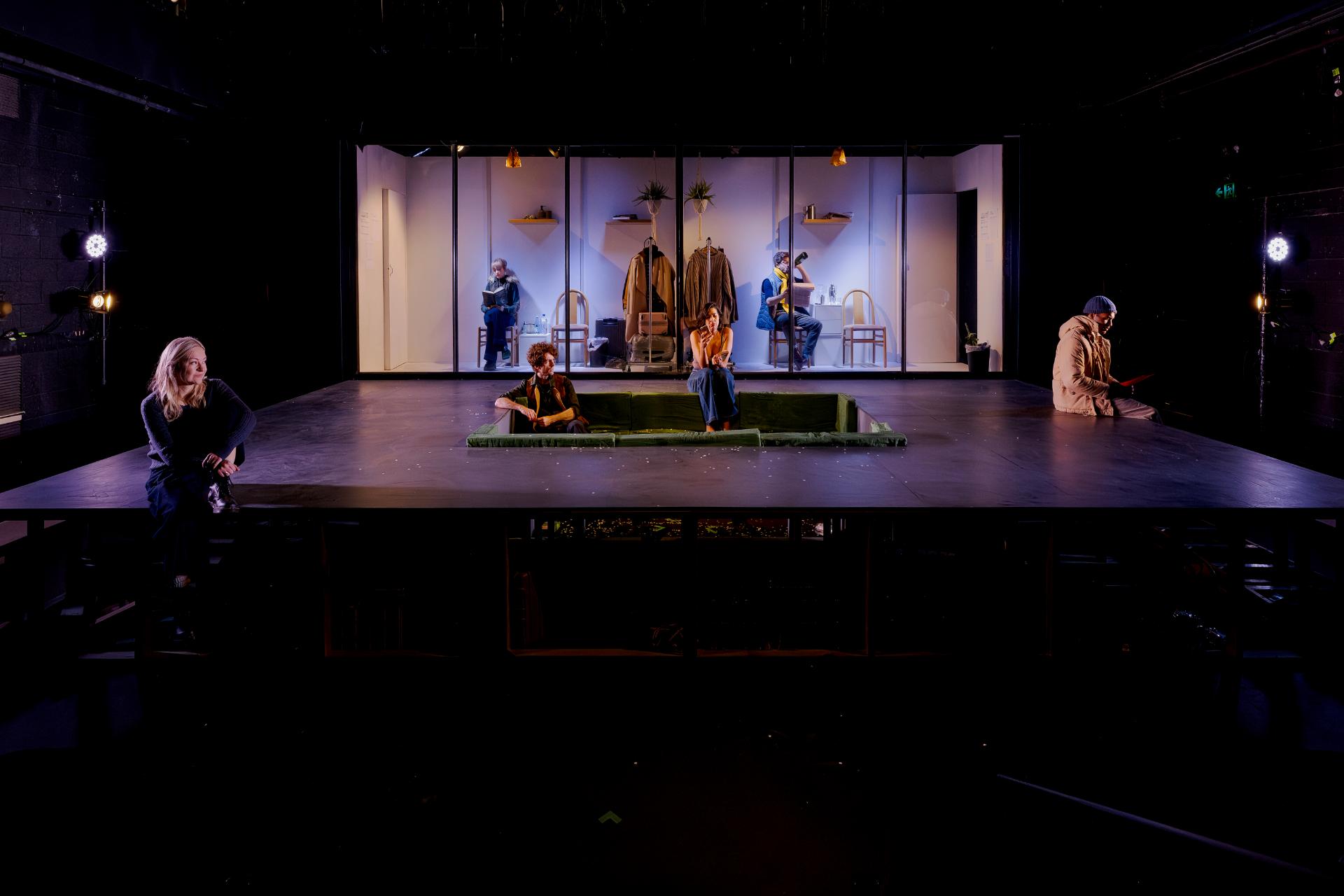
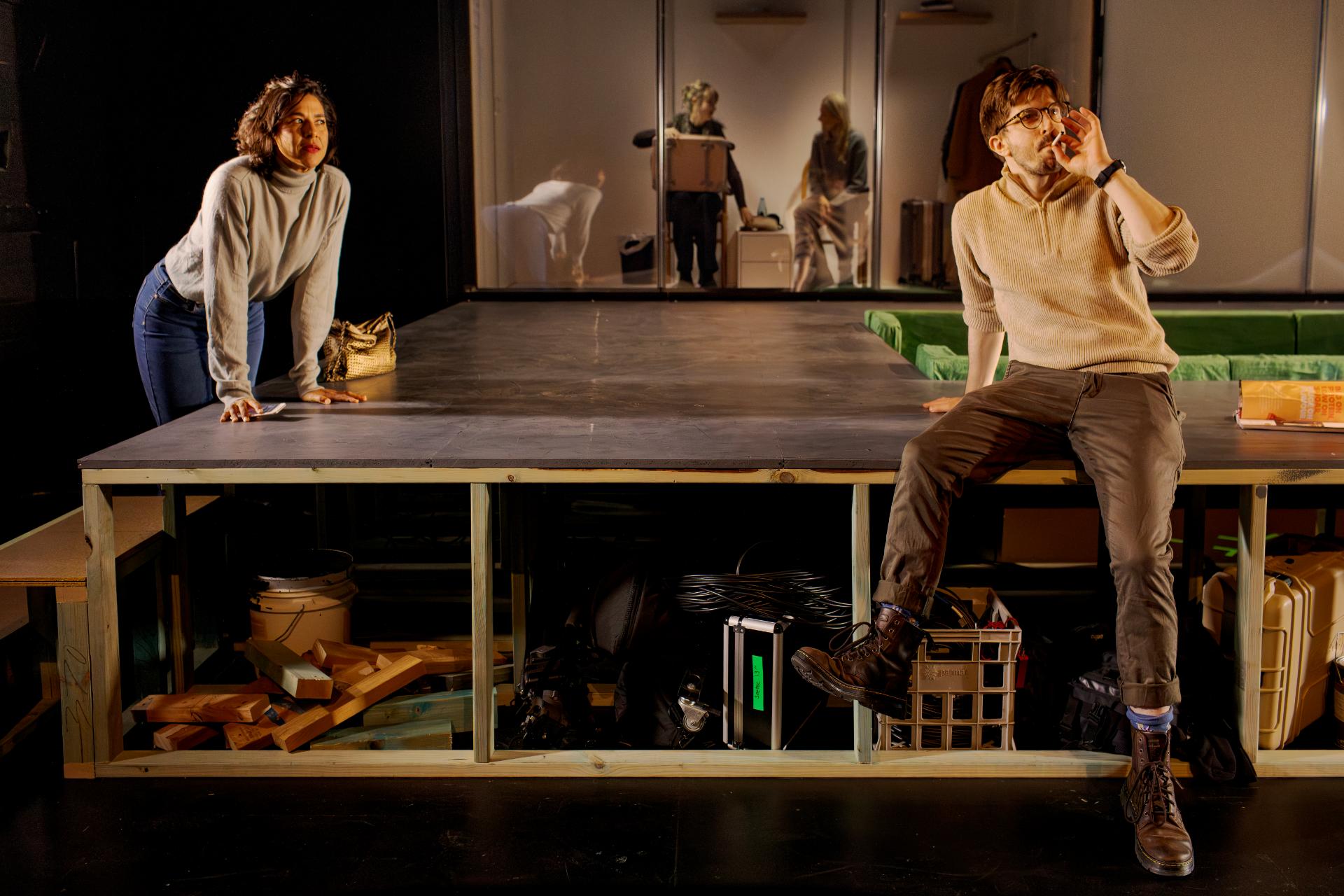
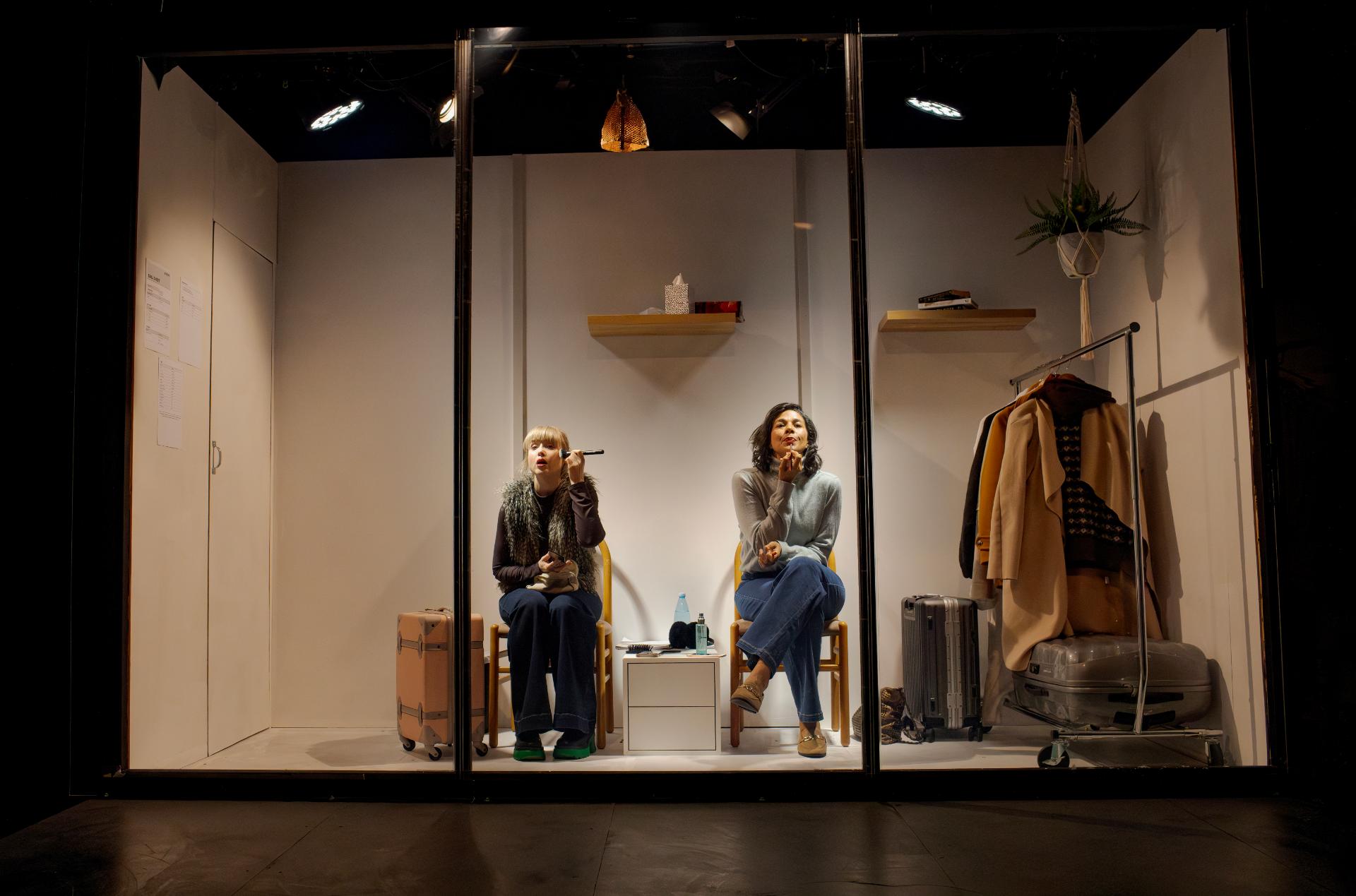
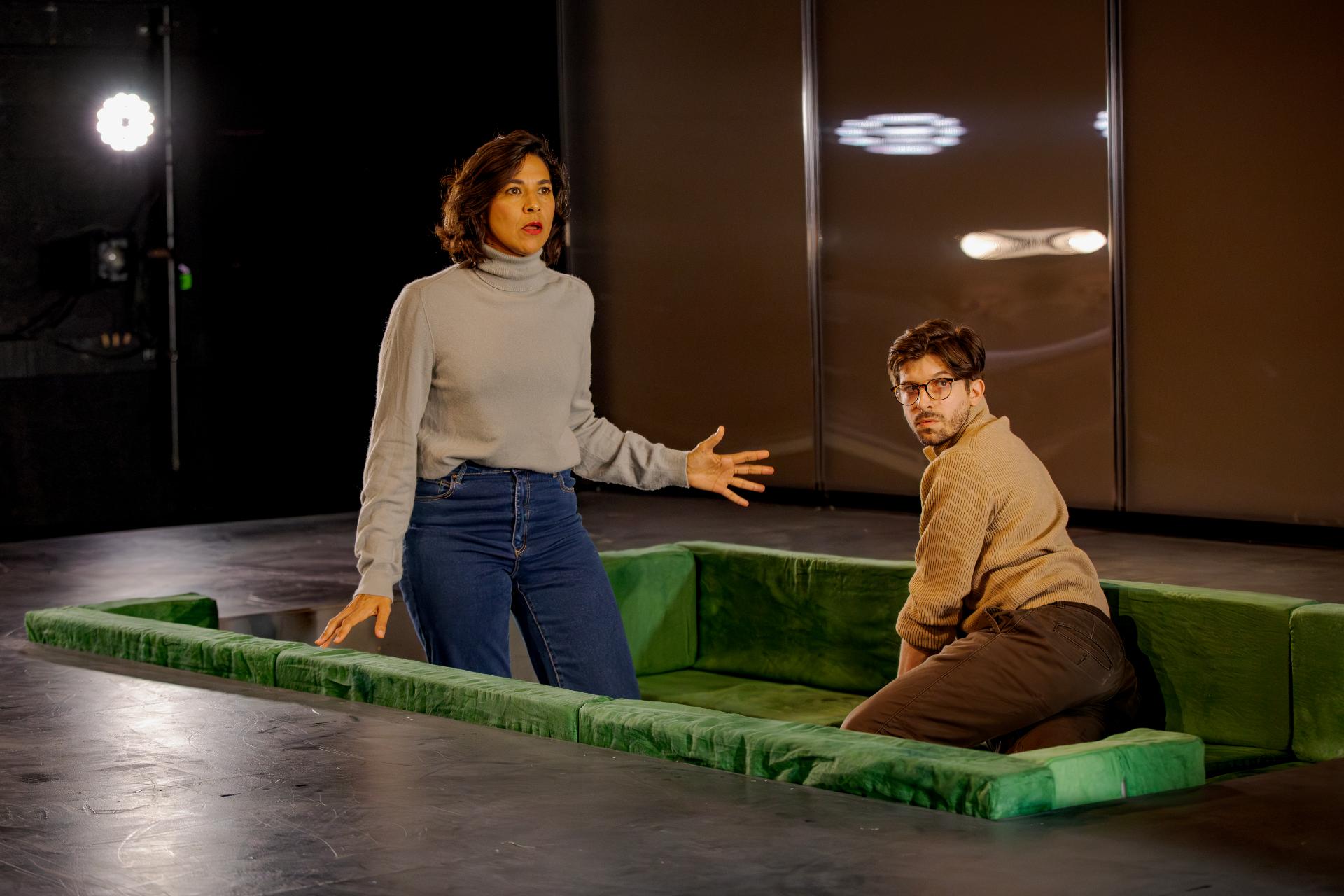
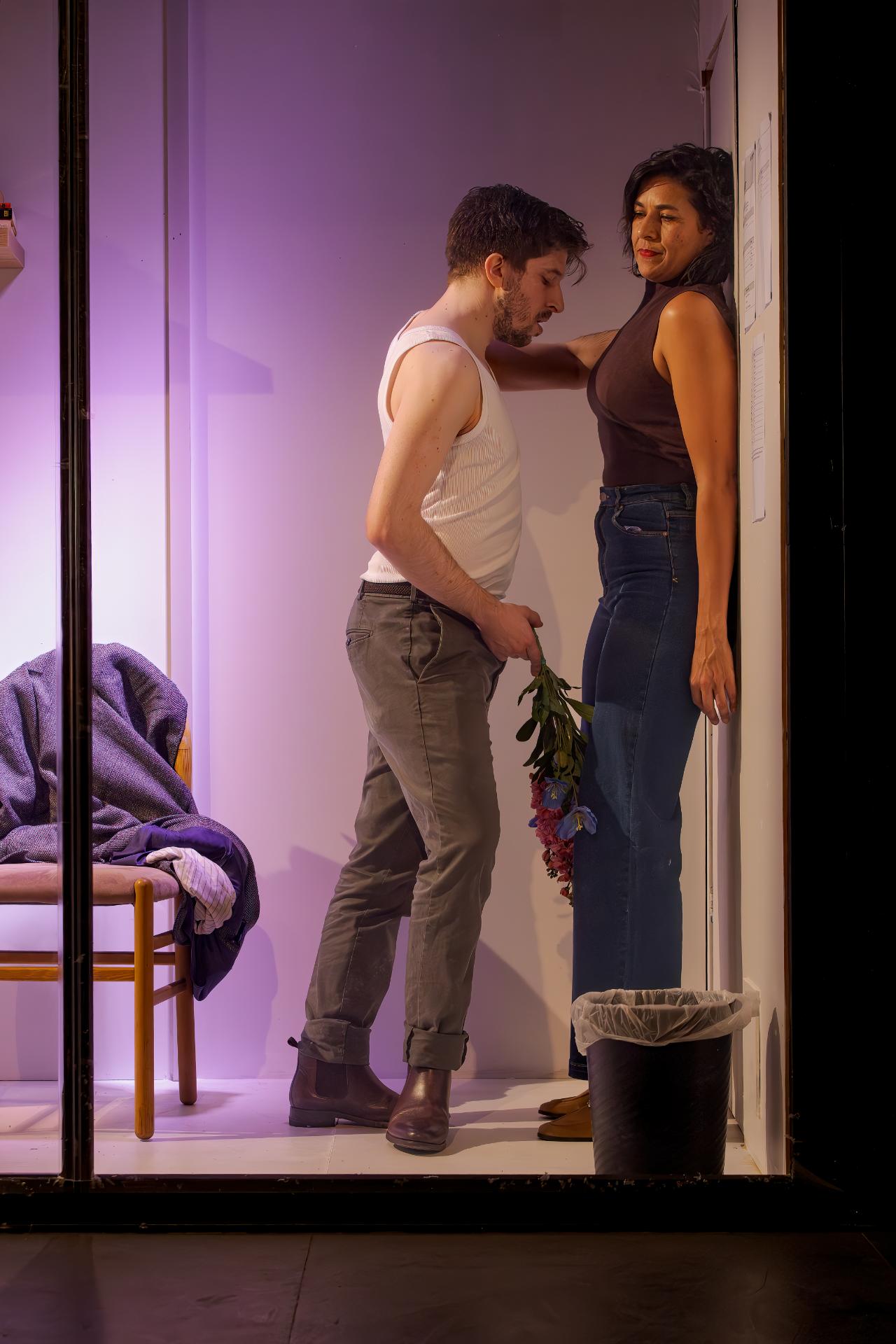
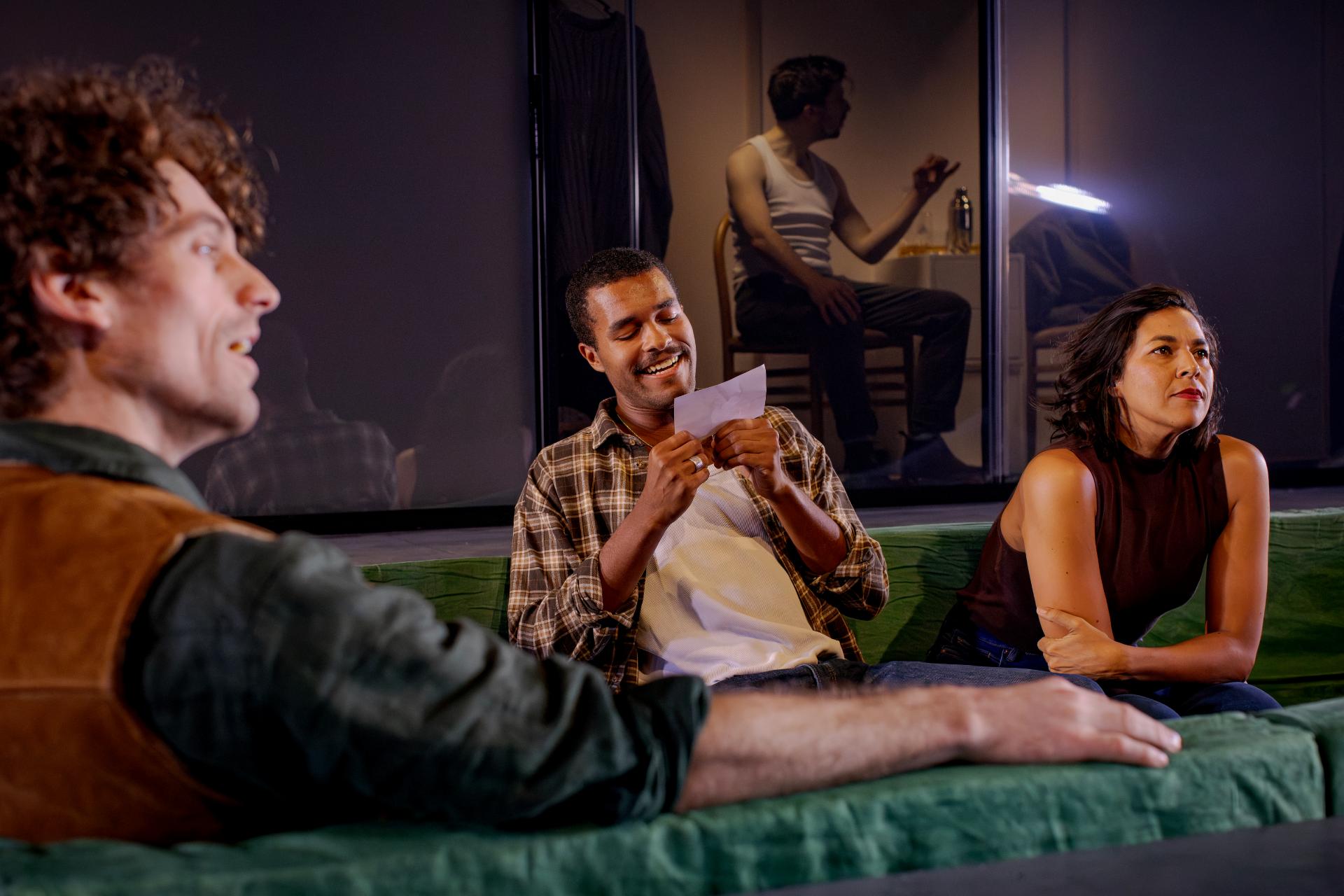
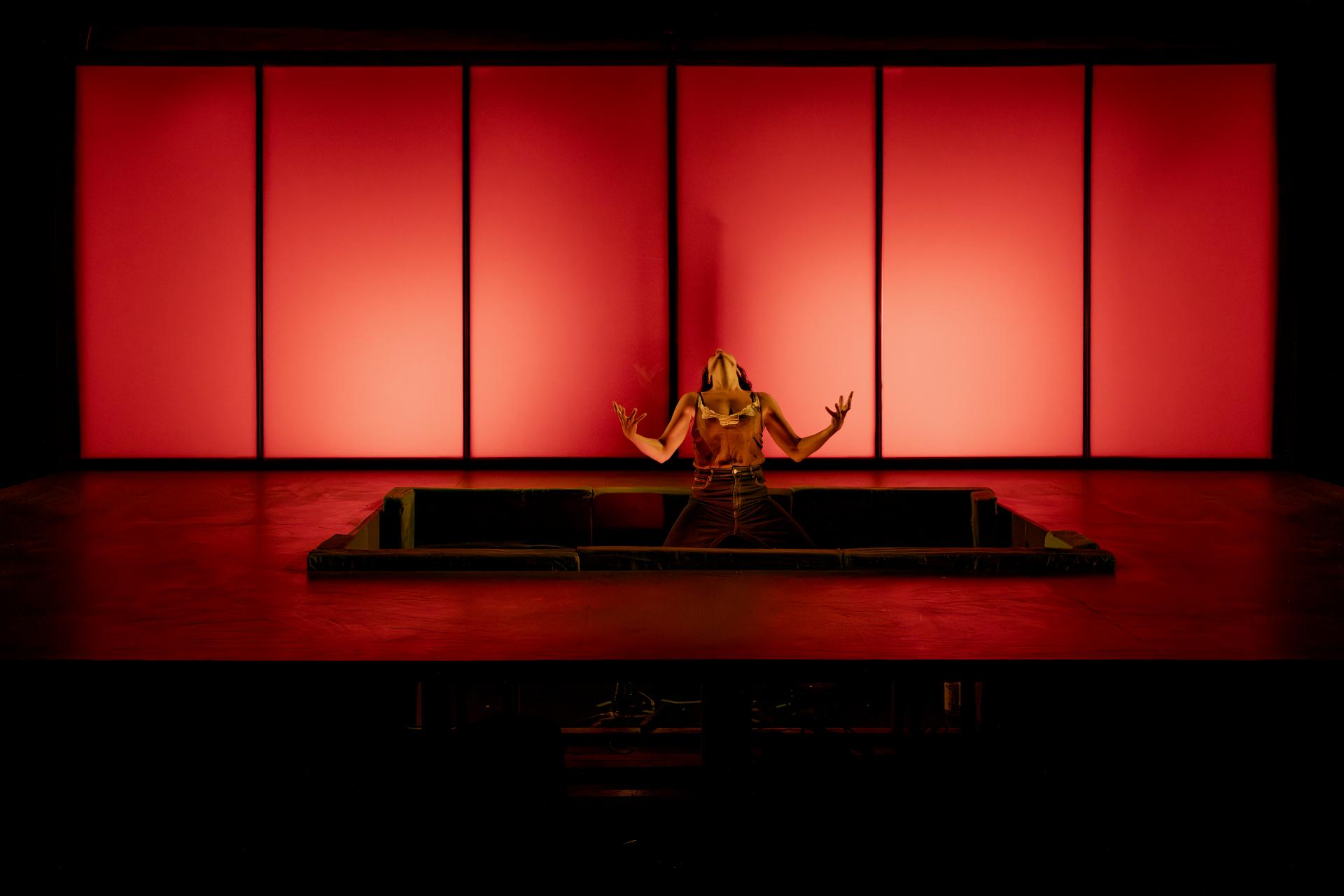
Under Monica Sayers’s direction, the production sustains a precarious equilibrium between entertainment and gravitas, ensuring its poignancy commands full attention. James Smithers’s set design achieves a marvellous synthesis of visual splendour and dramatic utility, while Charlotte Savva’s costumes evoke a distinctly Scandinavian restraint—elegant, immaculate, severe in their understatement. Travis Kecek’s lighting and Anthony MacDermott’s music operate with similar Nordic coolness, so subtly calibrated that one barely registers their presence until they tighten, scene by scene, an almost casual noose of foreboding.
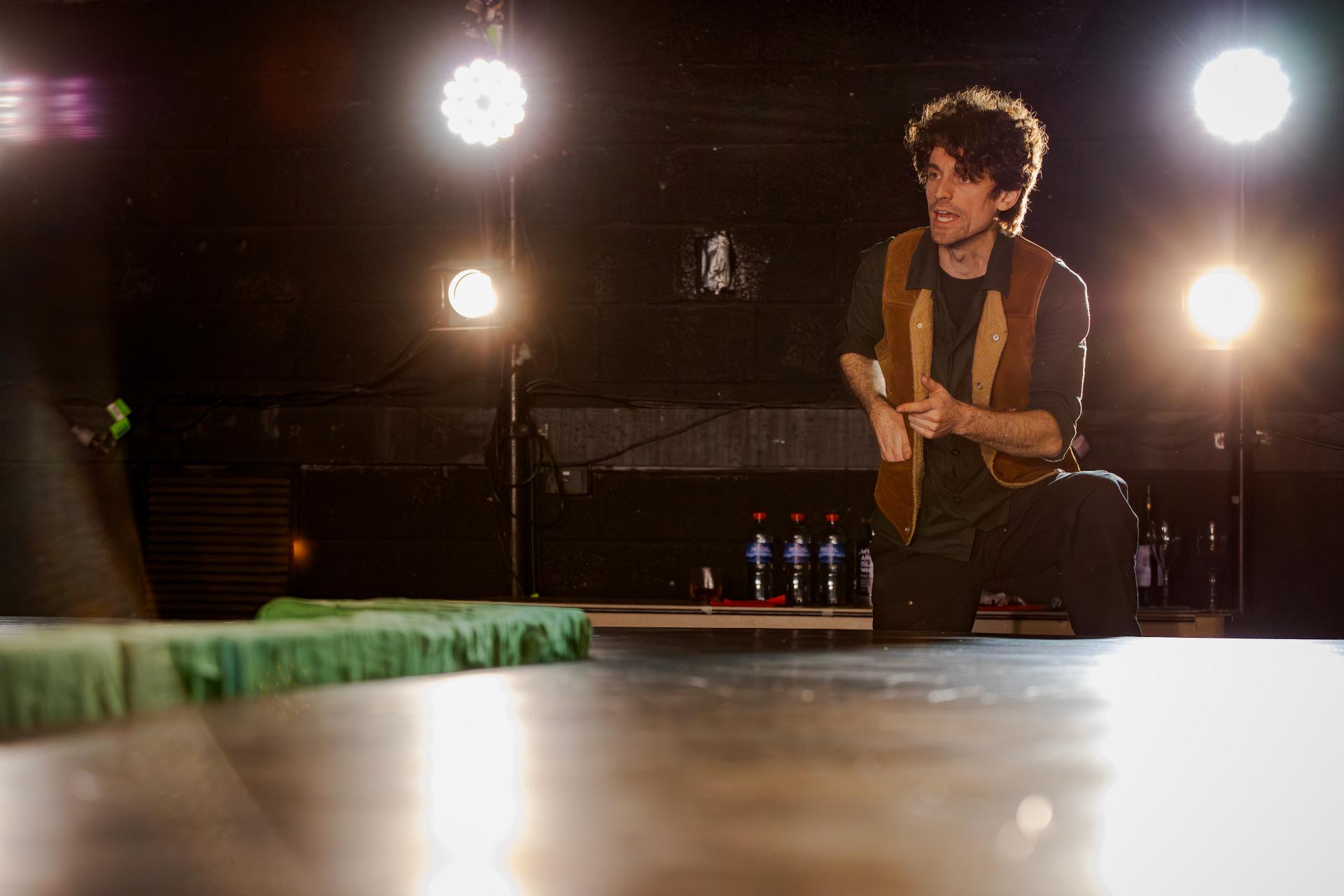
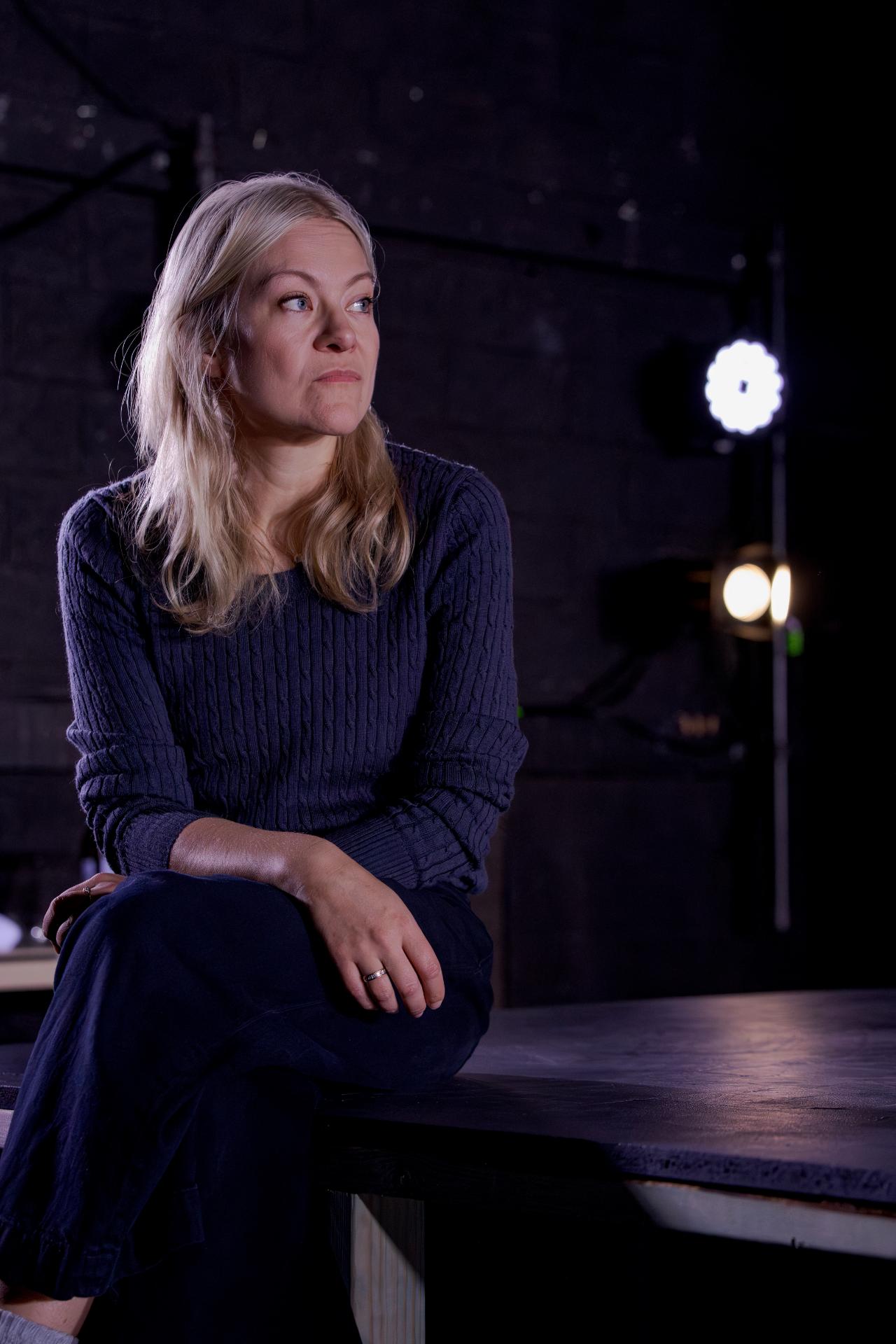
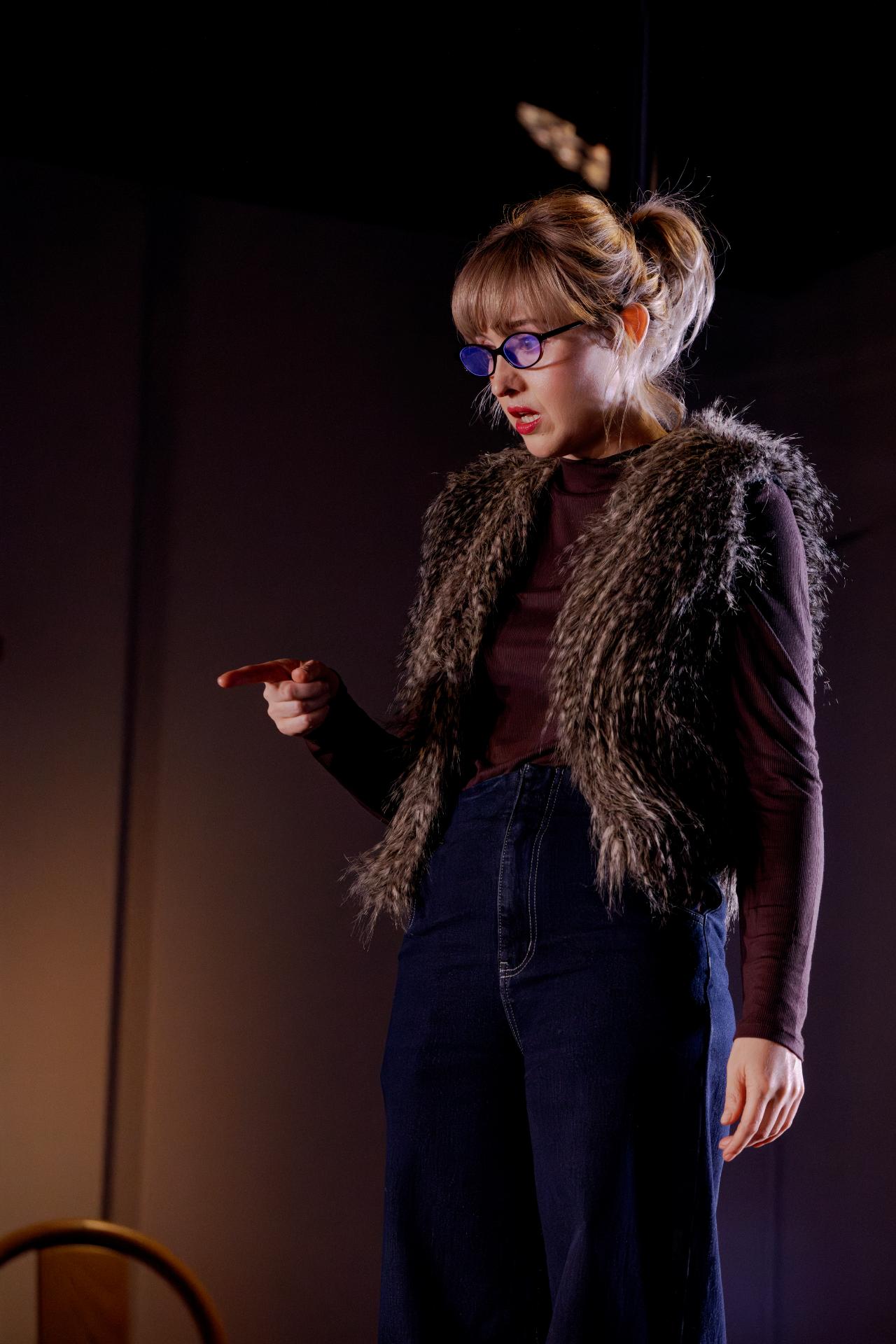
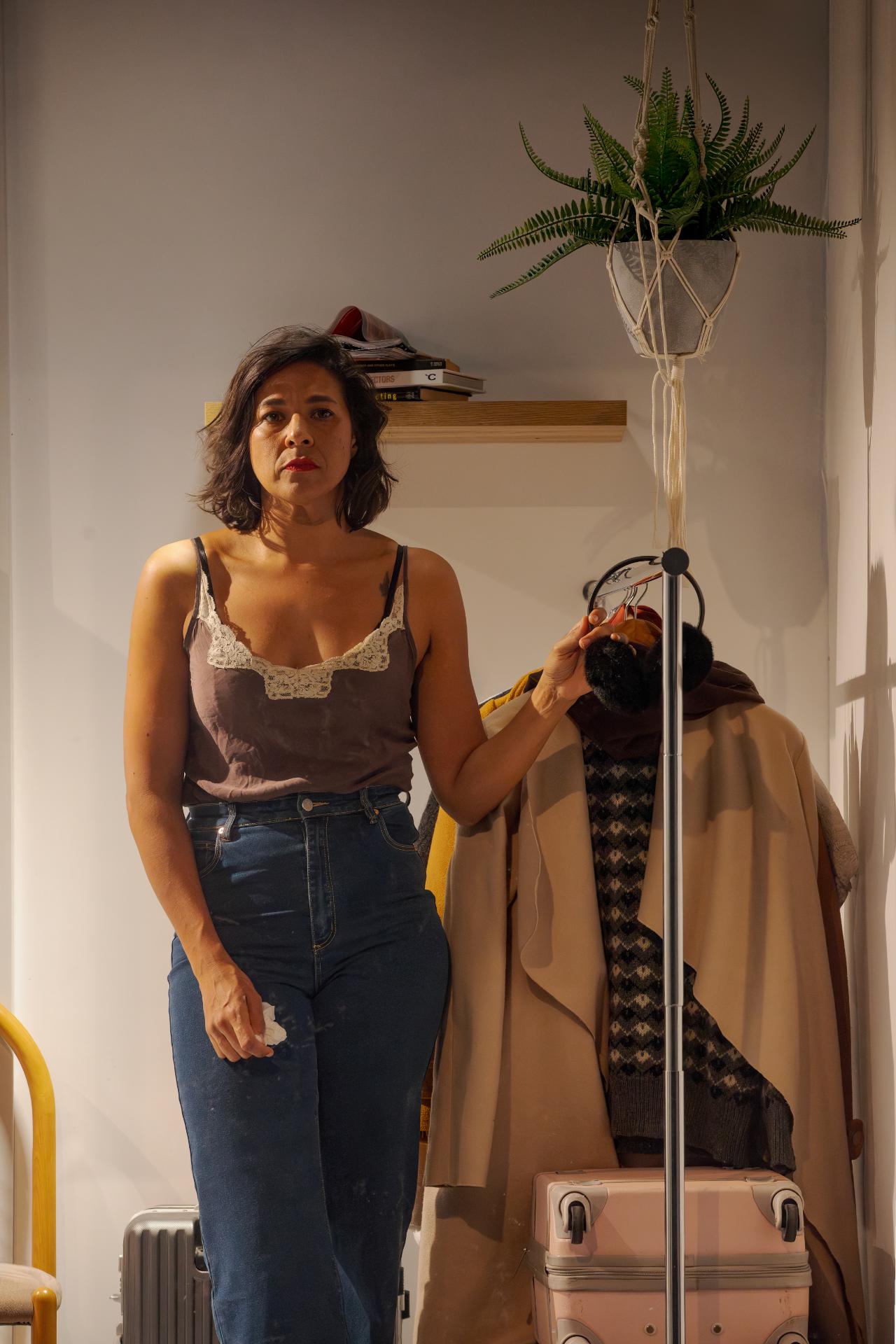
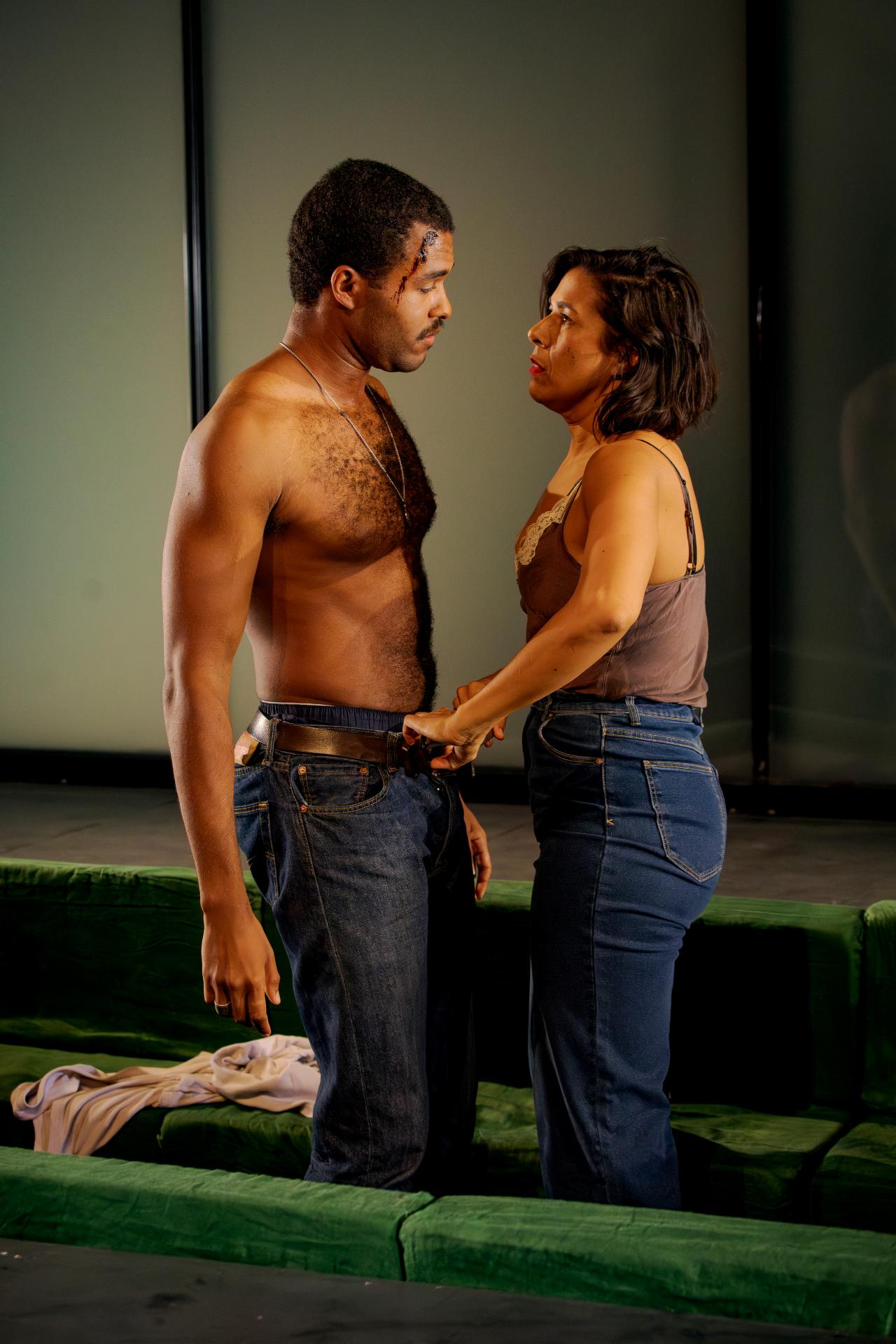
Jennifer Rani, as the leading lady, navigates her character’s emotional trajectory with forensic precision, never permitting ambiguity about where she stands in her arc. James Smithers (doubling as the film director) imbues the despicable auteur with a nuanced malevolence that is all the more chilling for its theatrical relish—he leaves the audience no aperture through which to excuse his behaviour, yet remains magnetically watchable. Lib Campbell and Matthew Abotomey furnish the production with its most indelible comic textures, their performances audacious and outrageously inventive, offering necessary respite from the narrative’s unrelenting brutality.
The women of Shooting Hedda Gabler enjoy freedoms of expression unimaginable to the 1890s characters they portray, yet Segal suggests that such liberties are largely cosmetic. We may speak our minds and gesture at agency, but the architecture beneath— the structural mechanisms that shape female destiny—remains obstinately intact, fiercely committed to our subjugation. The play’s sharpest insight lies here: in the cruel illusion that progress has occurred when, in fact, the machinery has simply learned to disguise itself.
www.seymourcentre.com | www.secrethouse.com.au