Venue: Sydney Opera House (Sydney NSW), Jun 16 – 20, 2026
Playwright: Jonny Hawkins
Director: Nell Ranney
Cast: Jonny Hawkins
Images by Daniel Boud
Theatre review
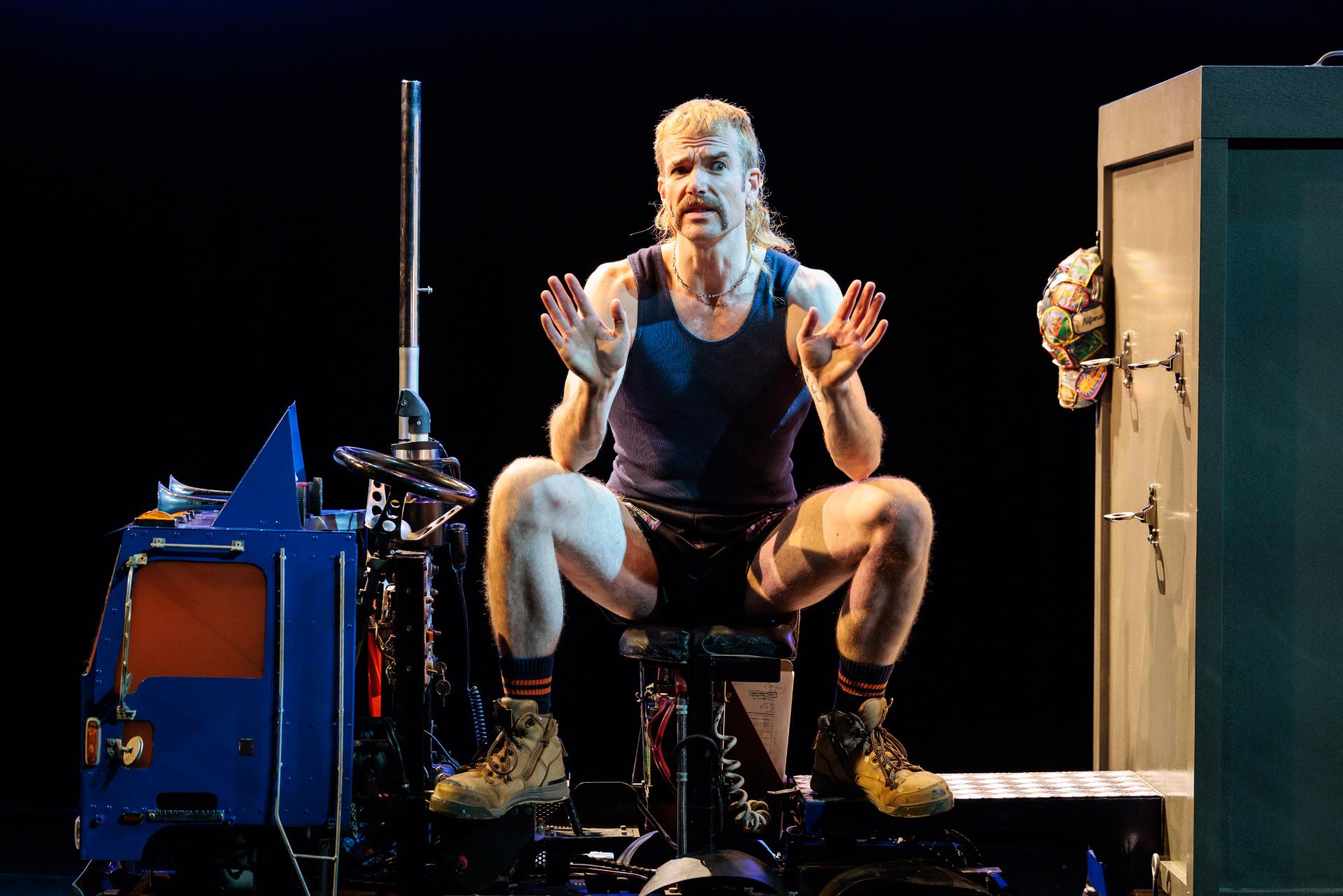
Jonny Hawkins’ solo performance Truck Driver traces the continental crossings of Chiko, a long-haul driver whose solitary labour—ferrying cargo and livestock across vast distances—sustains the invisible arteries of contemporary consumption. Yet Hawkins refuses the easy reduction of their protagonist to mere instrument; Chiko is, above all, a consciousness in motion, his interior life rich with unspoken rumination. Only the chance encounter with a hitchhiker occasions the rare transmutation of thought into speech, exposing the profound isolation that structures his existence. In this respect, Chiko belongs to that vast, uncelebrated multitude upon whose labour modern life silently depends, and Hawkins’ play offers an uncommon aperture into the psychological textures of working-class experience—its resentments and generosities alike—in what reads as a sustained act of narrative restitution.
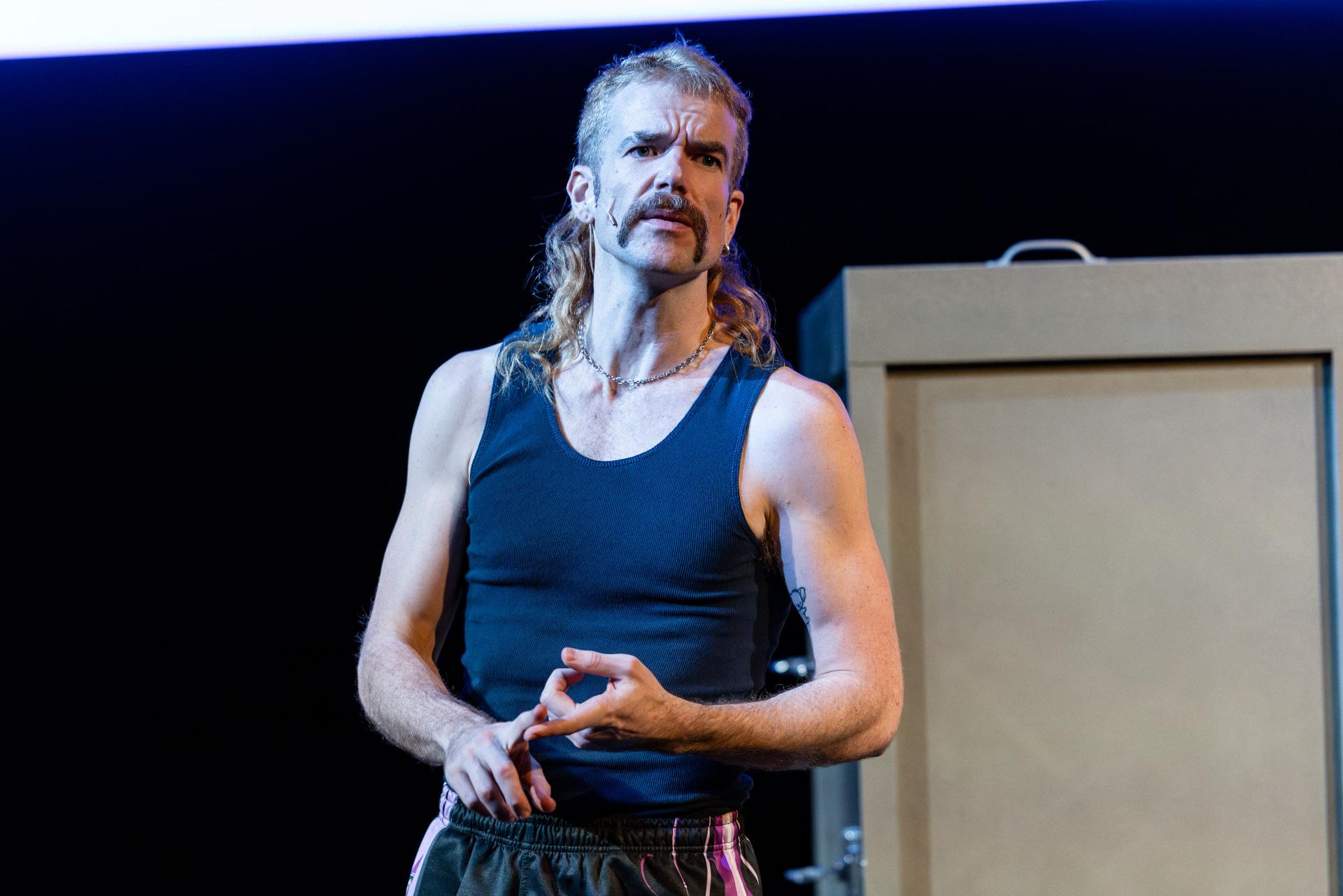
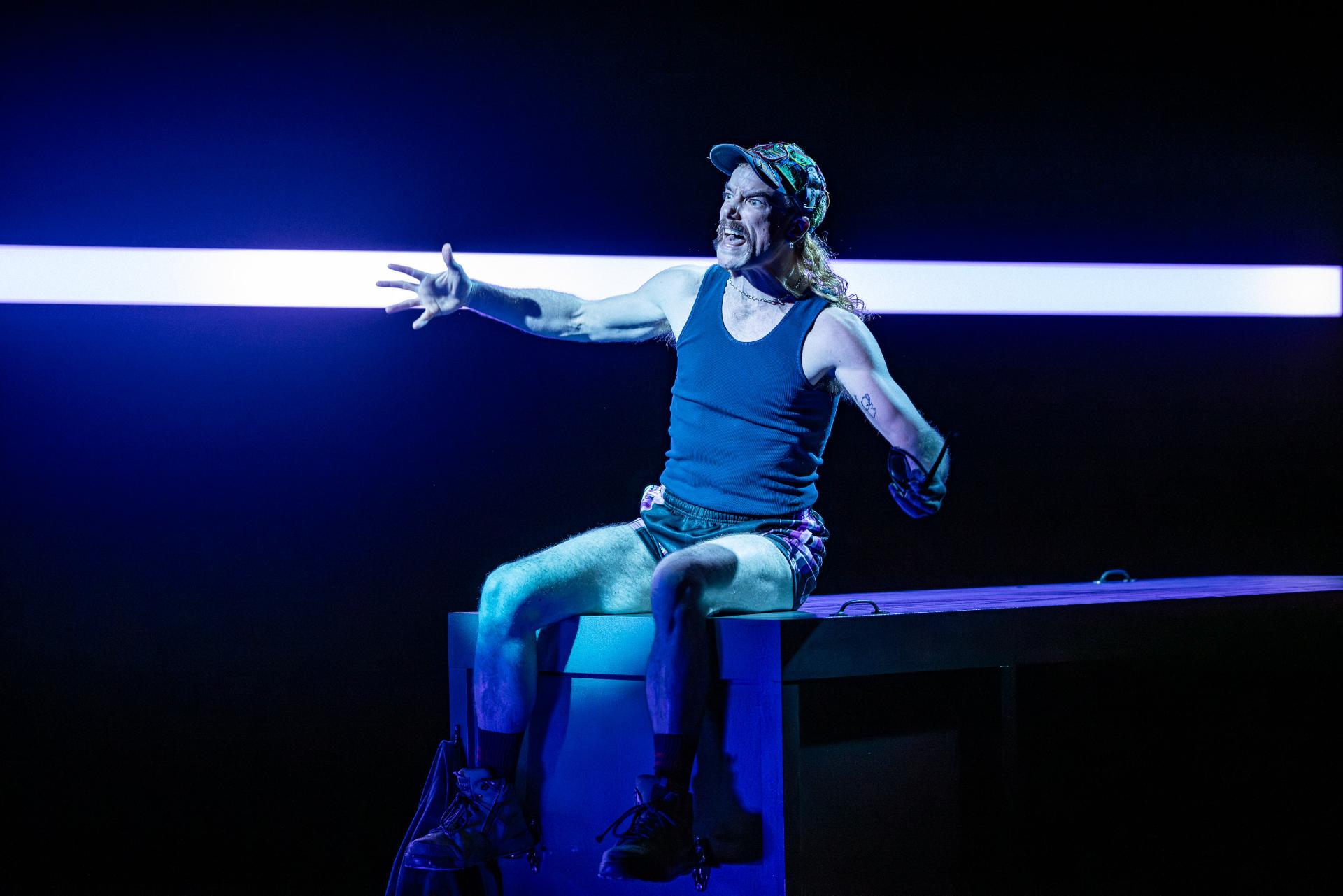
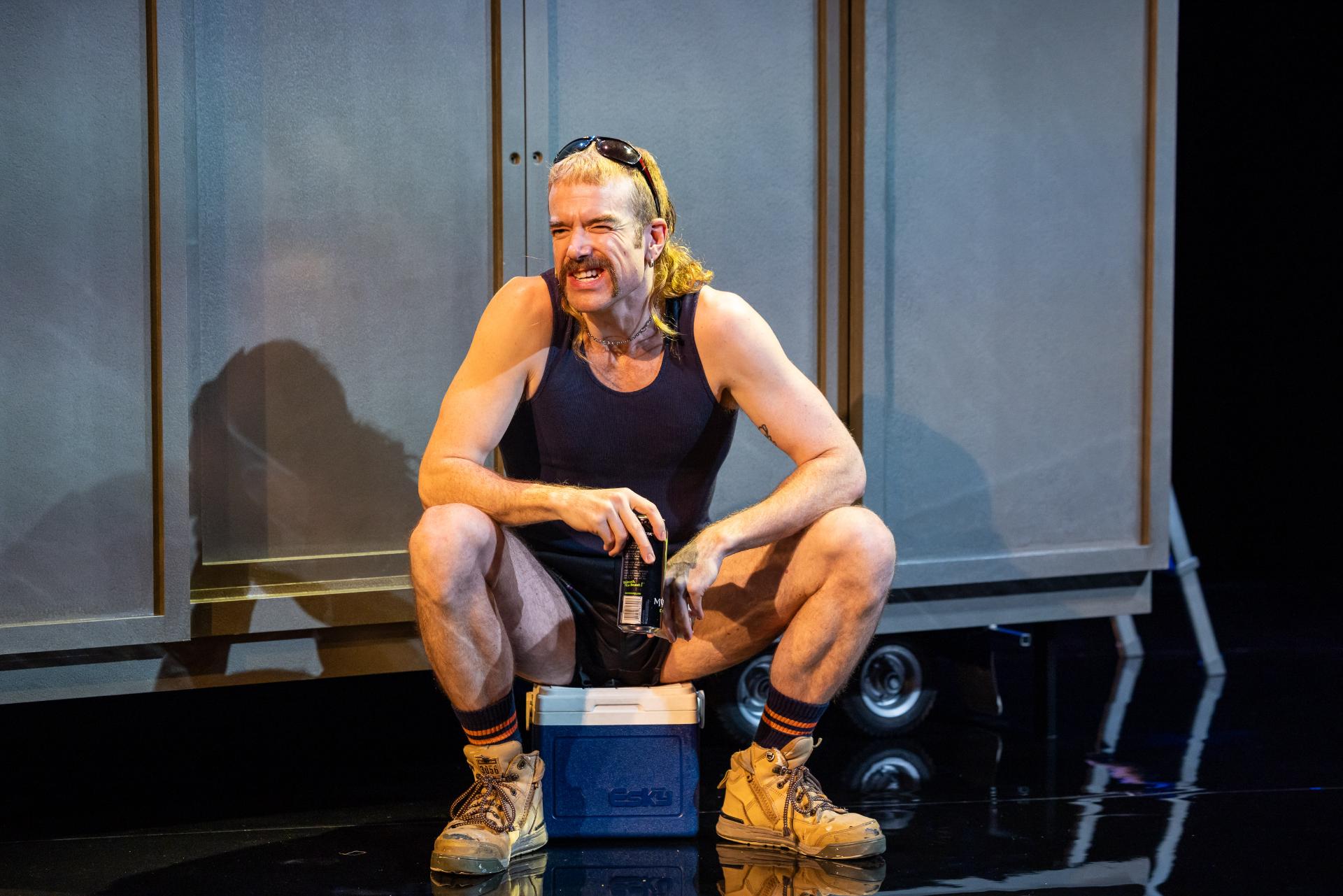
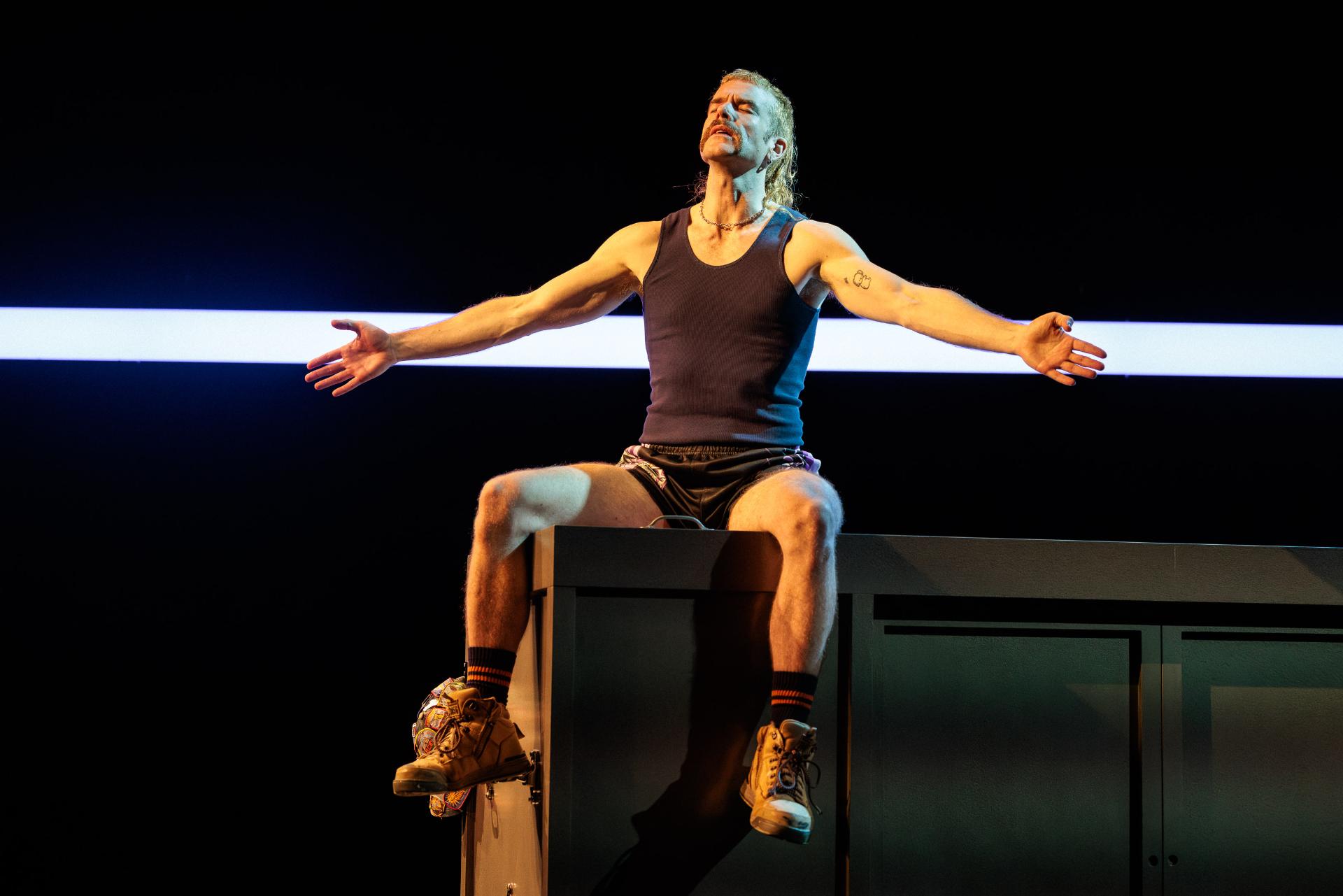
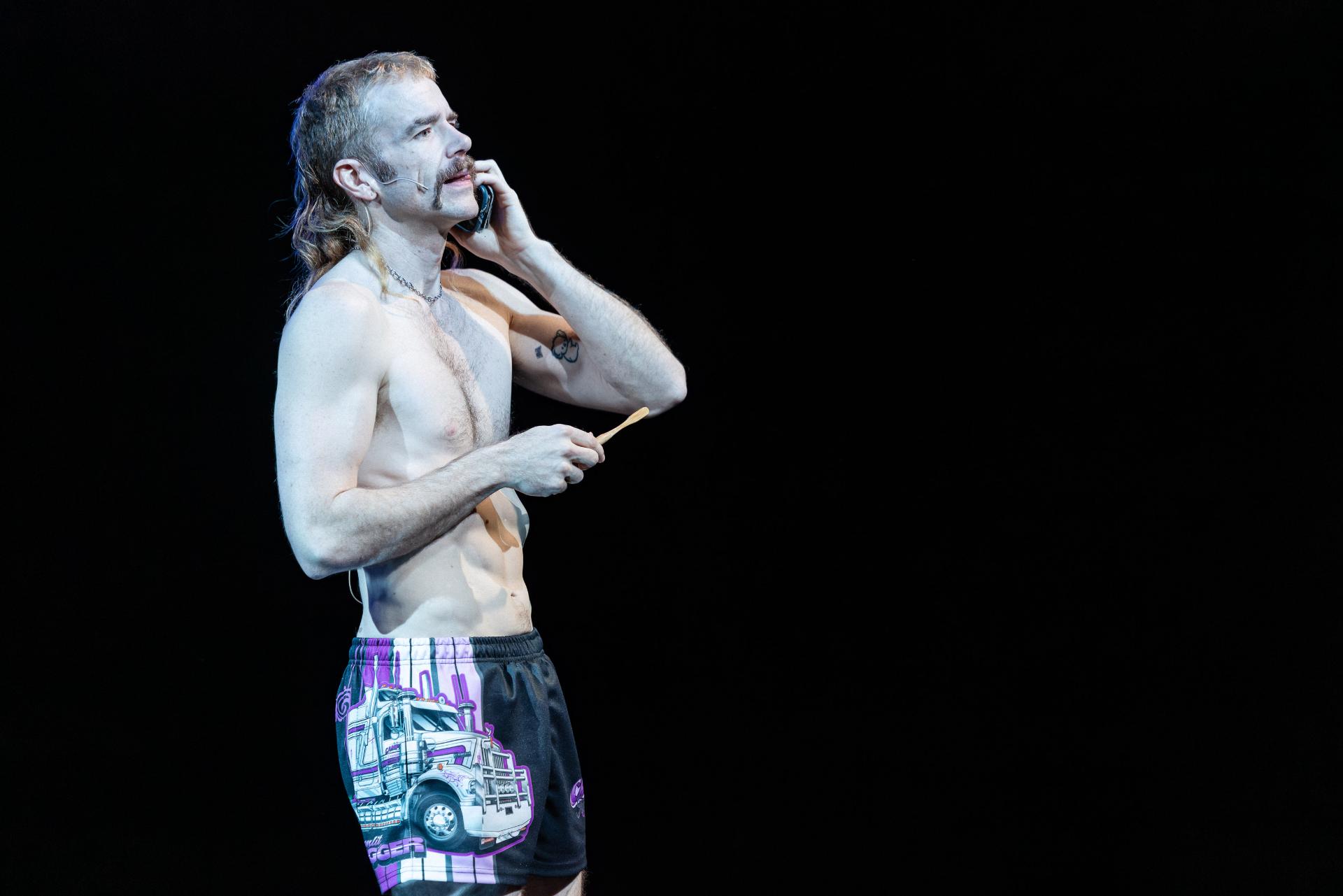
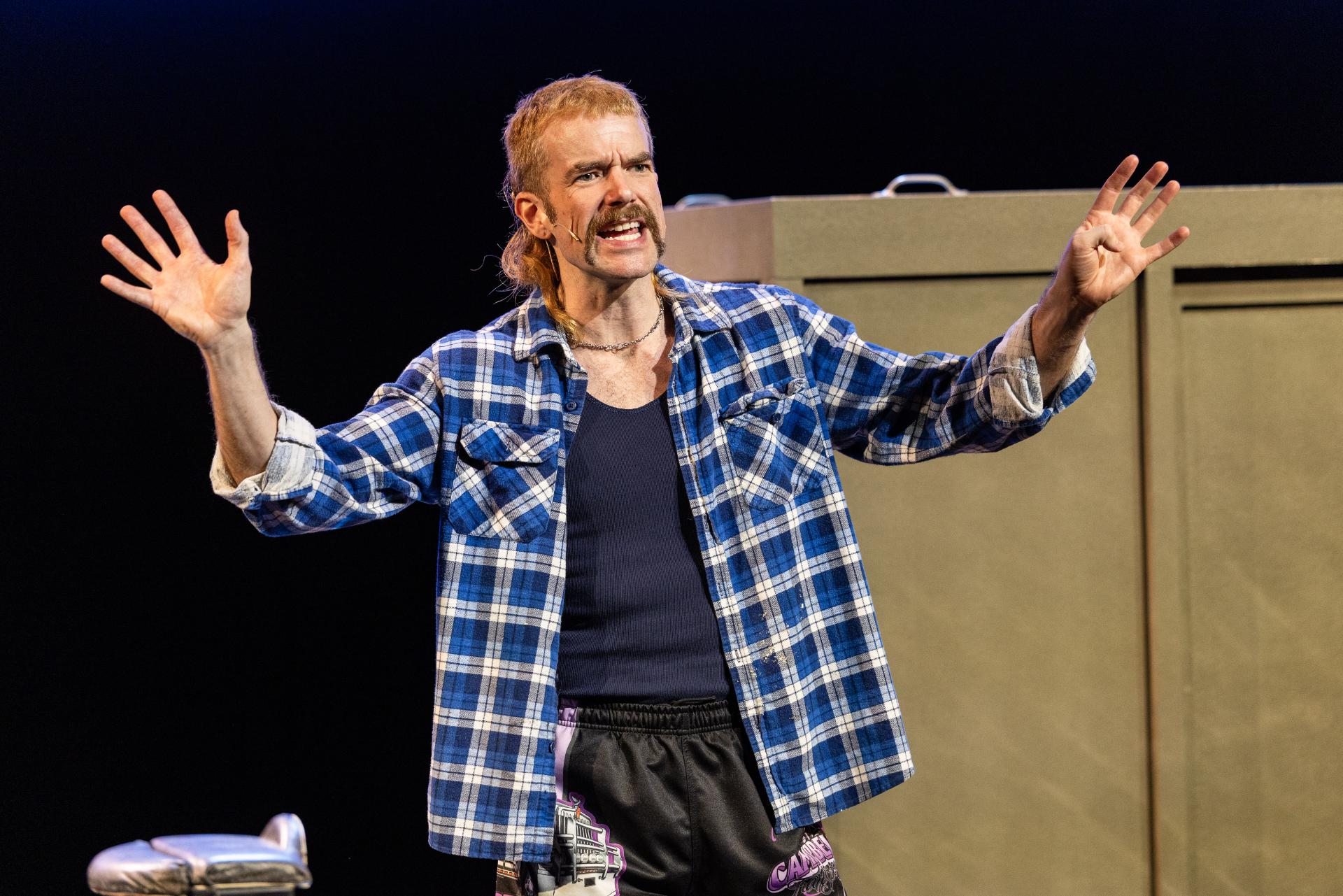
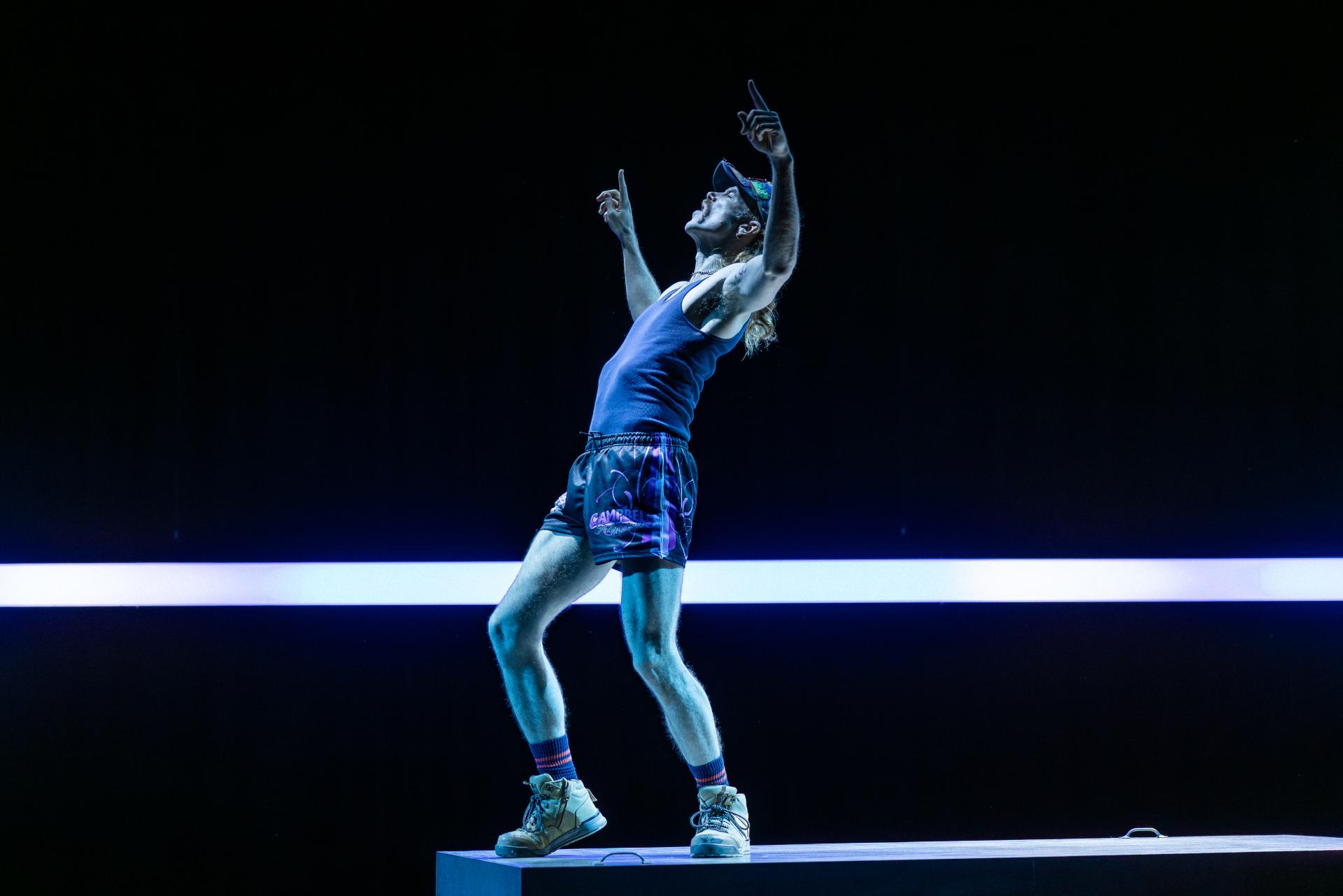
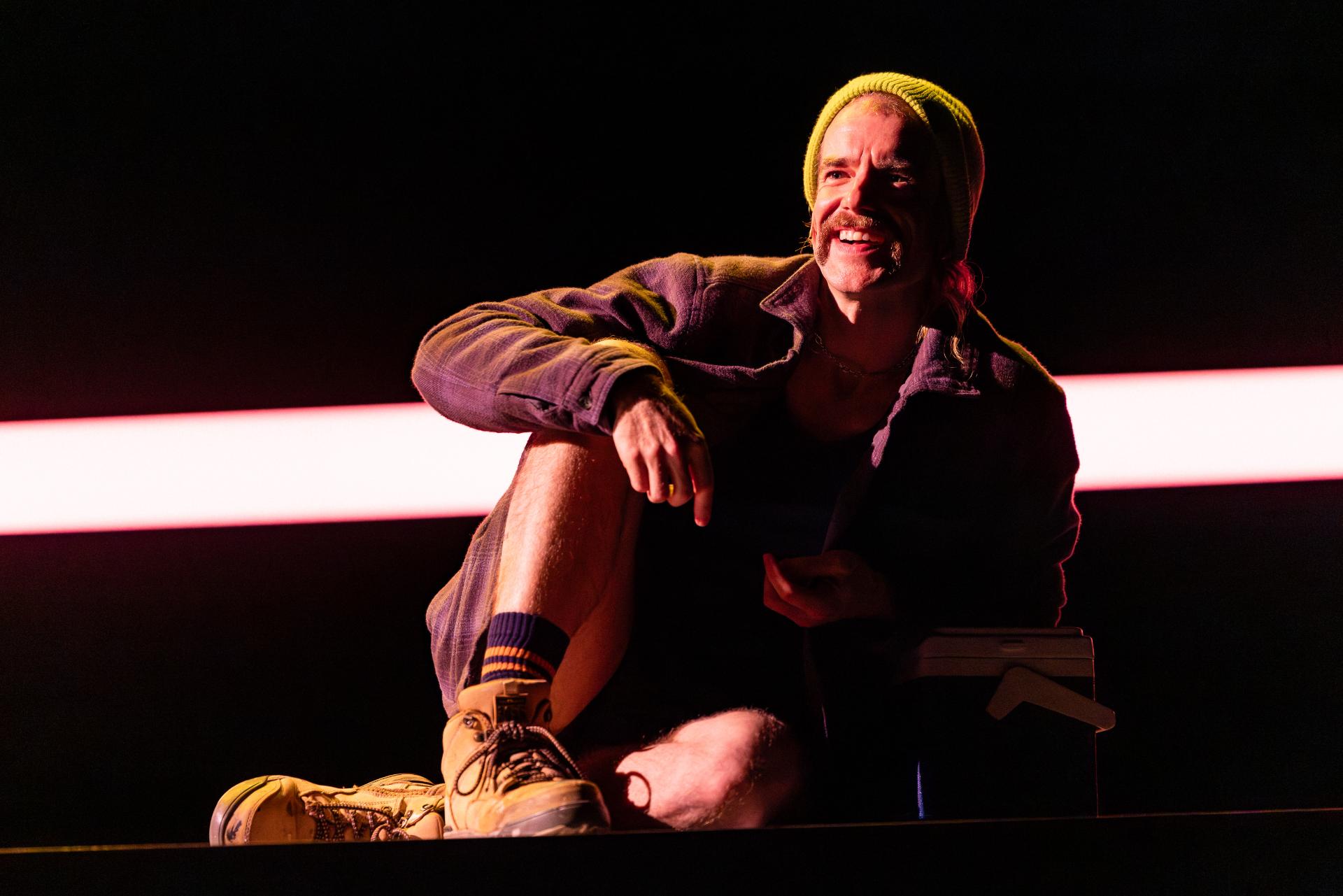
If the dramatic architecture occasionally strains under the weight of its own ambition, the work’s capacious humanism remains beyond question. As performer, Hawkins possesses an irrepressible charm that gracefully compensates for the text’s intermittent monotony. Their Chiko is at once vindictive and jovial, the archetypal larrikin rendered with sufficient vulnerability to forestall mere caricature. Even when the character ventures into objectionable territory, Hawkins maintains an empathic tether, eliciting from their audience not condemnation but the more complex gift of suspended judgment. There is, moreover, a palpable theatrical intelligence at play—highly entertaining in its artifice, yet grounded in an authenticity that never permits the performance to collapse into mere showmanship.
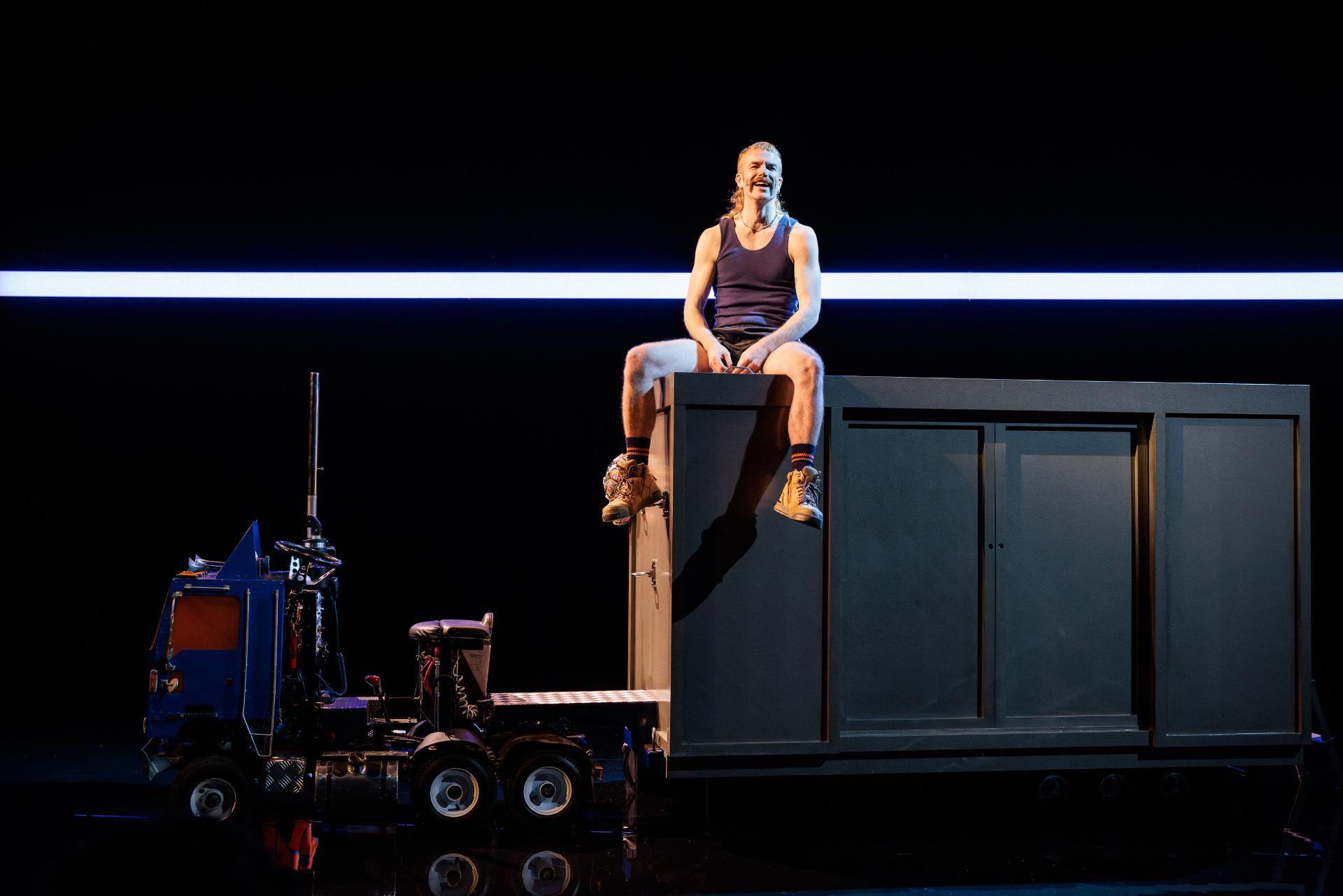
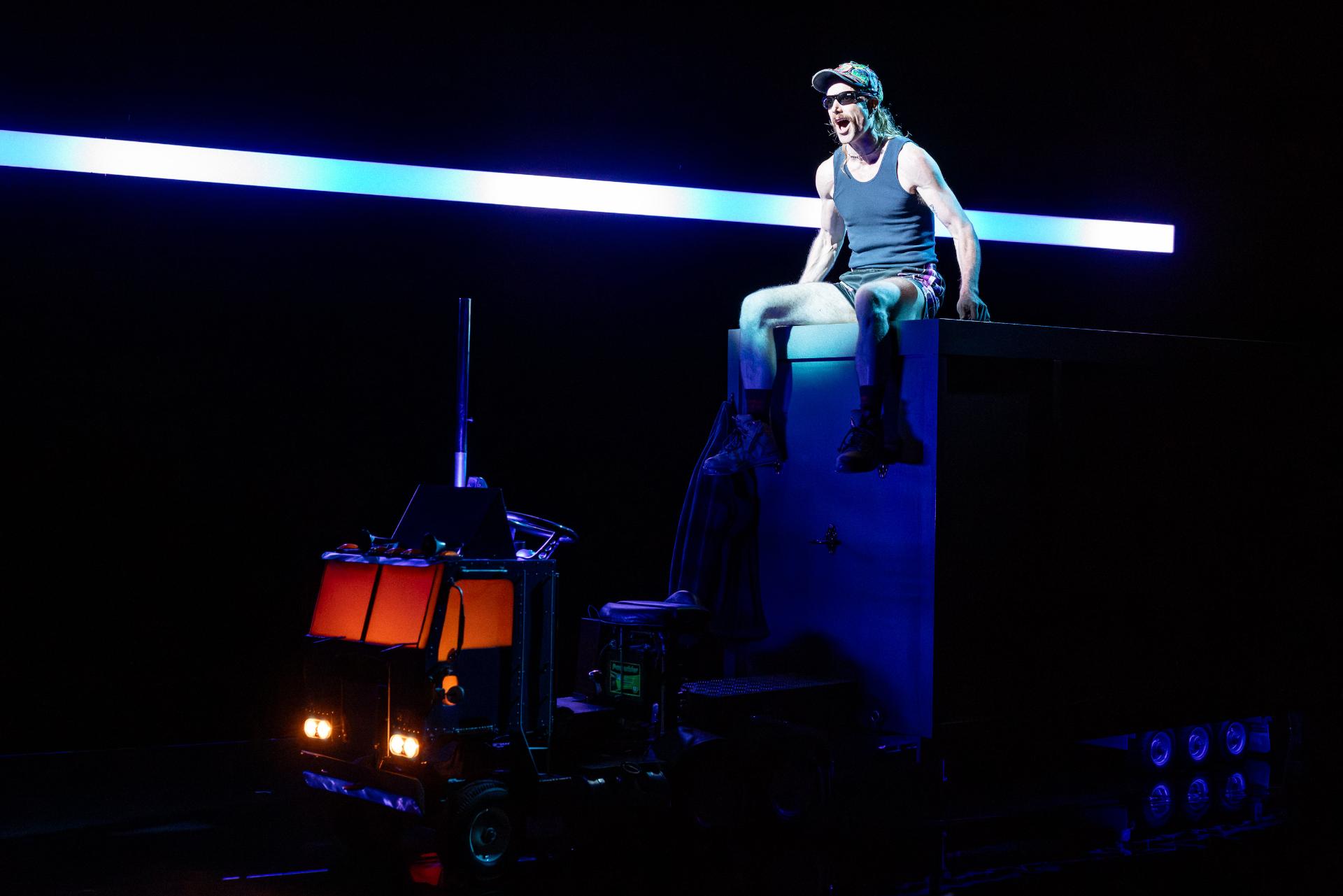
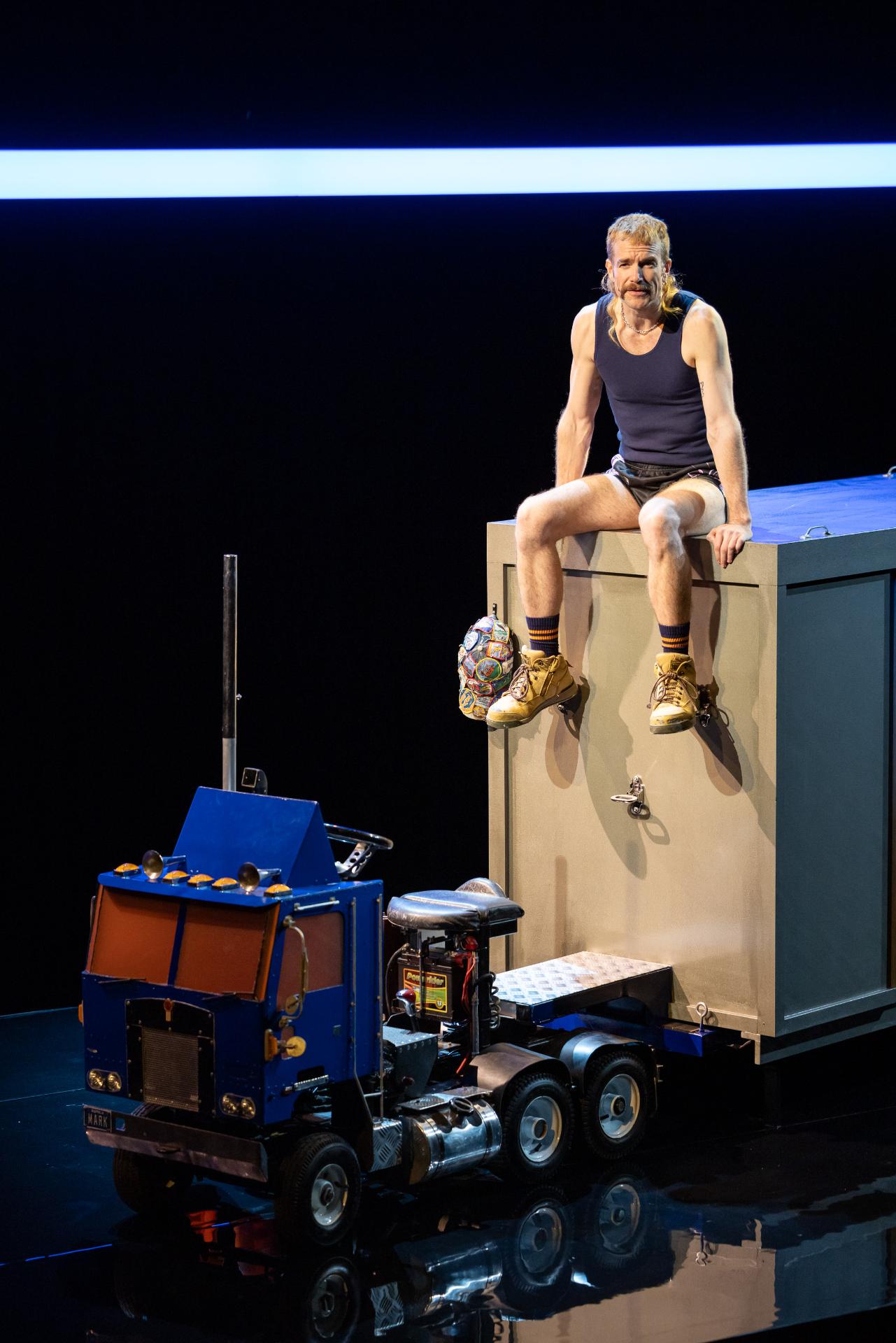
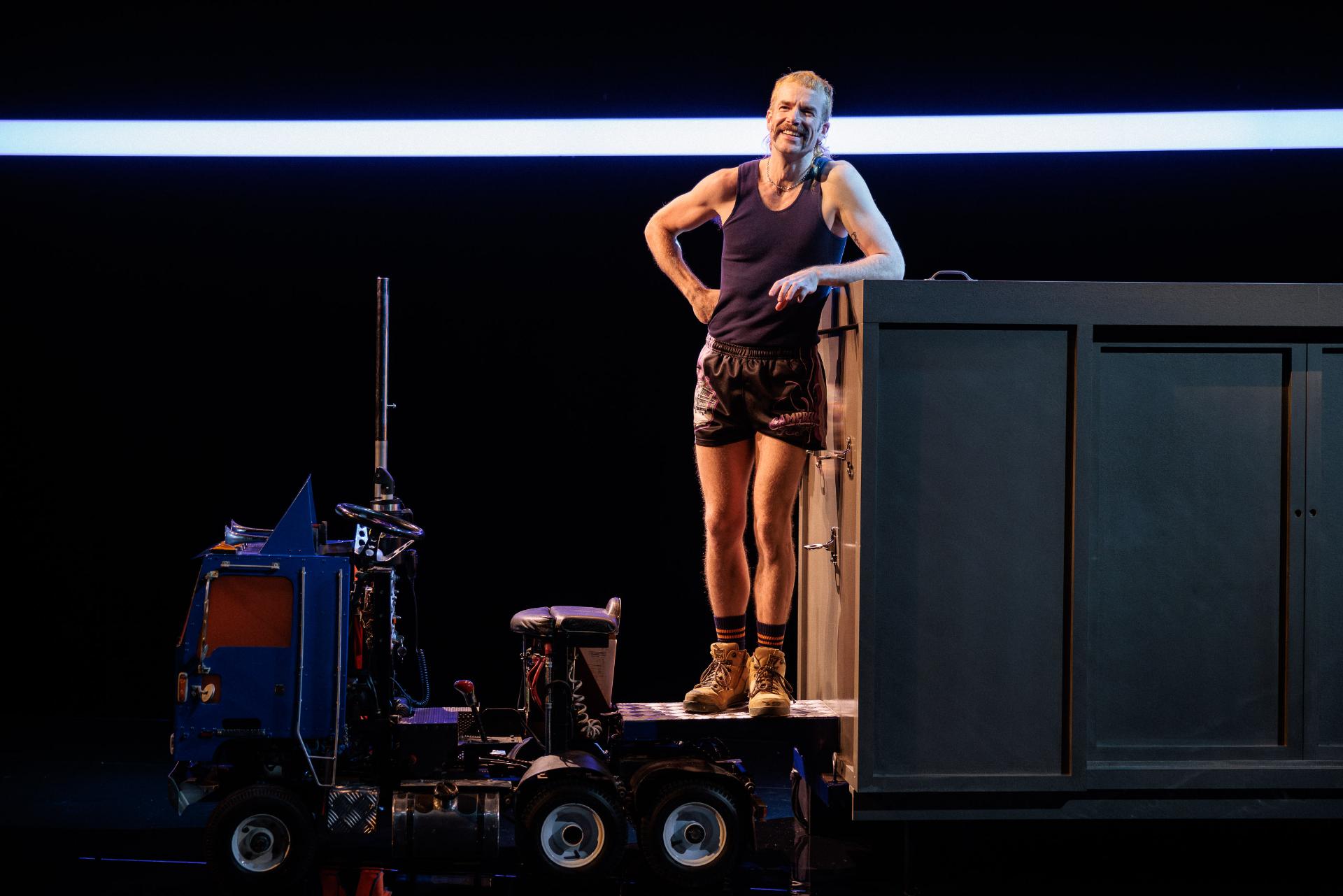
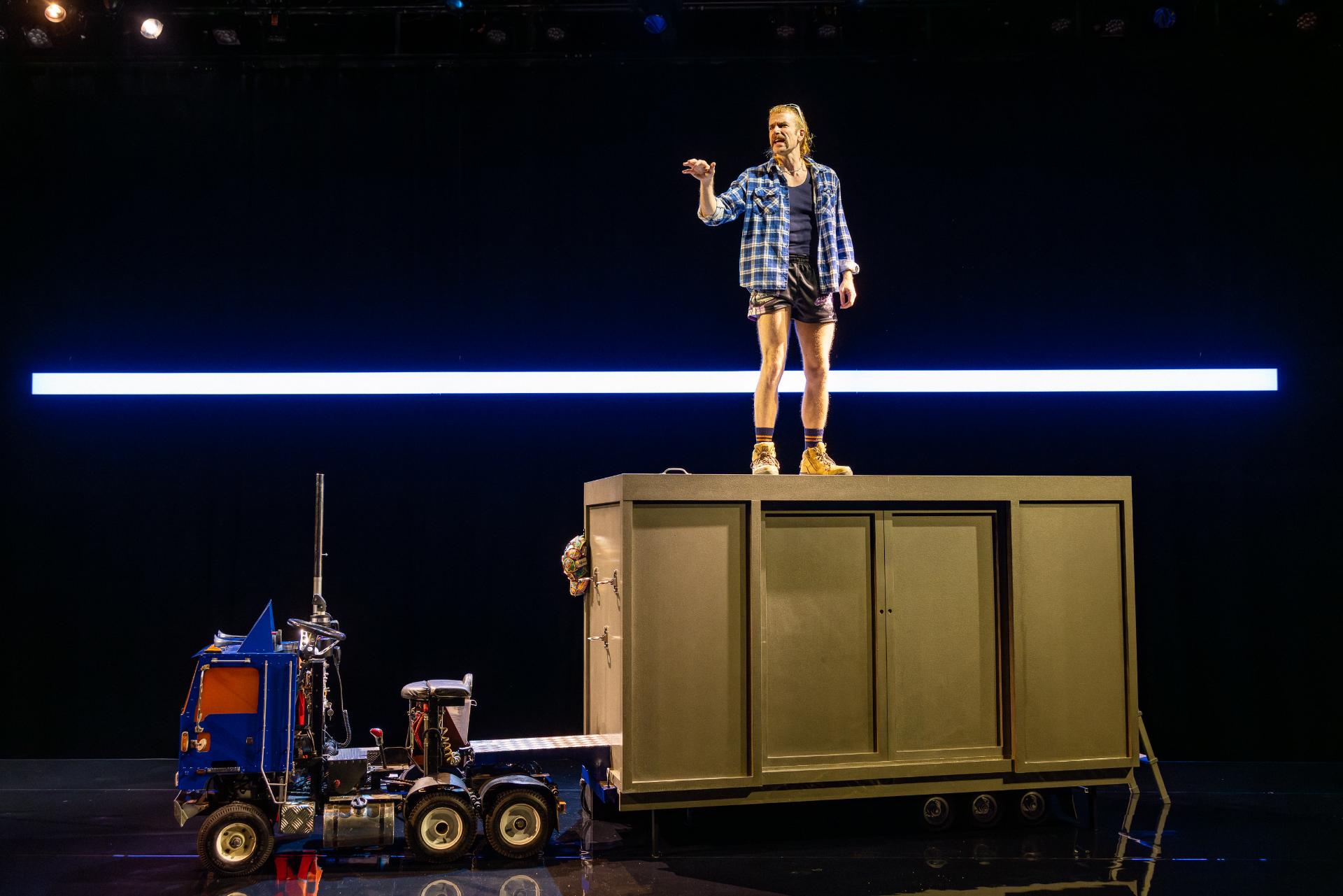
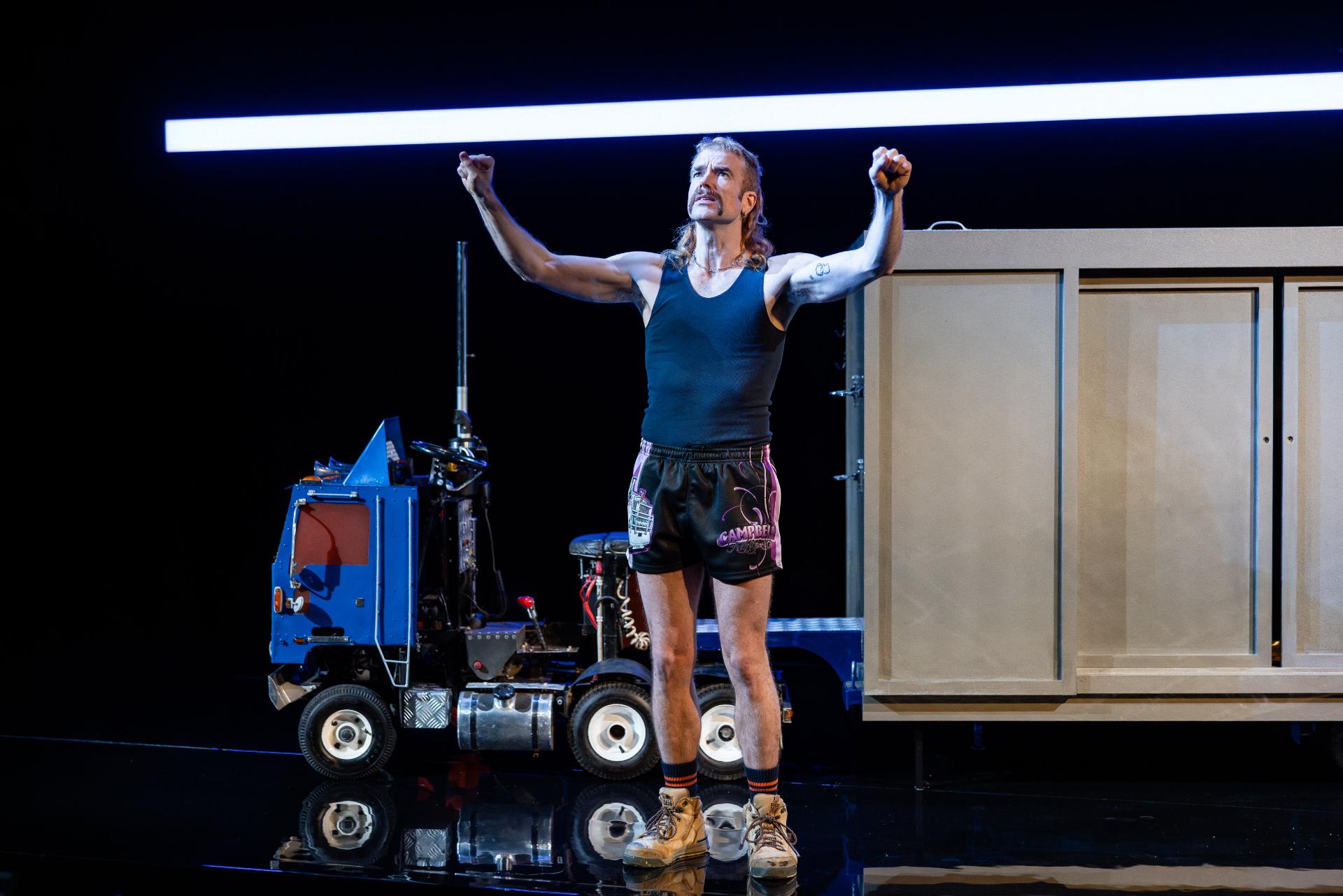
Nell Ranney’s direction demonstrates exceptional sensitivity, calibrating each line with interpretive nuance and liberating Hawkins’ physicality to move with fluid inventiveness, transfiguring what is, in literal terms, an essentially static predicament. Isabel Hudson’s set design—a miniature truck, perfectly proportioned to the stage’s dimensions—conjures both the monumental heft of these machines and, by implication, the outsized moral stature of the man who commands one. Nick Schlieper’s lighting and Steve Toulmin’s score make their most arresting impression in the highly dramatised prologue, where kinetic exhilaration establishes an almost visceral immediacy; yet for the bulk of the production, both designers exercise remarkable restraint, attuning the audience to the subtle frequencies of Chiko’s inner life.
The majority of our populace remains structurally invisible, even as we presume to understand the collective consciousness that shapes our political destinies. Chiko is, in certain respects, precisely the figure we might anticipate; yet he continually confounds expectation, revealing unexpected capacities for reflection and metamorphosis. He is, in the end, perpetually underestimated and perpetually taken for granted—a condition the play refuses to let us forget.