Review: Saplings (ATYP)

Venue: The Rebel Theatre (Sydney NSW), Jan 24 – Feb , 2024
Playwright: Hannah Belanszky
Director: Abbie-lee Lewis
Cast: Maliyan Blair, Nyasha Ogden, Wesley Patten, Ioane Sa’ula
Images by Clare Hawley

Theatre review
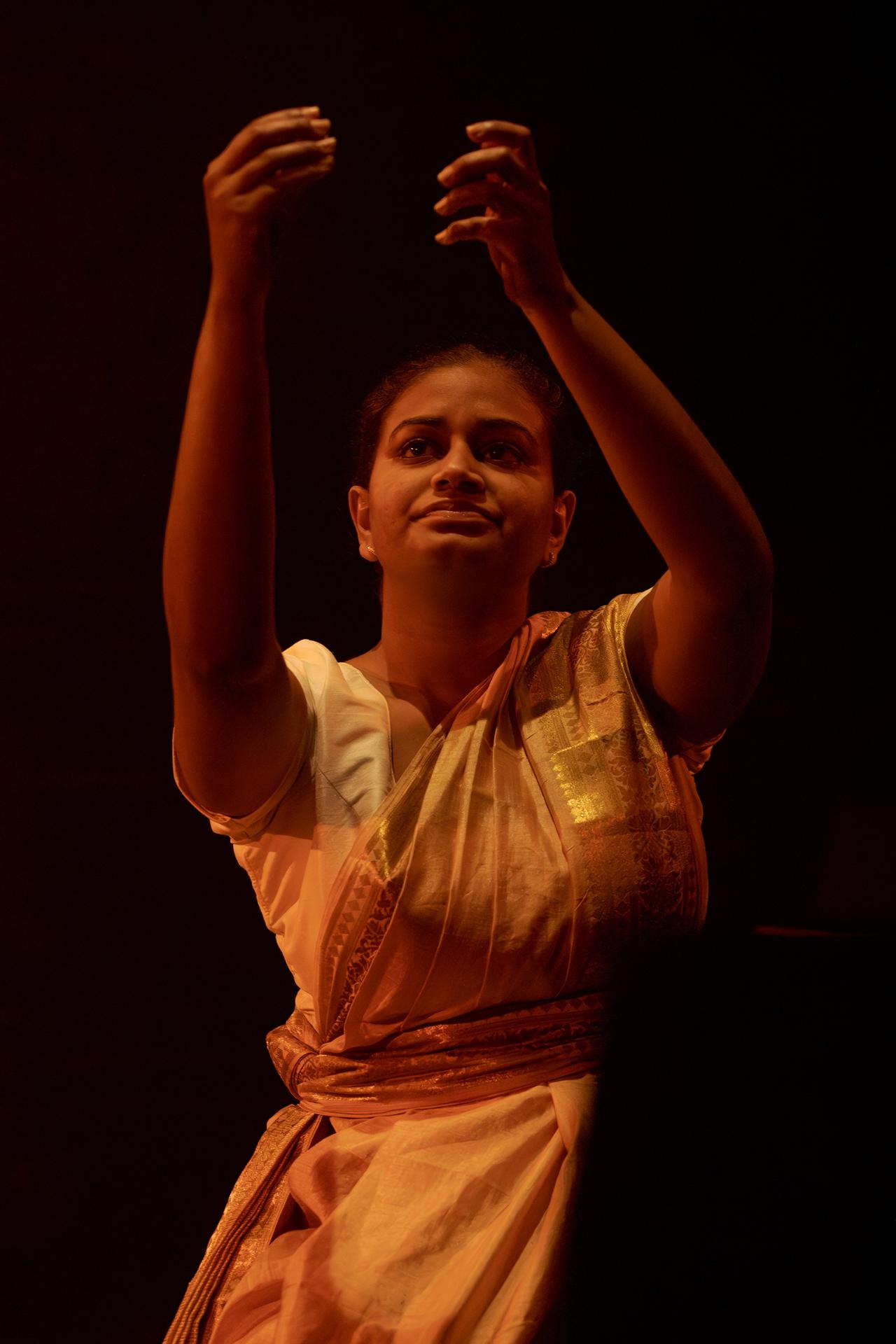
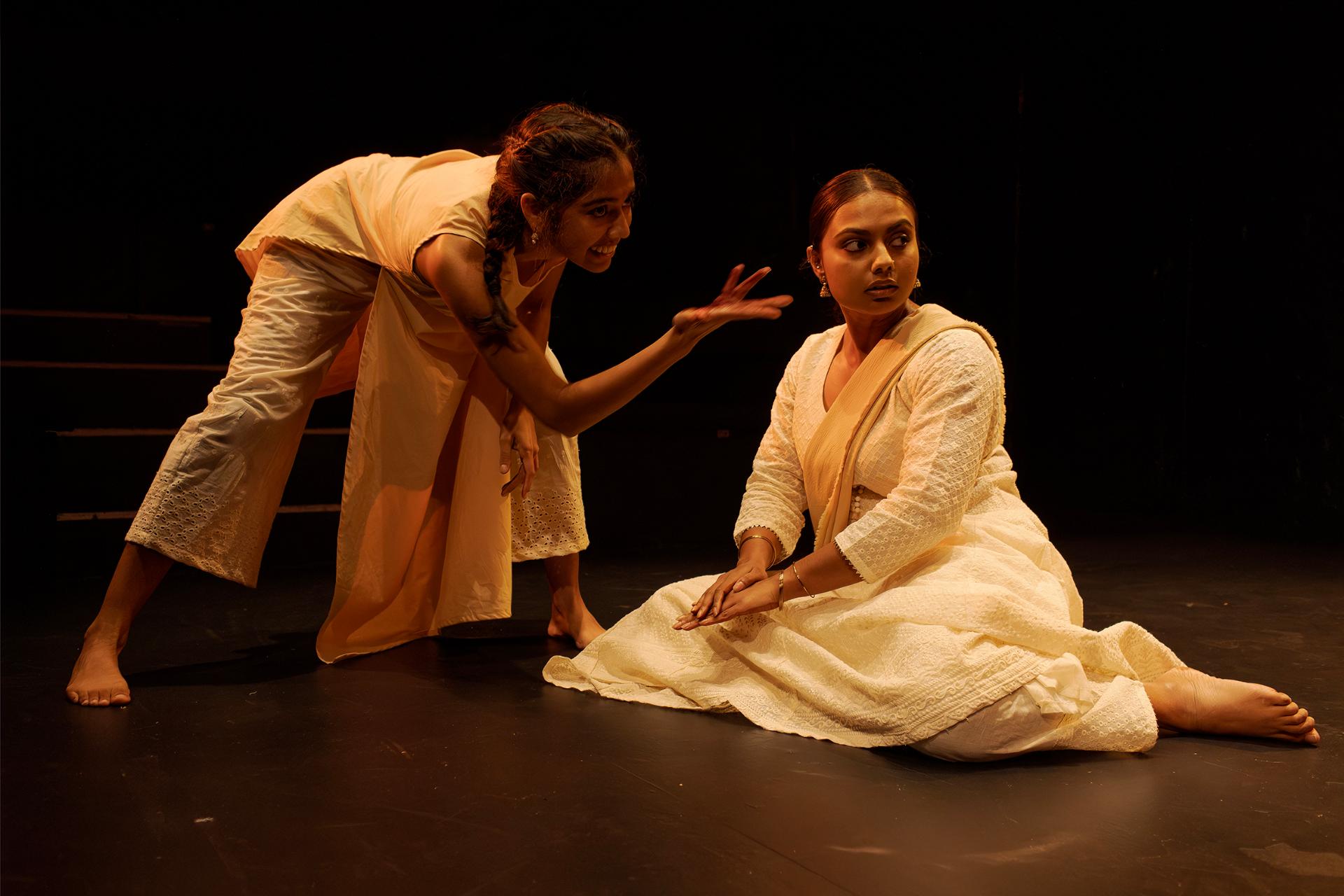
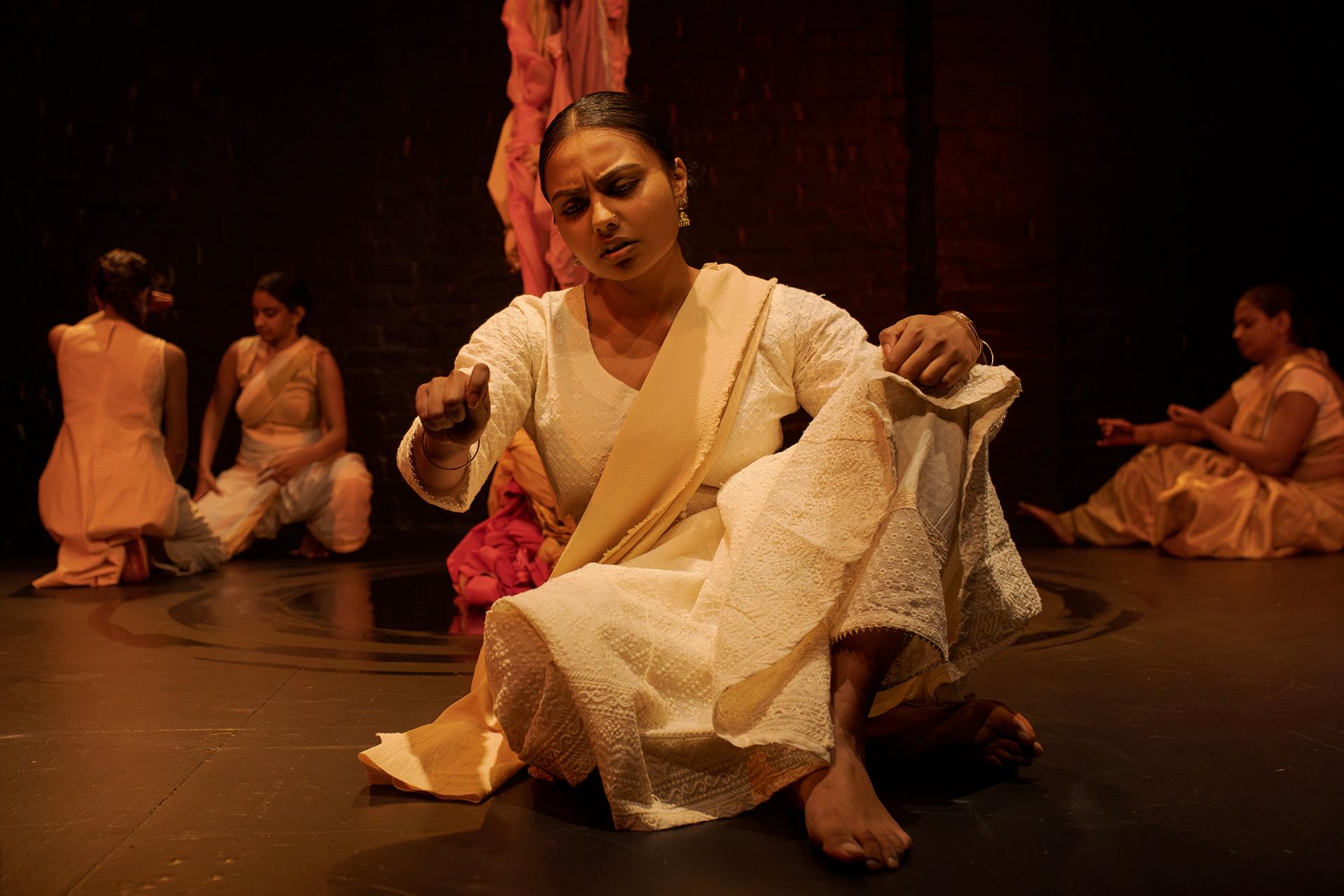
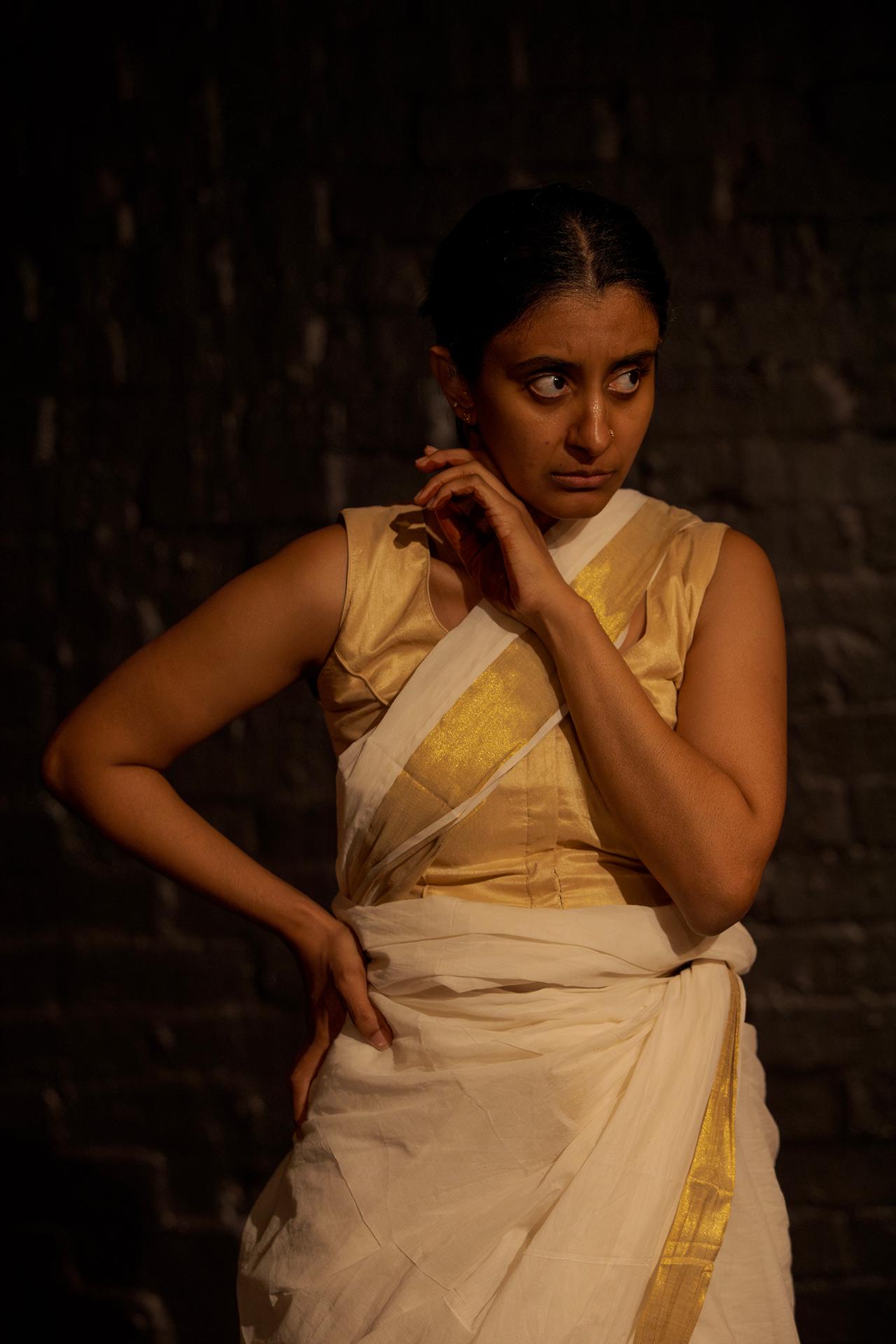
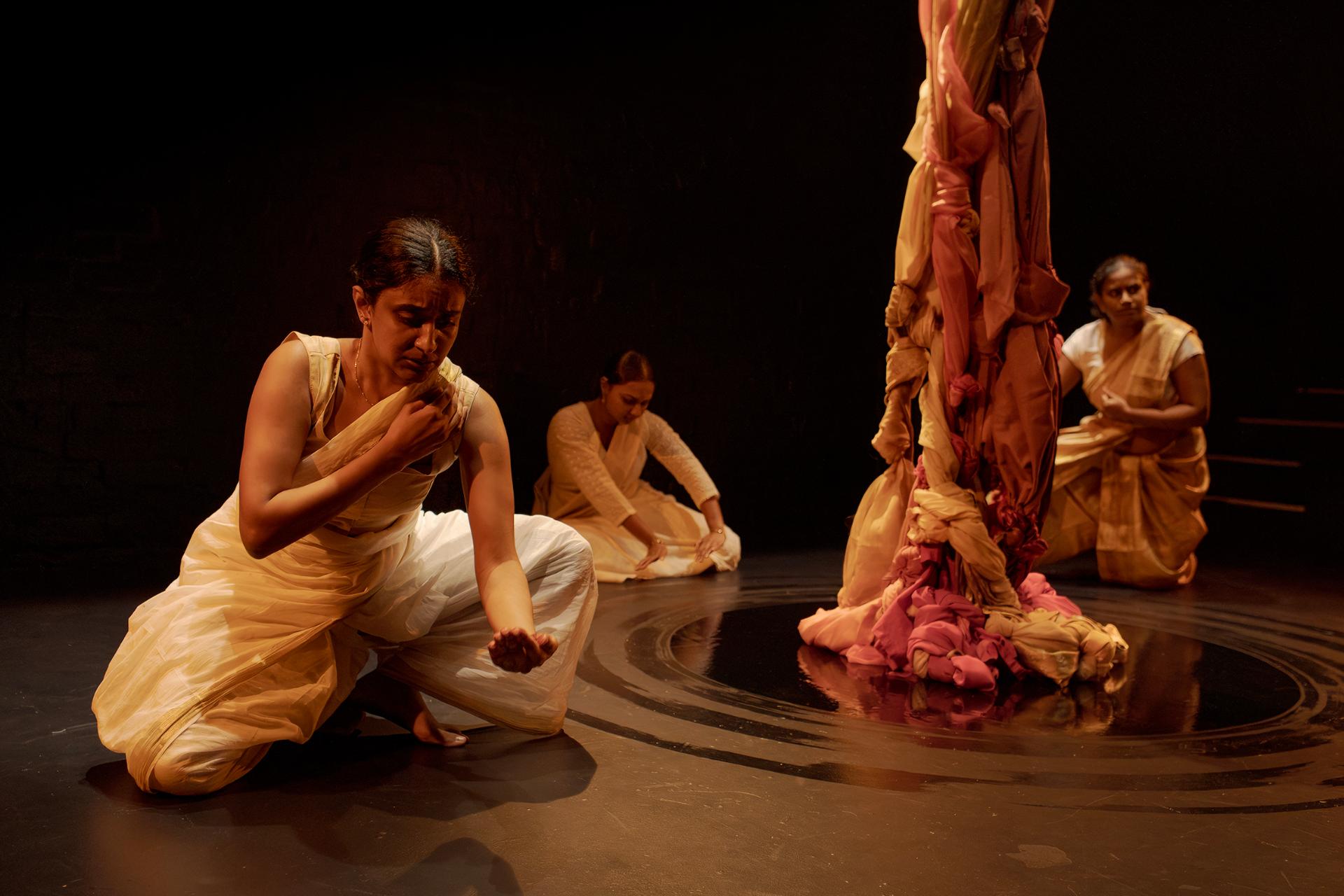
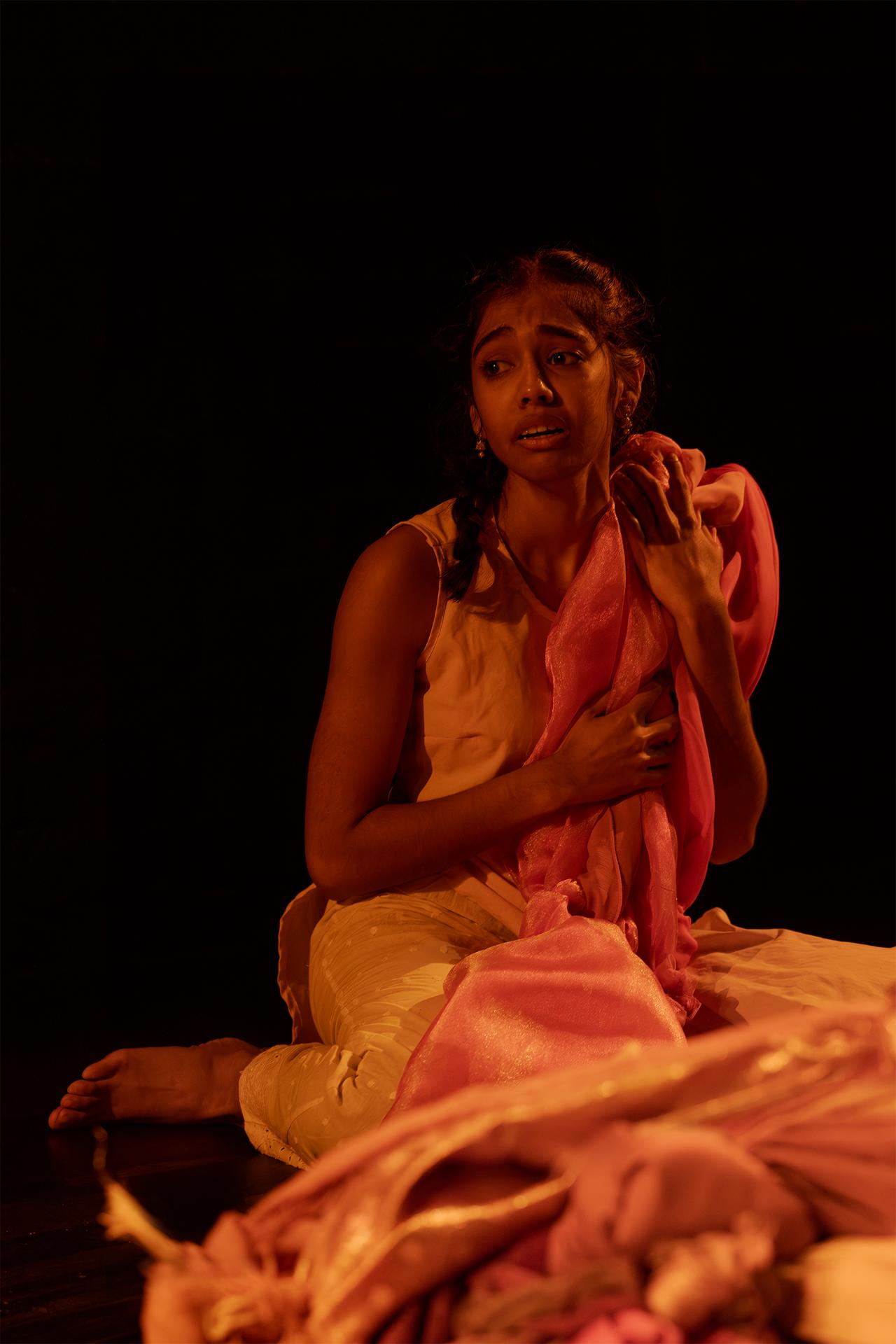
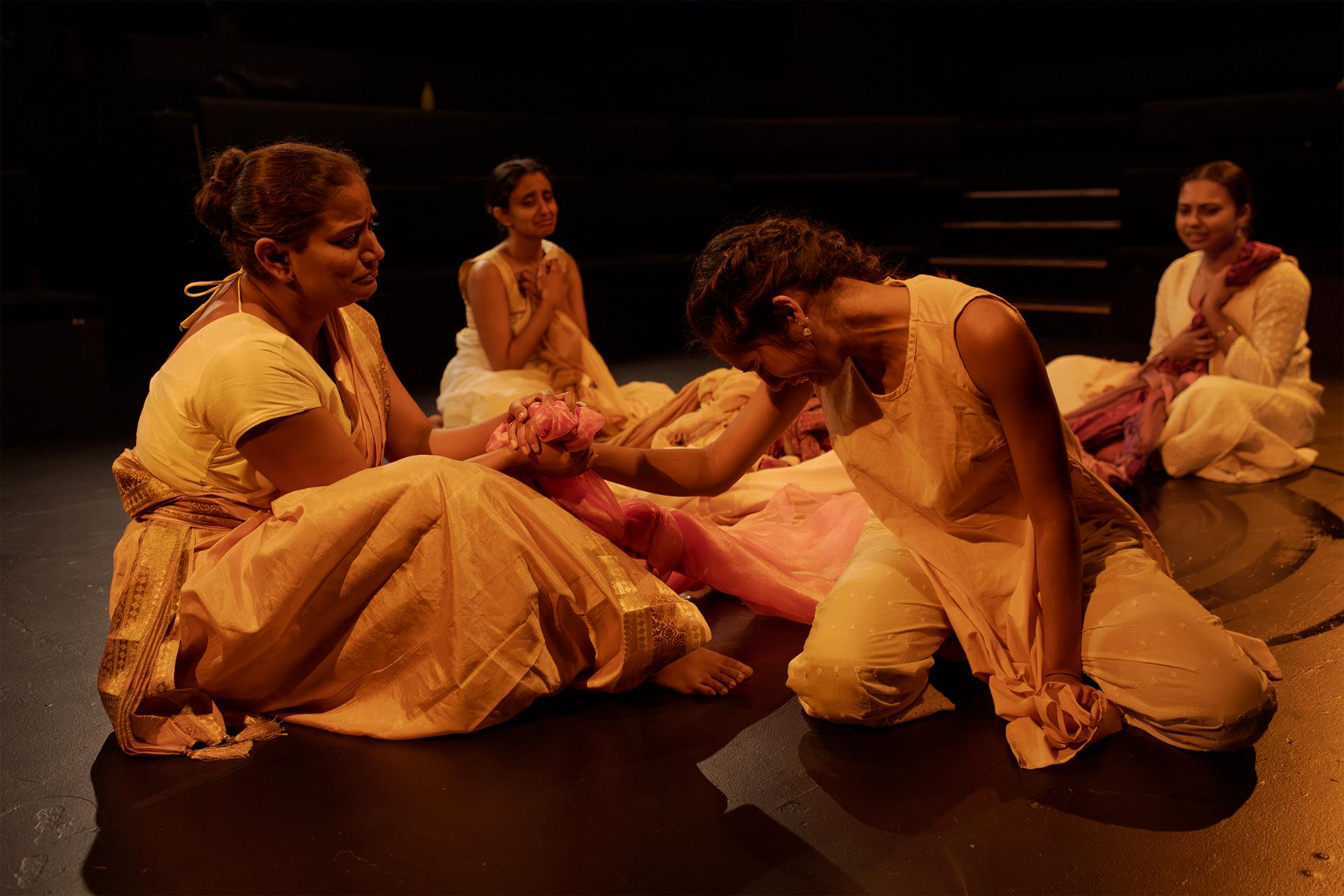
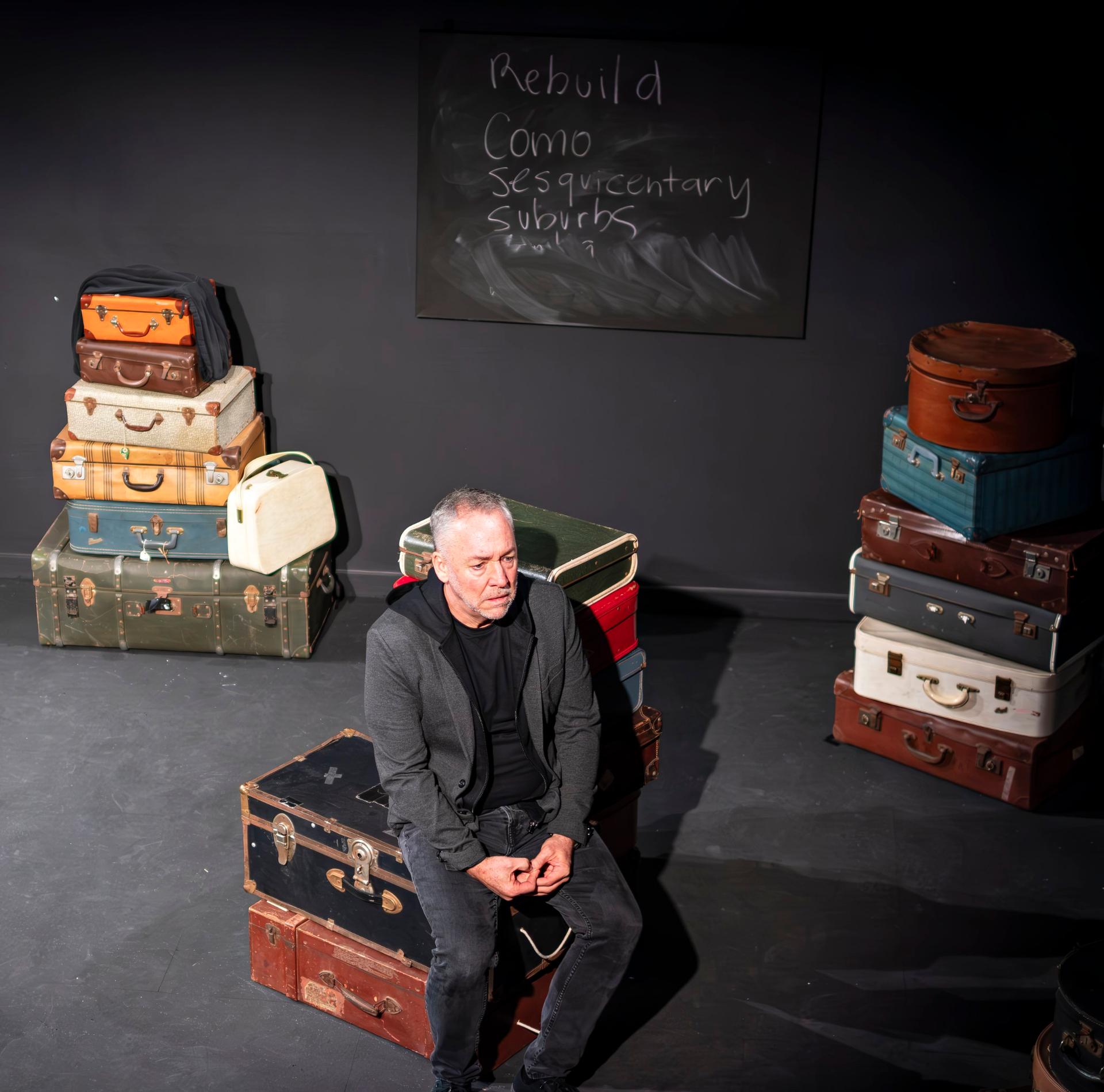
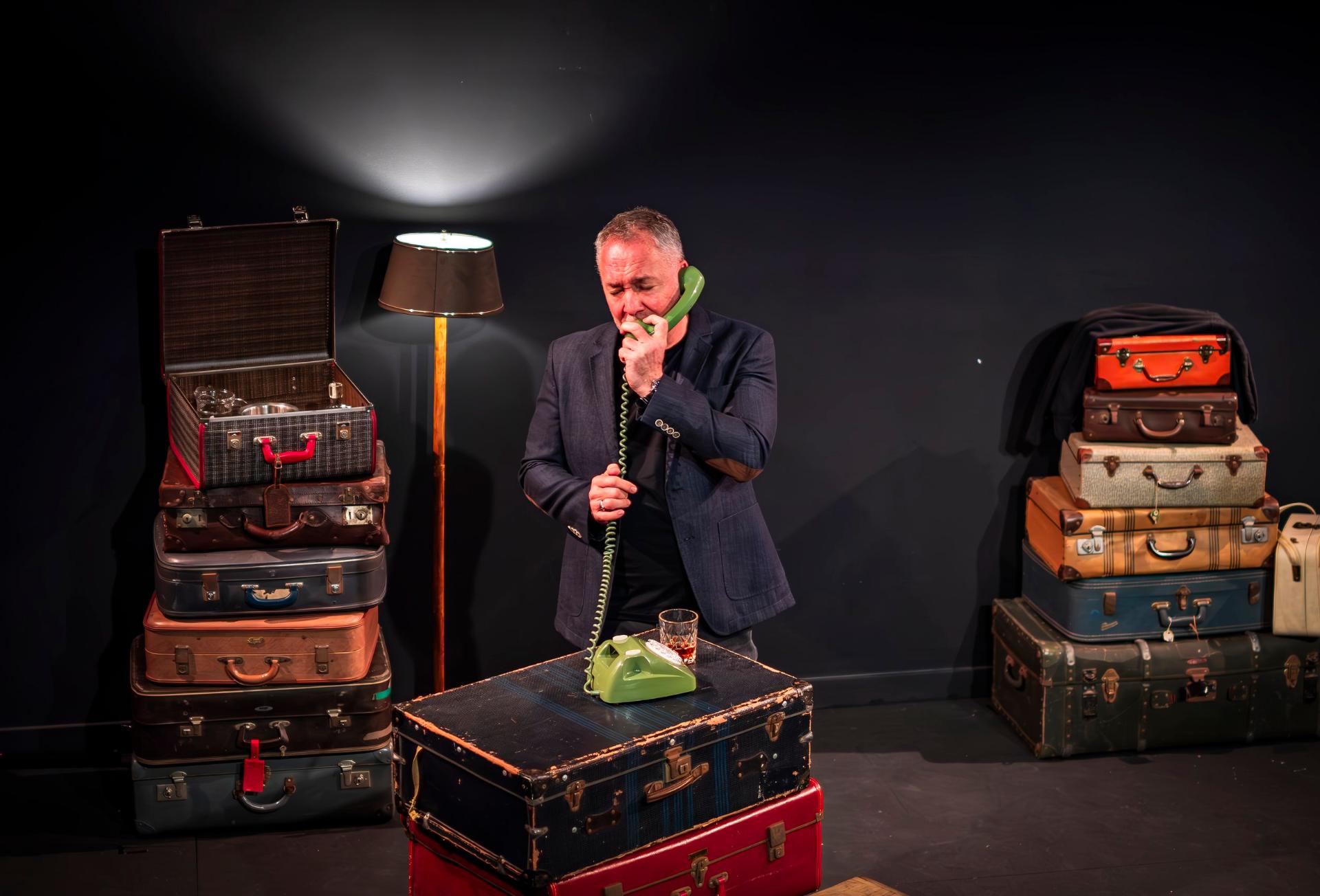
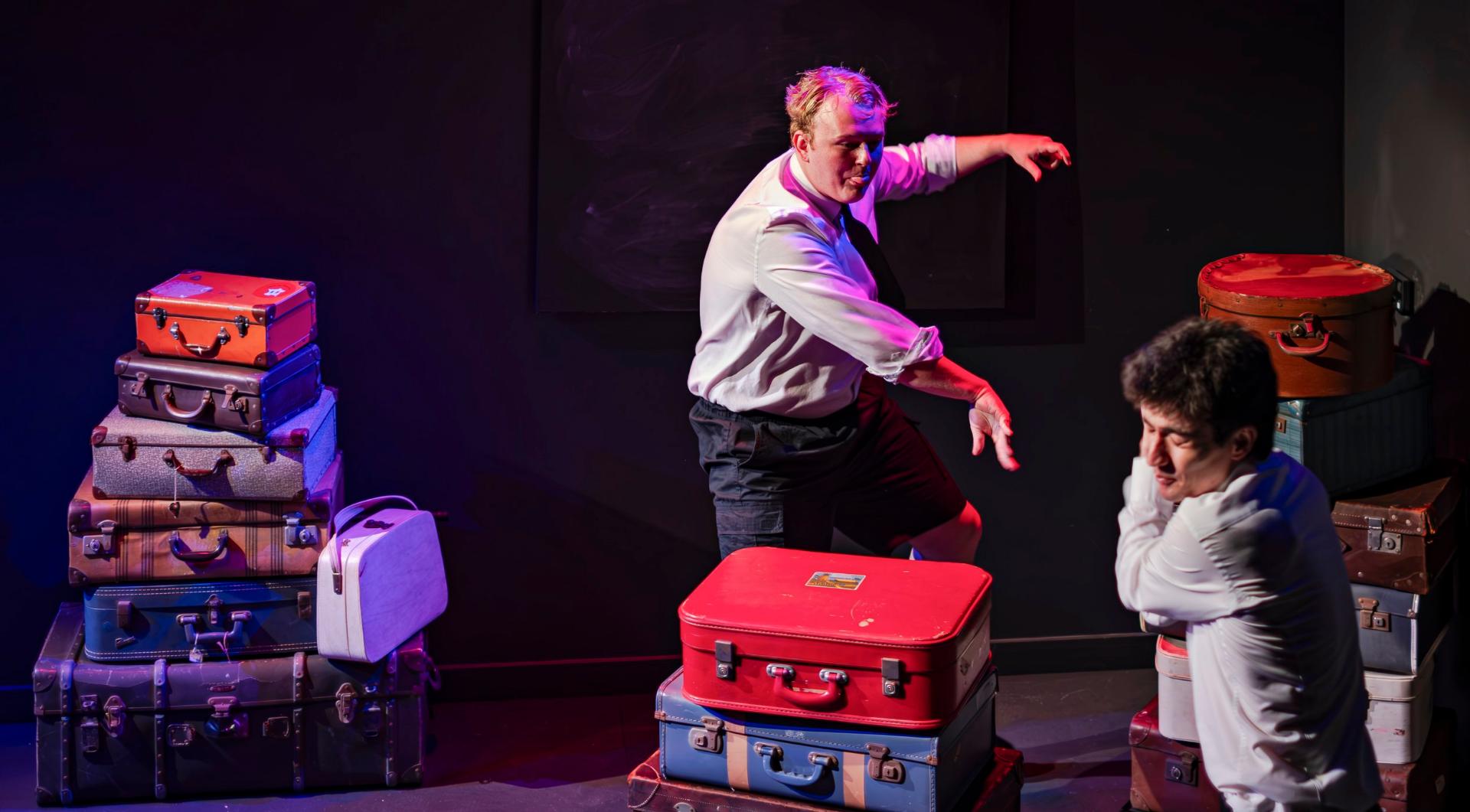
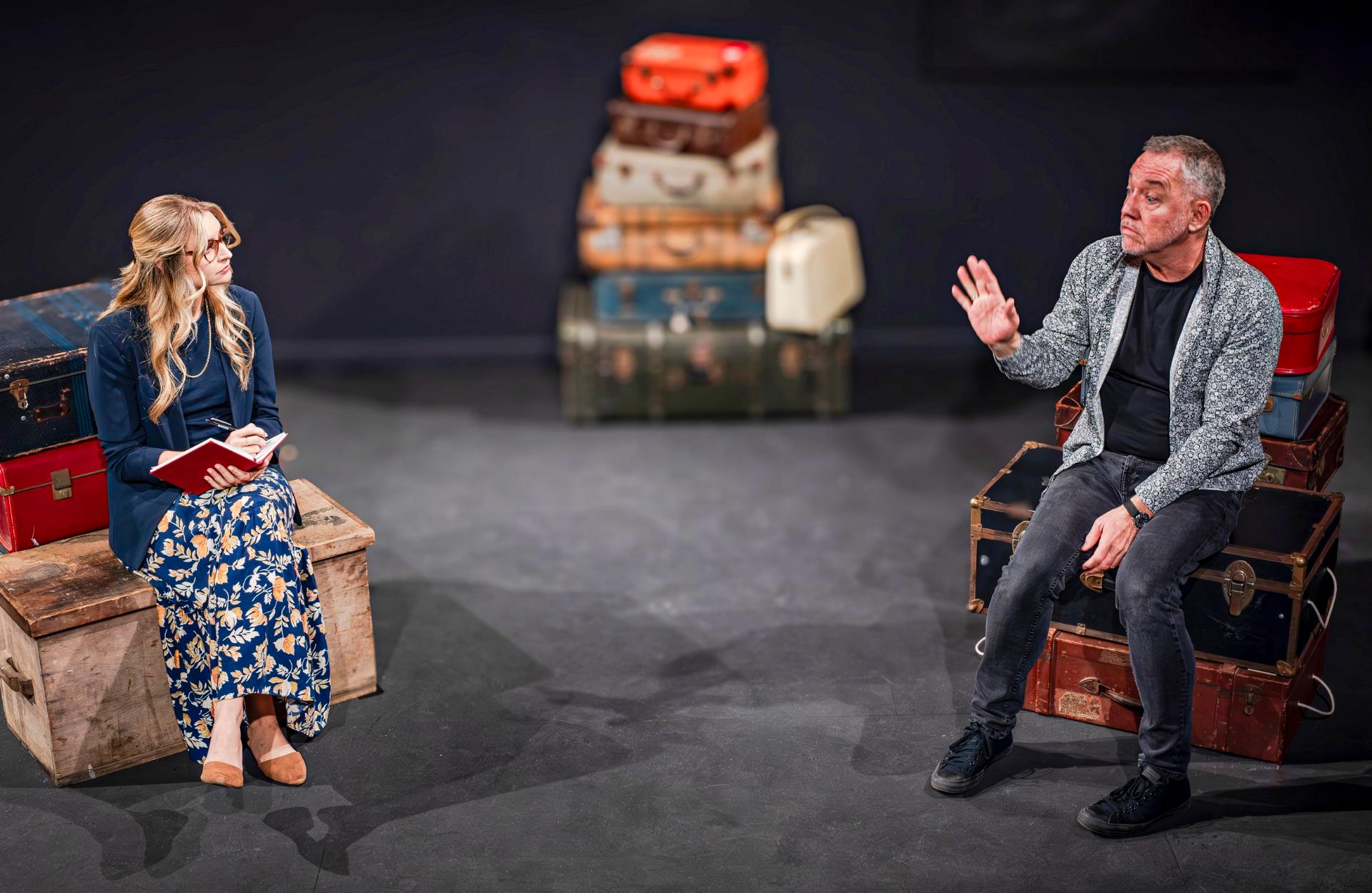
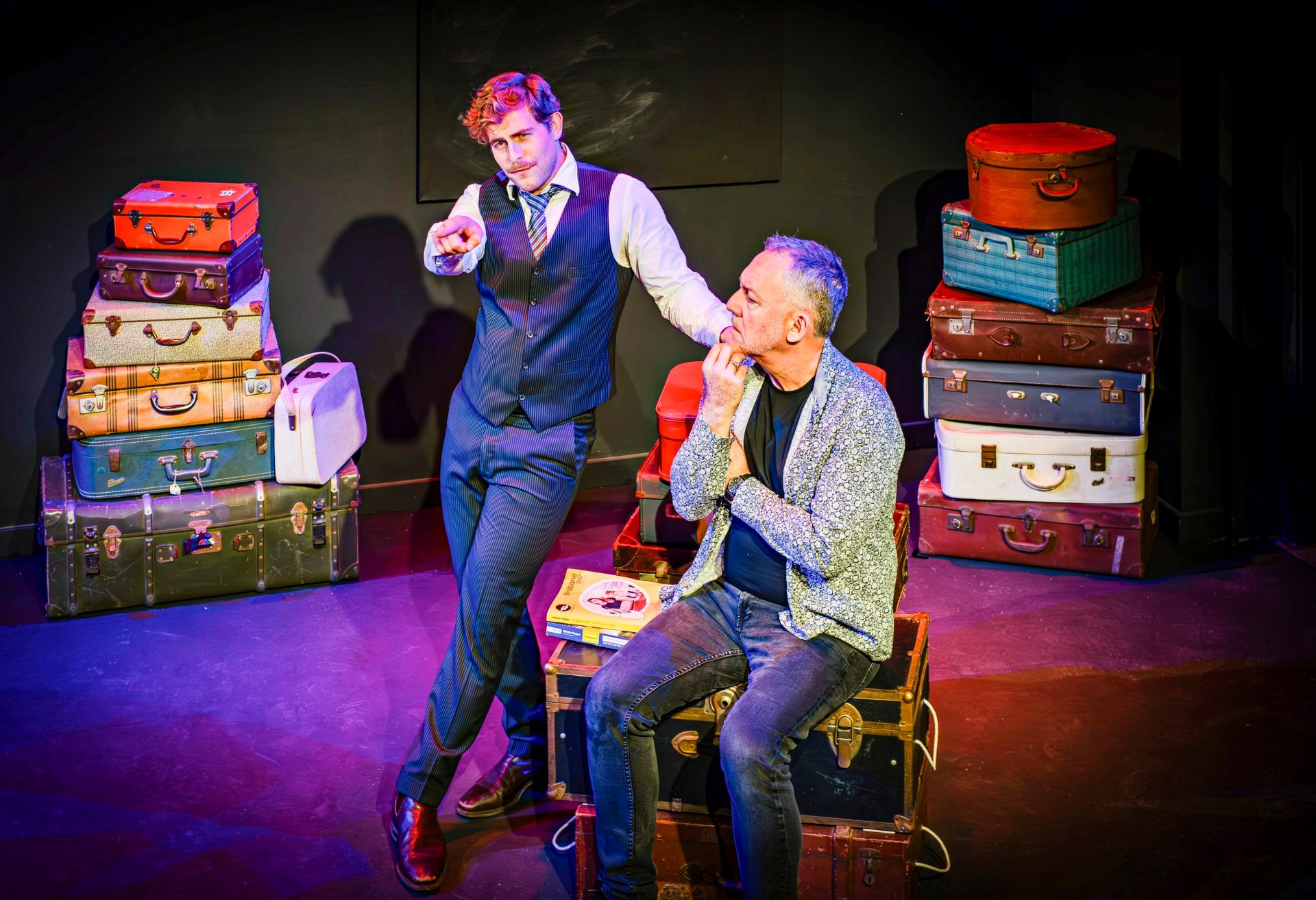
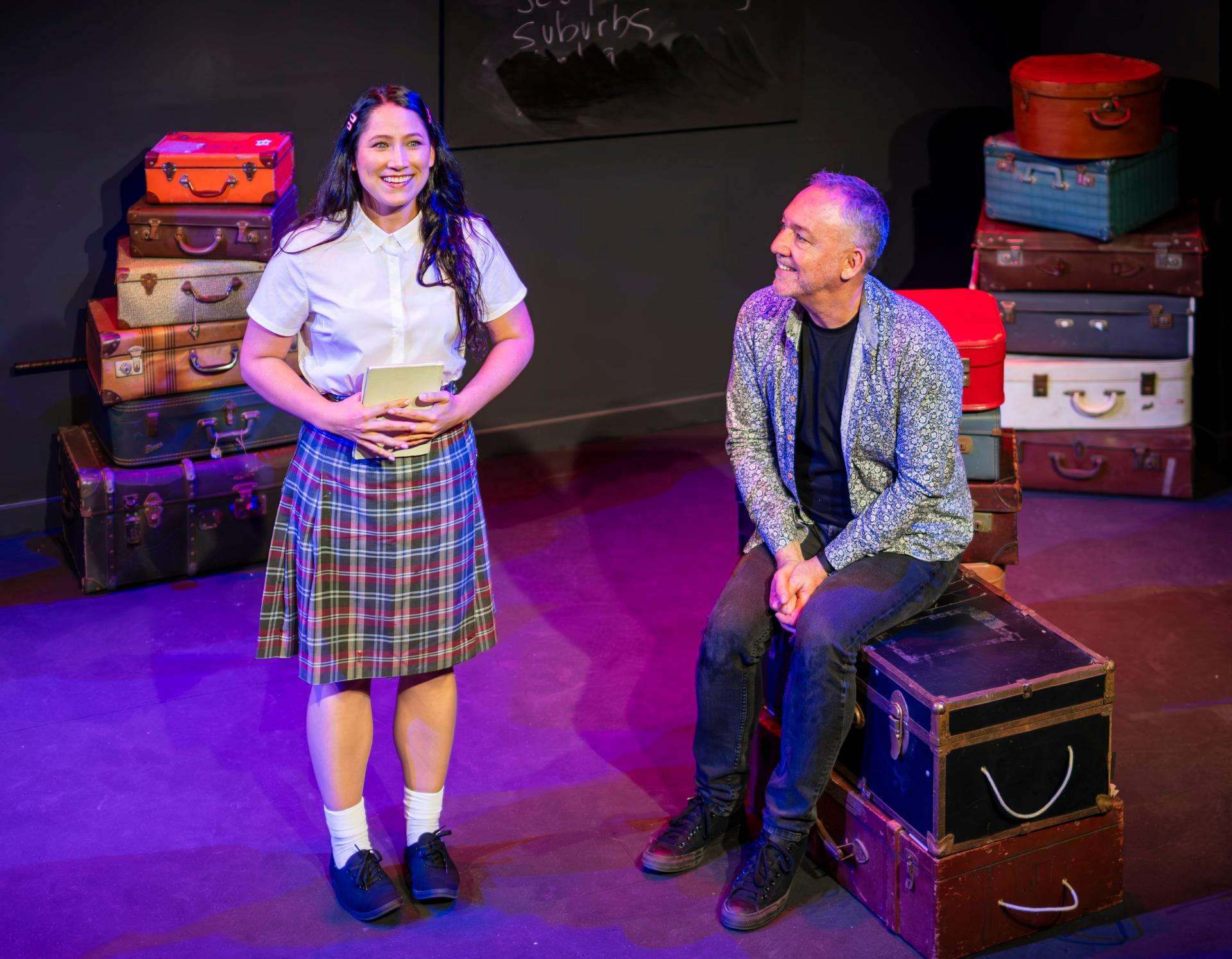
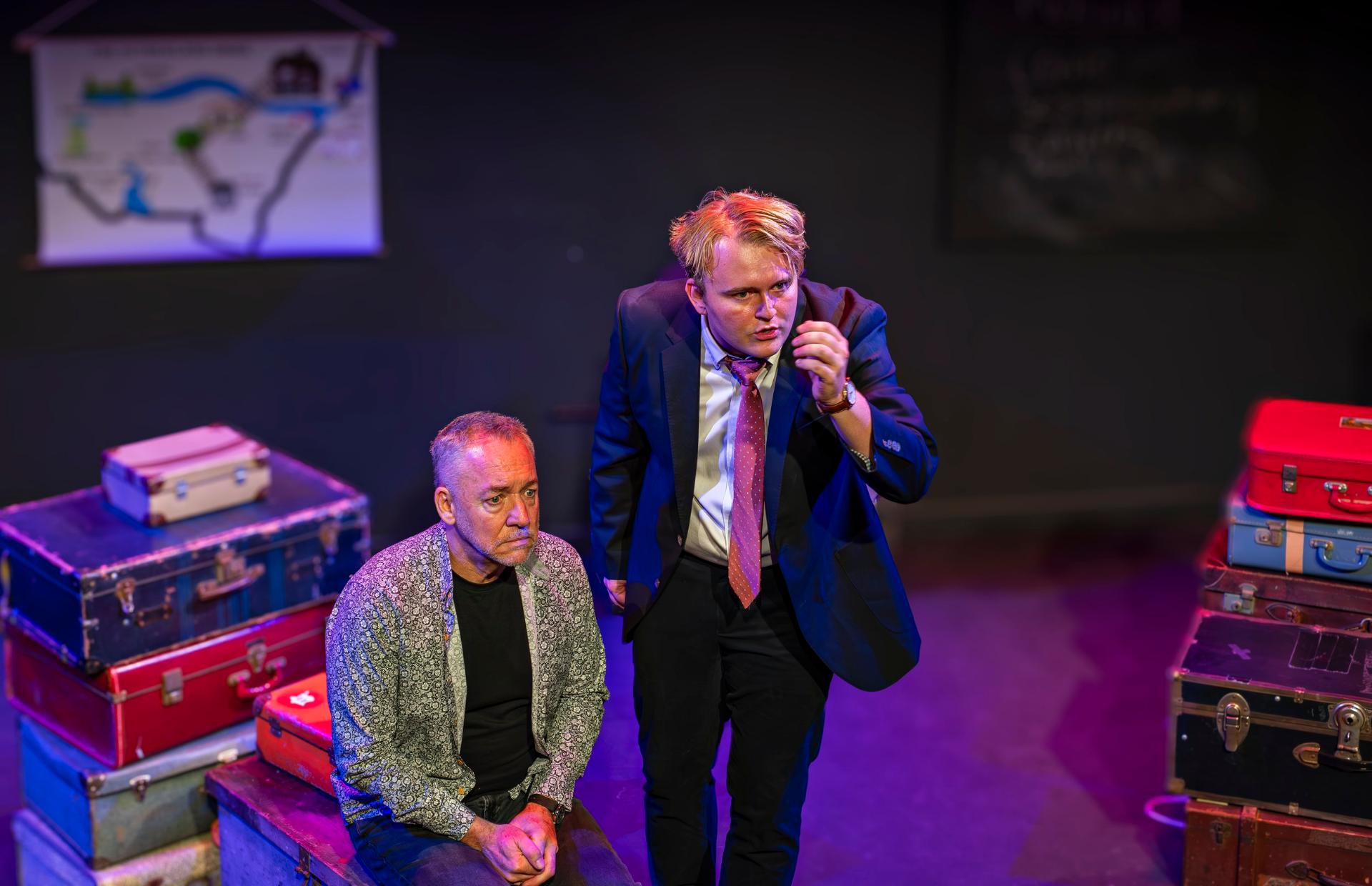
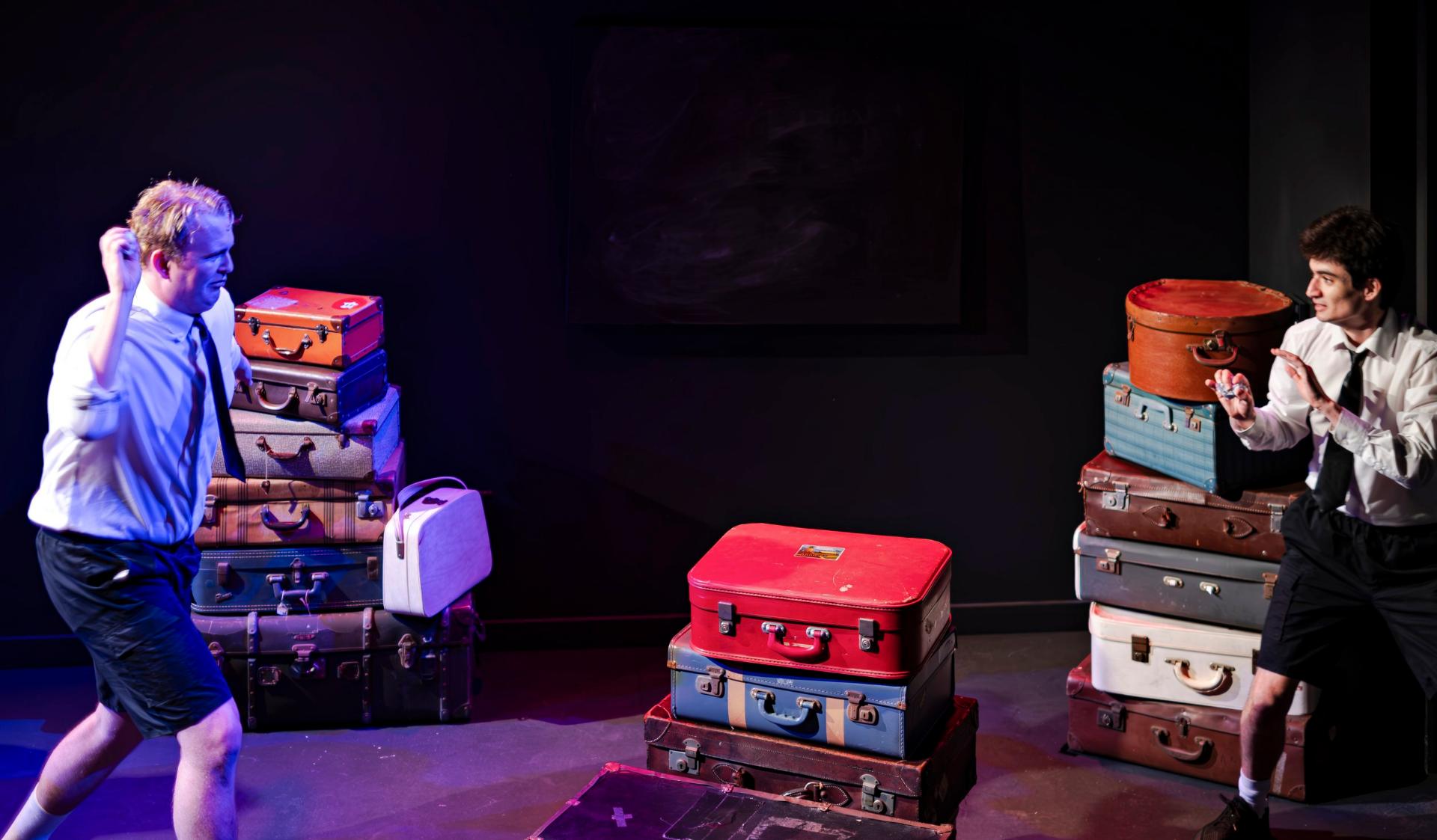
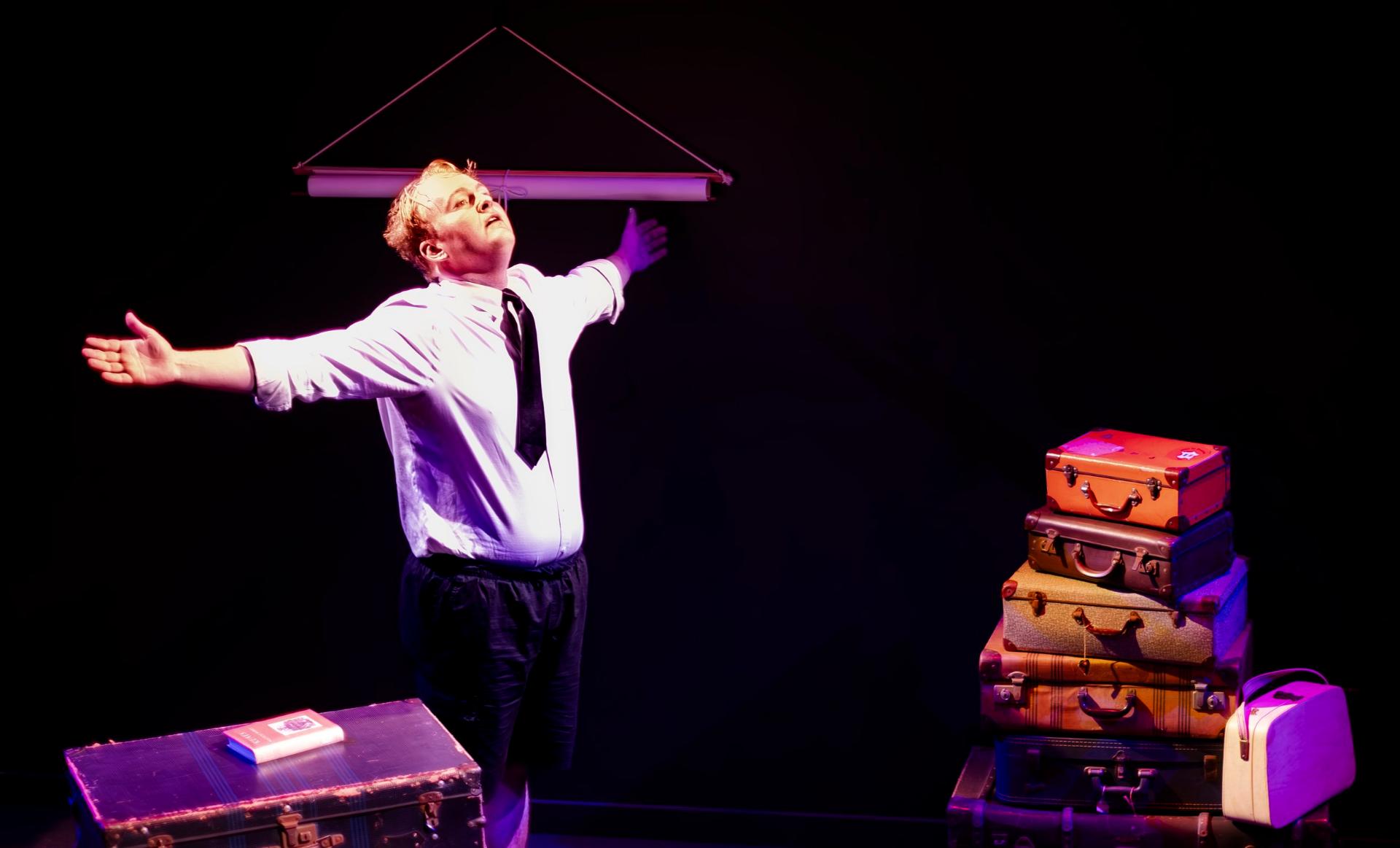
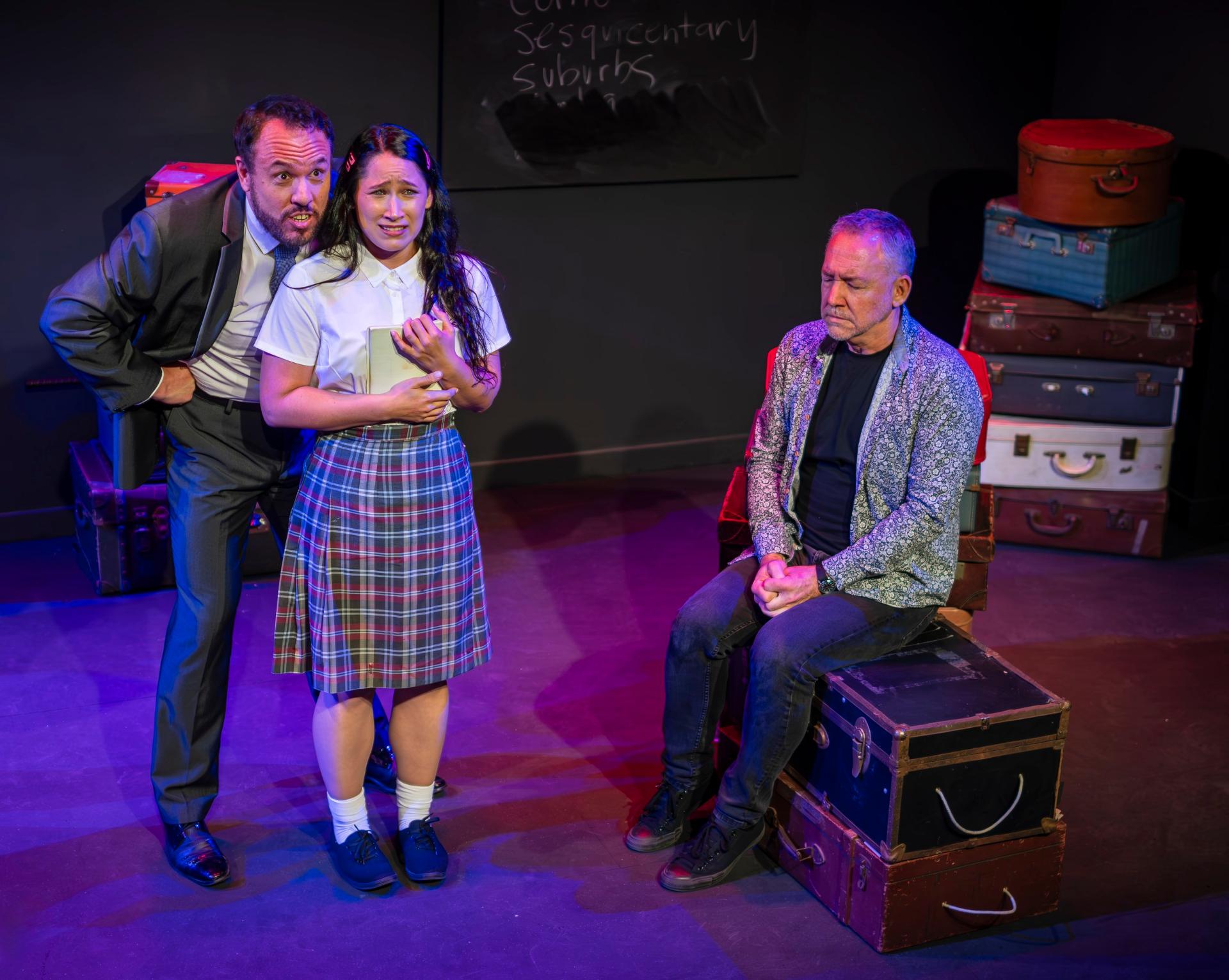
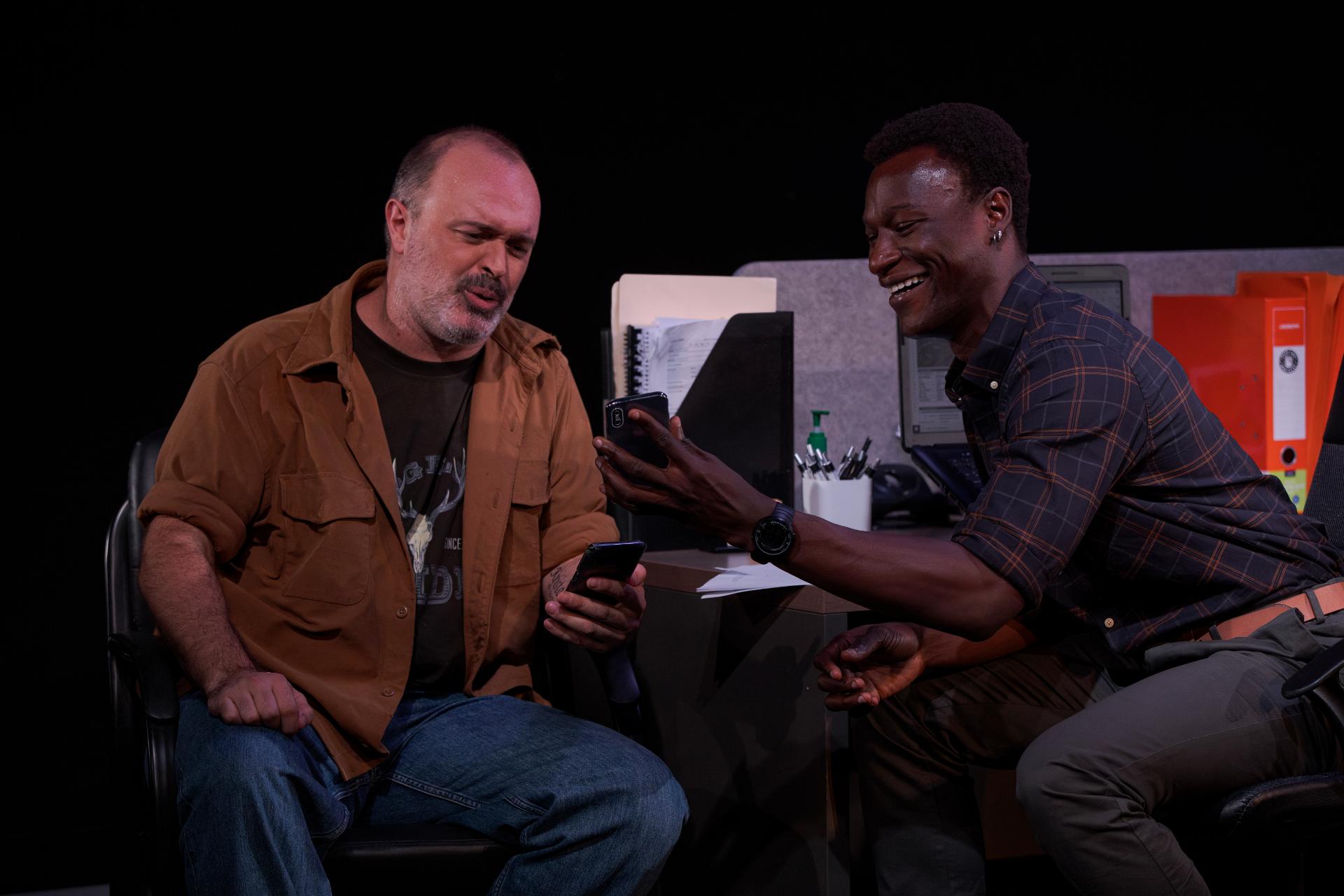
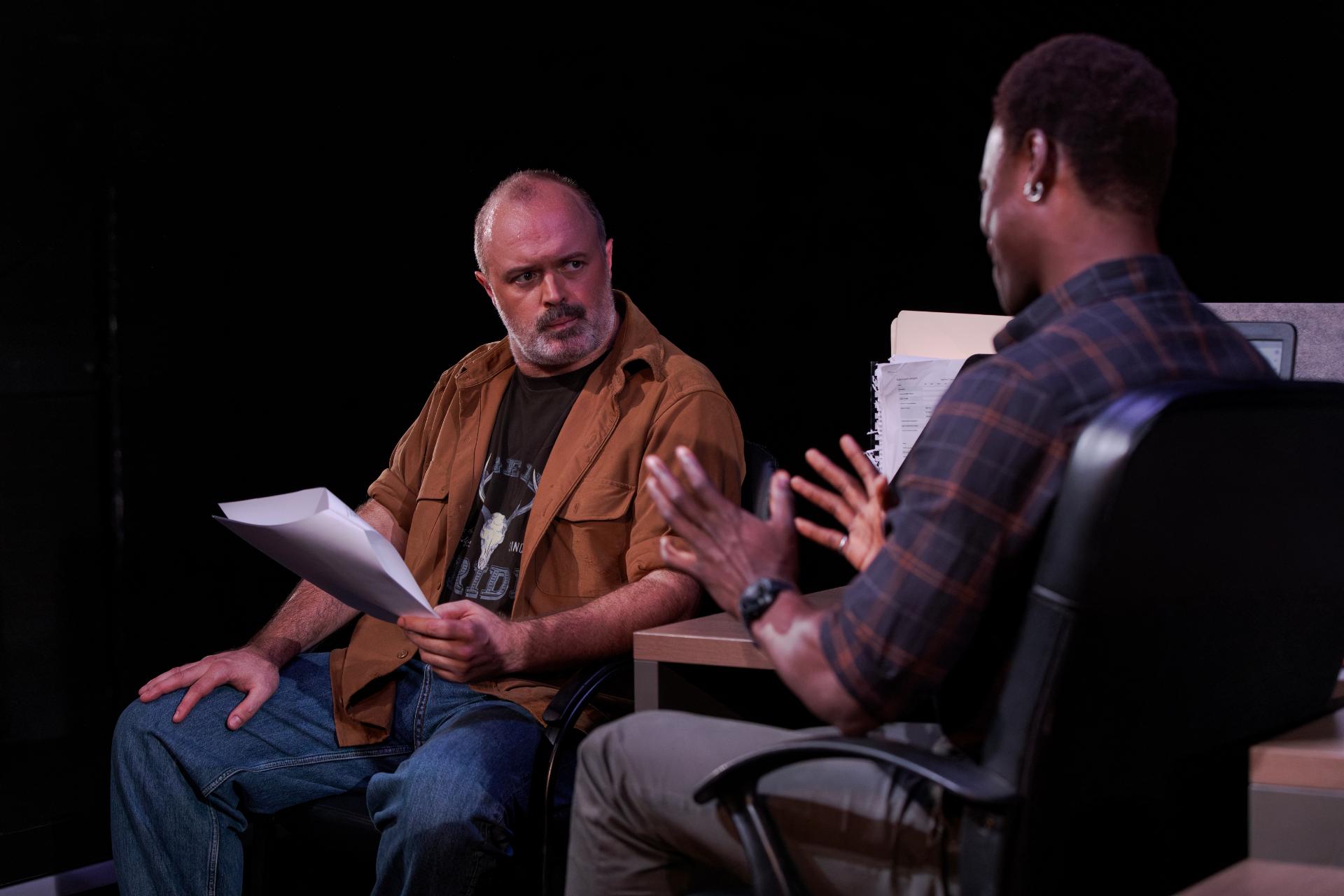
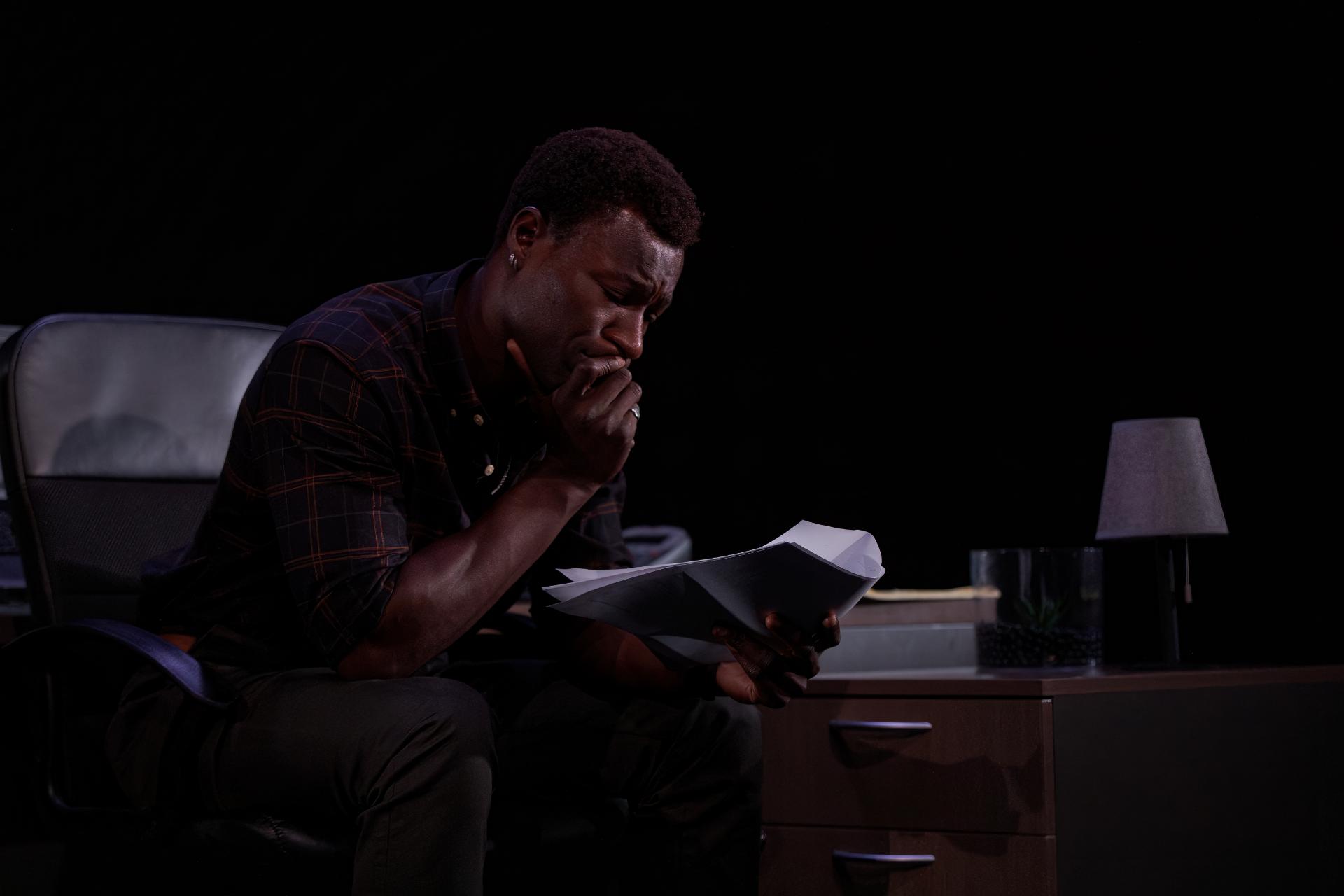
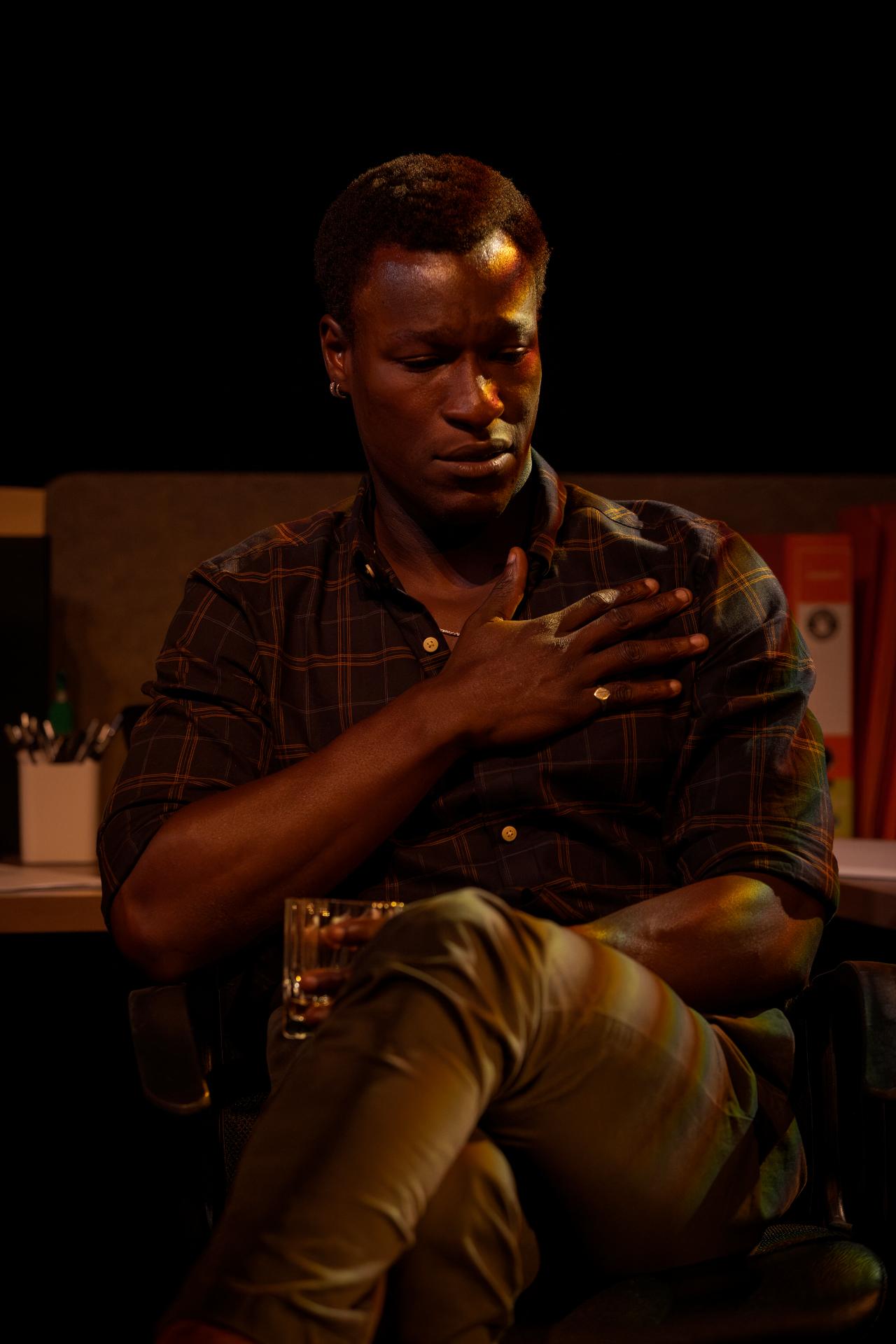
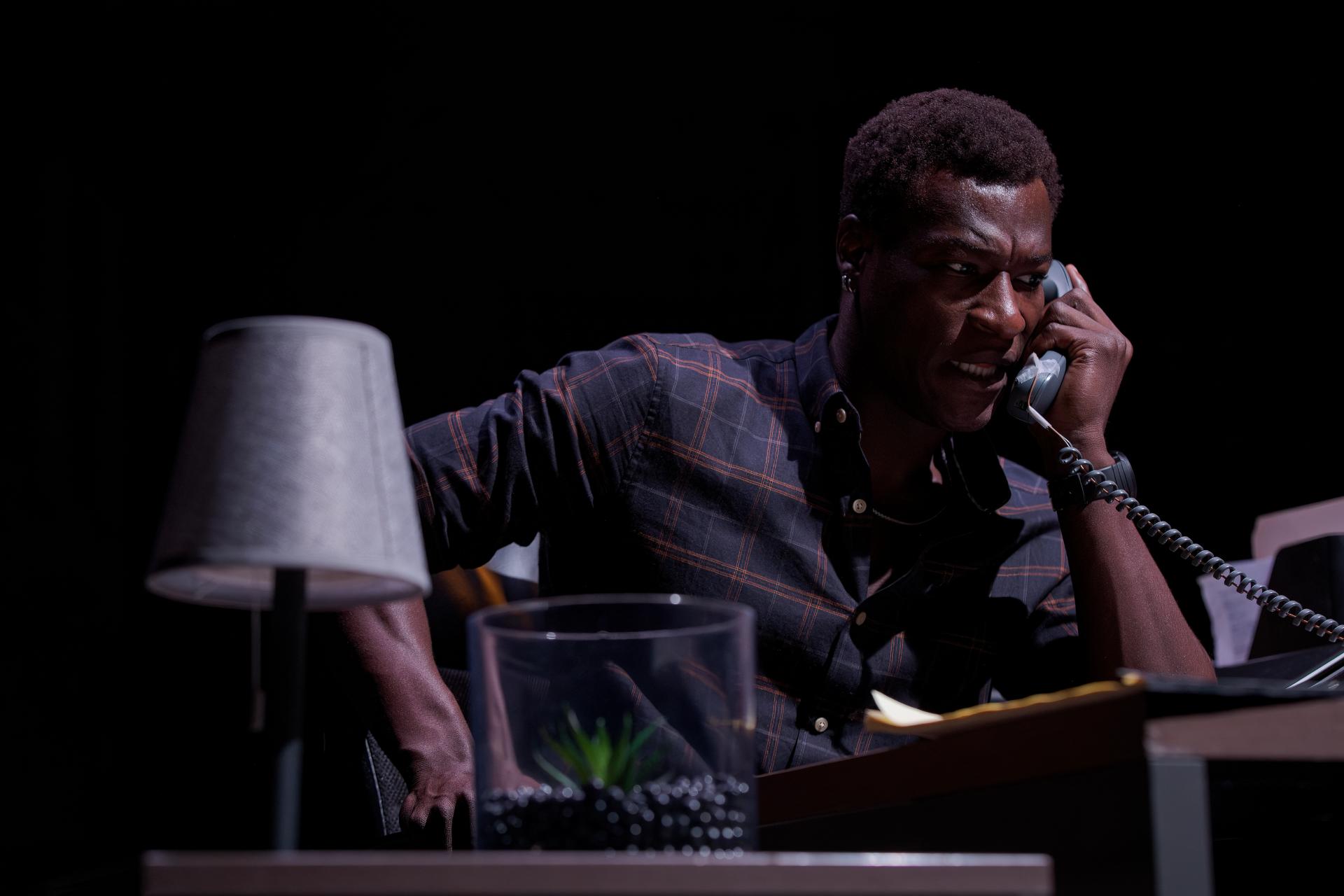
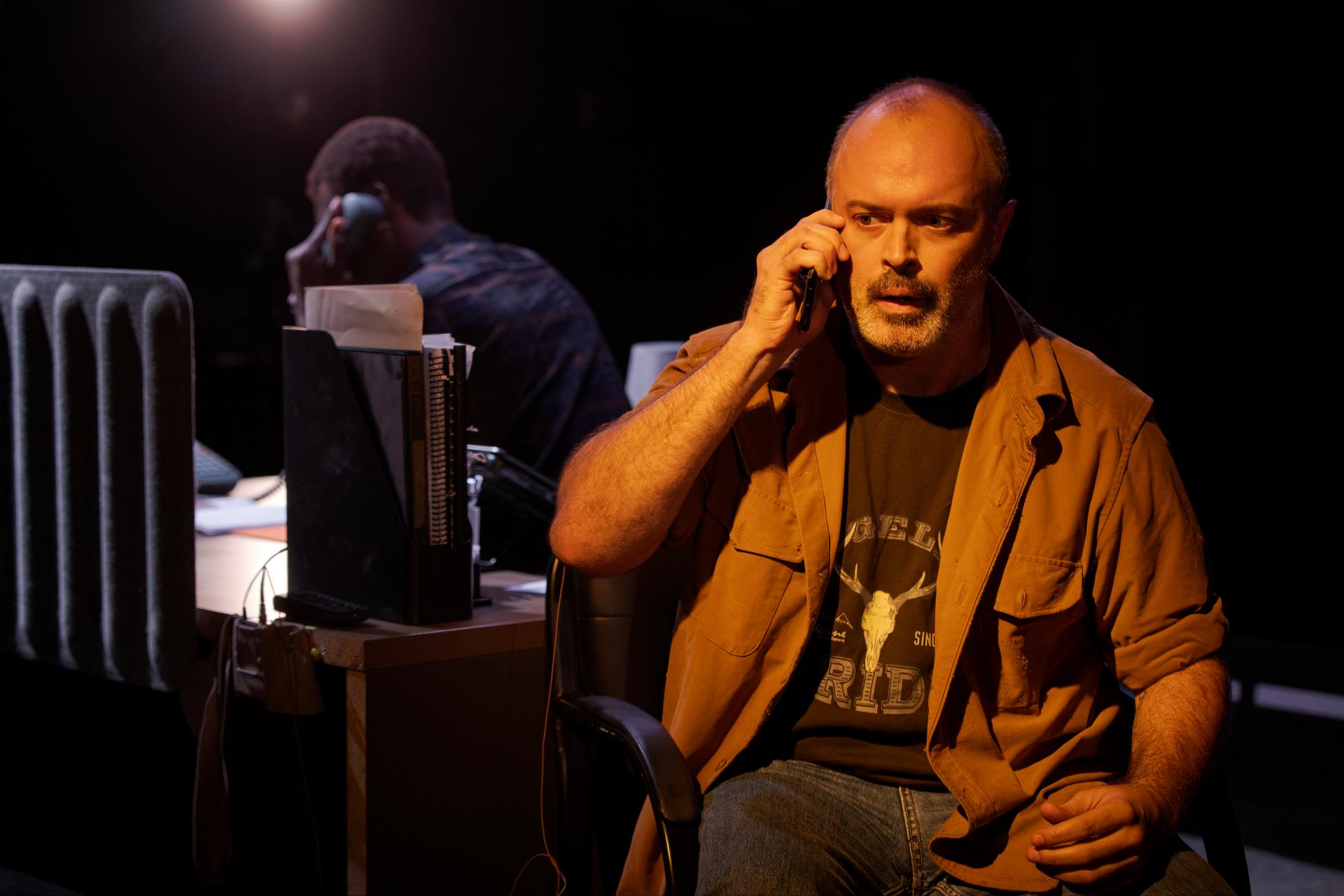
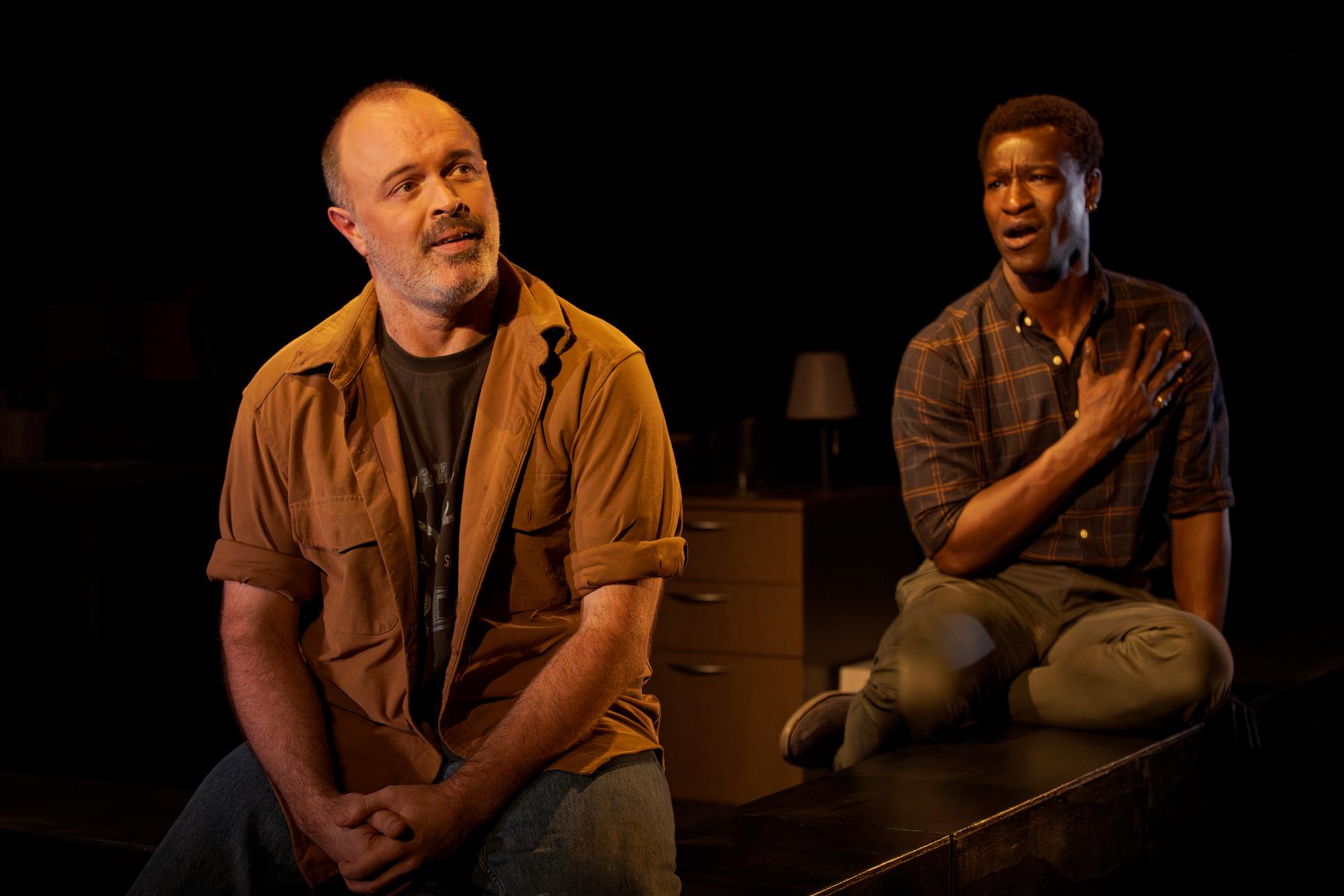
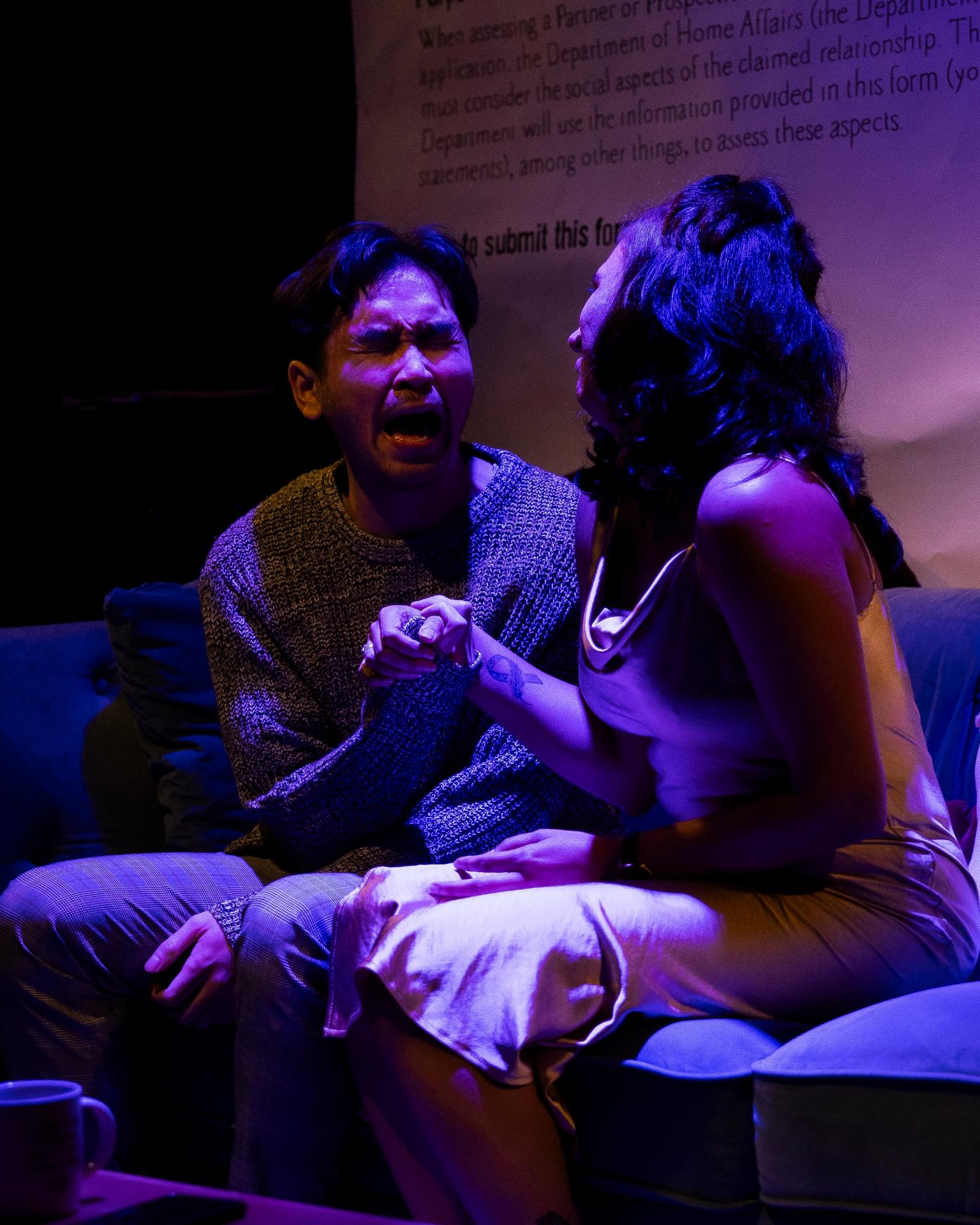
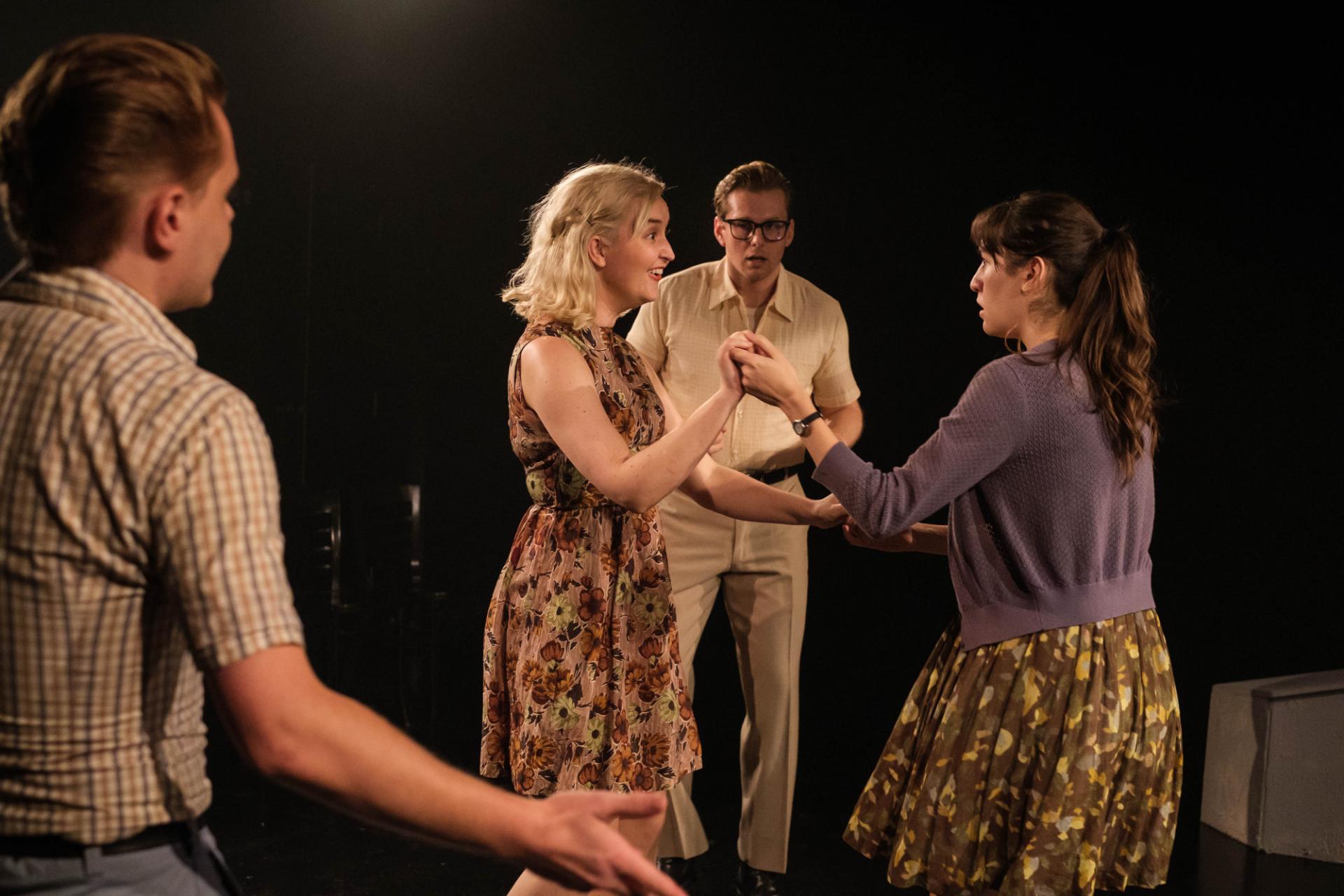
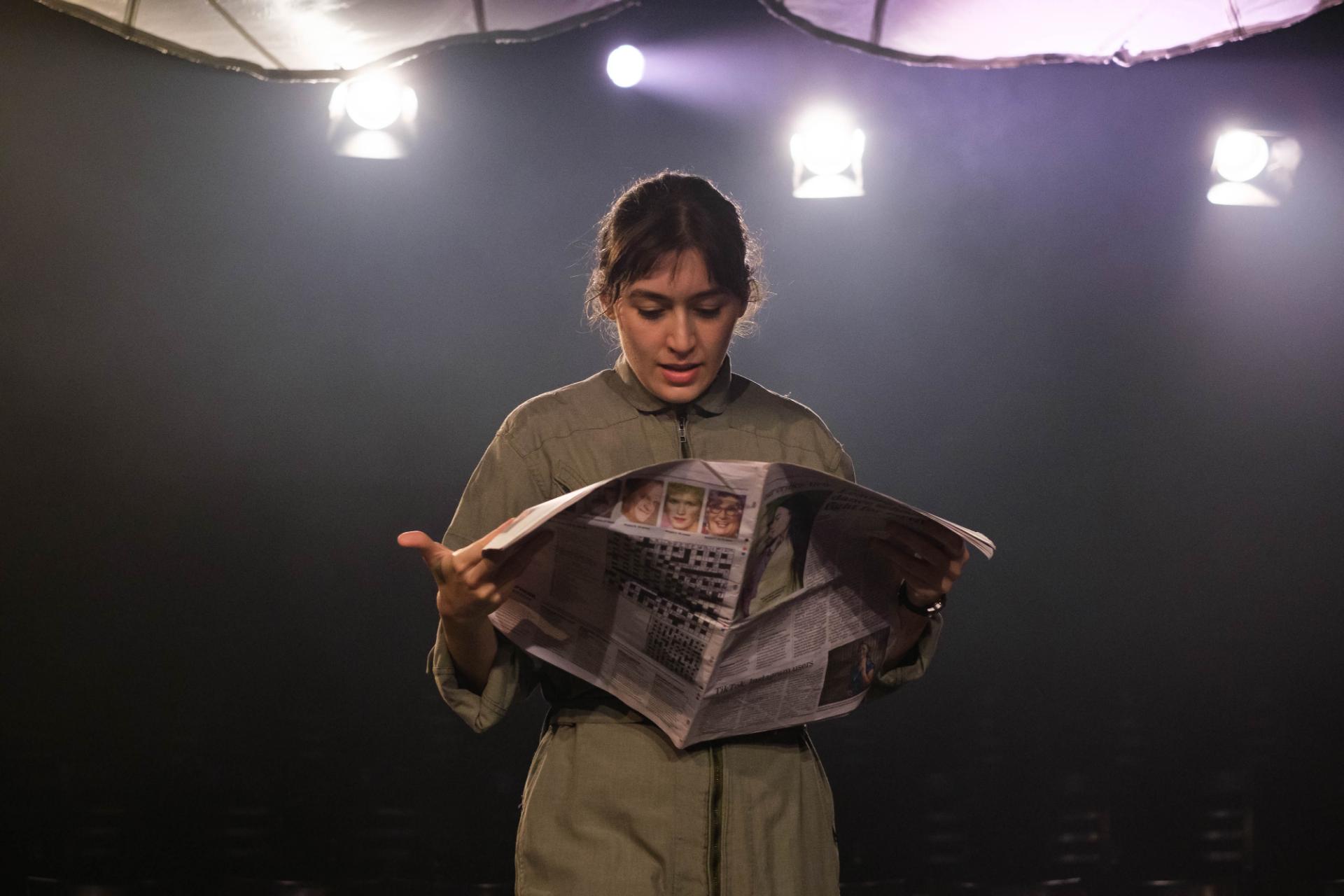
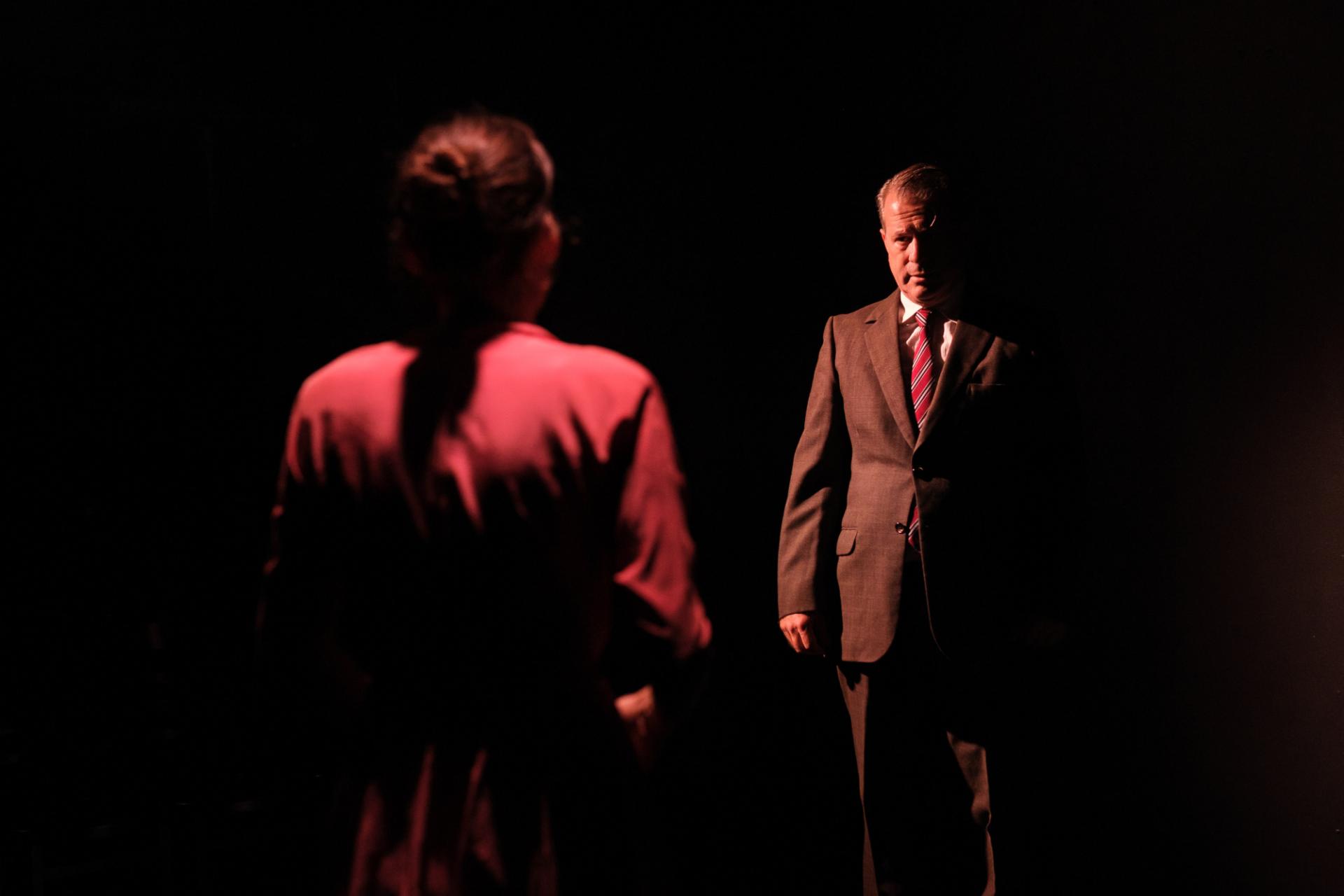
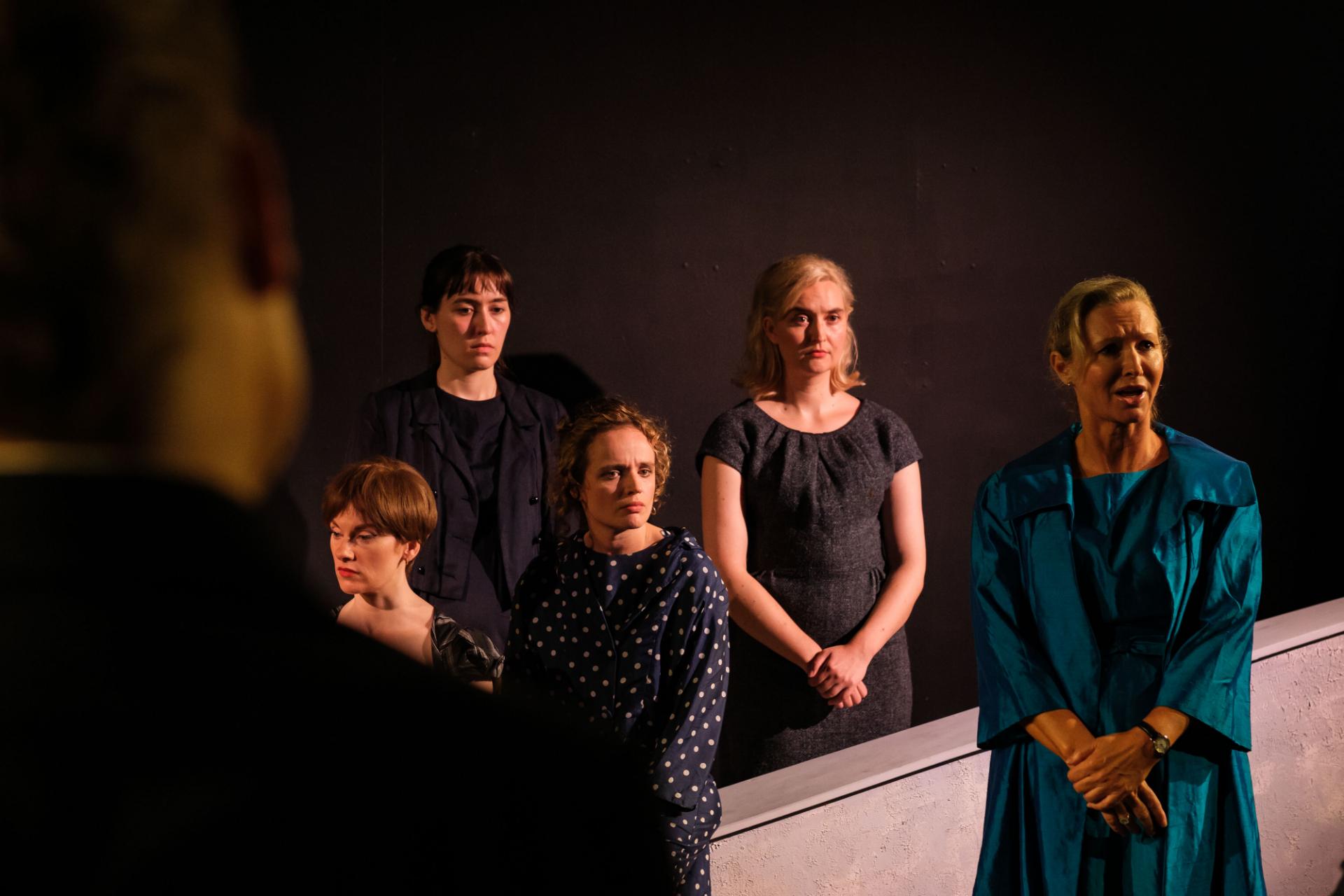
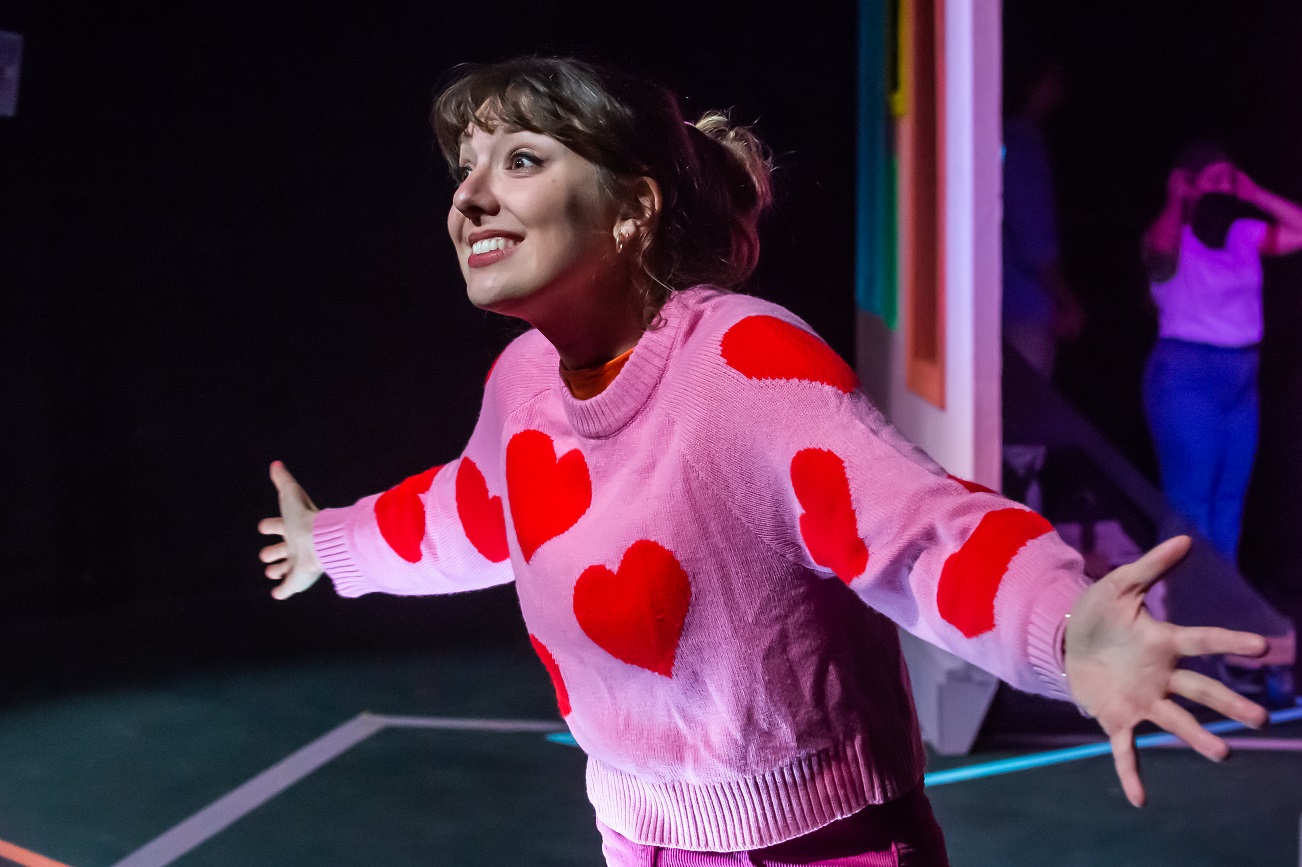
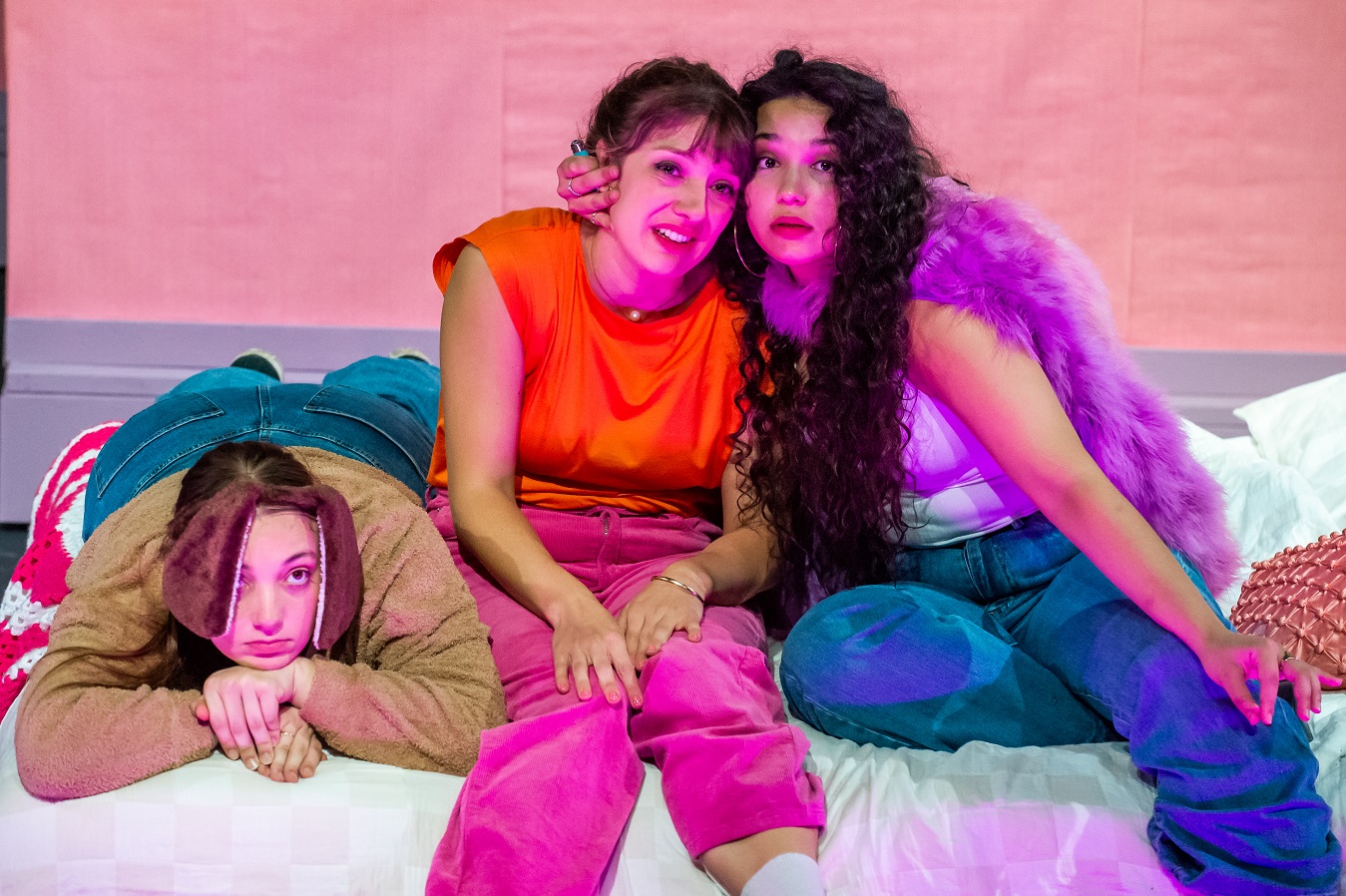
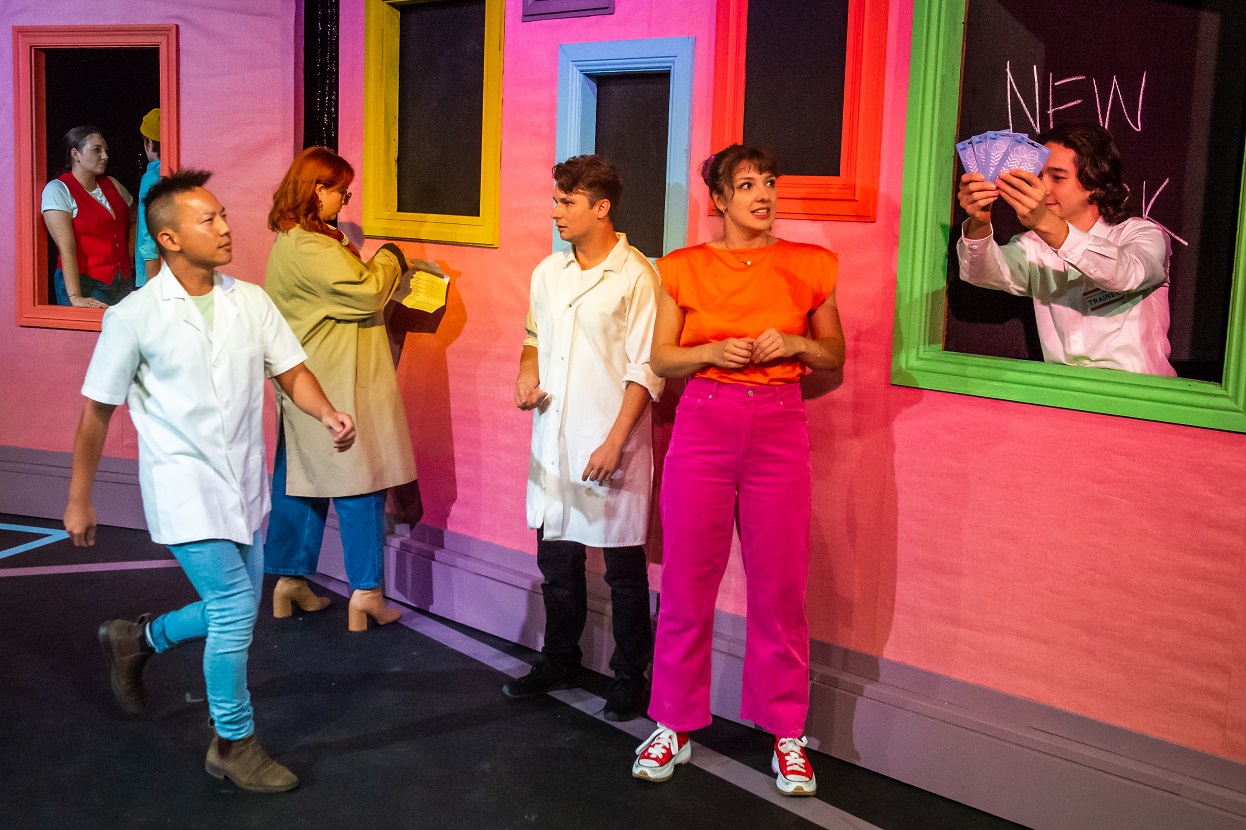
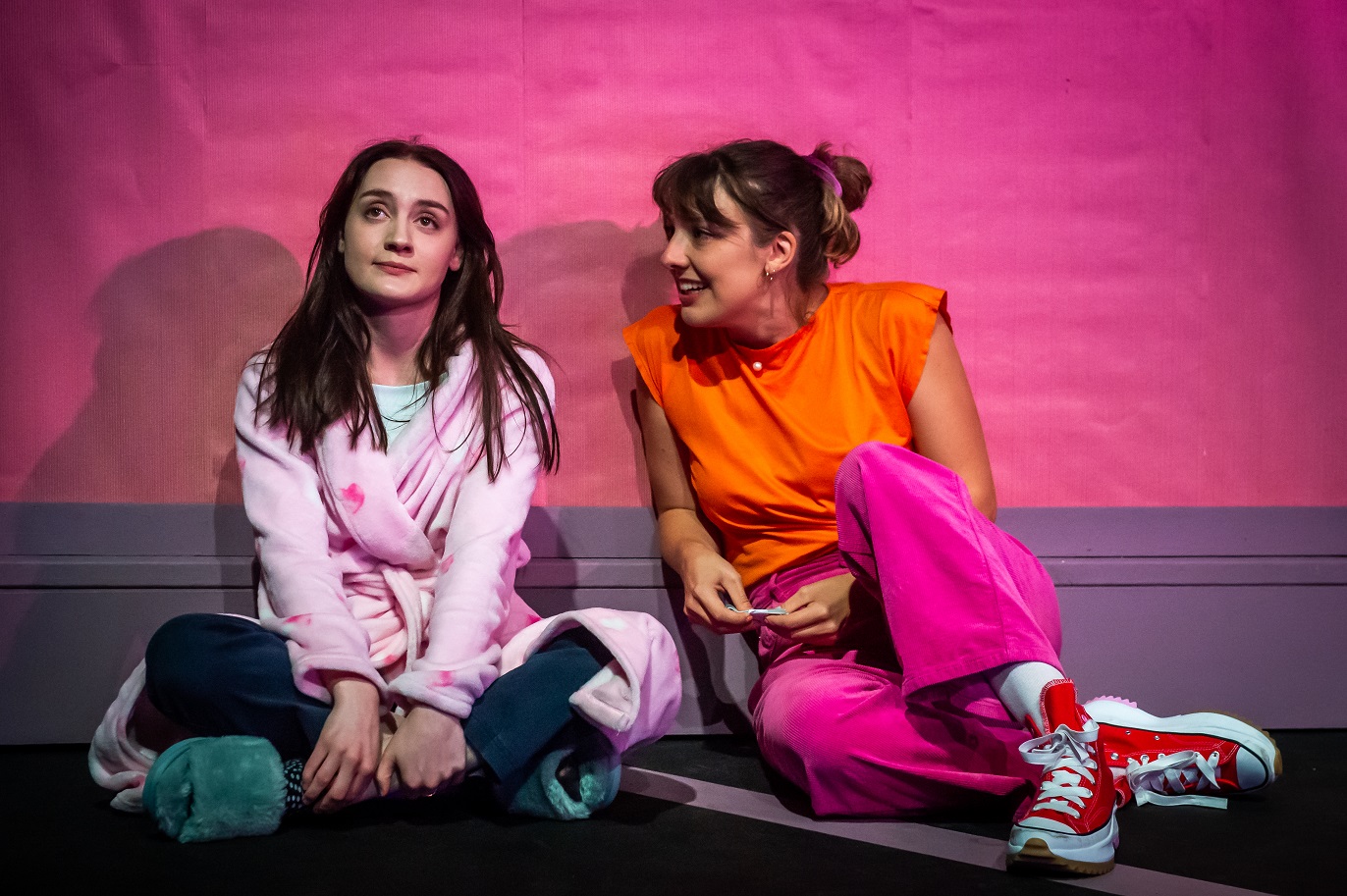
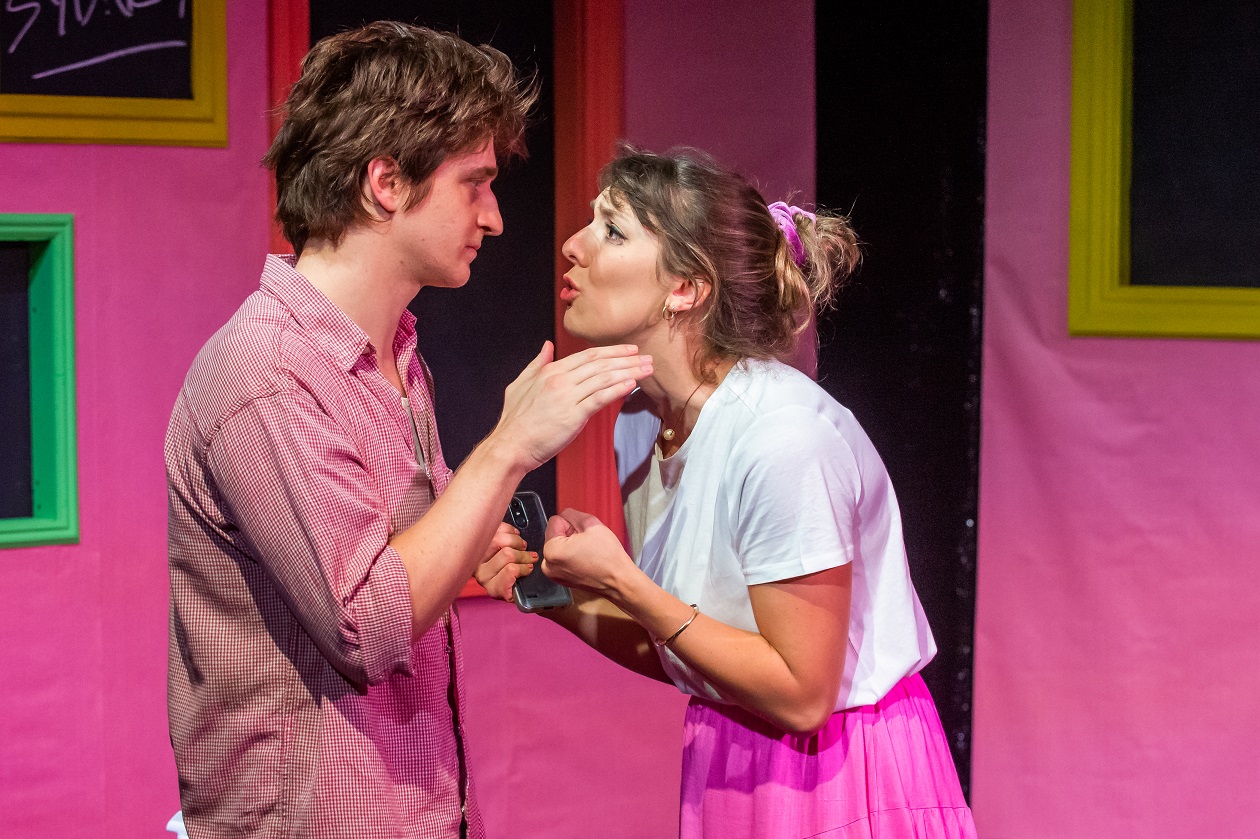
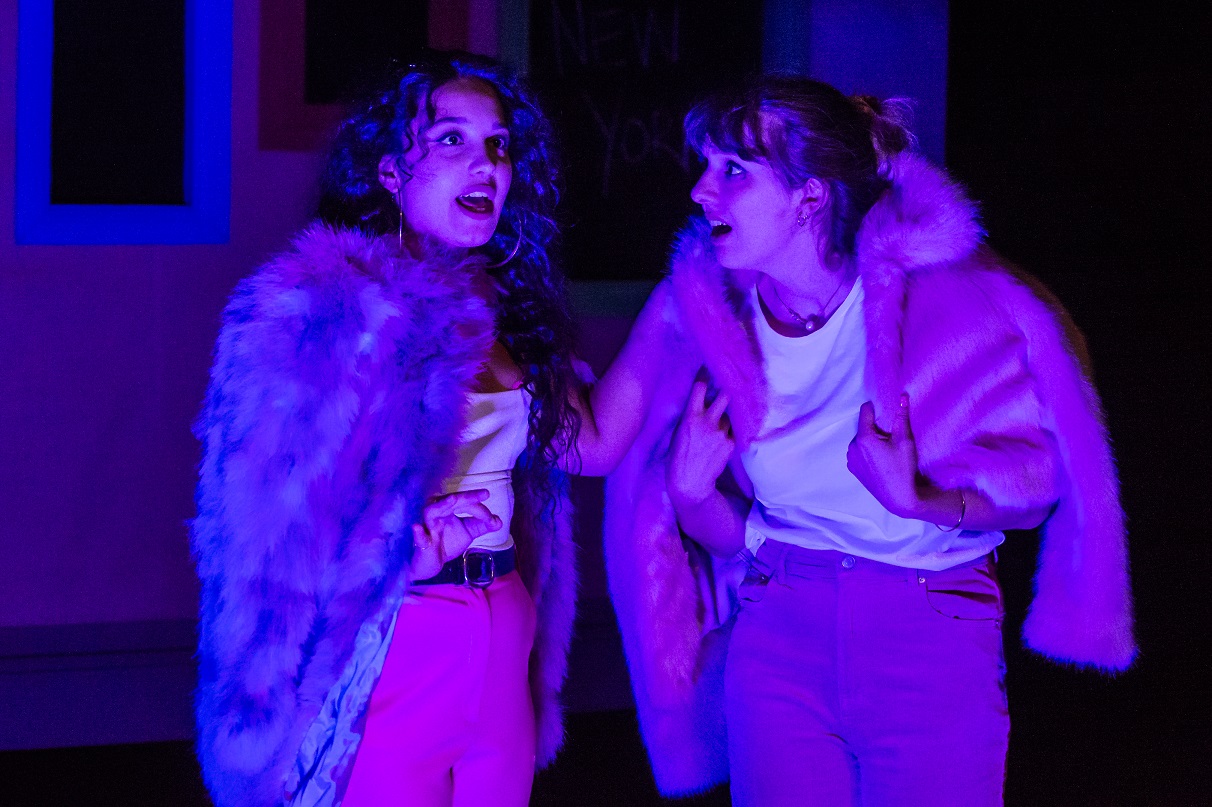
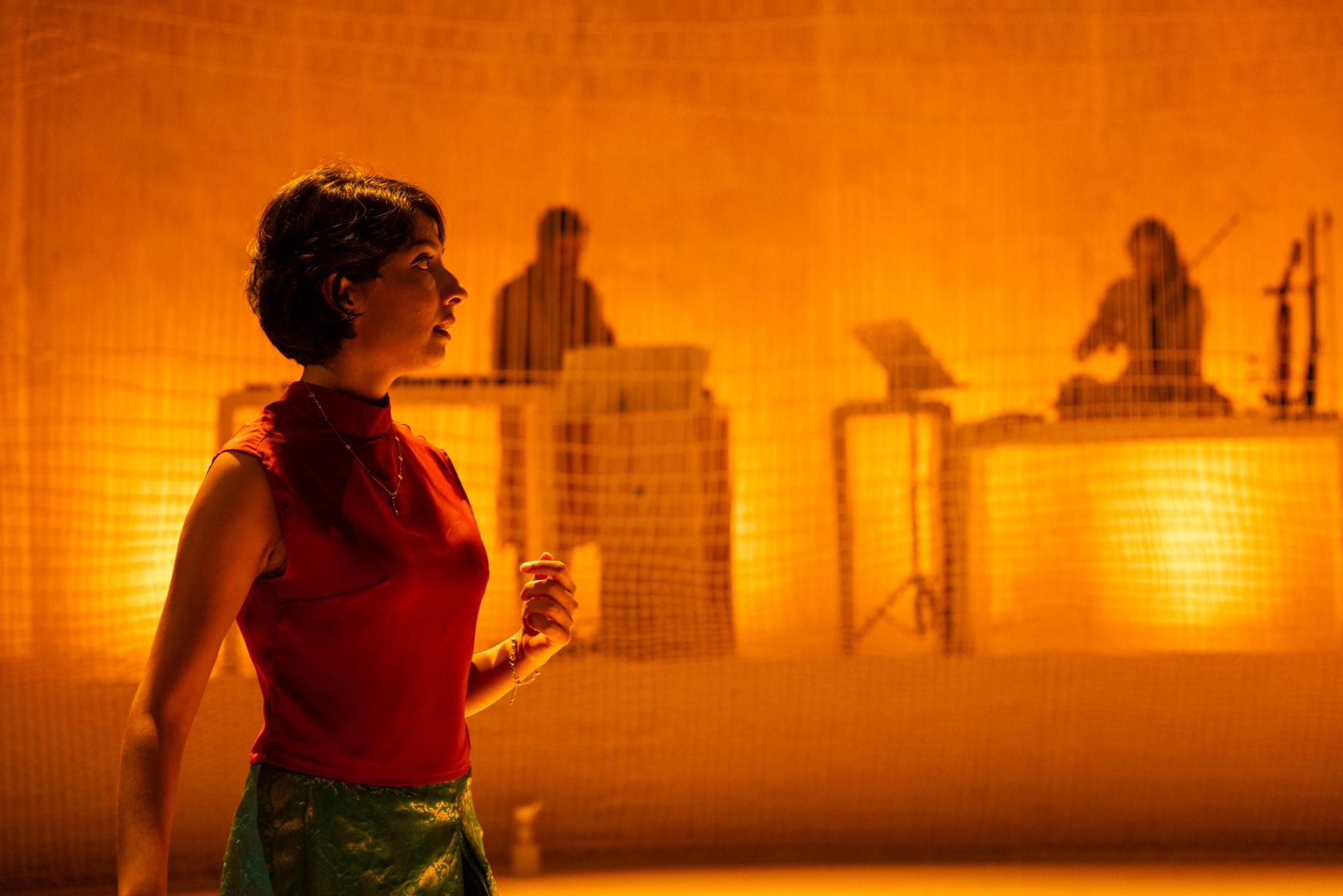
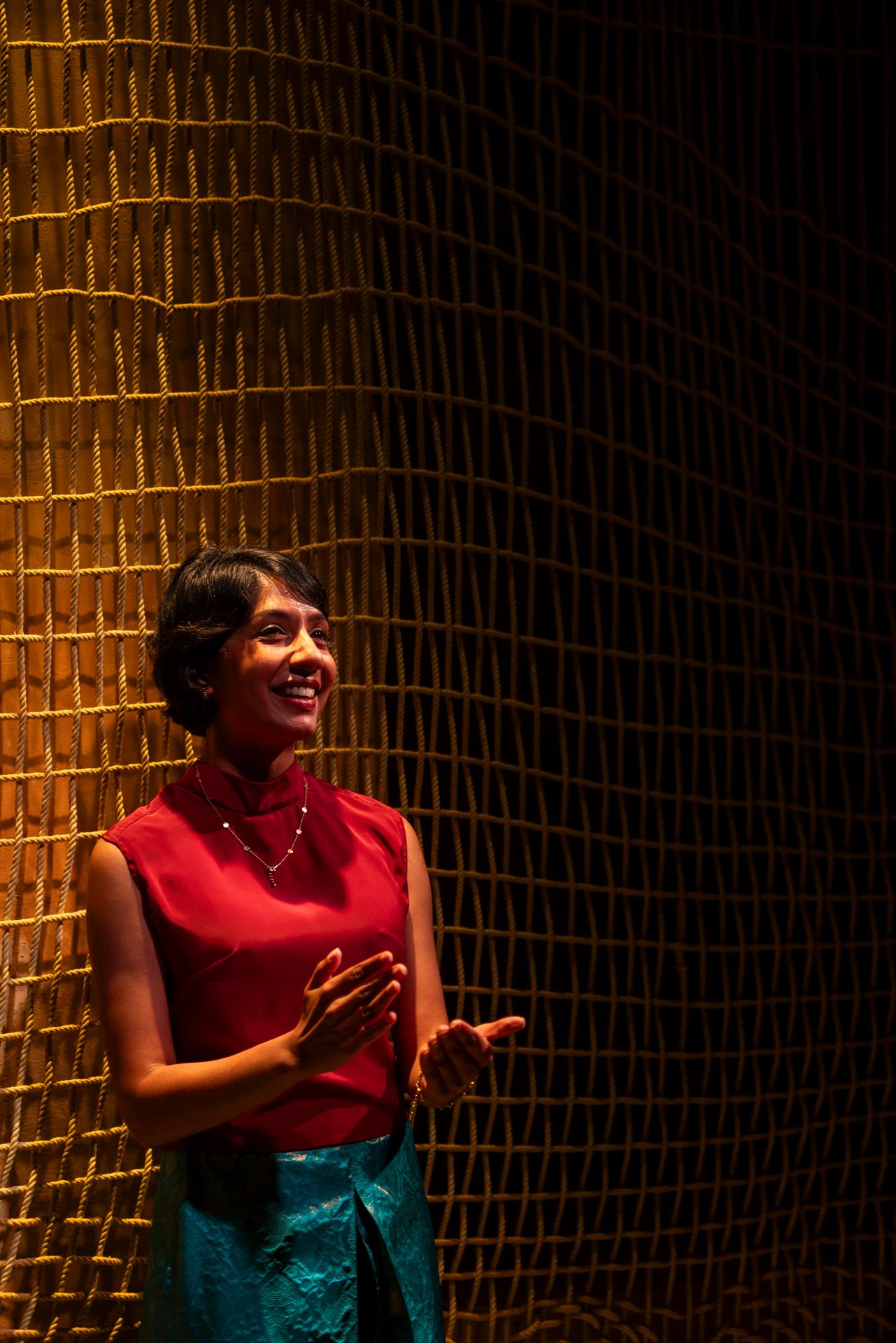
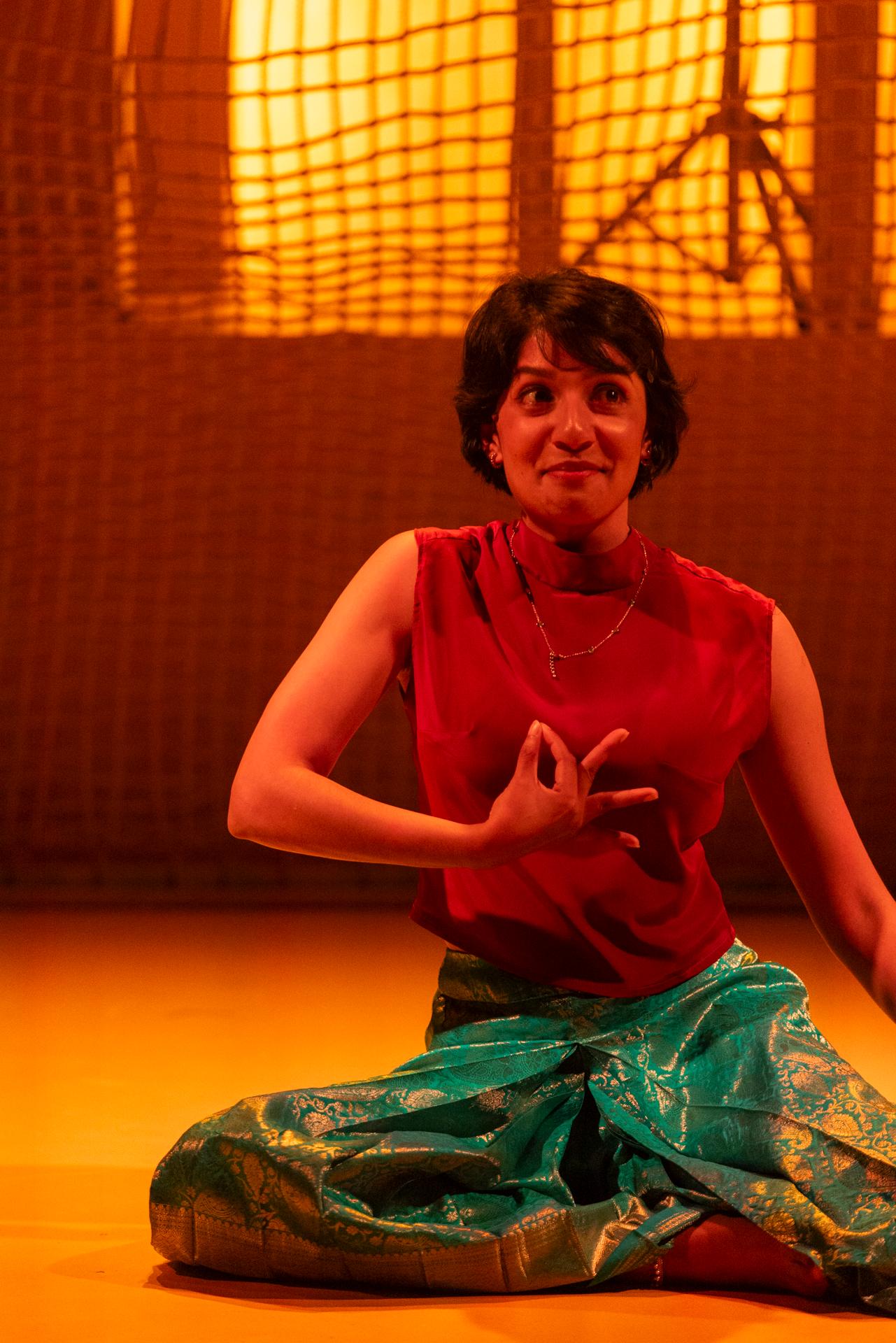
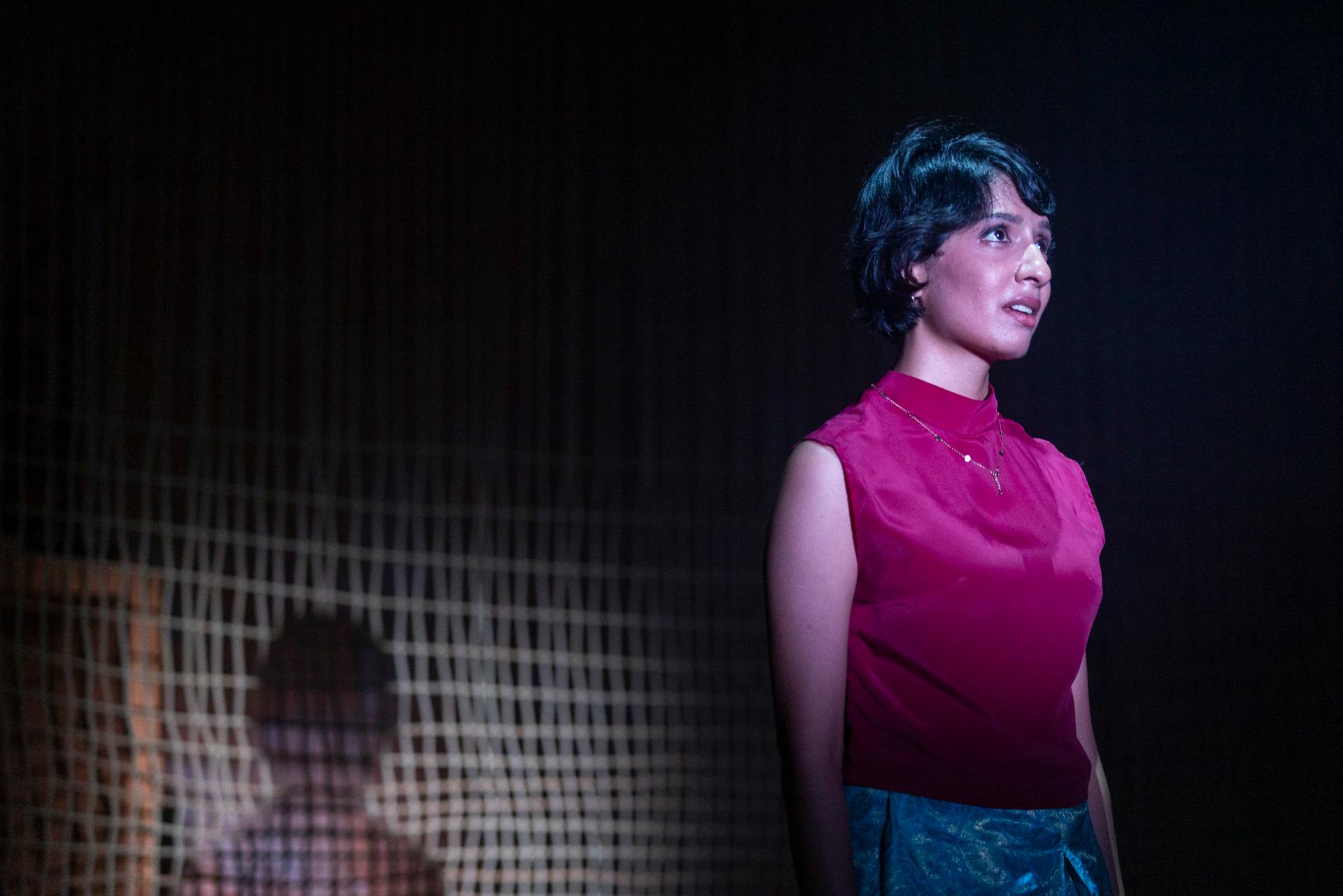
Teenagers in Hannah Belanszky’s Saplings are in the habit of running foul of the law. The system goes after them, always threatening to enforce punishment, but nothing is in place to ameliorate or mediate situations. Belanszky’s compassion and grace for her characters, demonstrates clearly that something is not working, or maybe something in the system is built intentionally to go against these Blak and brown kids.

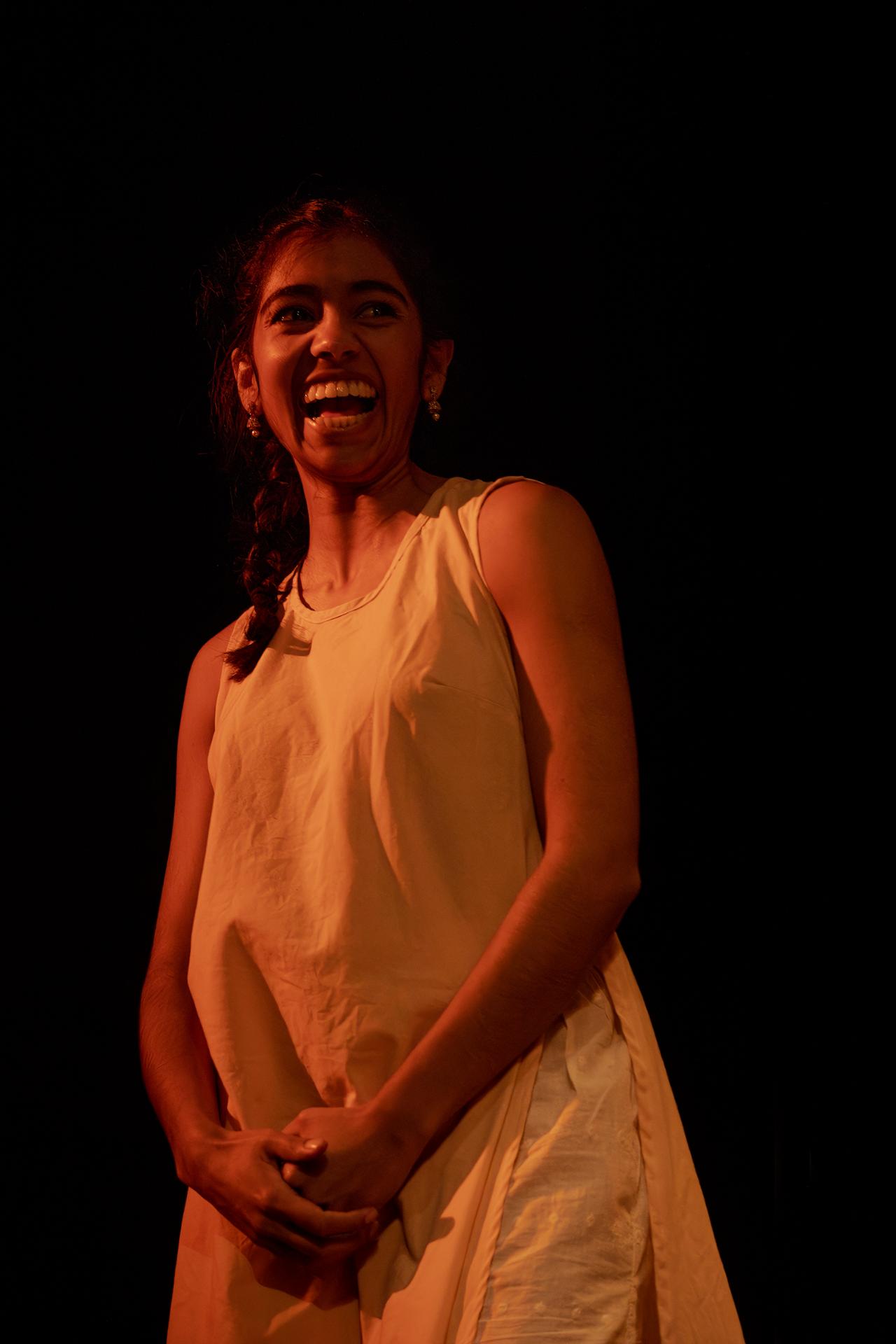
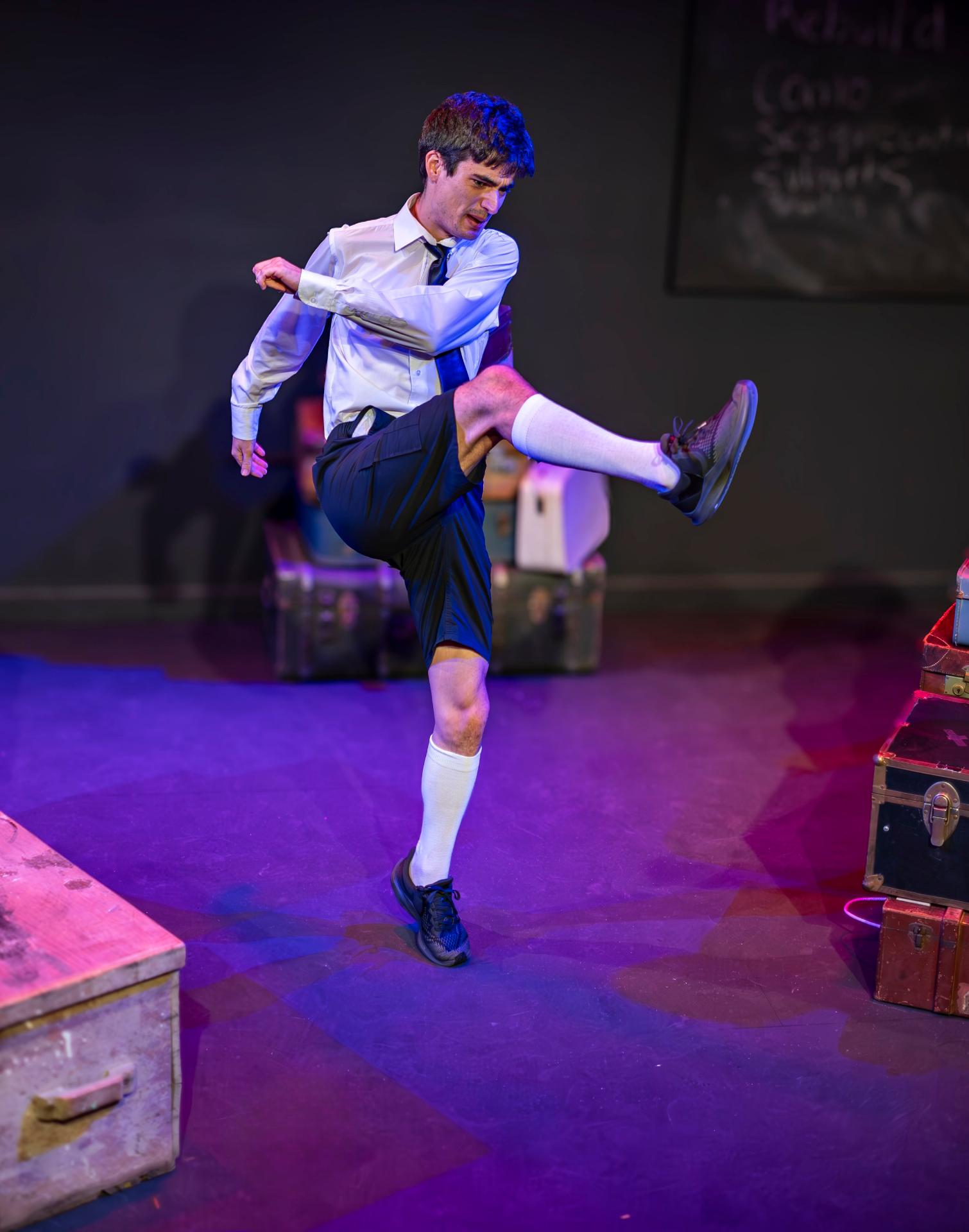
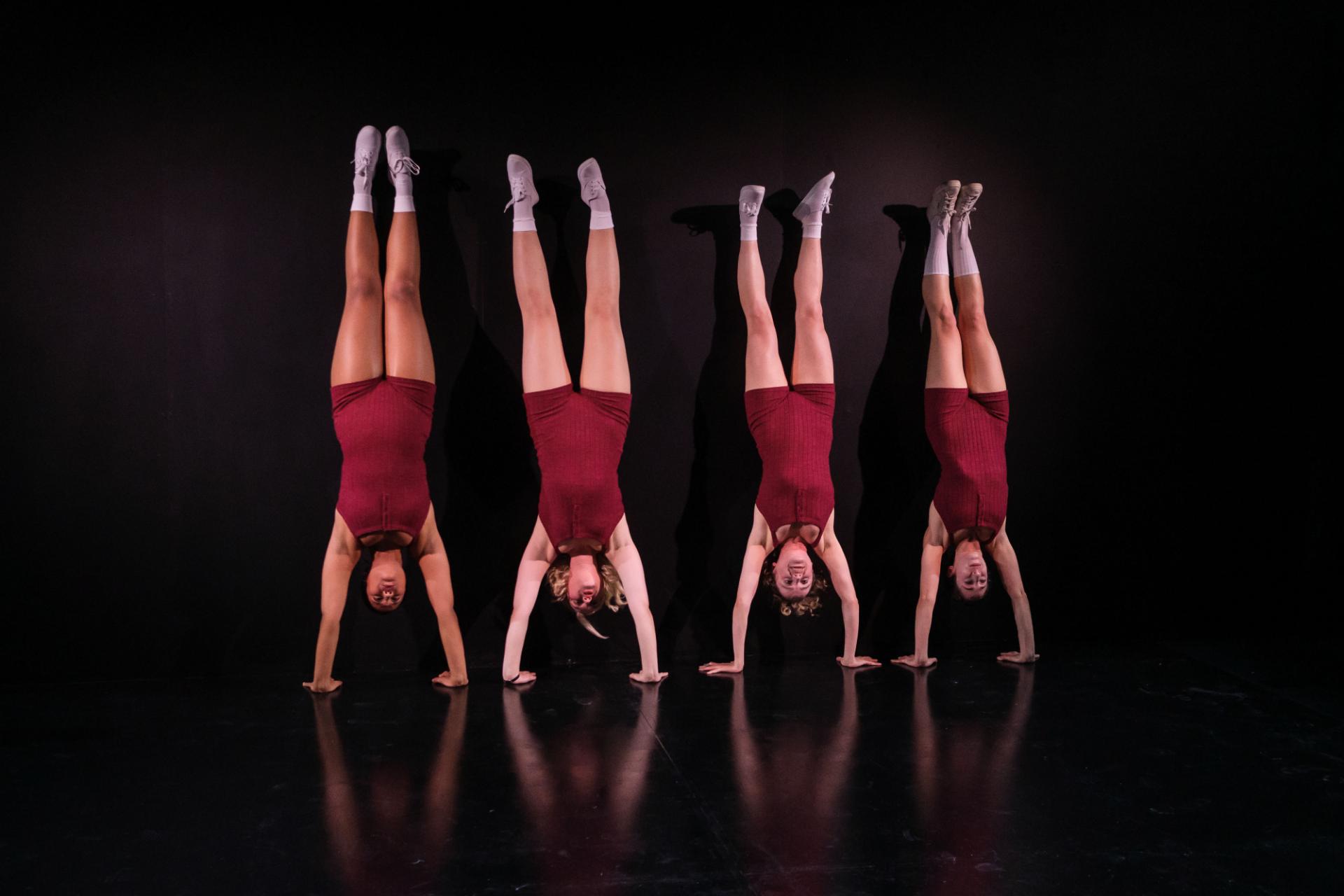
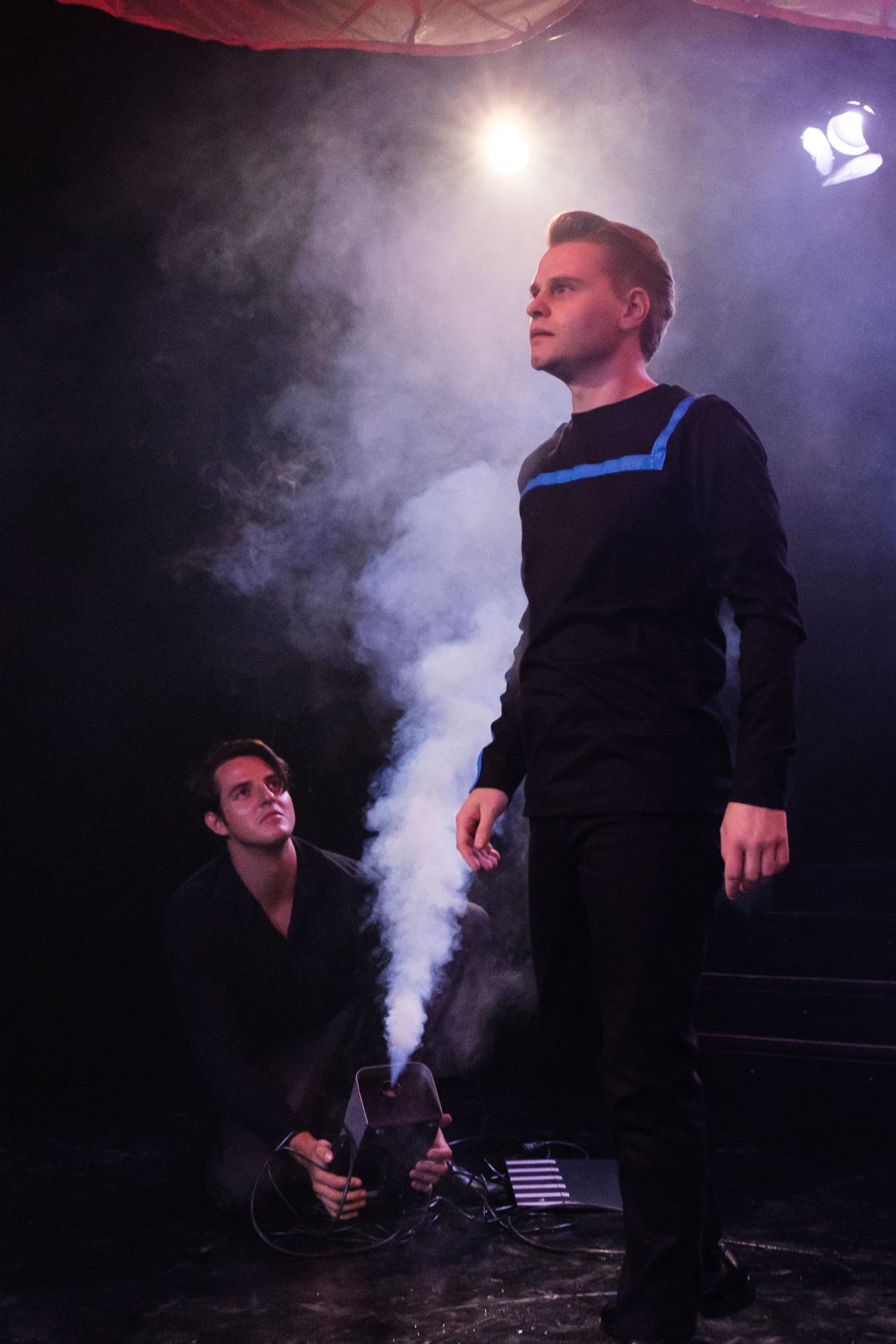
Saplings delivers the full humanity of those labelled “wayward youth” or “juvenile delinquents”, often with great humour, offering authentic insight that prevents any viewer from regarding them as contemptible. Directed by Abbie-lee Lewis, we find ourselves instinctively developing affection for these vibrant souls, able to connect with each of them, beyond every boundary, whether they pertain to age, class or race.
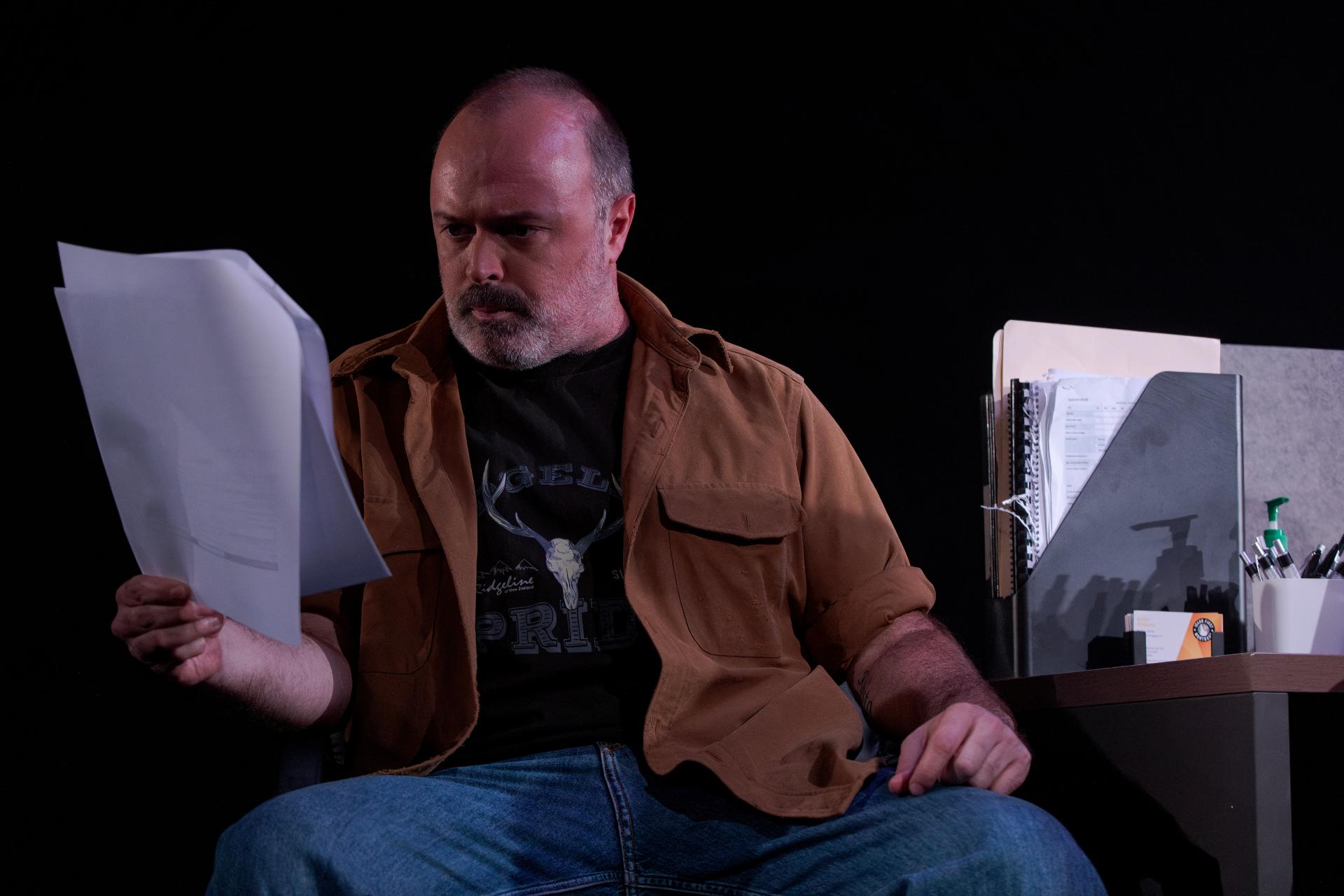
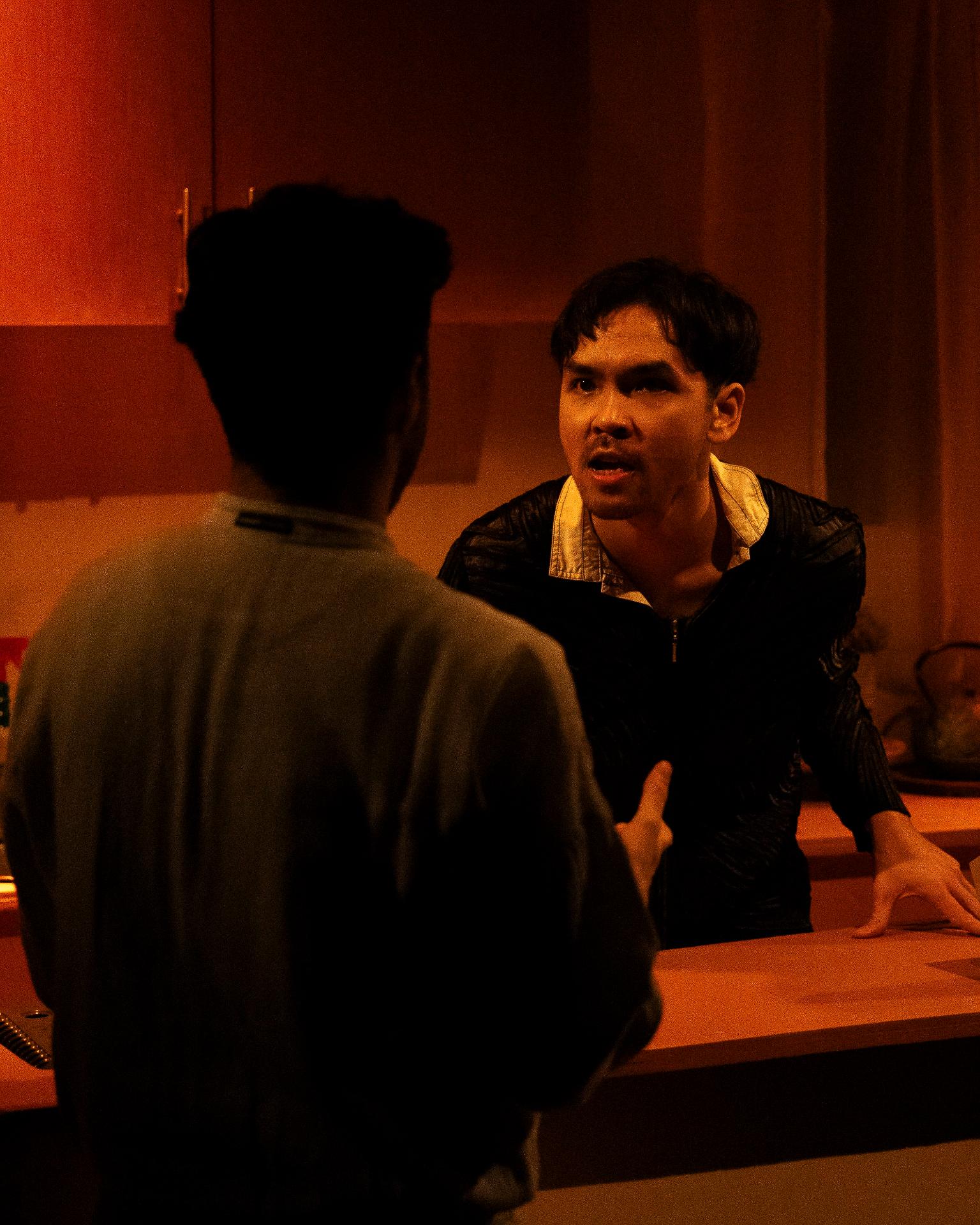
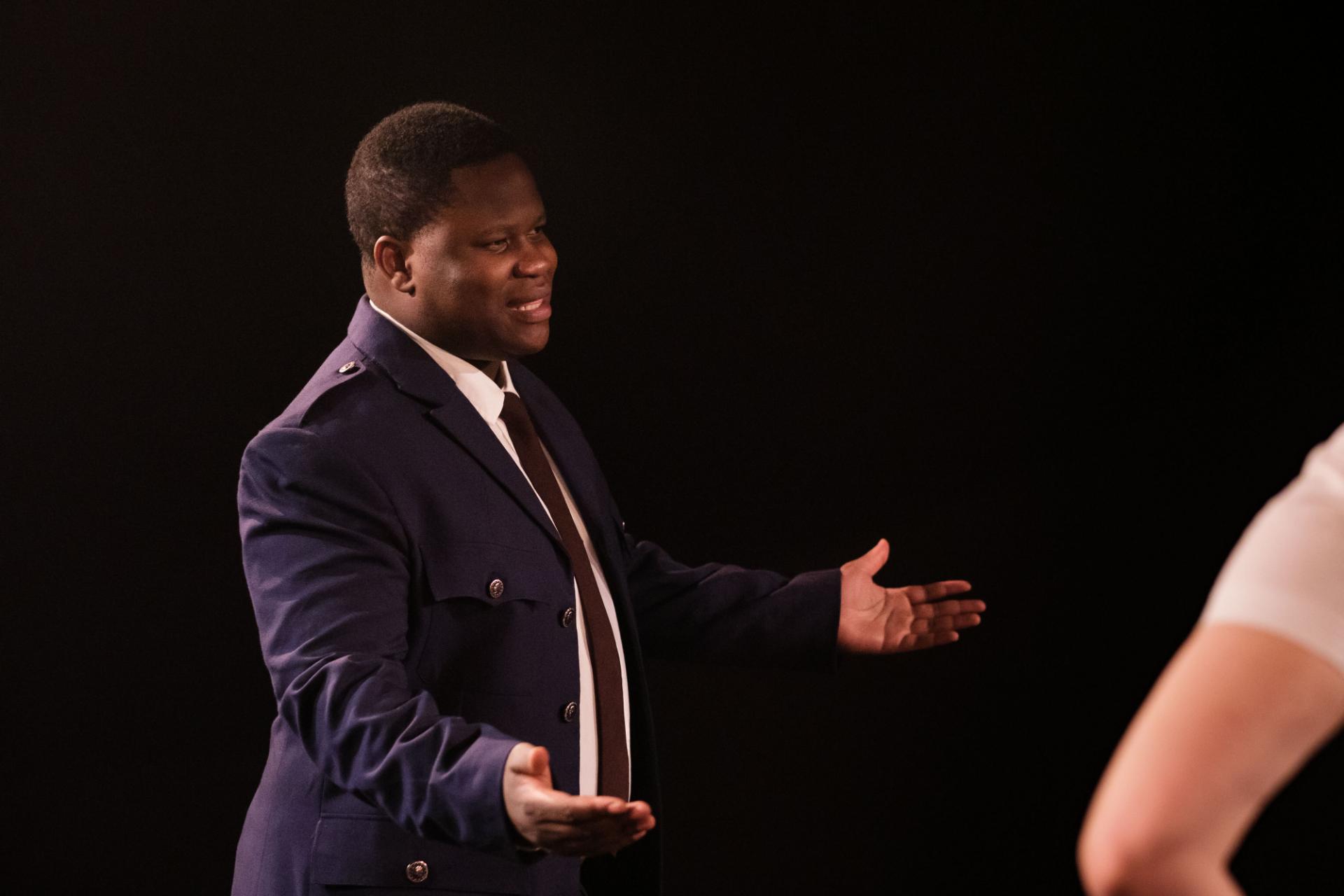
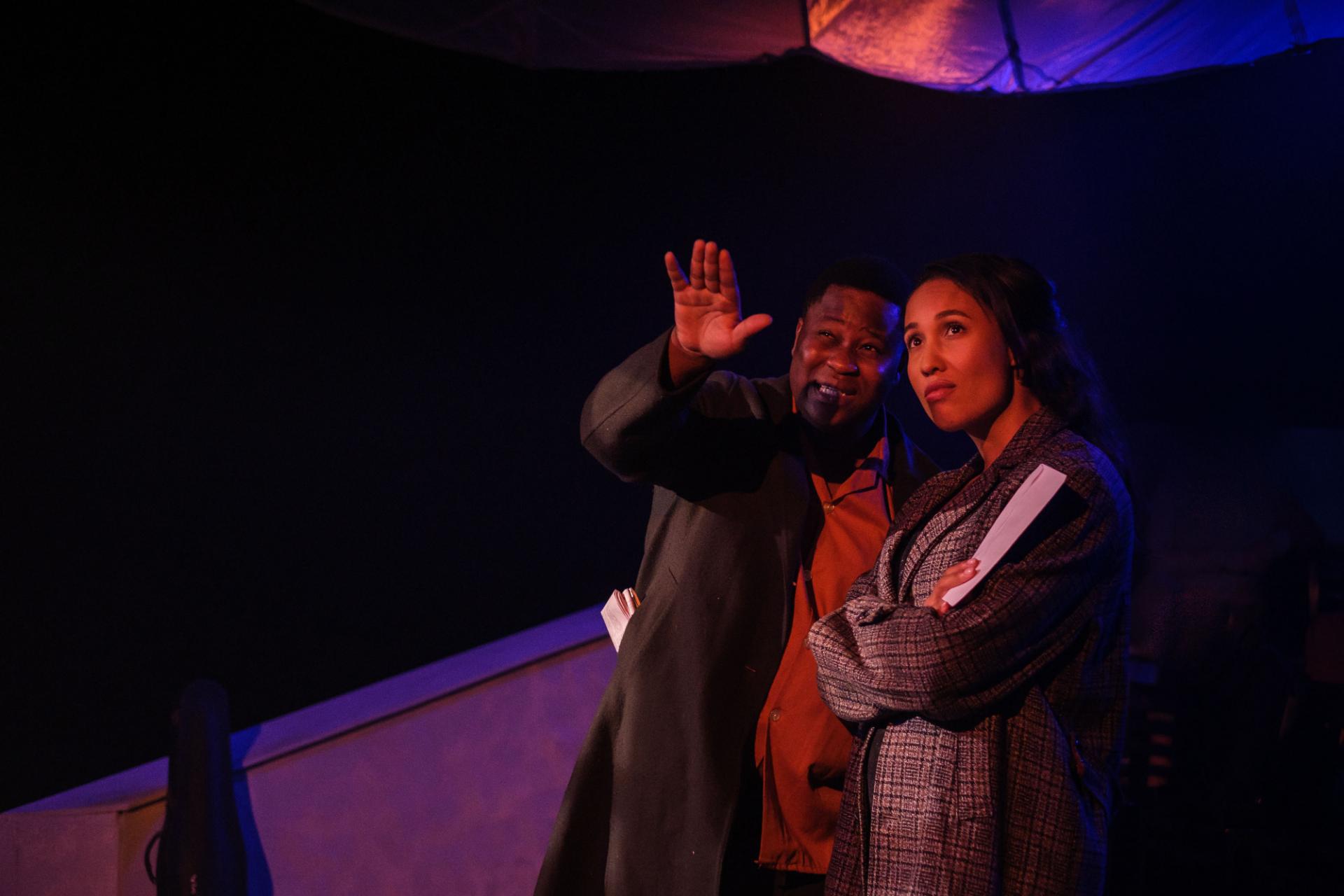
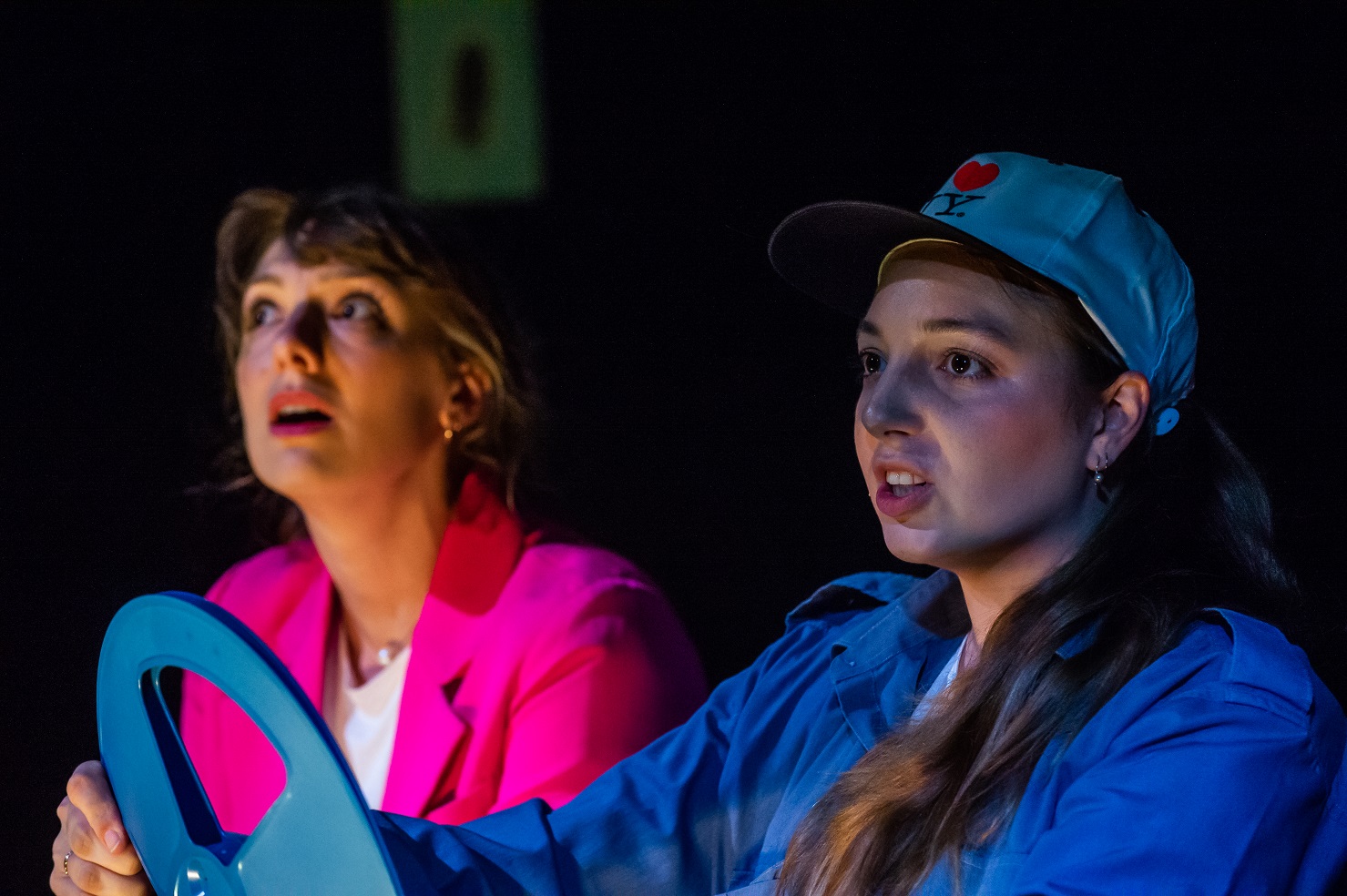
An endearing cast ensures our investment for every anecdote in the episodic presentation. Maliyan Blair’s effervescence is an immense joy, Nyasha Ogden’s sass is a gratifying representation of budding feminism, Wesley Patten’s unwitting tenderness melts our hearts, and Ioane Sa’ula’s precise dynamism gives real emphasis, to many of Saplings‘ meaningful resonances.

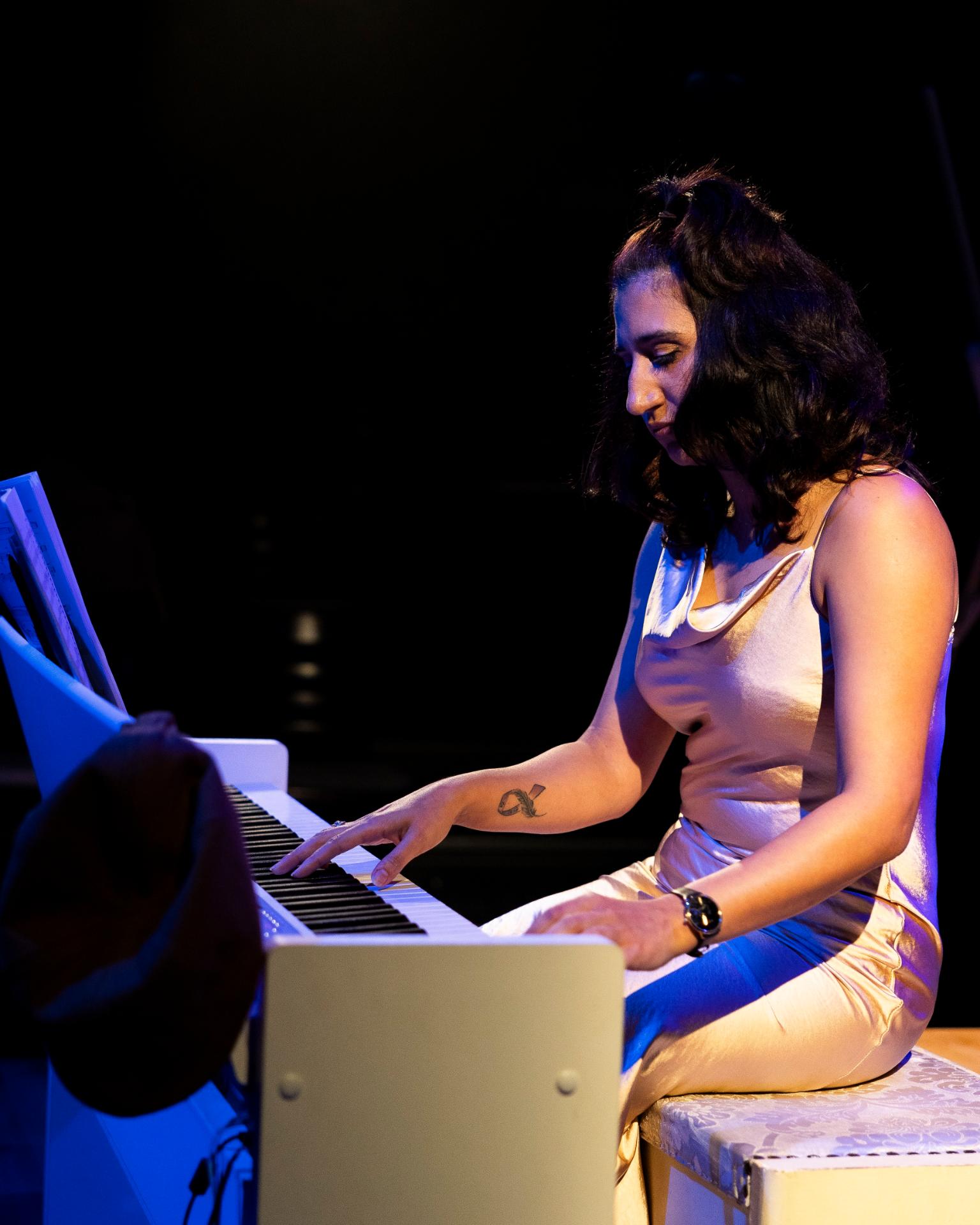
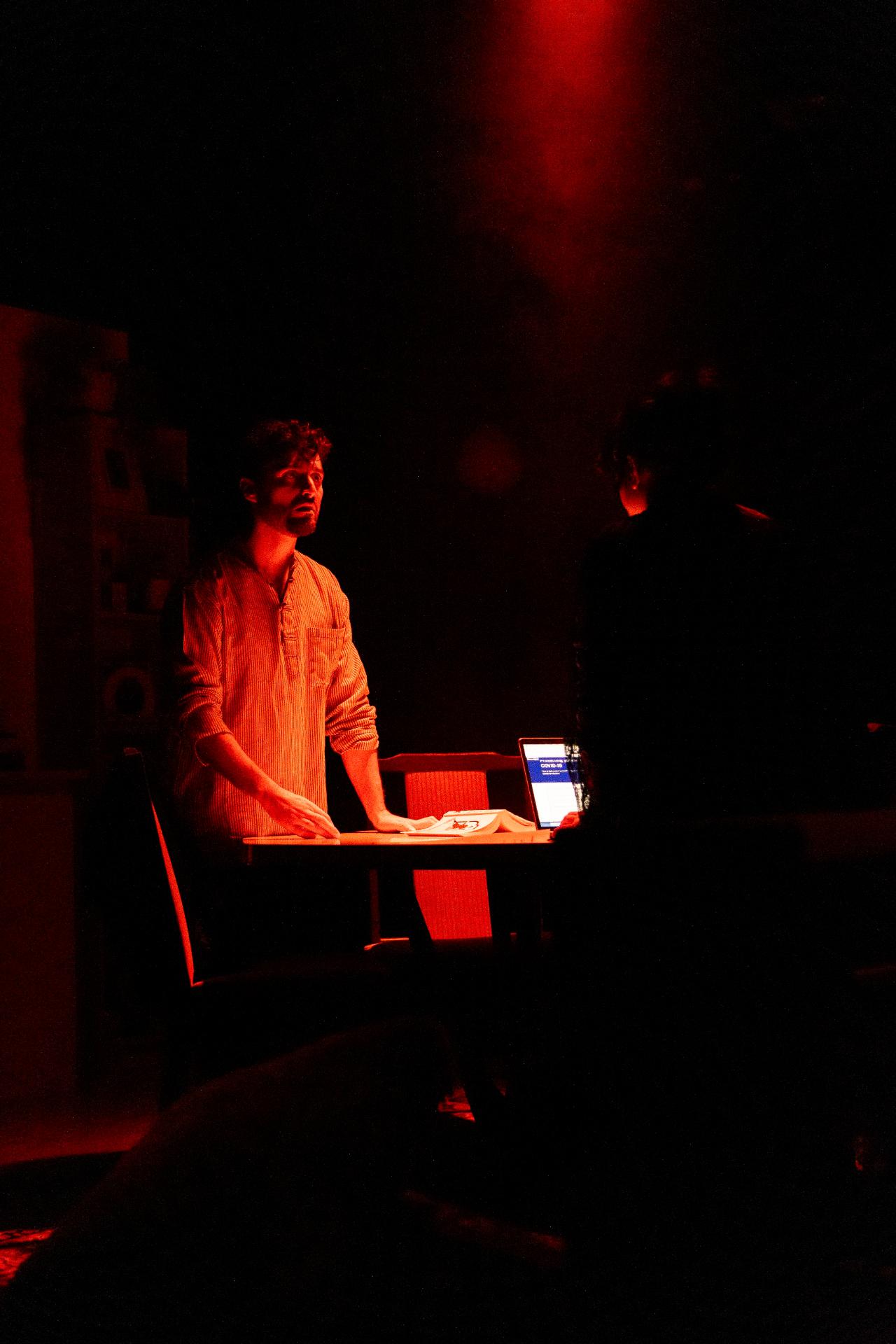
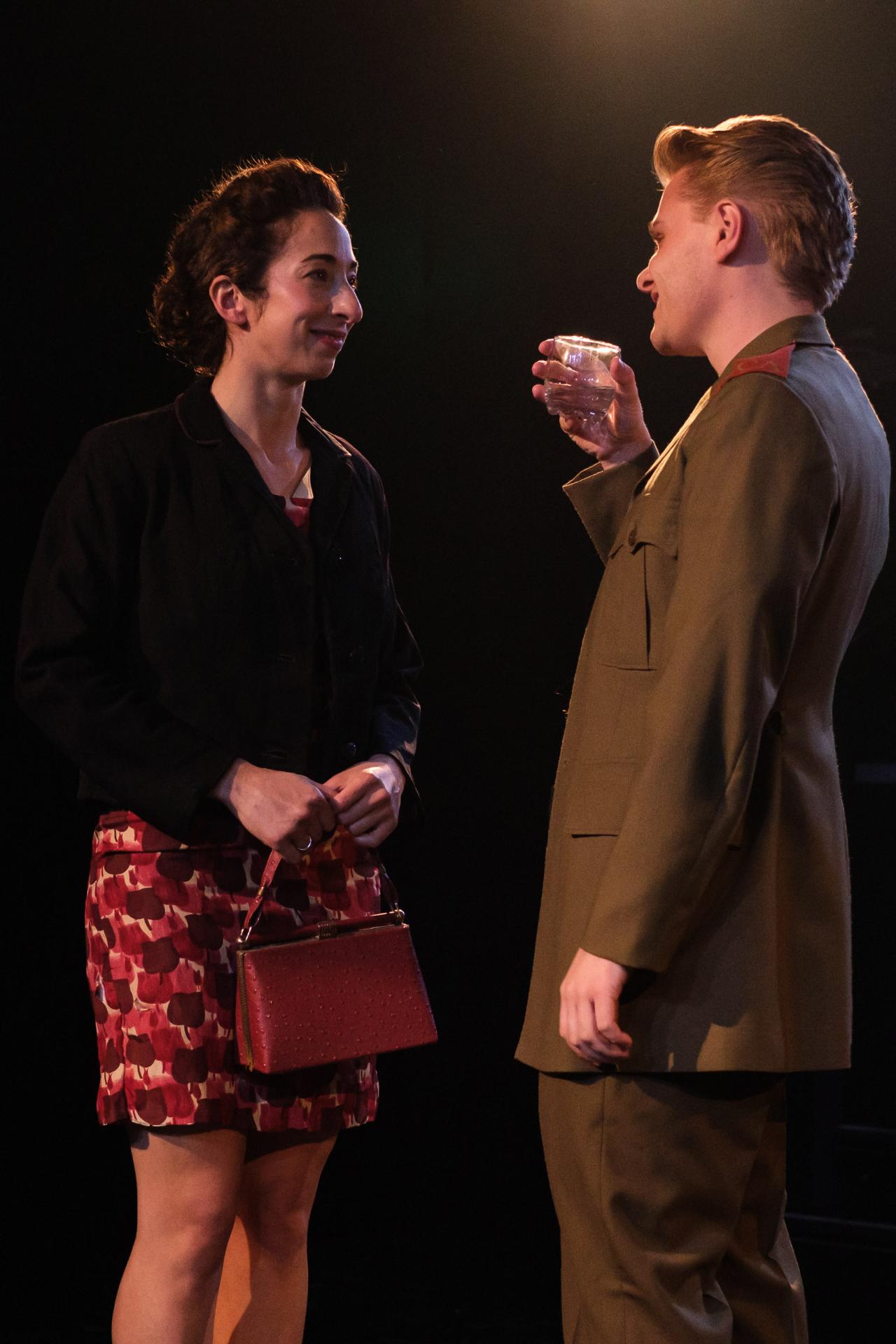
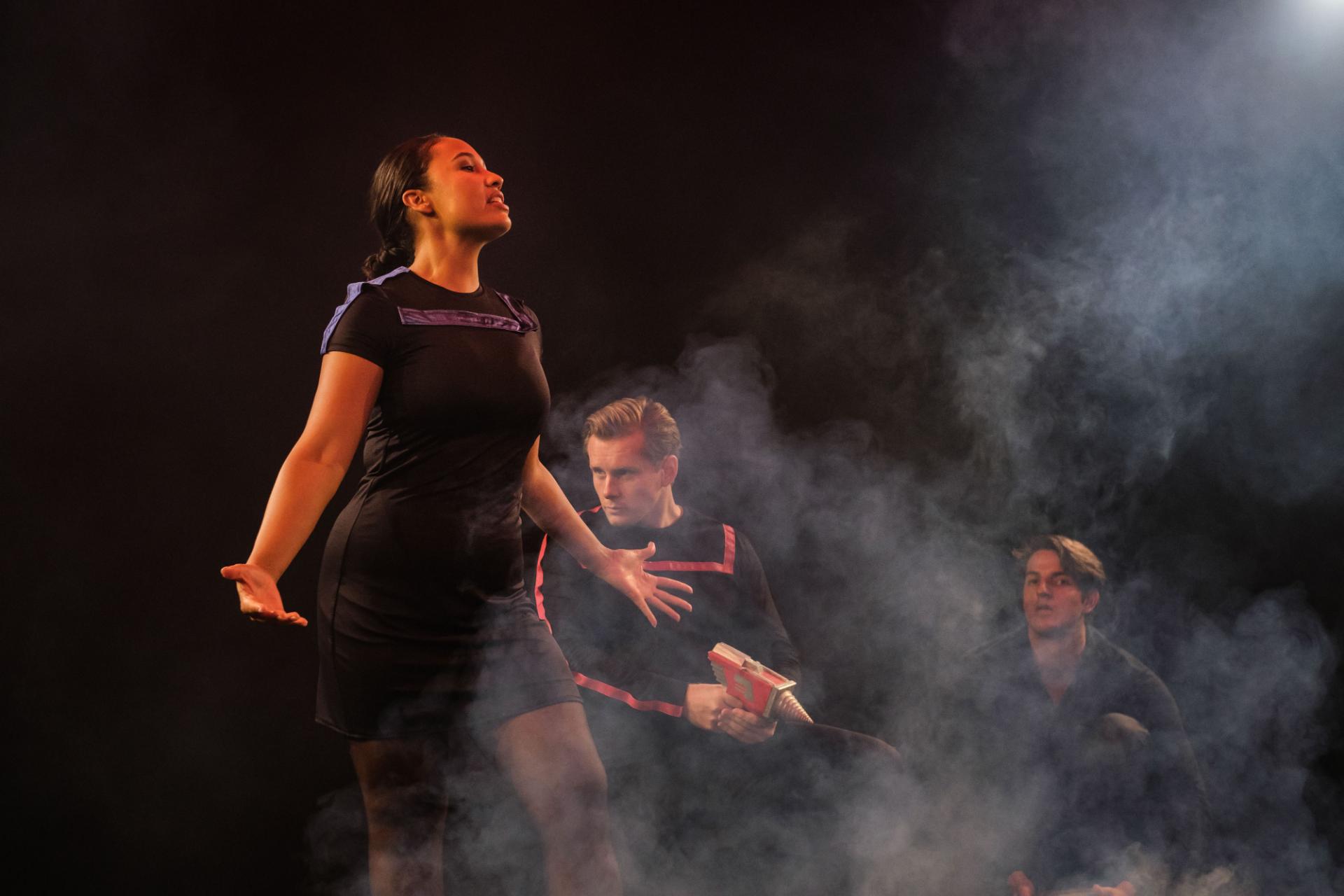
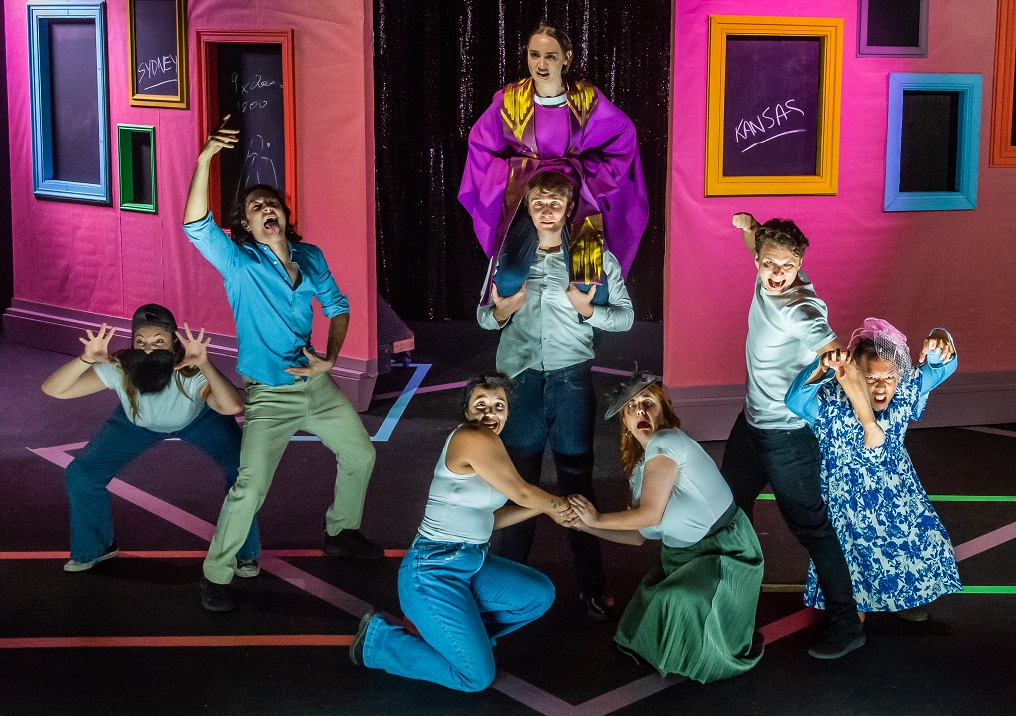
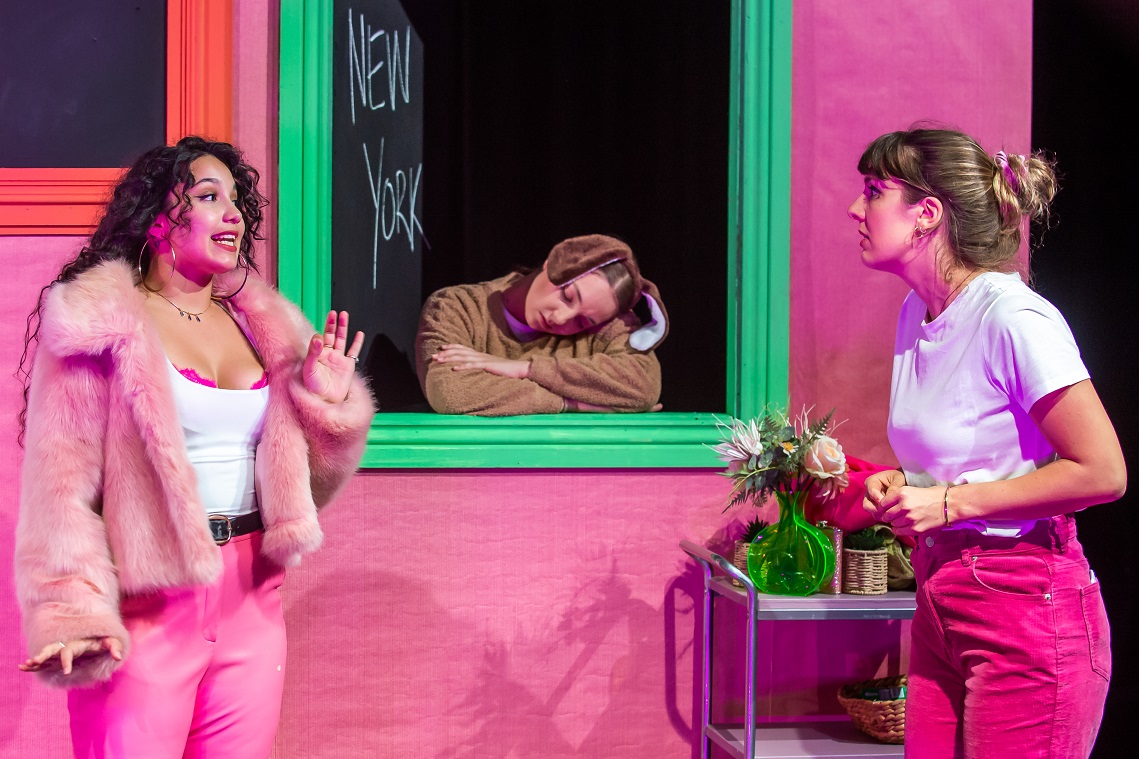
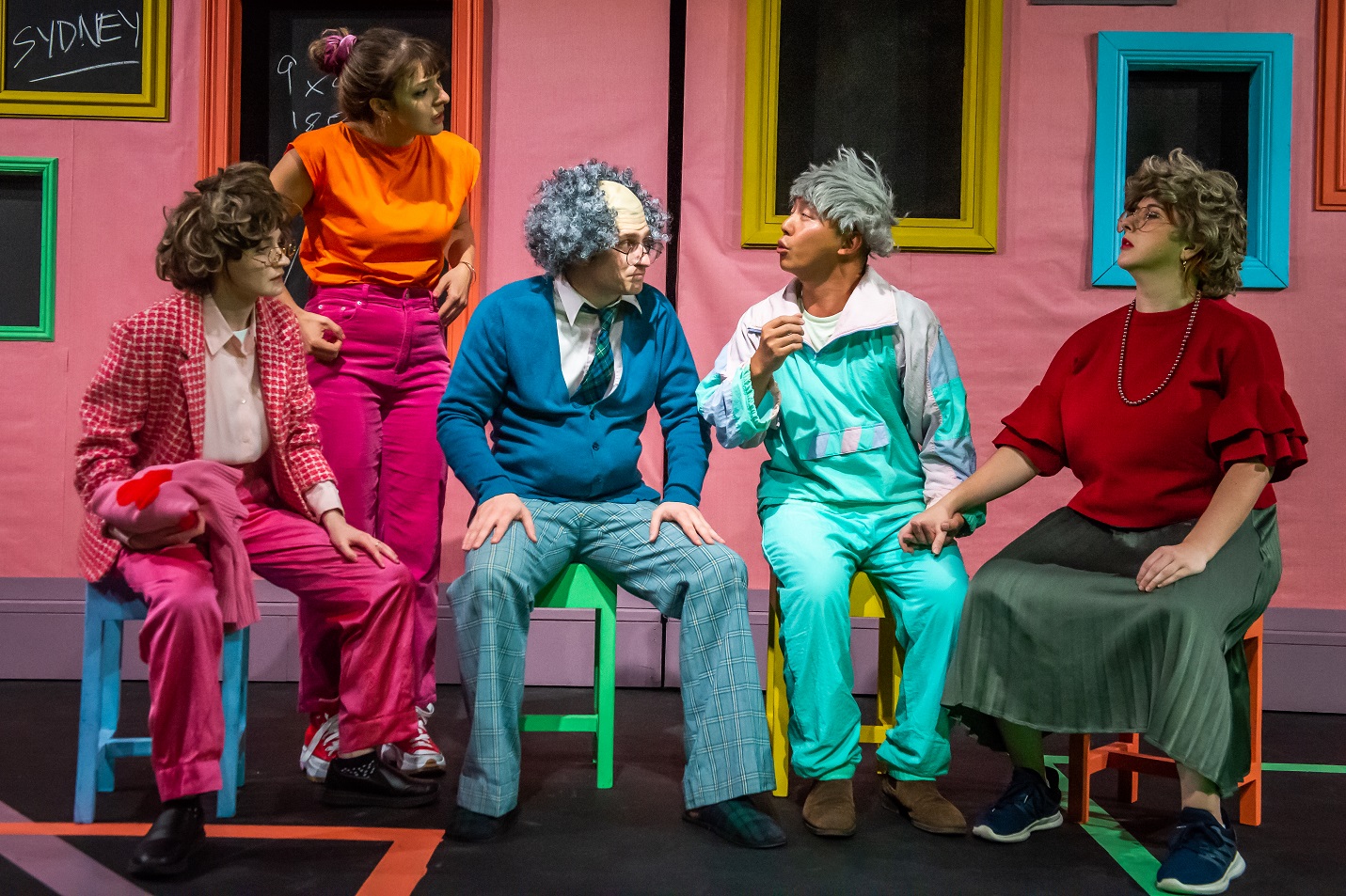
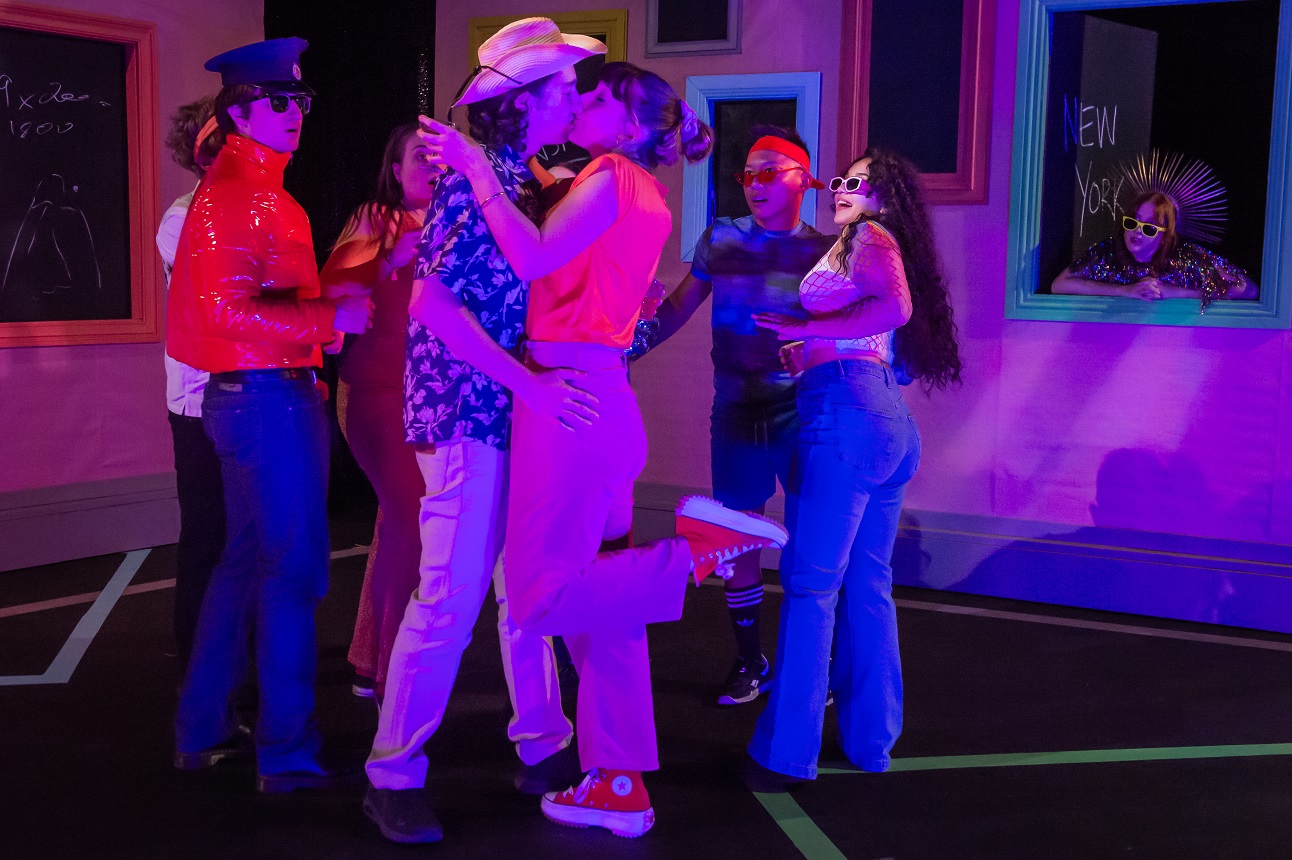
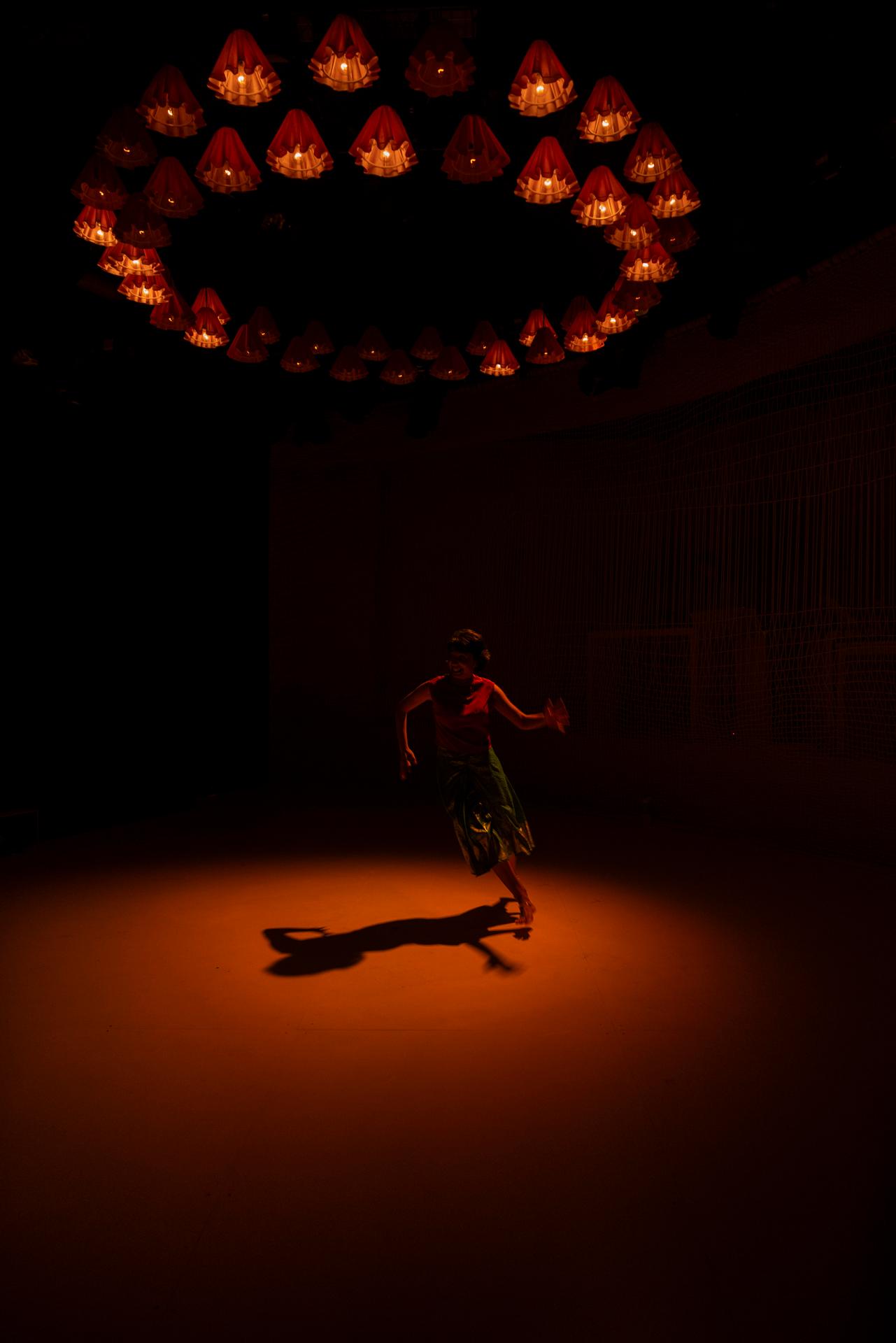
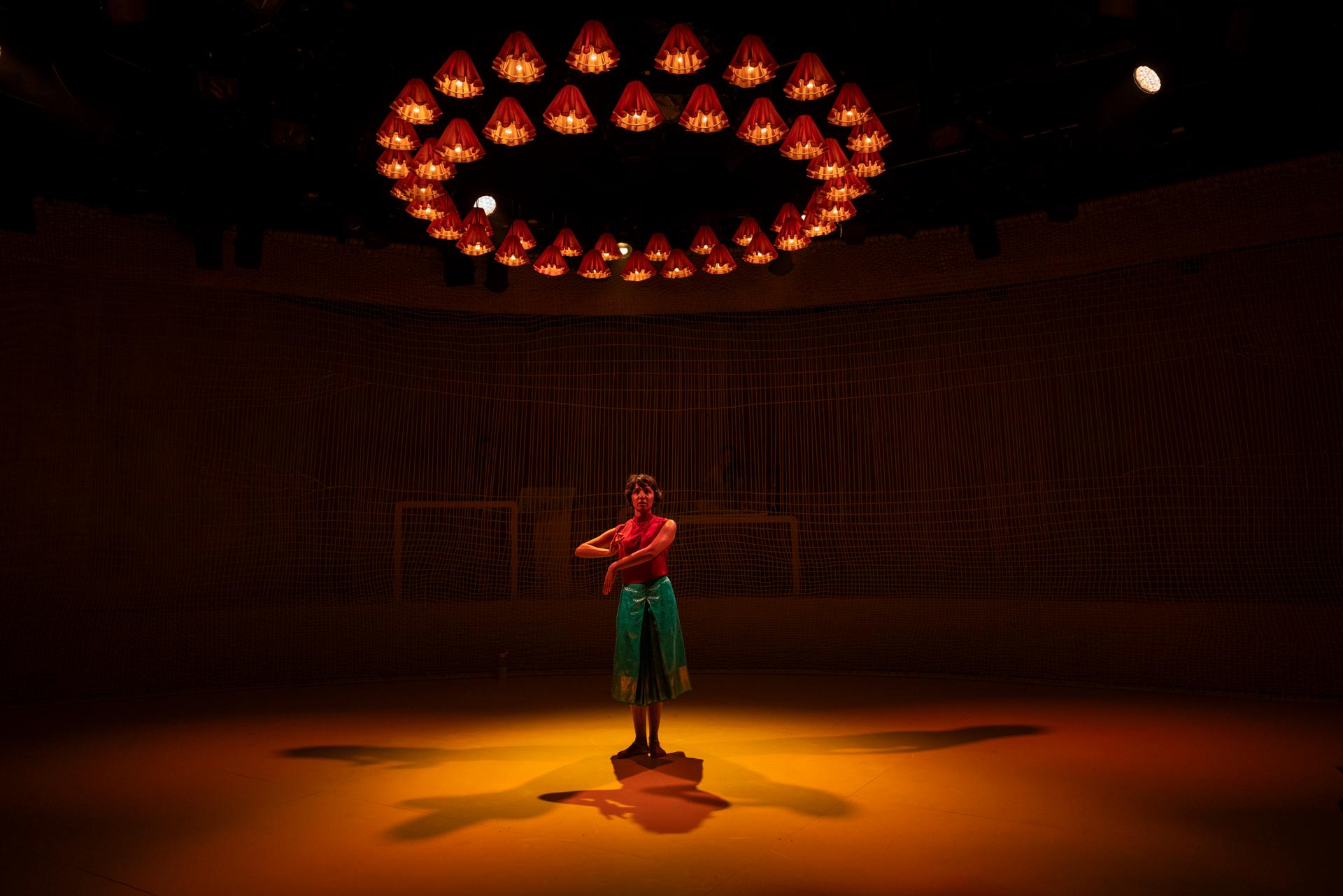
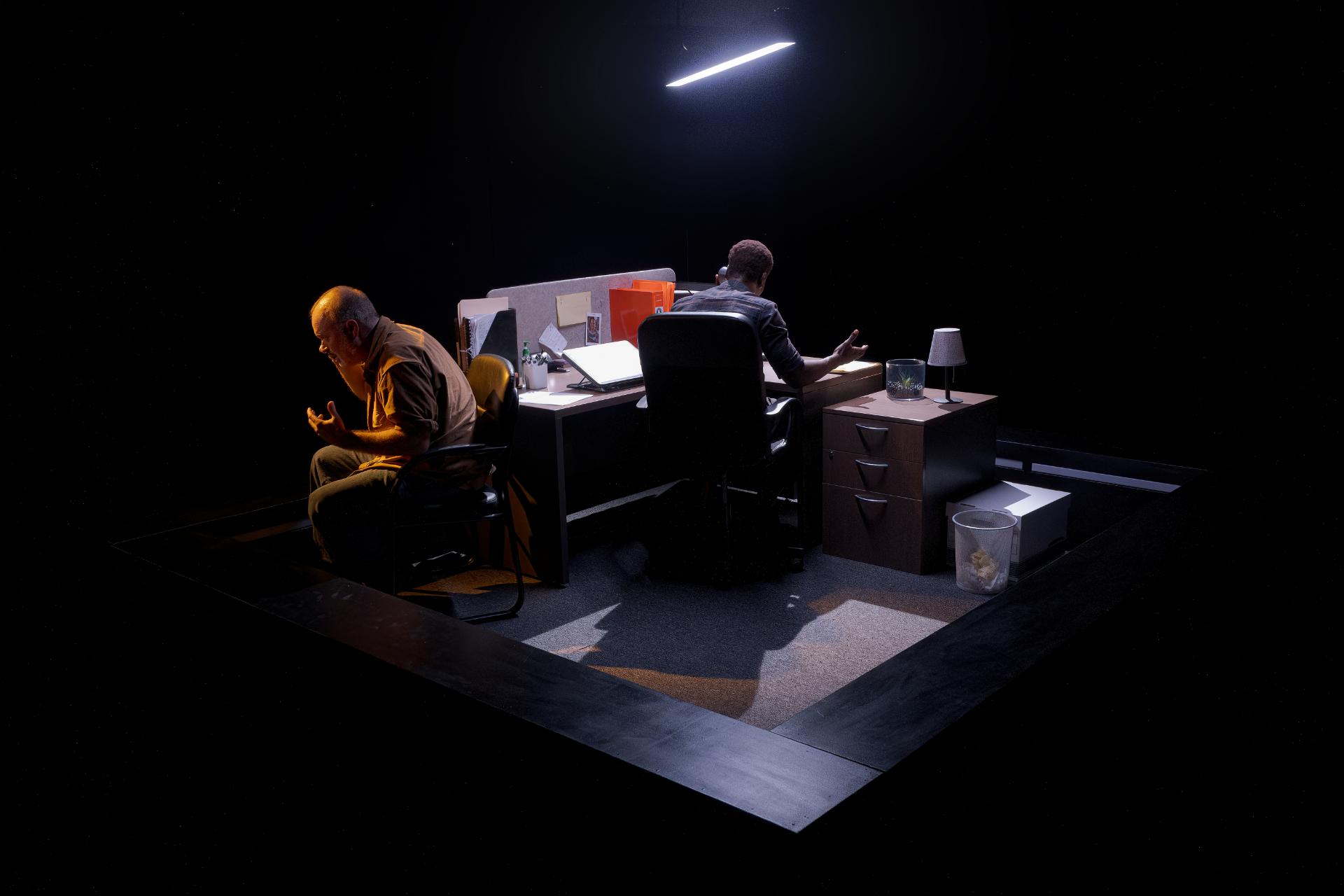
Lights by Morgan Moroney offer sensitive calibrations to atmosphere. Angela Doherty’s costumes contribute to the authenticity of the characters, though at times, the distinctions may not be entirely clear when actors assume multiple roles. The set, co-designed by Moroney and Doherty, establishes with an appealing minimalism, a certain presence for places and circumstances, along with useful tiers that help make the staging visually appealing. Music and sound by Michael Weir manipulate accurately our emotional responses, especially effective with the incorporation of rap and hip hop created by those in our youth justice system. Also noteworthy, is Tim Dashwood’s joltingly kinetic choreography for fight sequences, contributing to the zeal of a show about today’s youth.
It is evident in Saplings that Blak kids are not a problem to be solved. It is colonialism that needs to retreat, and for rightful custodians of these lands to have substantially greater control, over the values we hold, the ways we live, and the bridges we build. In the play, we see future elders being beaten down continually, but their glow never diminishes. What needs to be provided is fortifying nourishment, instead of the toxicity being deployed persistently over recent centuries. The resilience of our oppressed is certain to prevail; we just have to make way for them.

www.atyp.com.au

Review: Tiddas  (Belvoir St Theatre)

Venue: Belvoir St Theatre (Surry Hills NSW), Jan 12 – 28, 2024
Playwright: Anita Heiss
Directors: Nadine McDonald-Dowd, Roxanne McDonald
Cast: Lara Croydon, Sean Dow, Jade Lomas-Ronan, Nadine McDonald-Dowd, Roxanne McDonald, Anna McMahon, Perry Mooney
Images by Stephen Wilson Barker

Theatre review
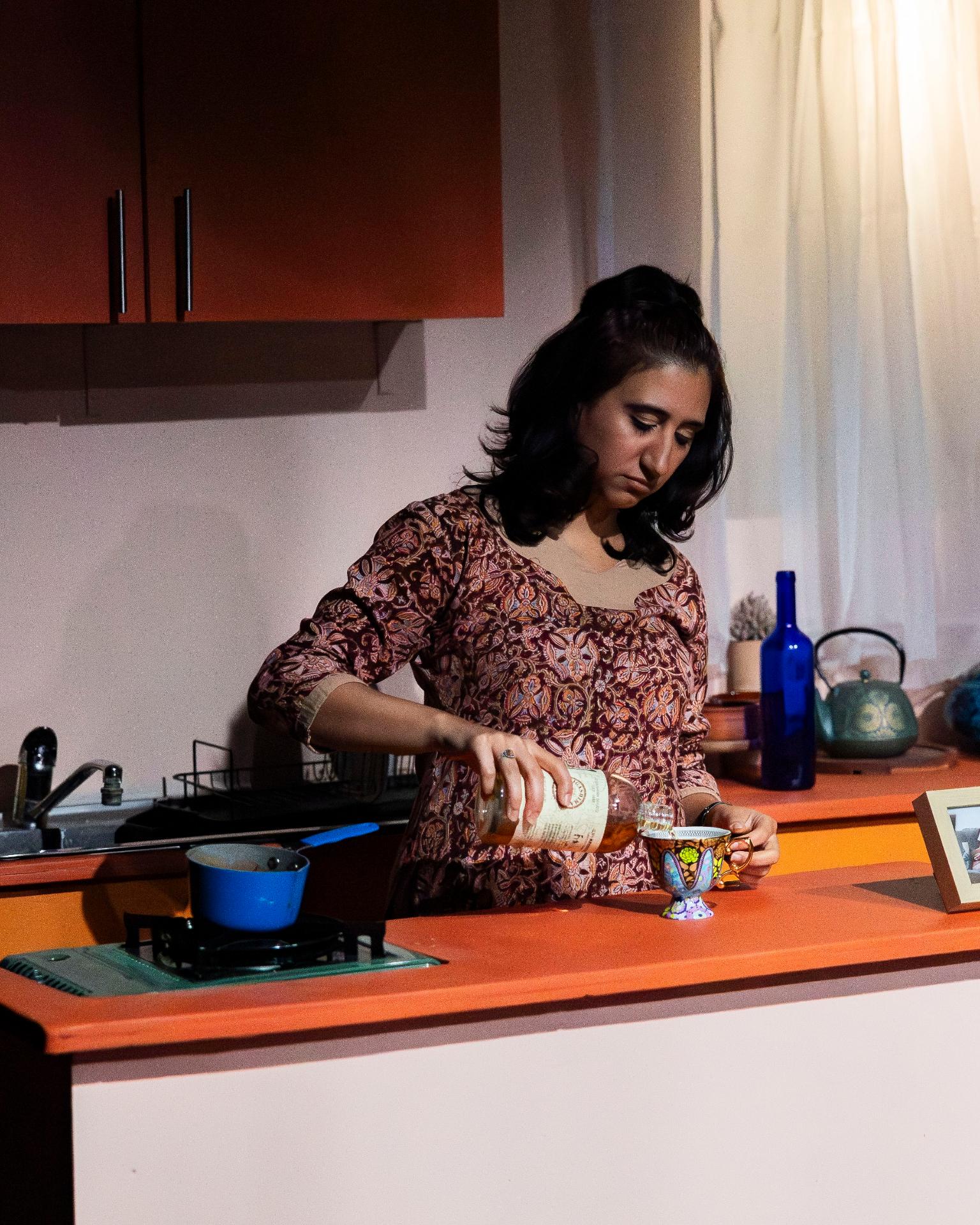
Having been childhood friends for thirty years, this group of five women has nothing to hide from one another. In Anita Heiss’ Tiddas, it is the frankness of these characters, that guide us to a meditation on some of the deeper aspects of life on this land. Most of the people we meet in the play are Aboriginal, and we benefit from their socially resonant discussions about identity and sovereignty. On more intimate levels, there are explorations into topics such as motherhood, romance and friendship; all dealt with in a fiercely authentic way, that enables us to examine some of the central elements of our shared humanity, with admirable clarity and honesty.

Directed by Nadine McDonald-Dowd and Roxanne McDonald, Tiddas is consistently engaging, always an entertaining watch, whilst keeping our minds attentive to the sensitive subjects being explored. There is a gentle beauty being rendered by aesthetical aspects of the show, a softness perhaps that is commensurate with the diversity of feminine qualities we encounter. Set and costumes by Zoe Rouse are vibrant, colourful and with a sense of sumptuousness that puts us at ease, so that we remain open to the ideas being studied. Lights by Jason Glenwright and sounds by Wil Hughes, are both intricately consistent with every ebb and flow of the drama and the comedy, ensuring that the atmosphere is in complete harmony with each stage of the storytelling.

The cast of seven is exceptionally warm,  with a wonderful chemistry that makes every interchange believable. There are however moments in their performance that can be excessively declarative in style, in ways that move our involvement as an audience away from instinct and emotion, to somewhere a little too logical. It is when the personalities are convincingly natural, that we can really sink our teeth into all the richness that Tiddas intends. Roxanne McDonald (aforementioned as co-director) and Perry Mooney are particularly strong with the level of naturalism they introduce, allowing us to relate meaningfully, to the many worthy concerns of the show.

There is so much in modern life that prevents us from being real. It is only in the presence of close friends and family that we can be who we truly are. It is also in art, that we can be encouraged to peel away pretences and mendacities, to understand our truest natures. In Tiddas we can see what are most important to the five women, and decide for ourselves, how much in common we have with their bliss.

www.belvoir.com.au | www.laboite.com.au

Review: Big Name, No Blankets (Ilbijerri Theatre Company)

Venue: Roslyn Packer Theatre (Sydney NSW), Jan 10 – 14, 2024
Playwright: Andrea James
Directors: Dr Rachael Maza AM and Anyupa Butcher
Cast: Baykali Ganambarr, Googoorewon Knox, Teangi Knox, Aaron McGrath, Jackson Peele, Cassandra Williams, Tibian Wyles
Images by Brett Boardman

Theatre review
It was 1980 when the Butcher brothers from Papunya in the Northern Territory, along with some great friends, formed the iconic Warumpi Band. Bringing their act all over Australia, and to Europe, the group cemented themselves as an integral part of our national and Indigenous cultural histories. The new play with music Big Name, No Blankets by Andrea James, offers an opportunity to acquire a deeper knowledge of the band, juxtaposing anecdotes of their formation and stories from the road, with legendary songs that prove to stand the test of time.

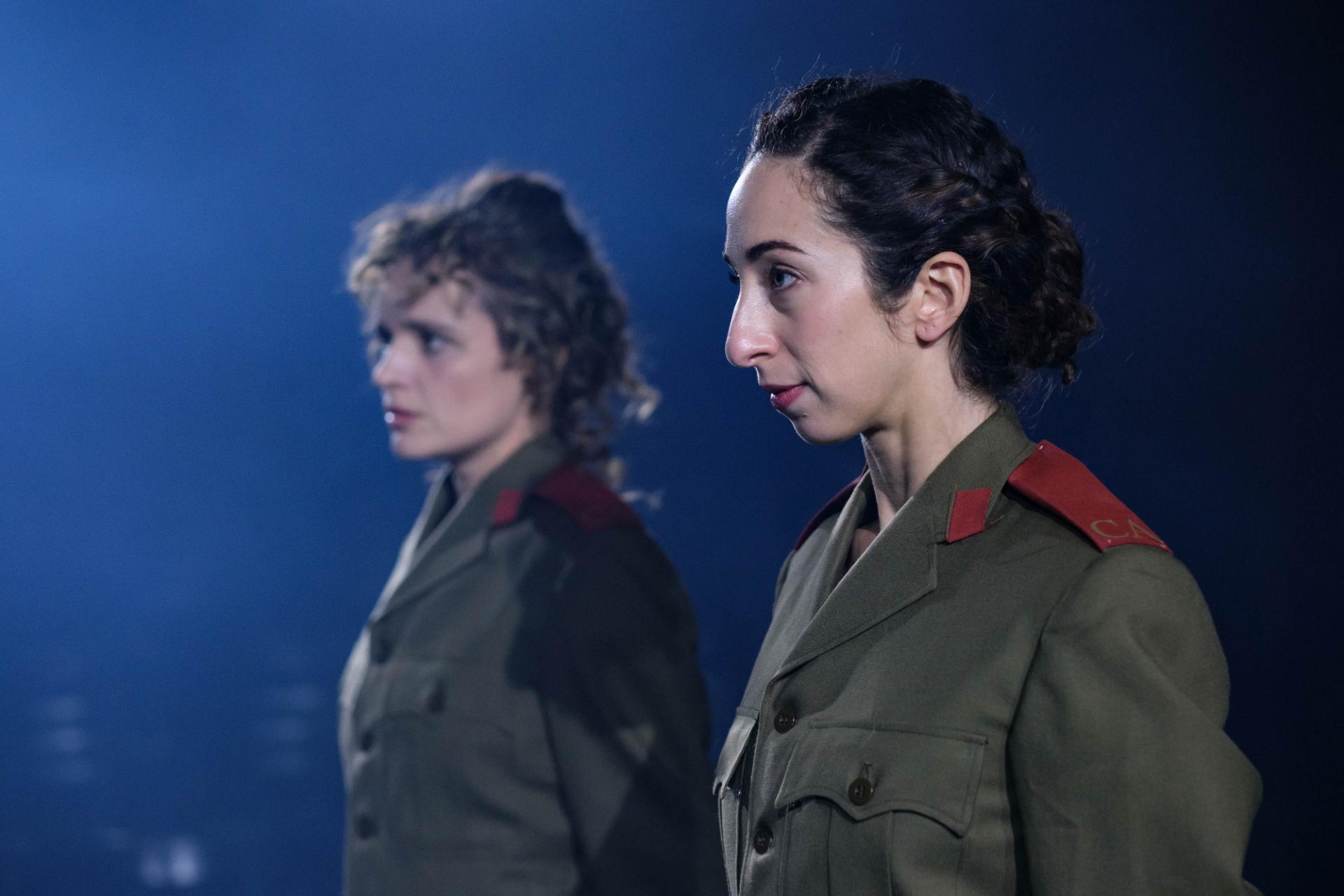
Co-directed by Dr Rachael Maza AM and Anyupa Butcher, the show shifts seamlessly between its dramatic portions and its musical sections, perfectly blending both aspects for a wonderfully cohesive telling of a captivating tale. Performer Baykali Ganambarr leads the charismatic cast, playing the role of Sammy Butcher Tjapanangka and serving as narrator, with a humorously tender approach that engenders a consistent simpatico connection with the audience.

Also noteworthy is Googoorewon Knox, who as the band’s lead singer George Burarrwanga brings glamour and energy, completely electrifying when performing Warumpi Band’s many rock numbers. Music direction by Gary Watling, together with arrangements by Crystal Butcher, are an unequivocal joy, presented powerfully by live musicians who demonstrate beautifully the genius of the source material. Sound design by James Henry create further auditory embellishments, to keep us engaged and invested.

Set design by Emily Barrie addresses sensitively the various spatial requirements of the storytelling. Lights by Jenny Hector fill the atmosphere with warmth, but switch effortlessly to alluring vivacity when characters are in rock star mode. Video projections by Sean Bacon, Patricia McKean and Guck help us contextualise times and places, as we delve into different pockets of the past. Costumes by Heidi Brooks provide a sense of authenticity for the personalities we encounter, and for an era that most do still remember.

Members of Warumpu Band followed their hearts, and created a legacy out of passion and bliss. Big Name, No Blankets represents and exemplifies the integrity that we should all seek in how we make our decisions, and in how we live our lives. In the show, we see people being their true selves, and are reminded that trying to be anything else, is always a futile, and often harmful, exercise.

www.ilbijerri.com.au

Review: The Wind In The Willows (KXT on Broadway)

Venue: KXT on Broadway (Ultimo NSW), Dec 8 – 23, 2023
Playwright: Alan Bennett (from the novel by Kenneth Grahame)
Director:
James Raggatt
Cast: Georgia Blizzard, Michael Cecere, Miranda Daughtry, Michael Doris, Elyse Phelan, James Raggatt, Joseph Raggatt, Jack Richardson, Lachlan Stevenson, Harlee Timms, Ross Walker
Images by Brittany Santariga

Theatre review

In Alan Bennett’s adaptation of The Wind in the Willows by Kenneth Grahame, the reckless and irresponsible Toad steals a car, and finds himself imprisoned. It is unequivocal that there are life lessons he needs to learn, and luckily friends are on hand to guide and support. The whimsical work is written with great charm, involving anthropomorphised characters that give Grahame’s 1908 creation a sense of timelessness, able to dissolve psychological barriers and allow an old English tale to speak to wider audiences.

Direction for this staging is provided by James Raggatt, who brings a commensurately quirky approach to how the story is told. On a bare stage, Raggatt demonstrates considerable inventiveness, in his depictions of these deeply fanciful scenarios. There is admirable detail in performances by an accomplished cast, including Michael Doris who is simply delightful as Toad. Although not always cohesive or sufficiently focused, the show is consistently energetic, with a joyful quality that sustains our attention.

Costumes by Isabella Holder help with the ways in which we imagine these animal characters, but could afford to include more extravagance and eccentricity in building a visual style. Lights by Saint Clair are a dynamic element, intricately transforming imagery from scene to scene, guiding us through this realm of theatrical fantasy. Songs by Jeremy Sams are a valuable addition, but the absence of a more intentional sound design diminishes the impact, of all that is being so passionately rendered. 

People and stories can easily be forgotten with the passage of time, but the lessons left behind could very well linger until the very end. A wise man once said, “careful the things you say, children will listen.” There are important things to deduce from The Wind in the Willows, not just from what is being told, but also in how we gather, to listen to one another.

www.kingsxtheatre.com | www.facebook.com/stacksontheatre

Review: Midnight Murder At Hamlington Hall (Ensemble Theatre)

Venue: Ensemble Theatre (Kirribilli NSW), Dec 1, 2023 – Jan 14, 2024
Playwright: Mark Kilmurry, Jamie Oxenbould 
Director: Mark Kilmurry
Cast: Sam O’Sullivan, Jamie Oxenbould, Ariadne Sgouros, Eloise Snape
Images by Prudence Upton

Theatre review
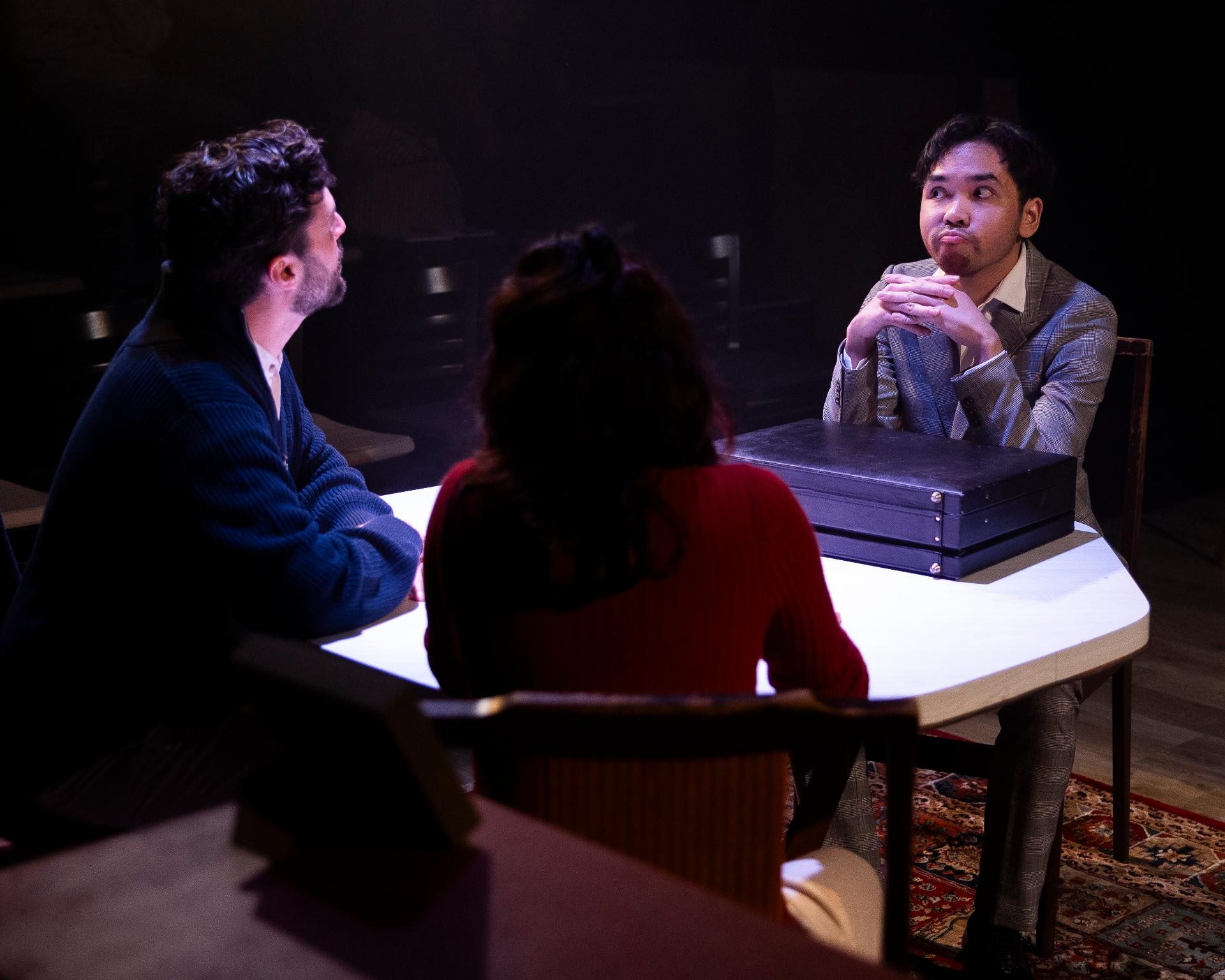
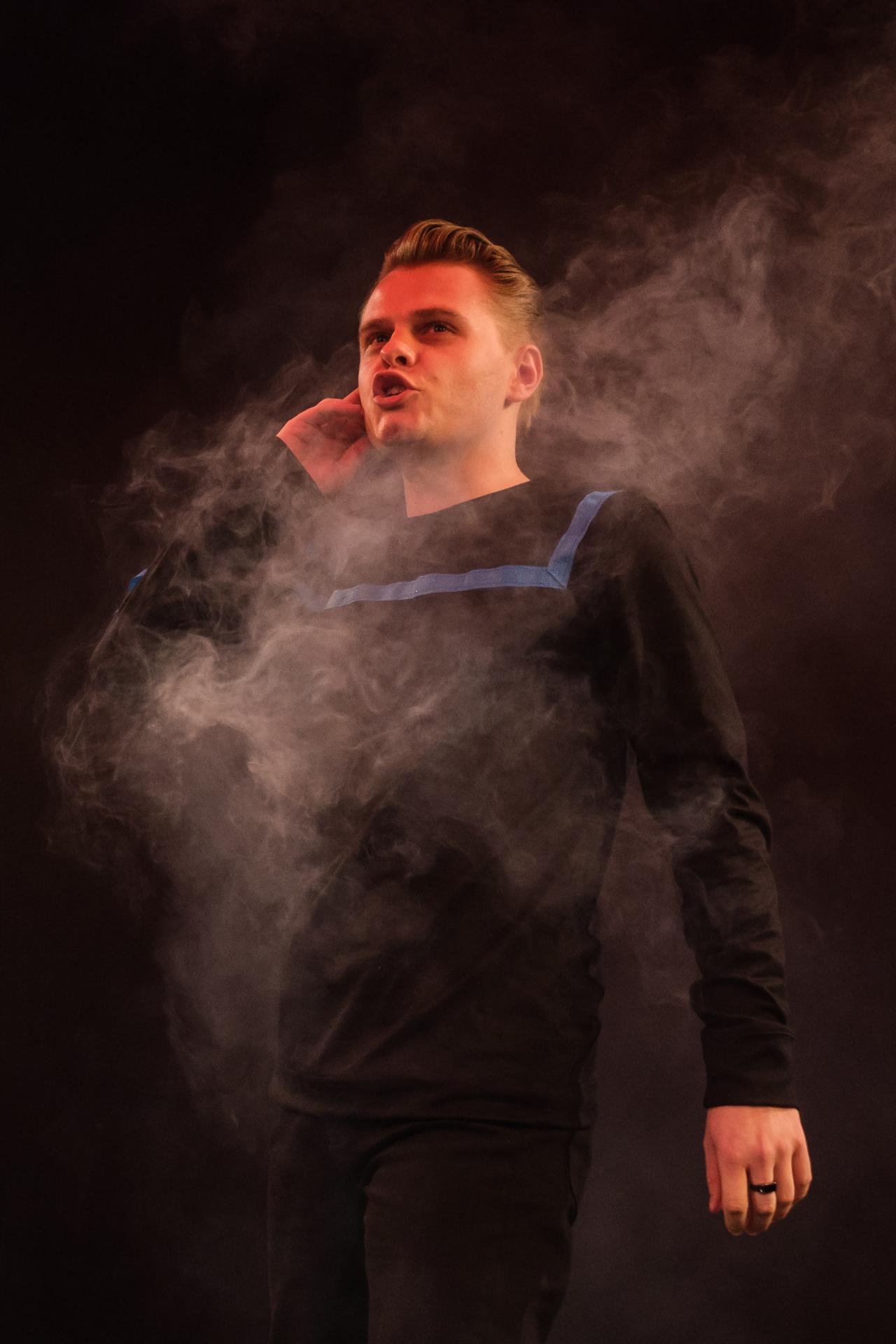
Amateur theatre group The Middling Cove Players are about to open a new show, but seven of the cast have been struck with covid, and only three actors and their stage manager are left to play all the characters. Everything falls to pieces but they persist, such is the tenacity of show people. Midnight Murder at Hamlington Hall by Mark Kilmurry and Jamie Oxenbould is a classic farce, in the same vein as 2012’s The Play that Goes Wrong by Mischief Theatre in London. The jokes flood in unremittingly, many of them very broad, in a work that is sure to delight audiences from all walks.

Rigorous direction by Kilmurry fills every moment with a playful zeal. Although stylistically derivative, the production is filled with whimsical creativity, informed by a joyous abandonment that many will find infectious and inexorably hilarious. With the sole purpose of entertainment, Midnight Murder delivers in spades. 

Set and costume designer Simon Greer offers vibrancy, along with an unmistakable irony, keeping the entire staging in a spirit of blitheness. Lights by Verity Hampson and sounds by Daryl Wallis are commensurately mirthful, adding to the convivial atmosphere.

Oxenbould performs the role of Barney with gusto, and with exceptional confidence. Sam O’Sullivan, Ariadne Sgouros and Eloise Snape play Shane, Karen and Philippa respectively, individually amusing and energetic, but as a team, the ensemble grips with their chemistry, thoroughly enjoyable with all the hijinks they concoct. Diversions of this nature are necessary, if only to help retain some sanity in a world determined to go mad.

www.ensemble.com.au

Review: Solace (ARA Darling Quarter Theatre)

Venue: ARA Darling Quarter Theatre (Sydney NSW), Nov 29 – Dec 2, 2023
Directors: David Clarkson, Margot Politis
Cast: Kerry Bashford, Lana Filies, Matthias Nudl, Alana Pienkosz, Darlene Proberts, Nick Vagne
Images by Robert Catto

Theatre review
Sometimes the place we find ourselves, proves inadequate at containing the full beings we are. It is a feeling of displacement and incongruity, where things struggle to fit or cohere. Solace is a devised work that explores personal quests for a sense of comfort, often dealing with a state of dissociation, as individuals retreat into deep introspection, withdrawing into somewhere ephemeral yet fundamentally authentic.

Directed by David Clarkson and Margot Politis, the 35-minute work is confidently poetic, and unapologetic with its rendering of a theatrical language that is consistently esoteric in quality, unafraid of obscure expressions, with a view to providing an experience that sings truthfully.

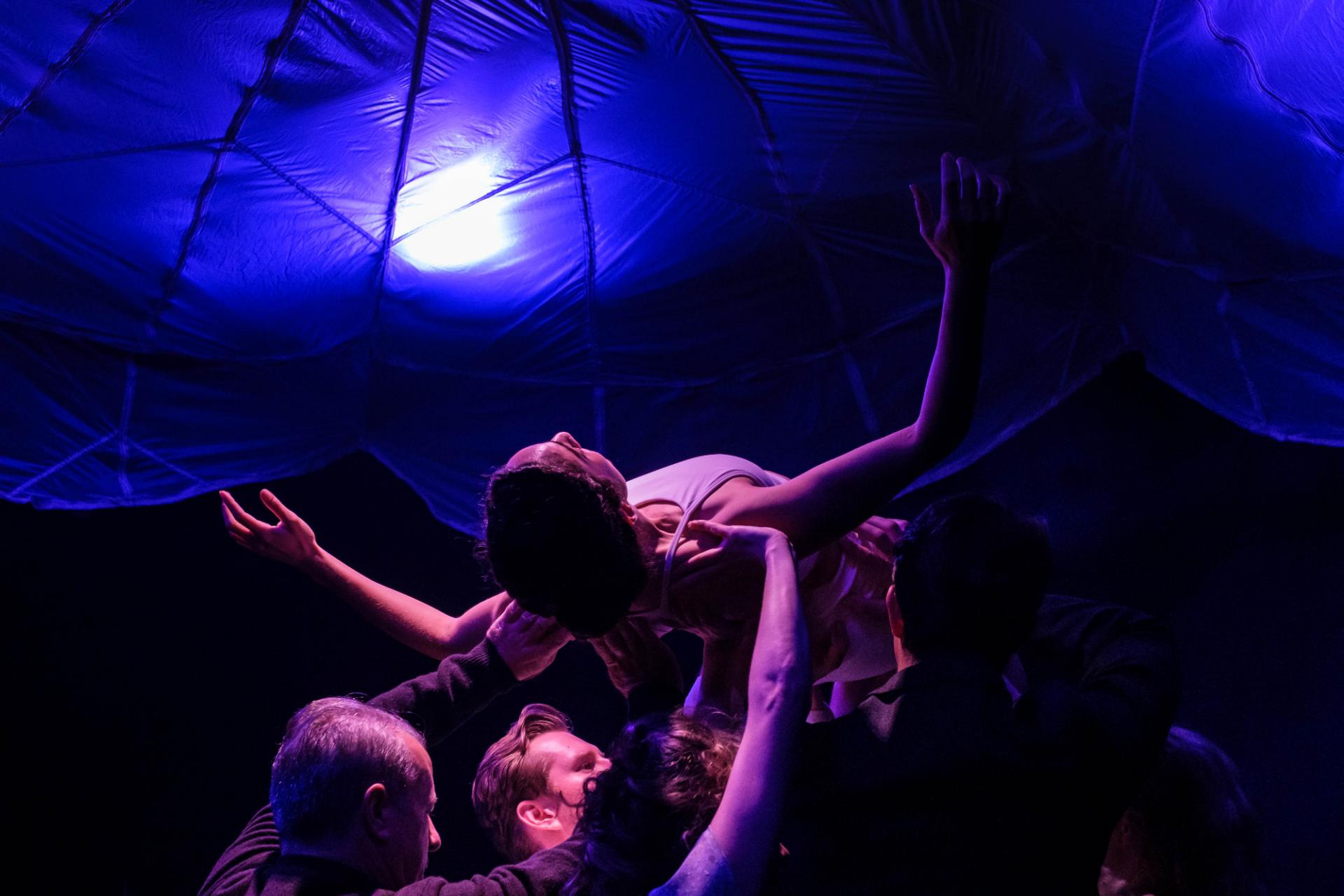
Video projections by Matt Hughes are a key feature of the staging, magically incorporating live action into the imagery we see on screens. Operating harmoniously with Mike Smith’s lights, the results are consistently beautiful, delivering visuals that connect meaningfully on a visceral level. Music by Prema Yin coaxes us persuasively into a cosmic realm, away from mundane realities, yet tethered to the inevitable wordliness of all our existences.

Six devisors for Solace appear onstage to present their own creative musings. They form a sincere cast, memorable for a distinctly delicate approach to storytelling. Having given themselves the permission to  indulge in an art characterised by sensitivity and fragility, we are reminded of the care and support that artists, and everyone else, require to flourish. To be vulnerable is to be honest about humanity, but it is how are able to hold each other, with grace and generosity, that makes all the difference.

www.milkcratetheatre.com | www.boxofbirds.net

Review: The Seagull (Sydney Theatre Company)

Venue: Roslyn Packer Theatre (Sydney NSW), Nov 21 – Dec 16, 2023
Playwright: Anton Chekhov (adapted by Andrew Upton)
Director: Imara Savage
Cast: Arka Das, Michael Denkha, Harry Greenwood, Markus Hamilton, Mabel Li, Sean O’Shea, Toby Schmitz, Sigrid Thornton, Megan Wilding, Brigid Zengeni
Images by Prudence Upton

Theatre review
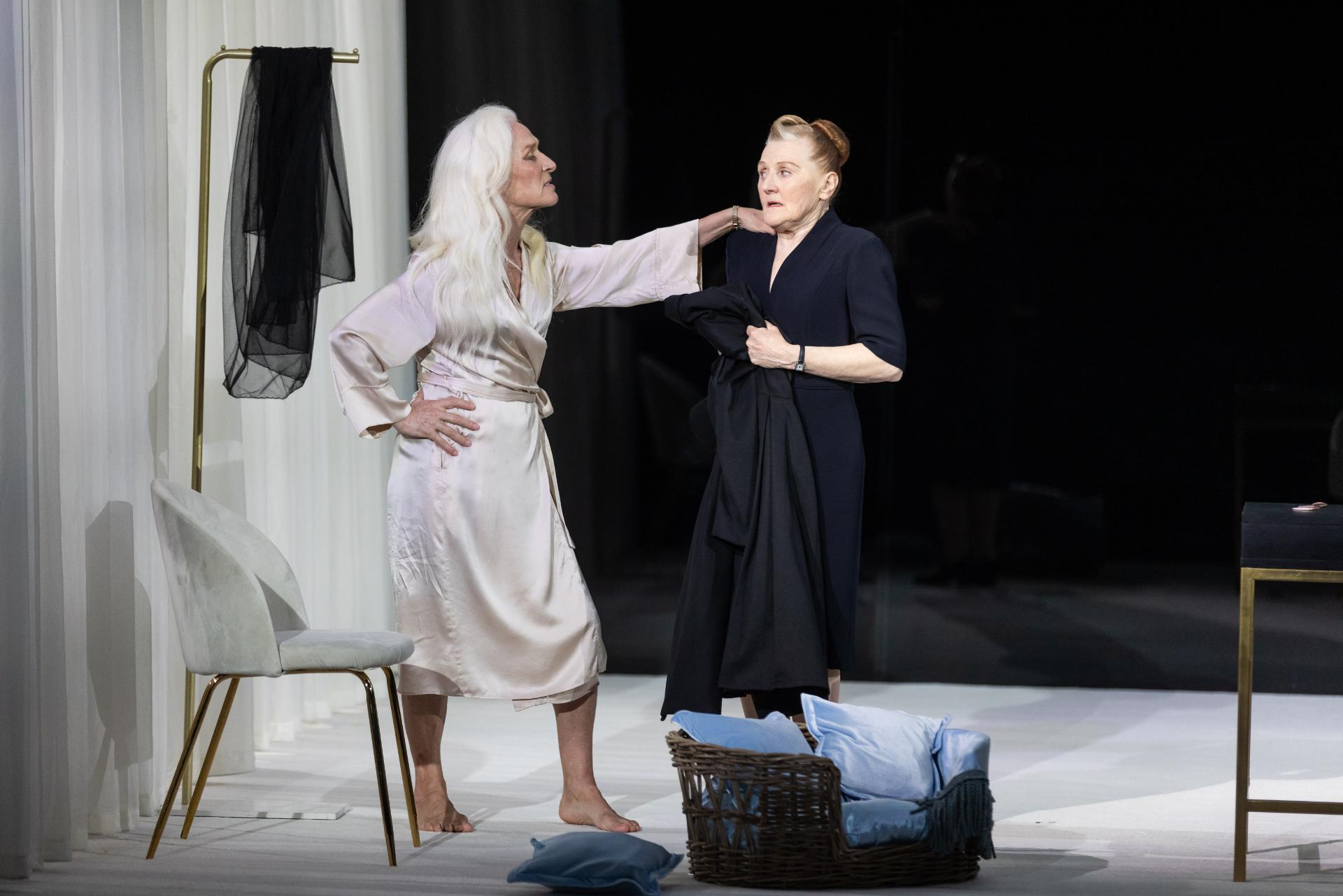
Constantine’s angst remains resolute, even though he no longer lives in 1896 Russia. Andrew Upton’s adaptation of Chekhov’s The Seagull takes place in current day Australia, refreshed with modernised dialogue that effervesces amusingly, but is otherwise entirely faithful to the original. It is arguable whether these characters would think and behave the same, having moved continents and centuries. Even though human nature can be disconcertingly rigid, the dramatic (and iconic) conclusion of Chekhov’s play, feels too characteristic perhaps of an olden Russia. It is however certainly possible that that despondence is in fact no different, wherever and whenever the story takes place. Upton could be making the point, that we are in fact deluded, should we consider ourselves evolved and improved.

Nevertheless, the update feels somewhat tenuous, even though the contemporarised humour of the piece is an unequivocal pleasure. Directed by Imara Savage, the show is at its most appealing when moments are drenched in irony, as we watch persons of a certain privilege, unable to evade nihilistic despair. Reflecting on Chekhov’s times, we can associate The Seagull with impending revolutions, and explain that malaise within a context of disquietude and a thirst for upheaval. Watching the same tale unfold in our here and now, is a confronting proposition. That unflinching pessimism could be saying something appalling about the people we are, or we could simply regard this transposition to be somehow inauthentic.

All the same, drama is delicious. Actor Harry Greenwood as Constantine is less sympathetic than is traditionally portrayed, but renders an unassailable sense of truth and integrity, to persuade us of his narrative. Other notable performers include Mabel Li, equally impressive in comedic and tragic portions of Nina’s exploits, able to make convincing the drastic shift in temperaments, for this classic showcase of lost innocence. Sean O’Shea’s highly idiosyncratic turn as Peter proves thoroughly delightful, very extravagant in style but unquestionably charming with his interpretations of an ageing invertebrate. Playing Boris the cad is Toby Schmitz, wonderfully inventive and unpredictable, in his thrilling explorations of self-absorption and immorality. On stage, Schmitz’s impulsiveness is a real joy.

Set design by David Fleischer conveys a rustic sensibility, but always with a quiet sophistication that reminds us of the social class being depicted. Costumes by Renée Mulder emphasise the modernity of characters, keeping them accurately within the current generation. Lights by Amelia Lever-Davidson, along with sounds and music by Max Lyandvert, are extremely subtle until the final climactic scenes, when we are treated to a greater theatricality, as the show approaches its inevitable melodramatic conclusion.

The world tells Constantine that by virtue of his biological and social distinctions, that he is destined to be a leader and a winner. In the microcosm of his daily existence however, he only feels belittled and disgraced. Males account for three-quarters of suicide in Australia today. We can diverge in our understandings of that statistic, but it is a clearly a question of gender that cannot be ignored. We are all vulnerable beings. It is the quixotic notion that some of us have to be impervious to human fallibilities, that can drive a person to the brink.

www.sydneytheatre.com.au

Review: Next To Normal (ARA Darling Quarter Theatre)

Venue: ARA Darling Quarter Theatre (Sydney NSW), Nov 22 – 25, 2023
Book and Lyrics: Brian Yorkey
Music: Tom Kitt
Director: Marie-Jo Orbase, Eezu Tan
Cast: Jacen Bennett, Liam Faulkner-Dimond, Sebastian Nelson, Chaya Ocampo, Claire Perry, Marcus Rivera
Images by Hugo Photography & Film

Theatre review
Diana experiences serious mental health challenges; suffering from bipolar disorder, along with depression and anxiety issues, she tries different treatment options, hoping for a cure that could solve her problems decisively. In the musical Next to Normal by Tom Kitt and Brian Yorkey, we take an honest look at a phenomenon that is pervasive yet stigmatised, to help facilitate discussions about how we, as individuals and as communities, navigate psychological well-being.

It is a cleverly structured work, with excellent humour and a sensitive tenderness, culminating in a surprisingly subversive conclusion, that connects with both intelligence and amusement. Directed by Marie-Jo Orbase and Eezu Tan, the production is full of sincerity, and although lacking in polish, tells the story with a vibrant gusto. Sound engineering in the production is particularly impressive, standing out as the staging’s most professional element.

Performer Claire Perry demonstrates great commitment for the role of Diana, and sings the part with admirable precision. The entire cast delivers a good standard of musicality, as well as passion and energy, for a show that provokes valuable thought and discussion.

There are many ways we can choose to deal with our mental health, as long as we know not to neglect its care. We are bruised and battered from simply existing, and what happens in the mind is endlessly complex and delicate. There are no easy solutions, and certainly nothing that could work the same for every person, but to pay it close attention, to understand that it requires constant nurturing and tending to, is crucial to us thriving.

www.whimsicalproductions.com.au

Review: Darwin’s Reptilia (25A Belvoir)

Venue: Belvoir St Theatre (Surry Hills NSW), Nov 15 – 26, 2023
Playwright: Charlie Falkner
Director: Samantha Young
Cast: Danny Ball, Zoe Jensen, Mathew Lee, Leilani Loau, Ainslie McGlynn
Images by Phil Erbacher

Theatre review
Five people (and a baby) are contained at a motel in Darwin, due to a bizarre infestation of crocodiles that has taken the lives of at least two Swedes. This initial conceit in Charlie Falkner’s Darwin’s Reptilia might be absurd, but what follows is a realistic study of regular lives, presented with sparkling humour. The comedy might feel slightly deficient in terms of plot development, but its dialogue is endlessly amusing, with intricately imagined characters who endear, charm and fascinate.

Direction by Samantha Young imbues effervescence throughout the piece, able to convey veracity yet provide an inviting playfulness, keeping us mirthfully connected to the quirky storytelling. Set and costumes by Ruth Arnold are commensurately vibrant, with a cheerful colour palette that energises and activates the space. Lights by Saint Clair, along with sounds and music by Hewett Cook, are rendered minimally but precisely, to support the cast’s antics in tropical Northern Territory.

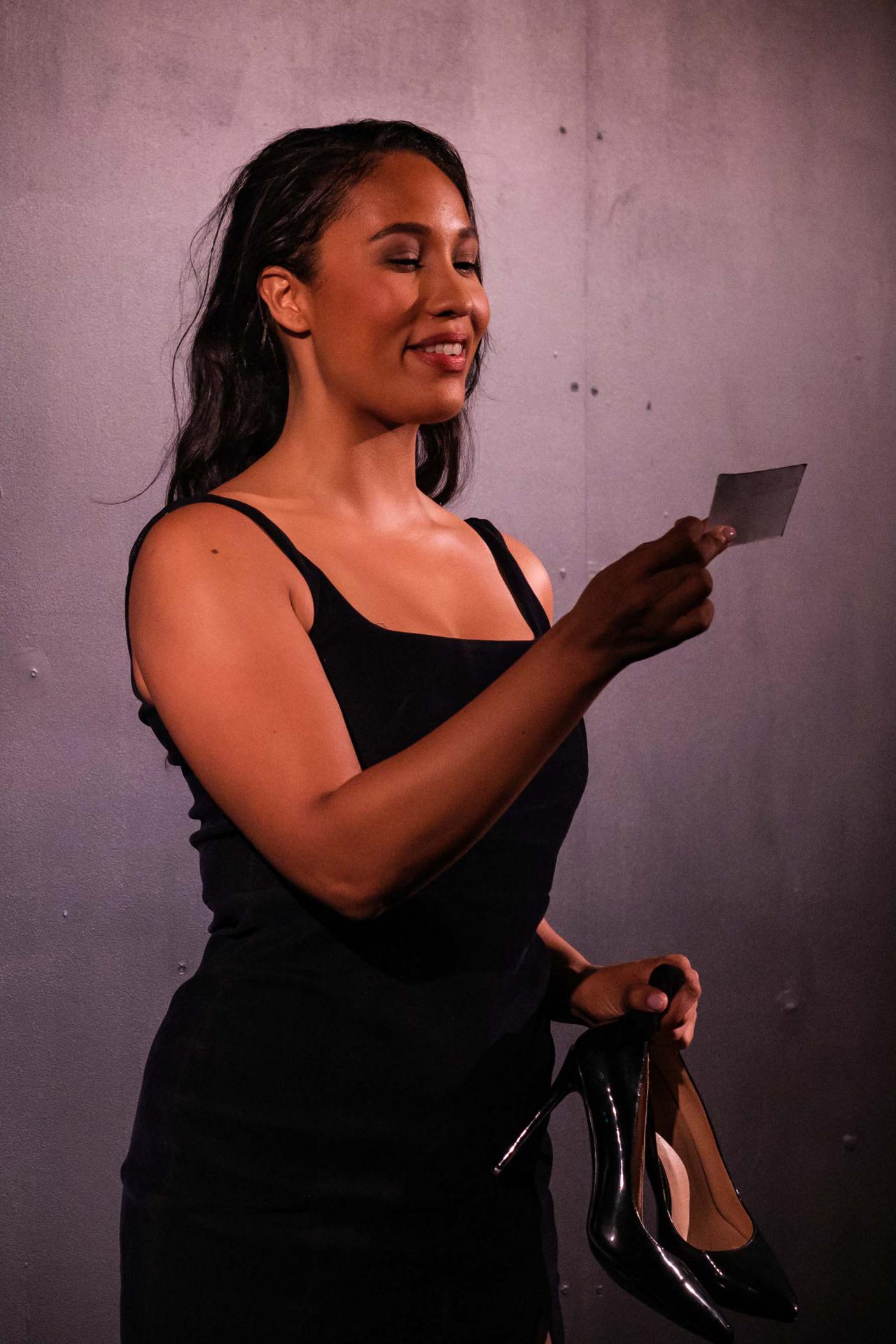
Renata, the characteristically dubious self-help author from New York, is performed by Ainslie McGlynn with a naturalistic approach, to help make convincing her impulsive visit to Australia. Renata’s Irish husband Declan is played by a comically intense Danny Ball, wonderfully theatrical and dripping with irony, as a classically macho brooding type. The delightful Zoe Jensen brings blitheness and zeal, along with exceptional timing, to the role of motel worker Flick. Her manager Bobbi is given captivating authenticity and emotional depth by Leilani Loau, and Mathew Lee is unforgettable as the naïve but charming John, escaping the USA for greener pastures, only to find all his old baggage awaiting at the new destination.

People journey afar in search of better days, but the best a person can hope for, is a change in scenery that could allow for what is already within, to express itself in refreshed or unfettered ways. Happiness is only a little about that which is external; who we are internally, determines the peace and fulfilment one can experience. It is true that outside affects inside, but years of travelling will ultimately reveal, that it is in a return to one’s own head and heart, that the key can be found.

www.jackrabbitprods.com | www.belvoir.com.au

Review: The Master & Margarita  (Belvoir St Theatre)

Venue: Belvoir St Theatre (Surry Hills NSW), Nov 11 – Dec 10, 2023
Playwright: Eamon Flack (adapted from the book by Mikhail Bulgakov)
Director: Eamon Flack
Cast: Paula Arundell, Marco Chiappi, Tom Conroy, Gareth Davies, Amber McMahon, Josh Price, Matilda Ridgway, Anna Samson, Mark Leonard Winter, Jana Zvedeniuk
Images by Brett Boardman

Theatre review
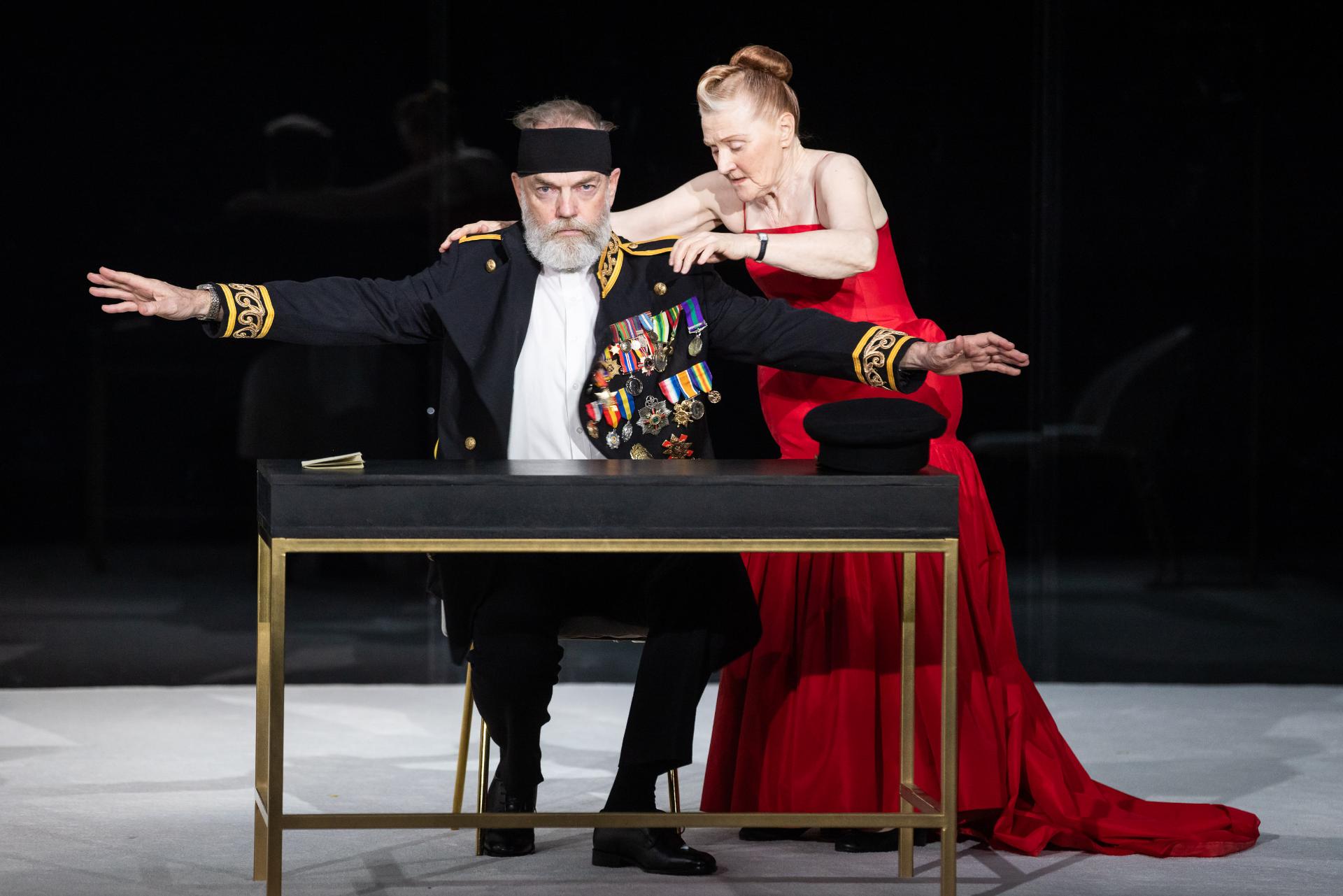
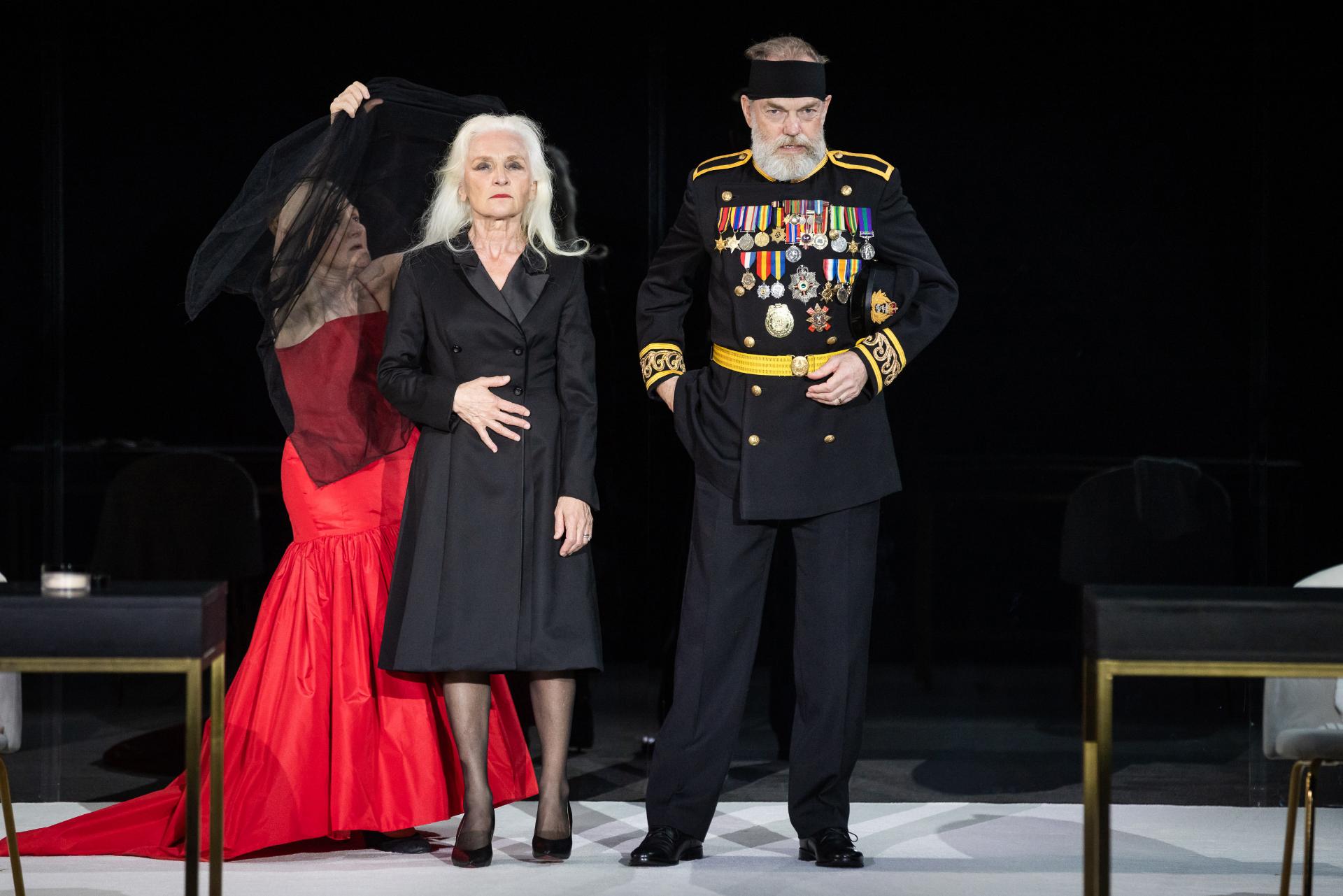
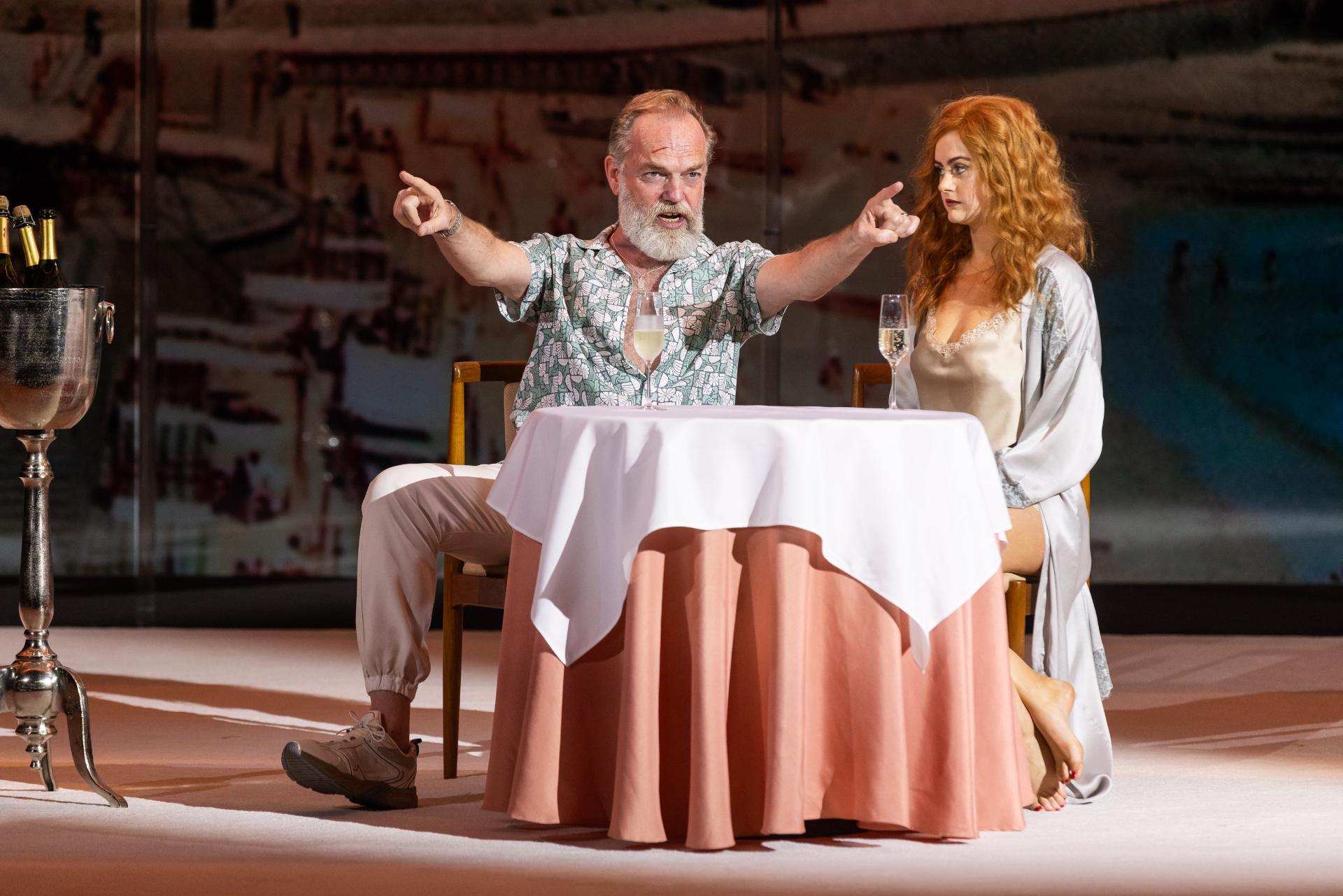
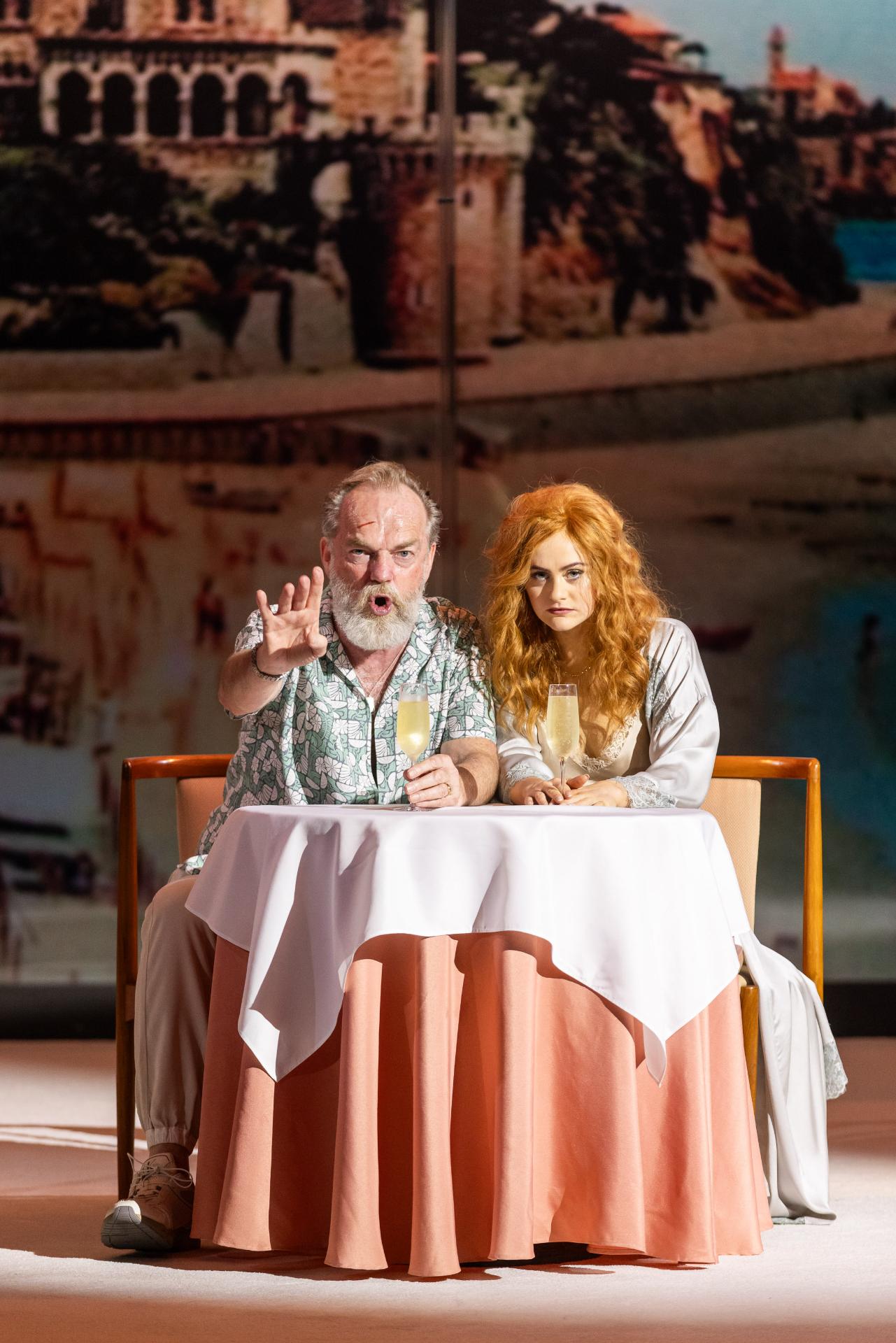
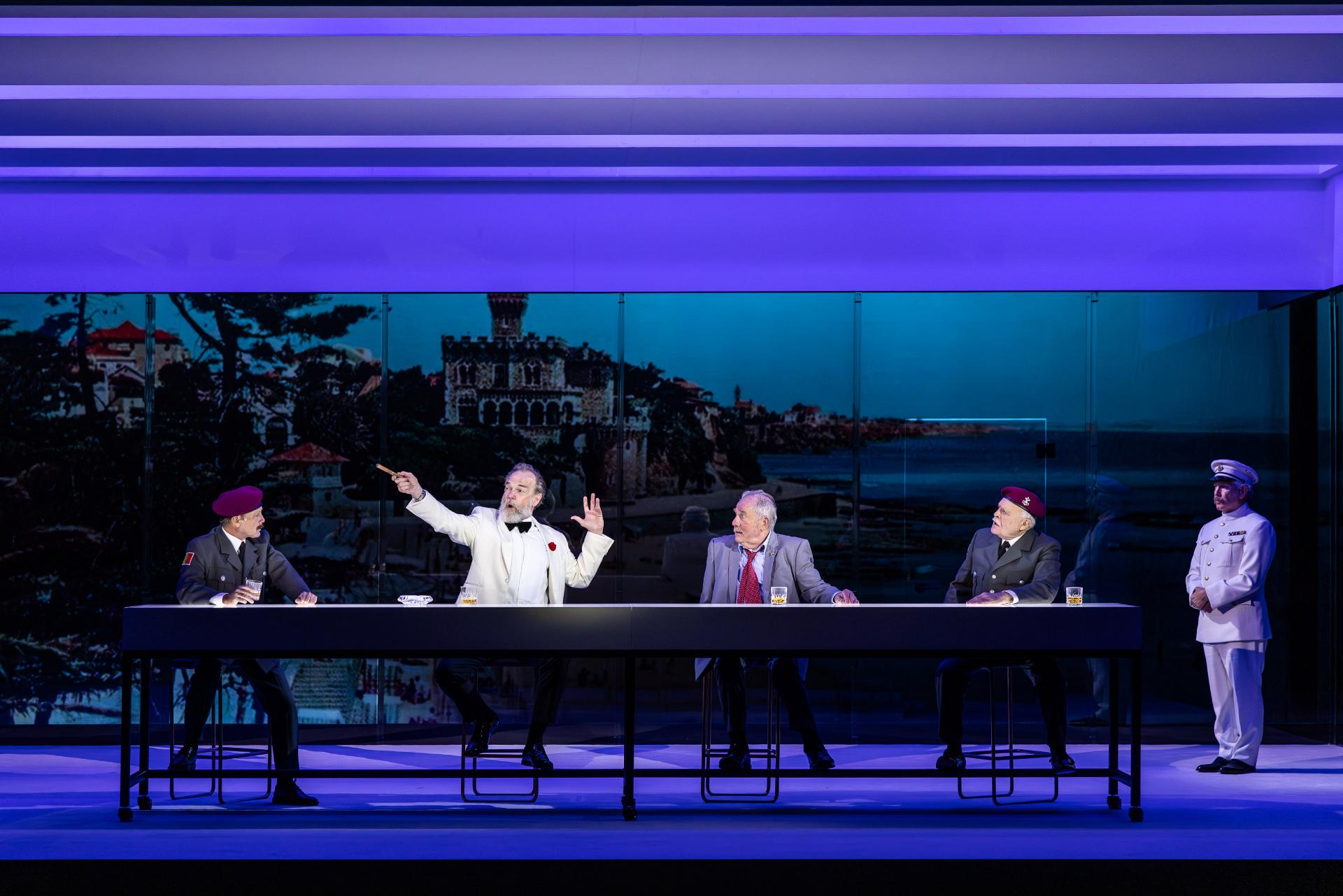
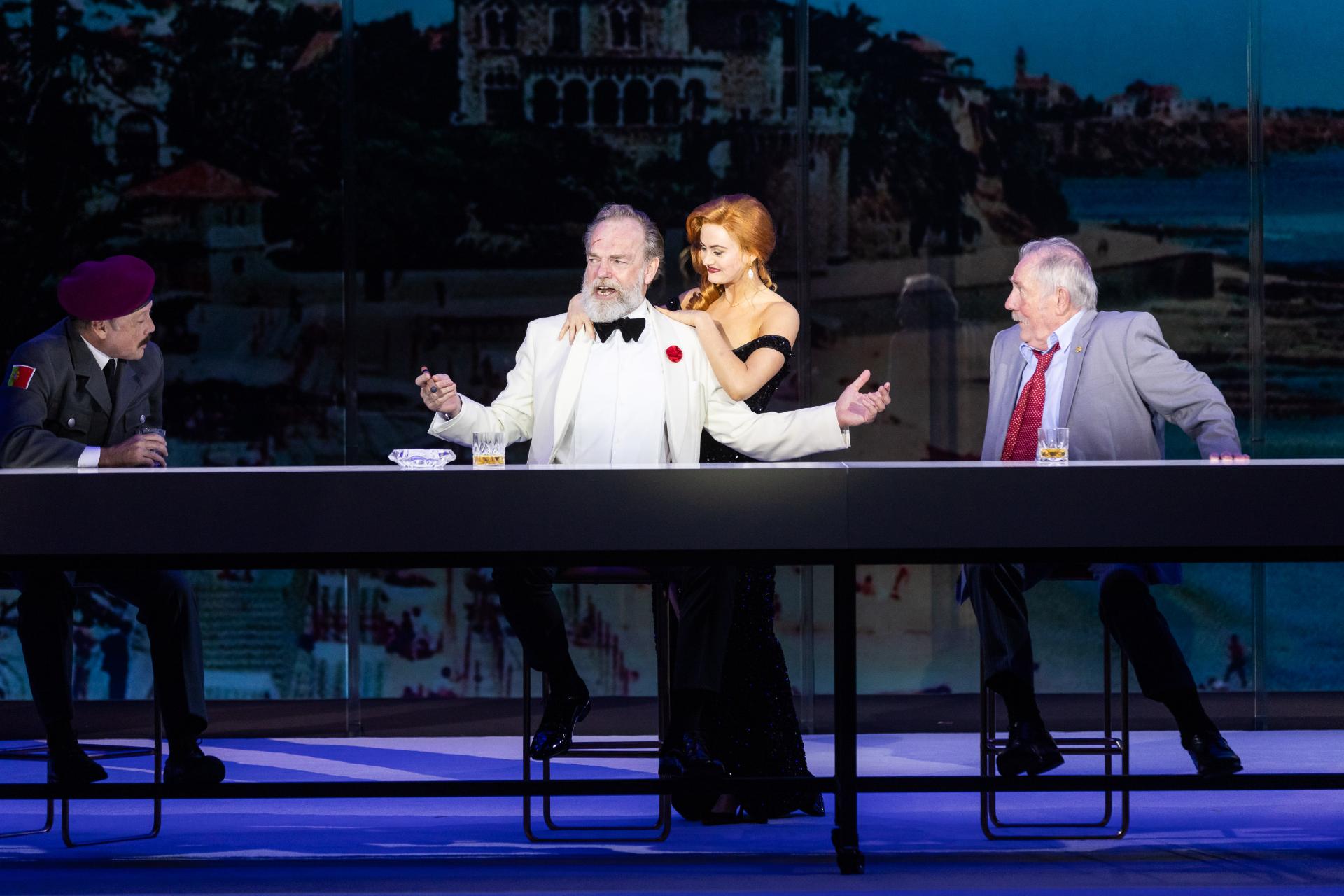
Mikhail Bulgakov’s The Master and Margarita features Satan as provocateur, a figure intent on exposing hypocrisy and failings of society. There are also a novelist and a poet, who create further flights of fantasy, in addition to the already complex narratives being woven by Bulgakov. Eamon Flack’s adaptation not only transposes for the stage, key portions of the book, it also introduces biographical information about the author’s experiences with censorship in Stalin’s Soviet Union, and includes modernist commentary on the very process of adaptation.

The staging is ambitious, expansive and brave, full of passion in its often wild transformations of space and atmosphere. Inspired by the imaginative and unconstrained qualities of the source material, The Master & Margarita becomes a work of theatre that feels commensurately boundless, in both scope and intention, successful at translating a sense of spirit and of essence, rather than attempting to labour excessively over plot details. Almost a century old, references and contexts in Bulgakov’s text now feel inevitably distant, but his exuberant commitment to art and to politics, evidently remains an inspiration. The artists, under Flack’s directorship, demonstrate the perennial relevance of that dedication to truth and to an existential vigour, and their audience is certainly reminded of those virtues.

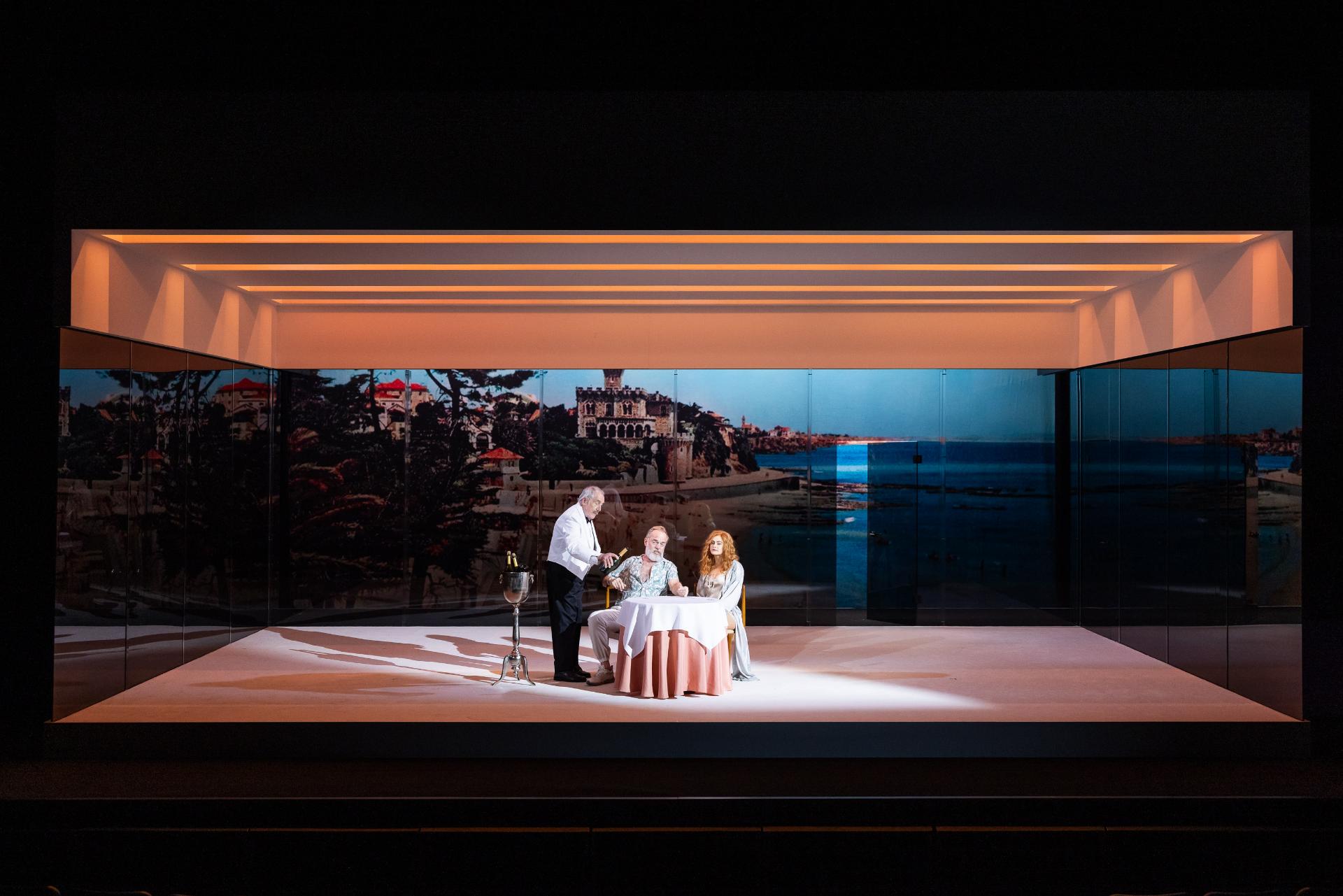
Lighting design by Nick Schlieper imbues sophistication for the production, increasingly flamboyant as the show progresses, but is curiously reticent at times, in something that should not shy from extravagance. Costumes by Romanie Harper indicate with clarity, the characters being presented, along with the times and places to which they belong, often with a gentle humour that adds valuable idiosyncrasy to the imagery we encounter. Memorable elements of magic and illusion are designed by Adam Mada, to engender an otherworldliness so crucial to any reading of Bulgakov’s work. Sounds and music by Stefan Gregory are gently transportative, surreptitious but highly effective in having us beguiled and attentive.

A formidable ensemble of ten performers take us through three hours of joyous mayhem, remarkable  in their zeal and inventiveness. Each is given ample opportunity to showcase their individual strengths, and as a group, their chemistry is simply mesmerising. Performance guidance is provided by Emma Maye Gibson, who ensures uniformity in style, and establishes for the show, an air of decadence that proves transgressive not only as an artistic gesture, but also for how we can decipher and deconstruct the paradigms involved, in navigating life as contemporary colonised Australians.

There is a great beauty in this rendition of The Master & Margarita, with no shortage of courage and integrity being displayed, yet what it does say, seems never to be pointed enough. Perhaps abstractions can only speak on what the viewer is ready to receive, and not what the initiator wishes to convey. Perhaps wishing for art to change the world, can only be true in small increments, that its revolution can only happen gradually. Much as art can appear radical, maybe what it brings about, can only ever be subtle and slow. In the moment of interaction, The Master & Margarita seems commanding and forceful with all that it delivers, but what is actually being communicated sits somewhere visceral, likely to emerge with real poignancy at some unpredictable juncture.

www.belvoir.com.au