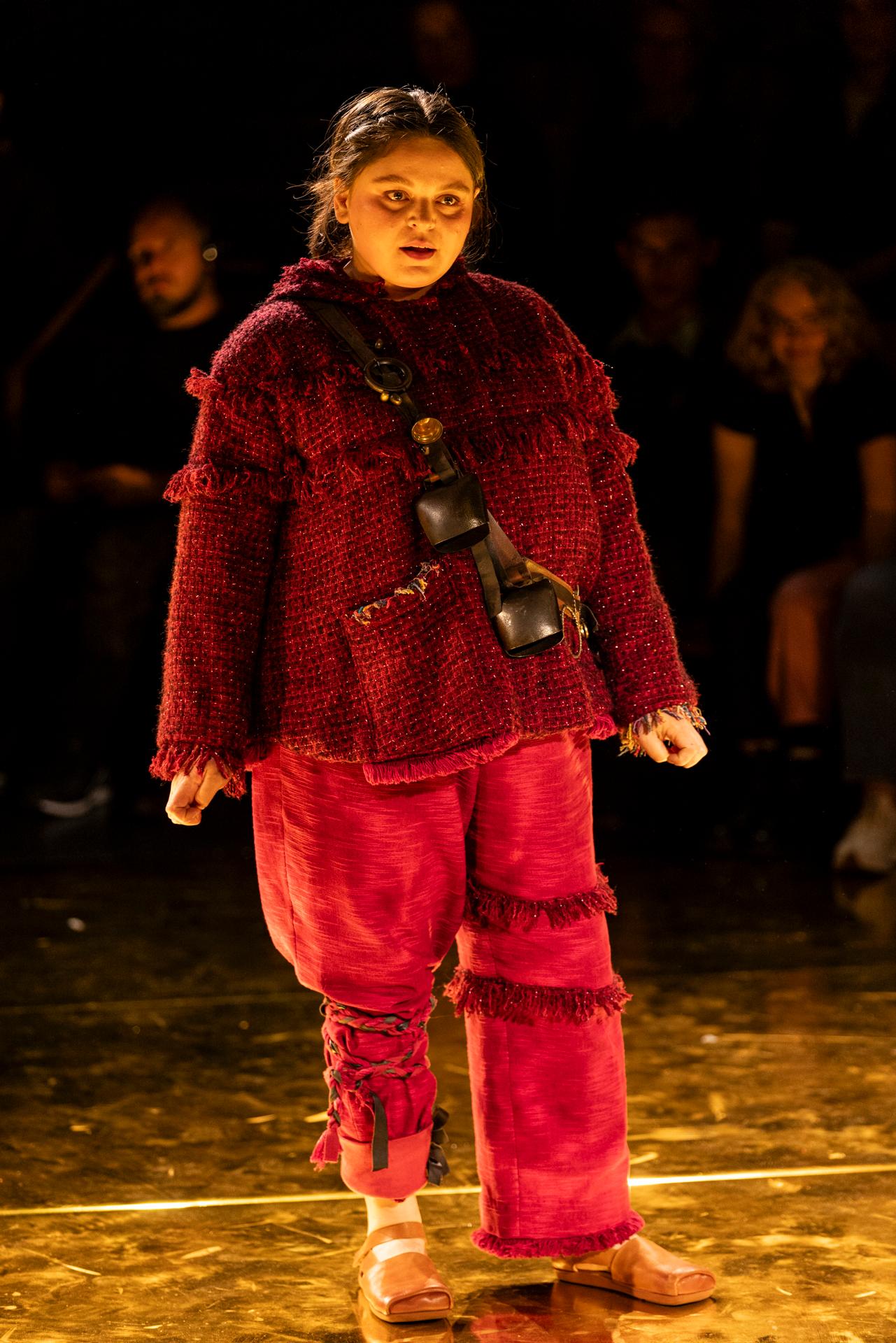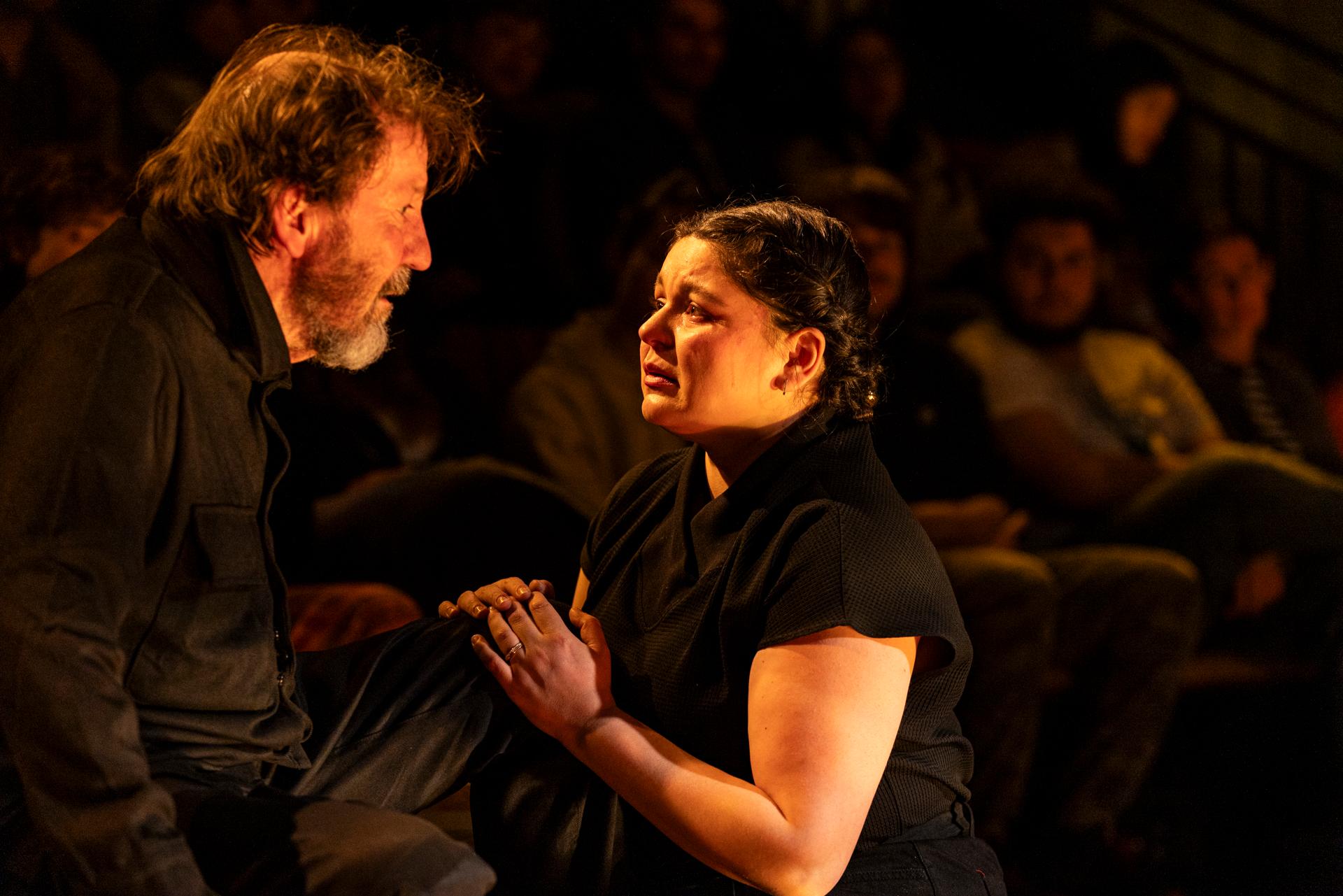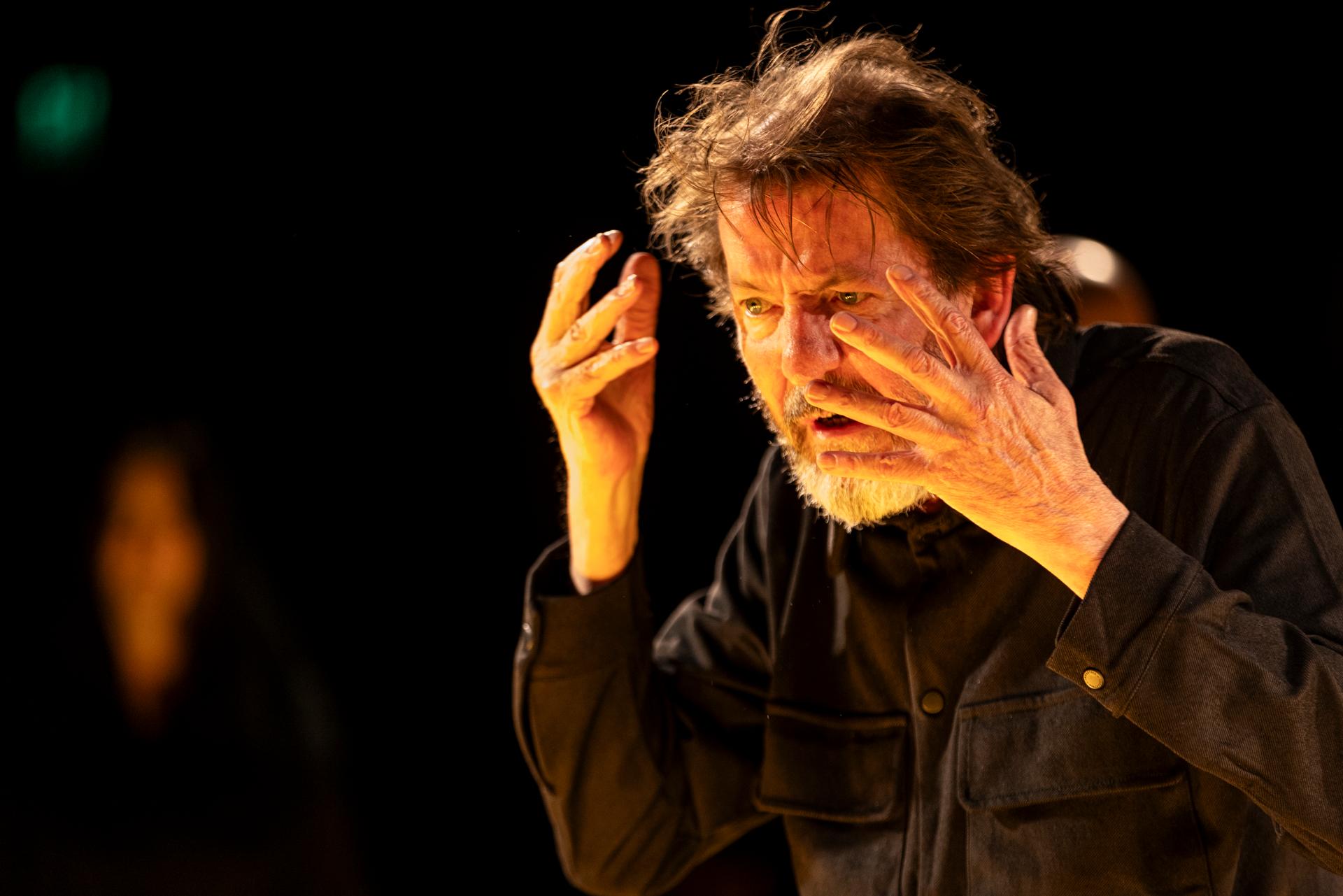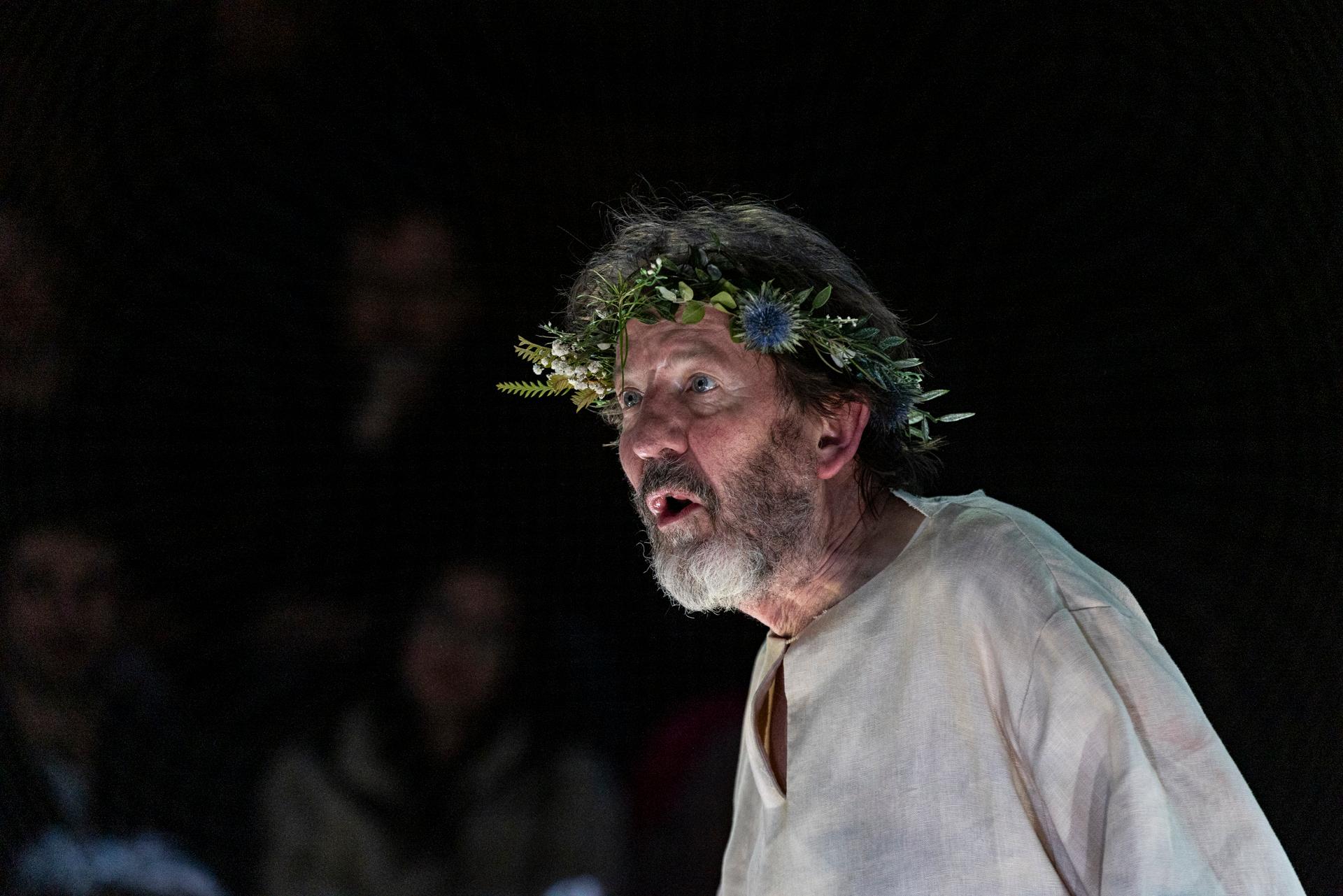
Review: Holding The Man (Belvoir St Theatre)

Venue: Belvoir St Theatre (Surry Hills NSW), Mar 9 – Apr 14, 2024
Playwright: Tommy Murphy (from the book by Timothy Conigrave)
Director: Eamon Flack
Cast: Danny Ball, Tom Conroy, Russell Dykstra, Rebecca Massey, Shannen Alyce Quan, Guy Simon
Images by Brett Boardman

Theatre review
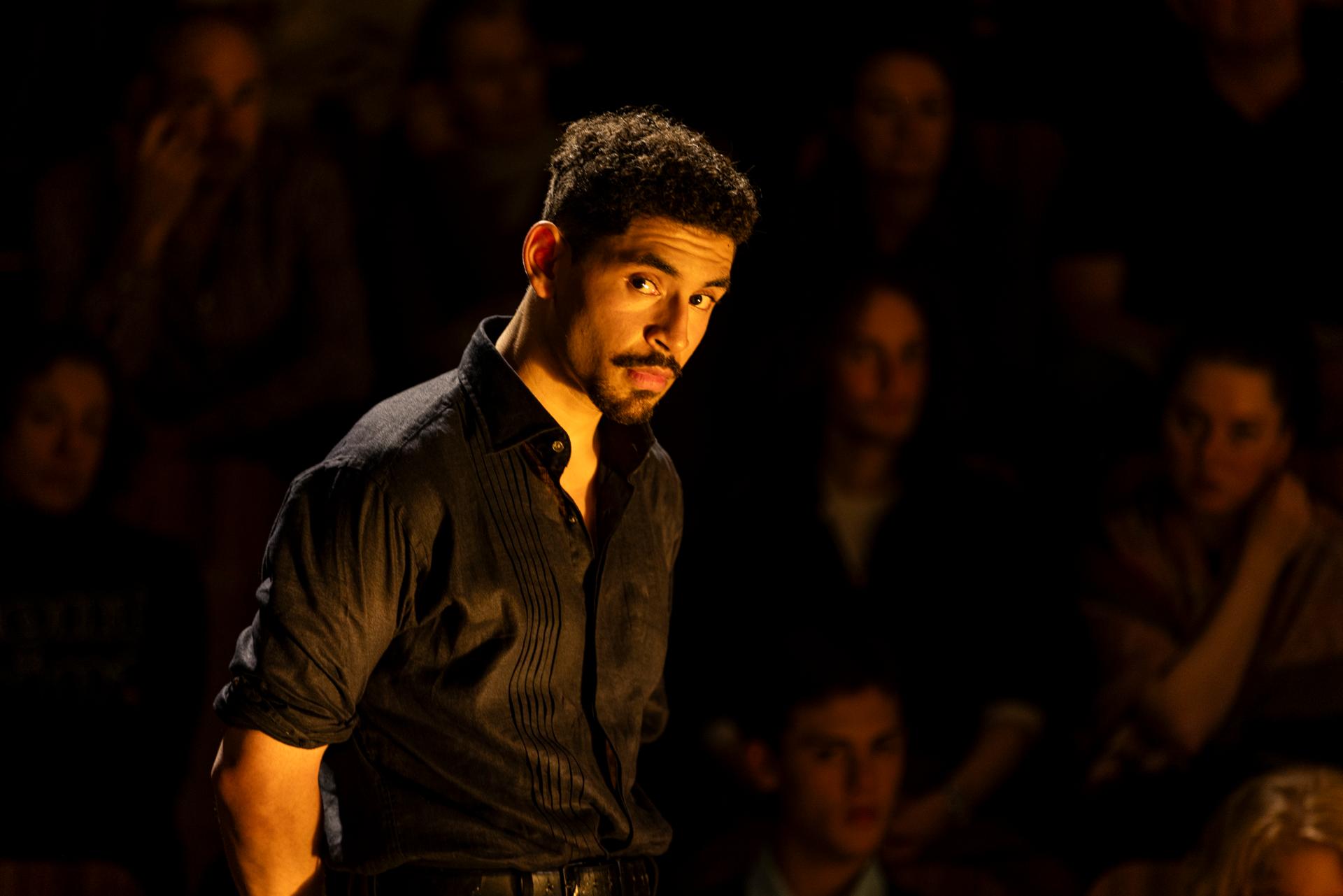
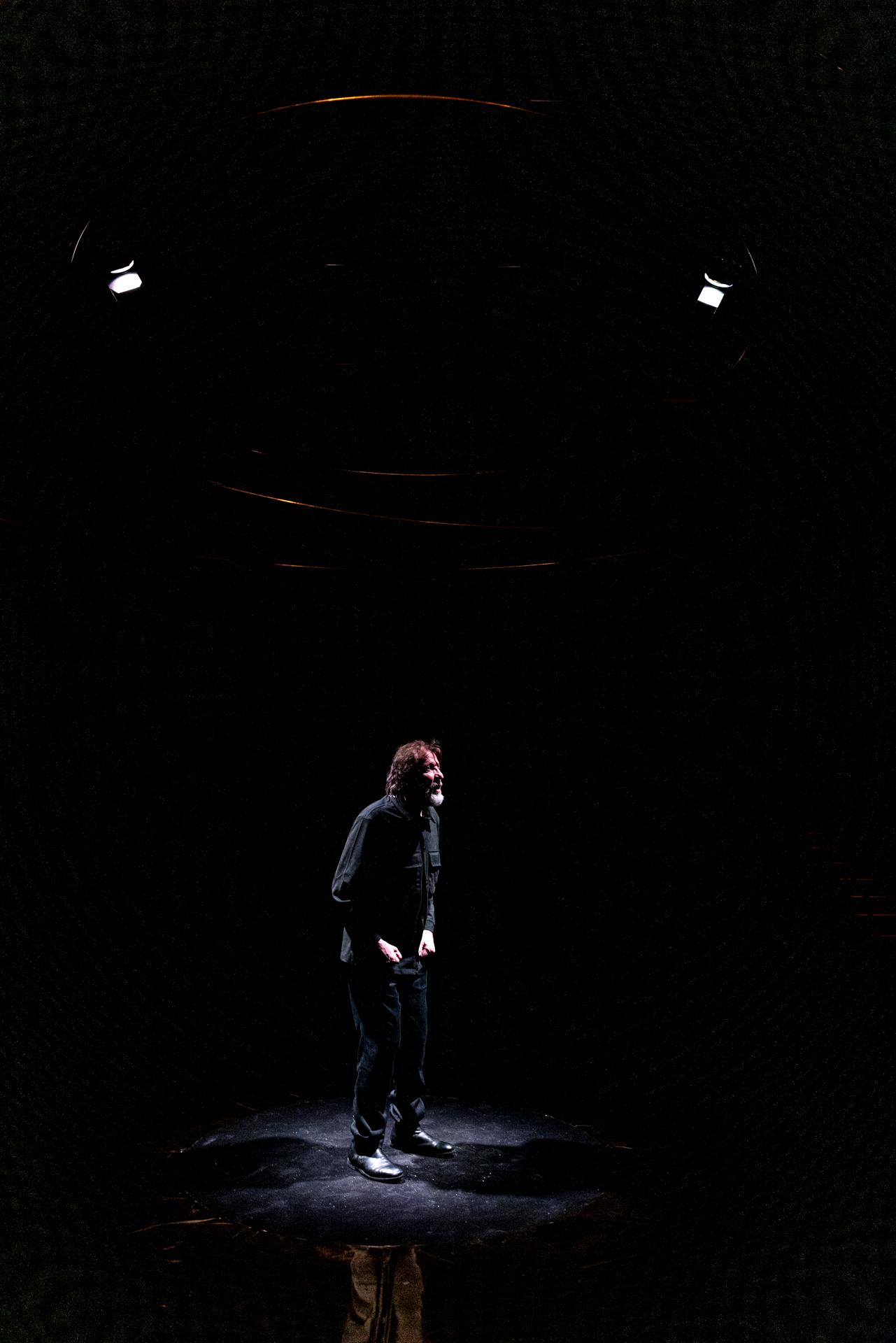
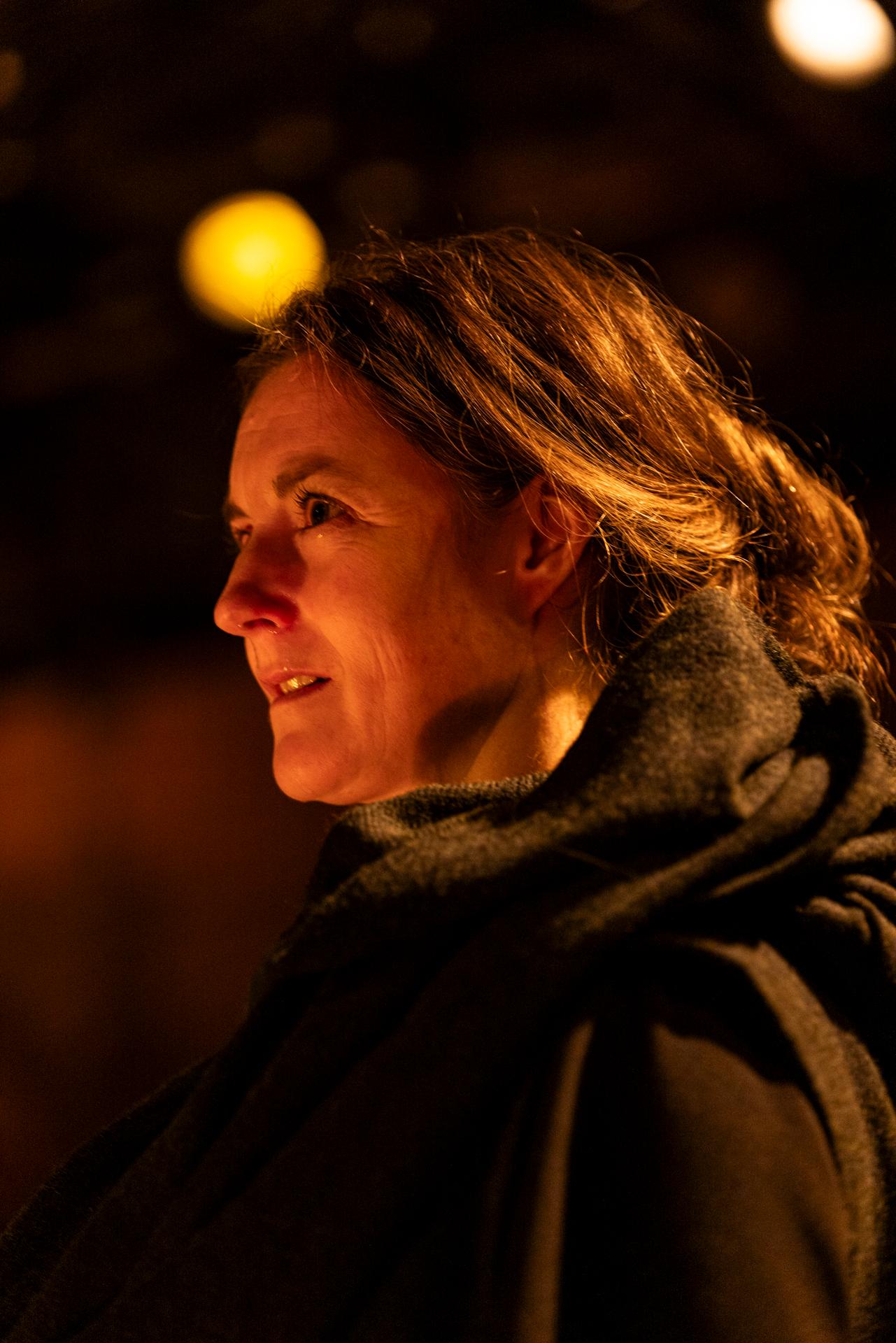
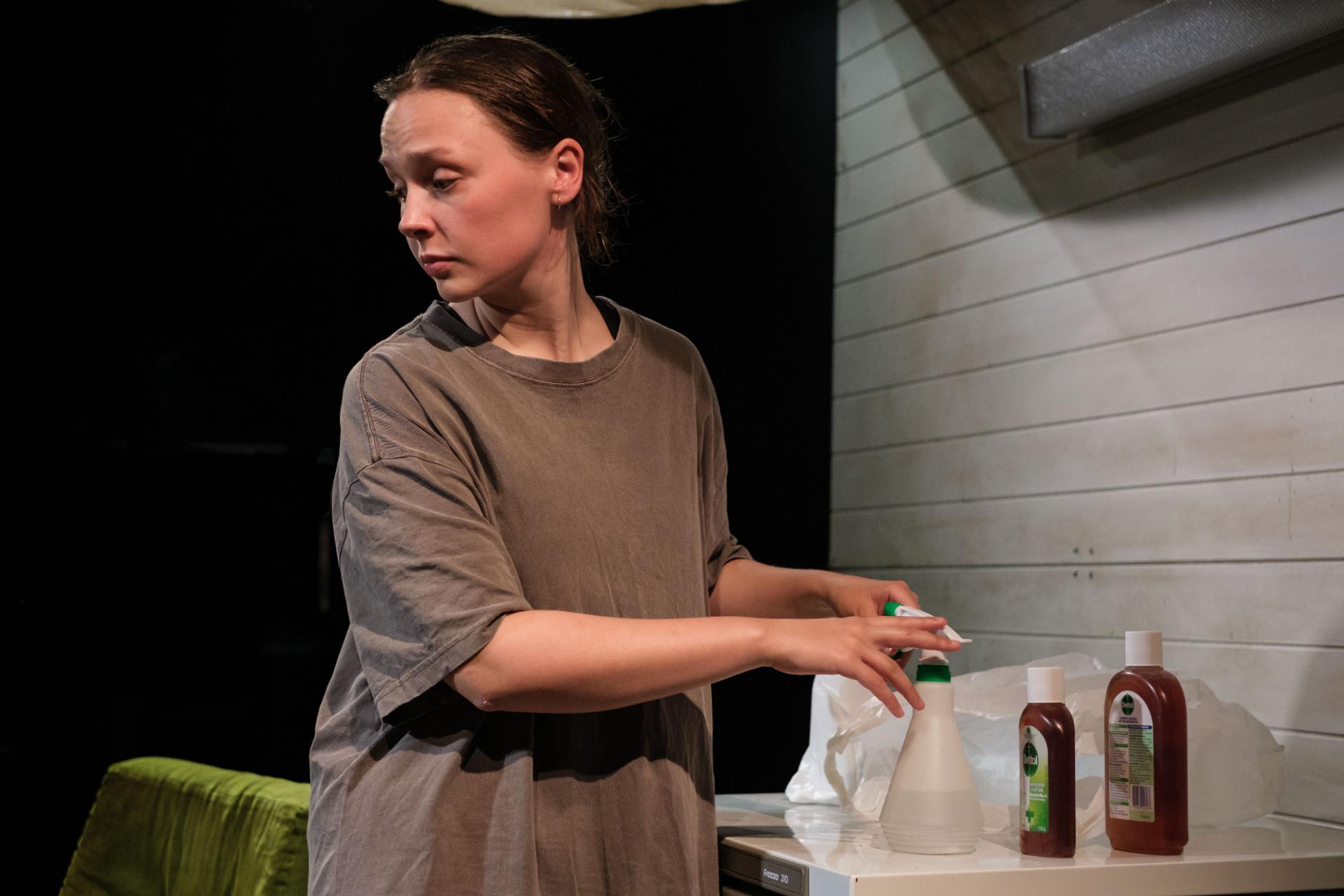
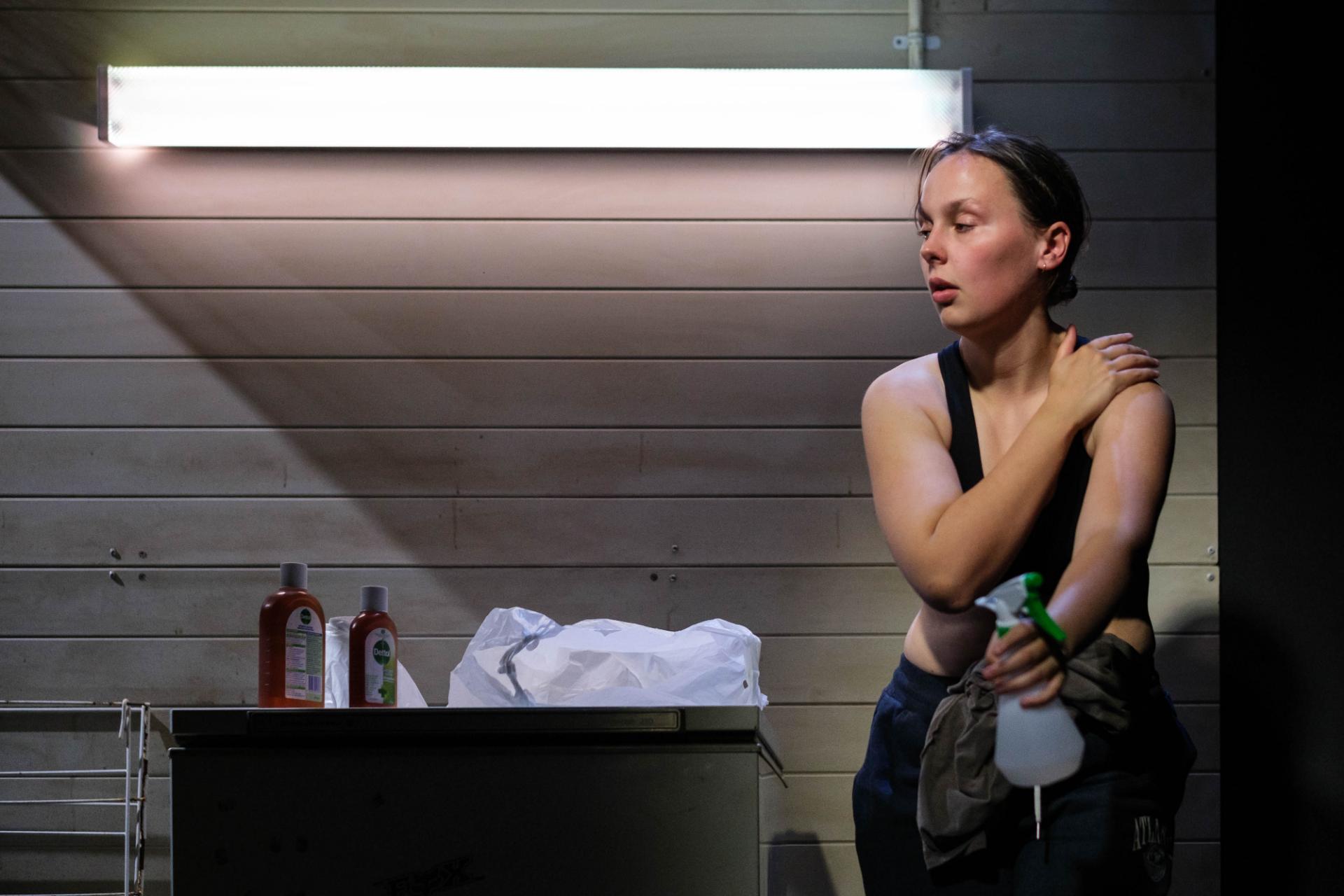
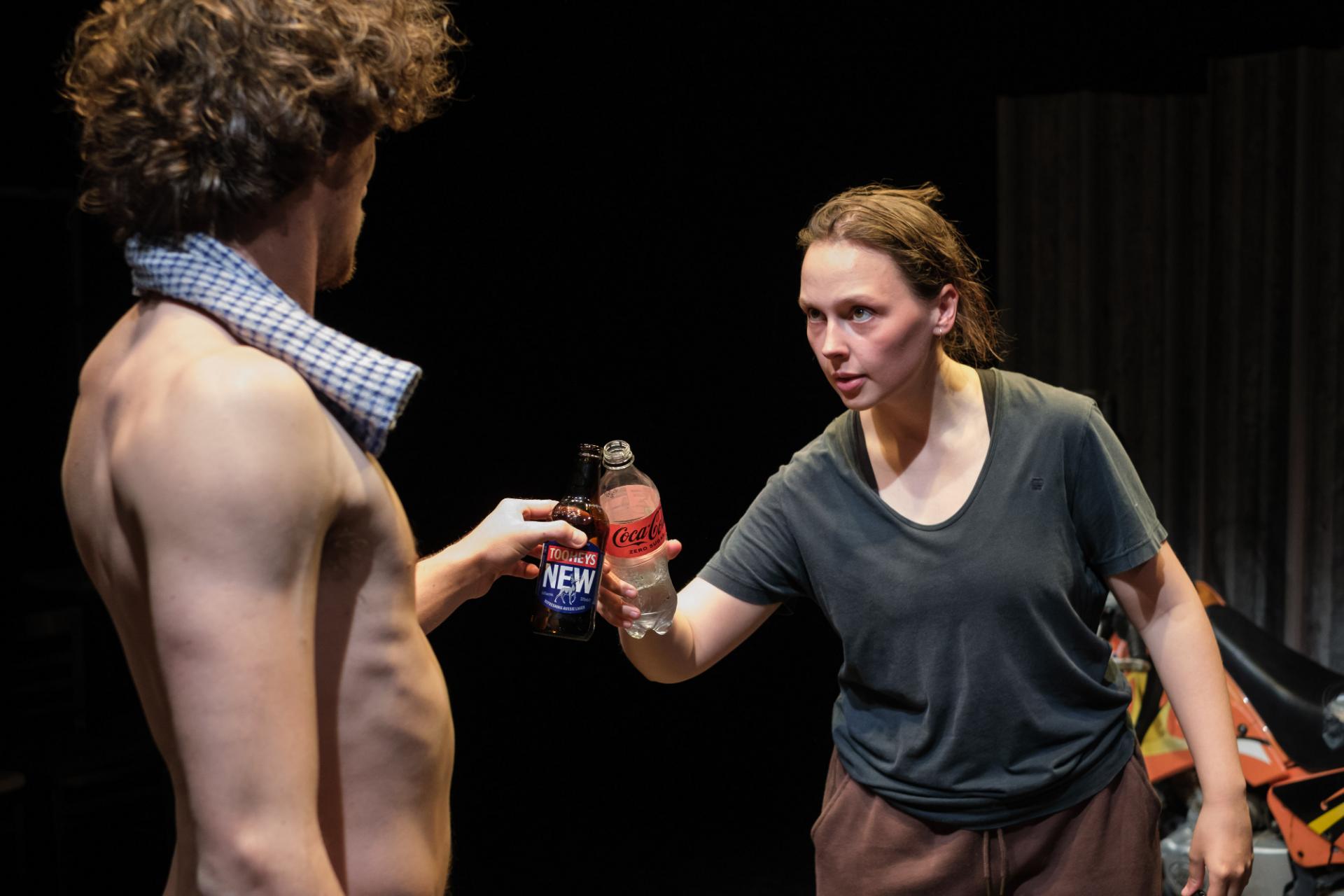
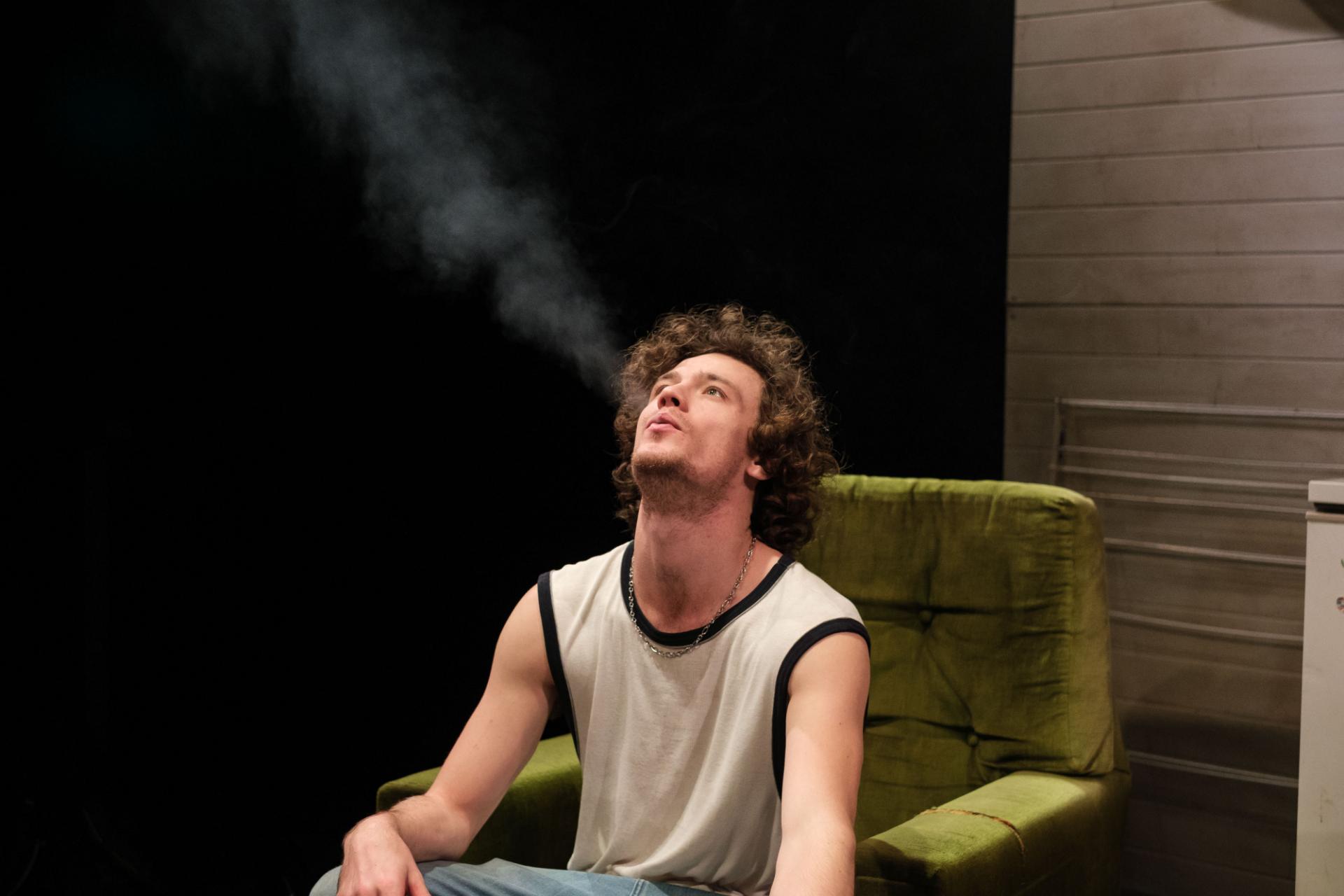
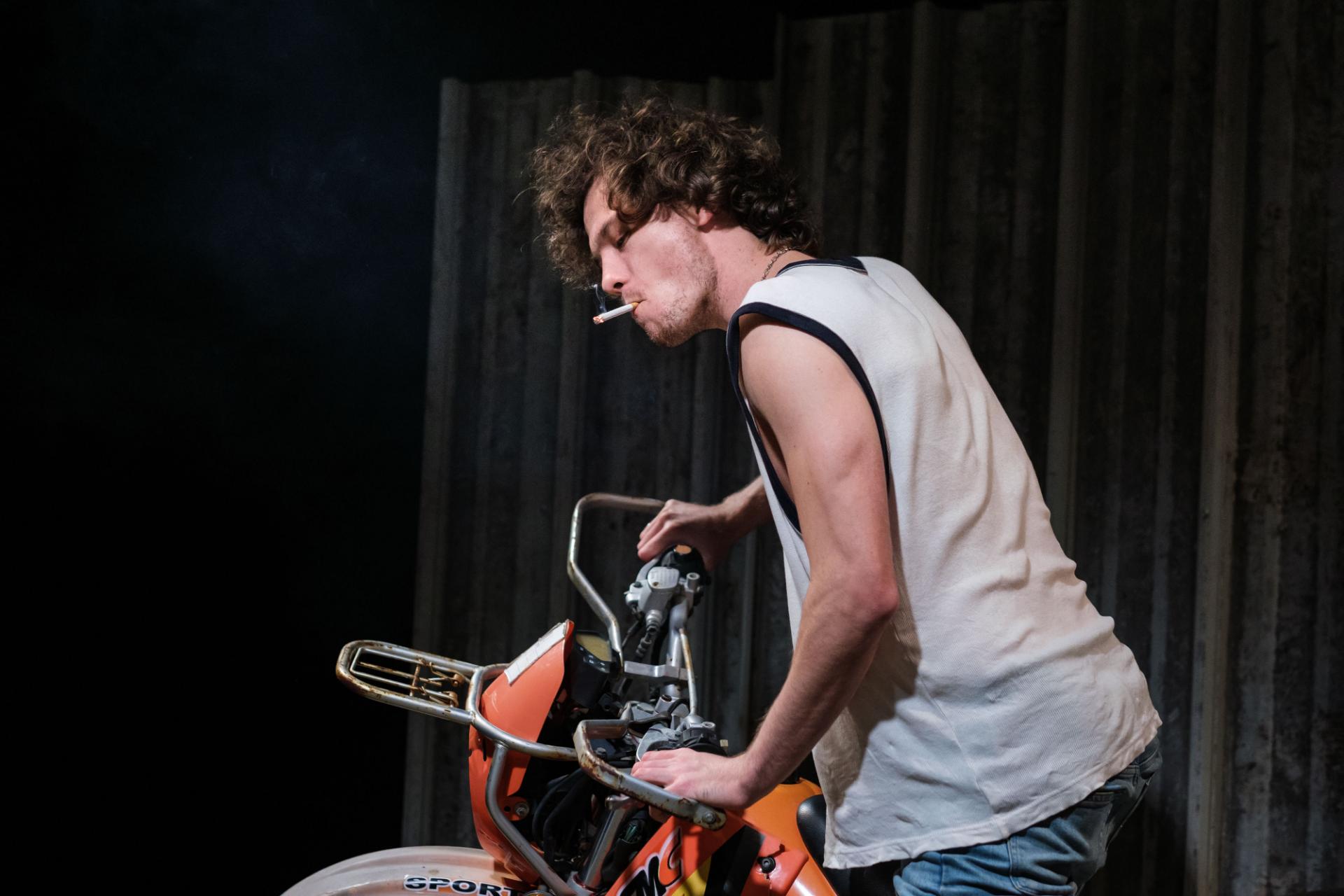
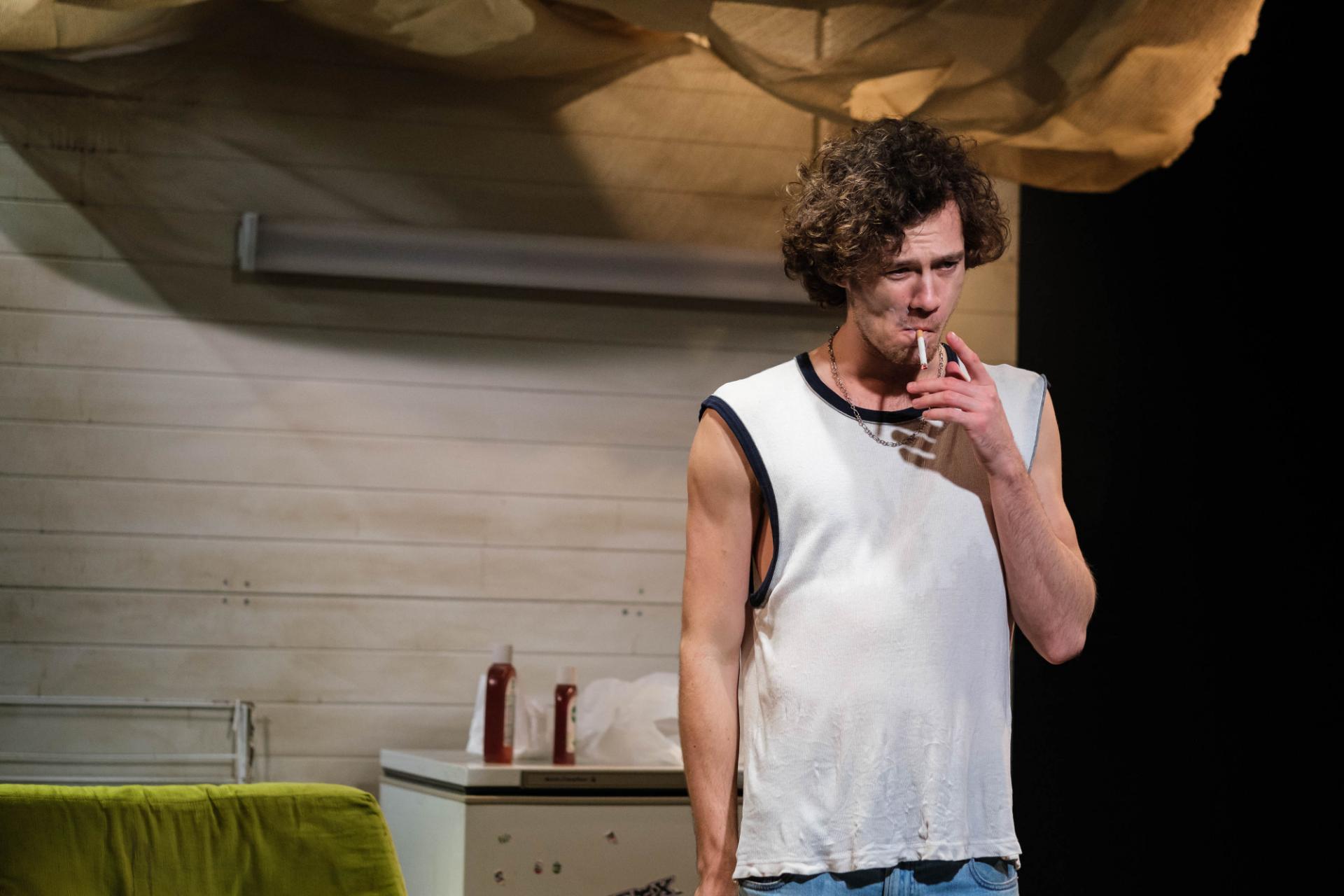
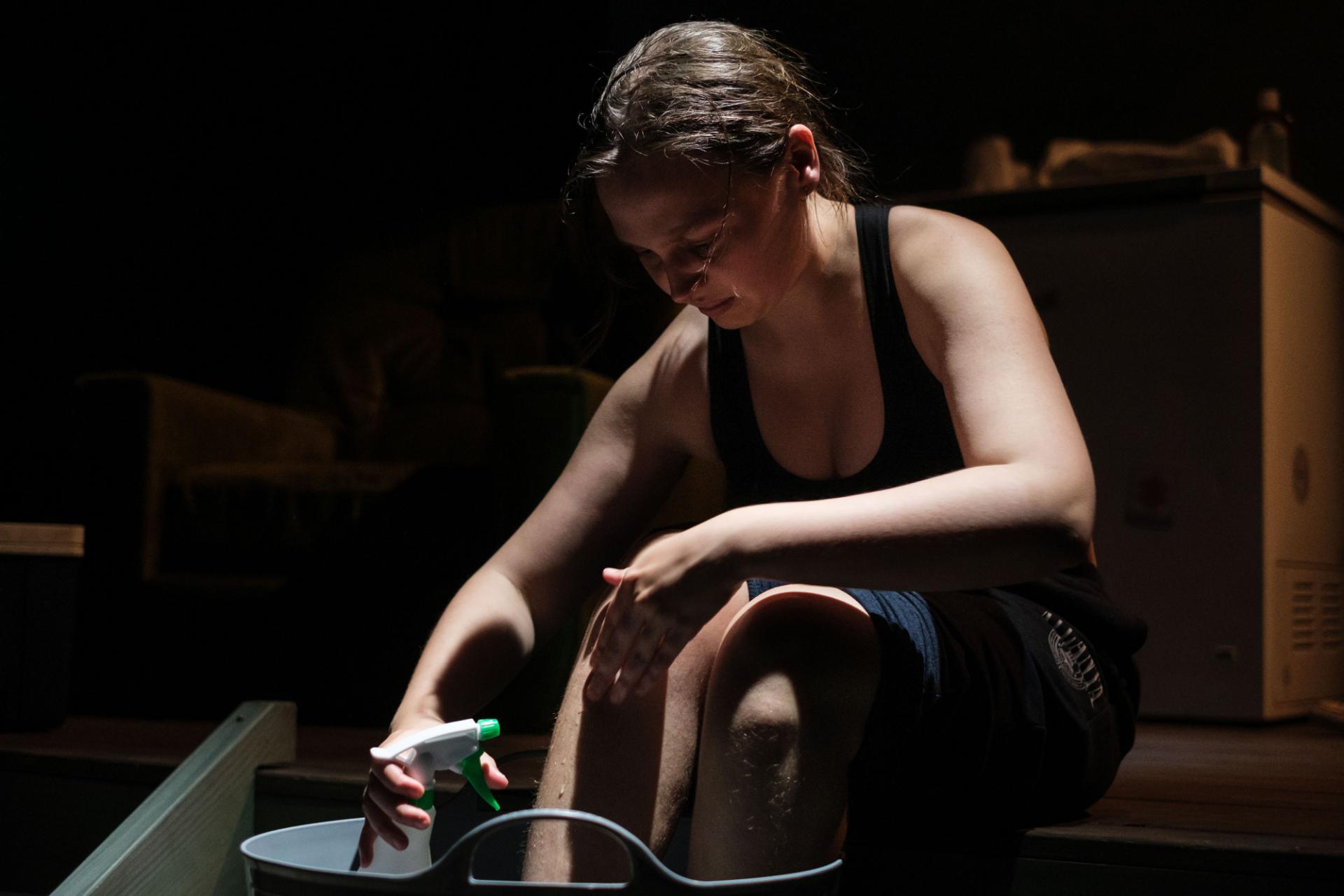
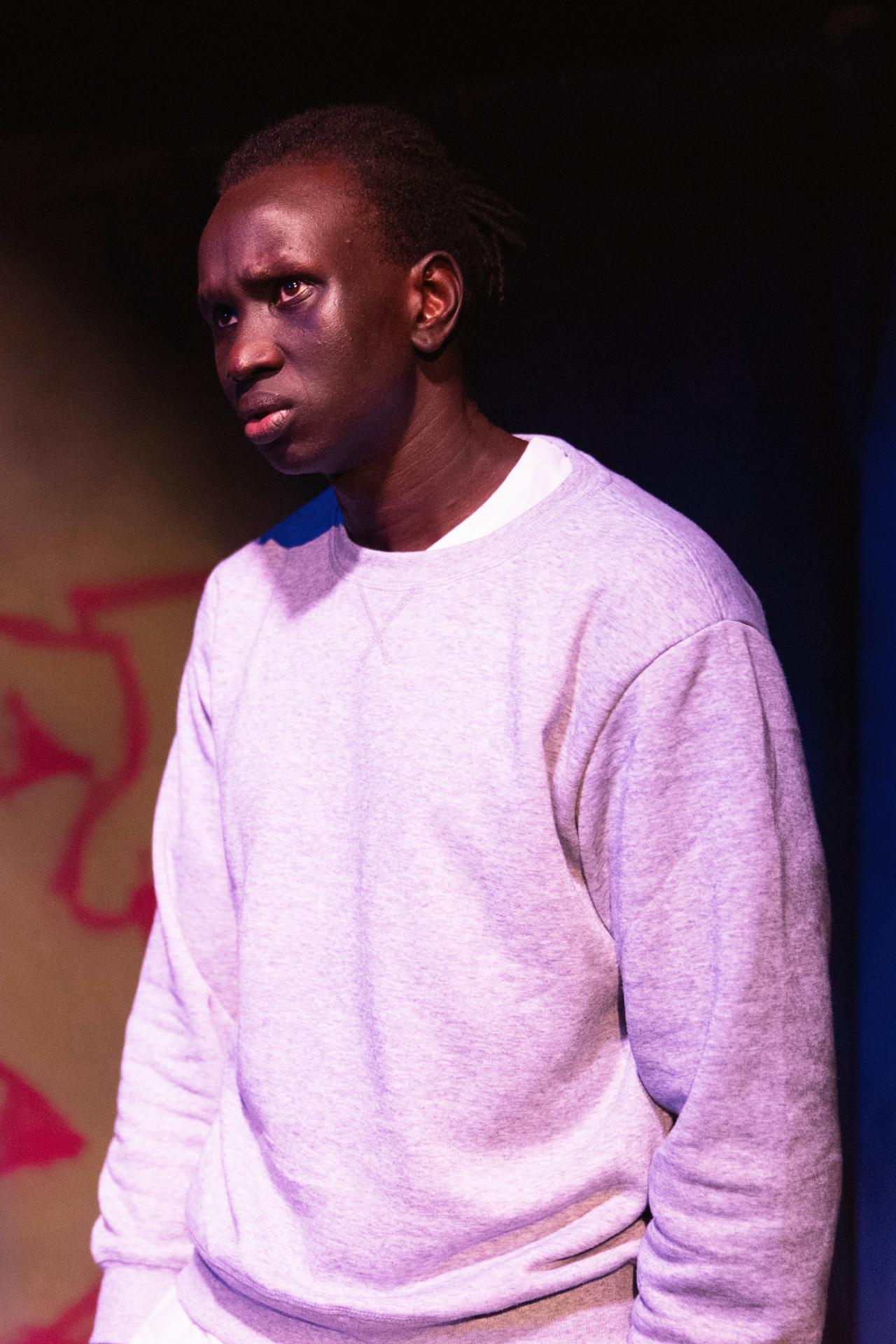
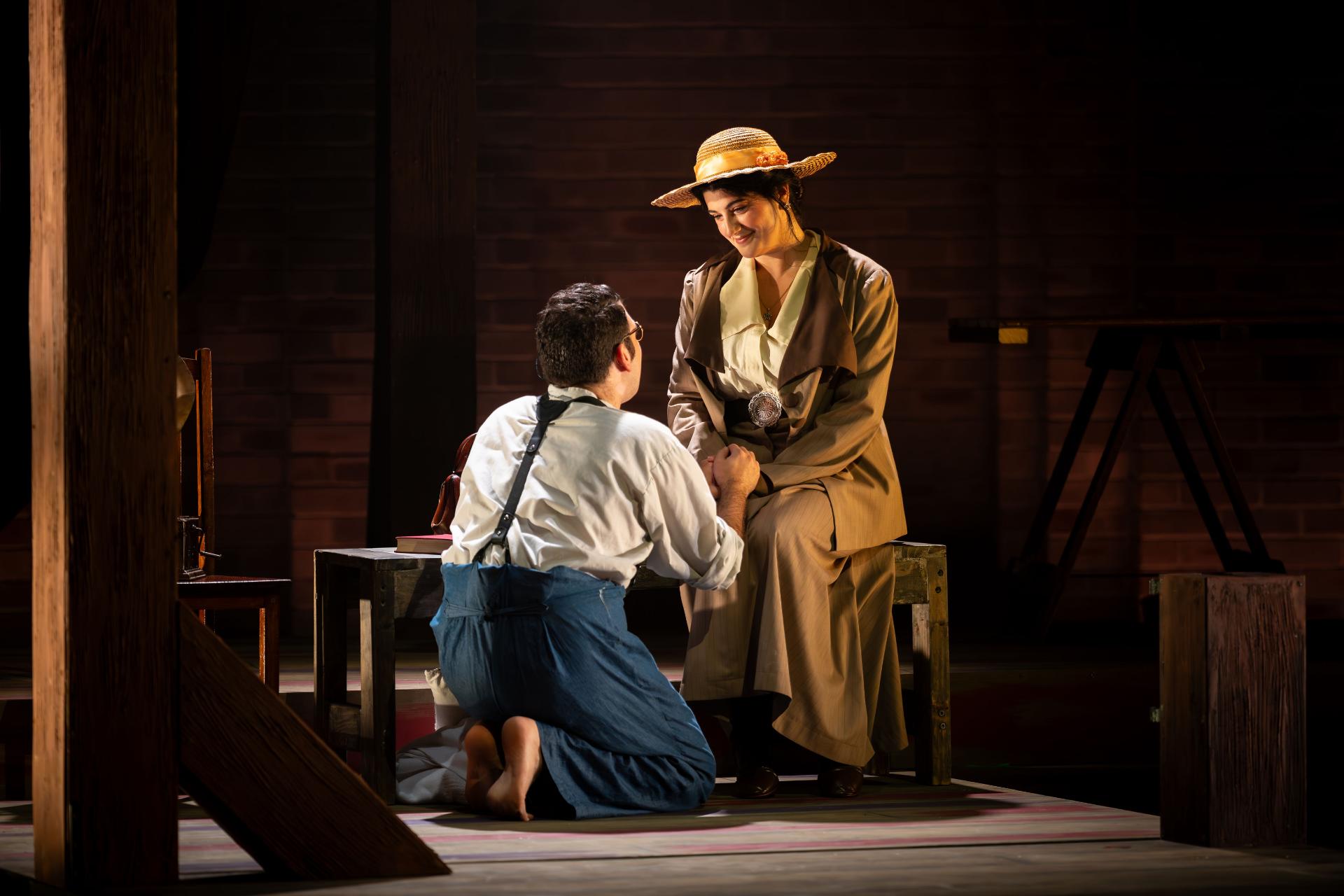
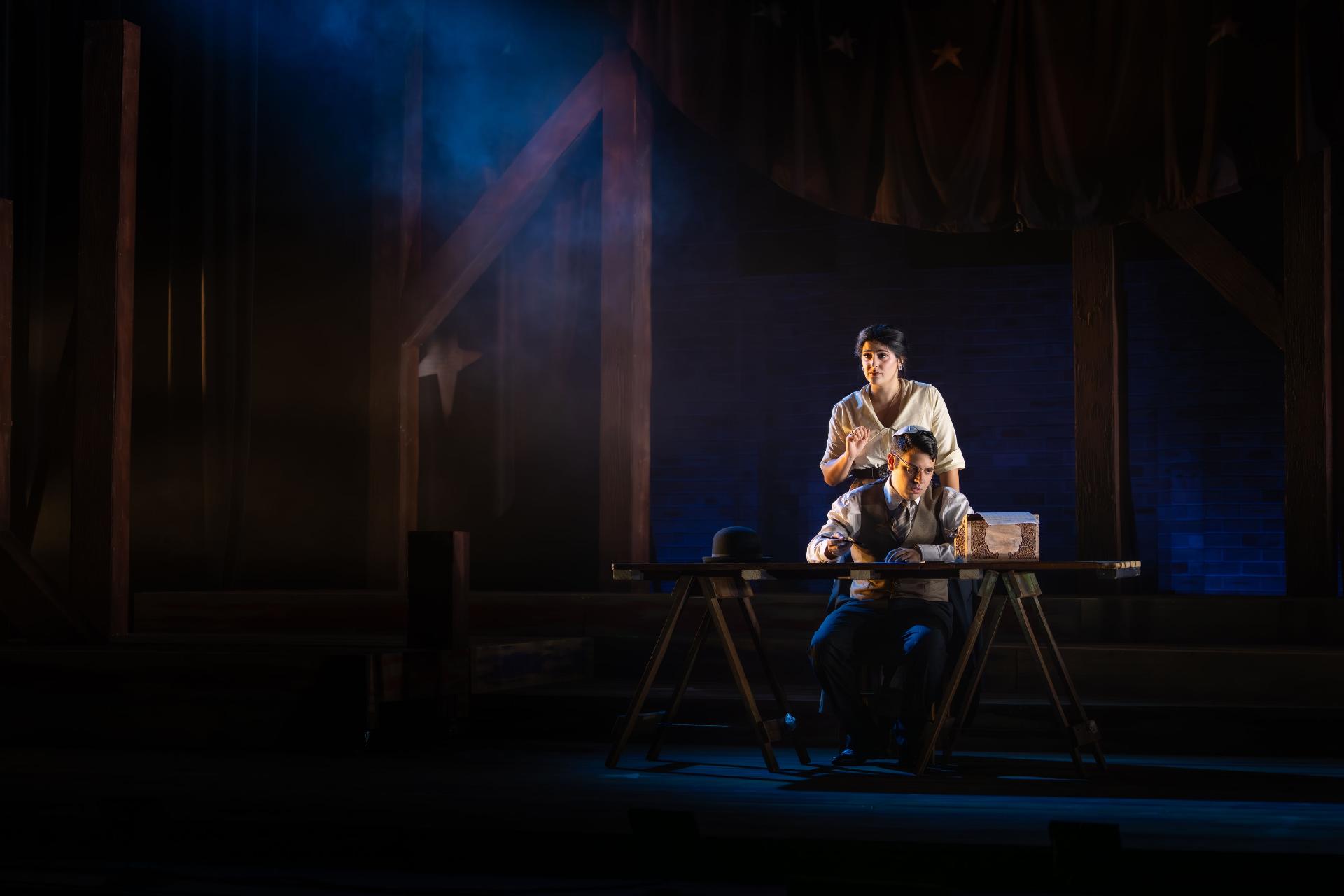
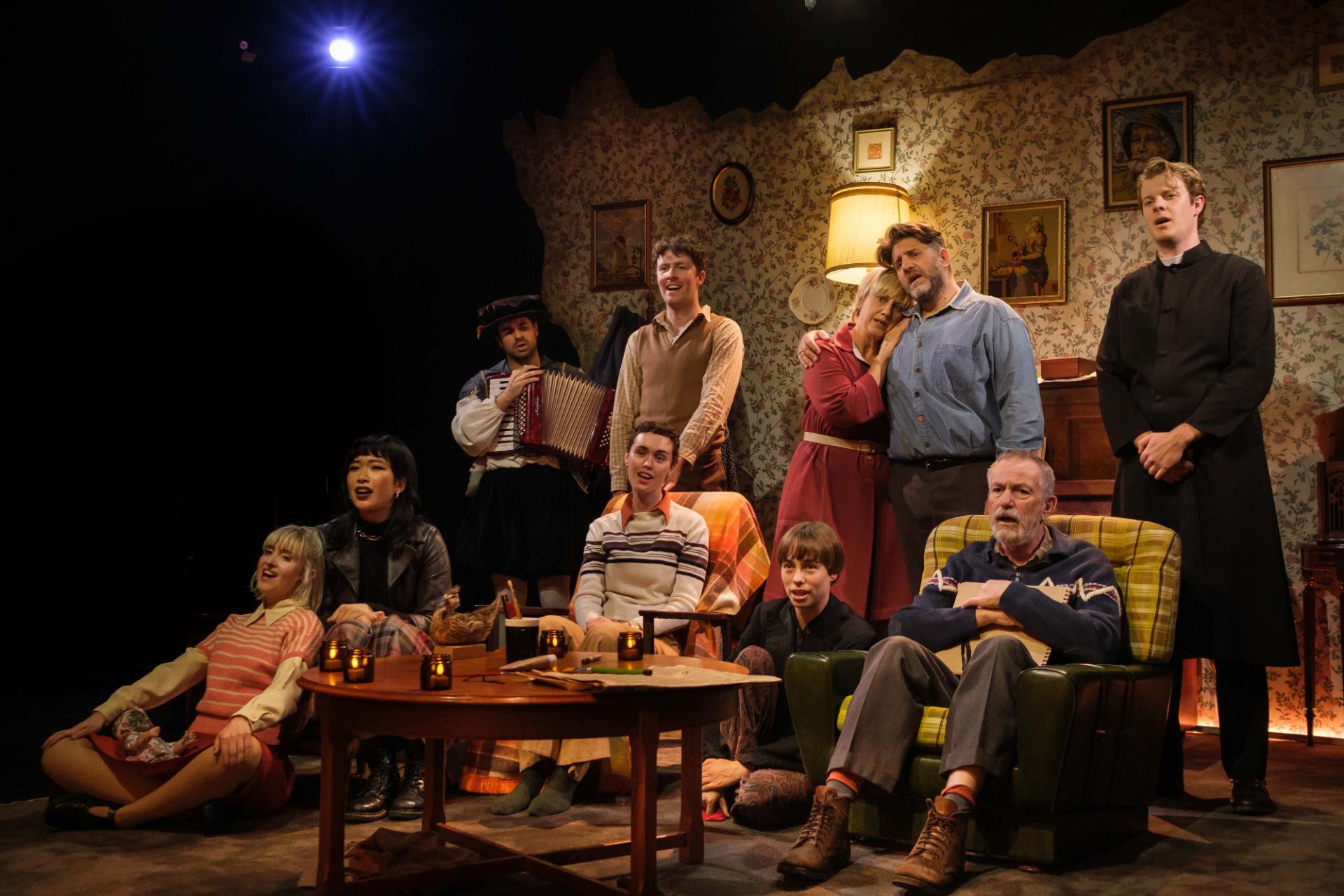
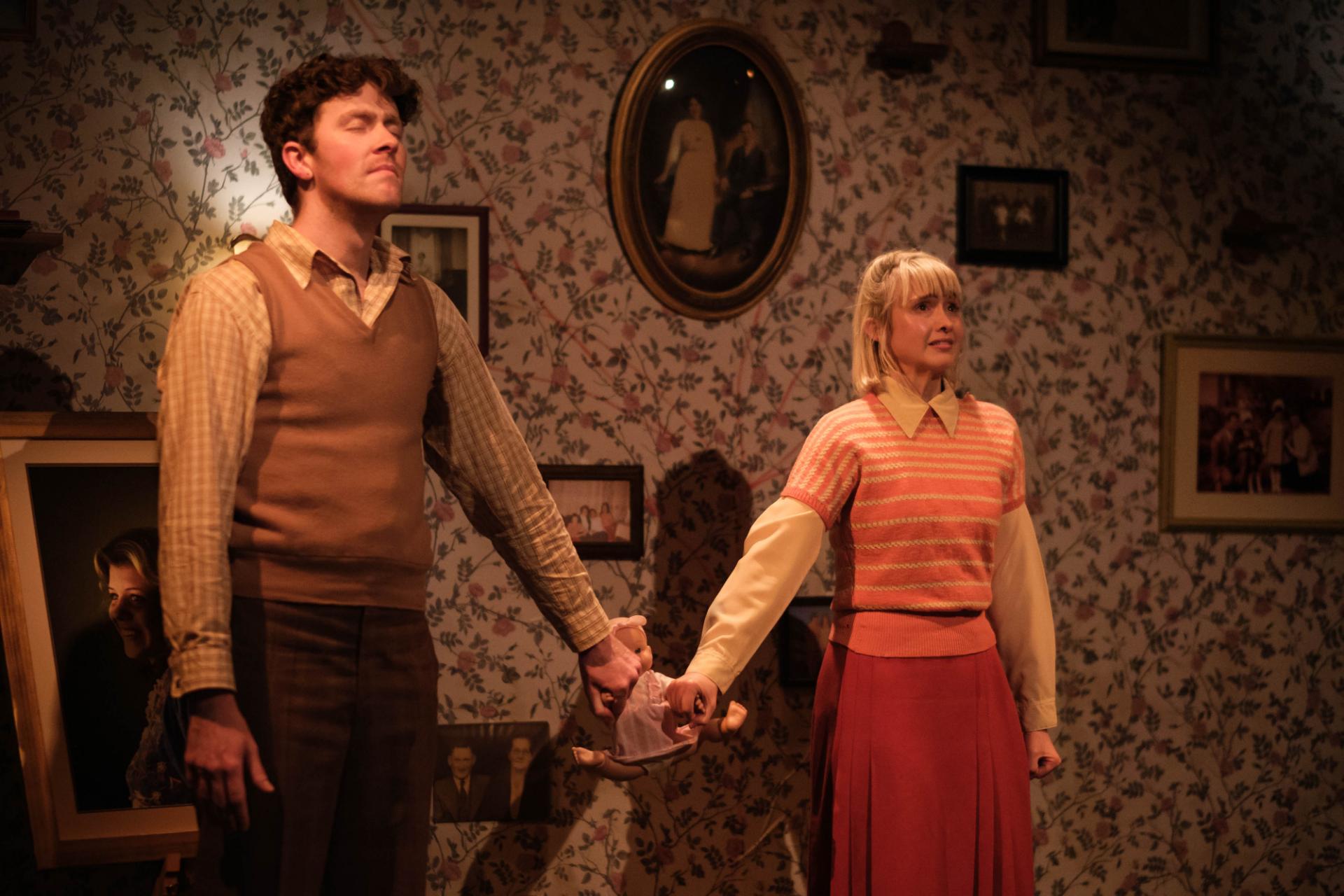
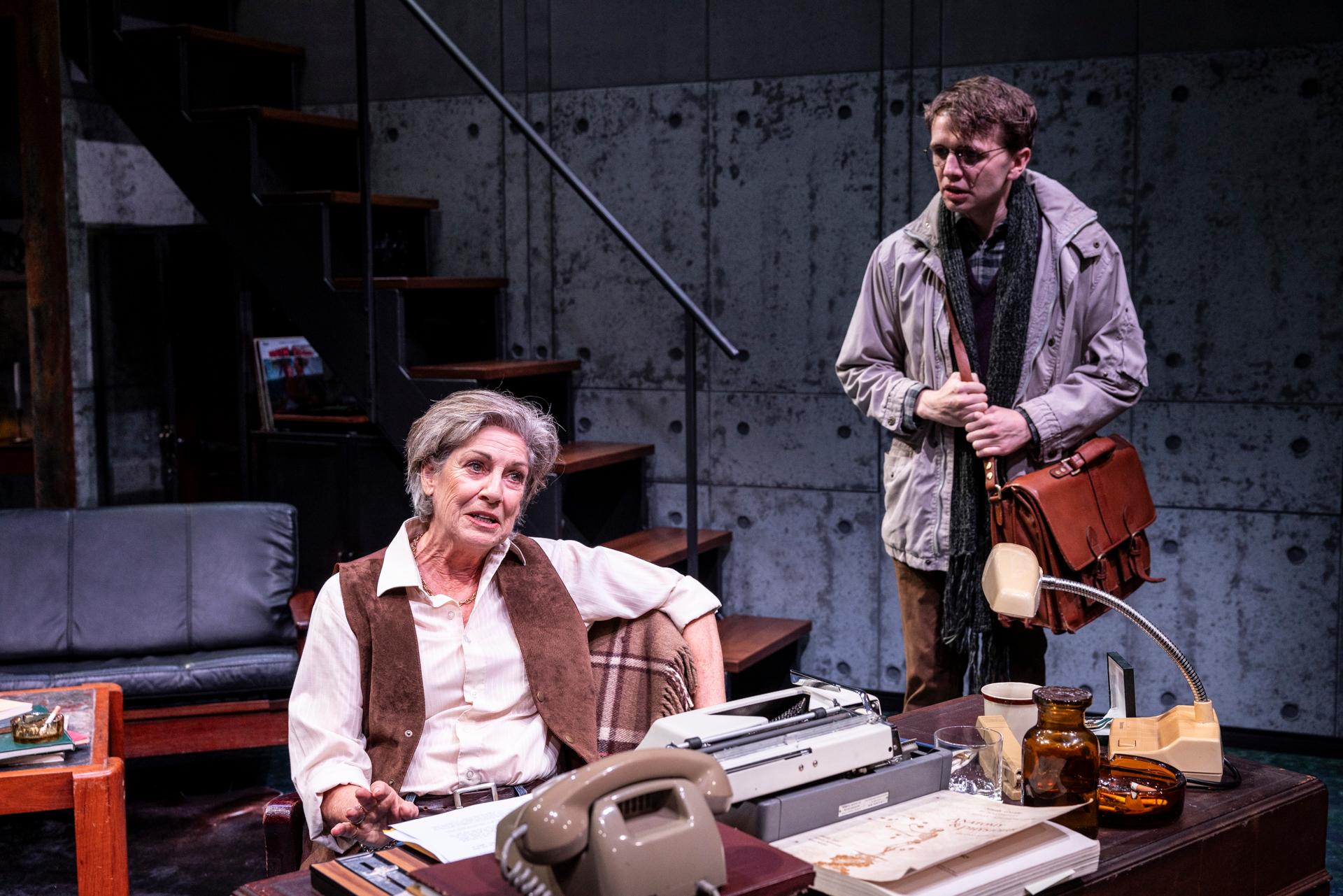
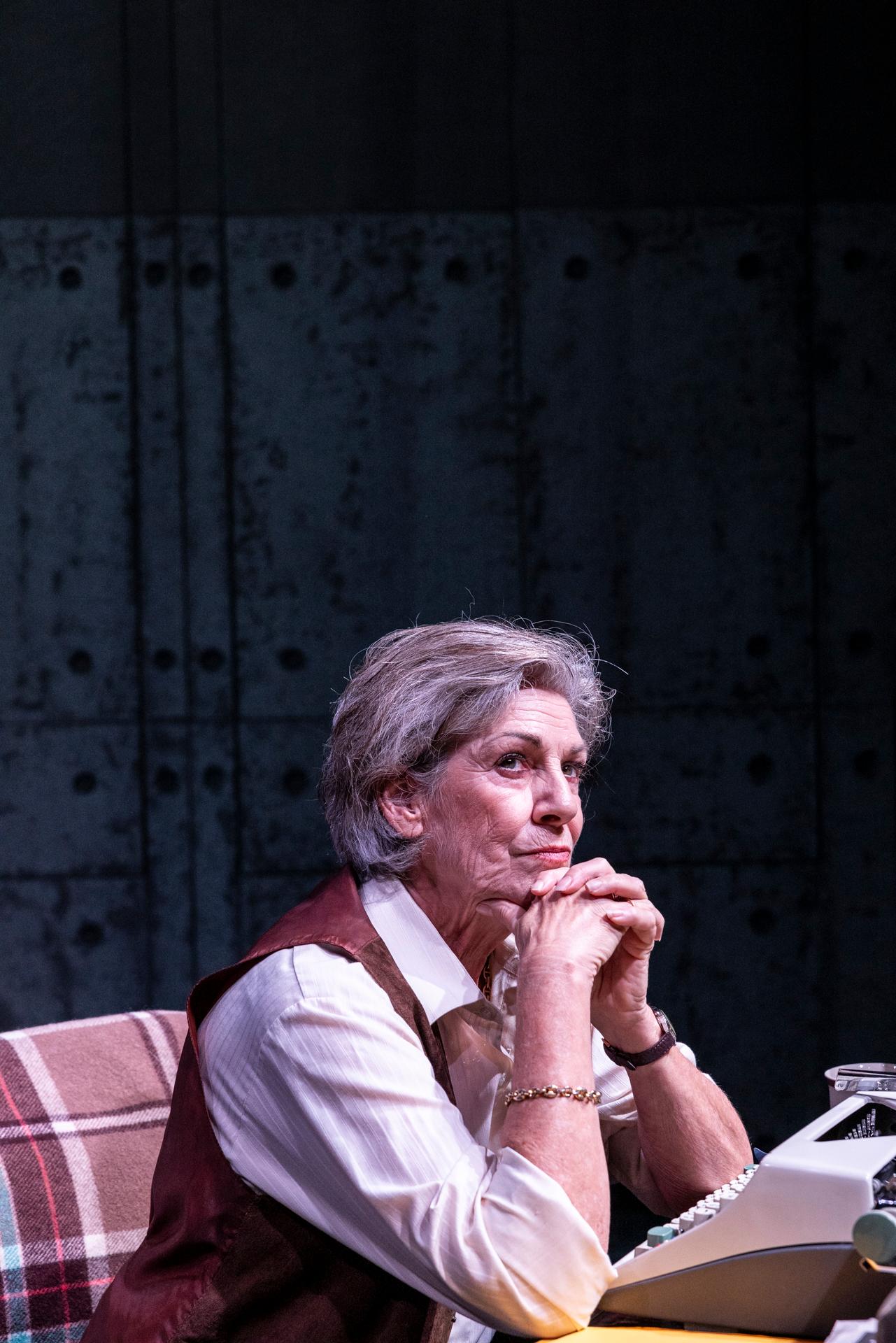
Timothy Conigrave’s 1995 memoir Holding the Man remains one of the most important Australian books in the queer canon. It details Conigrave’s love story with his high school sweetheart John Caleo, and their struggles with AIDS, at a time when infection by the HIV virus meant all but a death sentence. Playwright Tommy Murphy’s stage adaptation first appeared in 2006, reformatting the writing for Conigrave’s other love, the theatre, and bringing it to a wider audience.

This update of Murphy’s play, comes at a time when HIV no longer poses a threat to our lives, as it had done those decades before. Director Eamon Flack is keenly aware of this transformation in climate, presenting a show that understands our renewed relationship with the AIDS crisis, and the psychological distance we currently require, as we try to heal and move on, from the devastating period of queer history, that figures so centrally in Holding the Man.

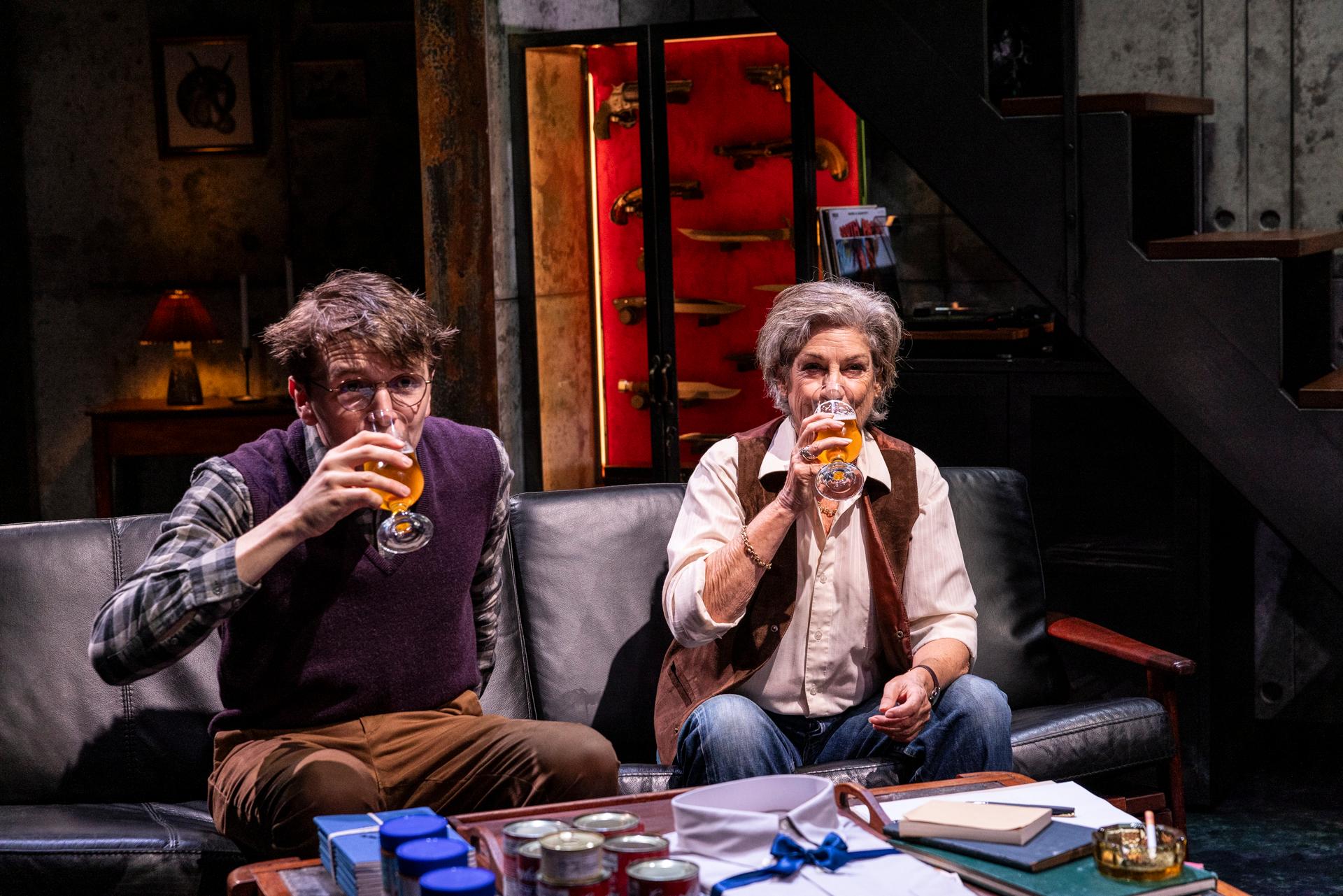
Flack’s portrayals of nostalgia are mercifully light-hearted, allowing us to regard the recent tragic past from a new vantage point; reminding us that that was then, and we now need to learn to sit with that trauma in a more objective manner. The romance between Tim and John, released from that previously foreboding darkness, becomes sweeter, less grief-stricken. Flack facilitates a perception of the couple’s early years together as joyful and winsome, celebrating the fact that these two gay men had found love at a time when homophobia was rampant and severe.

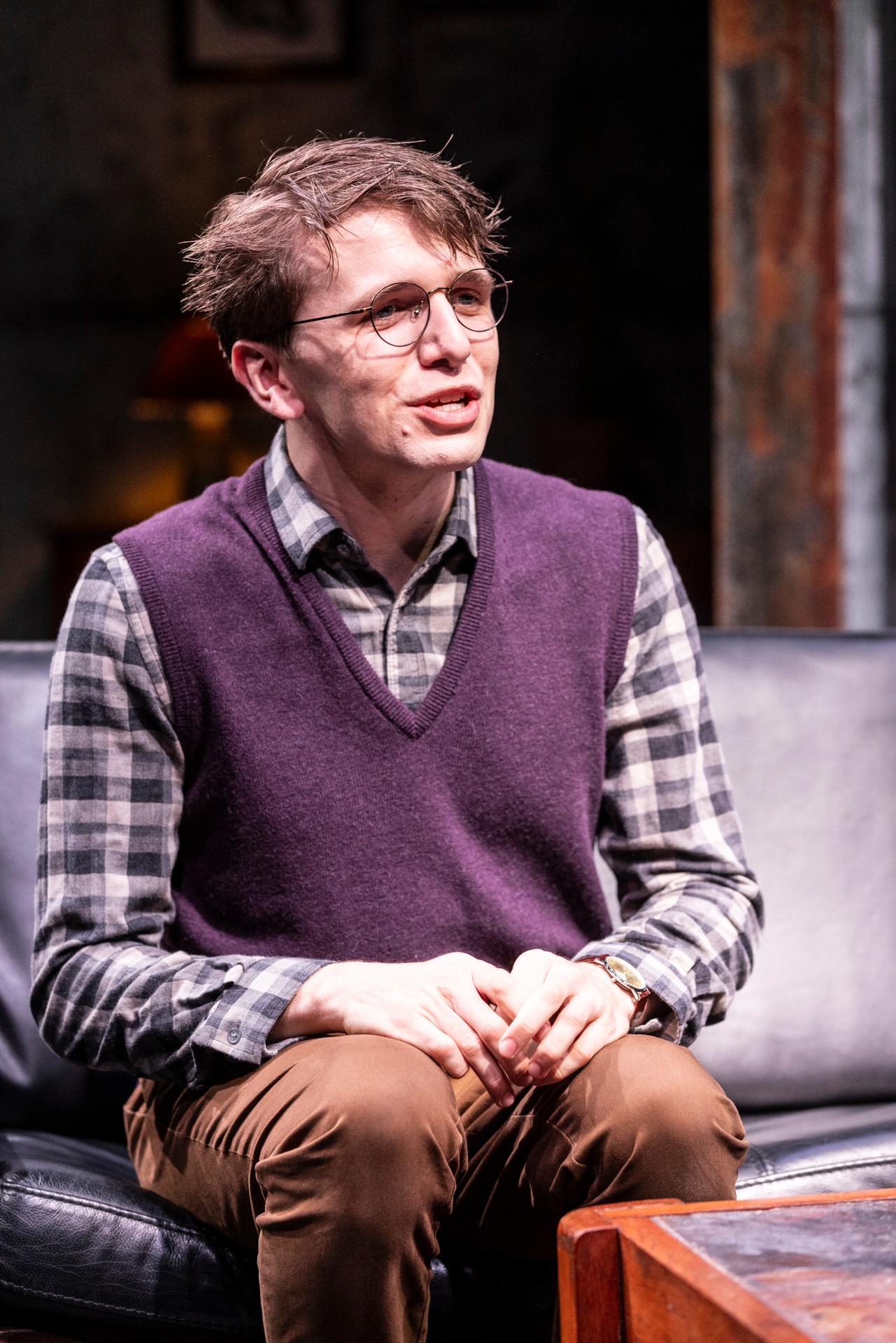
Tim is played by actor Tom Conroy, whose compelling vulnerability endears us to the lead role, making us invest unreservedly and effortlessly in this iteration of Holding the Man. There is a tender innocence in Conroy’s passionate work, ensuring we remember that not a single person deserved the suffering brought on by the epidemic, and certainly that gayness deserves no punishment, especially at a time when queers were persistently villainised and scapegoated.

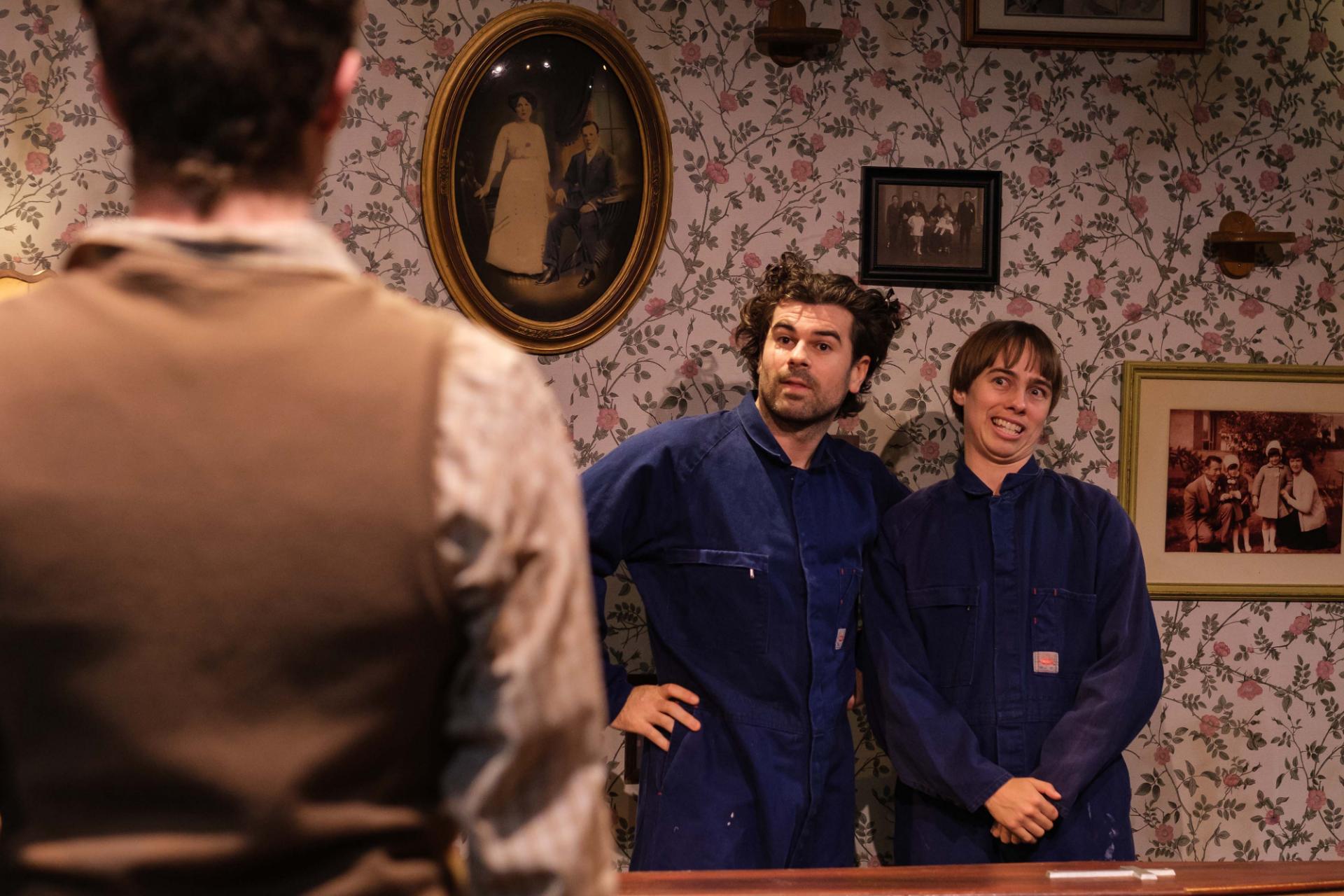
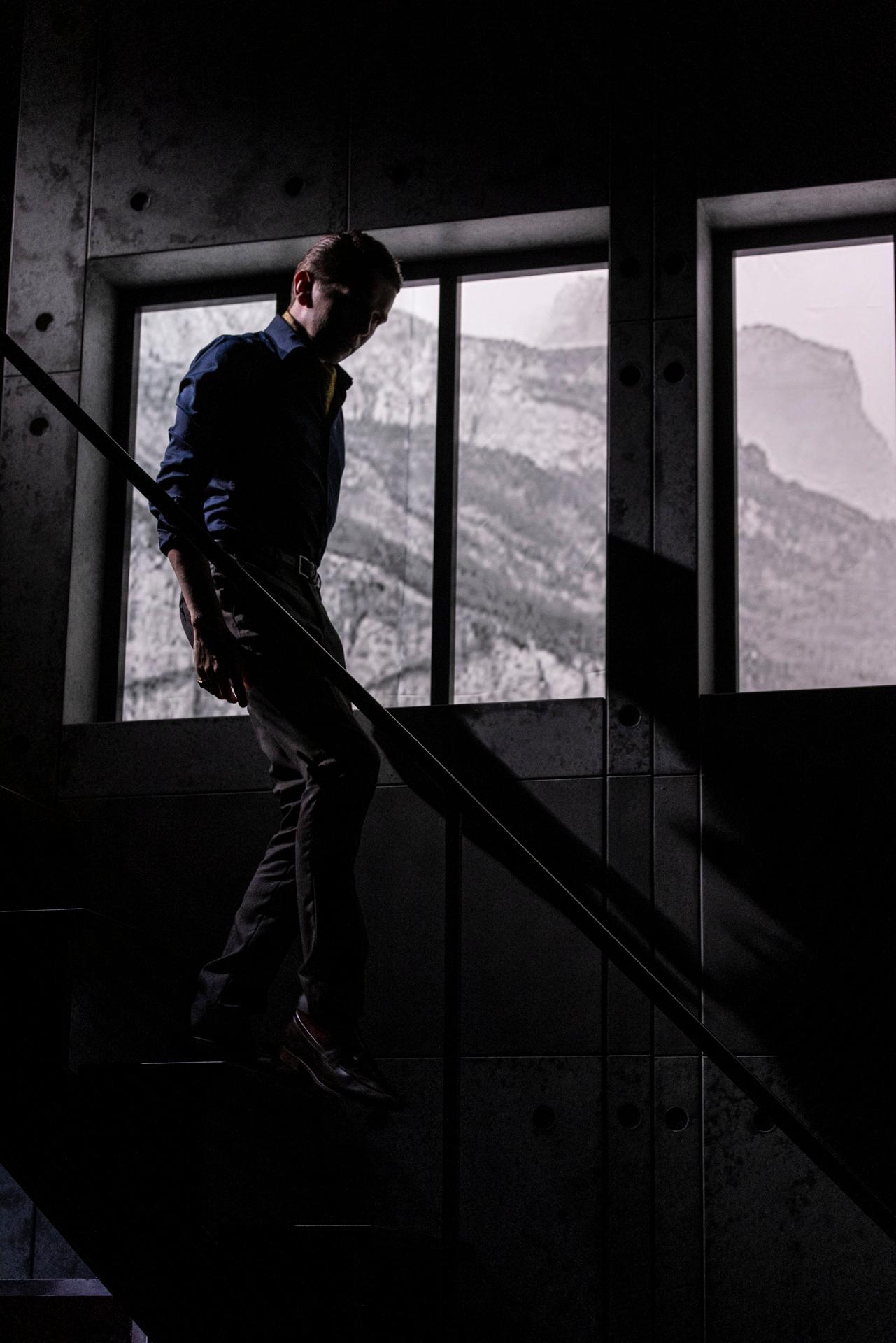
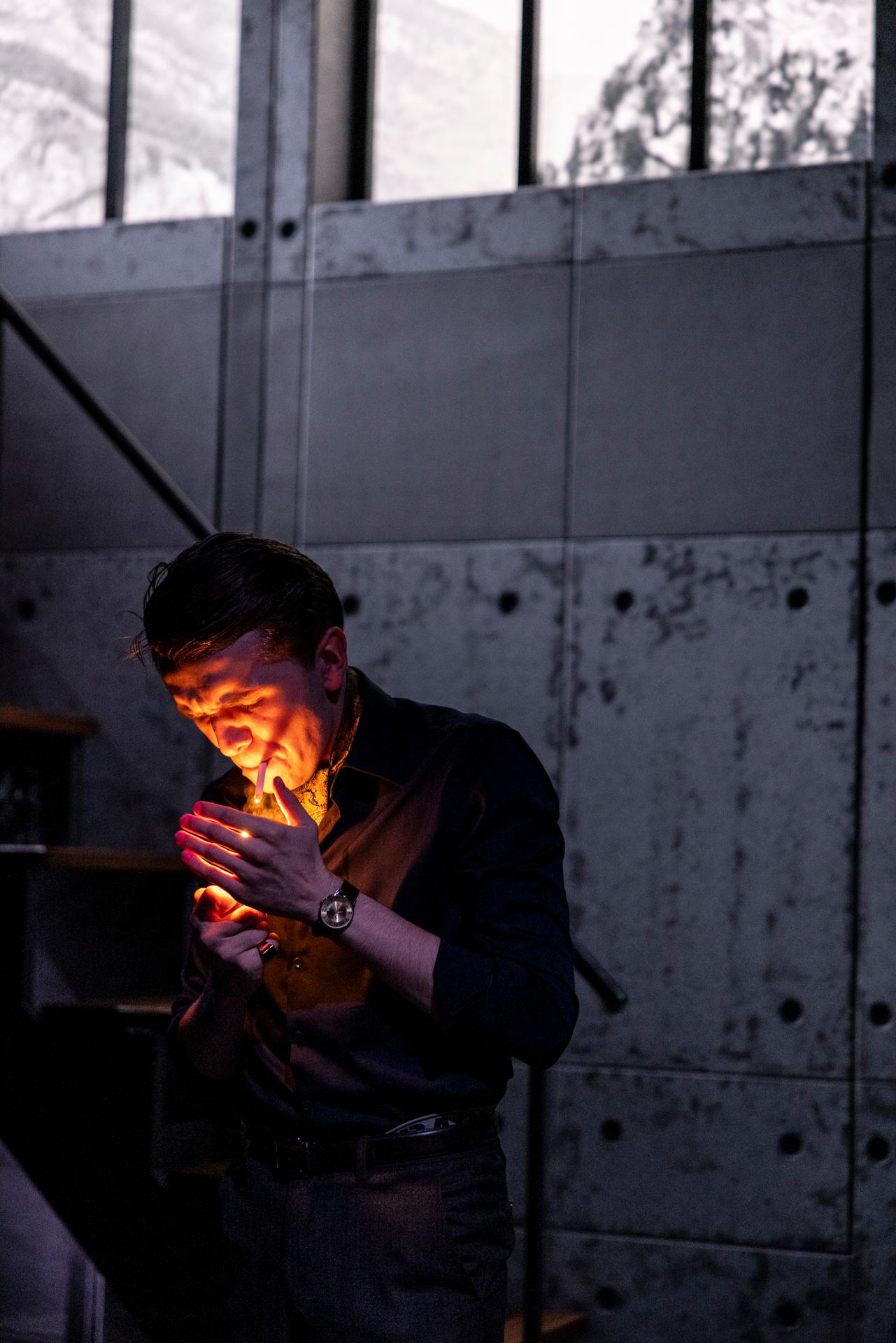
Danny Ball is captivating as John, commendable for bringing a stillness to his depictions, inviting us to connect with an authenticity that exists so resolutely at the core of this production. There is an abundance of enjoyable theatricality surrounding Ball’s performance, but it is his commitment to a deeper honesty, that gives this event its soul. The supporting cast comprises Russell Dykstra, Rebecca Massey, Shannen Alyce Quan and Guy Simon, who bring great warmth and exuberance, along with remarkable creativity, to every thoroughly considered scene.

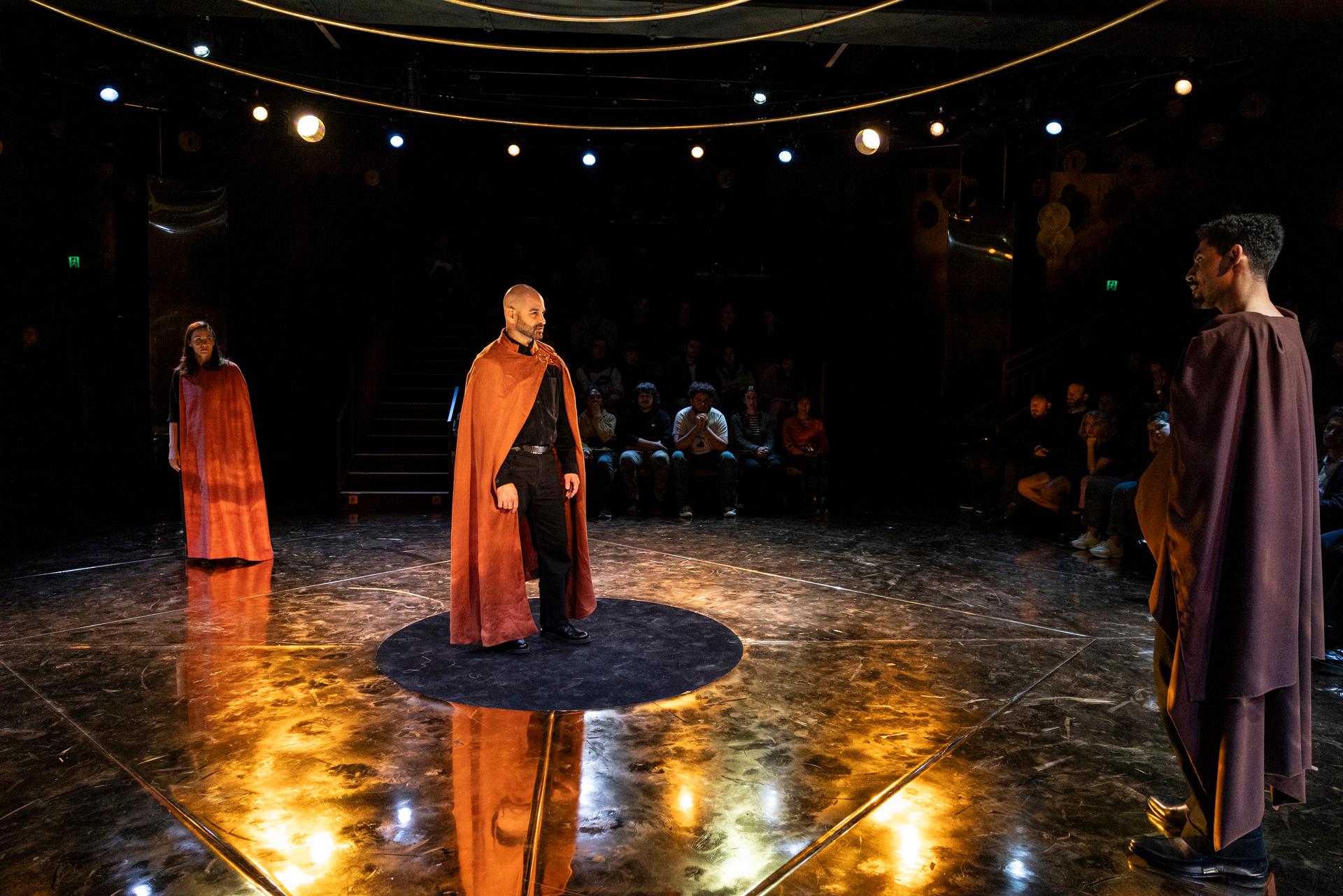
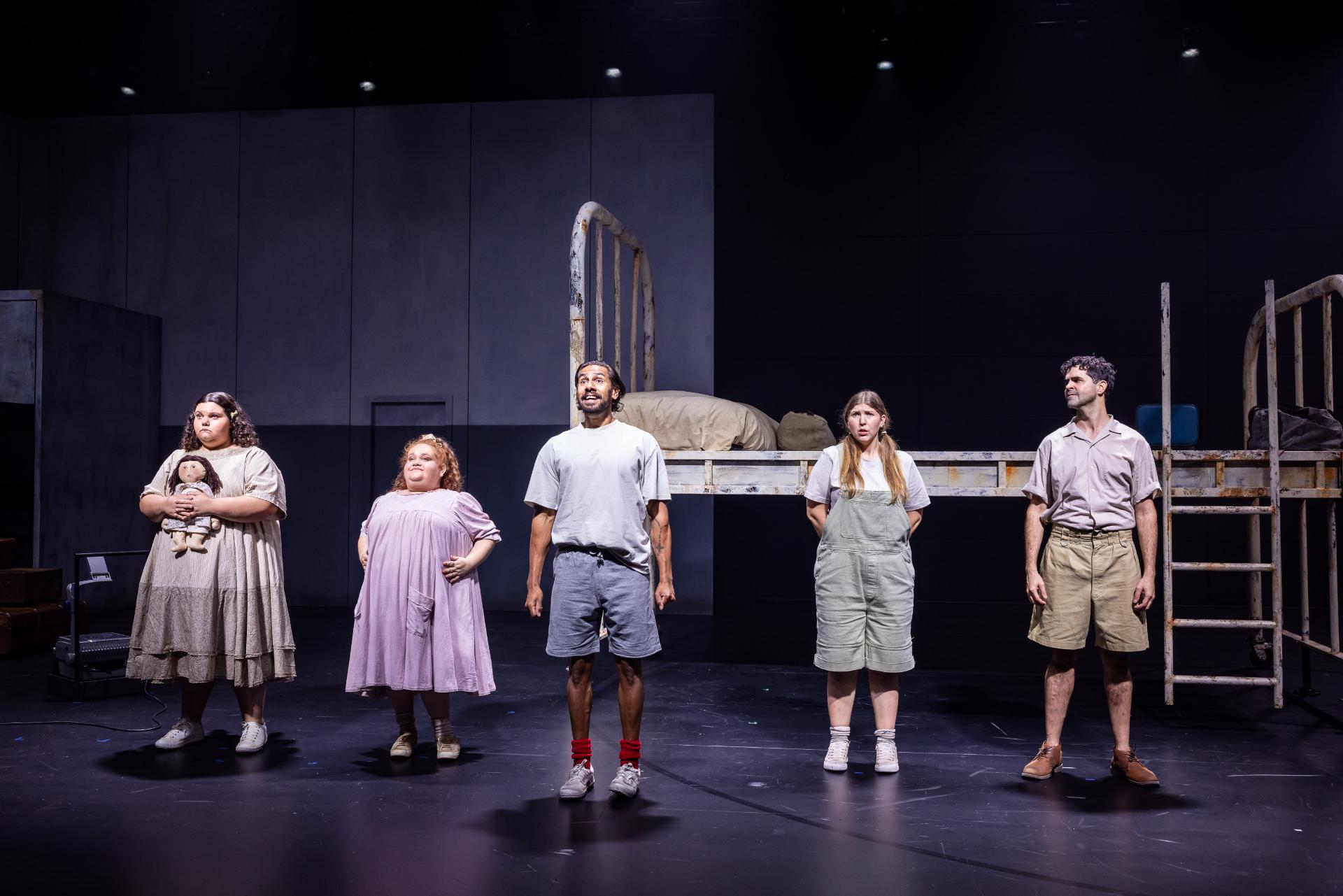
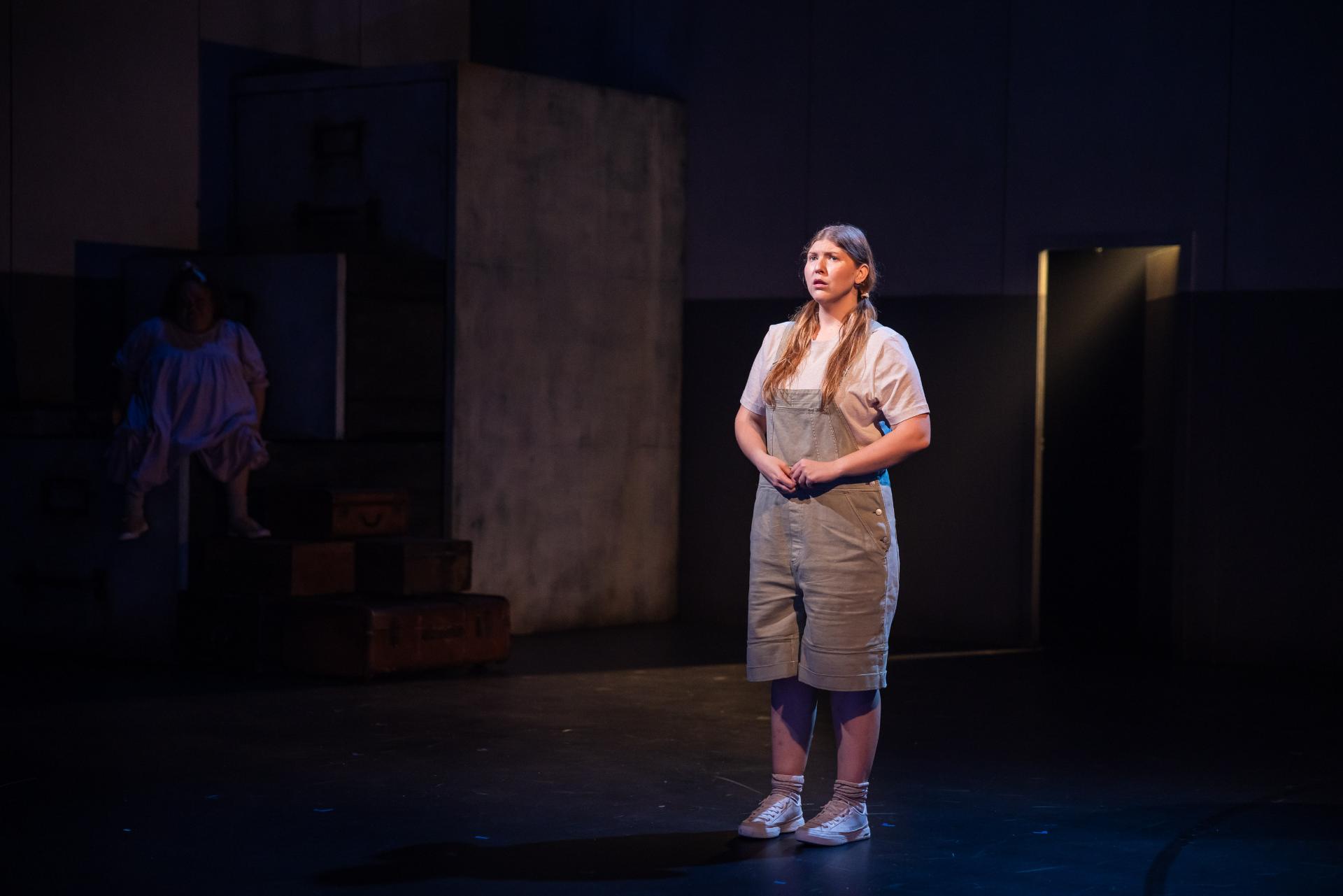
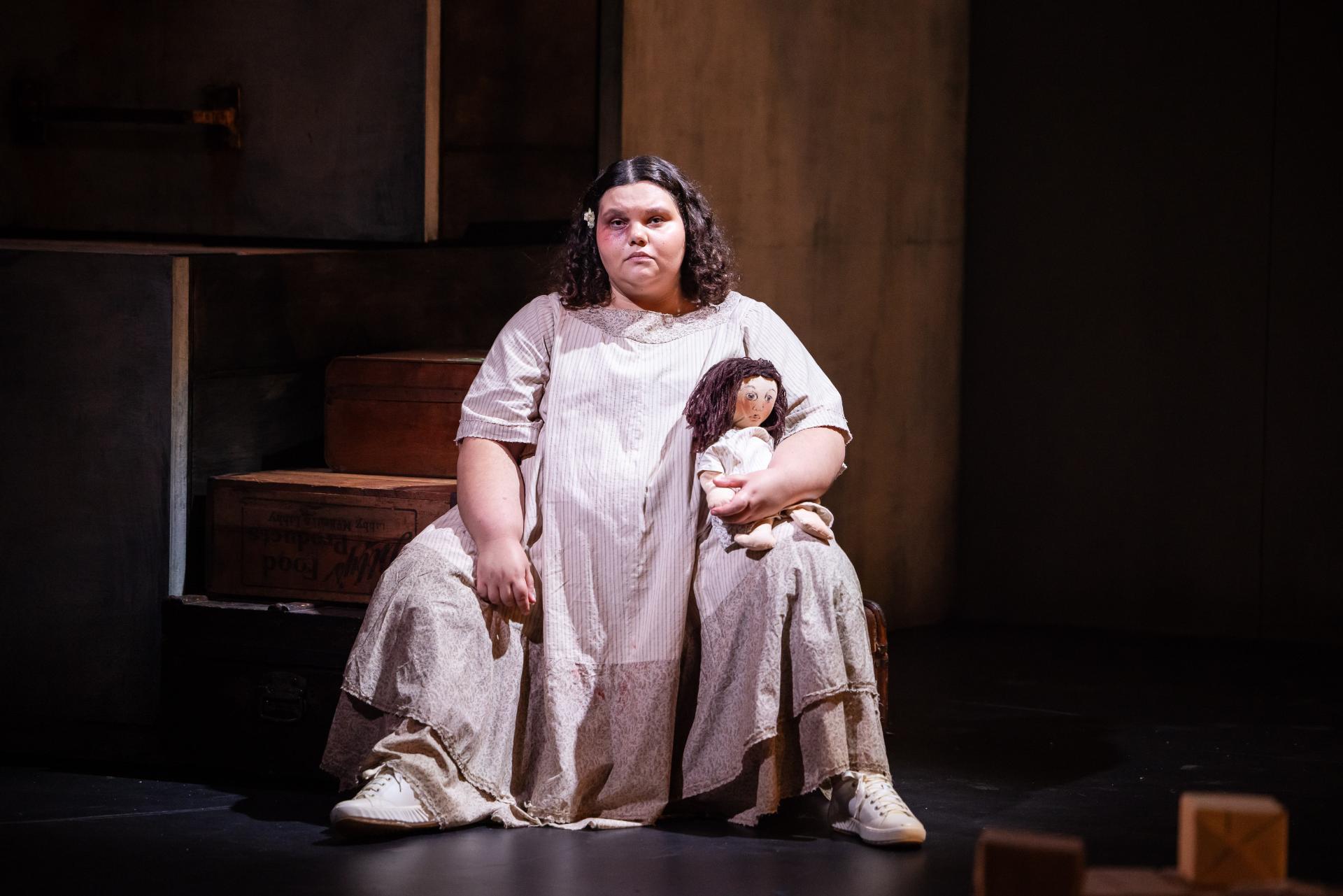
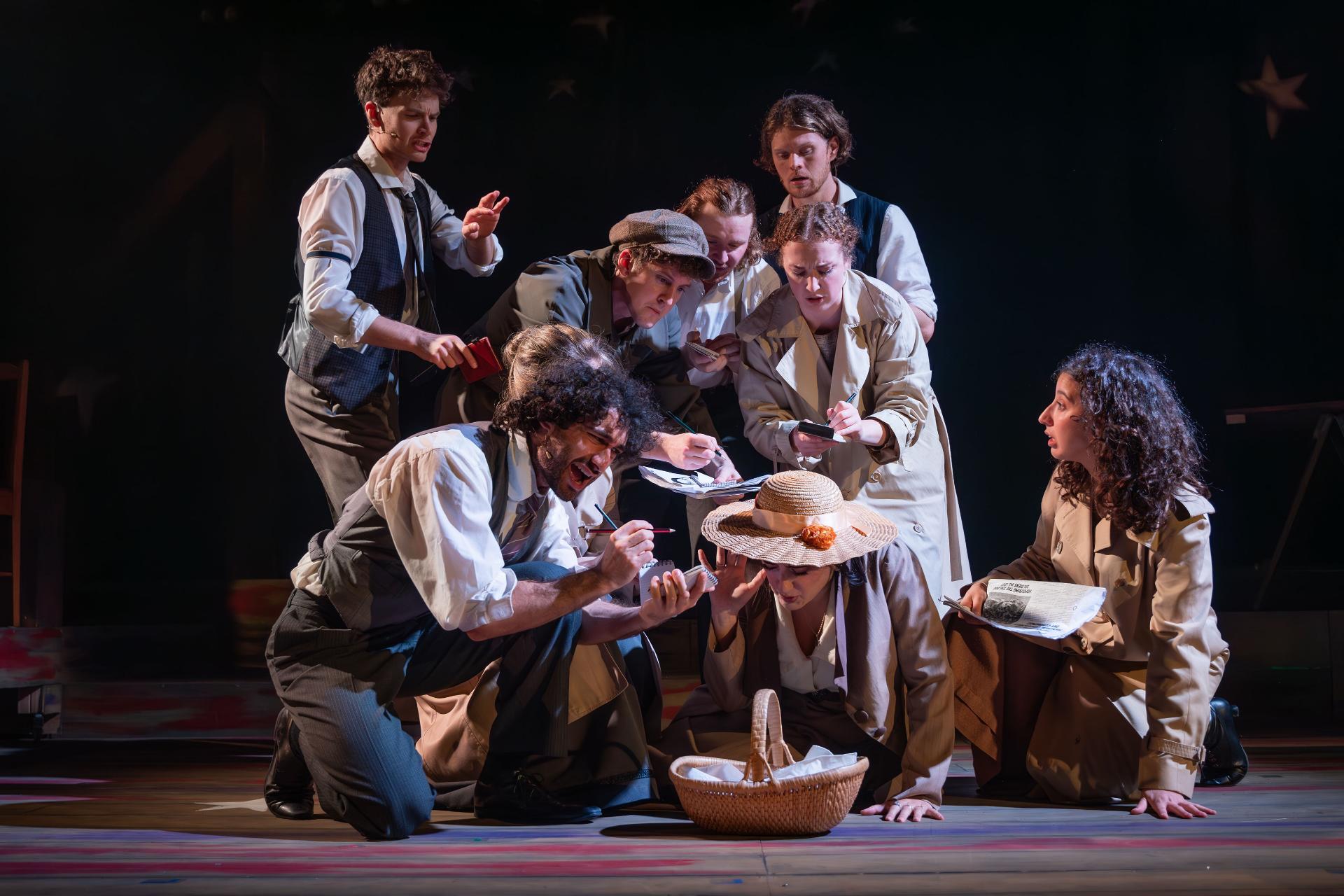
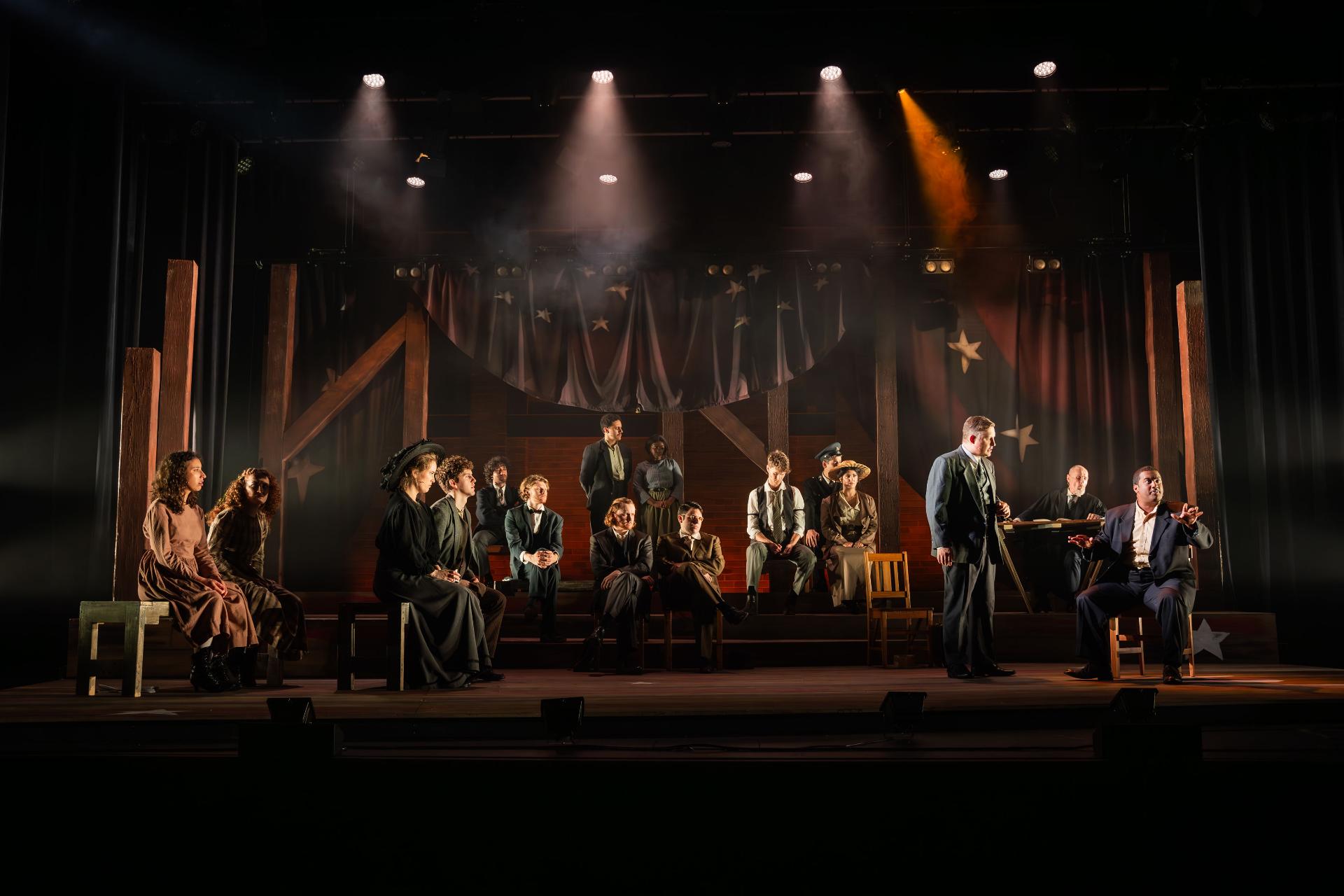
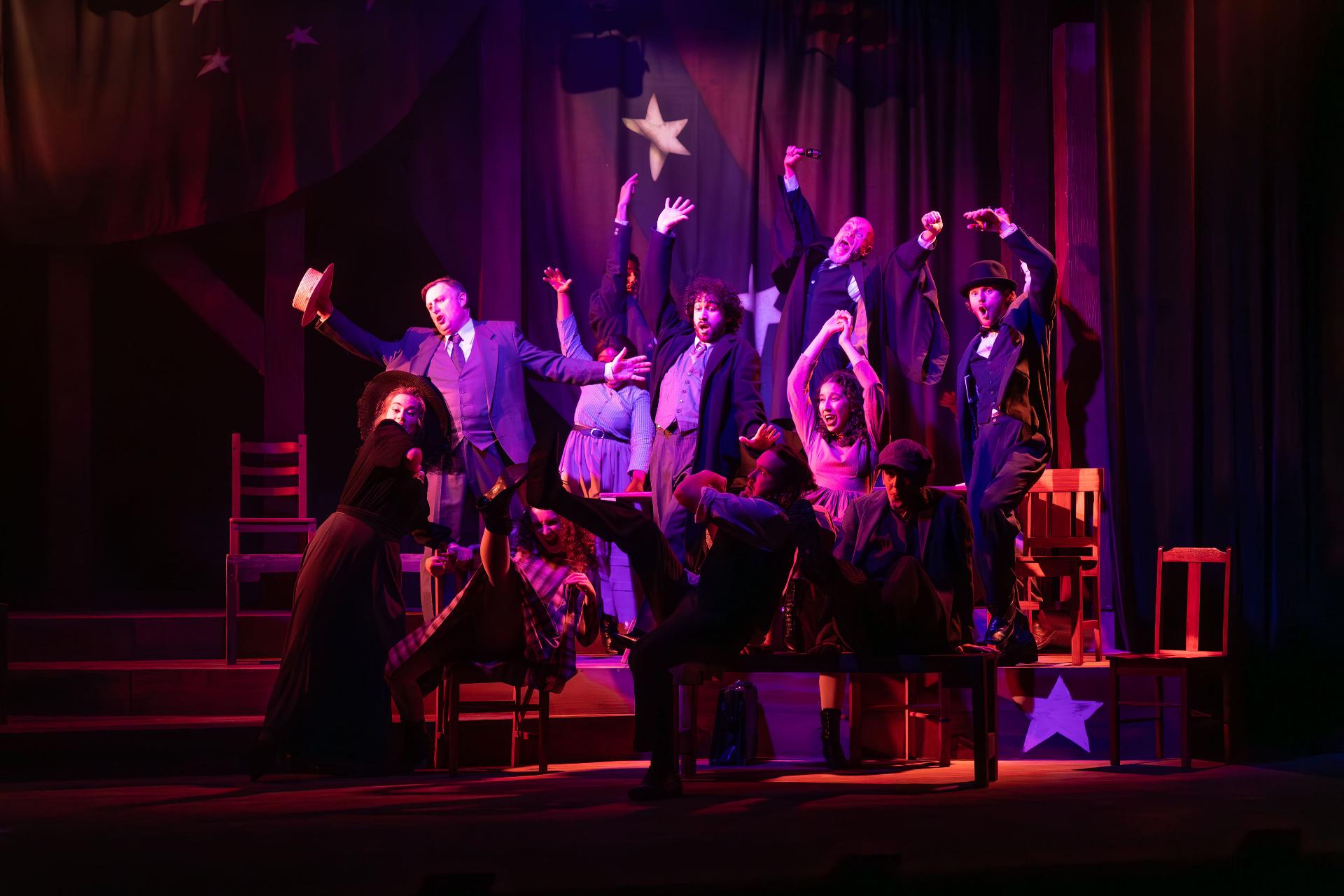
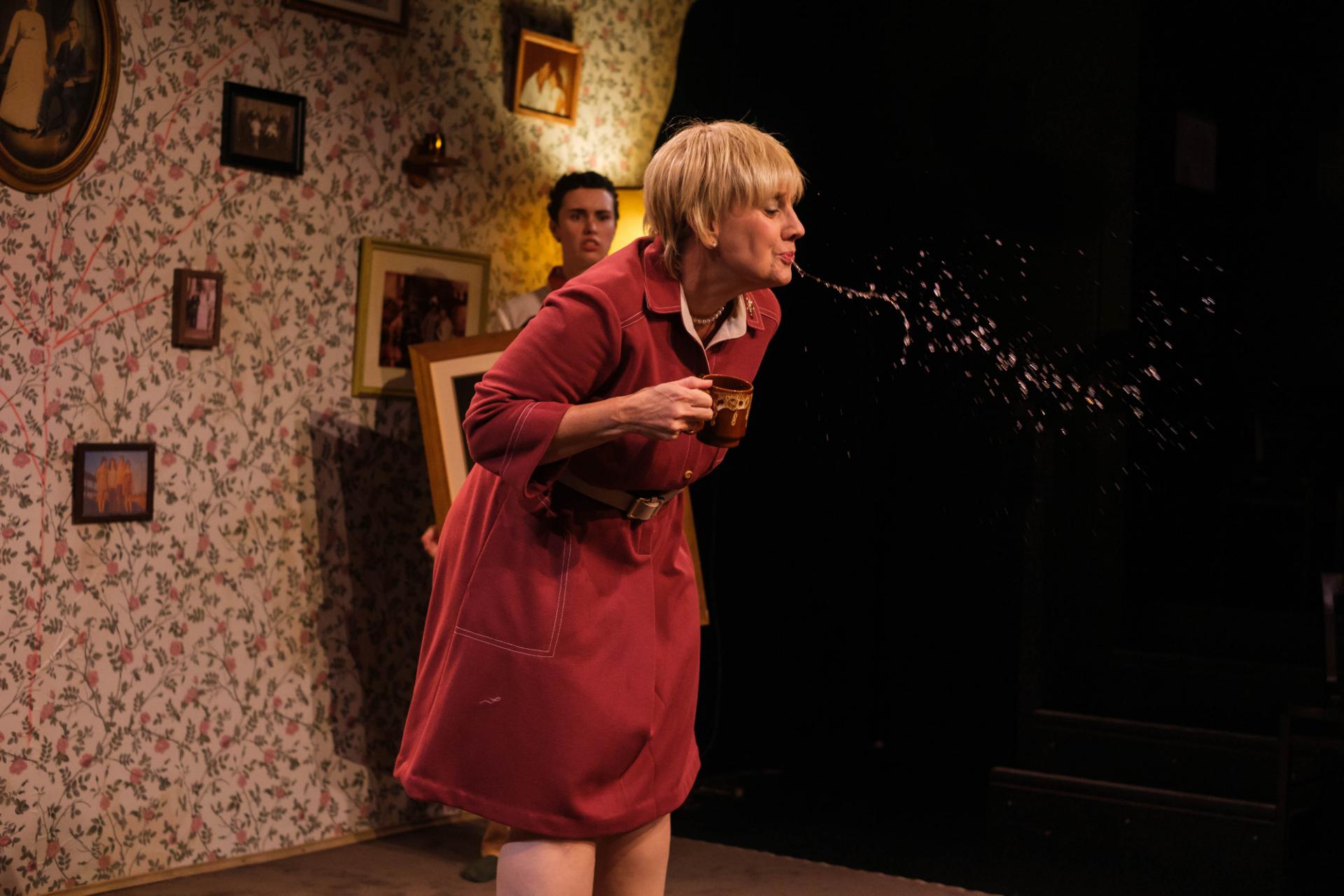
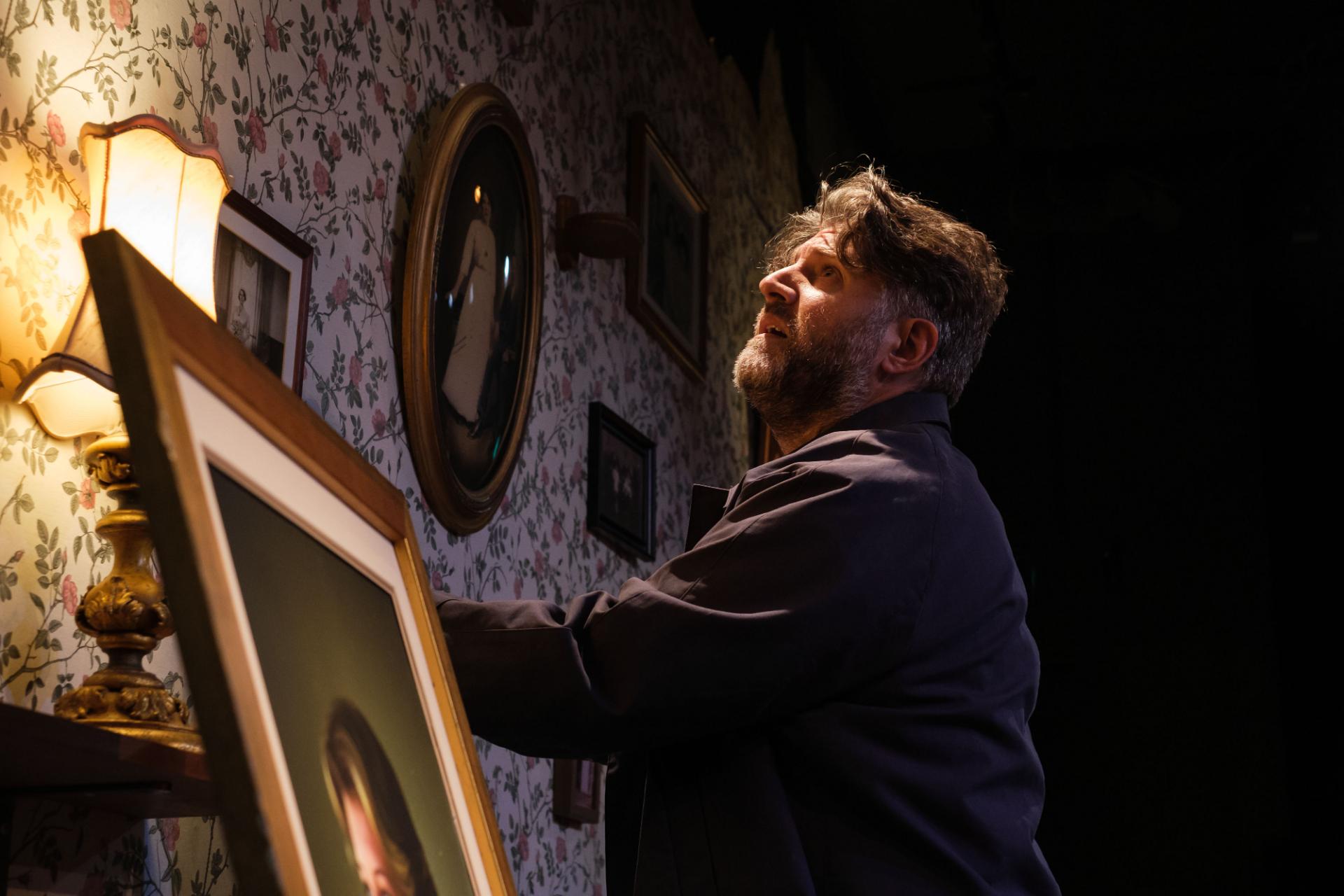
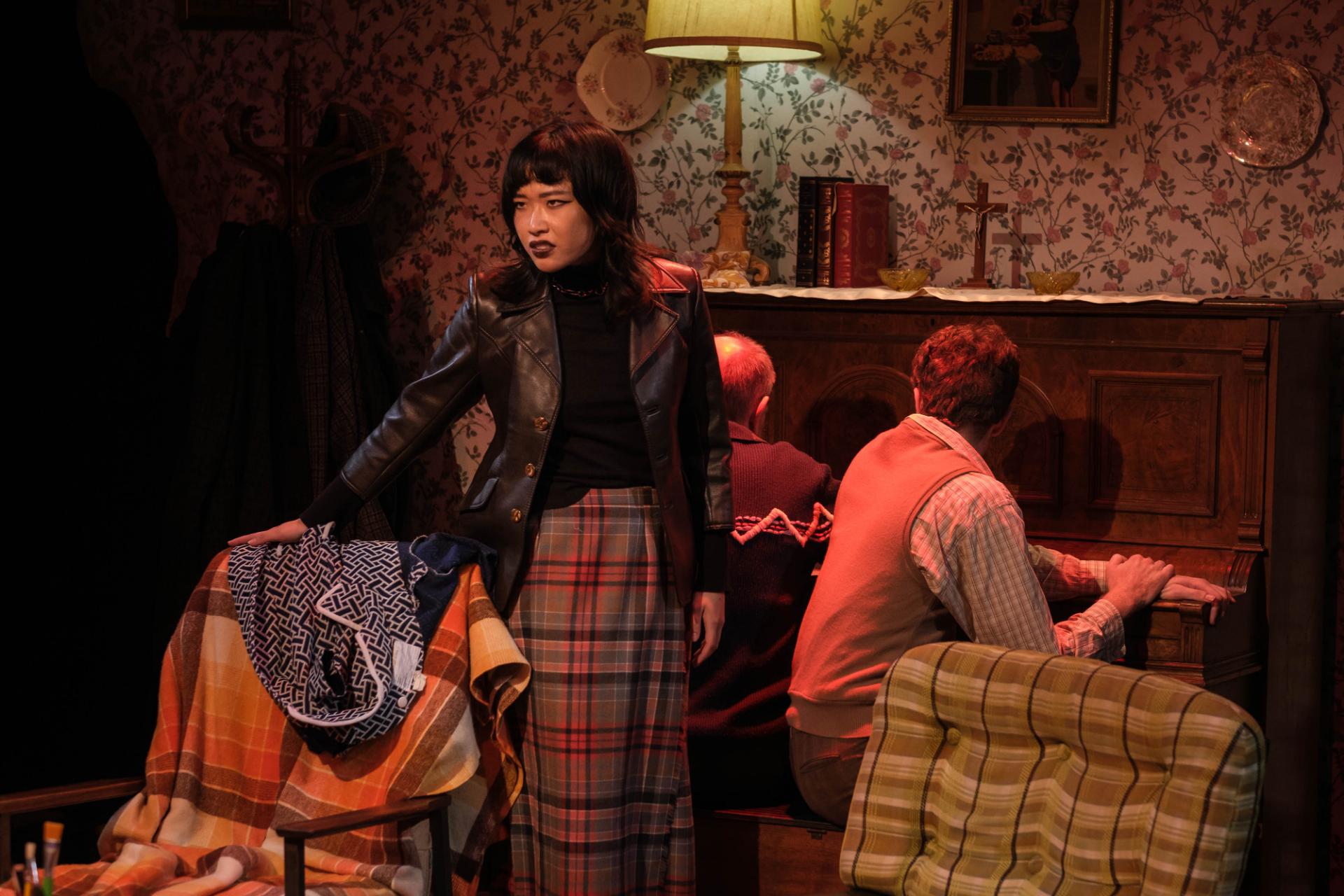
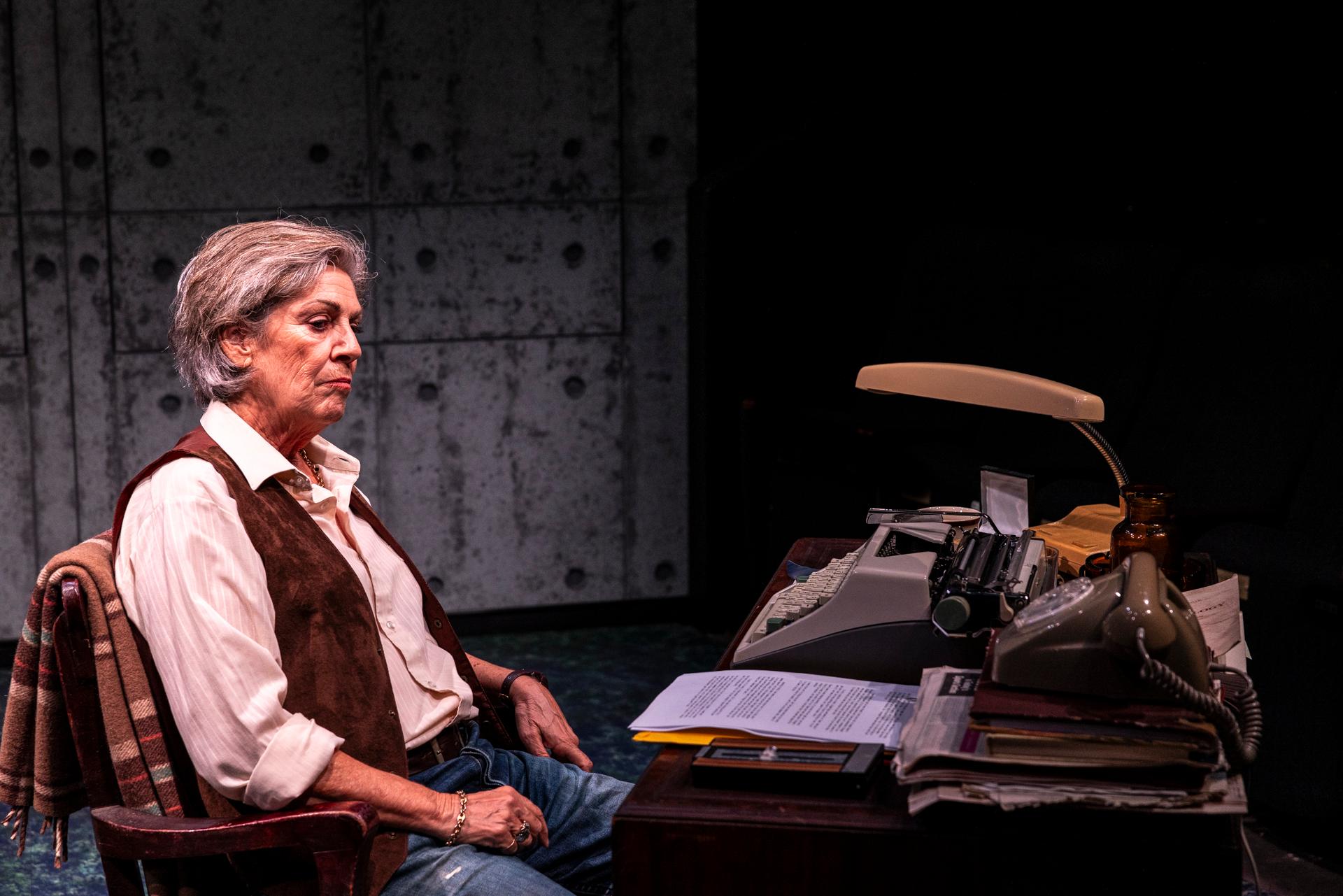
Set design by Stephen Curtis introduces visual motifs emblematic of seventies and eighties Australia, with a homely theatre-in-the-round configuration that emphasises the communal aspect of an experience many of us had gone through together. Costumes by Mel Page are similarly evocative of the period, with the addition of eccentric touches that liven up the vista. Phoebe Pilcher’s lights are meticulously calibrated, successfully guiding us through the innumerable spaces we visit, in both physical and psychic terms. Music and sound by Alyx Dennison are boldly rendered to accompany the big emotions involved, memorable for helping to deliver many of the show’s stirring moments. It is worth nothing however that the lack of microphones is on occasion a detraction, for a play that we have fallen for, and want to hear every word of.

Things have changed so much since the days of Tim and John, but one thing that remains true, is that queer people will be left behind, if we ever abate from insisting on our inclusion. The AIDS crisis revealed that our solidarity, and our ability to organise, are how we can overcome marginalisation. We can find spaces that deliver justice and equality, but they will never come without a fight.

www.belvoir.com.au

Review: A Midsummer Night’s Dream (Bell Shakespeare)

Venue: Sydney Opera House (Sydney NSW), Mar 2 – 30, 2024
Playwright: William Shakespeare
Director: Peter Evans
Cast: Ahunim Abebe, Isabel Burton, Mike Howlett, Matu Ngaropo, Ella Prince, Richard Pyros, Imogen Sage, Laurence Young
Images by Brett Boardman

Theatre review
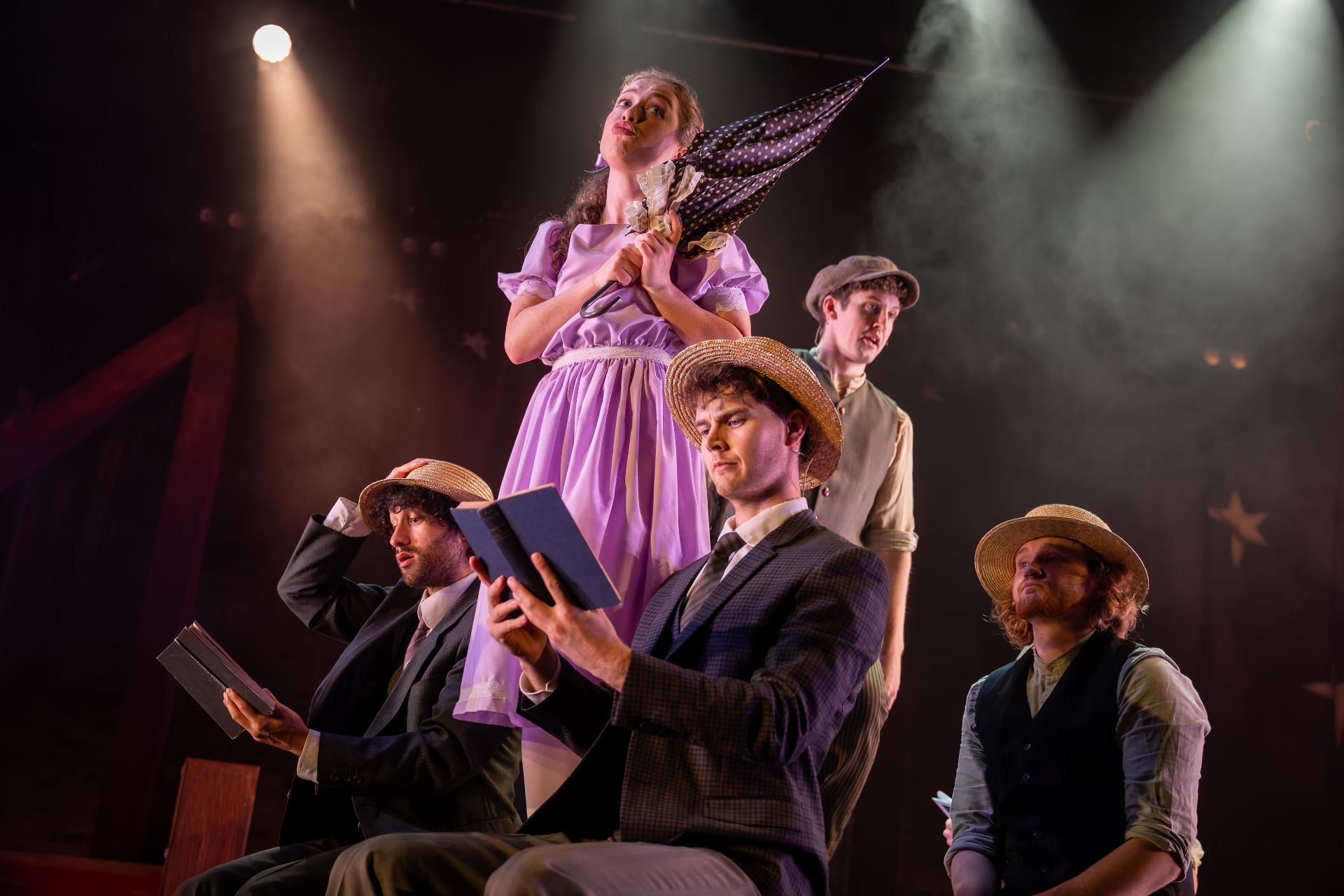
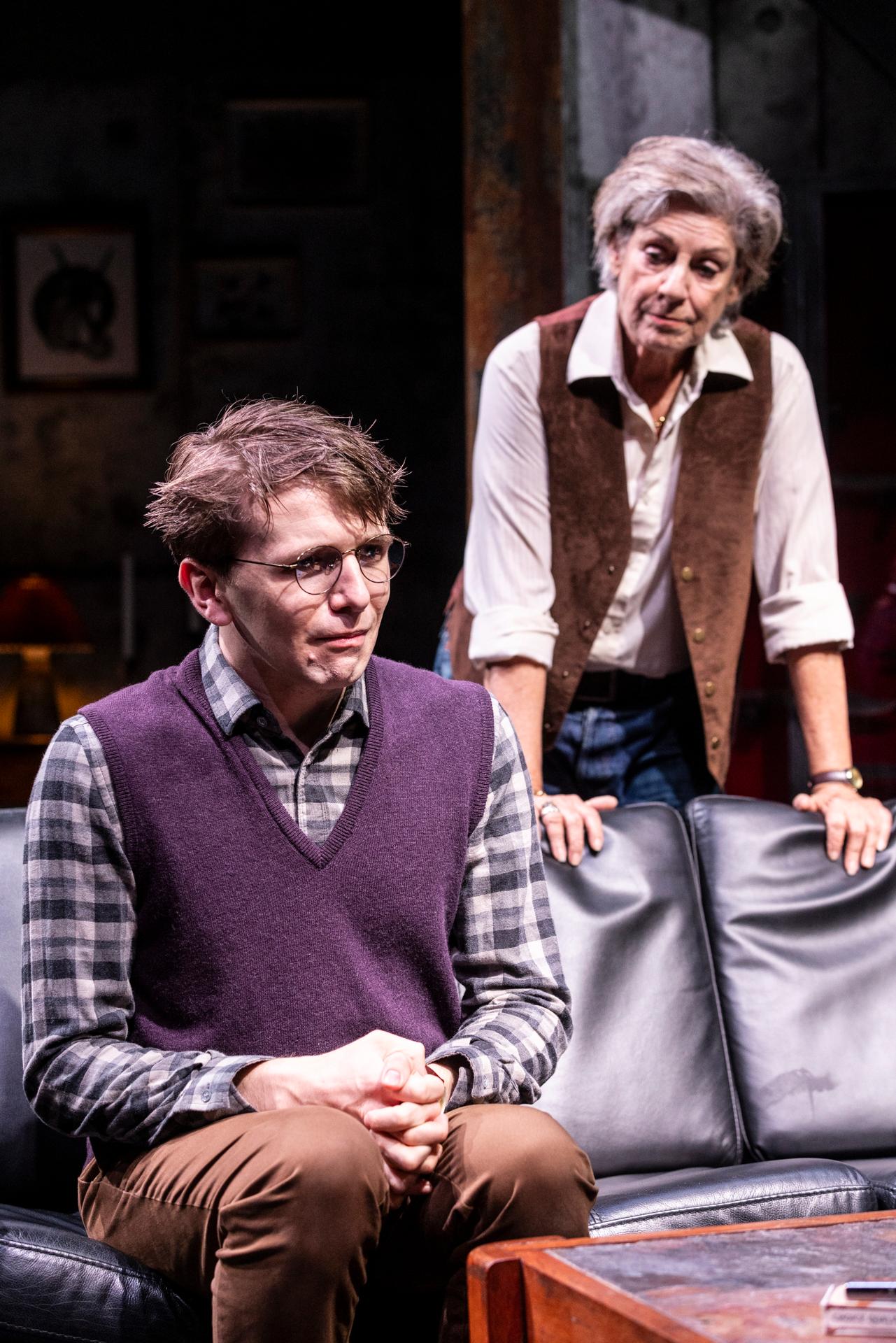
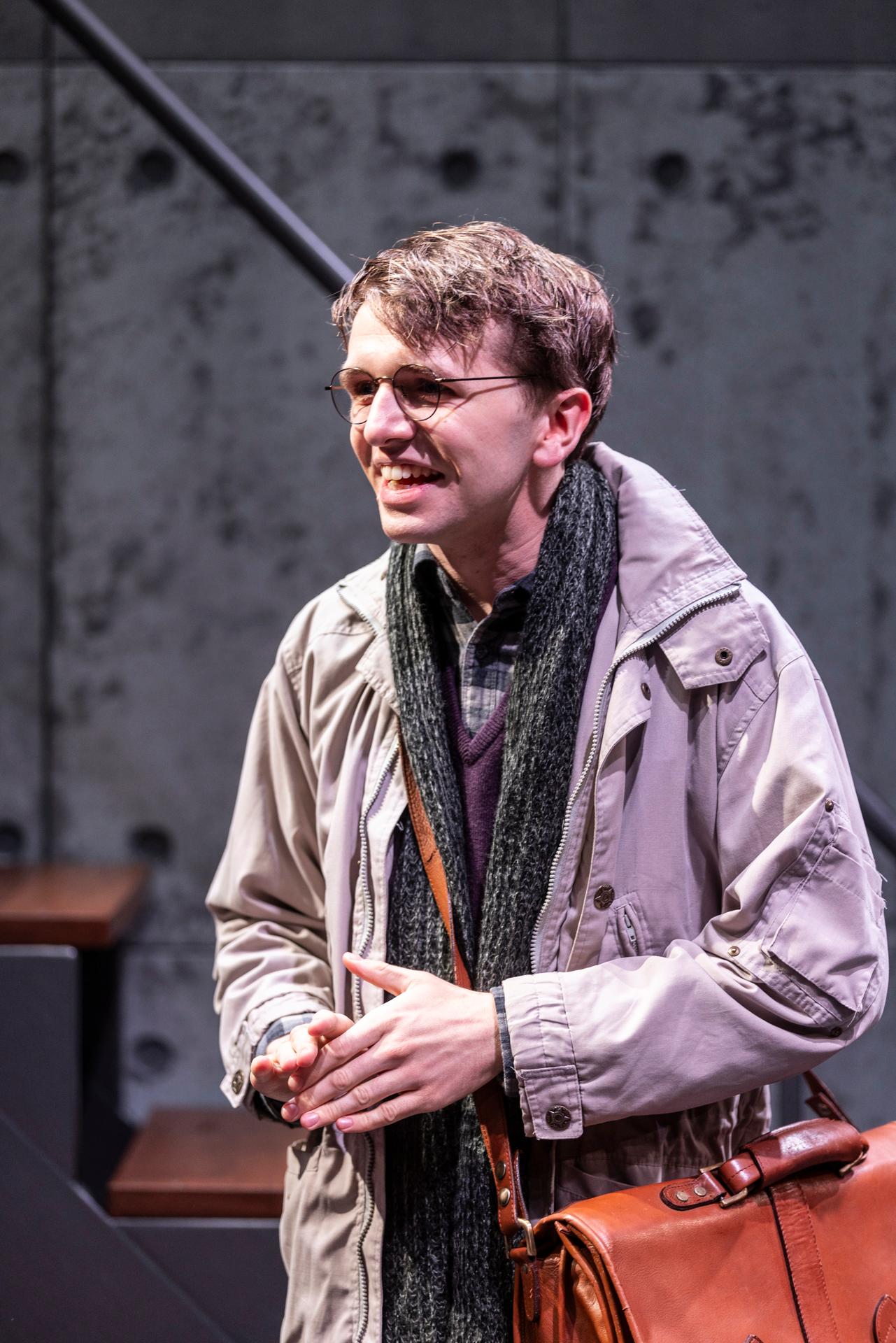
Struck by jealousy, king of fairies Oberon casts a spell to cause mischief, and chaos quickly ensues. Meanwhile, further commotion arises from the play-within-a-play, “Pyramus and Thisbe” being attempted by a group of Athenian tradesmen. Director Peter Evans’ version of A Midsummer Night’s Dream places almost equal emphasis, on those two parts of the narrative, for an unusual experience of the Shakespearean classic.

Furtherly unconventional, what is often considered one of the Bard’s most exuberant works, is given the moodiest of treatments, featuring unmistakably macabre sounds and music by Max Lyandvert, and distinctly melancholic lights by Benjamin Cisterne. Although contentious in terms of their resultant effect, the staging bears a polish and stylishness that is unequivocal. Set and costume designs by Teresa Negroponte too, are elegantly rendered, in this unexpectedly serious incarnation of a show involving endless hijinks and shenanigans.

The cast thankfully invests in the true essence of the piece, bringing great ebullience and whimsy, each actor commendable with their respective inventiveness and commitment. Matu Ngaropo as Bottom, and Isabel Burton as Helena, are particularly memorable, both demonstrating exceptional acuity in the details they are able to find, for the performance. It is an outstanding ensemble we have the pleasure to encounter, extraordinarily well-rehearsed, and remarkable with the chemistry they harness.

By show’s end, we are gifted a feeling of resolution and harmony, one derived from a realm that we understand to be fantastical, or indeed magical. Only some of us can access that world of sylphs and spirits, but for all, there is the theatre inviting us to transcend the mundane, and become enchanted by something higher, even if only for a short sojourn.

www.bellshakespeare.com.au

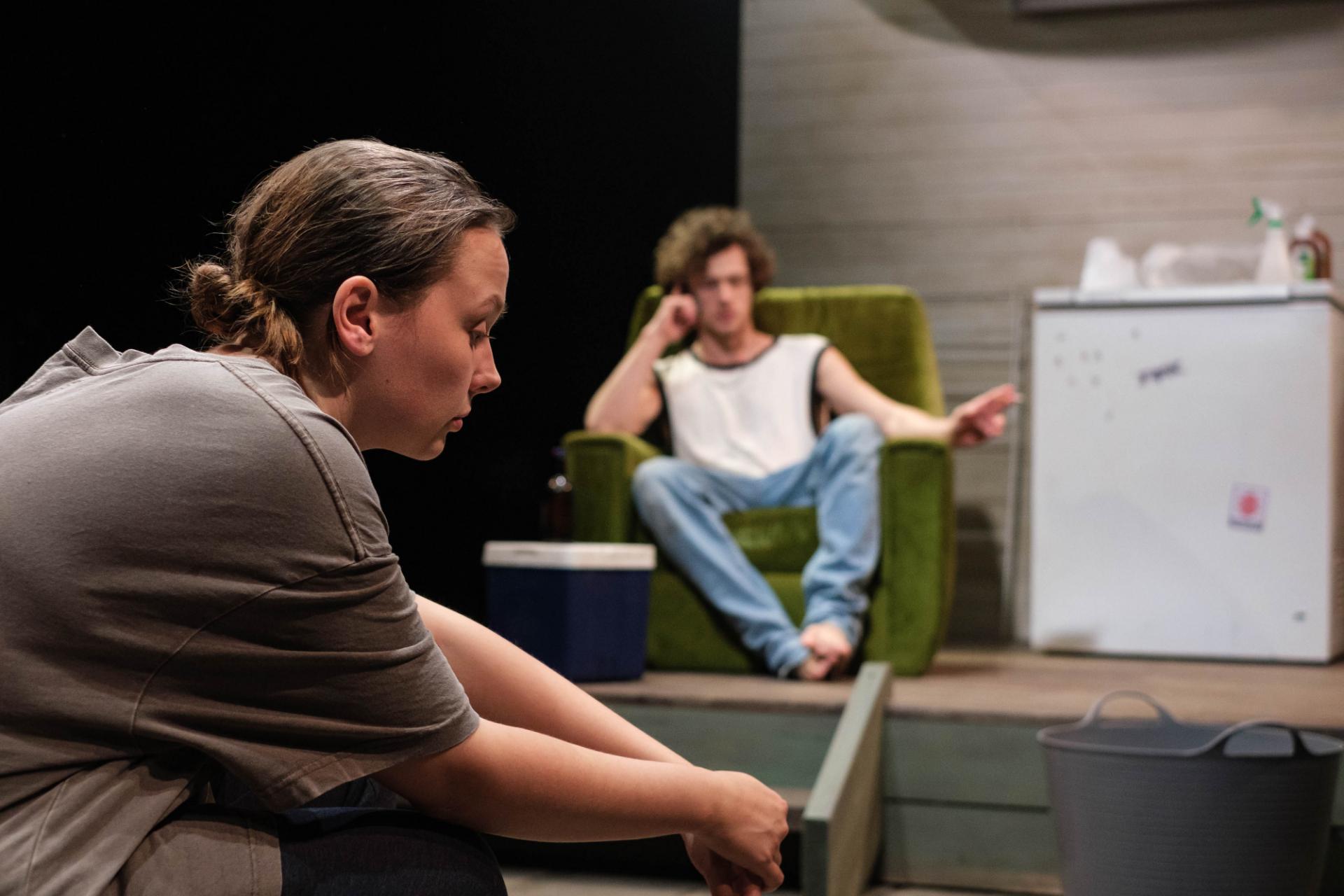
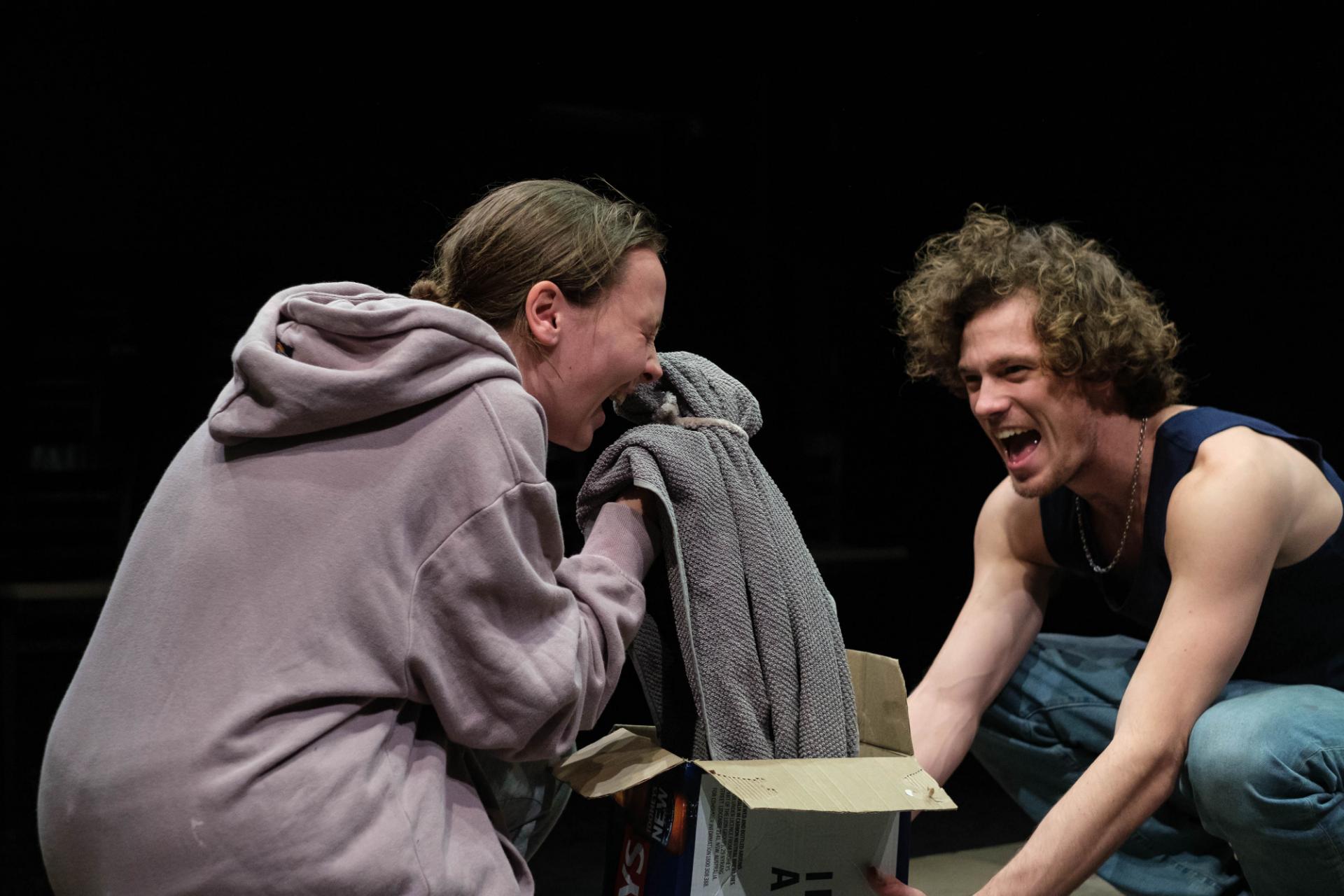
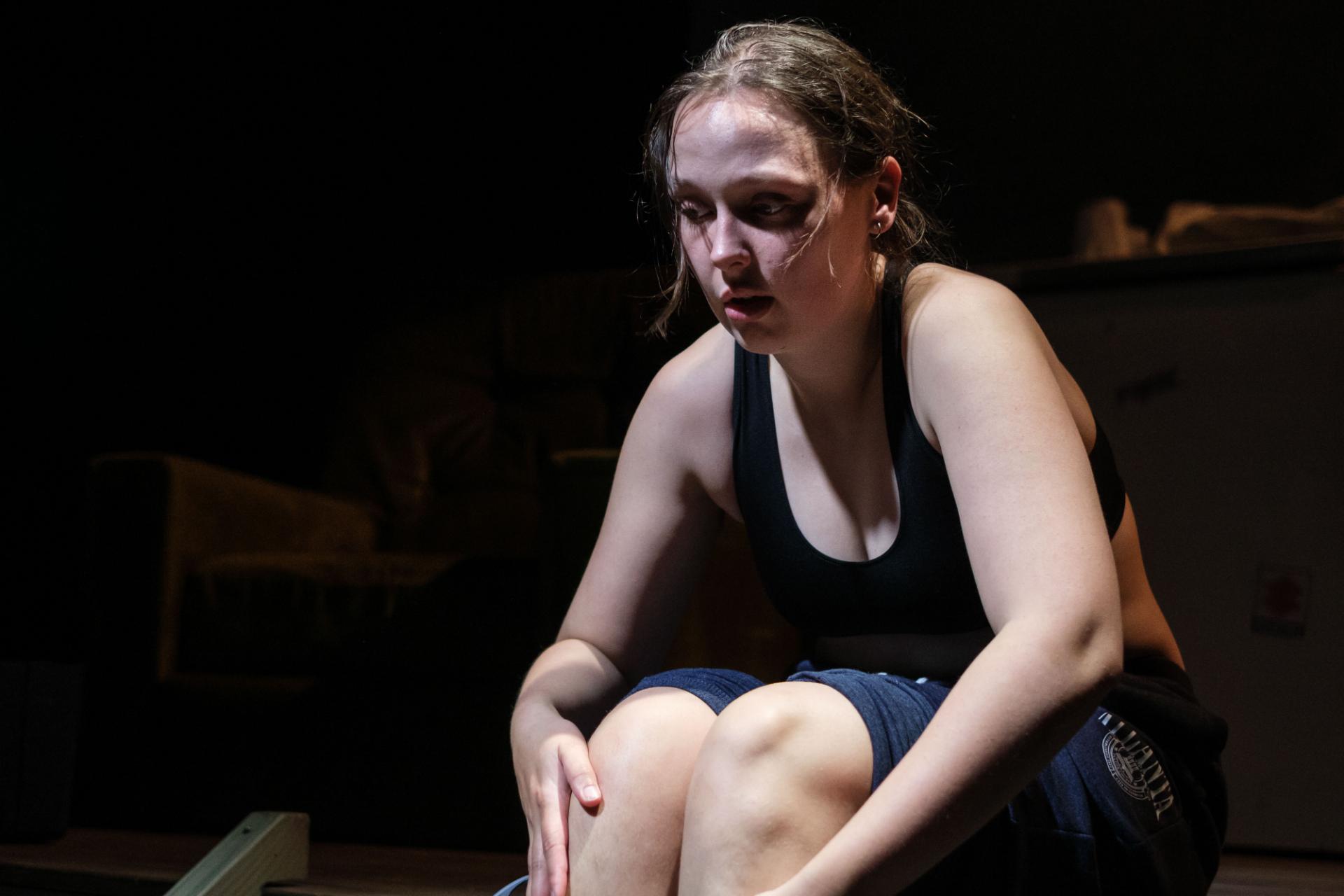
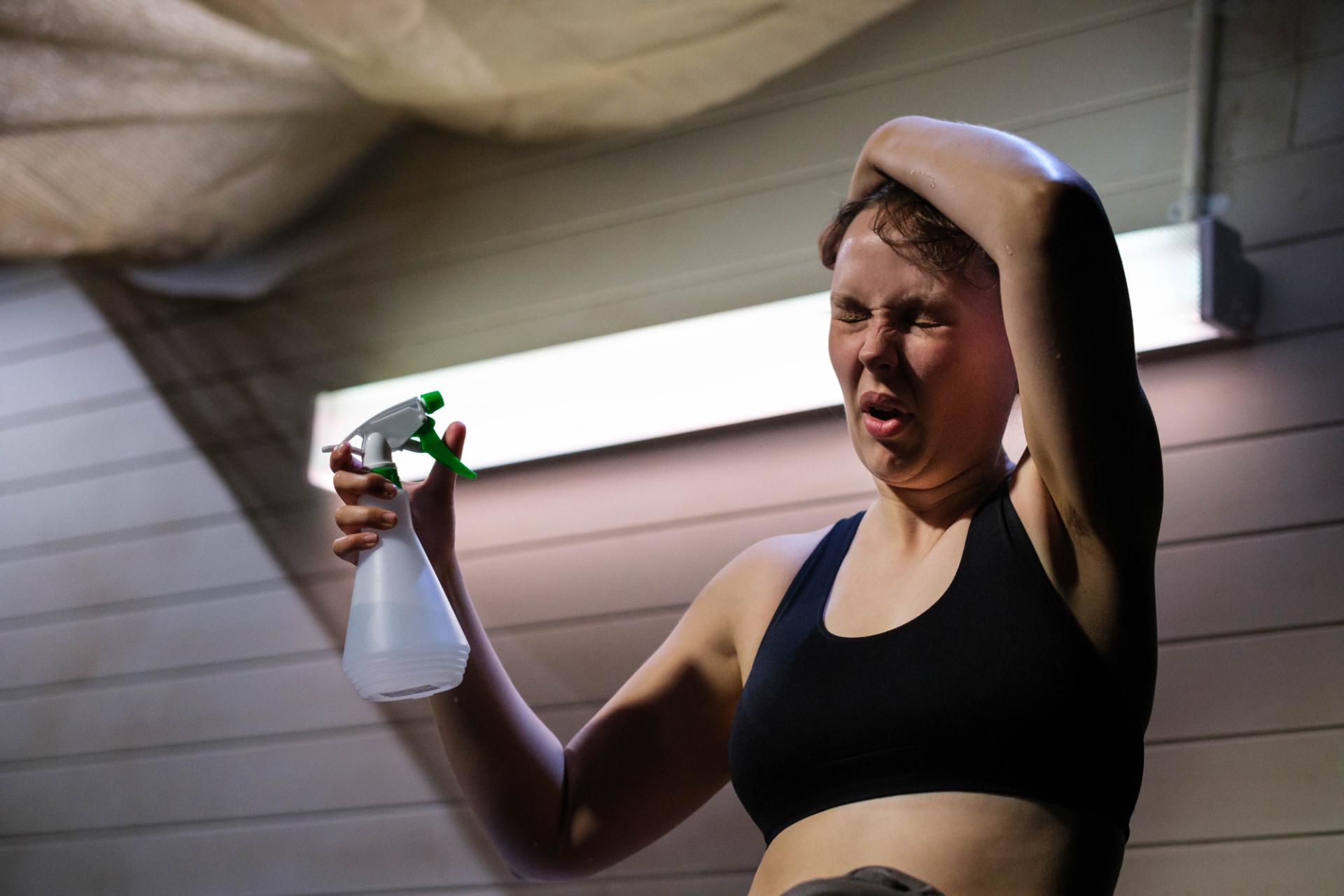
Review: Grain In The Blood (KXT on Broadway)

Venue: KXT on Broadway (Ultimo NSW), Feb 23 – Mar 9, 2024
Playwright: Rob Drummond
Director:
Victor Kalka
Cast: Kim Clifton, Nick Curnow, Siobhan Lawless, Genevieve Muratore, Ciarán O’Riordan
Images by Clare Hawley

Theatre review
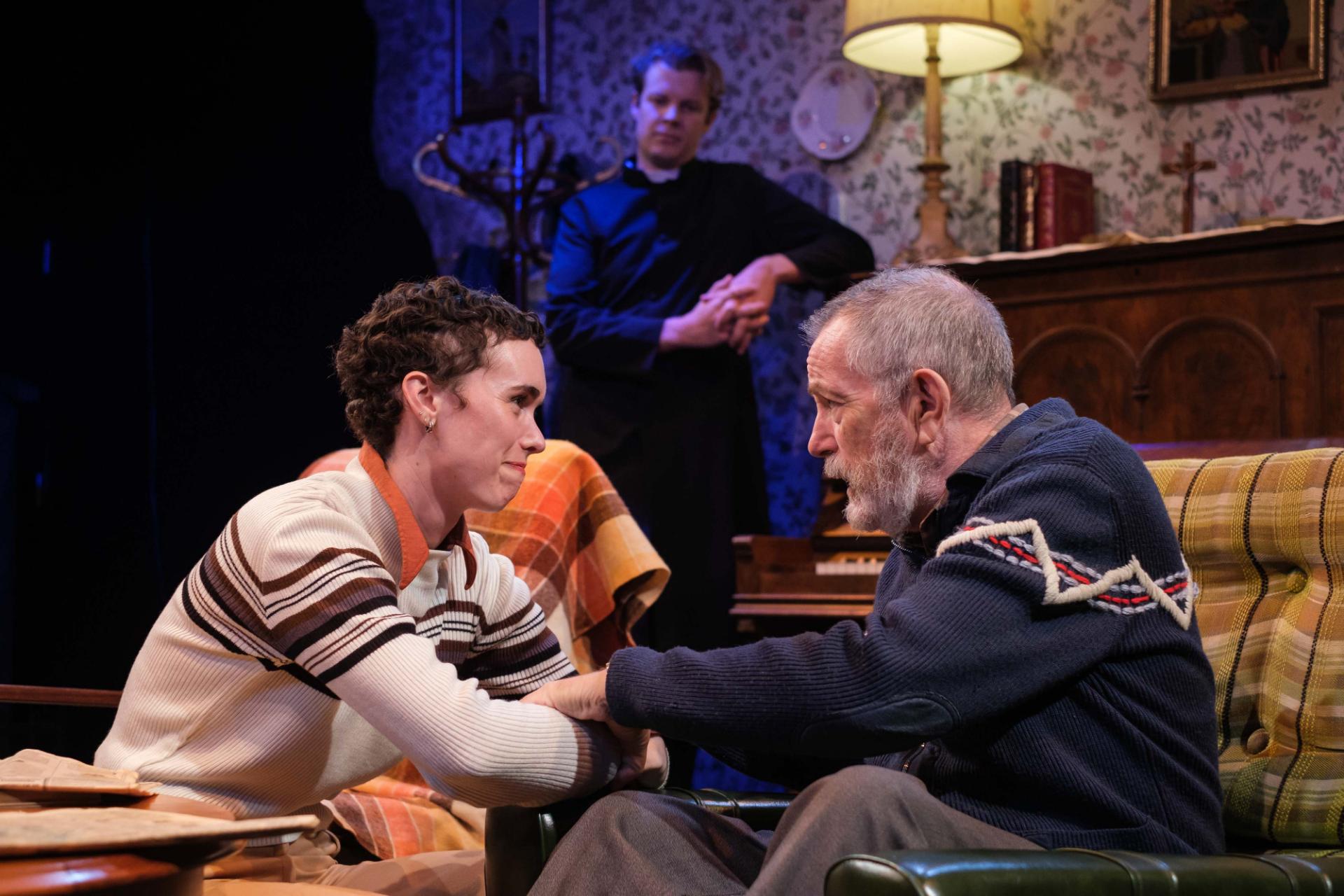
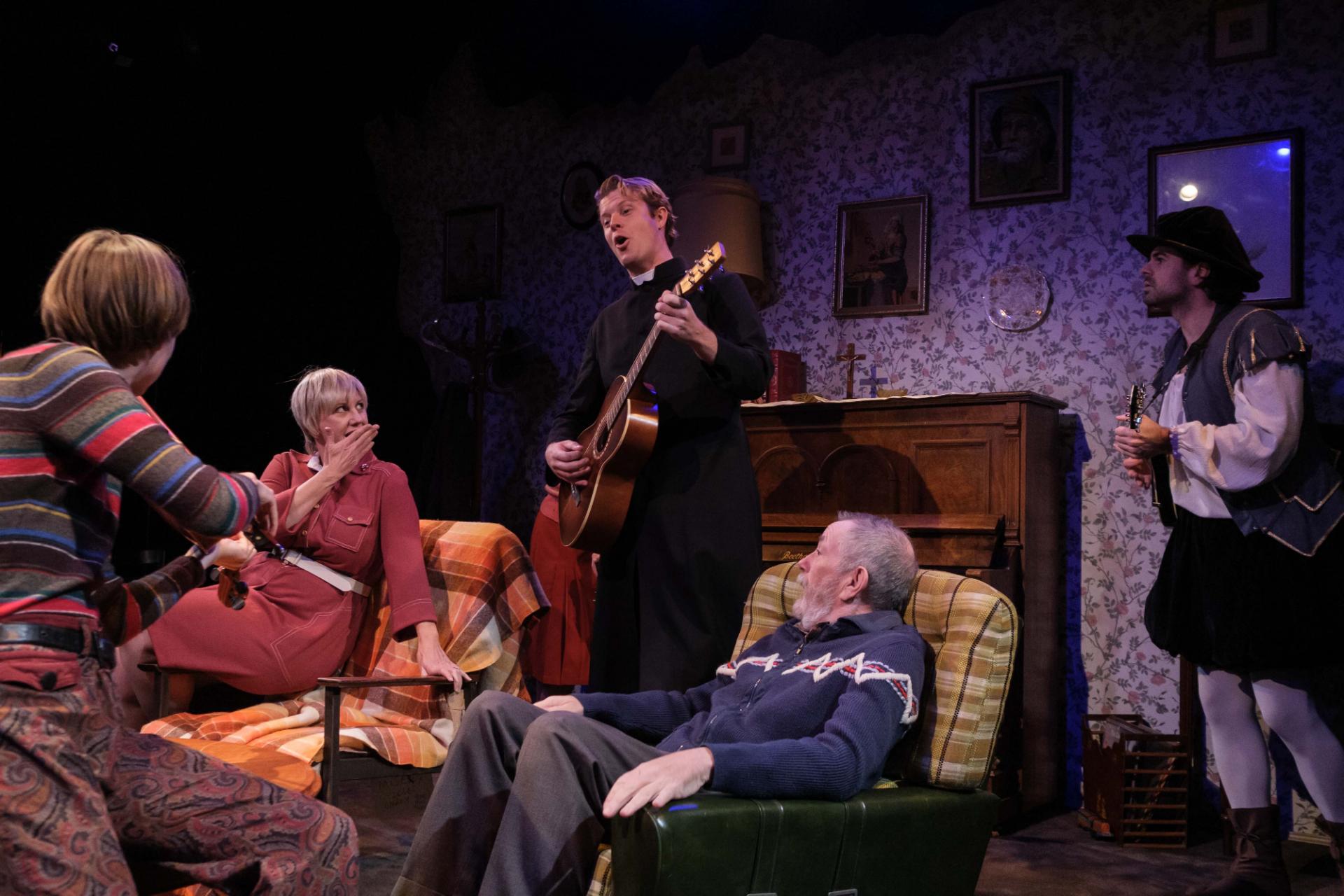
Isaac is allowed home for a short visit, where Autumn is in desperate need of her father’s help, even though the two had never met before. Rob Drummond’s Grain in the Blood is a story about atonement, taking place on a remote Scottish farm, where past sins cannot help but haunt its remaining inhabitants. There is of course an air of the macabre, but the play is also surprisingly humorous, within all the darkness being explored, about guilt and generational trauma.

Direction by Victor Kalka provides a commendable clarity for the entangled relationships being presented, but the show never quite feels dramatic enough to match the inherently baroque quality of Drummond’s writing. Kalka’s set design however is a delight, wonderfully evocative of a rustic countryside, yet unquestionably sophisticated with its manipulations of colours and textures.

Costumes by Lily Mateljan are convincingly rural, giving us an accurate sense of place and personalities. Lights by Jasmin Borsovszky are designed with a confident simplicity, memorable for the moments of folkloric atmosphere they engender. Madeleine Picard’s wonderful score is an excellent addition, if slightly too sparingly utilised, in a tale involving a great amount of repressed emotions.

Performances by the uneven cast of five are not always strong, but Kim Clifton impresses as young Autumn, bringing both ingenuity and authenticity to her interpretations of a challenging role. Also noteworthy is Siobhan Lawless whose Sophia establishes for our understanding of the story, a complicated mixture of love, bitterness and regret in all its heart-breaking familial dynamics.

Forgiveness can be hard, even when one’s own emancipation depends on it. We all want to be free, but it seems many have a tendency to be absorbed in grudges, unable to let go. It is understandable that we want retribution for those who have wronged us, but less easy is to perceive the punishment inflicted on ourselves, when we refuse to absolve and forget. Time will always run out, and we know that some things can be left until it becomes too late.

www.kingsxtheatre.com | www.virginiaplaintheatre.com

Review: The Lewis Trilogy (Griffin Theatre Company)

Venue: SBW Stables Theatre (Darlinghurst NSW), Feb 9 – Apr 21, 2024
Playwright: Louis Nowra
Director: Declan Greene
Cast: Thomas Campbell, Paul Capsis, Philip Lynch, Masego Pitso, Nikki Viveca, Darius Williams, Ursula Yovich, William Zappa
Images by Brett Boardman

Theatre review
The Lewis Trilogy comprises a series of semi-autobiographical plays by Louis Nowra; Summer of the Aliens and Così from 1992, and from 2017, This Much is True. A playwright named Lewis Riley observes from the centre of these stories, the weird and wonderful characters crossing his path, at different phases of life. Nowra’s adoring portrayals of all these colourful eccentrics, are the main unifying element that form a foundation of this newly conceived trilogy.

In an Australia too often preoccupied with its culture of respectability and conformity, it is the dignity attributed to every downtrodden personality, through Lewis’ eyes, that keeps this a refreshing albeit nostalgic experience. To be able to see each and every foible presented in this radically loving manner, is to be able to find acceptance, for our neighbours, and for ourselves. The Lewis Trilogy is ultimately an ode to humanity, along with all of its essential entanglements with fallibility and vulnerability.

Direction by Declan Greene suffuses the show with an extraordinary attitude of compassion, encouraging viewers to share in a benevolence that necessitates an opening of hearts and minds. There is a pleasure in Greene’s celebration of people’s flaws, that gives the production a remarkable humour, especially notable in the first two pieces. The final portion intensifies the poignancy of the experience, taking us appropriately to an emotional peak, as we come to an almost religious reckoning with hitherto threadbare notions of unconditional love.

Sounds and music by Daniel Herten are especially pivotal, in delivering that profound sentimentality. An irresistible melancholy in Herten’s work insists on our visceral response, whether as enhancement to the narrative’s sadder moments, or as substantive counterbalance to the many hilarious scenarios being presented. That amplification of emotions, is also found in the rendering of lights, by Kelsey Lee whose marvellous manipulations of space and atmosphere, allows us to see and feel the wide ranging circumstances being depicted, through key moments of Lewis’ lifetime. Set design by Jeremy Allen is evocative of that inevitable process of decay, of which every entity must grapple with. Much as we aspire to states of flawlessness, nature will assert its dominance, and reveal perfection to only ever be a figment of our imagination. Costumes by Melanie Liertz bring accuracy to the times and spaces being rendered, to give us a deep sense of familiarity, for each soul that we encounter.

Actors Philip Lynch and William Zappa play respectively, young and old versions of Lewis, both compelling and endearing presences, and both exemplifying the generosity of spirit that figures so significantly in this production. It is the way Lewis is able to connect so meaningfully with all he comes across, that represents the biggest lesson of the exercise. The entire cast is sublime, all taking on multiple characters, with exemplary aplomb. Paul Capsis and Ursula Yovich are particularly notable, with the incredible artistry they embody for all their roles.

Over the three parts of The Lewis Trilogy, each with a duration of 90 minutes, we fall deeper and deeper for these performers, and the people they present. Audiences will likely attend the event with trepidation, having to enter into what seems a prolonged commitment with no assurance of any satisfaction, but at the show’s final moments, we find ourselves thoroughly heartbroken, at the devastating prospect of having to say goodbye.

www.griffintheatre.com.au

Review: Low Level Panic (KXT on Broadway)

Venue: KXT on Broadway (Ultimo NSW), Feb 7 – 17, 2024
Playwright: Clare McIntyre
Director:
Maike Strichow
Cast: Marigold Pazar, Charlotte De Wit, Megan Kennedy
Images by Georgia Jane Griffiths

Theatre review
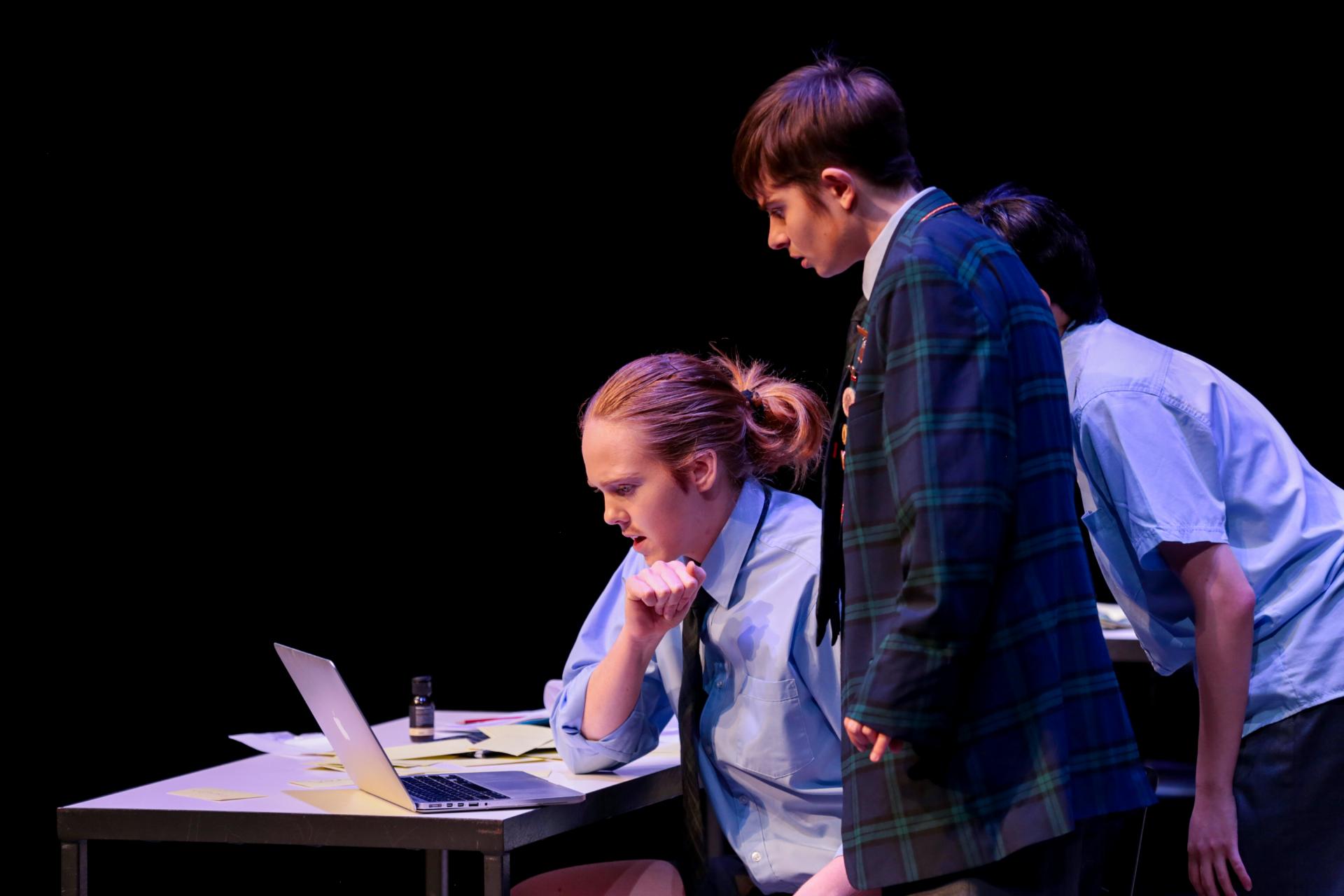
Three young women share a home, each with a different relationship to their own bodies. Clare McIntyre’s Low Level Panic examines the often unstable nature of the self-image, in connection with the sociality of existing in a modern world. Characters in the play are concerned, consciously and subconsciously, with notions of gender inequality, sex and popular media, as they navigate the challenges of attaining a sense of assurance and confidence, for their physical selves.

McIntyre’s ideas are rendered with subtlety, using a gentle humour to explore these difficulties shared by most women. Direction by Maike Strichow is perhaps slightly too nebulous, in a style too naturalistic, making the show feel somewhat pedestrian and emotionally detached. Marigold Pazar, Charlotte De Wit and Megan Kennedy form a convincing cast, but are excessively lenient with the pertinent messages of the play.

A more pronounced theatricality is needed to fortify our engagement with the concepts and the enjoyment of the work. Lights by Lyndon Buckley are fortunately able to deliver some visual punctuation to sustain our attention. Set design by the aforementioned De Wit is also charming, in its winsome representation of a familiar scene.

We may be able to identify the reasons for our feelings of inadequacy, but changing those nefarious influences seems to require several lifetimes. What we can do every day, whilst finding ways to survive these unremarkable conditions, is to cultivate forms of resistance. Psychological fortification is hard work, but is absolutely necessary, for women to define our individual and private selves, so that we may be able to be at peace when it matters most, as we negotiate the relentless daily violence, of being told we are not enough.

www.kingsxtheatre.com | www.herproductions.com.au
Review: A Fool In Love (Sydney Theatre Company)

Venue: Wharf 1 Sydney Theatre Company (Walsh Bay NSW), Feb 6 – Mar 17, 2024
Playwright: Van Badham (after Lope de Vega)
Director: Kenneth Moraleda
Cast: Arkia Ashraf, Alfie Gledhill, Melissa Kahraman, Johnny Nasser, Contessa Treffone, Aaron Tsindos, Megan Wilding
Images by Daniel Boud

Theatre review
Phynayah is on the verge of turning 30, and unless she marries soon, a substantial inheritance will be forfeited. There is no shortage of suitors, but her serious lack of intellect means that the men are only in it for the money, and even Phynayah knows that love cannot be built solely on greed. Van Badham’s A Fool in Love, is an ultramodern adaptation of Lope de Vega’s 1613 play La dama boba, in which we explore matters of the heart and mind.

Badham’s work is further concerned with archetypal portrayals of women, and with Phynayah’s foolishness juxtaposed against her sister Vanessa’s book smarts, A Fool in Love wants us to consider the ways in which we are accustomed to talking about women, and the repercussions of those conventions. This is all done however, through a great deal of humour, in a production that labours too hard perhaps, to get the laughs.

The story is thought-provoking, and even though Badham succeeds at earning our investment into Phynayah’s plight, there is an obscure quality to the dialogue, probably derived from the age of the original, that provides a conversational style that is slightly rigid. Direction by Kenneth Moraleda is wonderfully flamboyant, and even though overzealous with its comedy, delivers a show that deeply engages our senses.

Set and costumes by Isabela Hudson revel in an unambiguous campness, as though indicating a queer attitude overlaying this feminist retelling of an old tale. Hudson too pokes fun wherever she can, especially in reference to how we perceive gender and class in the present moment. Benjamin Brockman’s lights add to the flamboyance, taking many opportunities to induce excitement in a production that is unafraid of being flashy. Sounds and music by Michael Toisuta could demonstrate greater sensitivity for the atmosphere being manufactured, but bears a dynamism nonetheless, that adds to the vibrancy of the piece.

Actor Contessa Treffone is a splendid Phynayah, genuinely hilarious but also unequivocally poignant when we need her to dial up the tension. Also extremely comical is Aaron Tsindos who as Lee and Neeson, never misses a beat with his jokes, yet offering consistent clarity to the intentions of both his roles. Johnny Nasser and Megan Wilding are equally fabulous with their timing and sensibilities, able to keep things believable, whilst convincingly inhabiting very heightened spaces. Arkia Ashraf, Alfie Gledhill and Melissa Kahraman are manifestly committed to all their parts, in a staging that is never short of manic energy.

It could be true that no woman is truly stupid, that it could just be that some of us make poor choices. In a world that often restricts us to inferior options, and that keeps us in disagreeable situations, many women can appear to make bad decisions, when in fact we are simply disallowed to live out our full potential. There is so much of what we are capable of, that is deemed inappropriate, repugnant or ruinous, by systems that only thrive when we are subjugated. Whether Phynayah develops her intellect, grows in courage, or stays the very same, she is always already divine.

www.sydneytheatre.com.au

Review: Shitty (25A Belvoir)

Venue: Belvoir St Theatre (Surry Hills NSW), Feb 7 – 24, 2024
Playwright: Chris Edwards
Director: Zoë Hollyoak
Cast: Meg Hyeronimus, Roy Joseph, Levi Kenway, Mark Paguio, Ariadne Sgouros
Images by Phil Erbacher

Theatre review
Three short plays involving the supernatural, and a lot of sparkling humour, all by Chris Edwards, make up the theatrical delight known as Shitty. The clever title refers to a series of regretful situations, where individuals meet with unforeseen and completely dreadful consequences. Edwards’ writing is highly imaginative, with an exceptional playfulness that pairs horror with comedy, for an unusual intermingling of genres, that proves an unexpectedly thrilling combination.

Direction by Zoë Hollyoak injects a formidable sense of excitement into each of the stories, relentlessly amusing for the entirety of Shitty‘s duration. Set and props by Hailley Hunt incorporate funny surprises that are truly memorable. Lighting design by Morgan Moroney impresses with its creativity, along with an admirable rigour that comprehensively elevates the staging. Sounds and music by Madeleine Picard too are rendered with a thoroughness, so that every moment feels rich and intricate, in this outlandish telling of creepy tales.

Actors Meg Hyeronimus and Levi Kenway start the show as illicit lovers, performing their parts with great polish and exquisite timing. Levi Kenway and Mark Paguio follow, both offering wonderful intrigue and passion, to their chapter on Grindr and Sydney’s clubland. Ariadne Sgouros is commanding in her concluding one-woman segment, precise and powerful as she goes through hell, in the deceptive serenity of the Blue Mountains.

Our arrogance makes us forget that there are others who inhabit this plane. We rely only on five senses to decide what to believe in, often unable to be attentive to what might be considered metaphysical. They could be ghosts, or simply emotions and intuitions, phenomena that seem immaterial and hence elusive, inappropriate for modern lives characterised by commodification and quantifiability. We want magic, but we seem only to know to refuse it.

www.facebook.com/es.wrkrs | www.belvoir.com.au

Review: Homos, Or Everyone In America (New Theatre)

Venue: New Theatre (Newtown NSW), Feb 6 – Mar 9, 2024
Playwright: Jordan Seavey
Director: Alex Kendall Robson
Cast: Axel Berecry, Sonya Kerr, Eddie O’Leary, Reuben Solomon
Images by Chris Lundie

Theatre review
Jordan Seavey’s Homos, or Everyone in America takes place between 2006 and 2011, with the relationship between two unnamed Manhattanites as its central focus. New York and the United States provide the backdrop and political context, in which we examine modern gay life in Northern America.  The young men bicker and fight throughout the play, as we look at the more dramatic moments of their time together.

Direction by Alex Kendall Robson is correspondingly turbulent, as we witness the couple’s volatility at various points of their 5-year history. The narrative is presented anachronistically, resulting in a somewhat poetic, if slightly chaotic, theatrical presentation. Production design by Zara Pittioni creates effective visual spatial demarcations, but the lack of scenery walls requires performers to speak loudly, to overcome acoustic limitations. Lead actors Eddie O’Leary and Reuben Solomon are generally persuasive and very well-rehearsed, but the unmodulated volume of their speech can prove grating.

Supporting players are Sonya Kerr who brings an enjoyable precision, and Axel Berecry whose mischievous disposition leaves an impression. Also noteworthy are lighting design offering variety to the imagery being showcased, along with sound and music by David Wilson, assisting proficiently with tension and energy, in a show about the Big Apple.

The gays yell a lot in Homos, or Everyone in America, maybe because they have experienced little tenderness, in a world that has for far too long, regarded them only with contempt and disdain. Traditional modes of masculinity further prevents them from accessing softer aspects of being human, qualities necessary for making intimate relationships work. The damage done by homophobia and sexism, is extensive and exhaustive. Legislation can change things overnight, but what happens in the souls of the downtrodden, will take generations to heal.

www.newtheatre.org.au
Review: Tiny Beautiful Things  (Belvoir St Theatre)

Venue: Belvoir St Theatre (Surry Hills NSW), Feb 1 – Mar 2, 2024
Playwright: Nia Vardalos (from the book by Cheryl Strayed)
Directors: Lee Lewis
Cast: Stephen Geronimos, Mandy McElhinney, Nic Prior, Angela Nica Sullen
Images by Brett Boardman

Theatre review
Tiny Beautiful Thing was originally a book compiled of Cheryl Strayed’s essays, from her “Dear Sugar” anonymous advice column. Transposing her powerful words from an online literary magazine, to the stage is a real challenge. The author’s intentions are present not only in the content, but also in the form in which she had written, and turning into a play, something meant for reading on devices, proves a formidable task.

Without actual characters or real scenes of interaction, it is debatable whether this adaptation by Nia Vardalos, ever earns our meaningful investment into Tiny Beautiful Thing‘s endless range of strangers’ conundrums. Direction by Lee Lewis attempts to humanise the recitation of previously disembodied words, helping us form an affiliation especially with Strayed’s alter ego Sugar, who is central to every editorial piece. Actor Mandy McElhinney is certainly sympathetic in the role, becoming gradually poignant as we slowly warm to Sugar’s unusual vocation.

Set and costume design by Simone Romaniuk establishes a a context of domesticity, from which we can perceive an ordinariness, or universality perhaps, of Strayed’s life experiences. Lights by Bernie Tan-Hayes emphasise the inherent melancholy of all these people’s search for answers. Brady Watkins’ music and sound coax us into a state of tenderness, so that we may regard these vignettes with sensitivity.

Advice columns have existed for centuries, providing not only insight and solutions, but also reminding individuals that we are not alone. In this social media age, where all we see are varnished and filtered images, we often find ourselves isolated, with personal problems that feel unique and particular. It is no wonder that “Dear Sugar” and its many variations persist. There will never come a time when our humanity is void of struggle, but the more we are able to see in one another, the inevitability of our tumult and anxieties, the more we can, ironically, attain a sense of peace.

www.belvoir.com.au | www.queenslandtheatre.com.au
Review: Alone It Stands (Ensemble Theatre)

Venue: Ensemble Theatre (Kirribilli NSW), Jan 25 – Mar 2, 2024
Playwright: John Breen
Director: Janine Watson
Cast: Tristan Black, Ray Chong Nee, Briallen Clarke, Skyler Ellis, Alex King, Anthony Taufa
Images by Prudence Upton

Theatre review
The impossible happened in 1978 when Irish provincial side the Munsters, met the almighty All Blacks. For many, it was an unforgettable event, not only in terms of the on-field activity, but also the innumerable surrounding stories, of ordinary people forever changed by the momentous occurrence. The nostalgia of John Breen’s 1999 play Alone it Stands has only become more poignant with time for fans of sport, who are certain to remain connected with the resonances of this uplifting piece.

Direction by Janine Watson not only imbues Alone it Stands with appropriate emotional and comical dimensions, her work is memorable for its impressive physical and spatial aspects. A show about rugby calls for a considerable amount of kinetic animation, which Watson duly incorporates with flair and aplomb. The immensely likeable ensemble of six brings great charm and humour, to the 62 roles they ardently perform, on a stage relentless with its delightful effervescence.

Designer Emma White’s set and costumes offer simple but unequivocally effective solutions to the demands of a text that requires us to imagine a great number of personalities and locations. Lights by Matt Cox deftly calibrates for us, the many degrees of varying tension, as we traverse the highs and lows of an historic moment. Jessica Dunn’s music and sounds bring the drama, along with amusement, to something that is evidently more that “just a game”.

Myth making is integral to the formation of our collective identities. Theatre is a form of storytelling that involves a process of congregation that ultimately leads to consensus. It is a perpetual exercise in democracy perhaps, in a world that we now understand to be constantly in flux, but that never stops needing to define itself. What we wish to become, will forever be tied to how we remember origins; how we select, manufacture, prioritise and emphasise old narratives, is a reflection of who we are and a decisive factor of who we can be.

www.ensemble.com.au