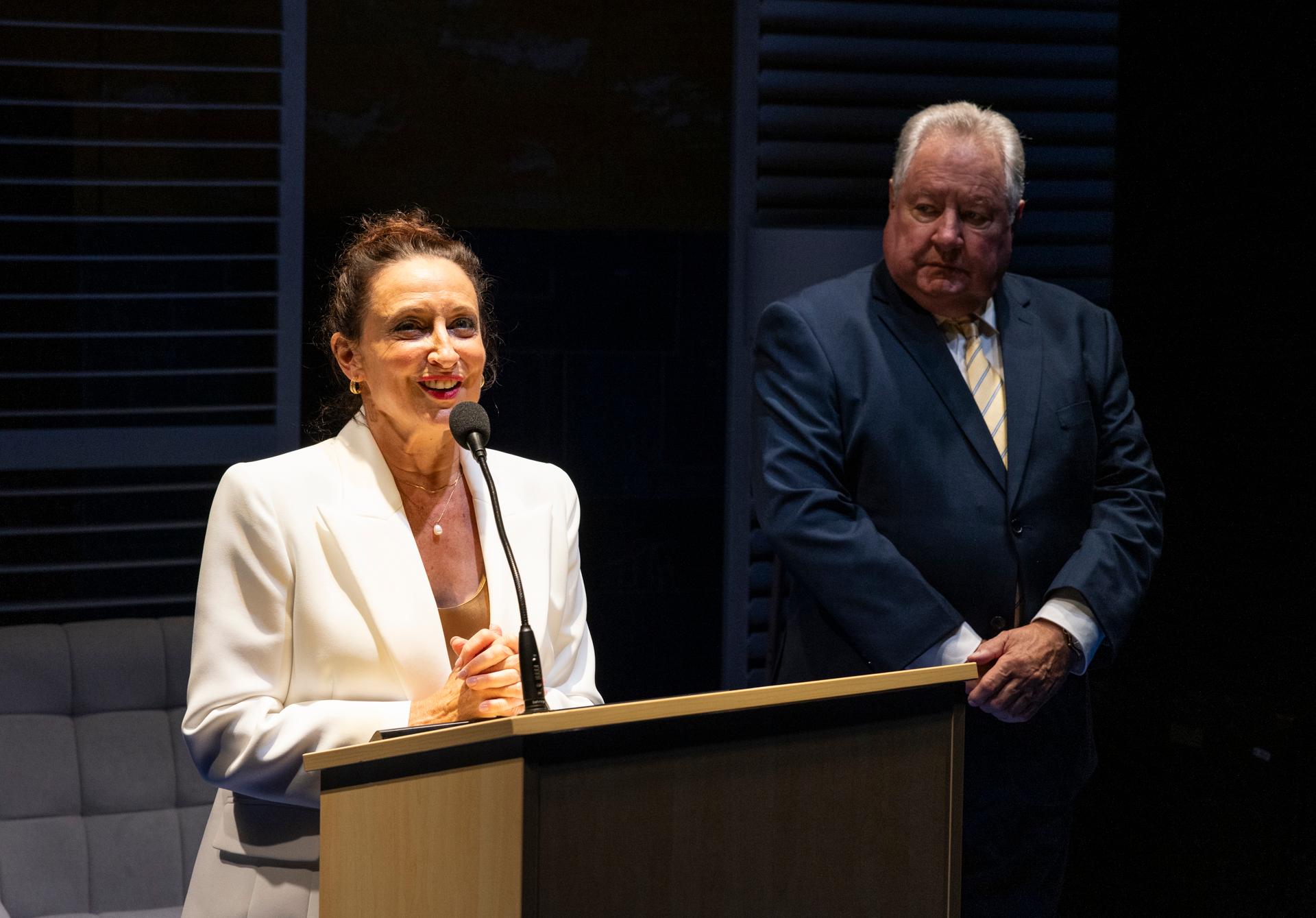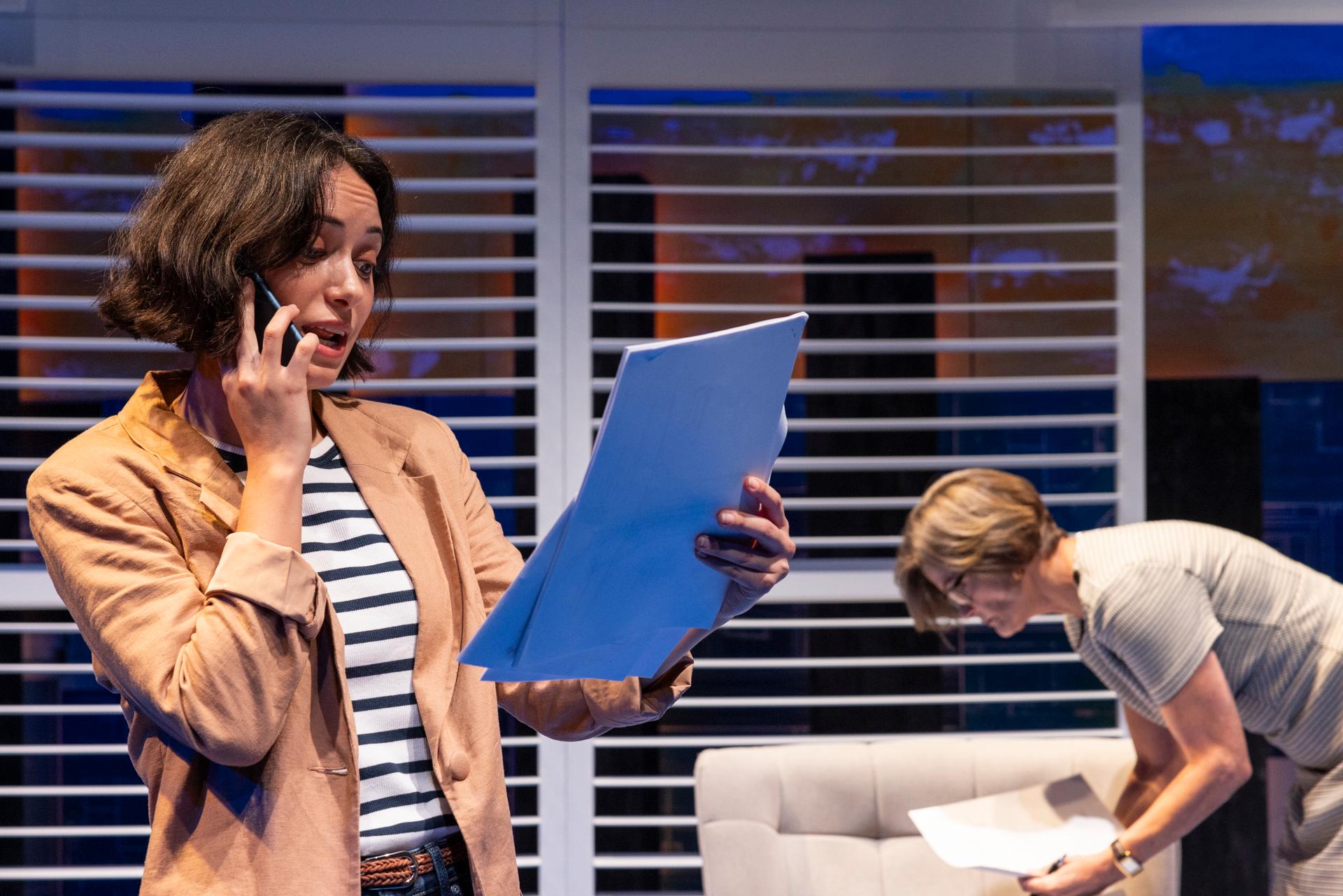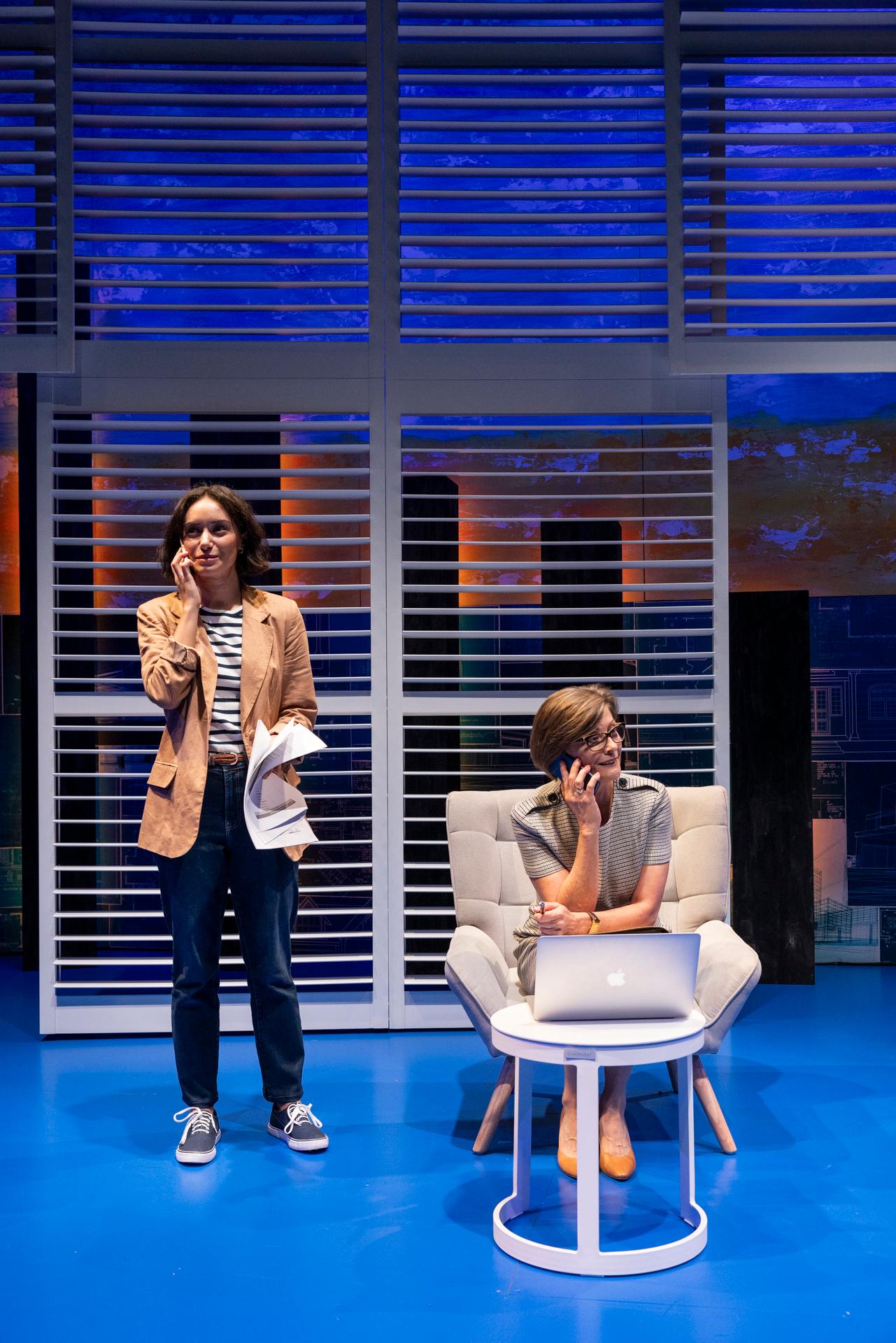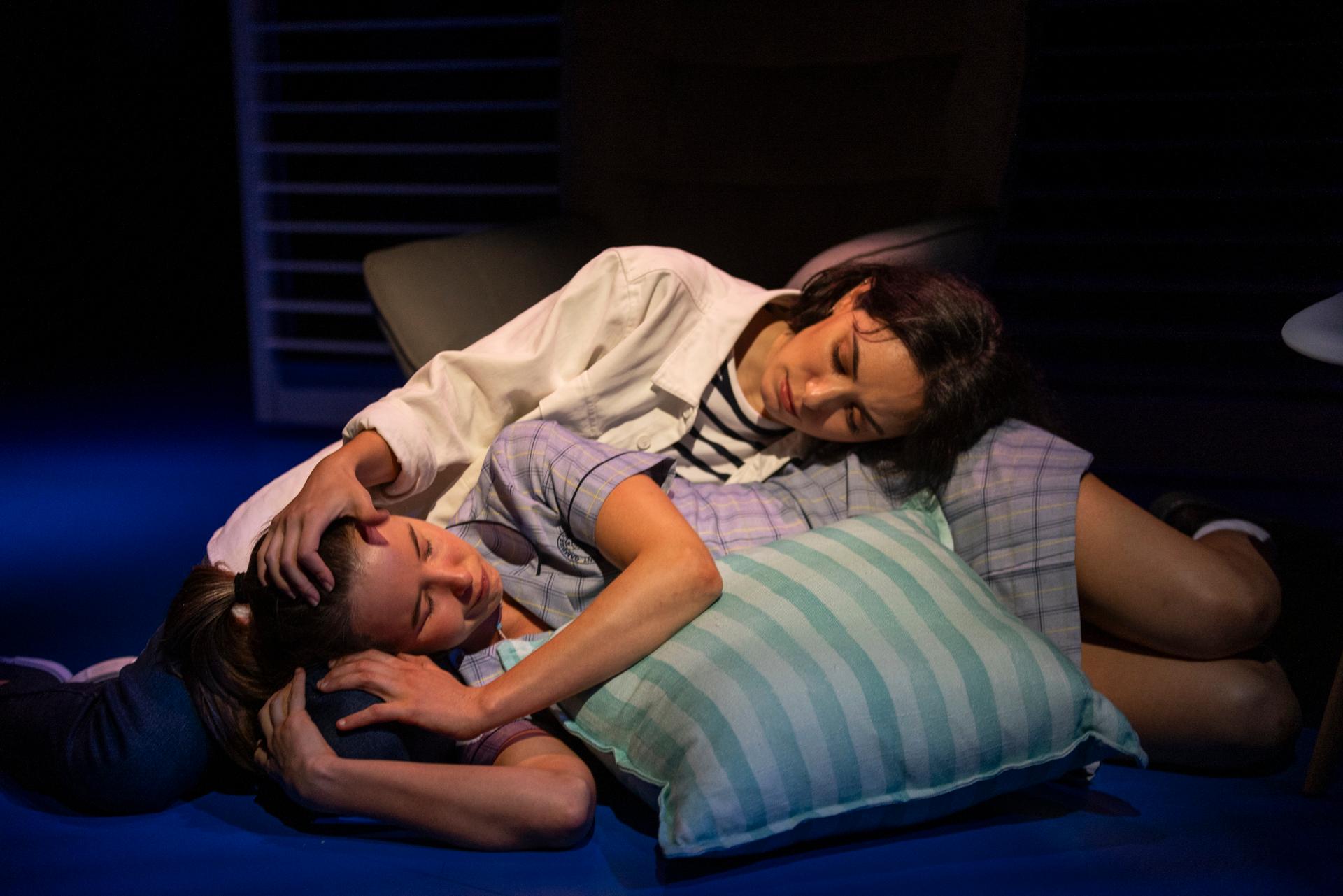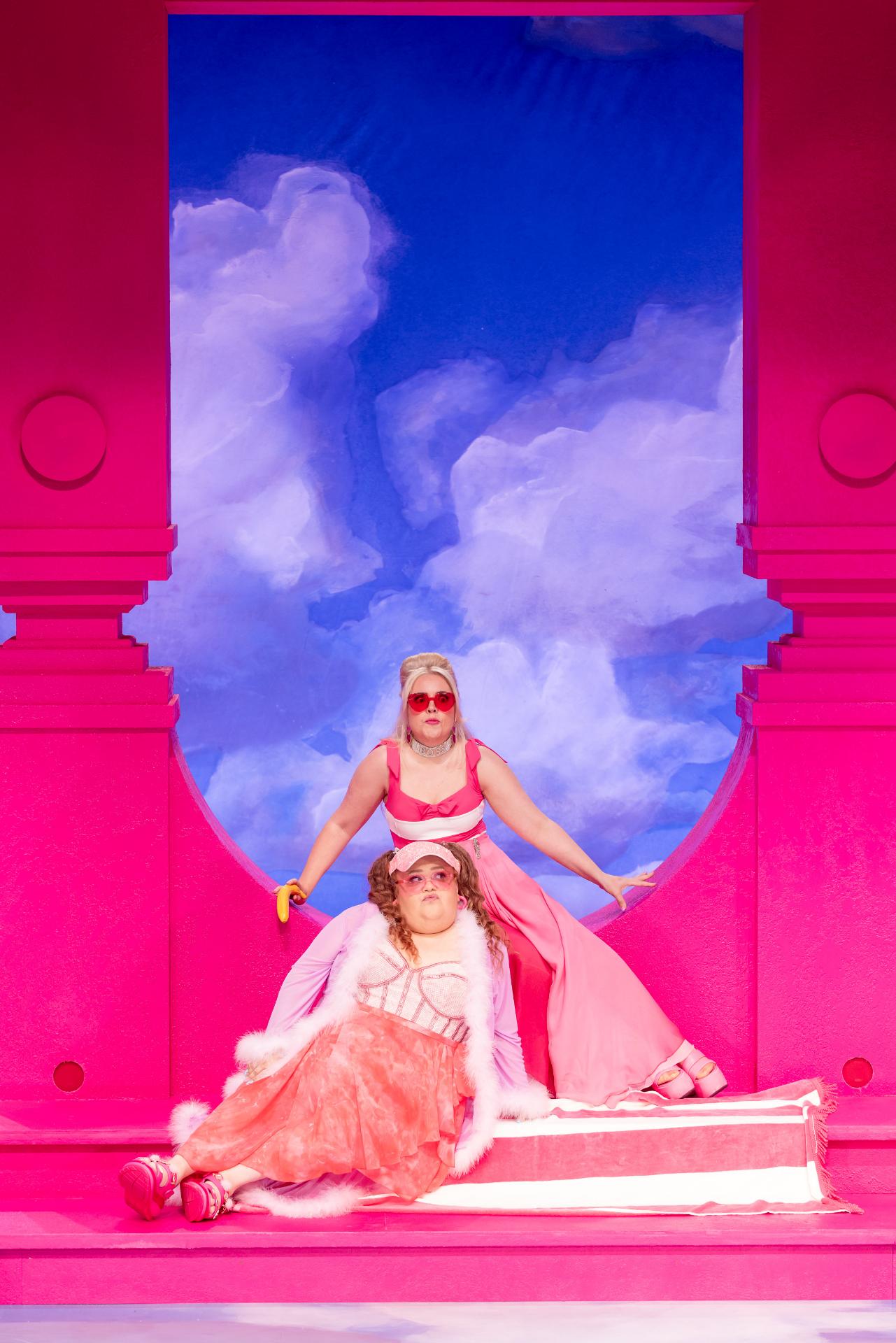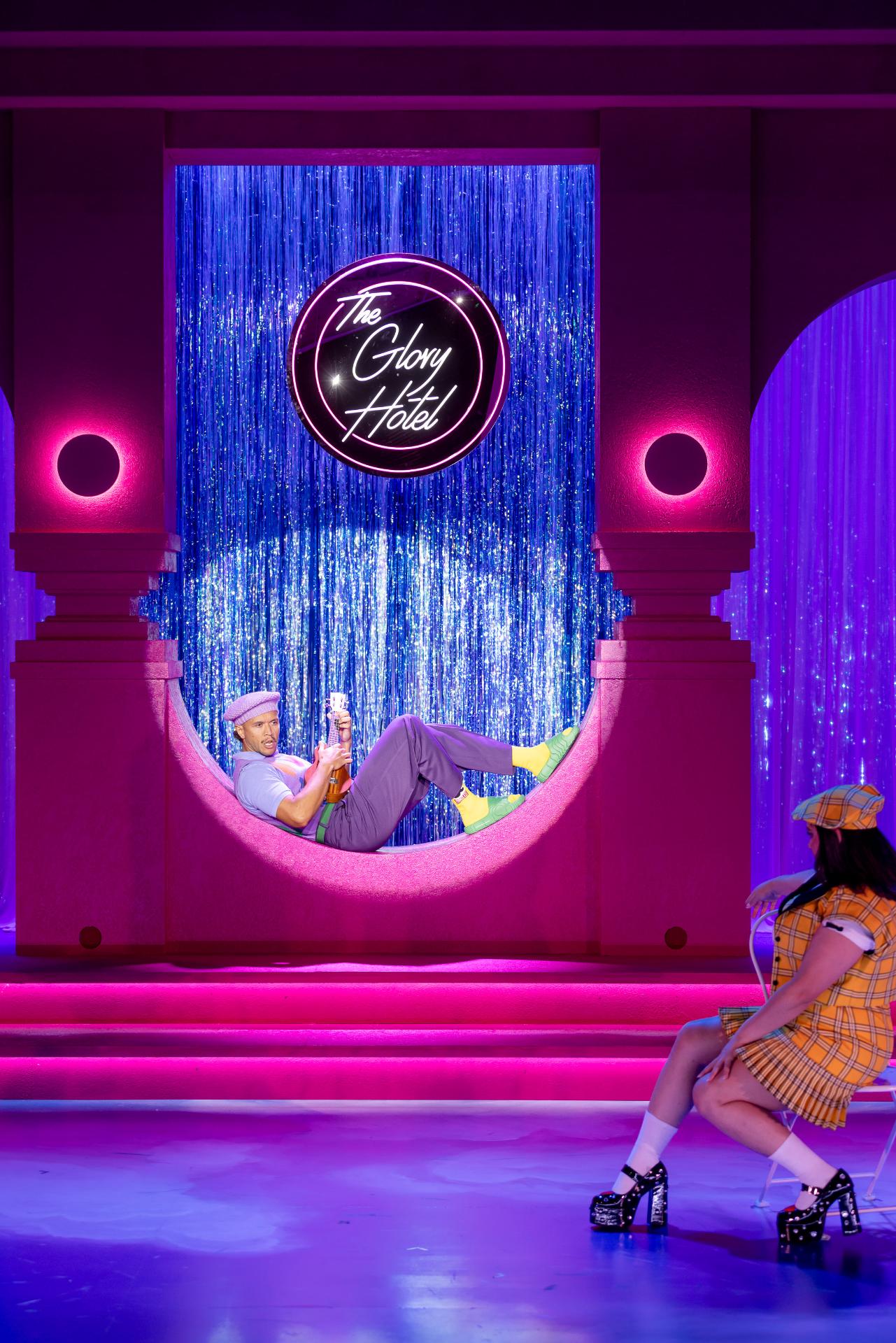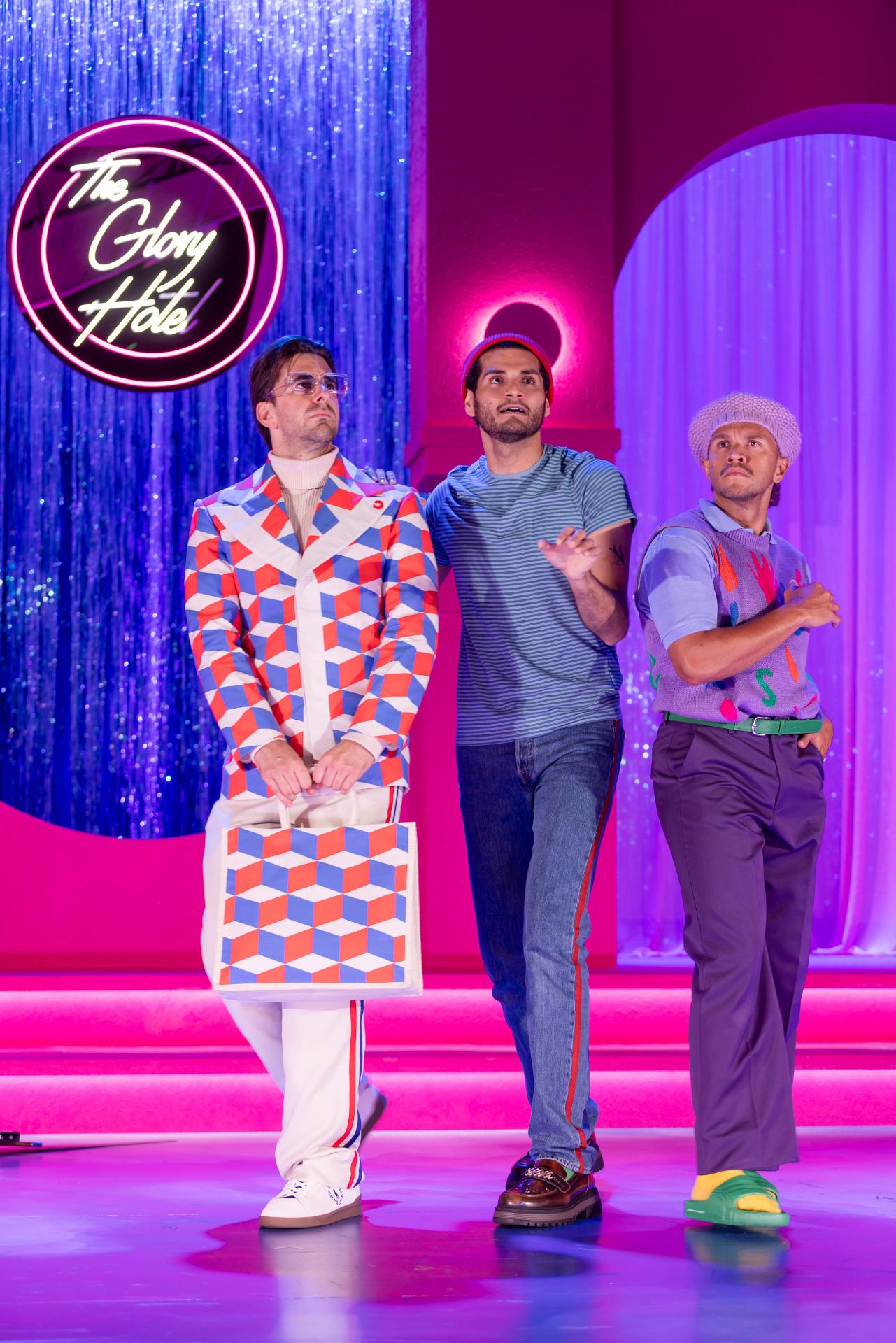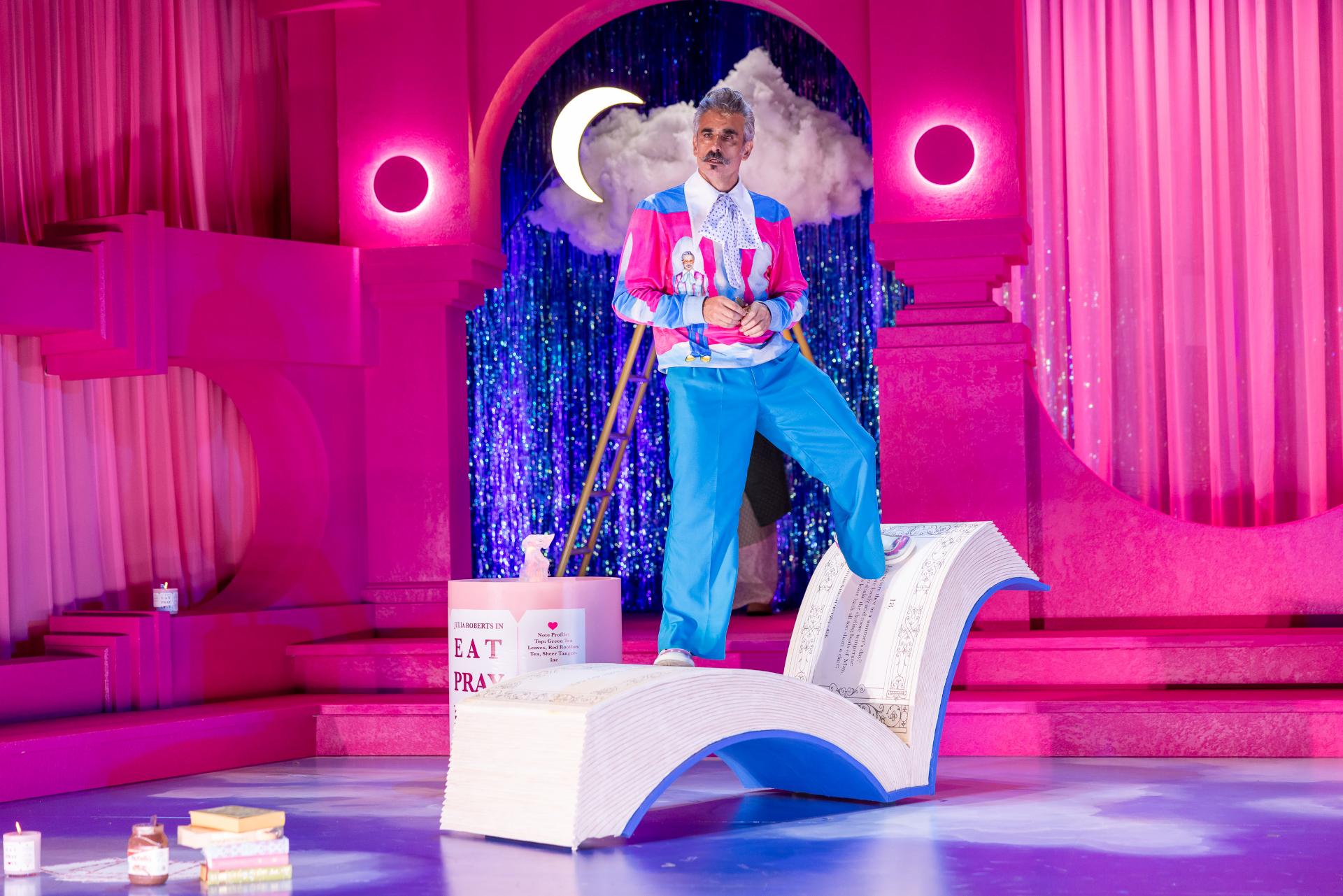
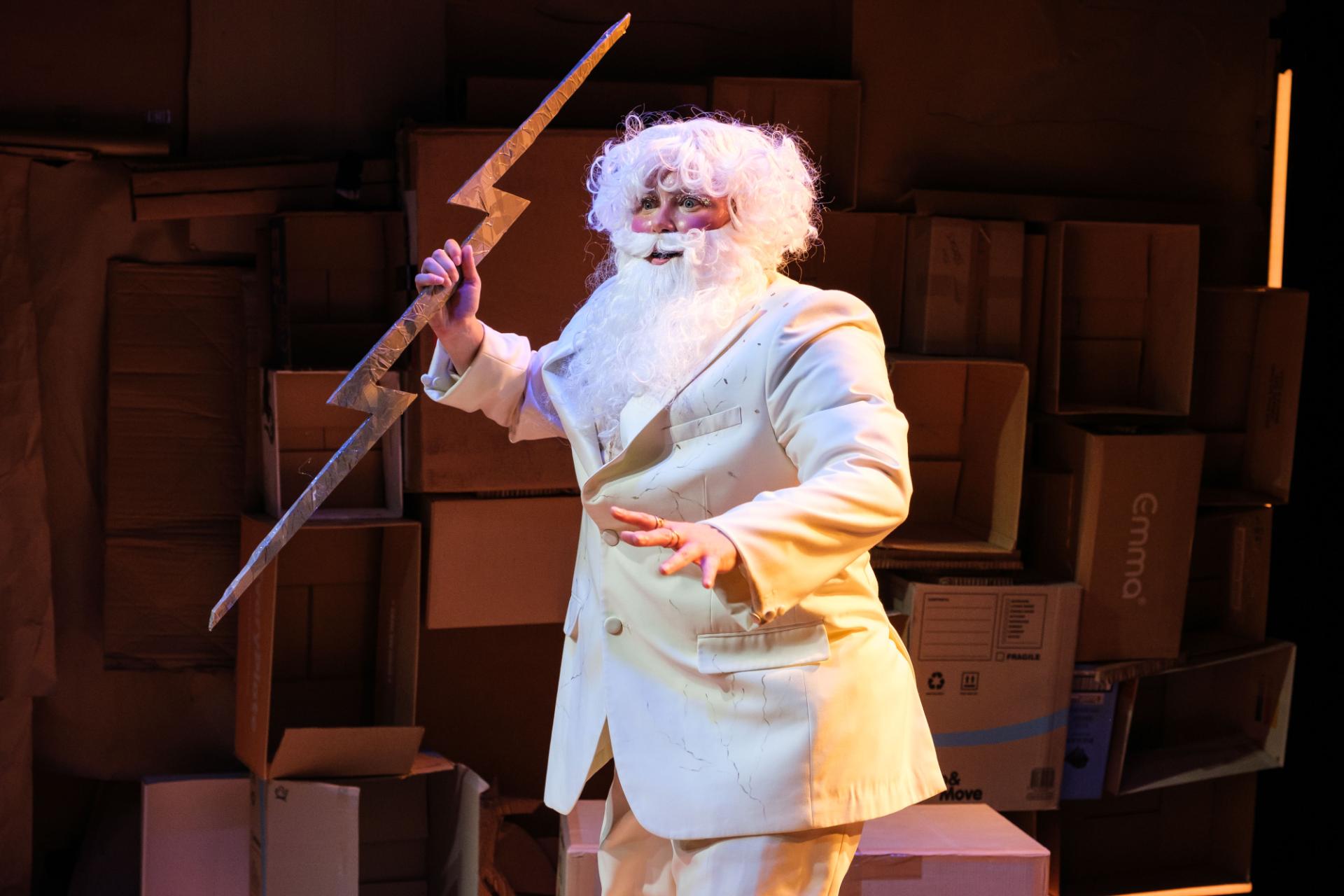
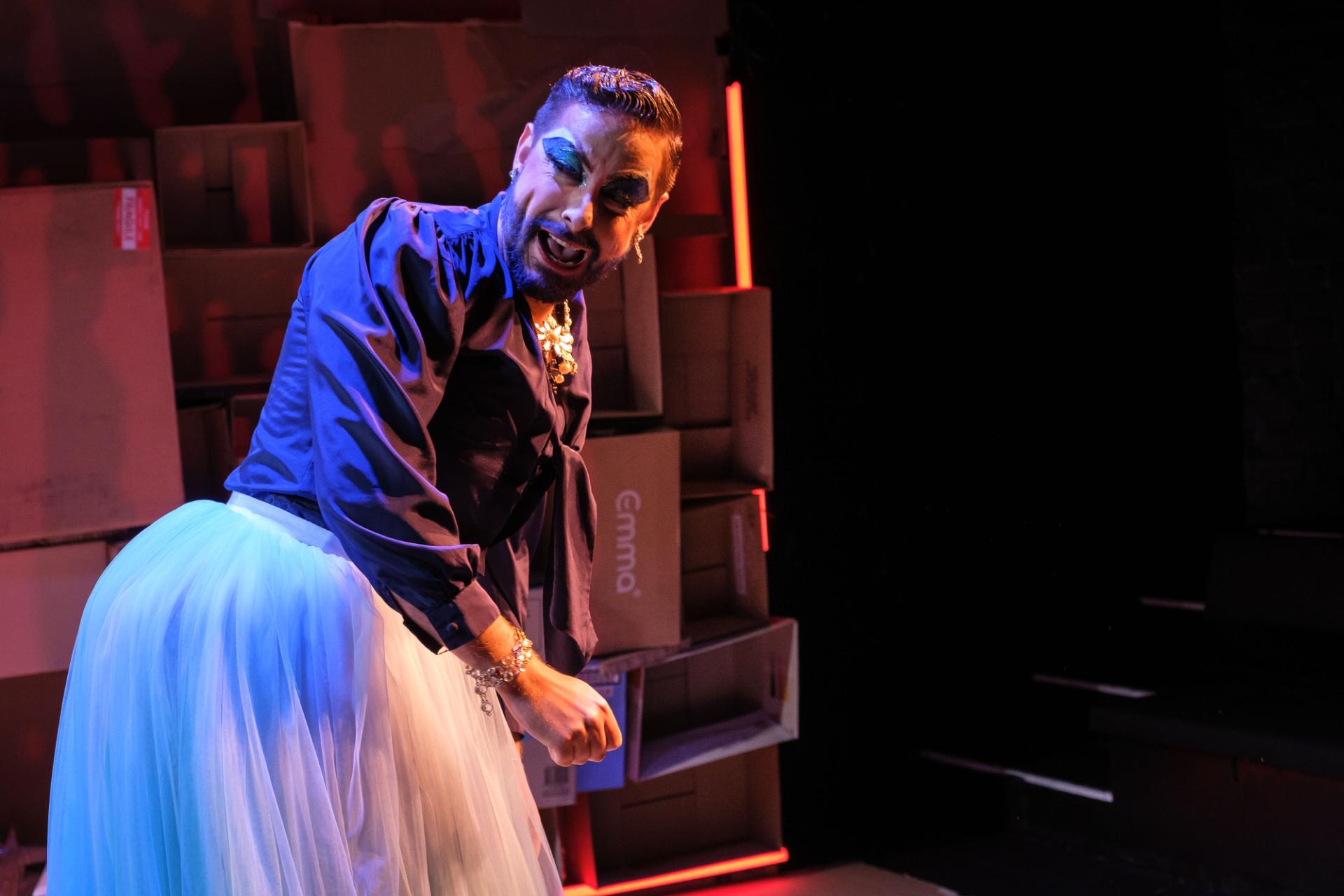
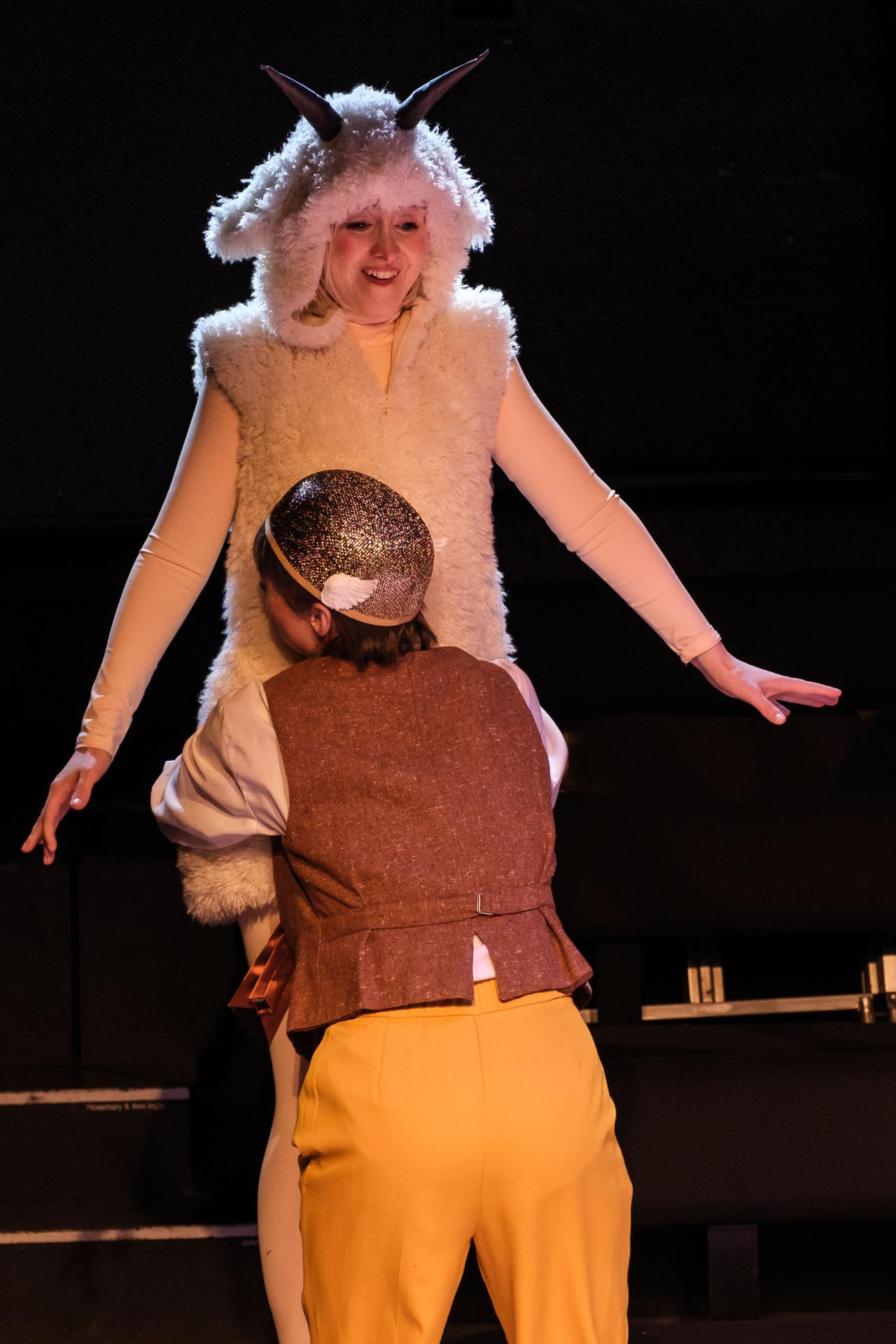
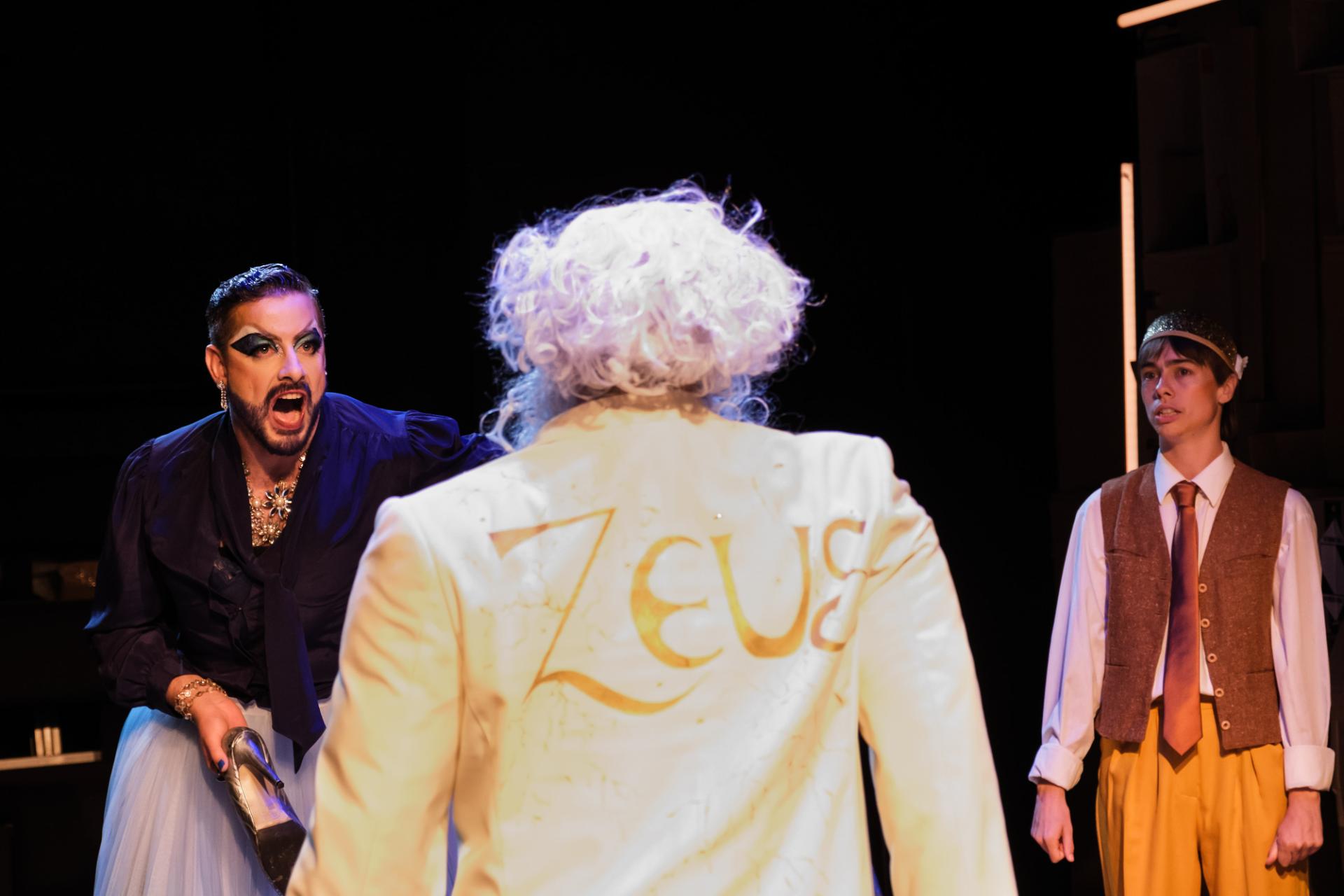
Review: Oil (Sydney Theatre Company)

Venue: Wharf 1 Sydney Theatre Company (Walsh Bay NSW), Nov 4 – Dec 16, 2023
Playwright: Ella Hickson
Director: Paige Rattray
Cast: Saif Alawadi, Violette Ayad, Jing-Xuan Chan, Callan Colley, Charlotte Friels, Josh McConville, Benedict Samuel, Brooke Satchwell, Damien Strouthos, Anne Tenney
Images by Prudence Upton

Theatre review
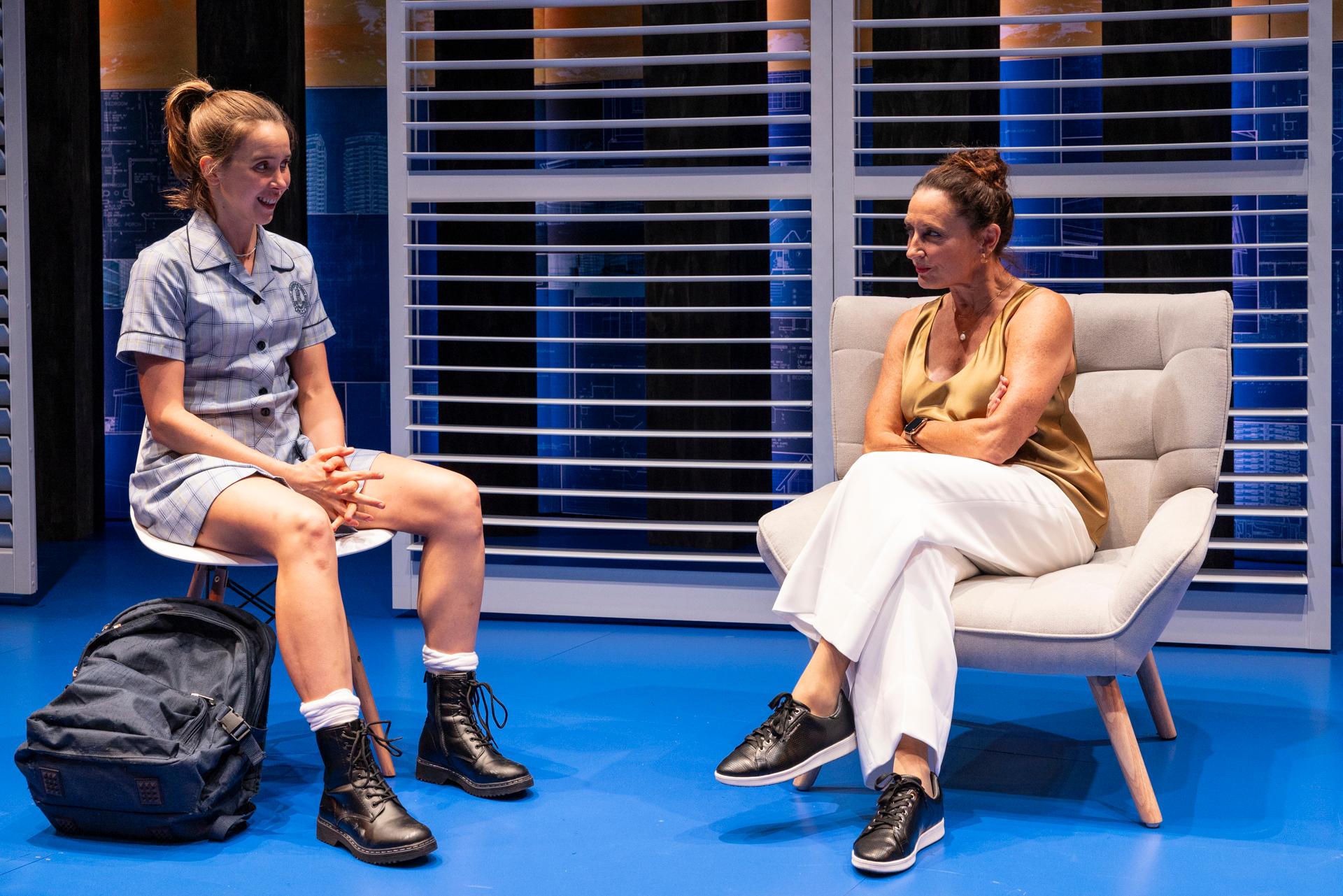
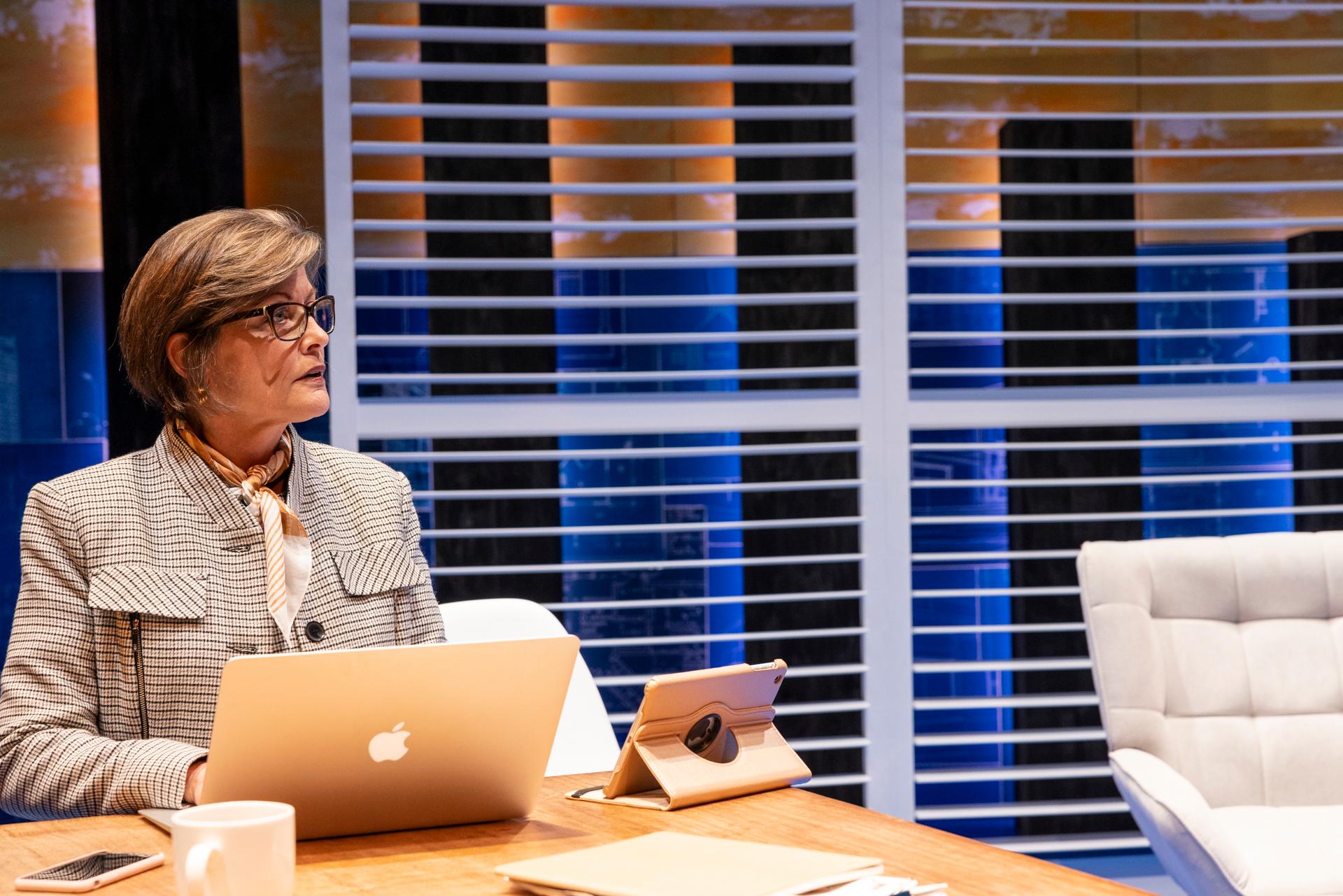
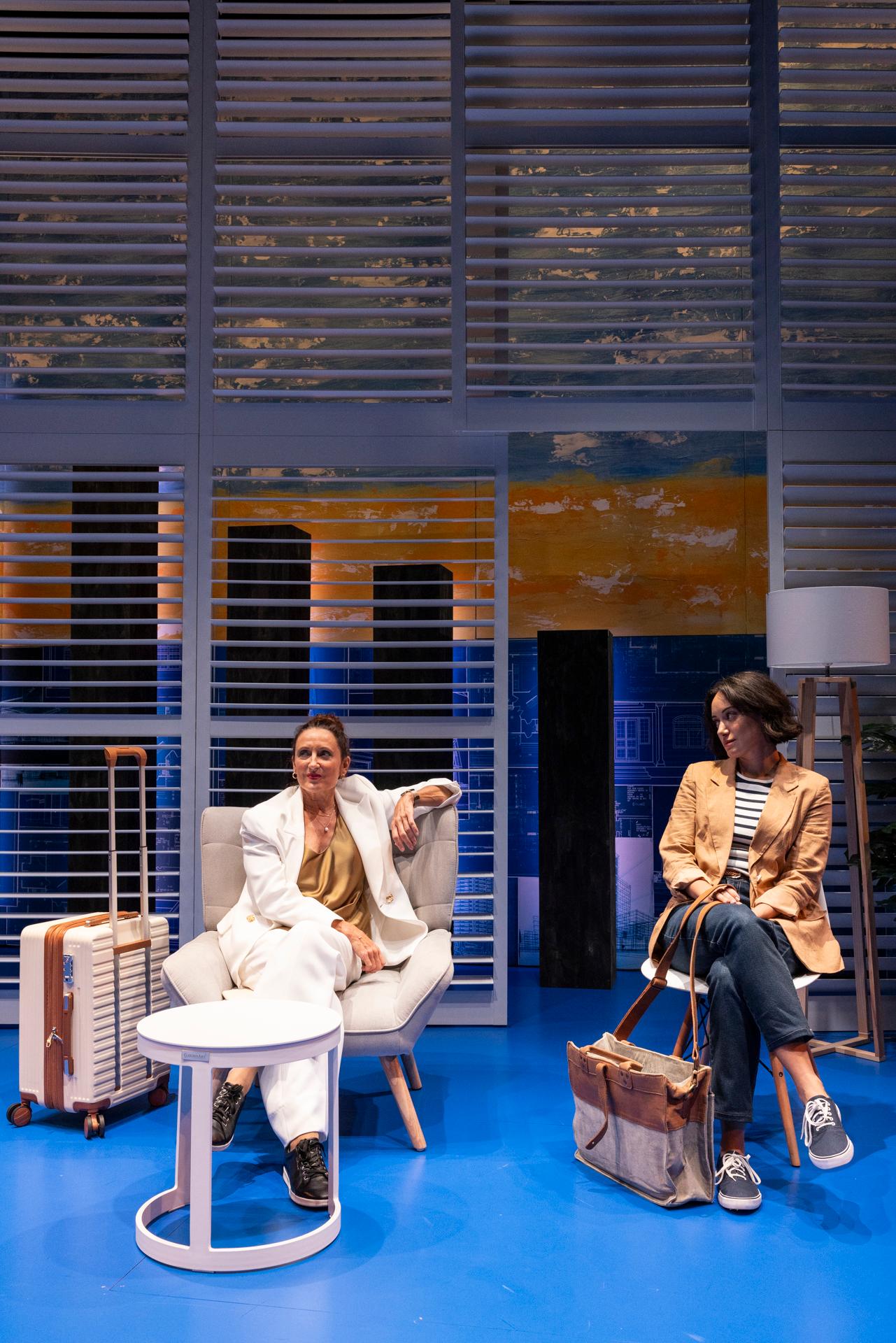
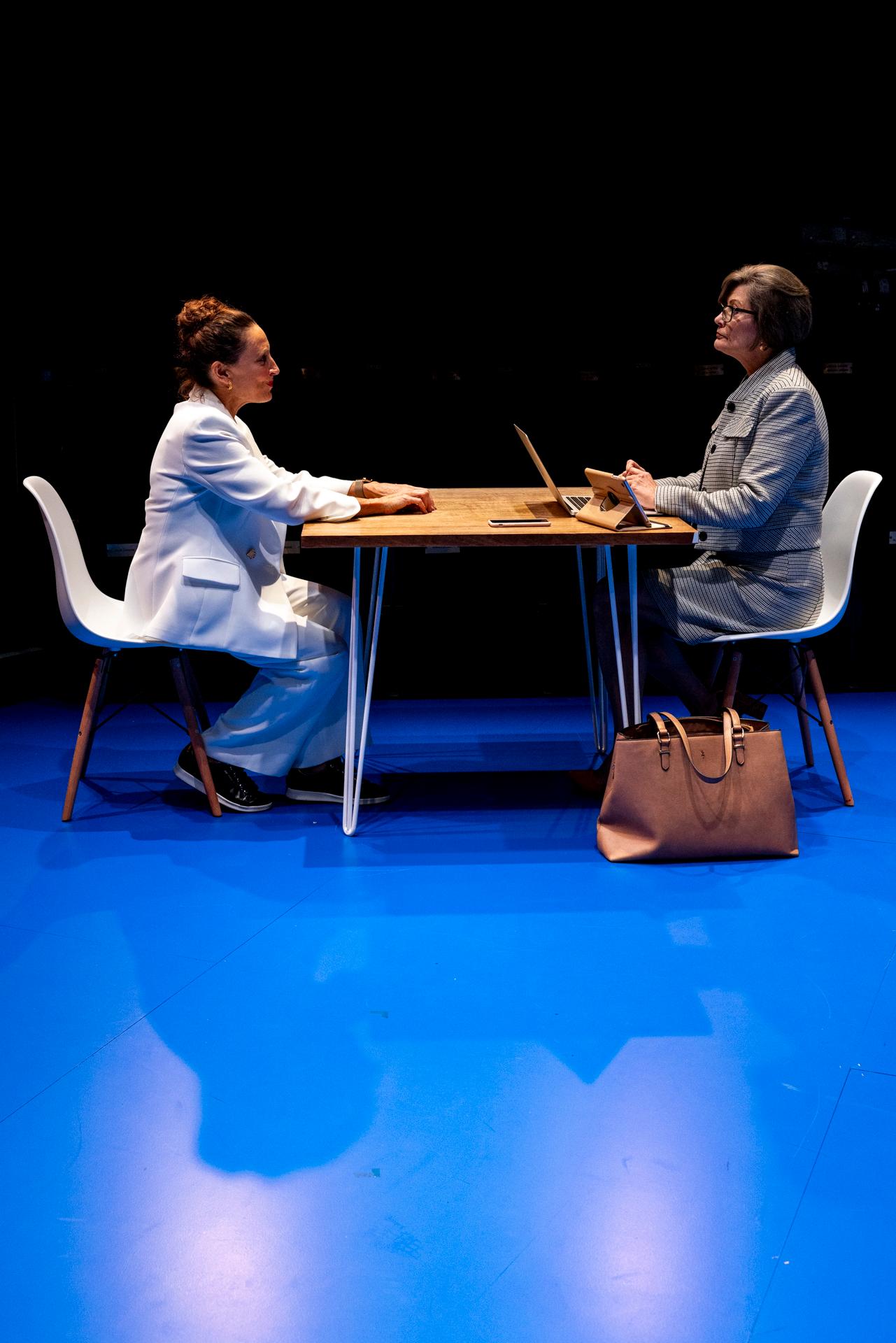
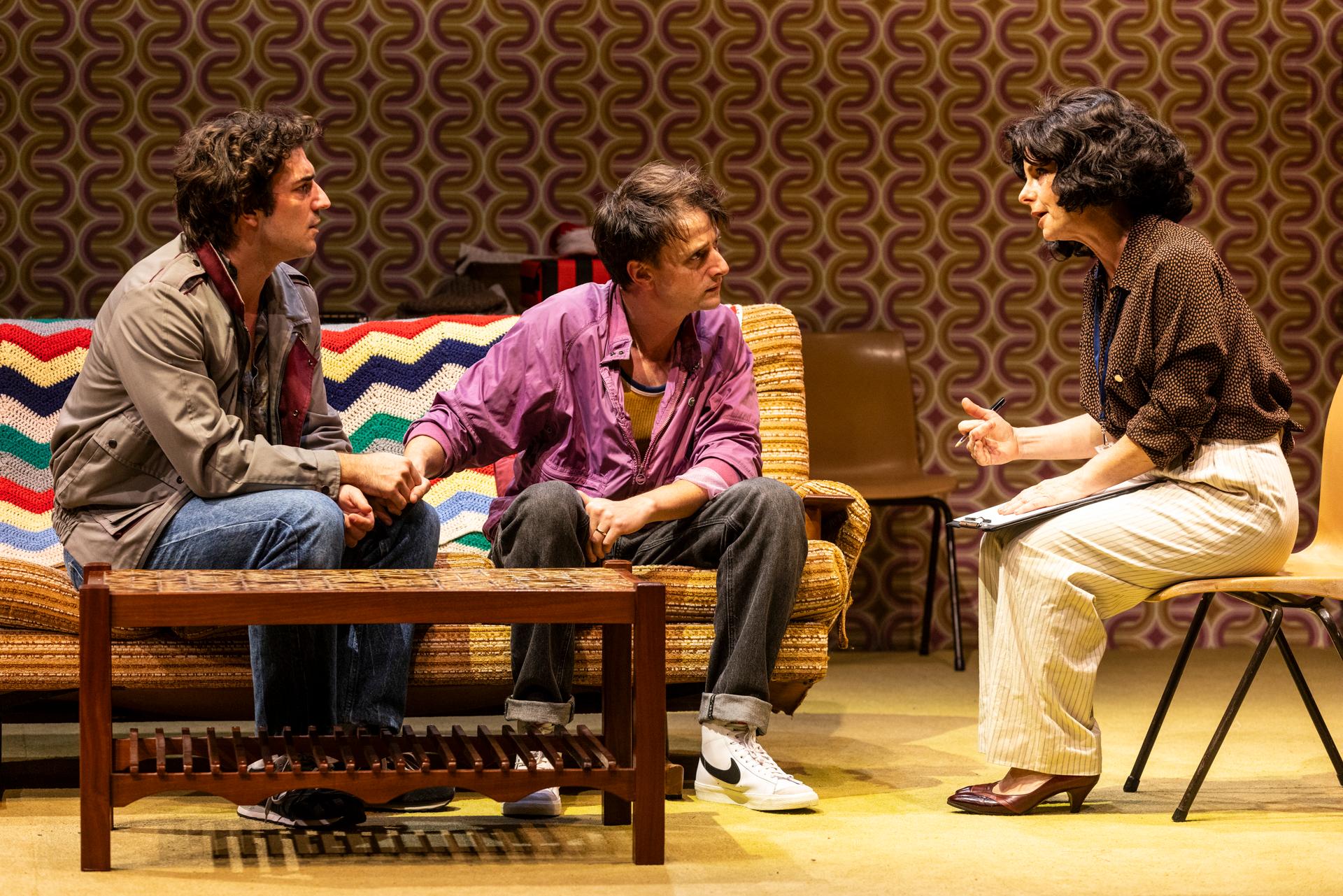
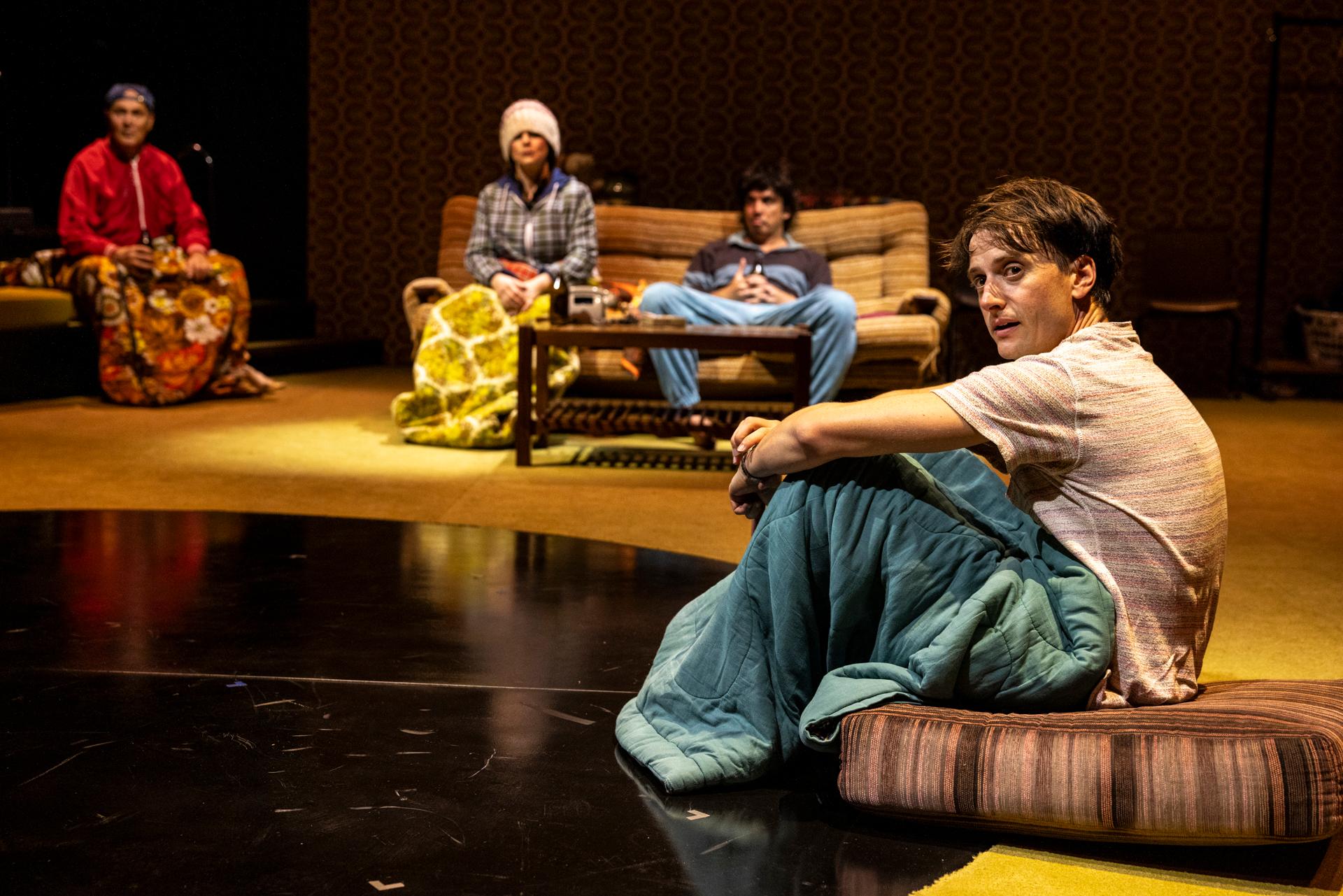
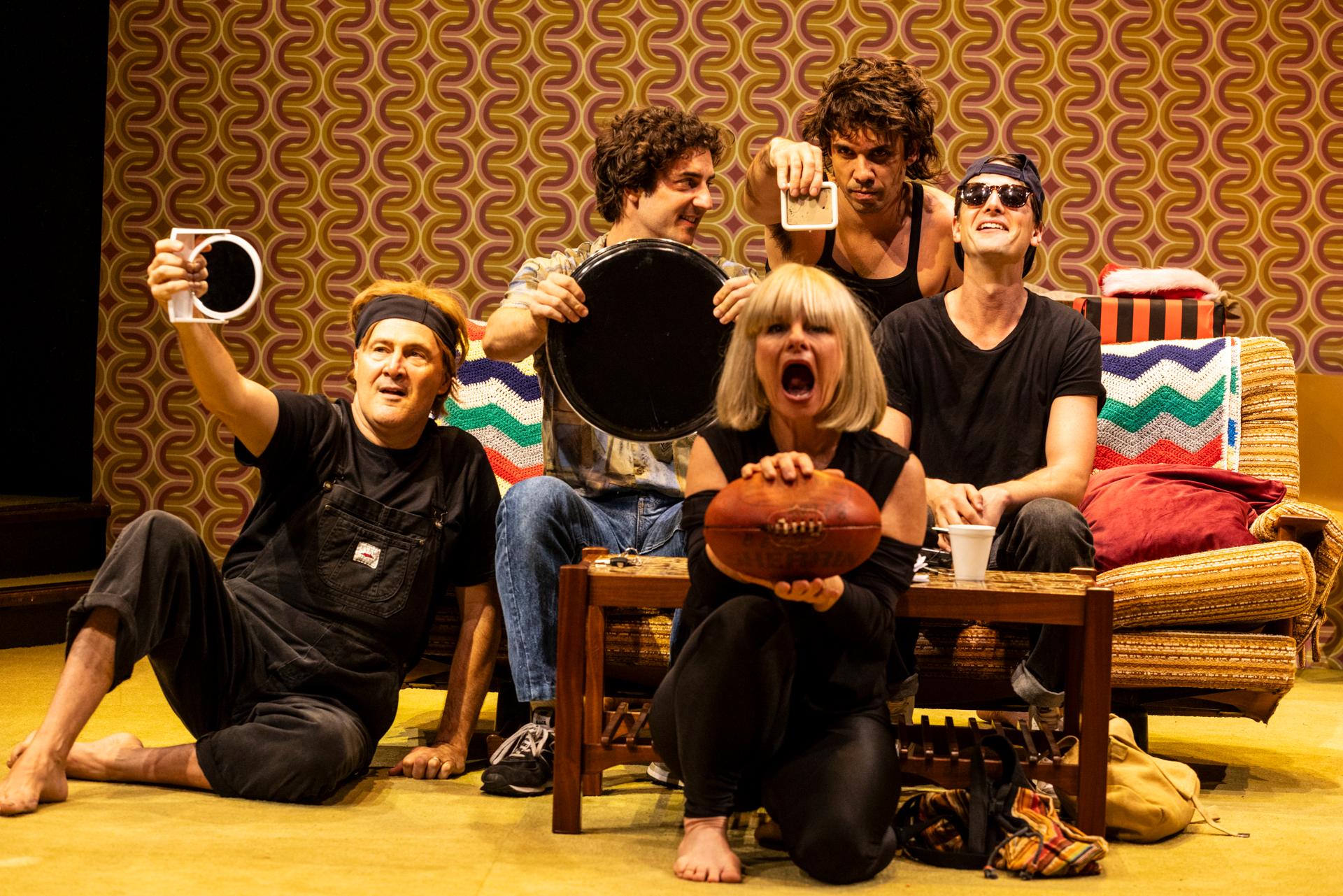
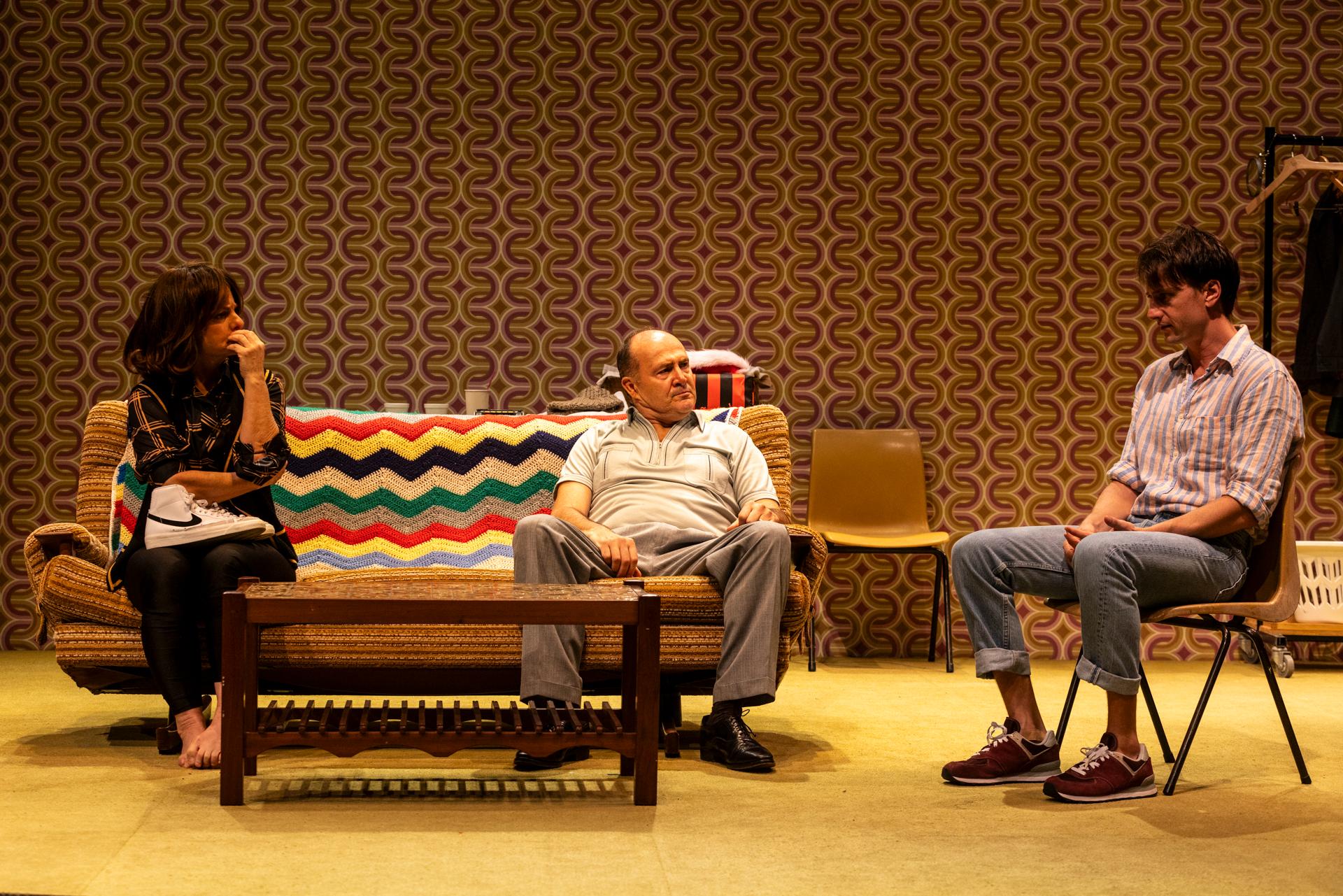
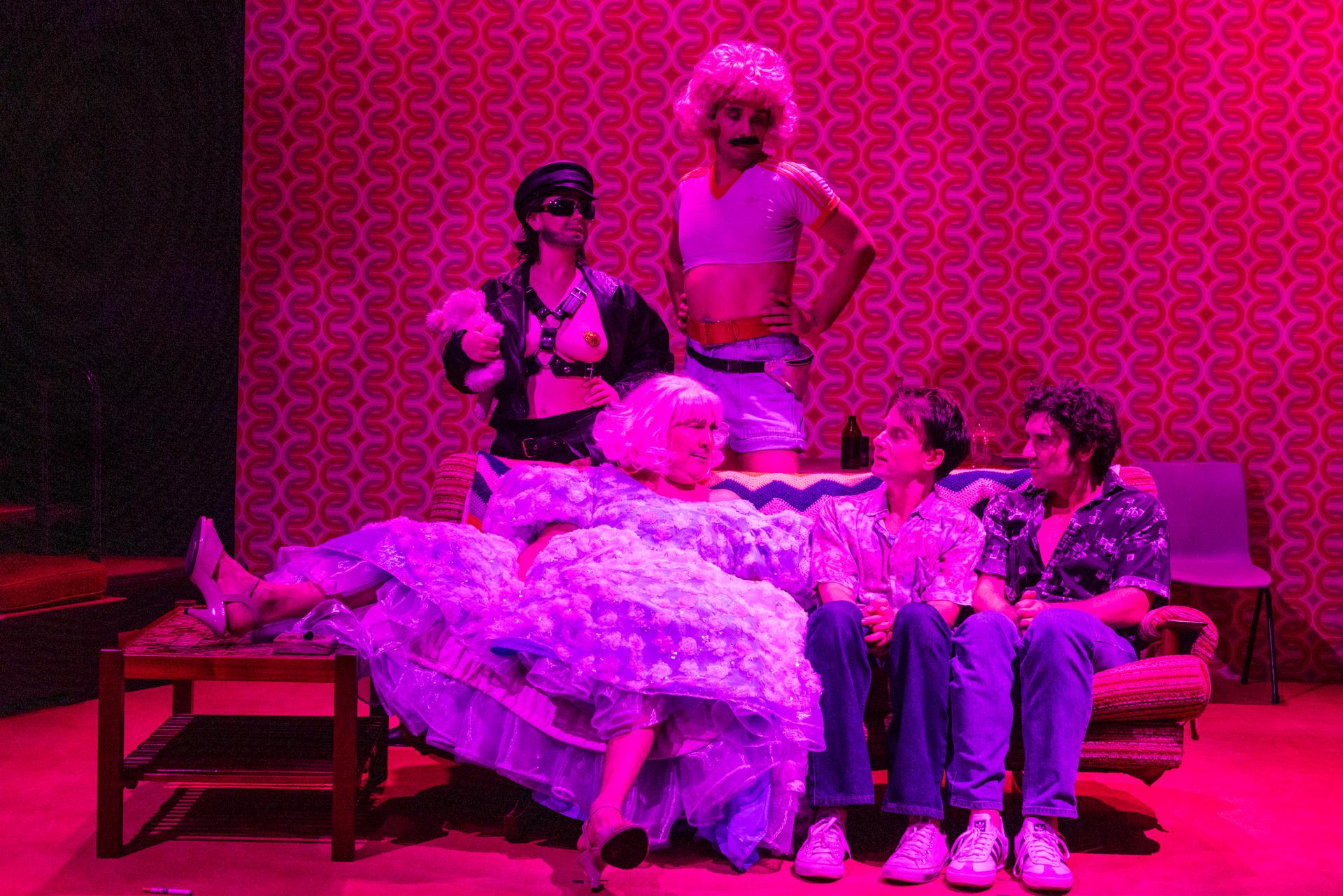
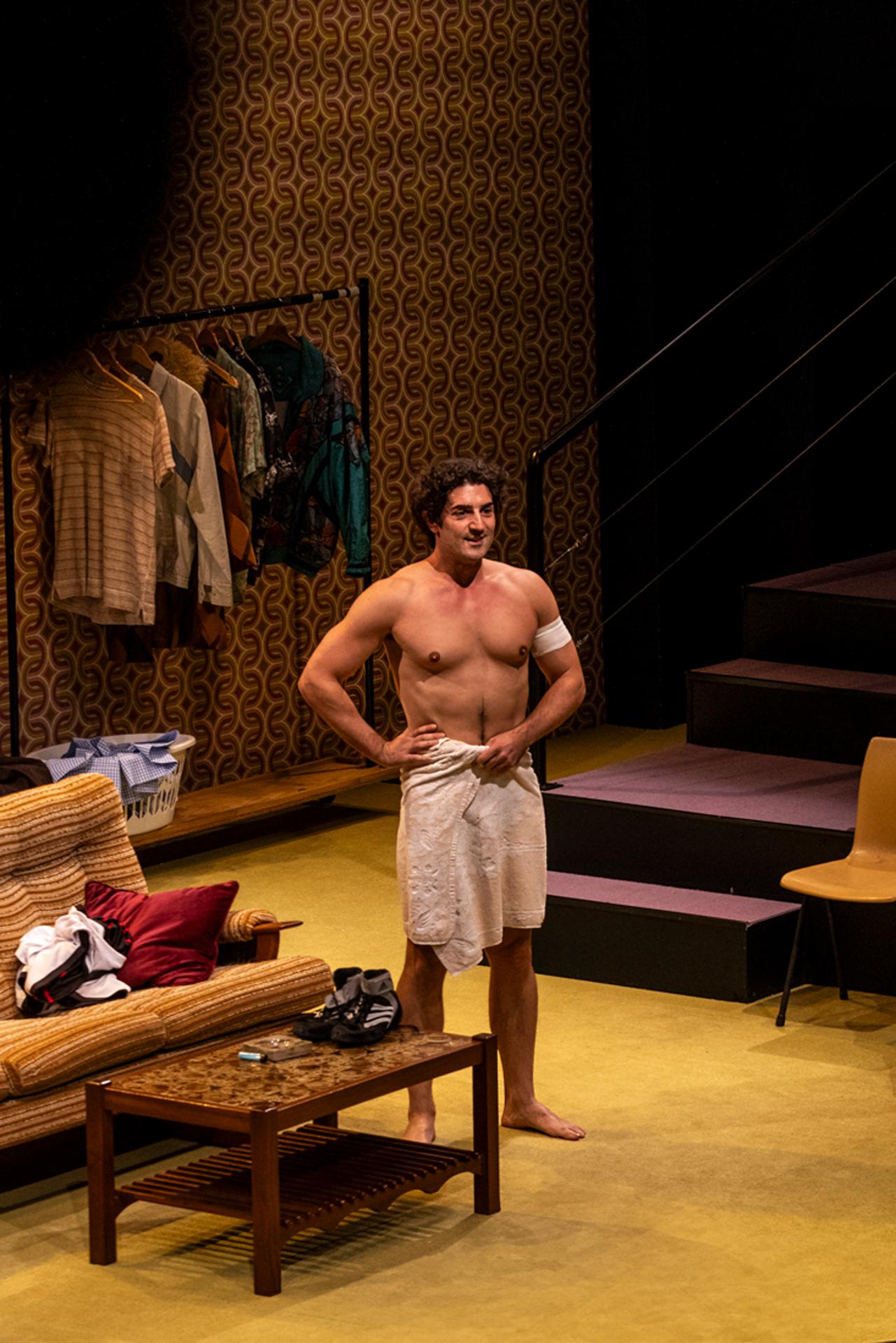
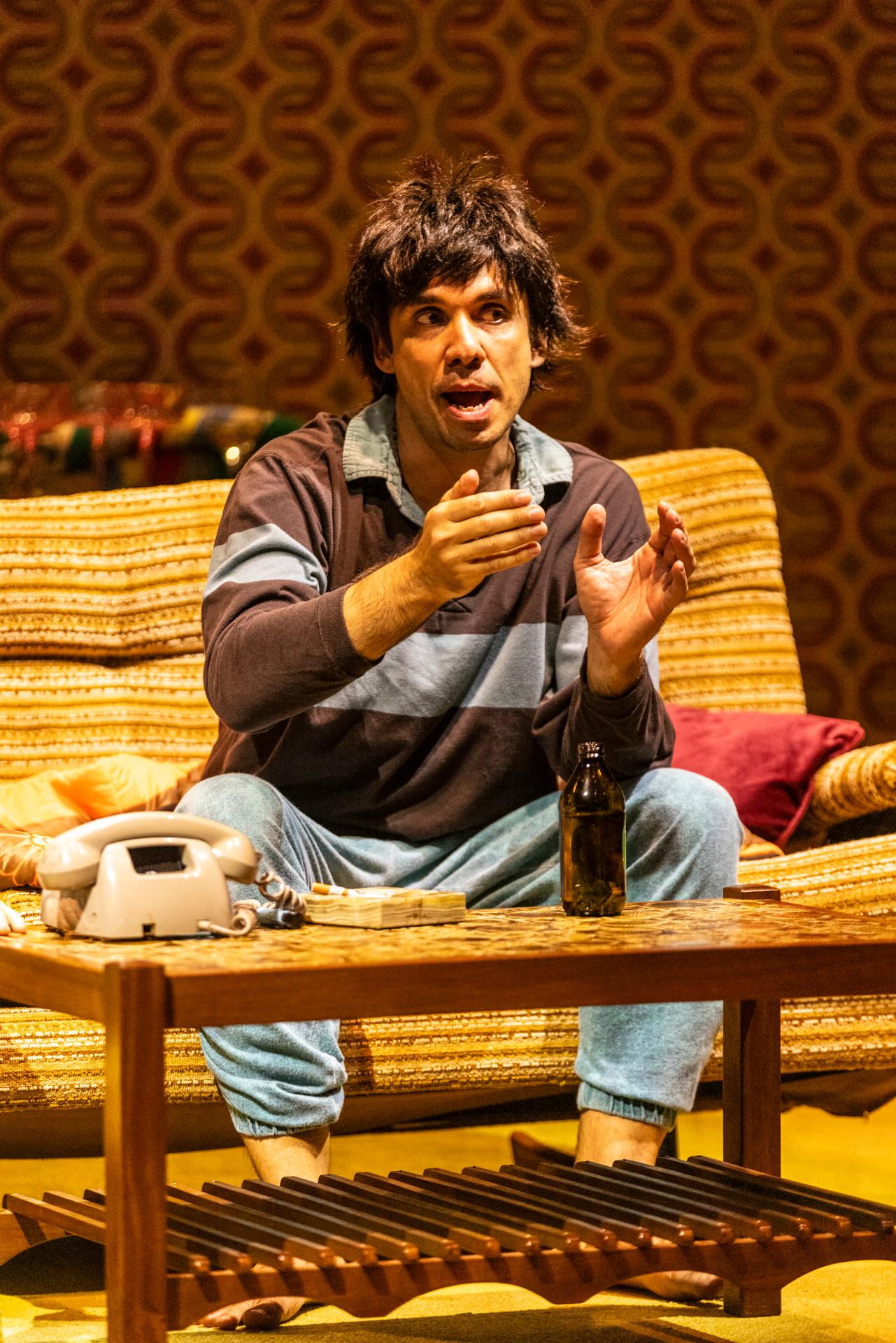
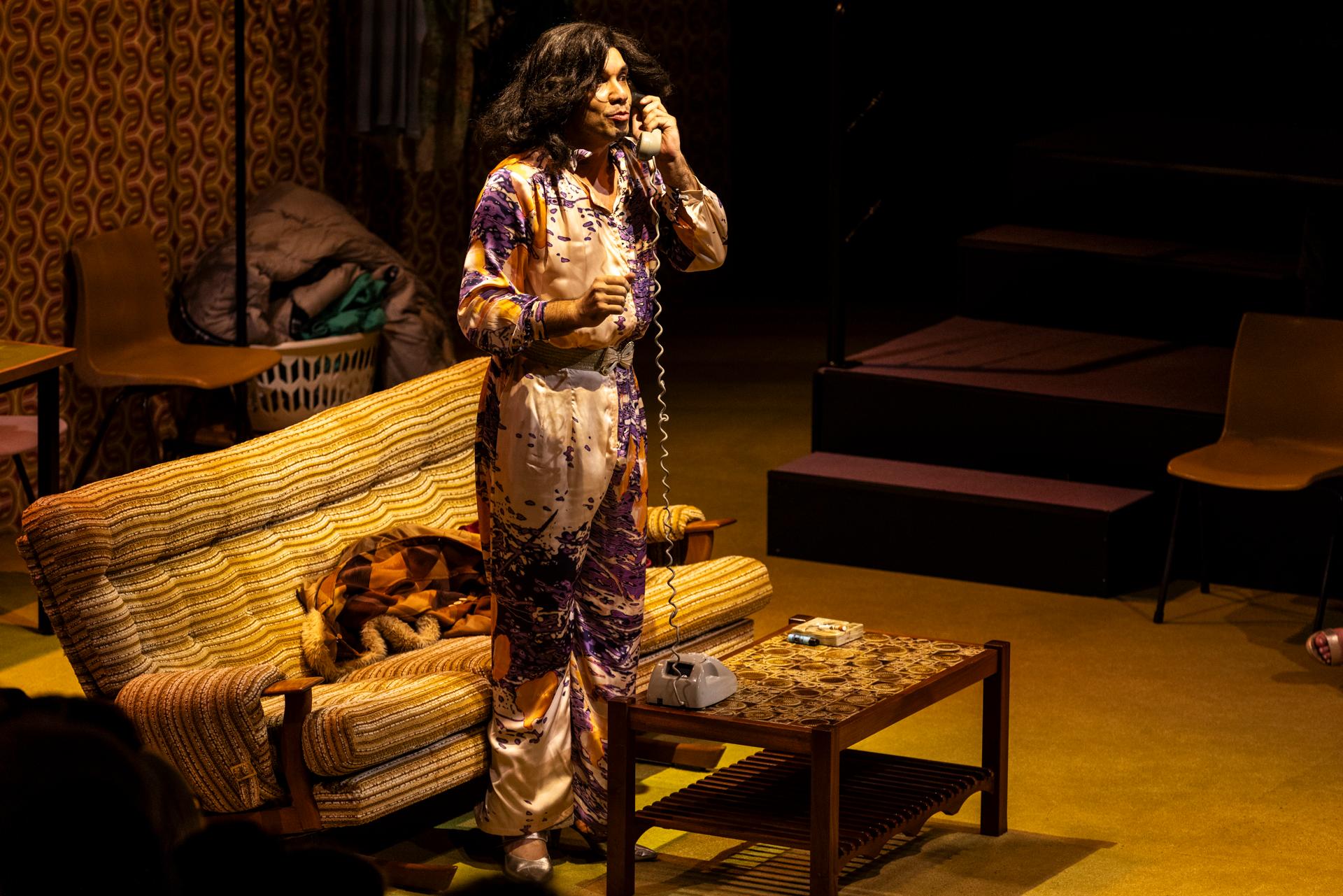
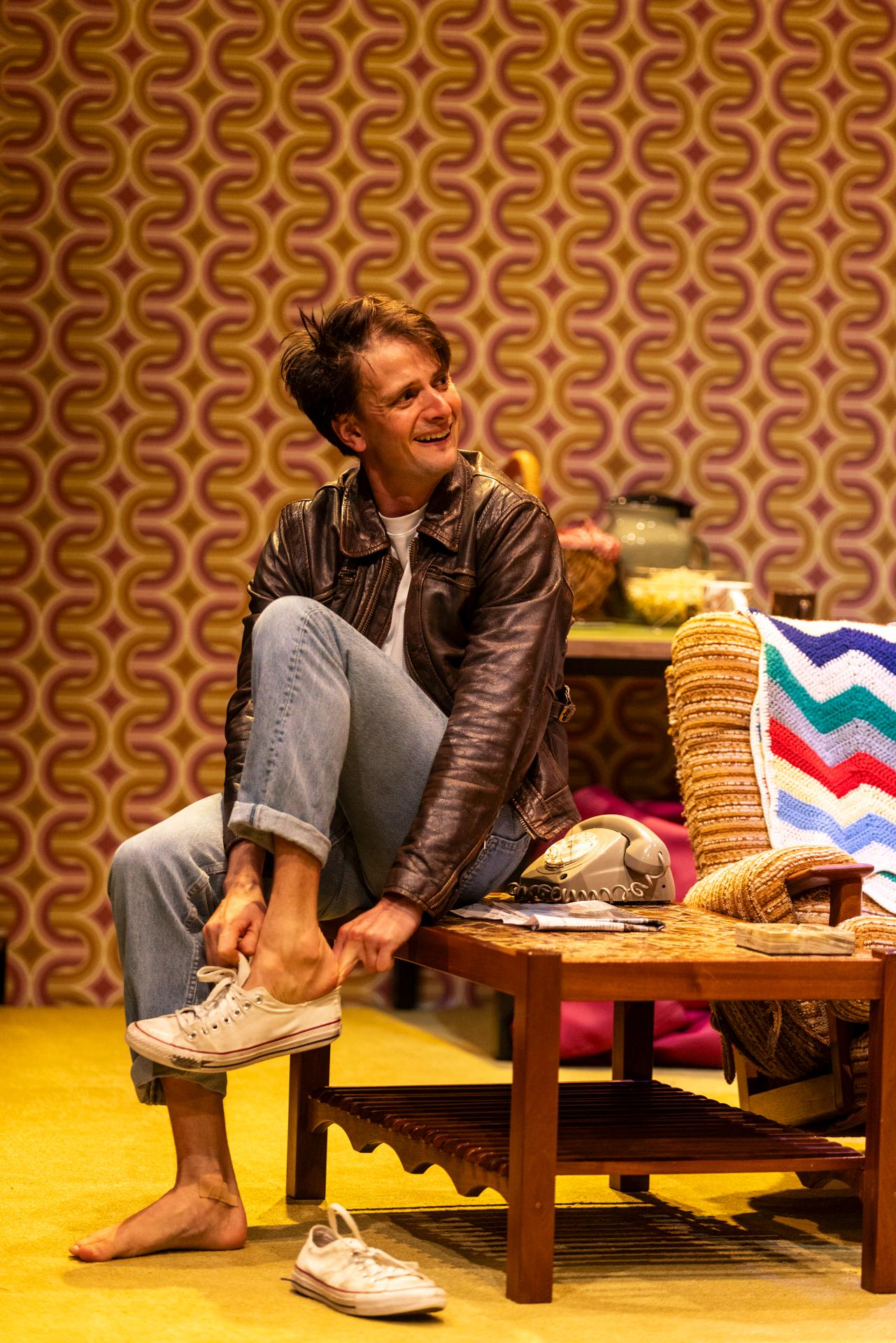
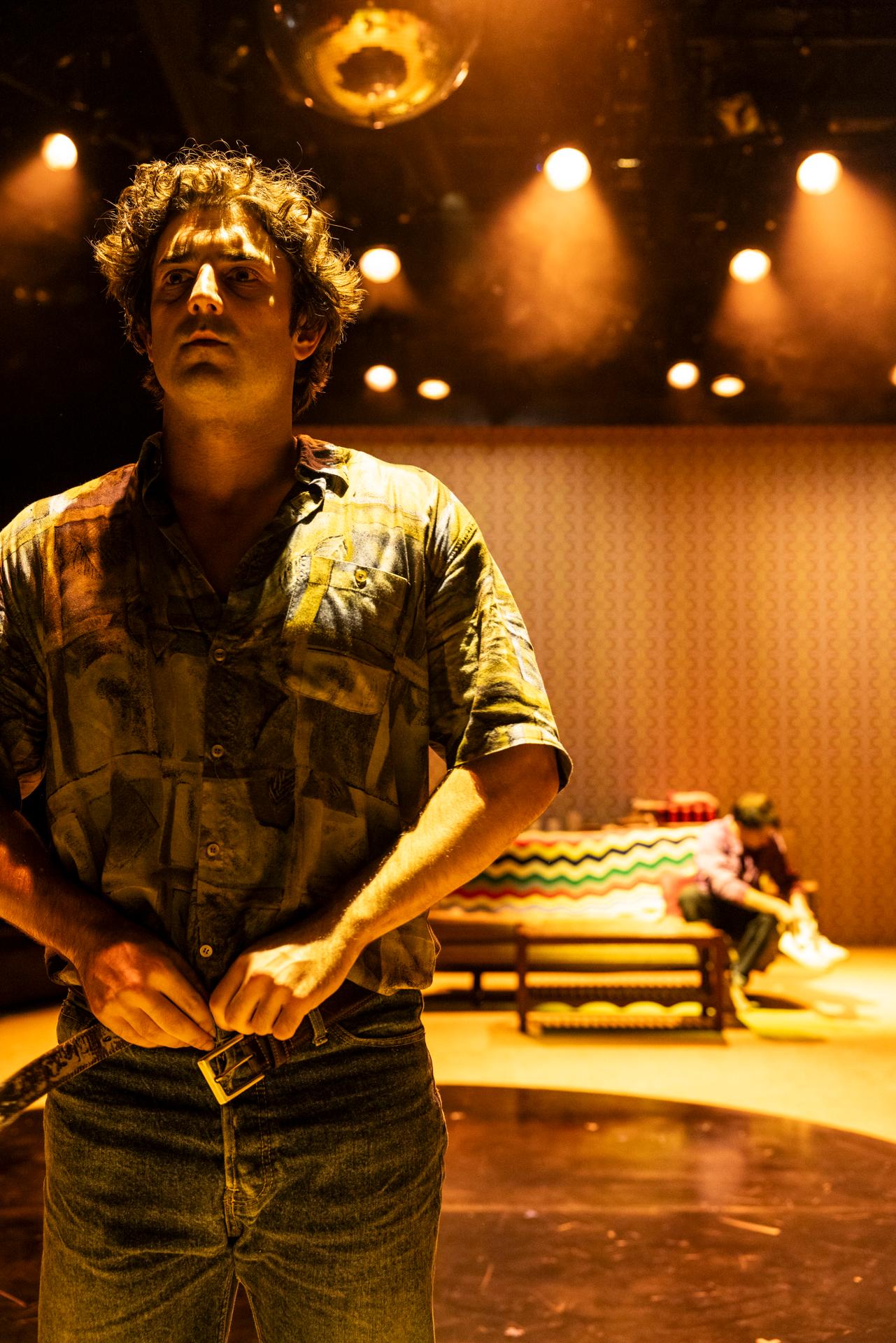
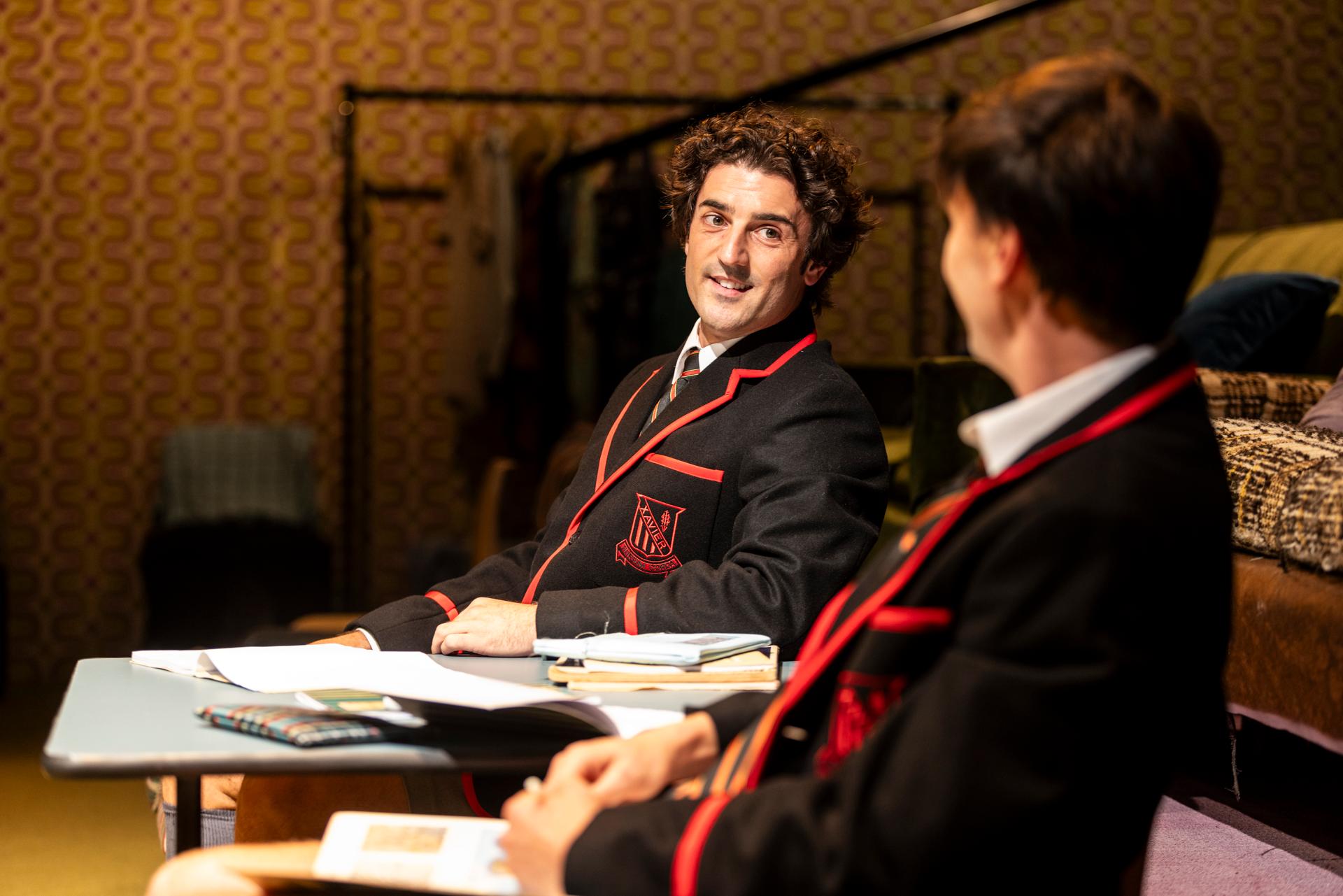
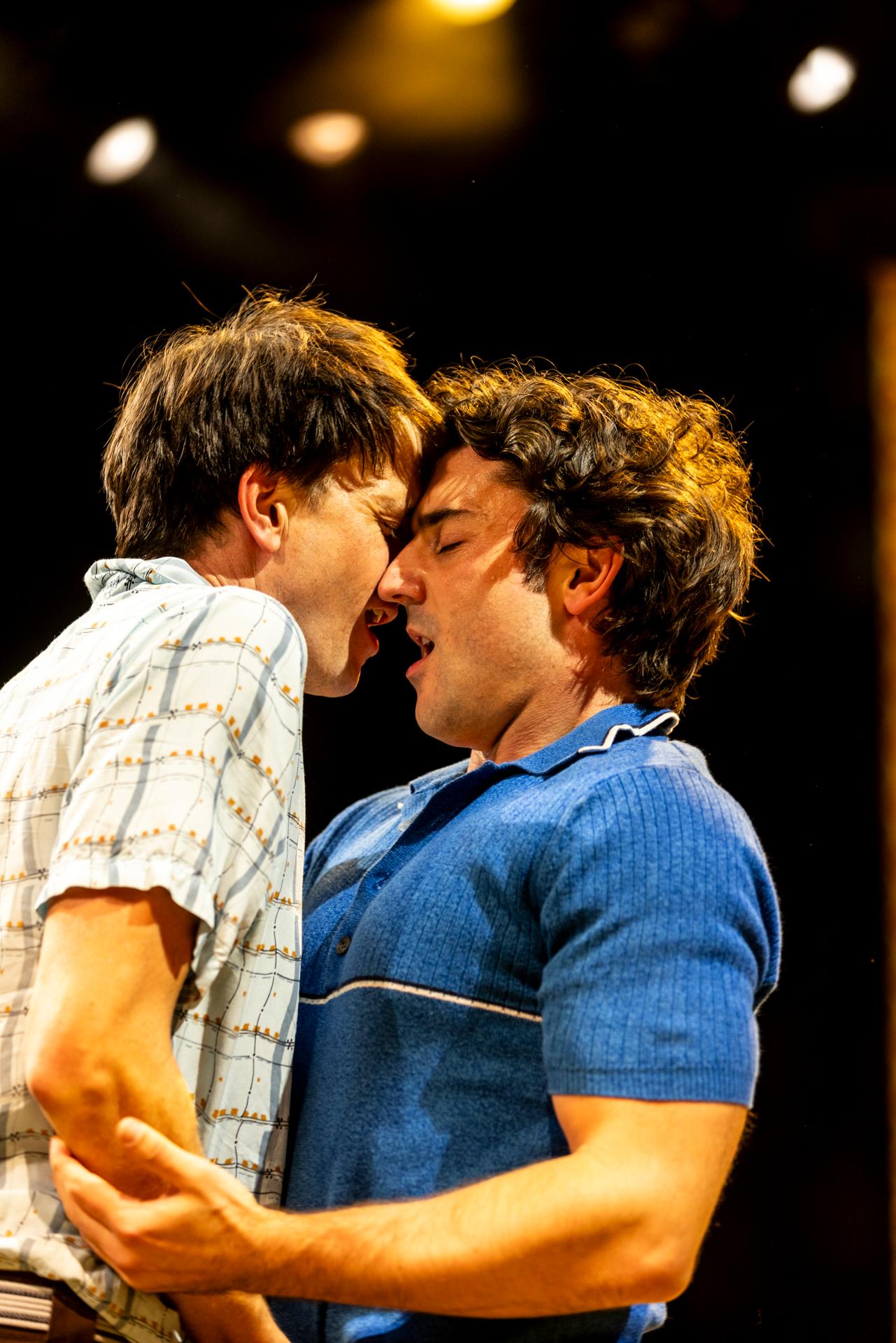
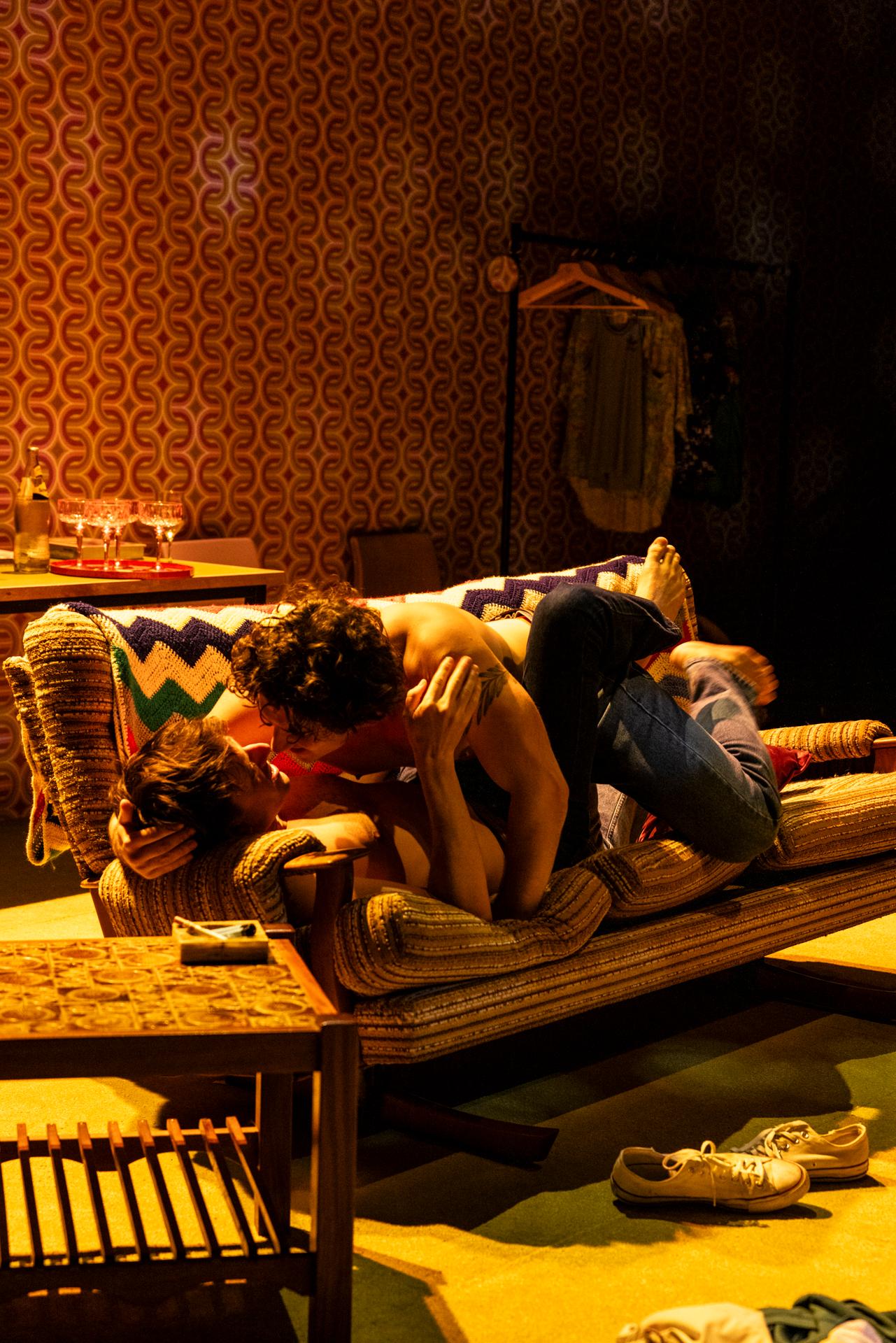
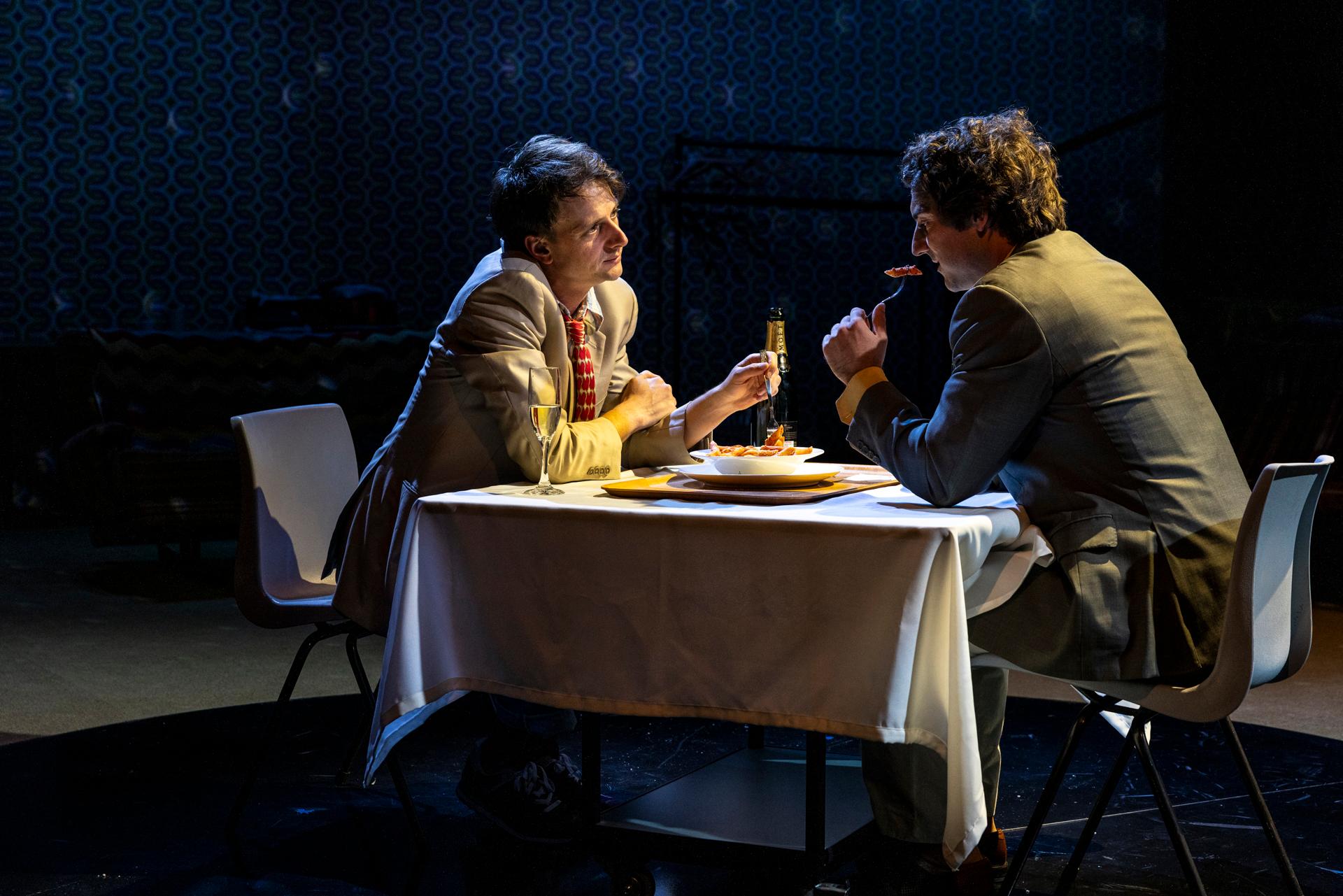
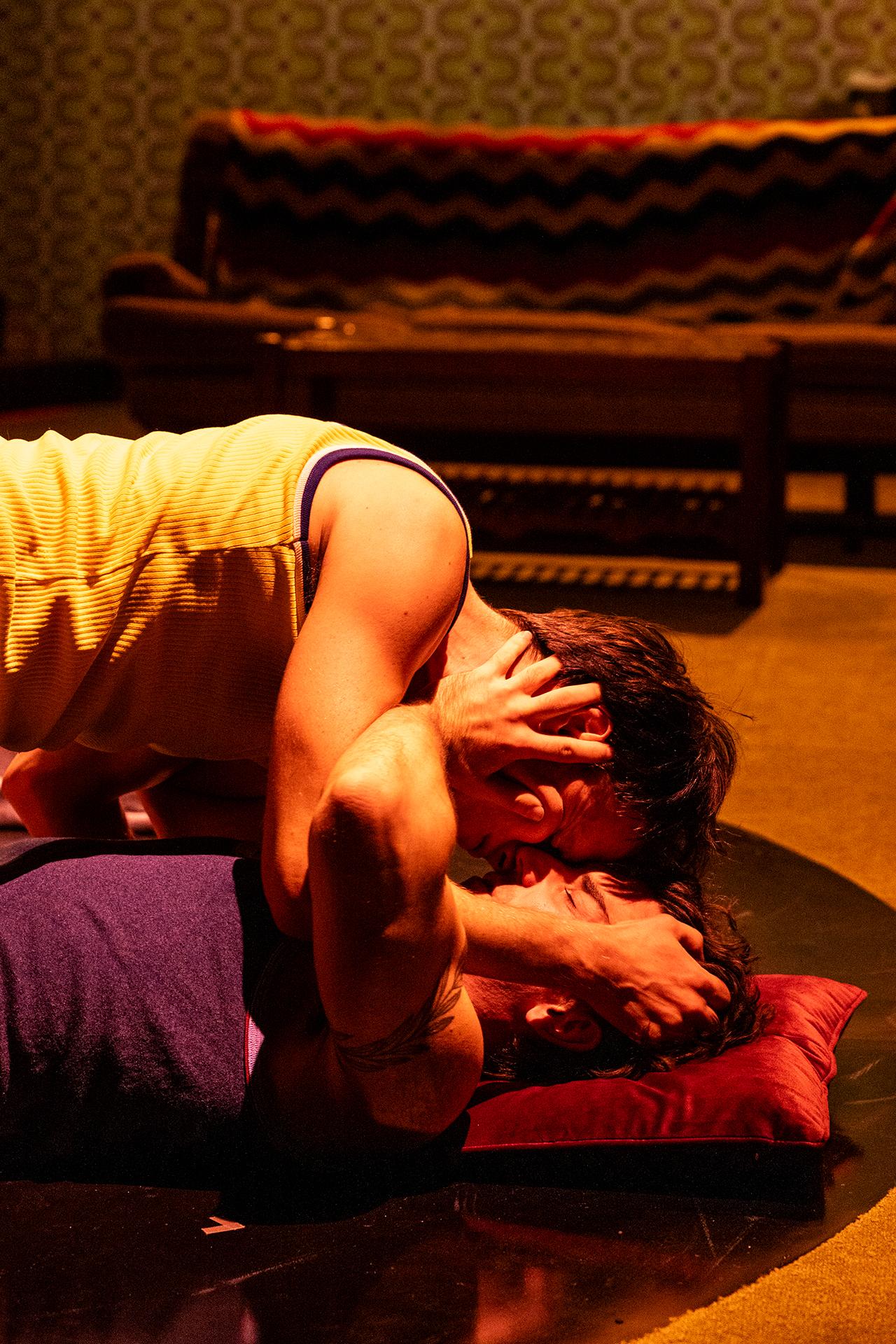
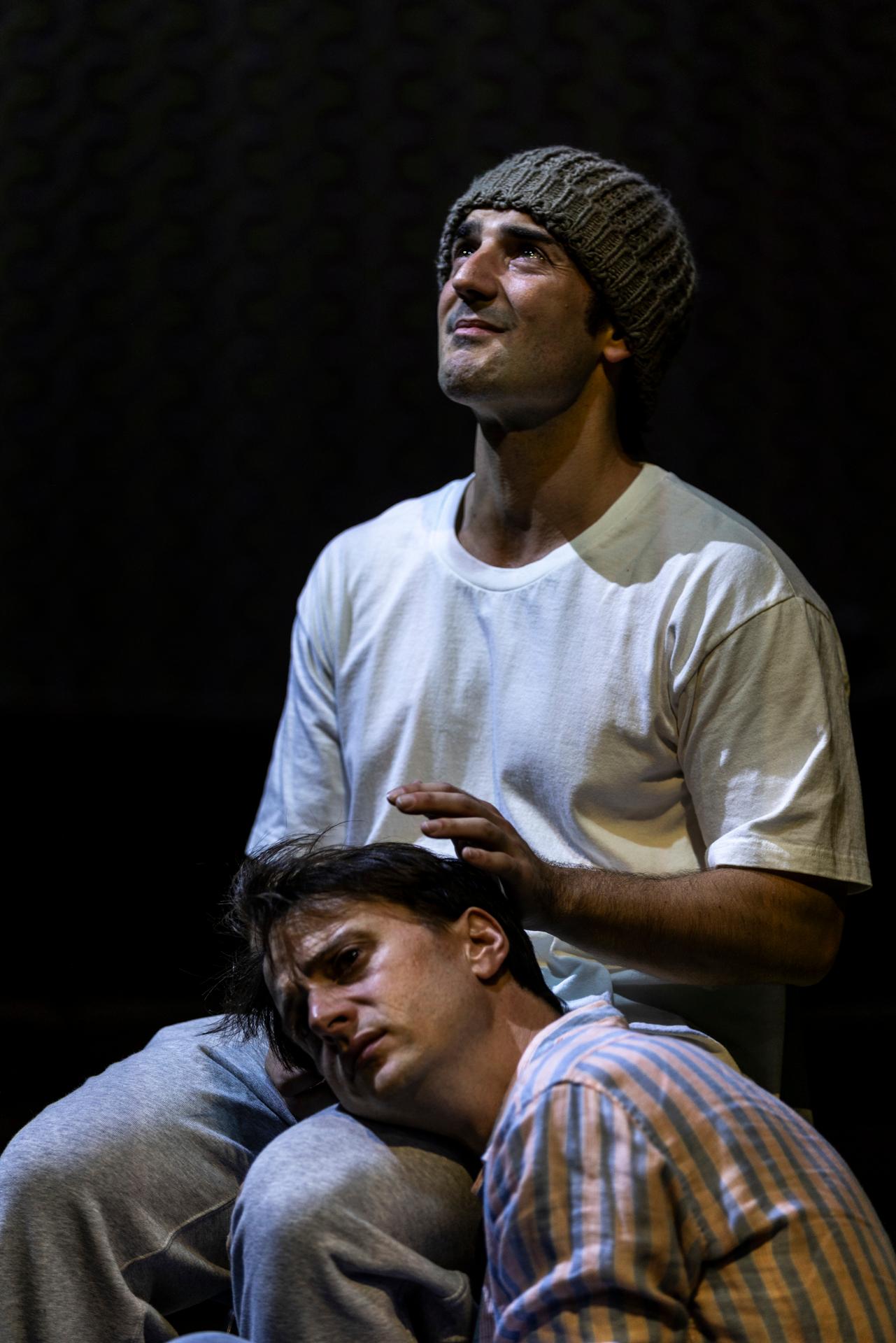
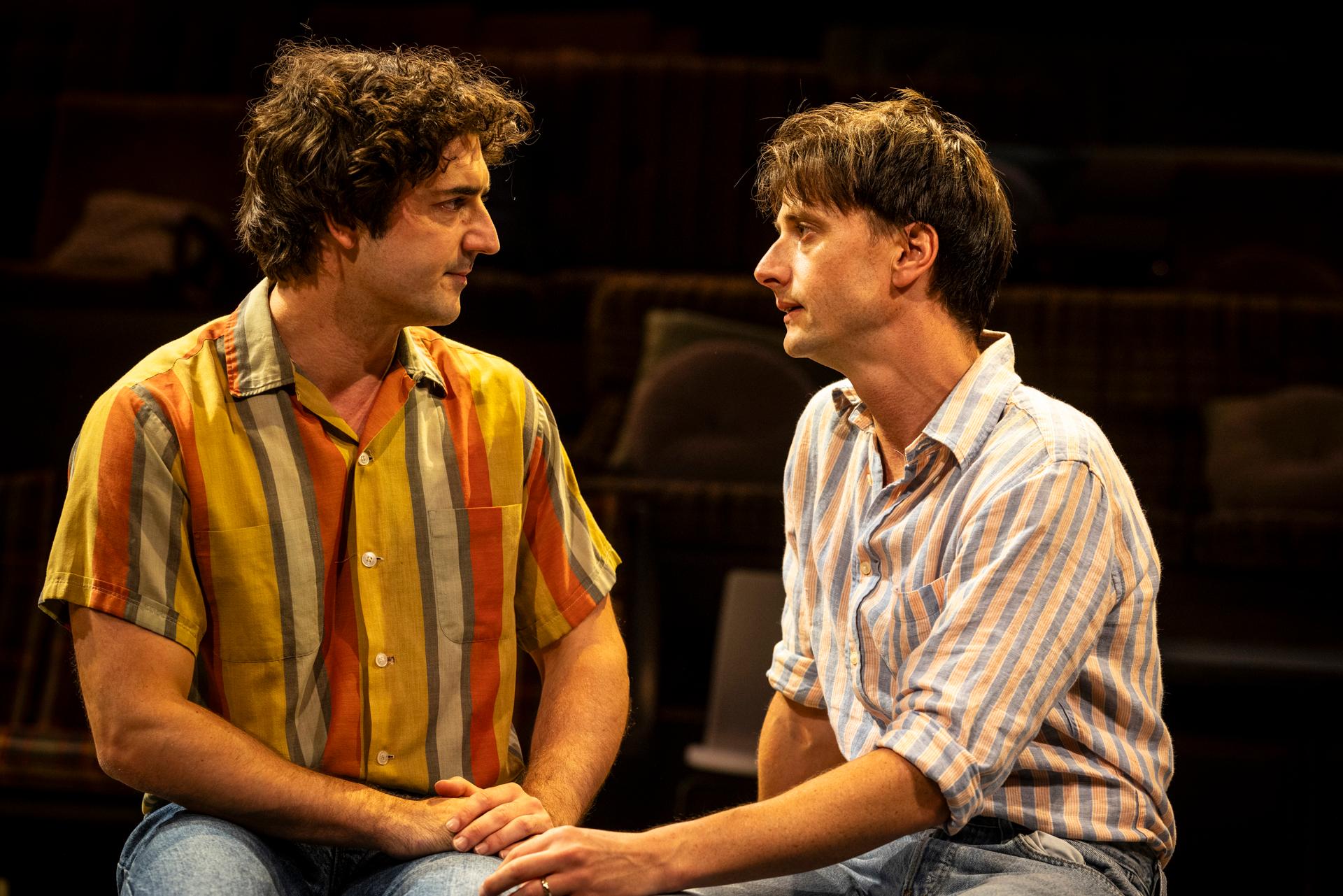
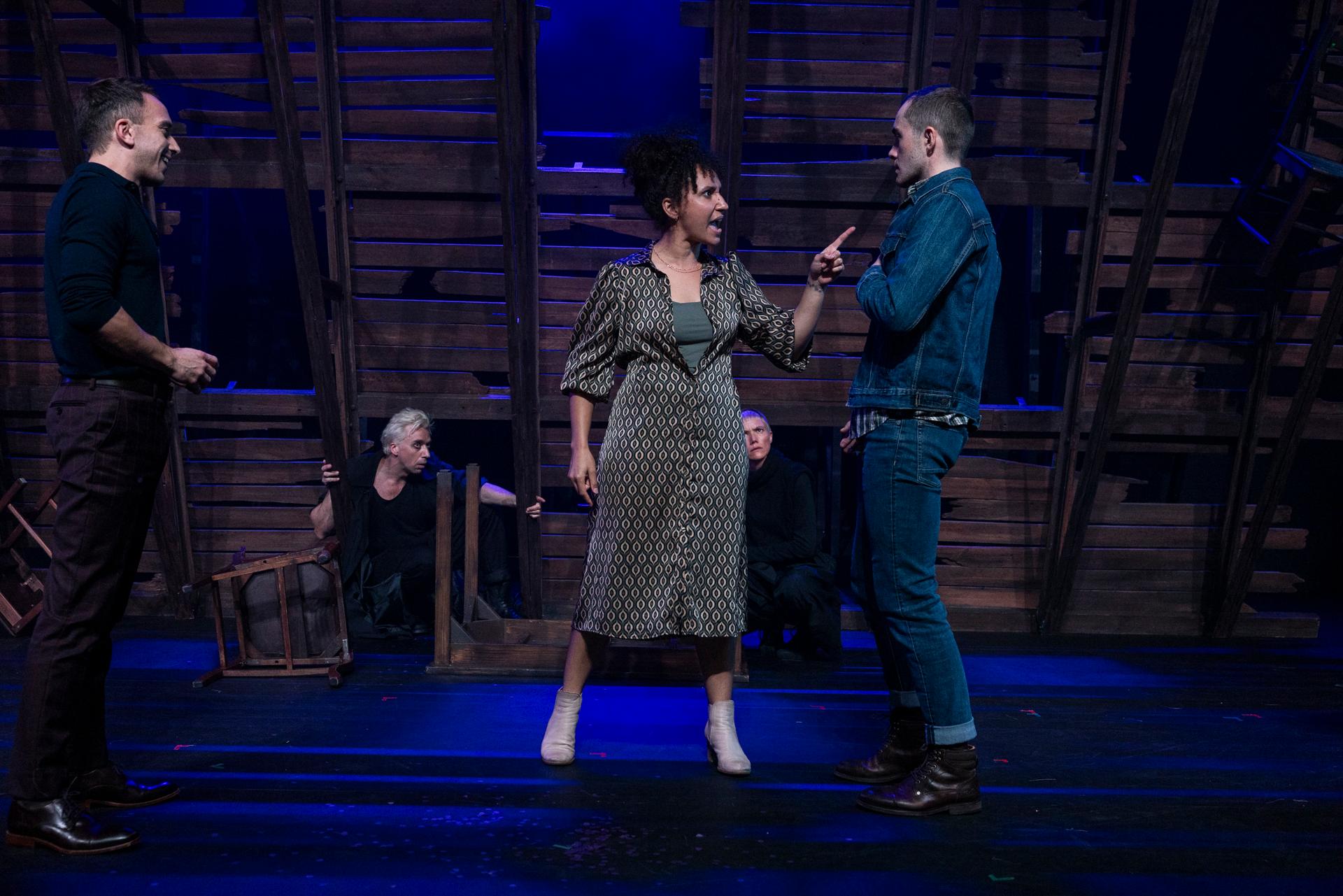
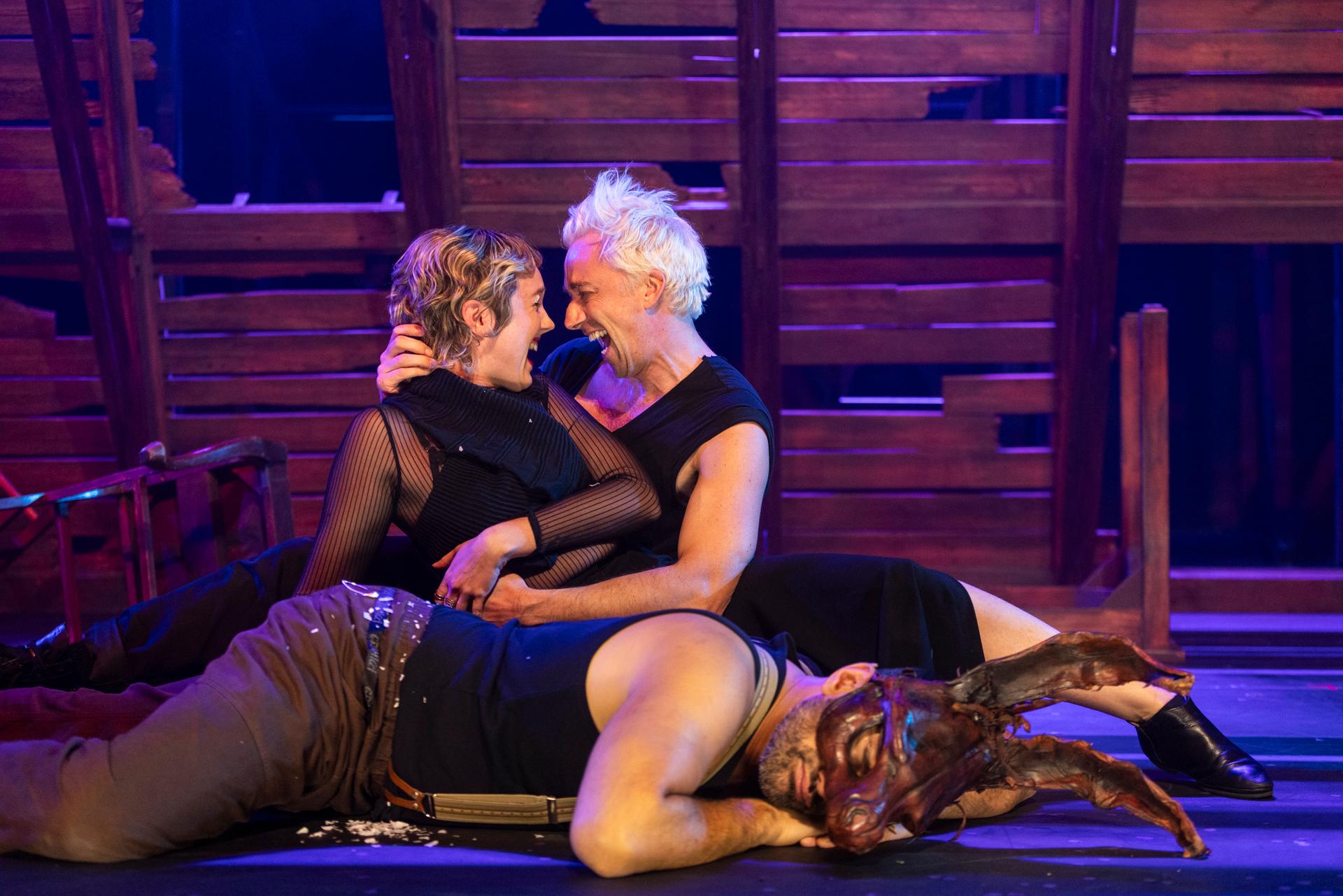
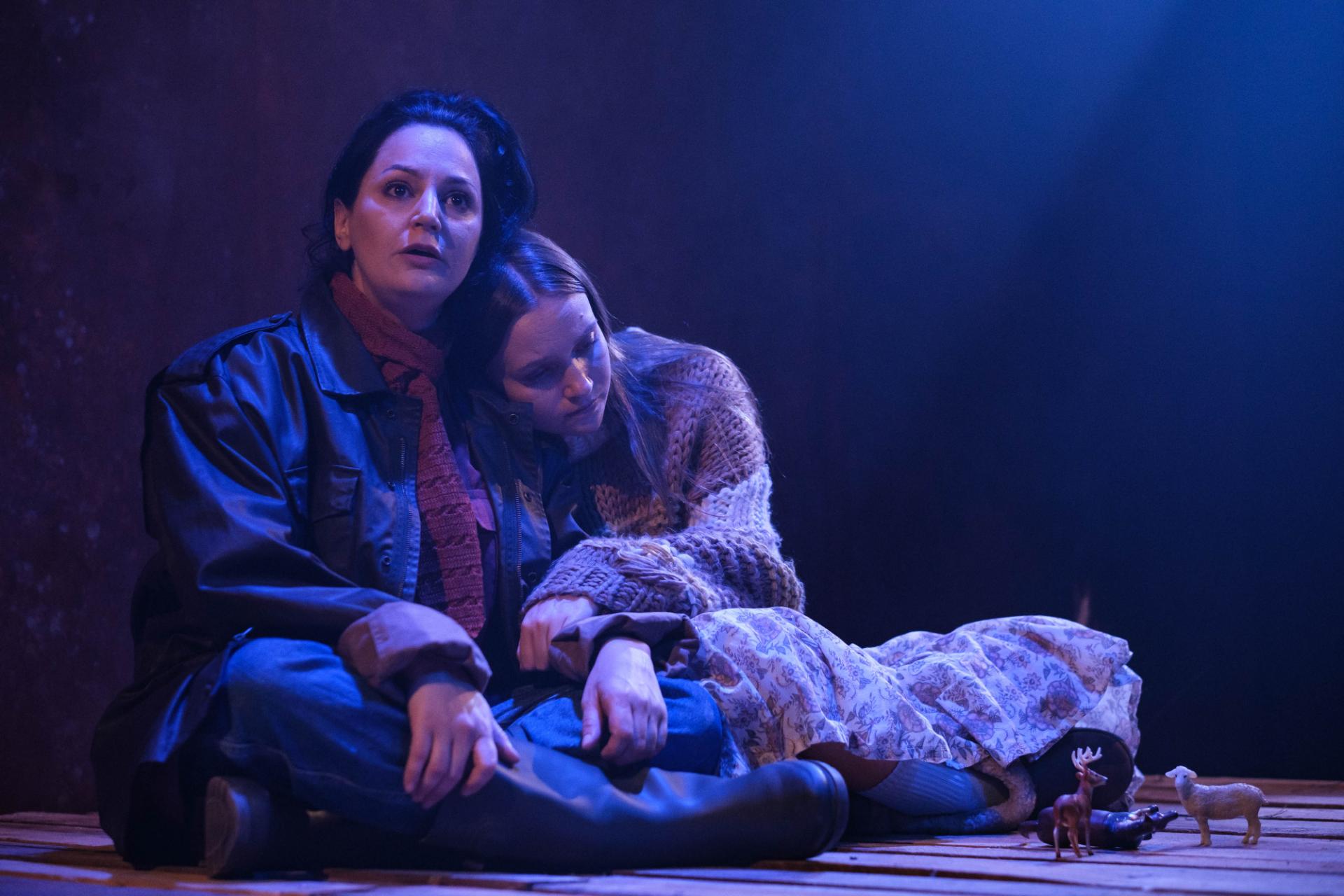
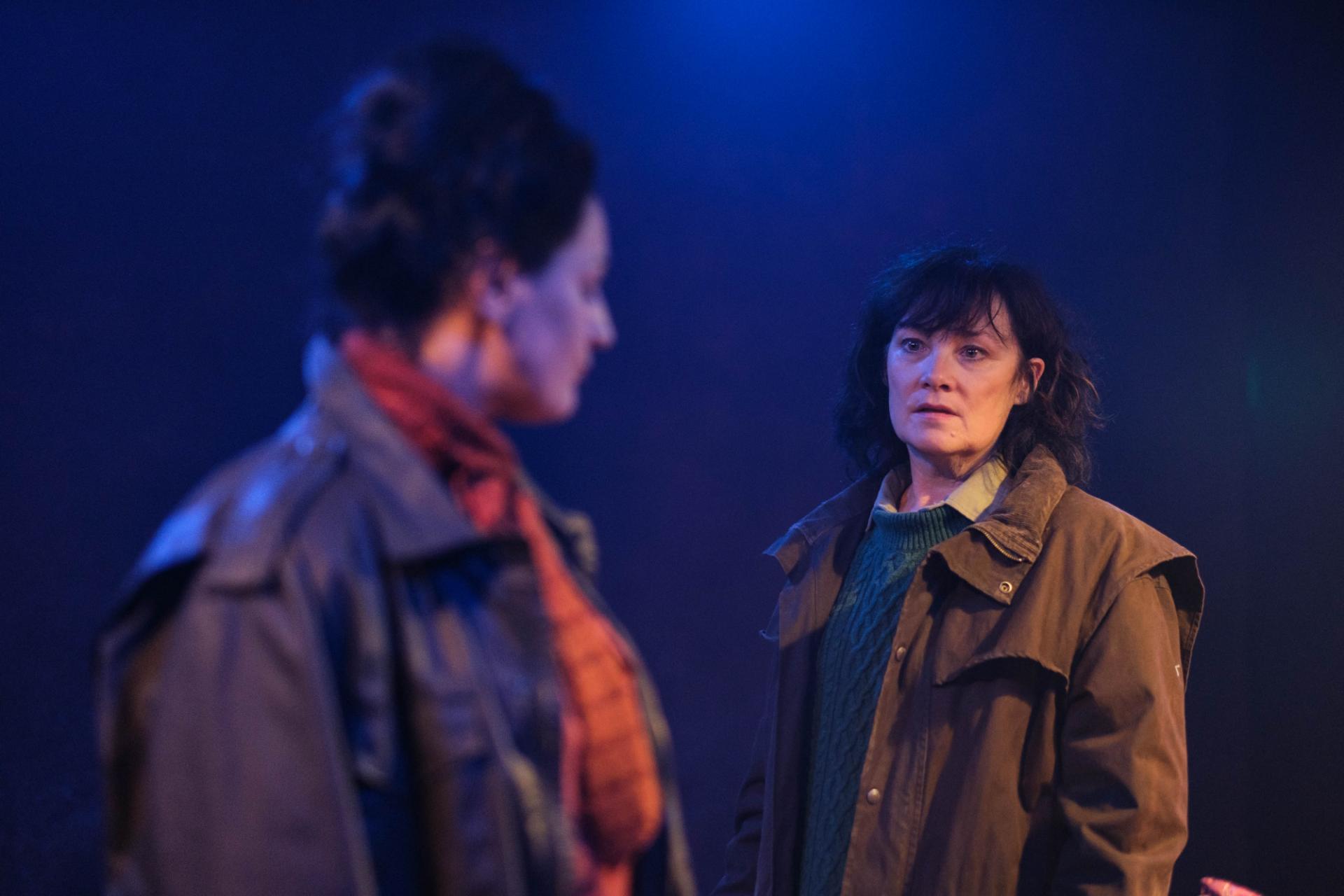
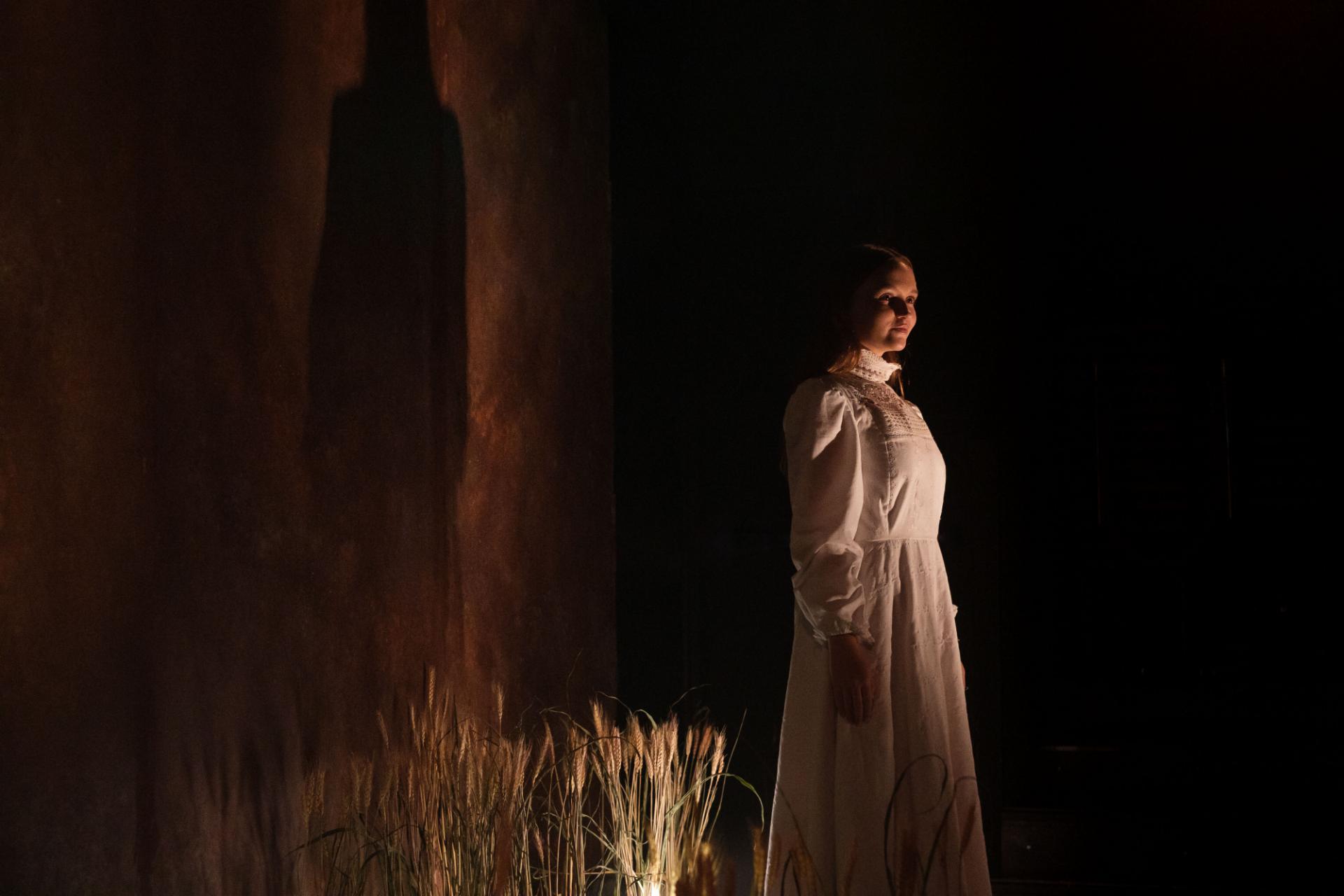
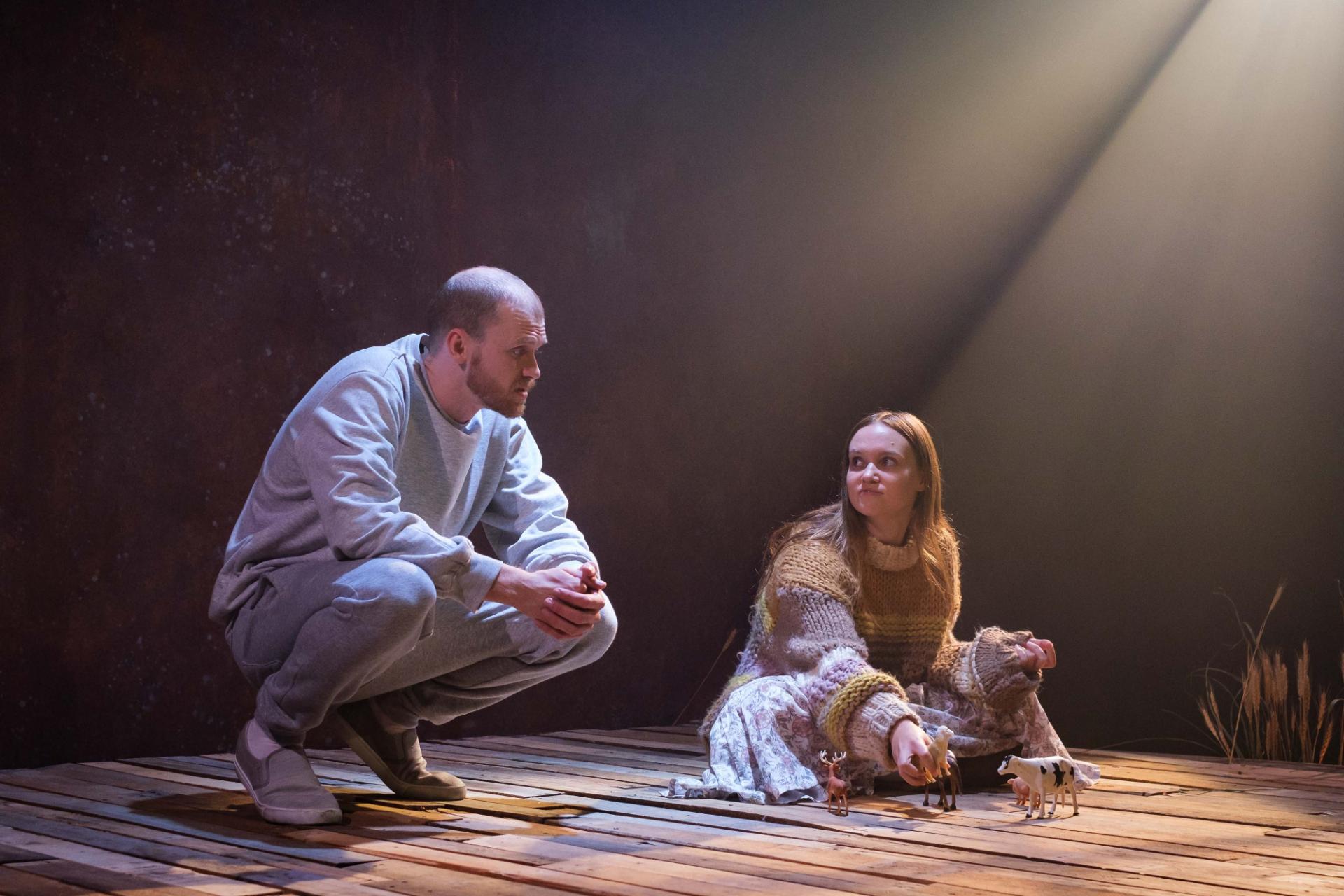
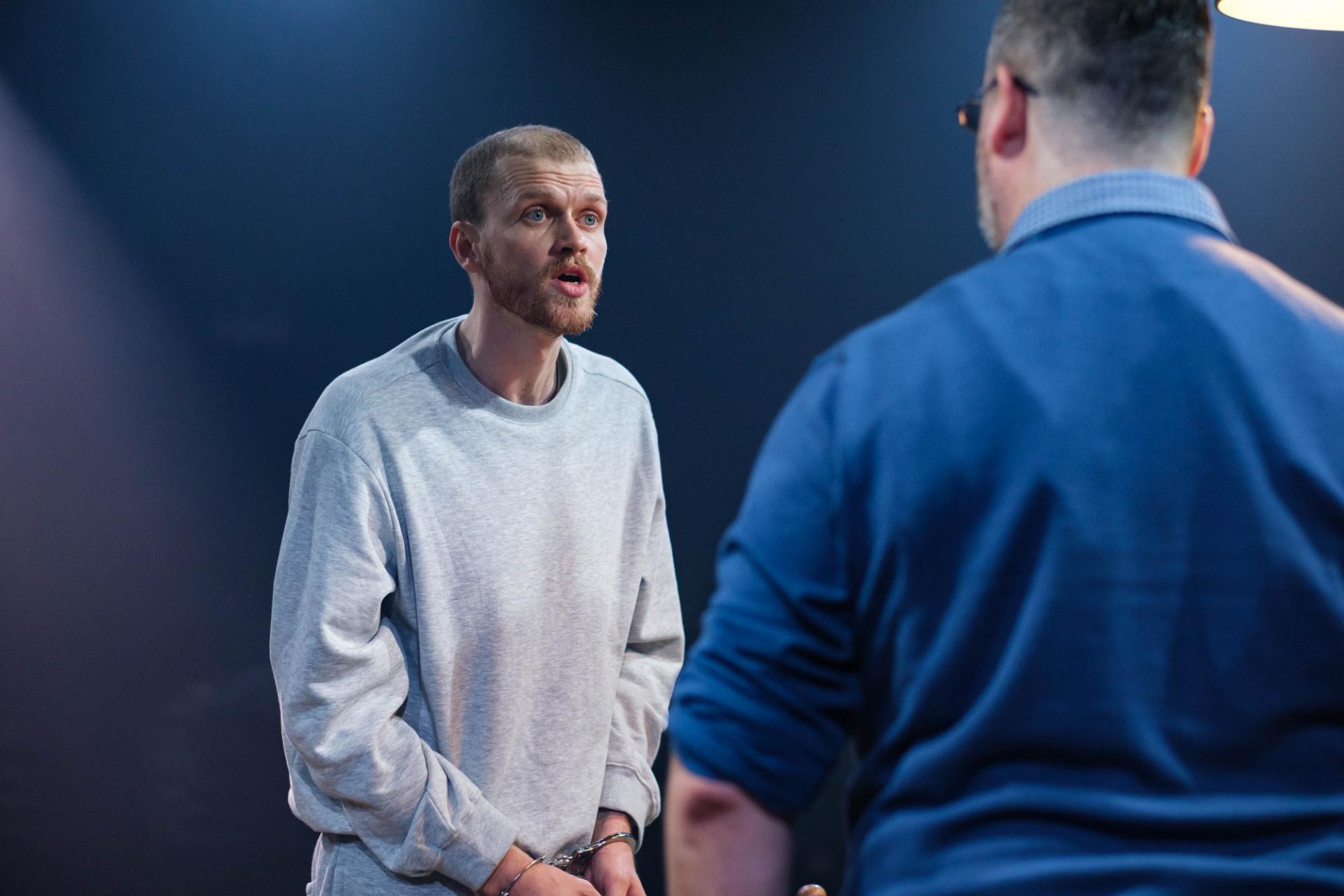
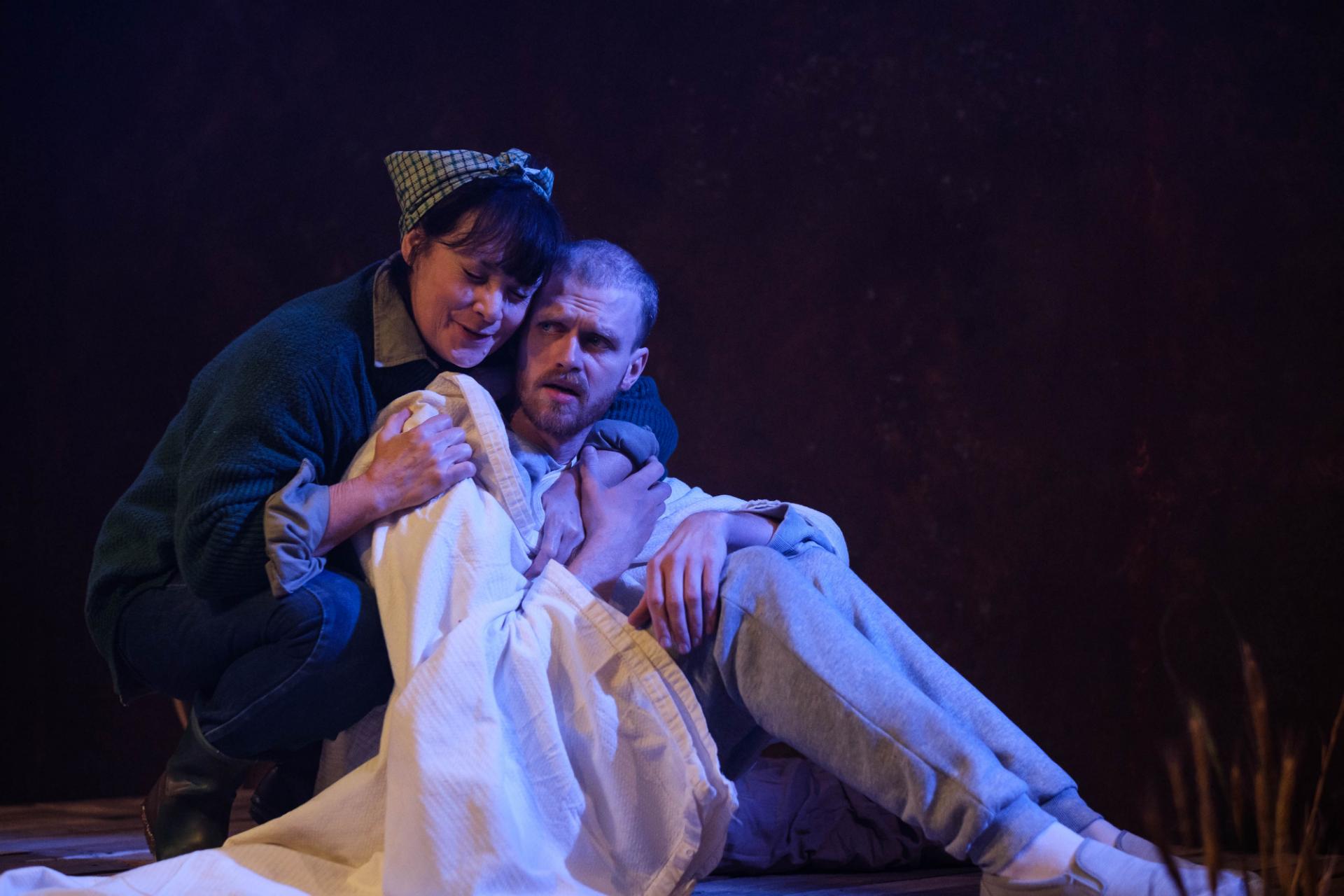
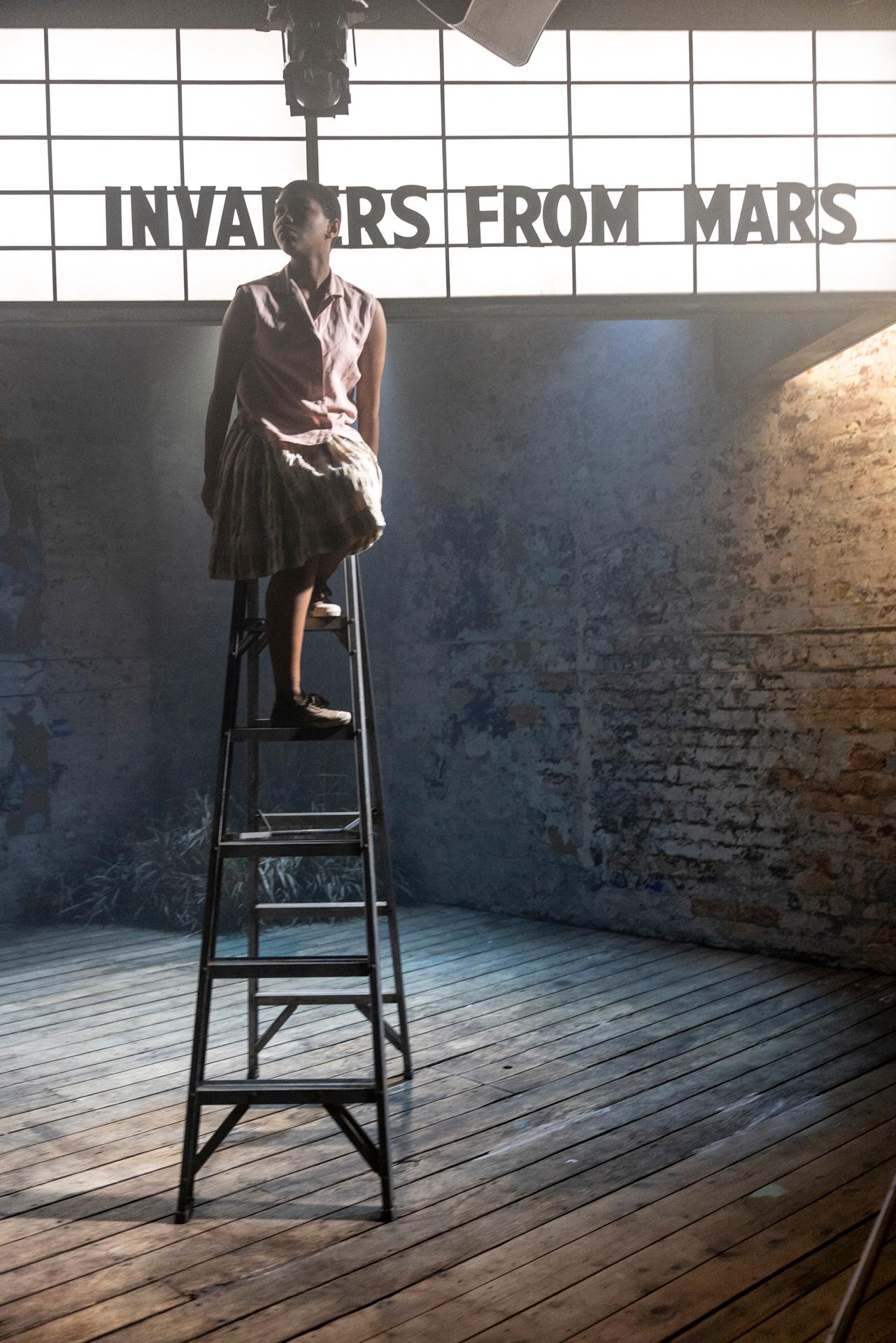
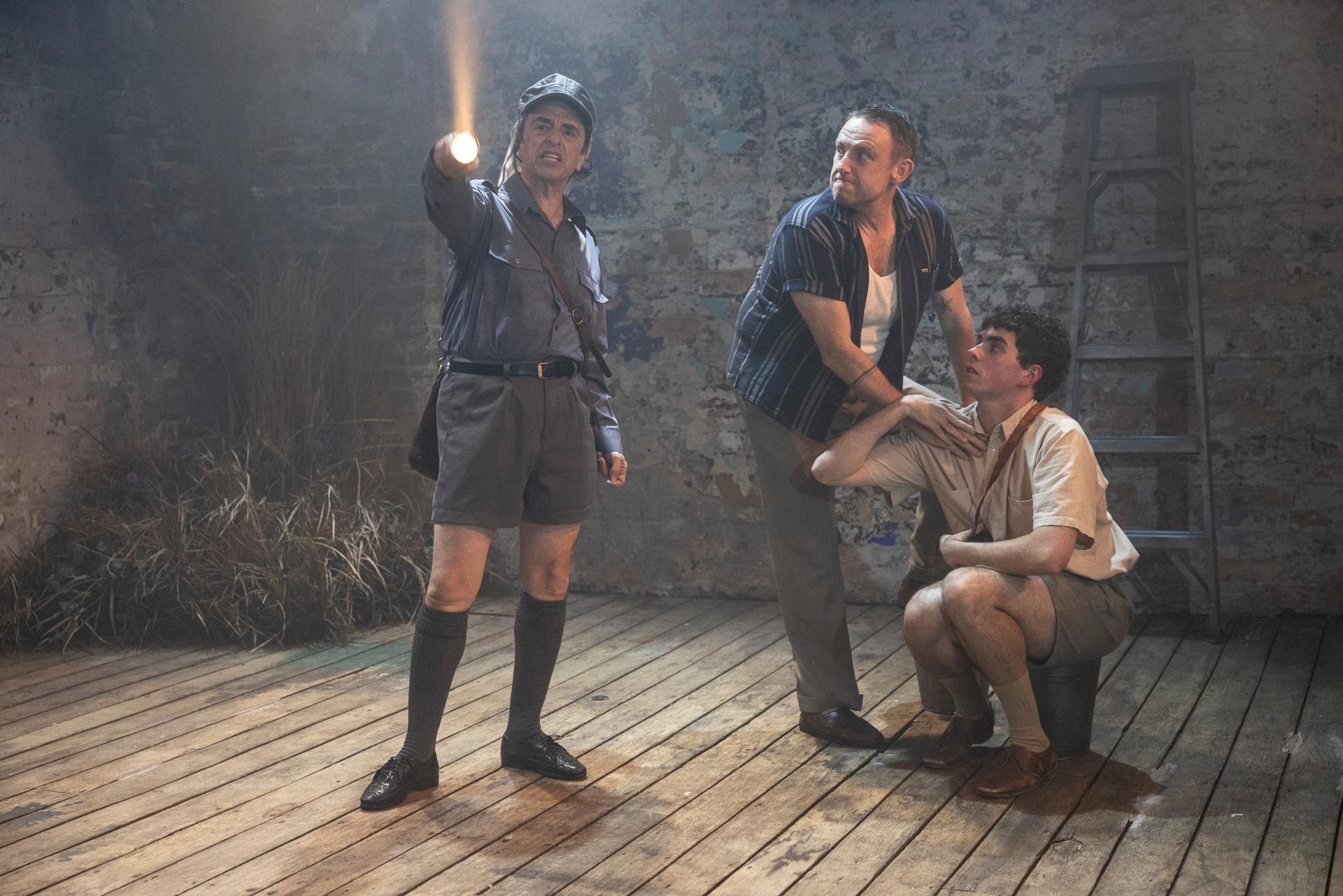
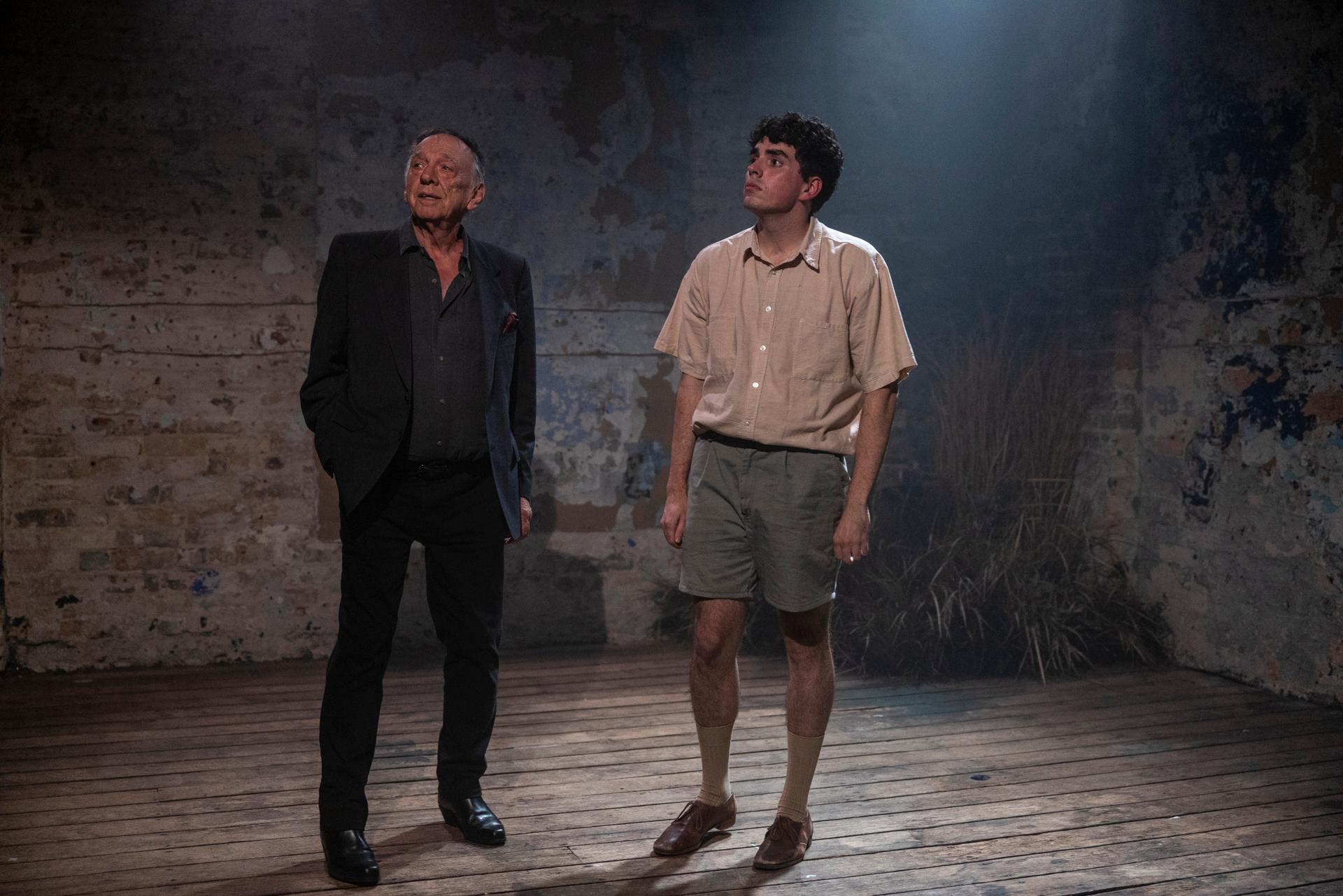
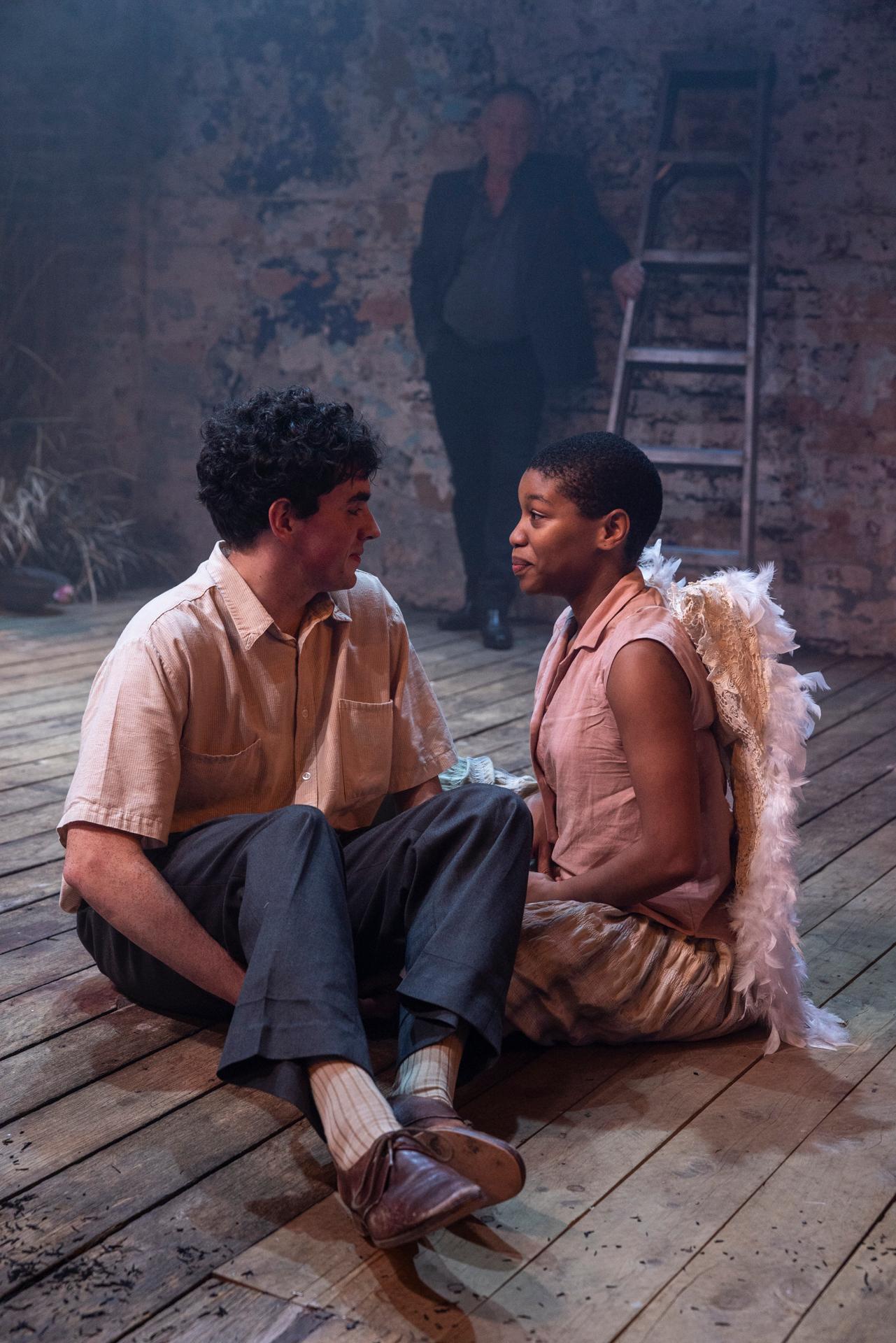
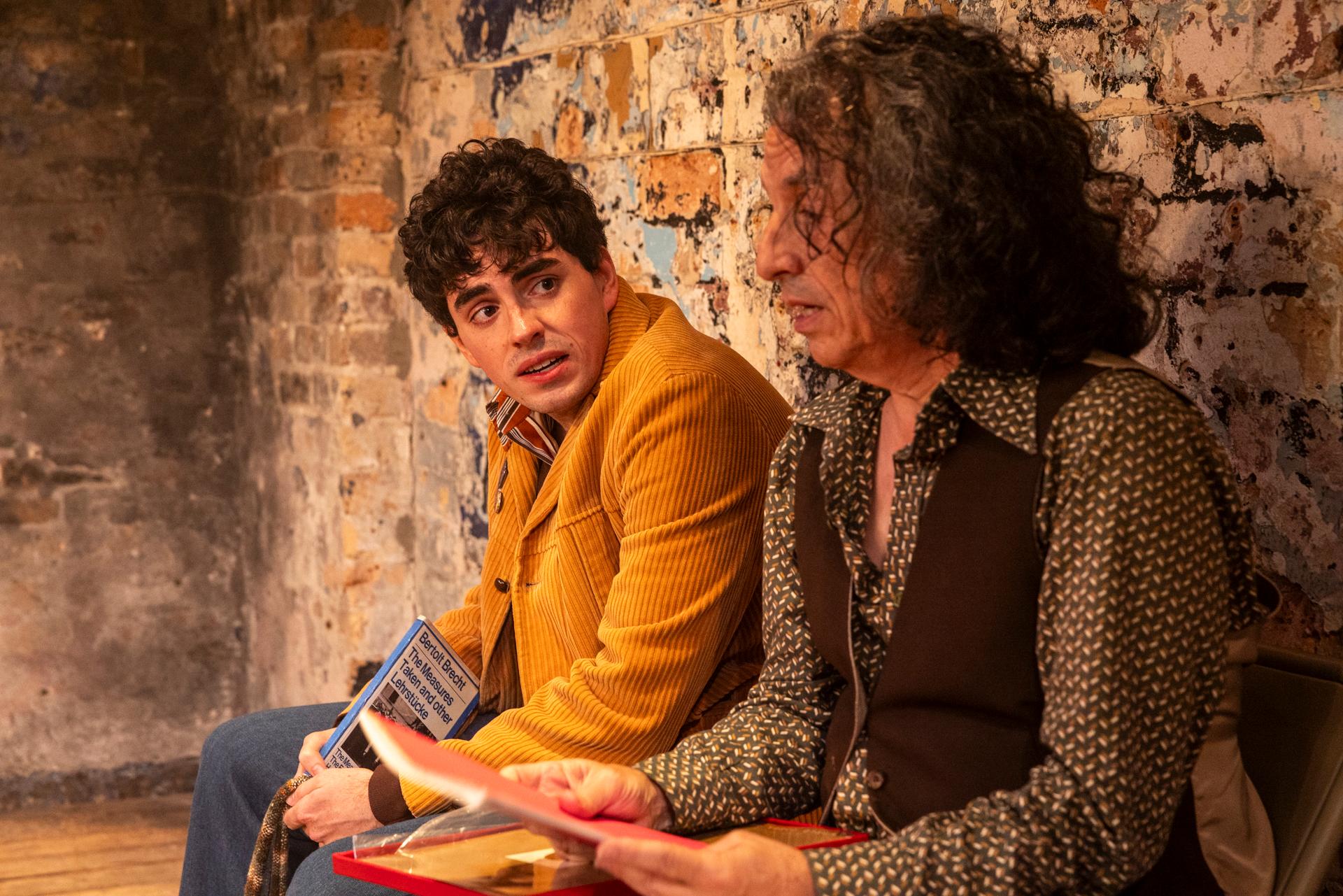
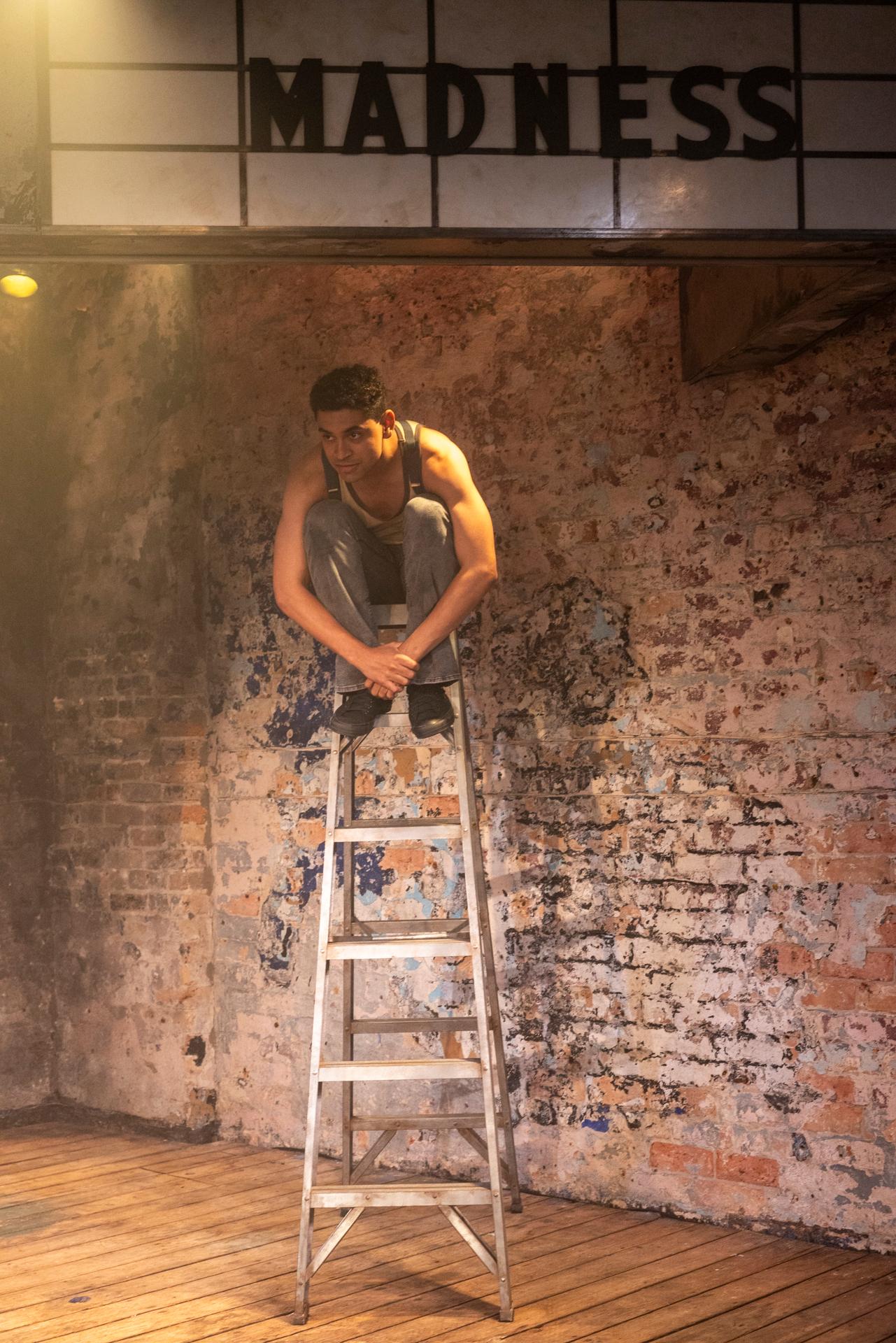
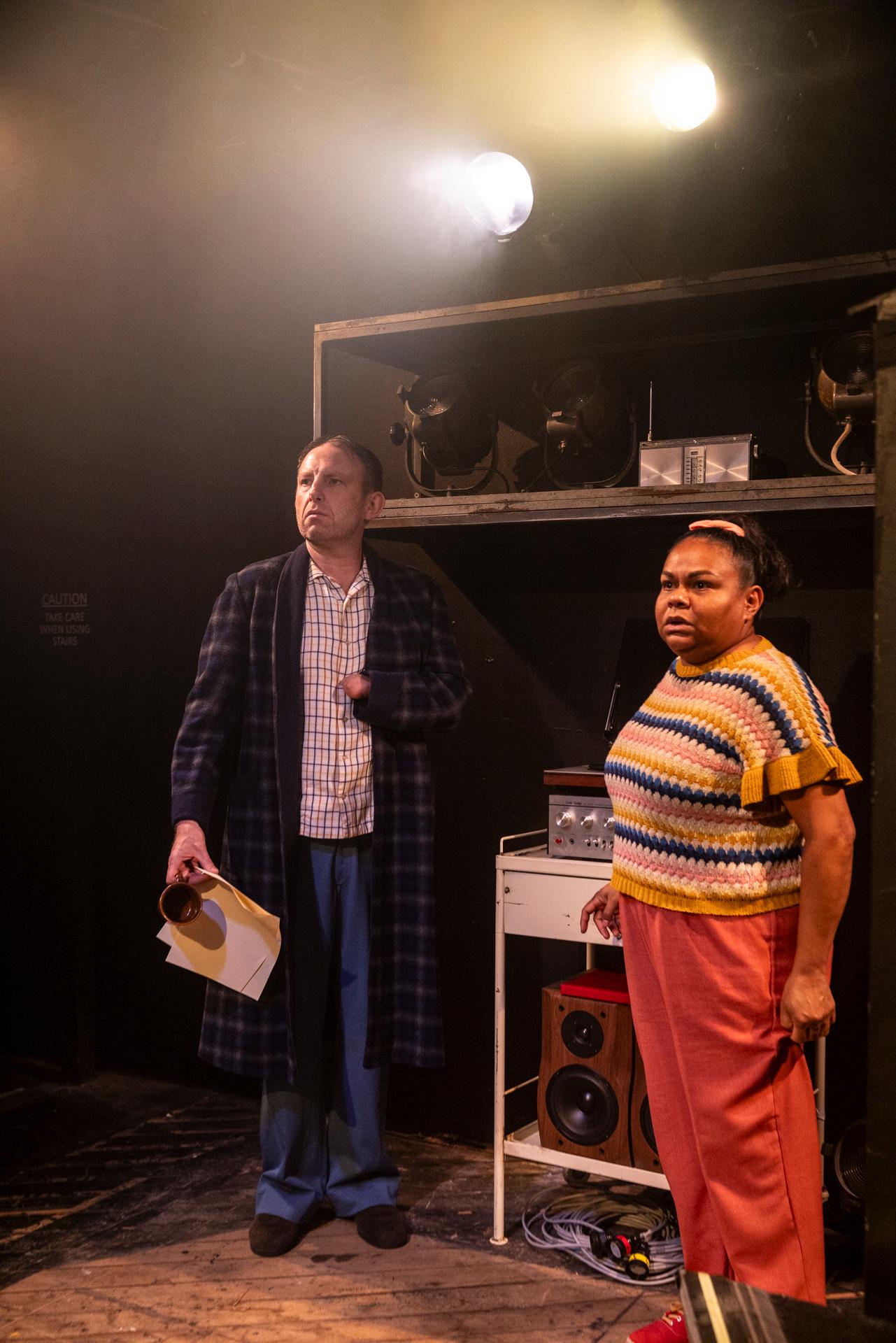
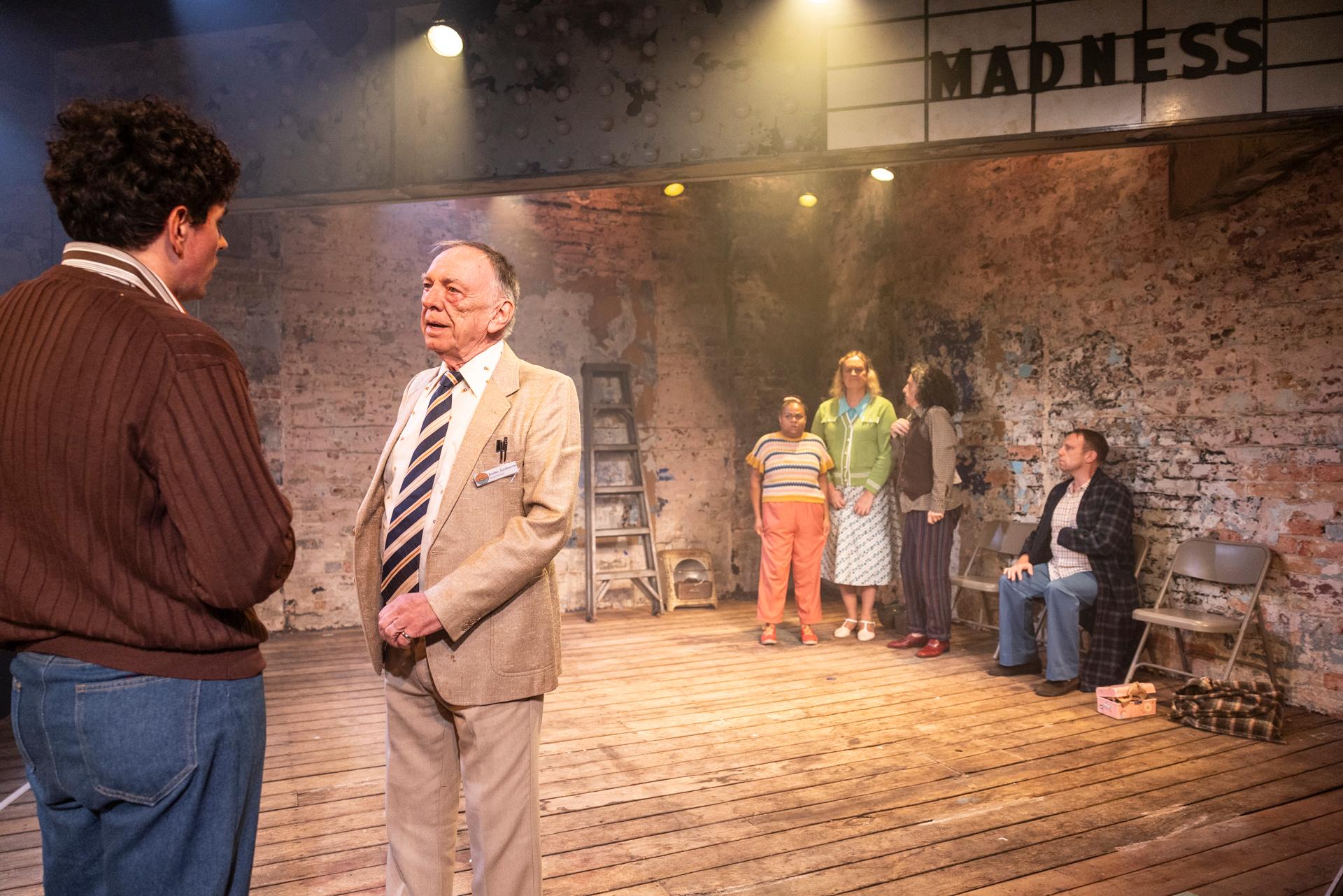
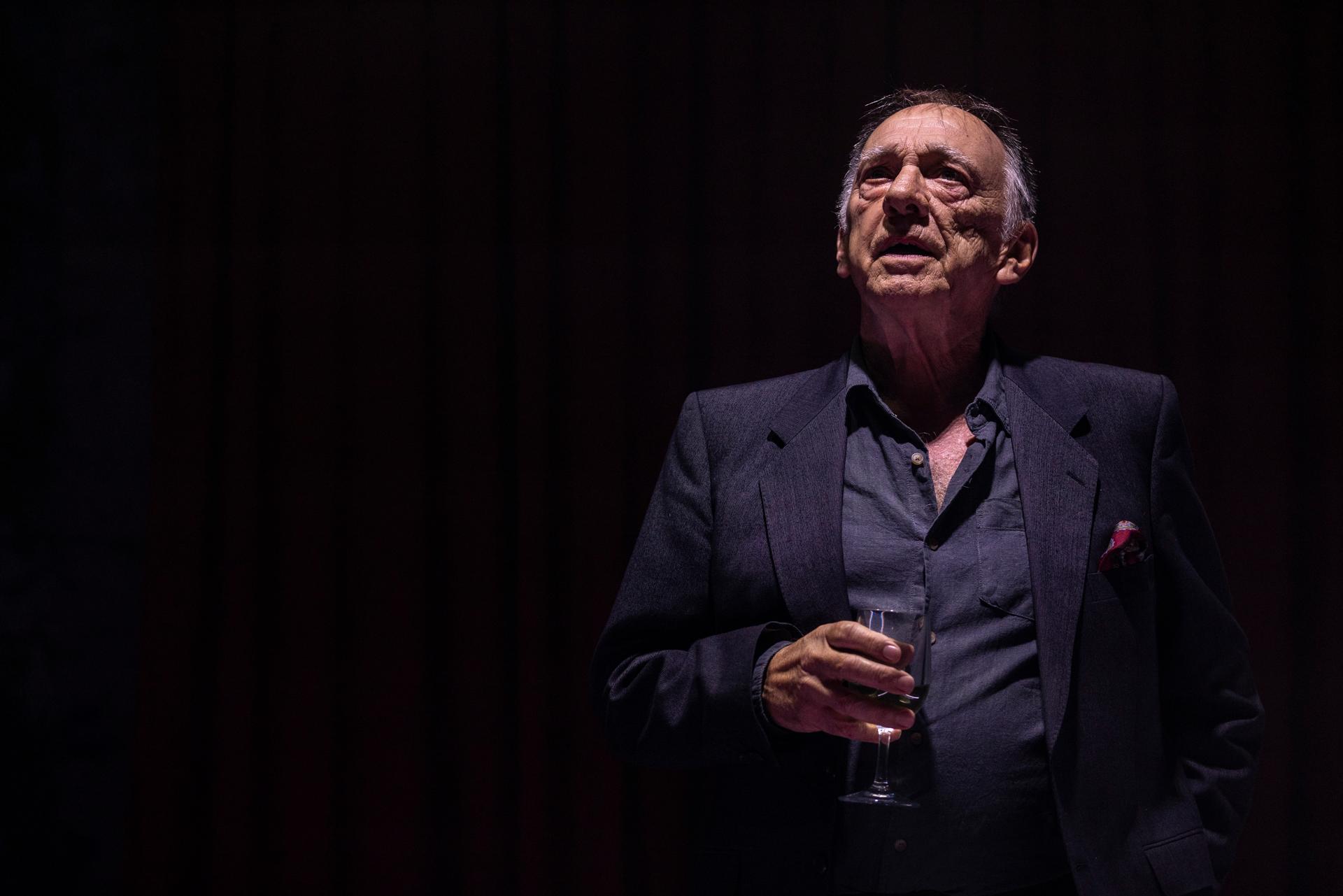
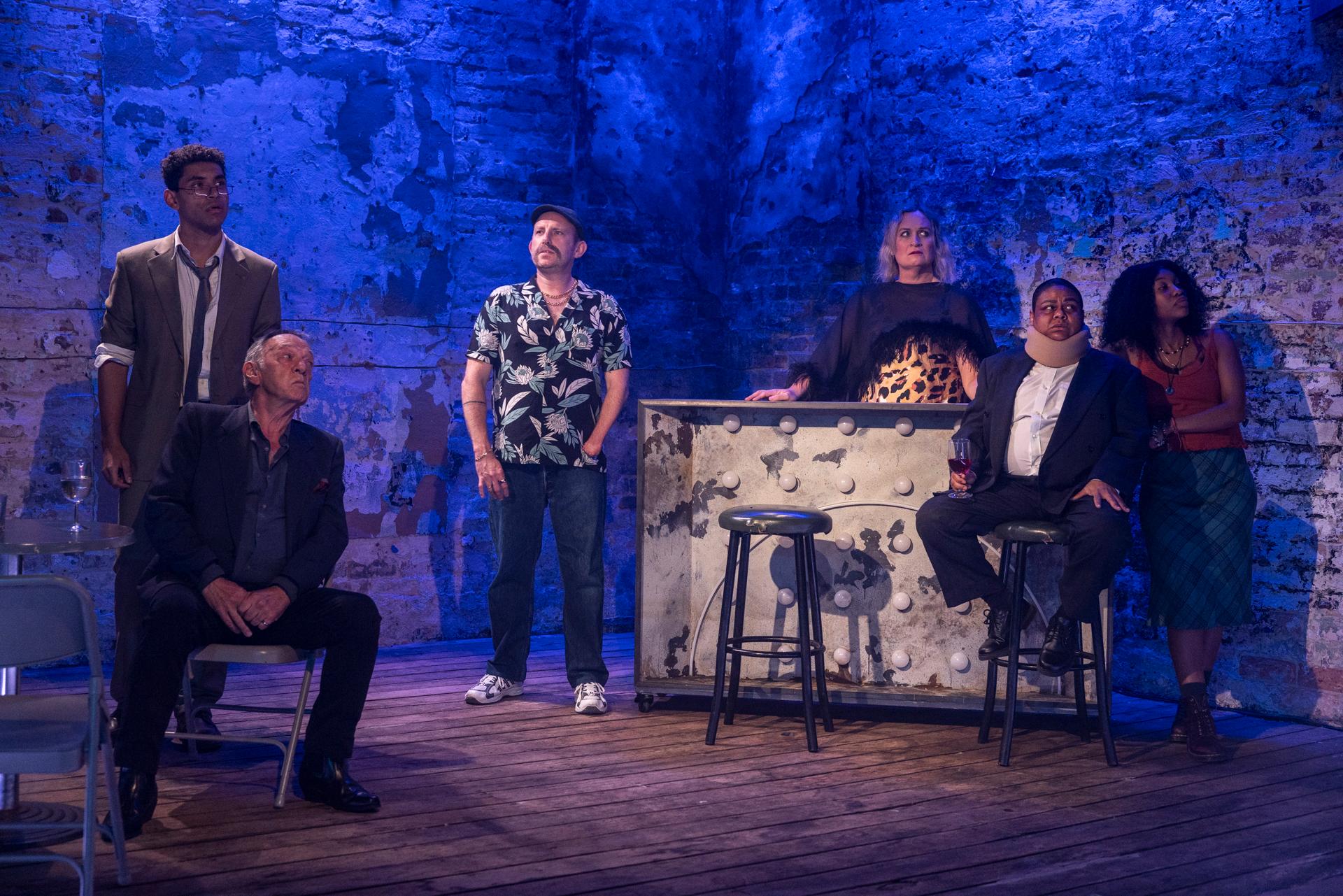
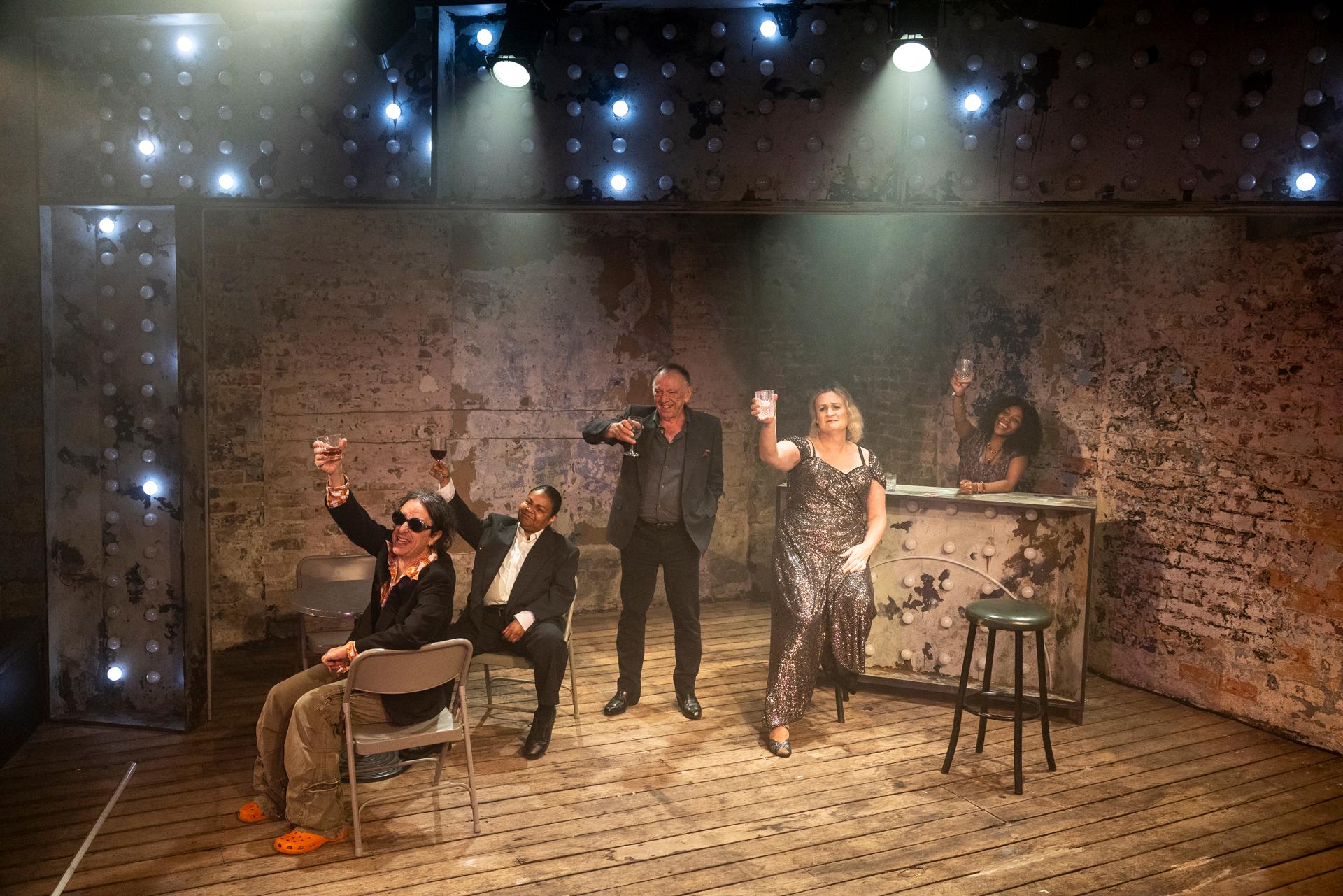
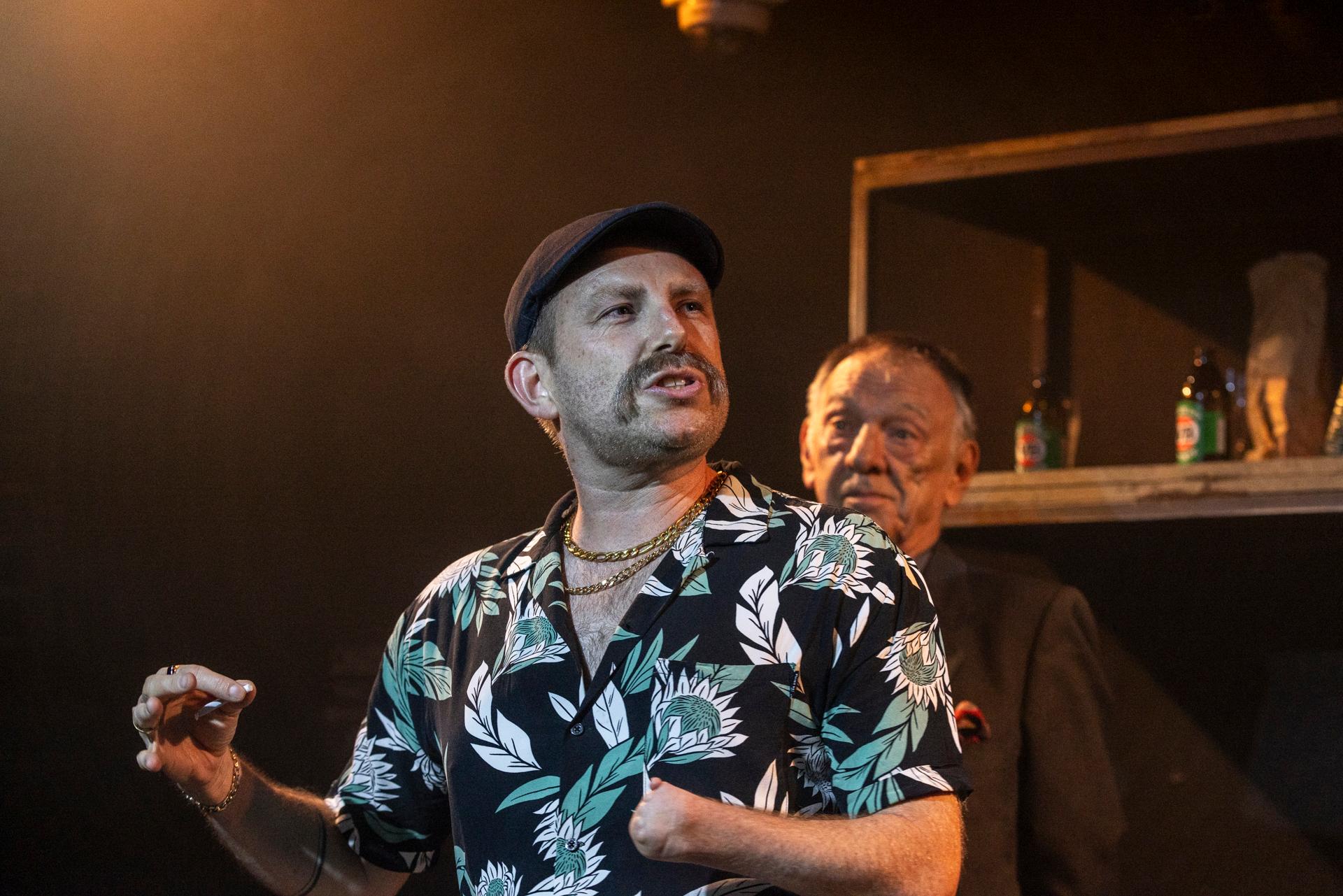
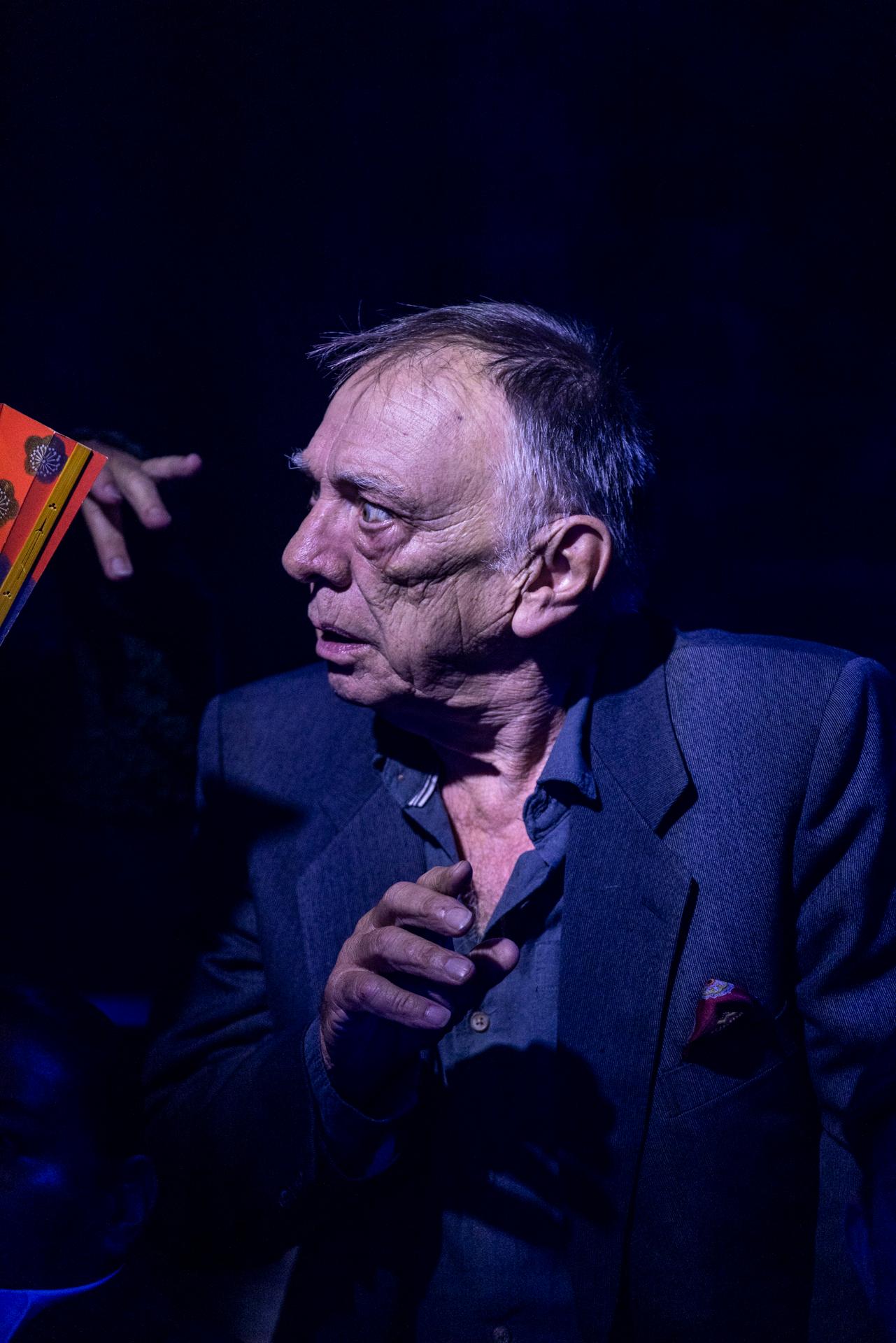
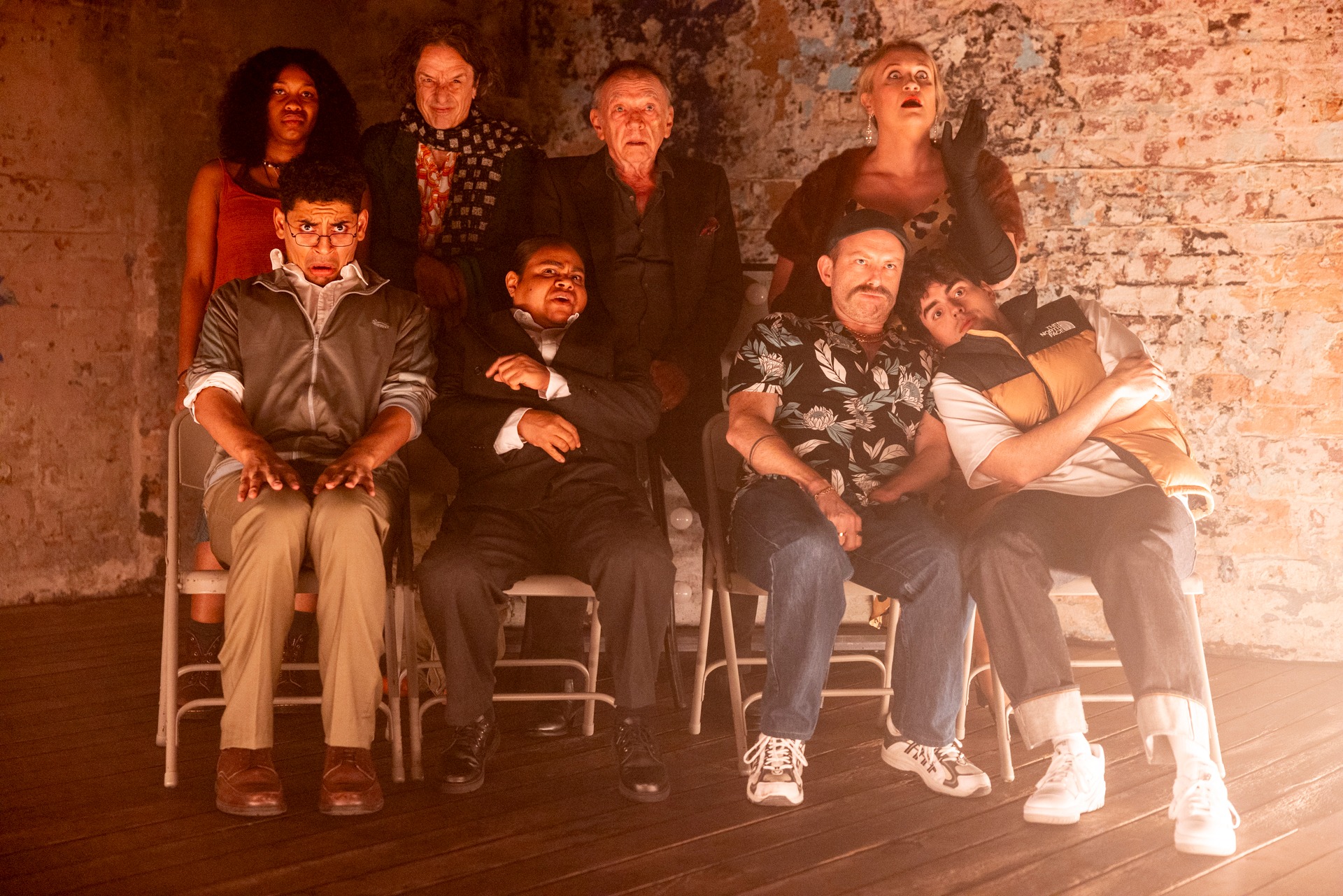
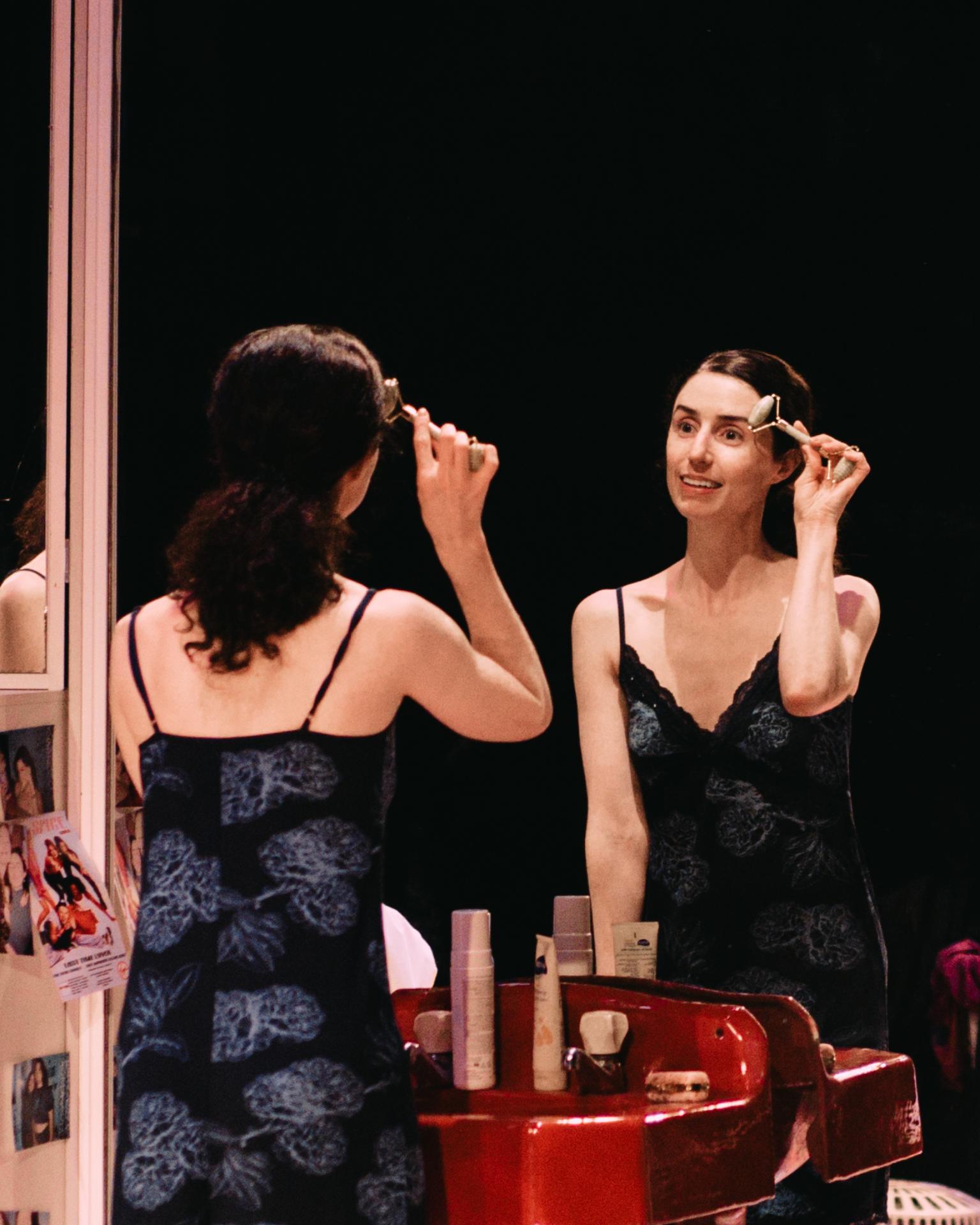
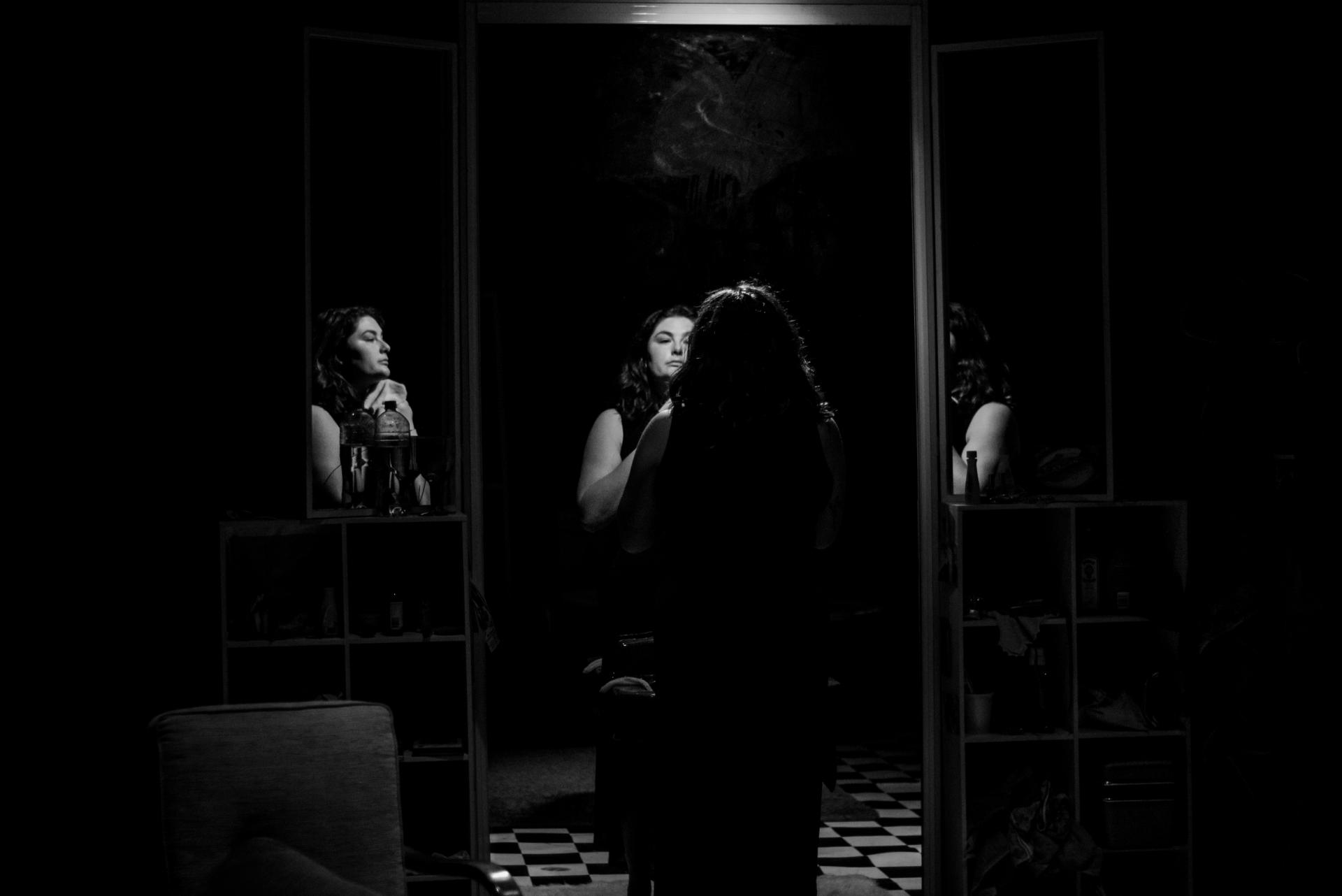
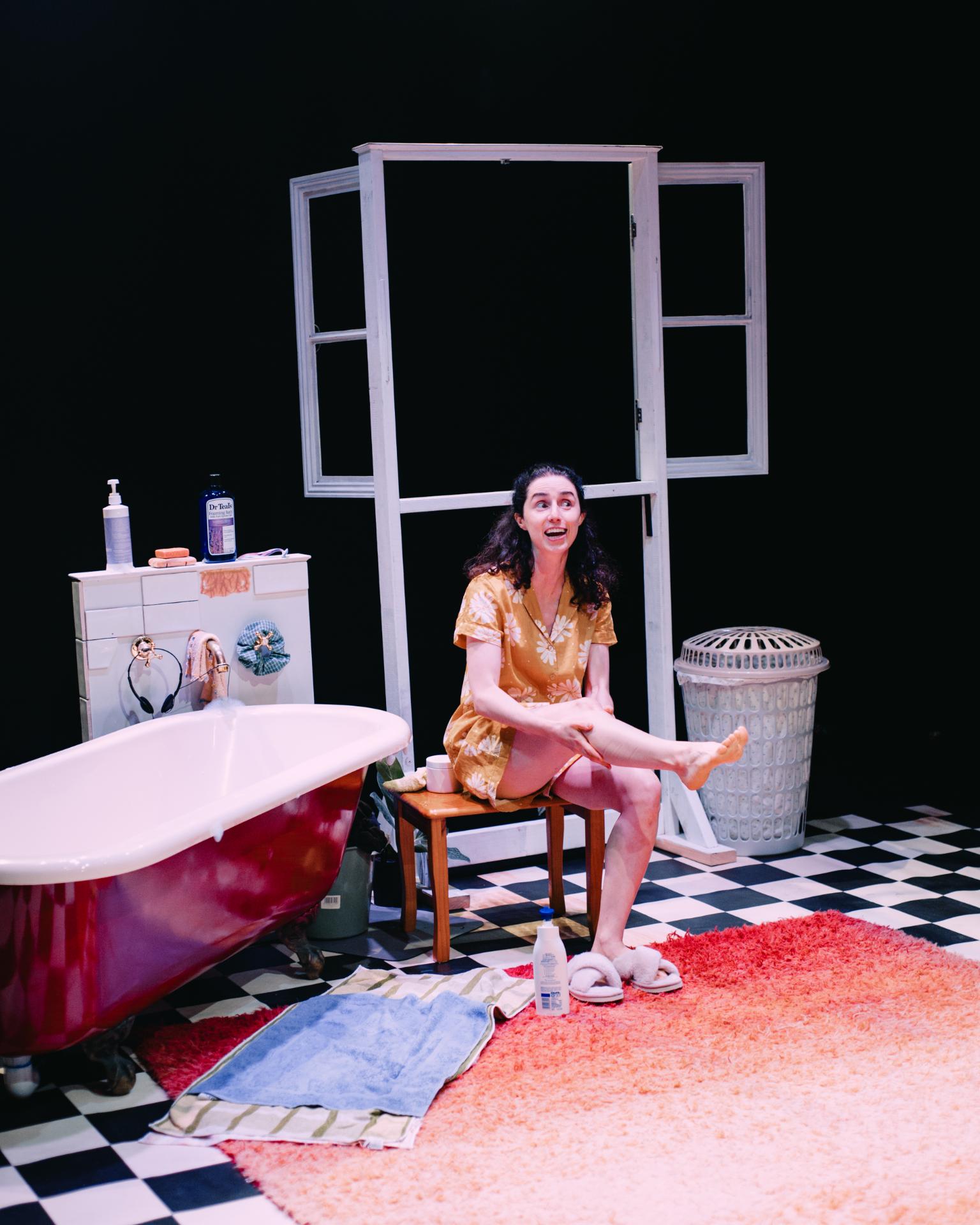
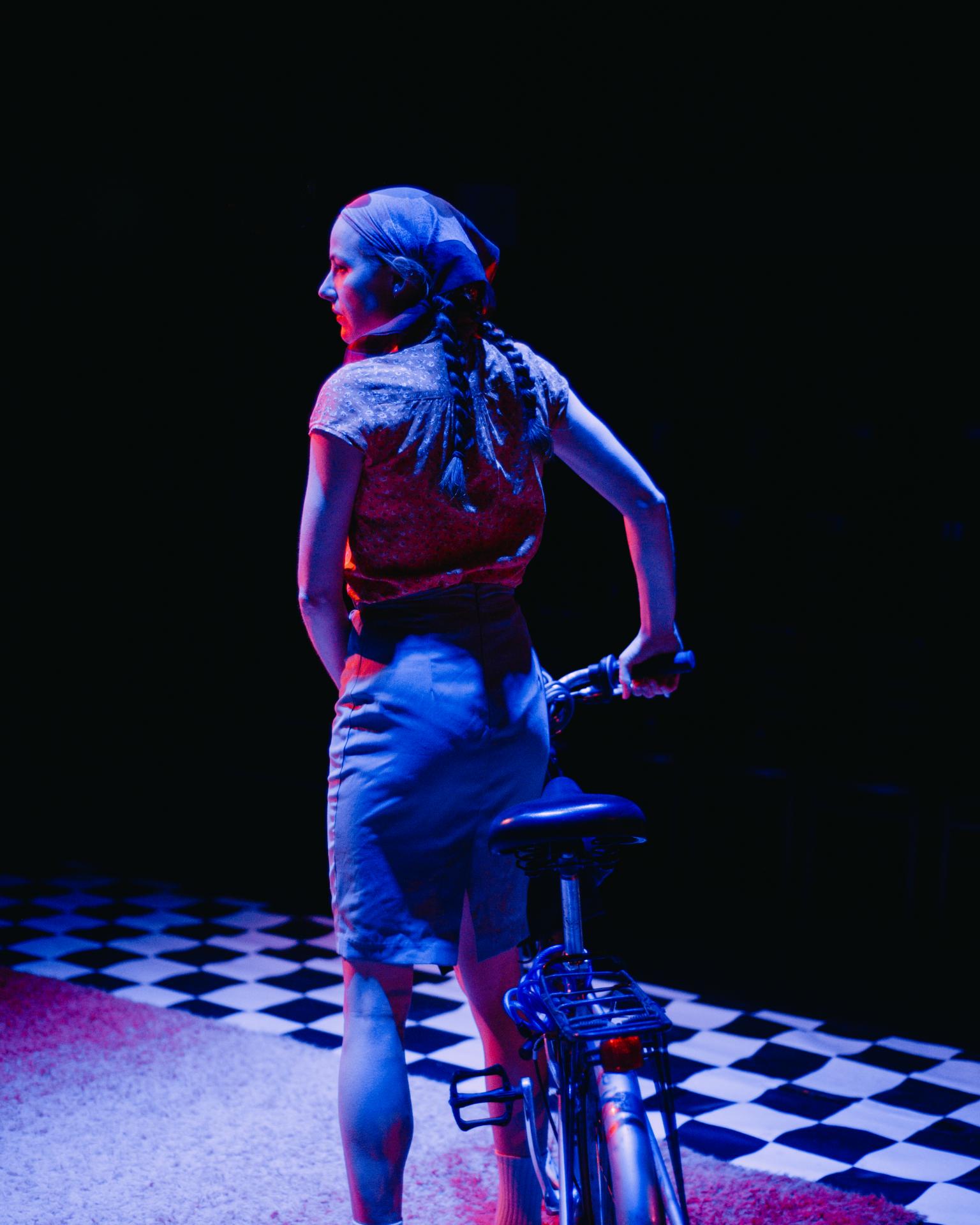
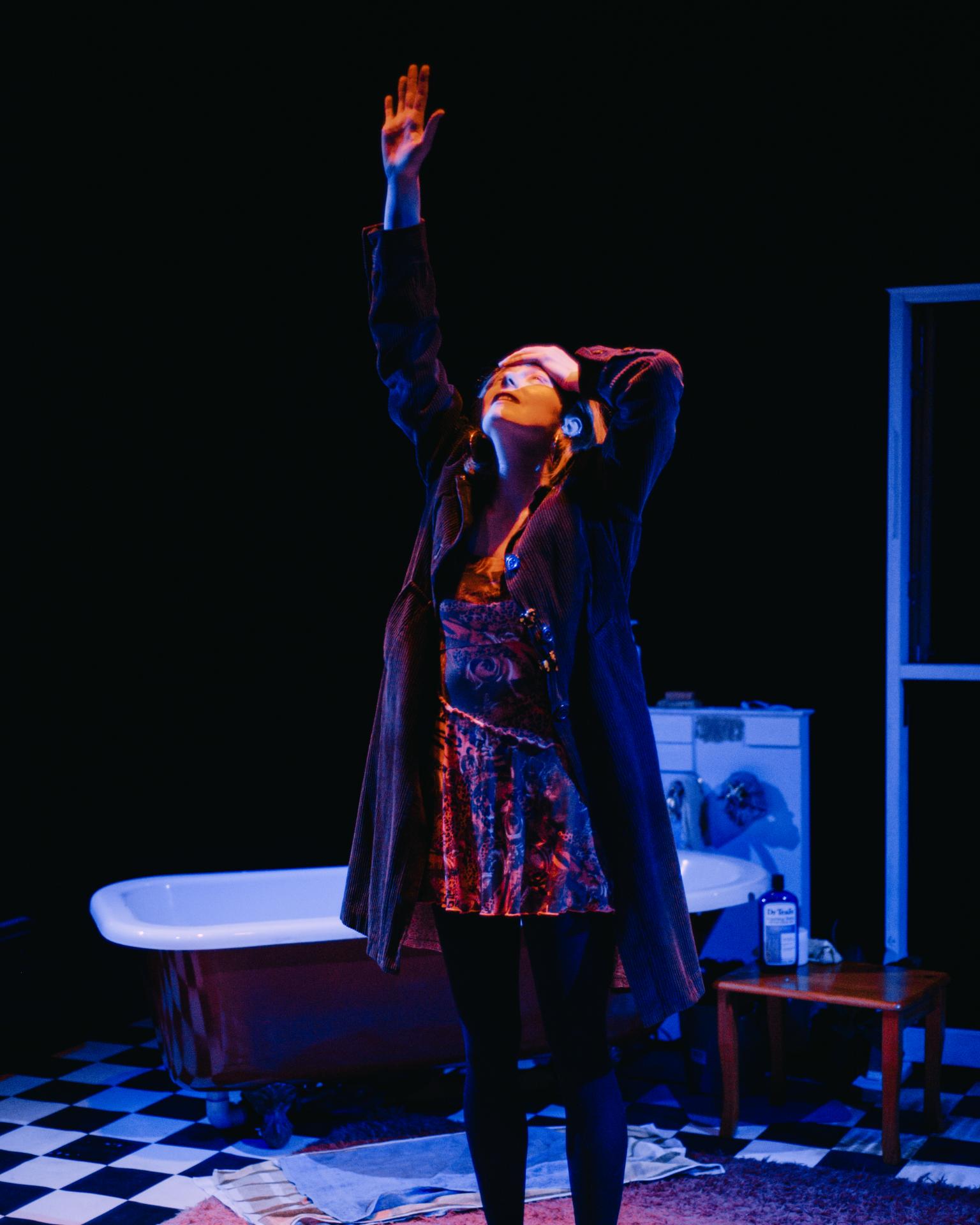
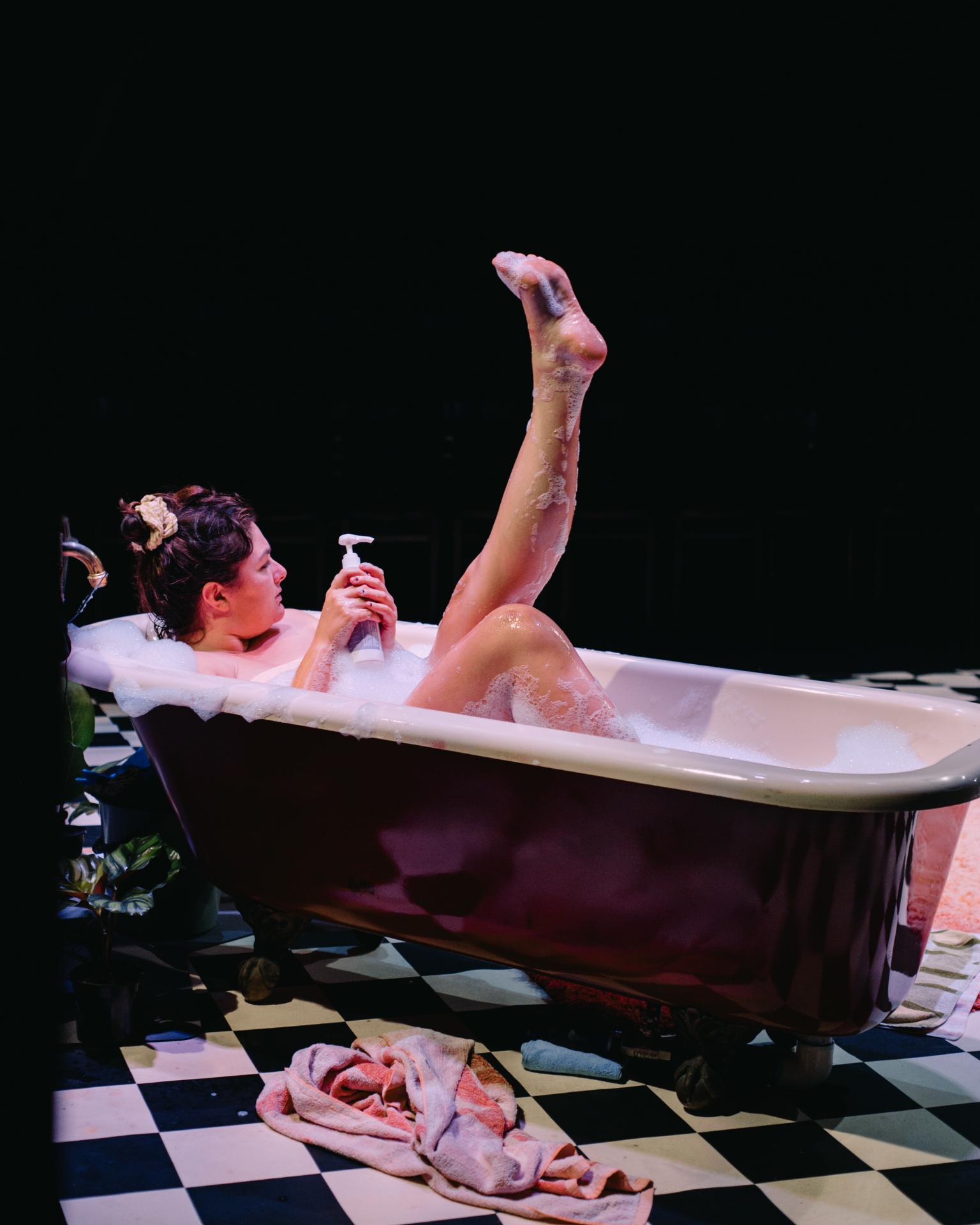
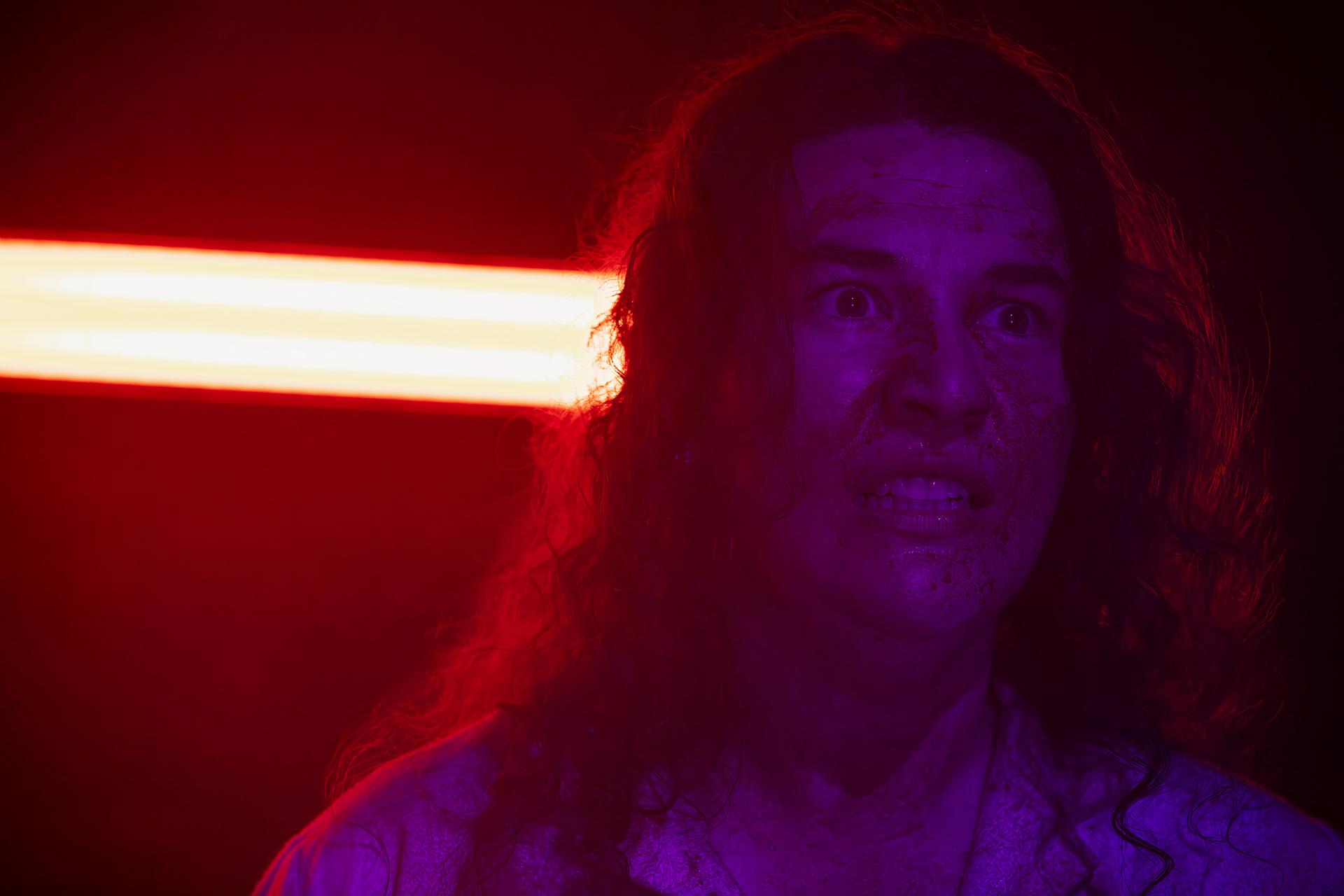
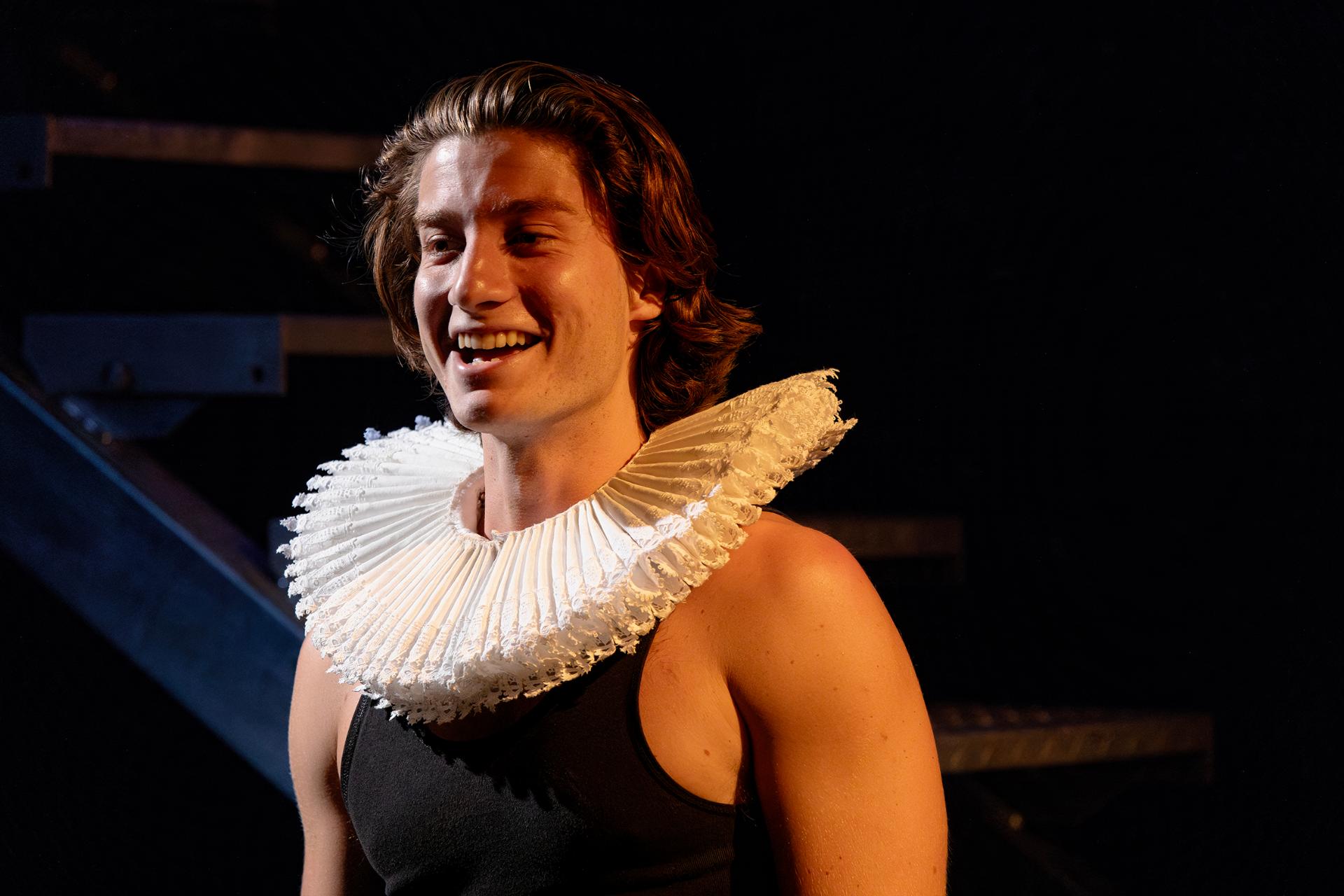
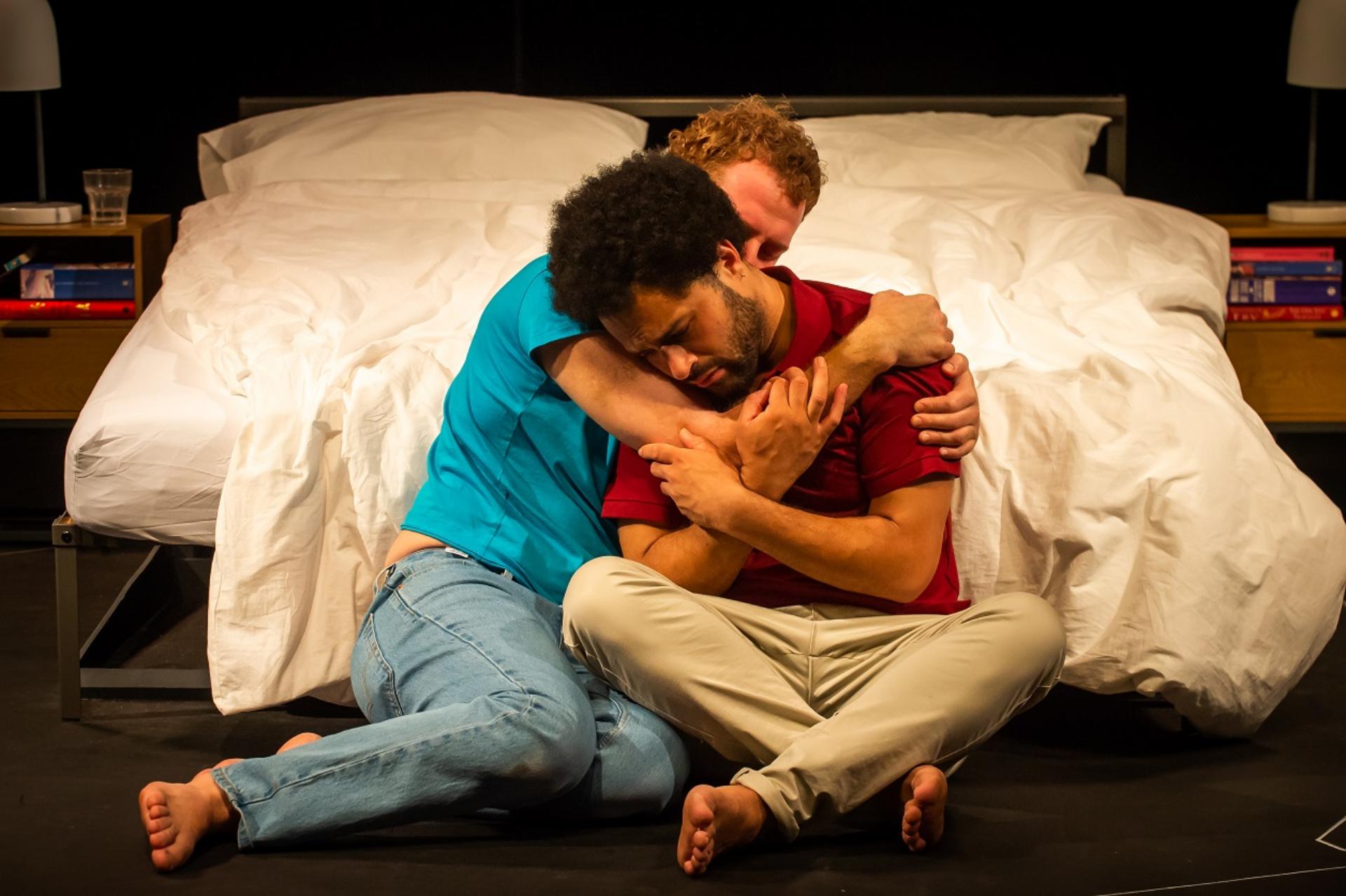
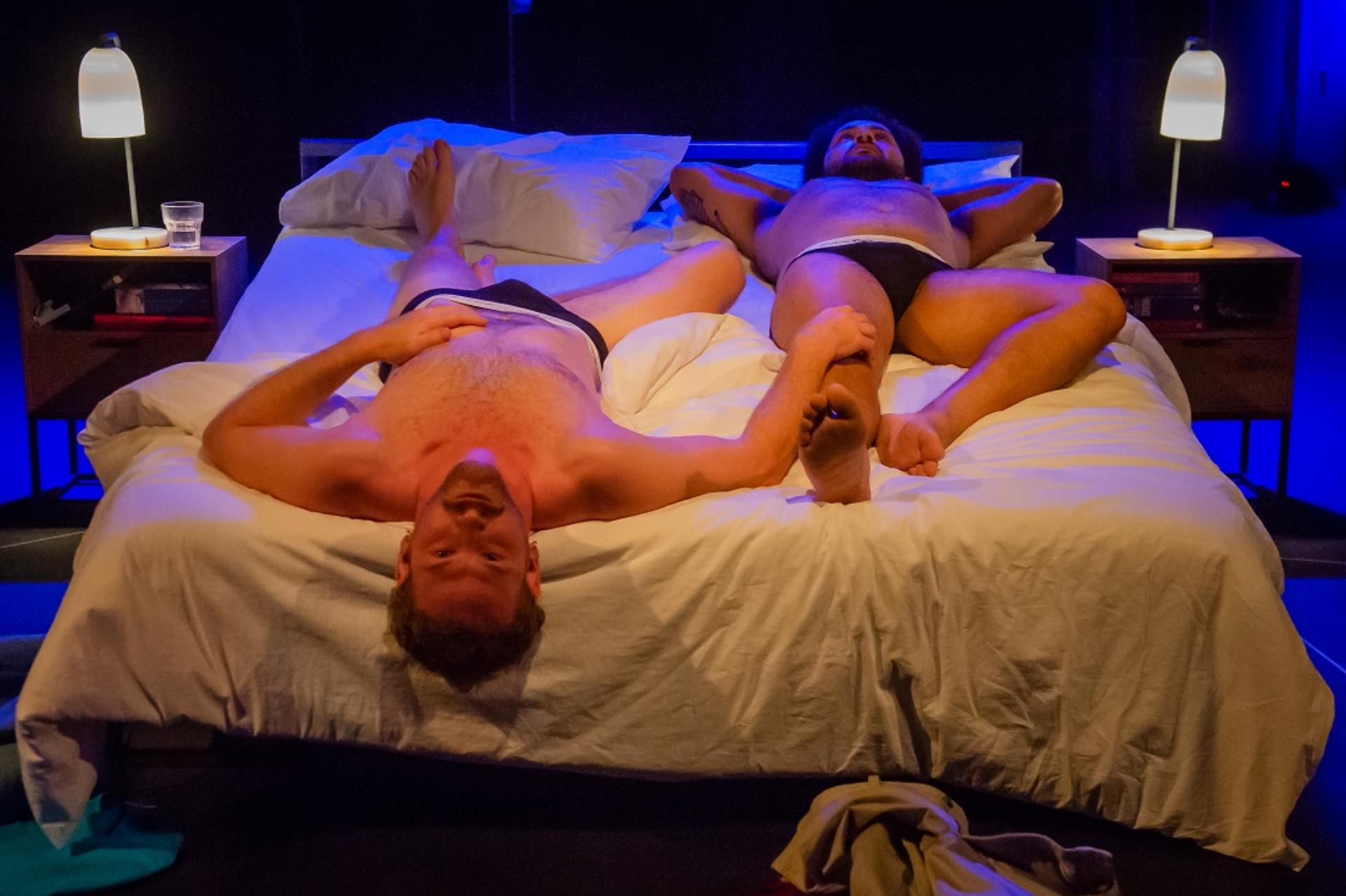
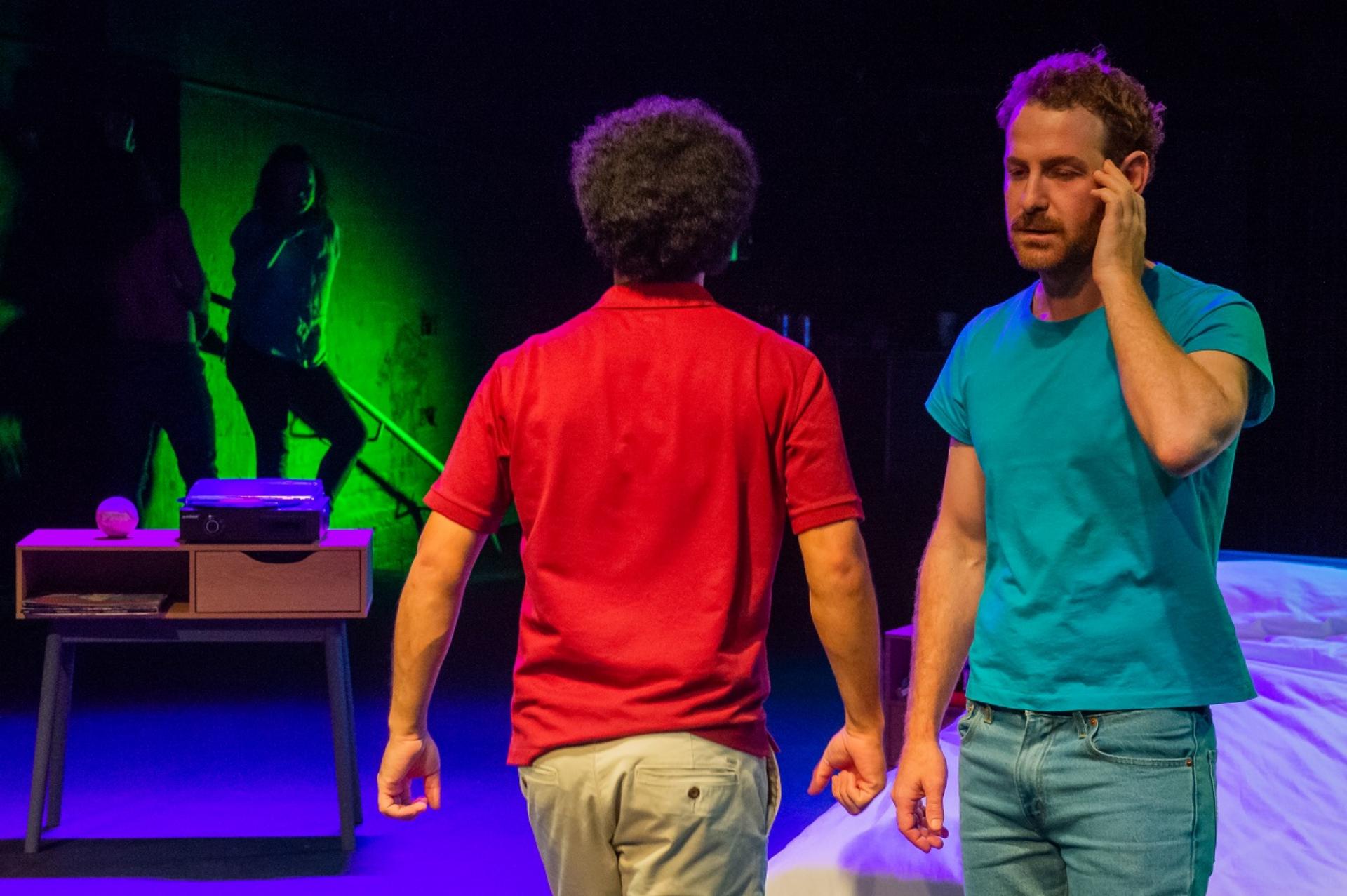
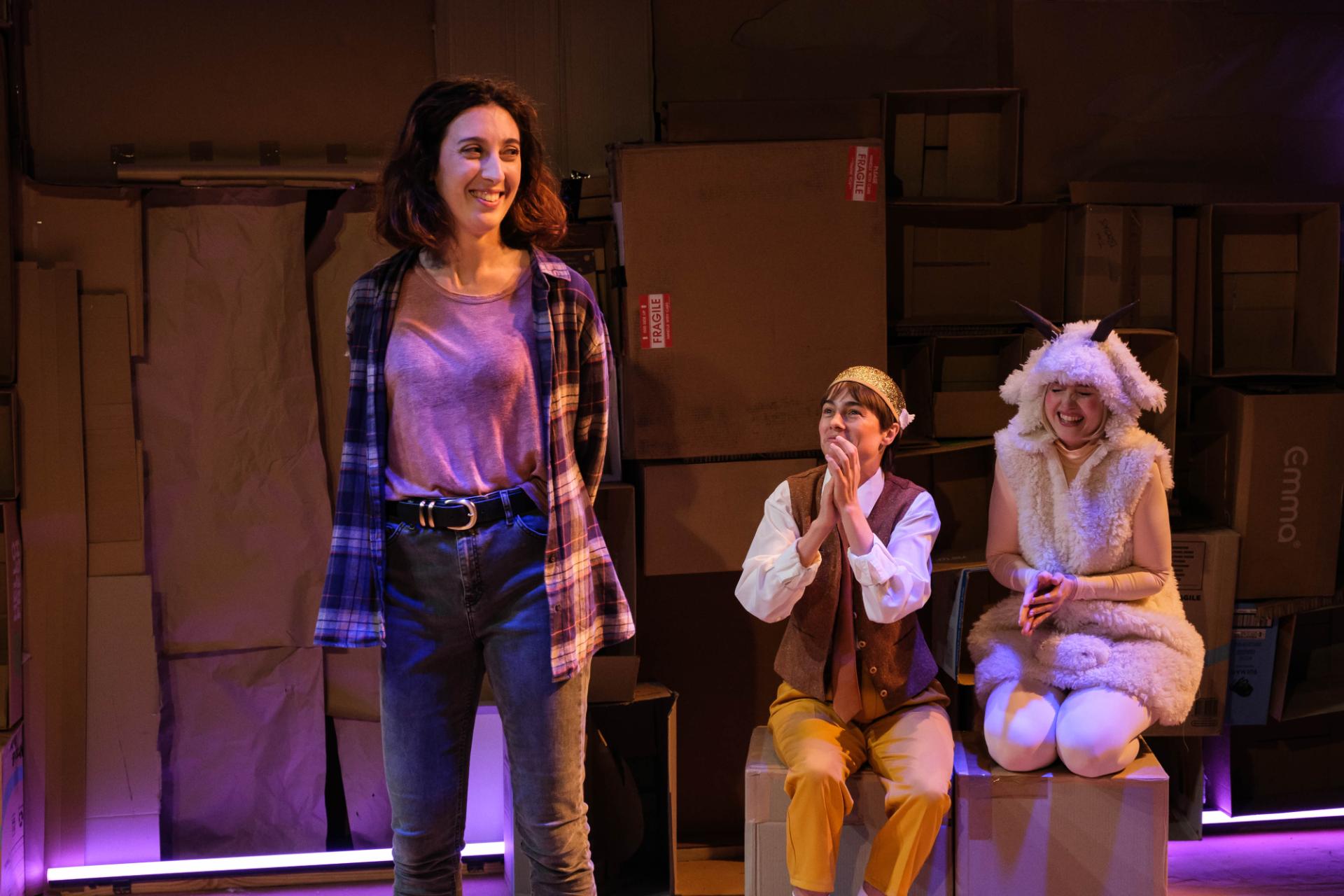
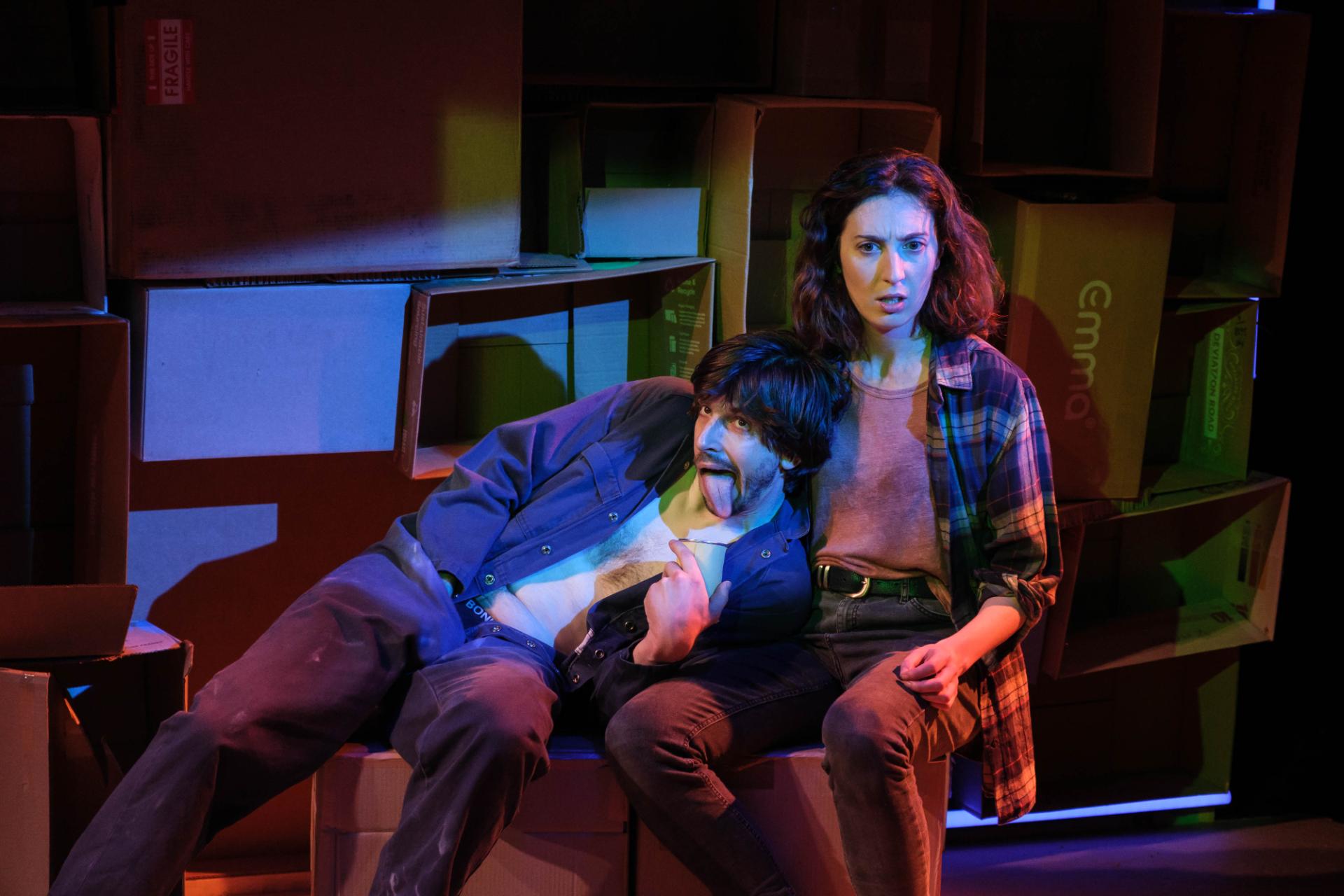
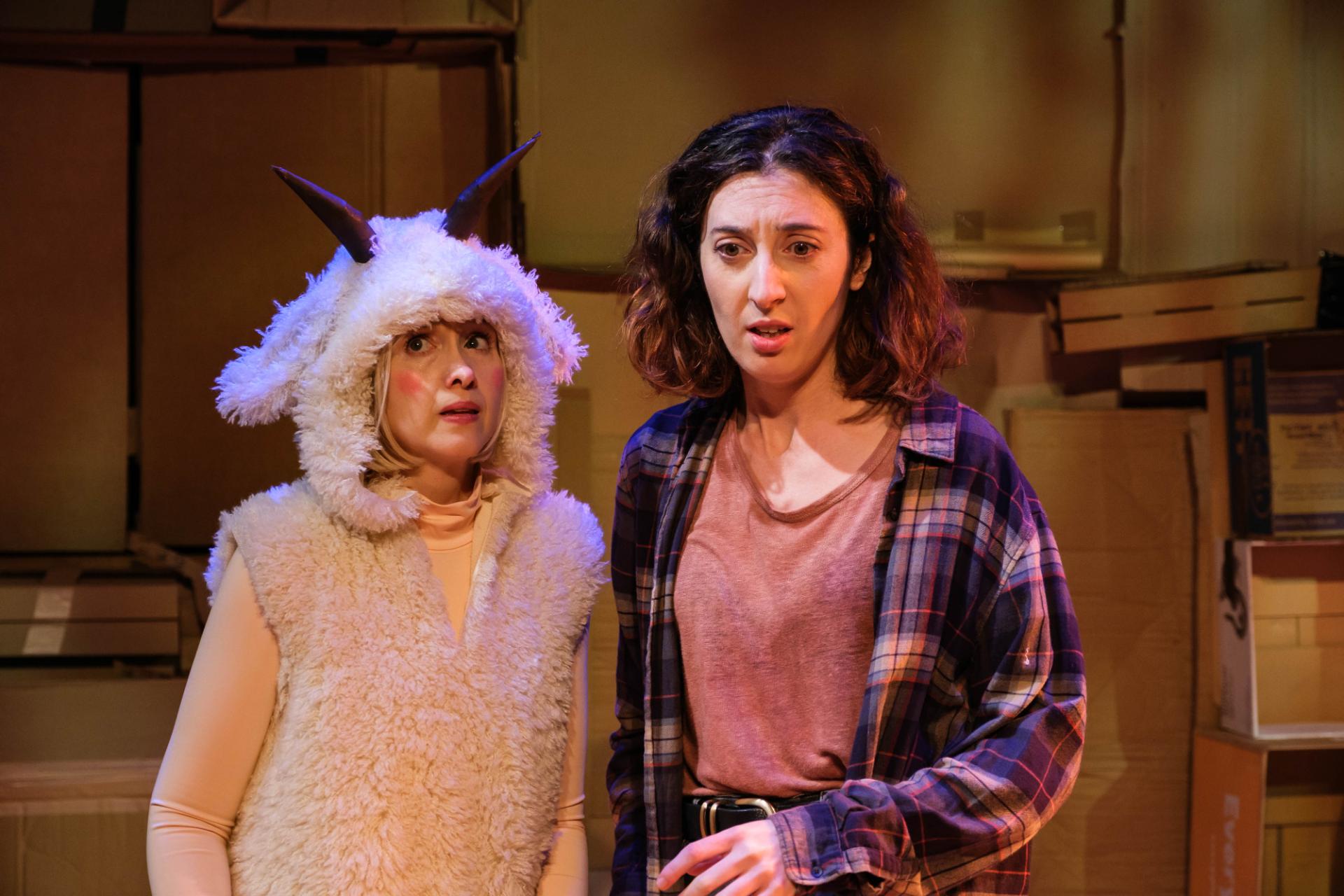
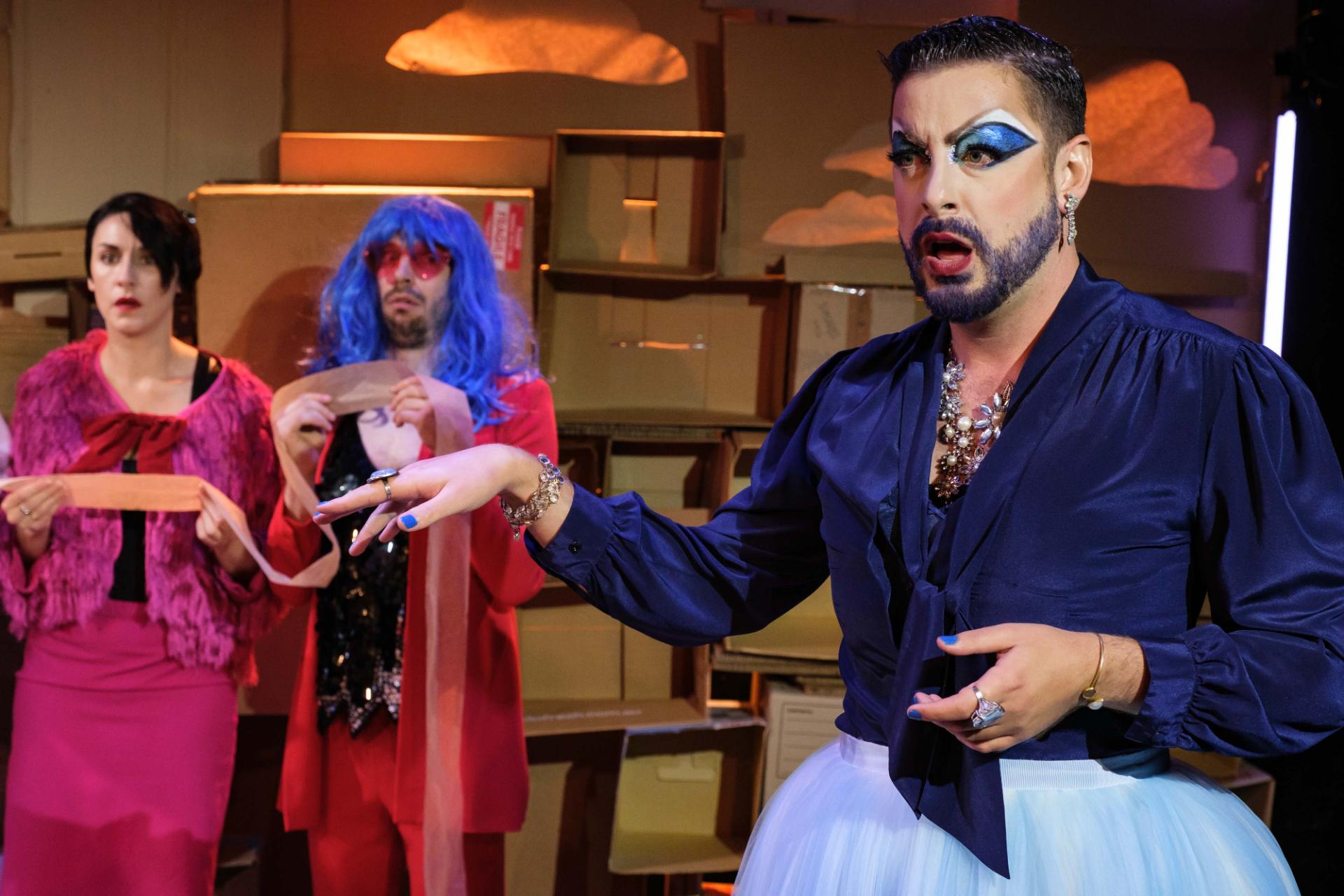
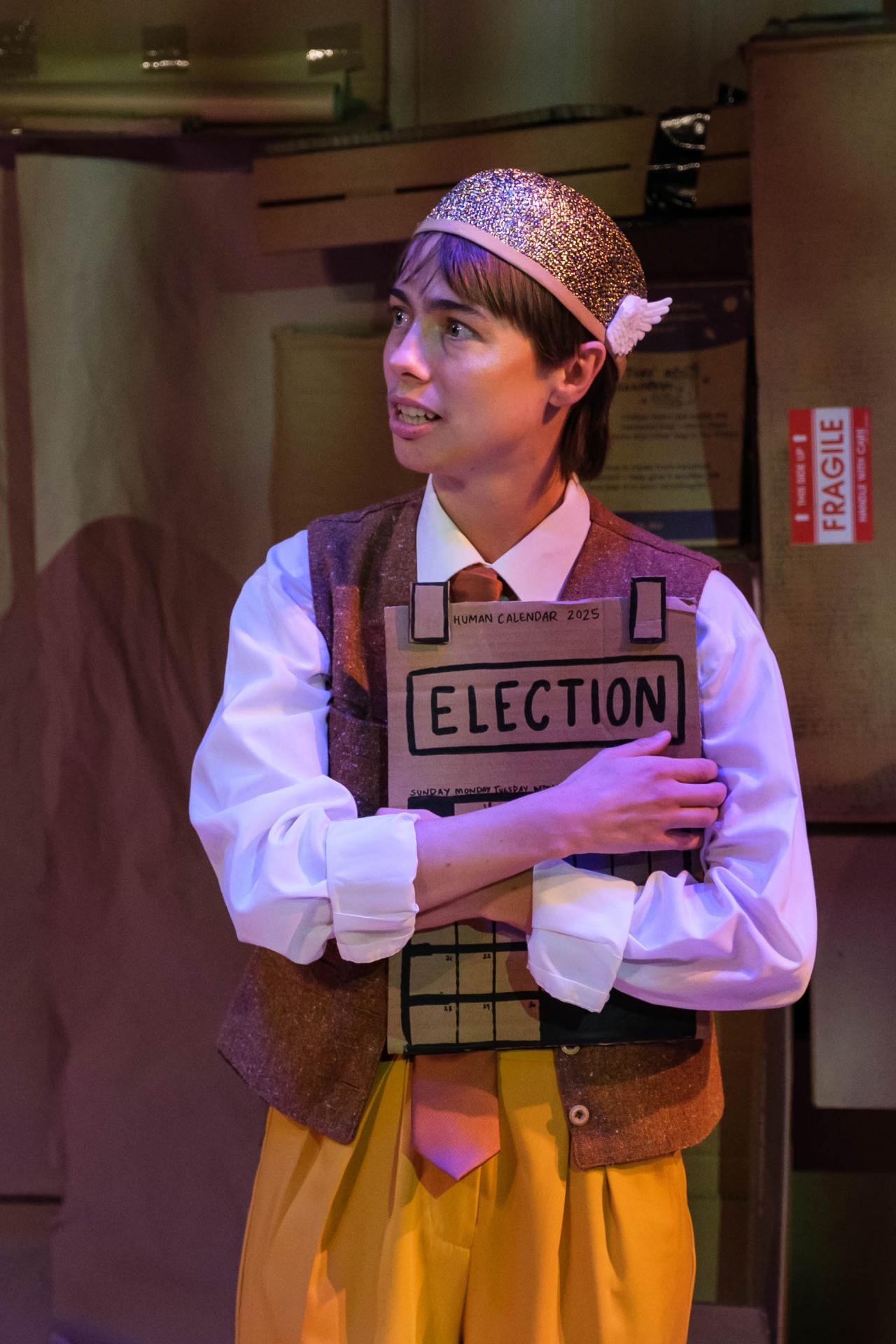
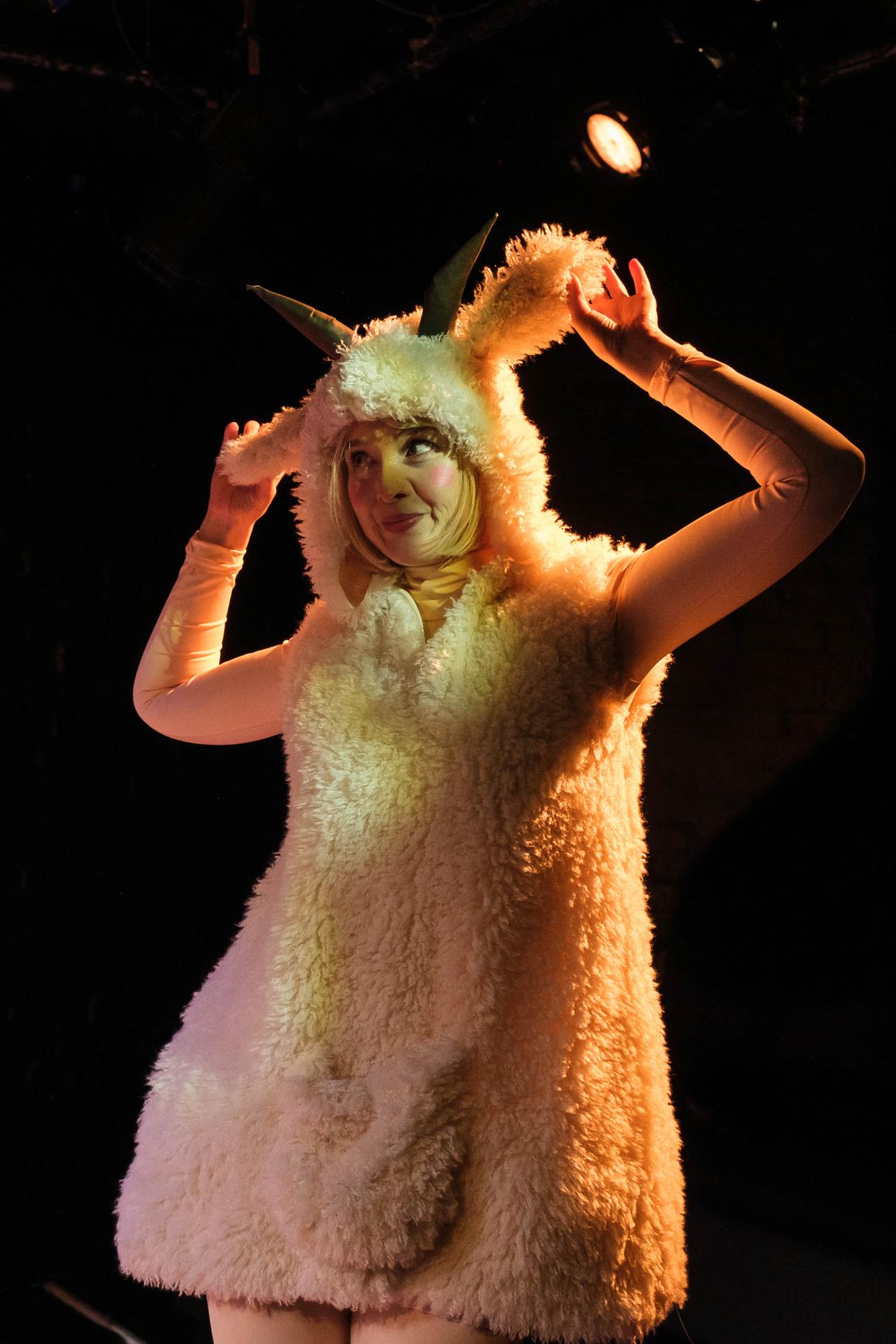
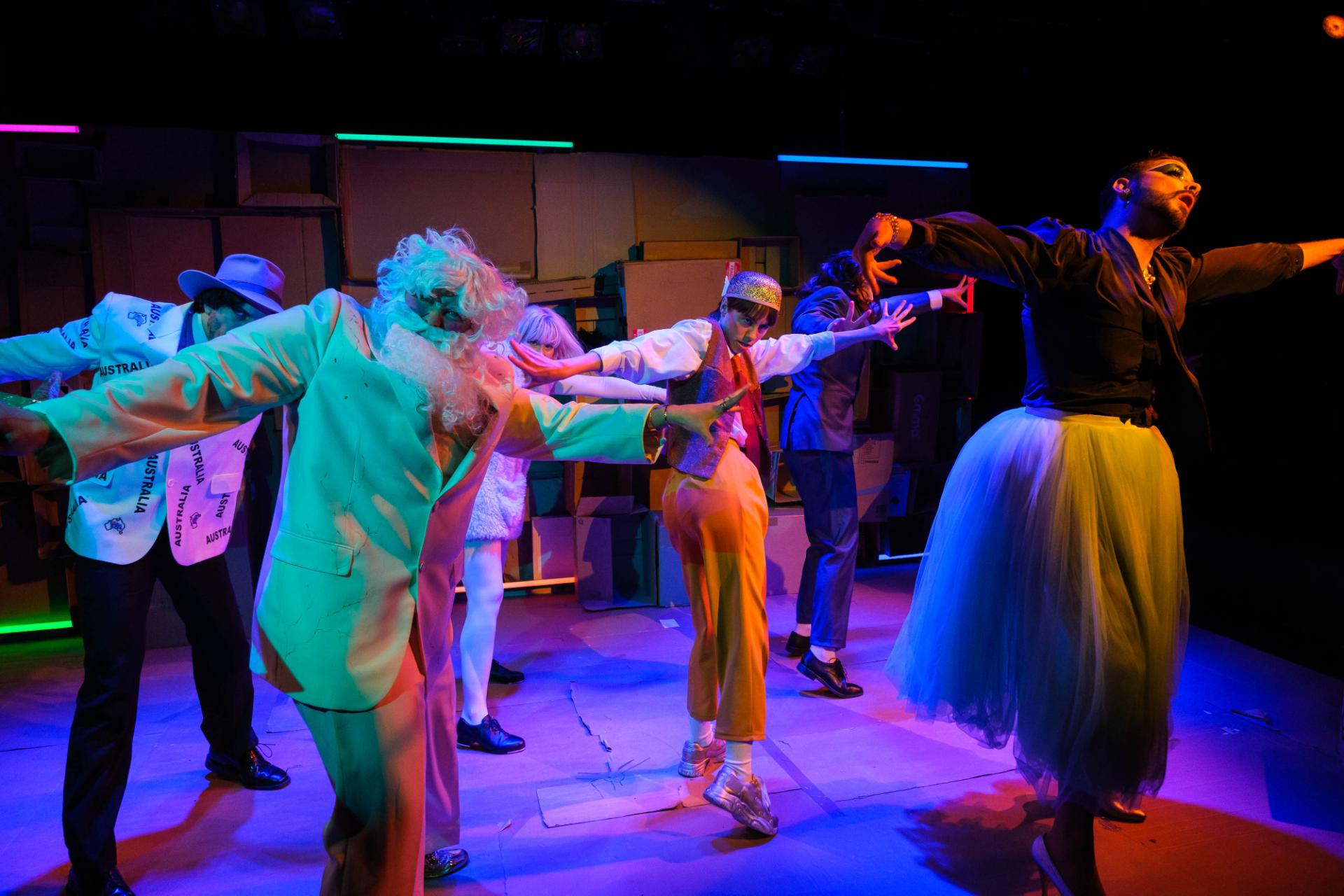
Ella Hickson’s Oil begins in 1889 with young May falling pregnant with Amy, whilst navigating abject poverty in Cornwall, England. With each subsequent chapter, May and Amy jump decades ahead theatrically, allowing us to see an evolution of English womanhood in parallel with the industrial revolution and, more specifically, the modern history of petroleum. It is a complex, although surprisingly comprehensible, work that deals with environmental degradation, along with providing an evaluation of the trajectory of Western feminism, as well as a meditation on human nature.

Oil talks about our survival, including both our ingenuity and our incapacities, for a narrative on our progress, and perhaps regressions, to offer new reflections on human propensities, benevolent and otherwise, that may inspire improved methods for how we may forge ahead. Paige Rattray’s remarkable direction of the work captivates with endless intrigue, for something that could have easily become overly intellectual. It asks many questions, and leaves them unanswered, yet we feel sated by the end, nourished by passionate and pointed depictions of our shared pasts and likely futures.

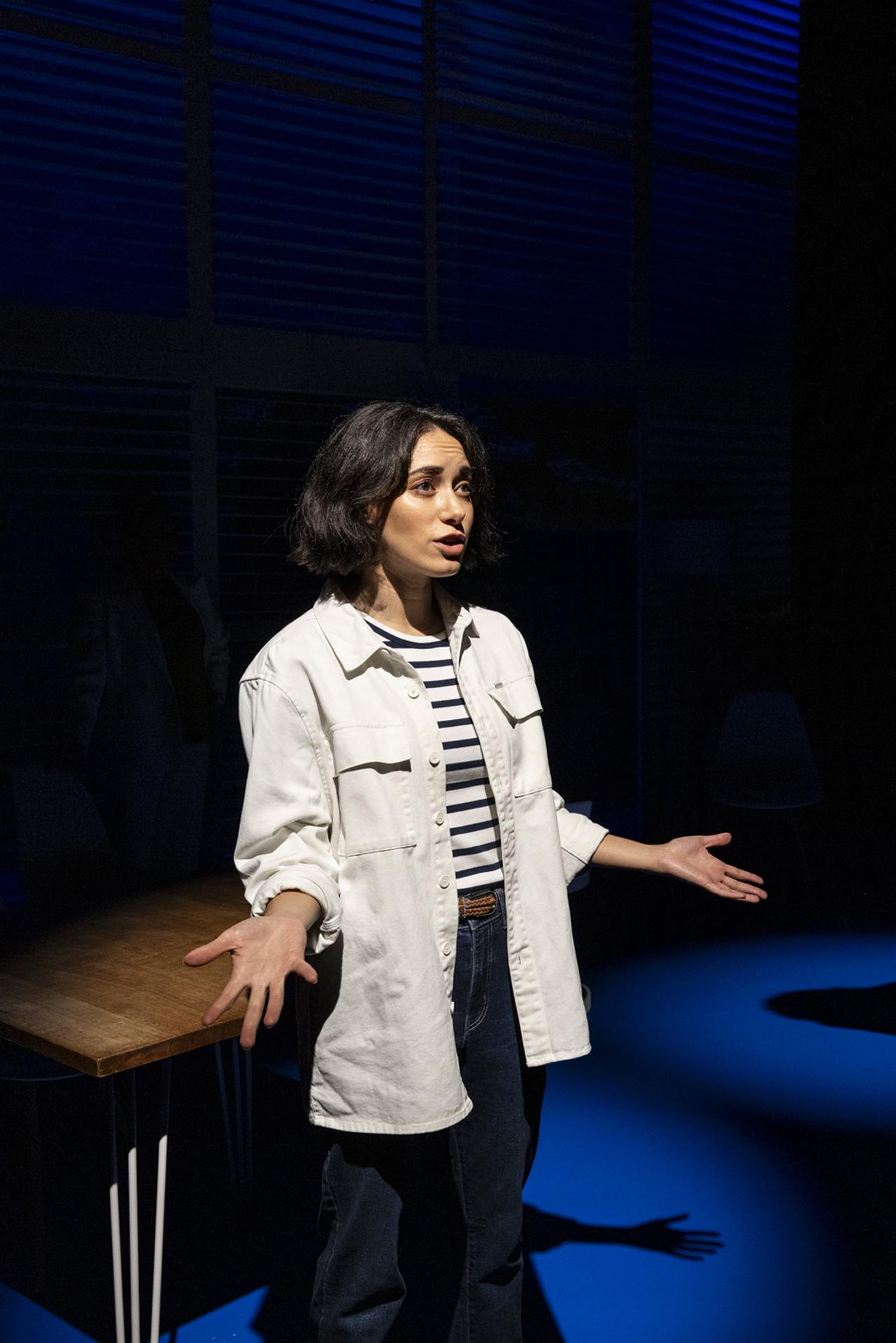
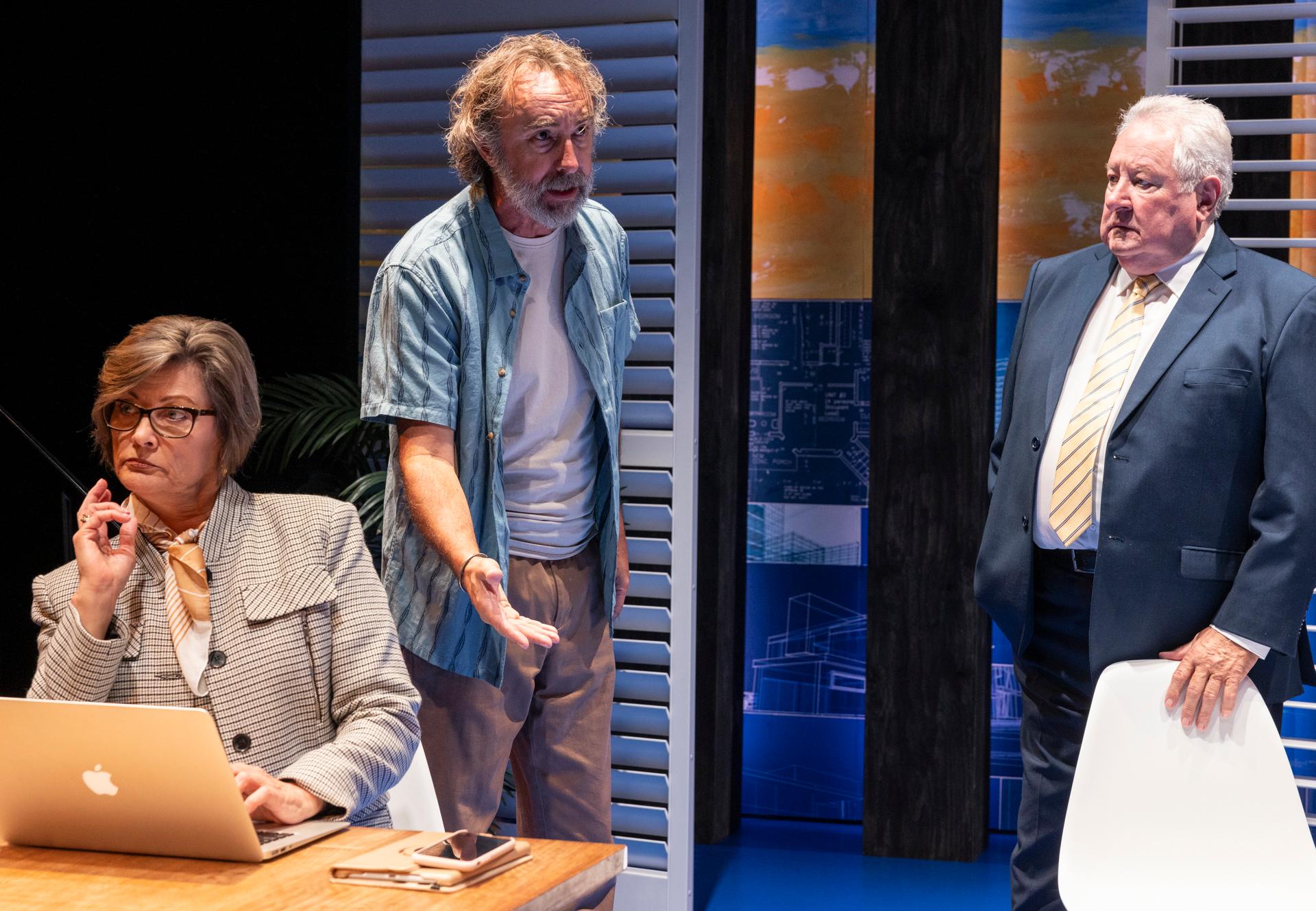
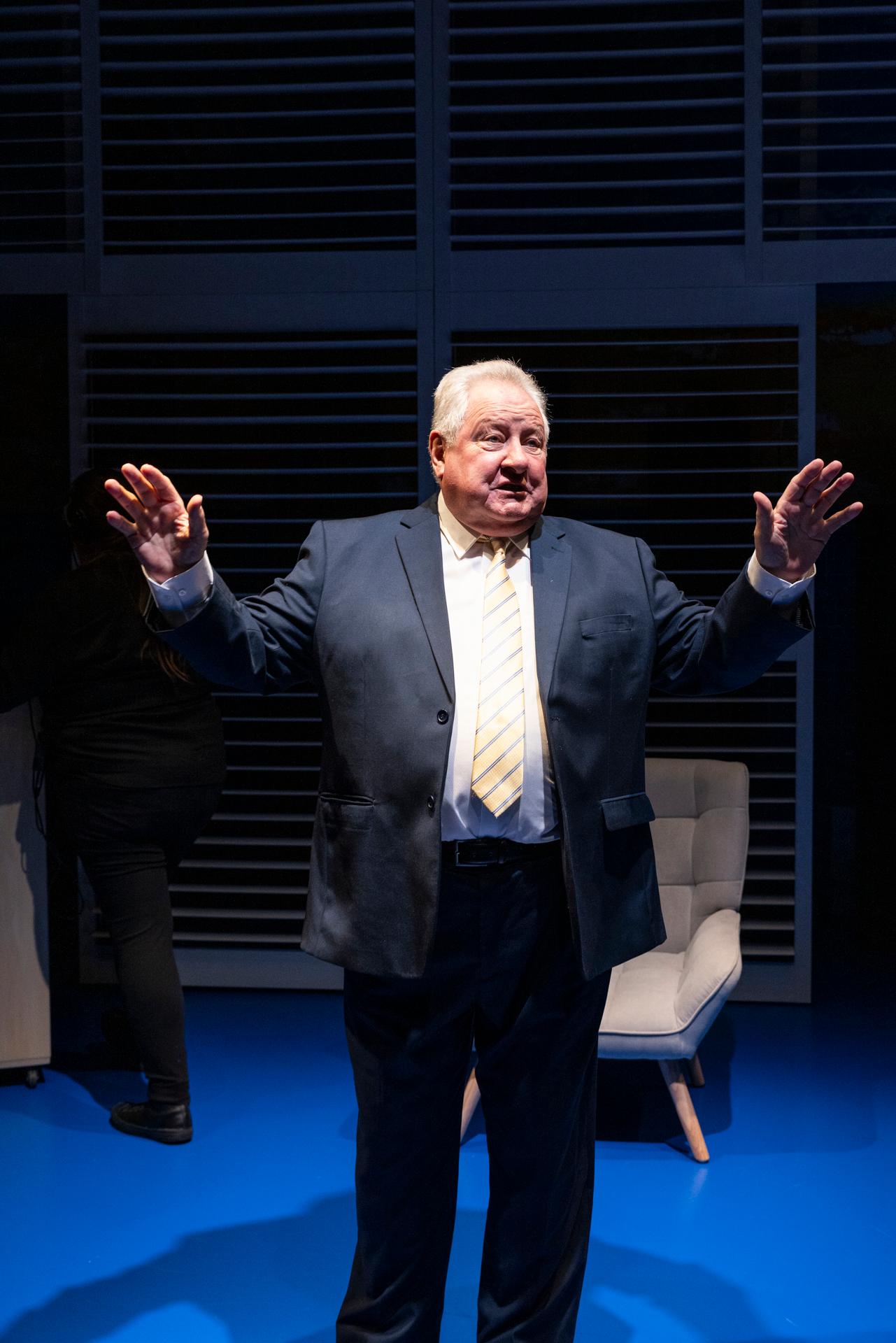
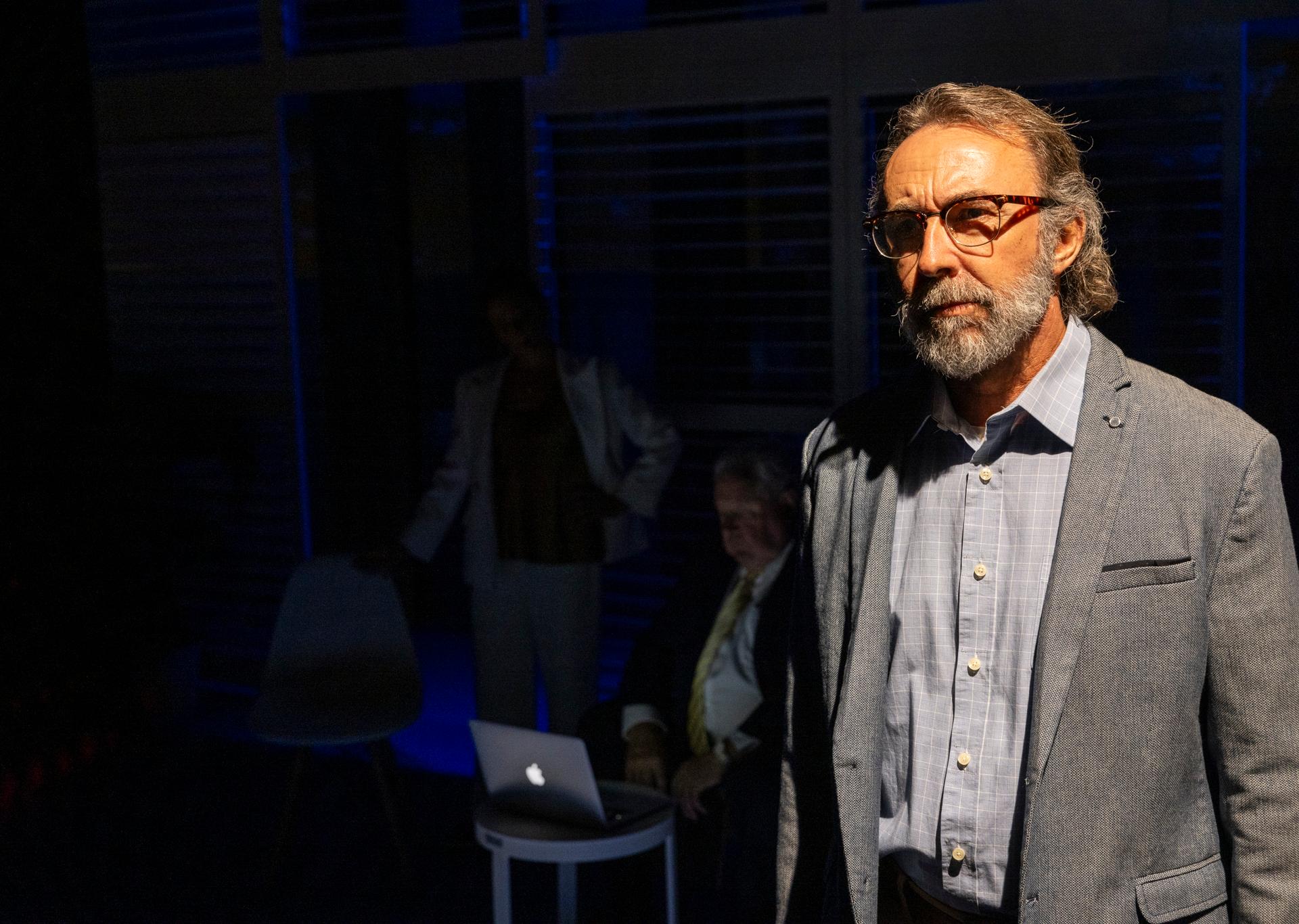
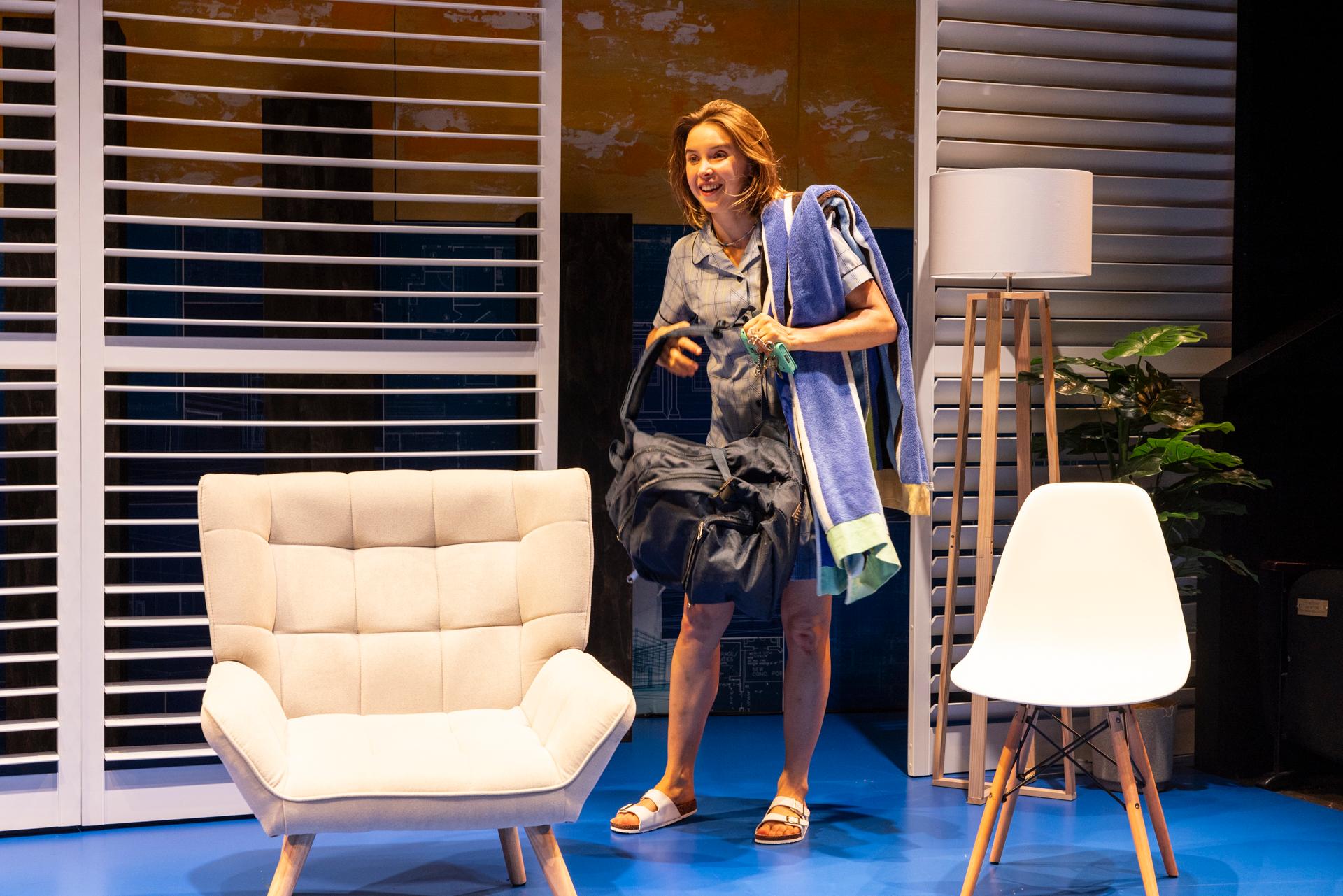
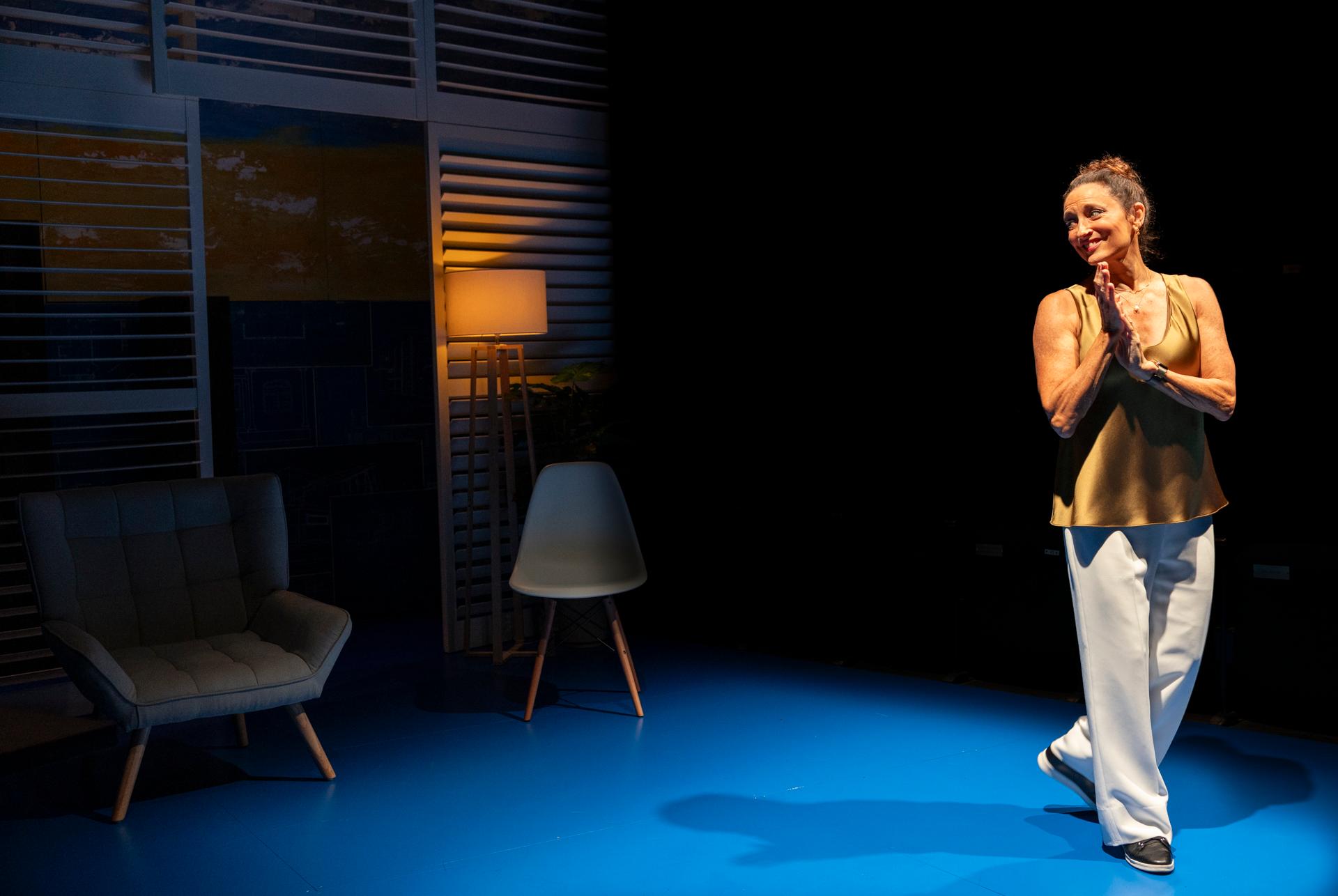
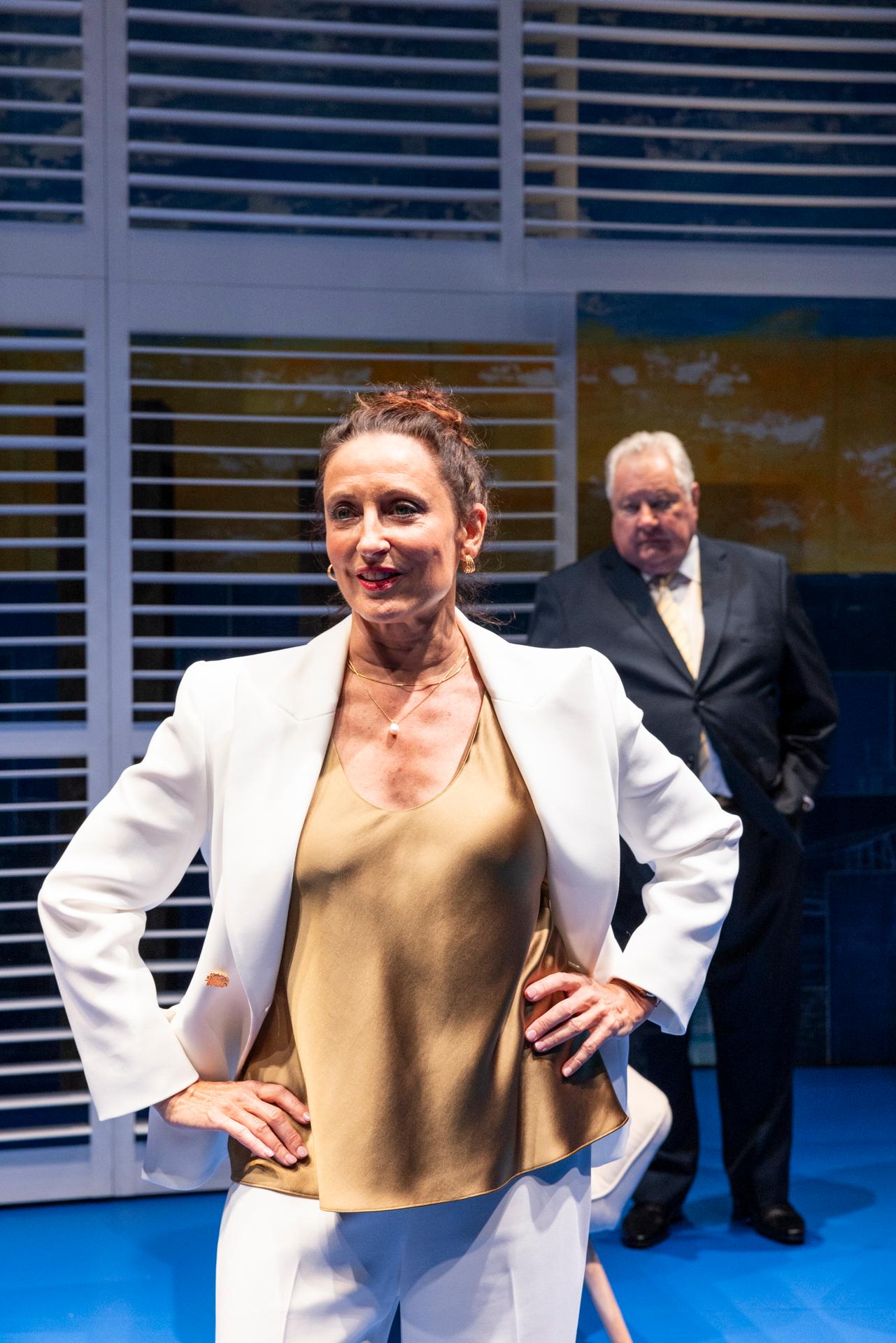
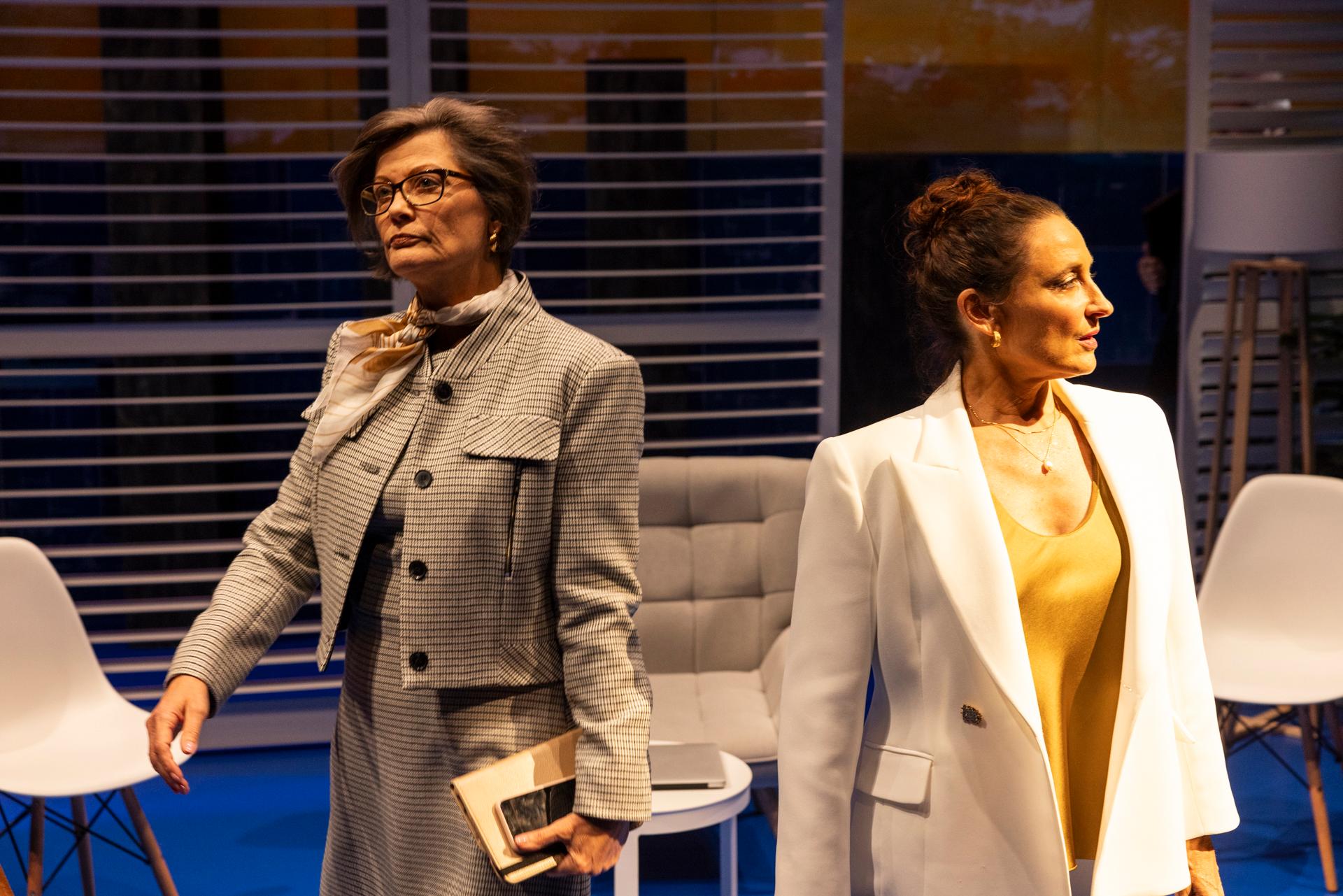
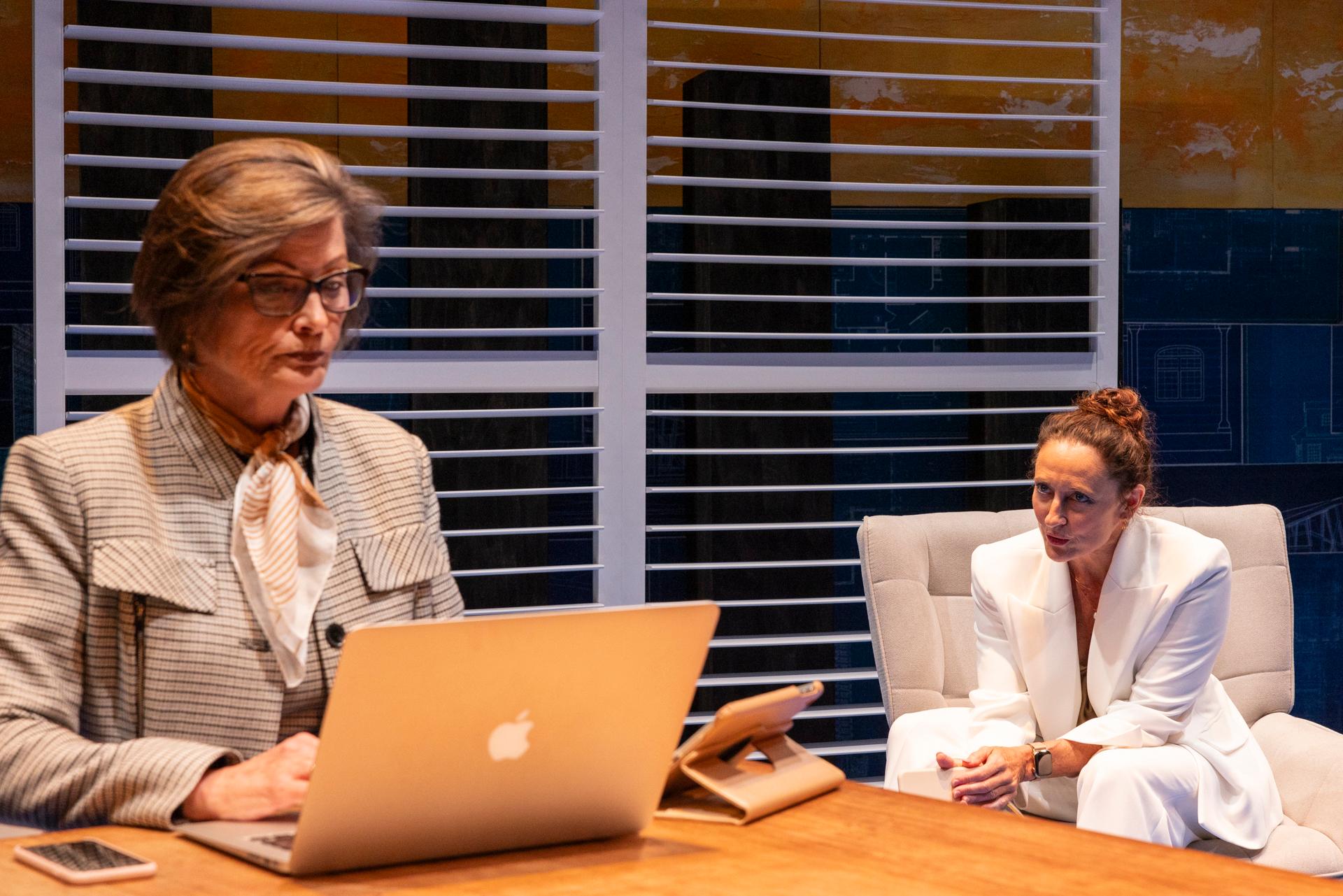
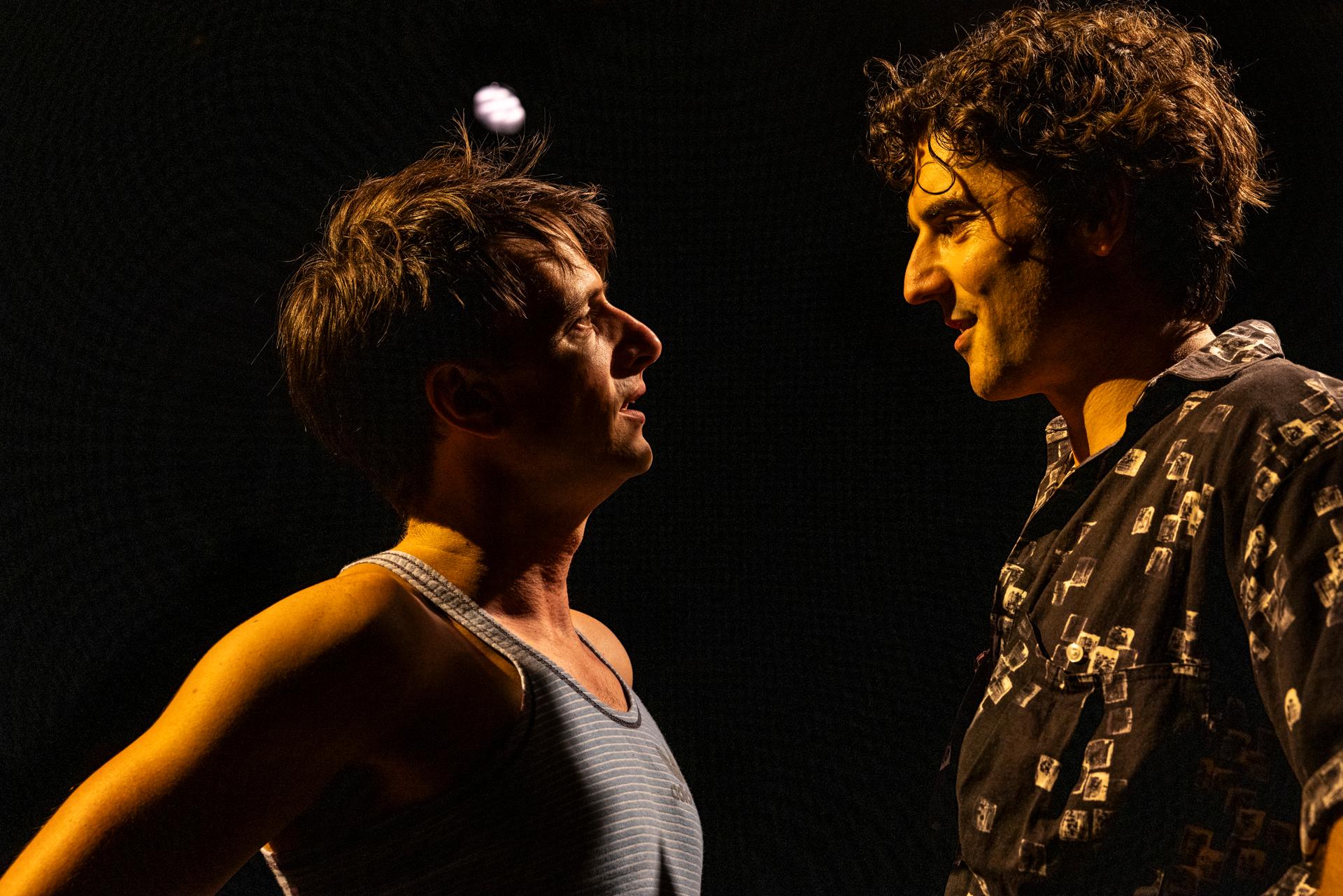
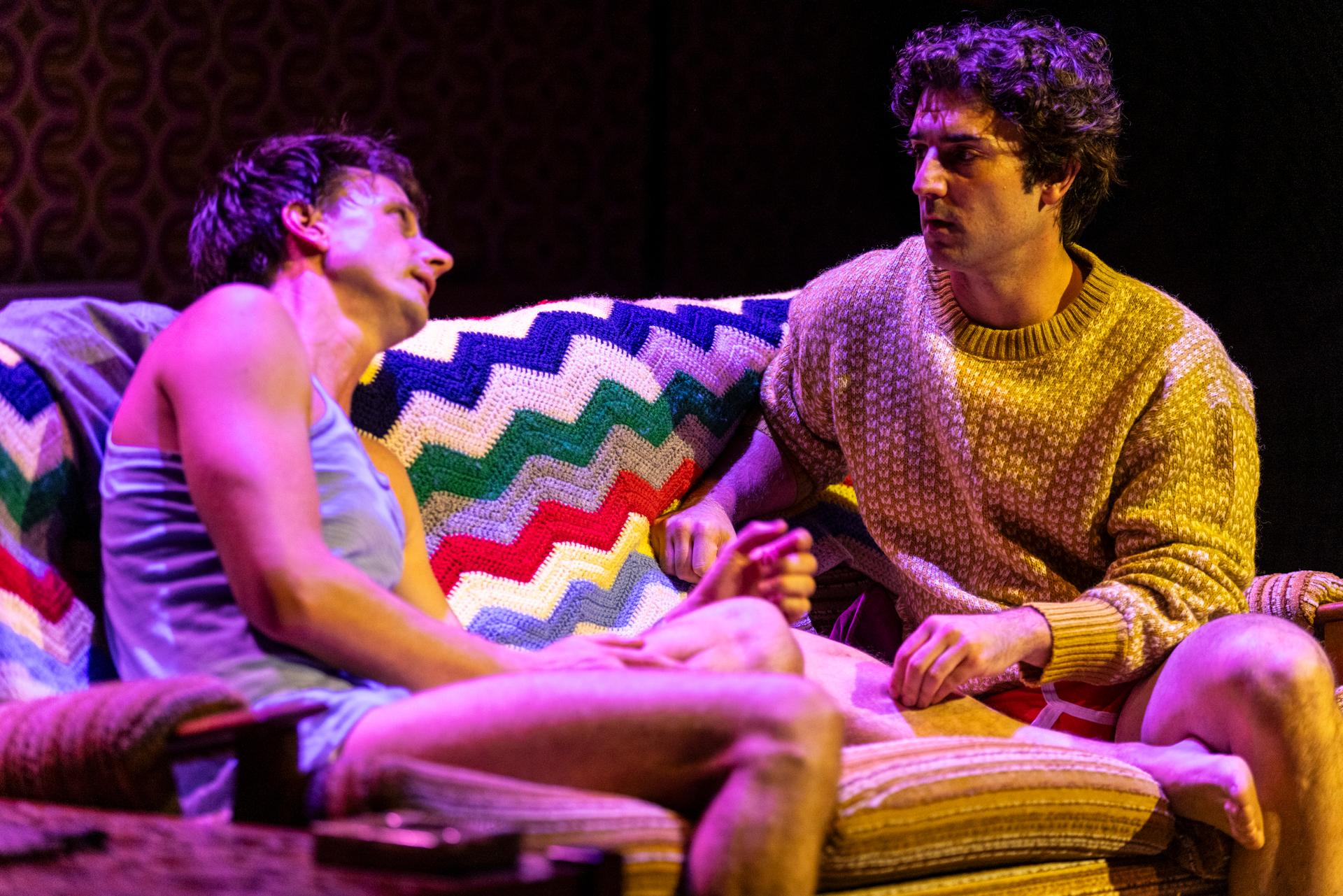
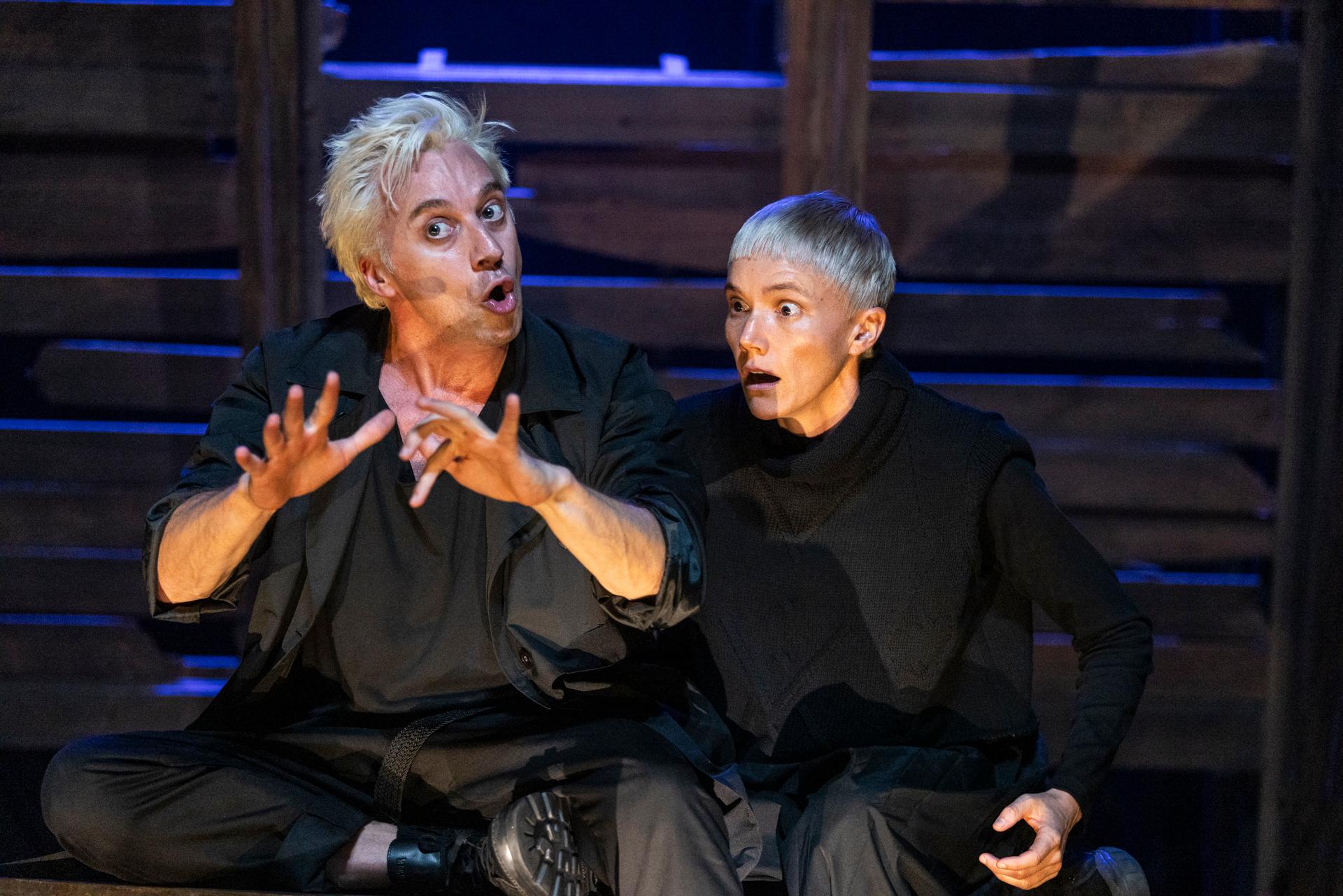
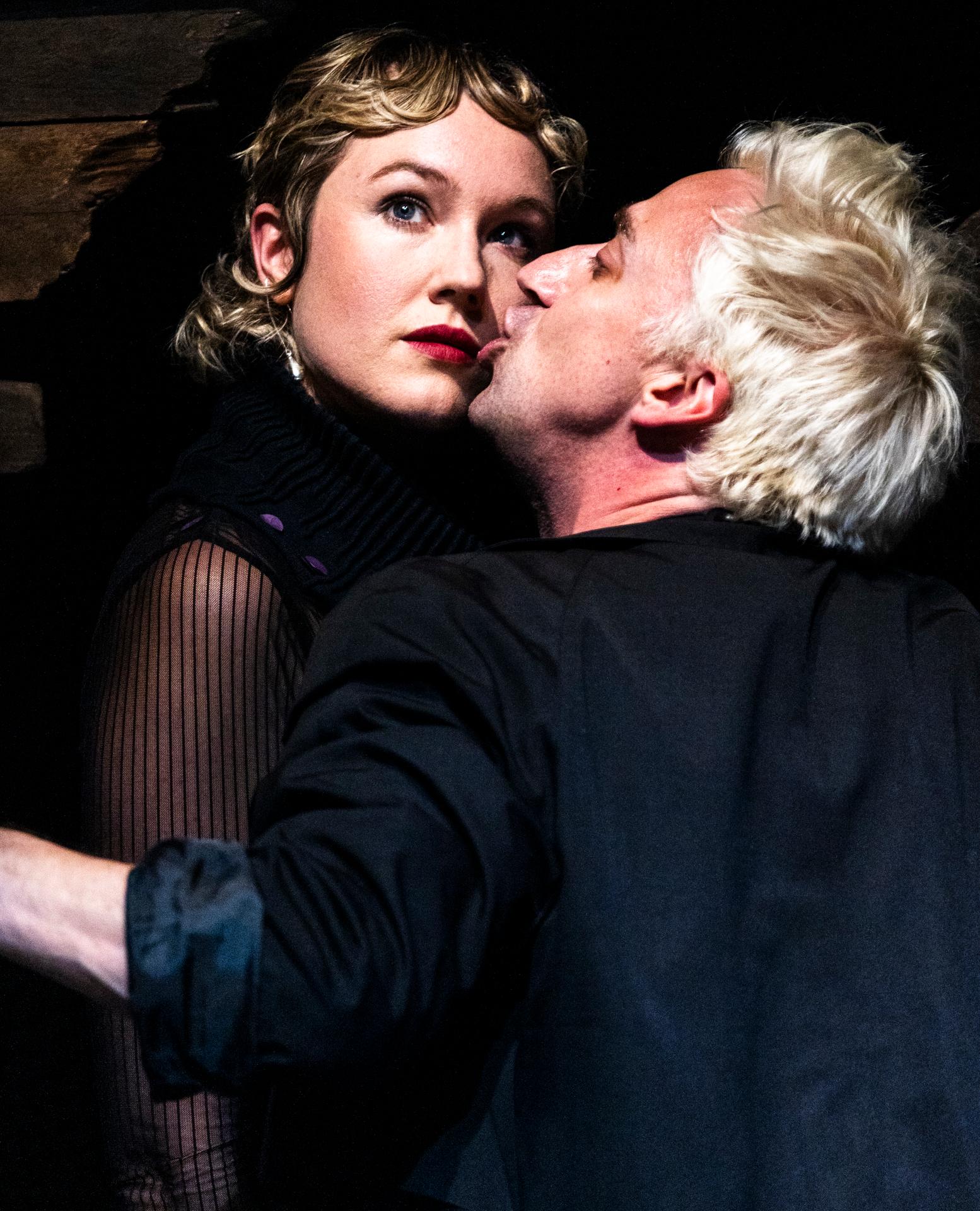
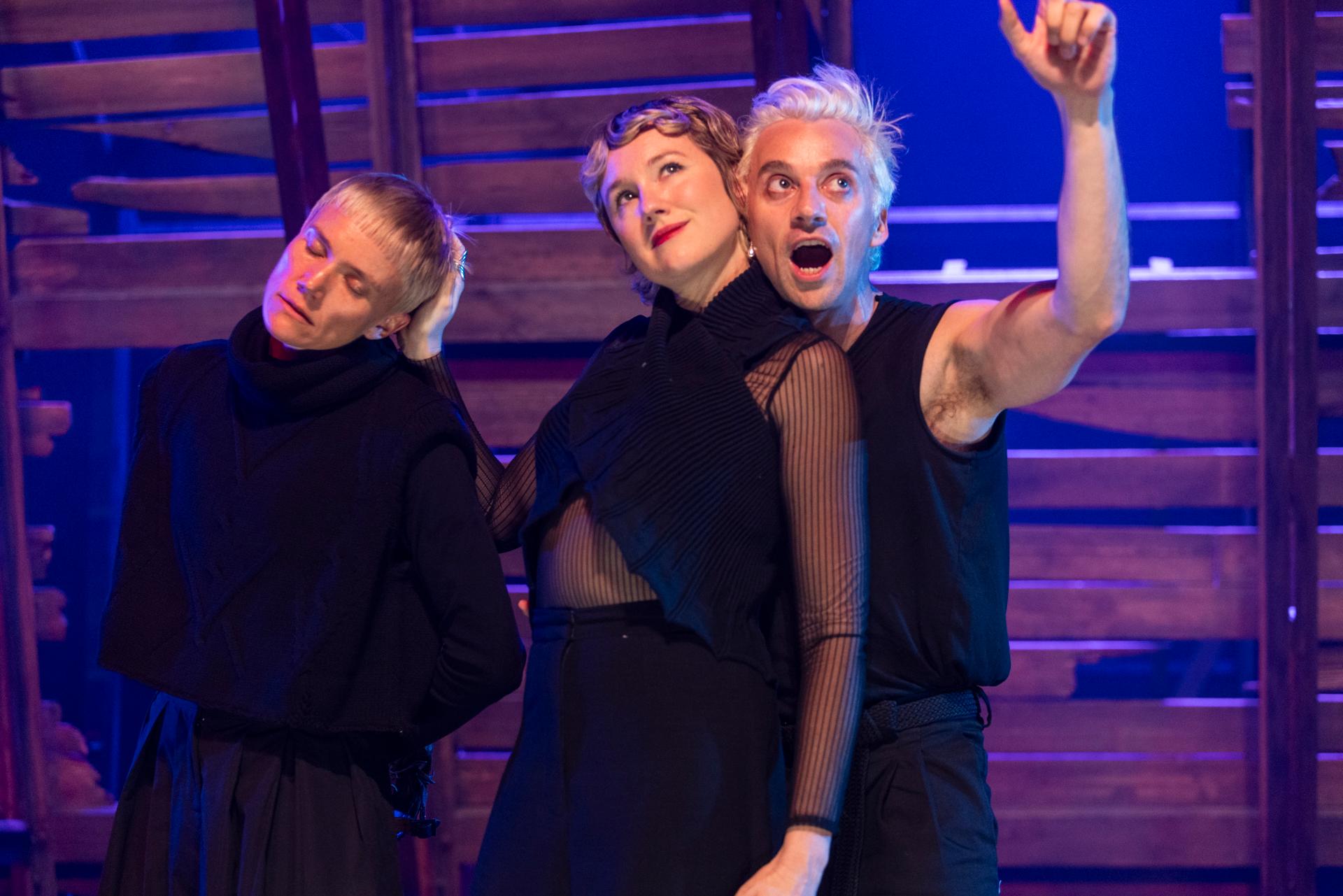
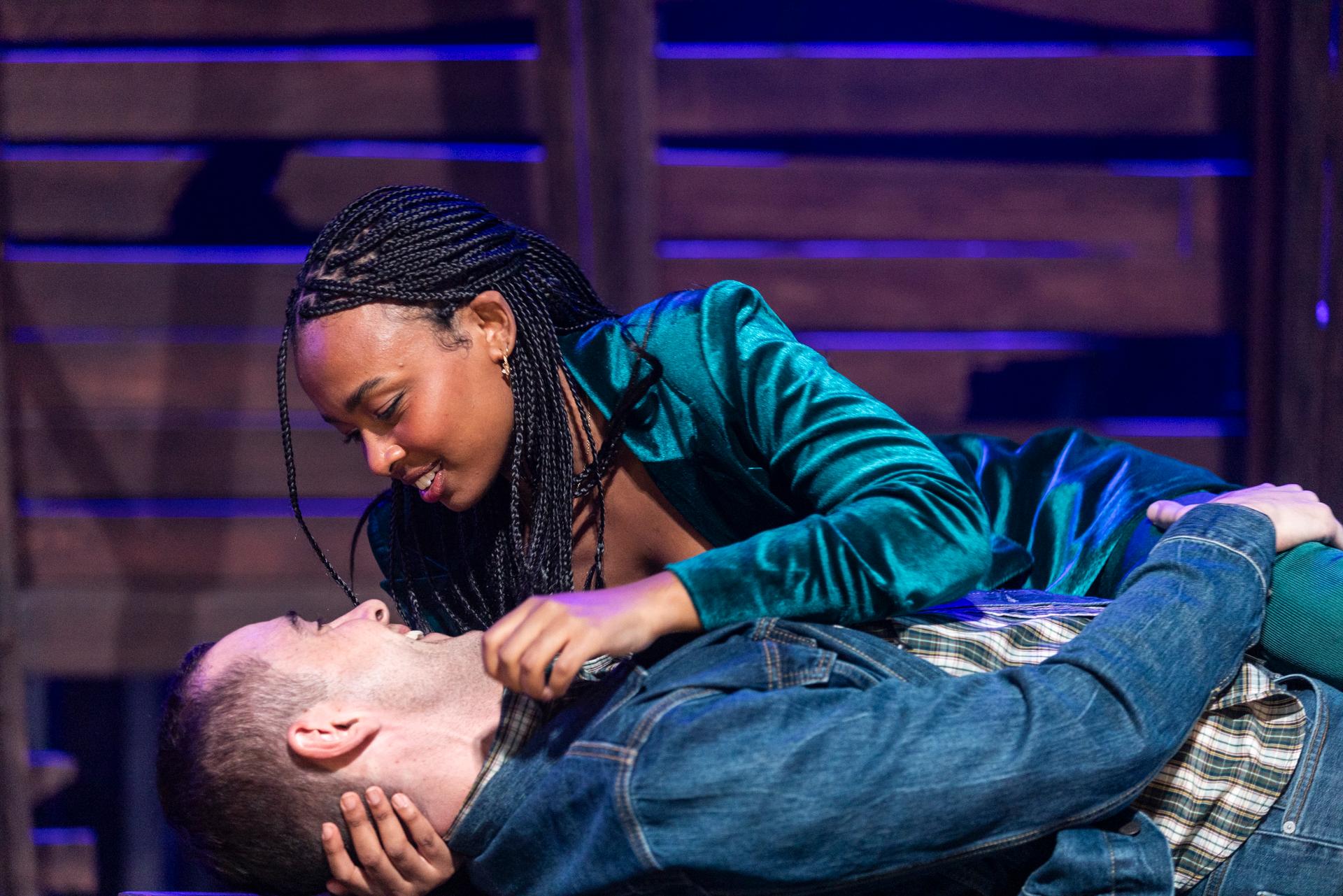
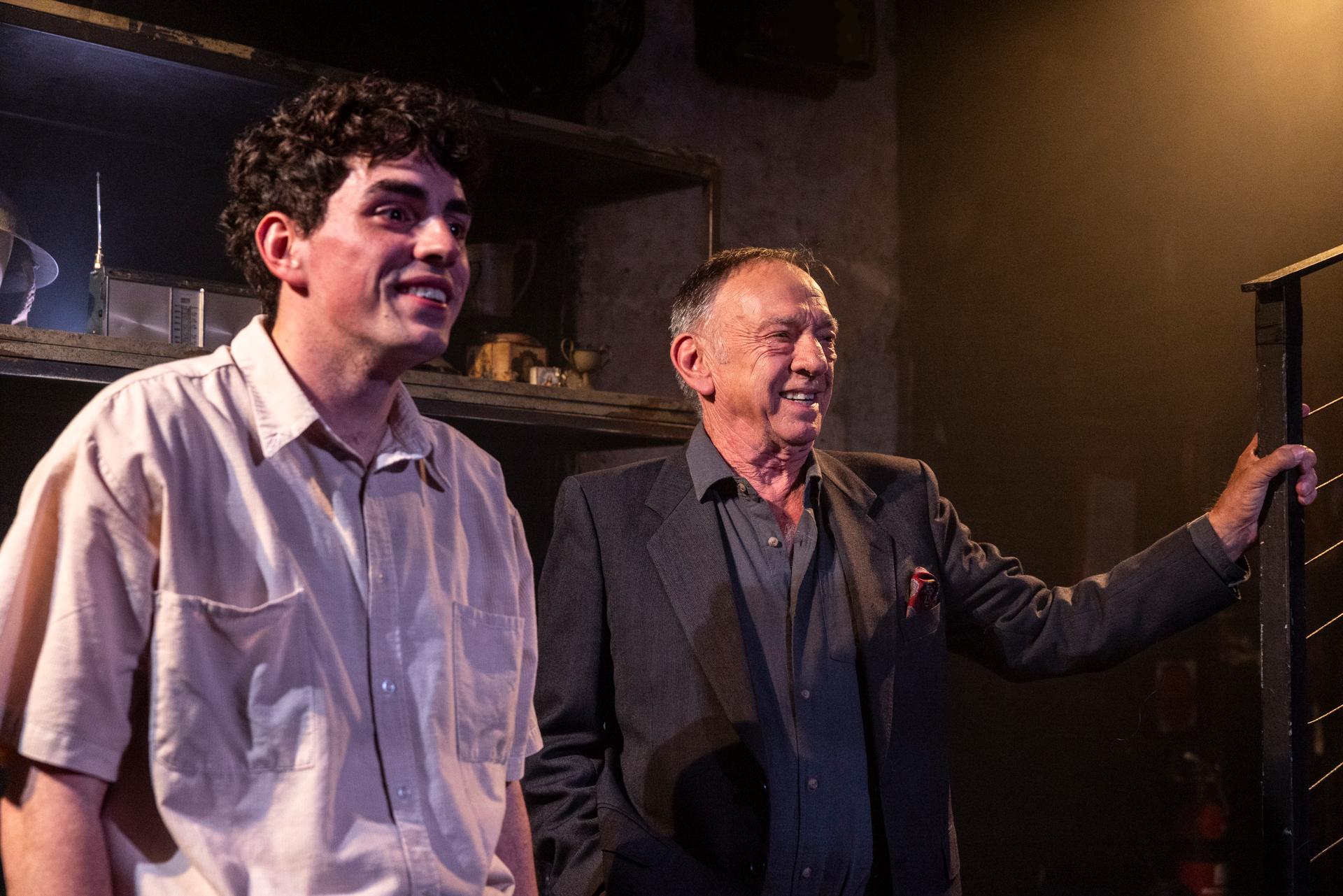
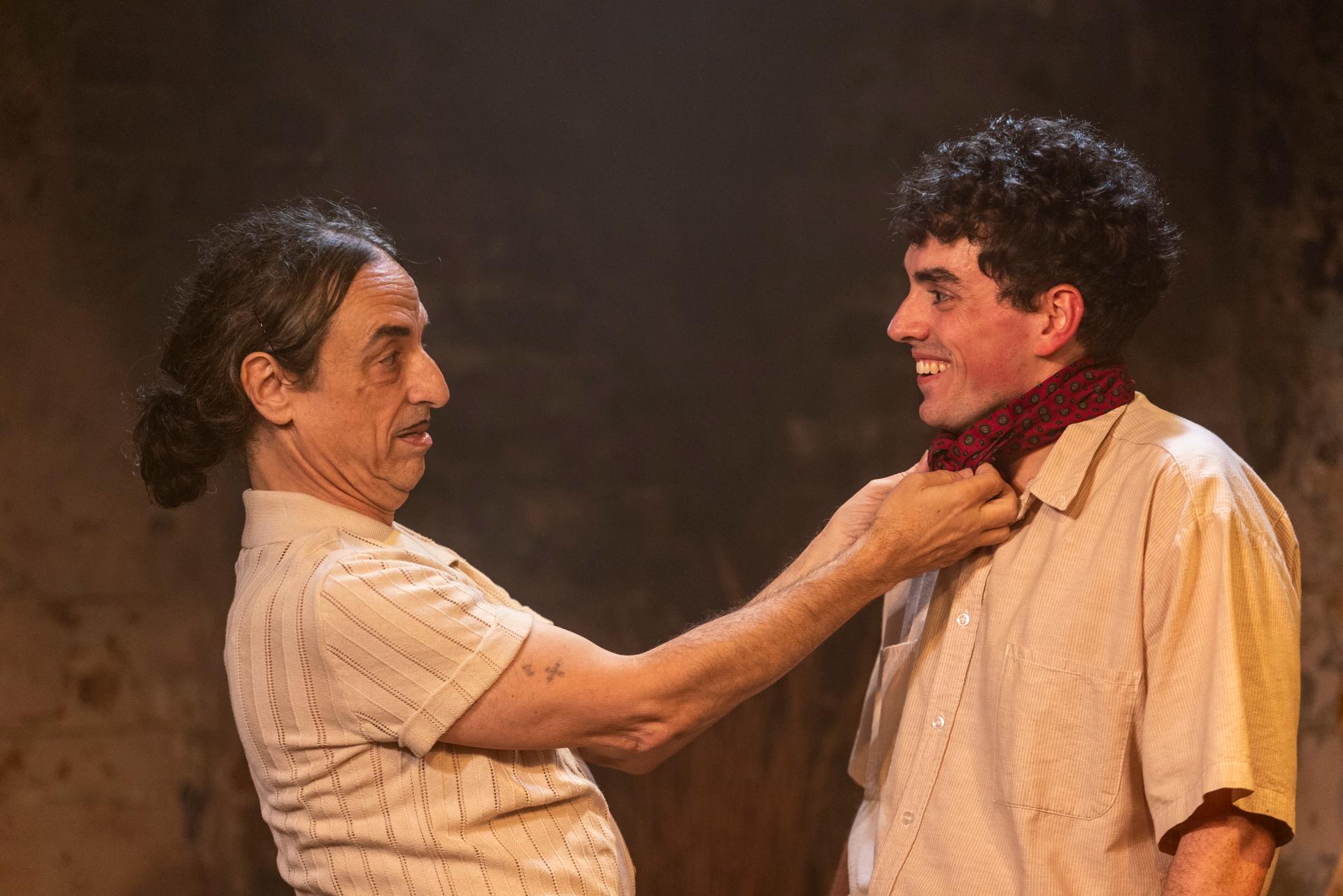
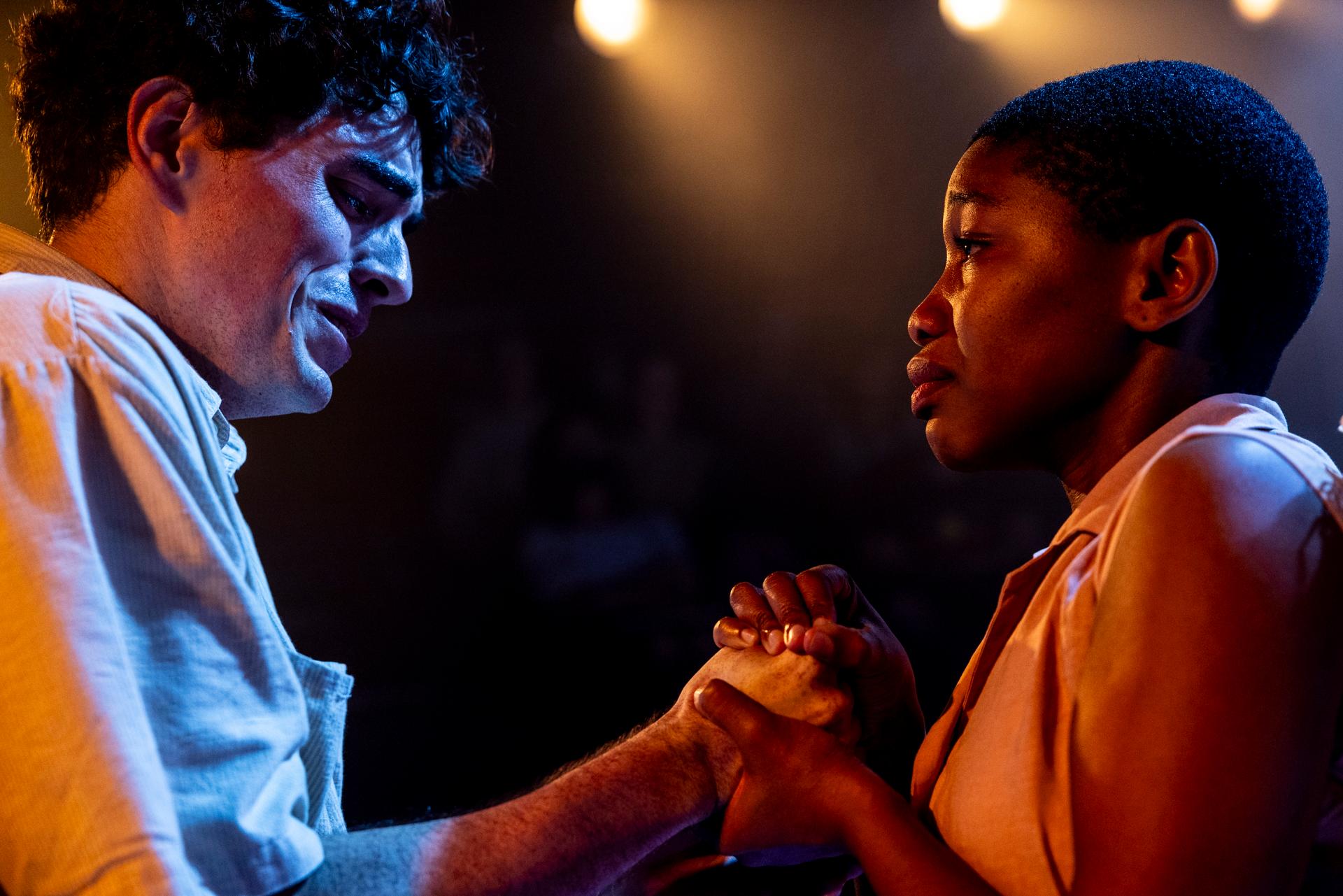
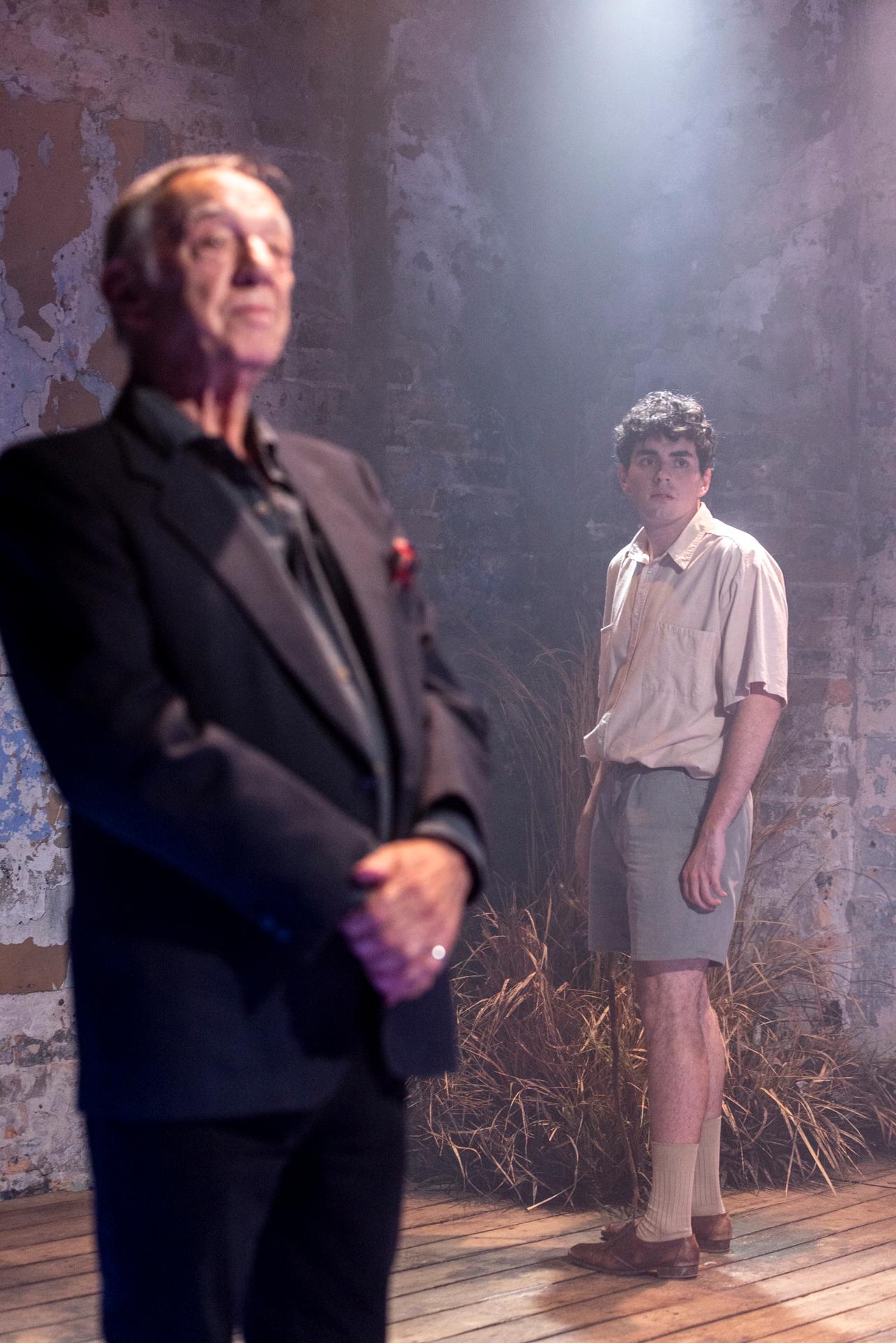
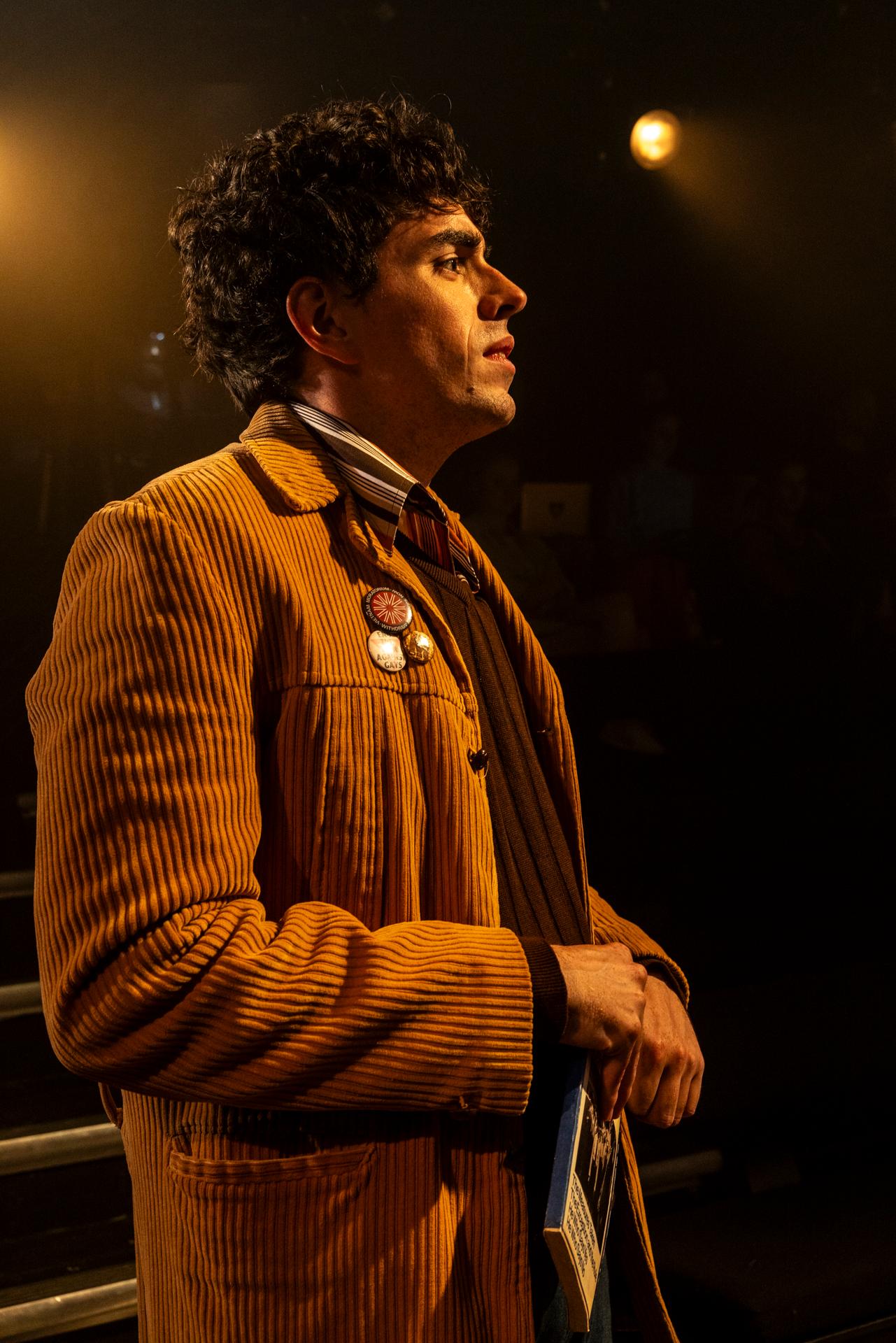
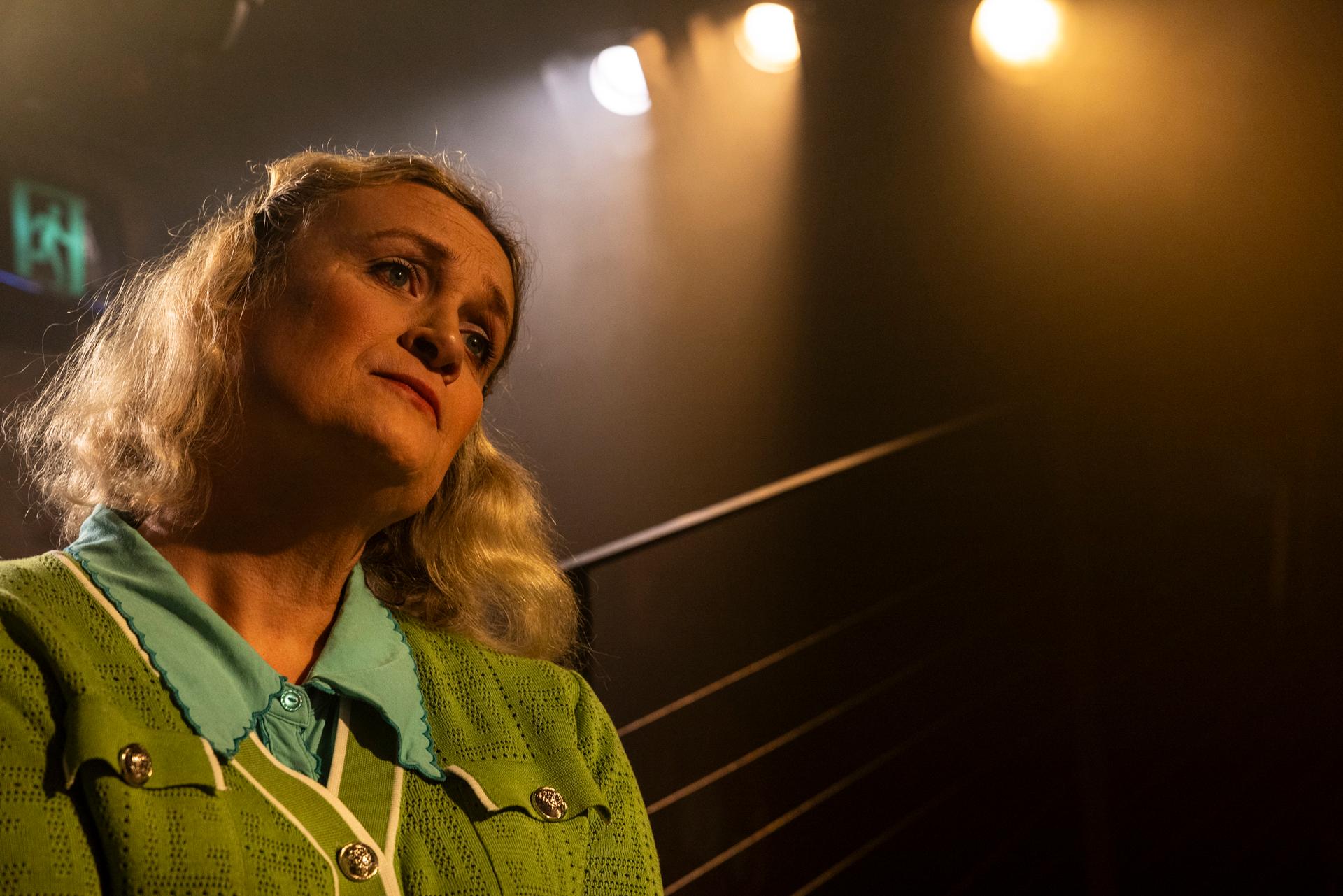
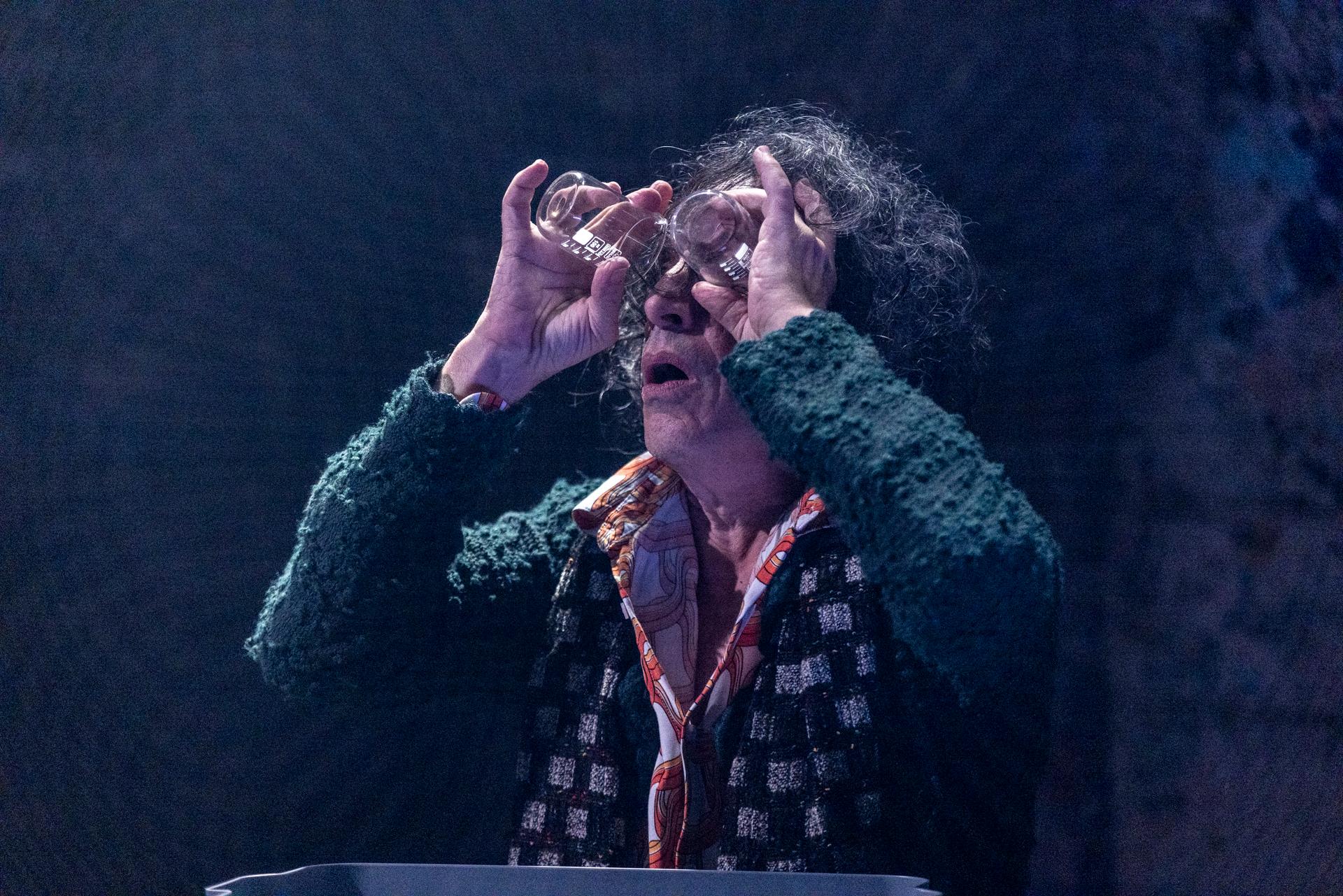
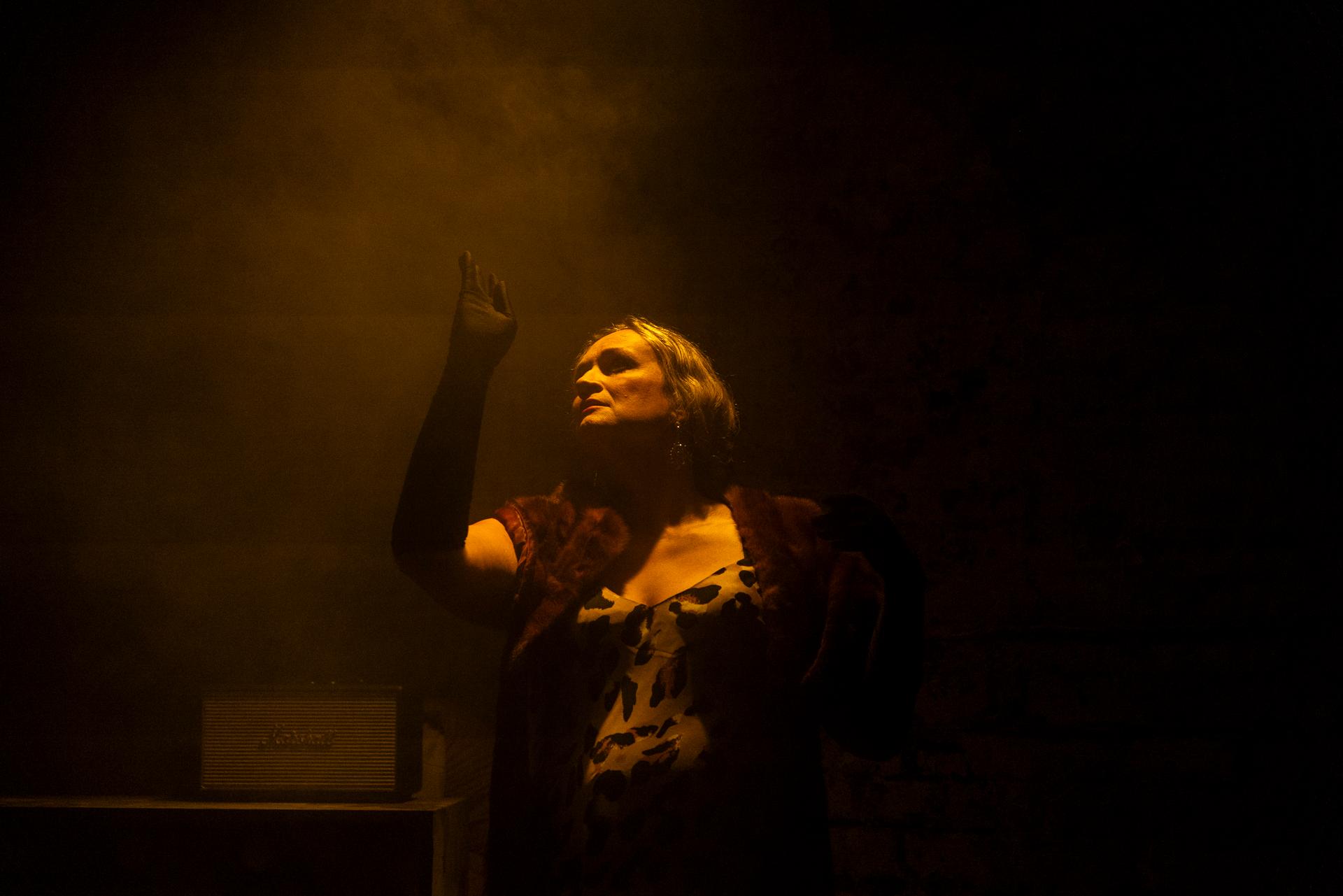
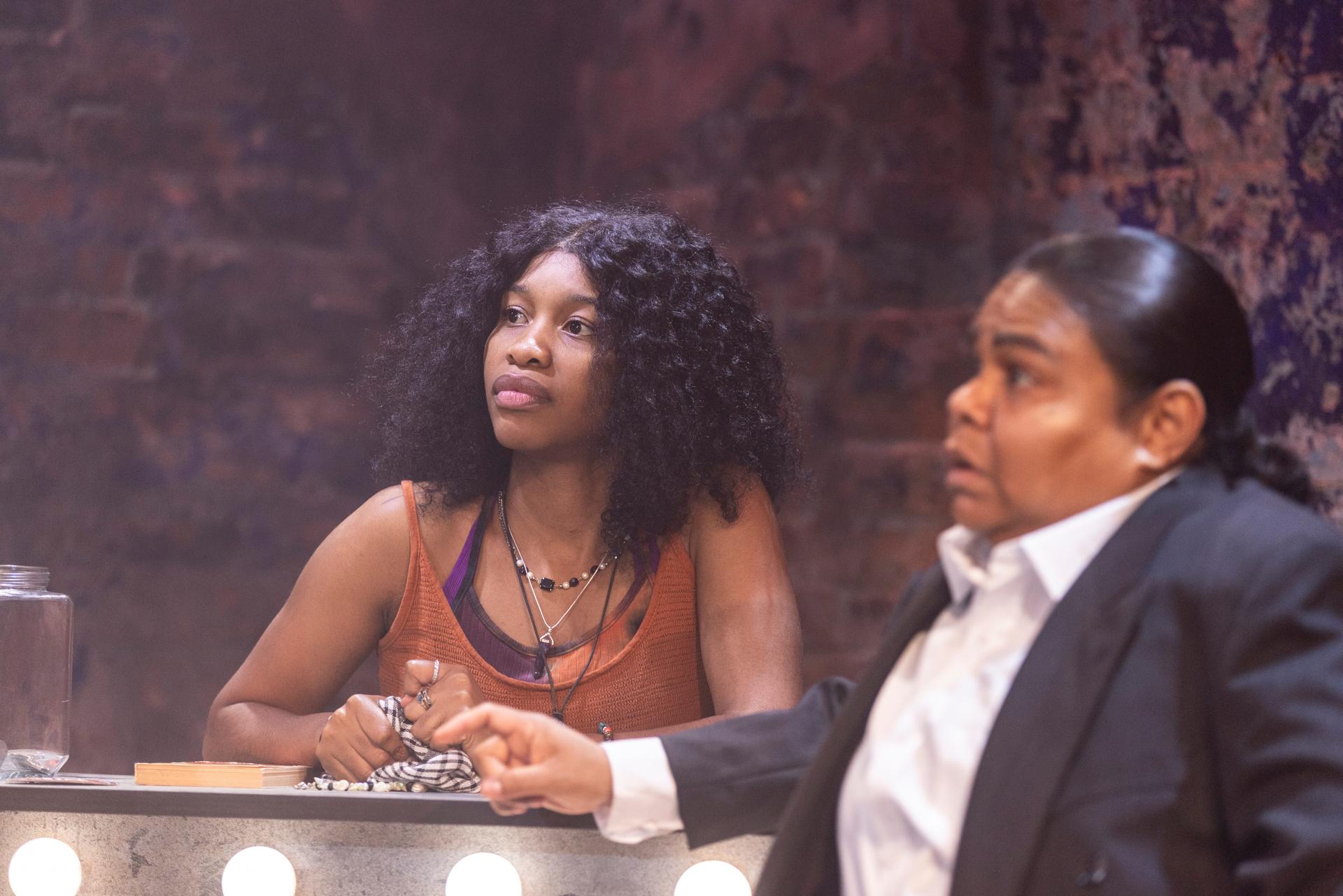
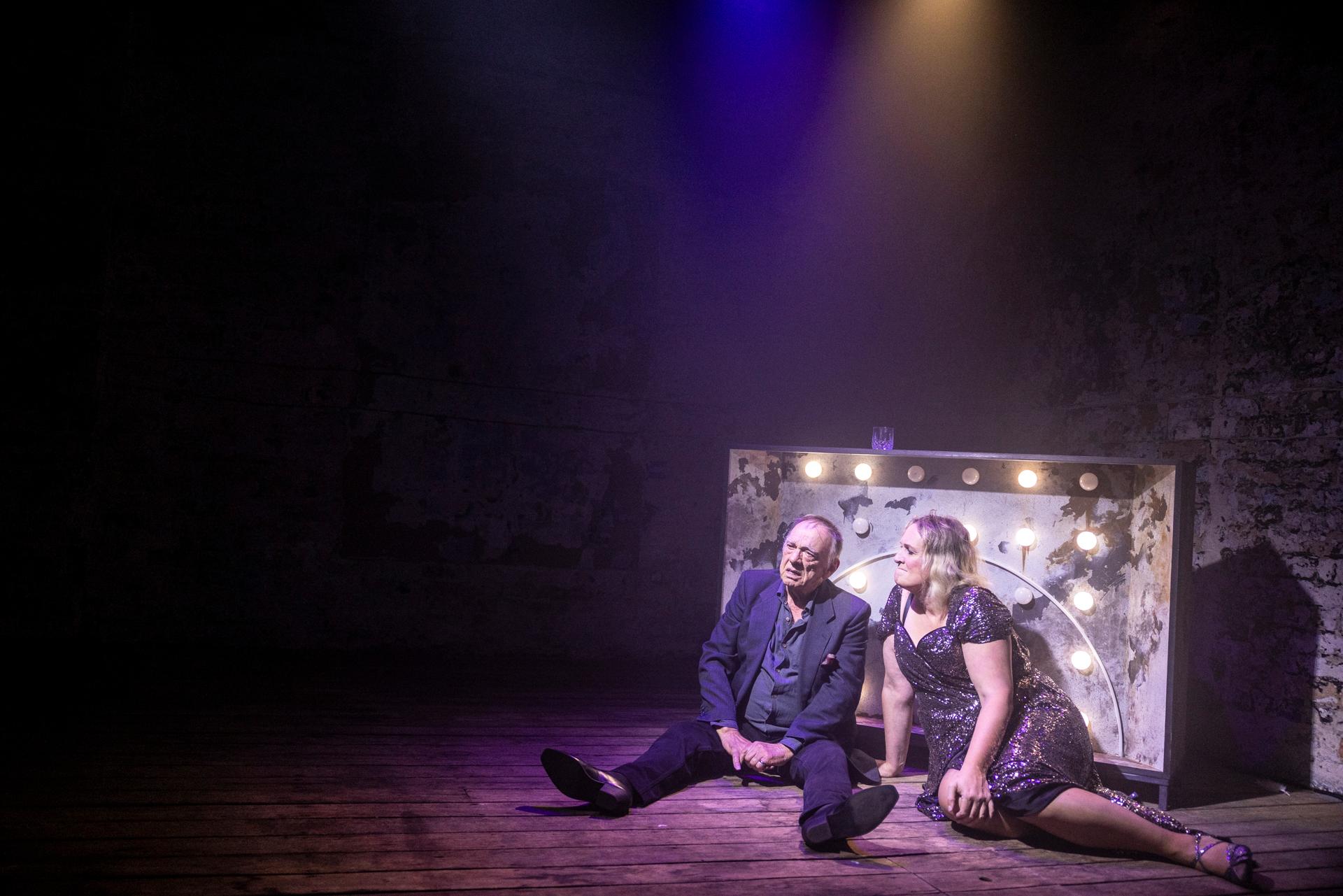
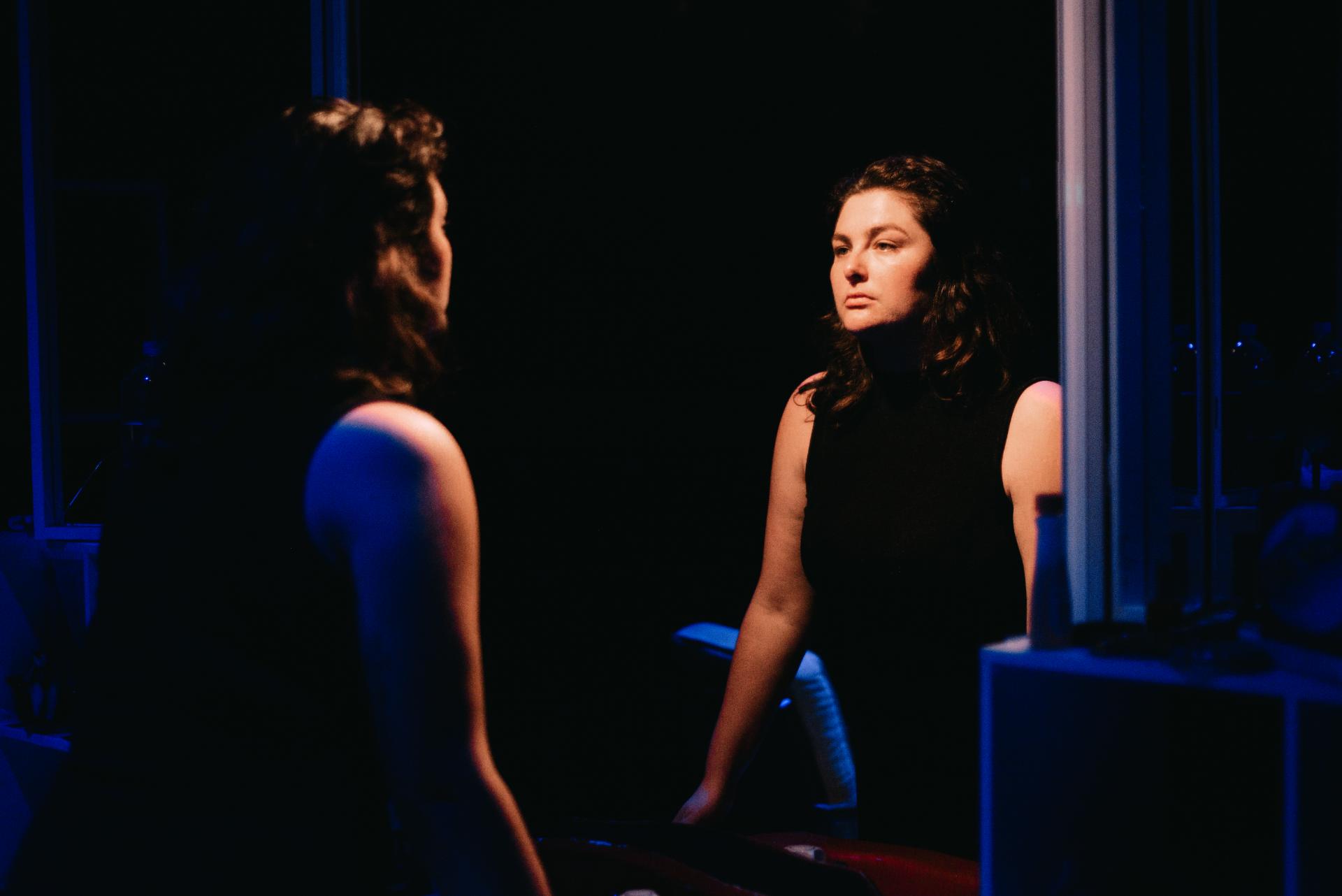
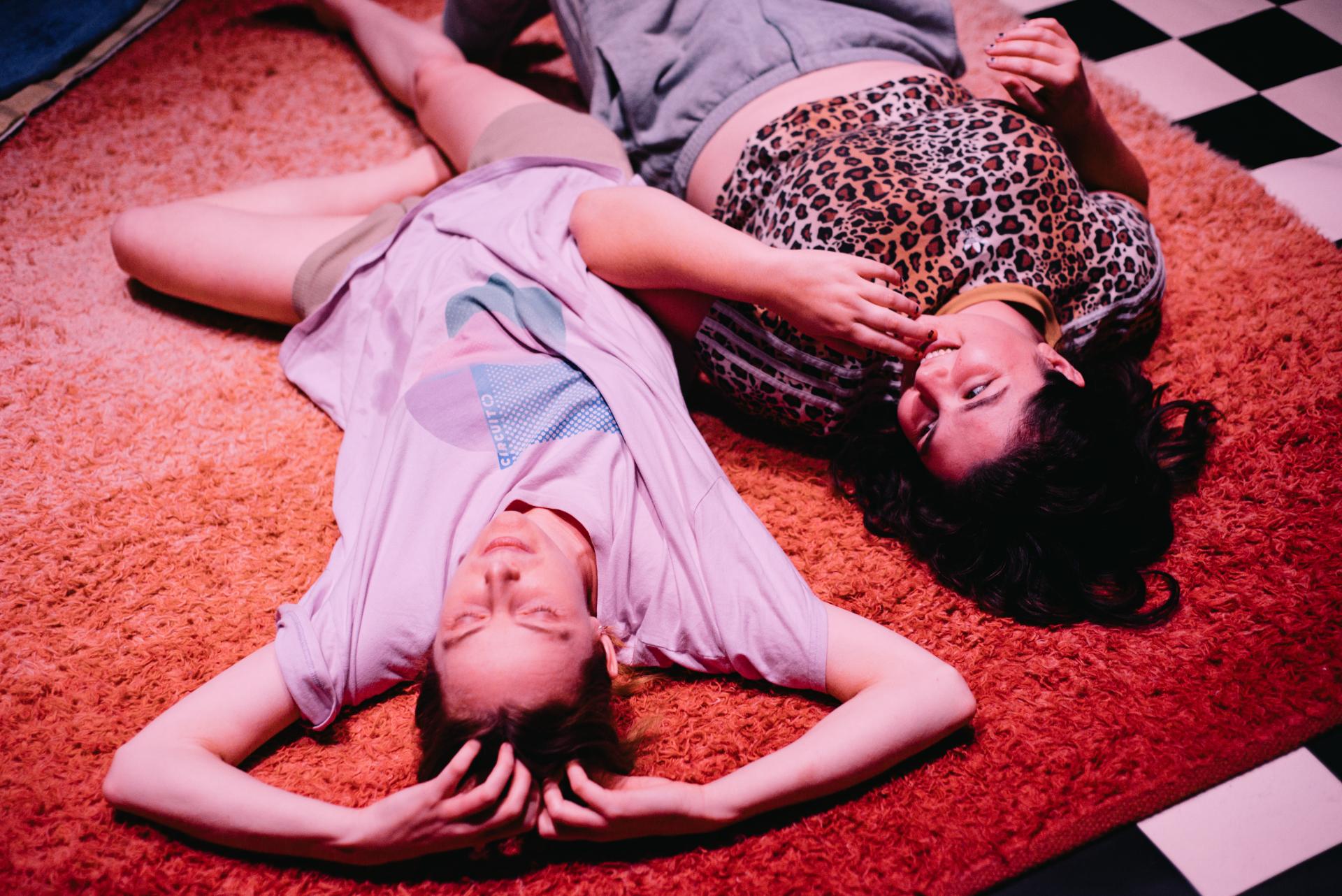
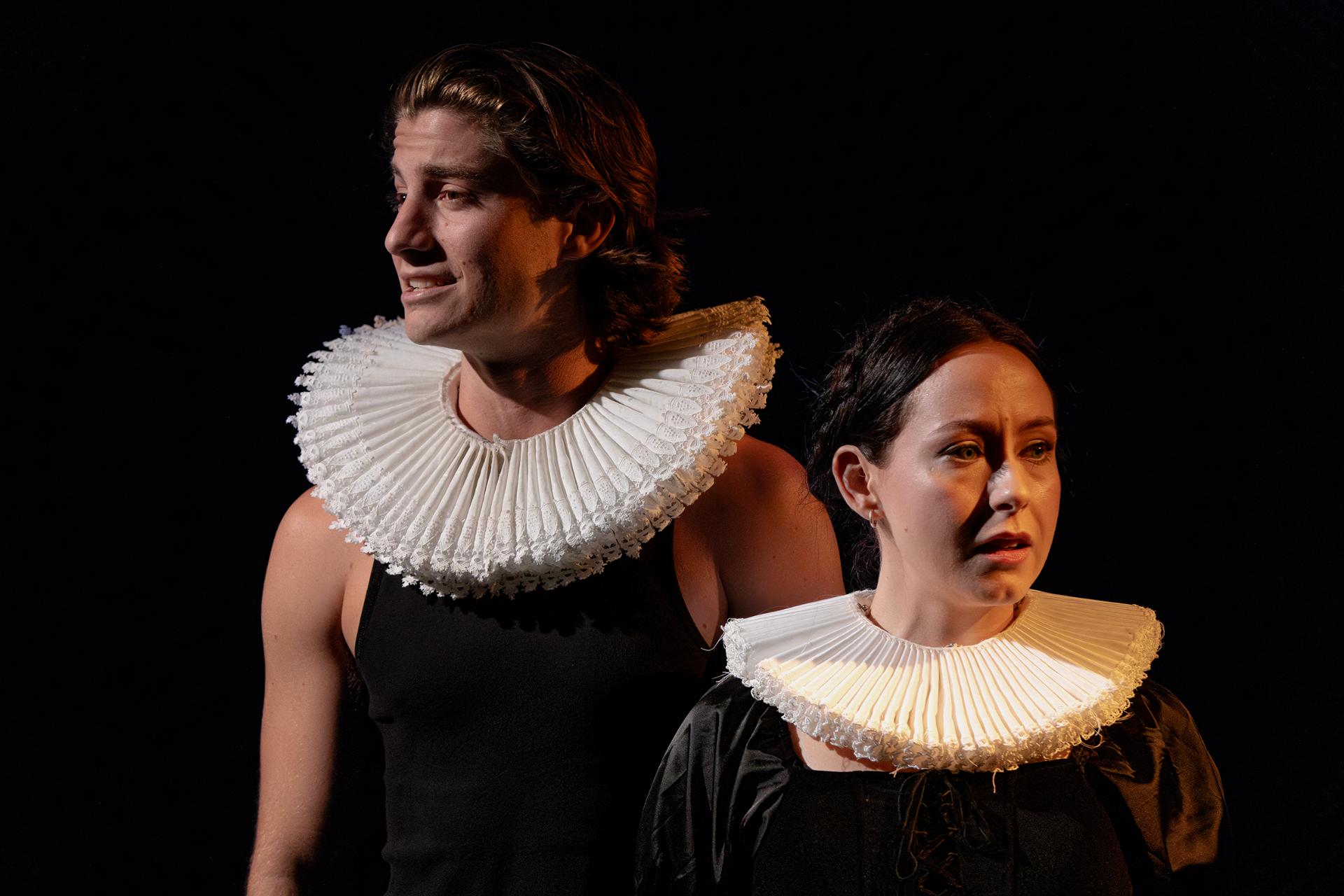
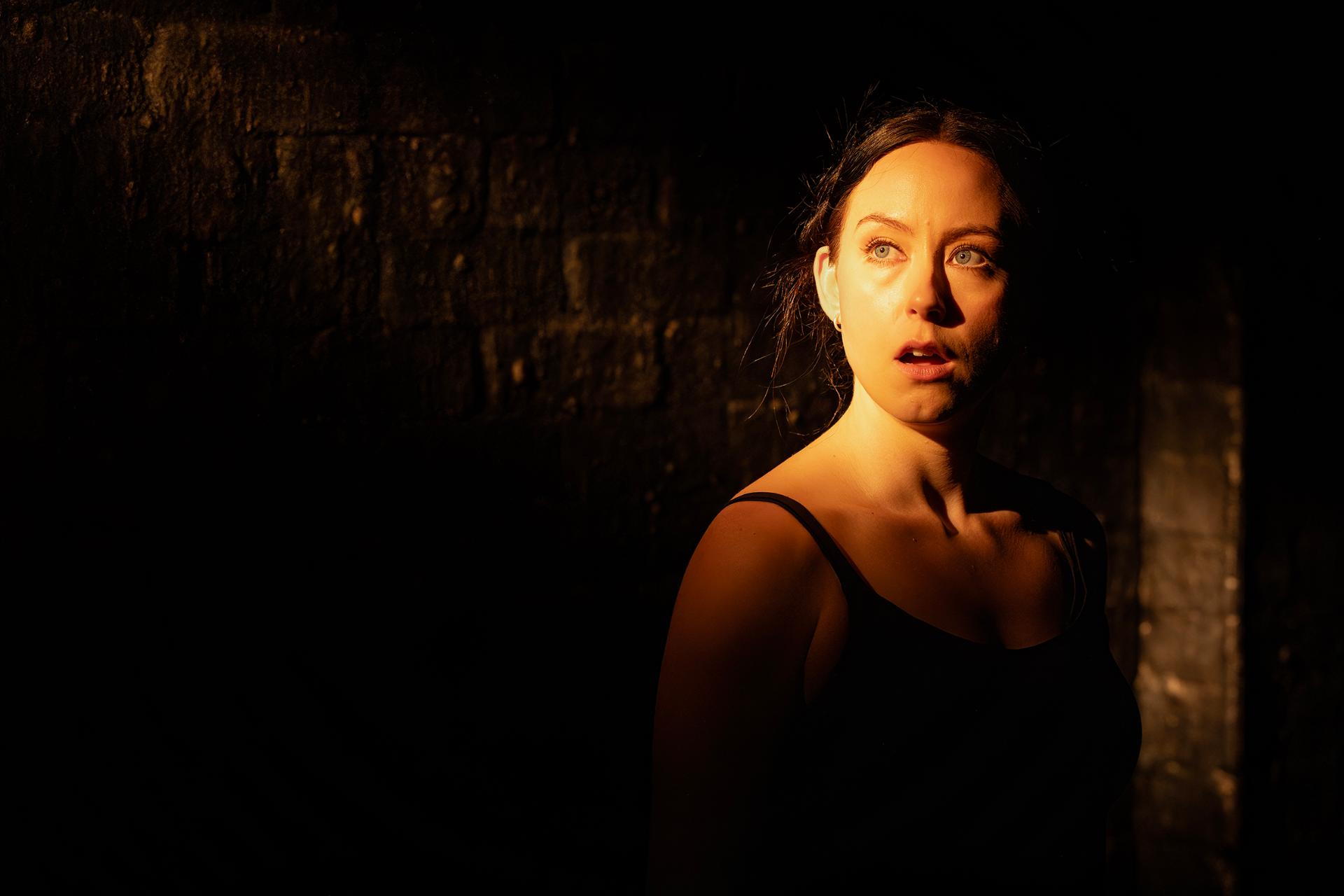
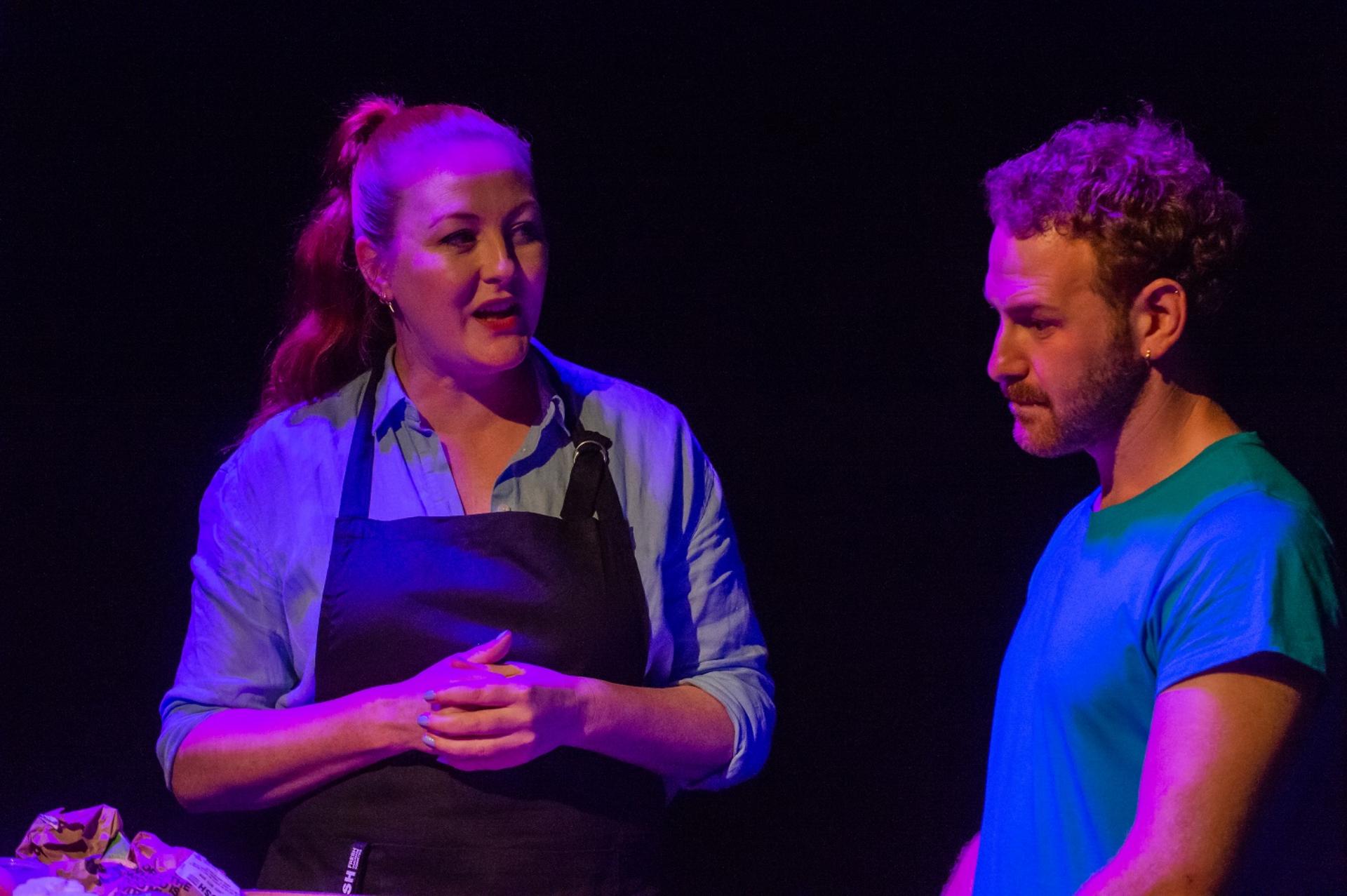
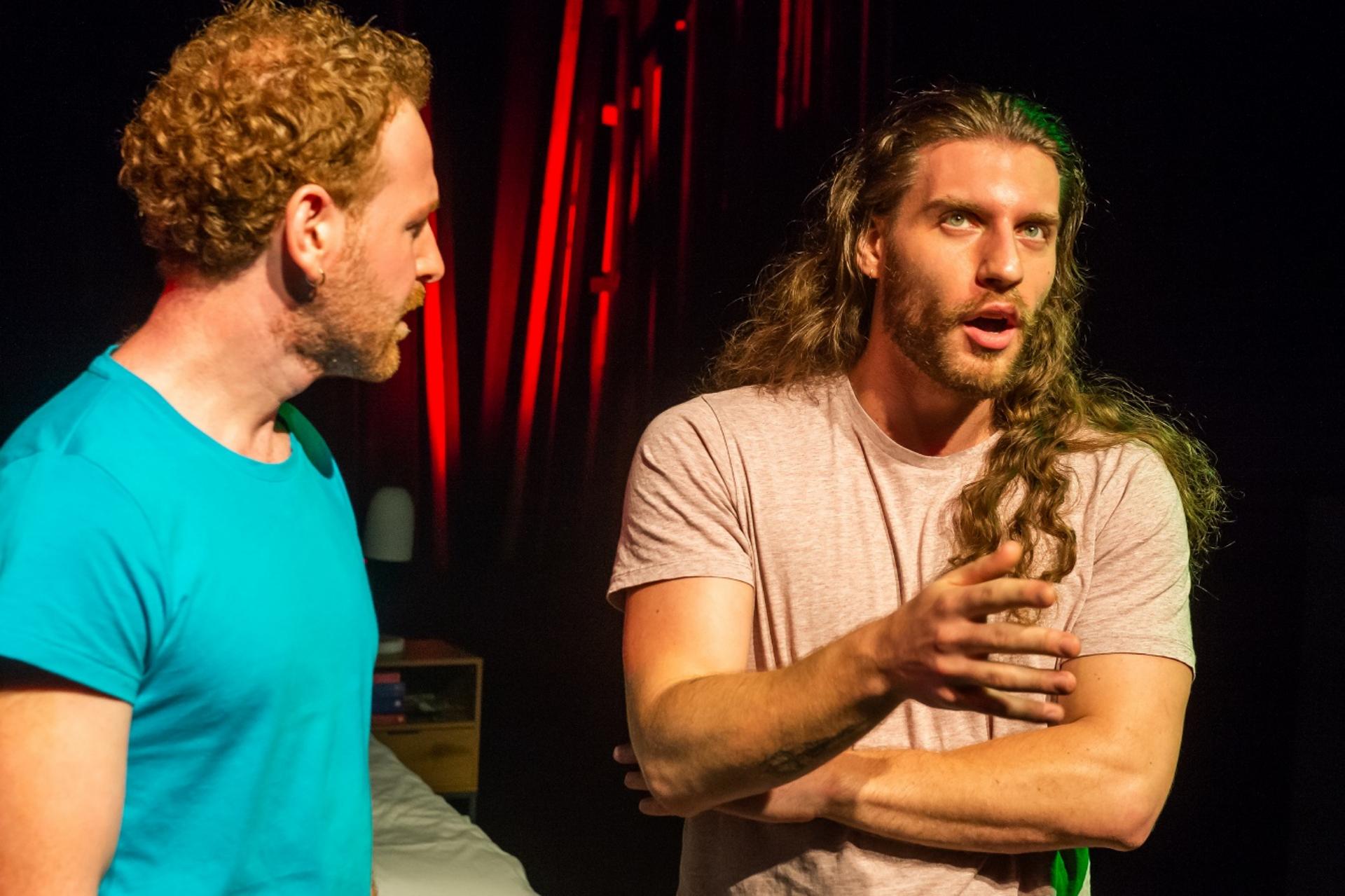
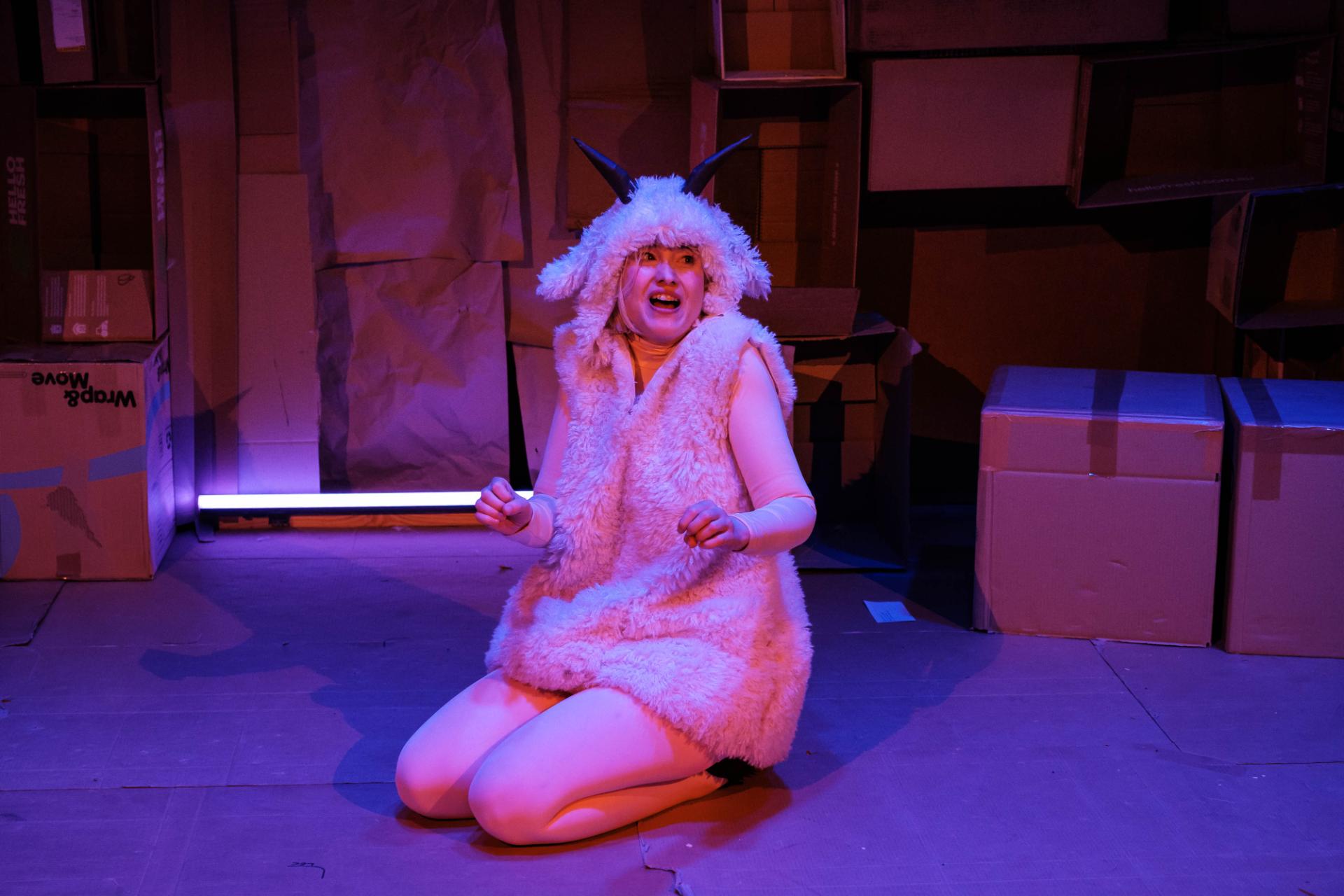
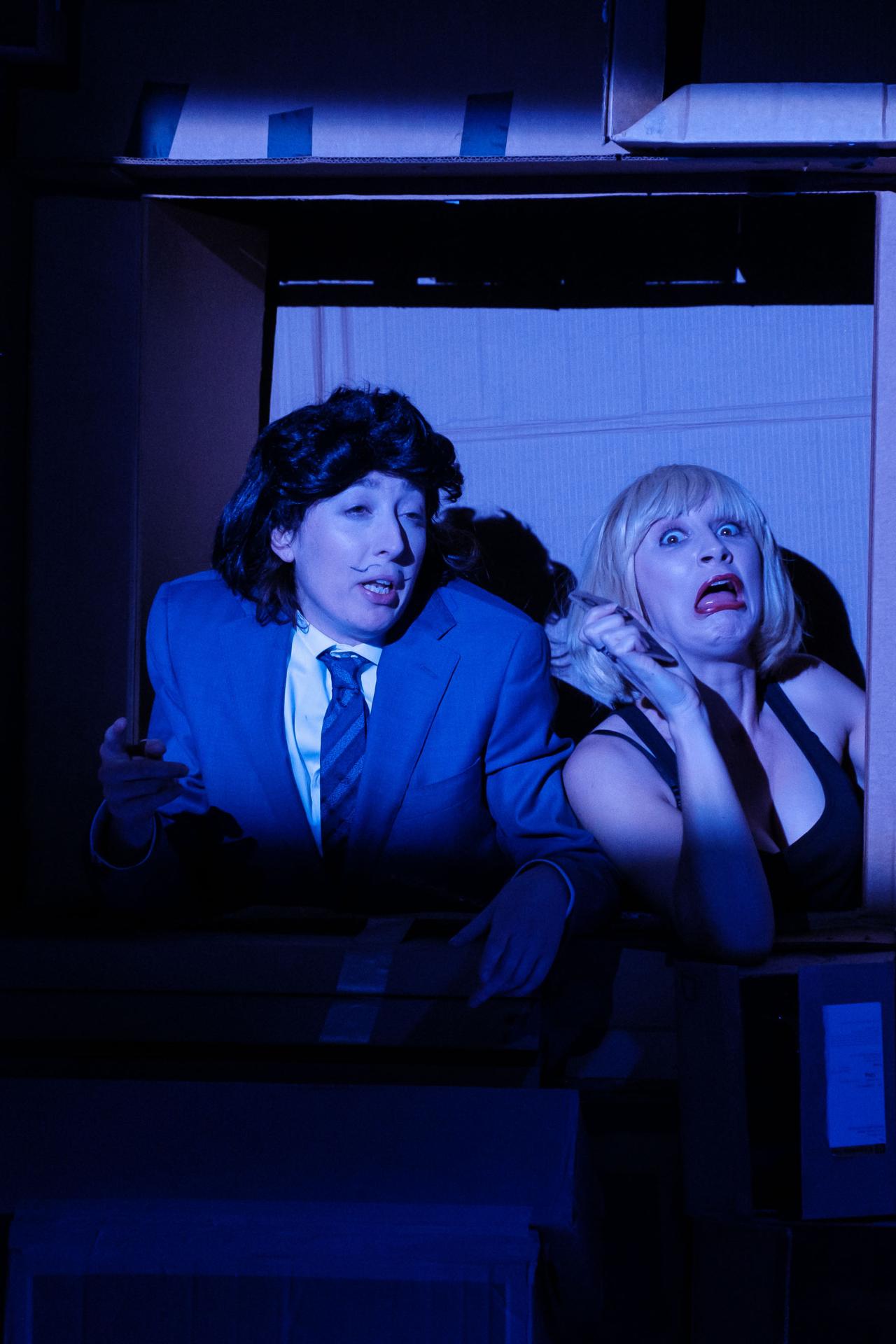
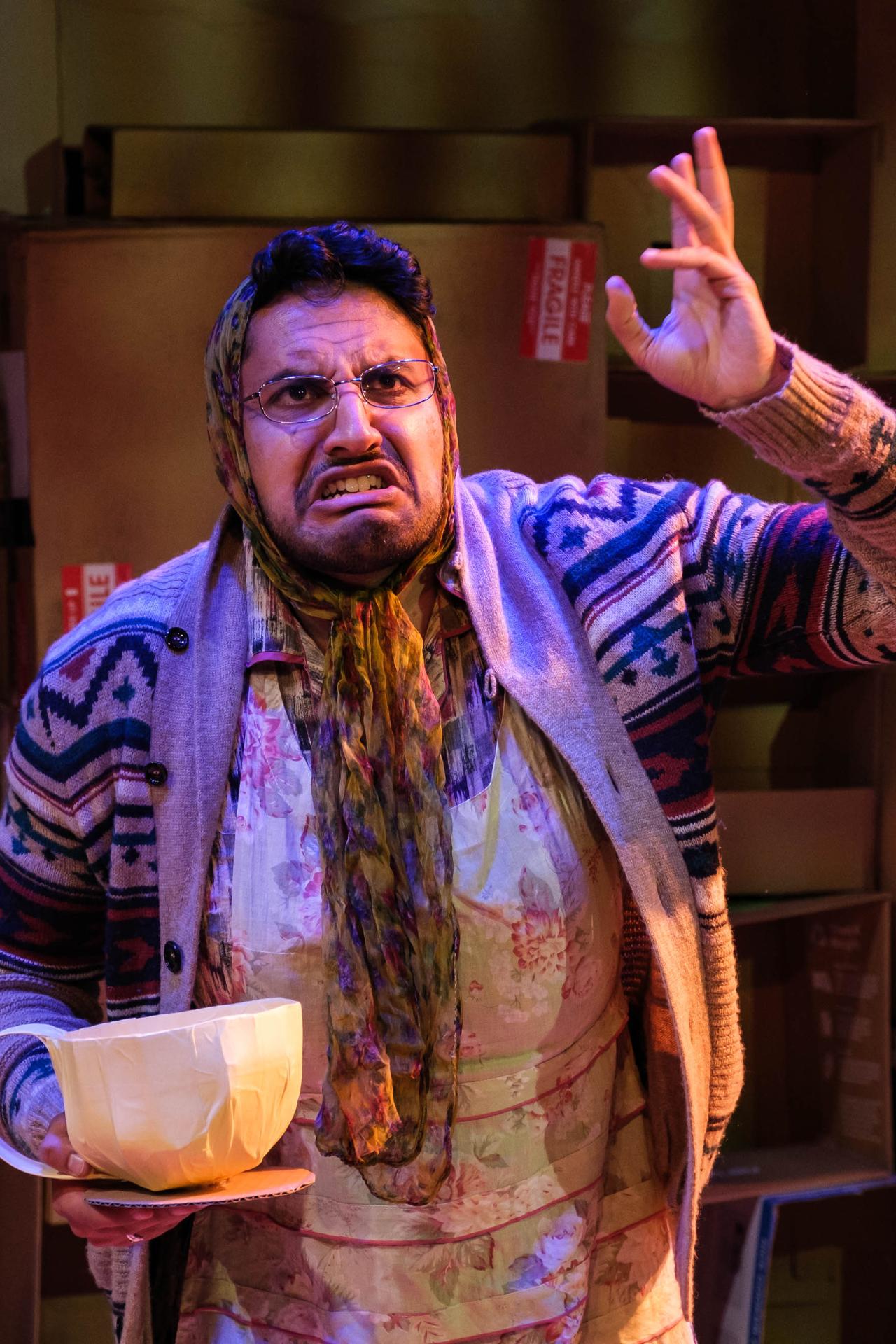
Actor Brooke Satchwell brings scintillating intensity and focus to May, the maternal figure who always intends to do her best, but who is never safe from making errors. Satchwell’s confidence helps gain our trust in the unpredictable storytelling, taking us on a confronting ride that proves to be thoroughly thought-provoking. Amy is played by Charlotte Friels, spirited and purposeful with her creative choices, admirable for her ability to cultivate excellent chemistry with all she partners with. The leads are supported by a highly proficient ensemble, with each performer leaving a strong impression, in a detailed and refined presentation of an urgent message.

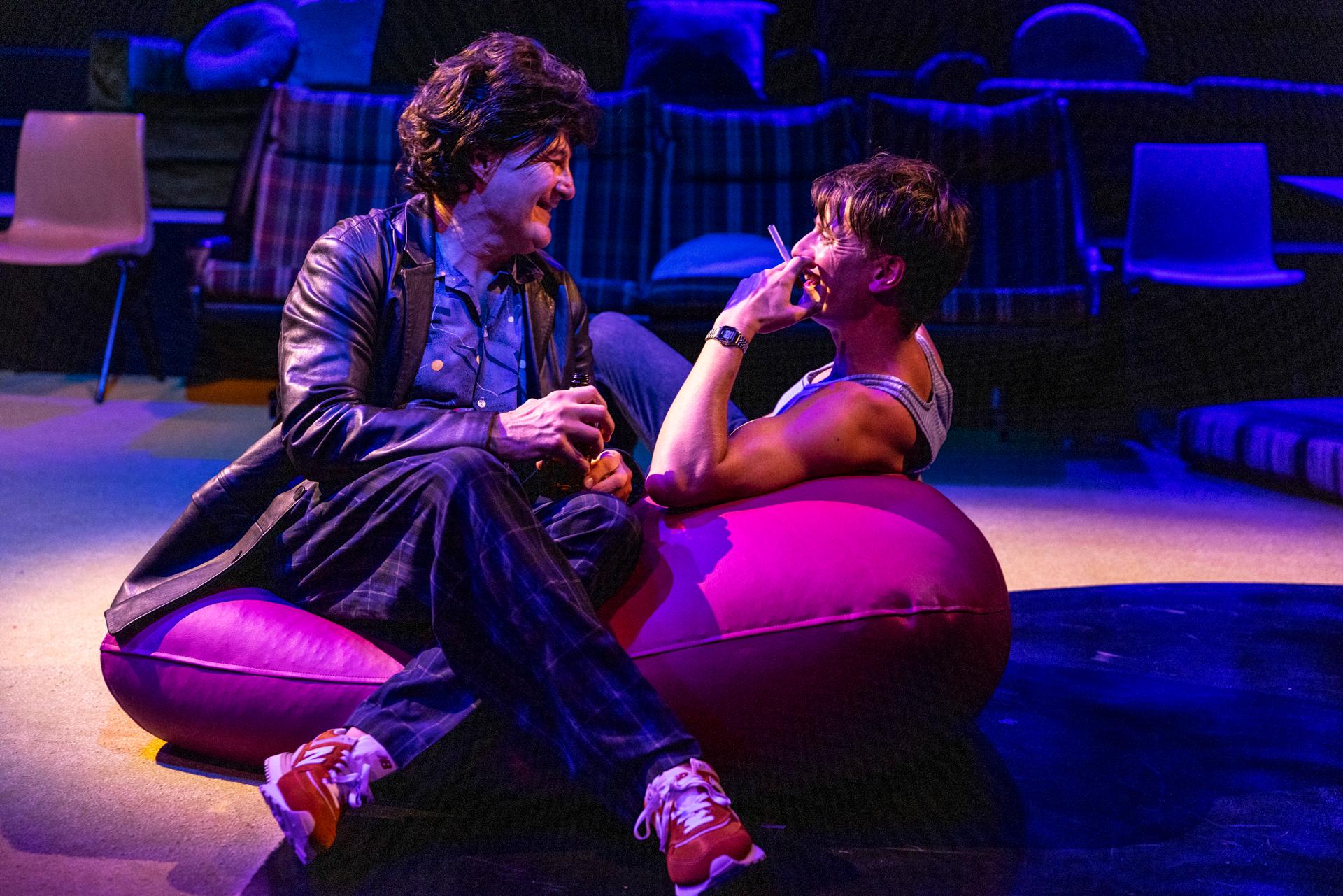
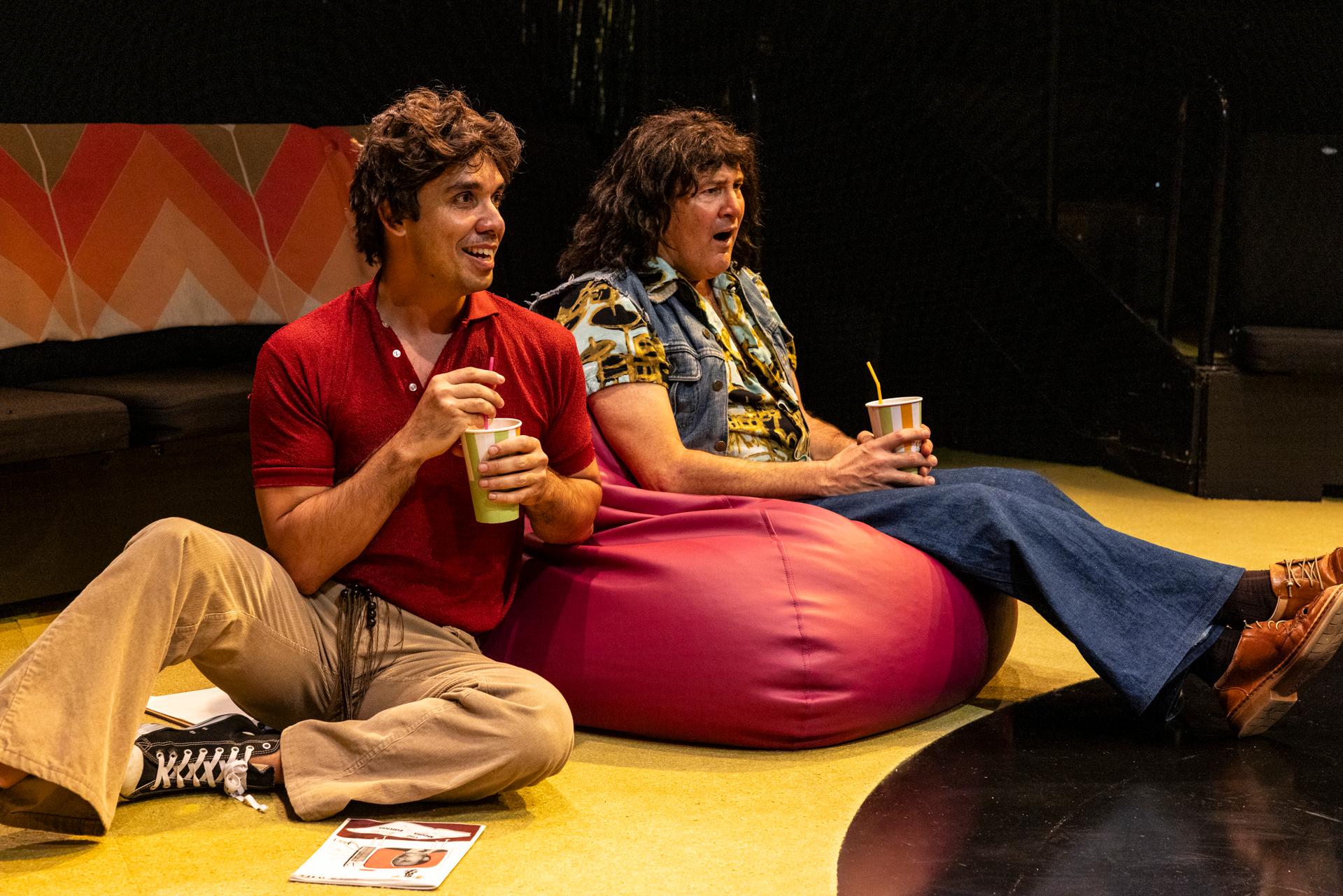
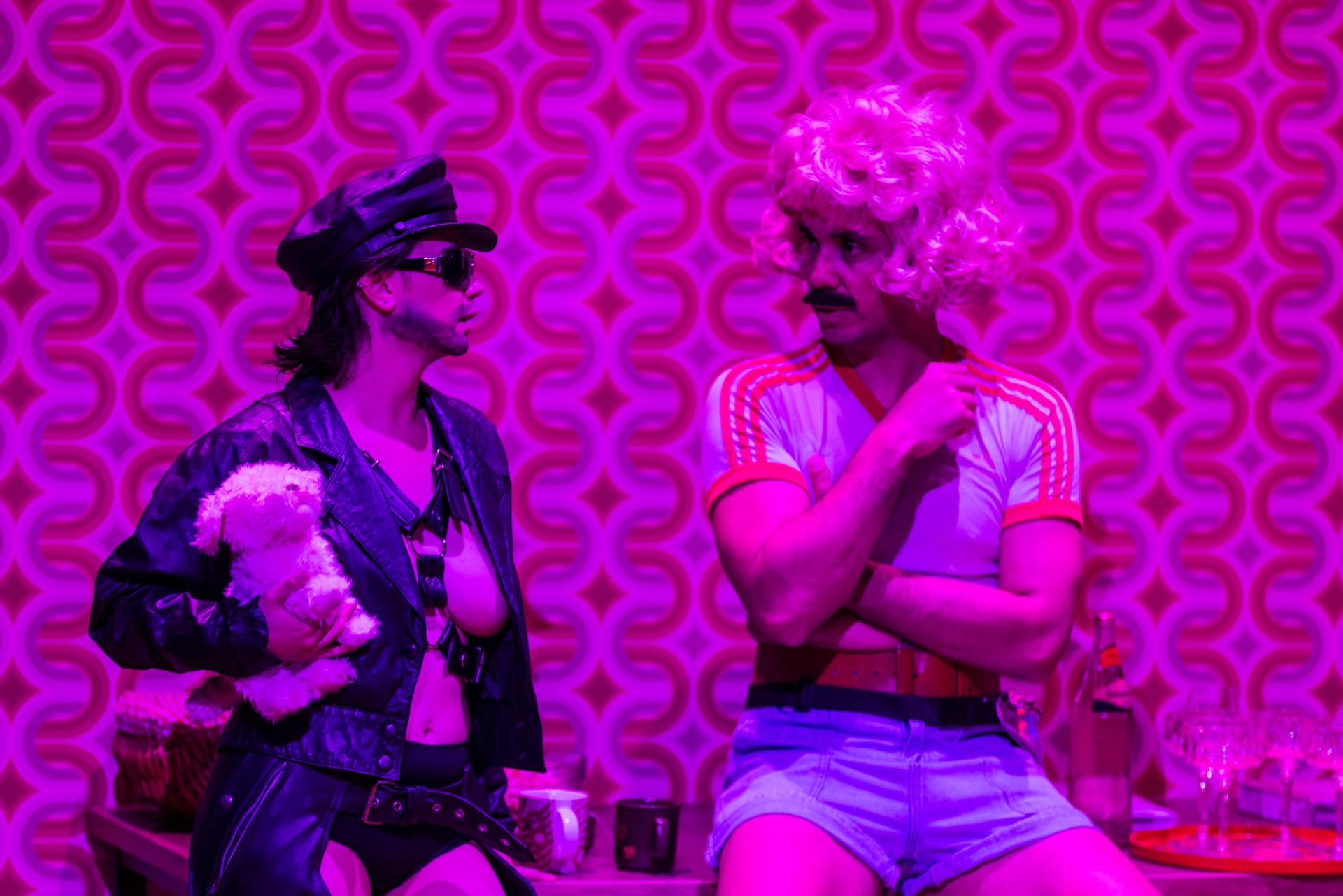
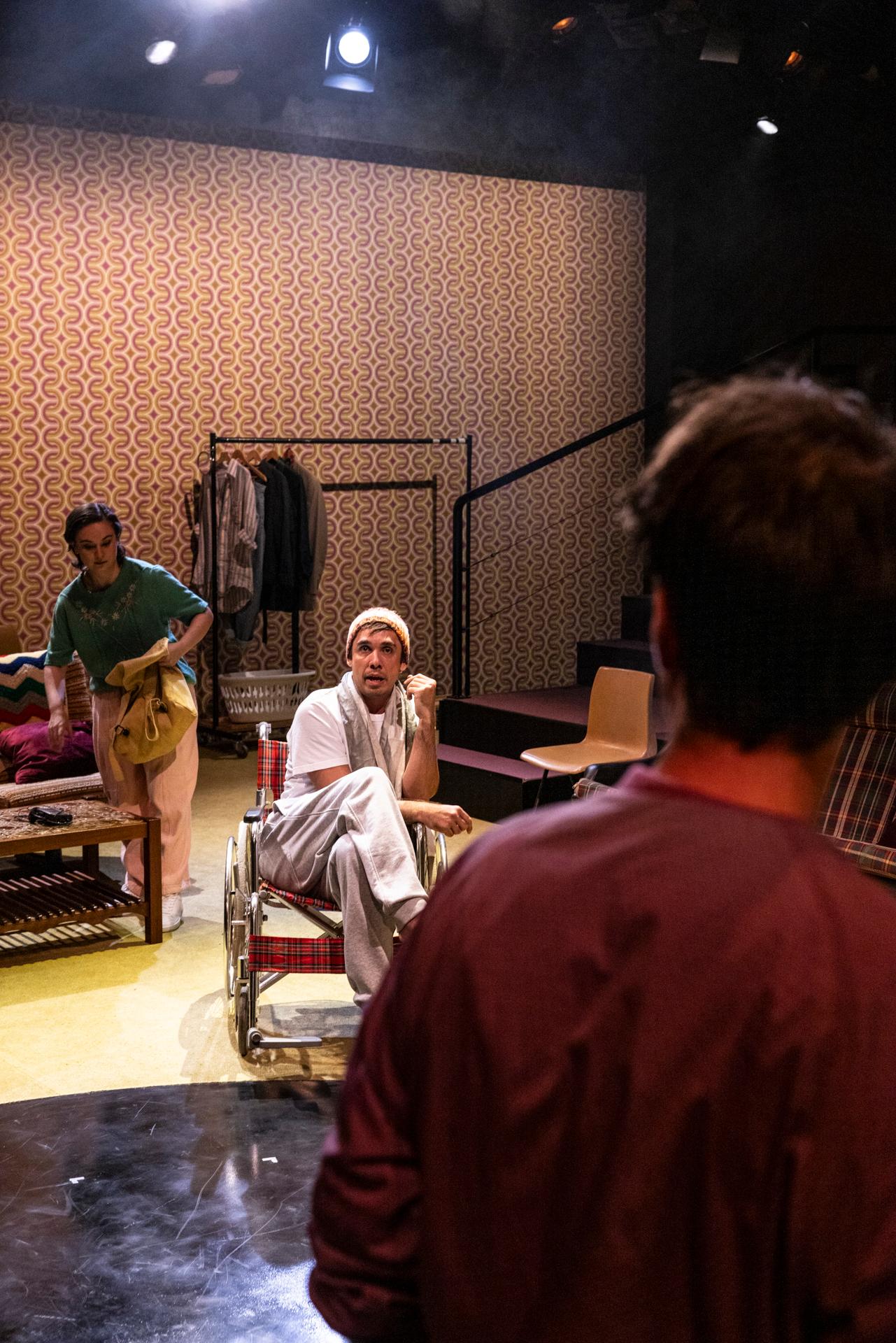
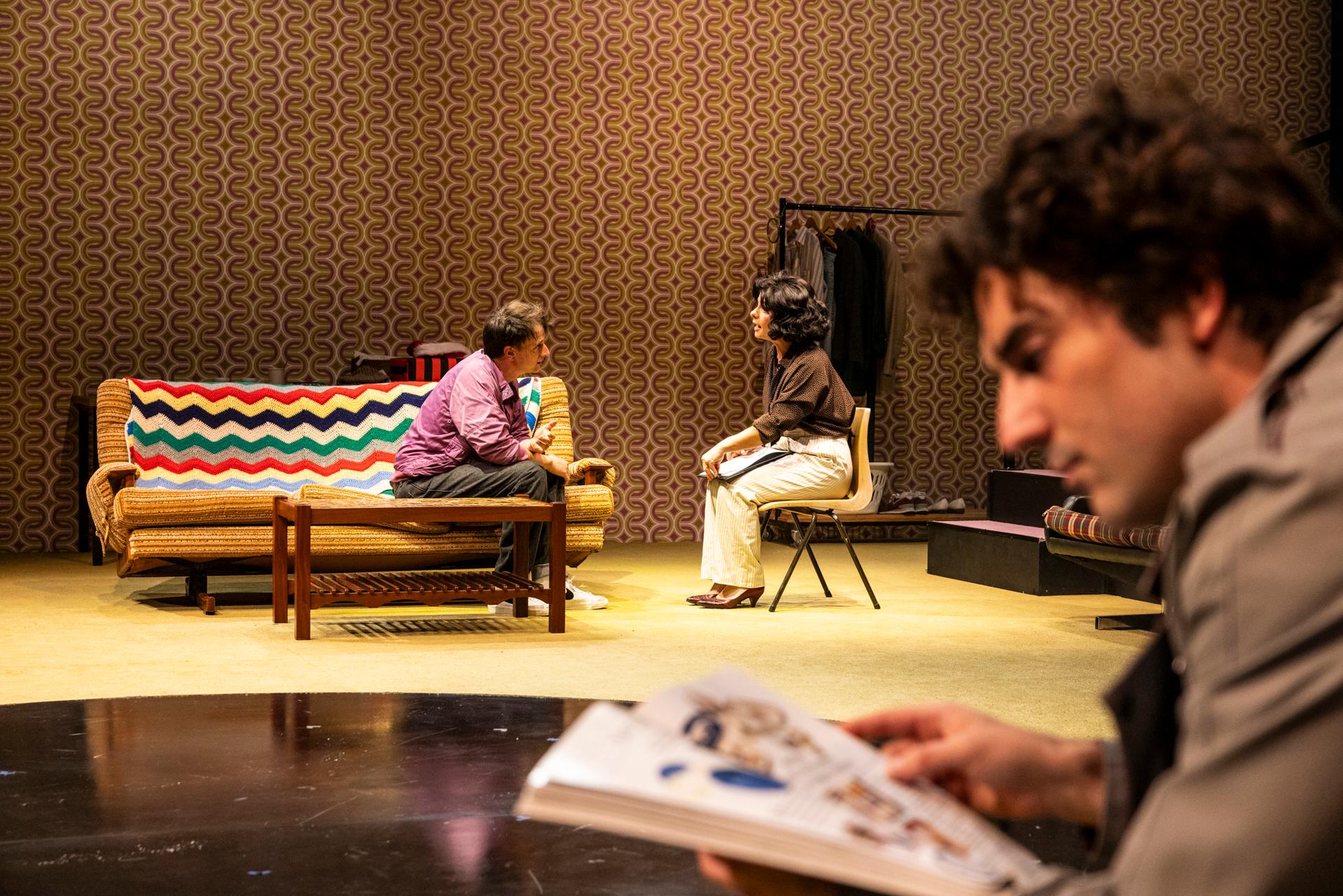
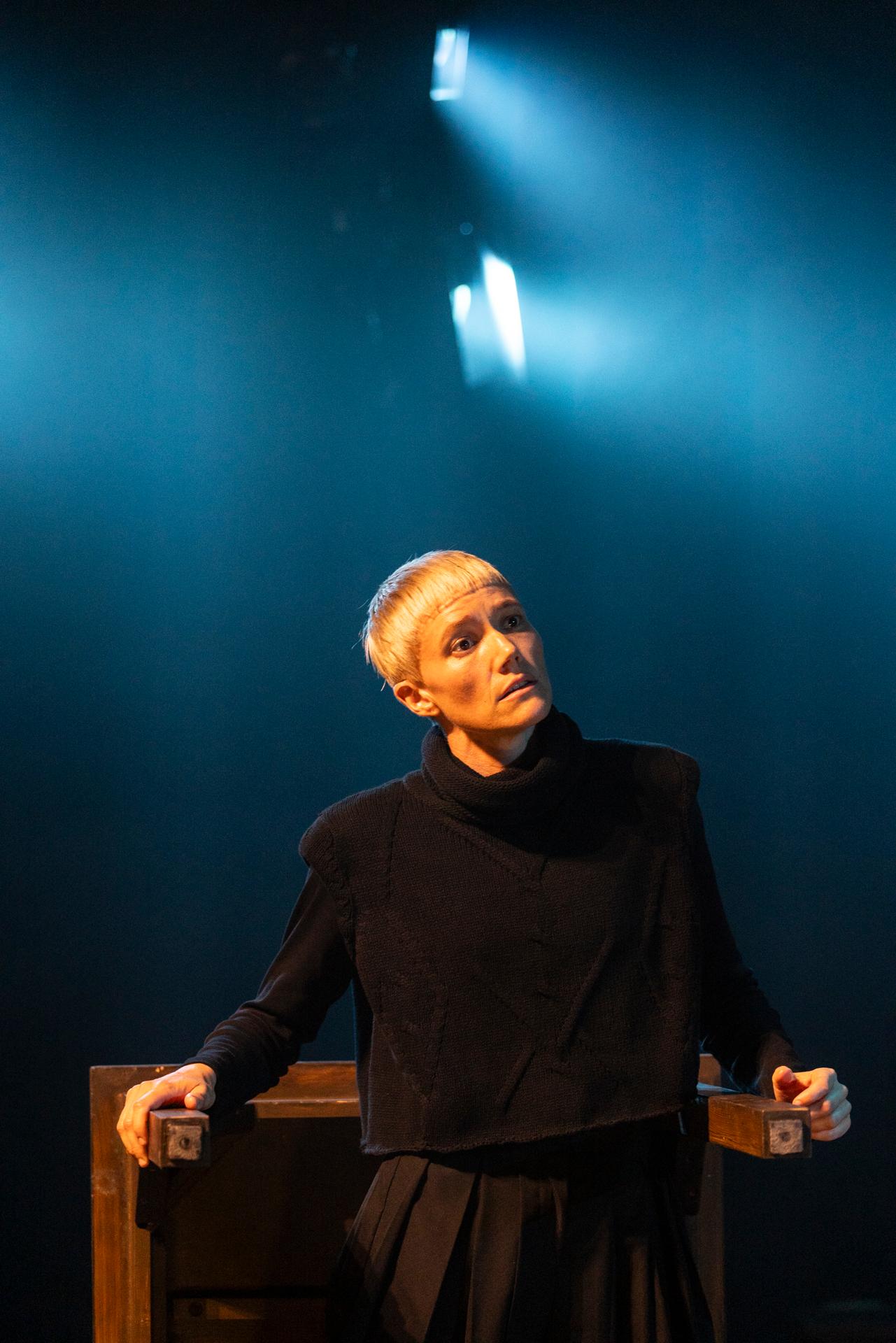
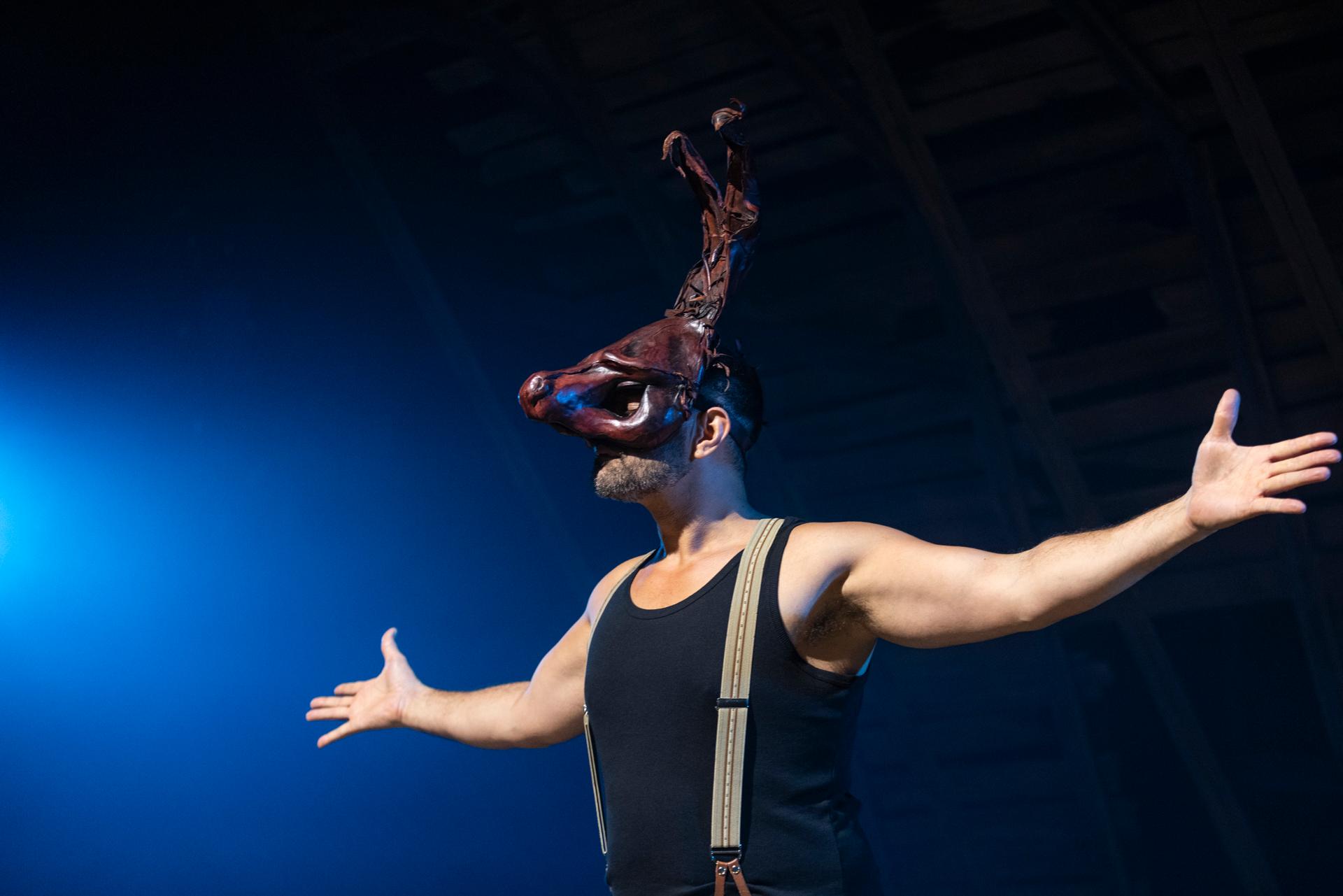
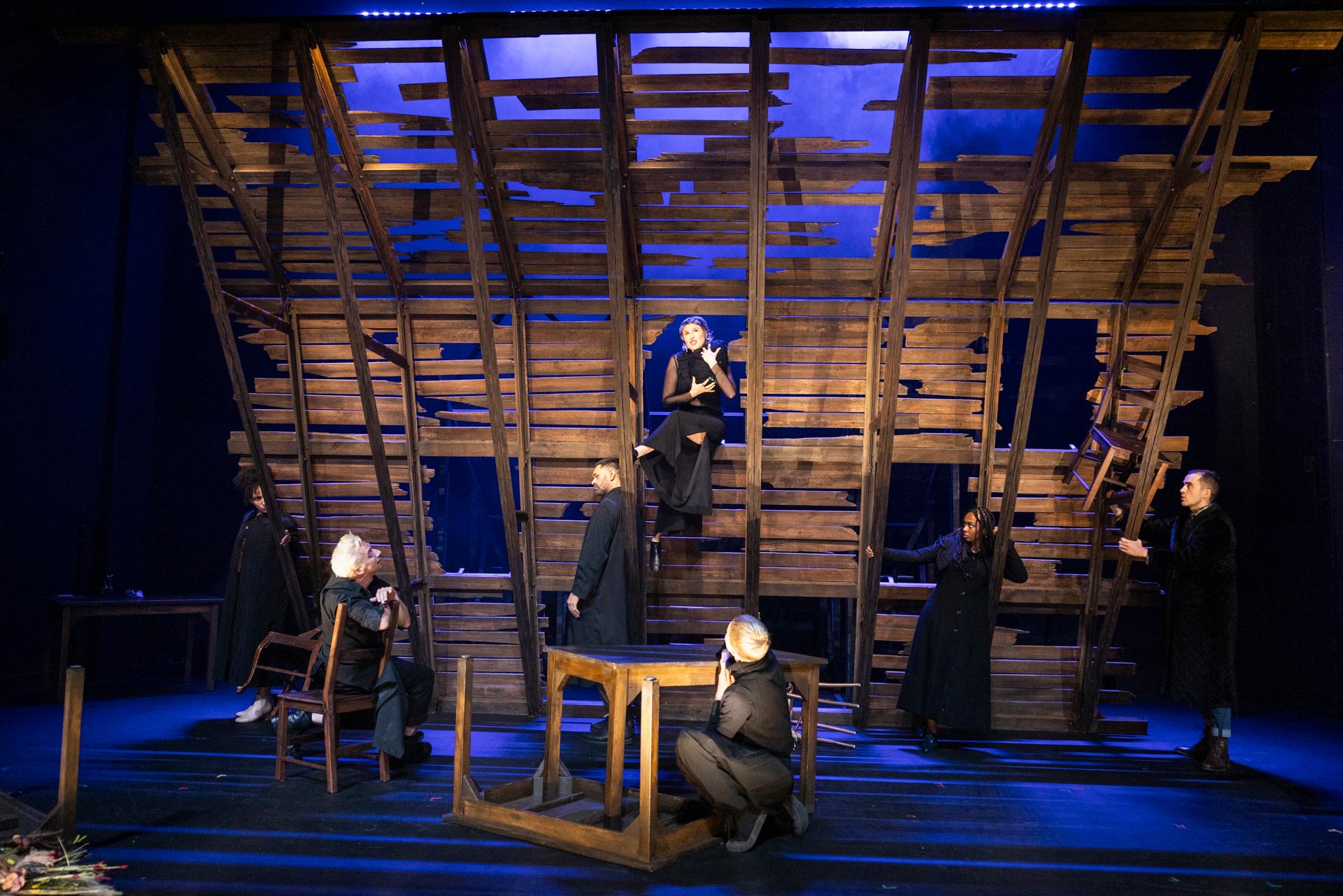
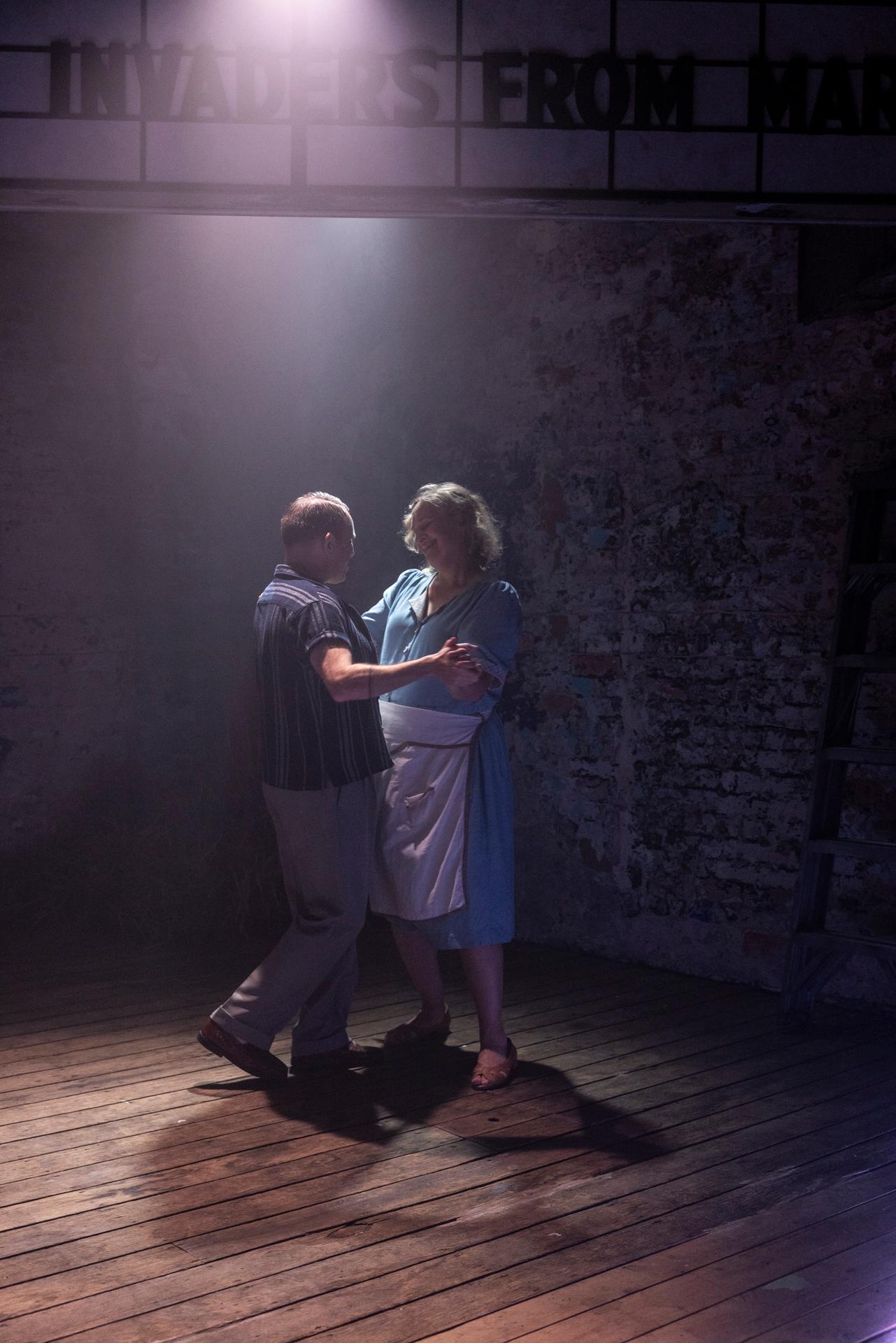
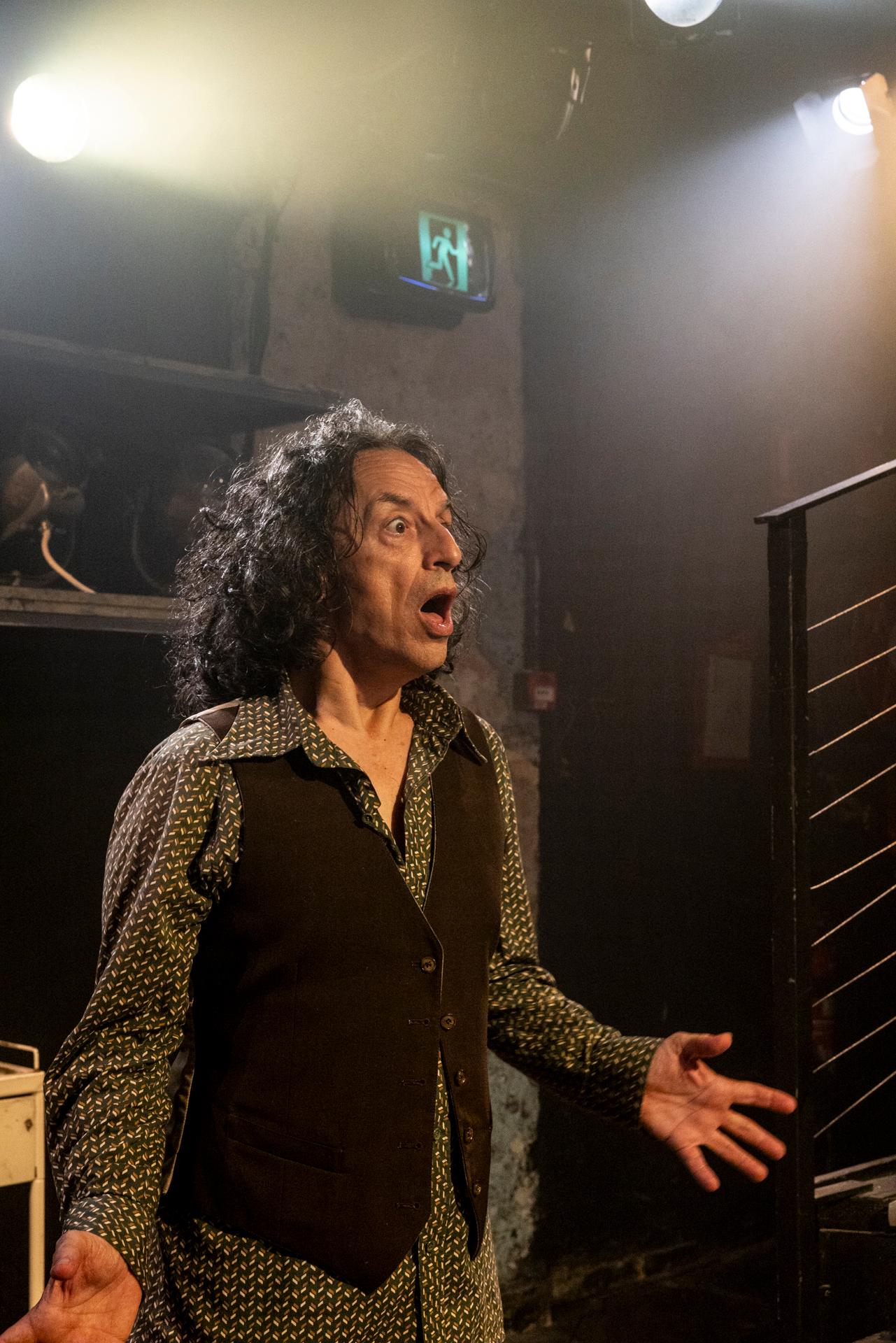
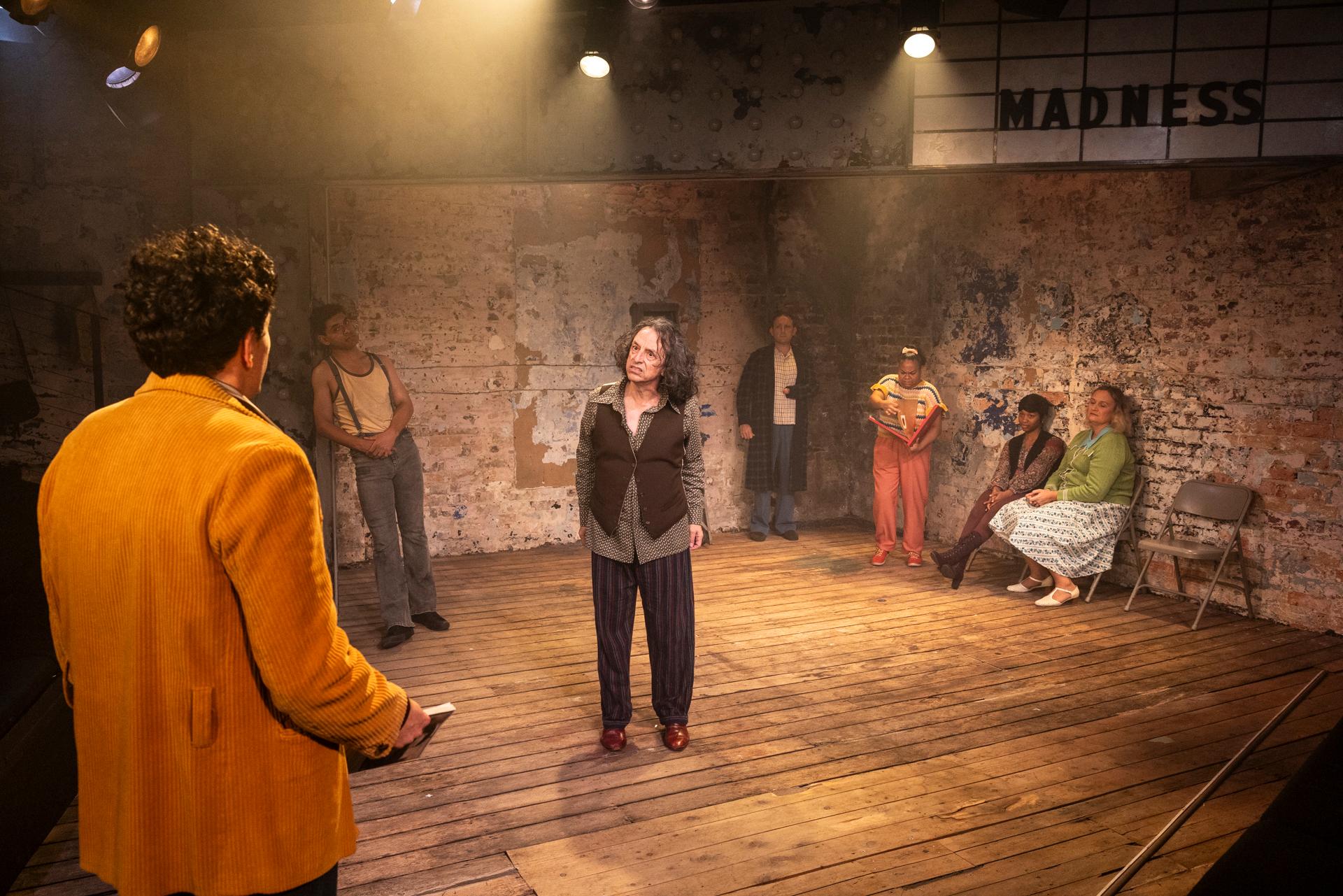
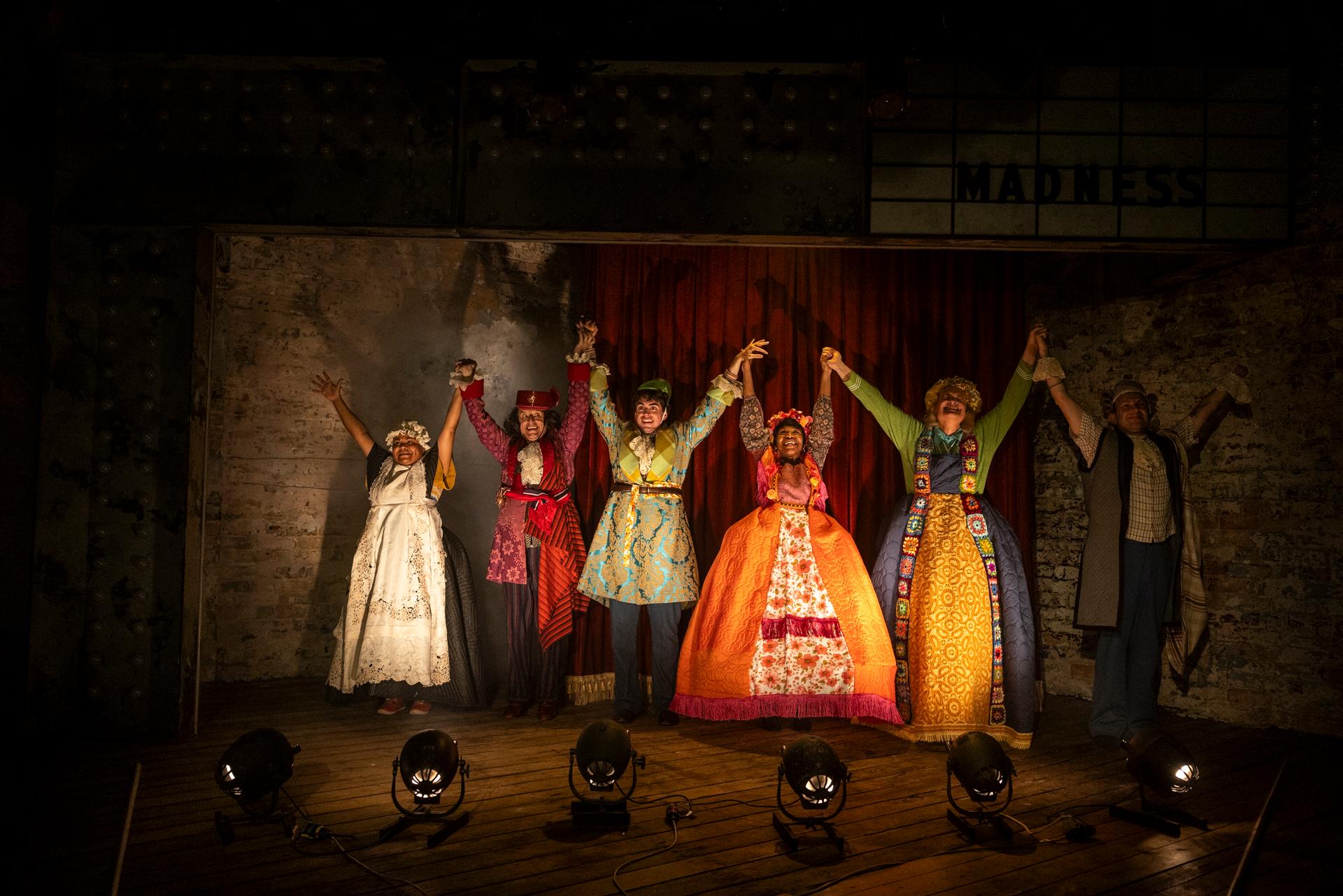
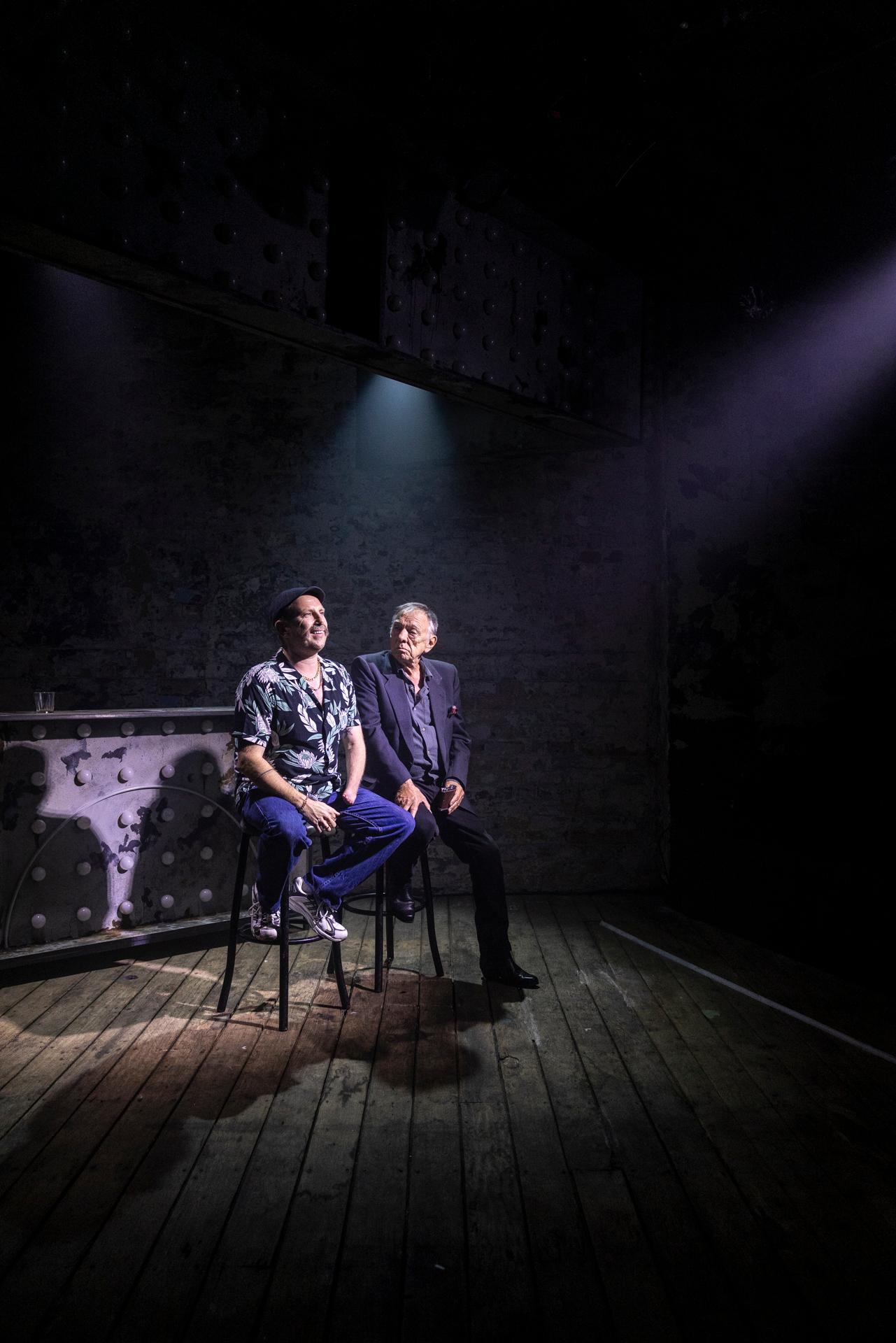
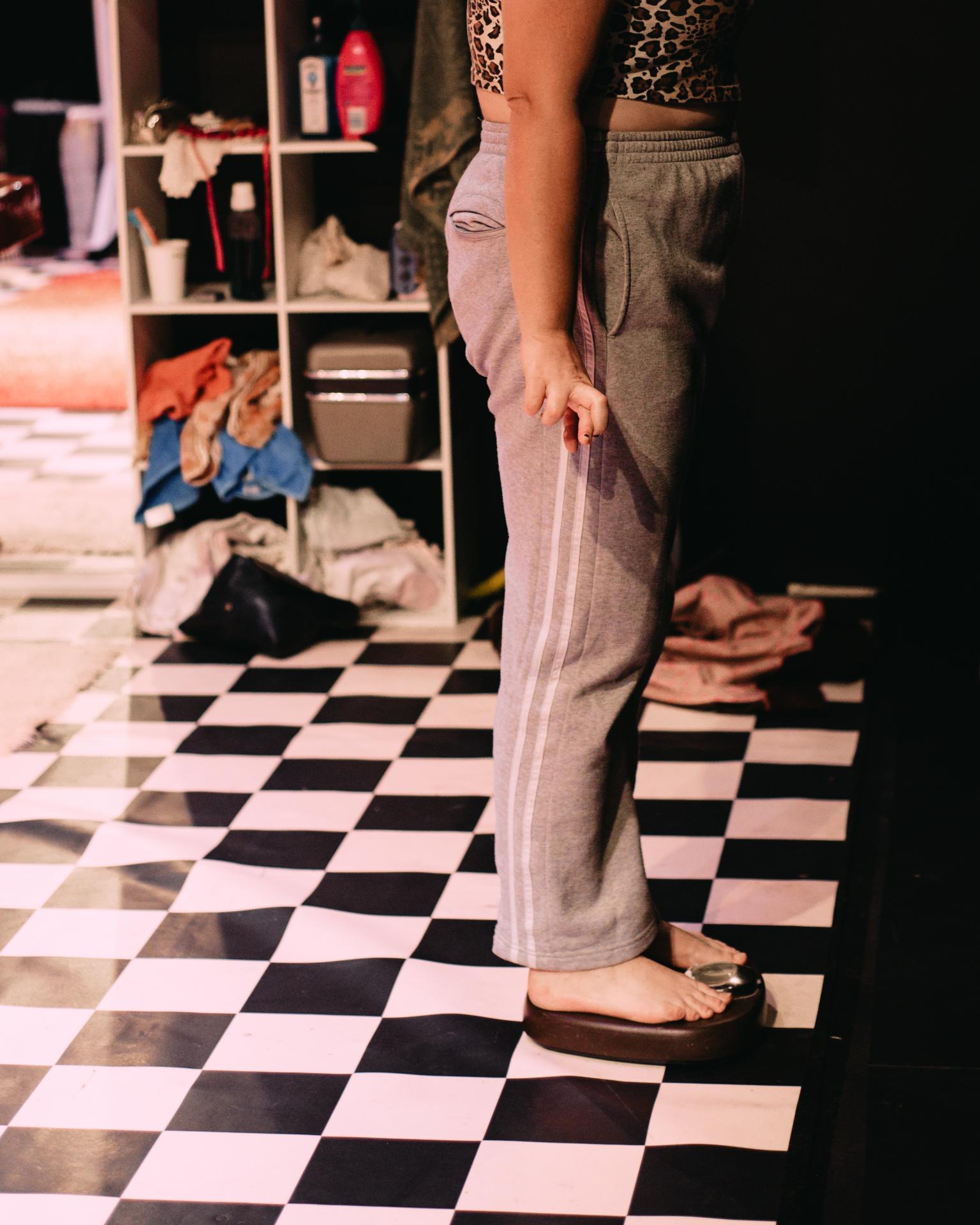
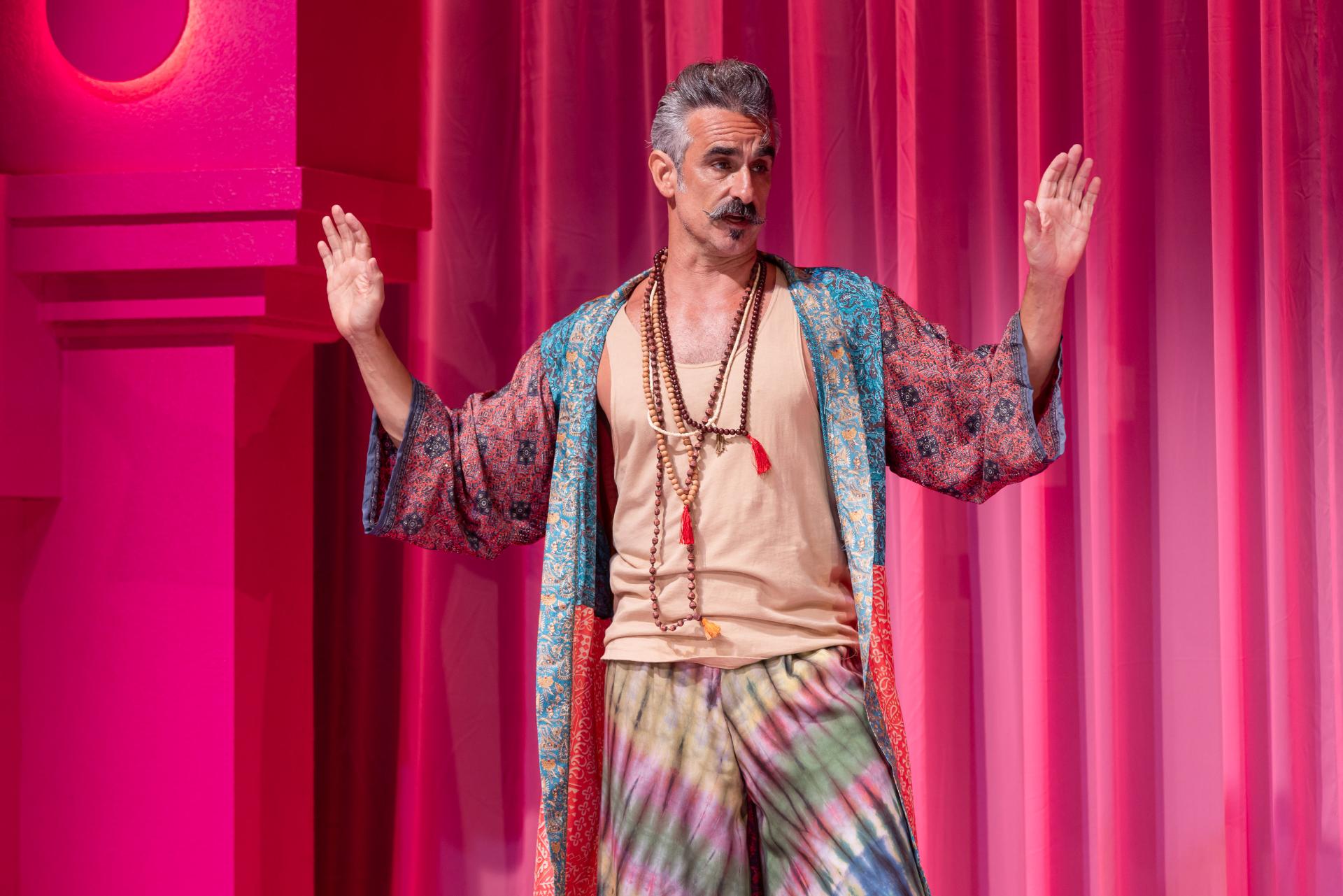
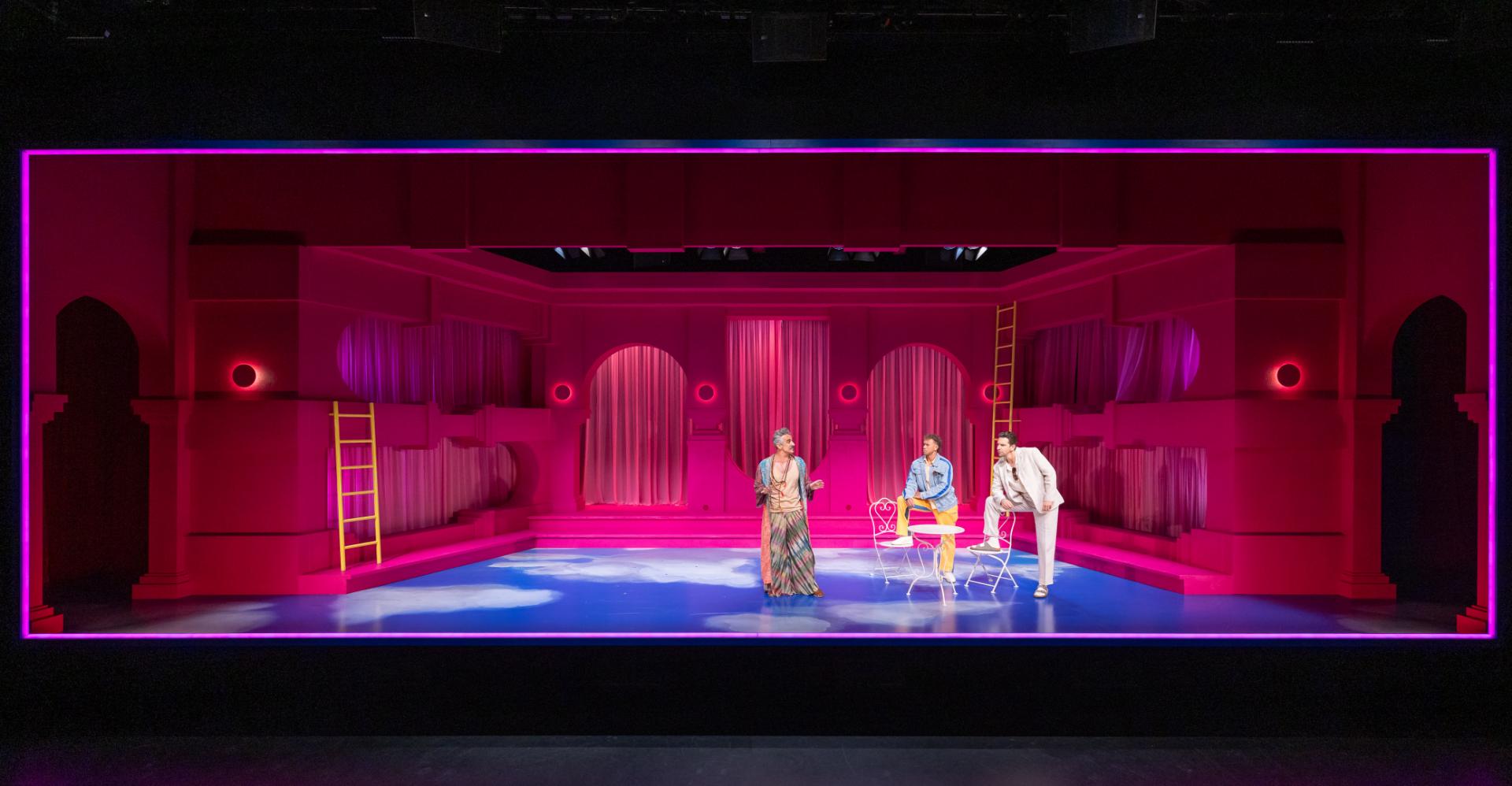
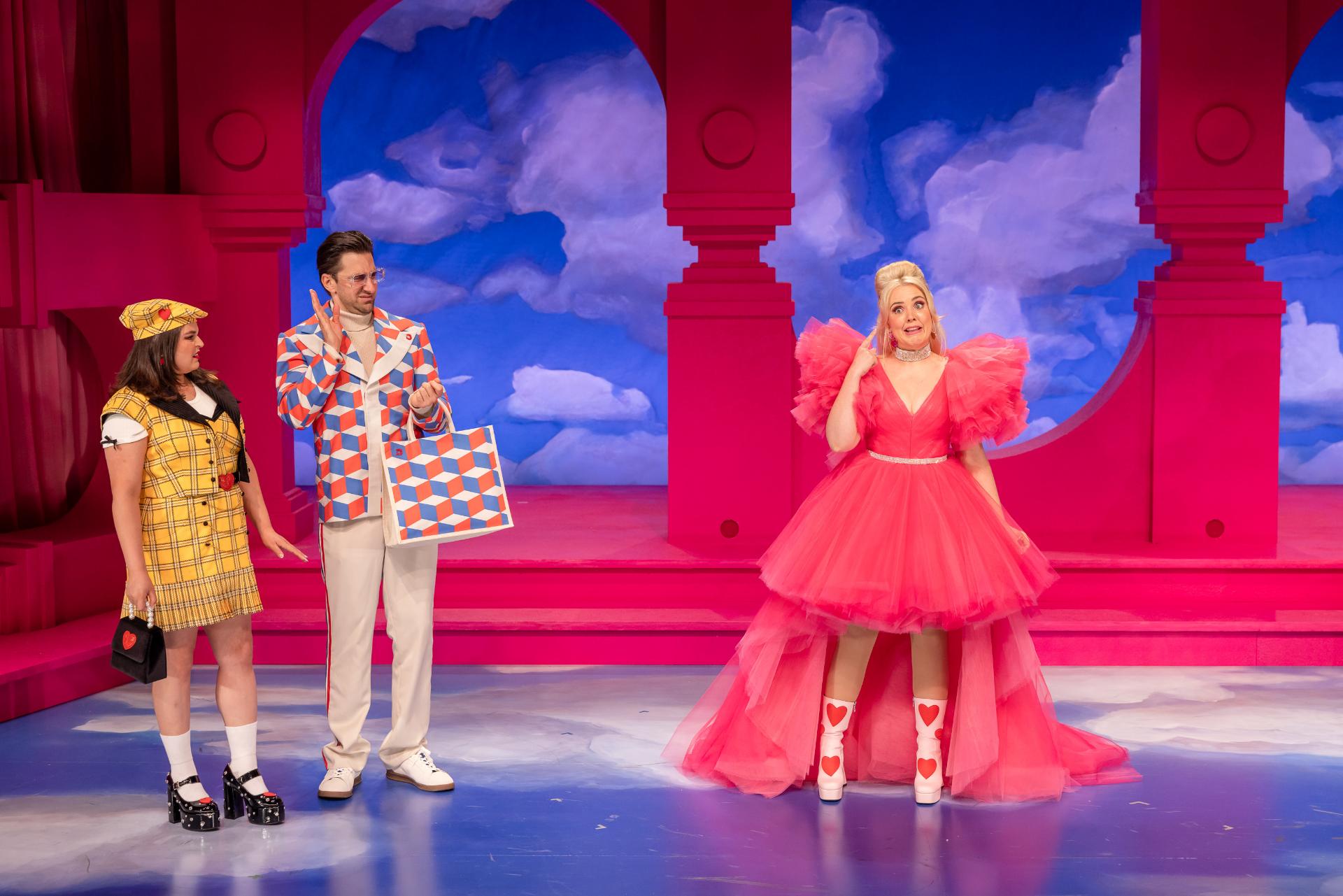
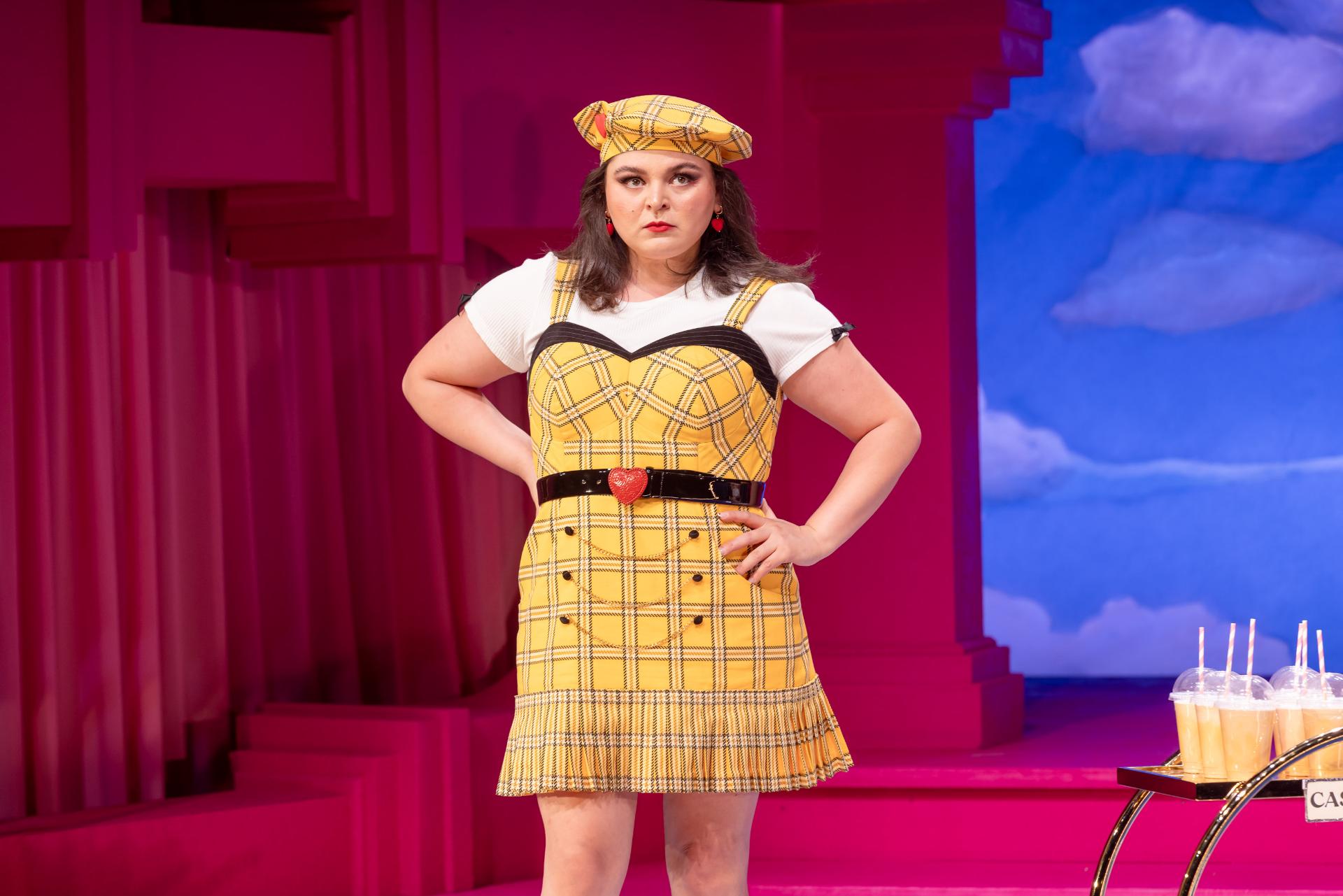
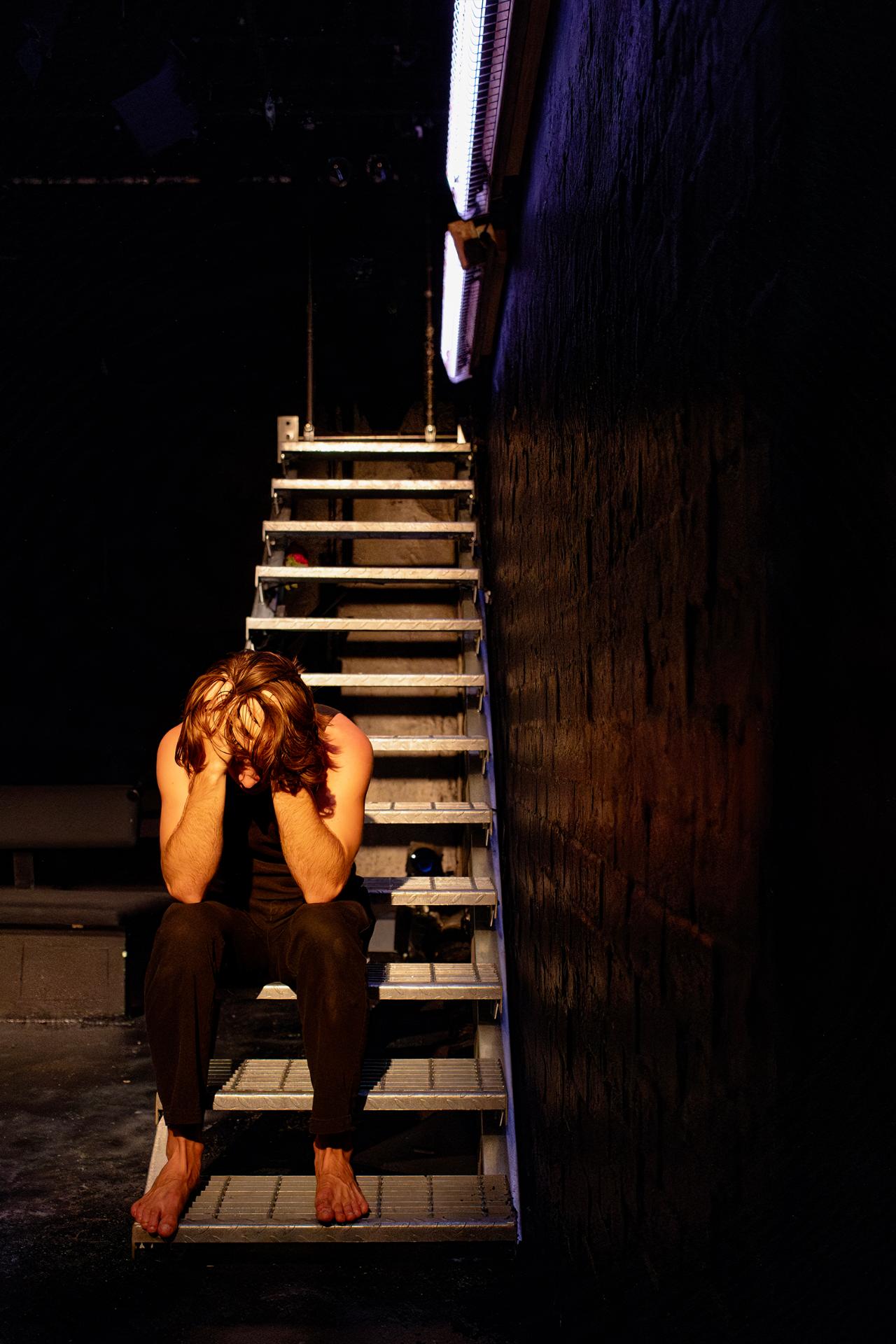
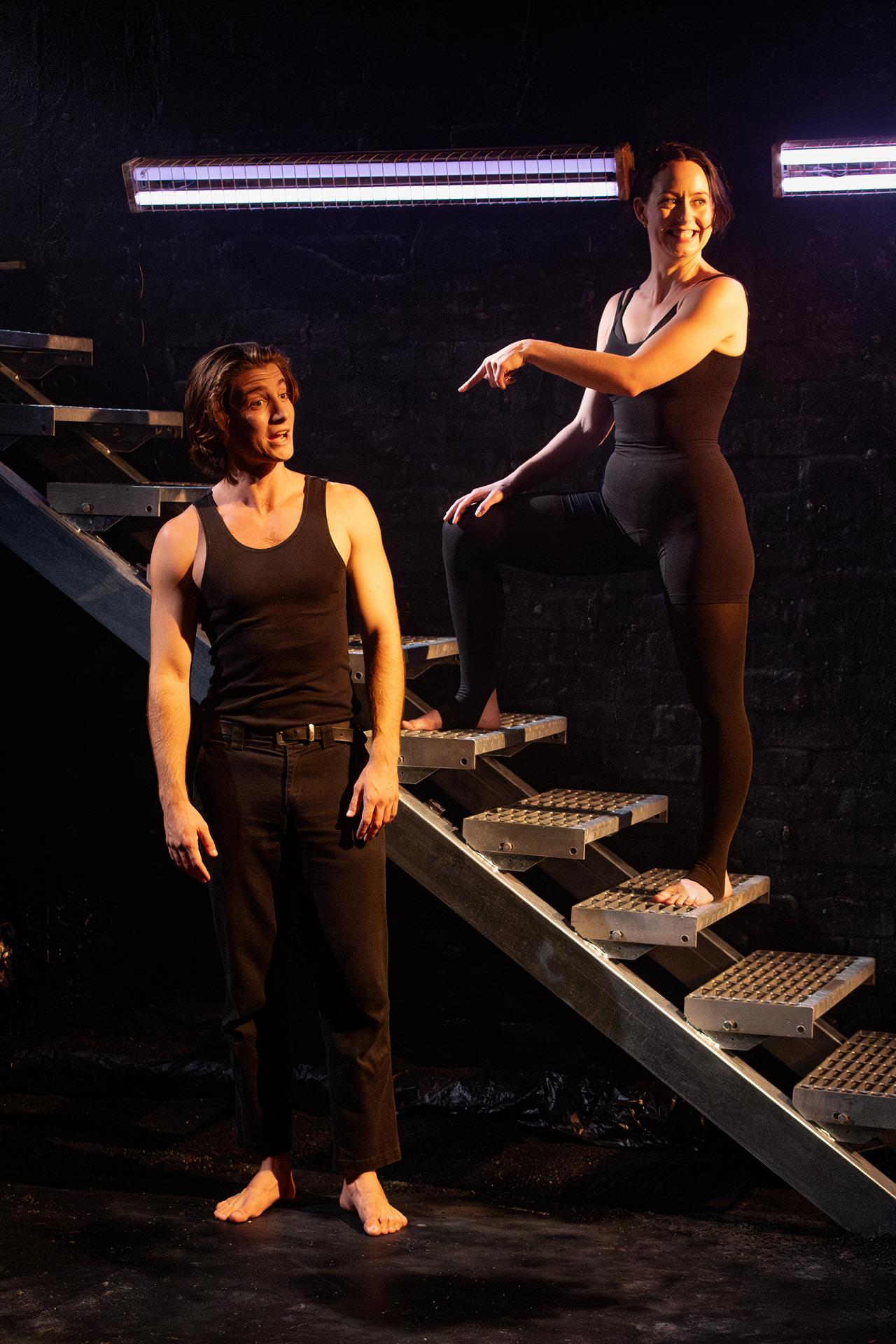
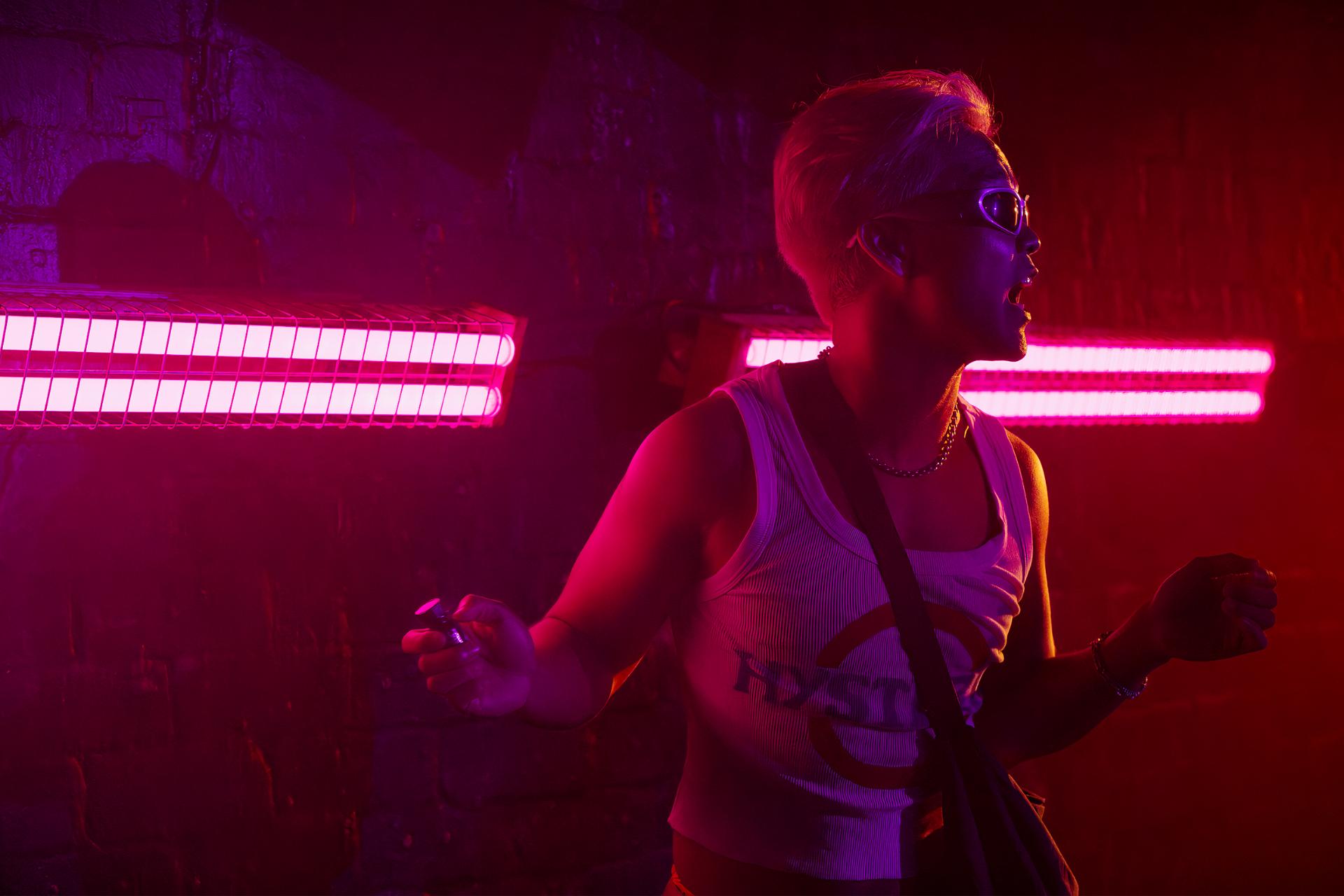
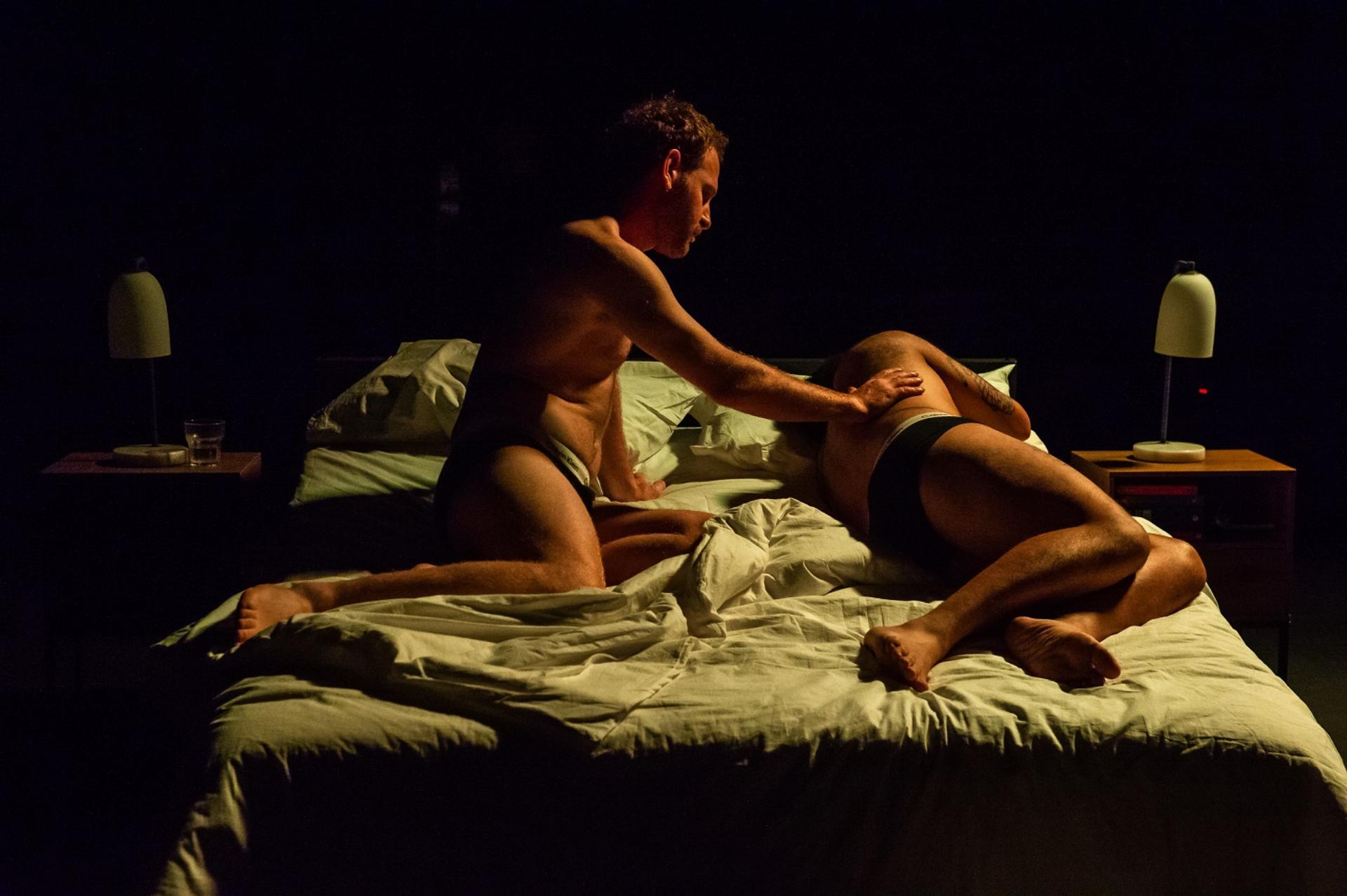
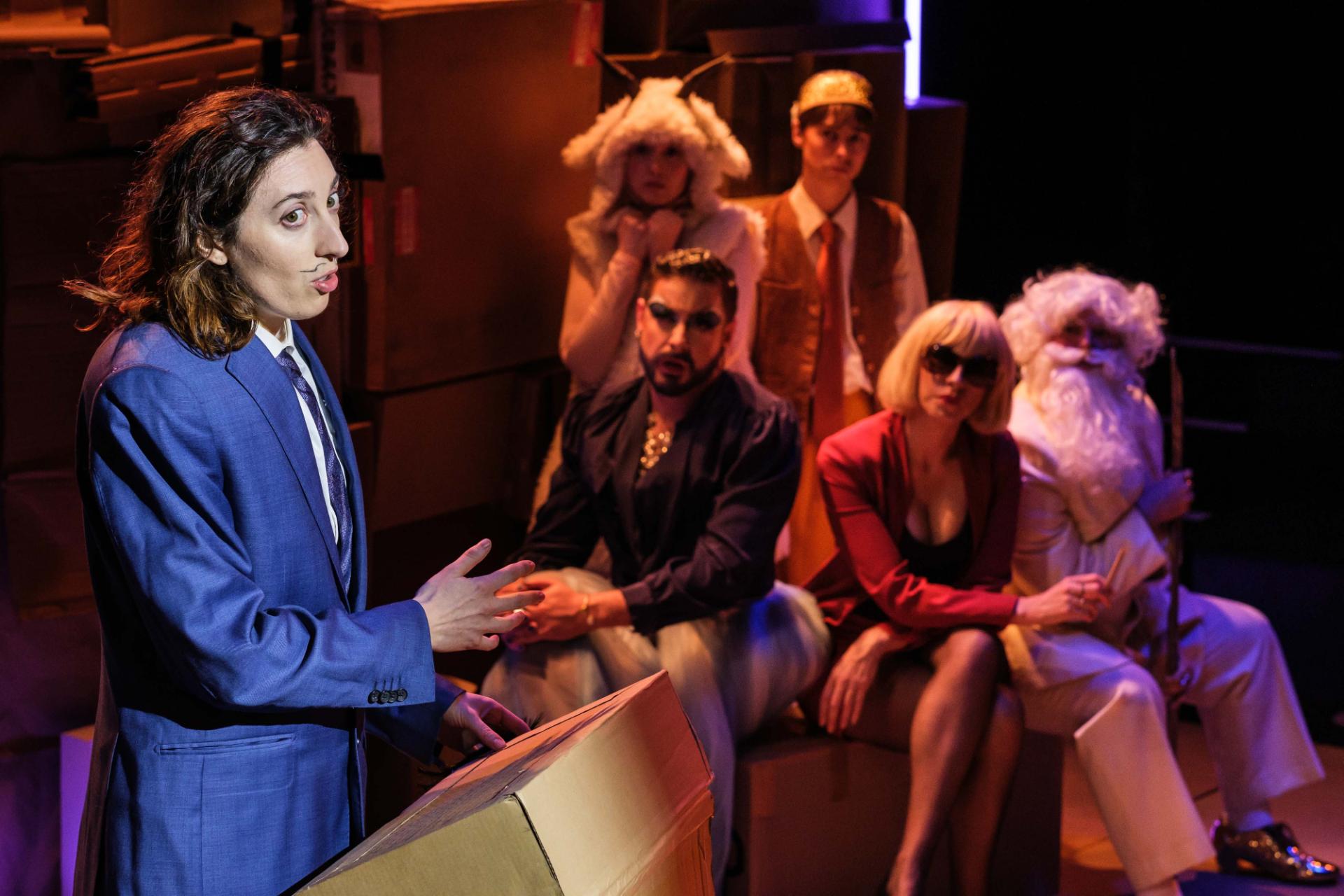
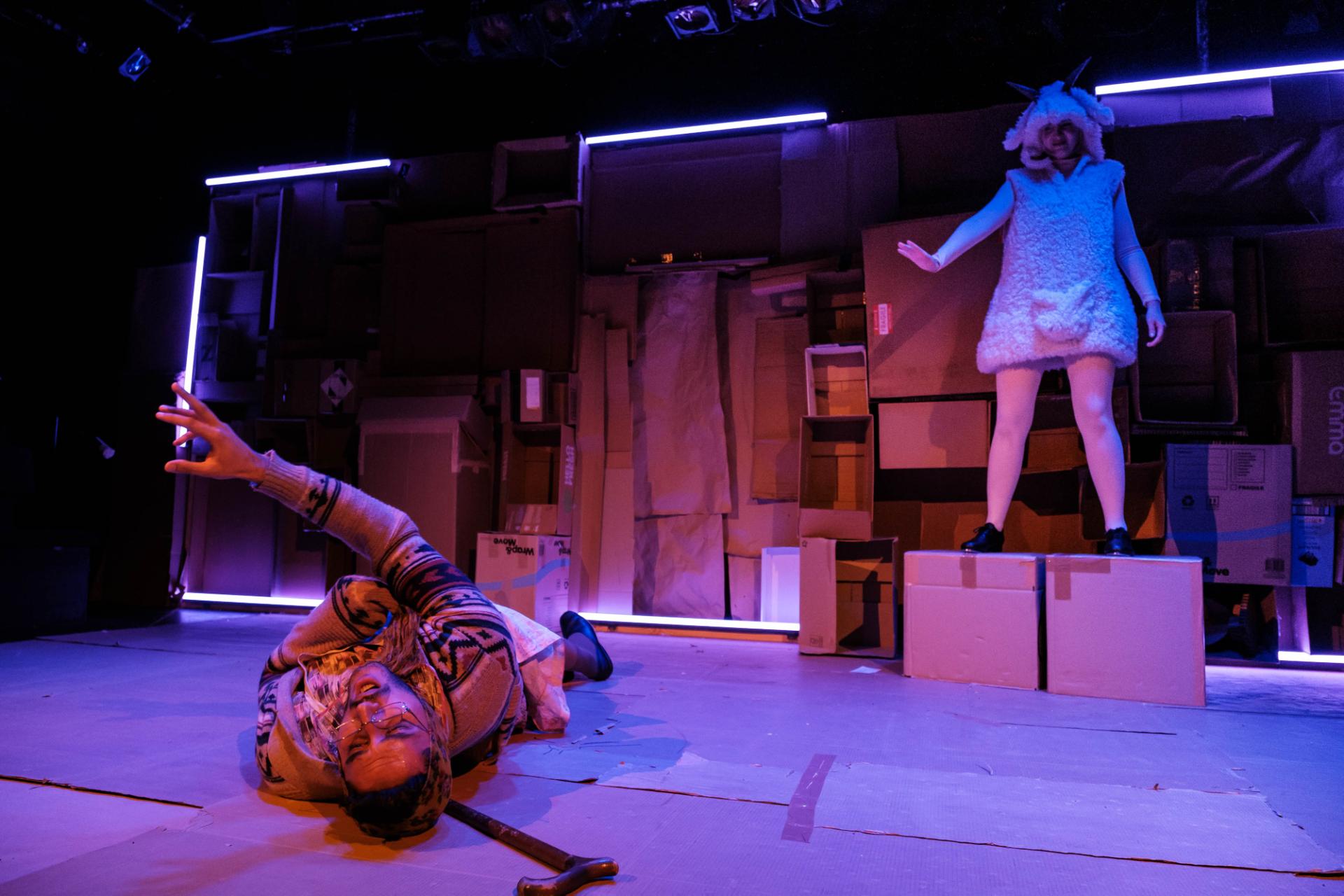
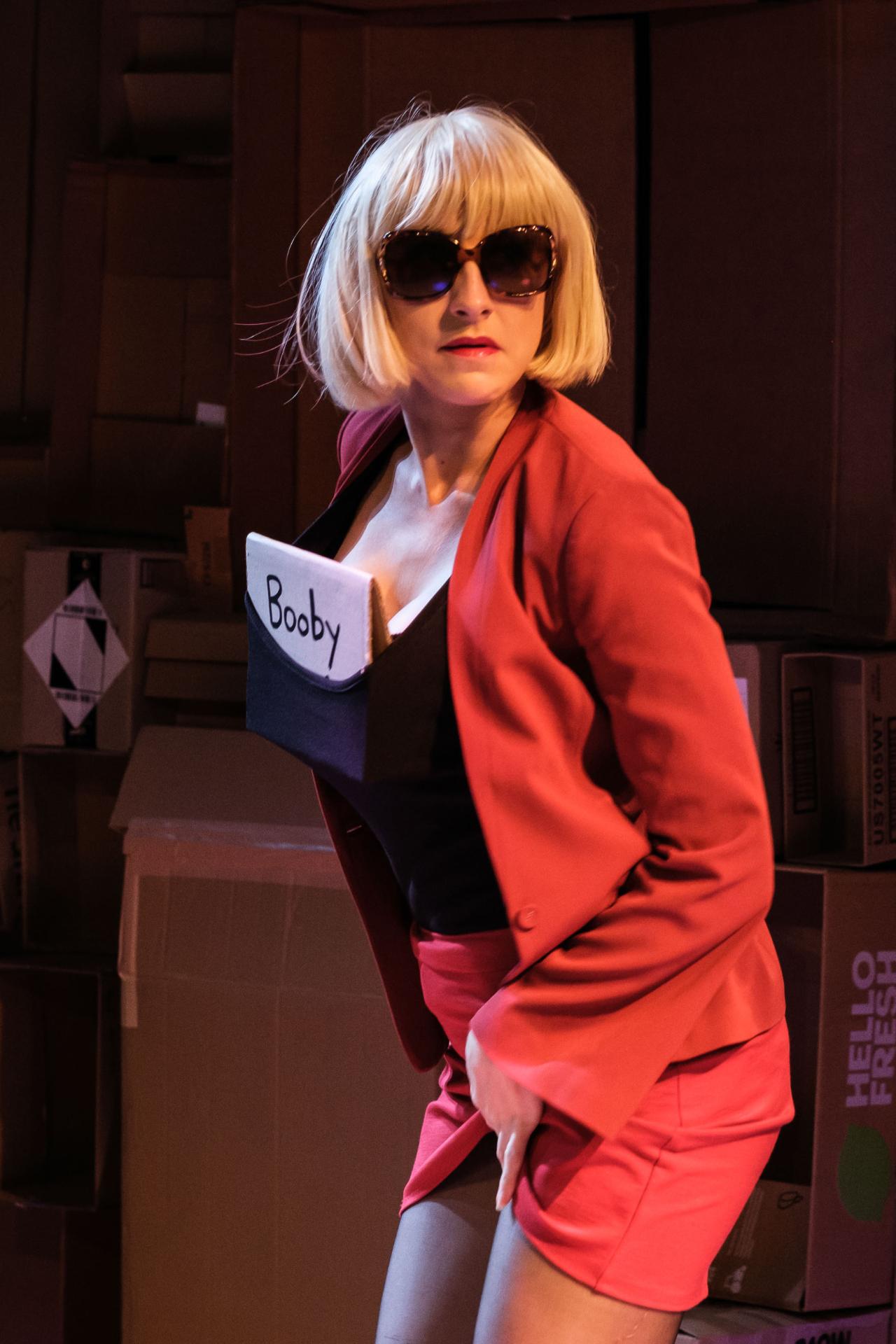
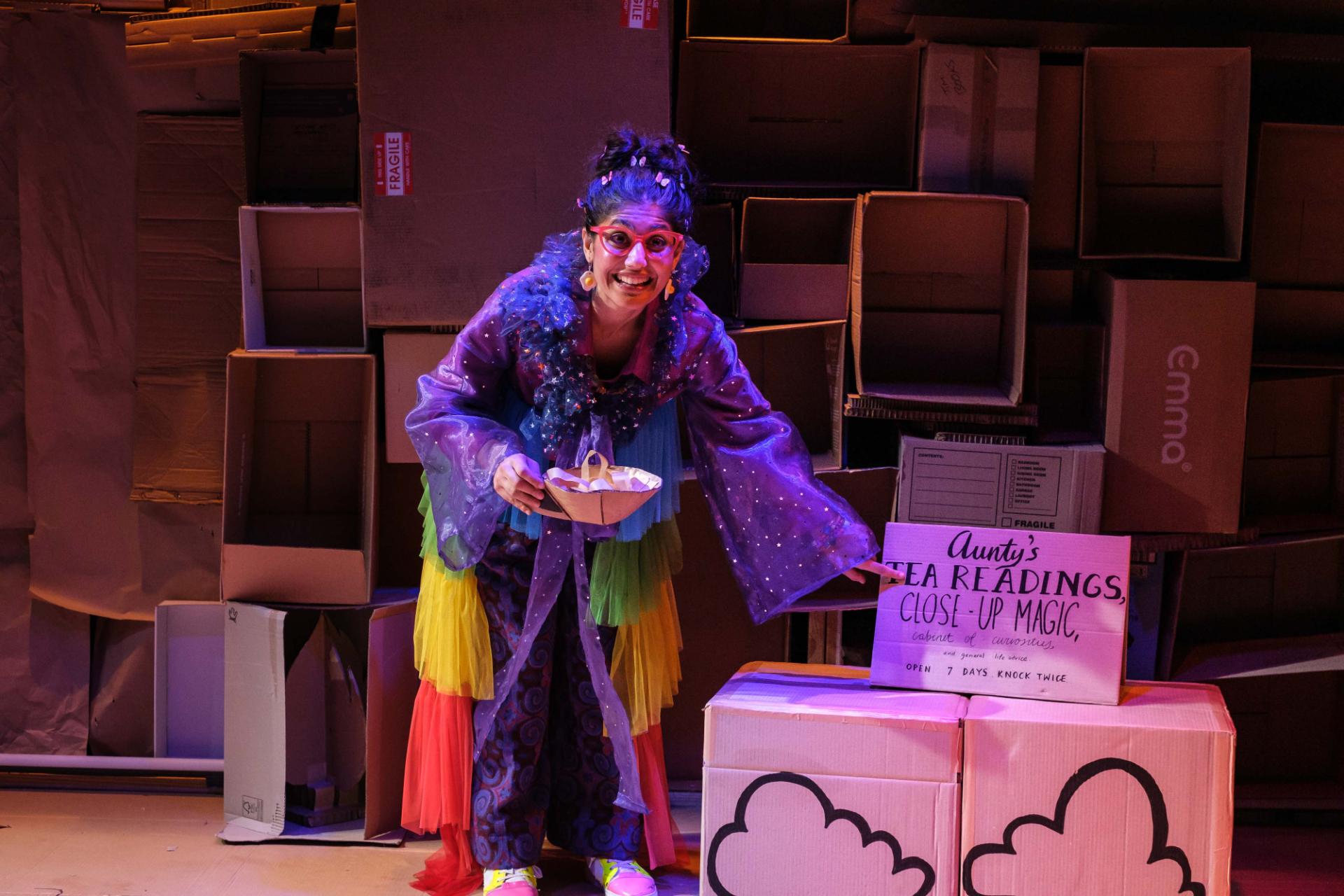
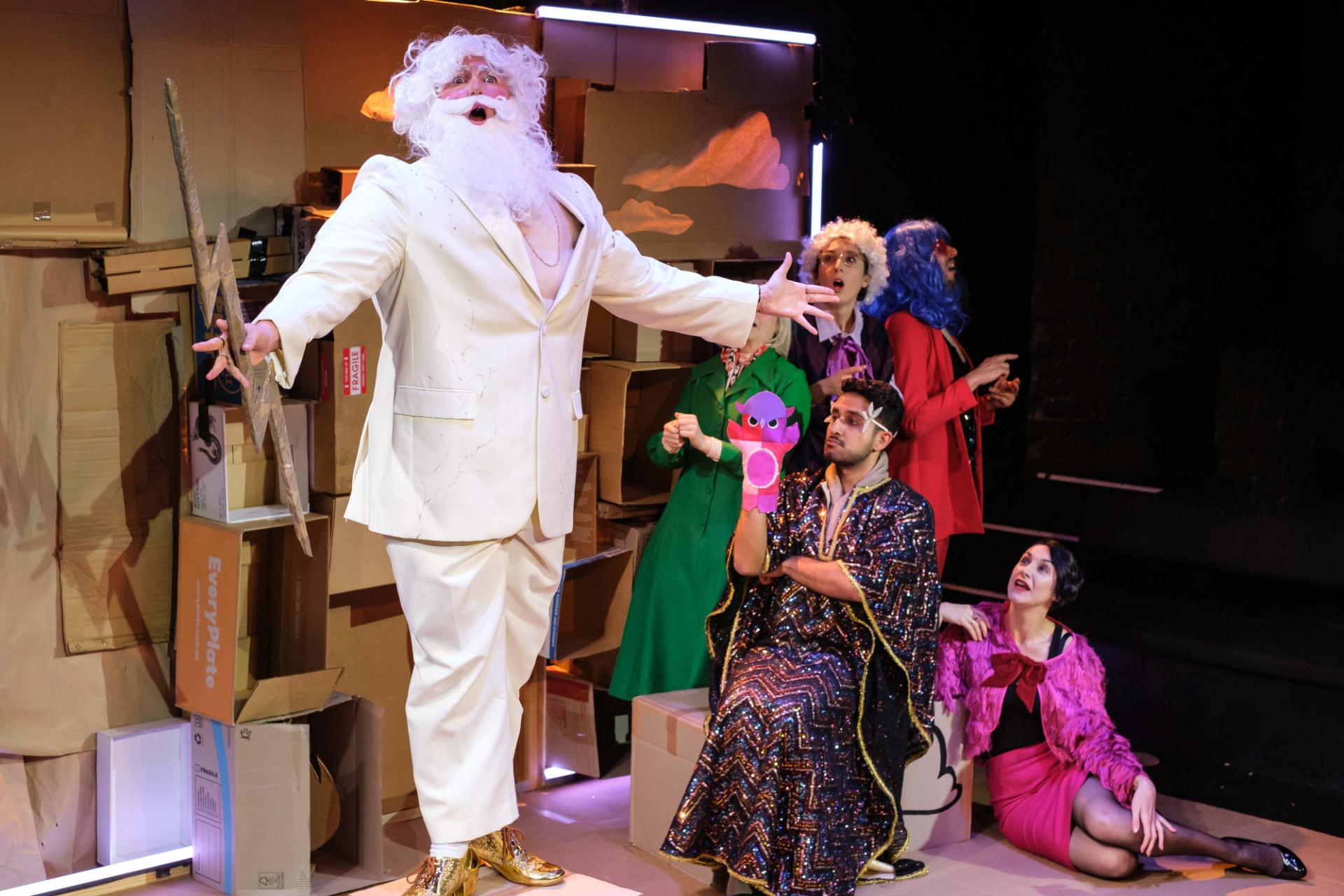
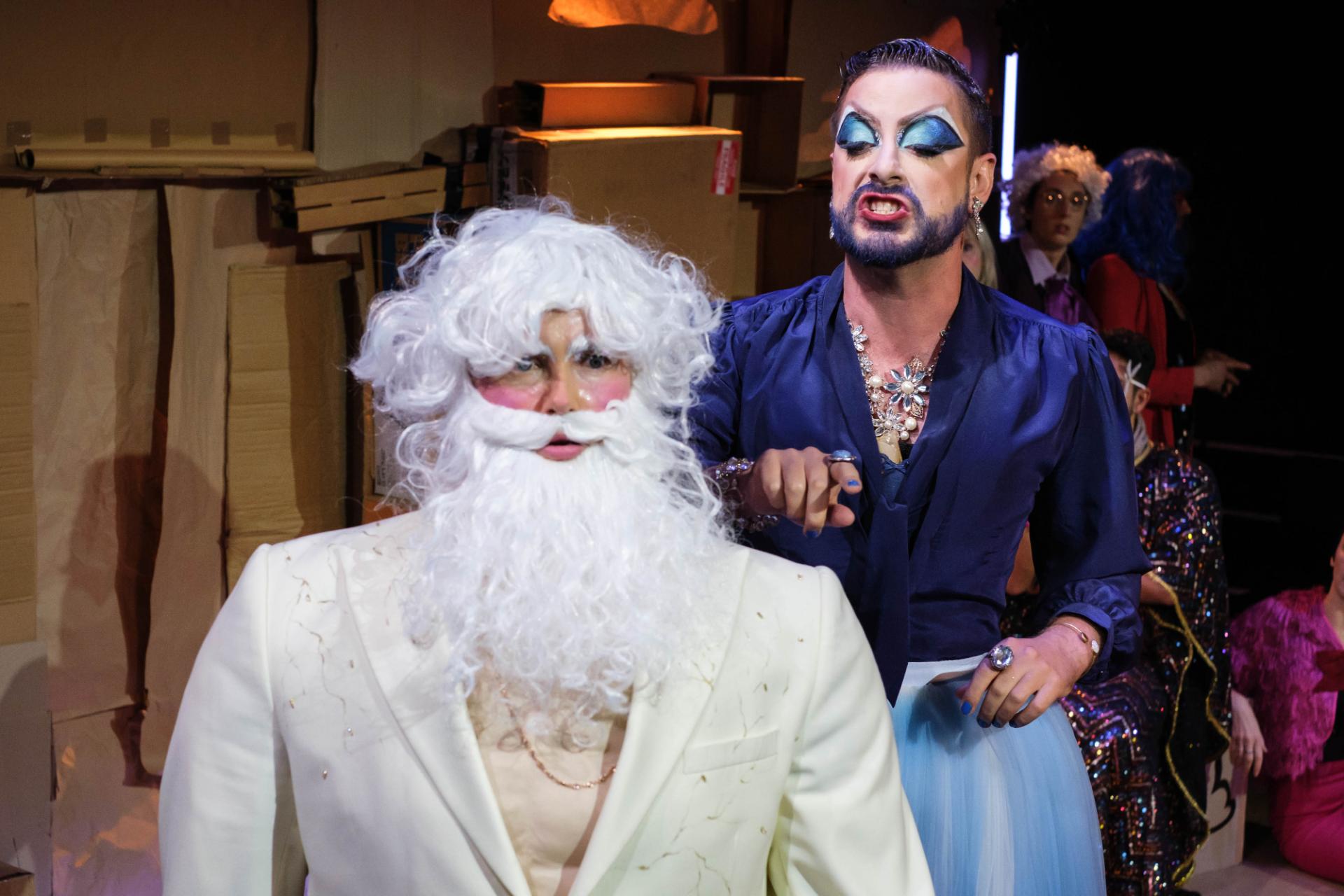
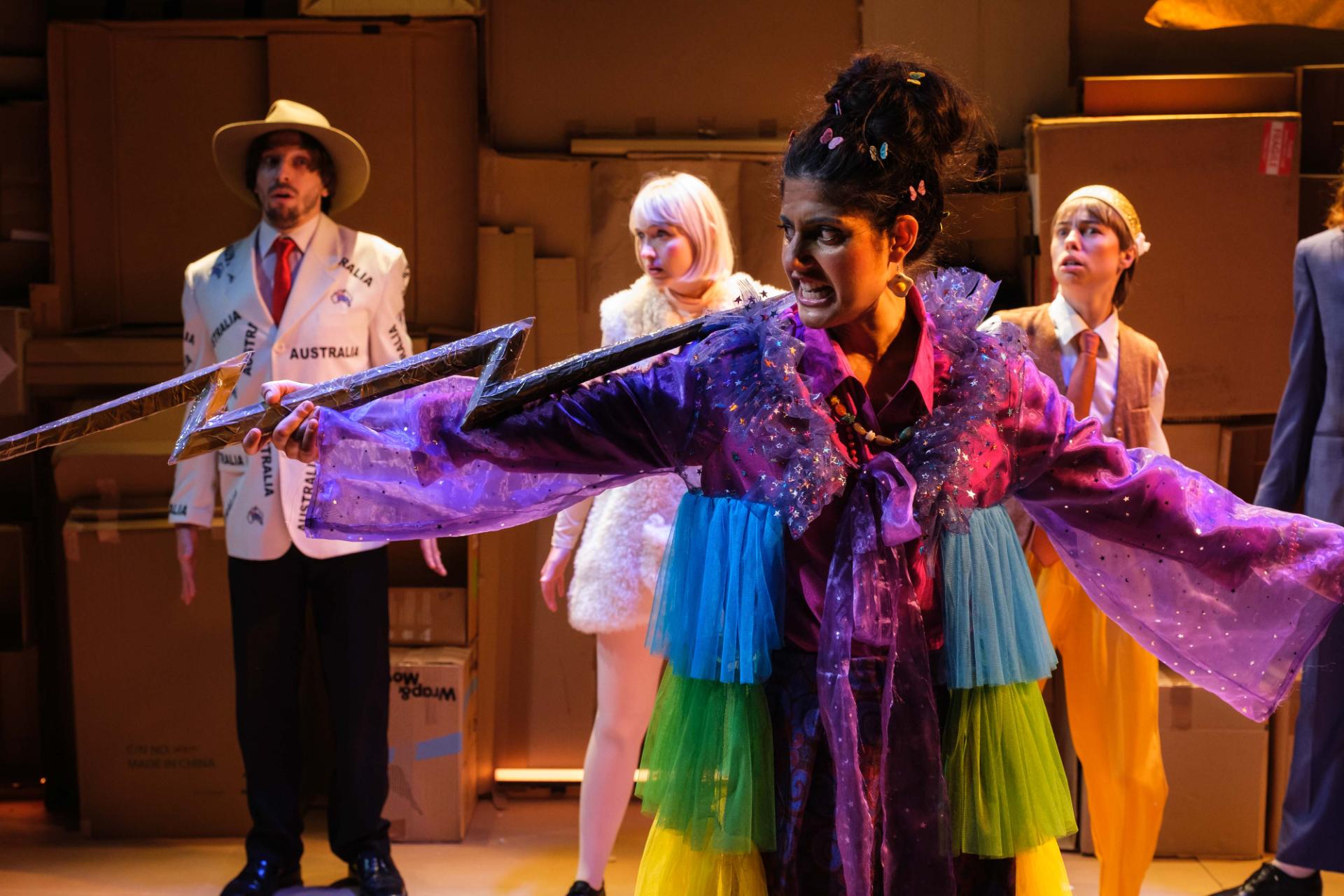
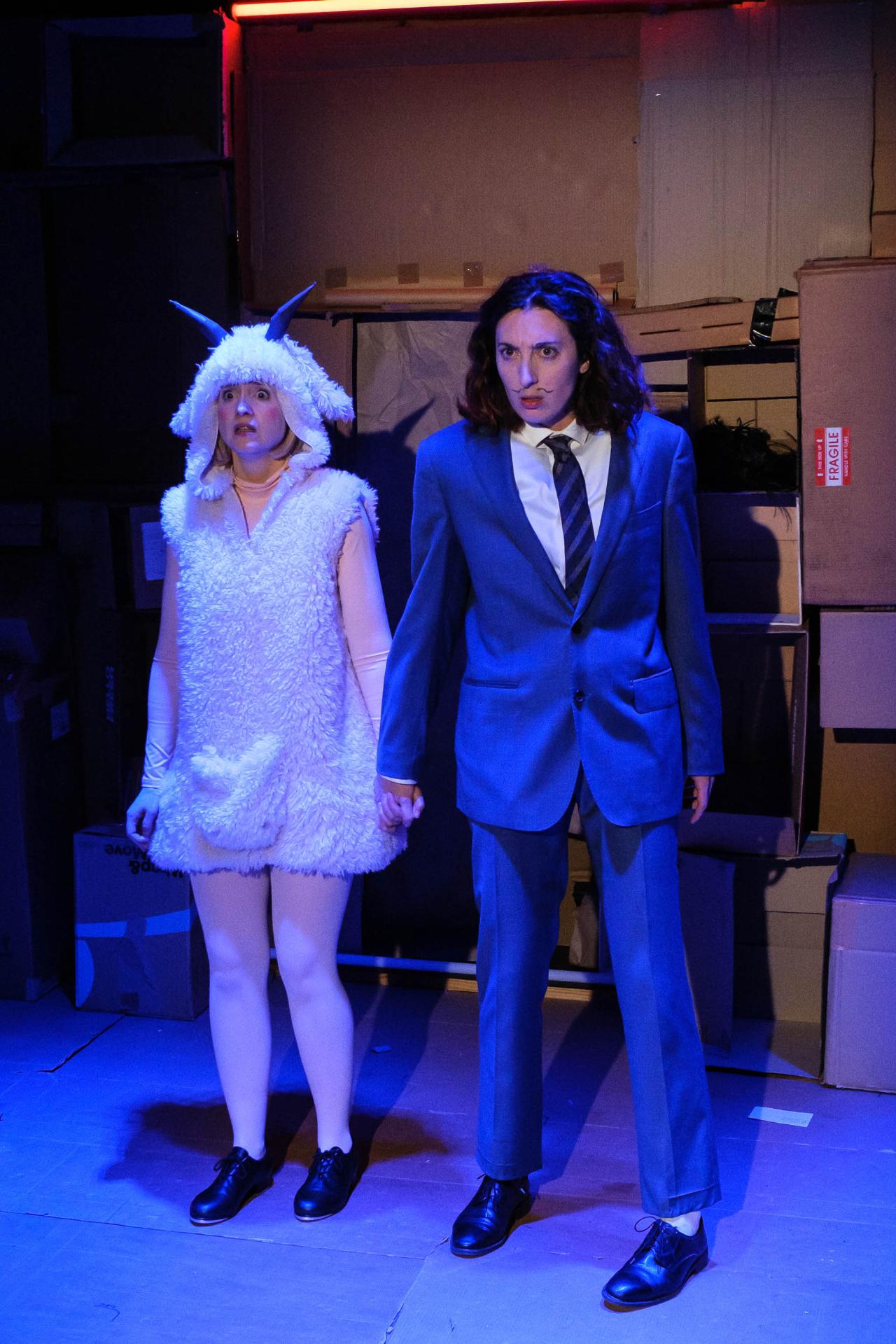
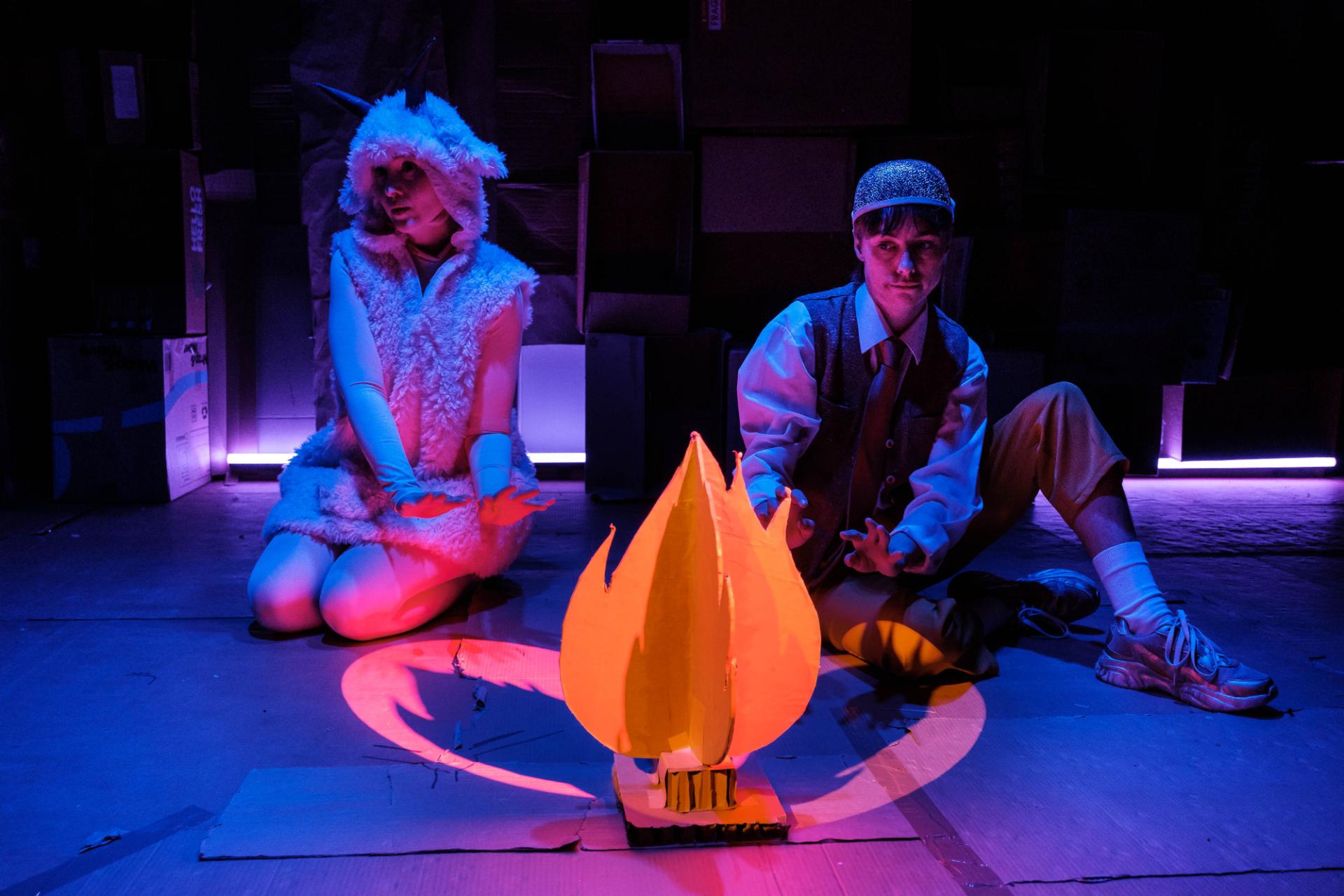
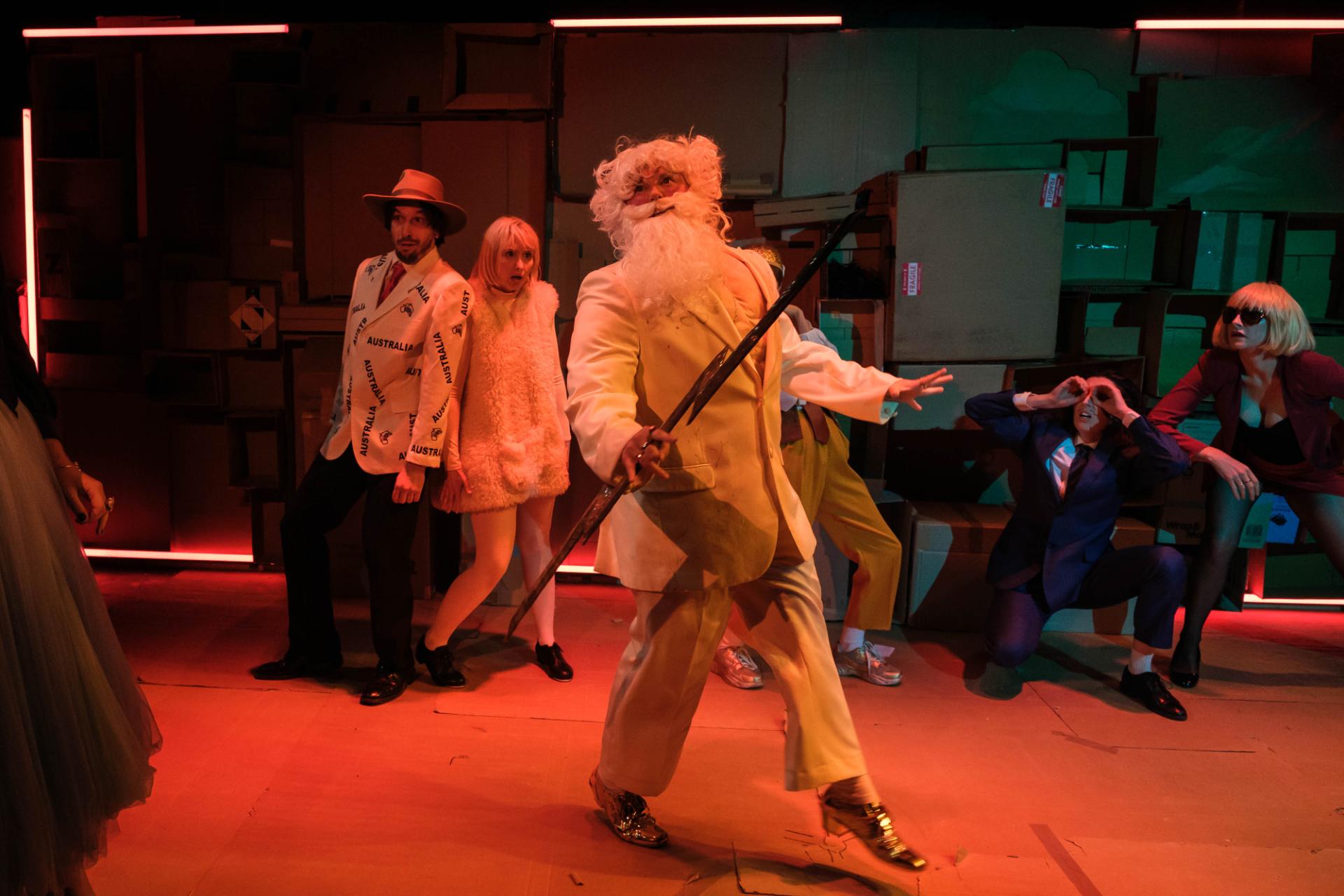
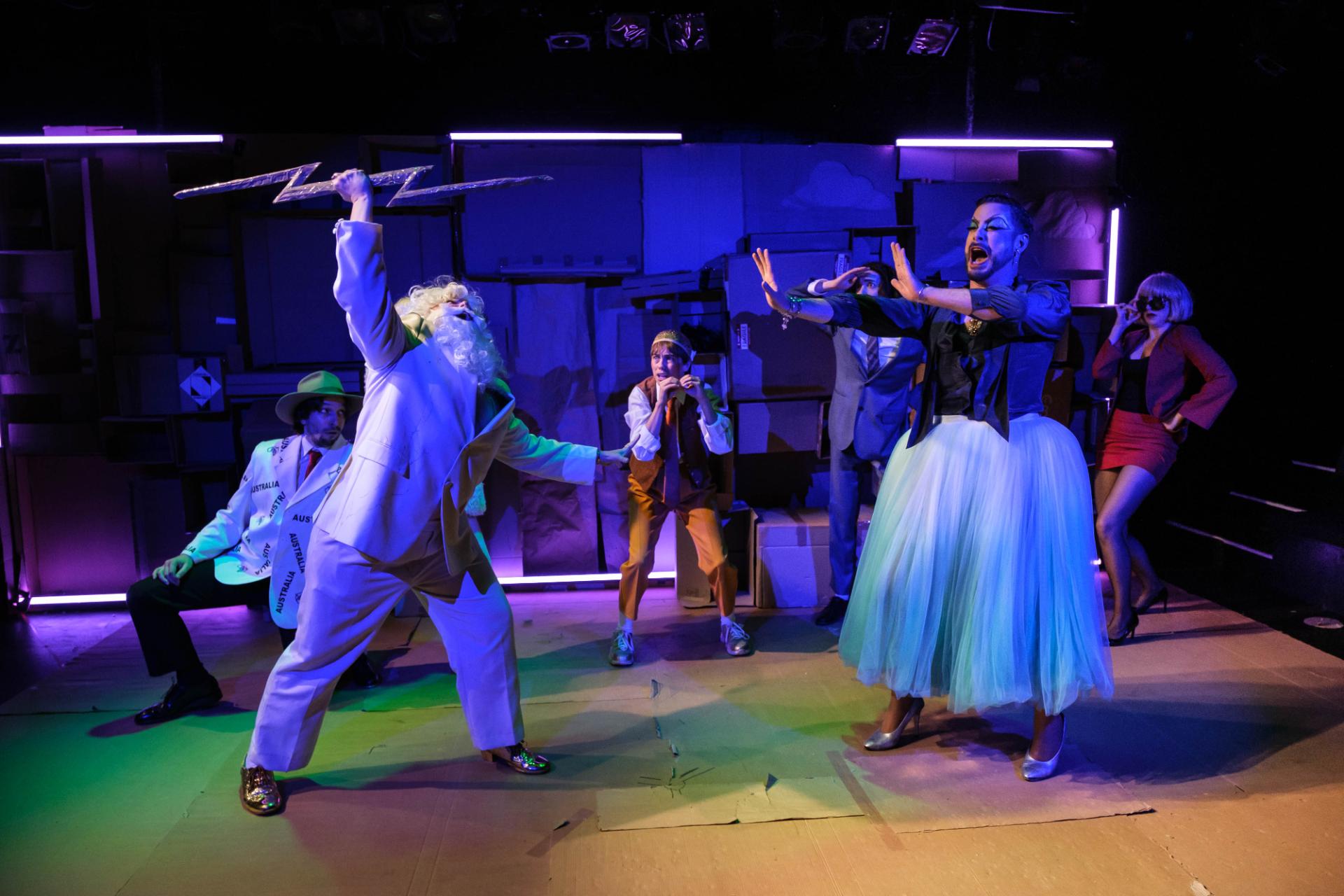
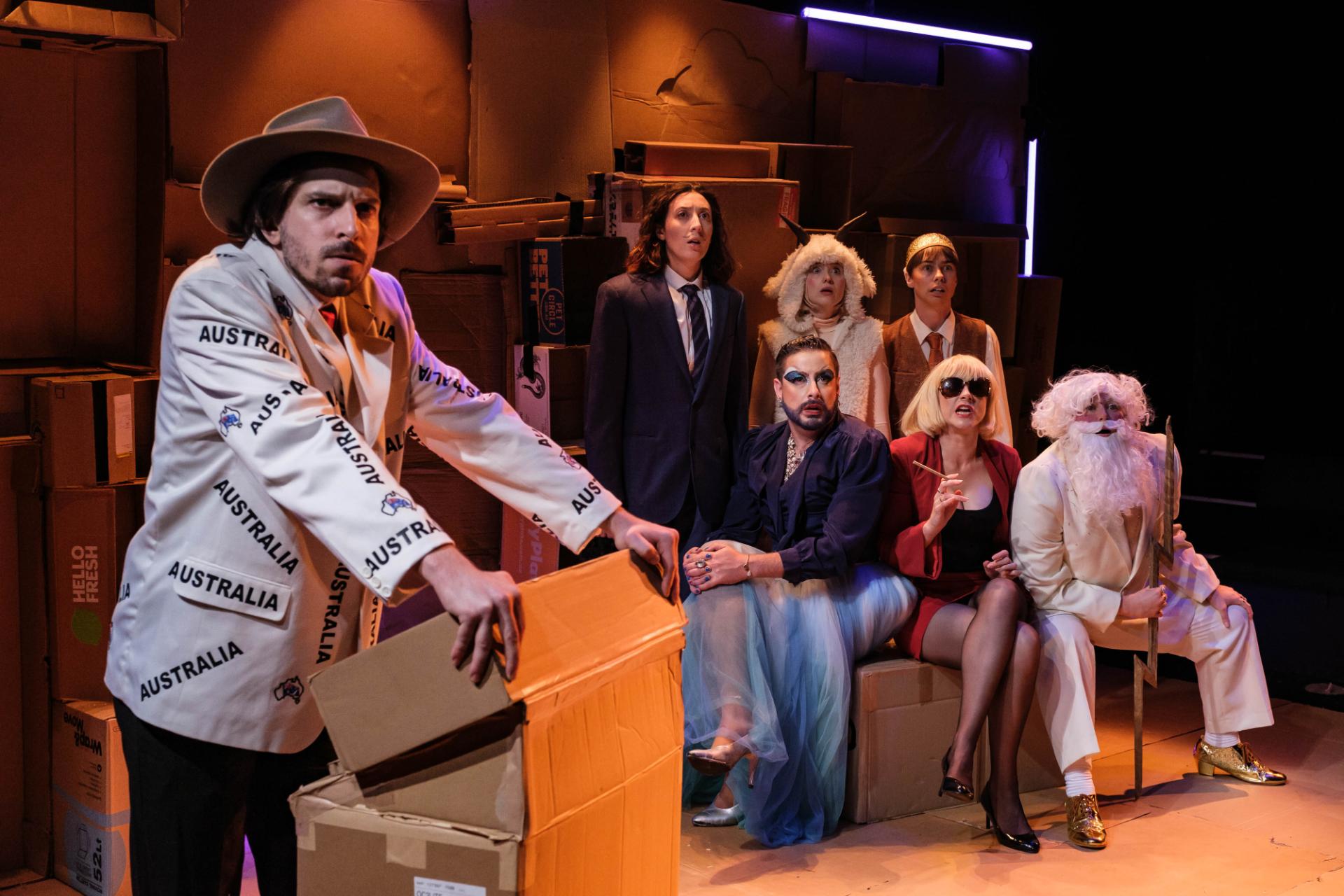
Set design by Emma White is wonderful in its versatility, cleverly adapting to the requirements of each era, as the play takes inordinately big leaps through the years. The creation of props for the show are especially commendable, completely fascinating in the ways they embellish the space for a series of imagery to manufacture an absorbing realism. David Fleischer’s costumes are commensurately believable, adorning the cast with a persuasive sense of naturalism, even when we step into the realm of science fiction. The stage, in the round, is illuminated meaningfully by Paul Jackson, who demonstrates great care with how we perceive lights, in a tale based on the immense repercussions of our relationship with crude oil. Sound and music by Clemence Williams are intricately rendered, whether with their subtle influence or through bigger dramatic gestures, all effective in keeping our psyche deeply invested.

May wants always to make noble decisions, but there is something about her dedication to her own family unit that eventually appears selfish. We see May’s struggles for survival, and her earnest efforts in providing for Amy, and learn about the ignorance and the carelessness, in how we have conceived of the future. Oil encourages us to imagine alternatives, where we had perhaps previously believed that none exist. It contextualises existential threat in a way that makes us realise the inevitability of shifting our lives, and makes us want the notion of sustainability to henceforth become essential and unyieldingly ubiquitous.

www.sydneytheatre.com.au

Review: The Lives Of Eve (KXT on Broadway)

Venue: KXT on Broadway (Ultimo NSW), Oct 27 – Nov 11, 2023
Playwright: Stephen Sewell
Director:
Kim Hardwick
Cast: Annie Byron, Helen O’Connor, Louisa Panucci, Noel Hodda
Images by 

Theatre review
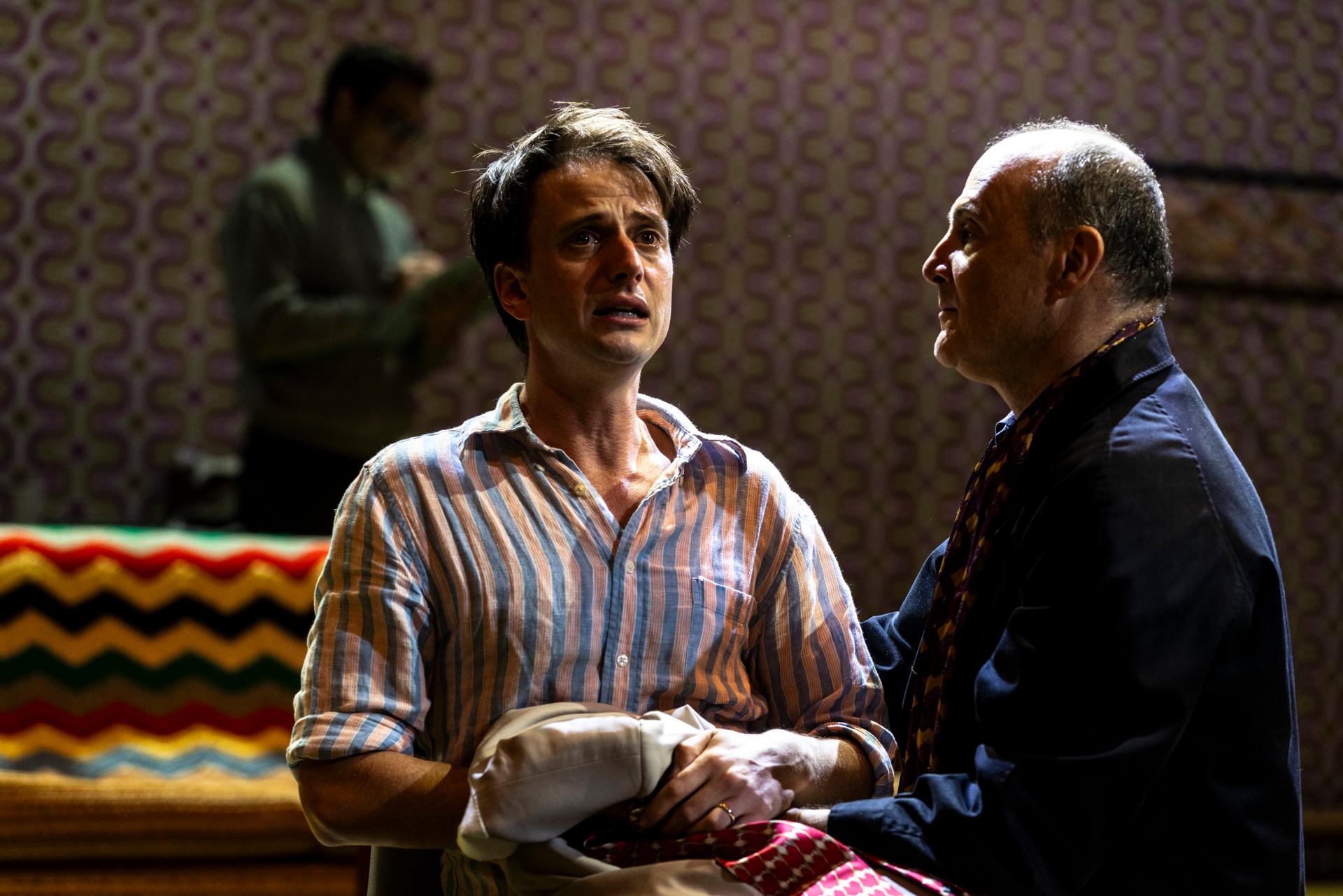
Eve is as terrible a wife as she is a psychoanalyst, yet has strangely been able to maintain both a marriage and a career for decades. Stephen Sewell’s The Lives of Eve is deeply mercurial and academic, inspired heavily by the work of psychiatrist Jacques Lacan (1901-1981). The characters are fanciful, never actually authentic in their manifestations, with narratives that struggle to resonate. Sewell’s real interest however is in Lacan’s writing, which he attempts to recontextualize and expound. For those unfamiliar with that obscure domain, there is a four-and-a-half-thousand word document  in the foyer to help one prepare for the show.

Direction by Kim Hardwick tries to introduce a sense of believability, especially in more pedestrian scenes, during which Eve is seen to be fighting alternately, with her patient and her husband. Depictions of Eve’s dysfunctions are persuasive, although coming to an understanding of her problems seems to require enthusiasm for and prior familiarity with the Lacan material, which is probably too arduous a proposition for most.

Atmosphere for the production however is calibrated beautifully. Hannah Yardley’s set design delivers a dose of surrealism, with an abundance of crimson Persian style rugs enveloping surfaces of the performance space. Lights by Martin Kinnane introduce nuance and intensity, as do sounds by Jessica Pizzinga, both intricately and sensitively rendered, to communicate with accuracy the increasingly passionate temperaments being explored.

Actor Helen O’Connor is convincing with her submergence into the immensely cerebral qualities of the titular role. We may not always comprehend what she is tasked to convey, but Eve certainly appears to be enthralled by her various crises. Other cast members are understandably less assured, considering the often bizarre ways their characters are made to speak and act.

Not every work of theatre is meant for everyone. Art should always encourage idiosyncrasy, particularity and peculiarity. The Lives of Eve emerges from somewhere that seems detached from many contemporary realities, thus reflecting our artistic landscape’s admirable capacity for diversity. Art that does not do enough to connect however, could have a fraught relationship with its audience, or worse, one characterised only by apathy and nonchalance.

www.kingsxtheatre.com | www.whiteboxtheatre.com.au

Review: The Dictionary Of Lost Words (Sydney Theatre Company)

Venue: Sydney Opera House (Sydney NSW), Oct 26 – Nov 16, 2023
Playwright: Verity Laughton from the novel by Pip Williams
Director: Jessica Arthur
Cast: Brett Archer, Rachel Burke, Tilda Cobham-Hervey, Raj Labade, Ksenja Logos, Angela Mahlatjie, Chris Pitman, Anthony Yangoyan
Images by Daniel Boud

Theatre review
It was the end of the 19th Century when Esme began cultivating a passion for collecting words. She had observed her father working with a team editing the Oxford Dictionary, and felt compelled to save the many words, familiar only to women of the lower classes, but neglected in that process of authoritative evaluation and screening. It is no accident that Esme’s narrative in the novel The Dictionary of Lost Words by Pip Williams coincides with women’s suffrage and their historic campaign for the right to vote.

It is certainly a meaningful work that examines the culture of exclusion in our institutions, and proffers an example of radical acceptance by those in positions of power and privilege. This stage adaptation by Verity Laughton retains the valuable message of the original, but is overly faithful to the form and style of the book. It is unfortunately a transposition that often feels staid, with insufficient liveliness and wit to truly excite or inspire.

Direction by Jessica Arthur too is missing elements of joy or playfulness, in a production that proves to be needlessly serious. The story is worthy of its creators’ earnestness, but at three hours, a greater variance and theatricality in its tone is required, as the audience tries to invest into Esme’s journey of two decades. Actor Tilda Cobham-Hervey plays the lead role with integrity, able to convey the character’s benevolence persuasively, and with a distinct vulnerability that makes us endear to her life story. The cast of eight is warm and cohesive, admirable for keeping us attentive, even if their message is relayed too gently.

Set design by Jonathon Oxlade features hundreds of pigeon holes, guided by a narrative that discusses the nature of categorisation and organisation, so central to the ways we structure our societies. A projection screen occupies the entire top half of our vista, with helpful (although not always elegantly rendered) video supplementing the action. Ailsa Paterson’s costumes are appropriately conservative in their depictions of life in the Edwardian era. Lights by Trent Suidgeest are flattering and romantic, occasionally injecting a sense of drama to disrupt the general placidity. Music and sounds by Max Lyandvert add to the melancholy, unable to help with the lack of verve, but beautiful nonetheless.

The word “lost” in the title connotes inadvertence, that there is a certain lack of intention when classes and categories of people are excluded. This may be true on some levels, but the persistent refusal to address and amend these inequities only demonstrates a conscious choice of persisting with injustice. Esme does not present herself as a strident activist, she never partook in hunger strikes, or stood next to Emily Davison who in 1913 took to the race tracks in protest, only to be killed by the king’s horse. Regardless, individuals are always capable of making a difference, even if one is resolutely mild in temperament and constitution, every effort to identify our ills and turn them for the better, is how progress can happen.

www.sydneytheatre.com.au | www.statetheatrecompany.com.au

Review: Twelfth Night (Bell Shakespeare)

Venue: Sydney Opera House (Sydney NSW), Oct 24 – Nov 19, 2023
Playwright: William Shakespeare
Director: Heather Fairbairn
Cast: Keith Agius, Isabel Burton, Alfie Gledhill, Amy Hack, Garth Holcombe, Mike Howlett, Tomáš Kantor, Chrissy Mae, Ursula Mills, Jane Montgomery Griffiths
Images by Brett Boardman

Theatre review
In Twelfth Night, William Shakespeare’s comedy is based largely on the absurd and abhorrent idea of love and sex between people of the same gender. We are meant to laugh at Olivia being in love with Viola, and Orsino with Cesario, but many of us today no longer wish to participate in that cruel charade, of ridiculing something we know should be cherished and honoured. Director Heather Fairbairn too rejects that obsolete perspective, and in her rendition subverts Shakespeare’s tired tropes to make a statement about queer autonomy and acceptance.

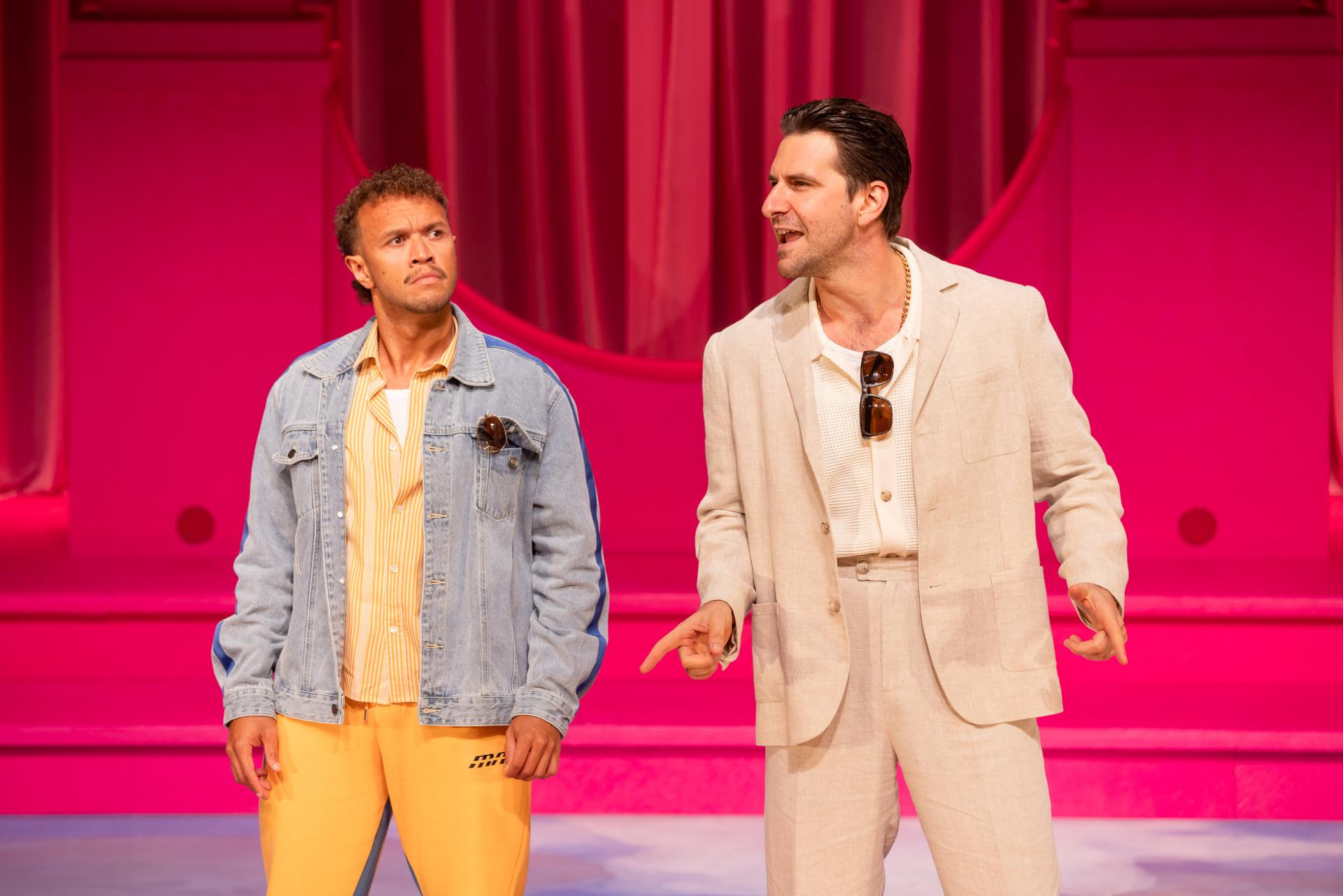
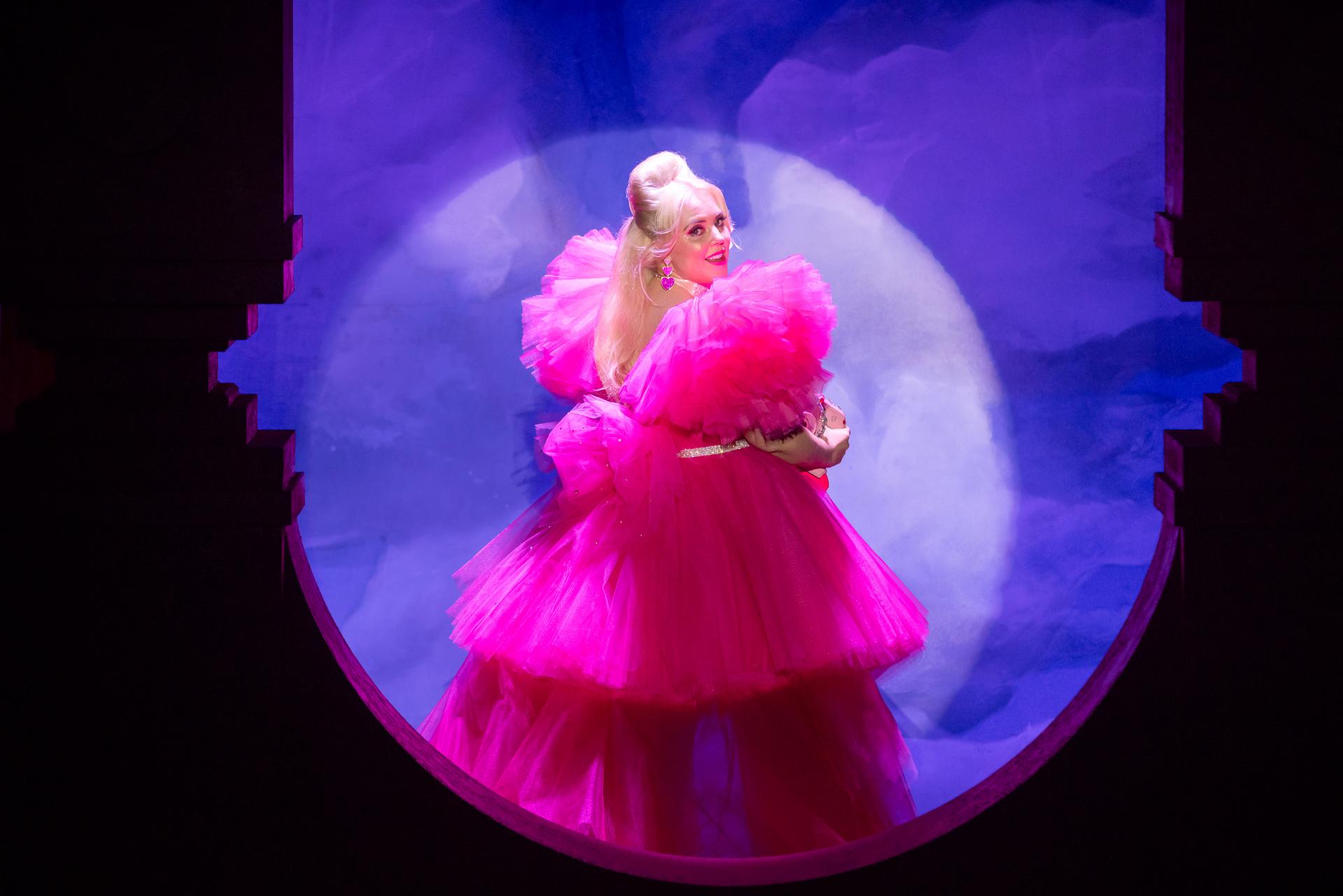
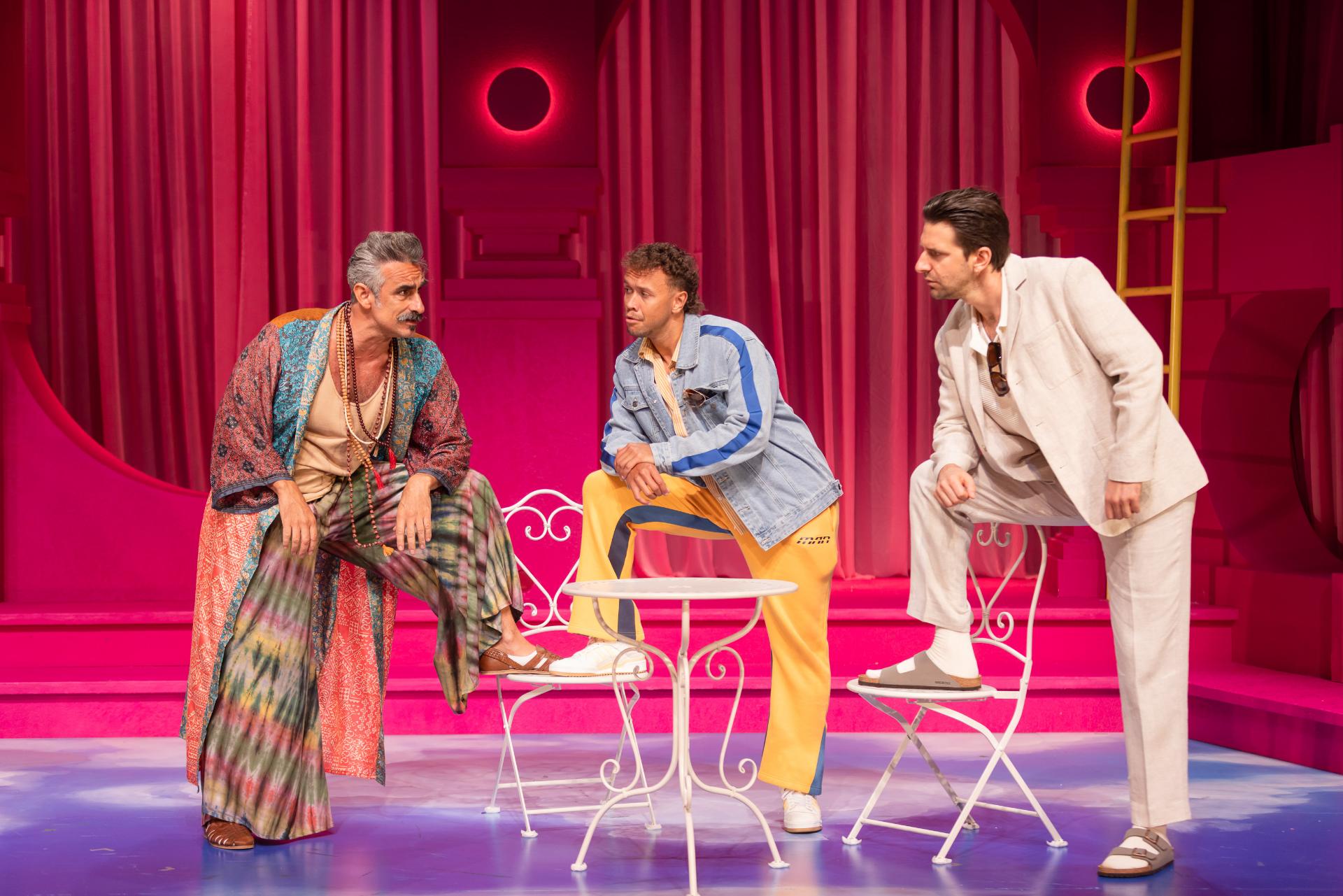
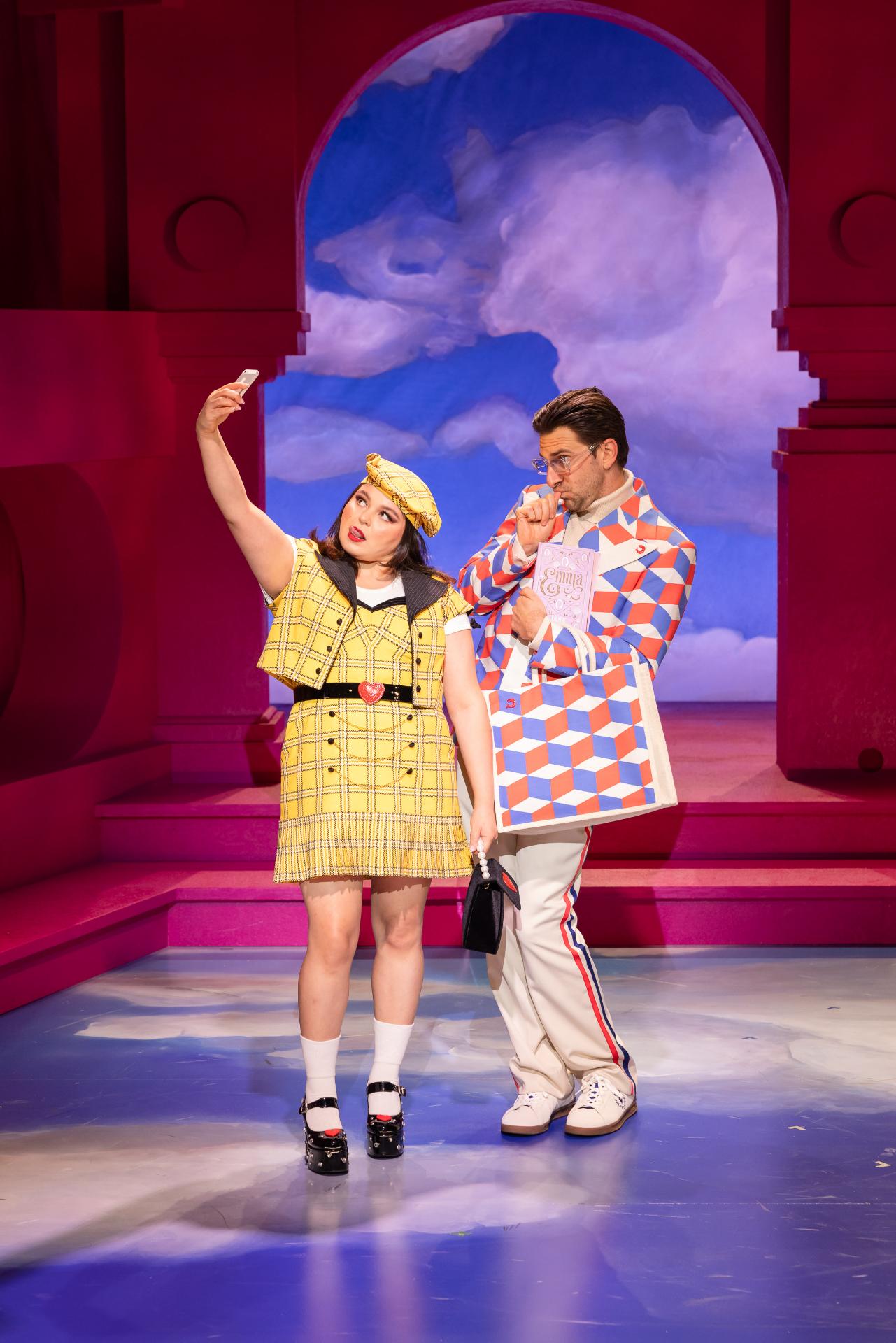
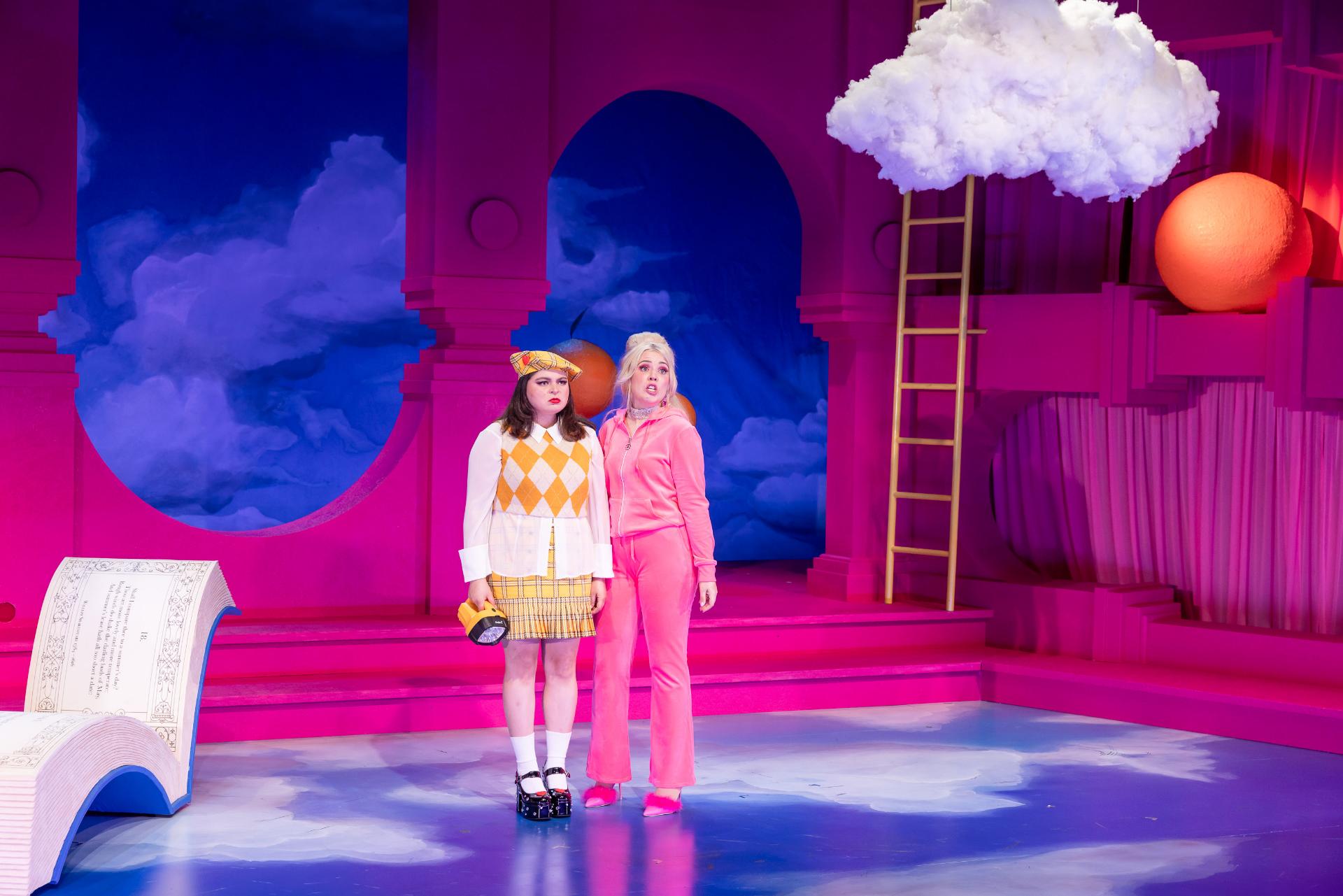
Fairbairn’s production is endlessly vivacious and amusing, marvelously playful and imaginative with its characters and their hijinks. Each scene is rigorously explored, to ensure that we are kept entertained, even when the text proves tedious. A set design by Charles Davis cleverly concentrates the action into the stage’s middle, where along with Verity Hampson’s lights, great energy is channeled, creating a dynamic focal point. Davis’ fashionable costumes are a delight, as are Hampson’s illumination, especially at moments of heightened drama. David Bergman’s sounds are sophisticated and rich, particularly enjoyable when they nudge us into surreality. Songs by Sarah Blasko are an unequivocal highlight, extraordinarily beautiful with what they add to the presentation.
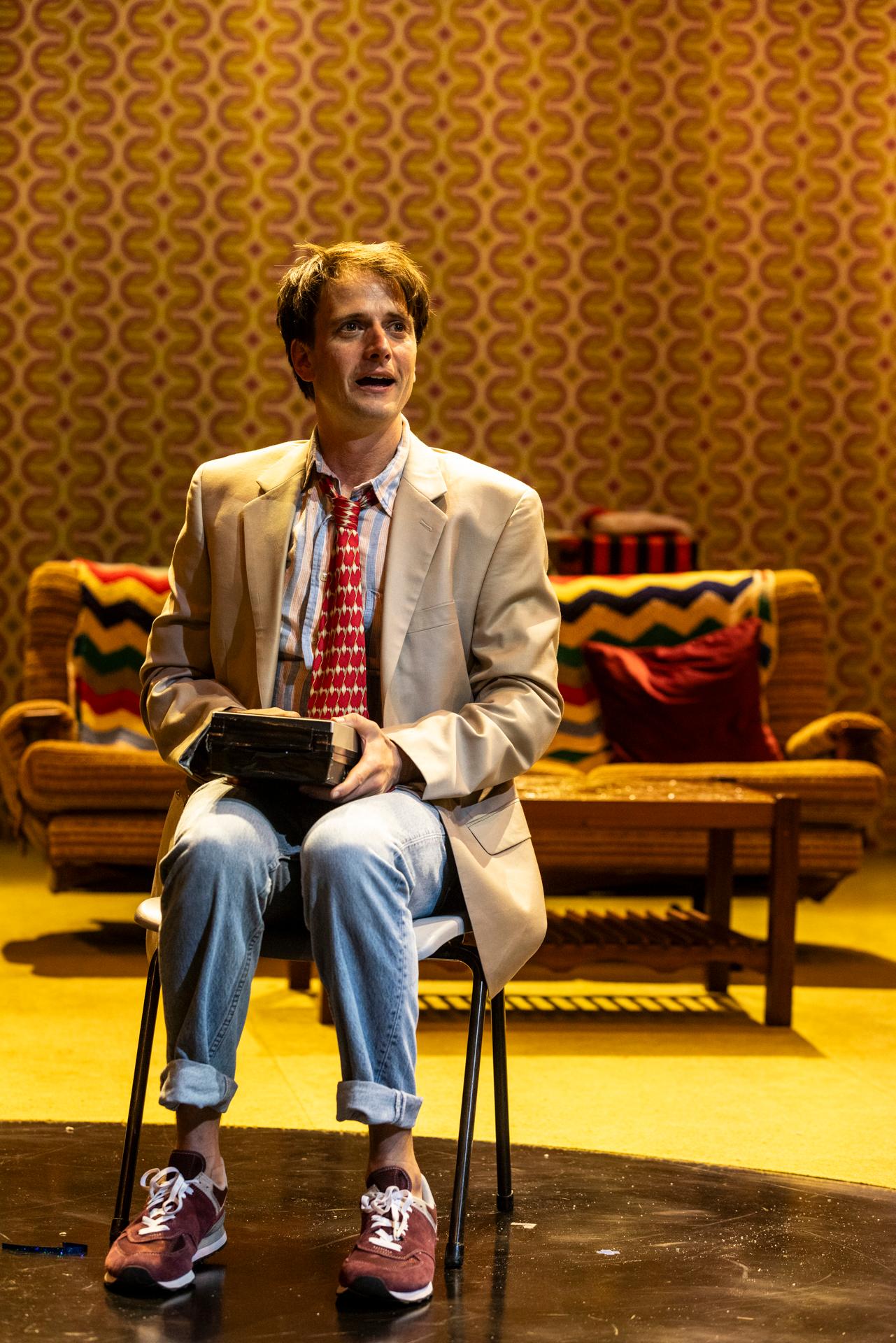
Sung mostly by Tomáš Kantor, who impresses not only with their remarkable vocal talents, but also with their physical agility and mischievous humour. Isabel Burton and Alfie Gledhill play the twins at the centre of all the shenanigans, intriguing with the meanings they inspire in terms of the performance and experience of gender. Duke Orsino and Countess Olivia are portrayed by Garth Holcombe and Ursula Mills respectively, both alluring and admirable with their commitment to elevating some of the more inane elements of the writing.

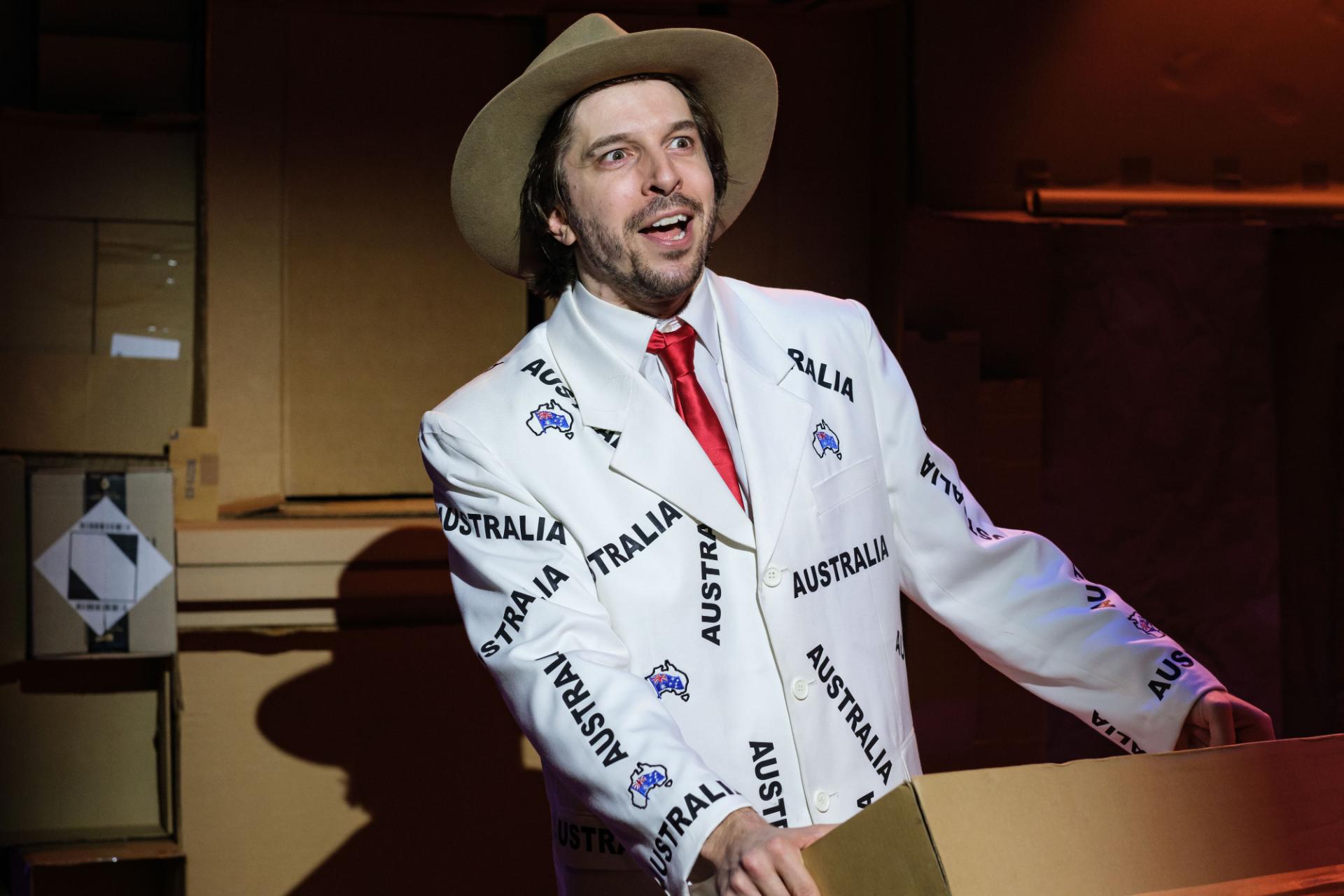
Undeniable star of the show however, is Jane Montgomery Griffiths, who as a female Malvolia brings immense amplification to both the comedic and tragic aspects of the lovelorn steward’s narrative. The humiliation she suffers under Shakespeare’s pen is given significant magnification, so powerfully depicted at a key moment of chastisement, that we almost feel as if she embodies the vengeance due to every queer and every woman degraded in his hallowed oeuvre. Griffiths’ turn as Malvolia is breathtaking, if only her castigations could become a reckoning truly monumental, beyond the confines of this singular instance of theatrical pleasure.

www.bellshakespeare.com.au

Review: The Memory Of Water (Ensemble Theatre)

Venue: Ensemble Theatre (Kirribilli NSW), Oct 20 – Nov 25, 2023
Playwright: Shelagh Stephenson
Director: Rachel Chant
Cast: Michala Banas, Thomas Campbell, Nicole Da Silva, Jo Downing, Madeleine Jones, Johnny Nasser
Images by Prudence Upton

Theatre review
Violet has died, and we find her three daughters at their family home getting ready for the funeral. Their emotions are understandably in a state of disarray, and as they go through a process of unravelment, we discover the challenges and inadequacies each woman experiences as they navigate life in 1996 England. Shelagh Stephenson’s now 27-year-old comedy The Memory of Water, is an amusing work that showcases the various idiosyncrasies of Western feminine archetypes, at a time that can be regarded as having freshly emerged from the third wave of feminism.

With the passage of time, the play feels excessively concerned with the granular individuality of its characters. More contemporary tastes tend to favour sociality over particularity in our storytelling, and The Memory of Water struggles in the current climate to speak with sufficient relevancy and urgency, even though there is undeniable authenticity in all of its depictions.

Direction by Rachel Chant honours that sense of truth, and delivers a production admirable for its integrity. With its excellent cast, the show proves consistently engrossing, even if we never really find moments of significant resonance. Michala Banas, Jo Downing and Madeleine Jones play the sisters, colourful and dynamic, full of surprises in their unpredictable portrayals of erratic personalities. Other performers include Thomas Campbell, Nicole Da Silva and Jonny Nasser, all highly persuasive in their respective roles, in a staging many will find entertaining.

Set design by Veronique Benett features Violet’s flamboyant bedroom from the decadent seventies, impressive with its detail and finesse, and although dripping with irony, is simultaneously alluring with its sensual colour palette. Lights by Kelsey Lee and music by David Bergman are mostly subdued, in service of the intricate humour being manufactured, but are both noteworthy for their efficacy when given the opportunity to convey a greater sentimentality, especially during scenes later in the piece.

It is easy to begrudge parents their deficiencies; we never really come to terms with their human fallibilities. As women however, we can never deny that with each generation, our place in the world has improved, and looking back at what our mothers and grandmothers had had to endure, is always sobering. Violet’s daughters can certainly blame her for whatever they think is impairing their lives, but none will want to take her place, at a time when things were unequivocally worse.

www.ensemble.com.au

Review: Beyond The Break (25A Belvoir)

Venue: Belvoir St Theatre (Surry Hills NSW), Oct 18 – 29, 2023
Playwright: Challito Browne
Director: Bobbie-Jean Henning
Cast: Challito Browne
Images by 

Theatre review
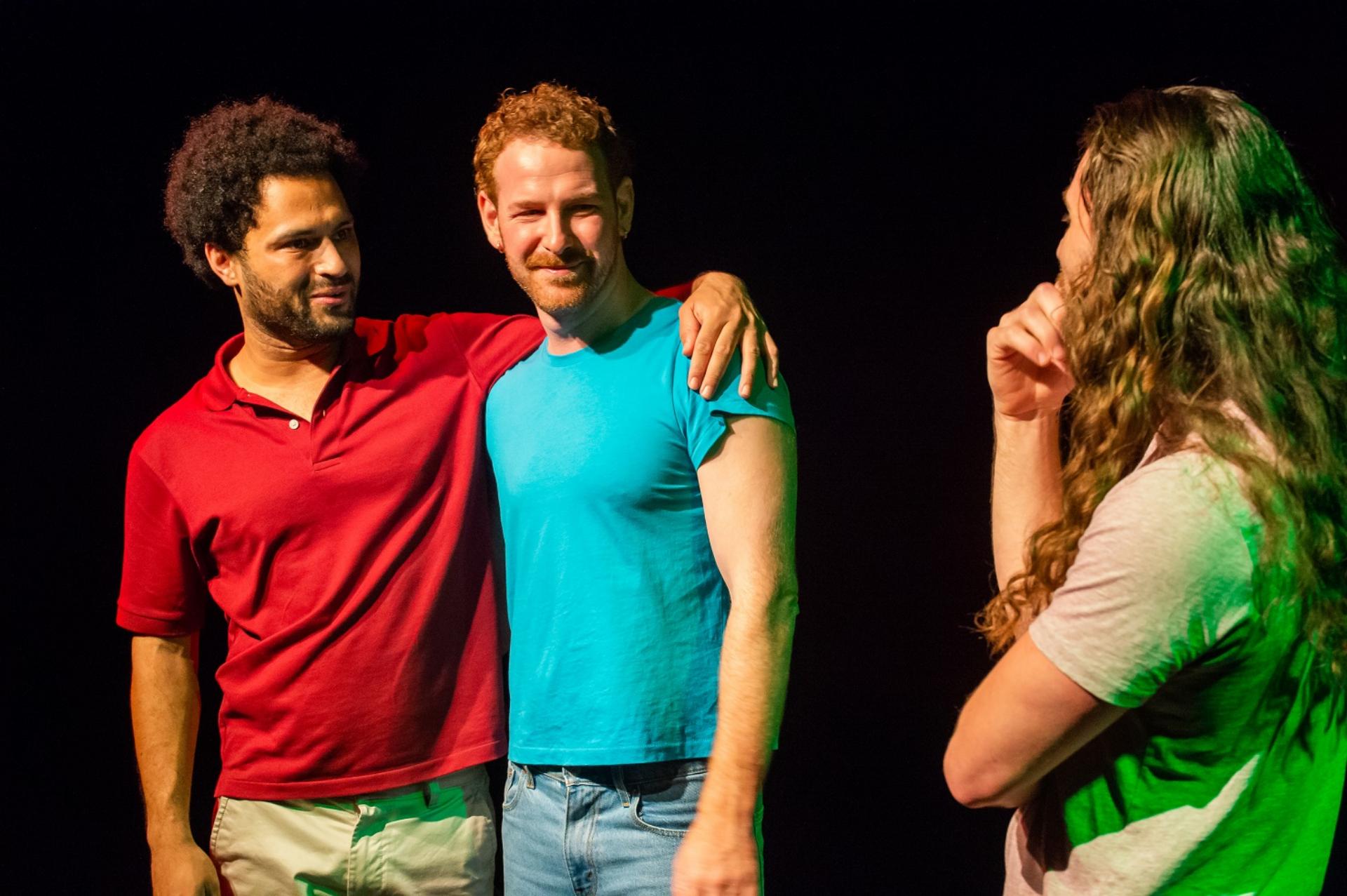
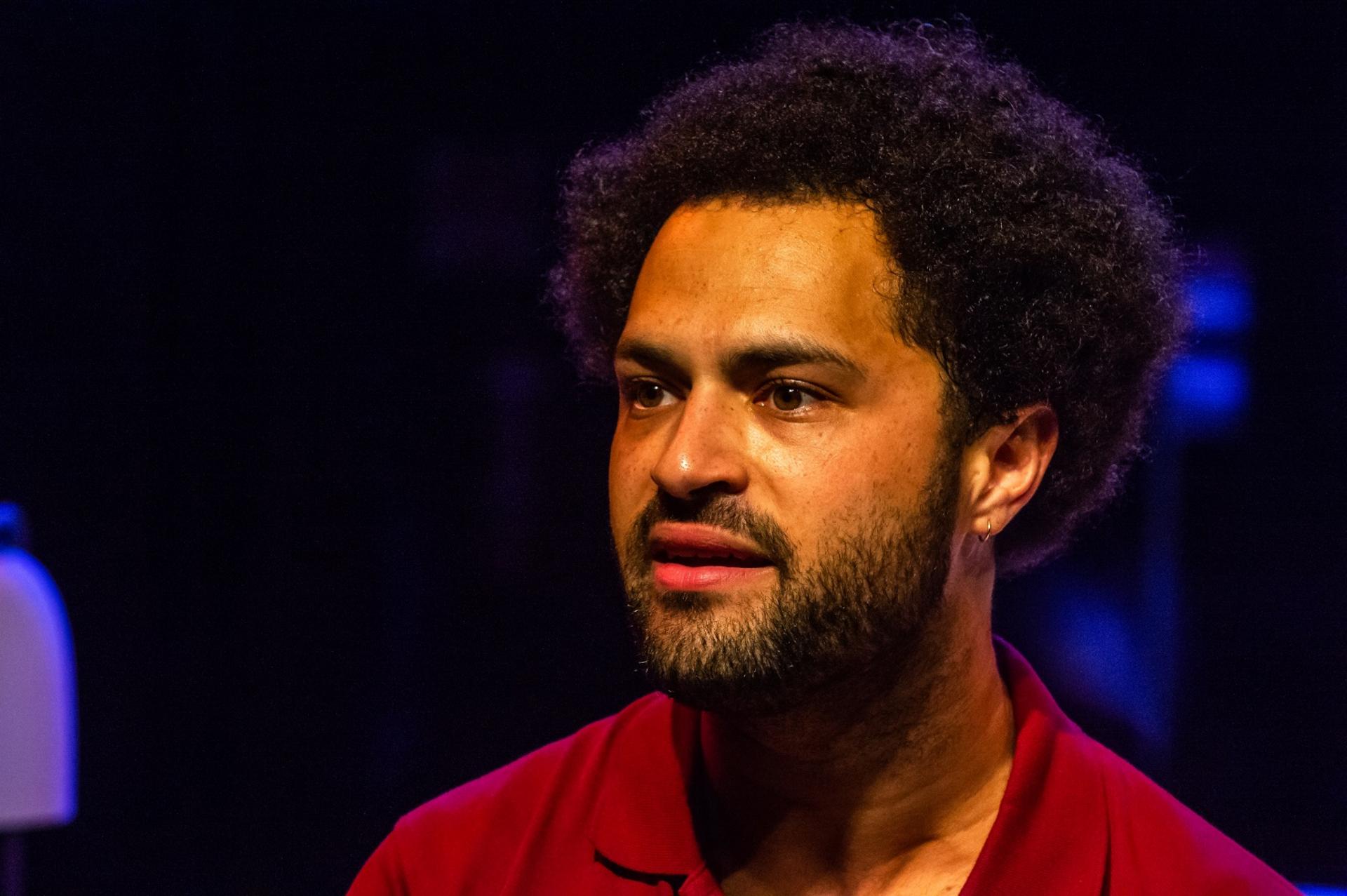
Identity has not come easy for Challito Browne. In Beyond the Break, we see him grapple with the complications of being mixed race, in an Australia that struggles to accept cultural difference, even if it has little claim to any real legitimacy, with its own dubious colonial origins. Not white enough for white folks, and too white for people of colour, the rejection he encounters comes from all sides. It is no wonder then, that Browne is thrust into a state of isolation, in the mind especially, where he finds company in unremitting introspection.
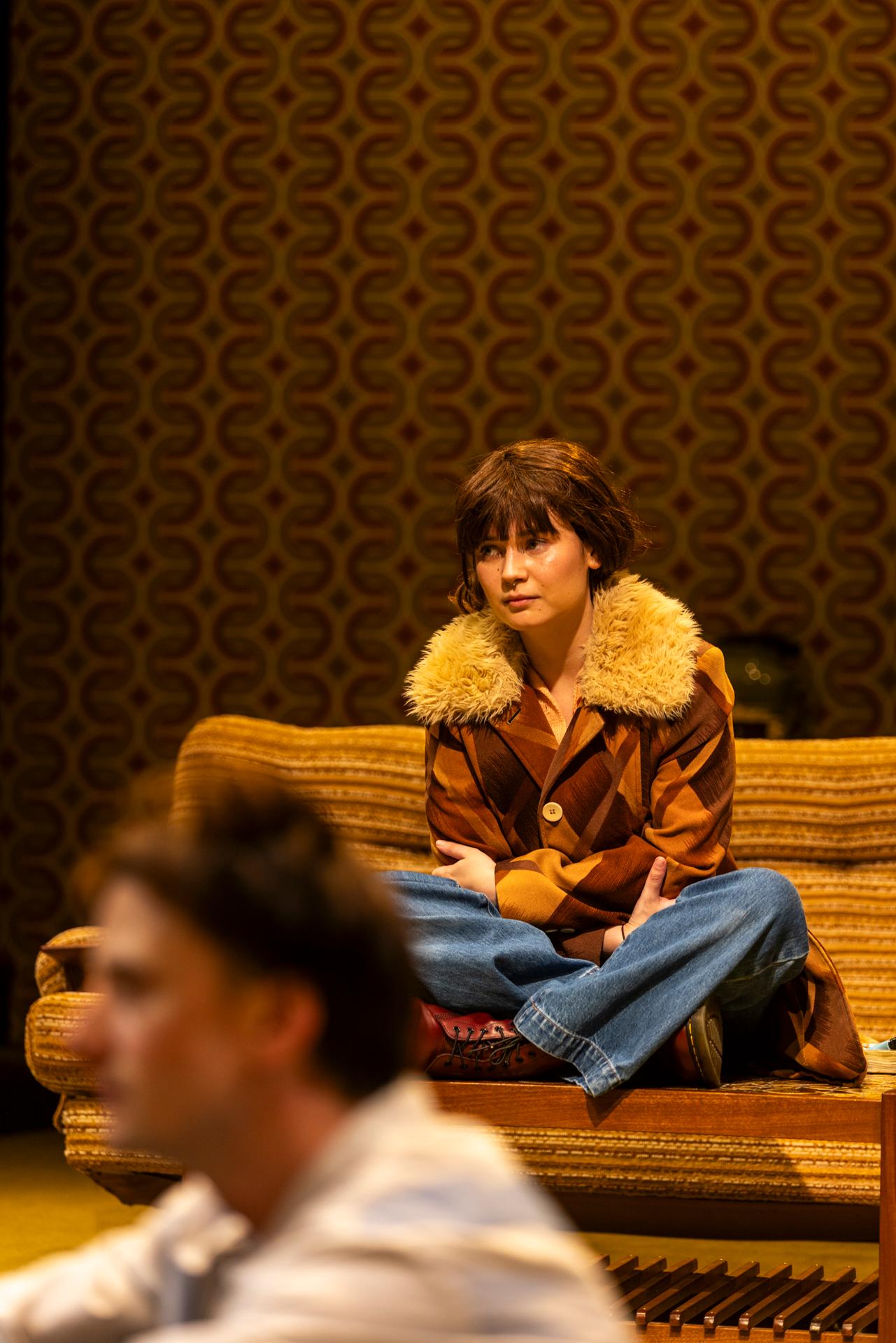
Beyond the Break is extraordinary in its thoughtfulness, with incredibly astute observations about humanity, expressed in ways that alternate unexpectedly between hilarity and heartache. Browne’s writing is disarmingly soulful, with a deep vulnerability that insists on our emotional investment, for a story that is ultimately about community, and the fundamental notion of belonging, that none can ever negate. It sheds light on the psyche for a look at how an individual like Browne makes sense of the world, and how he forms meaning in environments that persistently diminish and devalue his very existence. We are also given insightful depictions of ostracism, so that we may come to a greater understanding about the constructions of race and difference, and how white supremacy can manifest in devious ways, effectuated by all colours.

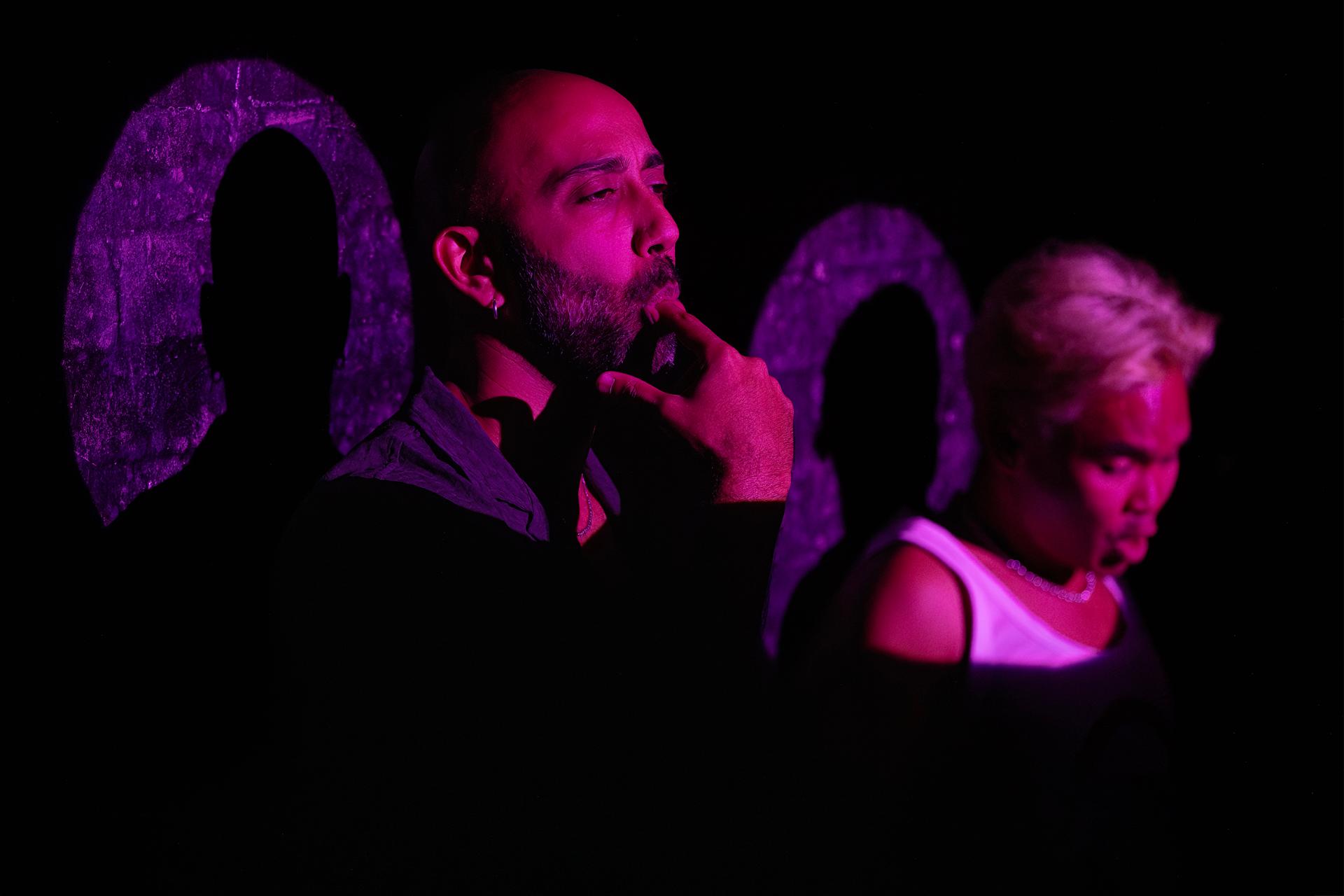
Directed by Bobbie-Jean Henning, the one-person show impresses with its richness, not only in cerebral terms, but also with the captivating entertainment that it provides. Henning ensures that we are amused, intrigued and challenged for the 70-minute duration, delivering theatre that keeps open our eyes, ears and hearts, to receive its important message. An immaculate set design by Brendan De La Hay conveys purity, to help us find beautiful transcendence in the experience. Frankie Clarke’s lights are  sensitive yet dynamic, persuasive with how it guides our sentimental responses through the production’s frequent tonal oscillations. Sounds by Johnny Yang are rendered with intricacy and rigour, bringing delicious drama to this surprisingly expansive discussion about one man’s ethnicity.

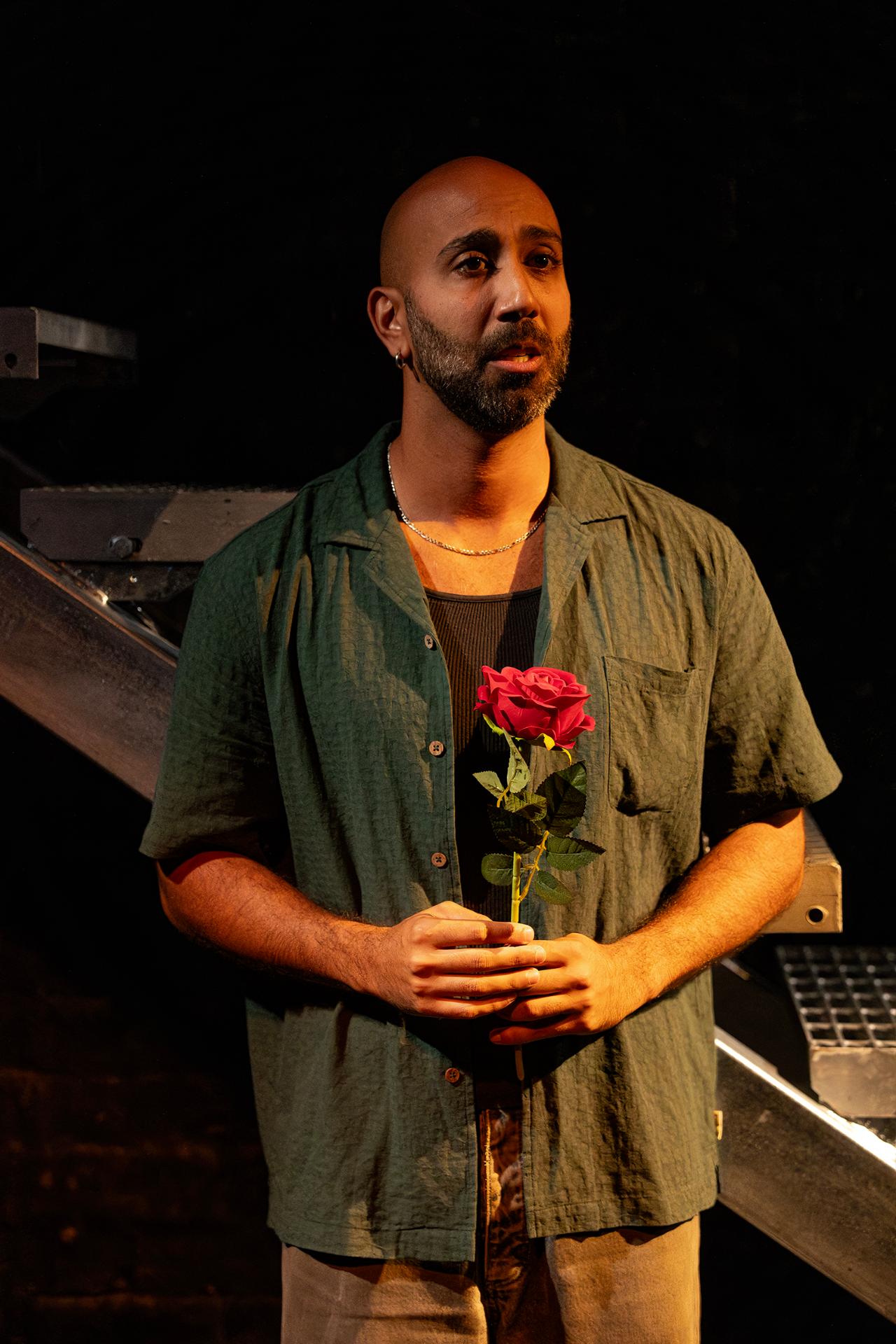
Browne is at least as strong a performer as he is a writer. His presence is resolute but warm, with a sense of generosity that makes even the more sardonic passages feel empathetic. The skill he displays is astonishing, with a level of agility and precision, along with an effortless confidence, that has us marveling at his artistic prowess, whilst keeping our minds firmly engaged in the ideas being presented.

When Browne says “I am Australian,” as he does repeatedly, the statement can feel like it means everything and nothing. Identity is illusory and impermanent, but the consequences are real, of how others regard the self, and indeed of how one regards themself. In negotiating the world, one can rarely have the privilege of being ephemeral or transient; we are required to be solid, to mean something, and to stand for something. We have responsibilities in kinship, friendship, and in citizenry. You have the freedom to be who you wish, but the duty to leave this a better place is incontrovertible.

www.instagram.com/like.water.entertainment | www.belvoir.com.au

Review: Boom (KXT on Broadway)

Venue: KXT on Broadway (Ultimo NSW), Oct 6 – 21, 2023
Playwright: Jean Tay
Director:
Tiffany Wong
Cast: Melissa Gan, Tiang Lim, Josephine Lee, Natalie Low, Daniel MacKenzie, Gerwin Widjaja, Jordon Zhu
Images by Sherry Zheng

Theatre review

Tiong Boon is pushing his mother to sell their home, but his aspirations of moving up in life are met with resistance. Mdm Ong’s sentimental attachments to the old building are everything she treasures, if only the younger generations understand that it is not all about money. Meanwhile Jeremiah is having conversations with the ghost of Mr Chan, concerning the exhumation of his remains to make way for residential developments. All of this takes place in Singapore, where property investments are as much an obsession with the populace as they are in Australian cities. Jean Tay’s humorous yet lyrical 2009 play, Boom talks about land and place as entities beyond their commercial relevance, shifting focus from monetary to spiritual, in how we regard the notion of real estate. It is a discussion about home, heritage and custodianship, from an Eastern perspective, that complements beautifully, our own discussions about colonisation and First Nations rights on these terrains.

Staged with immense integrity by Tiffany Wong, whose direction of the piece unearths an authenticity that speaks not with exoticism, but with intimacy, even though its language and context are distinctly foreign. There is an exquisite pleasure in Boom‘s ability to fascinate with its culturally specific concepts, yet resonate on a level that feels universal. Set design by Aloma Barnes helps us interrogate the tensions between the natural and the built, in these meditations on our lived environments. Costumes by Rita Naidu offer quick ways to identify the personality types we encounter. Luna Ng’s lights take care to navigate sensitively between the many oscillating spaces, in geographic, temporal and emotional terms. Sam Cheng’s sounds and music imbue a richness to our sensorial experience of Boom, surreptitiously embellishing the atmosphere in ways to keep us attuned to the fluctuating dimensions of a wonderfully gripping work of theatre.

Actors Tiang Lim and Josephine Lee play the aforementioned mother and son respectively, with great passion and intensity, both conveying appropriate gravity for the stakes involved. Daniel MacKenzie as Jeremiah and Gerwin Widjaja as his apparitional friend, render an amusing relationship that tells the story with whimsy and surprising depth. Other players include Melissa Gan, Natalie Low and Jordon Zhu, all of whom demonstrate similar commitment and energy, for a compelling performance that is at once entertaining and poignant.

Mdm Ong tells everyone again and again, that she does not wish to leave her home, but her words go unheeded. We call it an economic imperative or simply pragmatism, and refuse to see people’s homes as anything more than their monetary value. We acquiesce to the notion that the highest bidder wins, and allow spaces to be taken over, even when the spaces carry meaning that far exceeds anything that can be quantified. Mdm Ong’s story reveals the emptiness of prevailing values, but money speaks loudest and we remain oblivious to an increasingly obscure matter of the human soul. 

www.kingsxtheatre.com | www.slantedtheatre.com

Review: The Church Of The Clitori (Sydney Fringe Festival)

Venue: Castlereagh Boutique Hotel (Sydney NSW), Sep 26 – 30, 2023
Creators: Malika Reese, Lillian Rodrigues-Pang
Cast: Malika Reese, Lillian Rodrigues-Pang

Theatre review
The Church of the Clitori by Malika Reese and Lillian Rodrigues-Pang, welcomes one and all to its place of worship, where the idea of the feminine reigns supreme, along with the gratification derived from the only human organ known for its singular purpose of providing pleasure. We are urged to revert to matriarchal forms of organising societies, where our values and beliefs relate more to the flesh and hence with a greater sense of sensual interpersonal connection, rather than cannibalistic modes of dealing with each other, such are our inclinations when men are in power.

The piece is careful to state from the outset that the clitoris to which it refers is about a mindset, an allegory for the Inner Goddess accessible by all persons, regardless of the physical manifestations their actual genitals may take. There is however an abundance of literal clitoral representations at the church, to ensure we make full use of the hour, to cleanse us of the persistent imposition of phalluses in our real normal lives.

Reese adopts the moniker of The Labias, while Rodrigues-Pang performs the part of the High Priestess, both humorous and warm in presence, as they assert their doctrine of enlightened womanhood, to a congregation that simply must relent to their insistence of cheery audience participation. Their presentation is amusing from beginning to end, sensitively considered but vivaciously delivered. It can feel rough around the edges, but the rawness it embodies is commensurate with its message of repudiation and subversion. The homespun aesthetic is almost essential, for a work that urges a retreat from capitalism, from colonialisation and white supremacy. It encourages suspicion about things that are too glossy and tidy.
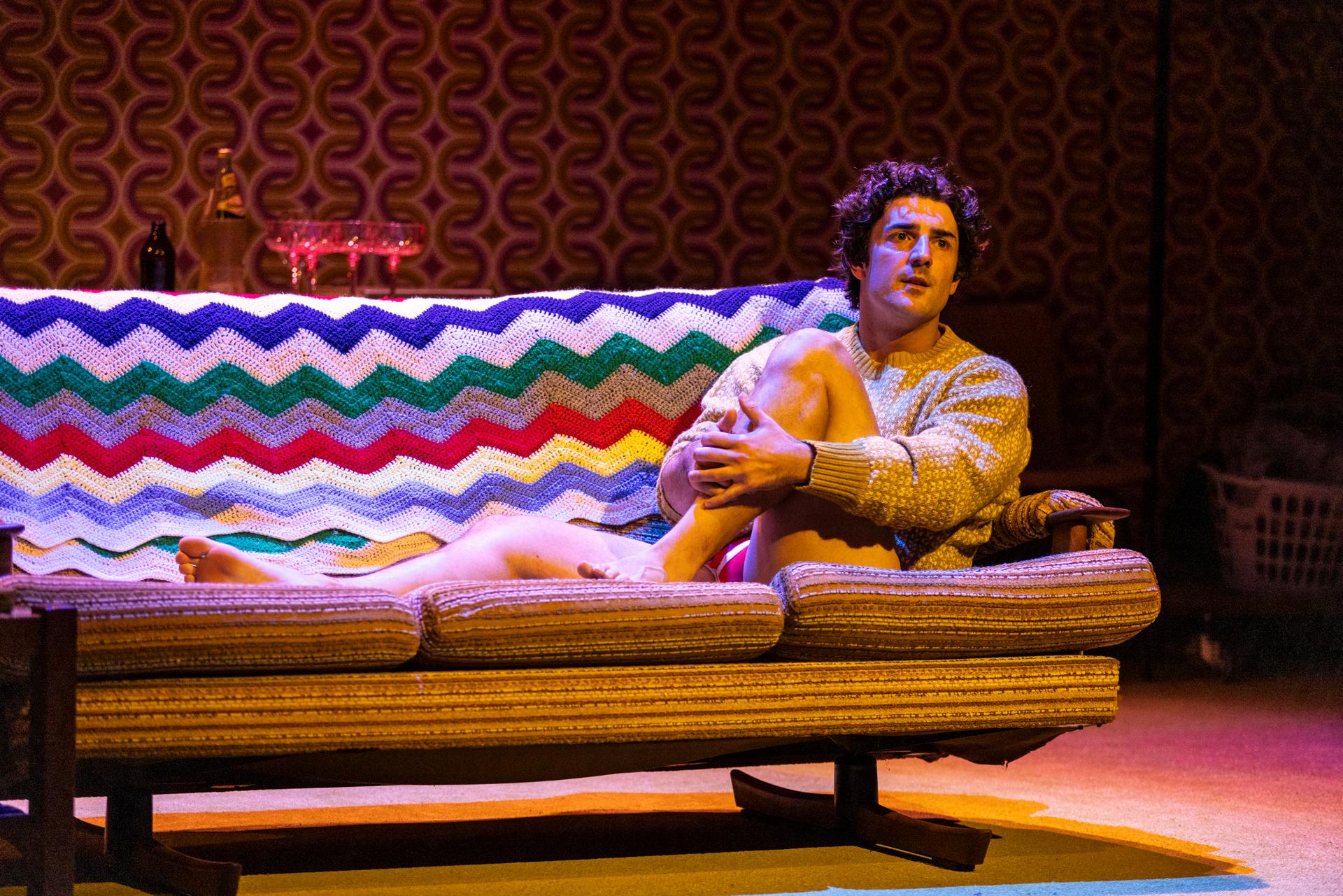
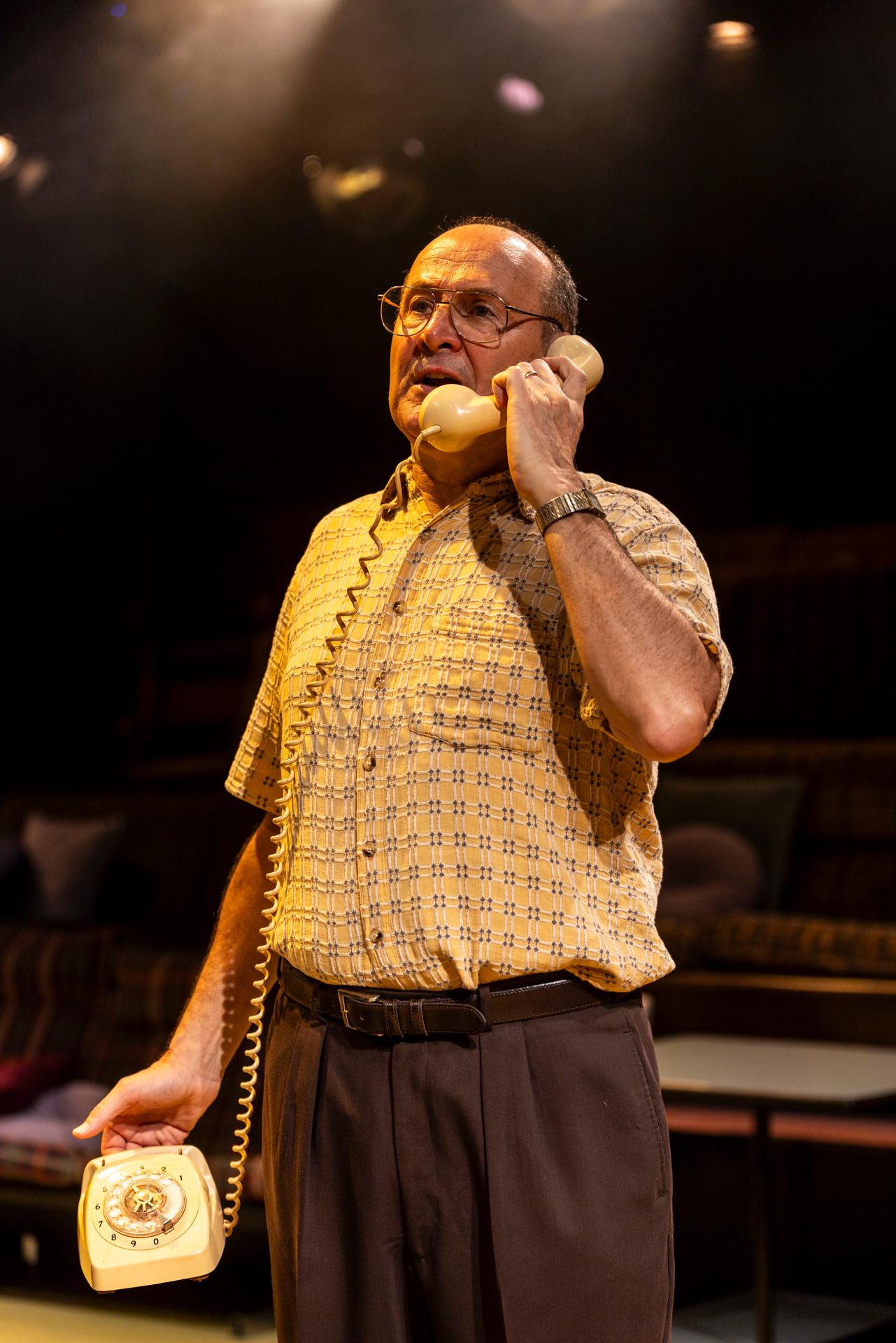
Humans should perhaps stop aspiring to be like robots and other machines. We can be productive and efficient, but those should not be the core of our existence. For many years we have allowed an industrialisation and commercialisation of our worlds to extend incrementally into our souls, but at The Church of the Clitori we can reassess and rethink, and maybe make better decisions about, well, everything.

www.churchoftheclitori.org

Review: Banging Denmark (New Theatre)

Venue: New Theatre (Newtown NSW), Sep 20 – 30, 2023
Playwright: Van Badham
Director: Madeleine Withington
Cast: Matt Abotomey, Emelia Corlett, Sarah Greenwood, Kandice Joy, Gerry Mullaly
Images by Campbell Parsons

Theatre review
Ishtar has to take time out from her PhD in feminism, because she is completely broke, and misogynist podcaster Jake is offering huge amounts of money for her help in earning Danish librarian Anne’s affections. Van Badham’s 2019 play Banging Denmark has only increased in relevance, as incels and pickup artists continue to gain prominence in our consciousness, with their figureheads now becoming big-time celebrities, and with dominant cultural personalities legitimising their abhorrent values and beliefs.

Director Madeleine Withington finds in her production, the real heart of the matter, which relates to how we could solve a problem like bigotry. Before we reach that concluding epiphany however, Withington delivers a work determined to entertain, taking full advantage of the marvellous absurdity in Badham’s often outrageous comedy.

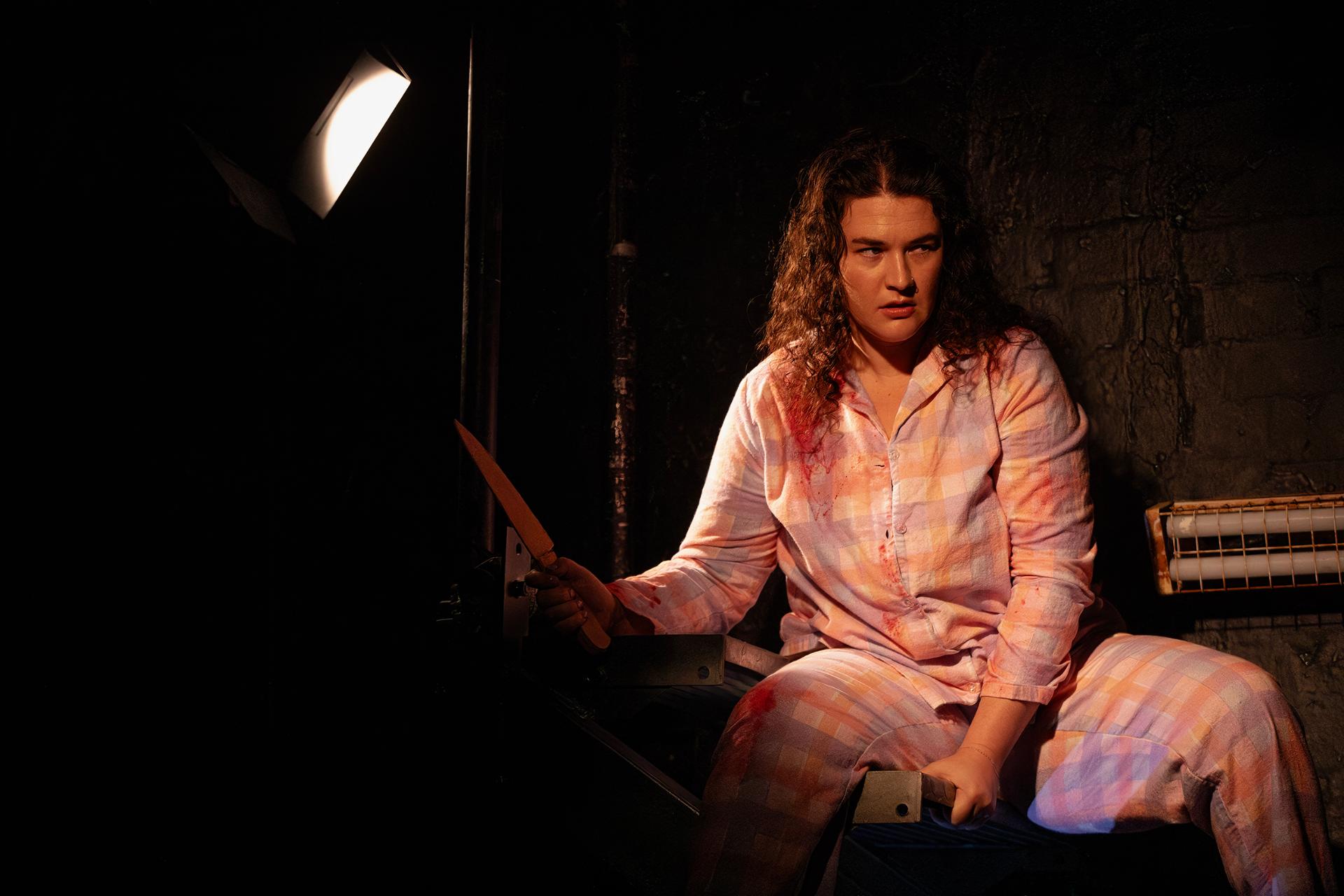
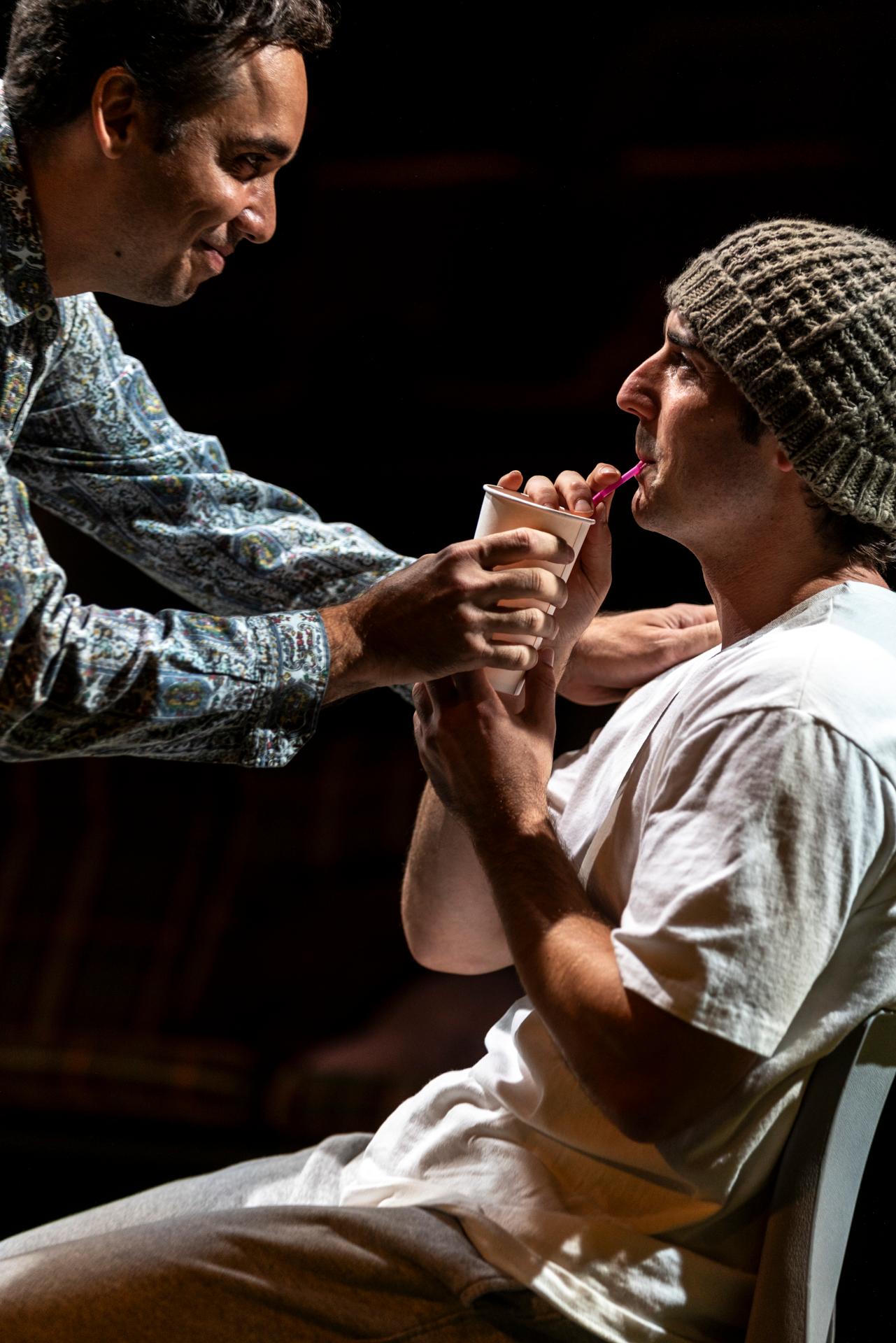
Leading lady Sarah Greenwood’s staggering intensity as Ishtar delivers for the show its electric propulsive charge. That energy renders for the role an extraordinary passion that is simultaneously theatrical, yet true to the strident archetype to which it refers. Matt Abotomey is similarly flamboyant in his humour, unabashed with the hyperbolic physicality he brings to Jake, in a show that is never short of verve.

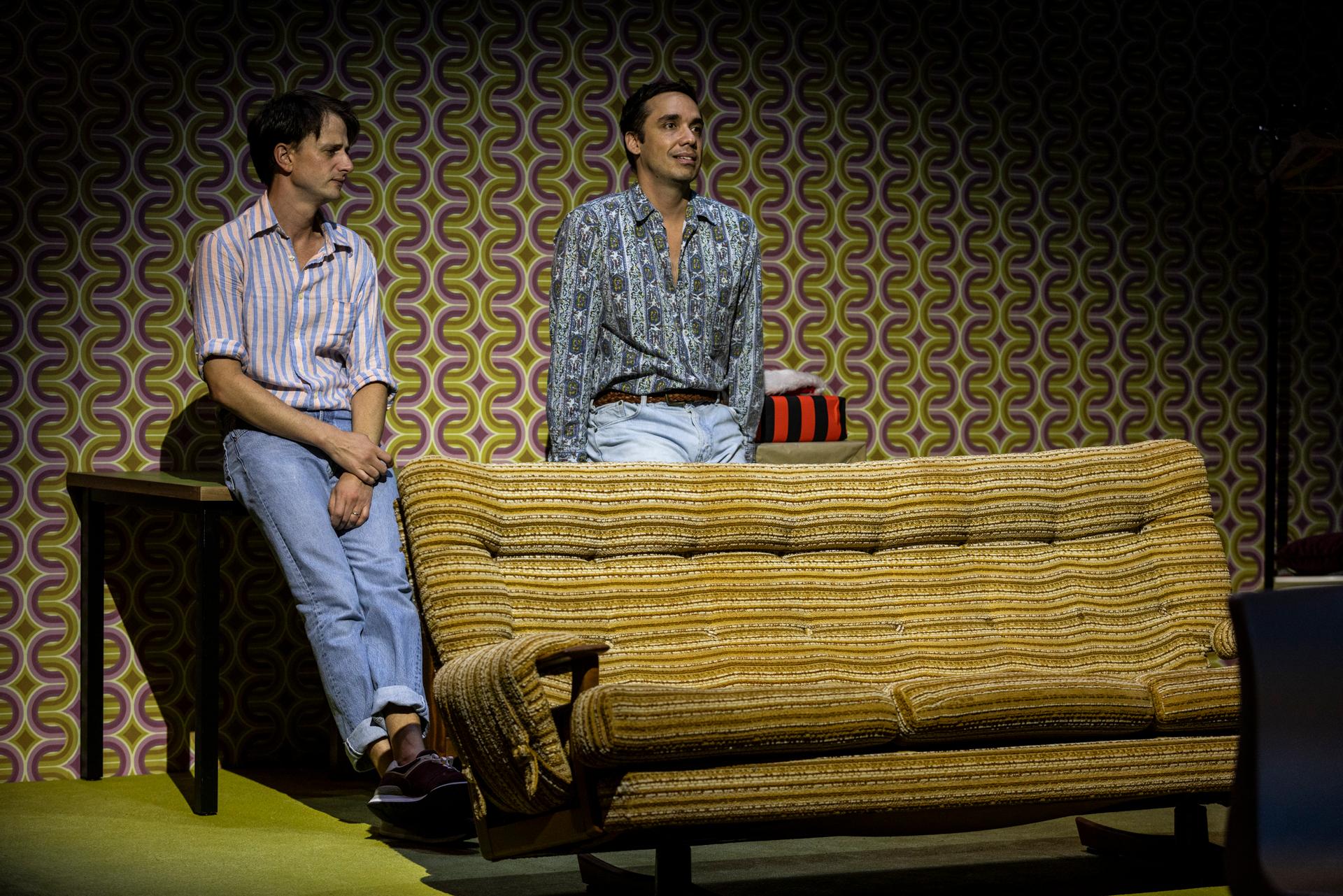
Costumes by Ruby Jenkins offer accurate depictions of these comical characters, along with a set that offers sufficient versatility to help conjure the various scenic requirements of Banging Denmark. Lights by Luna Ng are colourful and dynamic, gallant in their efforts to introduce a sense of liveliness to the staging. Daniel Herten’s sound design too is stimulating, able to sustain interest with its quirky approach.

It seems a natural instinct to wish to alienate those we deem despicable, to disparage and humiliate those intent on languishing in their indignant dedication to prejudice. We know however, that cruelty does little to persuade anyone to reverse their course of action. There is a surprising kindness to Banging Denmark that can feel unsatisfying in our current climate of ravenous viciousness and inhumanity, but there is no denying the truth, that hate solves nothing, that social fracture is ultimately undesirable, except for the very few who profit from those divisions. There is a part of us that tends to relish in conflict and bloodletting, but the better parts of our humanity understand that delicious as they may feel, wars are never what we want.
www.newtheatre.org.au

Review: An Ox Stand On My Tongue (25A Belvoir)

Venue: Belvoir St Theatre (Surry Hills NSW), Sep 20 – Oct 8, 2023
Playwright: Jane Montgomery Griffiths
Director: Abbie-Lee Lewis
Cast: Jessica Bentley, Angela Nica Sullen
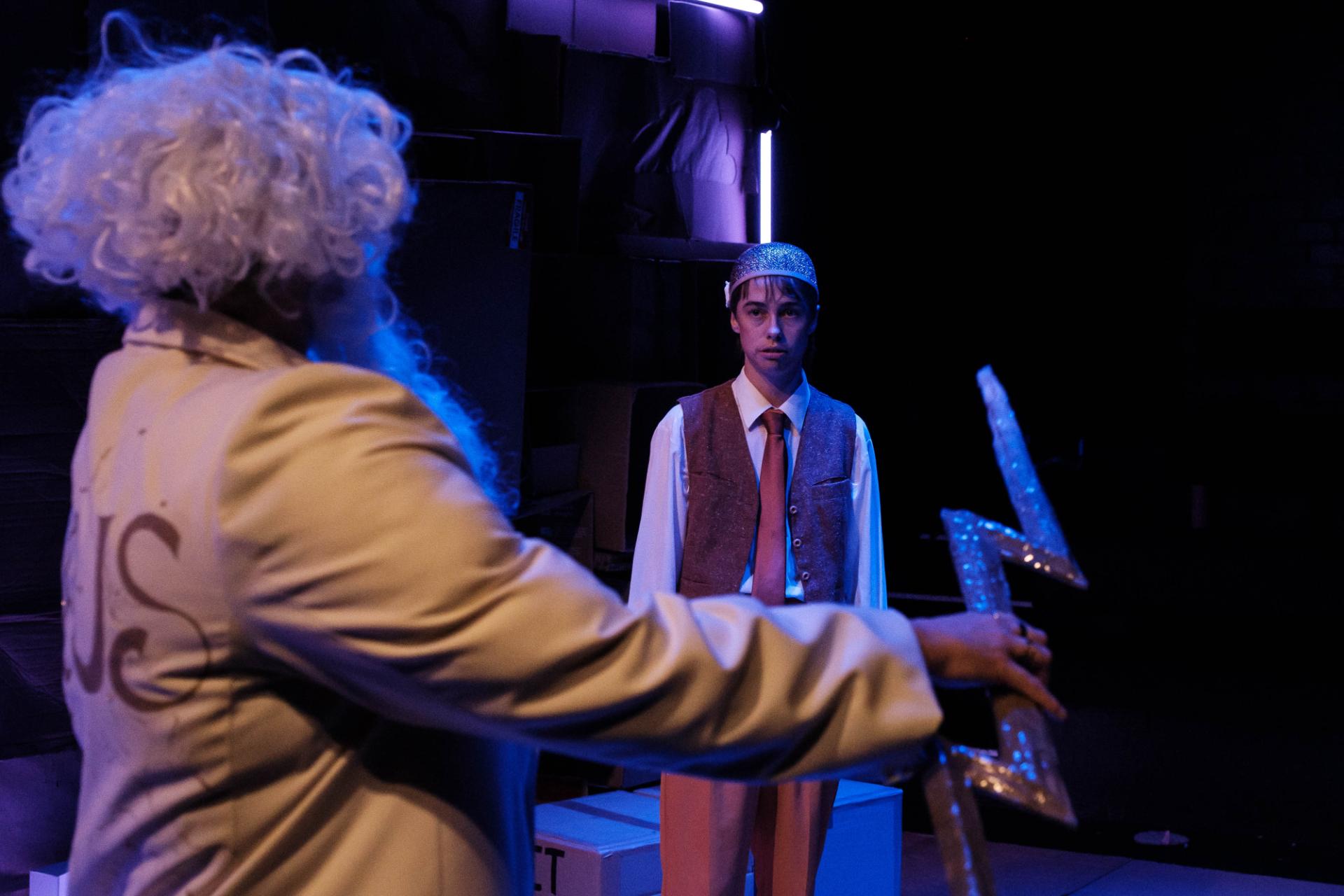
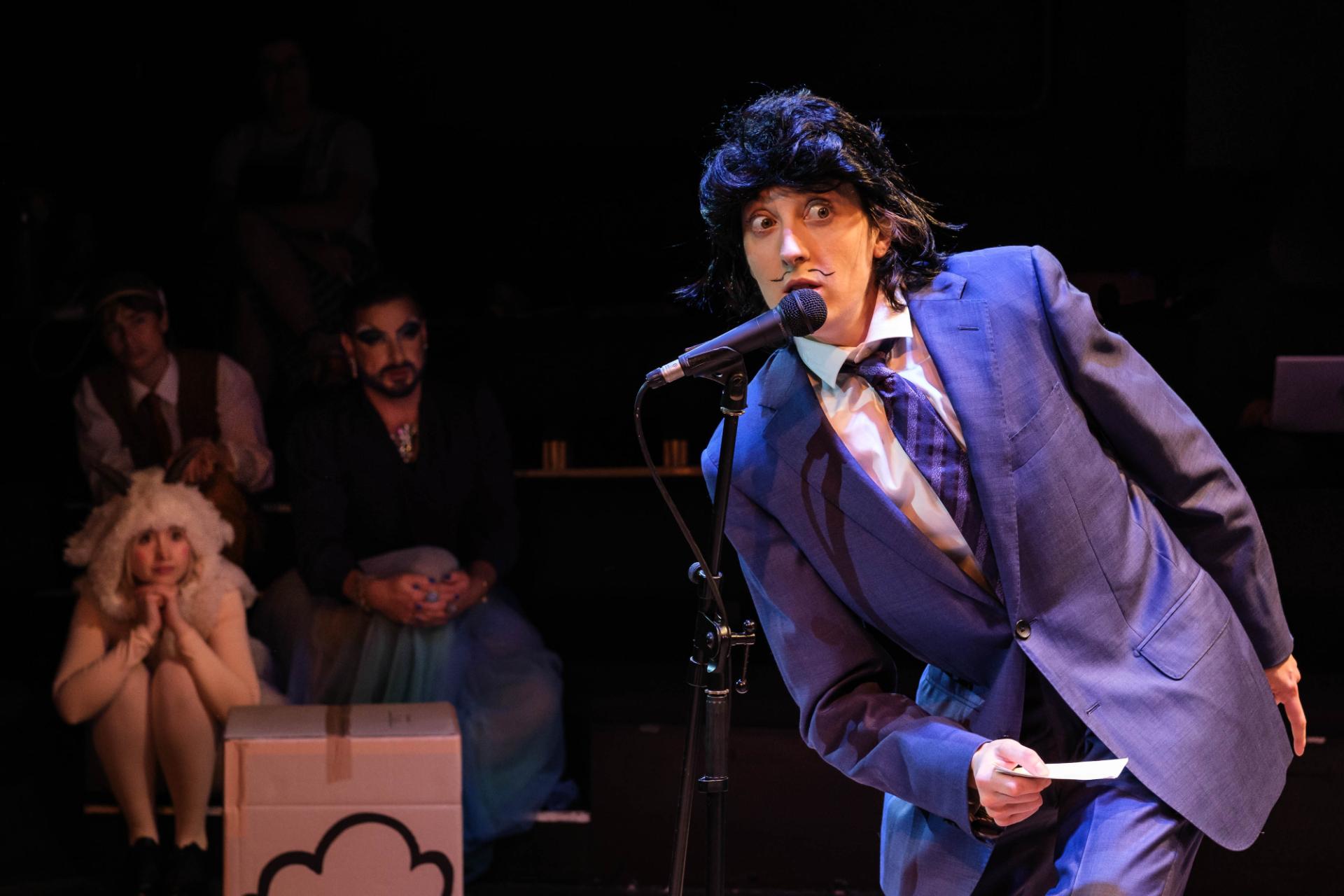
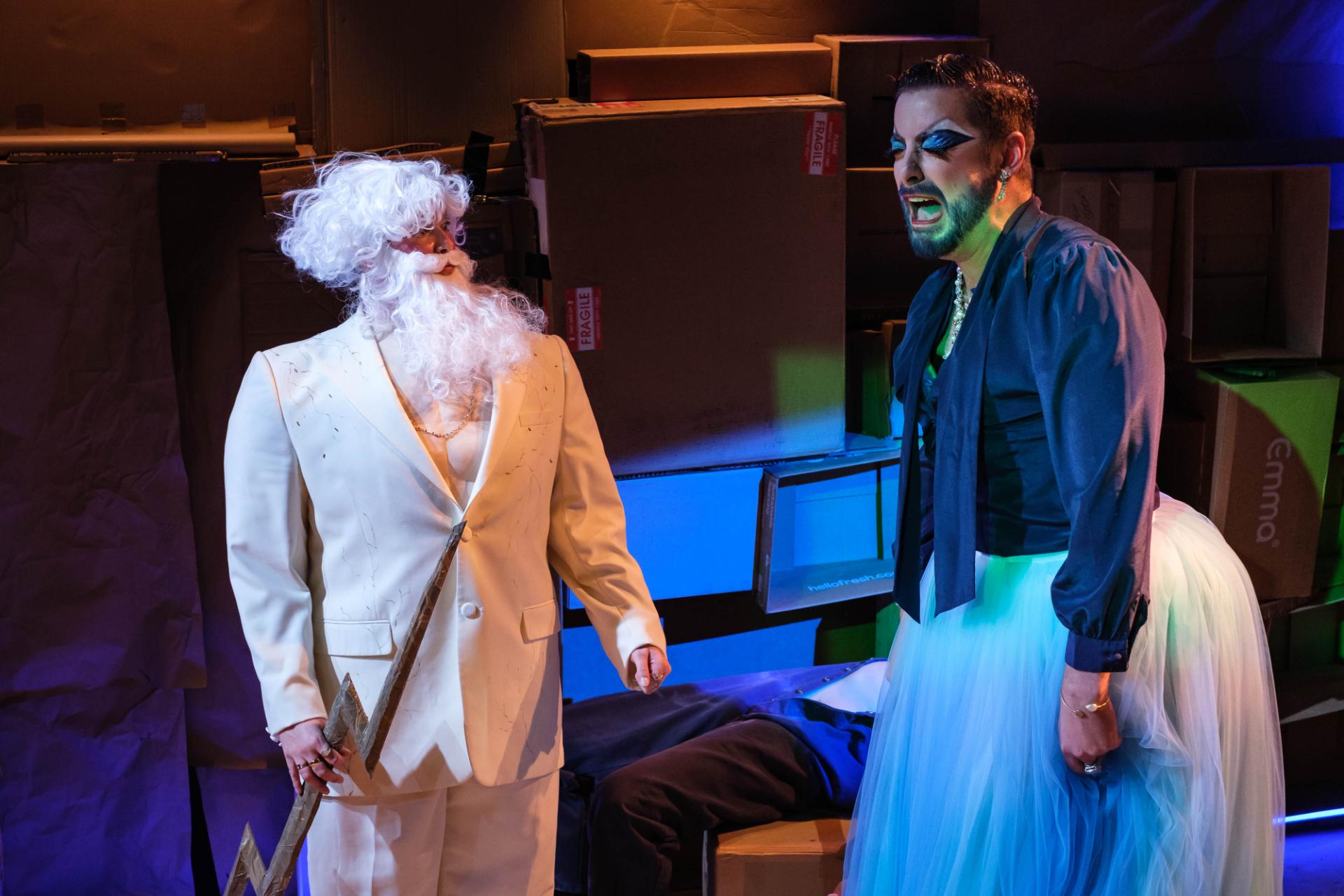
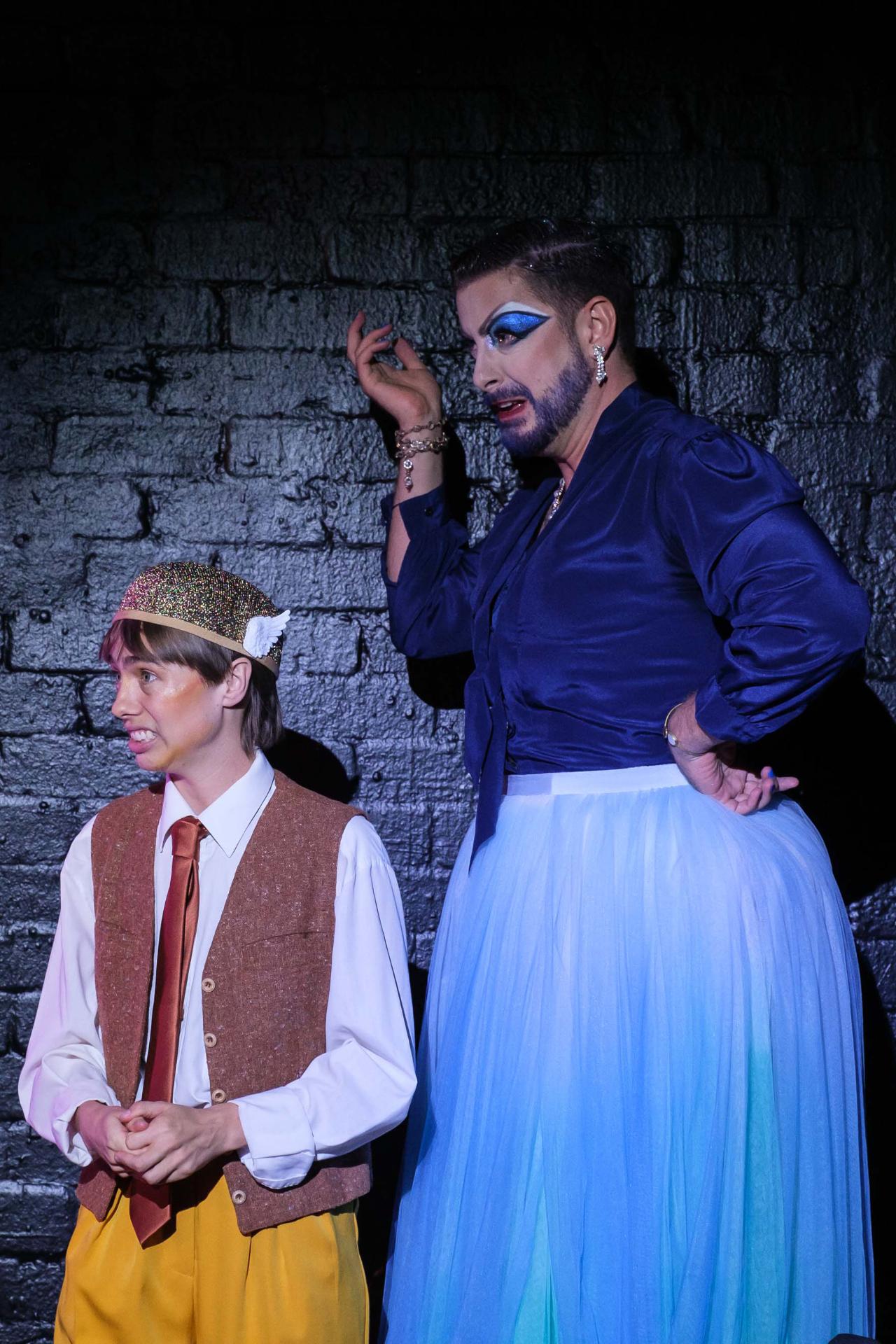
Images by Phil Erbacher

Theatre review
Helen and Clytemnestra do not have the best of reputations; both women are known for the trouble they had caused, to men of great esteem and importance. An Ox Stand on My Tongue by Jane Montgomery Griffiths reframes the sisters, so that their own perspectives of events can occupy centre stage, shifting from antagonist to protagonist, in what amounts to a feminist interpretation of ancient myths.

The intriguing two-hander is a modern, often obtuse play that makes a statement about the impossible demands placed on women, in a man’s world. We see Helen and Clytemnestra grappling with the notion that to survive, is often to be perceived as dishonourable, whether or not they abide by all the rules of the game. Those same rules apply to the opposite sex, but garner much better results, if one happens to be a man.

Direction by Abbie-Lee Lewis is uncomplicated, almost too simple in its approach, with a strong reliance on the charm of her leading ladies to sustain attention.  Actor Jessica Bentley’s presence is consistently authentic, giving Helen a sense of believability and naturalism that add to the contemporary tone being rendered. Angela Nica Sullen is more inventive with her portrayal of Clytemnestra, especially effective in heightened moments to give us the delicious drama associated with all things tragic and Greek.
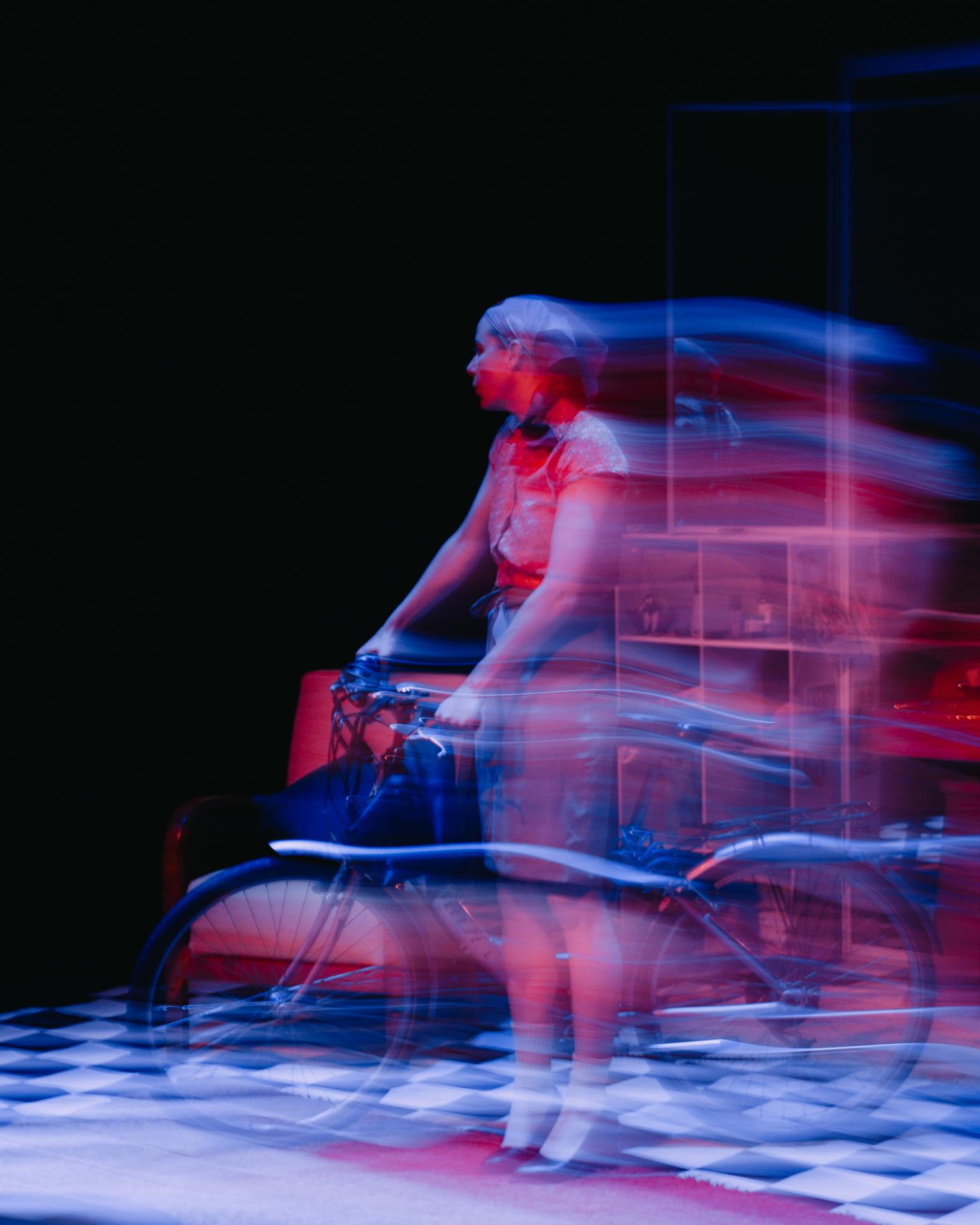
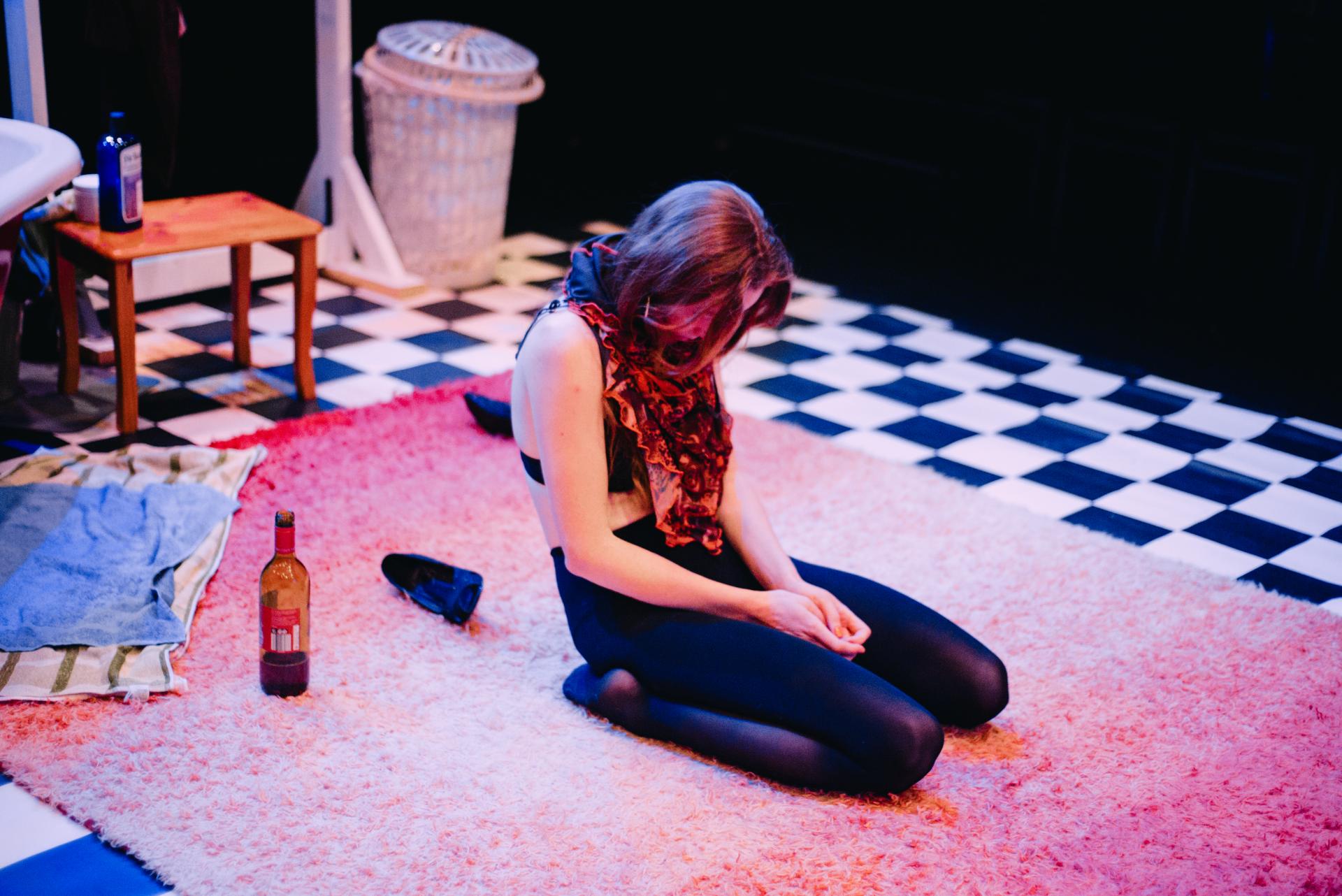
The production is elevated by Kelsey Lee whose set and lights offer a captivating flamboyance appropriate to this exploration of beings royal and celestial. Costumes by Grace Deacon are commensurately glamorous, although not quite sufficiently finessed for the refinement it wishes to depict. Zac Saric’s sound and music are rigorously created, to underscore the show with intensity as well as intentionality.

It is only human to wish to be regarded with respect and dignity, but when one arrives at the understanding, that social acceptance often comes at an unfair price, one begins to consider relinquishing those needs to be admired. One simply stops caring, not about things that are truly important, but apropos the meaningless approval and expectations of people who matter little. There is no denying that we are social creatures, but our societies can be as malevolent as they are benevolent. Women are taught to care too much, so that we may remain subservient, always terrified of being thought badly of. Helen and Clytemnestra recall their mother training them to always try harder, but it occurs to us that their persistent misery only ever seem to be in service of those who never love them back.

www.belvoir.com.au