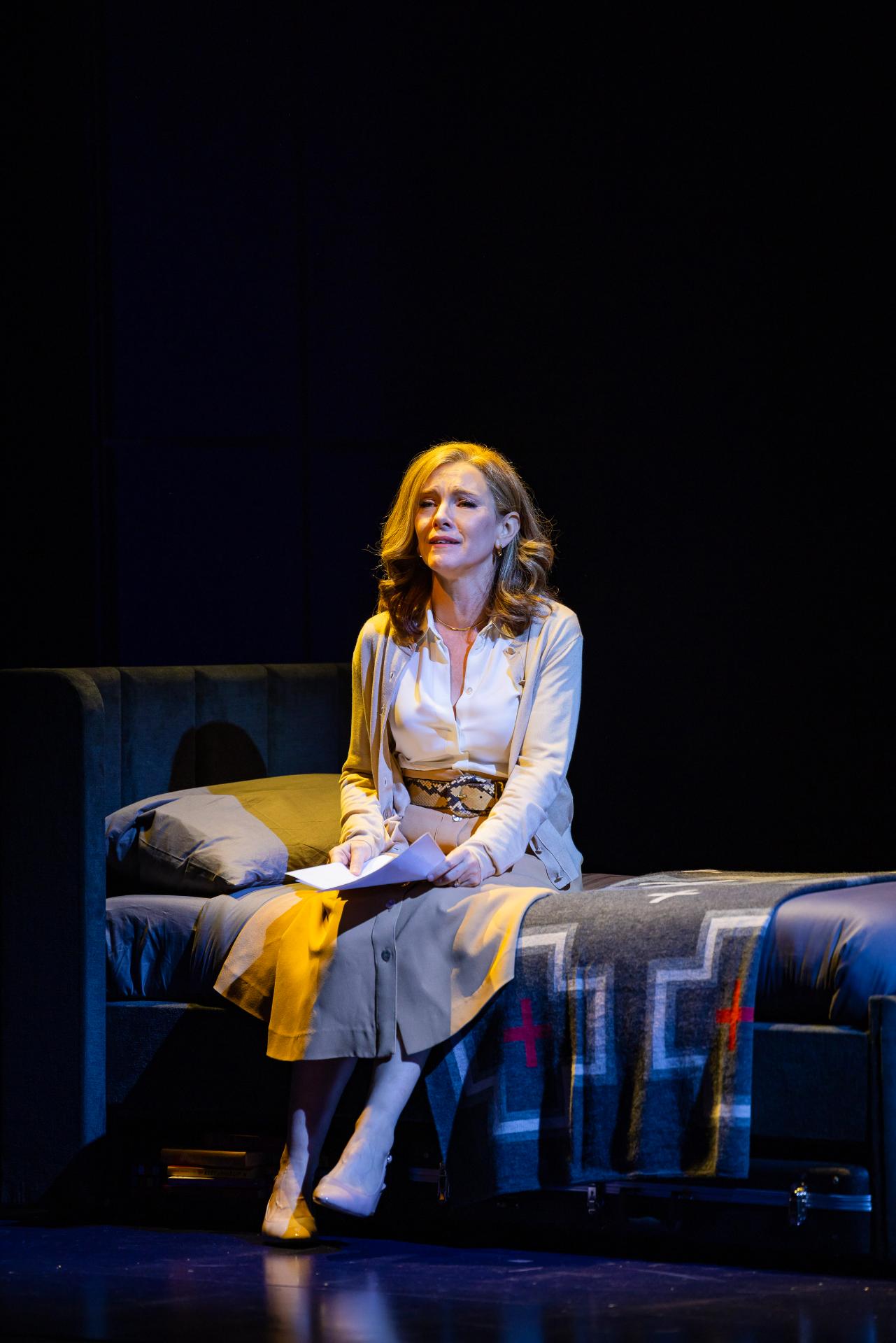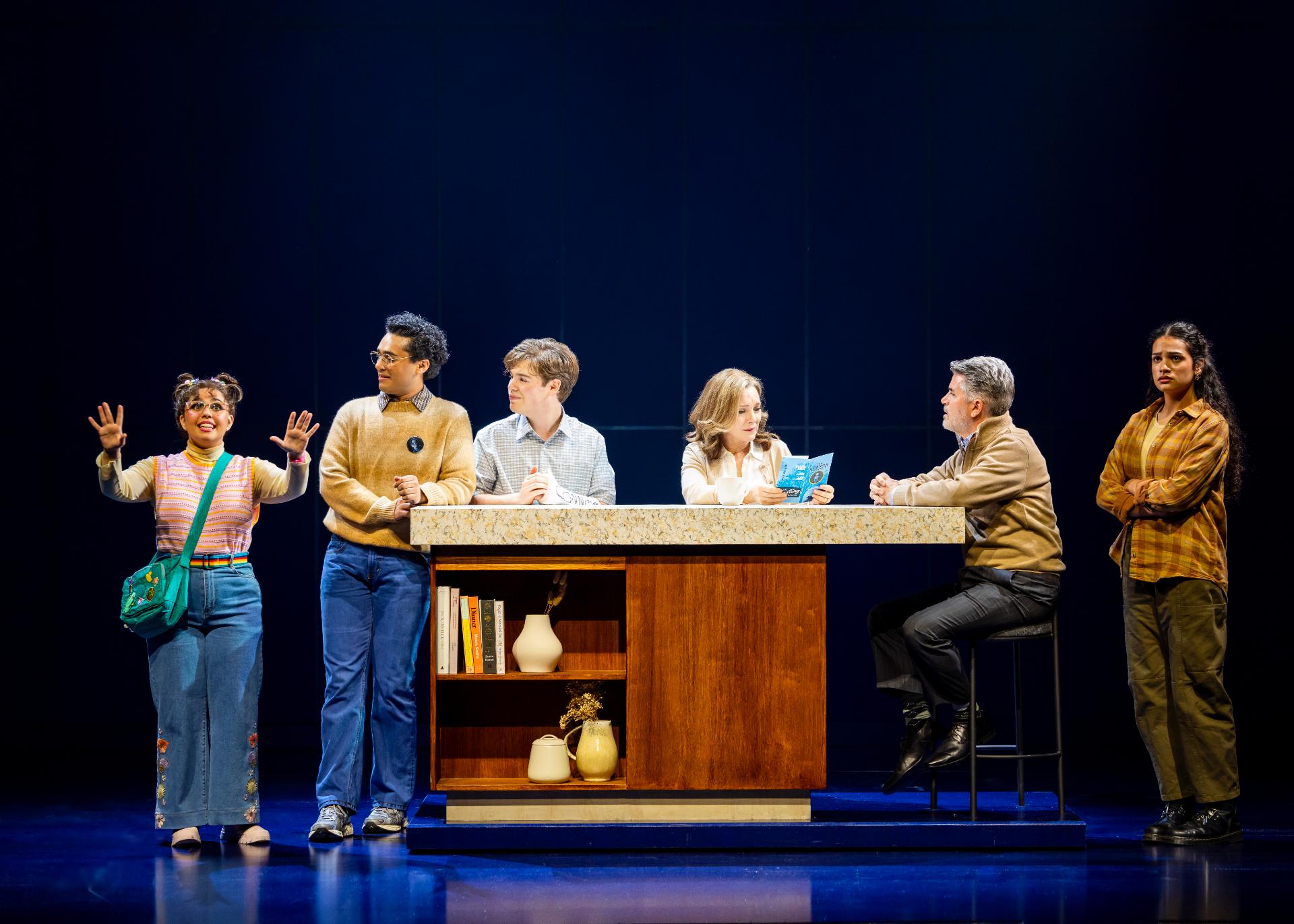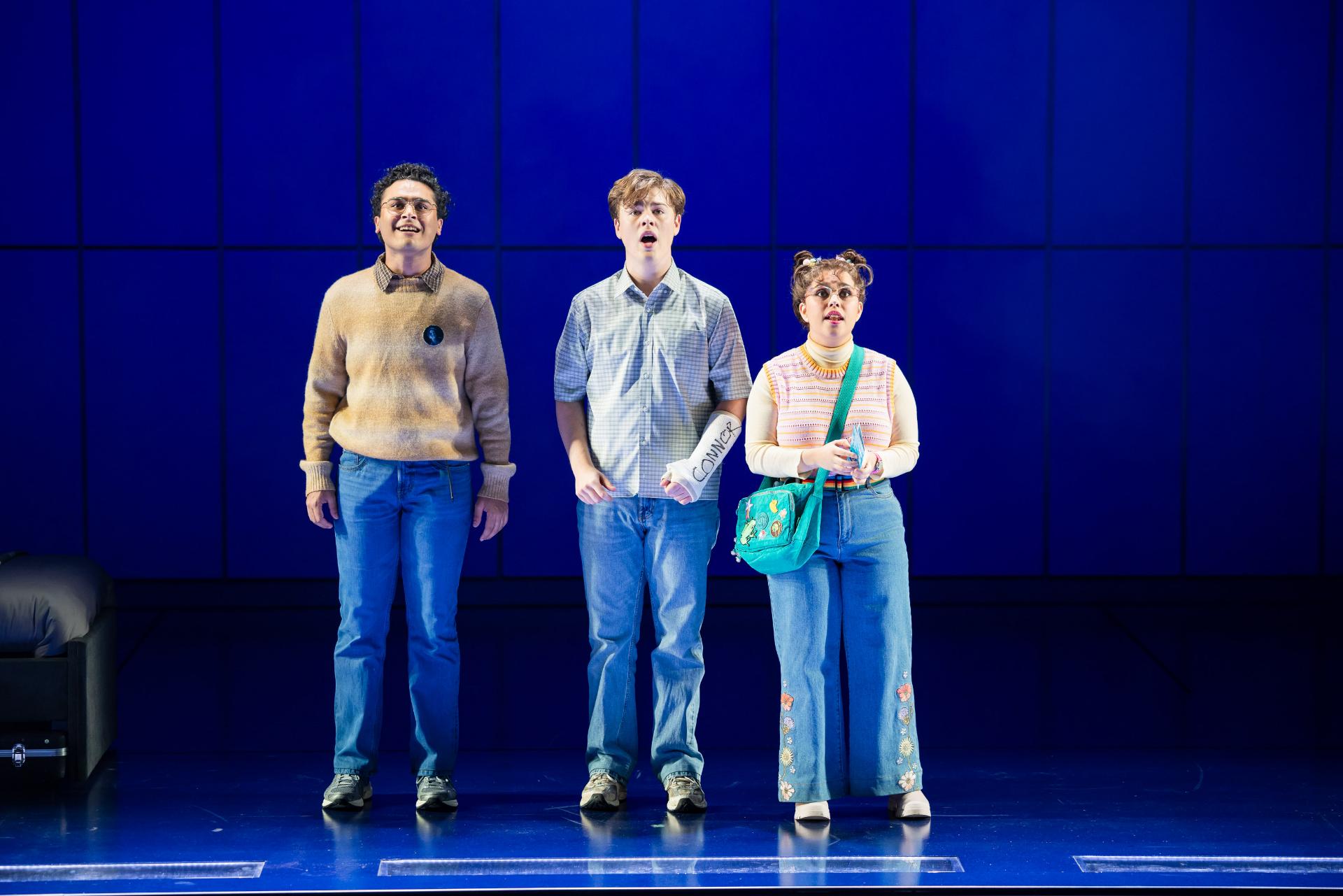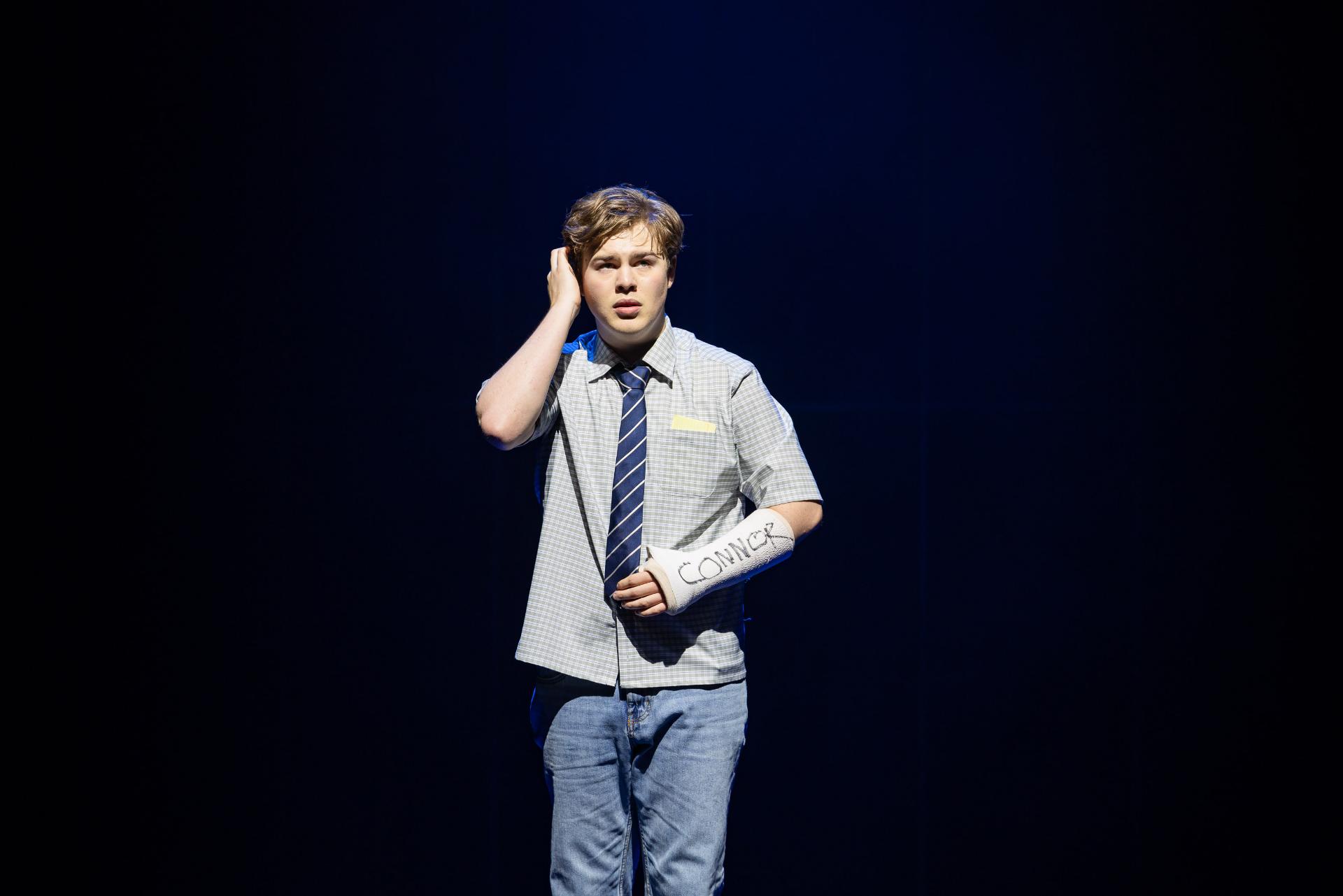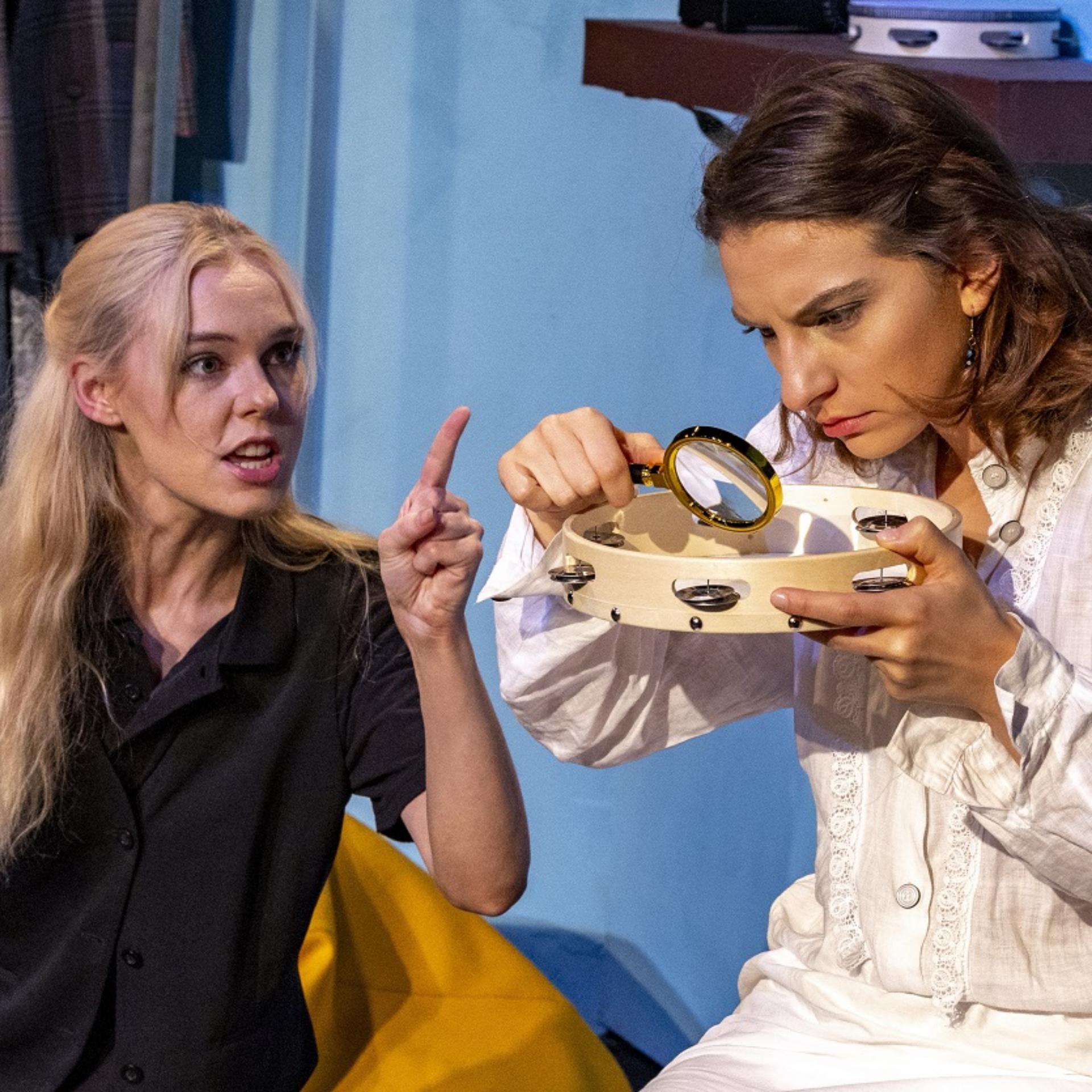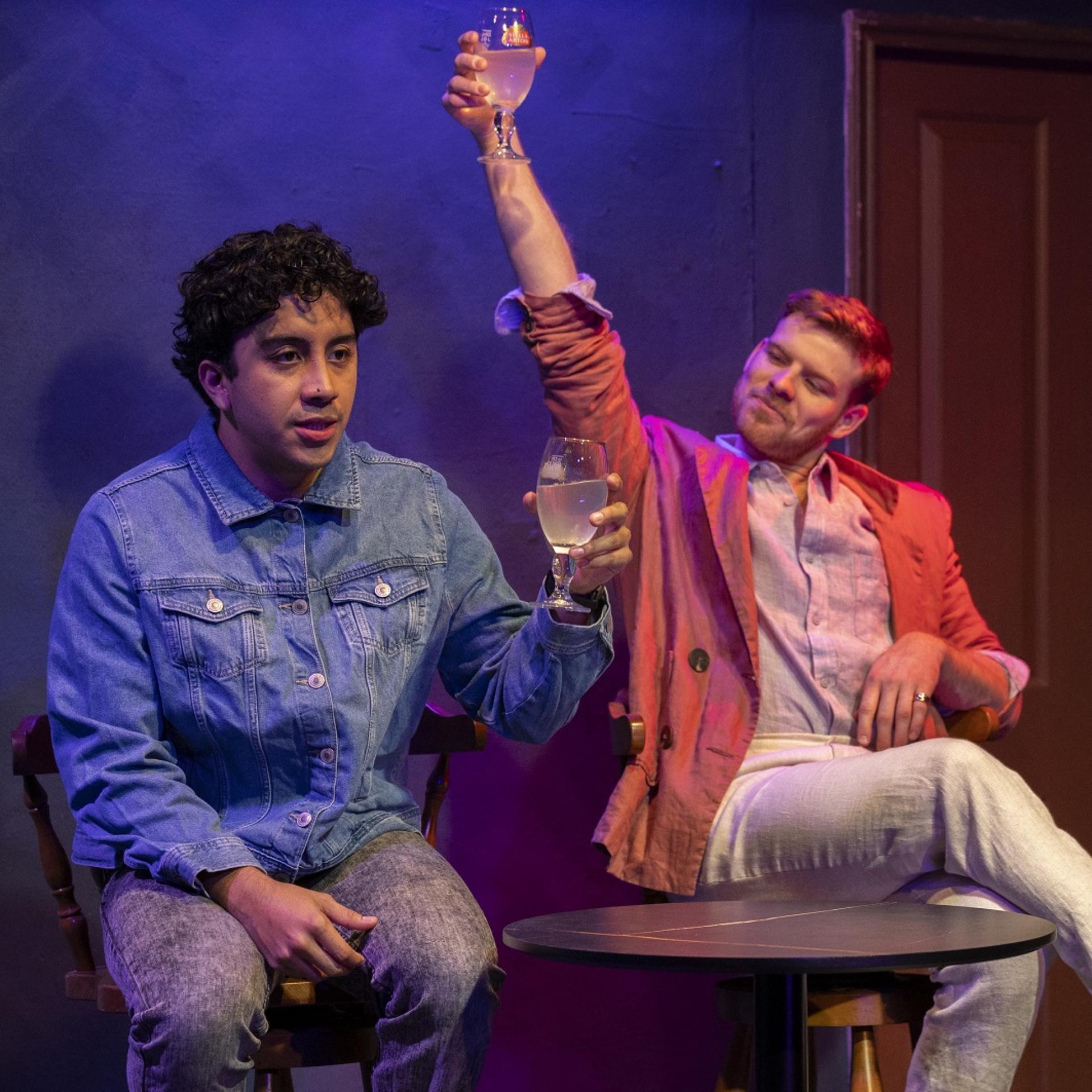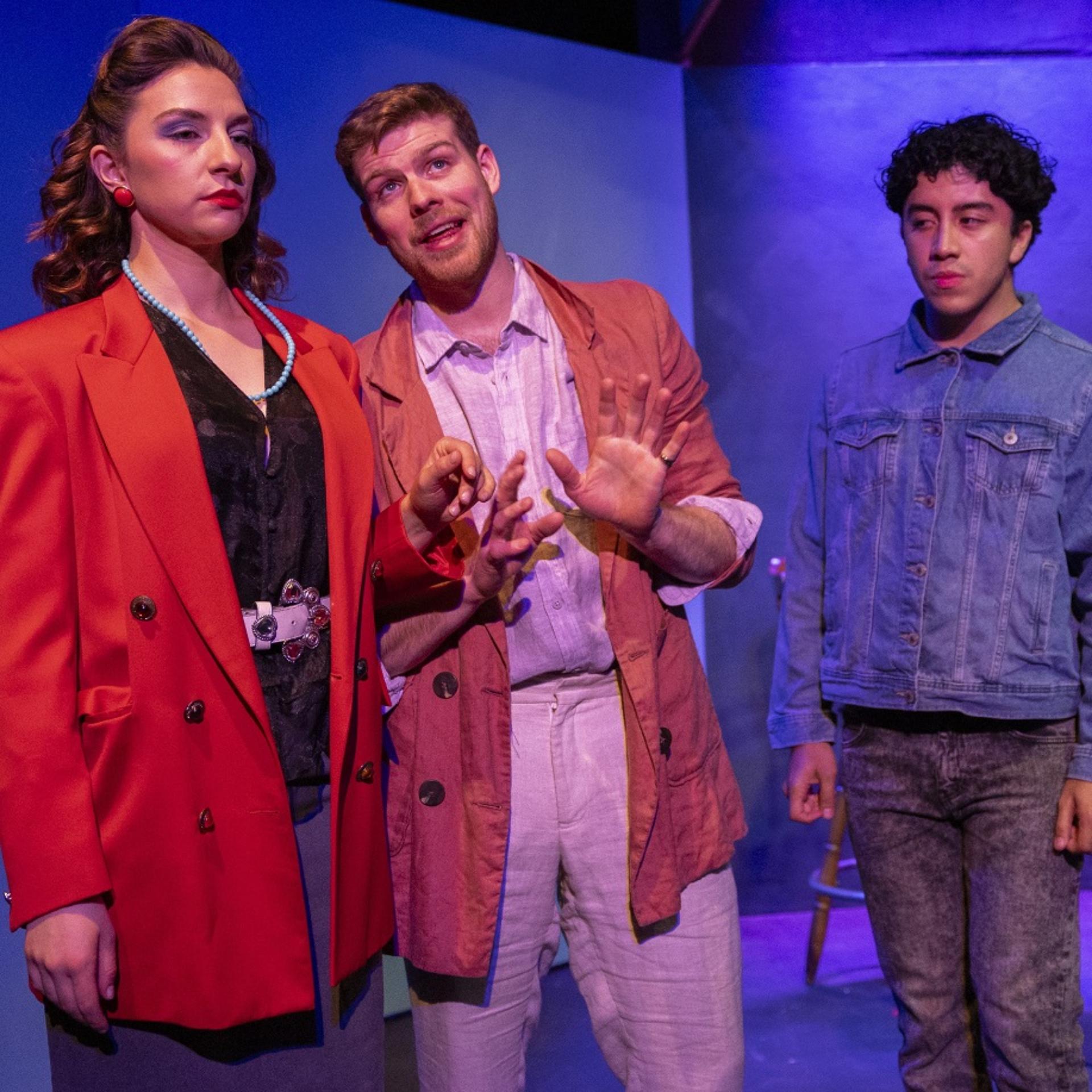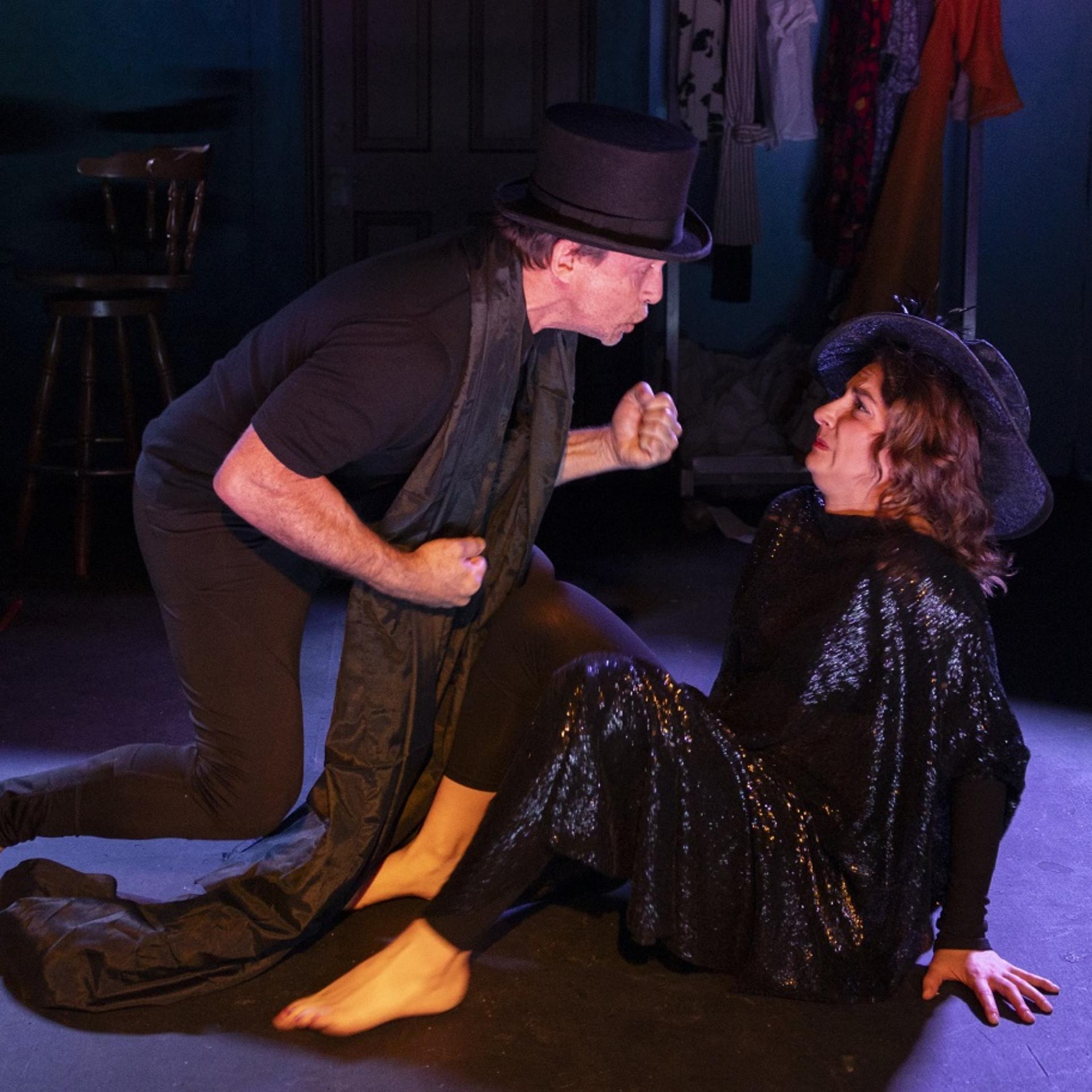
Review: Uncle Vanya (Ensemble Theatre)

Venue: Ensemble Theatre (Kirribilli NSW), 26 Jul – 31 Aug, 2024
Playwright: Anton Chekhov (adapted by Joanna Murray-Smith)
Director: Mark Kilmurry
Cast: Vanessa Downing, John Gaden AO, Chantelle Jamieson, David Lynch, Abbey Morgan, Yalin Ozucelik, Tim Walter
Images by Prudence Upton

Theatre review
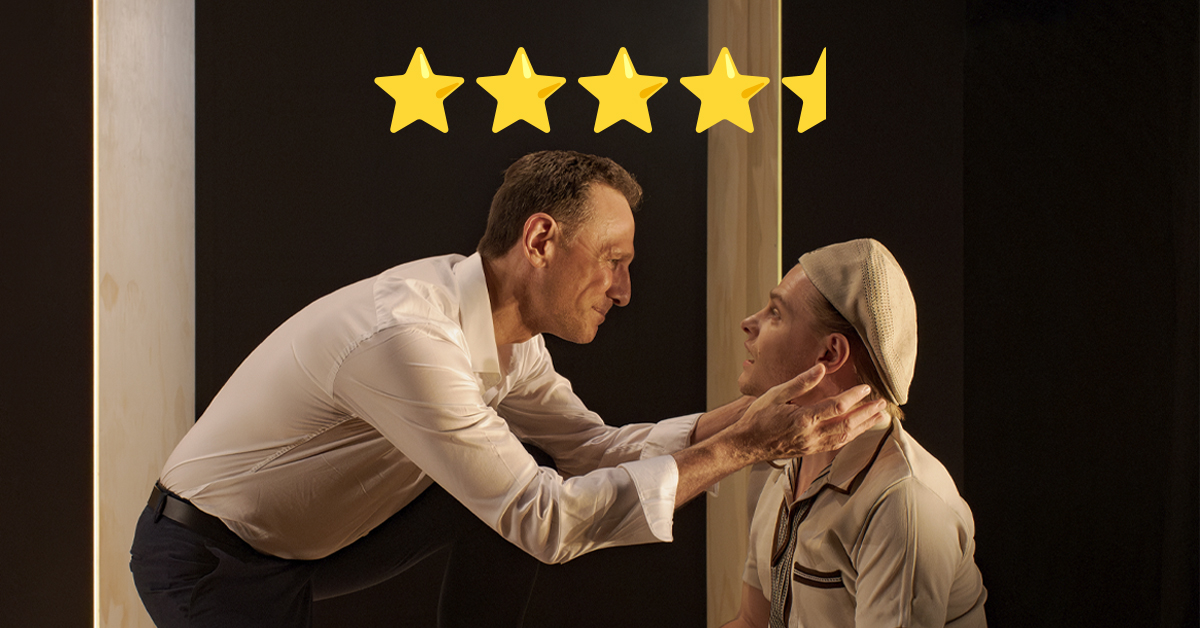
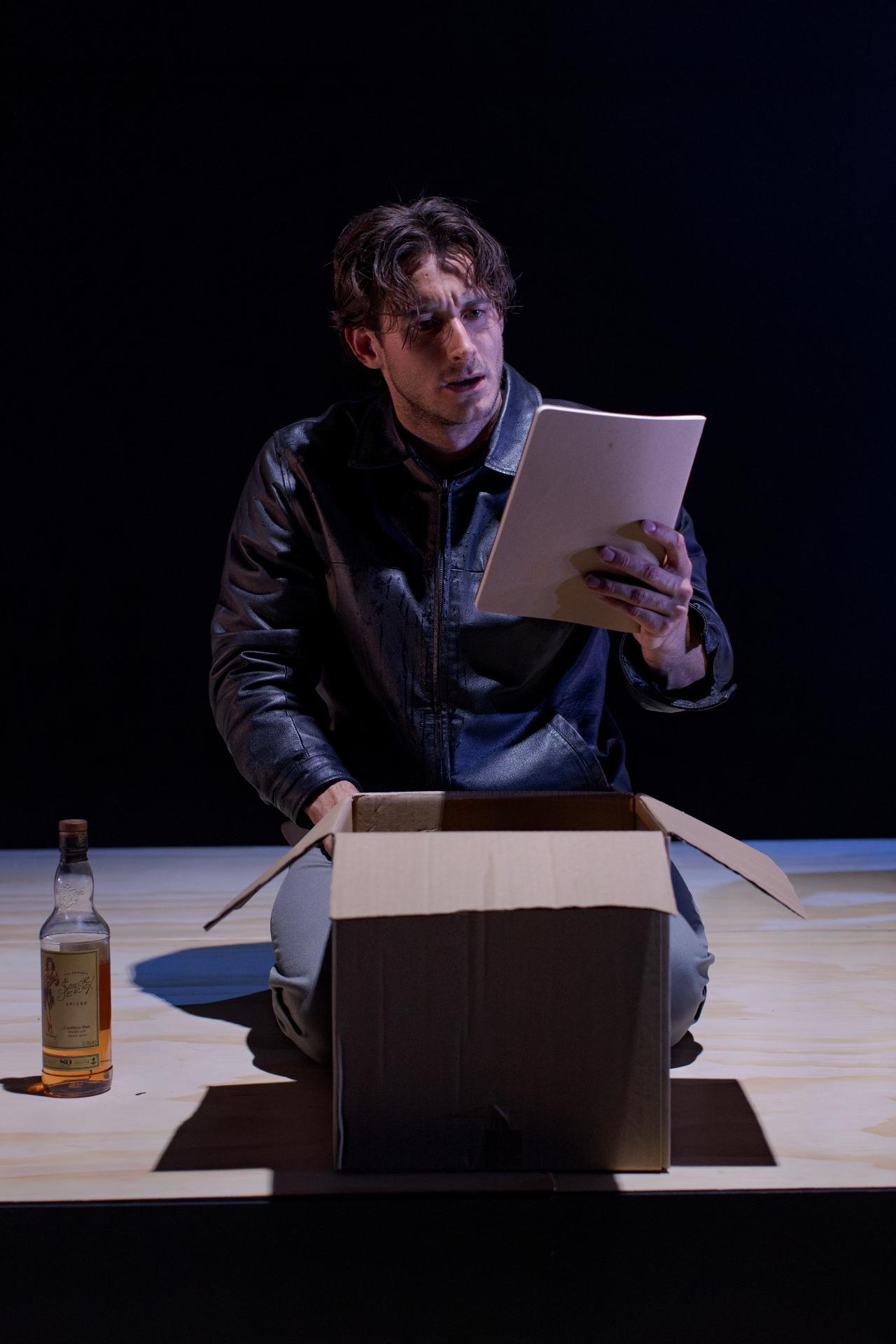
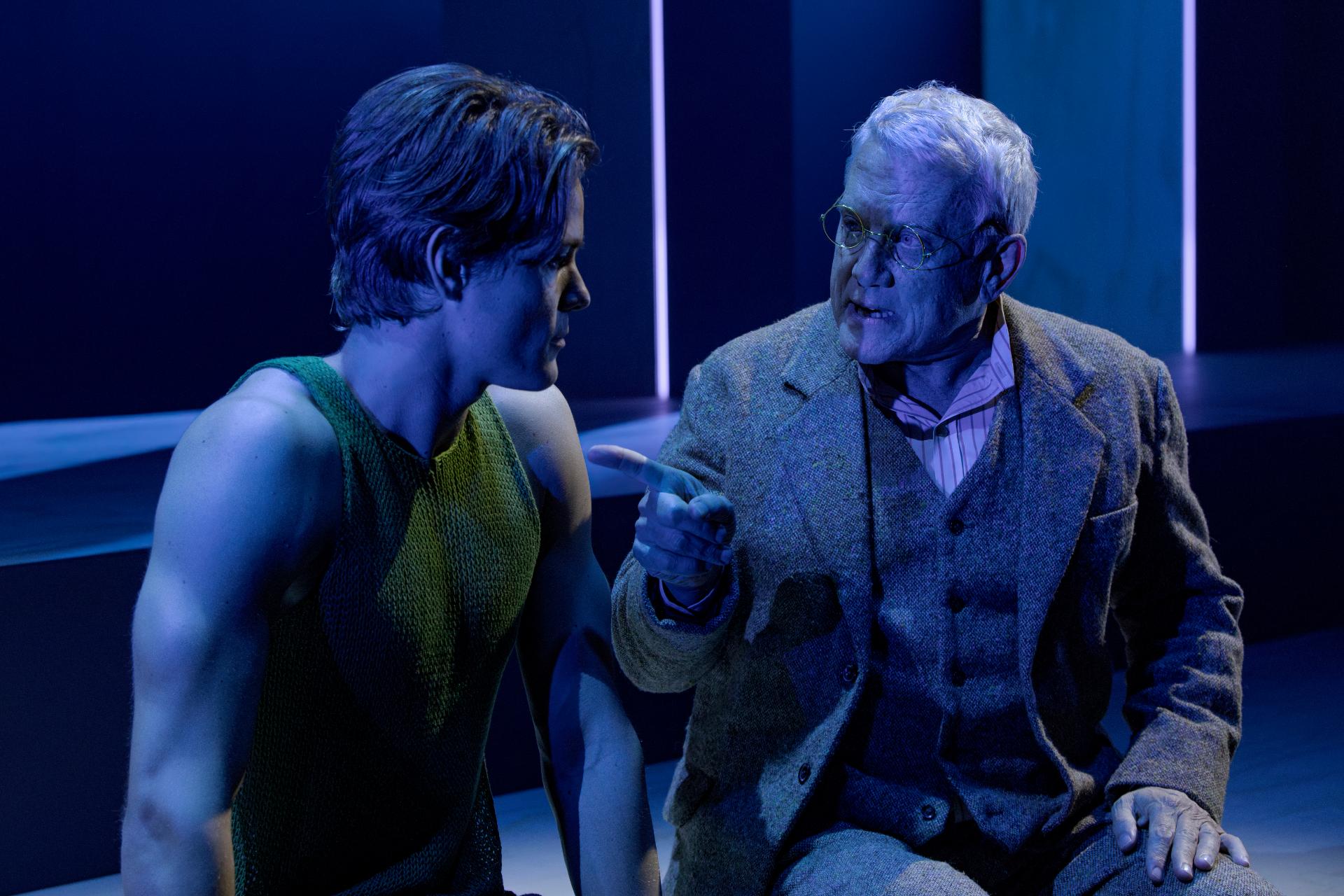
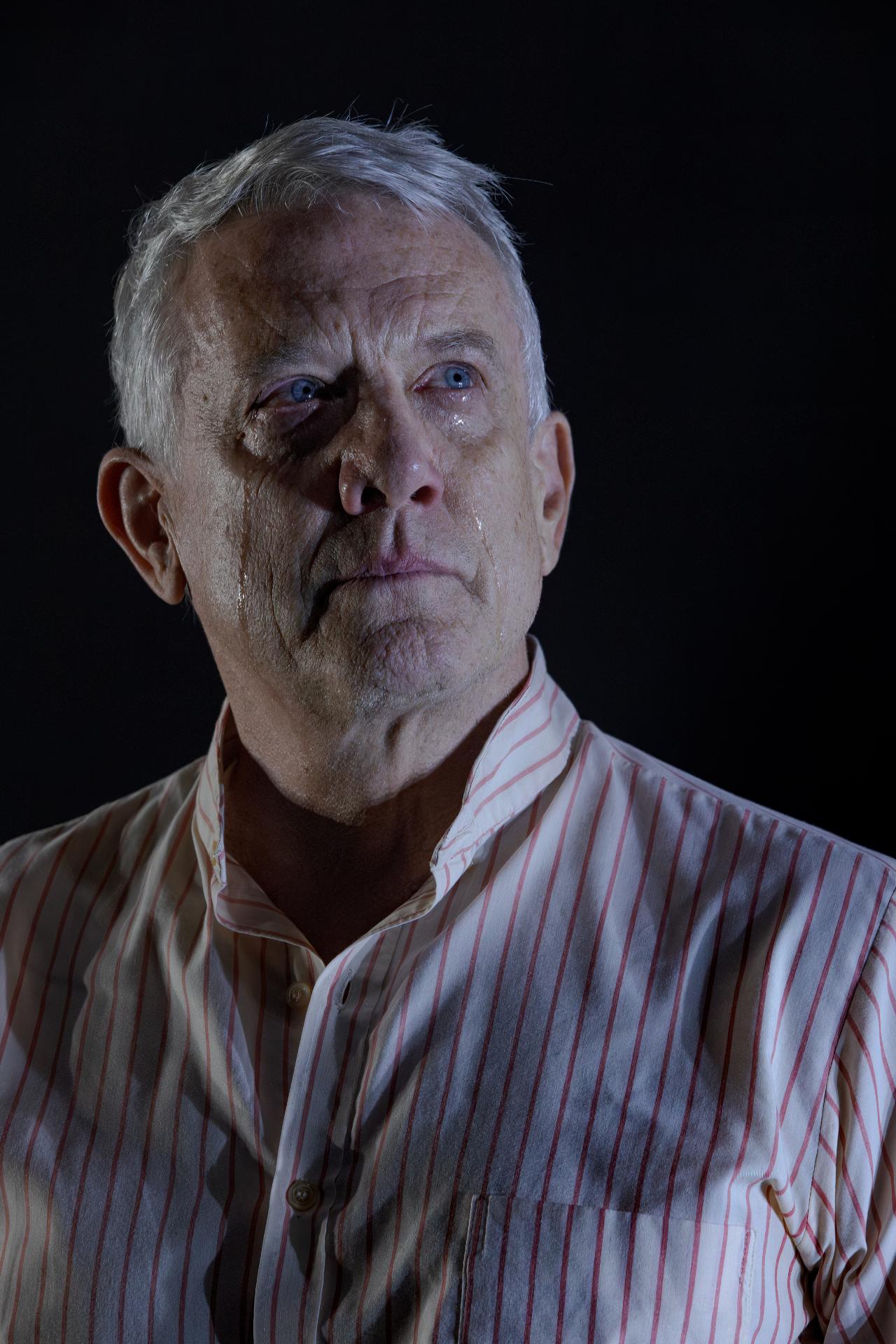
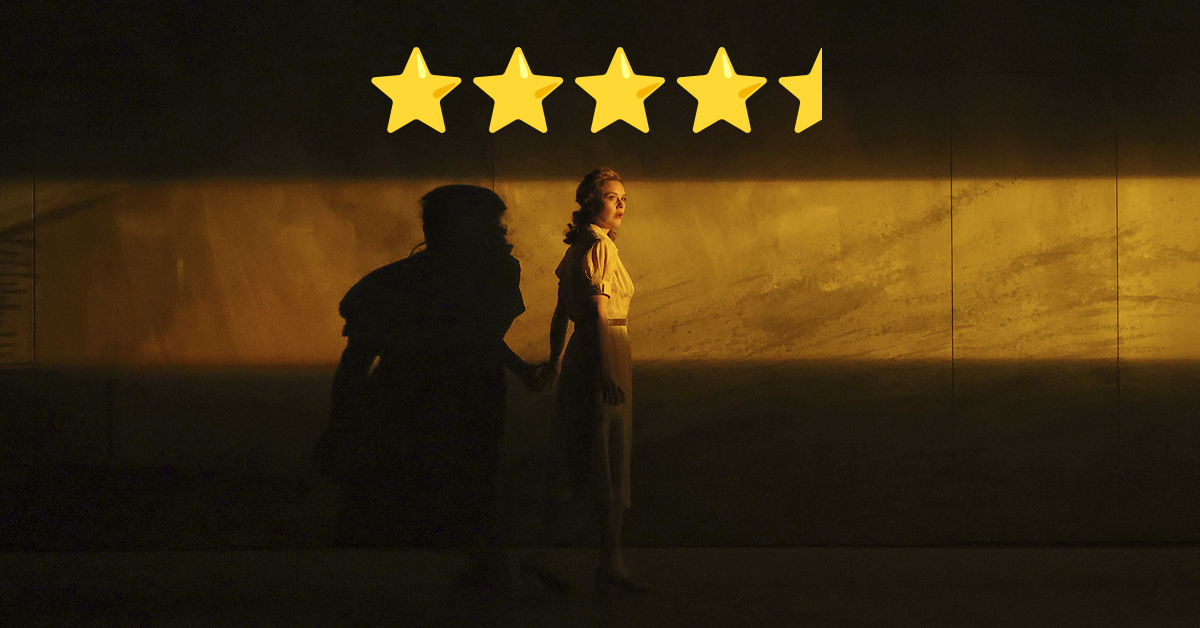
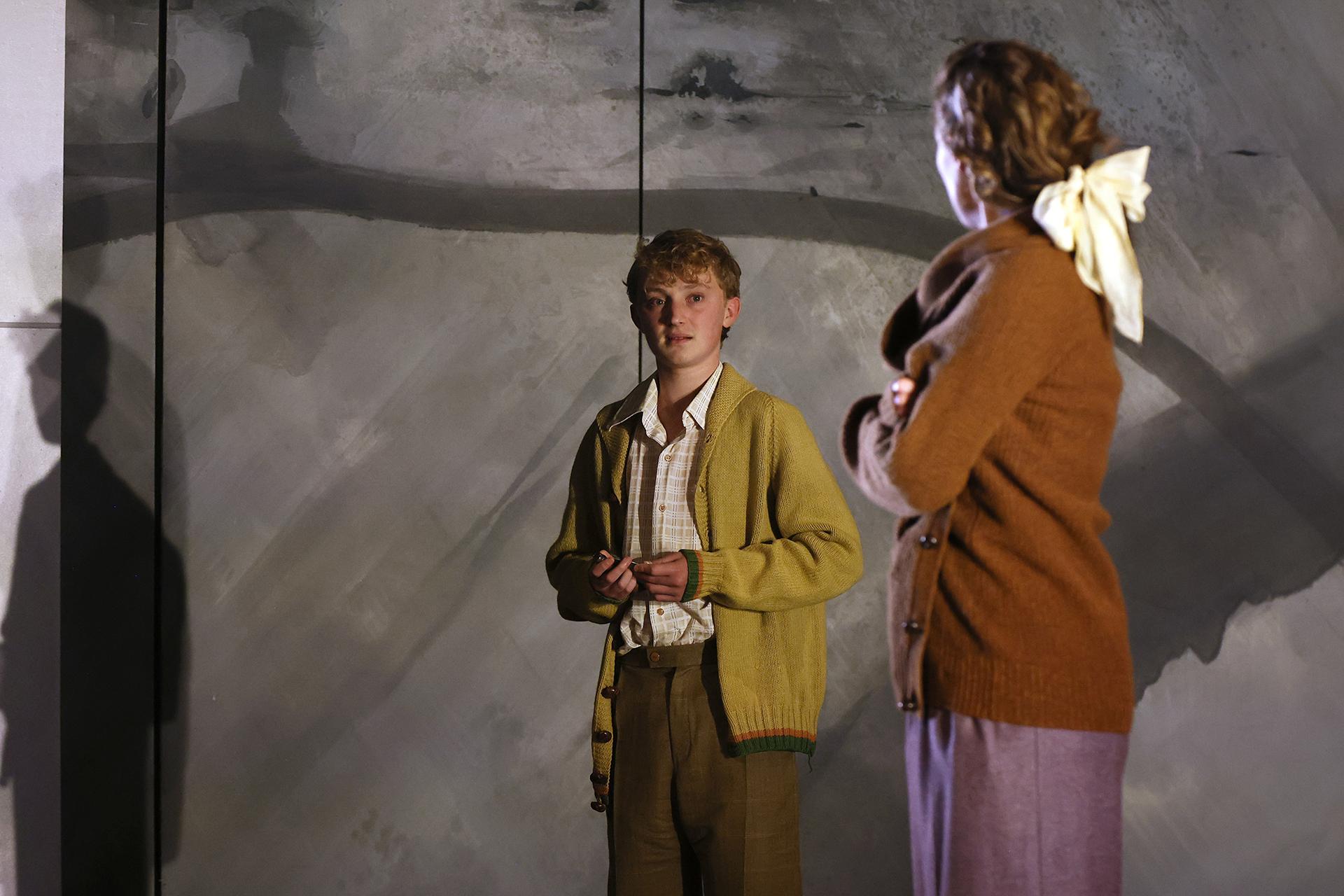
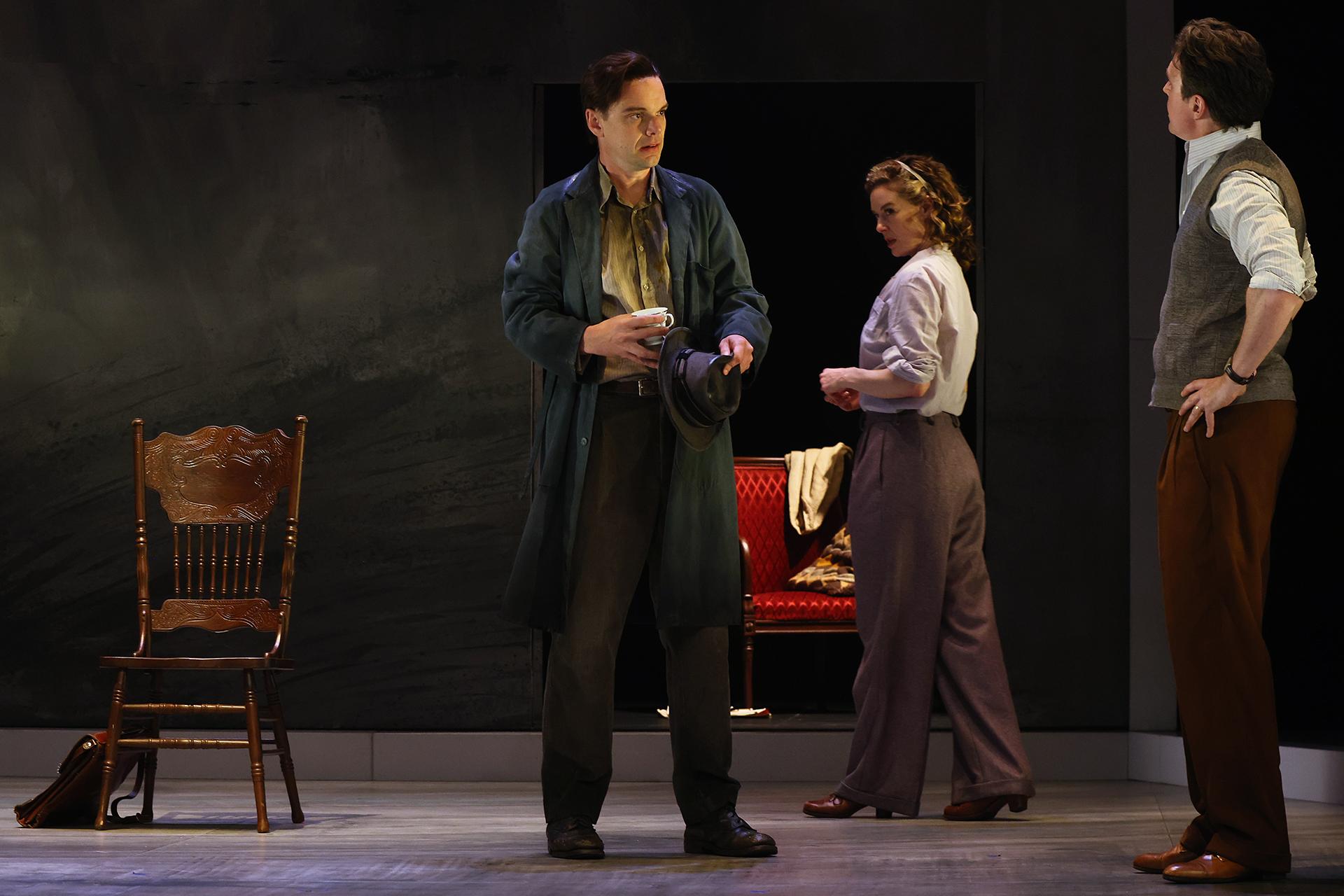
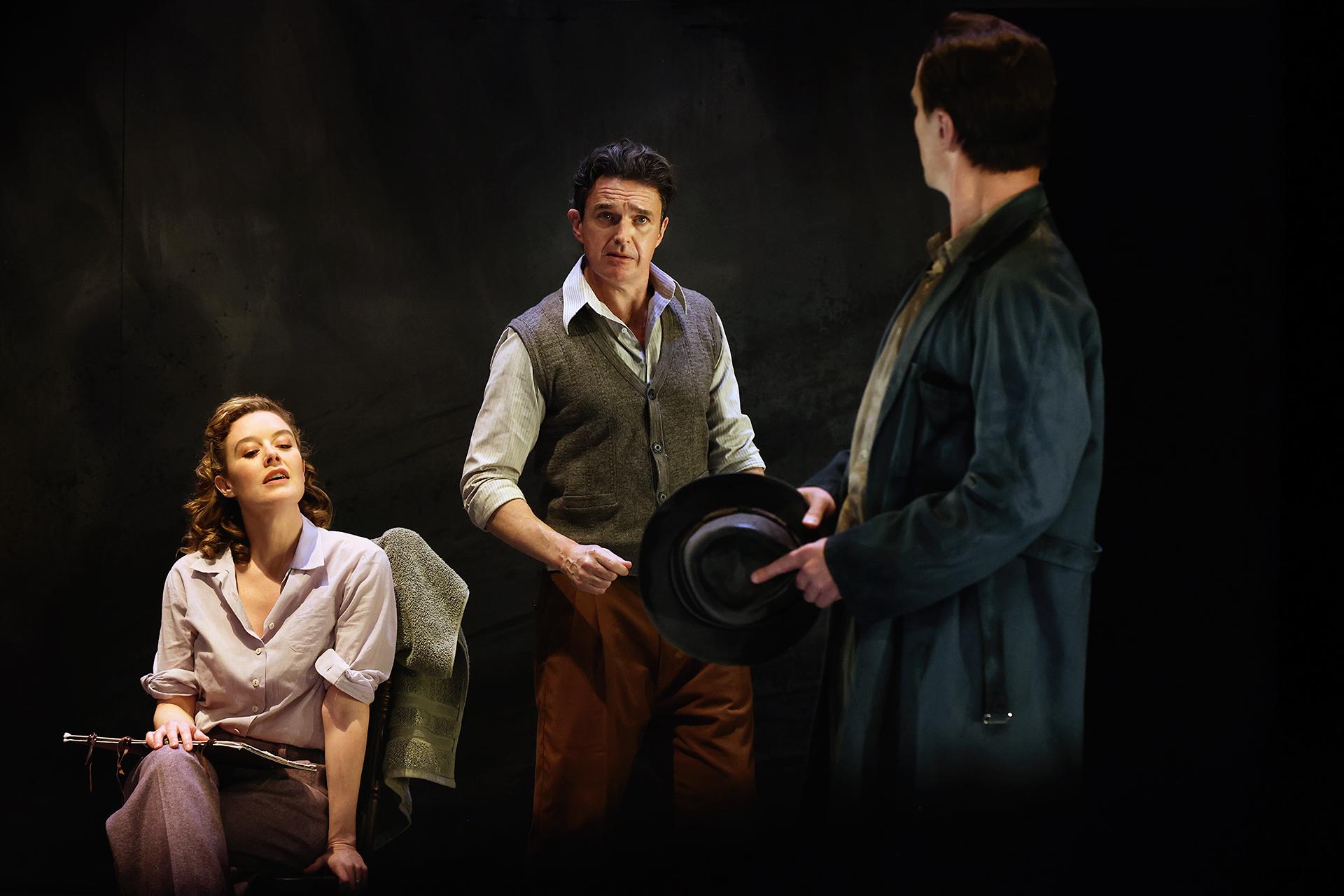
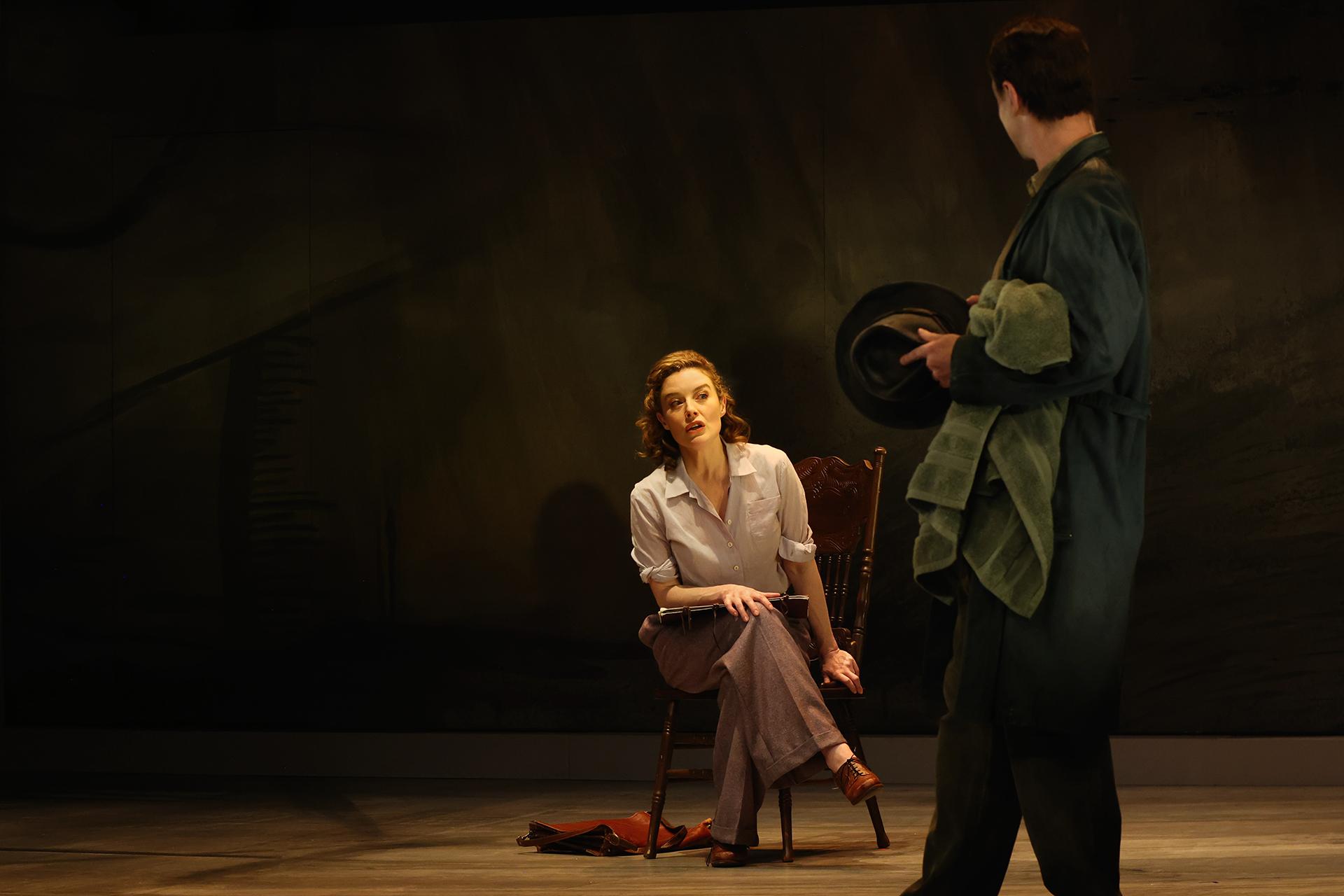
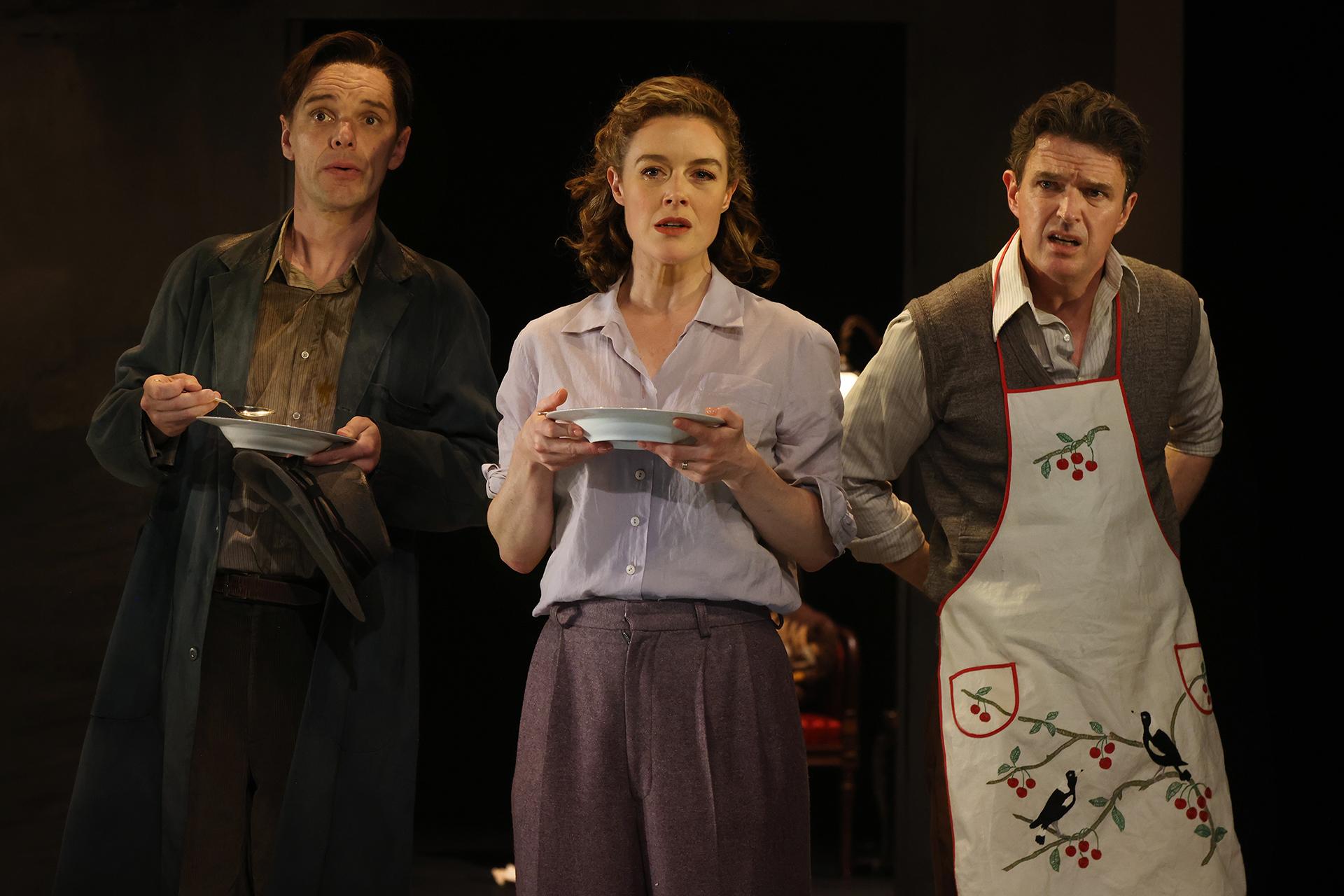
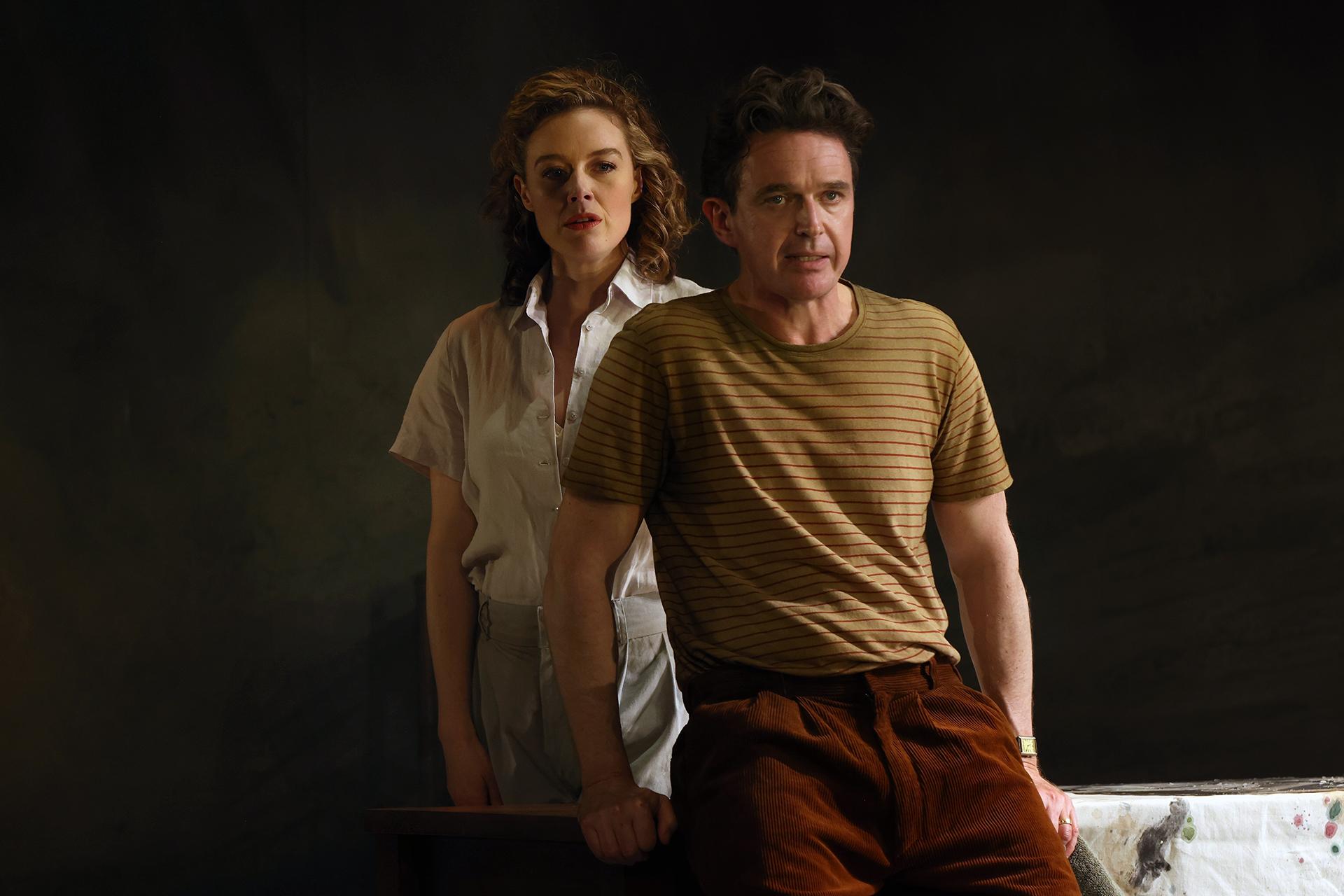
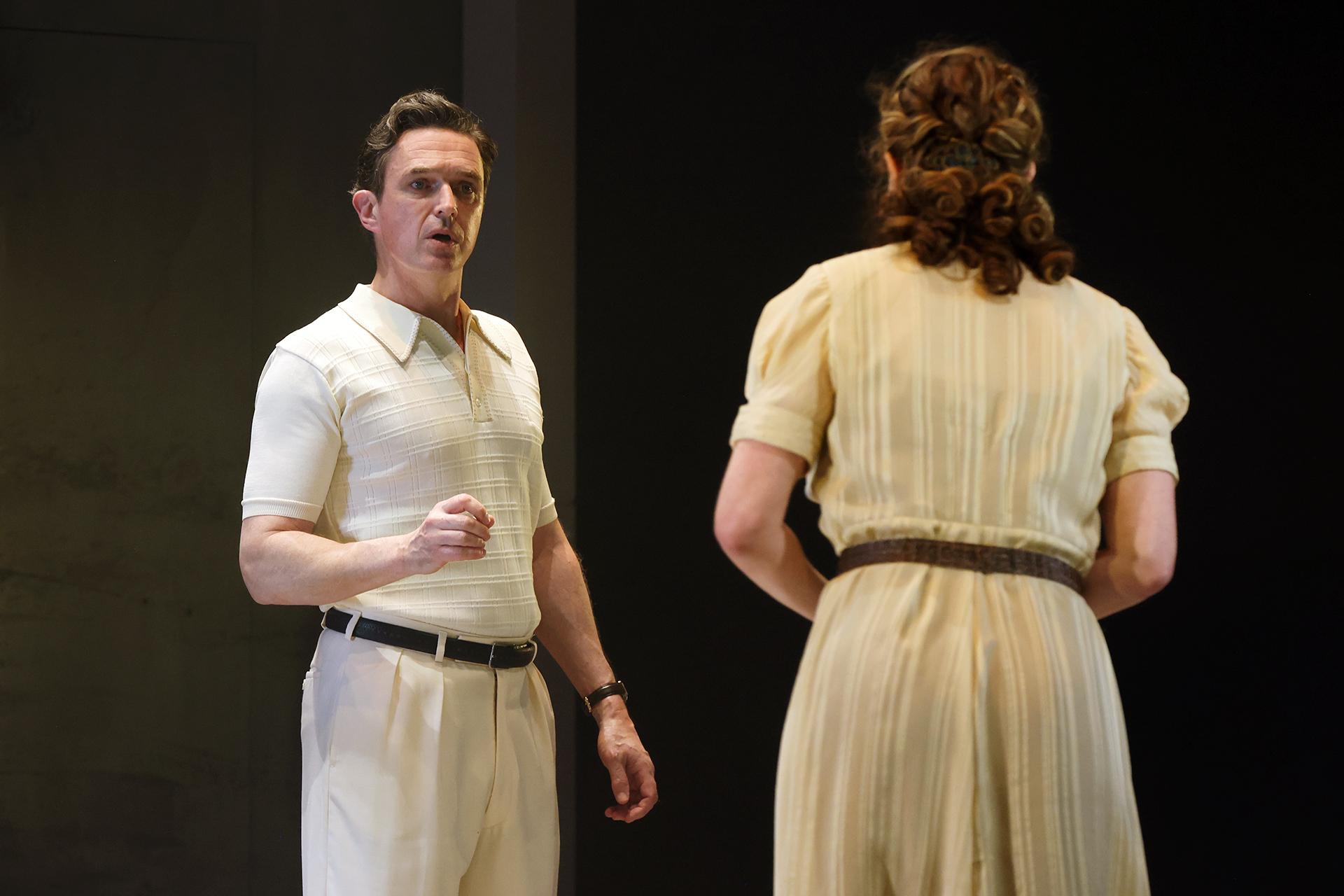
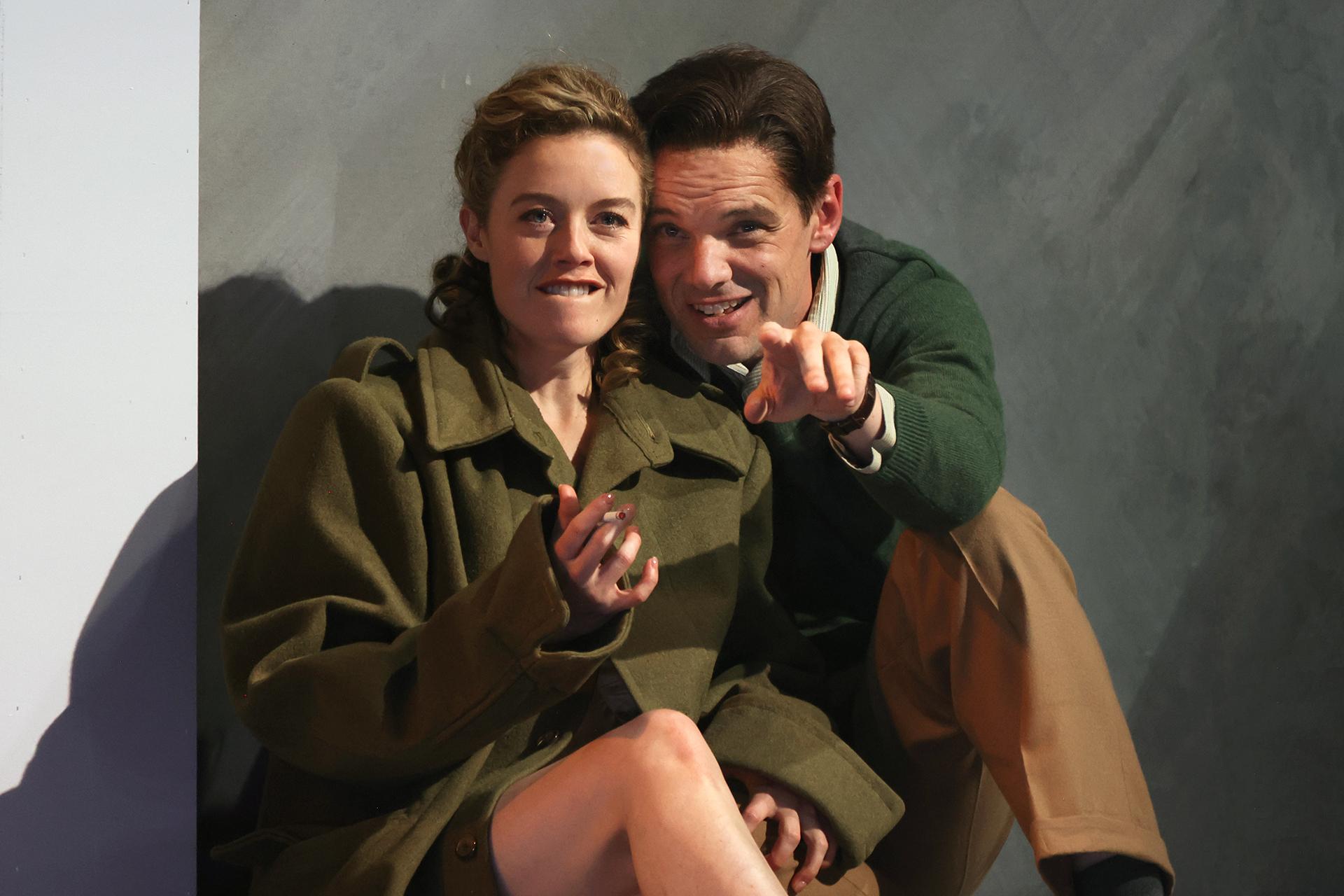
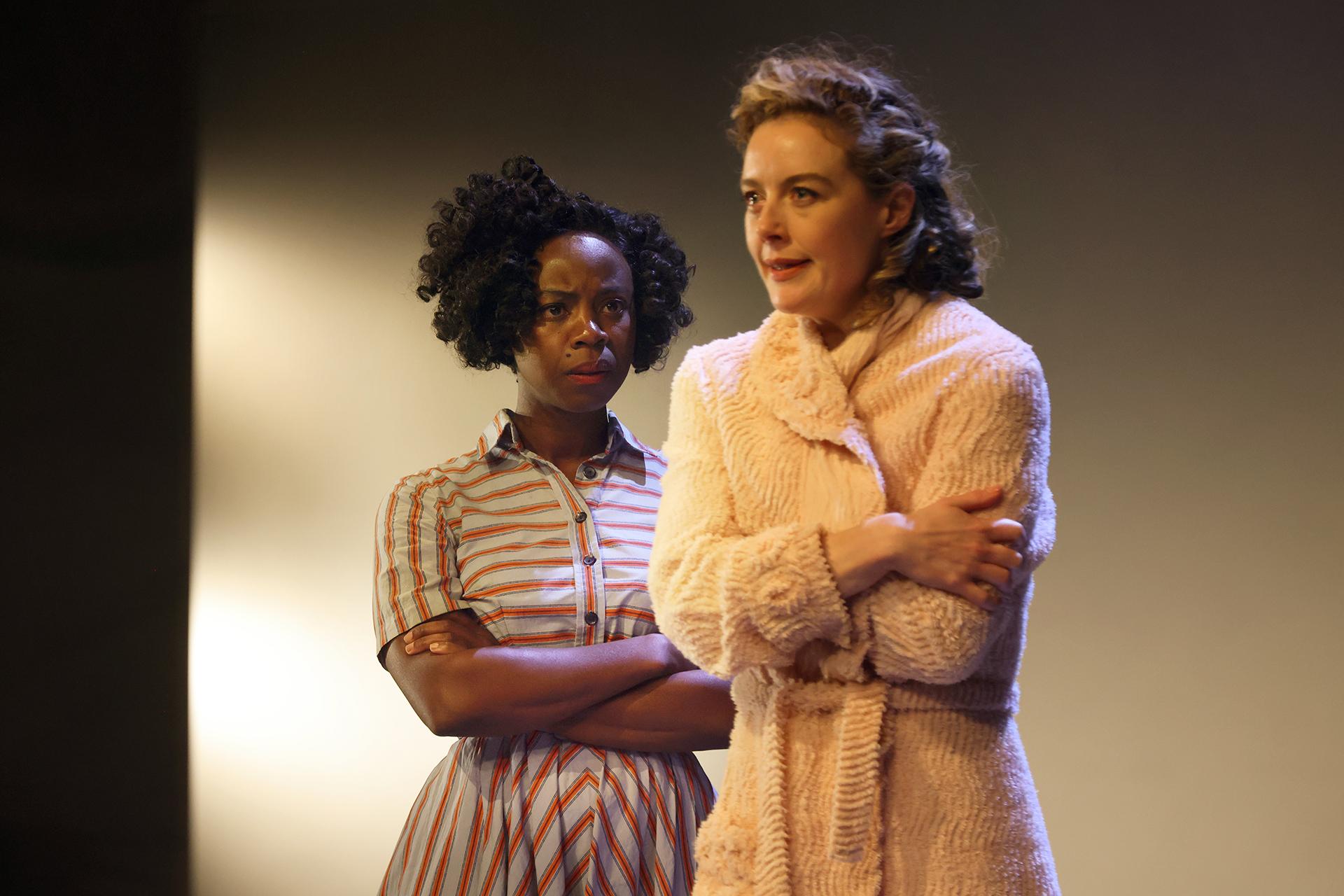
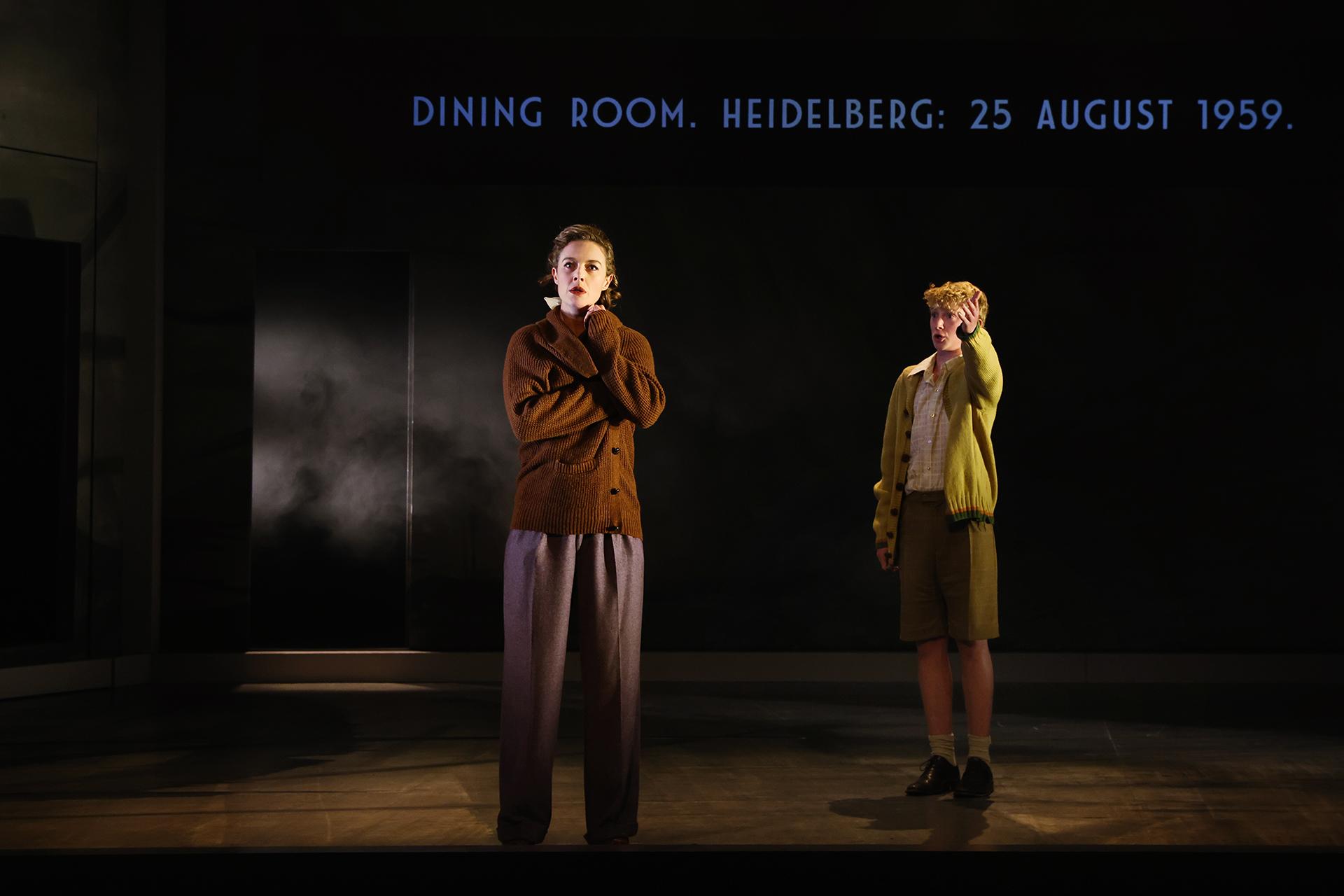
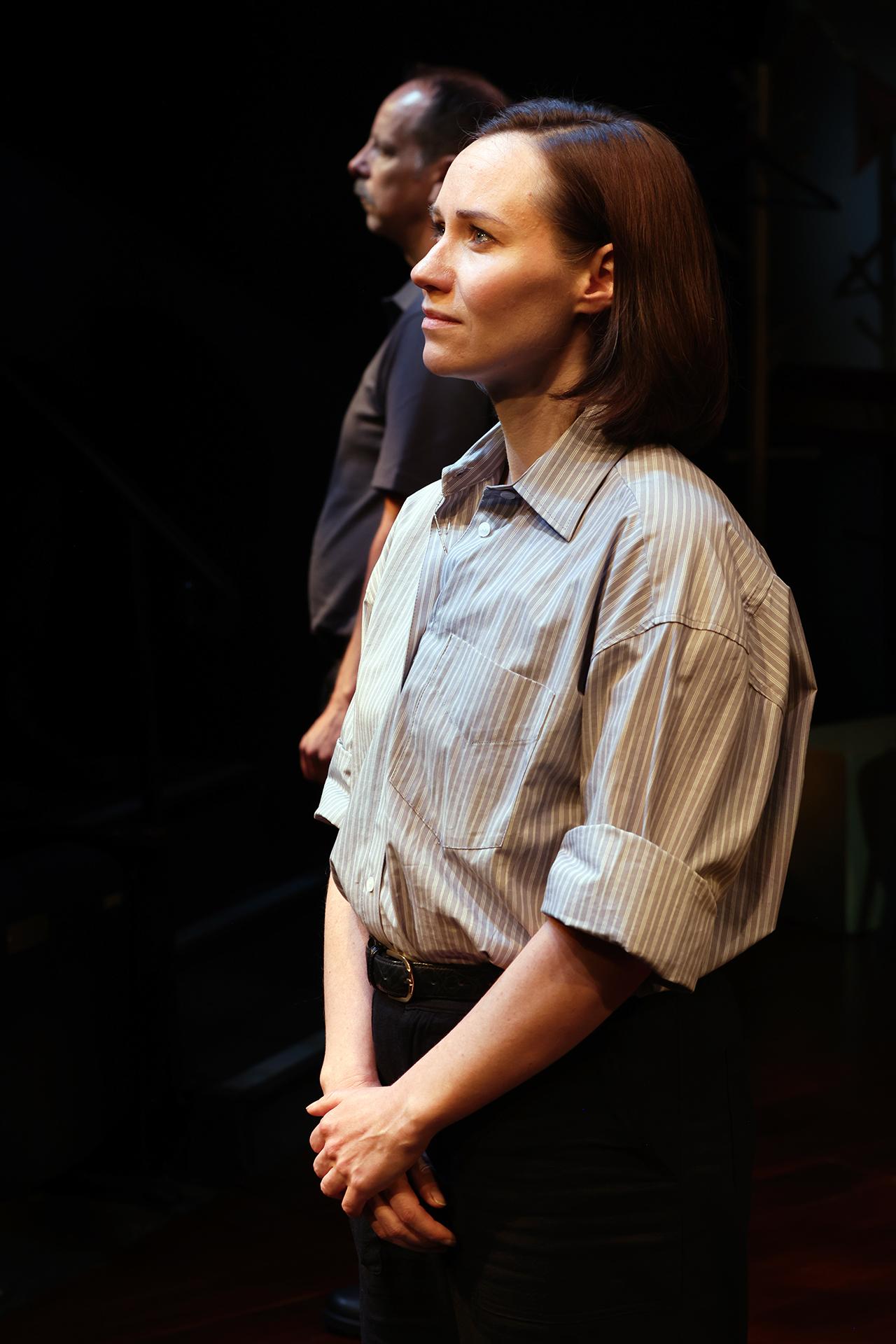
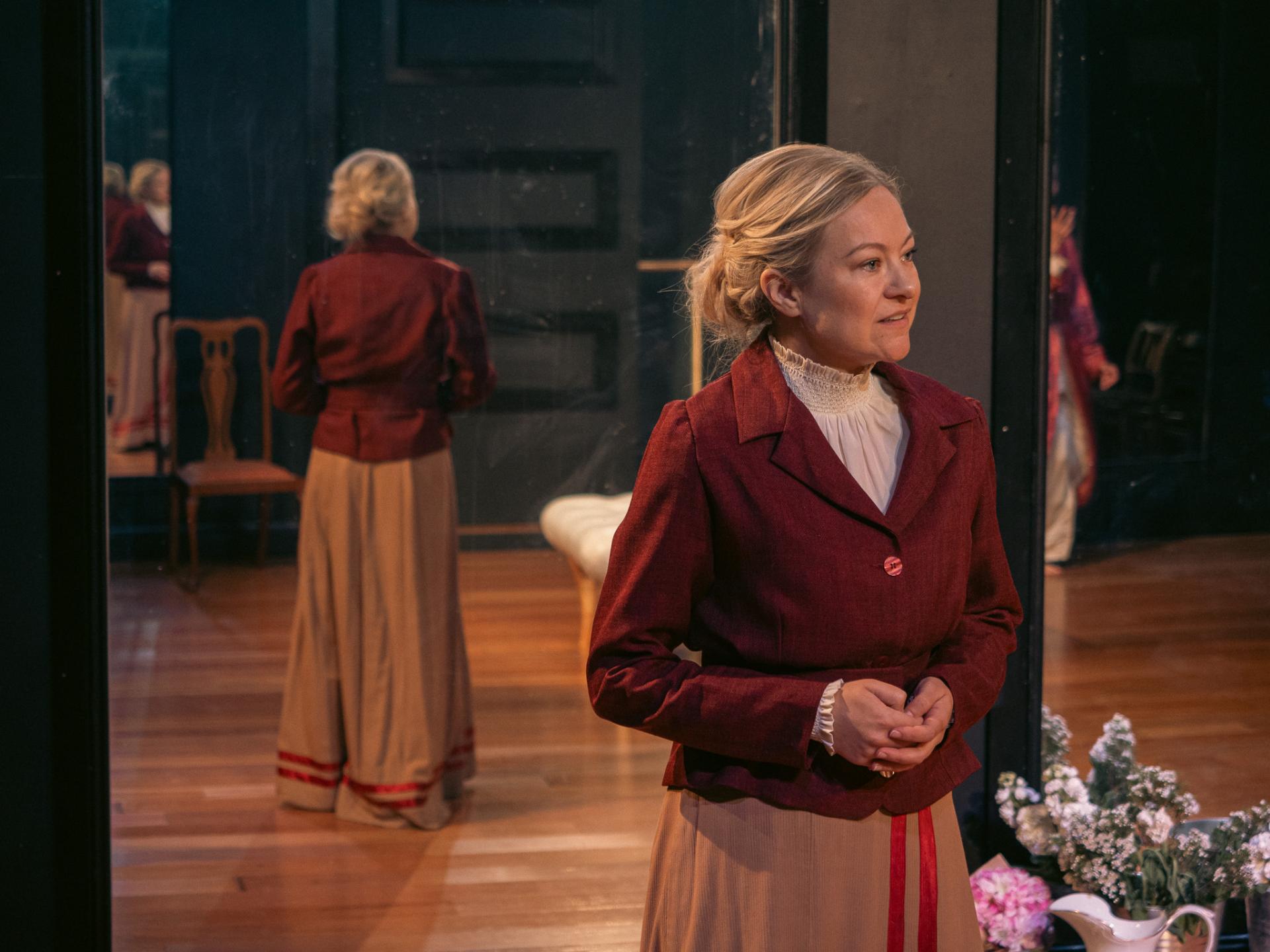
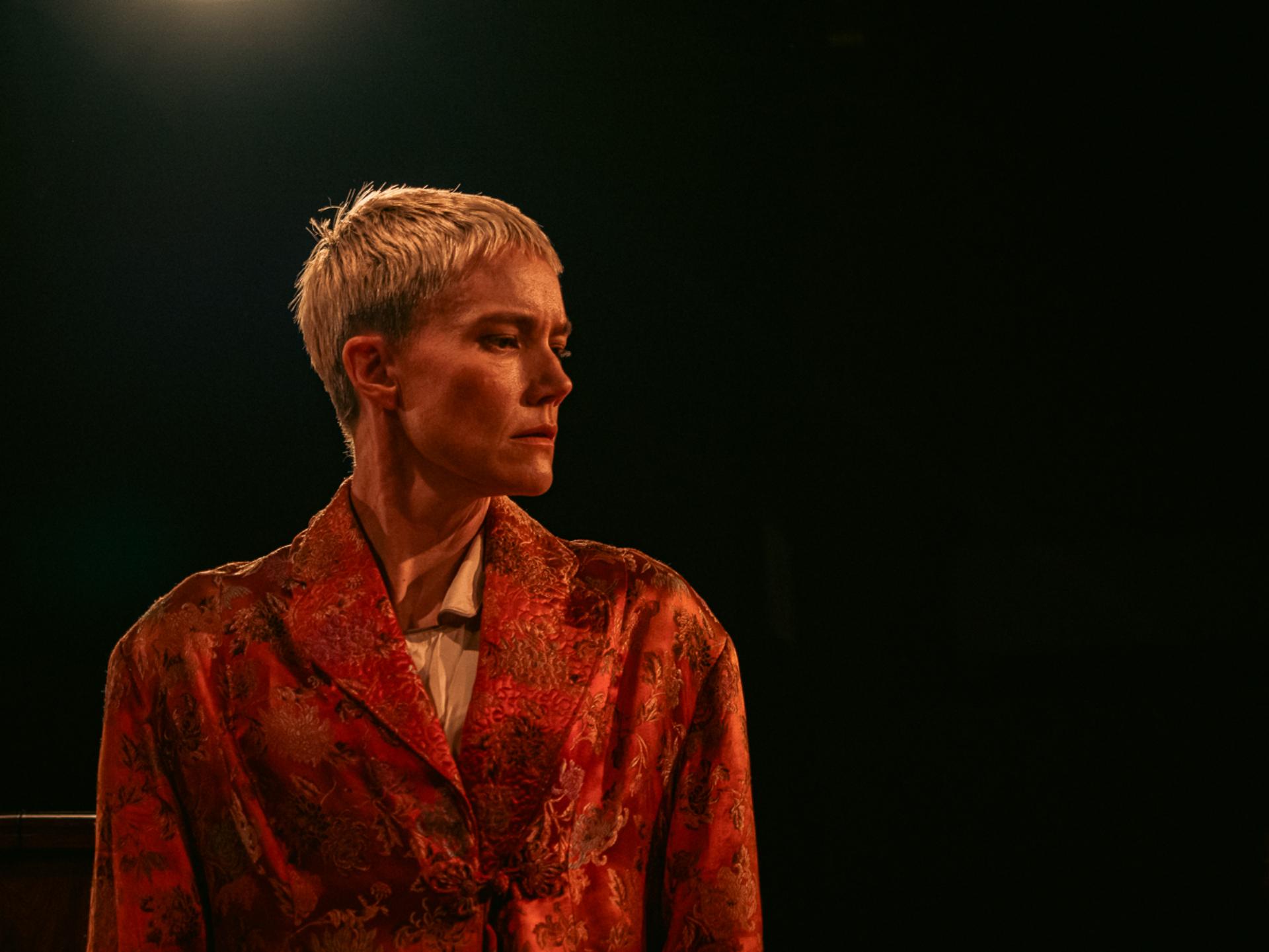
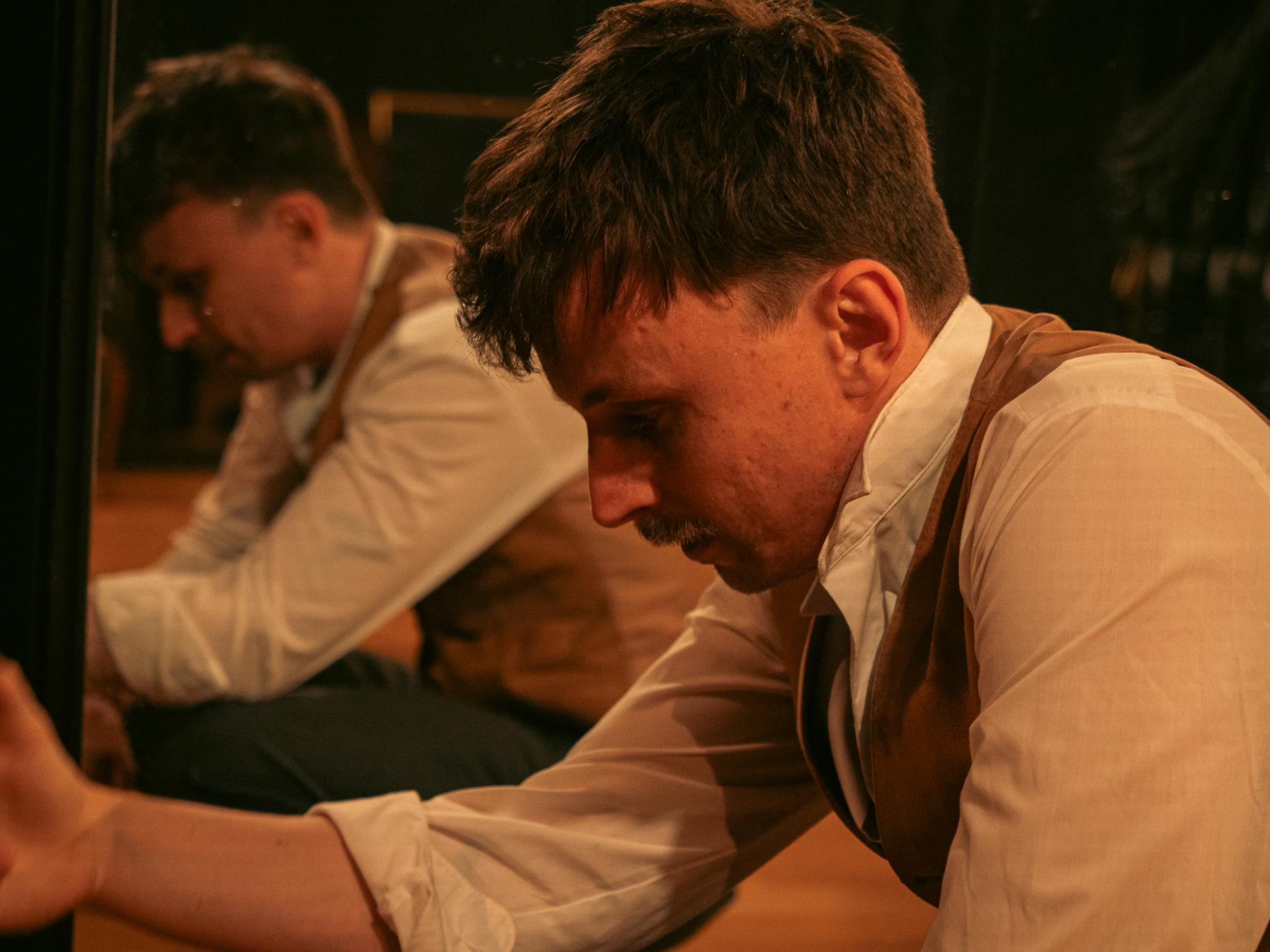
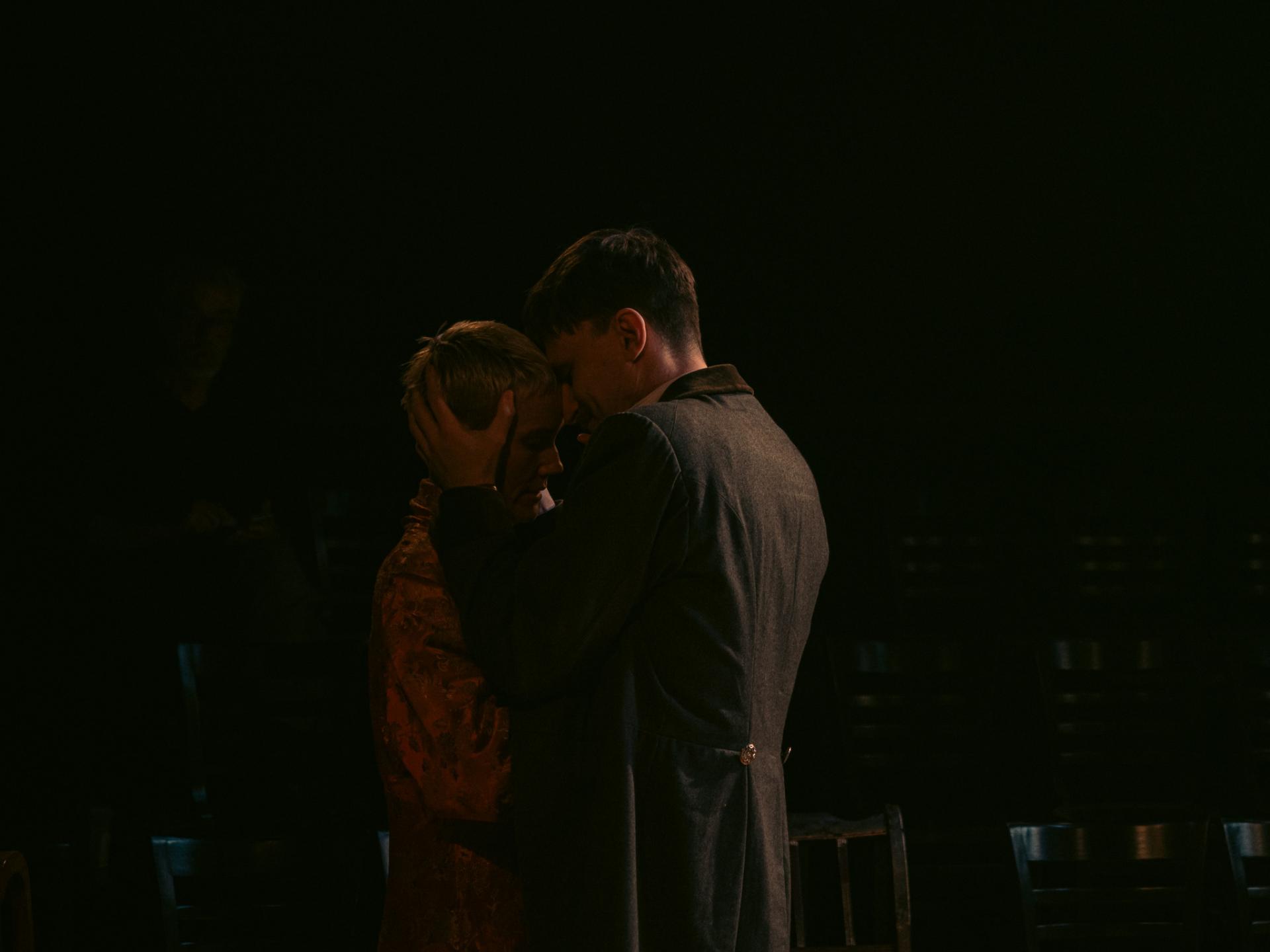
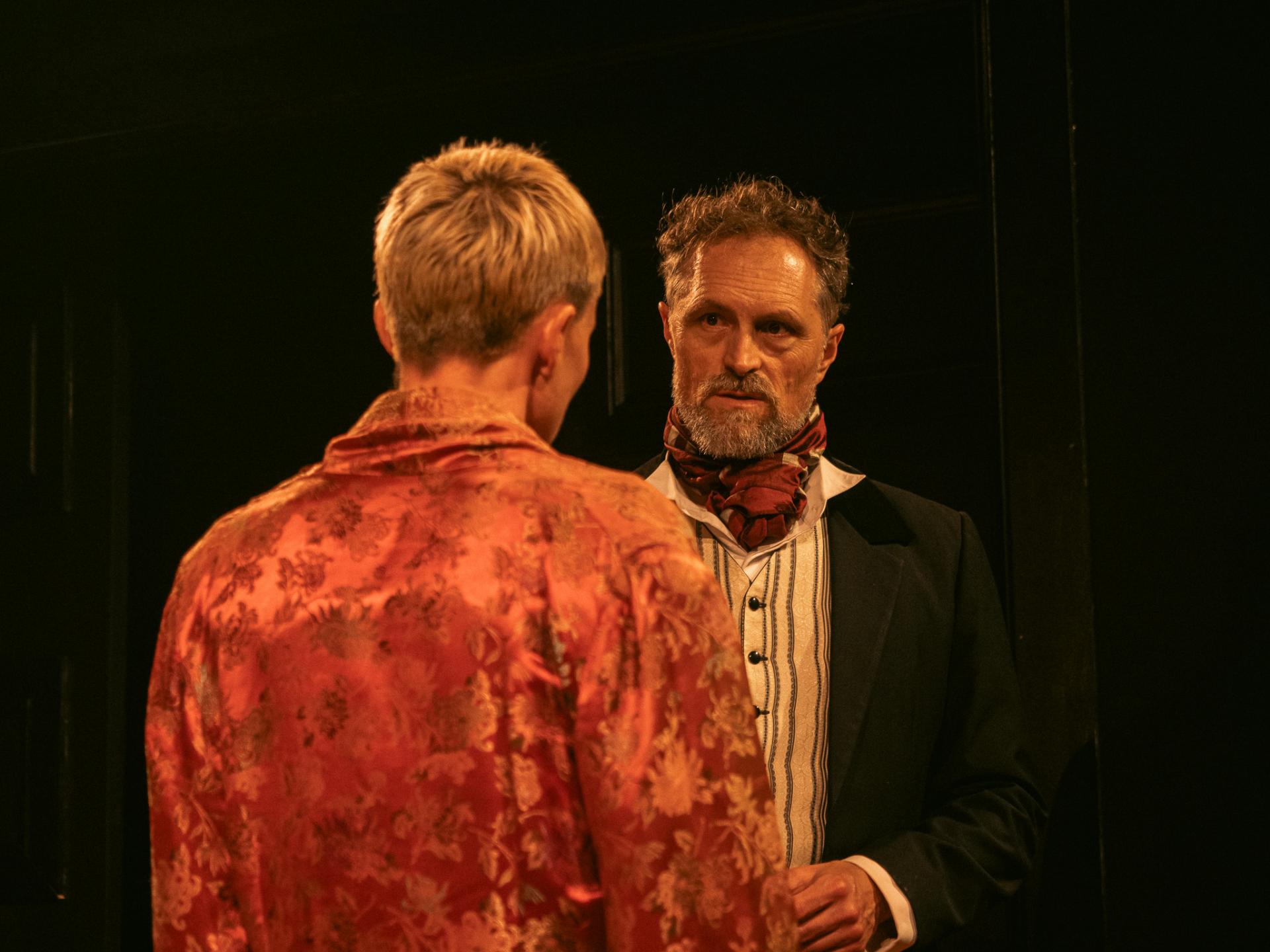
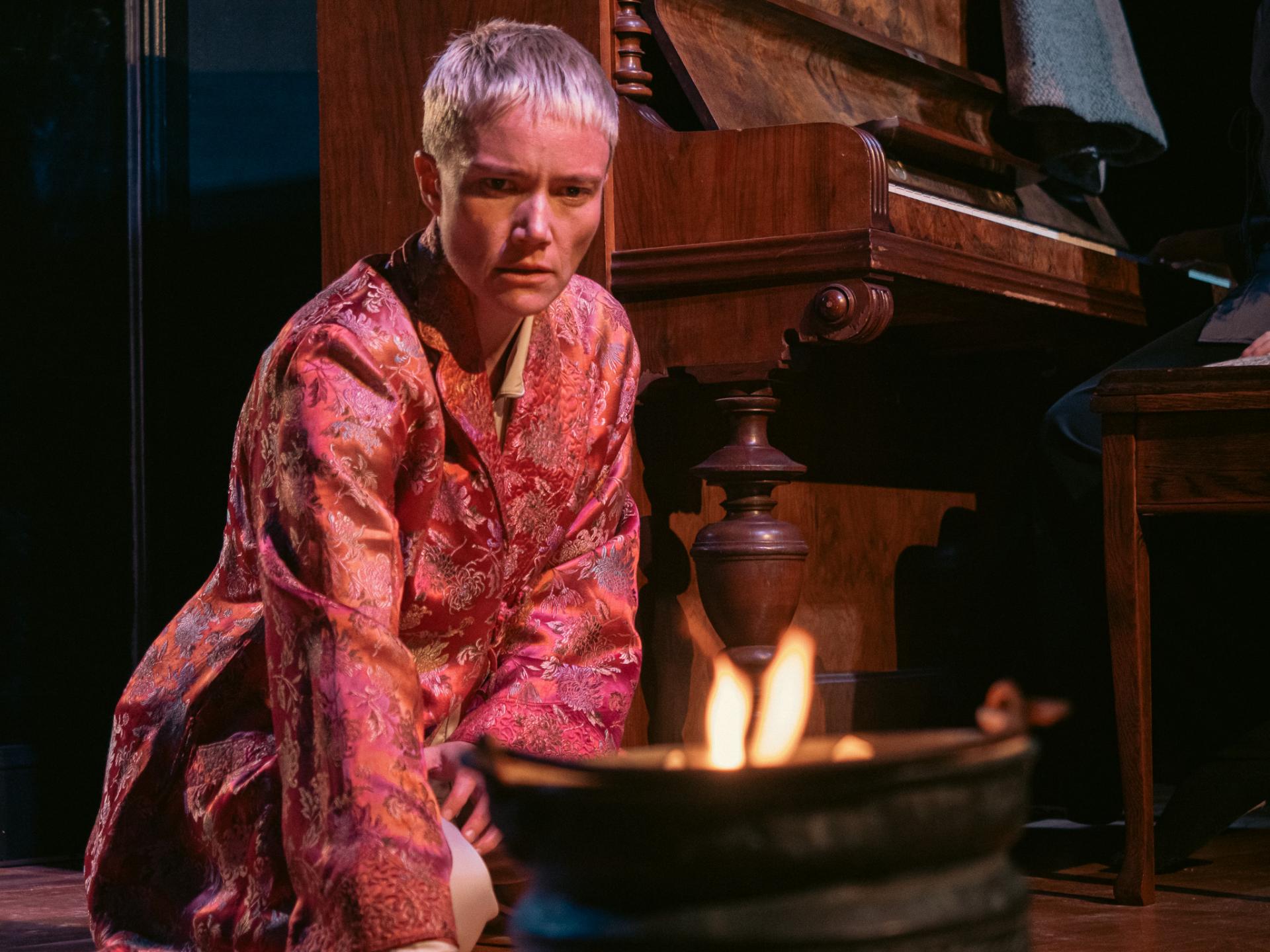
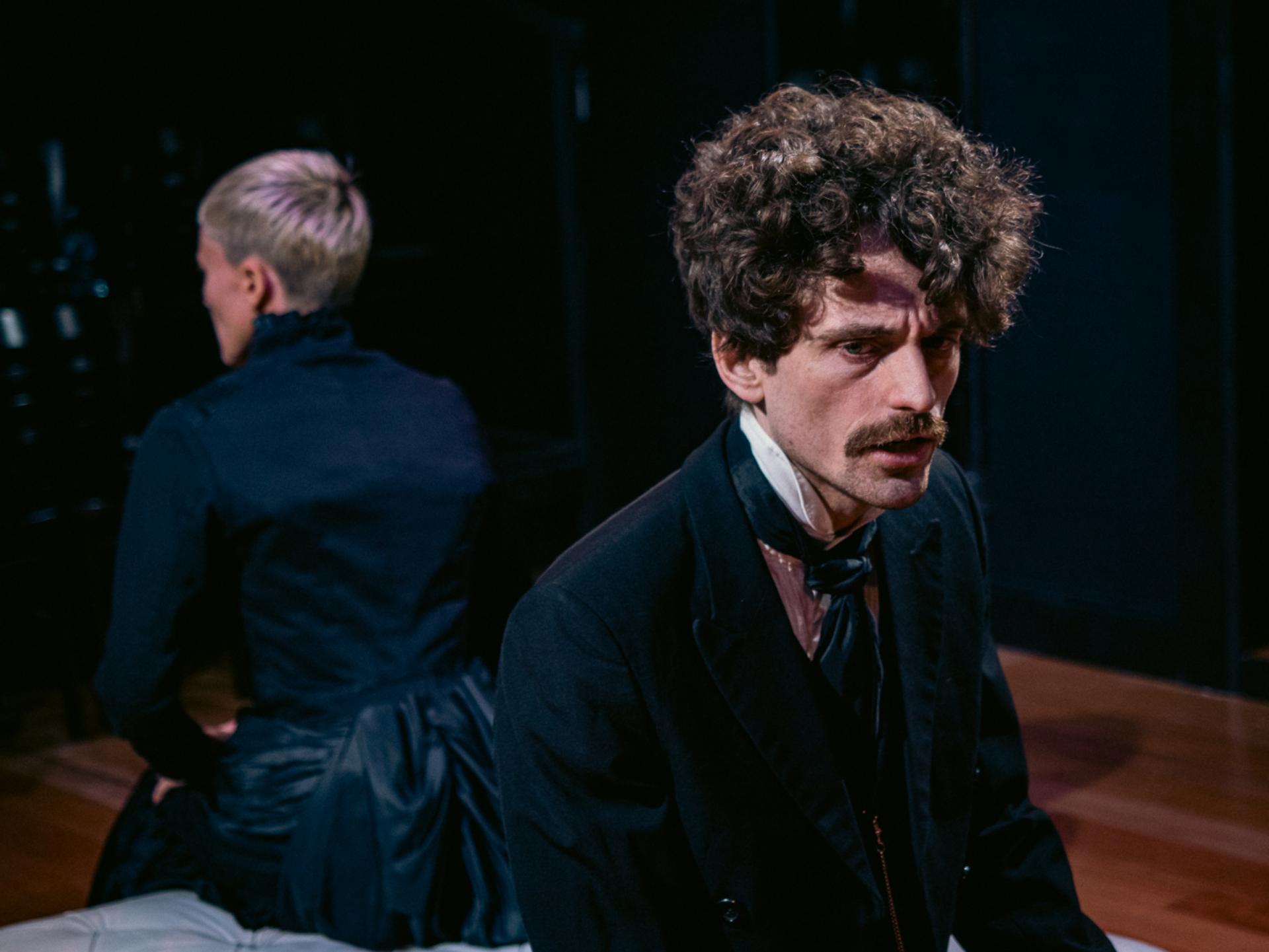
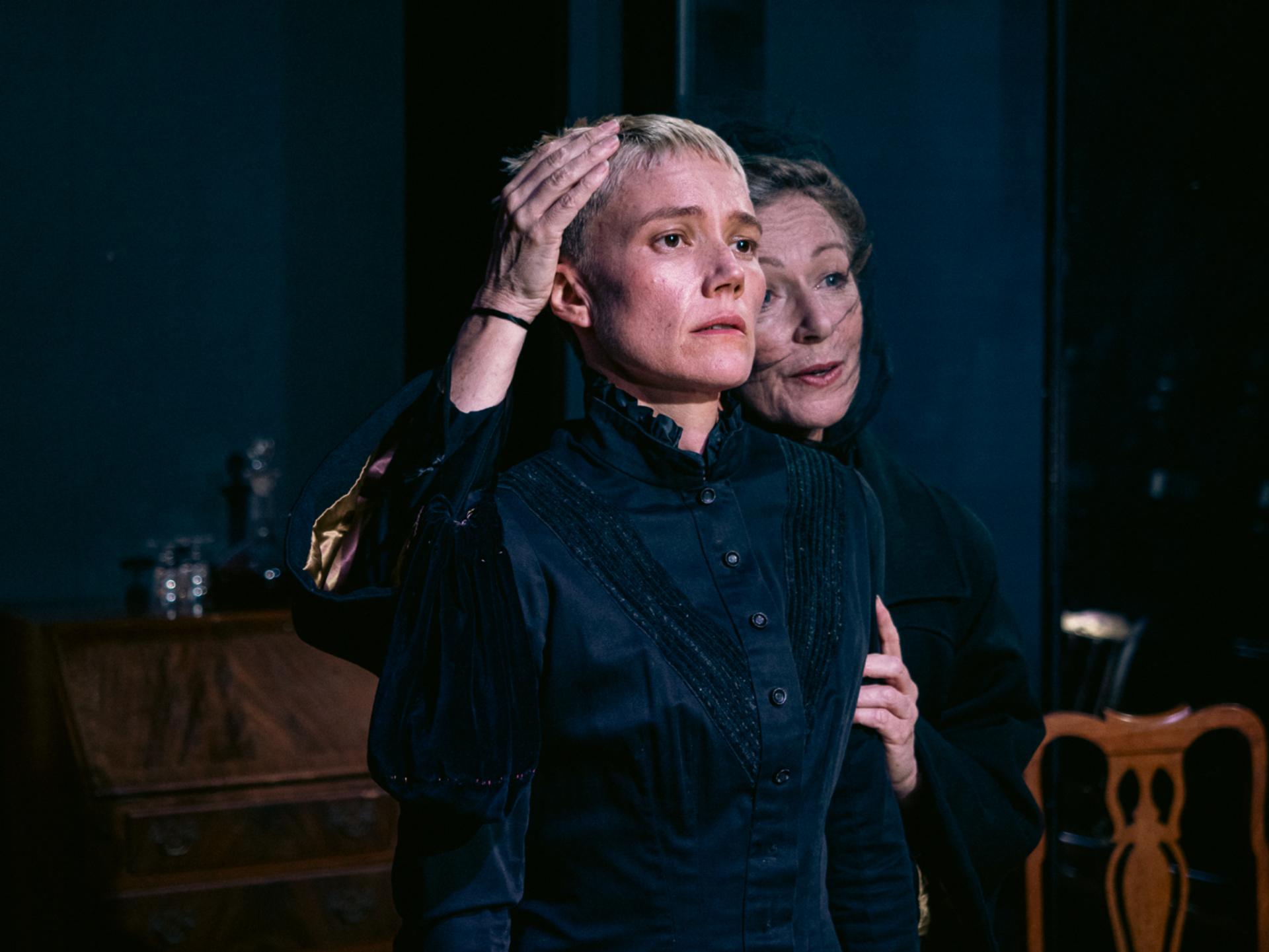
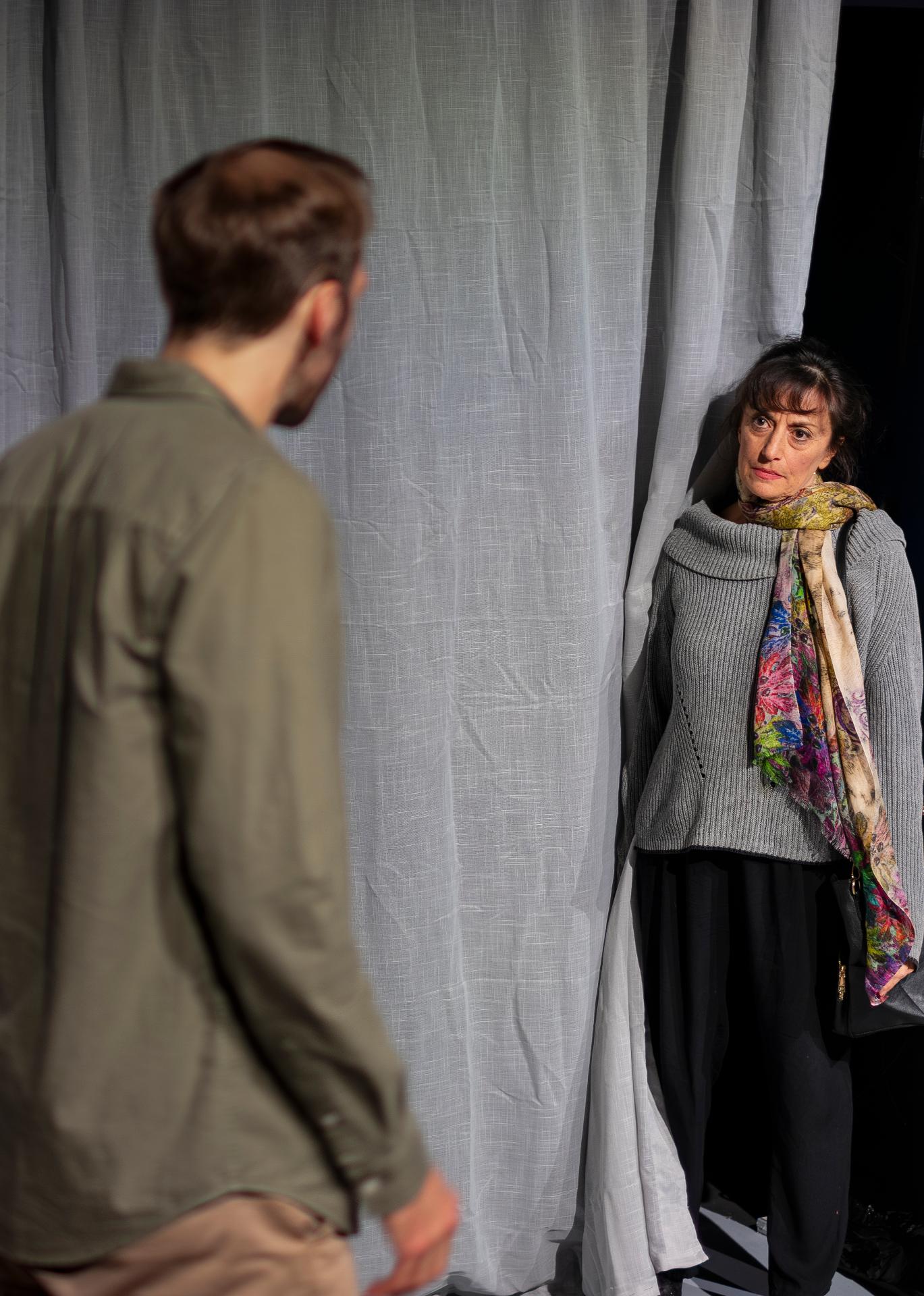
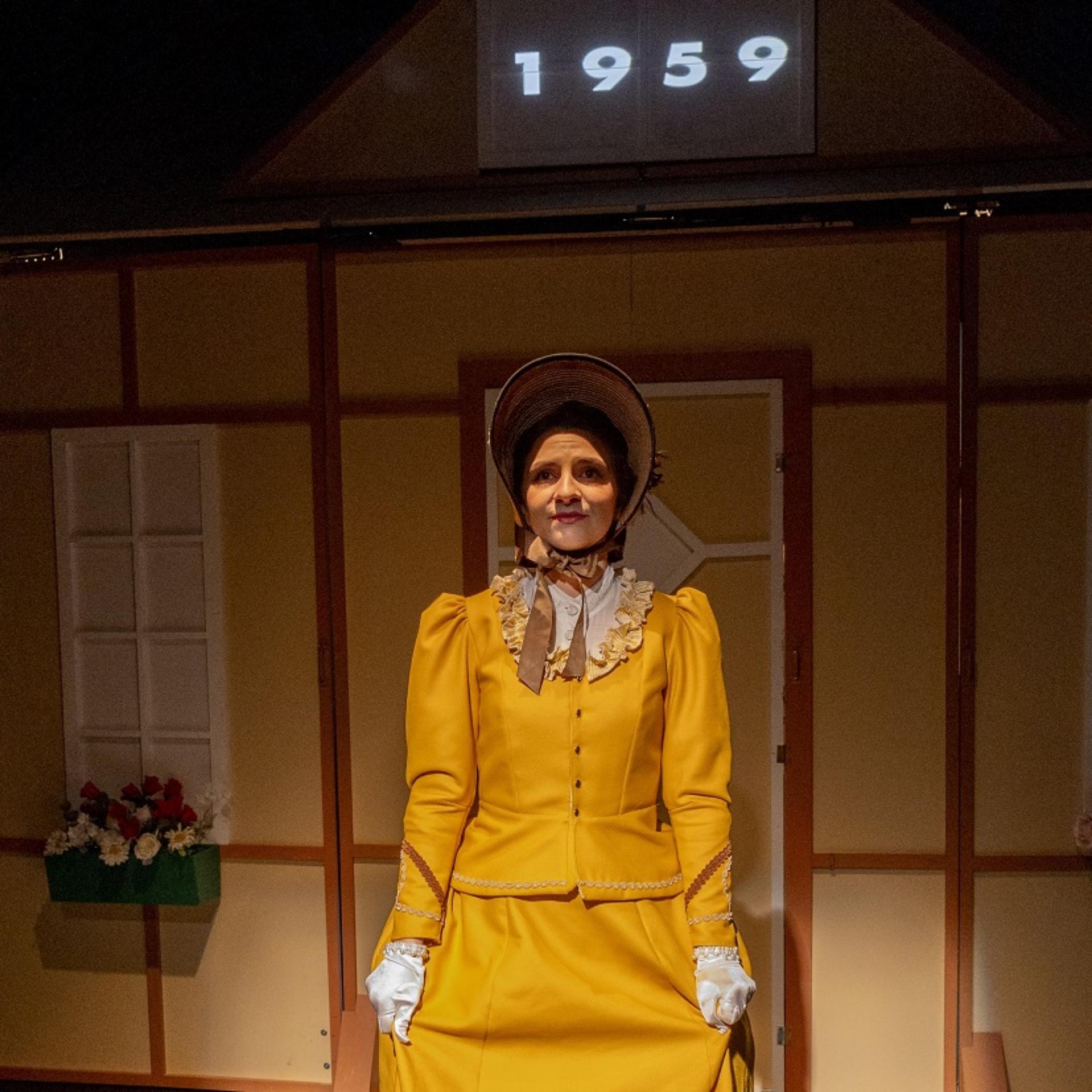
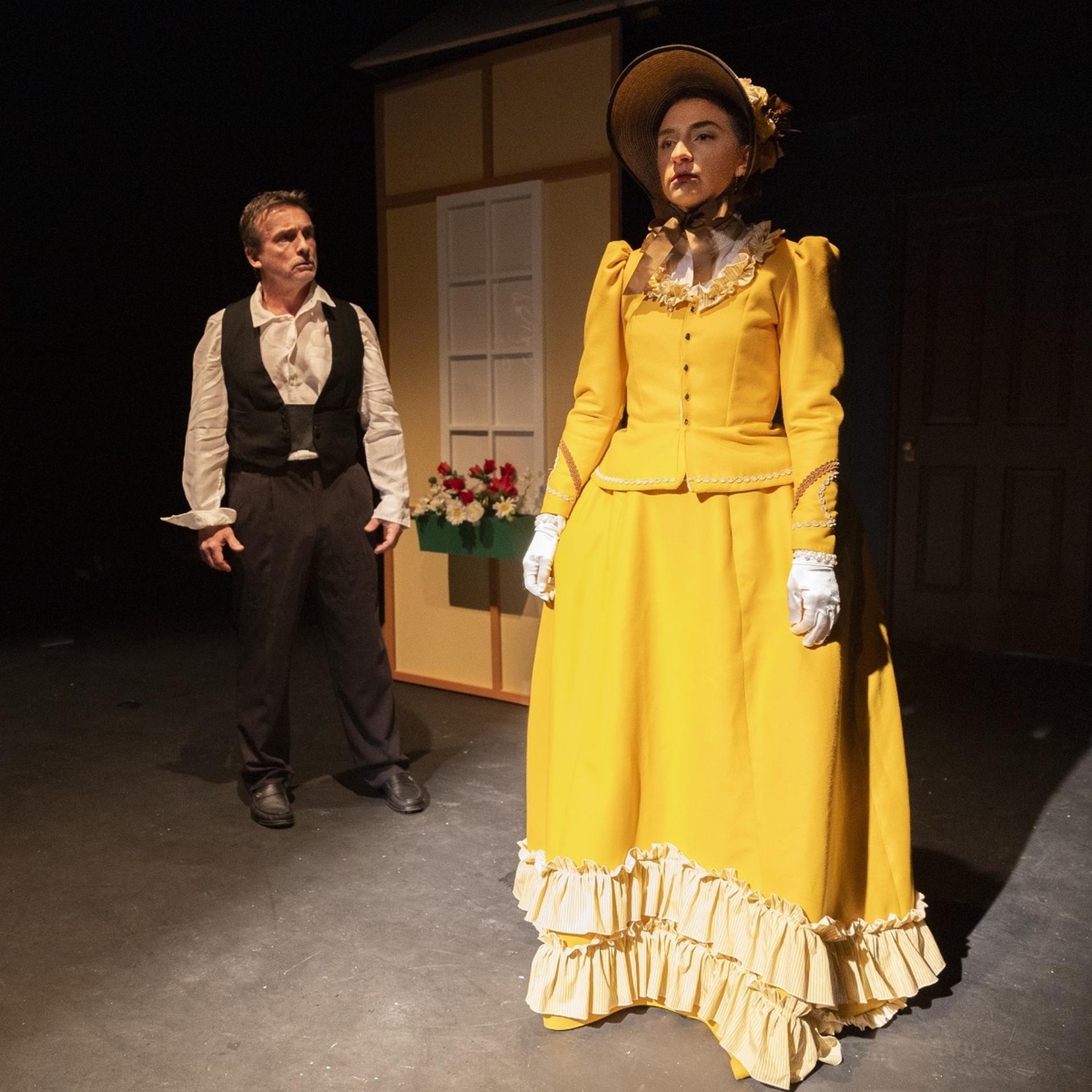
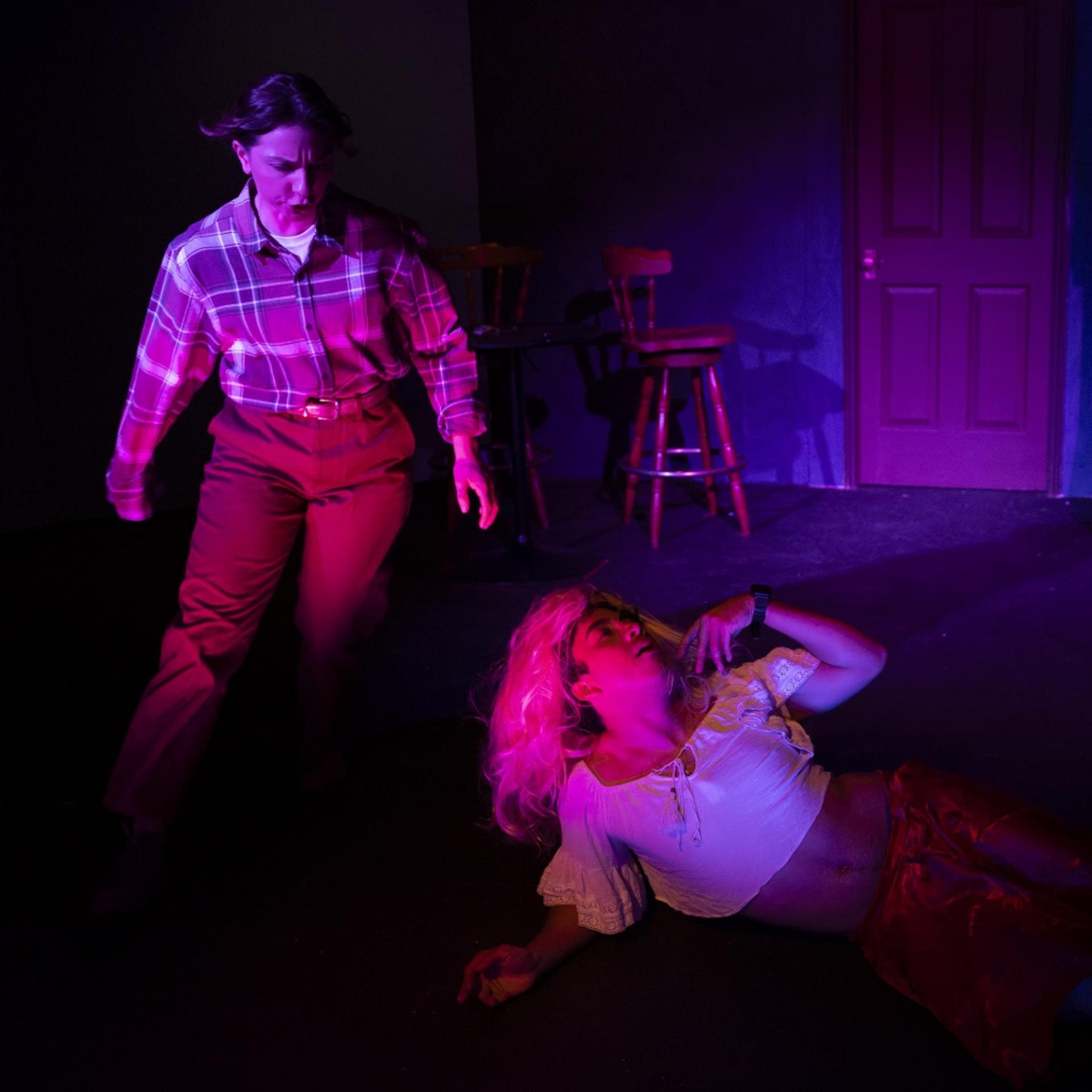
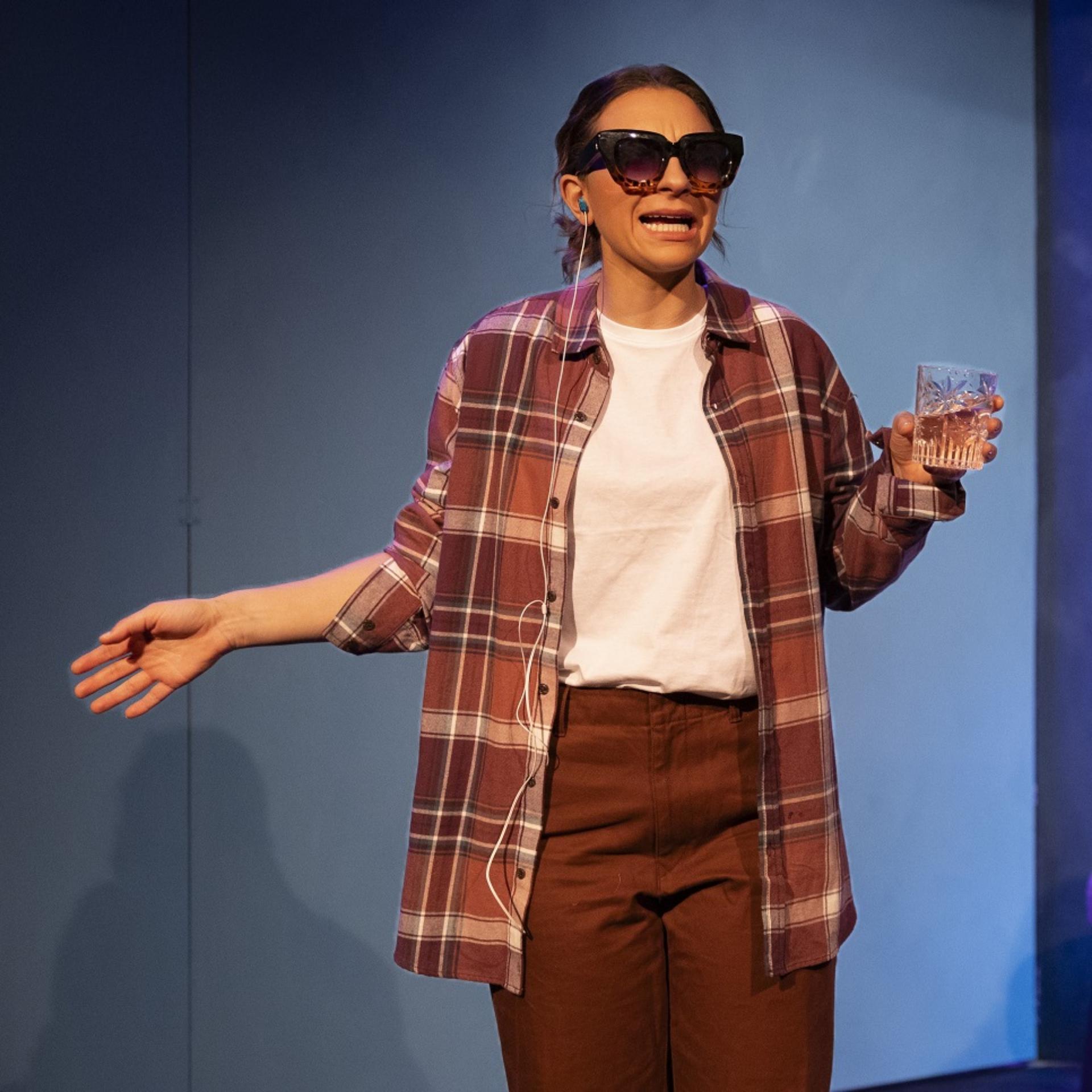
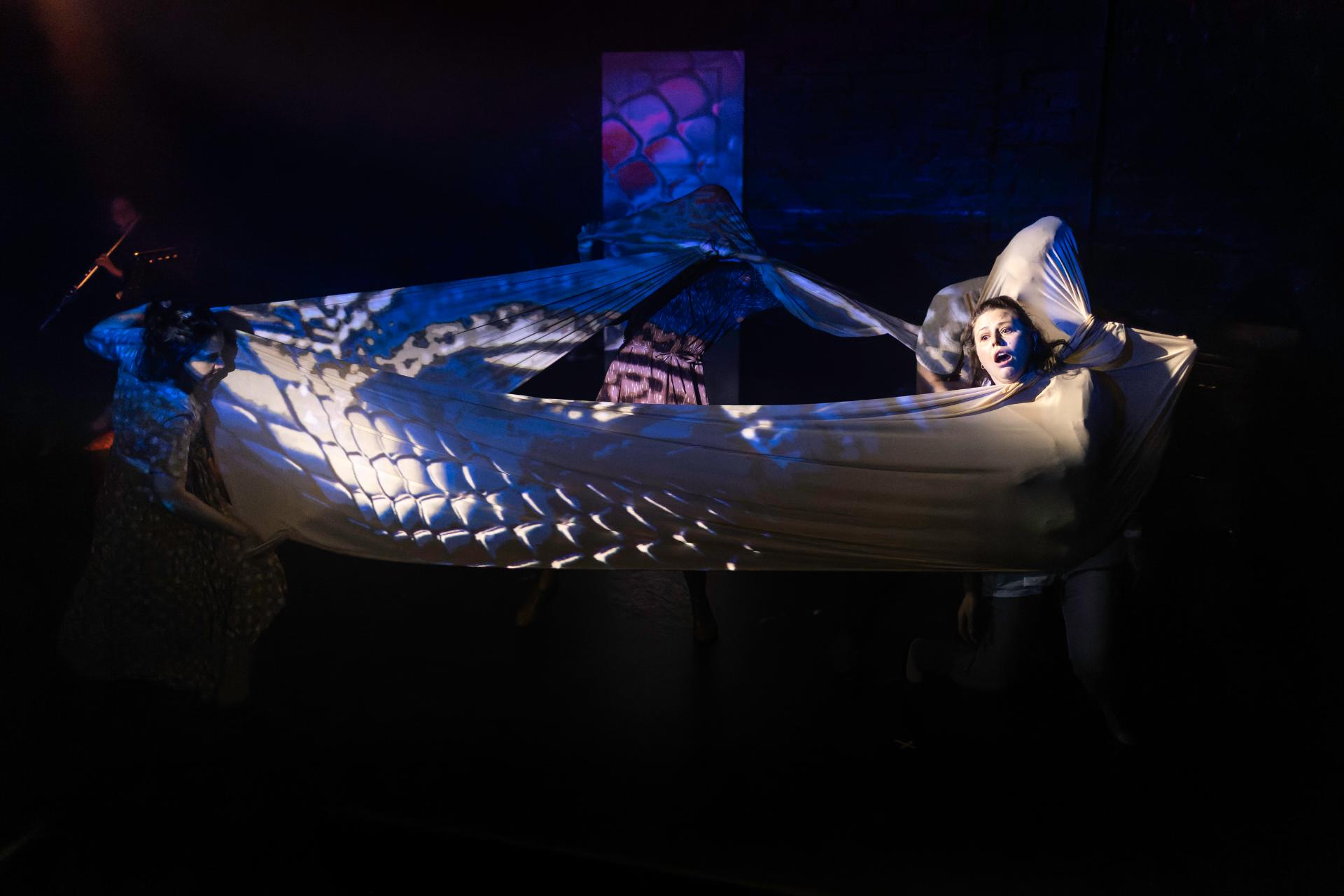
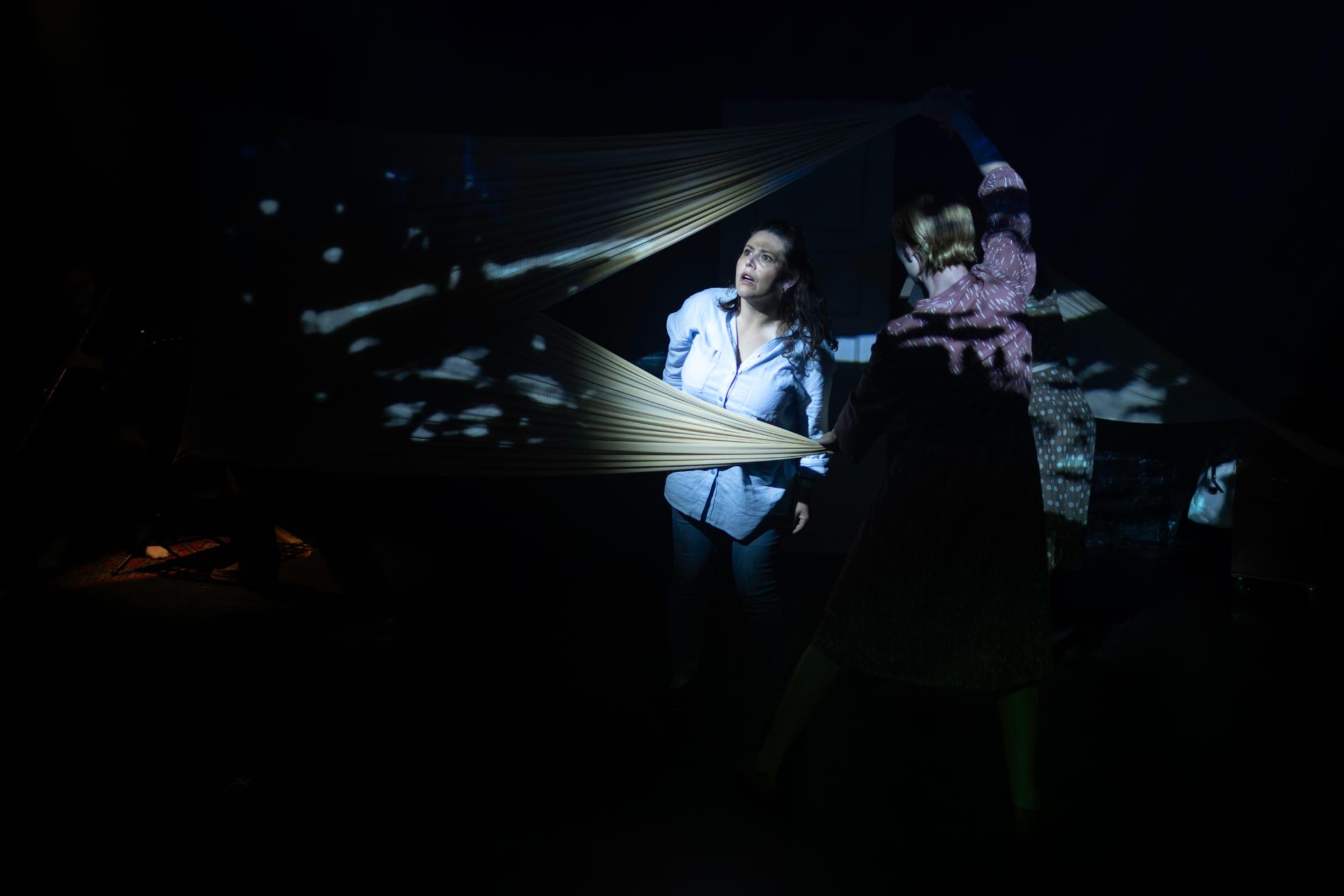
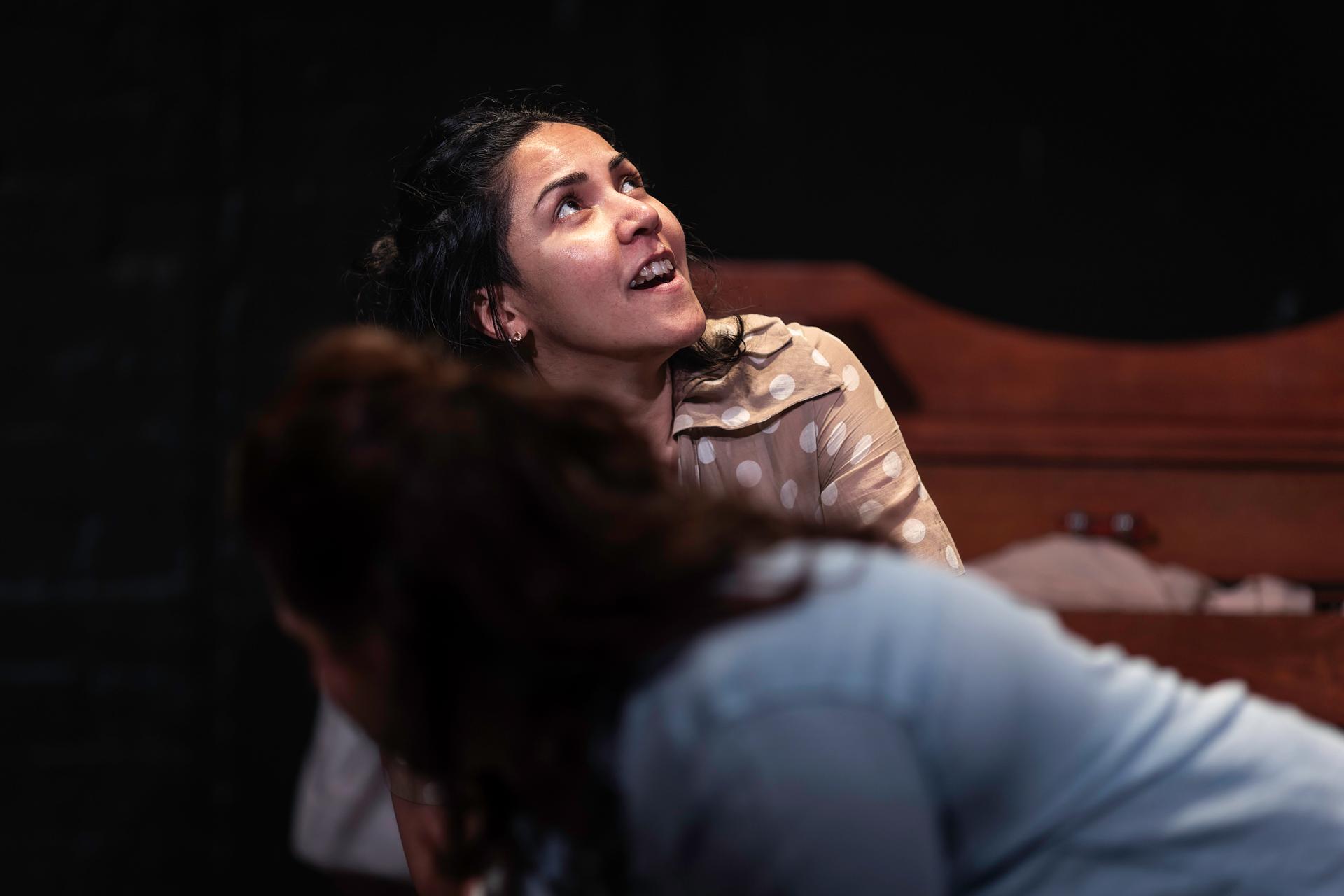
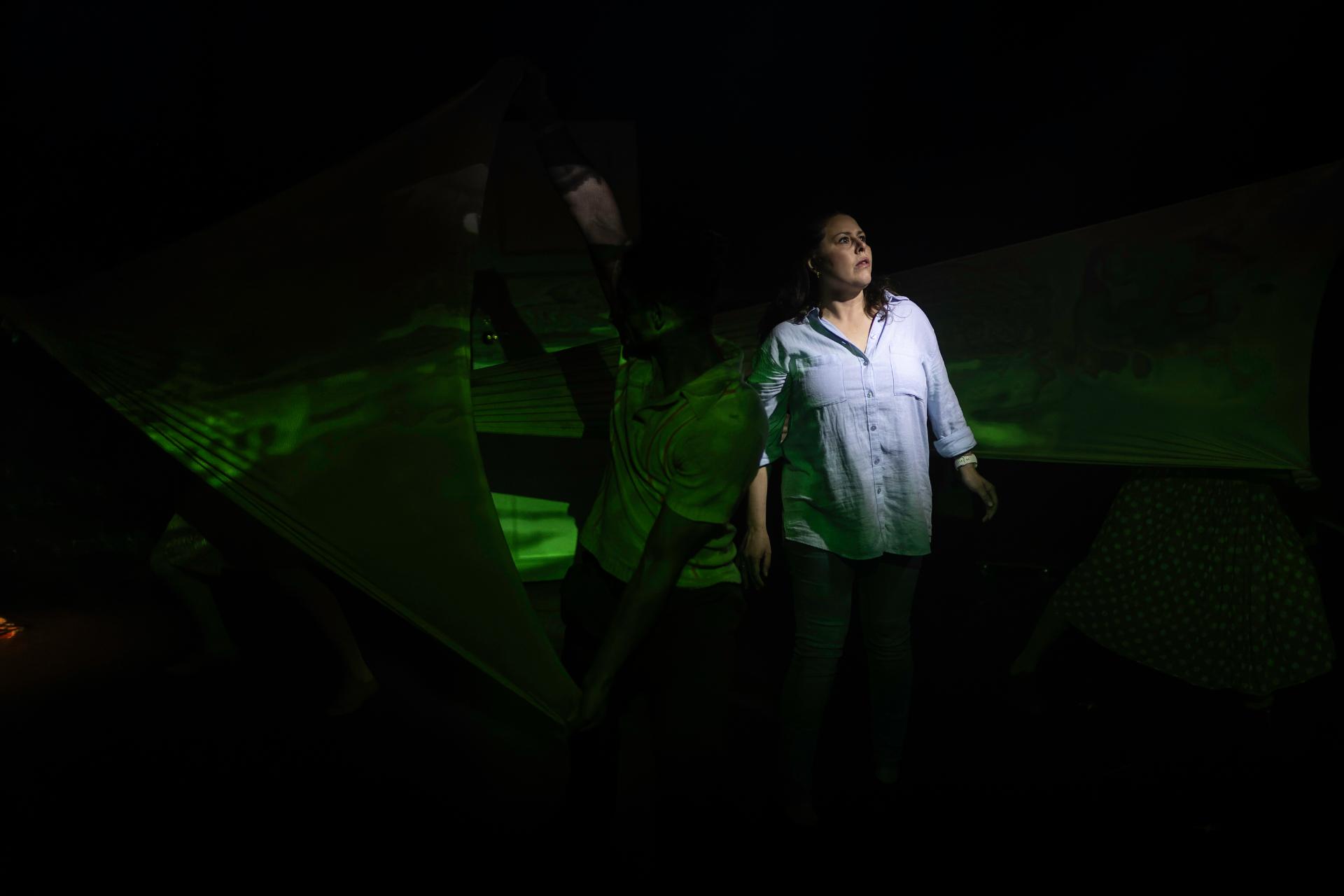
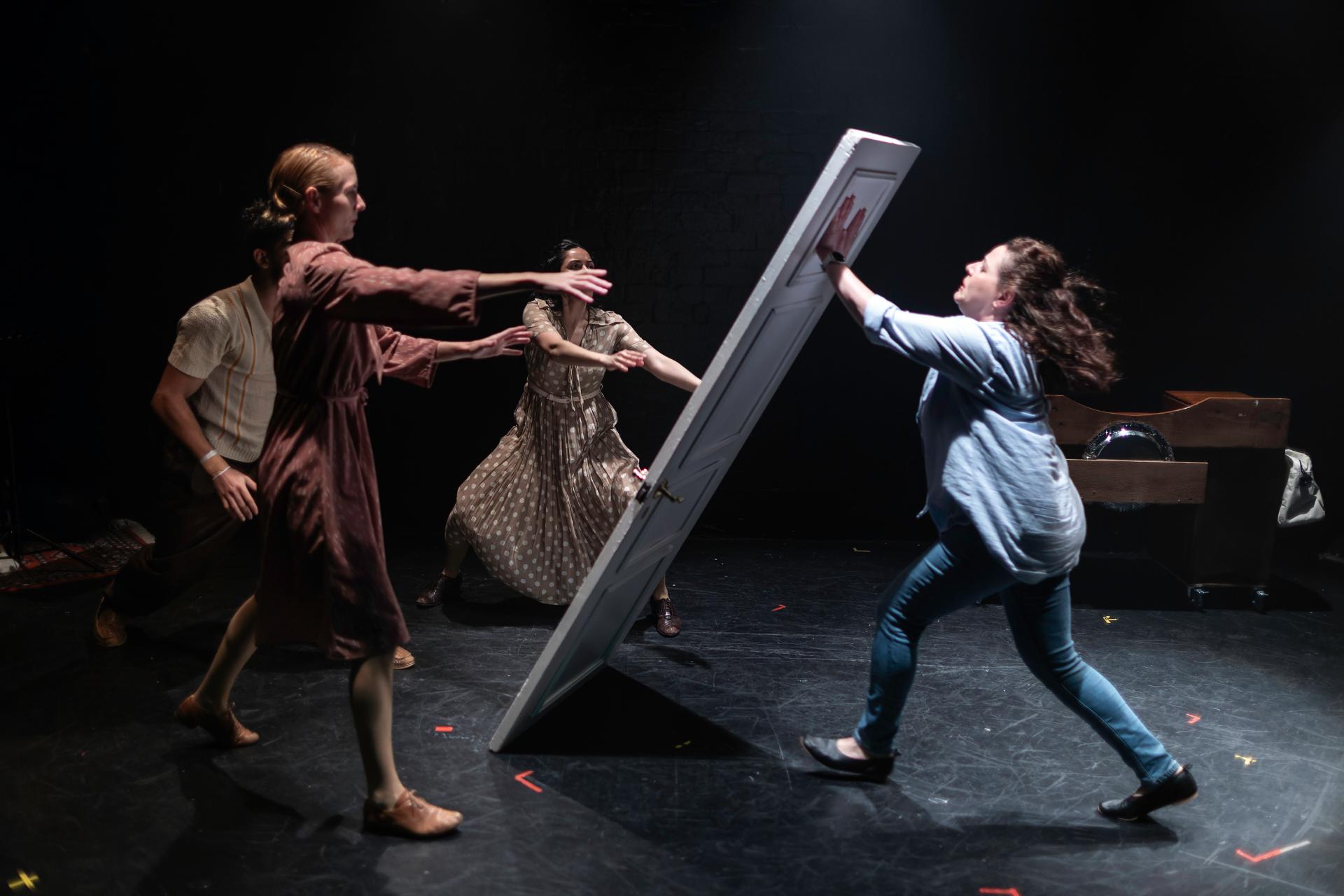
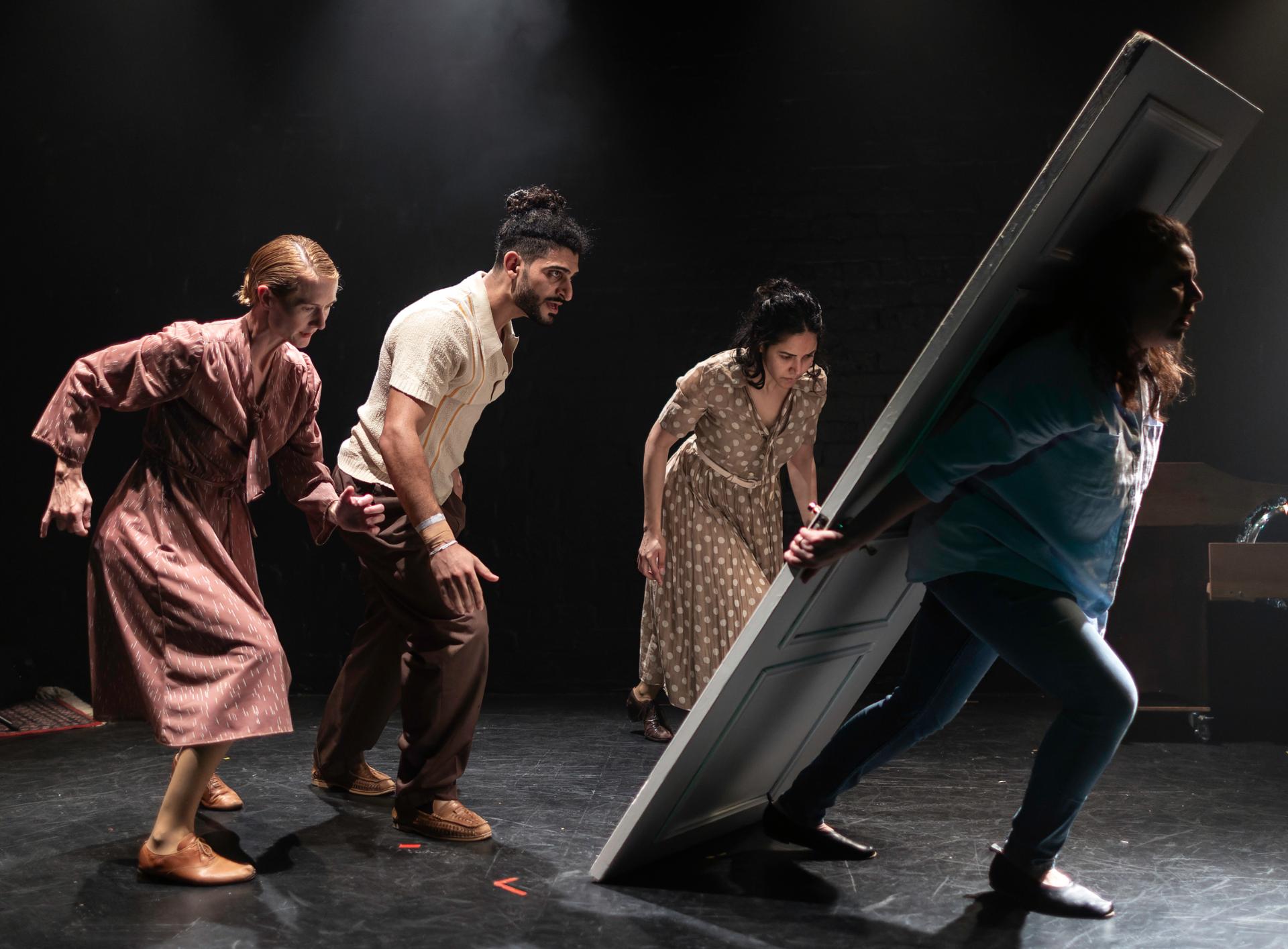
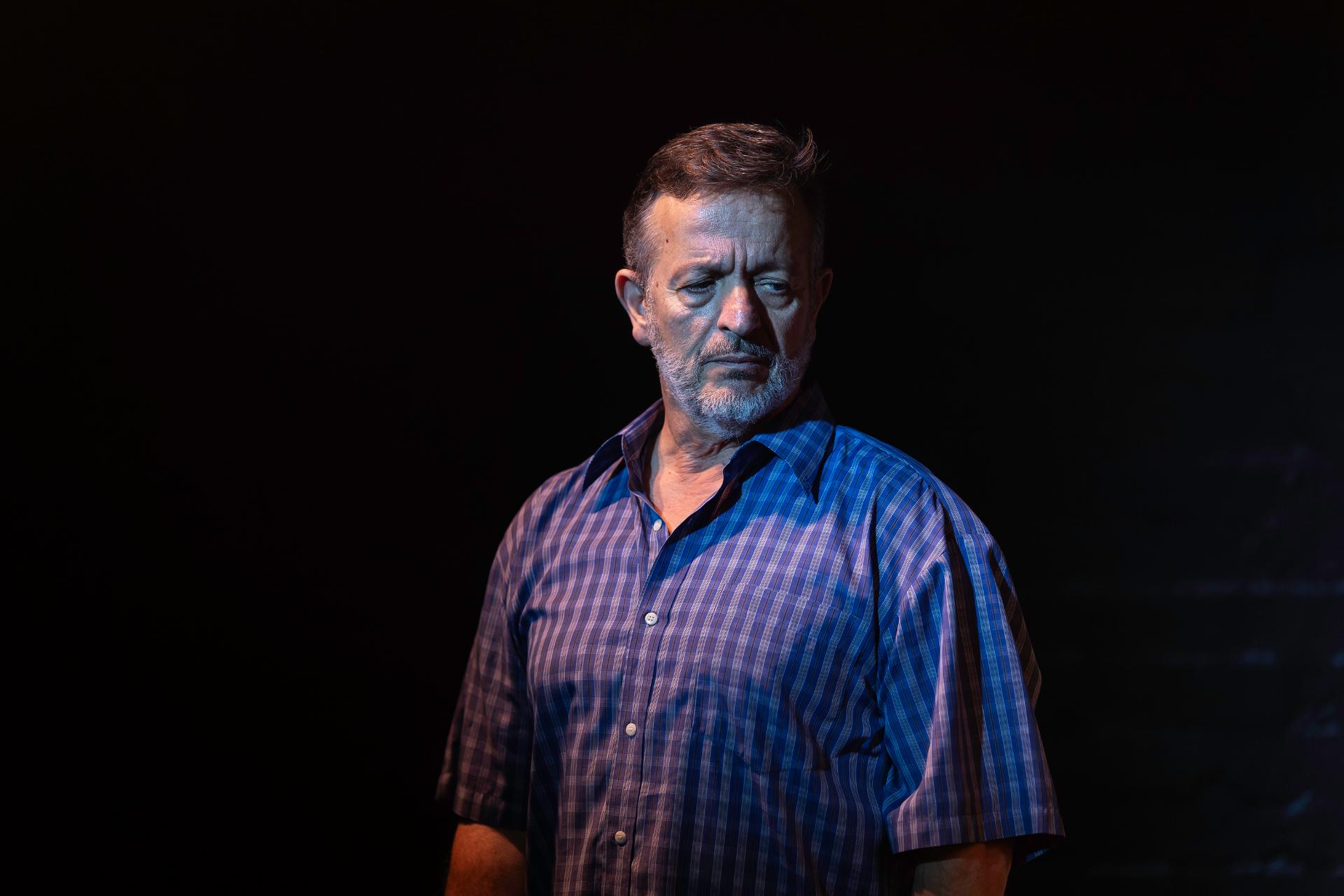
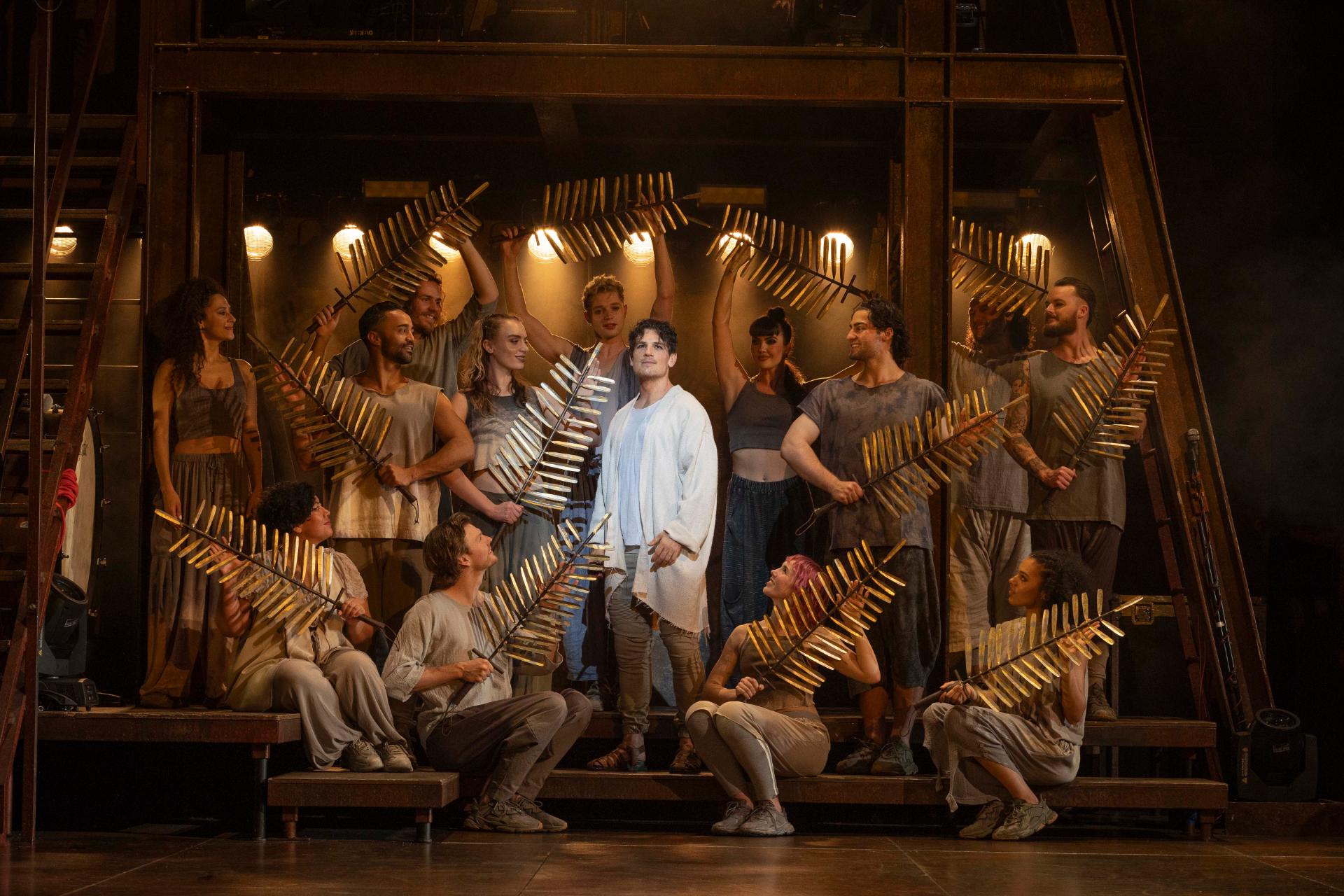
The story may have taken place in Russia over a century ago, but it appears that the human condition still persists with its indomitable longing, to be anywhere but here. Characters in Anton Chekhov’s Uncle Vanya are listless and angsty, but are never quite able to articulate what is actually wrong, only knowing that they wish to arrive at some place, somewhere else. In this adaptation by Joanna Murray-Smith, we encounter refreshing moments of modernity, although it is clear that Chekhov’s essence remains, and like the people he had conjured, we never embark on a radical departure.

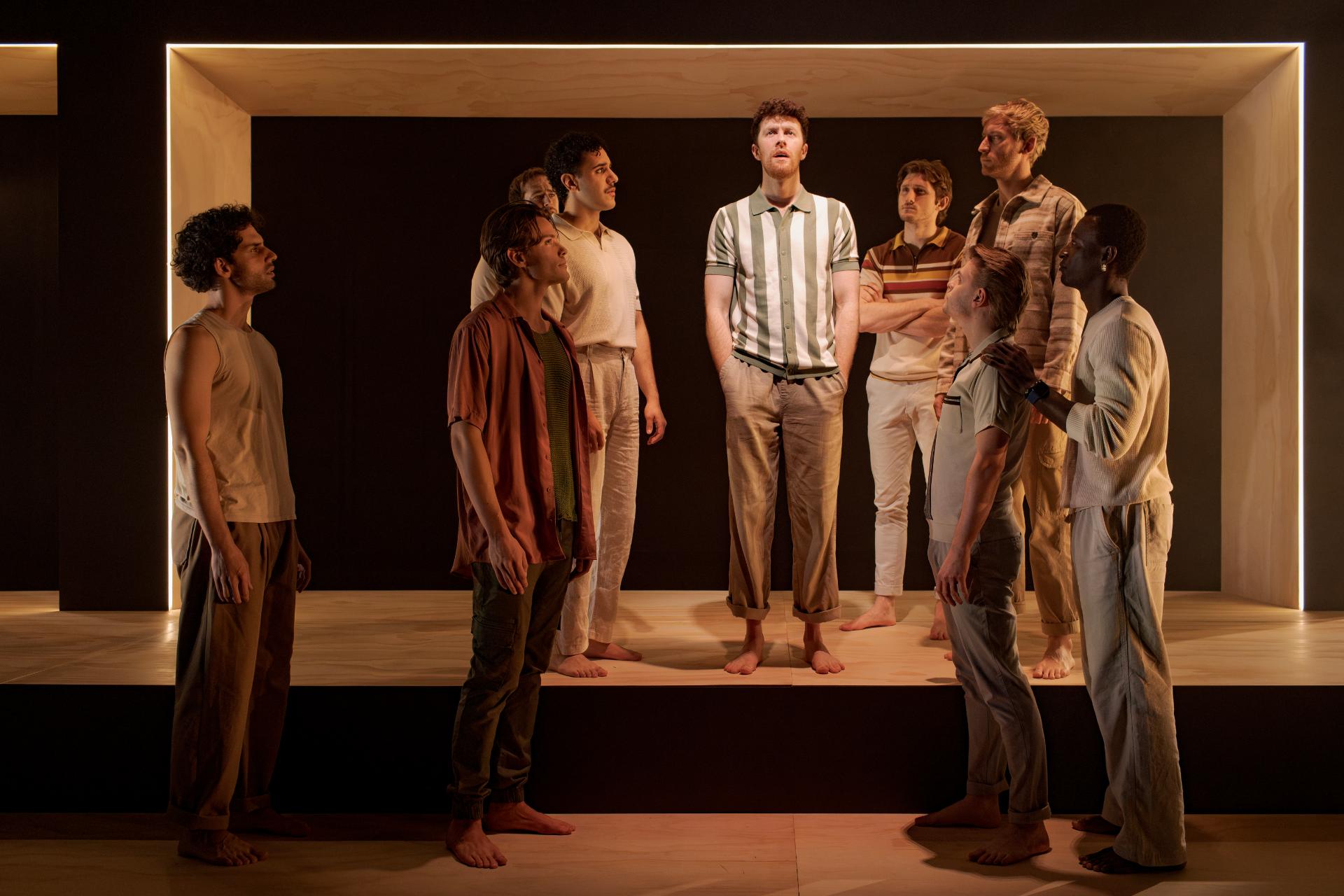
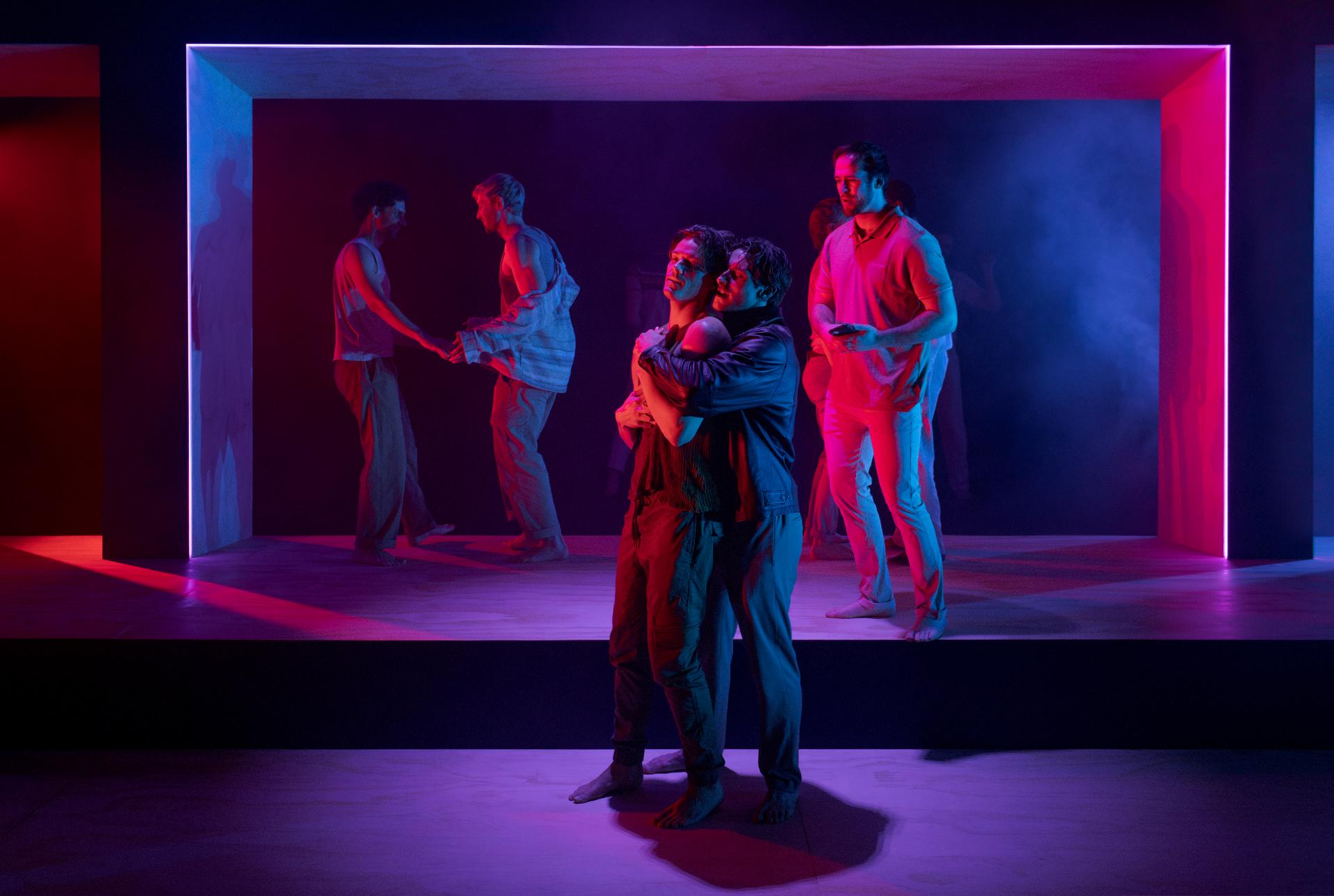
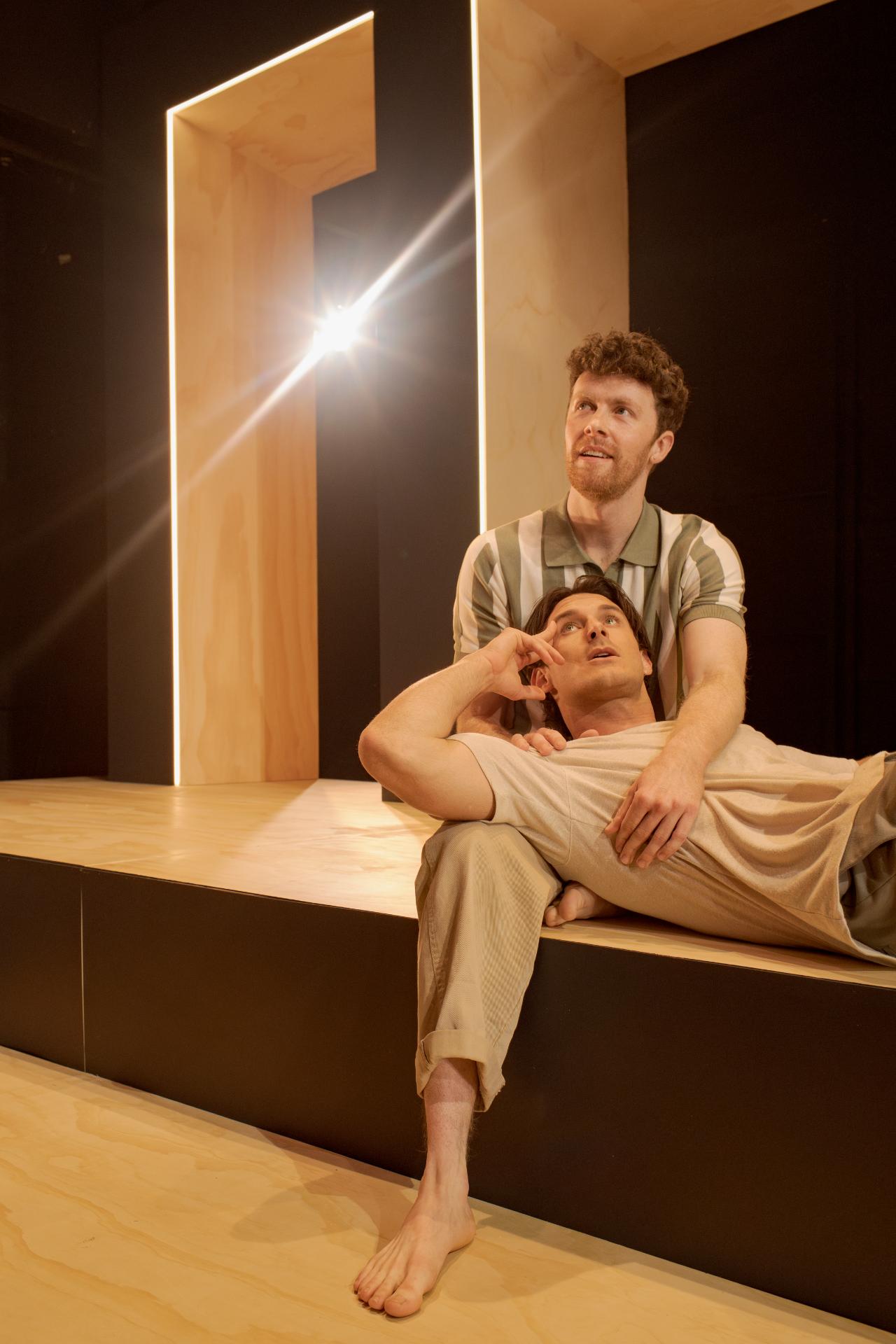
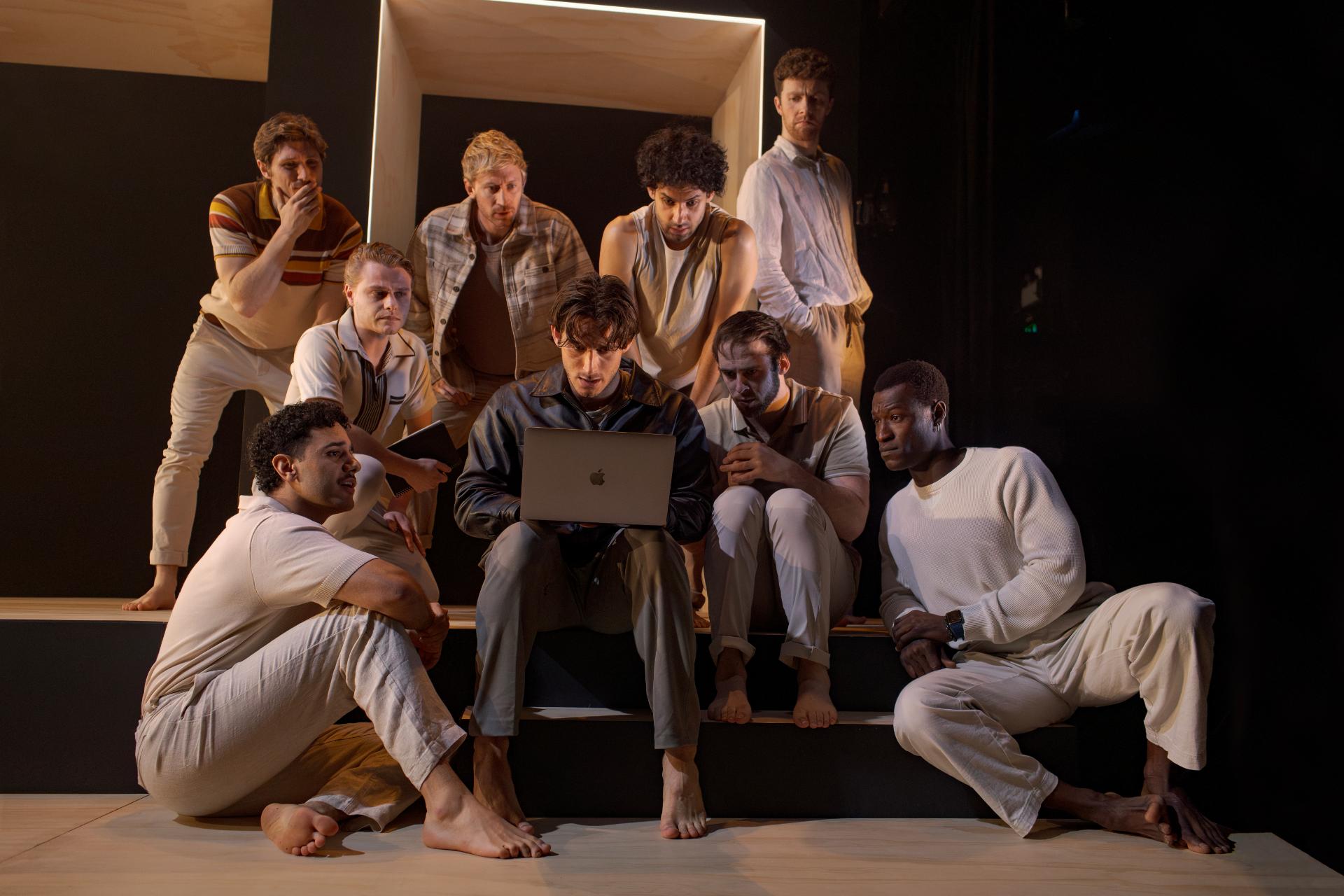
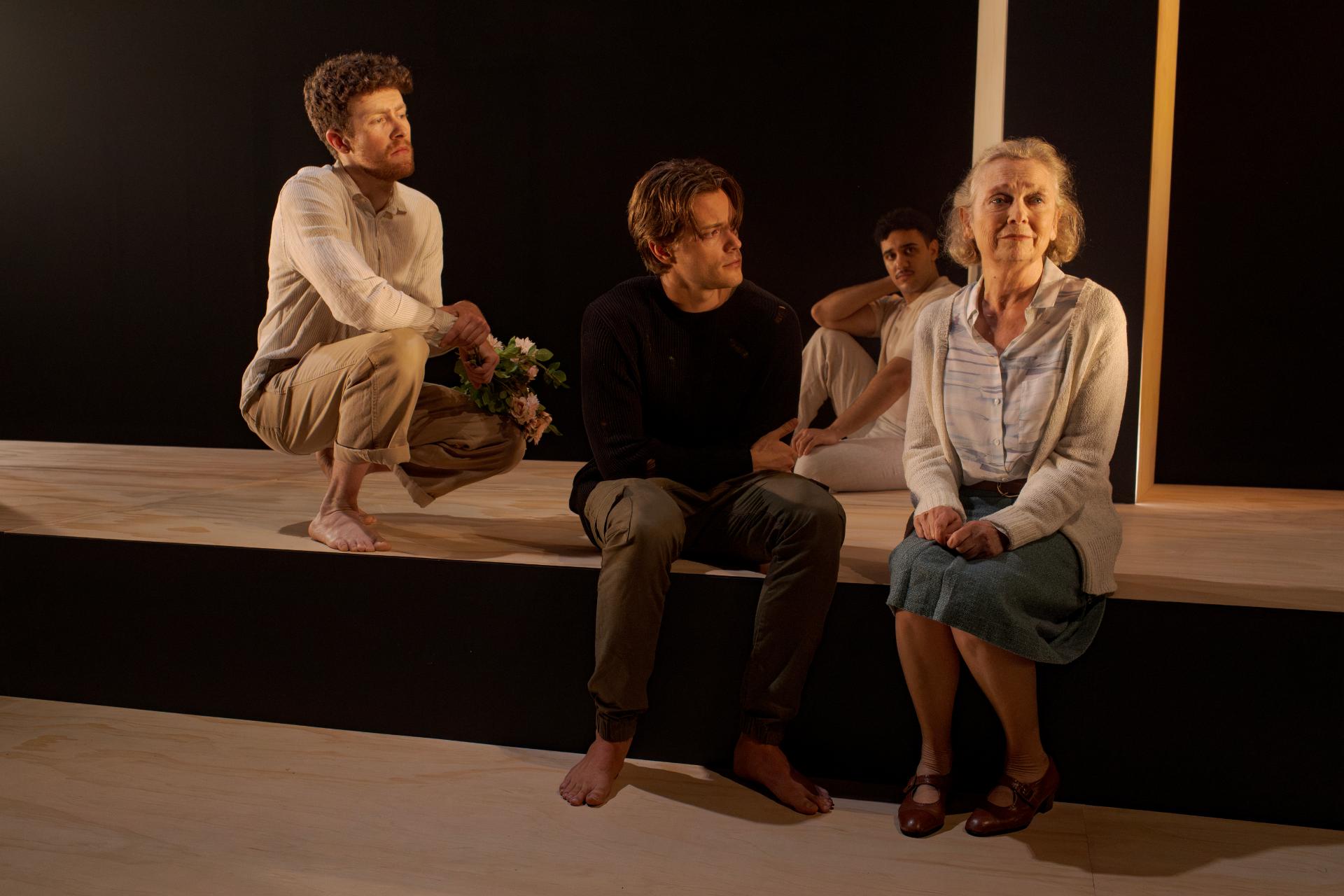
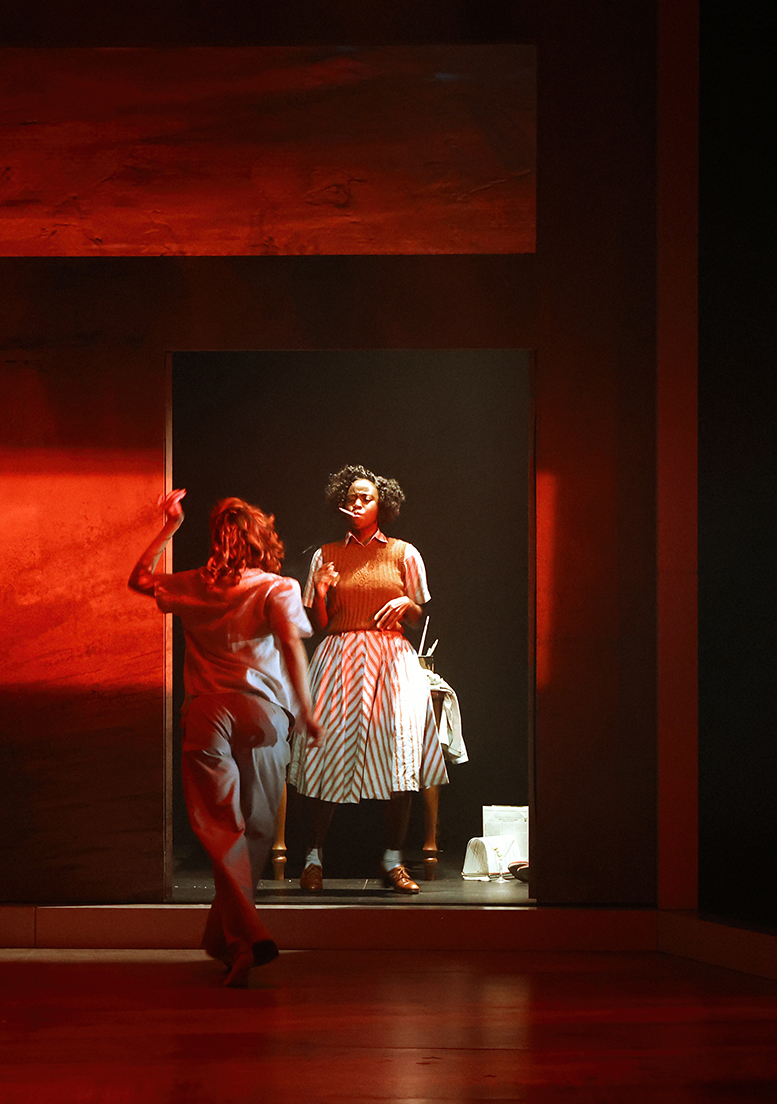
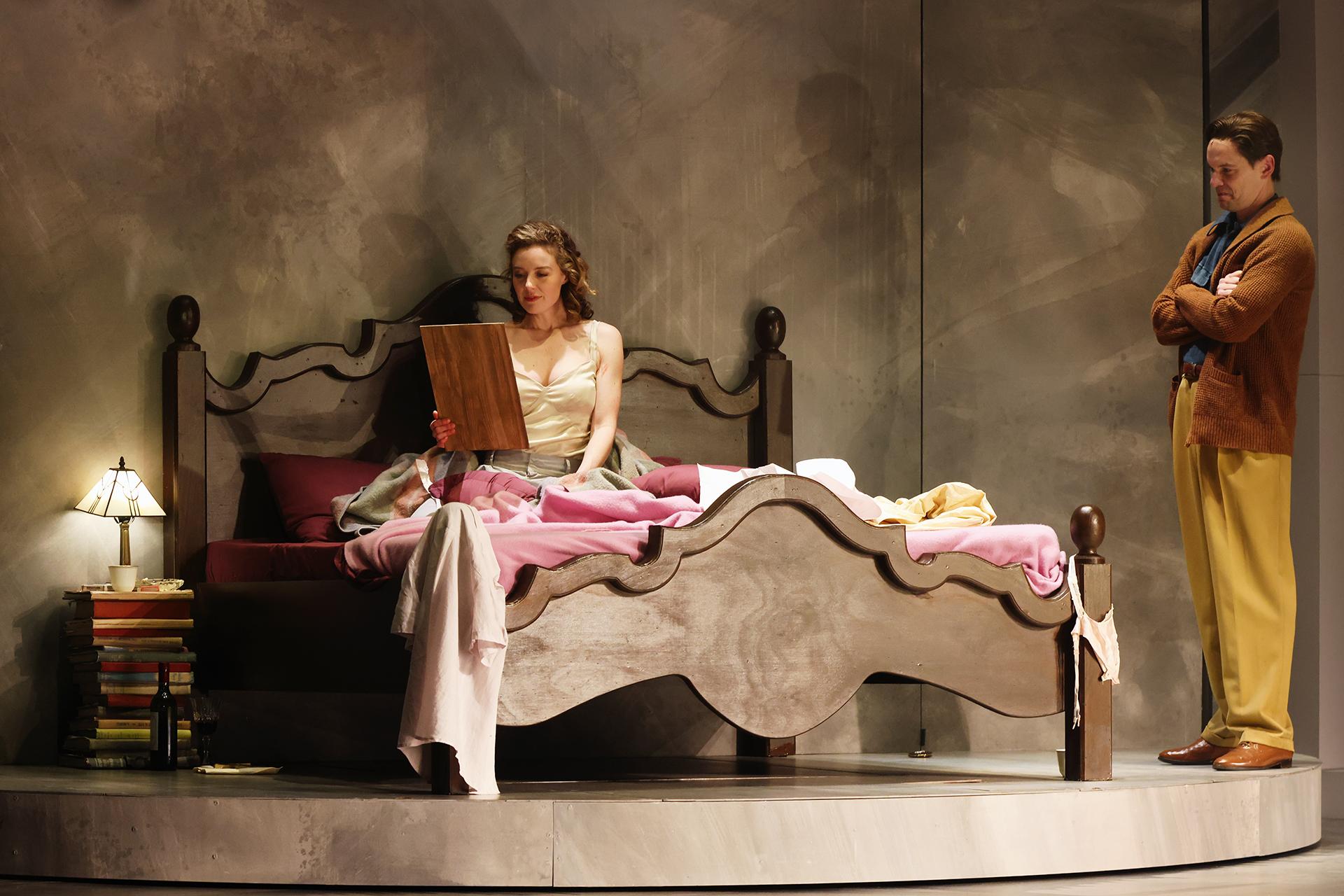
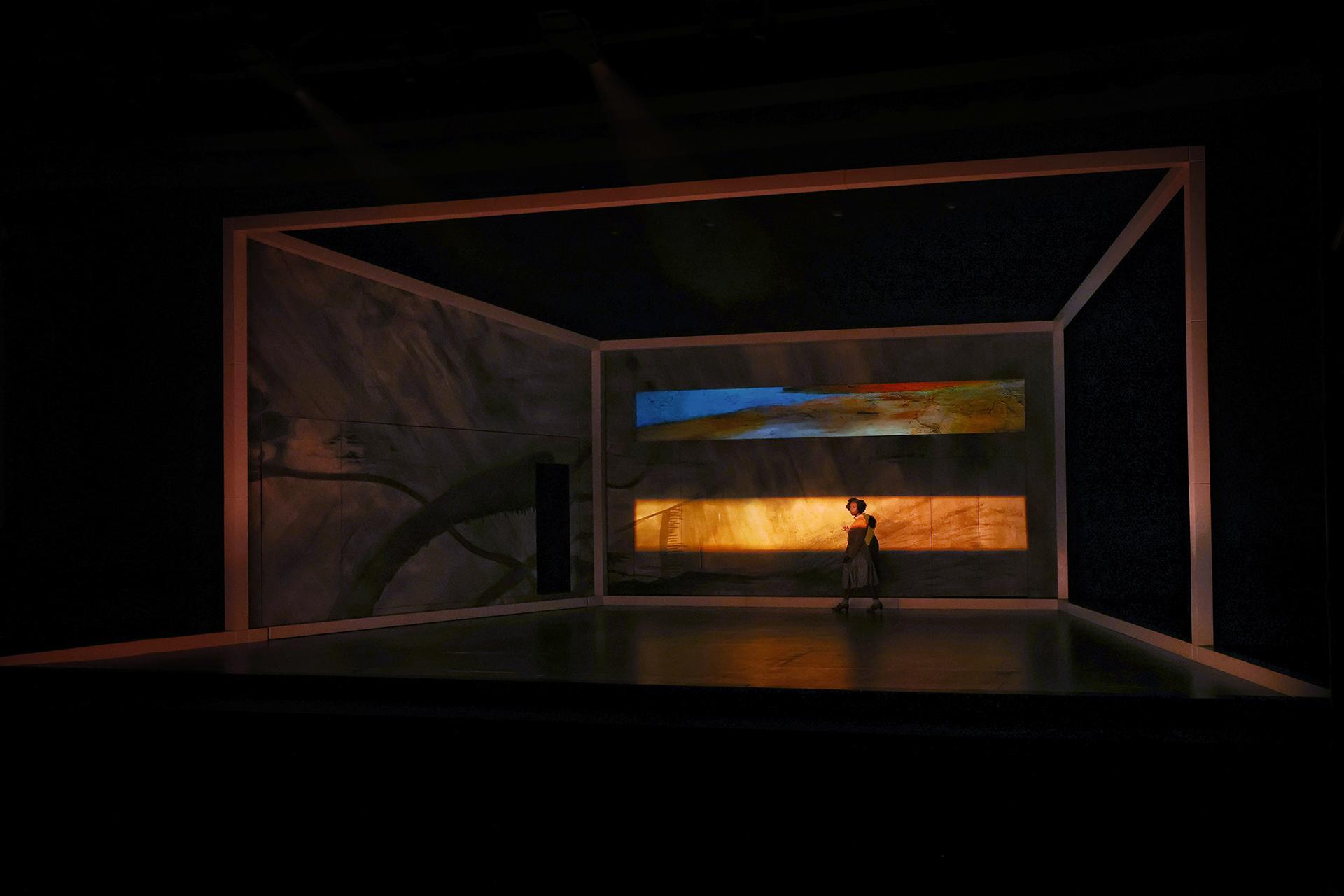
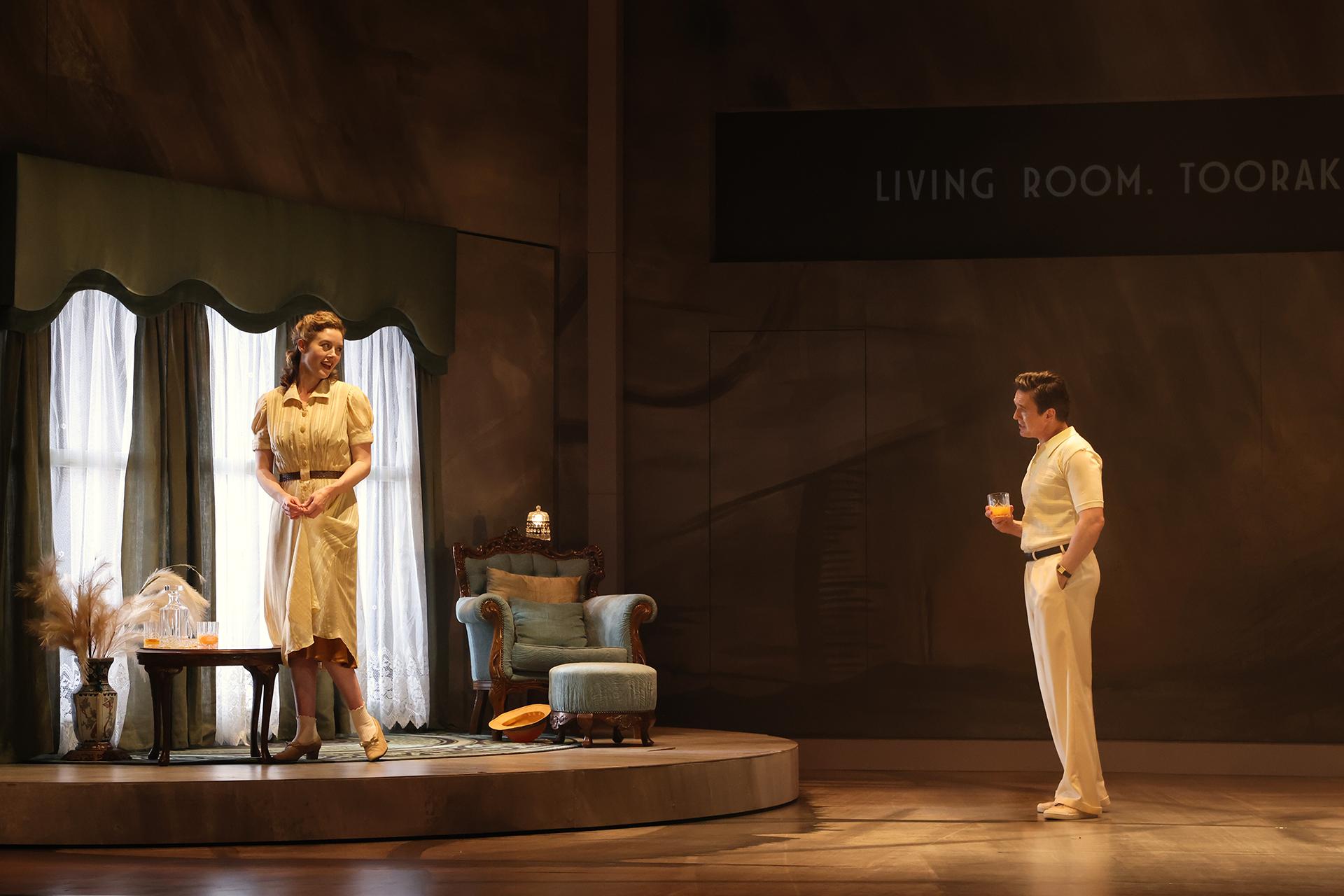
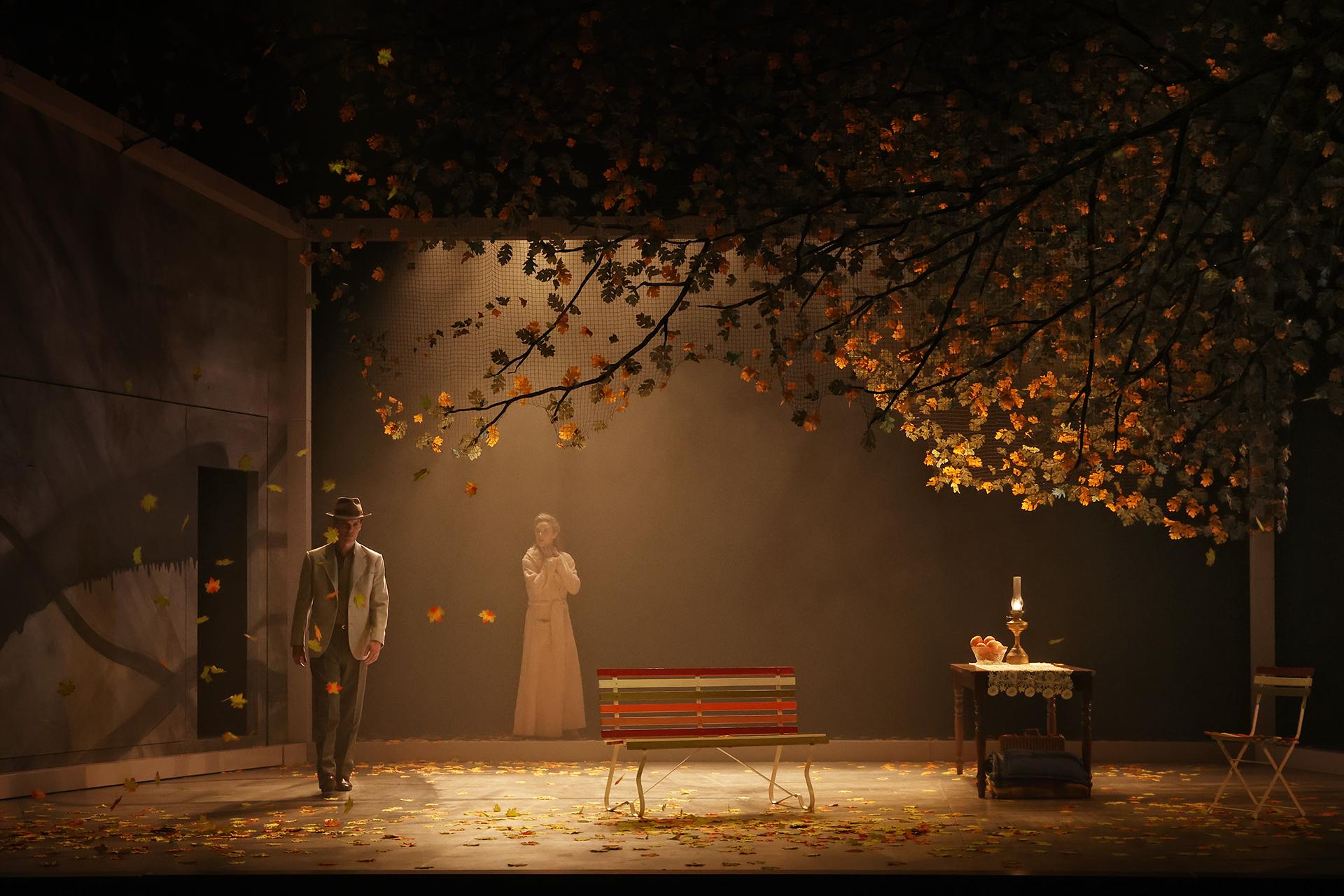
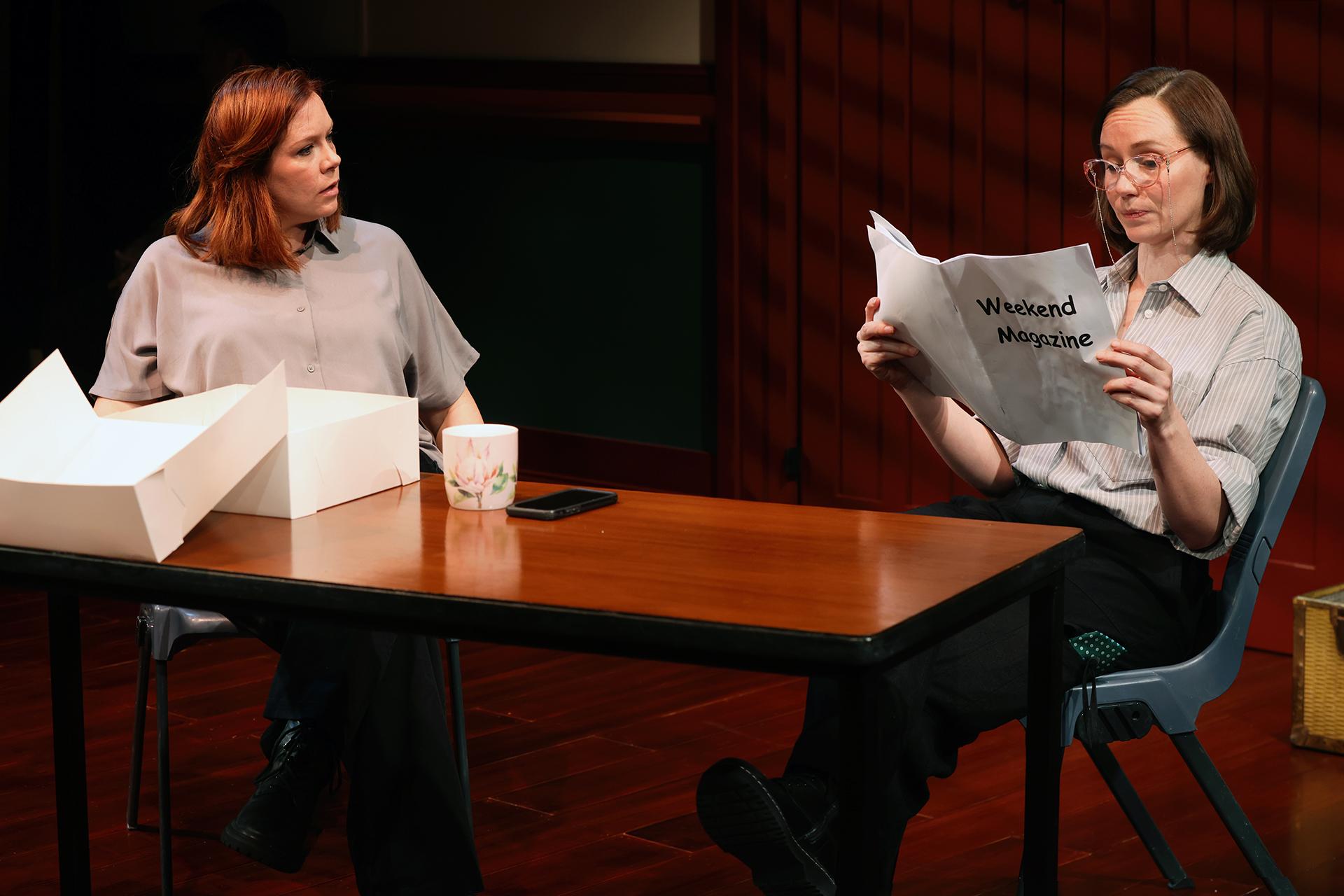
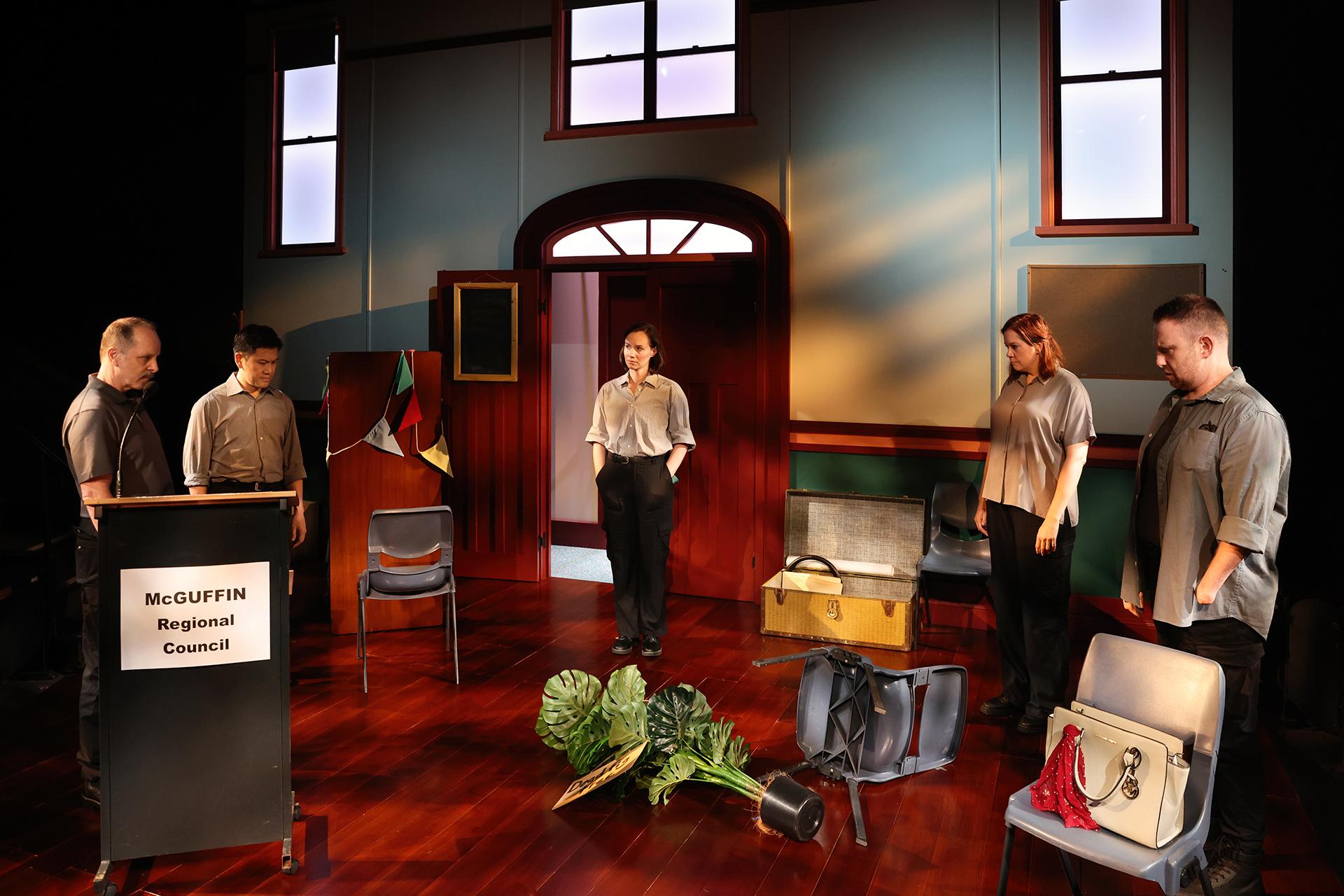
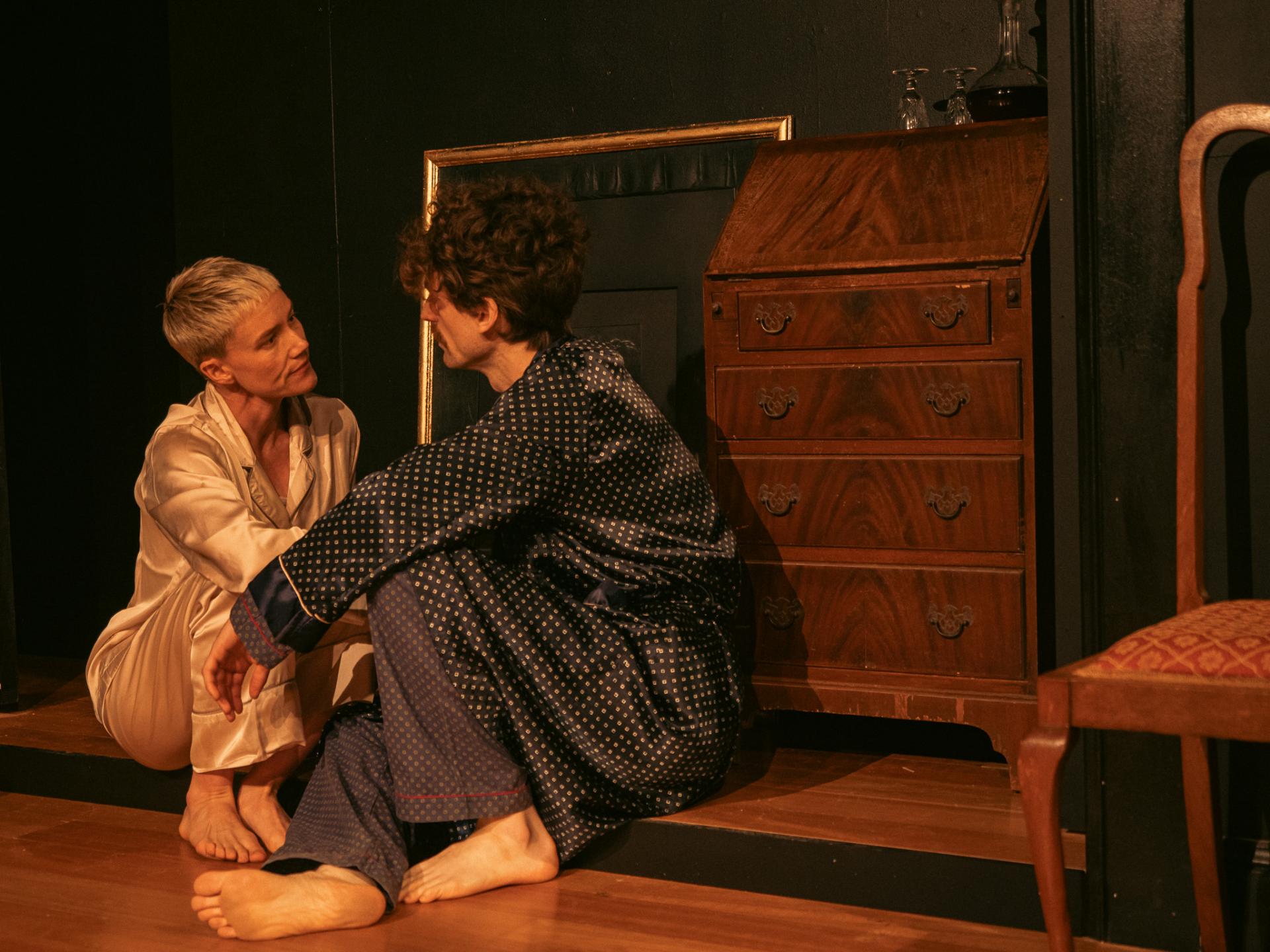
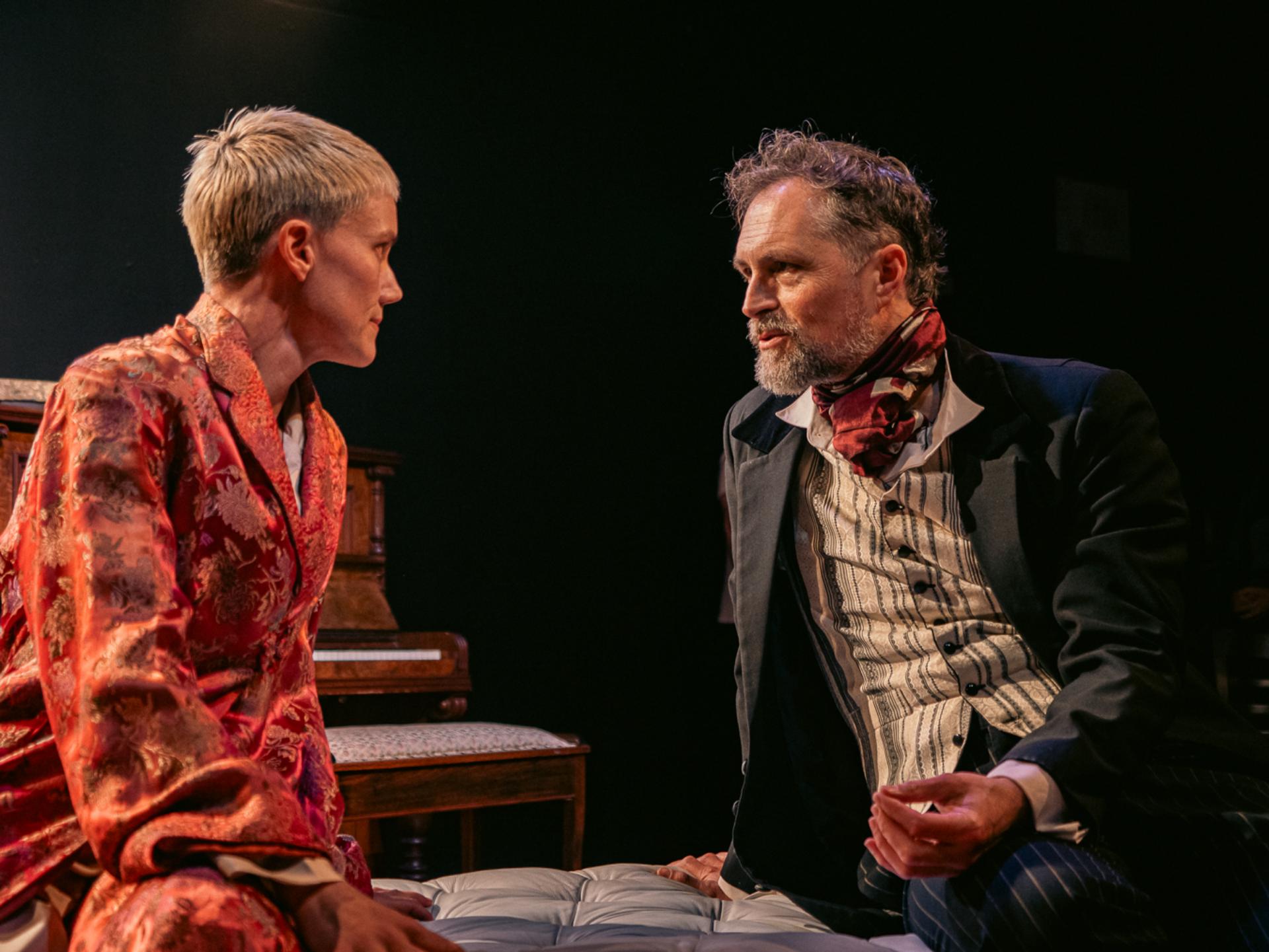
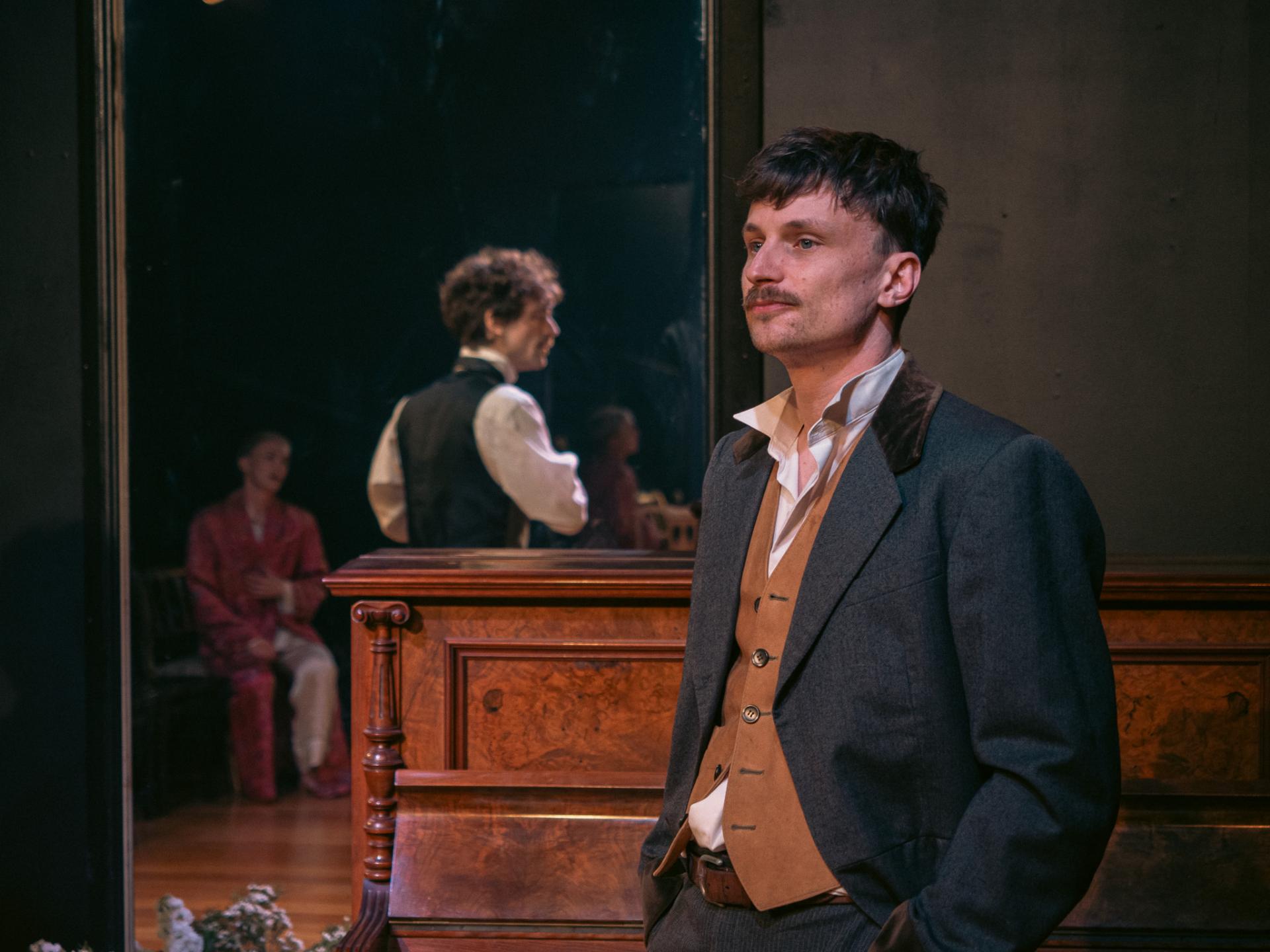
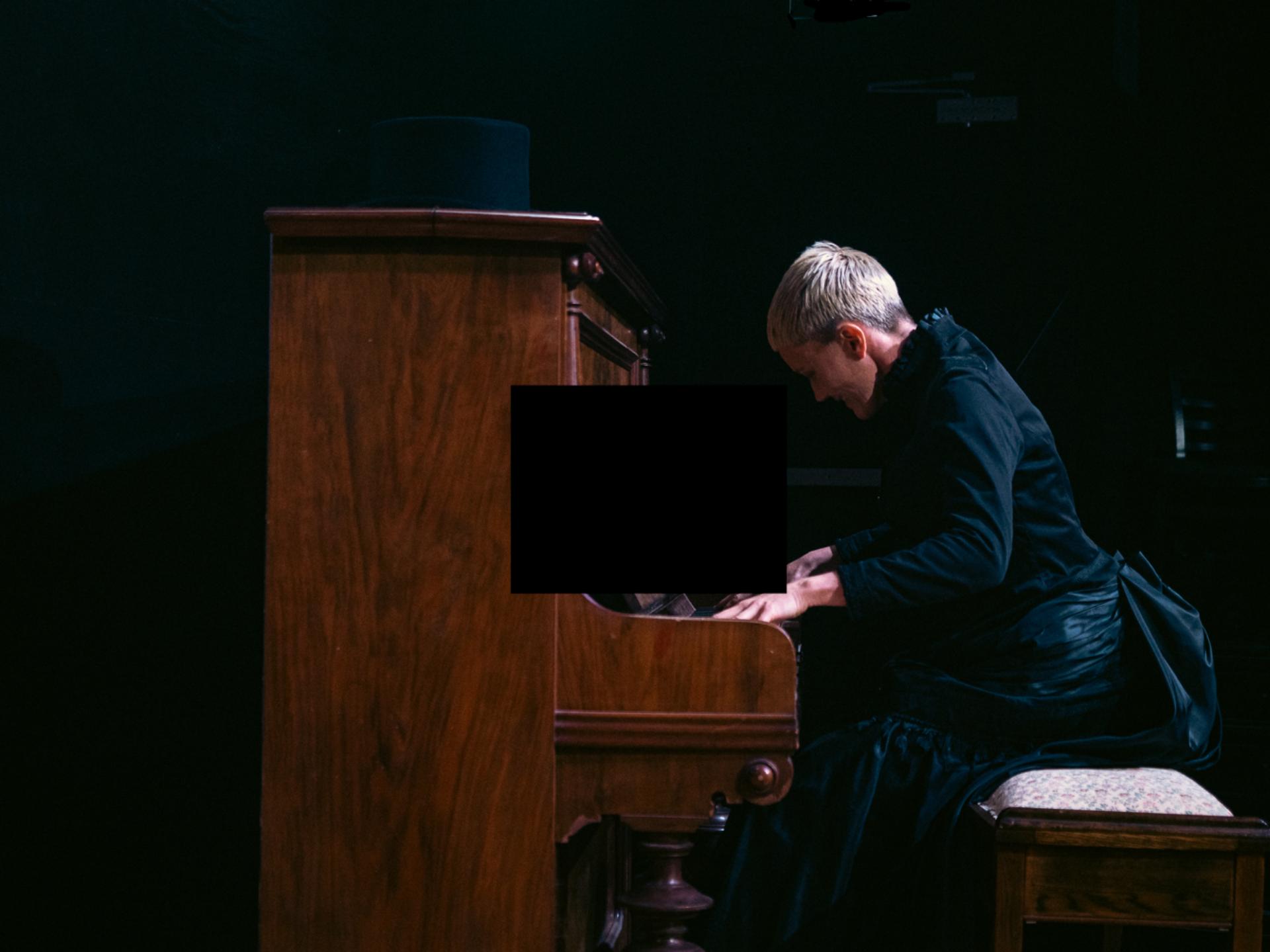
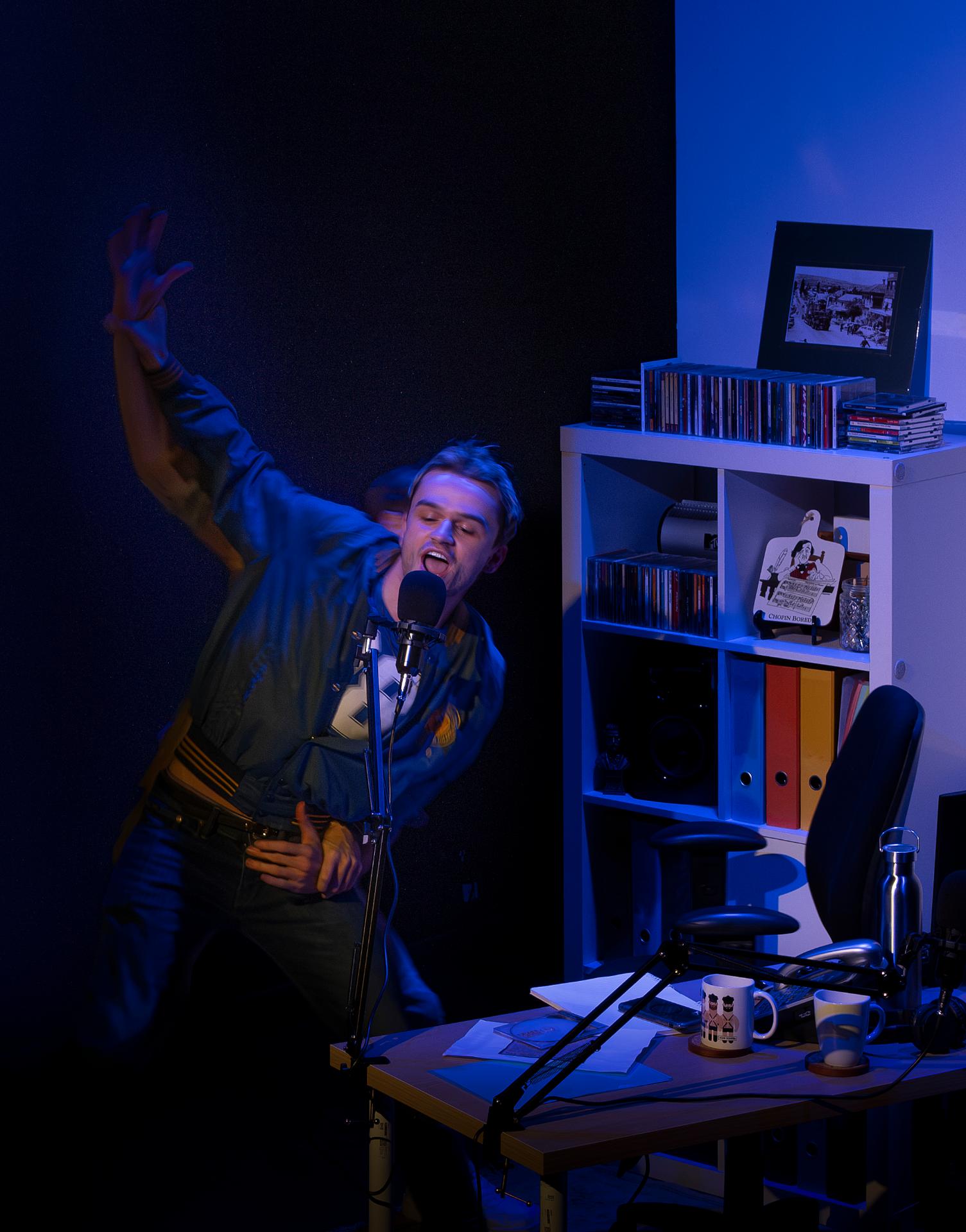
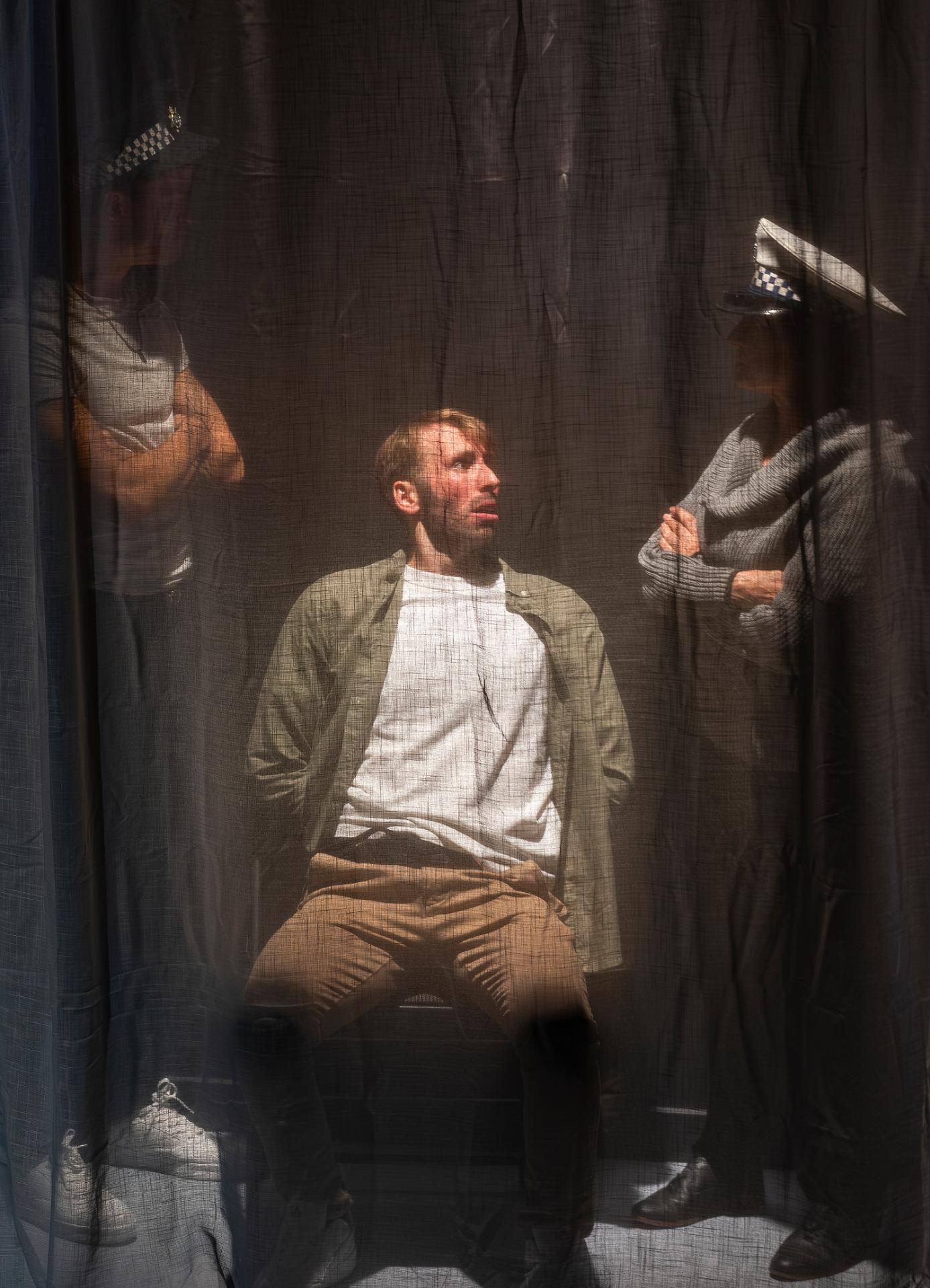
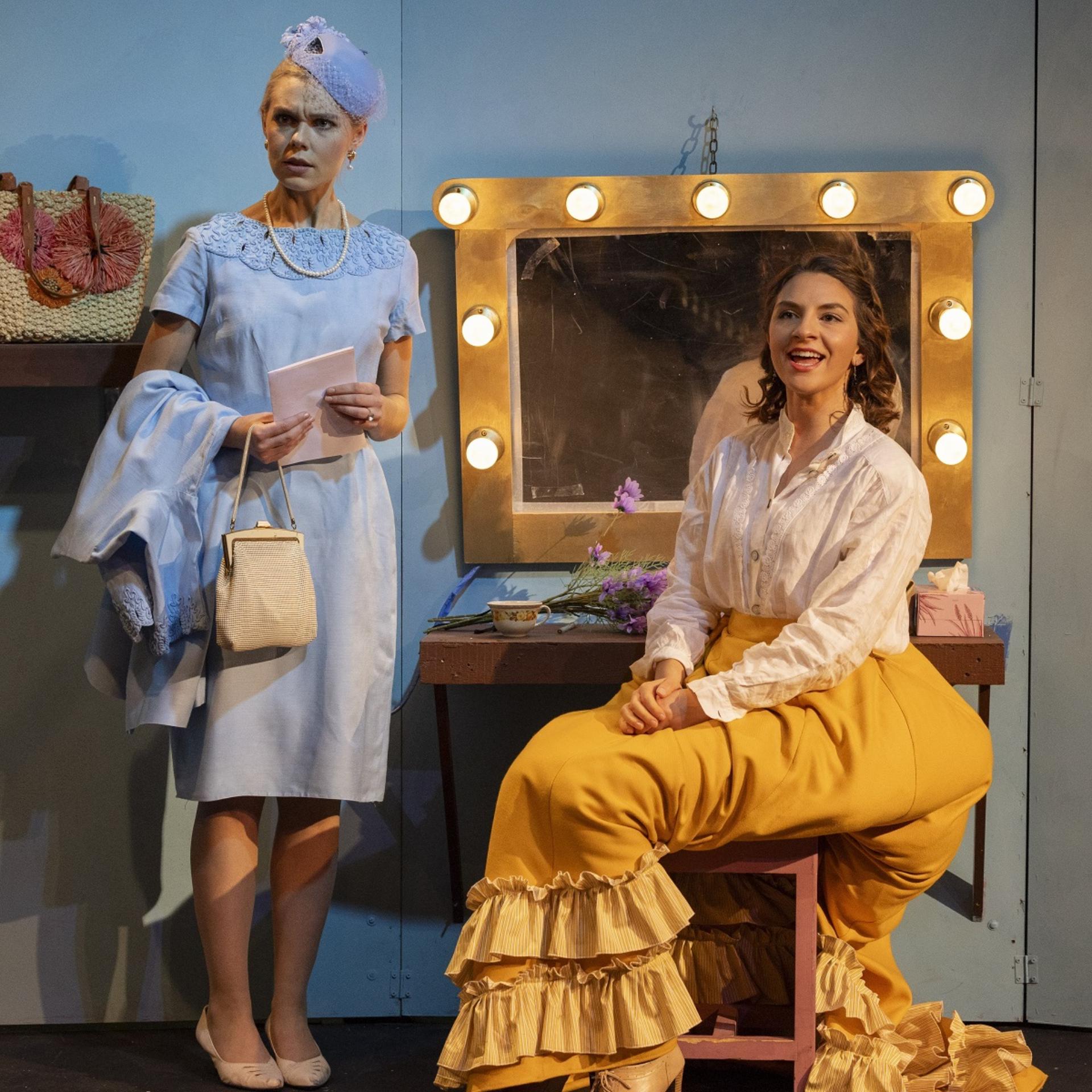
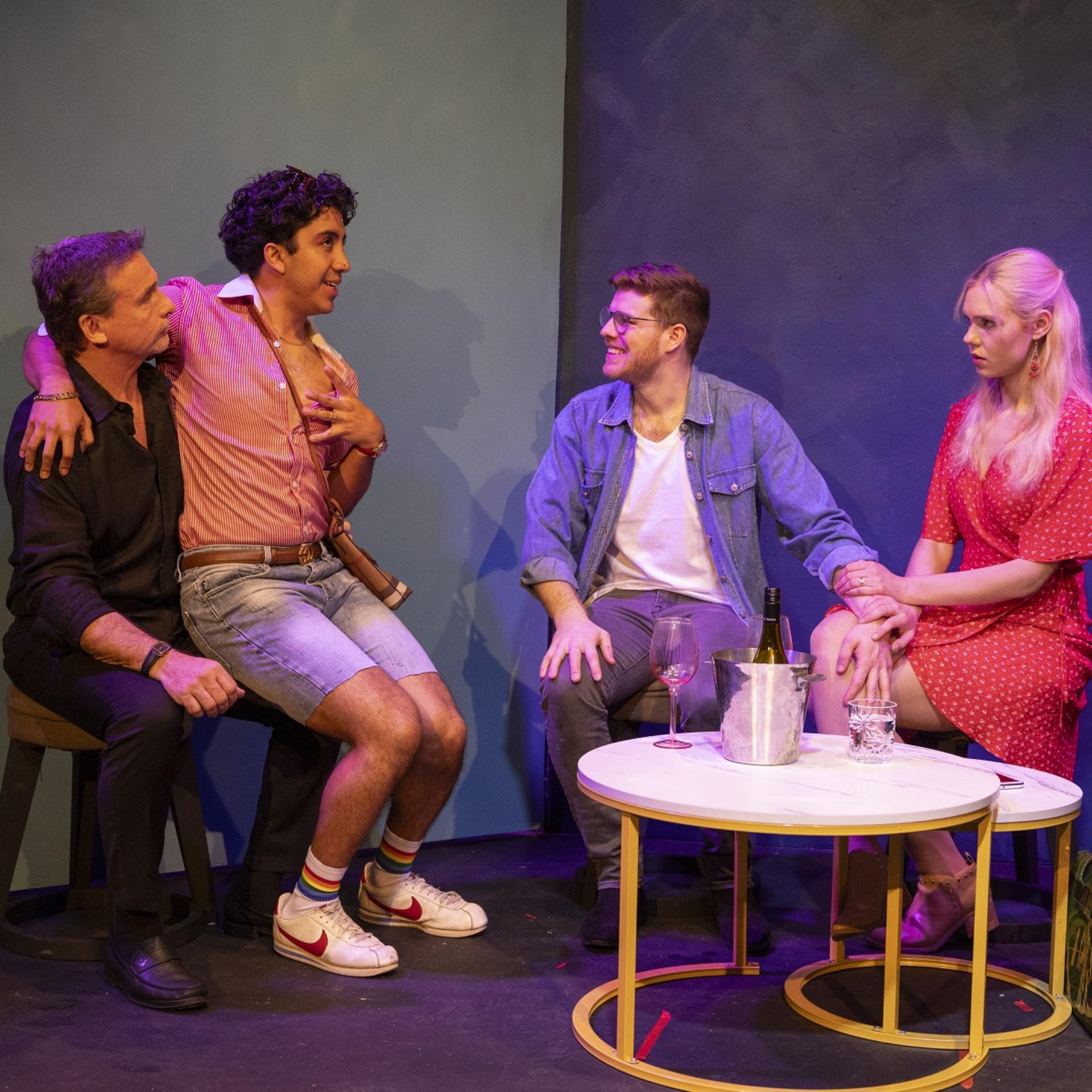
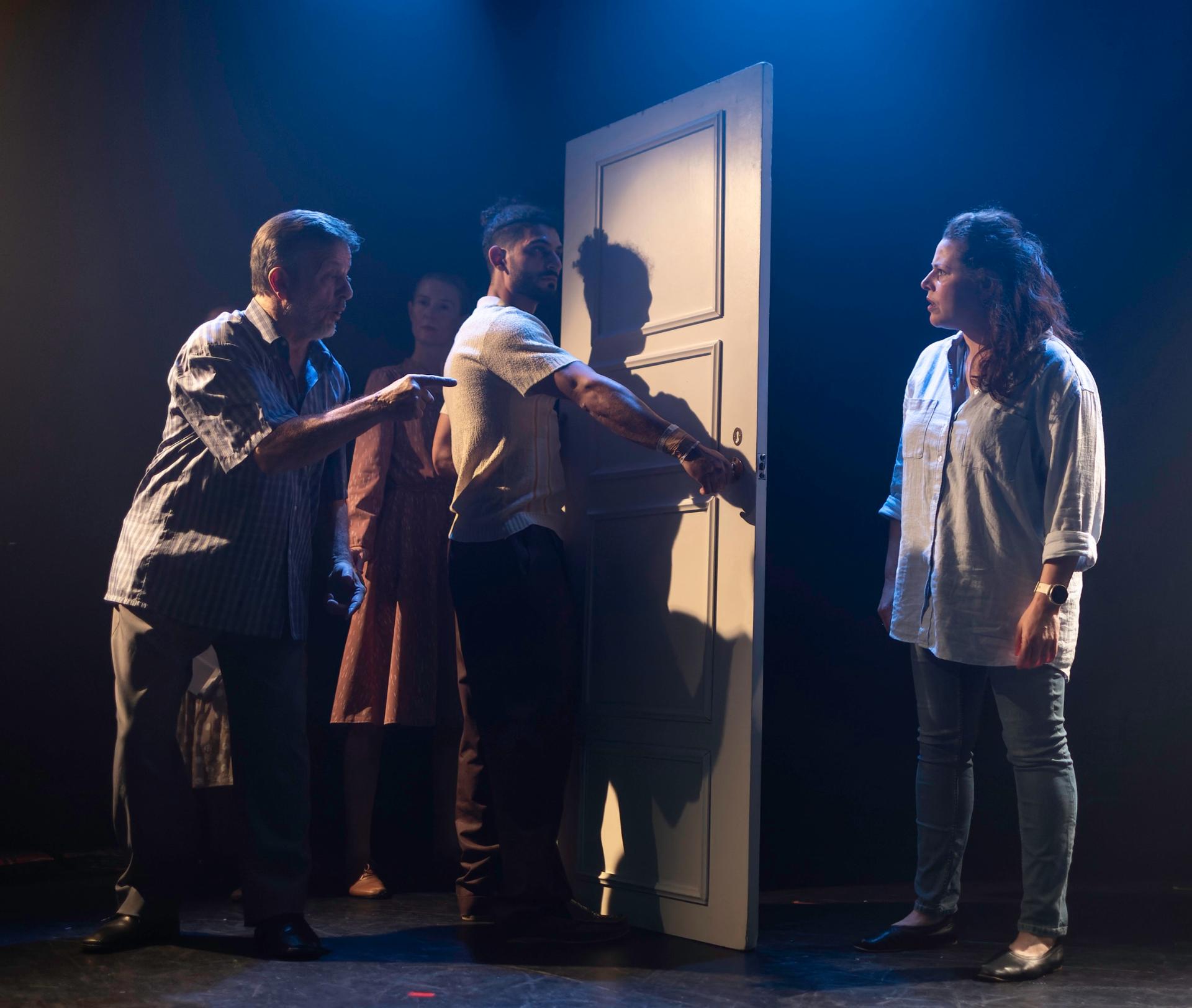
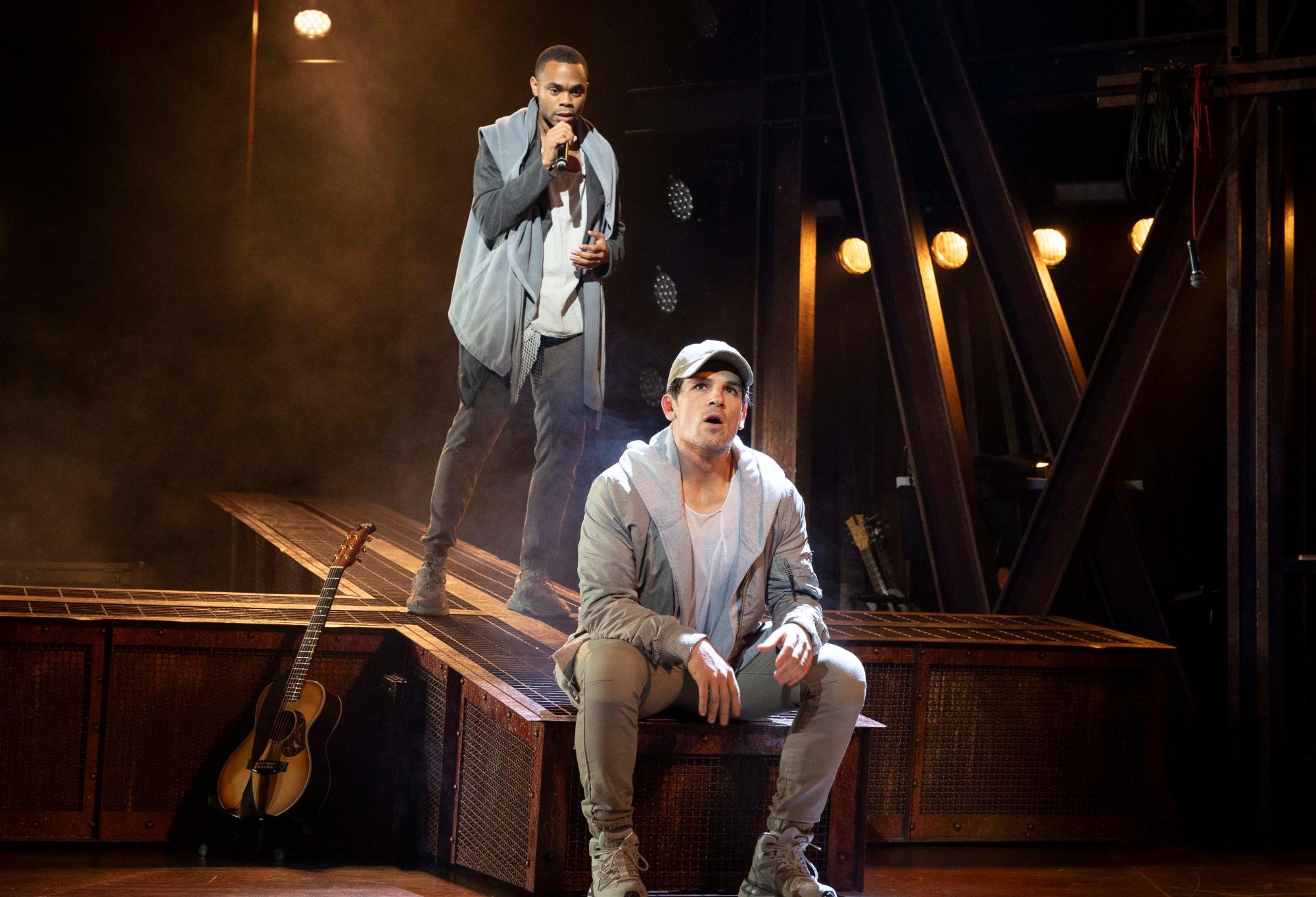
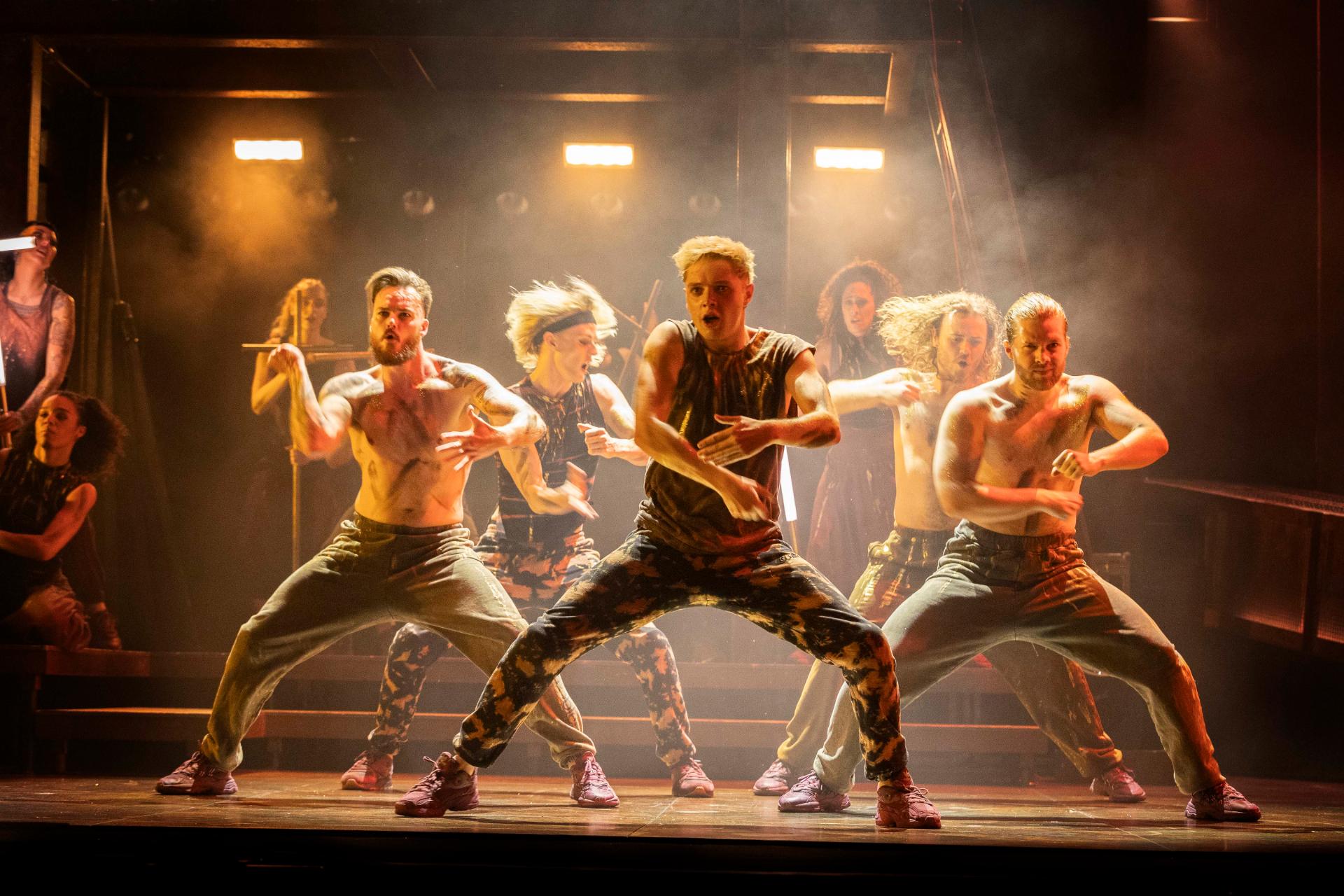
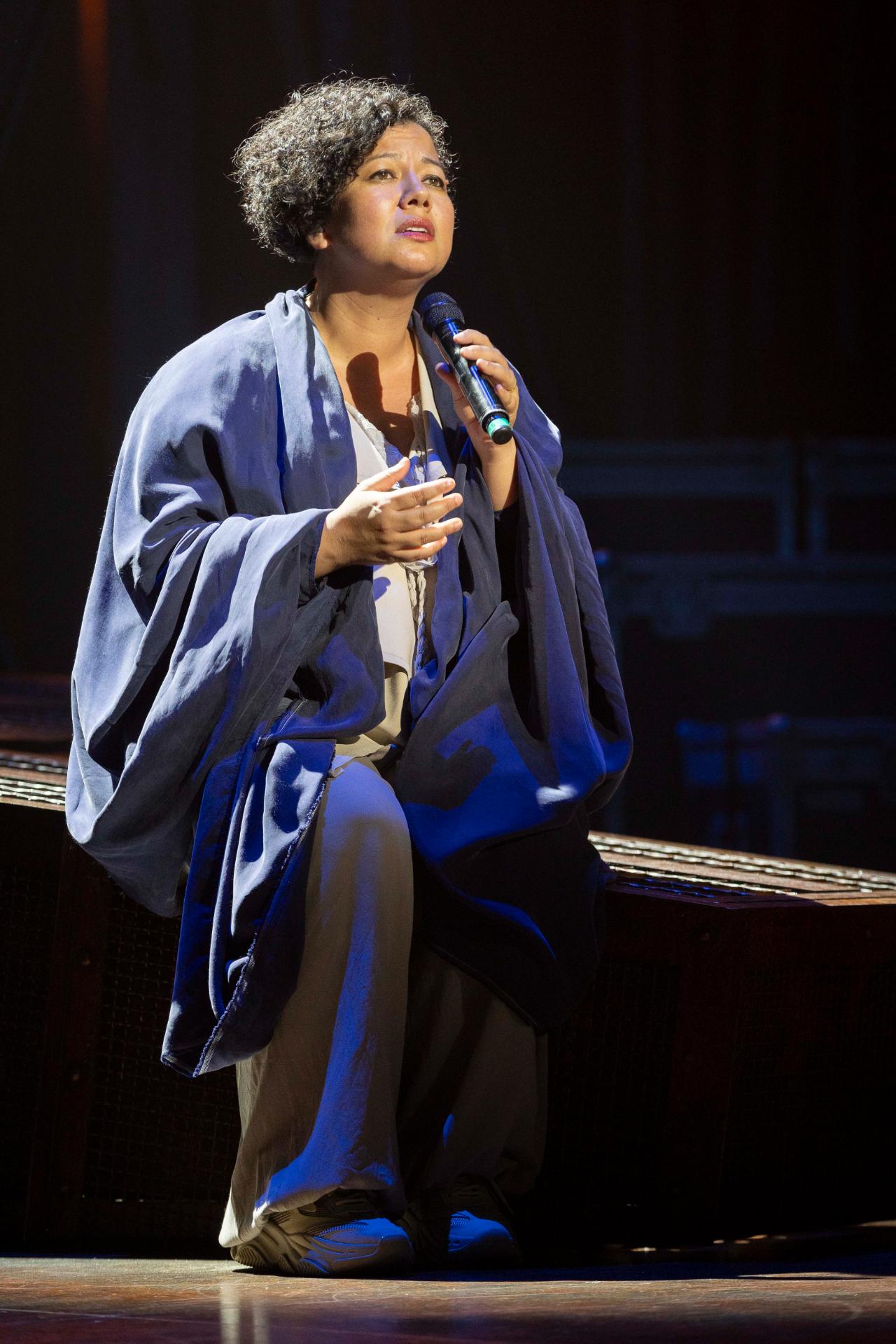
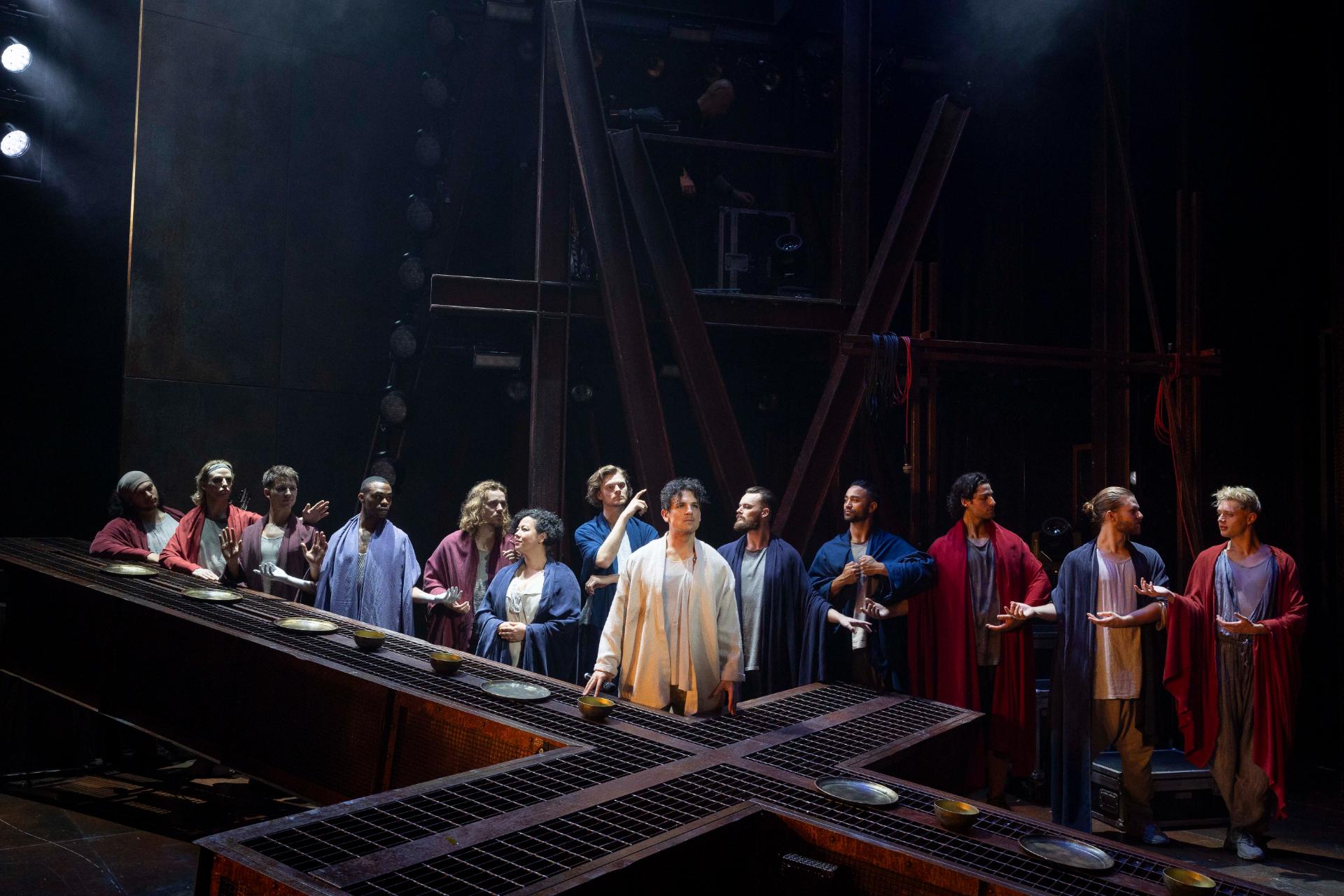
Direction by Mark Kilmurry renders a sense of accuracy, in terms of tone and sensibilities, so that we discover a certain milieu that we trust to be authentic, or at least emblematic, of what is being represented. Production design by Nick Fry leaves no ambiguity about the epoch we visit, with a set notable for the kineticism it encourages, through its clever demarcations of space. Lights by Matt Cox are warm and tender, to provide our empathy a boost, so that we may regard the play with greater openness. Sounds and music by Steve Francis are judiciously measured, always subtle but unquestionably effective.

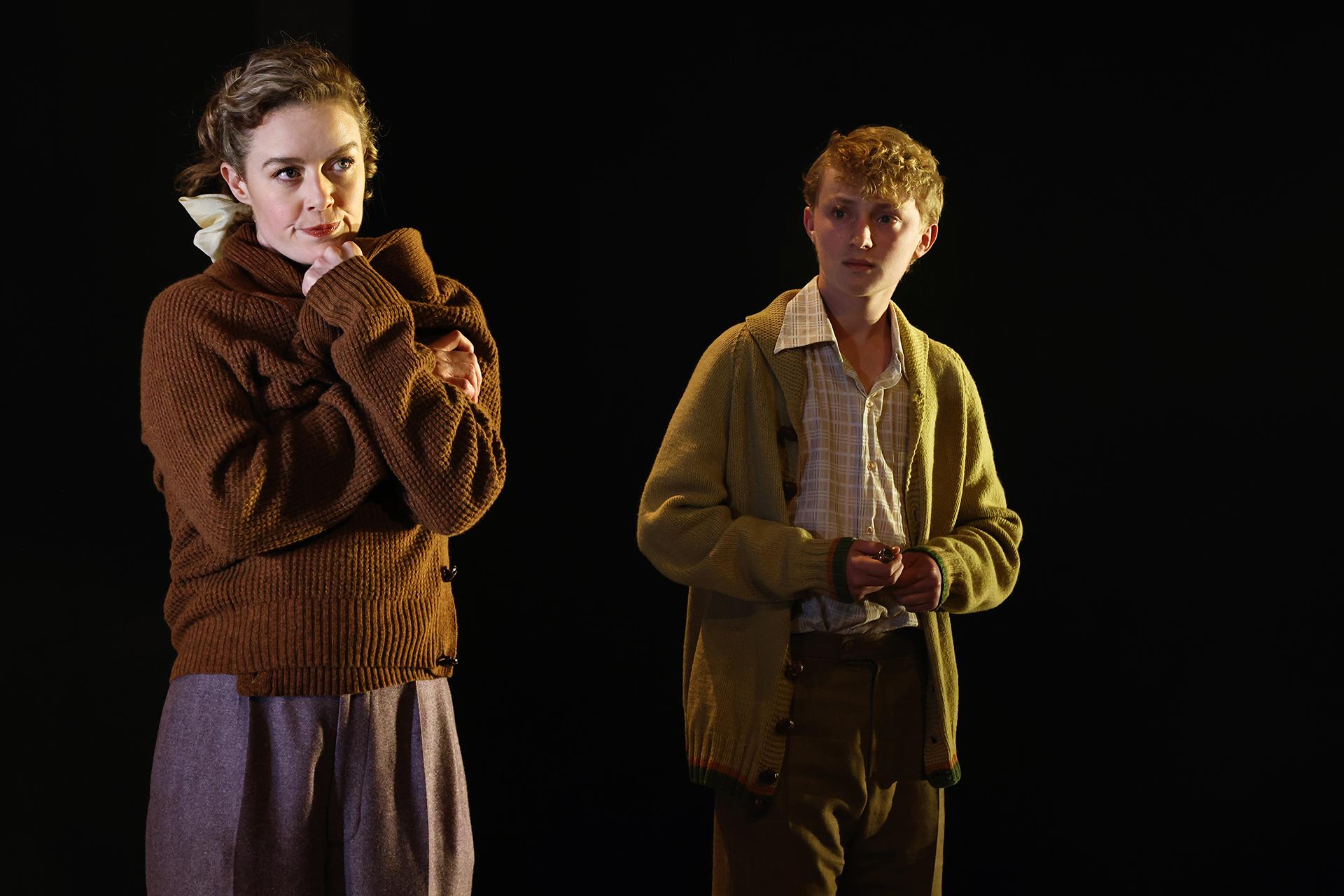
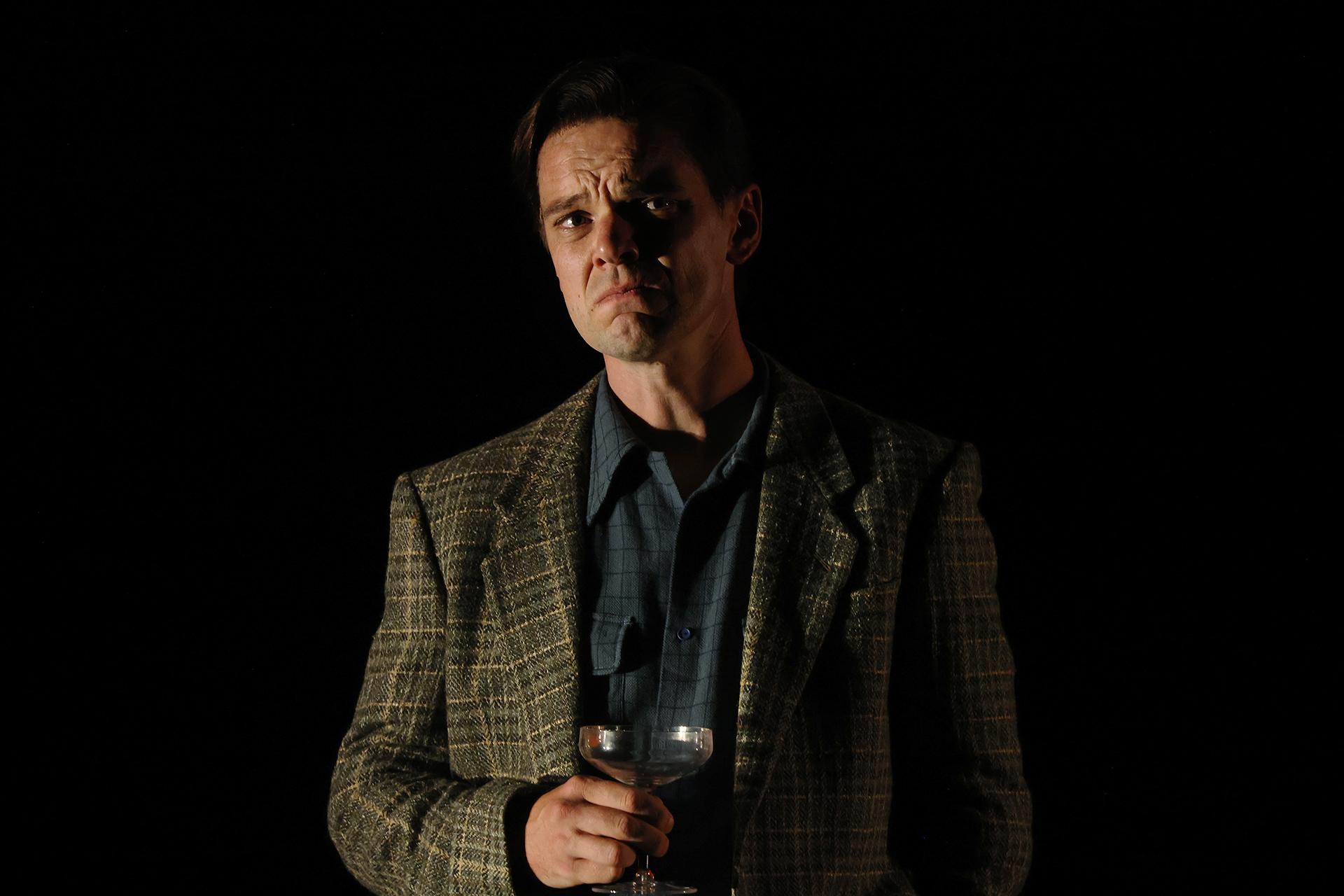
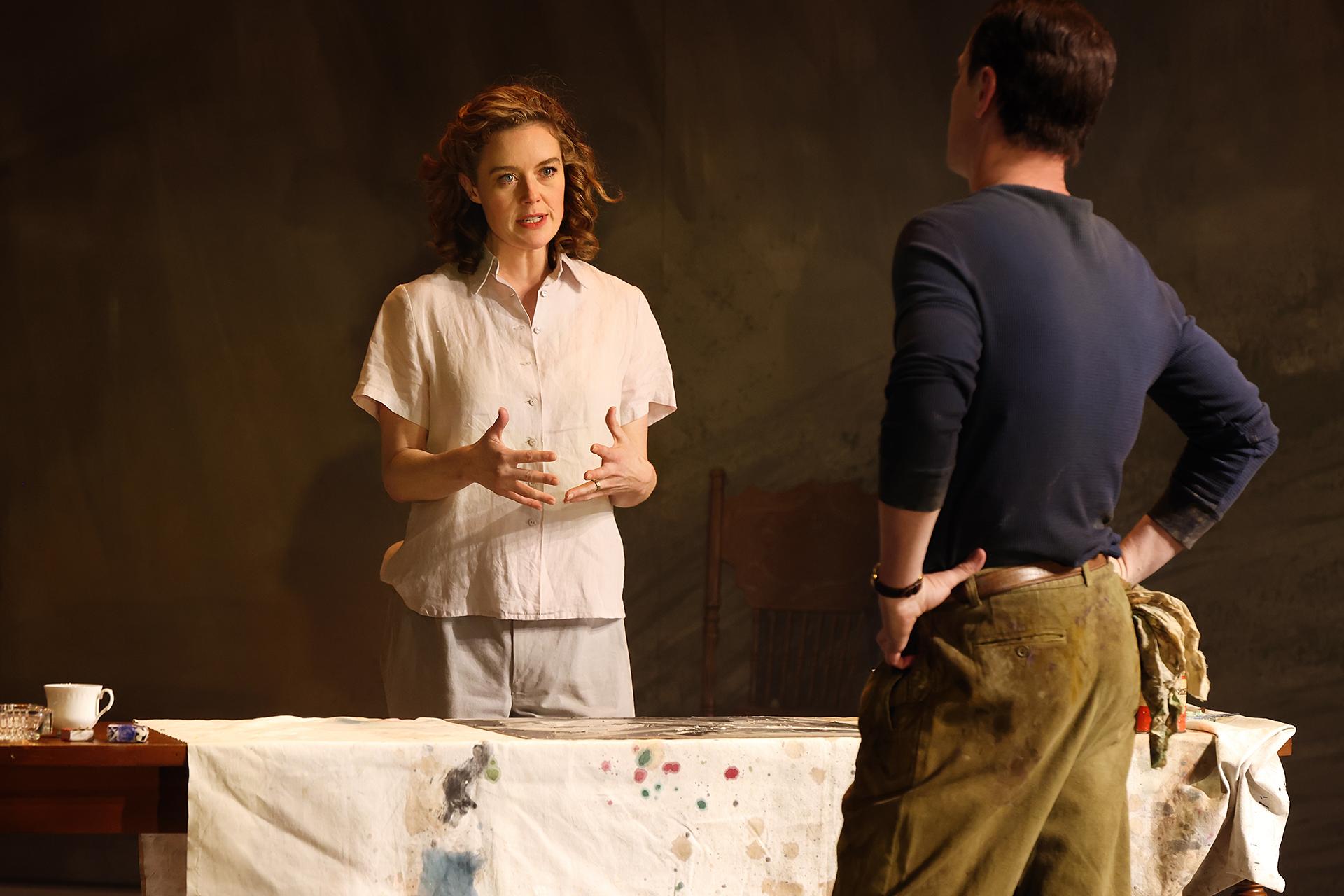
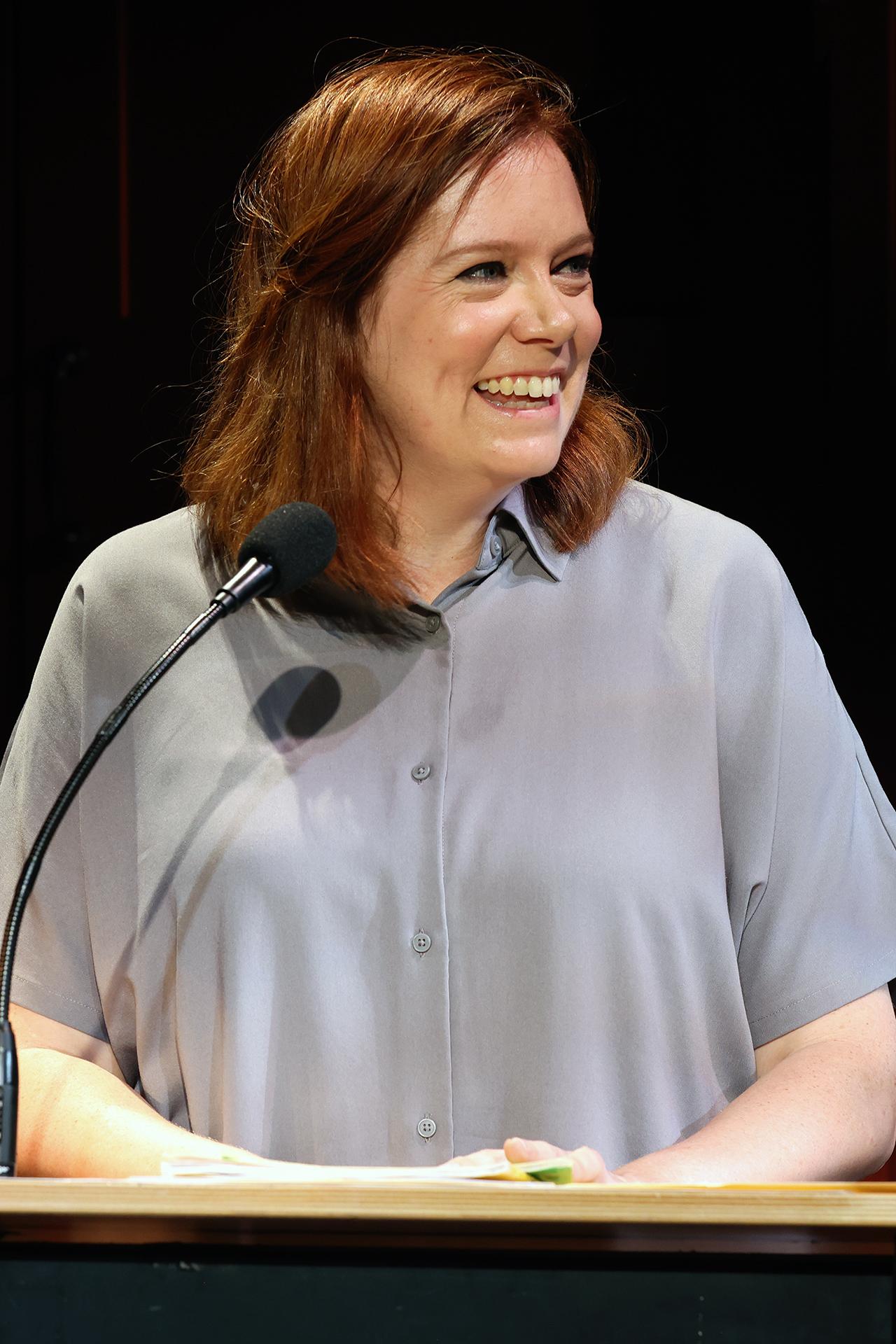
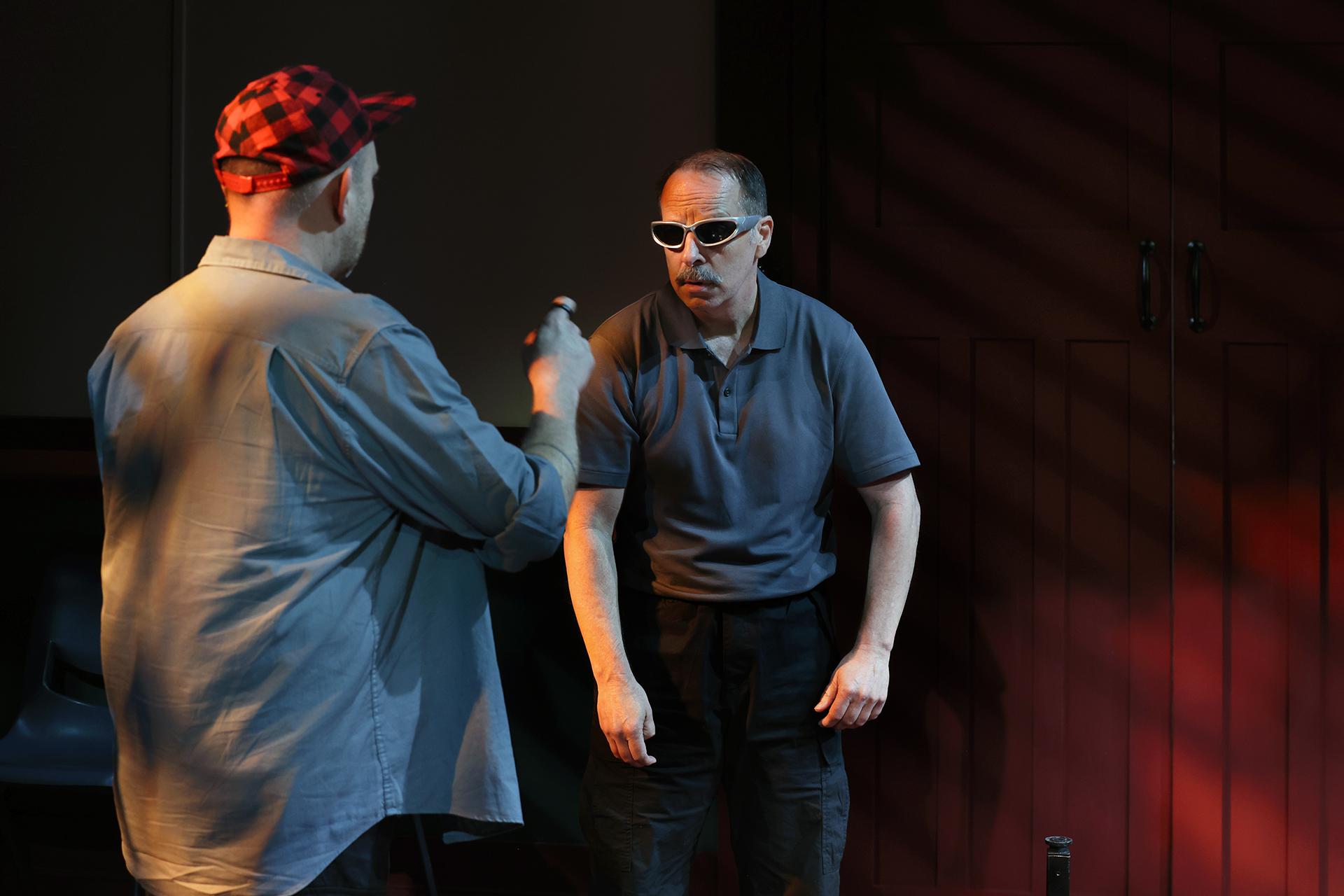
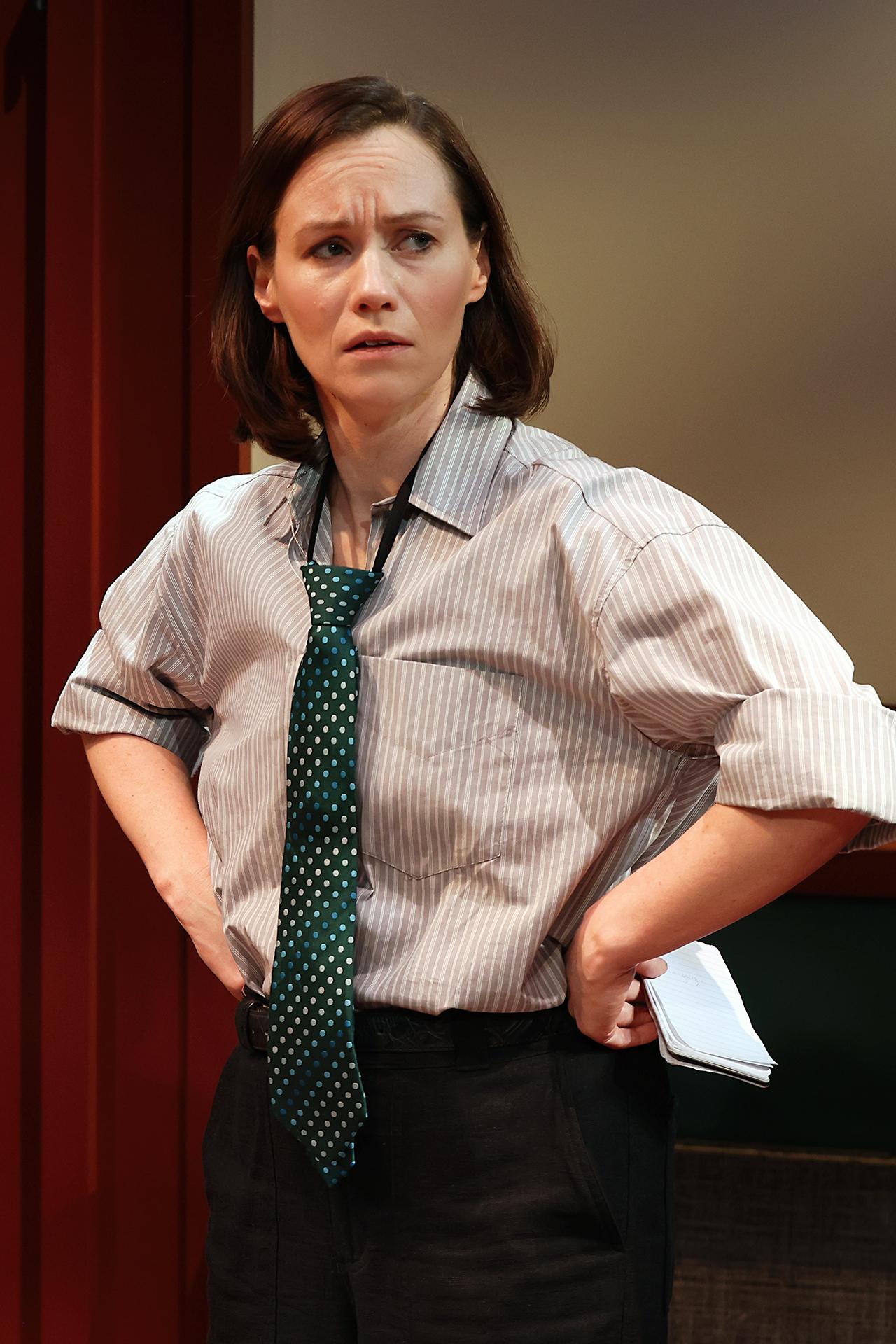
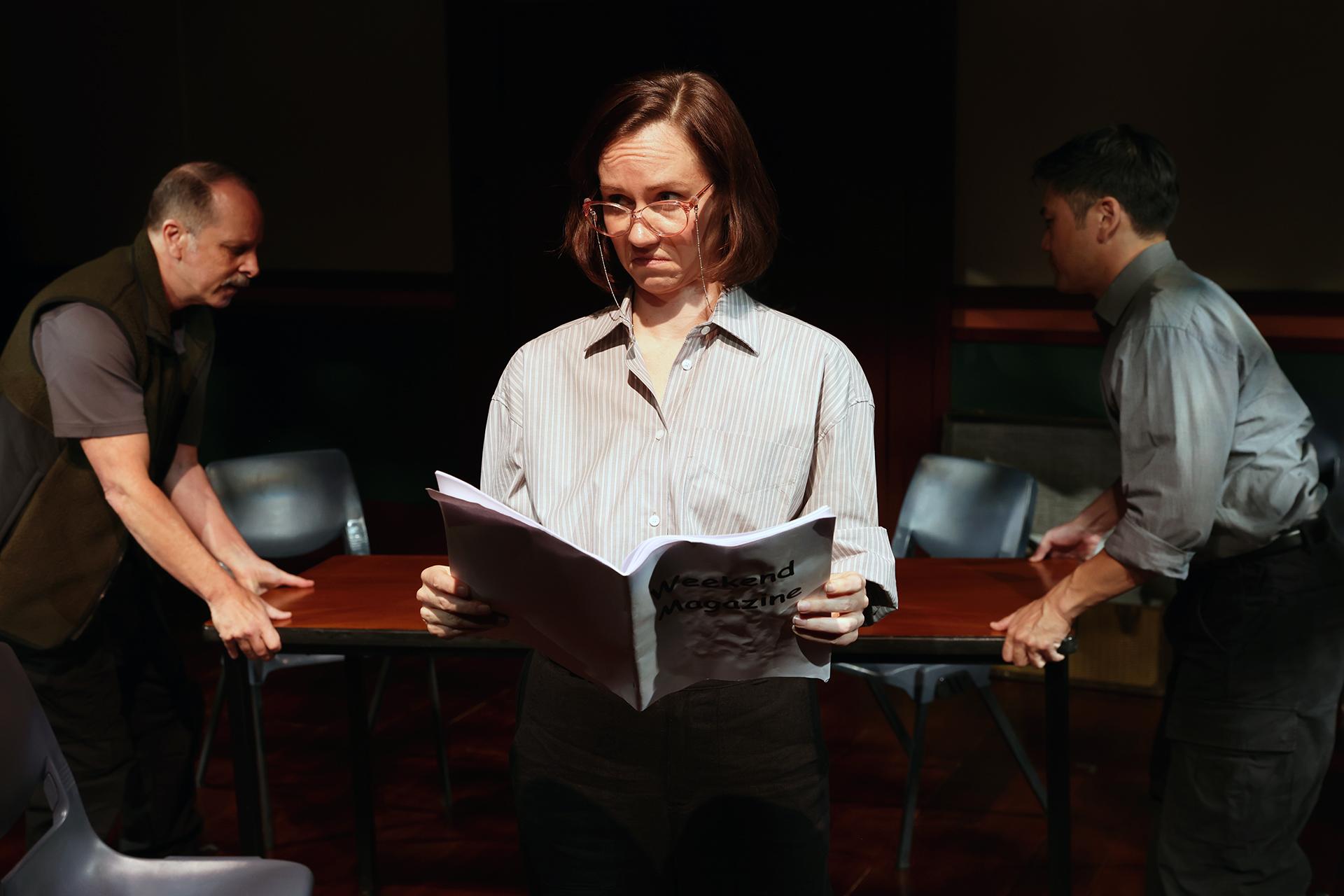
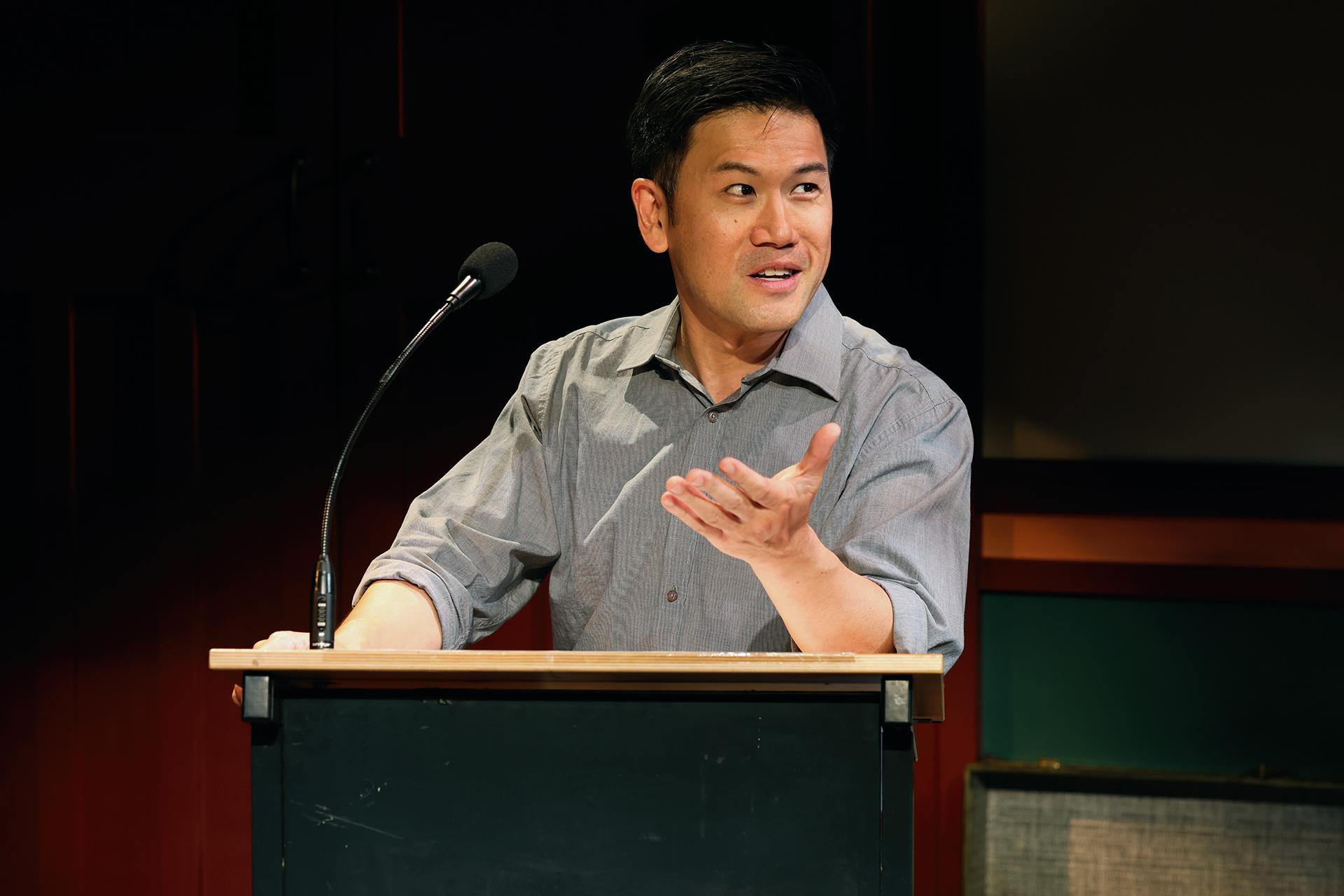
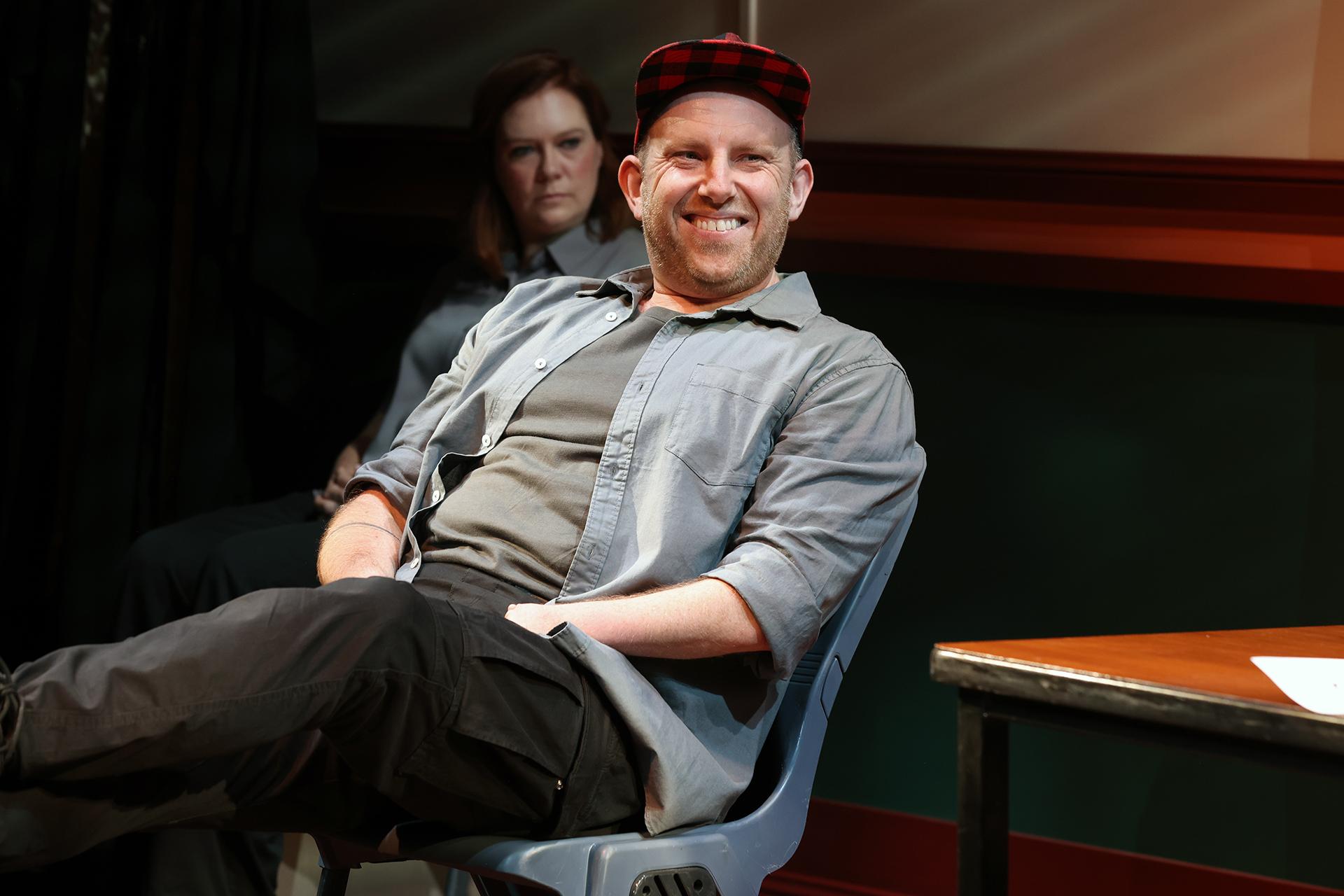
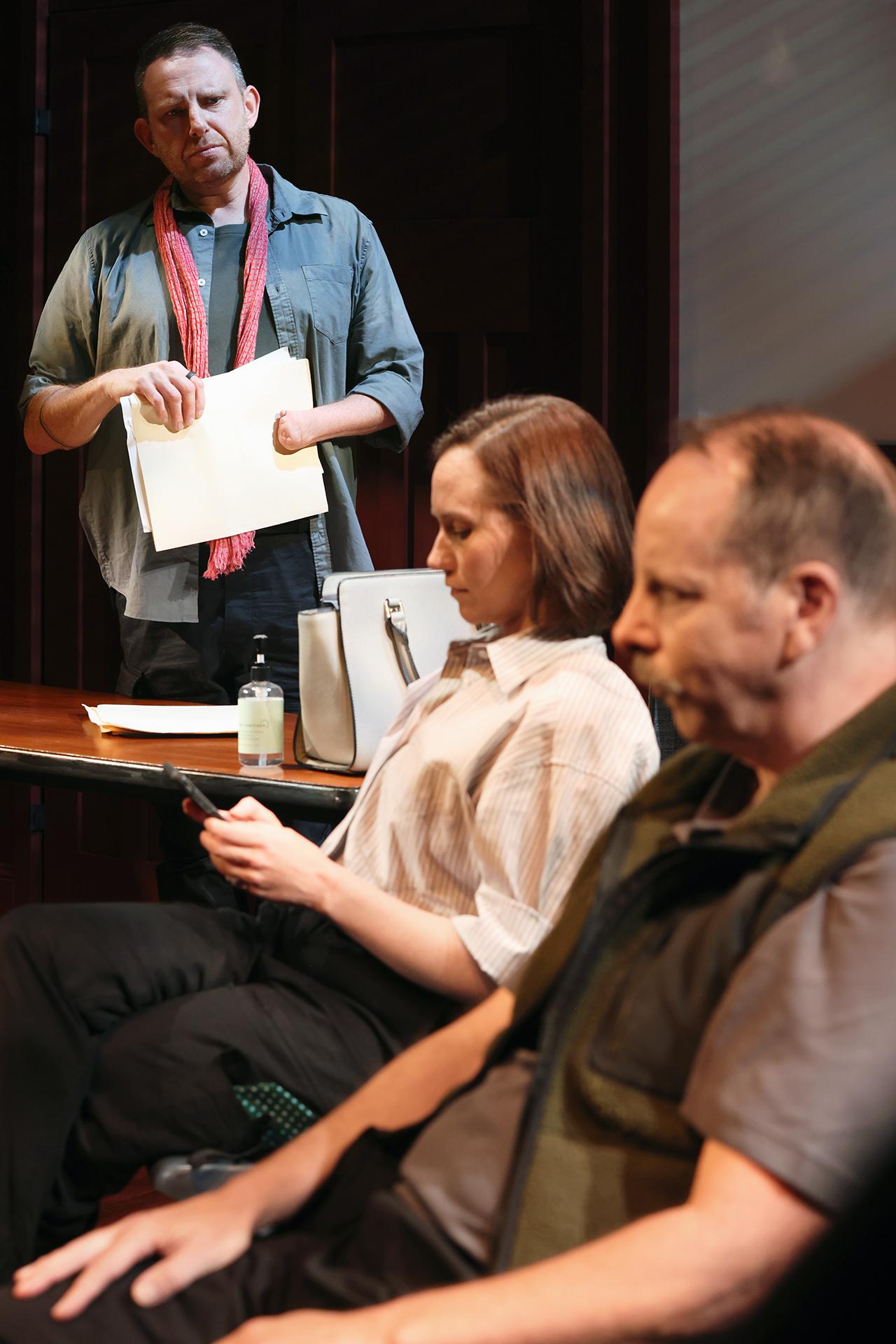
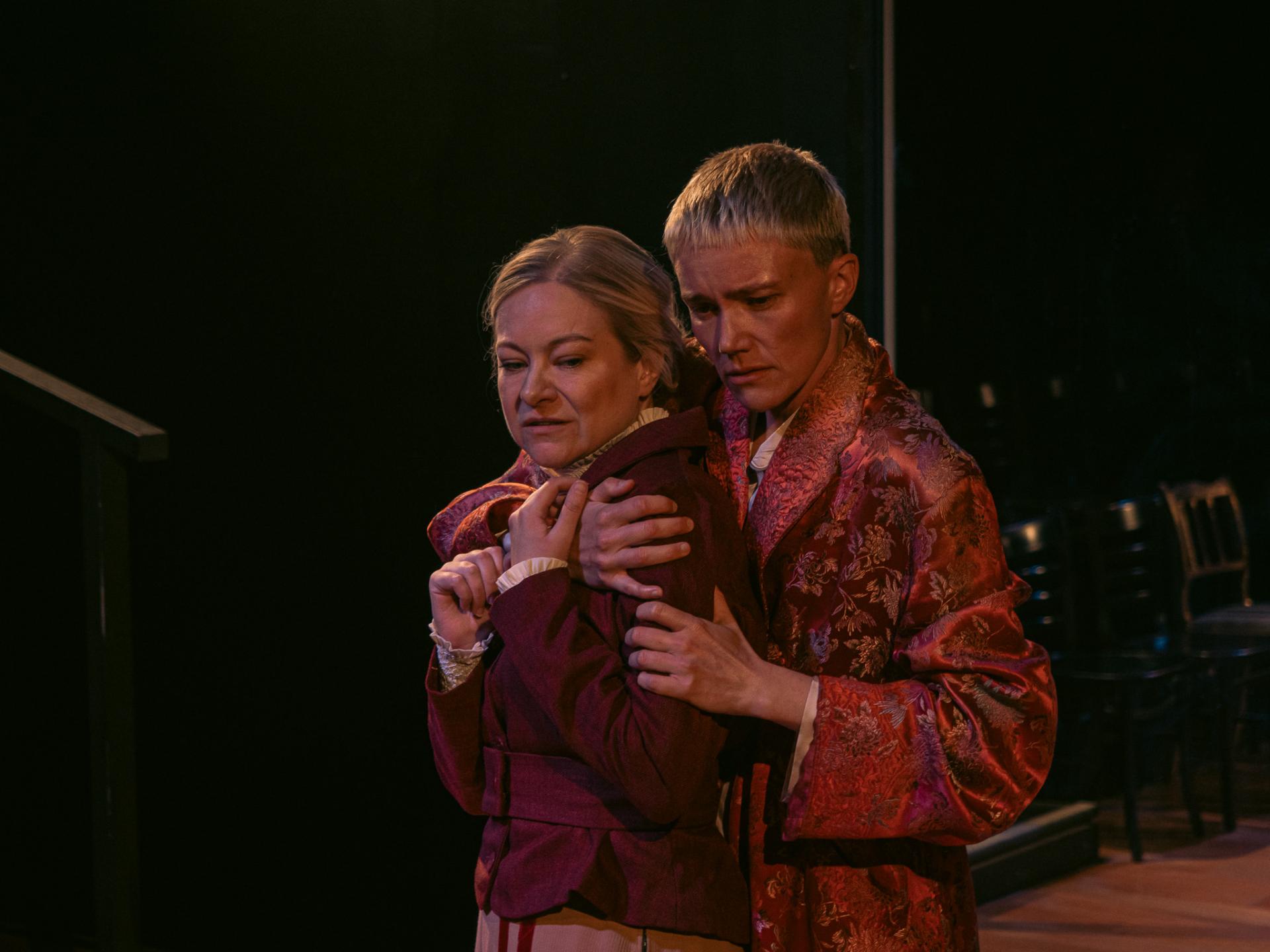
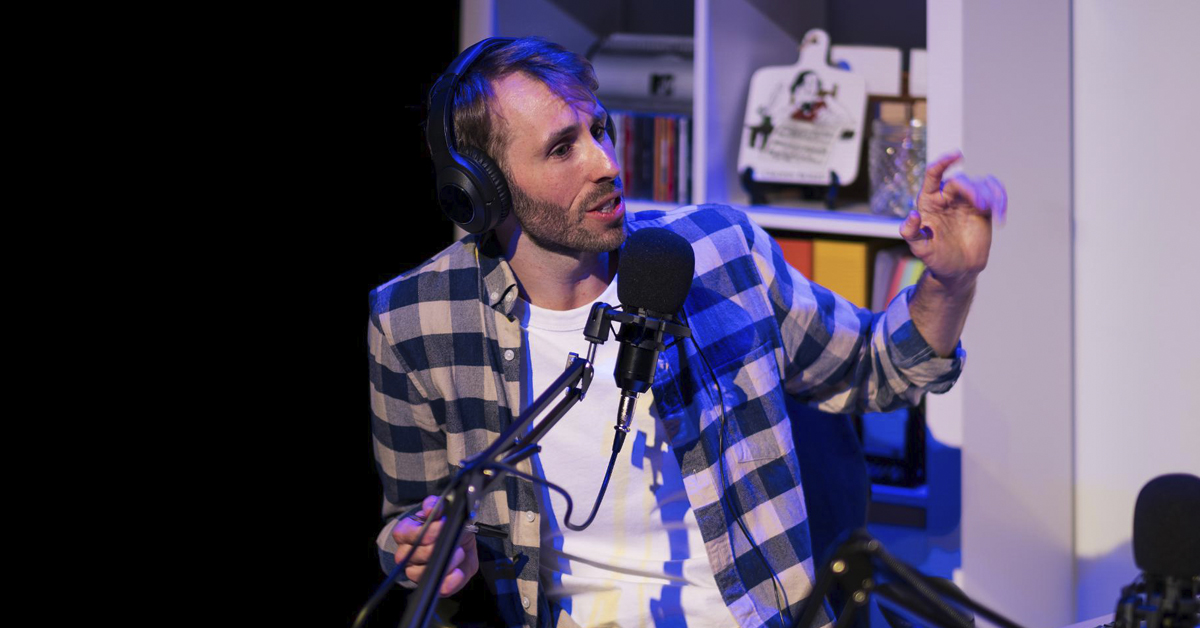
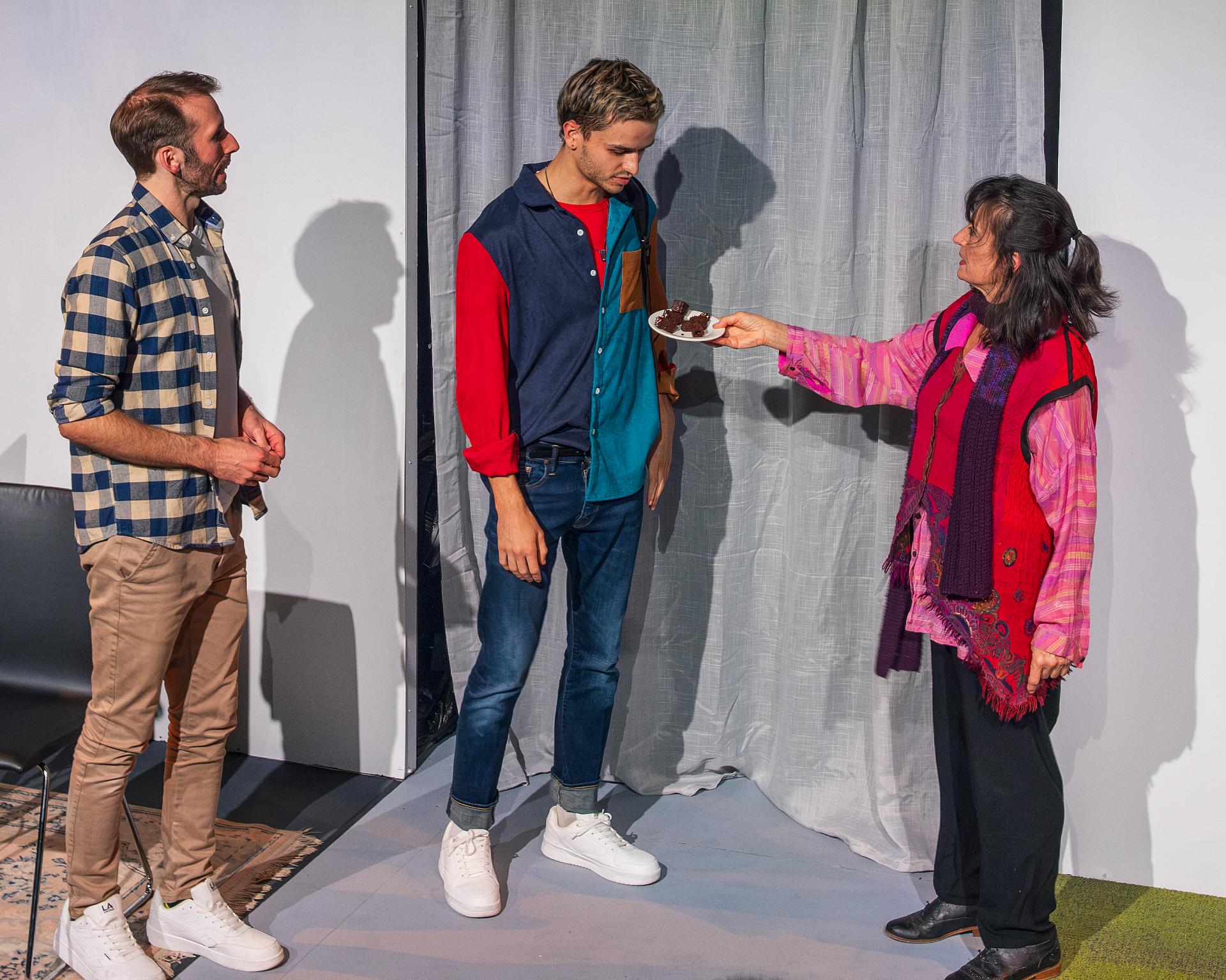
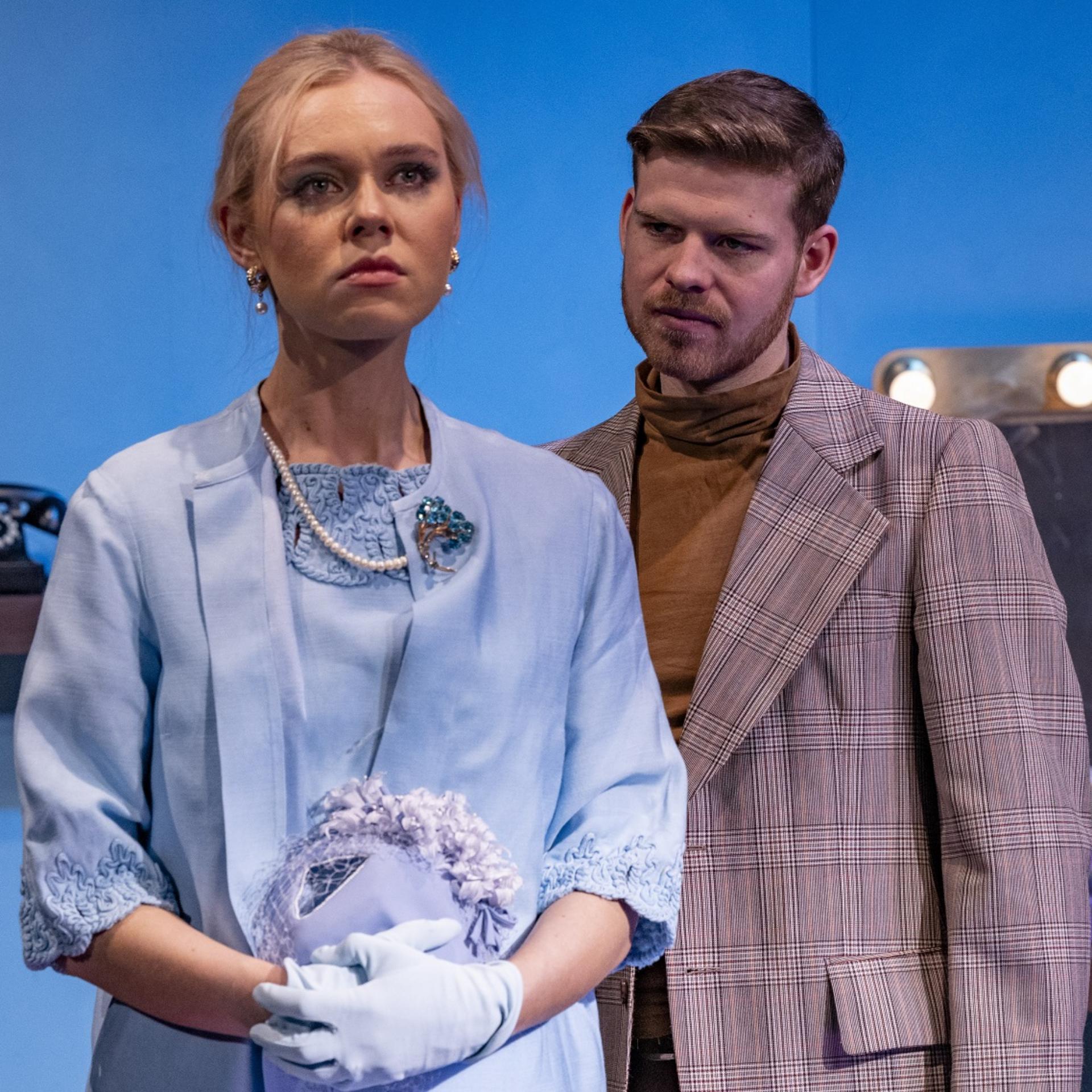
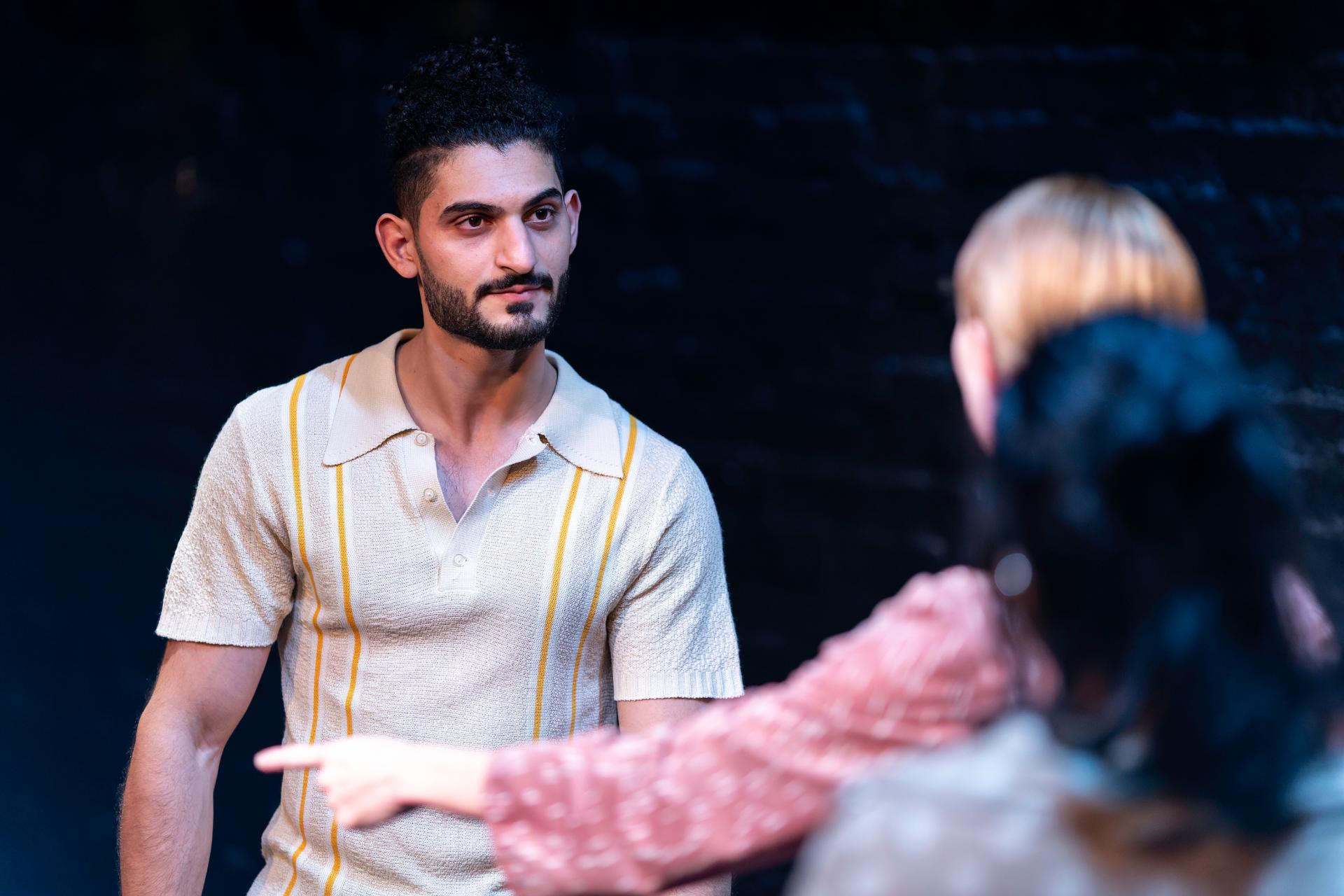
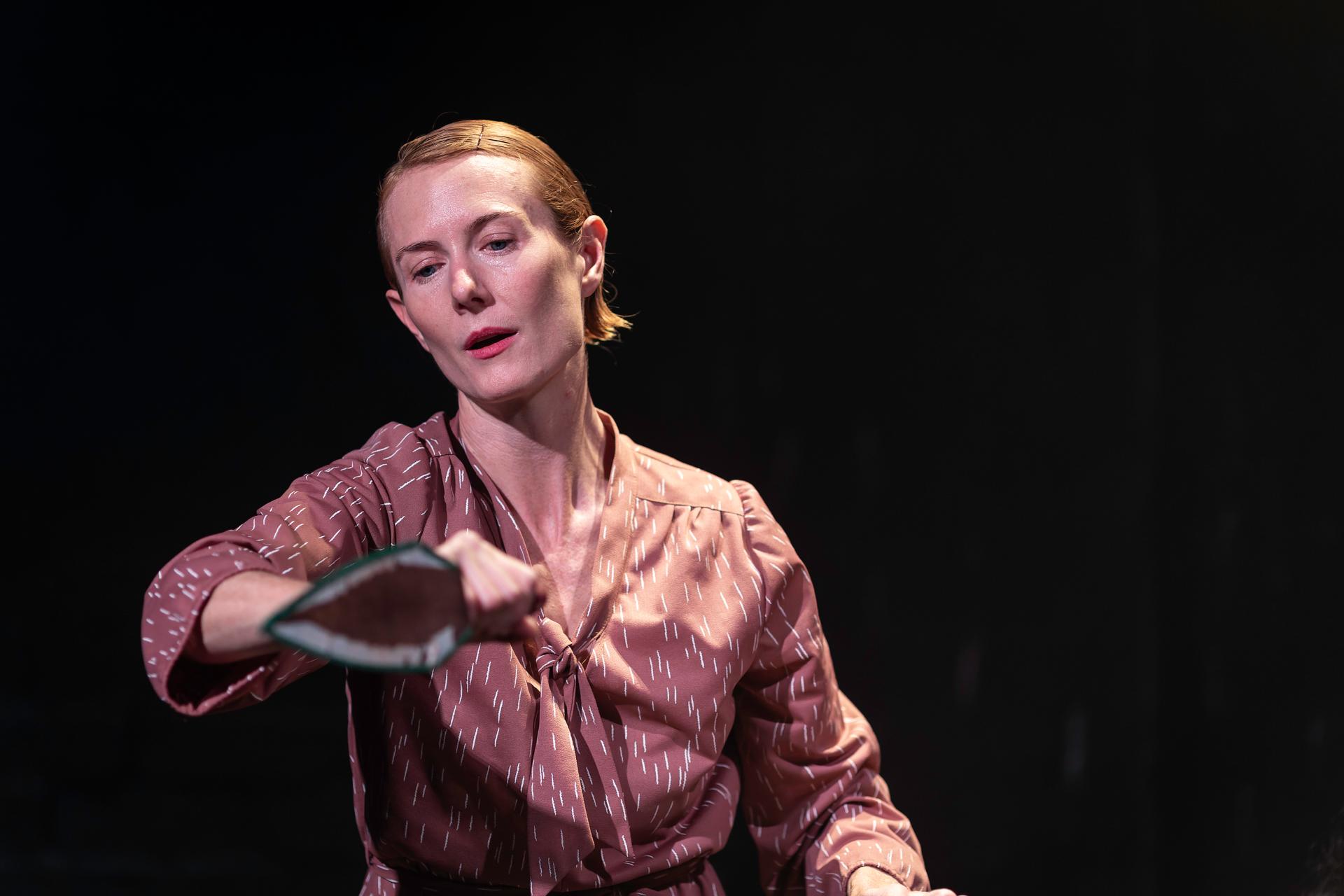
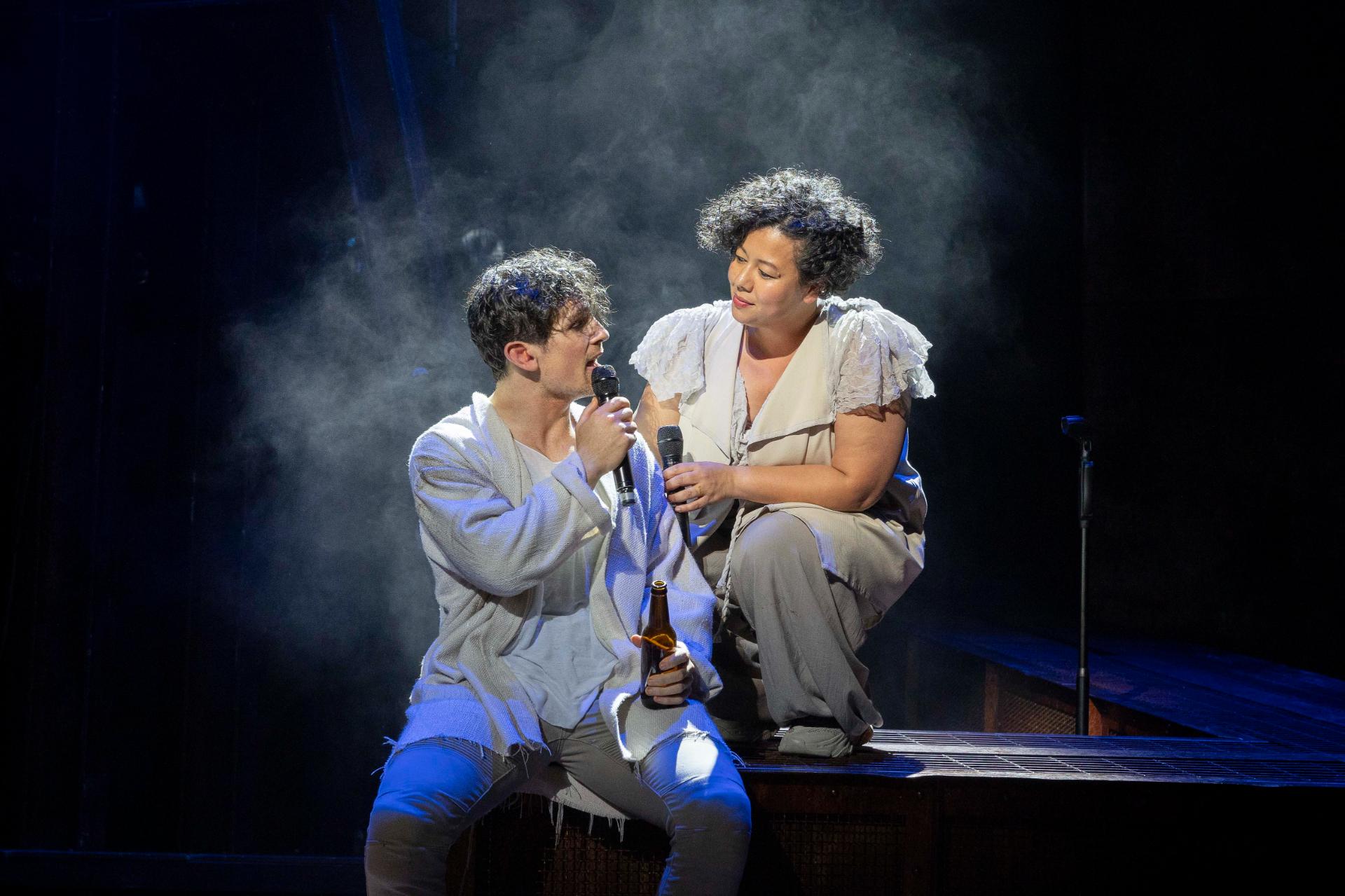
The cast is mostly charming, although not always resonant or persuasive, in a show that can on occasion feel somewhat under rehearsed. In the titular role is Yalin Ozucelik, laudable for his unwavering exuberance, and commitment to finding chemistry for all these scenes of interpersonal disconnectedness.

In Uncle Vanya we observe individuals who want the same thing, but all in different ways. The tragedy is that they all suffer a perturbation, yet are unable to locate meaningful ways to sufficiently see and hear one another. Disharmony becomes par for the course, when people can only look inward, and fail to recognise the endless similarities in between.

www.ensemble.com.au

Review: Cost Of Living (Sydney Theatre Company/Queensland Theatre)

Venue: Wharf 1 Sydney Theatre Company (Walsh Bay NSW), 18 Jul – 18 Aug, 2024
Playwright: Martyna Majok
Director: Dan Daw, Priscilla Jackman
Cast: Dan Daw, Kate Hood, Zoe de Plevitz, Philip Quast
Images by Morgan Roberts

Theatre review
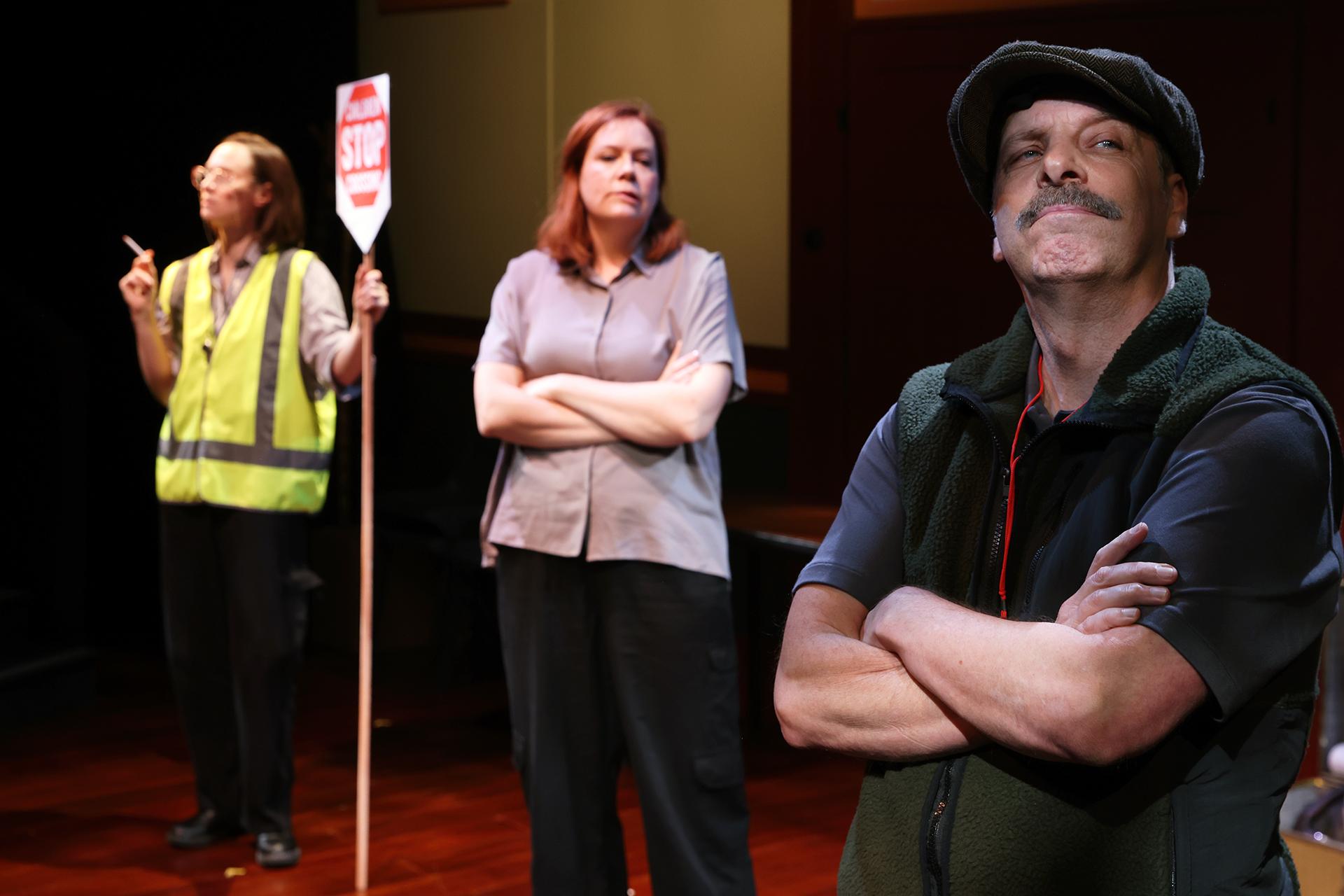
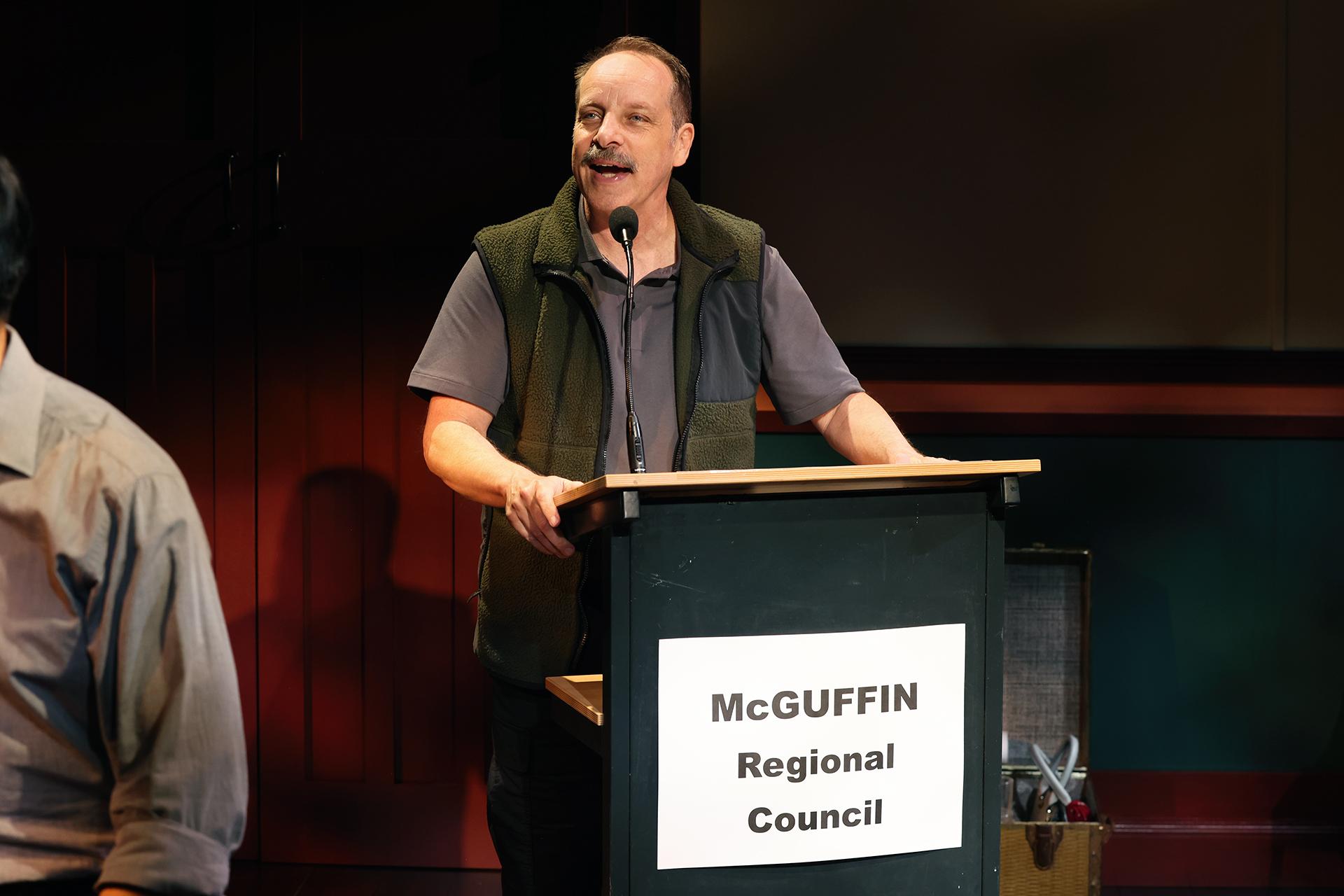
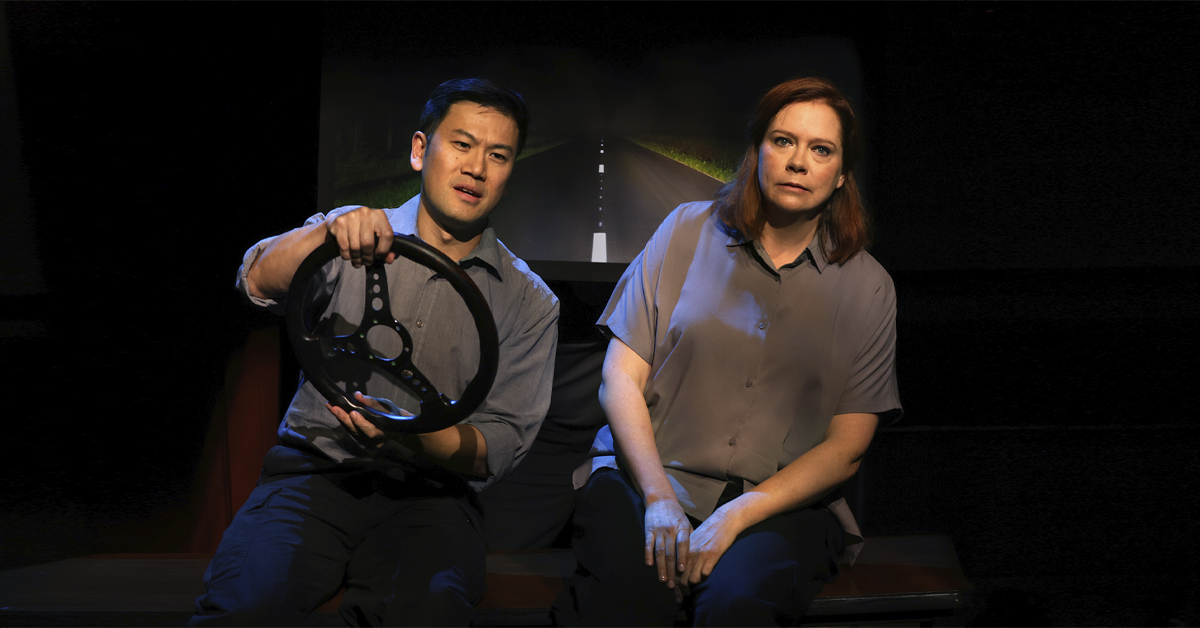
Ani and John have physical disabilities that require assistance. Edie and Jess are their respective carers, who grow to become emotionally reliant on their clients. Martyna Majok’s Cost of Living takes a look at the dependency we have for one another, as humans who fundamentally need other humans. The characters we encounter are indubitably fascinating, in this play about the vulnerabilities we share, although its plot can feel somewhat lacking.

Direction by Dan Daw and Priscilla Jackman create a compelling intimacy for a show comprised of two-hander scenes. It may not reach a point of emotional intensity that is sufficiently satisfying, but we find ourselves kept intellectually engaged throughout the piece. Production design by Michael Scott-Mitchell is perhaps too sparse, in a staging that could benefit from a greater sense of visual allure. Lights by John Rayment help to facilitate storytelling, as do sounds by Guy Webster, both elements offering appropriate enhancements to the drama that unfolds.

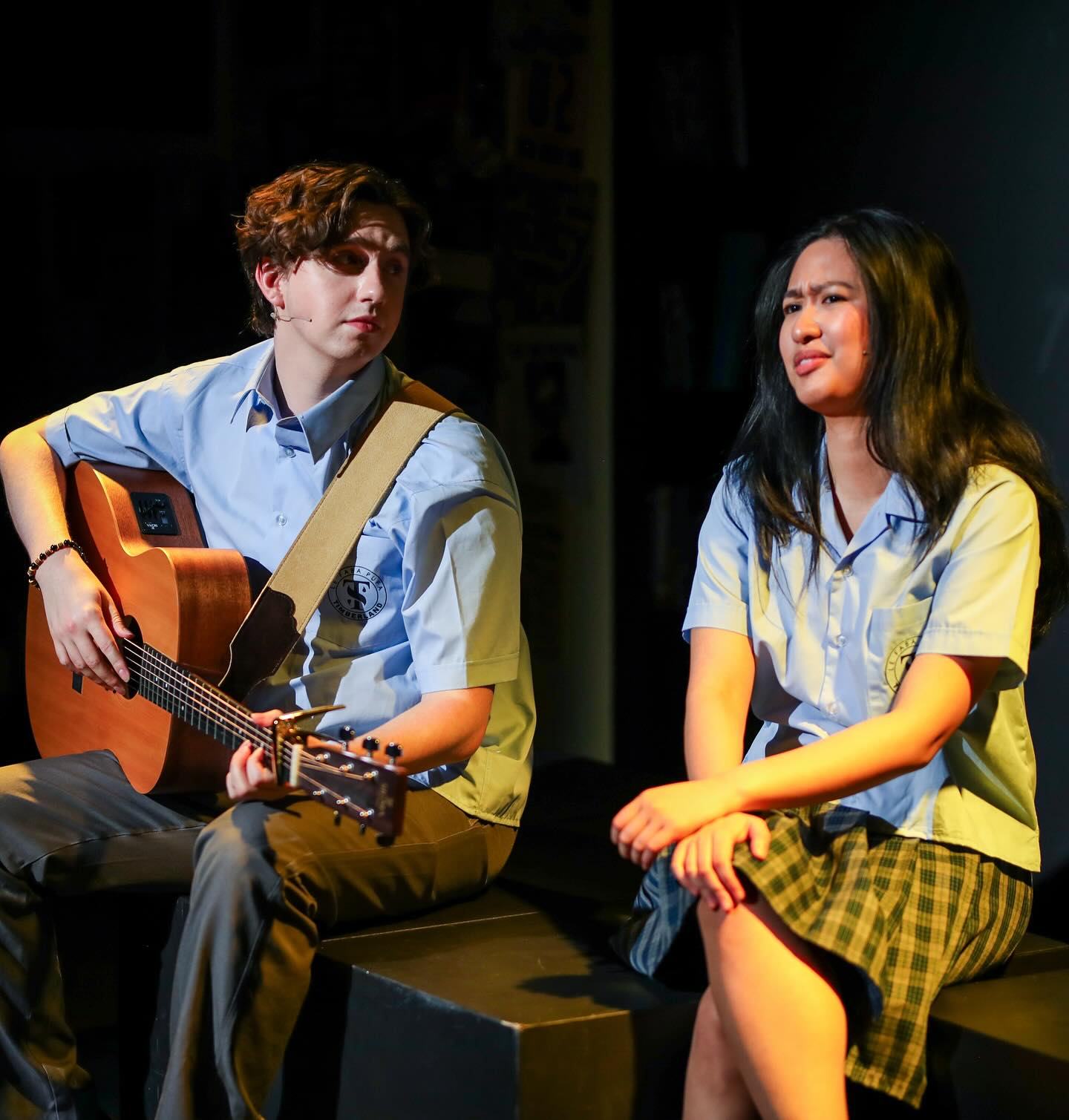
Daw performs one of the roles, and along with Kate Hood, Zoe de Plevitz and Philip Quast, form a cast that delivers something that is truly thought-provoking. There is a distinct passion in their advocacy for people living with disabilities, and they certainly inspire us to consider better integrating all our diverse capacities into what could be considered normative. Not all of us understands what it is to be disabled, but most will know the experience of being excluded. Unfortunately that sensation of ostracism is often forgotten, when we negotiate daily life, and we leave compassion behind, in trying to keep up with standards that serve only a minuscule minority.
www.sydneytheatre.com.au | www.queenslandtheatre.com.au

Review: Swim (Griffin Theatre Company)

Venue: Carriageworks (Eveleigh NSW), Jul 10 – 27, 2024
Playwright: Ellen van Neerven
Director: Andrea James
Cast: Sandy Greenwood, Dani Sib
Images by Brett Boardman

Theatre review
At the play’s commencement, a character named E enters a public pool changing room tentatively. Without much explanation, we understand that their ambiguous gender expression is a factor in that apprehension. Soon, it is revealed that their Indigeneity is another reason for E’s unease, when negotiating institutions of colonisation. Ellen van Neerven’s Swim describes how a person’s favourite place can turn into a locus for which their most painful memories can coalesce, and how a great love can become the thing that hurts you the most.
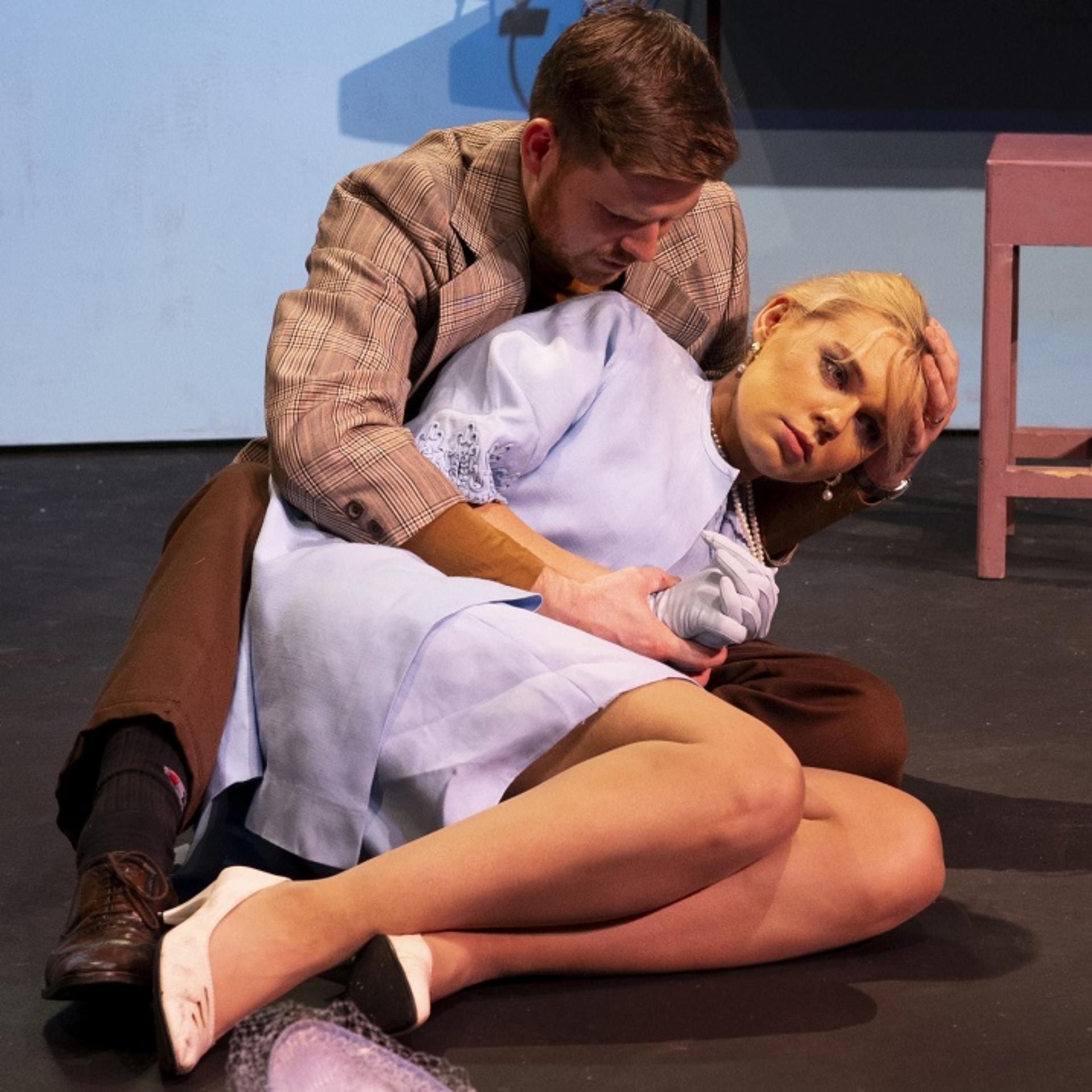
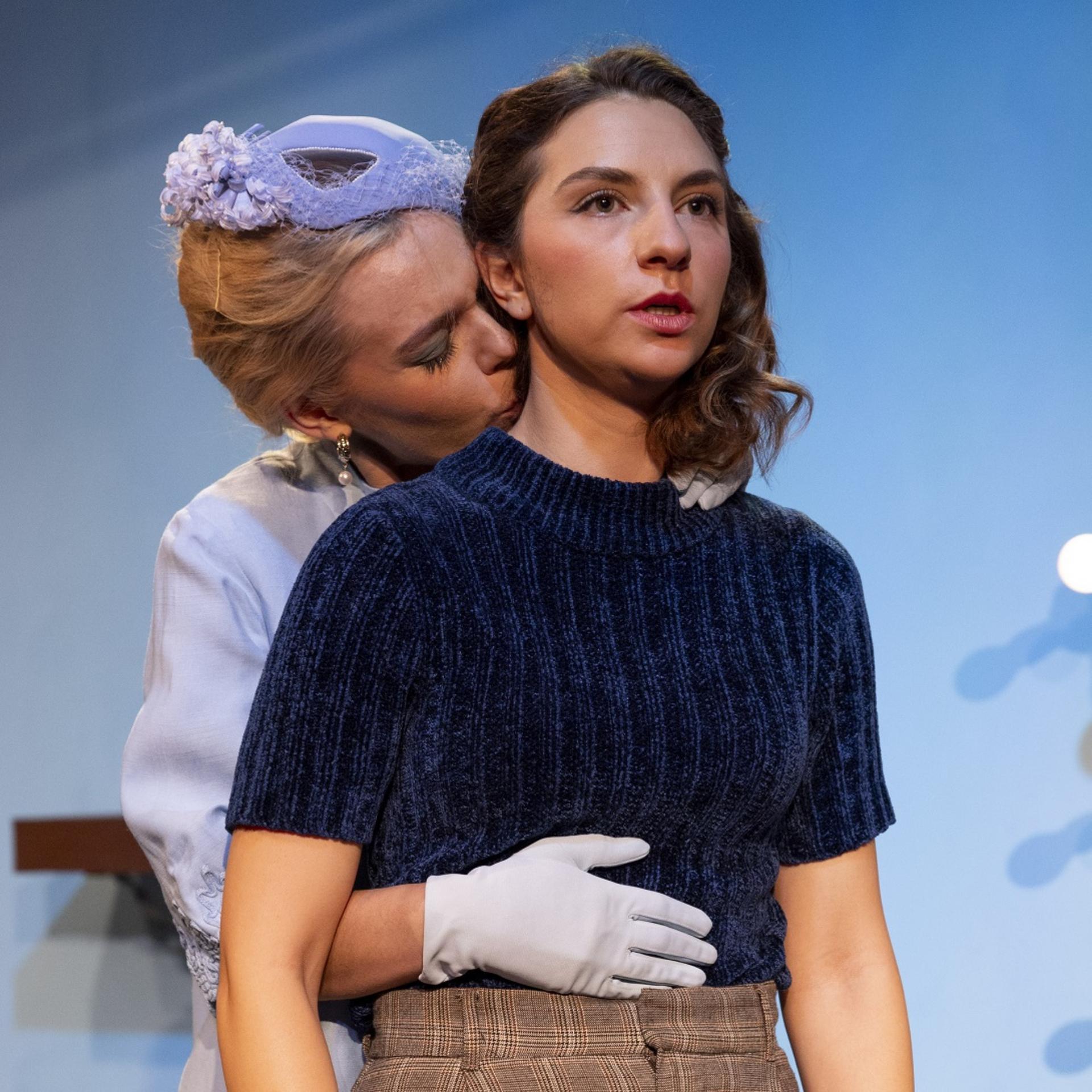
The poetic writing is imbued bittersweet melancholy by Andrea James’ inventive direction. Swim is a work about the challenges faced by someone marginalised in different ways, and even though it ventures inevitably into spaces of trauma, the show is often spirited in its representations of defiance, survival and resilience. A versatile set design by Romanie Harper greets us with a visual grandeur that almost conveys a certain reverence that our protagonist holds for the swimming pool. Projected onto tiled surfaces is a sublime video design by Samuel James, who uses arrayed imagery of water to evoke sensations of spiritual transcendence. Operating in tandem are exquisite lights by Karen Norris, accurate with the gamut of emotions it conjures, and making every second of the presentation look unequivocally beautiful. Music and sounds by Brendon Boney are remarkably moving, helping us to connect with the depths and complexities of what E is feeling in every scene.

Actor Dani Sib brings incredible focus to the lead role, delivering unassailable authenticity whilst having us absolutely captivated, as they explore a multitude of tangential reflections, about a life that refuses to be encapsulated in a convenient narrative. Sandy Greenwood’s exceptional charisma comes to good use, as they embody several supporting parts to excellent effect, giving us a reassuring warmth that makes this experience feel accessible and real. Also noteworthy are costumes by the aforementioned Harper, convincing in their rendering of personality types, and wonderfully theatrical at pivotal moments.

Few things can claim to be new, in our artistic expressions and more generally in the ways we conduct social discourse. The emergence of non-binary identities however, is a contemporary phenomenon that elicits new ways of thinking, and indeed new ways of understanding aspects of our nature. It is a revolutionary movement that urges us to see a deeper truth about who we are, and what we are capable of. It is indicative of a future that can fundamentally erase notions of difference, so that we can regard each other with greater equity. Non-binary rejects stratifications, and it will instigate a dismantlement of instruments used for domination, beyond concepts of gender.
www.griffintheatre.com.au

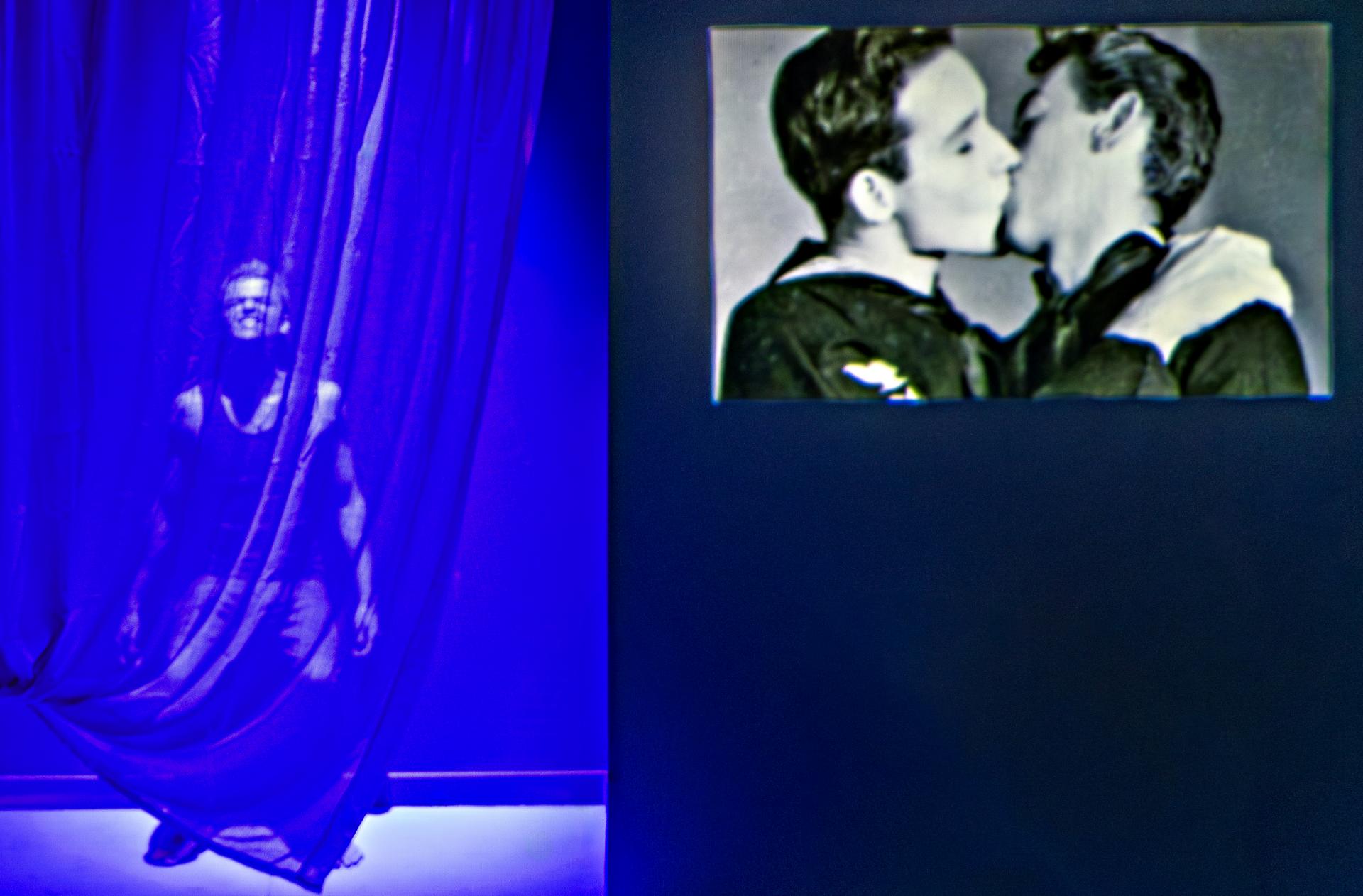
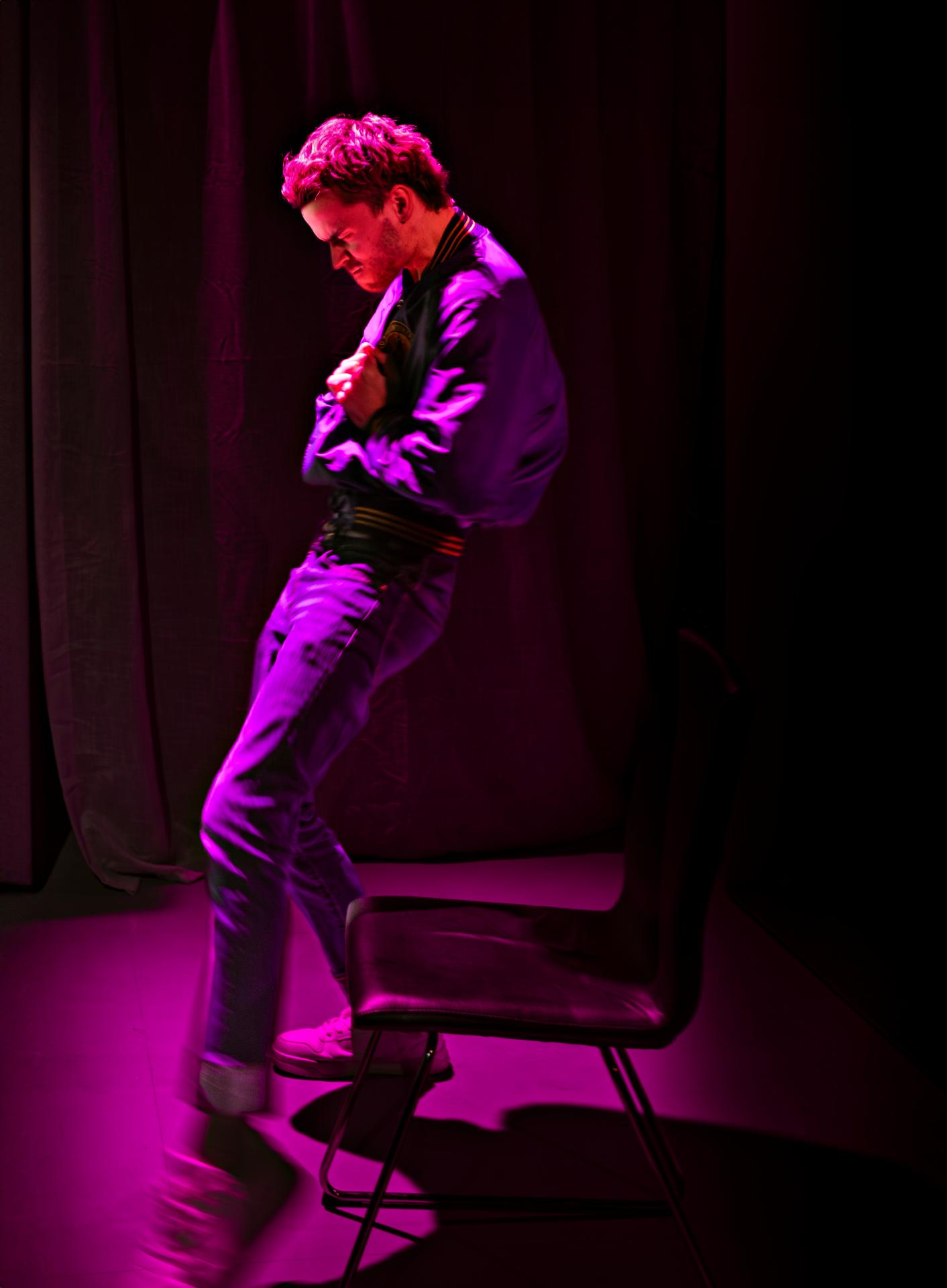
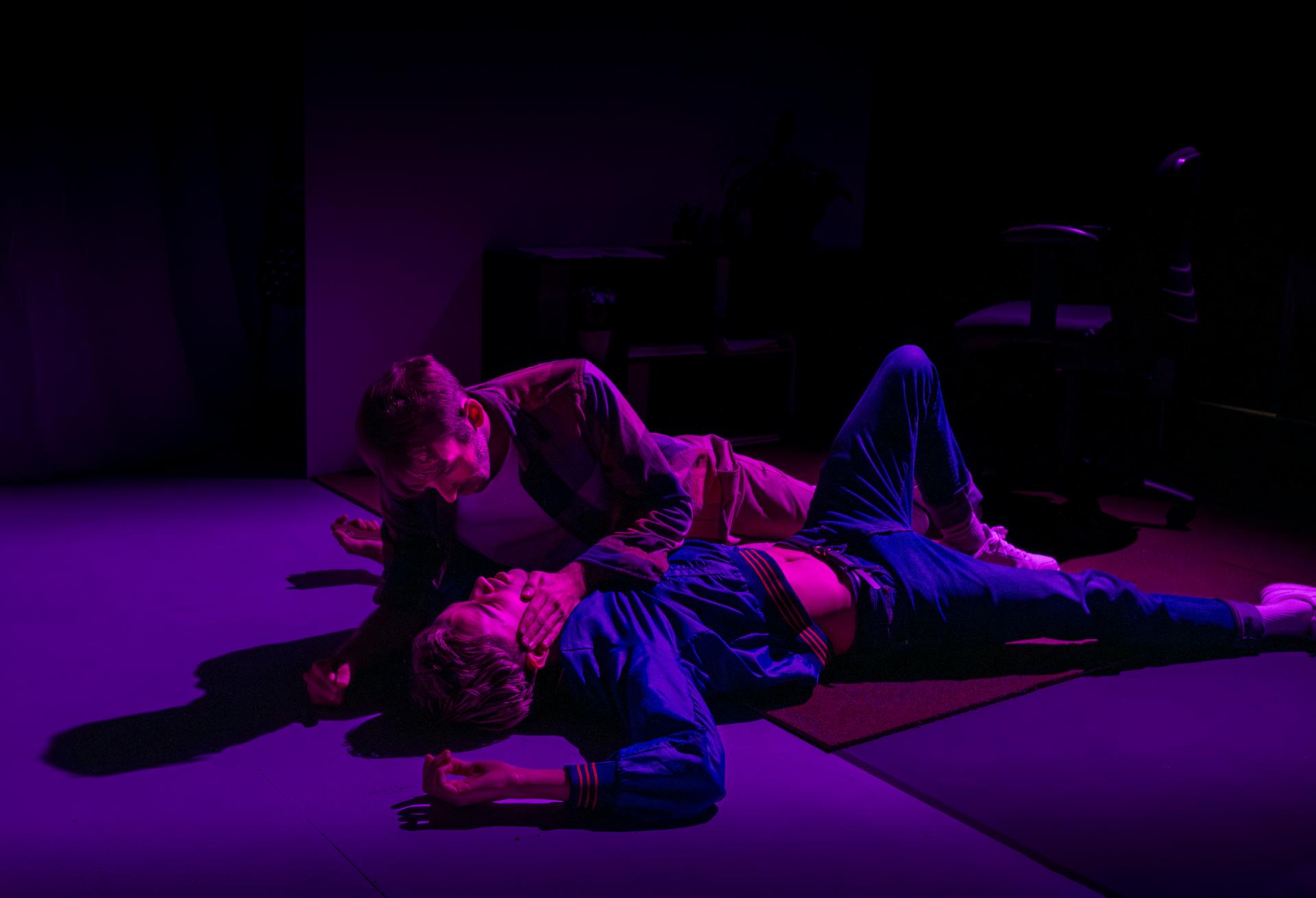
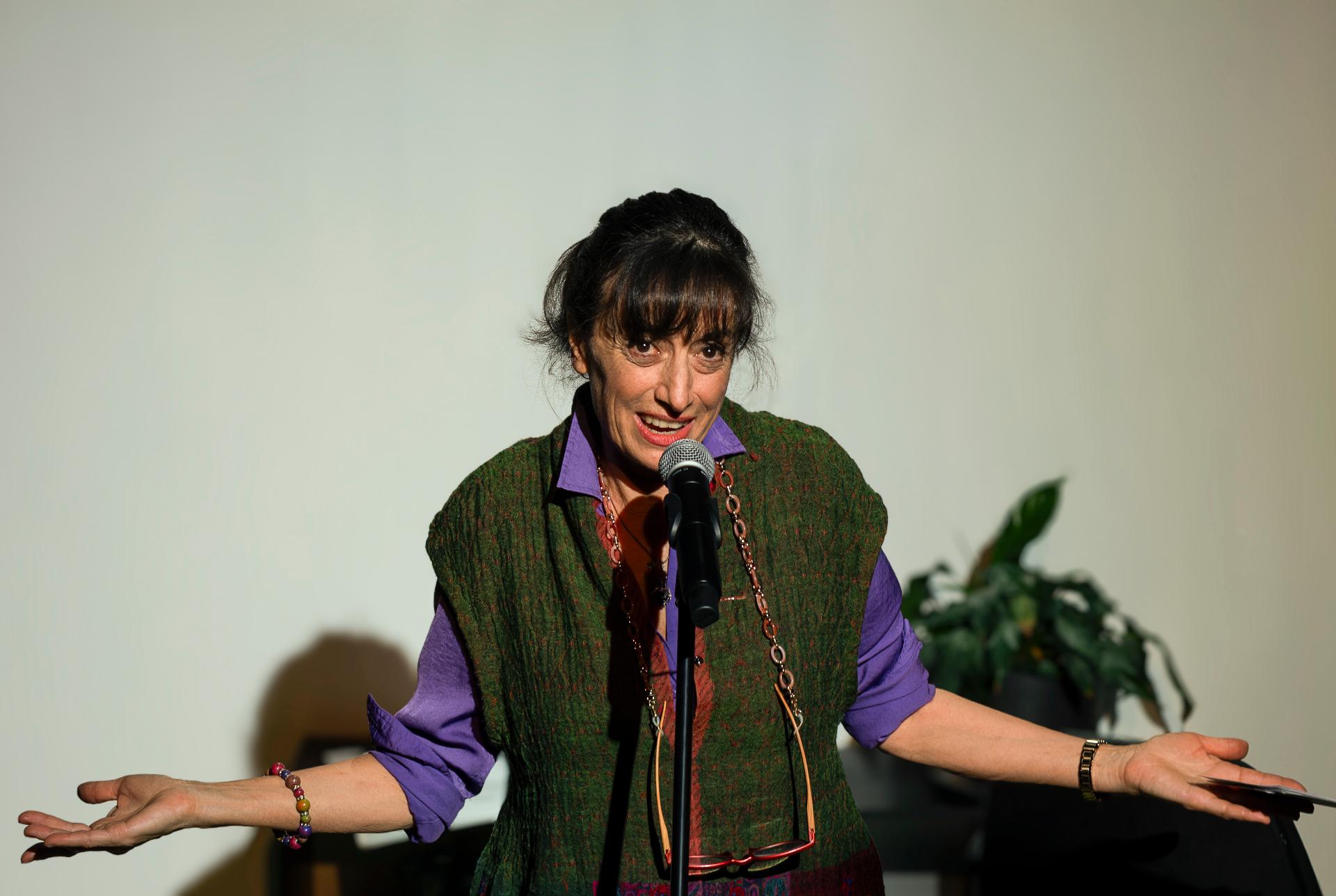
Review: The Past Is A Wild Party (Qtopia / Siren Theatre Company)

Venue: Qtopia (Darlinghurst NSW), Jul 10 – 27, 2024
Playwright: Noëlle Janaczewska
Director: Kate Gaul
Cast: Jules Billington
Images by Alex Vaughan

Theatre review
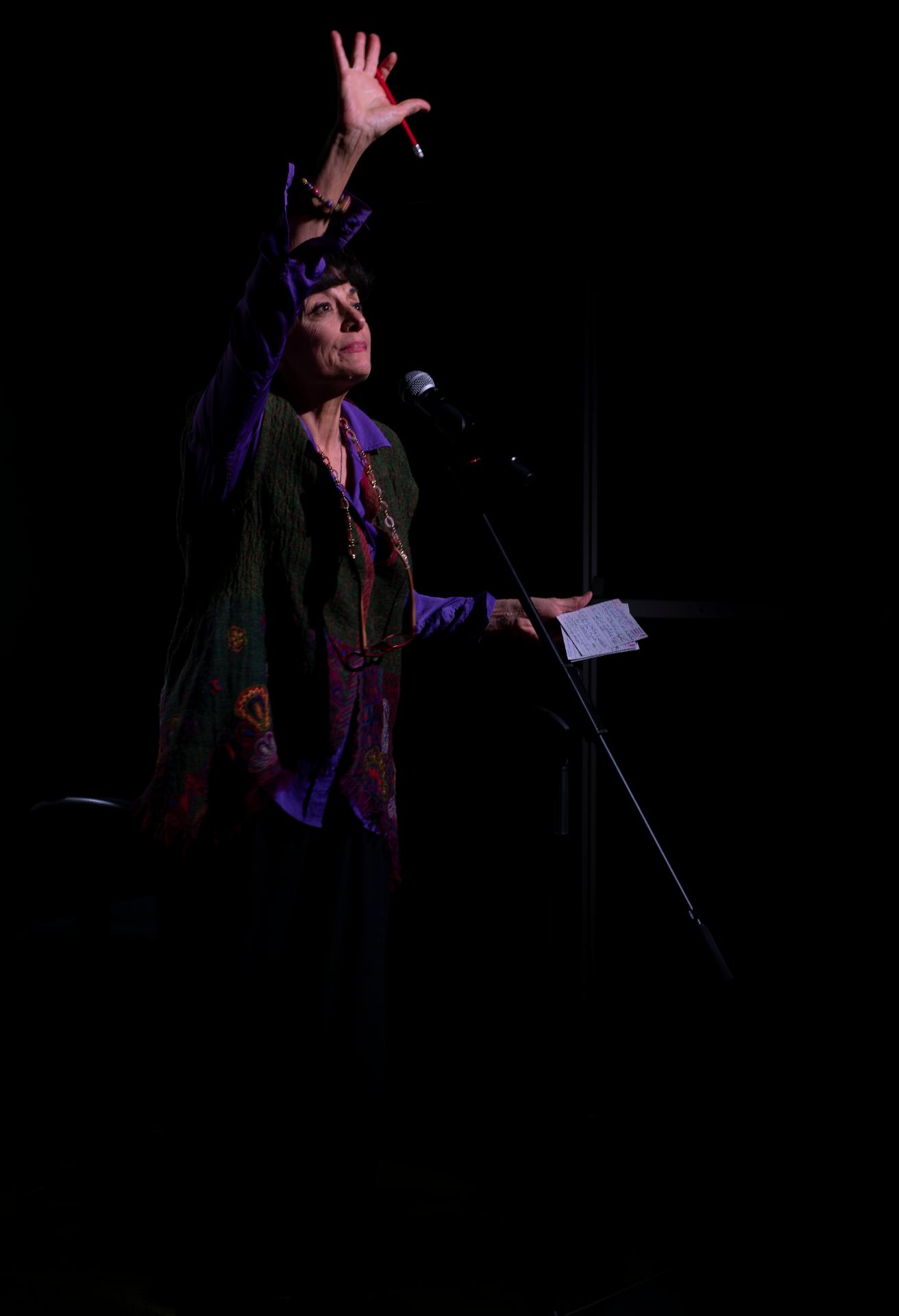
In The Past is a Wild Party, Noëlle Janaczewska looks back at her “chosen family history” by examining queer literature through the years, focusing on the often eclipsed experiences of women in the LGBTQ+ community. As she travels through libraries in Australia and in Europe, looking at works both legendary and obscure, Janaczewska reflects on her own life and loves, in what appears to be an exercise in healing, for the writer and for audiences of a similar persuasion.

It is an enchanting one-person show, directed with great passion by Kate Gaul, who brings wonderful elucidation to the meaningful complexions of the text. Performer Jules Billington is extraordinarily precise with each physical gesture and verbal inflection, making sure that we detect all the nuances of this soulful meditation on a collective phenomena that encompasses tribulation, trauma and triumph. There is a memorable and immense benevolence to Billington’s approach that thoroughly captivates, and that keeps us attentive with open hearts and minds.

An unexpectedly rich lighting design by Benjamin Brockman elevates the solo format, by introducing a compelling visuality to the production, with consistent vacillations to its emotional textures, but always beautiful in its depictions. Music by Madeleine Picard guides us on this sentimental journey, hypnotic with its melancholy, and perfectly attuned with the bittersweet musings of a person with wisdom to share.

It is within sapphic spaces that we can perceive especially clearly, an existence outside of the patriarchy. Power and its machinations may not entirely cease to exist in something like The Past is a Wild Party, but a certain disintegration of inequity can certainly be observed. No longer is there an obsession with domination over people, but a sense of togetherness in opposition to systematic oppression. We encounter something specific yet welcoming, with a capacity for the vastness of humanity, much like motherhood, that should come so natural, yet we know to be so rare.

www.qtopiasydney.com.au | www.sirentheatreco.com

Review: Too Human (KXT on Broadway)

Venue: KXT on Broadway (Ultimo NSW), Jul 5 – 20, 2024
Playwright: Michael McStay
Director:
Sammy Jing
Cast: Luisa Galloway, Jasper Lee-Lindsay, Rhiaan Marquez, Mason Phoumirath, Lachie Pringle, Rachel Seeto
Images by Phil Erbacher

Theatre review
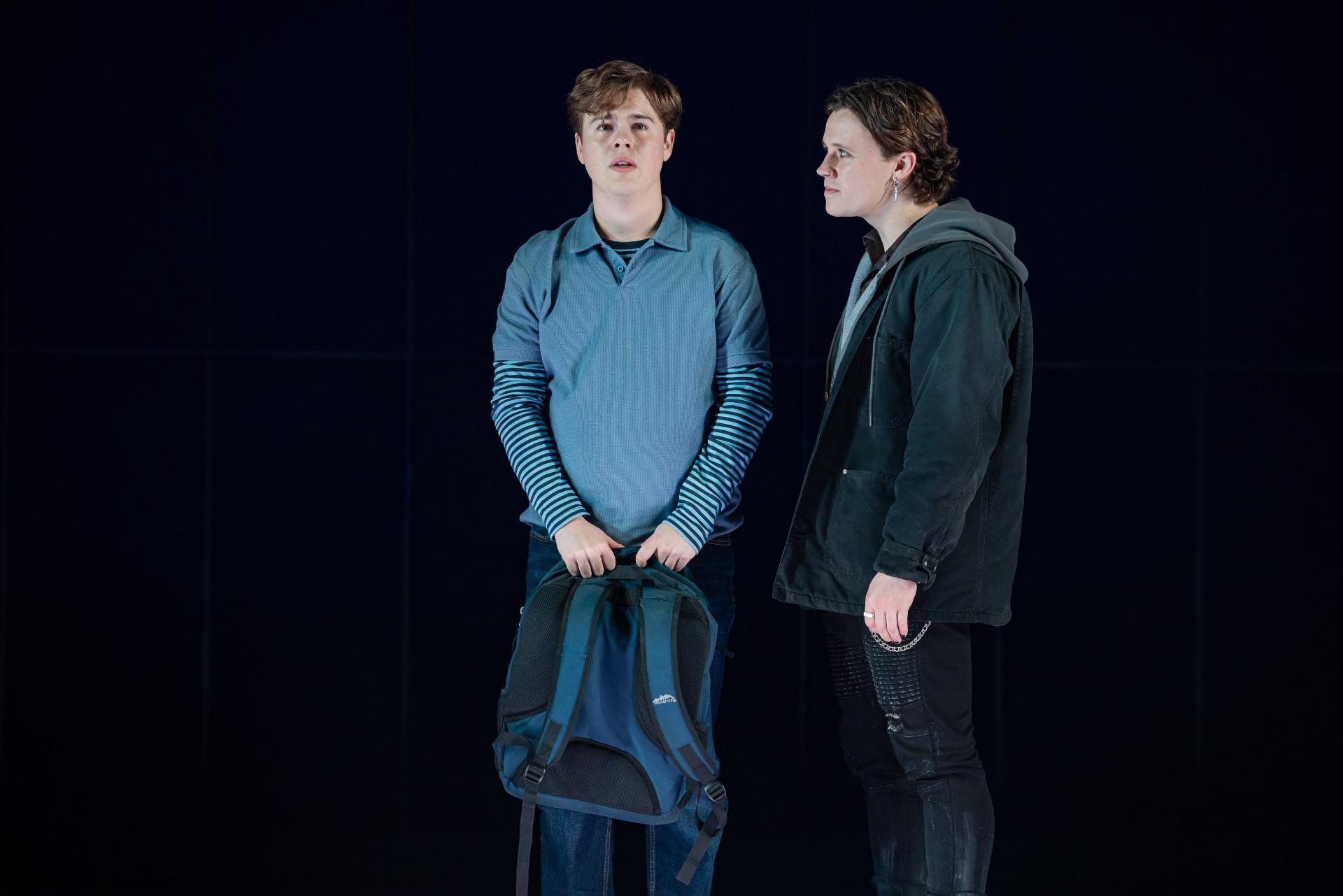
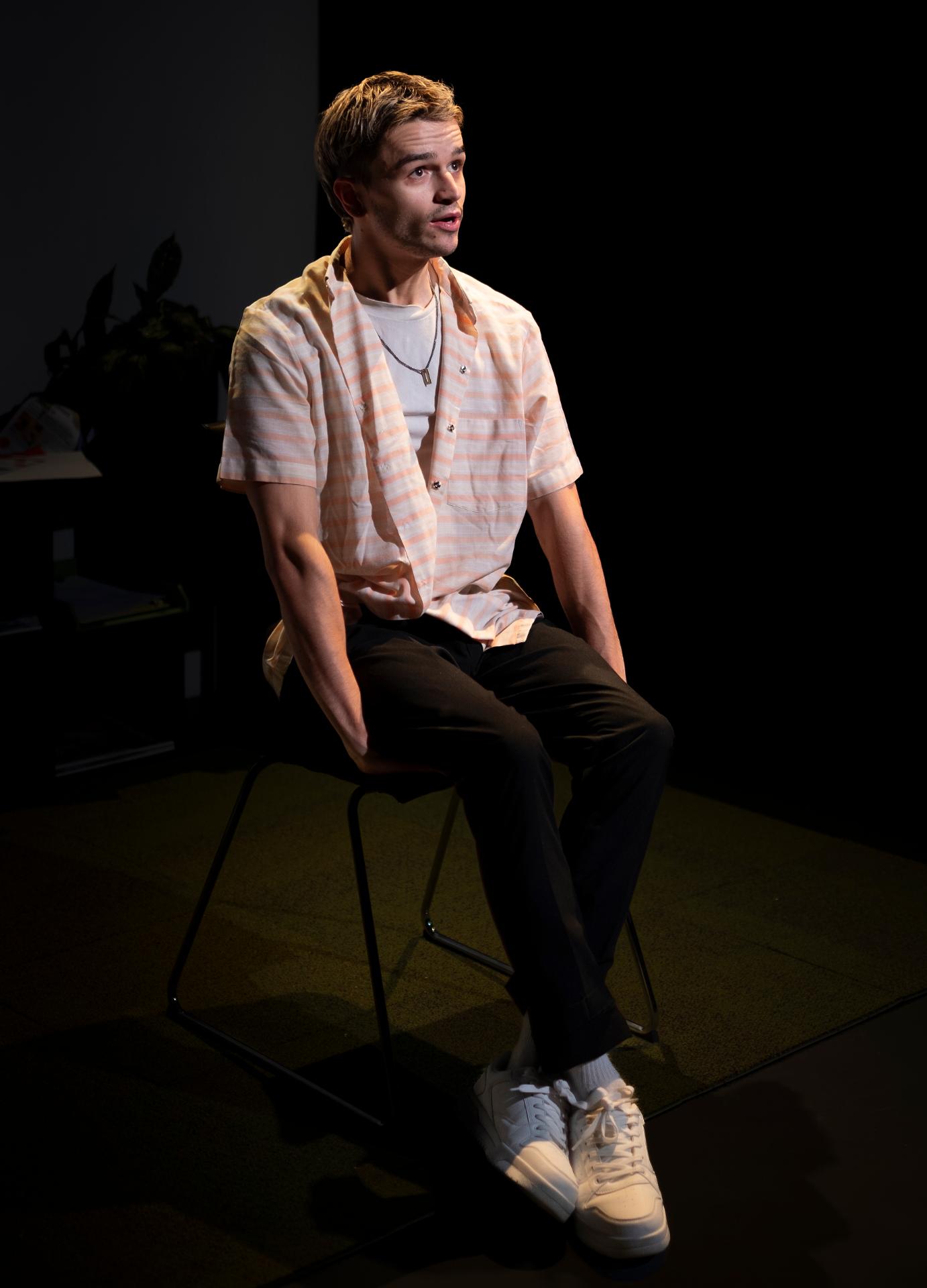
Monty is in Year 8, and because she looks different from others at school, is having an inordinately hard time trying to fit in. Michael McStay’s Too Human is a witty return to the classic teen comedy, dealing with themes of acceptance and emancipation. With a narrative that might be considered intentionally trite, it is the sparkling dialogue and kooky characters that really leave an impression. We know exactly where the story is to conclude, but the journey is nonetheless enjoyable, and often thoroughly amusing.

Inventive direction by Sammy Jing keeps us fascinated, in a show that proves inexhaustibly mischievous and fun. Monty is played by Rhiaan Marquez, who convinces with her depictions of desperation amidst social ostracism. Jasper Lee-Lindsay and Rachel Seeto steal the show as Andy and Lewis respectively, both actors expertly balancing comedy with pathos, in portrayals of teenage angst that surprise with their poignancy. Other members of the likeable cast are Luisa Galloway, Mason Phoumirath and Lachie Pringle, all wonderfully humorous and equally committed to the cause.

Production design by Hannah Tayler comprises an archetypal interpretation of life on the schoolyard, with clever costumes full of idiosyncratic personality and a marvellous sense of fantasy. Lights by Emma van Veen and Paris Bell are wonderful in their colourfulness, commendable for the exuberance they bring to proceedings. Ambitious sounds by Felix Partos, with zany songs by Gabbi Bolt, too are effective in creating aural dynamism that keeps the atmosphere consistently buoyant and energetic.

The young ones in Too Human are talked about as half-human and half-animal, which seems to be terminology that engenders notions of incompleteness, rather than multitude. They are in fact of double species, and have the potential to be twice as interesting, if not twice as resourceful. How we name ourselves run the risk of attributing deficiency and inferiority, to beings who are perfect and whole. It may be an exaggeration to say that language means everything, but it is hard to imagine any phenomenon being defined without words, whether careless or impeccable.

www.kingsxtheatre.com | www.liminalproductions.au

Review: Dracula (Sydney Theatre Company)

Venue: Roslyn Packer Theatre (Sydney NSW), Jul 2 – Aug 4, 2024
Writer: Bram Stoker (adapted by Kip Williams)
Director: Kip Williams
Cast: Zahra Newman
Images by Daniel Boud

Theatre review
In Bram Stoker’s Dracula, mortality is under constant threat, by its central immortal figure. Fear is represented entirely by deathlessness, the very phenomenon we desire the most. In Kip Williams’ single-performer stage adaptation, we see that all this struggle and terror, exists completely within one’s mind. In a story about petrifying phantoms and alarming apparitions, otherness is presented as being utterly heinous, yet only located on the inside.

It may be the old adage, “the only thing to fear is fear itself”, that we so clearly see in actor Zahra Newman’s sublimely rhapsodic performance, as her body and mind masterfully transform before our eyes, into 23 different characters from Stoker’s legendary work. We observe the astonishing courage of a person undertaking a manifestly herculean task, making a persuasive argument in this tour de force about horror and paranoia, demonstrating that what may be only a figment of a person’s imagination, can lead to absolutely devastating consequences.

Combining stage and screen, Williams’ cine-theatre approach deals perfectly with competing concepts of reality and delusion. On film, all manner of fantastical imagery can be shown, and the audience easily invests in its fiction, no matter how extravagant. By contrast, the materiality of the live format is used simultaneously to expose the truth, and we find ourselves in a constant state of discombobulation, experiencing both aspects, virtually at the same time. Williams’ ability to deliver that delightfully bizarre sensation, of being immersed in circumstances that are at once congruent and divergent, is theatrical magic at its most sensational. In Dracula, we learn that art and technology can coalesce to deliver a psychological effect that could perhaps neve be encountered otherwise, and reveal something quite fundamental about how we are.

The immense video work is designed by Craig Wilkinson, whose inventiveness leaves us breathless time and again. Marg Howell’s costumes and sets are consistently surprising, and marvellous in the sense of cohesiveness they manufacture for a show that dares to be thoroughly unhinged. Lights by Nick Schlieper give us seamless and balanced visuals, every which way we choose to position our eyes. Music by Clemence Williams and sounds by Jessica Dunn, are relentlessly gripping, and memorable for being unabashedly dramatic, in their delicious interpretations of Stoker and his essential flamboyance.

The human imagination is unequivocally powerful. It can twist material realities into infinite different meanings, that in turn spur us onto wildly varying trajectories. Our mind has great capacities, yet we can never claim to have real control over it. Count Dracula may or may not be who they think he is, but there is certainly no doubting their dismal failure at ever hoping to resist his allure.

www.sydneytheatre.com.au

Review: [Your Name] (KXT on Broadway)

Venue: KXT on Broadway (Ultimo NSW), Jun 14 – 29, 2024
Playwright: Kate Bubalo
Director:
Lily Hayman
Cast: Lola Bond, Andrew Fraser, Georgia McGinness, Evelina Singh
Images by Georgia Brogan

Theatre review
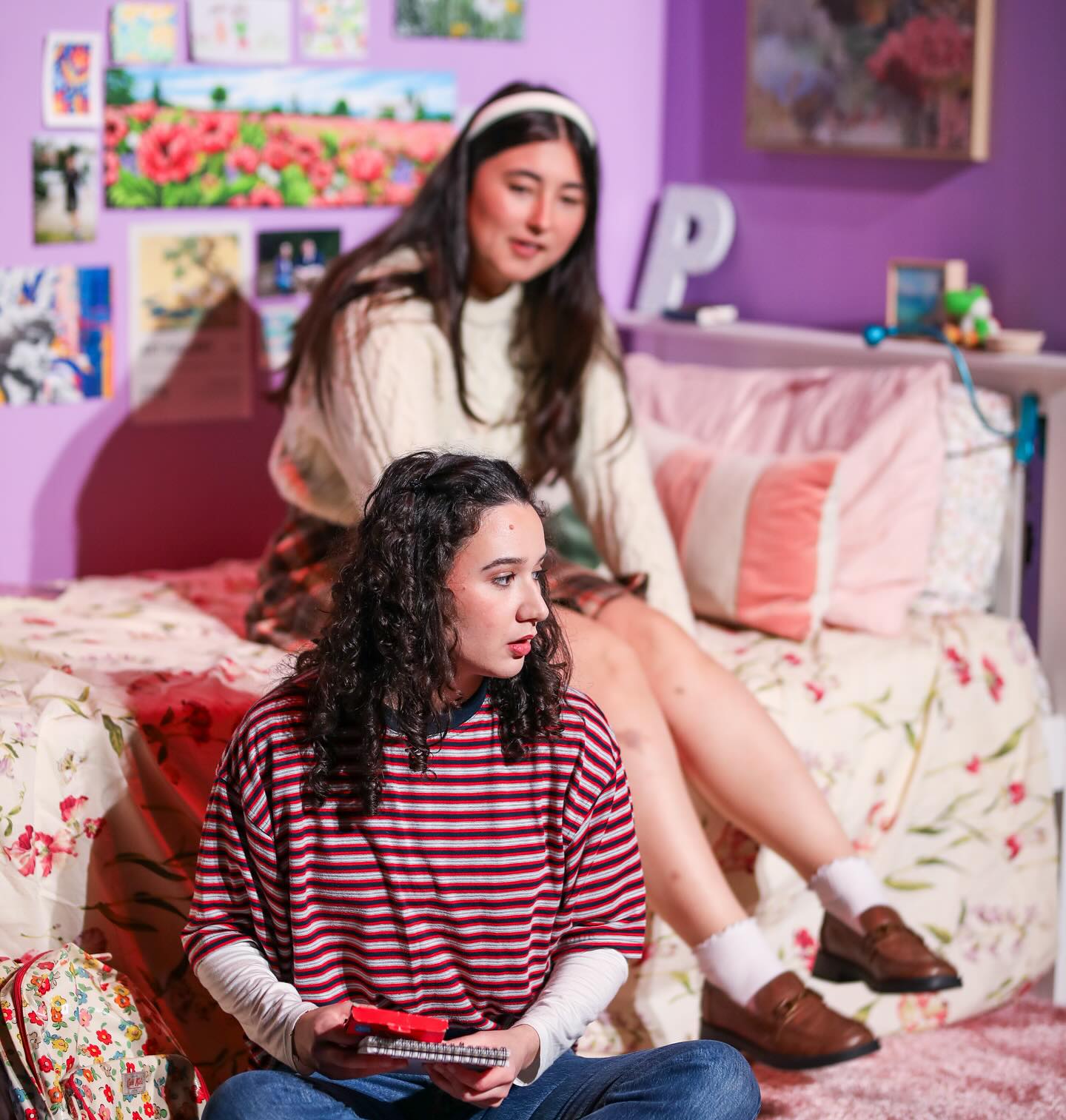
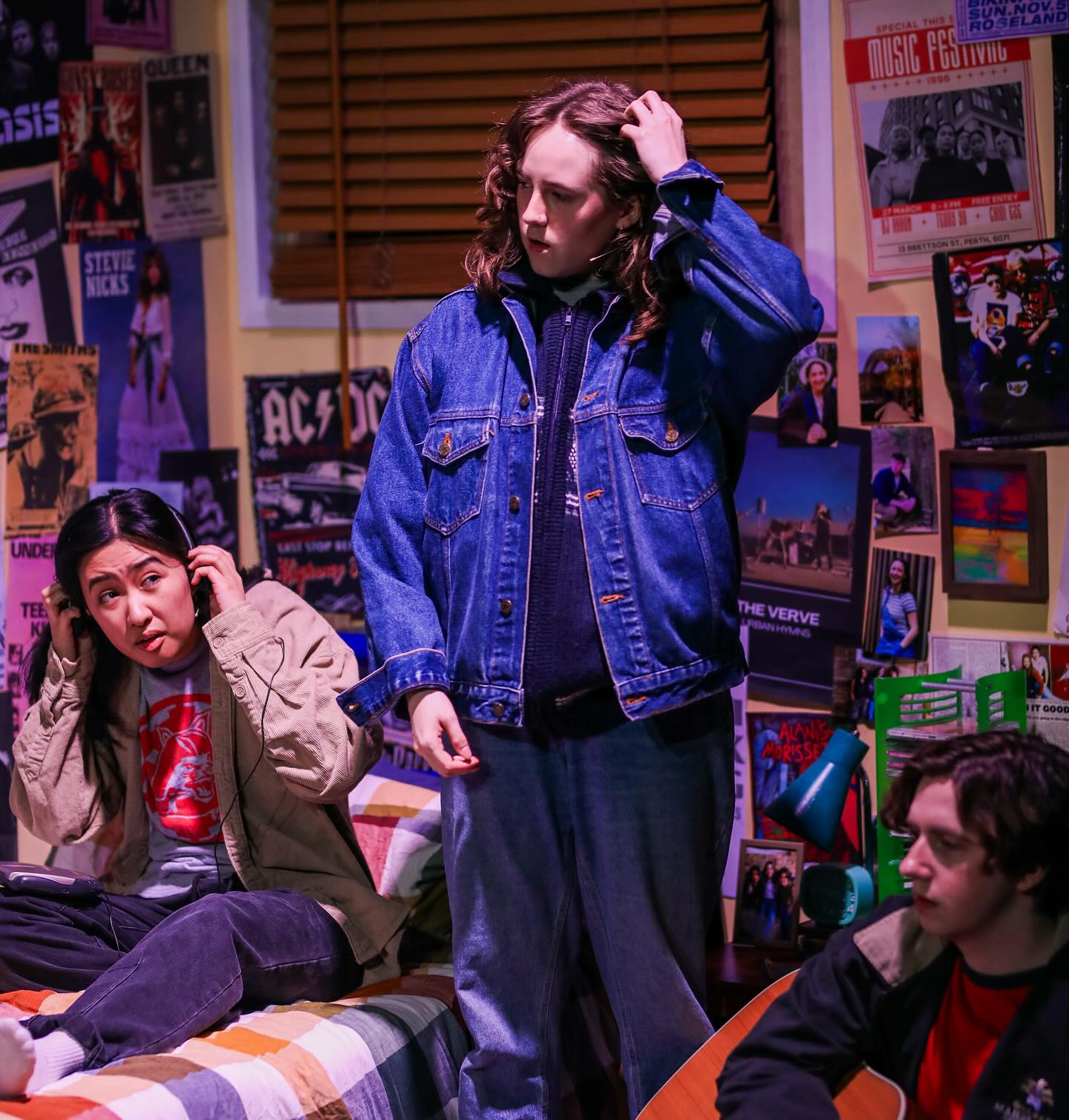
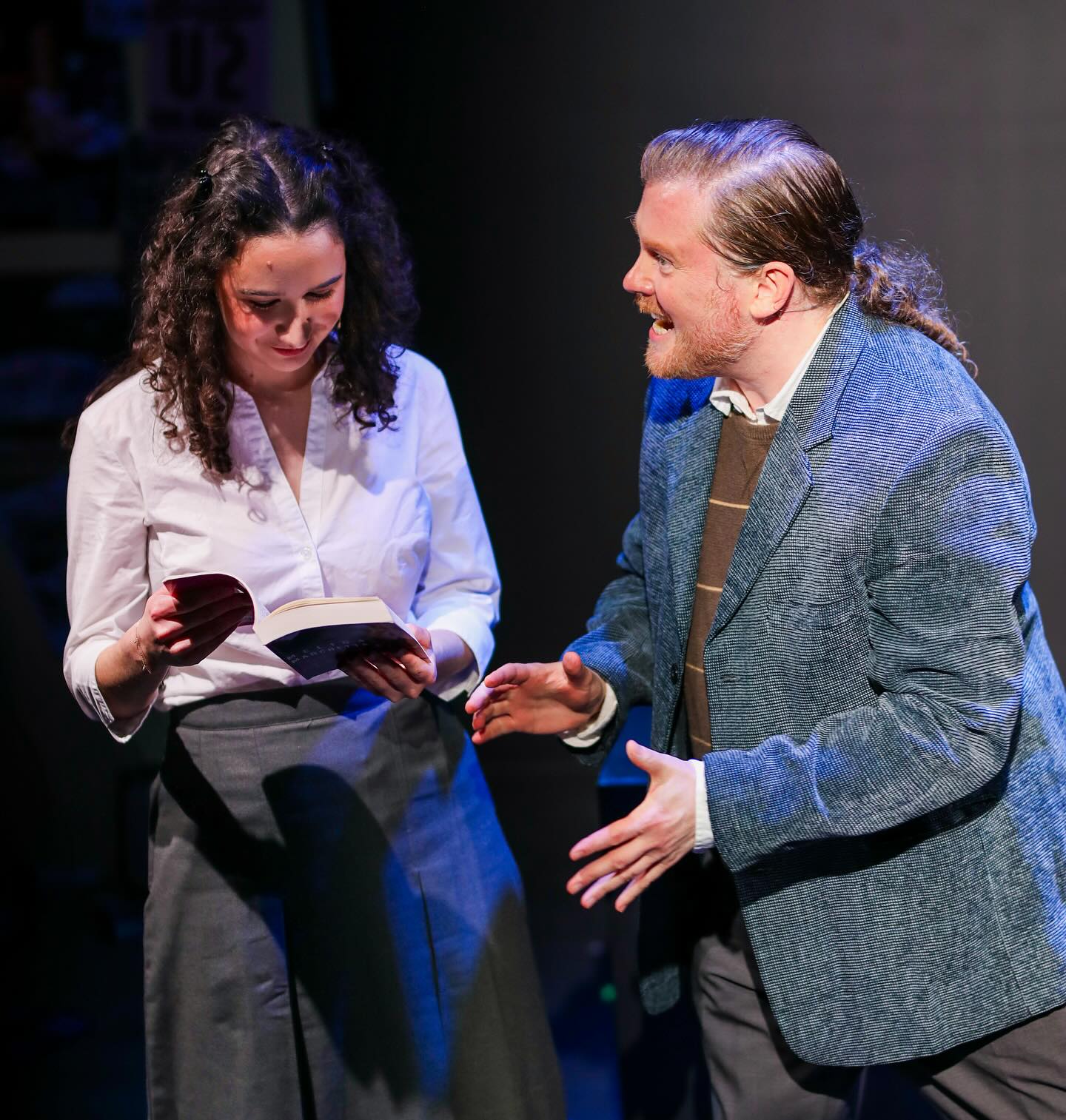
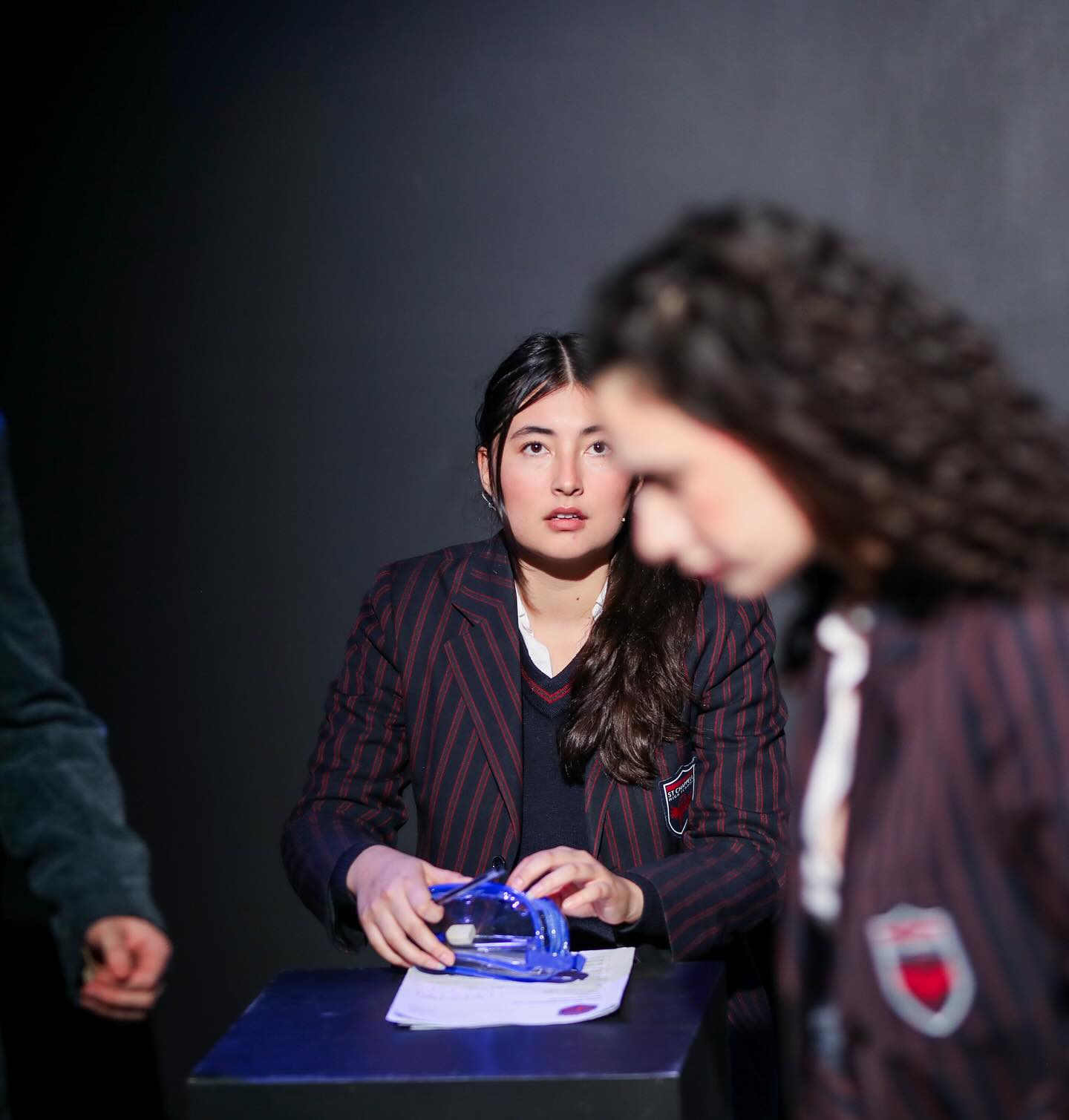
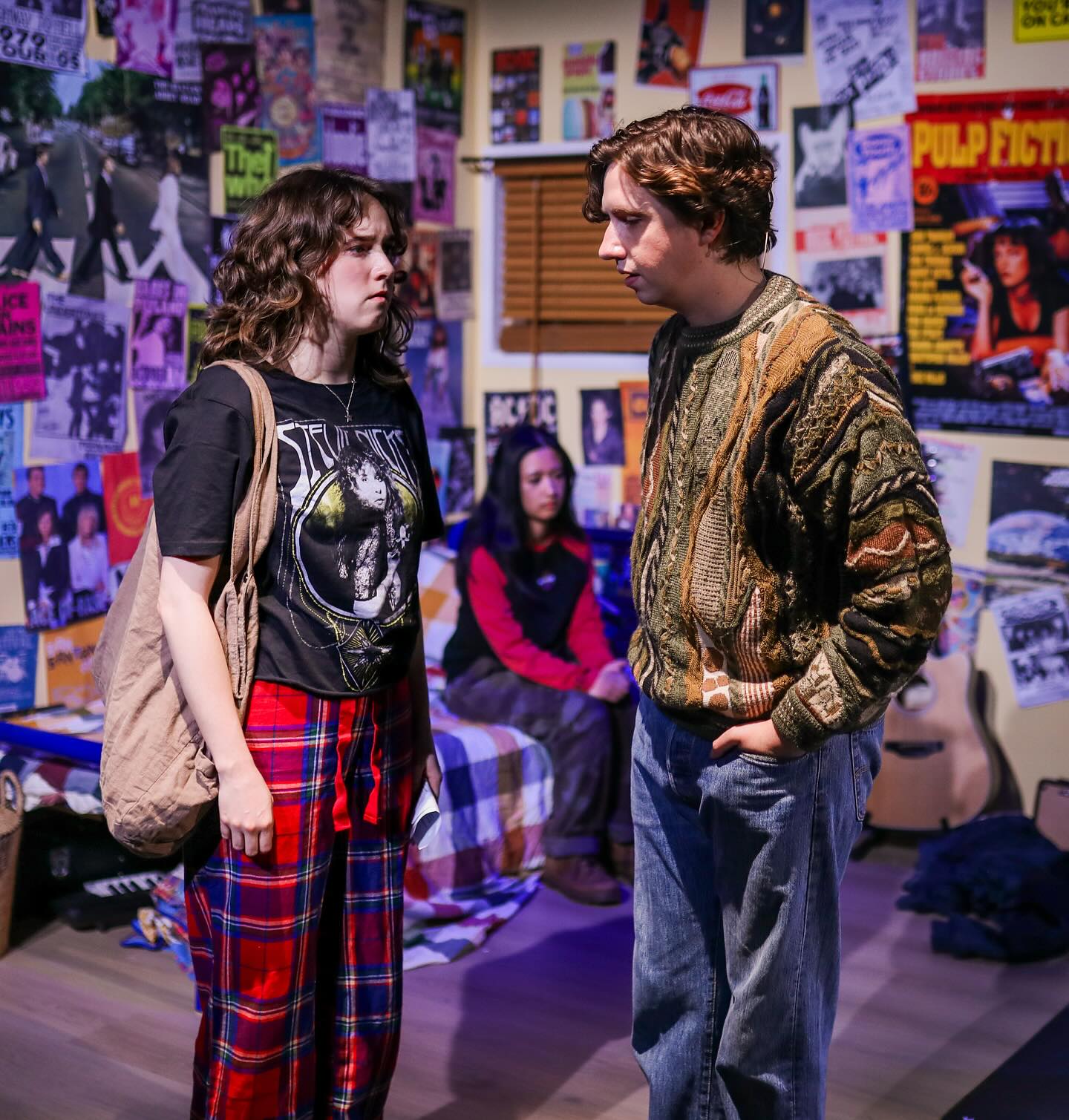
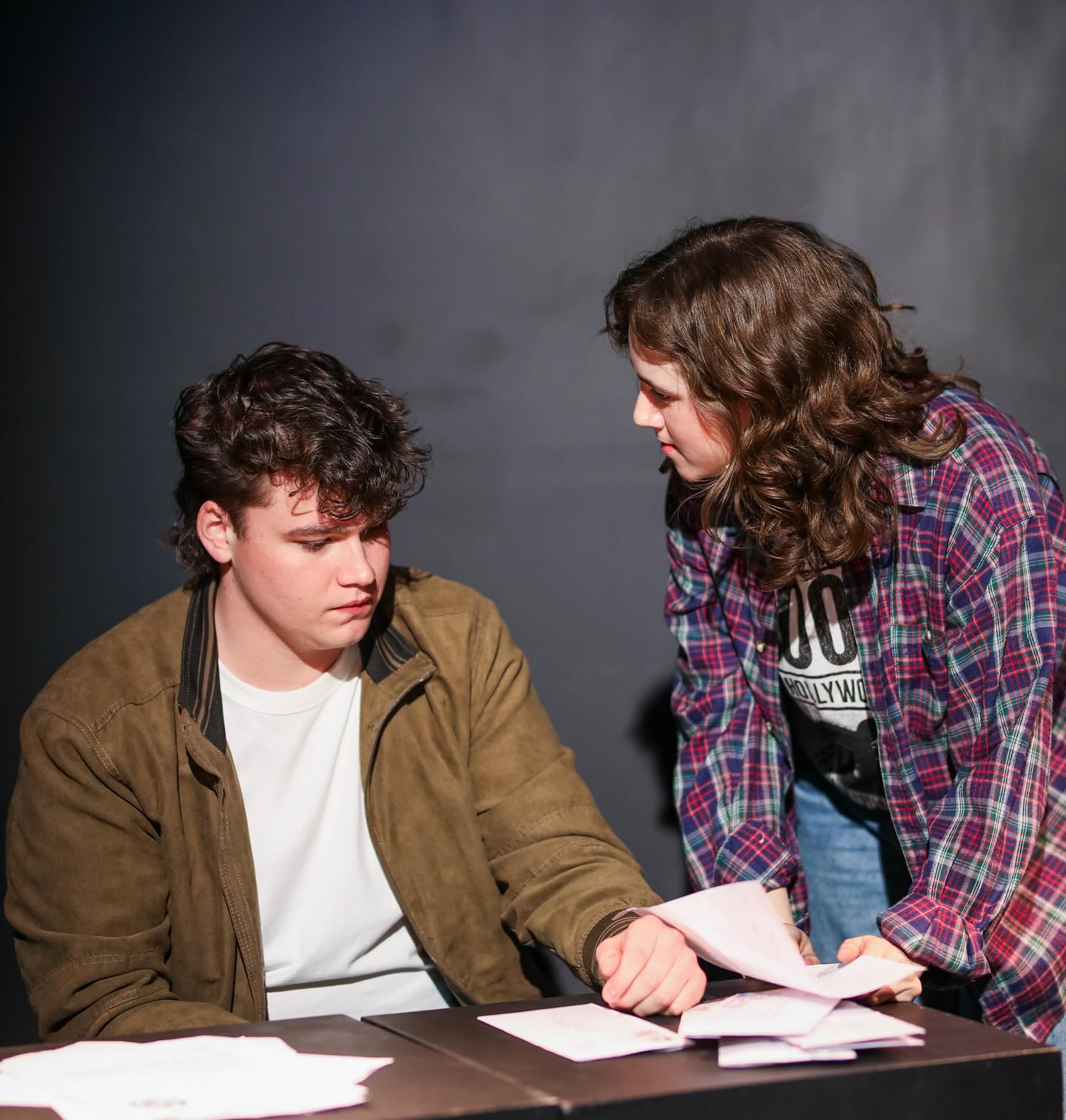
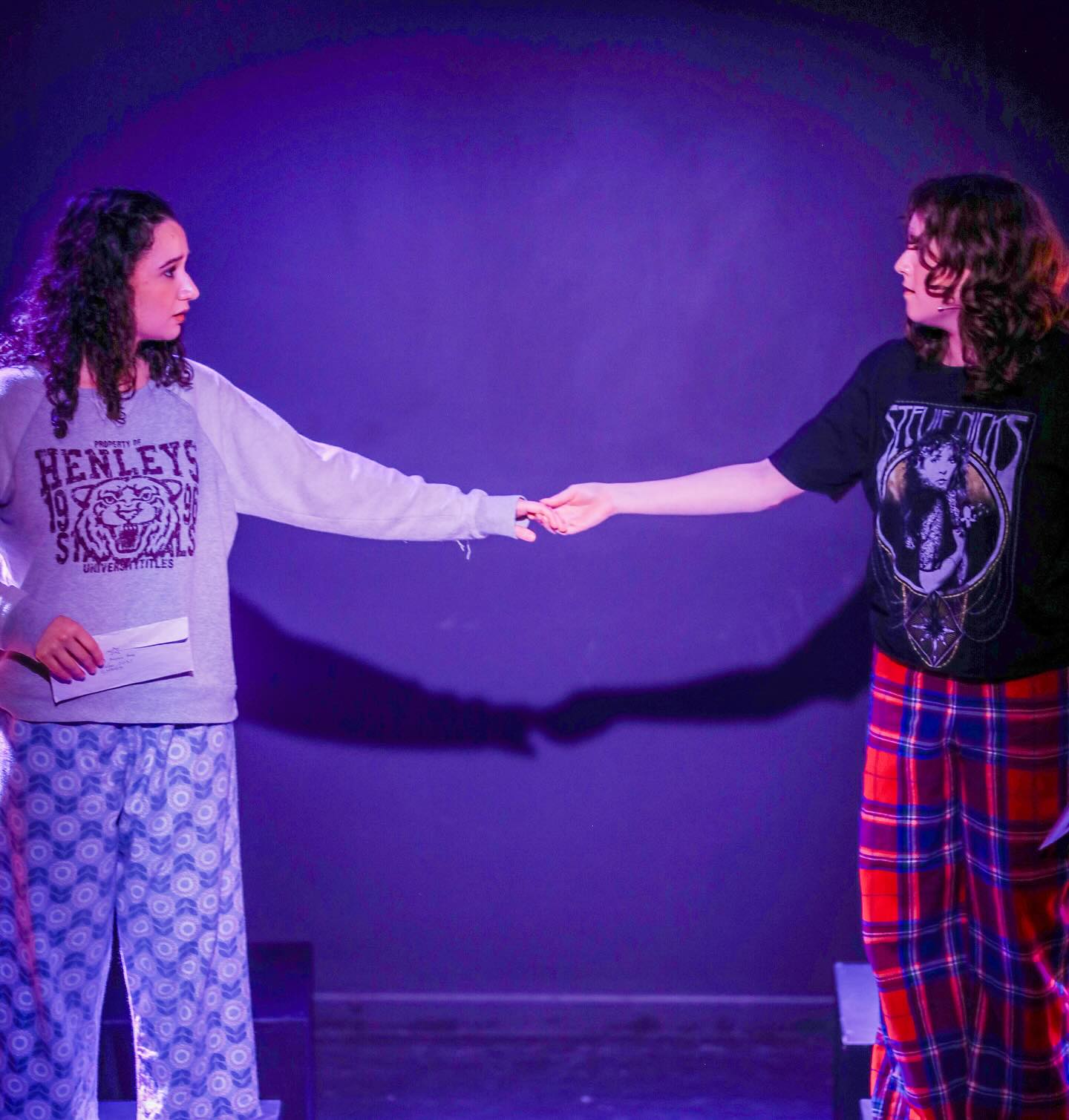
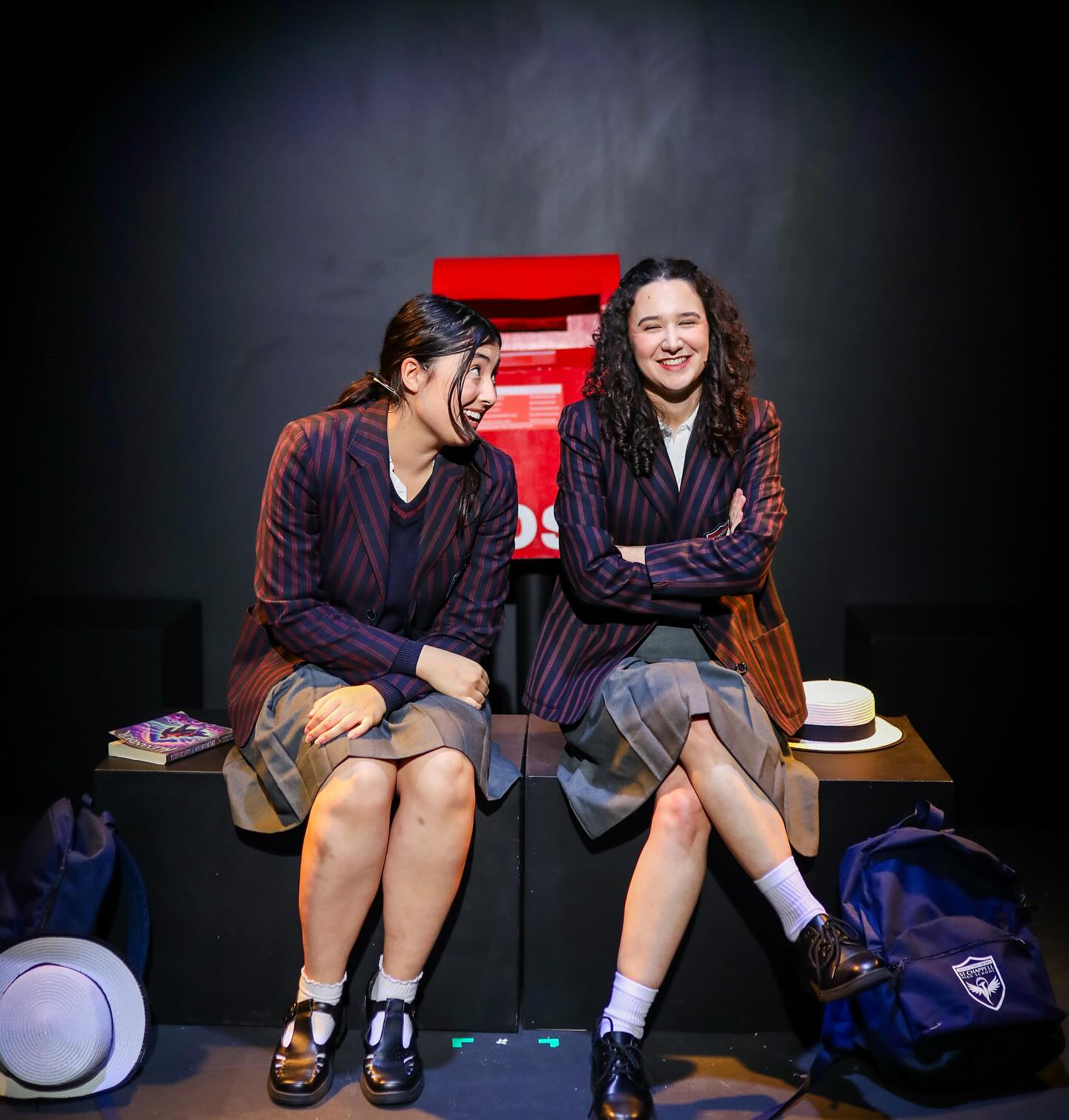
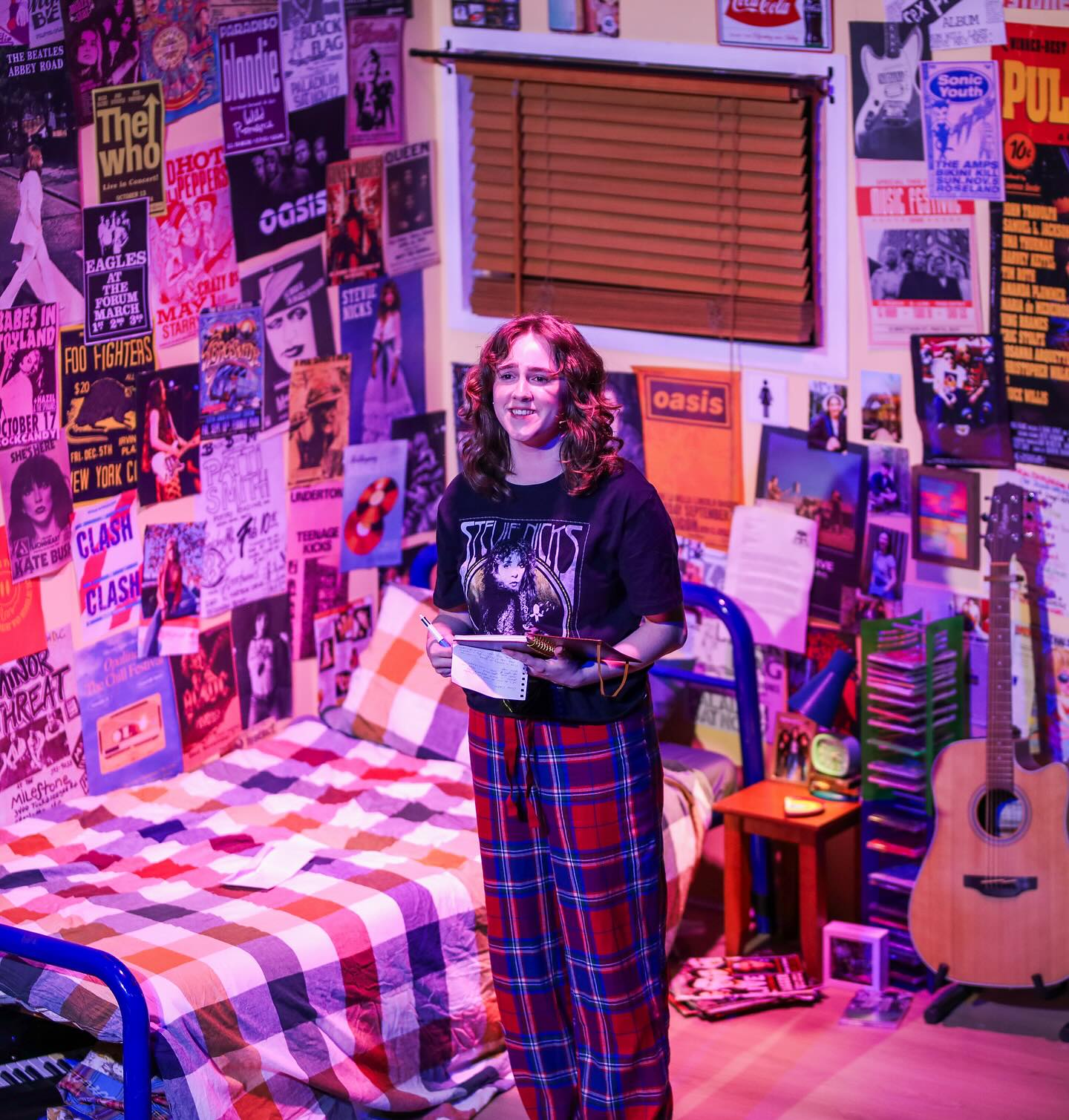
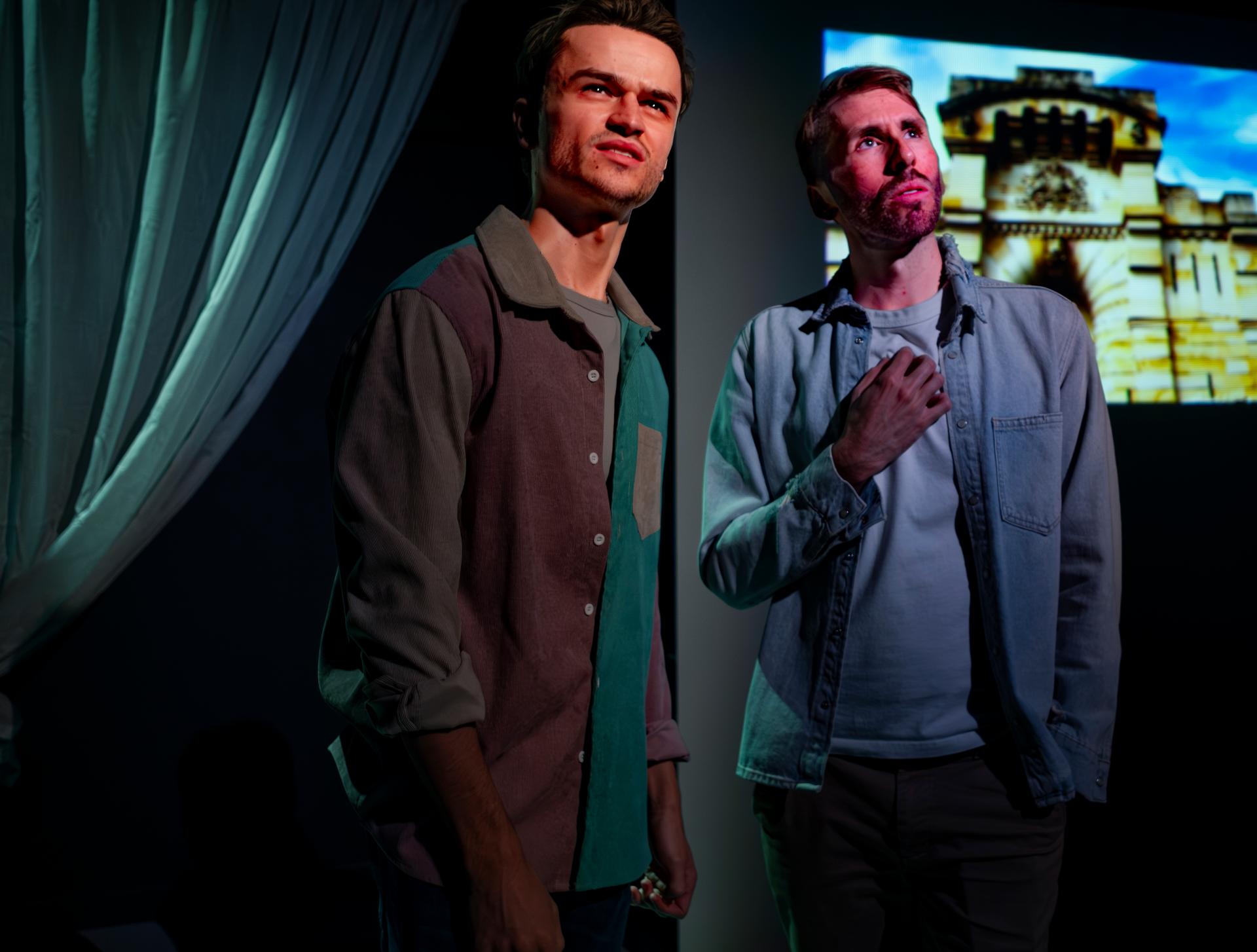
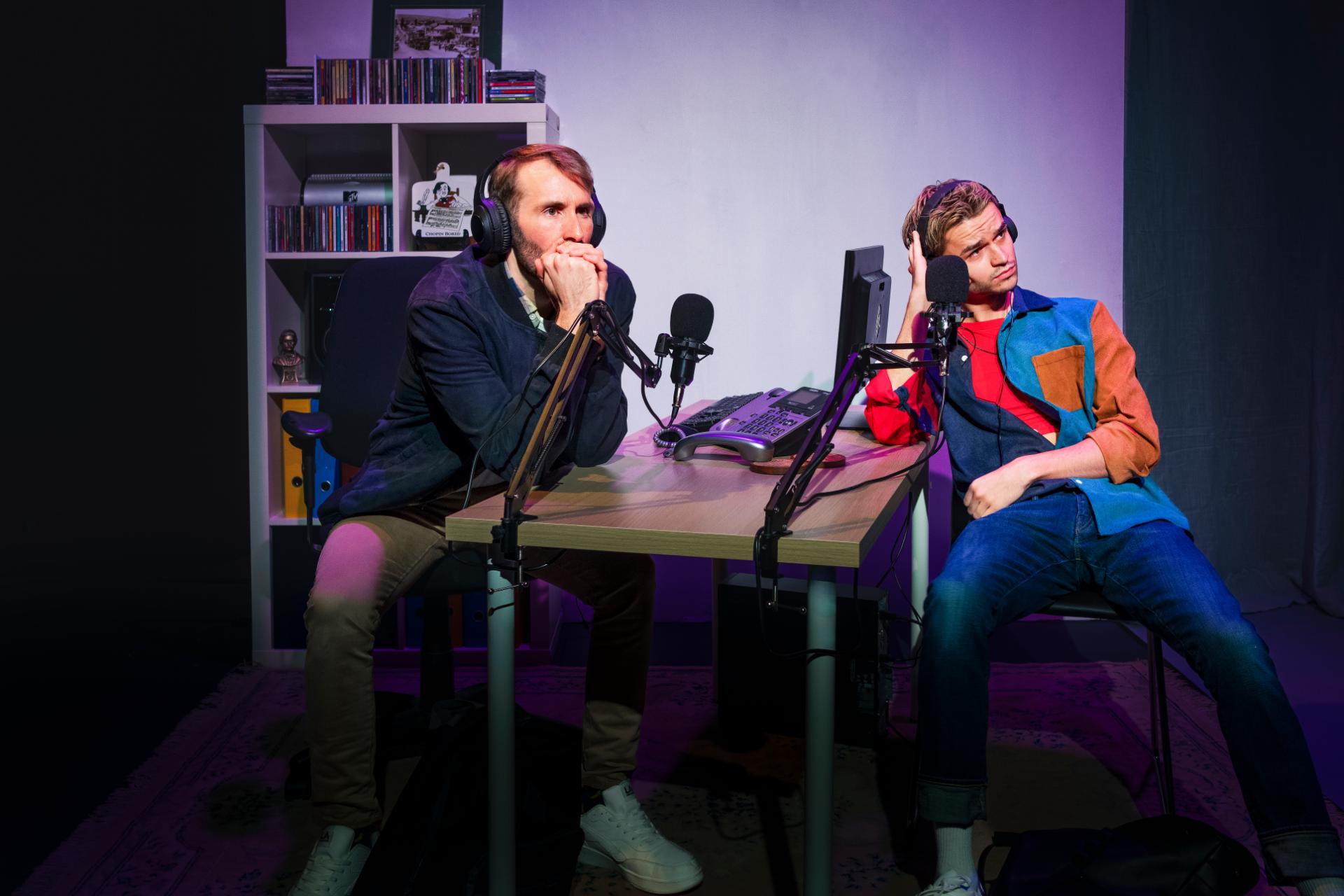
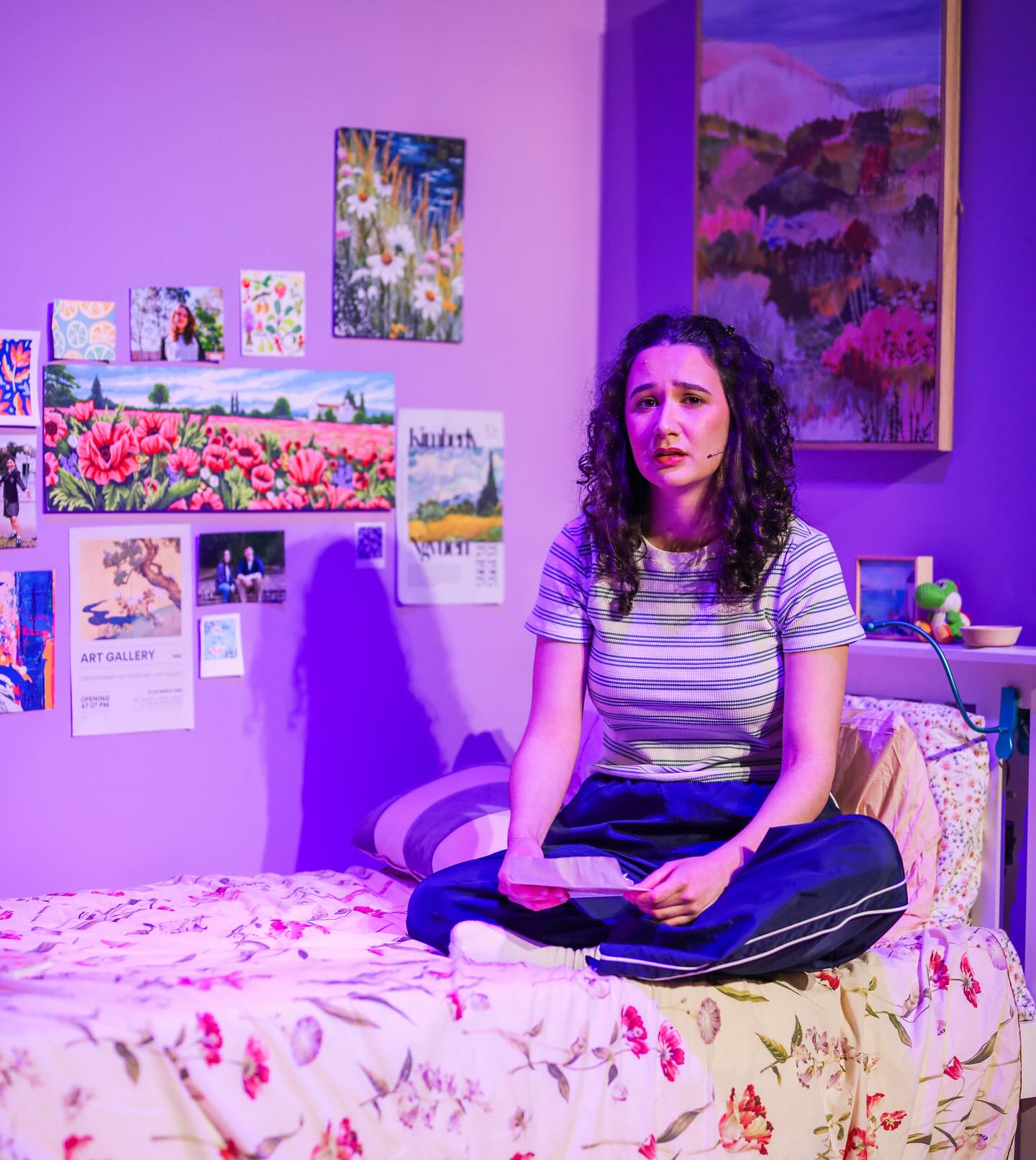
It is 2013 and Kris, Nadine and Petra are fourteen-year-old girls obsessed with a certain world-famous teenage wizard. They write erotic fan fiction about him, and share it online with other enthusiasts, but disaster strikes when a chapter is mistakenly sent to their teacher, Mr. Isaacs. The play [Your Name] by Kate Bubalo demonstrates the anxiety we have about burgeoning sexuality, highlighting our inability to reconcile something purely natural with unrealistic conceptions of girlhood.

It is a raucous comedy, imaginatively directed by Lily Hayman who brings an impressive eye for detail, along with a commendable boldness, to deliver a show that never diminishes in effervescence. Set design by Tyler Fitzpatrick is simple, but noteworthy for the sleekness it brings to the production. Also by Fitzpatrick, are the wonderfully dynamic lights, beguiling with their surprising elaborateness. Clare Hennessy’s purposeful sounds are intricately assembled, to enhance every dramatic nuance of a show intent on expressing very big, youthful emotions.

An extraordinary cast of four takes us on a wild ride, memorable for their remarkable cohesiveness, and astonishing with the dedication they exemplify. Lola Bond, Andrew Fraser, Georgia McGinness and Evelina Singh bring an unbridled campness to the experience, full of charming irreverence, yet sensitive and earnest in their representation of adolescent angst.

So much of sex occurs in our minds. It follows then, that our personal identities are closely connected with our sexual fantasies. In private explorations of deepest desires, we can discover the truest core of who we are, whether or not those fantasies are ever to be rendered to life. How a person is, is intimately related to how one wishes to relate to the world. Discovery of the self may not entirely be about sex, but mysteries can certainly be solved, when examining one’s strongest libidinous urges.

www.kingsxtheatre.com | www.instagram.com/purpletapeproductions

Review: Master Class (Ensemble Theatre)

Venue: Ensemble Theatre (Kirribilli NSW), 14 Jun – 20 Jul, 2024
Playwright: Terrence McNally
Director: Liesel Badorrek
Cast: Maria Alfonsine, Damian de Boos-Smith, Elisa Colla, Lucia Mastrantone, Bridget Patterson, Matthew Reardon
Images by Prudence Upton

Theatre review
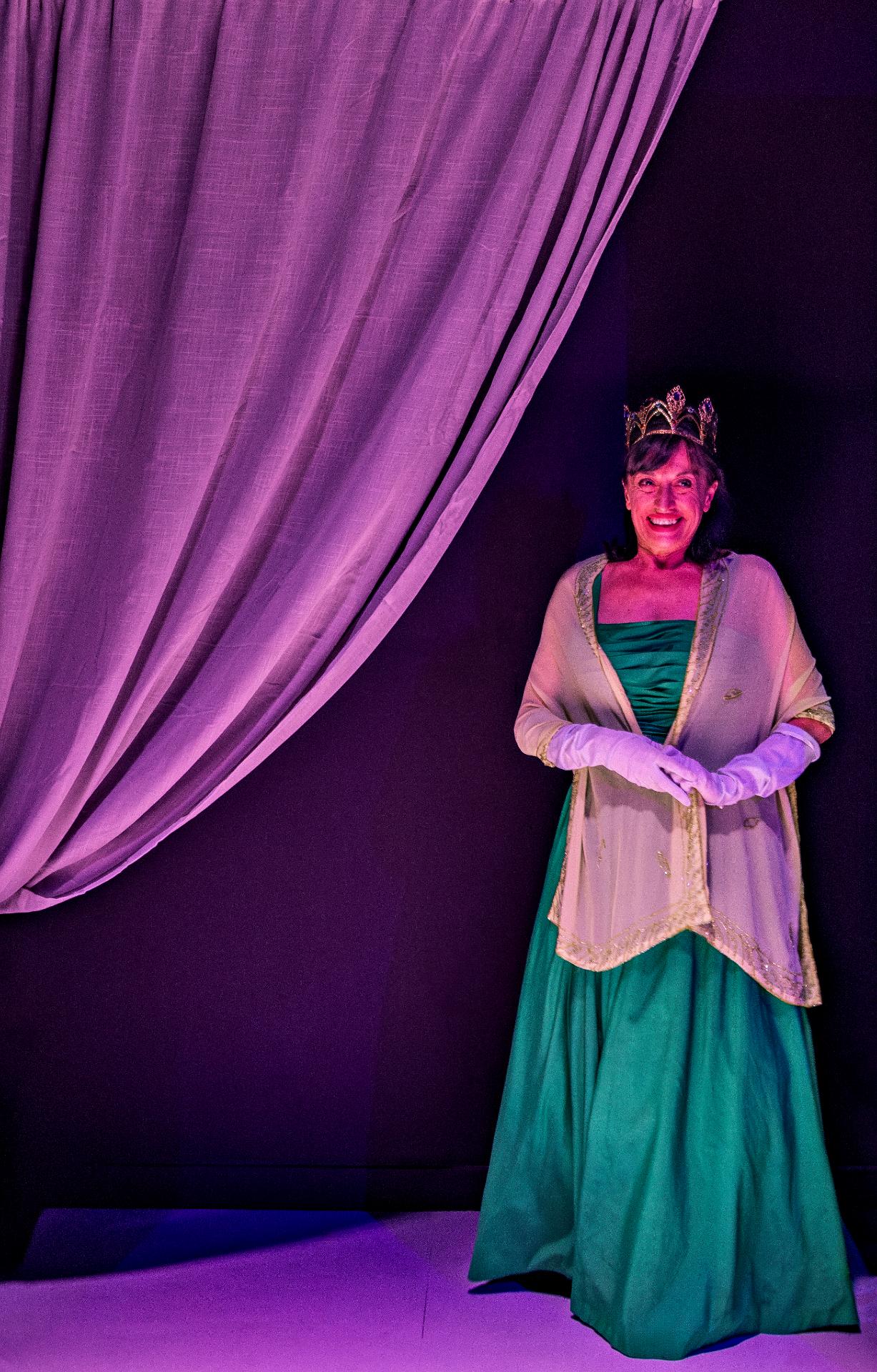
Maria Callas enters the auditorium, but not to sing. In Terrence McNally’s Master Class, she is teaching the art of performance to opera students at an unnamed institution. Inspired by Callas’ actual lessons at the Juilliard School in the early 1970s, we see La Divina imparting wisdom to eager pupils, in highly unorthodox, and often comical, fashion. McNally’s 2-hour play may have a tendency to be repetitive, but the charm imbued in his protagonist, along with the profoundly beautiful insights being shared, keeps us attentive and invested.

The element that has us thoroughly enthralled however, is actor Lucia Mastrantone who is unequivocally brilliant as Callas, offering what feels to be the truest emulation of the legend’s essence, completely impressive with the rigour being demonstrated in her physical and spiritual embodiment of one of the world’s foremost theatrical icons.

Mastrantone’s perfect timing, most notable in the deliciously acerbic dialogue, is balanced with an unexpectedly kind nature, that she is able to add to her portrayal of Callas’ stern façade. Additionally, Mastrantone’s glorious delivery of statements about the meaning and value of art, proves to be so deeply moving, that we feel magically transported somewhere sacred, as though in the presence of an exalted being, if not Callas herself.

There is a wonderful extravagance to Master Class that director Liesel Badorrek ensures is consistently apparent; this staging is as understatedly camp, as Callas was thoroughly fabulous. Set and costumes by Isabel Hudson convey polish and a vital sense of sophistication. Lights by Kelsey Lee are effective when designed with subtlety, but are less convincing in heightened sections involving excessive shadows that create undue distance between the audience and performer.

Musical direction by Maria Alfonsine is memorable for its sensitivity to the text, and for working seamlessly with the leading lady, to reveal glimpses of Callas at her most sublime. Also noteworthy are members of the charming supporting cast Damian de Boos-Smith, Elisa Colla, Bridget Patterson and Matthew Reardon, who complete the picture, in this poignant tribute to music and one of its biggest stars.

www.ensemble.com.au

Review: Trophy Boys (Seymour Centre)

Venue: Seymour Centre, Reginald Theatre (Chippendale NSW), Jun 19 – Jul 7, 2024
Playwright: Emmanuelle Mattana
Director: Marni Mount
Cast: Leigh Lule, Emmanuelle Mattana, Gaby Seow, Fran Sweeney-Nash
Images by Ben Andrew

Theatre review
Four private school boys are preparing for the grand finale of their debating tournament, where they are to argue the affirmative position: ‘That feminism has failed women.’ Keen to win the competition, but also worried about being perceived as regressive on the subject, the team struggles as it tries to come up with an appropriate strategy. When a piece of breaking news surfaces that threatens their dominance as privileged males however, finding assertions and justifications suddenly becomes a simple exercise, as they resort to old established patterns of deceit and gaslighting, to preserve the hegemony.

Emmanuelle Mattana’s Trophy Boys starts off incredibly funny, with its rendering of disingenuous attempts by young elites to present themselves as liberal and socially conscious. Things take a dark turn, and we see them ruthlessly defend the patriarchy, when confronted by consequences of their real actions outside of the hypothetical academic realm. Mattana’s writing is intelligent, witty and captivating, and as actor performing the pivotal role of Owen, they are piercing and meticulous, with an exuberance that sustains energy for the entire production.

Leigh Lule, Gaby Seow and Fran Sweeney-Nash too are effective with the political dimensions of Trophy Boys, playing the other characters in the style of drag, with its inherent exaggerations that foreground the absurdity of these entitled beings. Direction by Marni Mount can feel slightly too hectic, for something that provides a lot of food for thought. Nonetheless, the show remains thoroughly enjoyable, even if it tends to race past too quickly for meaningful contemplation. Production design by Ben Andrews, along with lights by Katie Sfetkidis, offer uncomplicated solutions that efficiently facilitate the telling of a timely story.

The boys choose to do the right thing, only when it costs them nothing. The rest of us too, rarely make sacrificial decisions, even if we are at the wrong end of the totem pole. The patriarchy knows to keep us from having nothing to lose, for that is when we become truly dangerous. It offers crumbs in ways that distracts us from power imbalances and wealth disparities, making us believe that ultimately, the system works. It convinces people that something as diabolical as “rape culture” is but a trendy turn of phrase and an overreaction, for something that has always been traditional and eternal.

www.seymourcentre.com | www.themaybepile.com.au | www.softtread.com.au

Review: King Lear (Bell Shakespeare)

Venue: The Neilson Nutshell (Sydney NSW), Jun 14 – Jul 20, 2024
Playwright: William Shakespeare
Director: Peter Evans
Cast: Tamara Lee Bailey, Shameer Birges, Jeremi Campese, Melissa Kahraman, Alex King, James Lugton, Robert Menzies, Lizzie Schebesta, Michael Wahr, Janine Watson, Darius Williams, Brittany Santariga
Images by Brett Boardman

Theatre review

As Lear nears the end of his life, it becomes important that he knows how his daughters feel about him. It may seem that young men can bear children indiscriminately, only to decide to assess the quality of those relationships, when it is much too late. The results can often be disastrous, as is exemplified in Shakespeare’s King Lear.

An intensity associated with those dire consequences is certainly present, in Peter Evans’ direction of the piece. Lights by Benjamin Cisterne and sounds by Max Lyandvert pull no punches, when required to deliver the drama. In concluding sections of the play especially, a theatrical flamboyance takes hold quite decisively, as though to remind us of the extremities in human emotionality that Shakespeare had loved to depict, and with such aplomb. In this production however, the drama feels distant, almost synthetic. Its vigour is discernible, but never really connects, leaving us to observe its passionate renderings, only with cerebral curiosity.

The staging is nonetheless aesthetically pleasing, with a captivating set design by Anna Tregloan taking inspiration from celestial elements in the text. It is a modern approach that extends to her costumes, although a greater eye for detail and refinement would improve visual interest, for an audience positioned so intimately in relation to all the action.

Actor Robert Menzies plays leading man on this occasion, highly convincing in the role, although not always compelling. Other performers include Janine Watson as Kent, and Darius Williams as Edmund, both rich and delicious with the myriad colours and textures they deliver, memorable for the inventiveness they bring to the table.

It is arguable if Lear’s regrets are circumventable. We can see that there is so much he could have ameliorated through the years. We also know that one can only do better, if they know better.  What is in contention therefore, is if Lear had actually known any better, or if he was only ever doing his best. Parenting is tricky business, enacted by flawed people, who then create further flaws in other people. No wonder we talk endlessly about forgiveness.

www.bellshakespeare.com.au