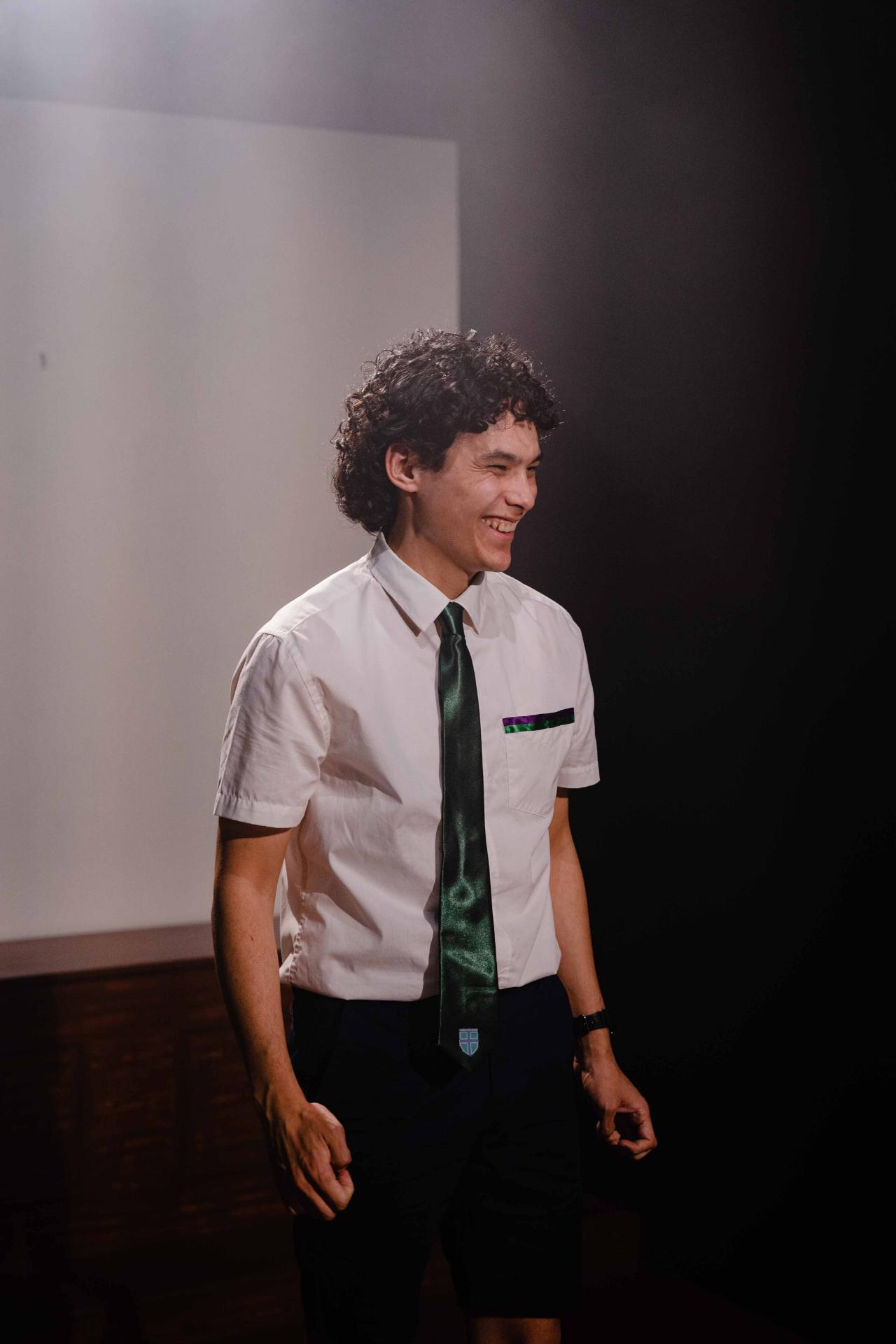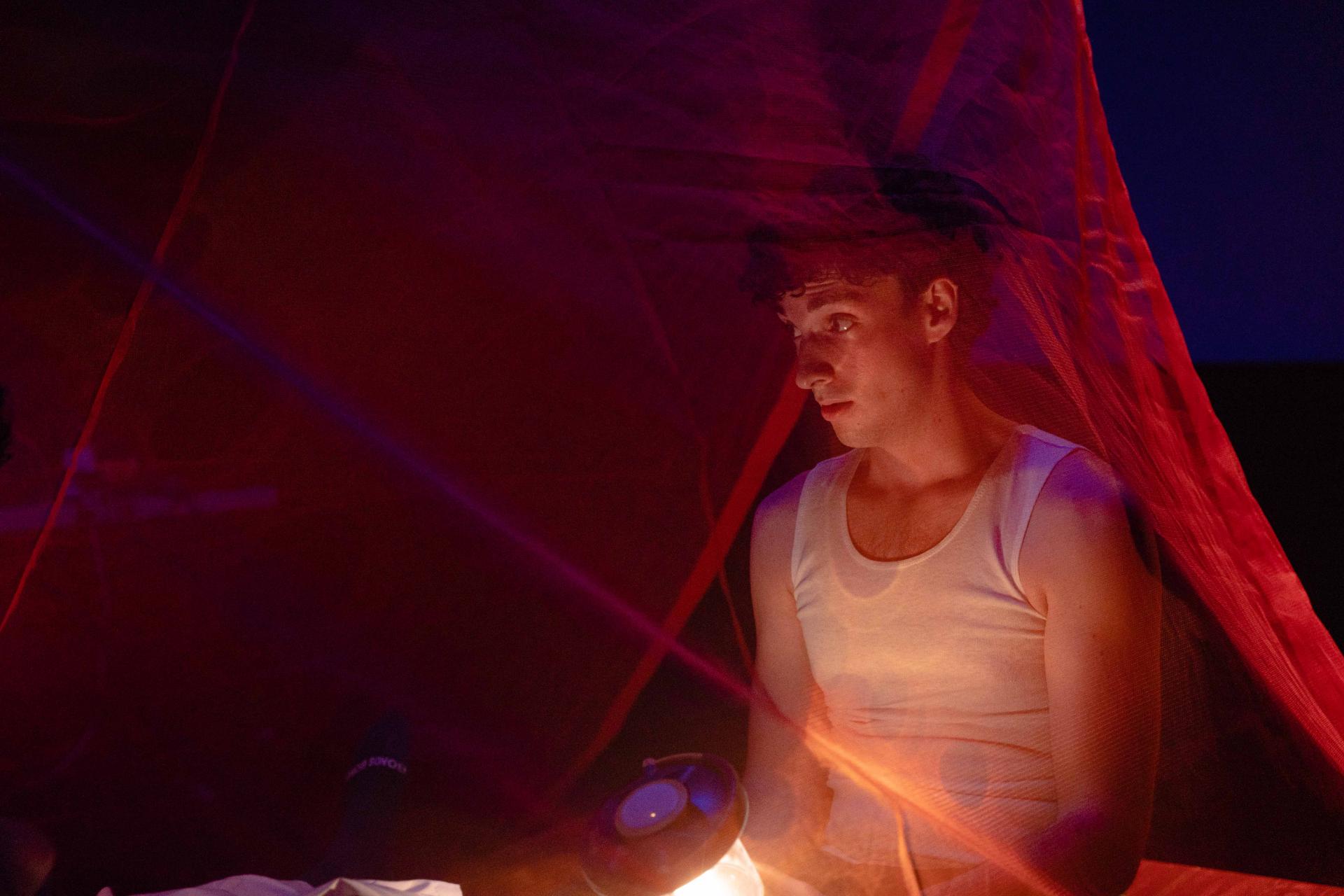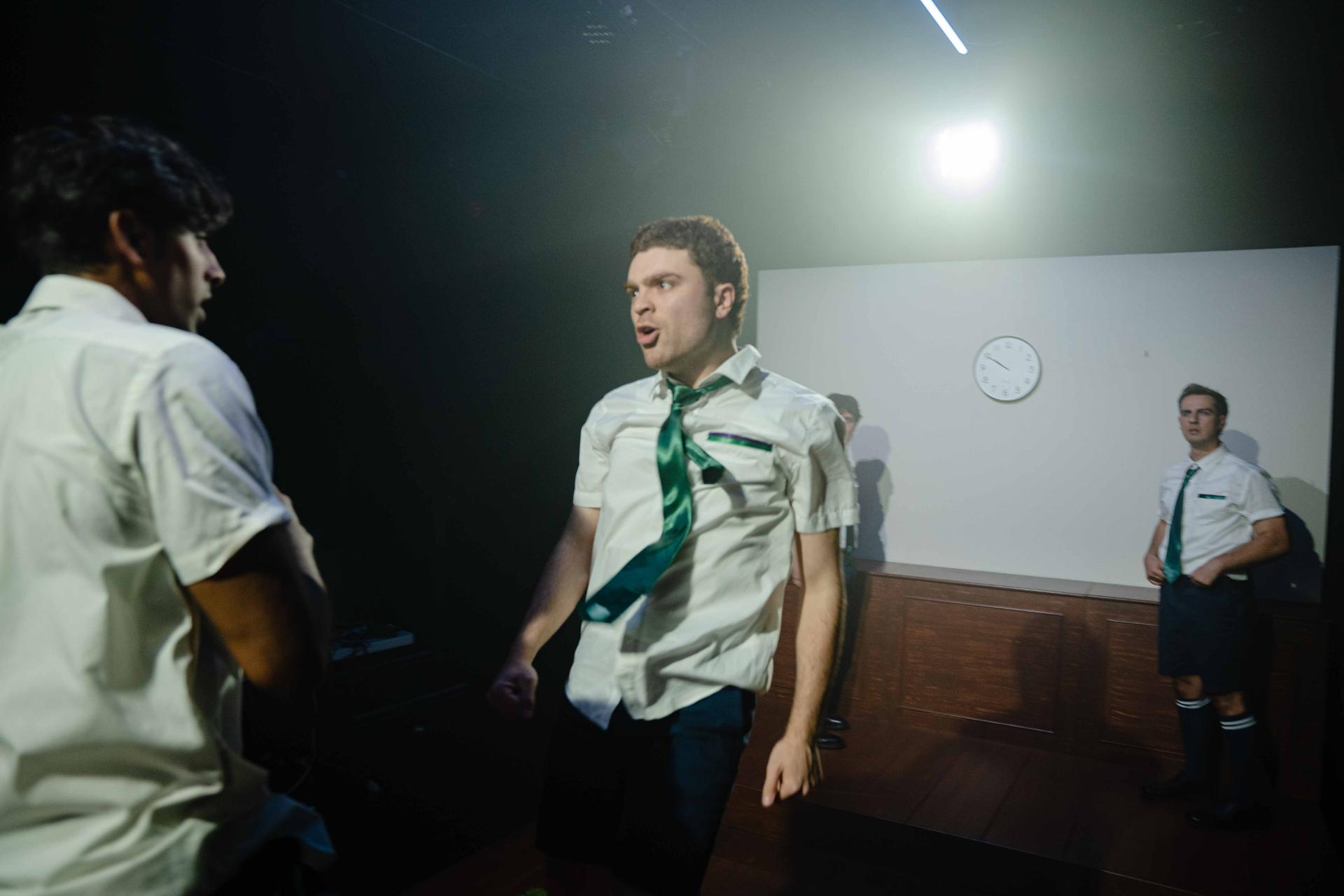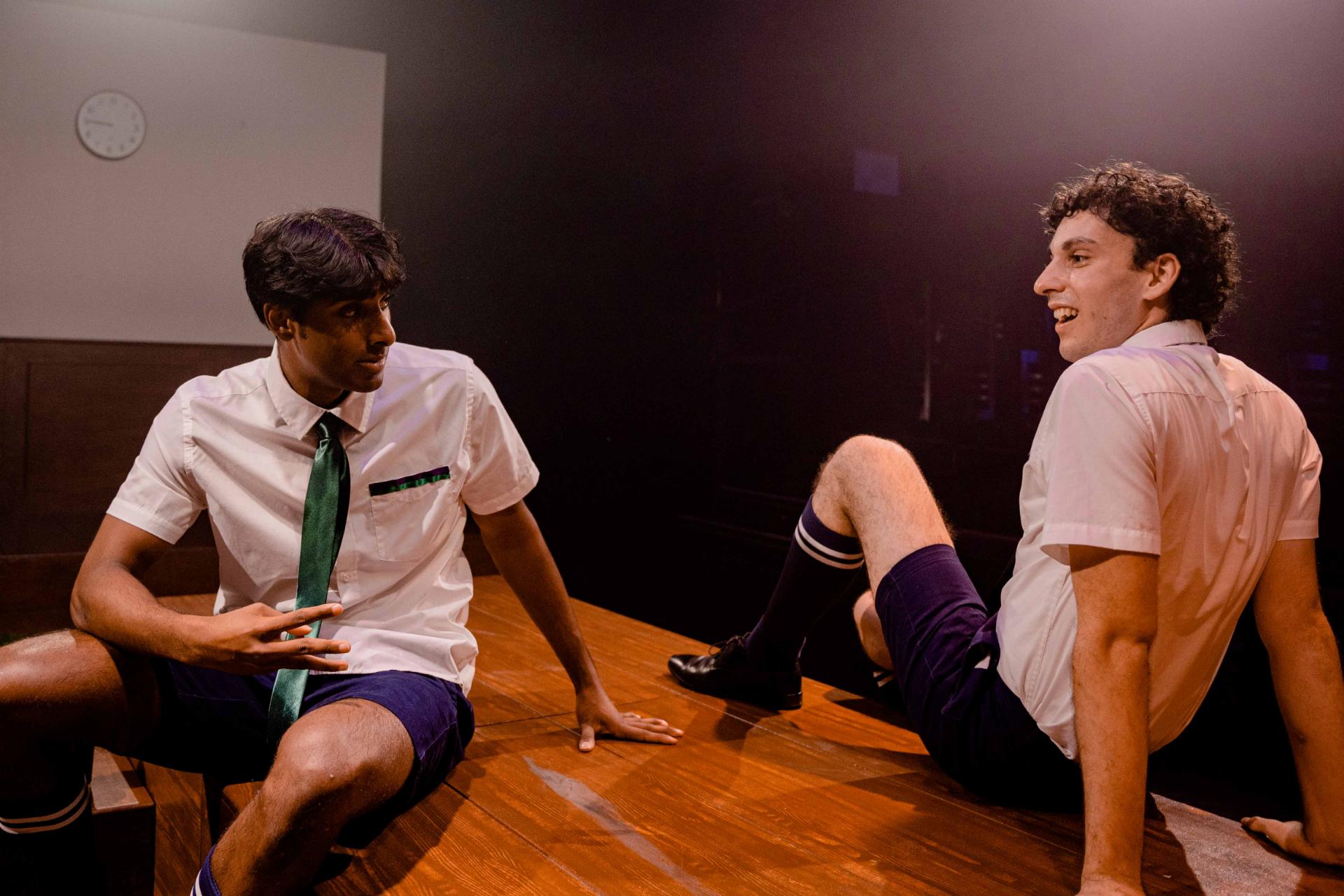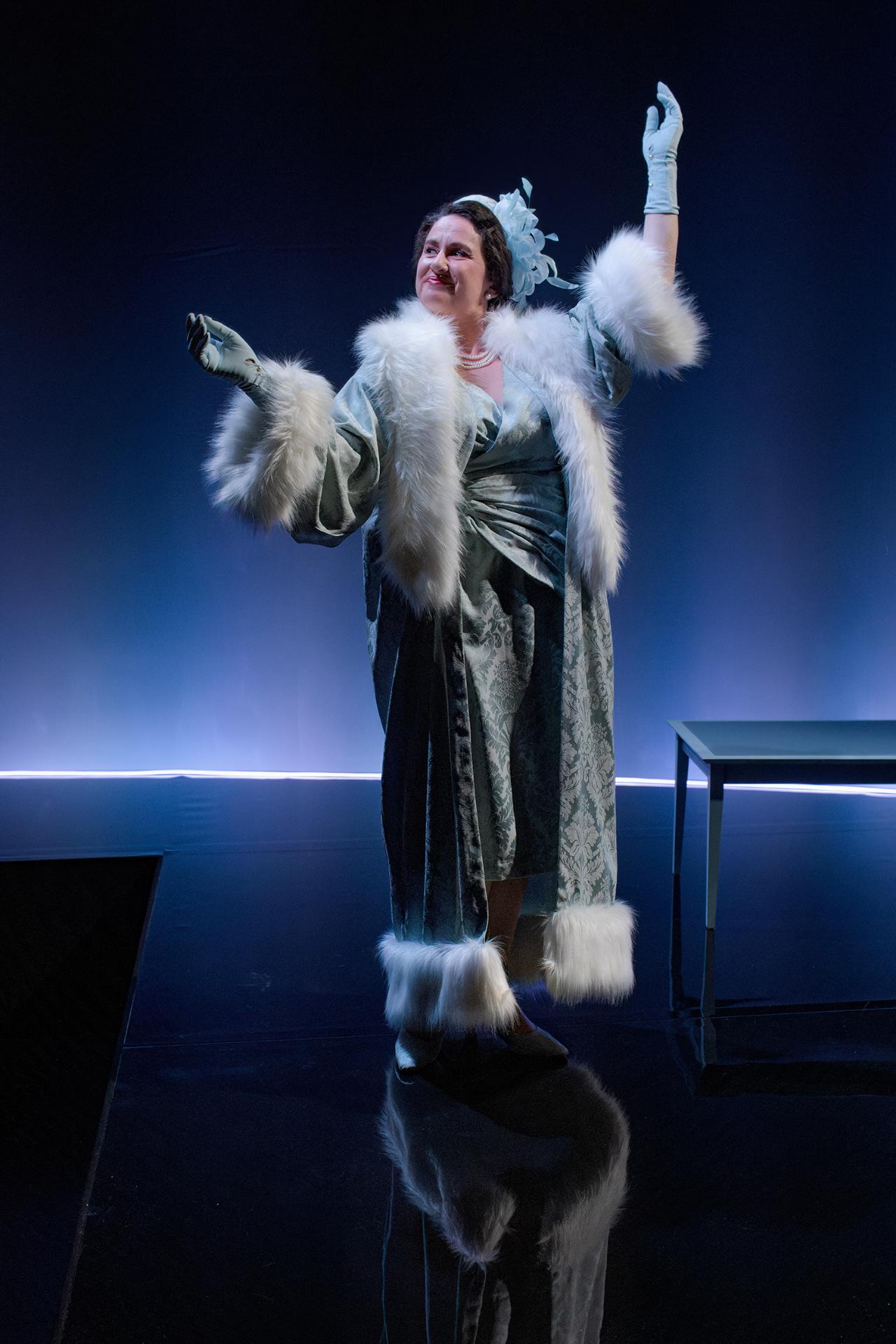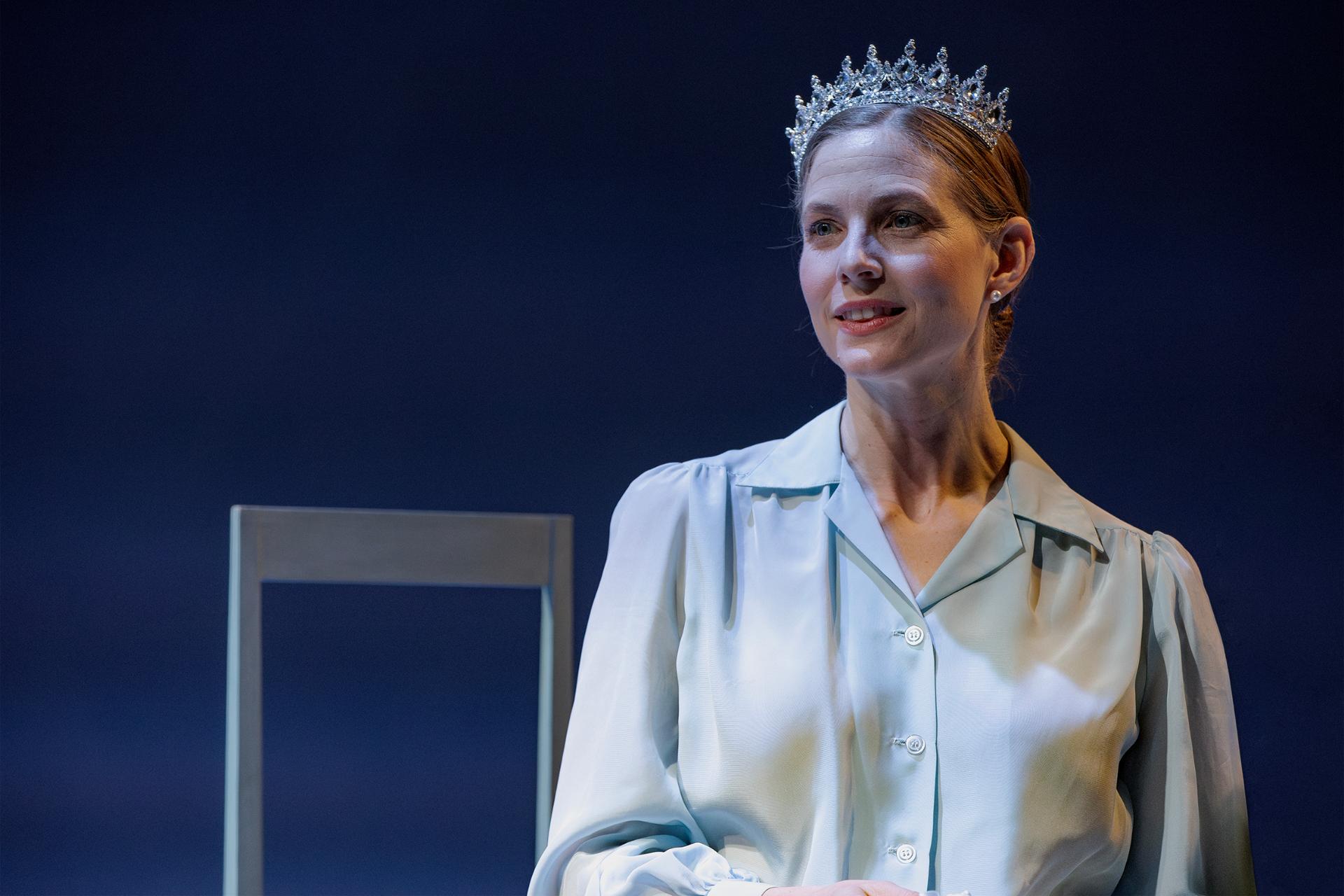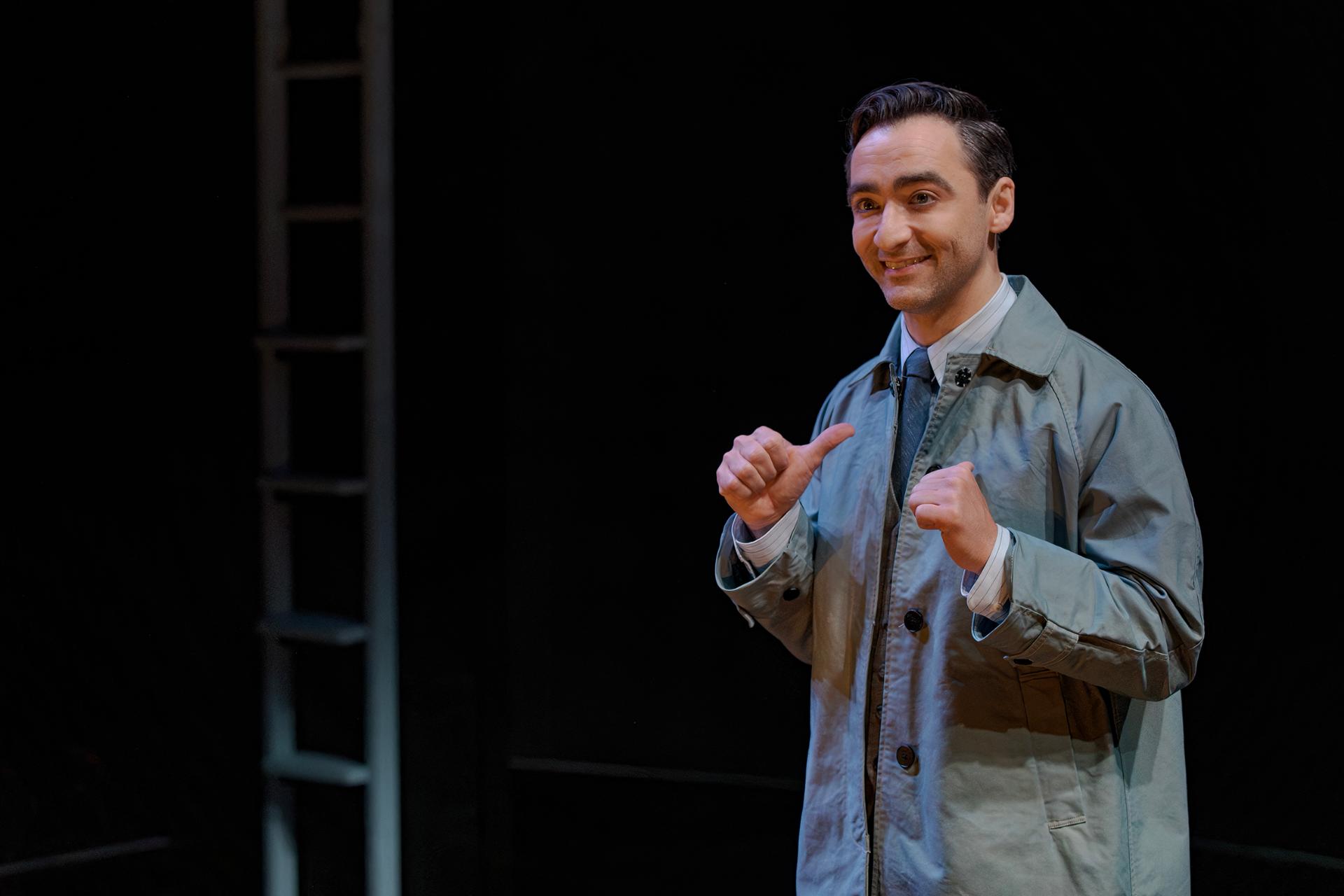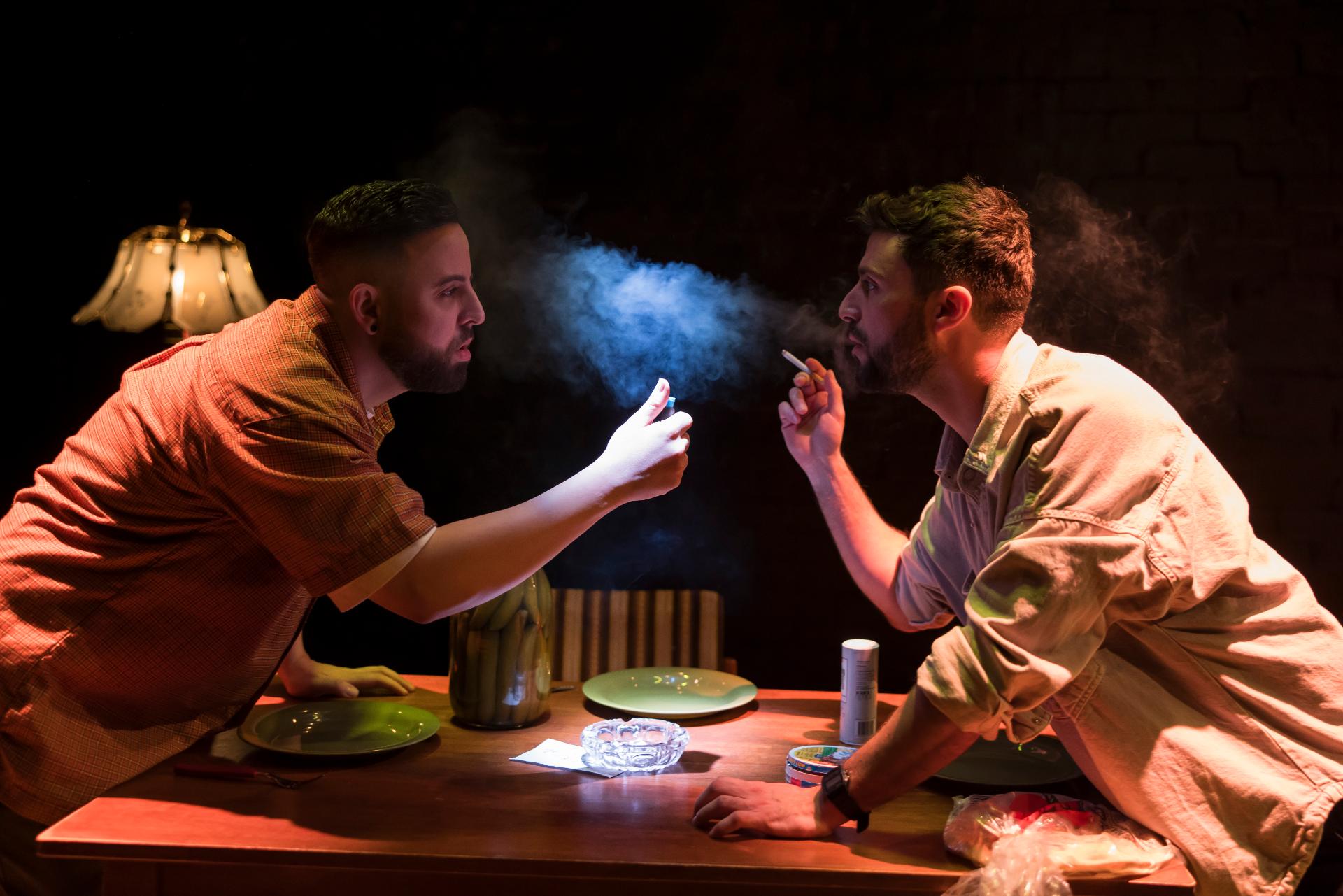
Review: American Signs (Sydney Theatre Company)

Venue: Wharf 2 Sydney Theatre Company (Walsh Bay NSW), Jun 15 – Jul 14, 2024
Playwright: Anchuli Felicia King
Director: Kenneth Moraleda
Cast: Catherine Văn-Davies
Images by Prudence Upton

Theatre review
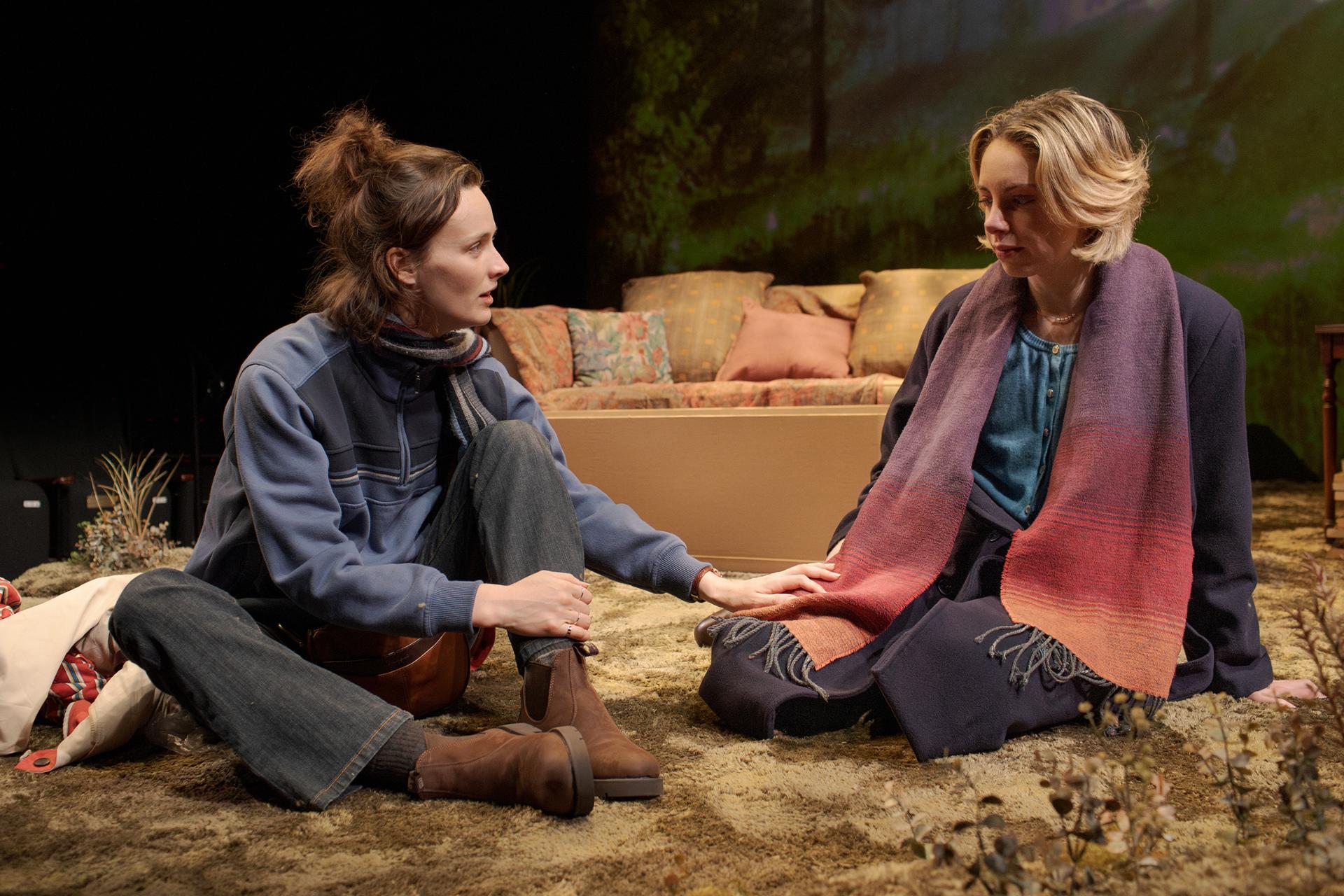
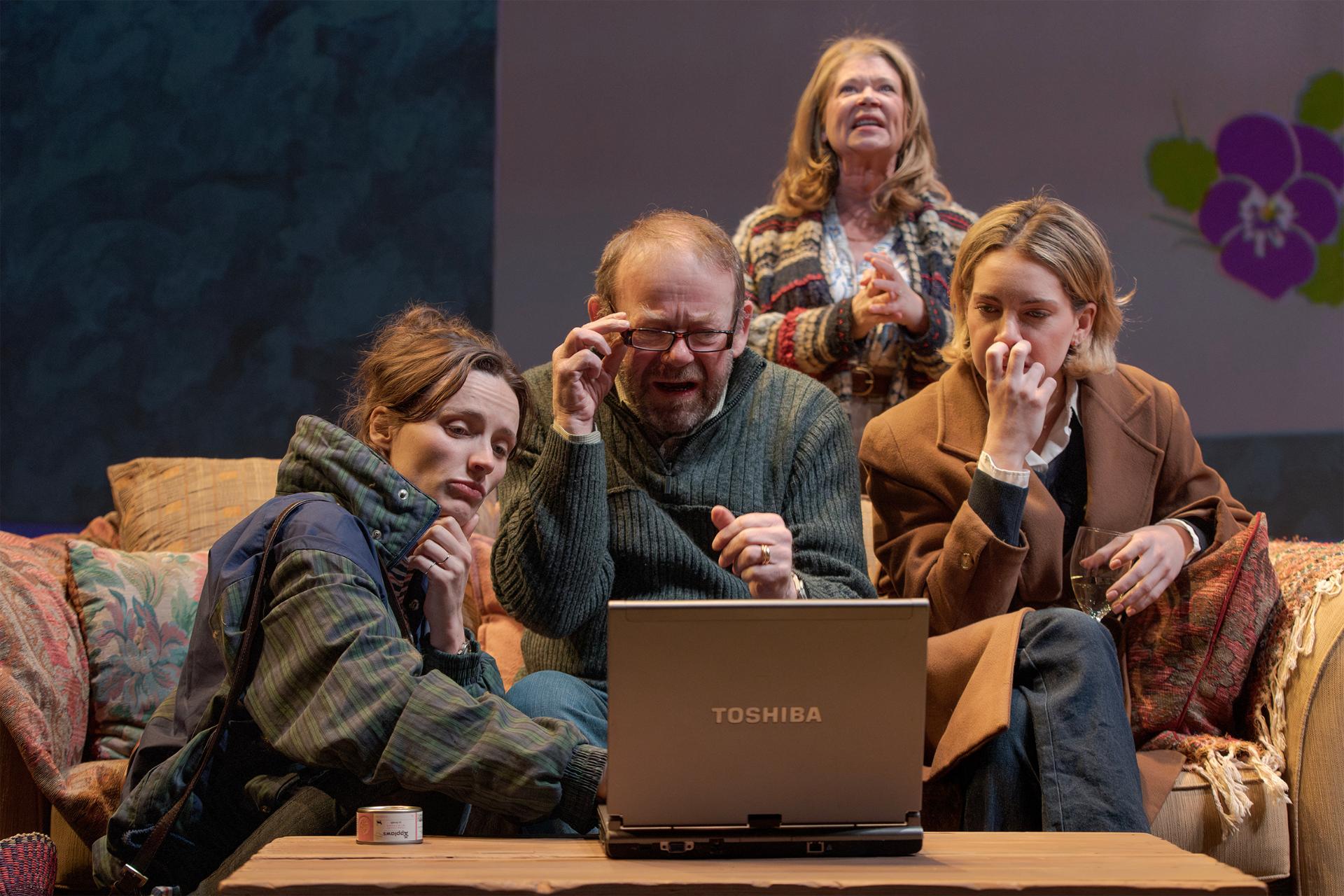
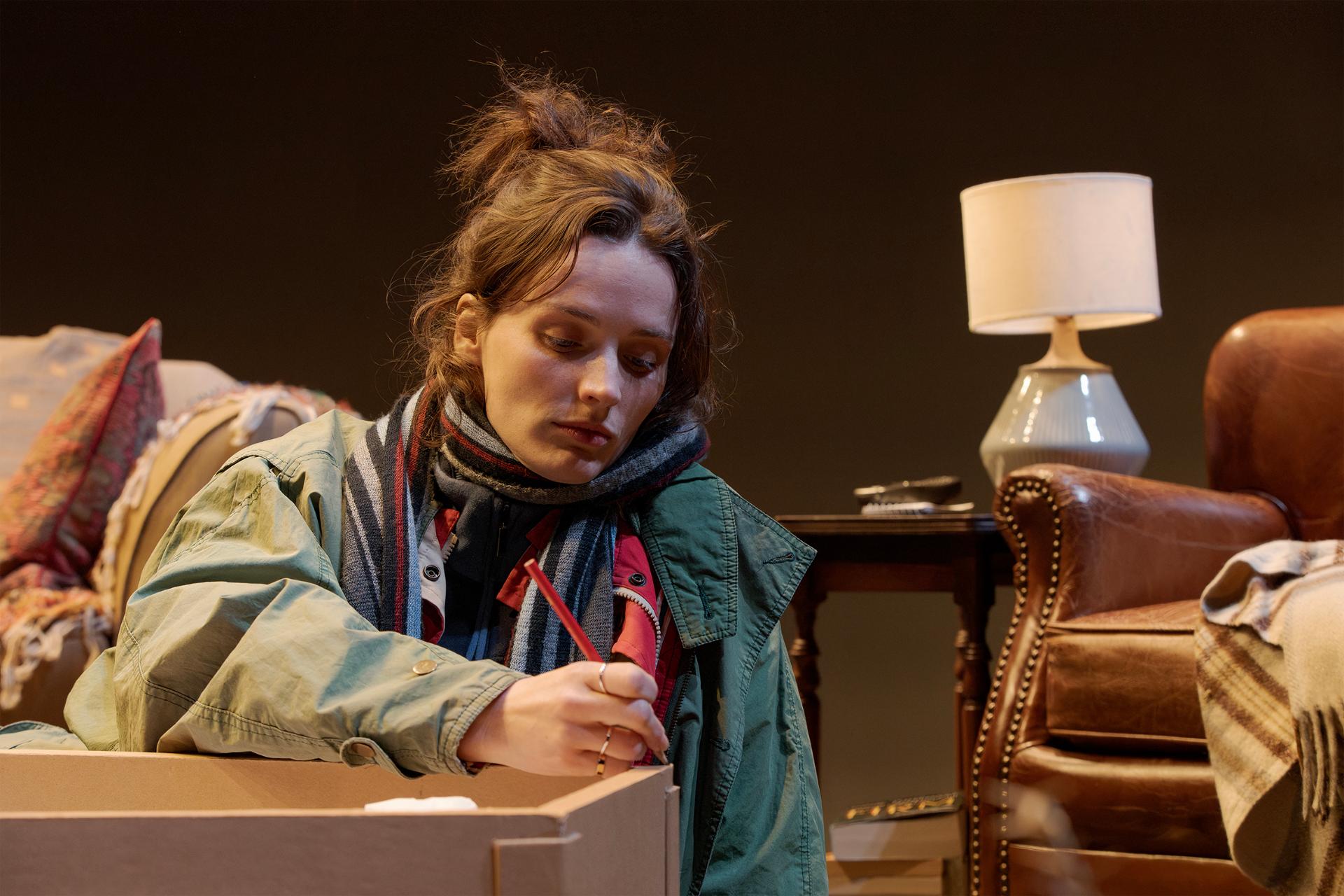
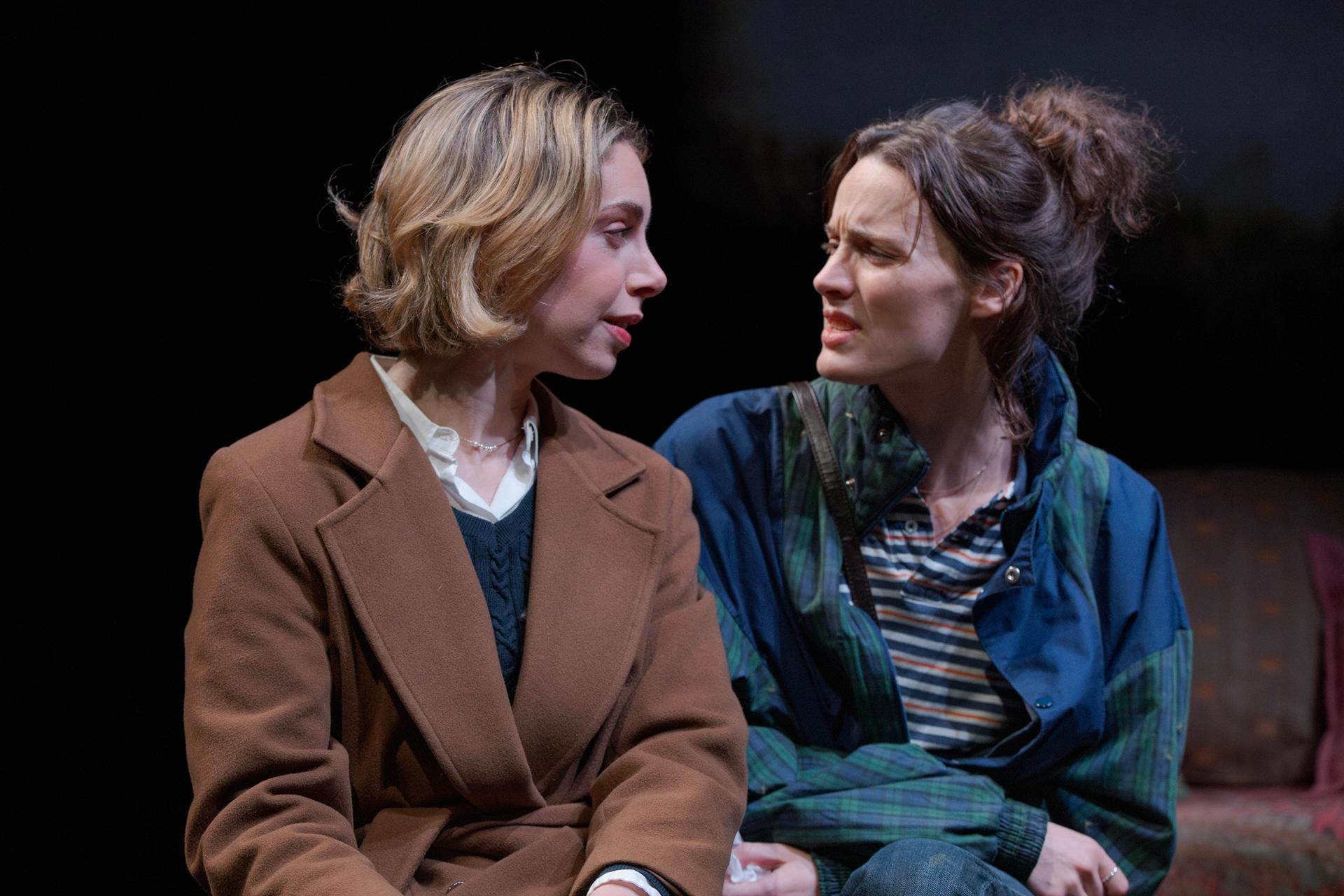
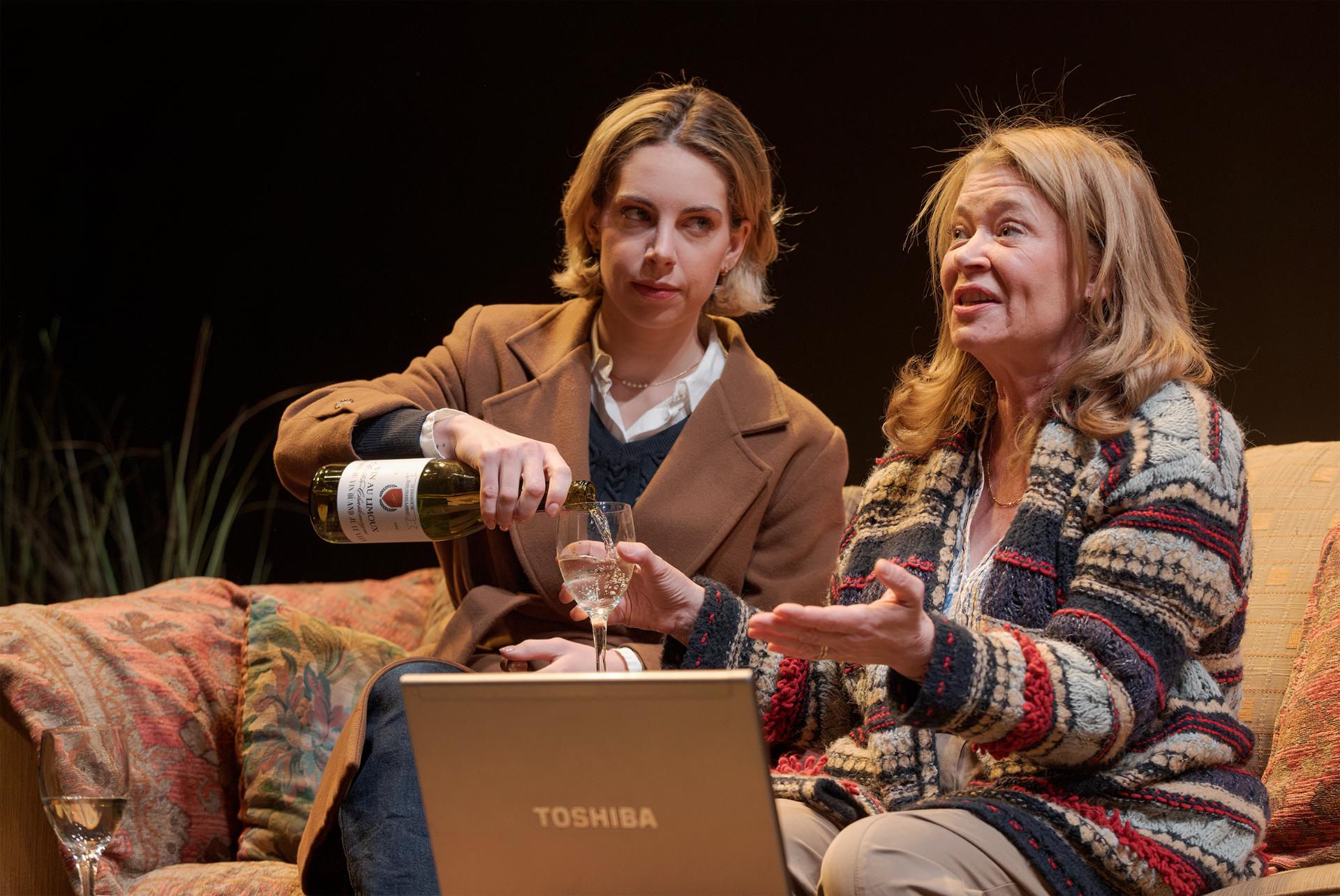
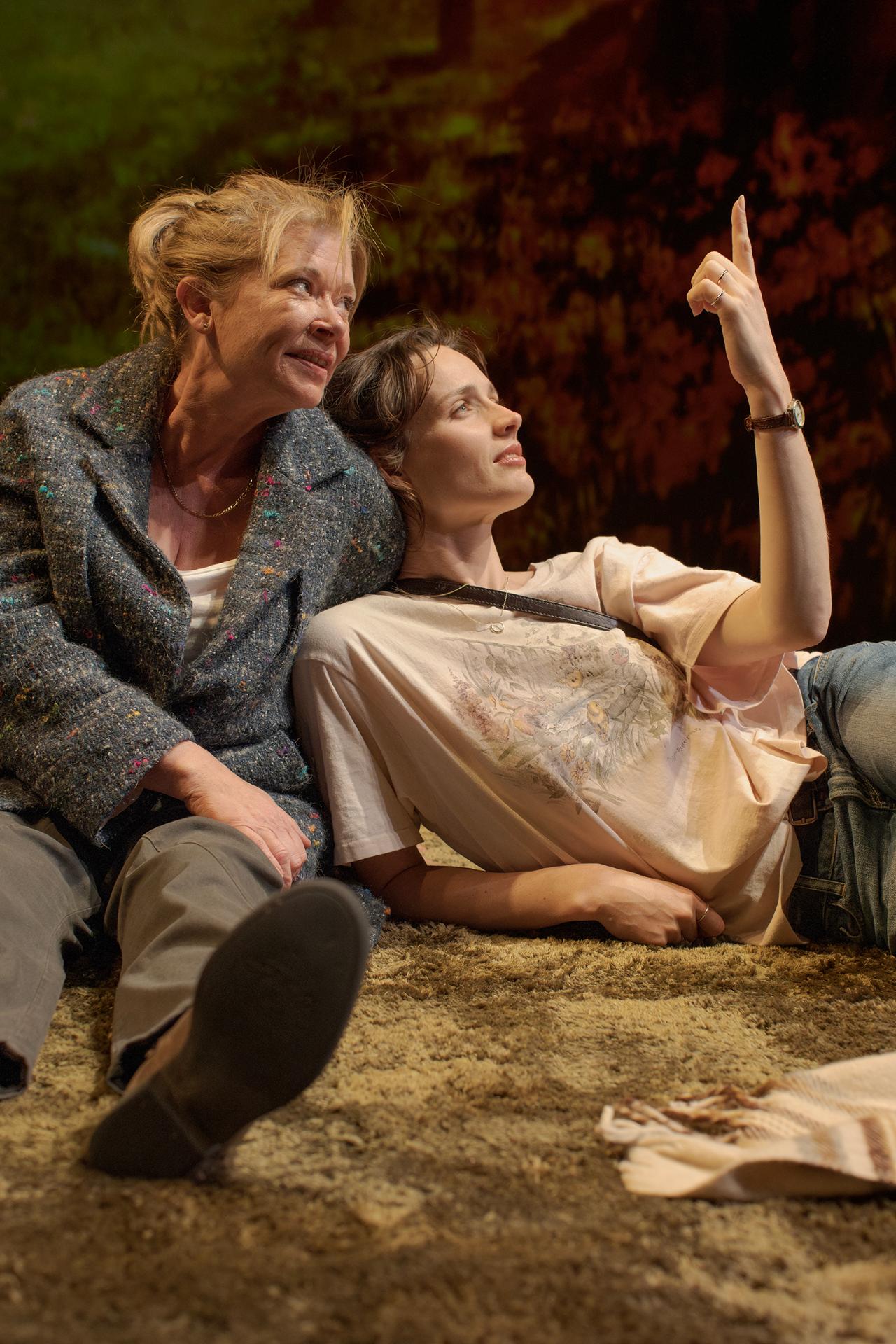
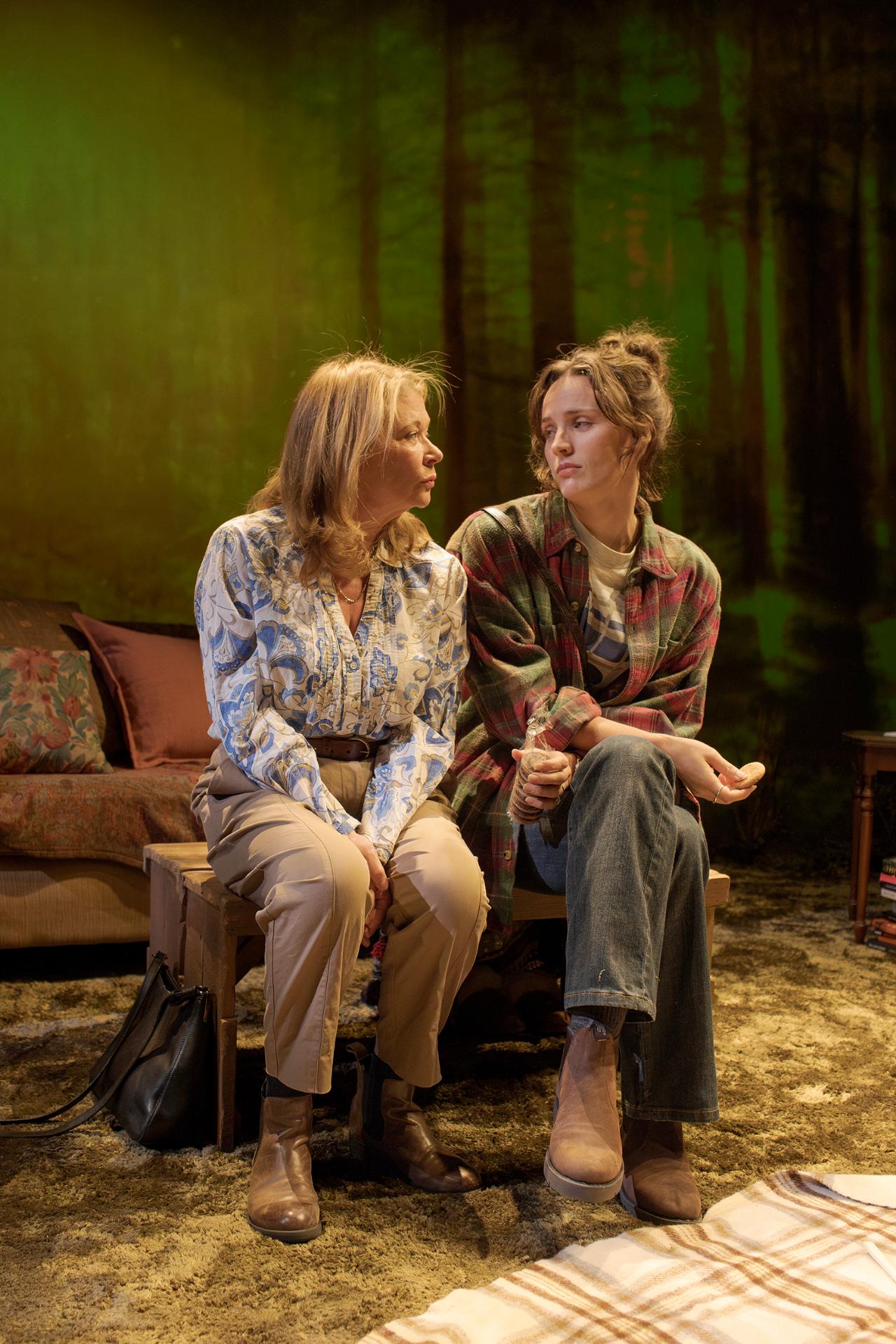
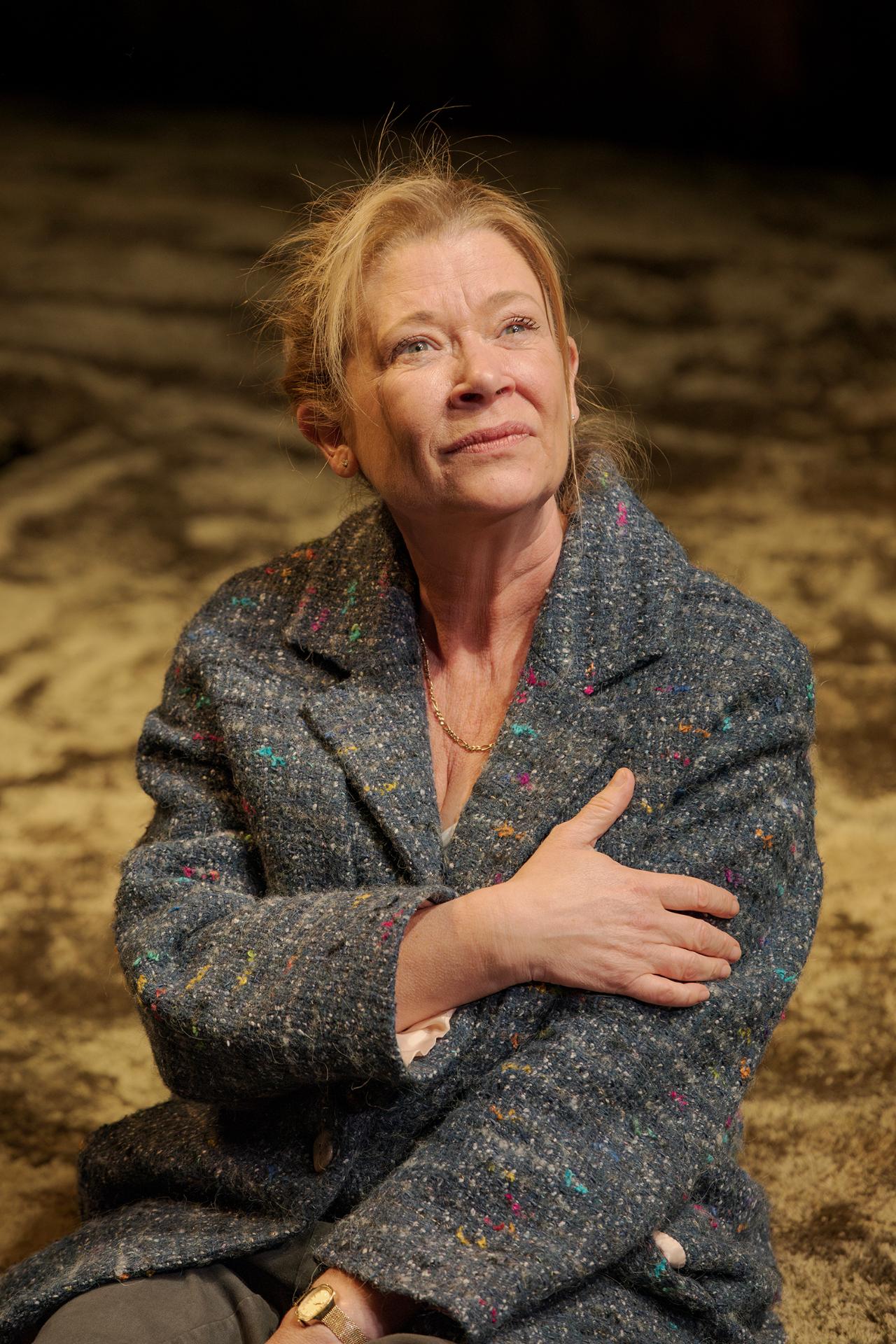
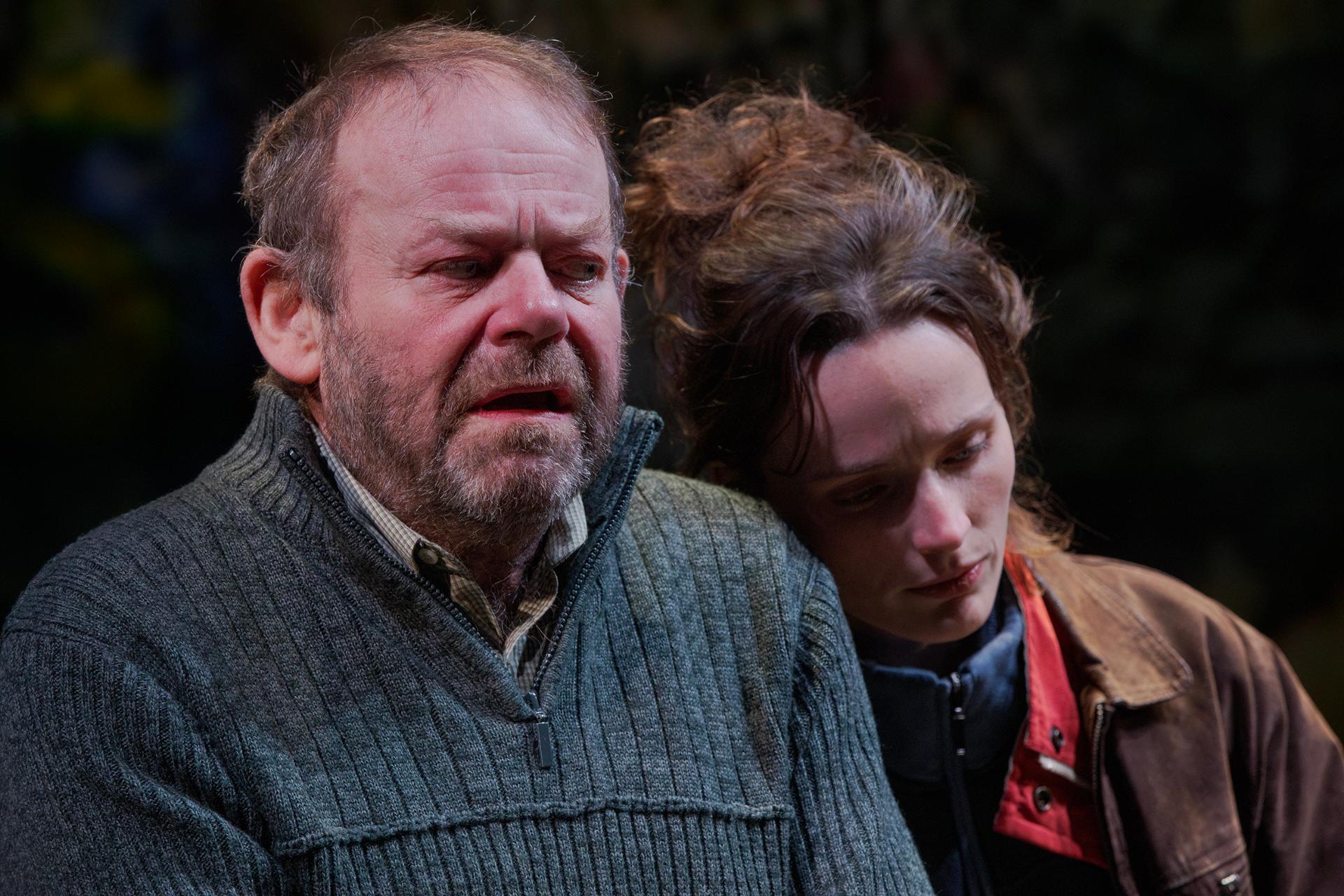
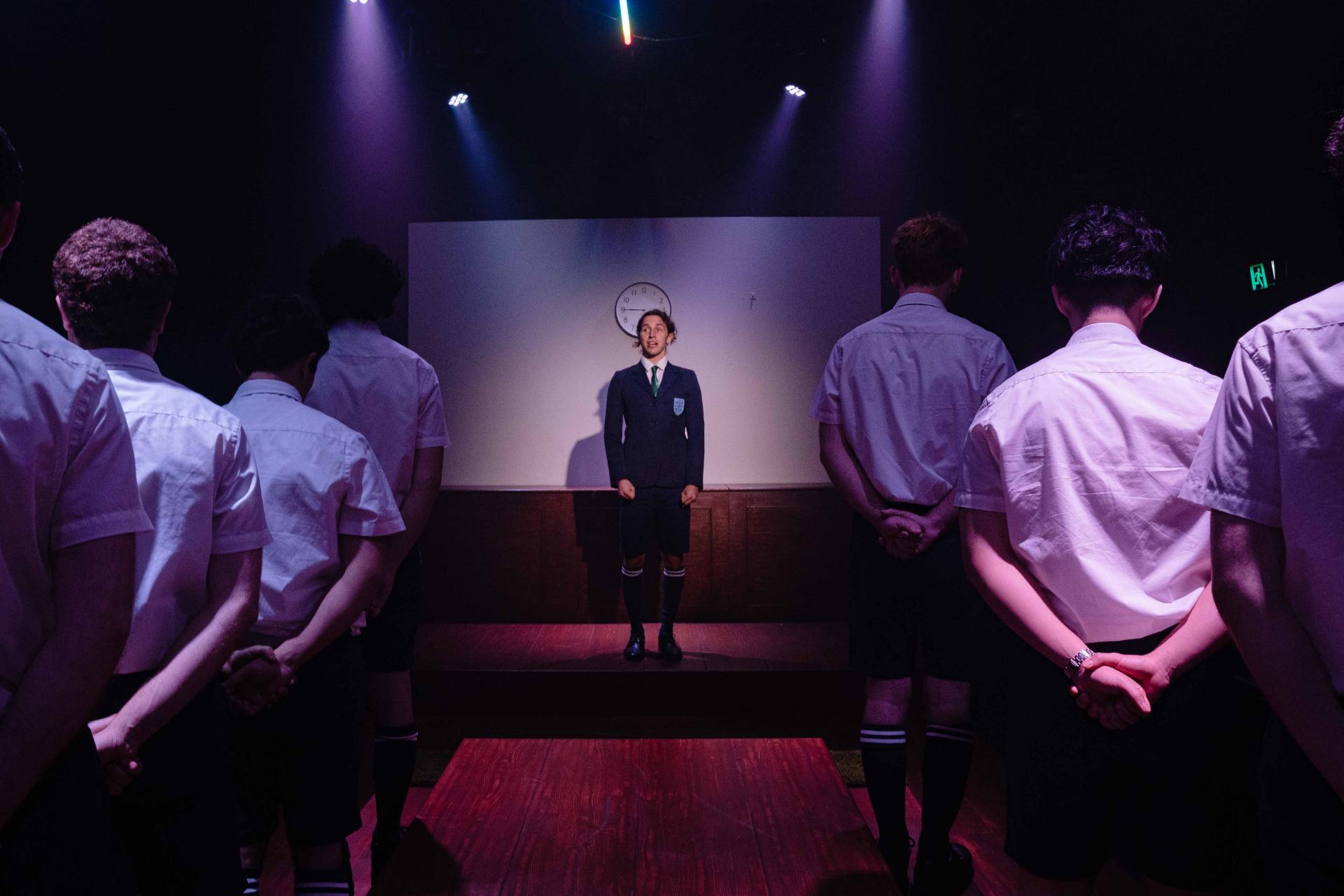
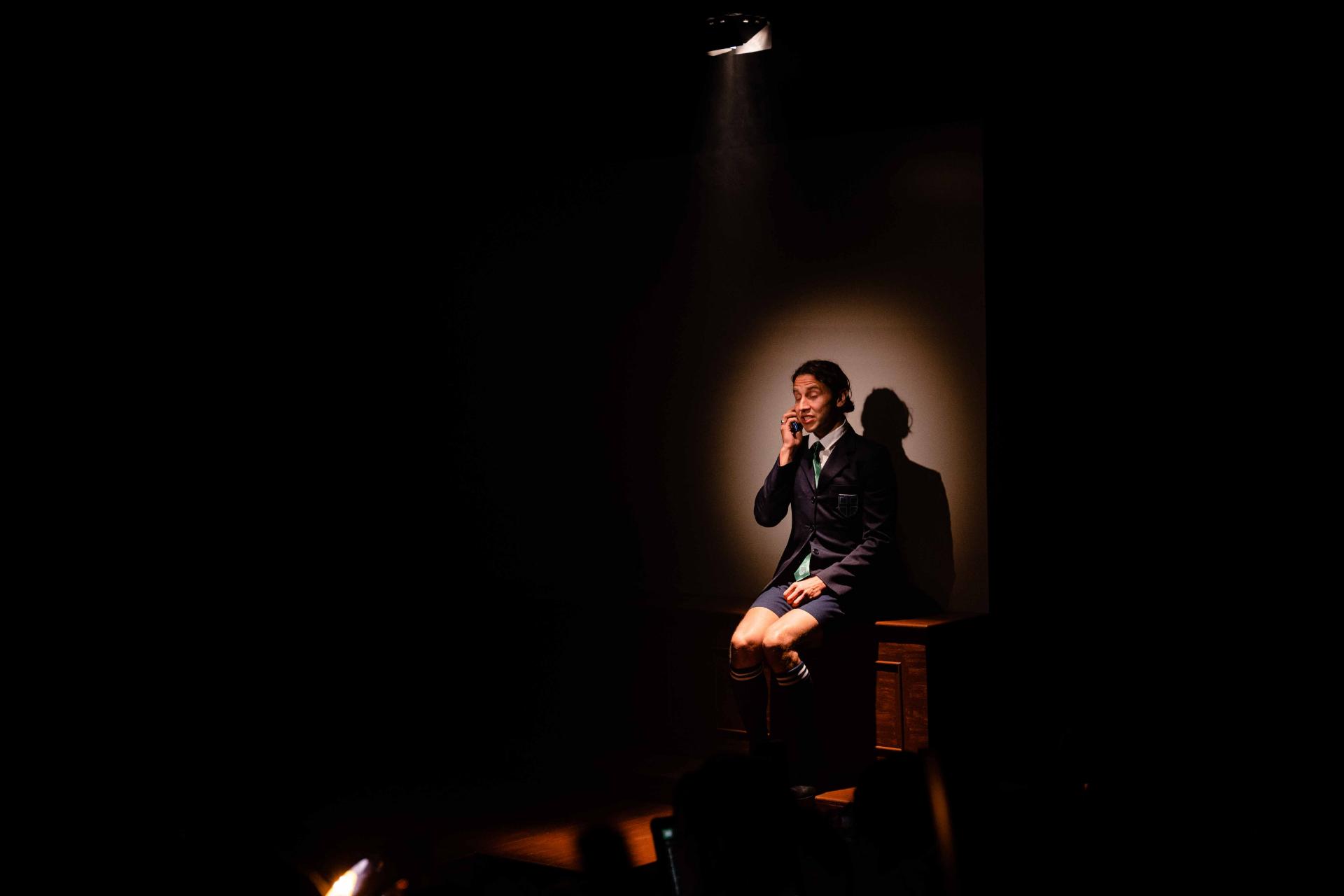
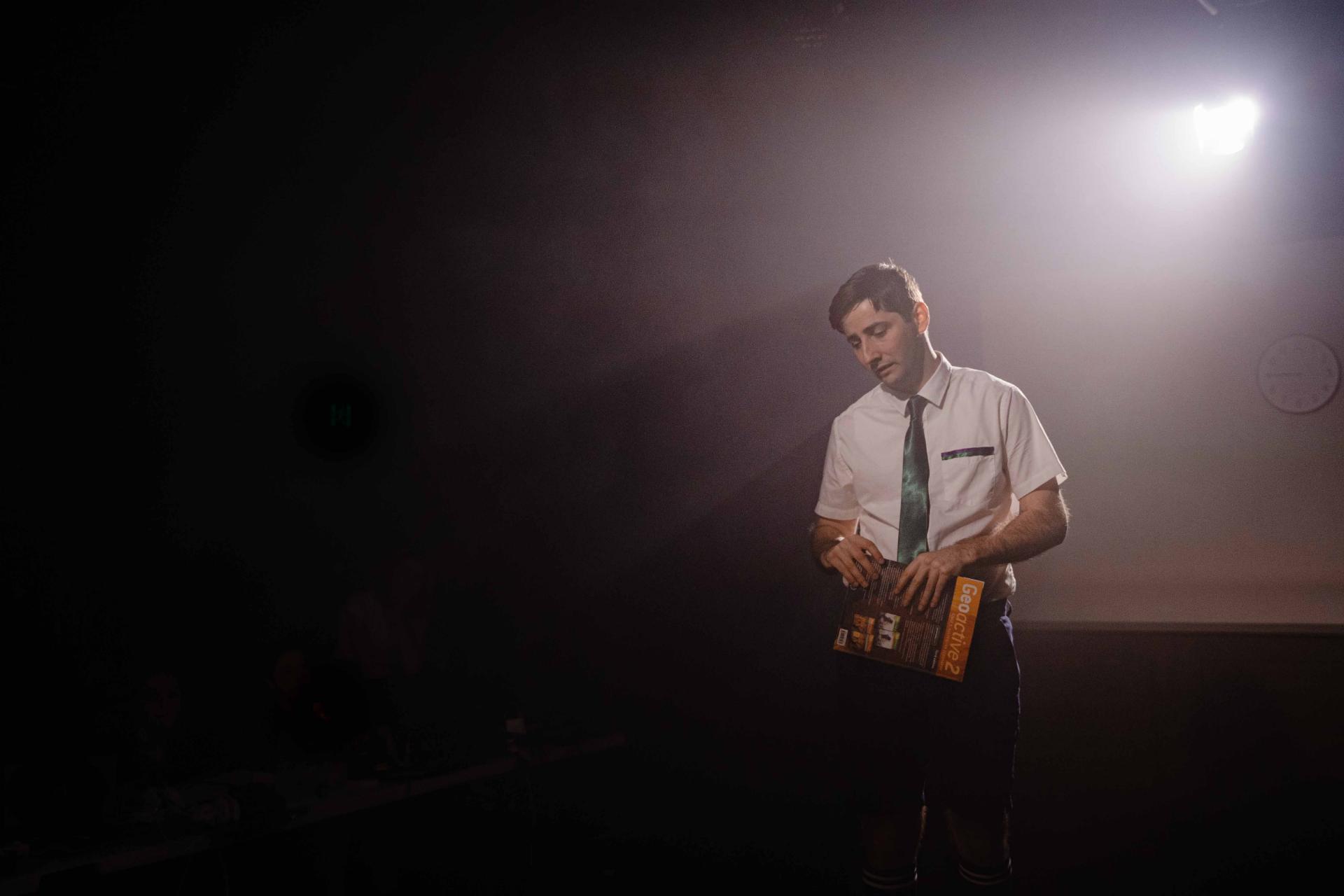
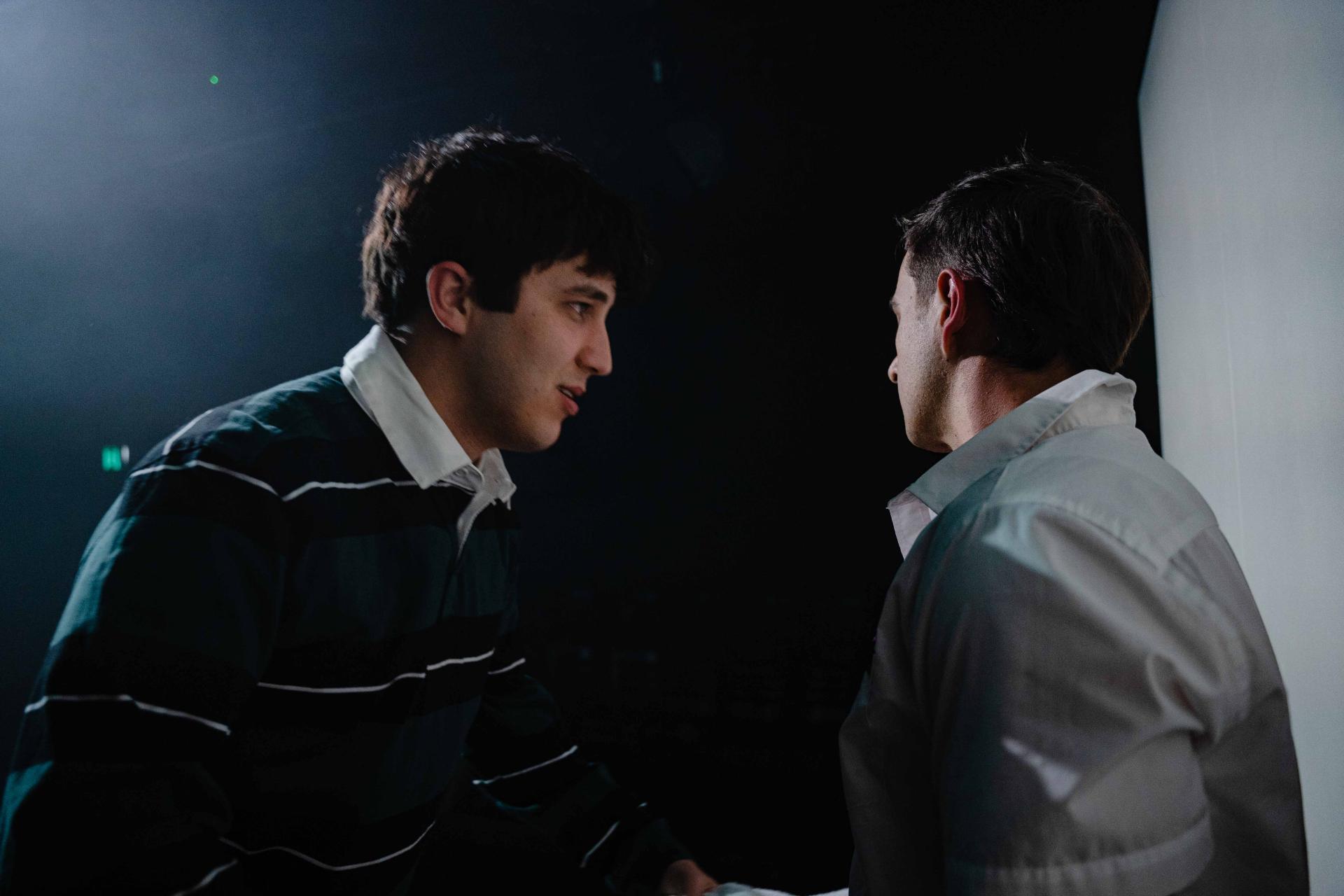
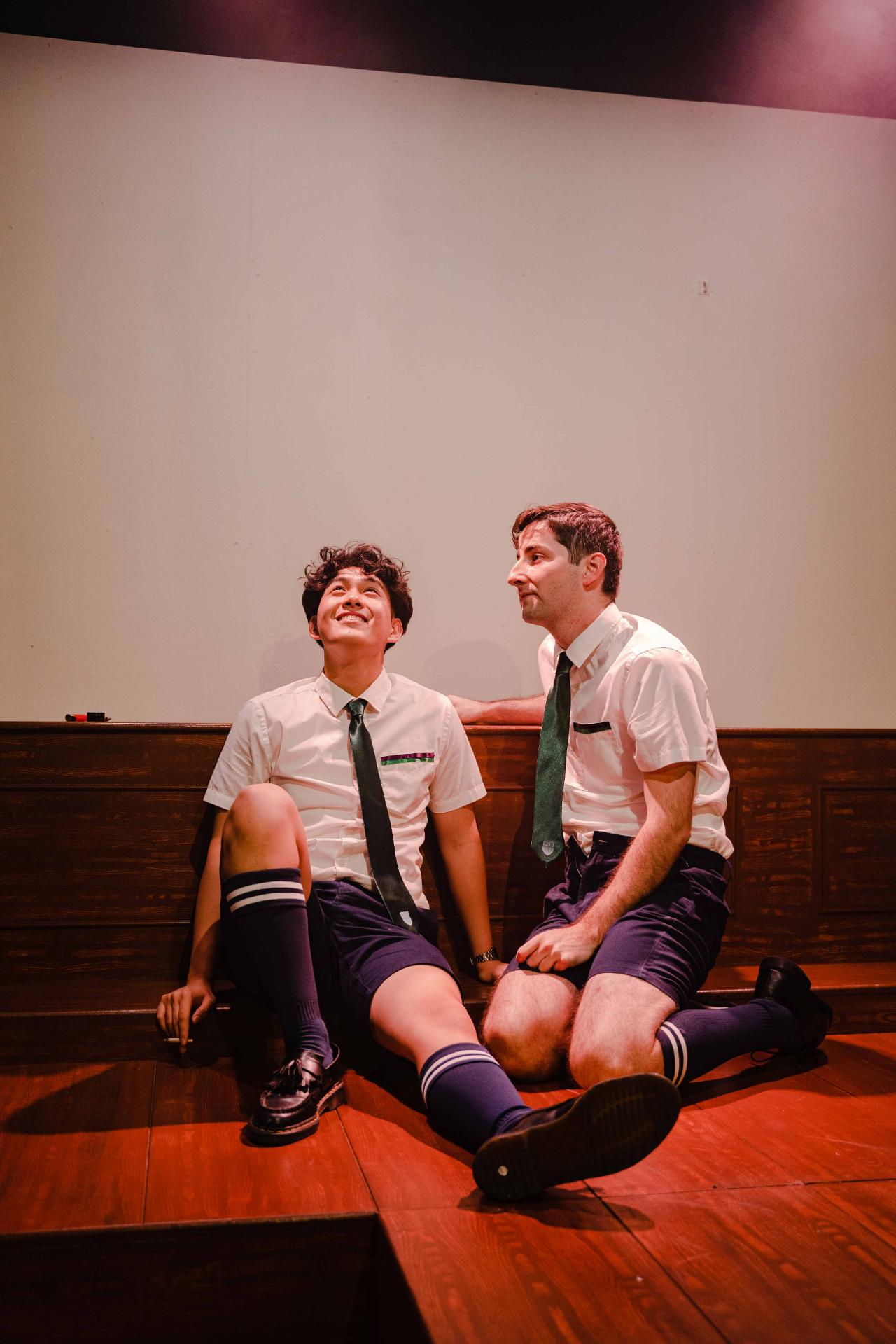
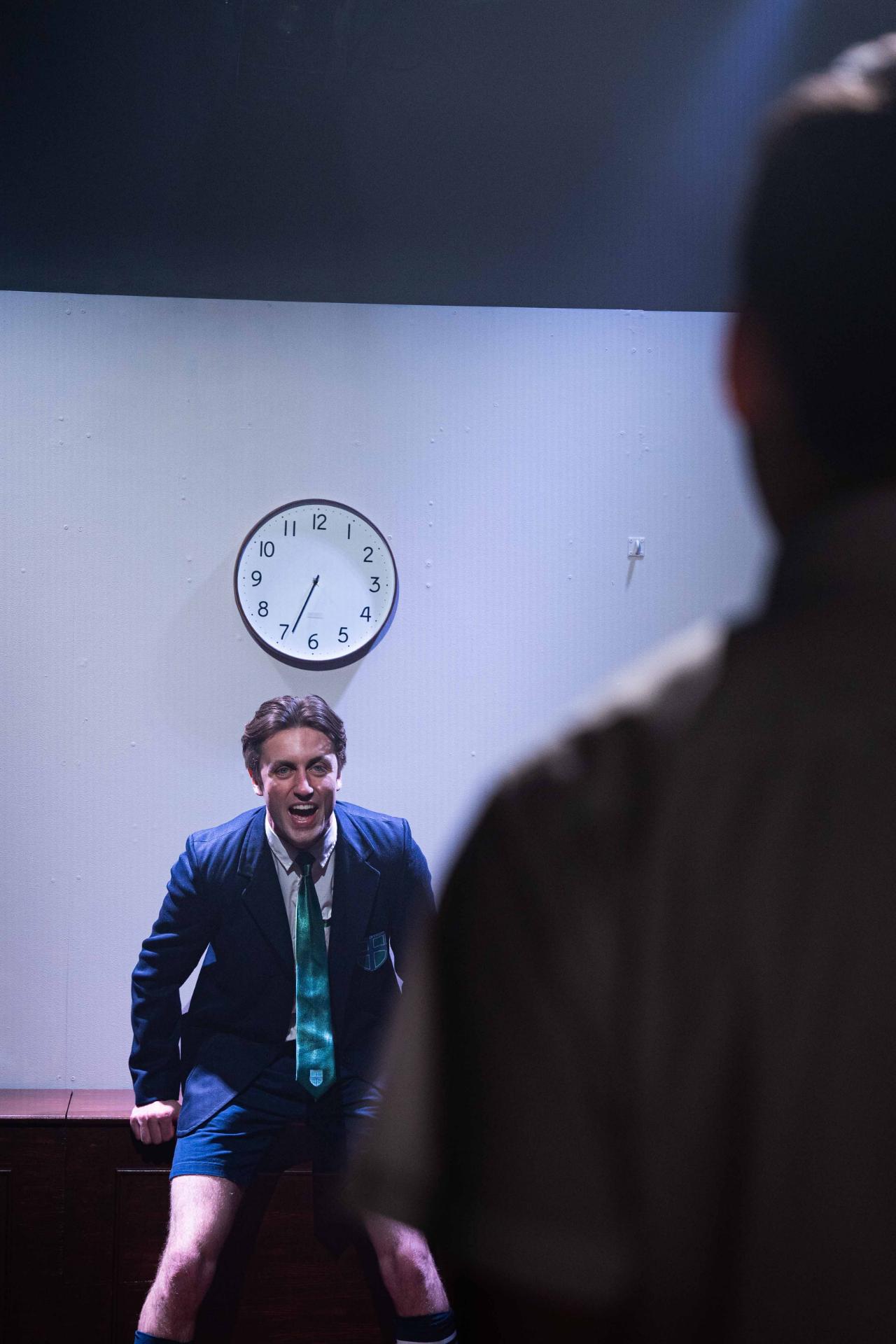
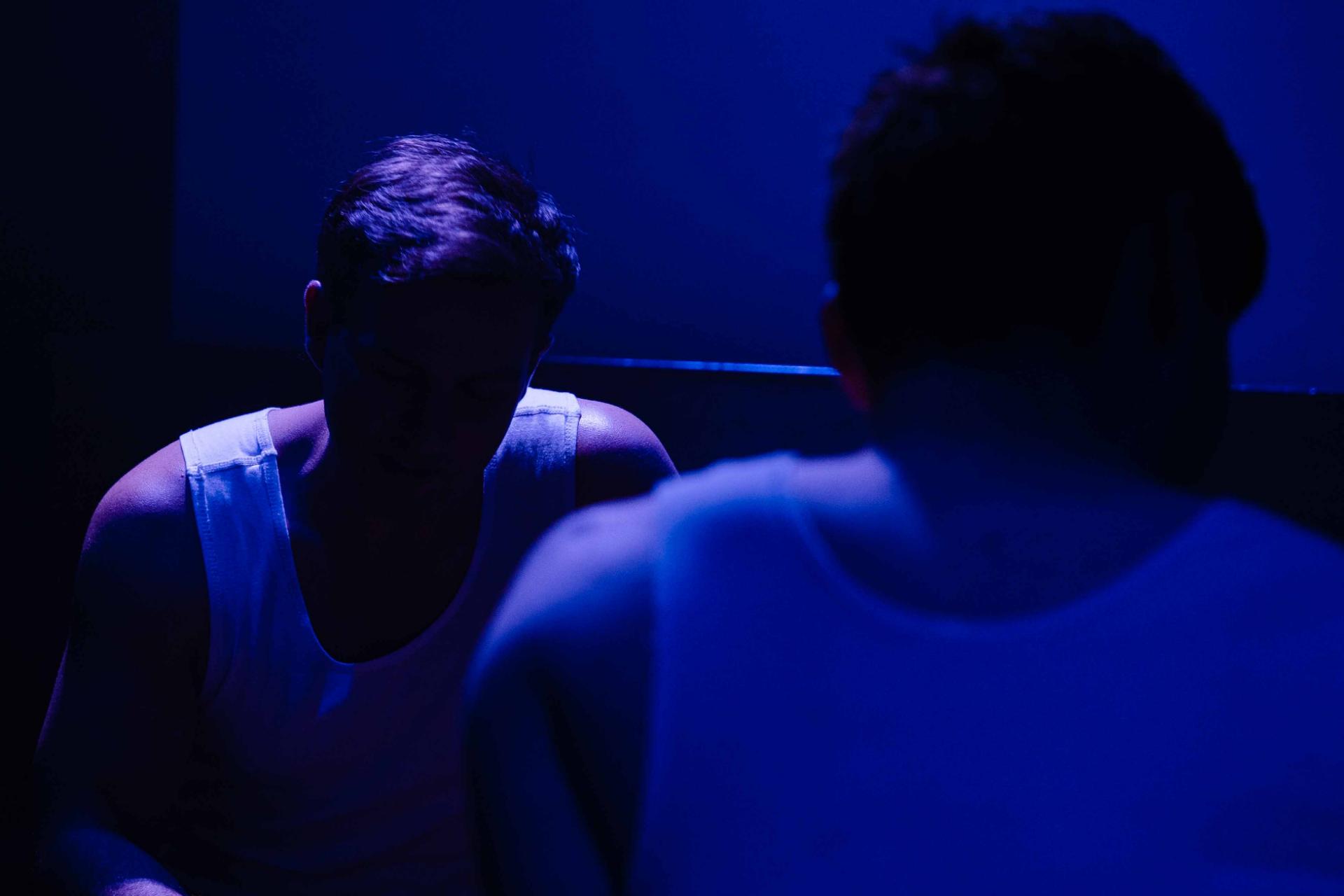
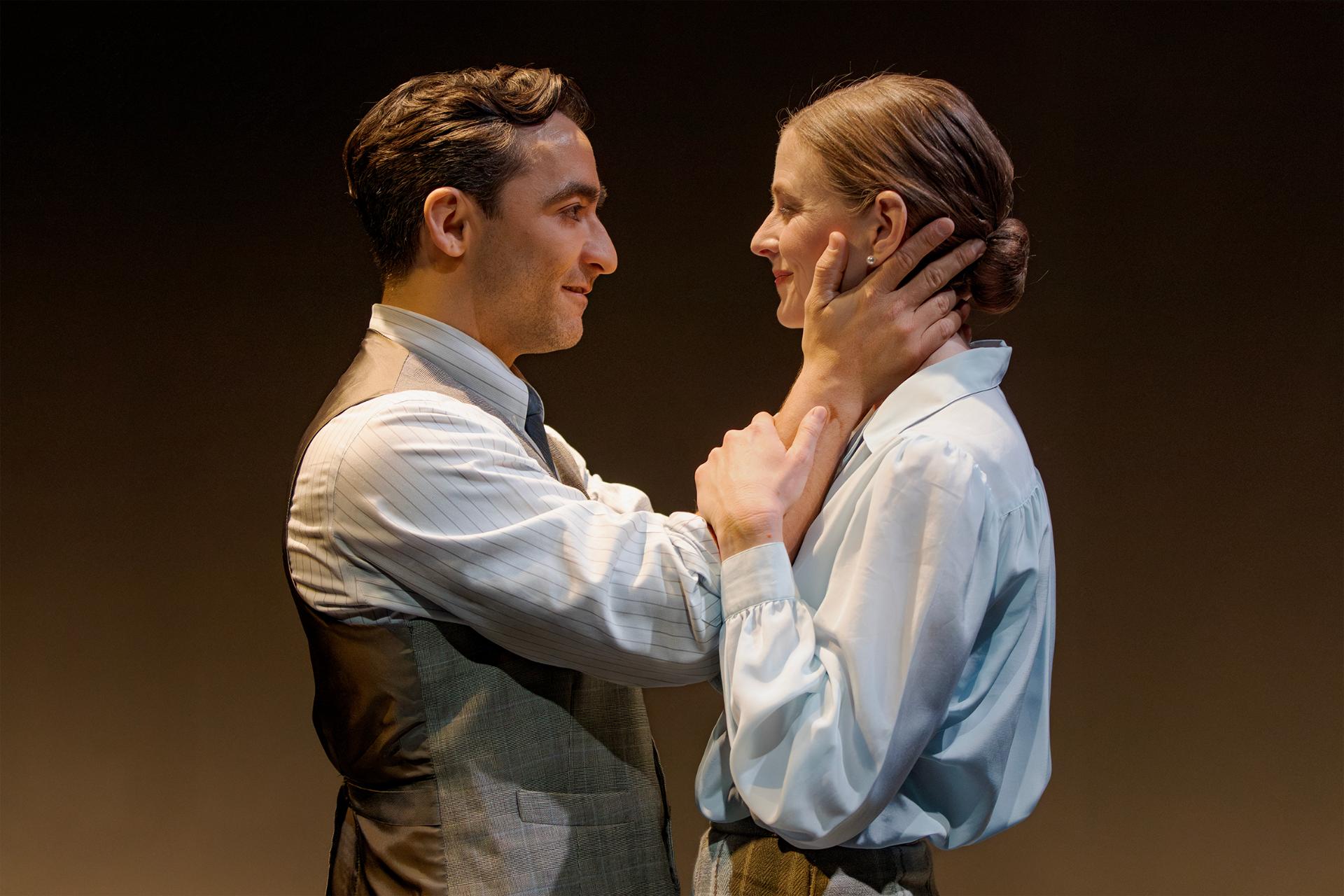
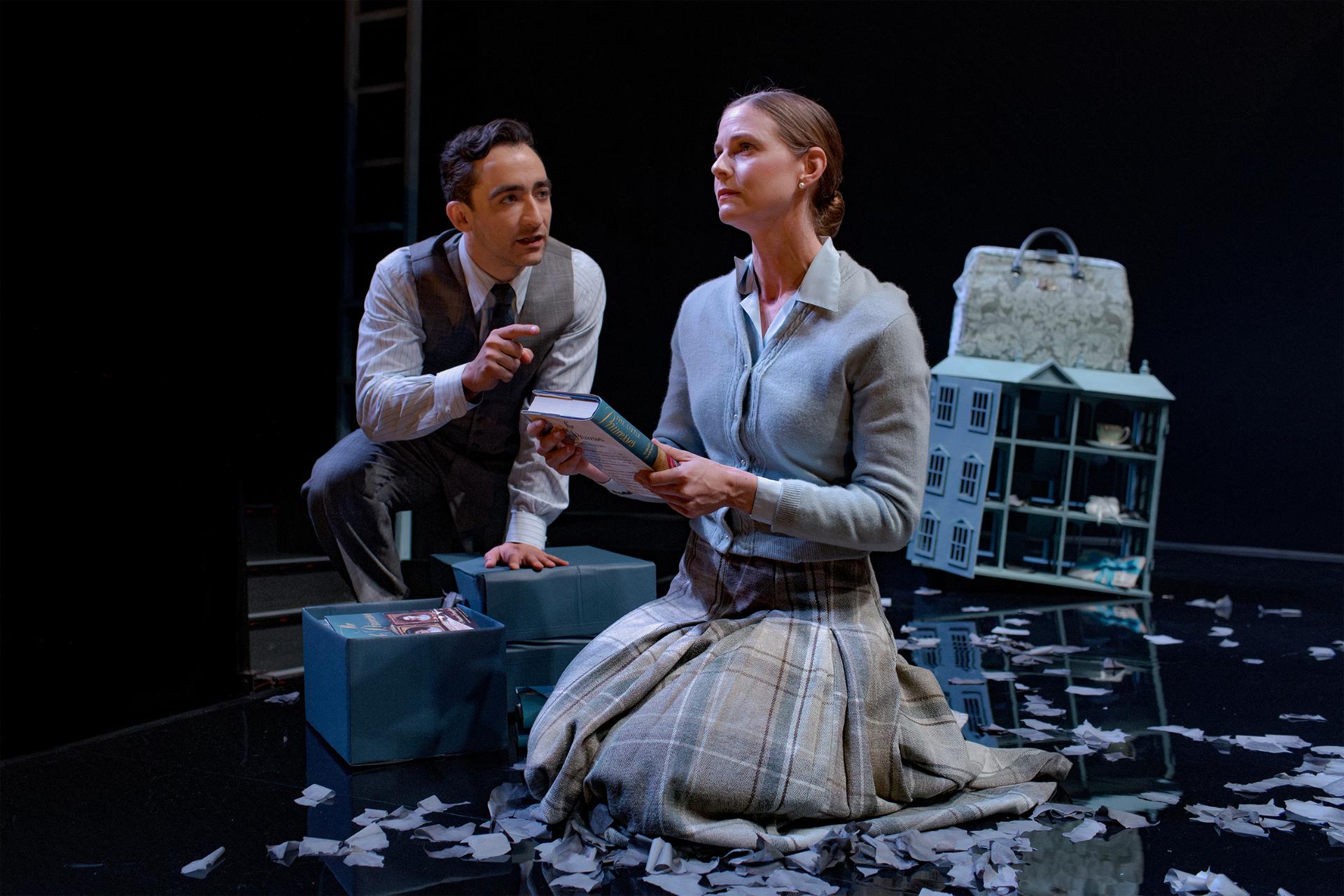
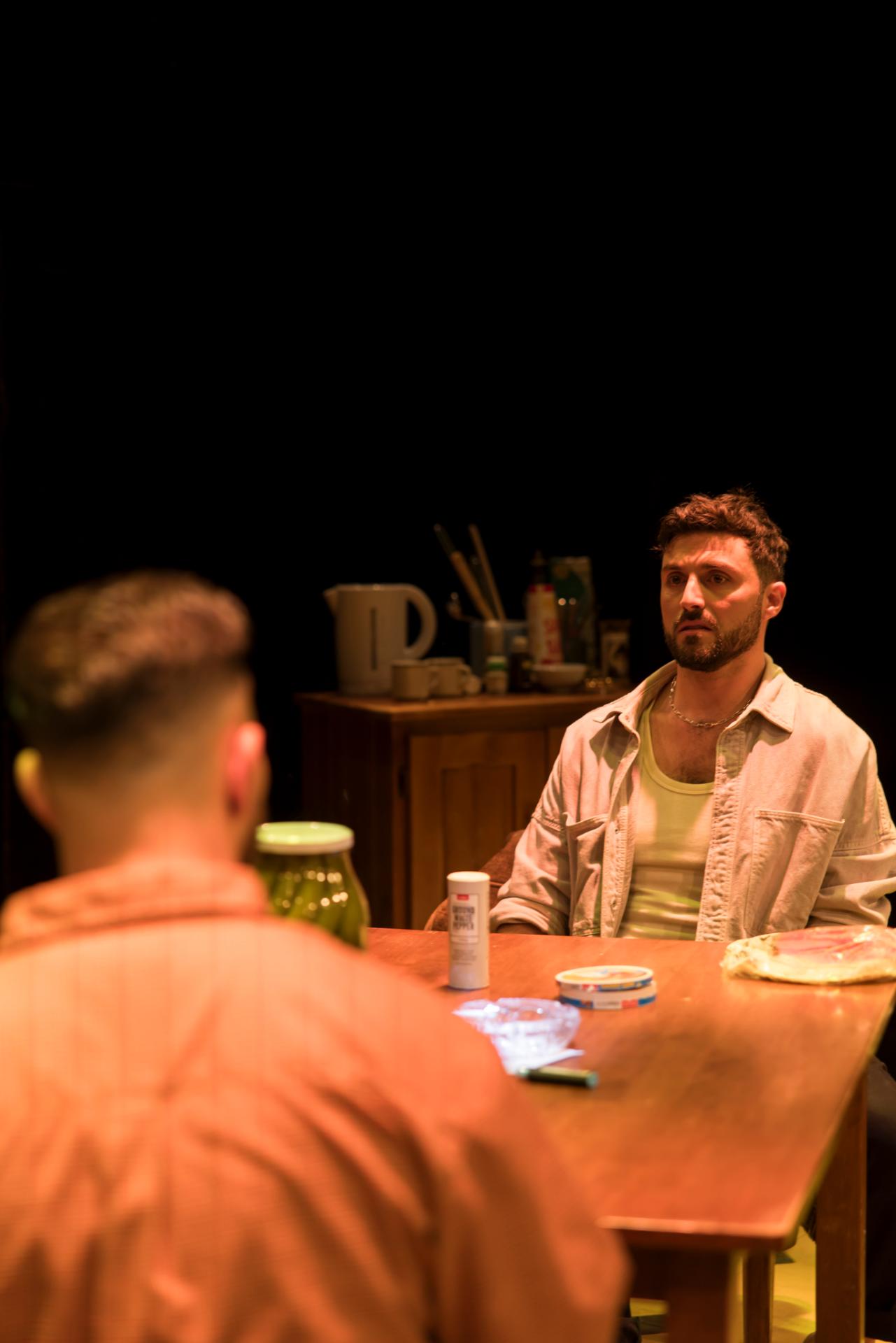
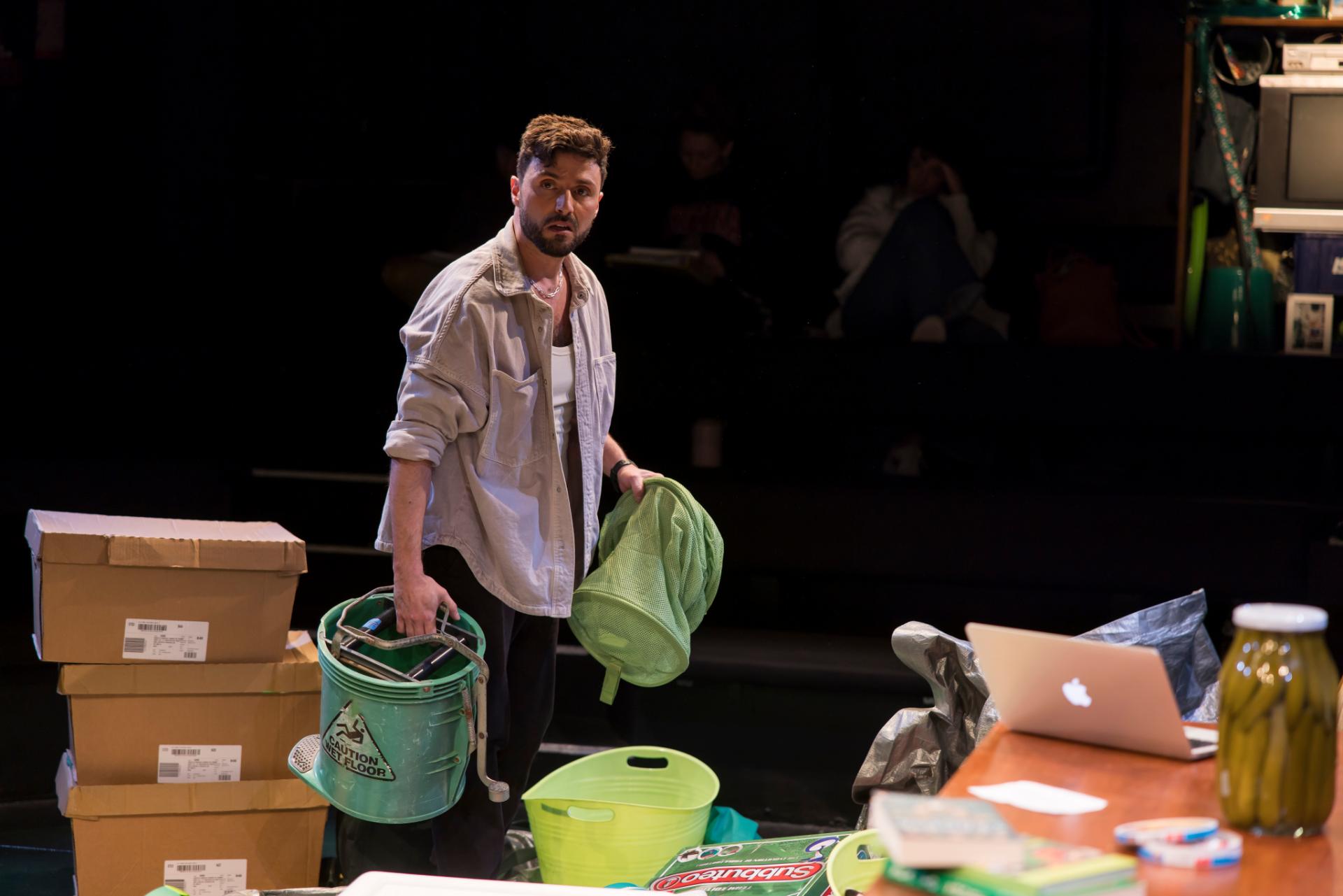
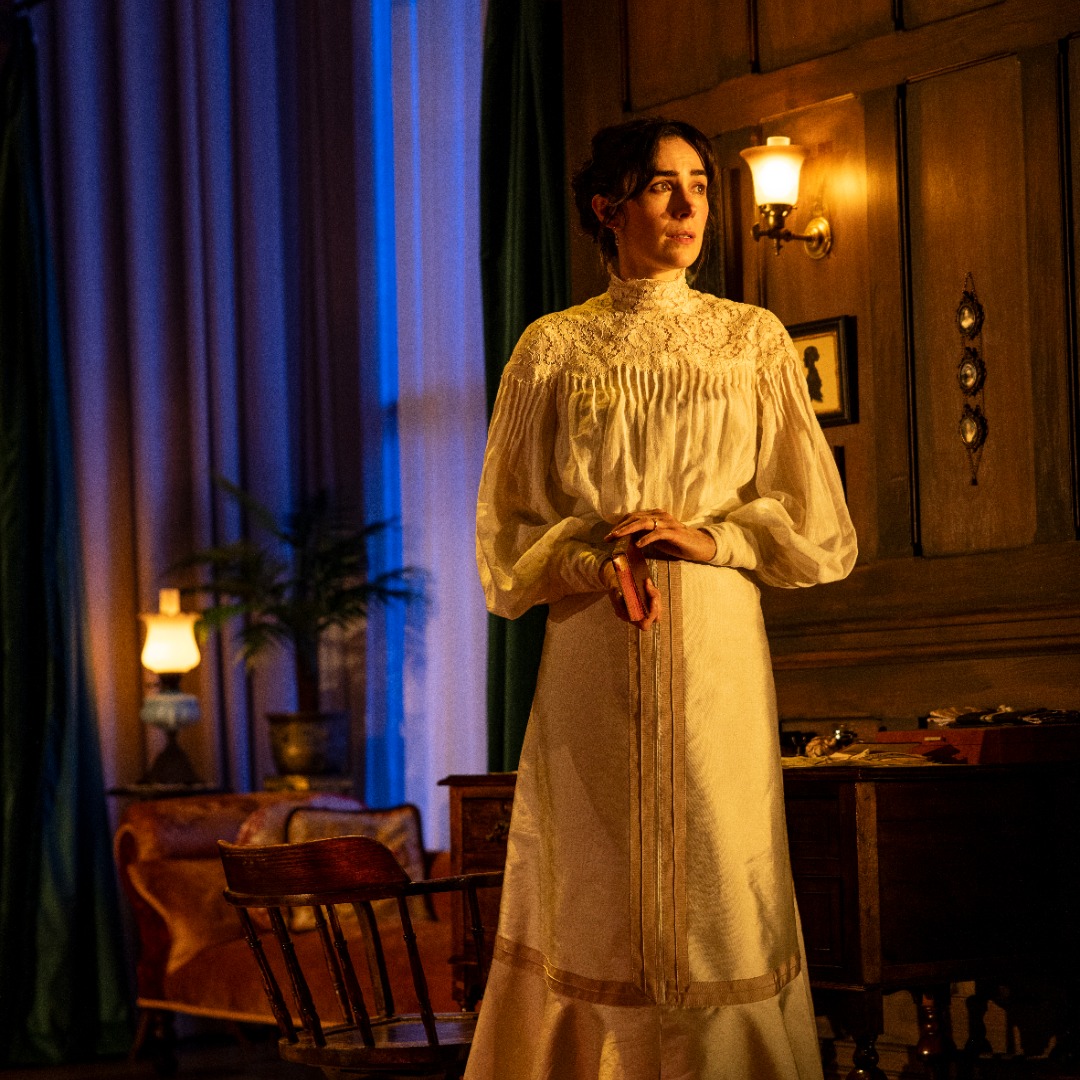
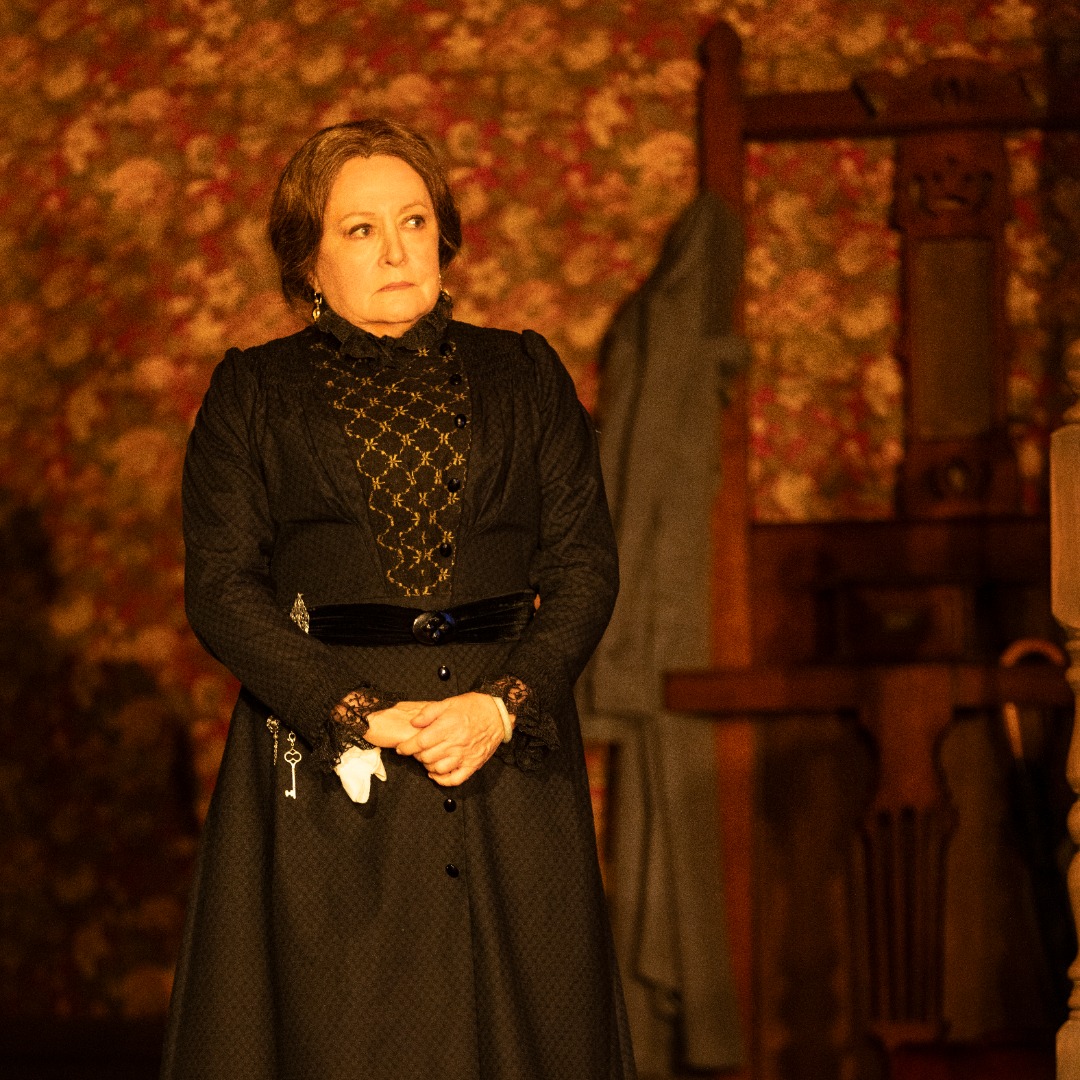
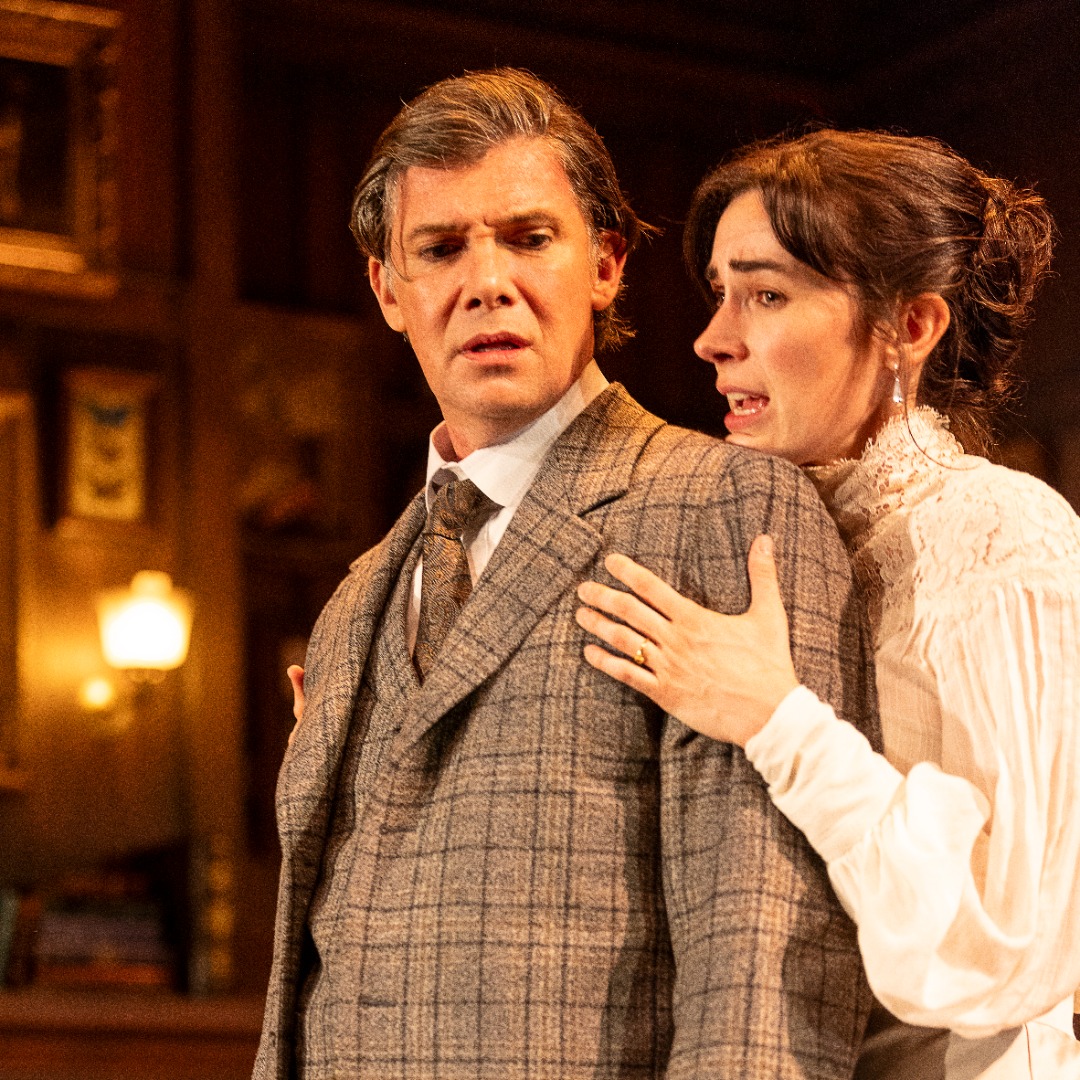
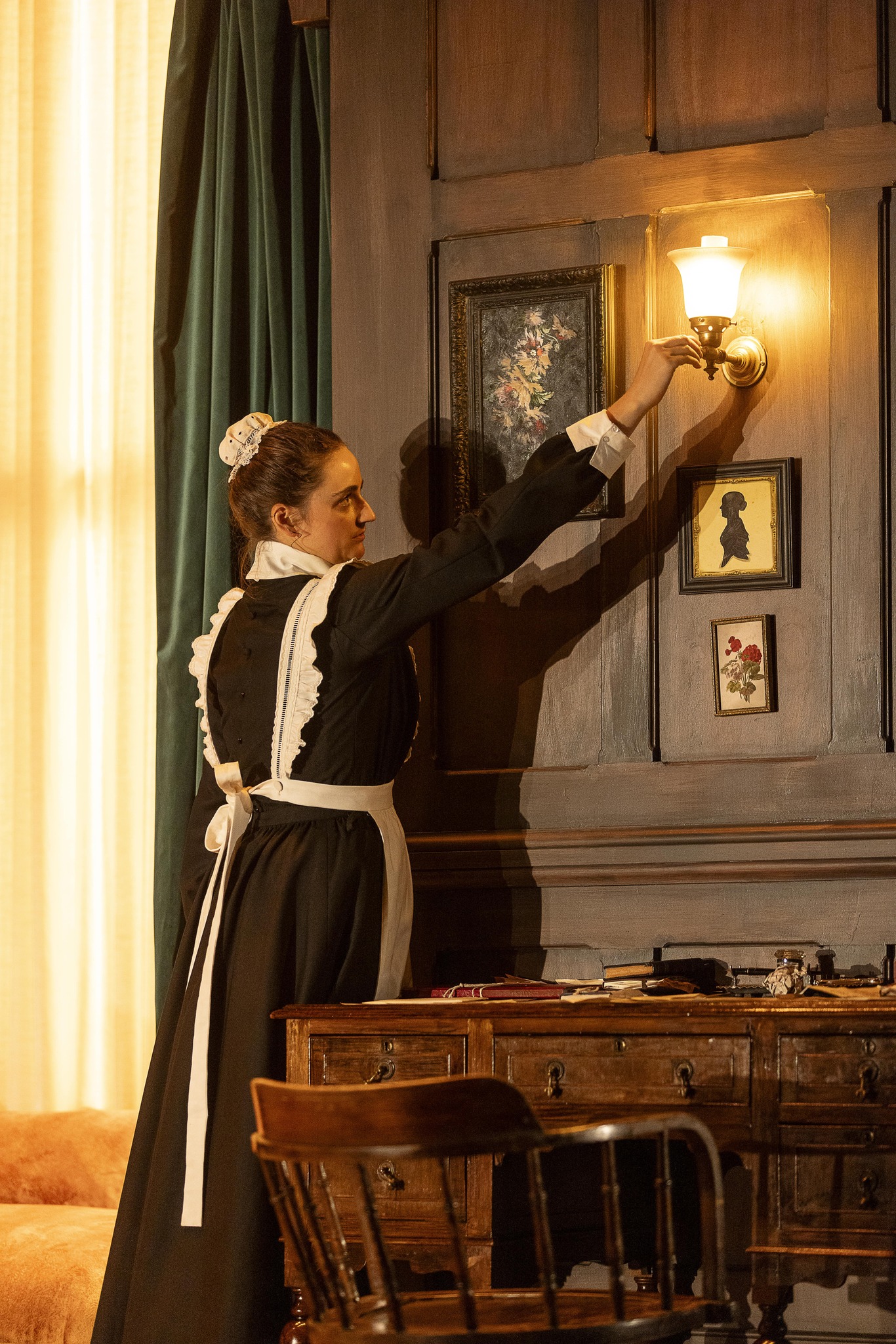
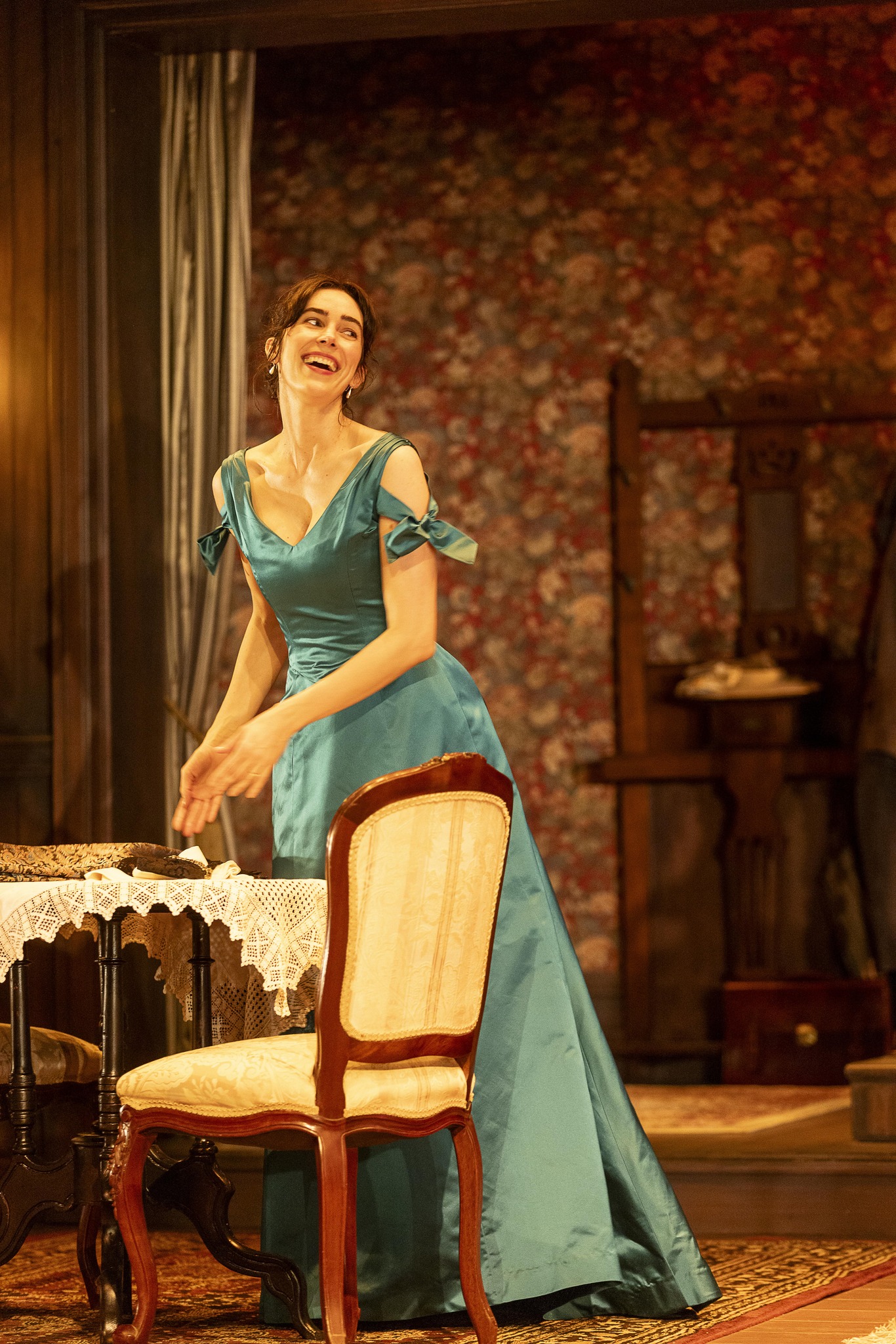
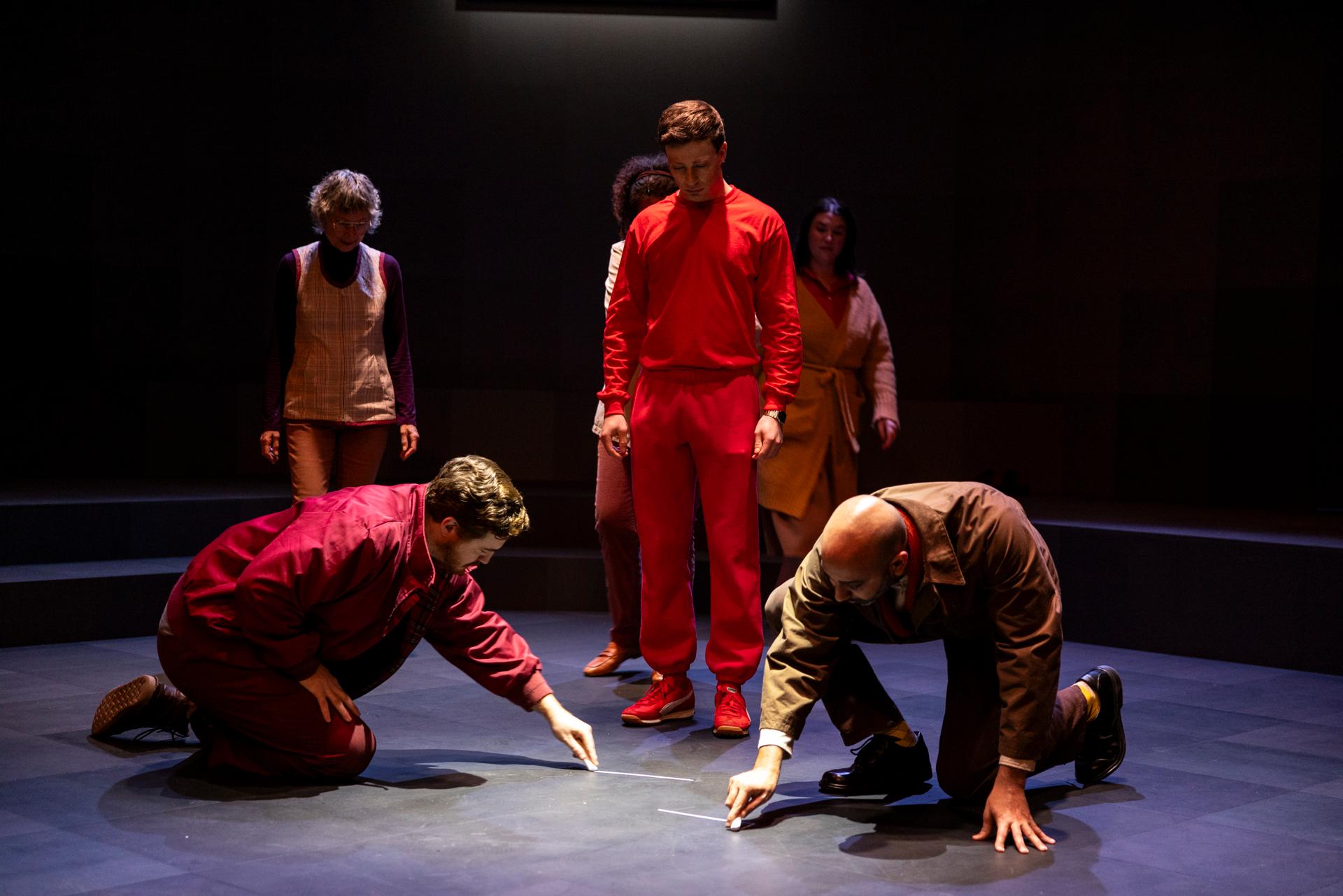
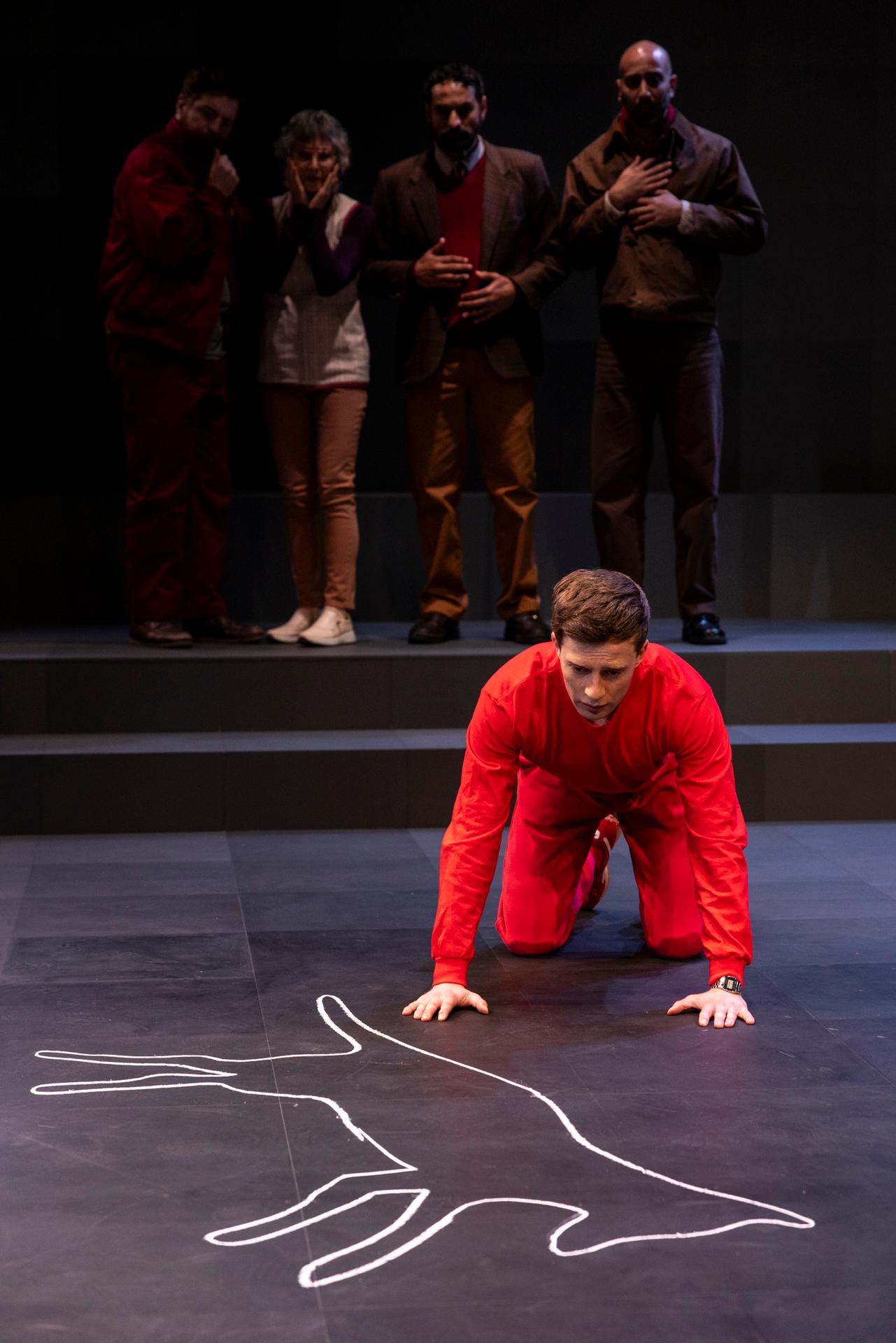
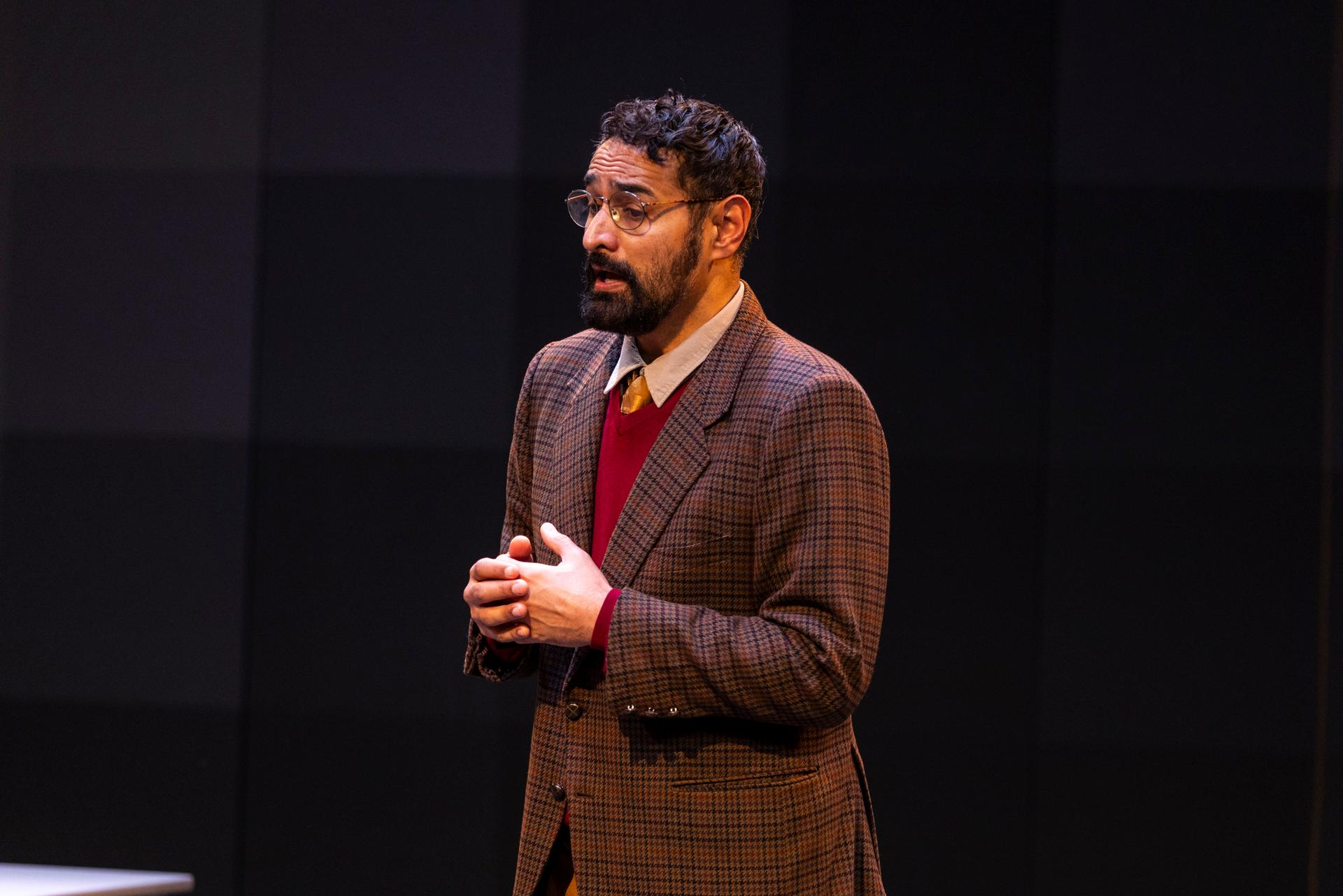
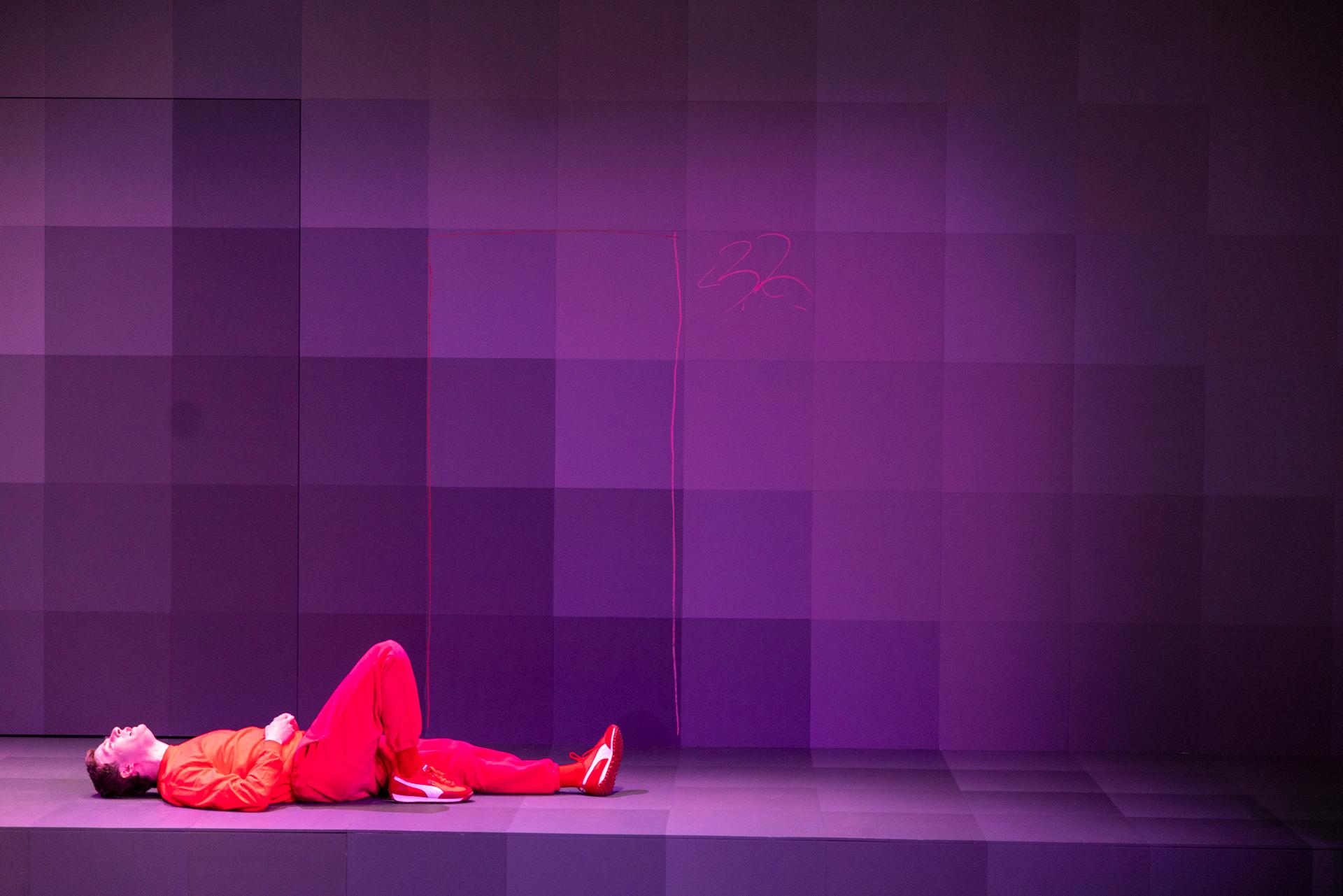
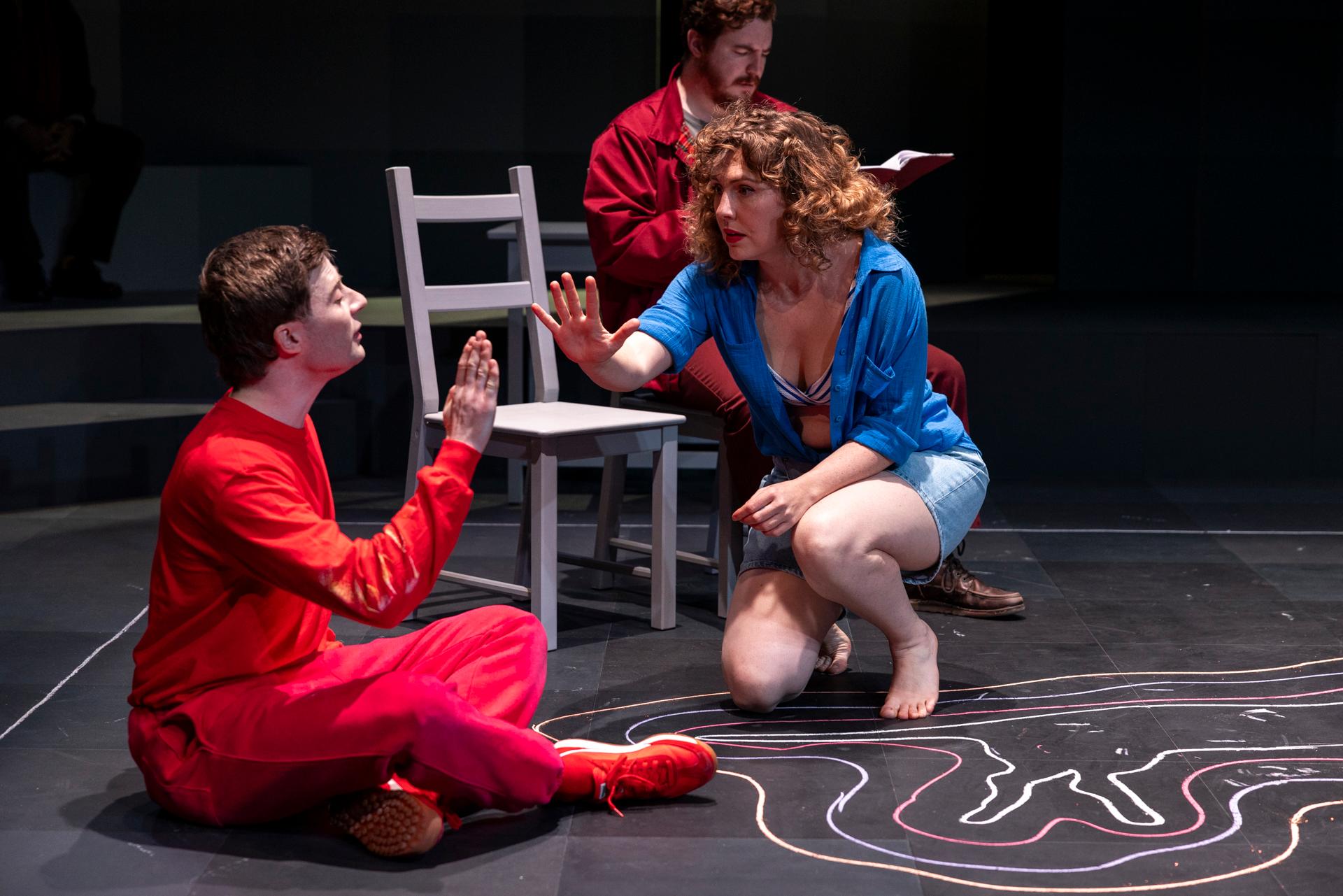
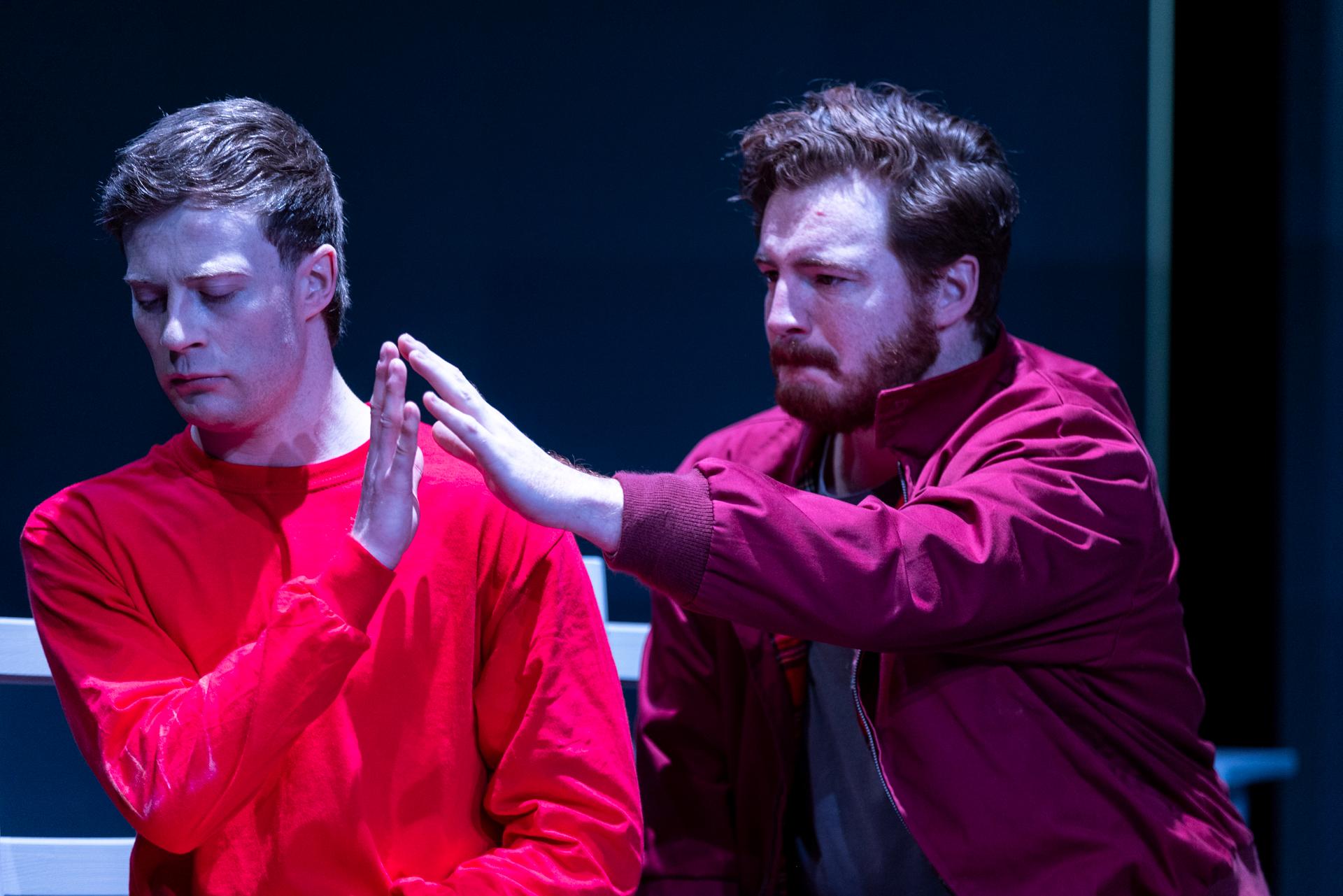
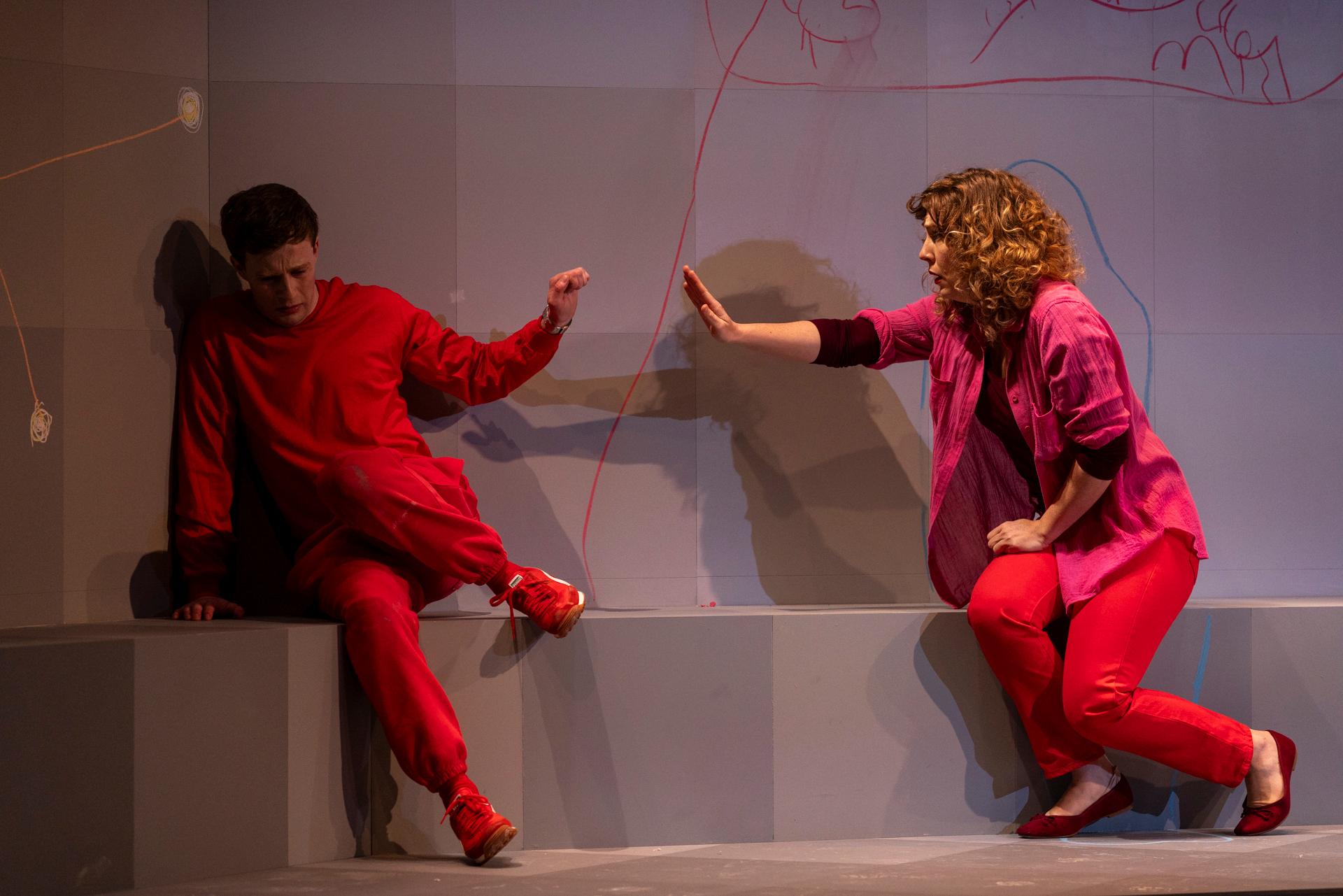
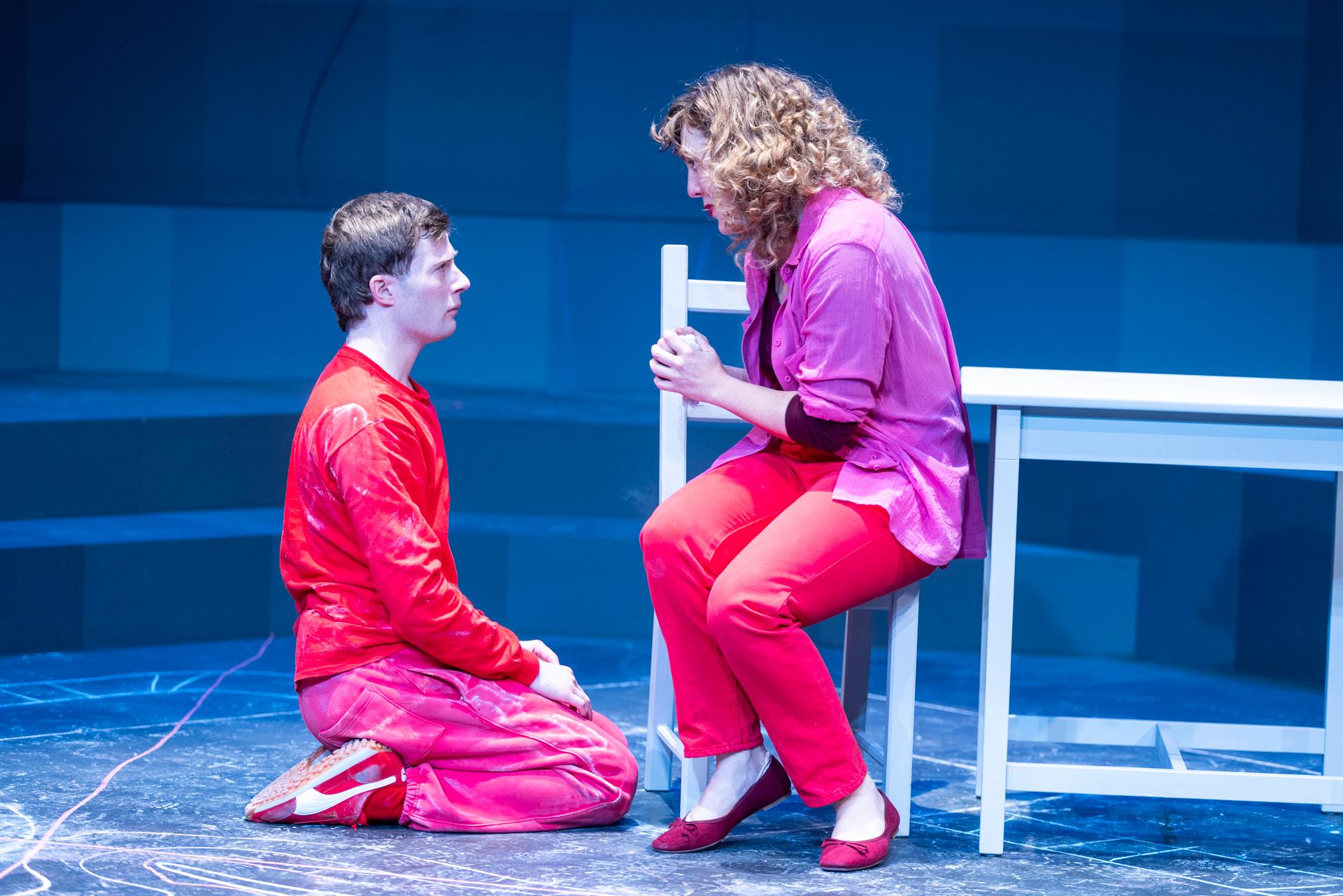
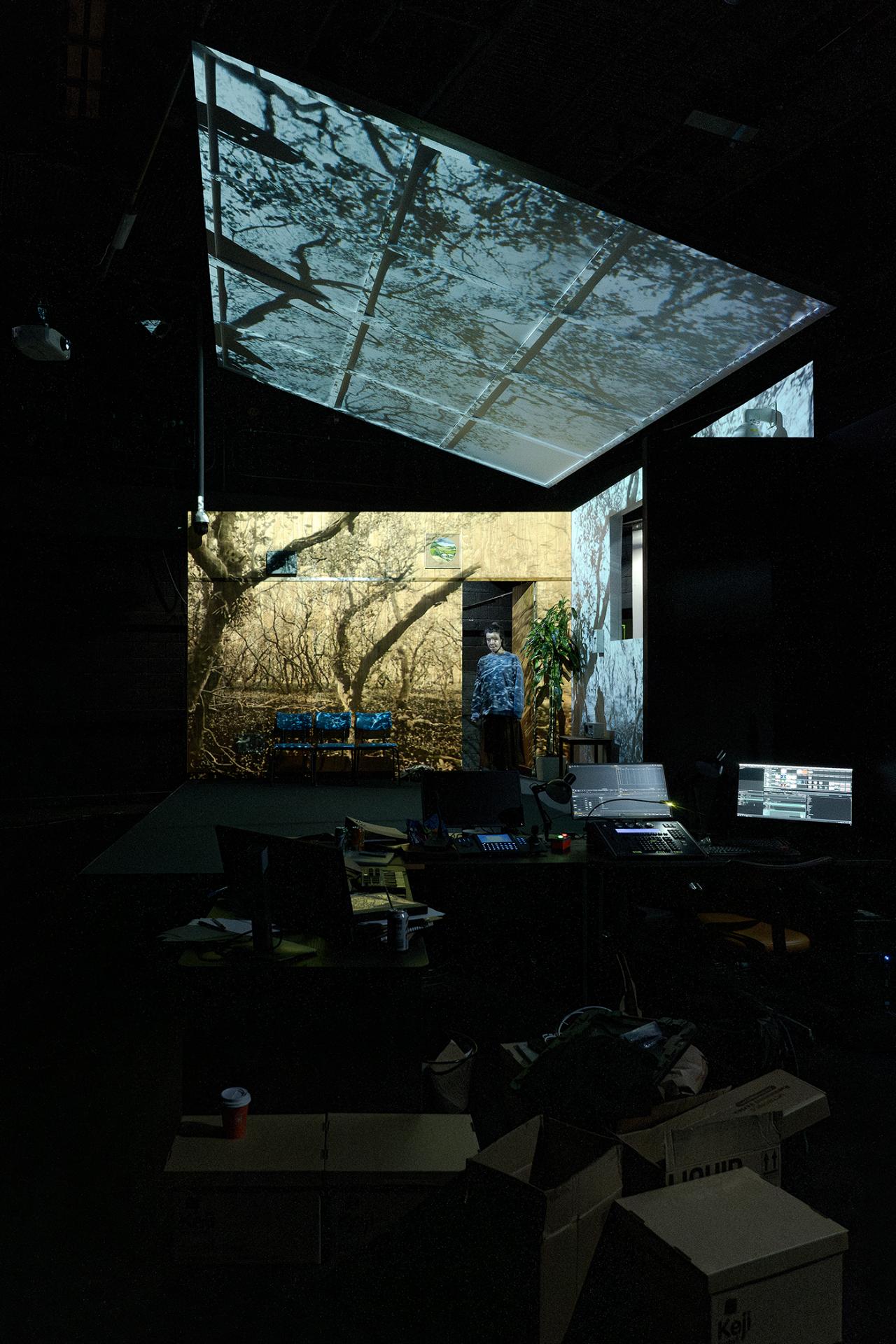
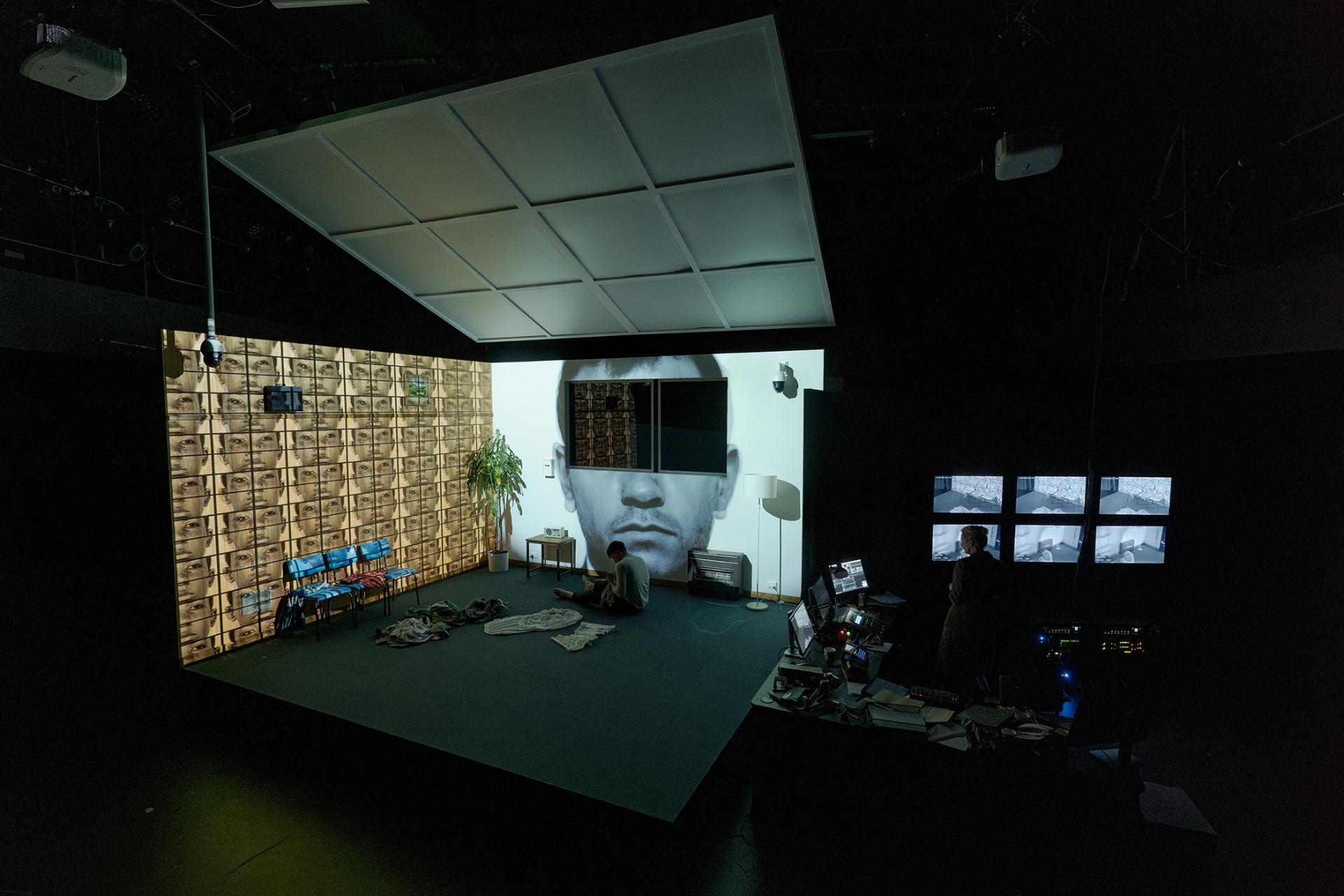
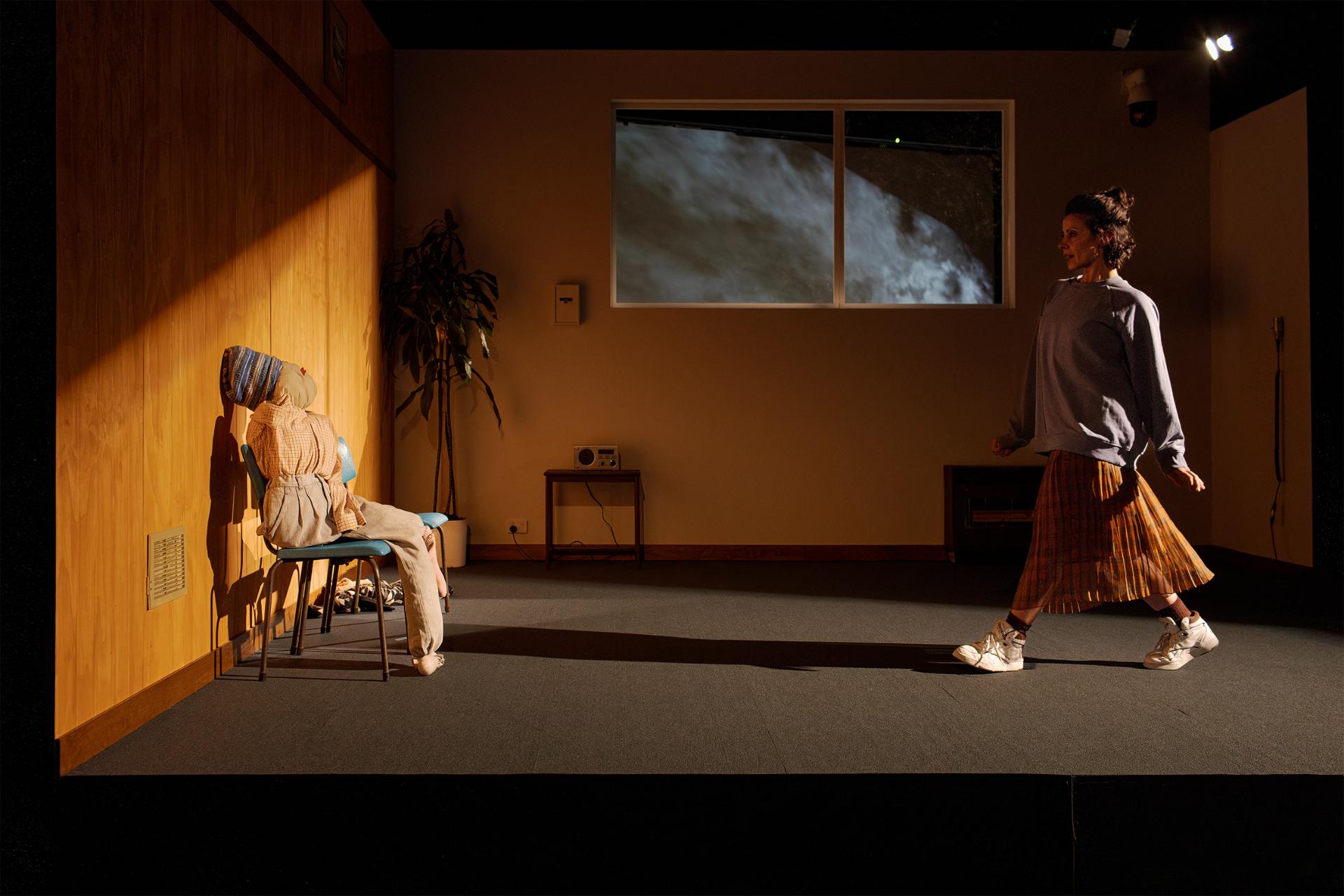
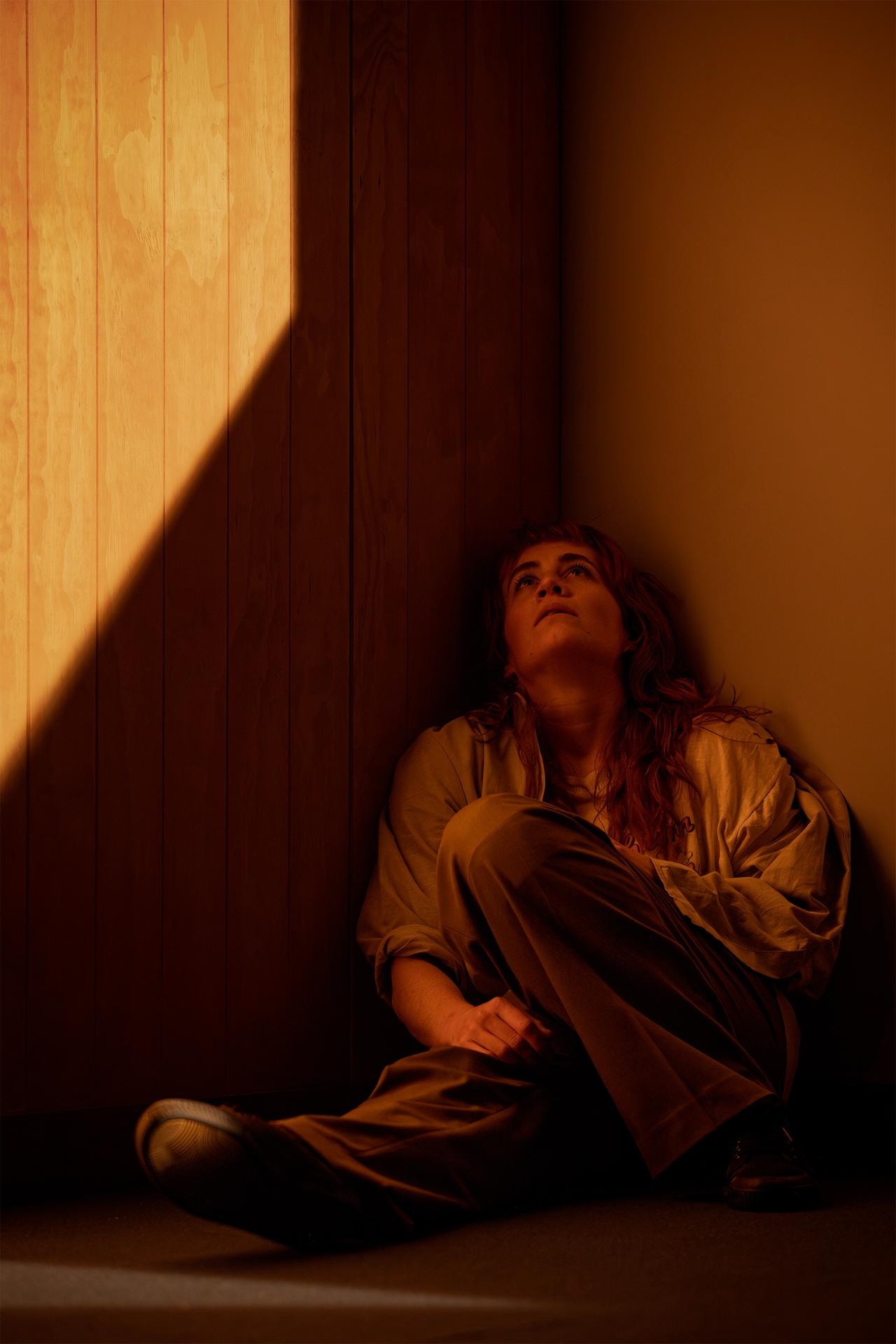
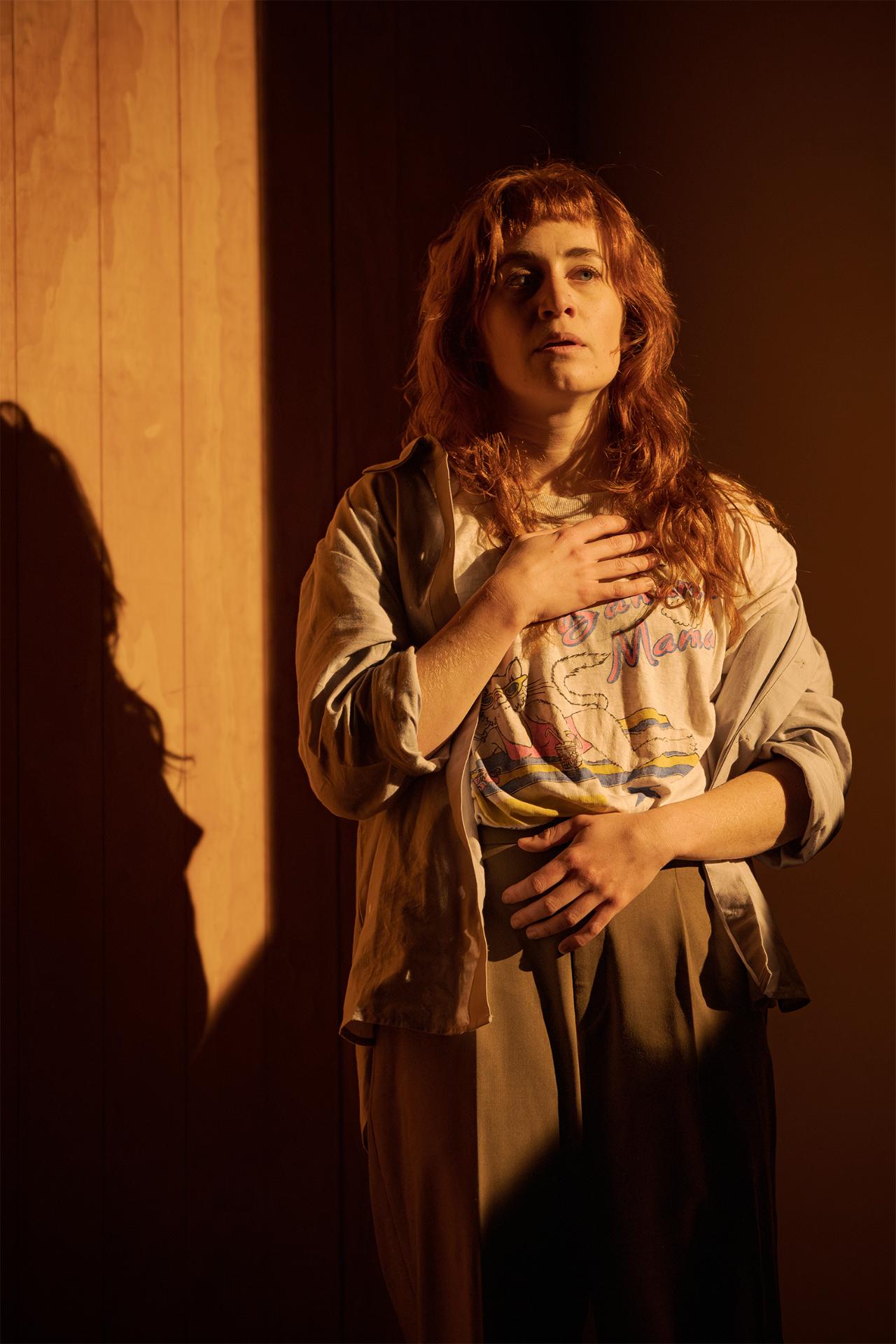
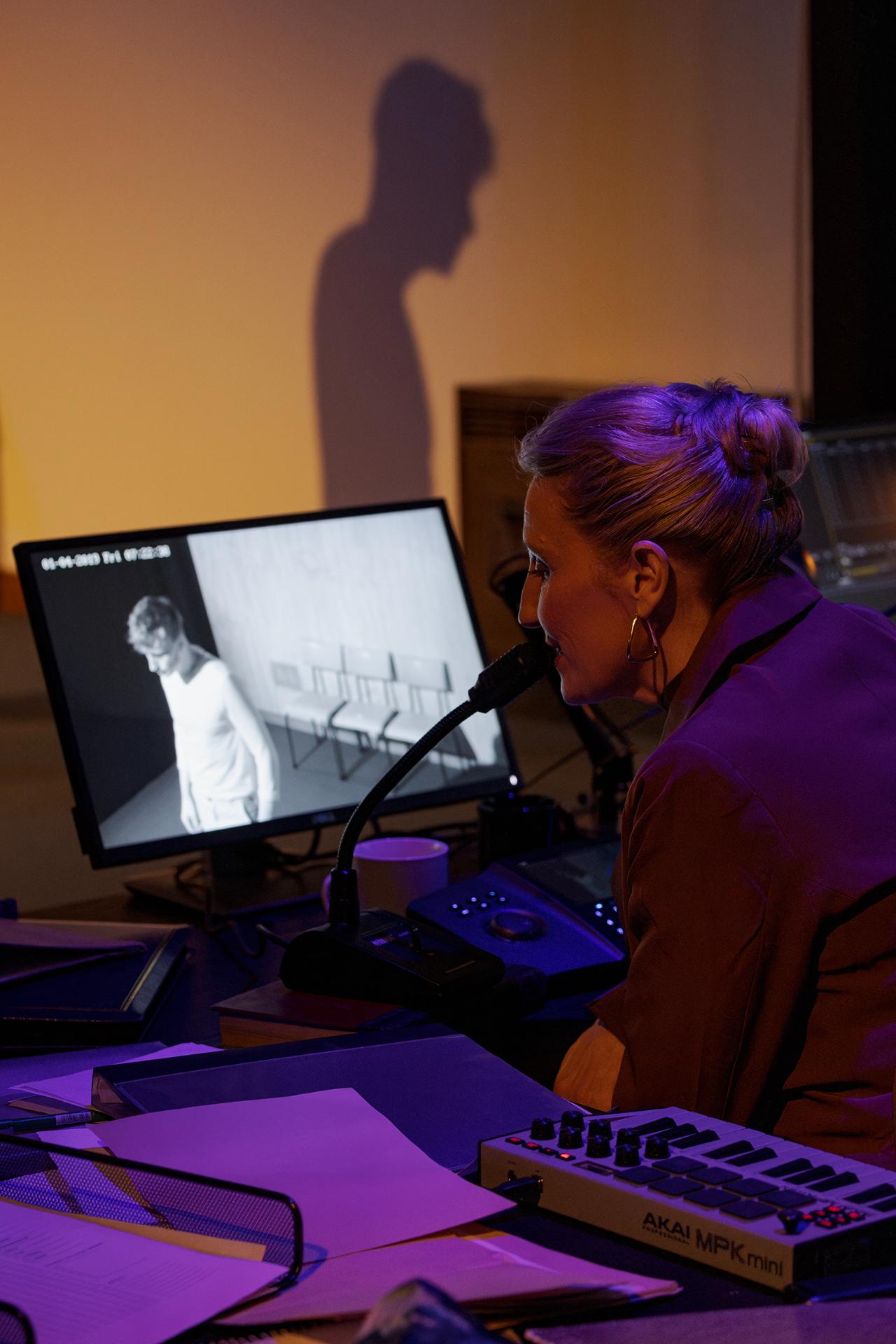
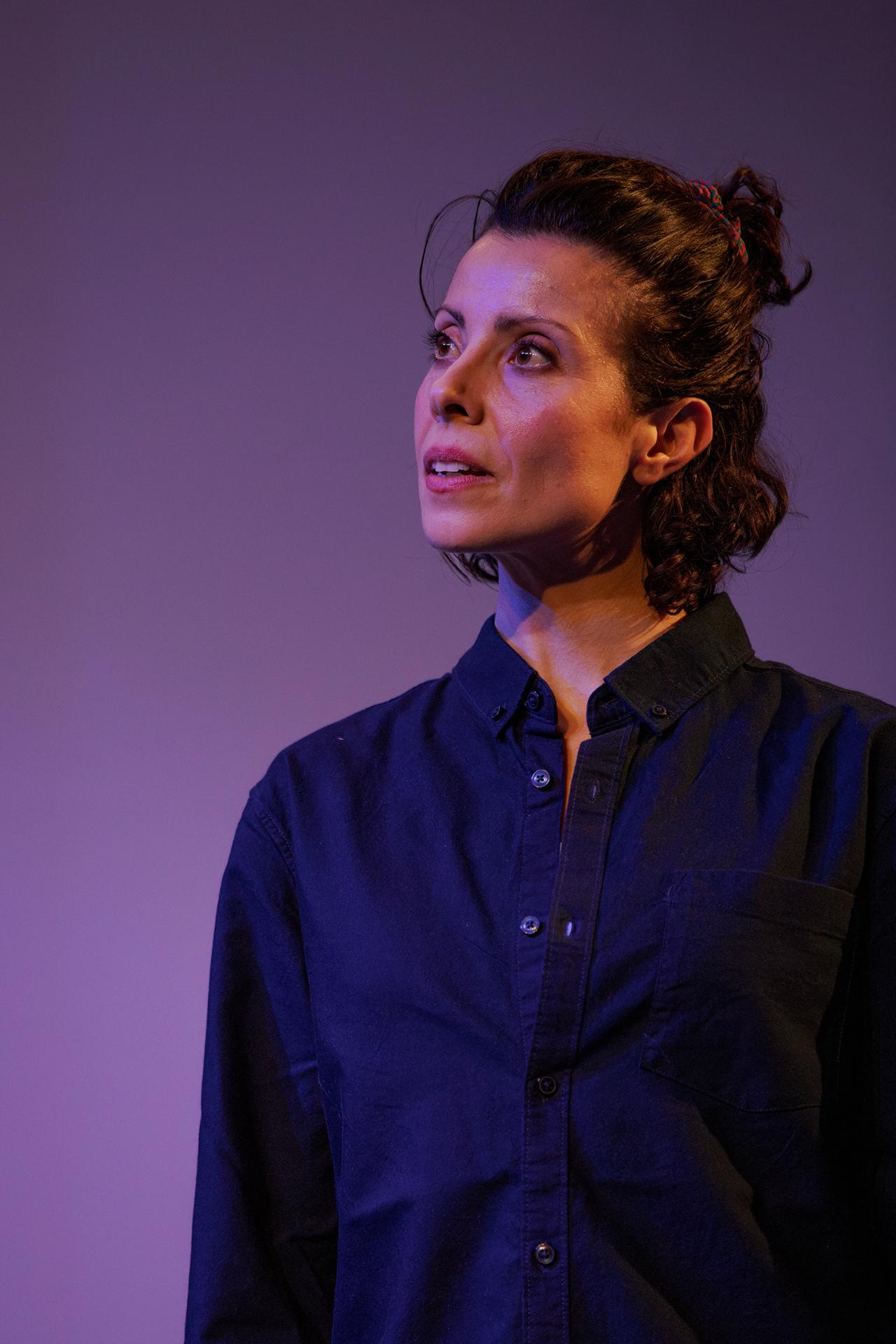
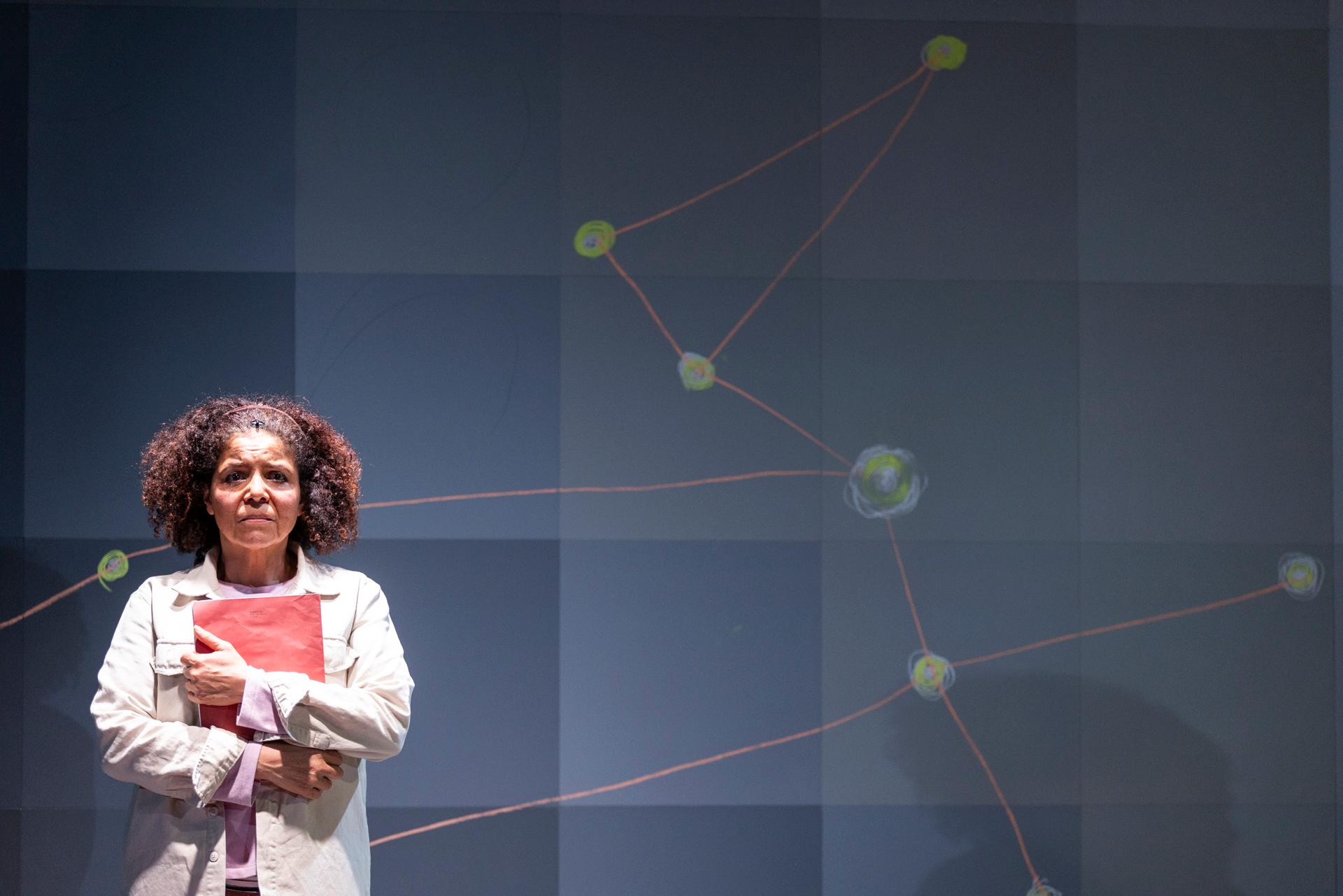
The unnamed protagonist is a twenty-something, third-generation Vietnamese-American who has completed her degree at Stanford, and is trying to establish a career as a management consultant. She has made her way into a top firm, where competition is strong, and where rules of engagement are soul-destroying. As a junior employee, she is being conditioned to tolerate exploitation in many flavours, and because she believes herself lucky to be there, she takes it all lying down.

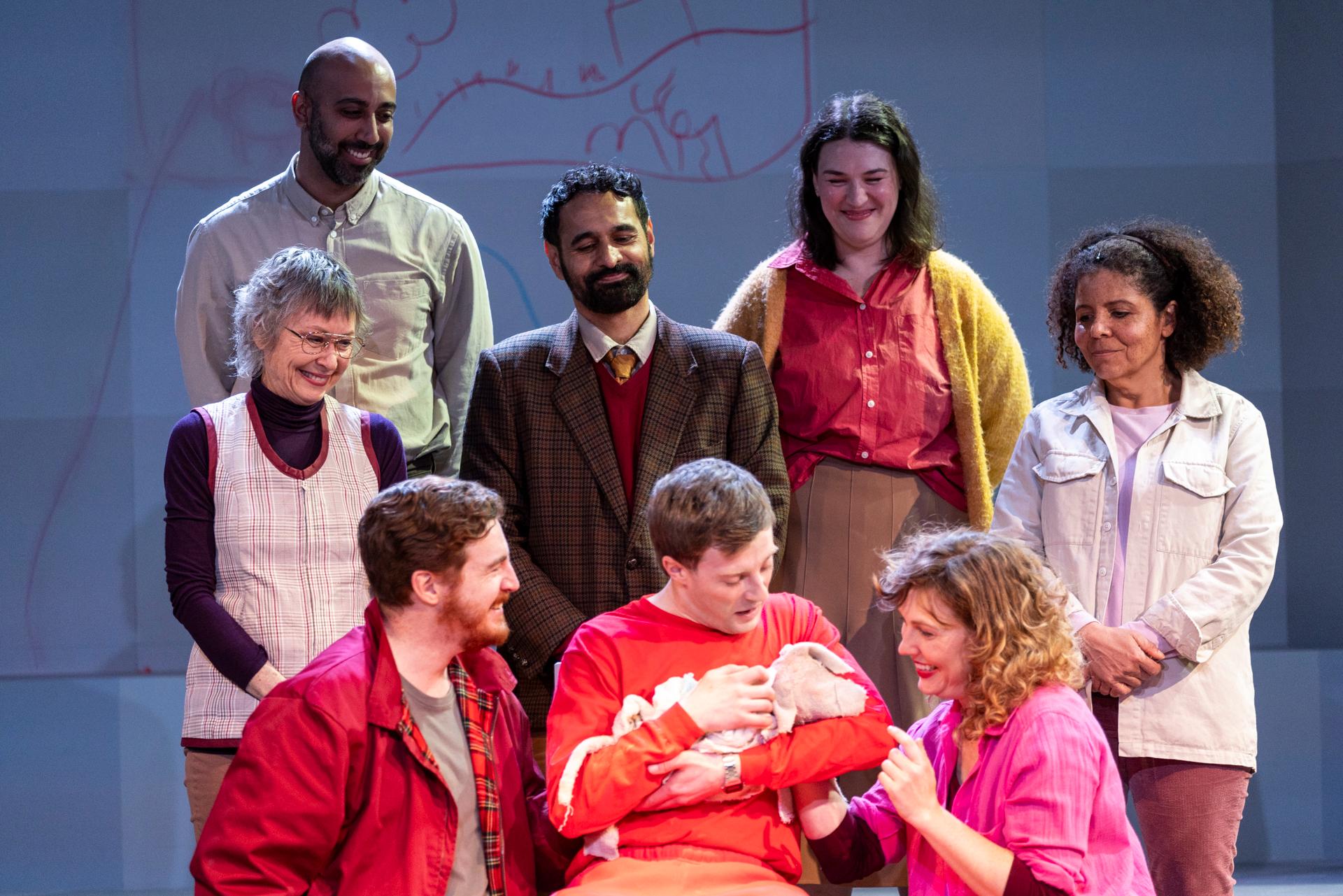
Anchuli Felicia King’s sensational American Signs tells a rich story about late-stage capitalism, with particular focus on refugee diasporas and their obligatory allegiance to Western values. The Consultant’s acceptance of dubious conditions and her capitulation to utterly unethical abuses of power, are cuttingly illustrated by King with unequivocal persuasiveness. American Signs also functions as a sort of meditation on the notion of destiny for immigrants, who exist in an inevitable commitment to a hegemony that represents the antithesis of what they flee.

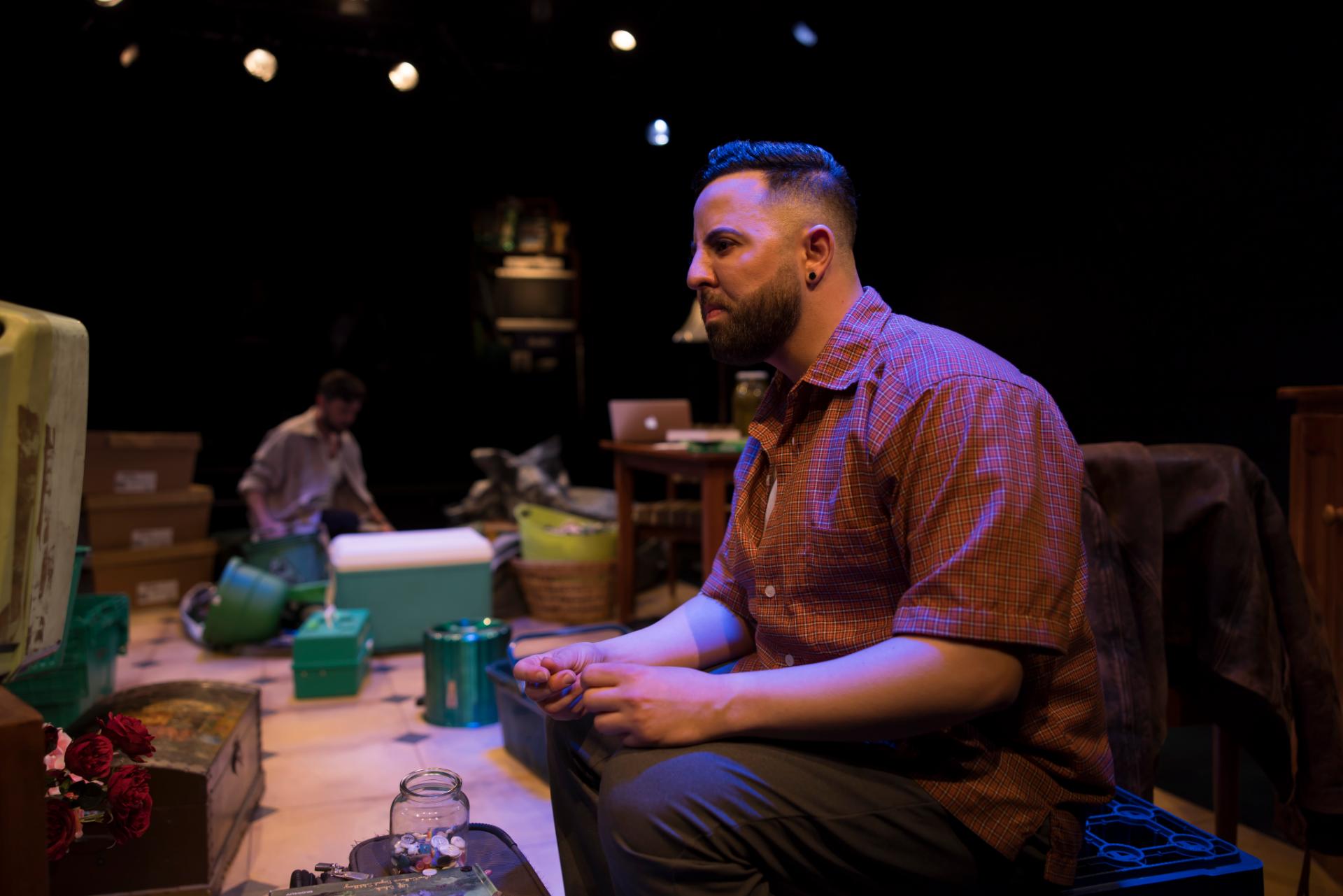
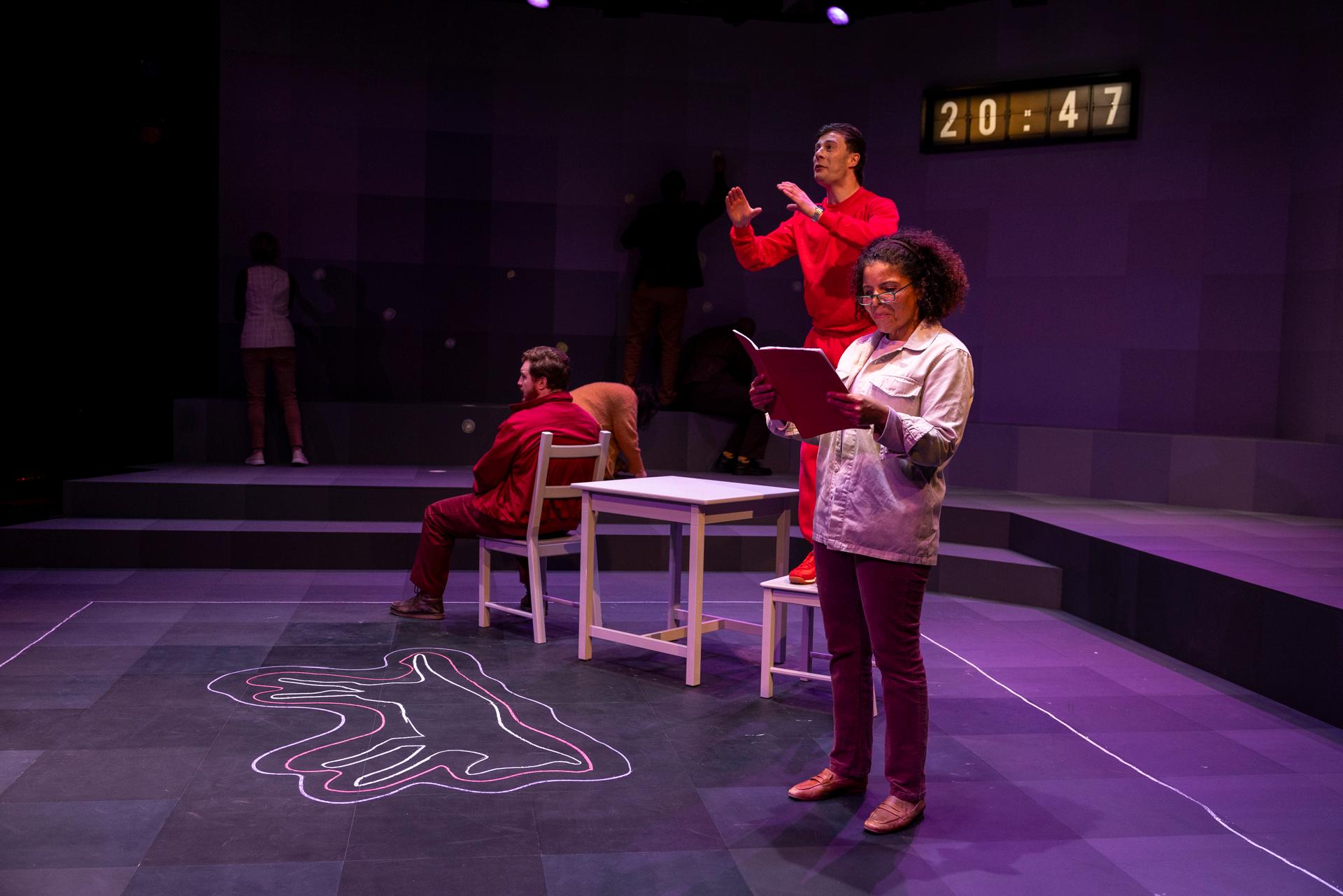
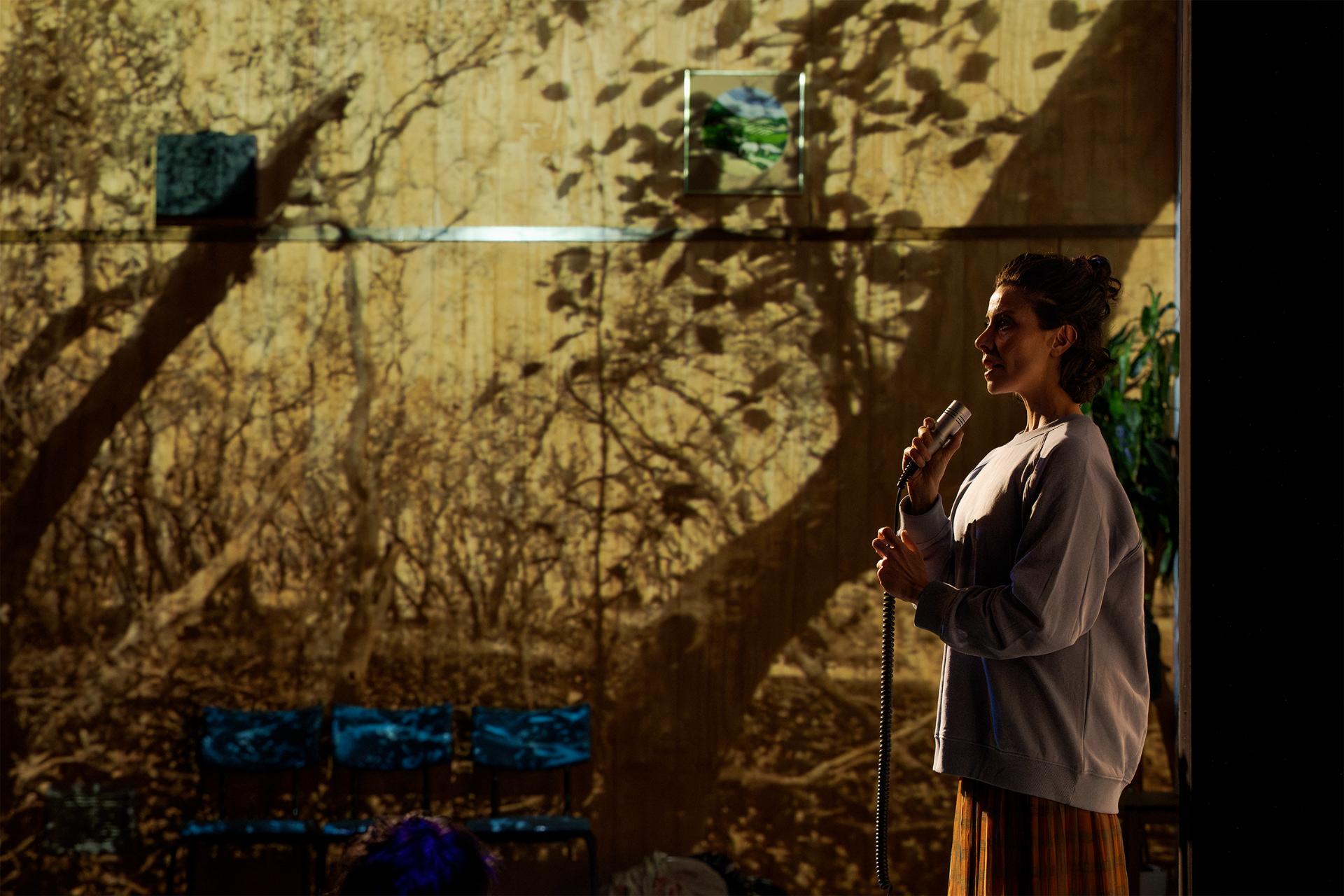
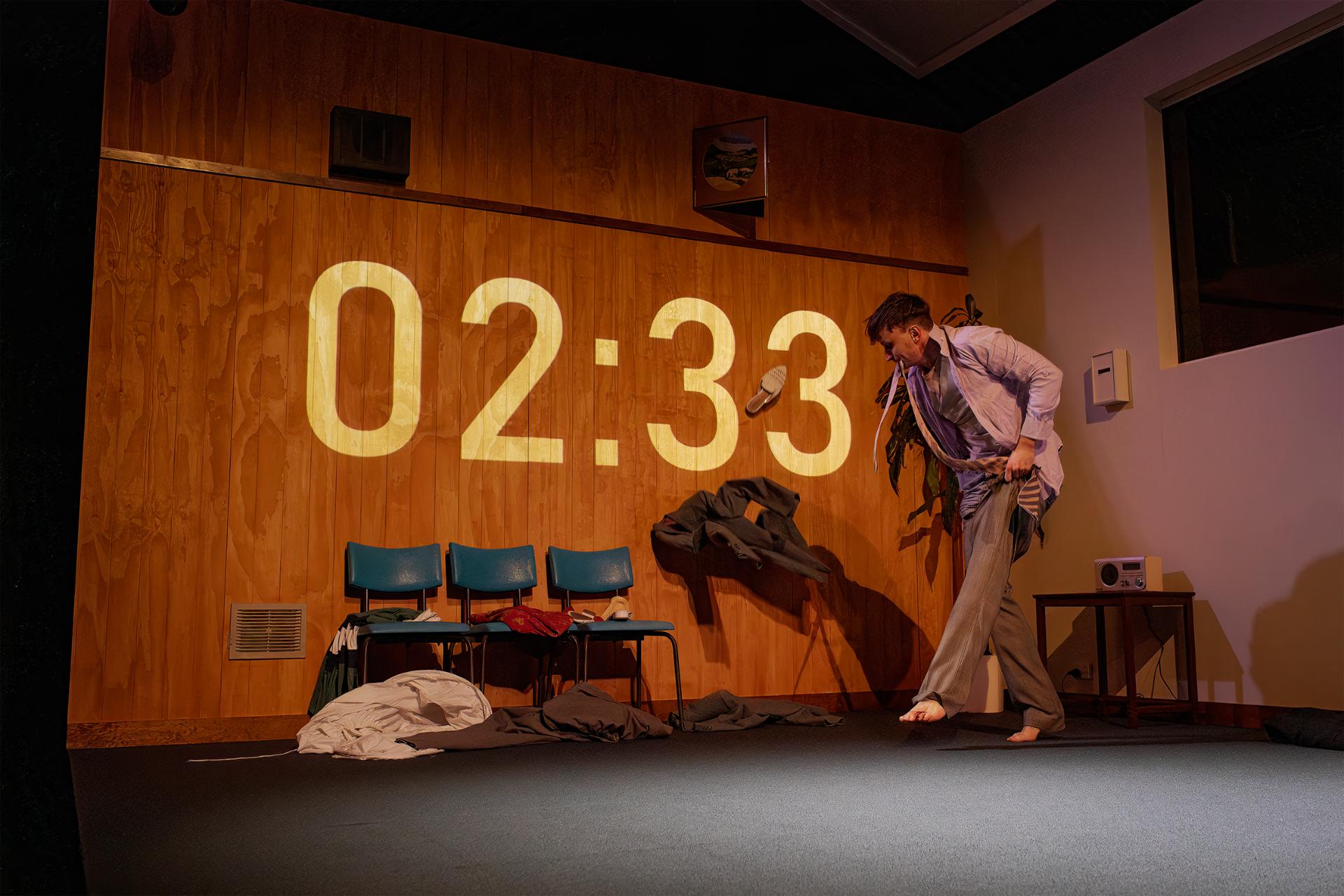
Poignant direction by Kenneth Moraleda fuses intellect with emotion, so that we may understand thoroughly the plight of the central character, and by inference the audience’s own circumstances. For a narrative dealing with impulses and compulsions that often seem to be unconscious or unexamined, it is important that we are encouraged to feel as much as we contemplate, the several resonant morals of the story. Moraleda’s work certainly has us engaging both heart and mind.

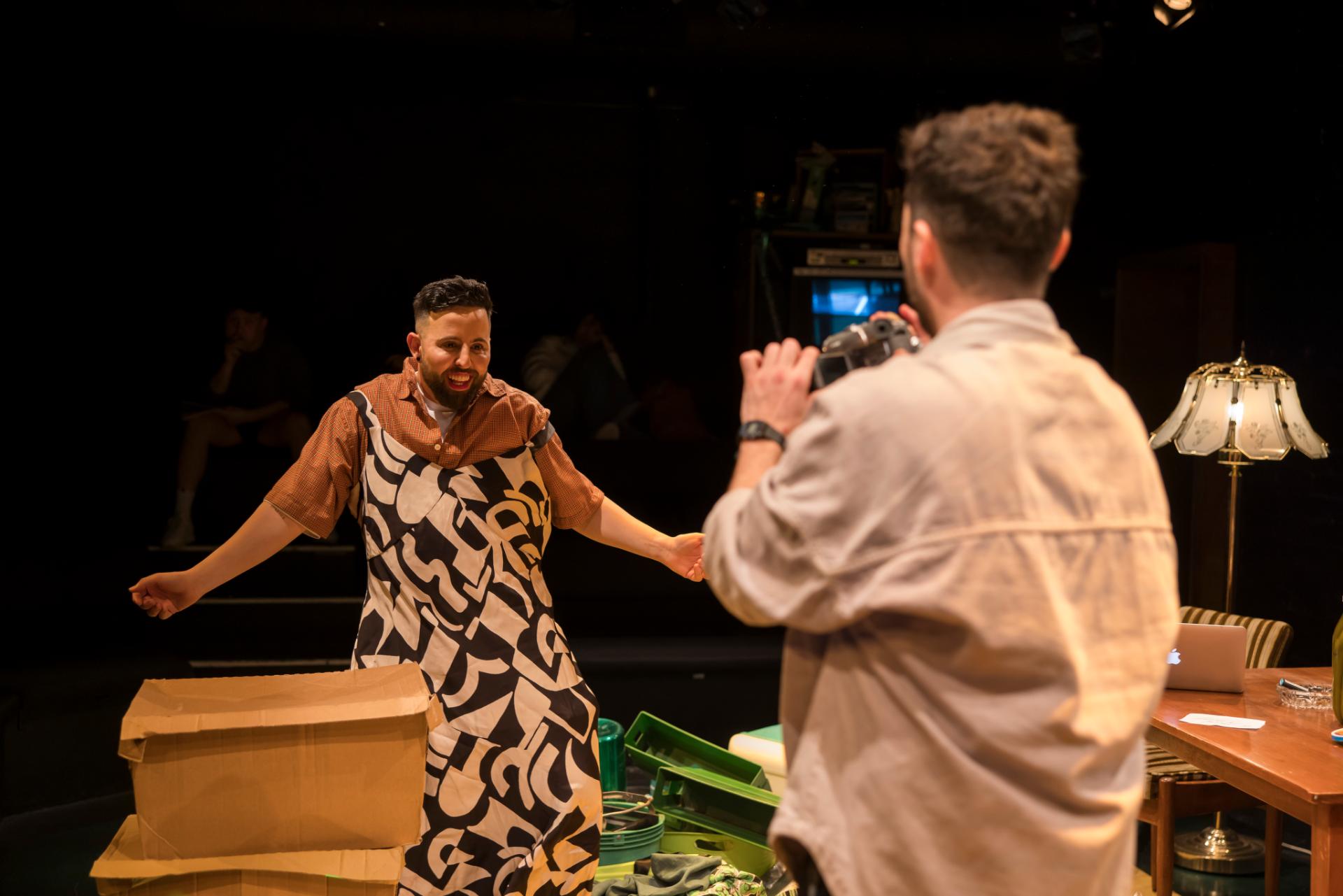
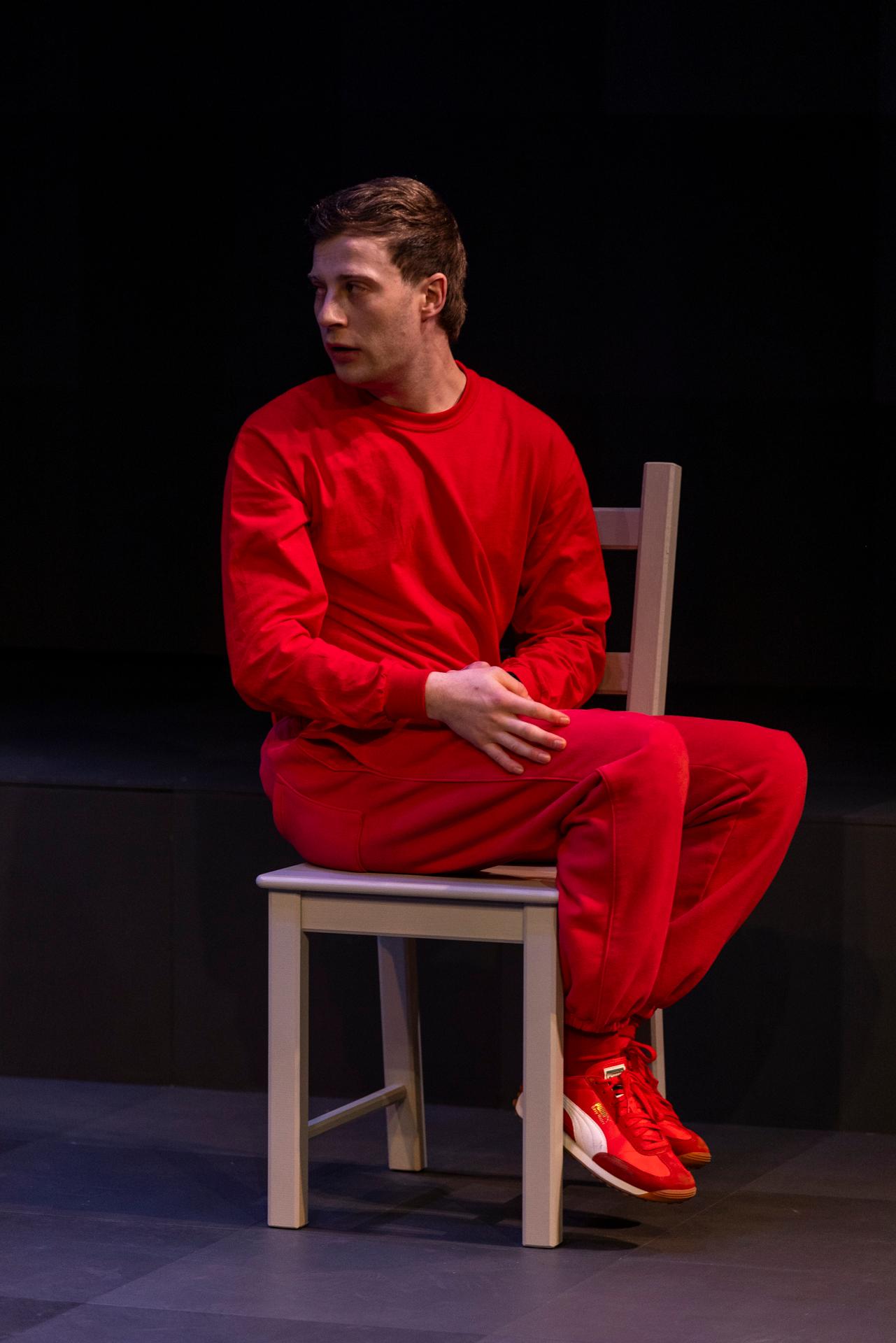
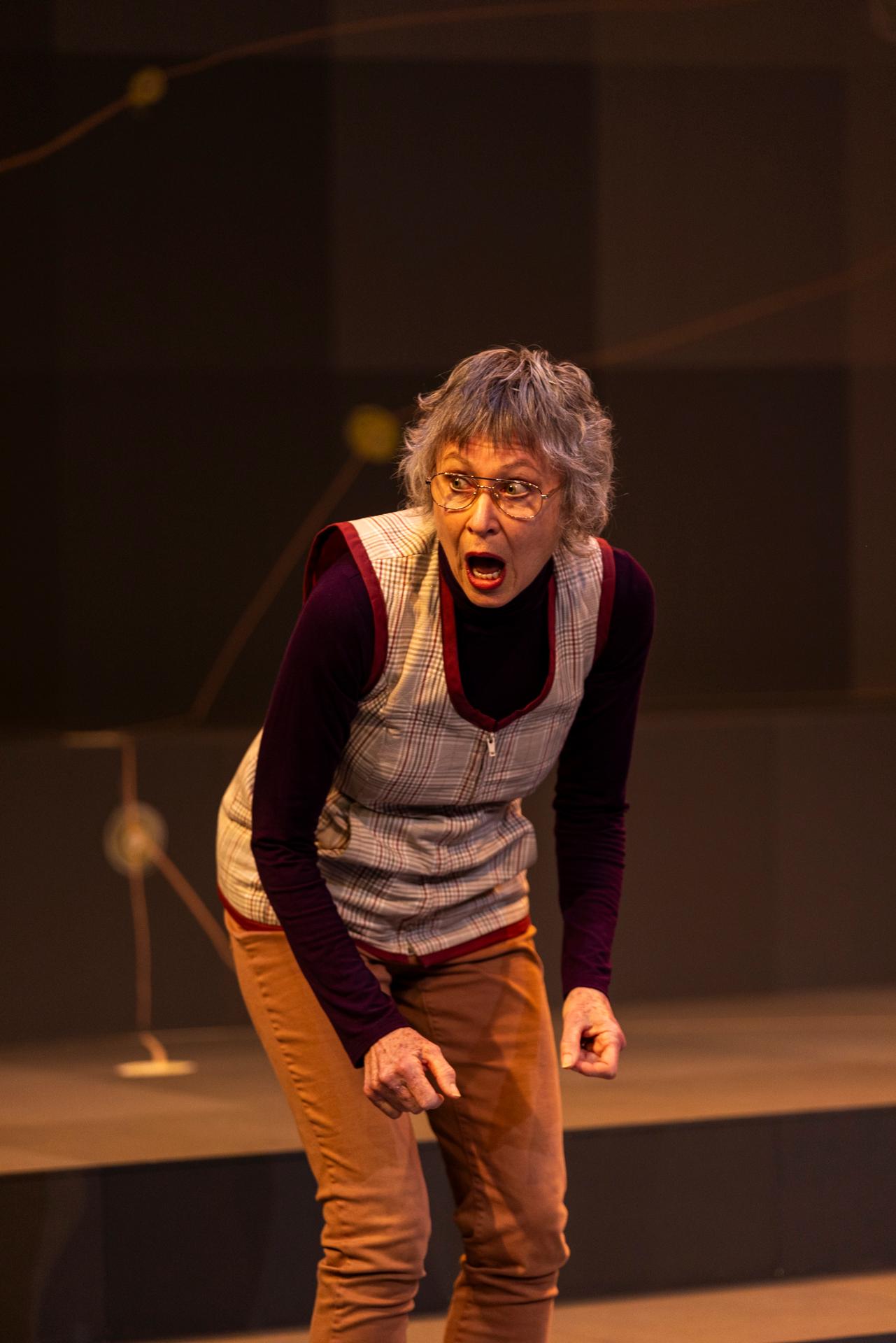
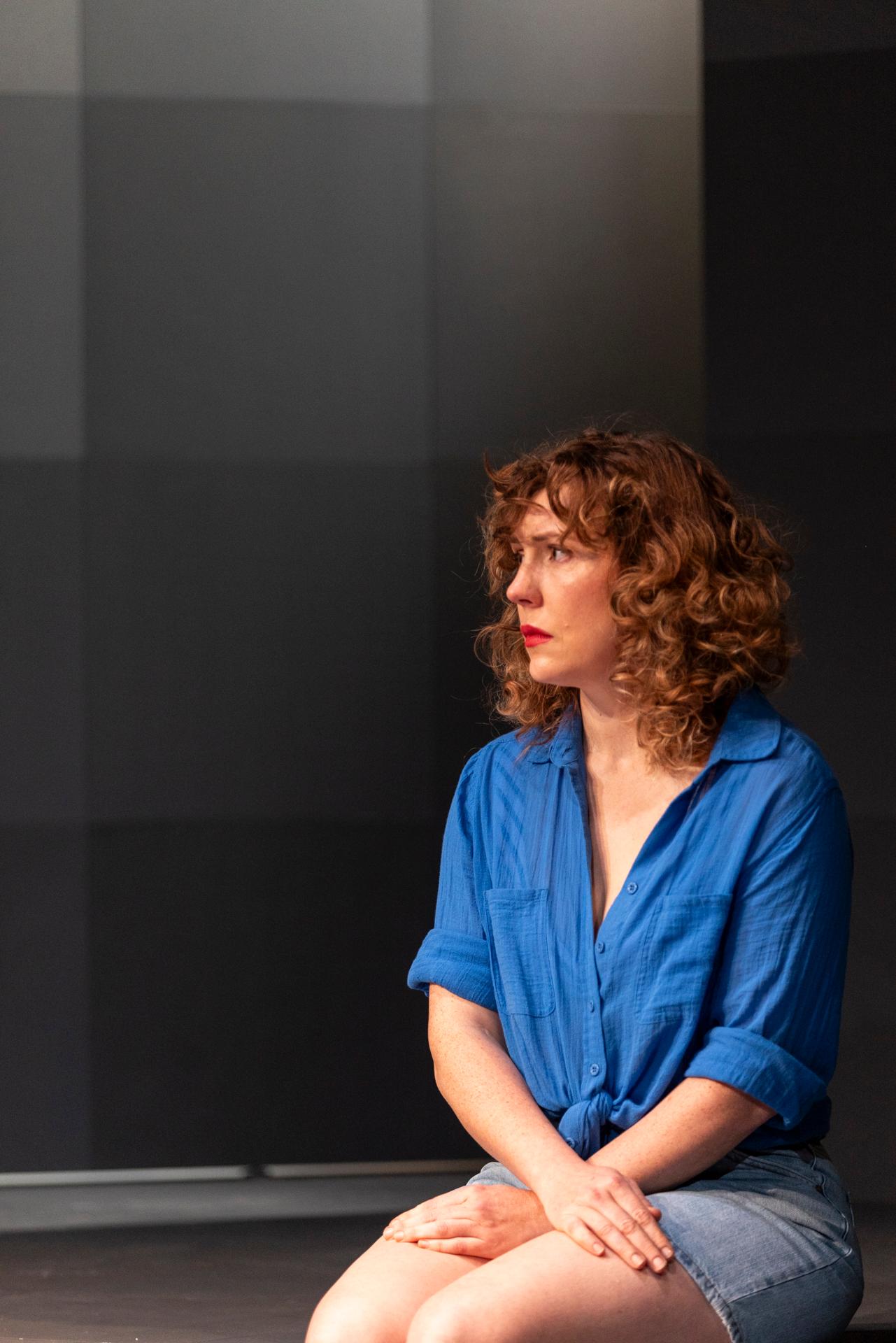
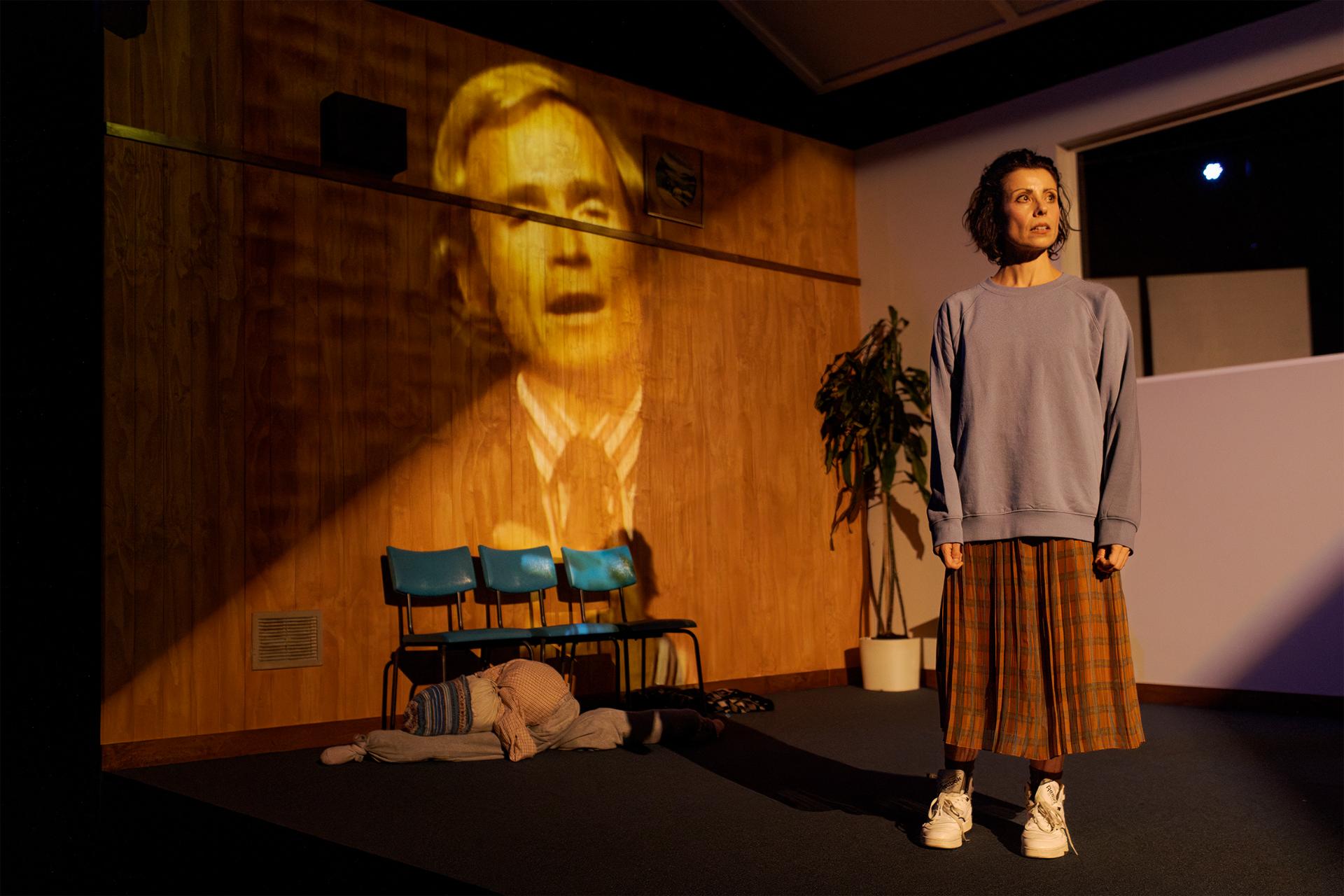
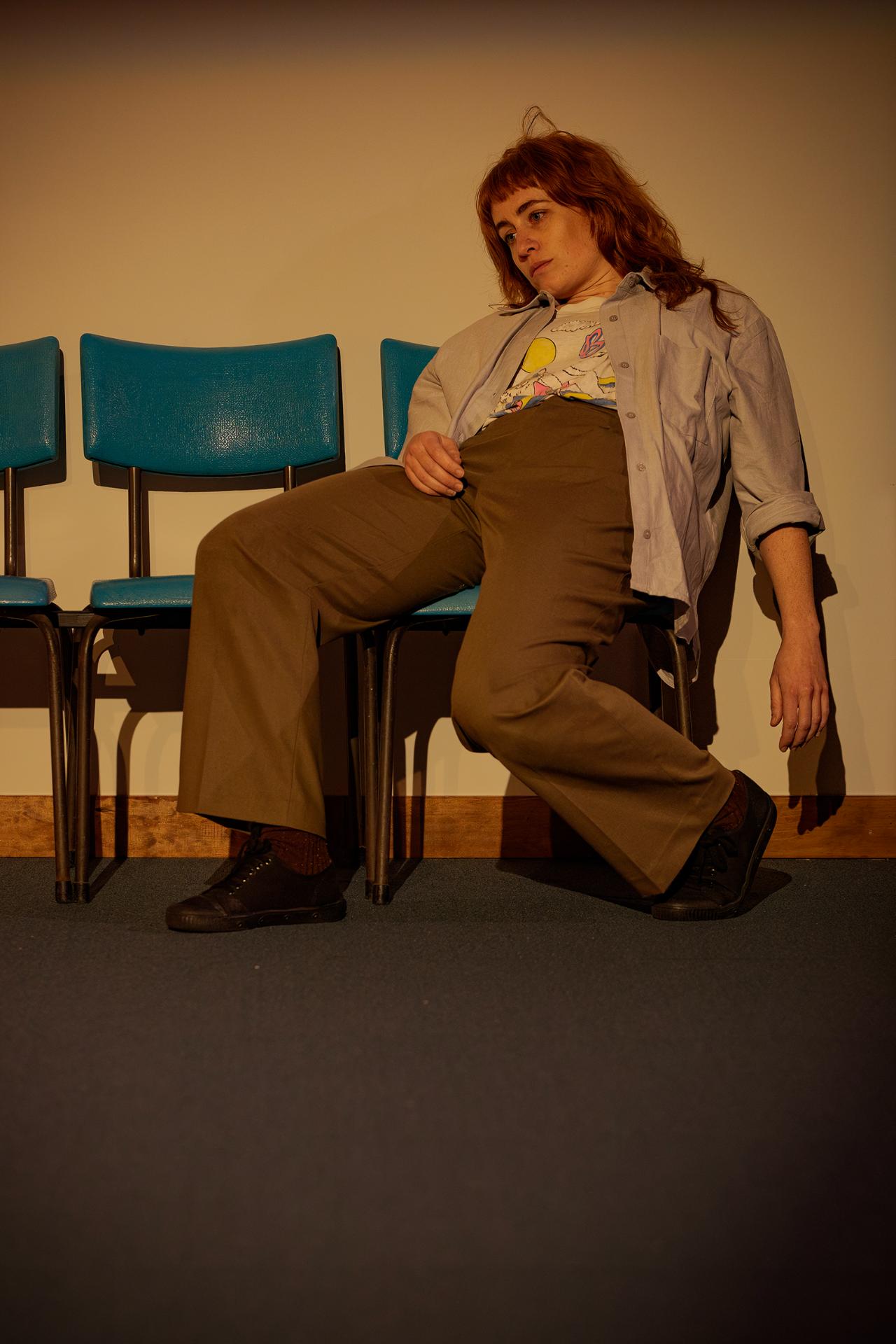
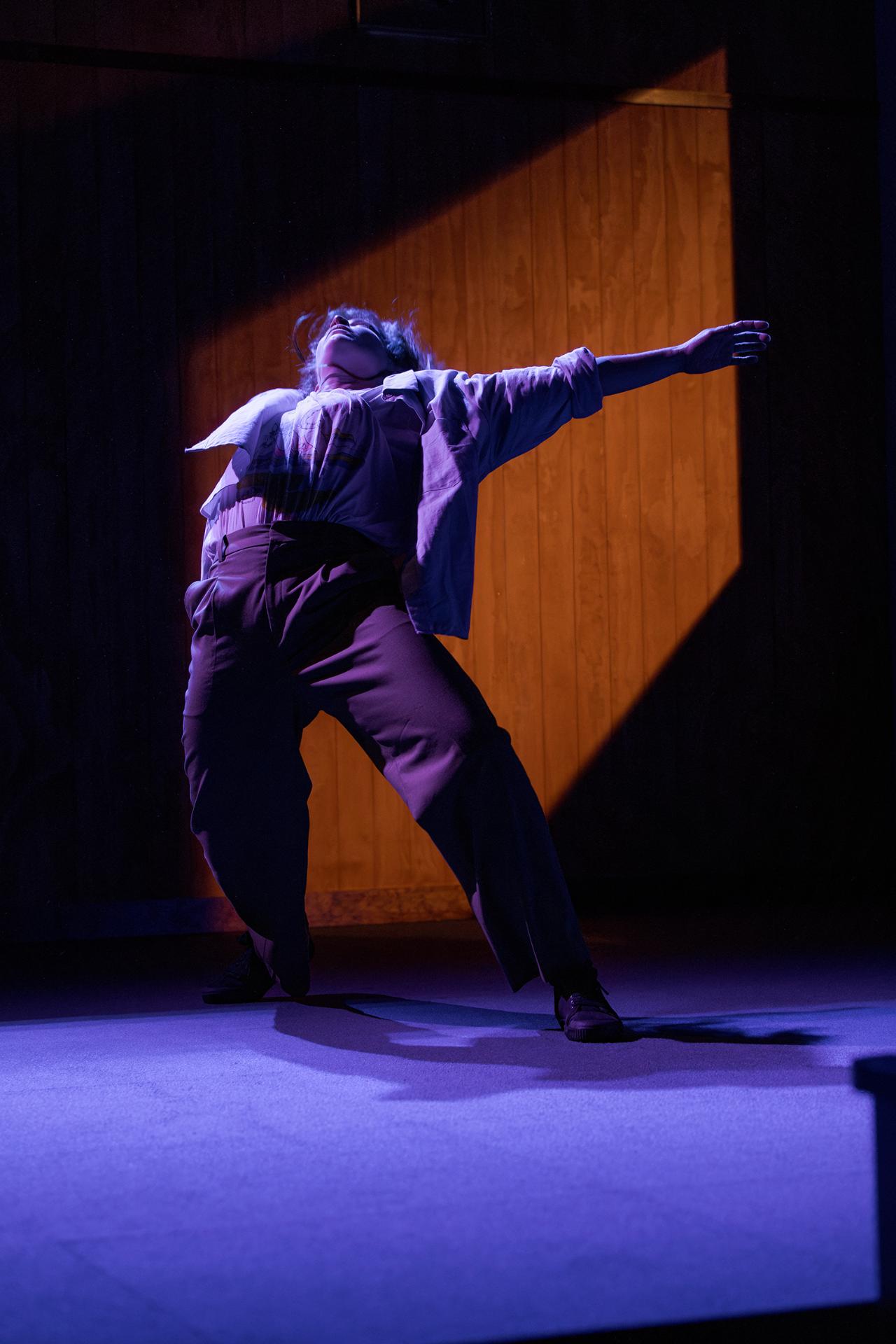
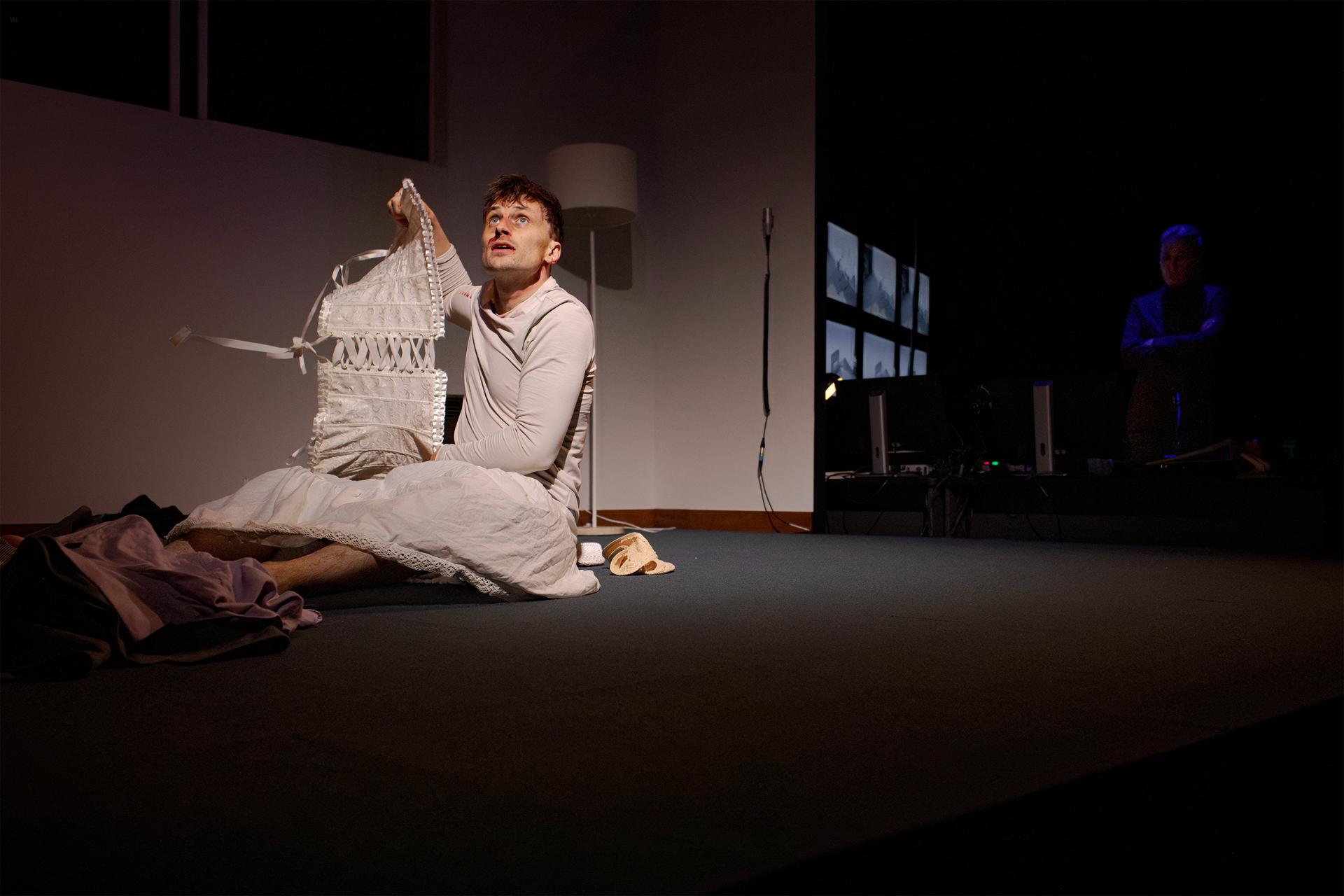
It is however the actor Catherine Văn-Davies who brings marvellous elucidation to the complex dimensions of American Signs, and all that it is capable of saying. Whether tragic, vulnerable, powerful or menacing, Văn-Davies is spectacularly convincing with every human state she inhabits. The play’s meaningful observations about systemic failures in our economies, societies and politics, are given further significance by being turned into vigorous demands for cultural transformation, by Văn-Davies’ deeply affecting expressions of rightful indignation.

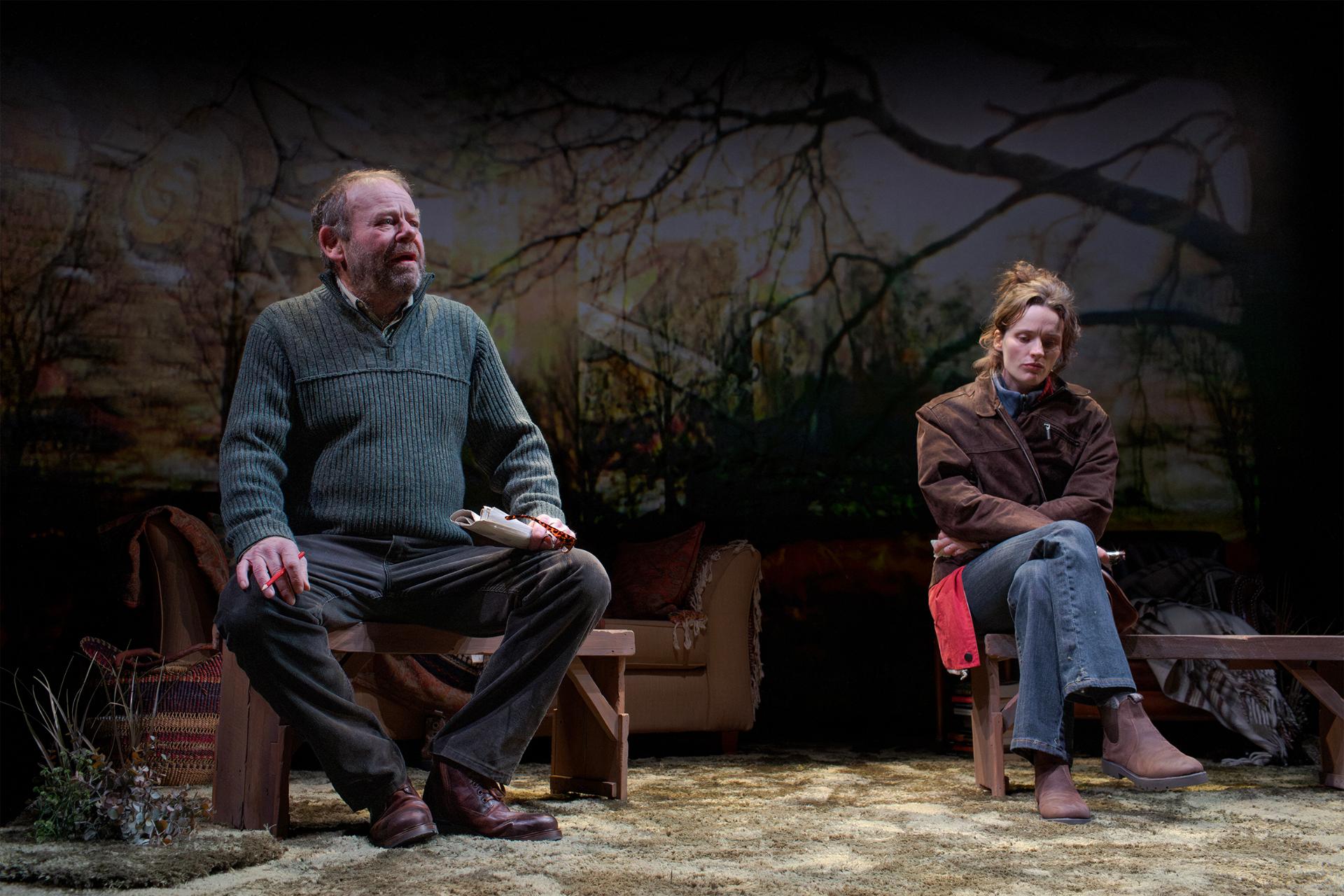
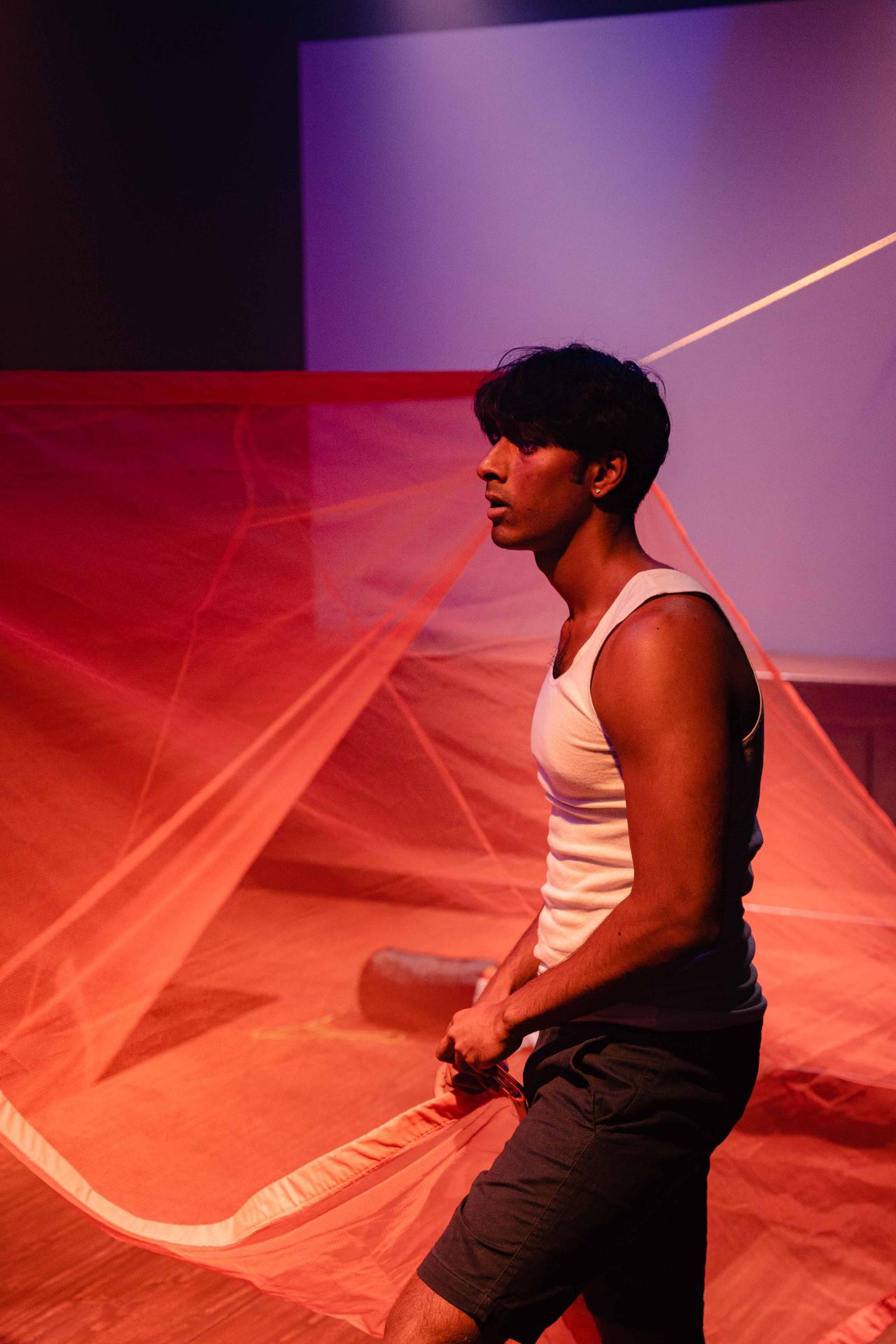
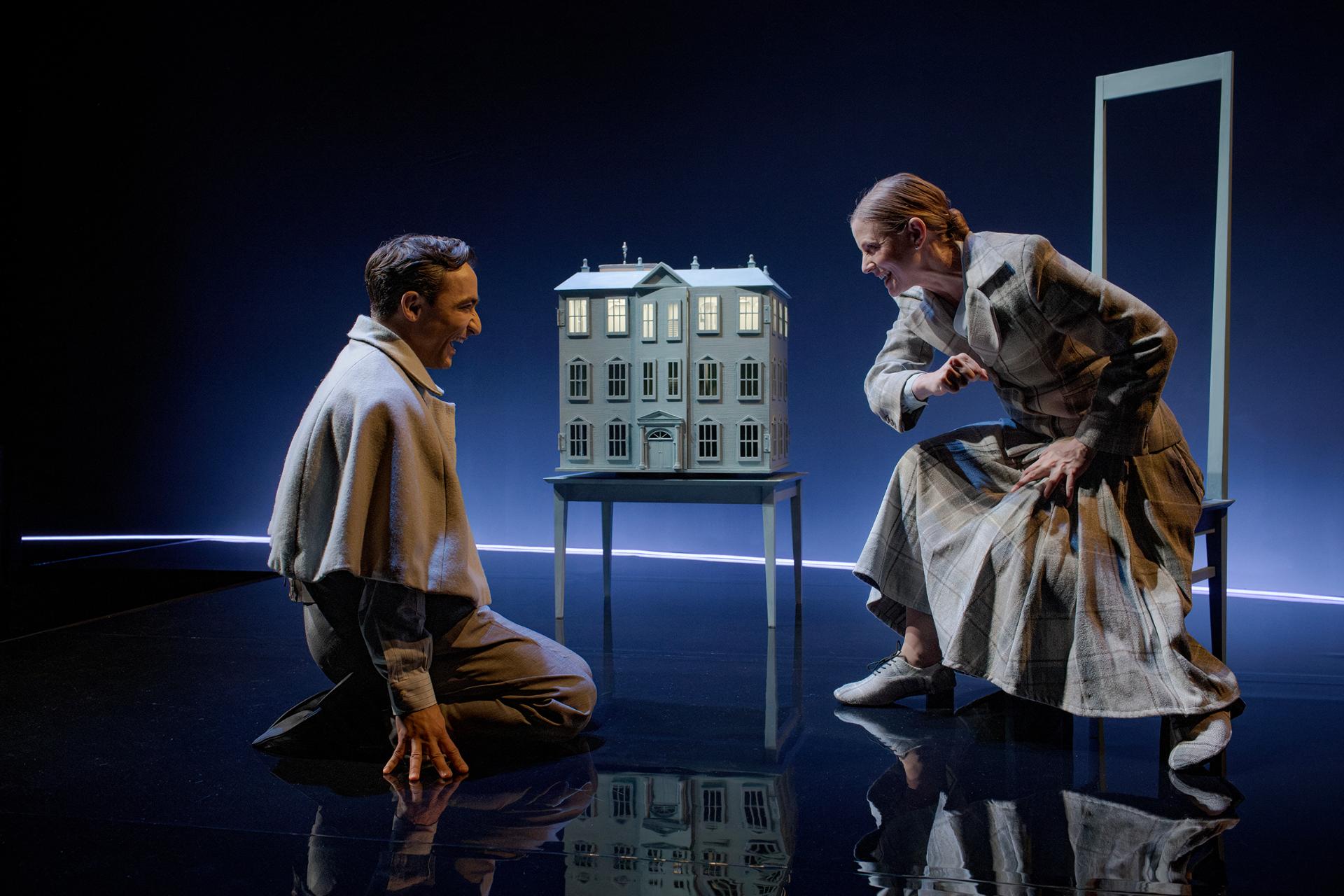
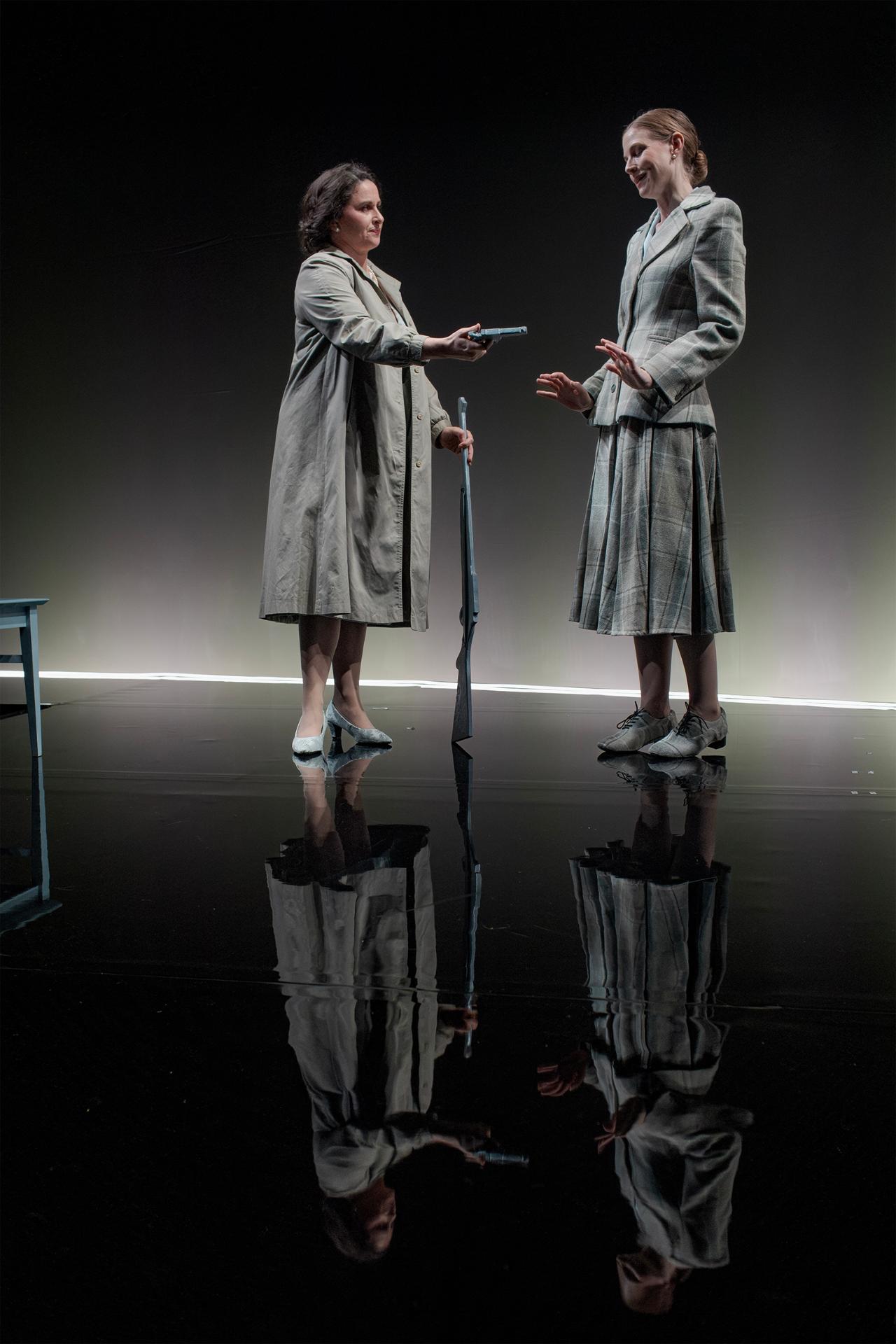
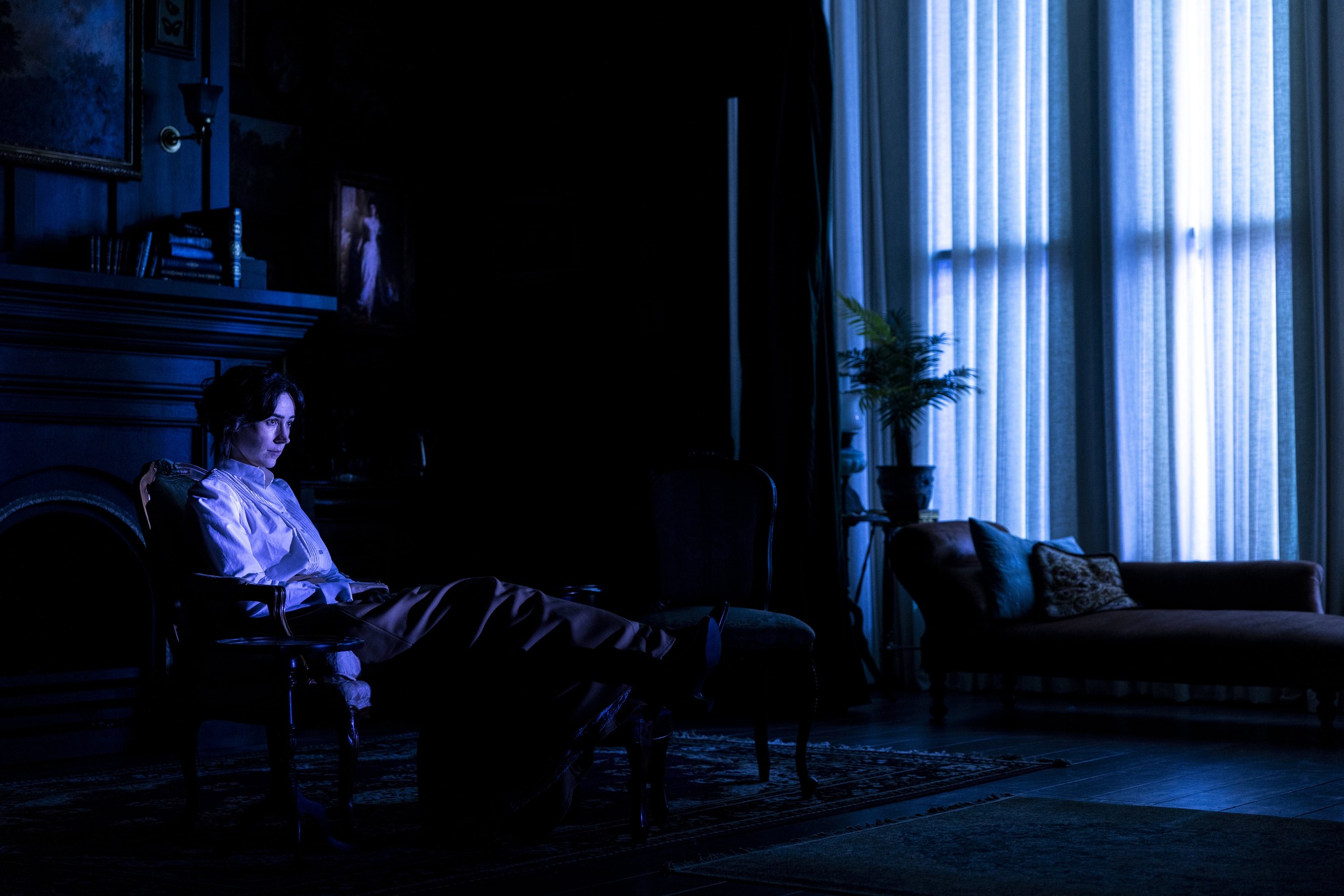
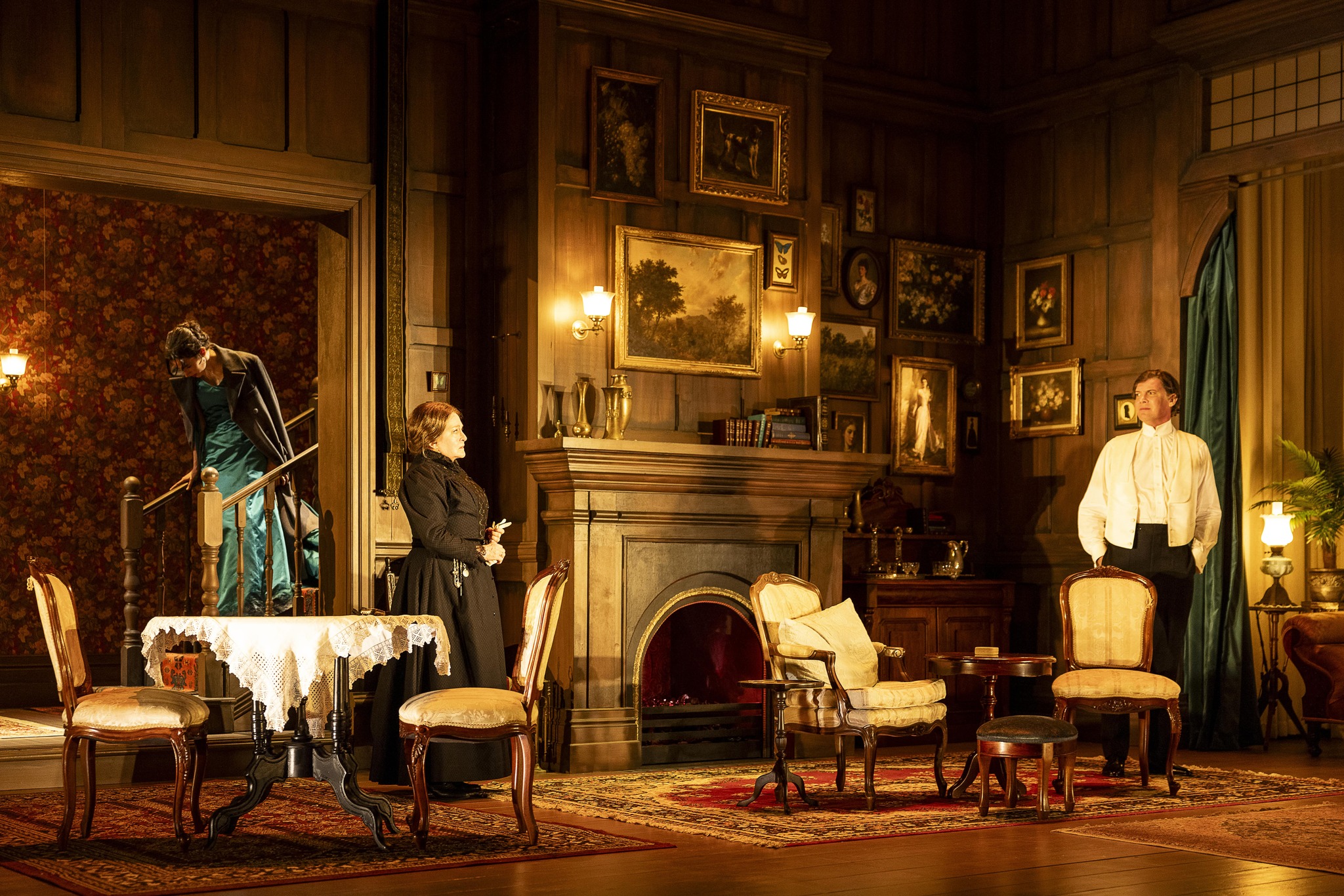
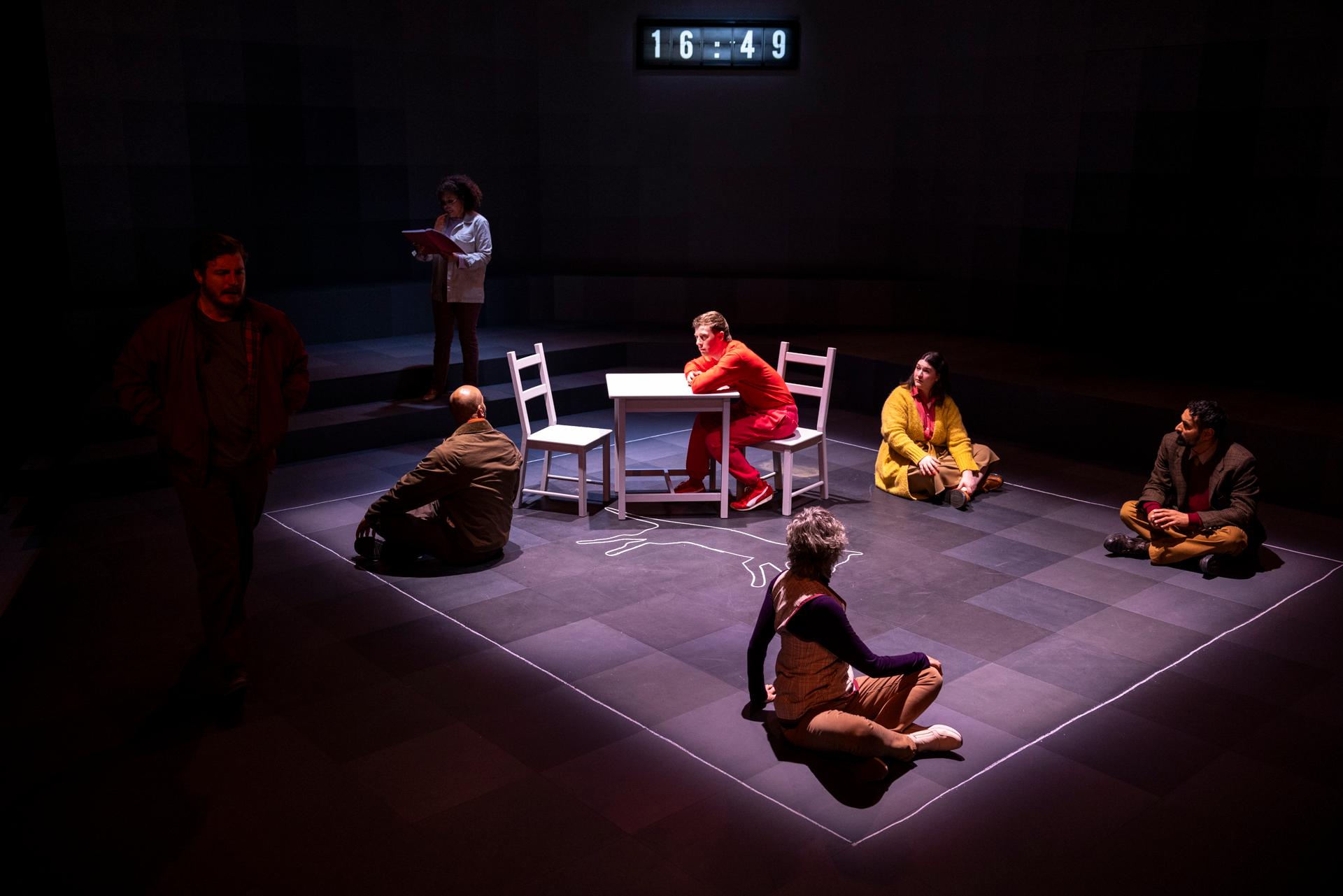
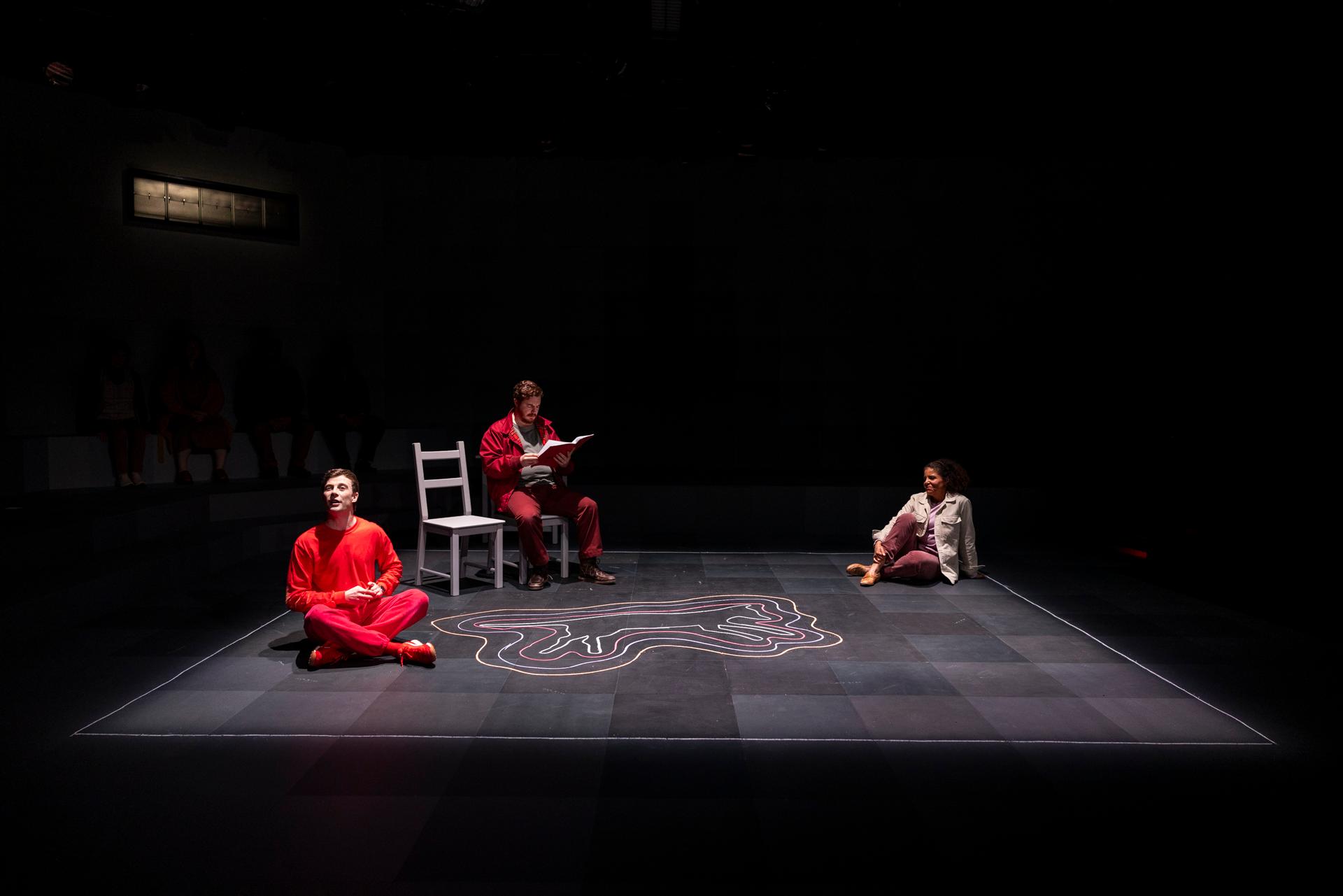
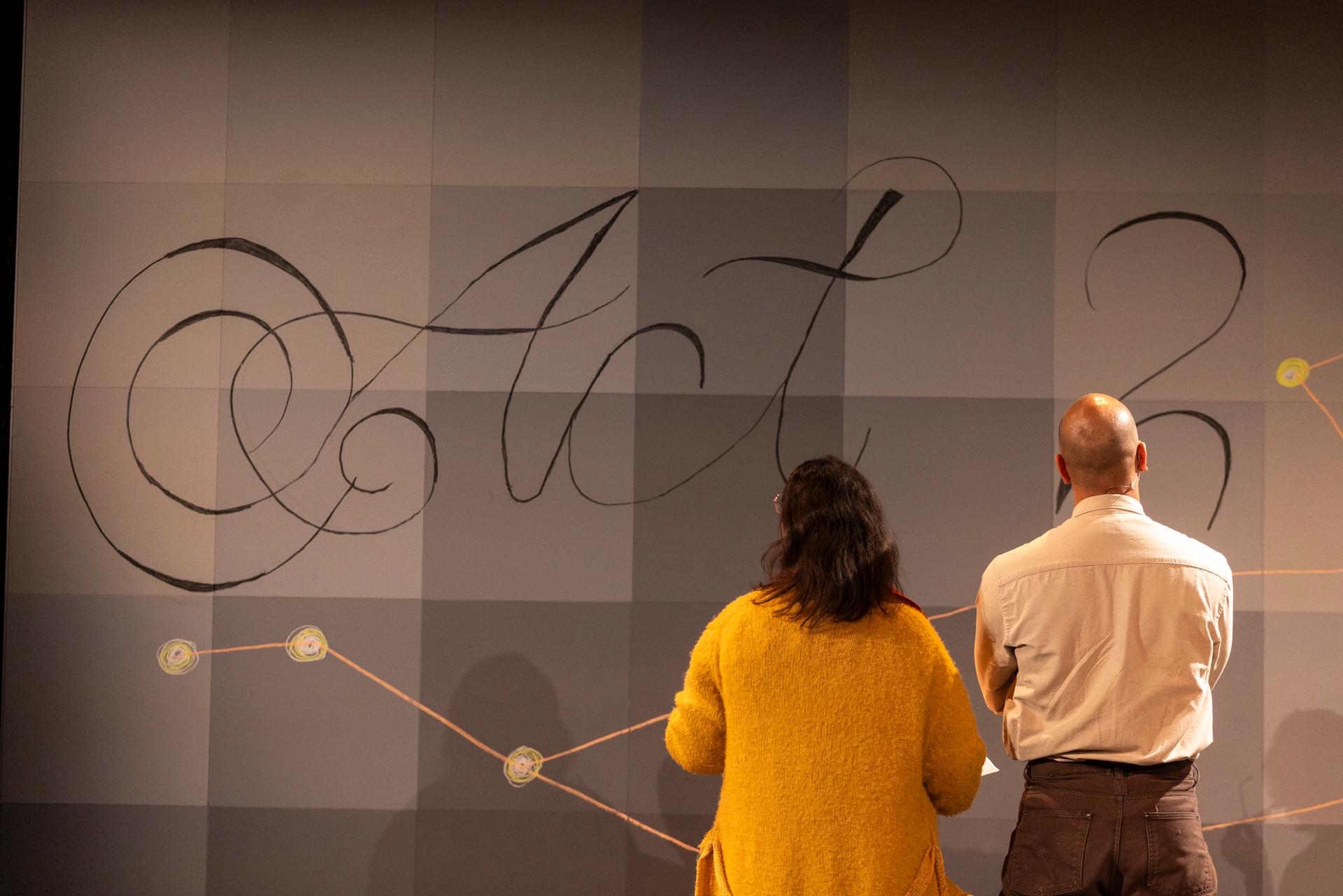
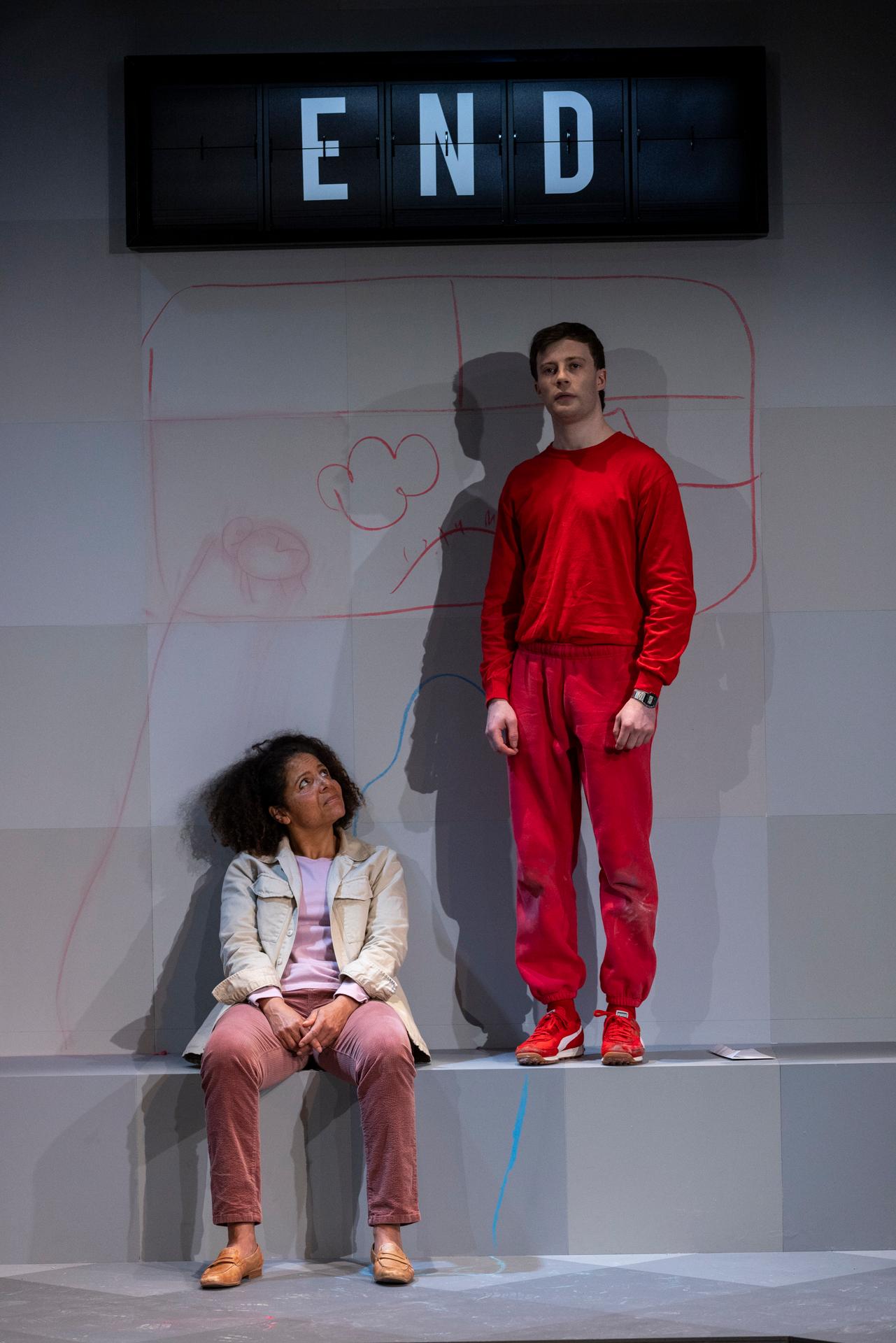
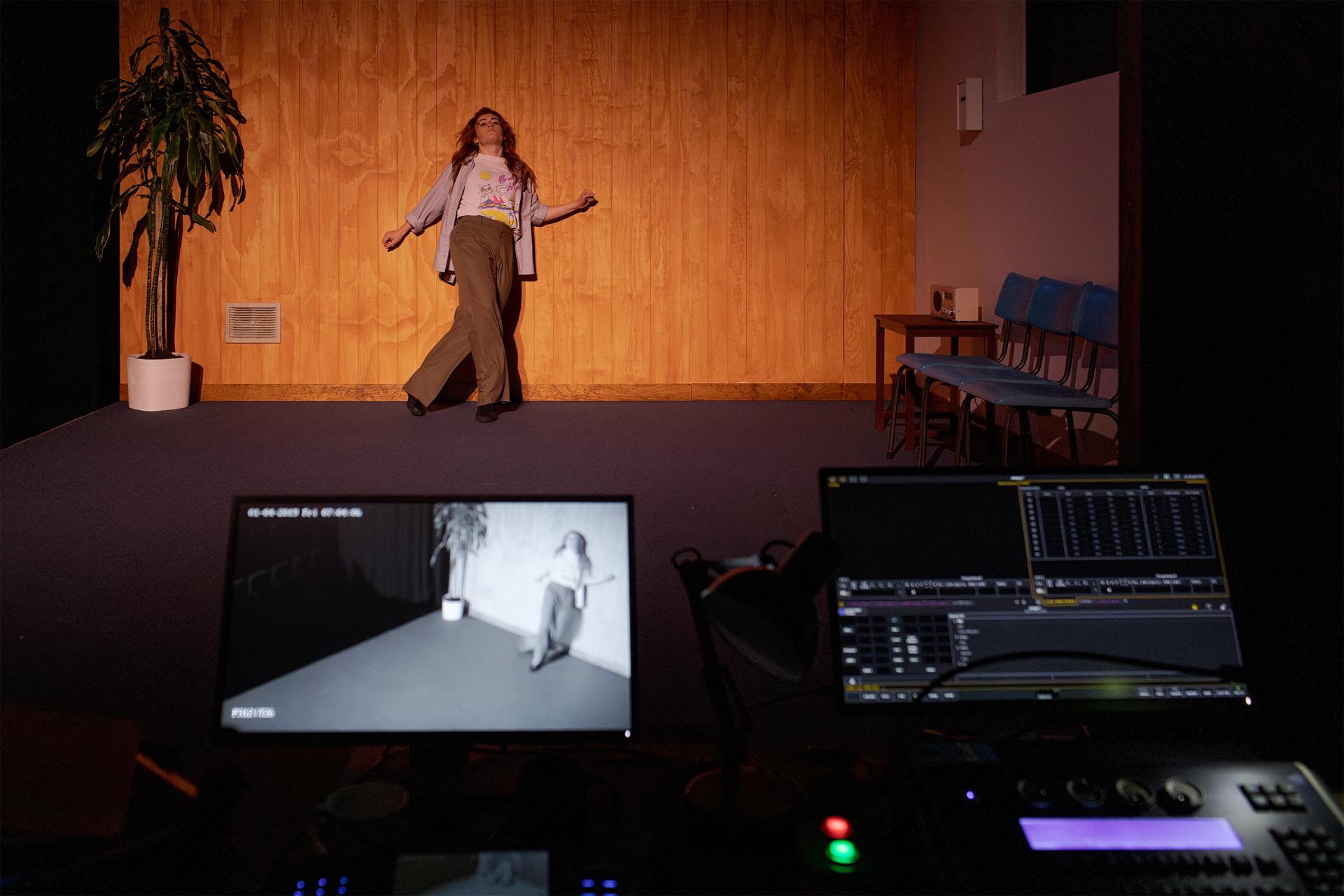
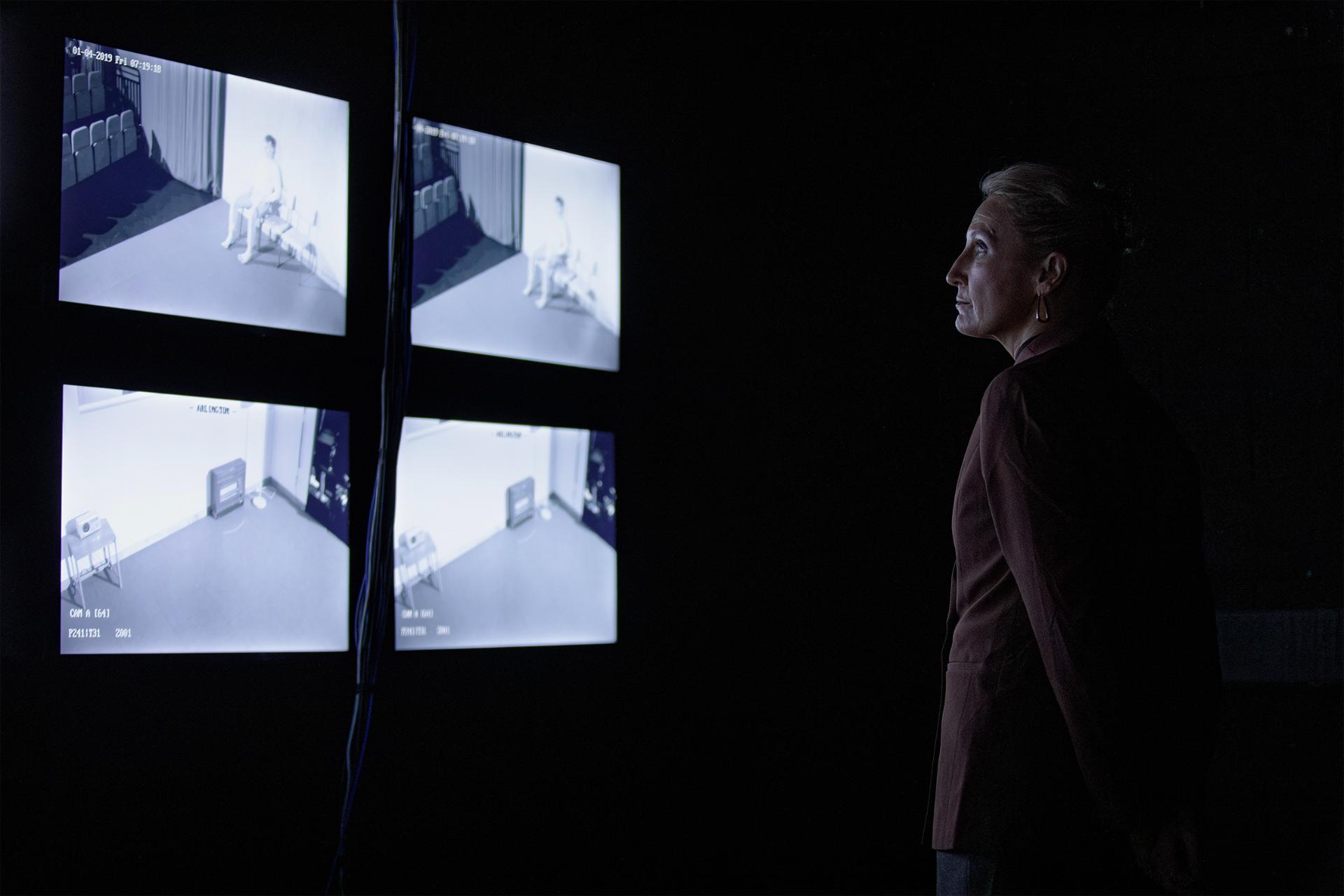
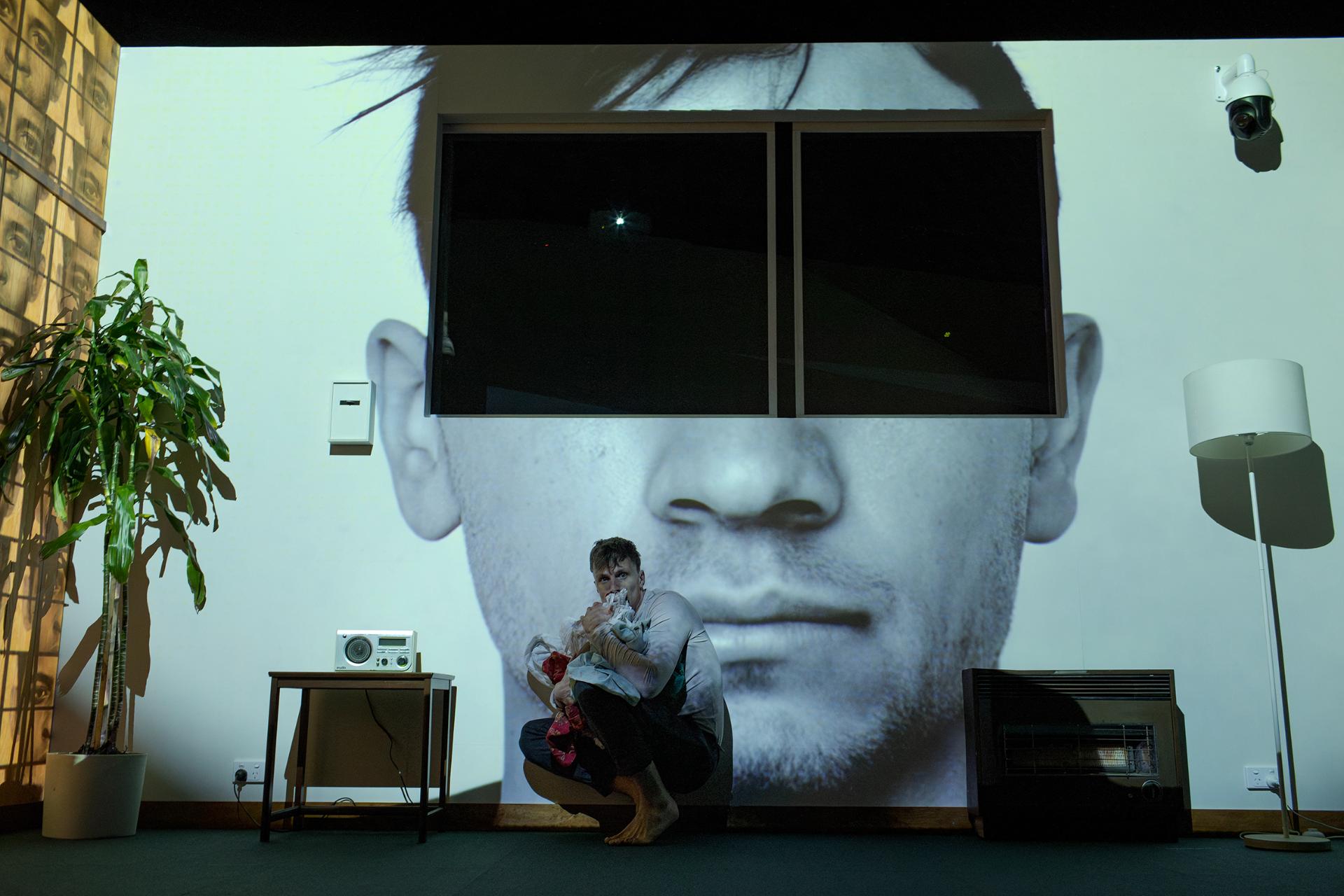
Production design by James Lew puts on stage the mundane starkness of our utilitarian realities, bringing attention to the pragmatism that often prevails over creativity and spirit. Benjamin Brockman’s lights are intricately calibrated in tandem with the actor’s constantly shifting temperaments, and notable for the visual intrigue it manufactures during more heightened sections of the show. Sound and music by Sam Cheng are not only essential to the way our intuitions respond to every twist and turn of the story, but also memorable for a quality of transcendence it brings to the overall experience, thus allowing us to connect in personal ways with American Signs.

The Consultant sees no alternative to her ambitions. She tells herself that she is not a monster, at every step of her participation in a repugnant and cannibalistic process of getting to the top. It is true that it is the intention of the system to be ubiquitous, so that every individual’s investment in it, is considered non-negotiable. We are made to believe that there are no other ways that can sustain life. It is entirely possible however, that those at the bottom rungs will simply embark on a project of demolishment without a satisfactory plan of replacement, when the moment finally arrives, and a substantial population finds itself with nothing left to lose.

www.sydneytheatre.com.au

Review: Chicago (Capitol Theatre)

Venue: Capitol Theatre (Sydney NSW), from Jun 9 – Jul 28, 2024
Music: John Kander
Lyrics: Fred Ebb
Book: Fred Ebb, Bob Fosse
Cast: Asabi Goodman, Lucy Maunder, Peter Rowsthorn, S. Valeri, Zoë Ventoura, Anthony Warlow
Images by Jeff Busby

Theatre review
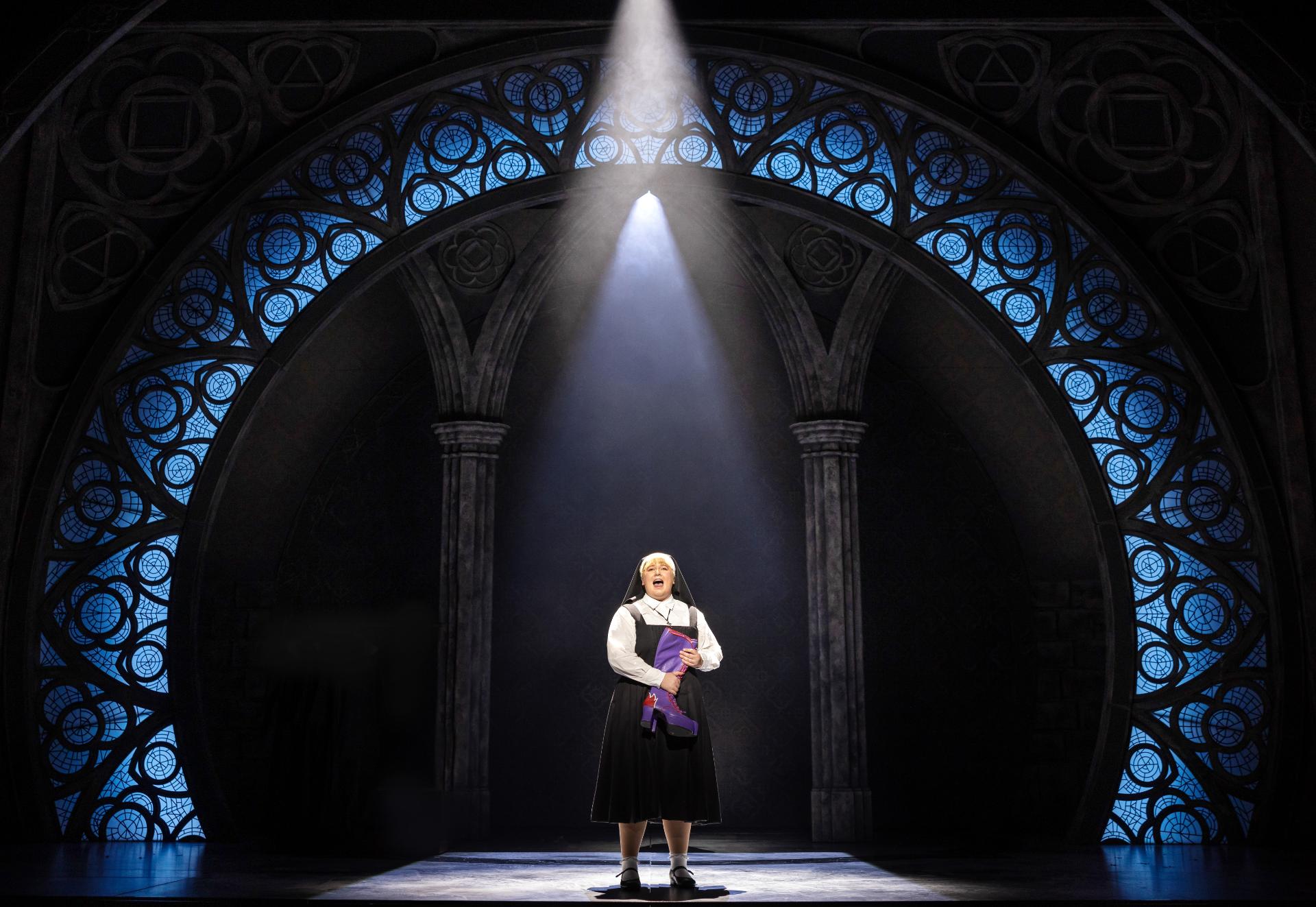
Roxy Hart and Velma Kelly were reality stars, before the advent of television. Americans were gripped by the hijinks of the two criminals, with relentless press coverage reflecting an obsession for scandal, long before click-baiting had become par for the course in the media business. It may seem some things never change, and so it is that Chicago the musical can still feel relevant, almost half a century after its initial staging.

In this incarnation, based on the 1996 revival directed by Walter Bobbie, we discover that it is not just the themes, but also its style that feels hitherto unsurpassed. From its Bob Fosse-inspired choreography, and the vaudevillian jazz score, to the female-forward representations of characters and relationships, Chicago seems to have aged only slightly, and in the most delightful ways. There is something intrinsically subversive about the show, that allows it to stand the test of time.

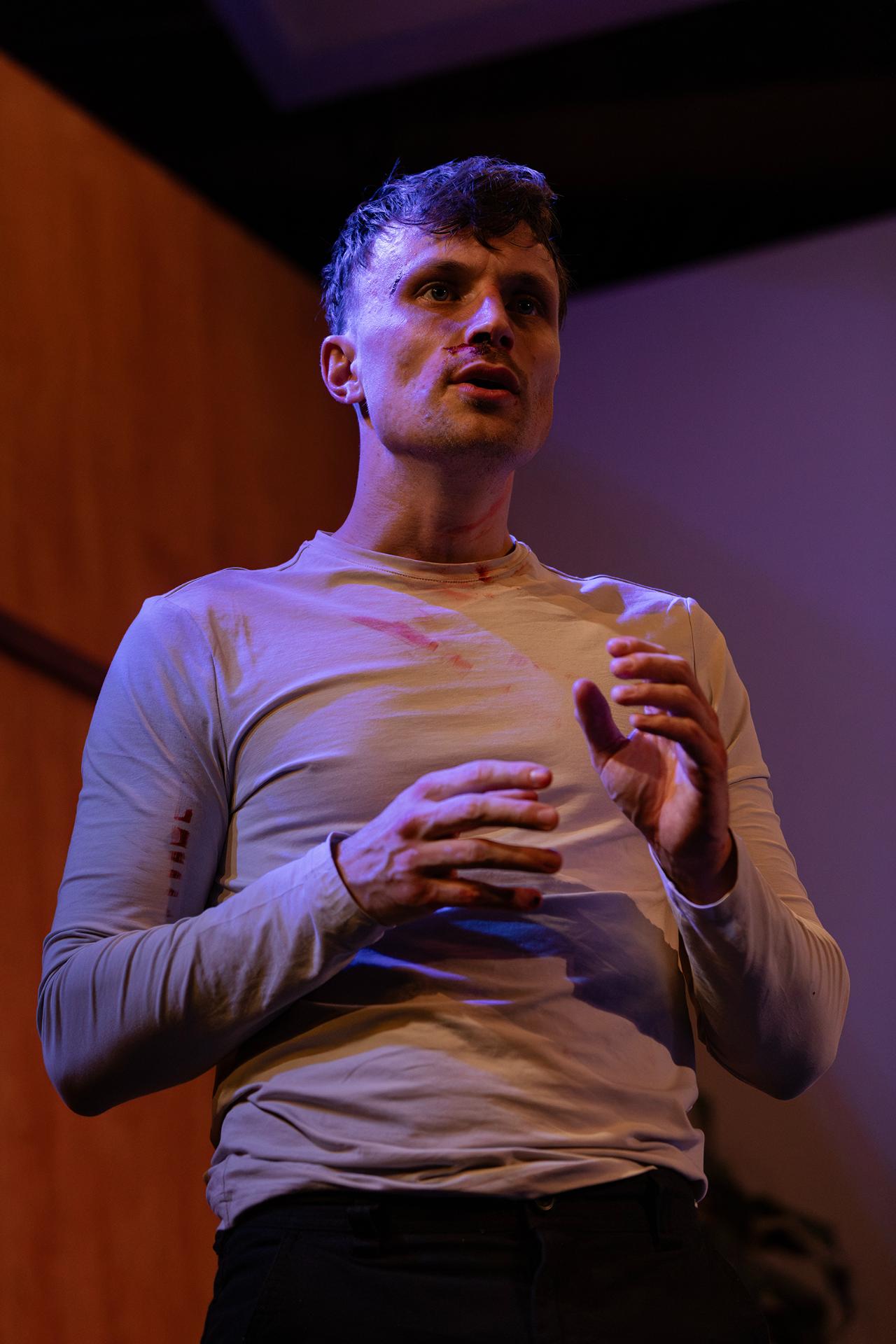
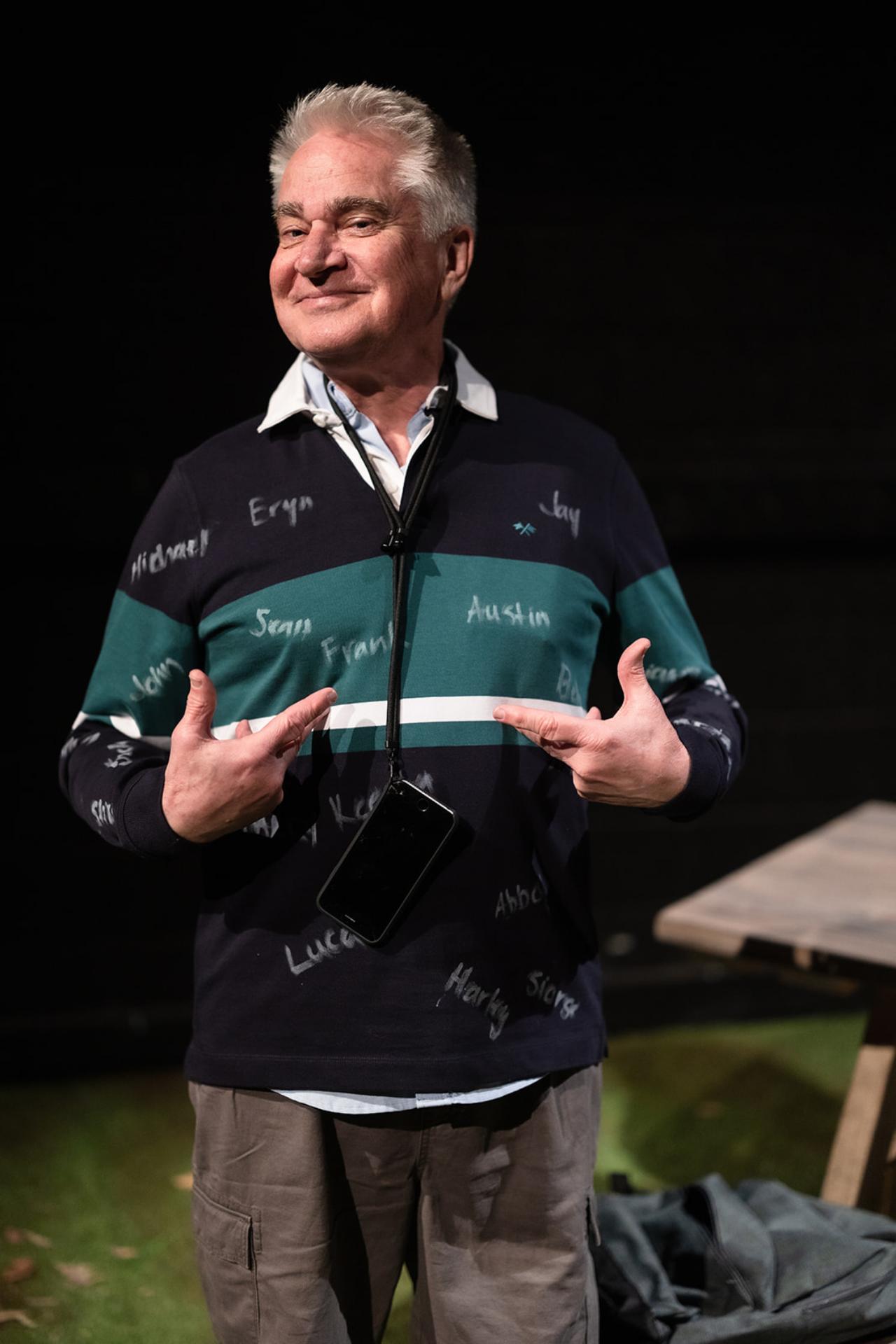
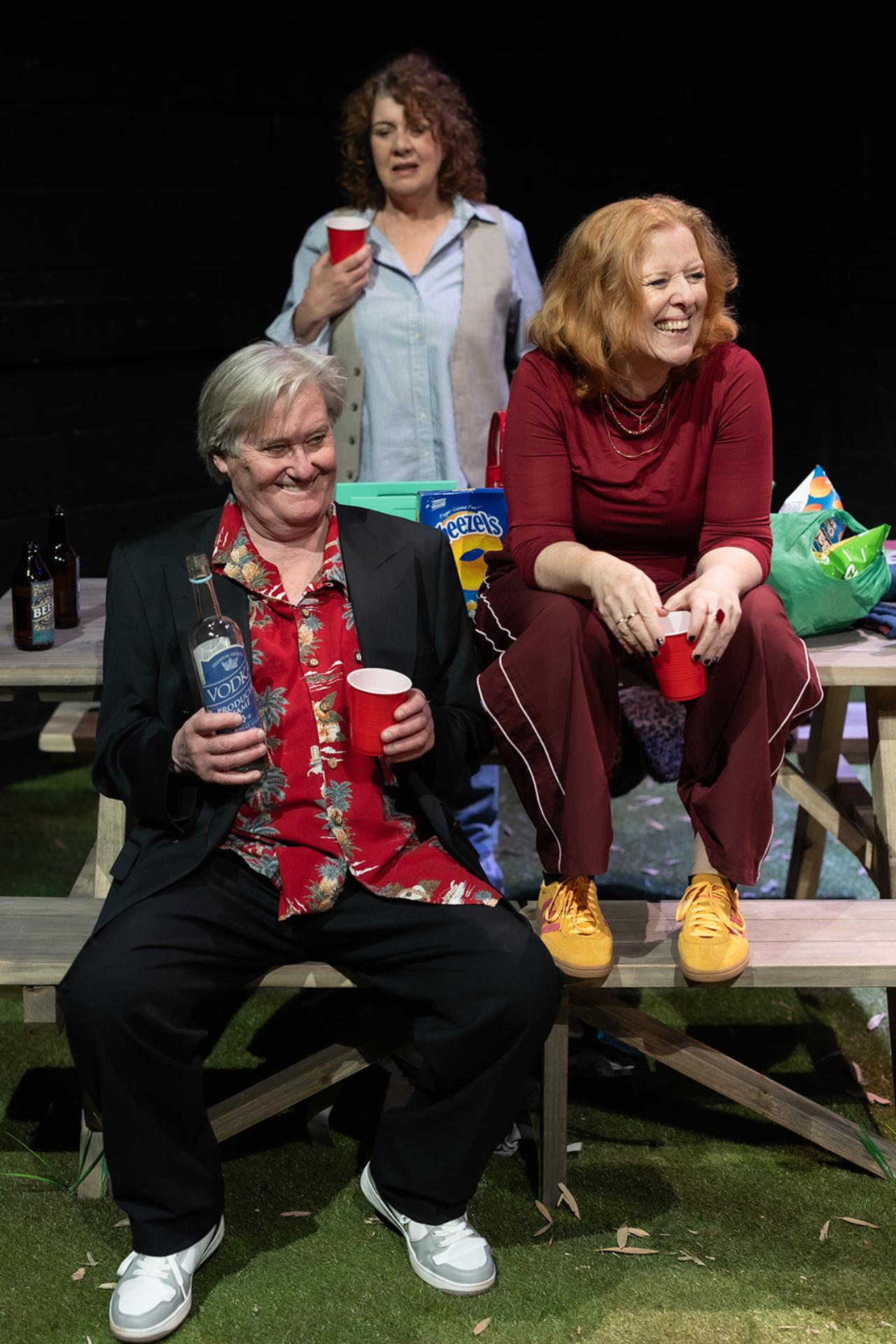
On this occasion, it is the ensemble that really delivers the goods. Each supporting member of cast is alluring and robust, proving themselves completely captivating, whether or not they are occupying centre stage. Lucy Maunder and Zoë Ventoura are the leading ladies, both demonstrating technical brilliance, although others with more powerful voices have certainly sung those parts to greater effect. Thankfully, the eternally dependable Anthony Warlow is on hand to deliver vocal perfection as the unscrupulous Billy Flynn. Also noteworthy is the winsome Peter Rowsthorn, who absolutely shines as the tenderly comical Amos Hart.

Women are constantly pitted against each other, in Chicago and in real life. We comply and enact repeatedly that narrative of contest and conflict, thinking only about momentary victories, and ignoring the perpetual state of failure, that inevitably results. Women embracing rugged individualism under the patriarchy, is manifestly absurd. Prescribing to anything that relies on the suffering of the majority, is plainly ignorant. At the end, Roxy and Velma are left to their own devices, and they realise that sisterhood is the only way to survive, and perhaps thrive. 

www.chicagomusical.com.au

Review: Stolen (Sydney Theatre Company)

Venue: Wharf 1 Sydney Theatre Company (Walsh Bay NSW), Jun 6 – Jul 6, 2024
Playwright: Jane Harrison
Director: Ian Michael
Cast: Jarron Andy, Mathew Cooper, Kartanya Maynard, Stephanie Somerville, Megan Wilding
Images by Daniel Boud

Theatre review
Stories about five Indigenous people from the Stolen Generations, interweave in Jane Harrison’s 1998 play, Stolen. Fractured yet determined, it remains an important representation of a collective trauma, one that is fundamental to the experience of being Australian, no matter one’s class or creed. Direction by Ian Michael is distinctive in its sense of quietness, although its power and impact are undeniable. Michael’s presentation of Stolen bears a meditative quality, almost reticent with its drama, yet none will be able to escape its confrontational and introspective effects. The poignancy of this staging is sure to be unforgettable.

A set design by Renée Mulder is based on the simple idea, of depicting the vulnerability of Blak children, in a space that demonstrates unequivocally, their powerlessness in the face of colonialism. Trent Suidgeest’s lights enhance the severe coldness of this brutal history, and James Brown’s music has us absolutely gripped by its melancholic foreboding. There is a sensitivity to these designers’ work, that cushions us in a certain safety, whilst intricately facilitating our observations of some truly harrowing events.

An ensemble of charismatic First Nations actors brings great courage and commitment, to this narrative of appalling injustice. Jarron Andy, Mathew Cooper, Kartanya Maynard, Stephanie Somerville and Megan Wilding may be required to delve into unremitting tragedies in their re-enactments, but it is their incredible resilience as individuals and as a people, that leave an impression.

The sensation of catharsis, that features so prominently in many offerings of theatre, is discernibly missing from Stolen. We continue to live on stolen lands, unable and unwilling, to come to a satisfactory resolution, therefore it is that corresponding feeling of unease and ruefulness that we find lingering, when the performance concludes. We are deprived of emotional release, because so much work needs to be done, before any of us can be granted anything that resembles deliverance.

www.sydneytheatre.com.au

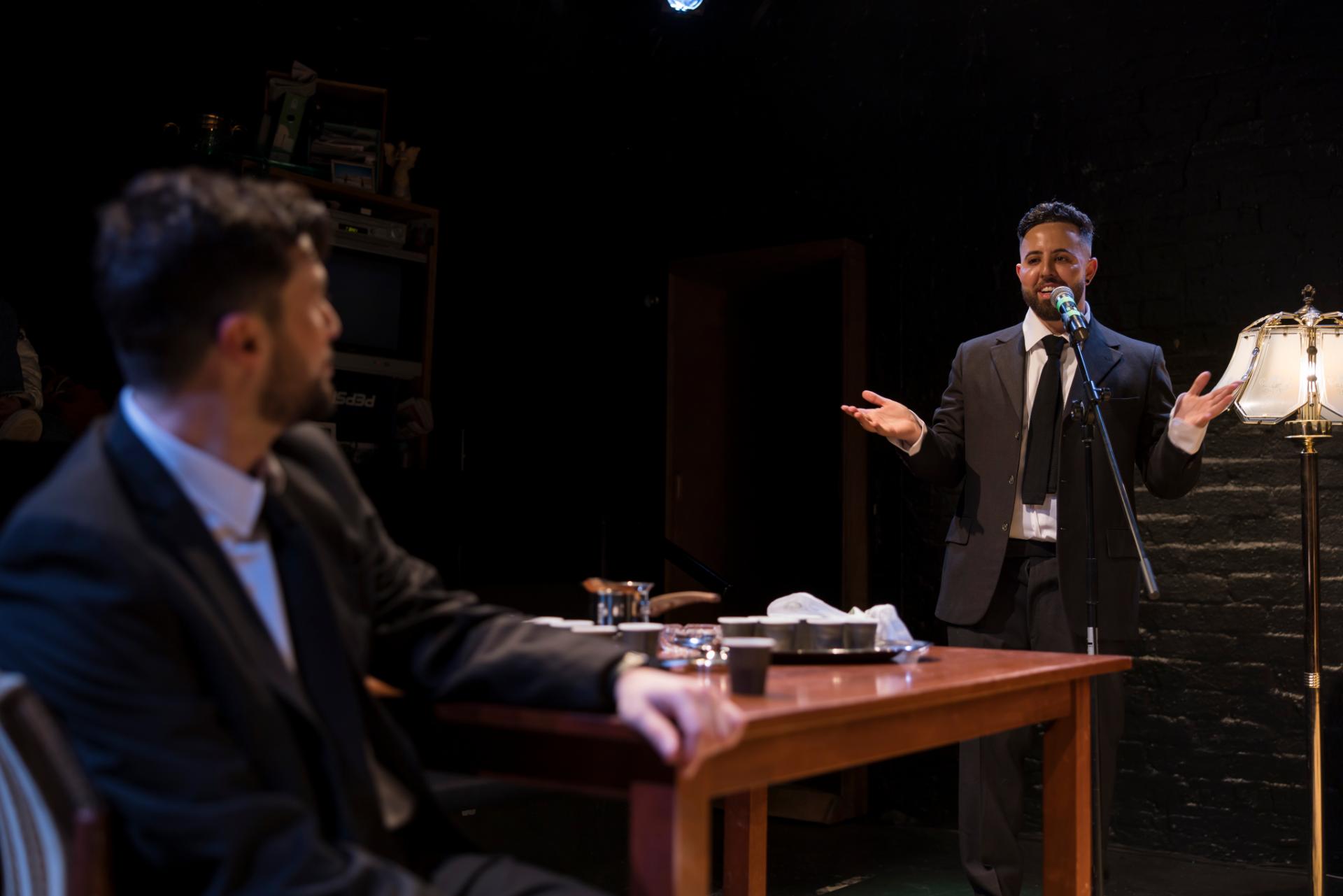
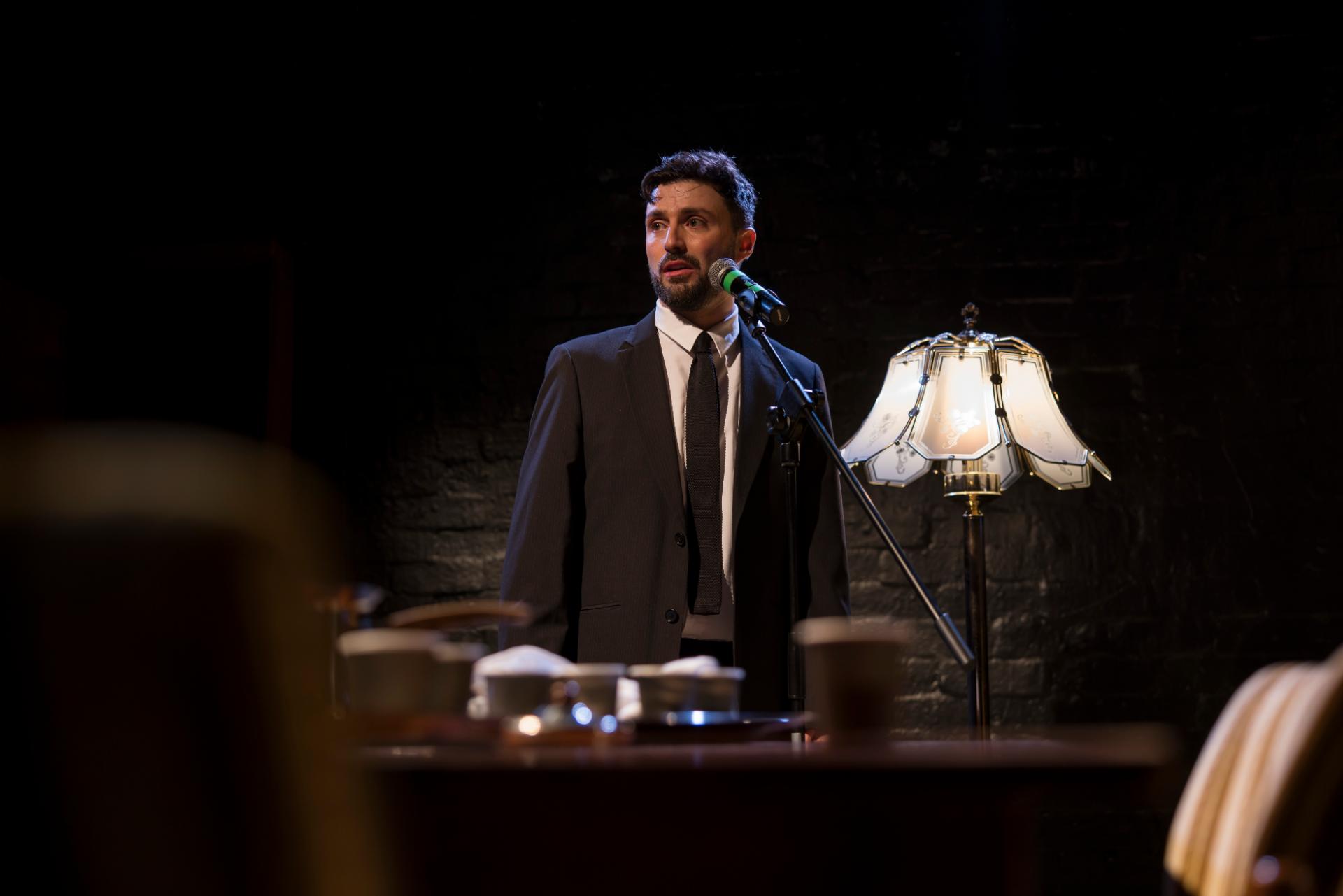
Review: Dog (KXT on Broadway)

Venue: KXT on Broadway (Ultimo NSW), May 24 – Jun 8, 2024
Playwright: Shayne
Director:
Kim Hardwick
Cast: Laneikka Denne, Jack Patten
Images by Clare Hawley

Theatre review
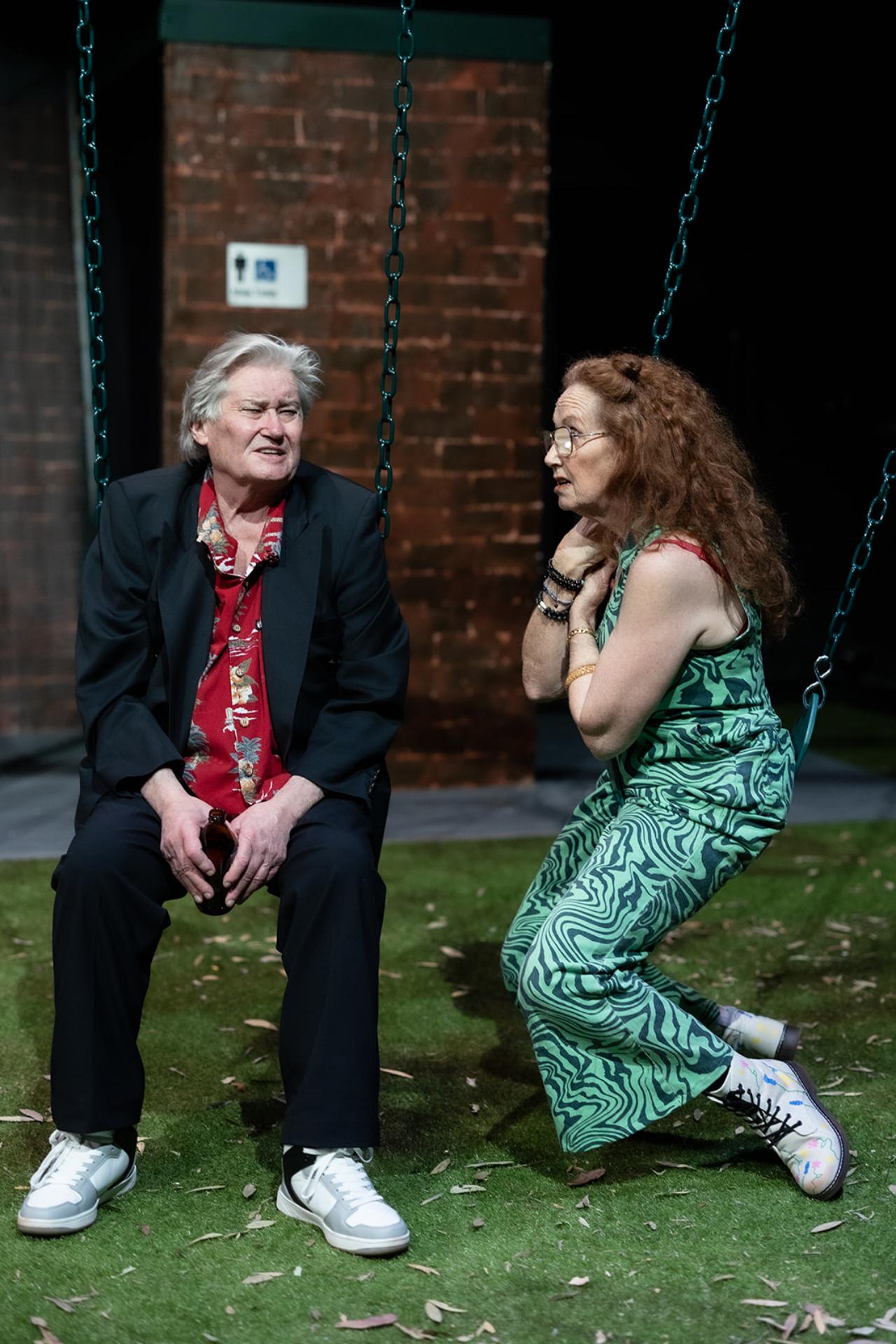
One sibling has Contamination Obsessive Compulsive Disorder, and the other has alcohol addiction. There is an admirable closeness between the two, but neither is able to ameliorate their individual problems, so maybe bringing a pet dog into the fold, would help things get better. In this extraordinary two-hander by playwright Shayne, with the simple title of Dog, dialogue is sparse and almost futile, as characters skirt around issues that are too hard to name. All that is important in the play, is conveyed between the lines, and as subtexts, in a work of art that relies thoroughly on the faculties of the theatrical form.

Dog requires our experience to be an intimate one, to feel as though we are immersed in the siblings’ world of unspeakable truths. Director Kim Hardwick’s ability to make us feel as though part of the action, allows us to read into the many nuances and complexities of the characters’ lives, so that we may form understandings of what they cannot articulate. Hardwick’s detailed manipulations of all that we see and hear, makes for a mesmerising ninety minutes, almost Australian Gothic in style and tone, during which we find ourselves hopelessly invested, in the struggles of these young people’s daily realities.

Production design by Ruby Jenkins takes us convincingly away from our inner city bourgeois existence, to somewhere decidedly more grounded and raw. With its unmistakeable coldness, lights by Frankie Clarke depict a certain unrelenting brutality, that the siblings have to face. Aisling Bermingham’s sounds are marvellously intricate, and exceptional in their effectiveness as a mechanism for storytelling, in a show that seeks to communicate in ways other than words.

Actor Laneikka Denne sets the scene with the most vulnerable expressions, of a person in the throes of uncontrollable urges, completely powerless against their mental illness. Denne’s depictions of pain, and of battling with pain, are persuasive and with a generous sense of empathy, that encourages us to examine these difficult situations with a corresponding compassion. Jack Patten’s portrayal of a man grappling with a severe drinking problem, astonishes with its realism. The danger that he poses to others and to himself, is a tension that suffuses the atmosphere, and that provides for the staging, its delicious sense of drama.

All humans are imperfect, but some of our dysfunctions are of an intensity, that they simply cannot be regarded as normal parts of any being. There is no real need for anyone to conform to social codes or normative behaviours, but when something becomes a persistent hindrance to a person’s flourishing, help must be made available and accessible. It is up to the siblings in Dog to decide for themselves, when enough is enough. When they finally open up to support and treatment, it is imperative that all the tools they need, are ready and waiting.

www.kingsxtheatre.com | www.instagram.com/wearenotproducers

Review: Shook (Qtopia / Lost Thought Arts)

Venue: Qtopia (Darlinghurst NSW), May 16 – Jun 5, 2024
Playwright: Samuel Bailey
Director: Emma Whitehead
Cast: Malek Domköc, Isaac Harley, Edyll Ismail, Louis Regan
Images by Becky Matthews

Theatre review
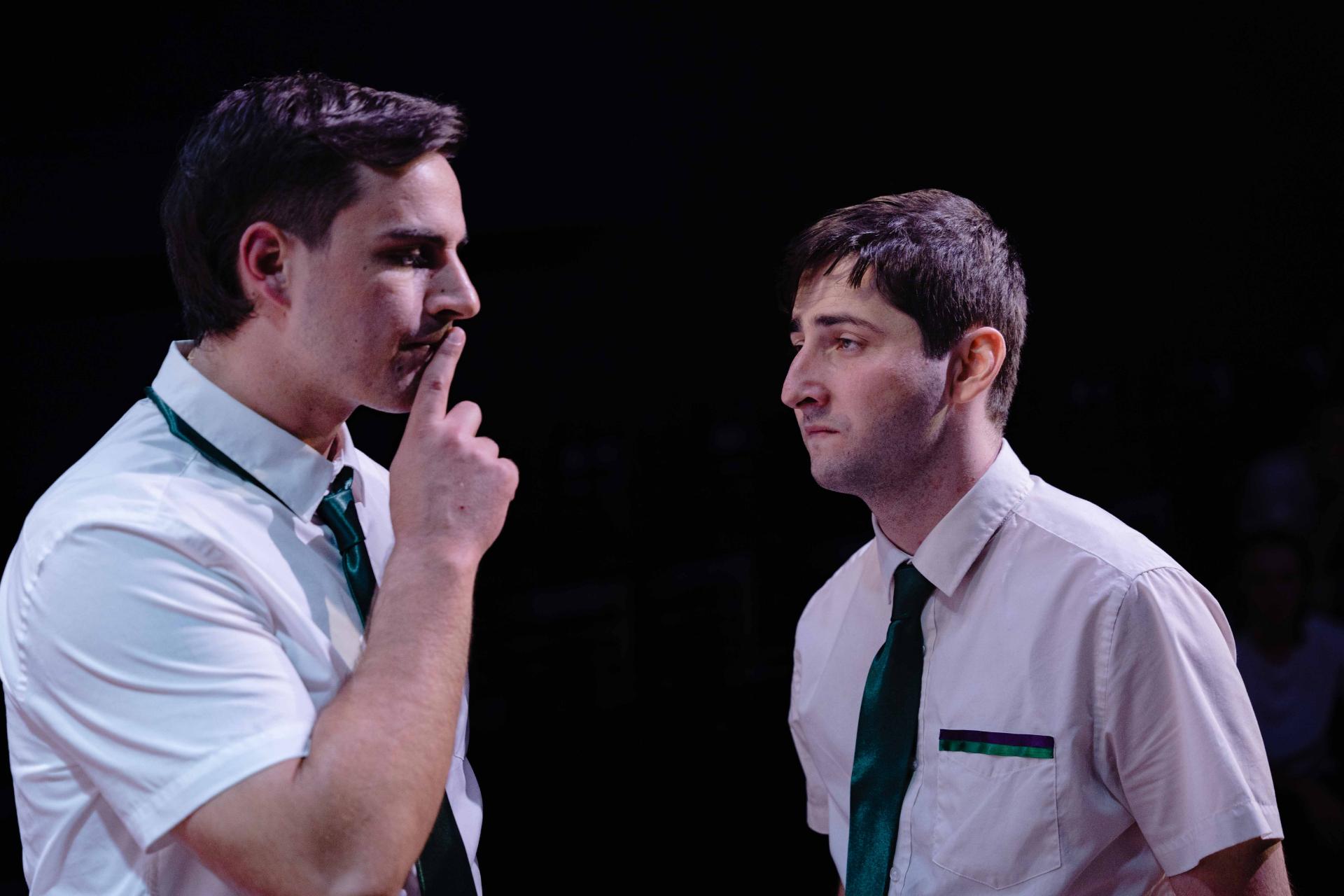
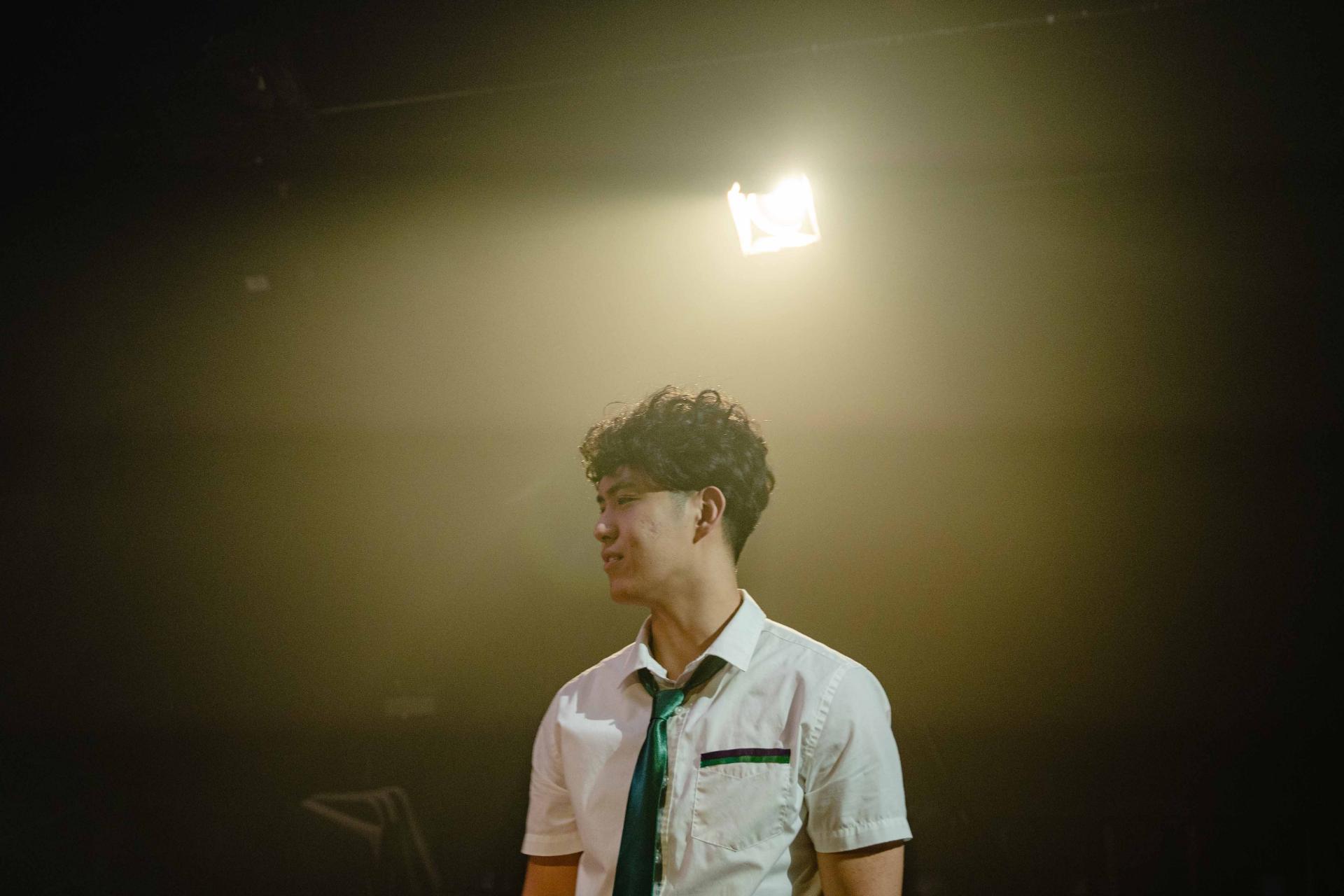
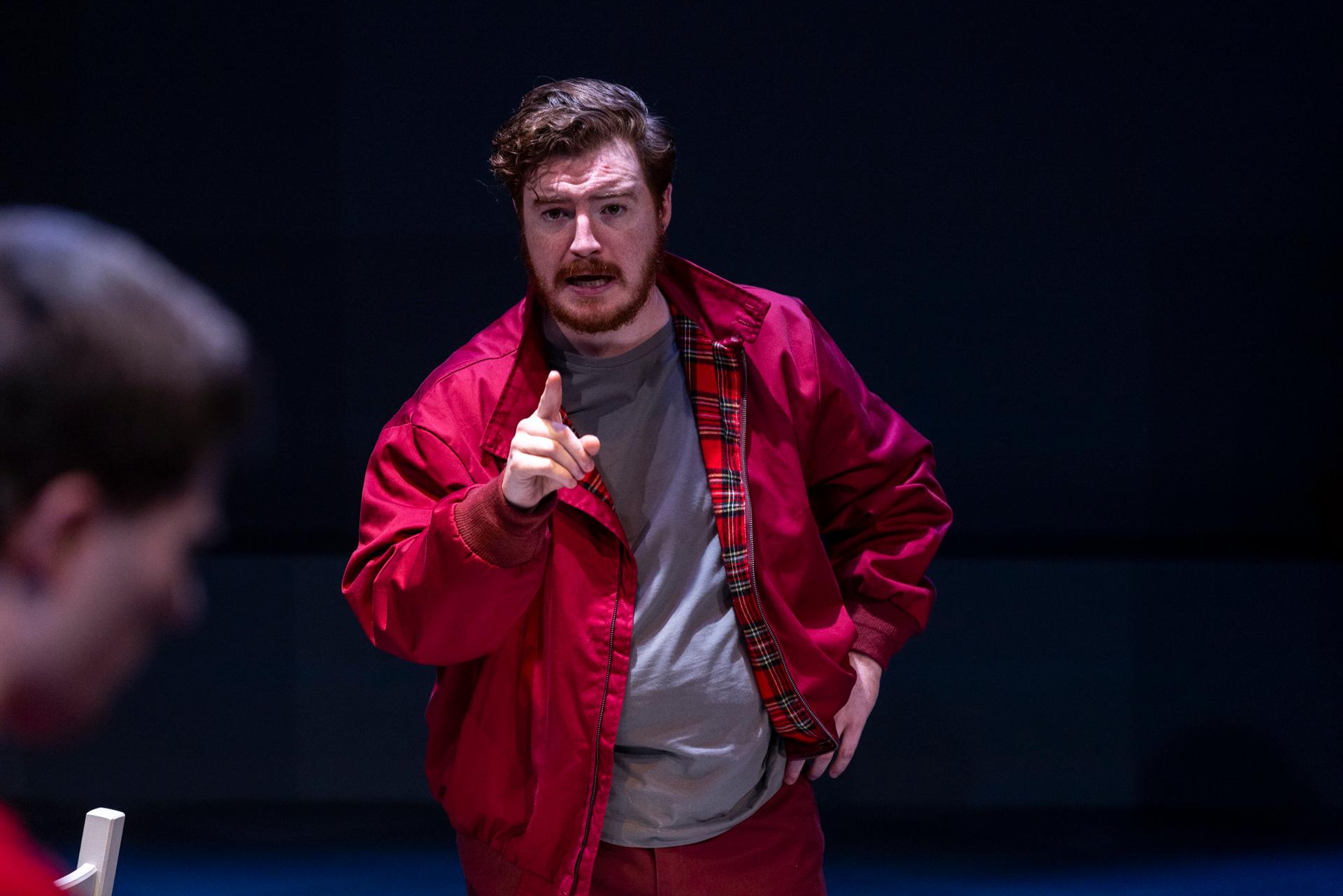
The action takes place at a young offenders’ institution, somewhere in England, where three incarcerated teenagers take a course in parenting skills. Samuel Bailey’s 2019 play Shook offers a cuttingly amusing look, at the state of masculinity in the contemporary age, along with the perennial problem of societies grappling with those we call juvenile delinquents. These are young men whose behaviour is almost entirely learned, yet we rarely reflect on the examples we set, putting effort instead, on rehabilitation in the aftermath.

The unmistakeable vigour in Bailey’s writing, is brought to robust life by Emma Whitehead’s direction, which instils for the production an admirable, and enjoyable, realism. Not only is the work consistently believable, we are placed excitingly, somewhere between apprehension and empathy, for the trio of multi-faceted characters. In the simultaneous experience of revulsion and identification, we perceive with a high degree of authenticity an entertaining show, characterized by its unabashed theatricality and quality.

Design aspects are simple but effective. Set and costumes by Lochie Odgers work harmoniously with the rawness of the site, to evoke a sense of accuracy for the storytelling. Lighting transformations by Prinyanka Martin, along with music by Oran Harkin are noticeable only between scenes, both elements perfectly calibrated to sustain our attention, and to position us firmly within the context of the correctional facility.
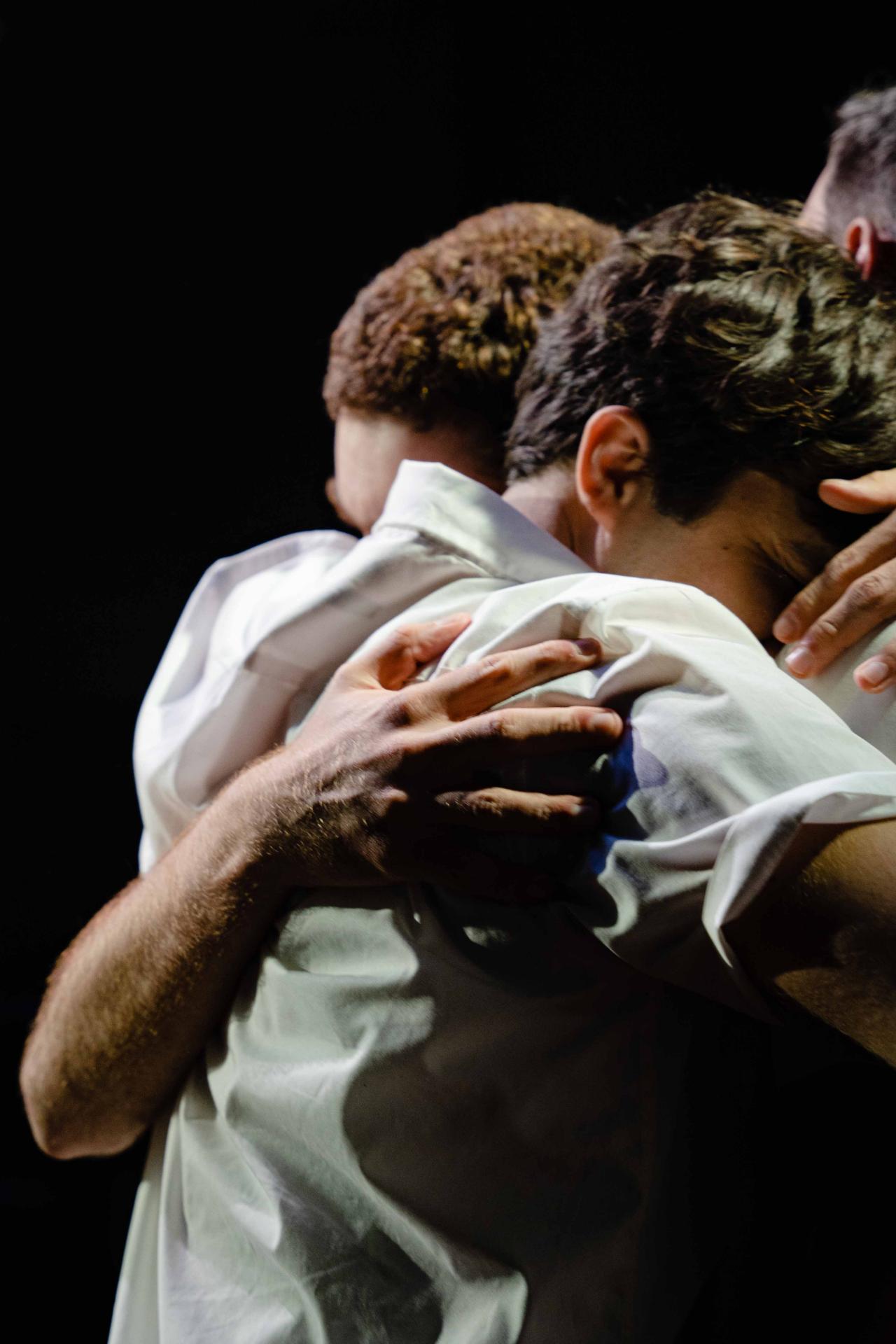
A strong ensemble presents Shook, evidently very well-rehearsed, and demonstrating ignitable chemistry. Actor Malek Domköc is wonderfully considered, in his naturalistic portrayal of Riyad. Louis Regan sets the tone with dangerous irascibility as Cain. Isaac Harley’s exemplary concentration as Jonjo, brings intensity. Social worker Grace is depicted by Edyll Ismail with commendable integrity.

Learning to care for one’s own child, while a man serves time in a penitentiary, is not only a bittersweet idea, but is also one that inspires meditations on despondency and hope. The severe deprivation of freedom for those who have done grave wrongs, seems to be both necessary and dangerous. We want certain transgressors to suffer extrication and punishment, but we also want them to become better people as a result. In dehumanising them, we risk further degeneracy, but the truth remains, that people do learn from fear. We hear of better ways that could be explored, if only we dared to change.

www.qtopiasydney.com.au | www.instagram.com/lost_thought_arts

Review: Parade (Seymour Centre)

Venue: Seymour Centre, Everest Theatre (Chippendale NSW), May 9 – 25, 2024
Book: Alfred Uhry
Music & Lyrics: Jason Robert Brown
Director: Mark Taylor
Cast: Georgia Barron, Nic Davey-Greene, James Frampton, Ashley Garner, Guillaume Gentil, Genevieve Goldman, Adeline Hunter, James Lee, Sophie Loughran, Noah Missell, James Nation-Ingle, Maverick Newman, Rebecca Ordiz, Aaron Robuck, Quinton Rofail Rich, Montana Sharp, Tarisai Vushe, Liam Wigney
Images by Matthew Chen

Theatre review
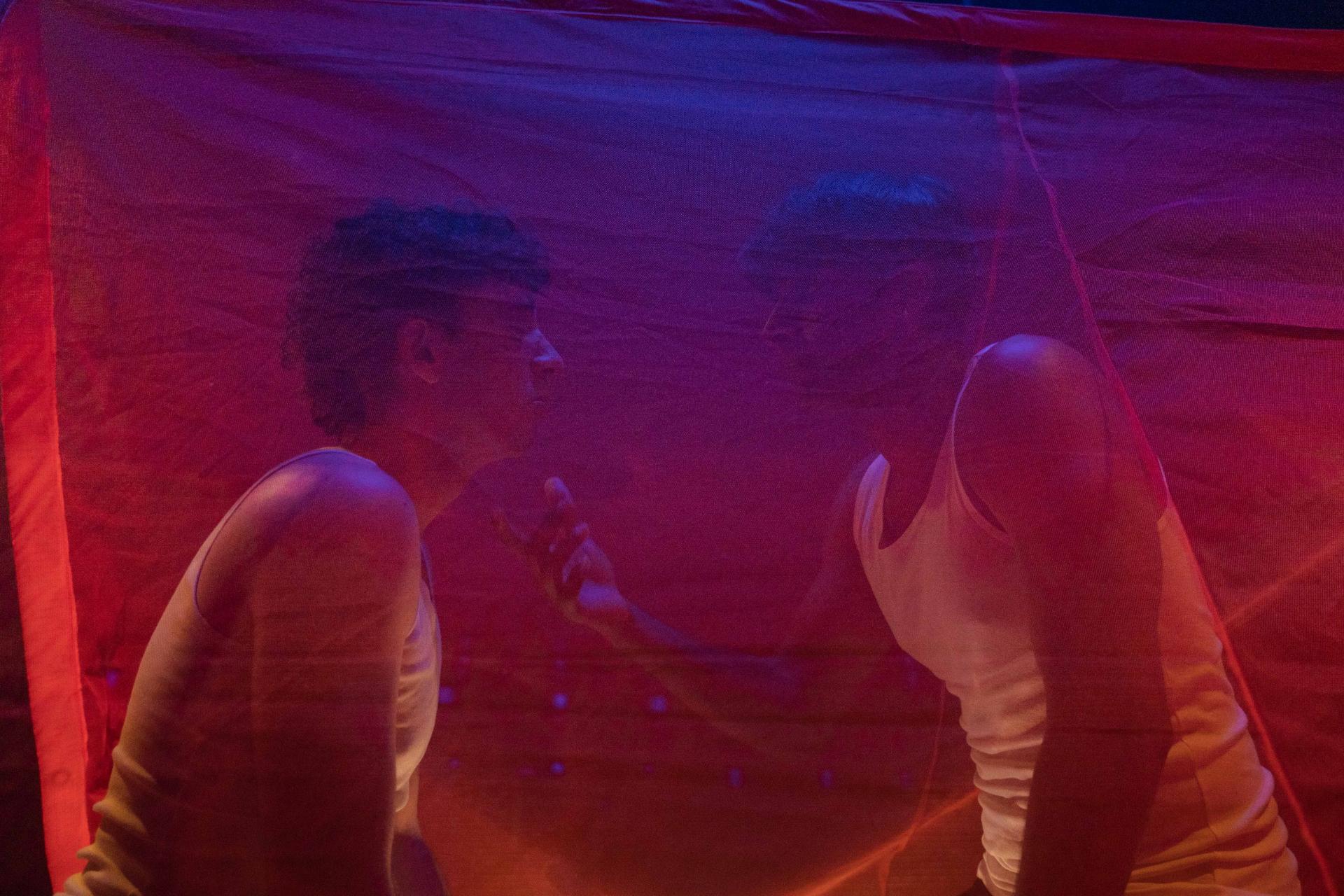
It was 1913 in the USA state of Georgia, when Leo Frank was charged with the murder of a young girl. The case remains an important and deplorable example of antisemitism, and over a century later, authorities recommenced investigations, in efforts to clear the name of the wrongfully accused. The musical Parade, by Alfred Uhry and Jason Robert Brown, details that infamous trial. Although appropriately sombre, and containing some eternally useful lessons on human behaviour and injustice, the piece features highly enjoyable songs, that keeps an audience attentive to the meaningful story.

Music direction by Mark Bradley is richly inspiring for this 2024 Australian production, but sound engineering proves a significant deficit, often preventing us from sufficiently connecting with the creative endeavours being carried out. Lights too, keep us wanting. Although imaginatively rendered by Sidney Younger, the show is frequently shadowy and consistently dim, further alienating us from the action. Production design by Harry Gill, although overly muted with its palette, conveys a sense of authenticity, and provides impressive spatial adaptability that helps with engagement of the narrative.

Direction by Mark Taylor, along with choreography by Freya List, delivers a staging that is swiftly paced yet admirably earnest, in this valuable recount of history. Performer Aaron Robuck brings integrity to the portrayal of Frank, and Montana Sharp is especially memorable as wife Lucille, with a vocal brilliance and a dramatic urgency, that encourages our emotional investment. Also noteworthy is Adeline Hunter who is surprisingly convincing as the 14-year-old victim, with a believable innocence that accompanies very strong singing, for her interpretation of a crucial role.

The American Civil War was meant to have ended in 1865, but we see time and time again, that a system built on subjugation of peoples, will keep rearing its ugly head, and make refreshed nemeses of new others. We seem always to work on the liberation of particular communities, but in failing to address the very fascistic tendencies of how we relate to one another, we find ourselves simply creating different enemies and scapegoats. Humans understand peace, but it appears we know it much more as an abstract concept, than as a lived reality.
www.seymourcentre.com | www.soundworksproductions.com.au

Review: Misery Loves Company (KXT on Broadway)

Venue: KXT on Broadway (Ultimo NSW), May 3 – 18, 2024
Playwright: Isabella Reid
Director:
Mathew Lee
Cast: Lib Campbell, Clay Crighton, Lincoln Elliott, Paul Grabovac, Teale Howie, Mark Langham, Linda Nicholls-Gidley, Rachel Seeto, Annie Stafford, Michael Yore
Images by Clare Hawley

Theatre review
There has been a death in the Glynne family, and all the kin congregate to hold a vigil for the dearly departed. In Isabella Reid’s Misery Loves Company, we see everything go incredibly wrong, for an uproarious comedy, set in what should be the most sombre of times. With it being 1977 in Northern Ireland, and turbulence a permanent fixture during those years, perhaps chaos does make sense, even in moments of reverence and intimacy.
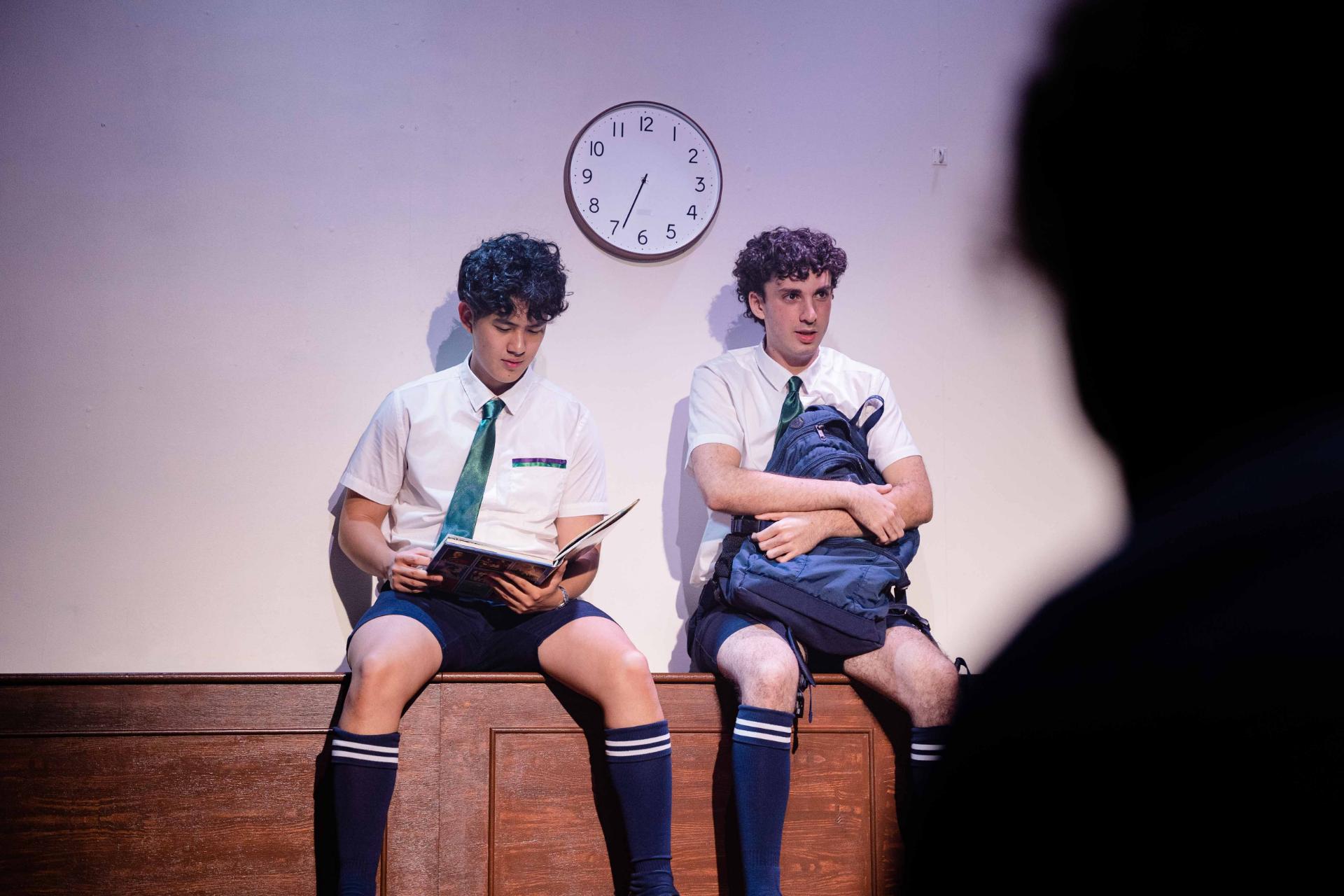
The jokes are plentiful, and indeed incessant, in Reid’s debut play. Misery Loves Company is full of mischief, with sharp dialogue and short scenes, that keep it a buoyant experience. Director Mathew Lee imbues a bold spontaneity, for a show that feels as fresh as it is amusing, consistently enjoyable with its resolute focus on delivering laughter. The cast of ten is strong in general, with a respectable amount of emphasis on chemistry between performers, that ensure we can all be swept up in the effervescent tomfoolery.
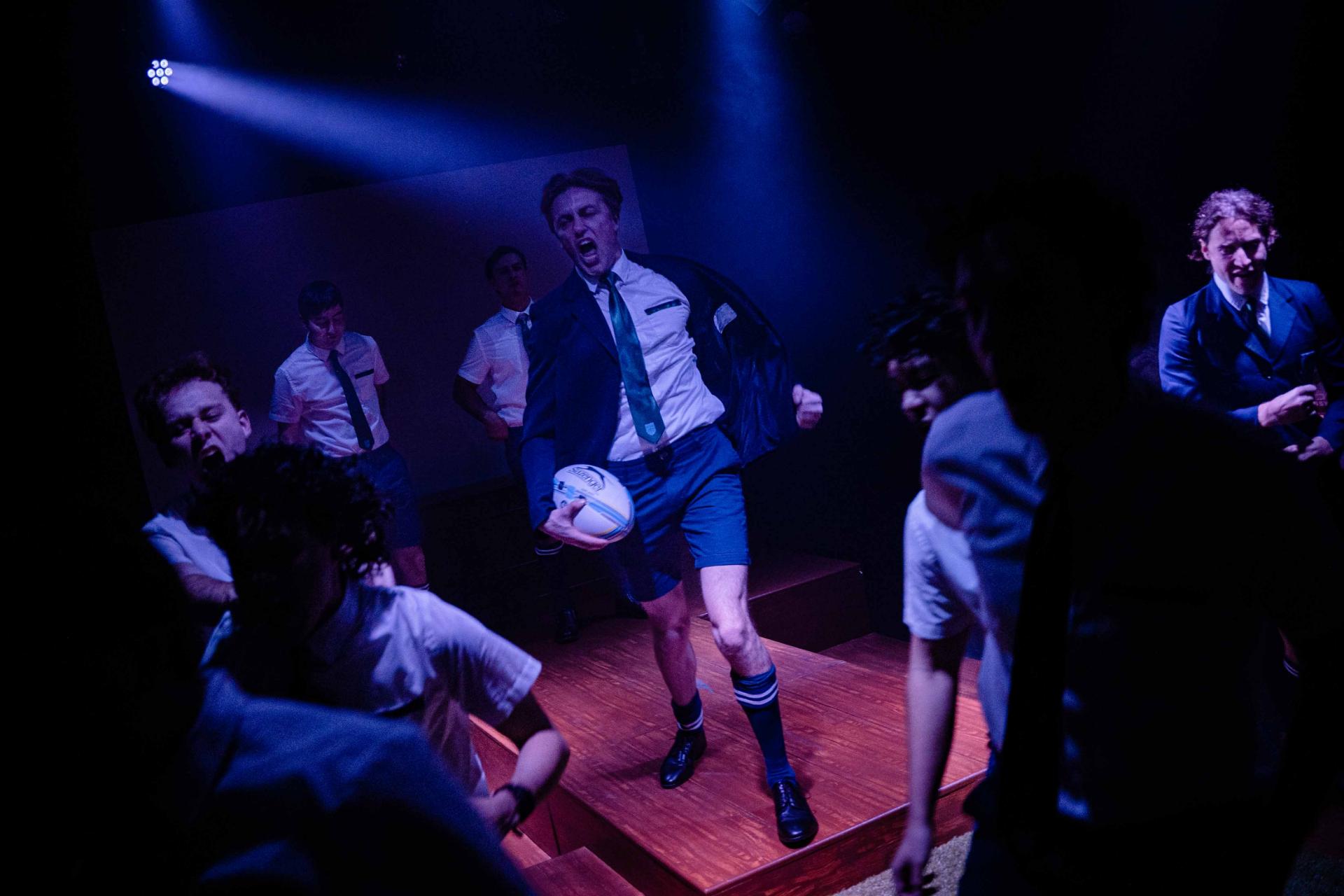
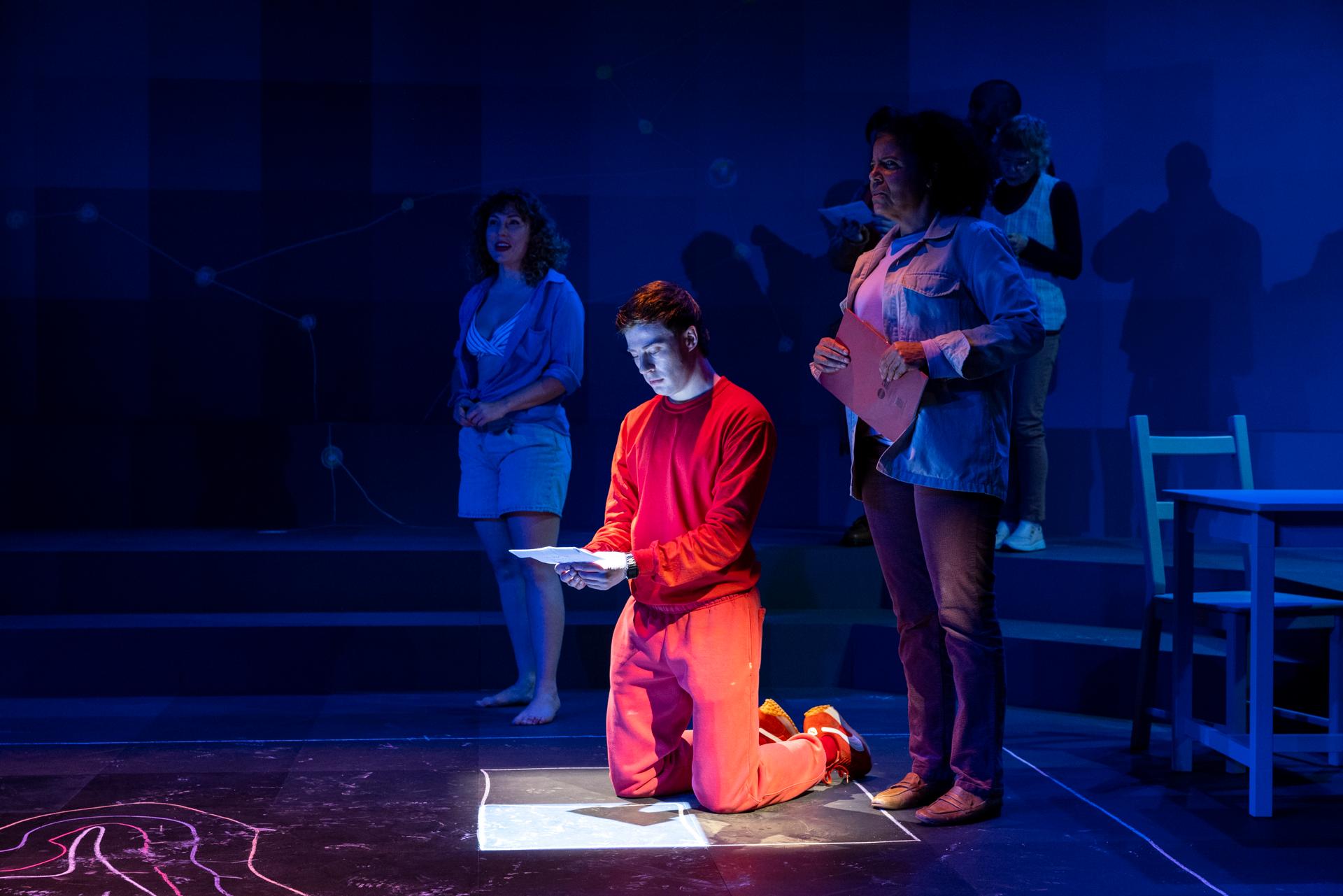
Production design by Ruby Jenkins is commendable for its sense of accuracy in terms of portraying a precise time and place, and also for a visual vibrancy that contributes to the humour of the piece. Lights by Tyler Fitzpatrick are deployed with an impressive eye for detail, notable for their ability to manufacture subtle but meaningful shifts in mood. Clare Hennessy’s music demonstrates an impressive sophistication, as it evokes cultural specificity and a gently melancholic nostalgia, for a presentation that for some, relates to a cherished tradition. We come from all corners, but where we converge on this land, is often in the sheer absurdity of living through together, each and every mercurial day.
www.kingsxtheatre.com | www.legittheatreco.com

Review: Switzerland (Ensemble Theatre)

Venue: Ensemble Theatre (Kirribilli NSW), 3 May – 8 Jun, 2024
Playwright: Joanna Murray-Smith
Director: Shaun Rennie
Cast: Laurence Boxhall, Toni Scanlan
Images by Brett Boardman

Theatre review
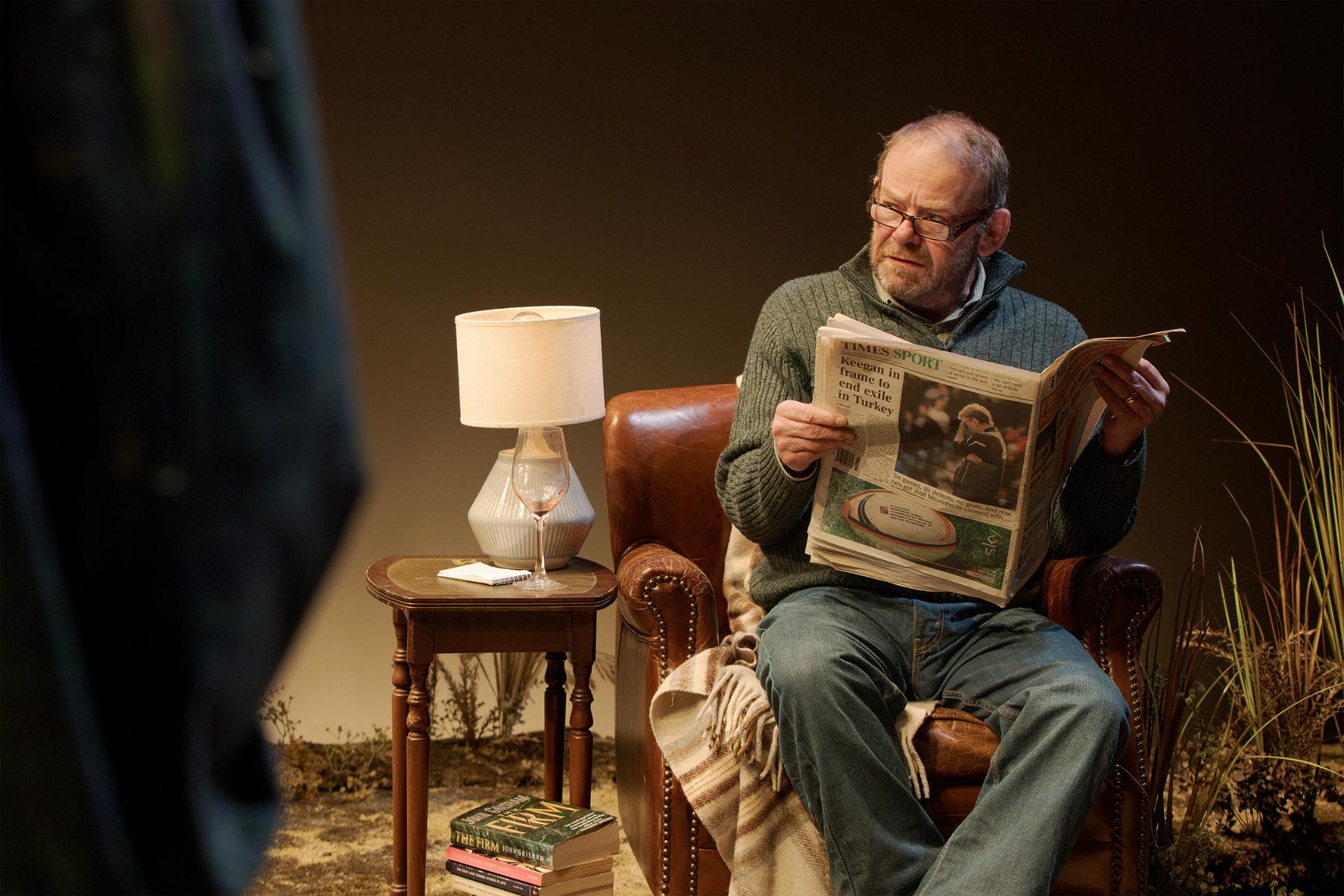
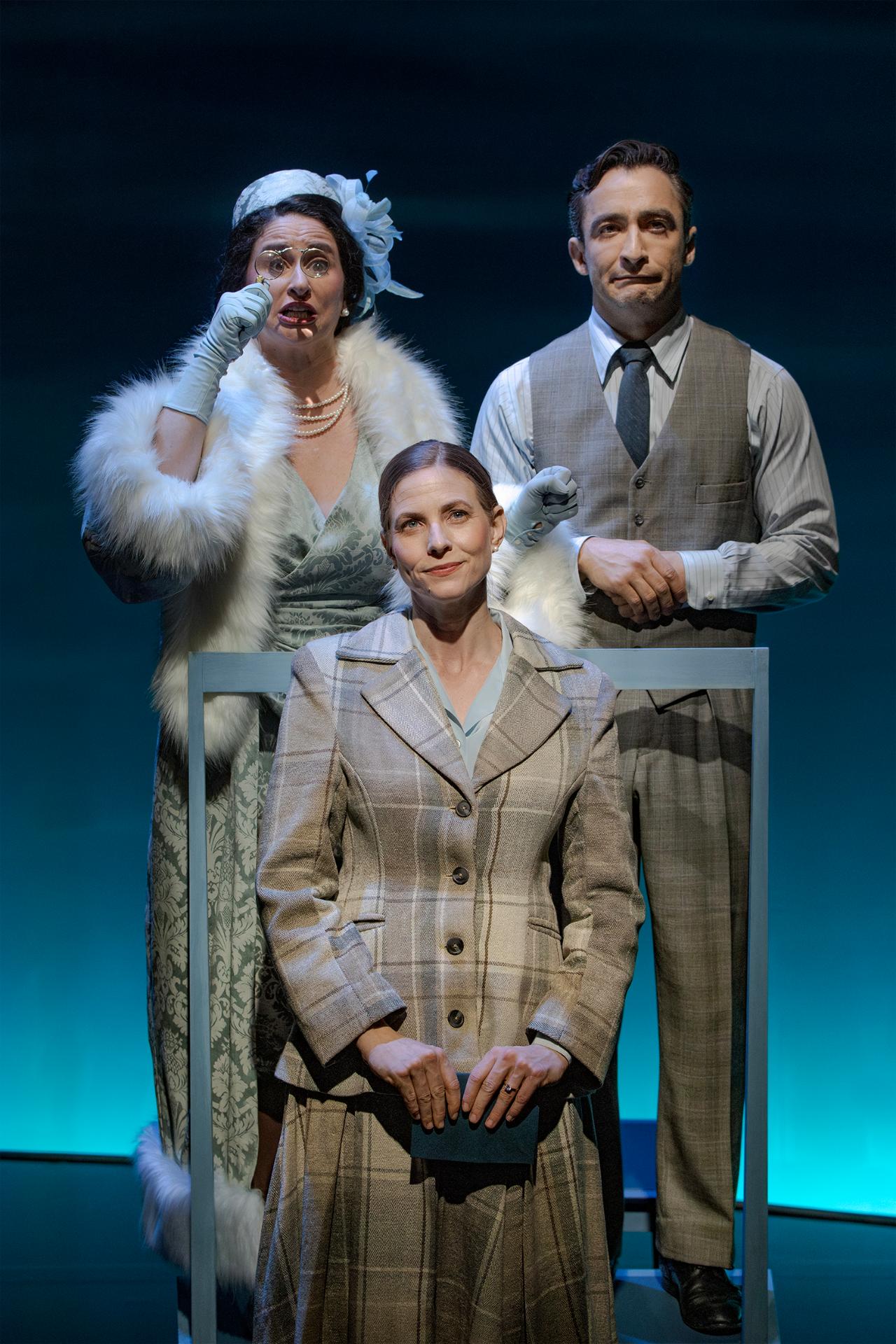
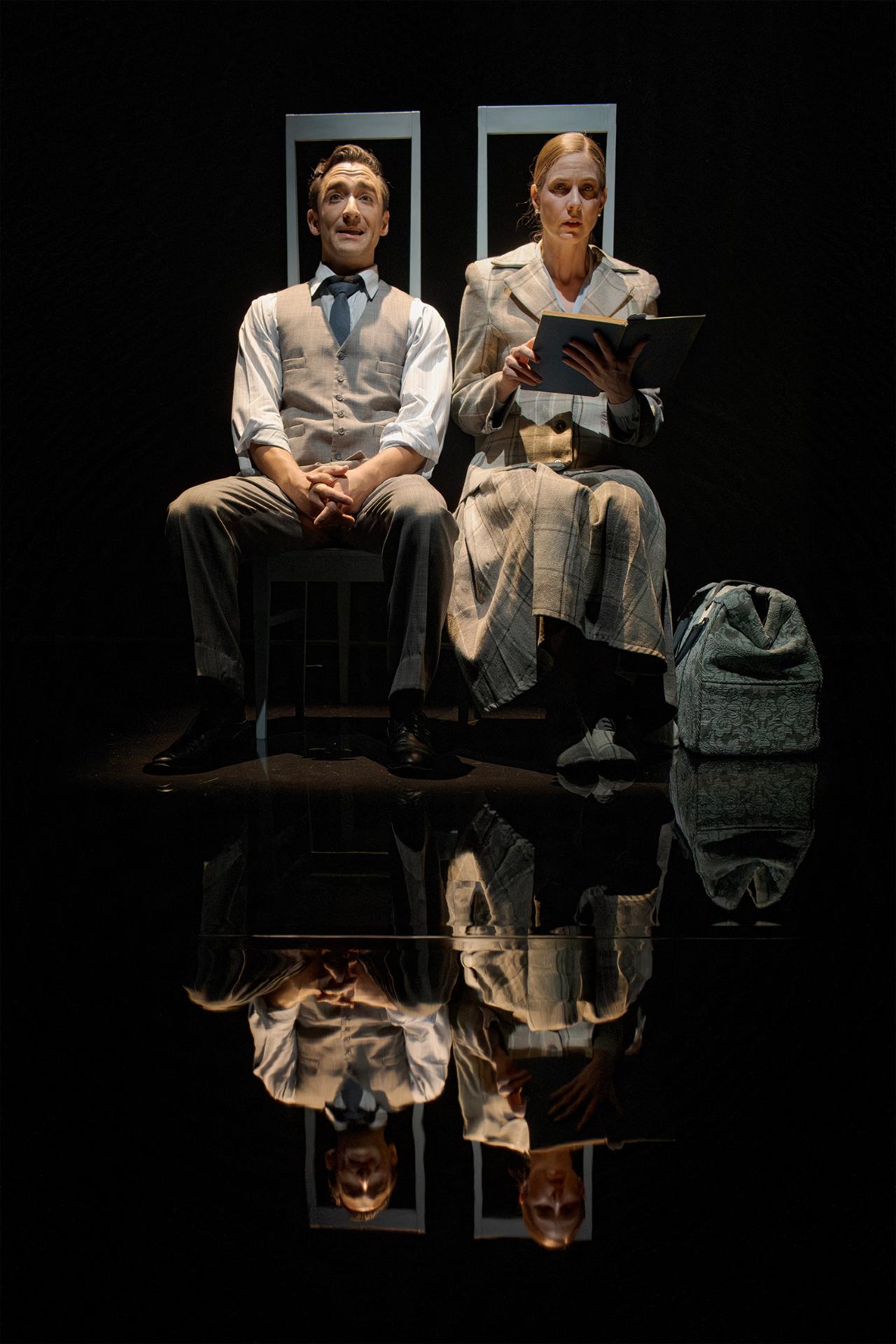
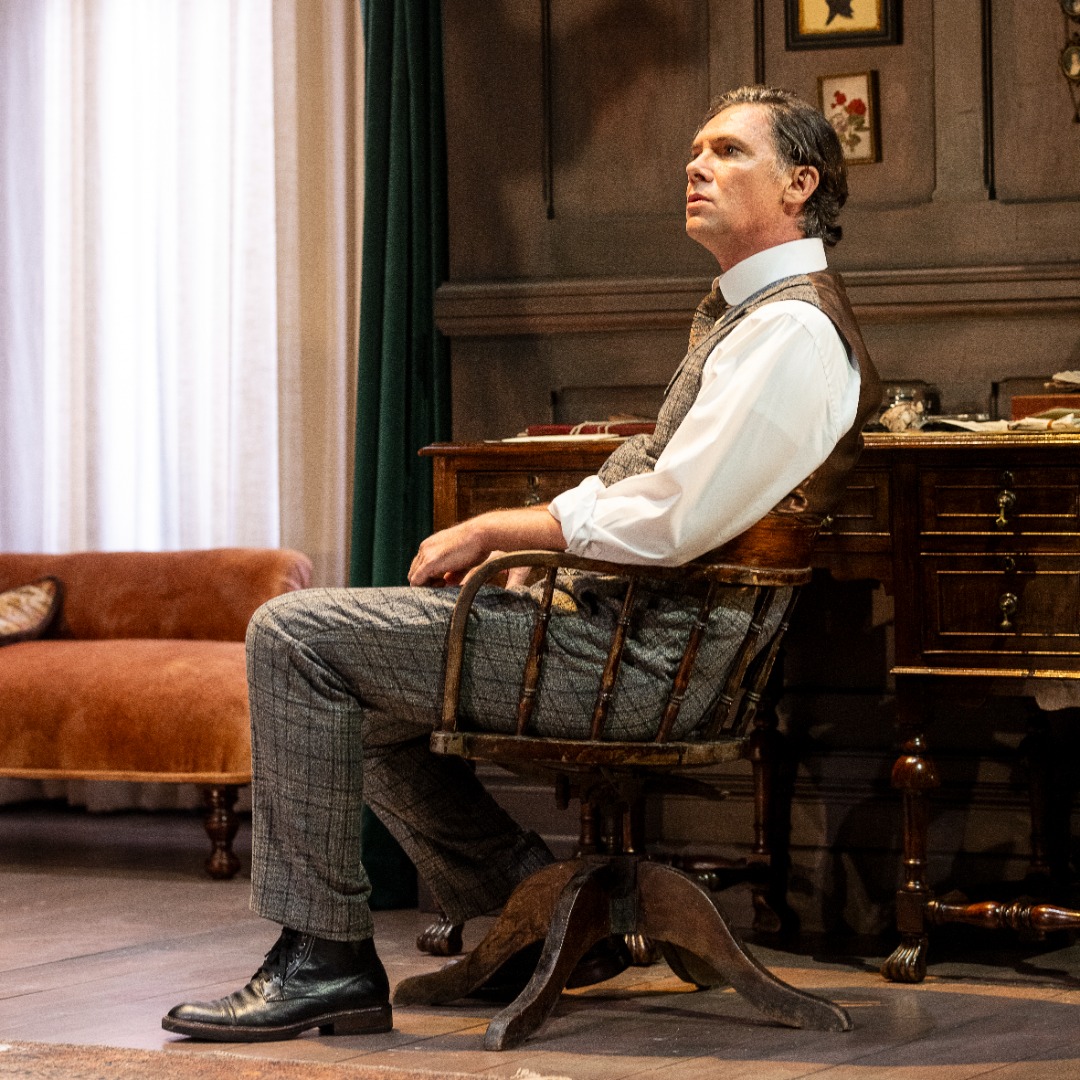
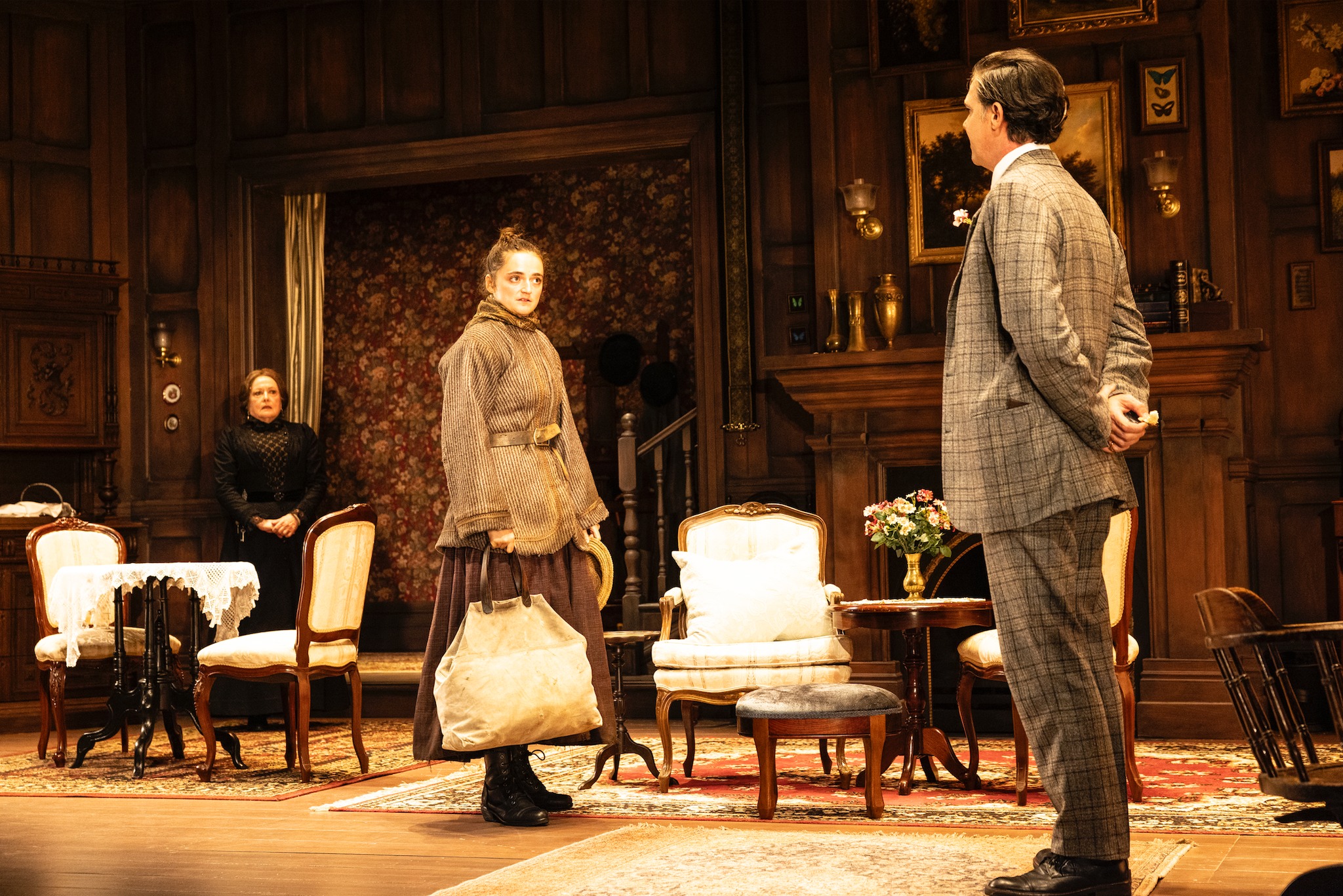
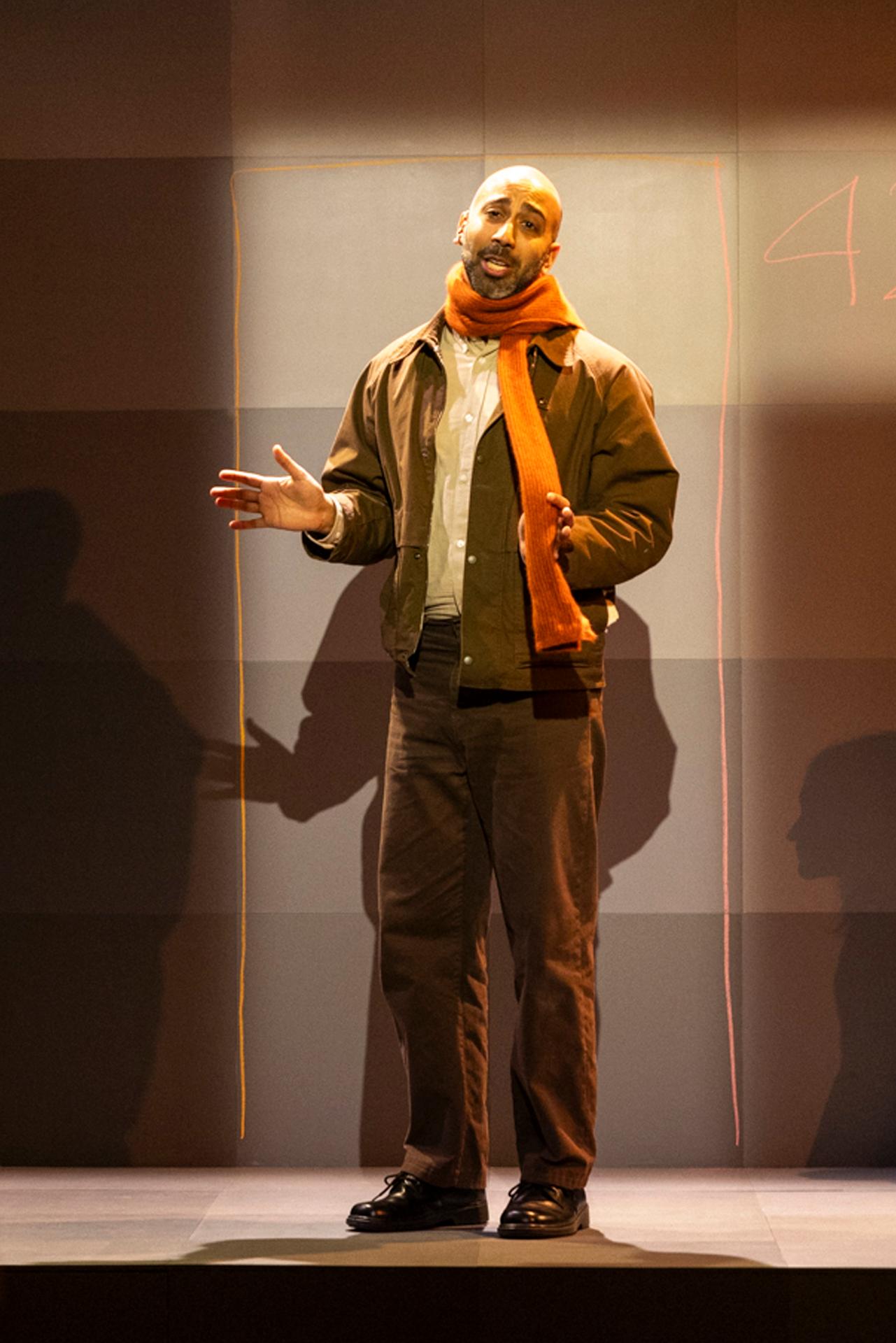
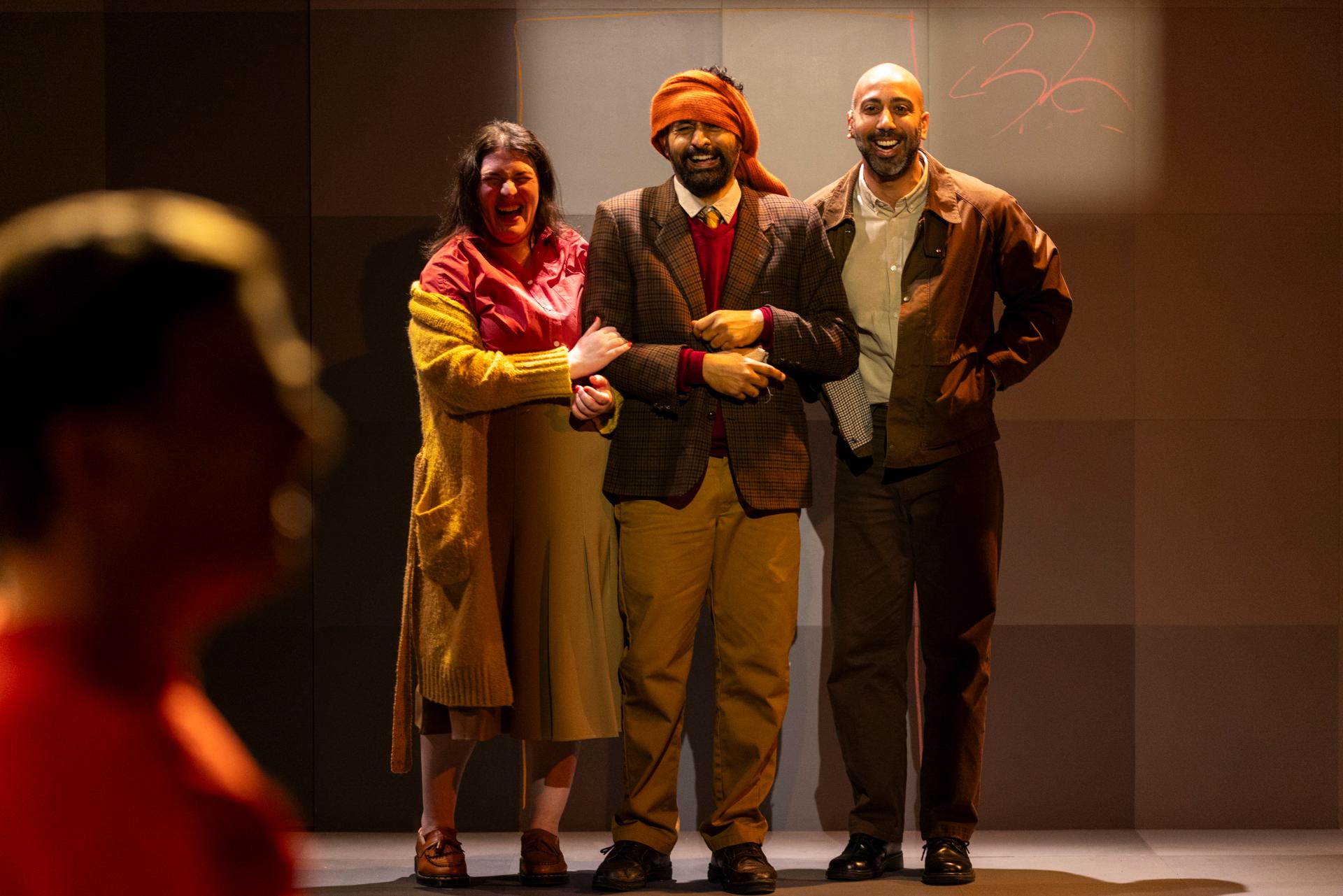
The famous author Patricia Highsmith is visited in the Swiss alps, by a junior member of her publisher’s office. Everybody it seems, wants another instalment of her Ripley novels, but Highsmith is making things very hard, including for herself. For all the bravado she displays, there is clearly a crisis of confidence underway. Young Edward however, is determined to have the new book completed, even if it means having to contend with the artist’s impossible insolence.

The wit in Joanna Murray-Smith’s Switzerland is remarkable, with an unrelenting acerbity that director Shaun Rennie uses to great effect, for a show that is as hilarious as it is thrilling. The humorous acrimony is established from curtains up, but a creeping sense of mortal danger develops decisively over the three acts, as the general tone turns indubitably darker. Fatalistic as it might be, Switzerland is also wonderfully poetic, in its rendering of the creative process, and of the nature of inspiration itself. Murray-Smith’s explorations into the meaning of art, for an artist like Highsmith, turns out to be deeply rewarding, for the rest of us who are unlikely to experience that level of accomplishment.

Actor Toni Scanlan brings extraordinary charm to the comical bitterness of Highsmith’s schtick. The character we encounter feels authentic, whilst being irresistibly theatrical, and we find ourselves incredulously mesmerised by that unremitting wickedness. Laurence Boxhall is fabulously nuanced as the stealthily talented Edward, offering endless layers beyond a sparkling American surface, convincing whether playing naïve or morbidly cynical. Chemistry between the two is electric, effortlessly sustained for 90 minutes of delicious storytelling.

Costumes by Kelsey Lee are appropriate in every way, never distracting and in a sufficiently vibrant palette to help us endear to both personalities. Set design by Veronique Benett is thoroughly elegant, for a home that absolutely befits Highsmith’s status and exacting standards. Benett’s lights, along with Kelly Ryall’s music, are unostentatious to begin with, but as the action turns noir, both rise to the occasion and deliver dramatic transformations to atmosphere that have us spellbound.

In Highsmith’s world, people are never who they seem to be. One may go so far, in Switzerland, to conclude that people rarely even know who they really are. We yearn to have firm grasps of our own identities – it makes our essential evanescence tolerable – but the whole truth of each person’s existence, seems eternally to be a mystery. What is real, is that we continue to seek pathways to understanding, and in that persistence, we can only hope that what we find, is not only glorious, but good.

www.ensemble.com.au

Review: Nayika A Dancing Girl நாயிகா – ஒரு நாட்டியப் பெண் (Belvoir St Theatre)

Venue: Belvoir St Theatre (Surry Hills NSW), Apr 30 – May 19, 2024
Creators and Directors: Nithya Nagarajan, Liv Satchell
Cast: Vaishnavi Suryaprakash
Images by Brett Boardman

Theatre review
When we meet the heroine of Nayika a Dancing Girl, she is just becoming ready to face the hard truths of her past, and recall the trauma that has pushed her away from her loved ones in India. With the passage of time, and having found a sense of security in her safe harbour of Australia, our unnamed protagonist is now able to confront the hidden parts of herself, that are scarred by having experienced intimate partner violence, when she was but a teenager. In order to survive, there are things that need to be psychologically sequestered, but for a person to truly thrive, their emotions require healing, and those can be attended to, as one becomes stronger over the years.

Created and directed by Nithya Nagarajan and Liv Satchell, Nayika a Dancing Girl tells a story of recovery and triumph, through an amalgamation of western theatrical conventions and the Indian classical dance form of Bharatanatyam. The production is visually compelling, with brilliant choreography set against the tranquil elegance, of Keerthi Subramanyam’s scenic and costume design. Morgan Moroney’s dynamically alluring lights further enrich the atmosphere, as do live music by Marco Cher-Gibard and Bhairavi Raman, delivering for the show a luxuriant aural dimension.

Actor Vaishnavi Suryaprakash is the unequivocal main attraction, with unassailable magnetism, steadfast energy and focus, along with a passionate and authentic approach to the material, that keep us absolutely riveted. The play bears a regretfully halting pace, and a structure that communicates with insufficient power, but Suryaprakash is nonetheless captivating, consistent in her ability to persuade us of the gravity of Nayika and its themes.

It is evident that some of our enduring problems will not find resolution, even after repeated attempts for rectification, from within established systems and conventional approaches. The dancing girl in Nayika has had to abandon an entire culture, and seek refuge elsewhere, before she can pick up the pieces, by creating meaning out of a refreshed consolidation of diverse perspectives. The old ways were never going to serve her, in fact they were made to bolster the behaviour of assailants. To find something effective, has meant that she needed different points of reference. To leave, may look like quitting, but it is that courage to stand on one’s own convictions, against persistent pillars of conformism that are patently harmful, that will set a person free.

www.belvoir.com.au

Review: Aurat Raj عورت راج औरत राज (25A Belvoir)

Venue: Belvoir St Theatre (Surry Hills NSW), May 2 – 19, 2024
Playwright: Pratha Nagpal
Director: Pratha Nagpal
Cast: Vinaya Elijala, Nikki Sekar, Anusha Thomas, Kirthihaa Veluppillai
Images by Phil Erbacher

Theatre review
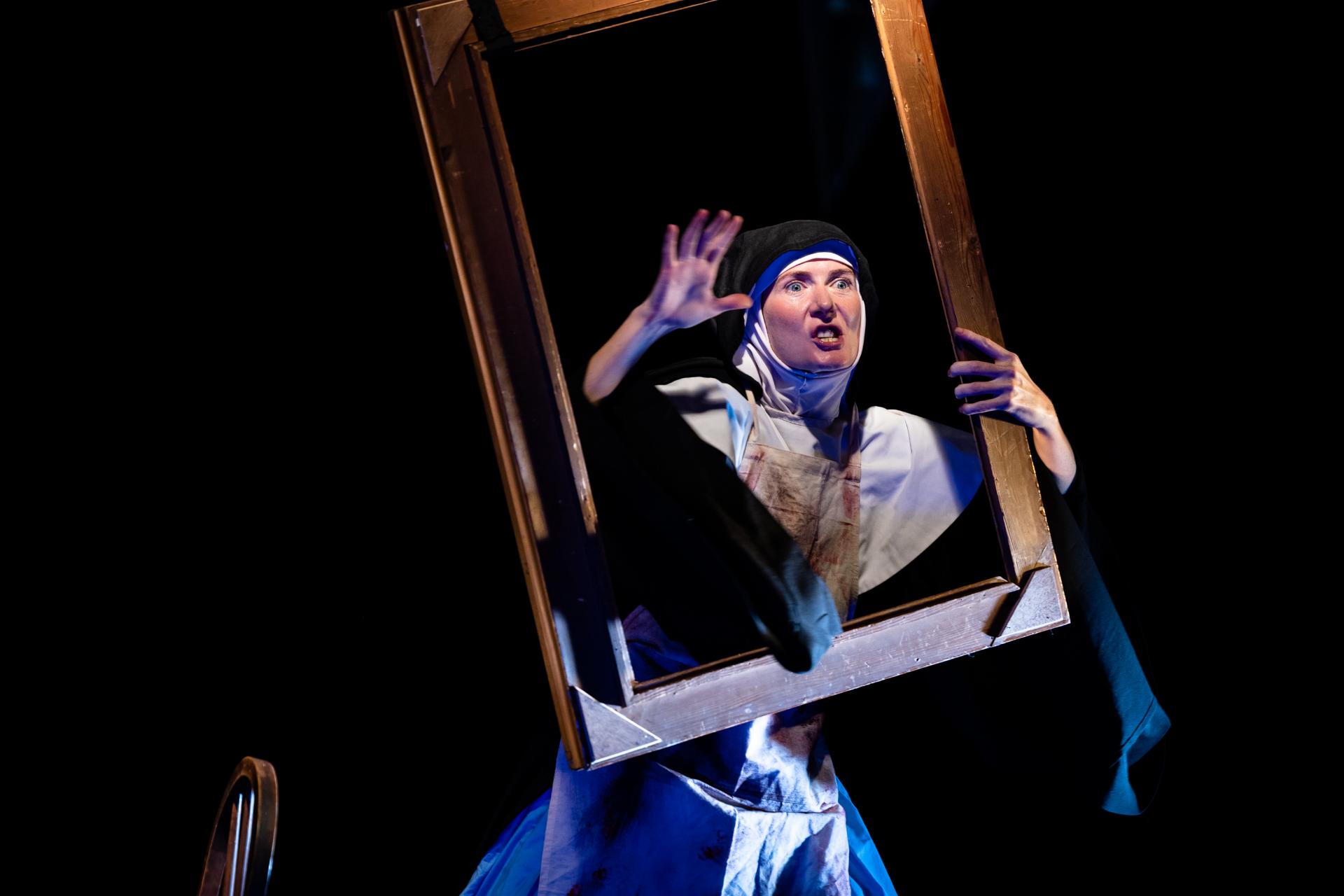
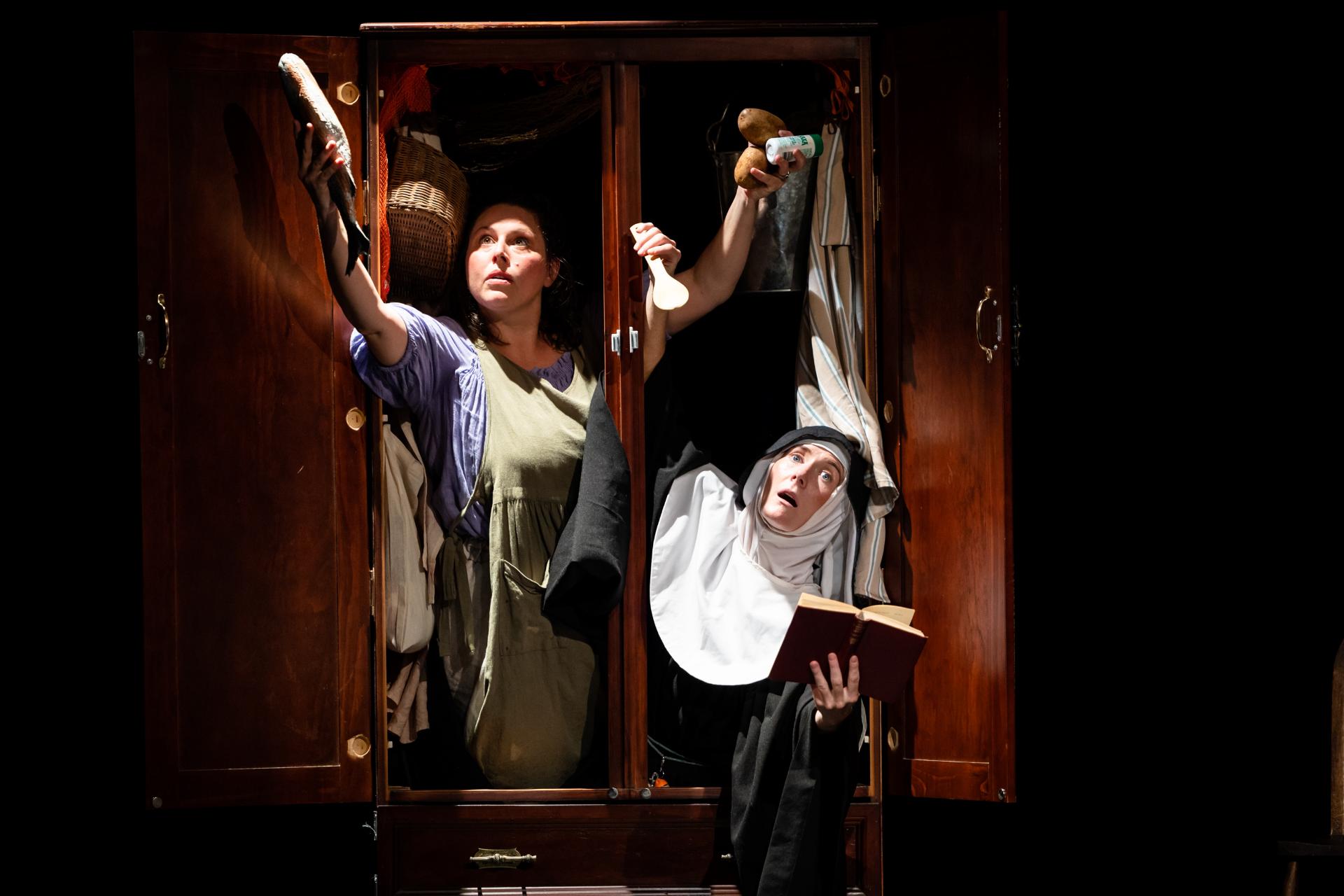
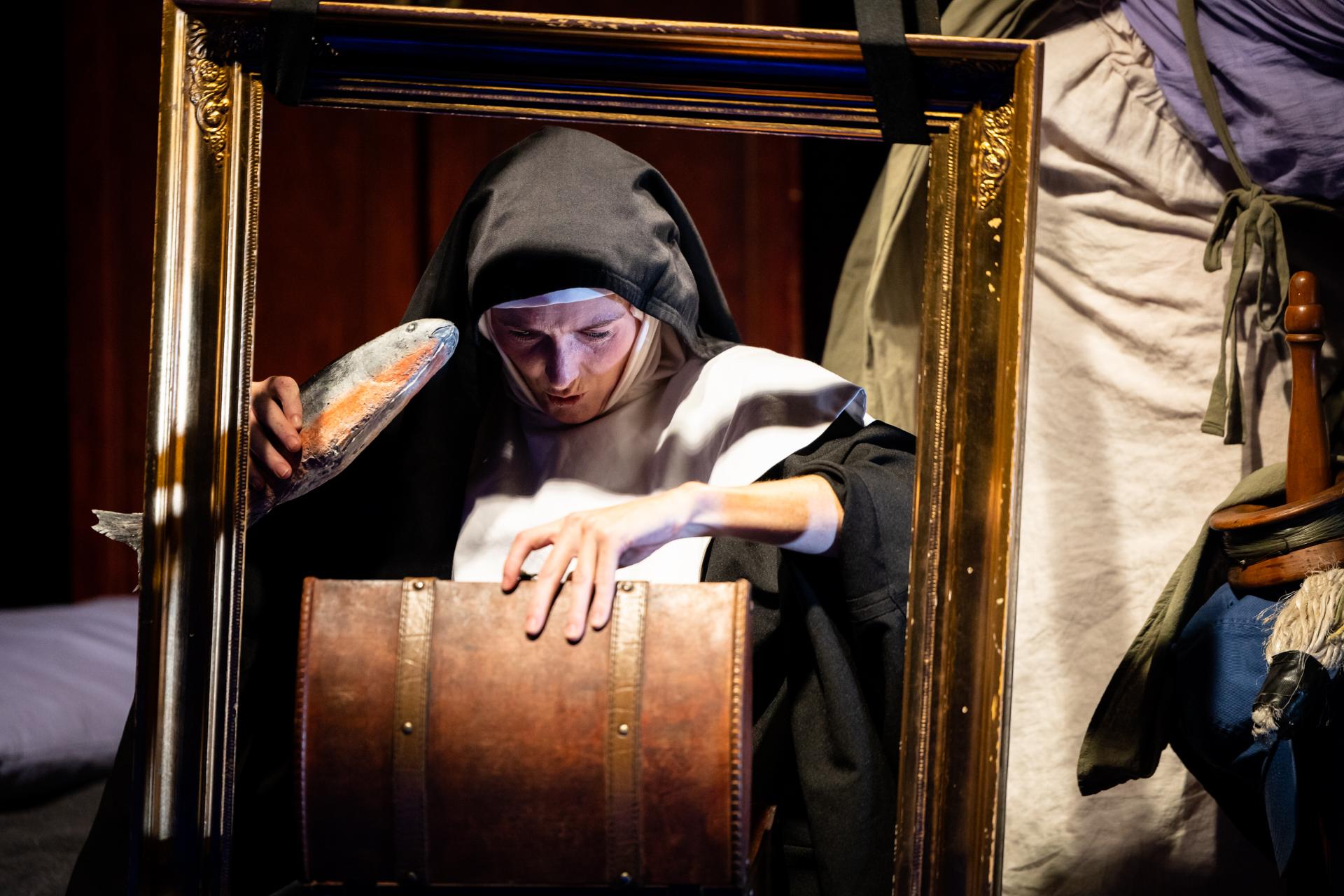
Four women are hard at work. Their tasks appear menial and repetitive, but there is a level of dedication that cannot be denied, except for the youngest of the group. She questions the ritualistic practices, but being the factory’s only rebel, faces only repudiation and castigation. Pratha Nagpal’s wonderful Aurat Raj, named after a 1979 Pakistani feminist film, interrogates the meanings of labour and womanhood, within structures that rely on women yet keep us simultaneously subjugated. The absence of male characters further explores the ways in which we enforce instruments of control, on behalf of those who have little concern for our interests.

Aurat Raj might be considered a presentation in the form of physical theatre, but it is unequivocal that the splendid ensemble offers expressions far beyond western conceptions of dance. Vinaya Elijala, Nikki Sekar, Anusha Thomas and Kirthihaa Veluppillai bring a sentimental quality that relay the emotional and psychological complications, of being cogs in systems, whether or not we understand those systems to be functioning to our disadvantage. Movement direction by Sekar is full of grace, with a simplicity for the piece that ensures its symbolism resonates effectively.

Production design by Hailley Hunt introduces a sense of ethereal beauty to the production, along with lights by Tyler Fitzpatrick that deliver remarkable sensuality, to this portrait of woman as both heroic and tragic. Sounds and music by Christine Pan are exquisitely rendered, to offer something transcendental that connects us with the people on stage, and with the larger implications of their earnest, if slightly timid, storytelling.

We understand that the machine will exert punishment, when it detects disobedience. Some of us cannot help but adhere to its every whim and fancy, but there will always be a few who take a more risky approach, even if it means suffering ramifications. It is to those who are fearless and self-sacrificial that we owe gratitude, for it is their incremental efforts that has moved us progressively forward, as we await the next big revolution.

www.belvoir.com.au