Review: Opening Night (Belvoir St Theatre)

Venue: Belvoir St Theatre (Surry Hills NSW), Feb 26 – Mar 27, 2022
Playwright: John Cassavetes, adapted by Carissa Licciardello
Director: Carissa Licciardello
Cast: Caitlin Burley, Jing-Xuan Chan, Anthony Harkin, Luke Mullins, Toni Scanlan, Leeanna Walsman
Images by Brett Boardman

Theatre review
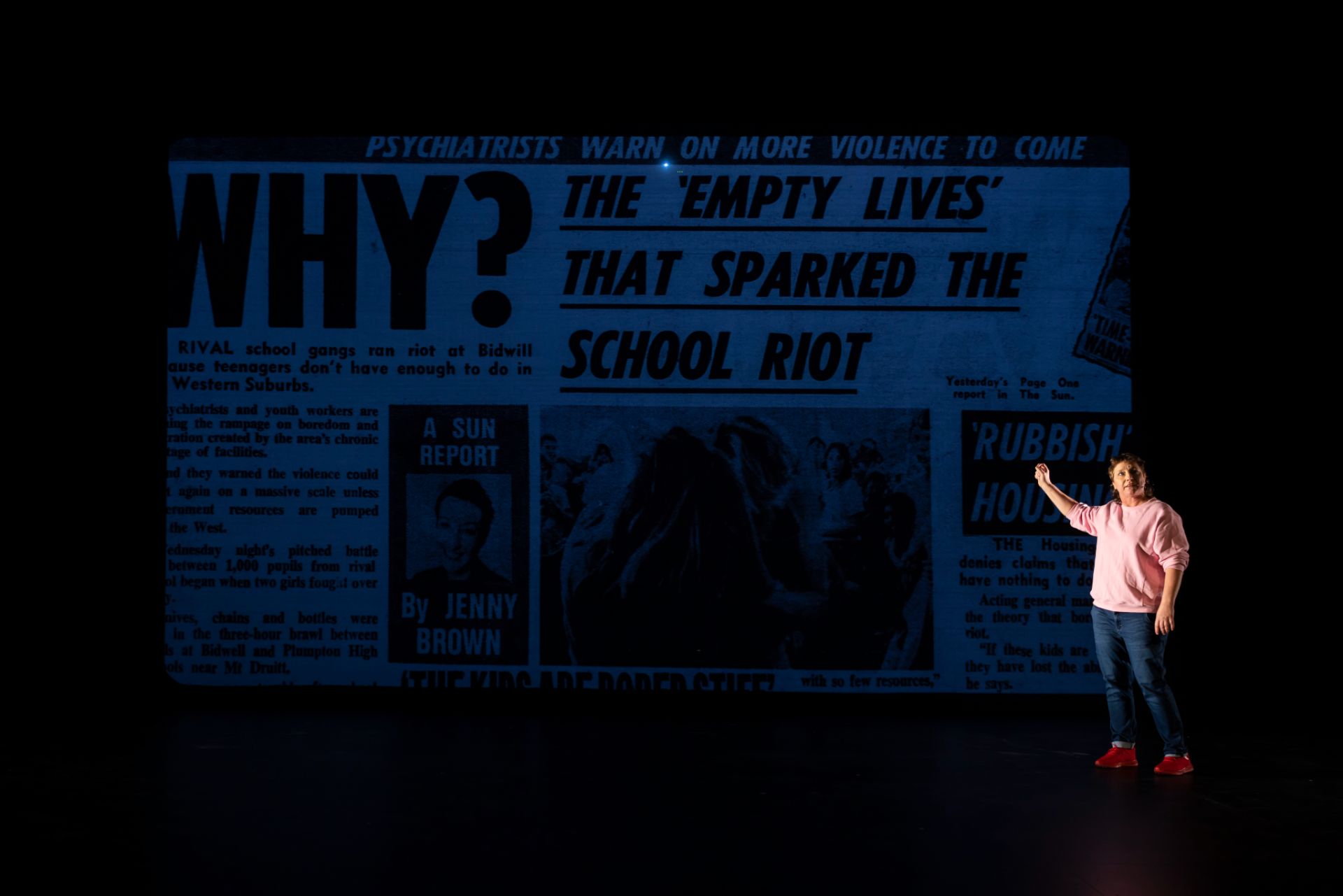
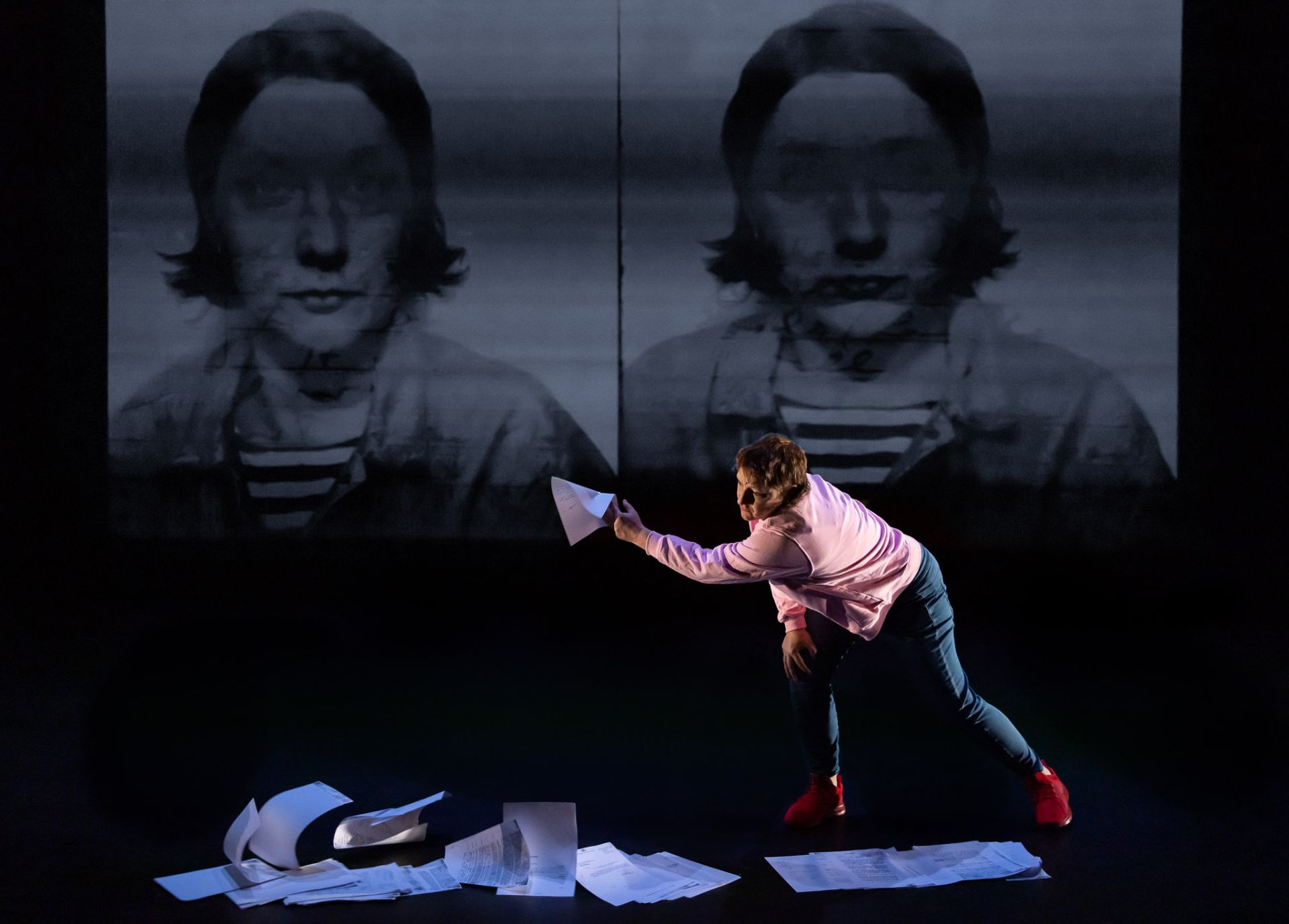
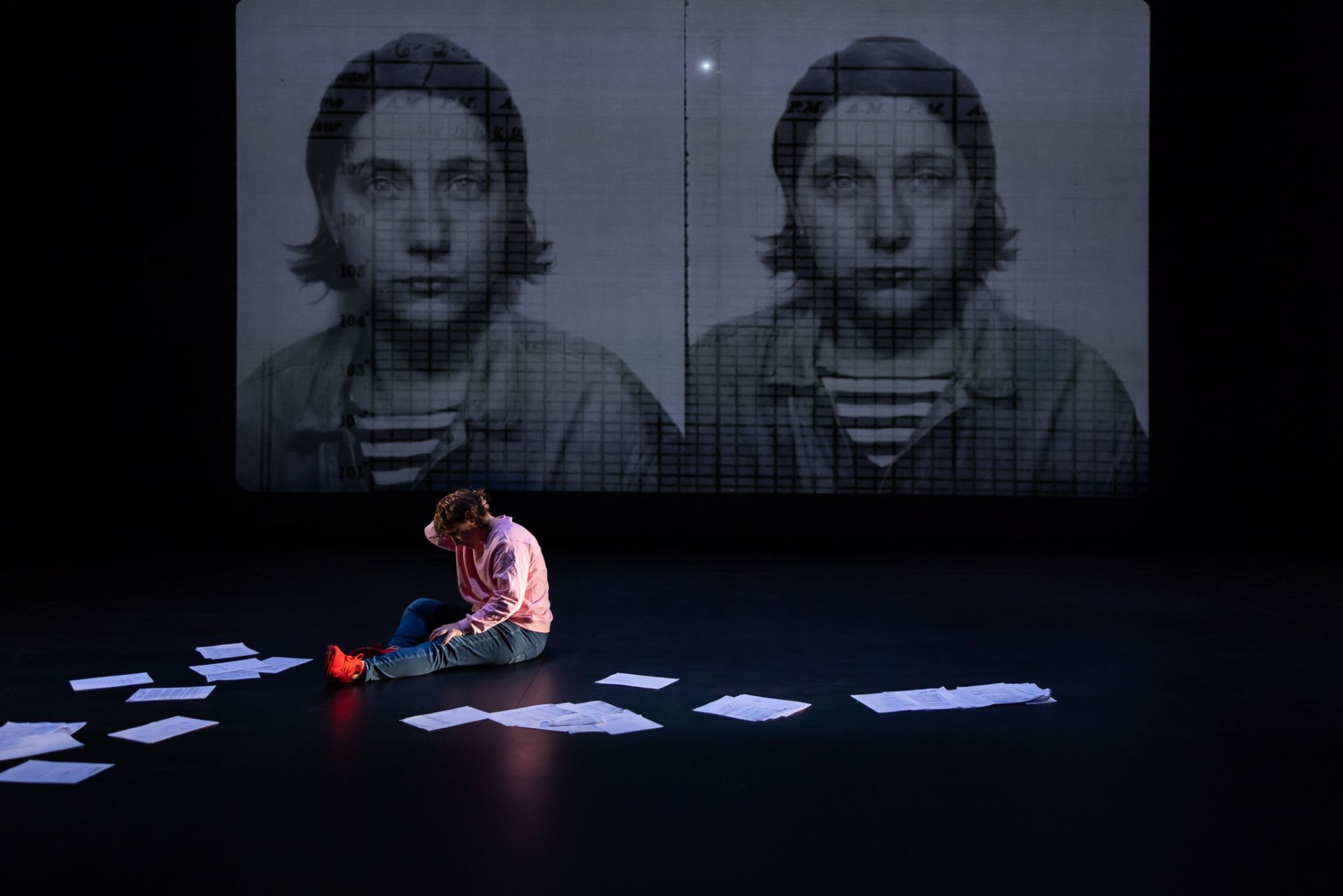
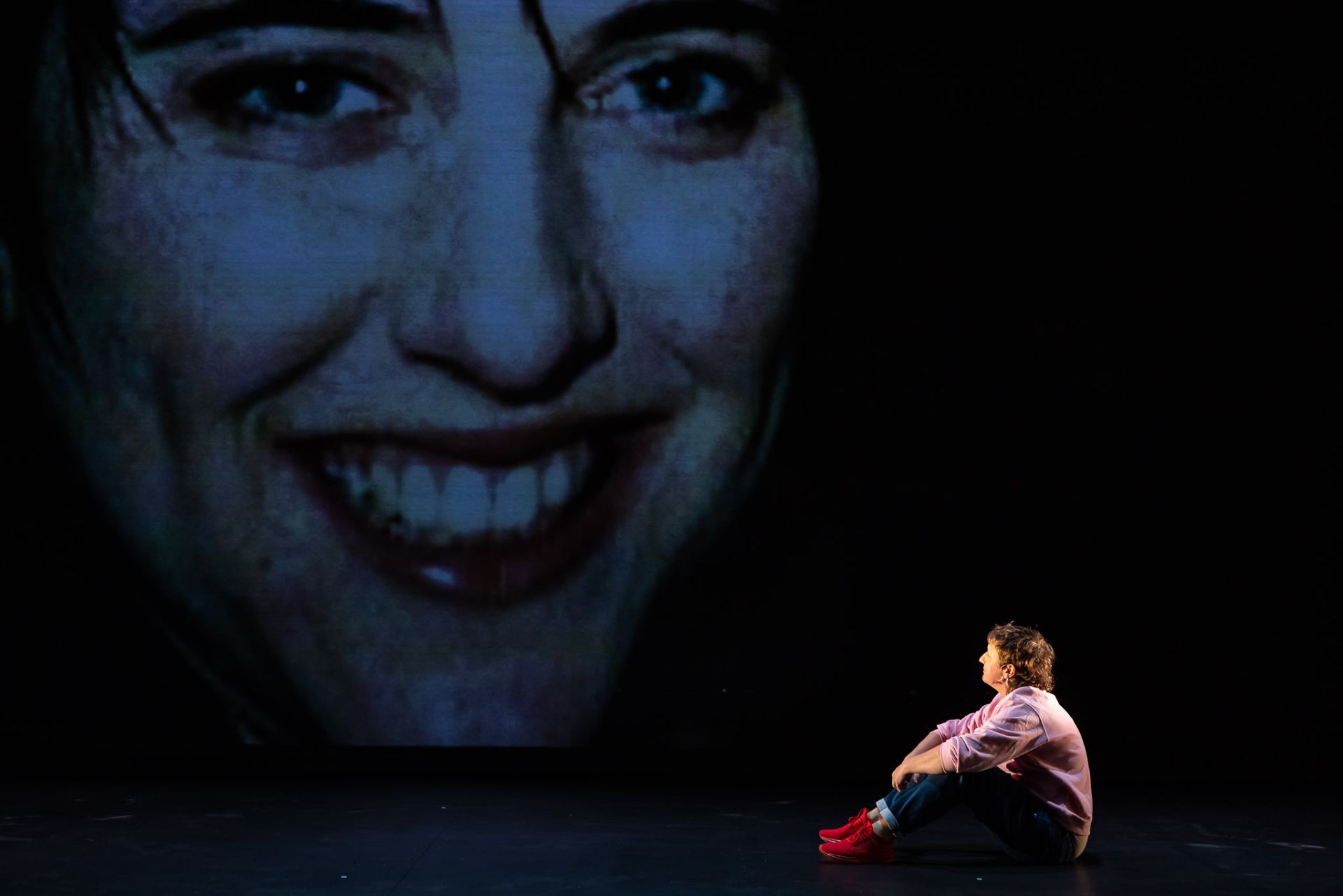
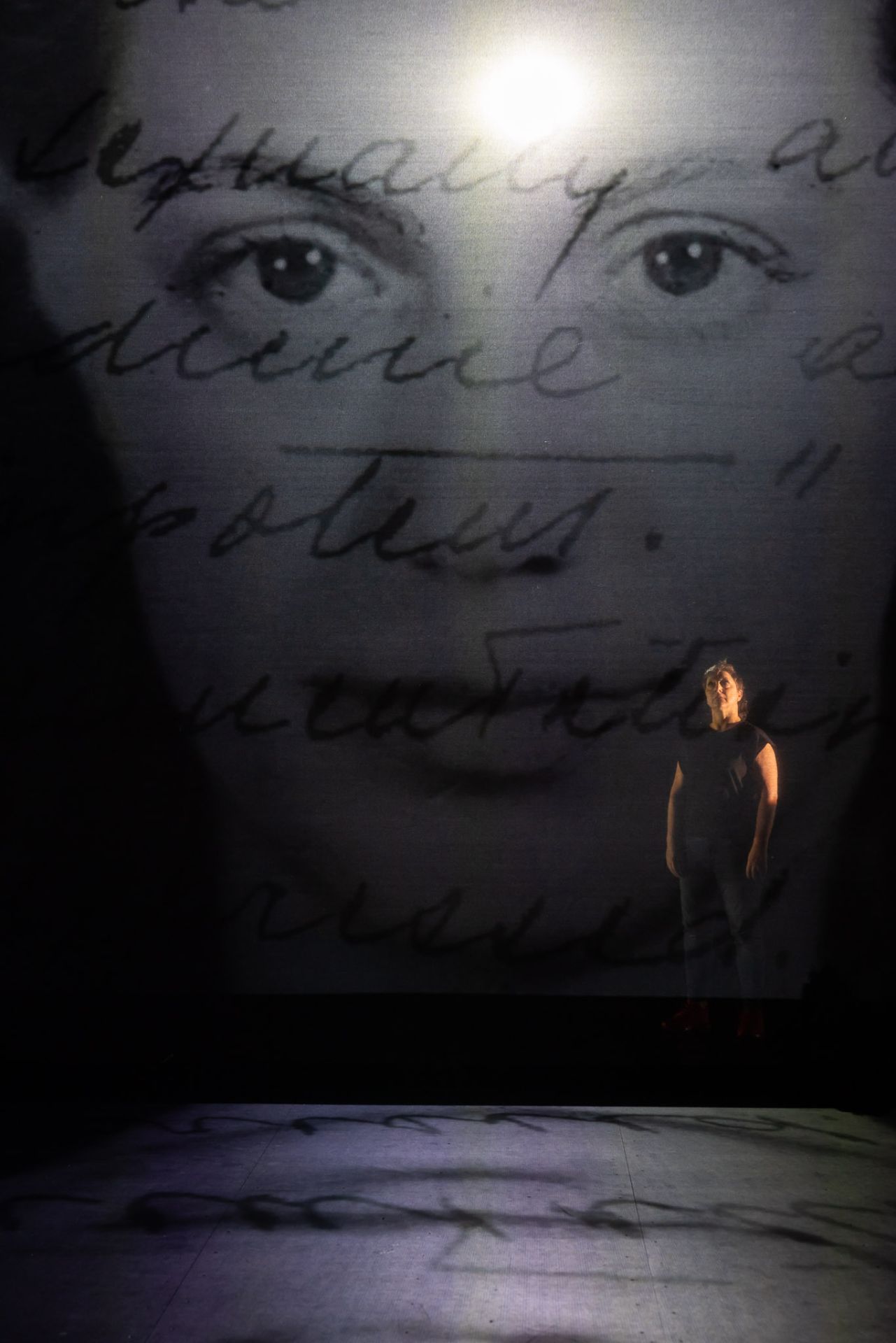
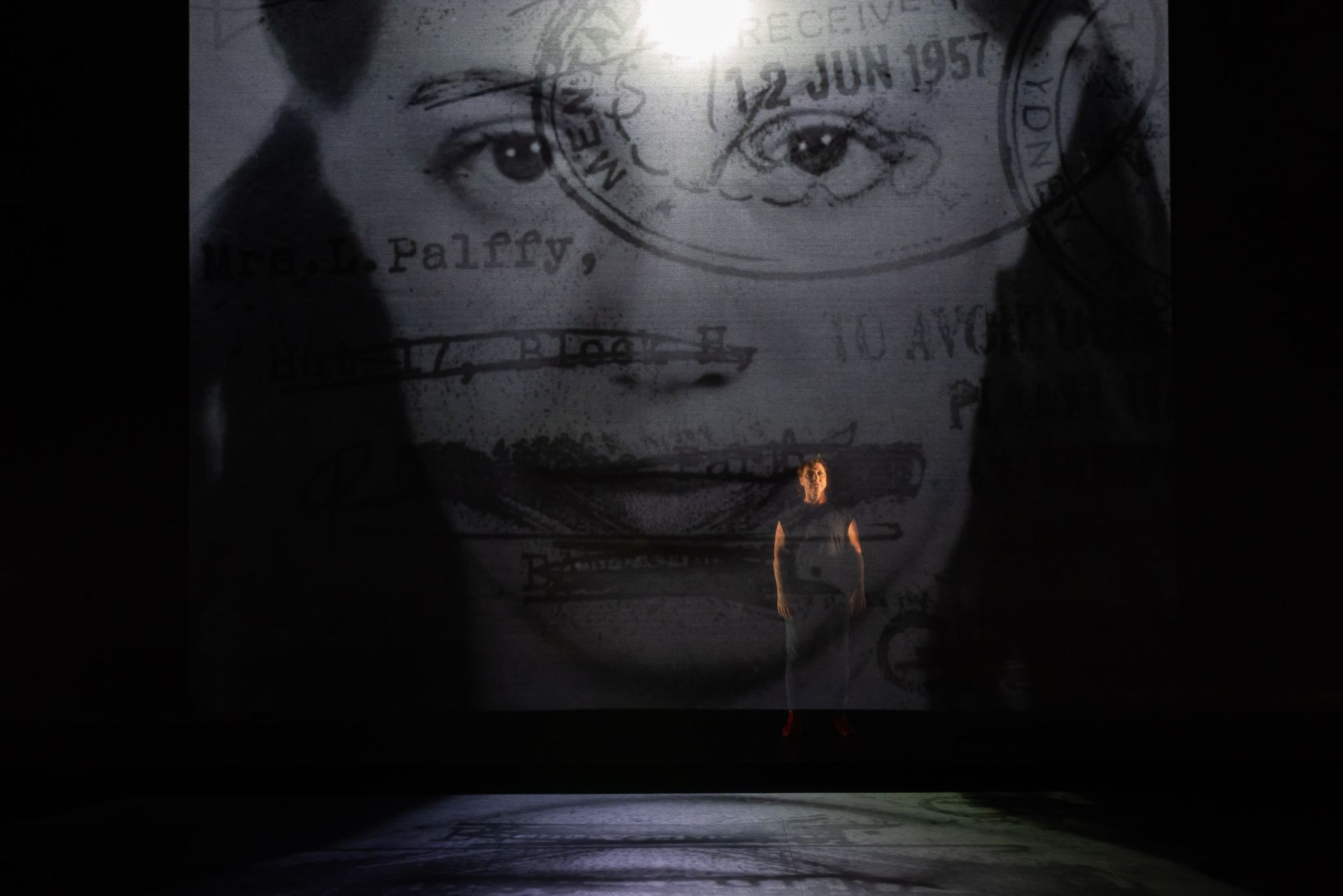
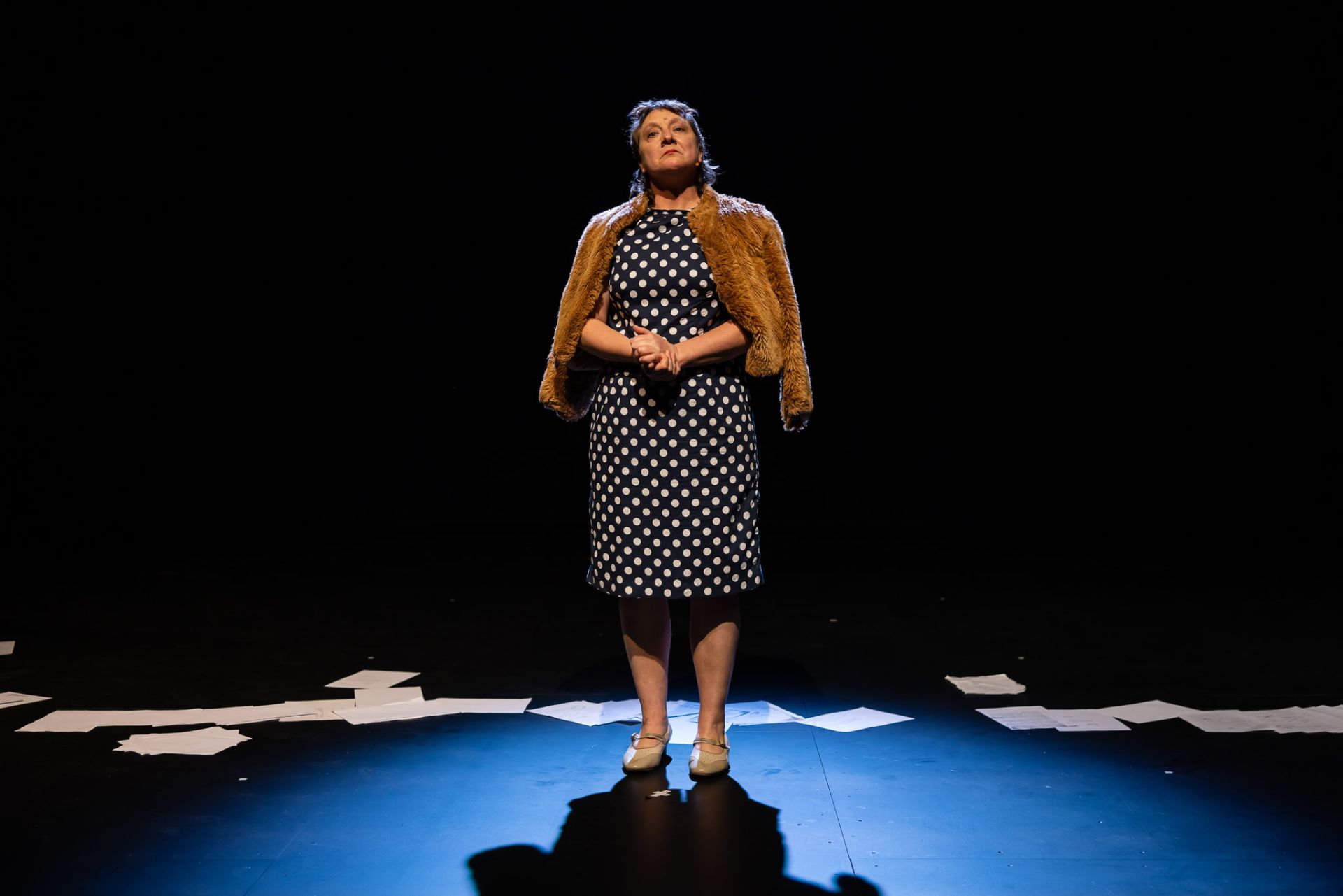
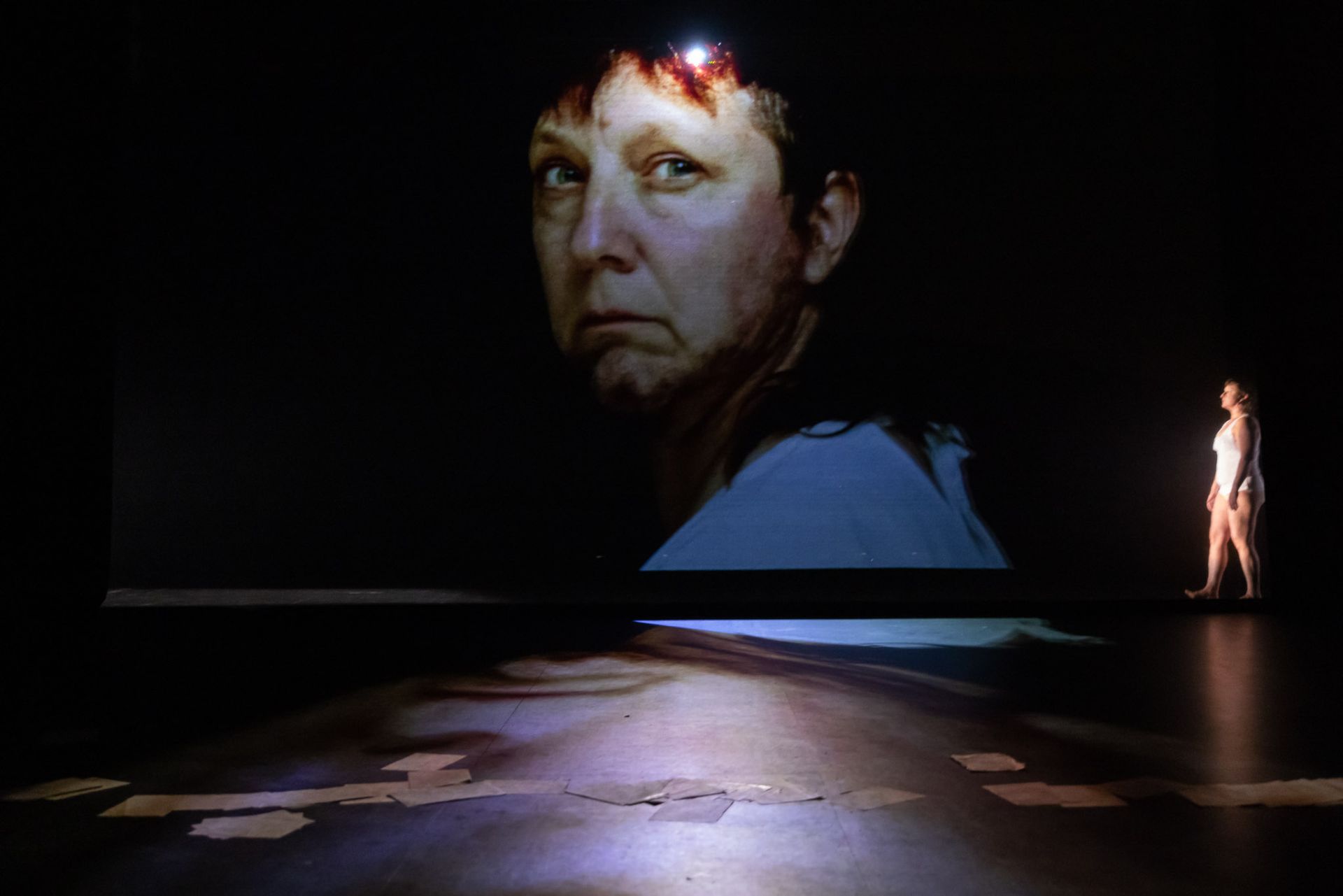
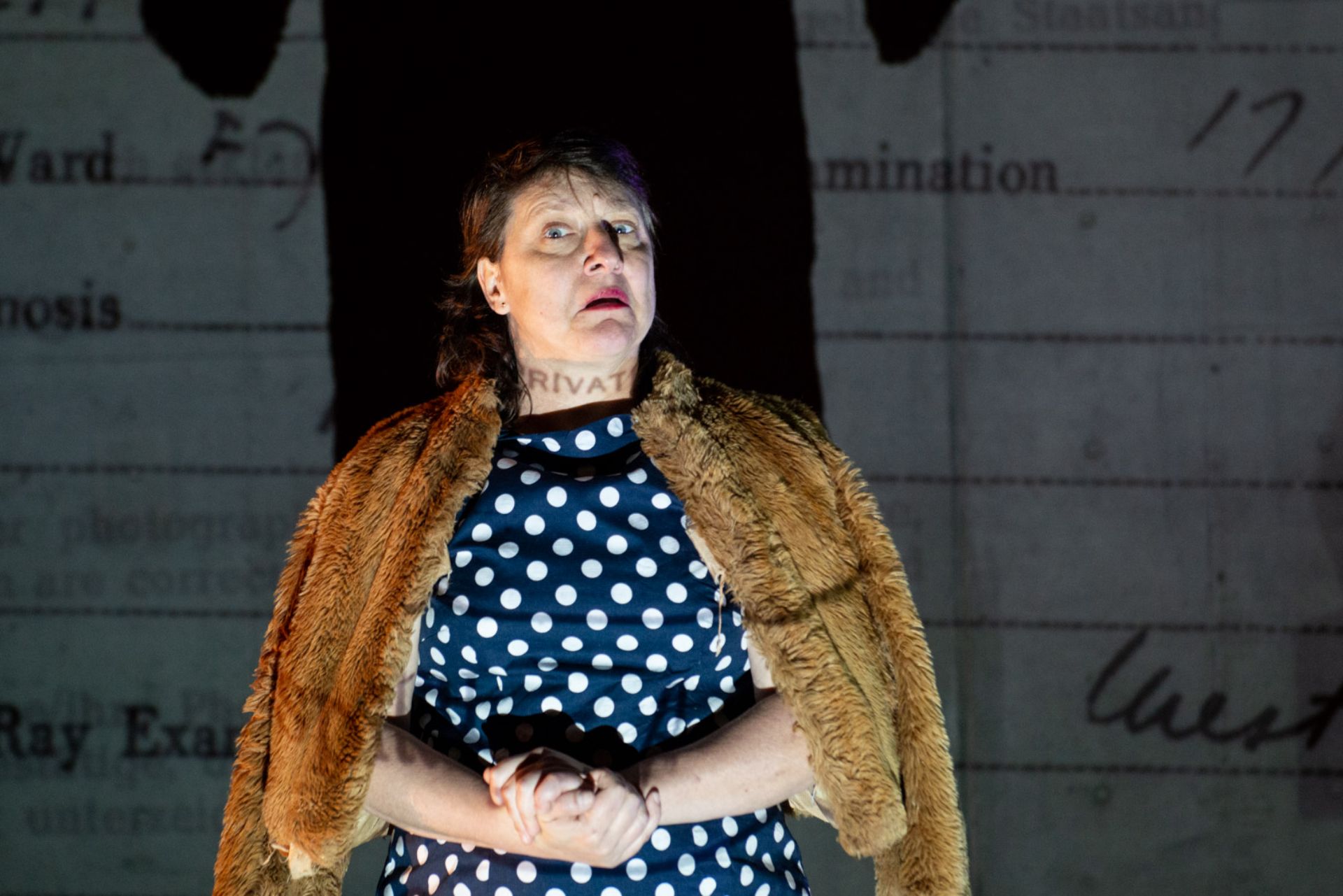
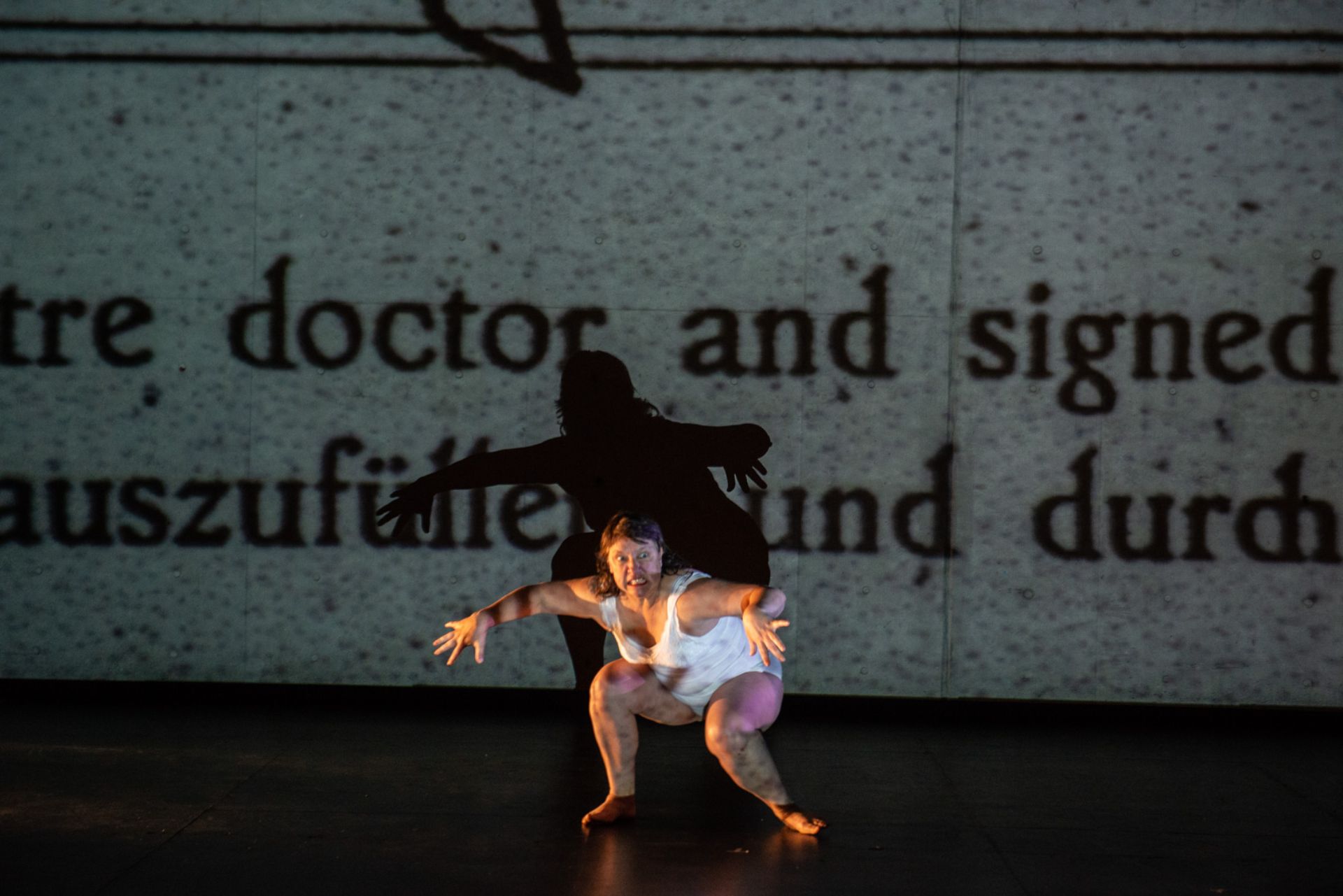
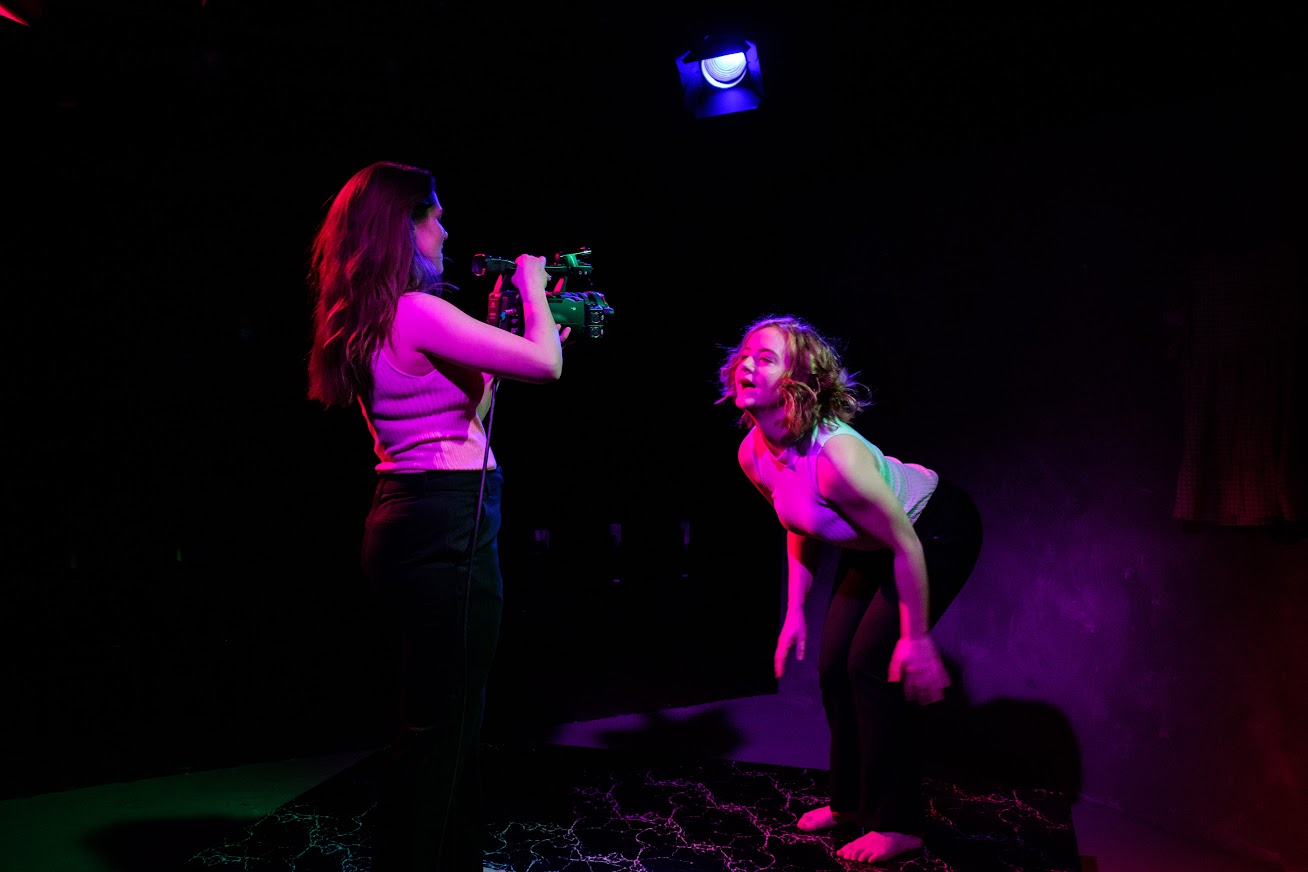
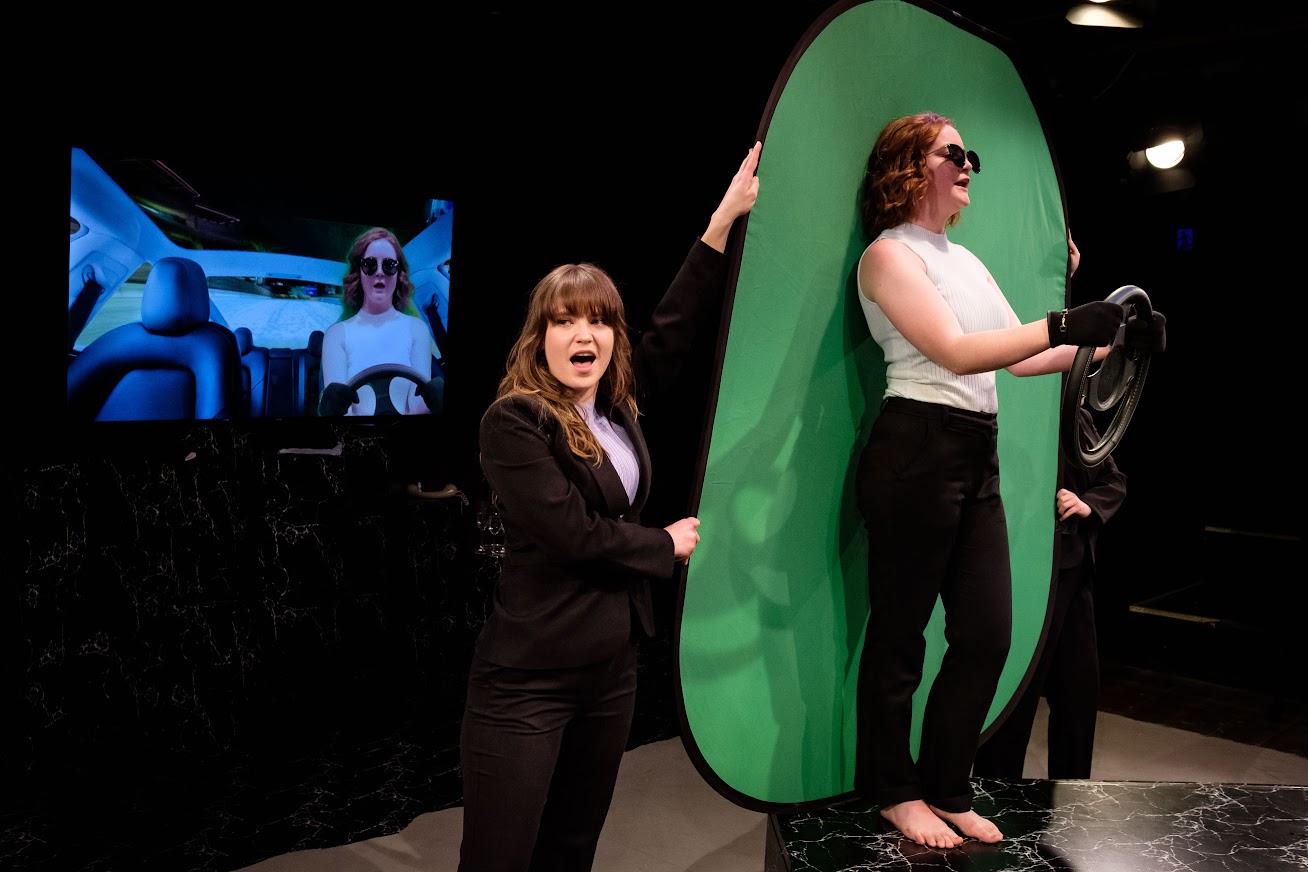
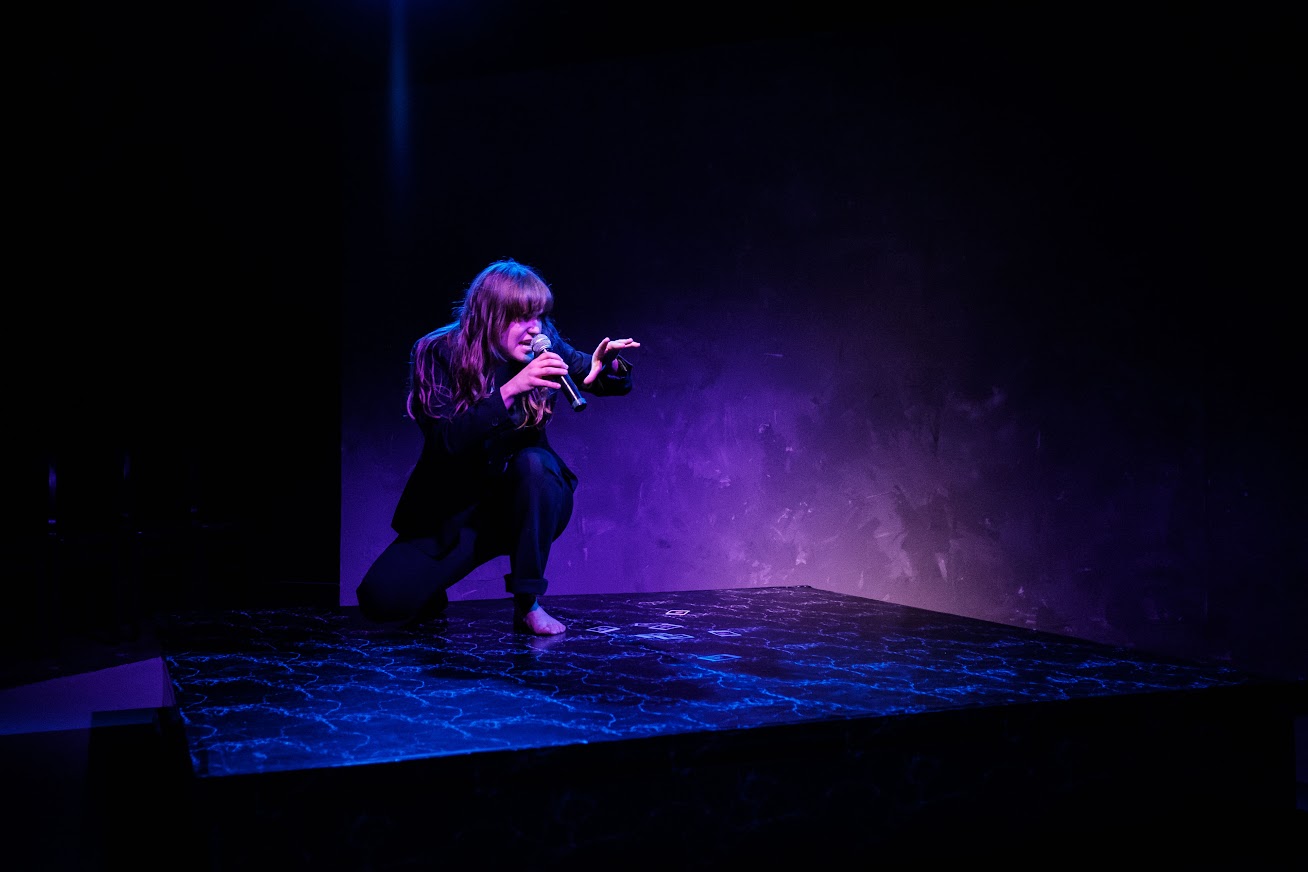
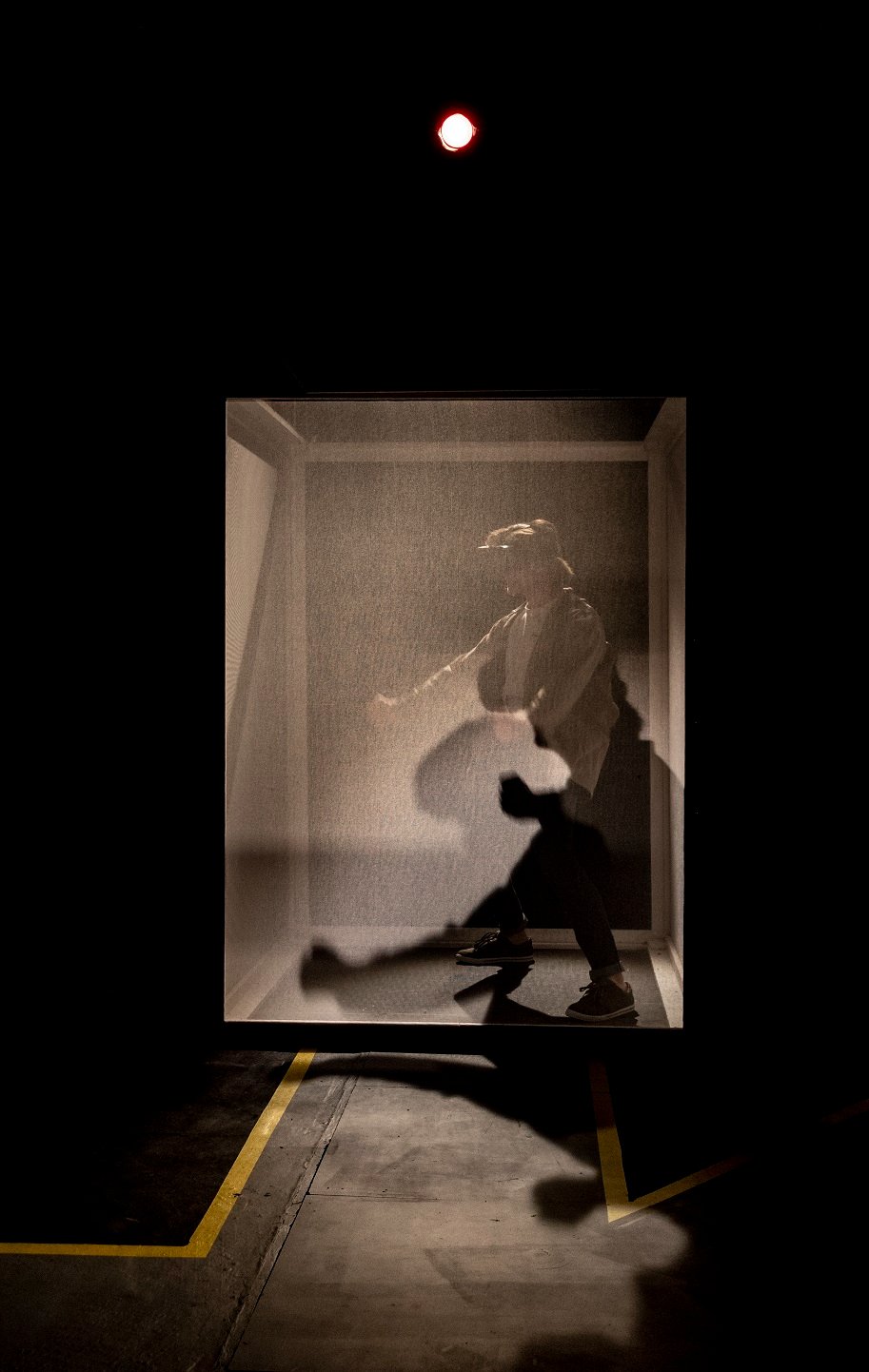
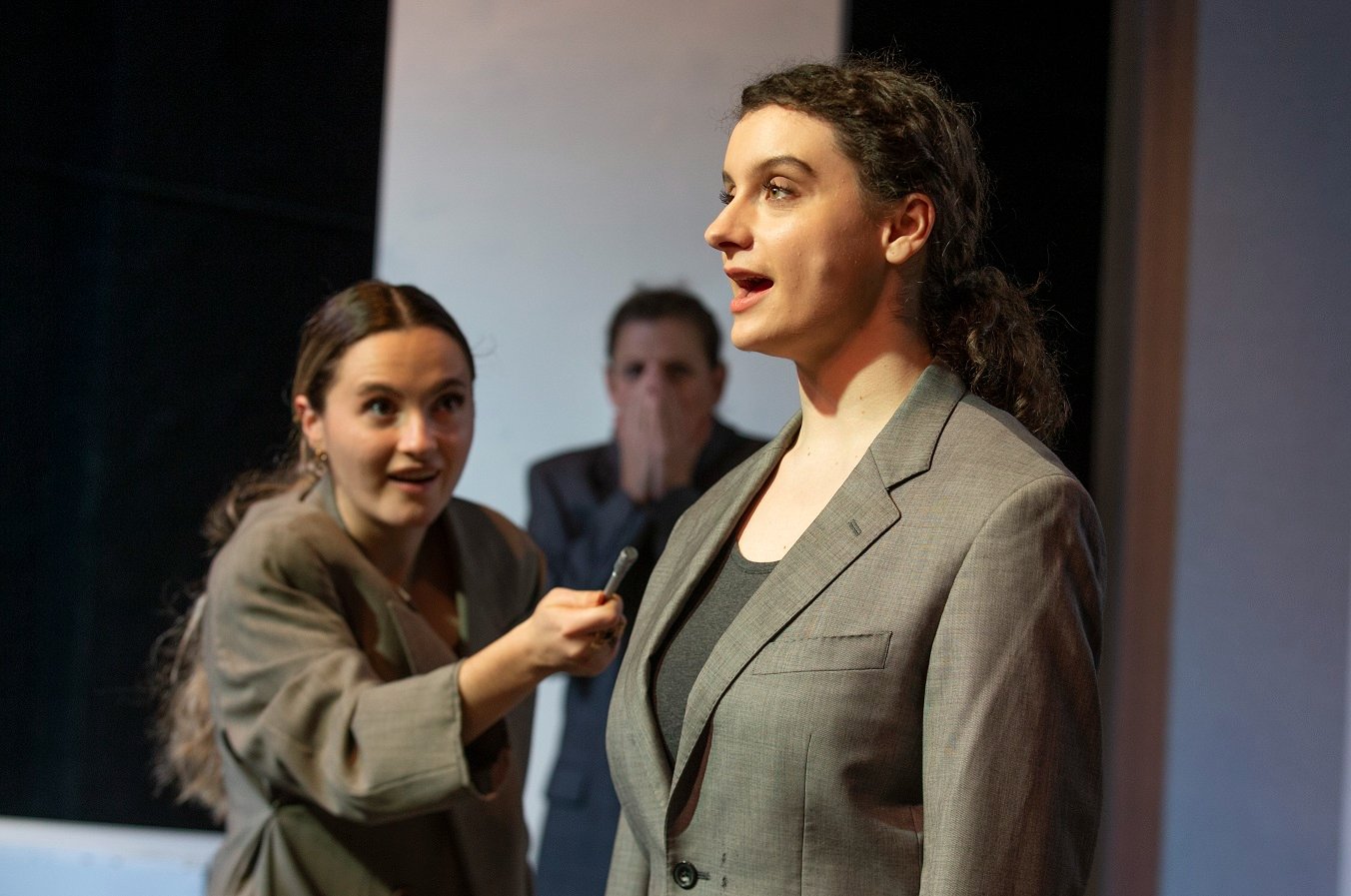
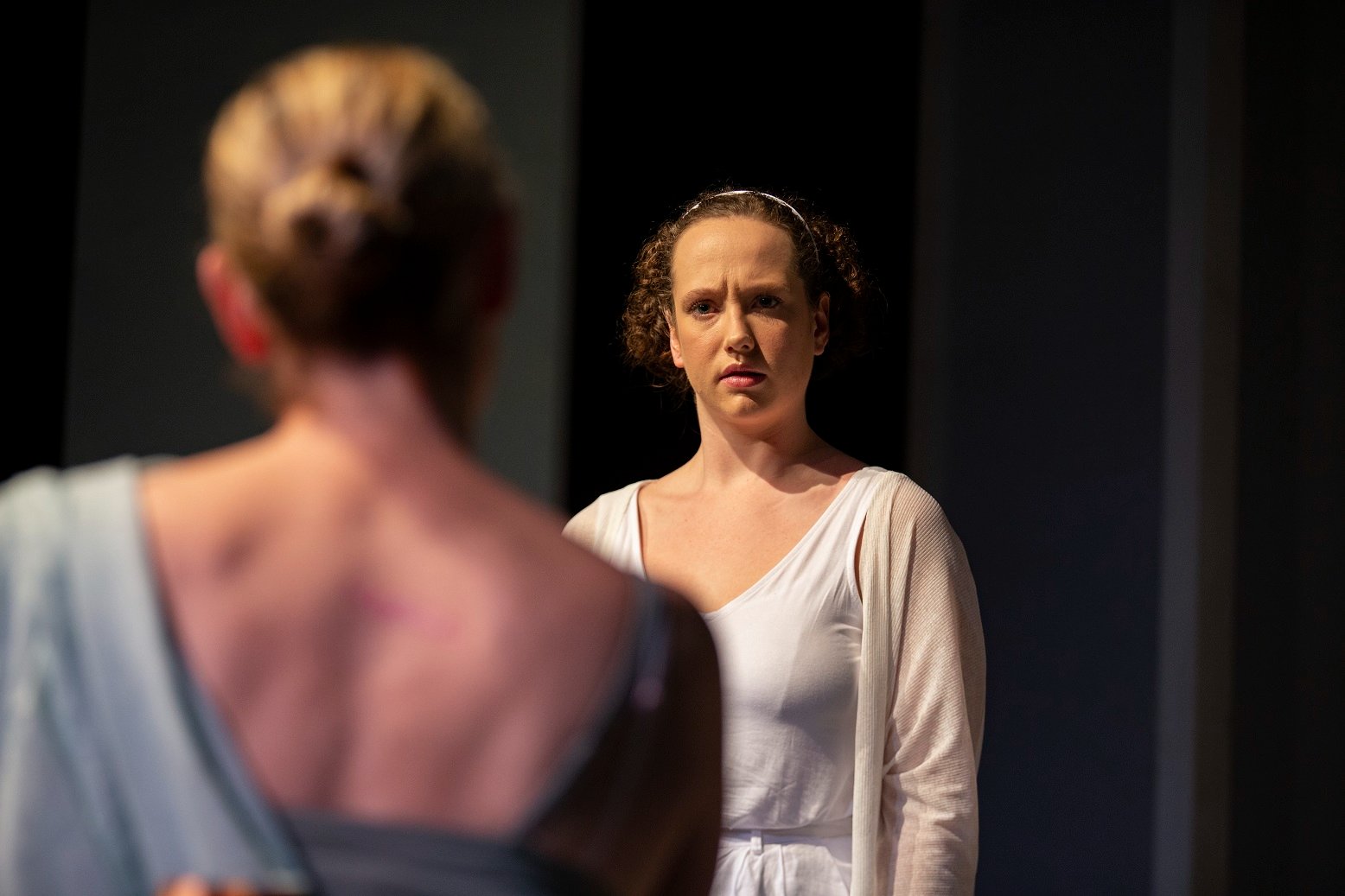
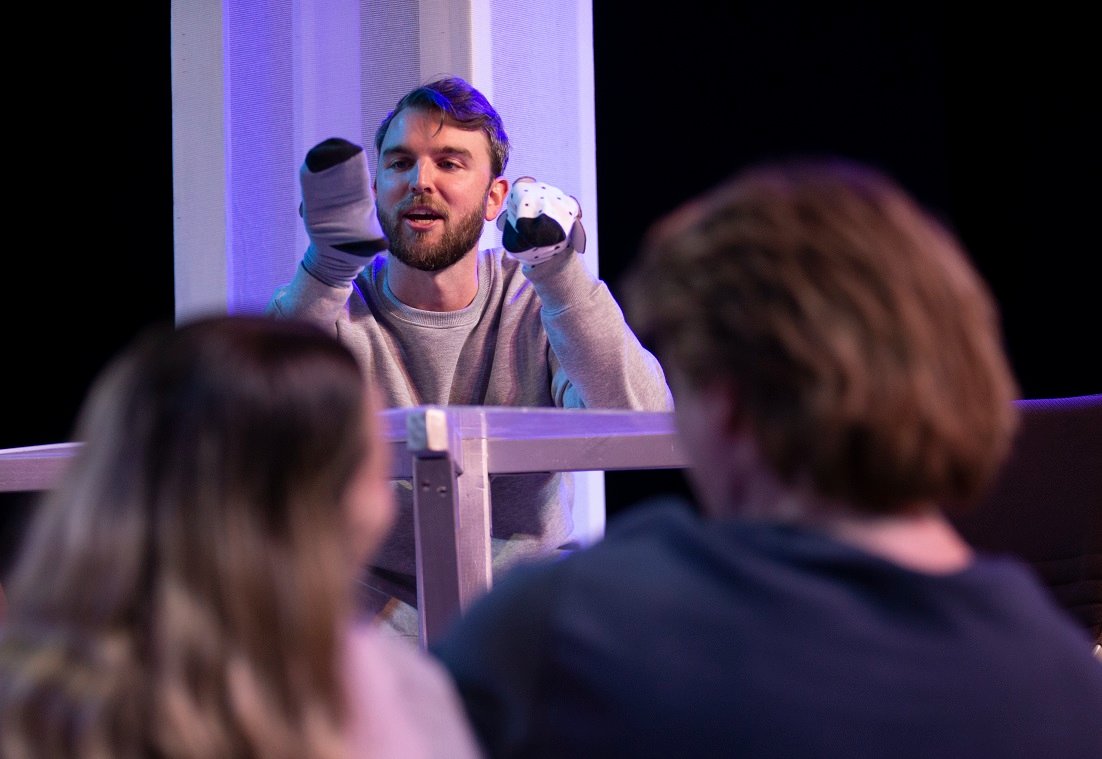
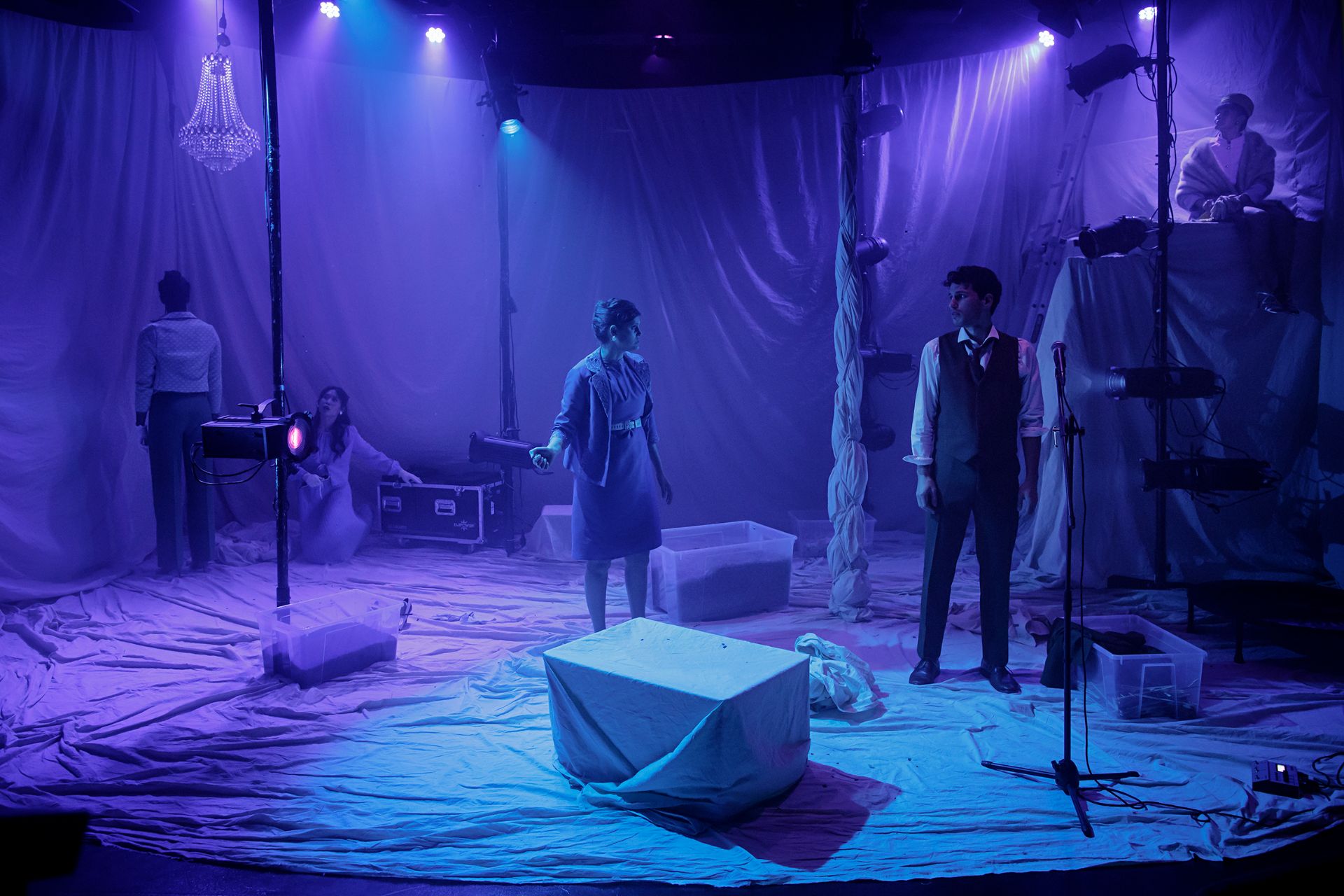
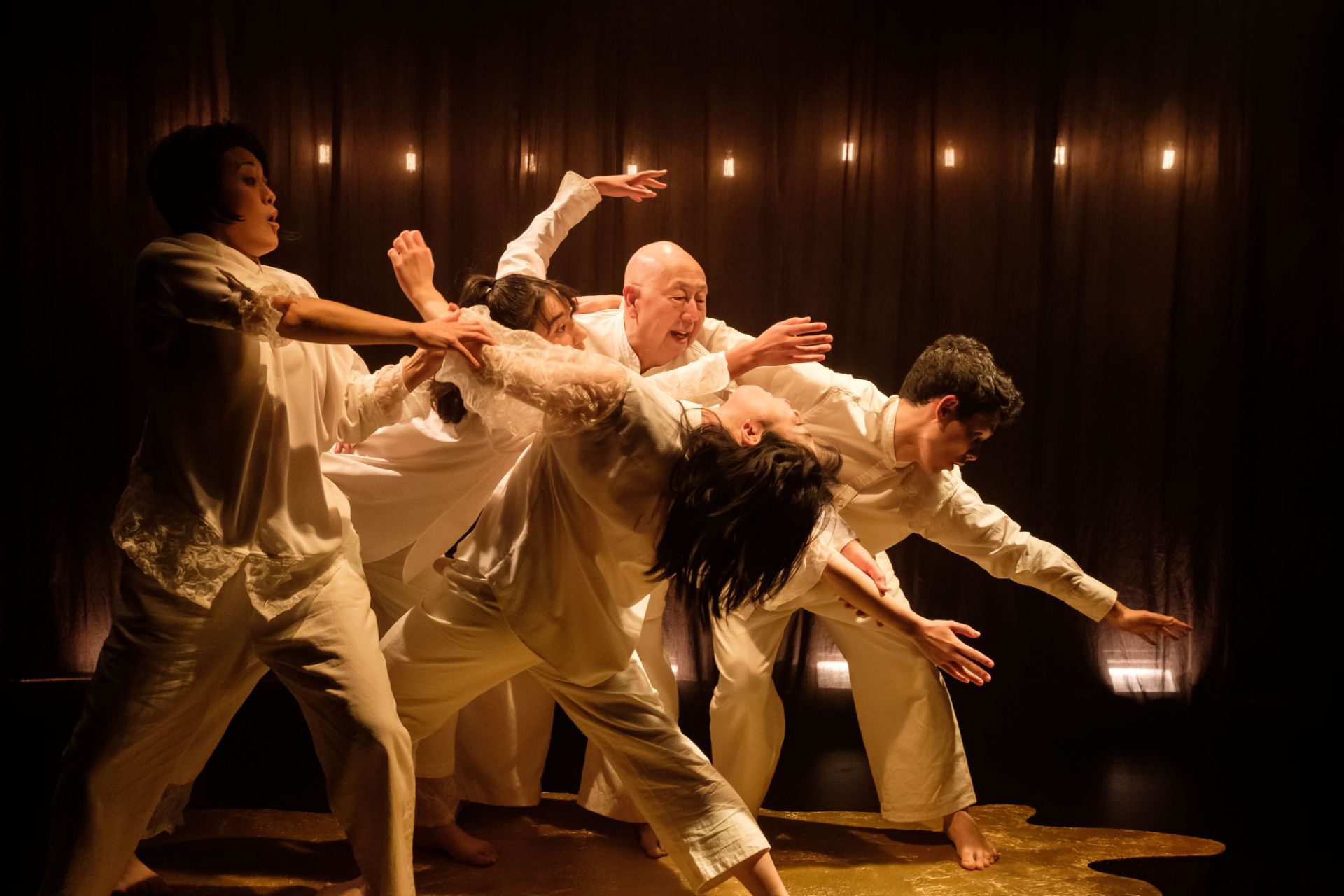
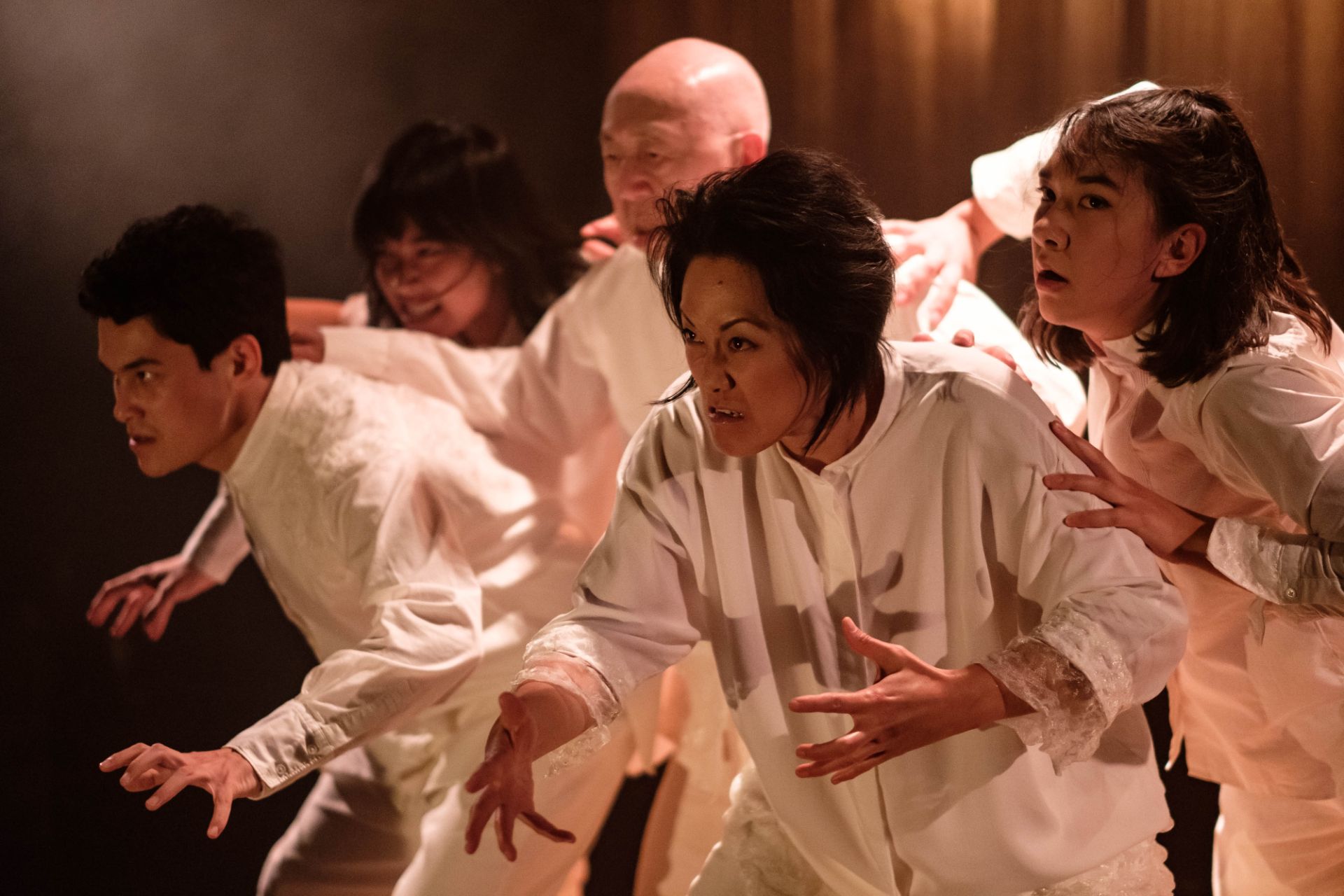
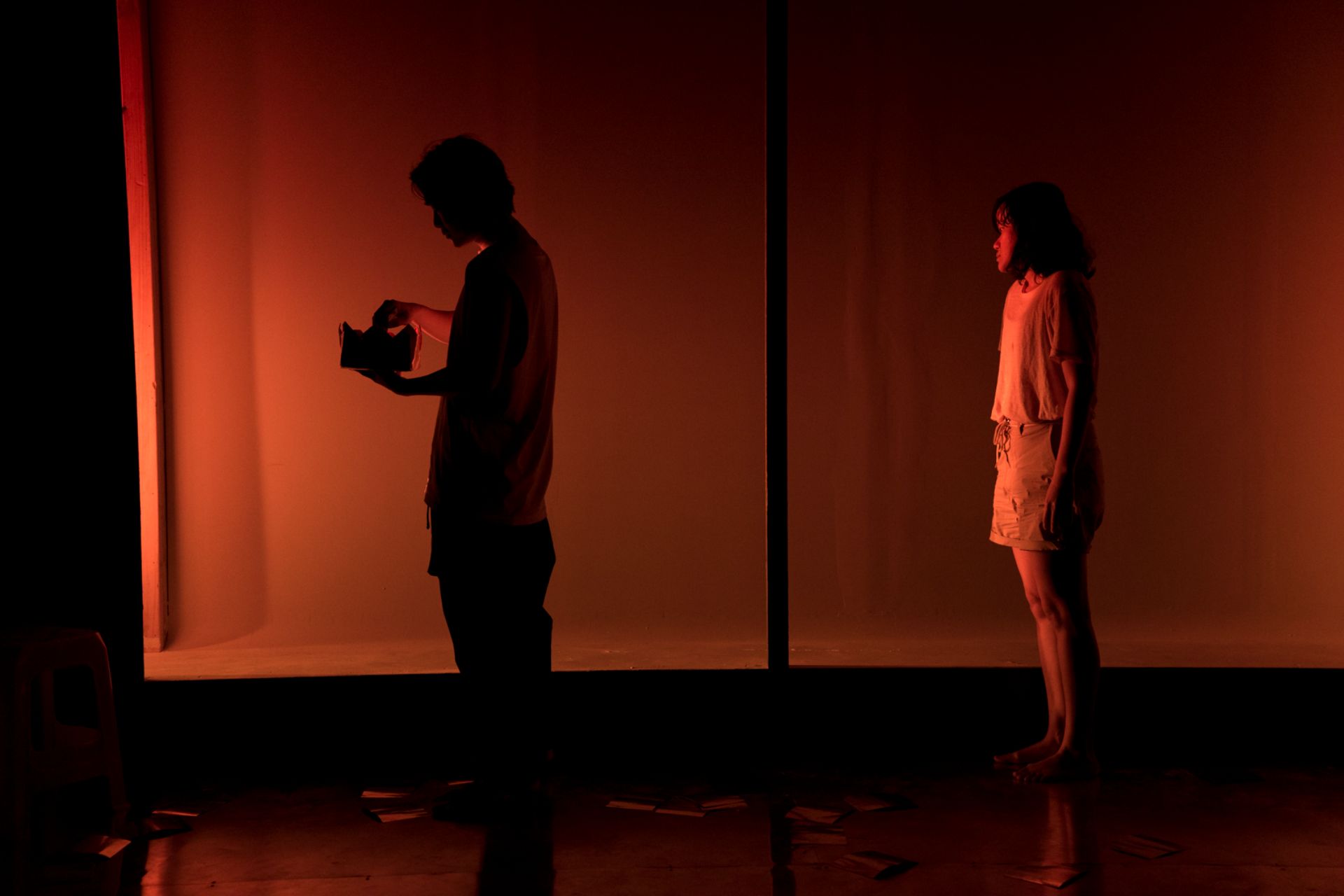
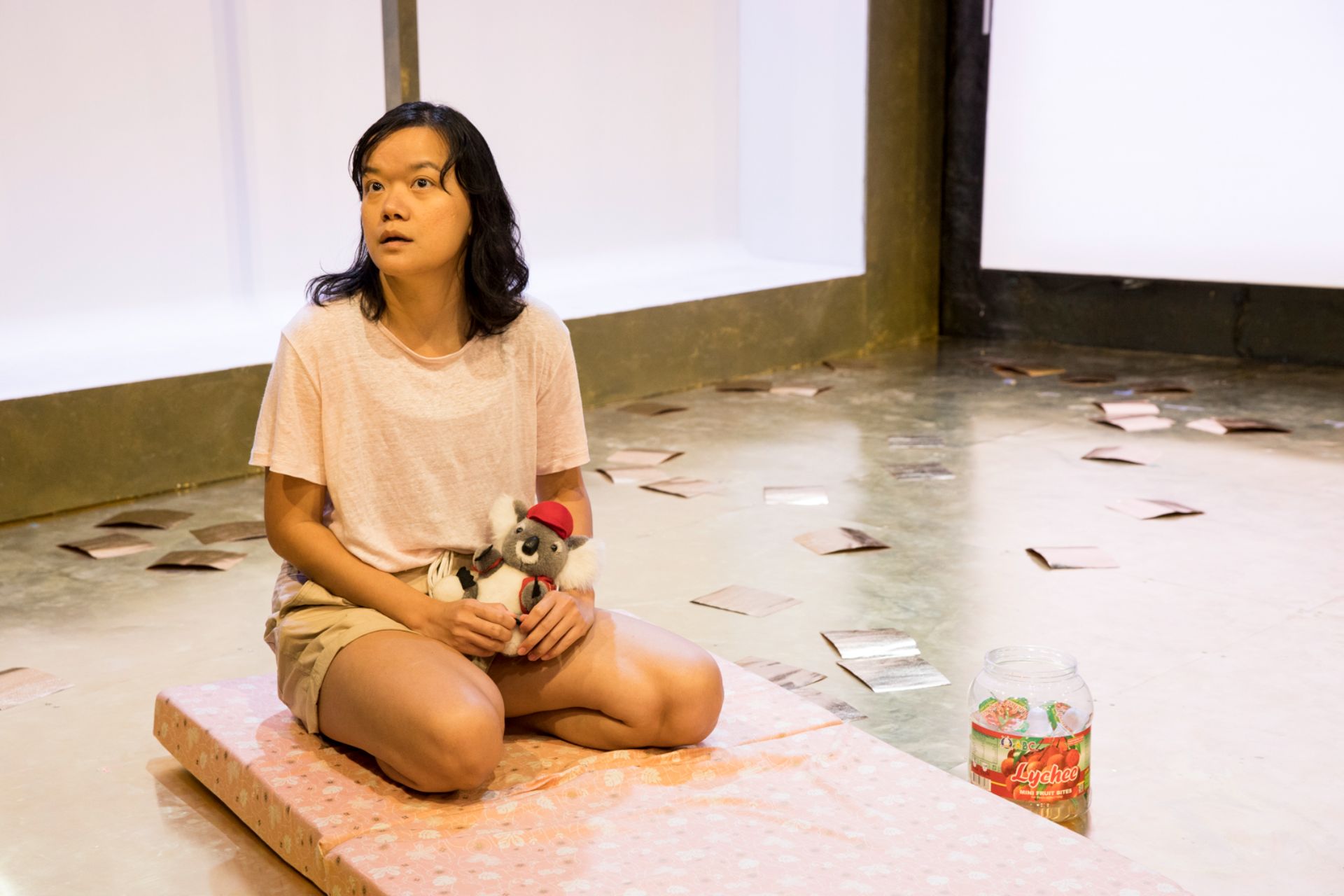
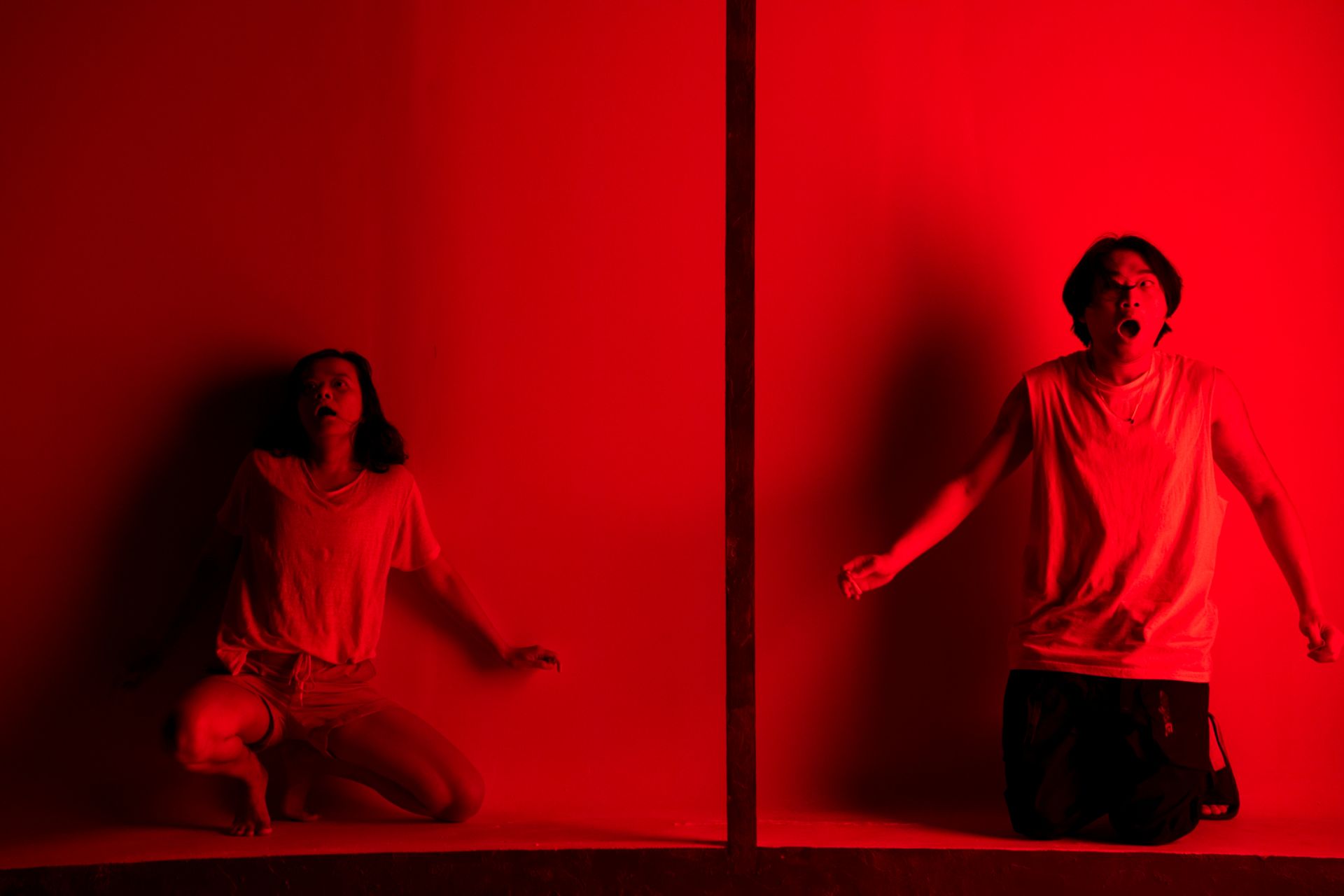
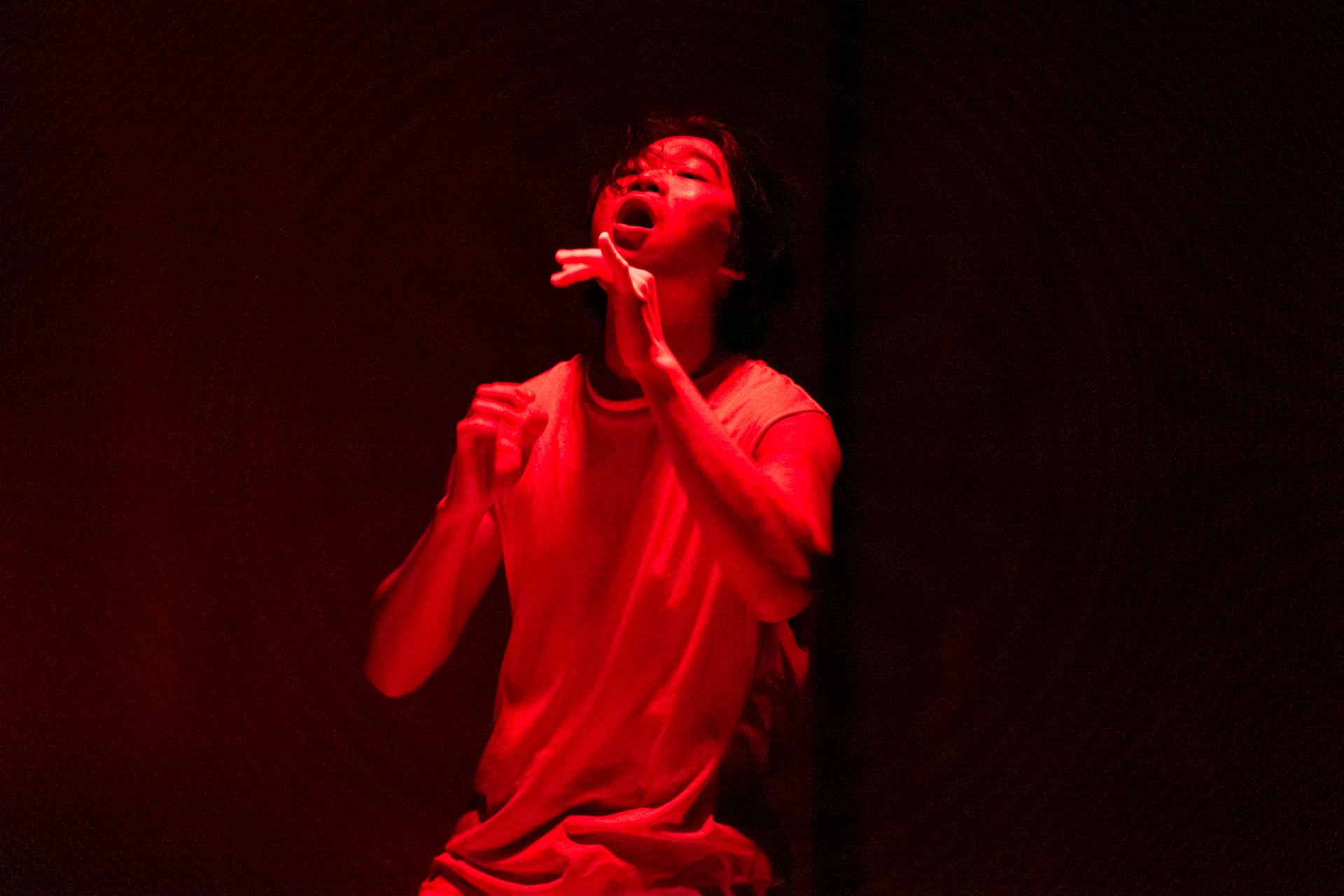
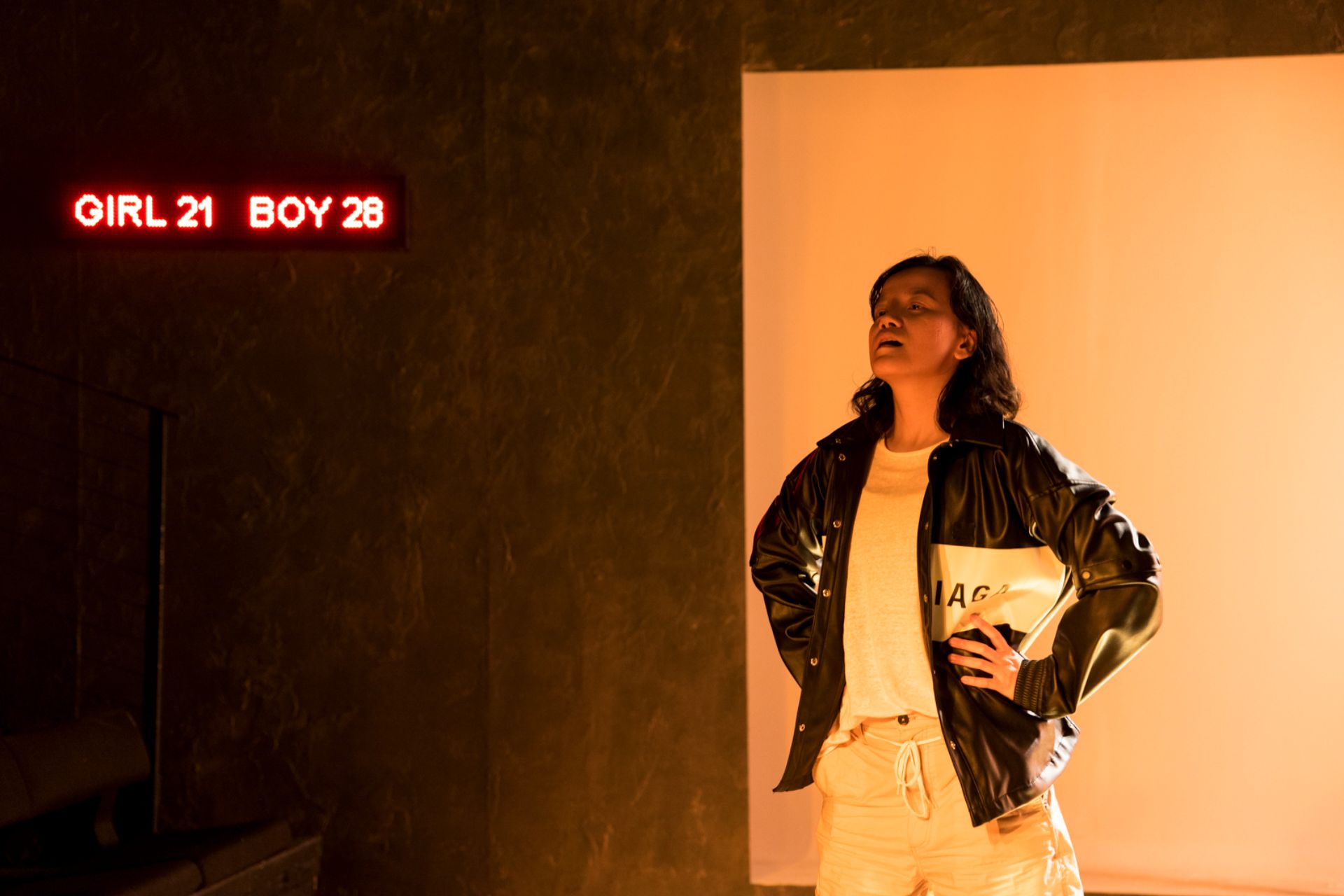
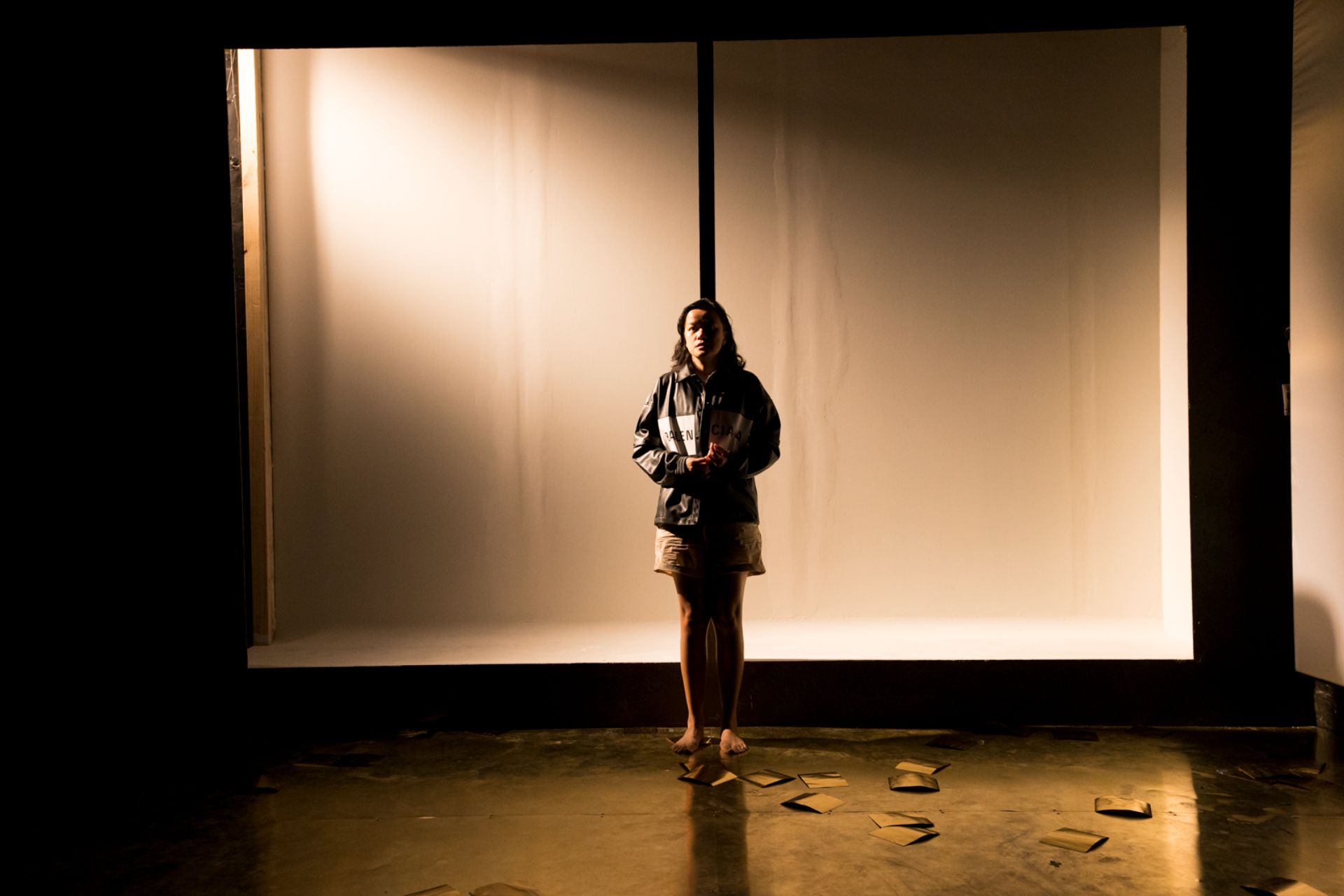
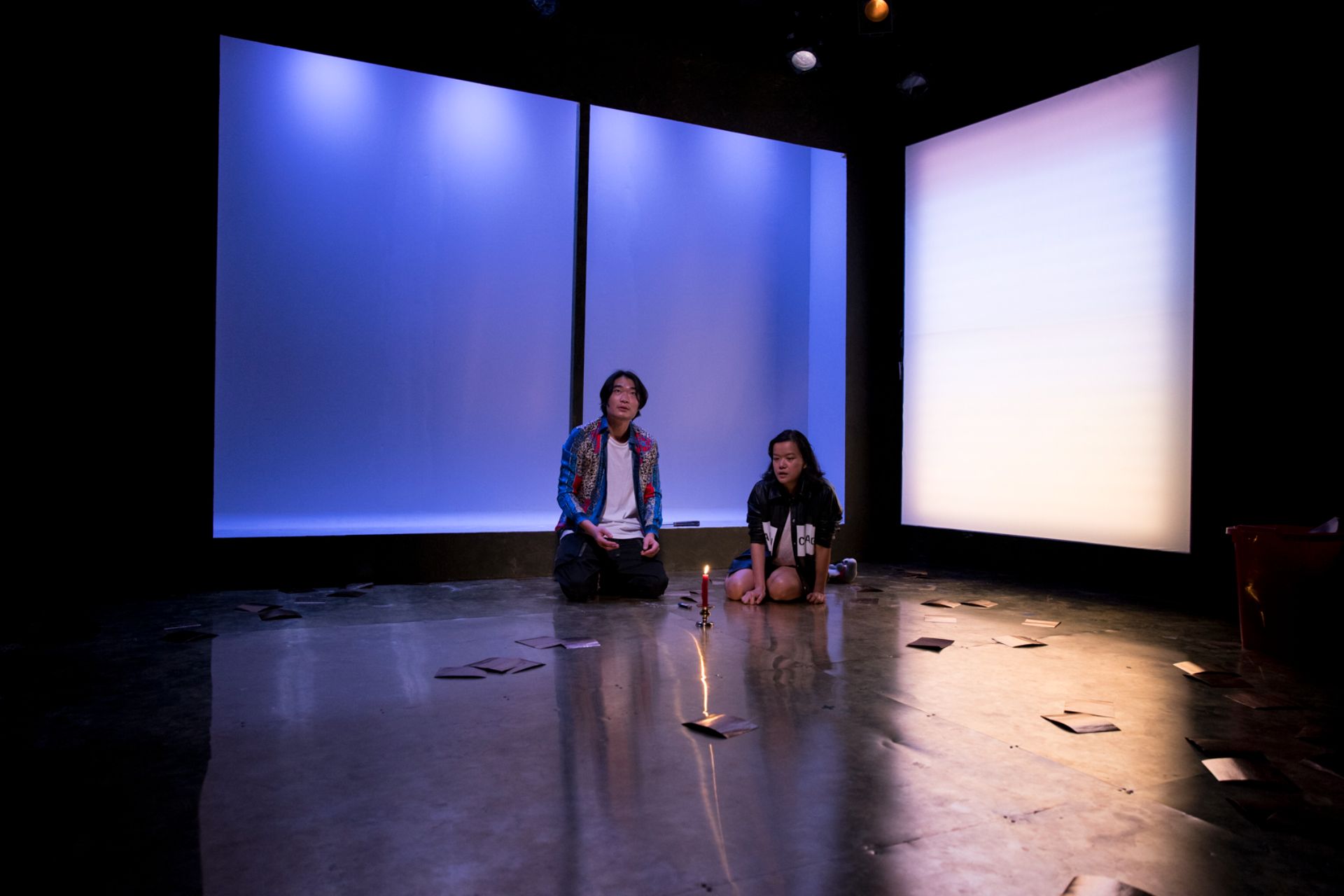
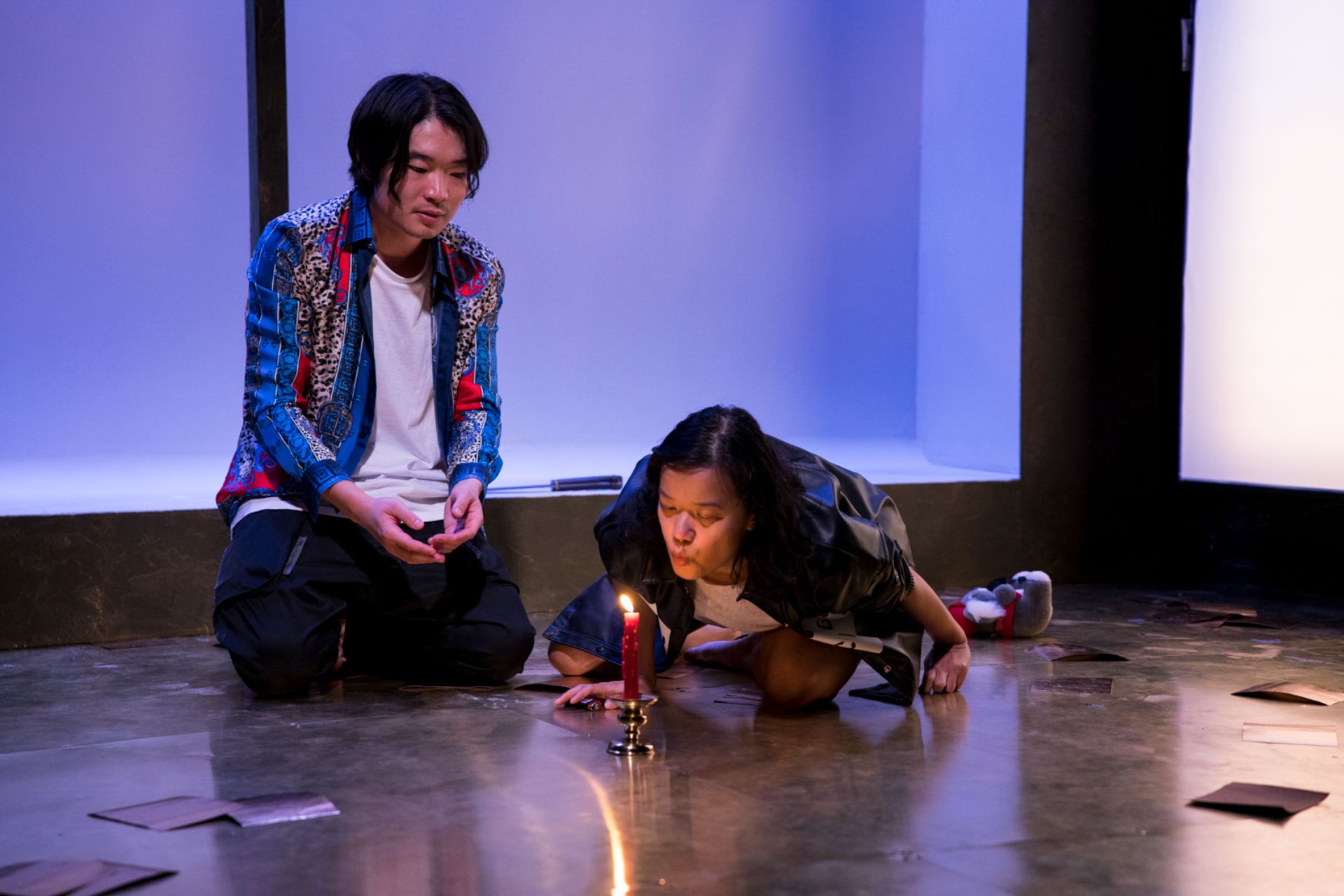
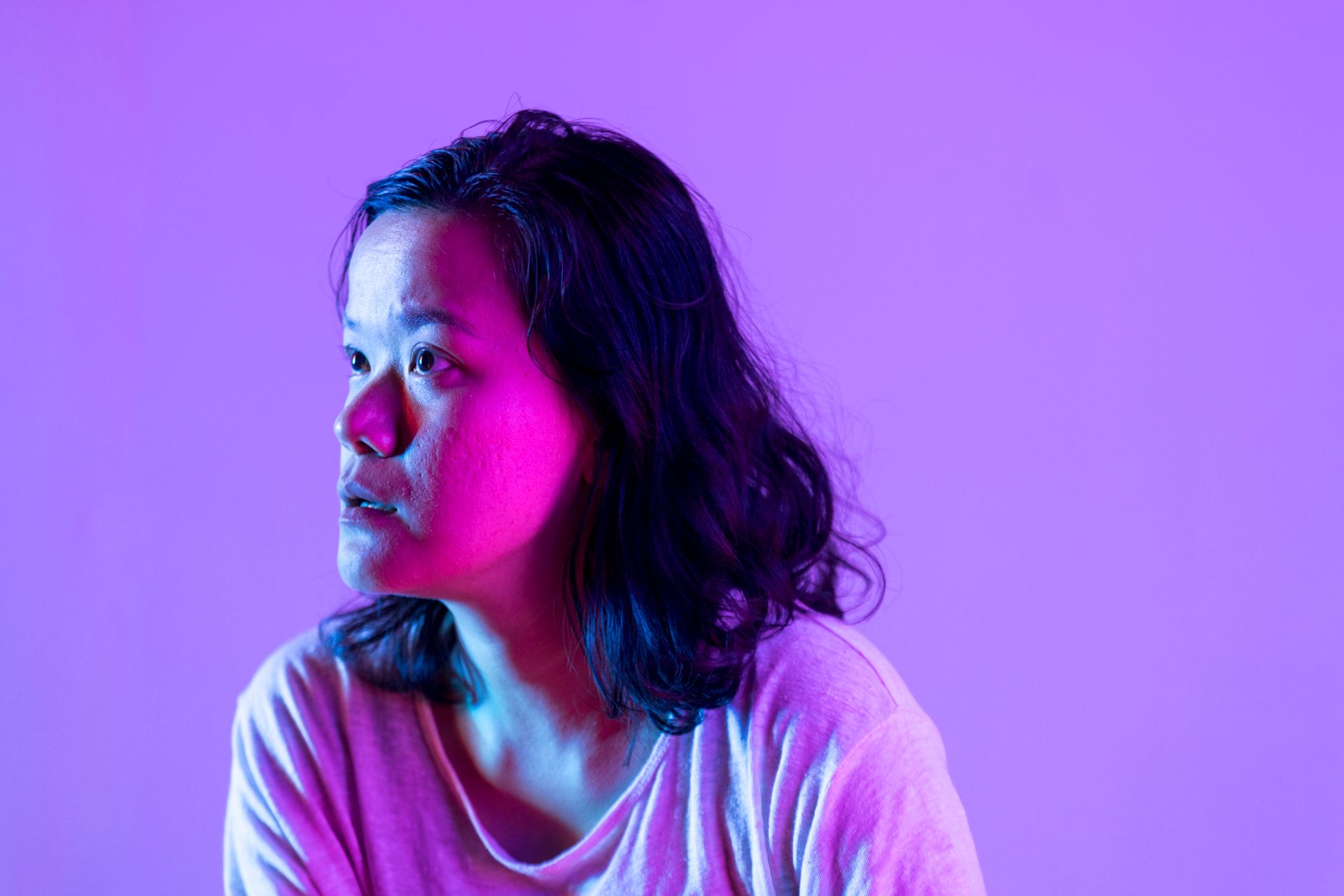
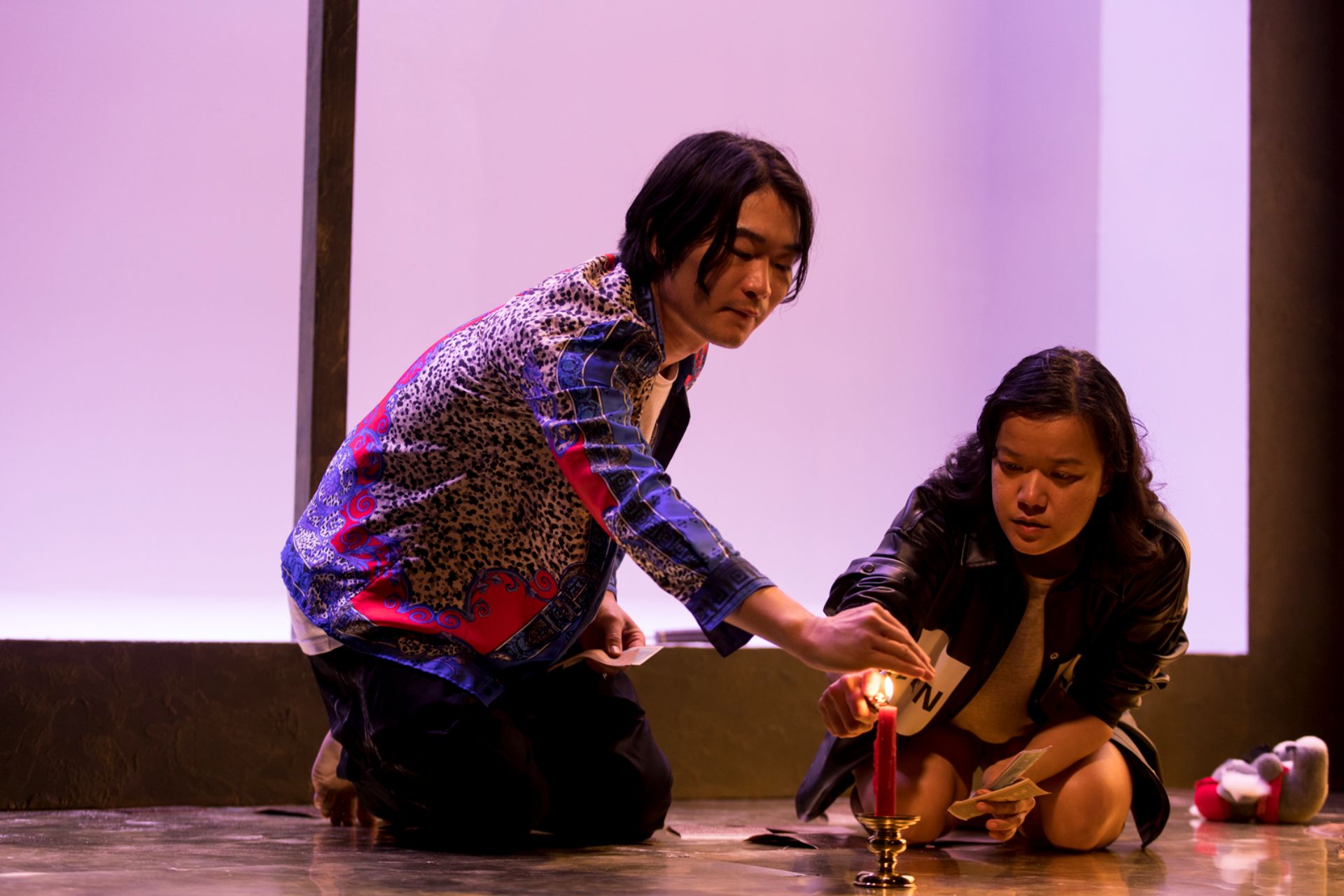
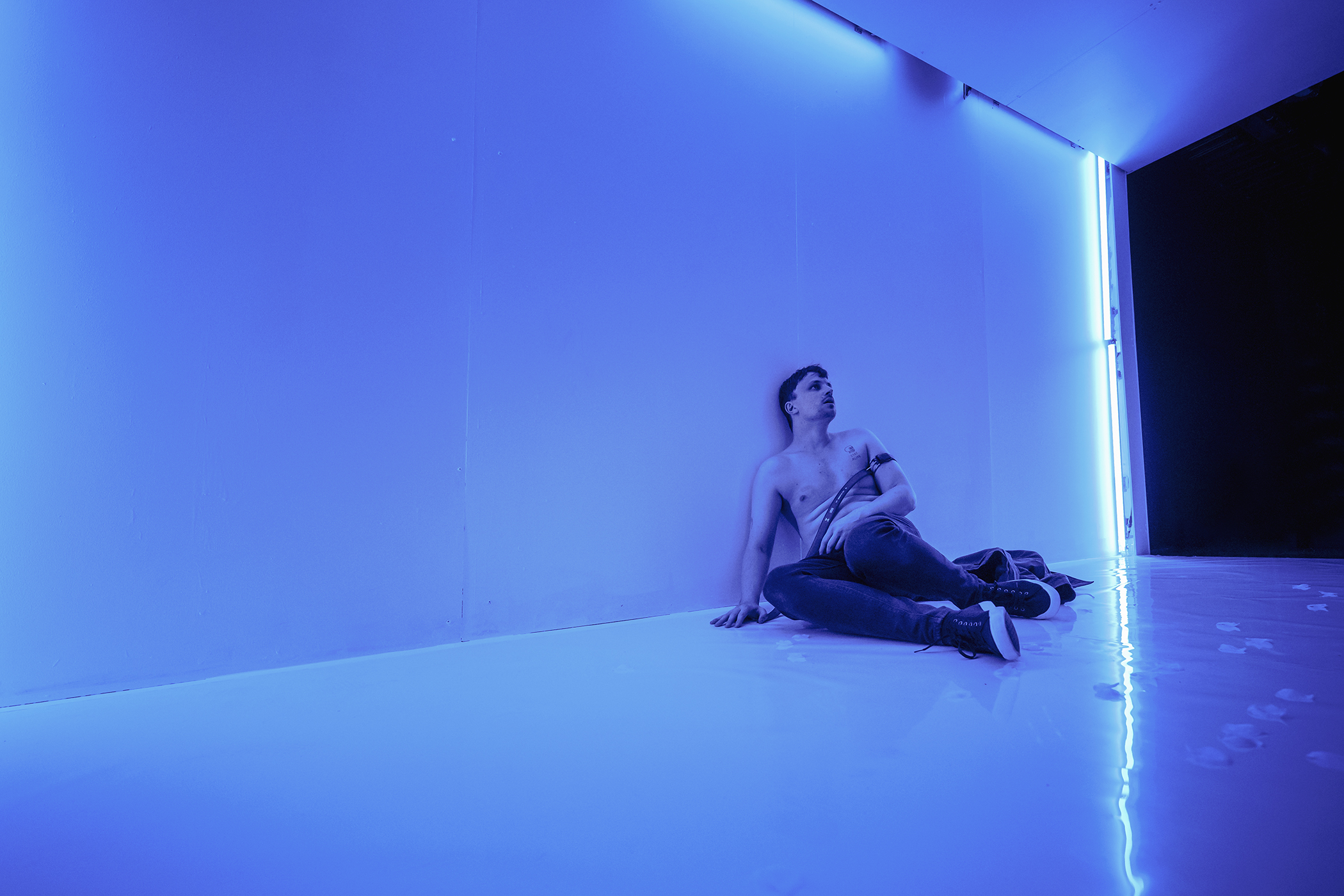
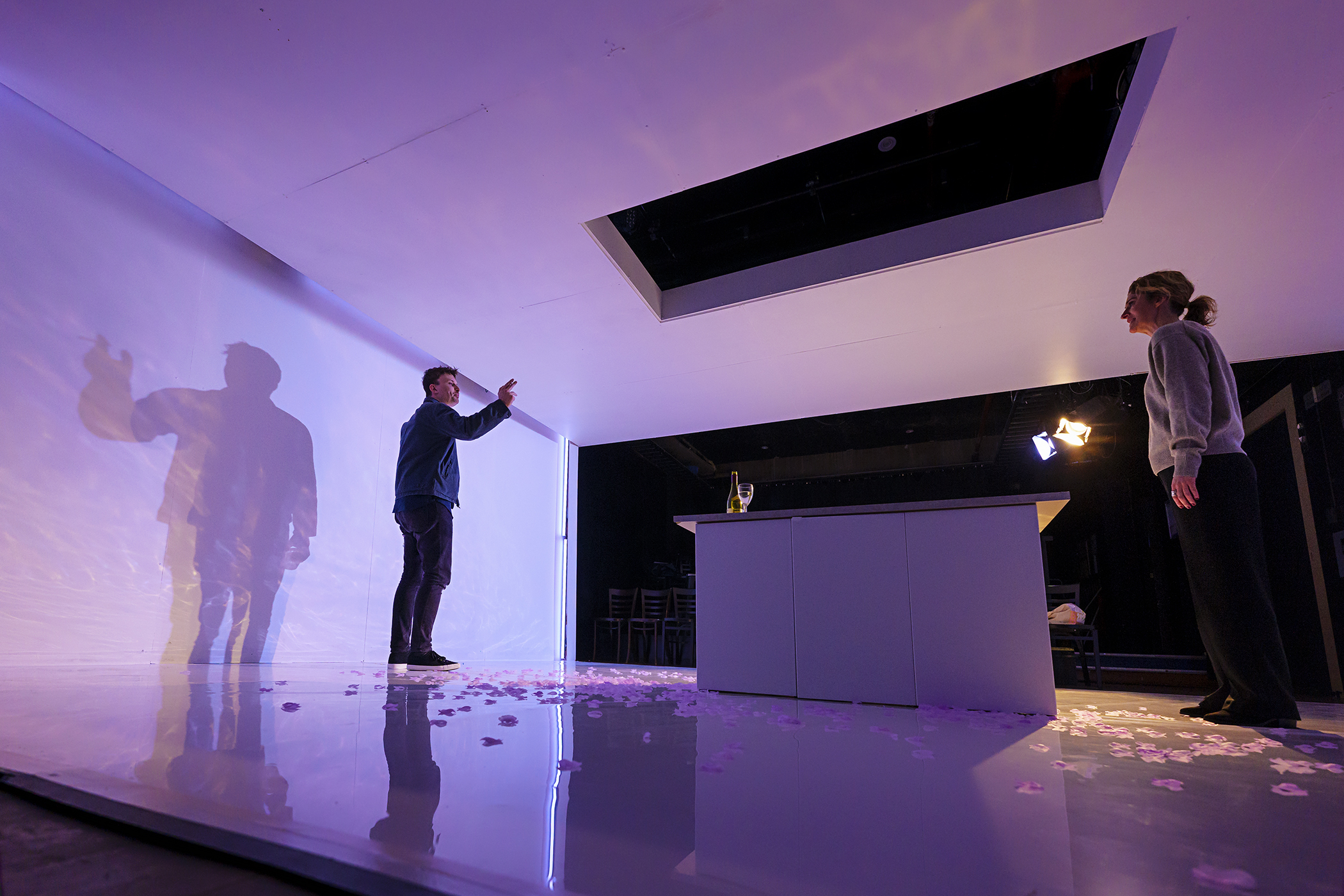
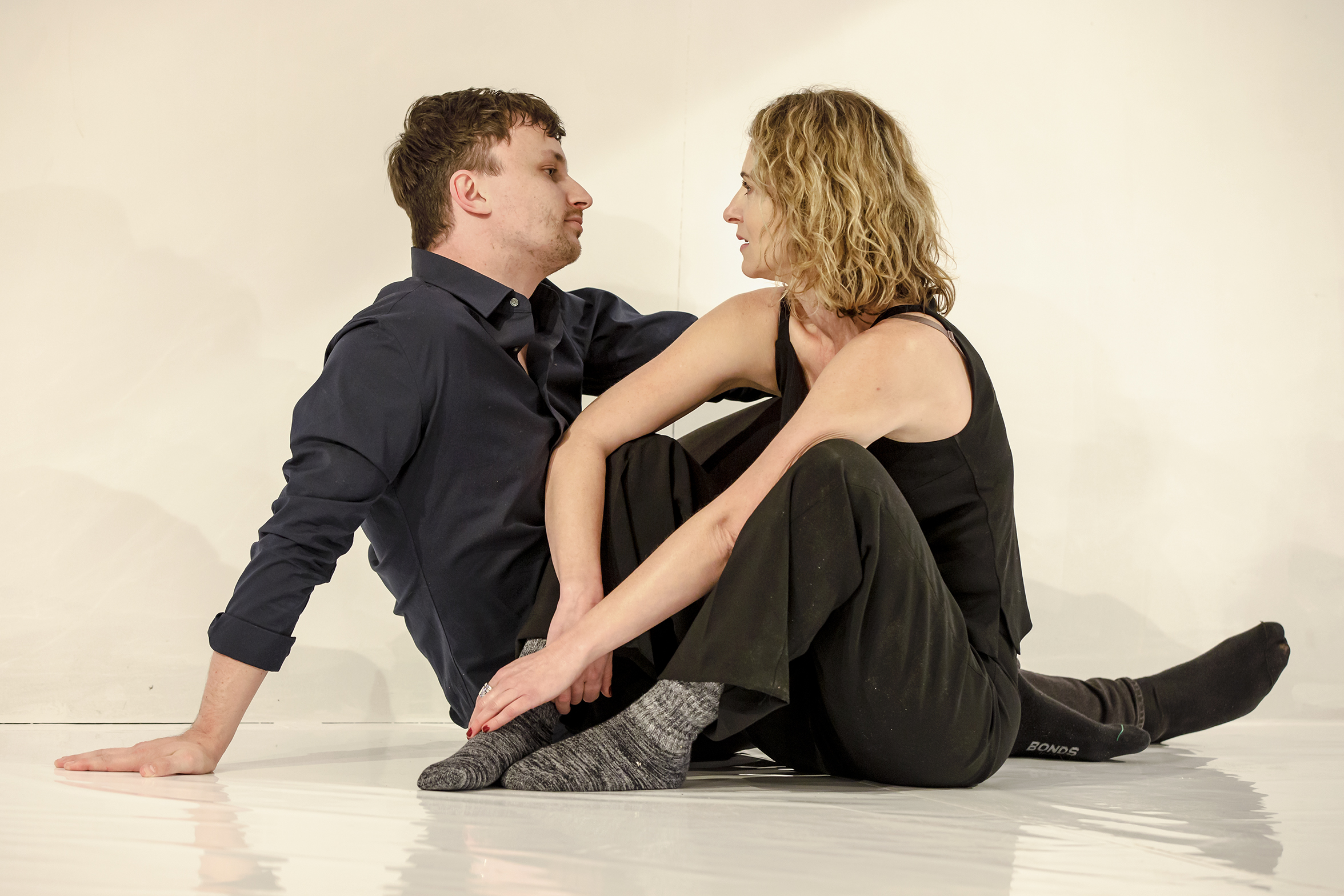
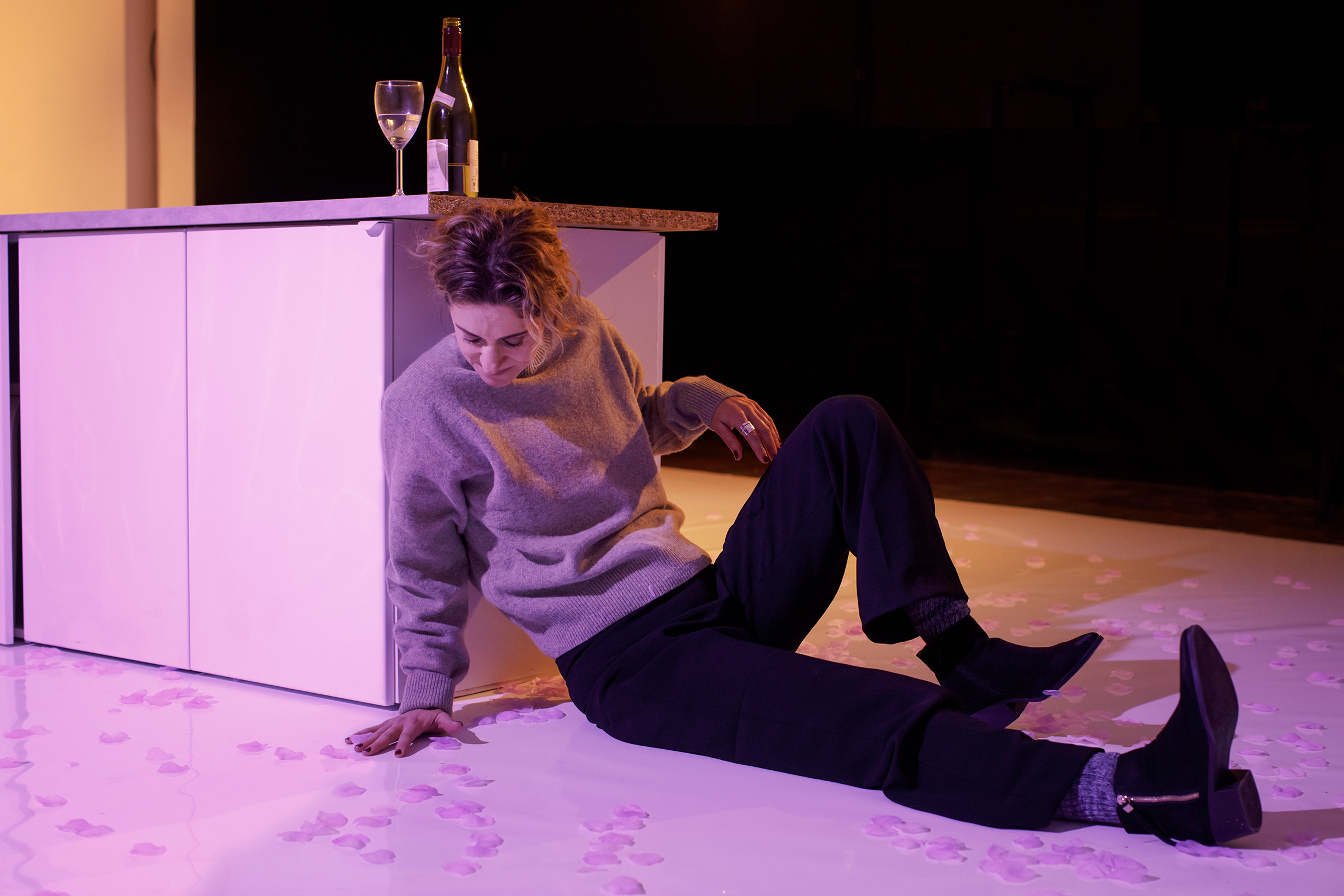
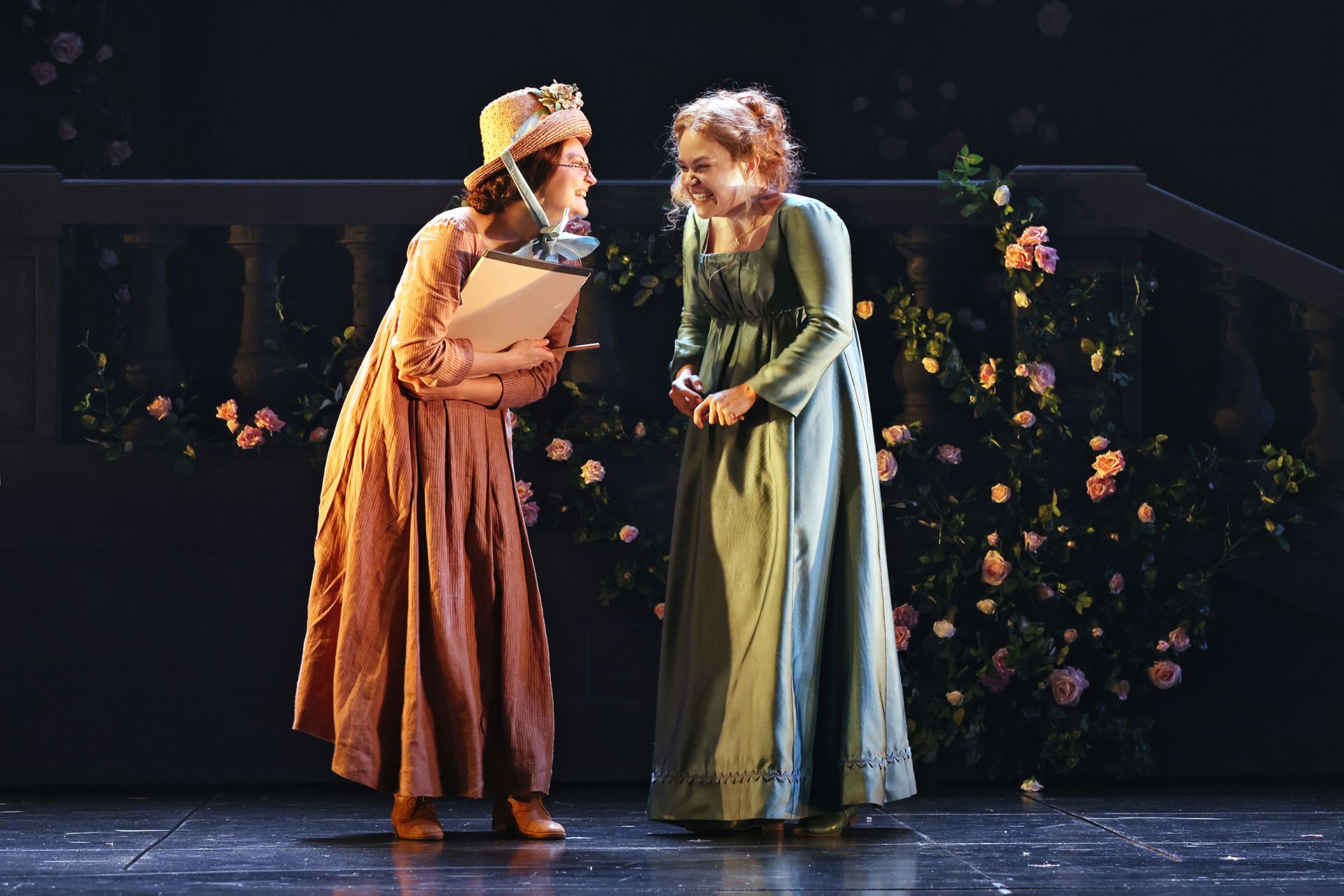
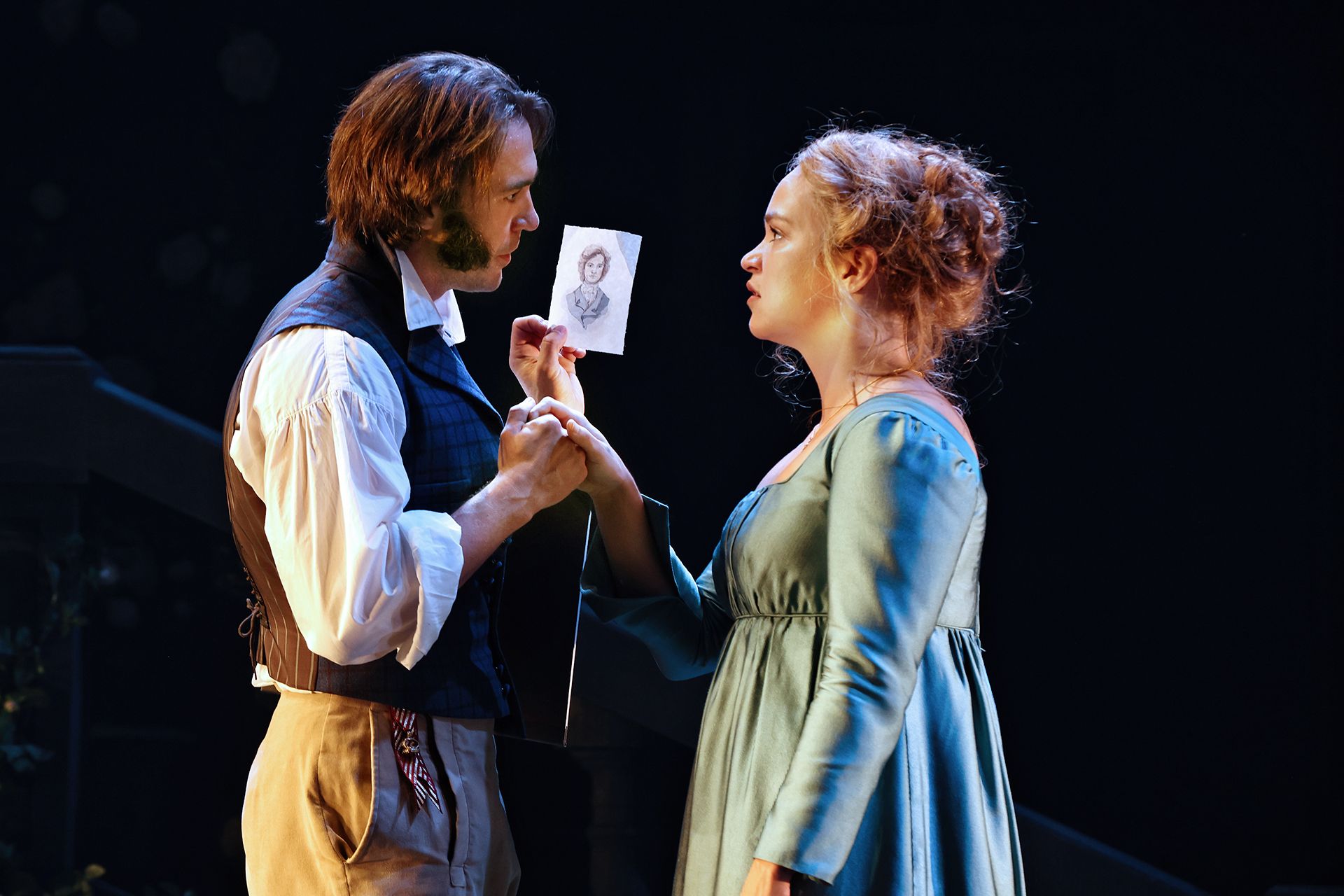
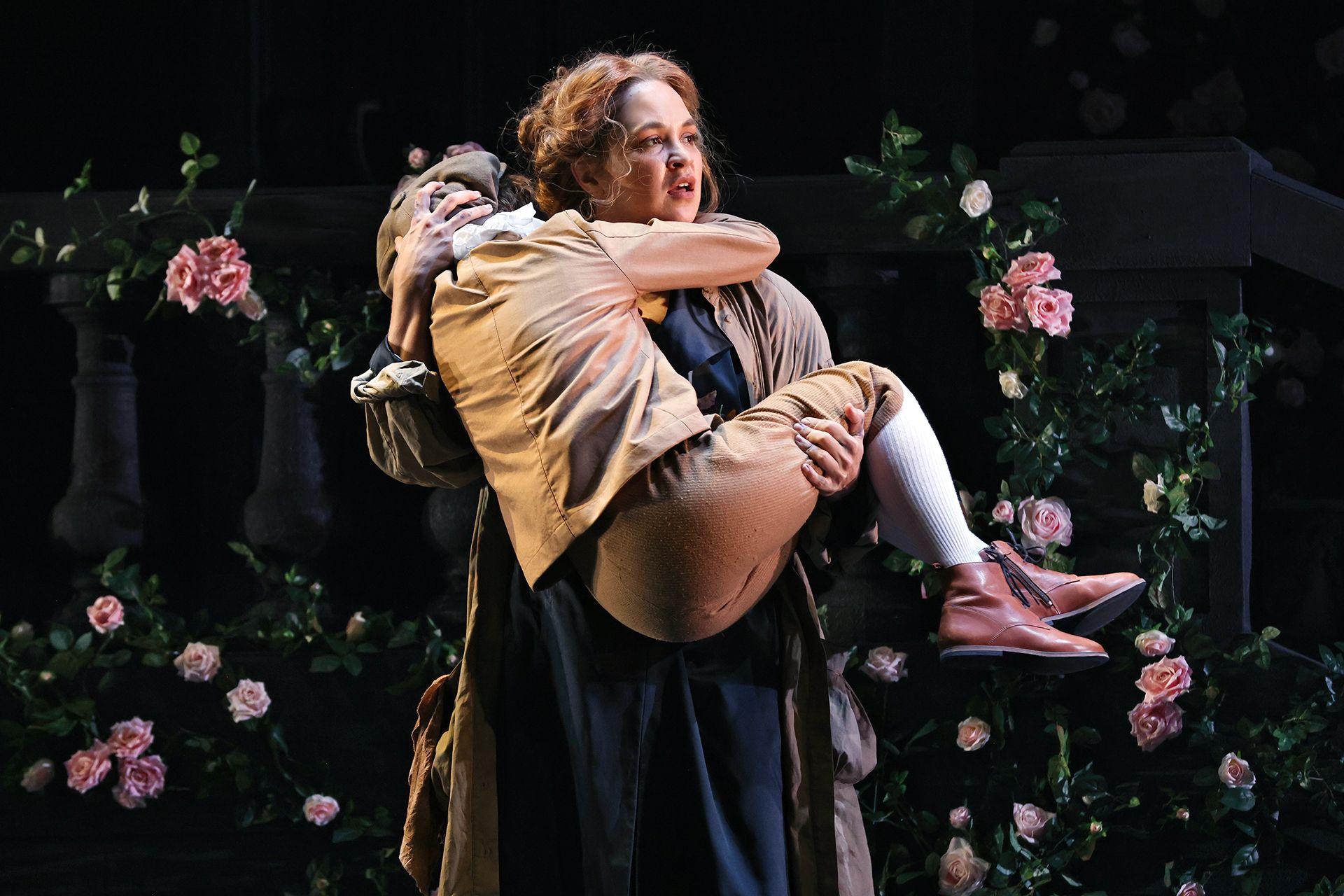
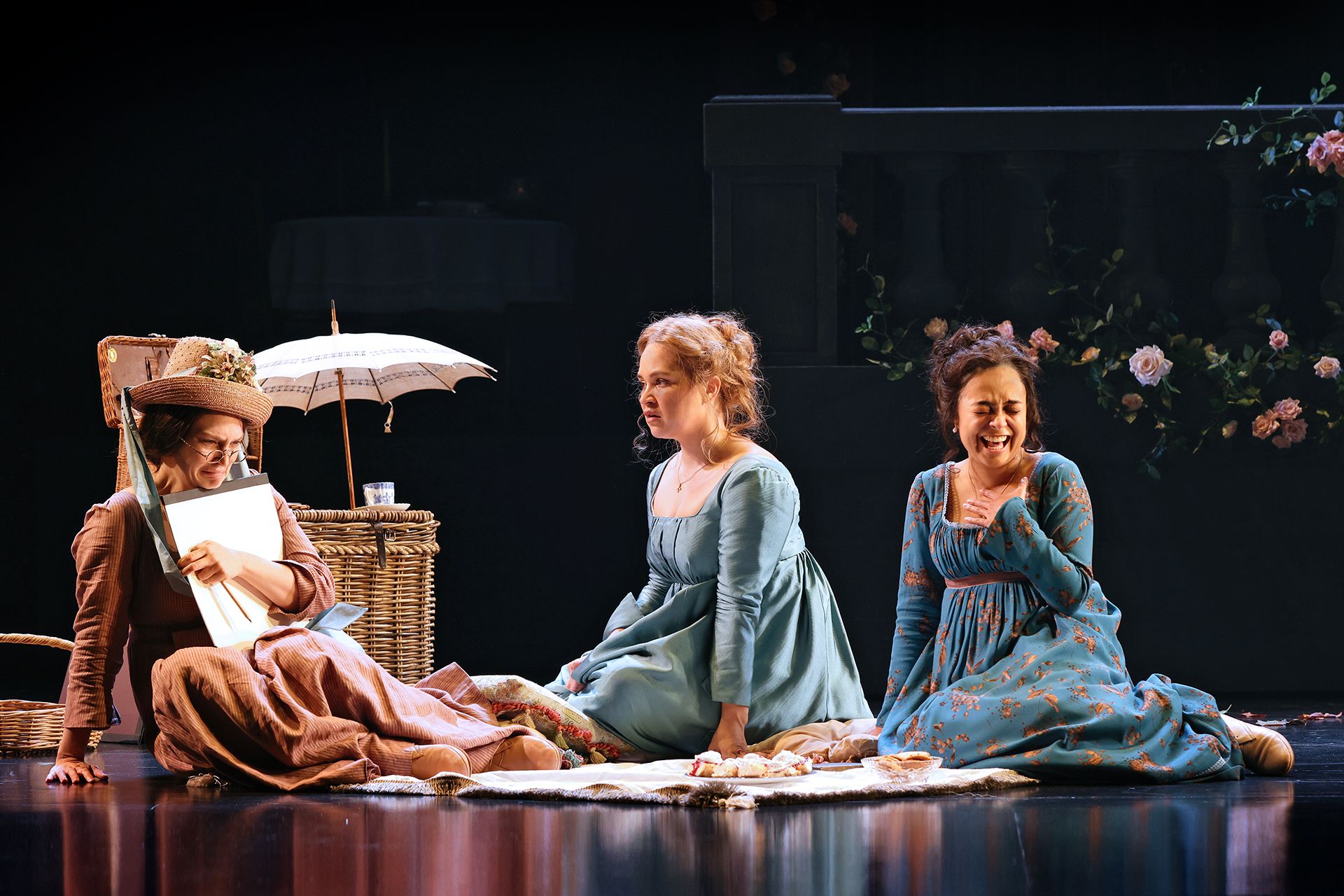
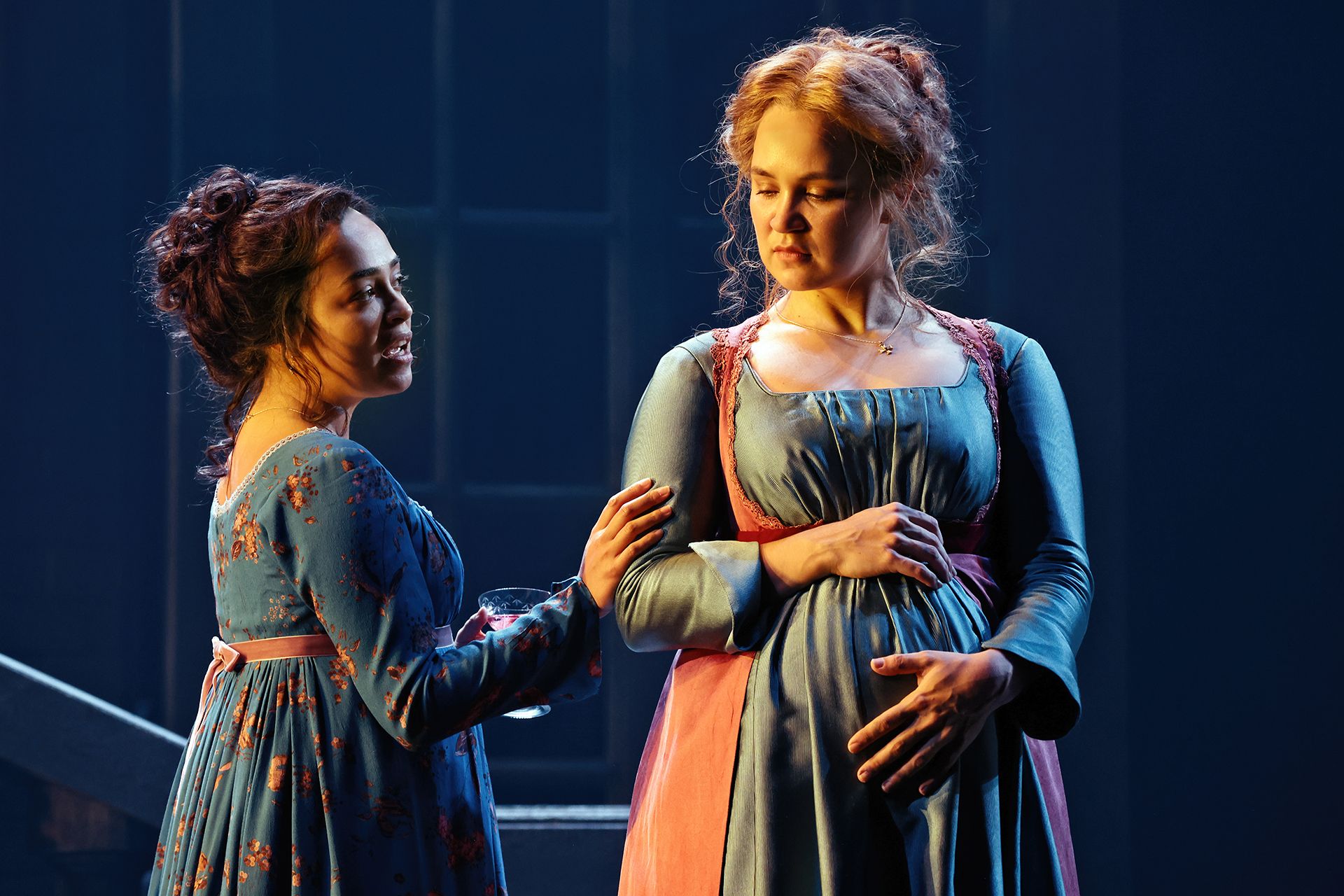
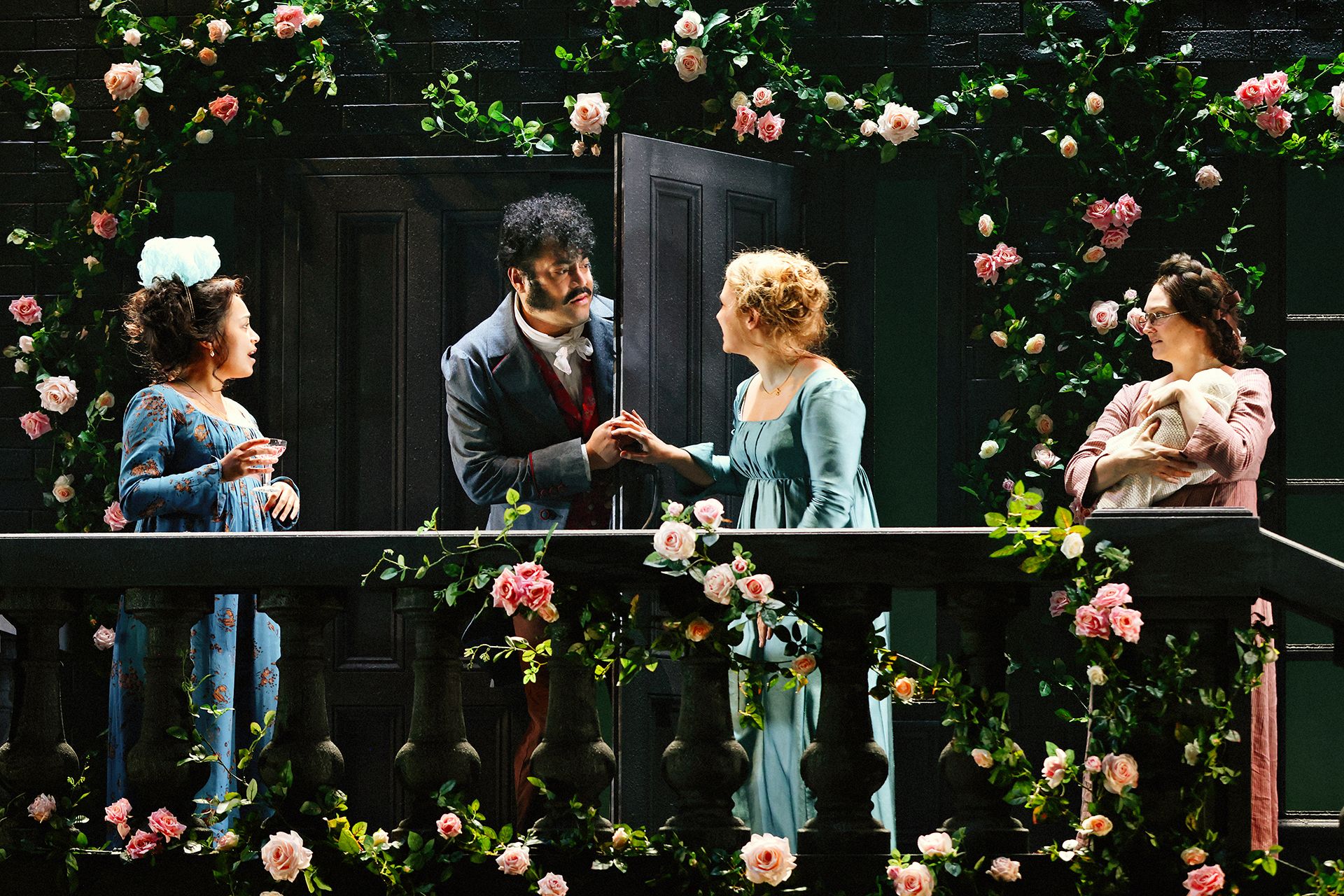
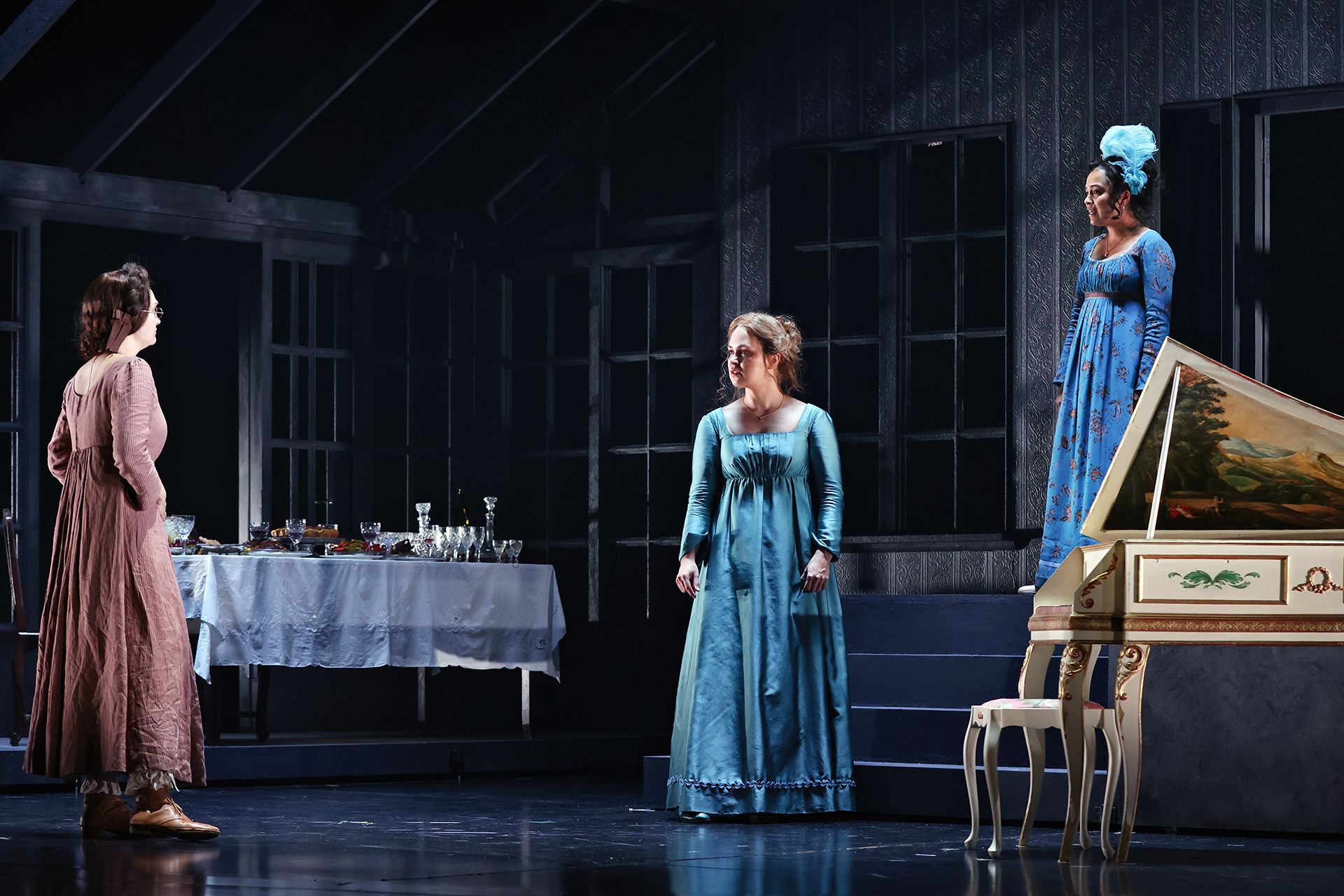
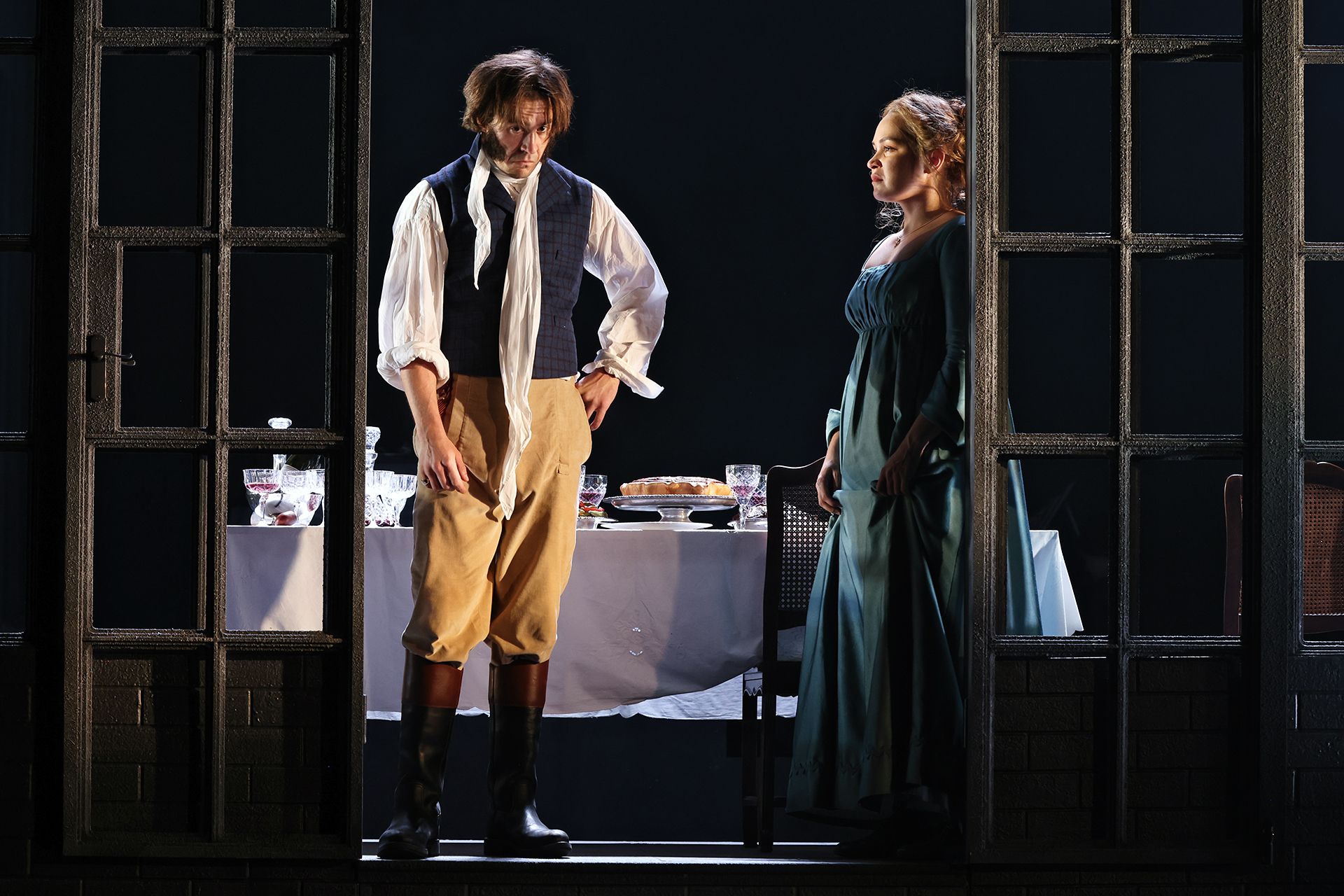
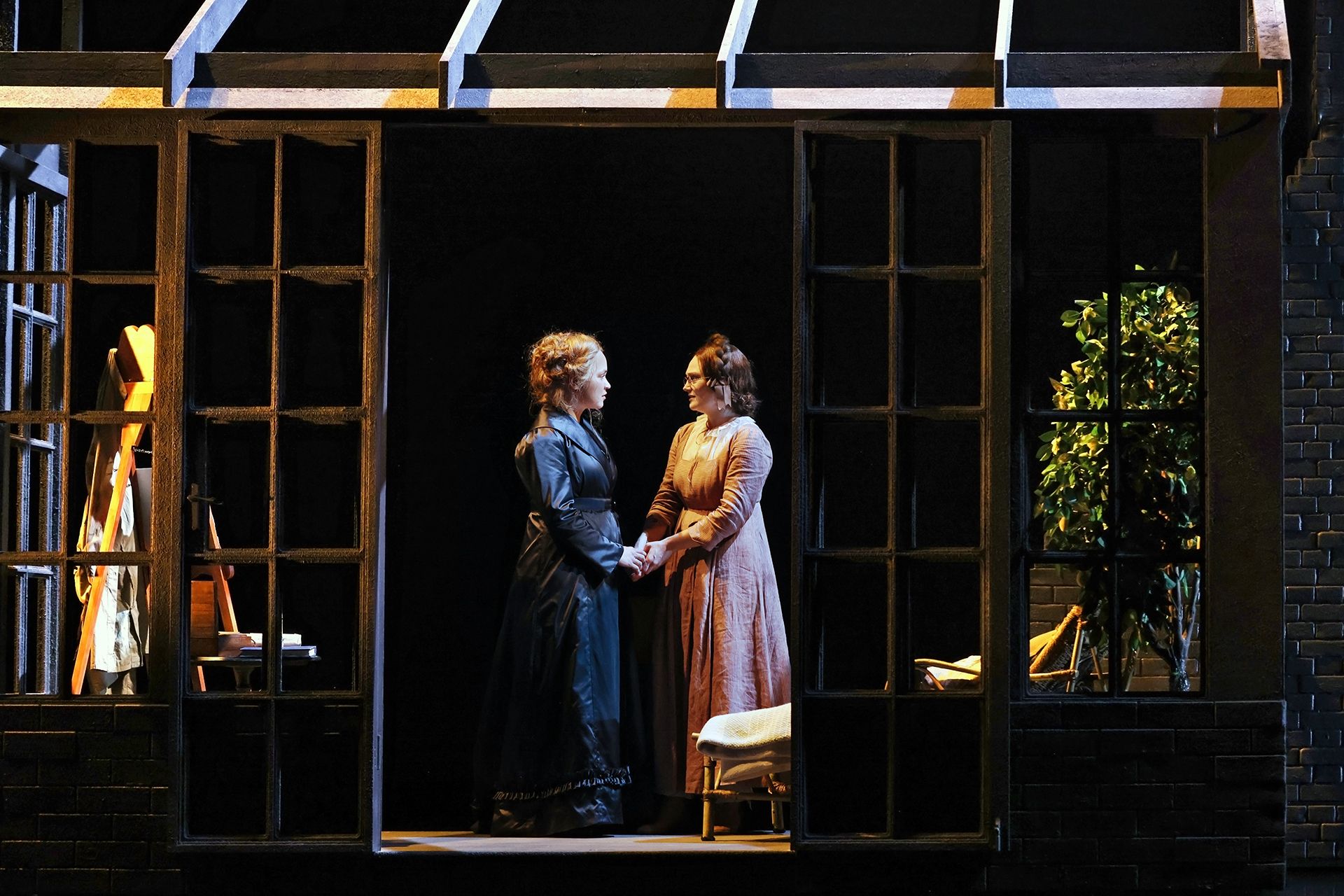
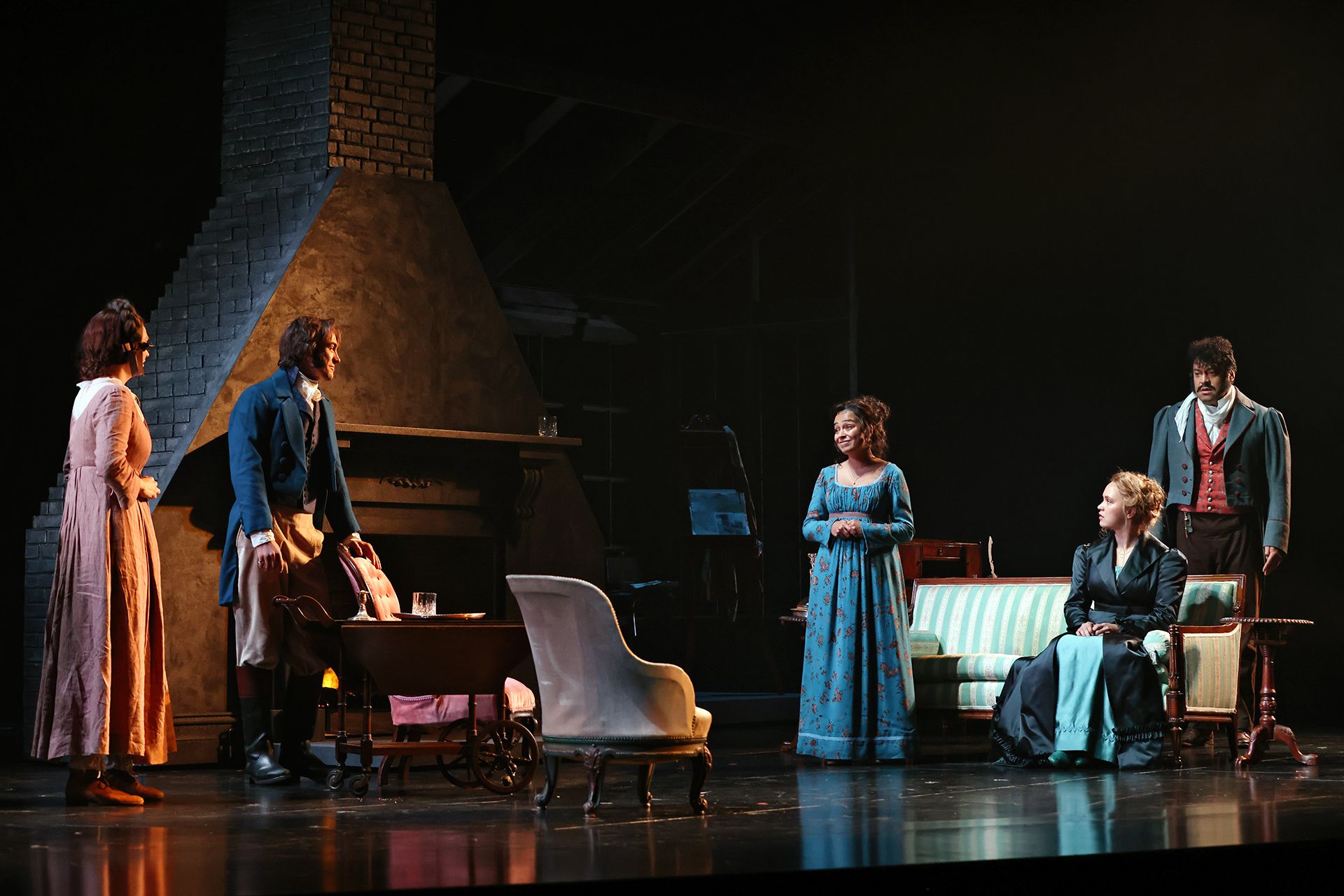
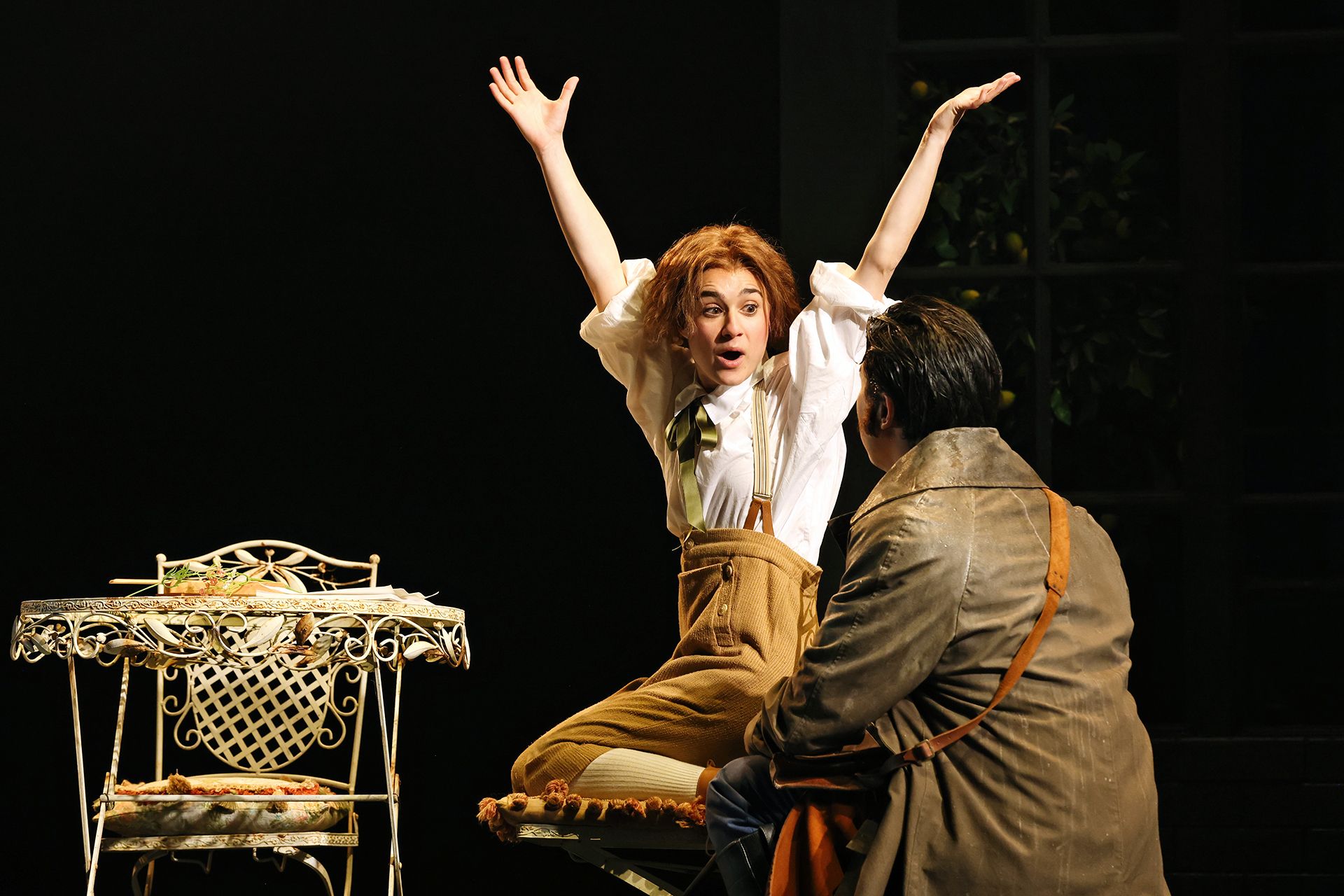
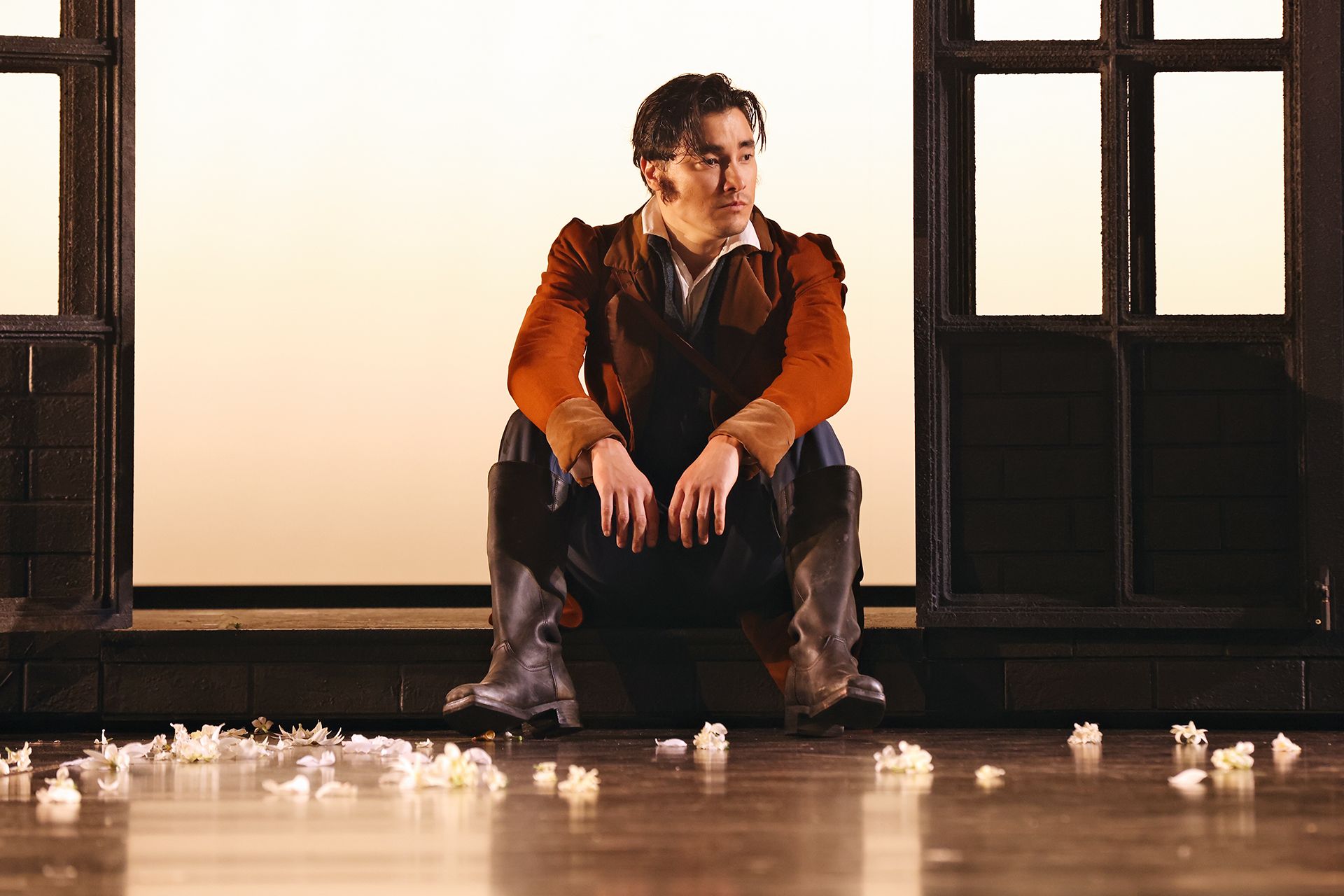
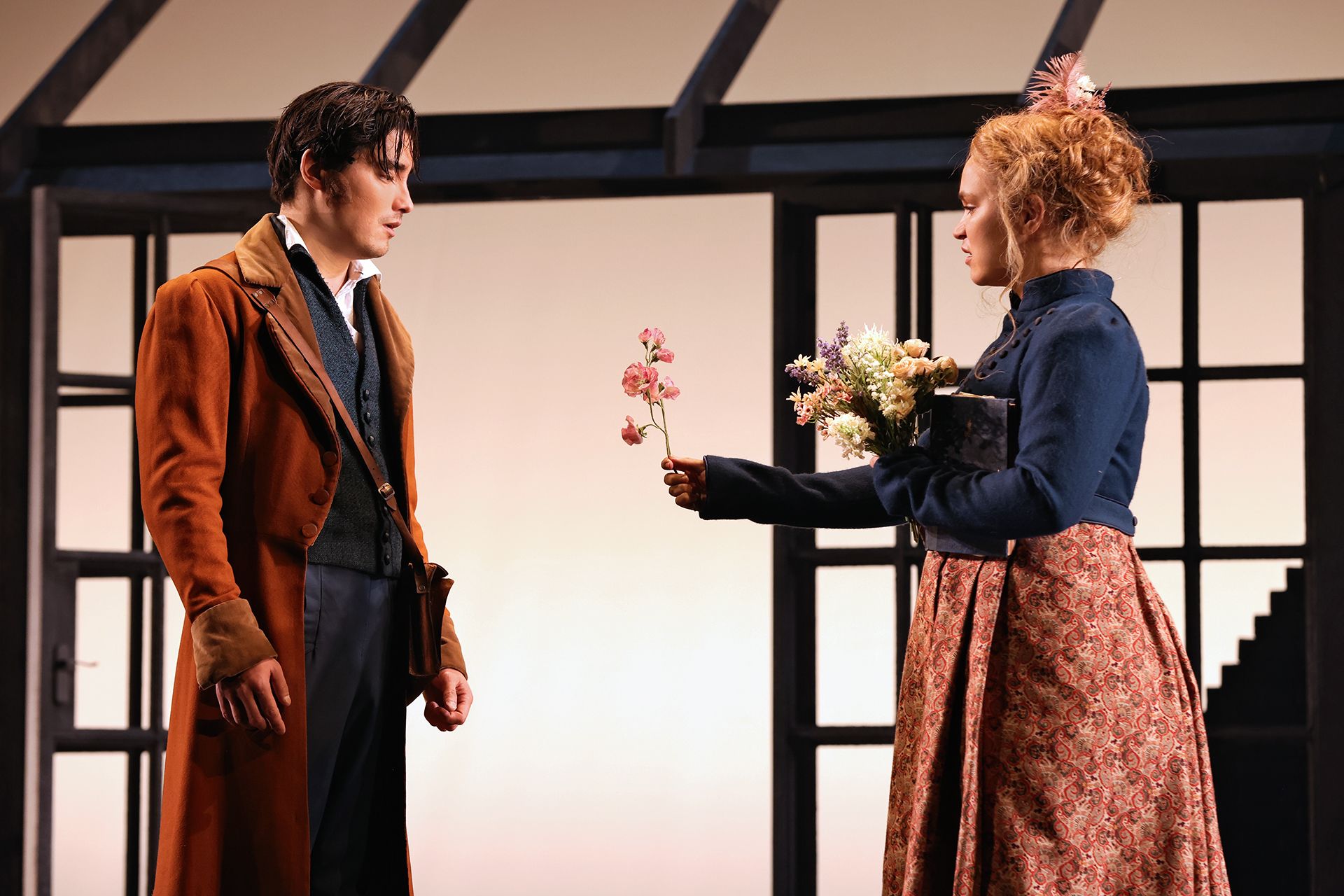
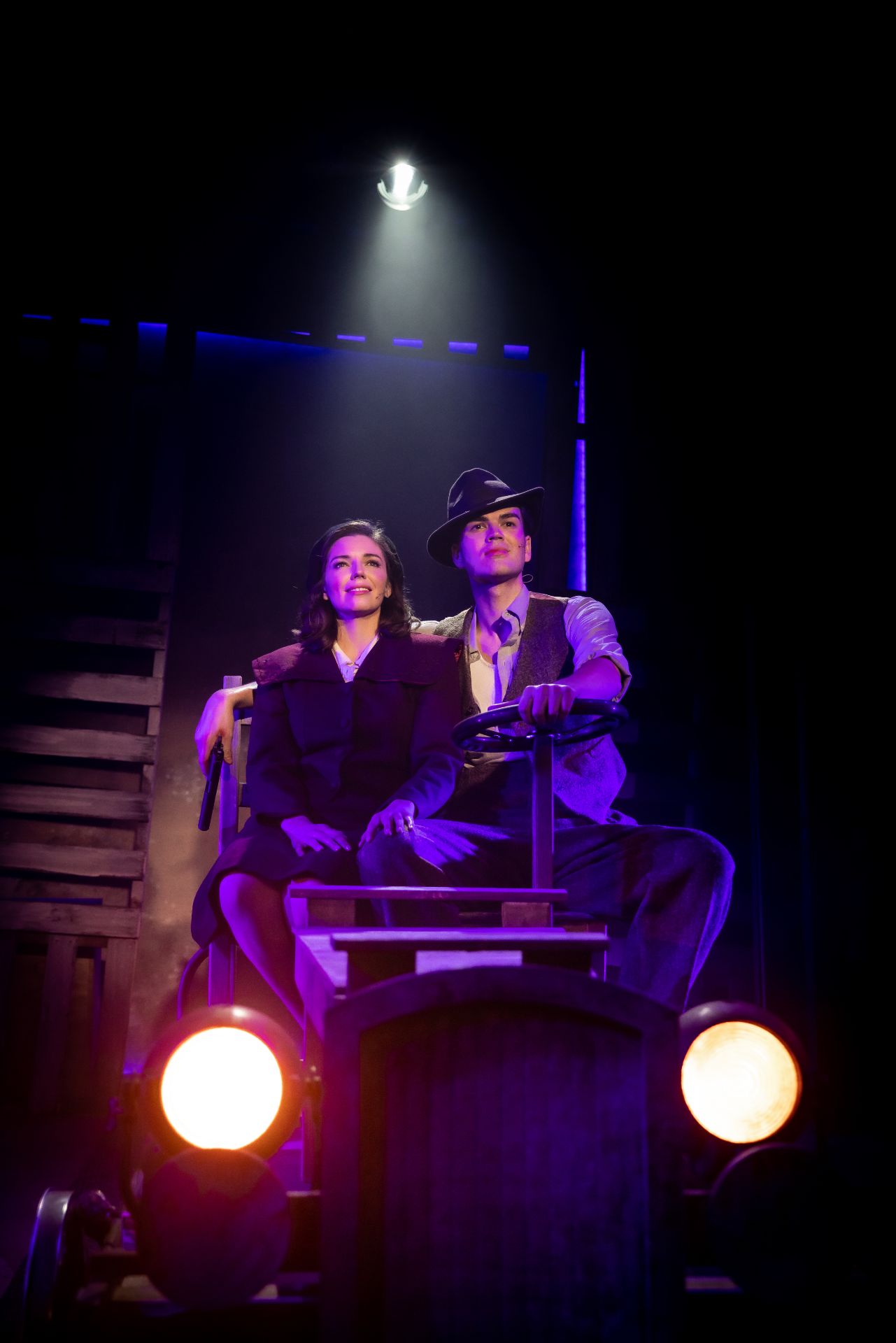
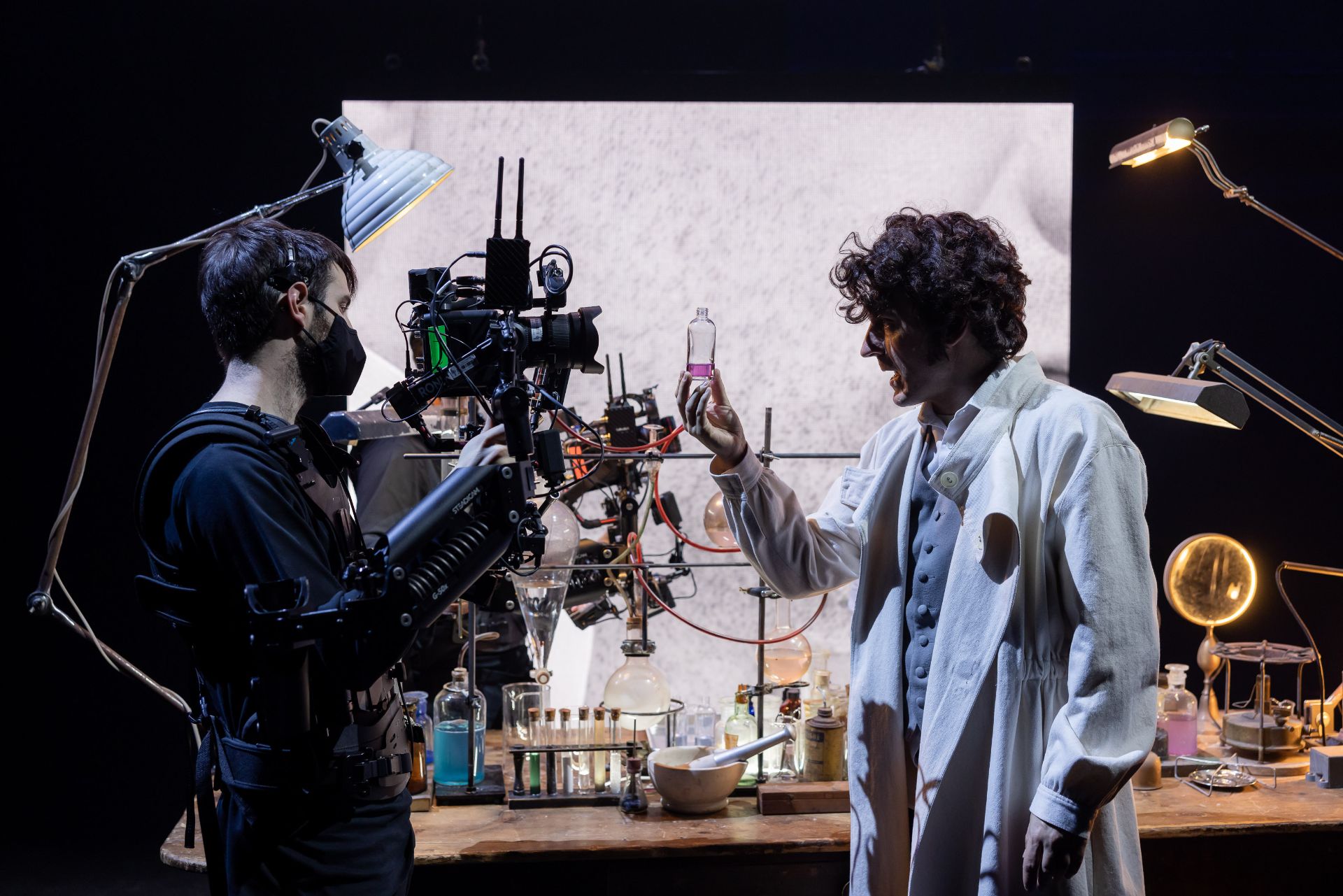
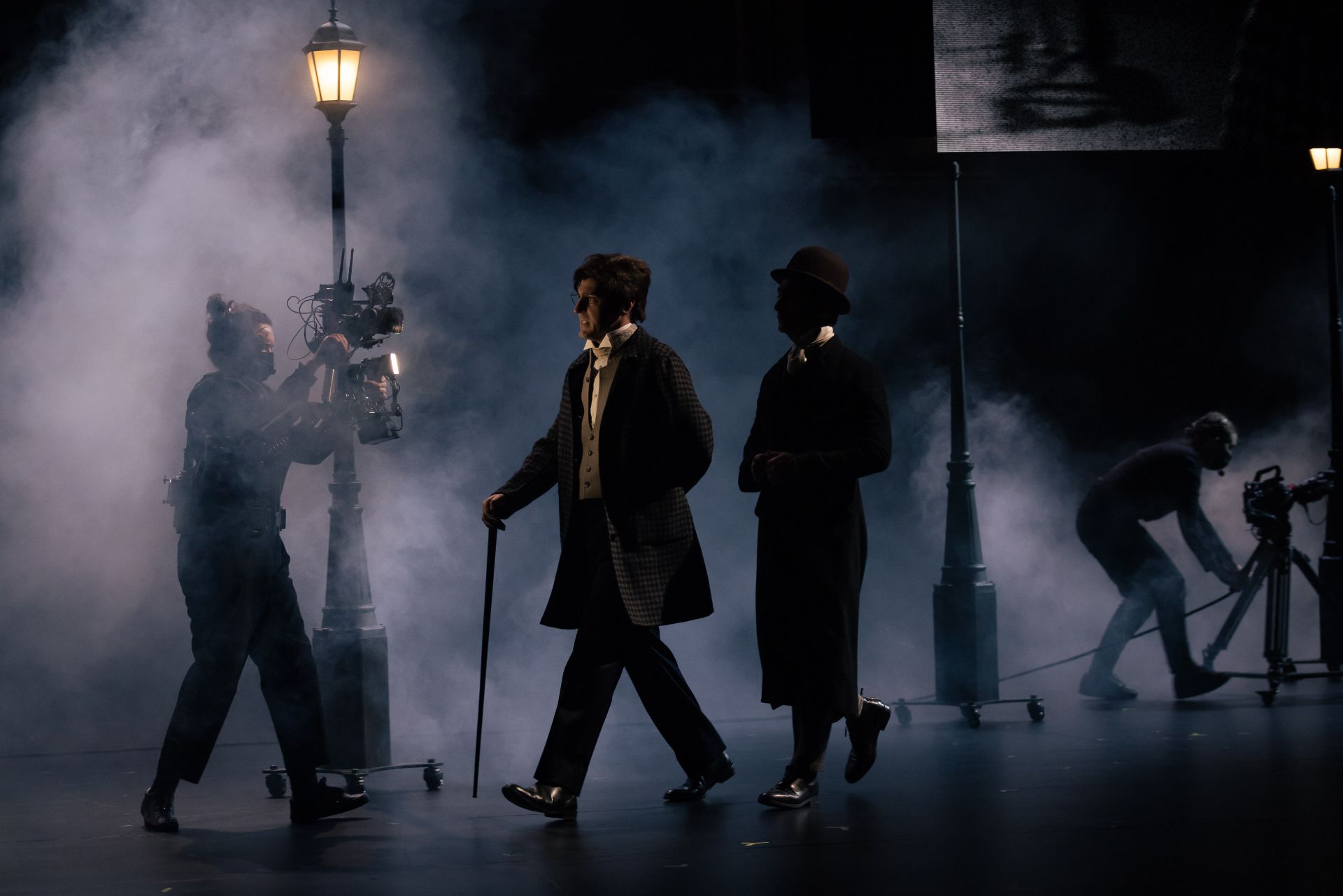
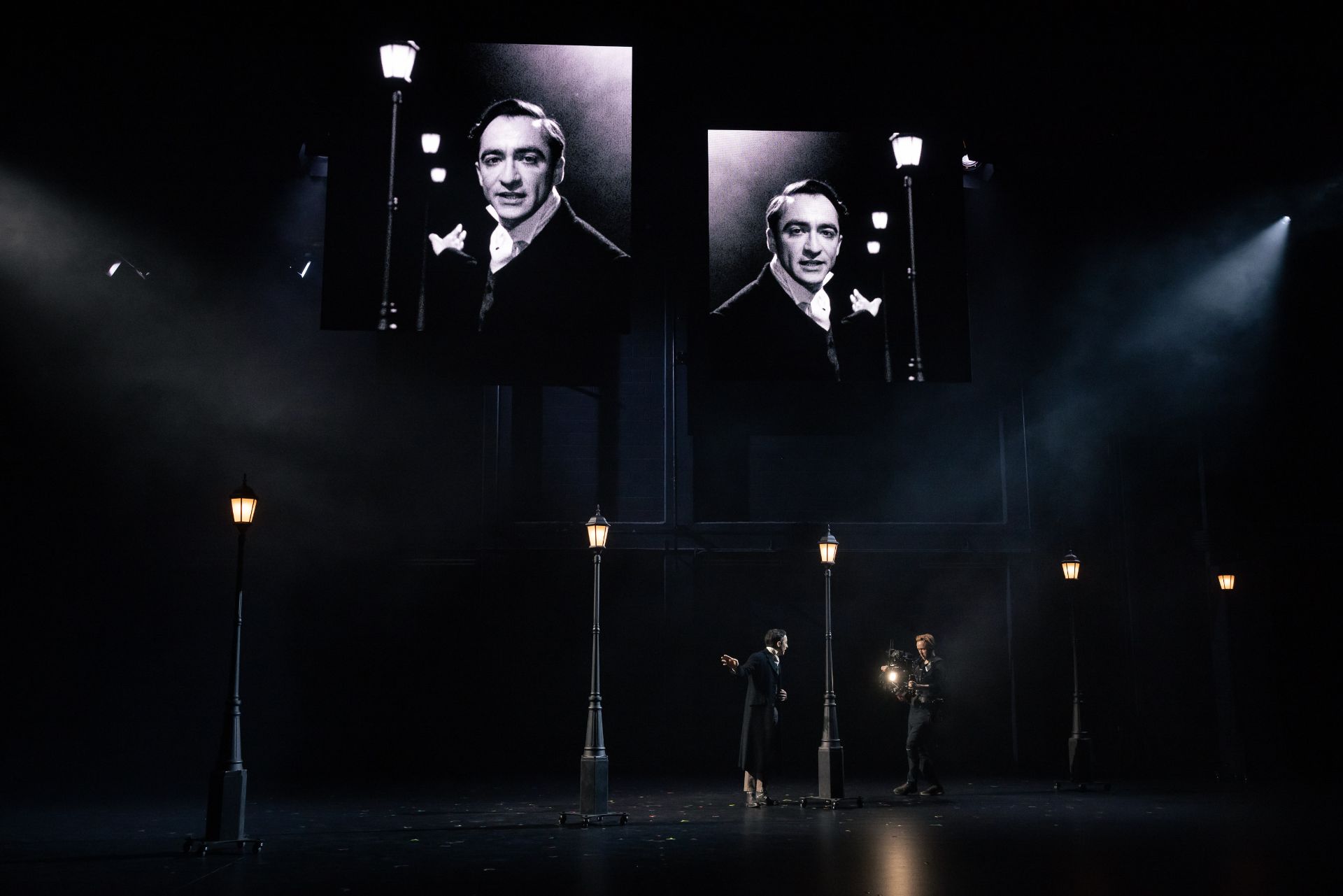
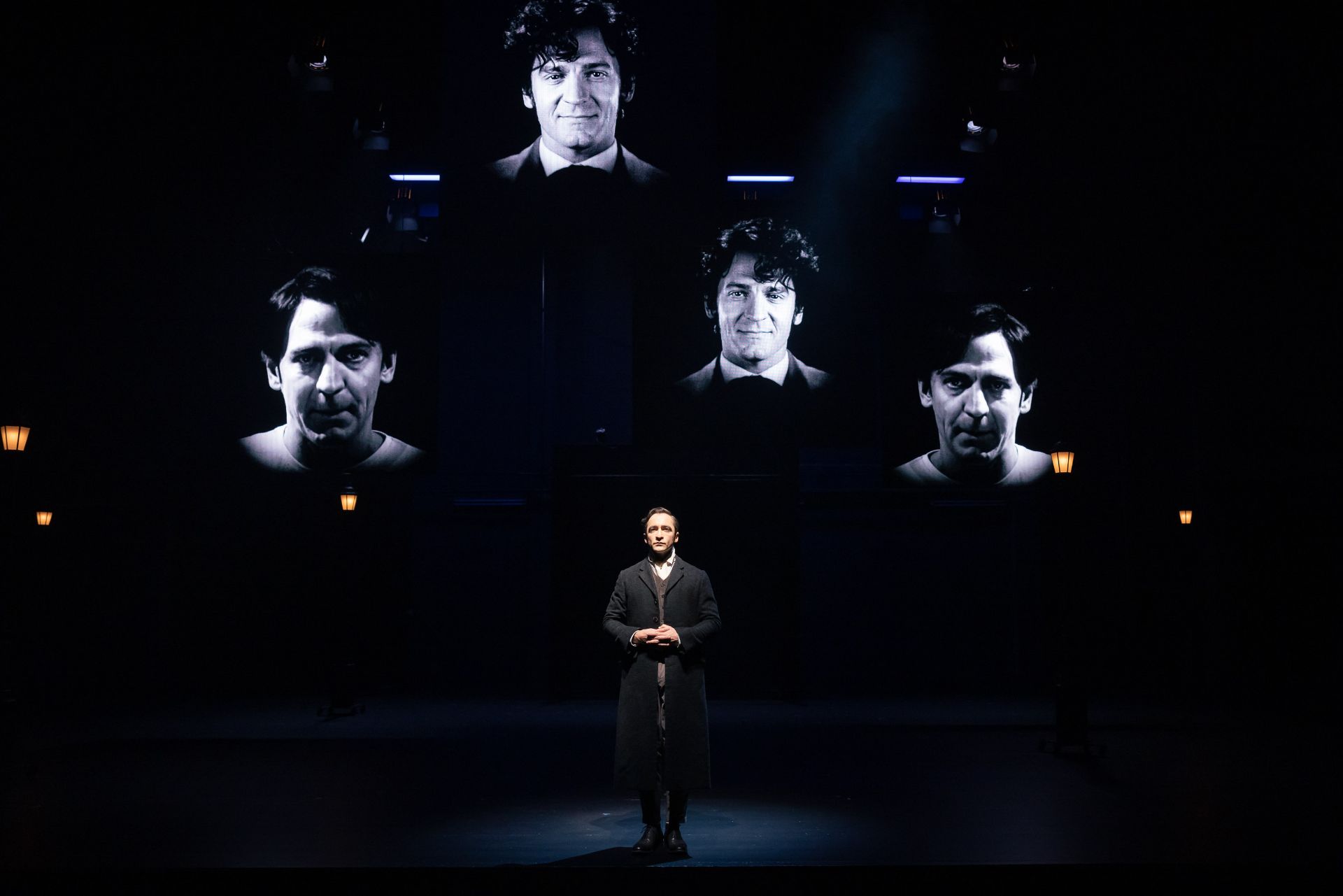
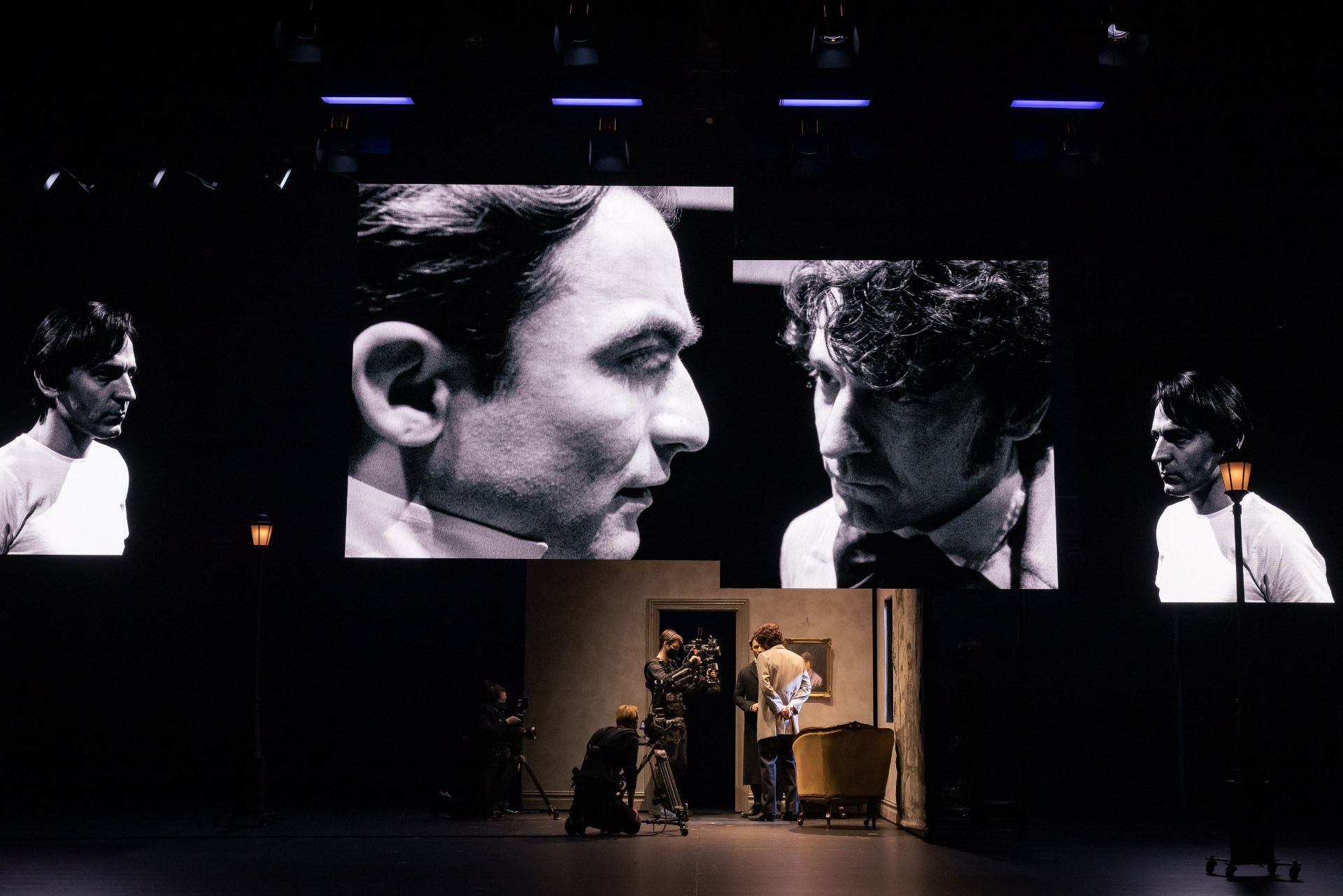
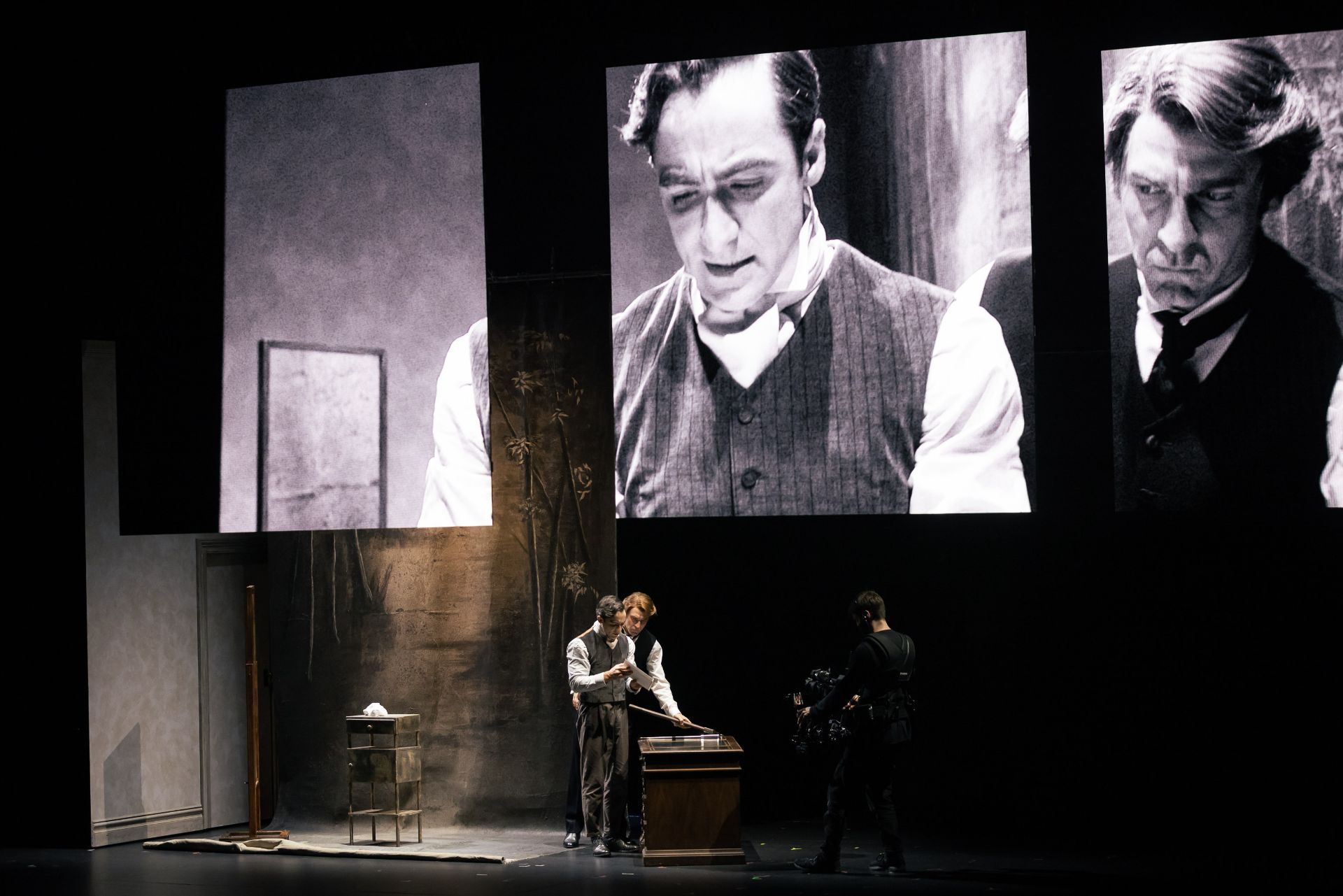
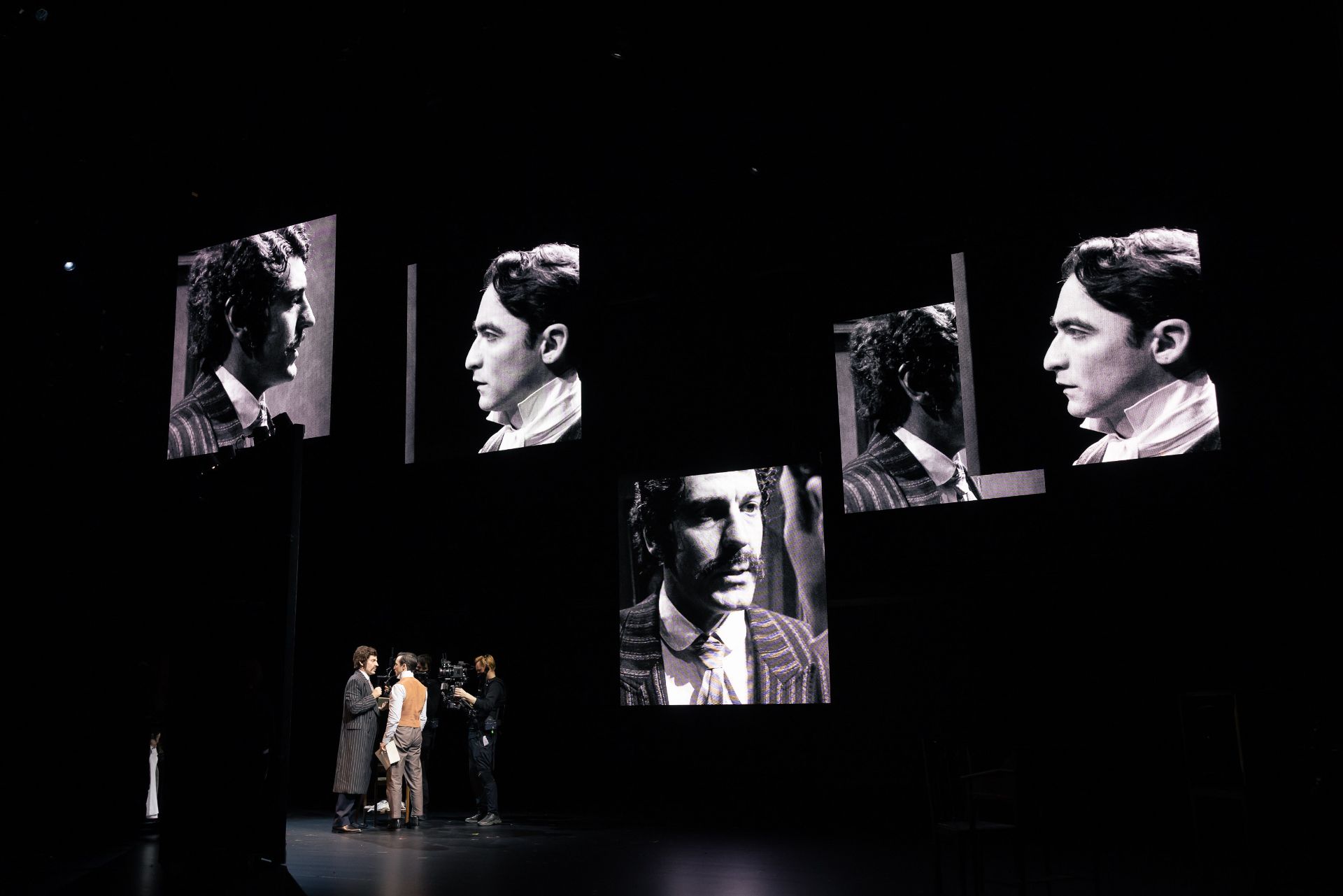
Myrtle is having serious problems with the role she had signed on for; the show is about to open, but she is still unable to make sense of the play she had agreed to star in. In the meantime, the director and playwright are becoming increasingly abusive, heaping blame on her for not making it work, often saying that she has lost her spark as an actor, and that she has grown too old to be any good. There is nothing subtle about John Cassavetes’ Opening Night, and in this adaptation by Carissa Licciardello, the story does not get any less heavy-handed, in making its point about our reprehensible attitudes regarding women getting older.

Licciardello’s adaptation and direction are certainly enthusiastic in trying to assert the point of the exercise, but the message quickly becomes too simple and obvious. Plenty of effort is put into creating an air of mystery surrounding Myrtle’s behaviour, which provides an updated theatricality for the audience, although it becomes clear, that the plainness of its motivations struggles to sustain our interest for the production’s 100 minute duration.

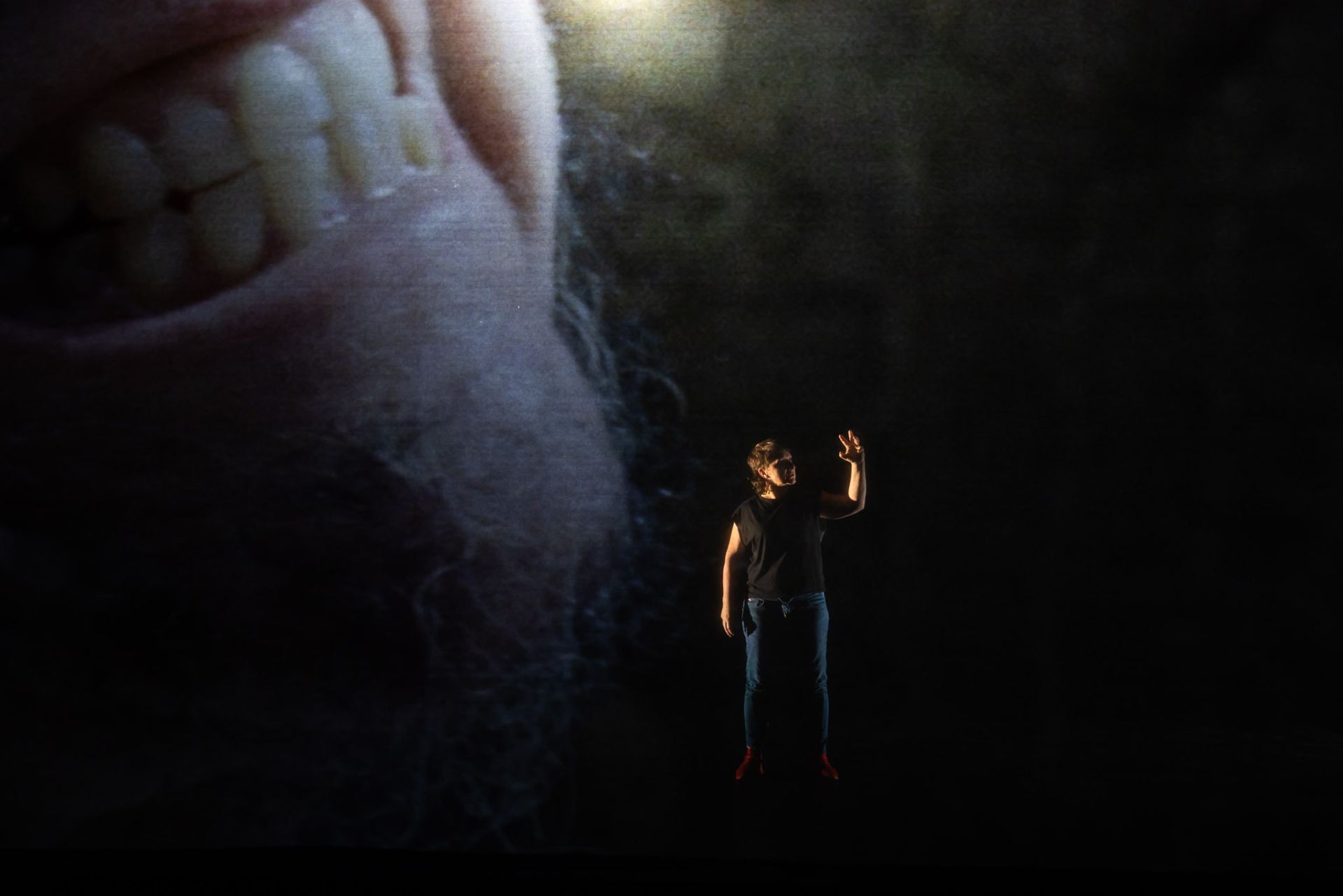
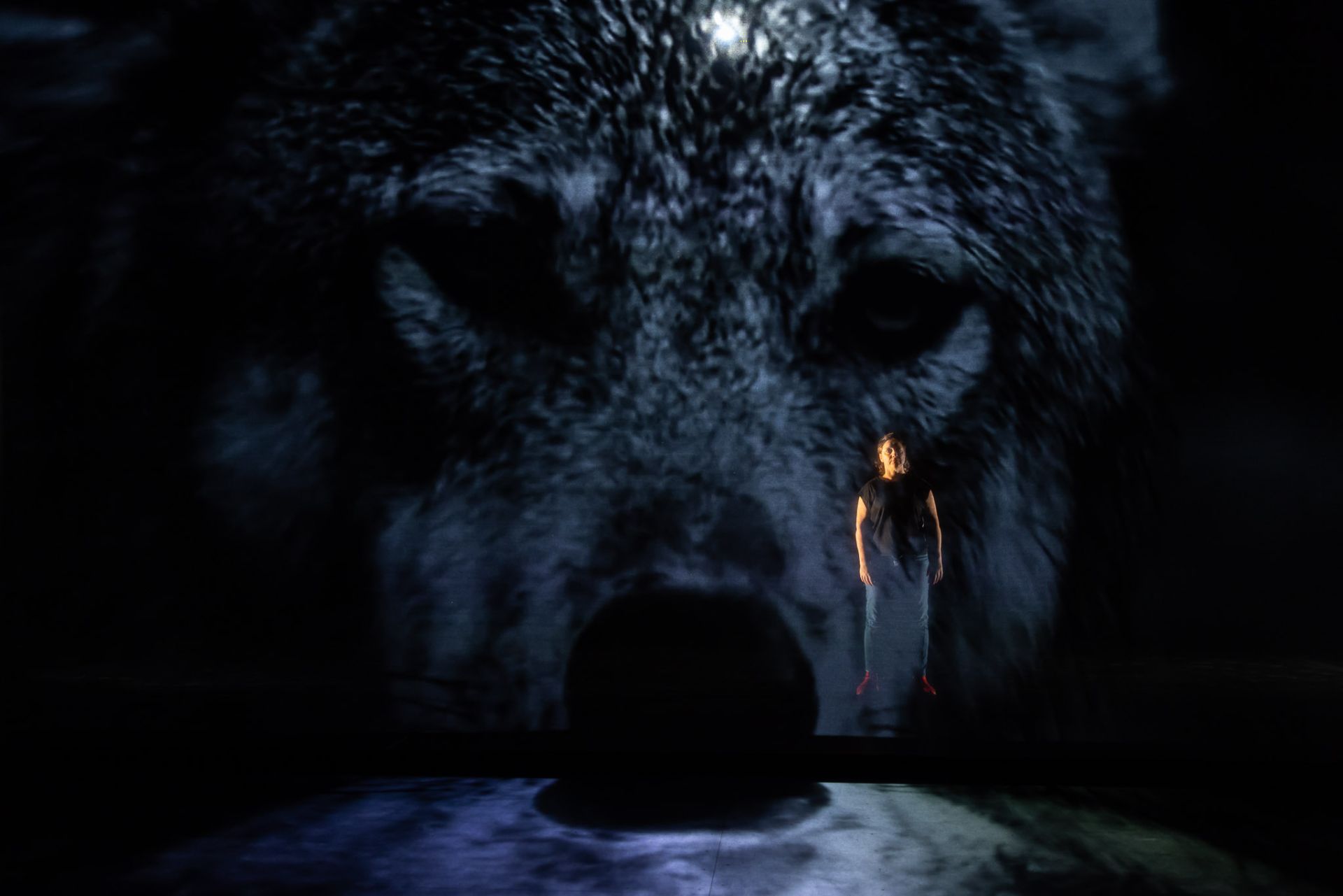
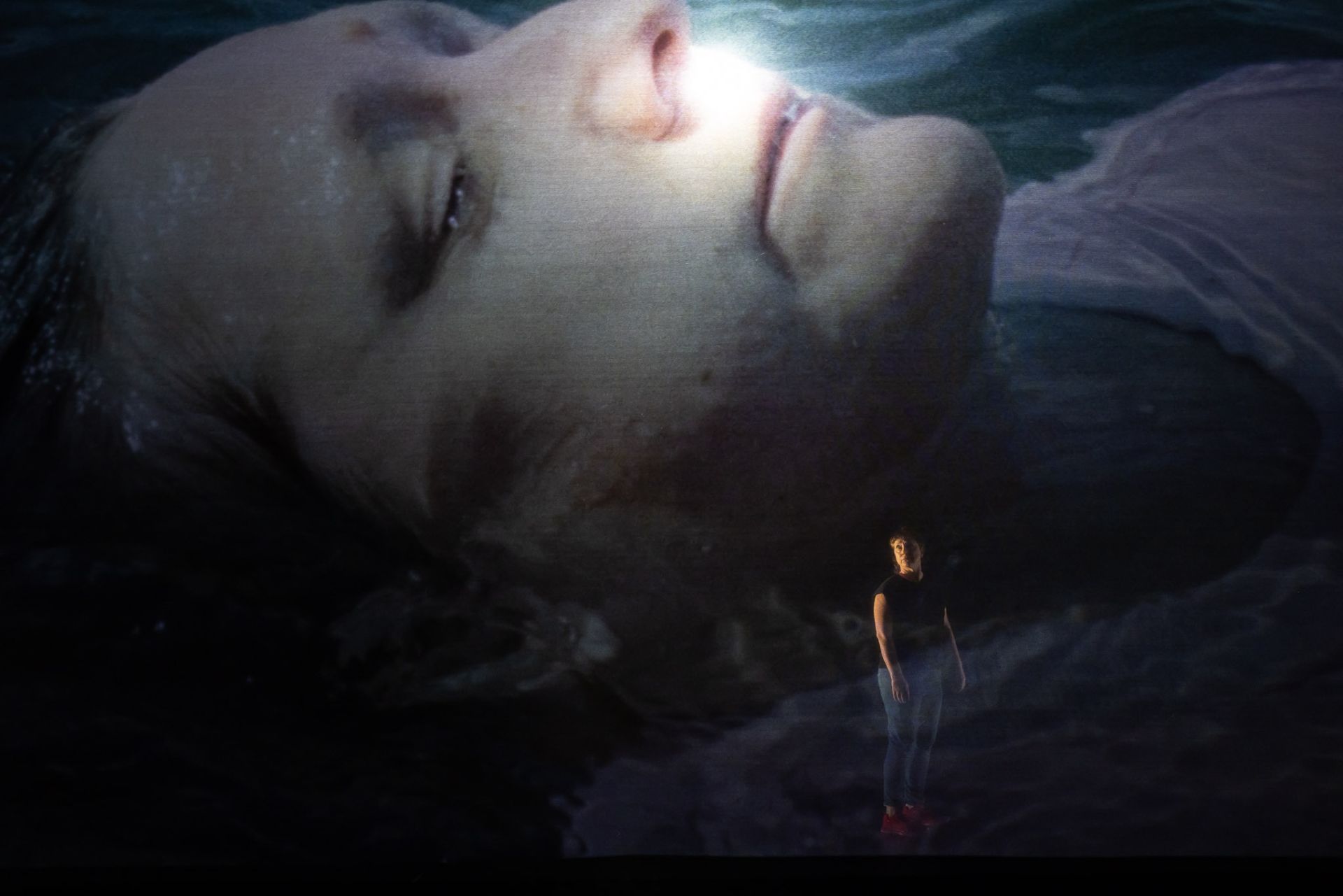
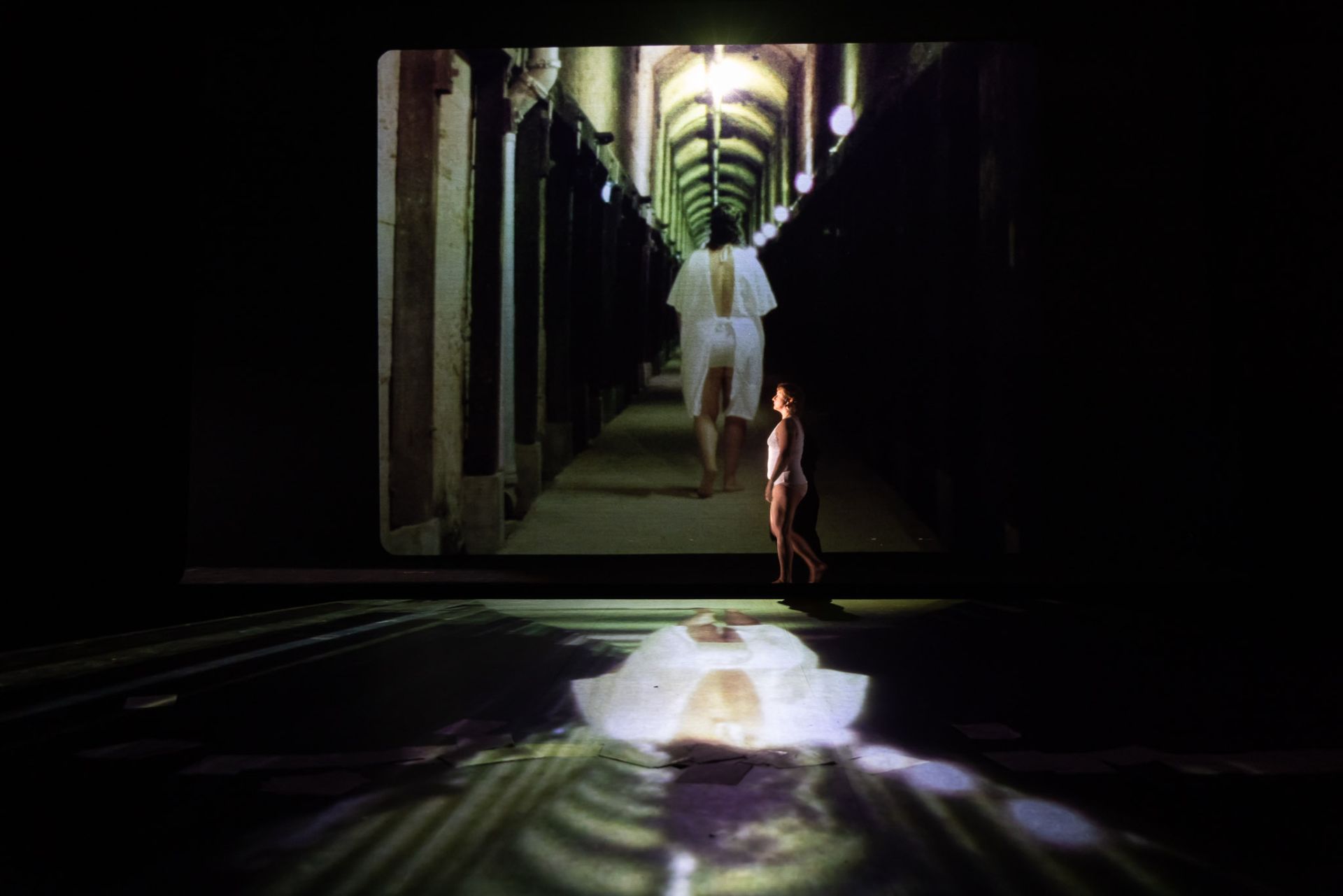
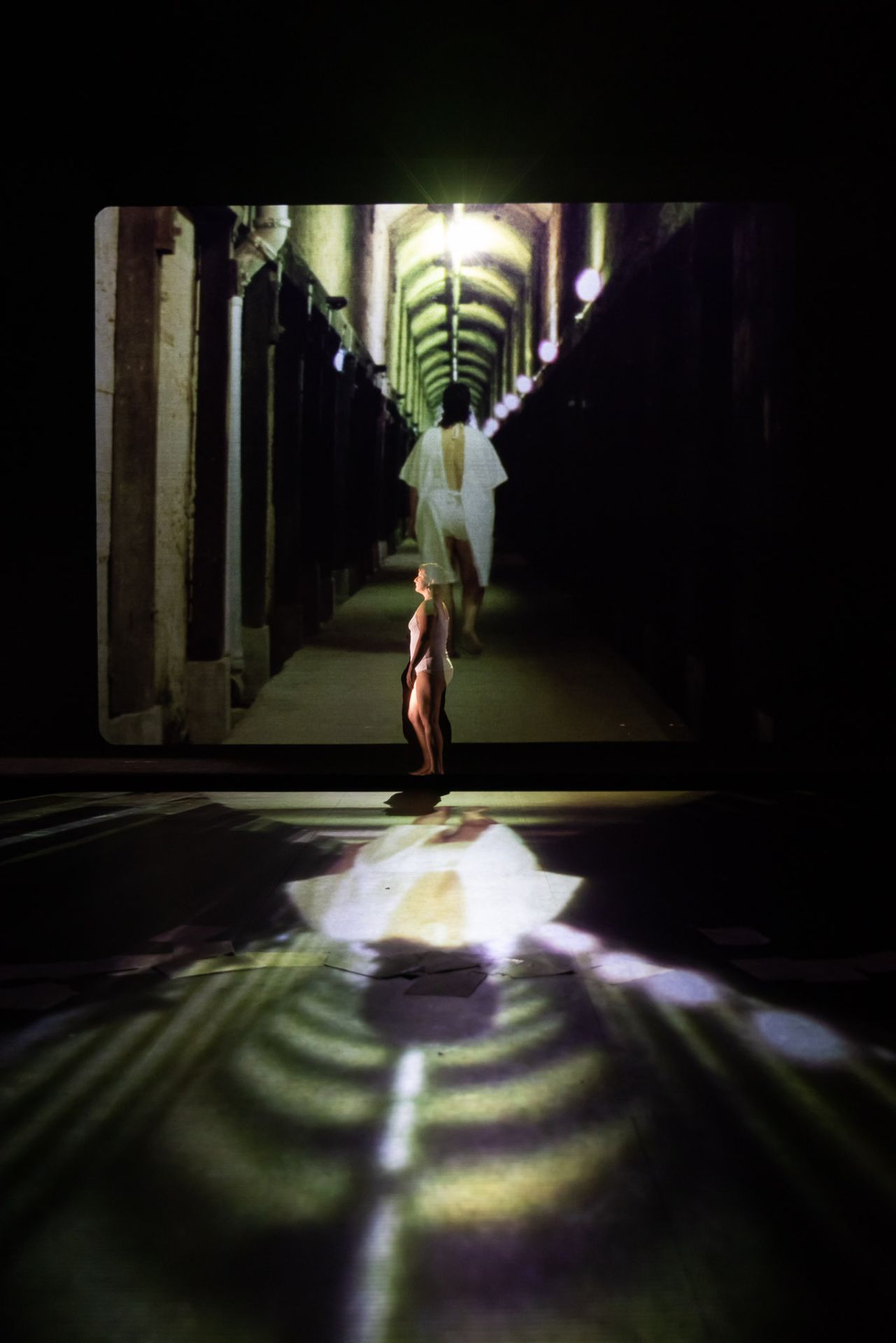
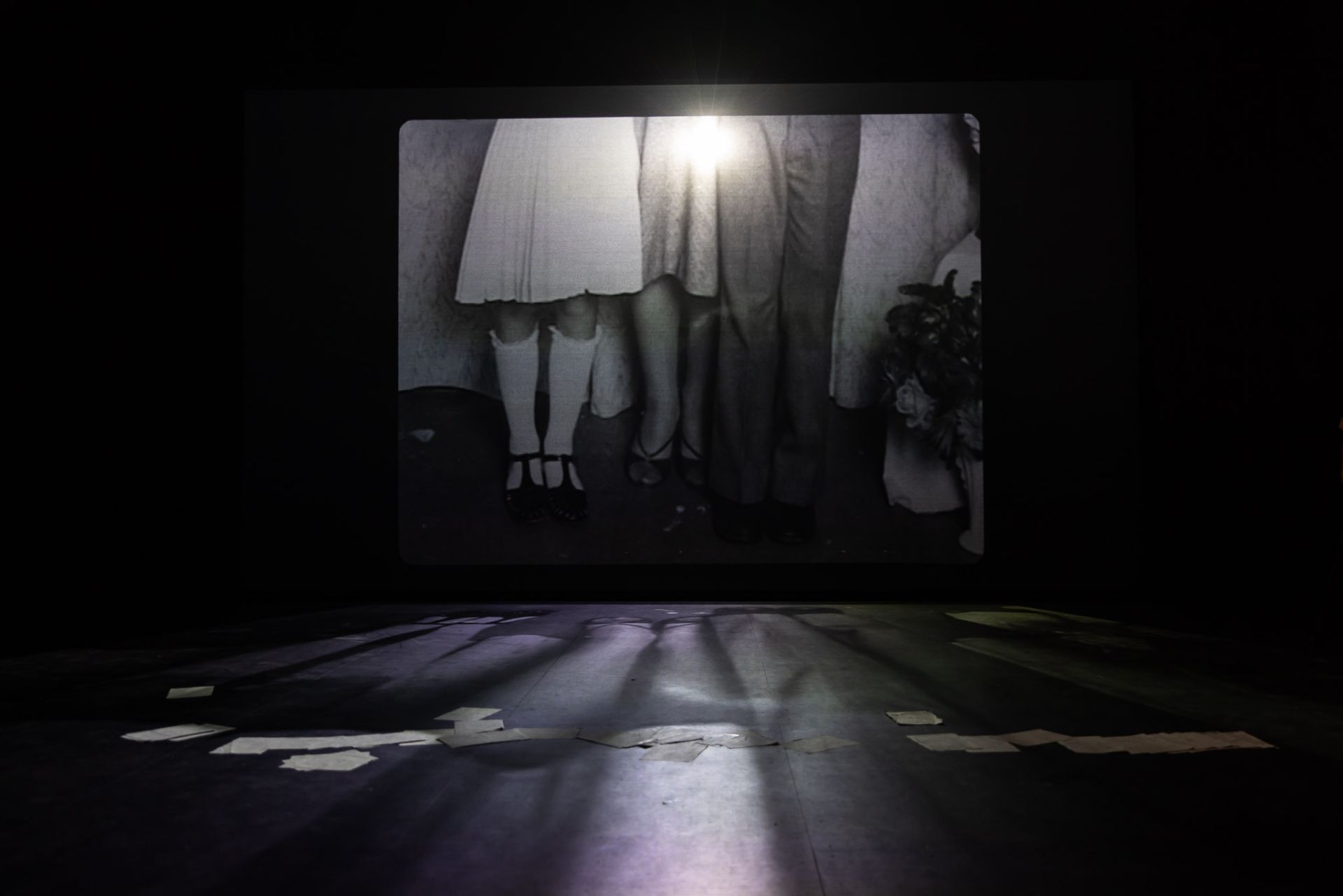
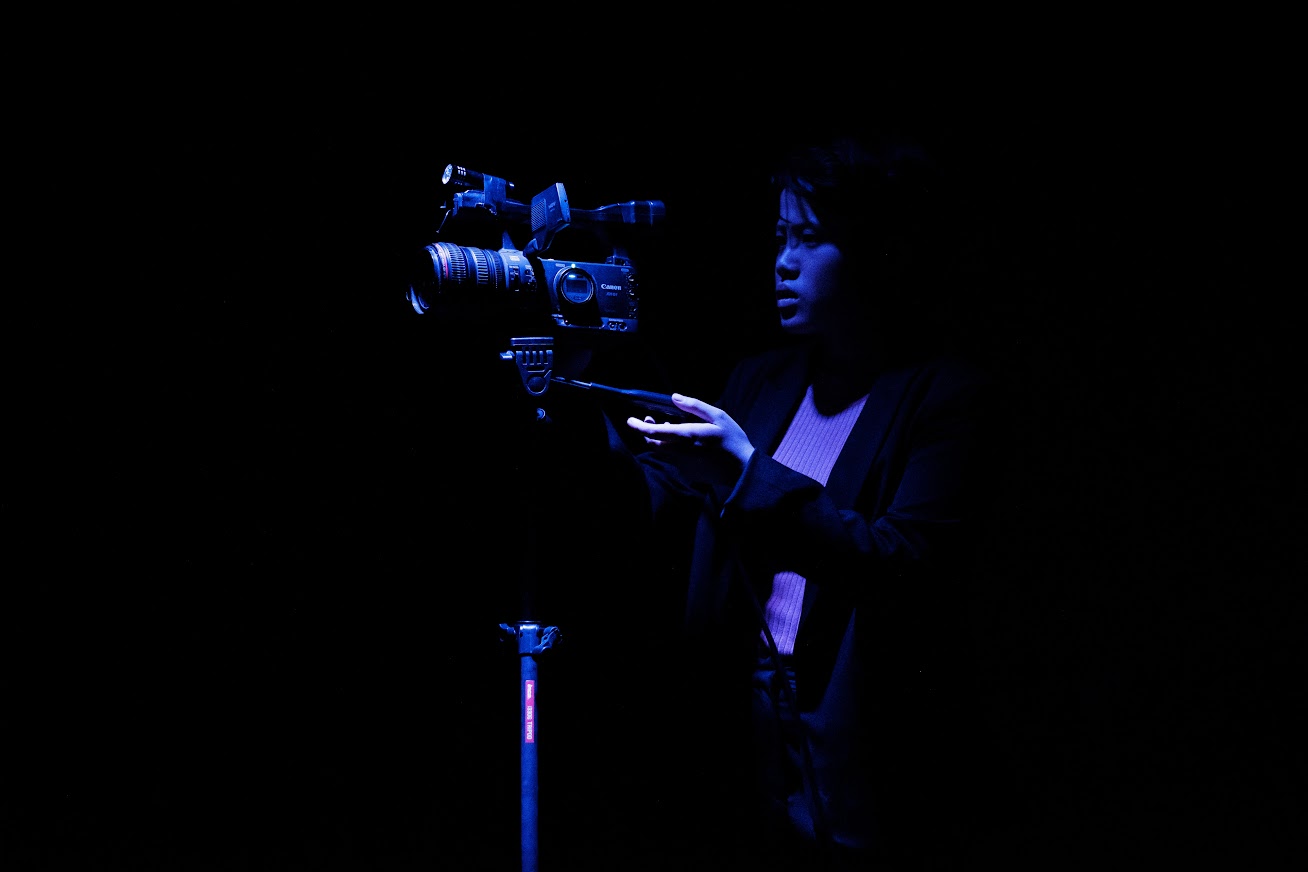
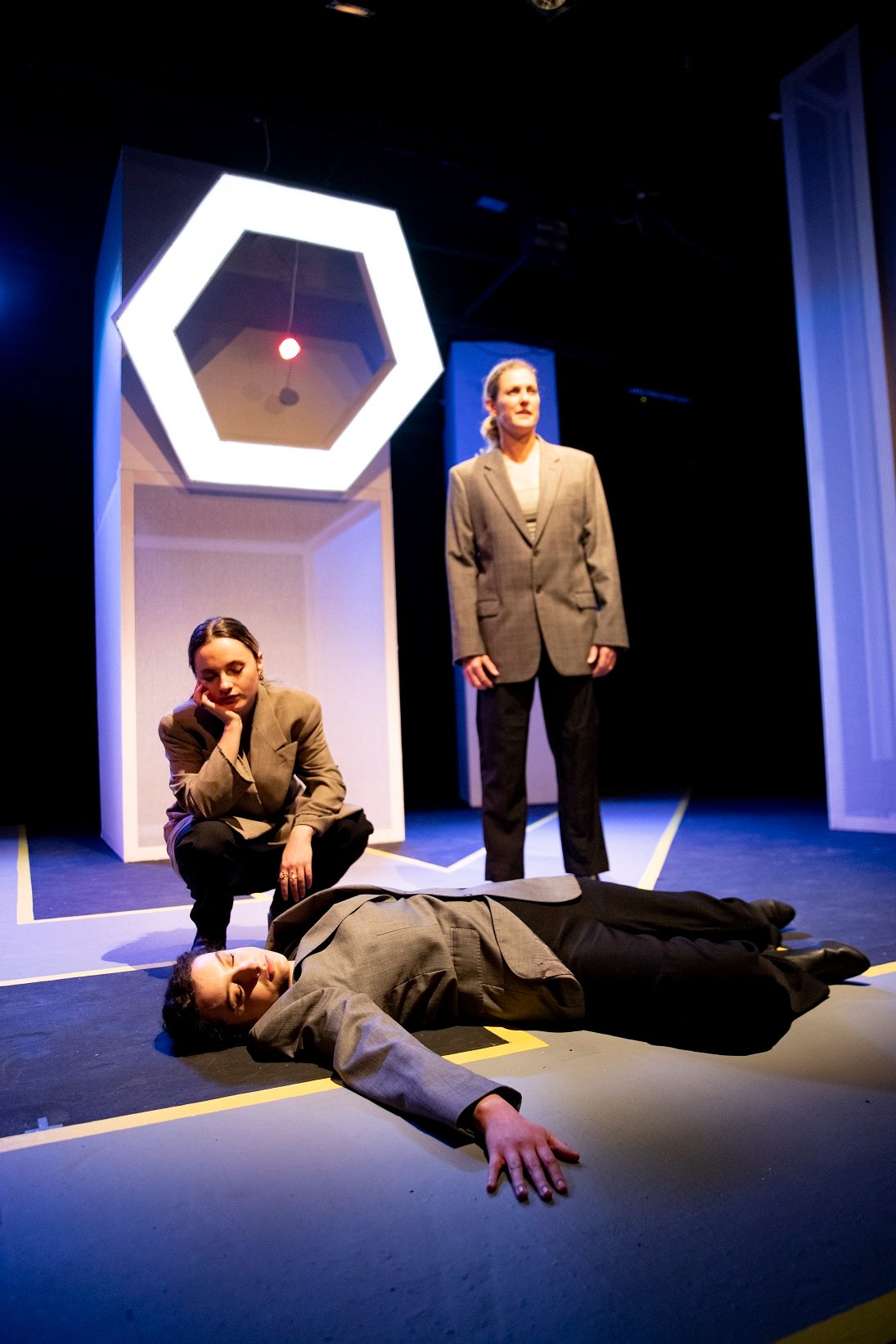
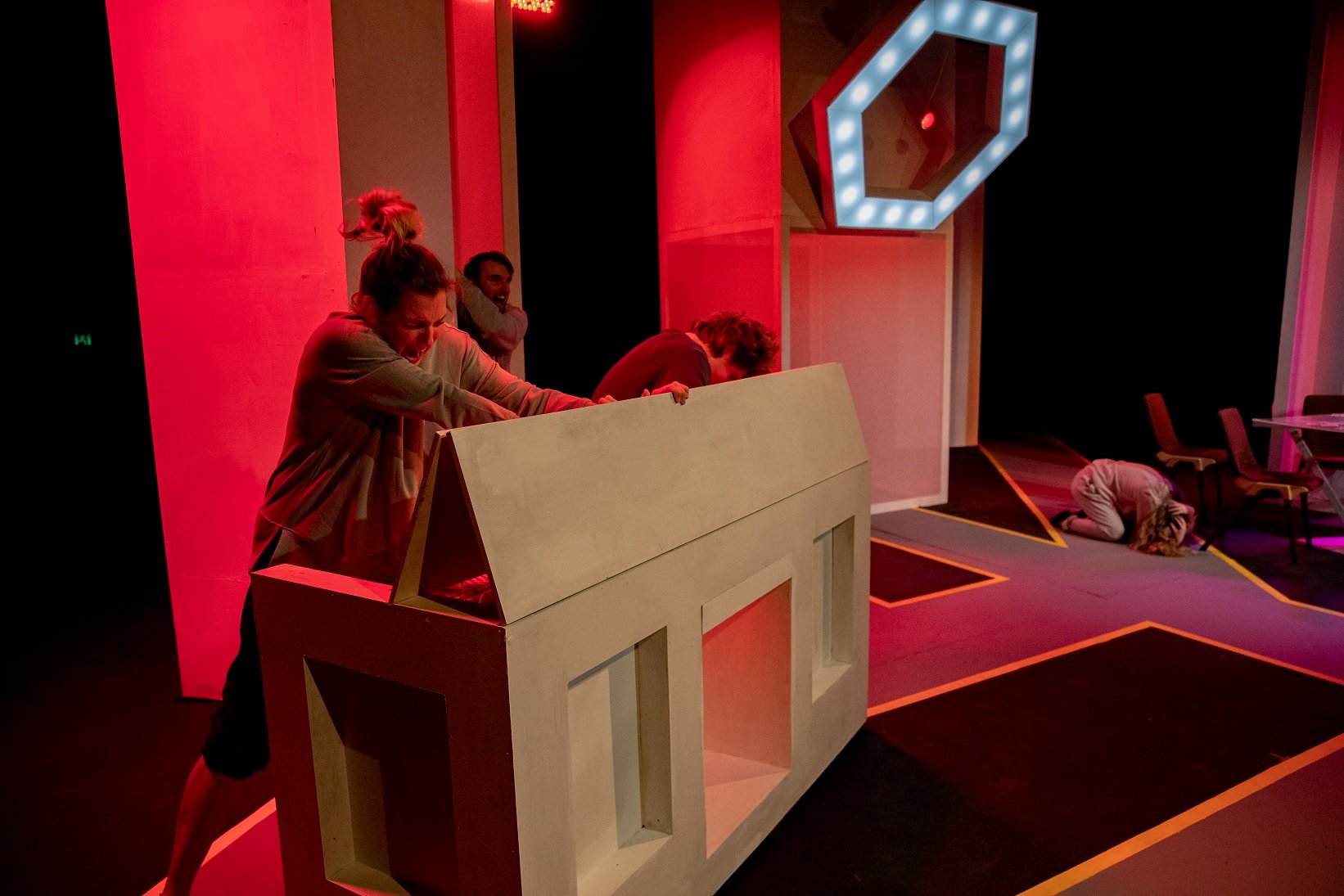
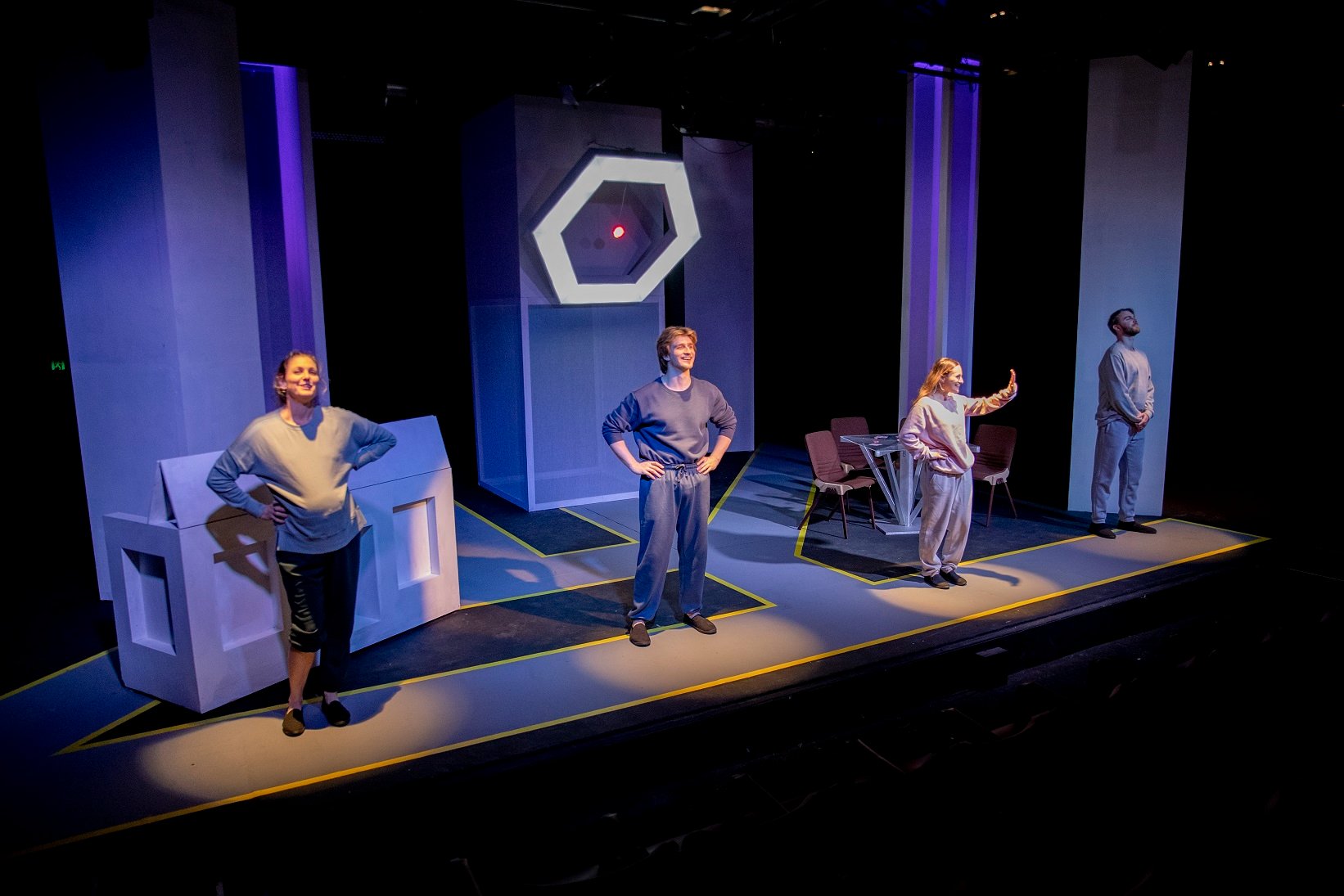
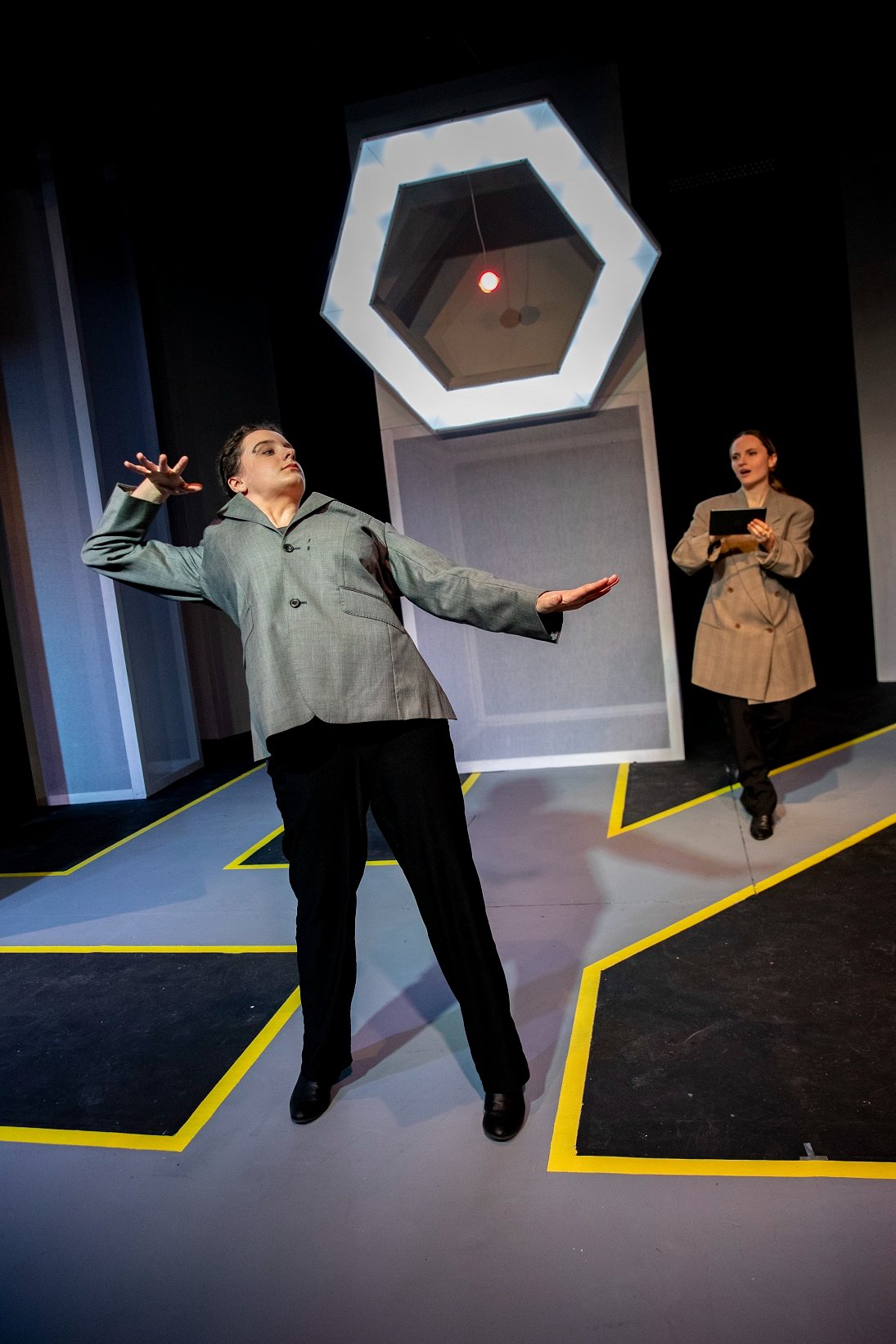
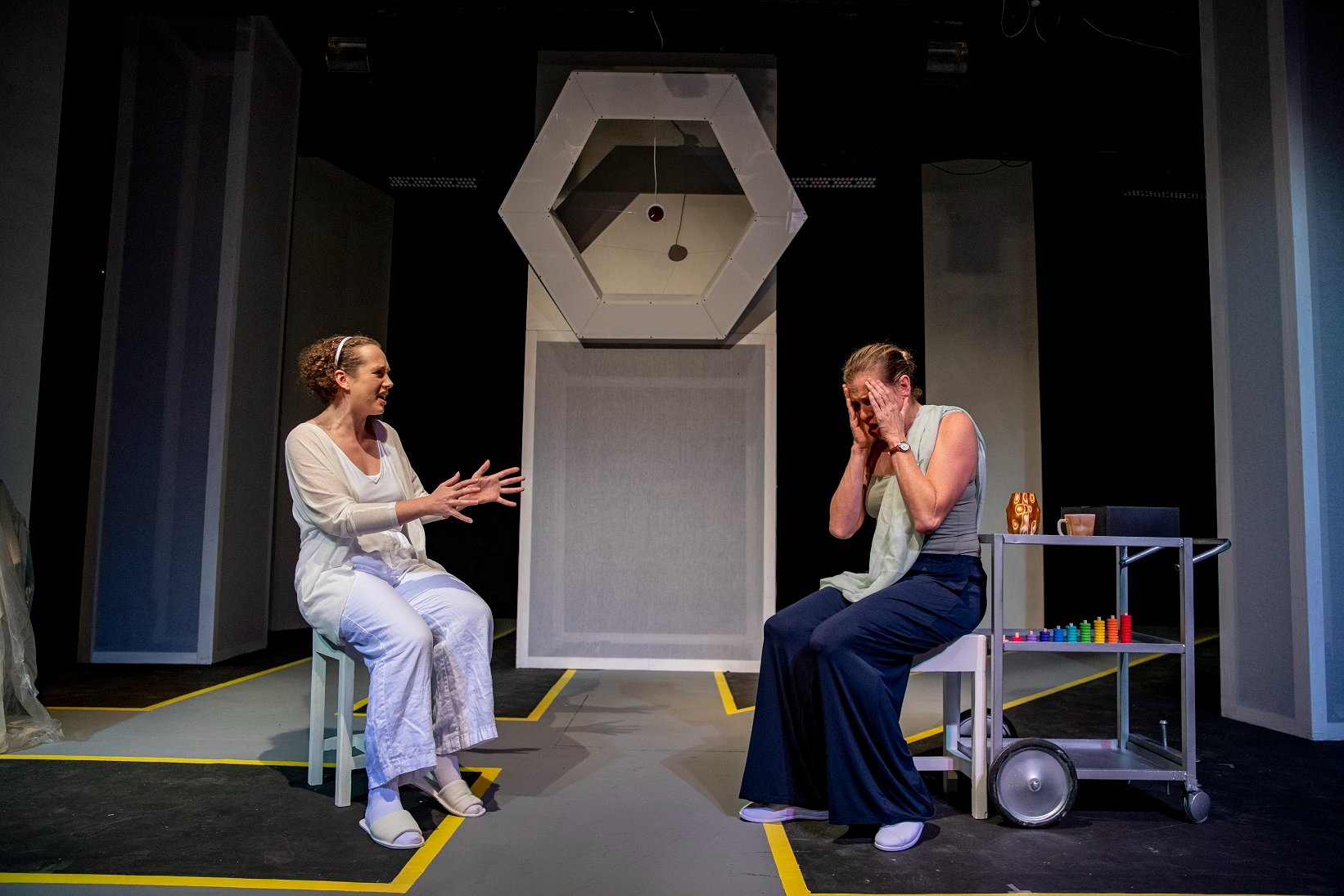
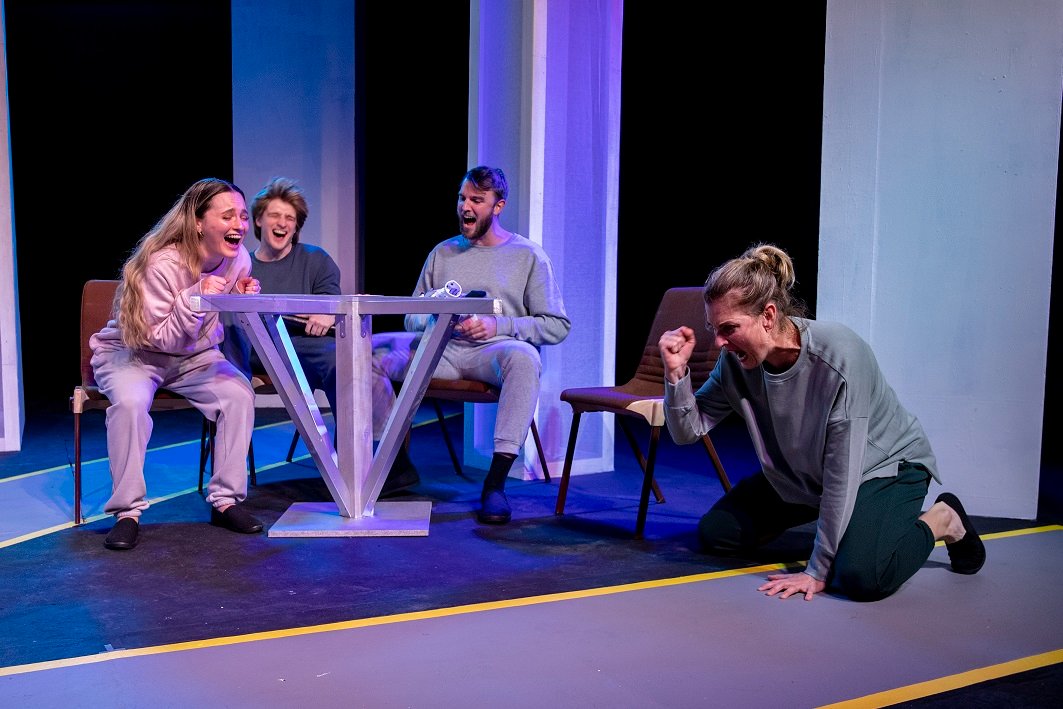
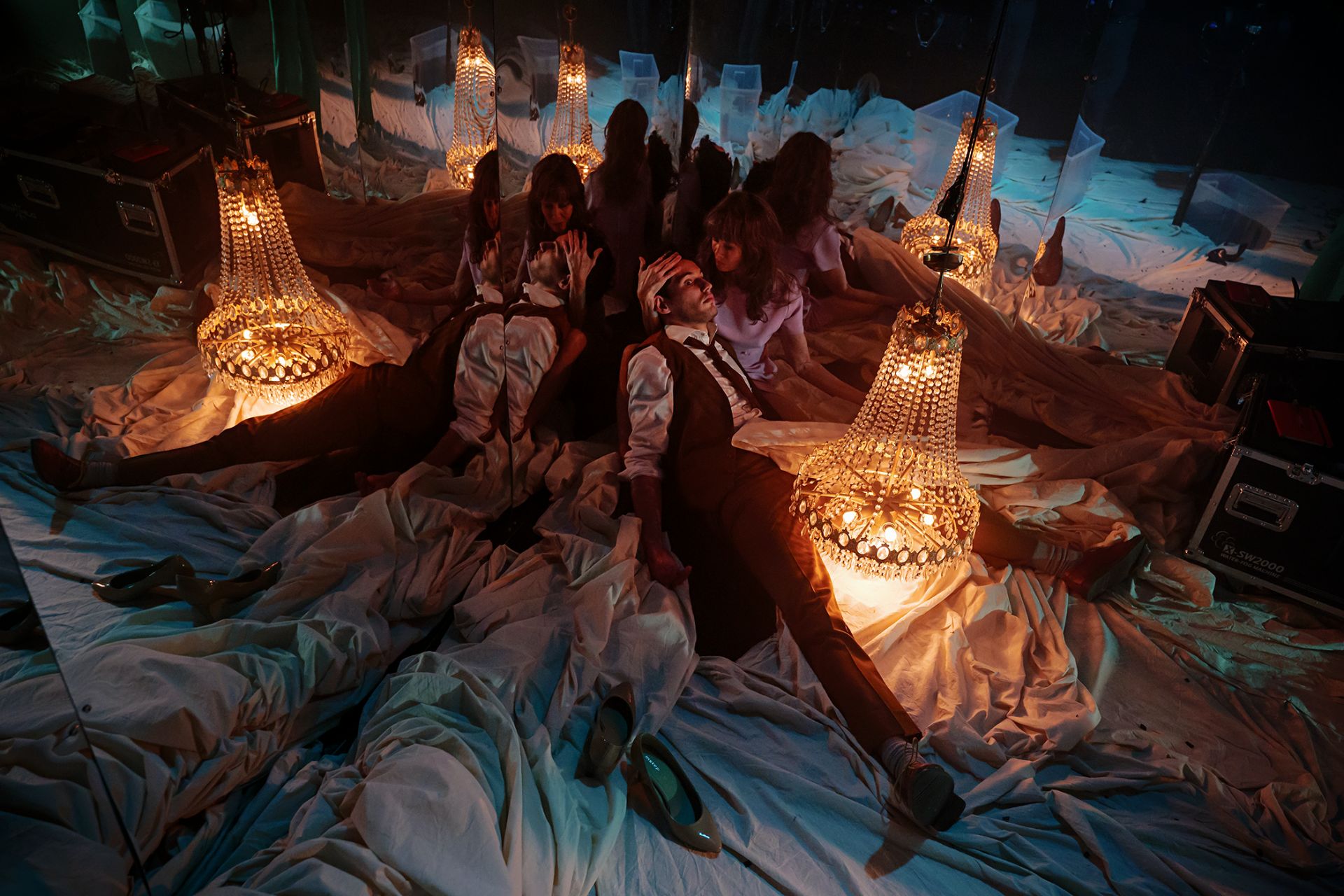
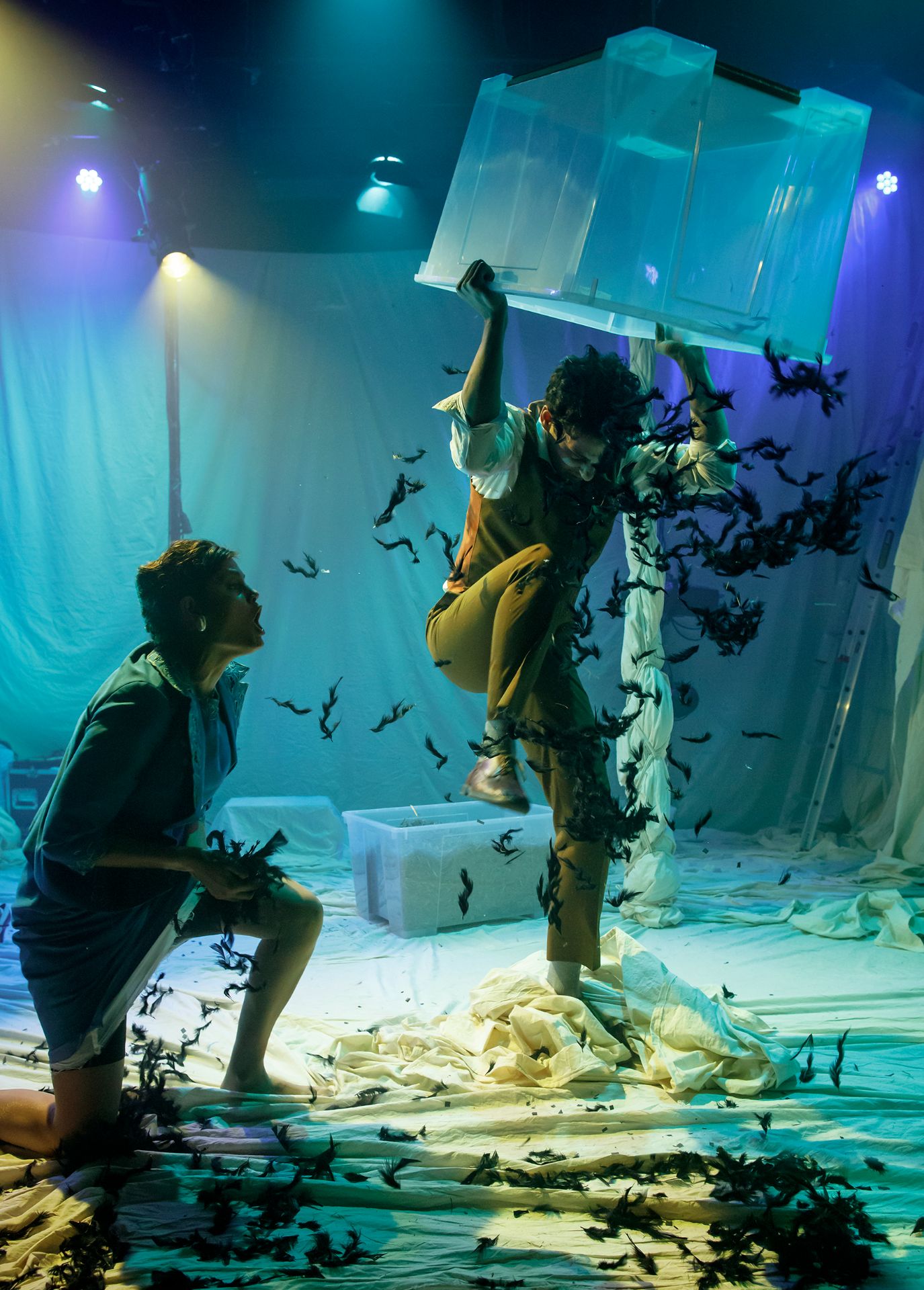
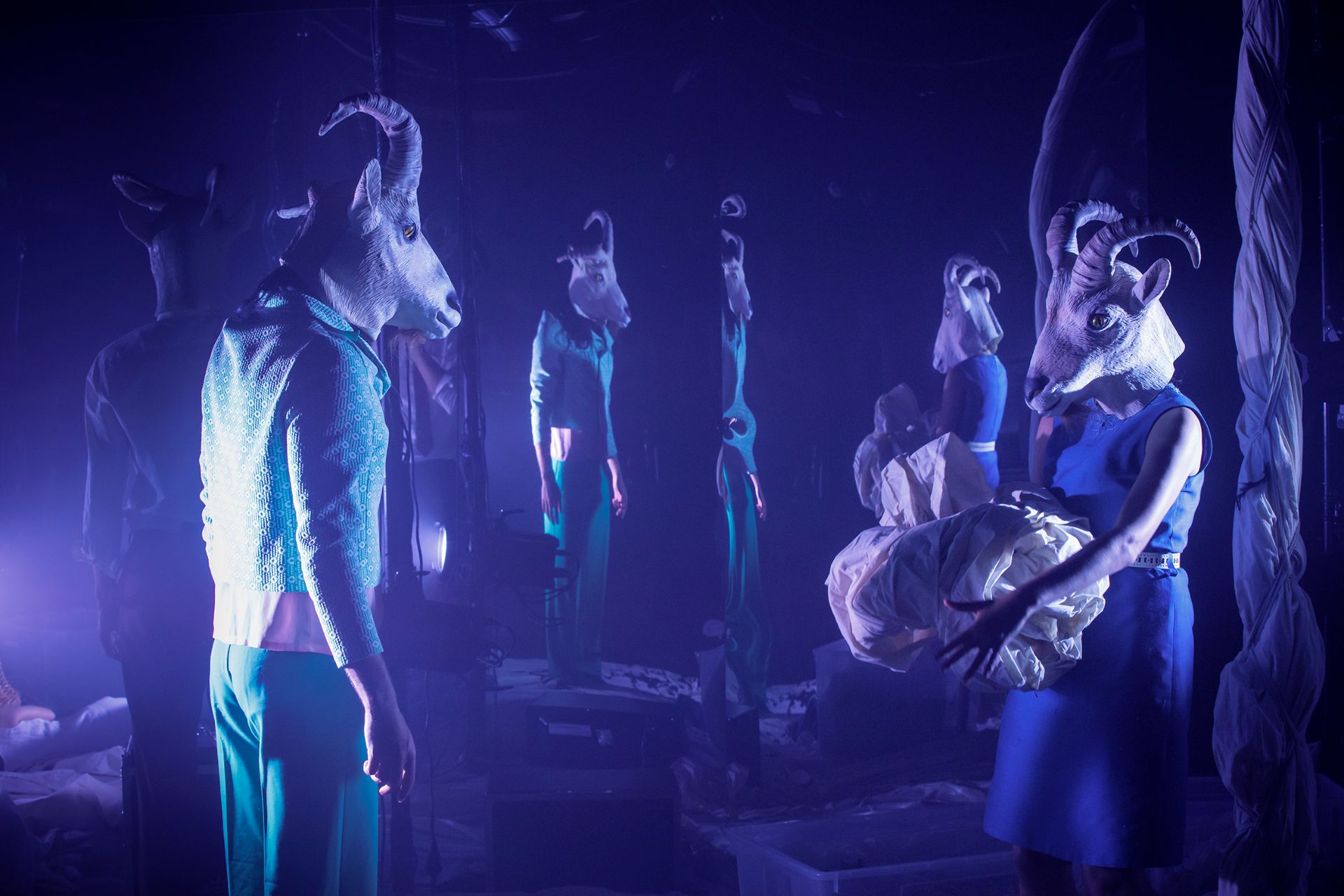
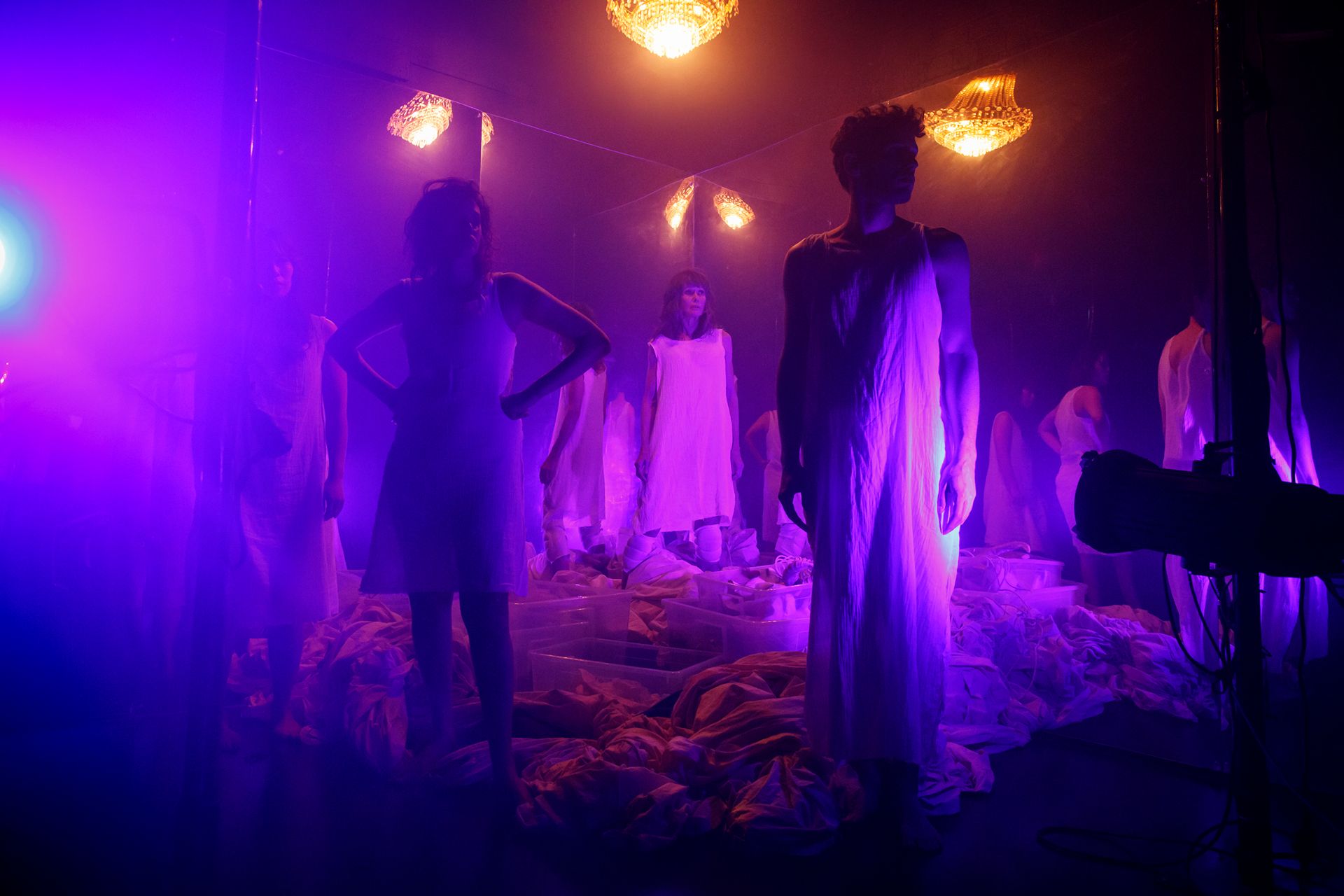
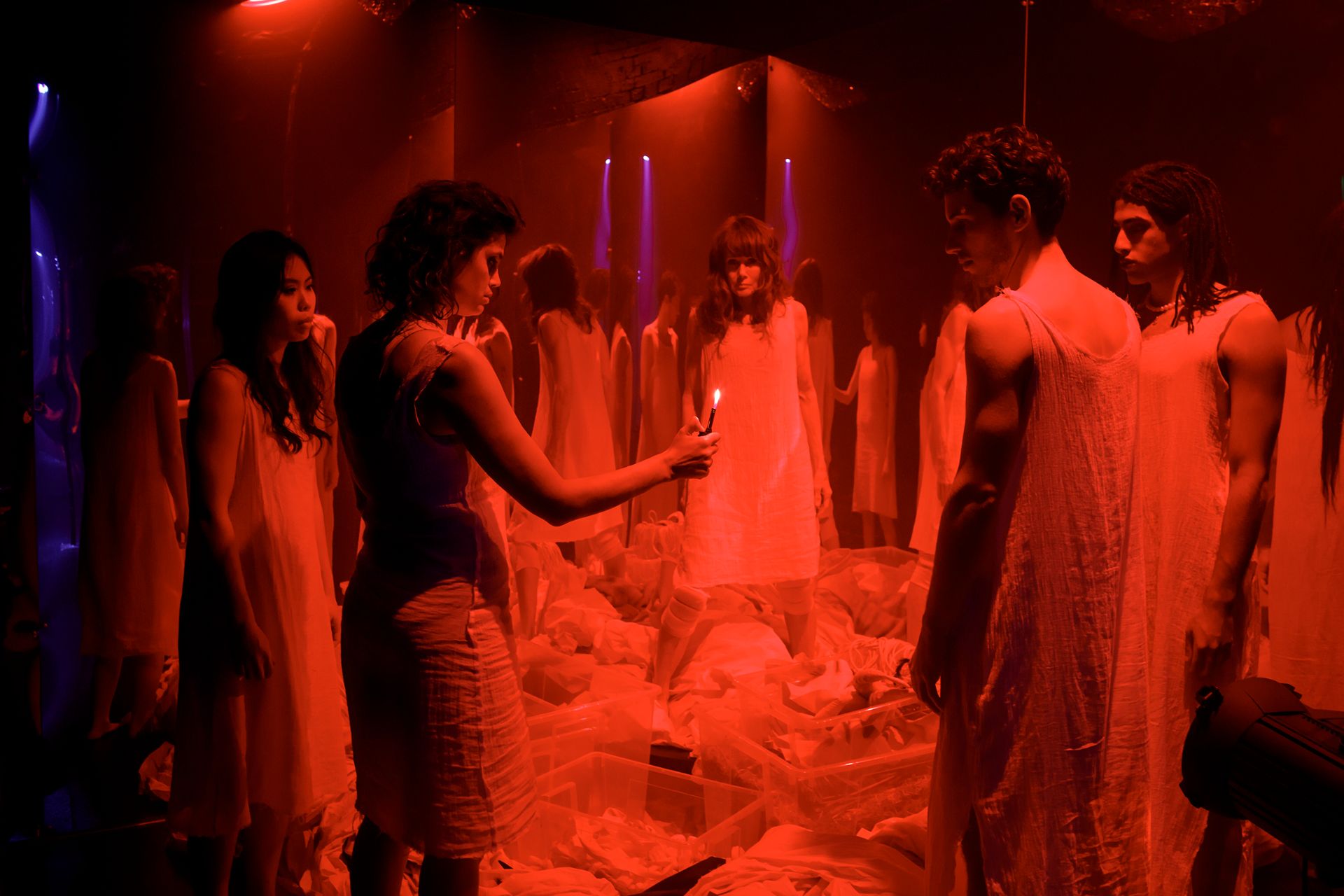
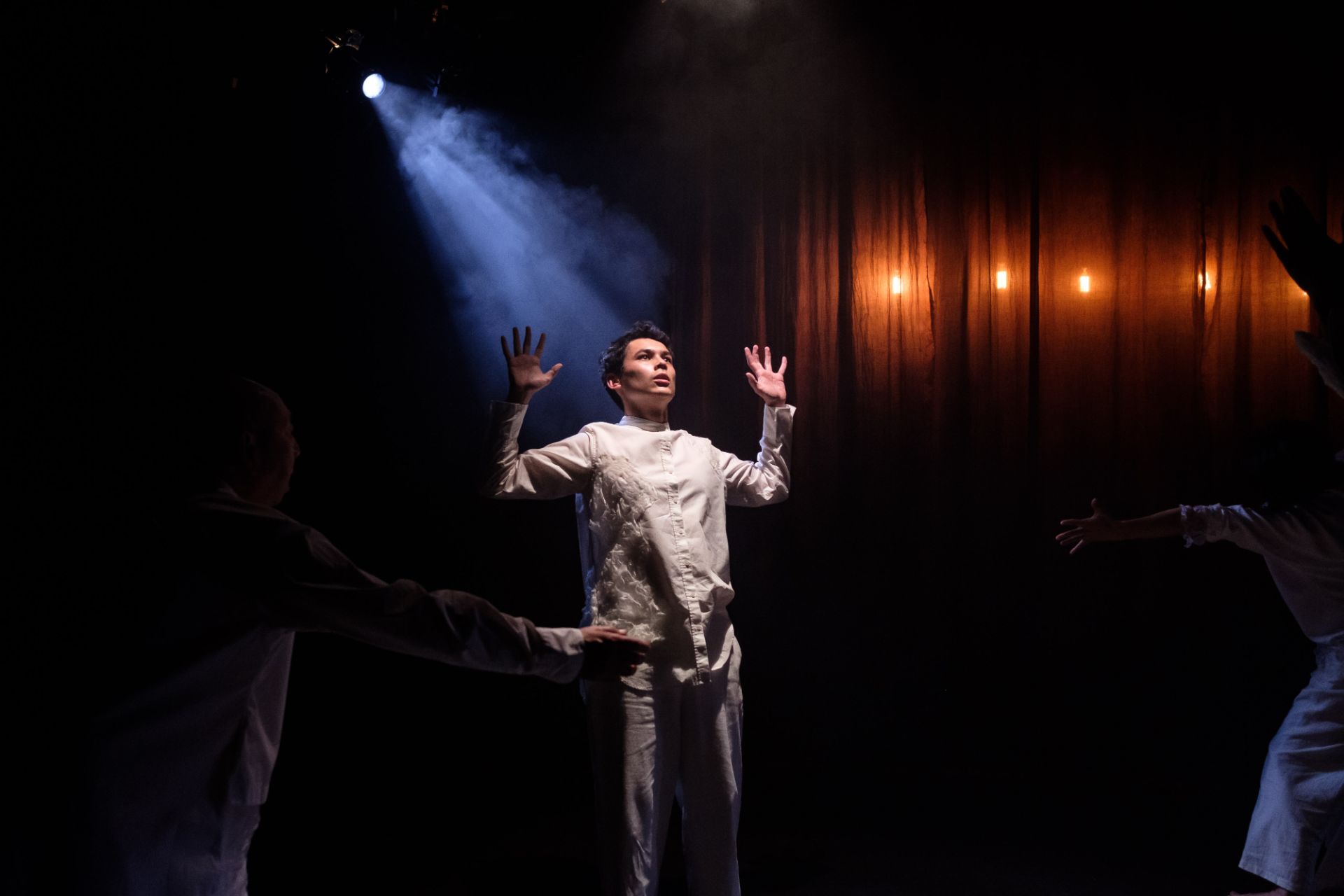
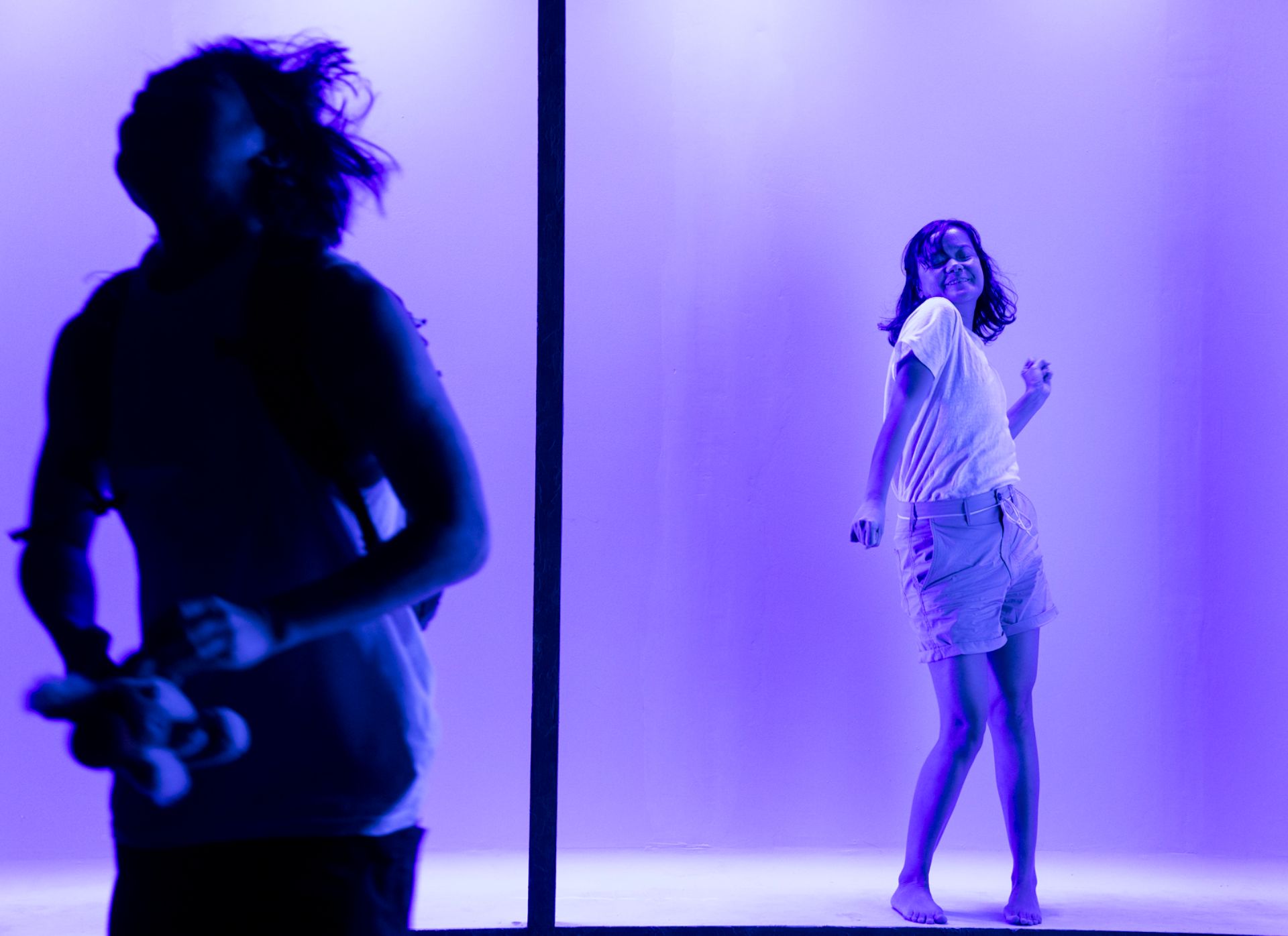
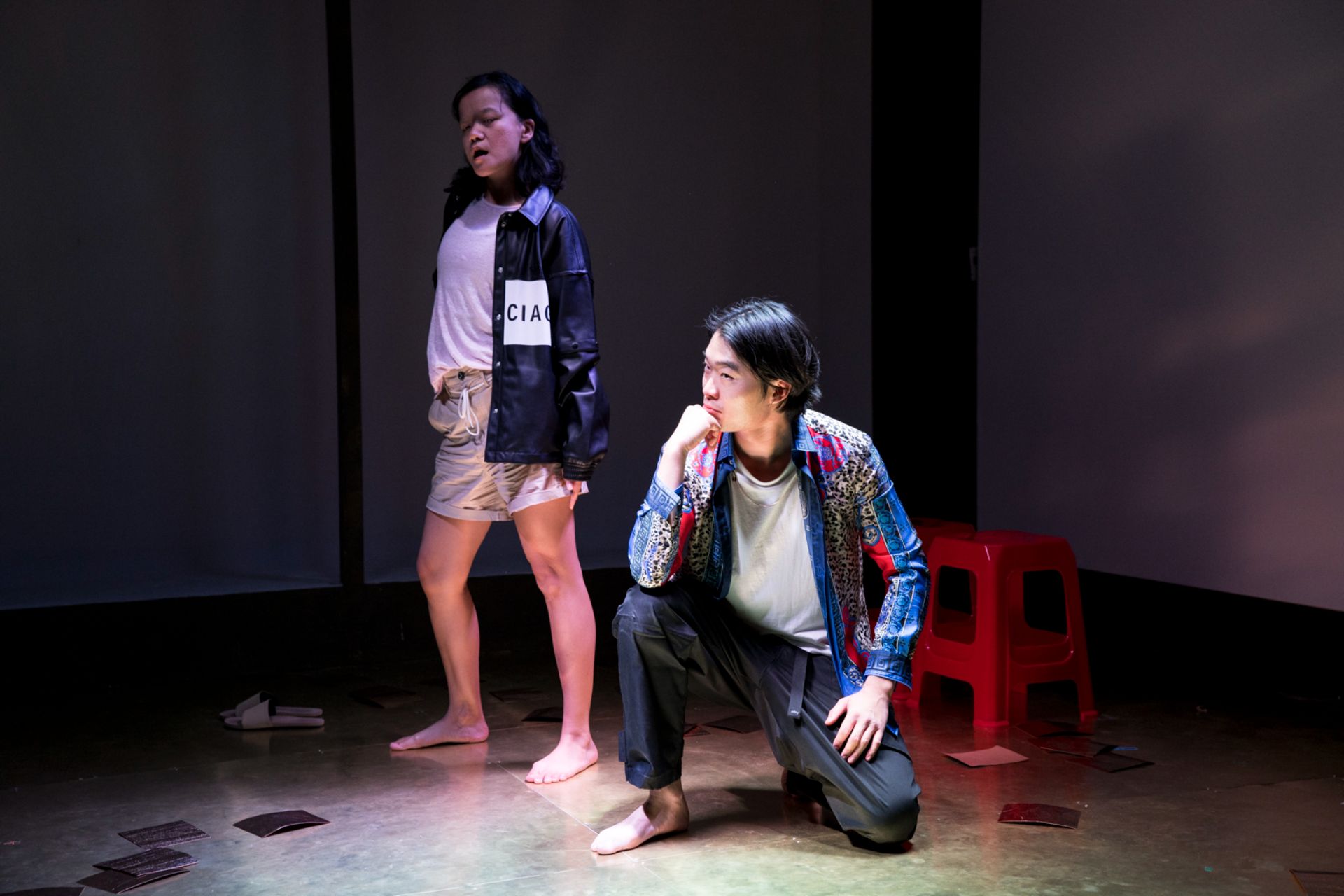
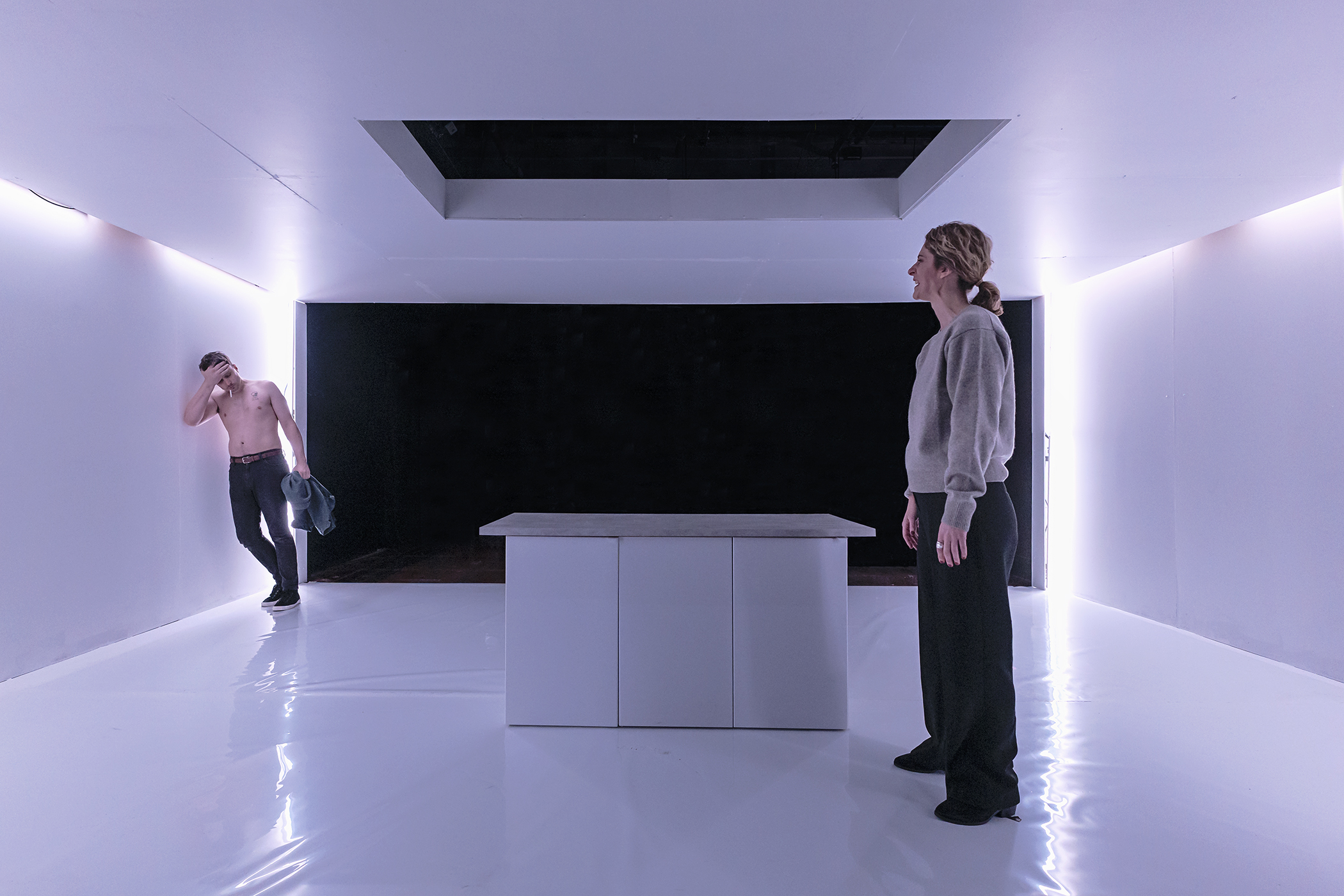
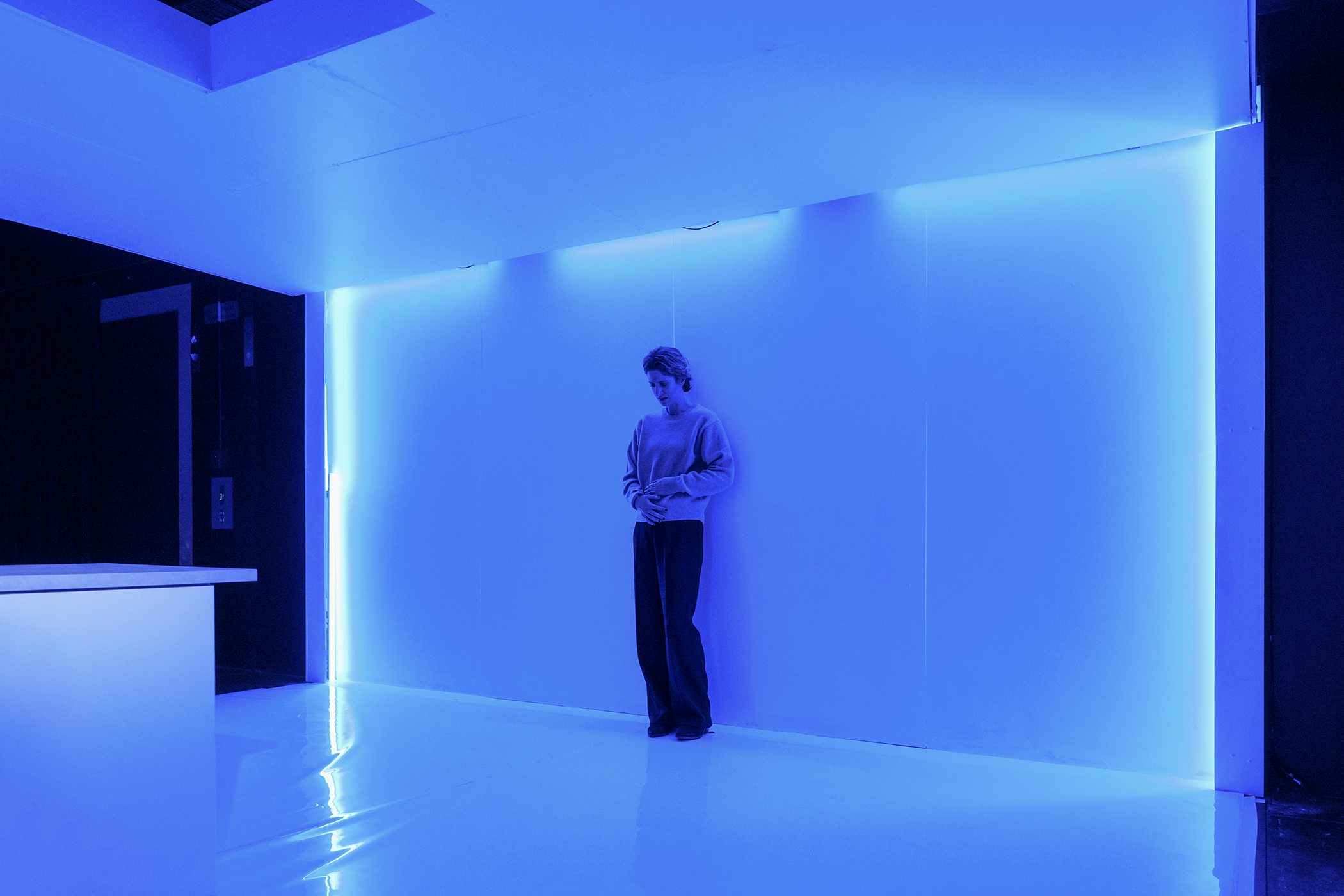
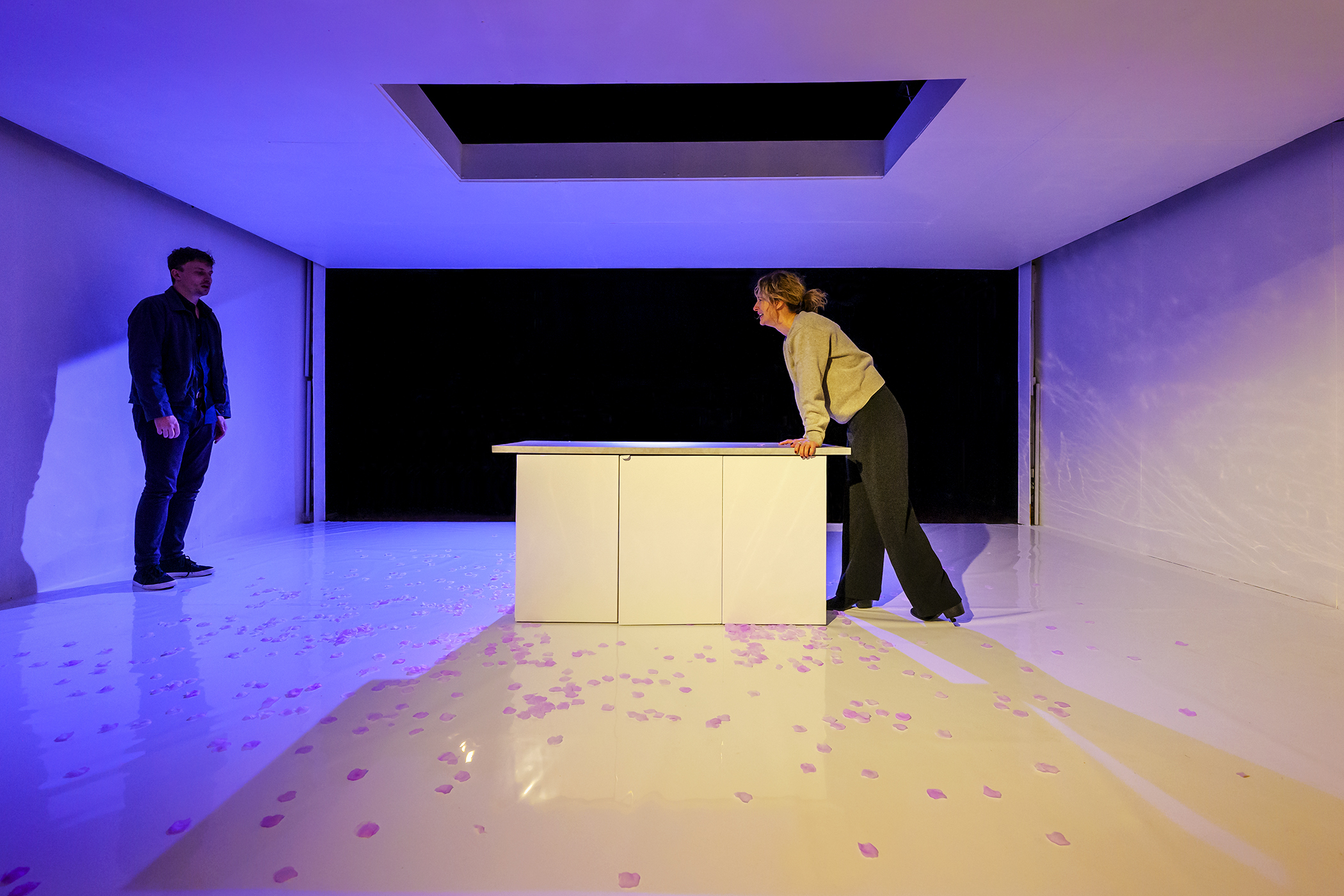
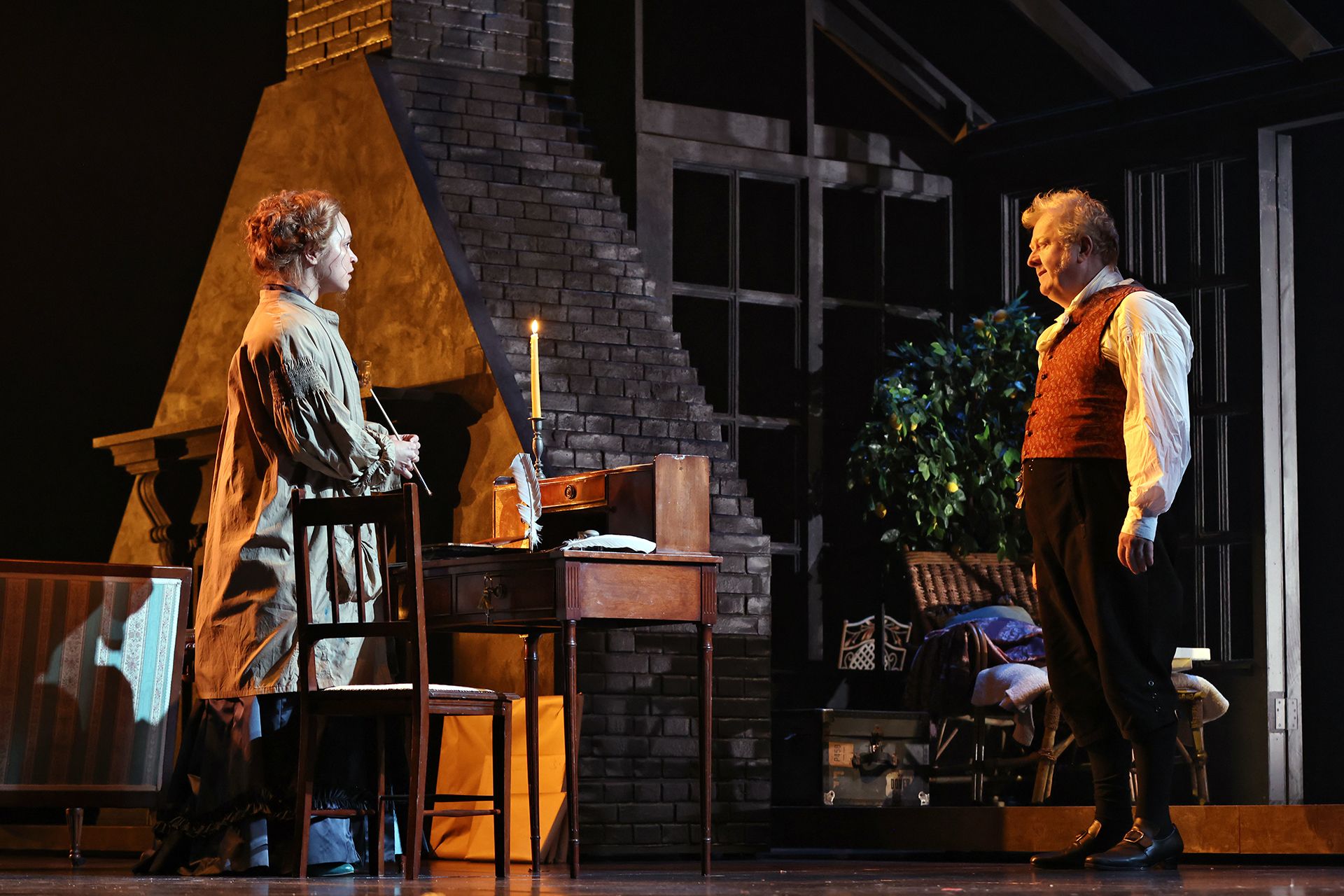
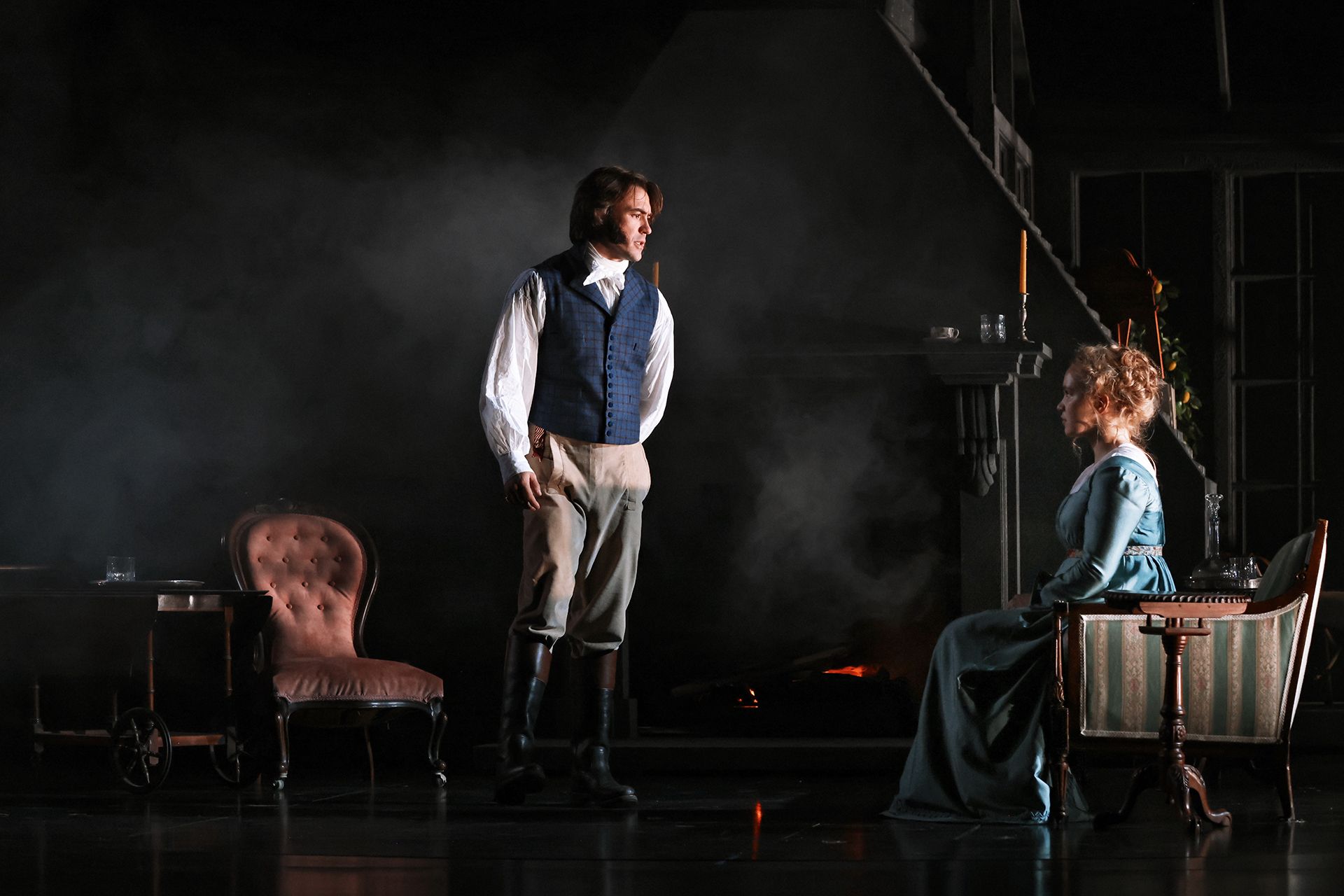
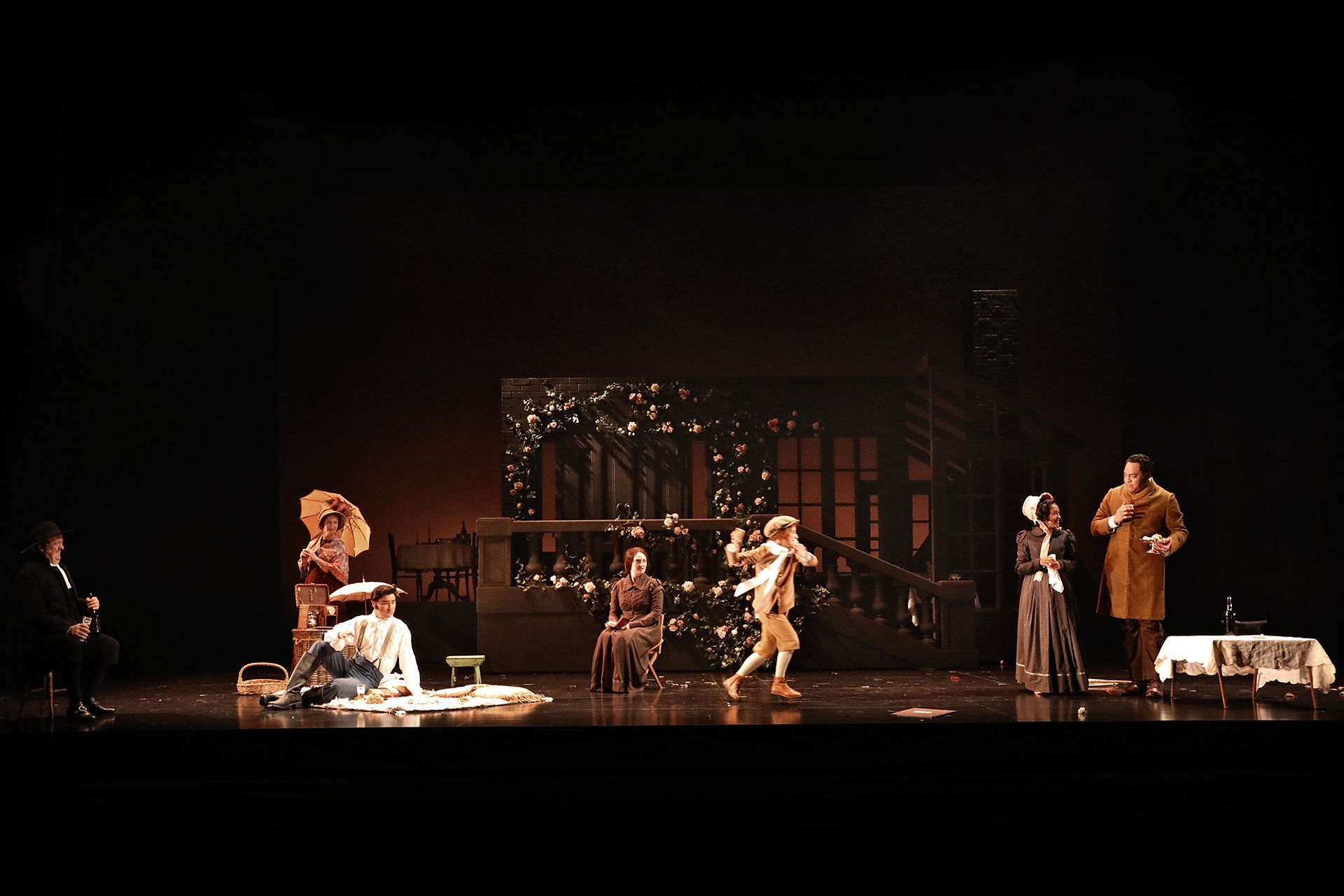
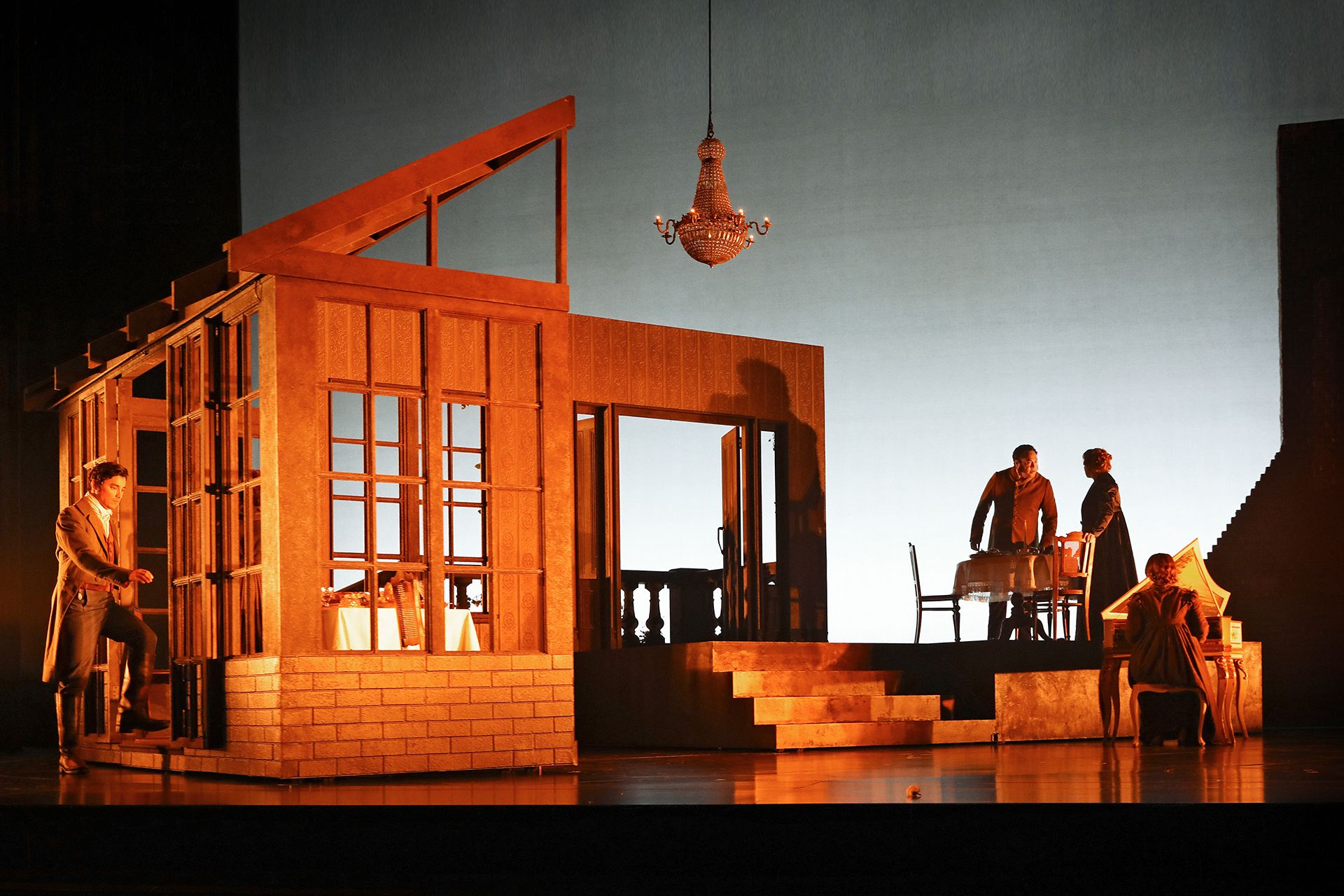
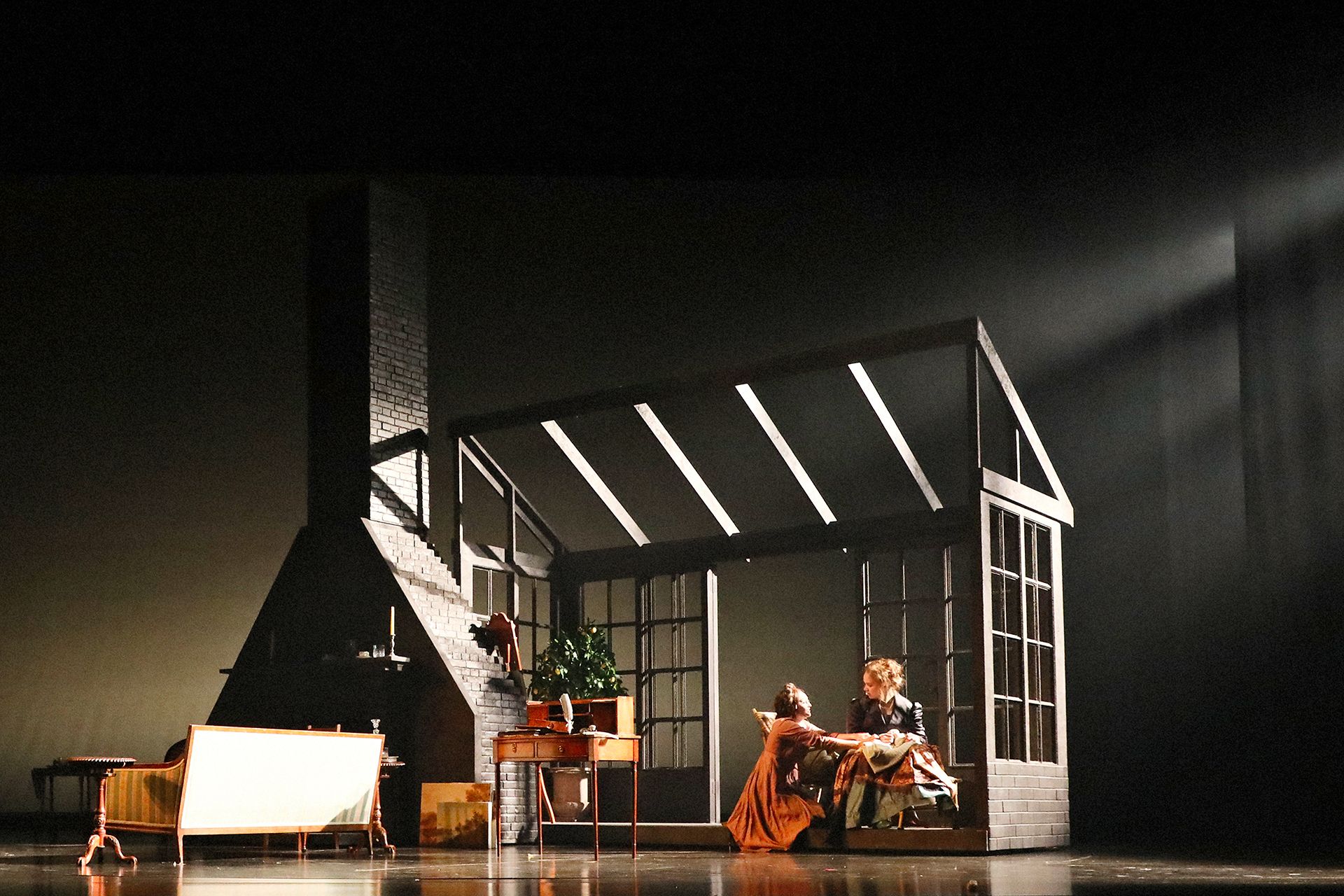
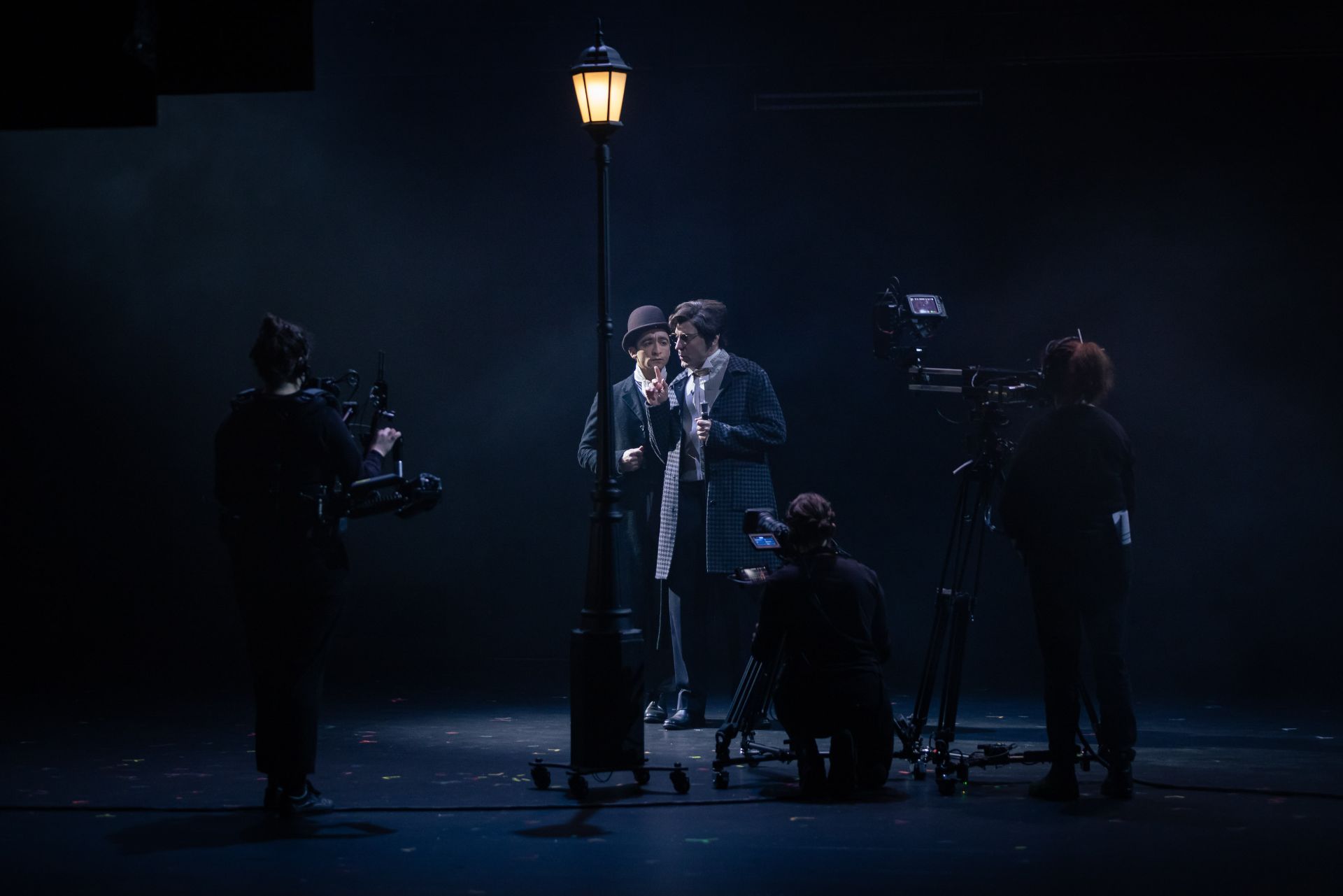
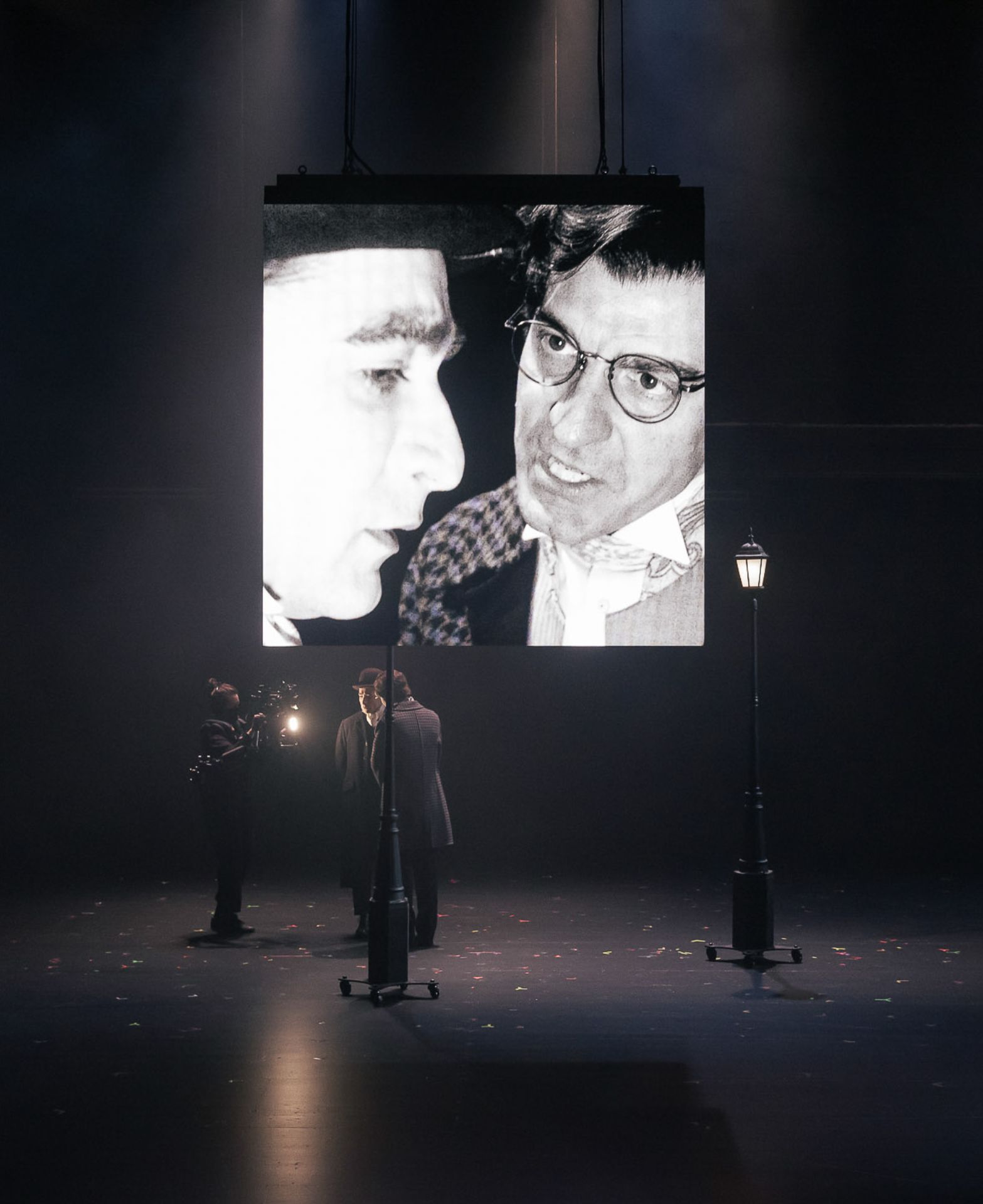
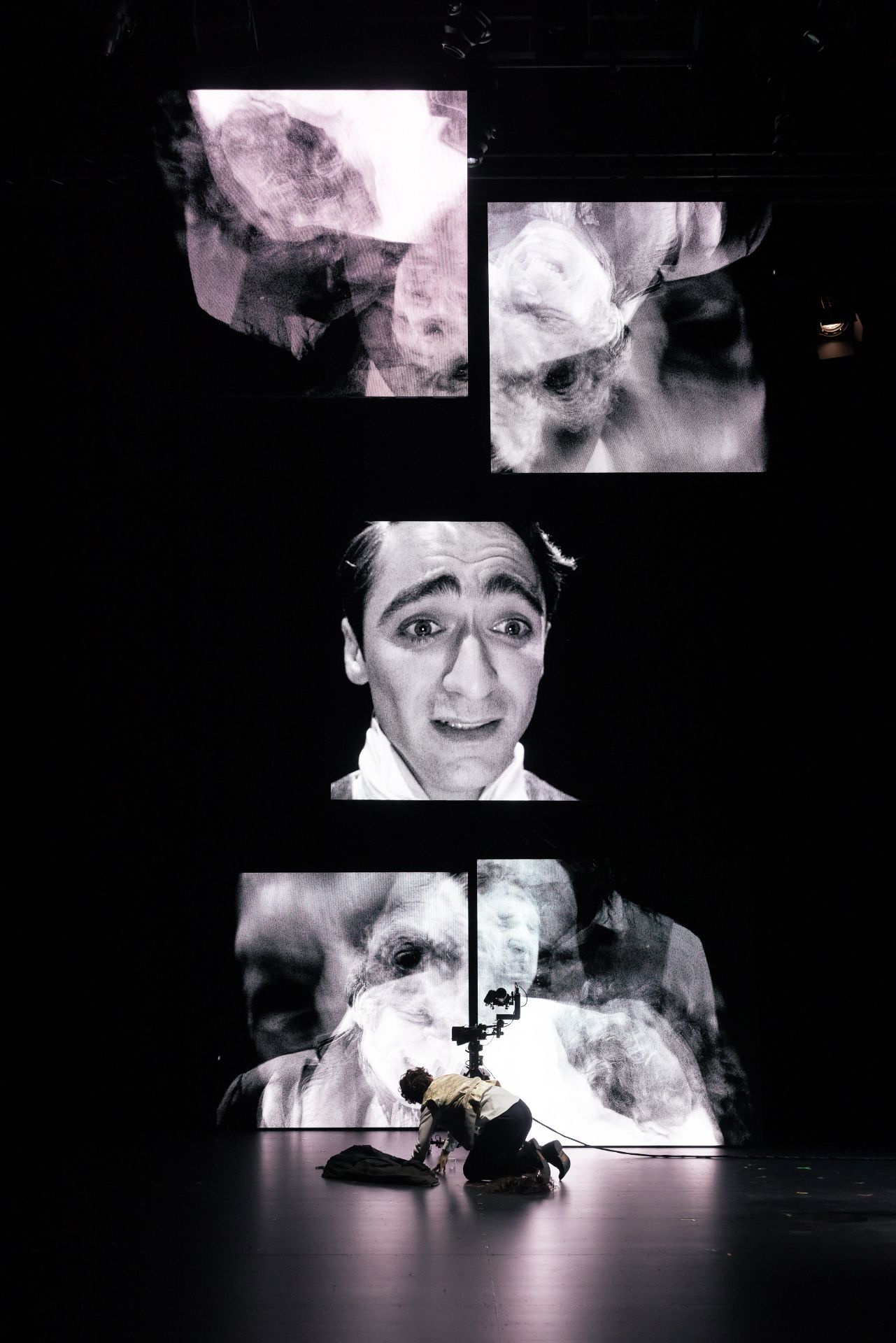
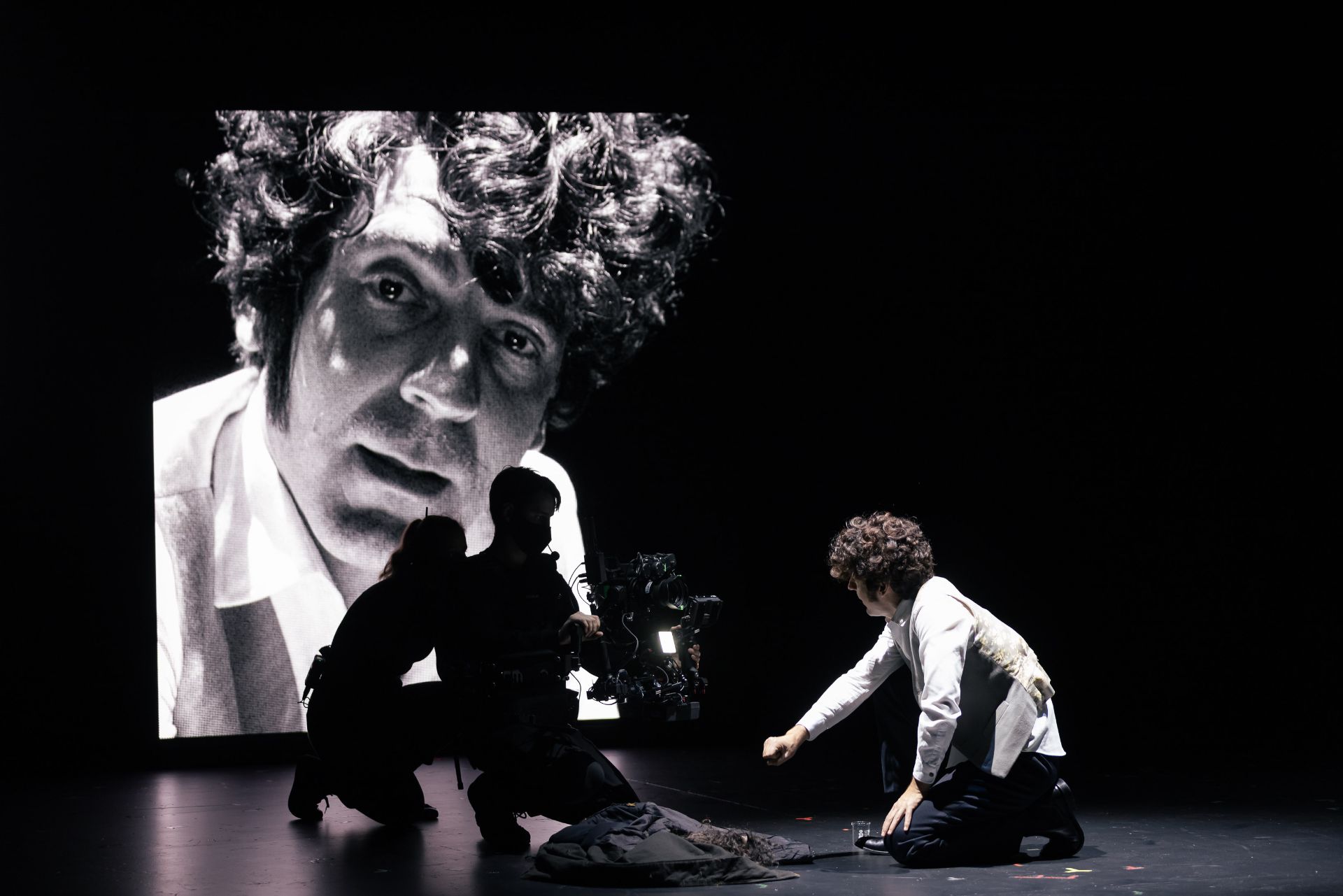
David Fleischer’s set design too is uncomplicated, in its depiction of a masculine and superficially stylish world. Costumes by Mel Page are flattering, and appropriately understated. Nick Schlieper’s lights and Max Lyandvert’s sound are relied upon for dramatic flourishes, to further engage our senses, although those moments of abstract elevation can seem slightly gimmicky, when we fail to decipher enough behind, that could feel substantial.

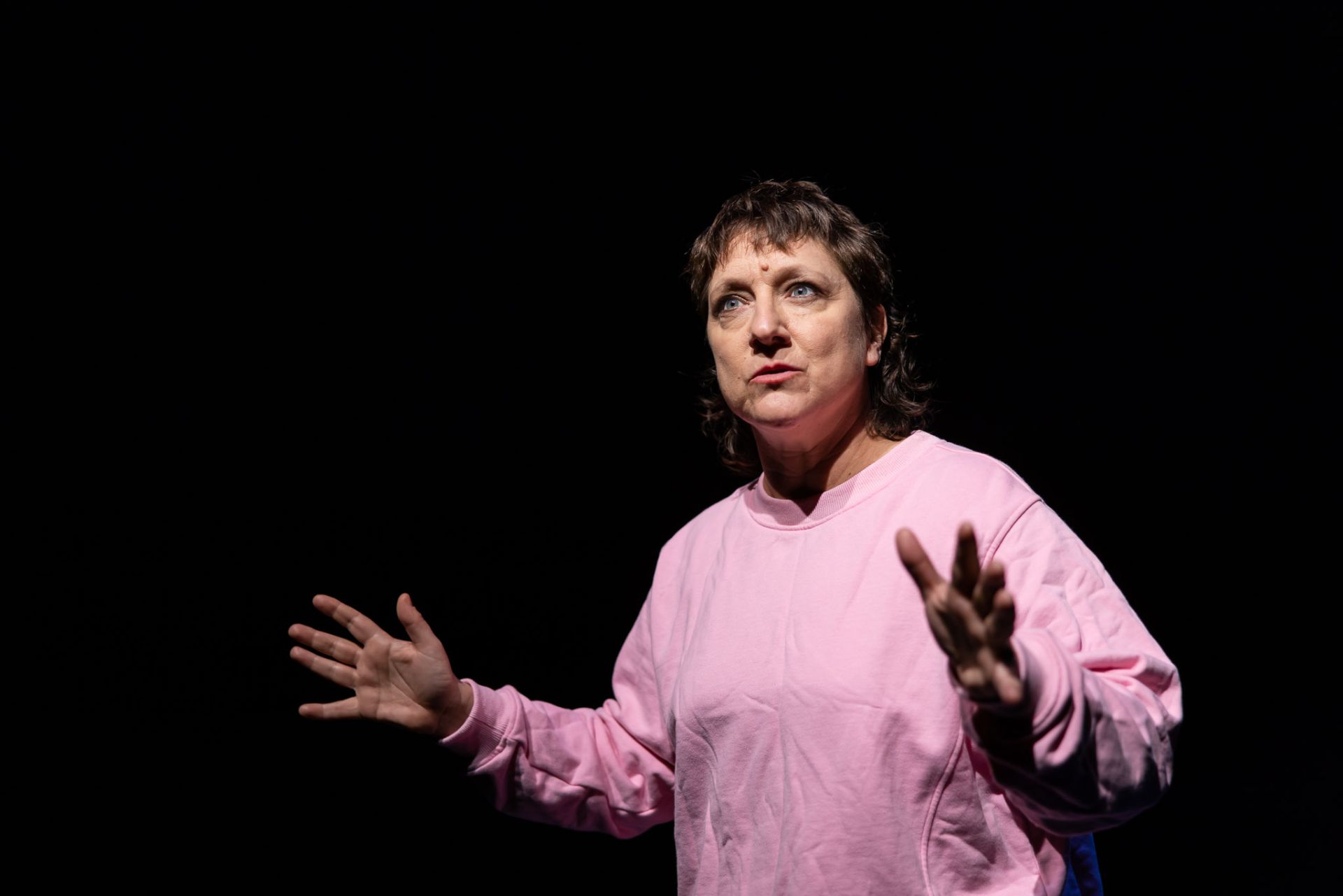
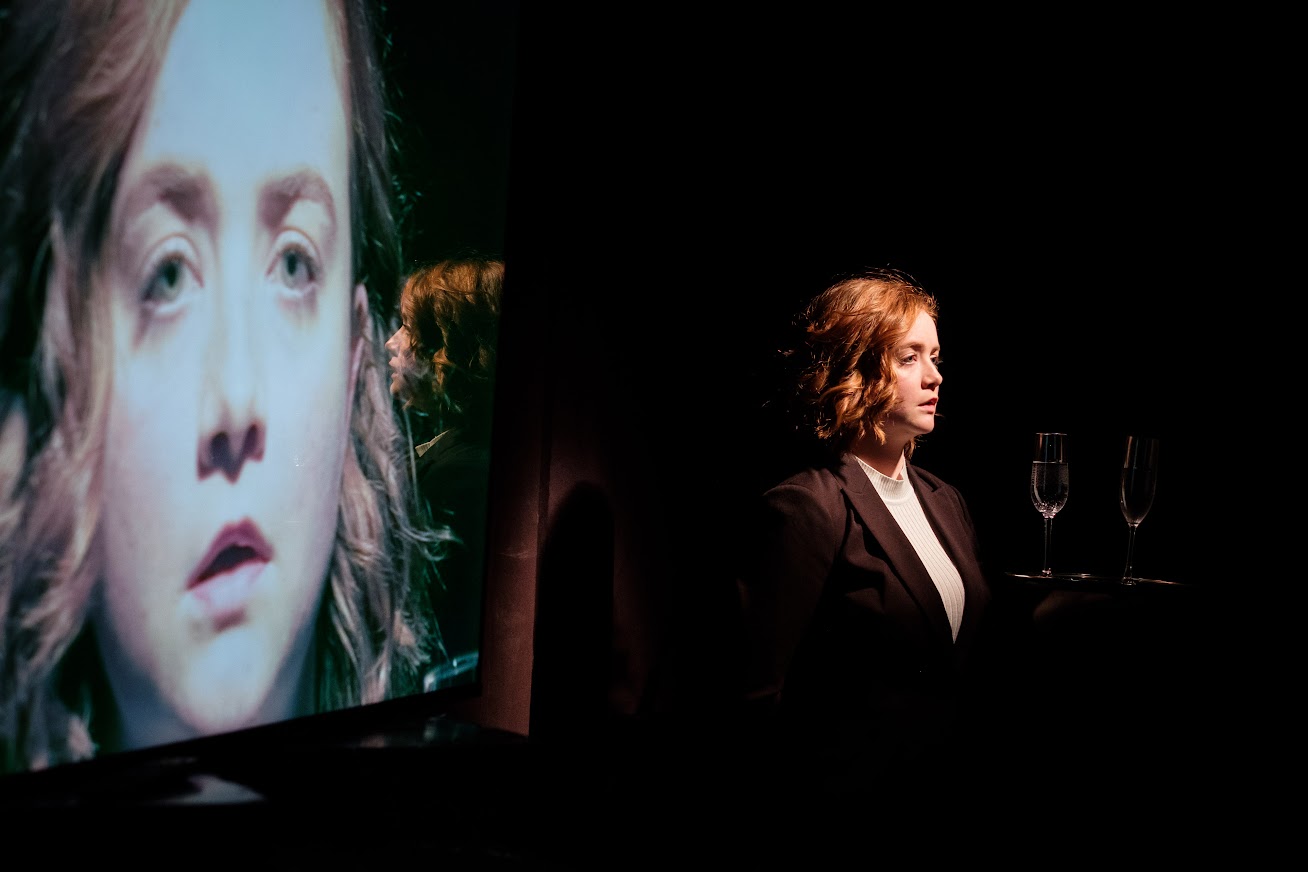
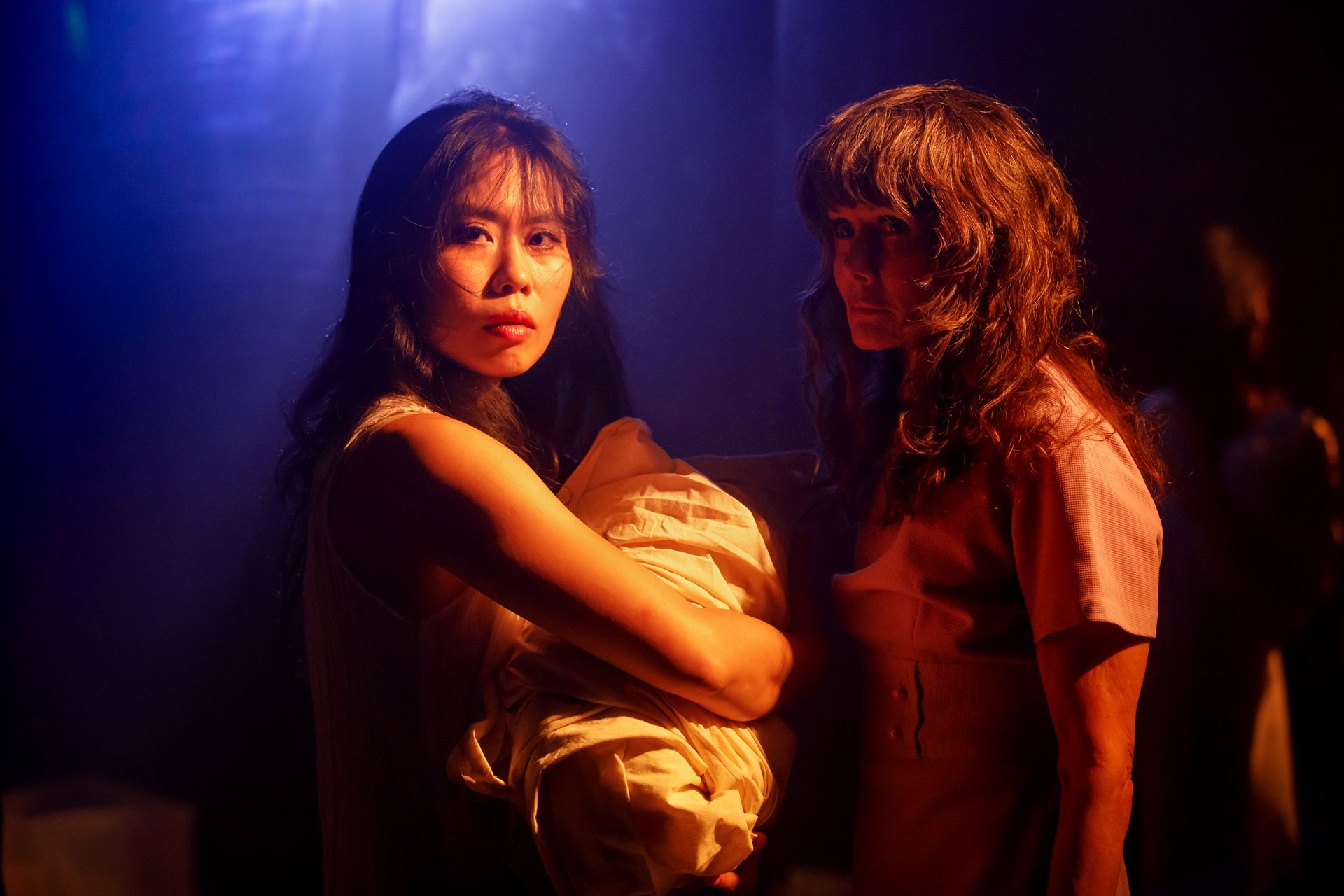
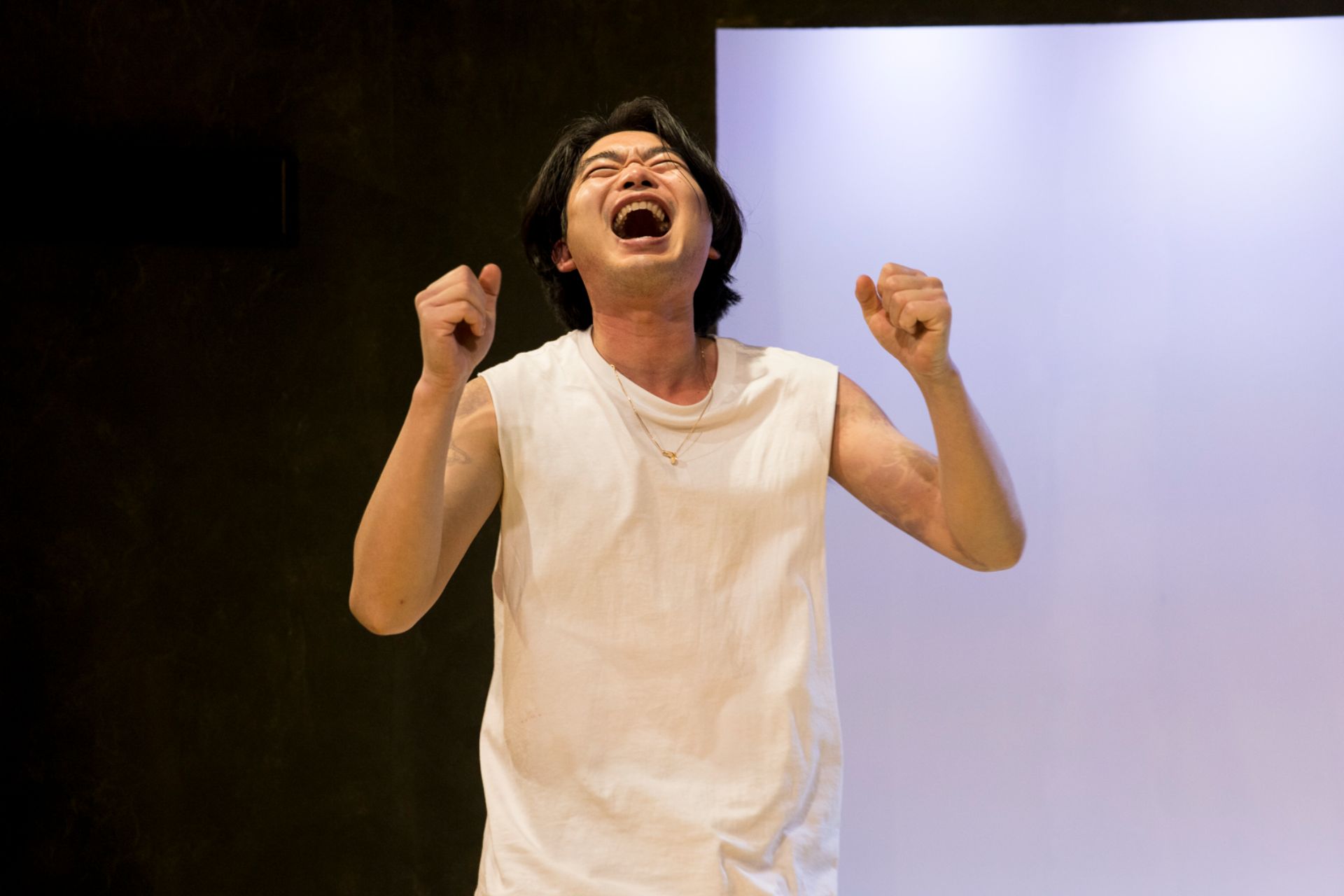
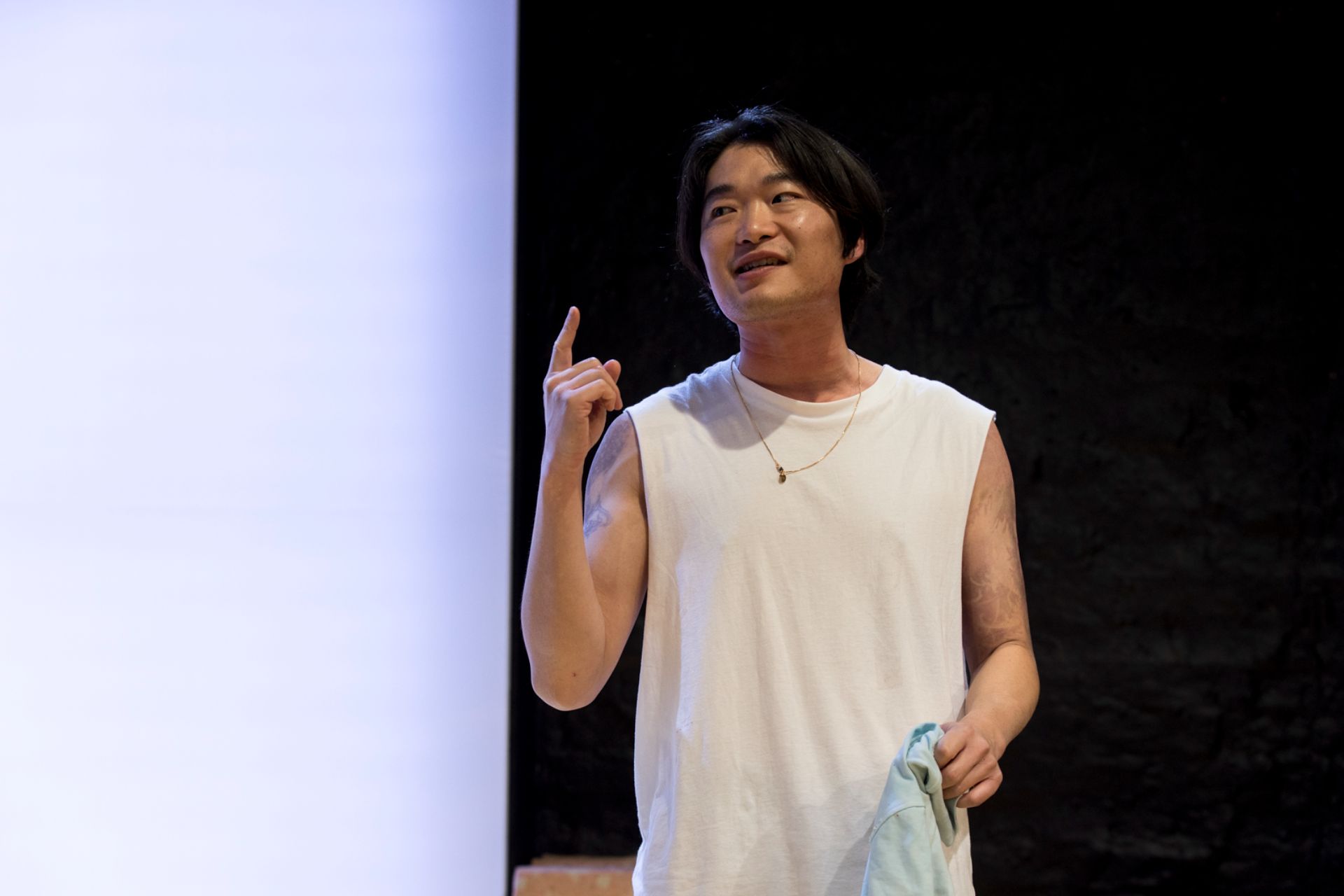
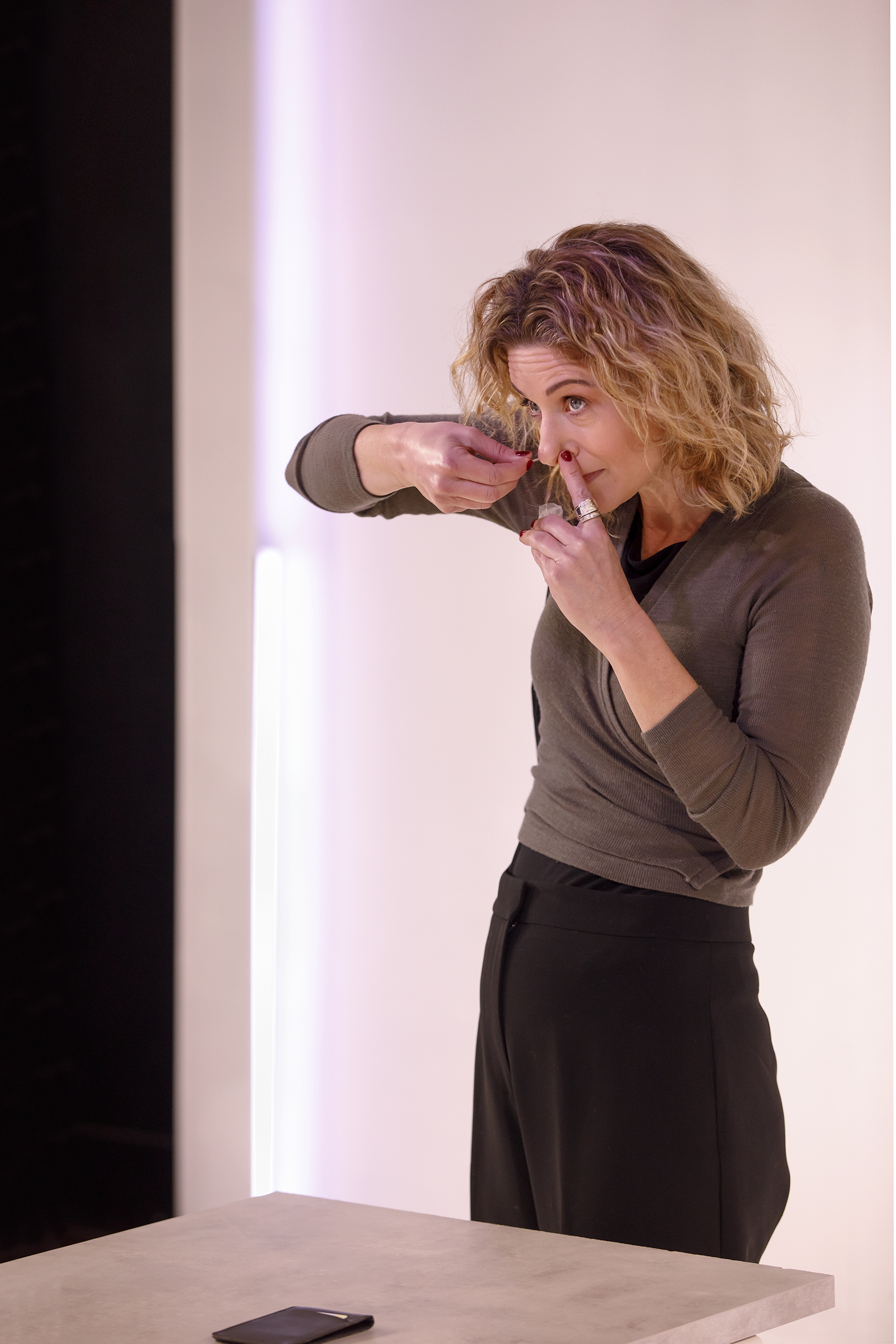
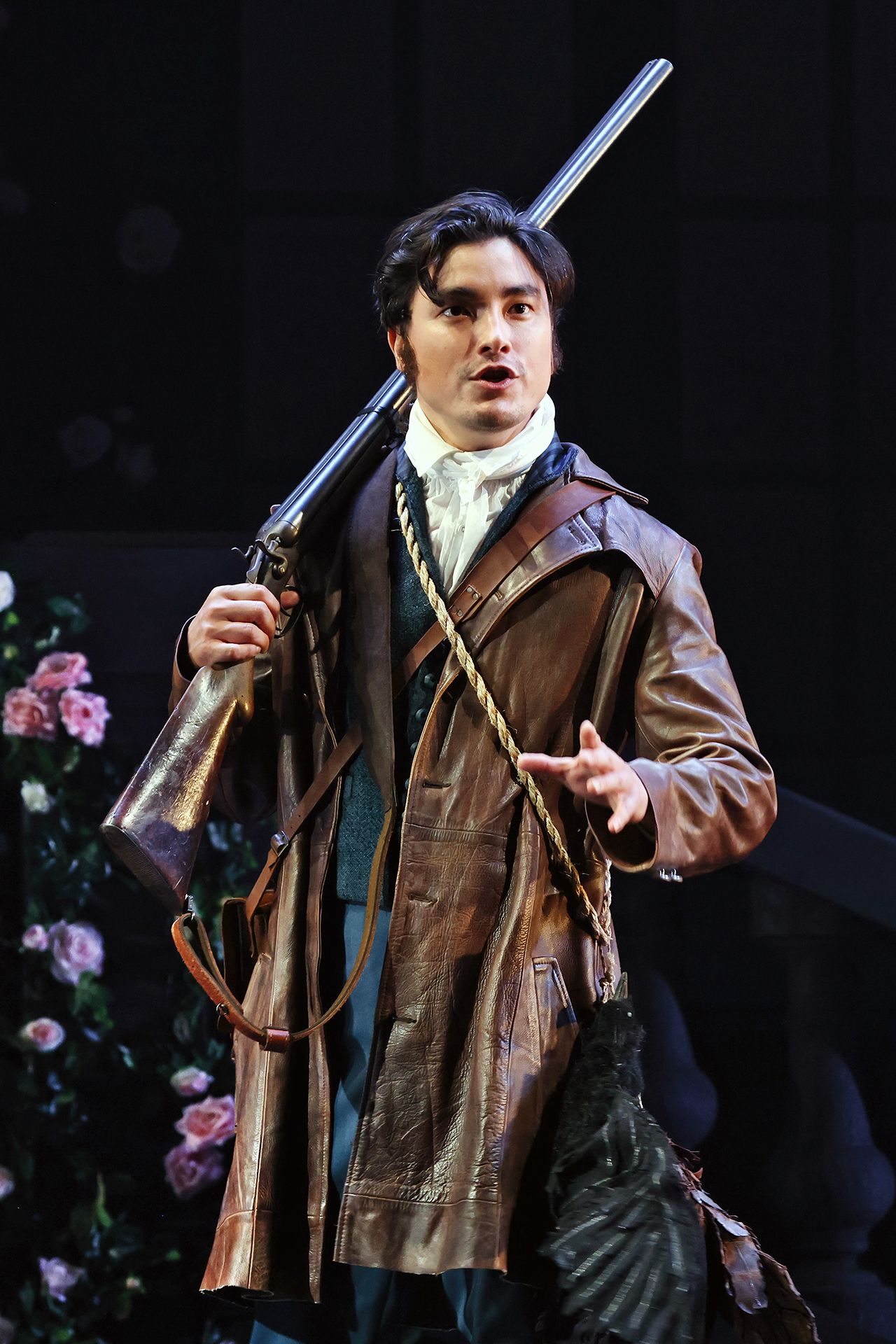
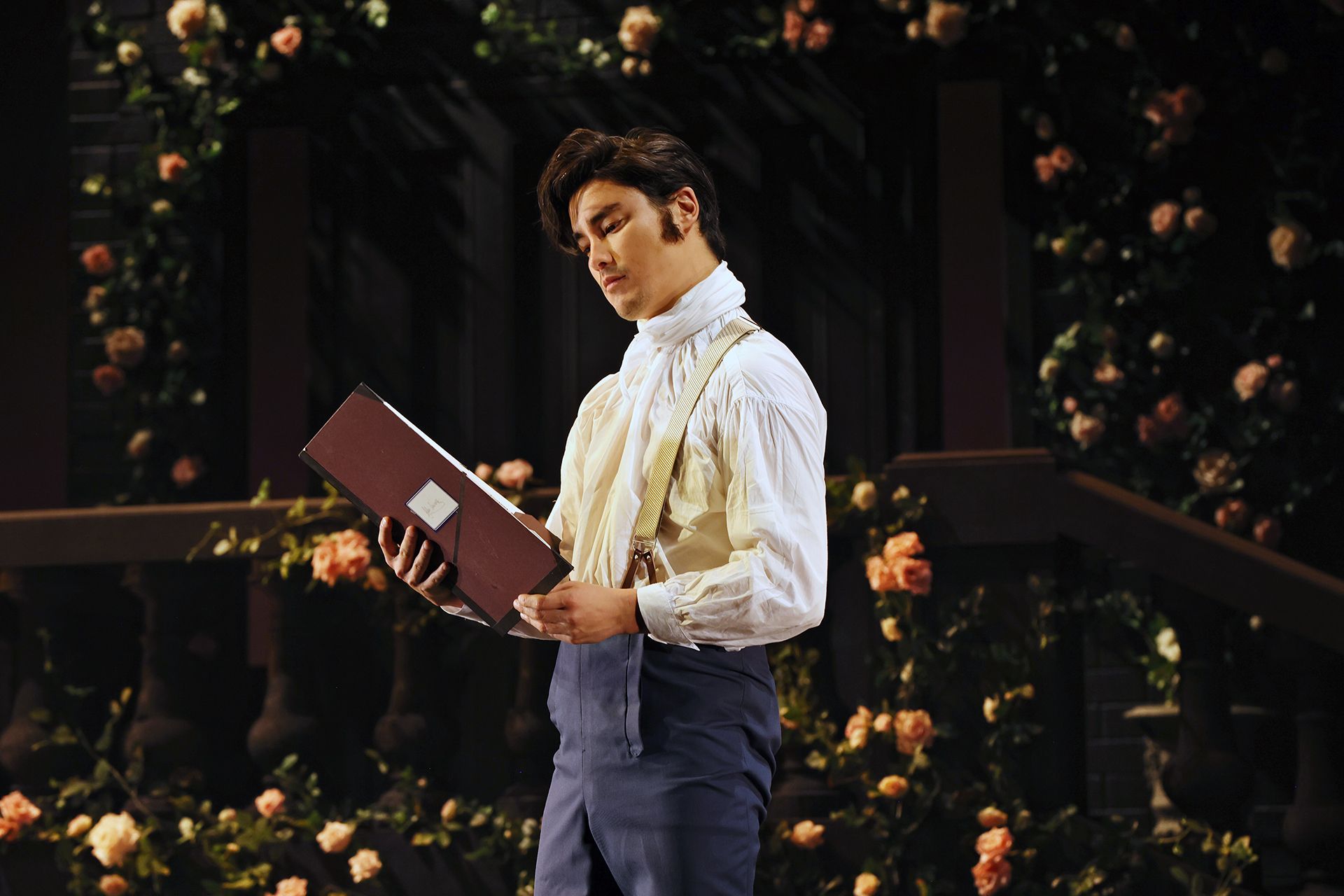
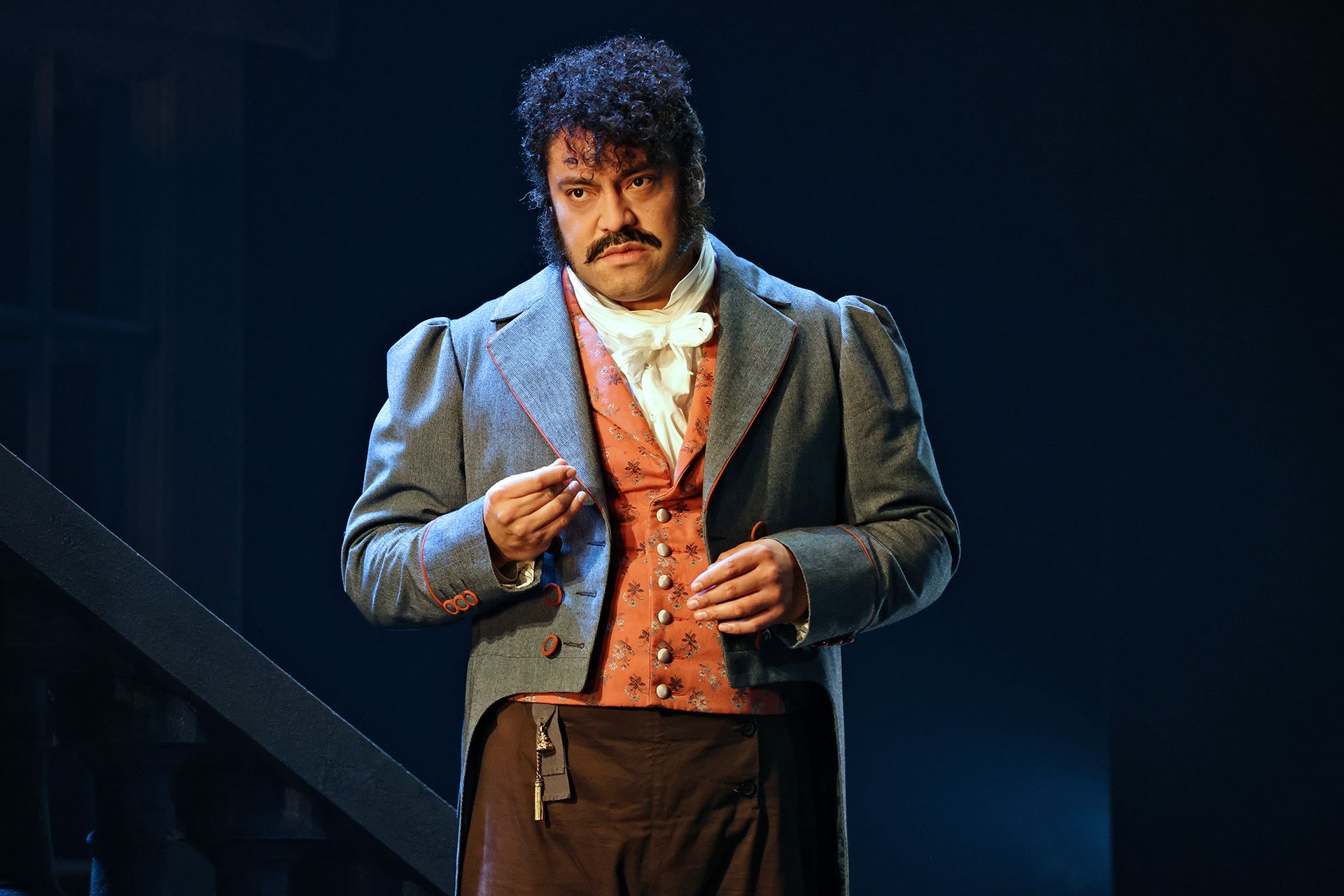
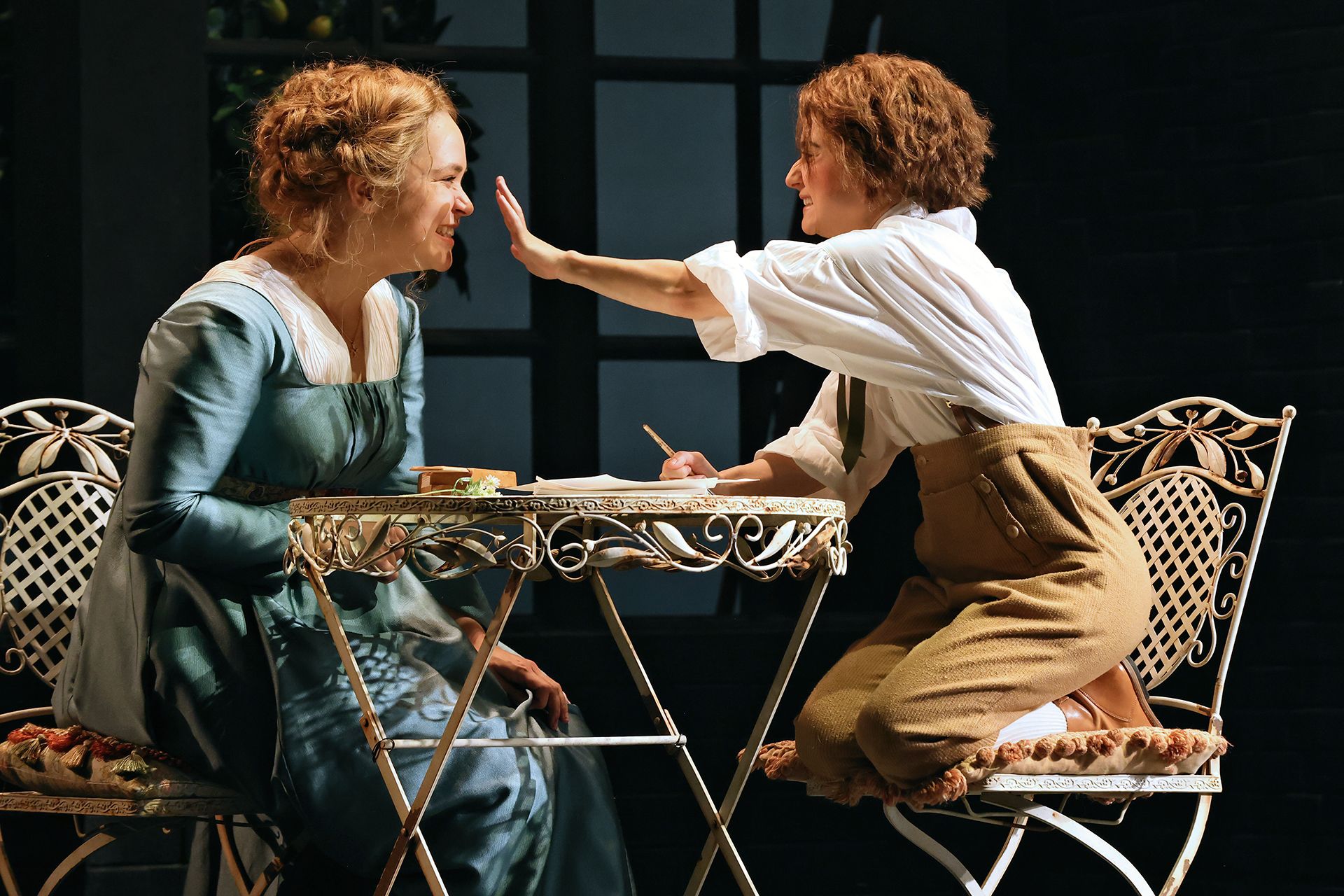
Leading lady Leeanna Walsman conveys the confusion and dreariness of Myrtle’s arduous battles, but it is a conservative performance that offers little to relish. Myrtle’s director is played by Luke Mullins who thankfully injects dynamism into the show, for his part as an uncomplicated villain. Anthony Harkin and Toni Scanlon are Myrtle’s co-star and playwright respectively, both bringing a degree of nuance to their supporting roles. Caitlin Burley and Jing-Xuan Chan are solid presences in all of their brief appearances, both demonstrating noteworthy commitment.
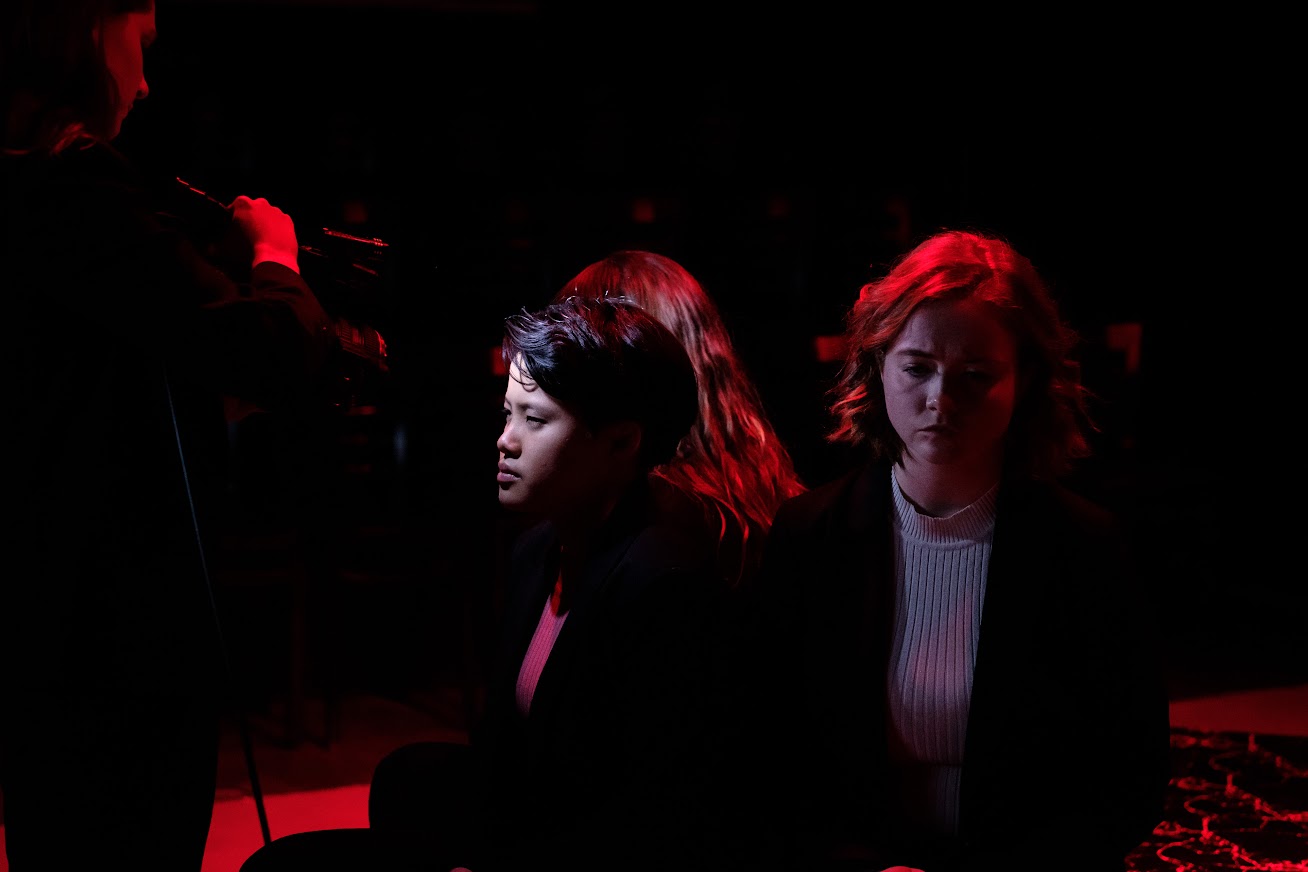
At the end of Opening Night, we find a satisfying conclusion. In real life, Myrtle’s story could end up either way, good or bad, for real life is anything but predictable, but in a play that wants so much to talk about doing what is right in our storytelling and in our art, it is hard to imagine any other way for things to end. It is of course true that misogyny exists, and it is right that we should see it represented. It is also important that we reiterate again and again, our agency and power as women, to make exhaustive revisions to centuries of indoctrination about us being weak and domitable. We love watching Myrtle triumph, but even if she falters, we know that she is strong enough to get up and try again.

www.belvoir.com.au

Review: A Chorus Line (Darlinghurst Theatre Company)

Venue: Sydney Opera House (Sydney NSW), Feb 13 – Mar 11, 2022
Music: Marvin Hamlish
Lyrics: Edward Kleban
Book: Nicholas Dante, James Kirkwood
Director: Amy Campbell
Cast: Max Bimbi, Molly Bugeja, Angelique Cassimatis, Ross Chisari, Nadia Coote, Tim Dashwood, Lachlan Dearing, Mackenzie Dunn, Maikolo Fekitoa, Adam Jon Fiorentino, Natalie Foti, Ashley Goh, Mariah Gonzalez, Brady Kitchingham, Madeleine Mackenzie, Rechelle Mansour, Natasha Marconi, Rubin Matters, Ryan Ophel, Tony Oxybel, Ethan Ritchie, Suzanne Steele, Harry Targett, Angelina Thomson
Images by Robert Catto

Theatre review
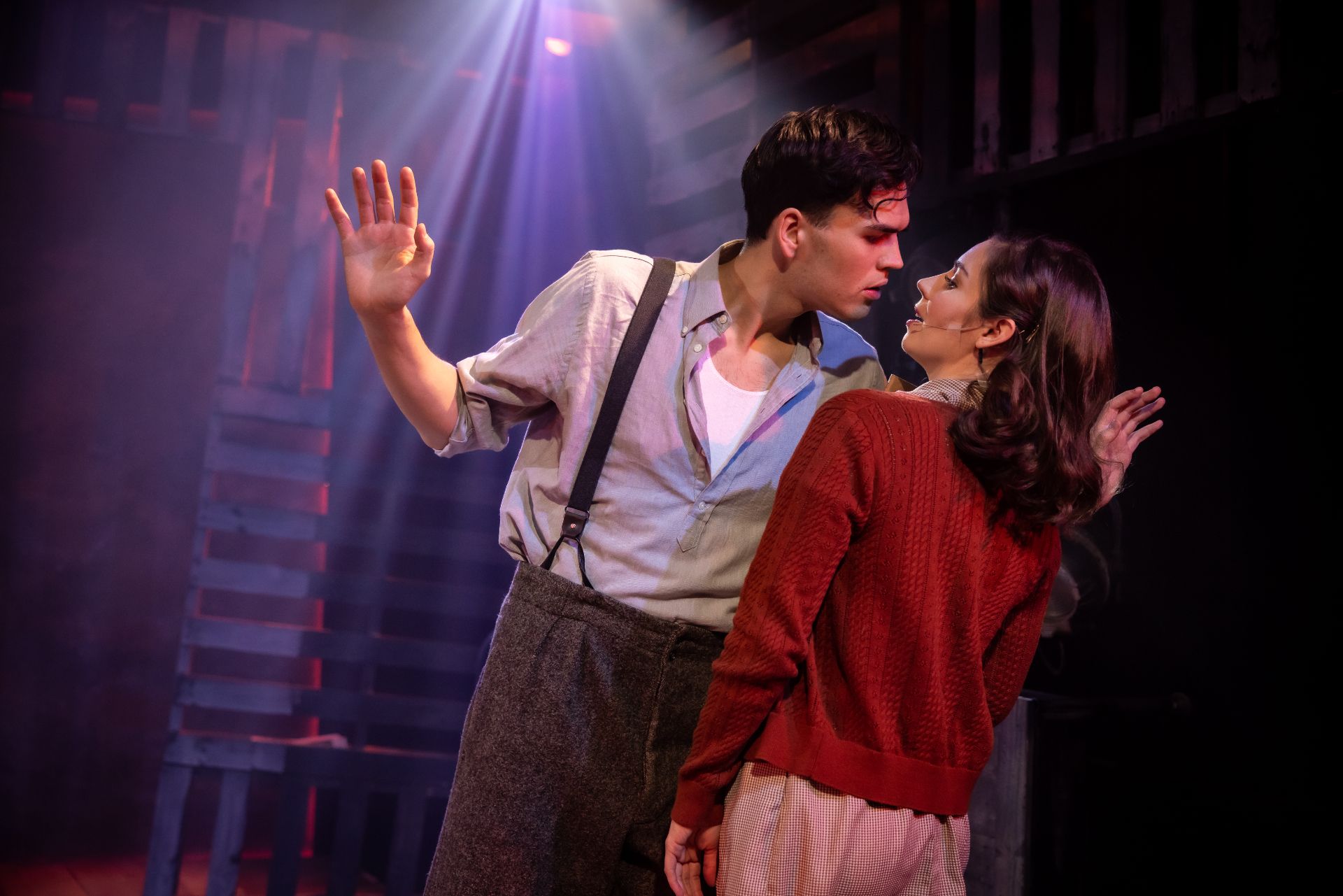
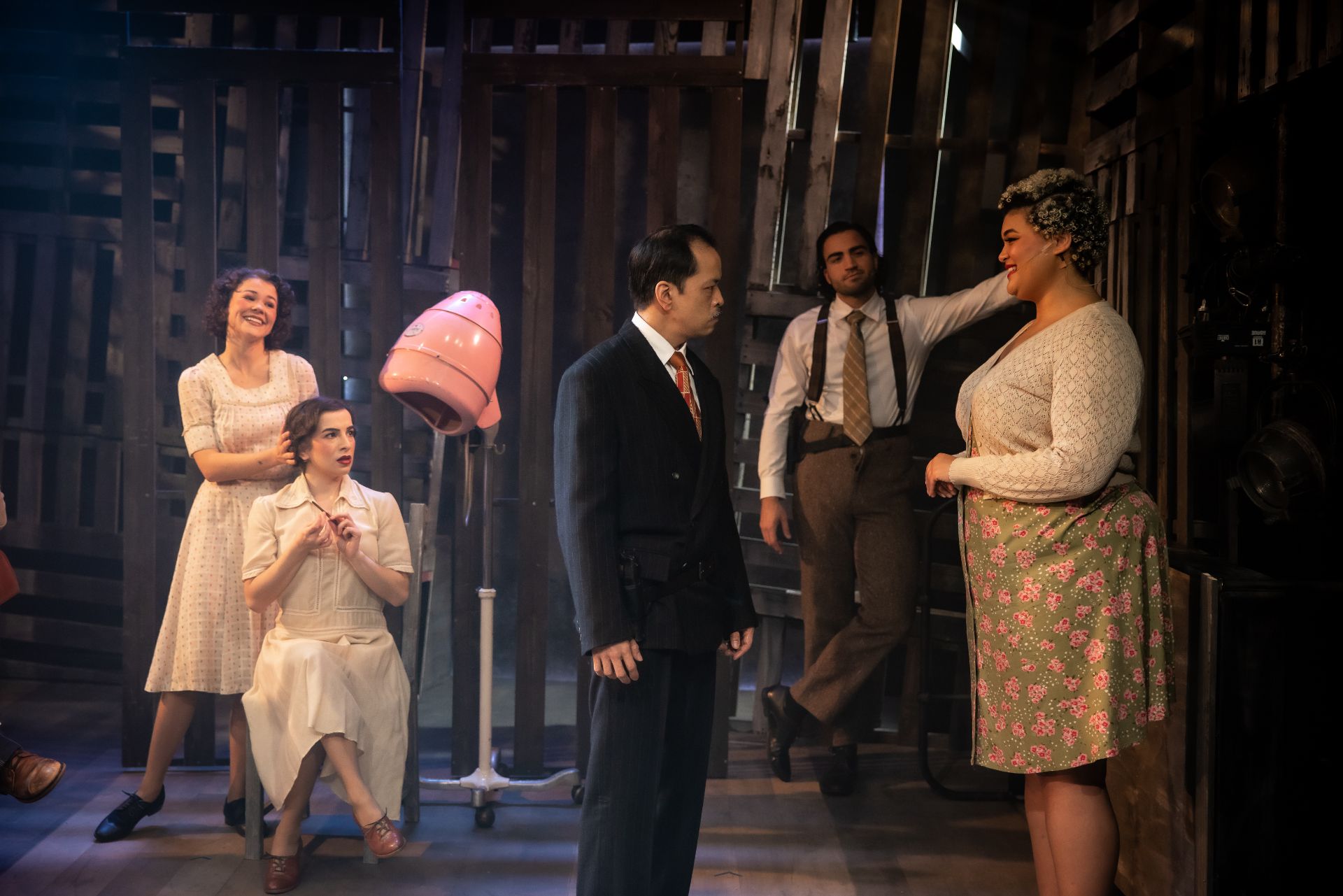
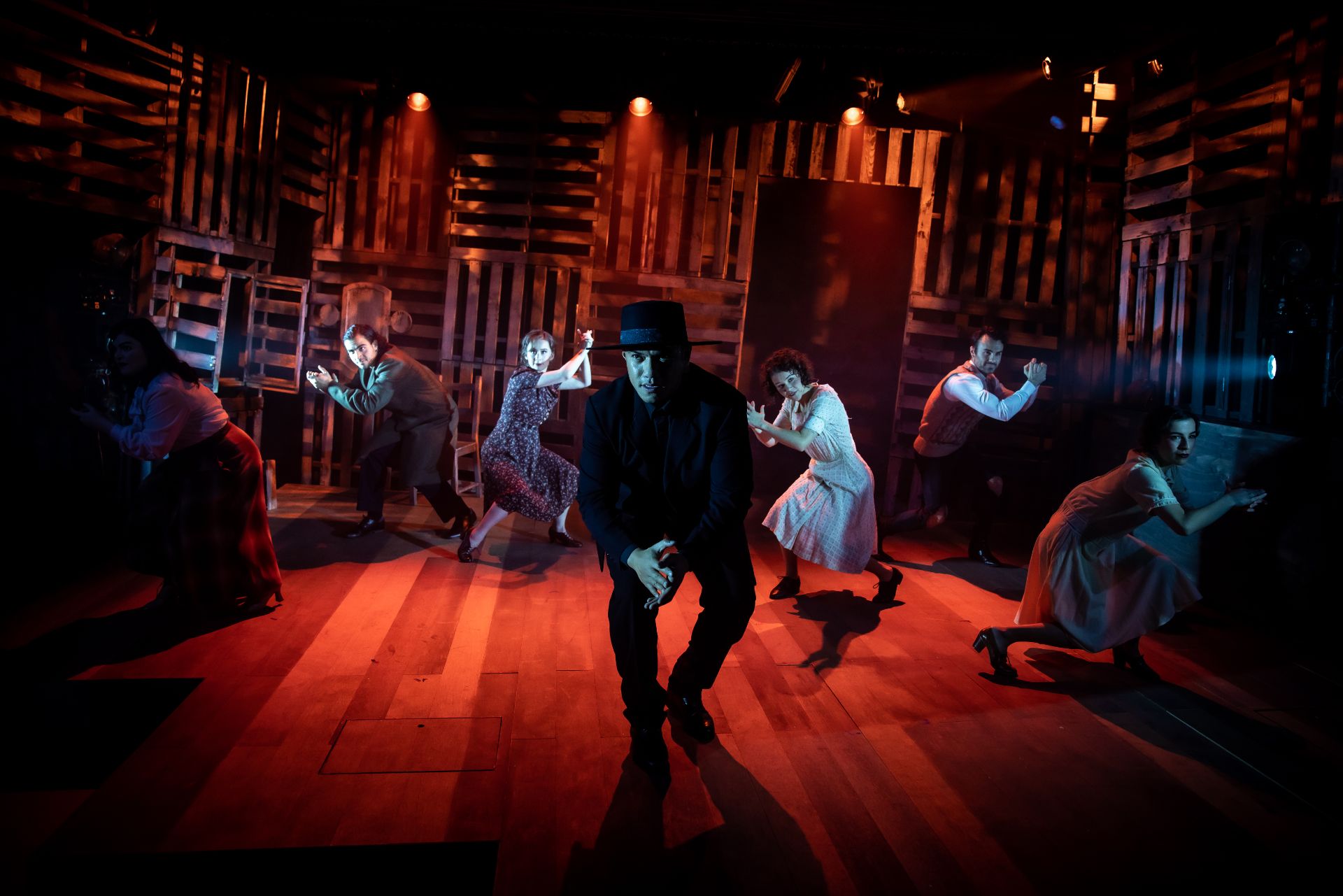
Originally conceived in 1975 by Michael Bennett, the legendary musical A Chorus Line involves an ensemble cast of nineteen, several unforgettable songs, and dance sequences that have become an indelible part of our collective cultural memory. It is the simple story about Broadway director Zach at a casting call, auditioning a throng of dancers, for eight places in his new show. A Chorus Line is a tribute to the innumerable artists who have dedicated their lives to a passion, that never yields commensurate rewards. The show is an opportunity for talents to show their wares, with each member of cast provided individual moments of glory, as well as working in groups for some of the most exciting and complicated choreography in the musical format.
Director and choreographer Amy Campbell’s ambitious revival, is a breath-taking experience. Even though the lacklustre book remains tedious, it is always an unequivocal joy when the performers are in motion. Campbell’s love for the art of performance, and for those who do it, is palpable. Her show is faithful to the look and feel of 1970s New York, complete with slinky modern jazz flourishes that transport us back to a time of decadent glamour. Each second of dance is complex, detailed and powerful, a real sumptuous feast for the eyes.
Peter Rubie’s lights are at least as visually impressive. They enhance perfectly every scene that unfolds, sometimes quiet and subtle, sometimes flamboyantly bombastic, but always stylish and surprising. Whether accompanying bodies active or still, Rubie’s work is consistently imaginative, never settling for the obvious. The beauty he delivers is truly sublime. Christine Mutton’s costumes too, are noteworthy, in bringing both realism, and vibrant, balanced colour, to a staging that will be remembered for its unparalleled resplendence.
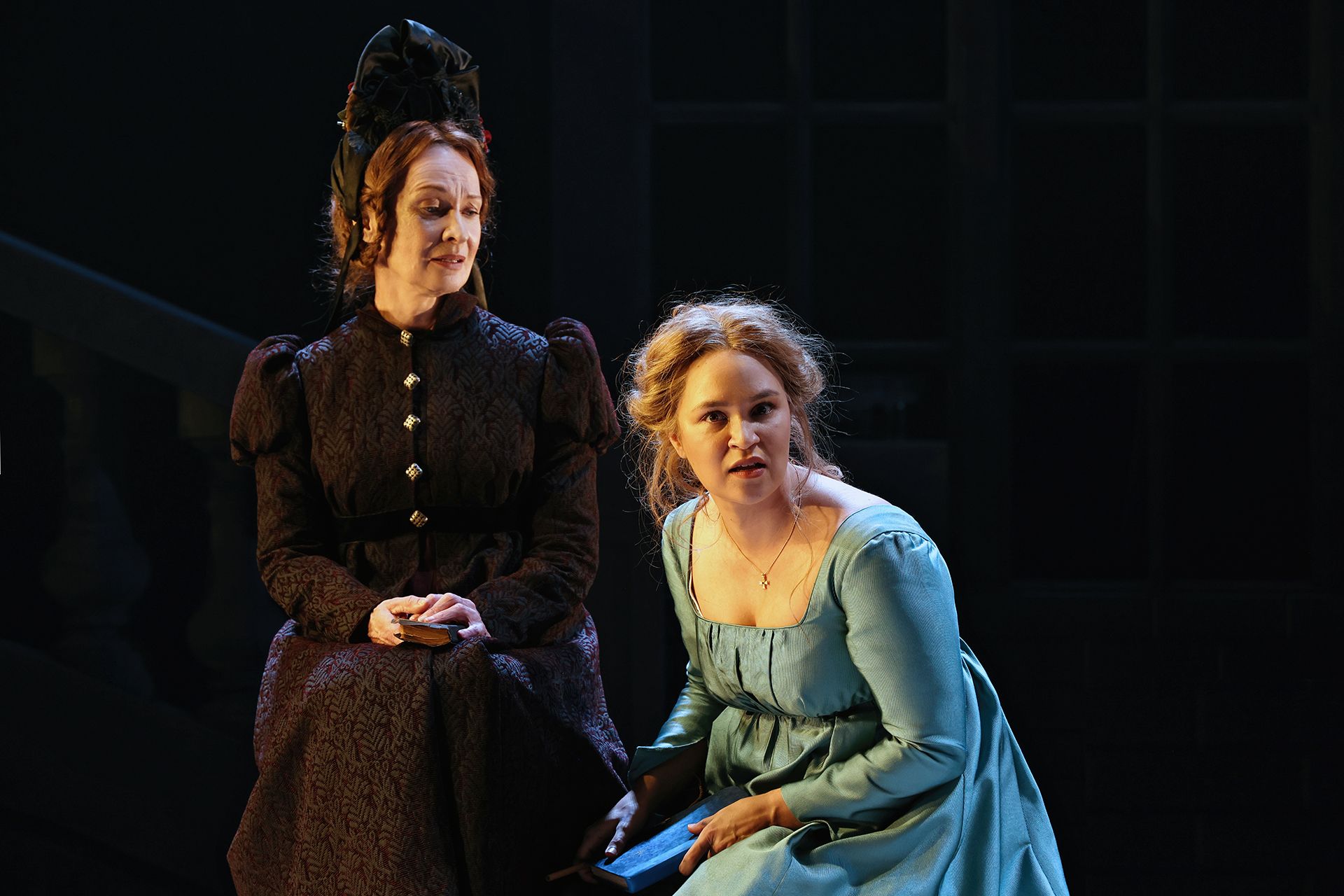
The pivotal role of Zach is played by Adam Jon Fiorentino, whose use of voice marvellously regulates atmosphere from start to finish. Angelique Cassimatis delivers the singularly most poignant anecdote, as Cassie, complete with jaw dropping intensity in her iconic number, “The Music and the Mirror”.  We fall for all of the cast, as they are foregrounded one at a time, but it is their work as a cohesive whole, that has us spellbound. Together, they are formidable.

Much has changed over these five decades, since the inception of A Chorus Line. For one, we are no longer tolerant of authority figures like Zach irresponsibly demanding their subordinates, to reveal secrets or to relive trauma, in the company of strangers. Women and men, in the arts especially, have started to reject the delineations between gender constructs, and in the process are learning to meld the false differences of us and them. The theatrical arts however, remain a pure vehicle for communities to congregate, to debate, and to share. Since time immemorial, we have formulated ways to listen to each other, to understand our neighbours, and to reach consensus, hard as it might be, because we always knew that on our own, we are doomed to fail. There are no queens and kings in A Chorus Line, only a united front that can weather anything, and keep the dreams alive.

www.darlinghursttheatre.com

Review: Breaking The Code (New Theatre)

Venue: New Theatre (Newtown NSW), Feb 11 – Mar 5, 2022
Playwright: Hugh Whitemore
Director: Anthony Skuse
Cast: Naomi Belet, Igor Bulanov, Steve Corner, John Grinston, Bridget Haberecht, Jason Jefferies, Leilani Loau, Ewan Peddley, Martin Portus, Dallas Reedman, Harry Reid, Jess Vince-Moin
Images by Bob Seary

Theatre review
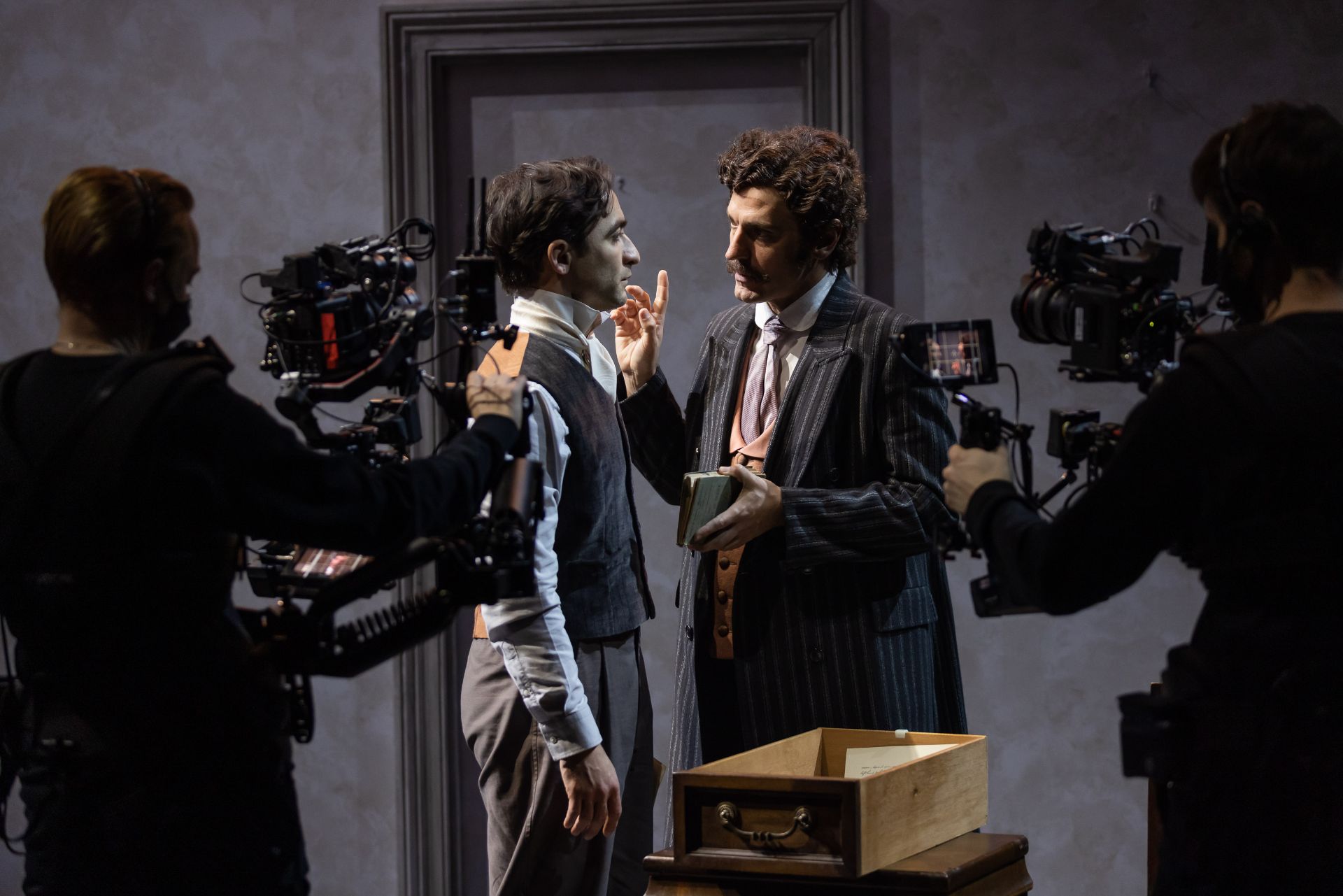
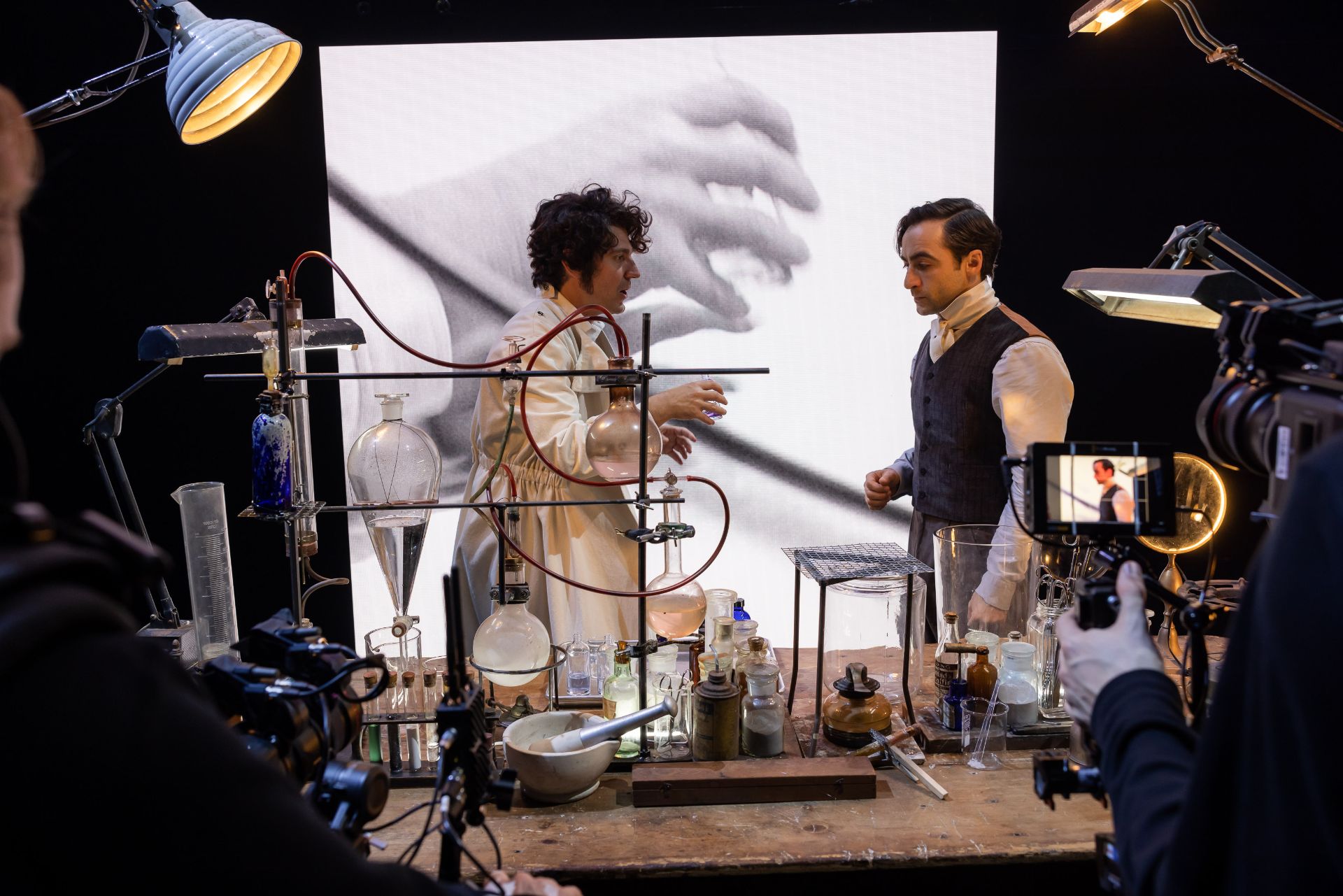
Breaking the Enigma code, and therefore effectively ending World War II, was Alan Turing’s greatest achievement, but our memory of him today seems to have a lot more to do with homosexuality, than just his professional triumphs. Hugh Whitemore’s 1986 stage biography Breaking the Code, documents Turing’s parallel lives, that saw him decrypt the Nazi cipher device, and breaking the code of silence around homosexuality in mid-century England.

During investigations into the burglary of Turing’s home in 1952, authorities discovered that Turing had engaged in sexual activity with another man. The punishments that followed were dire, as was the suppression of Turing’s identity, as a gay war hero, that had prolonged for several decades after his death in 1954. Whitemore’s play brings excellent elucidation to that remarkable story of cruel betrayal, enacted by the state upon one of its own.

That indictment of government and of society, is gently implemented by director Anthony Skuse, who brings sensitivity and an immense melancholy to his staging of Breaking the Code. Skuse is also designer for the production, with beautiful work on a set that provides inordinately elegant performance spaces, for every scene. Along with Patrick Phillips’ video projections and Jordan Russell’s lights, the show delivers visual splendour, in many of its moody moments.

Sound aspects too are thoughtfully rendered, with Naomi Belet’s impressive live singing proving a particularly memorable element. Three actors perform the role of Turing. Steve Corner brings scintillating drama, to counteract the often overly languid tone and pace of the staging. The spirited Harry Reid brings valuable vibrancy and agility to the role, and Ewan Peddley’s earnest presence helps engender compassion for the heart-breaking tale. Also noteworthy are Bridget Haberecht and Leilani Loau, both remarkable for the nuance and emotional precision they bring to the parts of Pat and Sara, respectively.

To perpetuate the notion that queerness is bad, so much of our accomplishments and our contributions, as LGBTQIA+ people, are routinely buried and made to be forgotten. With this sanctioned invisibility, heteronormativity expands its dominance. Queer people are conditioned to accept the notion that we are all “just human”, whilst simultaneously having to suffer homophobic and transphobic attacks that simply refuse to end.

Alan Turing was a gay war hero. He played a vital part in obtaining freedom for his countryfolk, who in turn deprived him of his humanity, and drove him to an early grave, all for the sin of homosexuality. That system will only raise him up for helping to win the war, but will not acknowledge the destruction unleashed upon his private life, at least not until half a century later. Turing’s sexuality may not have been relevant in defeating the Nazis, but his sexual identity needs to remain at the fore of our memories, as long as homophobia persists.

www.newtheatre.org.au/

Review: At What Cost? (Belvoir St Theatre)

Venue: Belvoir St Theatre (Surry Hills NSW), Jan 29 – Feb 20, 2022
Playwright: Nathan Maynard
Director: Isaac Drandic
Cast: Luke Carroll, Sandy Greenwood, Alex Malone, Ari Maza Long
Images by Brett Boardman

Theatre review
Boyd has a very rich and meaningful life. Not only does he have to make a living to ensure the sustenance of his young family, there are a myriad responsibilities as an Aboriginal leader in Tasmania, that he has to undertake all through the day. The play At What Cost? by Nathan Maynard begins at the point where it is announced, that the remains of an ancestor is being returned to Boyd’s land and family, after being held dishonourably in London for several lifetimes.

The drama intensifies, when the sacred moment is marred by an external entity suddenly claiming to be mob, and insists on being part of rituals meant only for rightful descendants. Maynard’s writing is in a word, explosive. At What Cost? begins with extraordinary vitality, as it establishes the every day existence of its spirited characters, but the profound pain that takes over when Maynard’s real intentions come to the fore, is completely devastating.

It is the story of a colonialism that never ceases; one that morphs and takes by surprise, coming to undermine and subjugate from unpredictable places. Maynard’s searing honesty feels unbearably dangerous, but also absolutely essential. This is art that tells the truth of what routinely happens to our First Nations communities, and art that should shake you to the core as long as you live on this land, regardless of which tribe you belong to.

Director Isaac Drandic too, pulls no punches in his delivery of this incandescently political work. Full of pride, and of righteous anger, the staging puts on display not just the ravages suffered by our Indigenous peoples, but more importantly their eternally indomitable spirit. There is a generosity and vulnerability to At What Cost? that is disarmingly moving, with a crucial message about racial violence that needs urgently to be heeded.

Set design by Jacob Nash succinctly conveys both the material and metaphysical realms of Boyd’s existence, allowing us to, on one hand, identify with the normalcy of his daily life, and on the other, encounter the spirituality that informs all facets of his being. Keerthi Subramanyam’s costumes help provide a sense of immediacy for the personalities we meet, but is especially memorable for a ceremonial cloak that impresses with its beauty and grandeur. Lights by Chloe Ogilvie take us seamlessly from spaces mundane to ethereal, and music by Brendon Boney with sound design by David Bergman, manipulate with precision our emotional responses to each element of the narrative, as it escalates to a feverish pitch.

Actor Luke Carroll brings extraordinary passion to the project. As Boyd, we watch him develop from effortlessly delightful, to frighteningly austere, all while keeping us enchanted. The uncompromising and unapologetic qualities of the play, come through beautifully via Carroll’s powerful delivery. No less affecting is the scintillating Sandy Greenwood, whose embracive naturalism as the effervescent Nala, provides our moral compass with clear guidance, as we navigate trickier portions of the rageful tale. Alex Malone is fantastically excruciating, as the foolish Gracie. It is a courageous and forceful performance that makes its important point, with merciless abandon. Daniel is played by Ari Maza Long, with great charm and humour, for an inspiring portrait of the modern Aboriginal youth, that absolutely teems with compassion.

White supremacy creates racial categories, yet vehemently insists on being blind to their existence. White people often declare ignorance of racial difference, choosing only to believe in the universalities of the species, in an effort to deny the very systems of oppression they have built at the exclusion of others. That is, until aspects of that otherness becomes momentarily appealing, and white people step in to annex it without hesitation, and claim it their own.

In At What Cost?, we see a white person misappropriating and misidentifying cultures, in a way that can only be seen, as a clear extension of racial violence on this land. They feign obliviousness and ignorance, even to the extent of purporting to be doing good for Indigenous lives, but is in fact implementing the perpetual project of colonialism. The continual eradication of Indigenous rights, and removal of the very existence of Indigenous peoples, may not look like the genocide of previous centuries, but is no doubt under way, only in surreptitious guises.

www.belvoir.com.au

Review: The Museum of Modern Love (Seymour Centre)

Venue: Seymour Centre (Chippendale NSW), Jan 22 – 30, 2022
Playwright: Tom Holloway (based on the novel by Heather Rose)
Director: Timothy Jones
Cast: Justin Amankwah, Julian Garner, Harriet Gordon-Anderson, Sophie Gregg, Glenn Hazeldine, Aileen Huynh, Tara Morice, Jennifer Rani
Images by Ten Alphas

Theatre review
It is 2010 in New York City, and legendary performance artist Marina Abramović is presenting her work of endurance The Artist is Present, in which she sits face to face with random gallery visitors, for a total of over 700 hours, across three months. In Tom Holloway’s play The Museum of Modern Love (based on Heather Rose’s novel), we meet several people in attendance at Abramović’s exhibition, and catch glimpses of their most intimate selves, in what may be considered a snapshot of the people we are, in this moment, in the middle classes of the Western world.

It may be a touch narcissistic to say that these representations of us on stage, are fascinating and surprisingly likeable. In The Museum of Modern Love, we appear to be nice people, full of vulnerability yet passionate, and even at our worst, we seem to always operate from the best of intentions. The writers do not fear the darker parts of being, but all their depictions come with a fundamental sense of hopefulness, that makes the work an ultimately uplifting one.

Directed by Timothy Jones, the production is elegantly rendered, with perhaps a little too much restraint applied onto the expressions of these very human stories. There is a cool and distanced approach to the storytelling (that feels so much like a visit to any modern art museum), but although detached, there are scenes that will certainly resonate, even if their touch can feel too gentle.

The stage is designed by Stephen Curtis, who very effectively recreates the severe and chilly ambience of conventional museums, with plain colours and straight lines. Alexander Berlage’s lights give enhancement to that astringent aura, but also softens at crucial points to draw attention to the inevitable sentimentality of  these human explorations. Costumes by Veronique Bennett look to be appropriately American, principally functional whilst endeavouring to be subtly stylish. David Bergman’s work on sound and video, elevates the production in a manner that helps to disarm the audience, so that we may respond with emotions rather than rationale, as if a reminder that the experience of life, is never only about logic.

Eight performers are positioned on stage for the entirety, including Julian Garner whose Arky opens and closes the show, and therefore seems to be somewhat the centre of proceedings. Garner introduces a captivating volatility, that makes believable his character’s confounding behaviour. The remarkably committed Harriet Gordon-Anderson and Tara Morice play his daughter and wife respectively, with Morice’s enigmatic presence leaving a particularly strong impression. Sophie Gregg and Aileen Huynh too are memorable, for the vibrancy they deliver each time they occupy centre stage. Justin Amankwah, Glenn Hazeldine and Jennifer Rani bring idiosyncrasies that make The Museum of Modern Love feel intensely truthful, as a kind of testimony about our emotional lives in the early parts of this troubled century.

At MoMA, Abramović was resolutely present, but the intimacy she had tried to embody, can over time, appear contrived. In The Museum of Modern Love, Arky and others are hardly present with their loved ones, but it is that portrayal of absence that makes us understand intimacy. To put forward the case that we are essentially masochistic, is not such an overwrought stratagem. It seems that it is our nature to value things the most, only when we have lost possession of them. It is no wonder then, that we do so much that is determined to put happiness in jeopardy.

www.seymourcentre.com

Review: Who’s Afraid Of Virginia Woolf? (State Theatre Company South Australia)

Venue: Sydney Opera House (Sydney NSW), Jan 13 – 23, 2022
Playwright: Edward Albee
Director: Margaret Harvey
Cast: Jimi Bani, Rashidi Edward, Juanita Navas-Nguyen, Susan Prior
Images by Yaya Stempler

Theatre review
Martha and George are always fighting. The perpetuality of their battles seems to point to a certain masochism that resides at the centre of their marriage, and we discover that perhaps their endless struggle for power, forms the very foundation of their life together. As viewers on the sidelines, we gladly ride that momentum of conflict, knowing that things simply will never get better for the couple, in Edward Albee’s Who’s Afraid of Virginia Woolf?

Set in the world of academia, in the New England region of the USA, Albee’s discussions about power, pertain to a kind that is particularly white. Director Margaret Harvey’s decision to cast Black men in the roles of the duelling academics George and Nick, brings greater focus to the whiteness that is being interrogated. The futility of these two men trying to climb the social and professional ladders, within a system built upon the exclusion of people like them, are made mournfully clear by the darkness of their skin.

Although never lacking in energy, the production suffers from a shortage of precision, in the way Albee’s often rambling dialogue is presented. The writing’s abstract qualities has a tendency to become overly ambiguous on this stage, making the experience feel at times, somewhat hollow.

Ailsa Paterson’s set design is an elegant update that provides the story with a present day context, but a strangely domineering centrepiece that makes reference to the white practice of pilfering historical artefacts is, although well-meaning, an unnecessary distraction. Lights by Nigel Levings are effectively chilling, in the cold white box of Martha and George’s home. Sound design by Andrew Howard is sparse, but memorable for its use of drums to rouse tensions.

Actor Susan Prior is suitably nebulous as the heavily intoxicated Martha. Jimi Bani’s bouts of anger as George dials up the drama, but a characteristic cynicism seems to be missing. Nick is played by Rashidi Edward who brings great intensity, and his counterpart Honey is thankfully given some backbone by Juanita Navas-Nguyen.

Martha’s father never appears in the play, but he holds absolute power over the people that we meet. Just like the white patriarchy on this land, it is never the ones who benefit most that do the dirty work, but all the foot soldiers who fight amongst themselves, thinking they are advancing their personal ambitions, when in fact are only serving the purposes of those on top. We are given crumbs, that are designed to gaslight us into believing, that the rules of engagement are fair. That we persist with these rules, is as strange as Martha and George persisting with their marriage.

www.statetheatrecompany.com.au

Review: Girl From The North Country (Theatre Royal Sydney)

Venue: Theatre Royal Sydney (Sydney NSW), 6 Jan – 27 Feb, 2022
Book: Conor McPherson
Music & Lyrics: Bob Dylan
Director: Conor McPherson
Cast: Tony Black, Peter Carroll, Tony Cogin, Laurence Coy, Terence Crawford, Helen Dallimore, Blake Erickson, Callum Francis, Elizabeth Hay, Peter Kowitz, Lisa McCune, Samantha Morley, Zahra Newman, Christina O’Neill, Grant Piro, James Smith, Greg Stone, Chemon Theys, Liam Wigney
Images by Daniel Boud

Theatre review
Characters of Girl from the North Country weave in and out of a Minnesota house, in 1934 when the Great Depression was in full force. Their stories are written by Conor McPherson, whose flair for sentimental nostalgia is put to good use, in this musical set to the songs of Bob Dylan. A kind of specific Americanness, found in its themes as well as in its style, might make the show feel somewhat distant to Australian sensibilities, but a transcendent beauty so present in all its creative considerations, almost bridges that cultural gap.

Although not always engaging, the work is certainly transportative. Directed by McPherson, Girl from the North Country takes us to another time and place, with a level of elegance rarely seen on our musical theatre stages. Mark Henderson’s lighting design, in collaboration with Rae Smith’s sets and costumes, offer up lush vistas that meld so wonderfully with musical director Andrew Ross’ reworking of Dylan’s songs. Lucy Hind’s sensitive choreography too is memorable, in a production that feels so confident yet remarkably understated.

The languid aesthetic is brought to manifestation by an endearing cast, including Peter Carroll, Lisa McCune and Zahra Newman, who deliver captivating personalities, in a show that is otherwise fairly resistant of our need to identify with its people and situations. Sublime singing from the likes of Callum Francis, Elizabeth Hay and Christina O’Neill pull us in, so that we can regard the heart and soul of these artistic renderings, at close proximation.

There are many moments of theatrical magic in Girl from the North Country, but there are also many instances where it leaves us unexpectedly cold. It includes an abundance of exquisite elements that amount to something best described as mellow. One would not be surprised to discover that the songs connect more than the stories do, in a work that stands most importantly, as a tribute to the legend that is Bob Dylan.

www.northcountry.com.au

Review: Pollon (Little Eggs Collective)

Venue: Kings Cross Theatre (Kings Cross NSW), Dec 14 – 18, 2021
Creator and Performer: Eliza Scott
Director and Dramaturg:
Craig Baldwin
Images by Yannick Jamey

Theatre review
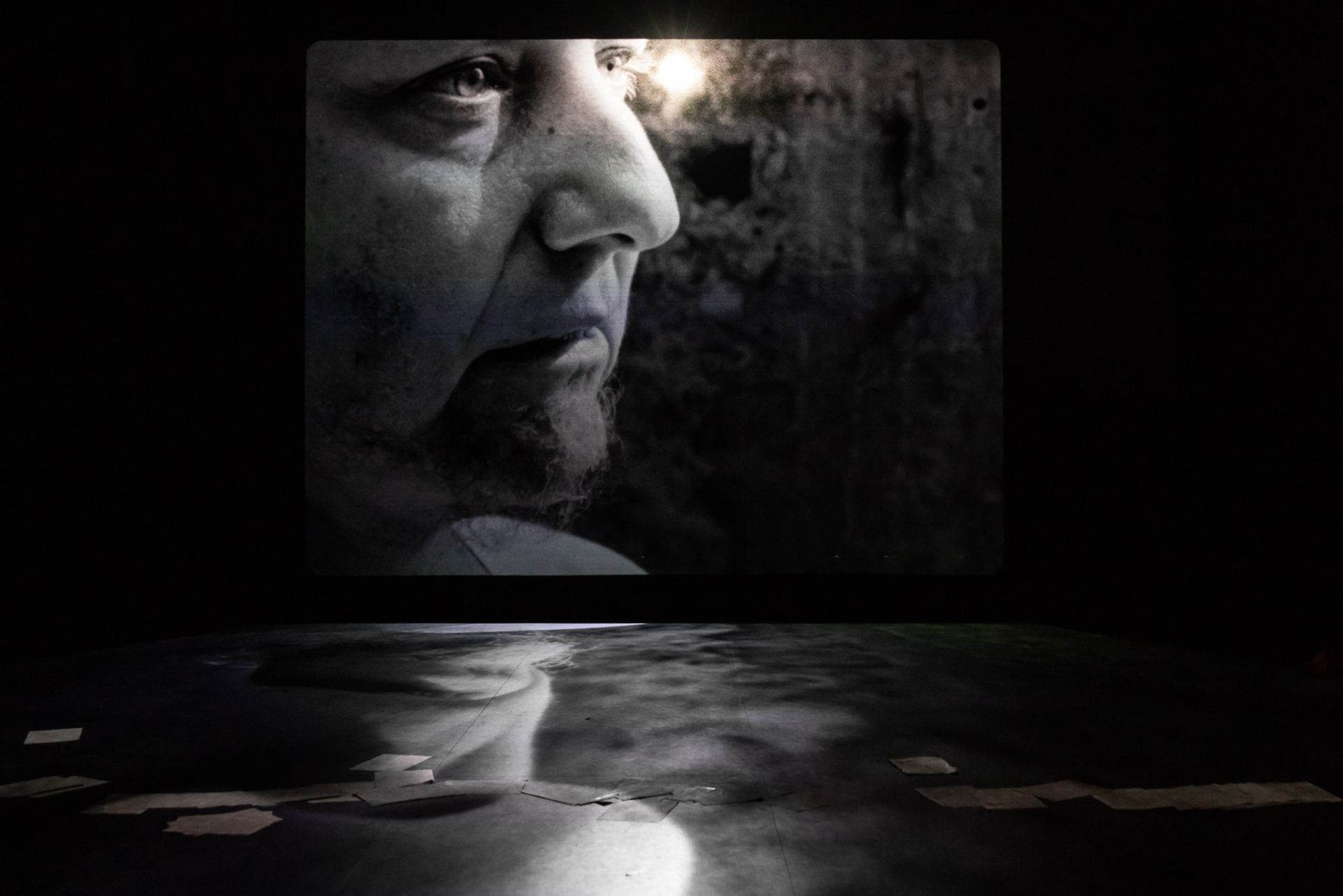
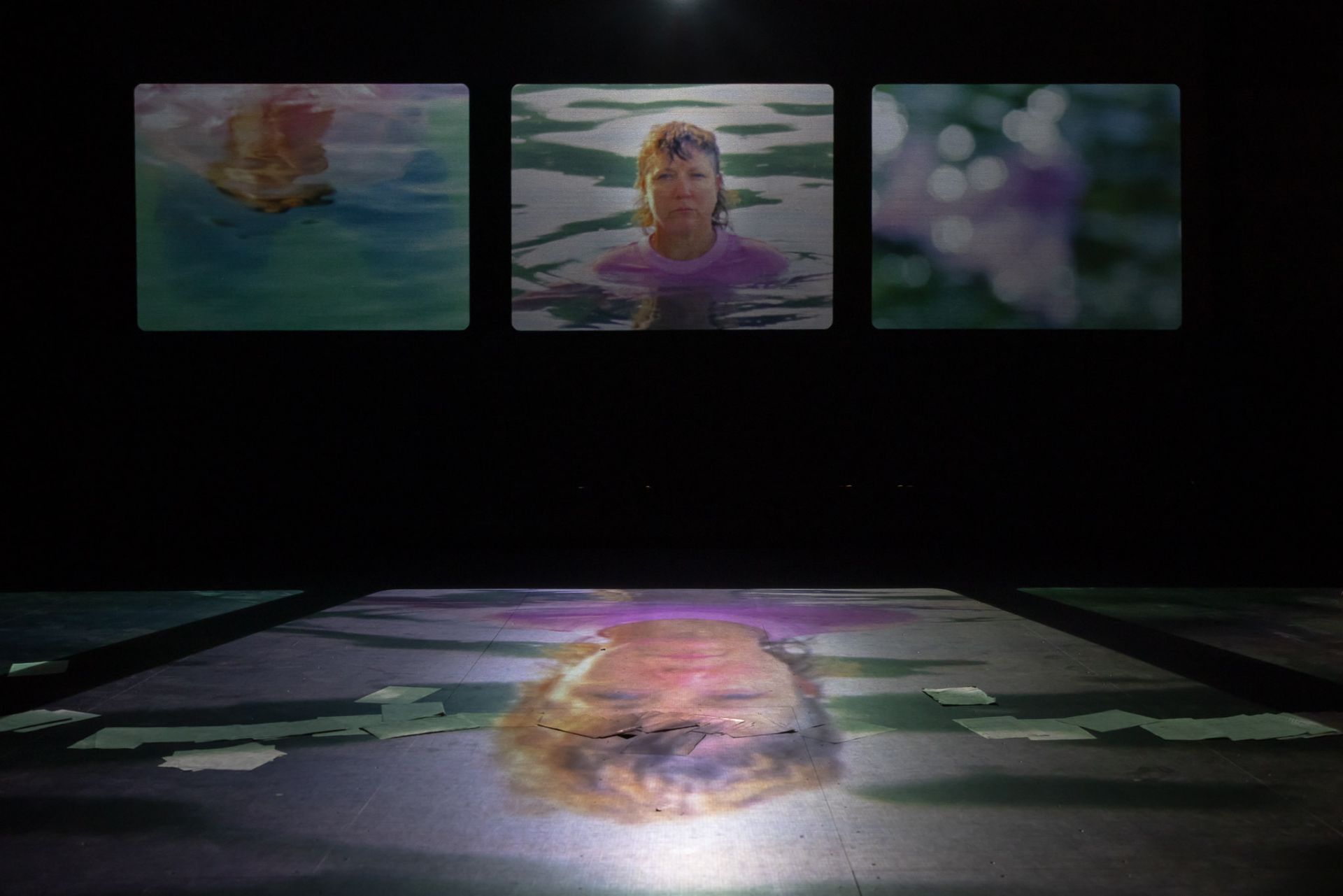
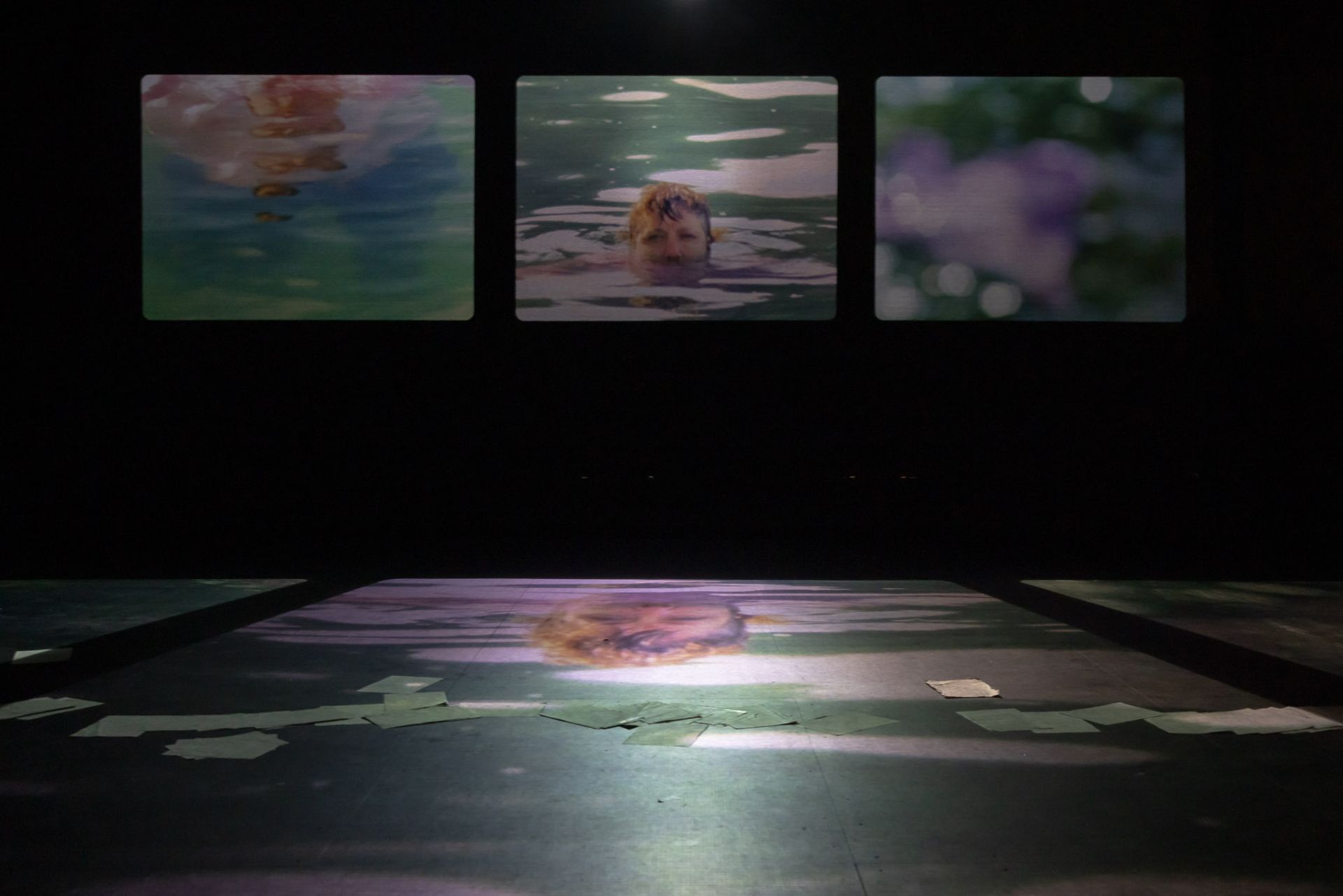
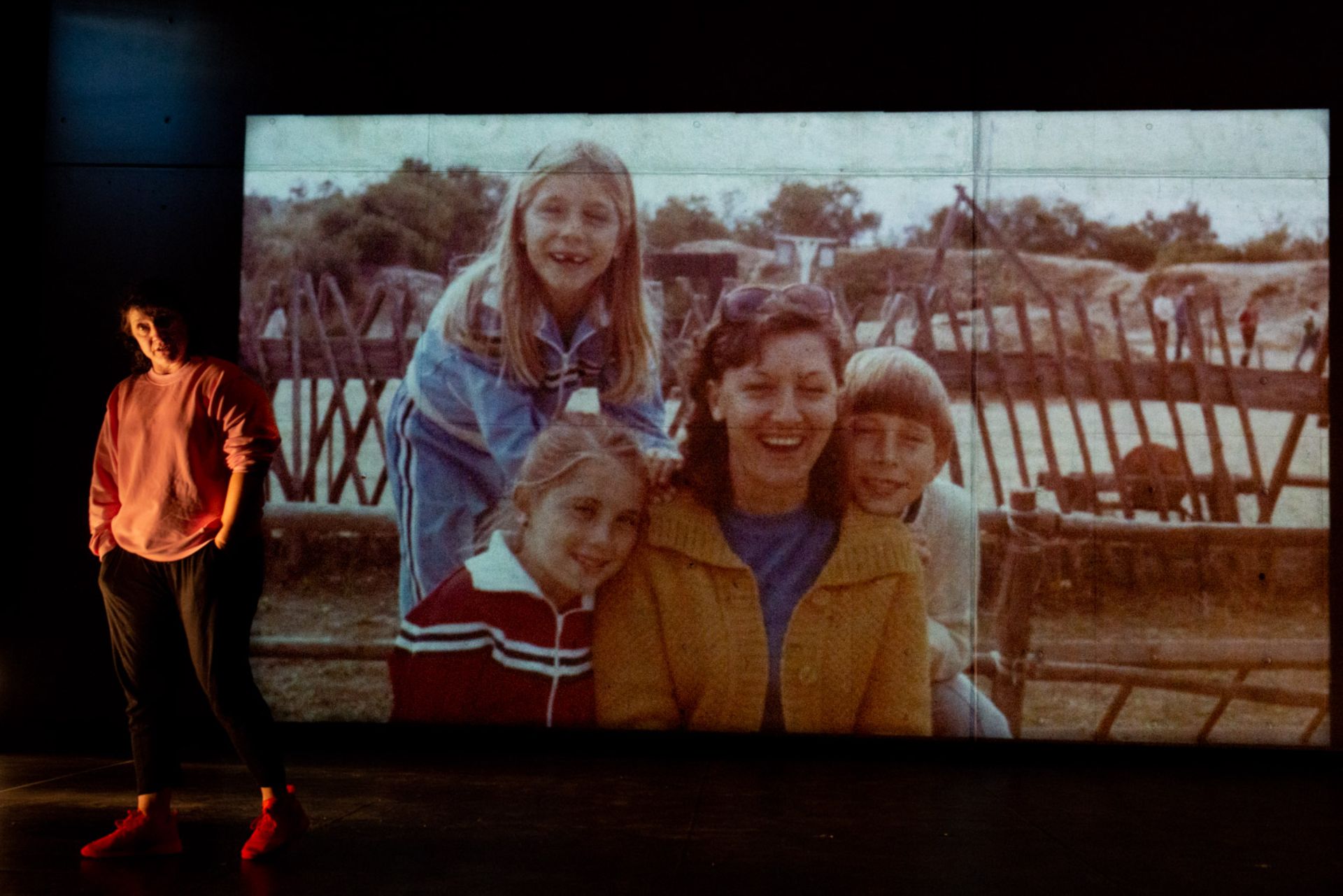
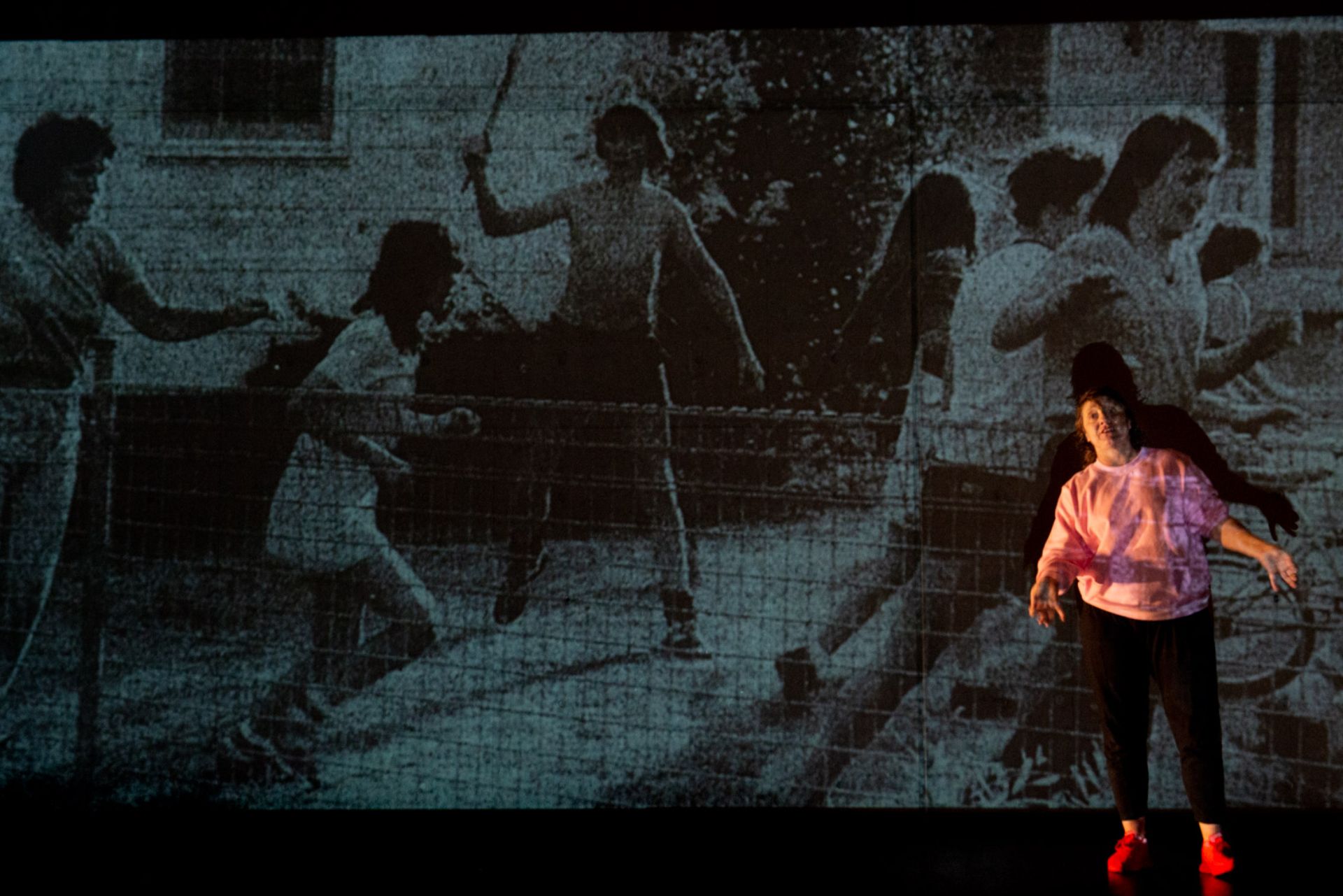
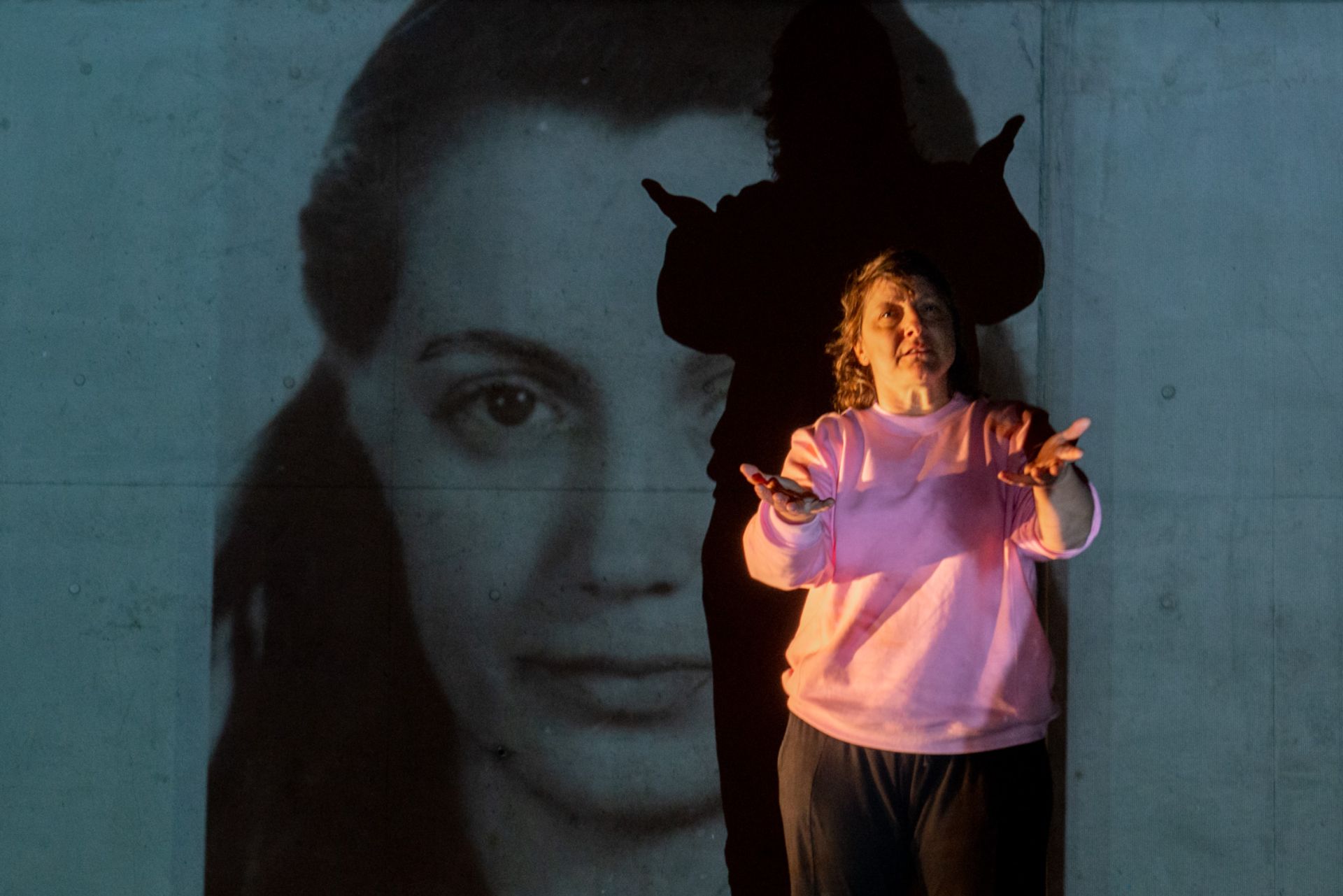
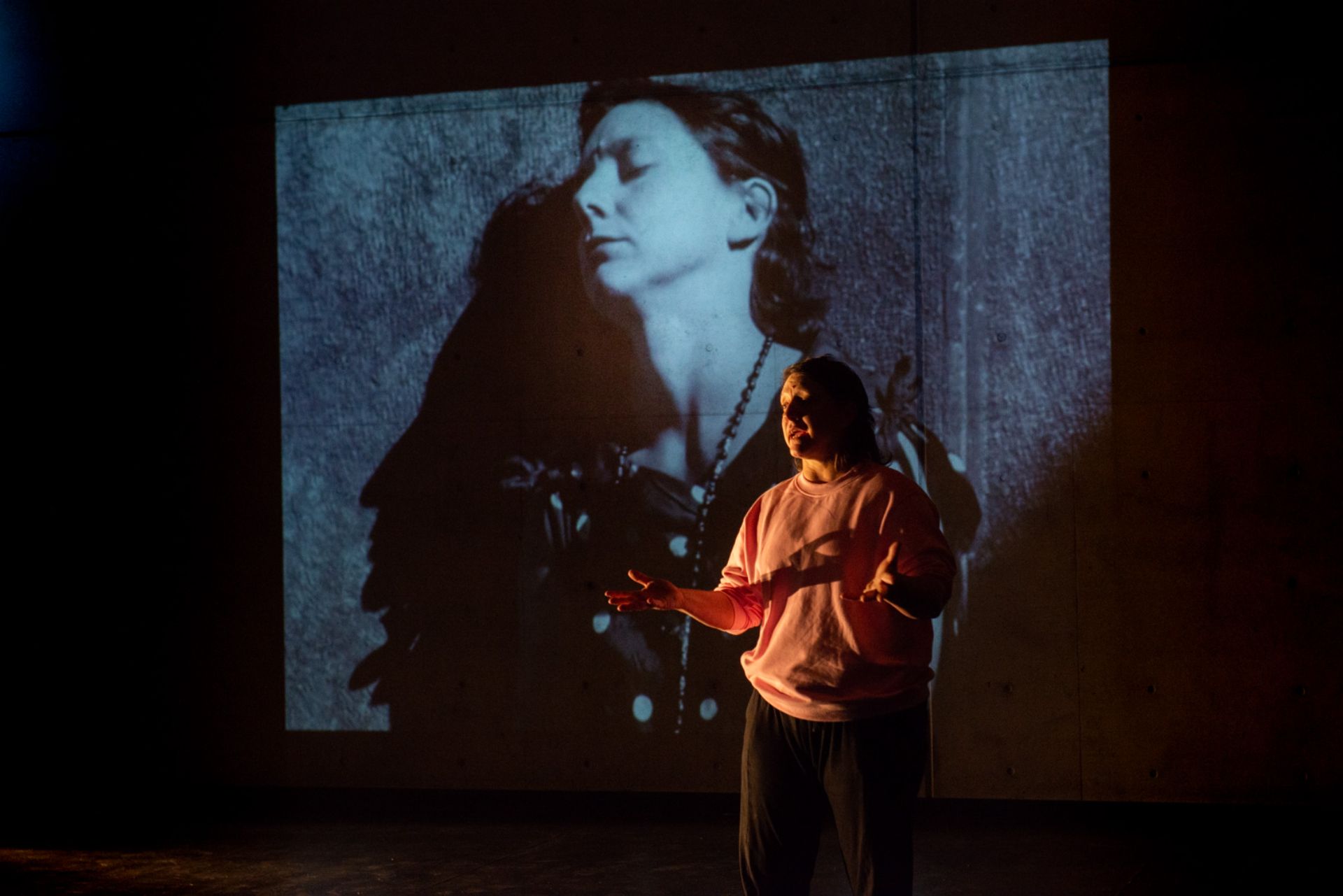
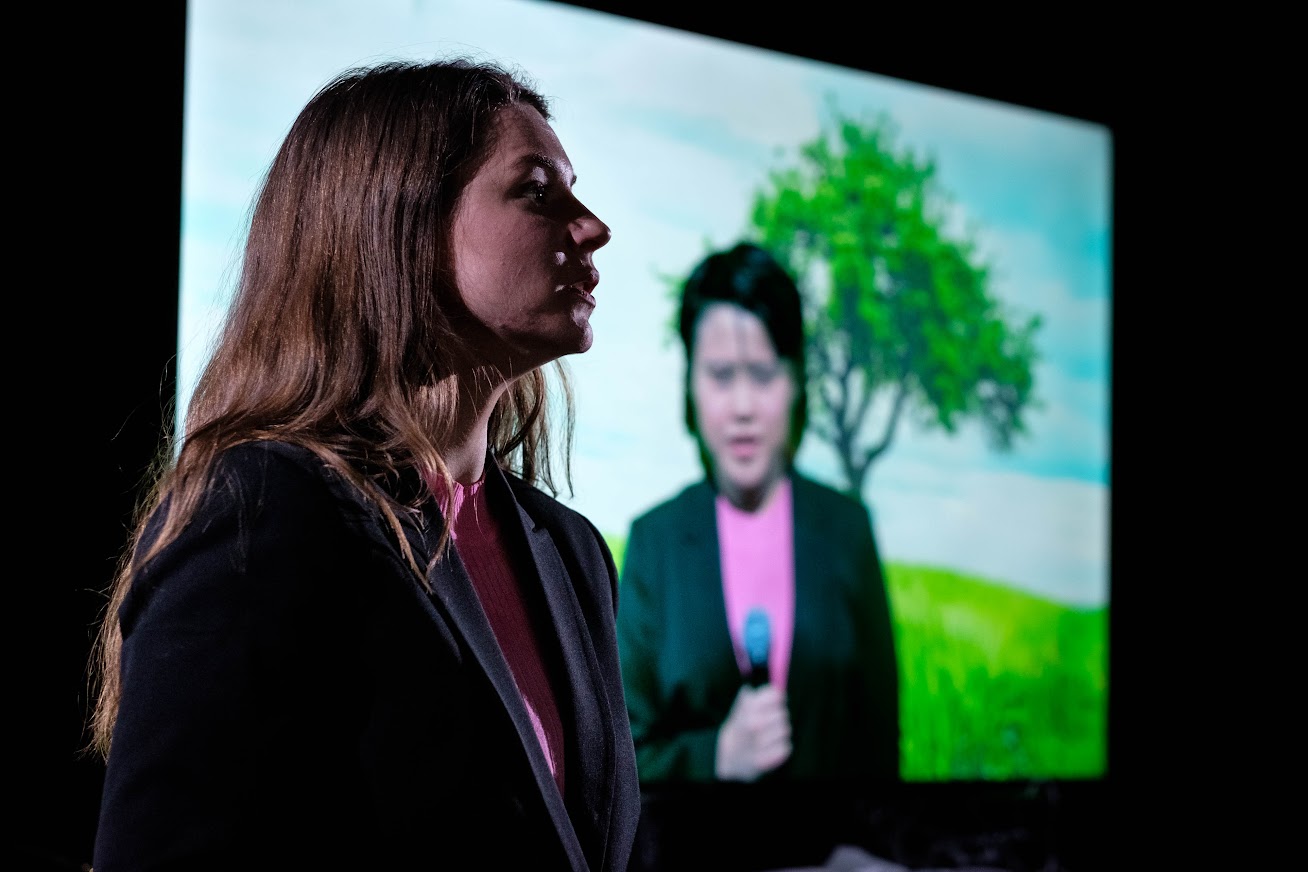
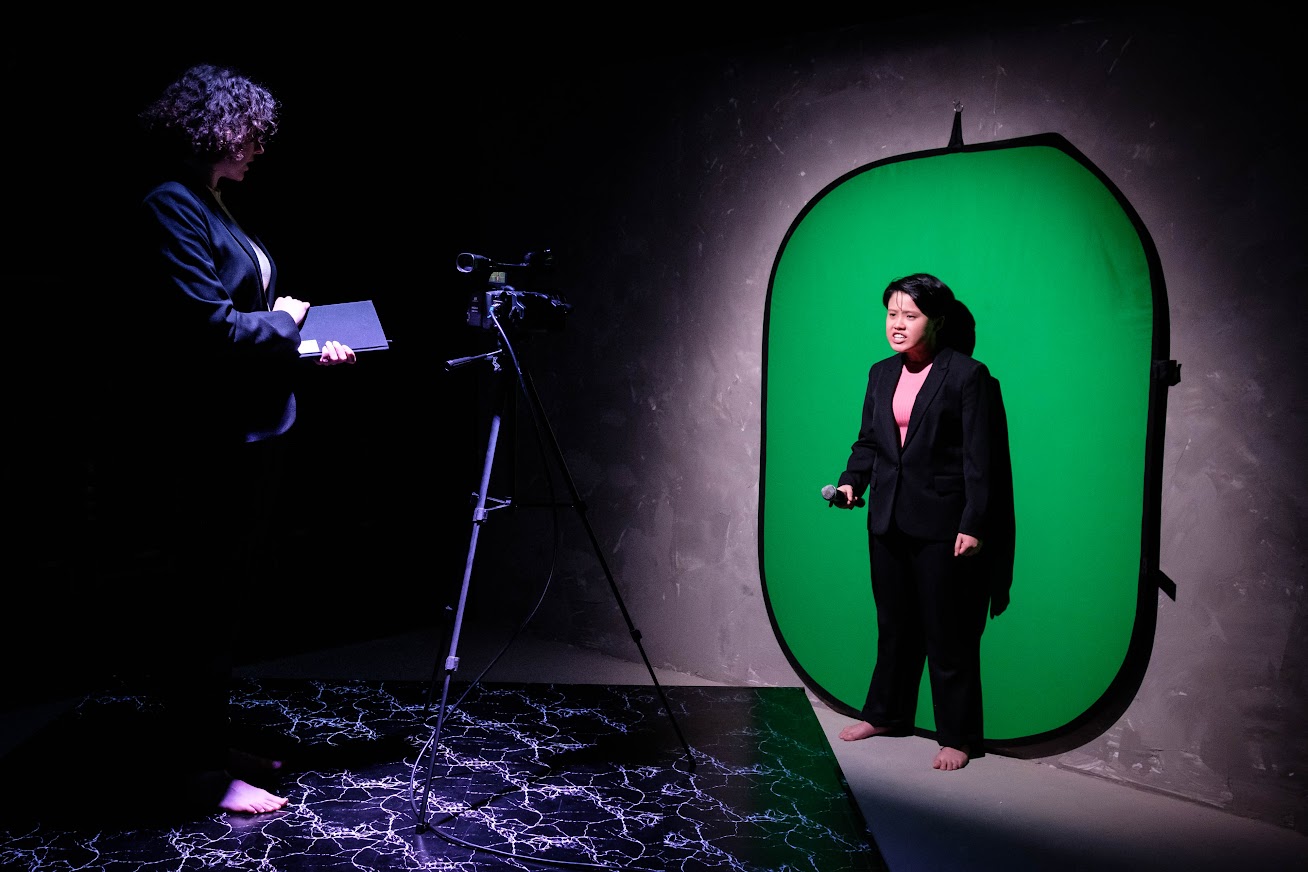
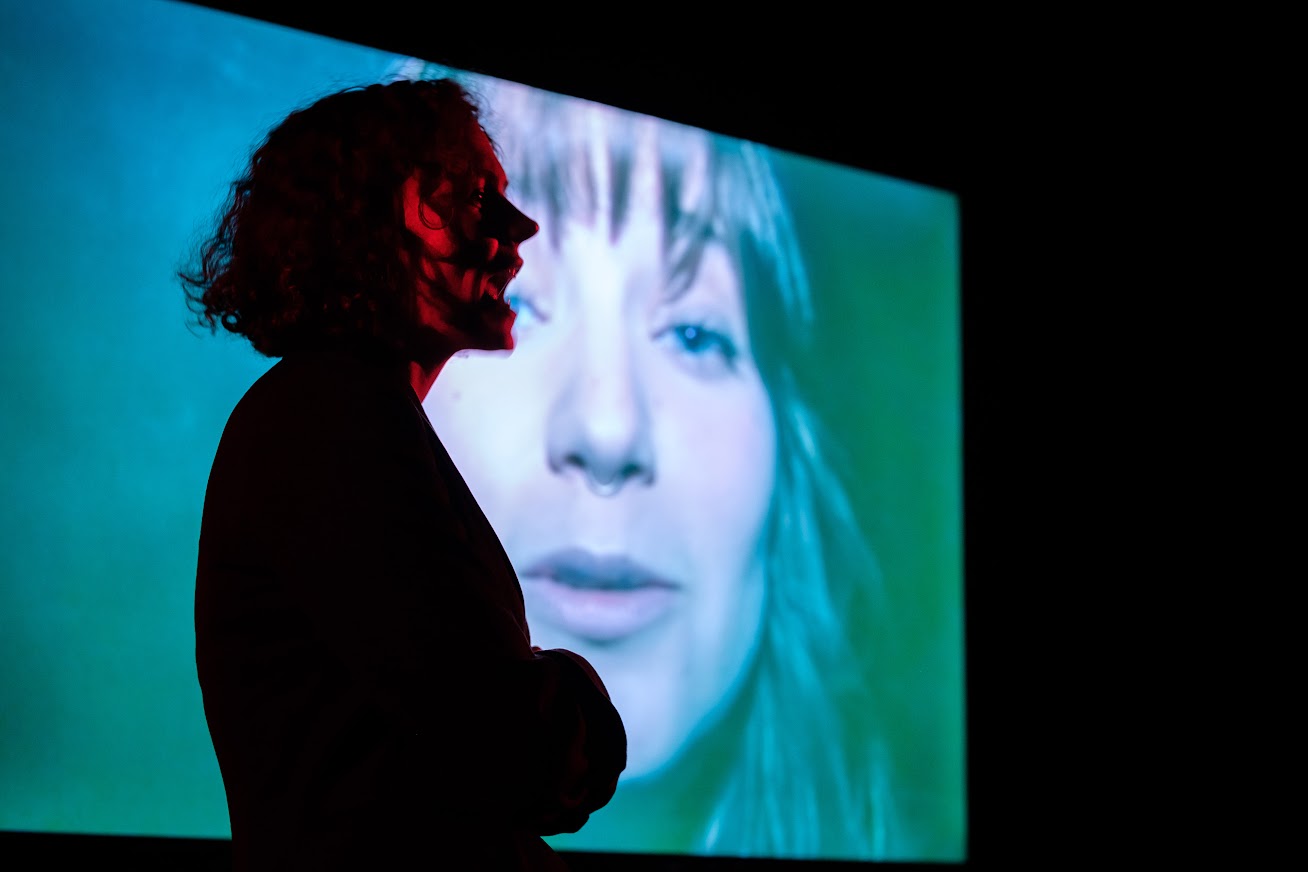
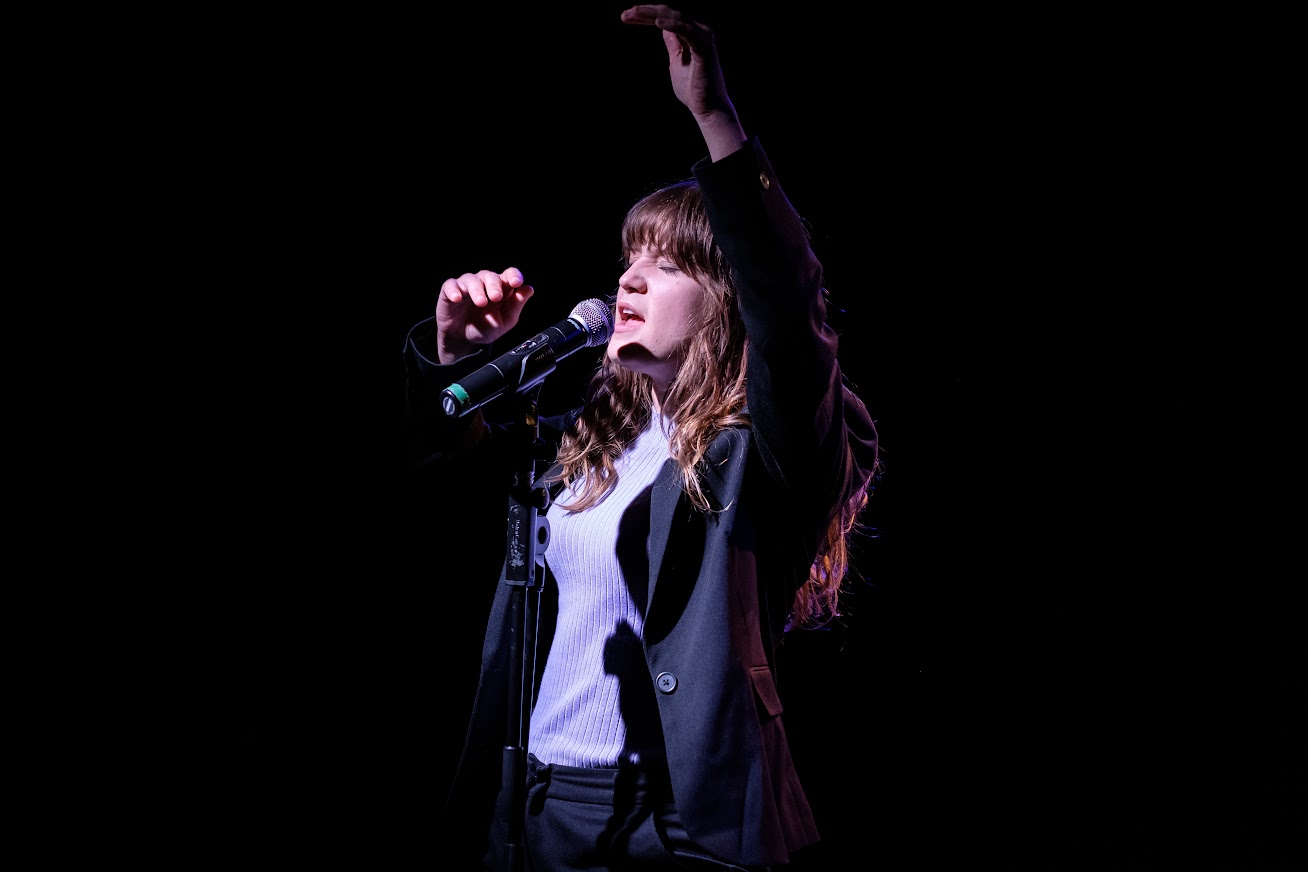
In Pollon, we witness Eliza Scott attempting to recreate the presence, of someone no longer present. An older man maybe Scott’s father, has fallen critically ill or perhaps died, and the artist, like all who are left behind, has to grapple with the nature of grief and of memory, in ways that are utterly personal. In Pollon, it is that process of mourning that reveals the things that we hold dear, that often do not come into true consciousness until too late.

The memory of a lost love is retrieved, most notably in this staging, through the sense of sound. Scott’s reminiscences are based heavily on old utterances that might have been fleeting or indeed, repeated time and again. That search for yesterday’s intimate moments, are made material by the performer’s various constructions of sonic presentations. Utilising the simple combination of a microphone with two loop stations, impromptu “songs” are created to fascinating effect.

Directed by Craig Baldwin, visual aspects are even more pared back, with minimal costumes and light changes, on a set that looks almost perfunctory by design. The result however is commendably elegant, in its rendering of a kind of essentialist aesthetic. As performer, Scott is irresistibly charming, with an intense vulnerability that makes everything they serve up, seem captivating and important. For an abstract work about presence, Scott’s sheer star quality is a convincing ingredient, that keeps us completely at ease and attentive.

Nobody can remember the days before they were born, but to think that one’s existence on this plane, in the posthumous, might become equally imperceptible and intangible, is unbearable. If we do not wish to contend with the idea that we simply vanish into thin air, it must be true then, that humans are concerned with legacy. Yet, we do so little to ensure that what we leave behind, is good and fair. The remnants of a generation will always inform how subsequent lives will conceive of the world. One can only hope that all the bad that lingers, can somehow be transformed into something better.

www.littleeggscollective.com

Review: Jagged Little Pill (Theatre Royal Sydney)

Venue: Theatre Royal Sydney (Sydney NSW), 2 – 19 Dec, 2021
Book: Diablo Cody
Music: Glen Ballard, Alanis Morissette
Lyrics: Alanis Morissette
Director: Diane Paulus
Cast: Natalie Bassingthwaighte, Tim Draxl, Emily Nkomo, Liam Head, Maggie Mckenna, Grace Miell, Aydan, Josh Gates, Imani Williams, Caleb Jago-ward, Mon Vergara, Baylie Carson, Georgina Hopson, Noah Mullins, Trevor Santos, Isabella Roberts, Marie Ikonomou, Bella Choundary, Jerome Javier, Romy Vuksan
Images by Daniel Boud

Theatre review
The story takes place in upper-middle class suburbia, where Mary Jane, a classic Connecticut housewife hiding a secret drug problem, invests extraordinary energy into making everything at home appear perfect, to all and sundry. A reckoning is forced into being however, when her teenage children’s upheavals precipitate an embrace of the ugly truth. Adopted daughter Frankie is Black and coming of age, and has lost all patience for her community’s pretentiousness, and son Nick is embroiled in a case of sexual assault, that leads us to discover the depths of Mary Jane’s personal struggles.

The book for Jagged Little Pill by Diablo Cody is carefully considered, and admirable in its commitment to incorporating social issues that are of immense concern today. It represents a strong attempt at pushing forward the musical theatre format, in order that entertainment could be combined, with something altogether more substantial in the way we tell stories, in this age of cultural reinvention. The dominant presence of political activists in the show, complete with slogans on placards, is not only a sign of the times, but a real manifestation of the spirit and intention, of this very 21st century musical.

Featuring songs from the seminal 1995 Alanis Morissette rock album of the same name, the show however is not always completely engaging. The flow from dialogue to song is often less than seamless, and choreography of dance sequences feel awkwardly dated, even if we are conscious of the source material’s age. Fortunately, direction by Diane Paulus (implemented by Resident Director Leah Howard) is full of heart, and although not completely finessed, Jagged Little Pill succeeds in making its art say something deeply meaningful, and very probably, enduringly memorable.

Performer Natalie Bassingthwaighte does an excellent job of presenting Mary Jane’s vulnerability, beautifully detailing all her character’s flaws, whilst keeping us firmly on her side. It is a charm offensive of the most convincing kind. Her family is portrayed by Tim Draxl, Liam Head and Emily Nkomo, who offer nuance to challenging relationships, that all can surely identify with. Singing for Morissette’s rock tunes however, are more powerfully delivered by Aydan, Maggie McKenna and Grace Miell, who play Frankie’s friends and lovers from school. Their ability to bridge the considerable gap between rock and Broadway styles of singing, are the crucial ingredient for some of Jagged Little Pill‘s more transcendent moments.

It all ends too neatly and too easily, of course. A big musical, it seems, can only ever accommodate “happily ever after”. The lasting imagery from the show involves young people demanding change, and it is that insistence on something better, that extends beyond the convenient conclusion, an ongoing discussion about our future. We think about the conventions that govern parameters in art, and how every production bears the responsibility of invention and improvement. We think about the way we talk to one another, and how we must learn to reach better resolutions, even if it means having to grapple with humility. Jagged Little Pill is about a youthful spirit, and all the potential we can unleash when the idealism of our young, is given a chance. The show is not quite a call to arms, but the awareness it raises about a need for revolution, is hard to deny.

www.jaggedmusical.com

Review: Death of a Salesman (Sydney Theatre Company)

Venue: Roslyn Packer Theatre (Sydney NSW), Dec 3 – 22, 2021
Playwright: Arthur Miller
Director: Paige Rattray
Cast: Callan Colley, Jacek Koman, Josh McConville, Philip Quast, Bruce Spence, Thuso Lekwape, Helen Thomson, Contessa Treffone, Kimie Tsukakoshi, Brigid Zengeni, Alan Zhu
Images by Prudence Upton

Theatre review
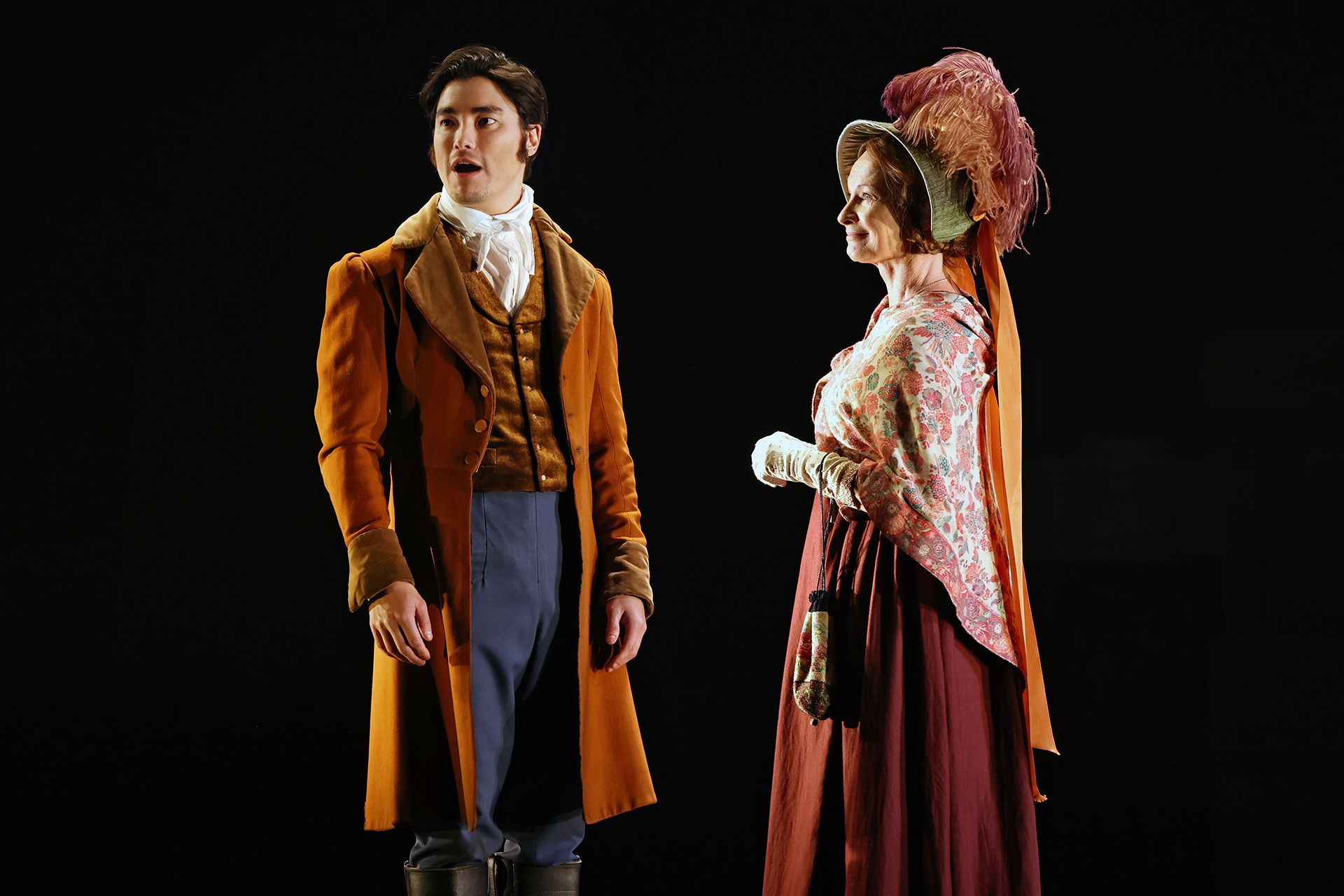
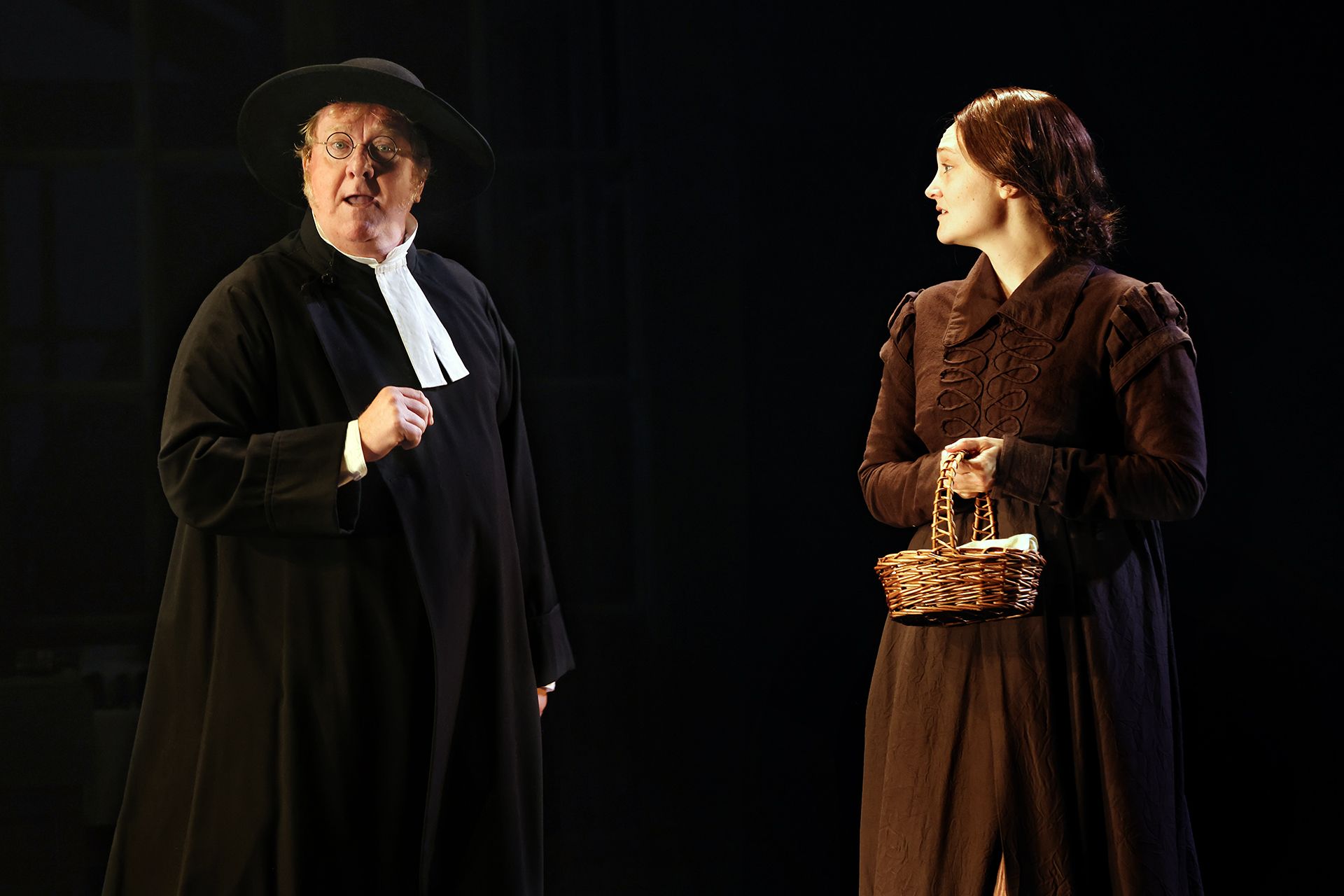
Willy Loman is finally waking up to the fact that so many of life’s promises are bound to amount to nothing. The 63 year-old salesman has worked hard for decades, completely invested in the American Dream, but with the impending certainty of death, comes the realisation that he had been sold a big fat lie. It is now 72 years since Arthur Miller’s Death of a Salesman had first appeared on Broadway. Much has changed in the ways we live, yet the play’s central ideas seem never to lose their pertinence. Capitalism continues to broaden its grip over the very values with which we navigate existence, and no matter how many times we hear Willy Loman’s story, it appears few of us can avoid his fate. Such is the control, that desire for money and status, has over so many.

In her faithful 21st century rendition, director Paige Rattray has ensured a presentation stunning in its aesthetics, with exquisite design work occupying our attention over the near three-hour duration. The legacy of Edward Hopper in particular, is referenced beautifully in its evocation of 1940’s Americana. Paul Jackson’s lights steal the show, painterly and sublimely dramatic, in their bold manifestations of every tragic scene.

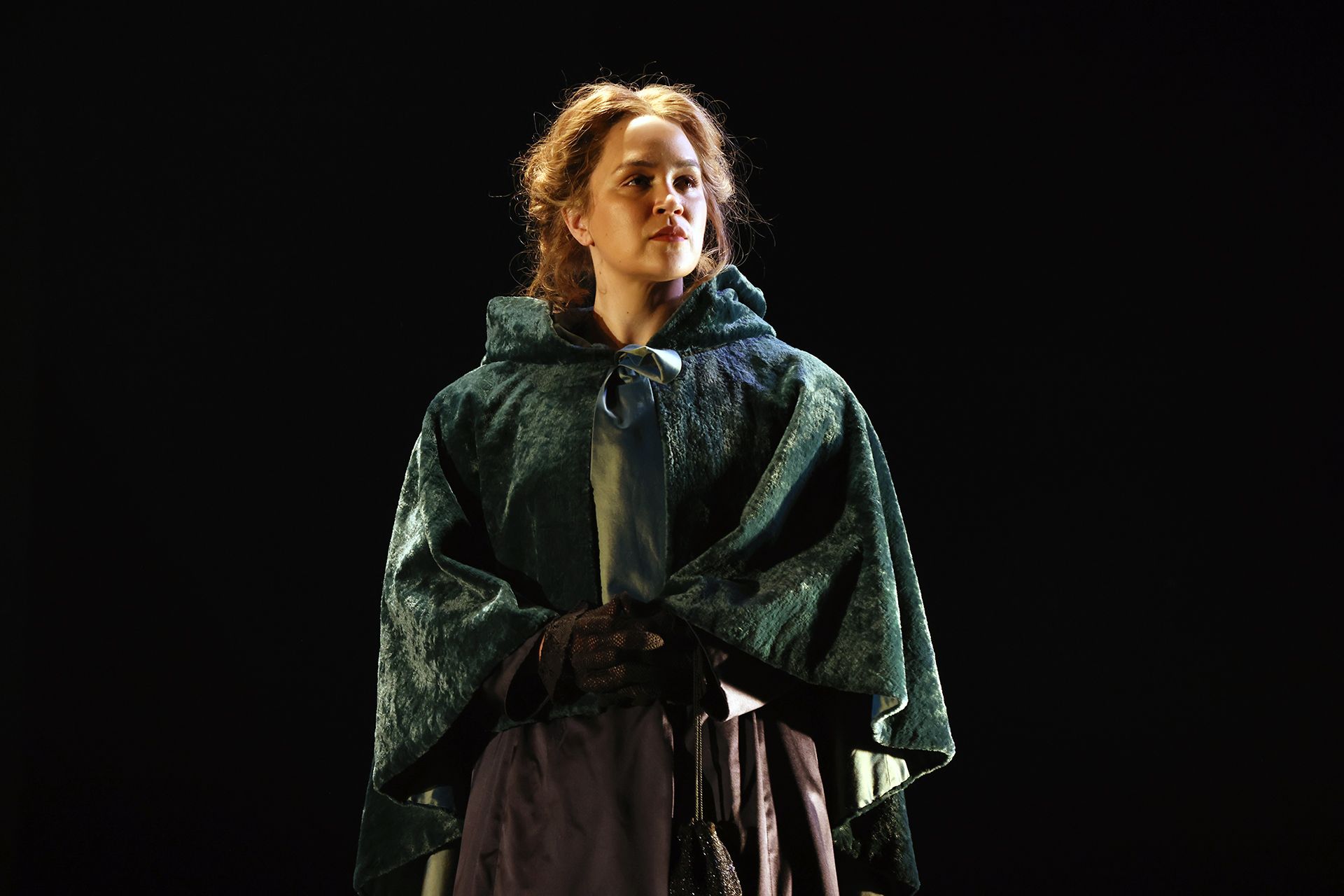
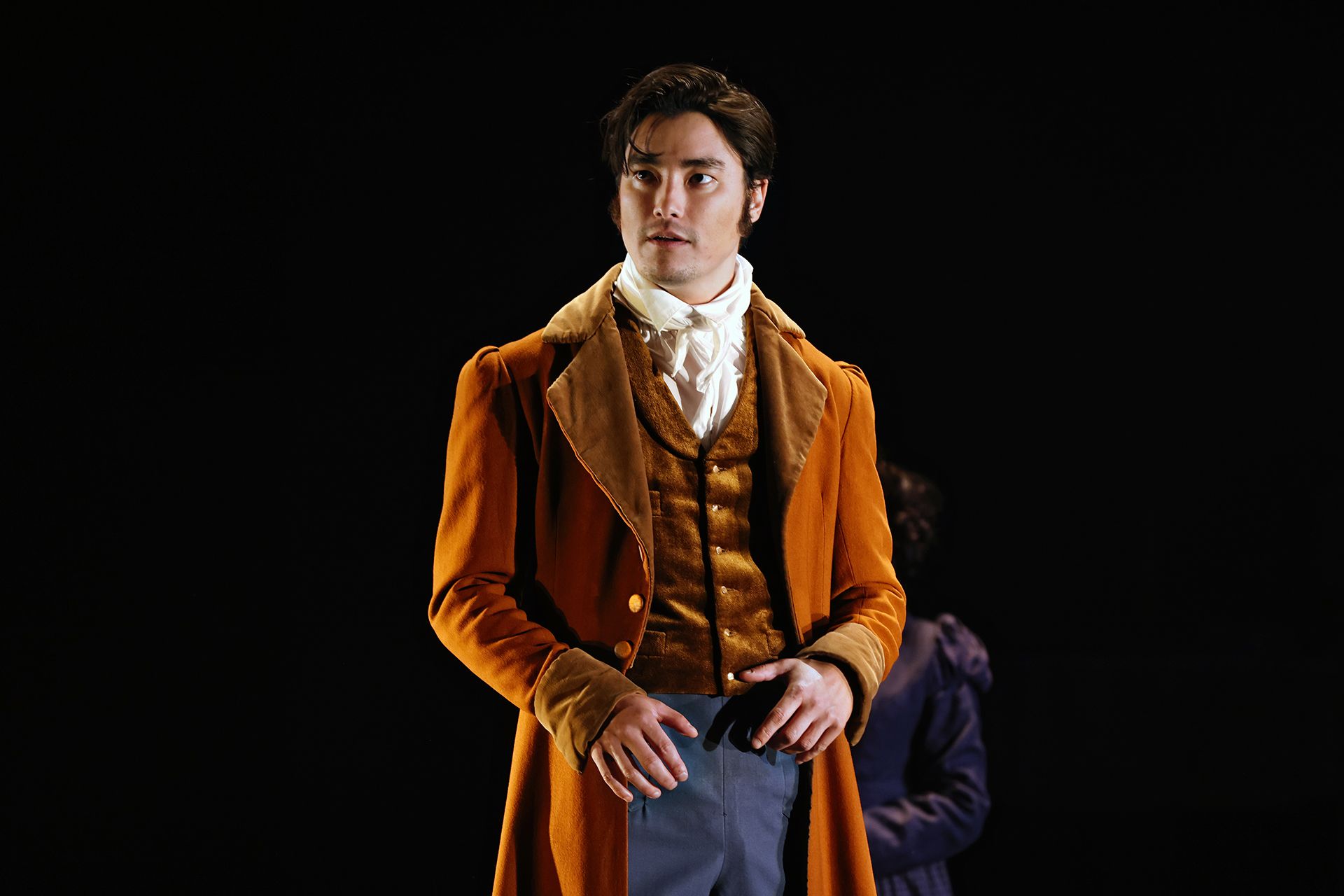
David Fleischer’s set design alters proportions of the proscenium, in order that we may obtain more intimate glimpses into the small lives being explored, whilst conveying the decrepitude of the Loman world view that many of us inevitably share. Costumes by Teresa Negroponte make statements about aspiration and disappointment, as they help transport us to a nostalgia that is more disconcerting than wistful. Music and sound design by Clemence Williams is noir-tinged, almost macabre in its grand invocations of regret and broken dreams.

Aspects of the performance utilises the device of a Greek Chorus, thankfully in an understated manner, which help manufacture a sense of gloom, and to prevent the vast space from falling too frequently into an unbearable emptiness. There is however a certain lack of soulfulness in the staging. Undoubtedly we witness a lot of passion being displayed, most notably by Jacek Koman who plays an irrepressible Willy, but the ensemble is not always convincing in their efforts, to represent the spirit of a play that aims to stand up for the little guy.

As Linda, actor Helen Thomson takes every opportunity to bring levity to a dark tale, but a lack in chemistry between the Loman spouses, has a tendency to make the mother and wife character seem somewhat disconnected. Callan Colley and Josh McConville are the sons, Happy and Biff respectively, both amiable personalities, if slightly surface in their depictions of a collapsing patriarchy. McConville does however, bring the show to a satisfying crescendo, late in the piece, when Biff unravels and exposes the truths about his torment.

Willy Loman’s death is important. We will all go about our lives, finding individual ways to figure out what is true and what are lies, based on all manner of evidence and introspection, but featuring prominently in Arthur Miller’s play is the undeniable centrepiece of a person’s death. The decisions we make, the things we value, and the way we love, should never be divorced from the singular fact of certain death, yet we seem in our American Dreams to forever act as though the self is immortal. “You can’t take it with you” is a common refrain, if only we care to listen.

www.sydneytheatre.com.au