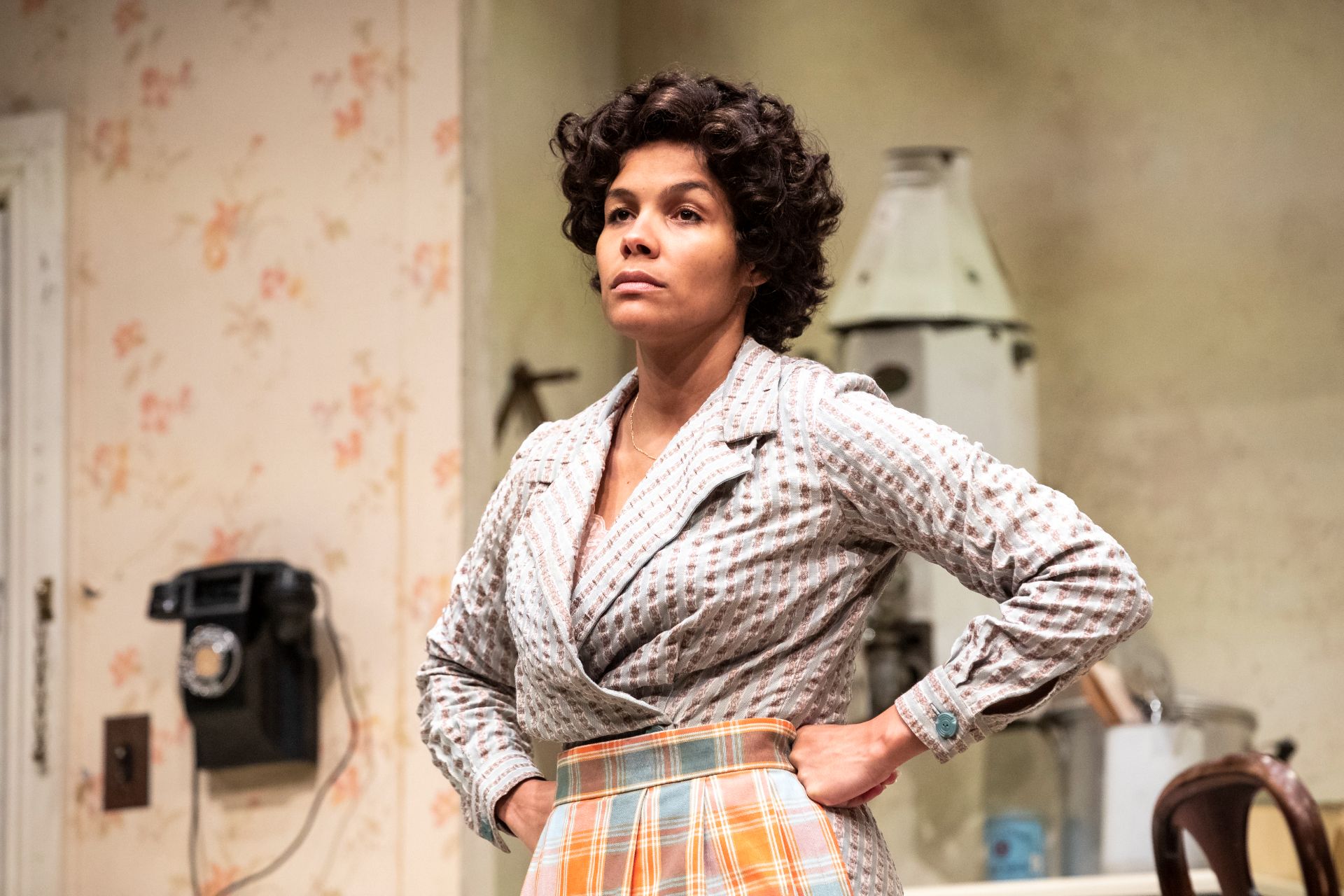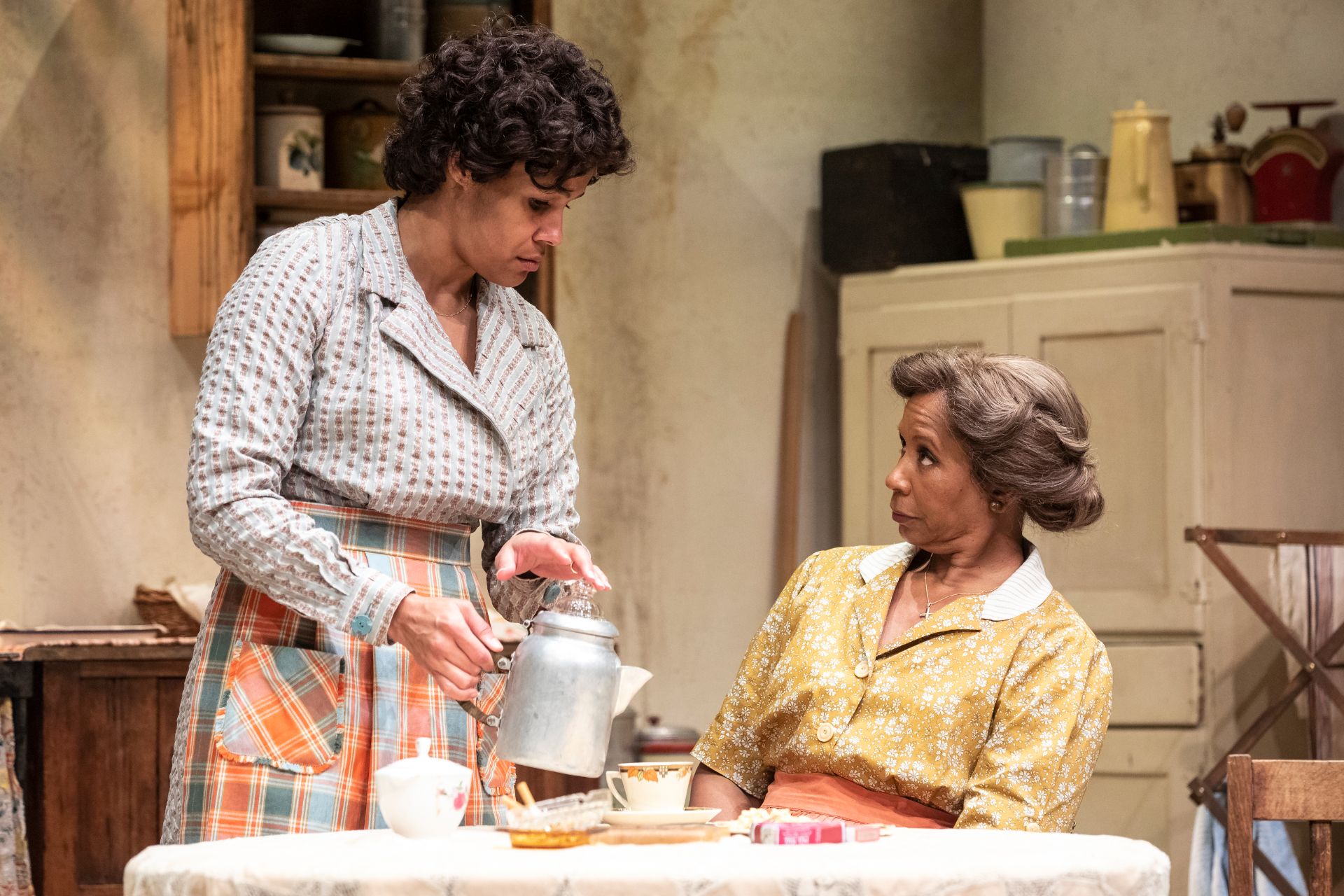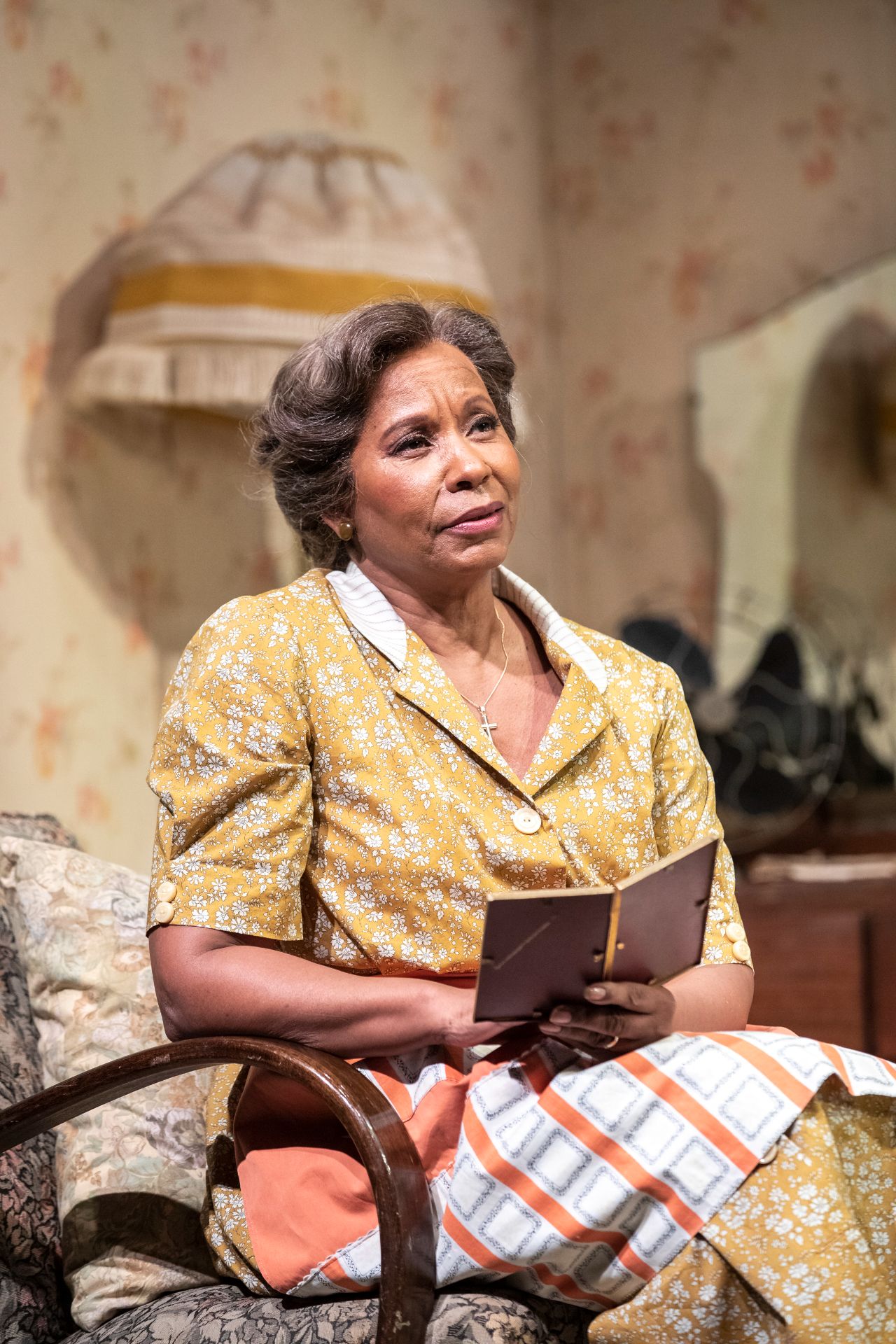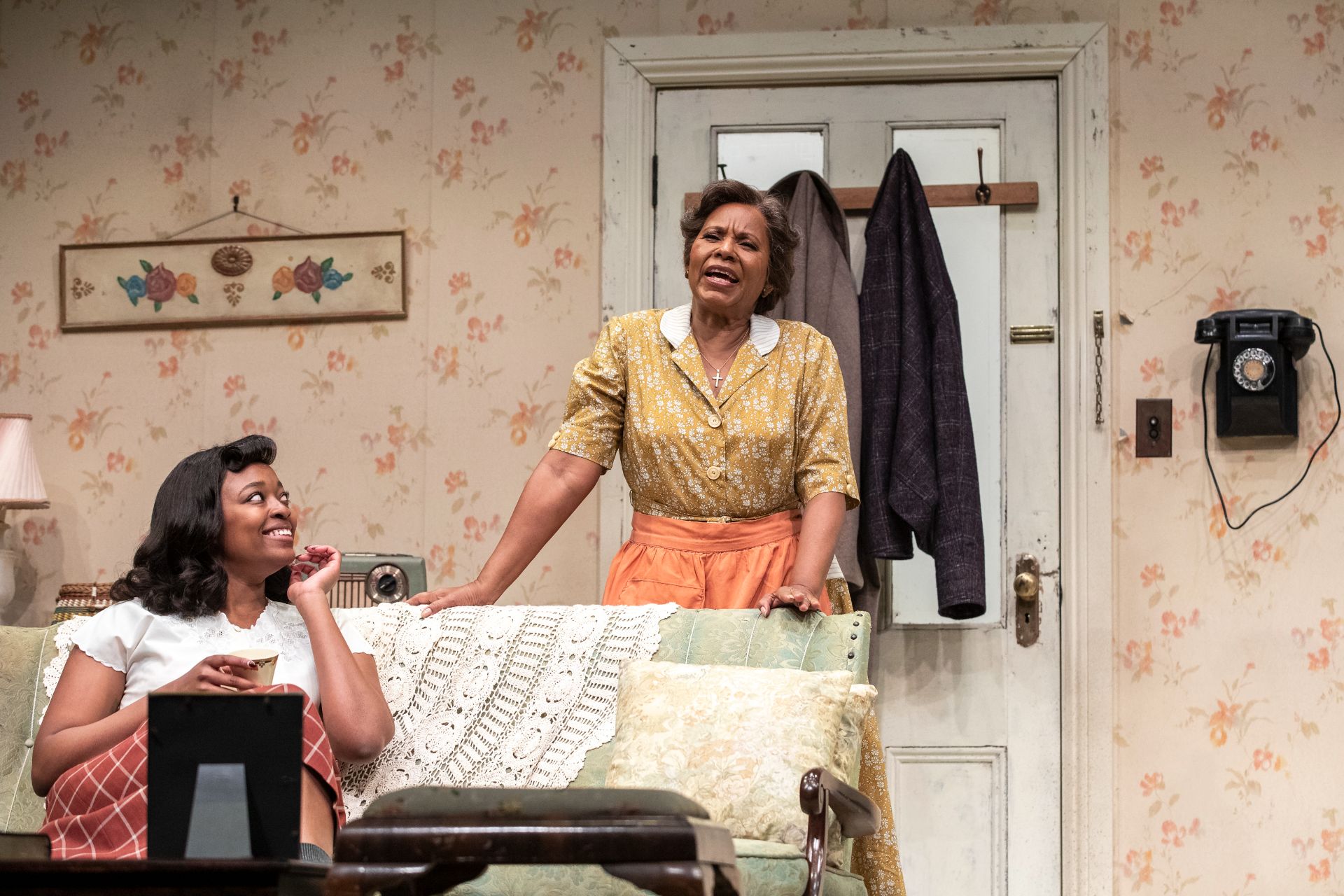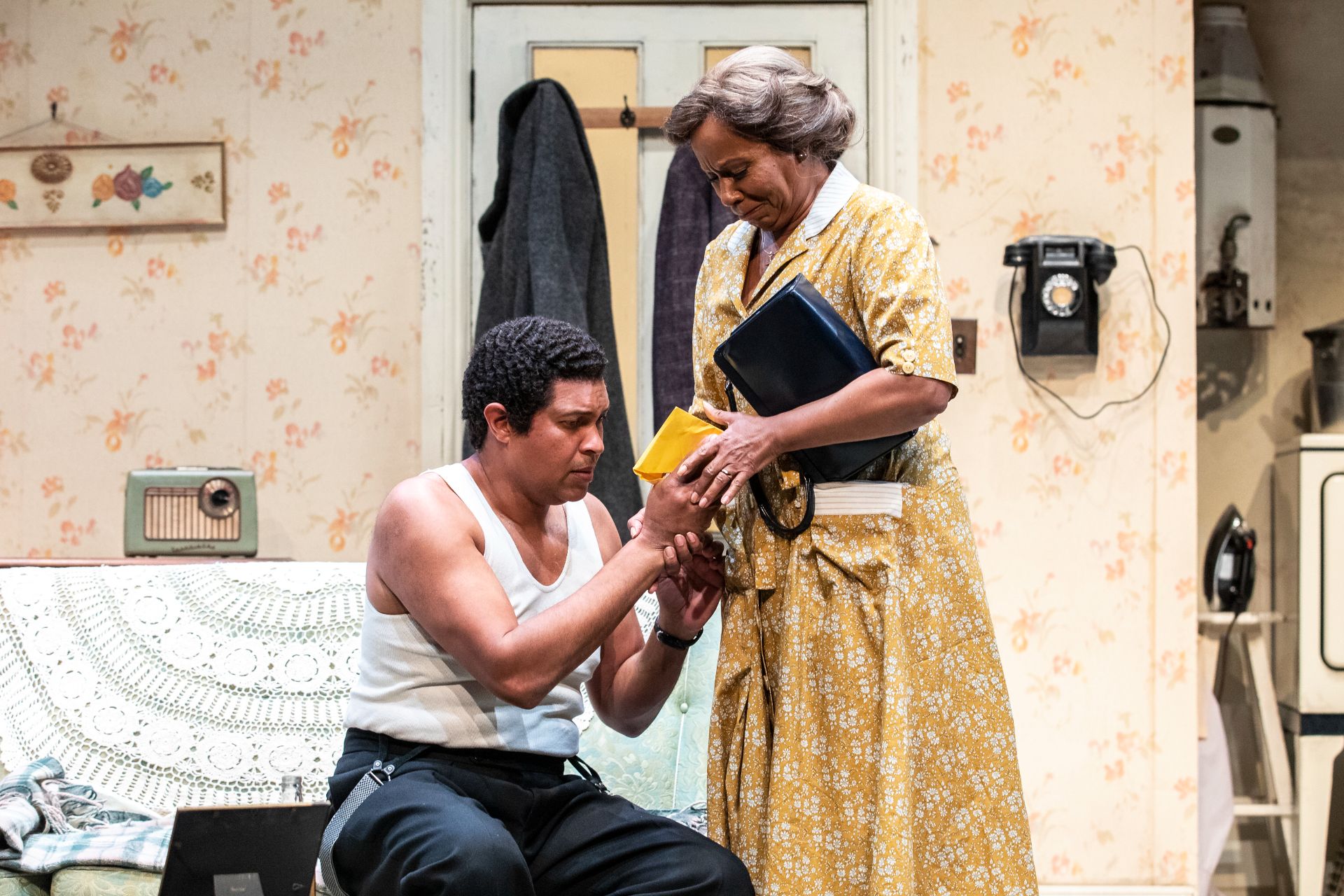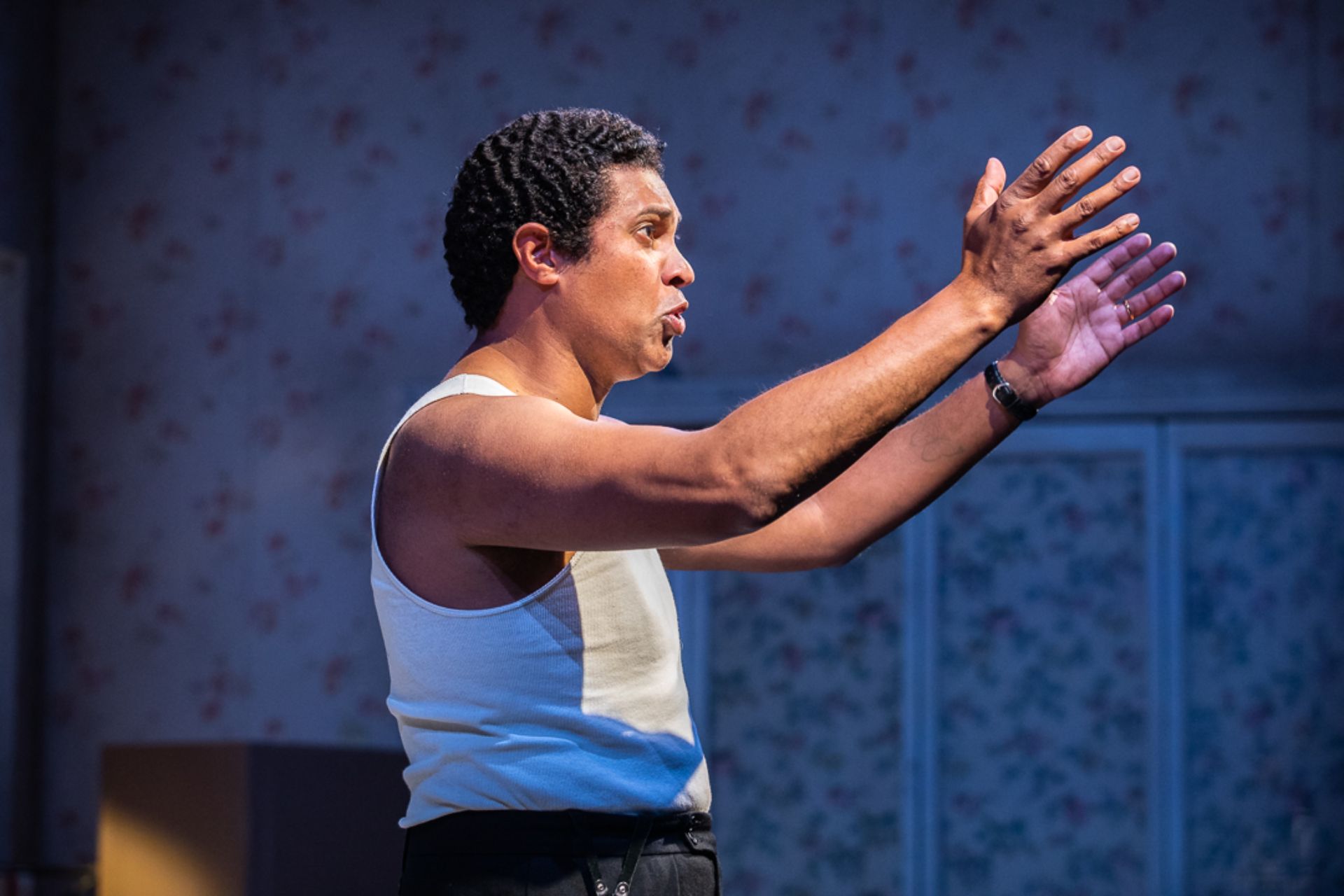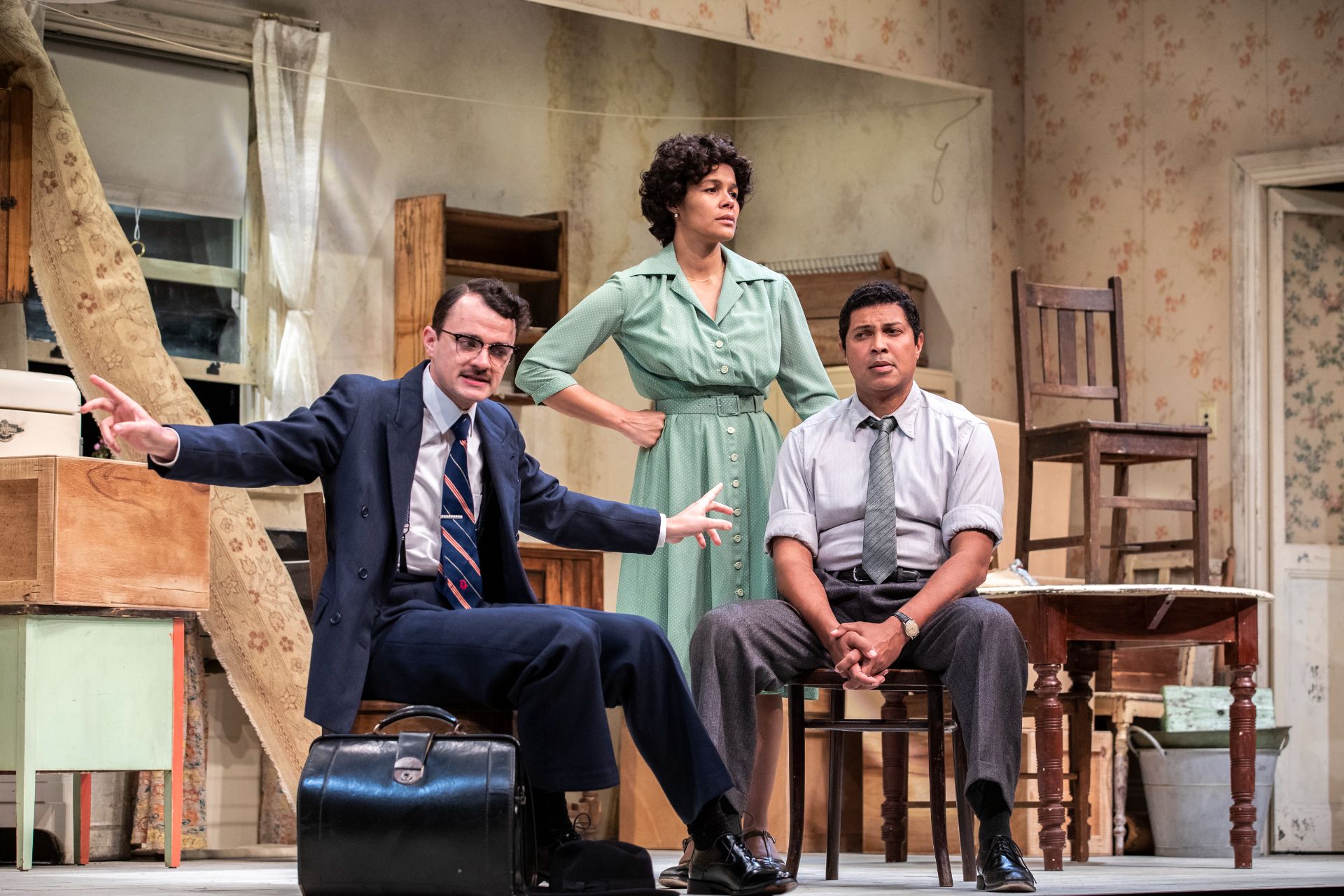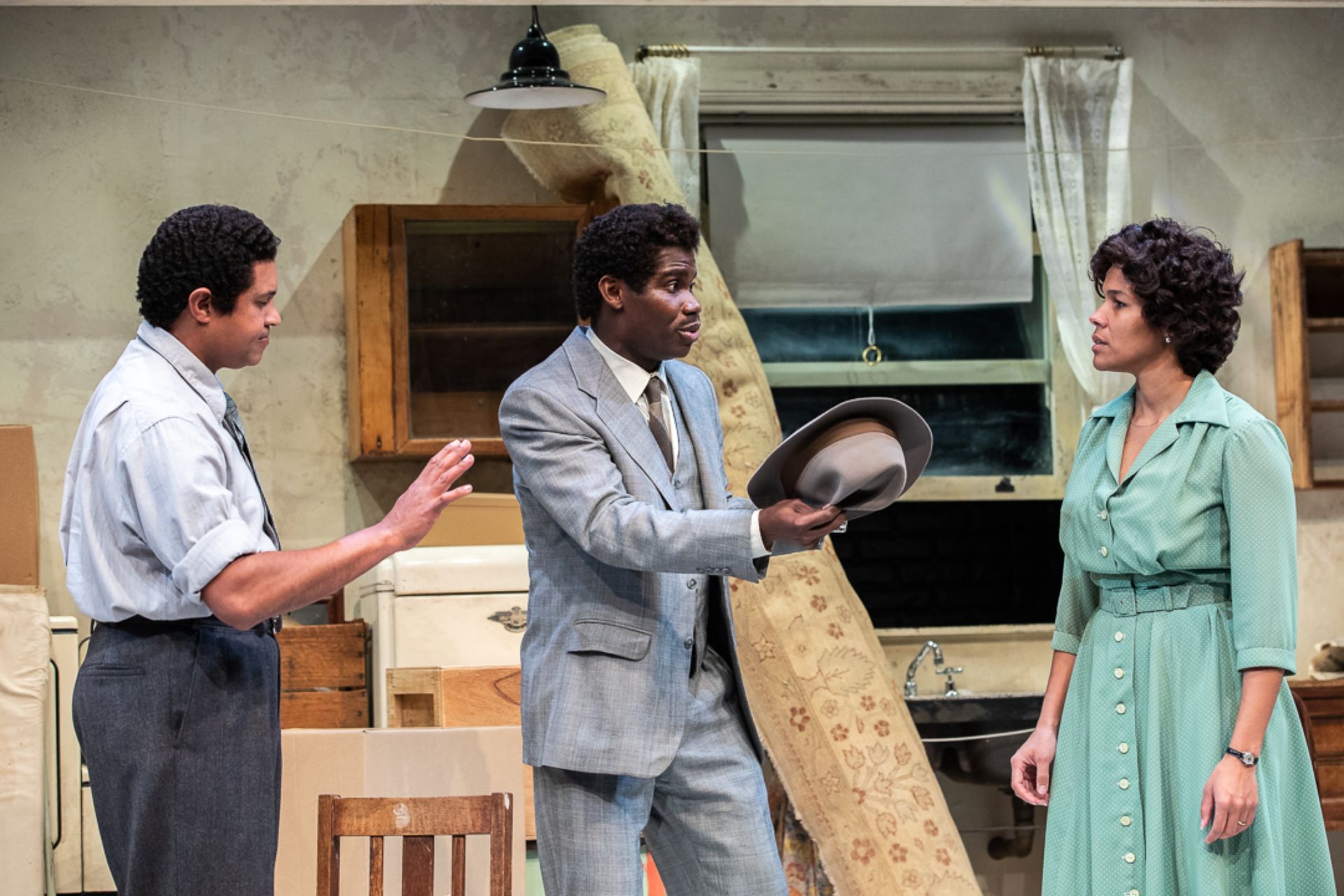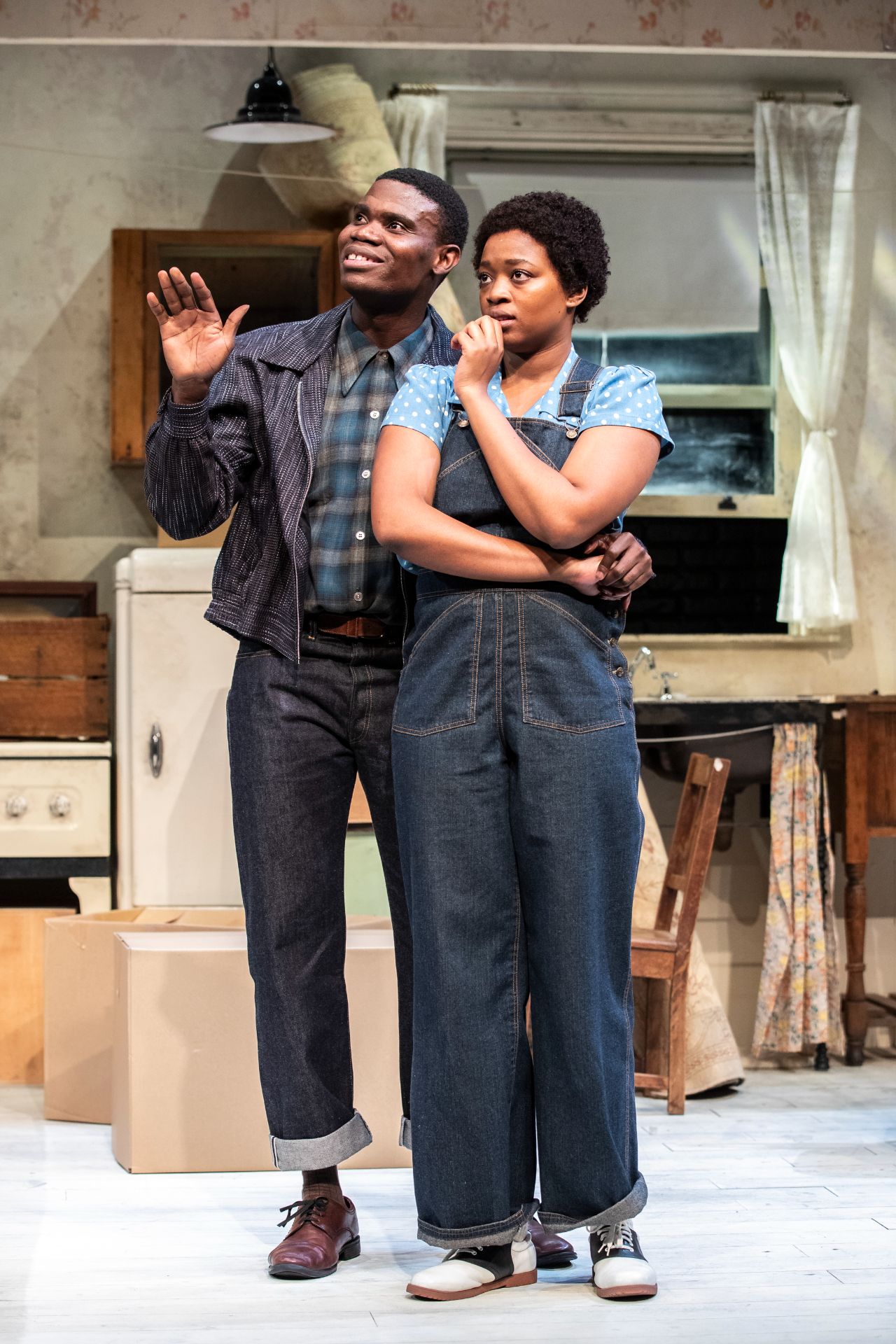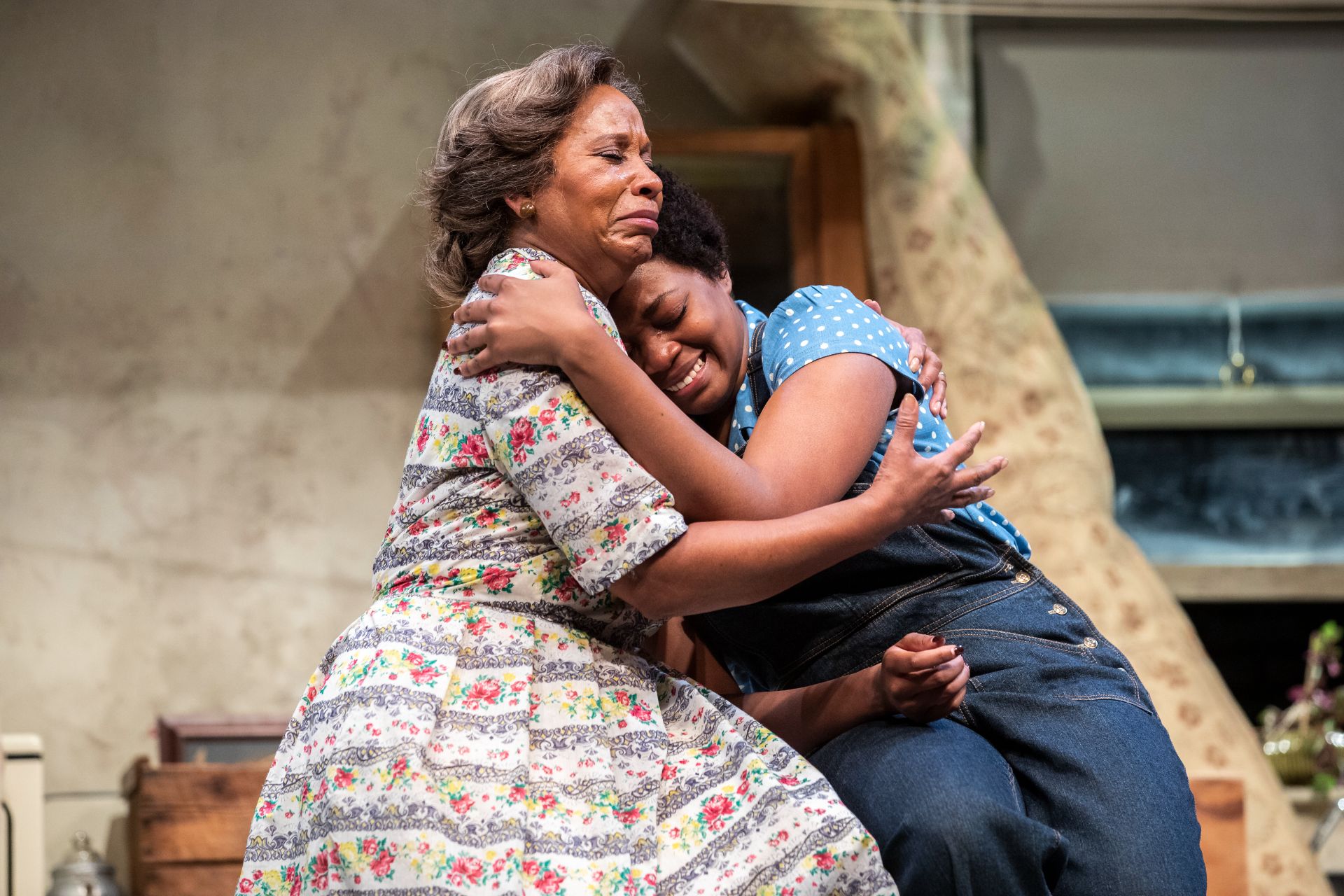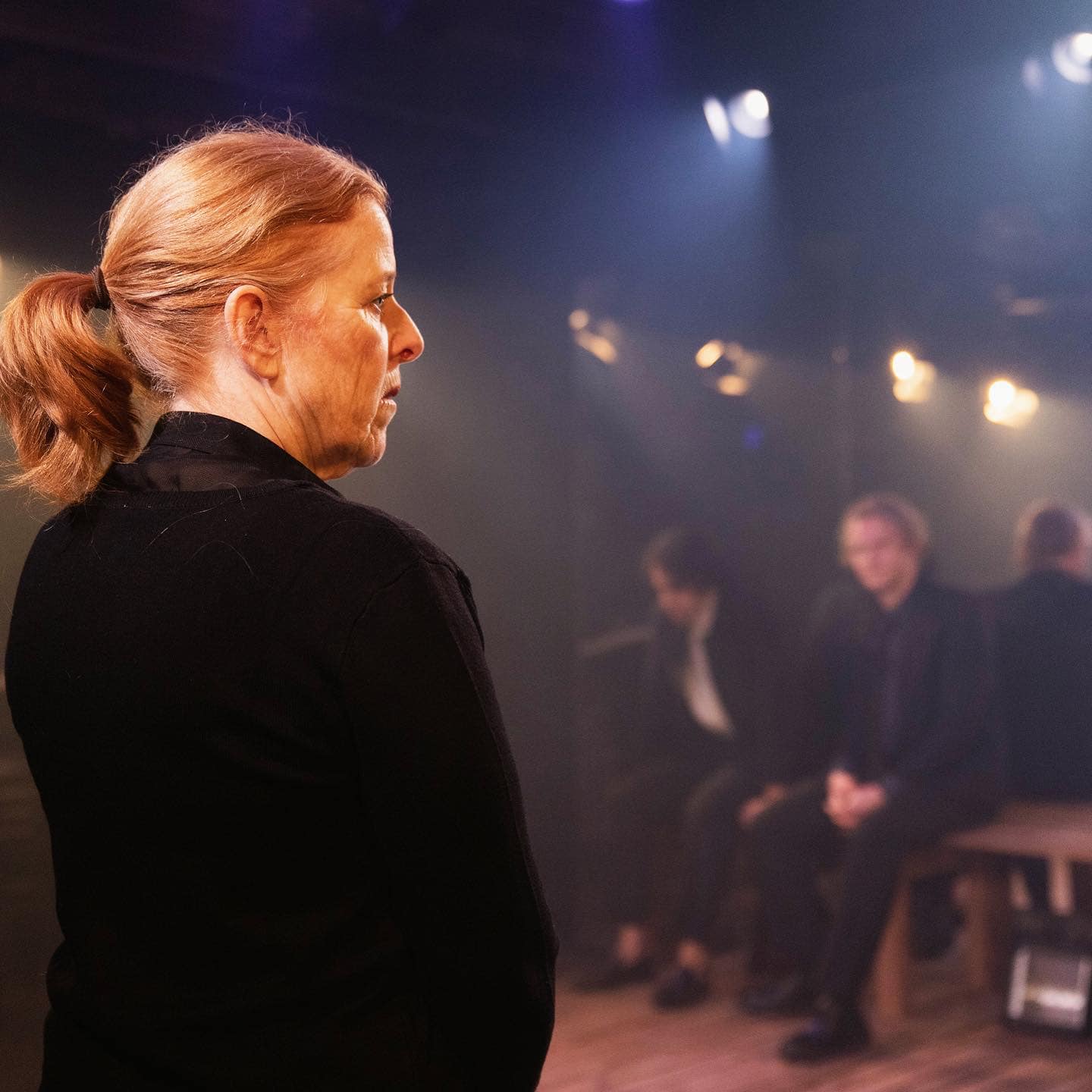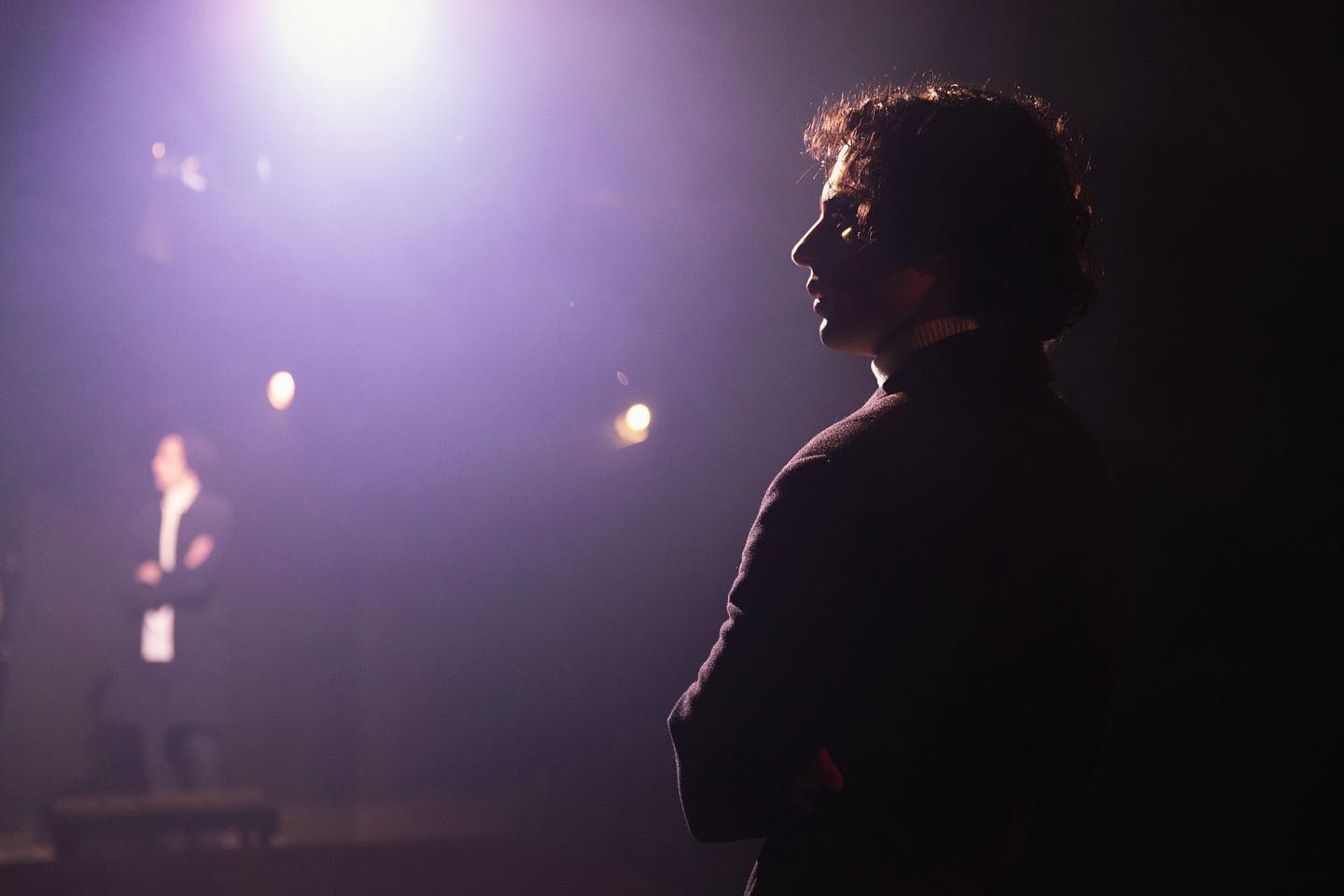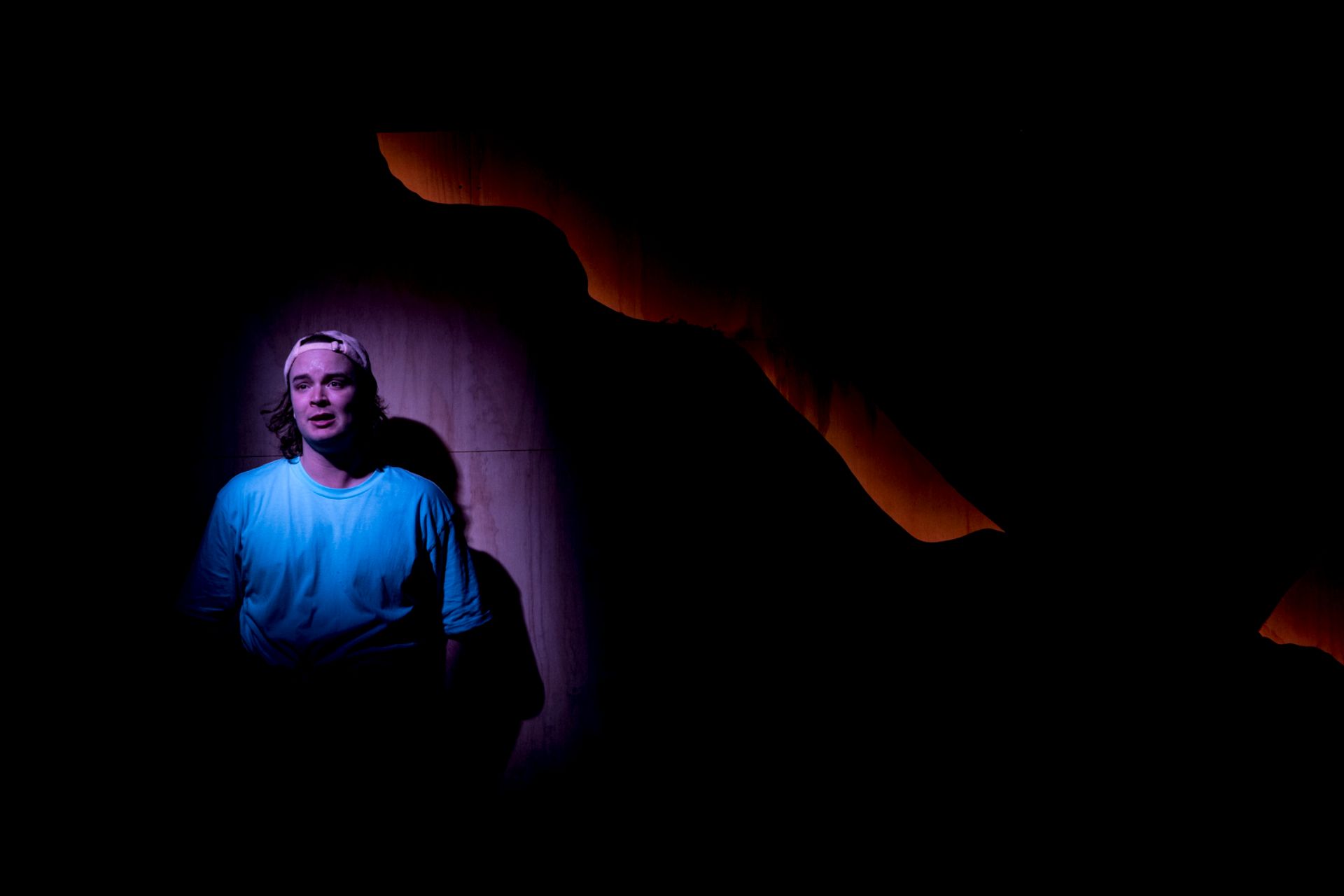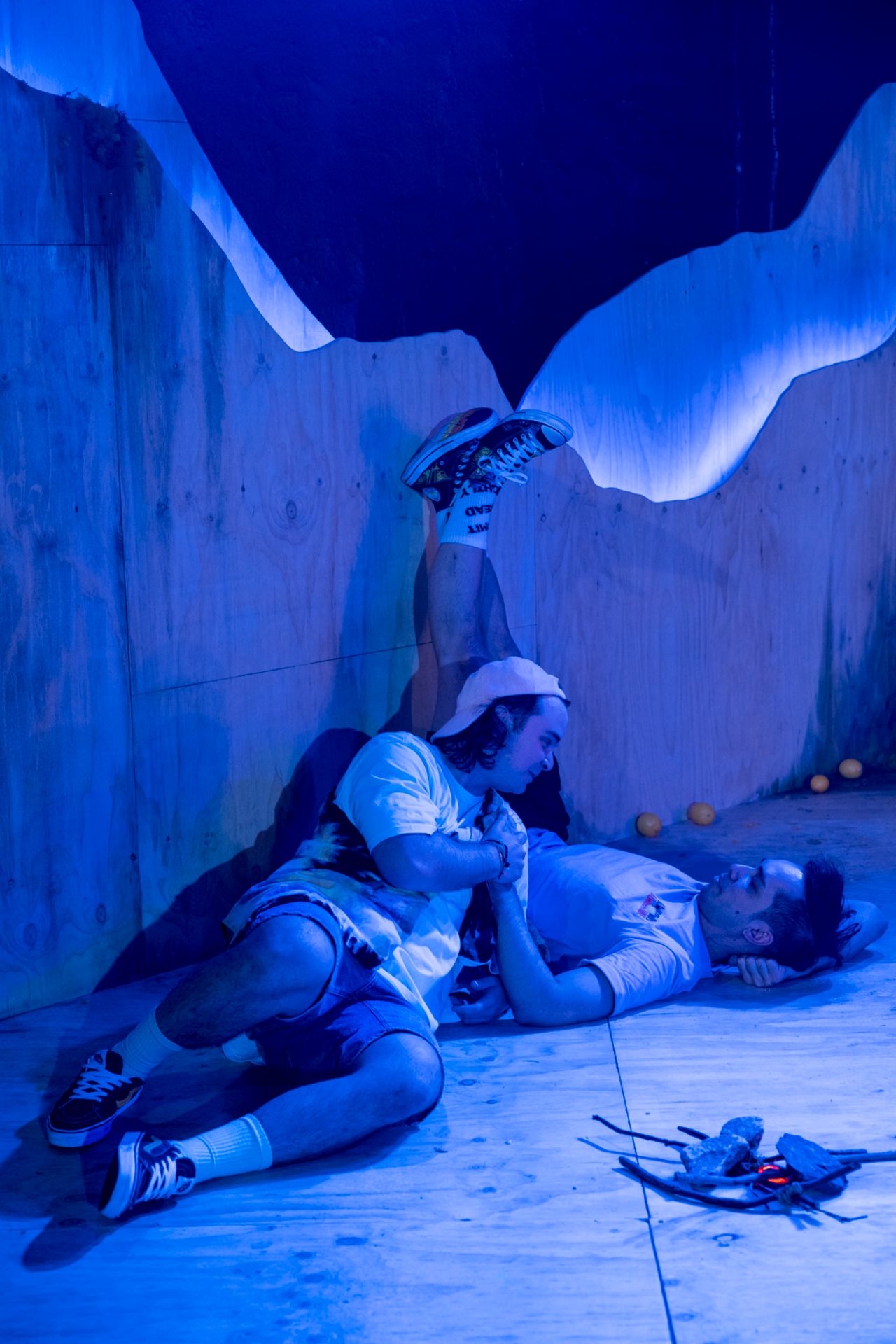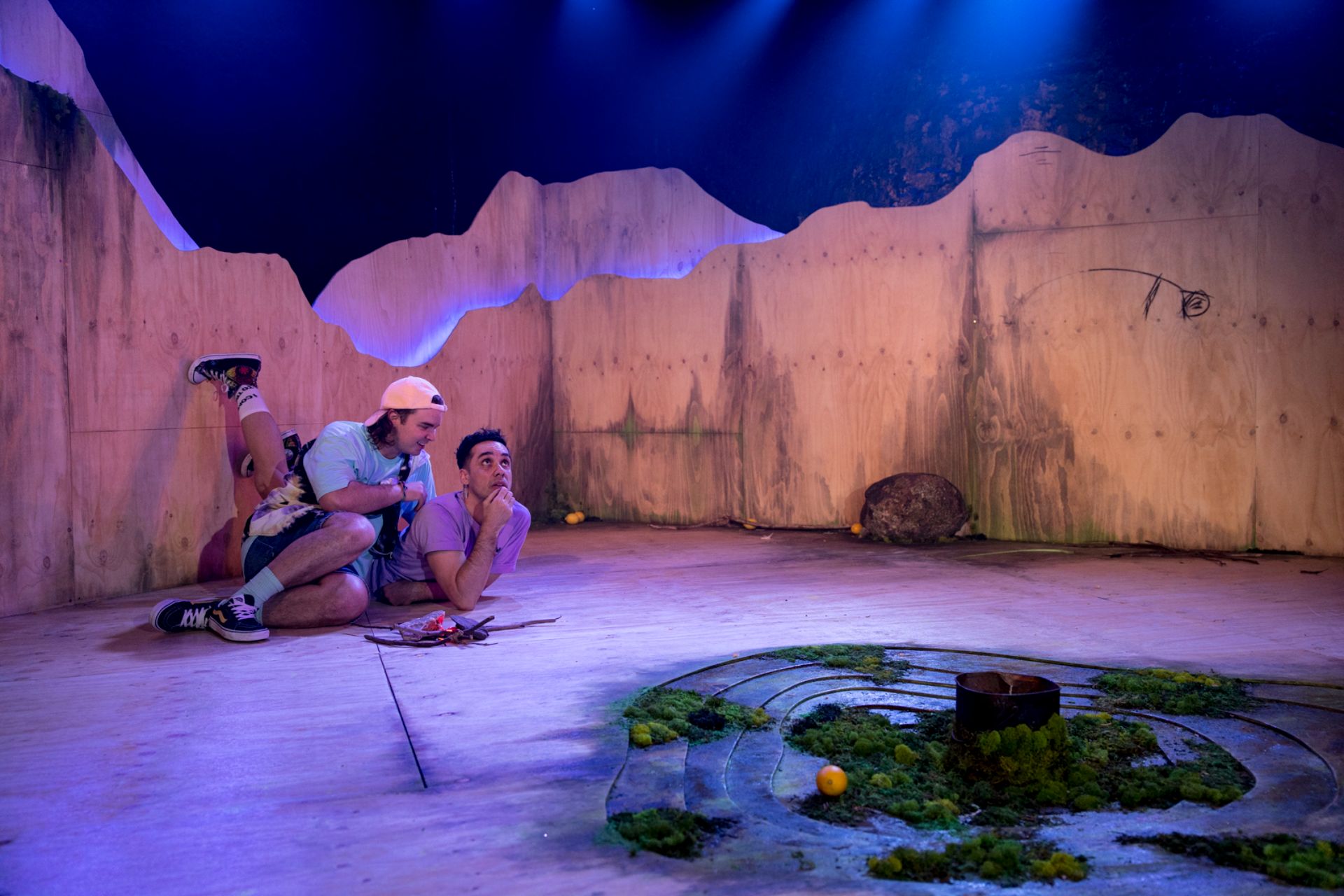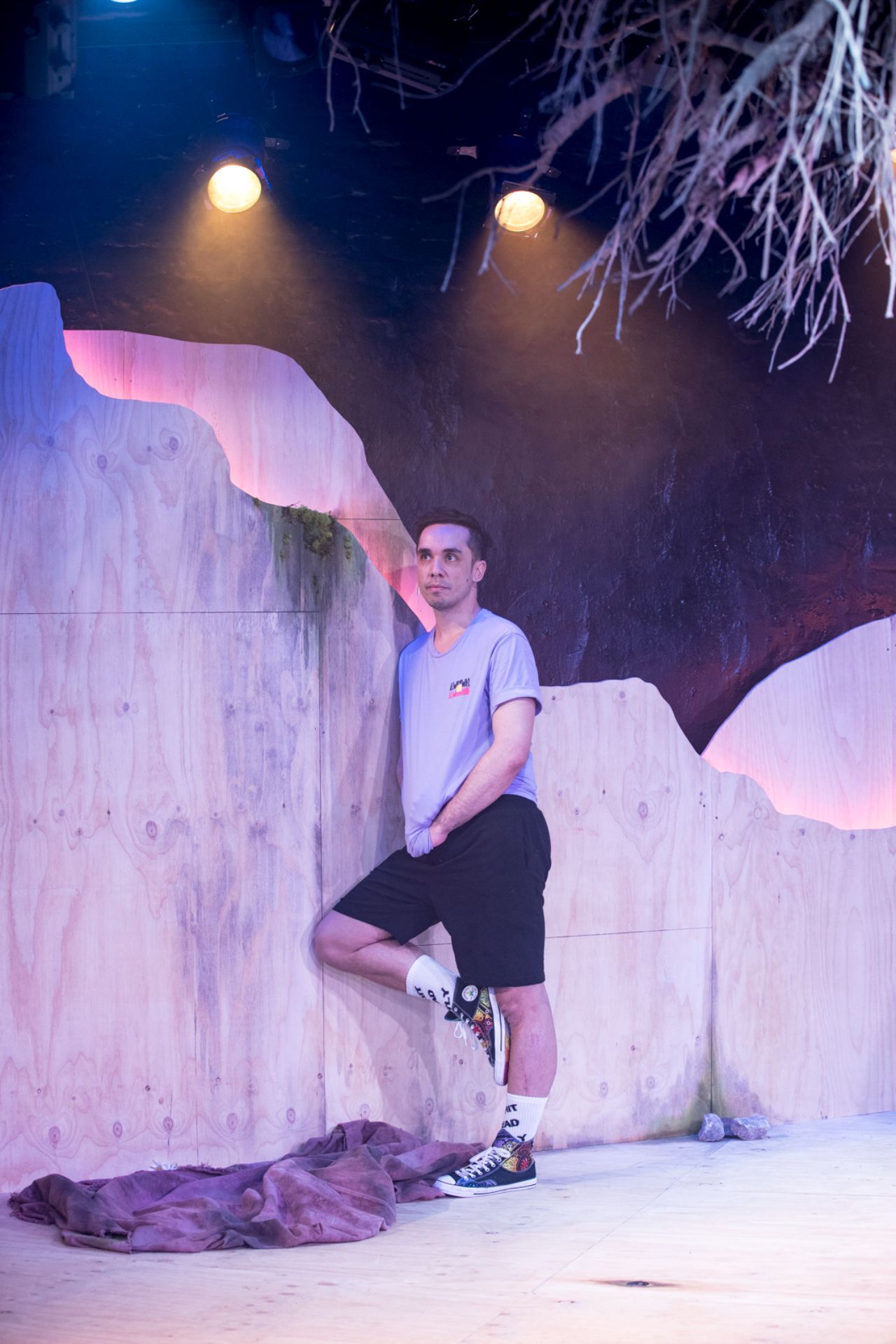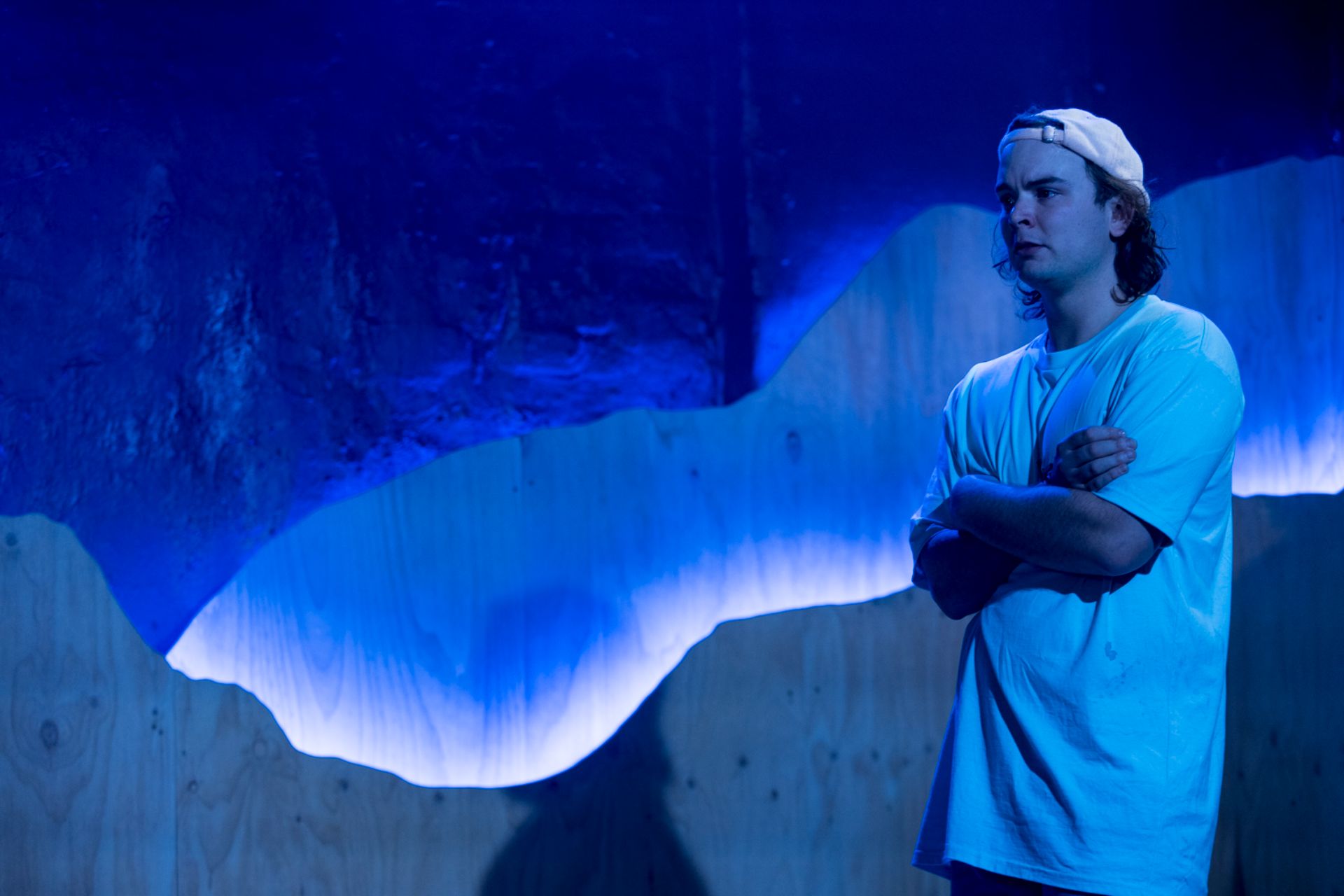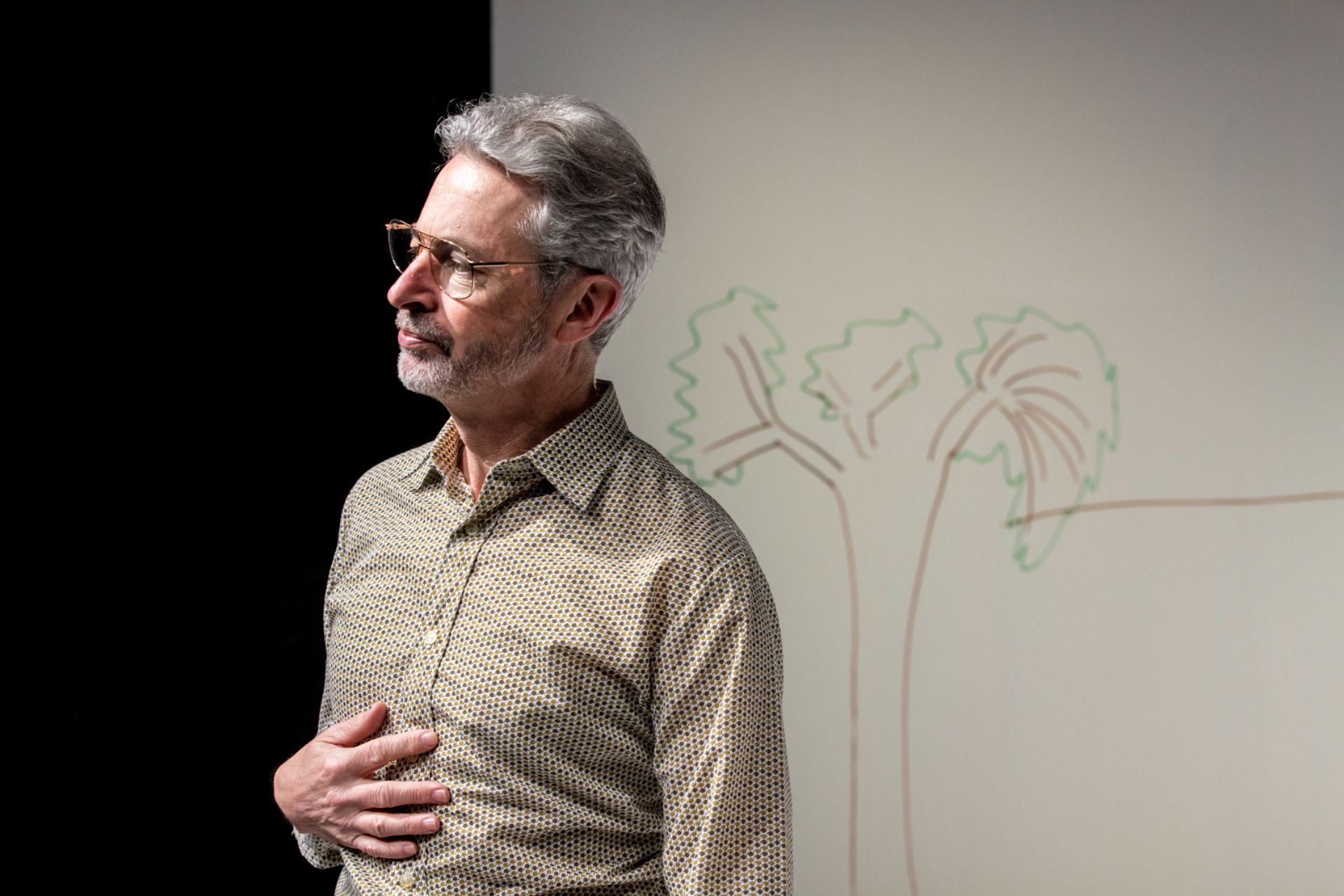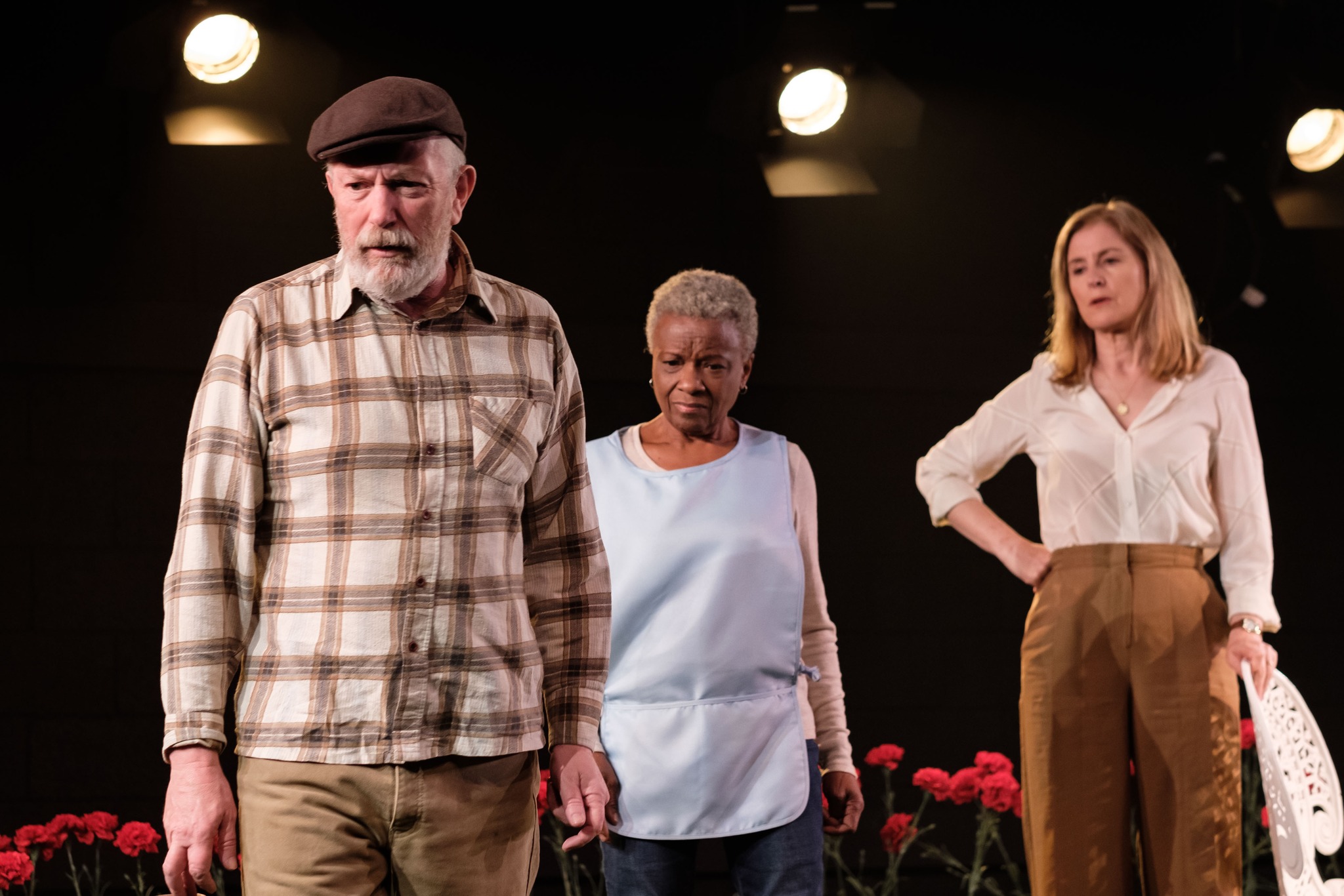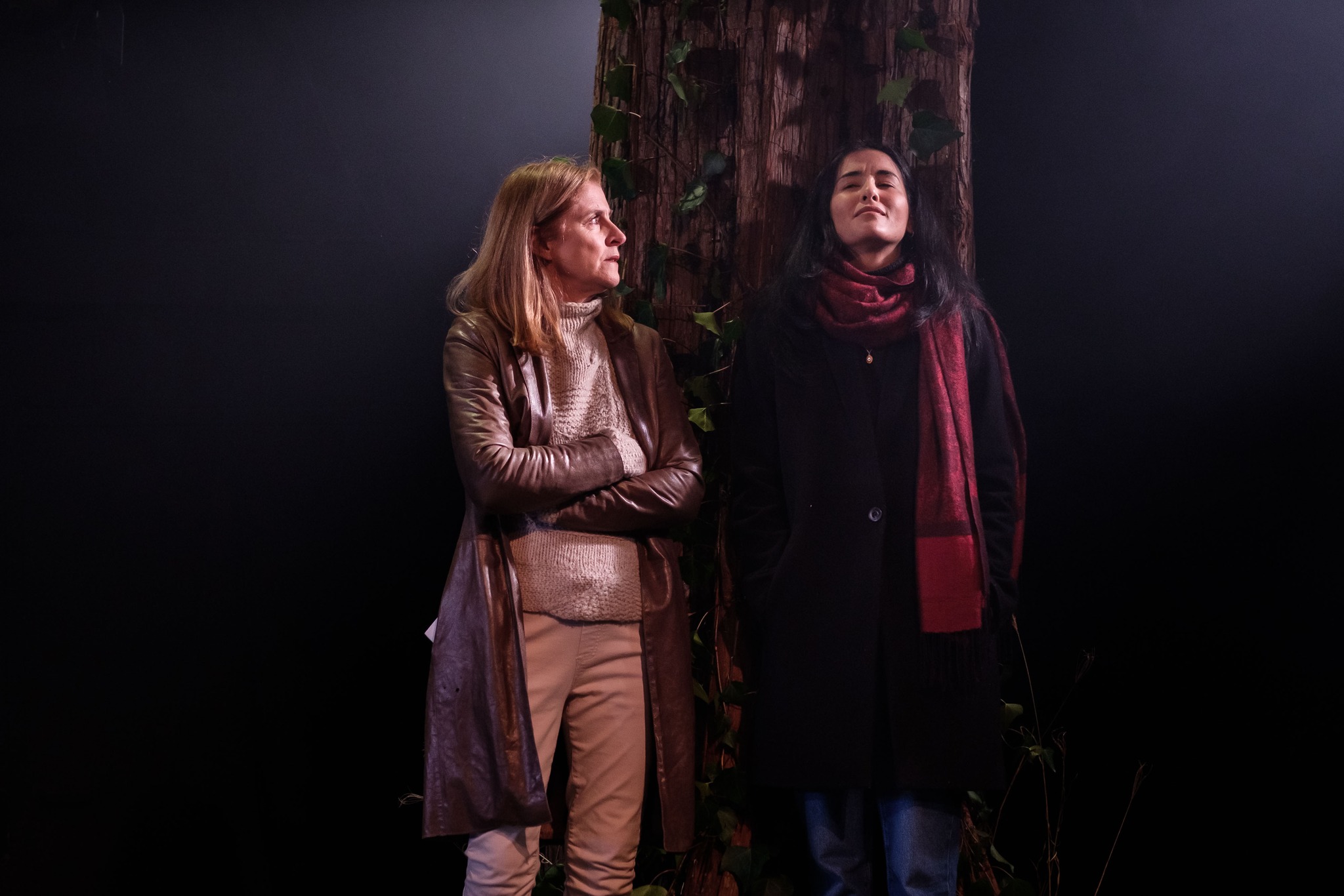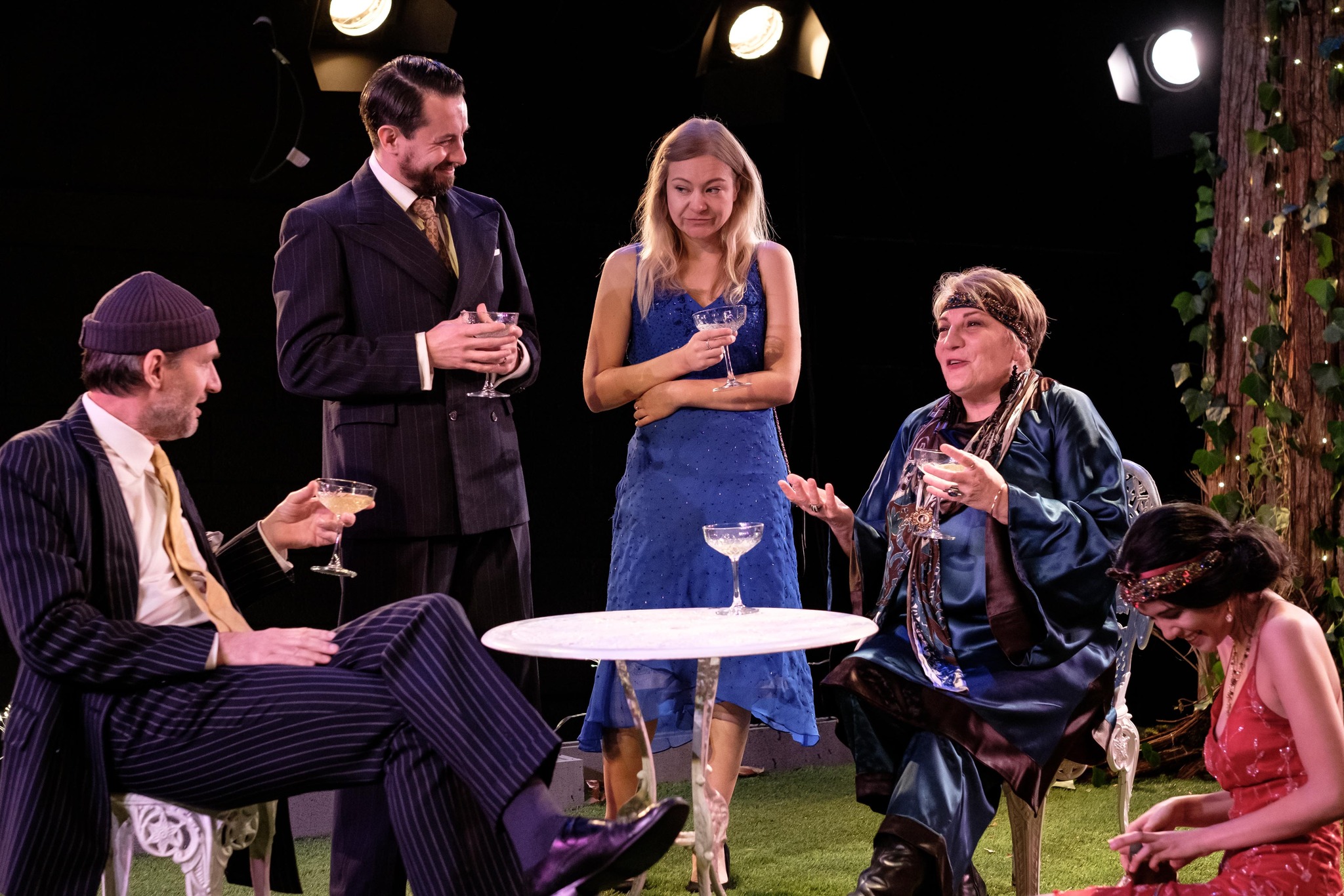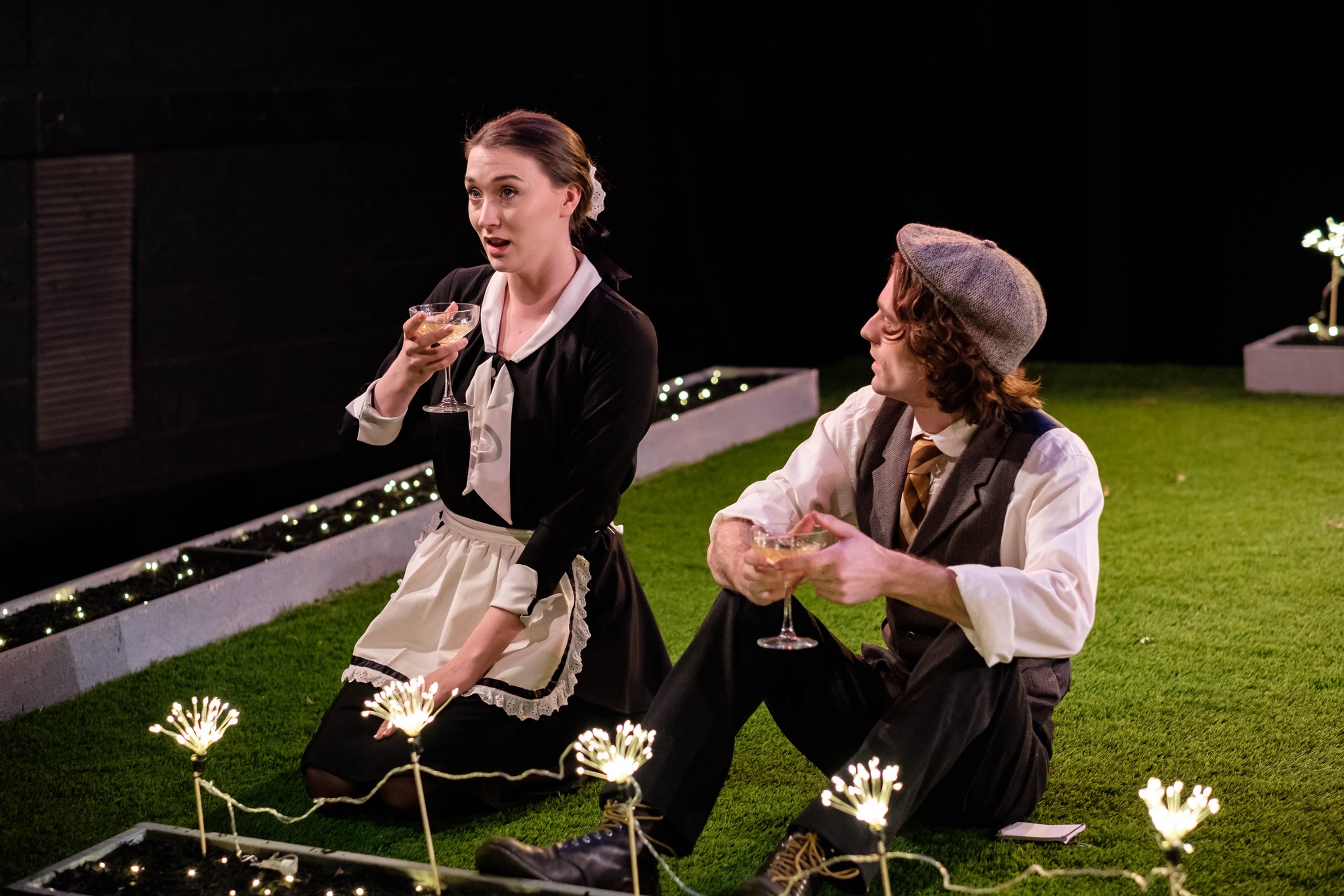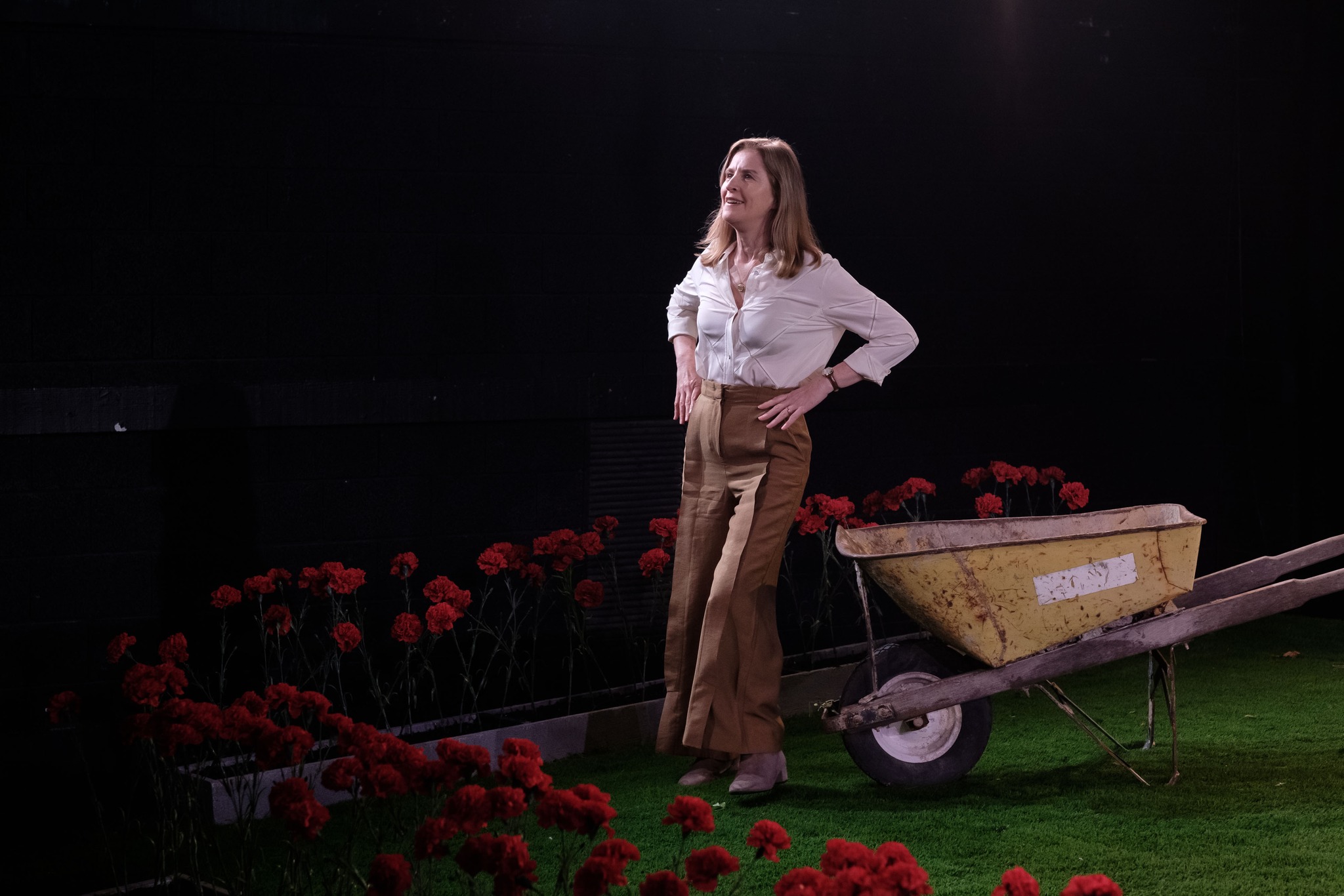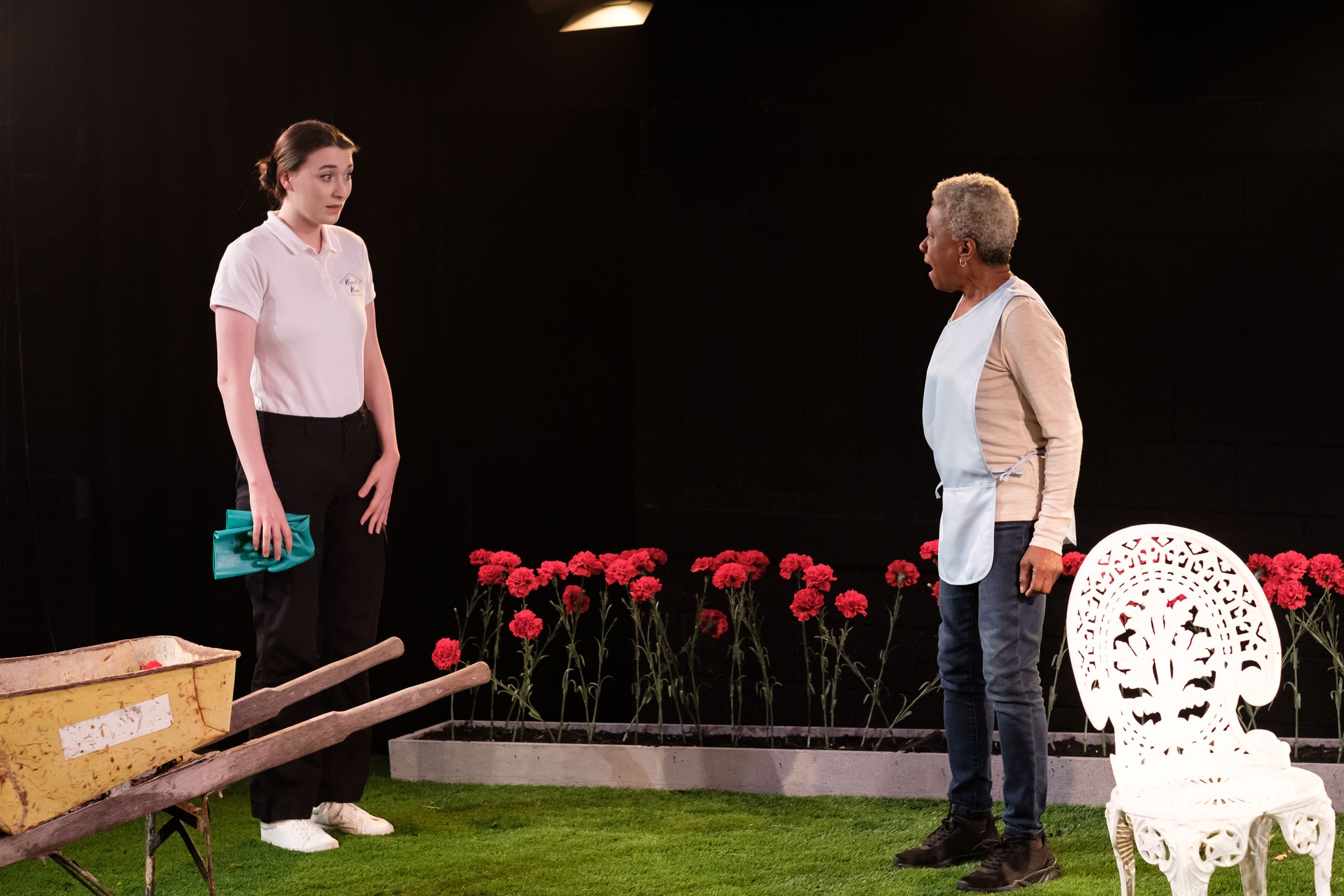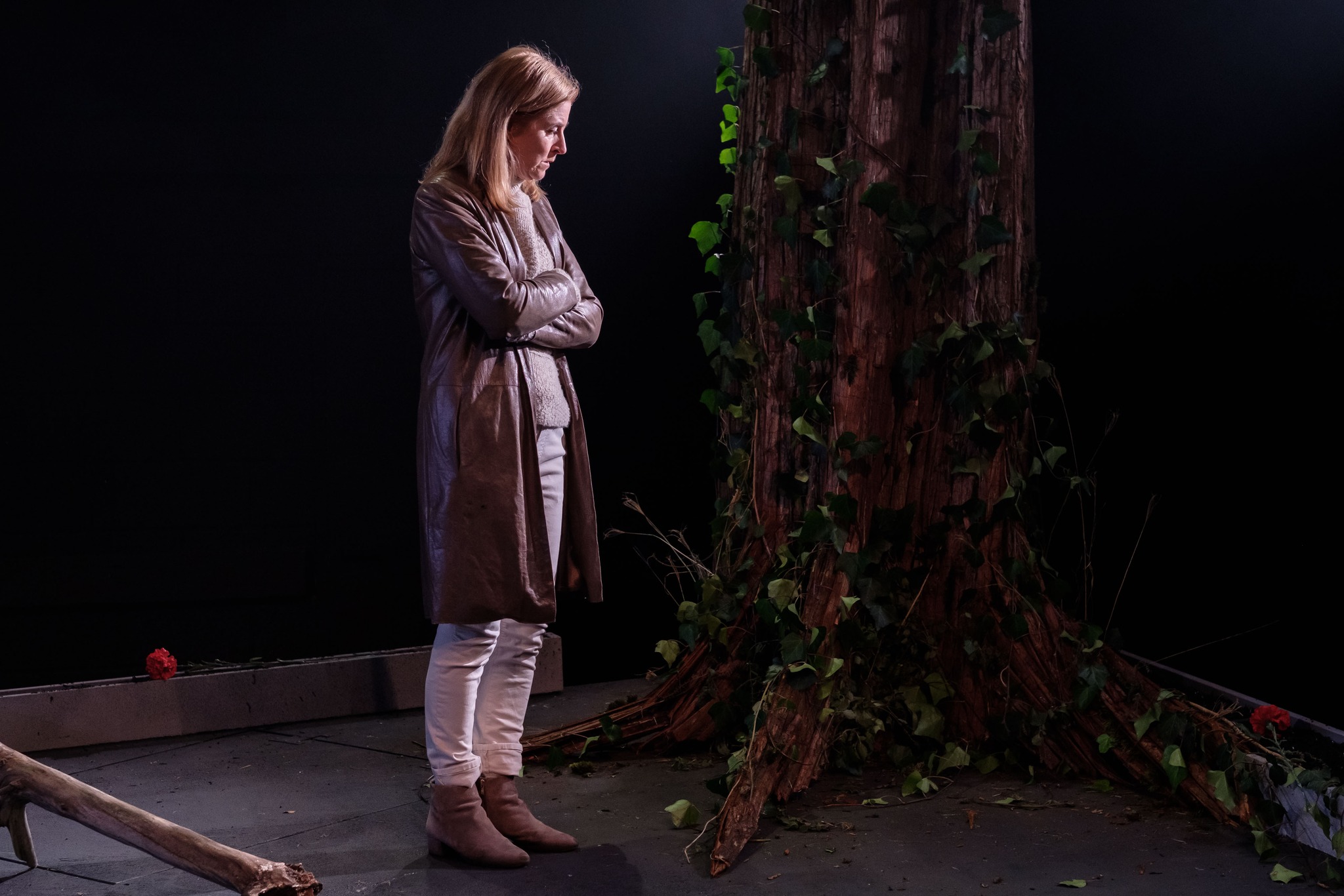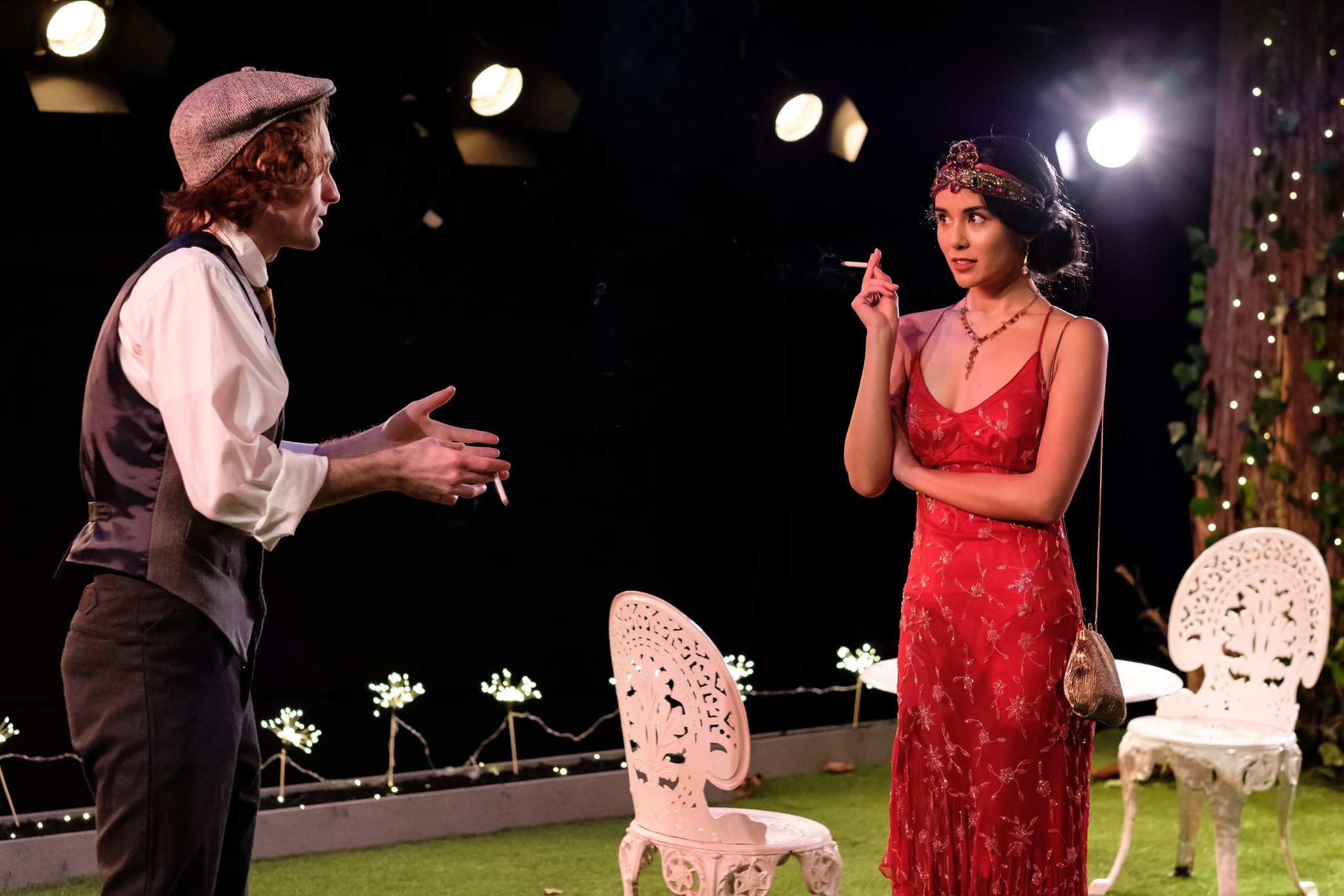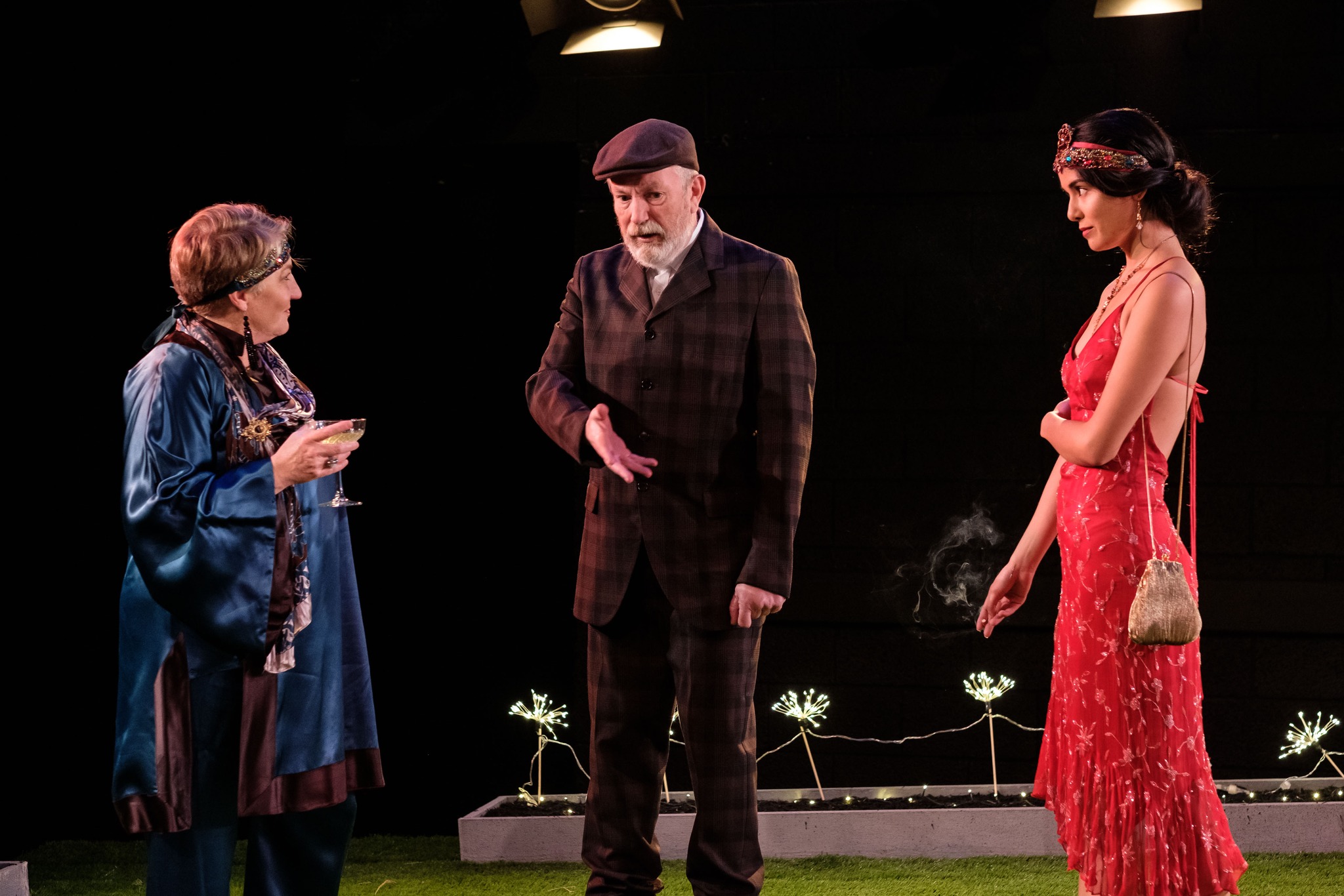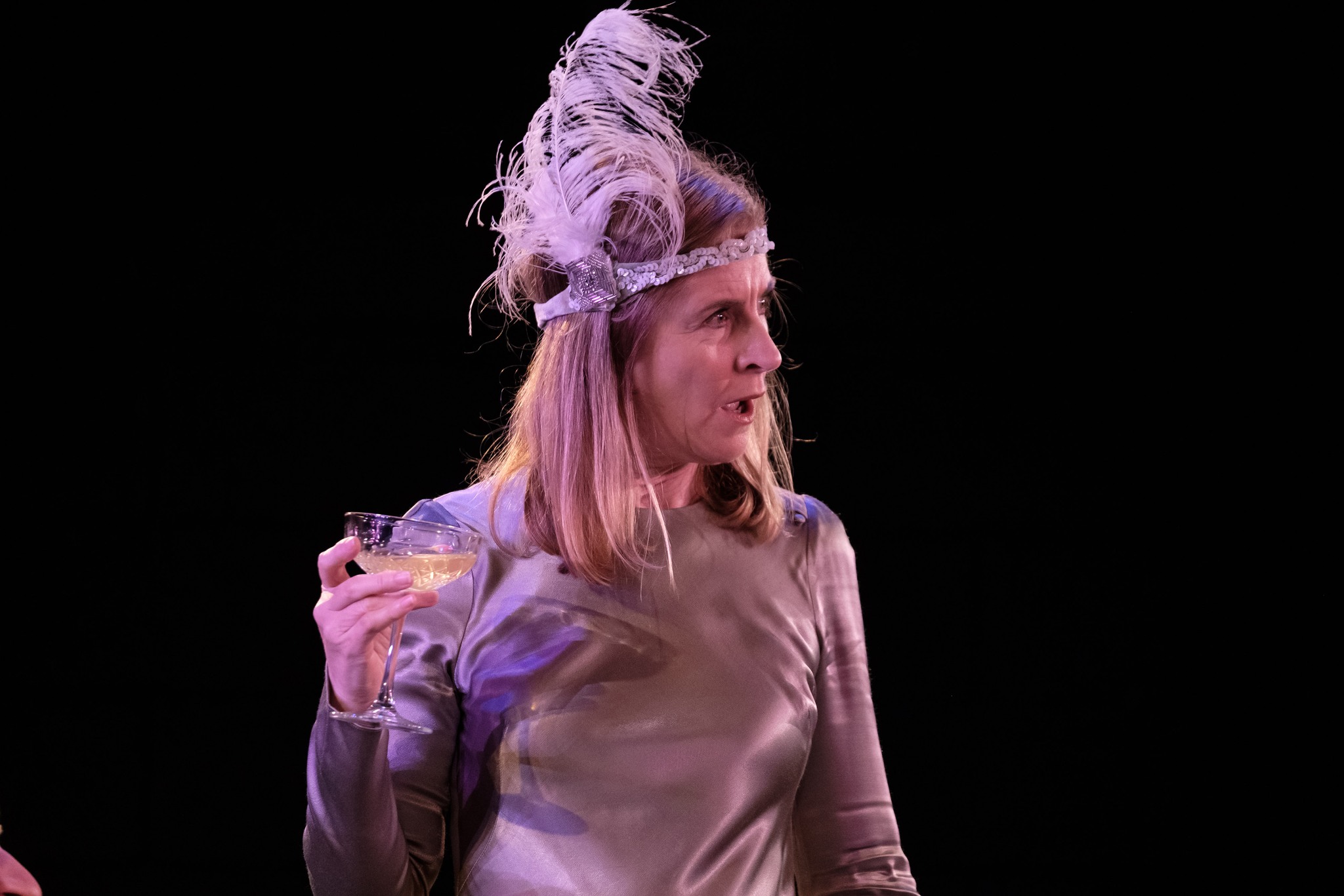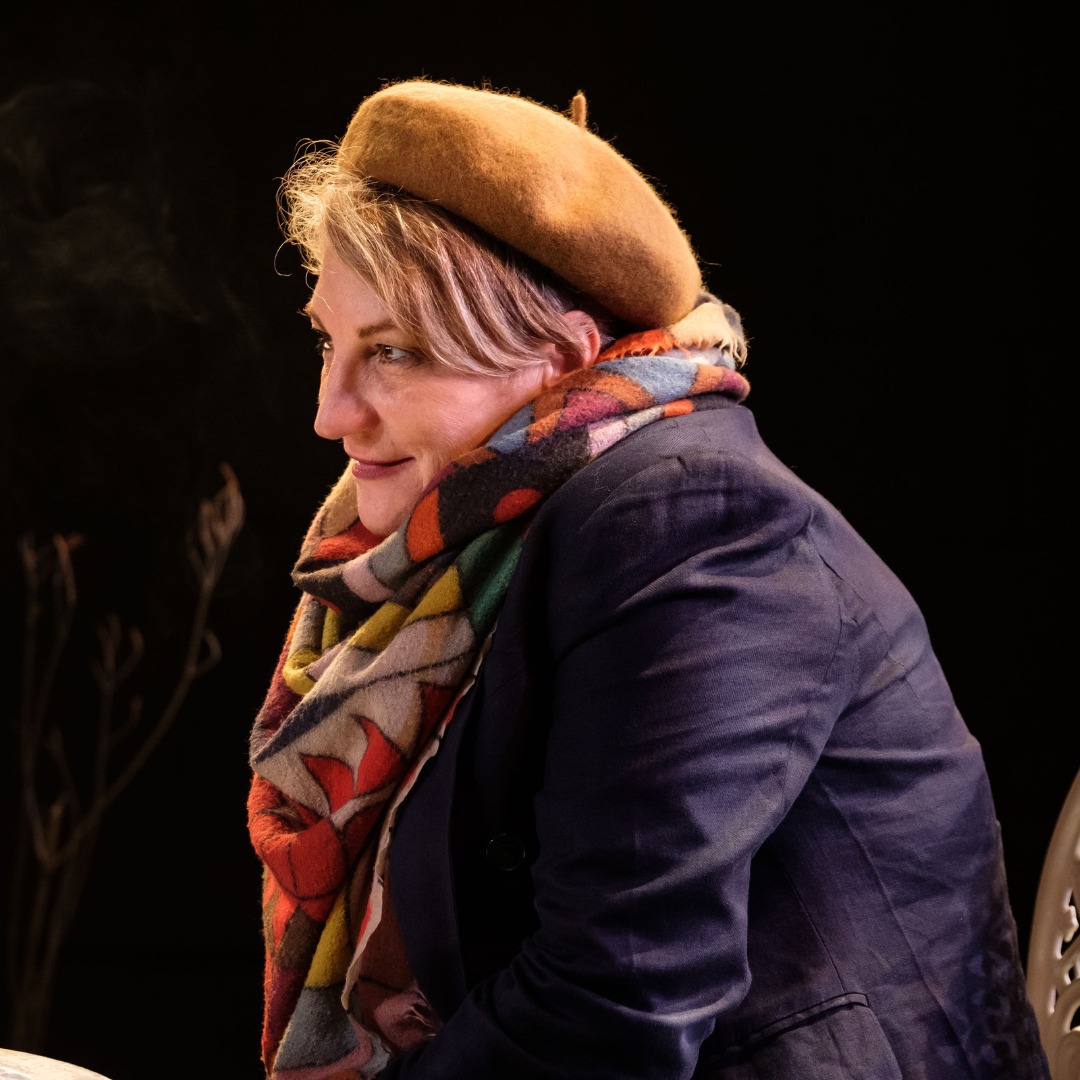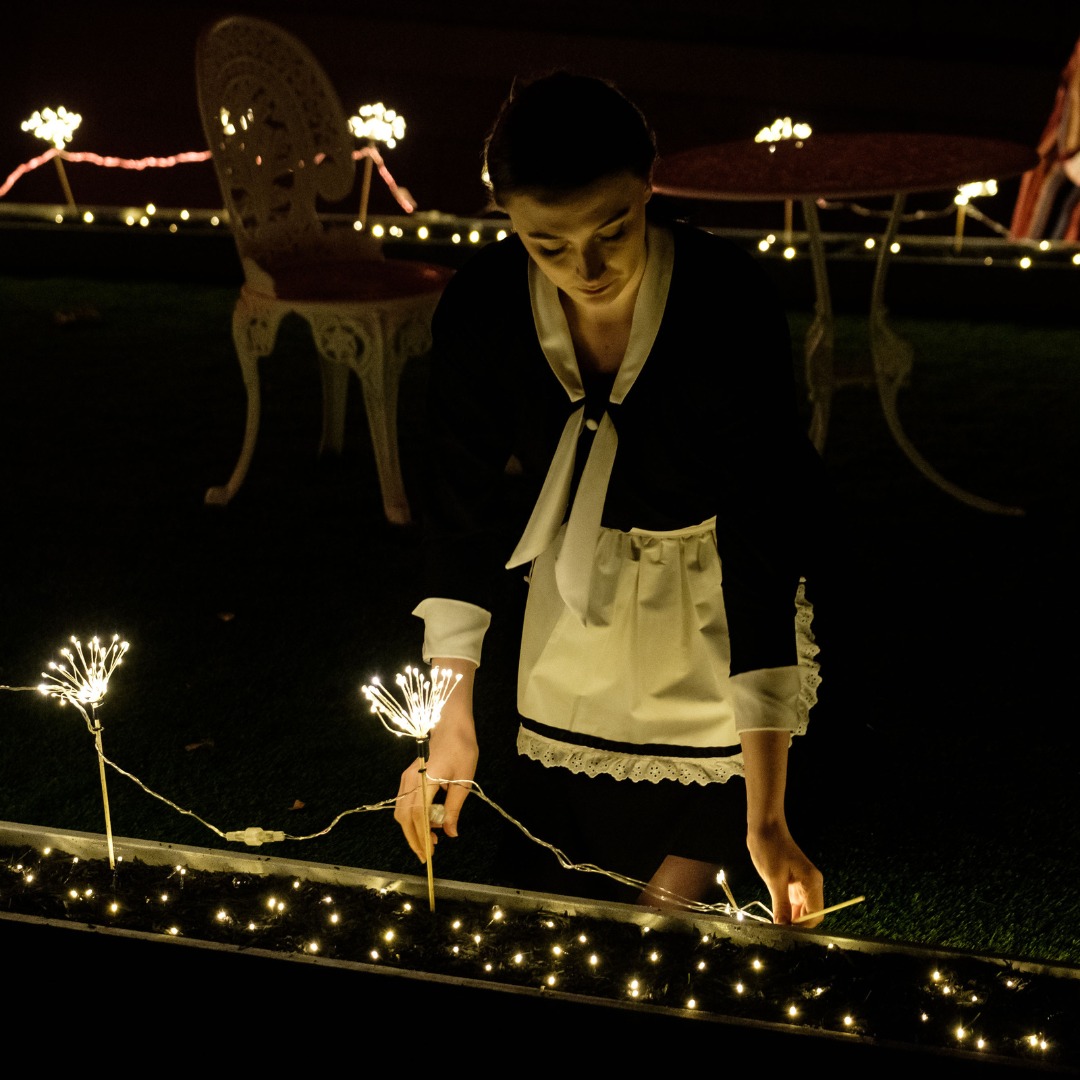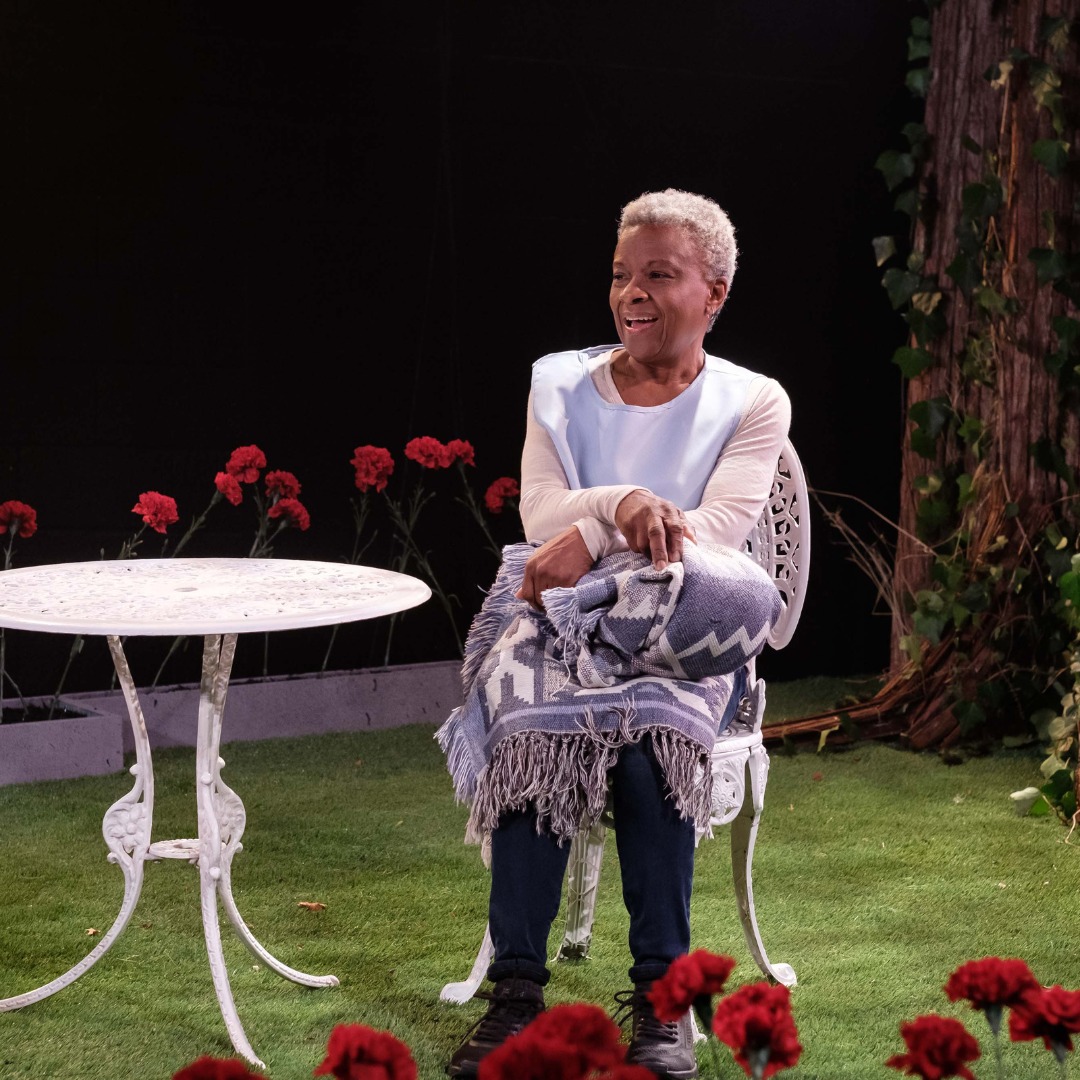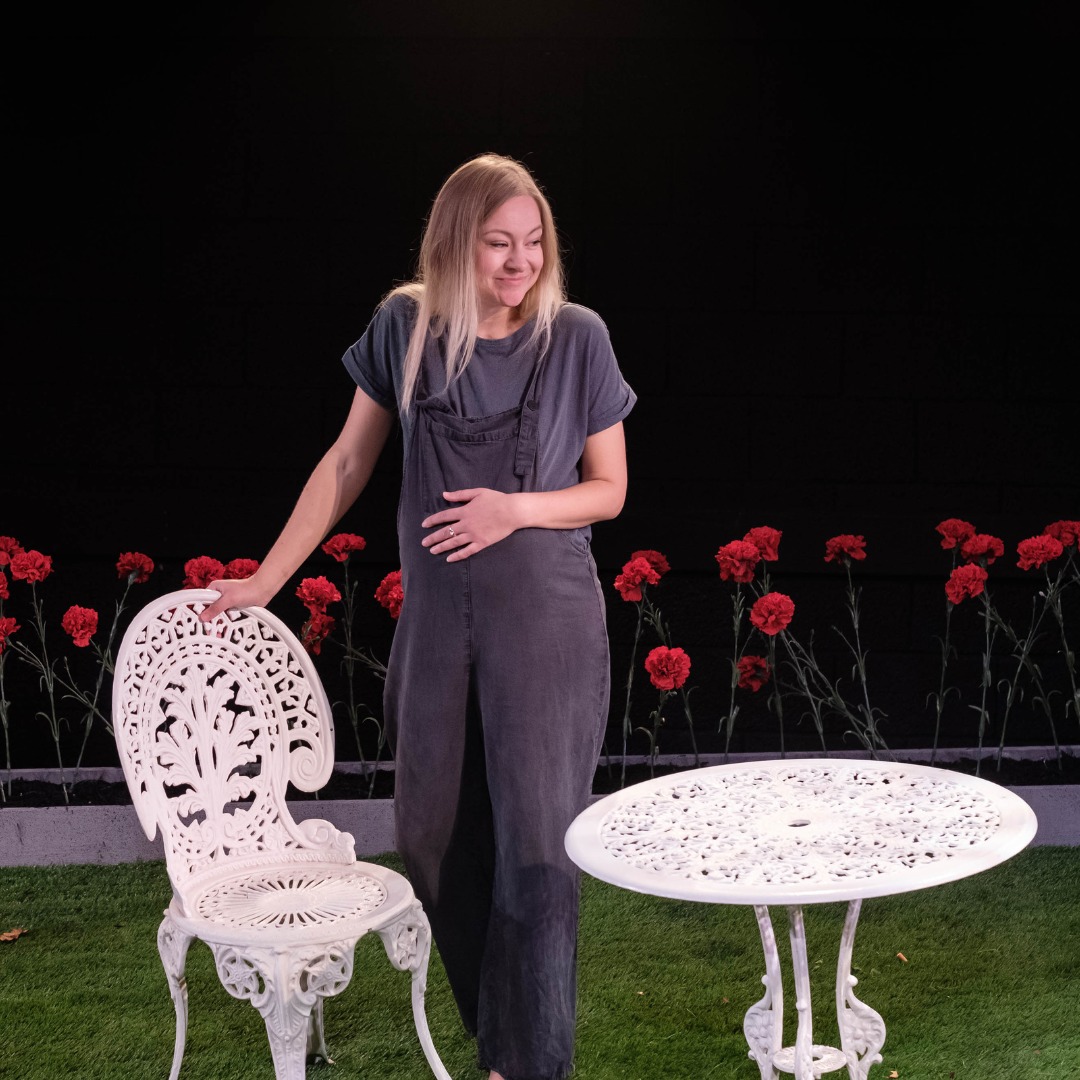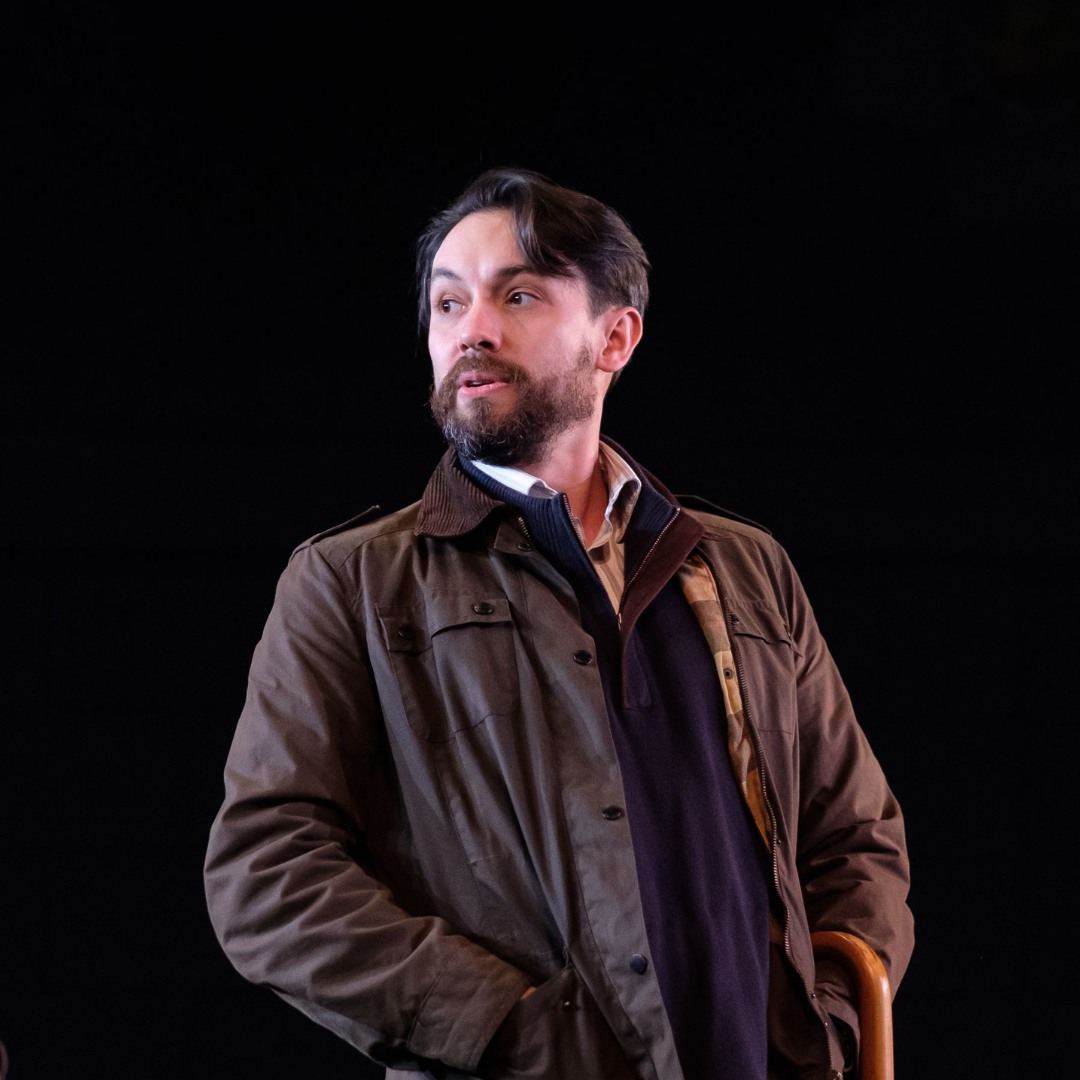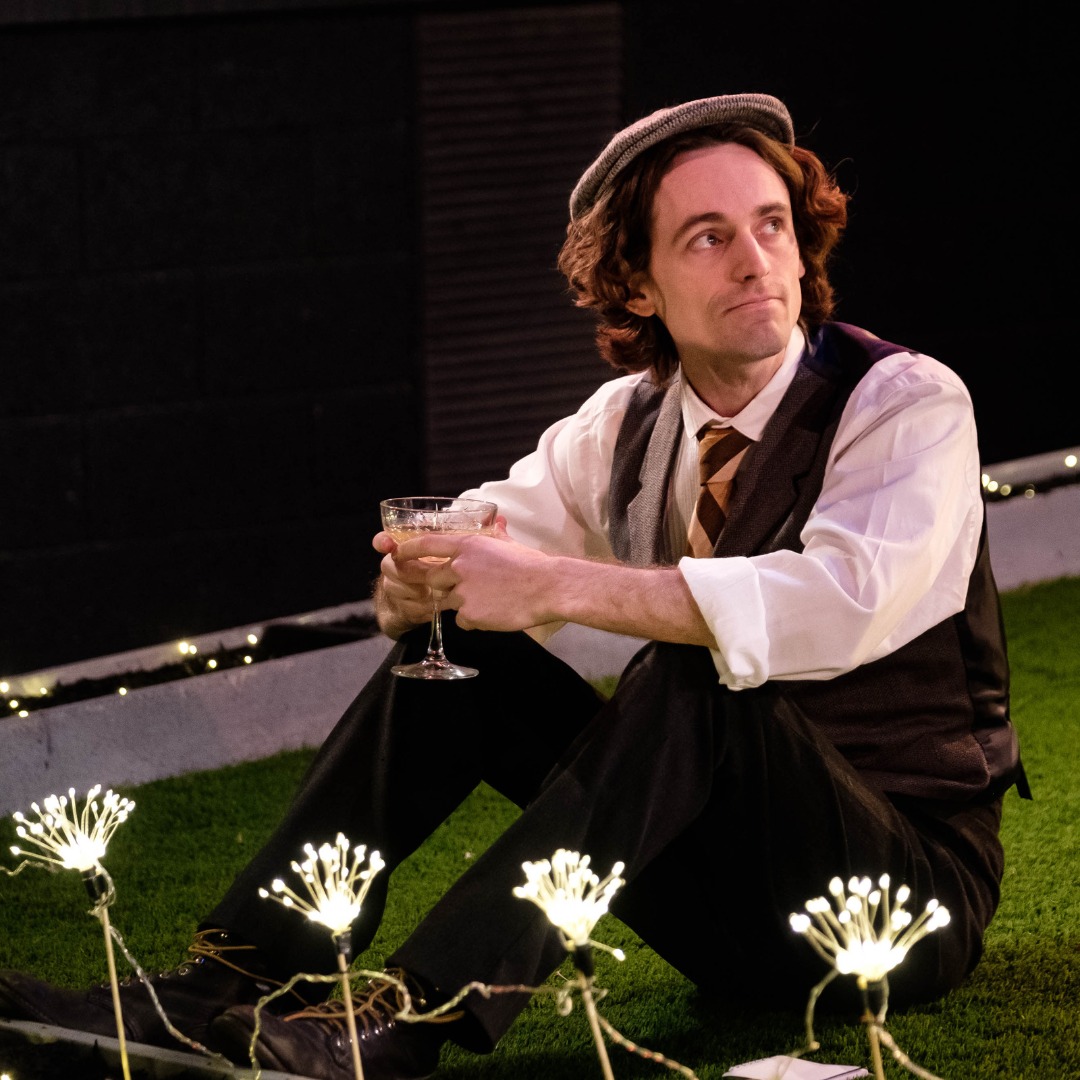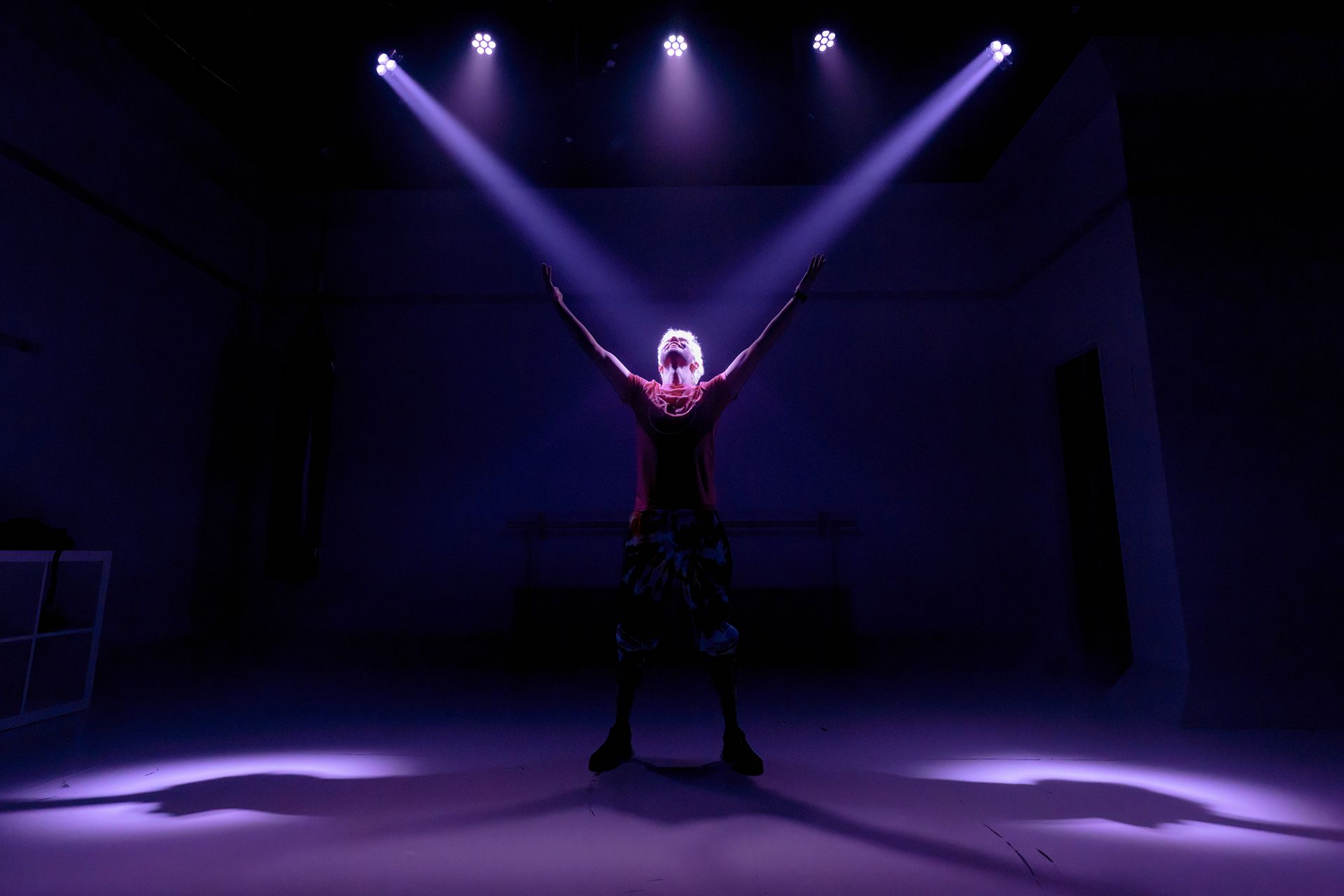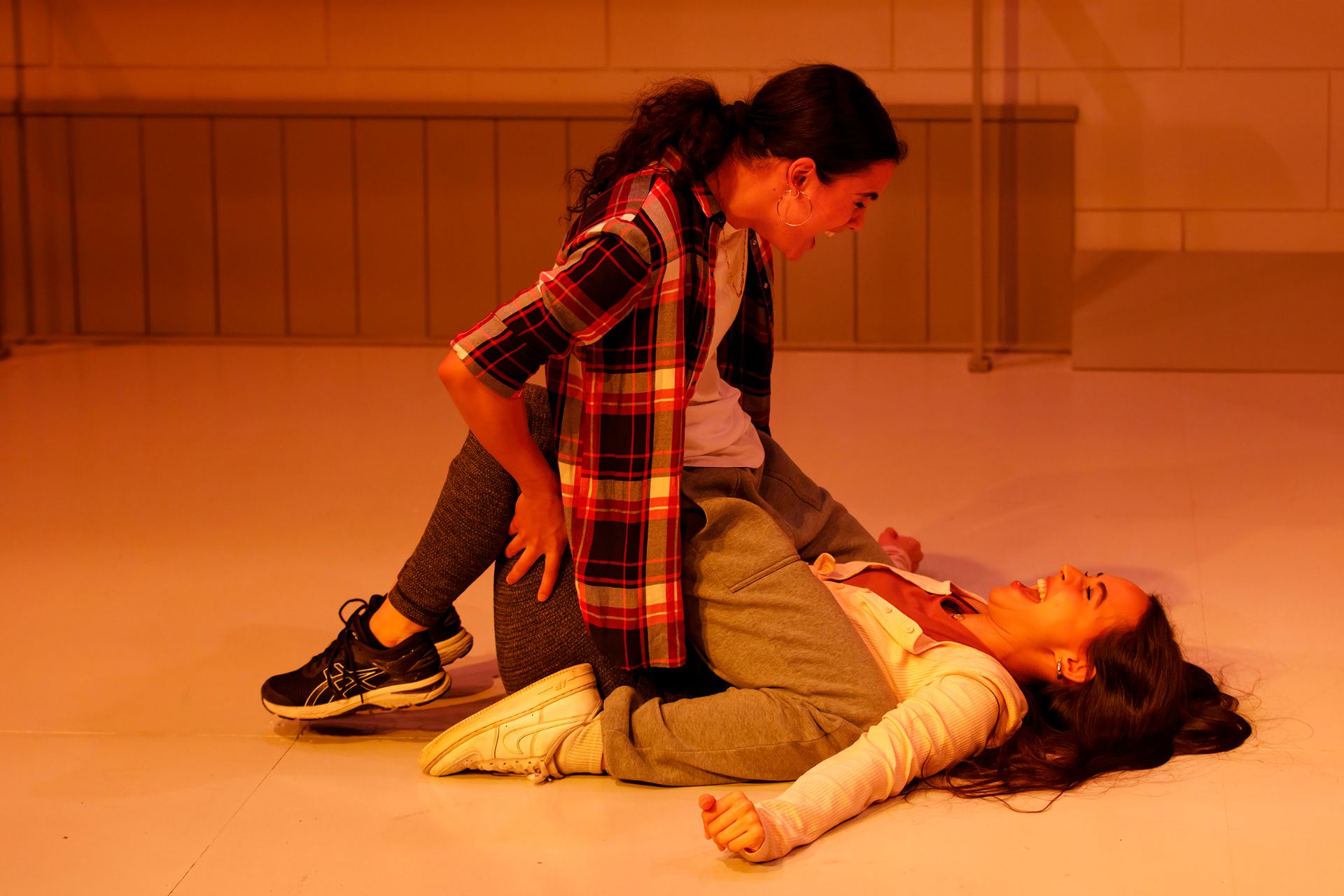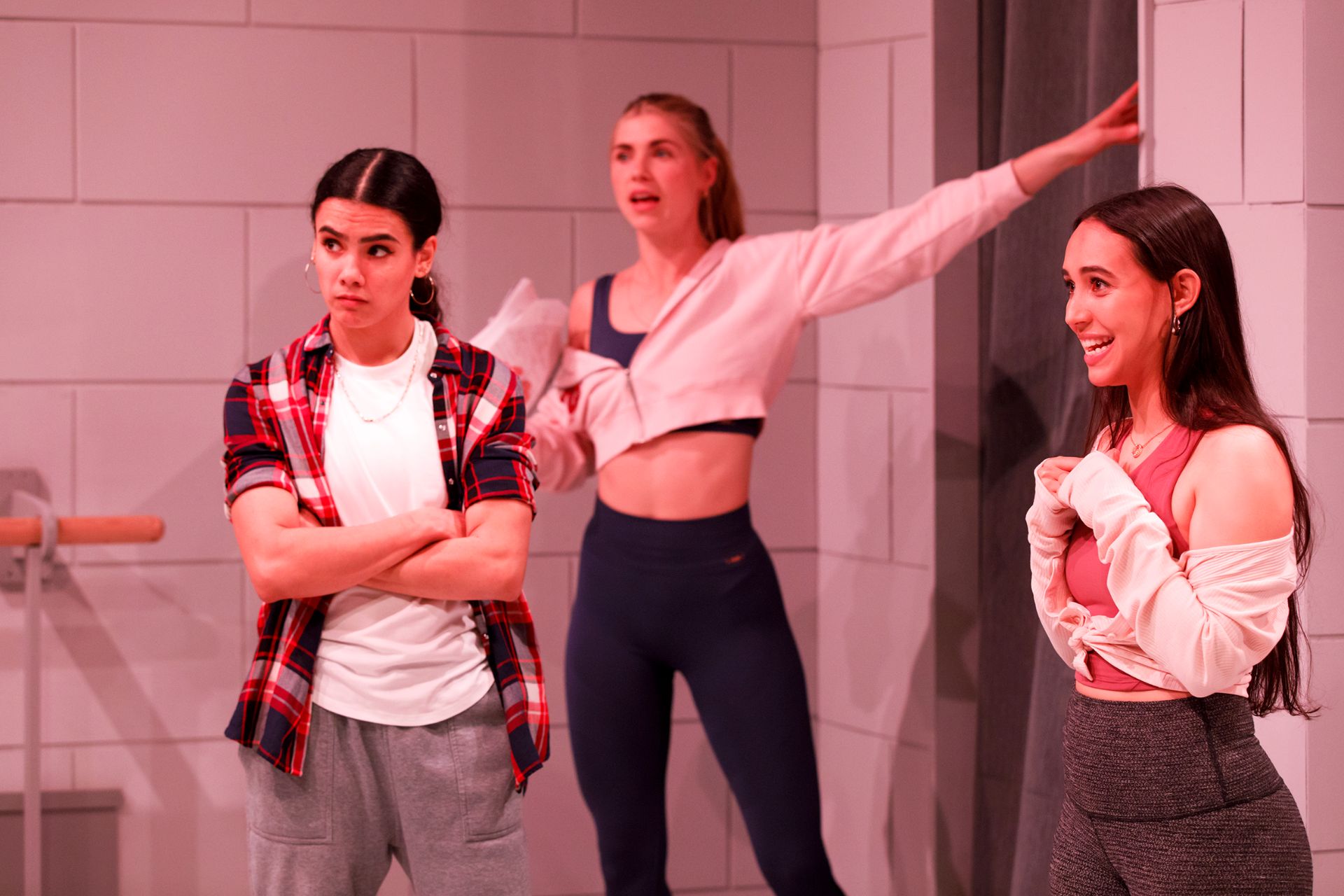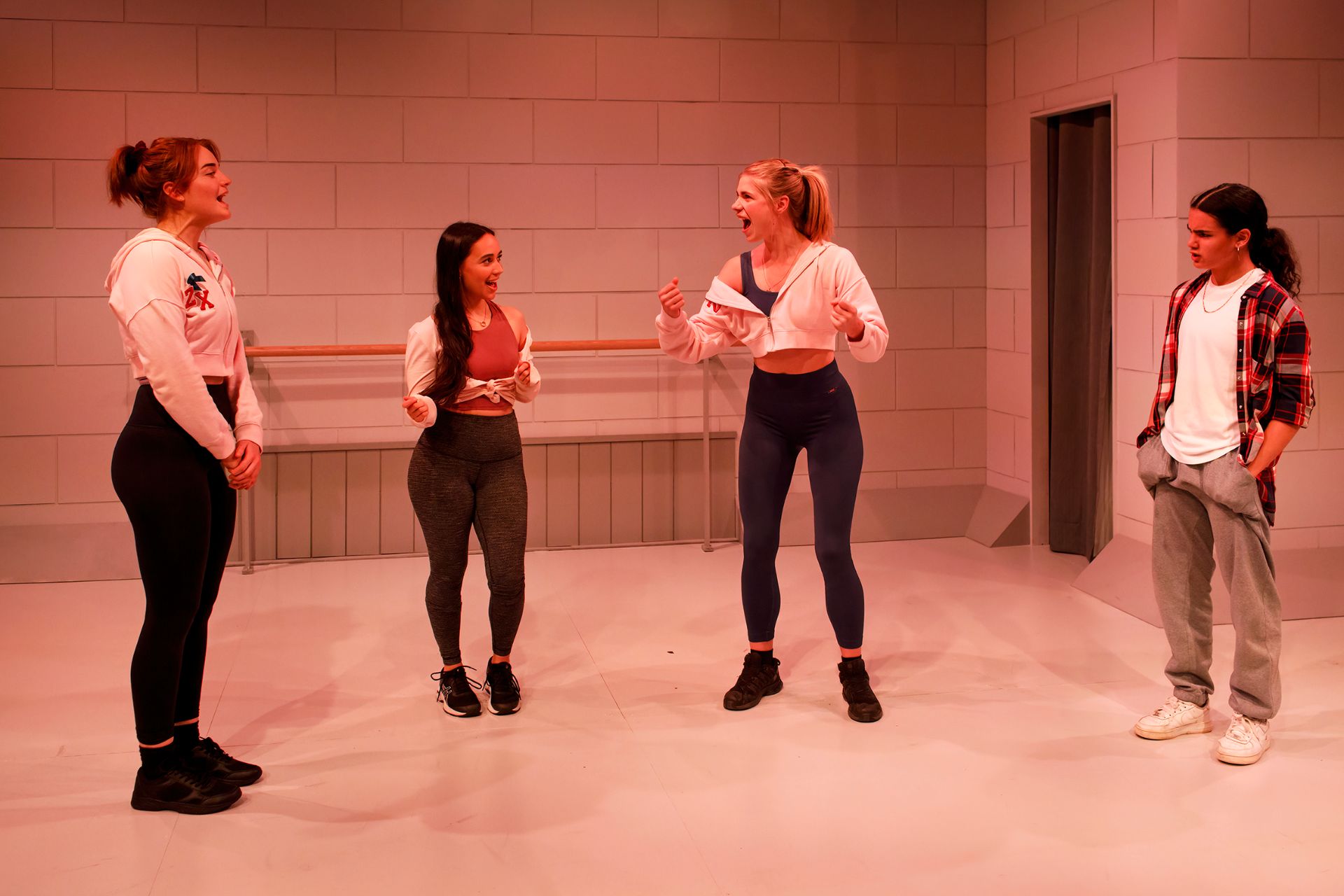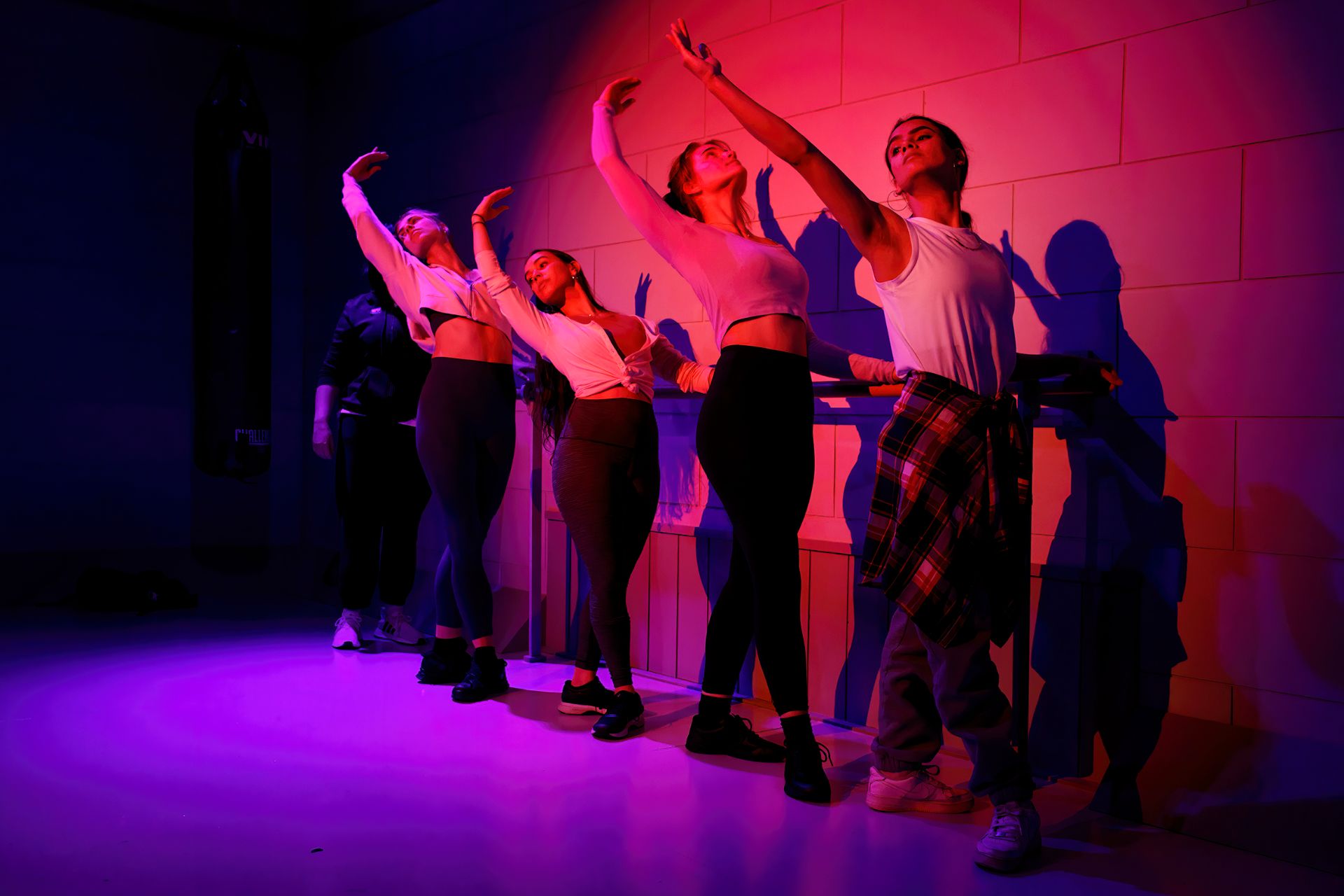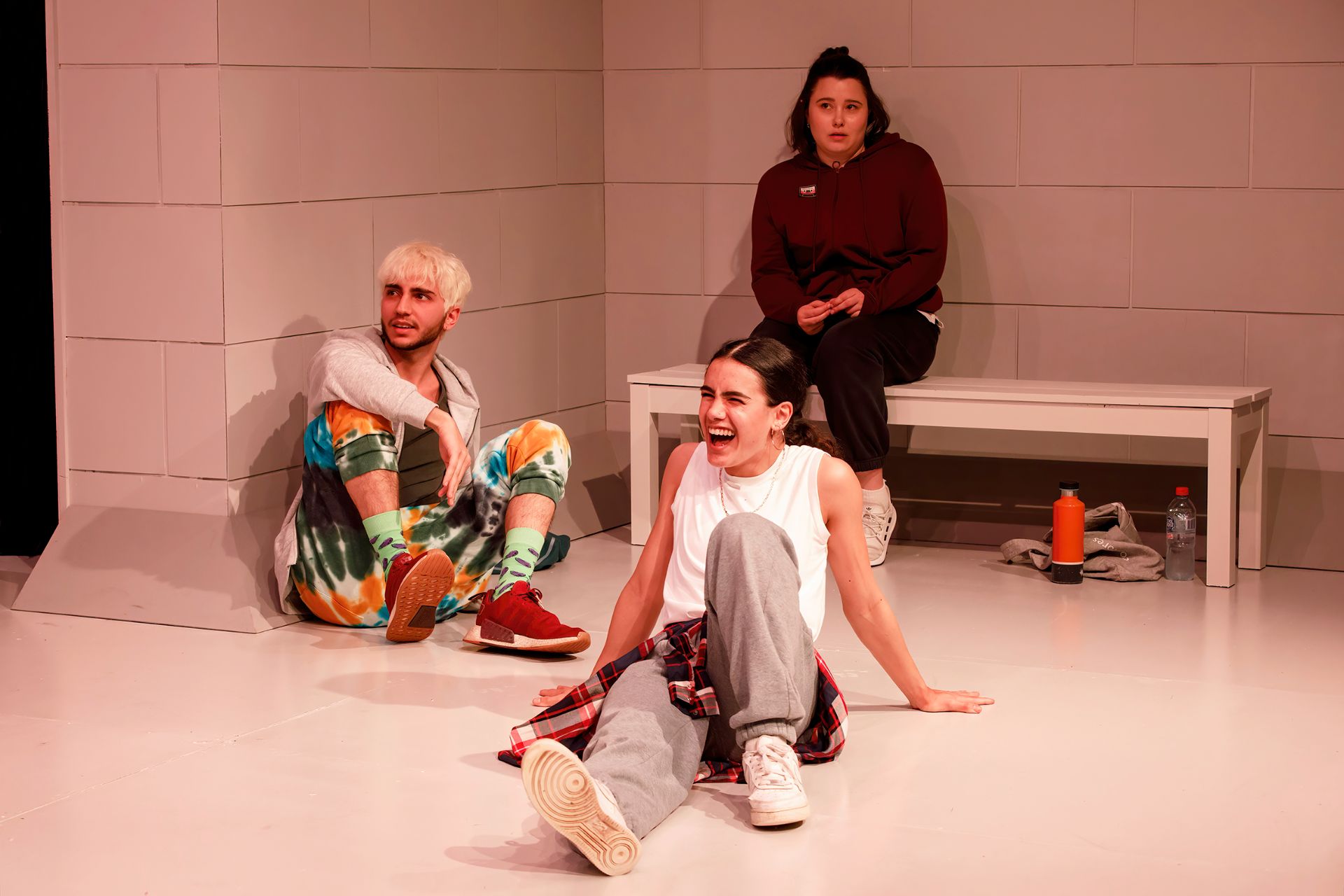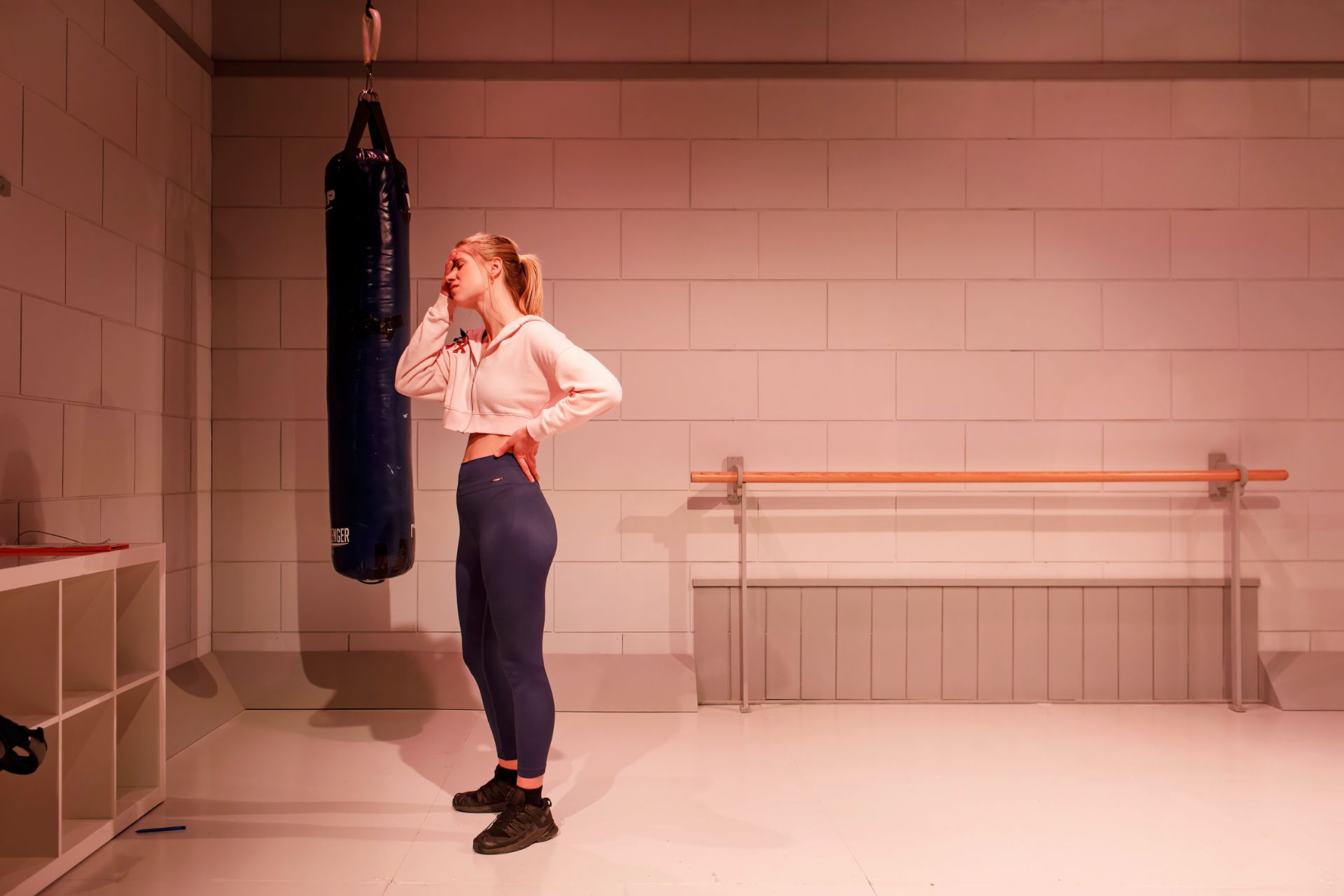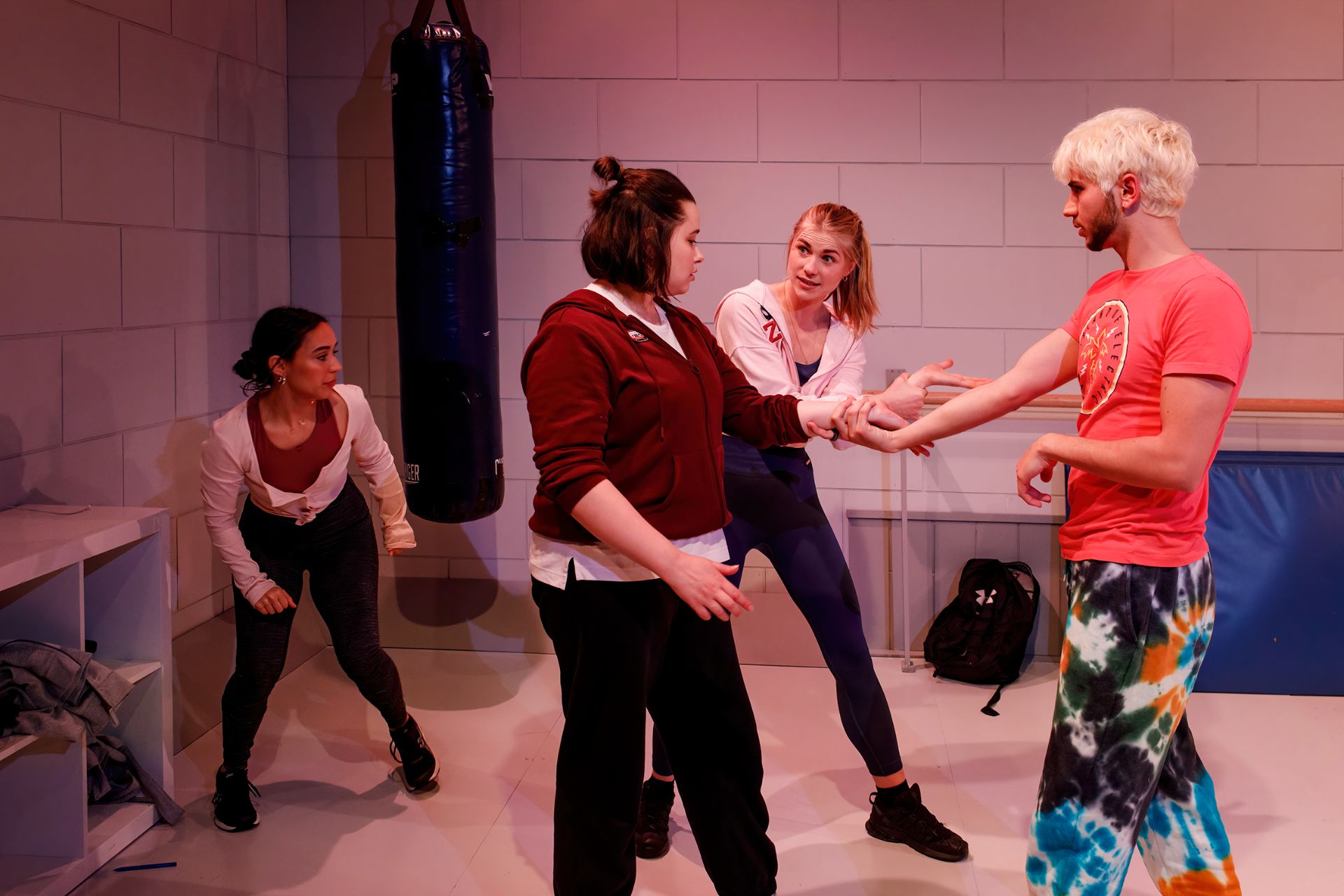
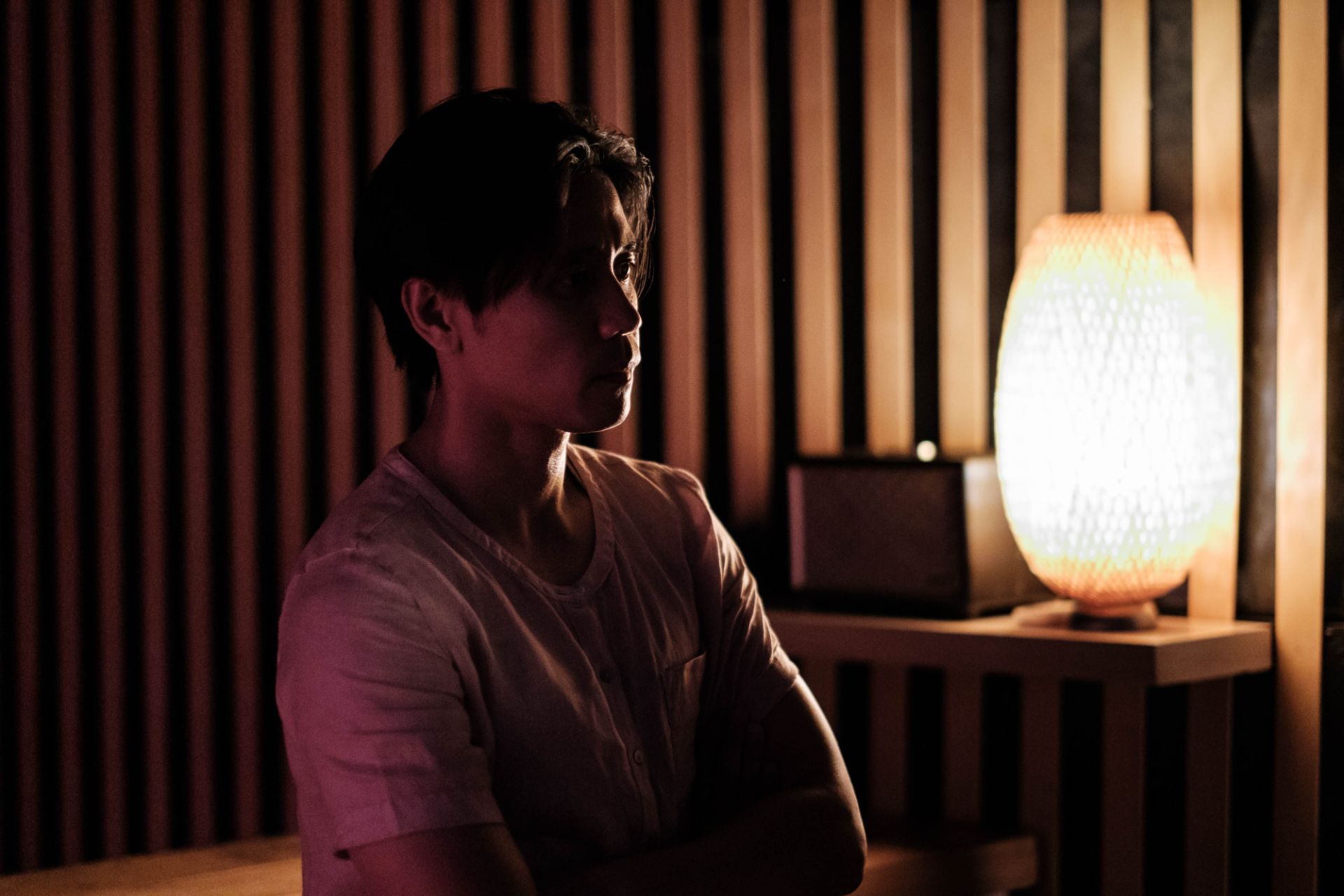
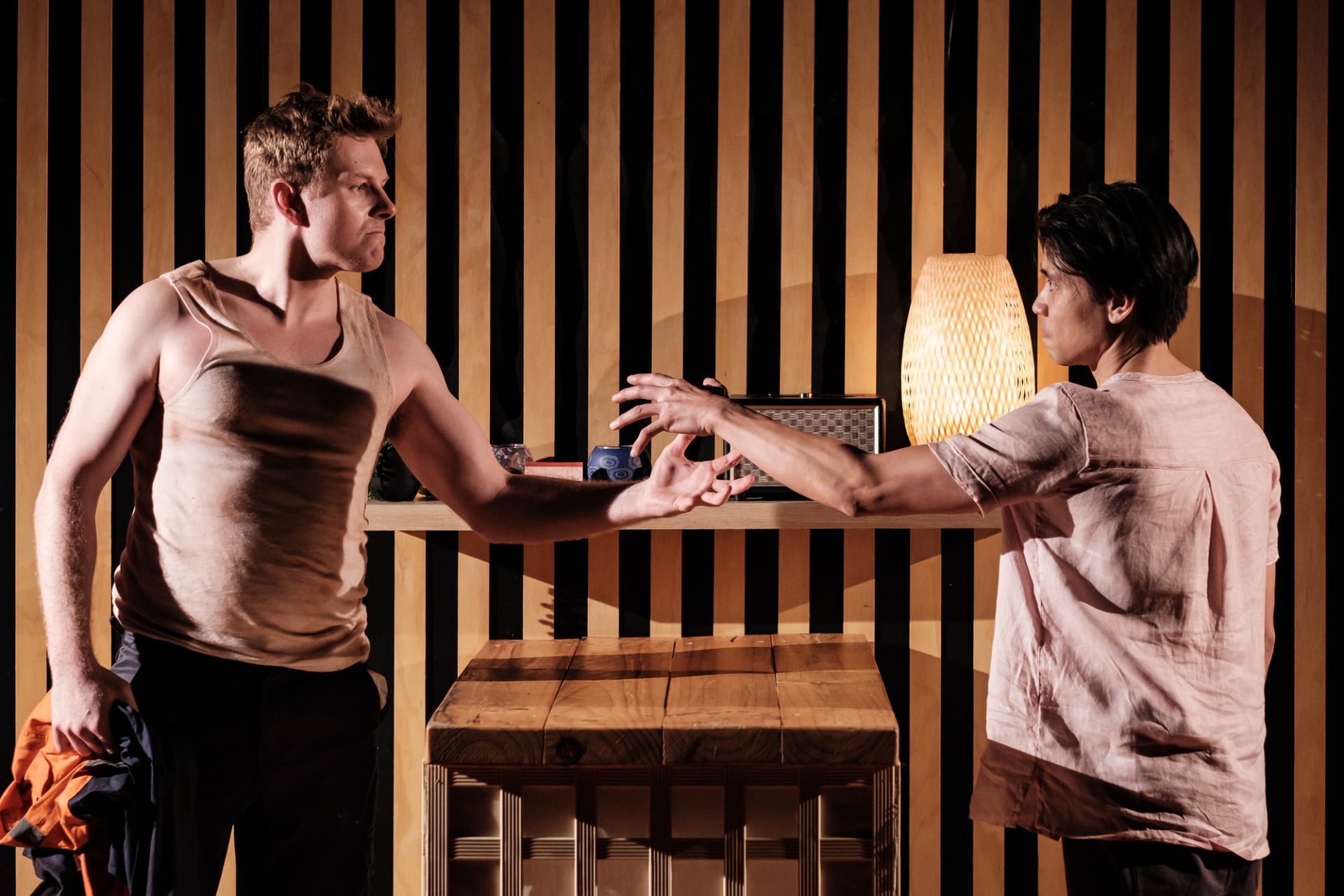
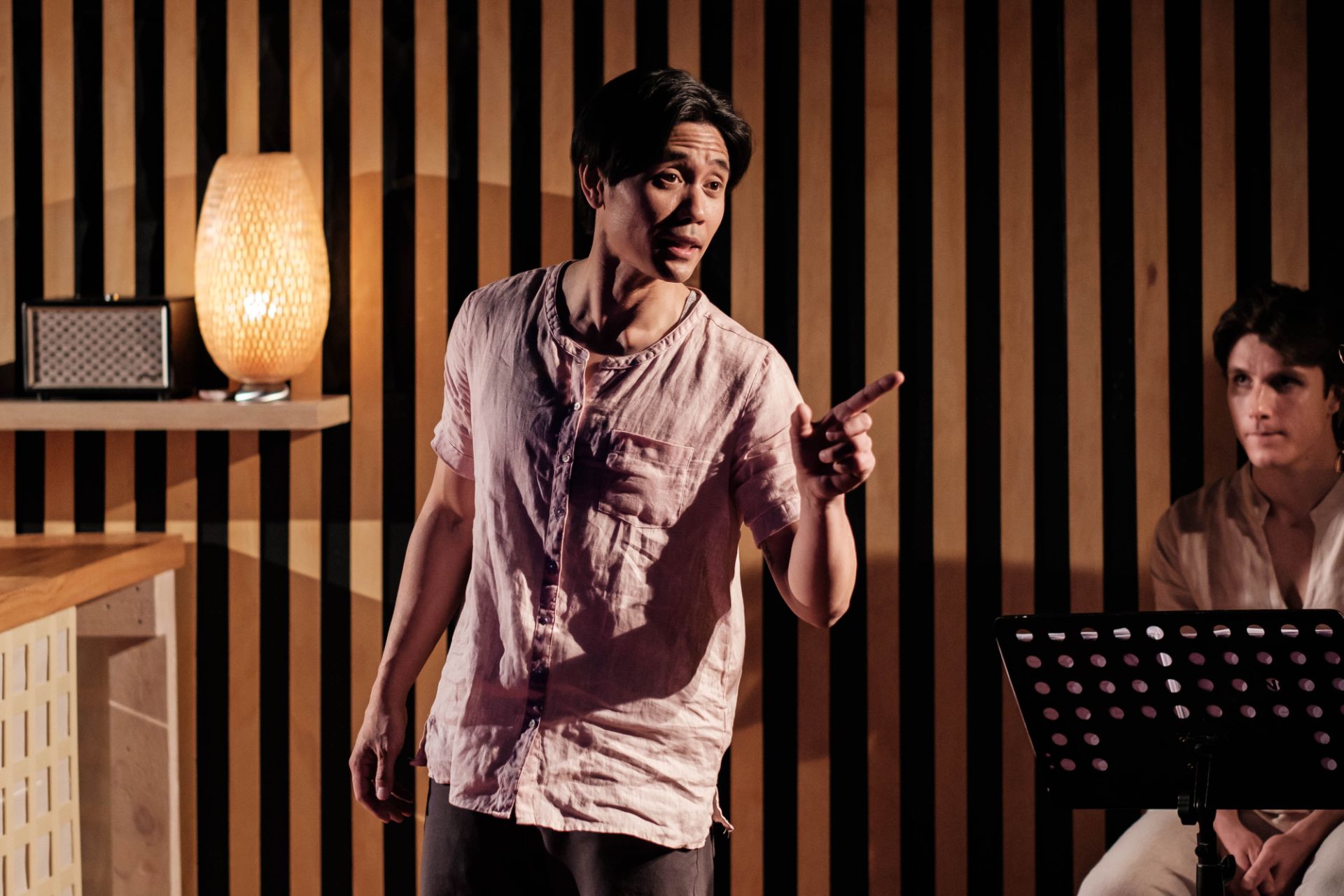
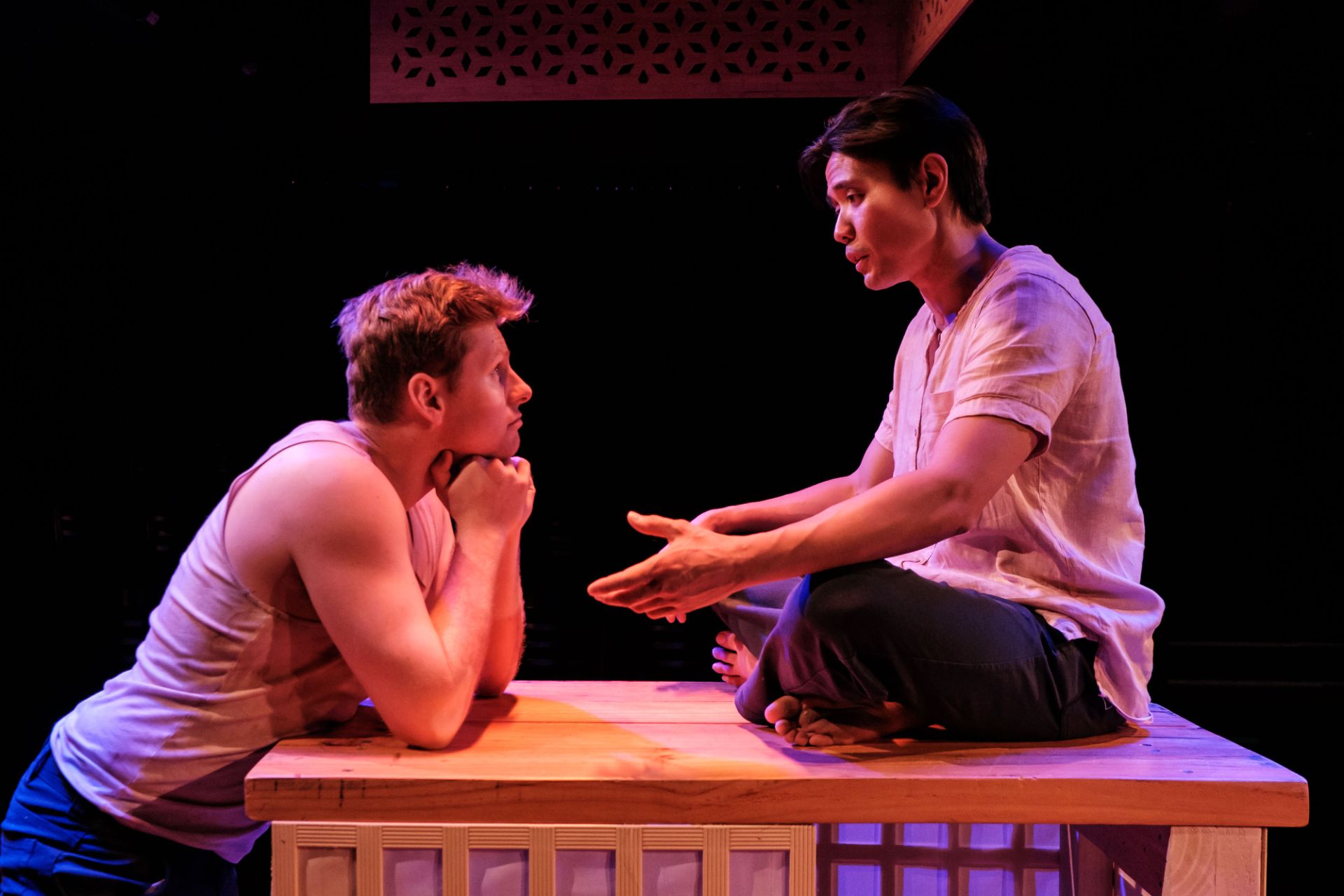
Review: Sexual Misconduct Of The Middle Classes (Belvoir St Theatre / Melbourne Theatre Company)

Venue: Belvoir St Theatre (Surry Hills NSW), Jun 2 – Jul 10, 2022
Playwright: Hannah Moscovitch
Directors: Petra Kalive
Cast: Dan Spielman, Izabella Yena
Images by Jaimi Joy

Theatre review
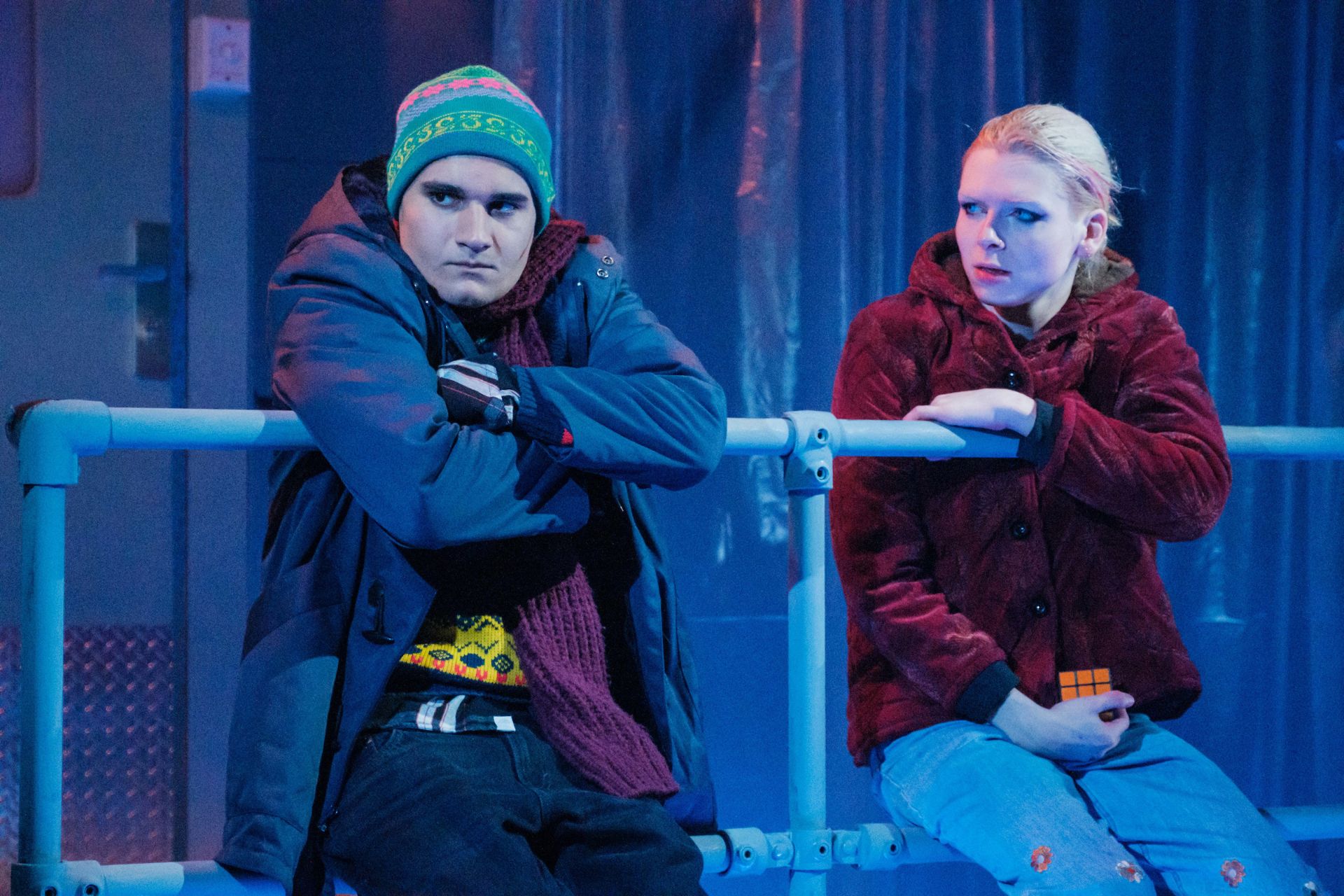
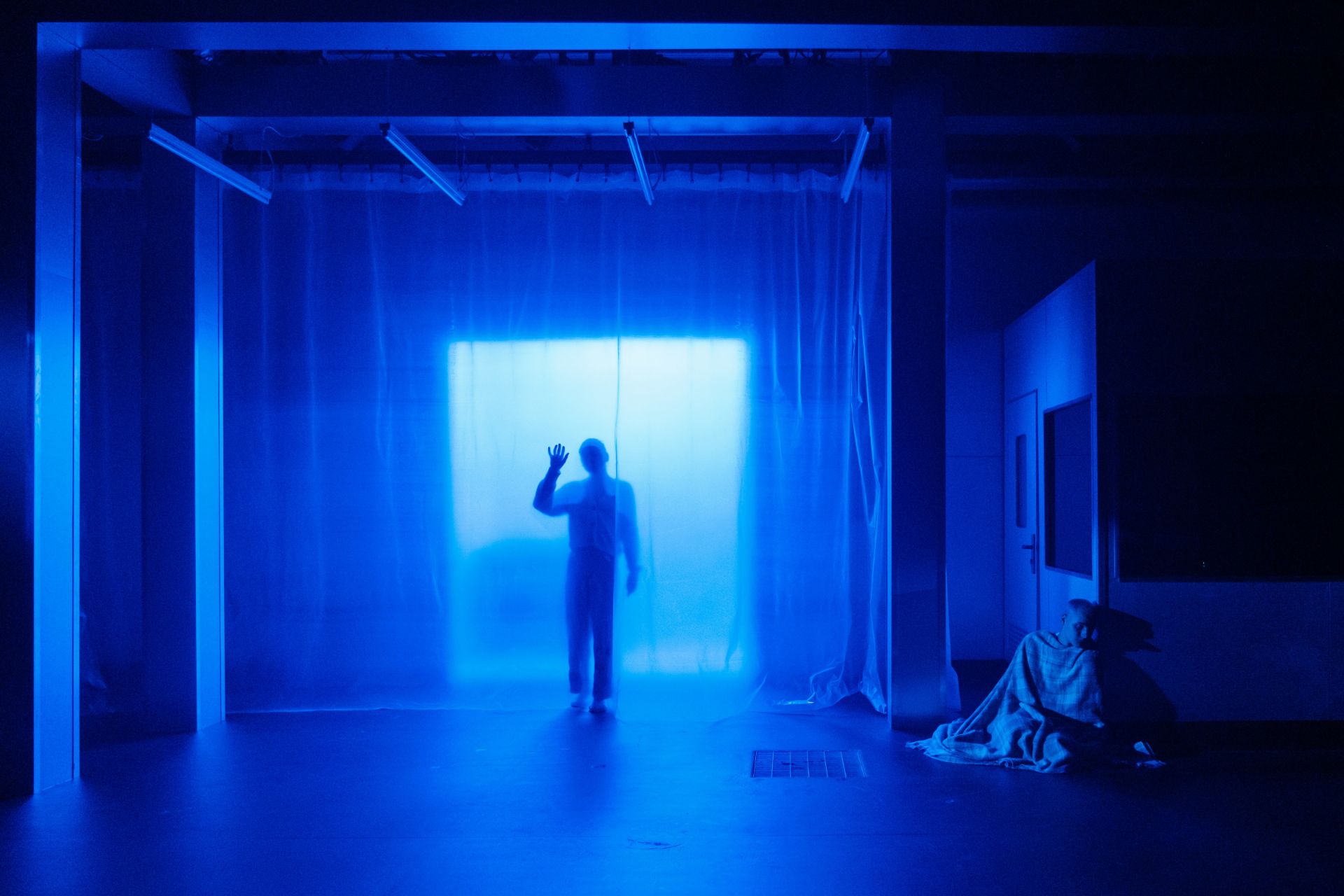
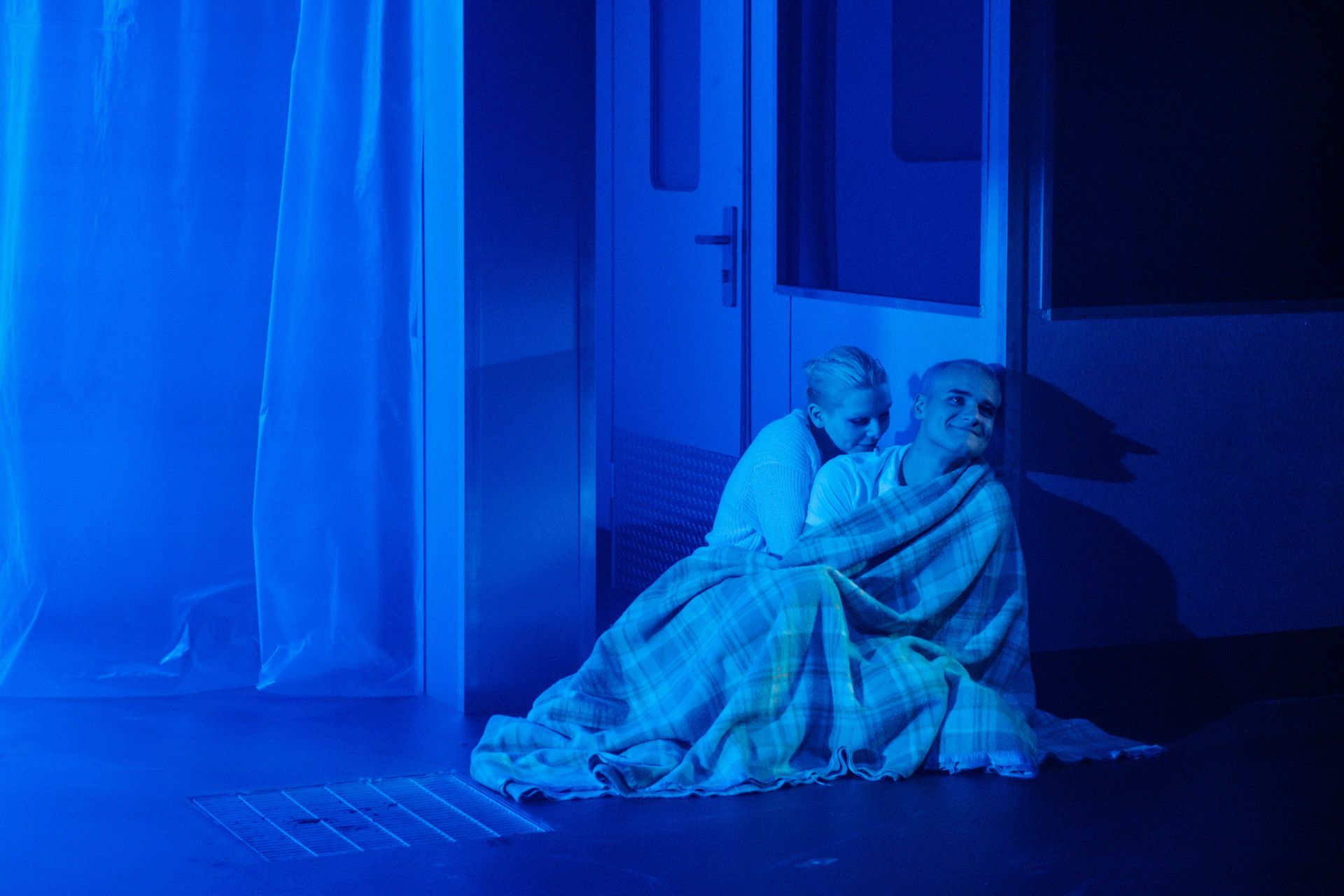
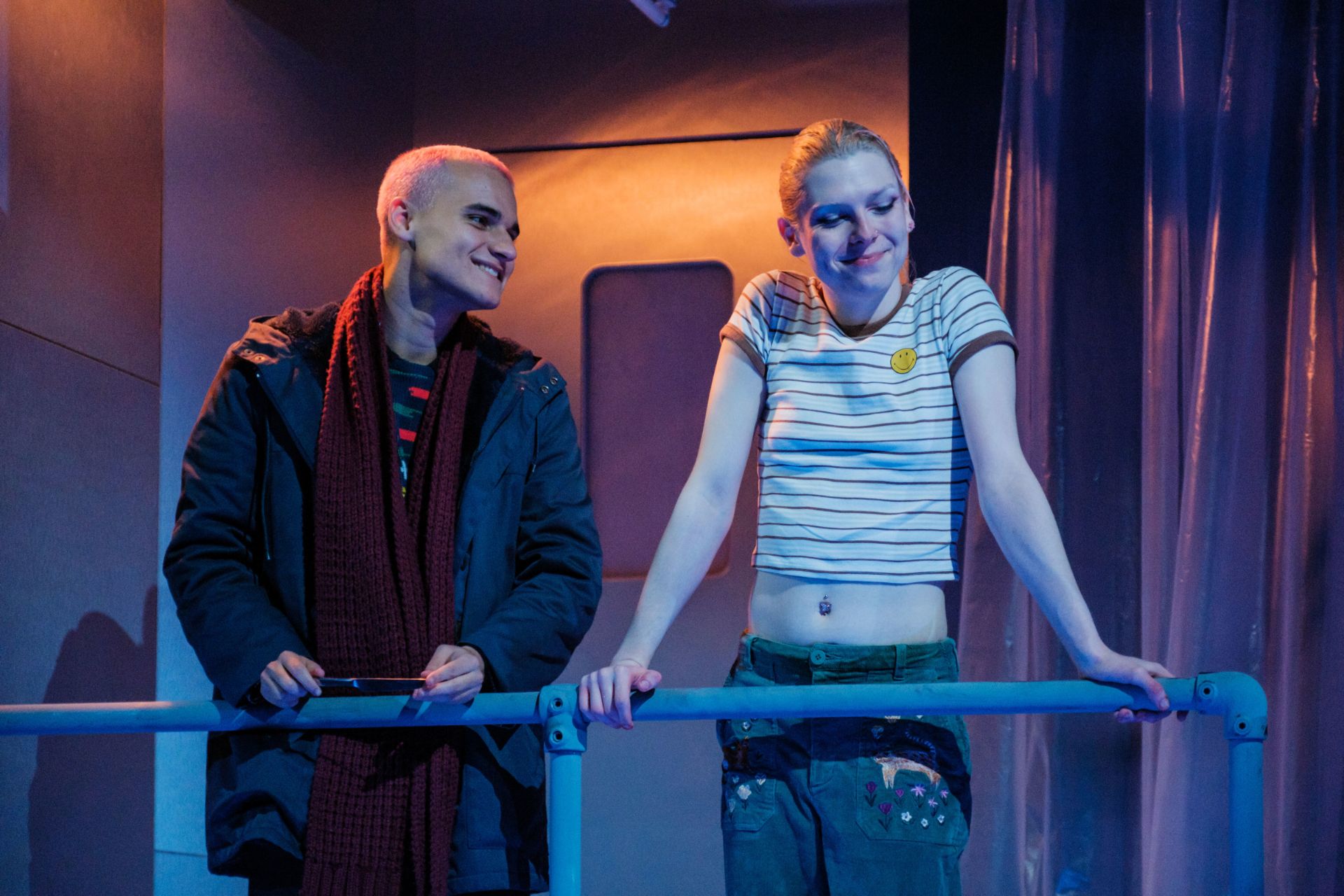
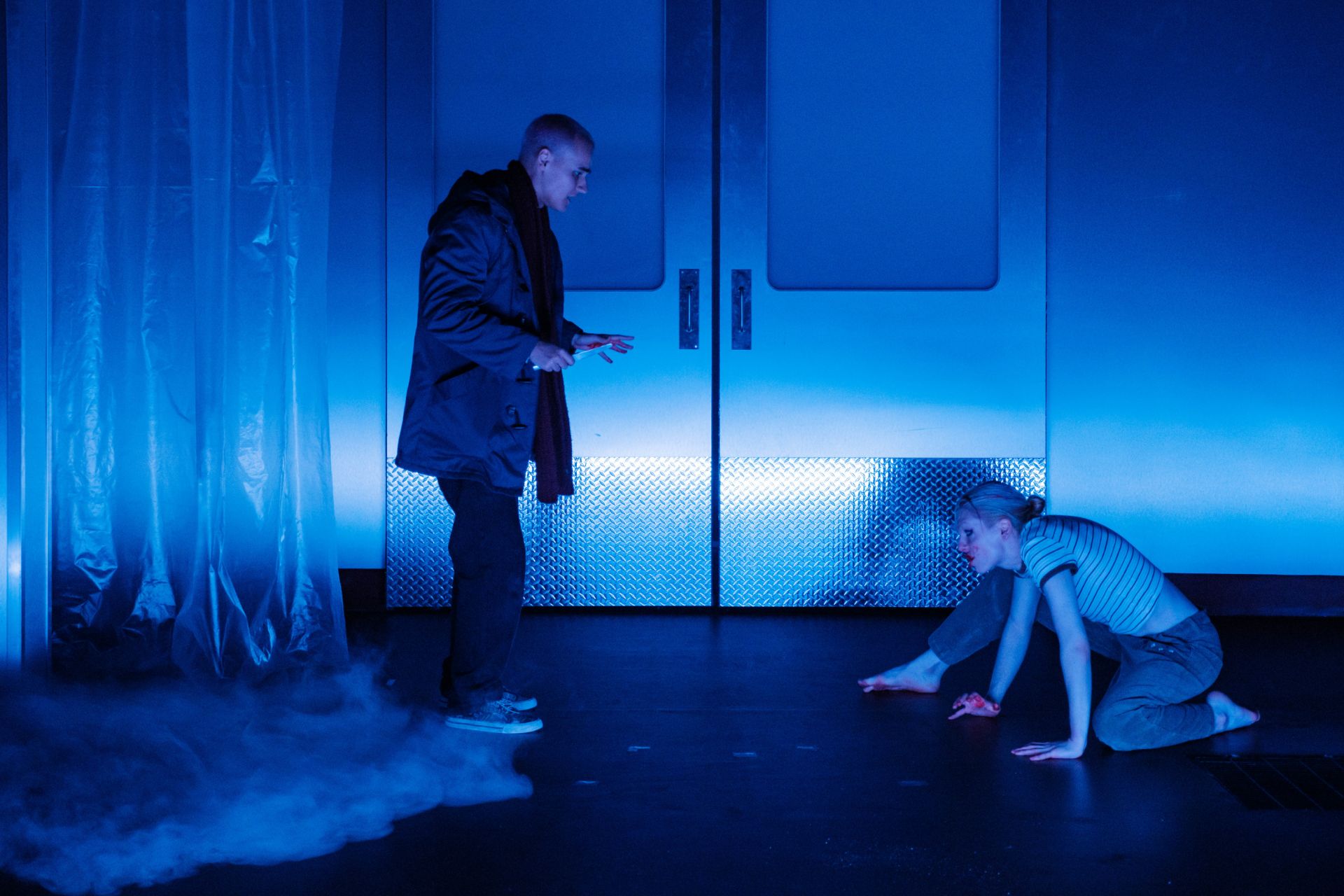
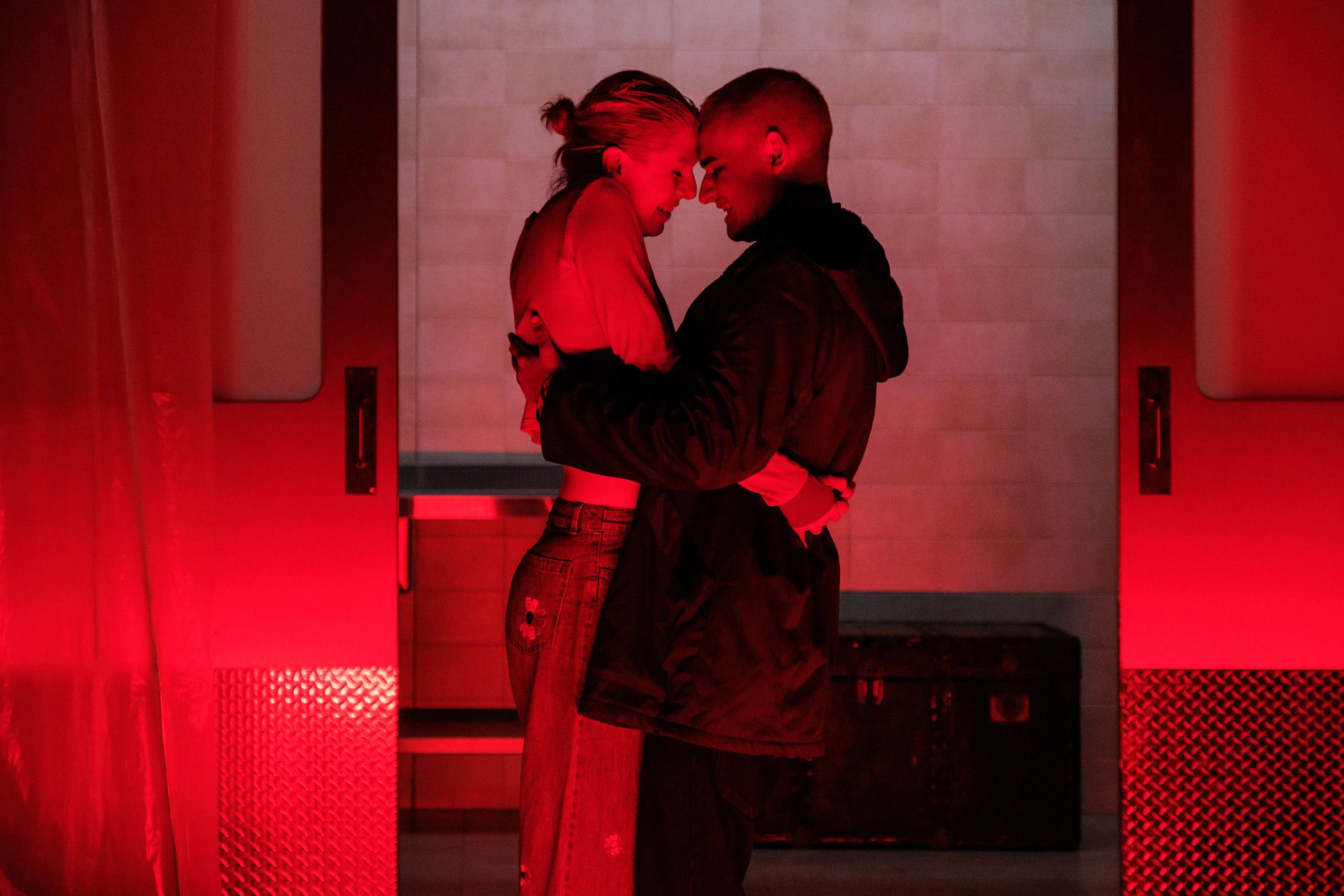
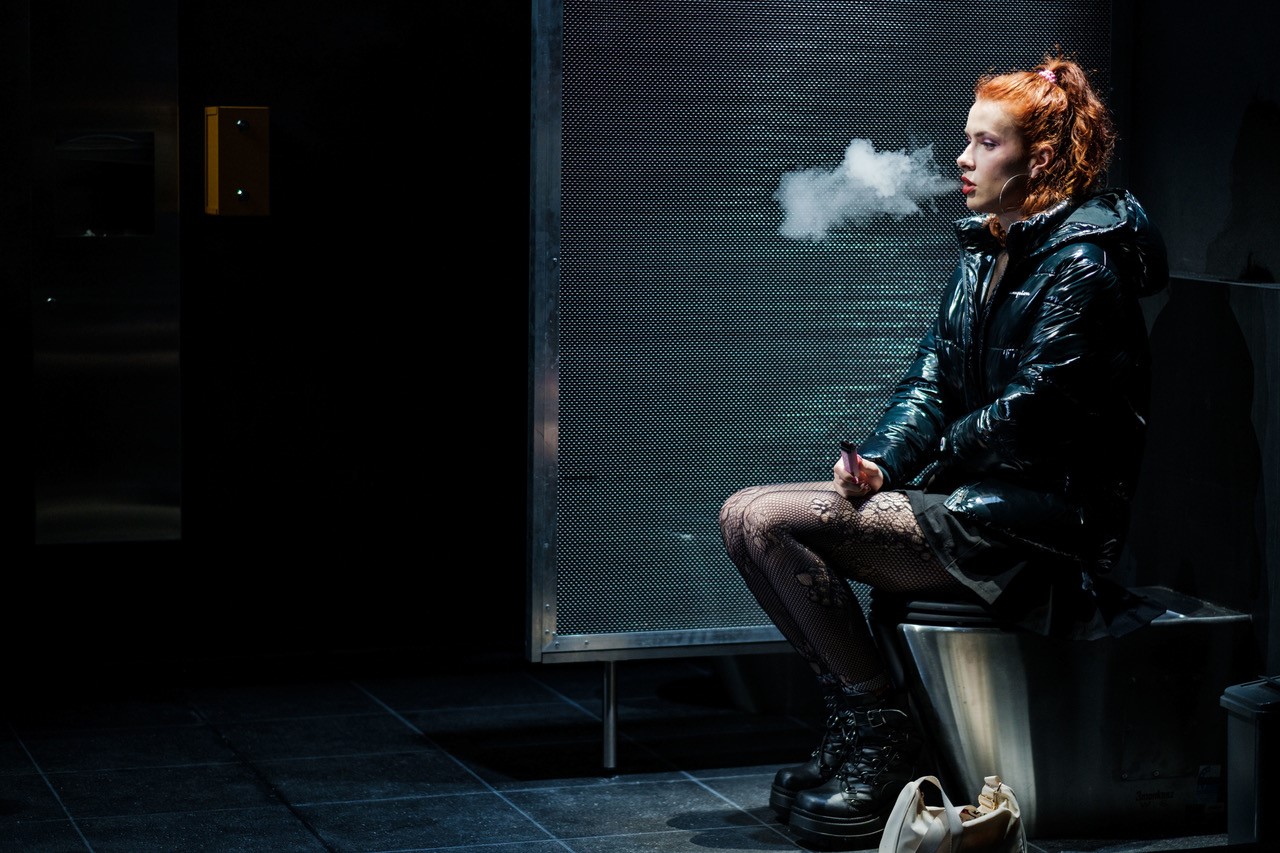
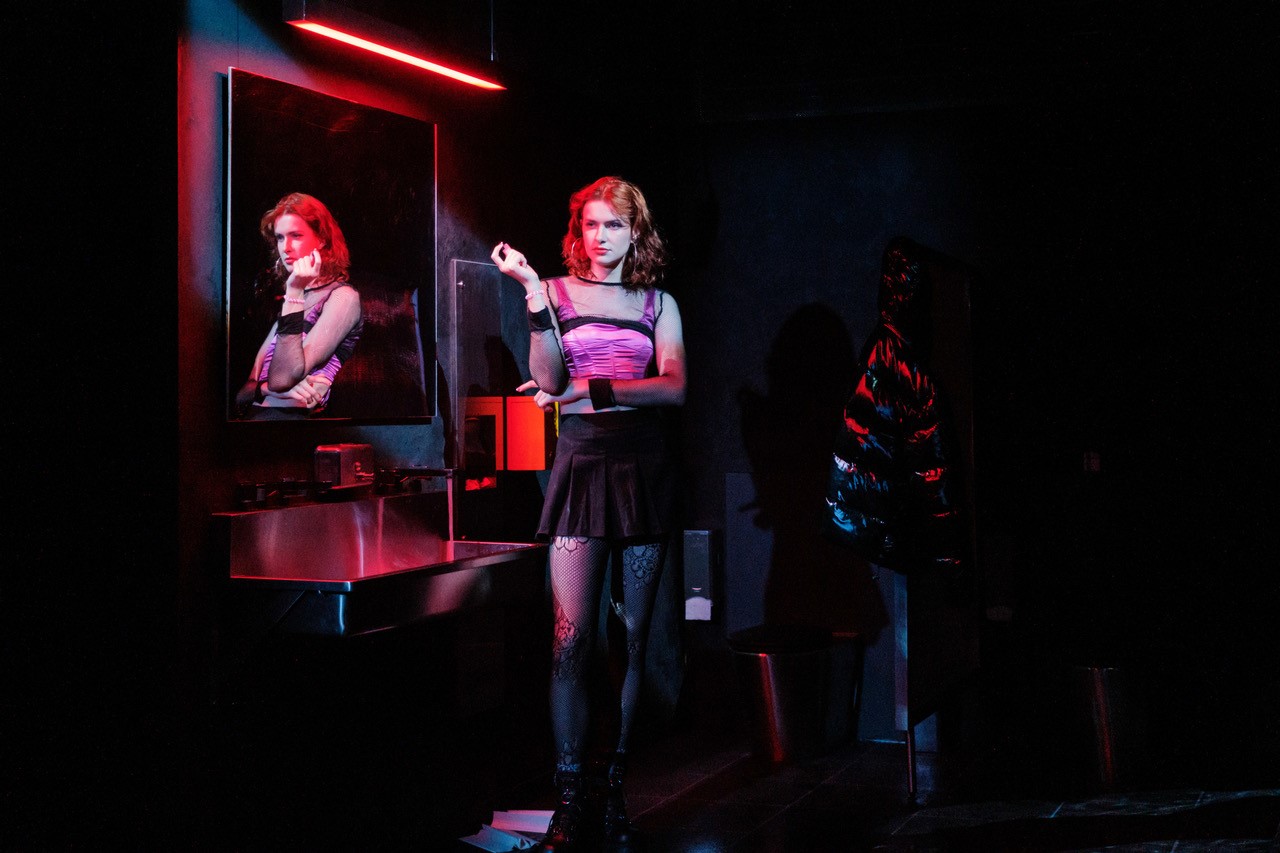
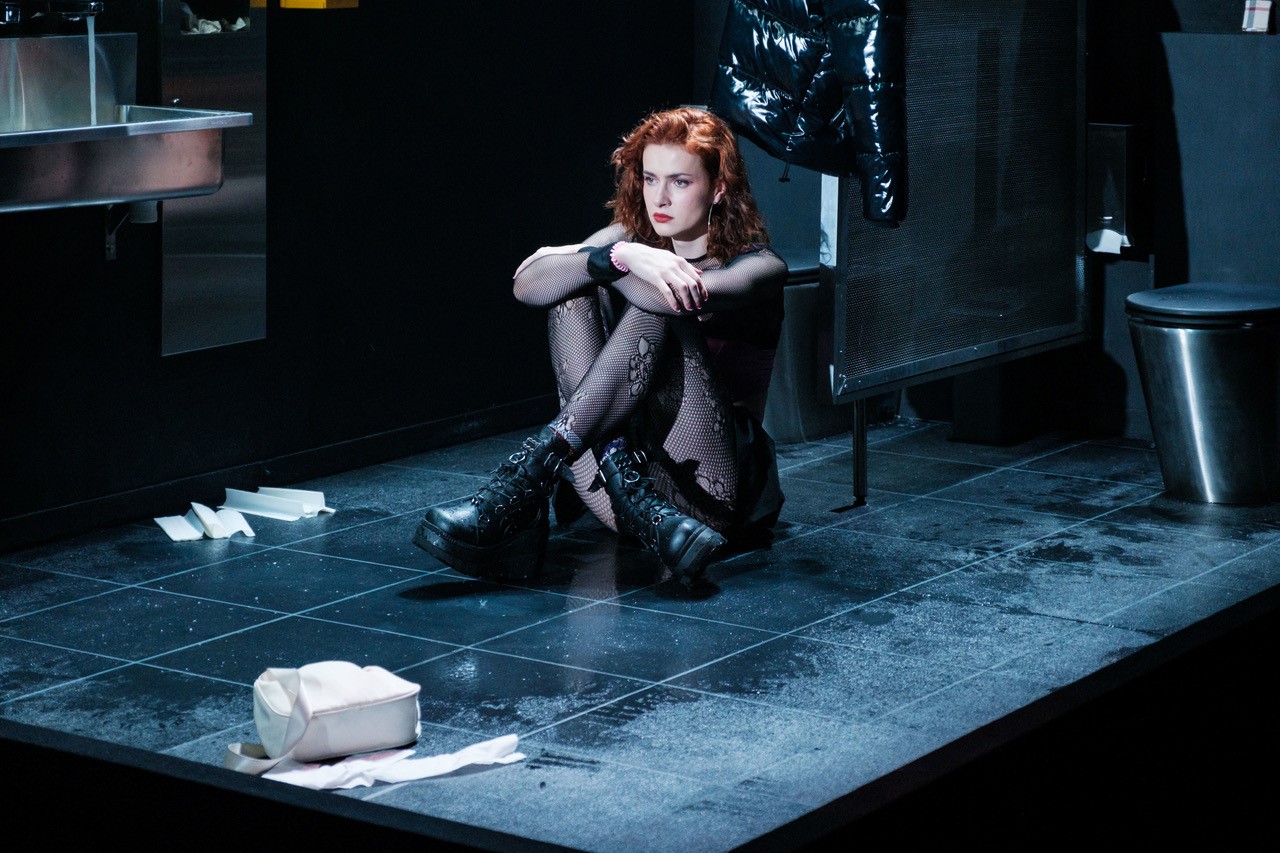
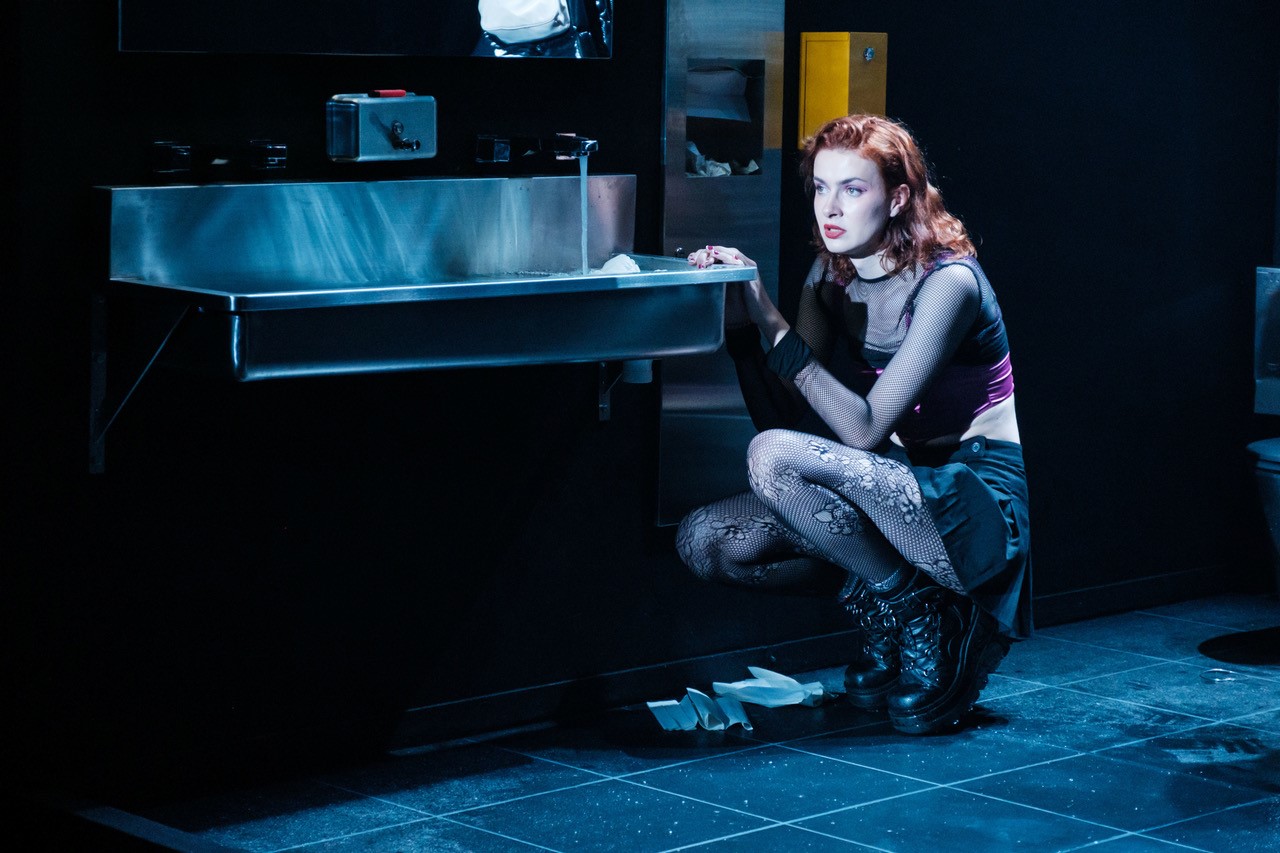
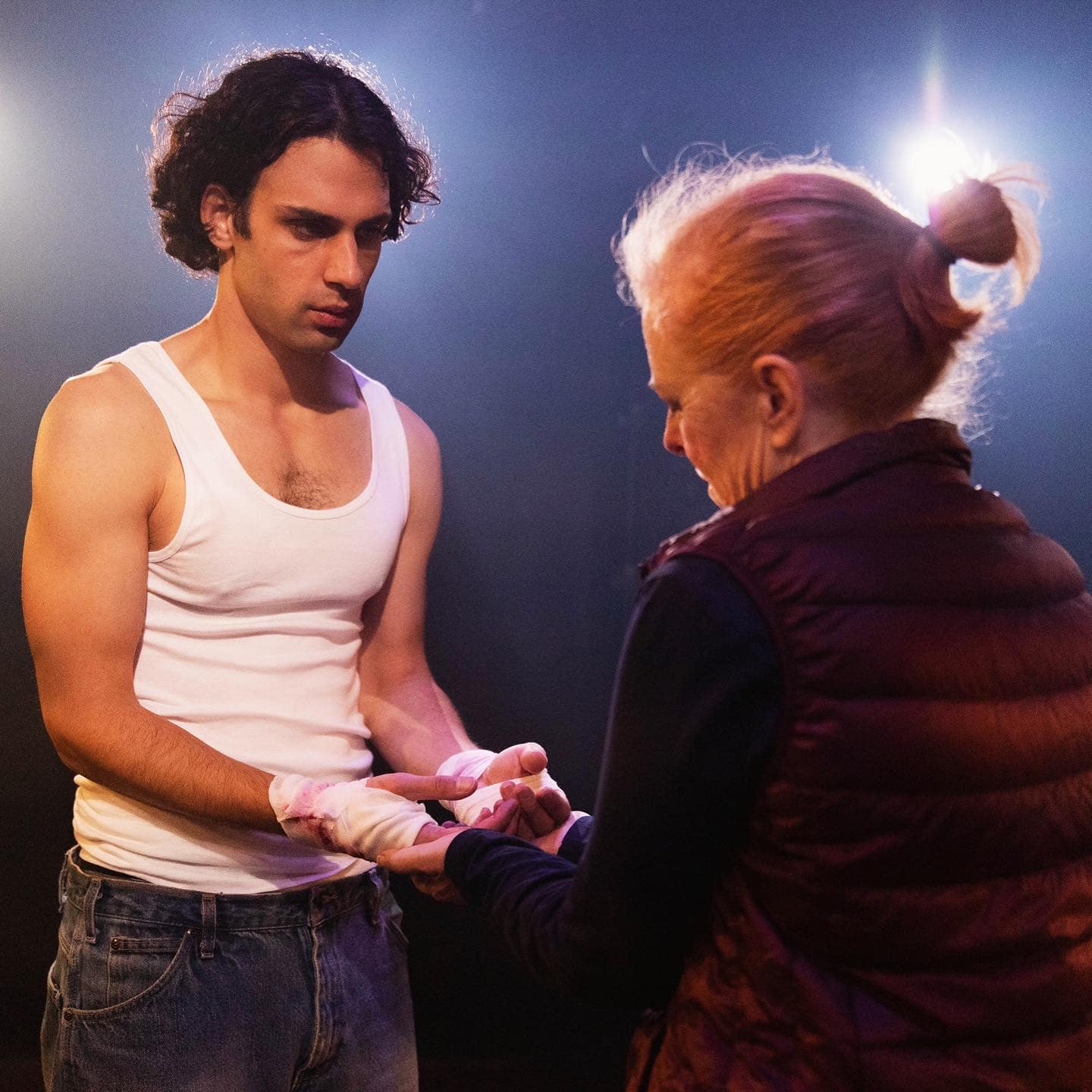
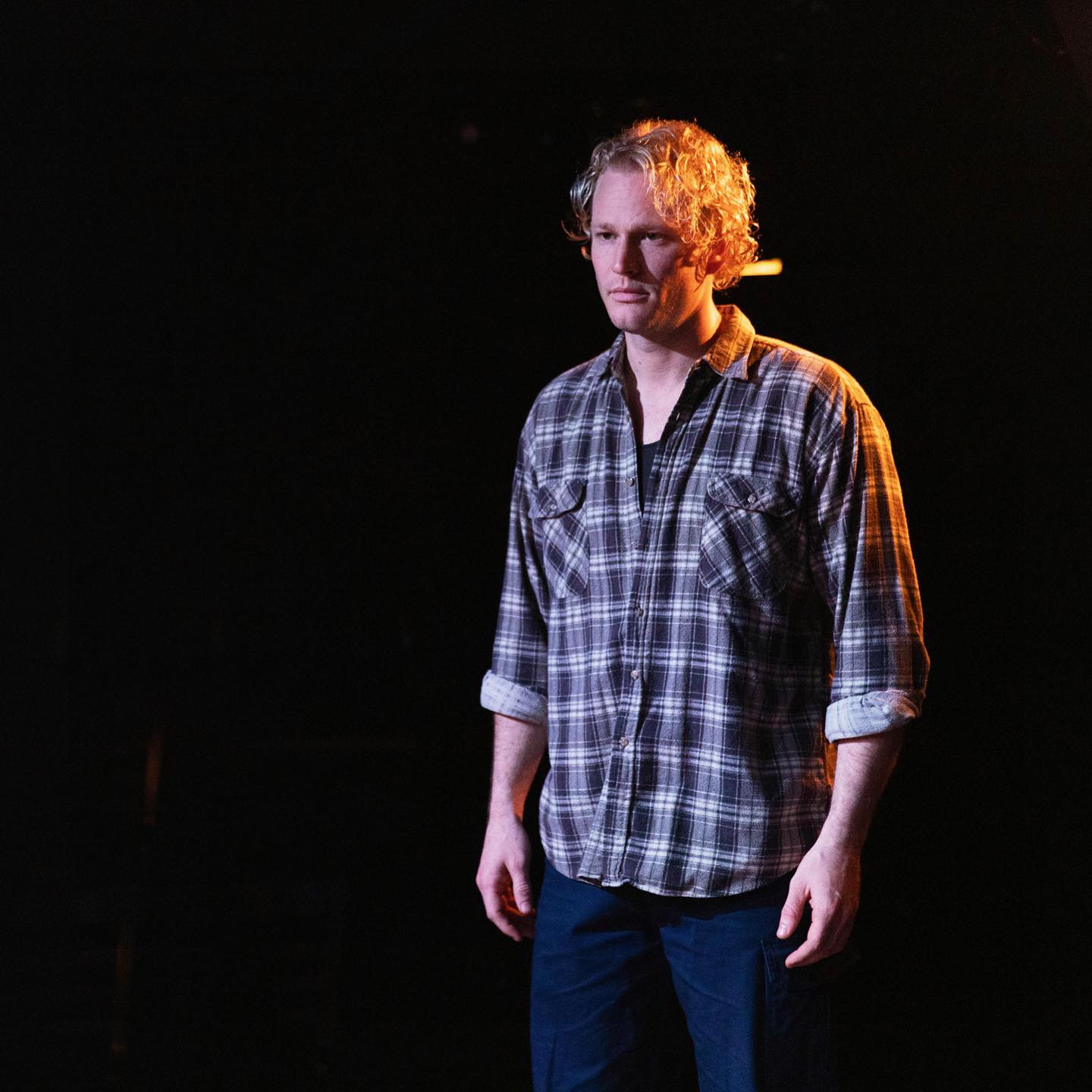
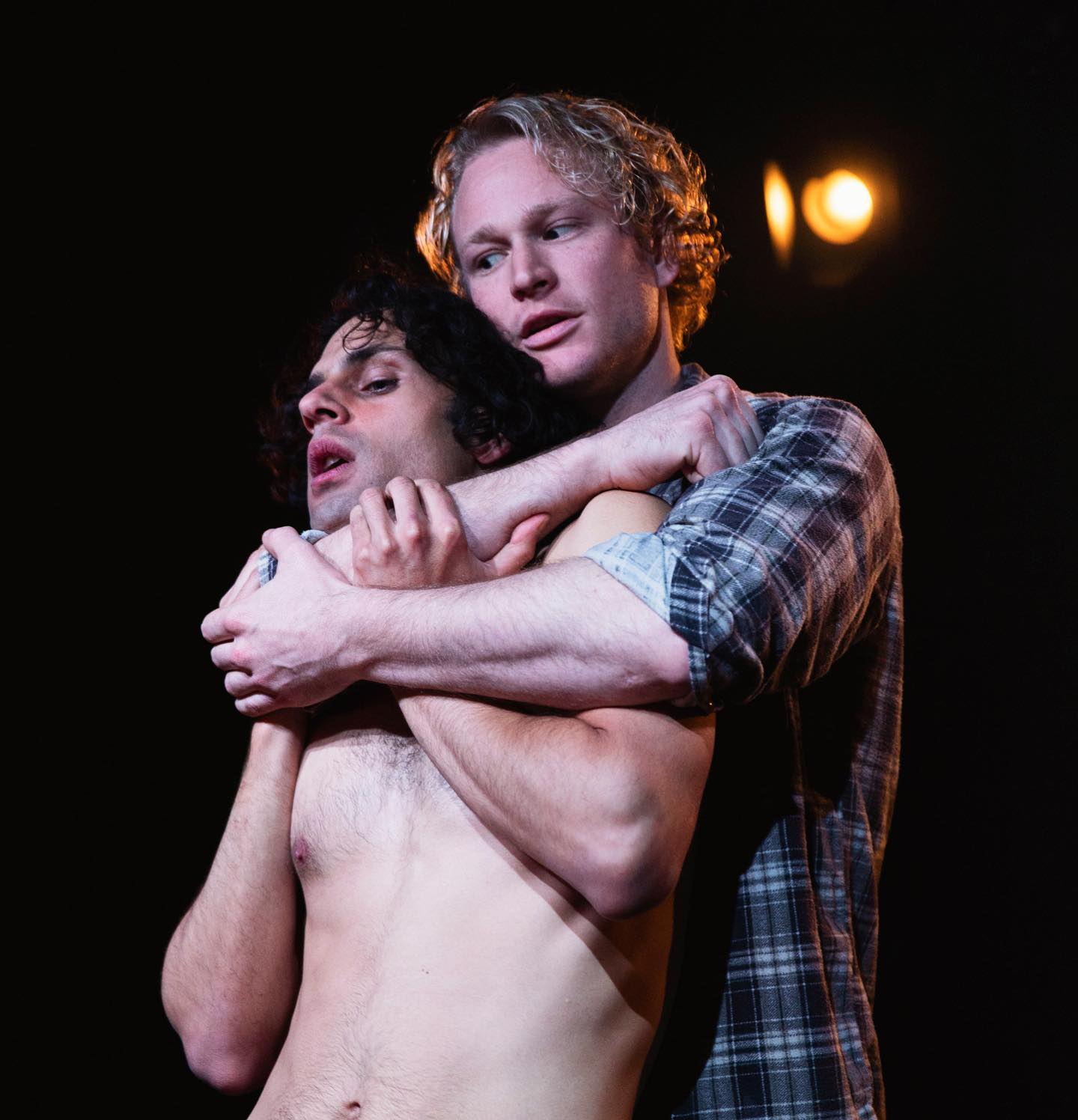
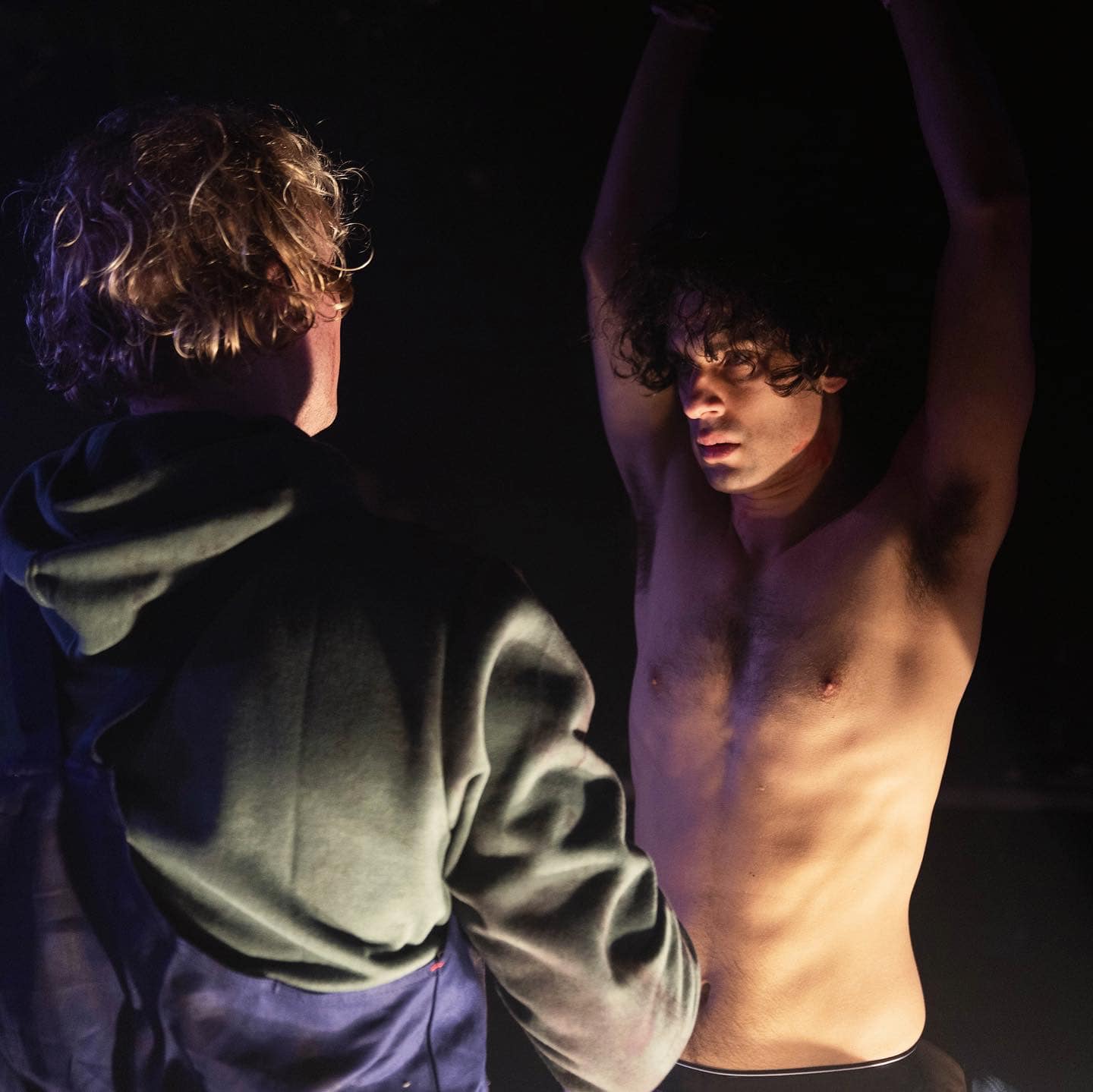
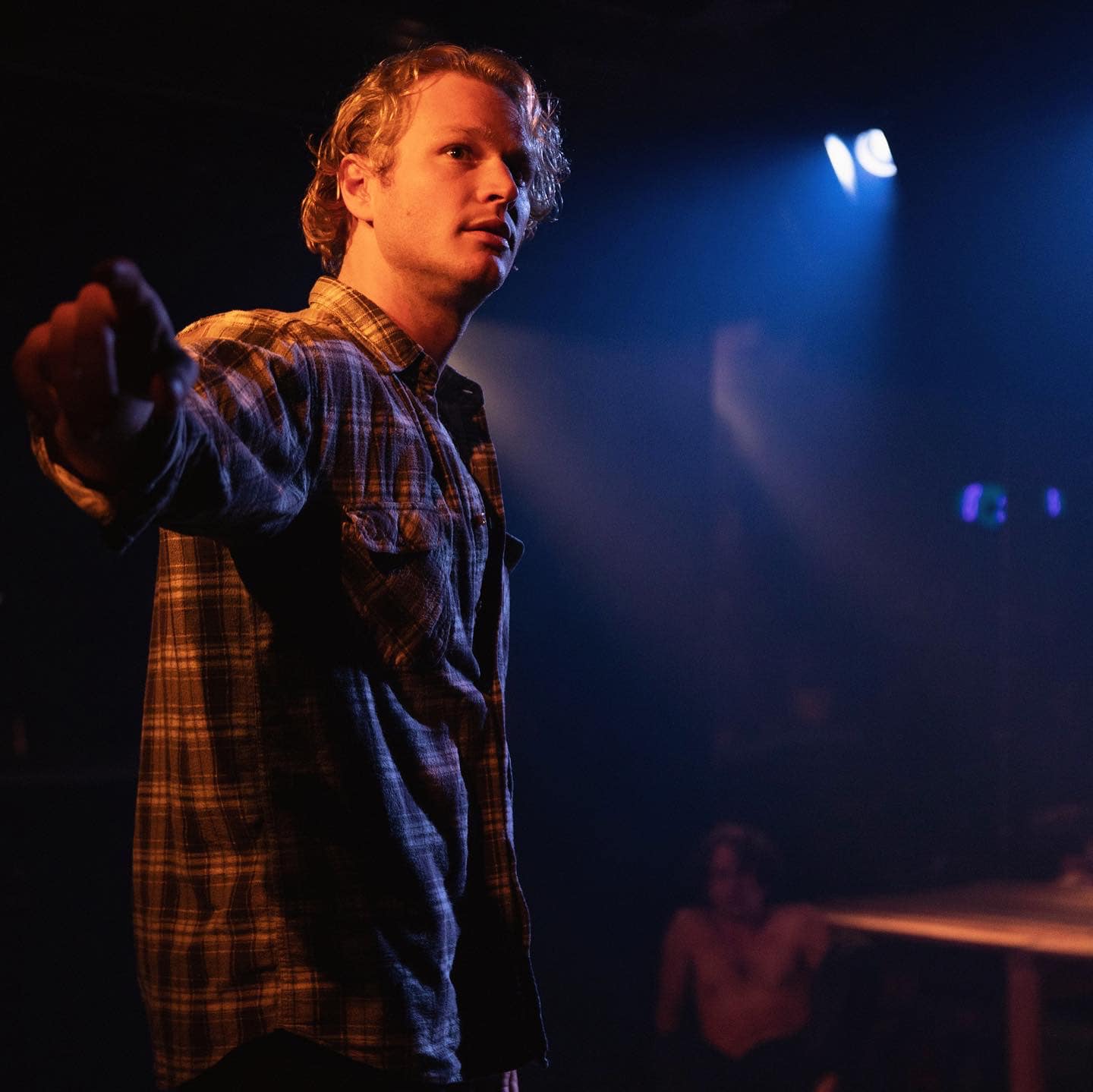
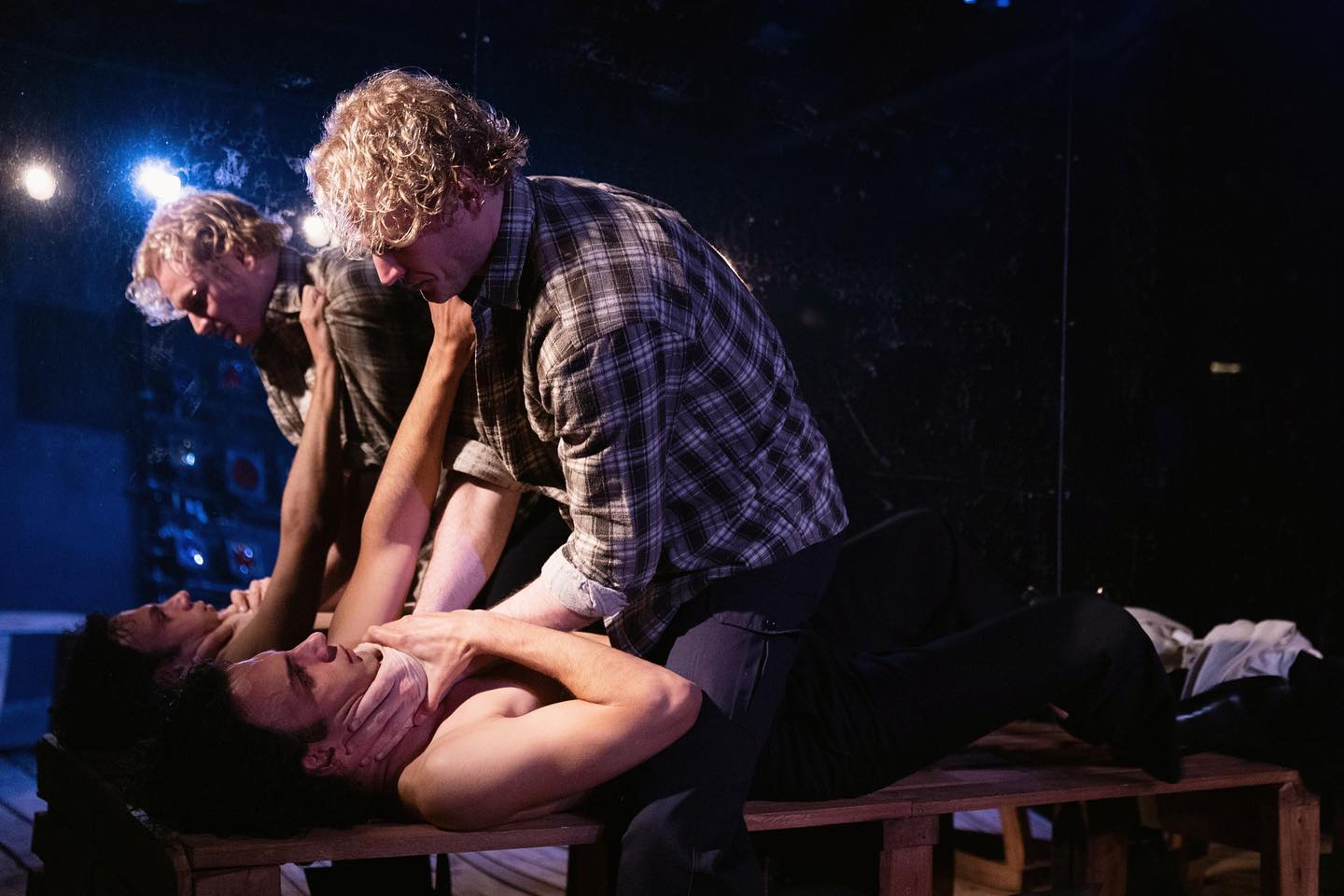
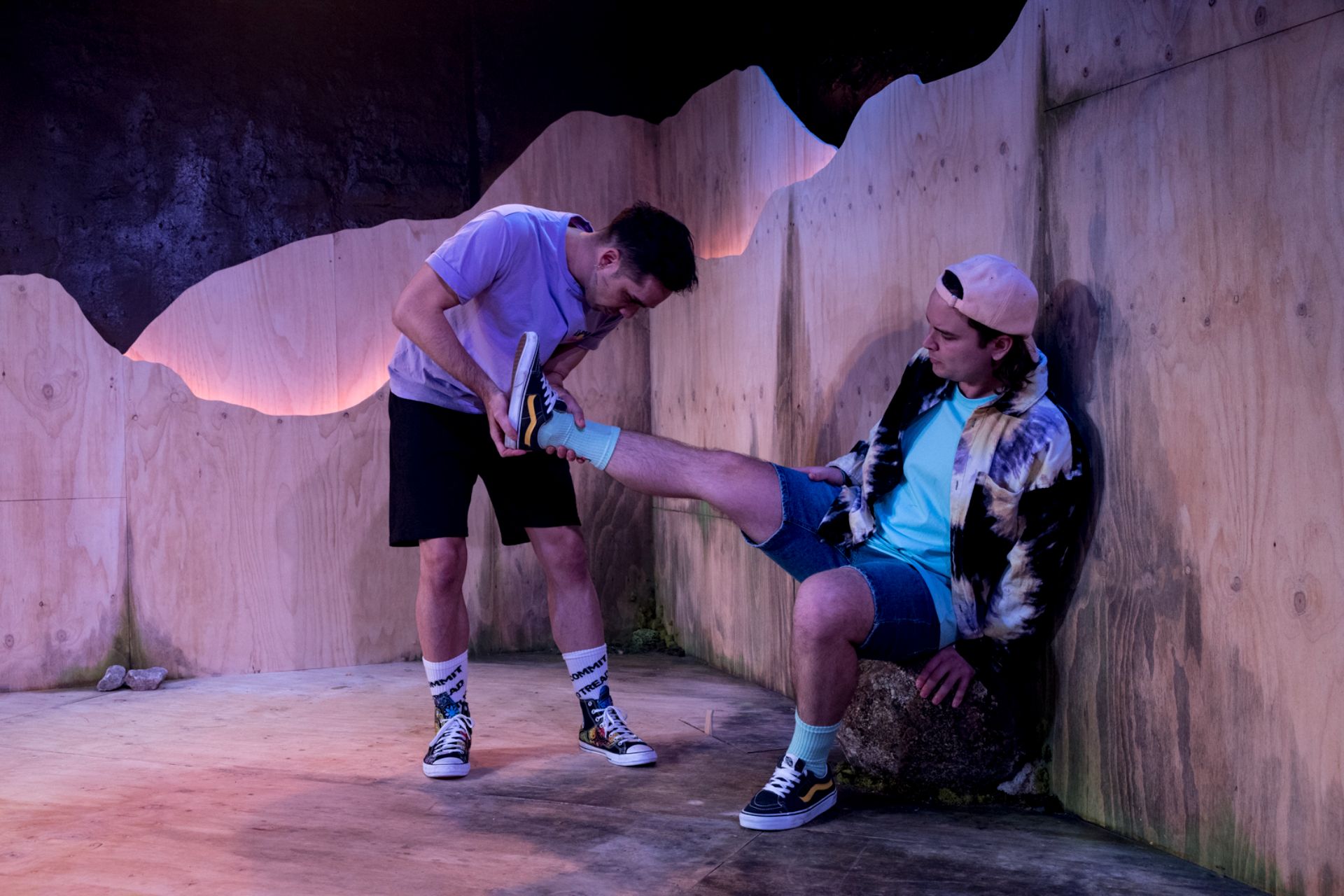
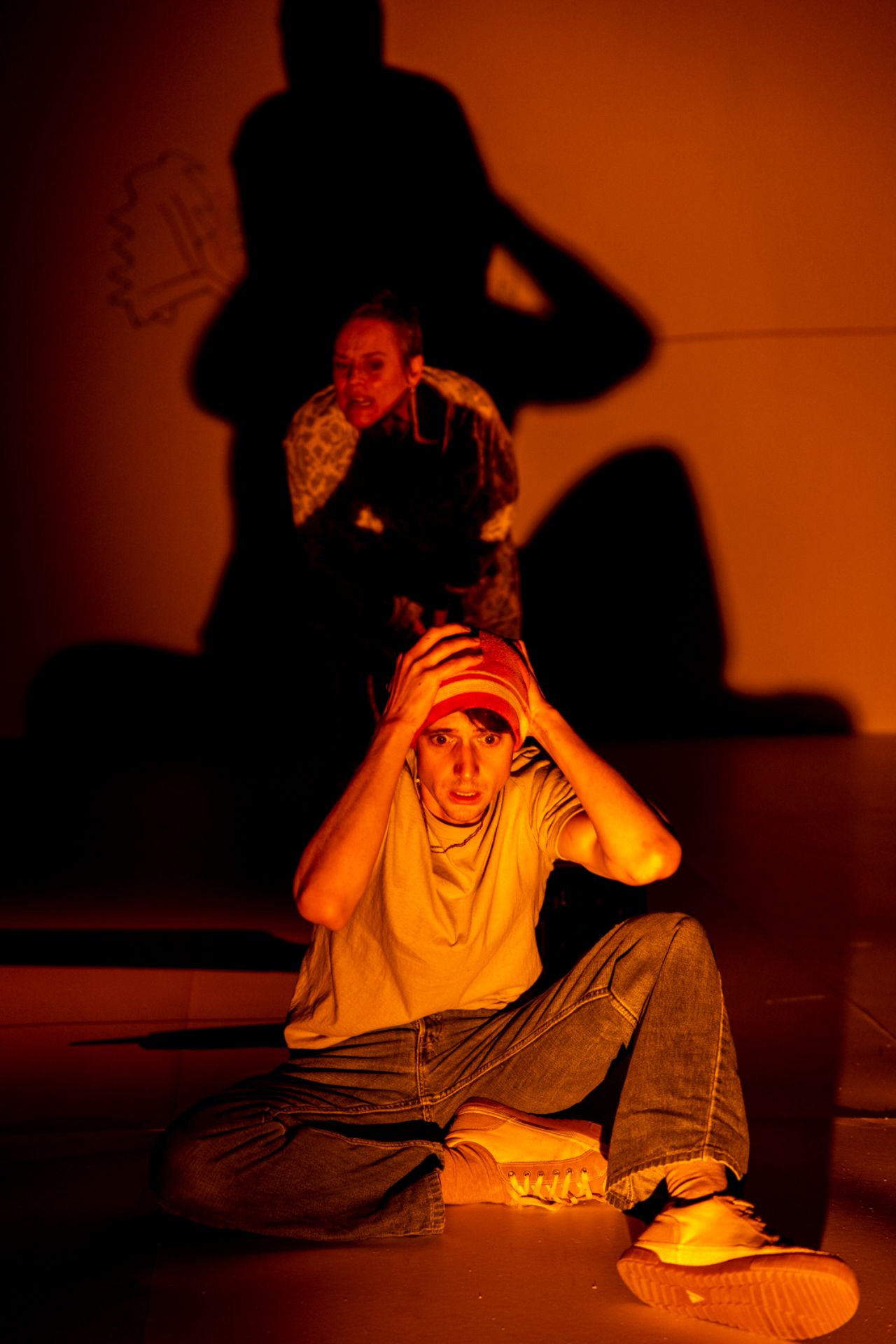
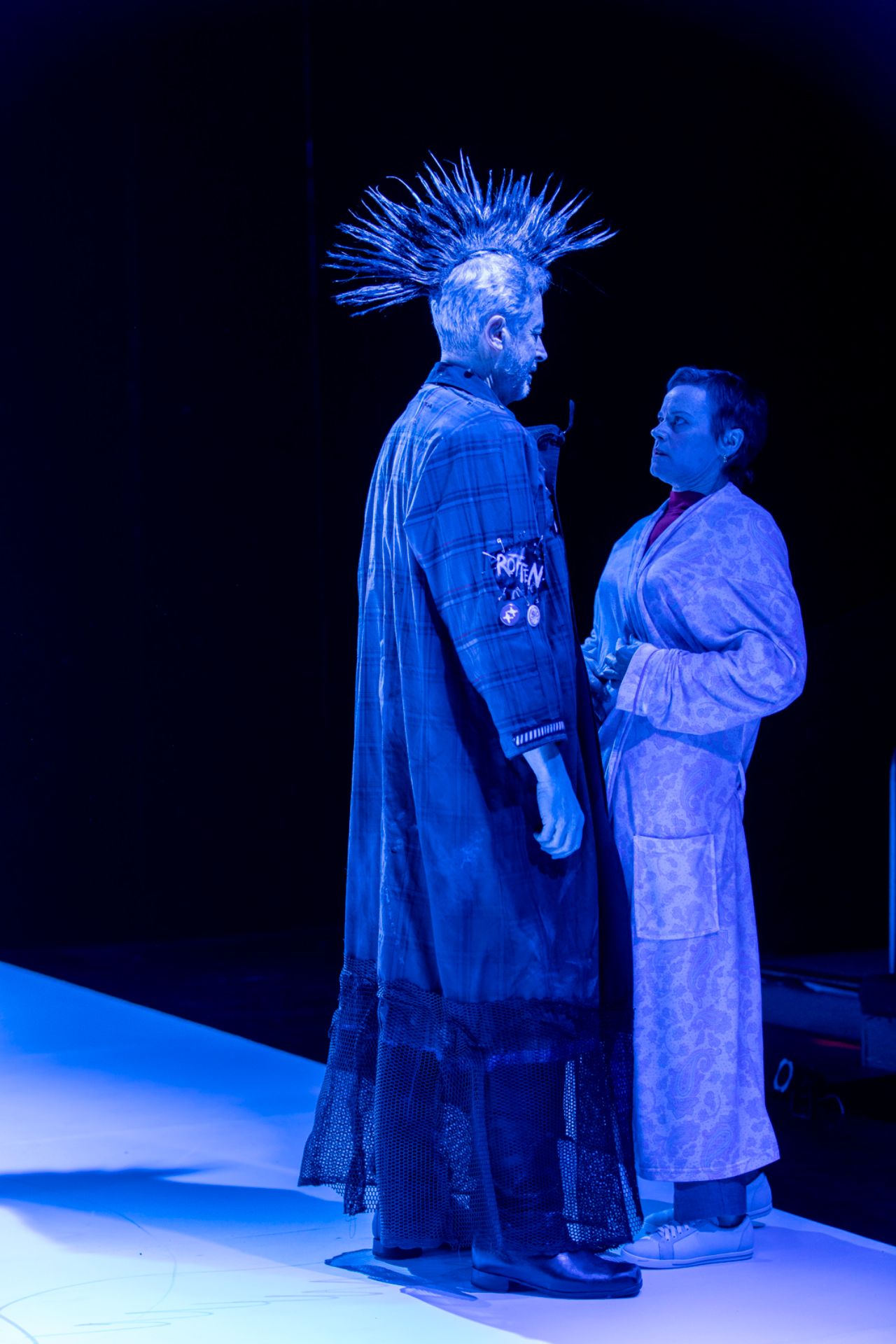
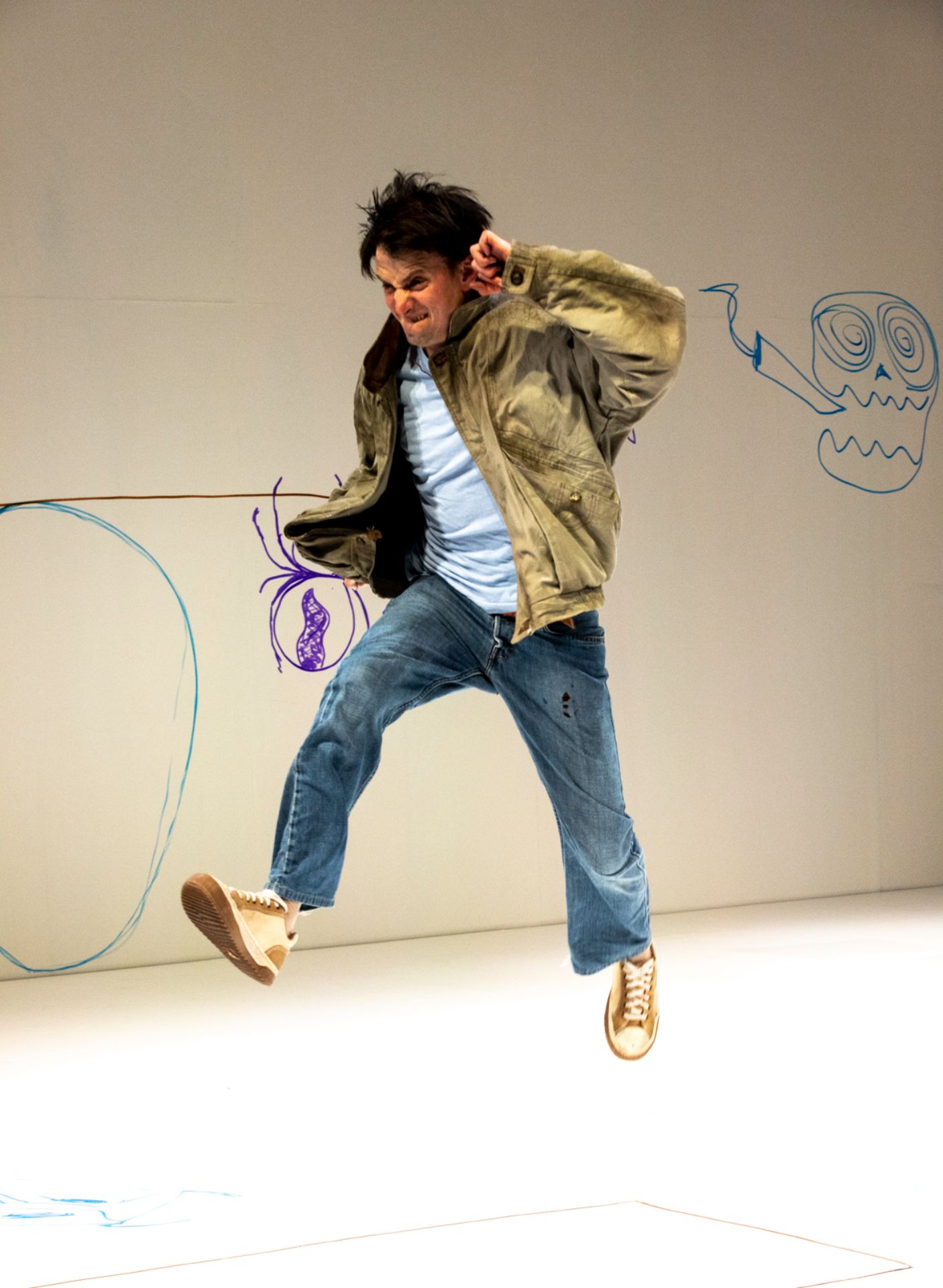
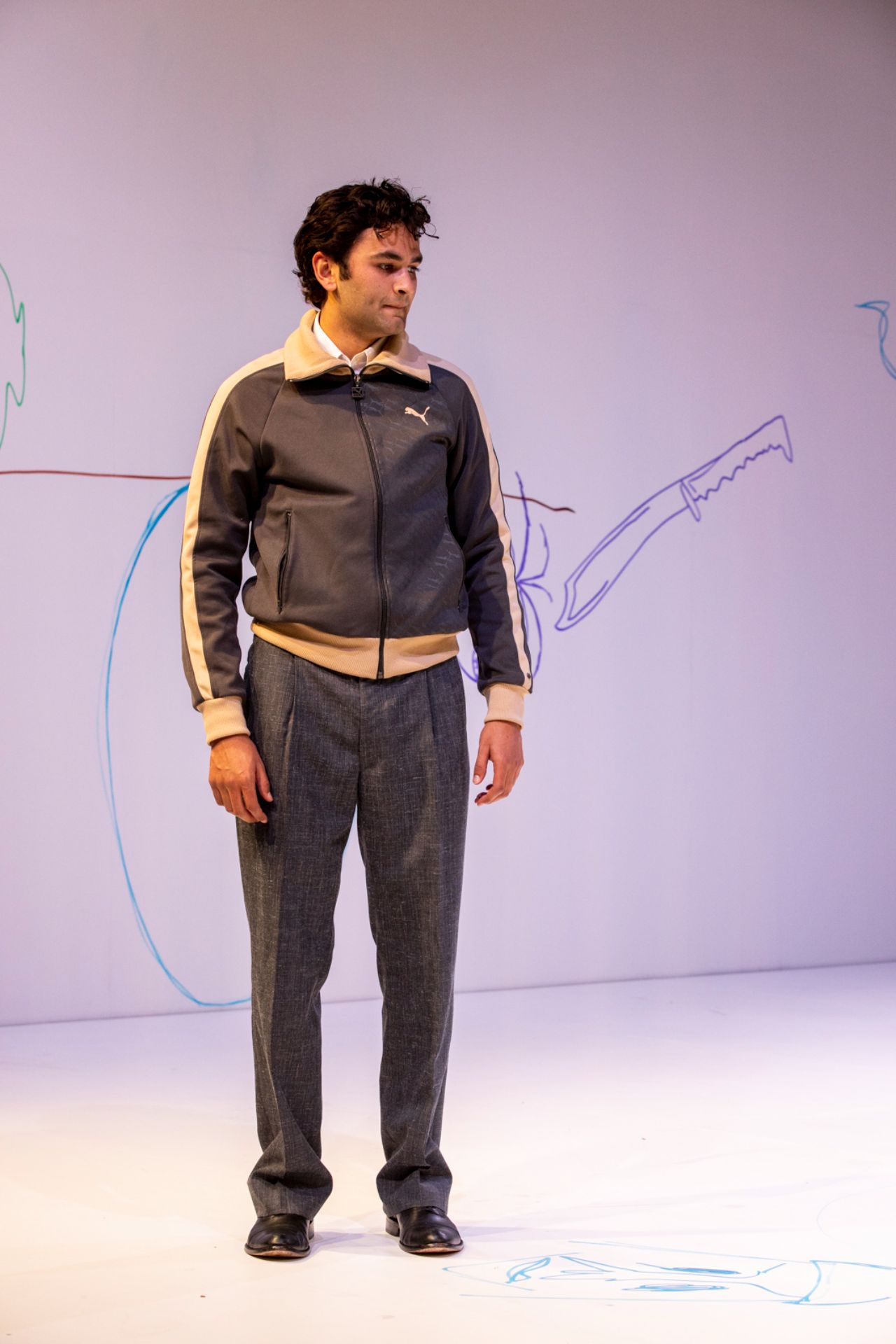
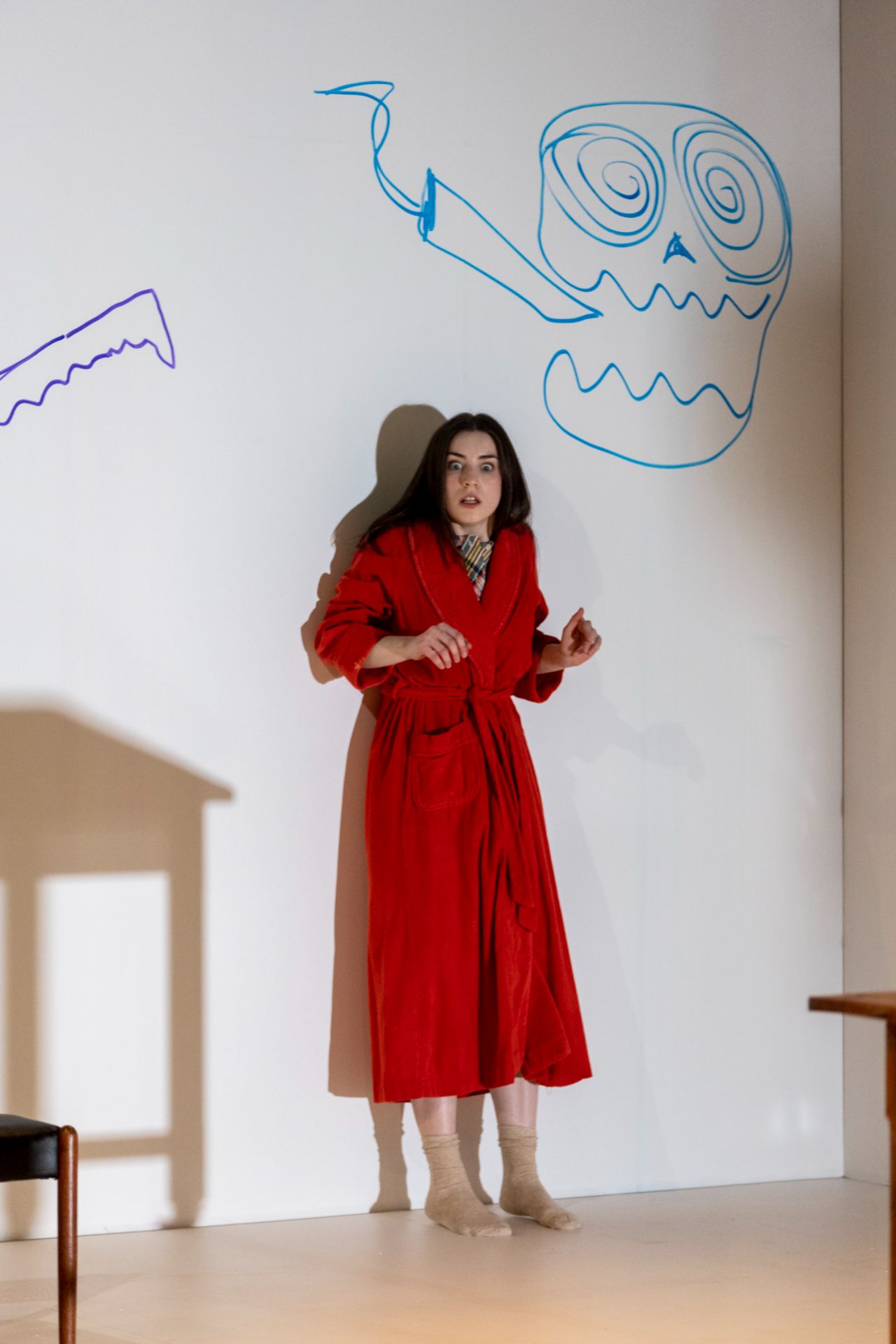
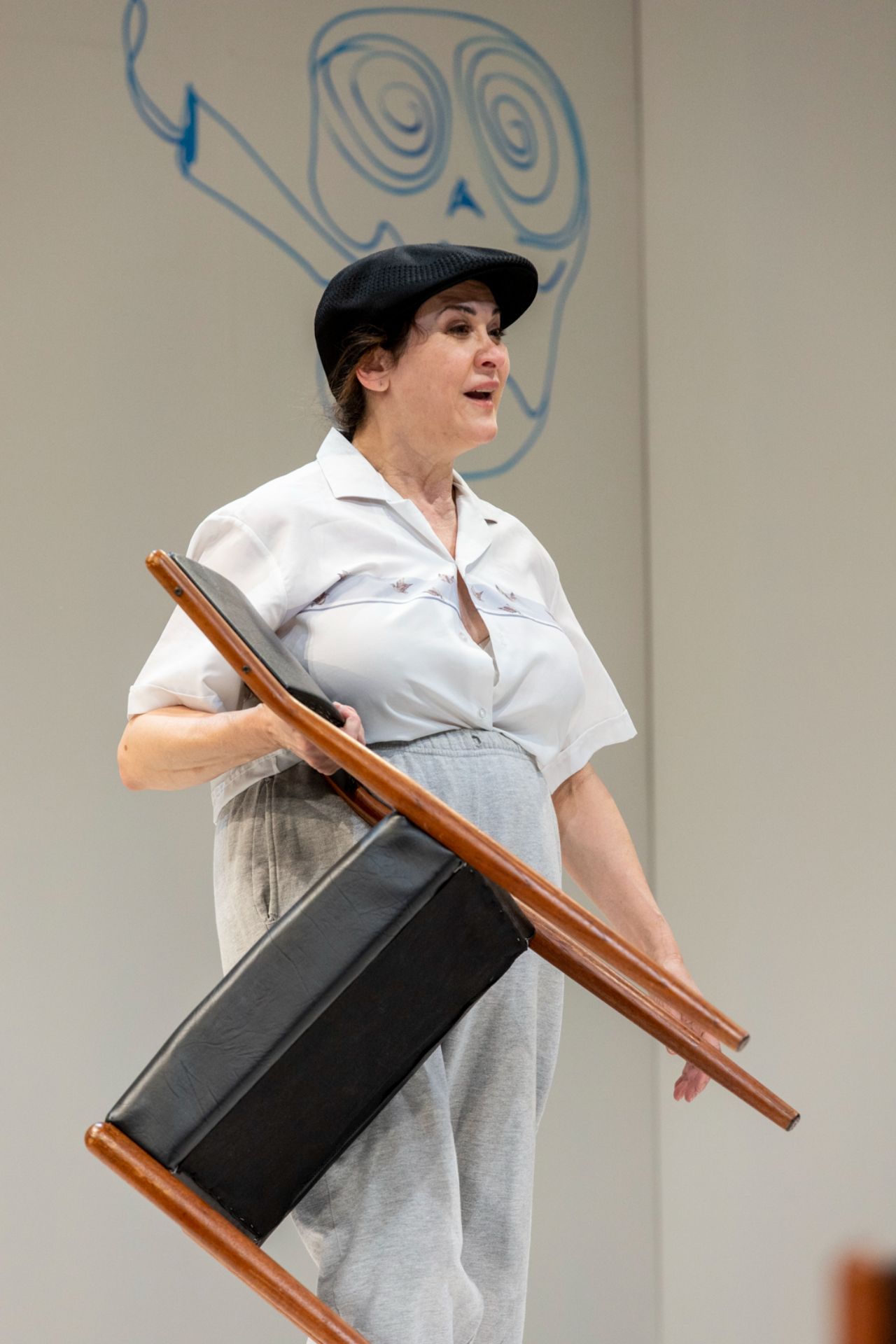
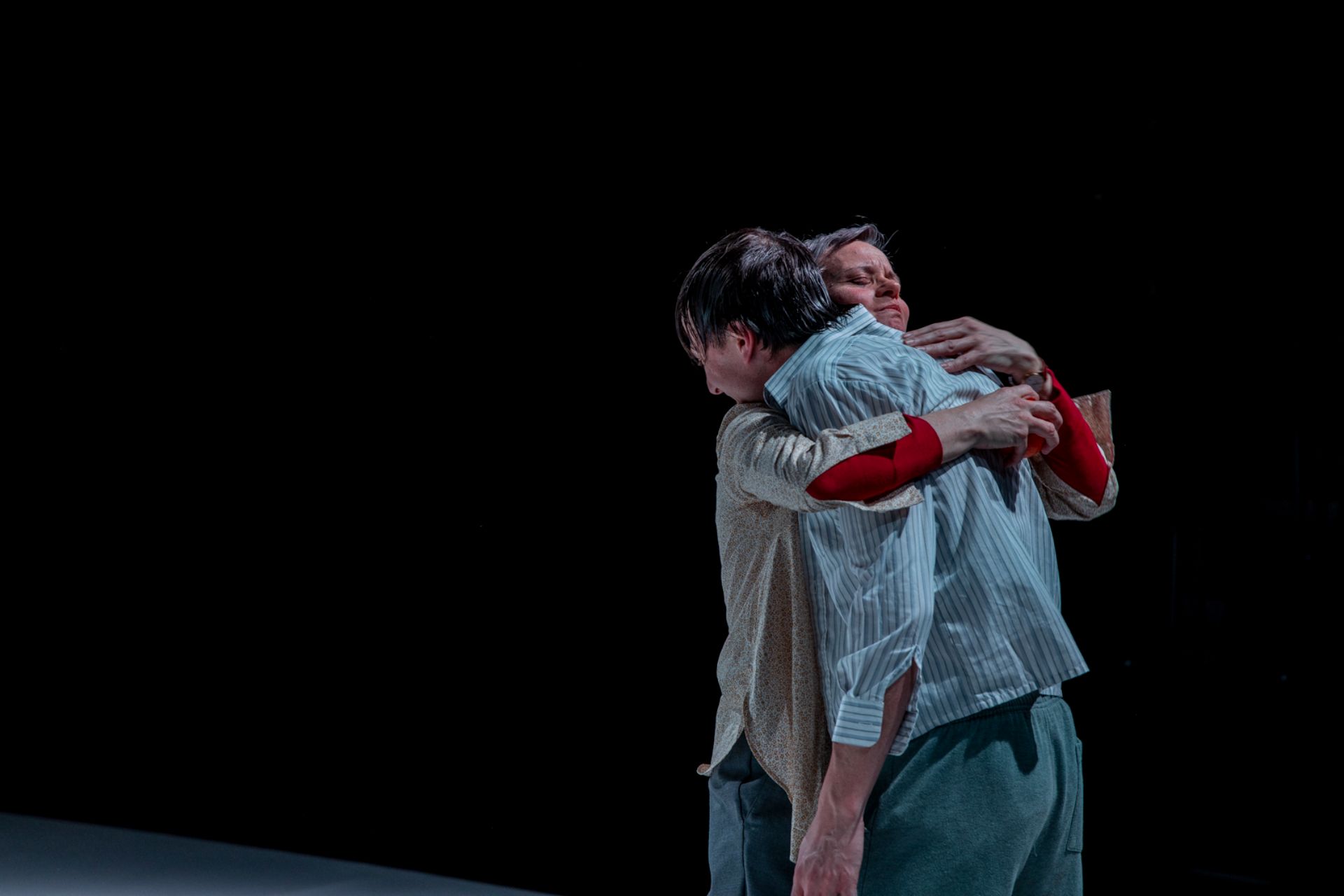
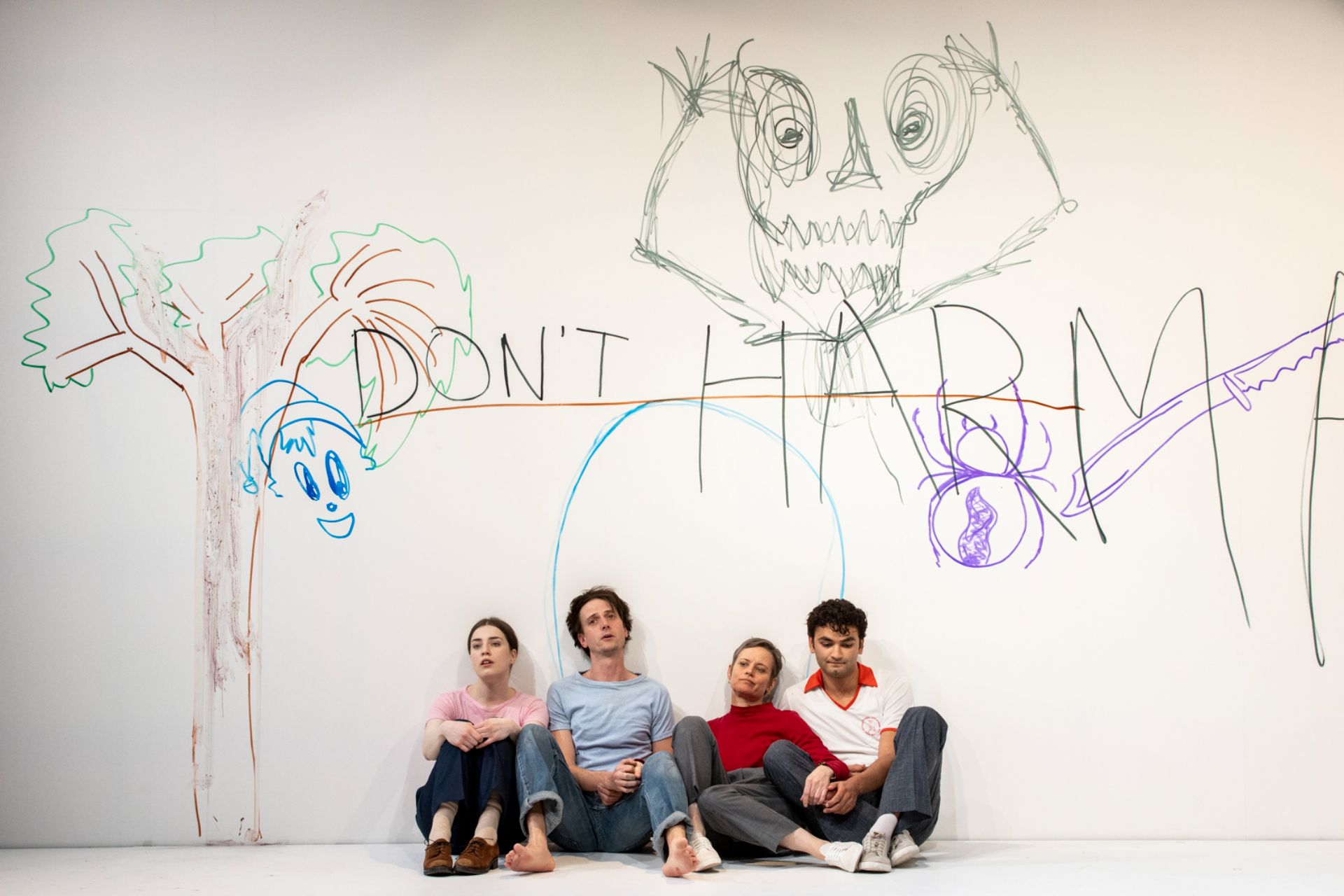
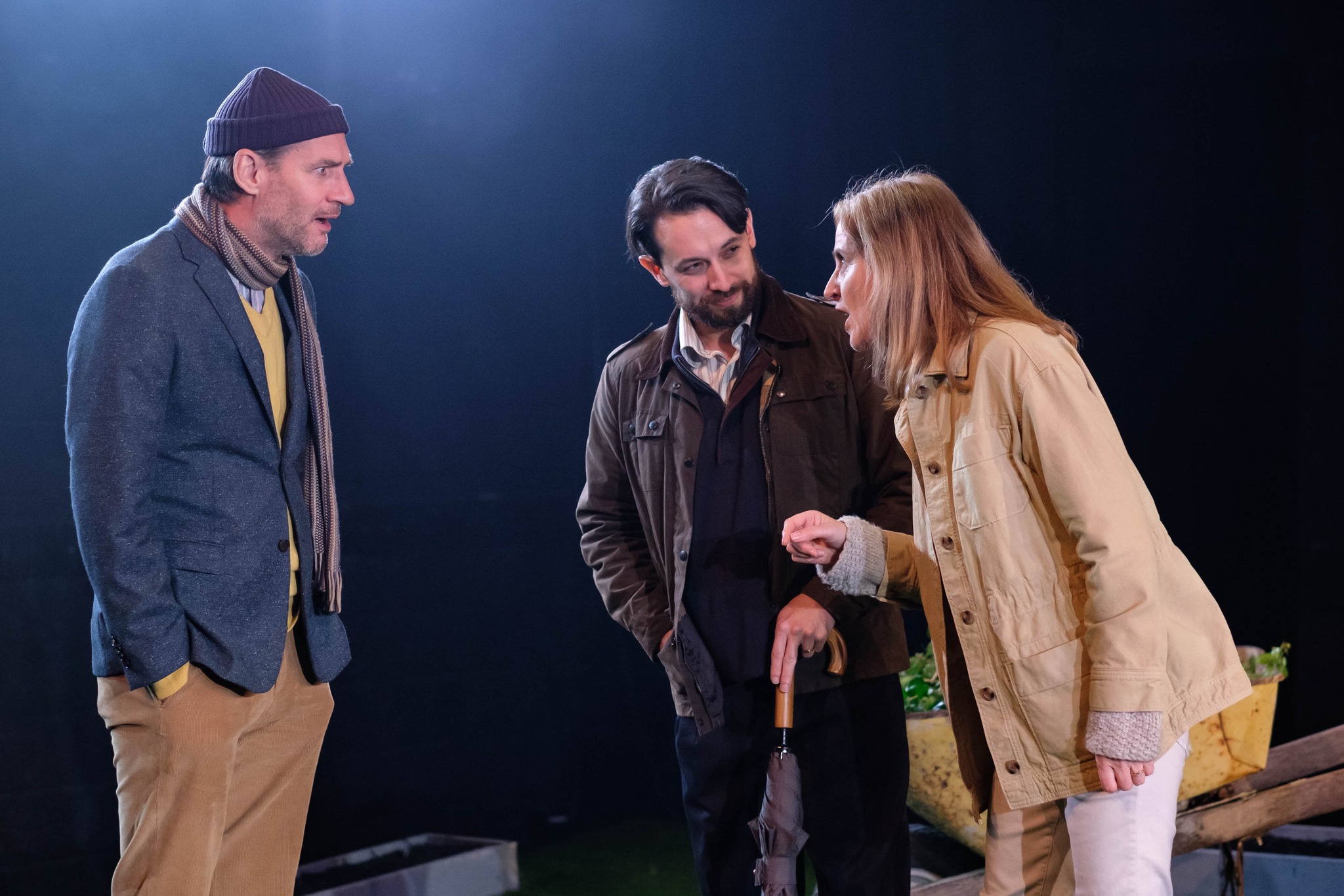
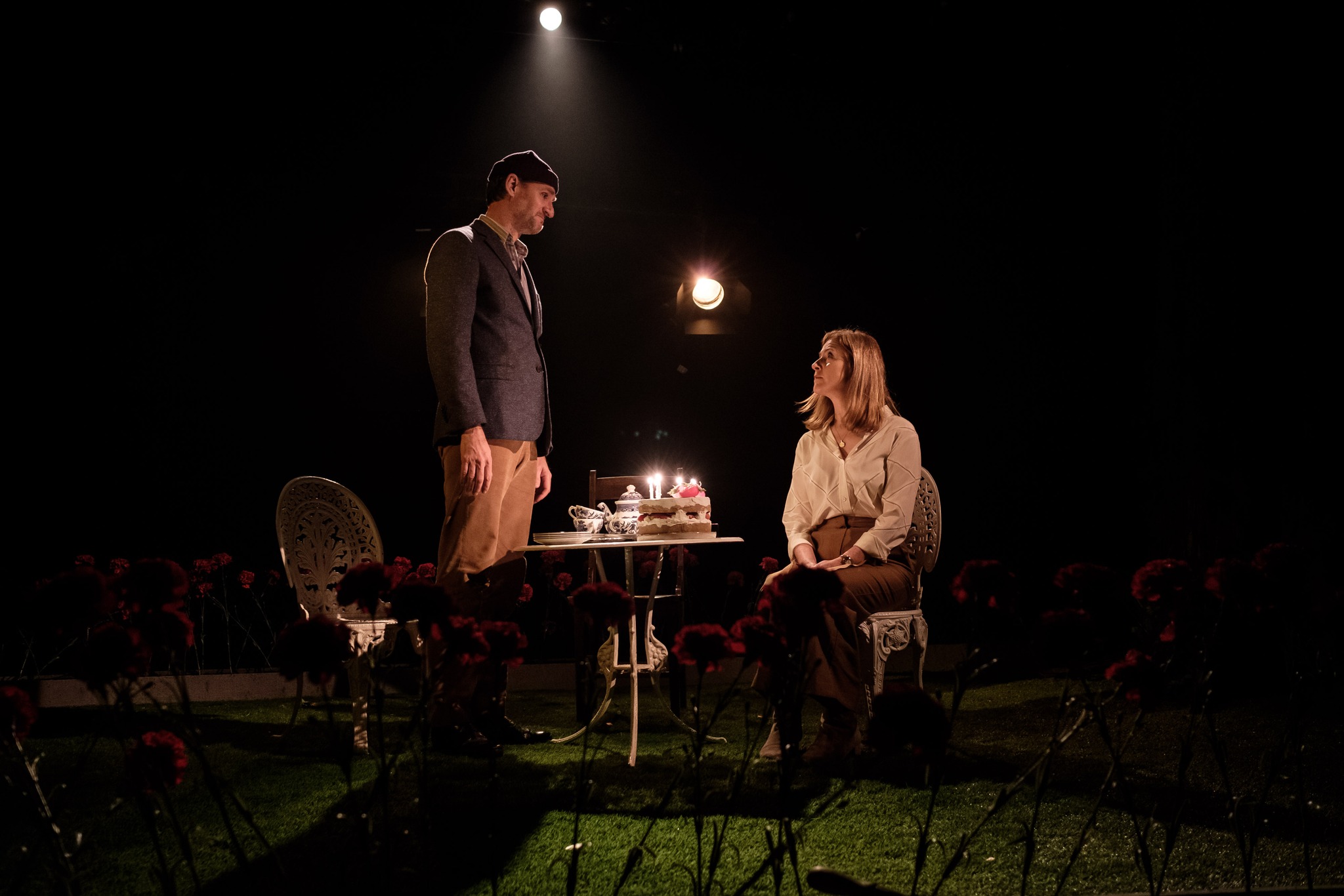
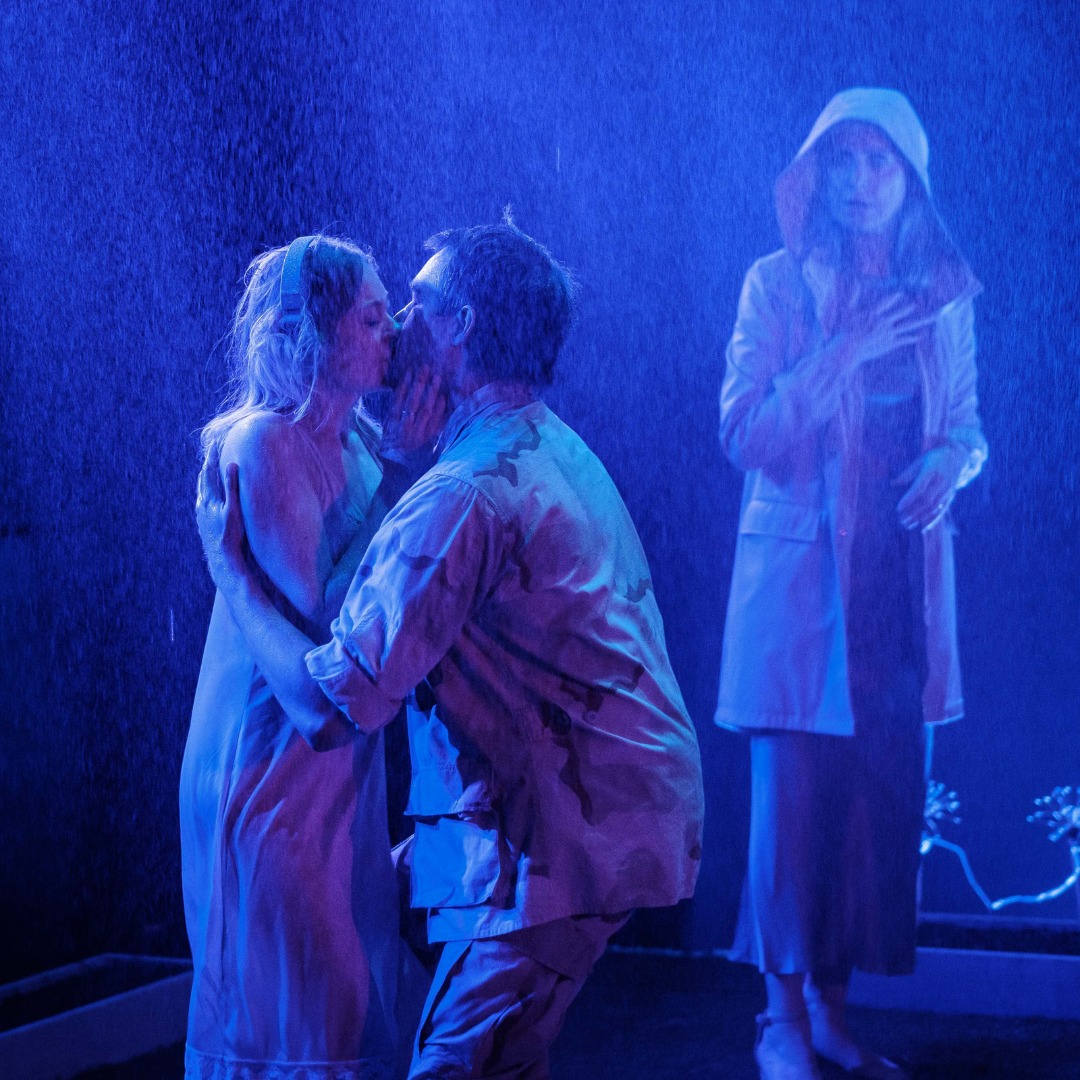
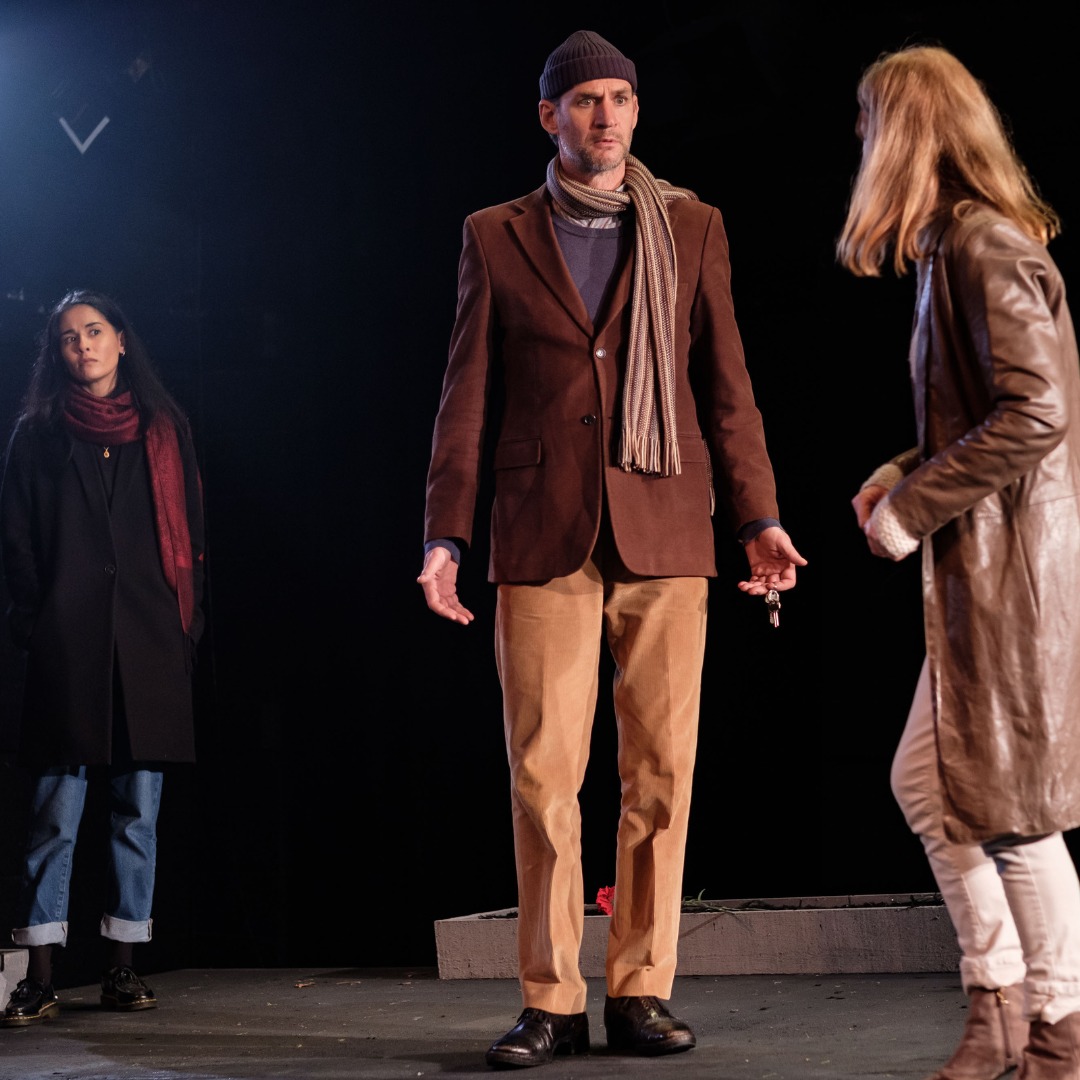
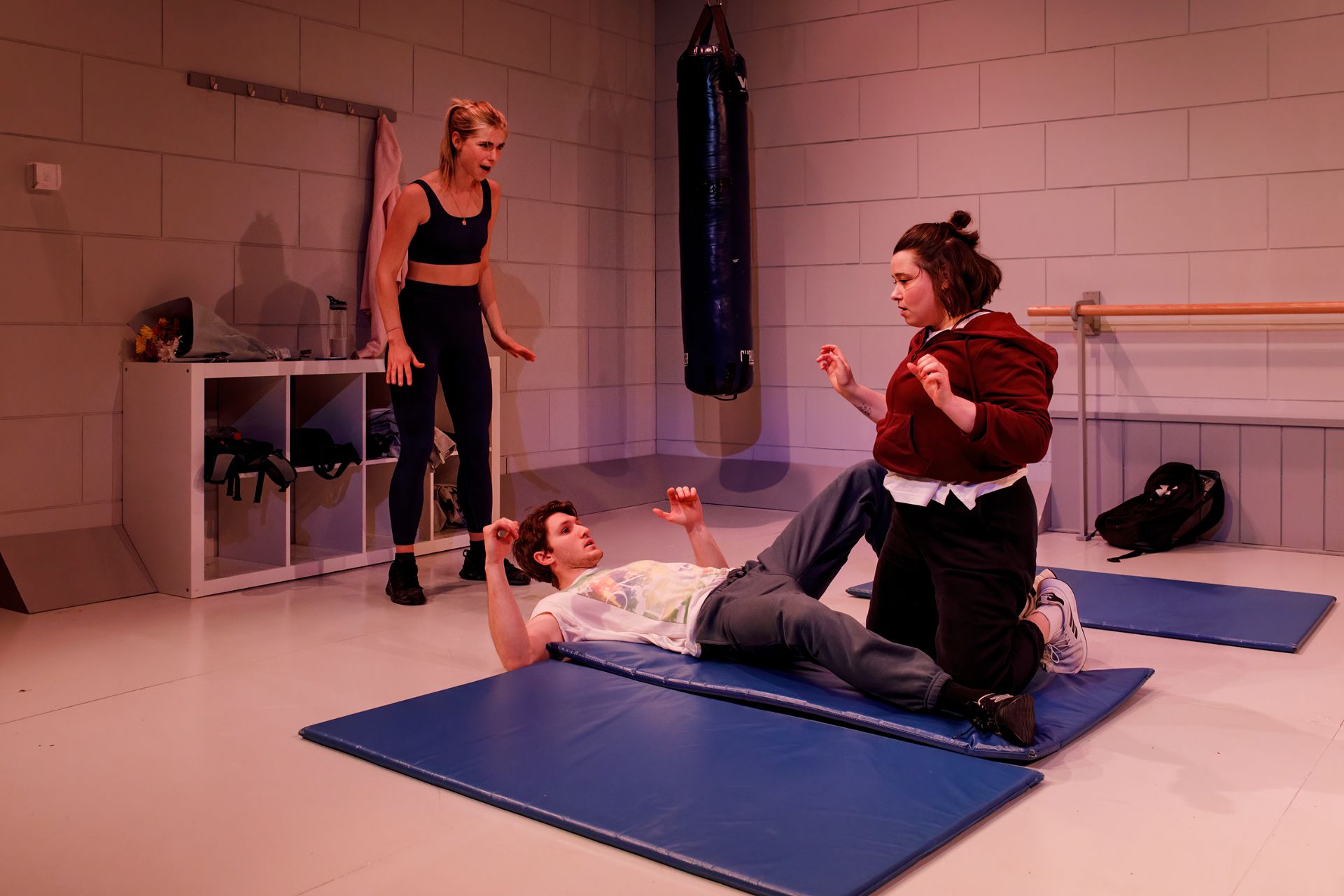
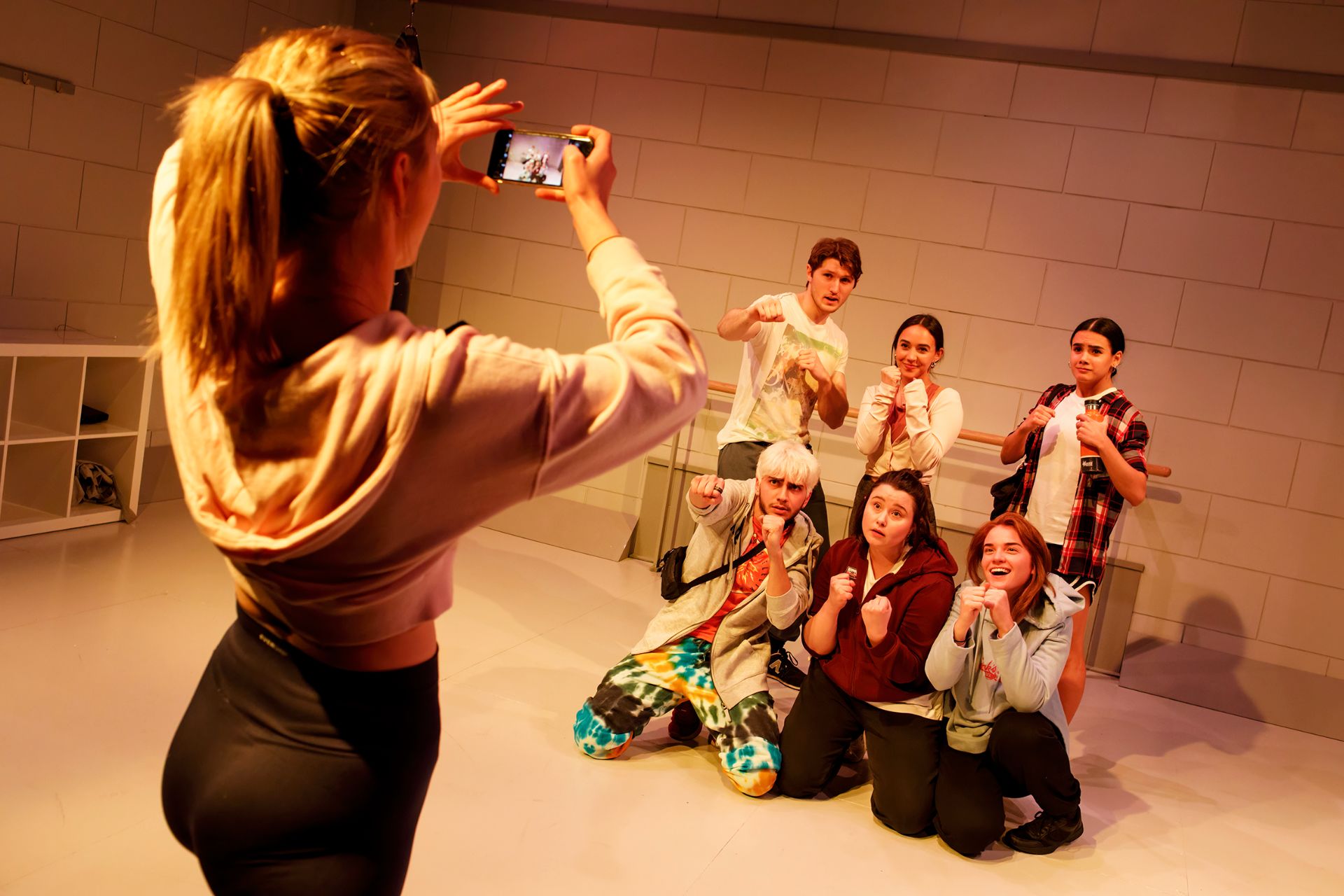
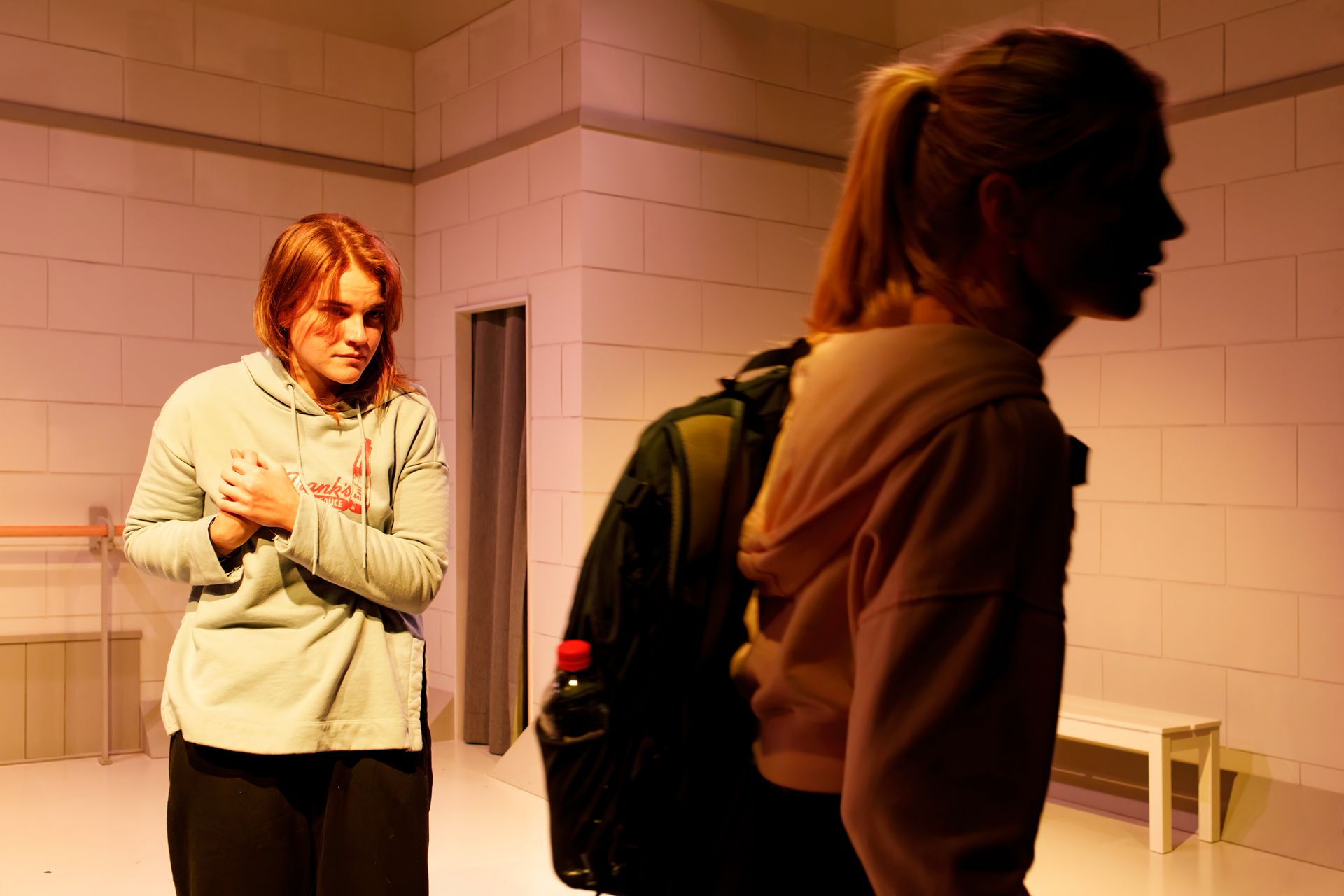
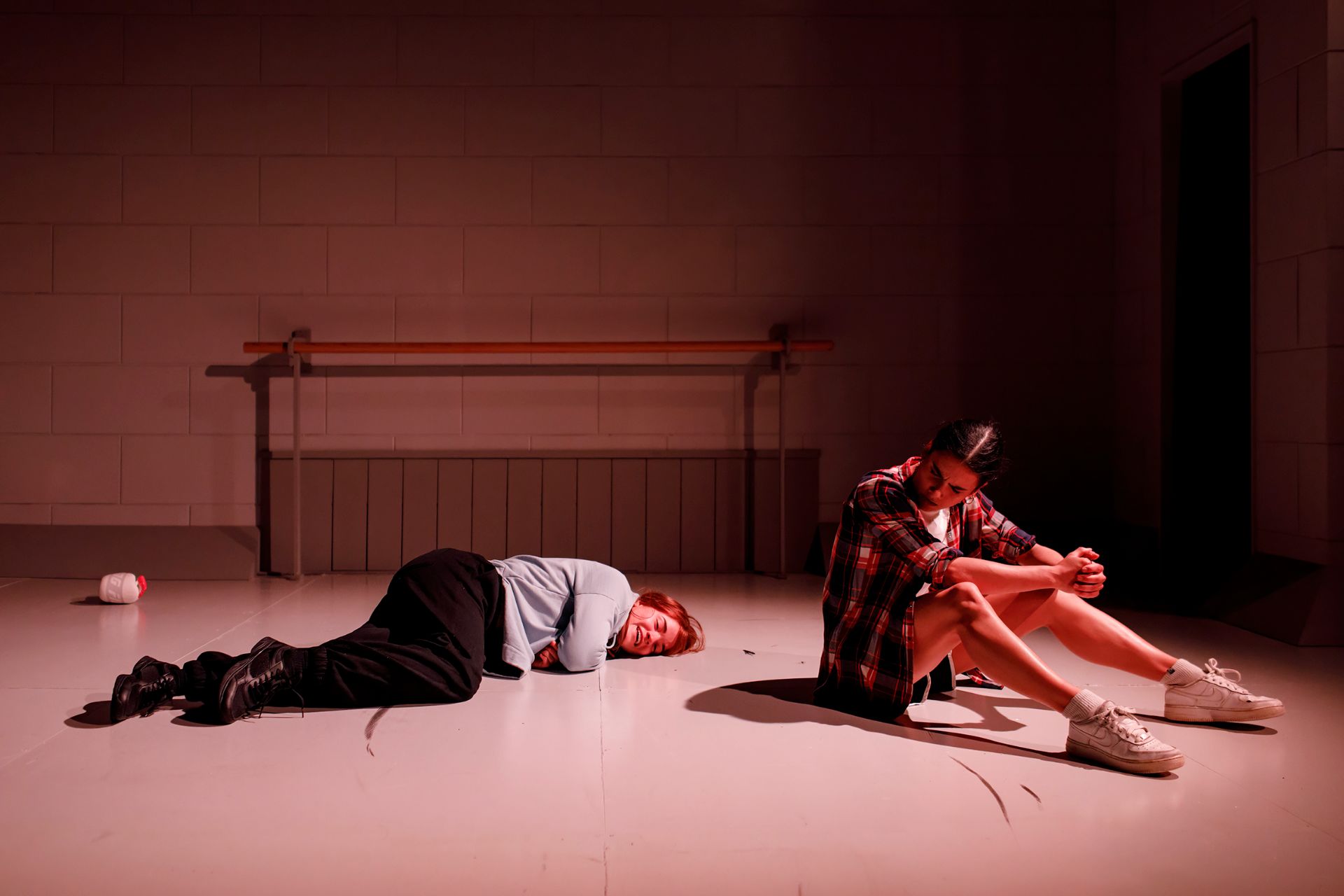
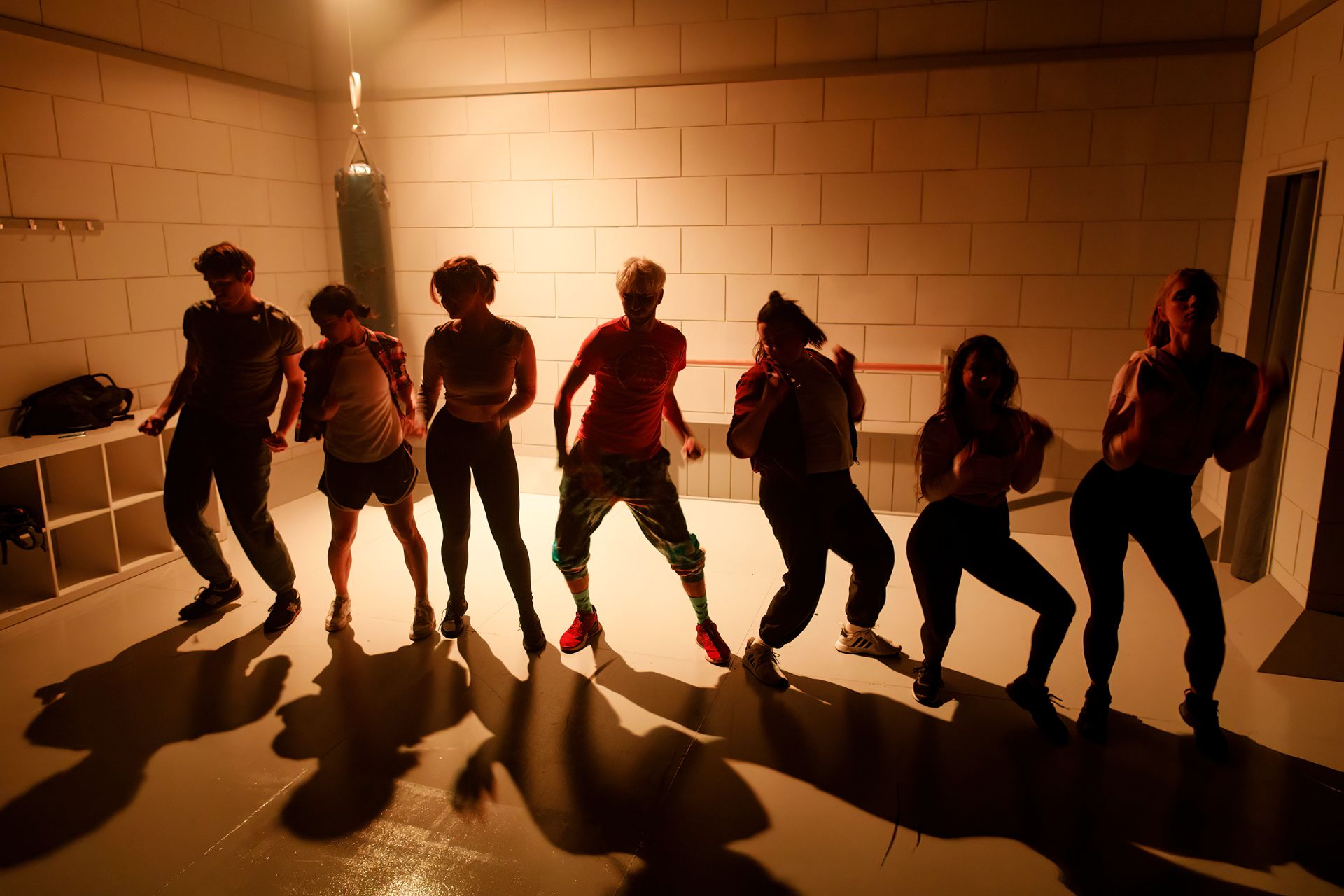
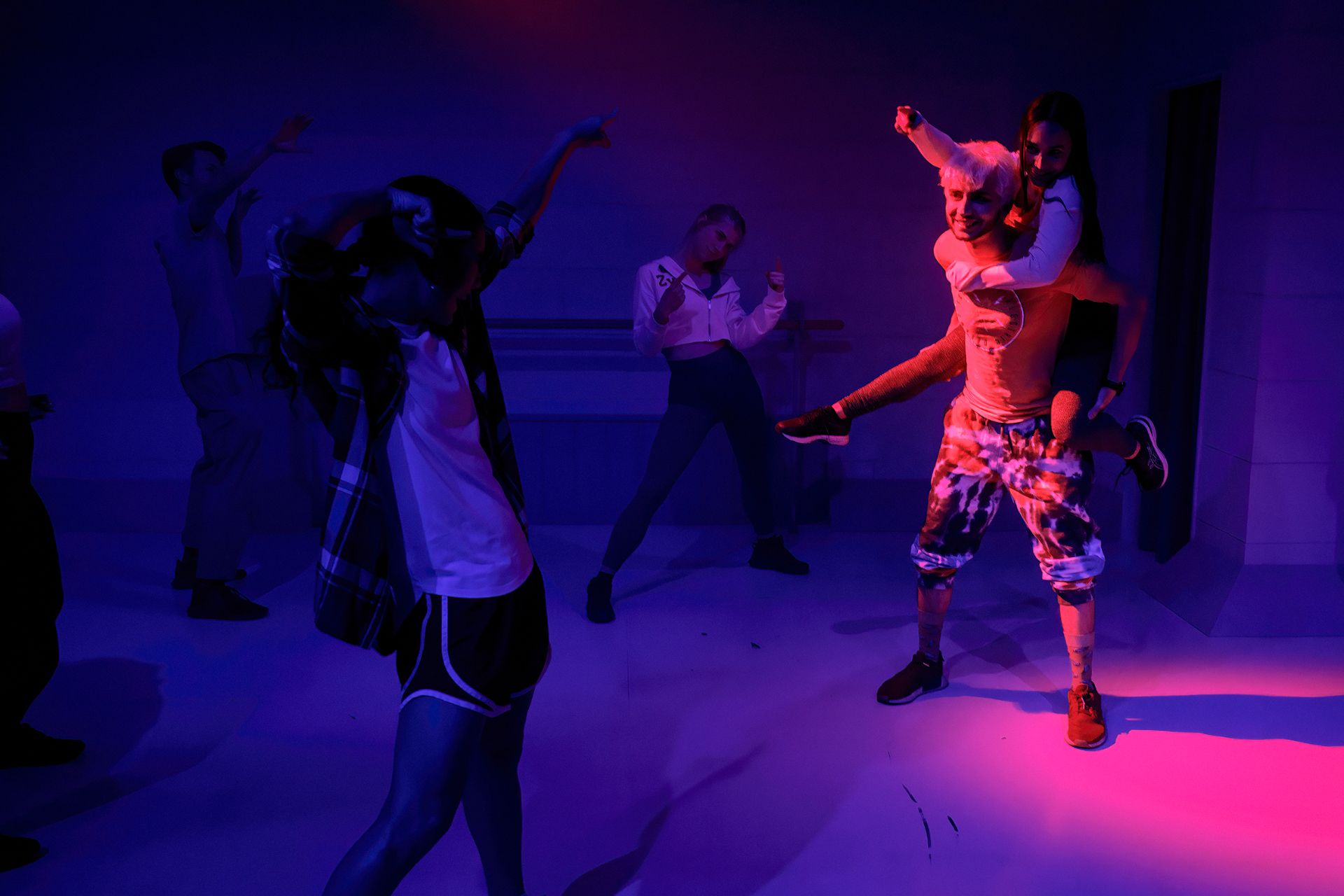
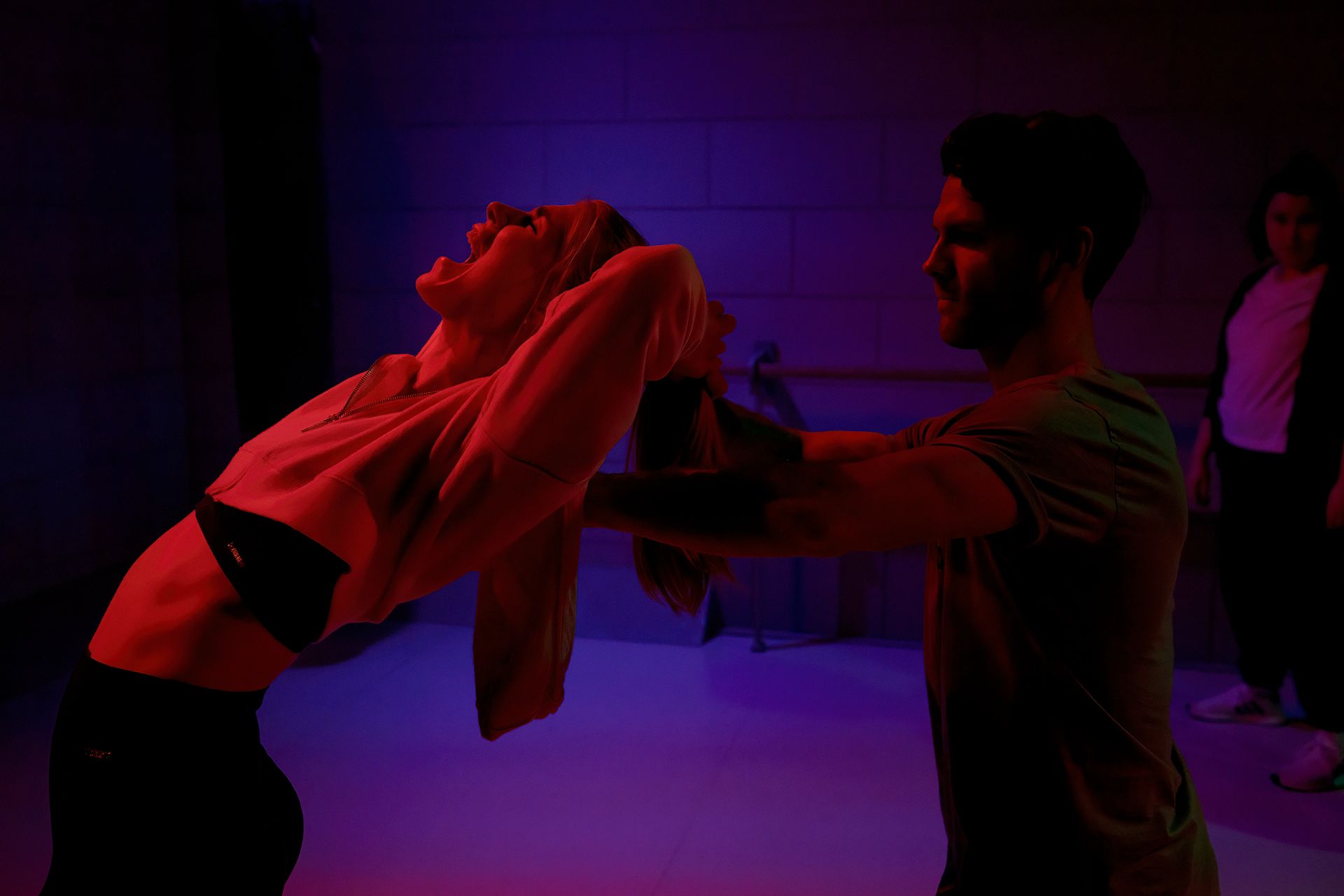
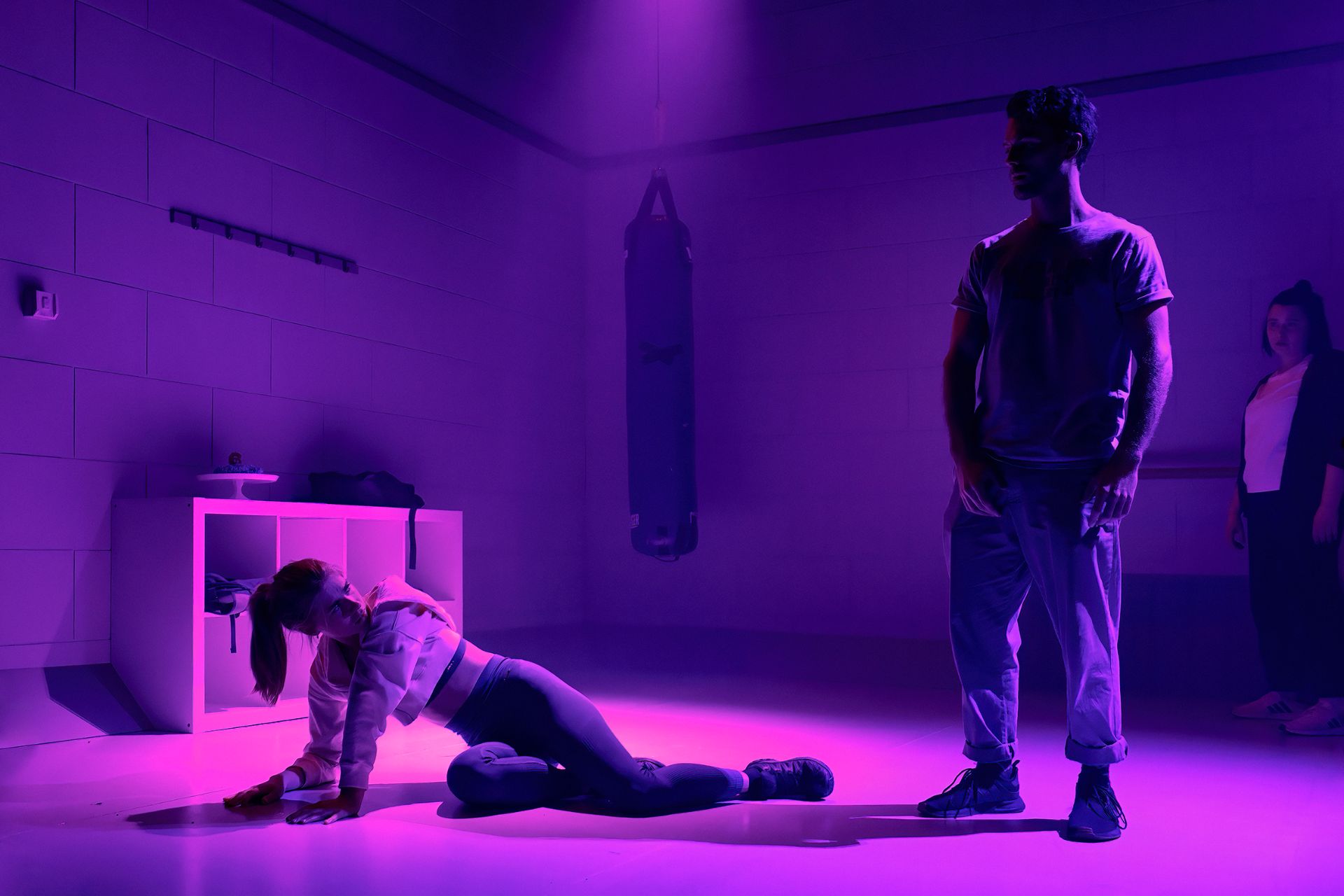
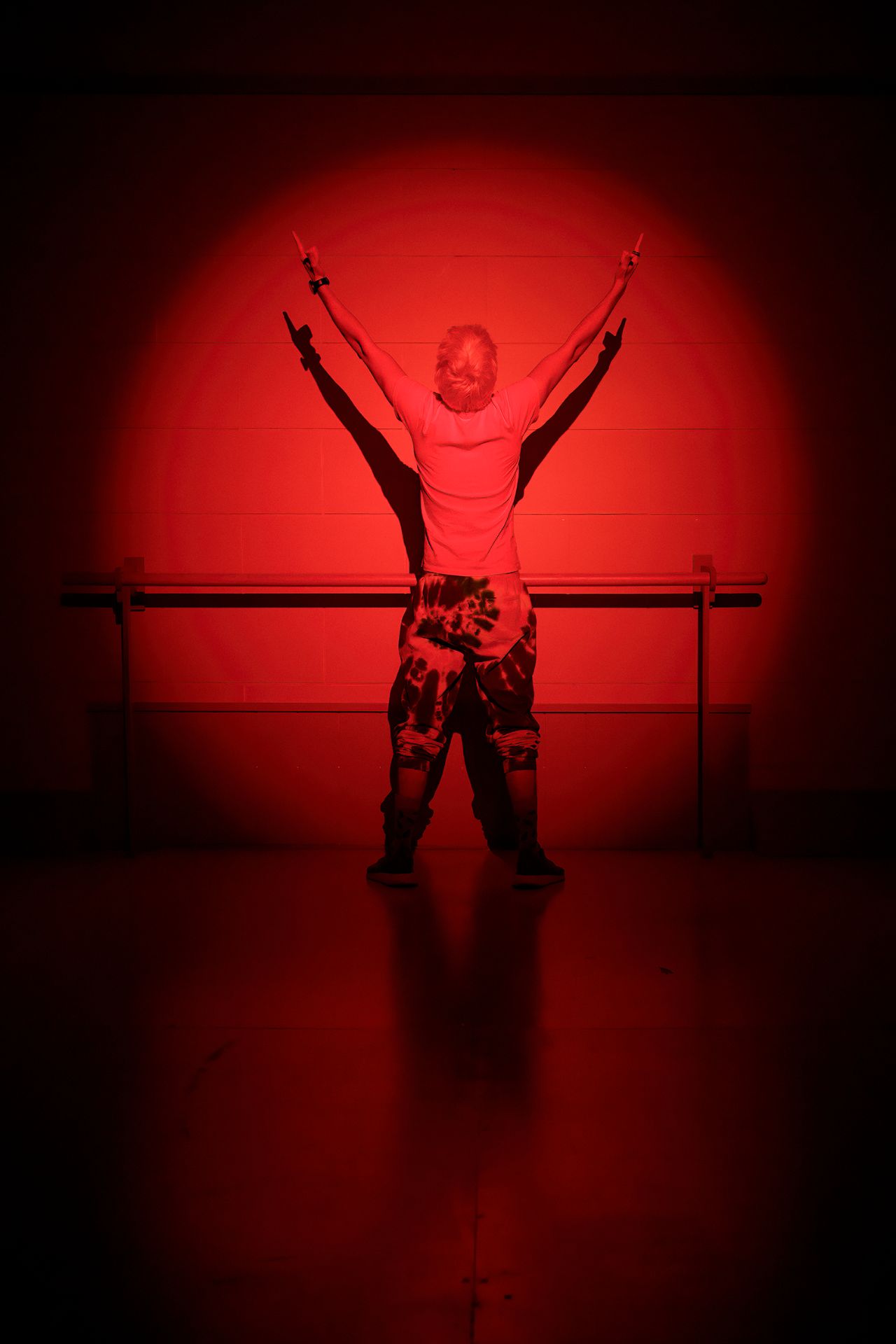
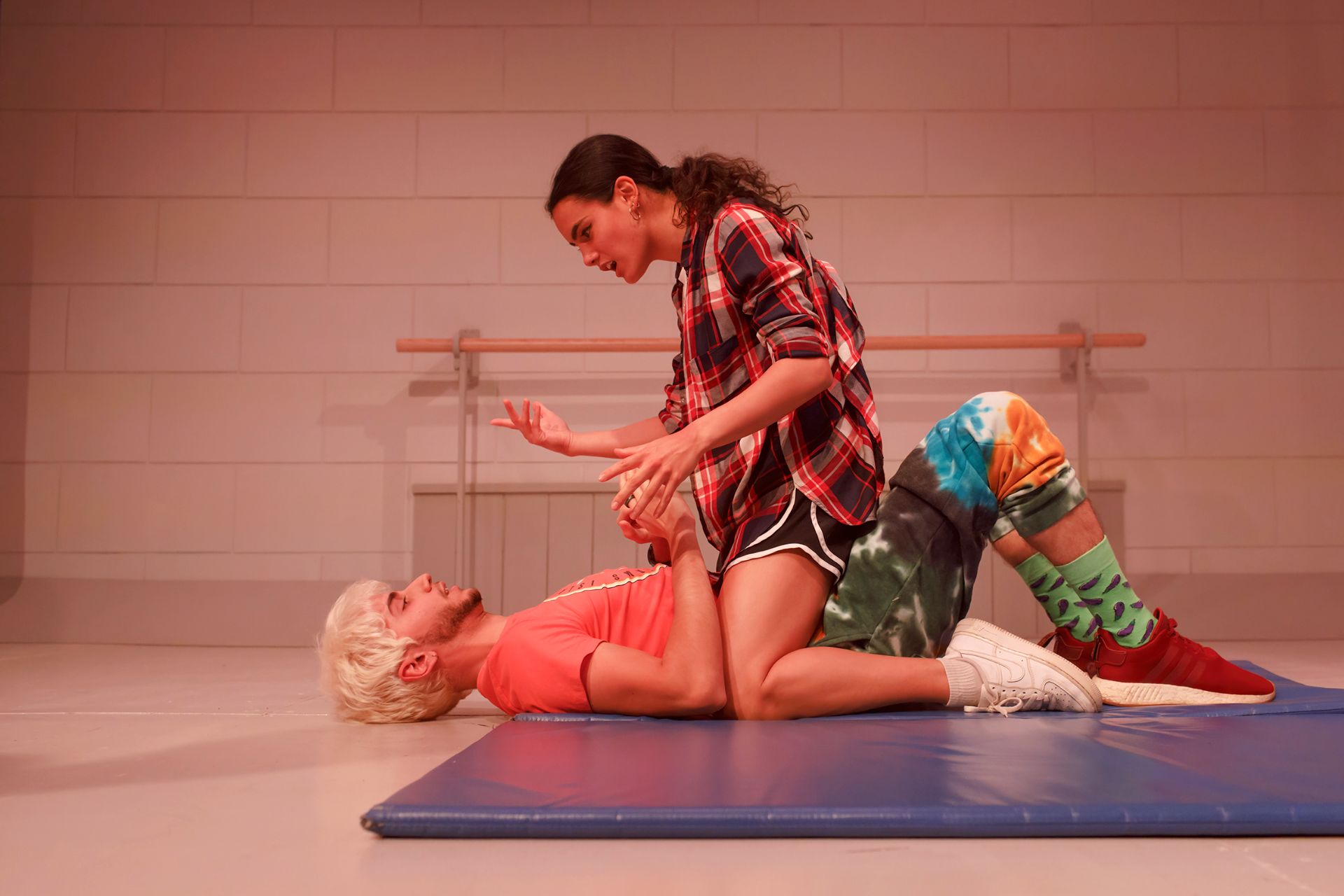
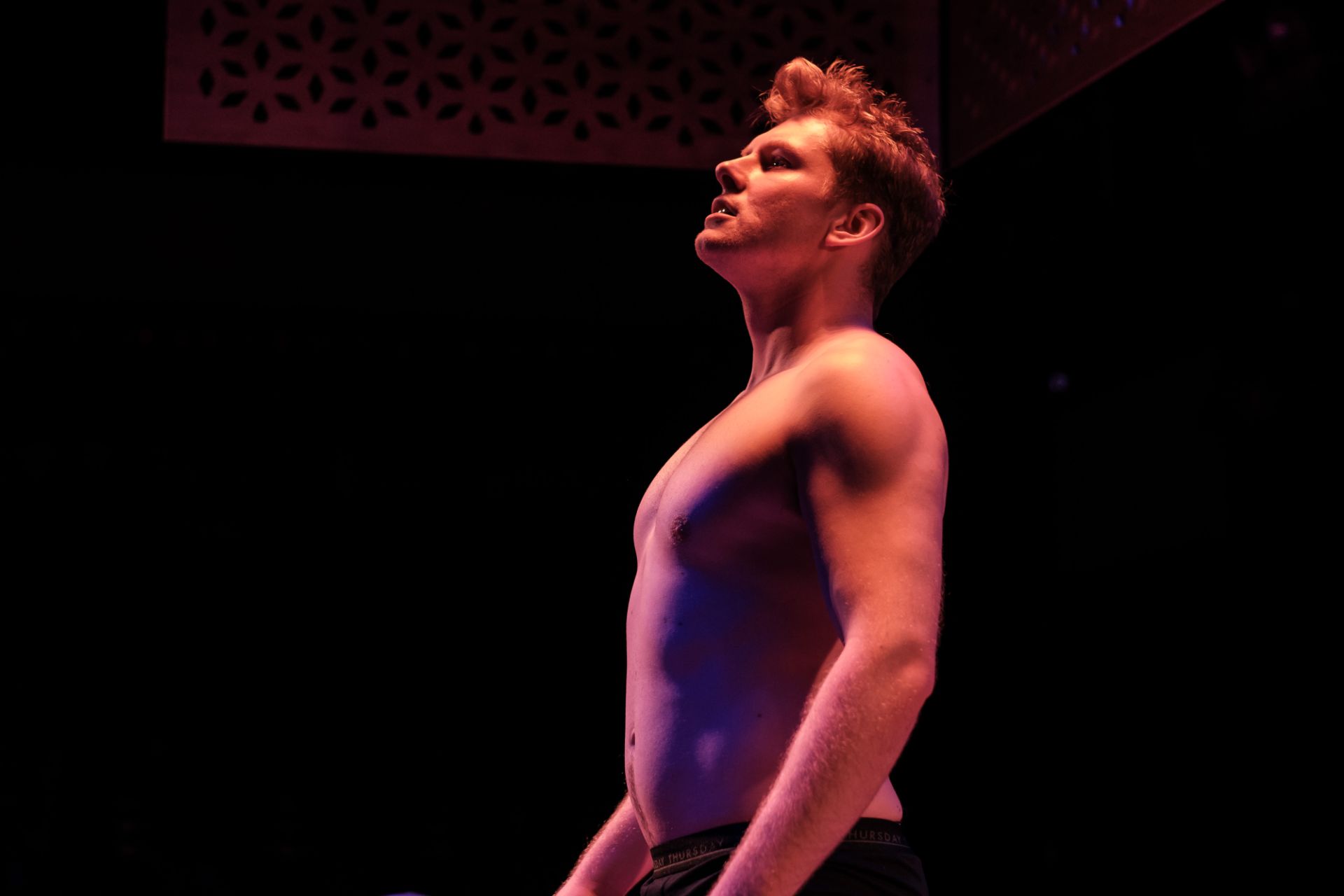
Jon is a successful writer who refers to himself in the third person. He is also a university lecturer, who has an affair with a student half his age, in Hannah Moscovitch’s Sexual Misconduct of the Middle Classes. Written in 2020, there was only ever one way this story about sex and power could go. The play may be painfully predictable, but the truth is that we are fortunate to live at a time, when boundaries concerning such matters are clearly demarcated. No trigger warnings are issued, because on this occasion they are never necessary.

There is little about Moscovitch’s work that is dangerous. We have had these discussions many times, and our decisions are firmly drawn, so we feel the play trudging along completely predictably, toward that very foregone conclusion. One would struggle to identify anything further that Moscovitch is able to add, to our now immovable and non-negotiable attitudes with regard sex at our workplaces and public institutions. The subject matter could have provided fertile ground for subversive or provocative humour, but as its title suggests, it is all terribly middle class in attitude.

Petra Kalive’s direction of the piece is arguably too earnest, perhaps too careful, in fear of being misunderstood. Its efforts to reassure us that there is never any intended affront, results in a work of theatre that is overly polite and safe. The tone of the staging is commendable for taking into account more delicate sensibilities that are likely to be present in the audience, but the consequence is a show that does not advance discourse, and one that poses no challenge to our intellect.

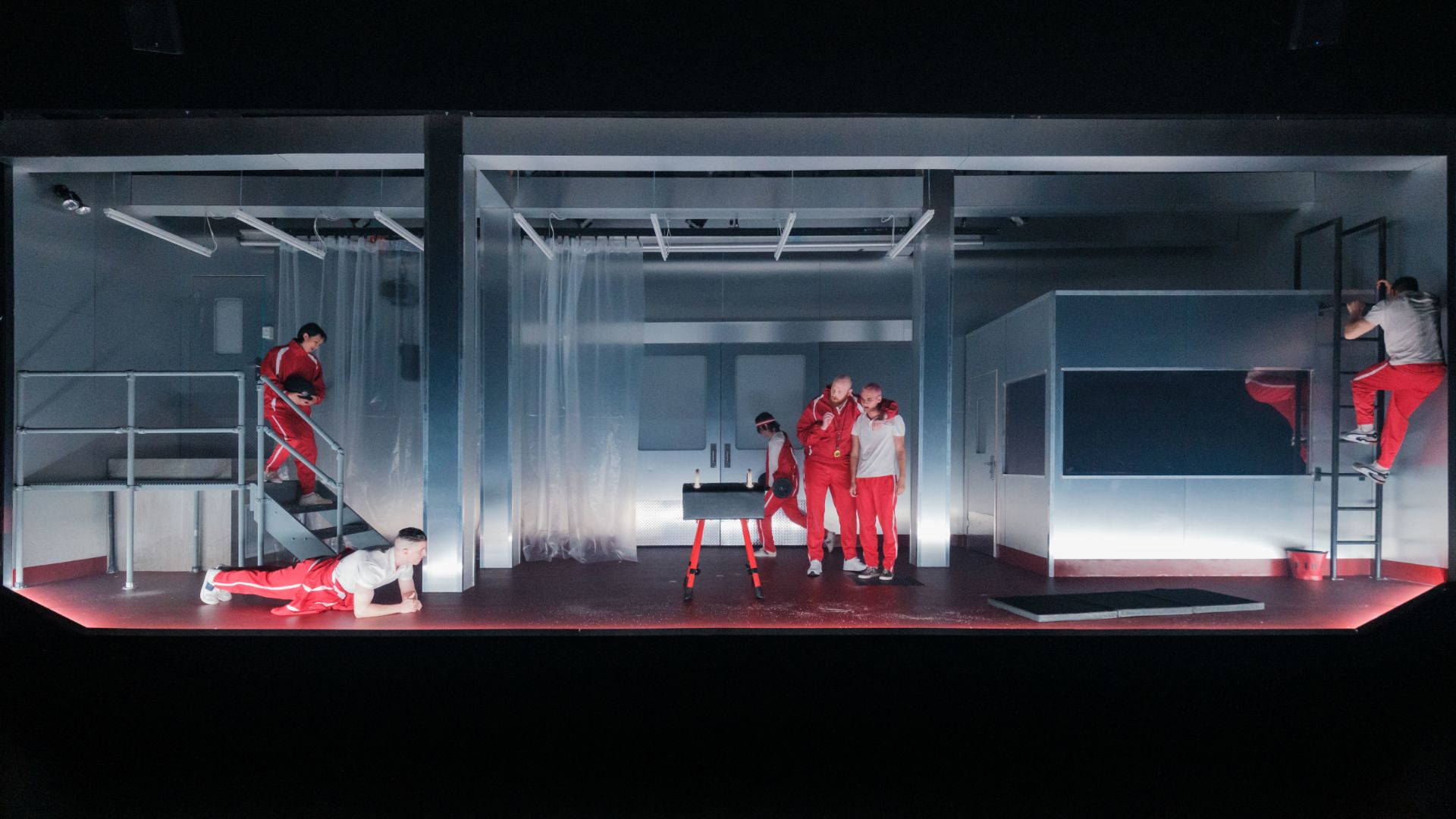
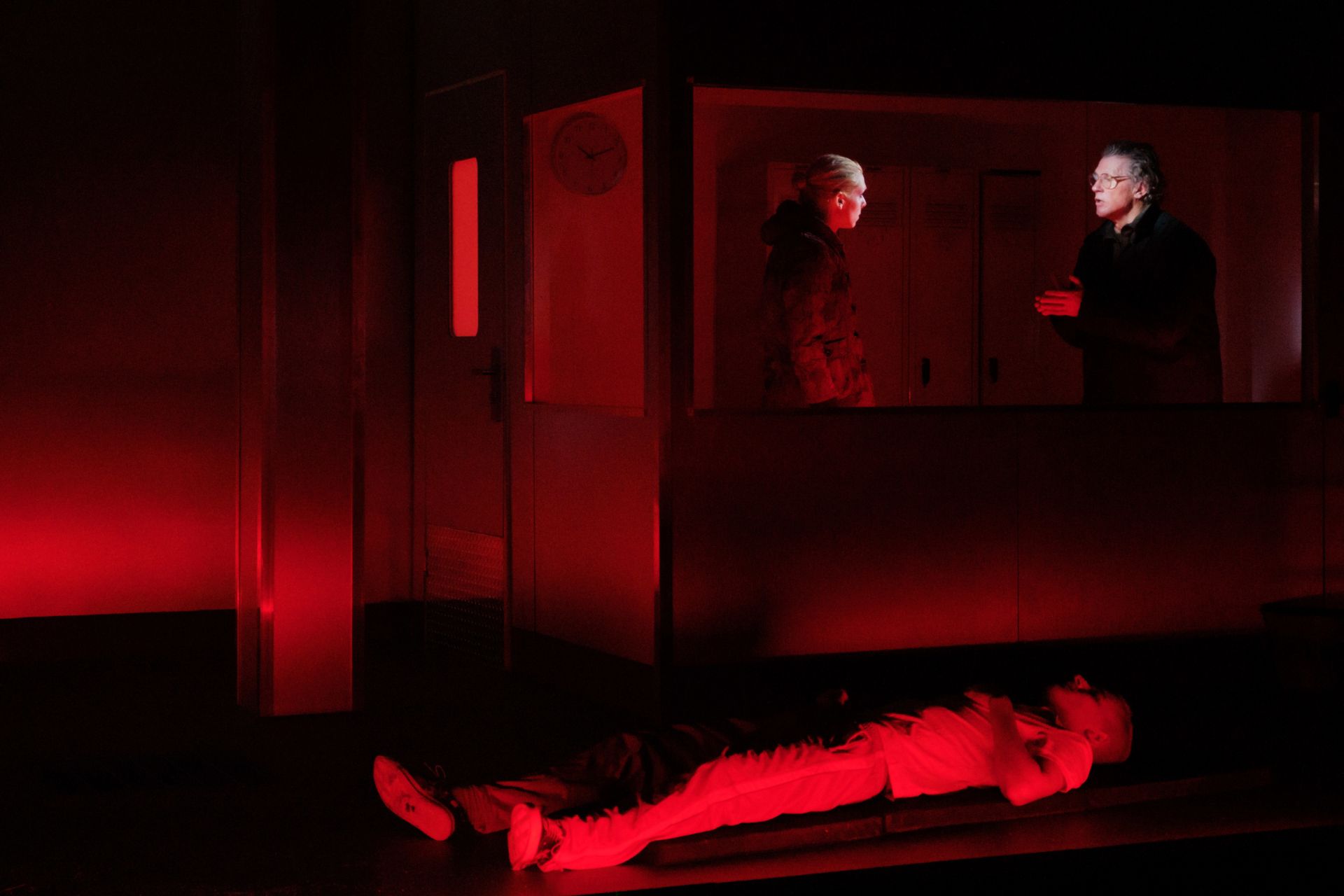
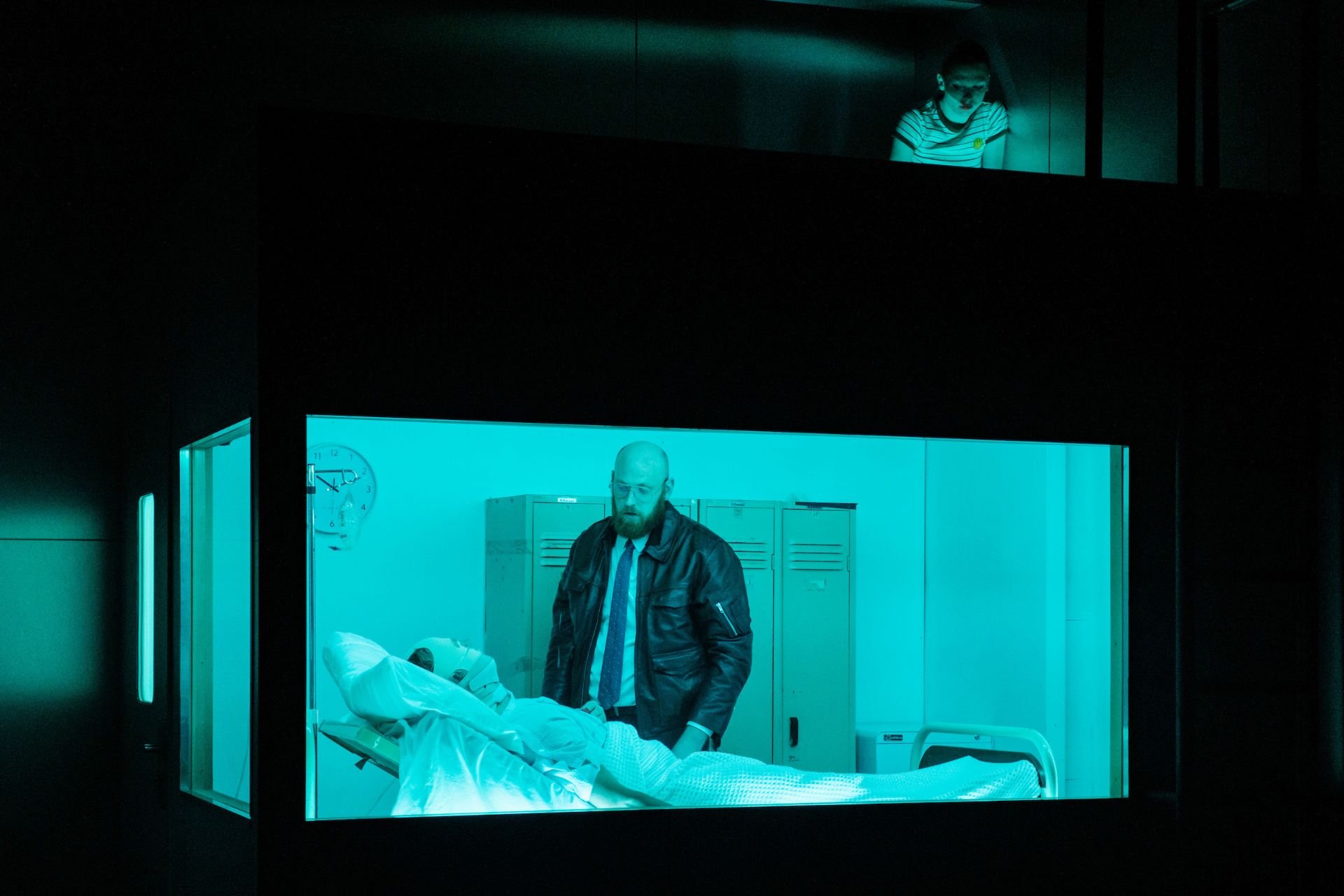
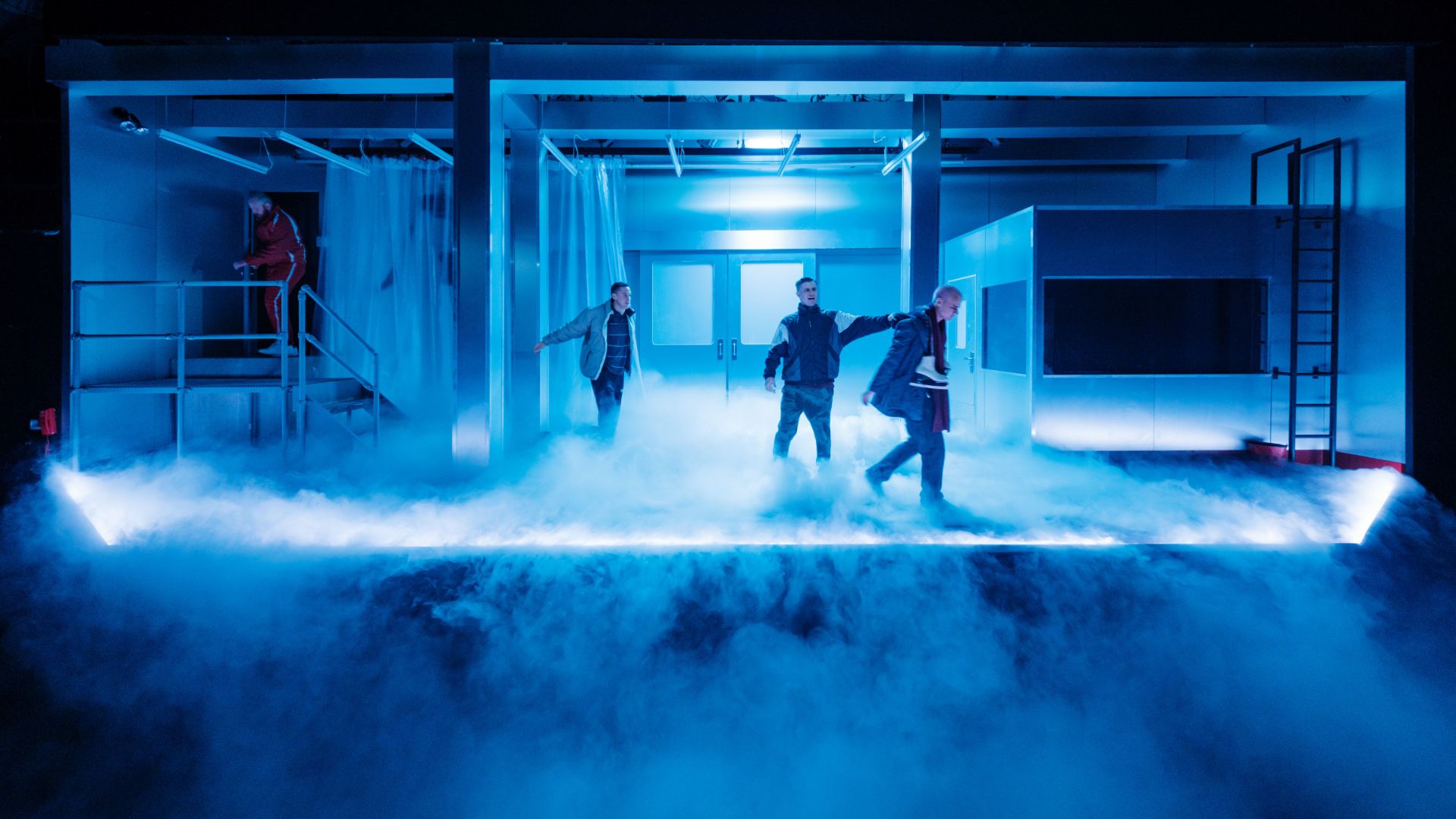
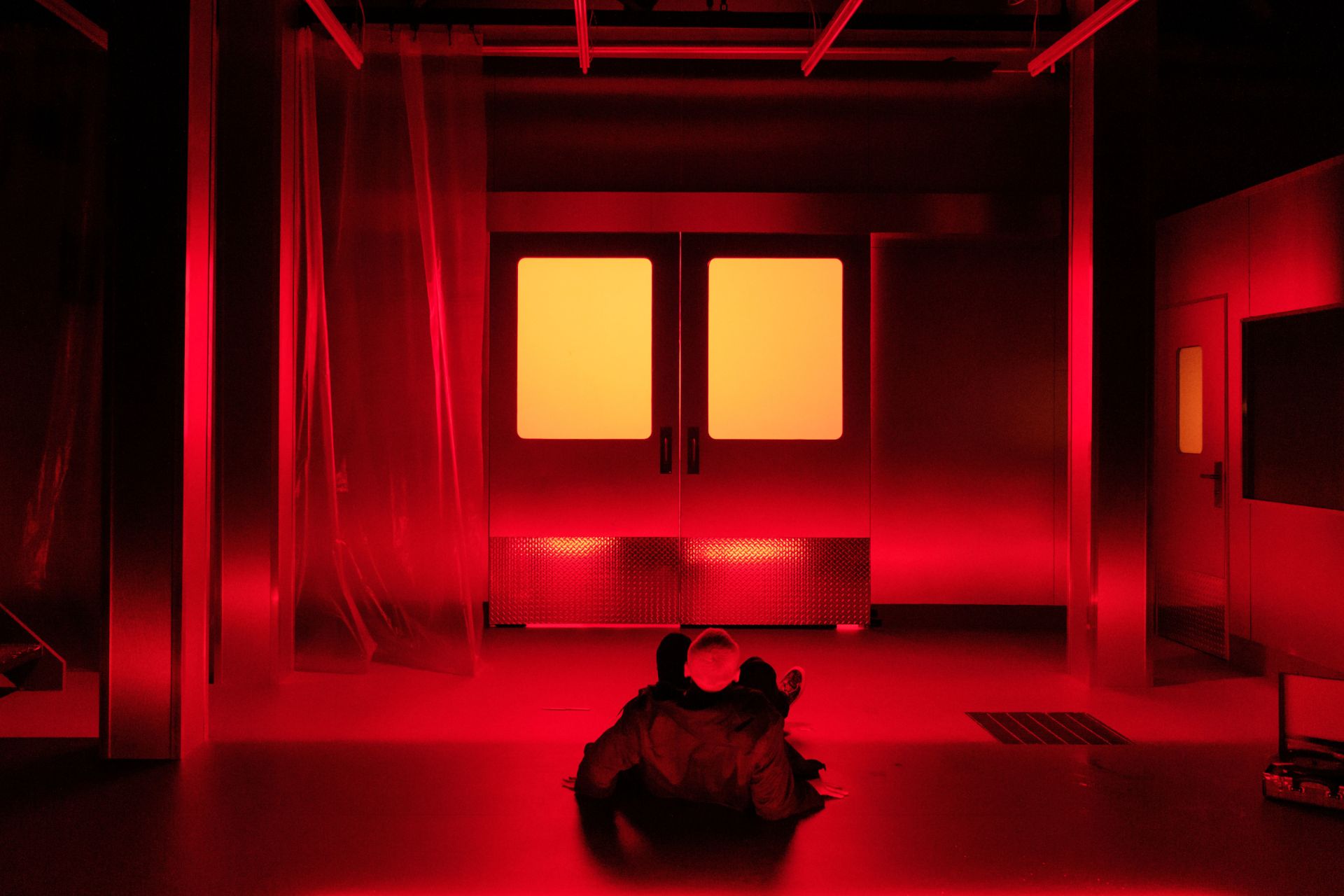
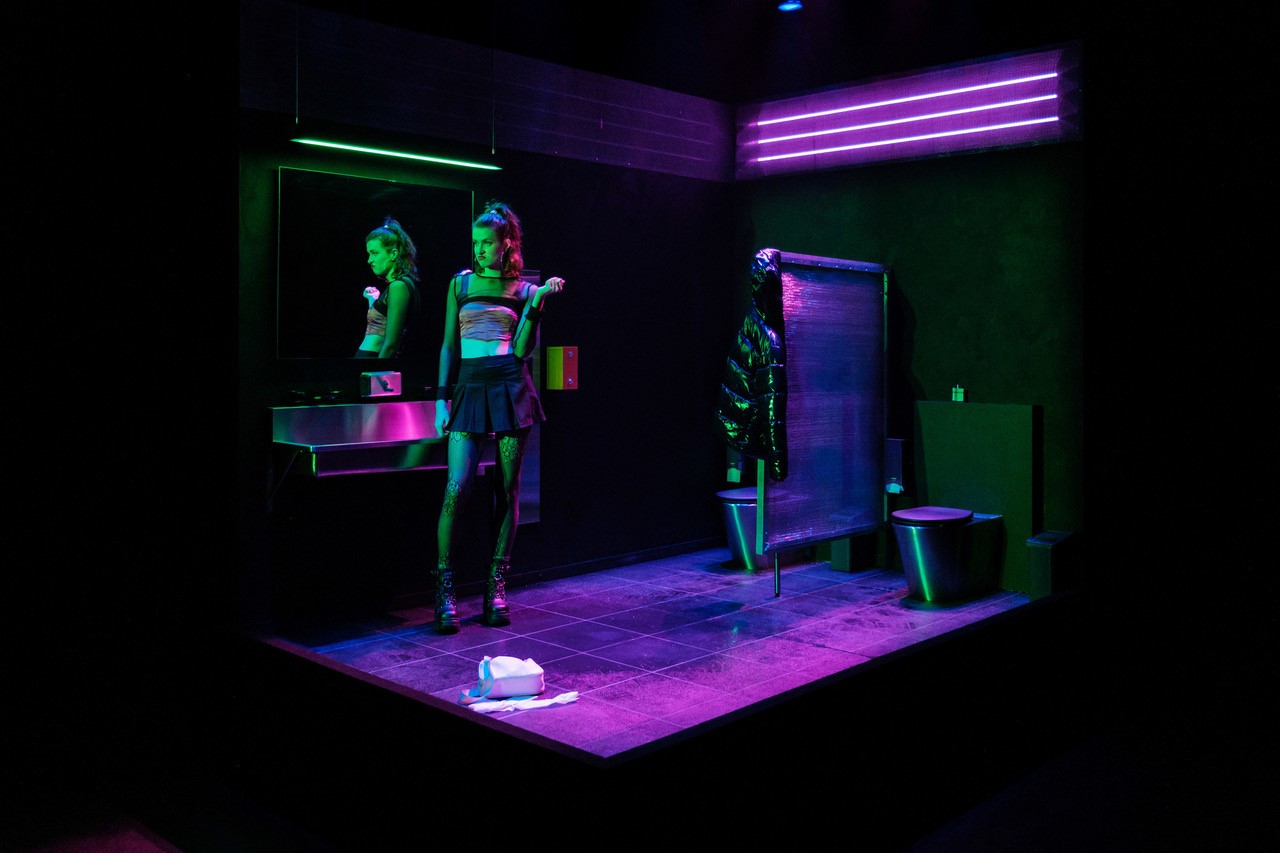
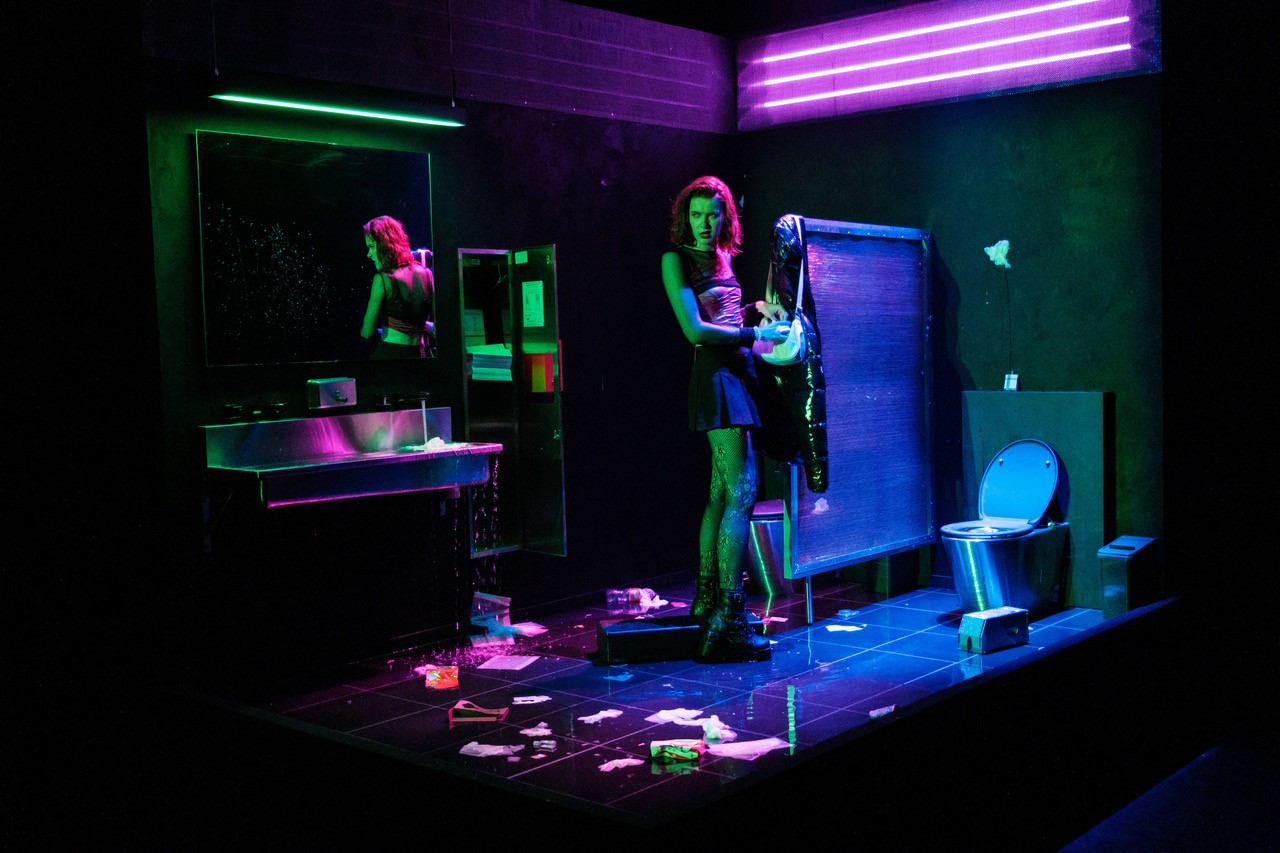
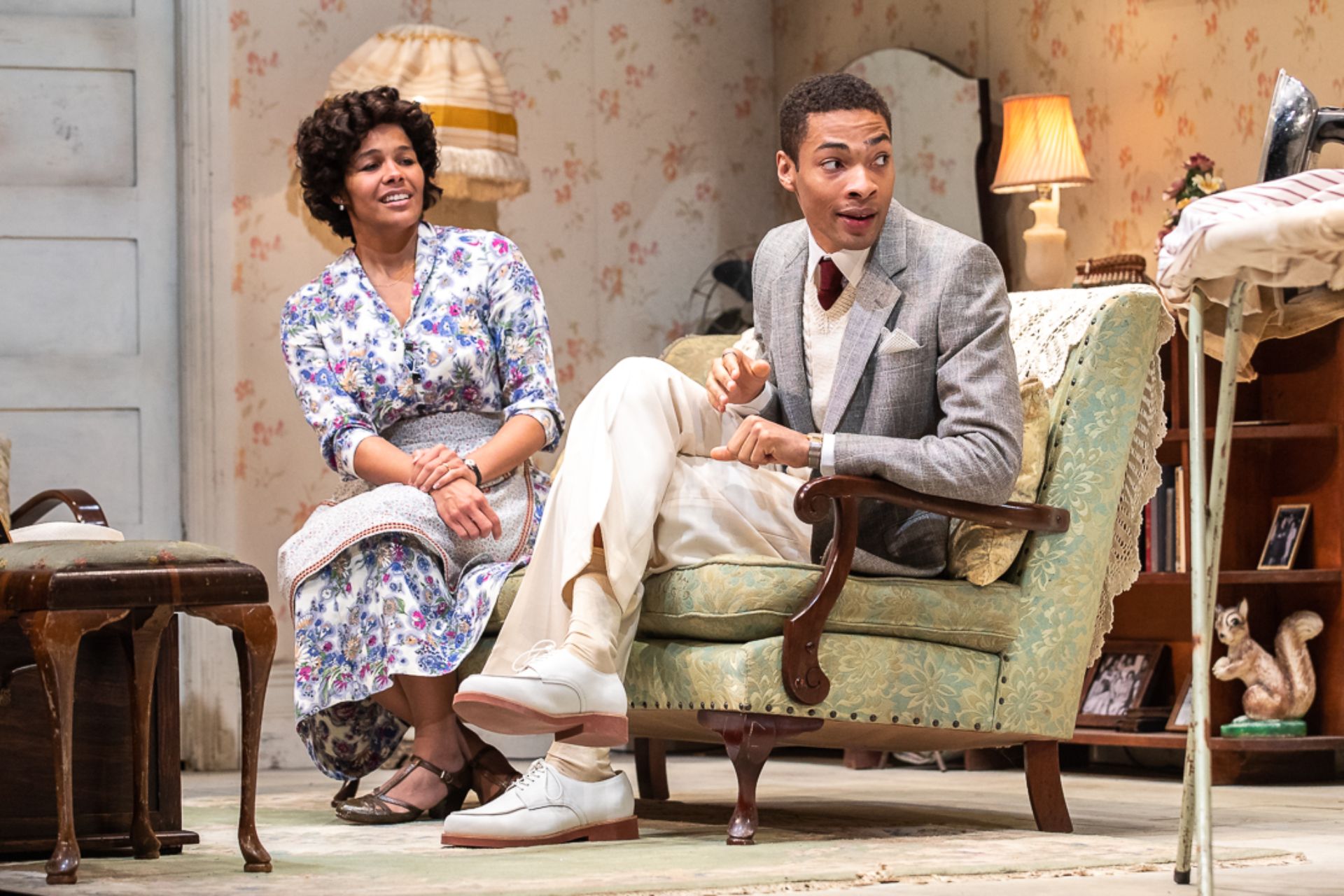
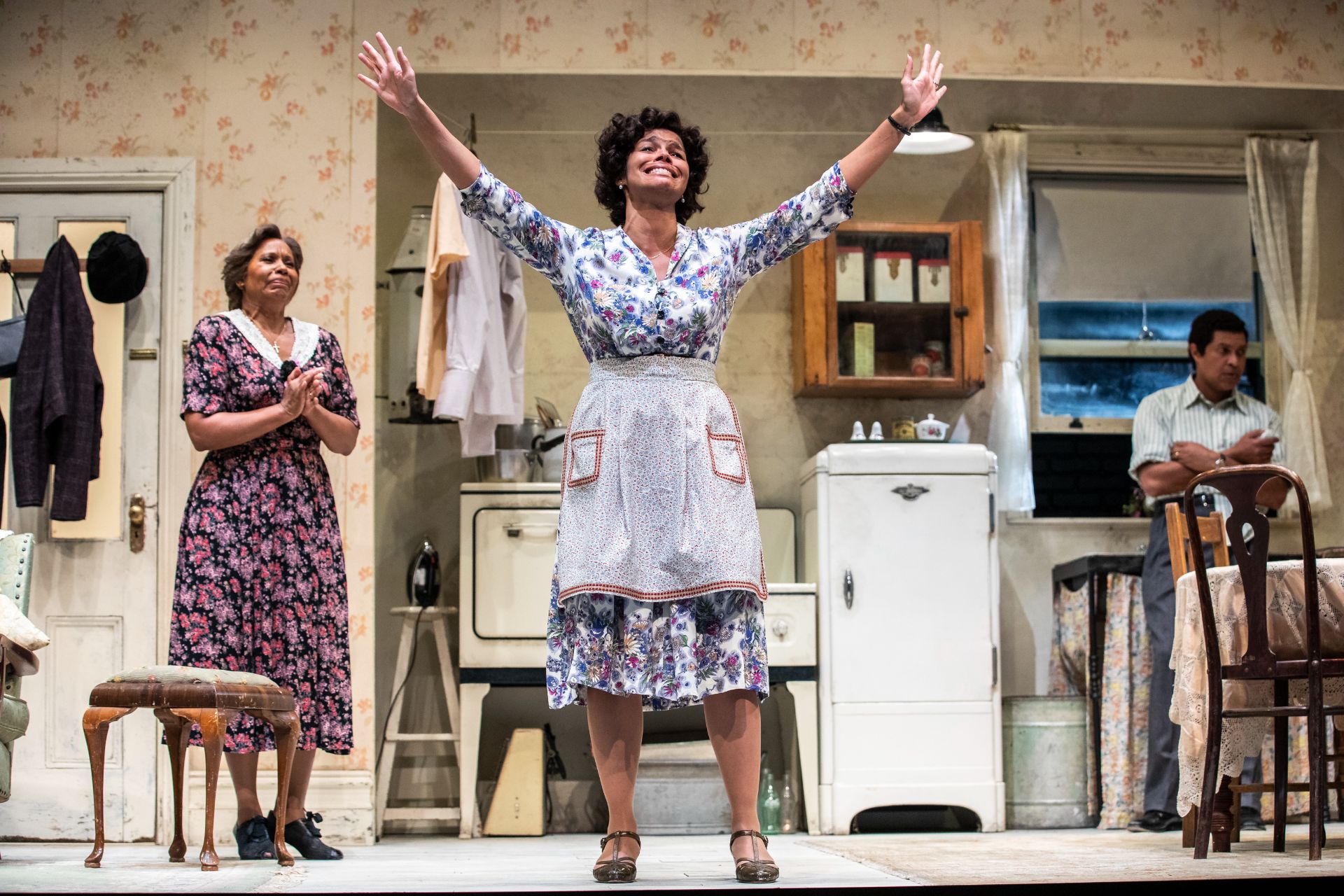
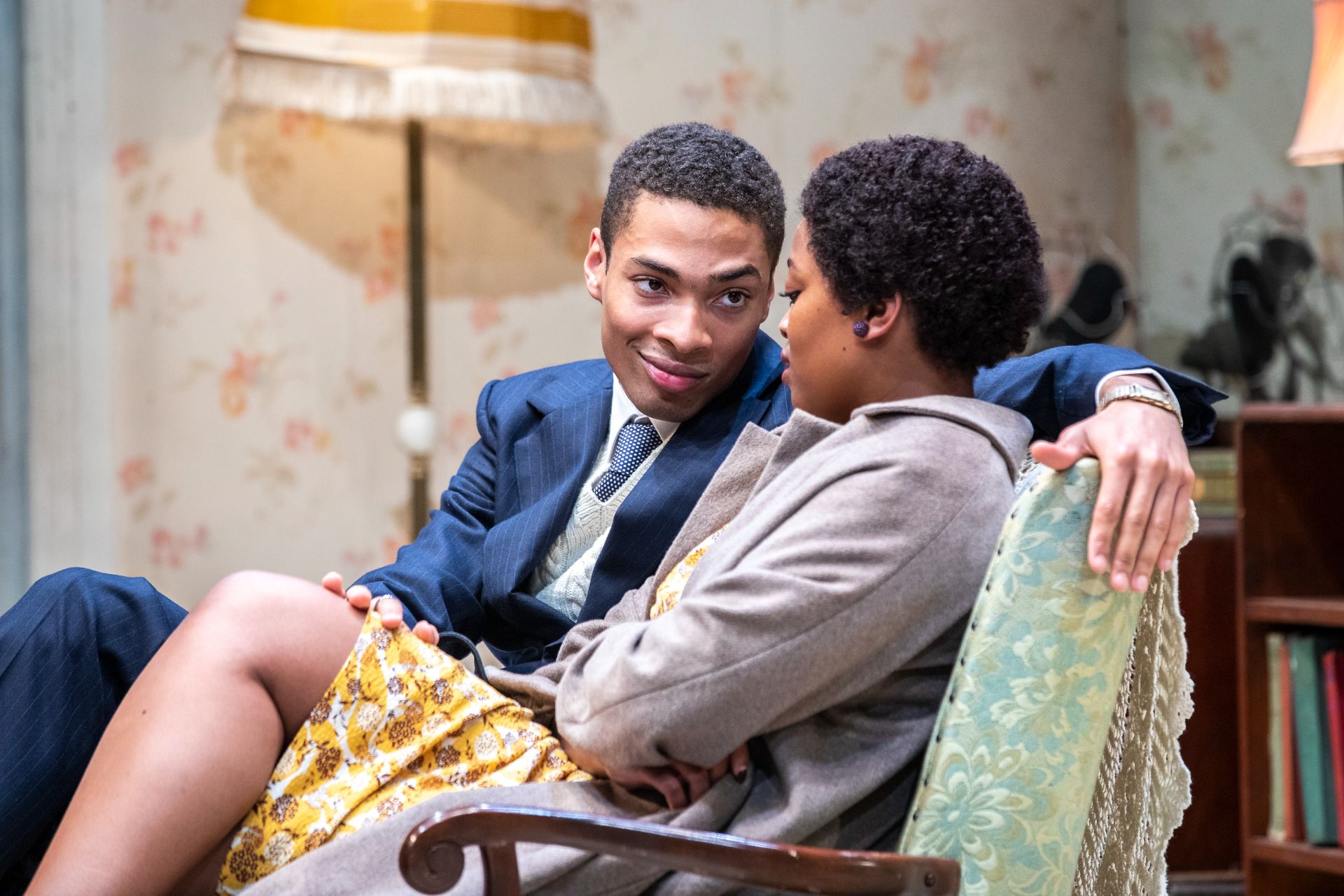
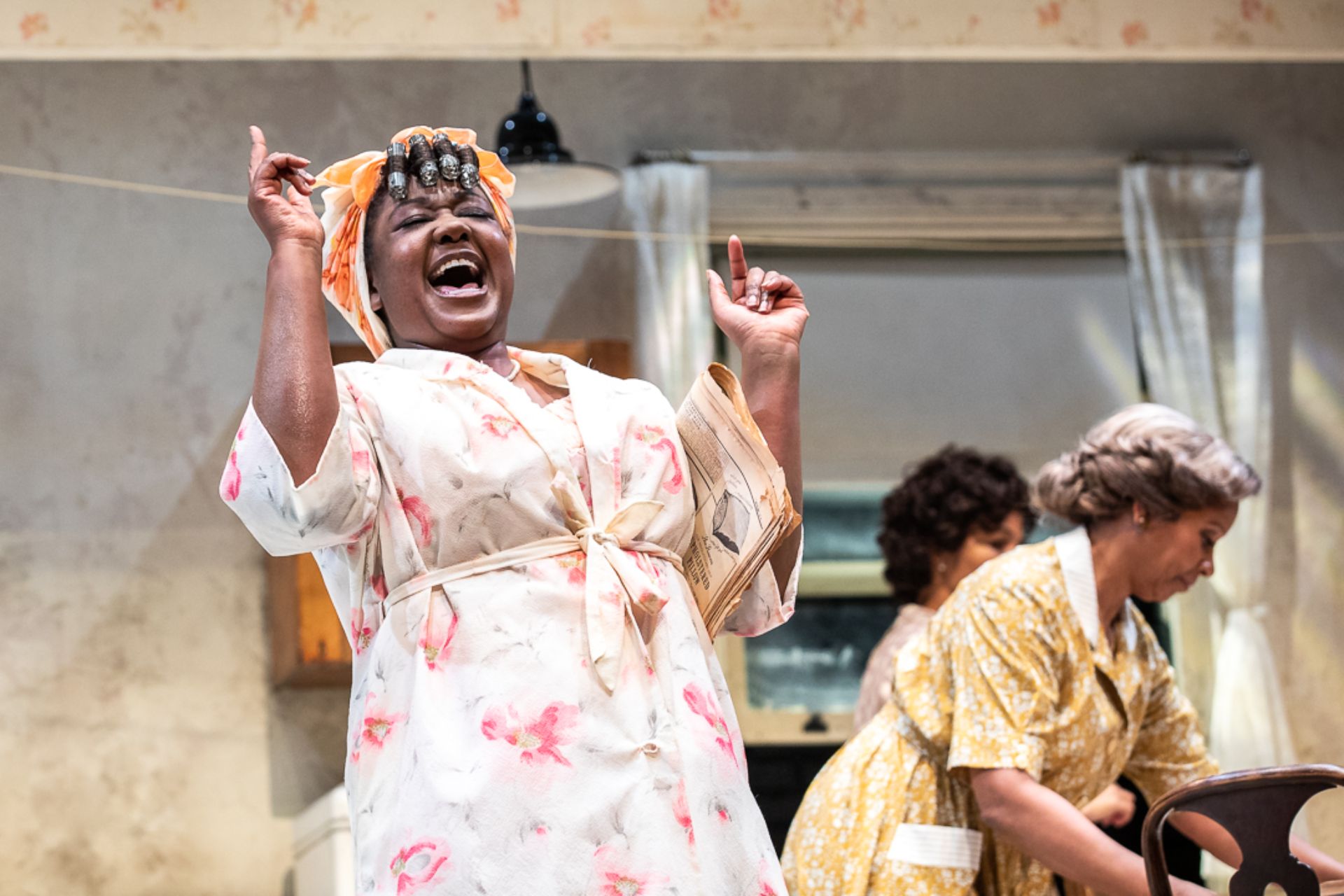
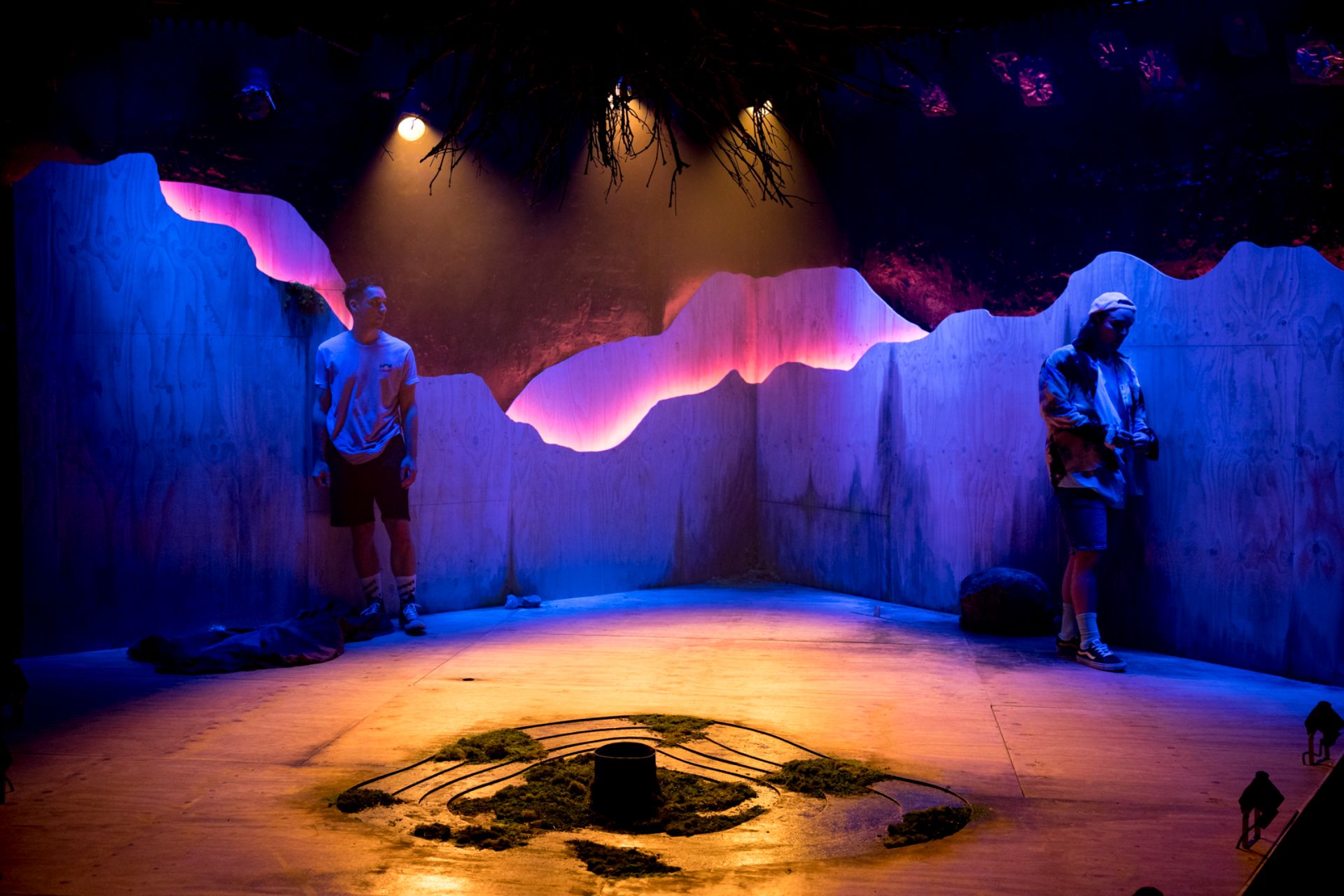
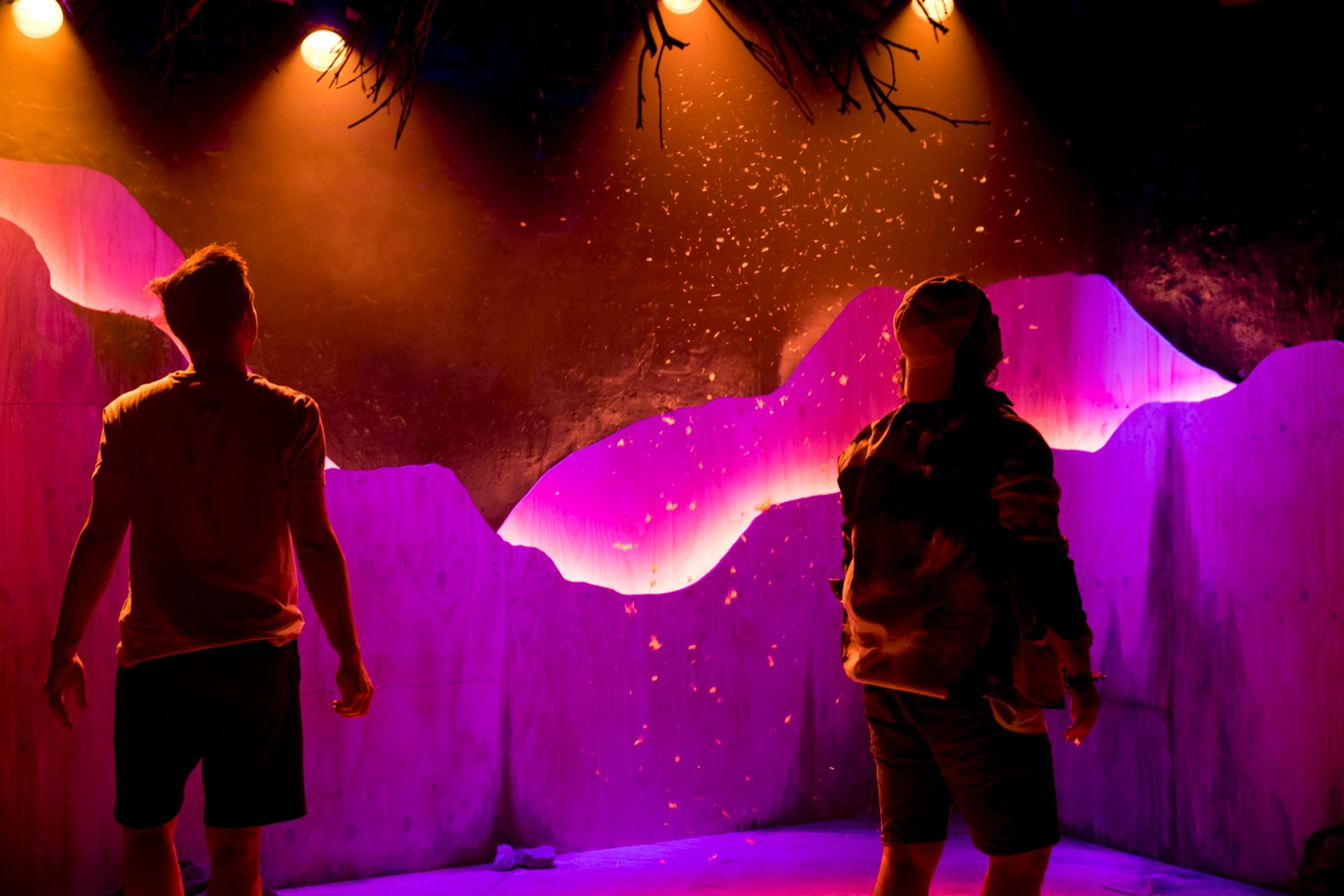
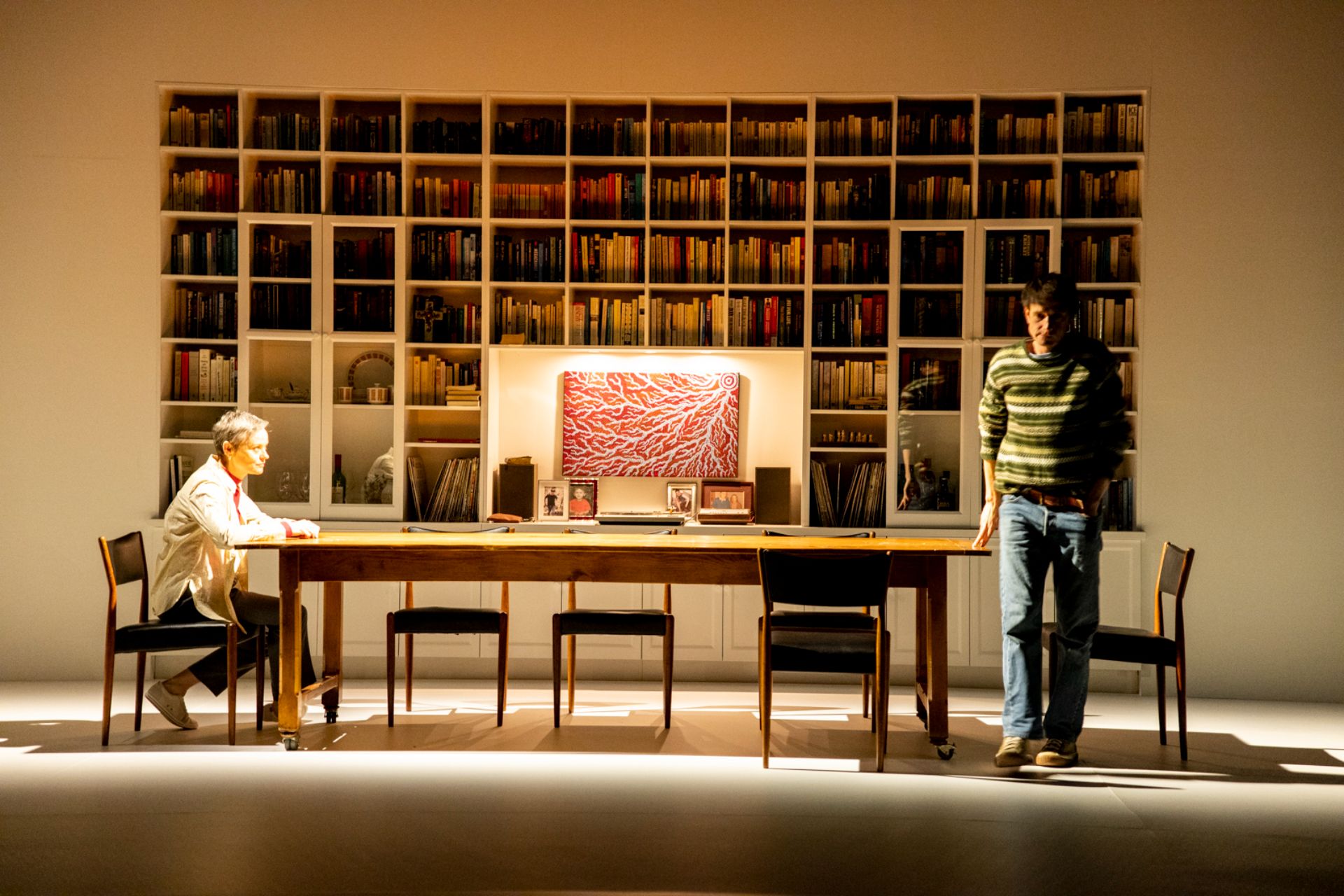
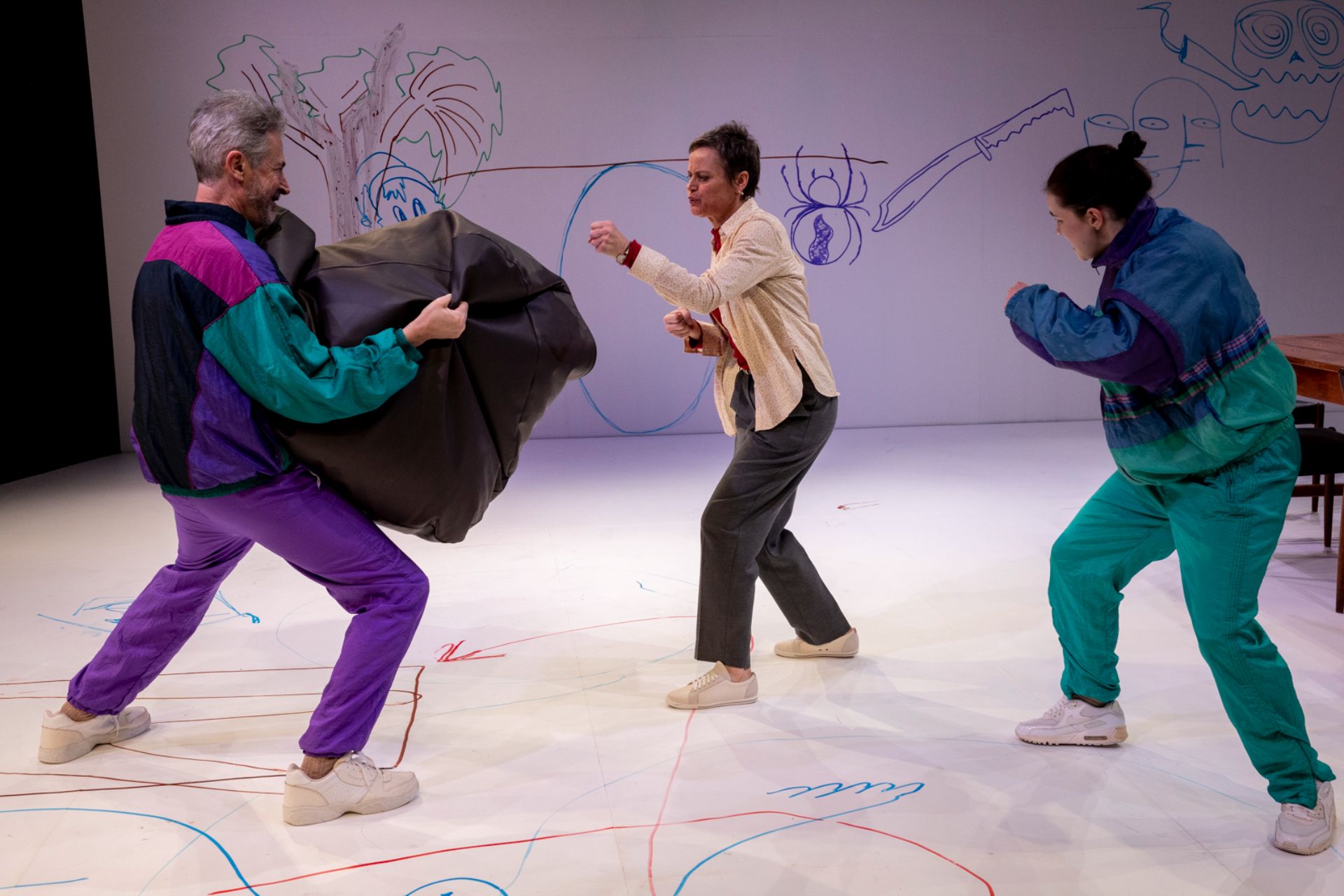
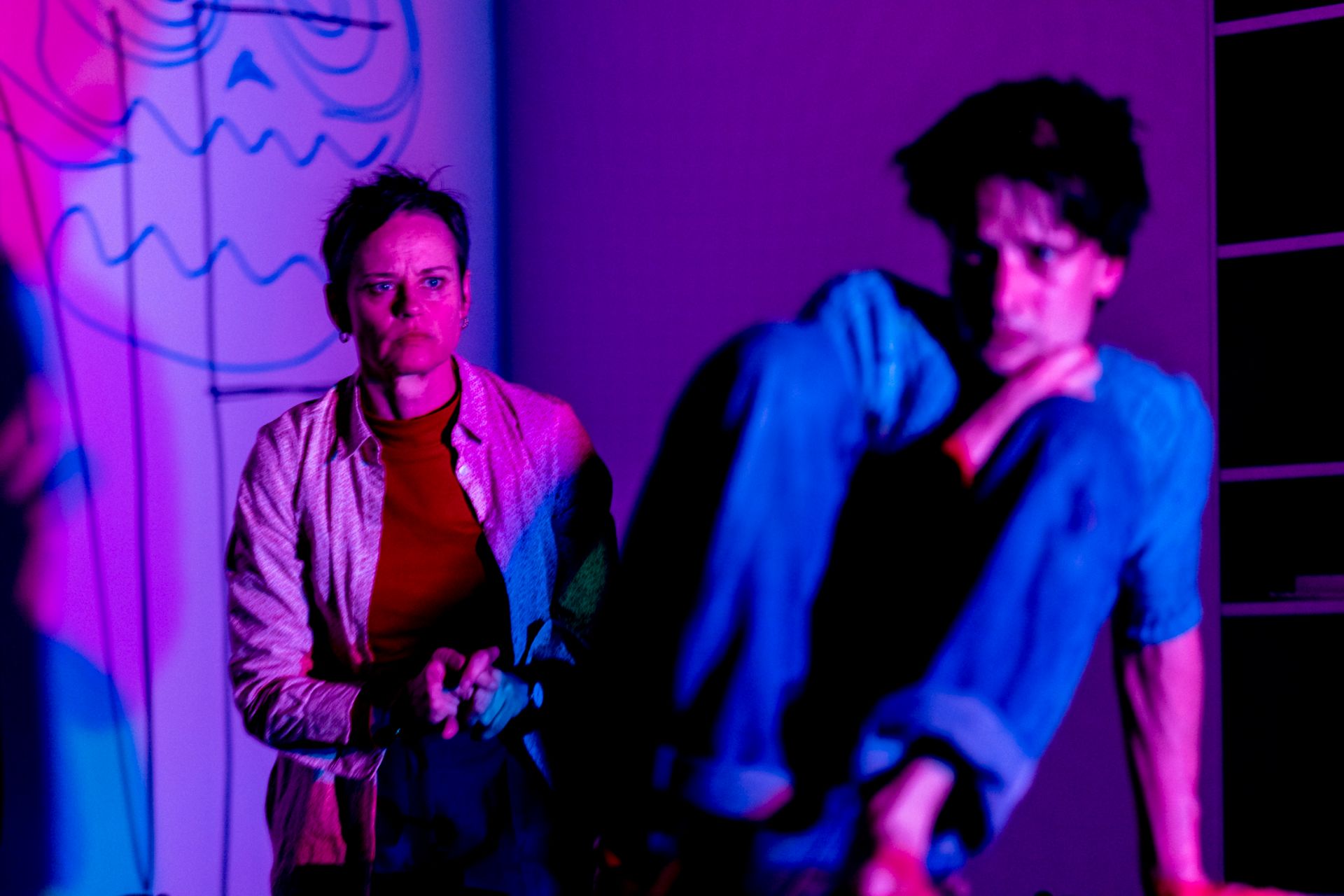
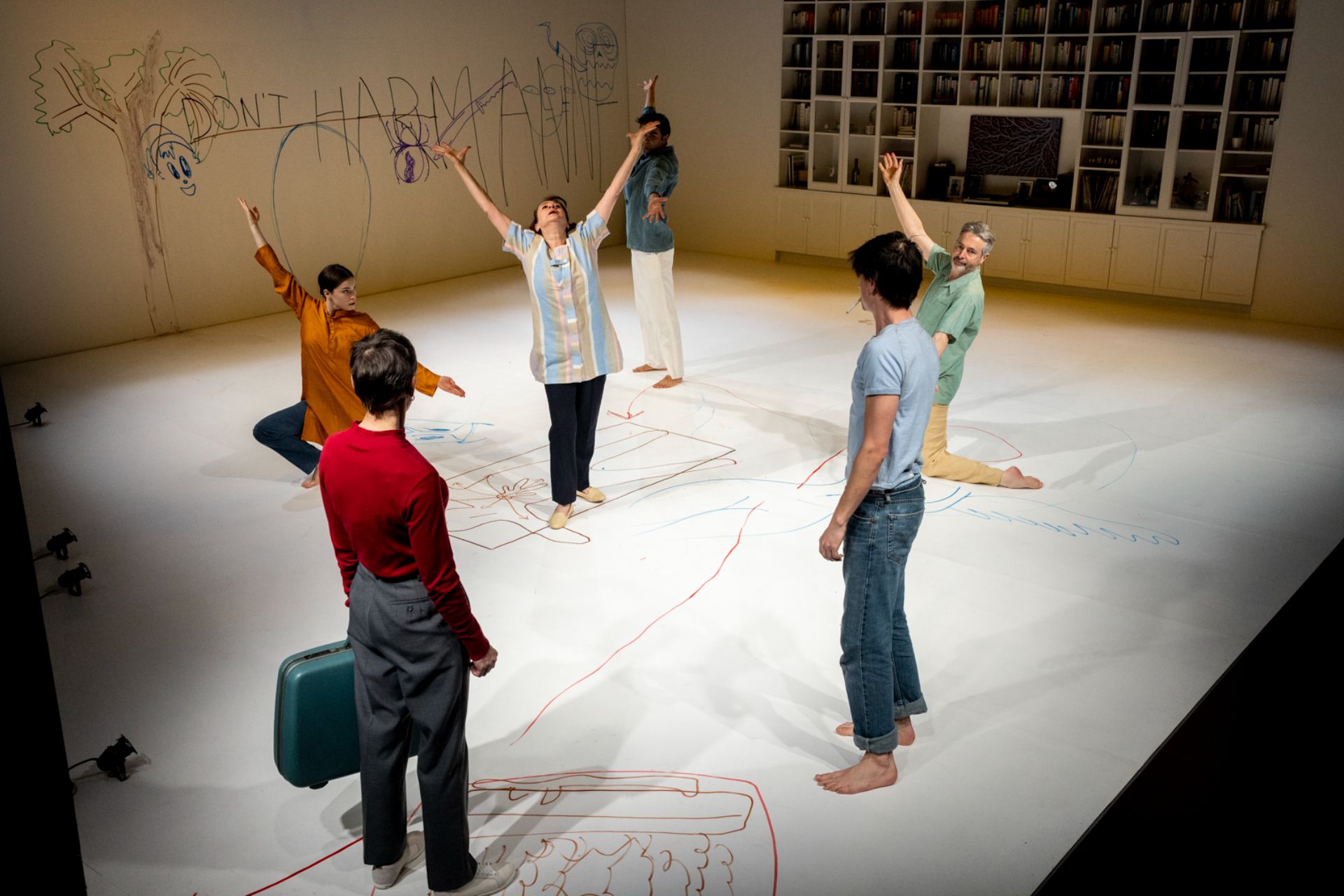
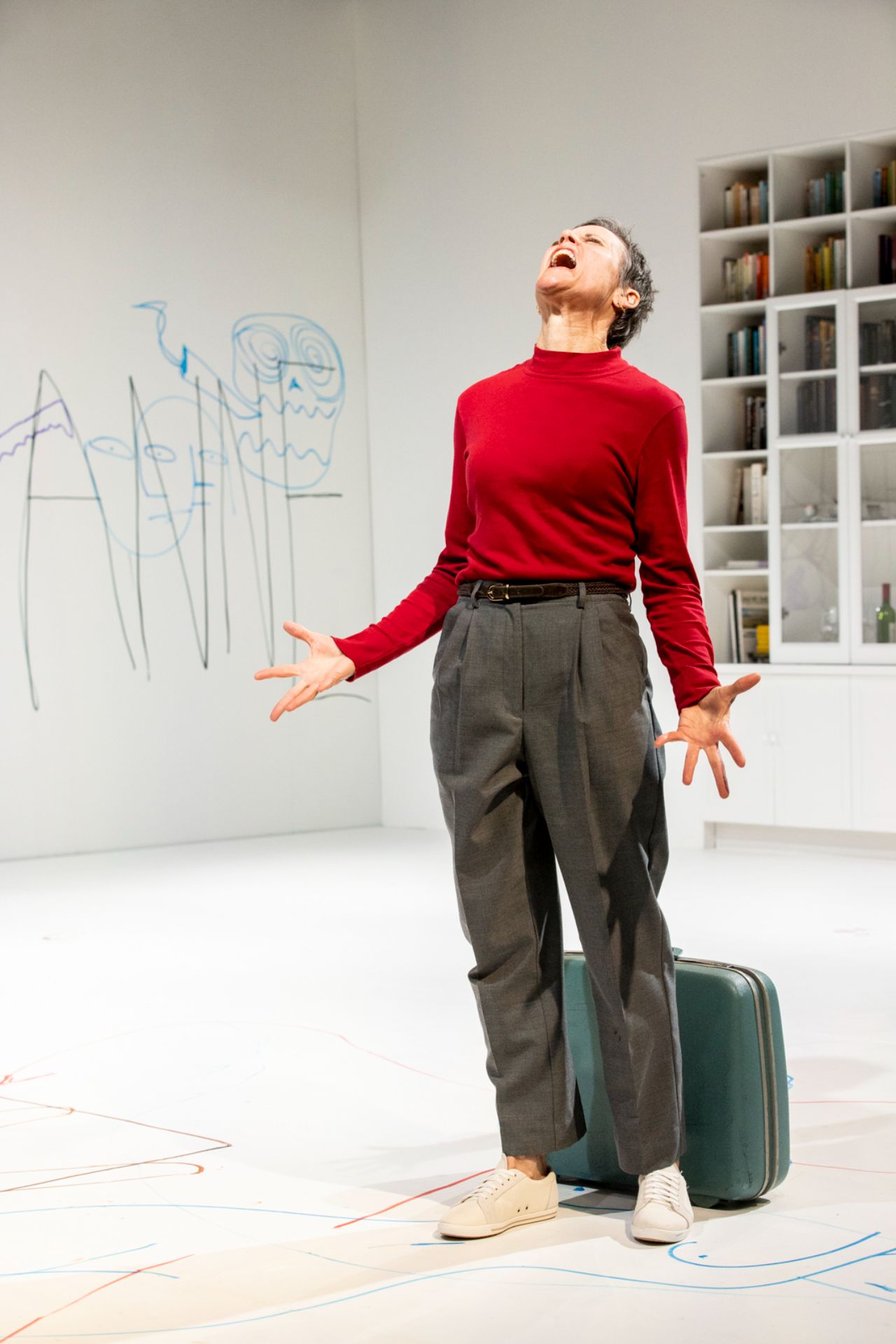
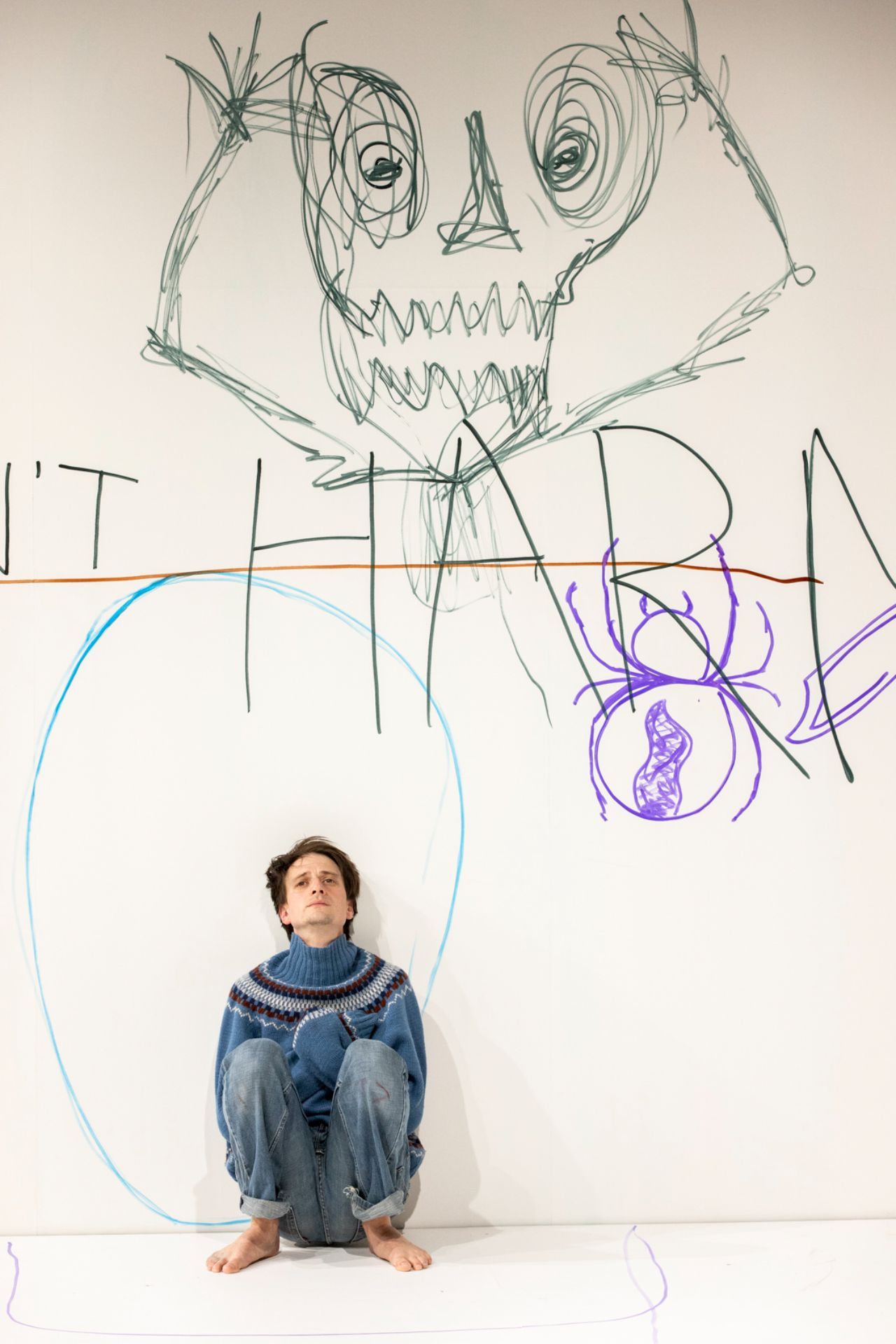
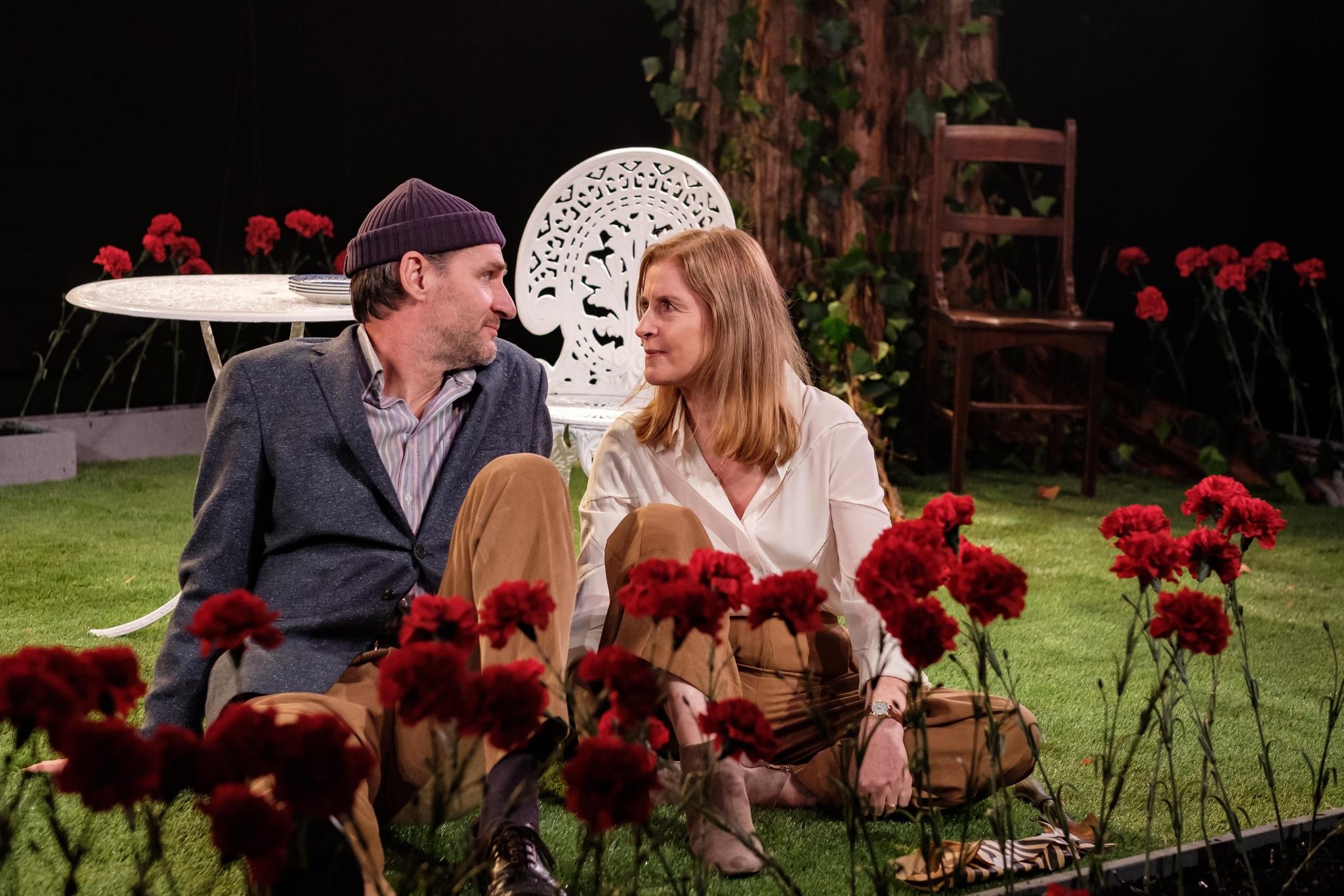
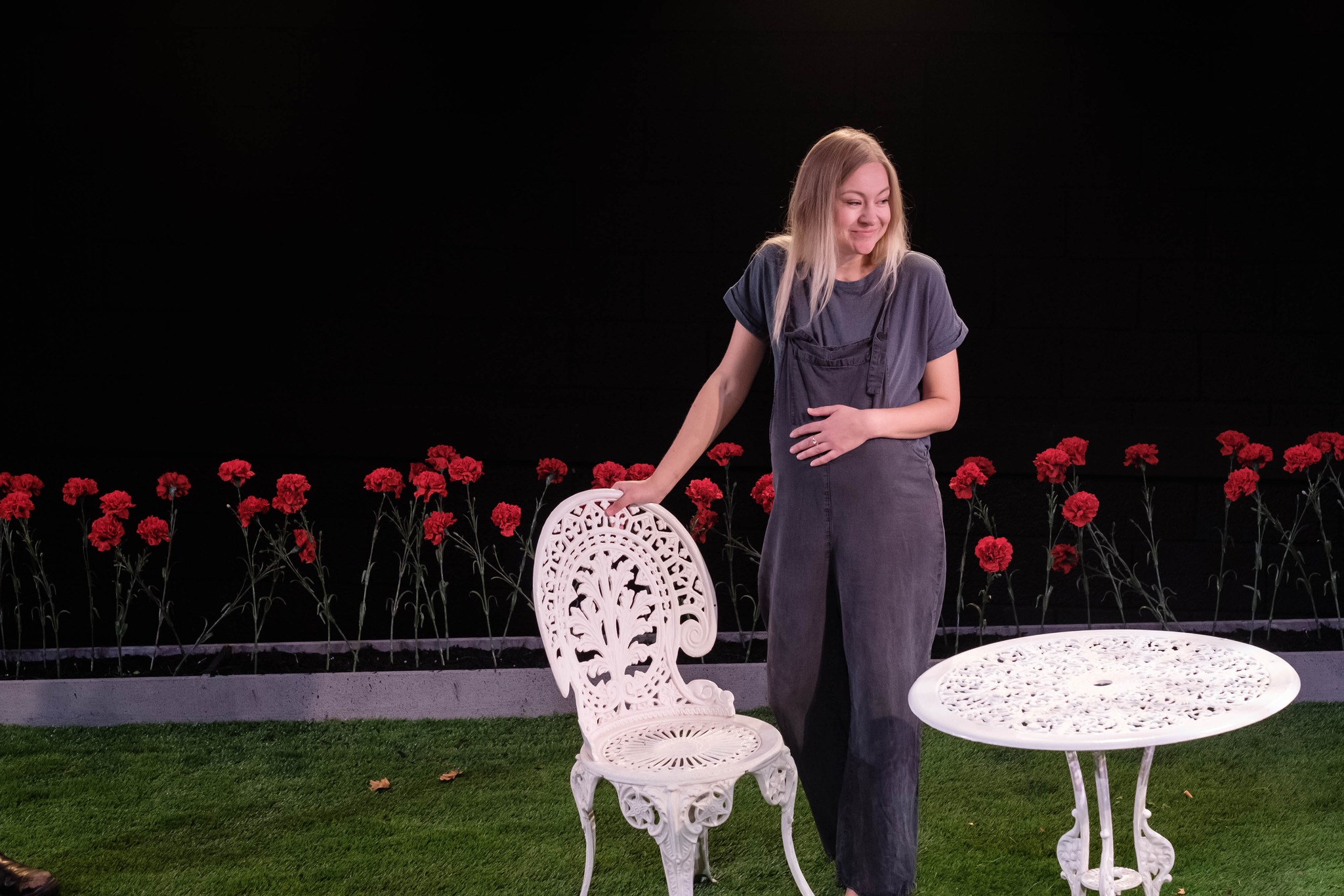
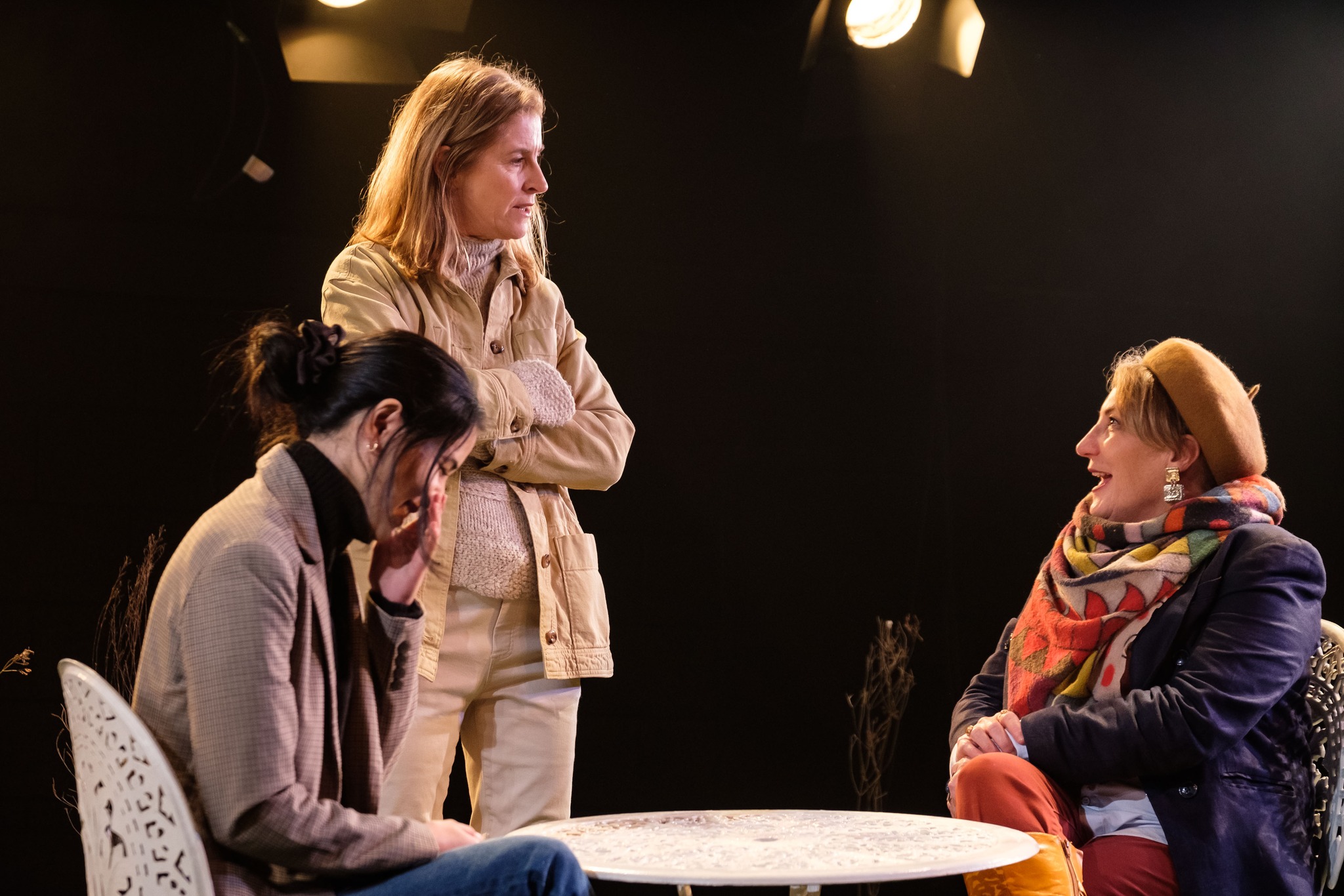
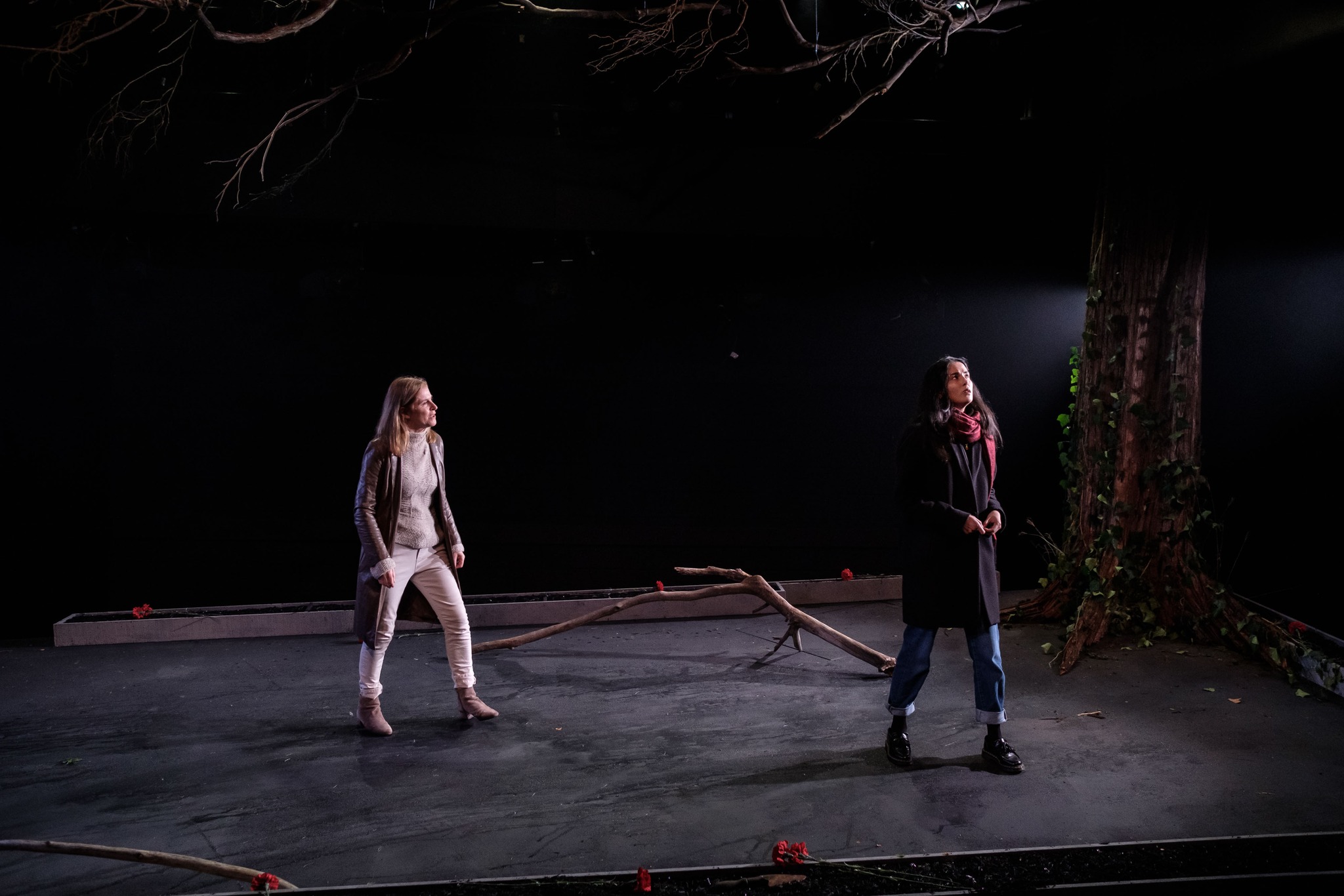
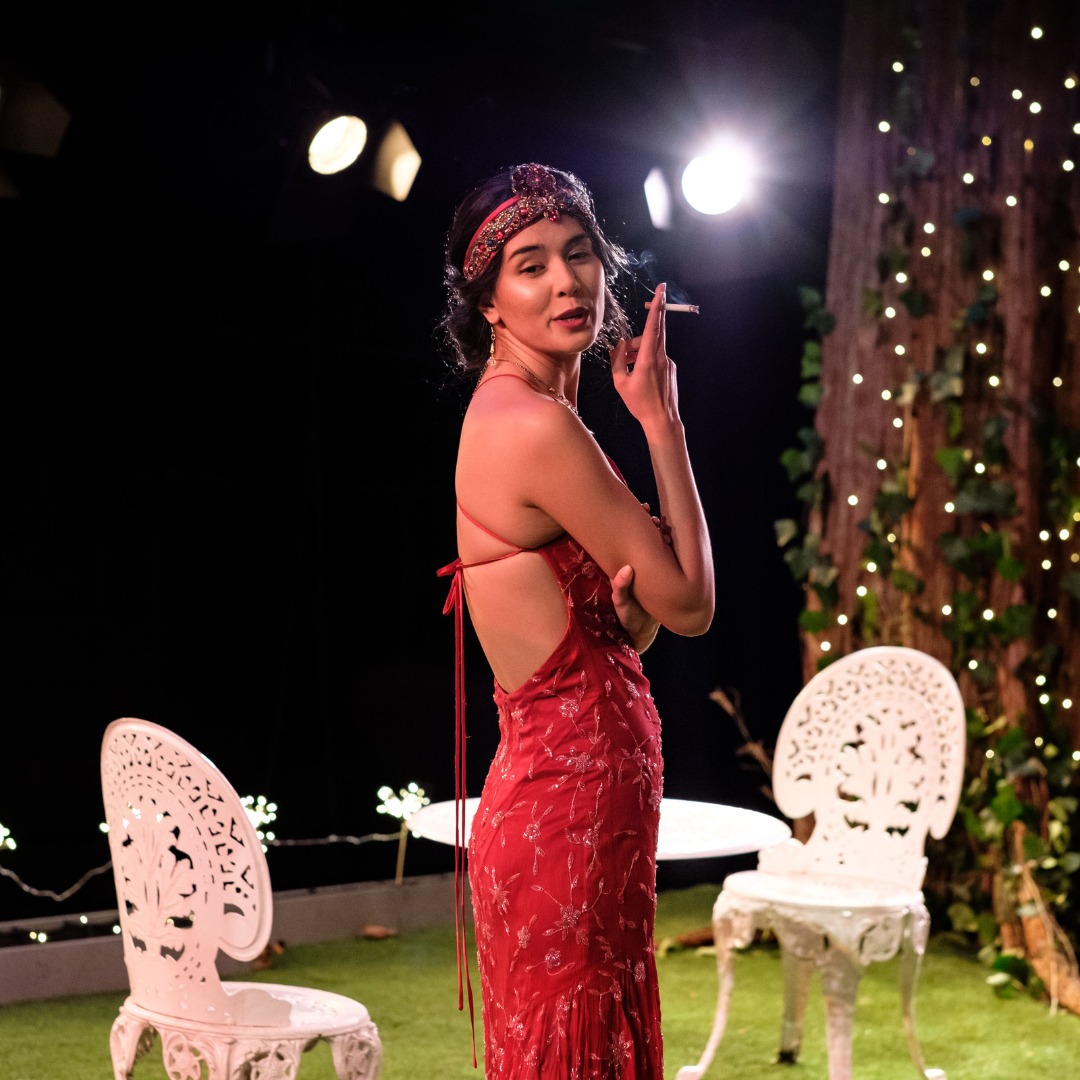
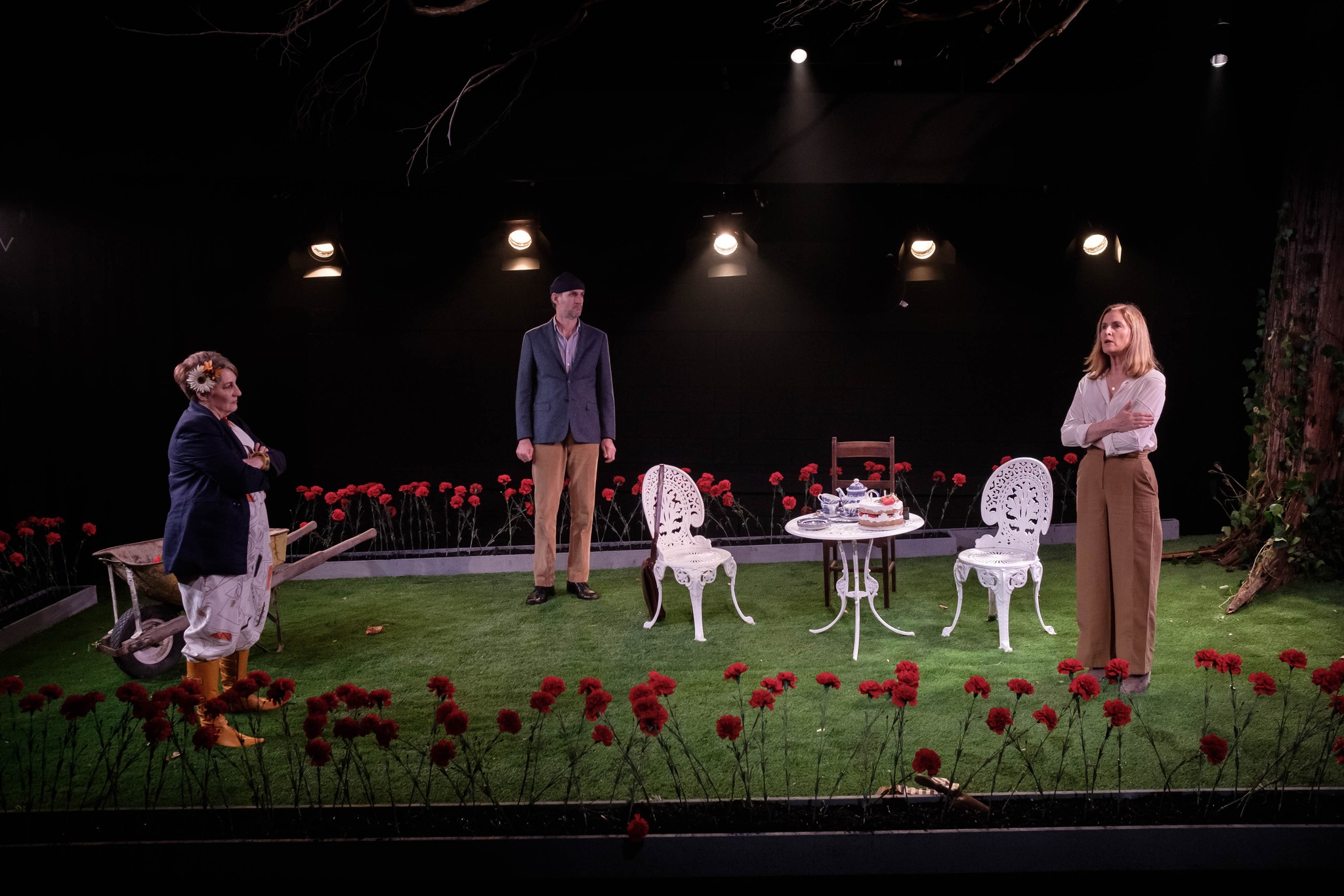
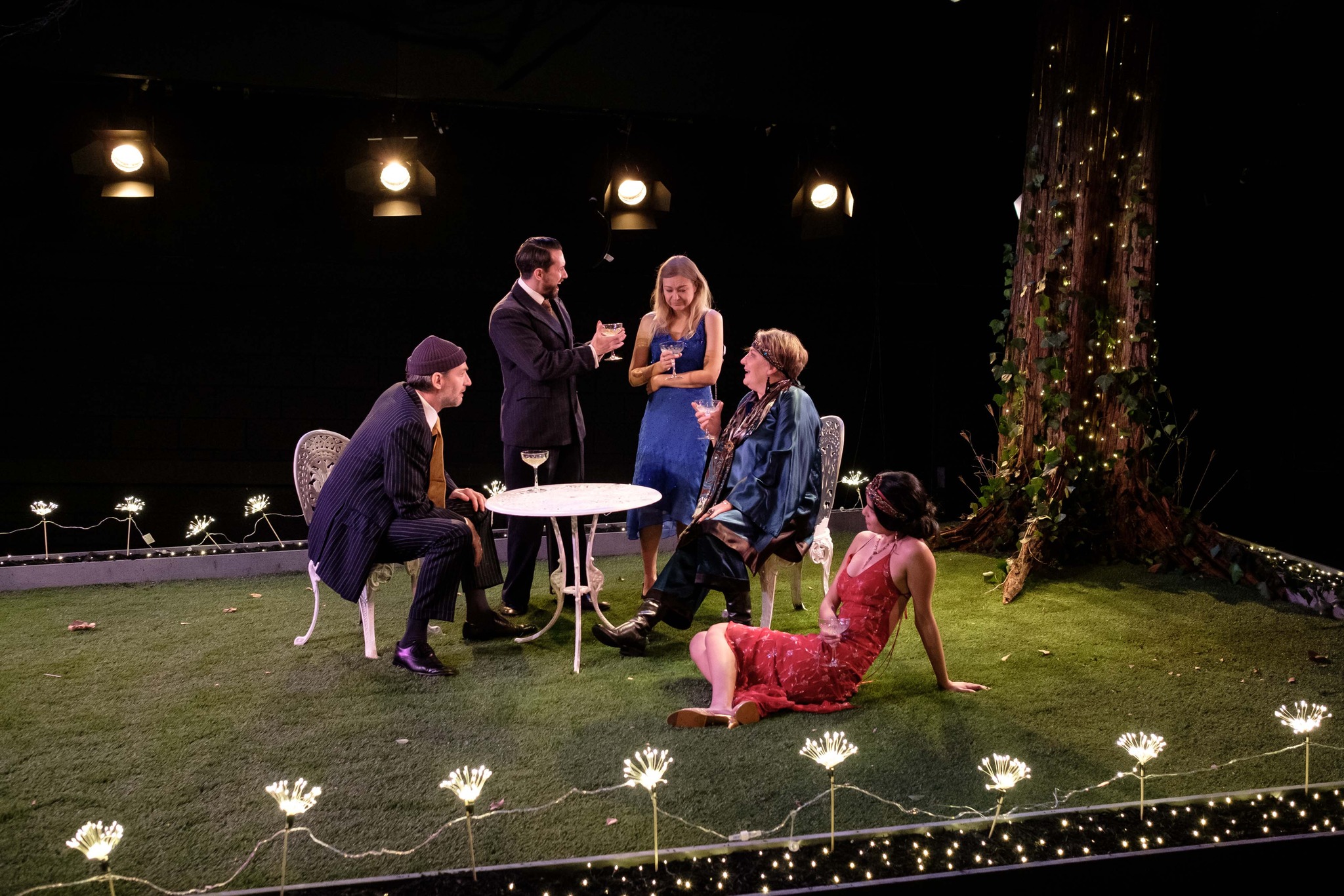
Unsurprisingly perhaps, design aspects are all elegantly rendered. Marg Howell’s set and costumes focus our sense of awareness, on just the right strata of people we are looking at. Rachel Burke’s lights offer accurate calibration for every subtle shift in atmosphere. Sound design by Darius Kedros is sensitive and unobtrusive, generously wishing for us to hear little more than the play’s dialogue.

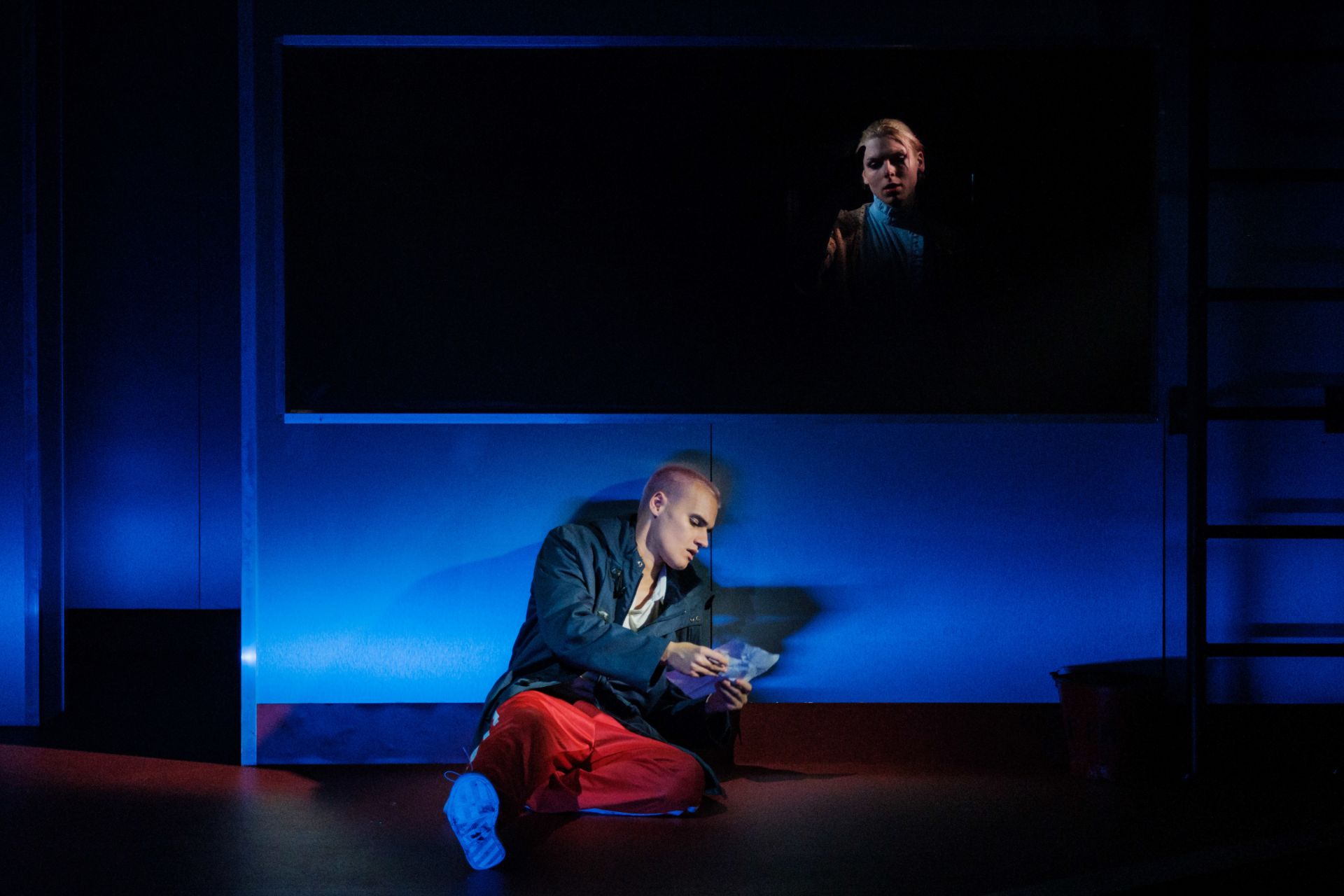
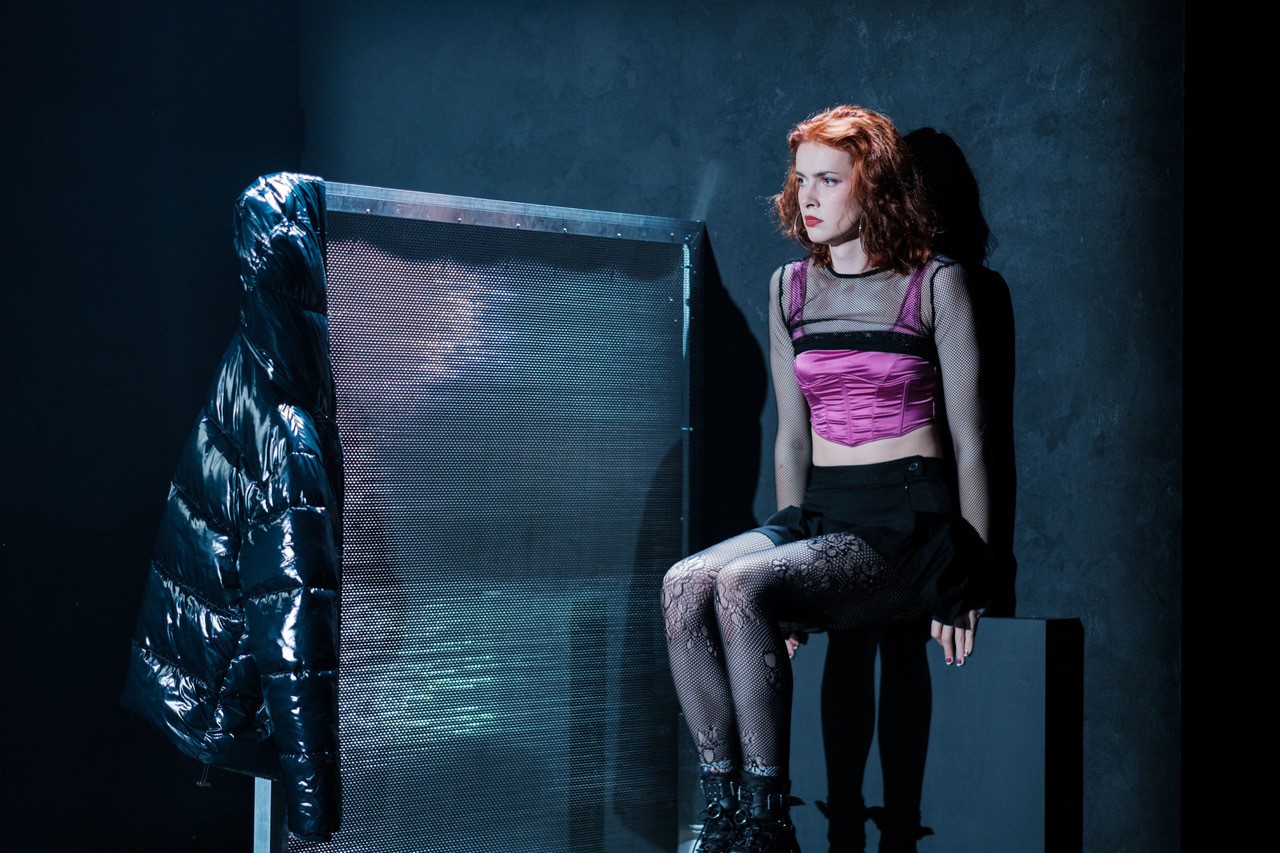
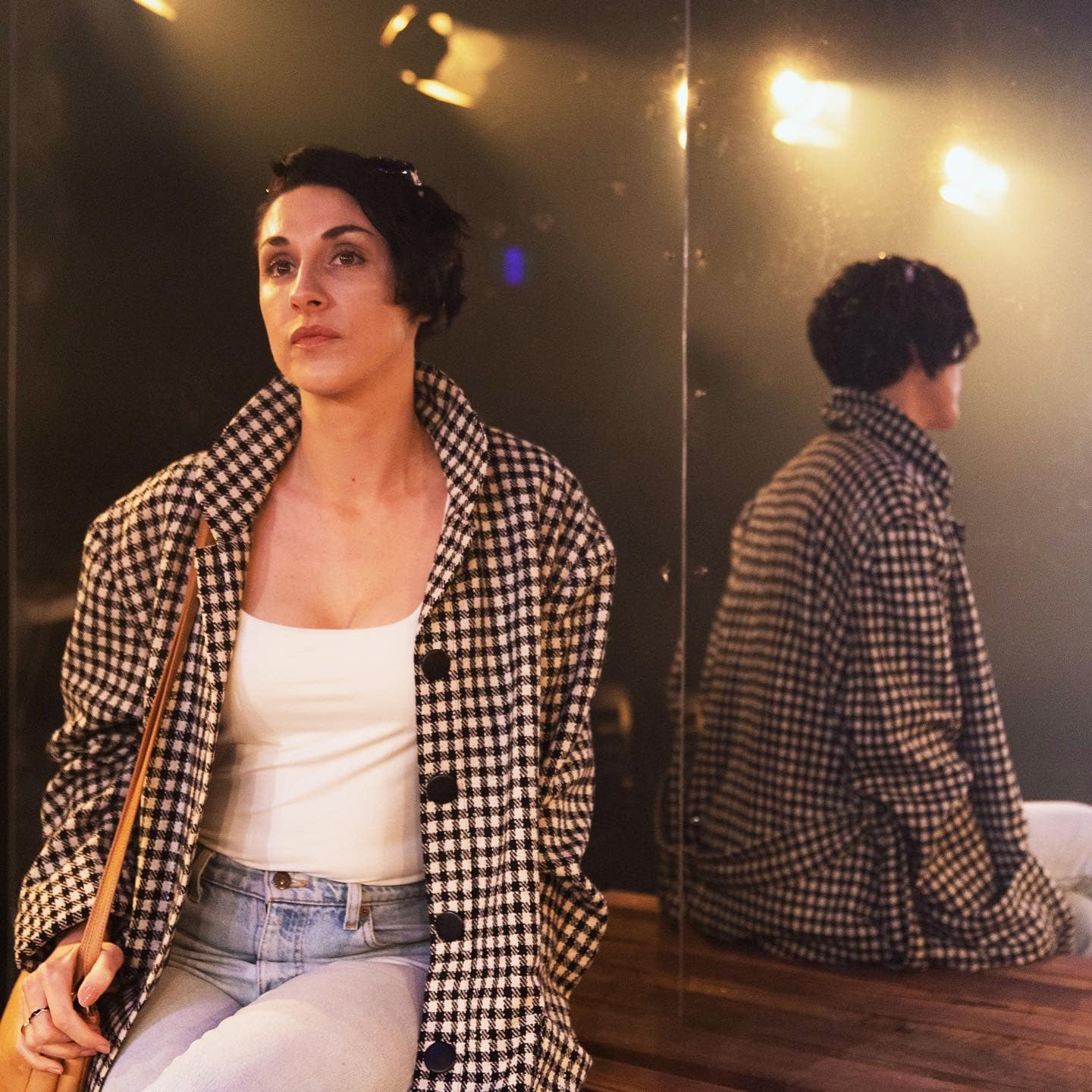
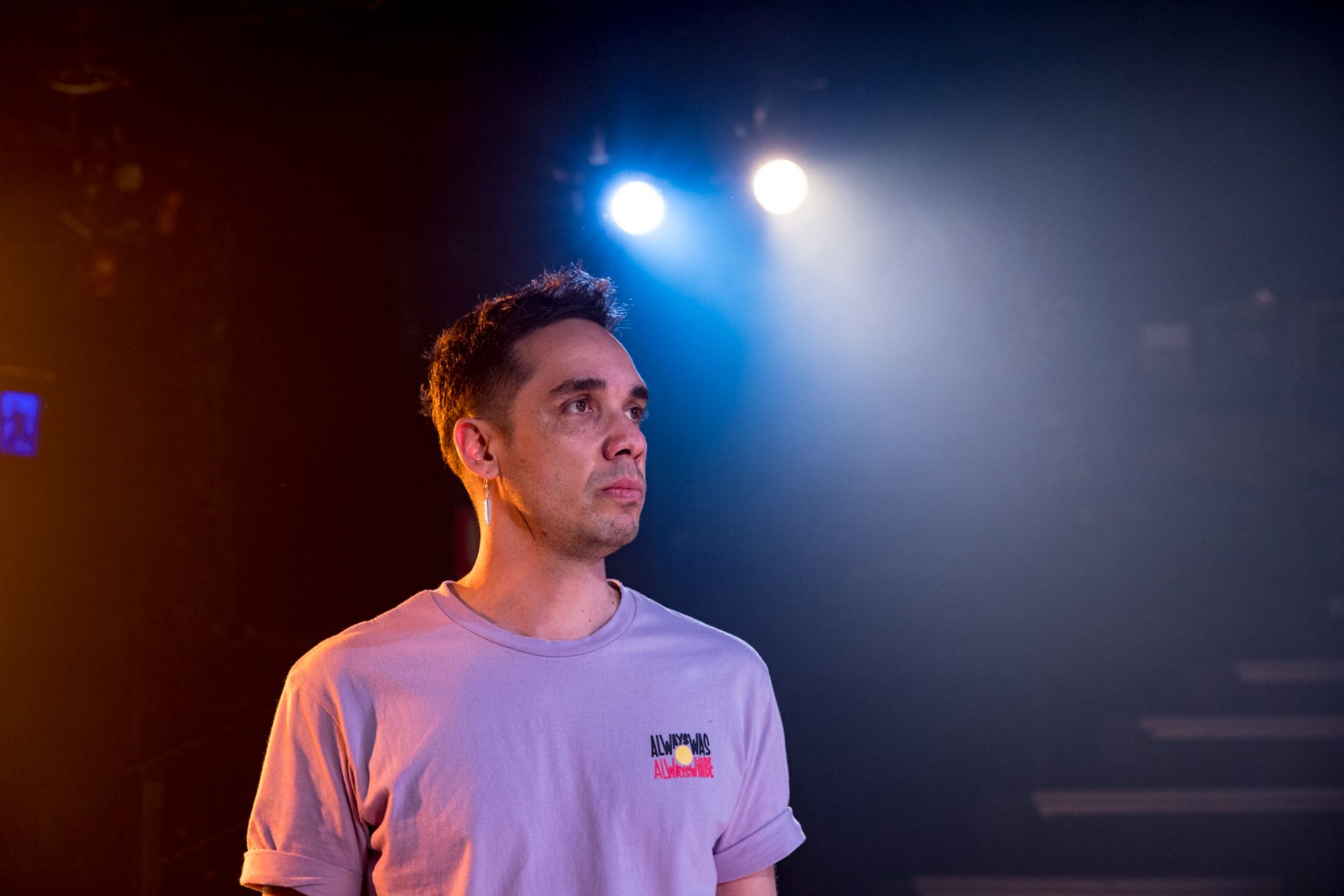
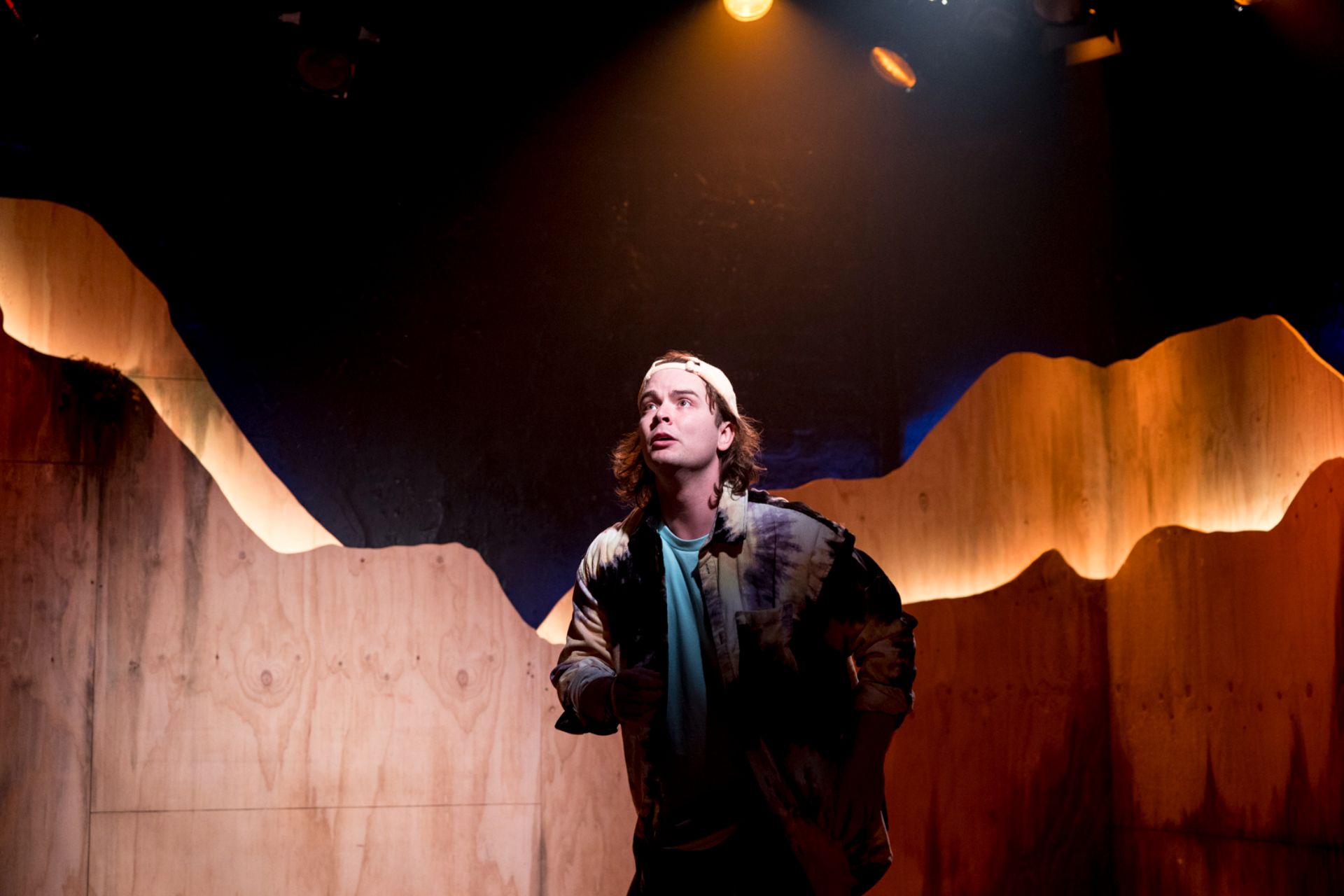
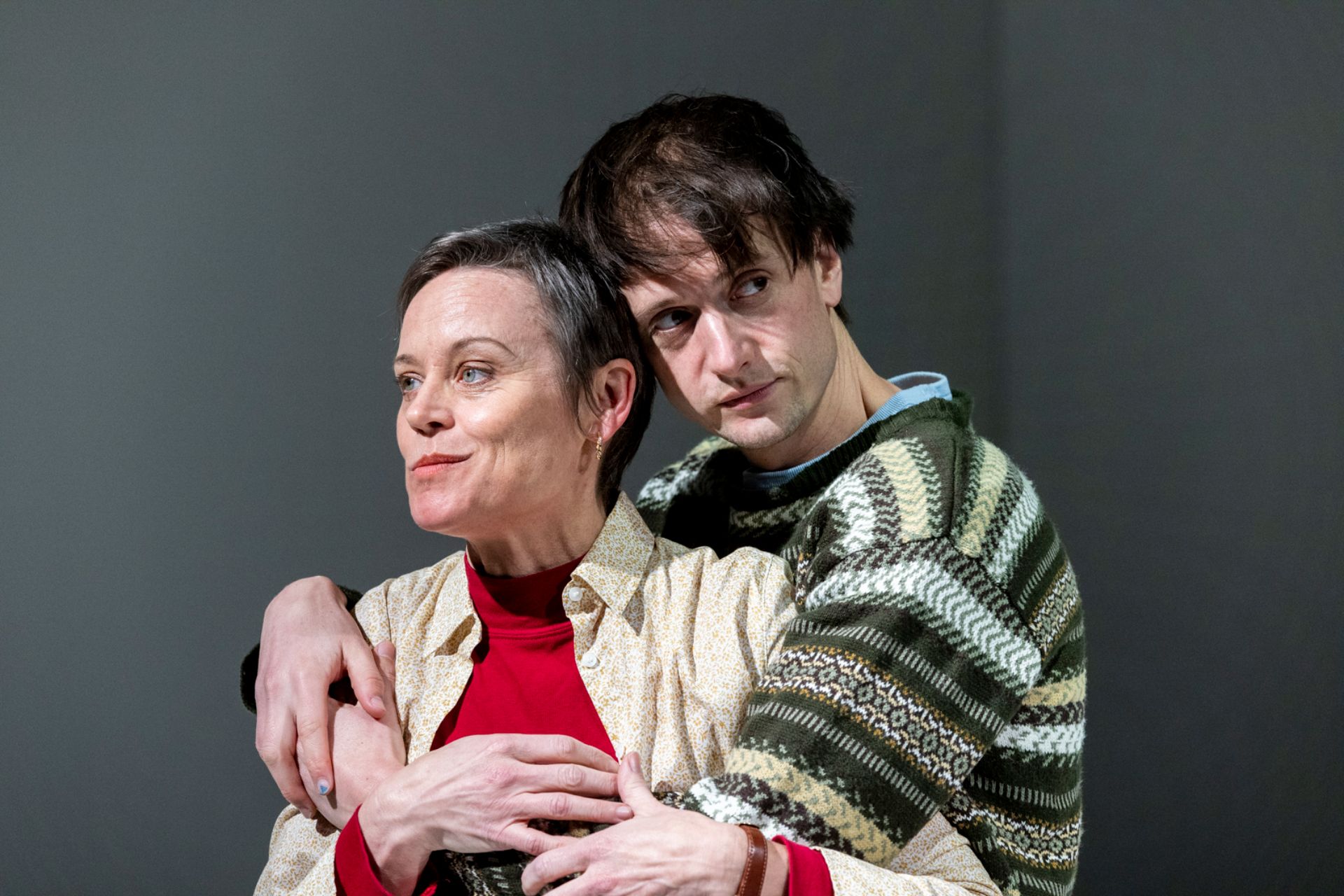
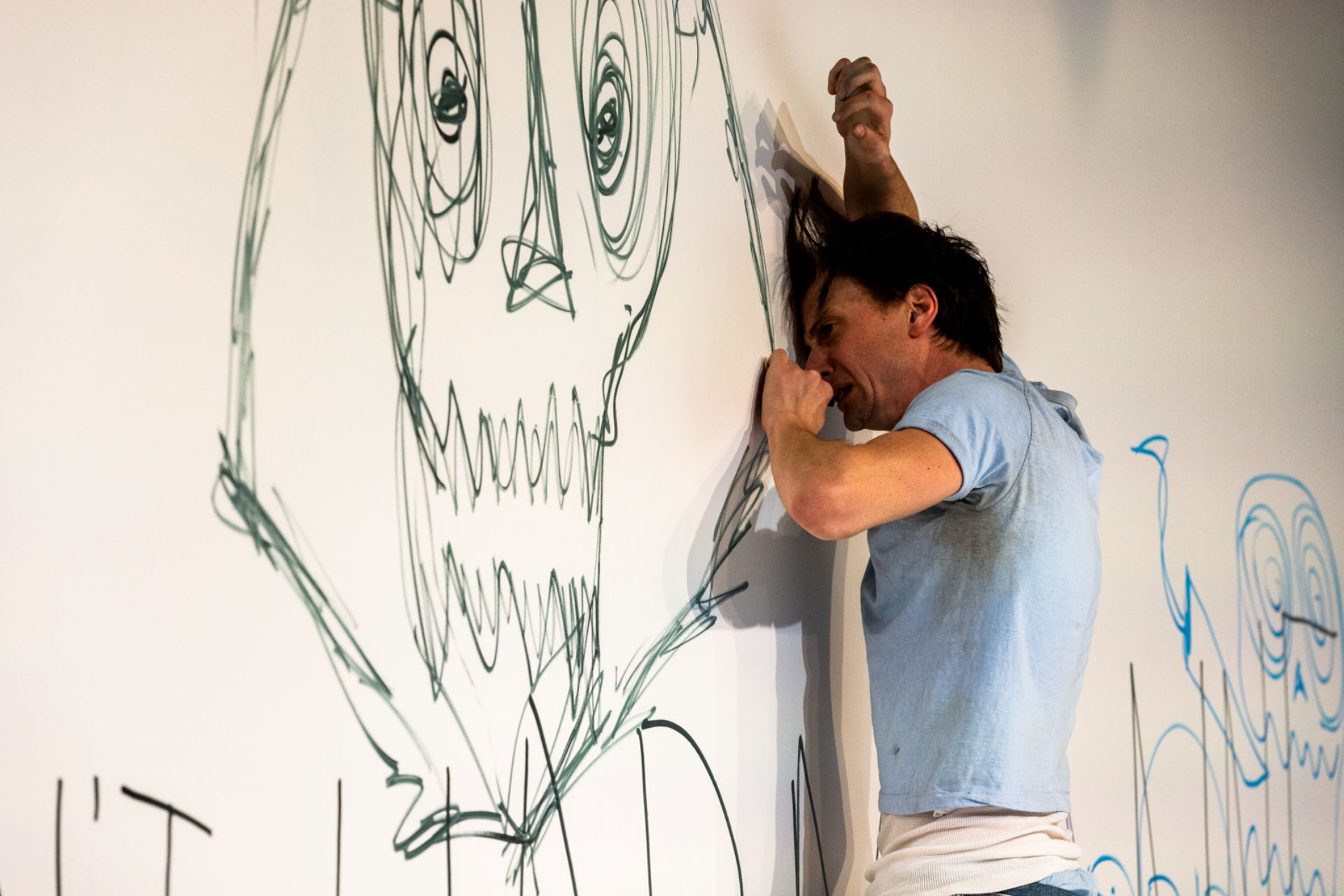
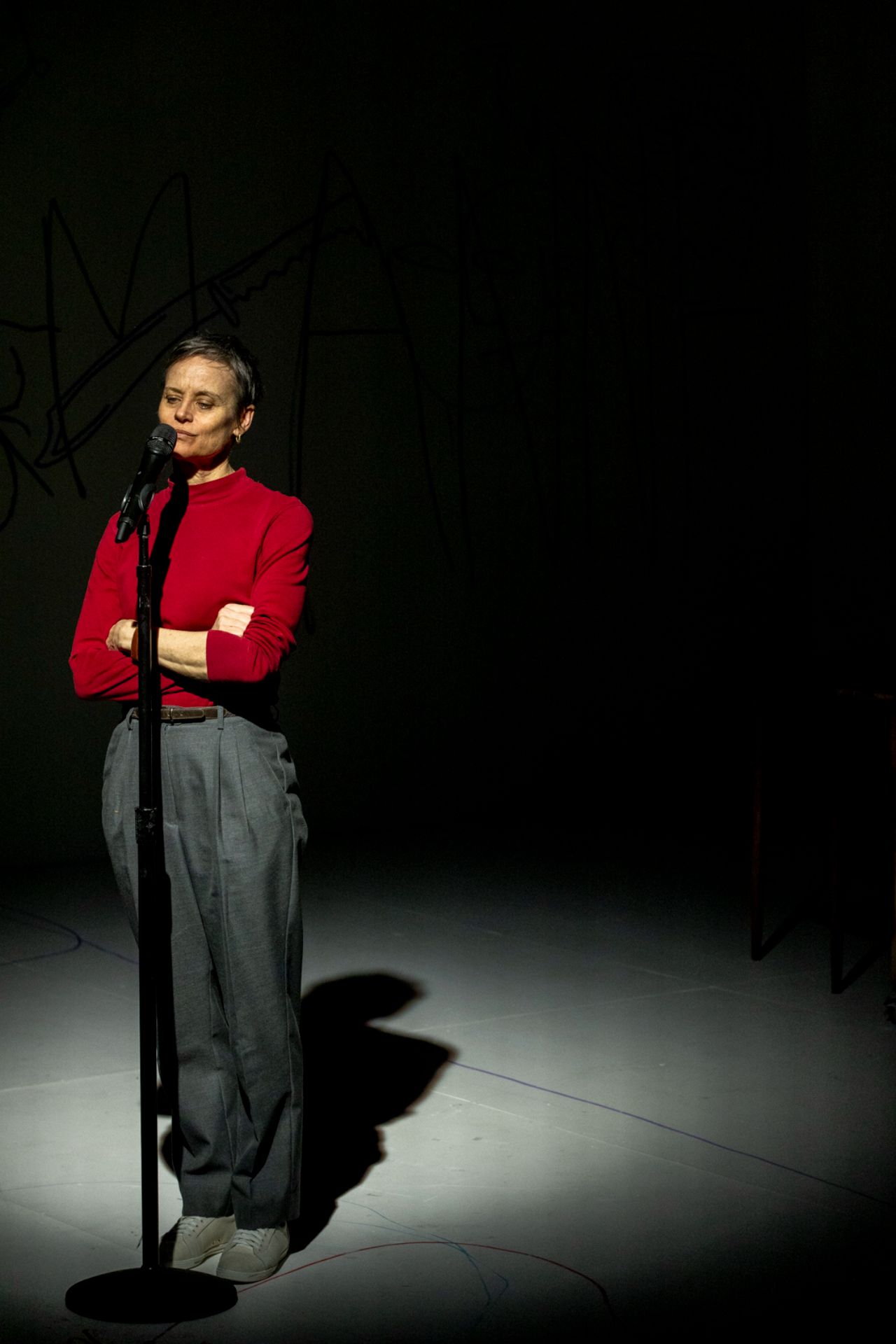
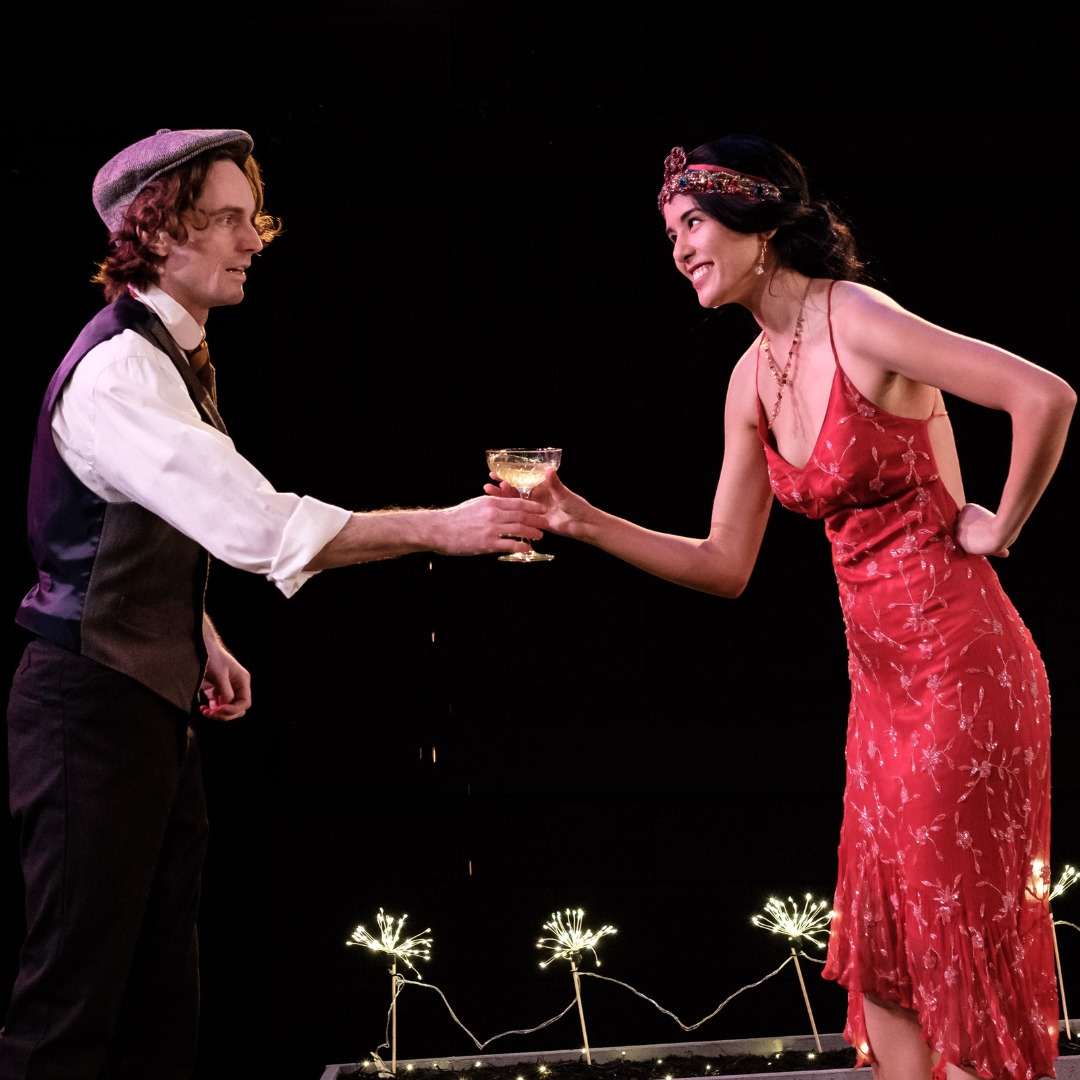
Actor Dan Spielman does marvellously to hold our attention, whilst playing an irredeemably repugnant character. His conviction only makes us more disgusted, which is of course an appropriate response, although there is no denying the tedium of encountering such a one-dimensioned villain. Izabella Yena as Annie, does her best work between the lines, able to convey the complicated amalgamation of emotions, as a young woman who learns over time, that her consent was not consent at all.

One of the main problems with the middle classes, is their unwavering trust of authority. For most of Sexual Misconduct, the audience seems to be positioned so that our concern resides with the choices that Jon makes; it seems to want us to urge him to do better, at every stage of the narrative. The middle classes have such a love of power, as reflected in all their aspirations to attain power, they deny that transparently sinister quality of power that makes it so seductive.

The point of it, is to evade accountability. The point of power, is so you can do whatever you want, especially behind closed doors. To expect people in positions of power to do better is naive, and frankly, in this day and age, stupid. For the audience to wish that Jon discovers his conscience, is to bury our heads in the sand. It is not the individuals in broken systems (or indeed systems designed to fail our democracies), who need to do better. It is the fact that people are granted such power, in that young women like Annie are taught to regard men like Jon with such reverence, that is the problem.

www.mtc.com.auwww.belvoir.com.au

Review: Moulin Rouge (Capitol Theatre)

Venue: Capitol Theatre (Sydney NSW), from  May 28, 2022
Book: John Logan (based on the Baz Luhrmann film)
Director: Alex Timbers
Cast: Alinta Chidzey, Des Flanagan, Simon Burke, Tim Omaji, Andrew Cook, Ryan Gonzalez, Samantha Dodemaide, Olivia Vasquez, Ruwa Ngwenya, Christopher J Scalzo
Images by Michelle Grace Hunder

Theatre review
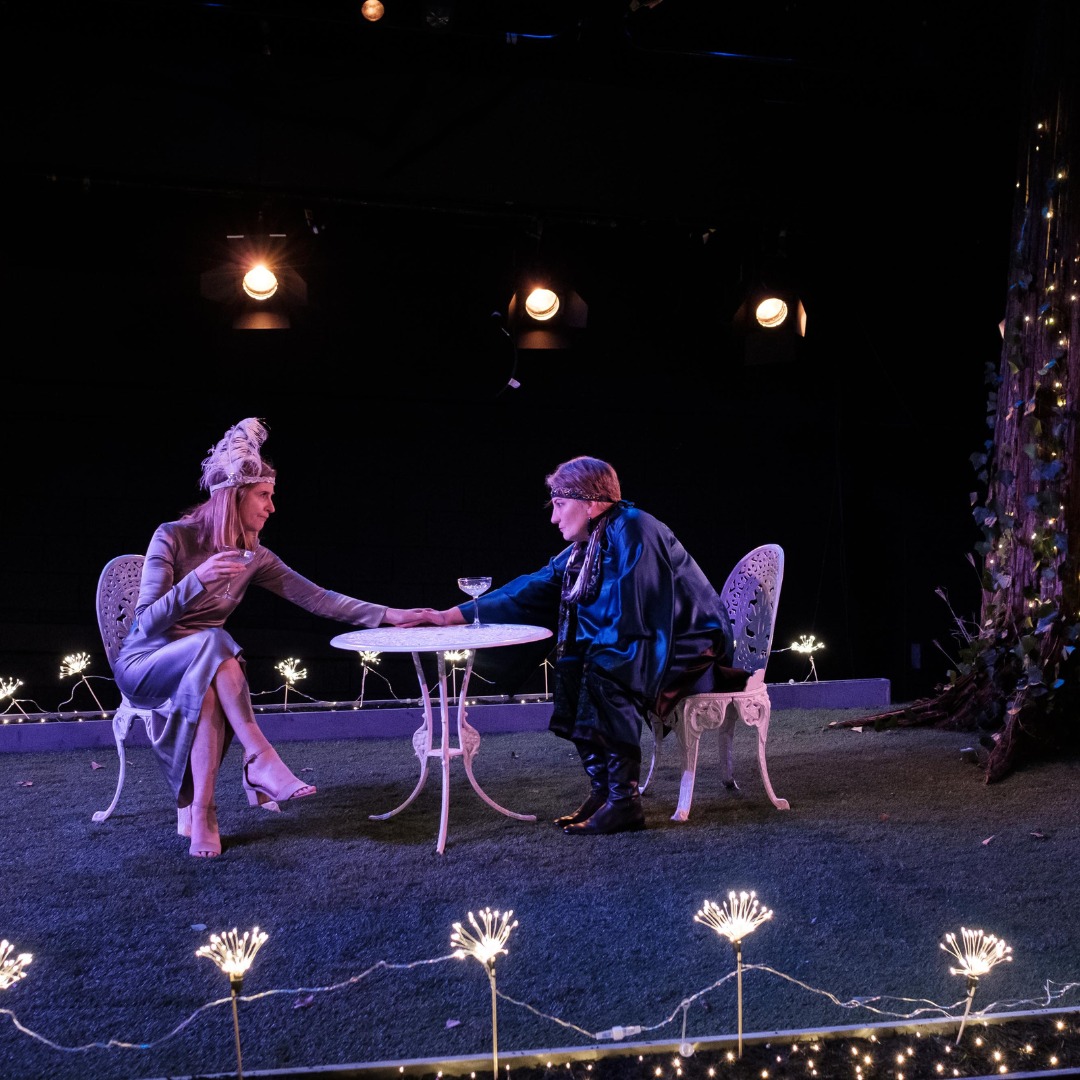
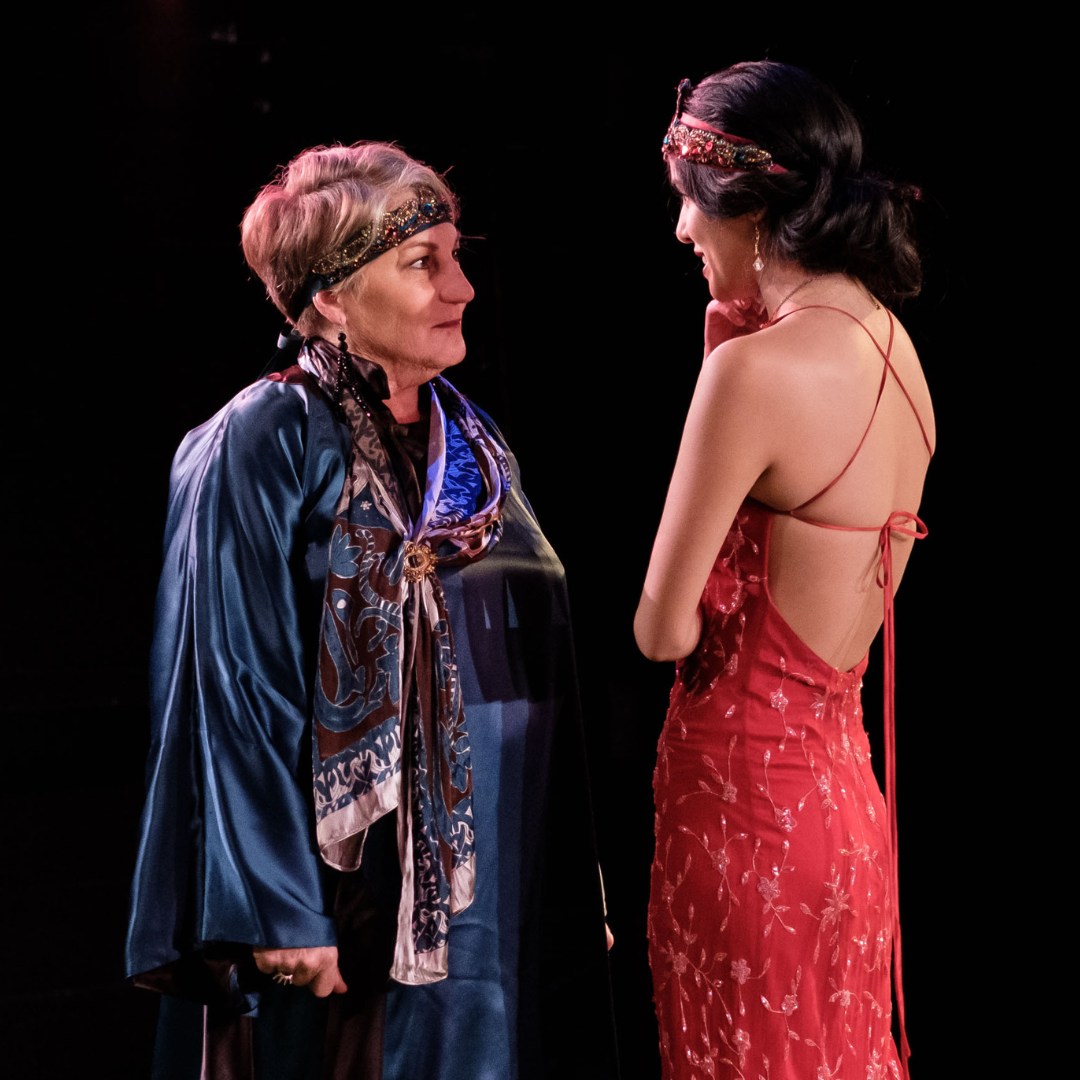
Satine is the only one who can rescue her beloved cabaret nightclub from financial devastation, but the arrival of a new love interest Christian, is causing all manner of unforeseen complications. The 2001 Baz Luhrmann hit movie Moulin Rouge was a riot of schmaltz and kitsch, memorable for its incongruous use of late century pop songs, for a story set in 1900. Two decades on, it seems that Luhrmann’s penchant for elevating what is generally considered to be low brow, is still a stroke of genius.

This live adaptation amps up the use of overfamiliar music from the pop charts, to create a show best described as a jukebox musical on steroids. Whether just a single line, or extended variations of monster tunes, this new Moulin Rouge speaks to us almost entirely through the pop canon. John Logan’s book plots the story cleverly, allowing plentiful action to occur on stage, in between short sections of dialogue to prop, but there is no question, that we are here for the spectacle.

Directed by Alex Timbers, Moulin Rouge is a rousing cacophonous affair, intricately manufactured so that our senses are completely absorbed, into a ceaselessly fascinating parade of extravagant scenes. The show is an unequivocal triumph for all its visual design aspects, and along with exuberant and powerful music arrangements, this is theatre that hypnotises and satisfies, in the most uplifting ways imaginable.

A remarkable cast brings infectious and palpable life to the stage; the ensemble in Moulin Rouge is alluring, spirited and disciplined, and we find ourselves connecting to the unnamed characters that they portray, as much as we do the prominent ones. Alinta Chidzey’s physical faculties as the tragically beautiful Satine are absolutely perfect, but her vocals can at times lack the lustre required to move us. Des Flanagan’s unbridled earnestness as Christian keeps our hearts open to the innocent love story, but it is Andrew Cook’s sizzling charm as rival The Duke, that sets pulses racing.

Playing the club owner in strife Harold Zidler, is Simon Burke who quite simply outshines everyone, with incomparable charisma and brilliant humour. Burke’s exceptional confidence and irrepressible effervescence are the key ingredients that make everything in Moulin Rouge feel so alive and poignant. Also deeply impressive are Tim Omaji and Ryan Gonzalez, who as Toulouse-Lautrec and Santiago, deliver a valuable sense of emotional authenticity, for a tale that is essentially about the plight of struggling artists of the bohemian underground. Omaji’s quiet rendition of “Nature Boy” and Gonzalez’s blistering version of “Bad Romance” are frankly unforgettable and in their divergent ways, transcendent.

Art should not always be about what one thinks. There is a tendency in our evaluation of artistic expression, to prioritise that which can be articulated in words. So much of art however, is to give shape and form to the human experience, in ways that are beyond words. A reductive way to characterise the immense success of Moulin Rouge, is to say that it is wonderful, for how much it is able to make a person feel. The truth is that, great art can never be sufficiently translated, you simply have had to be there.

www.moulinrougemusical.com

Review: Before The Meeting (White Box Theatre)

Venue: Seymour Centre (Chippendale NSW), May 21 – Jun 11, 2022
Playwright: Adam Bock
Director: Kim Hardwick
Cast: Alex Malone, Tim McGarry, Jane Phegan, Ariadne Sgouros, Tim Walker
Images by Danielle Lyonne

Theatre review
In a church basement somewhere in America, one of the world’s many Alcoholics Anonymous meetings is being held. Four individuals become friends through this process, offering support and guidance to one another, as each seeks to navigate this arduous thing called life. Adam Bock’s Before the Meeting offers a glimpse into the experience of sobriety, and by implication, the effect of alcohol consumption on some people. Bock’s writing is acutely observed, with palpably realistic characters. Alternating between funny and serious, the play is careful not to dwell too heavily in the bleak, but the insight that it ultimately delivers can feel somewhat surface.

Kim Hardwick’s direction of the show is earnest, with a gentle and benevolent humanity that underscores all the action. The quietness in approach is reflected in Chrysoulla Markoulli’s music compositions and in Pru Montin’s sound design, both appropriately subtle in their calibrations of atmosphere. Lights by Jasmin Borsovszky provide a warmth to accompany these stories of the heart, and production design by Martin Kinnane manufactures a visual realism that we can easily relate to. 

A uniformly impressive cast steers us through 80 minutes of emotional authenticity. Jane Phegan is particularly memorable as Gail, proving herself a remarkably thorough artist, who ensures each word of dialogue is imbued with intent and nuance. Tim McGarry turns on the charm as Ron, taking every opportunity to lighten the mood, in a production that can often be overly sombre in tone. Alex Malone brings a beautiful volatility, that demonstrates the daily precarity of trying to survive the world as Nicole. Newcomer to the support group Tim, is played by Tim Walker whose convincing naturalism is quite a wonder to behold. Ariadne Sgouros’ dramatic intensity is a very welcome inclusion, when she appears later in the piece as Angela.

The world that humans have created is evidently intolerable. It therefore makes complete sense that, from time to time, we need chemicals and substances to be able to stomach it. Problems arise when these intoxicants overwhelm, and we find one big problem adding to another. So much of our attitude in dealing with the world’s troubles, is to turn introspective and try to make changes within. We are encouraged too often to think that the problem lies with the individual self, instead of interrogating the sets of circumstances that make things terrible for many. The powers that be, will always want us to look away, so that they may plunder and exploit as they wish. The first step to addressing obstacles, is to look at the world clearly.

www.whiteboxtheatre.com.au

Review: Ate Lovia (Old Fitz Theatre)

Venue: Old Fitzroy Theatre (Woolloomooloo NSW), May 12 – Jun 4, 2022
Playwright: Jordan Shea
Director: Kenneth Moraleda
Cast: Dindi Huckle-Moran, Anna Lee, Chaya Ocampo, Joseph Raboy, Marcus Rivera
Images by Clare Hawley

Theatre review
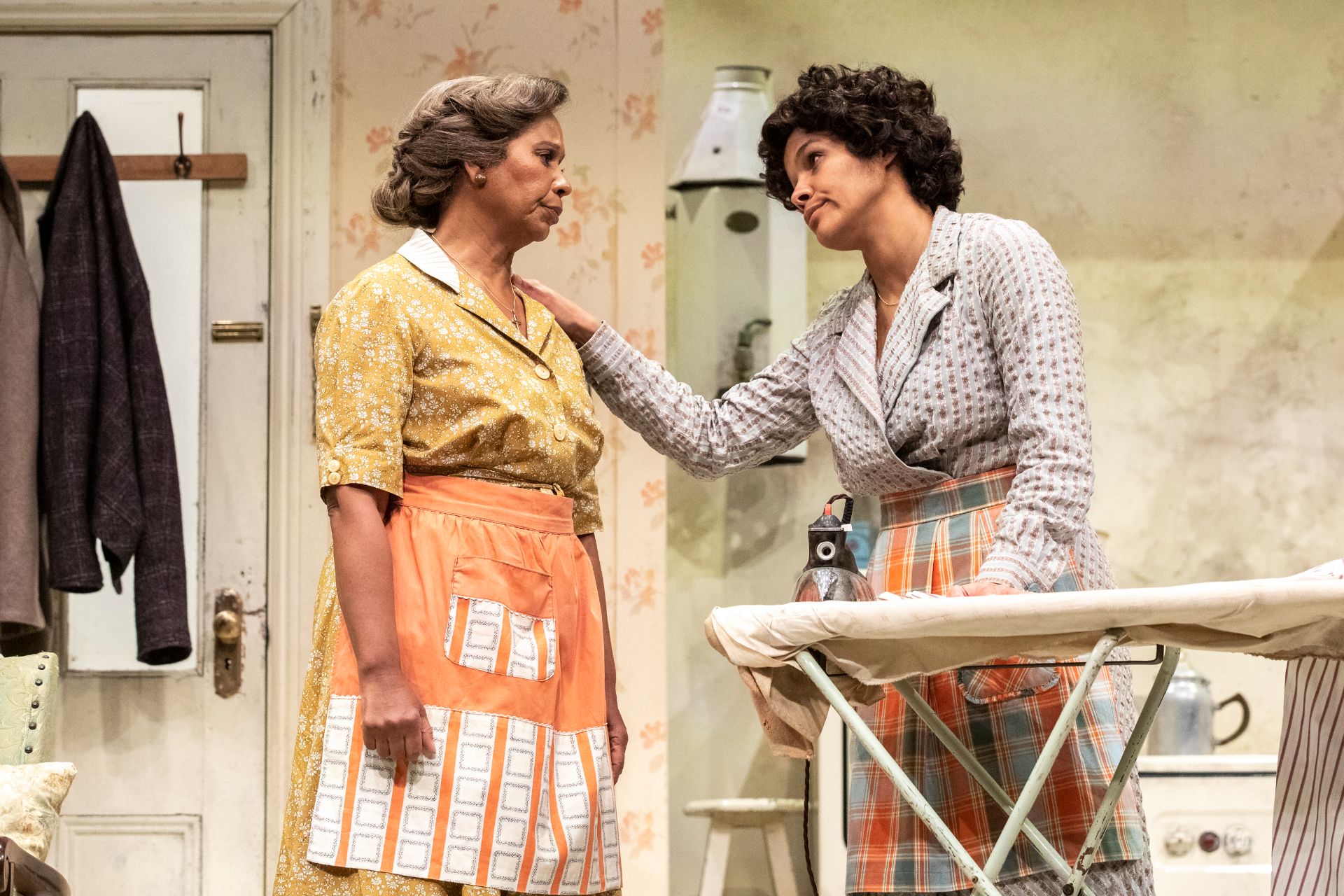
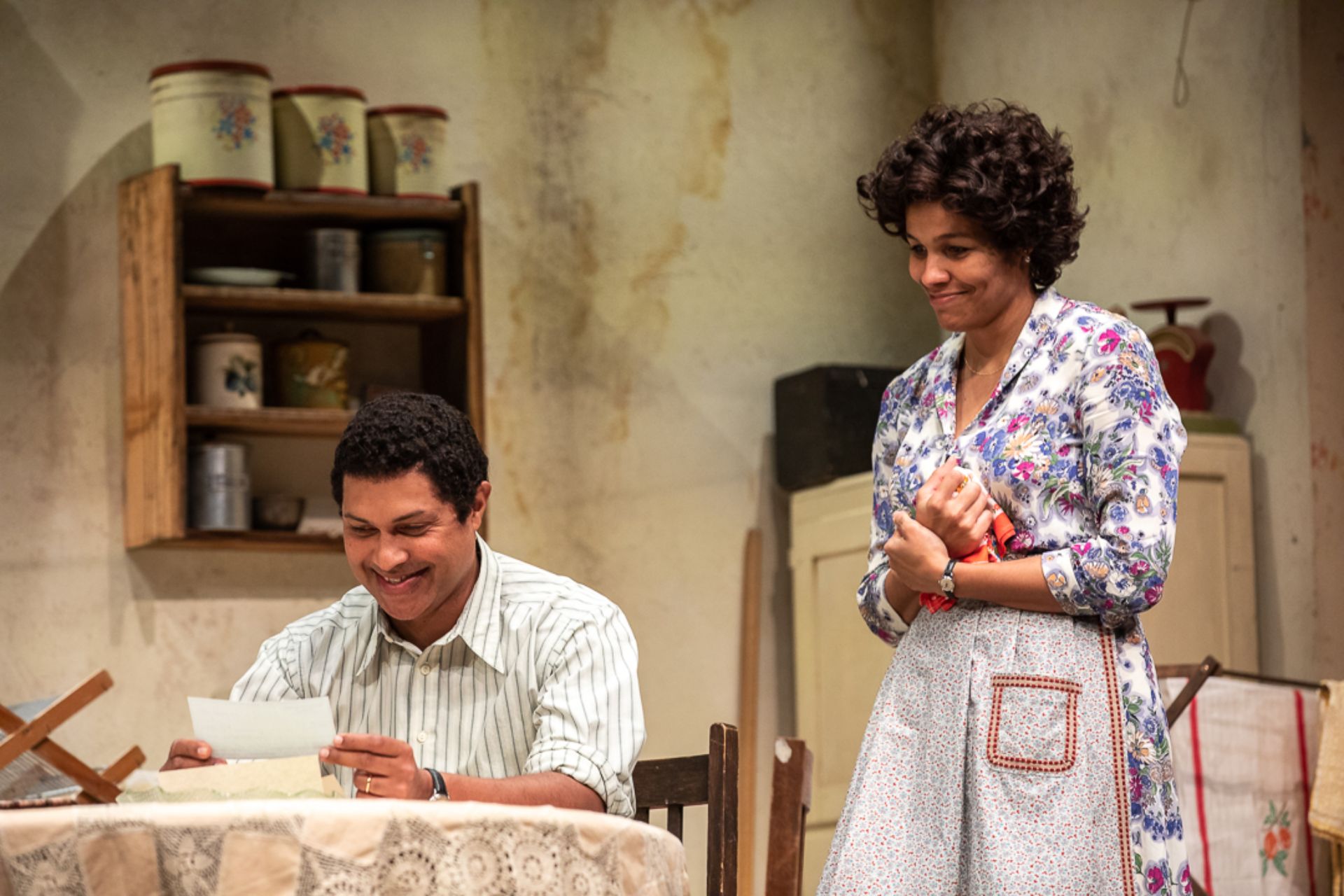
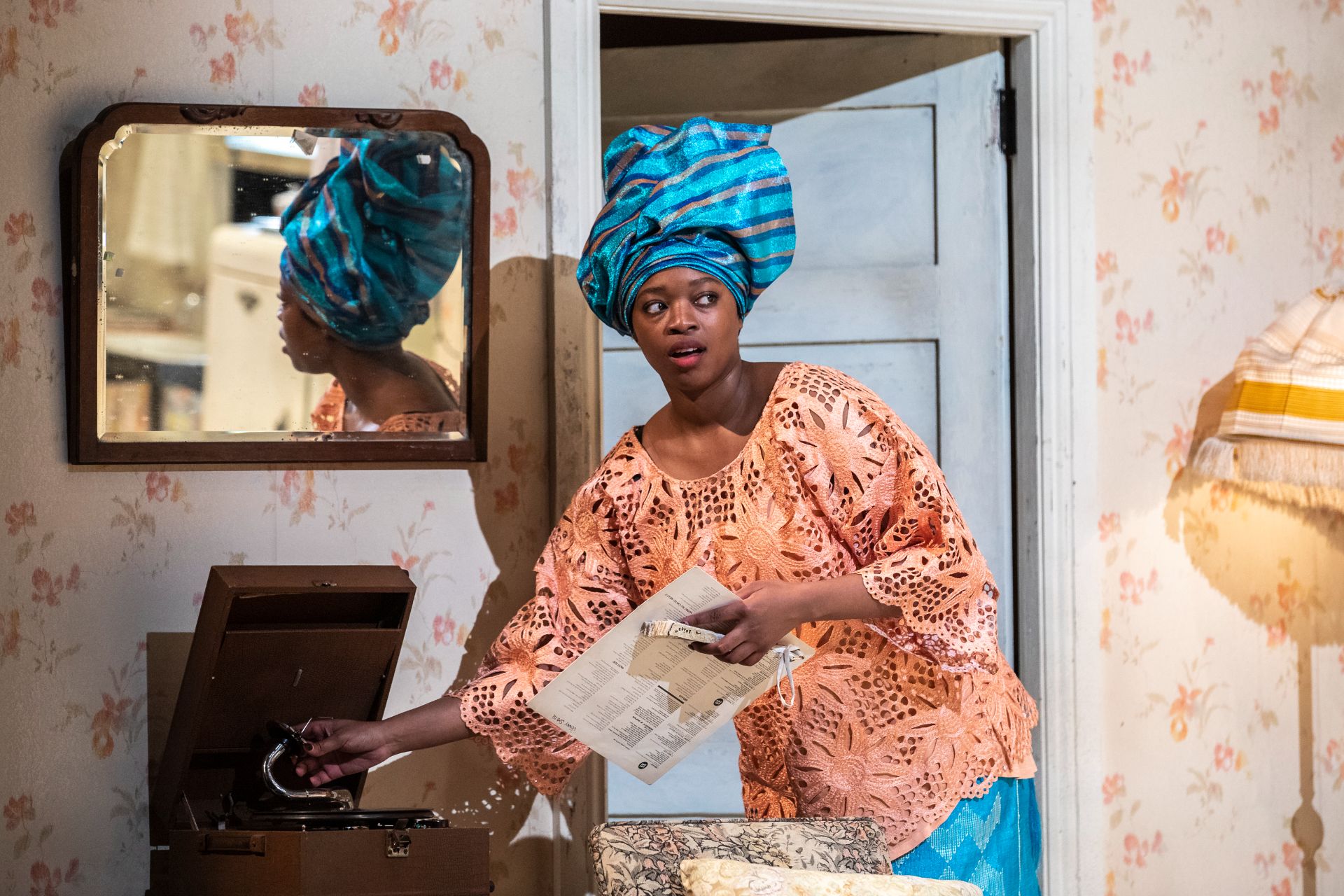
It was 1996, and Australia could no longer deny that a tide was turning, when a newly-elected Senator proclaimed that we were “in danger of being swamped with Asians”. The long held national pride around notions of mateship and the fair-go, was obliterated overnight. Division and prejudice had suddenly become sanctioned, marking a significant occasion of innocence lost, in our collective history. Jordan Shea’s Ate Lovia is a story about a Filipino-Australian family, set during that watershed moment, when Asians on this land were singularly vilified. In the ensuing social disunity, we observe the fractures that had extended from the top levels of government, into the homes of individuals.

Lovia and Vergel are siblings, who live with their alcoholic father Jovy. There is no shortage of love in the household, but the trauma that Jovy had suffered before and after coming to Australia, means that peace is elusive. Fleeing persecution, only to find himself becoming a second-class citizen in a white colony, Jovy does his best to raise his Australian children, but the hardship he faces daily, proves too hard to bear. In Jordan Shea’s Ate Lovia, we see two teenagers left to their own devices, trying to find their feet in sink or swim circumstances.
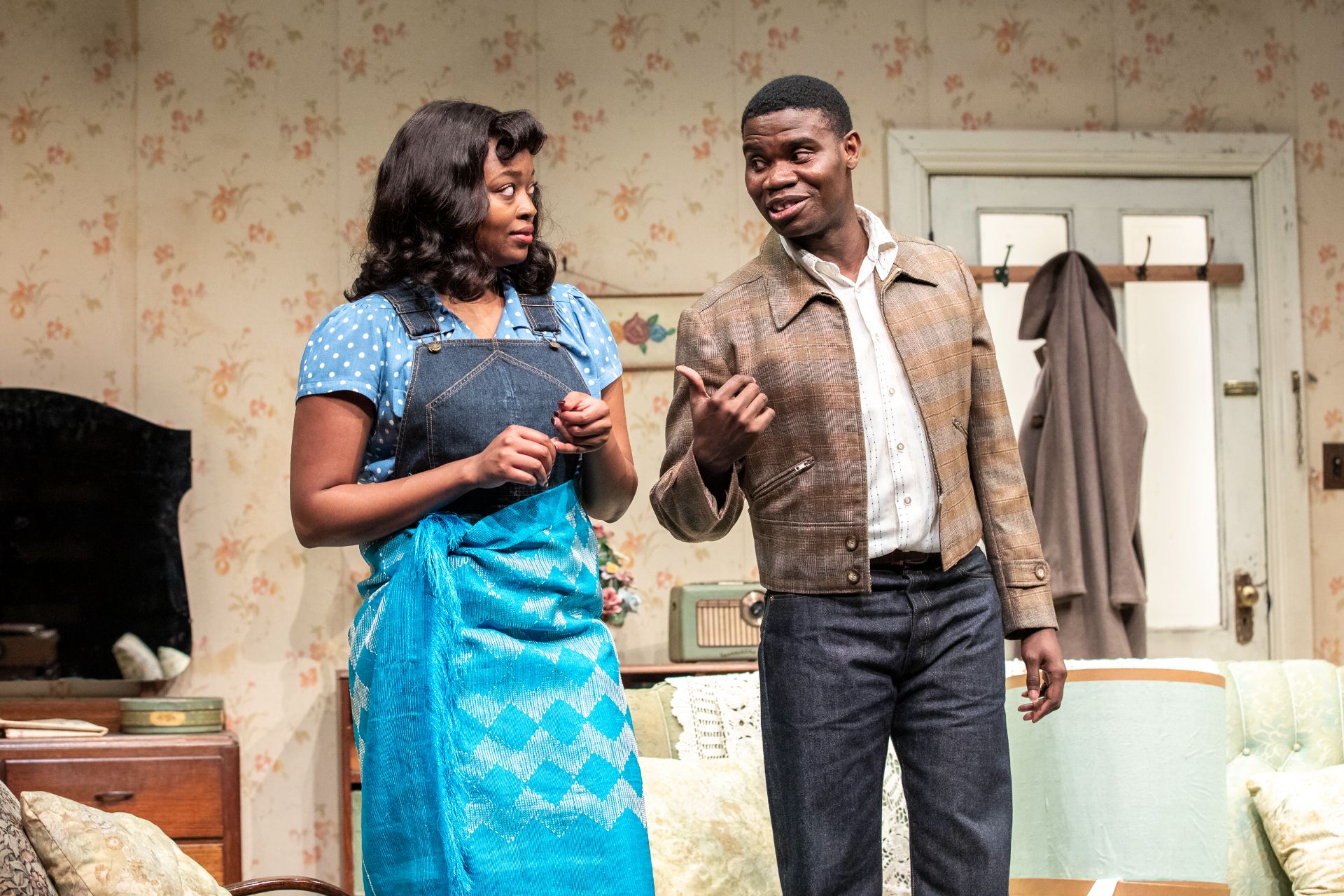
Shea’s writing is astute and passionate, almost rhapsodic with the emotions that it captures. Its narrative may not feel original, but there is a level of detail in its observations, that makes for delicious theatre, fascinating and amusing to a great degree, whilst making statements that are important for a nuanced understanding of life on this land. Under the directorship of Kenneth Moraleda, Ate Lovia is strikingly authentic with the people it seeks to represent, and even though his approach is not quite as fastidious as the material requires, what the show is able to articulate, is resonant and undoubtedly truthful.

Production design by Ruru Zhu is simple, but powerfully evocative. Martin Kinnane’s lights help to tell the story in a succinct and direct way. Music and sound by Michael Toisuta are adventurous augmentations, sometimes humorous, and sometimes bold.

Actor Chaya Ocampo is an earnest Lovia, slightly limited with the sentiments she is able to convey for the titular role, but nonetheless a dedicated and resolute presence. Joseph Raboy plays Vergel with similar enthusiasm, and commendable with the introspective qualities he introduces, but certainly falls short in terms of physical discipline, in a role that requires exceptional dance ability. Jovy is given extraordinary energy by an intense Marcus Rivera, whose unabashed depiction of a melodramatic personality, offers a disarming style of performance rarely seen in colonised art spaces. Dindi Huckle-Moran as Lou, and Anna Lee as Wendy, are integral to the action, both performers bringing valuable buoyancy to the show.

Unable to find a sense of belonging in his adopted home of Australia, Jovy is in turn incapable of providing for his children, the security that they need to flourish. Lovia and Vergel soon discover the limitations of what their family can provide, and begin searching outside, but the rejections faced by their father, are likely to befall every subsequent generation in not dissimilar ways. That is, unless things improve. Comparing Asian-Australian lives today with 1996, we are unlikely to come to any firm conclusion, about the extent to which conditions have changed. The only certainty is that there is still a lot of work to be done, before the matter of race can be put to rest.

www.redlineproductions.com.au | www.kwento.com.au

Review: City Of Gold (Sydney Theatre Company)

Venue: Wharf 1 Sydney Theatre Company (Walsh Bay NSW), May 7 – Jun 11, 2022
Playwright: Meyne Wyatt
Director: Shari Sebbens
Cast: Mathew Cooper, St John Cowcher, Simone Detourbet, Ian Michael, Myles Pollard, Trevor Ryan, Meyne Wyatt
Images by Joseph Mayers

Theatre review
Breythe is trying to establish a career for himself as an actor, but when called home to Kalgoorlie, he is reminded that there are far more important things that require his attention. In Meyne Wyatt’s City of Gold, it is that tension between one’s need for personal fulfilment, and their responsibilities to community, that drives the story.

In Breythe’s case, being an Aboriginal man, makes that juxtaposition even more pronounced. For most of us, self-preservation involves compromises, when participating in dominant systems that control resource distribution in the economy. To play with the big boys, we have to obey their rules, and if the big boys are determined to annihilate one’s community, one is destined to never be able to operate with true integrity.

To pay for his father’s funeral, Breythe has to perform in a problematic television advertisement. To help one’s community, one often has to sleep with the enemy. First Nations peoples, more than any other on this land, understand that subsistence may be permitted, but for the marginalised to thrive, not as exceptional individuals but as whole communities, is nigh on impossible. In fact, like Breythe we find ourselves in positions of pseudo betrayal, when trying to represent and advance causes. The white patriarchy will tempt us with its crumbs, and some of us will pick them up, always hoping that a difference would be made.

Wyatt’s very deep reflections on Indigenous identity are brought to scintillating life by Shari Sebbens’ passionate yet humorous direction. It is political theatre that speaks with a level of authenticity rarely seen; one which prioritises in its viewership, the same minority culture it wishes to represent. Those of us who are not its main concern, benefit from observing through that ajar door, a perspective so kindly made available, so that those of us on the outside who proclaim to be supportive, can feel closer to the nuances of their predicament. Sebbens keeps the discussion in the family, understanding that to care too much about the white gaze, does little to help unearth the truth.

Set design by Tyler Hill makes a literal statement about the outside-inside demarcation of family life, with its left-right split of the performance space. More interesting is its incorporation of hidden scrims to facilitate the depiction of supernatural dimensions, allowing us to draw important connections with the dead and the living, in City of Gold. Verity Hampson’s lights are understated, in complete service of the storytelling, while Rachael Dease’s music gives affirmation to the wide range of emotions being depicted.

As actor, Wyatt’s performance as Breythe is a searing one, filled with a righteous indignation that is satisfying both in terms of its capacity for driving home a message, and for its sheer theatricality. His chemistry with Mathew Cooper, who plays brother Mateo, is invulnerable and effortless; their tumultuous brotherly love is portrayed with great power. Simone Detourbet’s earnest interpretation of their sister Carina is tenderly moving, and Ian Michael breaks our heart as cousin Cliffhanger, beautifully elevating a smaller part to something unforgettable, with his palpably generous approach to characterisation.

The abruptness to the ending of City of Gold seems intentional in depriving us of any catharsis. It provokes us into taking a stand, leaving no room for ambiguity, in how an Australian viewer would position oneself, at the show’s conclusion. It is right, that the situation is framed as a binary one; you are either anti-racist, or you are racist at least by default. You can make contributions to improving the situation, or you can stand on the sidelines and let injustices perpetuate. Feeling bad is not enough, but there is only so much theatre can do for you.

www.bsstc.com.auwww.sydneytheatre.com.au

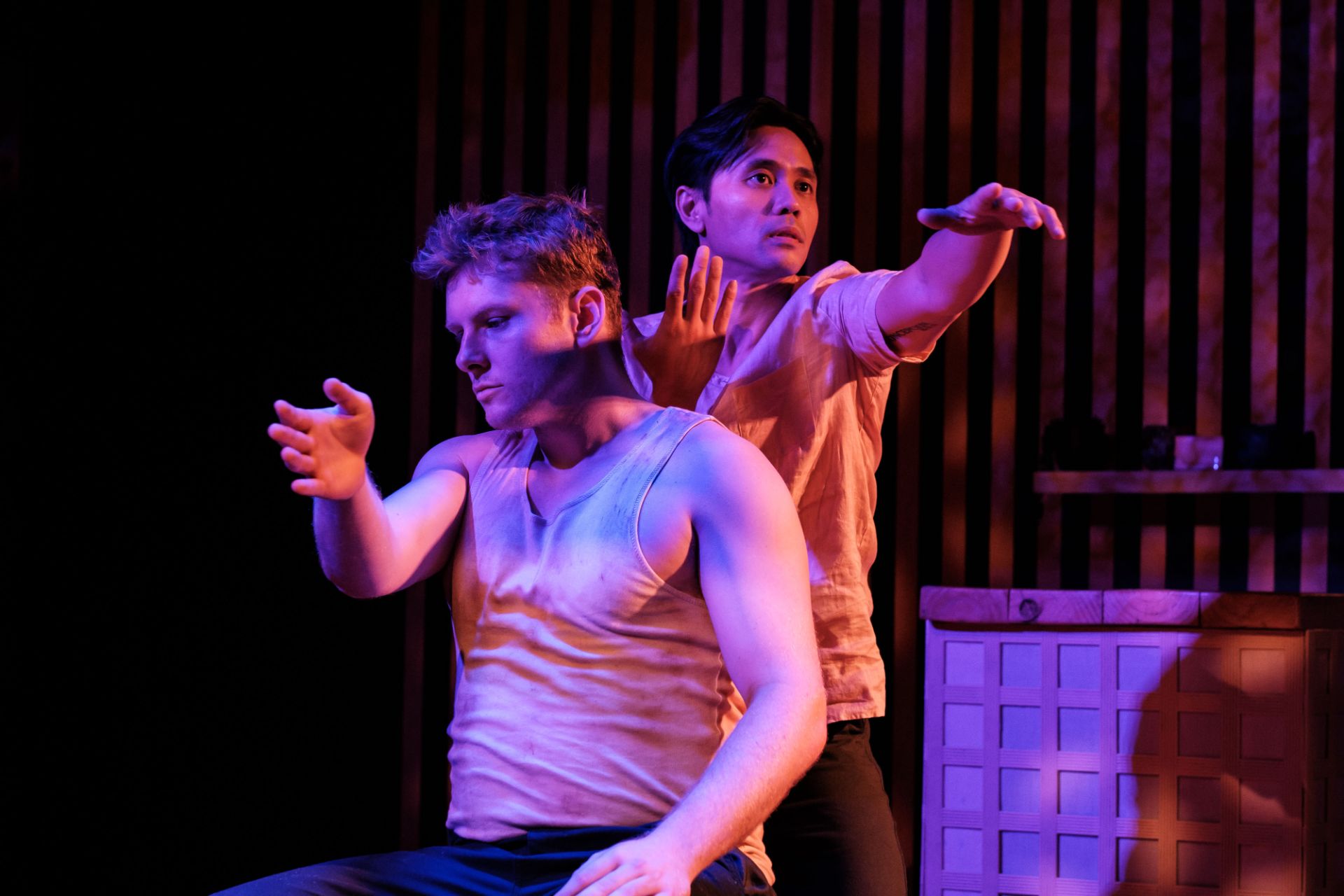
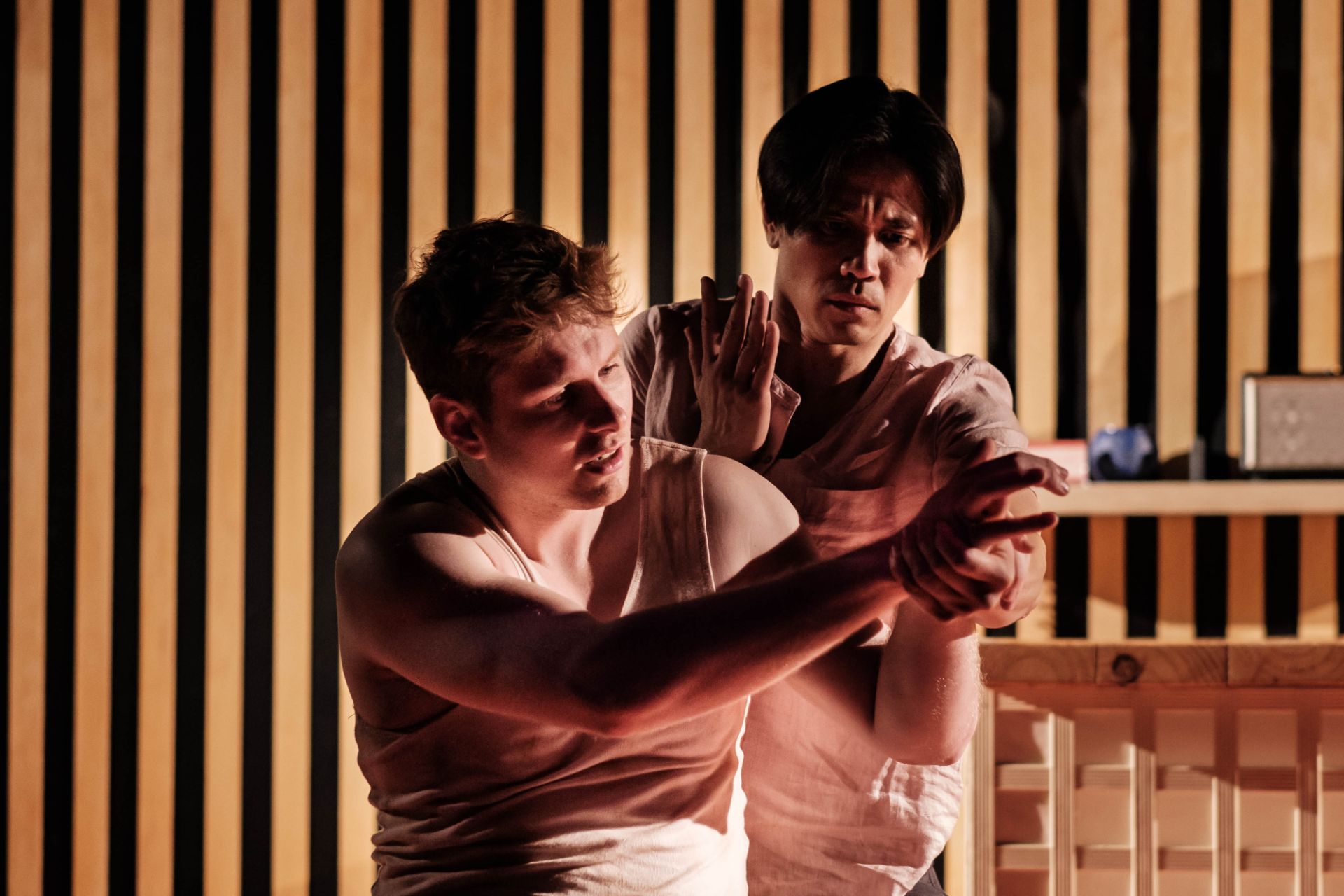
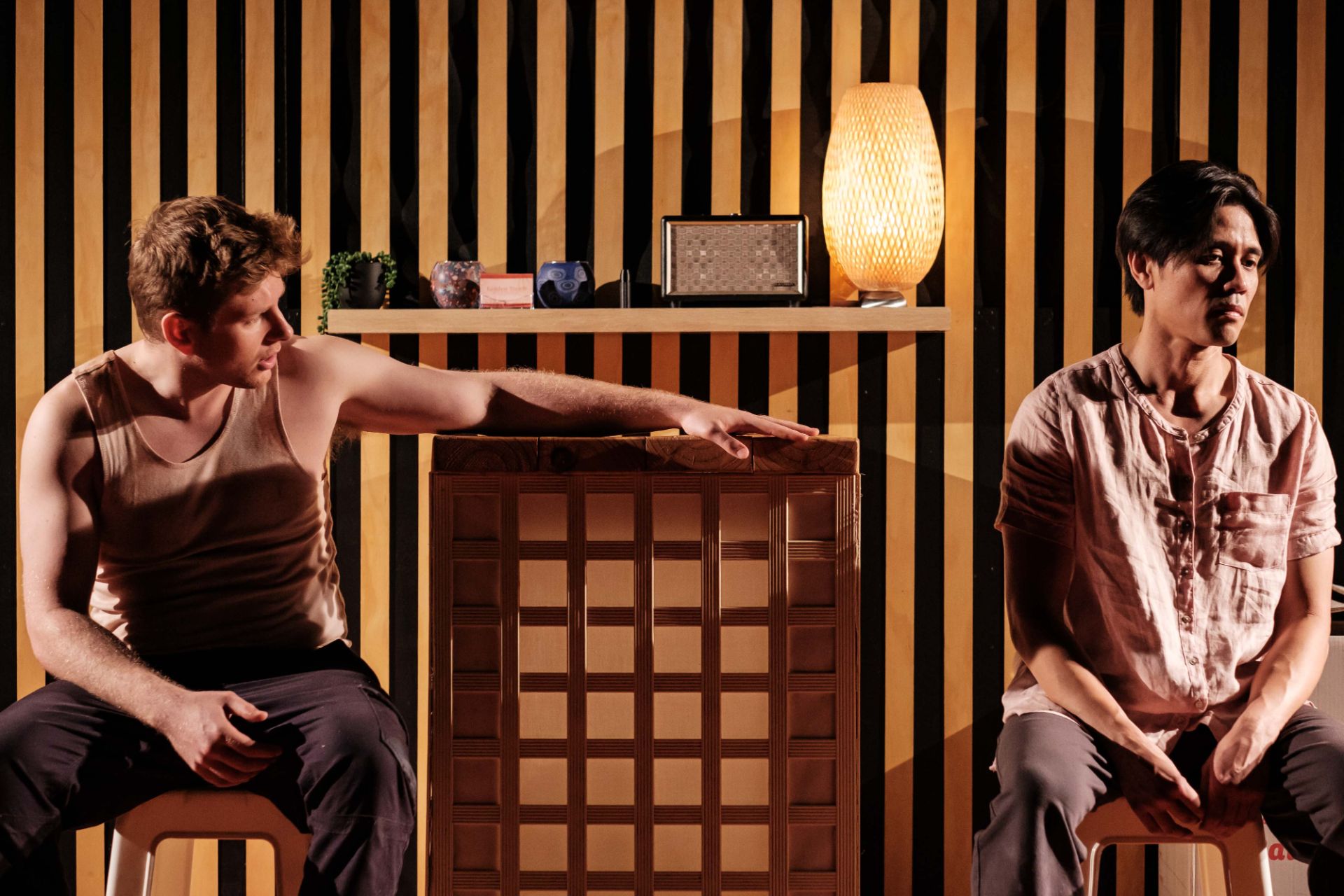
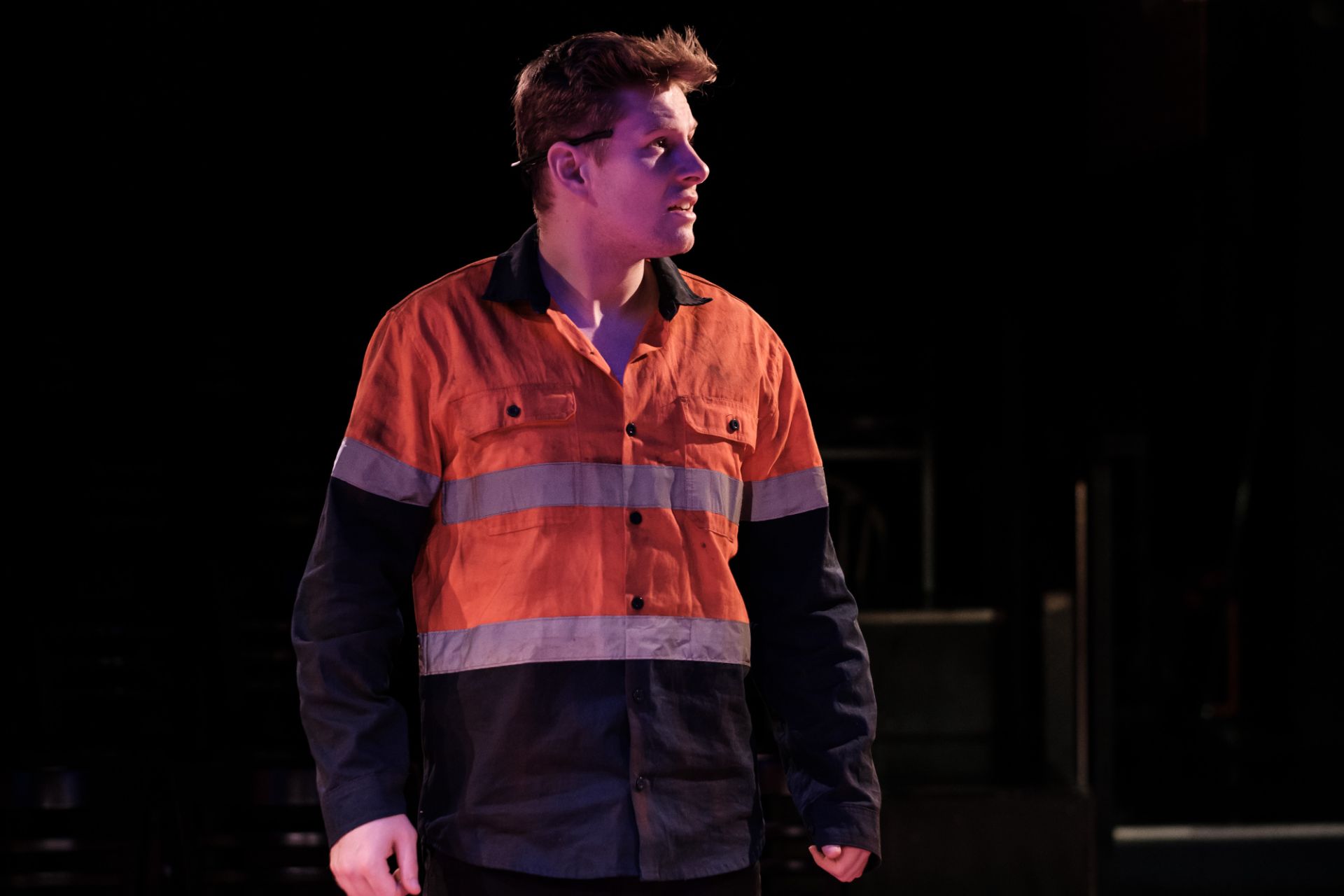
Review: Tell Me Before The Sun Explodes (Rock Bottom Productions)

Venue: Kings Cross Theatre (Kings Cross NSW), May 4 – 14, 2022
Playwright: Jacob Parker
Director:
Hayden Tonazzi
Cast: Tim McGarry, Joshua Shediak
Images by Philip Erbacher

Theatre review
Even though Andrew and Chris are no longer lovers, their bond continues to be a strong and passionate one. In Jacob Parker’s Tell Me Before the Sun Explodes, we meet the couple at various points of their relationship, flashing back and forth in time, to observe how things change and how things stay the same. It is a portrait of rare intimacy, the kind of which any person would count themselves lucky to have experienced once in a lifetime.

Parker’s dialogue is witty and incisive, revealing an uncanny ability to observe the world with inordinate sensitivity. Director Hayden Tonazzi turns Parker’s words into 70 minutes of short, sharp scenes for which our minds race to put the pieces together, as our hearts feel the involuntary pull of Parker’s ephemerally meaningful musings on desire and death (a significant age gap exists between the characters).

The production feels poetic, with a pretty wistfulness that is quite charming in its delicacy. Soham Apte’s set design is an intriguing manifestation of what our emotions become, after years of wear and tear; it is ambitiously conceived, and accomplished with an admirable eye for detail. Lights by Ryan McDonald do the practical work of moving us through the linear and the circular dimensions of time, whilst keeping us connected to the heart of the story. Sound design by Chrysoulla Markoulli is stunning in its intricacy, and highly effective in guiding us through the complex and vacillating feelings that are being aroused.

Actor Tim McGarry delivers exceptional technical proficiency in the role of Andrew, with a performance memorable for its precision, both in terms of design and of implementation. As Chris, Joshua Shediak impresses with his presence and his authentic impulses. There is a clarity to his depictions that allow us to understand instinctively, the many internal fluctuations he goes through, so quickly yet so convincingly.

The wonder of love is that it feels eternal. The truth of it though, is that its beauty is completely contingent on the fact that nothing is forever. It is in the knowing that an end will come, that love becomes so precious, and so overwhelming in its allure. The threat of its absence can be so palpably harrowing, that it makes us invest in it, so unfathomably immensely. We are also capable however, of taking people for granted, of forgetting that all our human connections hang by a thread. The union of Andrew and Chris starts, and it ends. That inevitable conclusion only makes their time together even more special.

www.rockbottomproductions.com.au

Review: Son Of Byblos (25A Belvoir)

Venue: Belvoir St Theatre (Surry Hills NSW), May 4 – 21, 2022
Playwright: James Elazzi
Director: Anna Jahjah
Cast: Violette Ayad, Kate Bookallil, Simon Elrahi, Deborah Galanos, Mansoor Noor
Images by David Hooley

Theatre review
Cousins Adam and Clare are queer Australians, but they are also Lebanese. Like many of our LGBTQIA+ compatriots from minority cultural backgrounds, they do not have the luxury to live loud and proud, like the mainstream examples we often see in white media. Instead, they indulge in their sexualities surreptitiously, and rely only on each other, for open and honest companionship. Things begin to unravel however, when Clare decides to marry a man, in a radical attempt to stop being a lesbian once and for all.

James Elazzi’s Son of Byblos exposes the truth about queer life on this land, as experienced by many people of colour. On one hand, it questions the progress that we think we have made as a political movement, and on the other, it challenges traditional ways of life that are still pervasive in enclaves everywhere, that continue to struggle with acceptance. Adam wants to be a good son to his loving parents, but he is never able to reconcile fundamental truths about his sexuality, with expectations at home.

This is by no means a new story. In fact in can be considered an age-old one, but Elazzi’s insistence on discussing the issue, prevents us from looking away. Delusions about social advancement, means that people can be left behind, but a play like Son of Byblos in 2022 reminds us that activism and advocacy should always be about those who are most disadvantaged. LGBTQIA+ progressivism in Australia it seems, has taken its eye off the ball.

The work is directed by Anna Jahjah who anchors the action in that space of conflict and tension, where tradition and rights of the individual, prove dissonant. Performances oscillate in and out of naturalism, but when the cast hits upon moments of authenticity, is when the drama really captivates.

Actor Mansoor Noor brings polish to the production, playing Adam with great nuance and believability. It is admirable that Noor’s portrayal of a difficult existence is one of a man taking it in his stride, rather than only looking tortured. There is a valuable air of dignity given to all the characters in Son of Byblos. Kate Bookallil as Clare is especially moving in her final scene, completely devastating as she tries to deal a final blow to her genuine self. Also very touching and vulnerable, is Violette Ayad who as old friend Angela, stands up for herself and refuses to be a pawn in Adam’s charade. Simon Elrahi and Deborah Galanos play Adam’s well-meaning parents, both warm presences that help us mediate this painful conundrum, of the truth against piety.

Sex in Son of Byblos is never depicted in a positive light. Instead of pleasure, connection and empowerment, it only delivers anguish. When we see that even the most beautiful things, can be turned harrowing, we must come to the realisation that resistance is critical.

www.belvoir.com.au / www.bnwtheatre.com.au

Review: Volcanoes And Vulvas (Old Fitz Theatre)

Venue: Old Fitzroy Theatre (Woolloomooloo NSW), May 3 – 7, 2022
Director and Performer: Cheryn Frost
Co-Writers: Brylie Frost, Cheryn Frost

Theatre review
It is the artist’s passion that takes centre stage in Volcanoes and Vulvas, a one-woman show that excavates at the deepest recesses of Cheryn Frost’s psyche, for a theatrical portrait of feminine desire and queer love. The natural phenomenon of volcanoes, with all their eruptive force, is introduced into these discussions about the libido, as well as drawing humorous parallels between geological dikes and Frost’s sexual identity as a proud lesbian. A reminder perhaps, that the social and the natural, are to be regarded as one and the same.

The work resides in a place of impulse and emotion, which means its intellectual dimensions can feel somewhat under-explored, but its powerful aesthetics draw us in convincingly, and convey with exactitude, the internal realities of what it must be like to be Frost. An exquisite set design by Jessie Spencer, along with hypnotic lights by Frankie Clarke, seduce us into a state that is both rapturous and viscerally erotic, helping us connect the libido of humanity with the palpable drives of the rest of nature. Angus Mills creates a soundtrack that surreptitiously disarms, operating like sonic lubrication, in order that we may welcome the artist’s earnest expressions with commensurate openness.

As performer, Frost is charming, with a distinct vulnerability that keeps us firmly on side. It is admirable that she pushes herself to points of discomfort, so that a more dramatic experience could be manufactured, but it is in more introspective moments where Frost feels most authentic and inviting. At approximately 40 minutes, Volcanoes and Vulvas is unapologetically succinct. There is an insistence on honesty, of only saying what the artist wants to say, even if it is ultimately a simple and small statement.

www.redlineproductions.com.au

Review: Breathing Corpses (Eye Contact Theatre Company)

Venue: Kings Cross Theatre (Kings Cross NSW), Apr 8 – 23, 2022
Playwright: Laura Wade
Director:
Jess Davis
Cast: Nisrine Amine, Xavier Coy, Zelman Cressey-Gladwin, Mark Langham, Monica Sayers, Joshua Shediak, Emma Wright
Images by Becky Matthews

Theatre review
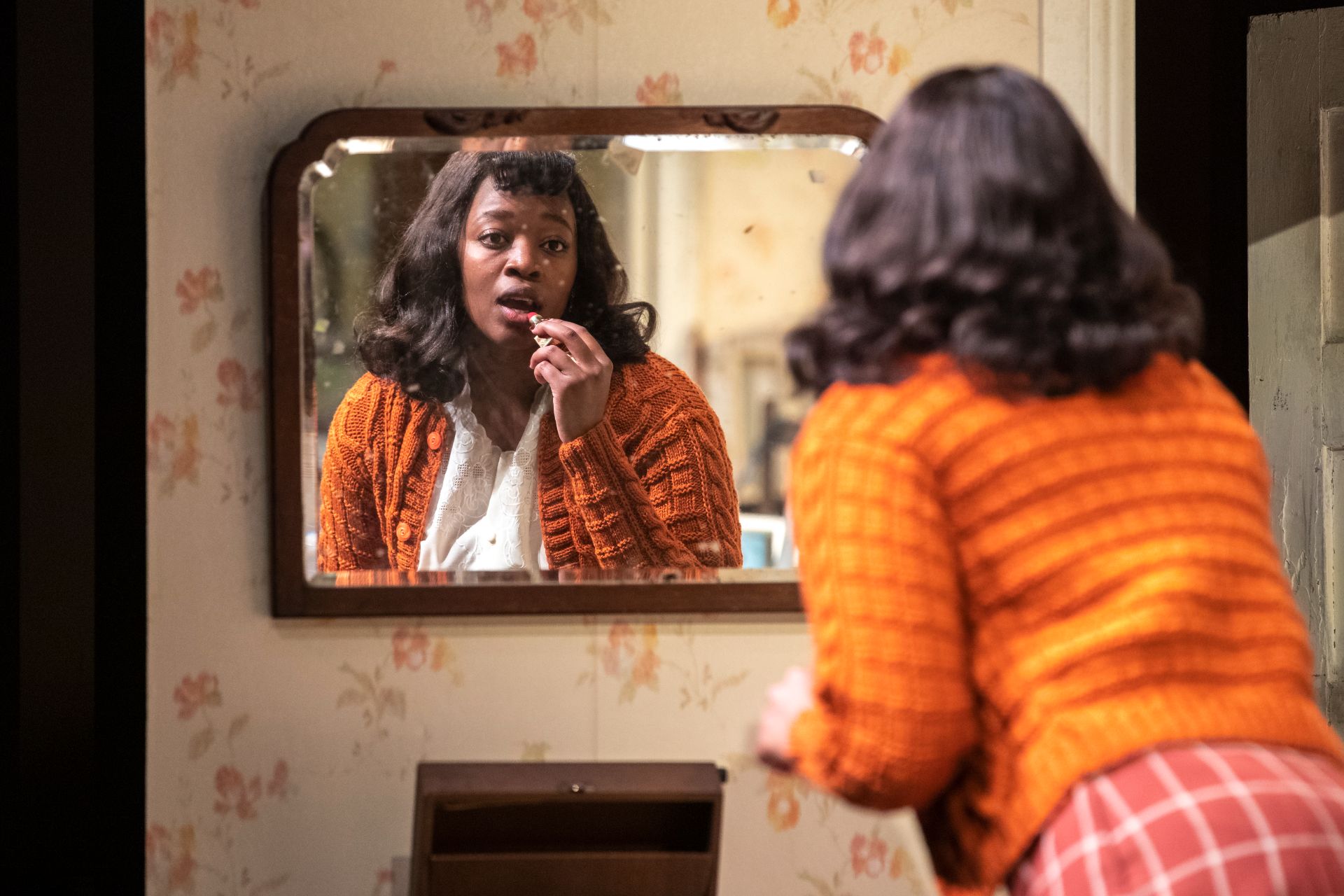
A hotel maid discovers a dead body, when she opens the door, to one of the rooms that require her daily attention. Several people die in English writer Laura Wade’s Breathing Corpses, and it is the macabre quality of those lingering presences, that gives the play’s three disparate stories, a sense of danger and tension. Like in real life, there is a certain evasion in attitudes pertaining to the unassailable fact of death, and an inability to look death in its eye, to deal with it honestly, that underscore everything that we see unfold.

Directed by Jess Davis, the production bears an intensity that sustains our engagement, from start to end. Although some of the playwright’s humour seems lost in the staging’s focus on high-stakes drama, the 90-minute journey is nonetheless an enjoyable one. Sam Cheng’s sound design is a noteworthy element, that effectively, and elegantly, amplifies the gravity of situations being explored. Production design by Kate Beere, along with Sophie Parker’s lights, are accomplished with notable restraint, both contributing to a chilly atmosphere, that is characteristic of this staging.

A well-rehearsed cast of seven, deliver strong performances that ensure our investment in all of their narratives. Emma Wright plays hotel maid Amy, with great concentration and sensitivity; she sets the tone beautifully for a contemplative experience. Nisrine Amin and Zelman Cressey-Gladwin are excellent as the abusive couple Kate and Ben, both actors powerful in their convincing depiction of a terrifyingly destructive relationship.

People go about their lives, as though death will never come. So much of what we do, depends upon the certainty of a tomorrow. It is so easy then to devalue the time that we do have today, and leave what really matters for imaginary futures. Today then is only ever comprised perennially of inferior interludes, rarely allowing life to reach their fullest potential. Appreciating death, is to let every second count, which also means that one can finally learn, to live in the moment.

https://www.facebook.com/eyecontacttheatreco/

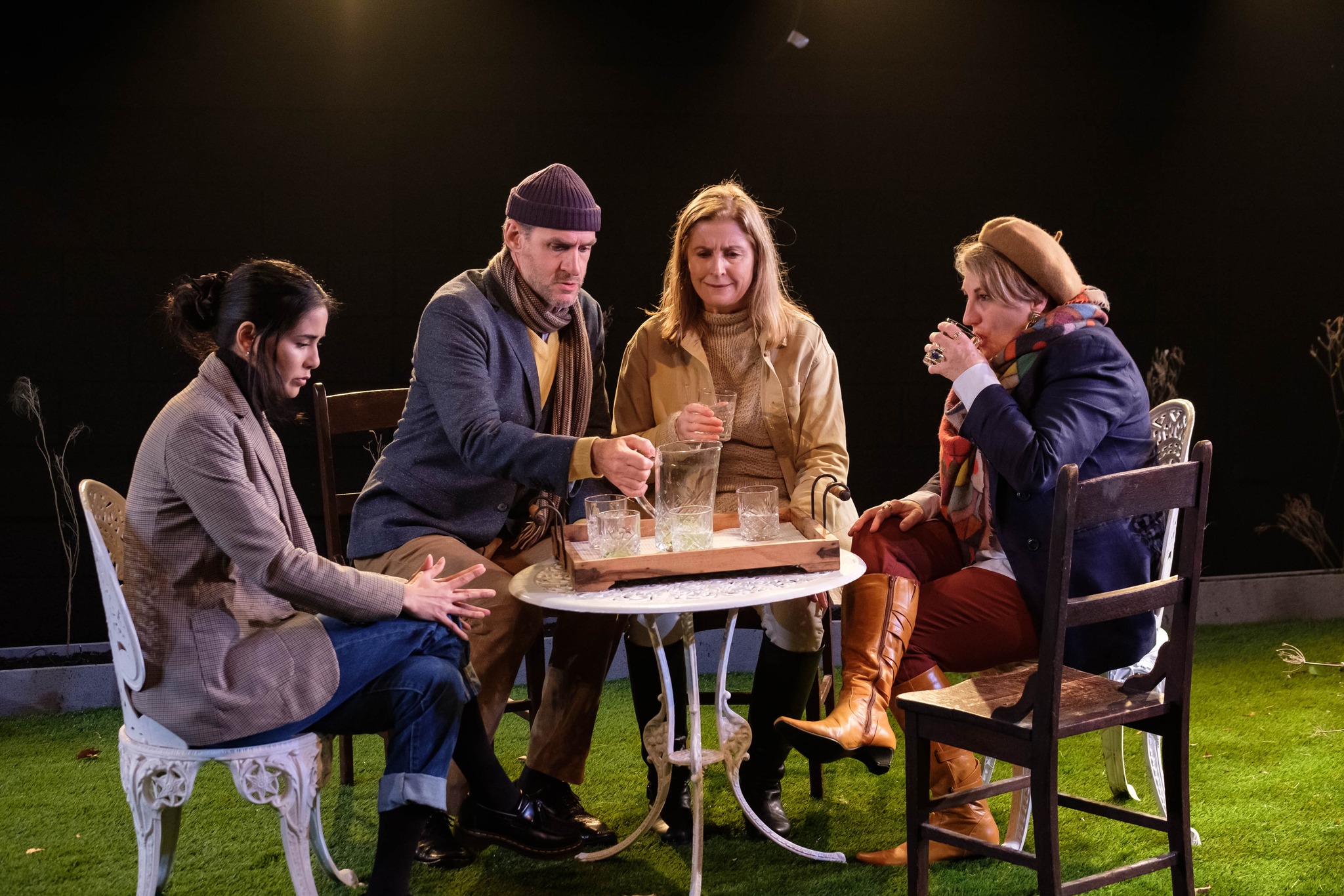
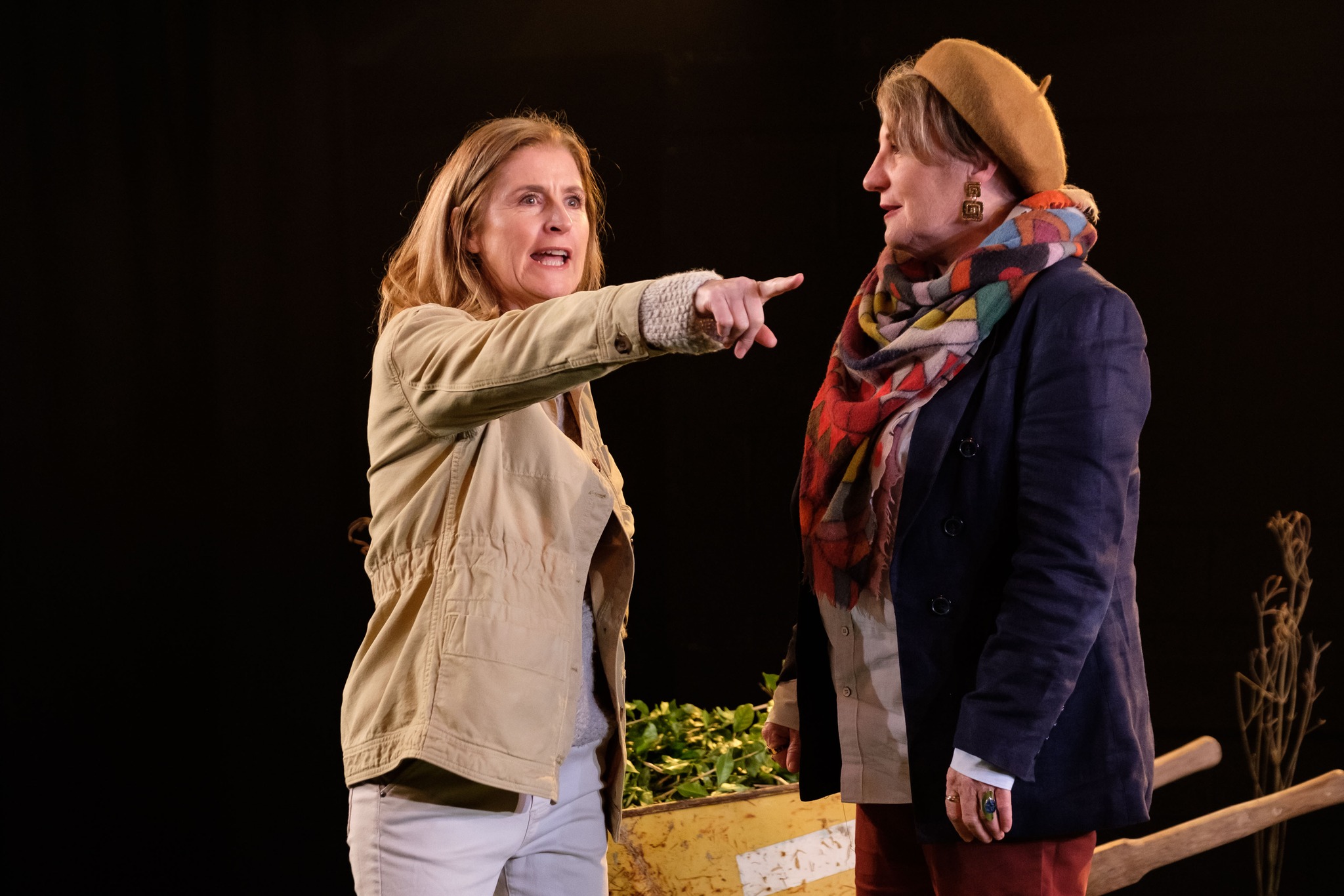
Review: Heroes Of The Fourth Turning (Outhouse Theatre Co)

Venue: Seymour Centre (Chippendale NSW), Mar 31 – Apr 23, 2022
Playwright: Will Arbery
Director: Craig Baldwin
Cast: Micaela Ellis, Madeleine Jones, Eddie Orton, Kate Raison, Jeremy Waters
Images by Richard Farland

Theatre review
Four friends are gathered in a Wyoming backyard after a celebration, for their mentor Gina’s induction as president of their Catholic alma mater. Prompted by traumatic events of the 2017 Charlottesville white supremacist rally just two days prior, and with the assistance of alcohol, conversations quickly become passionate, and revealing, between these conservative Americans, at the height of the Trump era.

Will Arbery’s Heroes of the Fourth Turning is an exploration of the political discord that seems to have permeated so much of contemporary life. The unrelenting vilification of the other side, without ever getting to really know any of those adversaries in meaningfully personal ways, has created new societal structures that are increasingly fractured, and that feel dismally irreconcilable. In Arbery’s play, we are given the opportunity to look intimately at those who pride themselves as being conservative. The work is often challenging, especially when it skates close to drawing precarious equivalences between left and right, in efforts to make us find empathy for the enemy. The thorough frankness of Arbery’s writing though, encourages introspective reflections that would at least have us reconsider our own incapacity for generosity, when acceptance of conservative ideology remains appropriately an abhorrent idea.

Directed by Craig Baldwin, the dense and bombastic text of Heroes of the Fourth Turning is translated into unexpectedly entrancing drama, the tension of which is unabating and marvellously delicious. Brilliantly confronting, Baldwin’s staging does the hitherto unimaginable task, of making one find understanding for the other, whilst reaffirming one’s own oppositional convictions.

Production design by Soham Apte conveys authenticity for place and characters, with quiet but detailed renderings that serve well to tell the story. Lucia Haddad’s lights are similarly understated, effective in placing us in the right time and atmosphere, to connect with the play’s less than charming personalities. Baldwin’s own sound design offers elegant solutions to sustain our attention, and to keep it firmly focused on the show’s complex dialogue.

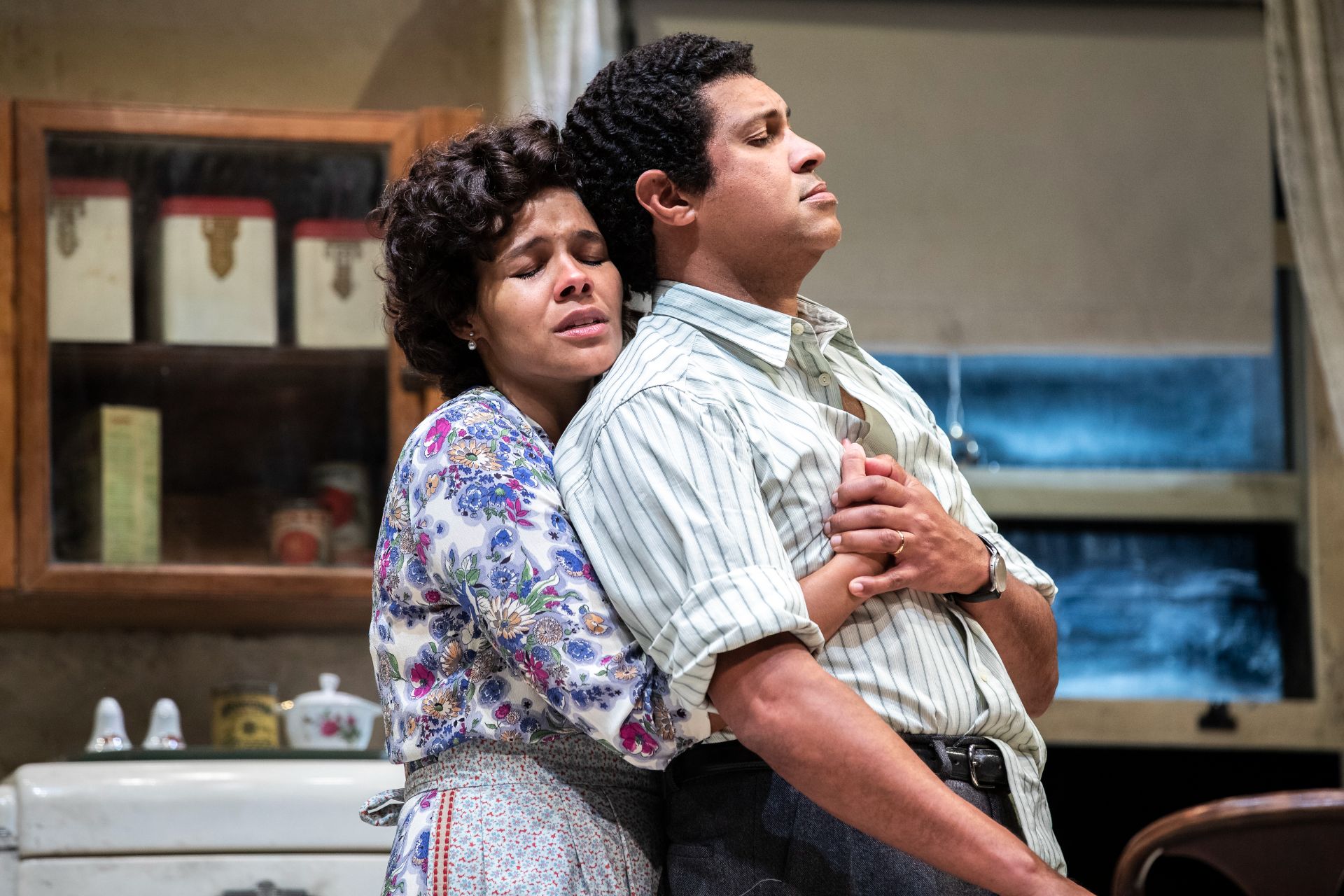
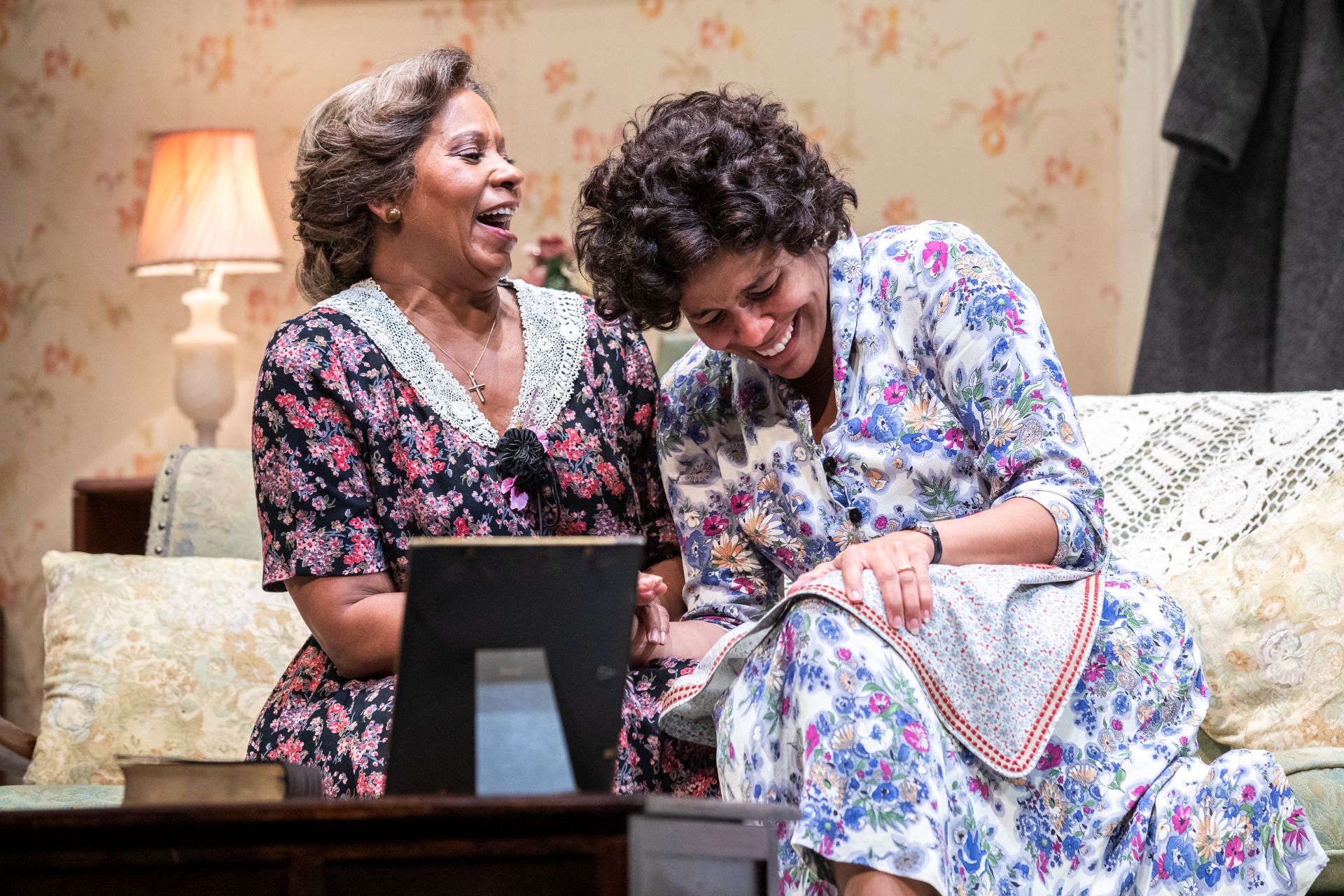
An exquisite ensemble of five actors, individually compelling, and powerful as a collective, conspire with great cohesiveness to take us through this tumultuous but highly satisfying examination, of tribes and factions. Madeleine Jones’ flawless recitation of some spectacularly wordy and convoluted alt-right diatribes, as the exasperating Teresa, proves to be maddeningly impressive. Kevin’s crisis of faith as a Catholic with compassion, is conveyed with dazzling fervour and excellent humour, by Eddie Orton. Micaela Ellis’ oscillations between soft and stern, for the role of Emily, provide much needed moments of relief for the audience.  The strong, silent Justin is played by Jeremy Waters with a beautiful restraint, leaving us plentiful room to cast judgement however we wish. Woman of the moment Gina, is given a splendid sense of grace by Kate Raison, who also does us a great favour of putting terrible Teresa in her place.
Humanising one’s foe is necessary, if only to keep our eye on the ball, and not be distracted by endless other conflicts that serve little to advance the cause. Heroes of the Fourth Turning does well to aide us in understanding how these American conservatives think and behave. It is true that the very mechanics of our humanity do not vary much; our need to fight for what is right, seems to be universal, and how our circumstances push us to grow vehement with our beliefs, also looks to run parallel. Any ideology, no matter why they come about, whose flourishment requires the subjugation of large categories of people however, simply cannot be allowed to thrive.
www.outhousetheatre.org