Venue: Wharf 1 Sydney Theatre Company (Walsh Bay NSW), Apr 13 – Jun 28, 2026
Playwright: Lisa Peterson, Denis O’Hare (translated by Robert Fagles)
Director: Damien Ryan
Cast: David Wenham
Images by Daniel Boud
Theatre review
Adapted from Homer’s foundational epic, Lisa Peterson and Denis O’Hare’s An Iliad distils the siege of Troy to its devastating essence: the fatal confrontation between Achilles and Hector, and through their collision, an anatomy of conflict that transcends its Bronze Age origins. This adaptation adopts a telescopic vantage, favouring the sweep of history over the psychologies that could reveal architectures of the individual soul. The result is a work of considerable erudition that too often keeps its audience at the very distance it seeks to condemn.
Damien Ryan’s direction mirrors this chronicler’s impulse, maintaining an objective, almost scholarly remove even as the production stages the full, bloody magnitude of human sacrifice. We witness the apparatus of war meticulously arranged—its rituals, its mathematics of mortality, its perverse machinery of honour—but the emotional current frequently runs beneath the surface, visible yet untouchable. Sentiment is artfully composed; feeling, however, remains tantalisingly out of reach.
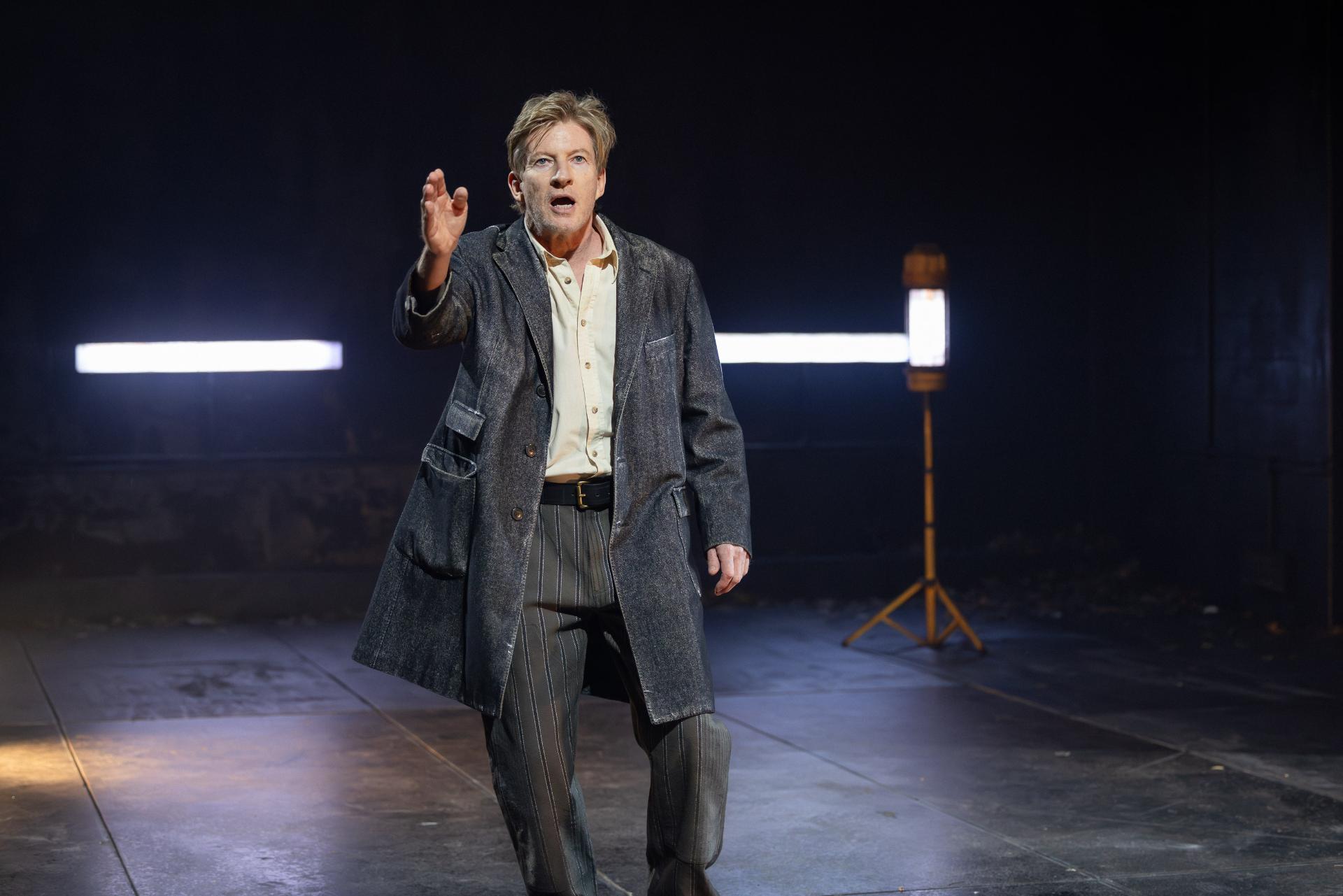
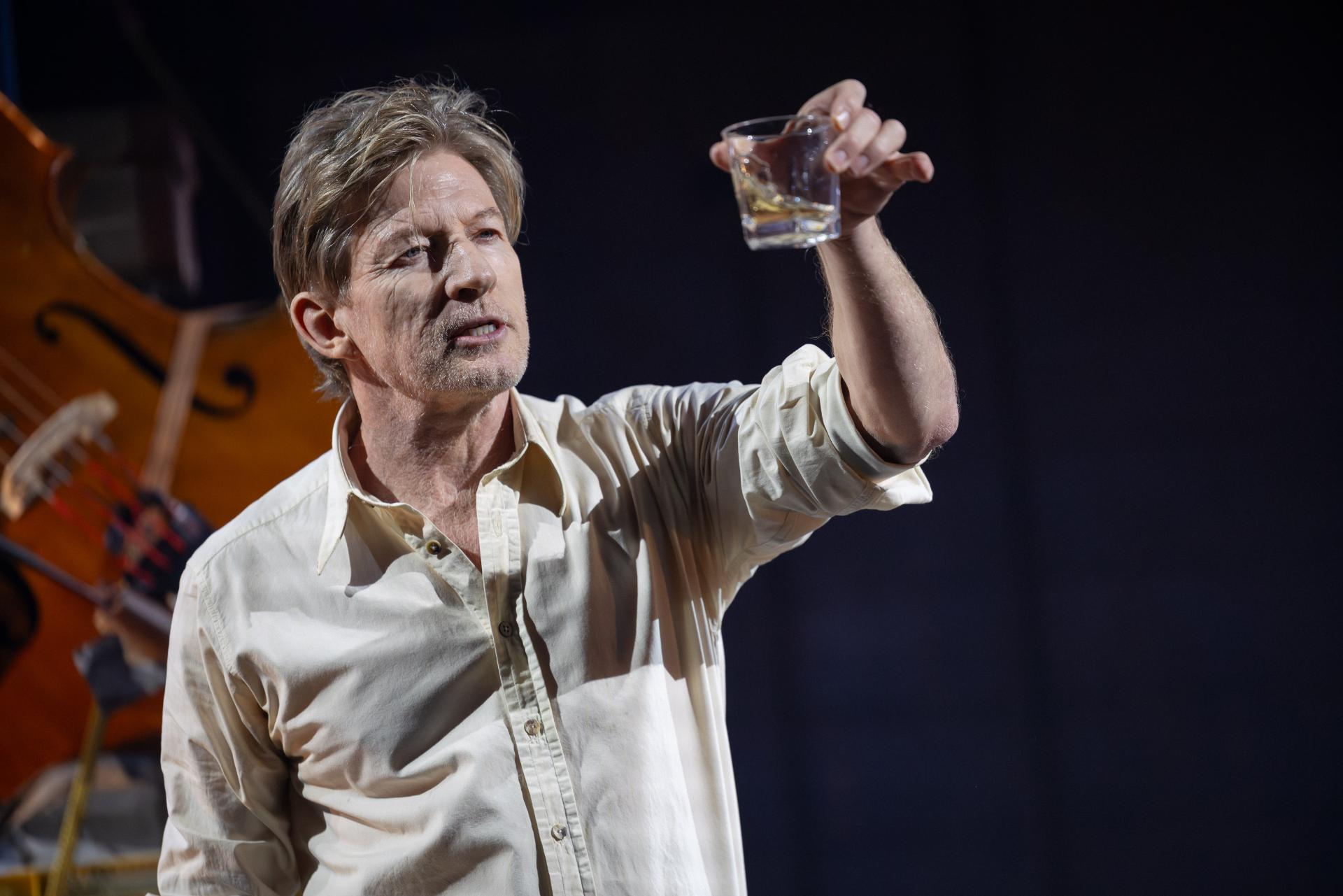
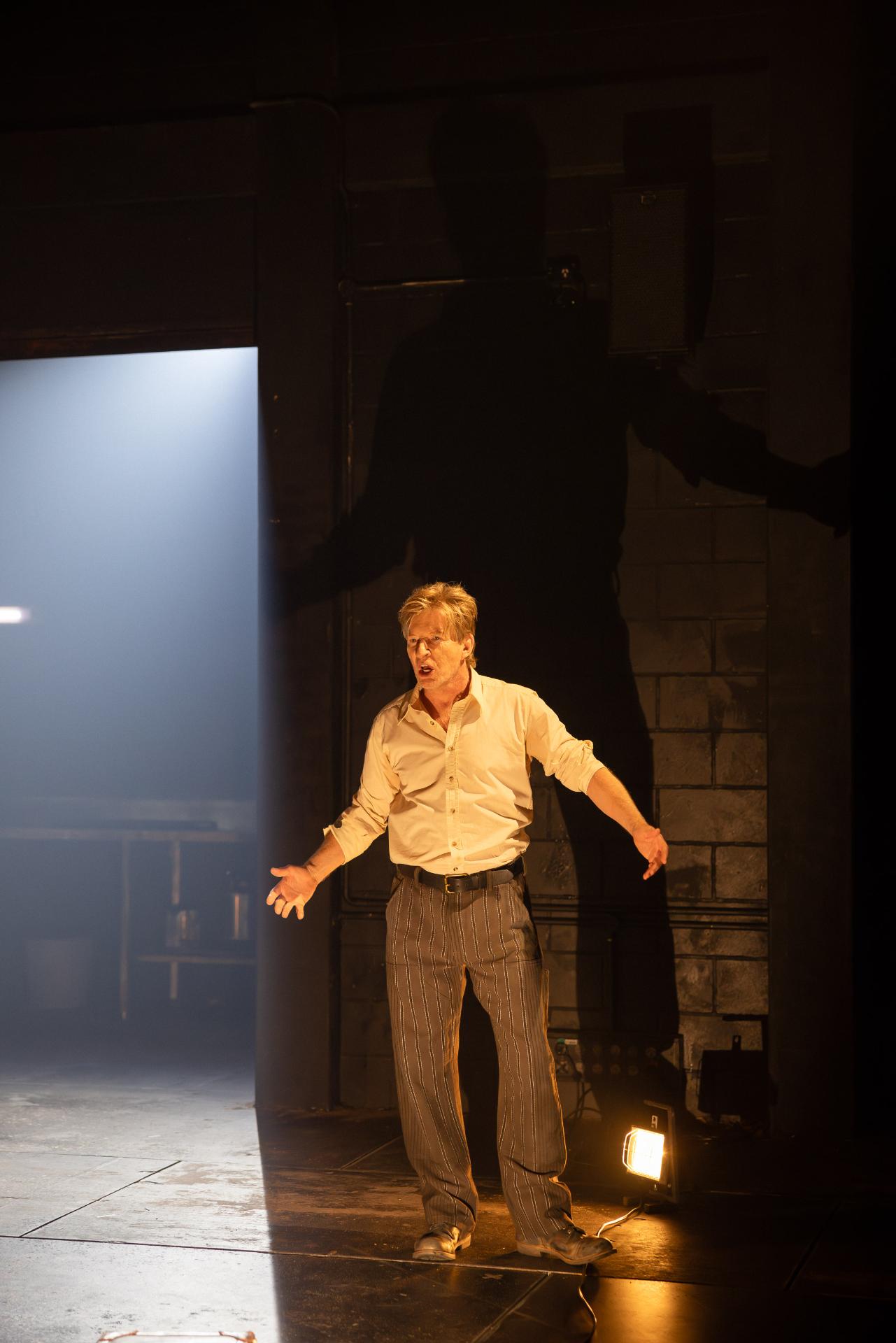
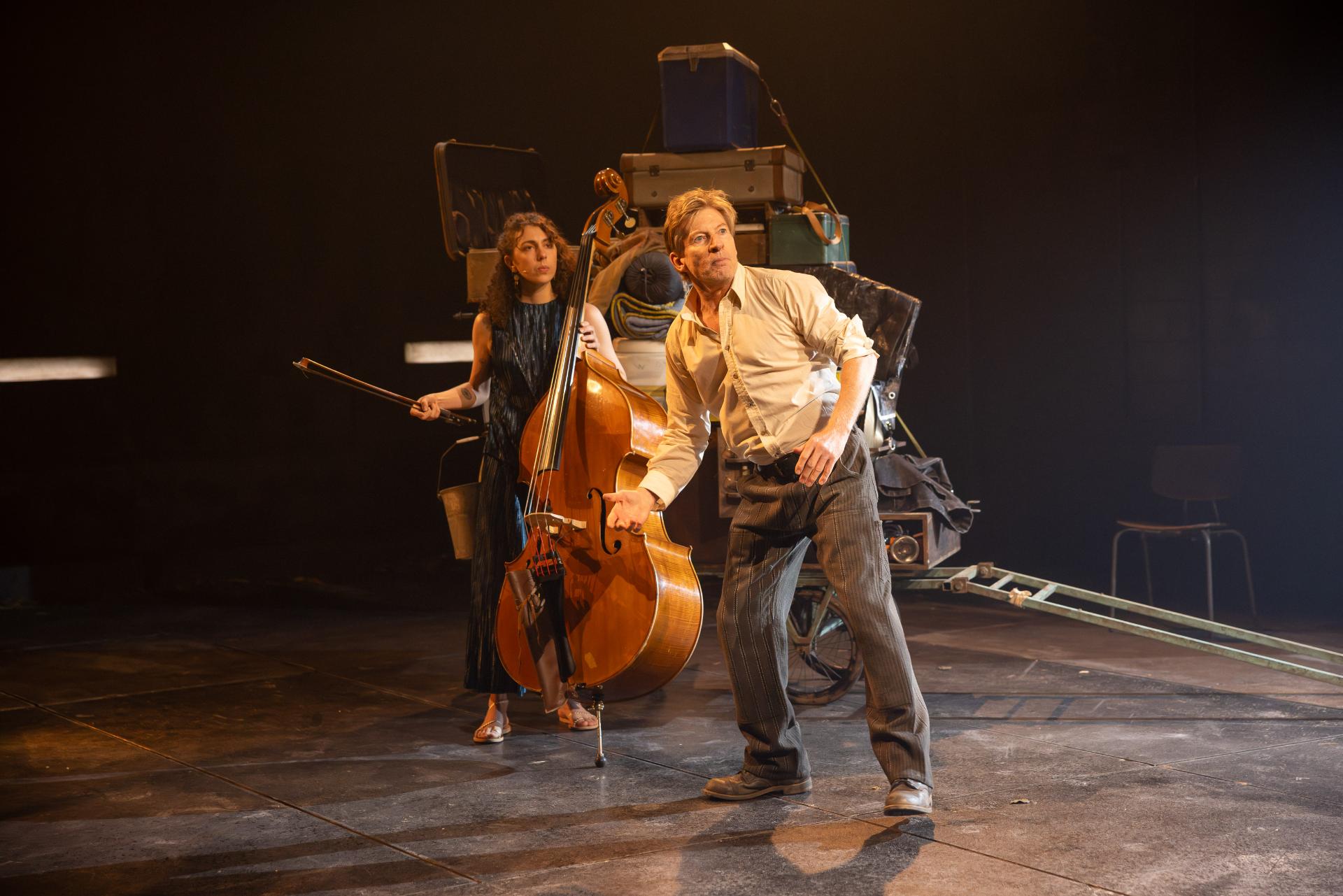
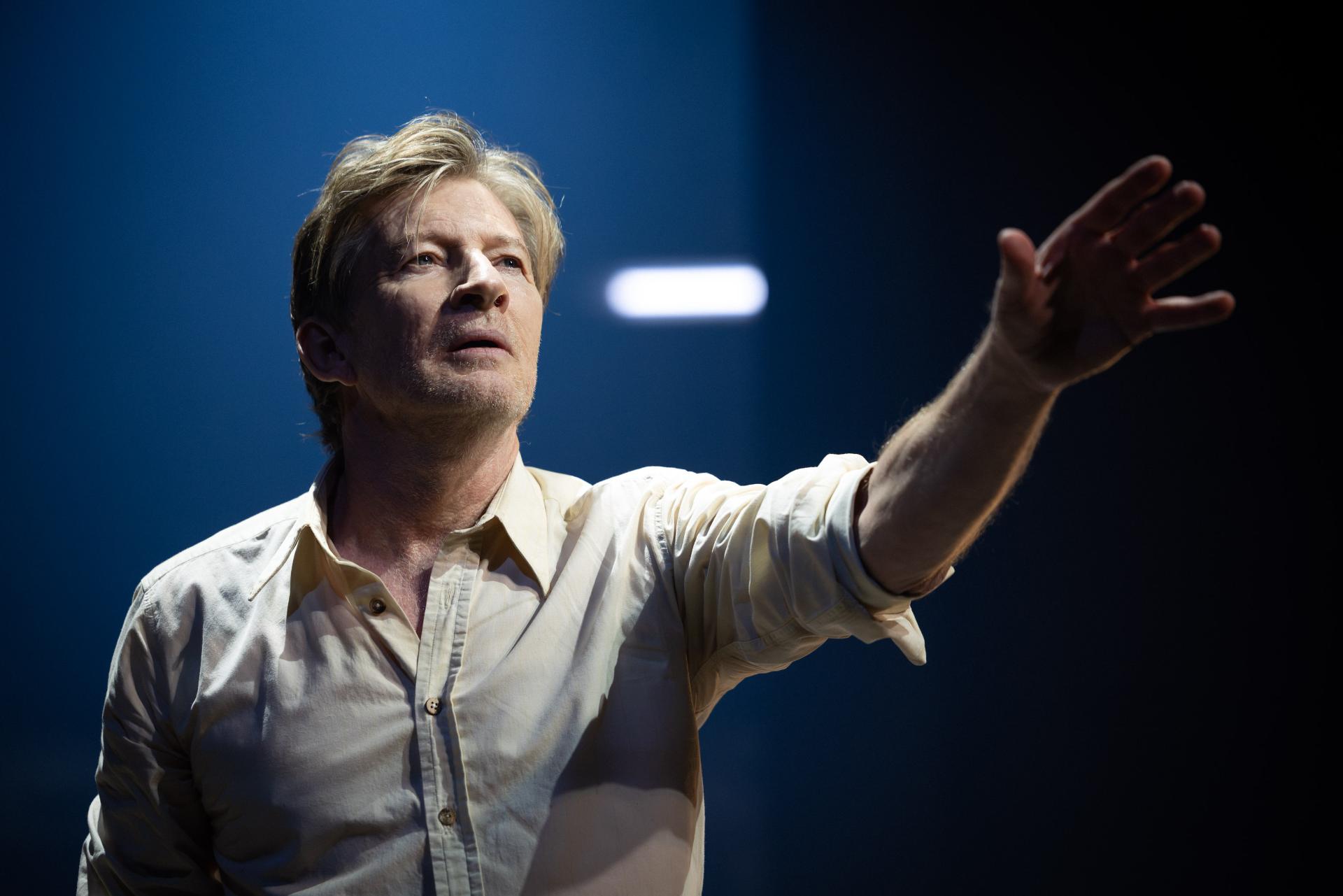
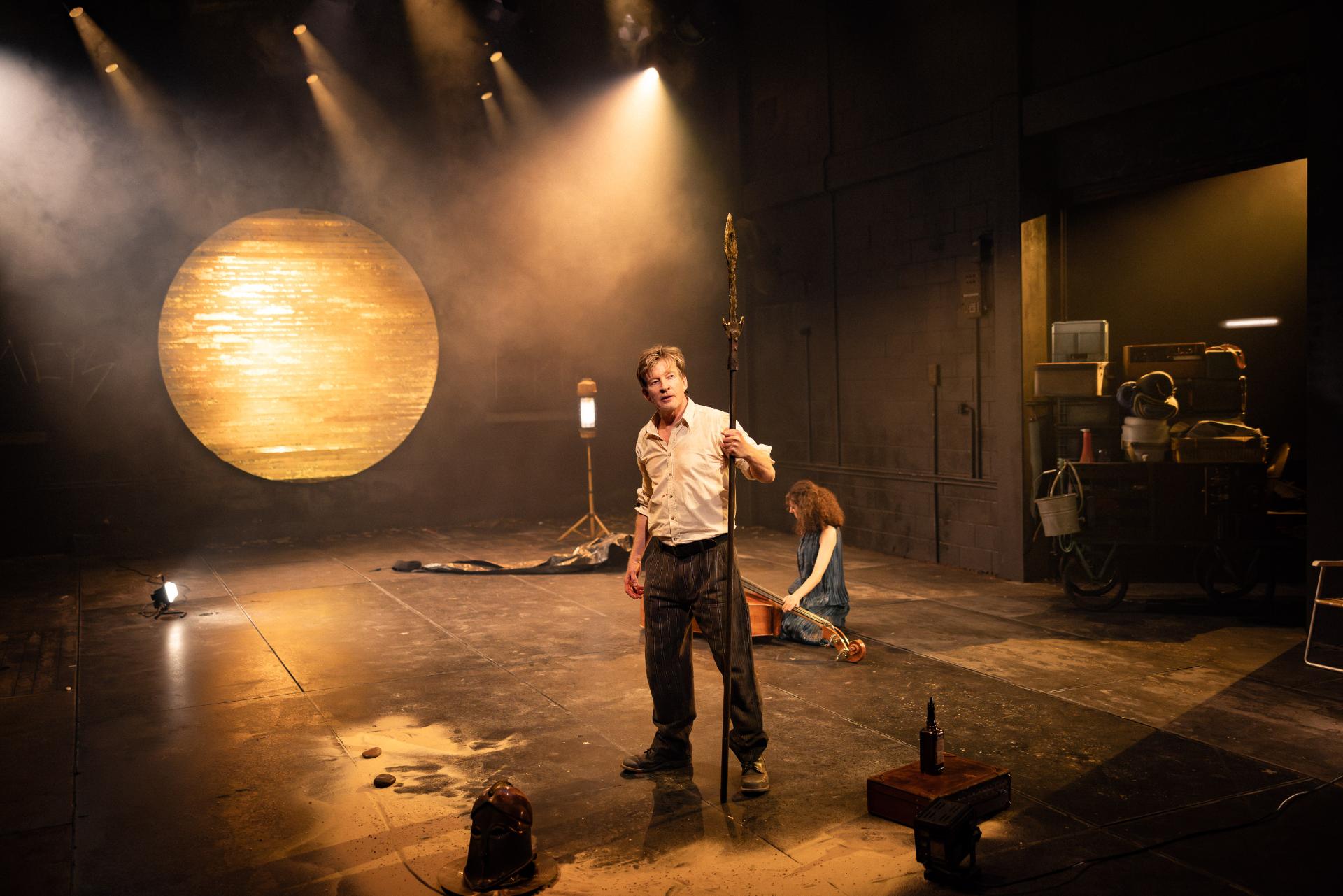
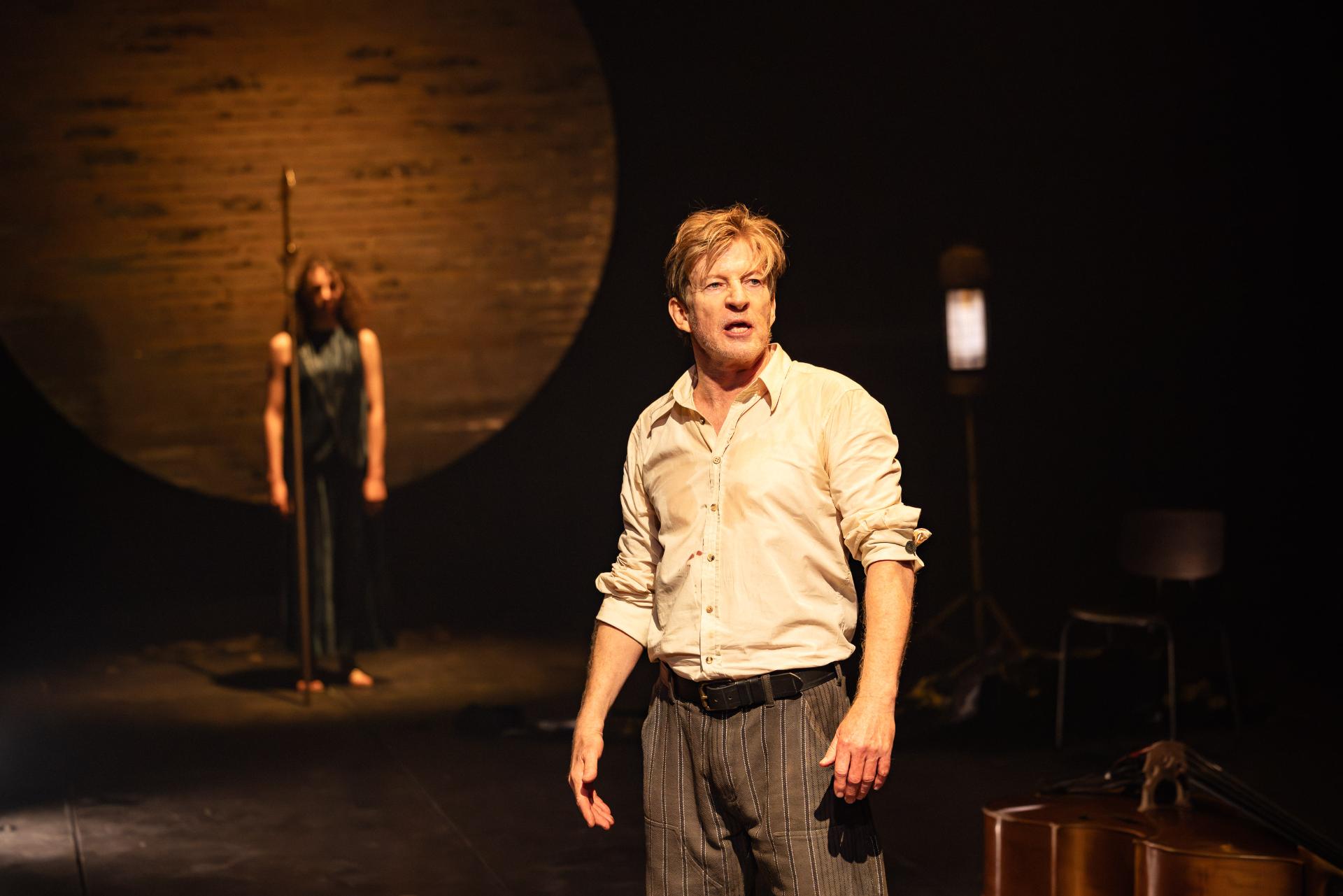
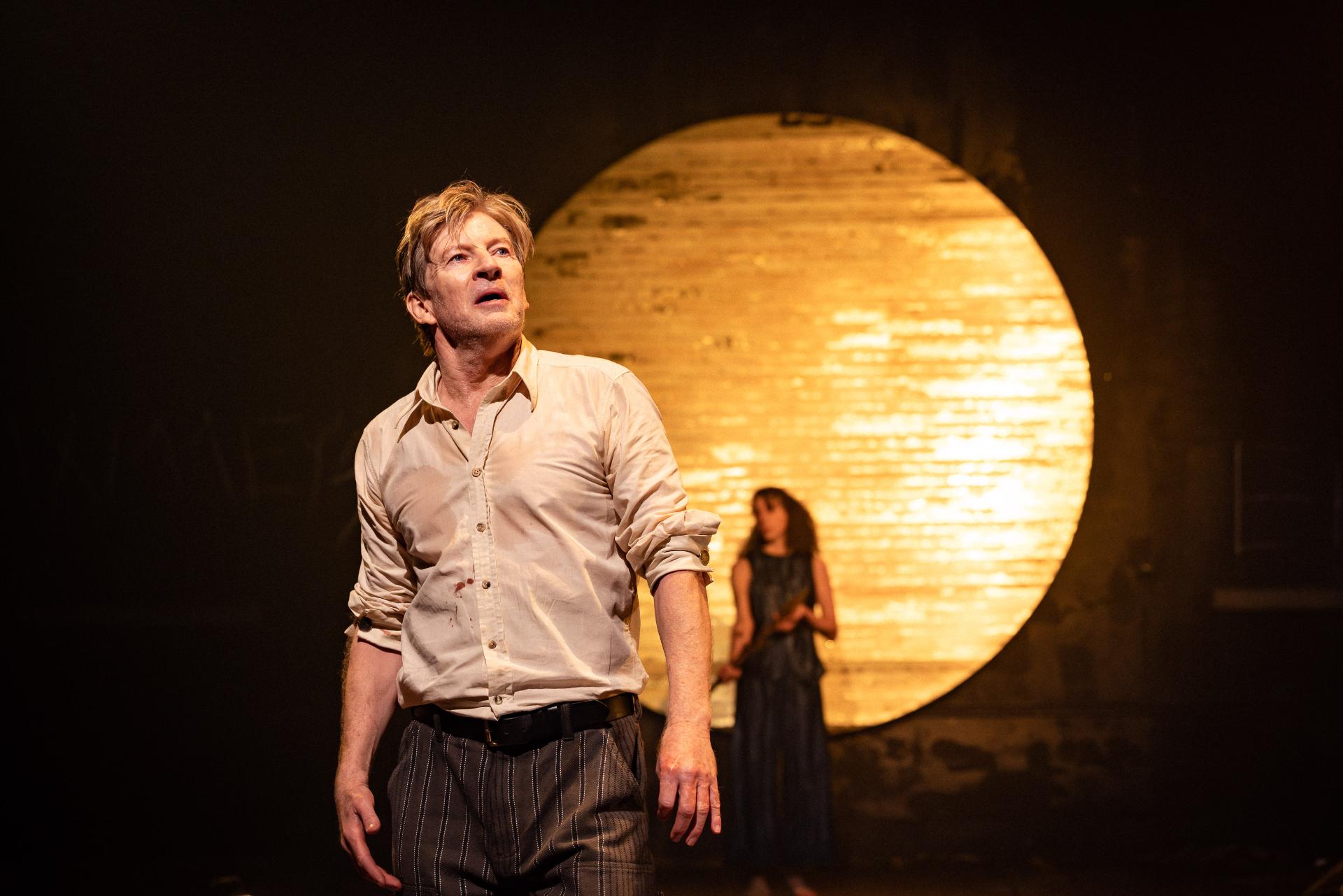
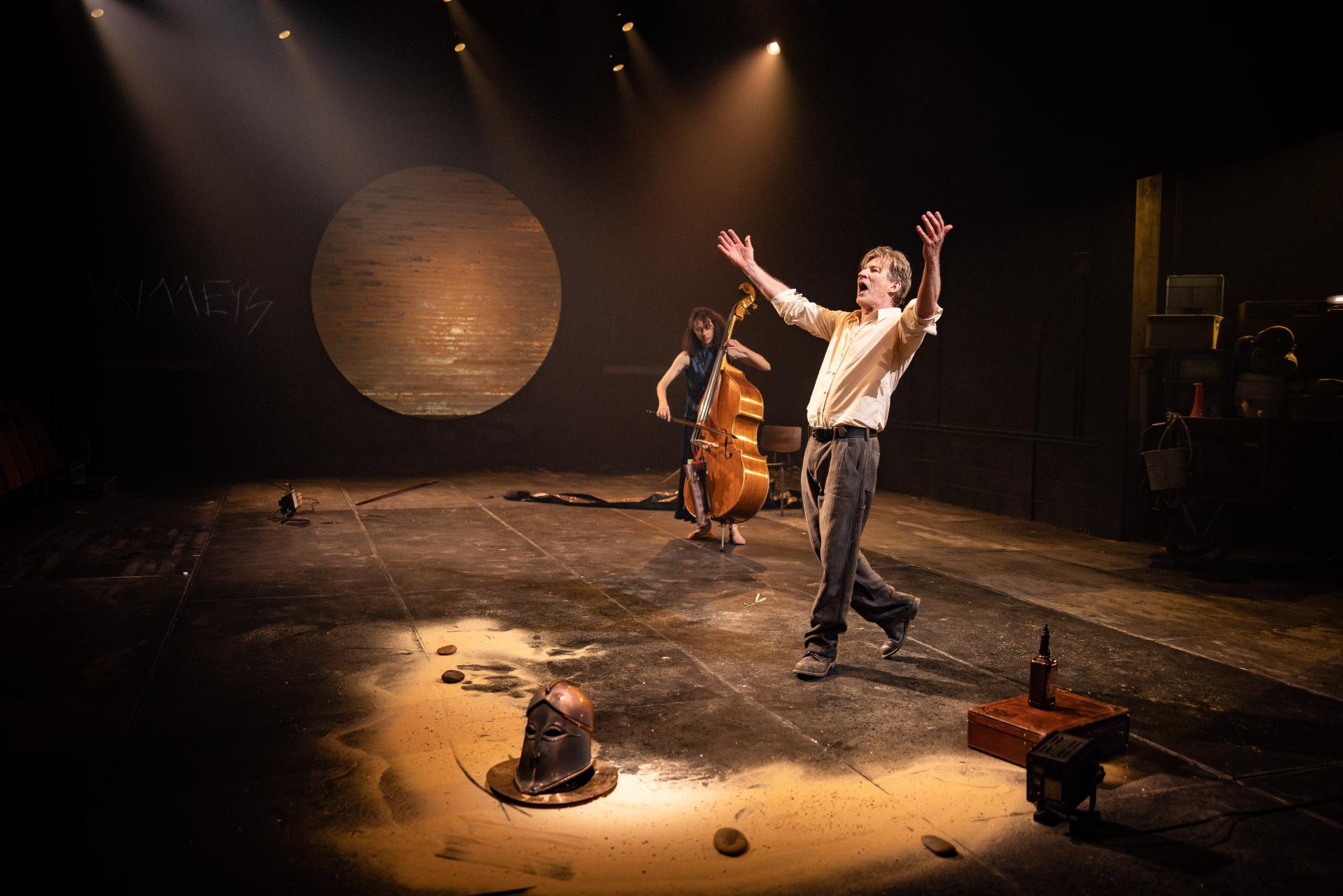
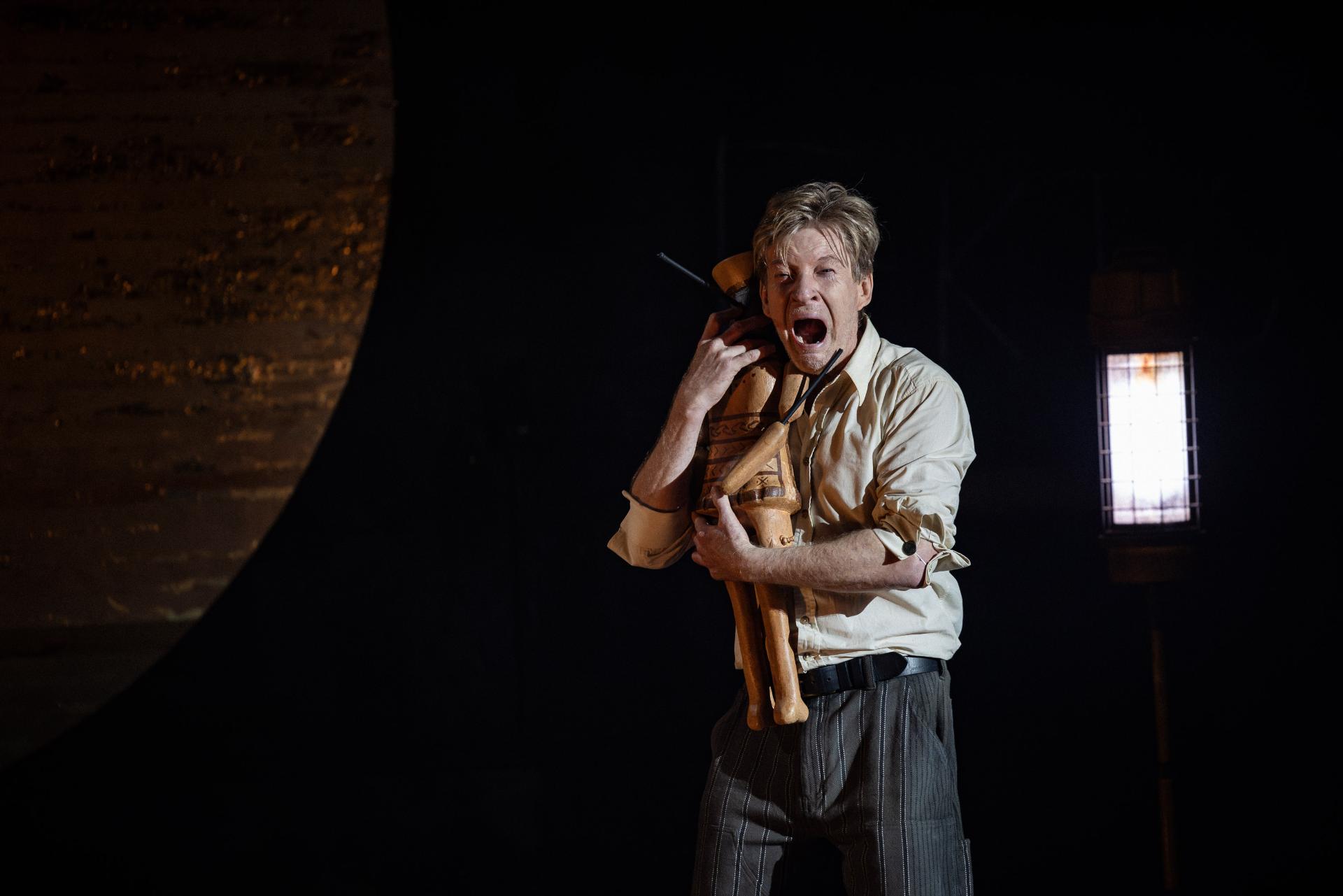
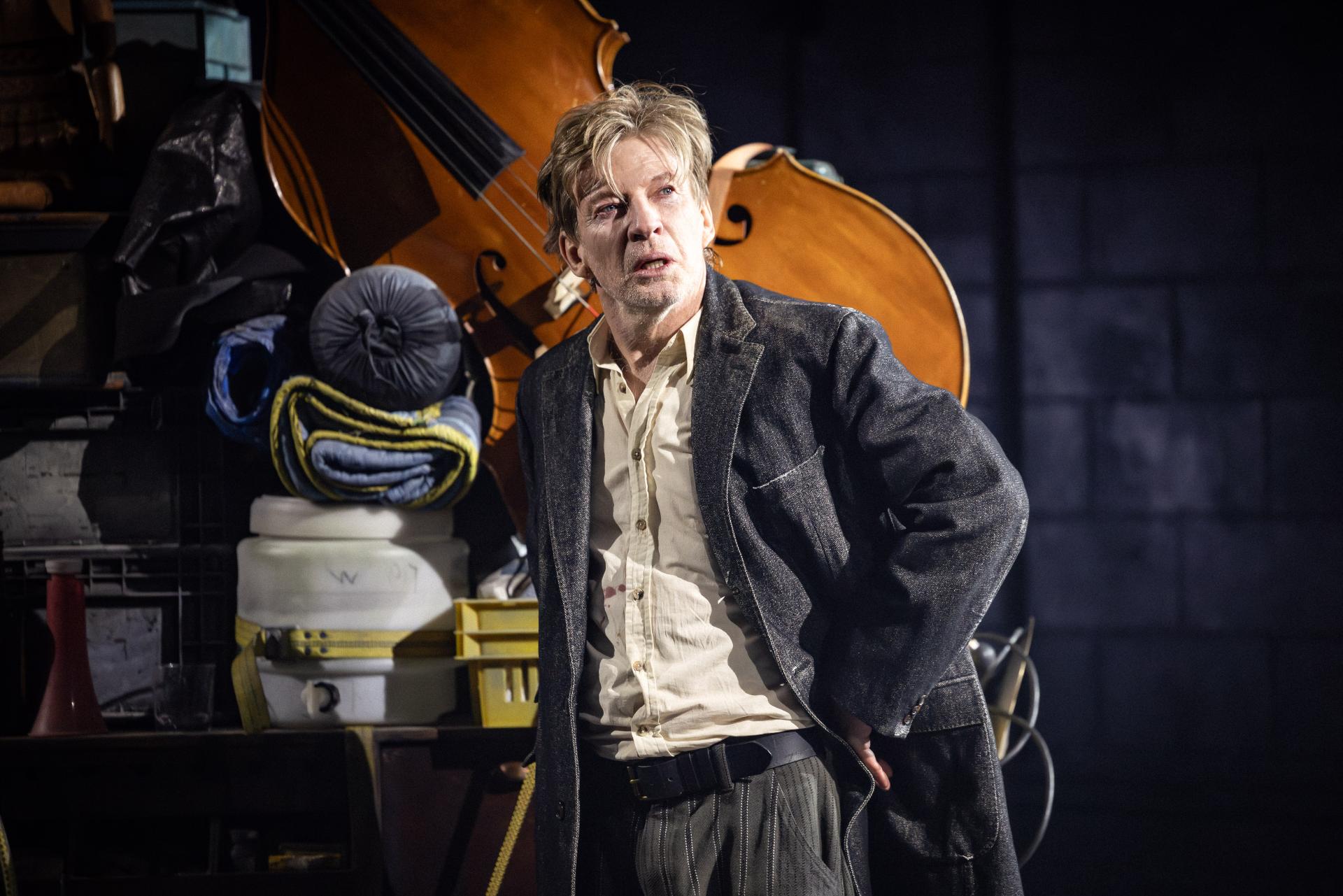
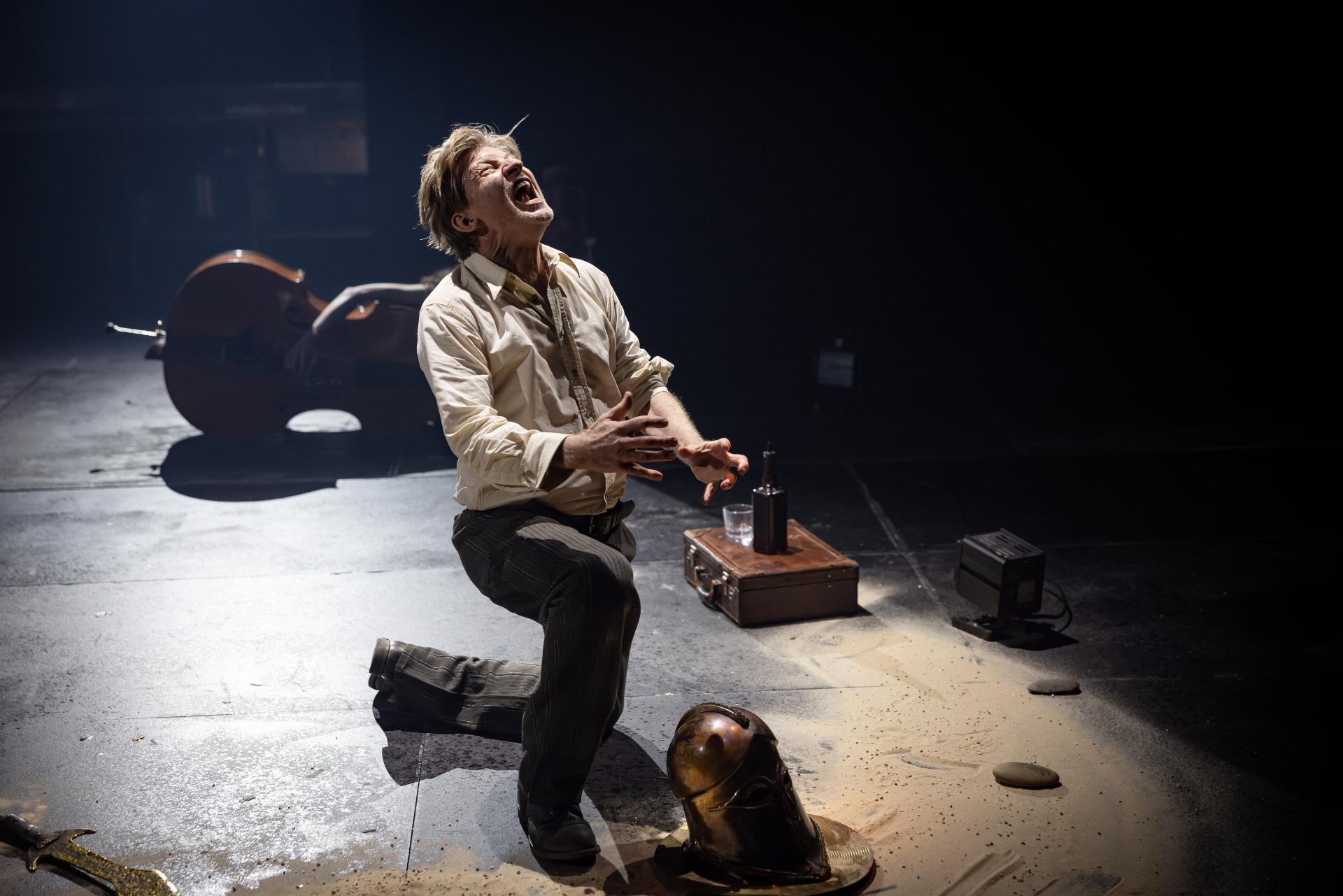
David Wenham, as The Poet, is the production’s undeniable gravitational centre. He commands the space with an effortless gravity that insists we treat this millennia-old narrative not as archaeological artefact, but as living testament. It is a performance of exquisite paradox: simultaneously casual and naturalistic, yet expansively theatrical, even operatic in its reach. Wenham achieves that rare alchemy where the actor’s own artistic intelligence becomes as captivating as the tale he unfolds. If the adaptation occasionally keeps us at arm’s length, Wenham’s magnetism draws us relentlessly back into the circle of the story.
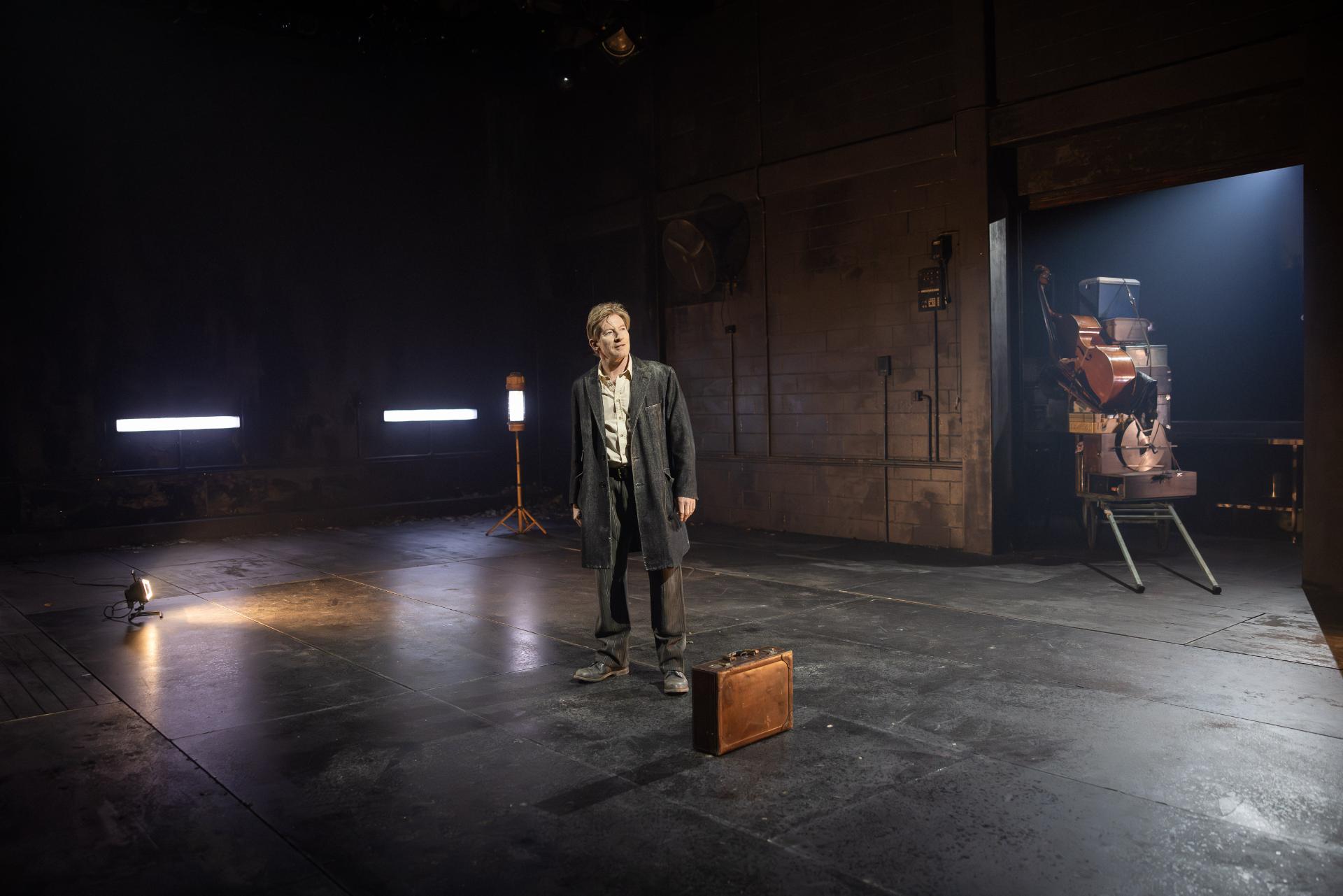
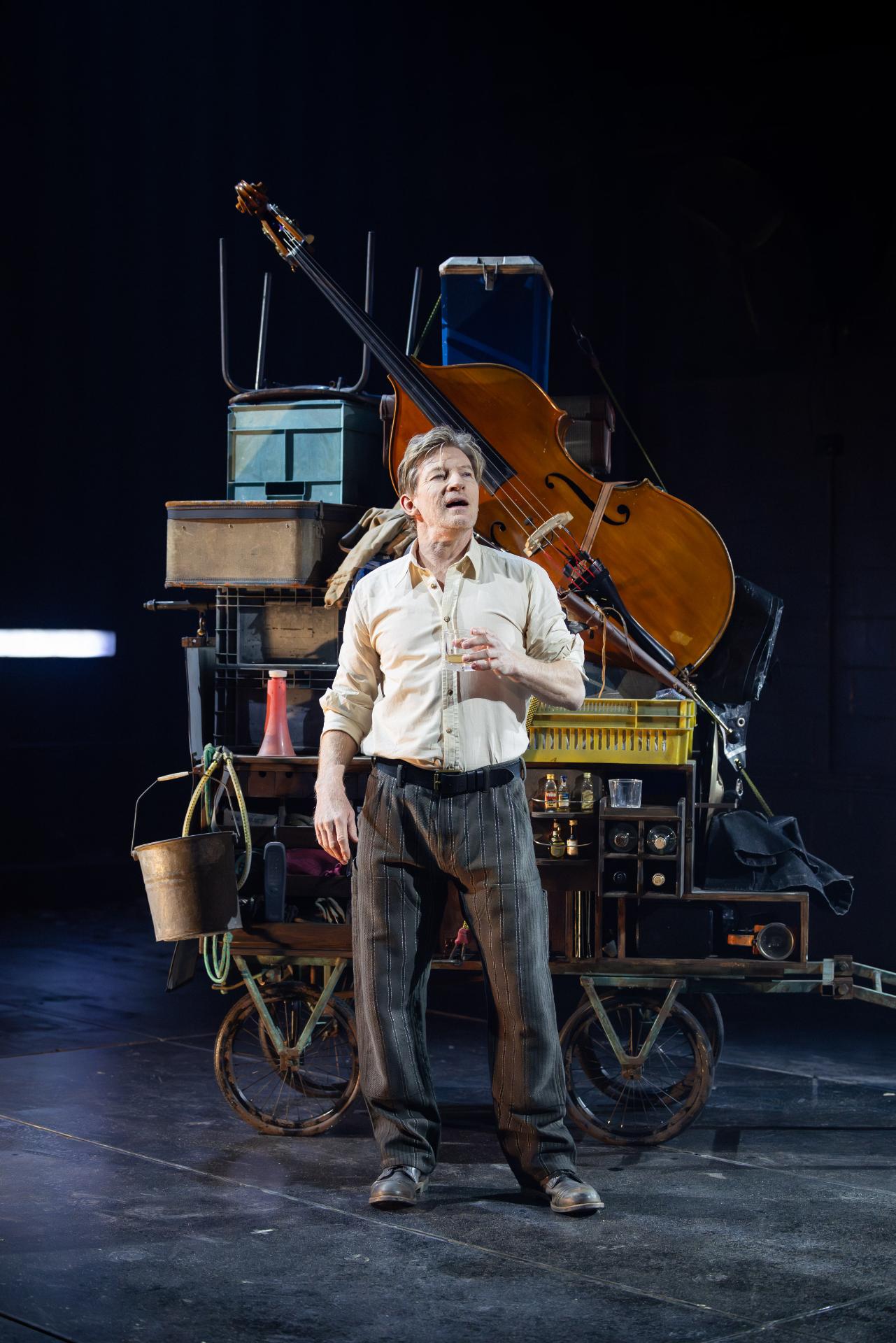
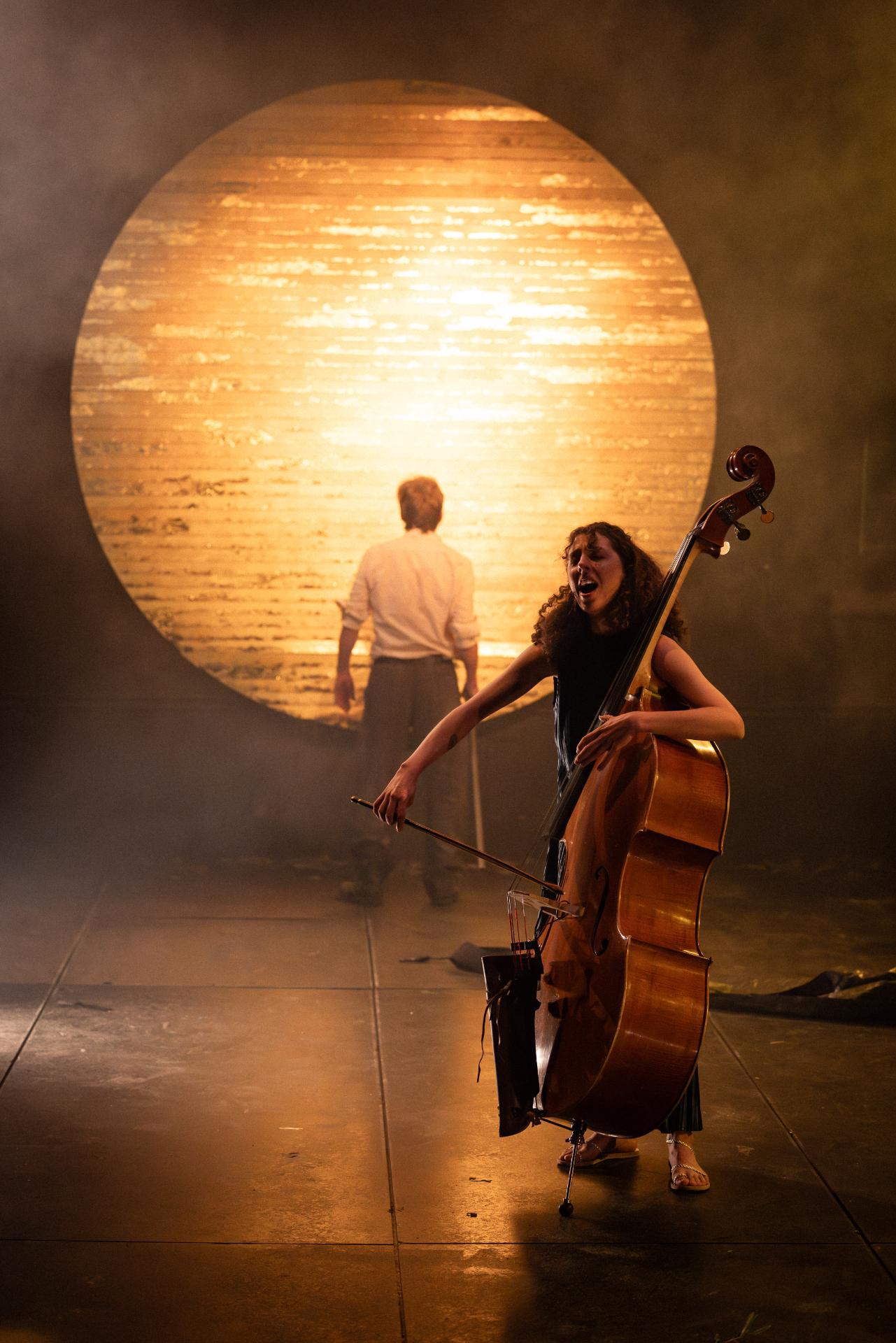
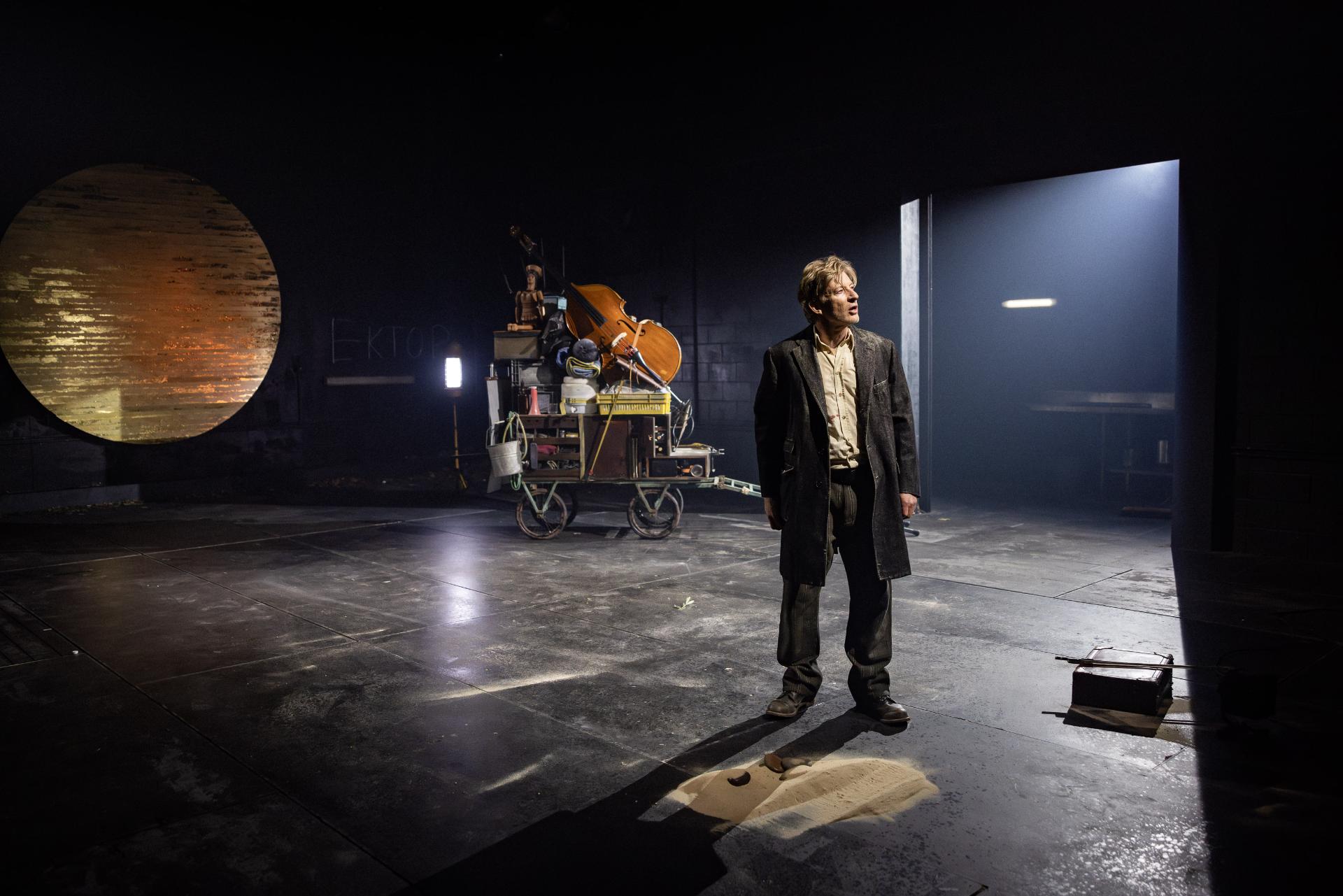
Appearing alongside him, musician Helen Svoboda performs much of the score live, to marvellous and haunting effect. In concert with Brady Watkins’ sound design, her compositions imbue the production with a visceral grandeur that makes tangible the true scale of the narrative. Alexander Berlage’s lighting matches this ambition with sweeping, monumental tableaux—shafts of amber and sudden abysses of shadow—yet never sacrifices intimacy for spectacle; his illumination is sombre, his darkness articulate, reinforcing the production’s cumulative gravity. Charles Davis’ production design is memorably austere, its disciplined sparseness thrown into relief by a single, totemic cart that The Poet drags through the narrative’s sombre hush, stacked to towering heights with the accumulated relics of a civilisation—each object a vessel of memory, each layer another stratum of war’s inexorable geology.
And here, perhaps, lies the work’s most unsettling power. We do not need to look to antiquity to find Troy in flames. Since 7 October 2023, Israel has killed more than 72,000 people in the Gaza region; concurrently, an estimated 48 are killed every day in Iran since the beginning of the recent US invasion. These are not aberrations or historical parentheses—they are the continuous present. Peterson and O’Hare’s adaptation reminds us that Homer’s poem has never really been about a war that happened, but about a war that keeps happening, under different names and different flags, across every century that congratulates itself on having progressed beyond bronze swords and walled cities. When Wenham’s Poet finally falls silent, what lingers is not the glory of heroes, but the terrible recognition that Achilles and Hector are not behind us. They are merely waiting in the wings. They always have been.