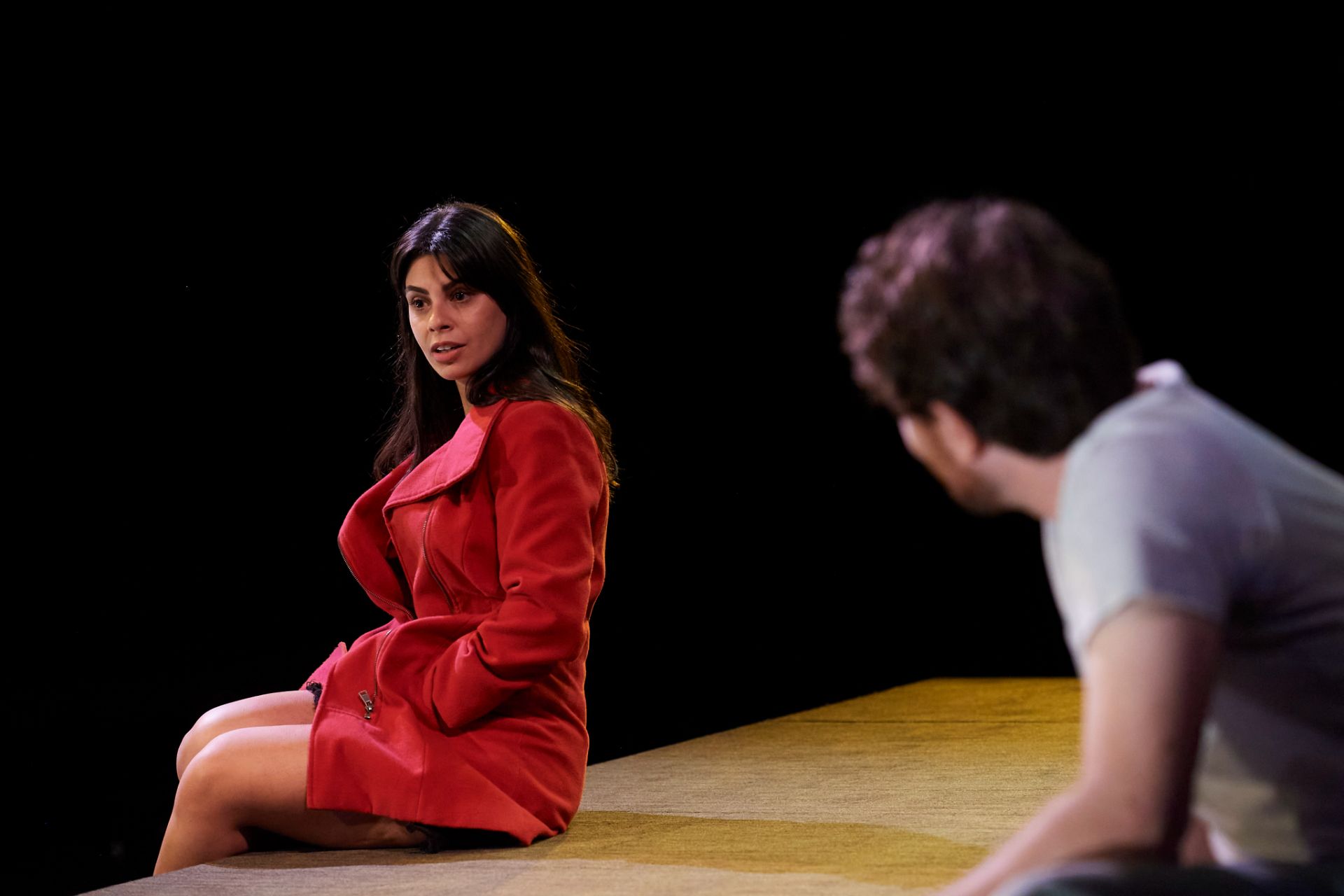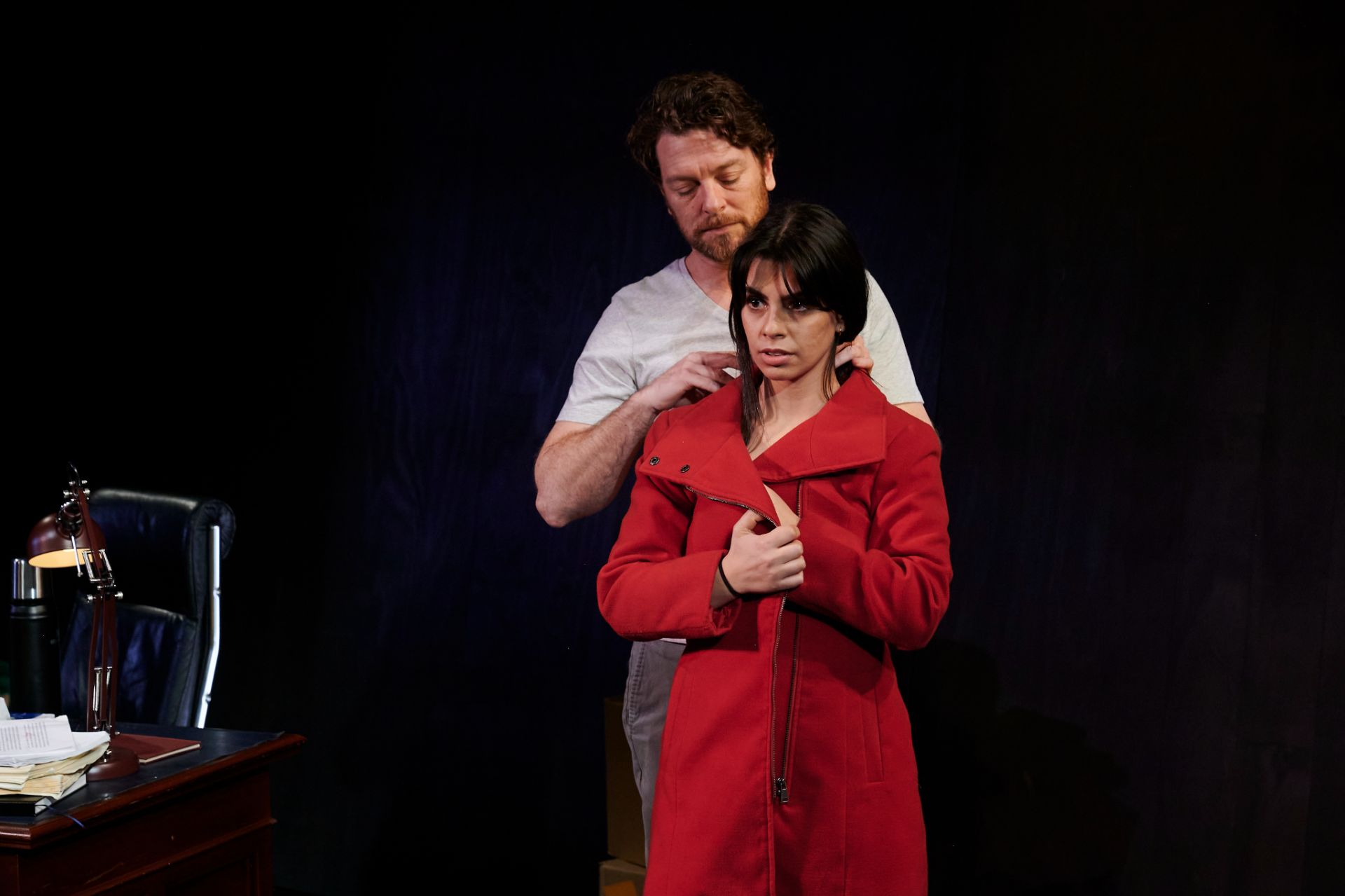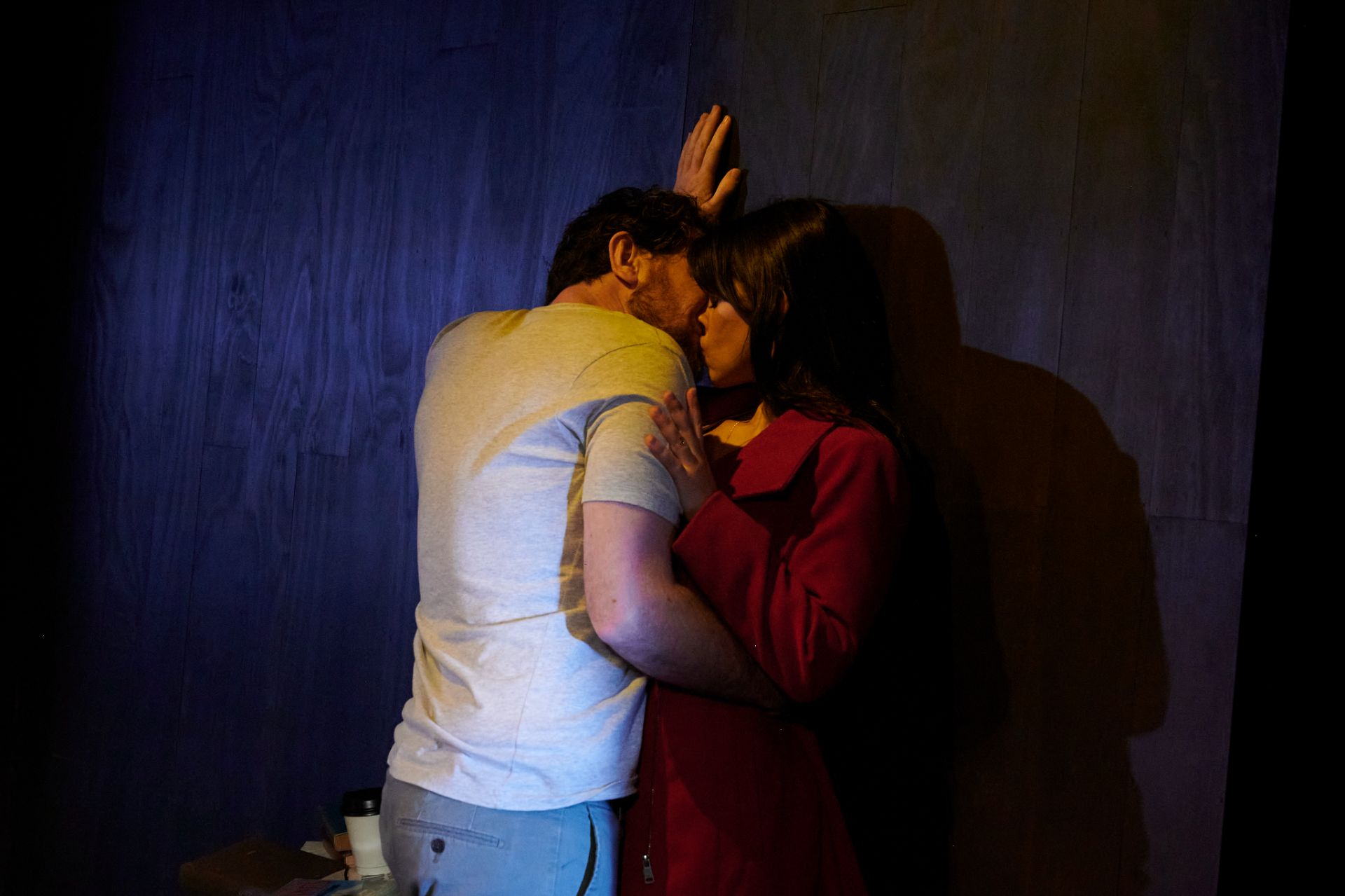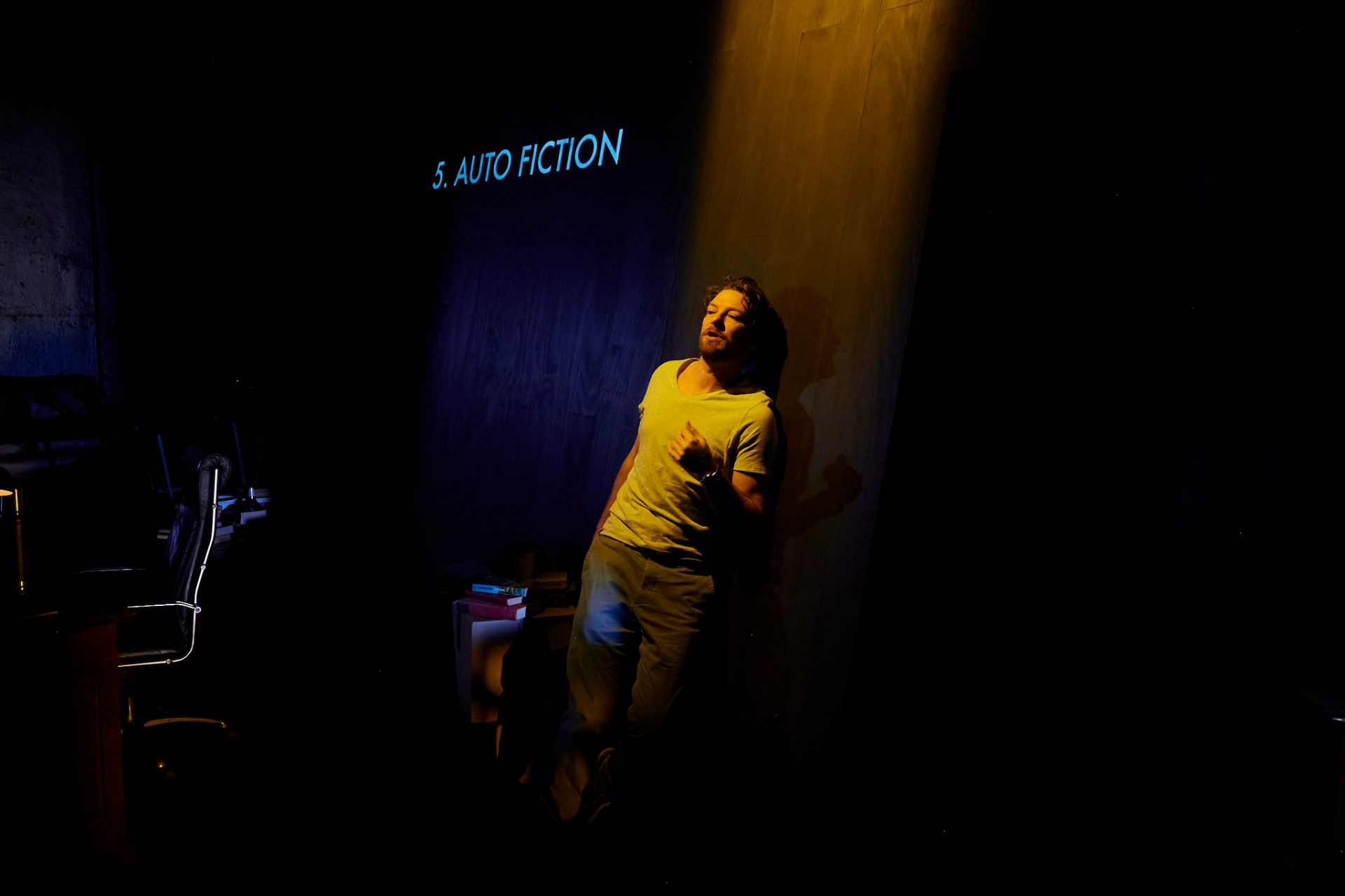
Review: Julius Caesar (Sydney Theatre Company)

Venue: Wharf 1 Sydney Theatre Company (Walsh Bay NSW), Nov 15 – Dec 23, 2021
Playwright: William Shakespeare
Director: Kip Williams
Cast: Geraldine Hakewill, Ewen Leslie, Zahra Newman
Images by Daniel Boud

Theatre review
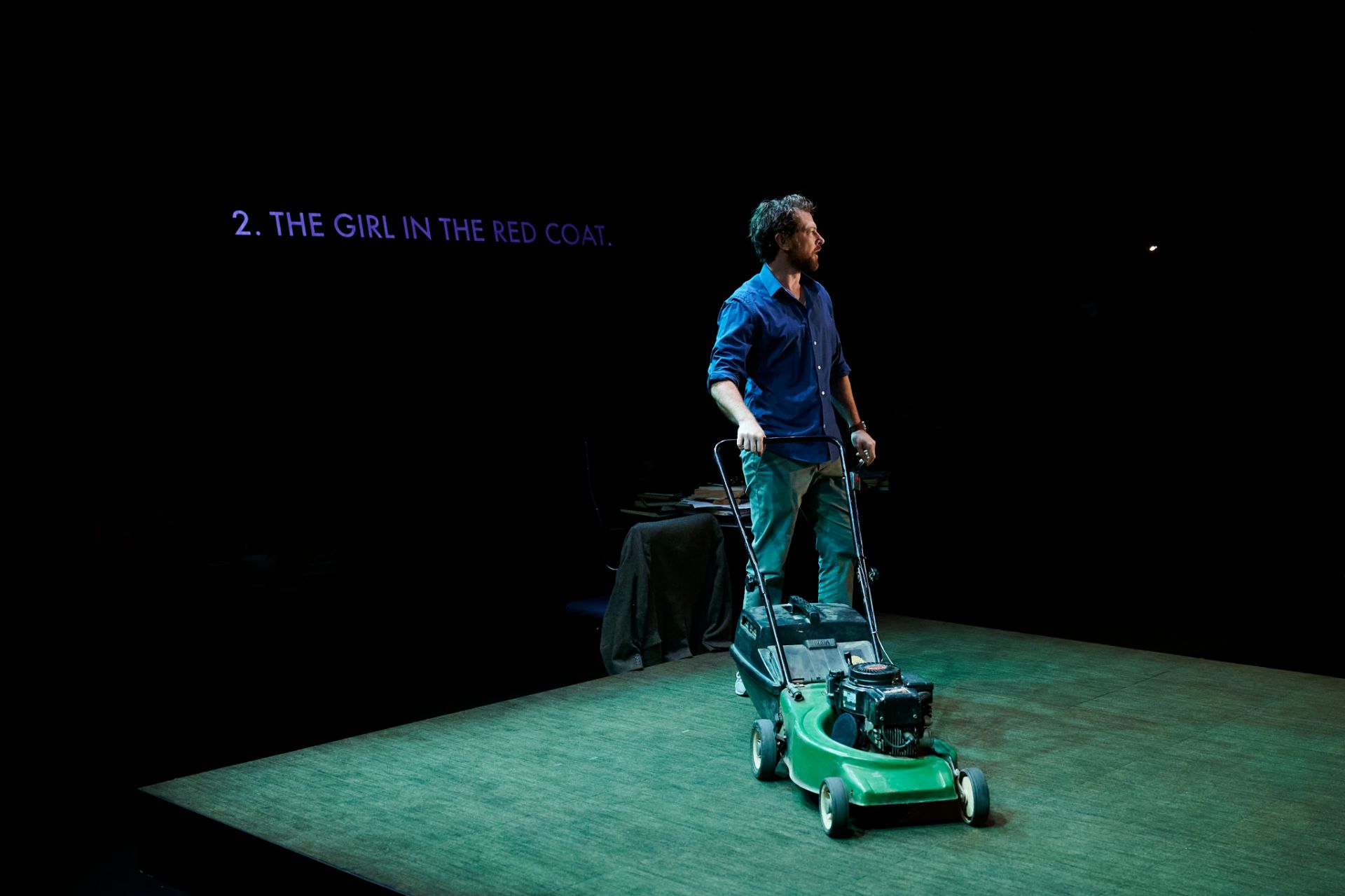
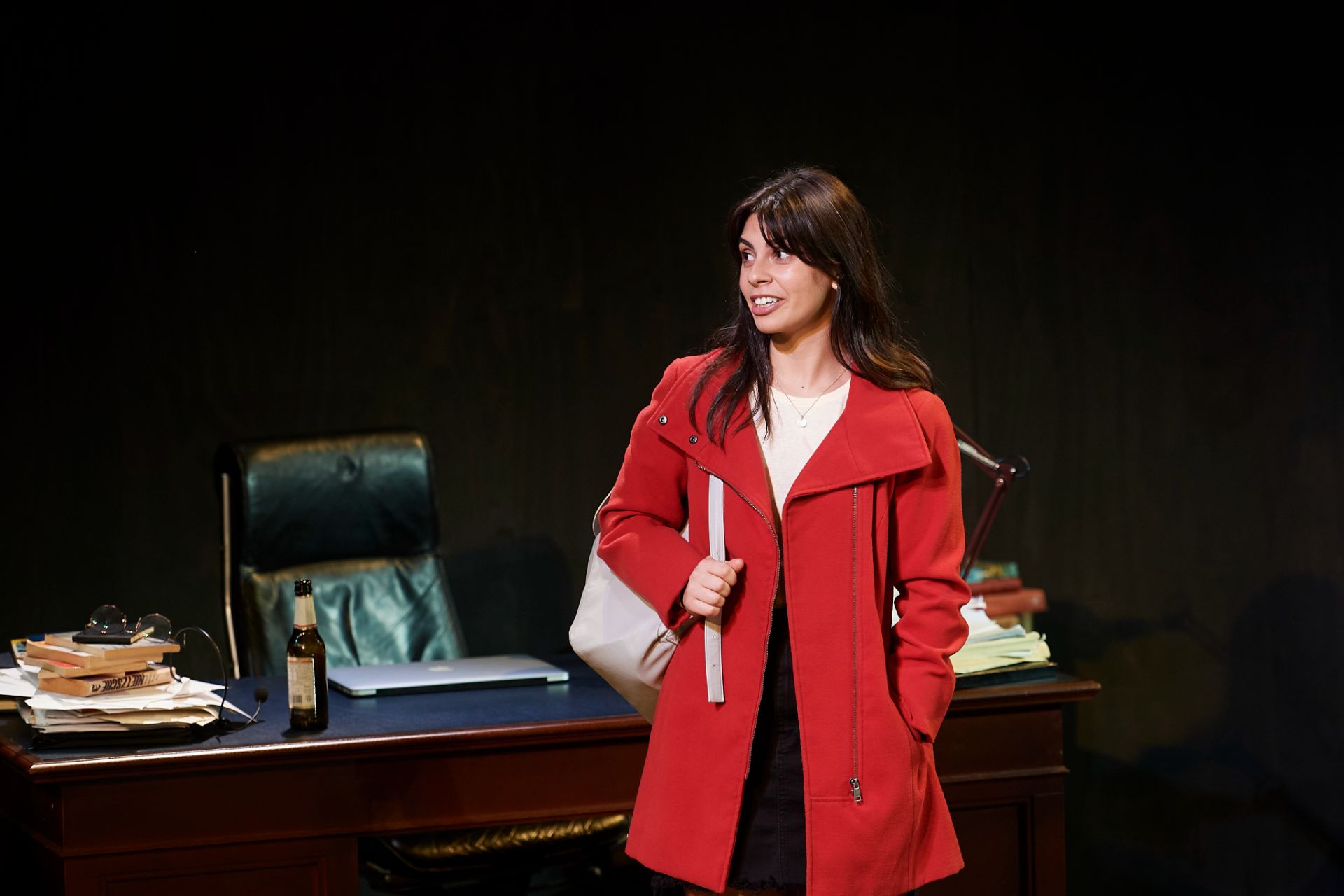
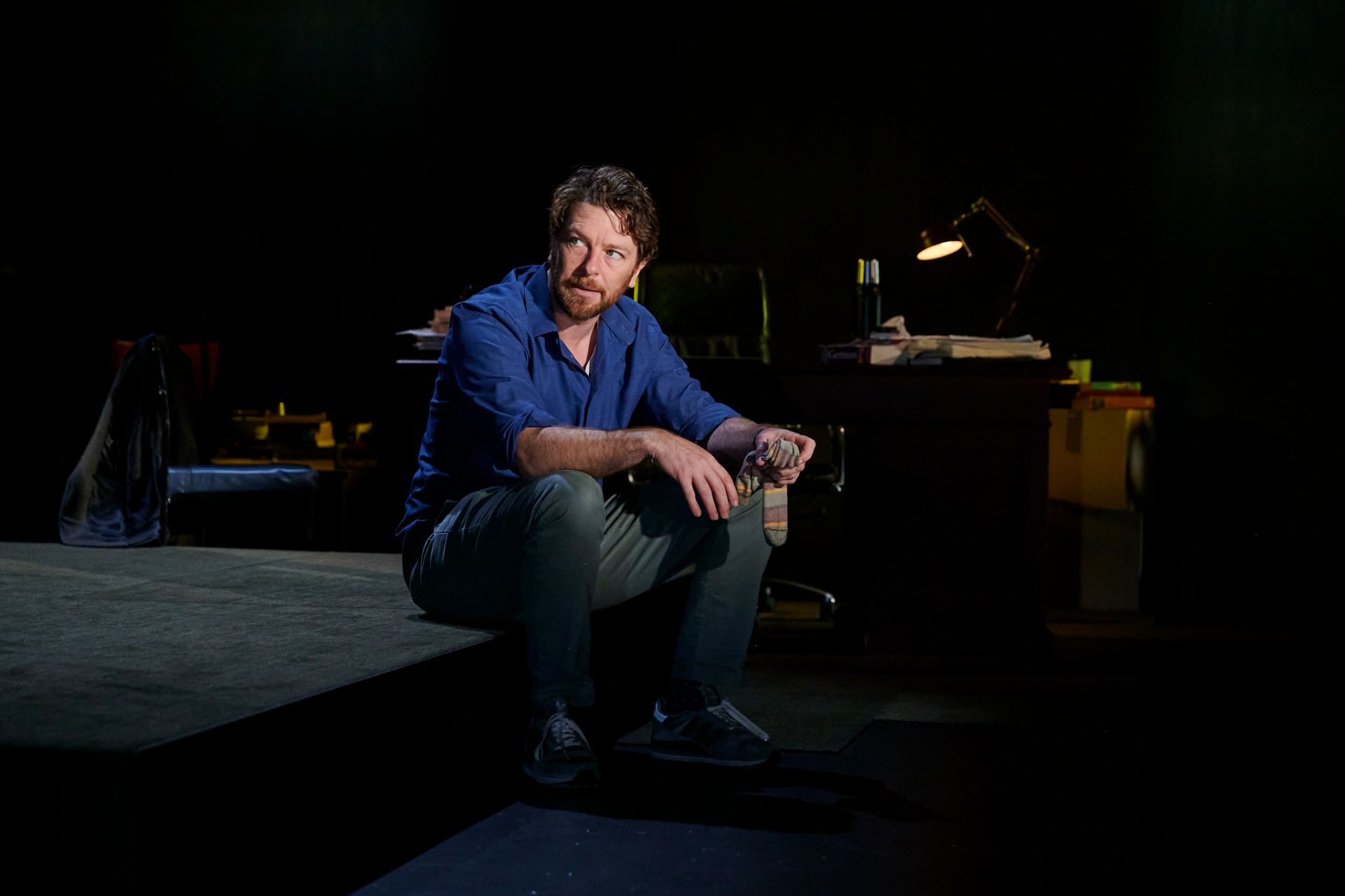
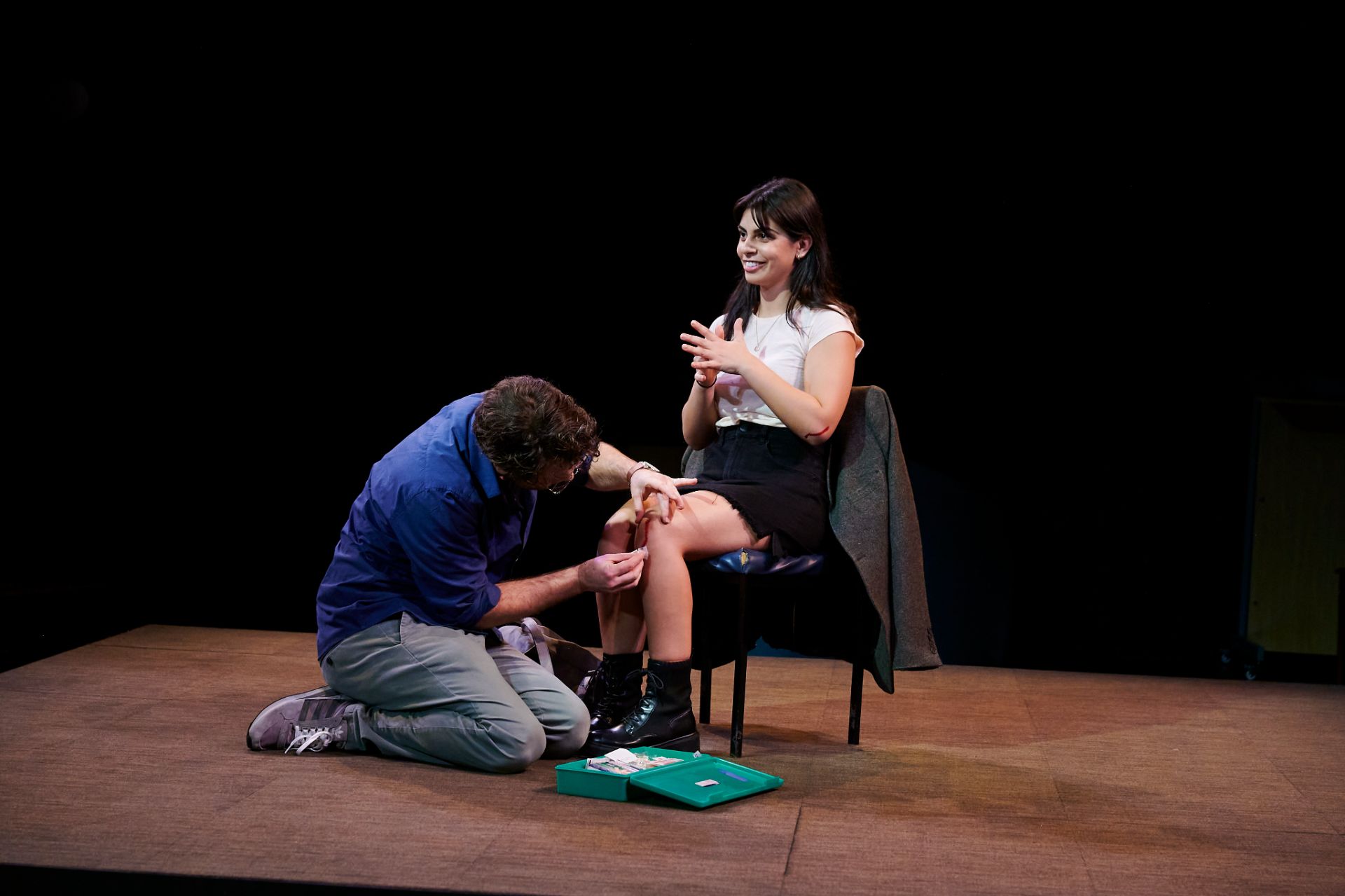
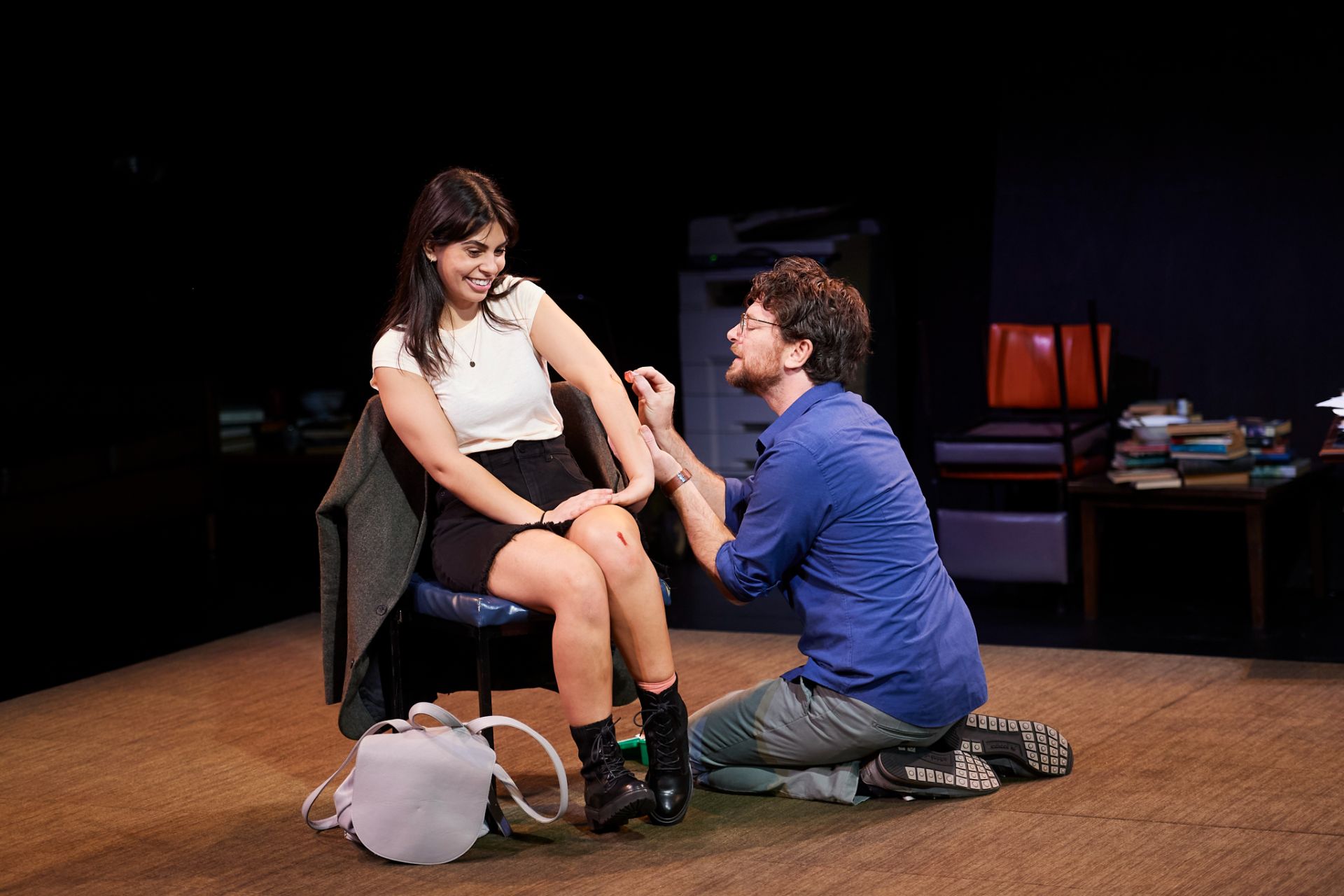
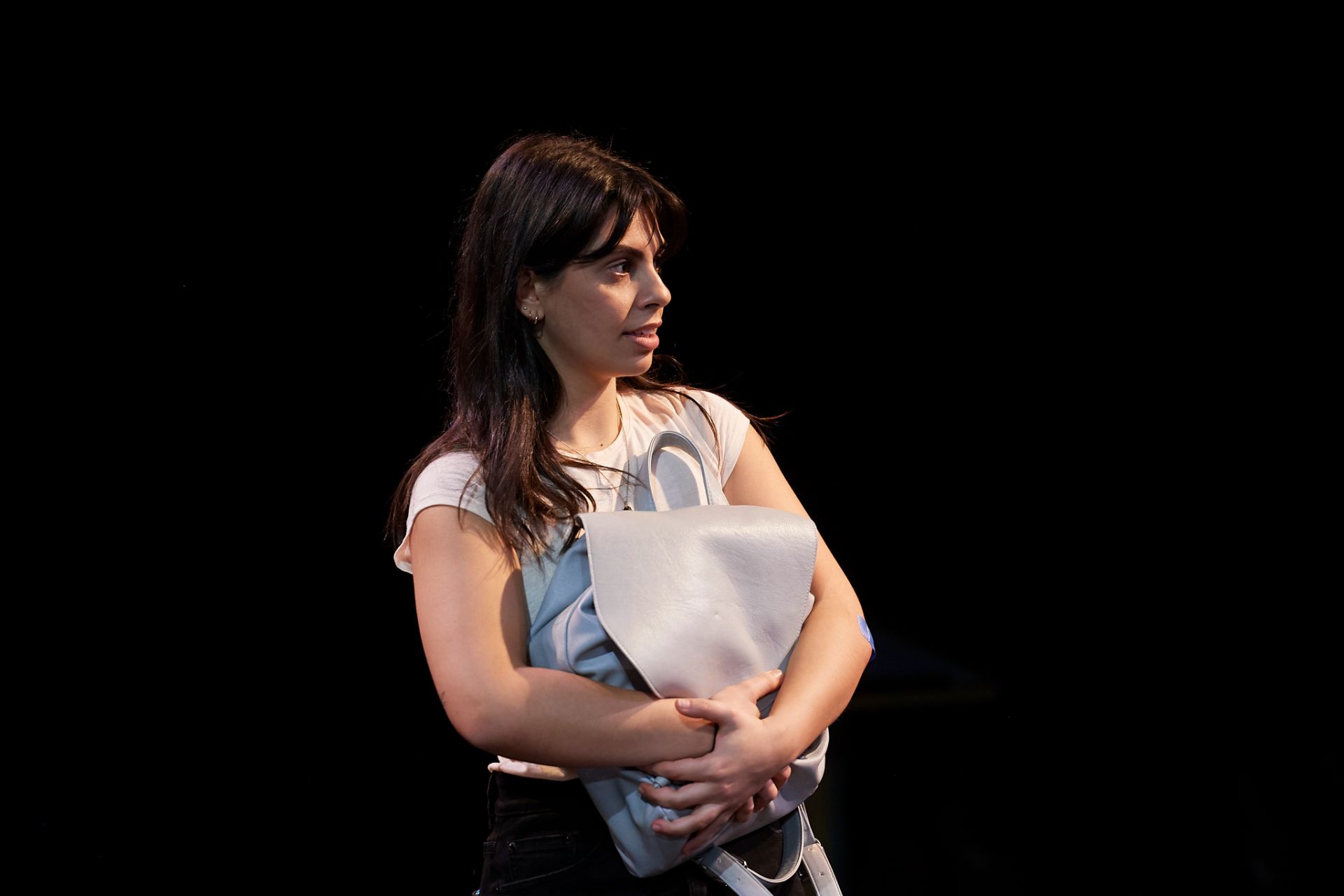
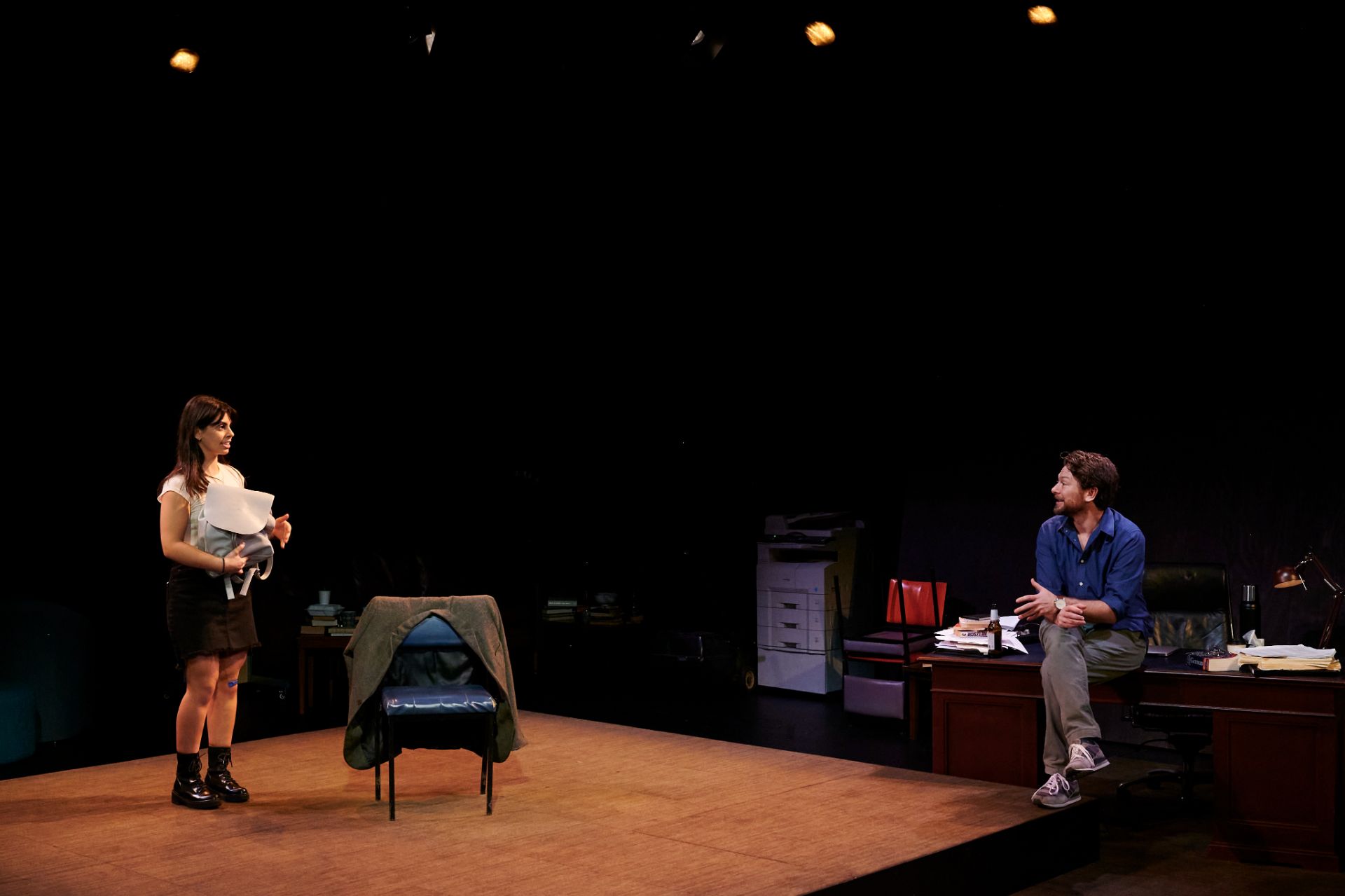
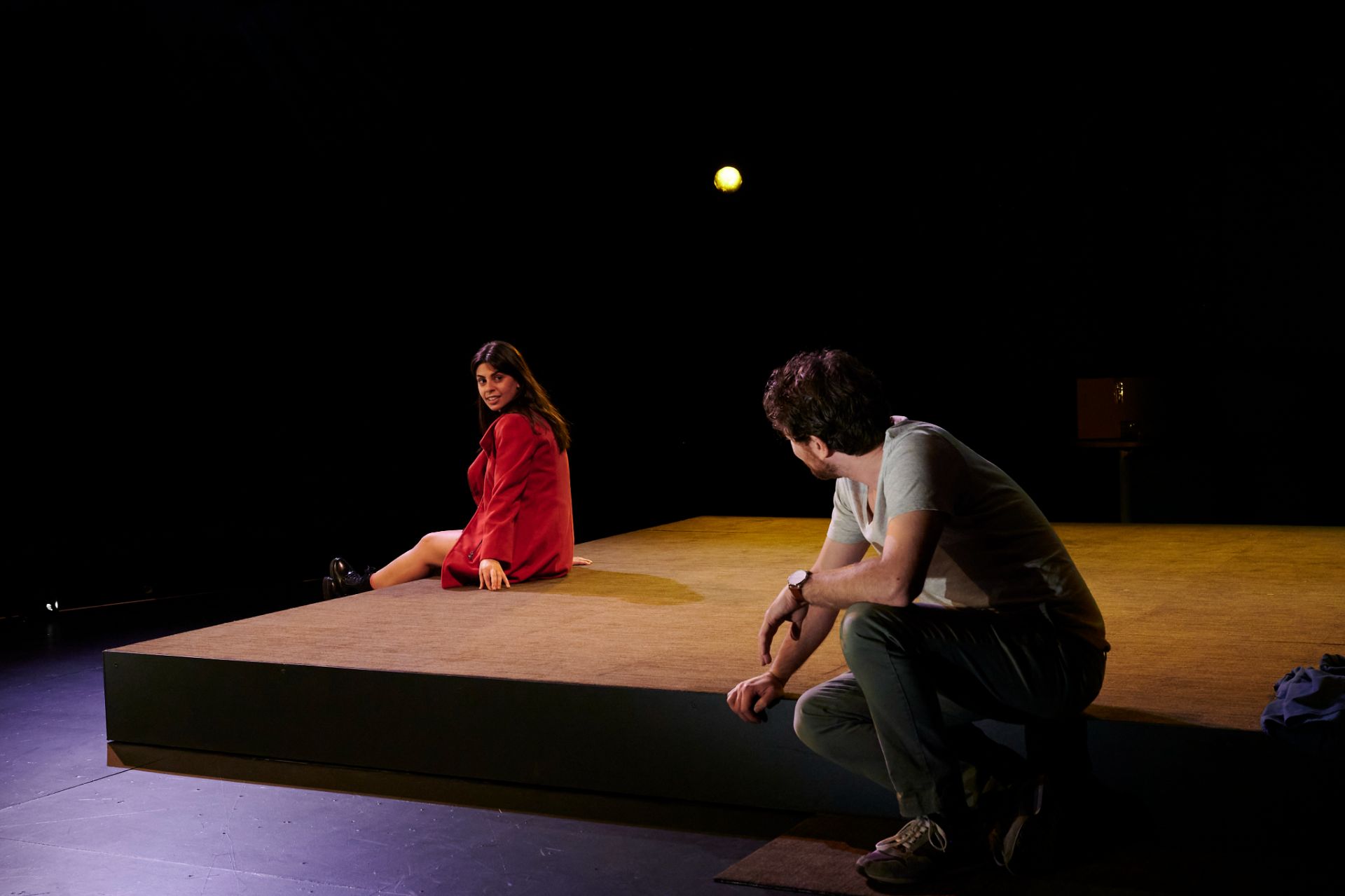
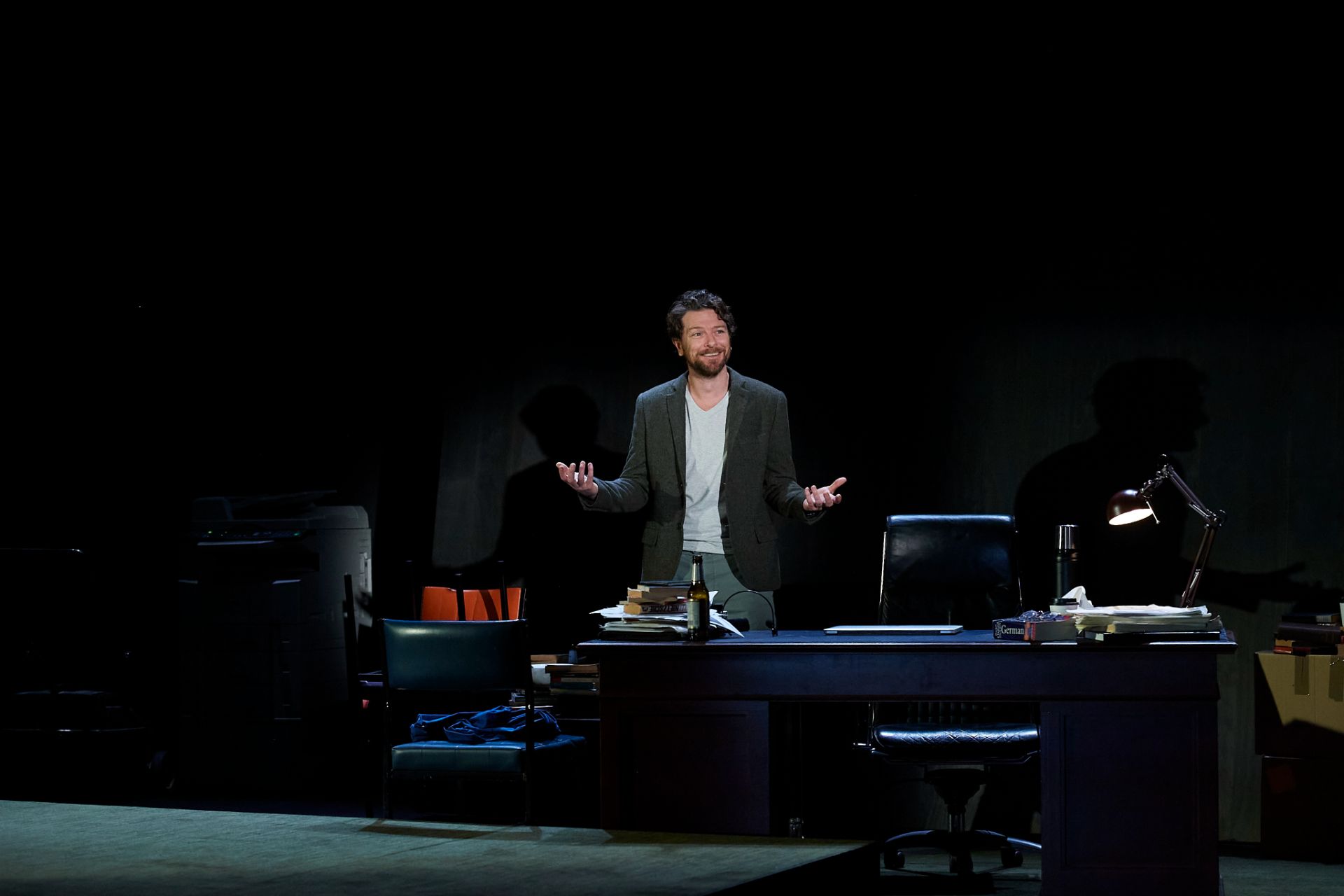
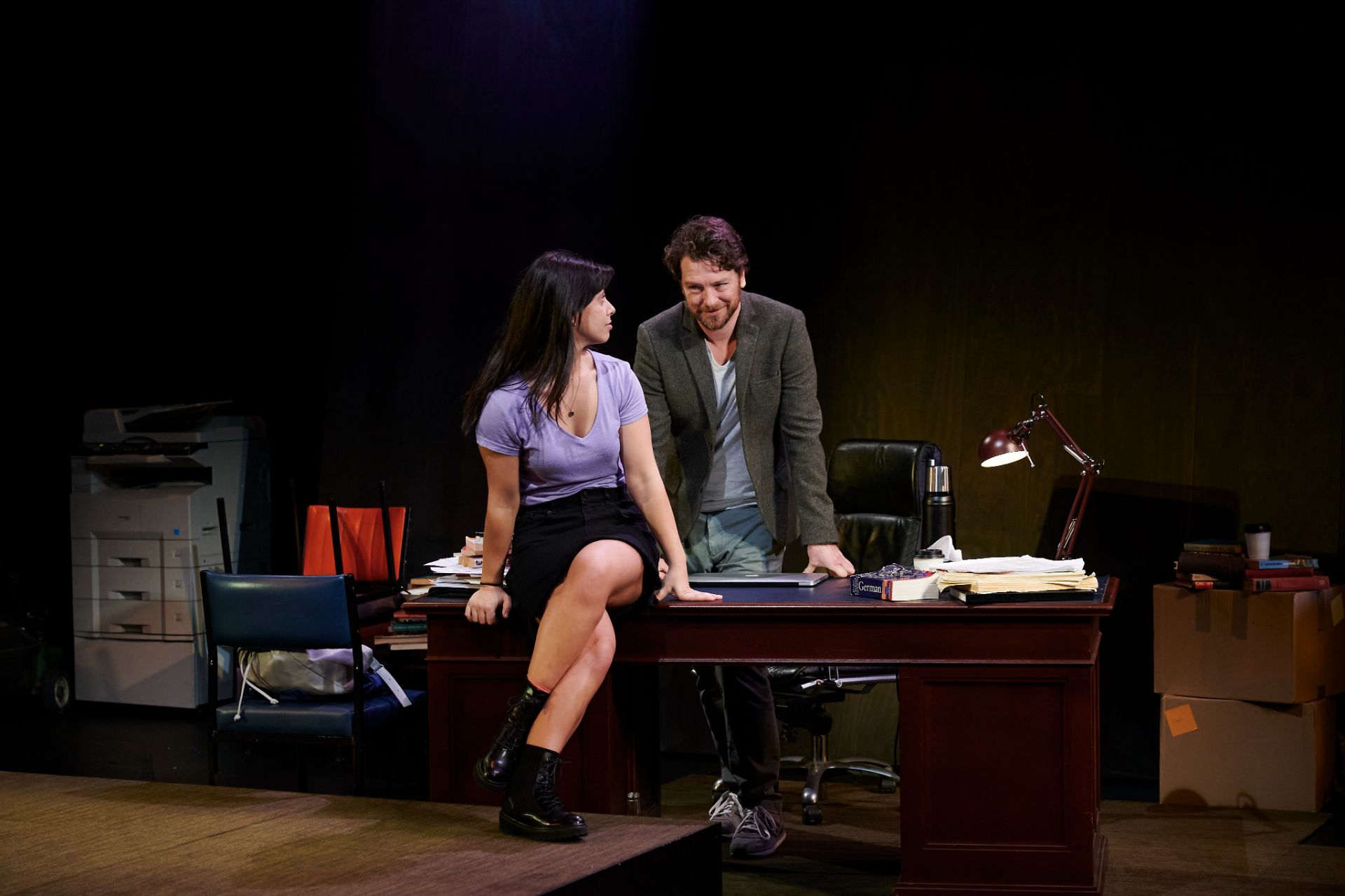
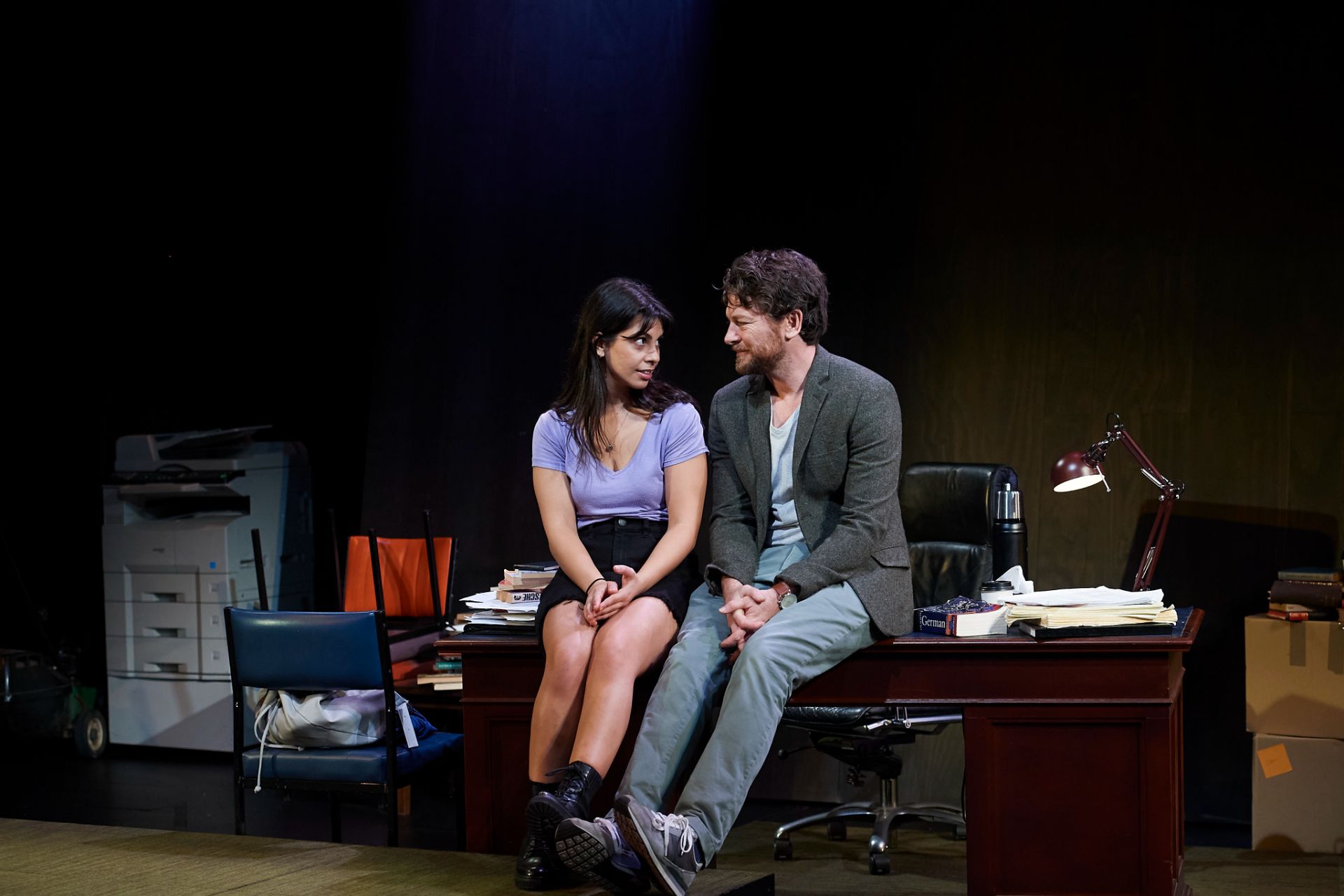
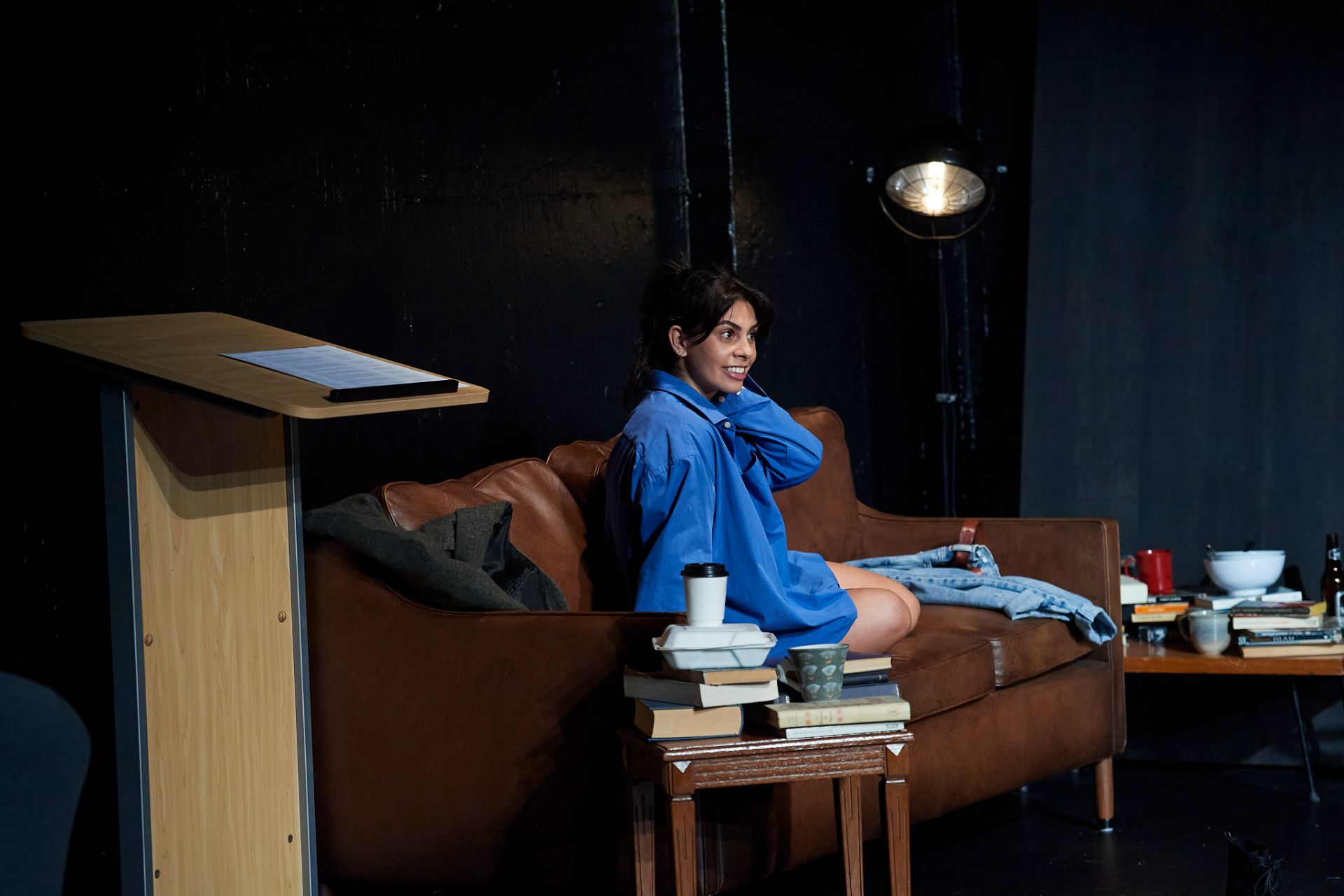
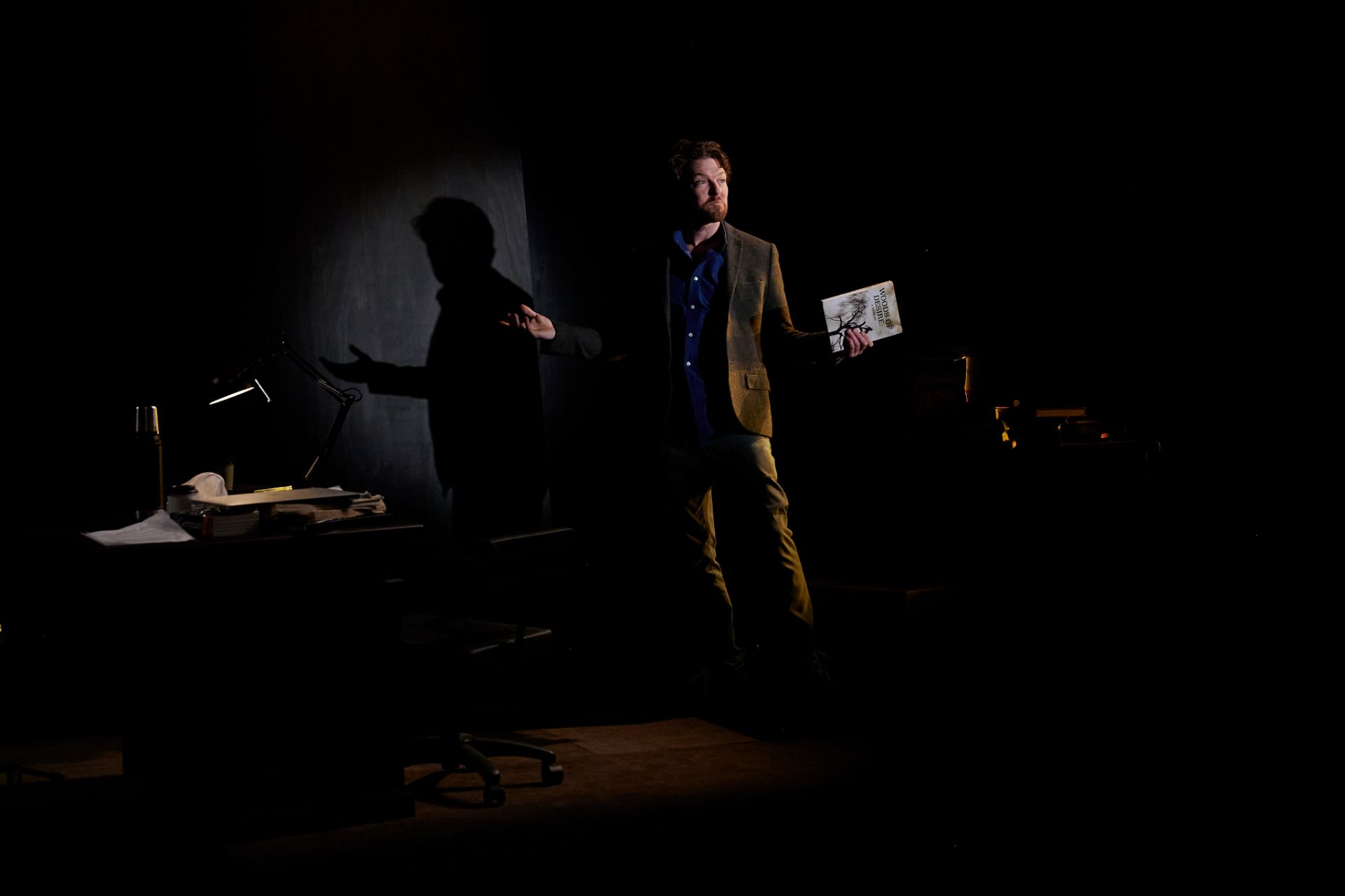
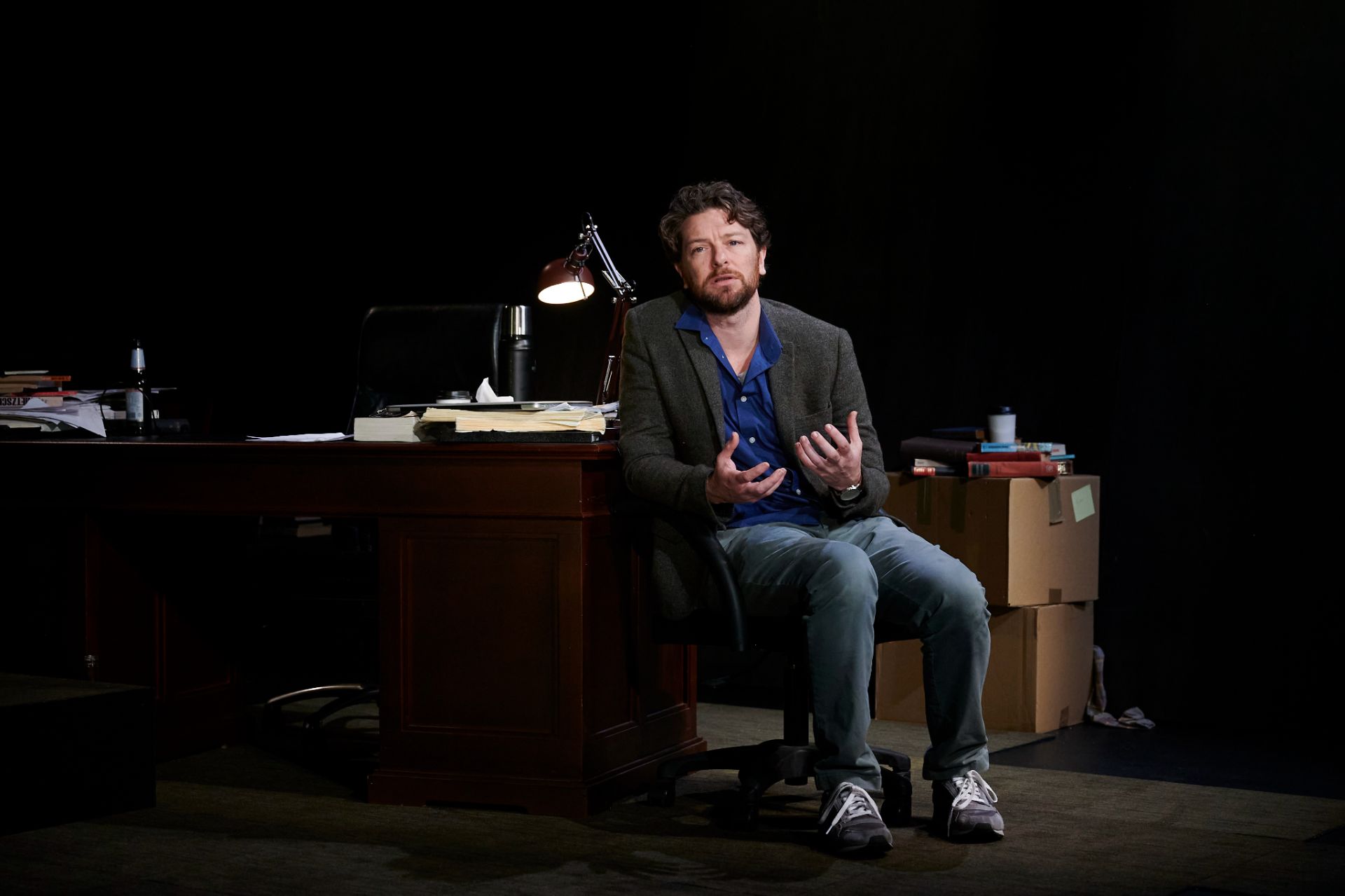
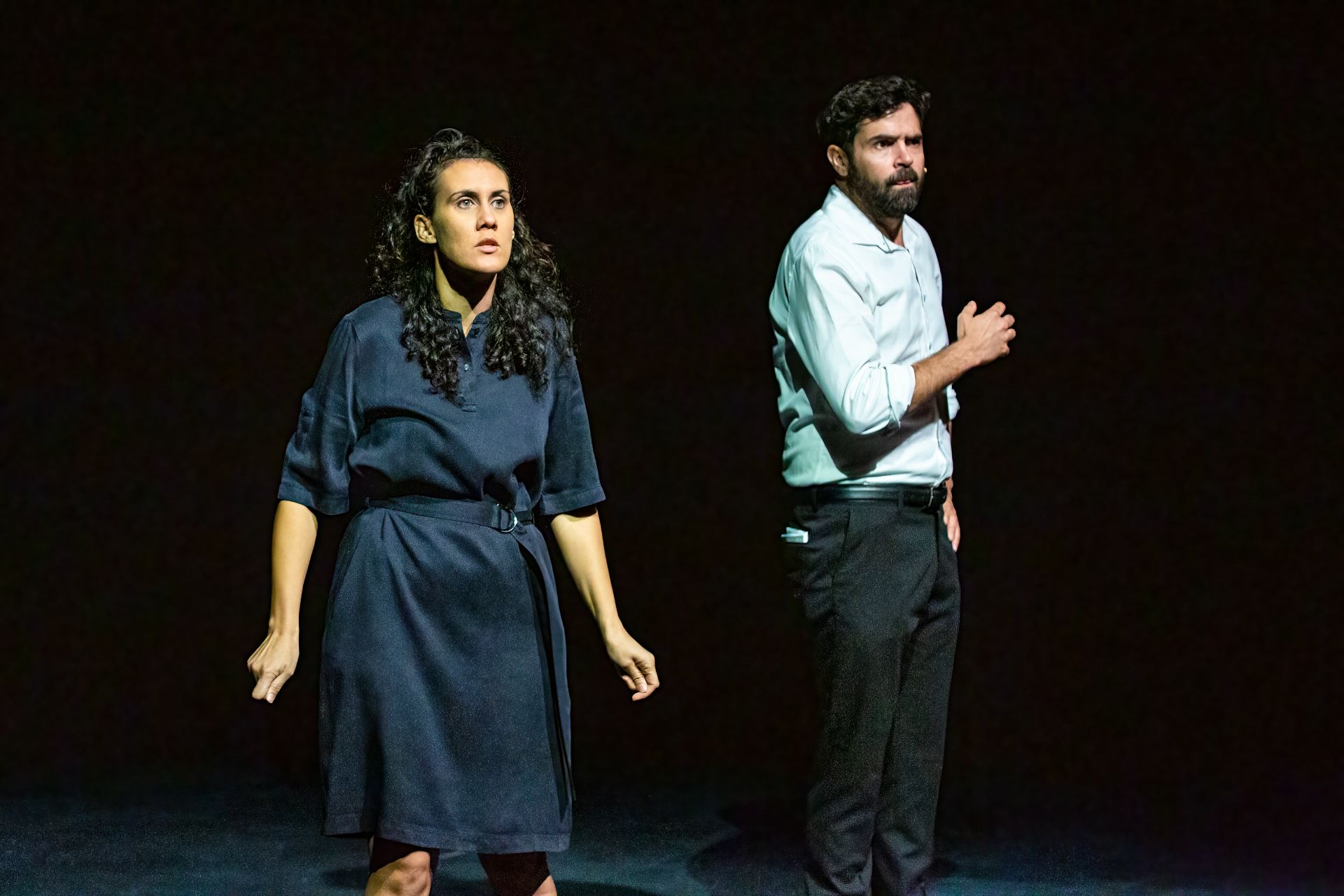
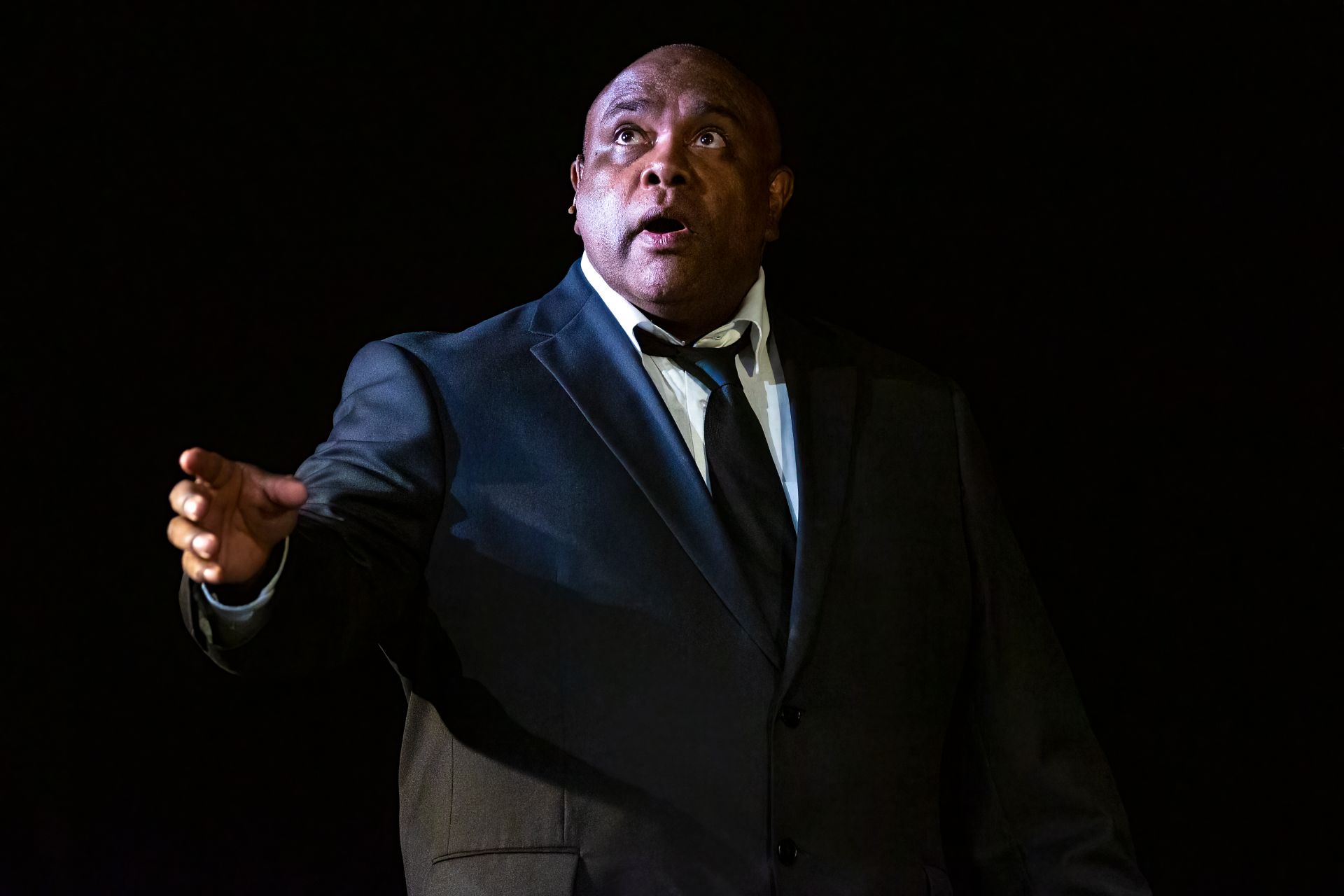
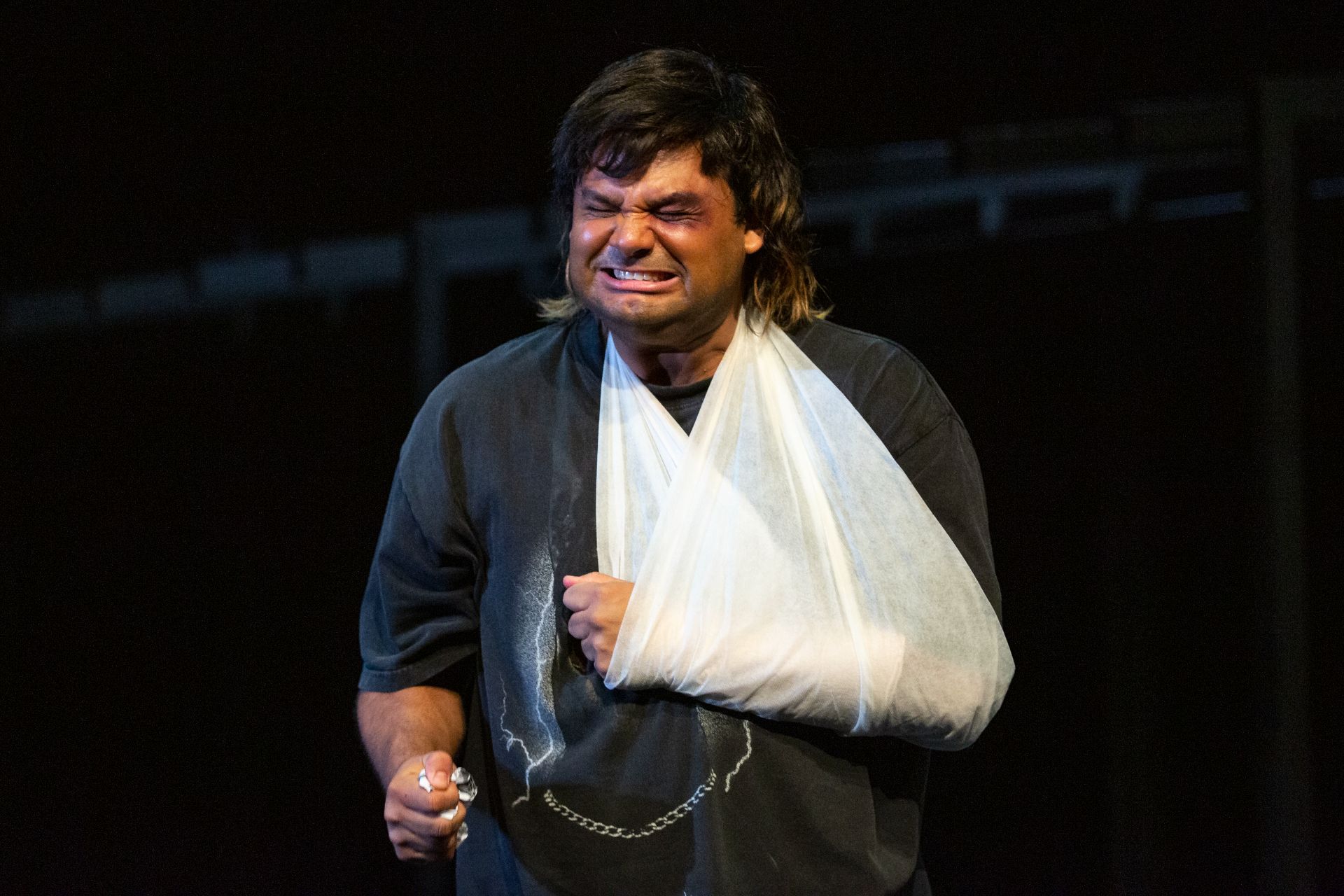
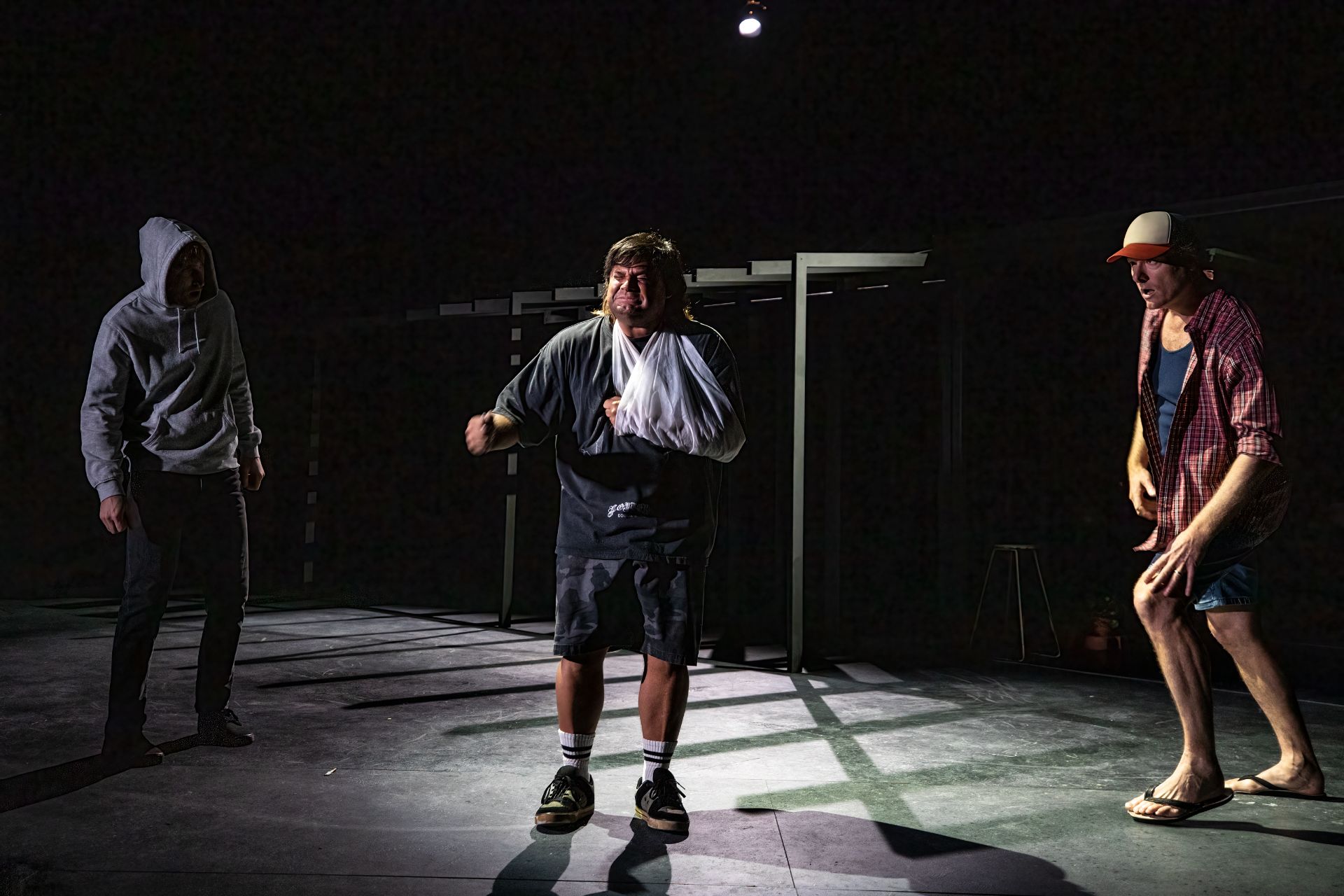
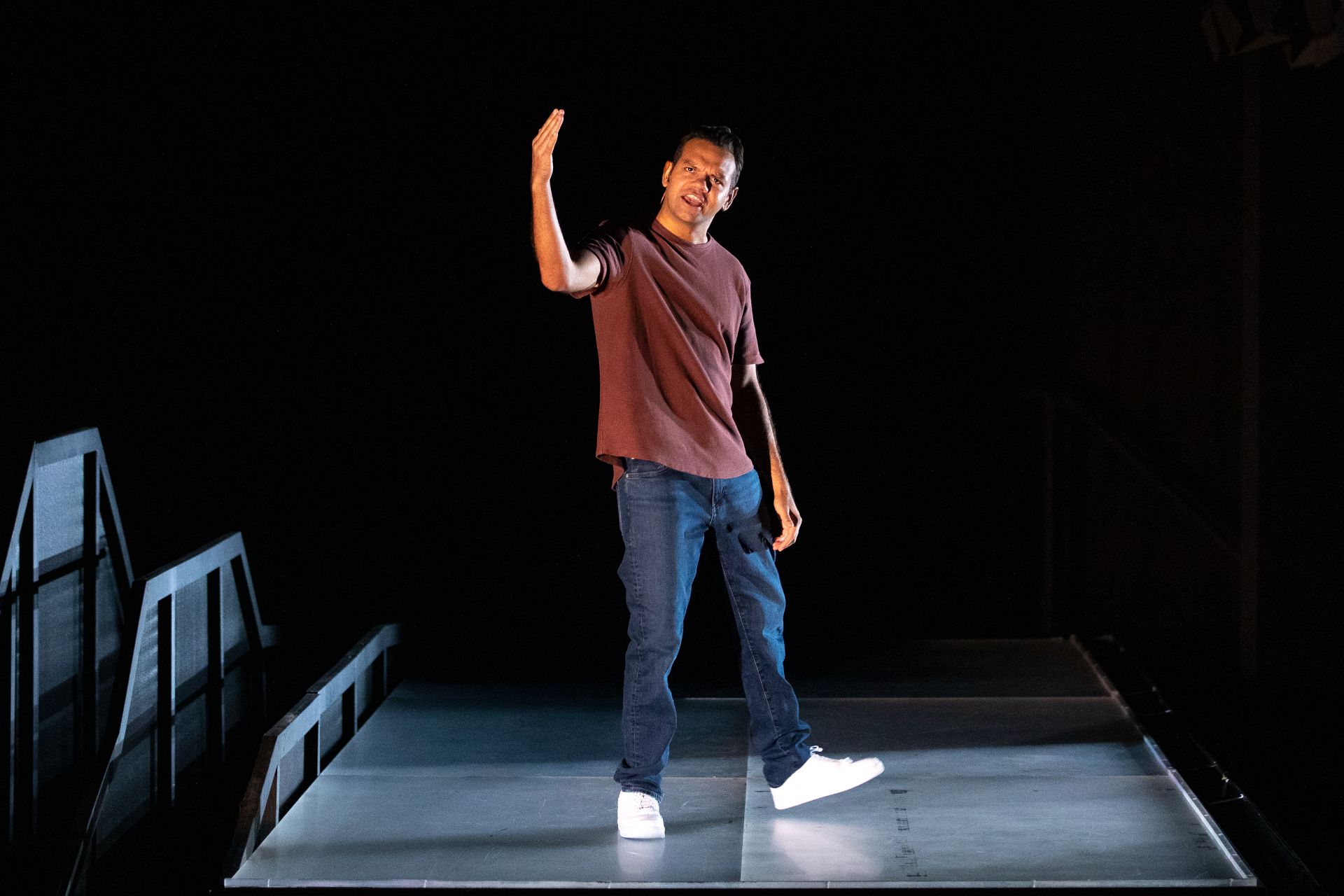
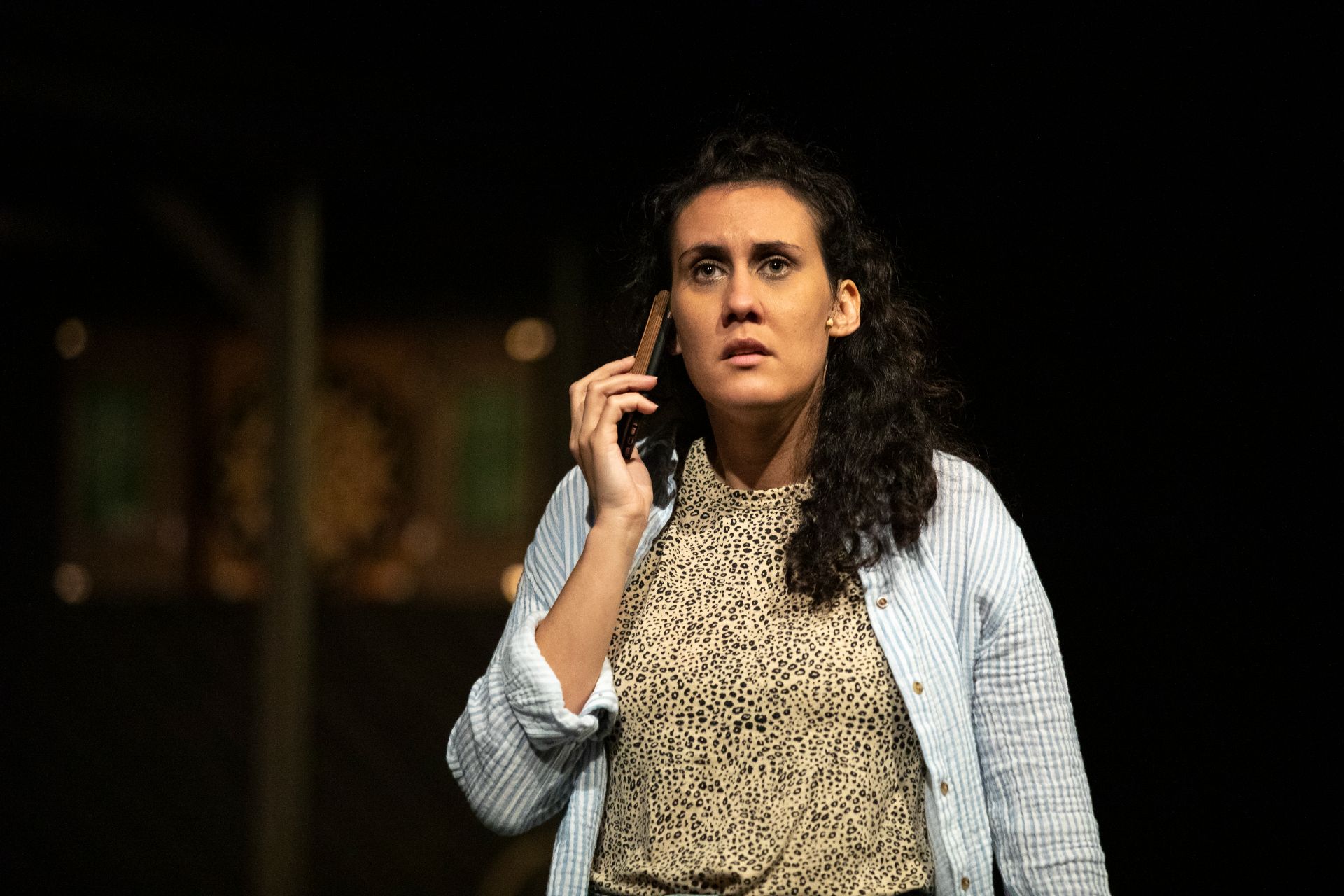
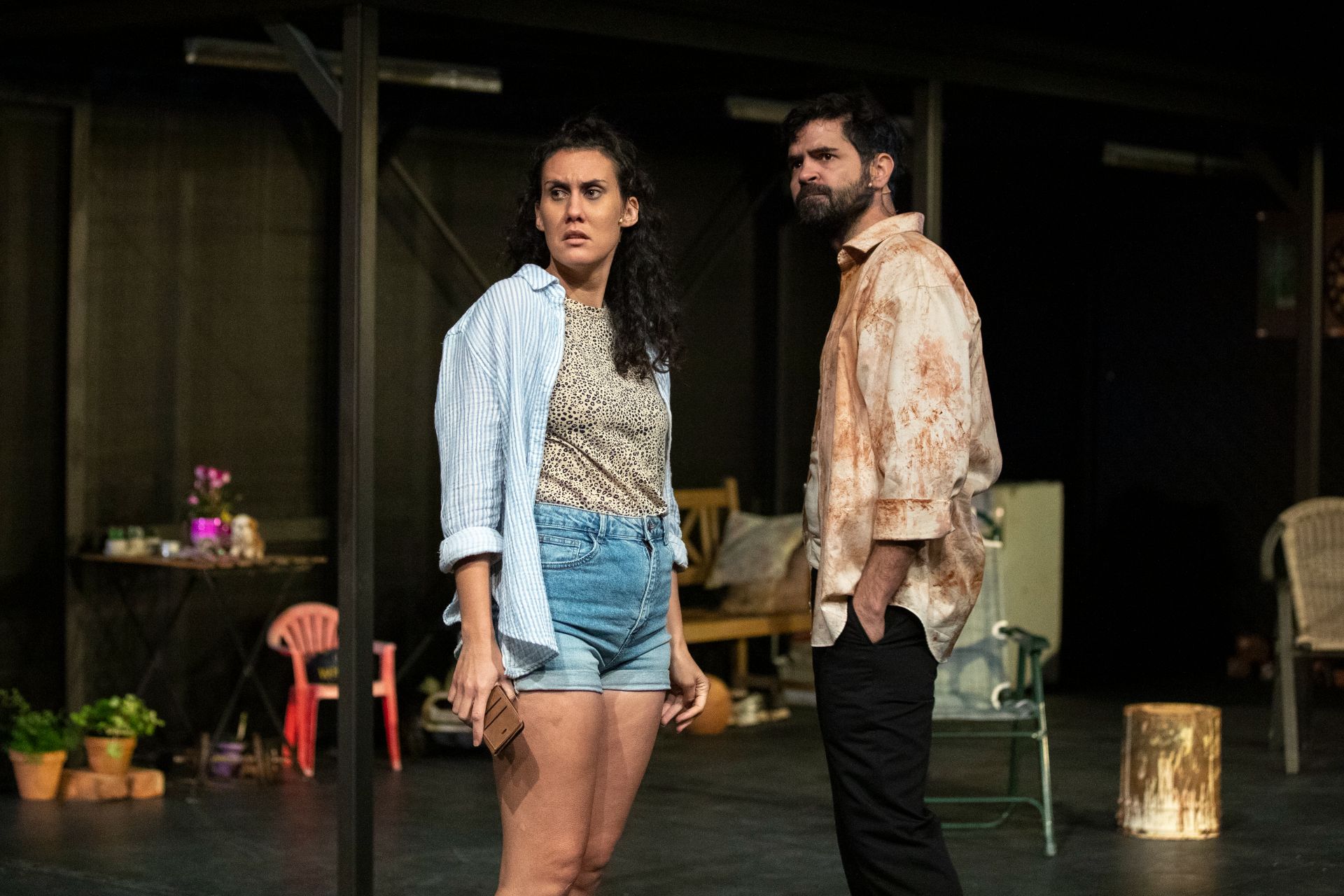
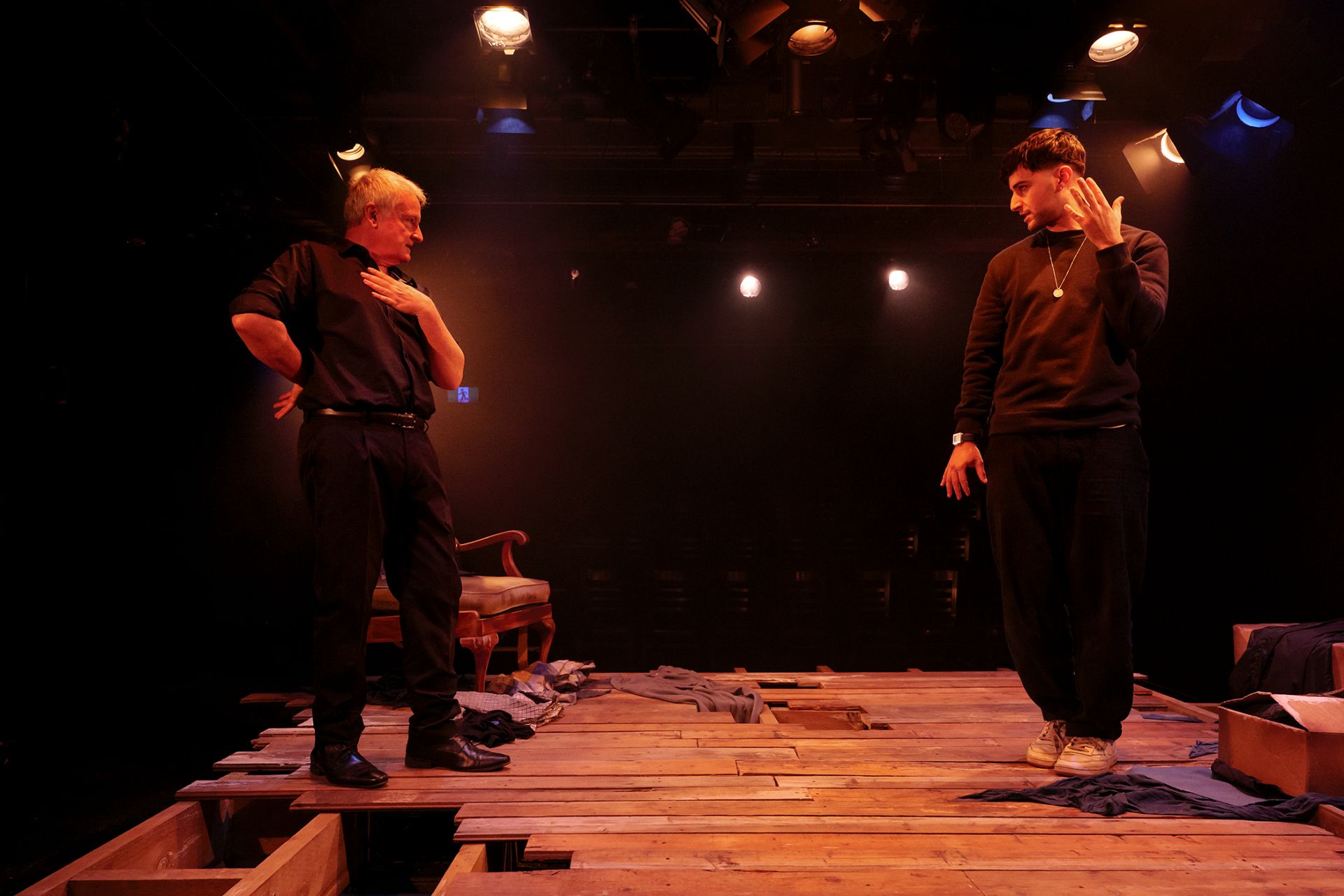
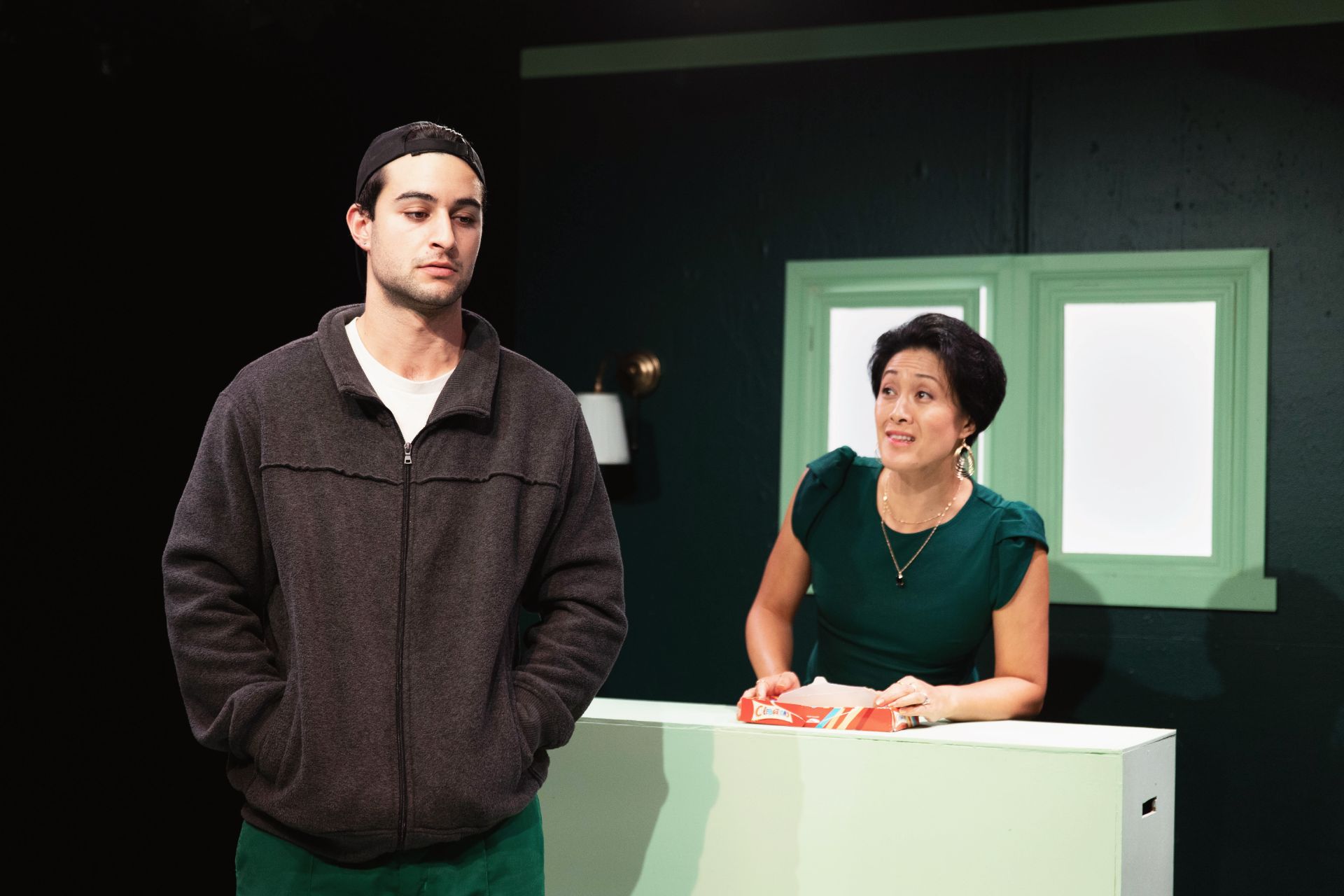
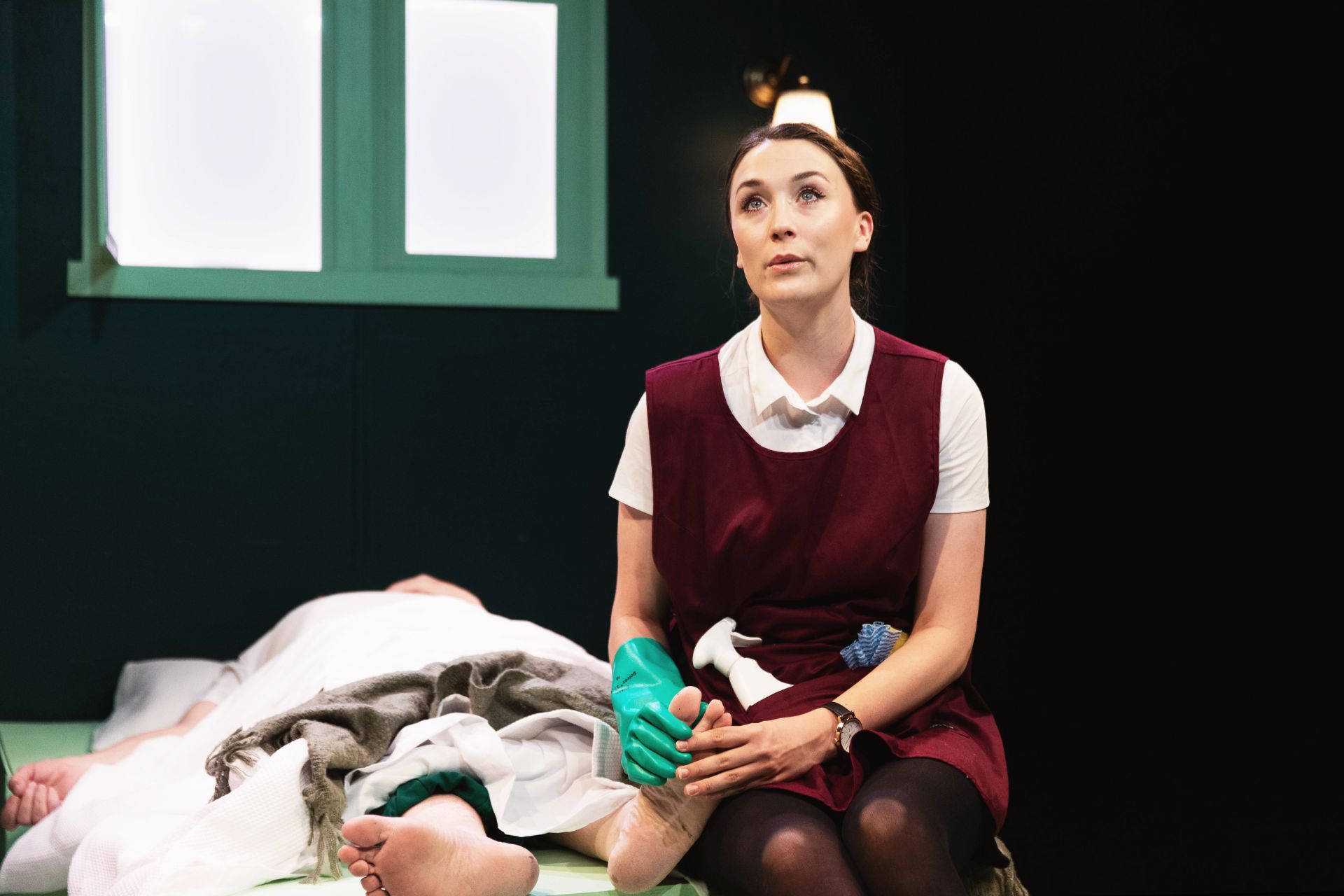
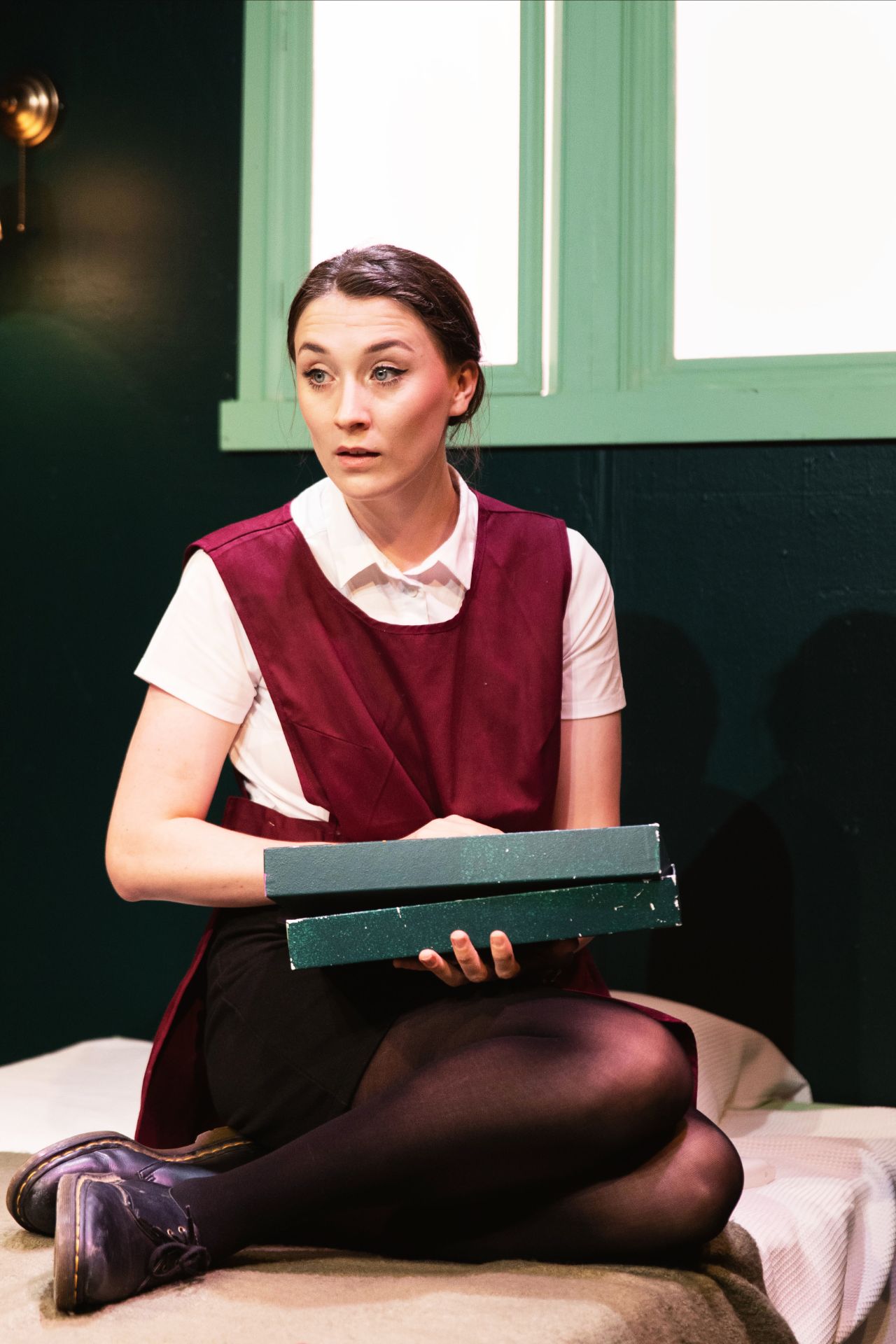
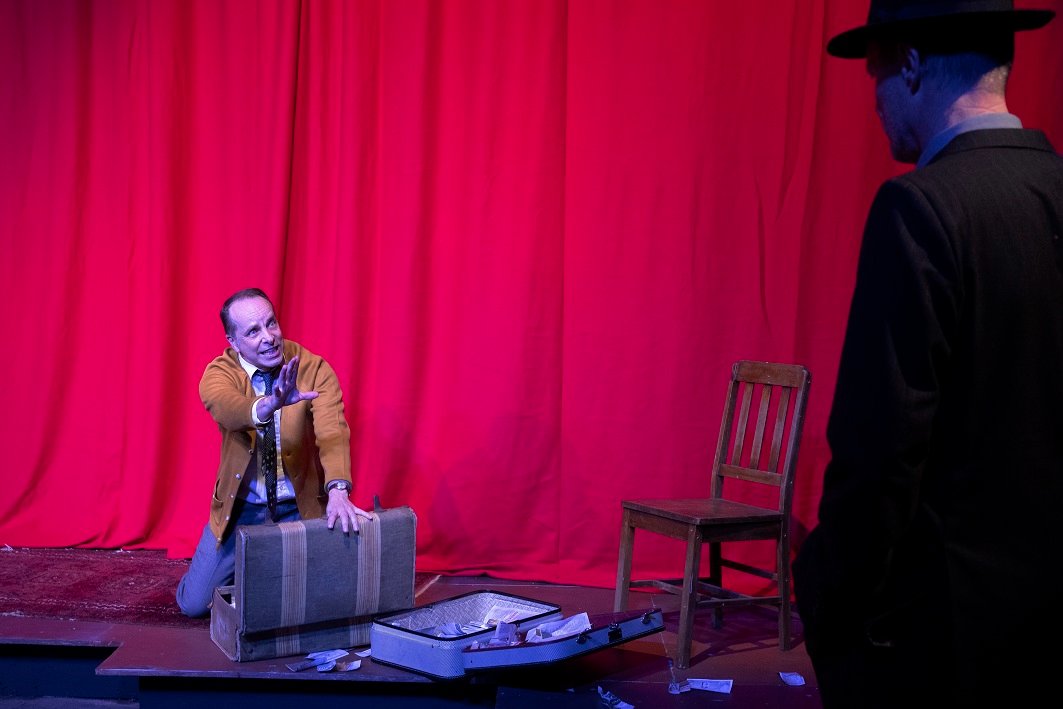
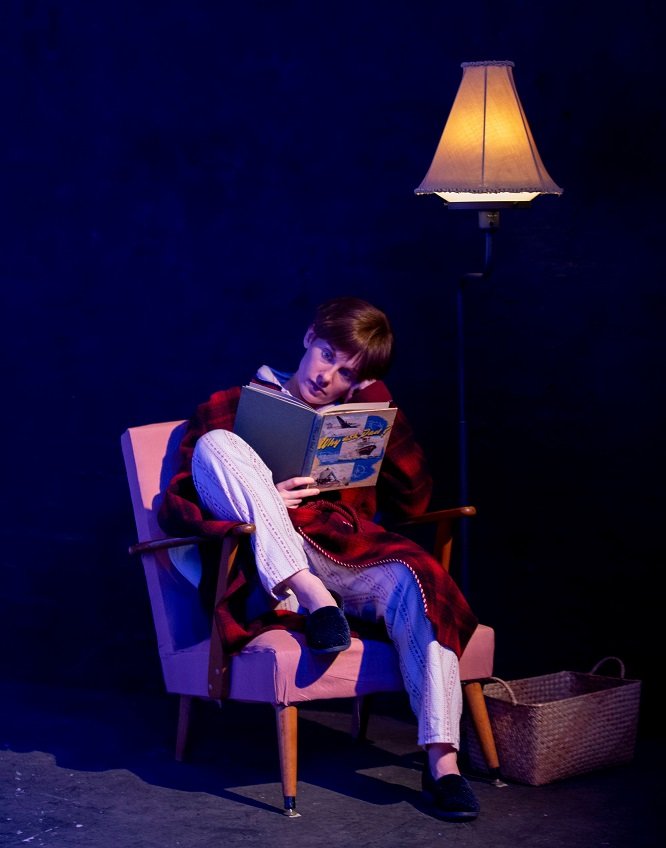
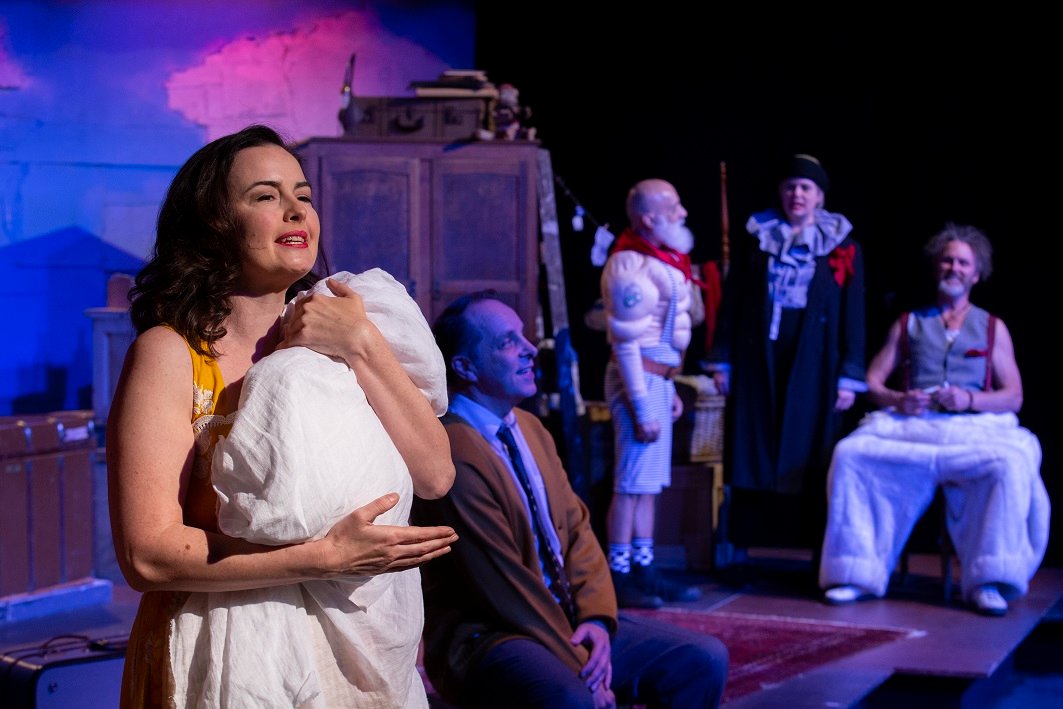
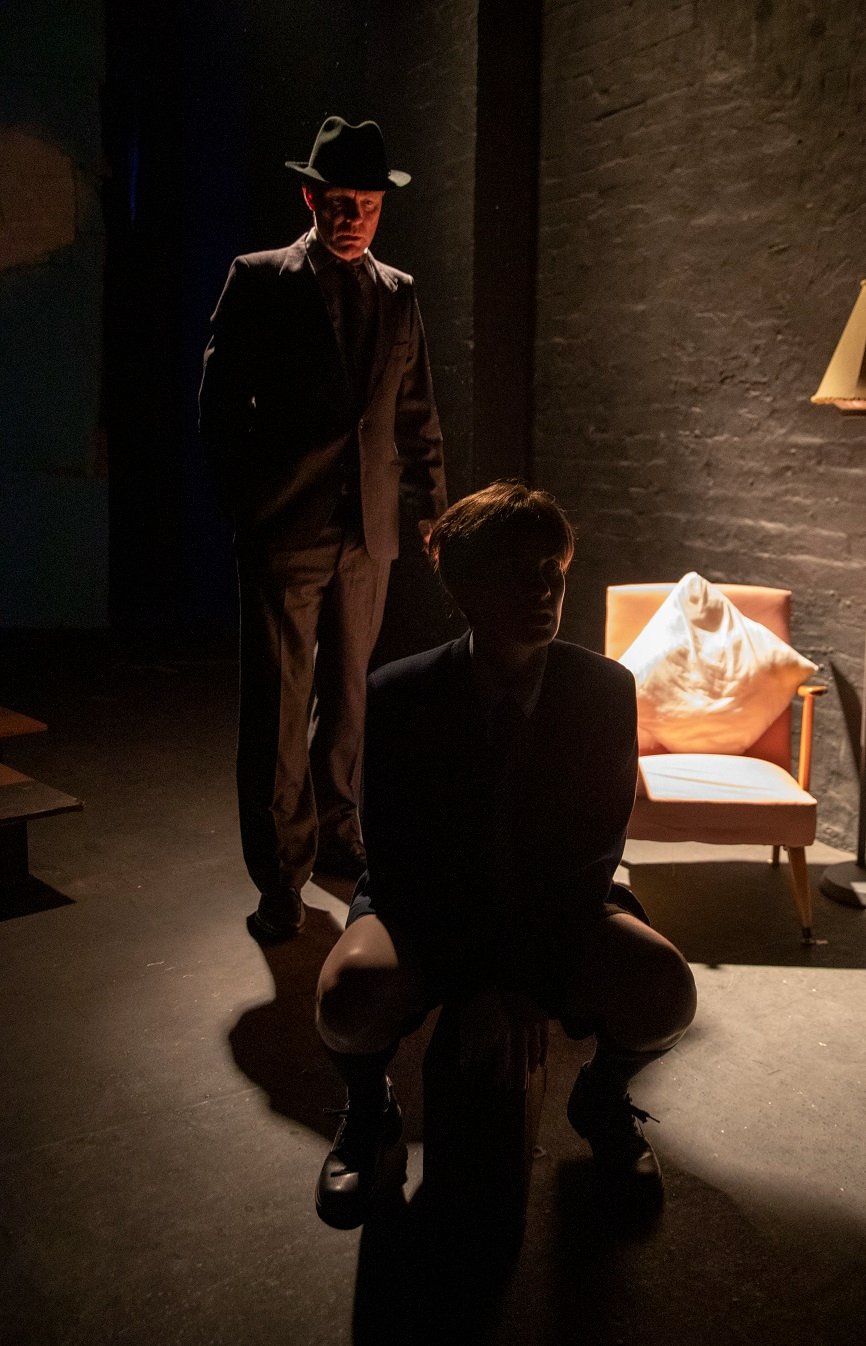
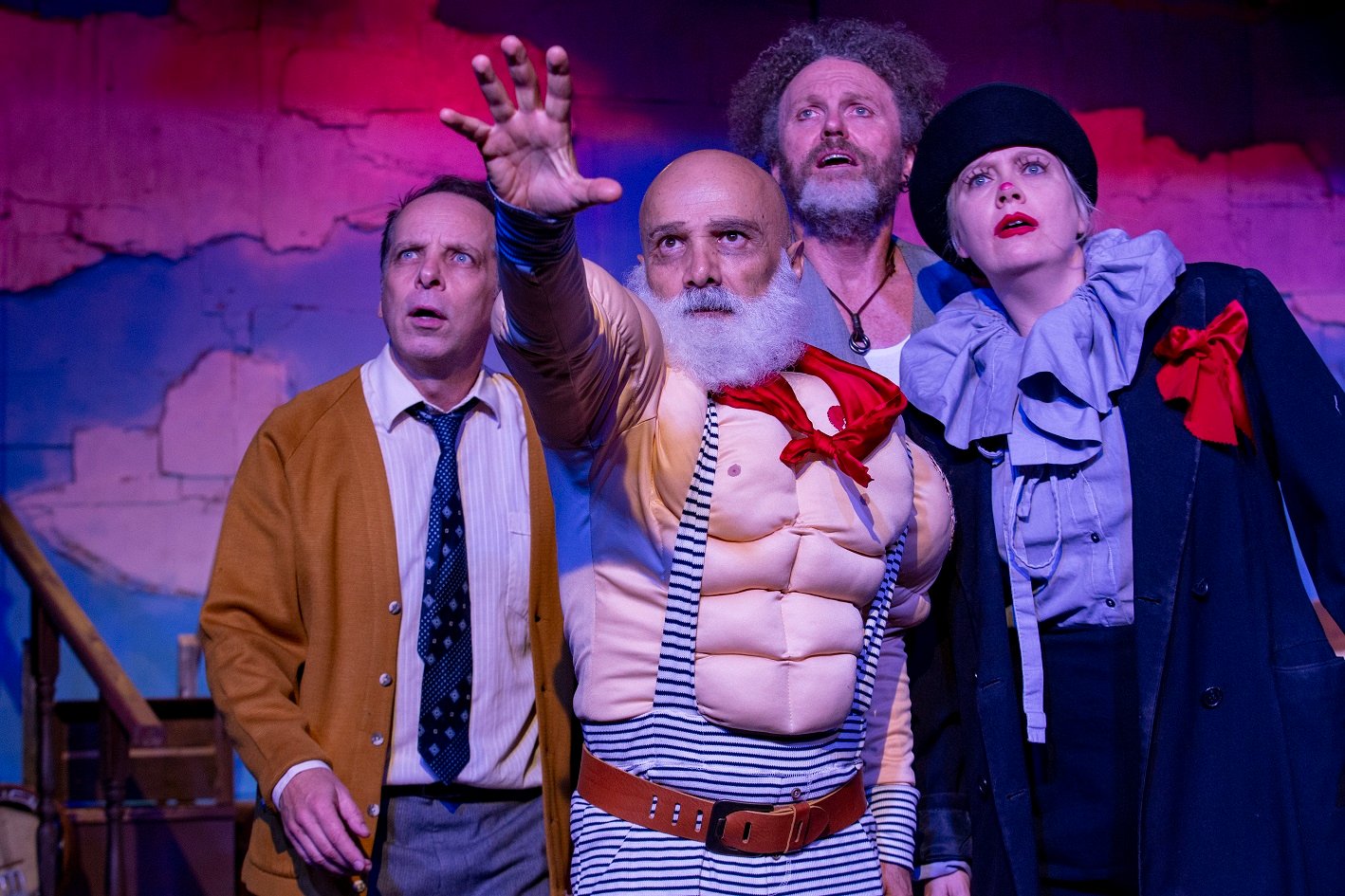
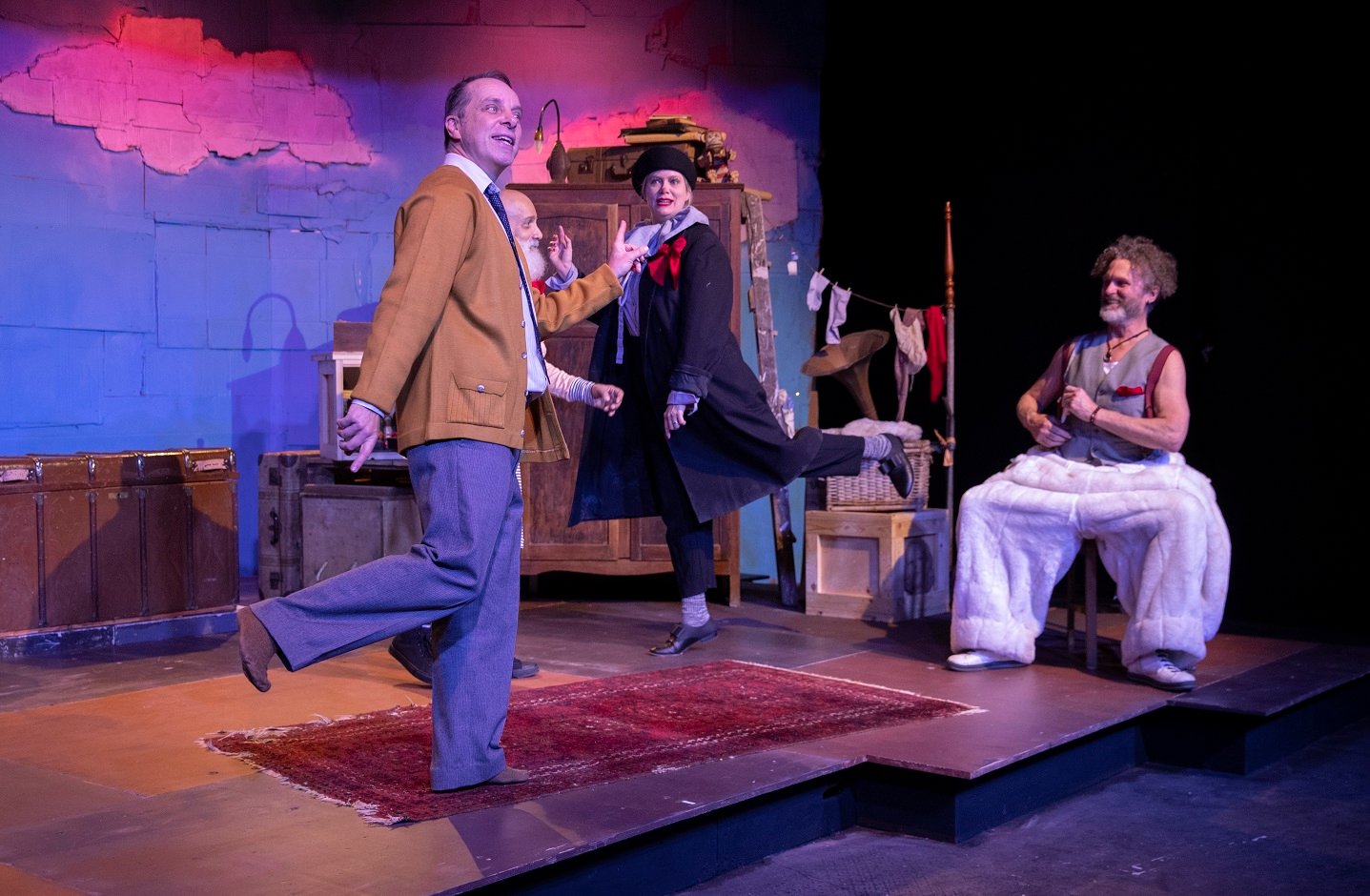
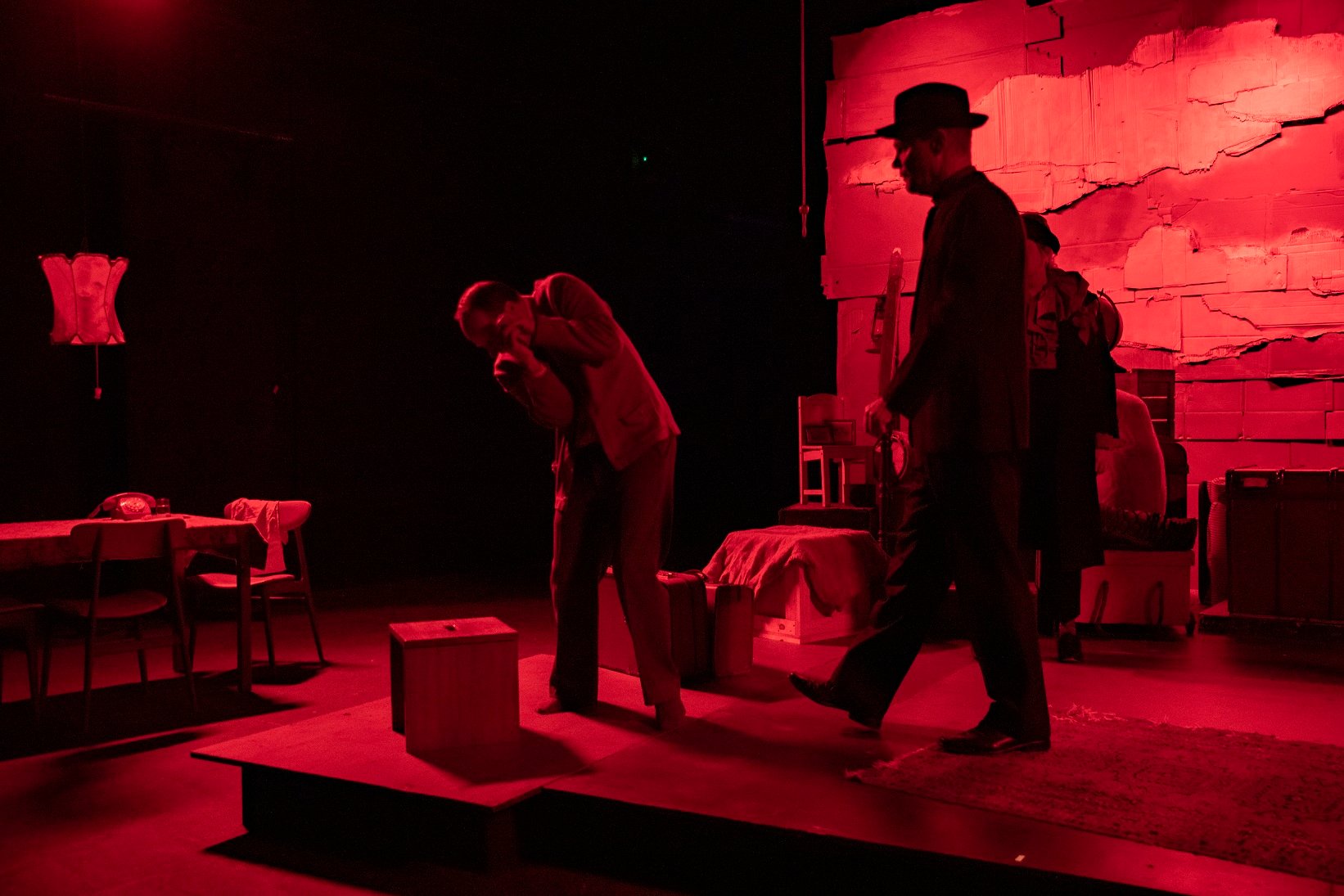
When the Roman leader is assassinated in Shakespeare’s Julius Caesar, it is the very nature of democracy that comes into question. Two millennia after the fateful incident, we are still pondering, and living, the delusive meanings of democracy in our political realities. The men in Shakespeare’s play continue to bear a certain ambiguity in terms of their being good or bad, right or wrong. Fortunately for audiences of Kip Williams’ modern day adaptation, it is the all too familiar malevolence of 21st century communications technology that takes a lot of the unequivocal blame.

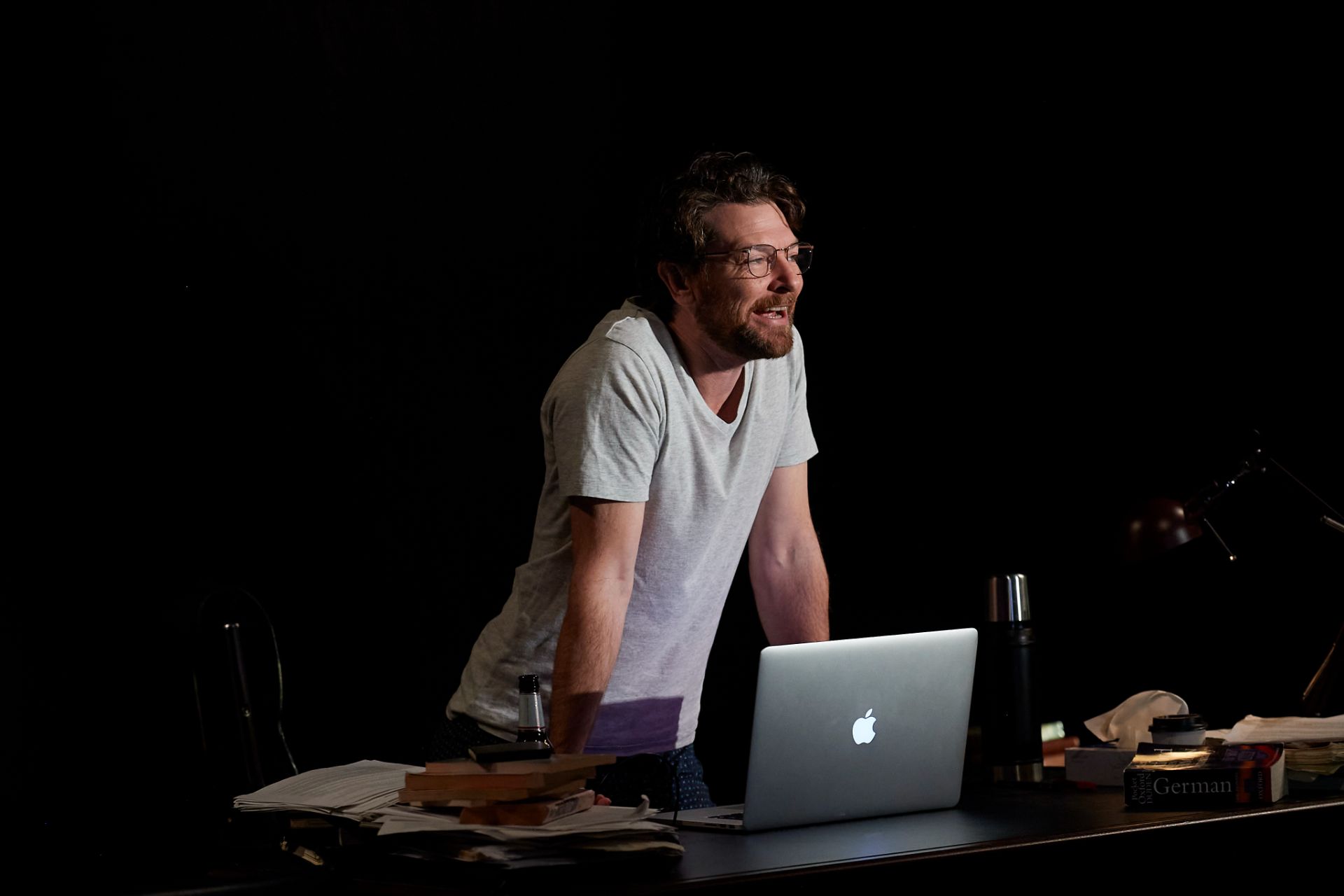
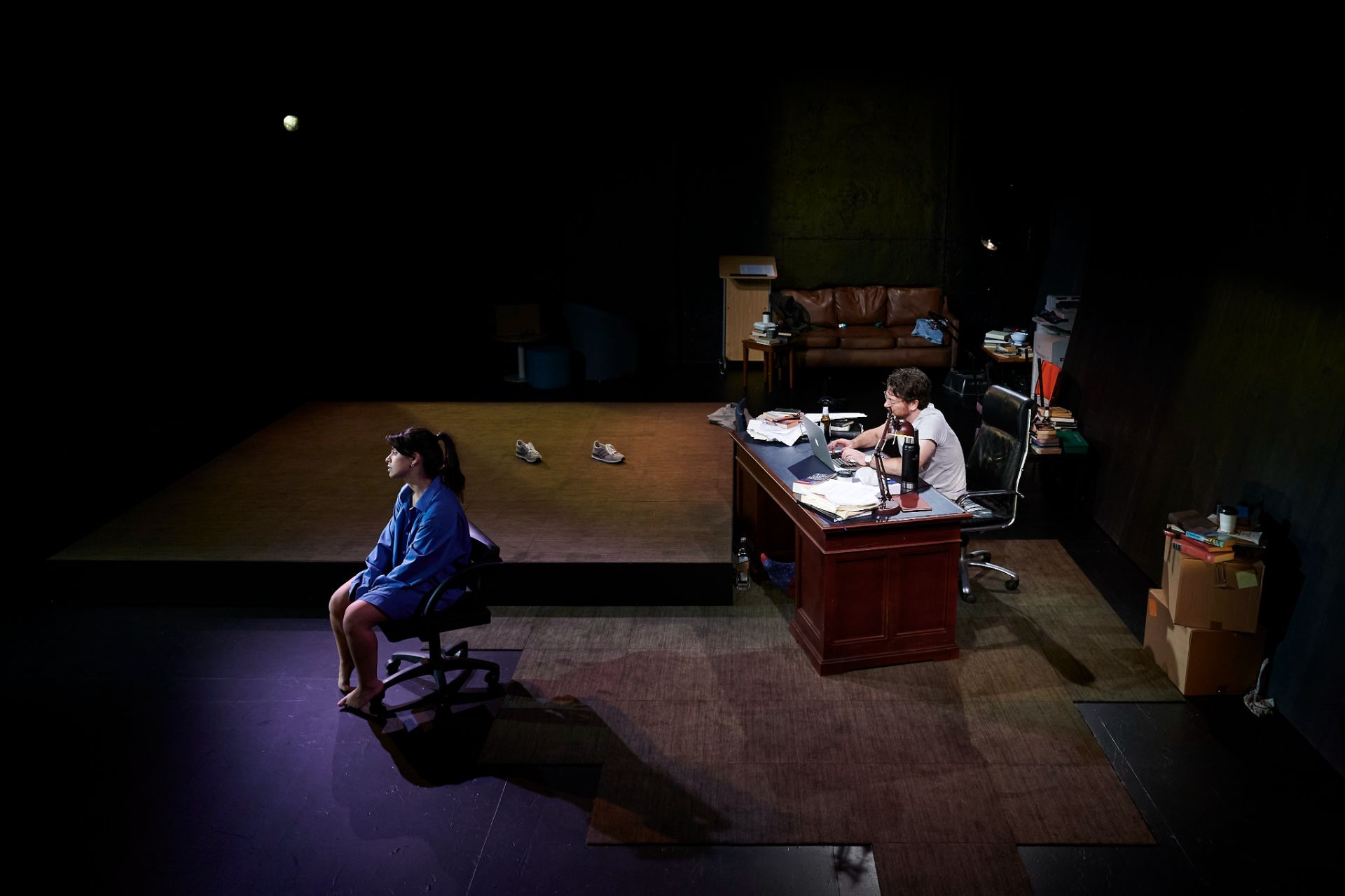
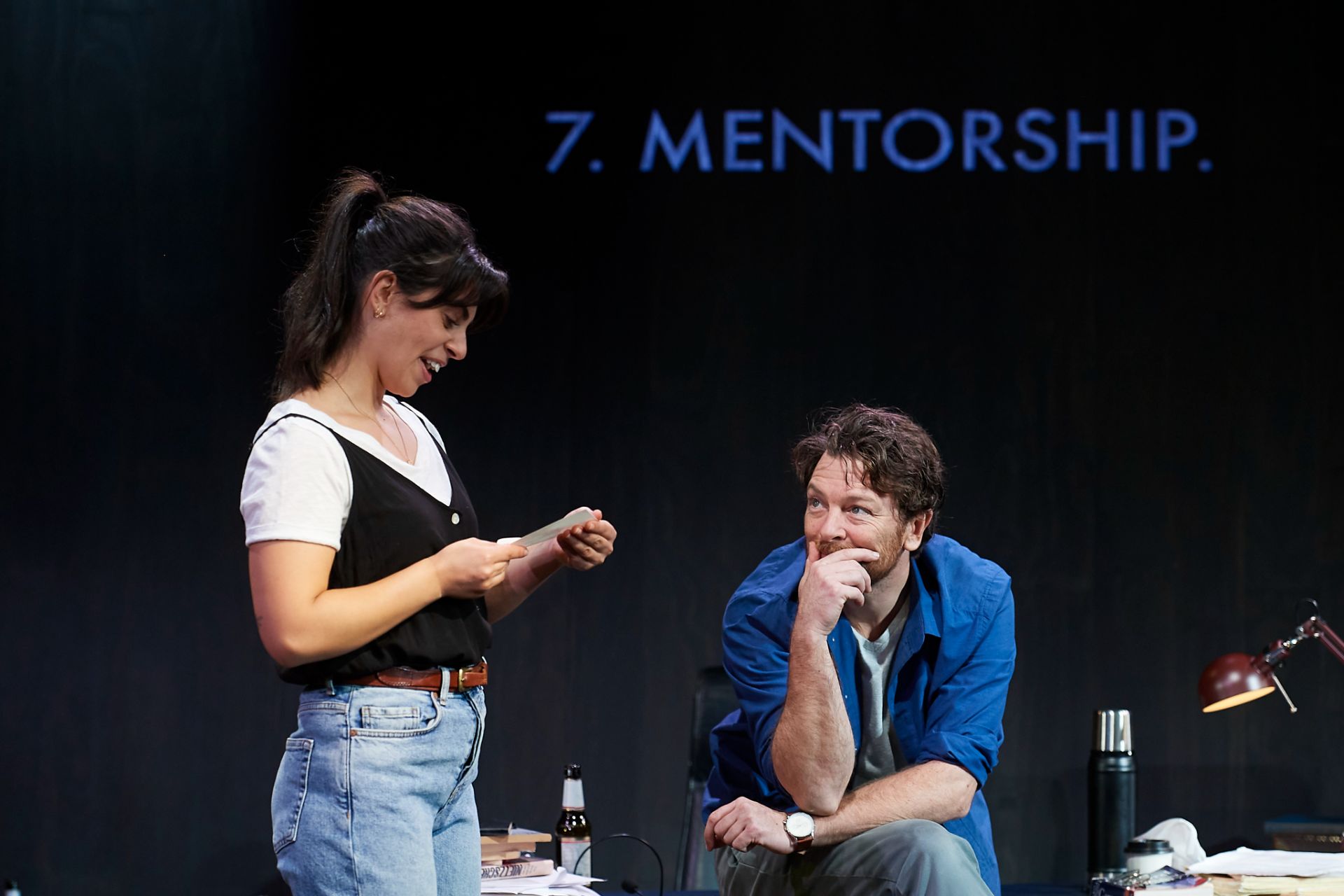
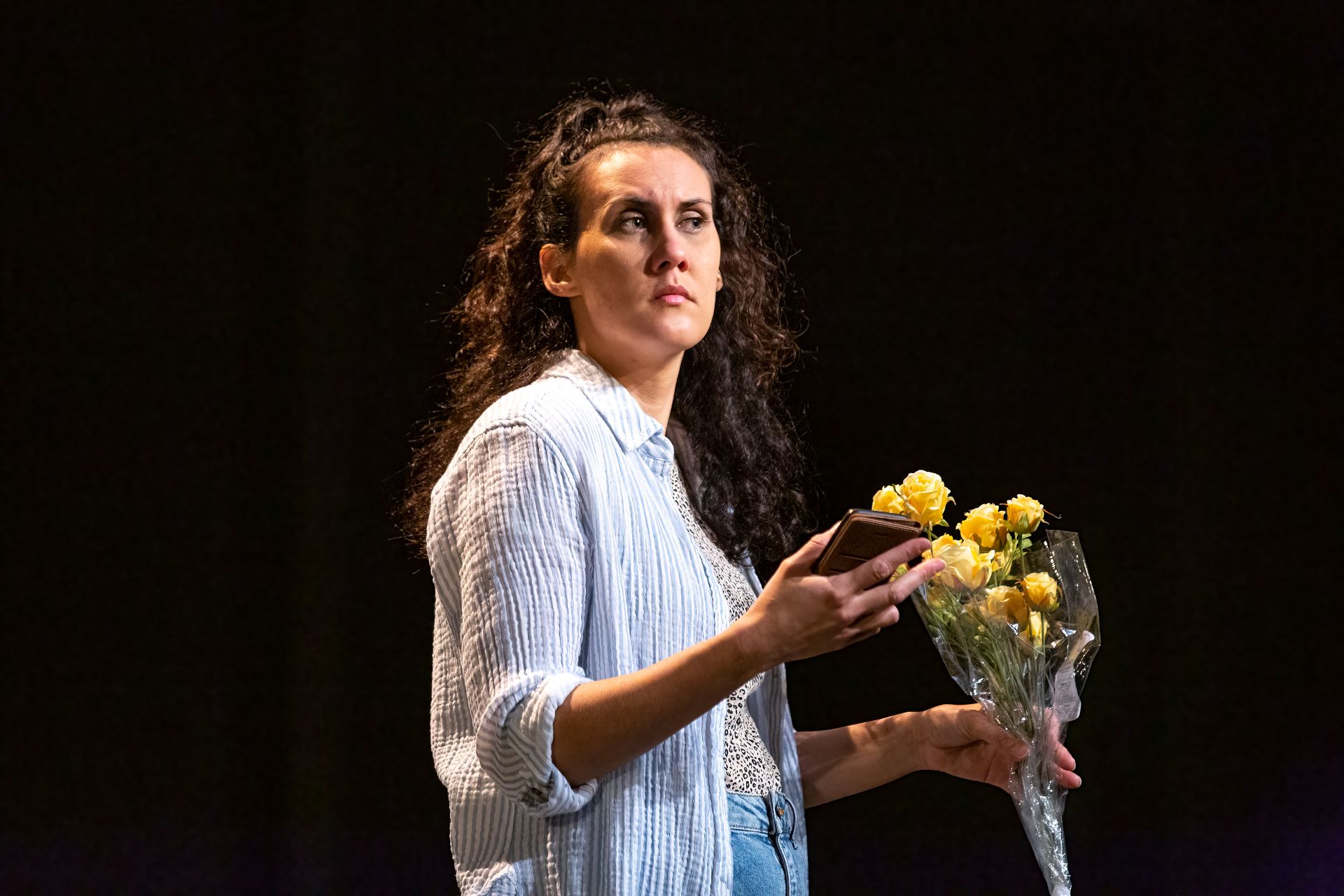
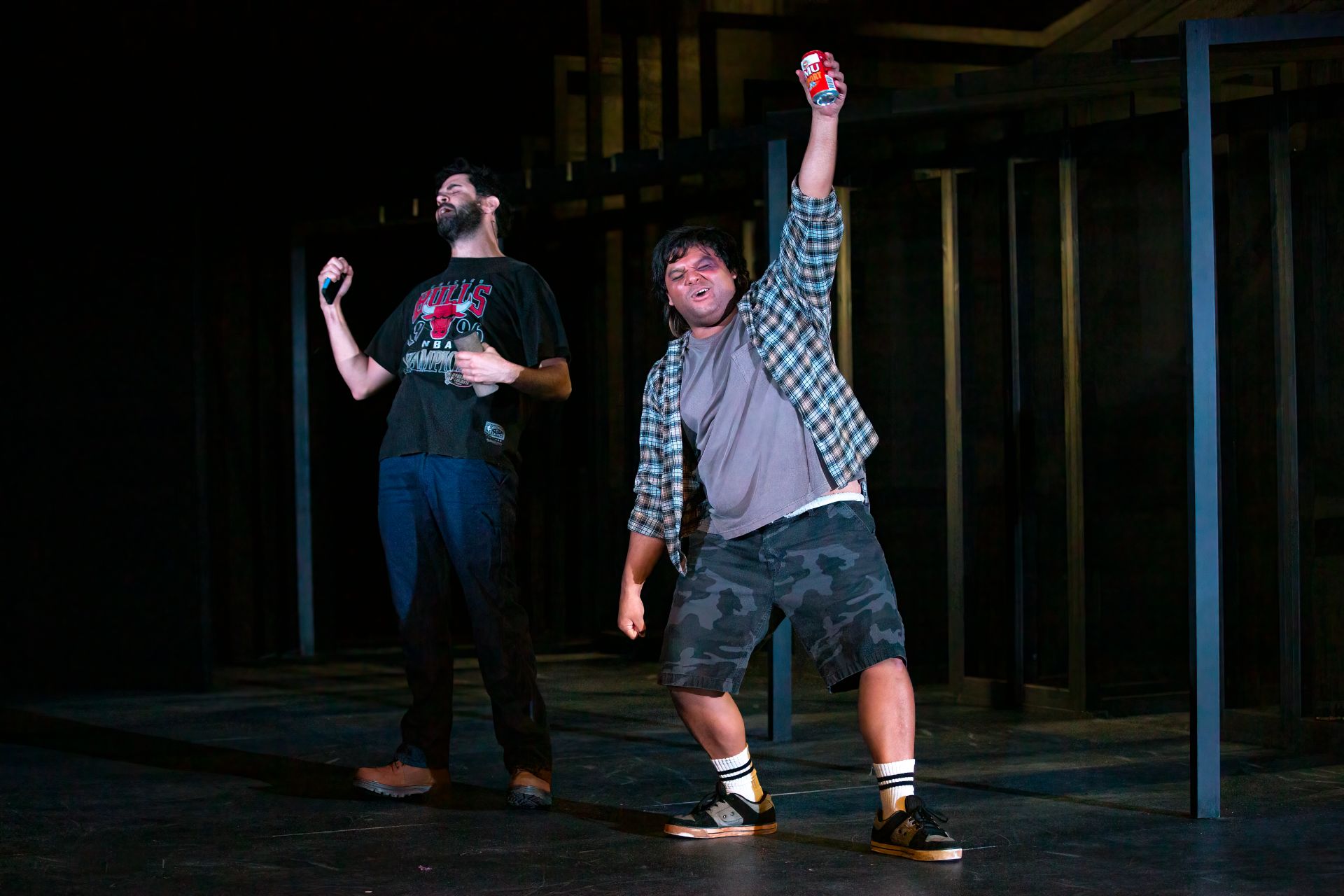
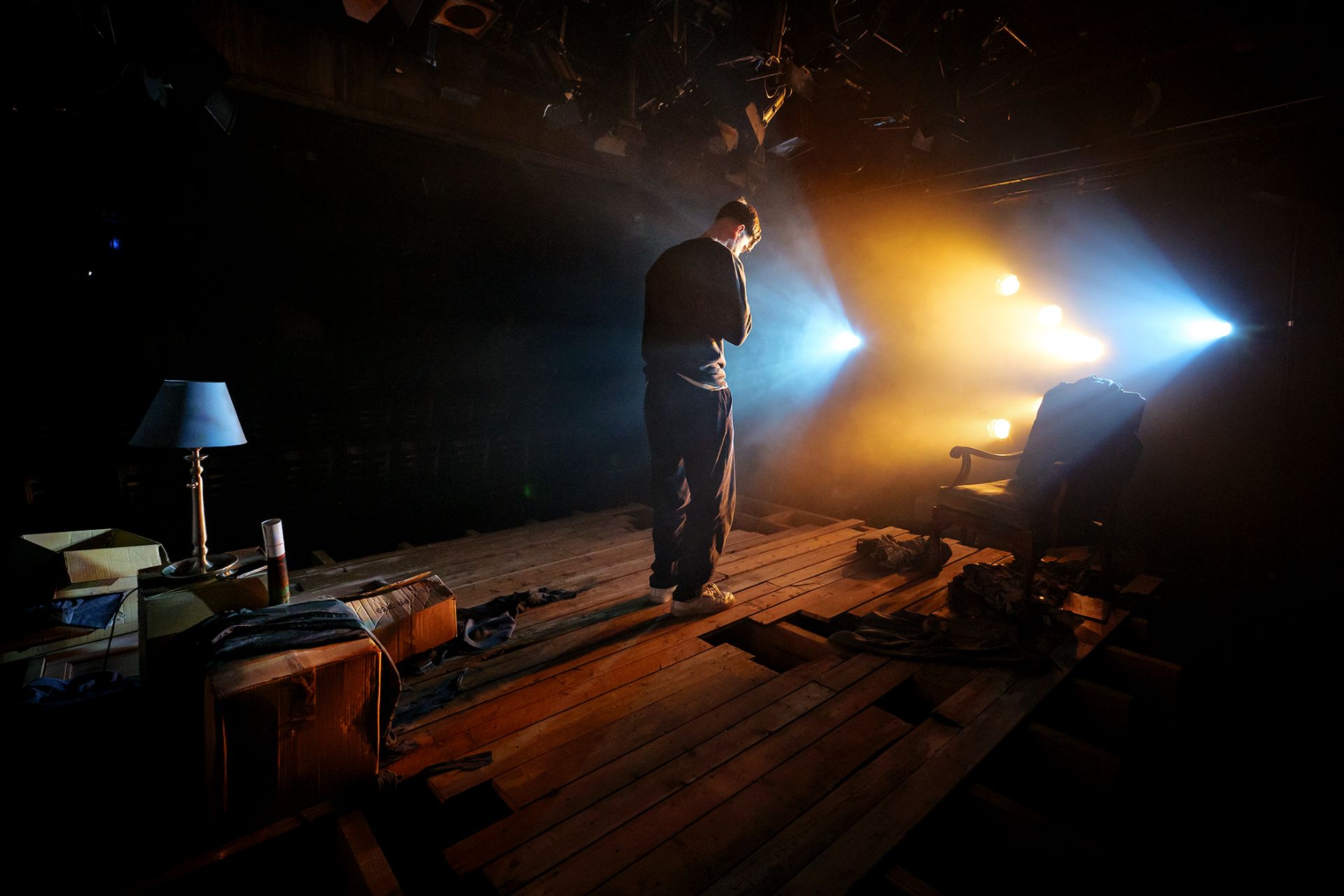
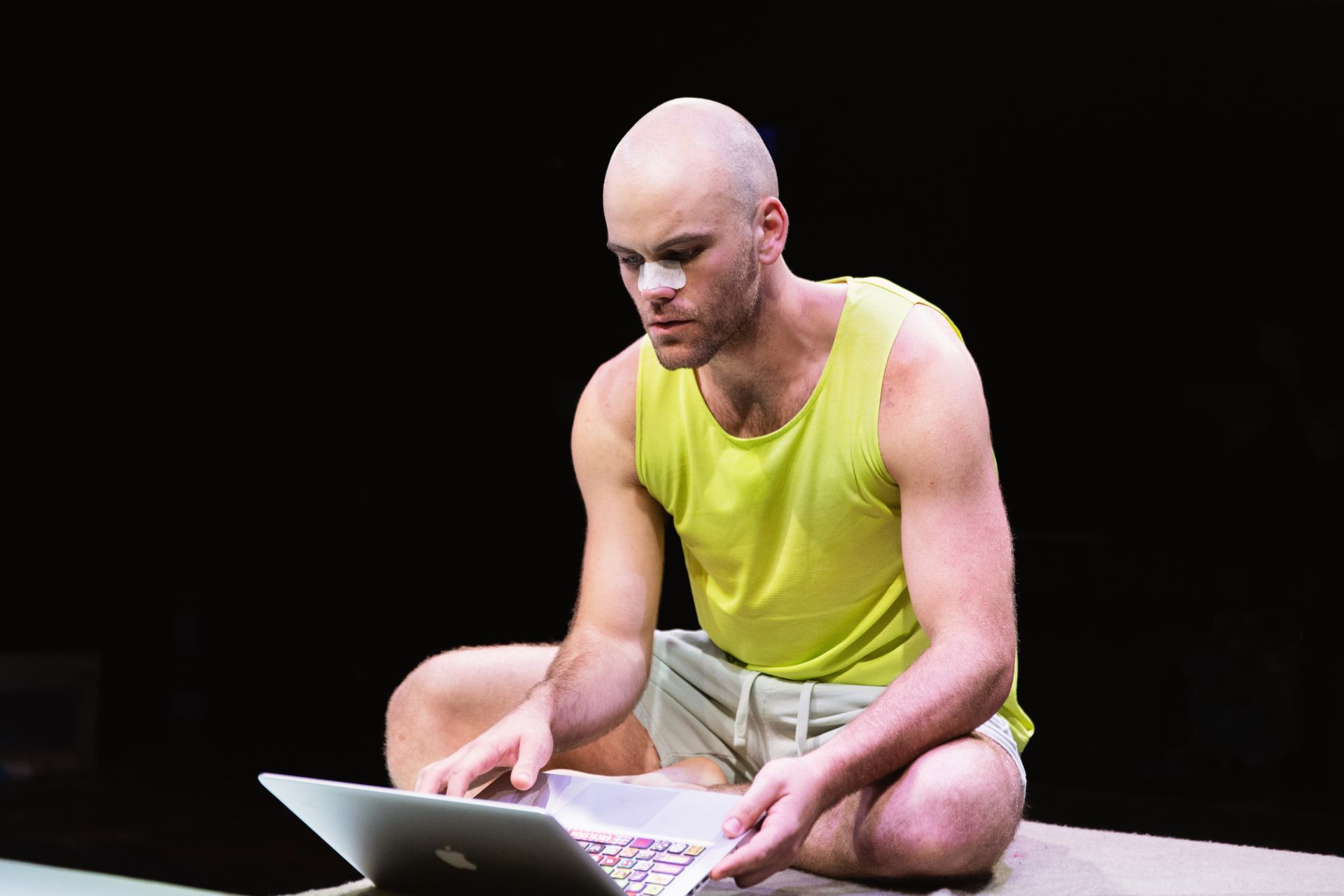
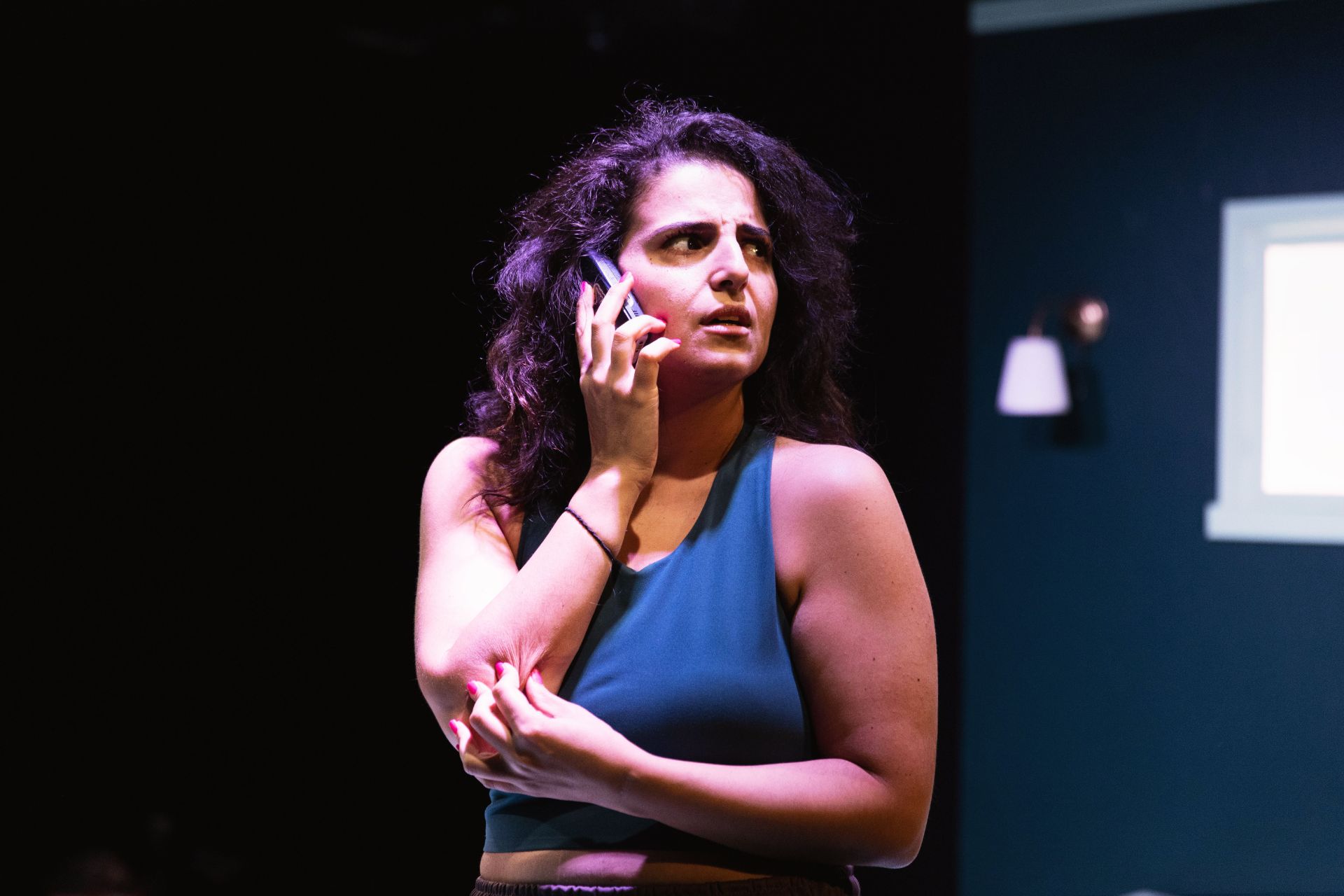
Mobile phones and social media, in addition to traditional news platforms, are the convenient new villains in this regeneration of the old classic. Video monitors occupy centre stage with an aggressive dominance, and actors are virtually never without their phones, always with camera on, pointing at themselves and at one another. We have to consume the play in ways that are similar, to how we consume the daily news about politics. Devices and screens overwhelm our senses, so that whatever is live and actually material, becomes secondary to digital transmissions.

We struggle to distinguish, the important from the distracting, and the truth from fake news. Williams’ direction makes the unrelenting noise that is so pervasive in our media habits, a central feature of his theatrical presentation, and the more he indulges in histrionics, the more we are seduced by all the frenzy. The story escalates along with our gleeful enjoyment of sequences that become increasingly hideous, and we begin to wonder if all the heartache and bloodshed, can only exist because of our audienceship. Our passive attention is made to take responsibility, in this salient reminder that under capitalism, the consumer is king.

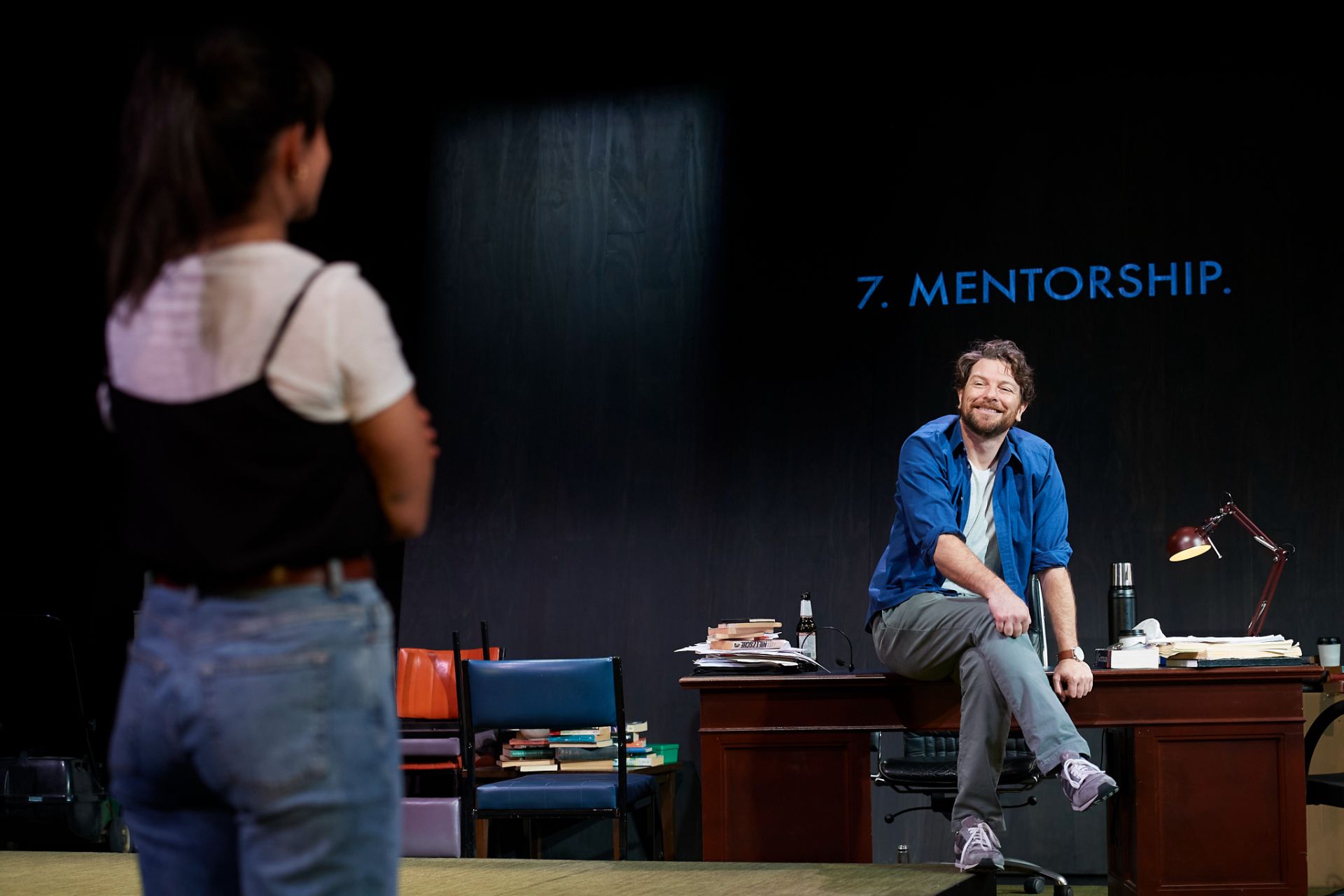
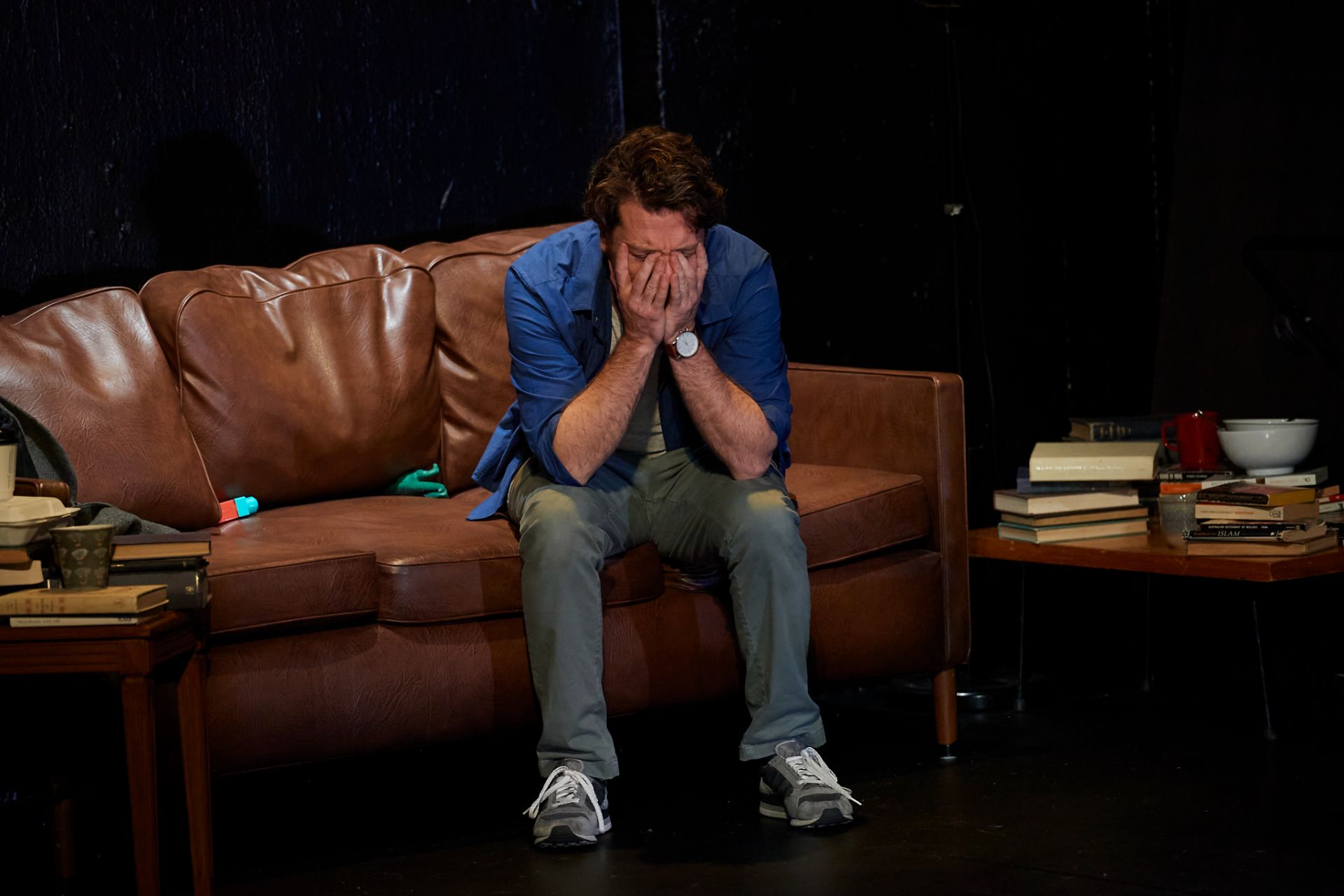
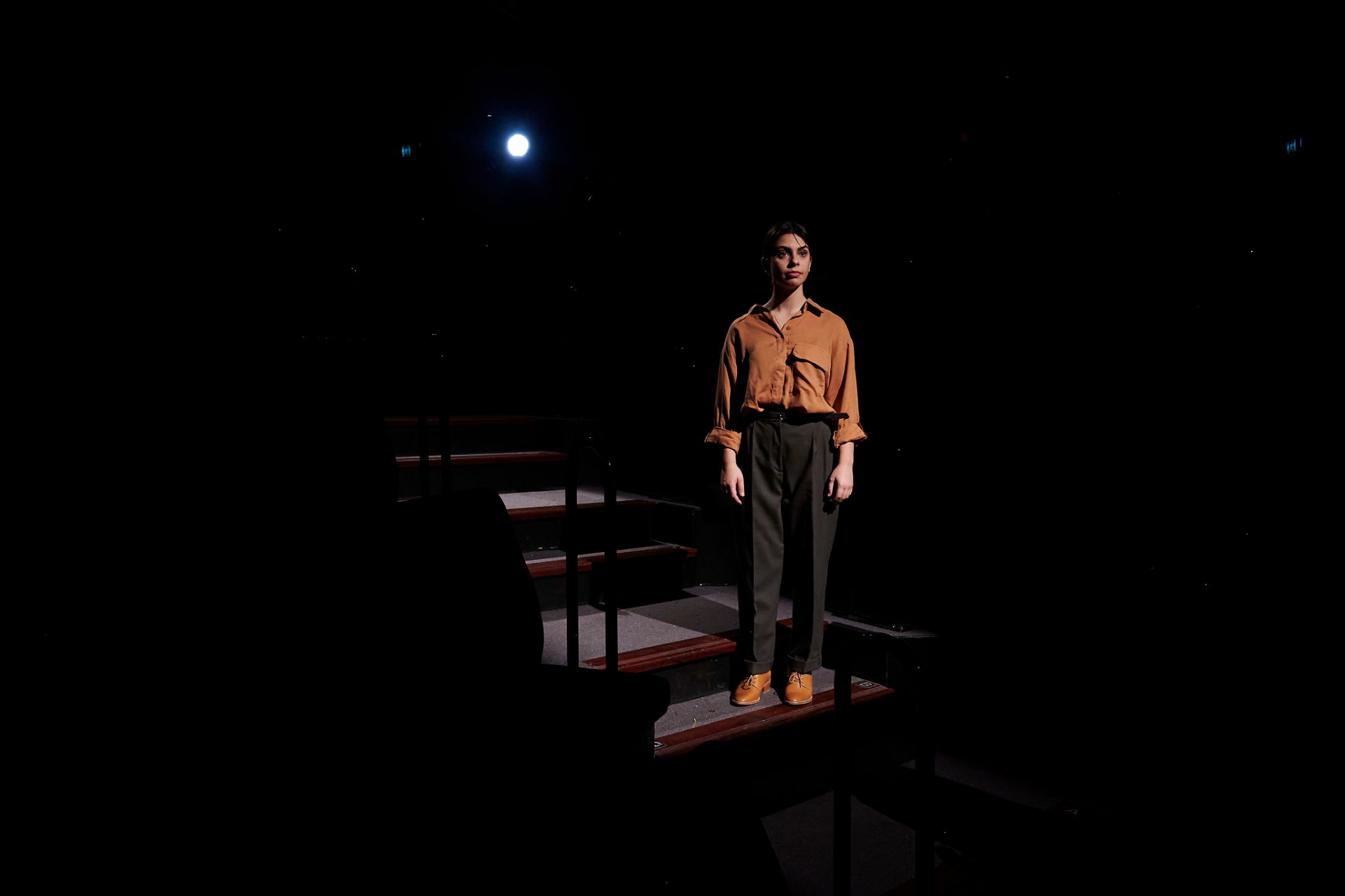
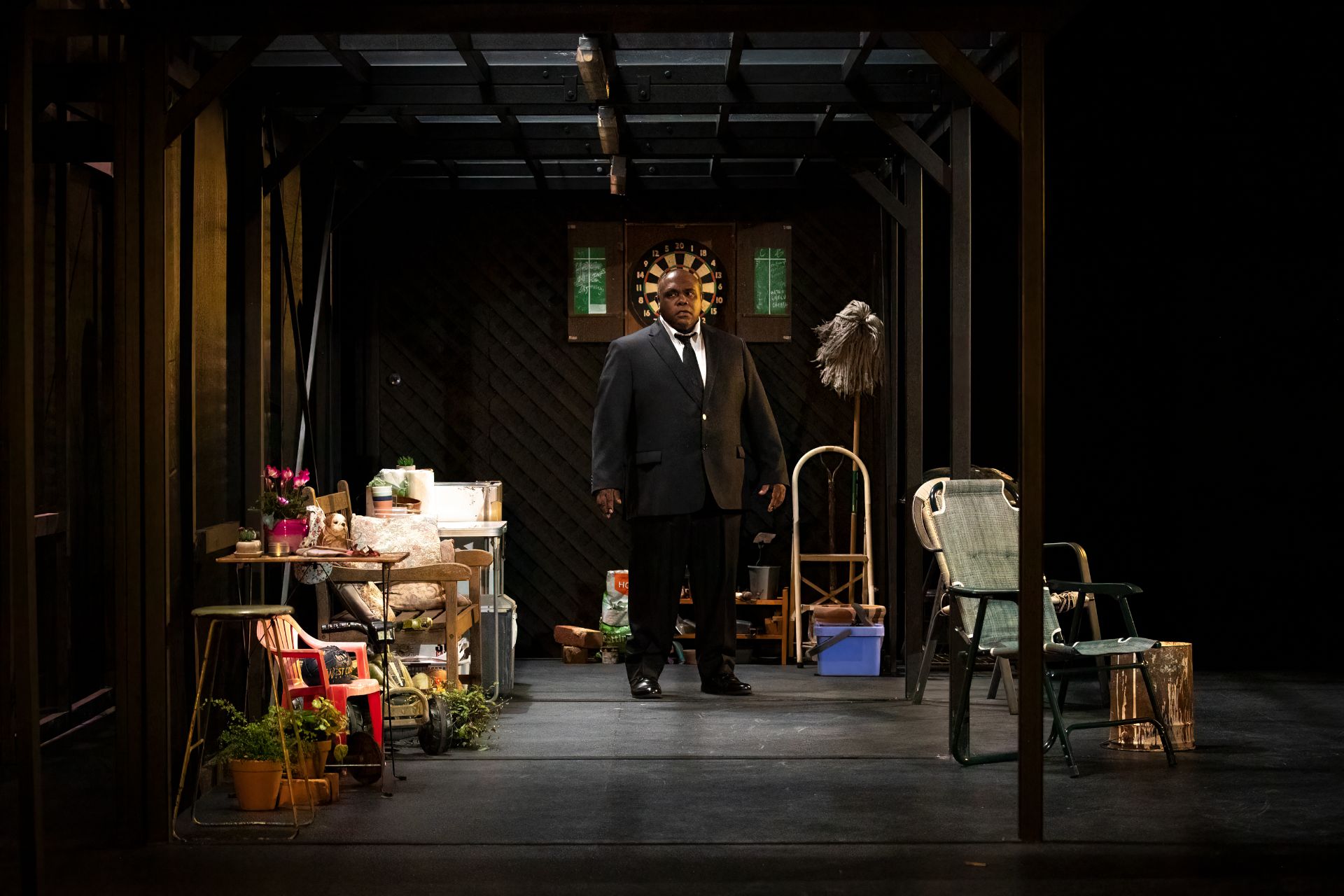
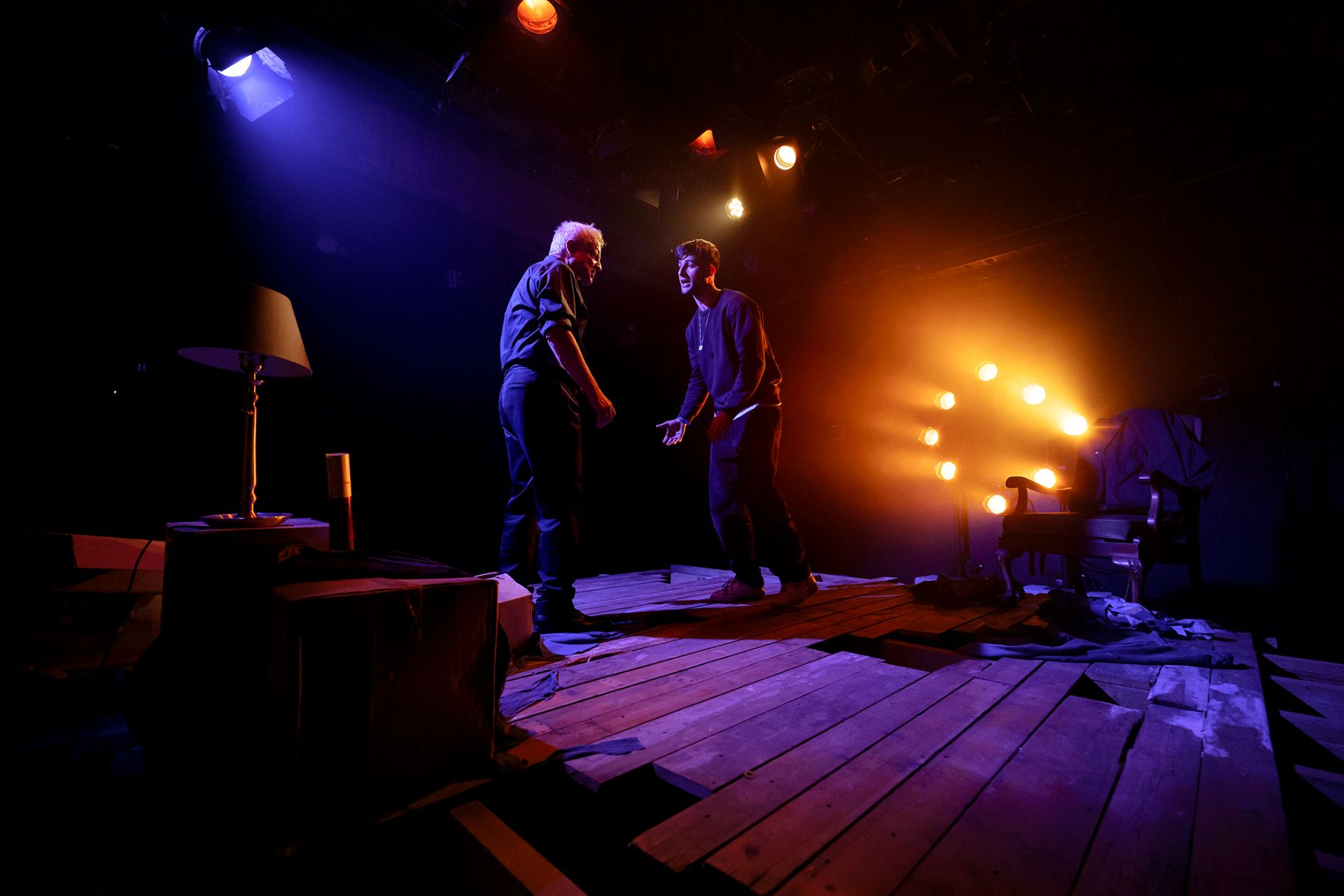
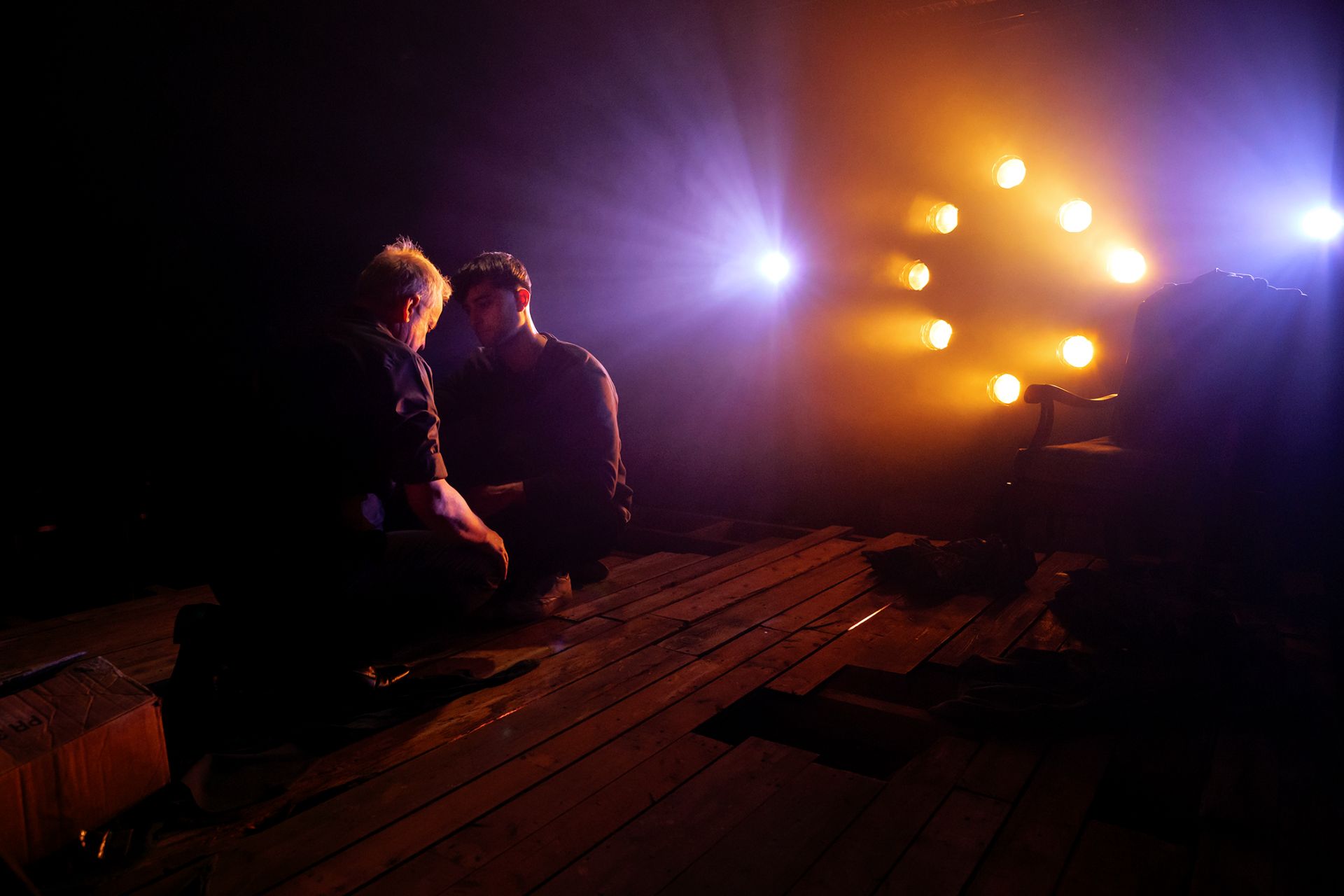
David Bergman’s work on video design is humorous, detailed and dynamic. The abundant cultural references made therein, form a subtext for this version of Julius Caesar that not only updates the tale for contemporary sensibilities, it reframes the discussion about democracy to include technology and capitalism, so that the discourse feels urgent and strikingly intimate. Correspondingly, Stefan Gregory’s music and sound design takes charge of our nerve centres, in order that we can only respond to the series of egregious events, with appropriate revulsion. Also noteworthy are Elizabeth Gadsby’s set and costume design, offering efficient and unpretentious solutions to an otherwise complex staging. Lights by Amelia Lever-Davidson too are unobtrusive, yet satisfyingly dramatic in its various manifestations.

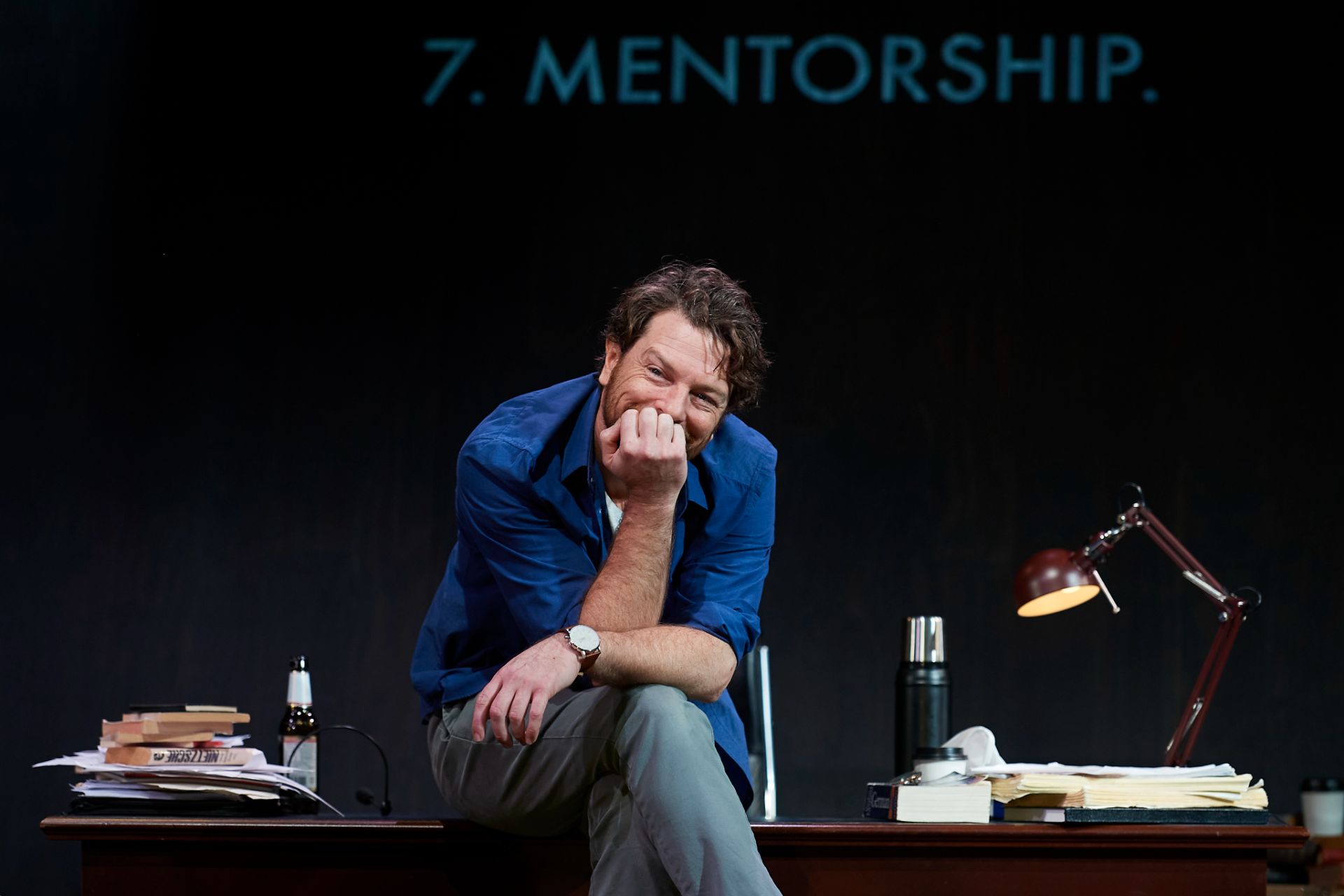
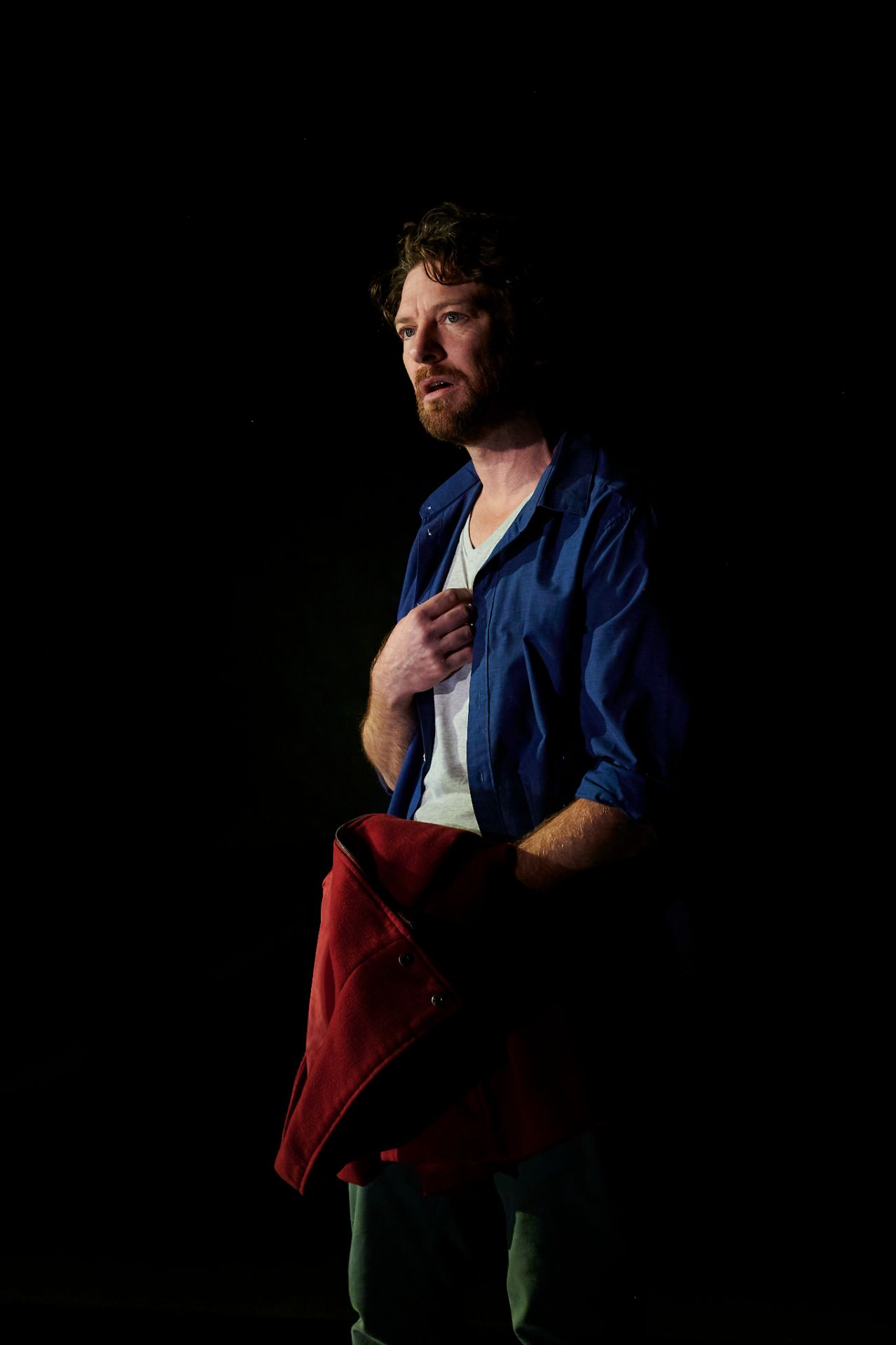
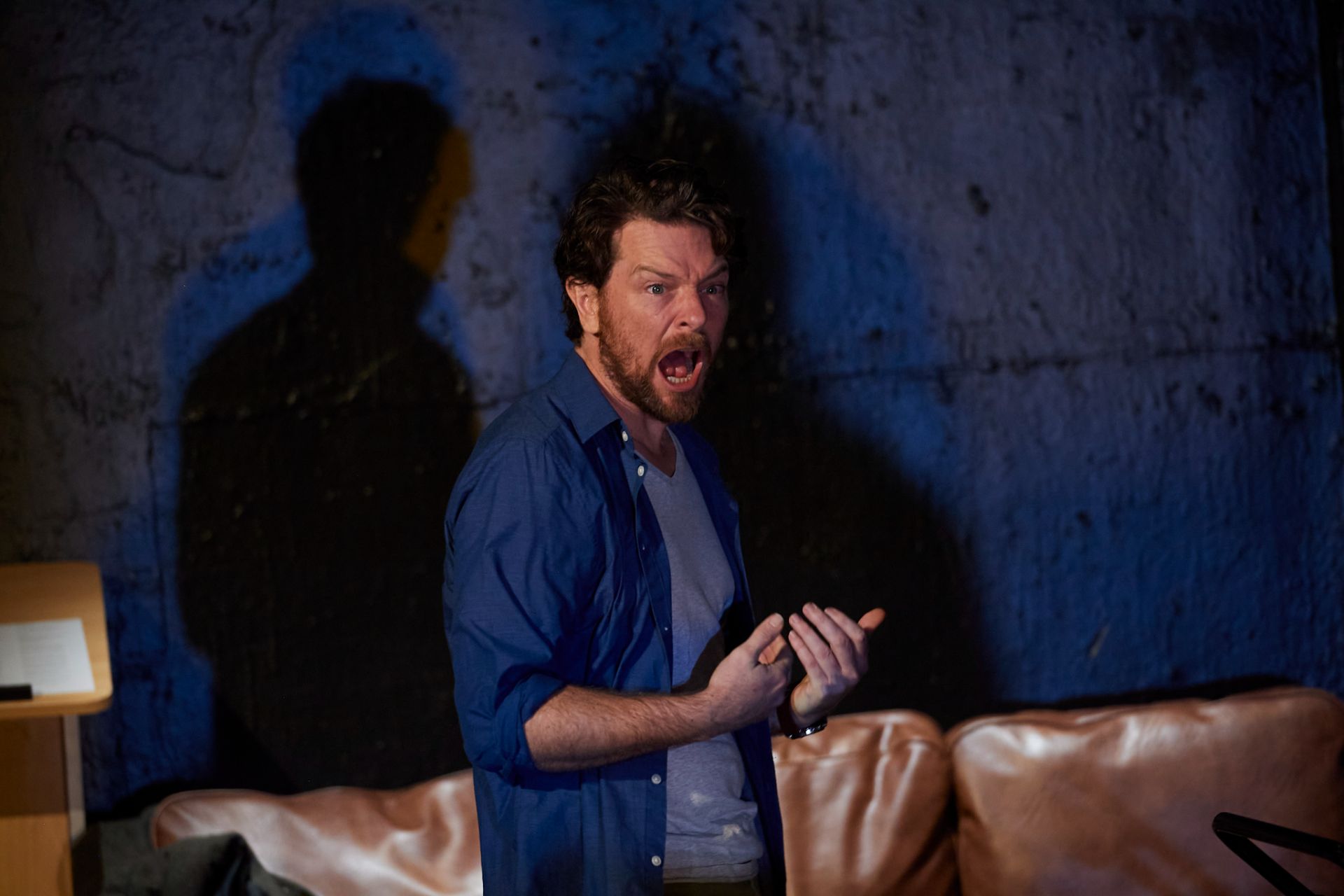
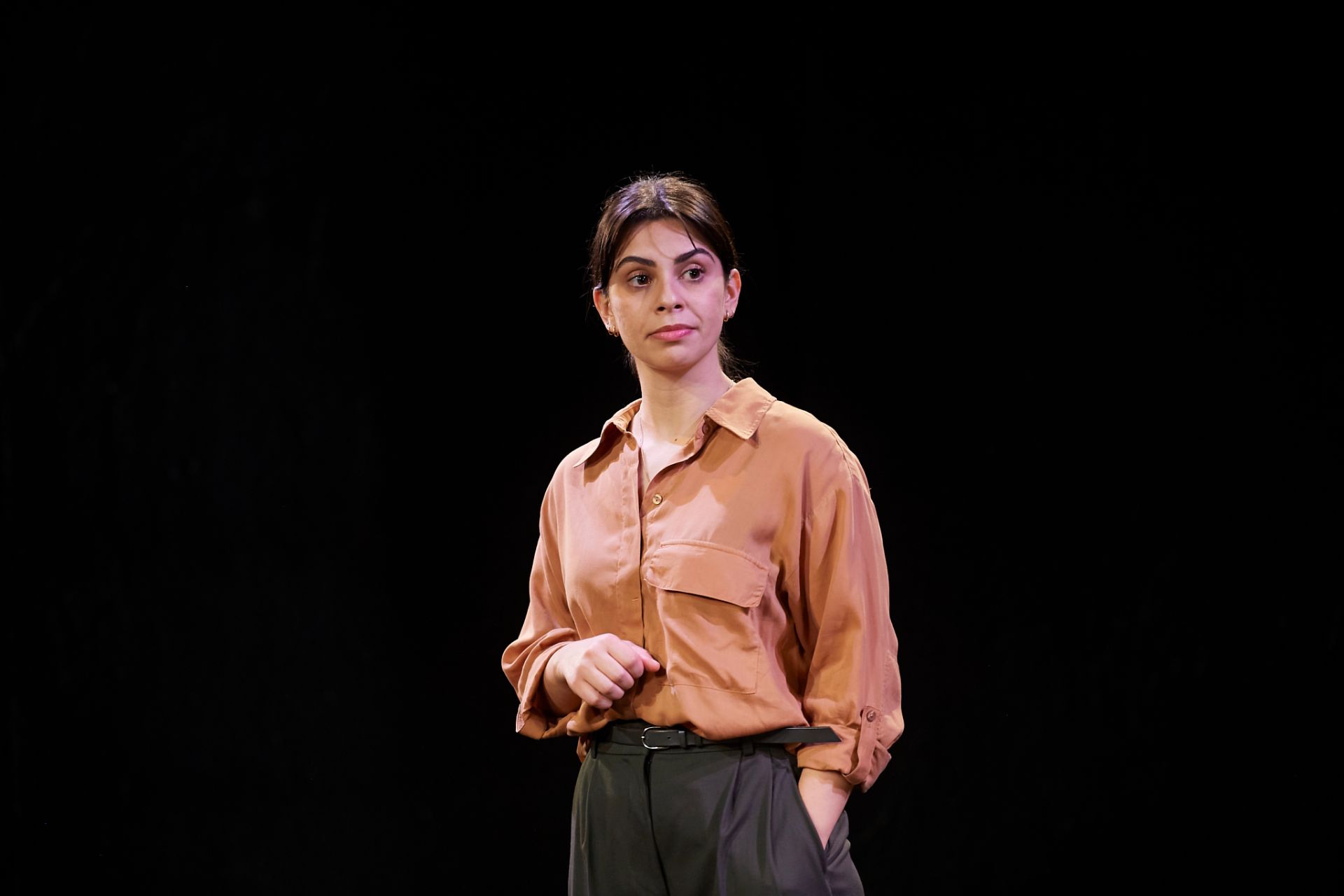
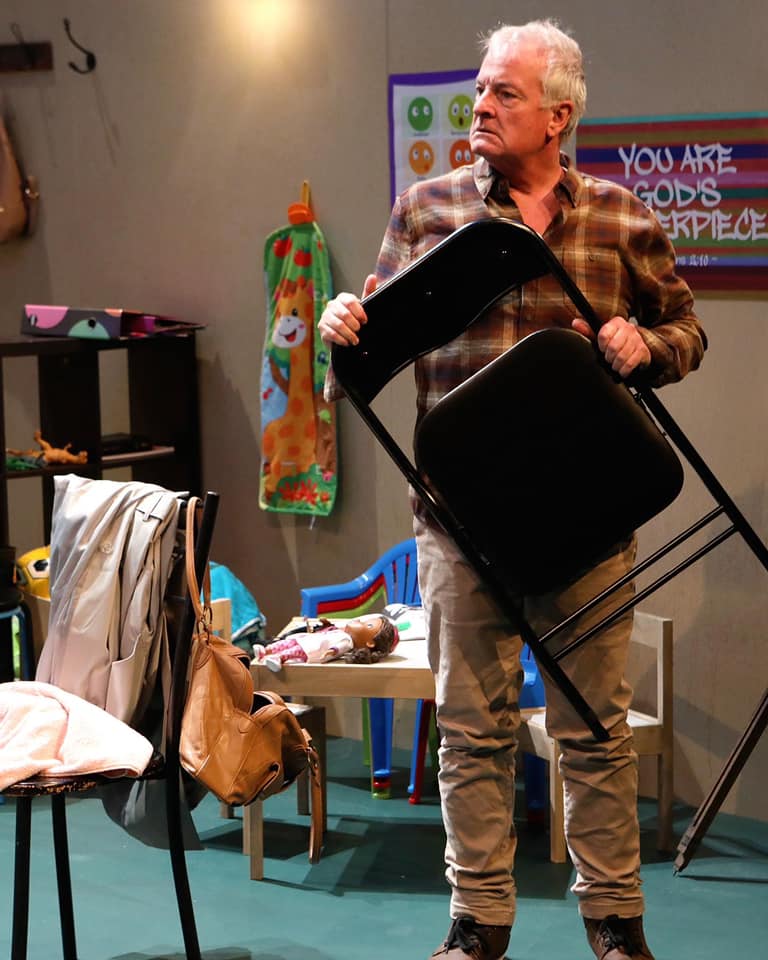
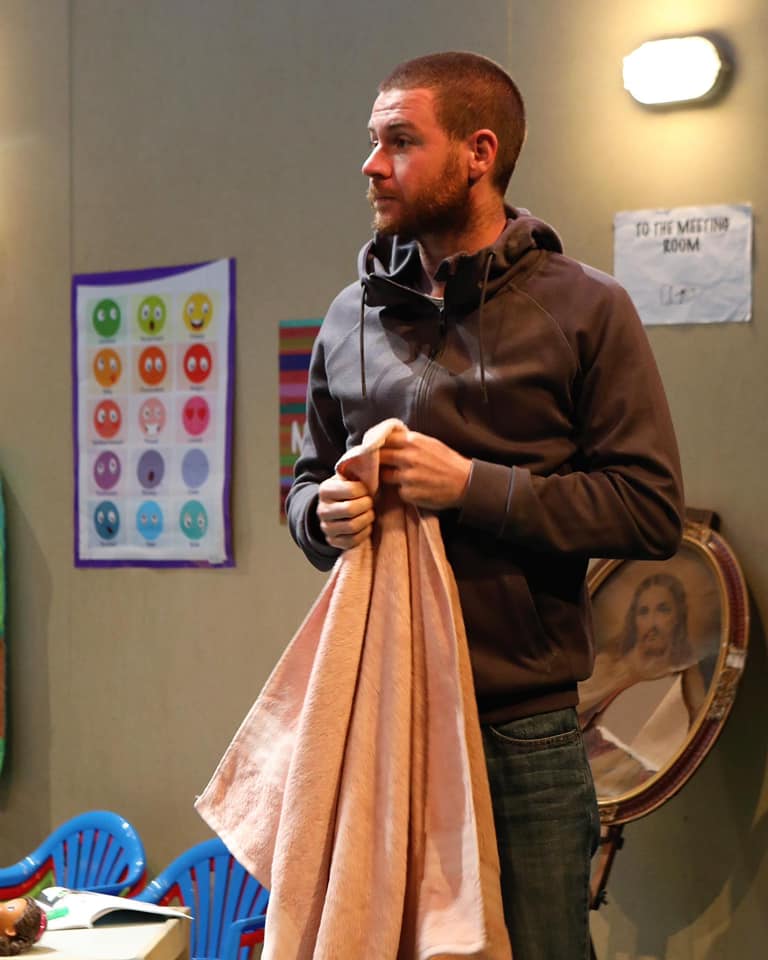
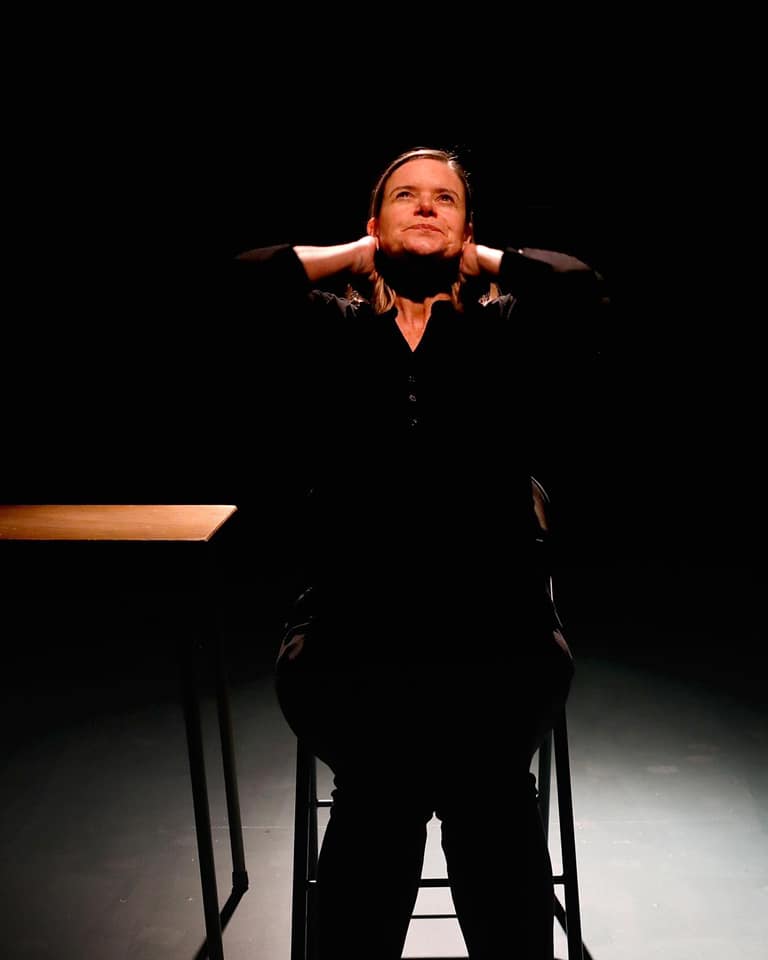
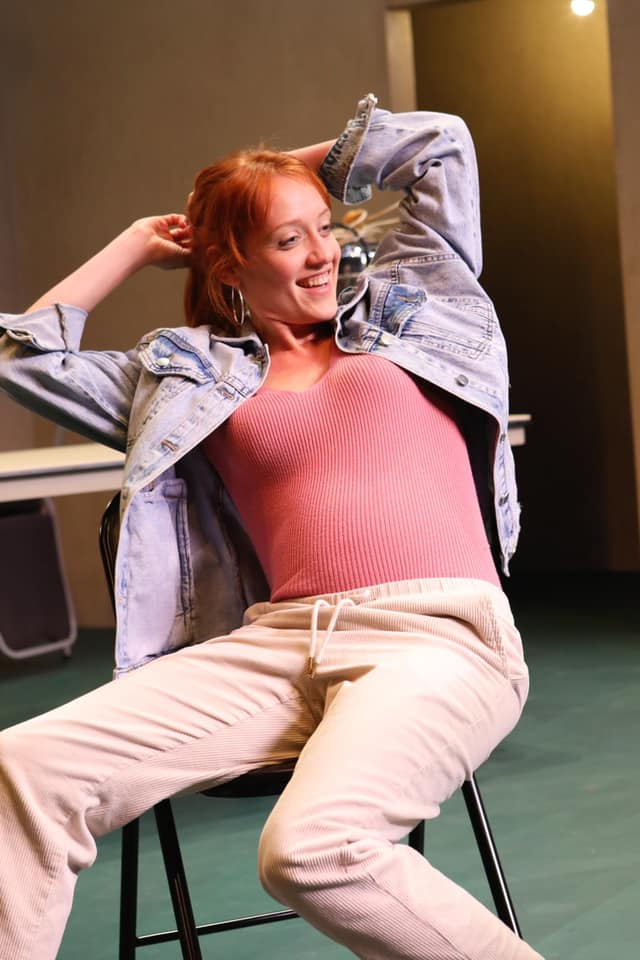
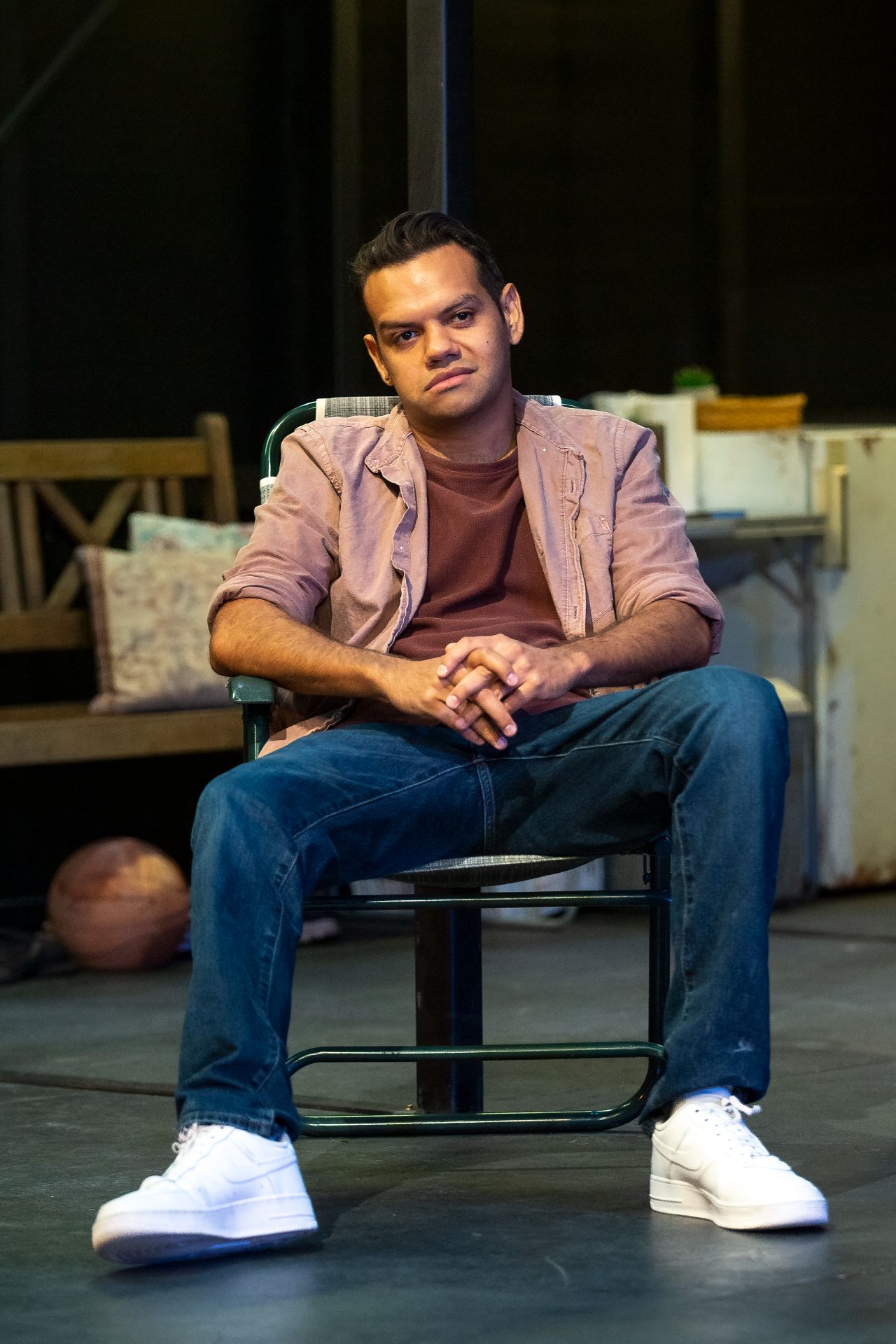
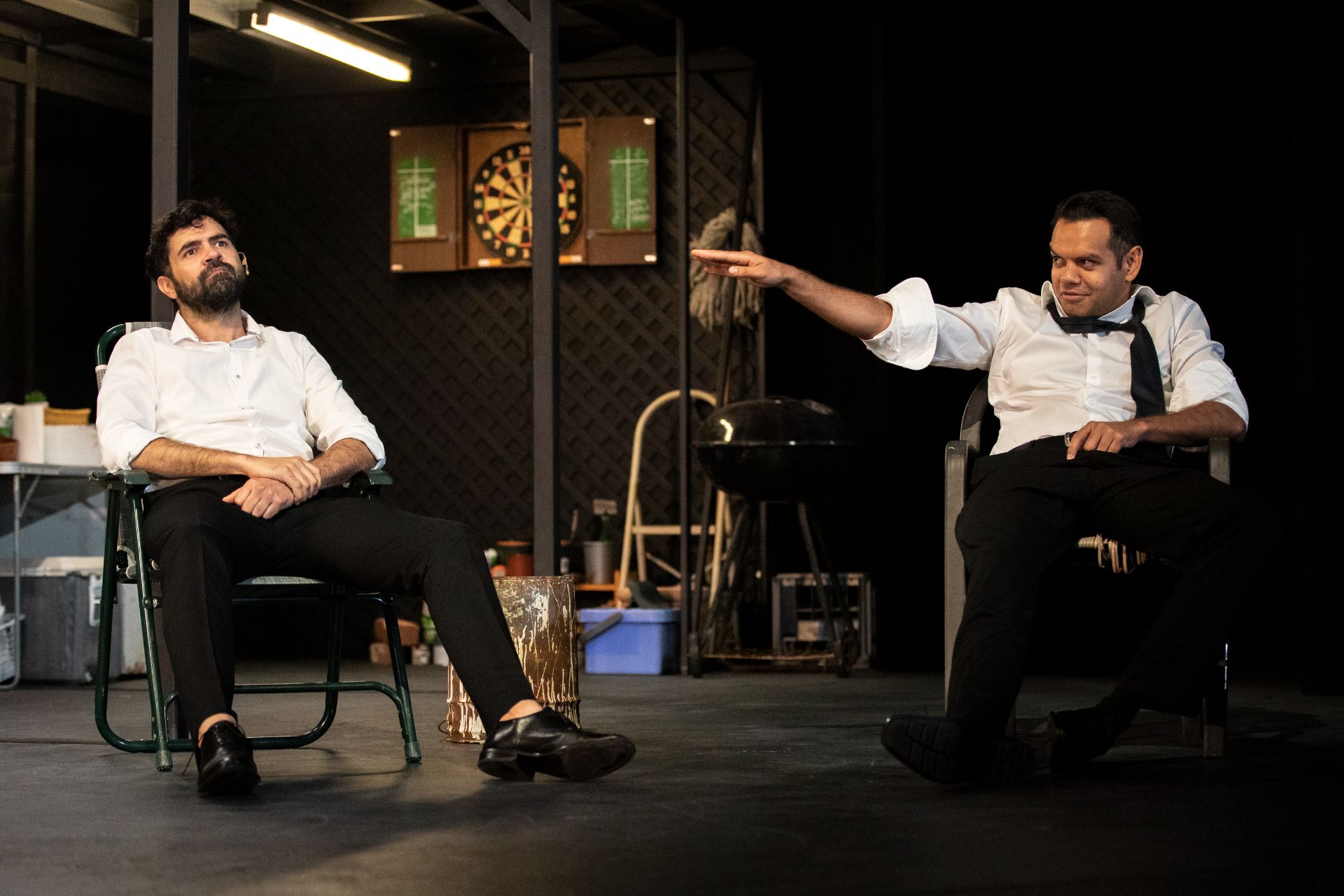
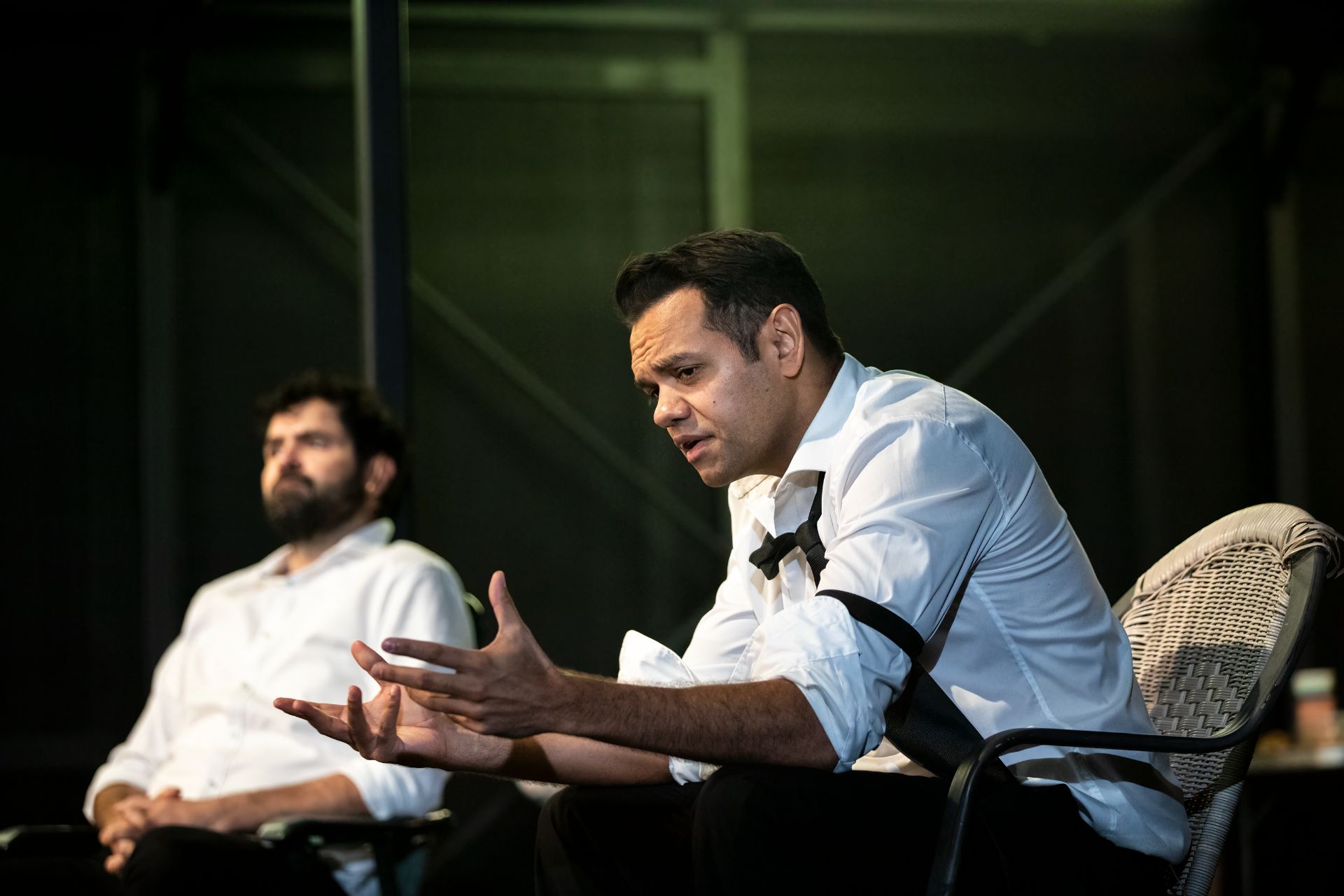
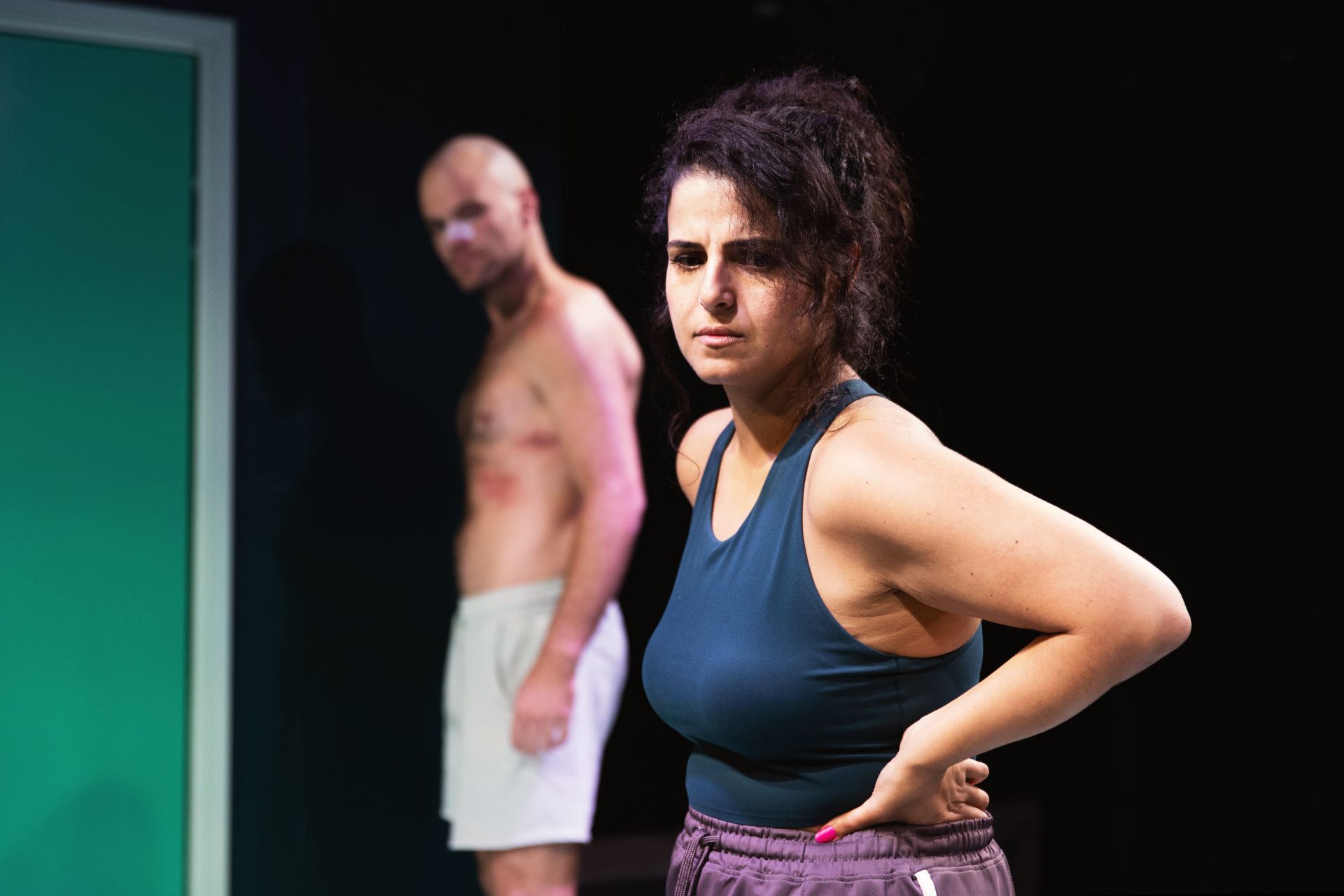
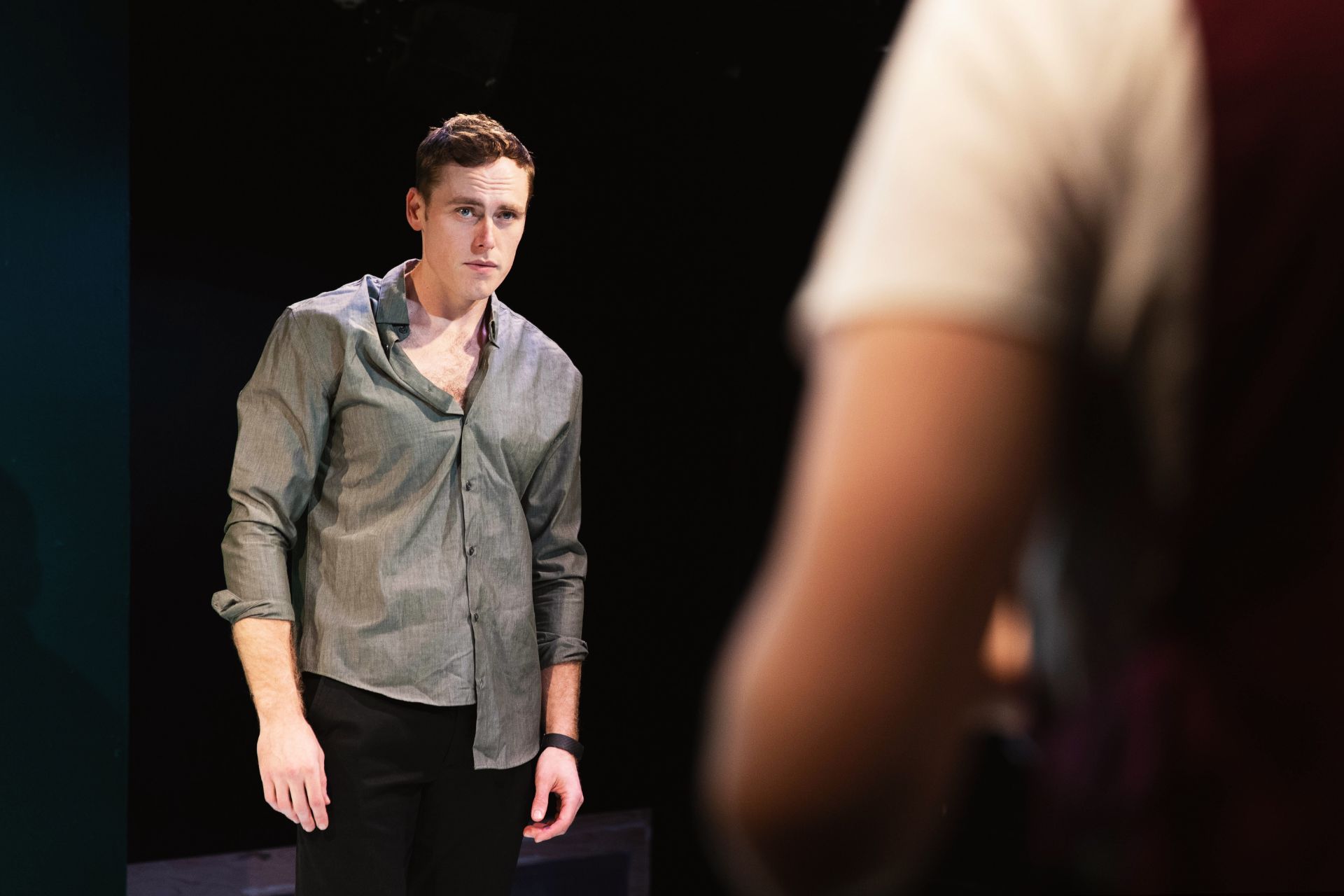
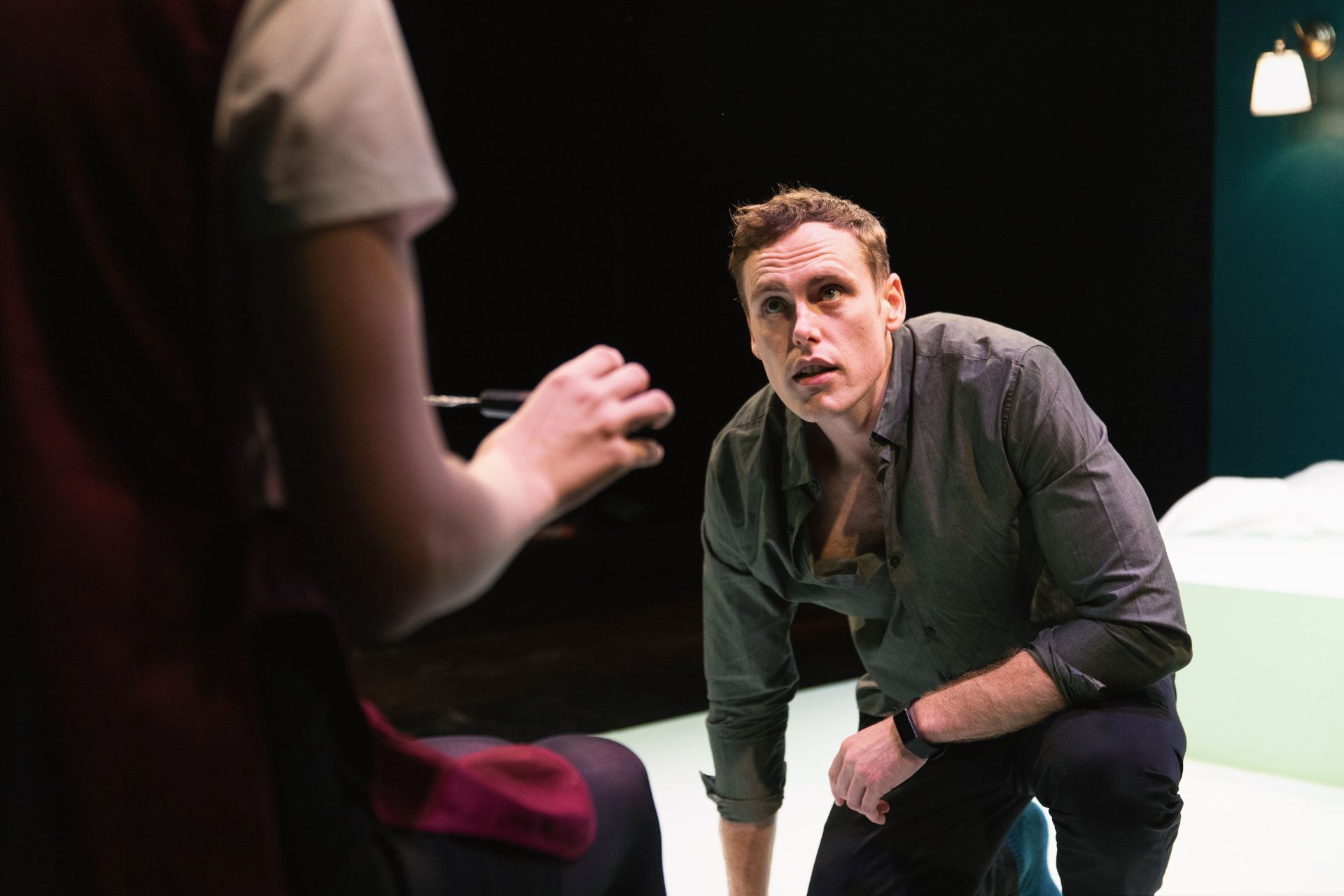
The three stellar actors called upon to play all the roles, are undeniably sublime. Geraldine Hakewill, Ewen Leslie and Zahra Newman impress with their thorough familiarity with the material, but it is their ability to engender an air of unpredictability that keeps us enthralled. It is live theatre in which everything is planned to the most minute, yet we experience it as though everything is coming from visceral impulses of each moment. Each performer is independently magnetic and powerful, but as a singular unit, they deliver a theatrical experience remarkably bold in its inventiveness, and thrilling in its capacity to make the story feel so immediate and involving.

The camera’s omnipresence strip the characters in Julius Caesar of their sincerity. Aware of being on screen at all times, their every word and deed can only appear performative, if not completely devoid of authenticity. It comes as a surprise then, that some of us still believe in our leaders, even when they are unabashedly hamming it up for our screens, shamelessly spouting nonsensical hyperbole and harmful rhetoric. The effectiveness with which media personalities (politicians and others) can use capitalism and technology to manipulate our sense of truth, to their advantage, is now a foregone conclusion. The end of the production is grim, as though proclaiming that resistance is futile, a statement only a scant few would dare refute.

www.sydneytheatre.com.au

Review: Wherever She Wanders (Griffin Theatre Company)

Venue: SBW Stables Theatre (Darlinghurst NSW), Nov 5 – Dec 11, 2021
Playwright: Kendall Feaver
Director: Tessa Leong
Cast: Tony Cogin, Emily Havea, Mark Paguio, Jane Phegan, Fiona Press, Julia Robertson
Images by Brett Boardman

Theatre review
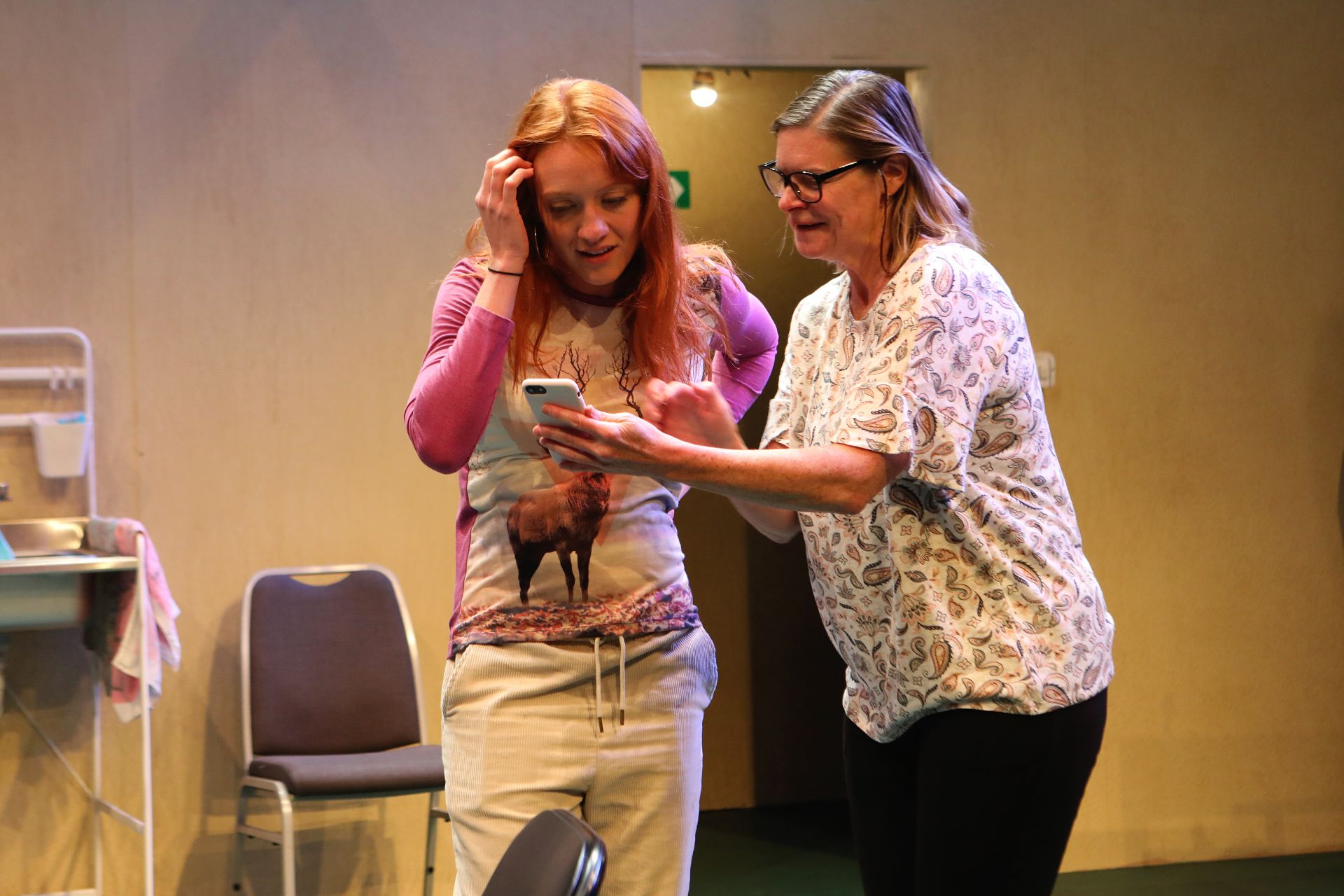
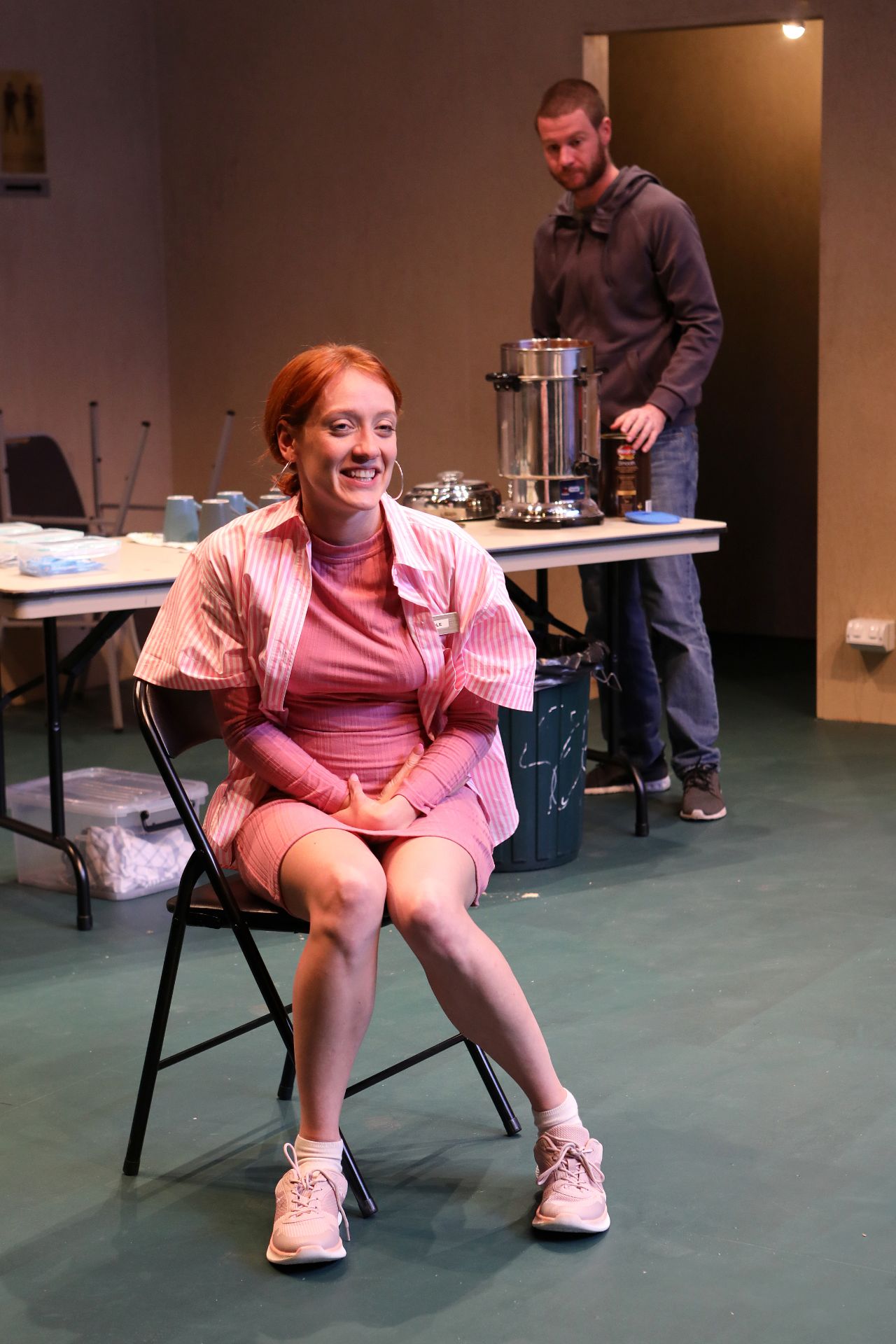
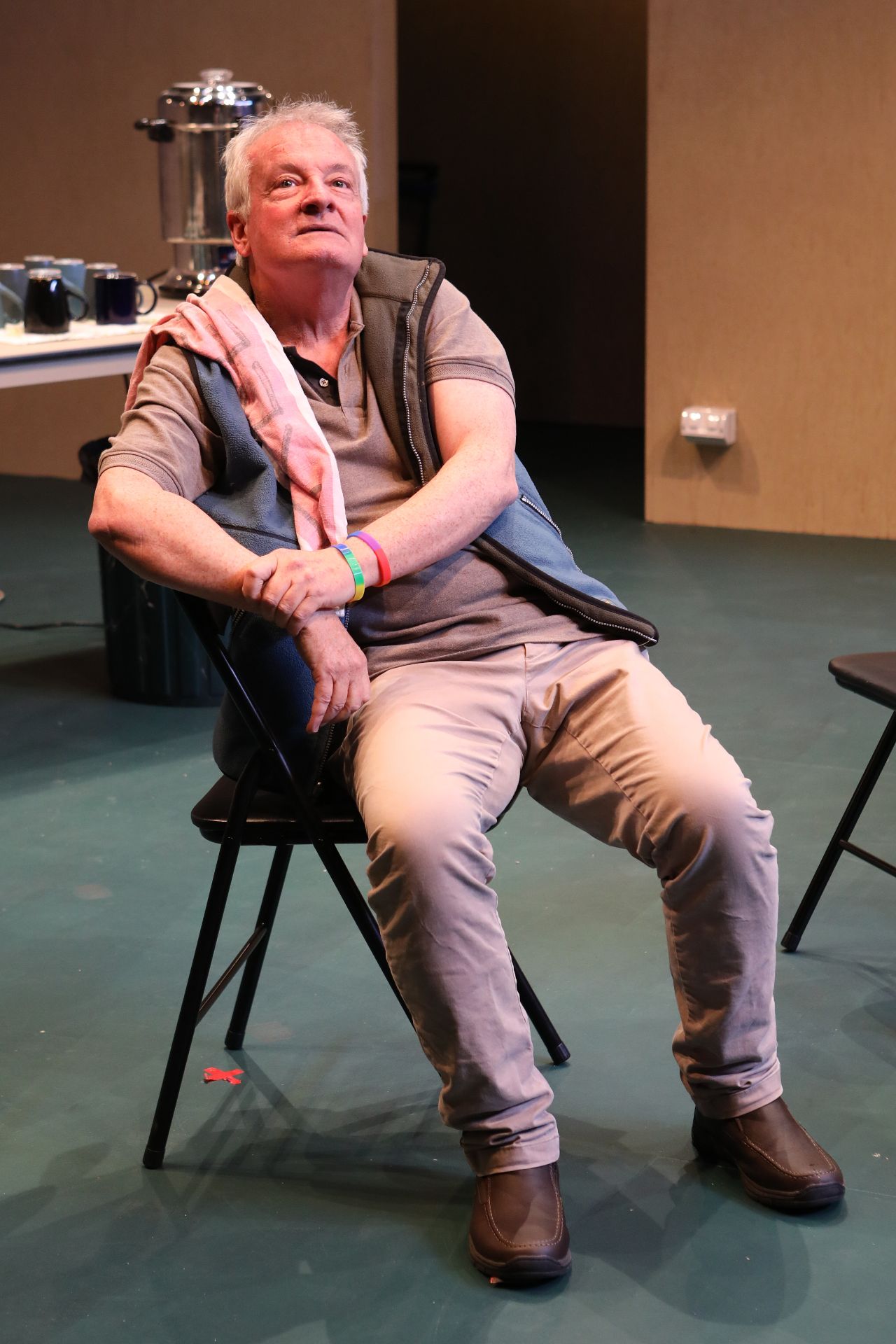
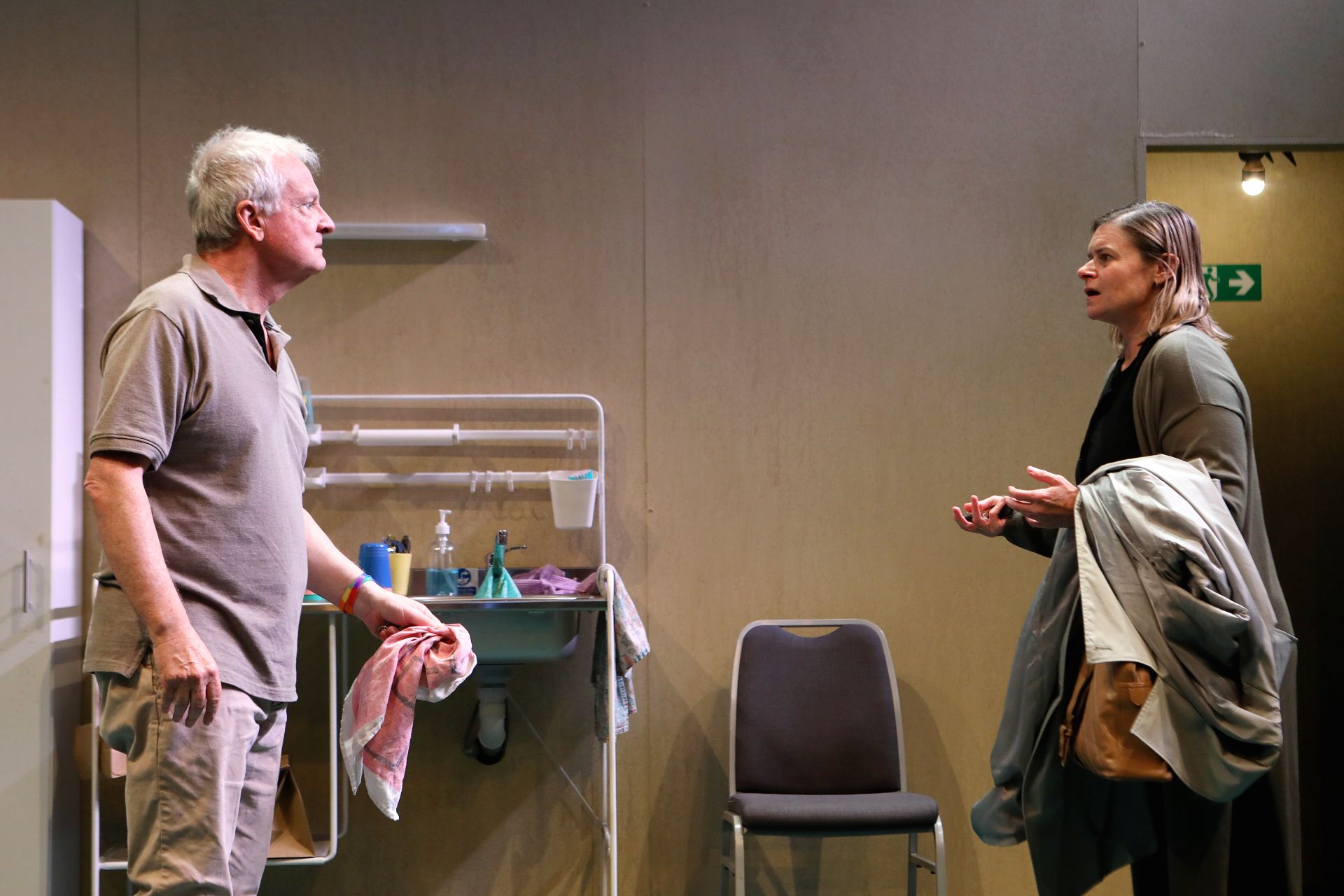
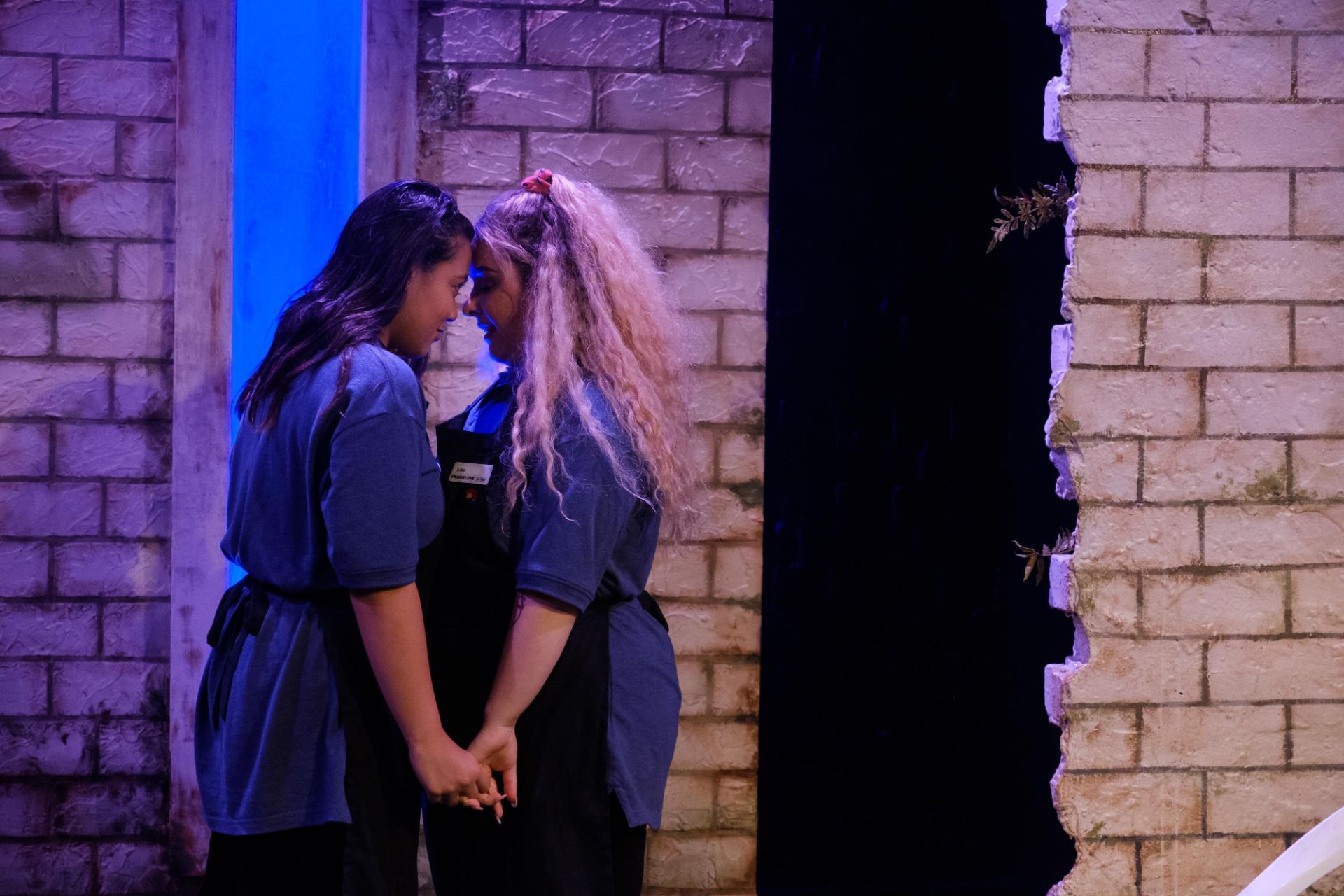
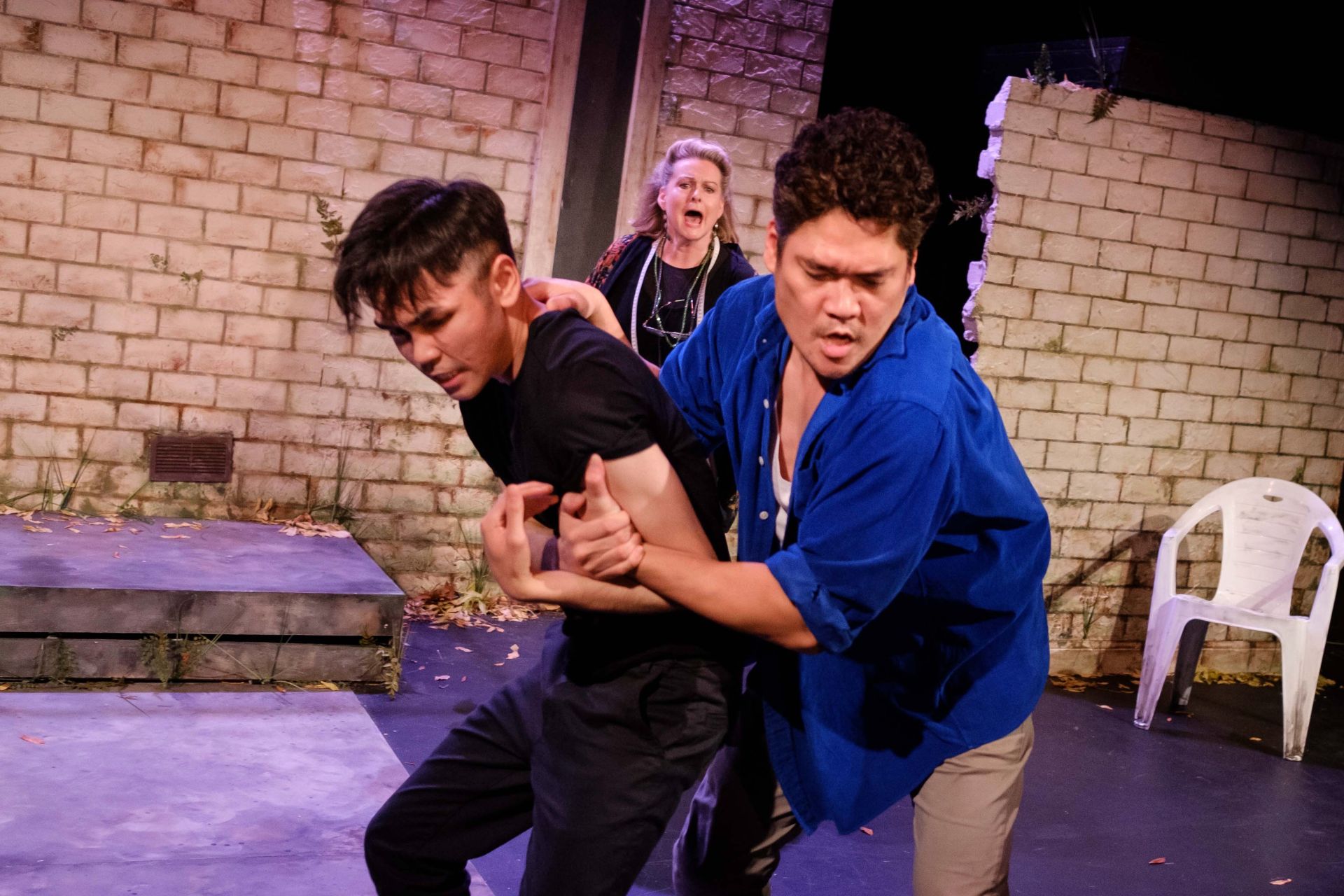
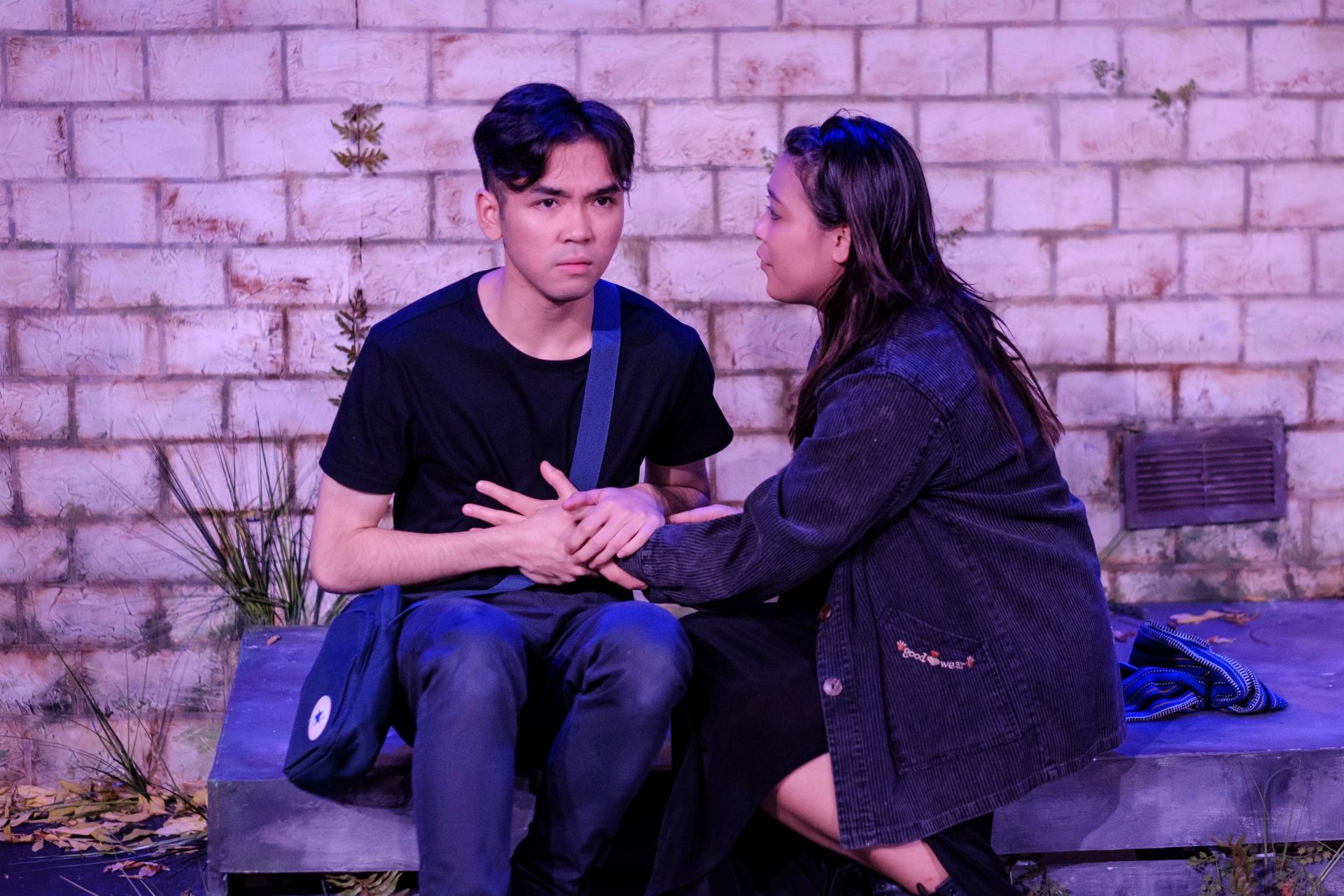
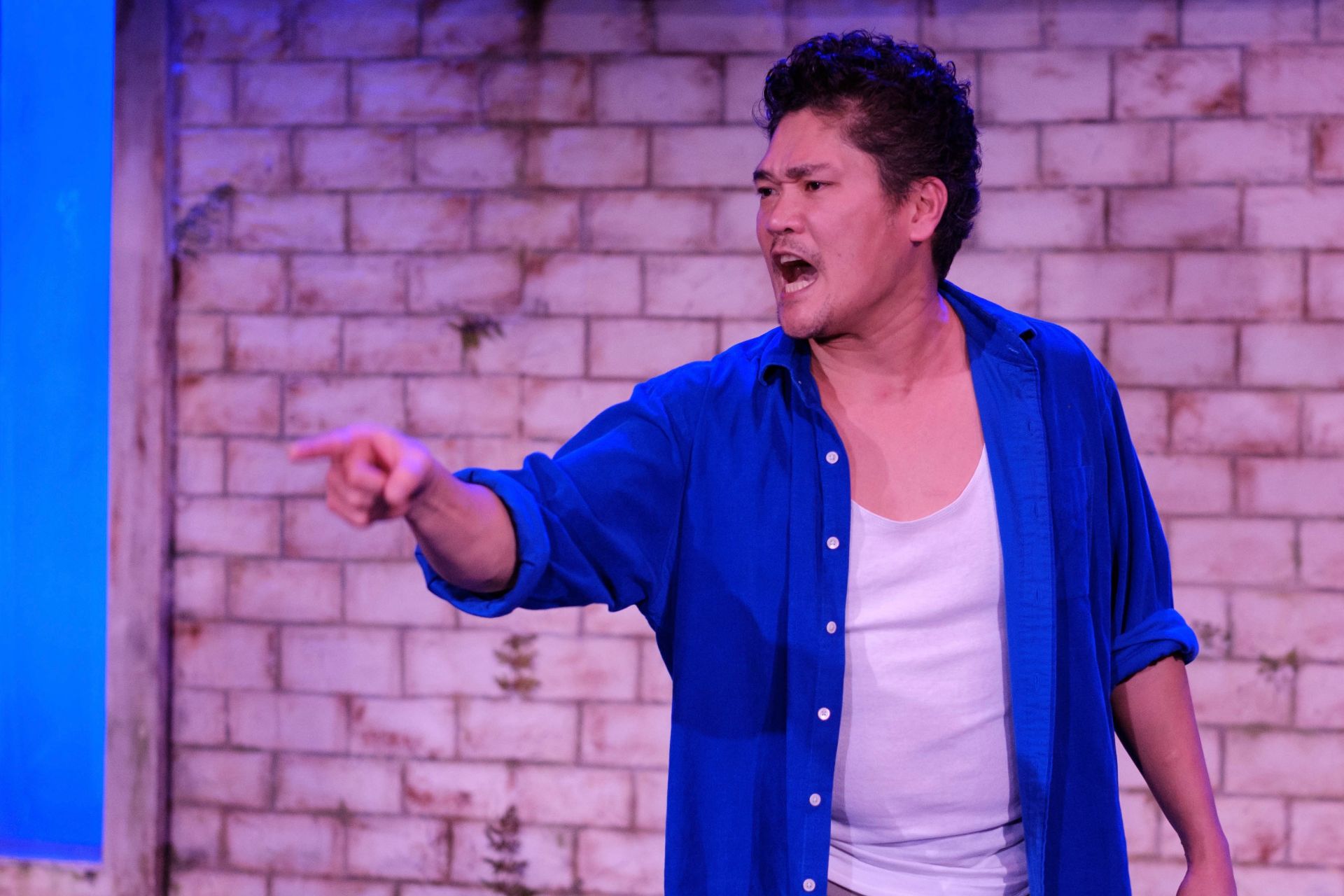
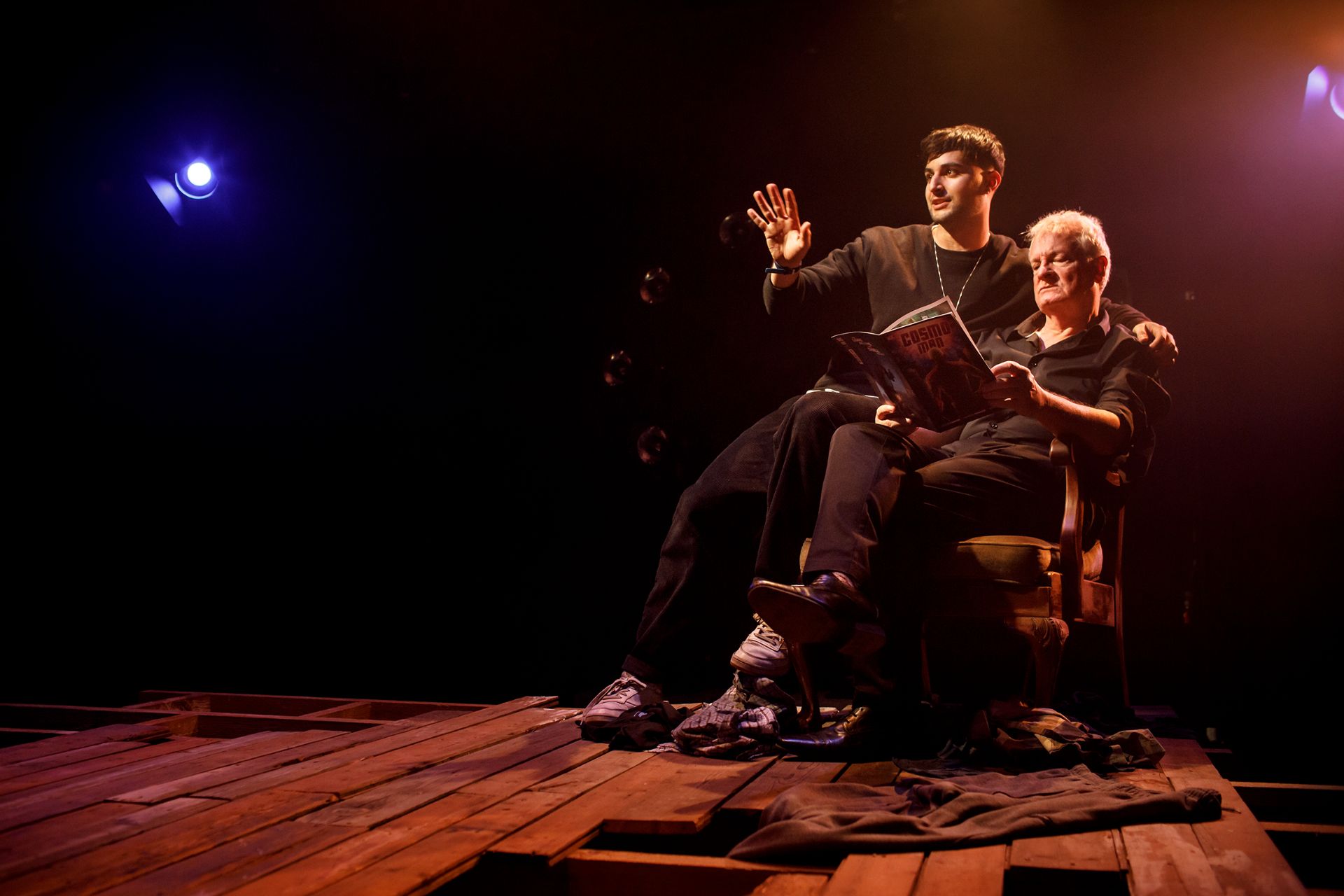
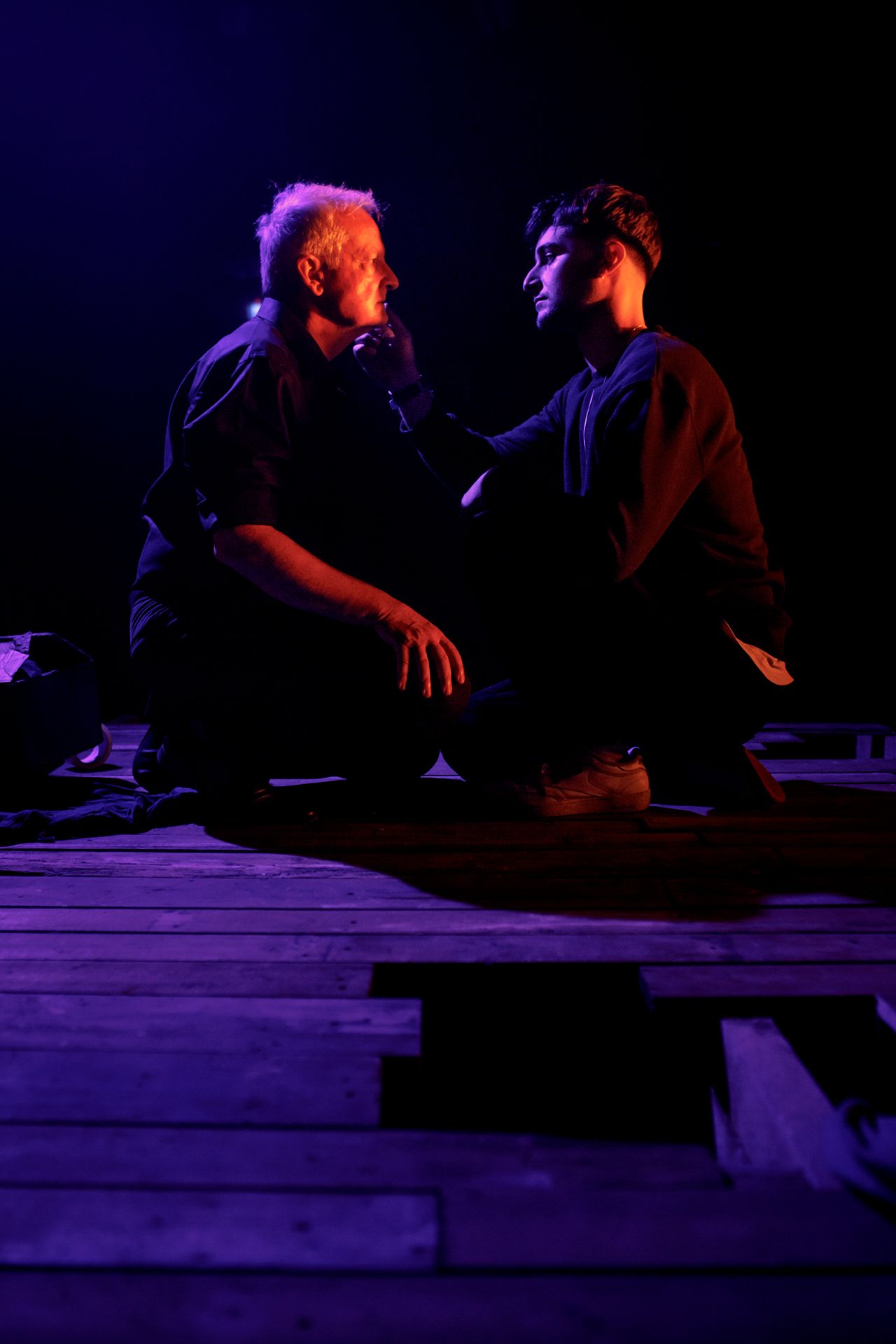
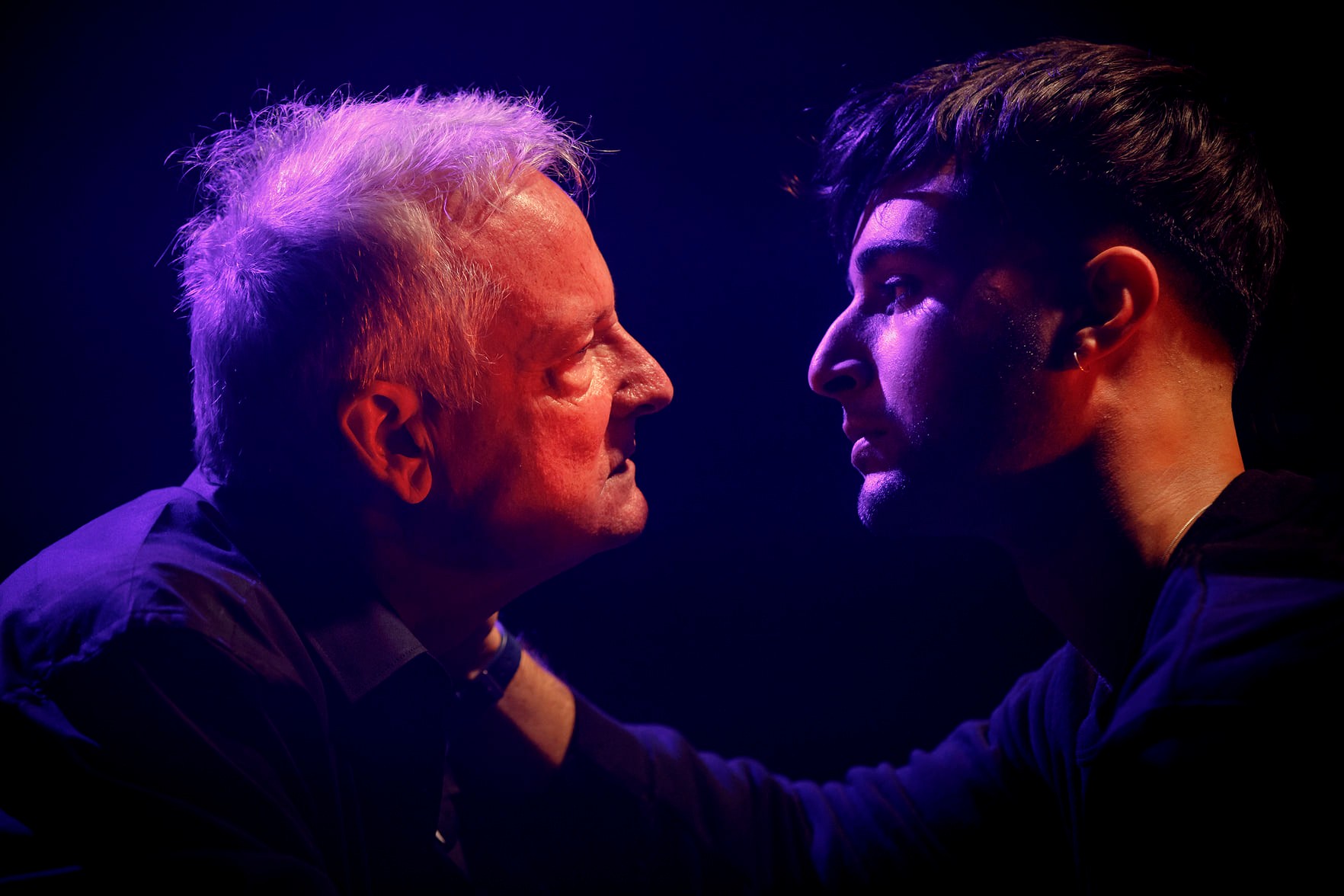
When Paige Hutson is raped in her own room, barely a week into life as a fresher at one of Australia’s oldest residential colleges, it becomes apparent that sexual assault on campus is exceedingly commonplace, and that entrenched mechanisms purporting to deal with these egregious trespasses serve only to protect the system, and not the victims. Kendall Feaver’s “Wherever She Wanders” is a strangely polite look at how a young feminist Nikki Faletau navigates her activism, within the conservative walls of a structure that is perhaps the most patriarchal of all our institutions.

The play’s ideas are modern, but not radical by any stretch of the imagination. It may even seem to occasionally be sitting on the fence, in its attempts to prevent characters from turning caricature. While “Wherever She Wanders” may not convey the incendiary passion often associated with political movements of our time, it certainly paints a cogent picture of the dynamics at play. Feaver takes a lot of care to map out many issues unearthed by that one horrific incident, but it is debatable if the granularity at which it examines them is necessary, at a time when matters of this nature are already stringently scrutinised in so much of  our discourse.

Staging of the piece is humorous and jaunty. Directed by Tessa Leong, the show never fails to feel spirited, with an excellent attention to energy levels, aided by the commendable work contributed by designers, most notably Govin Ruben on lights, and James Brown on sound and music. “Wherever She Wanders” is engaging at every juncture, if slightly deficient in terms of the intellectual rigour, that a narrative of this nature should be able to provide.

Presented by an amiable cast, with the vivacious Emily Havea as lead, bringing a valuable intensity to the earnest advocate Nikki. It is her vitality that gives the production, and the topics of discussion, a sense of authenticity and gravity. Her adversary Jo Mulligan is College Master, and feminist from a bygone era. Played by Fiona Press, who demonstrates great empathy for the role, inviting us to think about the way gatekeepers operate in our daily lives. Actor Julia Robertson does marvellously to deliver for Paige, an abundance of complexity and nuance, so that we may locate both agency and integrity for a young woman in danger of being defined solely by an instance of violation.

Whether one believes that the systems have become broken through the ravages of time, or that the systems were always designed to fail so many of us, one should already have come to the conclusion that it seems only drastic measures, can address all the foundational and fundamental problems that plague our traditional institutions. We observe Nikki’s persistence as she goes about trying to change things, but there is no evidence that the complaints and conversations she participates in, ever result in significant progress. Where there is power imbalance, the subjugated always runs the risk of being patronised. As long as the powerful remain in charge, there is never any incentive for them to do anything more than to pretend to listen. Change does occasionally occur however, and persistence seems the only tool that the disadvantaged an hang on to, aside from the ever-present fantasy of  torching the whole place down.

www.griffintheatre.com.au

Review: Follow Me Home (ATYP)

Venue: SBW Stables Theatre (Kings Cross NSW), Jun 16 – Jul 3, 2021
Playwright: Lewis Treston
Director: Fraser Corfield
Cast: Laneikka Denne, Jasper Lee-Lindsay, Sofia Nolan, Thomas Weatherall
Images by Tracey Schramm

Theatre review
Lewis Treston’s Follow Me Home is comprised of anecdotes, from young Australians who have experienced homelessness. Although unified by a central theme, the stories are varied and surprising, able to reveal to viewers, the pervasive ignorance that surrounds these issues. To see the way people are treated as though discarded, especially at a tender age, is to interrogate our values as a community. Treston’s writing is incisive, and wonderfully dynamic. His dialogue sparkles and pops, to draw us in, and to keep our emotions invested.

The production is directed by Fraser Corfield, who exercises great restraint in stylistic terms, placing emphasis entirely on the quality of performance by a remarkable group of actors. It is worth noting however, that lighting design by Martin Kinnane contributes significantly to the tone of storytelling, and to the ways we respond to the play. Hugh Clark’s video projections provide a dimension of documentary authenticity, that helps us connect the onstage drama, with real world conditions just outside of the auditorium.

The ensemble radiates an unbridled enthusiasm, with four tremendously likeable actors taking on a wide range of roles, in disparate scenes that share a common urgency. Thomas Weatherall brings splendid detail to his characters, and a conspicuous intelligence that allows the narratives he presents, to be perfectly mapped out for our delectation. Sofia Nolan demonstrates great capacity for nuance, blending meaningful subtlety into the playful theatricality she unleashes for each of her personalities. Laneikka Denne is memorable for her earnest renderings, and Jasper Lee-Lindsay’s interior truthfulness proves captivating, in a showcase of some extraordinarily talented performers.

We need to acknowledge that there is something so deficient in our culture, that to have individuals languishing and suffering on the streets, is a normalised expectation. A new-born baby abandoned in a public restroom will cause an uproar, but when people grow past some arbitrary age, we are happy to completely renounce responsibility over their well-being. Each of us understands the fragile nature of life, and we know exactly what it feels like to need help, but rarely are we ready and willing to offer assistance. That frame of mind, is at the very core of our nation’s problems.

www.atyp.com.au

Review: The Woman In Black (Ensemble Theatre)

Venue: Ensemble Theatre (Kirribilli NSW), Jun 11 – Jul 24, 2021
Playwrights: Susan Hill, Stephen Mallatratt
Director: Mark Kilmurry
Cast: Garth Holcombe, Jamie Oxenbould
Images by

Theatre review
Arthur Kipps has engaged the expertise of an actor, to help him process, psychologically and emotionally, a traumatic event that has come to define his existence. The Woman in Black is a 1987 play, adapted by Stephen Mallatratt, from the 1983 book by Susan Hill. One of London’s longest-running productions, it is known for being an unusual example of a live show in the horror genre, with ghosts and the human imagination, creating a sense of dread and a series of scares, that form a crucial part of the theatrical experience.

Kipps is suffering from the aftermath of having been sent, as a junior solicitor, to a haunted house after the death of a client. Having seen and heard a series of strange and terrifying occurrences, he lives to tell the tale, if only in attempts to exorcise those dark imprints from his mind. The Woman in Black is a classic story, told in the most conventional way. Decades have past since the play’s original premiere, and although few have tried to emulate it on stage, innovations on the genre for the screen, have advanced by leaps and bounds.

In comparison with the multitude of horror films that have appeared over the last four decades, The Woman in Black feels too dated, and much too meek, for a worldly contemporary audience. Director Mark Kilmurry’s approach brings an appropriate air of nostalgia to the staging, but genuine instances of tension are desperately few. Spatial limitations in the auditorium mean that apparitions do not materialise in unsuspected places, and without sufficient possibilities for supernatural elements to be explored, much of the show’s efforts to scare, prove disappointing.

Production designer Hugh O’Connor is obviously restricted by what he can achieve for the set, but his work on costumes are finely detailed, on characters who look elegant at all times. Lights by Trudy Dalgleish are lush and beautiful in a classically gothic way, but it is Michael Waters’ sound design that does a lot of heavy lifting, complete with shrieks and screams urging us to get into the spirit of things.

Performers Garth Holcombe and Jamie Oxenbould are an excellent pair of storytellers, both dedicated and compelling. Oxenbould impresses with his deftness at switching seamlessly between personalities, in this “play within a play” format, but it is Holcombe’s insistence on conveying emotional truth, that provides the production with its saving grace. Beneath the flamboyant theatricality required in the portrayal of terror, is Holcombe’s embrace of the role’s psychological authenticity, which elevates the production to one that is worth ultimately, more than the sum of a few thrills and spills.

Kipps tries hard to heal himself of damage, one that is not unlike any mental injury that every person inevitably sustains from simply being alive. We watch him get on stage in order that he may go back in time, to re-enact and to relive the worst moments, in hope of attaining a new understanding of a confusing time, or simply to numb himself of memories that relentlessly haunt his every day and night. Indeed, art has the capacity to provide solace where all else fails, and at its most powerful, is able to bring concrete transformations to lives awaiting improvement. For those who only crave being scared out of their wits however, alternatives on the idiot box would probably deliver a more satisfactory result.

www.ensemble.com.au

Review: Happy Days (Old Fitz Theatre)

Venue: Old Fitzroy Theatre (Woolloomooloo NSW), Jun 12 – Jul 3, 2021
Playwright: Samuel Beckett
Director: Craig Baldwin
Cast: Belinda Giblin, Lex Marinos
Images by

Theatre review
Winnie is trapped in a mound of dirt, unable to move, and yet she persists in carrying on with life, in whatever way she can. The unyieldingly abstract Happy Days by Samuel Beckett evokes what feels to be an infinite number of themes. In its refusal to impose restrictive parameters on the story that it tells, choosing instead to include vague references as to who Winnie might be, and what might have happened to her world, we discover that the storytelling happens predominantly inside the viewer’s head. One of art’s fundamental purposes is to inspire, and when Beckett is done well, the resonances from his work are entirely transcendent, and on this occasion, the mind’s eye is certainly provided plenty to latch onto.

Set design by Charles Davis, manufactures for the stage a vision of the apocalypse. We find Winnie stuck in the remains of a planet that has been burnt to the ground. There is ash everywhere, and behind her stands a faded billboard touting “there is nothing like Australia,” from when tourism, and money, had meant something. The juxtaposition of a genuine artefact from the realm of commerce and advertising, against an imaginary disaster zone, makes so pertinent the self-destructive nature of modern existence.

Restrained work by Veronique Benett on lights, and Shareeka Helaluddin on sound, deliver a ghostliness that seems to have come to haunt us from the future. Yet the catastrophic scenario is immediately recognisable, prompting us to consider Winnie’s predicament not to be an imaginary tomorrow, but a parallel today. Directed by Craig Baldwin, the show’s atmospherics are flawlessly rendered, to connect with our subconscious and intuitive selves, who are sure to have a greater appreciation of the work, than their usual more cerebral counterparts.
Actor Belinda Giblin is exquisite in the role of Winnie. After approximately half a century of performance experience under her belt, it is perhaps not surprising that the level of preparedness Giblin brings should be anything less than comprehensive, but to watch her in action is completely disarming. Every word she conveys is imbued with extraordinary intensity and formidable meaning, determined to hold us captive where Beckett’s writing would normally leave us cold.

Also wonderful is Lex Marinos, who plays Winnie’s husband, Willie. Willie is in a state of perpetual discombobulation, always in the picture, but barely present. Deeply committed to the supporting part, it is a generous performance that we see from Marinos, who honours the centrality of Giblin’s work in Happy Days. Both actors are embarking on their eightieth decade on this earth, and with them comes not only a bountiful sense of worldliness, their very bodies and faces provide an important context of time, to the material that we engage with.
When we watch Winnie suffocating in her mound of dirt, it always feels like the end is nigh. For Winnie herself though, the end seems never to arrive. There is an element of resignation in Winnie’s interactions with each day, but that is only due to the irrefutable physical limitations that she finds herself subject to. Her mind however is limitless, and with that, hope is always a glimmering companion, as are regret and reminiscence.

When we say that we are running out of time, it only means that there is time left. There is an urgency in Happy Days indicating that for as long as we are denied the finality of death, something must be done. It may appear that Winnie is tragically unable to leave the world a better place than how she had found it, but we must recognise that in reality, we are in many ways unrestrained. To acknowledge the freedoms that we still have, is to be able to bring improvement to this life.

The walls might have started crumbling down, and the trees might be falling at a desperate pace, but with each breath taken, space for making better choices is always a possibility. Winnie’s incapacitation demonstrates, ironically yet so clearly, our inexorable ability to act. It is how we choose to act, that is always the pressing question.

www.redlineproductions.com.au

Review: Come From Away (Capitol Theatre)

Venue: Capitol Theatre (Sydney NSW), Jun 3 – Aug 22, 2021
Book, Music & Lyrics: Irene Sankoff, David Hein
Director: Christopher Ashley
Cast: Zoe Gertz, Sharriese Hamilton, Douglas Hansell, Kolby Kindle, Phillip Lowe, Simon Maiden, Sarah Morrison, Emma Powell, Katrina Retallick, Kellie Rode, Ash Roussety, Gene Weygandt

Theatre review
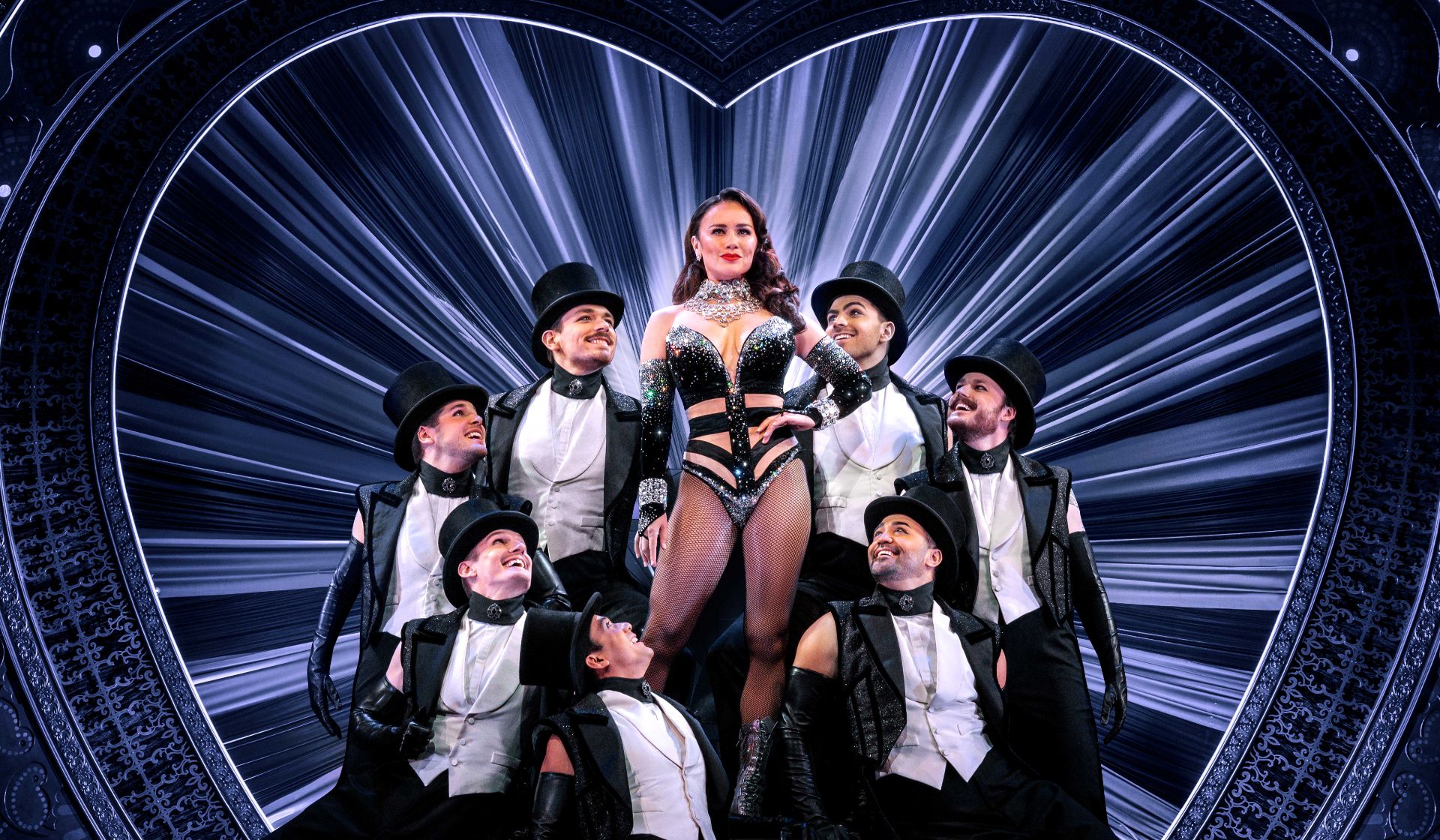
At the moment the disaster of September 11, 2001 occurred, hundreds of aeroplanes were mid-air across the Americas, thrust into utter chaos. Thousands of passengers had to be diverted as a result of the terrorist attack, to safer harbours, including the island of Newfoundland, at the outer east of Canada. The musical Come From Away comprises a collection of anecdotes from the five days, during which international strangers were welcomed by country folk into their homes, at a historic time.

Written by David Hein and Irene Sankoff, the material is warm and witty, offering a way for us to look back at a traumatic event, without having to engage directly with its immense darkness. Instead, it is the overwhelming goodness of ordinary people that comes to the fore. Directed by Christopher Ashley, the show eschews the usual manipulative cheesiness of the musical format, trusting in our collective memory of that fateful day, to transport us to a space of deep emotion and great empathy.

The staging feels deceptively simple, but in the absence of predictably flamboyant manoeuvres, thoughtful details are introduced instead, notably by Kelly Devine’s choreography, for a theatrical experience that is surprisingly sensitive in its rendering, to achieve an authentic expression of the human need for connection. Howell Binkley’s lights too, are memorable for delicately shifting us from nuance to nuance, never overly dramatic, but always precise in how they convey mood and tone for each scene.

The ensemble cast is brilliantly cohesive. Each performer is given plentiful opportunity to shine as individuals, but it is their tightness as a group that makes their presentation feel bulletproof. All are required to play multiple characters, and for the audience to discover every personality to be a likeable one, is truly remarkable. Similarly, musicians in the productions are no less than awe inspiring. Their work is spirited and exhilarating, incredibly rousing in this story about humans at their best, at a time of crisis.

Come From Away emerges from a horrific incident, yet we find it to be full of light and hope. In some ways, there is a sense that twenty years ago, even in the midst of tragedy, we knew clearly the distinction between right and wrong, good and bad. With the passage of time however, it may seem that an erosion of innocence has accelerated, probably through the Trump years, where seeing the worst of people is no longer a shock, but almost a matter of course. Fortunately though, the good people of Newfoundland do not seem fictitious; they only seem very far away.

www.comefromaway.com.au

Review: The Linden Solution (Kings Cross Theatre)

Venue: Kings Cross Theatre (Kings Cross NSW), May 26 – Jun 5, 2021
Playwright: Alexander Lee-Rekers
Director: Camilla Turnbull
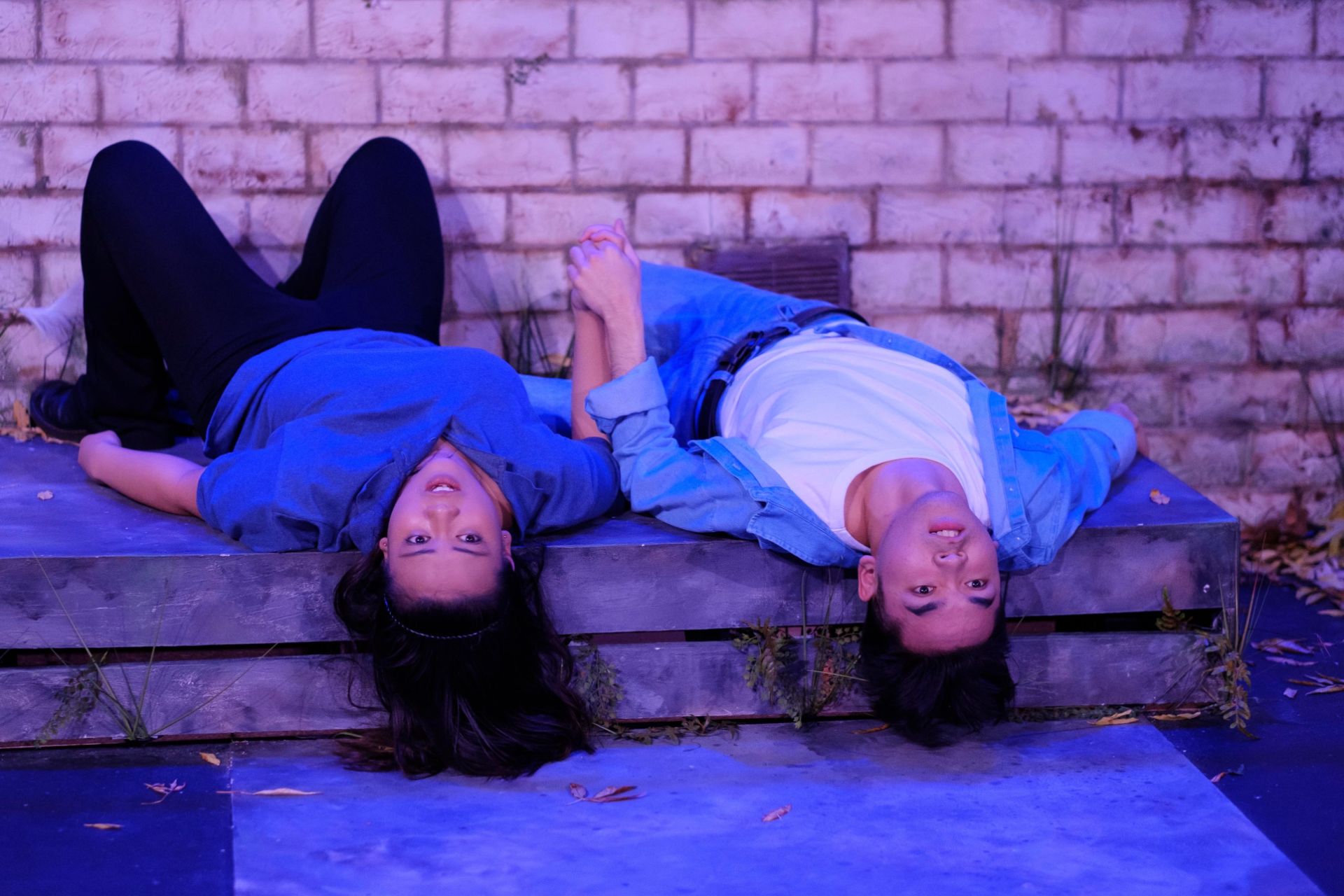
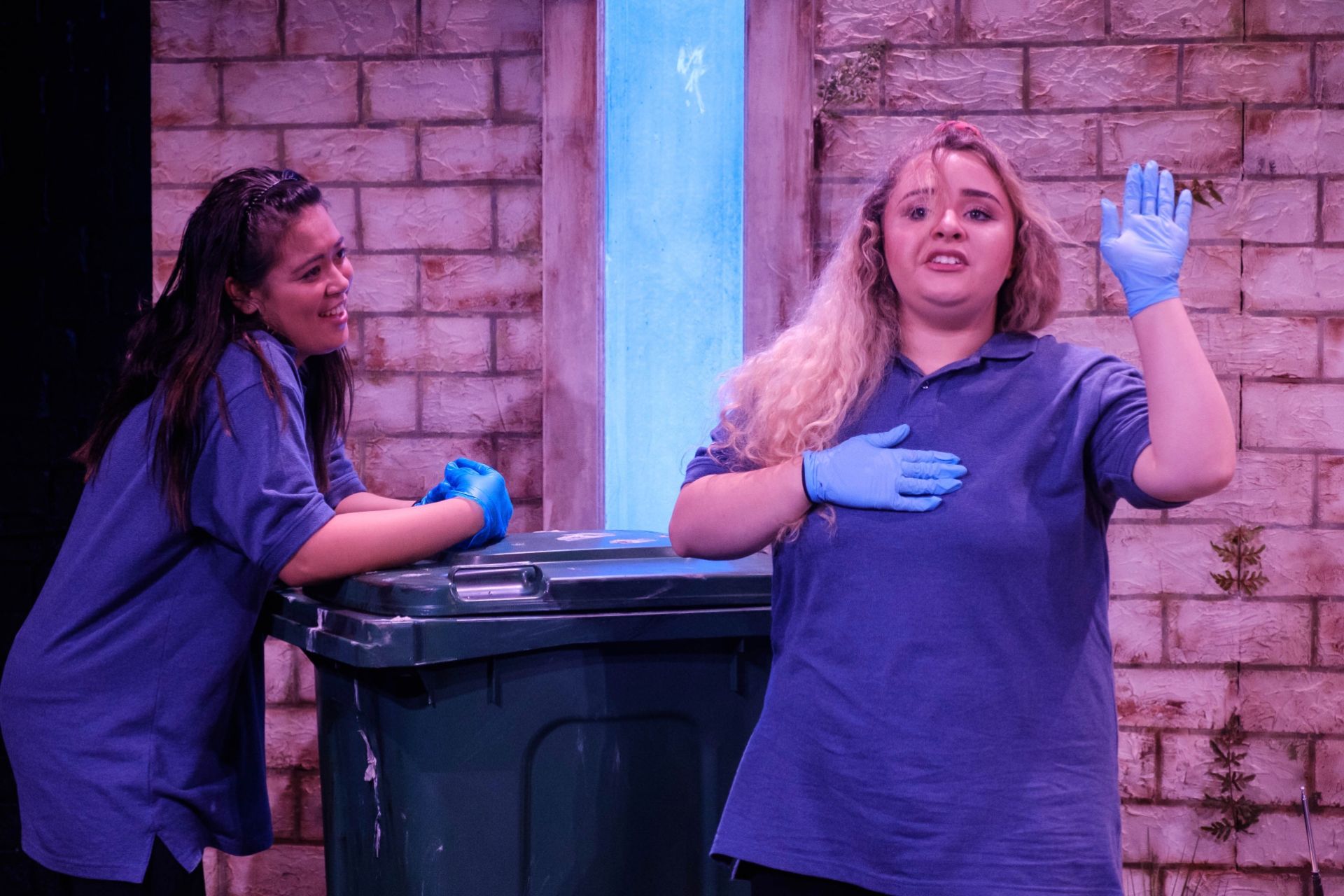
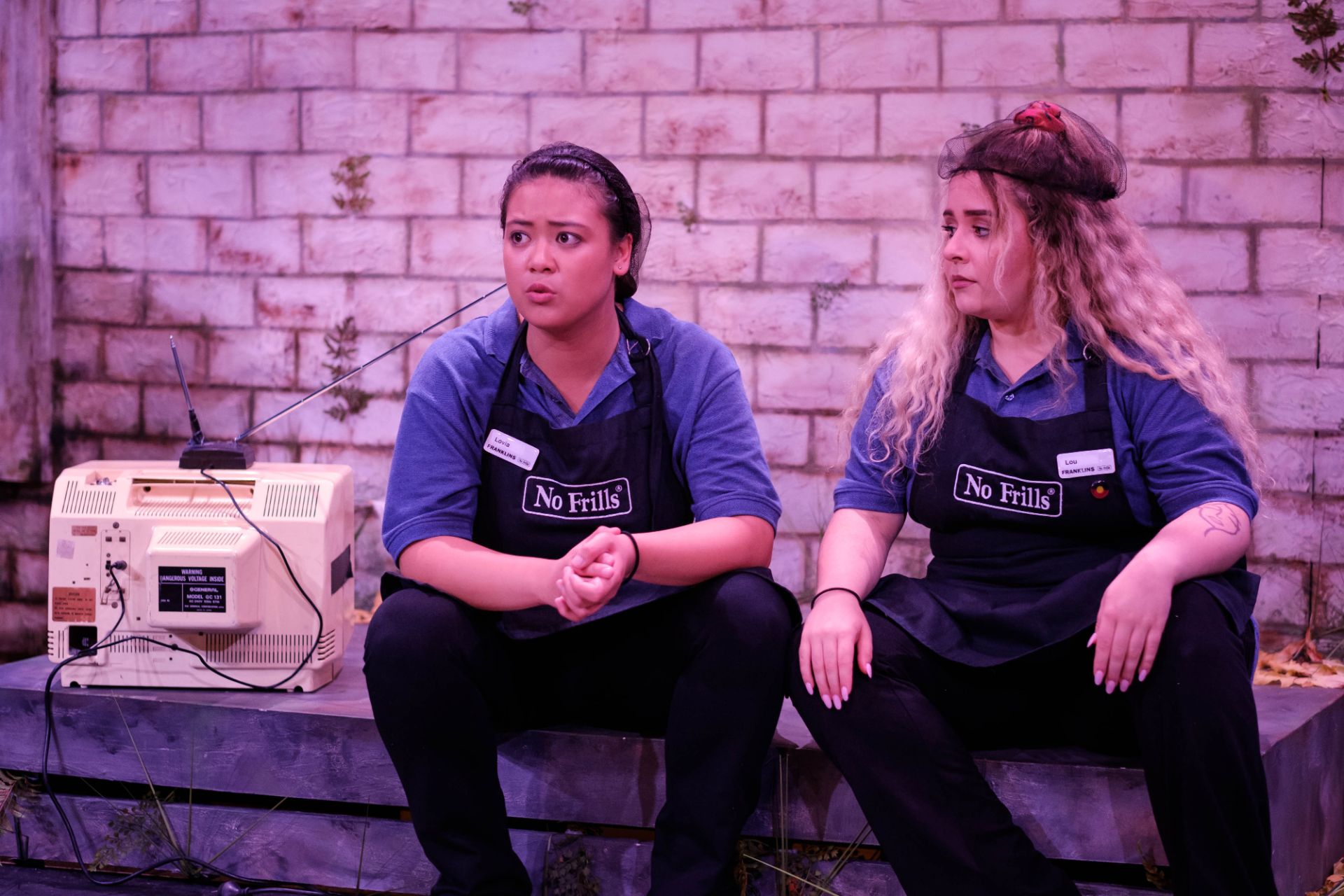
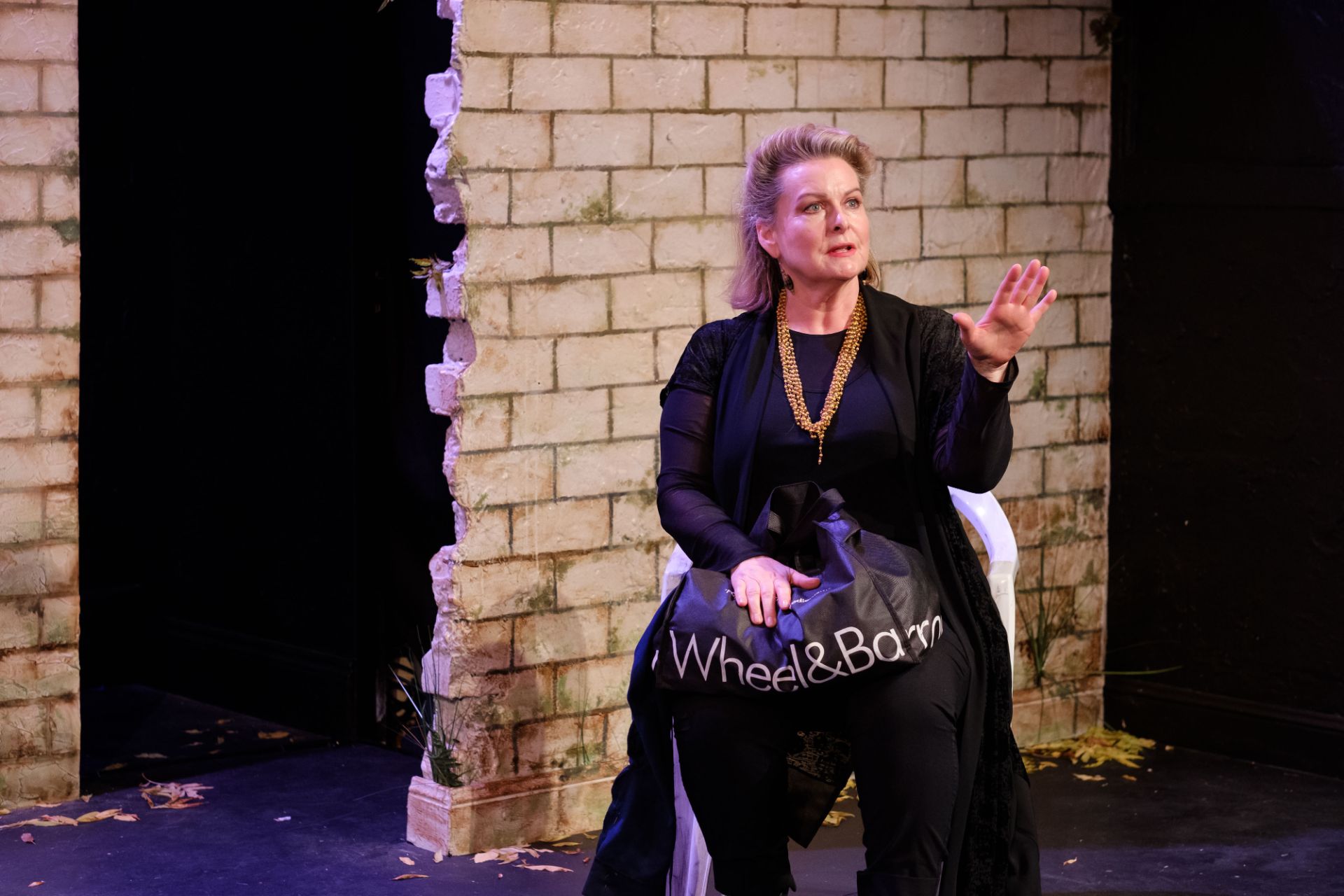
Cast: Lib Campbell, Patrick Cullen, Laura Djanegara, Mason Phoumirath
Images by Clare Hawley

Theatre review
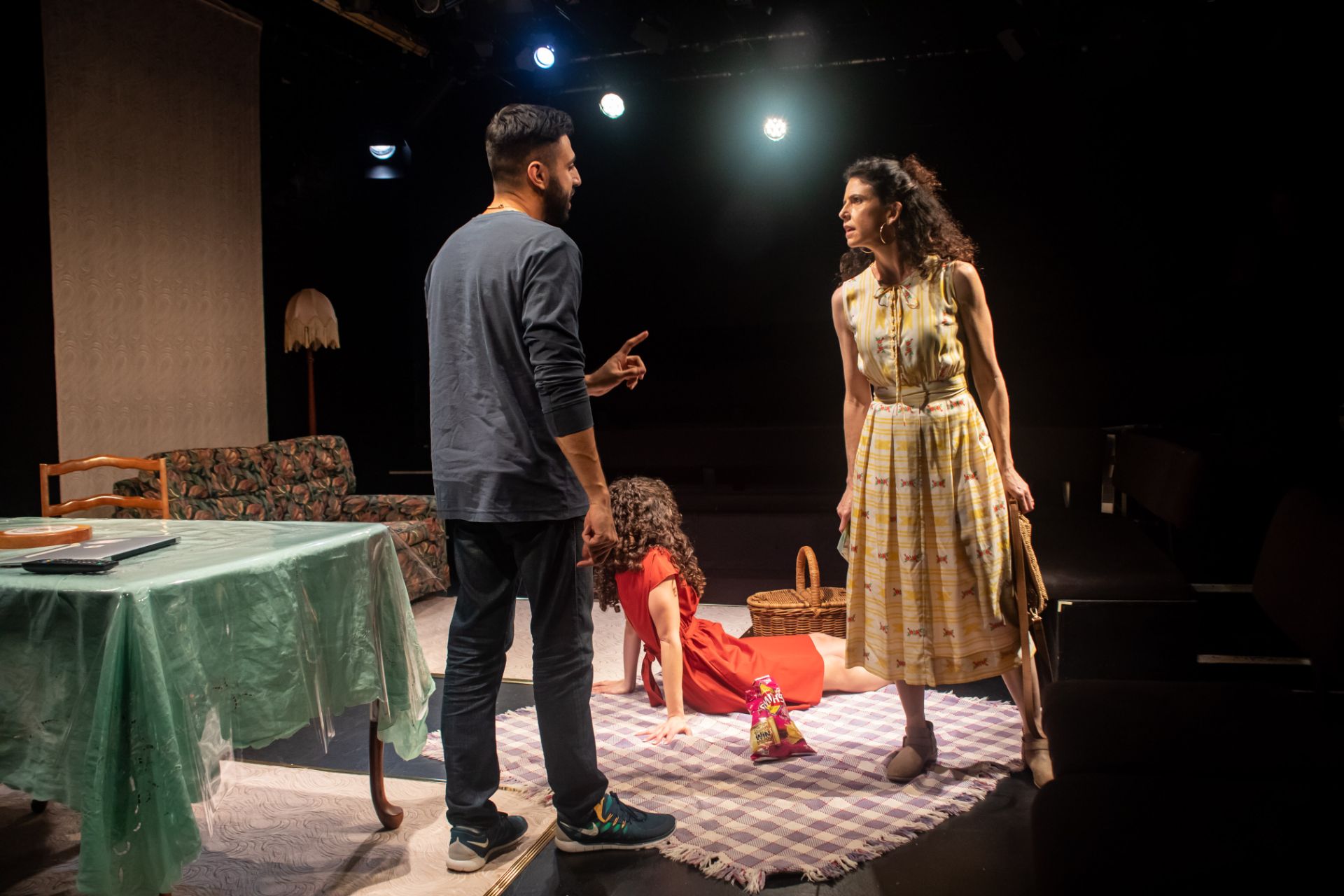
Hannah Marr is an ambitious local government staffer, in the fictitious Australian town of Linden. As residents prove themselves unwaveringly apathetic, worn down by decades of disappointment in rural politics, Hannah takes the opportunity to implement a host of initiatives, surreptitiously and perhaps not entirely by the book. Things seem to be working out according to plan, but as life begins to improve, white supremacist powermonger Aaron Boorman identifies in the amenable and acquiescent populace, an opportunity for his perilous narcissism to flourish.

The Linden Solution by Alexander Lee-Rekers is concerned with complacency, in the face of obvious and significant threats from nefarious forces. In this epoch of social media proliferation, with fascists always seeming to be at the ready to pounce, Lee-Rekers makes a strong argument for vigilance. The construction of his narrative however, is not entirely persuasive. The “slippery slope” scenario that he paints, does bear logic, but the story unfolds in a manner that feels exaggerated and abrupt. It is prudent to note that there is no denying its socio-political value, even if the work lacks an adequate sense of theatricality to instigate greater emotional investment.

Camilla Turnbull’s direction of the piece, although unvaried and overly naturalistic, conveys a gravity that is commensurate with the subject matter’s indubitable urgency. Set design by Tess Burg features a dominant but unnecessarily high platform that makes for inconvenient movement of performers, but lights by Sophie Pekblimli, along with Cameron Smith’s video projections, provide excellent texture to the imagery being depicted. Sound and music by Chrysoulla Markoulli are judiciously formulated, to help punctuate the experience with appropriate dramatic enhancements.
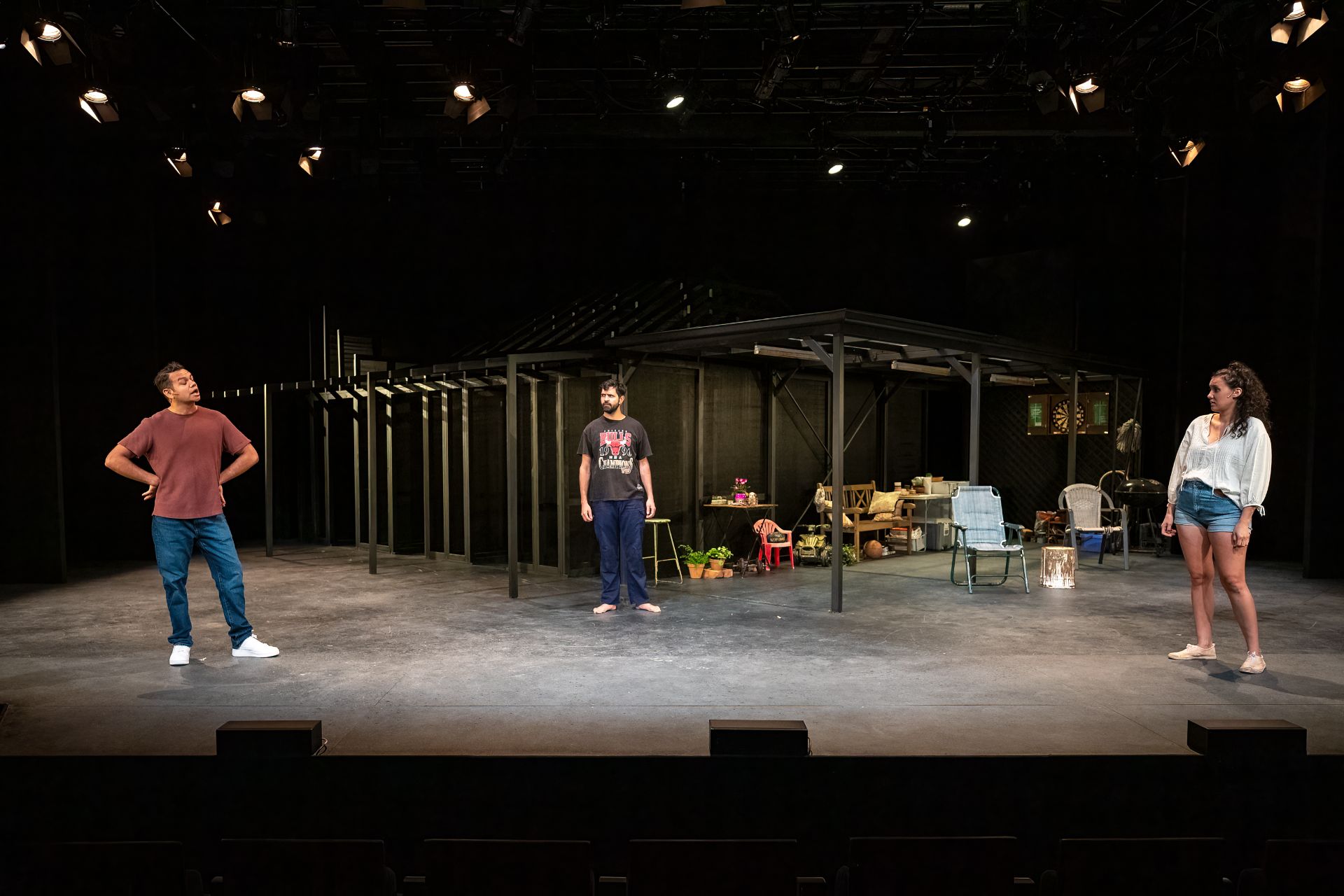
Actor Laura Djanegara impresses with her solid grasp of some very verbose text, but her Hannah is perhaps slightly deficient on vulnerability, thereby preventing the audience from connecting sufficiently with the story’s central character. Her friend and colleague Daniel Lemmey is played by Mason Phoumirath, who brings wonderful nuance and sensitivity to the show. The pair demonstrates good chemistry, prompting us to question the absence of dialogue about race between the two people of colour, in a play that attempts to provoke discussions about race in this country.

Patrick Cullen is very strong, and convincingly frightening, as the neo-Nazi antagonist, giving us the singular most spine-chilling moment towards the end of the show. Lib Campbell plays a range of whacky characters, all of whom are confidently rendered, and often genuinely funny.

There is something about The Linden Solution that is too black and white, in its analyses of right and wrong. It skates very close to making false equivalences between Hannah who tries to do good for her community, and Aaron who is only ever evil and destructive. We are made to look at the idea of democracy in absolute terms, when we know from lived experience and from history, that absolute democracy can itself deliver unfavourable results.
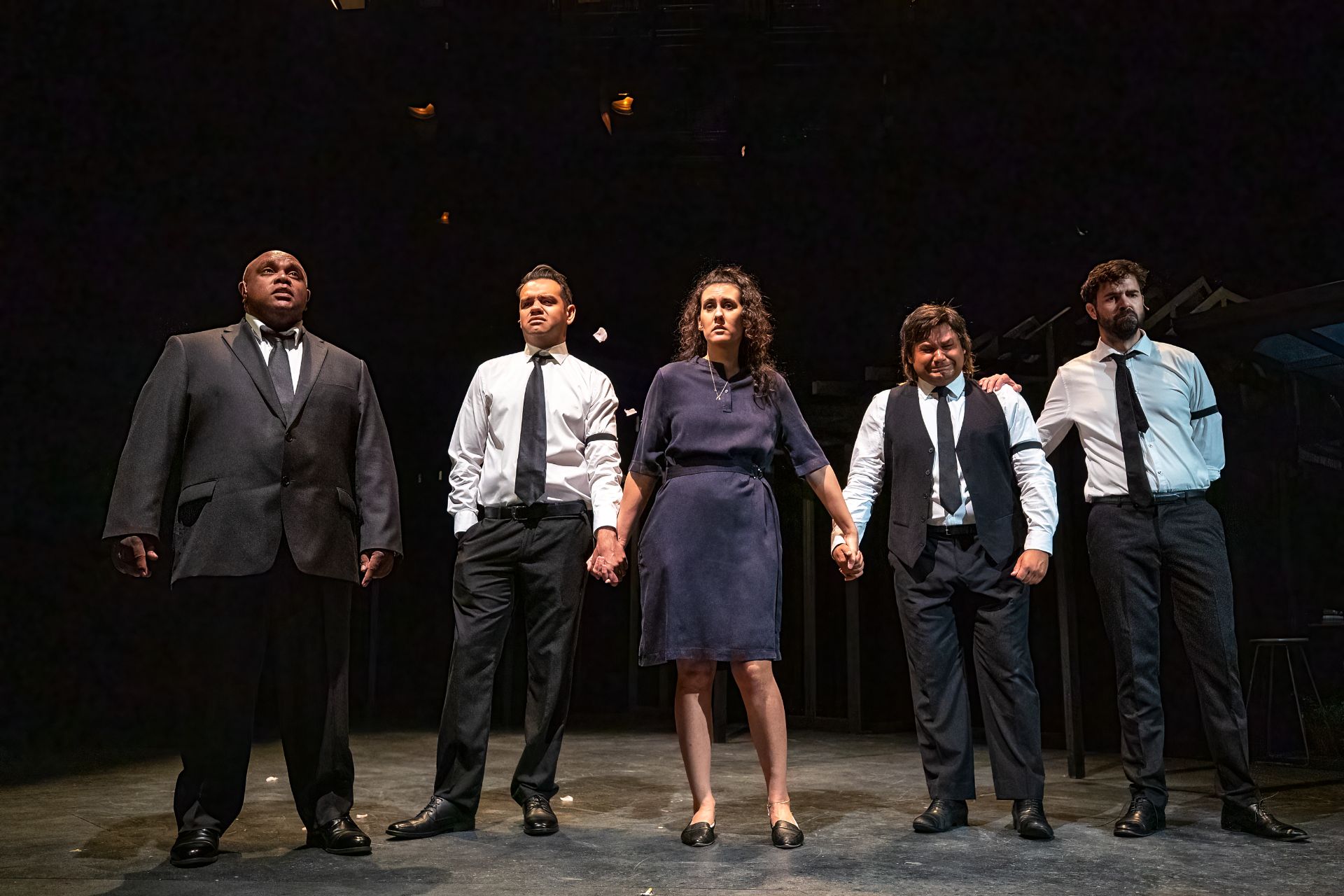
It is admittedly terrifying to dare think up alternatives to simple notions of democracy, but we have to be cautious of naivety and idealism, when dealing with situations that can be so immense in their complexity. There are times in the play when Hannah is being chastised, and it begins to feel as though we are urged to always play by the rules, even after the rules have failed us over and over again. Many minorities have learned, most notably from the work of poet Audre Lorde, that “the master’s tools will never dismantle the master’s house”. The challenge therefore, is to forge new systems, that aim to leave no one behind.
www.facebook.com/ratcatchtheatre

Review: The 7 Stages Of Grieving (Sydney Theatre Company)

Venue: Wharf 1 Sydney Theatre Company (Walsh Bay NSW), May 21 – Jun 19, 2021
Playwrights: Wesley Enoch, Deborah Mailman
Director: Shari Sebbens
Cast: Elaine Crombie
Images by Joseph Mayers

Theatre review
In popular understandings of psychological processes, there are well-known stages of grief, that relate to loss and anguish. Less commonly spoken of, are the sorrowful experiences of our Indigenous, that stem from over two centuries of colonisation. In The 7 Stages of Grieving by Wesley Enoch and Deborah Mailman, a veil is lifted with great generosity, on the burdens of Blackness in this country.

A one-woman play in which the soul of a people is laid bare, The 7 Stages of Grieving offers a valuable opportunity to obtain a condensed overview of challenges faced by our First Nations. Although living in divergent communities, these marginalised voices are given a unified focus, in order that we may cultivate an appropriate attitude and response, for the critical improvements needed for Black lives on this land.

The storyteller takes us through seven phases of Aboriginal history, namely Dreaming, Invasion, Genocide, Protection, Assimilation, Self-Determination, and Reconciliation. Performed by Elaine Crombie who takes on the daunting challenge of representing an entire non-monolithic culture, we see her indomitable and joyful spirit shine through, even as she makes her way through one catastrophic anecdote after another. Crombie resists being defined by adversity; demonstrating that it is in fact a combination of defiance and resilience, that is truly formative.

Directed by Shari Sebbens, the show is memorable for both its gravity and its levity, juxtaposing hardship with humour, to deliver what are arguably the most important messages of our time. Set design by Elizabeth Gadsby (inspired by the work of Megan Cope) too, contrasts shimmering surfaces against earthy shrines, to communicate a sense of struggle in those who fight harder than most to survive. Verity Hampson’s lights and video projections, offer impressive visual variety, while Steve Francis’ work on music and sound, take our minds to ethereal places, as though creating a momentary paradigm shift, in this communal sharing of theatrical magic.

At the show’s conclusion, we are spared the indignity of walking away with little more than melancholy or worse, resignation. The artists urge us to take action, even prescribing “The 7 Actions of Healing” to assist in transforming what is normally a passive audience, into an activated one. Indeed, there is always a danger that the hard work of minority communities, is consumed as a kind of perverse entertainment, or a vehicle to raise awareness at best, but nothing besides.

The labour of presenting one’s trauma, to those directly and indirectly responsible, is rarely received with any comparable urgency. 26 years after the first staging of The 7 Stages of Grieving, we can now take this time to acknowledge the advancements that have and have not been made, since 1995. Whatever we decide is the current state of affairs, it is hard to deny that the room to improve, remains infinitely vast.

www.sydneytheatre.com.au

Review: Bigger and Blacker (Sydney Opera House)

Venue: Sydney Opera House (Sydney NSW), May 19 – 22, 2021
Music and Lyrics: Steven Oliver
Director: Isaac Drandic
Cast: Steven Oliver
Images by Daniel Boud

Theatre review
For just over an hour, a gay Black man reigns supreme, in Steven Oliver’s cabaret outing Bigger and Blacker. Entirely live and intimate, Oliver performs self-written songs accumulated over the years, a greatest hits compilation that spans everything from love to politics, that take us from hilarity to devastation.

Much of the presentation is concerned with being on the outside. Marginalised for both his racial and sexual identities, there is no wonder that Oliver is famously funny. Like many whose very existence poses a threat to the hegemony, being comical is a defence, a mode of self-preservation that becomes second nature. In Bigger and Blacker, the artist is characteristically flamboyant, but the underlying gravity of his raison d’etre is always apparent. Through the sensitive eye of director Isaac Drandic, we discover a duality of the persona, whimsical yet dark, and we respond accordingly, sometimes with joy, sometimes with sadness, but most often with a melancholic combination of both.

Oliver’s songs are cleverly written, all of them beautifully melodic and lyrically meaningful, made more poignant by the performer’s sincere introductions for every number. Accompanist Michael Griffiths is his spirited companion, whose inspired musical direction guides us through a multitude of stylistic genres, for a seriously engaging one-person variety extravaganza. From torch song to hip hop, Bigger and Blacker keeps itself fresh and surprising, not a single dull moment permitted.

Brady Watkins’ work on sound design transports us to a sensual world, distinctly lush and enchanting, and coupled with Chloe Ogilvie’s tender lighting, the audience finds itself effortlessly lulled into a temporary theatrical romance. Oliver is dressed by Kevin O’Brien, resplendent in a deep pink tuxedo jacket, determined to steal our hearts.

Identity labels are tiresome, for people who do not have to wrestle with oppression. Those of us who are systematically and habitually excluded, however, learn to embrace that which others have used to define us. What others try to shame us with, we grow to love, and we grow to understand the positively formative power, of everything that is meant to be inferior or contemptible. Oliver talks a lot about being a minority; he is Black, and he is gay, and as we come to realise, is therefore extraordinary.

www.sydneyoperahouse.com

Review: A Room Of One’s Own (Belvoir St Theatre)

Venue: Belvoir St Theatre (Surry Hills NSW), May 6 – 23, 2021
Playwright: Virginia Woolf (adapted by Carissa Licciardello, Tom Wright)
Director: Carissa Licciardello
Cast: Anita Hegh, Ella Prince
Images by Brett Boardman

Theatre review
It was almost a hundred years ago, when Virginia Woolf had given her lectures espousing the importance of championing women writers. Subsequently compiled and published in 1929 as an extended essay, A Room of One’s Own has since become a prominent work of twentieth-century feminist literature, providing language and concepts that have helped advance the cause.

Woolf’s meditations on liberation are, of course, much further-reaching than its immediate academic concerns. Finding ways to empower women writers, as we have discovered, involves an interrogation of how power is fundamentally distributed in our lives. These analyses about the people who do, and those who do not, have the space to think and write, generate a political discourse whereby women can contextualise their experience of freedom, or more likely lack thereof.

Adapted into a theatrical format by Carissa Licciardello and Tom Wright, we discover that Woolf’s words remain potent, even if her approach to these persistent issues can at times seem dated. We also observe that although much of how she had conveyed her thoughts, bear a passion that translates well to the stage, some of her writing is probably more effective when encountered in a book.

Performer Anita Hegh demonstrates a baffling super human memory, completely at ease with the enormous barrage of words she has to deliver. Her graceful gravitas creates for us, a version of Virginia Woolf who is engaging and persuasive, a formidable force of nature that lives up to our imagination, of what the legendary agitator could have been like in the flesh. Hegh’s work is extremely detailed, able to sustain our fascination with the intensity of her depictions, even in moments when one’s intellect falters at trying to keep up.

Licciardello’s direction of A Room of One’s Own introduces a substantial element of abstraction, to provide the show with a sense of elevation. In addition to what remains a lecture by Woolf, is a second performance space, a smaller cube in which a second actor Ella Prince is housed, as she manufactures physical augmentation to what is said and heard. These brief sequences are perfectly conceived, to add much needed theatricality, and to aide digestion of Woolf’s dense words.

David Fleischer’s work on set and costumes, are technically proficient but also surprisingly sensual. Lights by Kelsey Lee too, are soft and almost romantic in quality. The visuals offer a valuable counterpoint, to the understandably militant tone of the text. Music by Alice Chance is luscious, maybe even dreamlike, and along with Paul Charlier’s uplifting sound design, our mind is maintained in a mode of inspiration, as we welcome Woolf’s passionate call for progress.

“500 pounds a year” is the author’s unmissable refrain, reflecting a way of looking at equality that places emphasis on giving to women, what men possess. In the new century, we learn that what men possess, is no longer that which represents a better way of being. Woolf implies that to be rid of menial tasks, is the only way for women to think, but she was wrong. Many of modern feminism’s greatest thinkers were/are never able to leave the trenches of patriarchal oppression.

It is appropriate that both performers in the show are white women. Although much of what Woolf has written is valuable, it comes from a position of privilege that the author was evidently unwilling to confront. There is a deceptive simplicity to her message, and a strong tendency to preserve structures that should be called thoroughly into question. All she wants it seems, is to swap male for female, in these old ways of running things. What we need is to admit that these very systems of running things, are a problem, no matter who occupies positions within.

www.belvoir.com.au