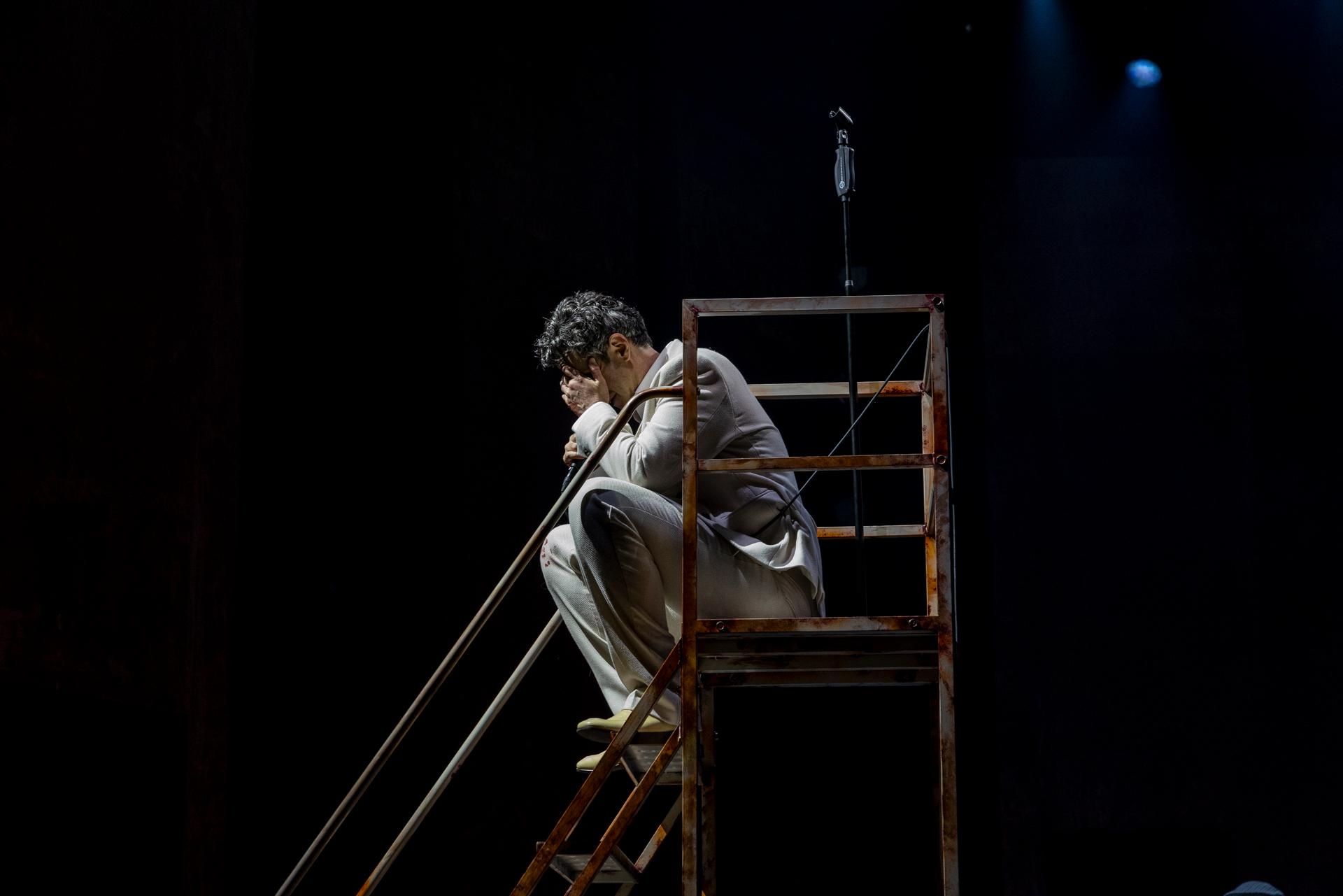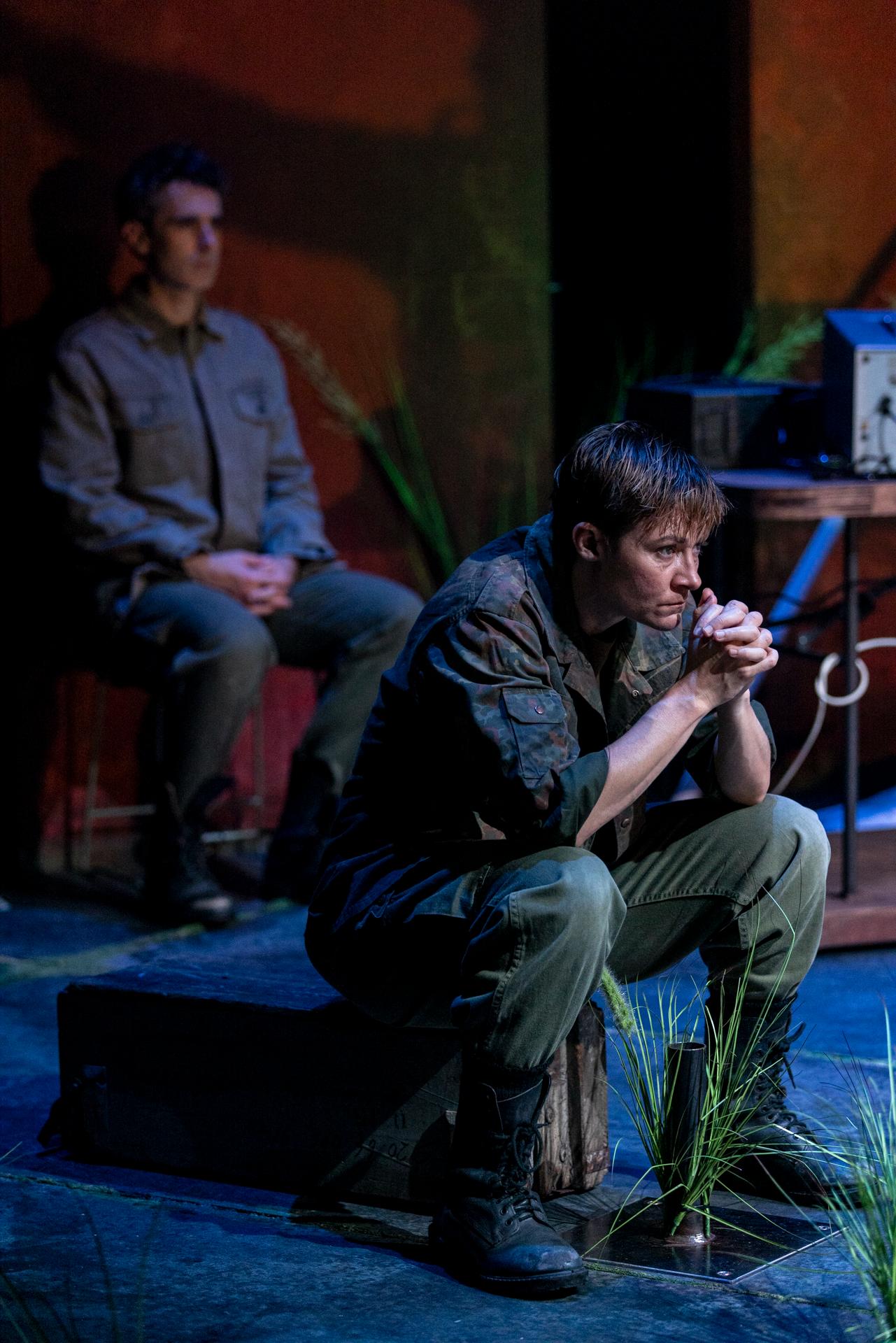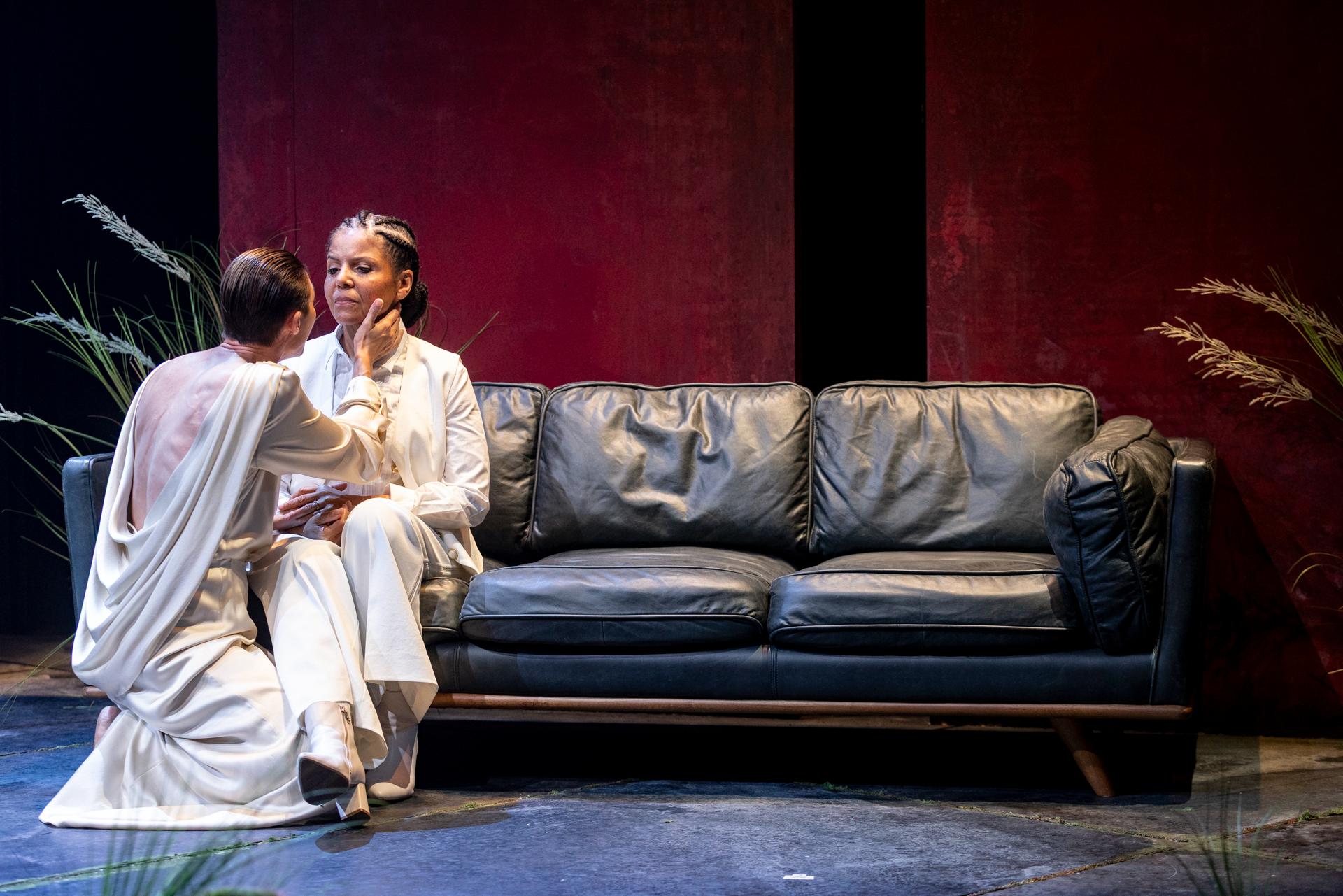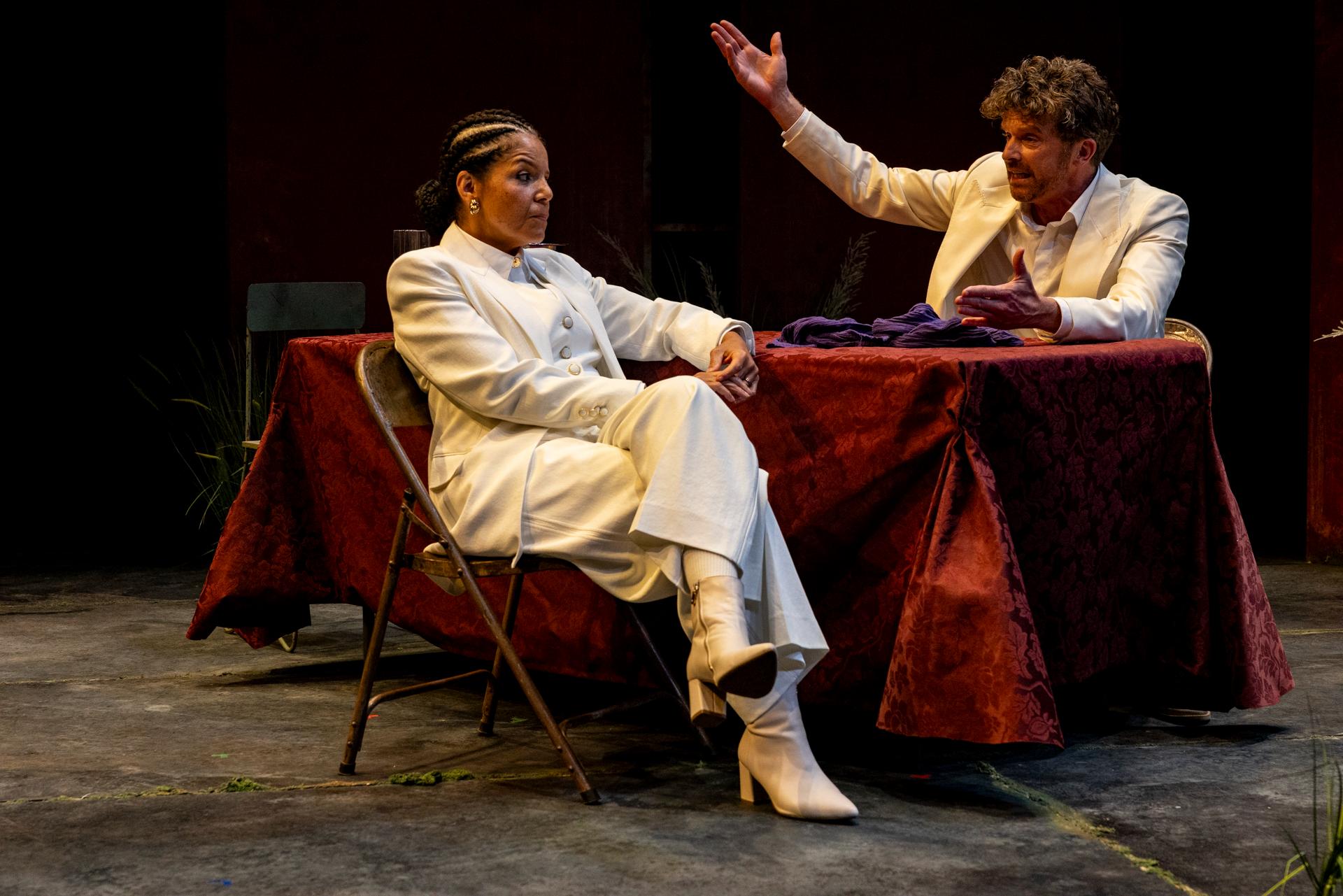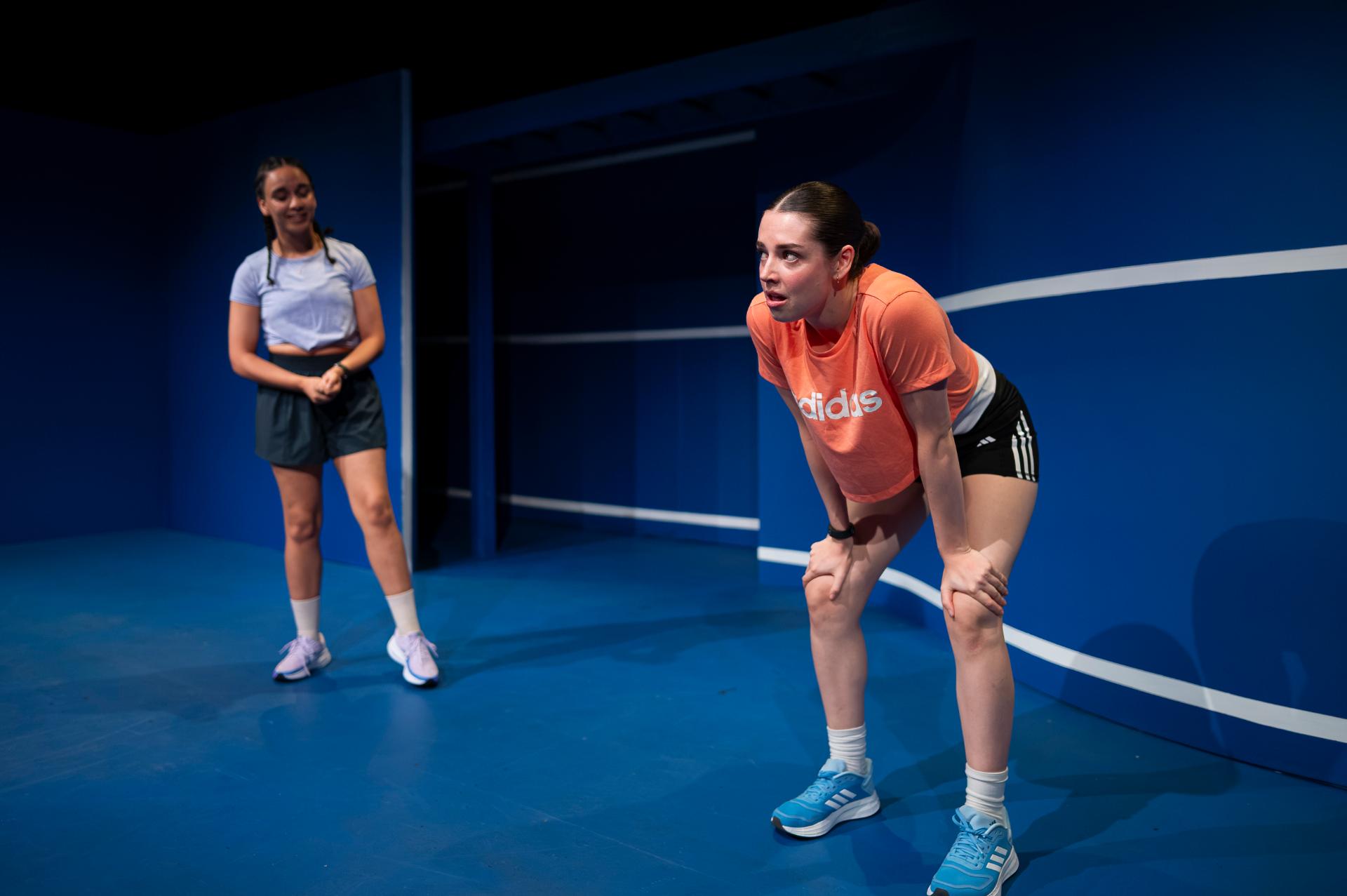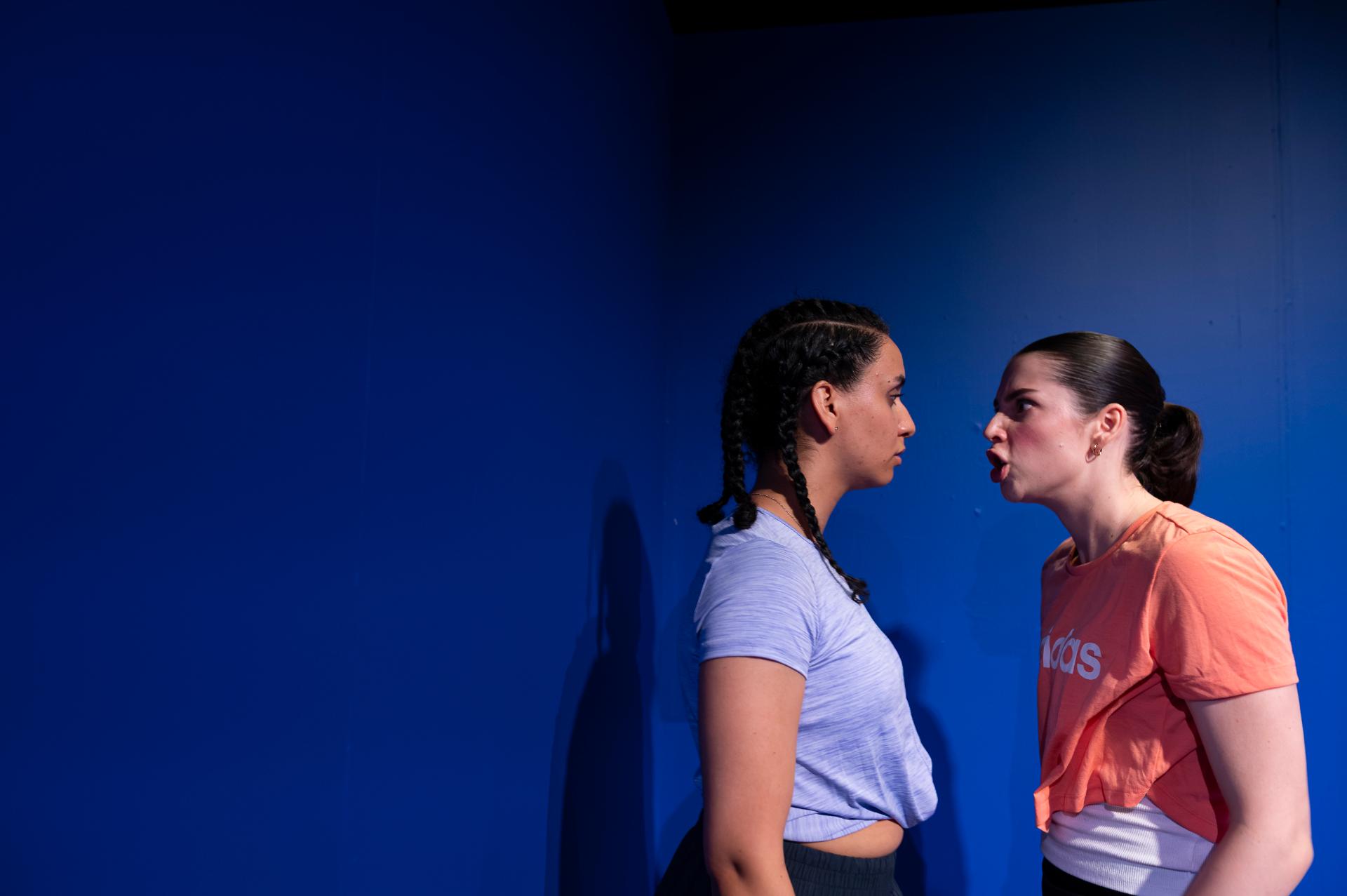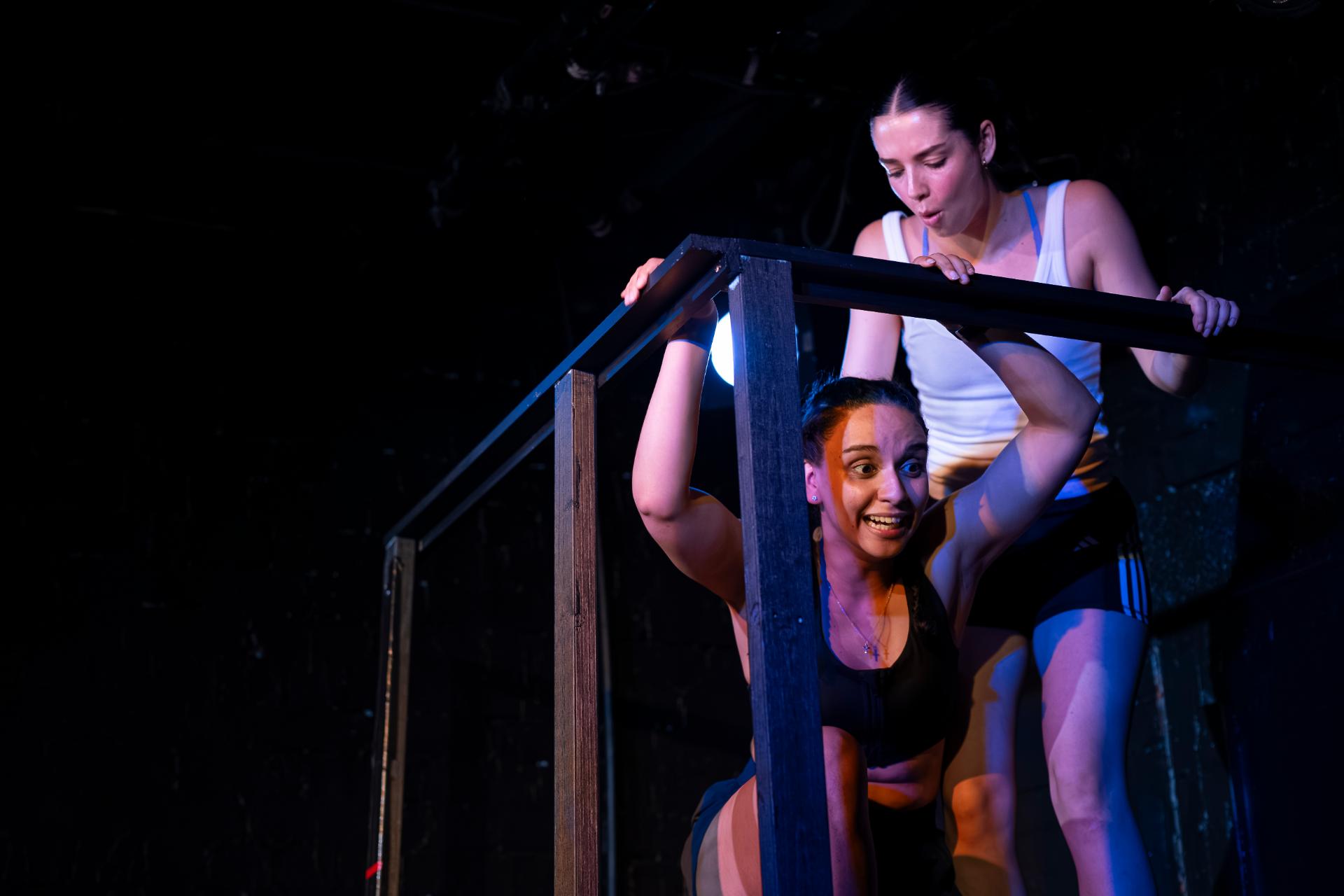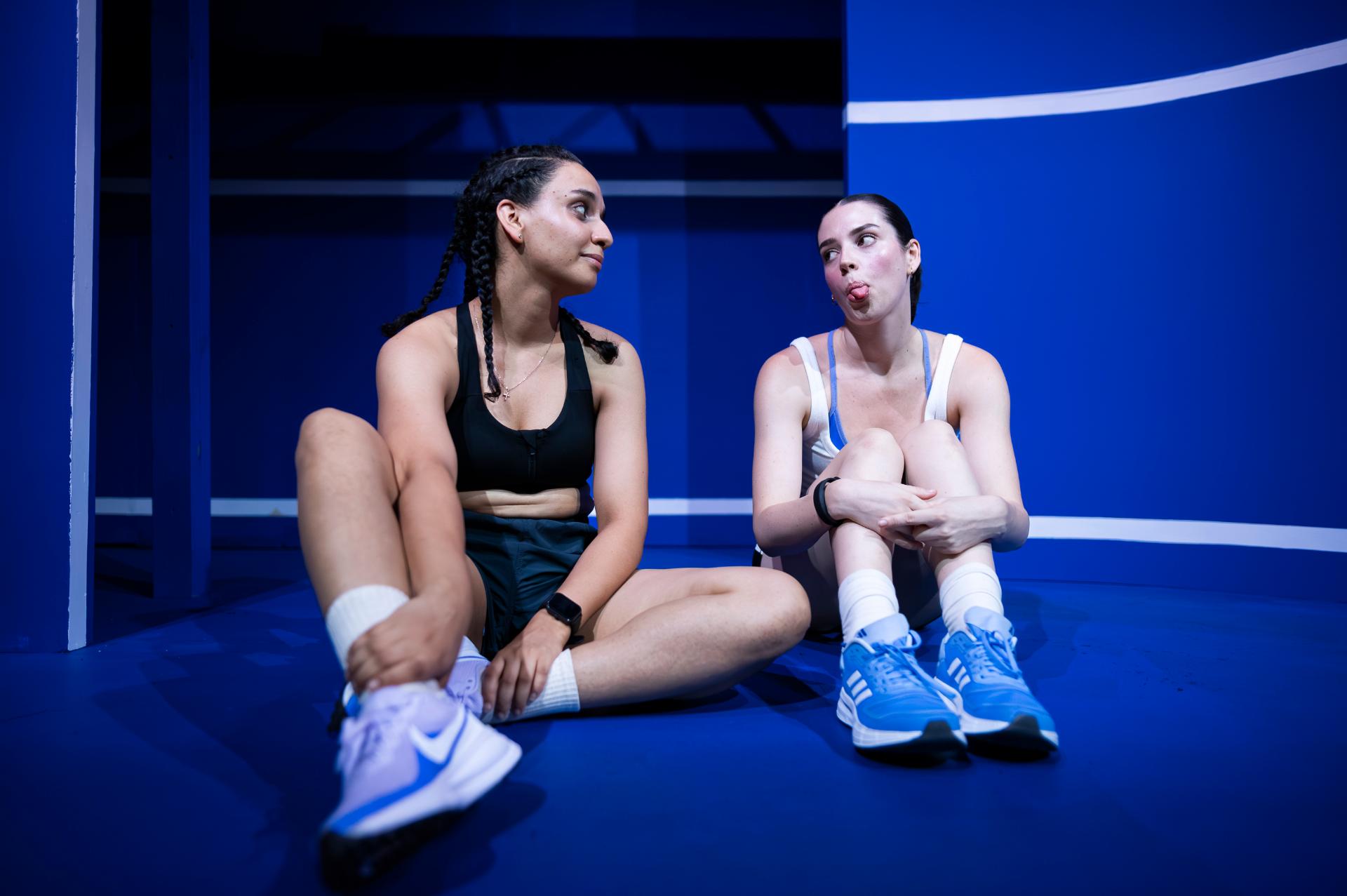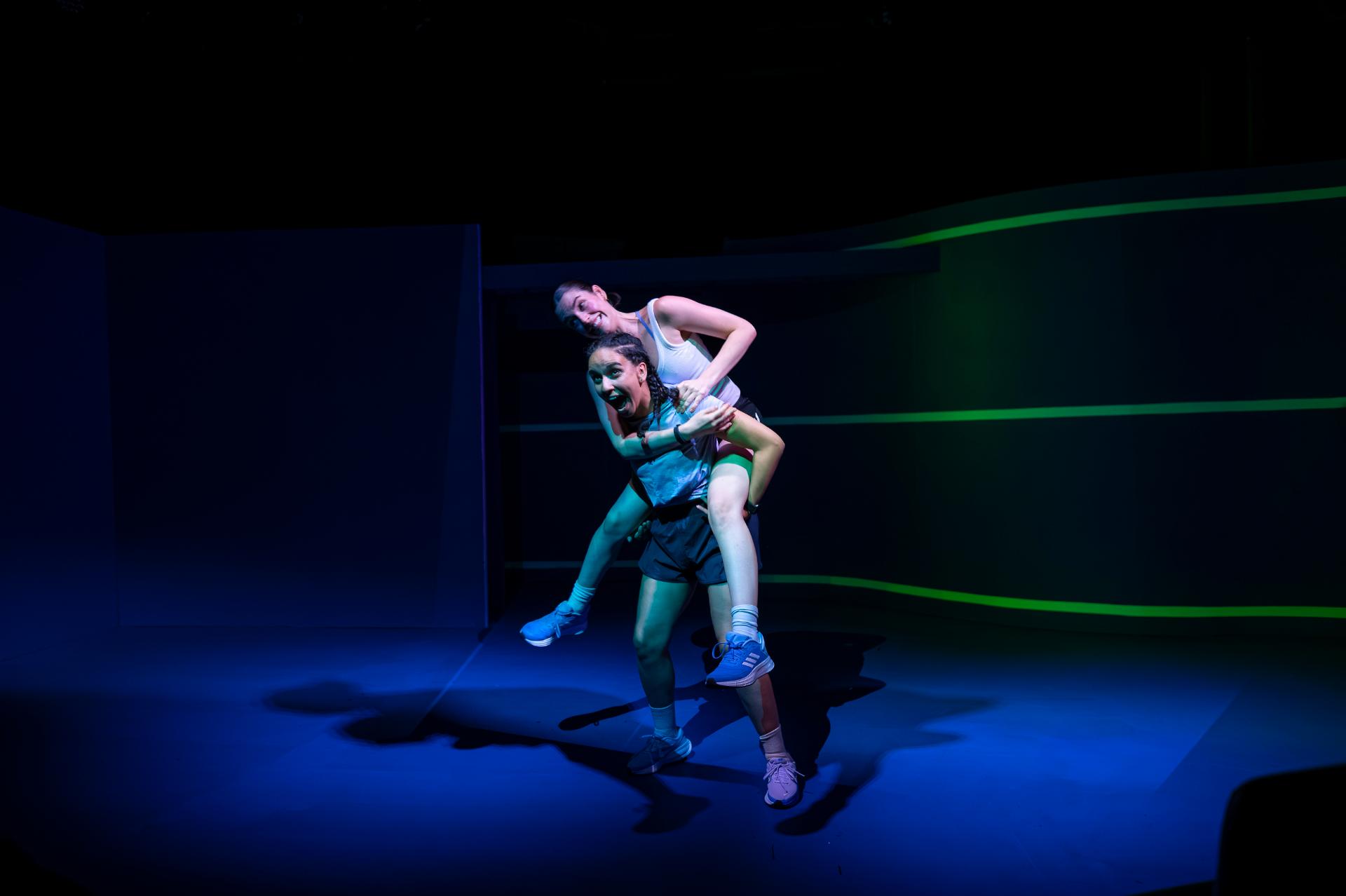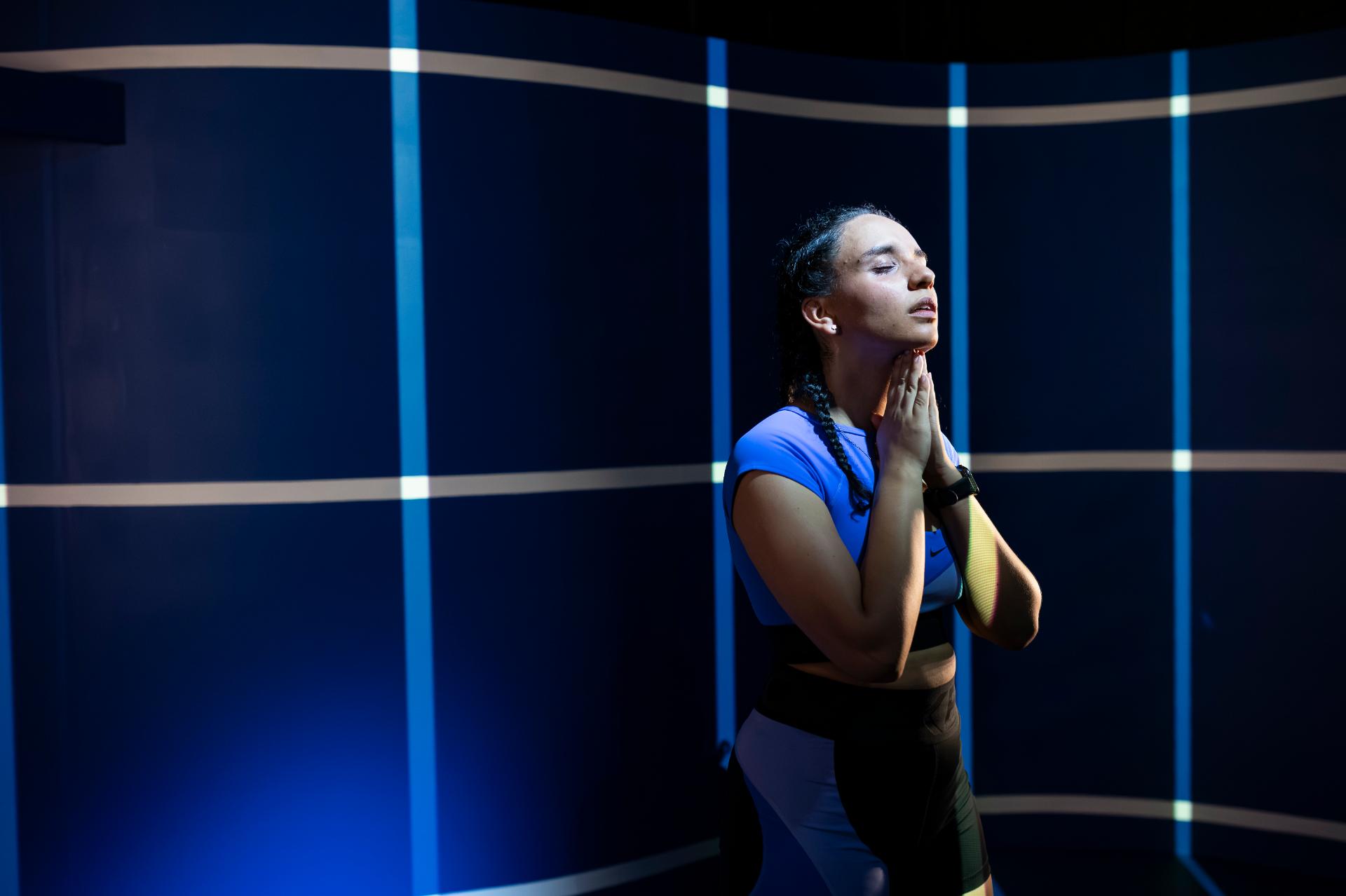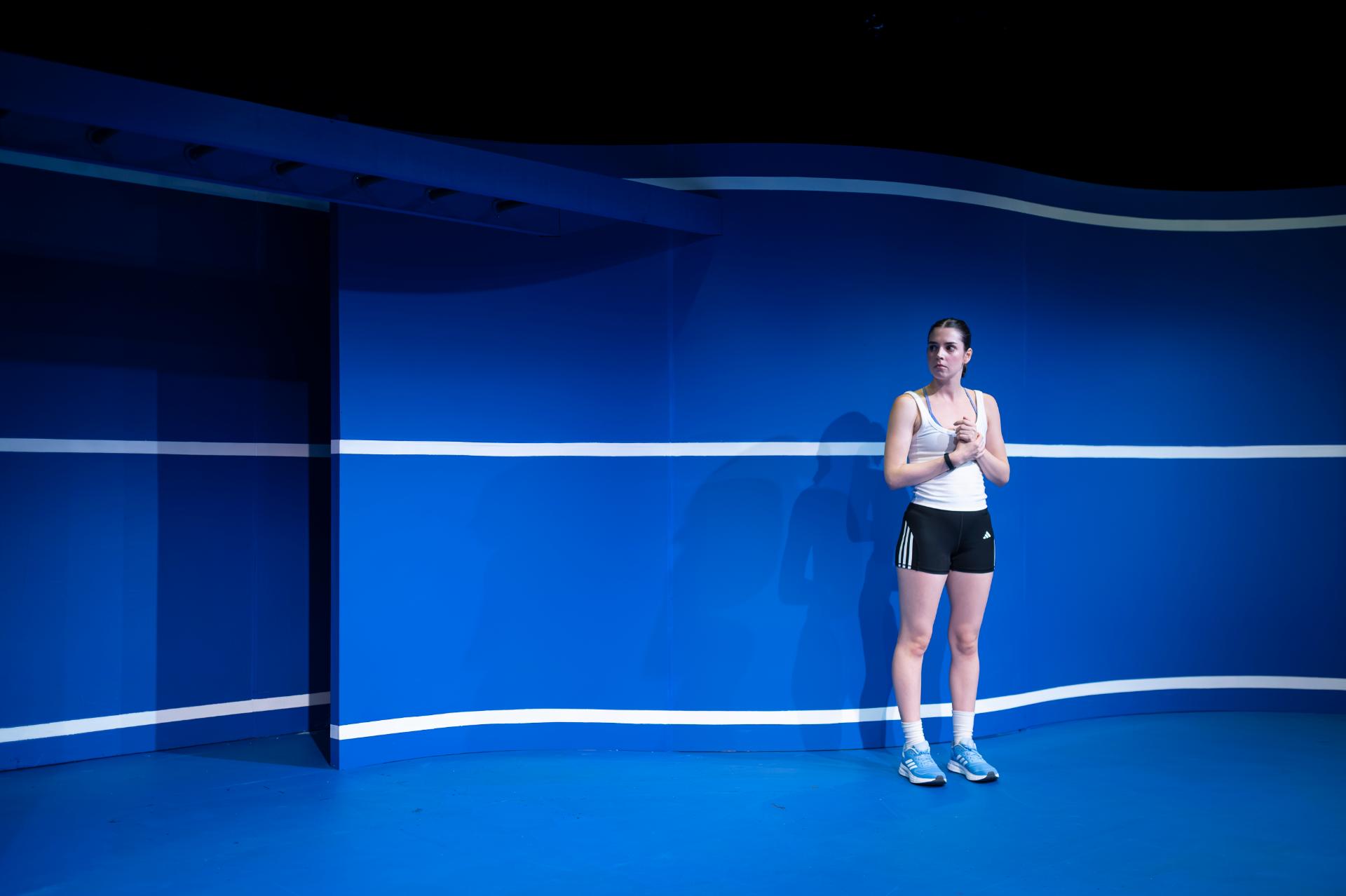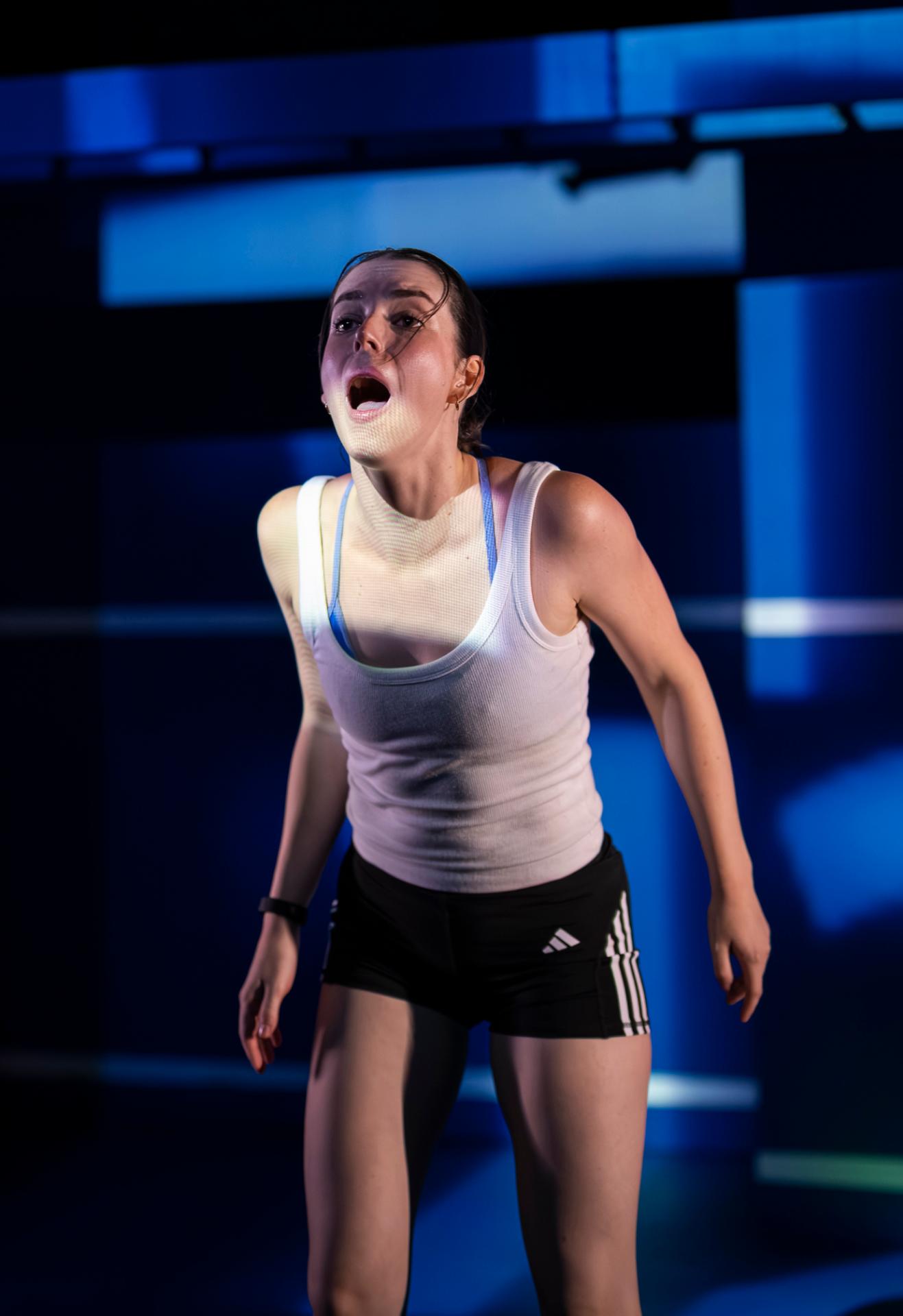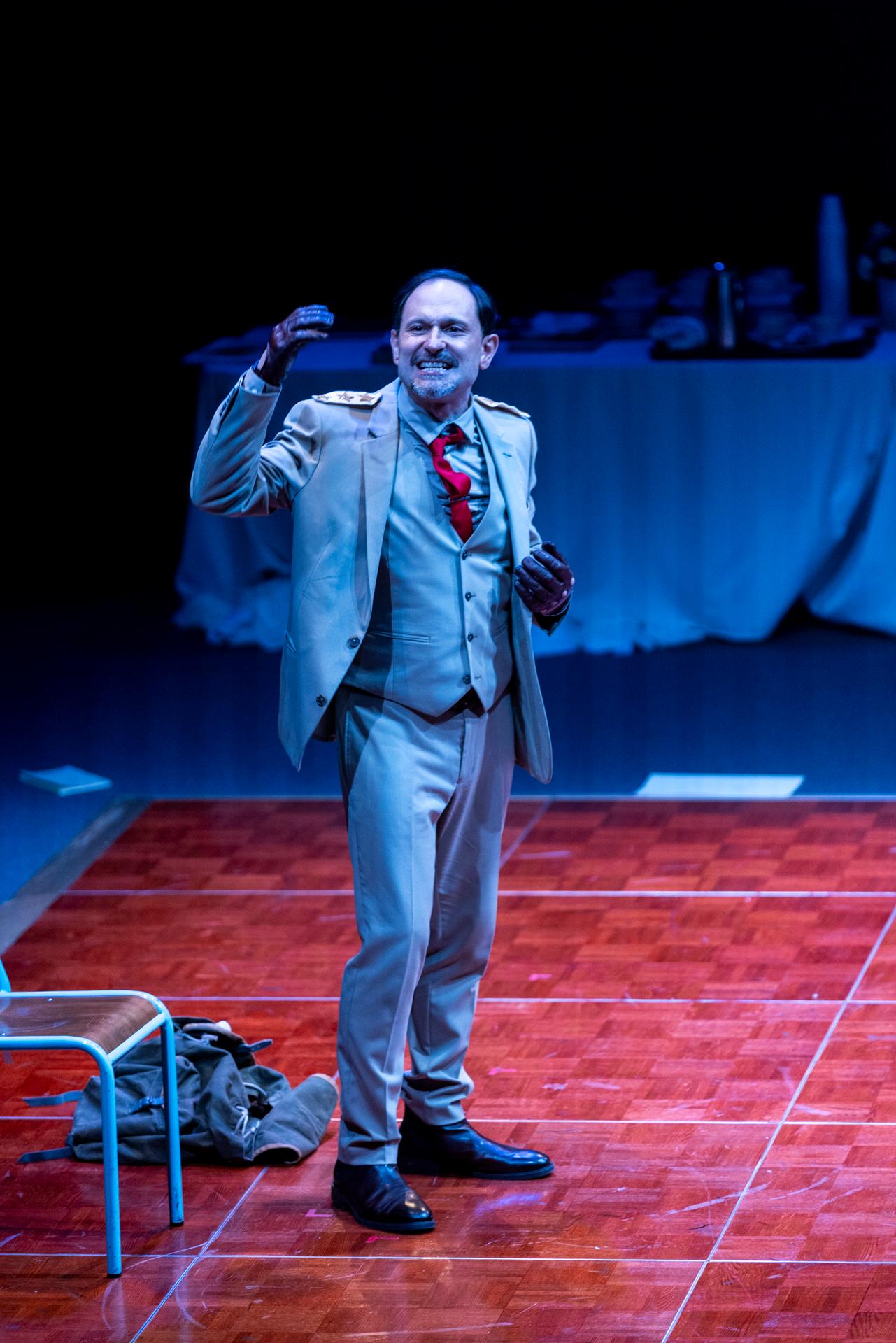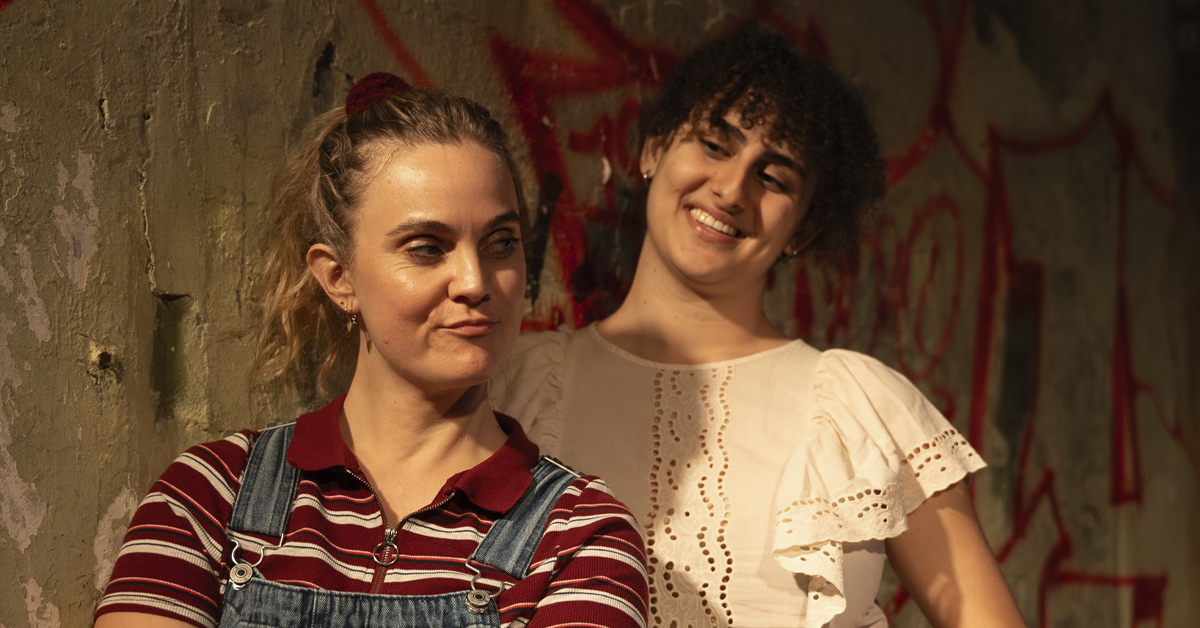
Review: Born On A Thursday (Old Fitz Theatre)

Venue: Old Fitzroy Theatre (Woolloomooloo NSW), Nov 28 – Dec 14, 2025
Playwright: Jack Kearney
Director: Lucy Clements
Cast: Deborah Galanos, James Lugton, Owen Hasluck, Sharon Millerchip, Sofia Nolan
Images by Phil Erbacher

Theatre review
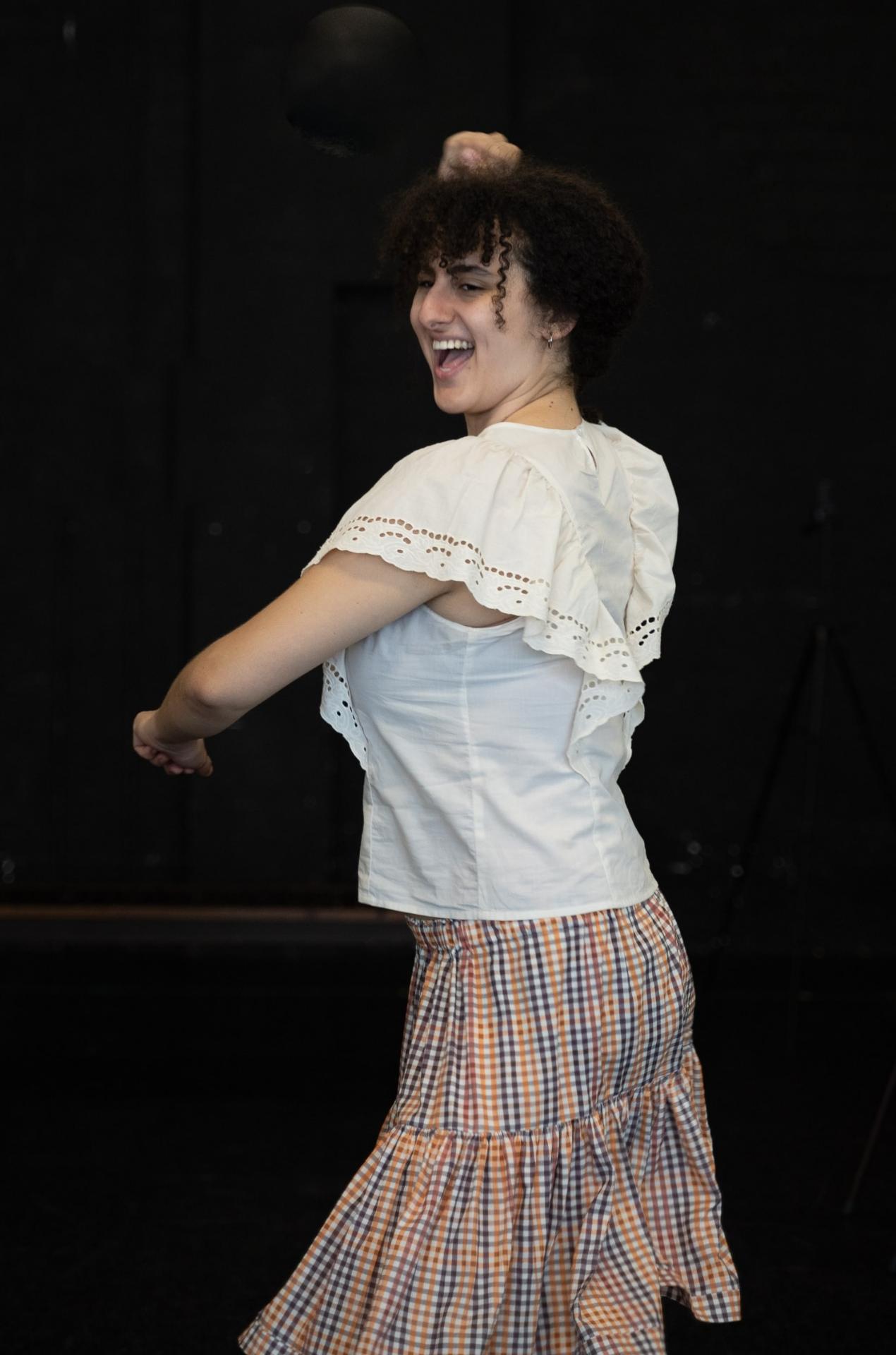
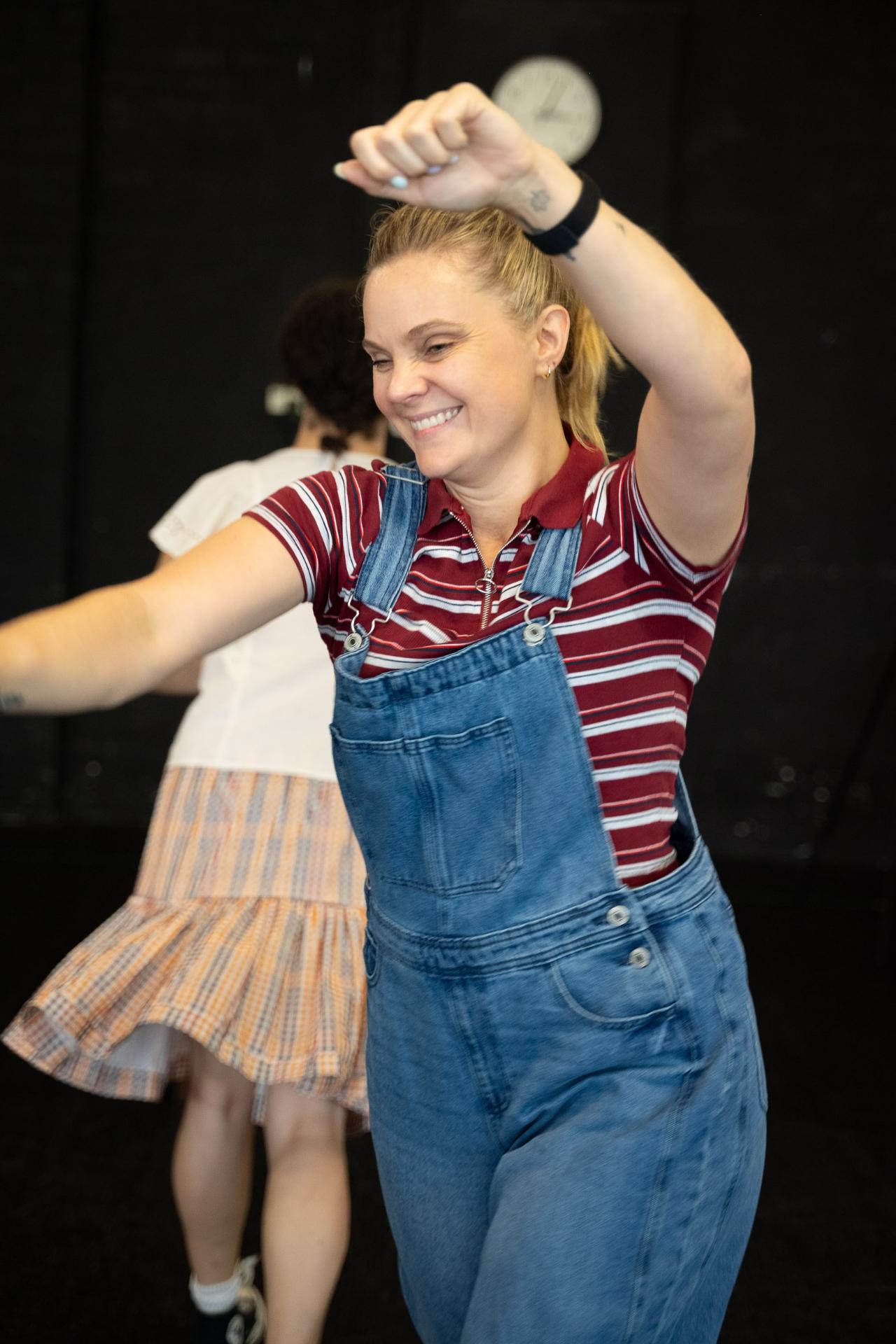
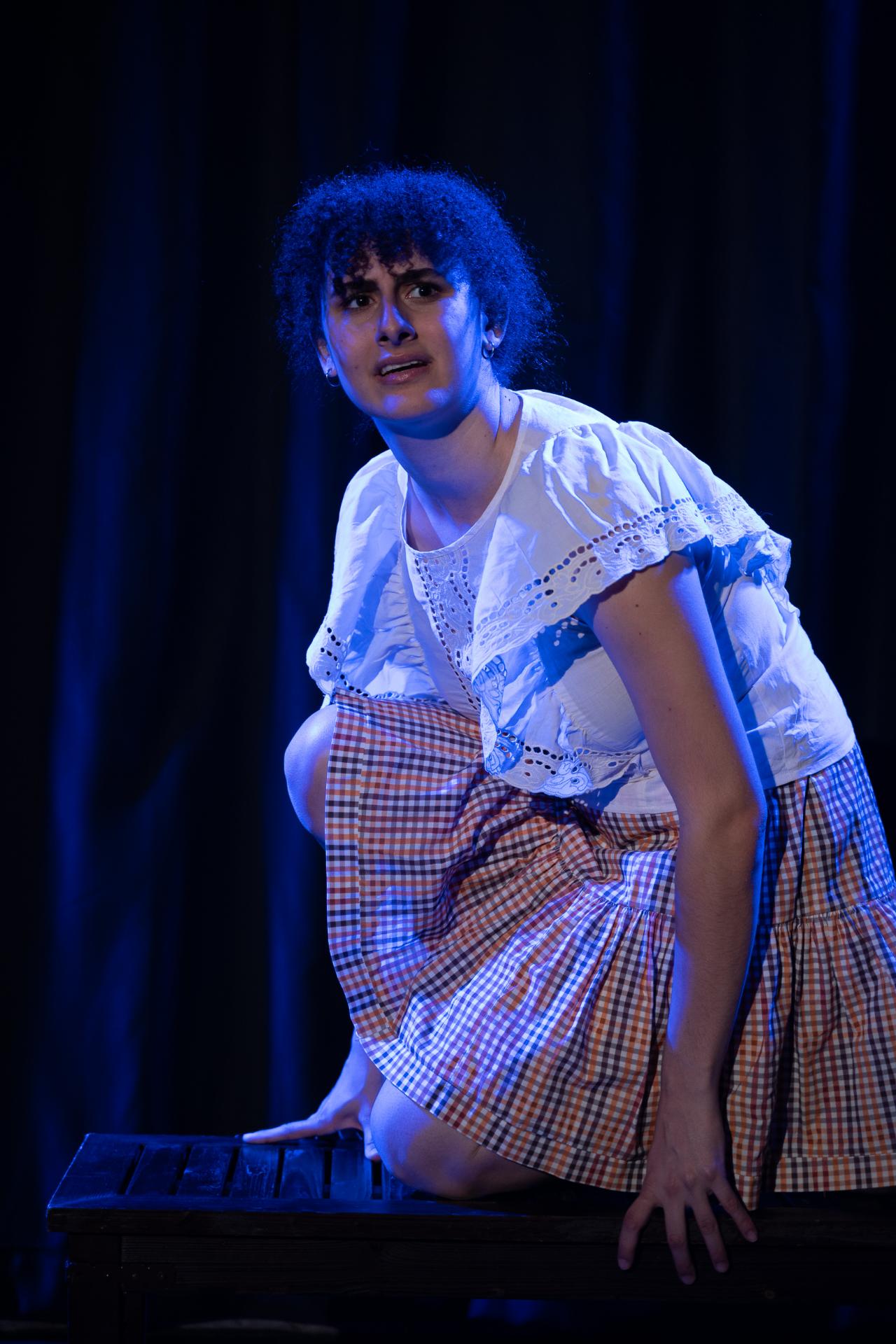
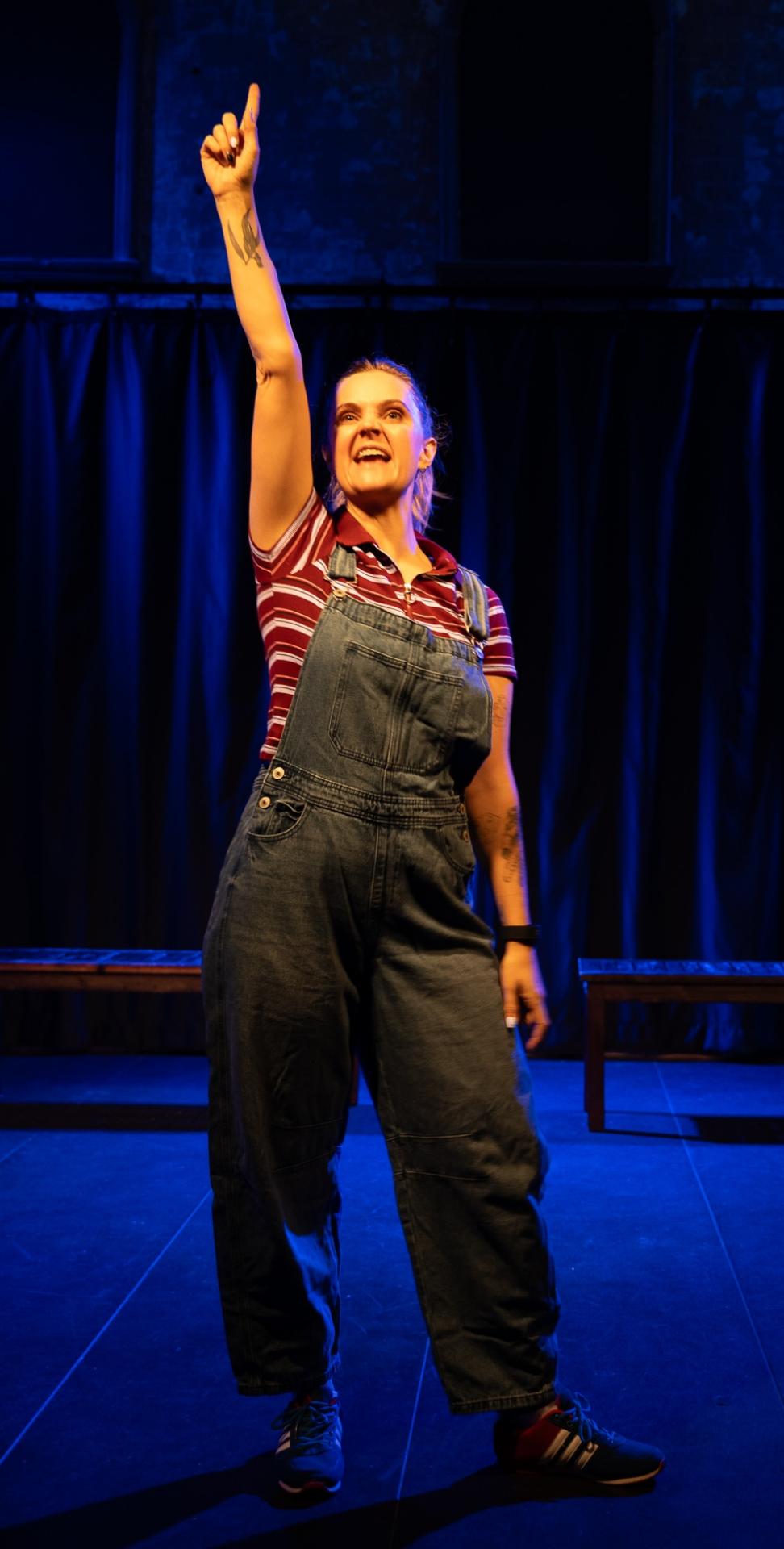
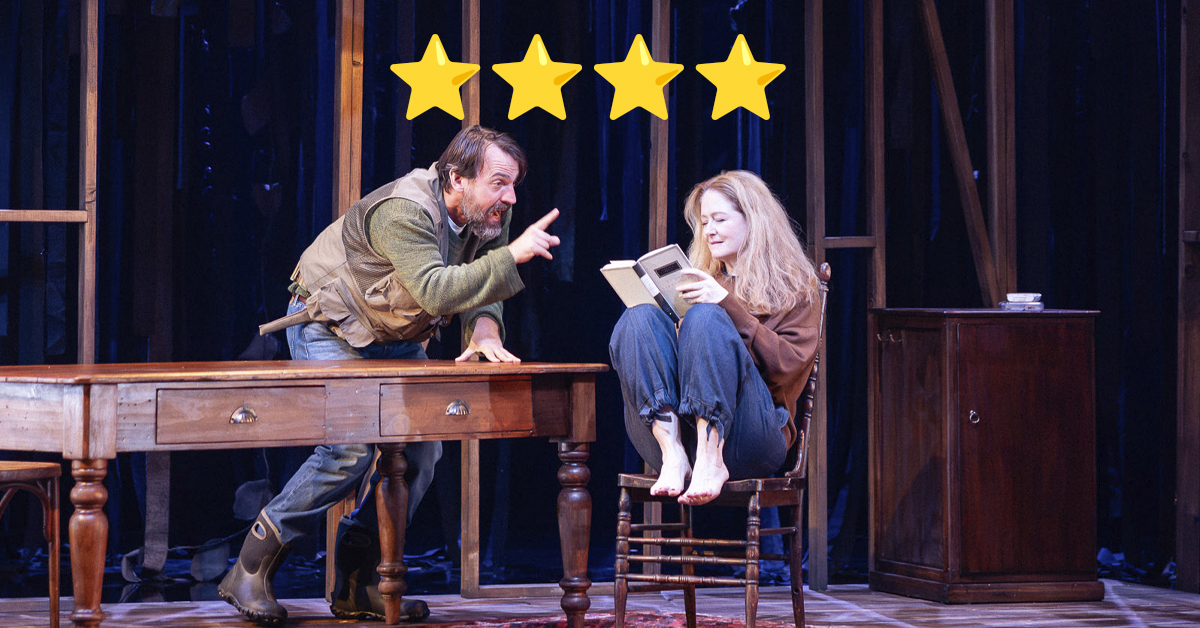
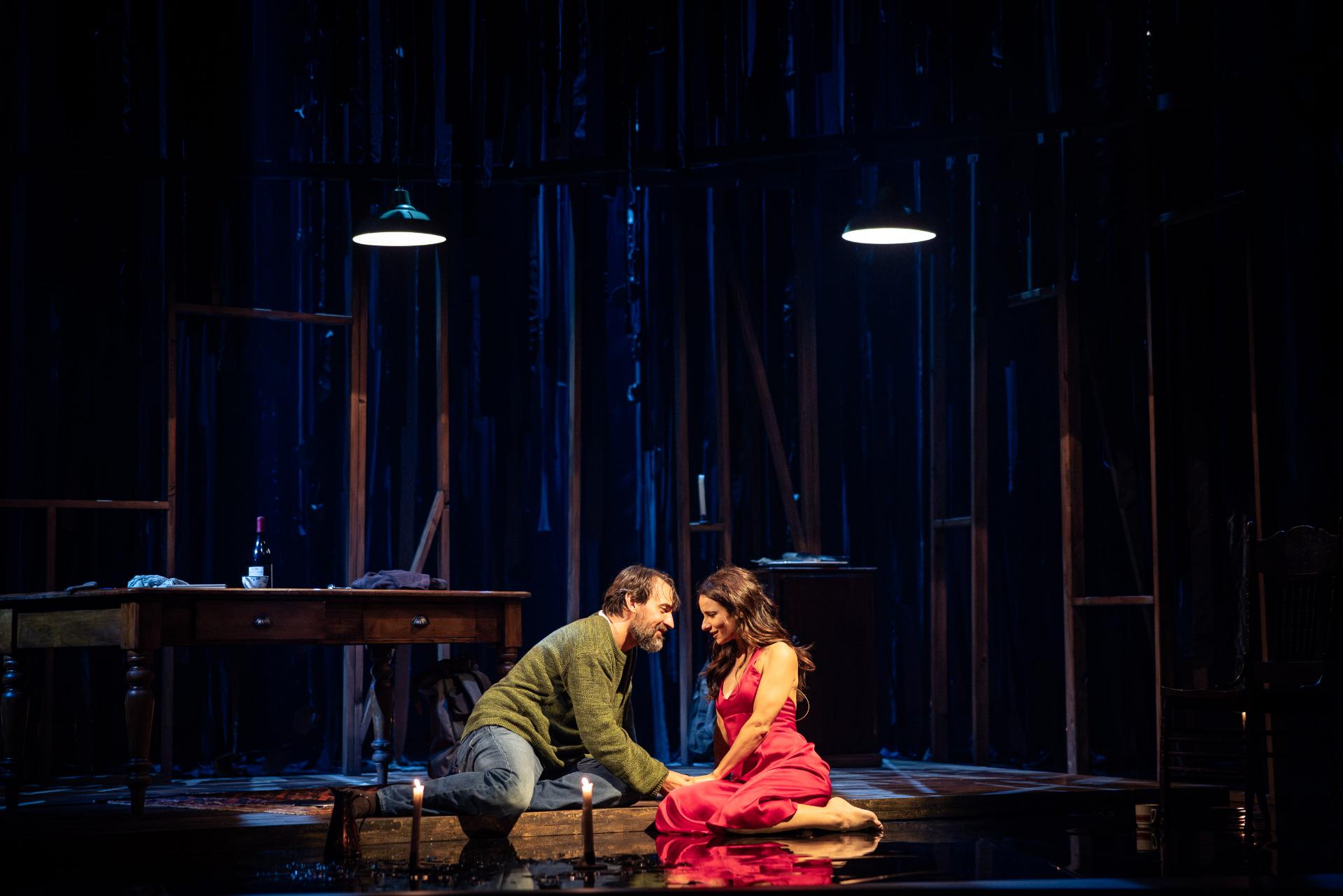
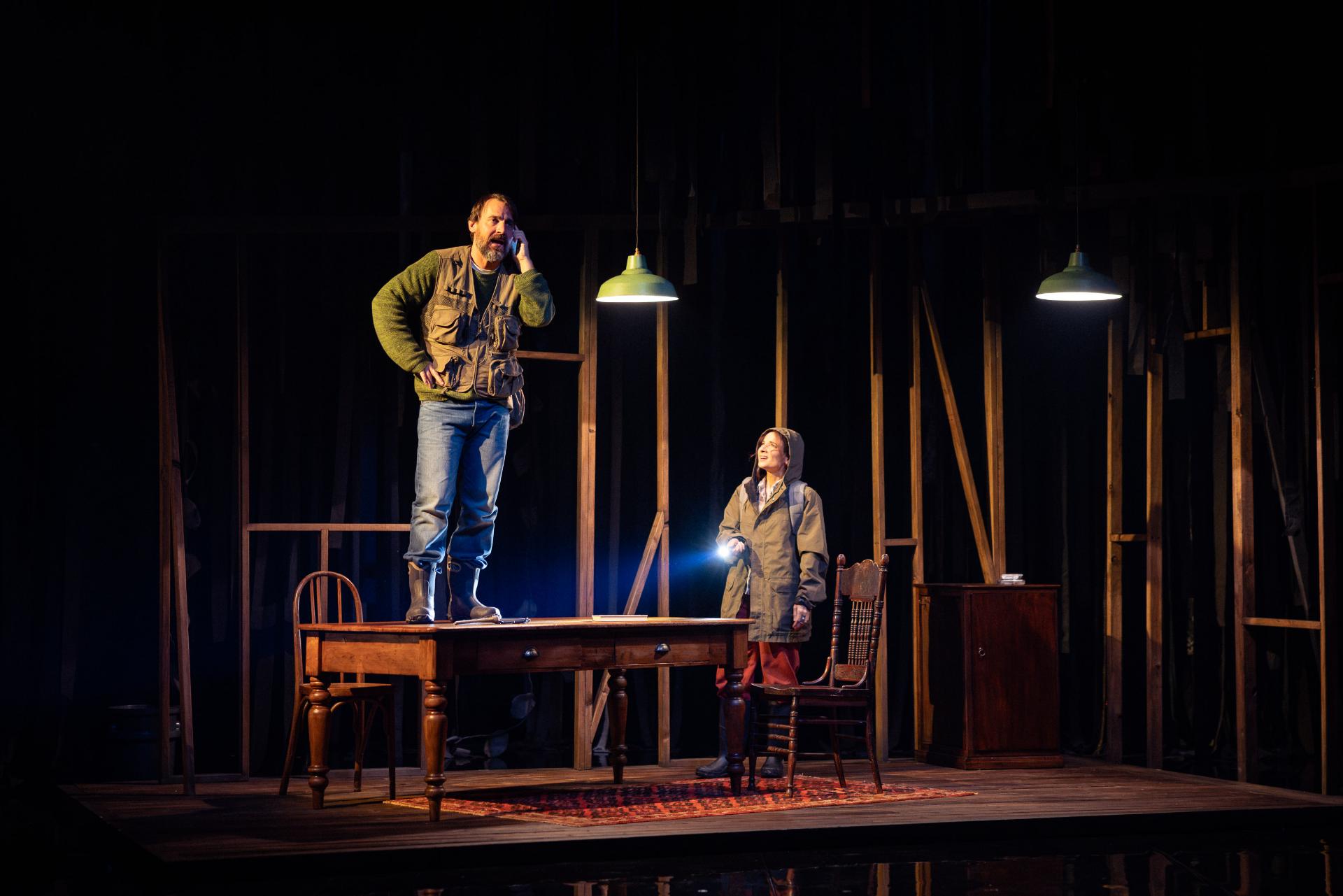
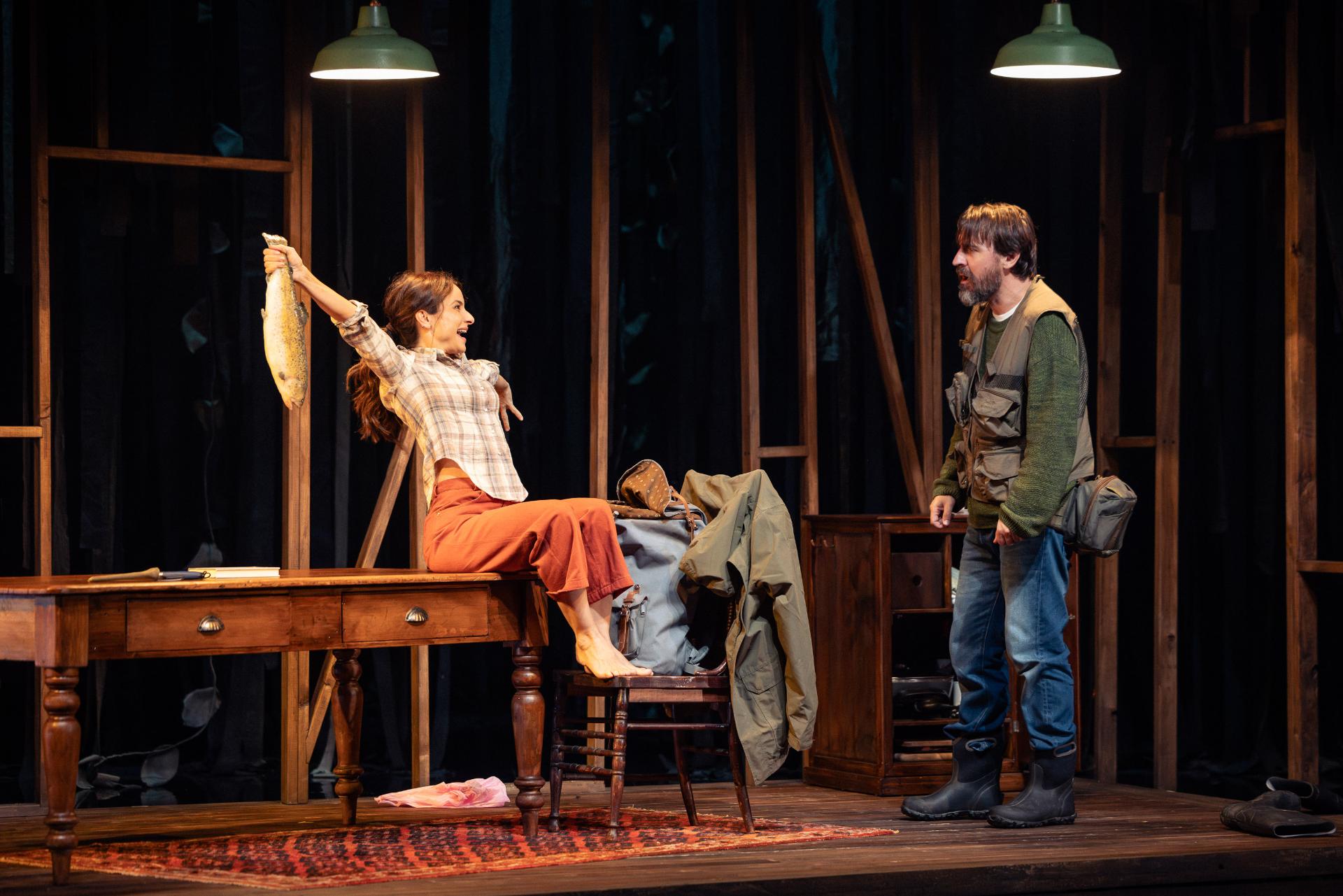
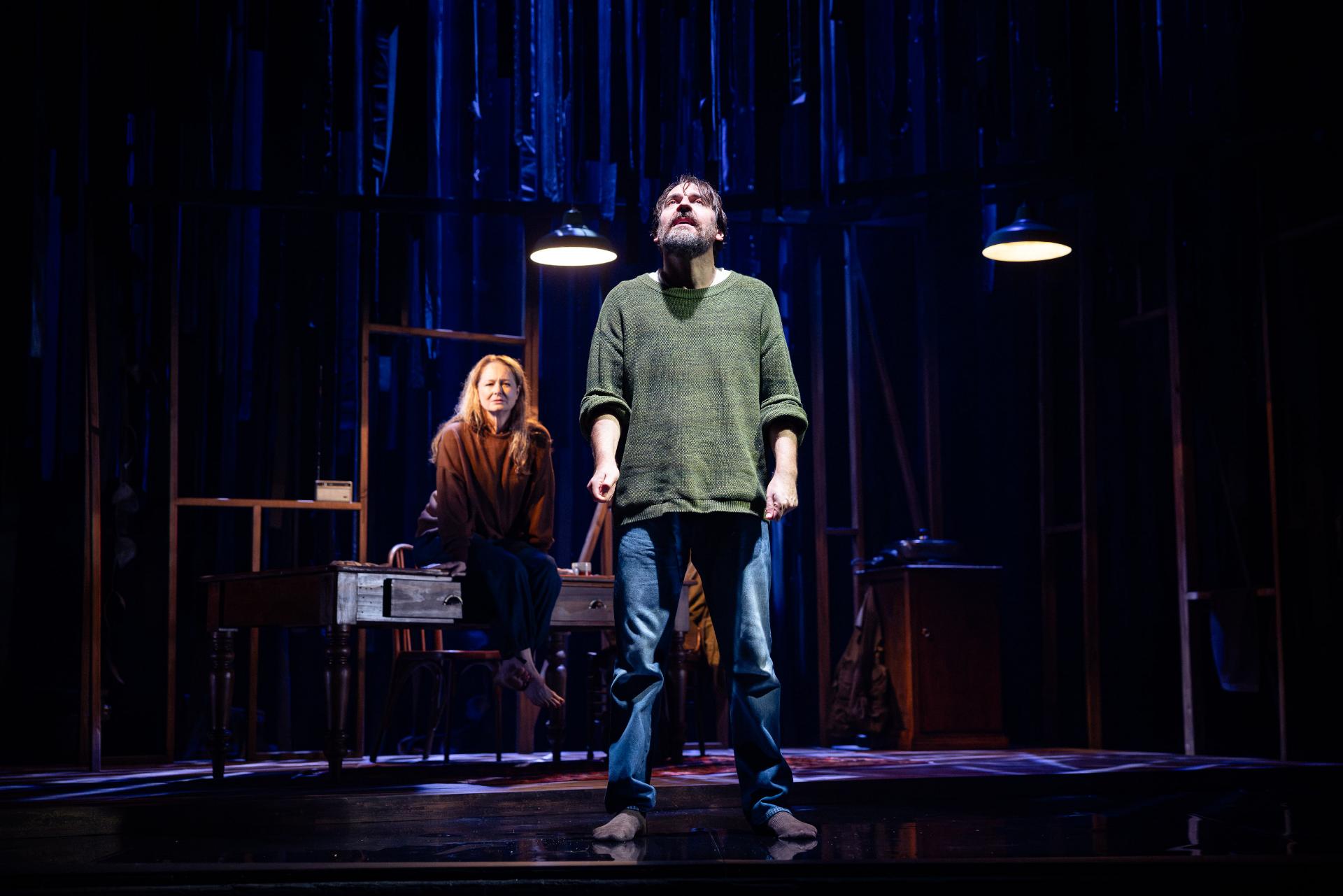
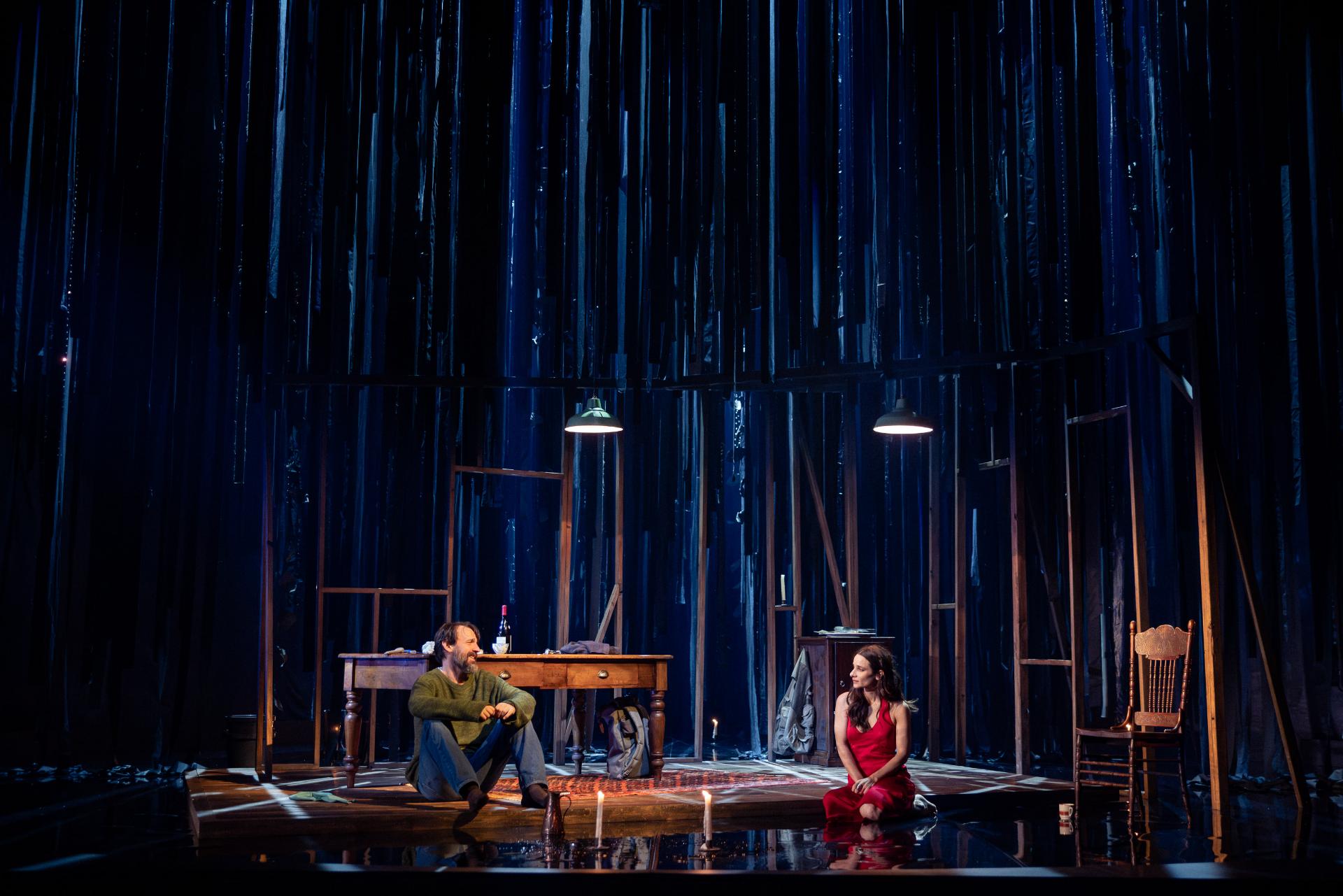
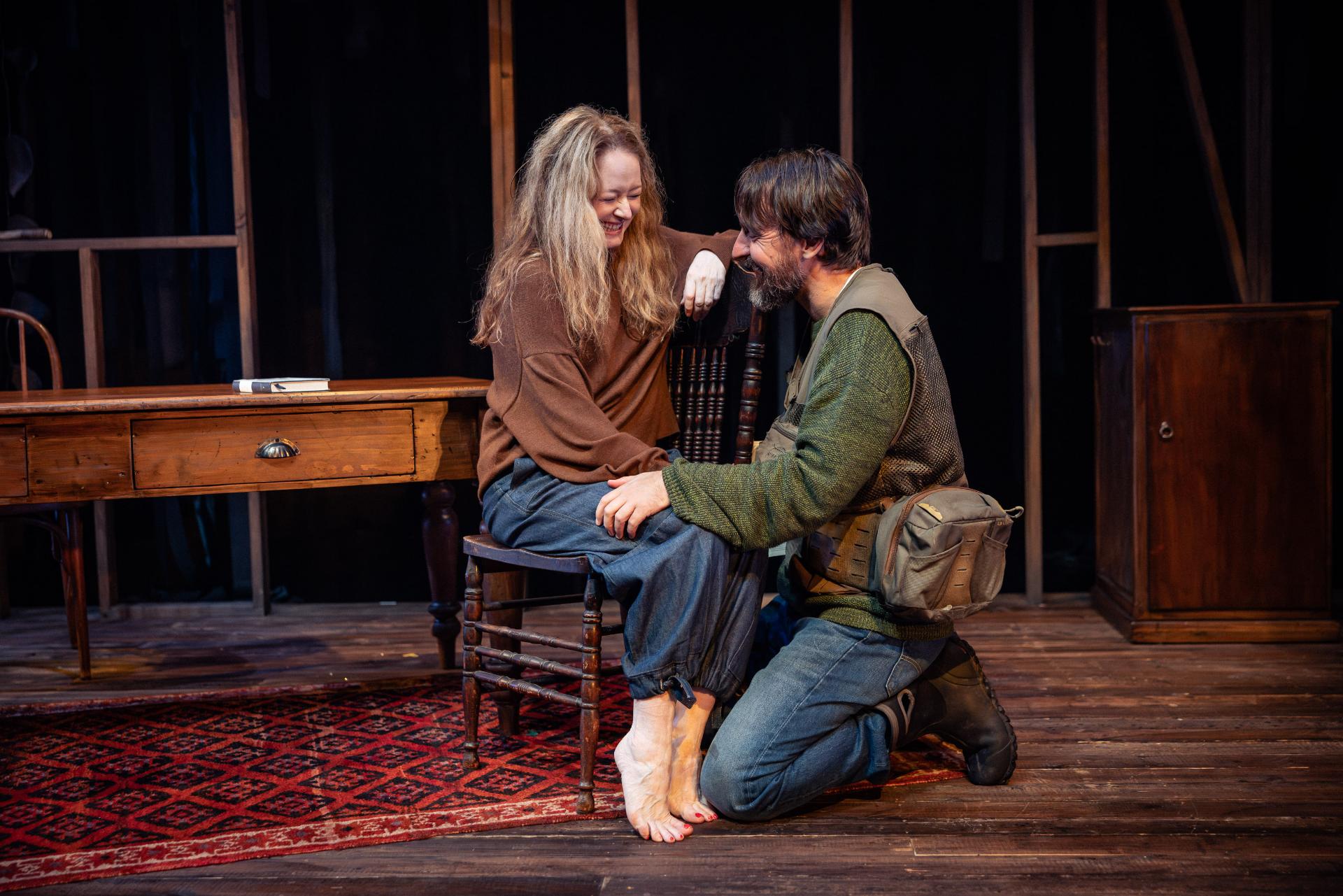
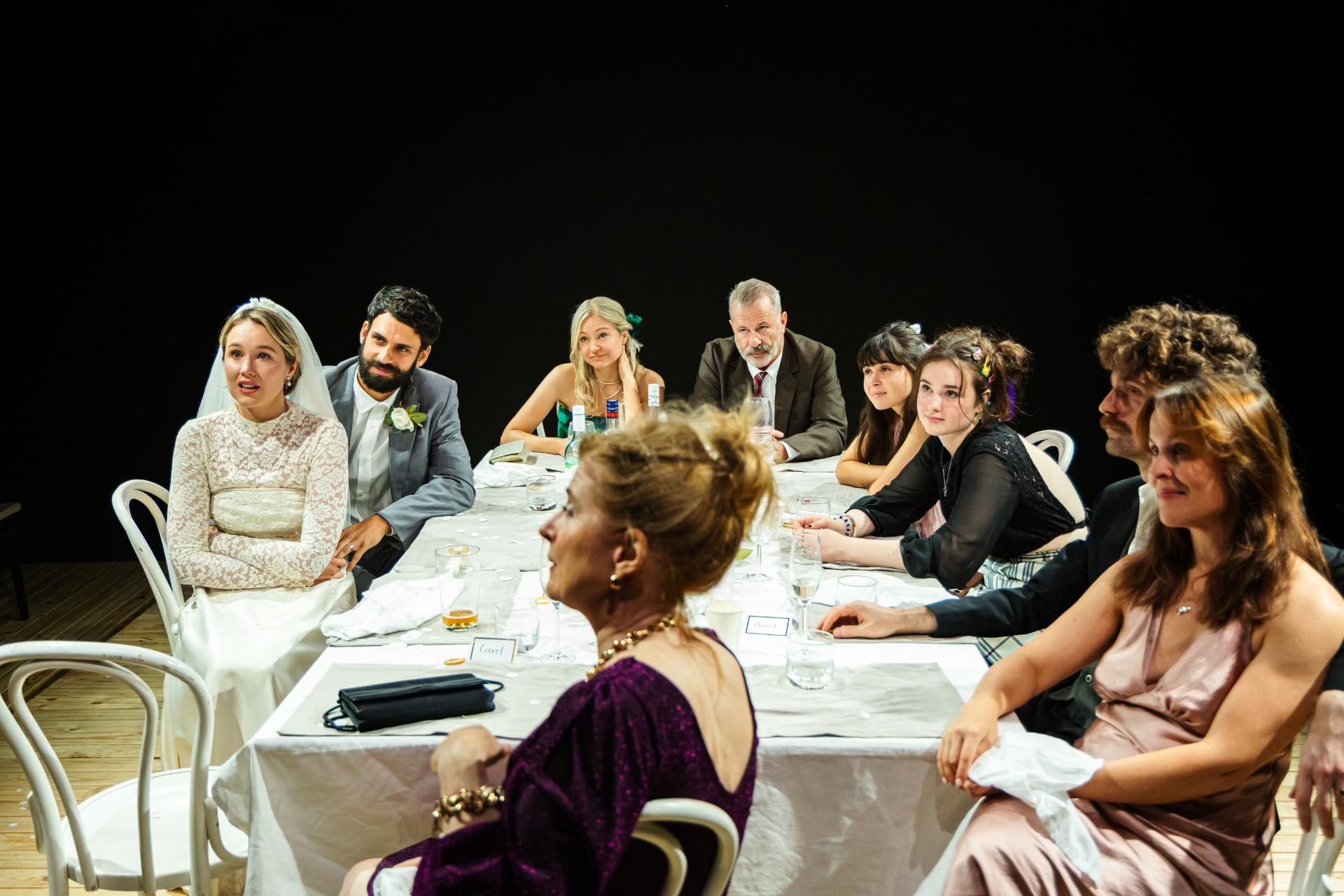
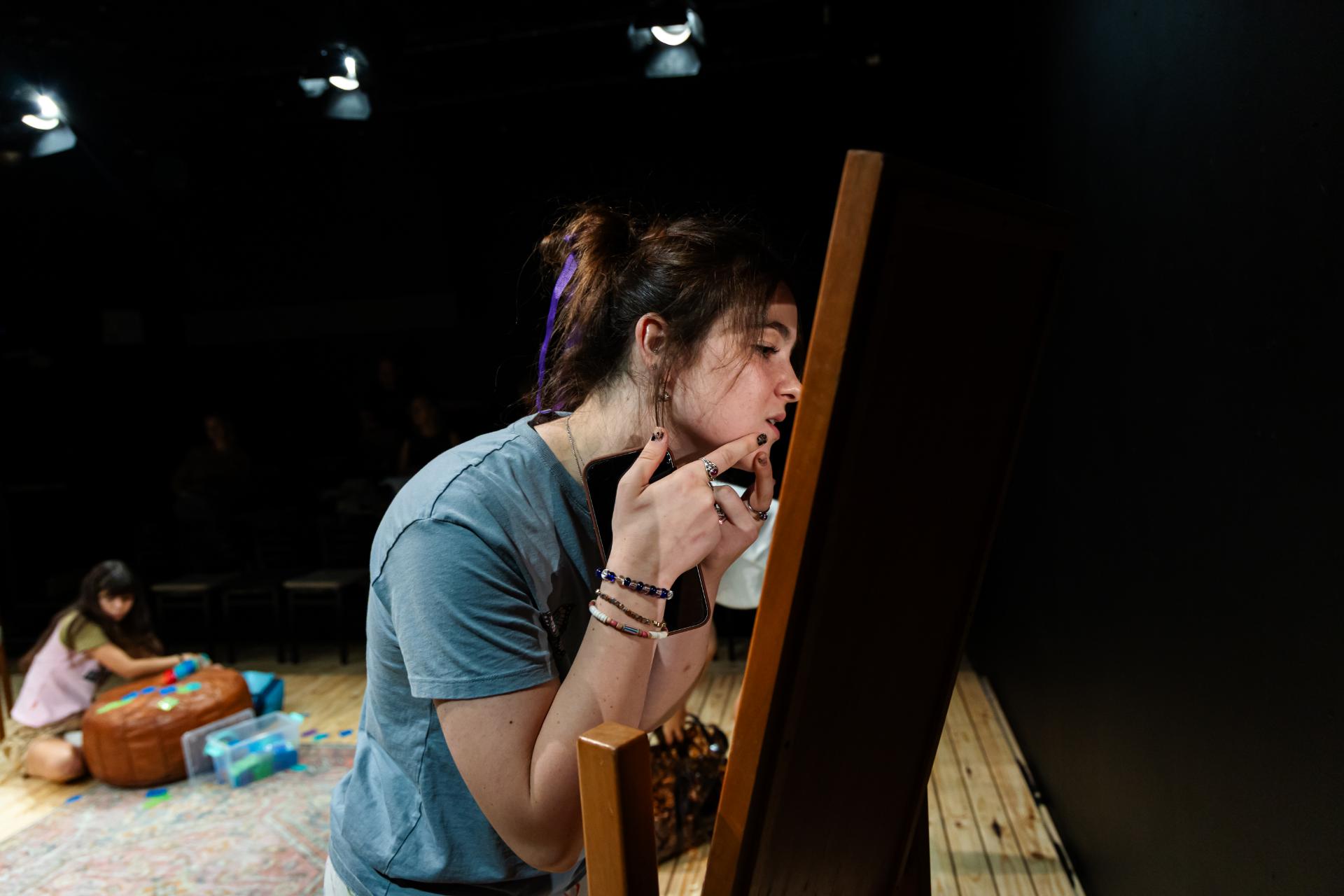
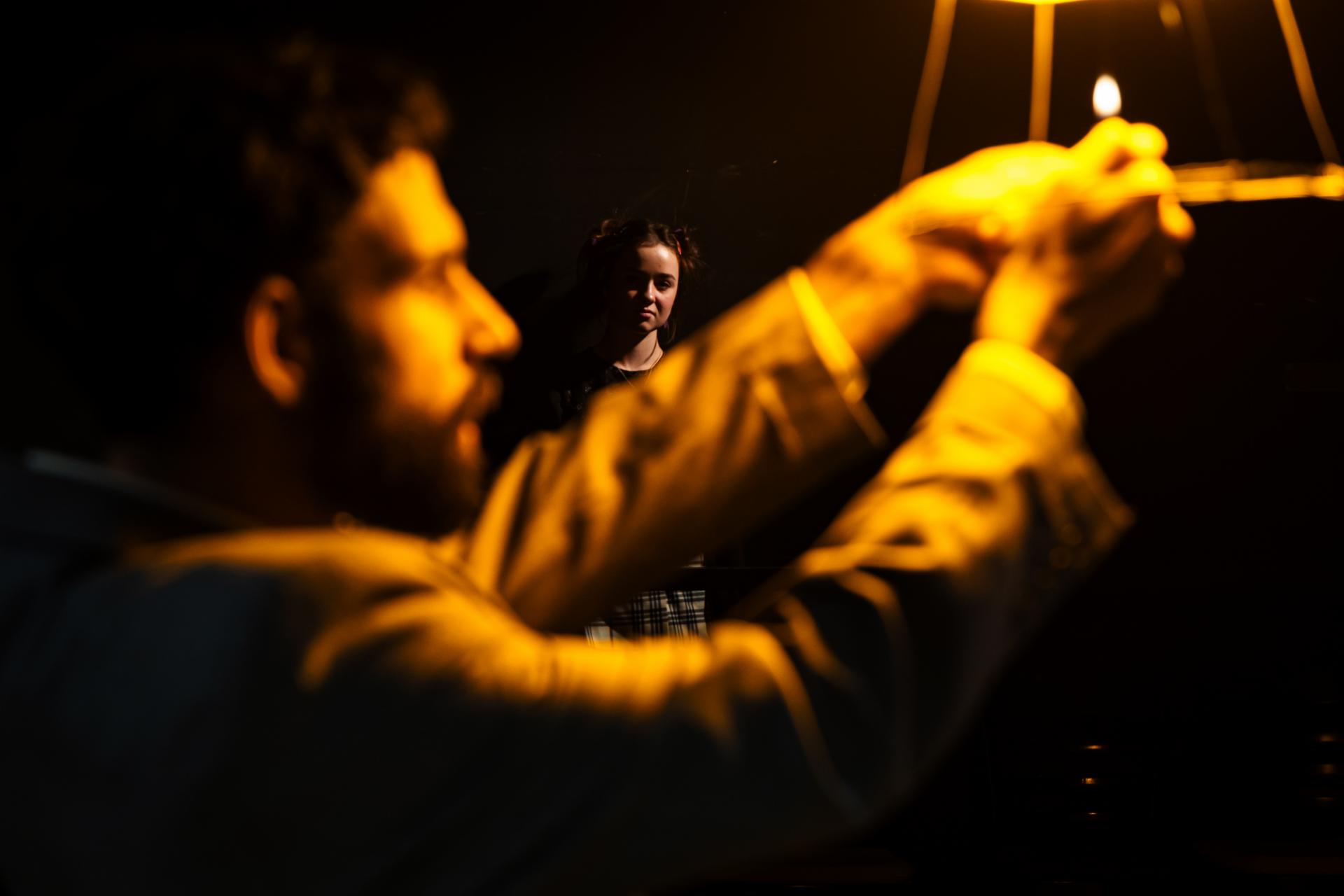
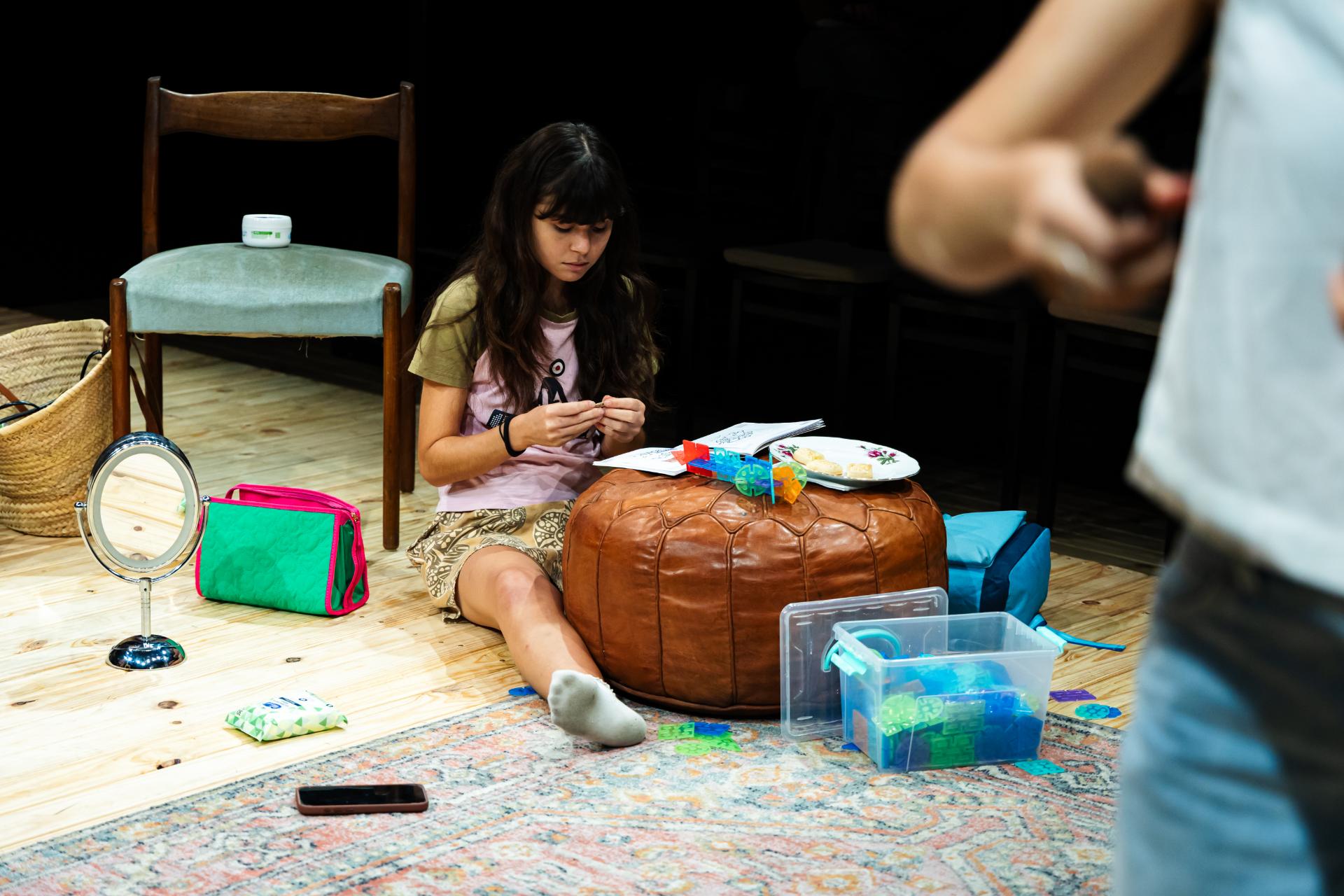
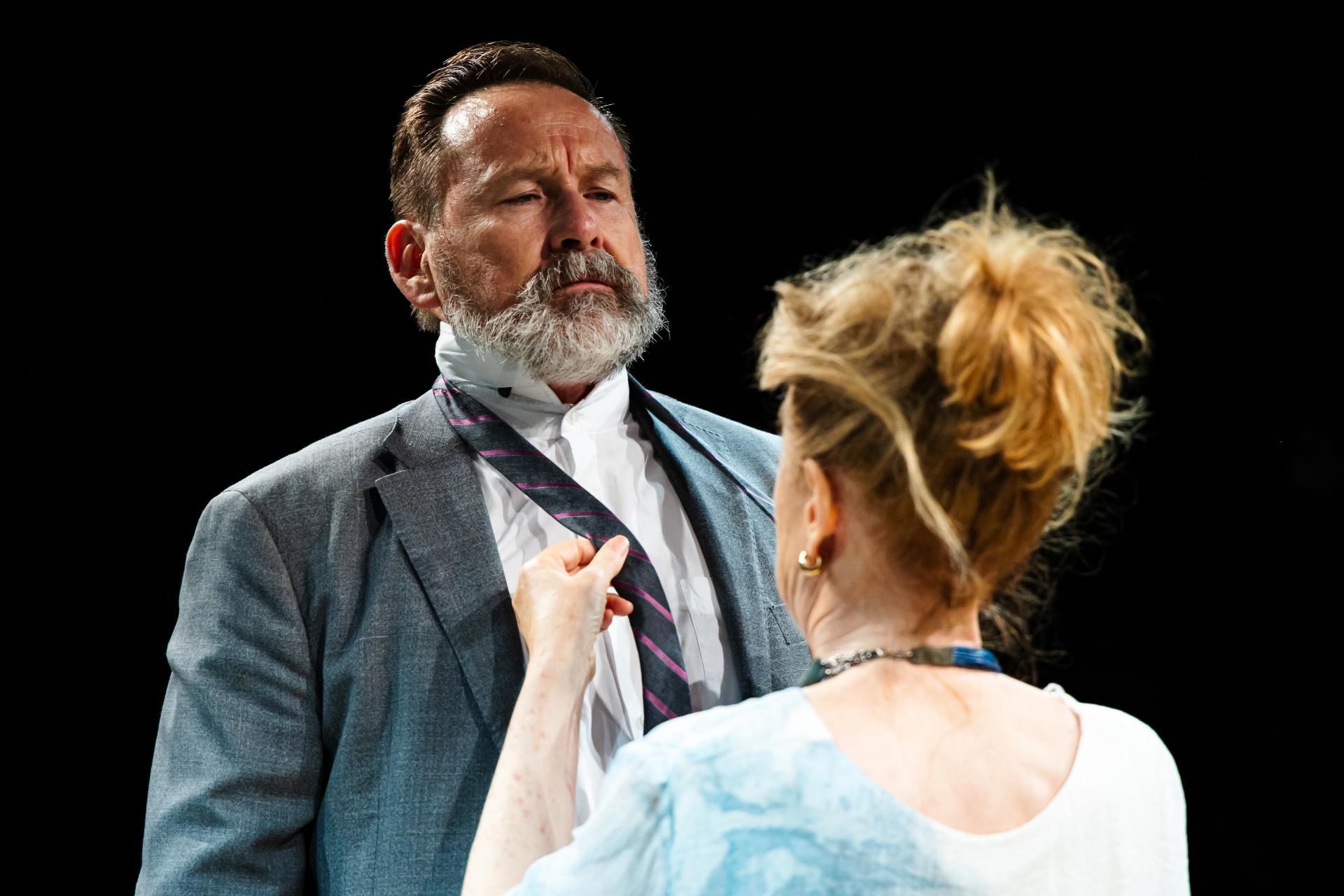
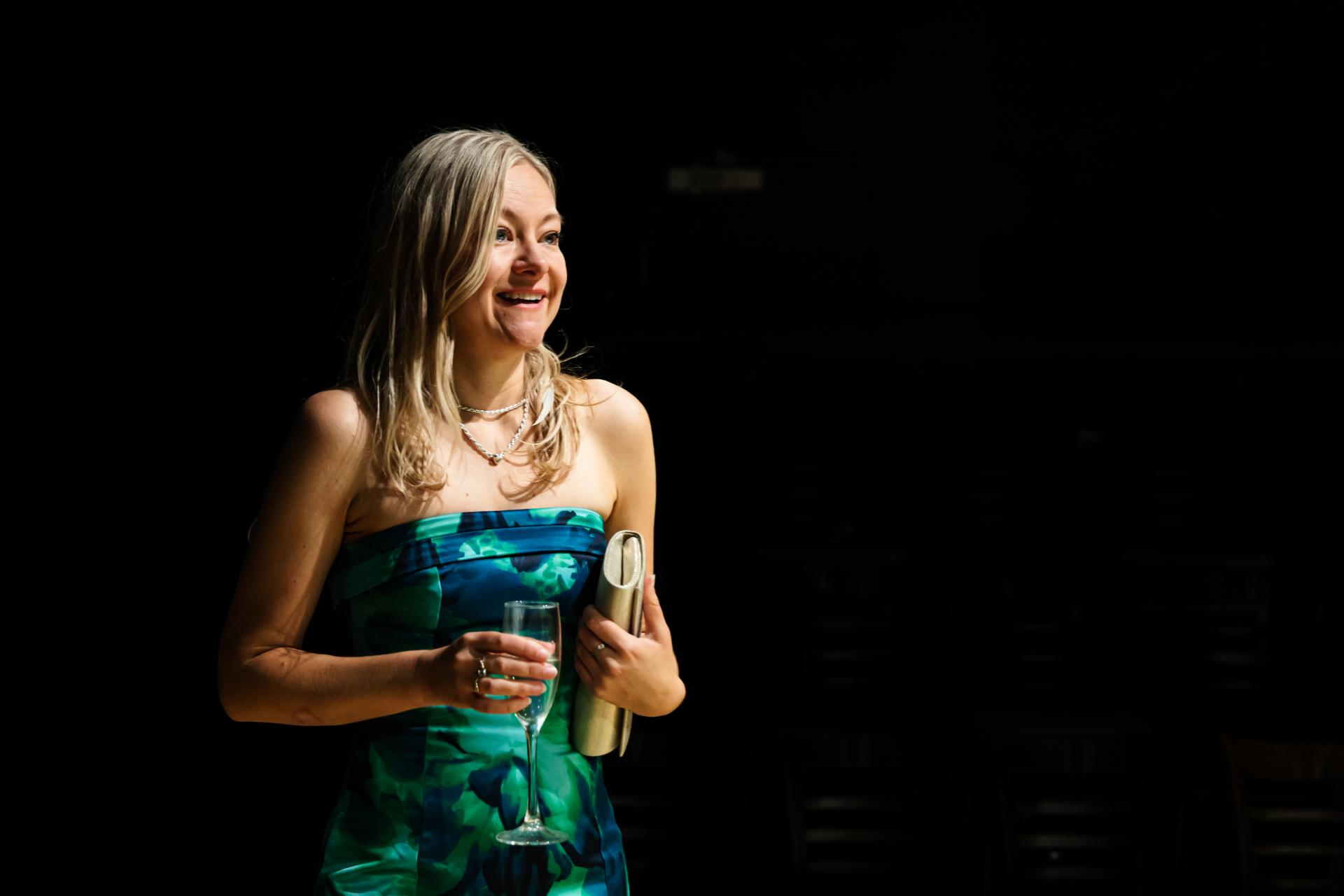
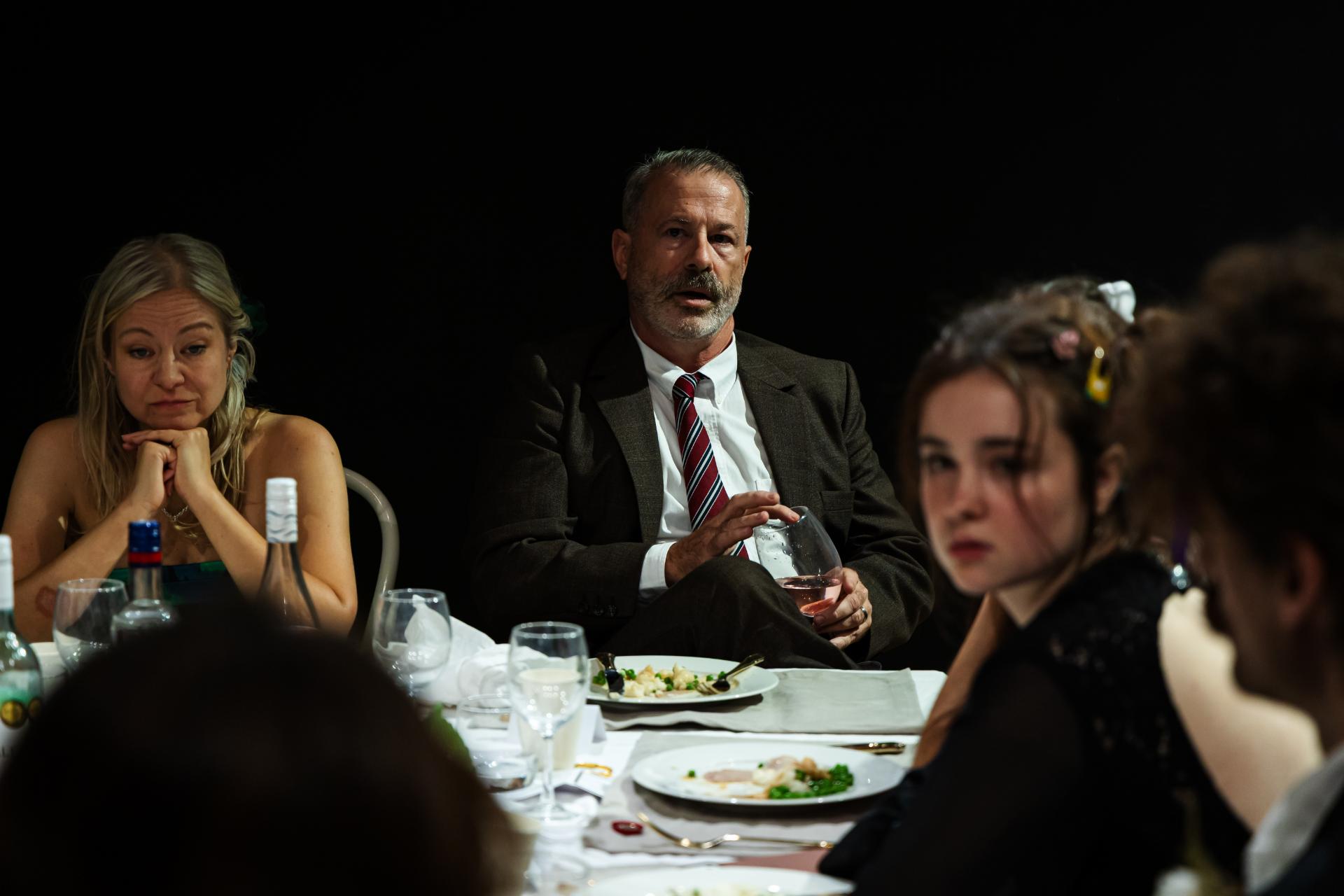
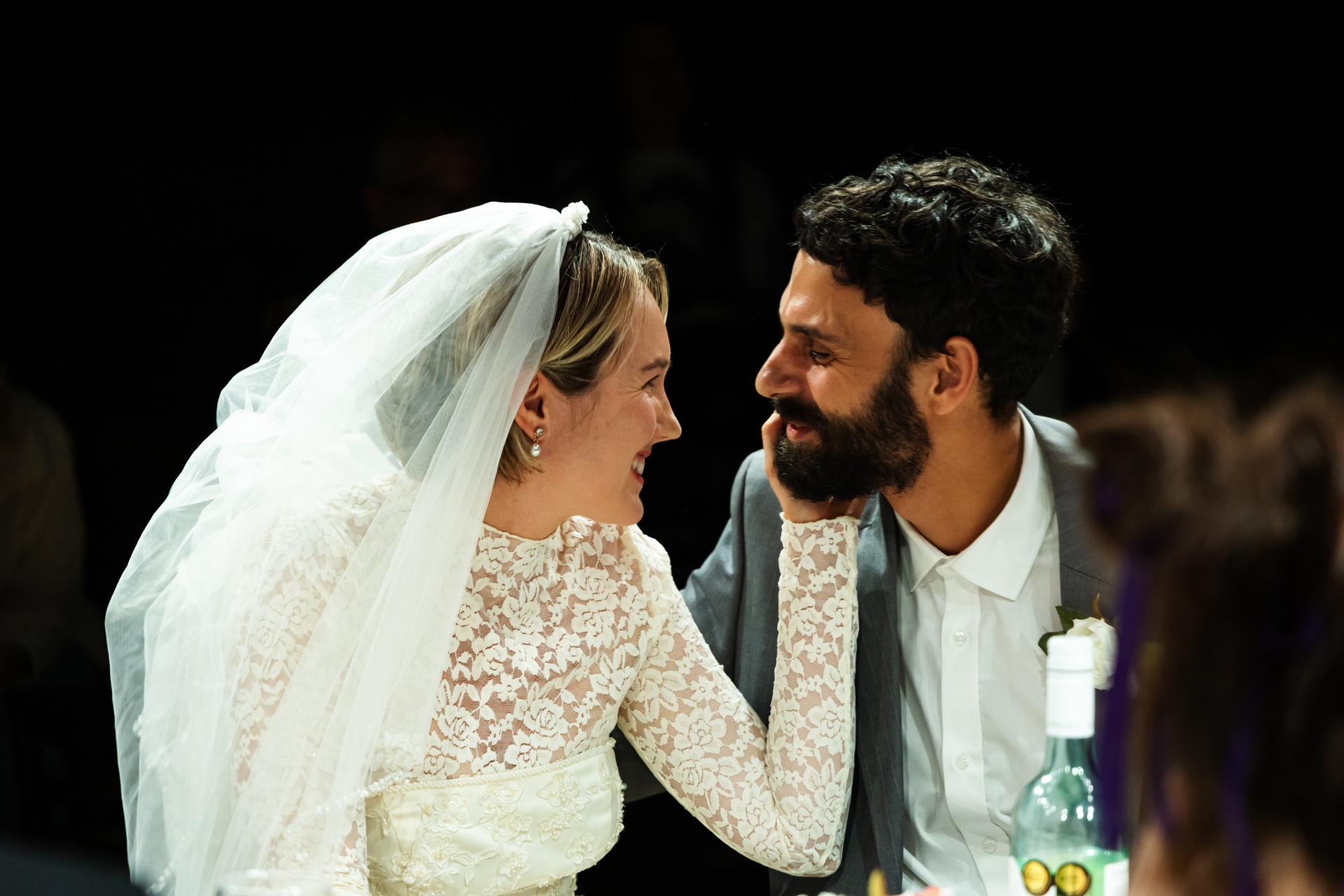
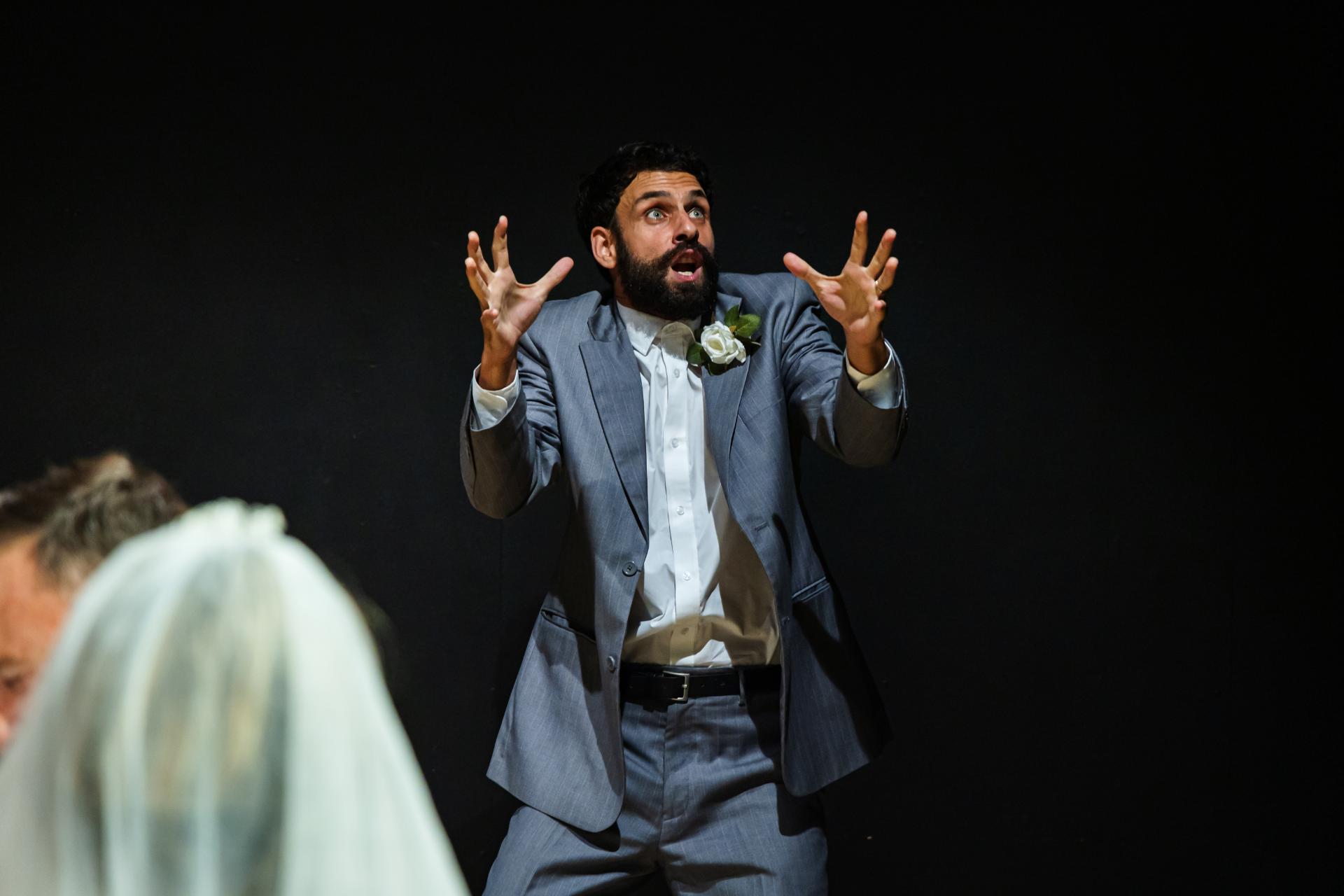
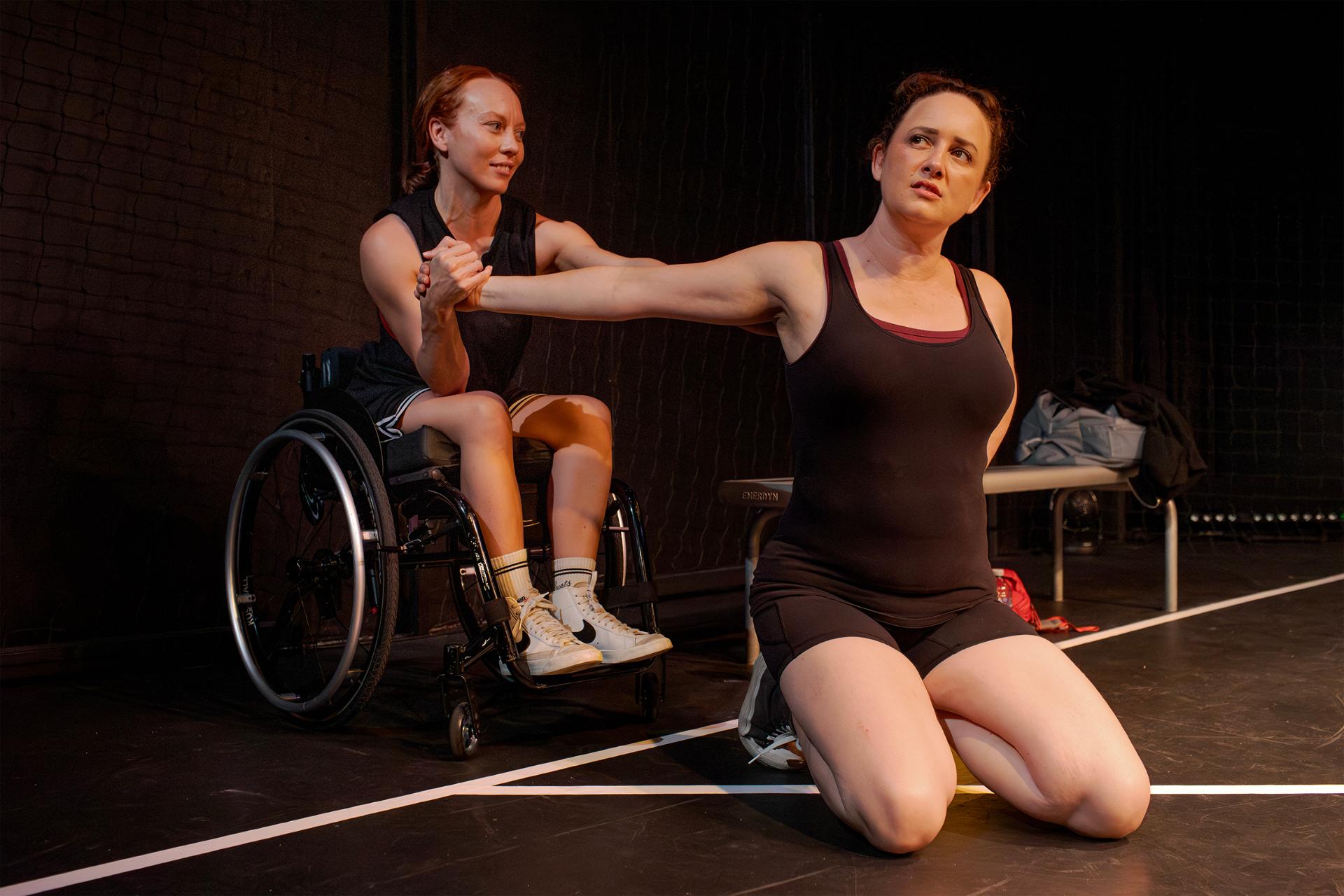
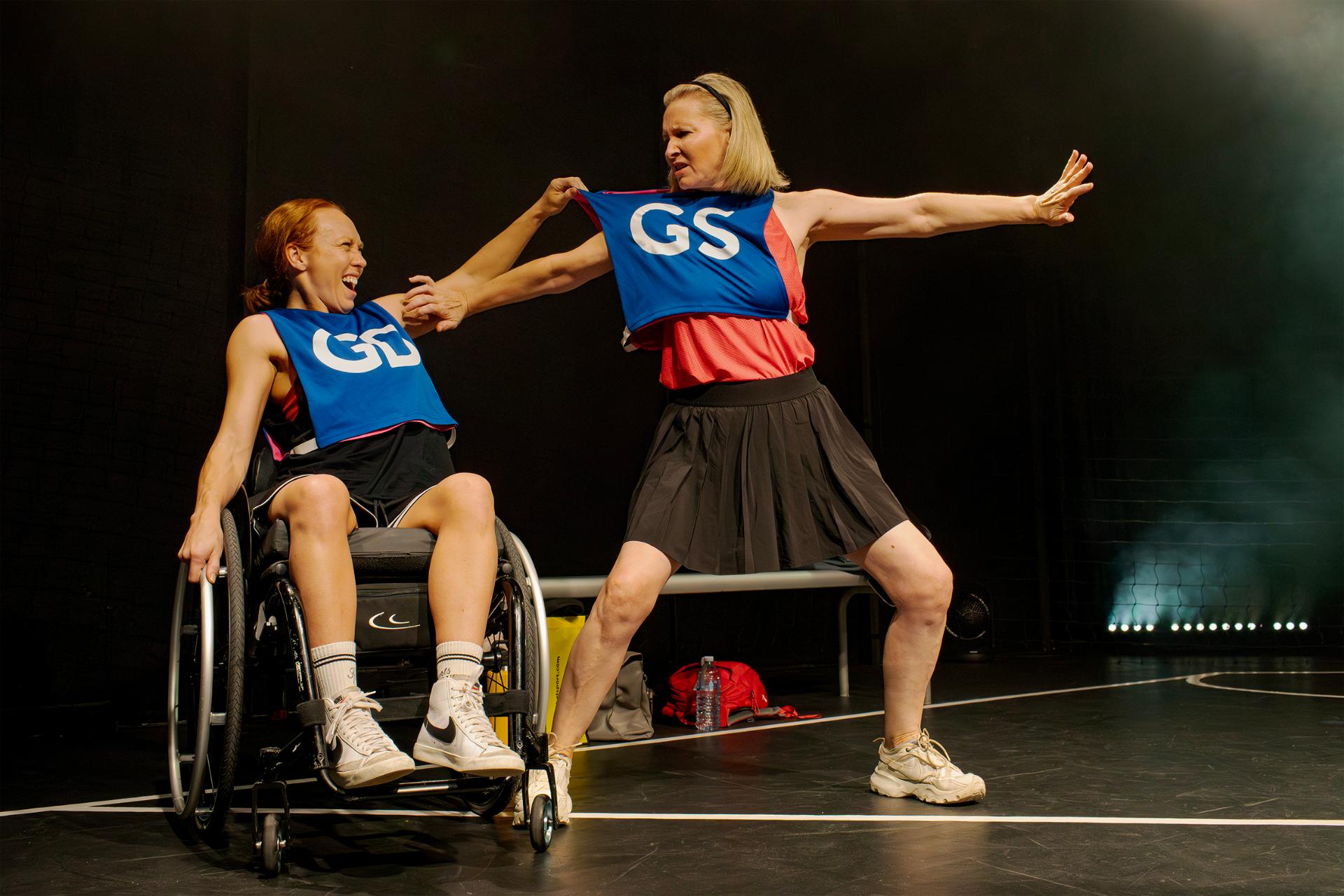
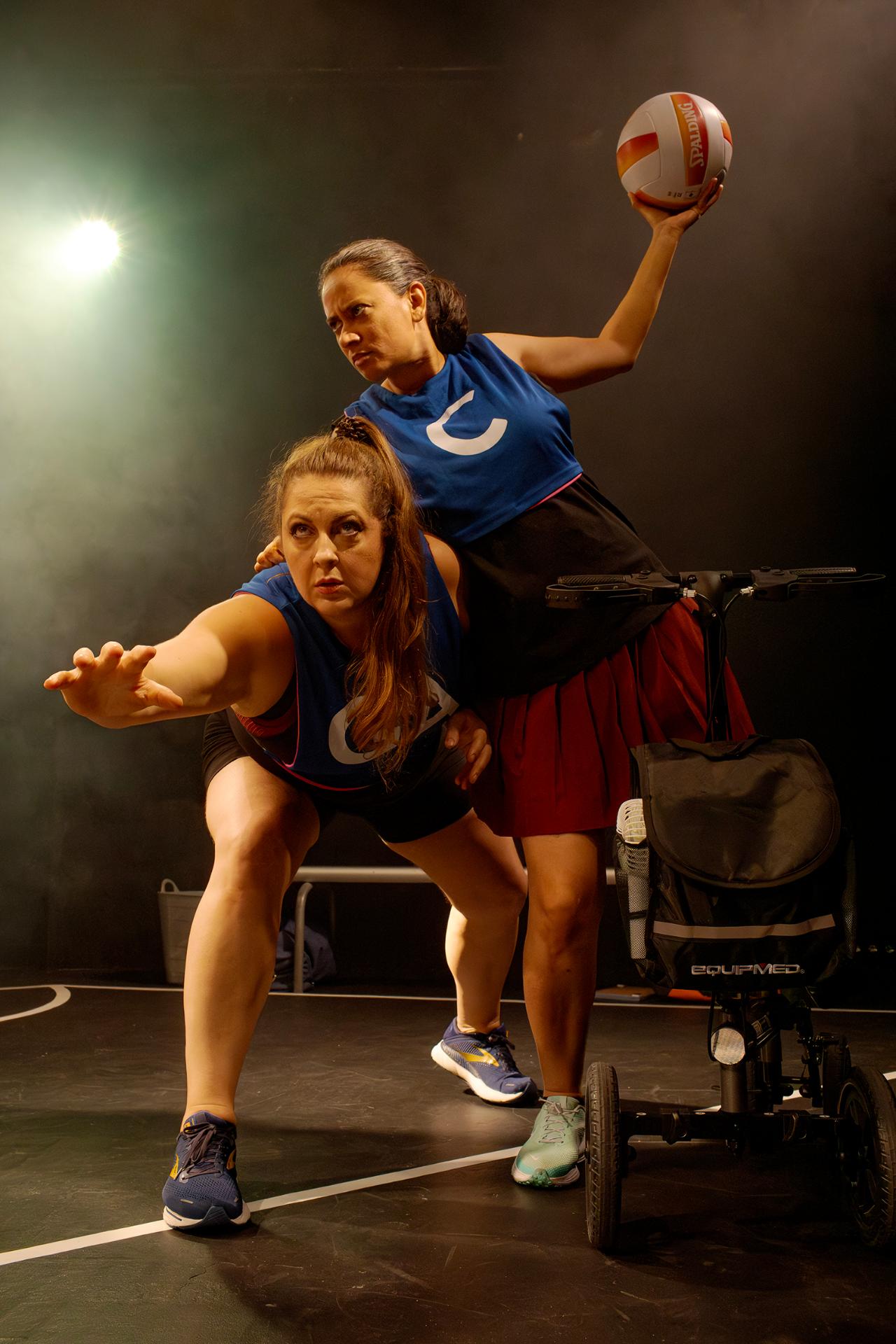
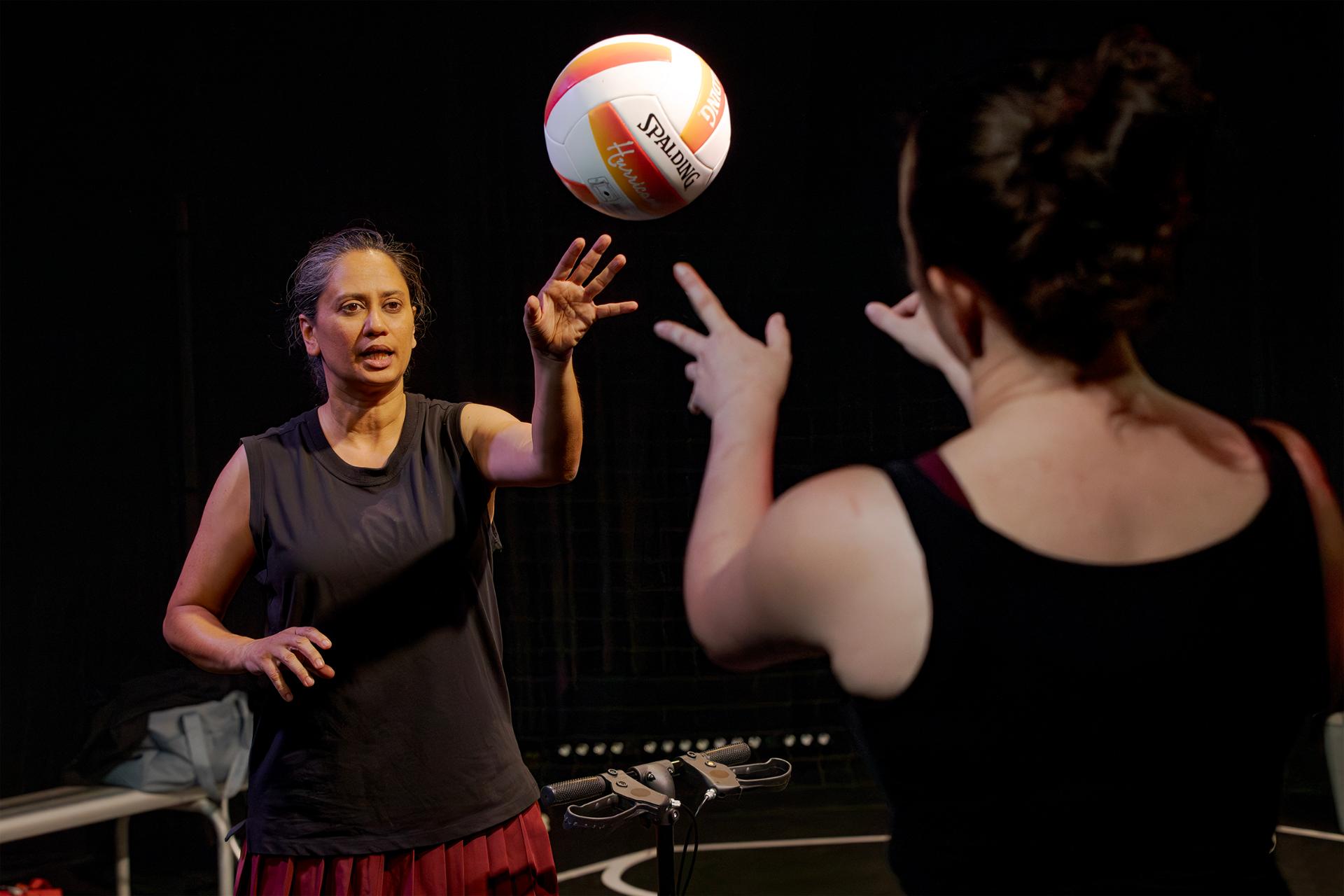
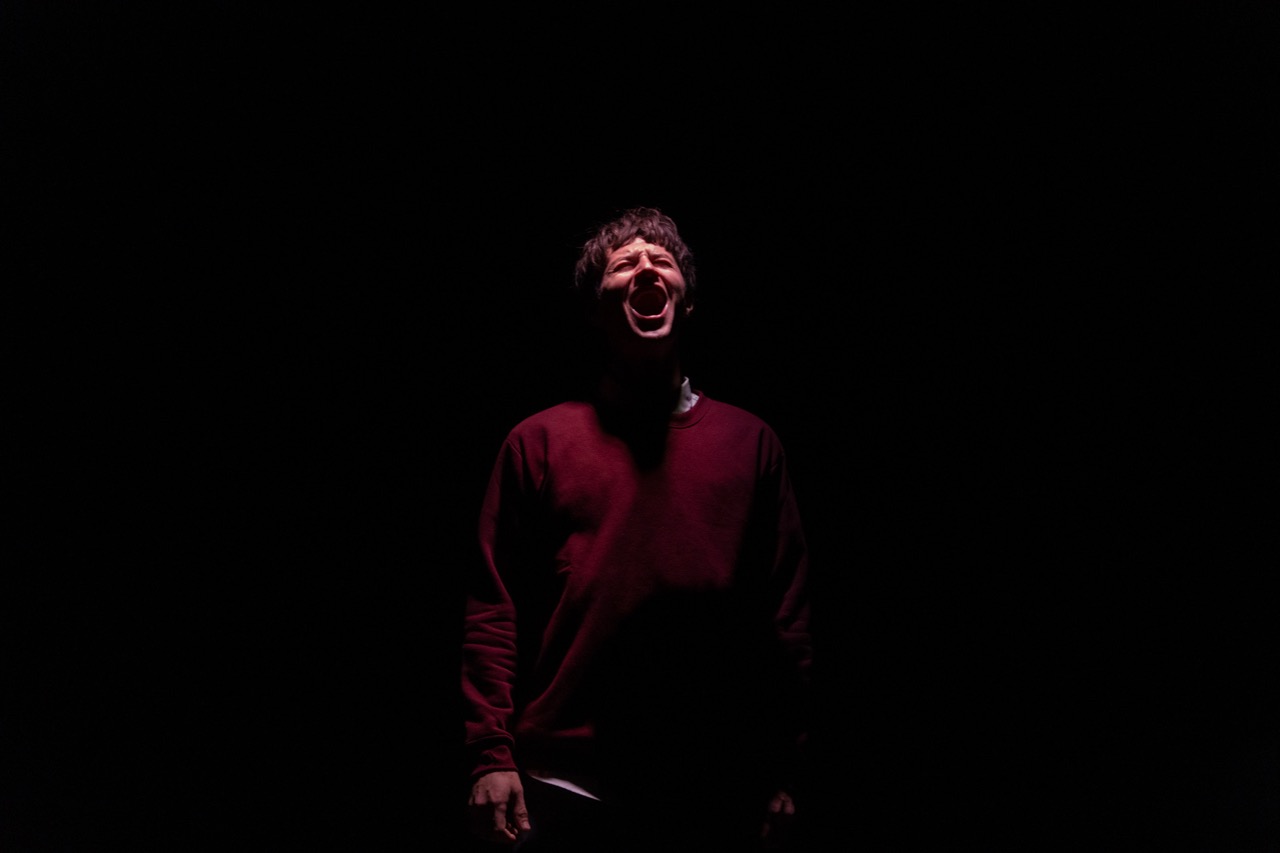
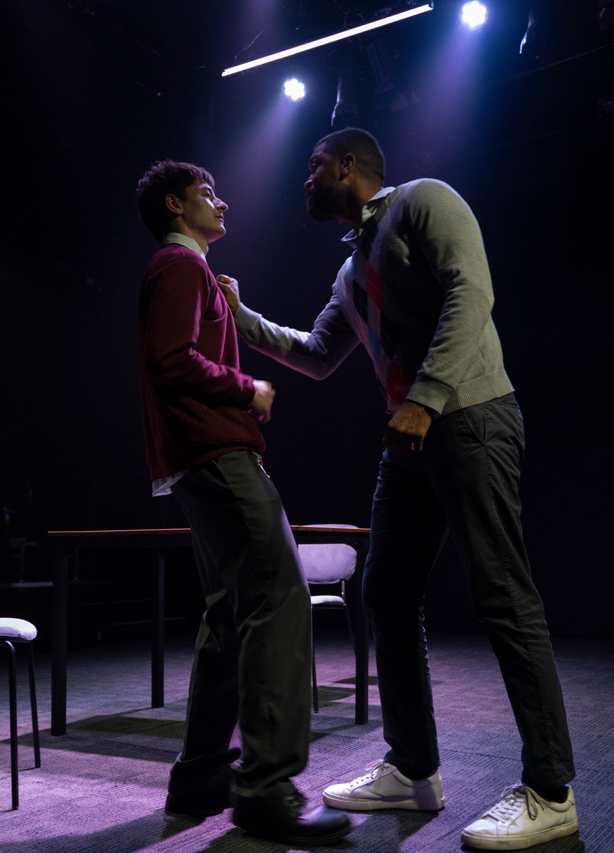
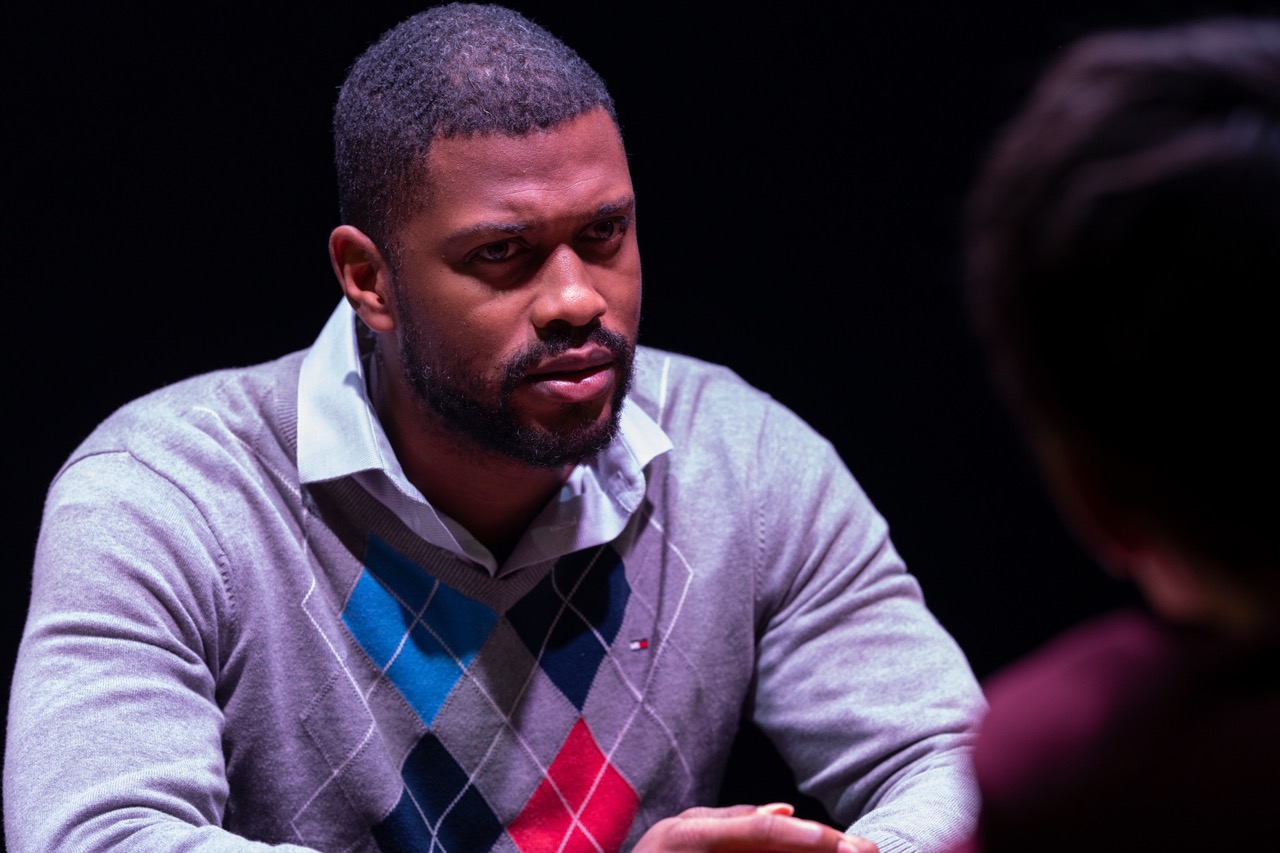
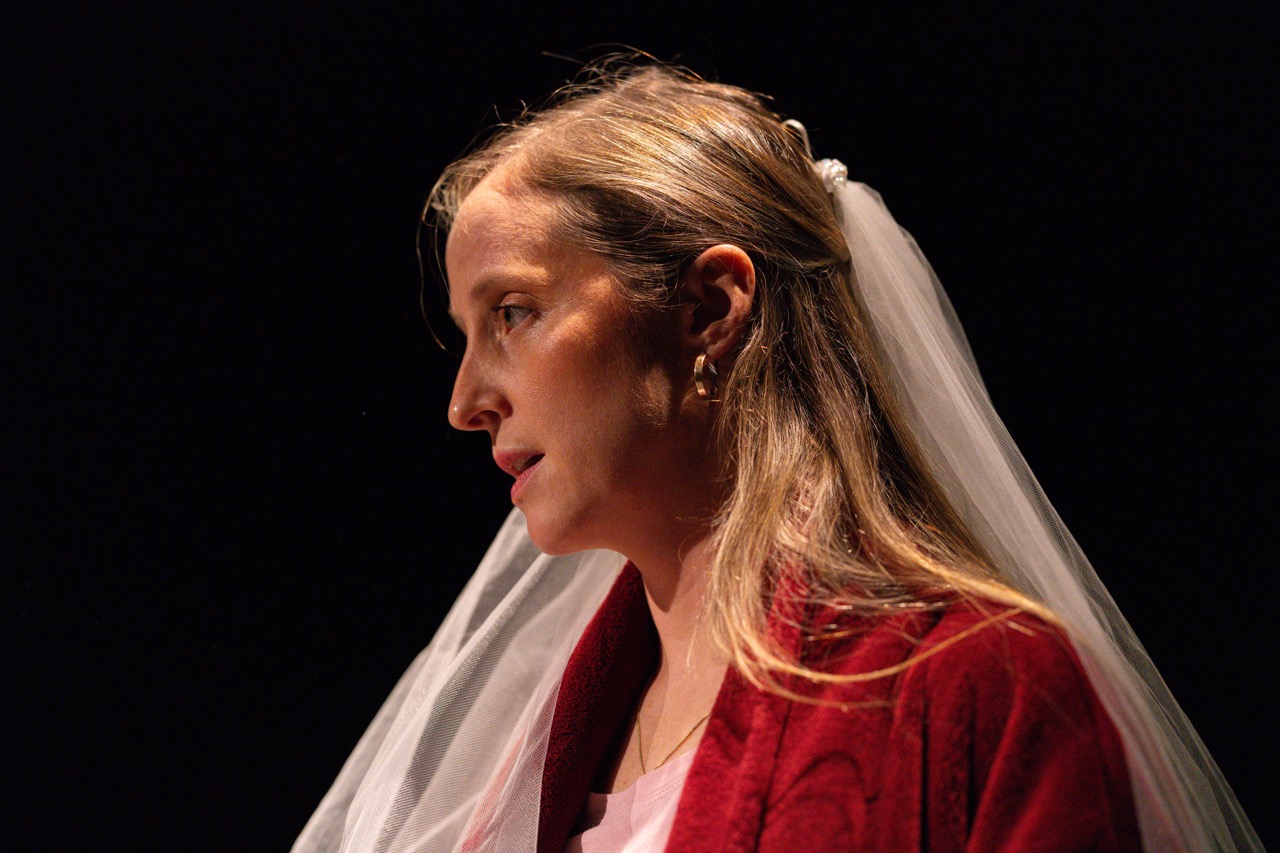
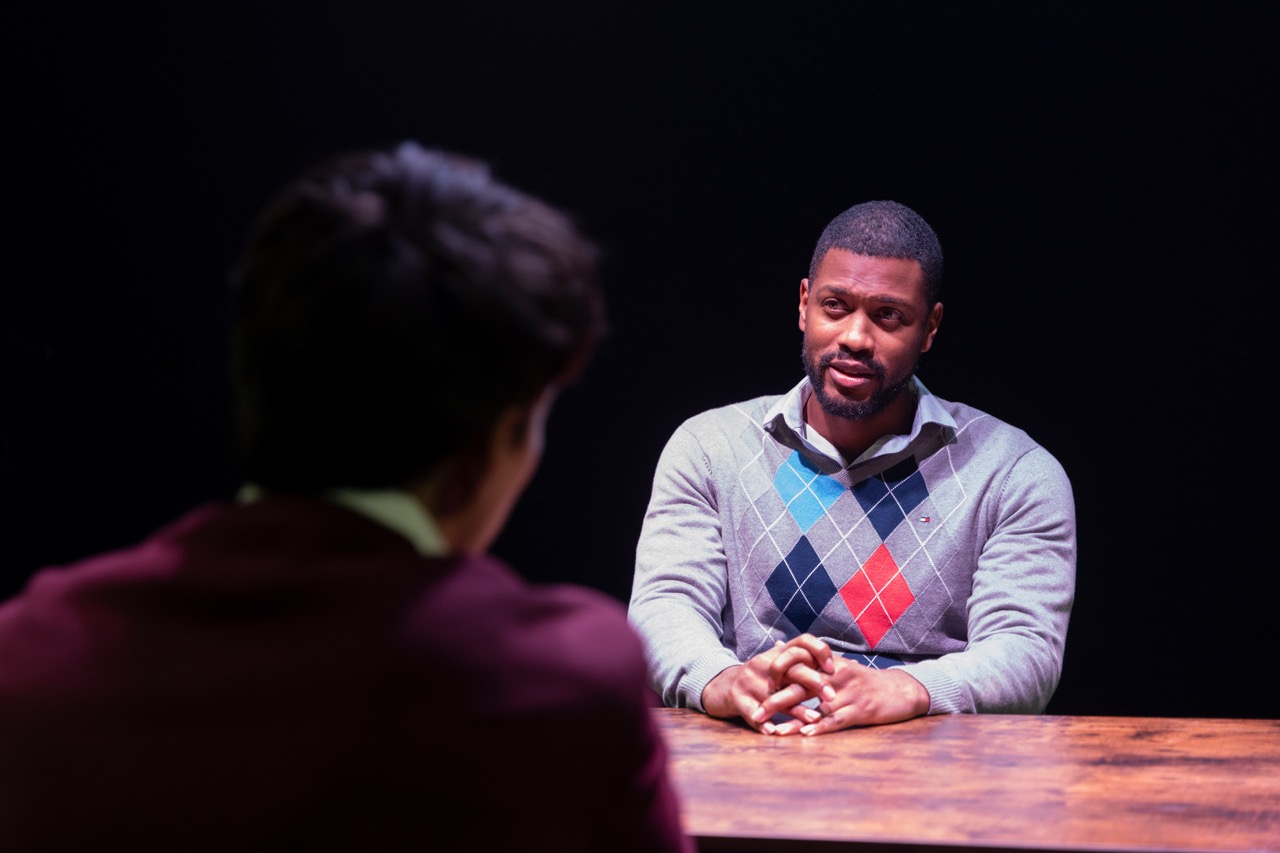
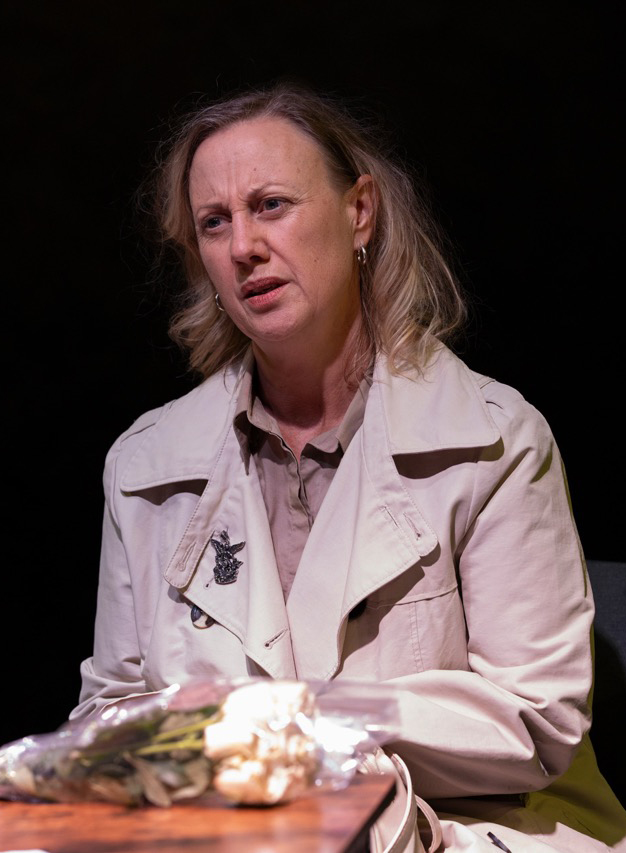
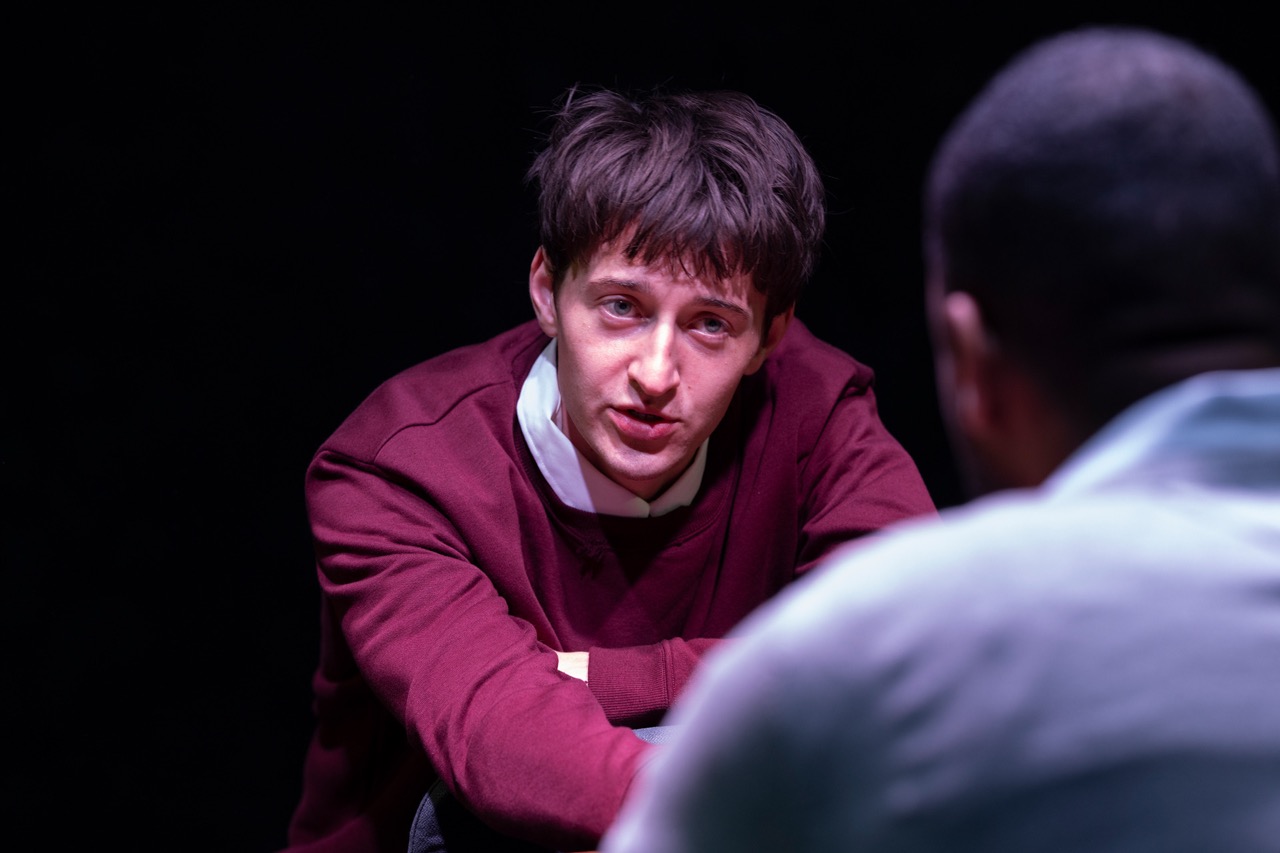
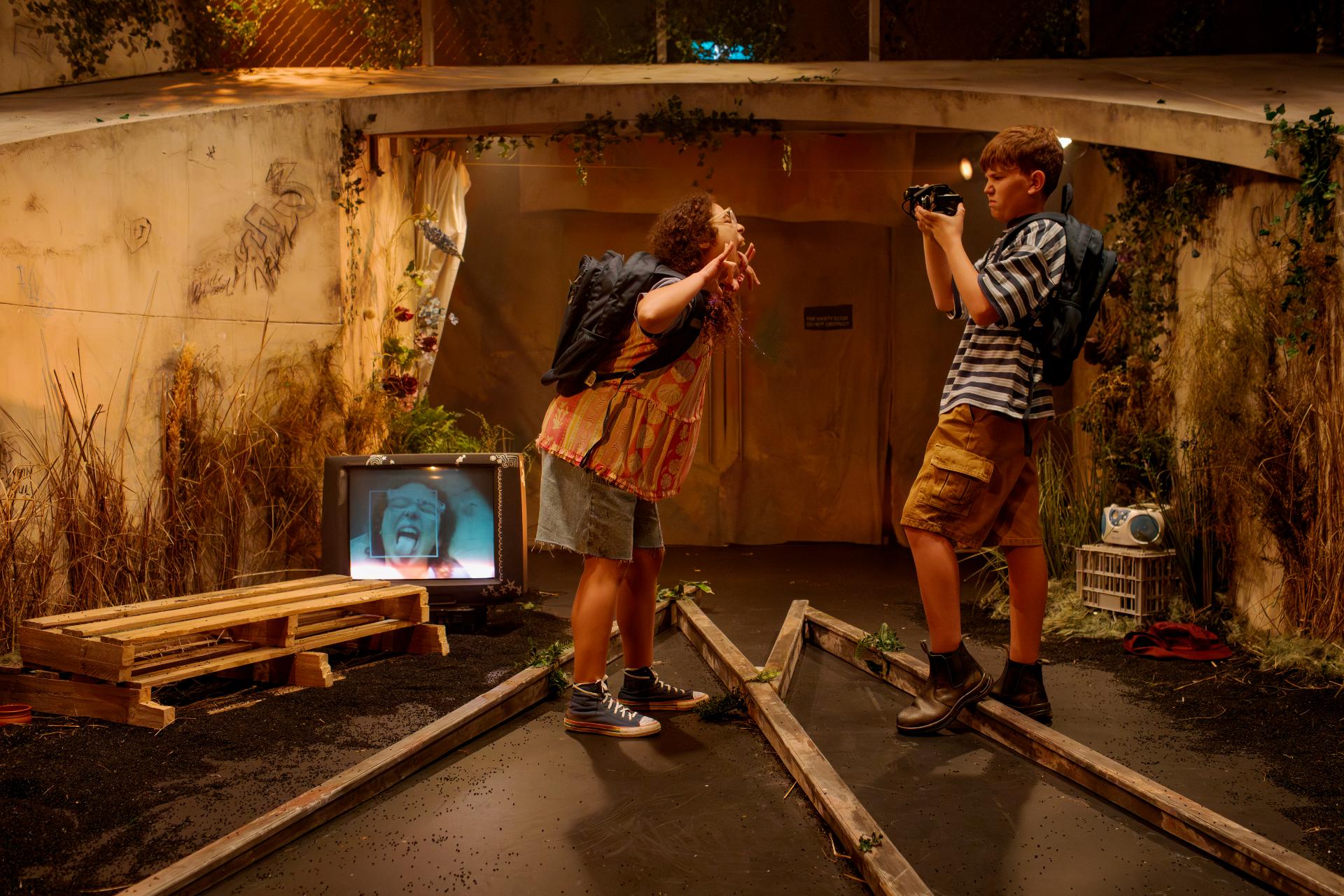
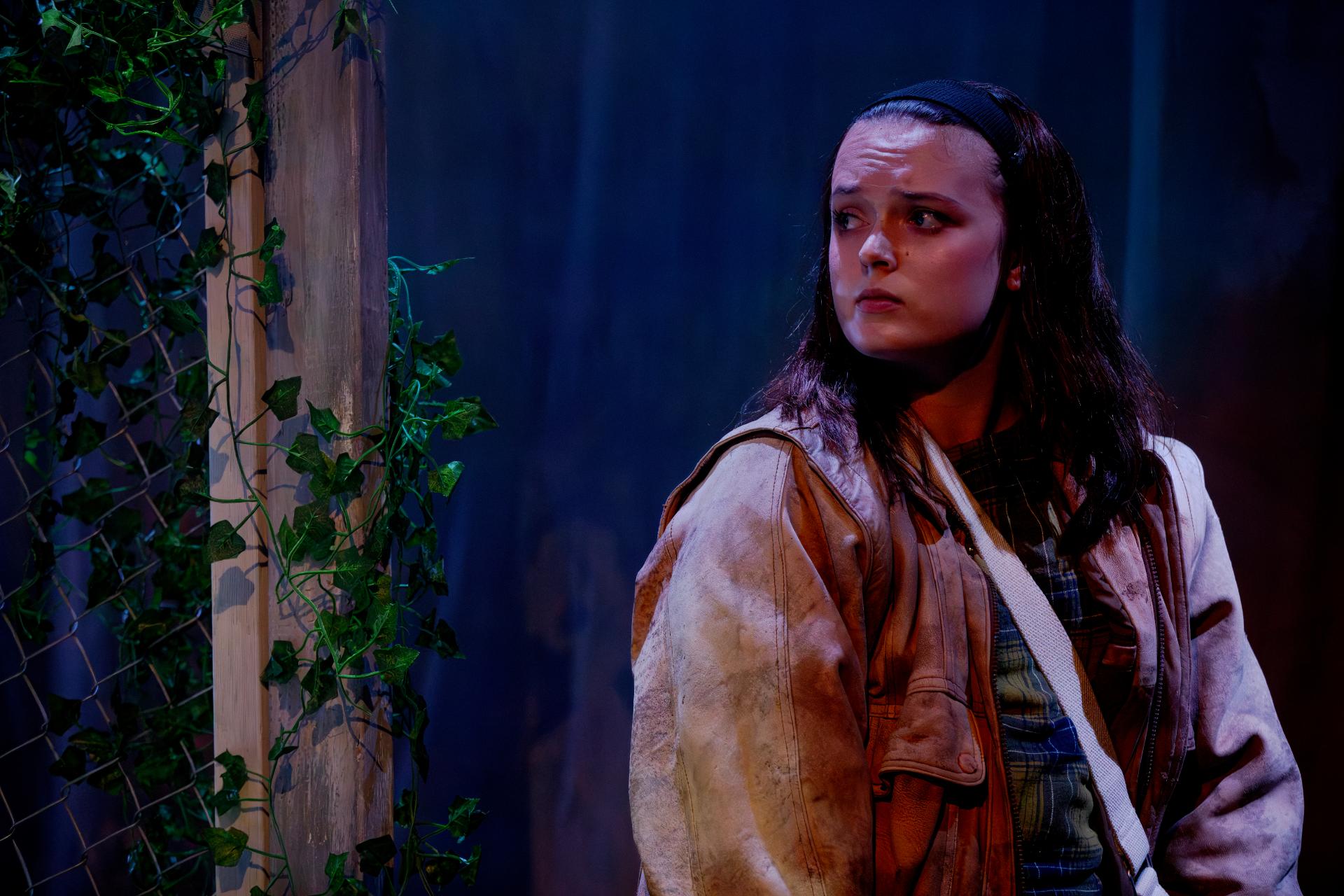
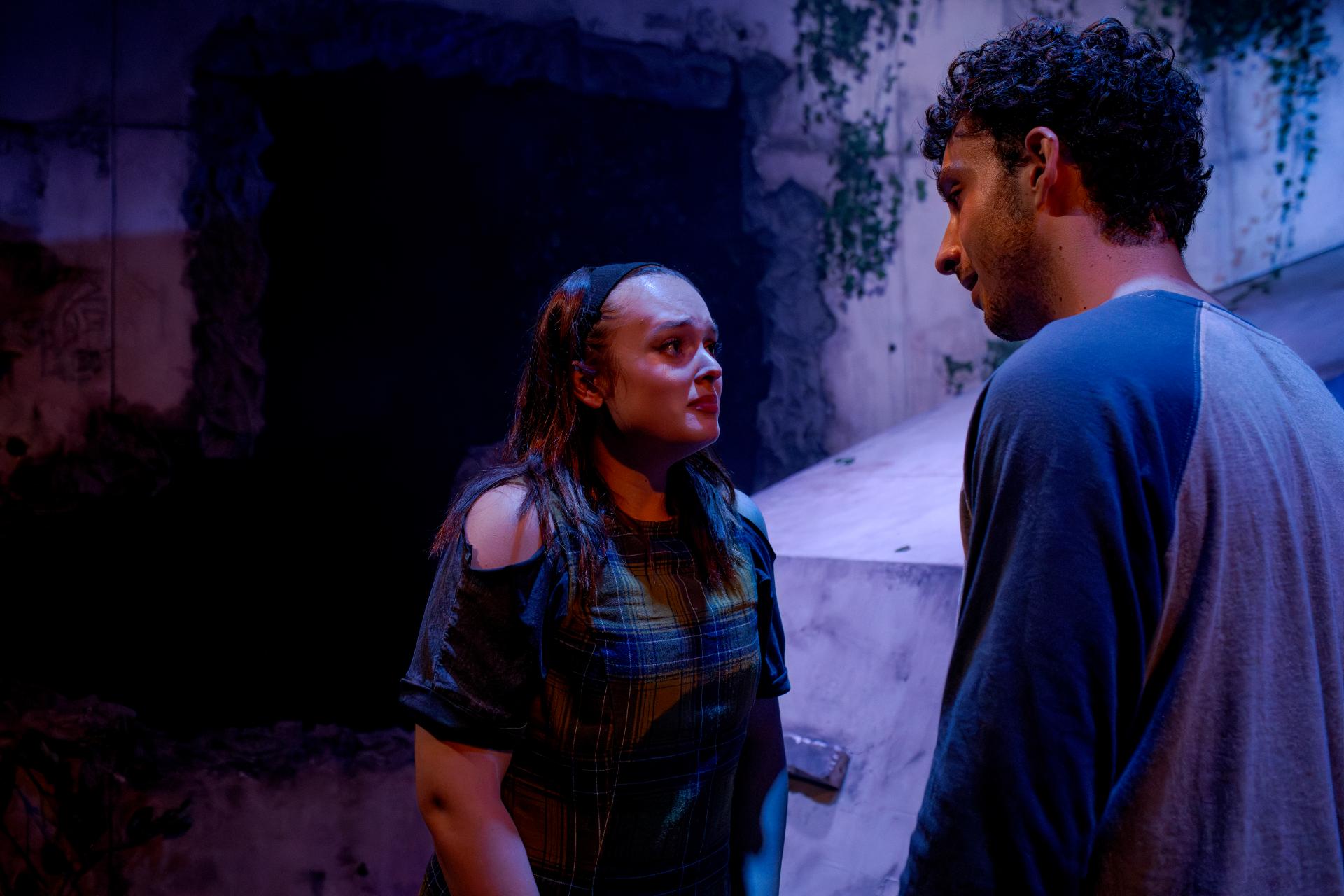
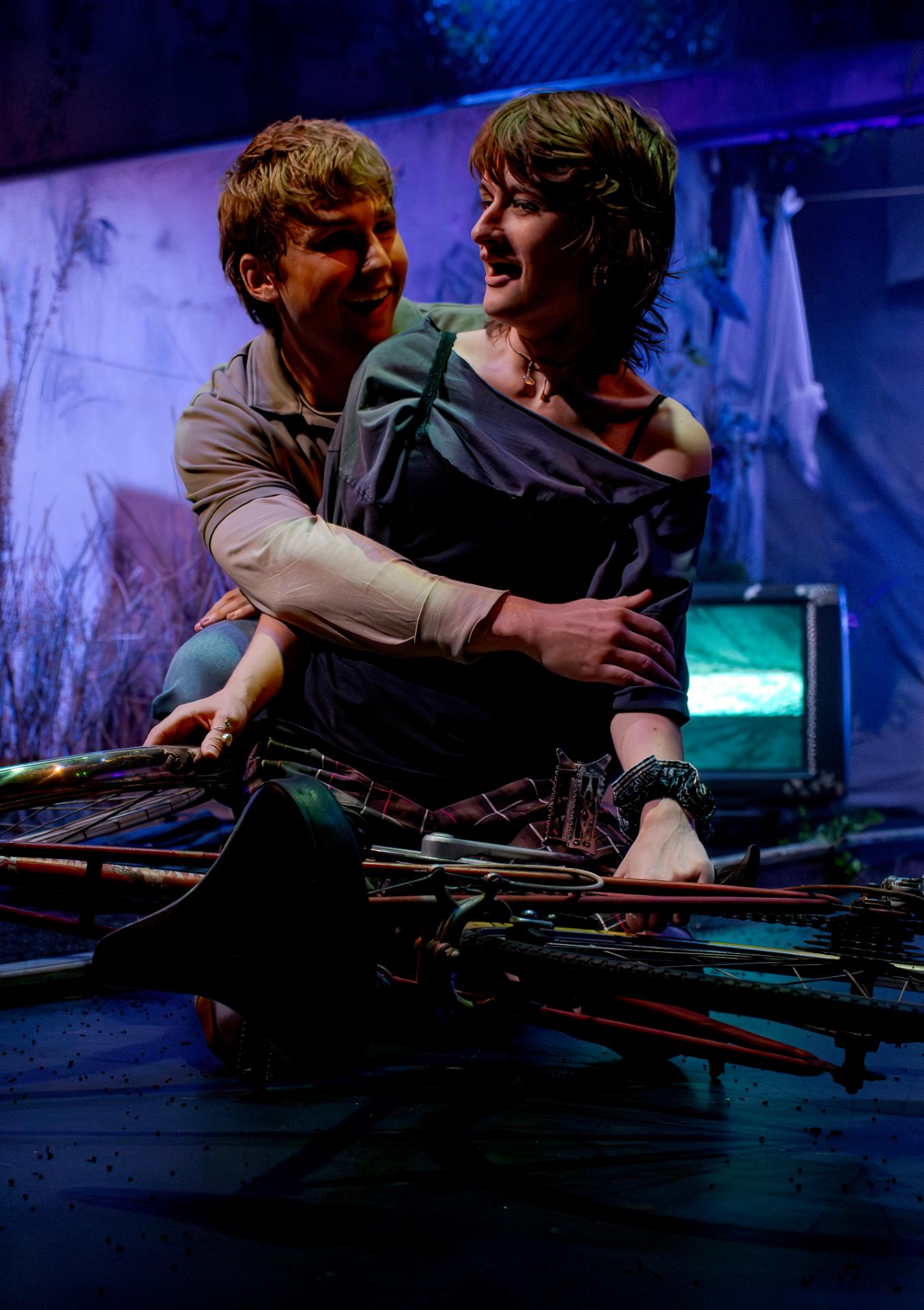
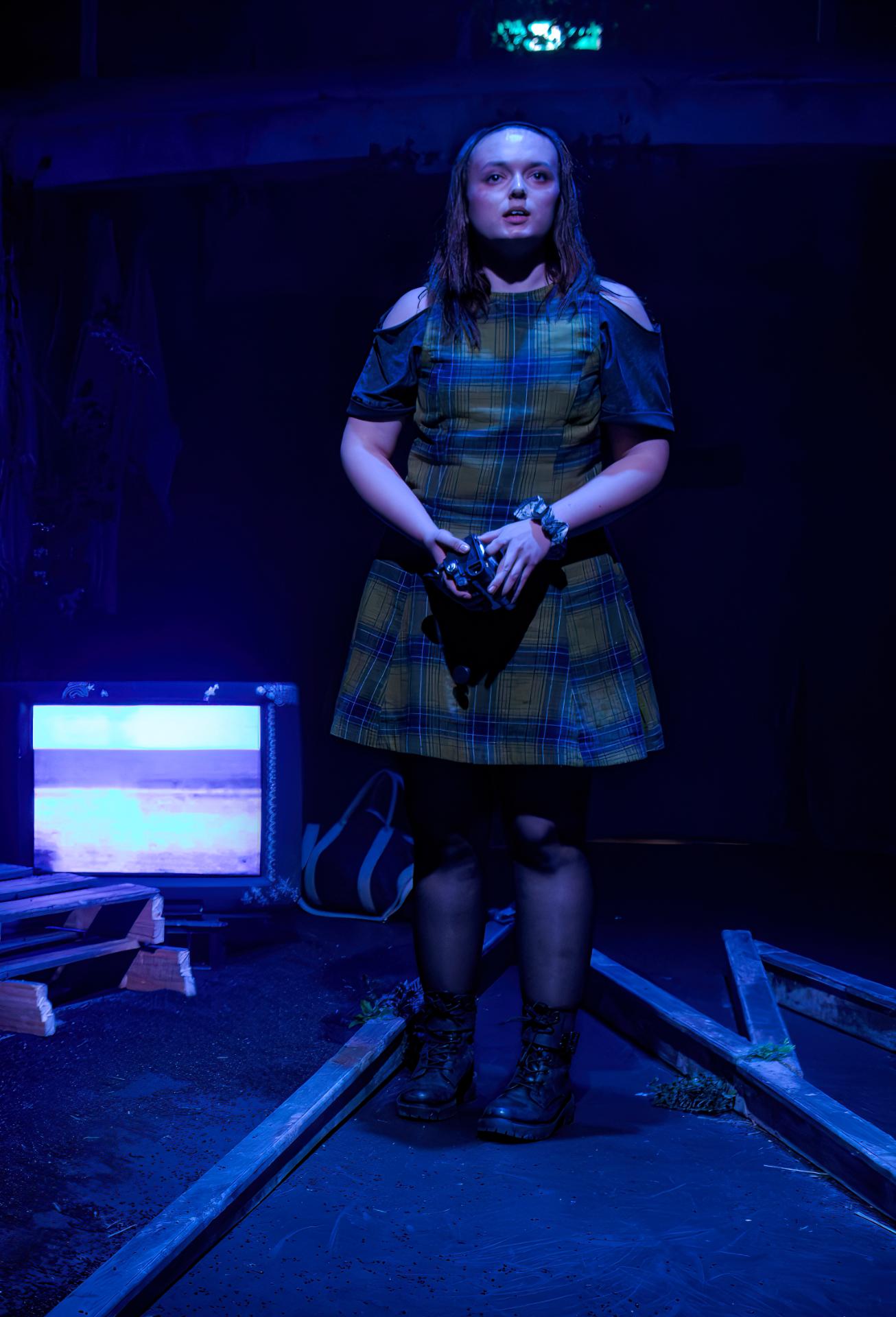
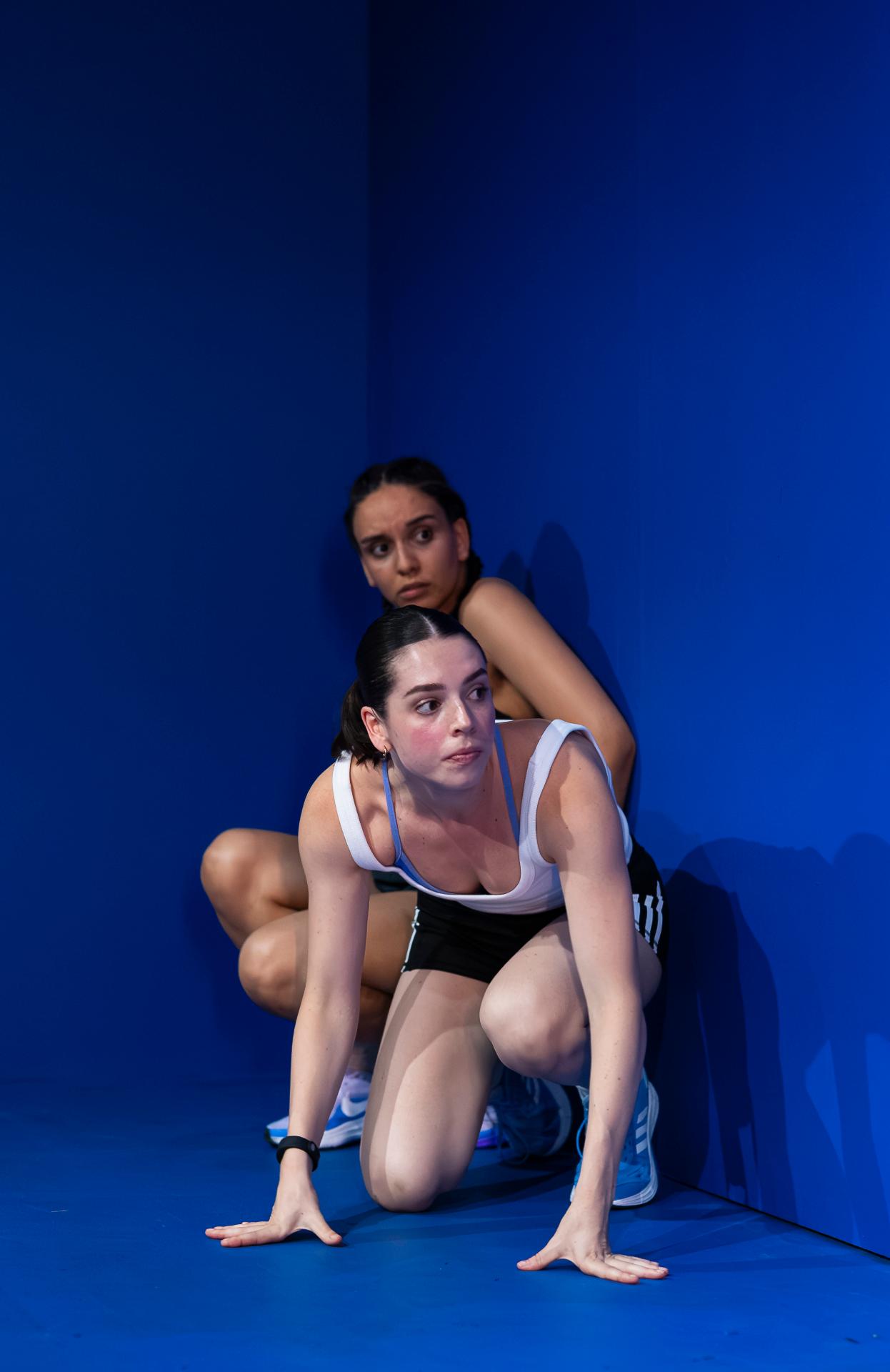
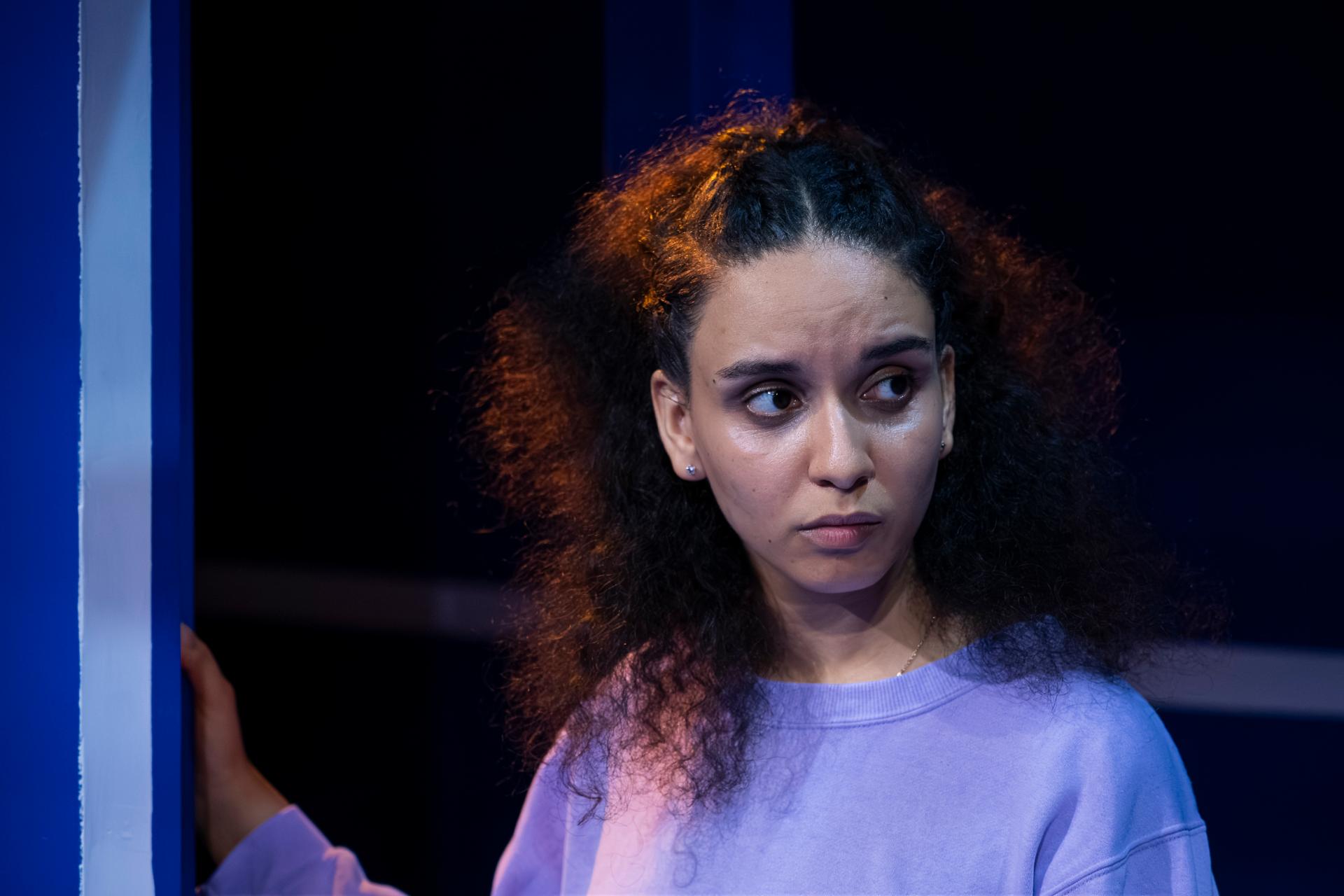
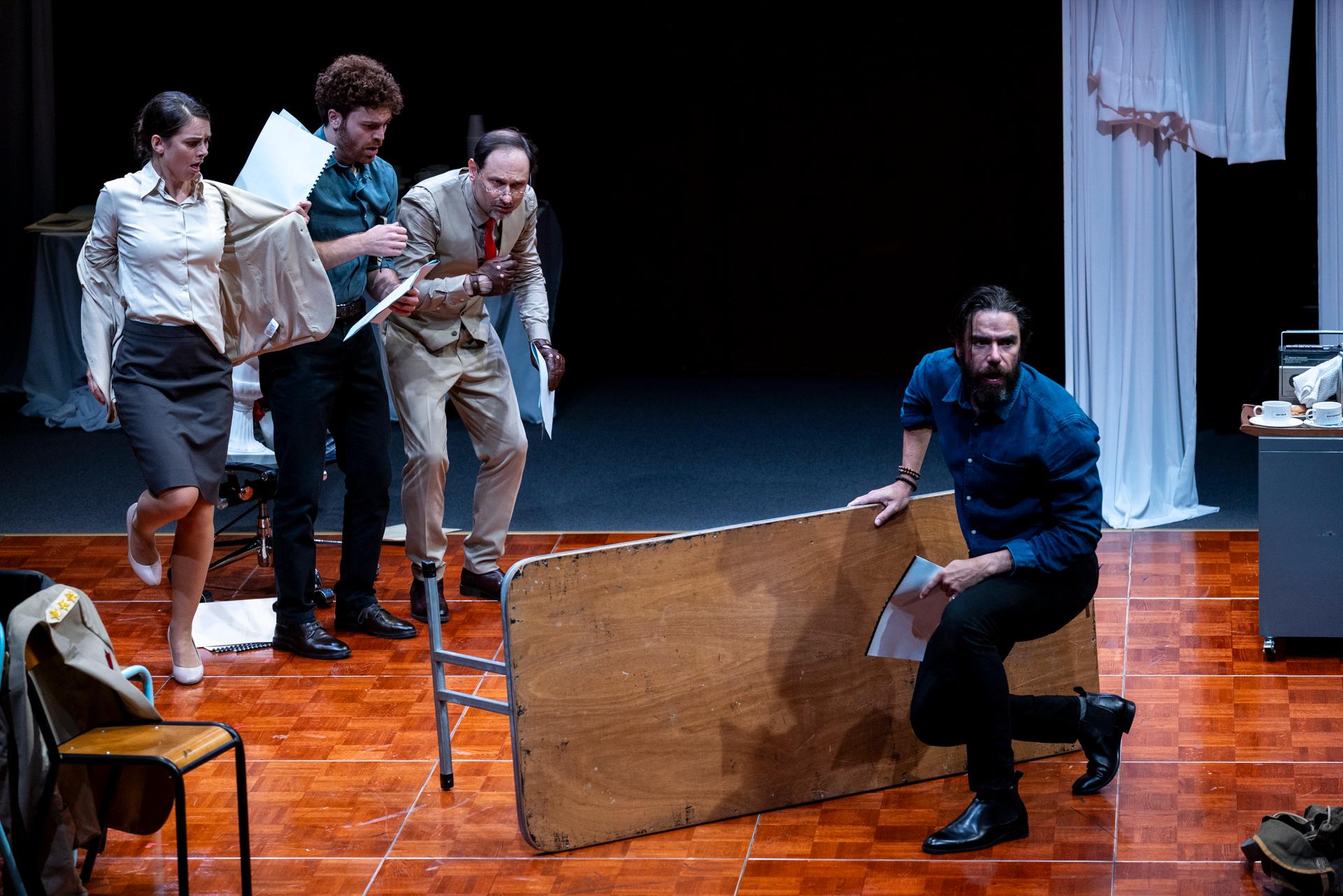
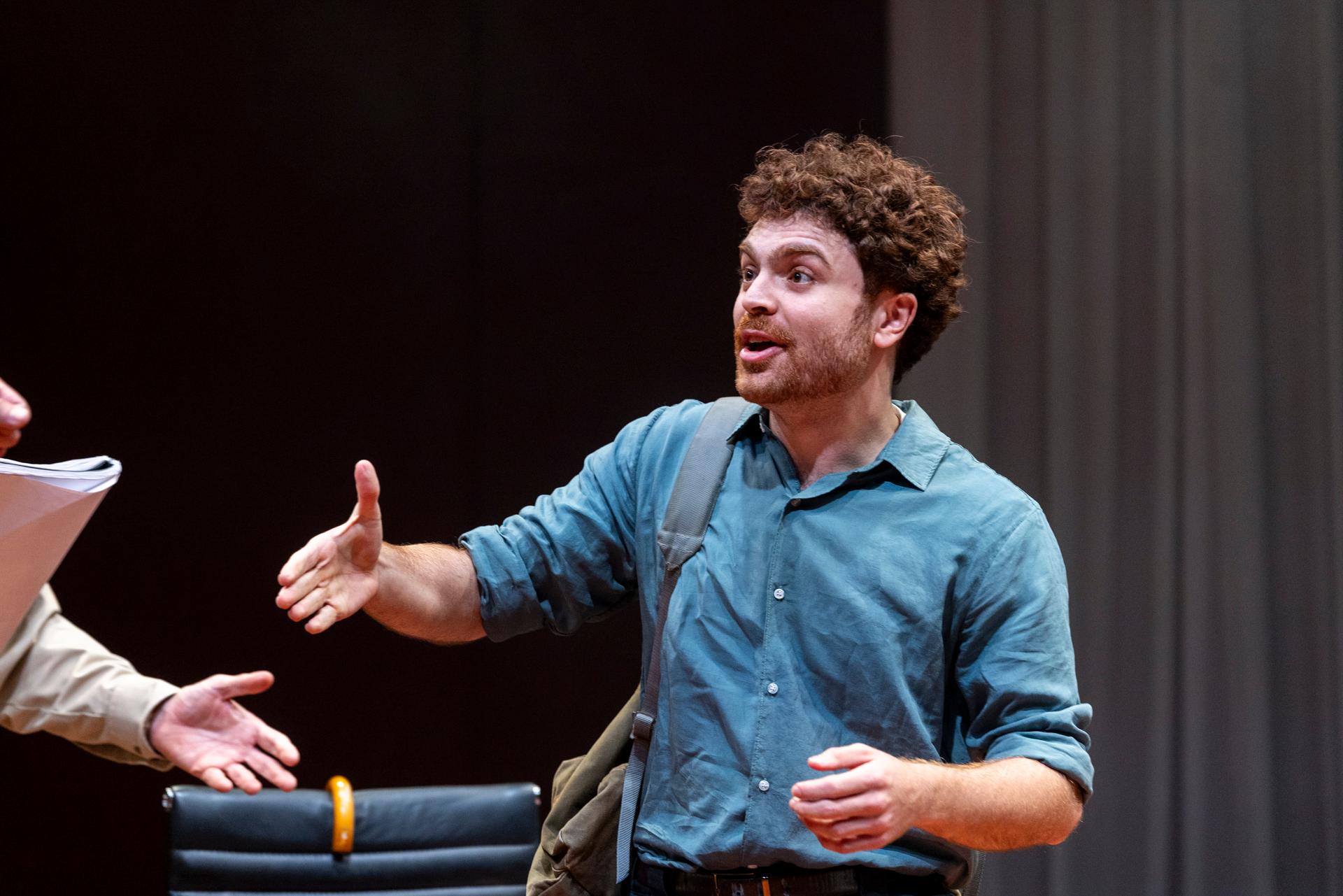
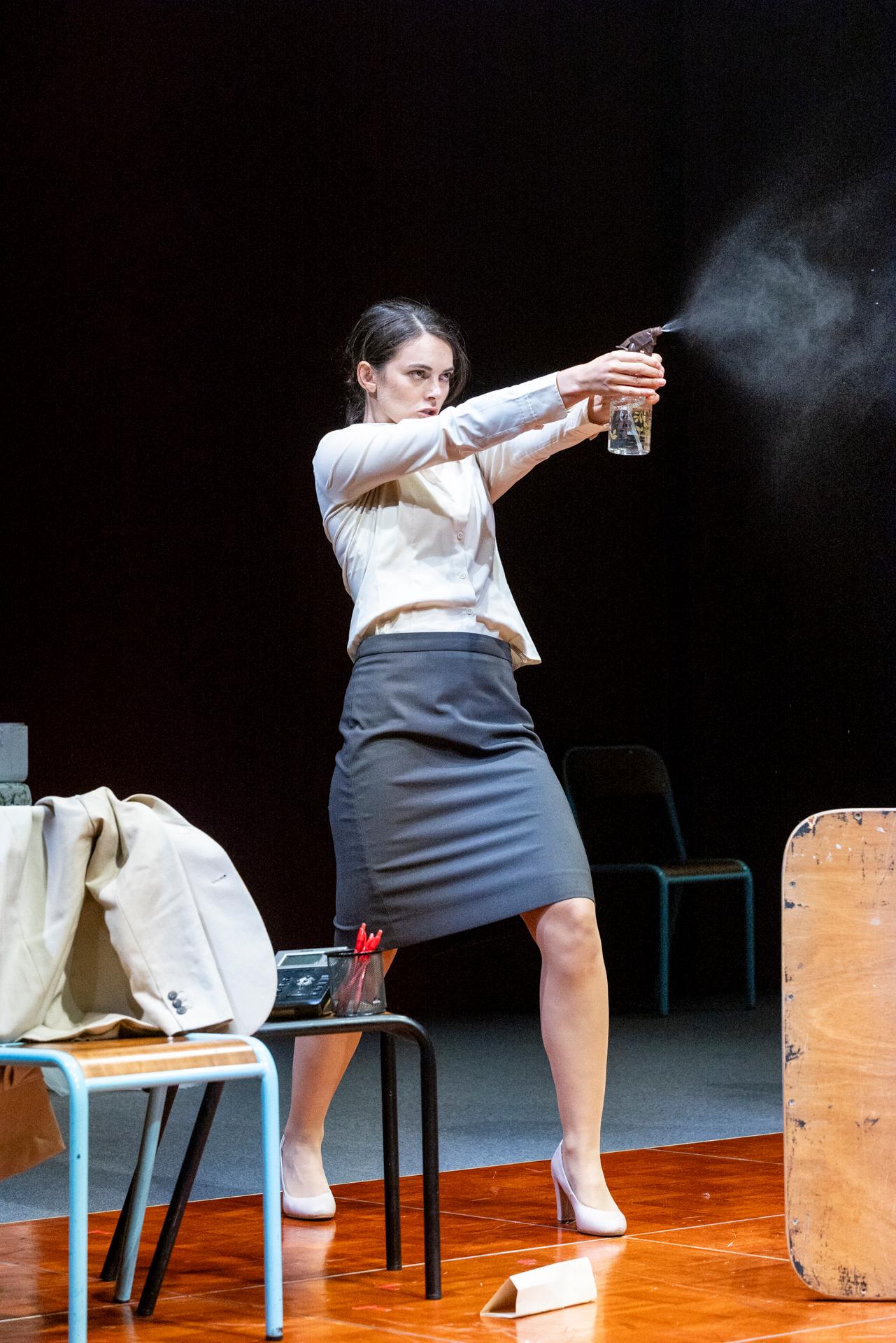
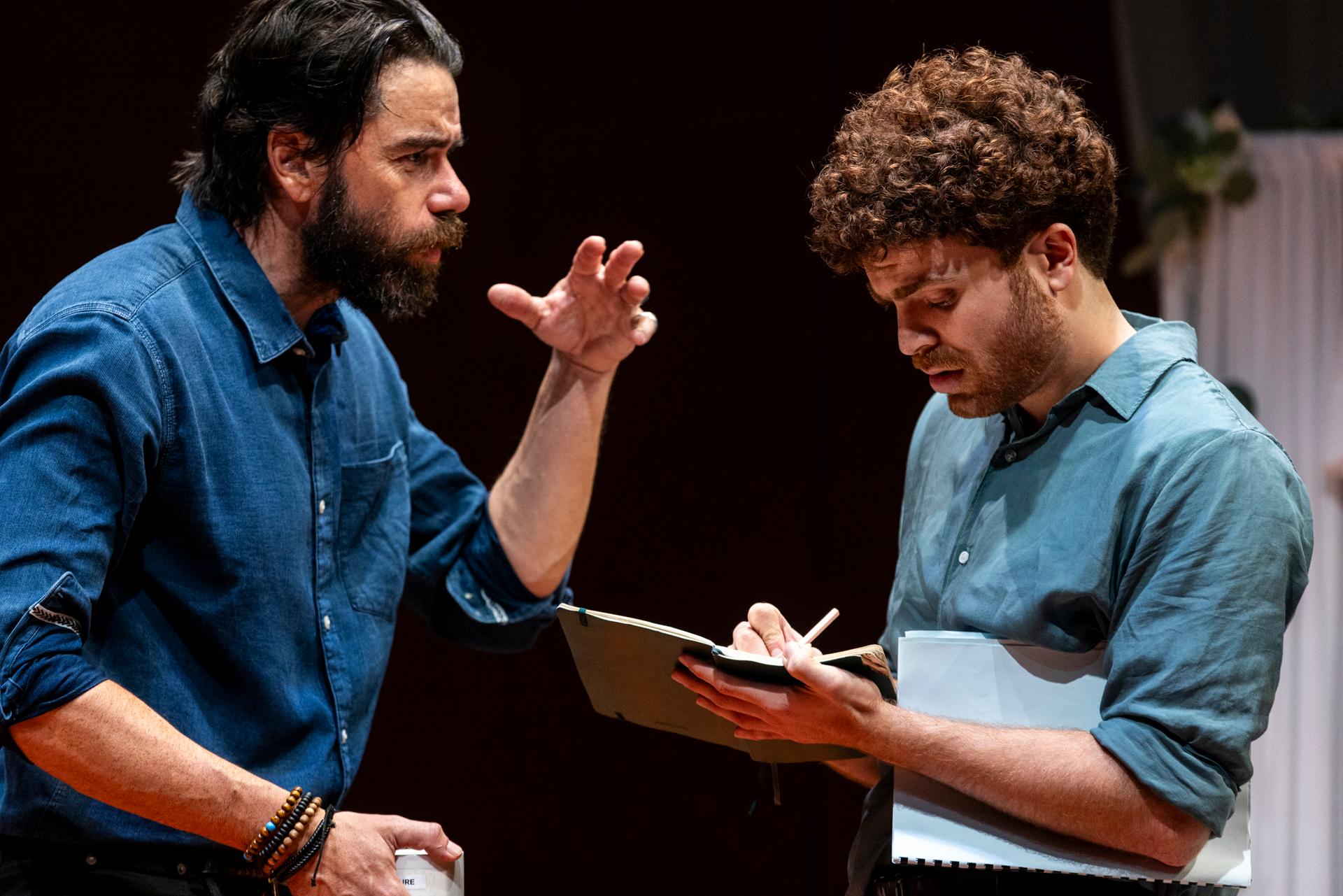
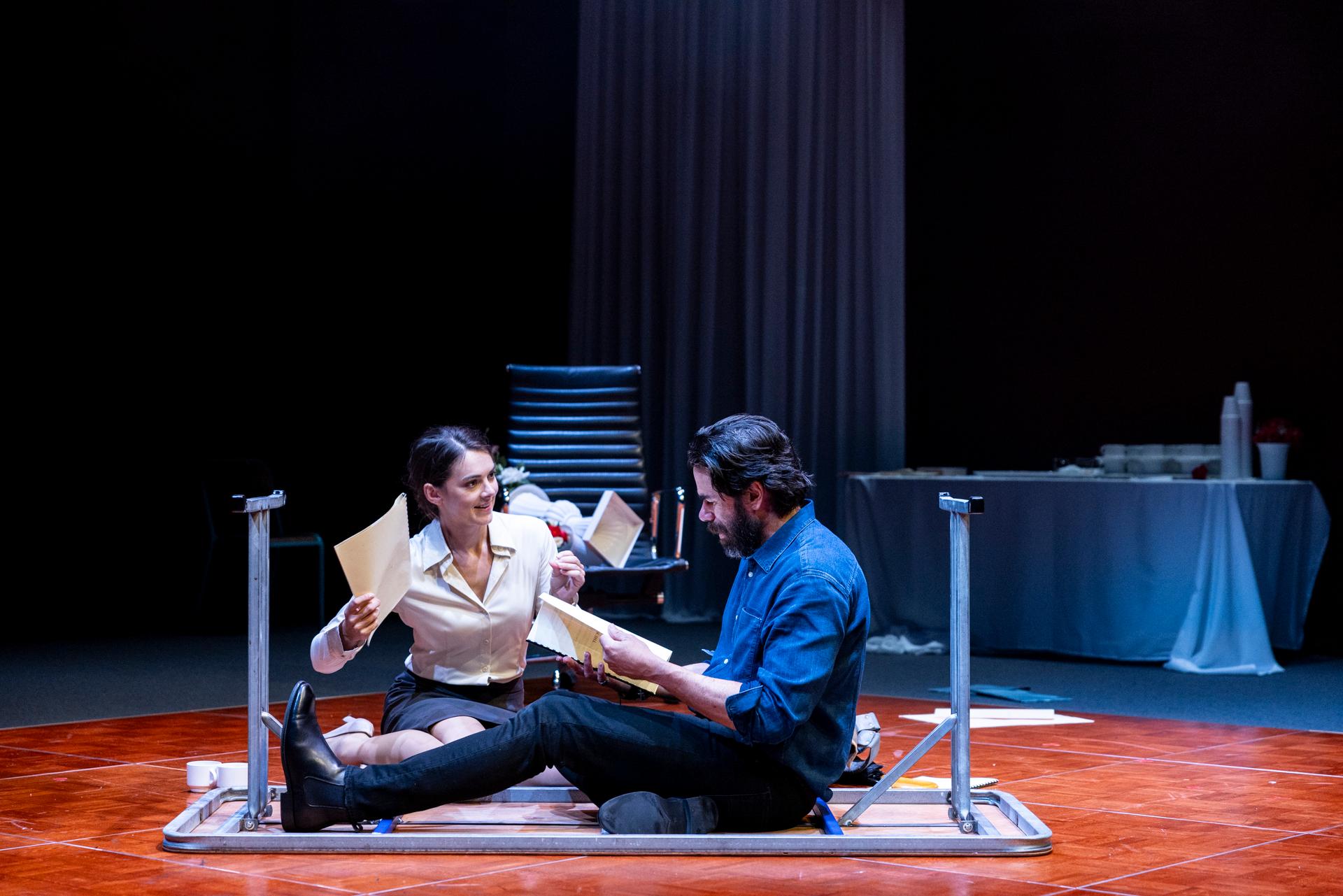
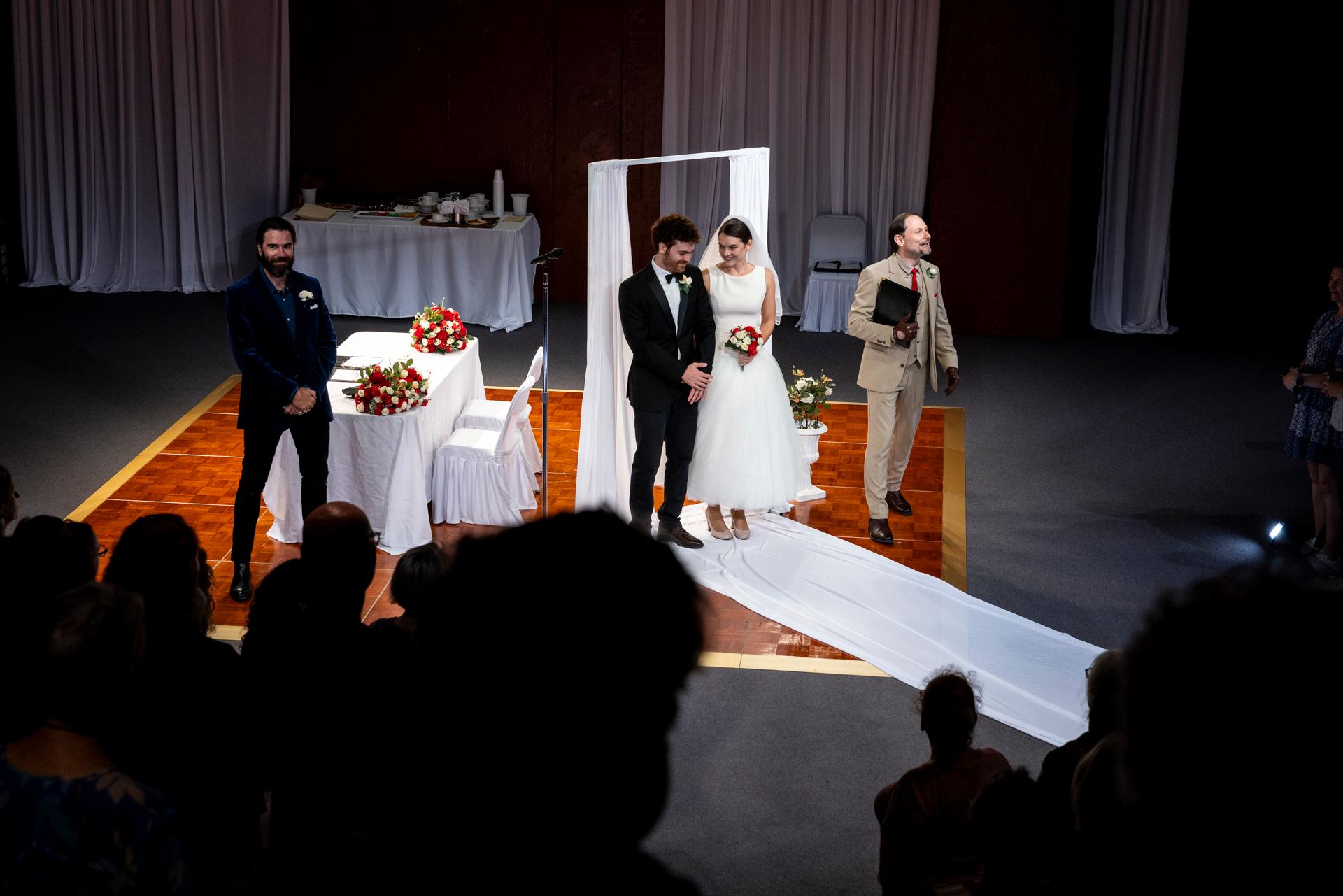
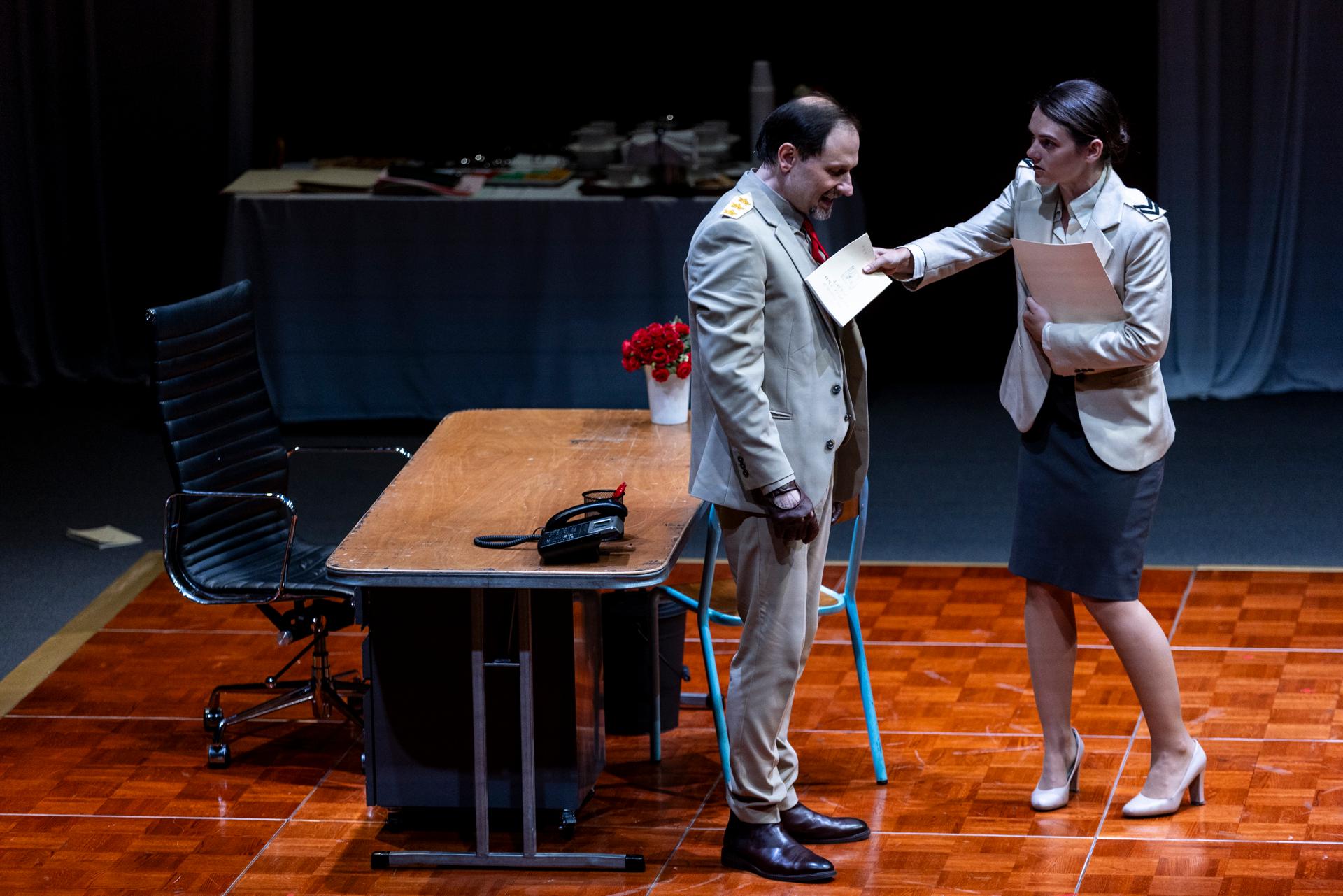
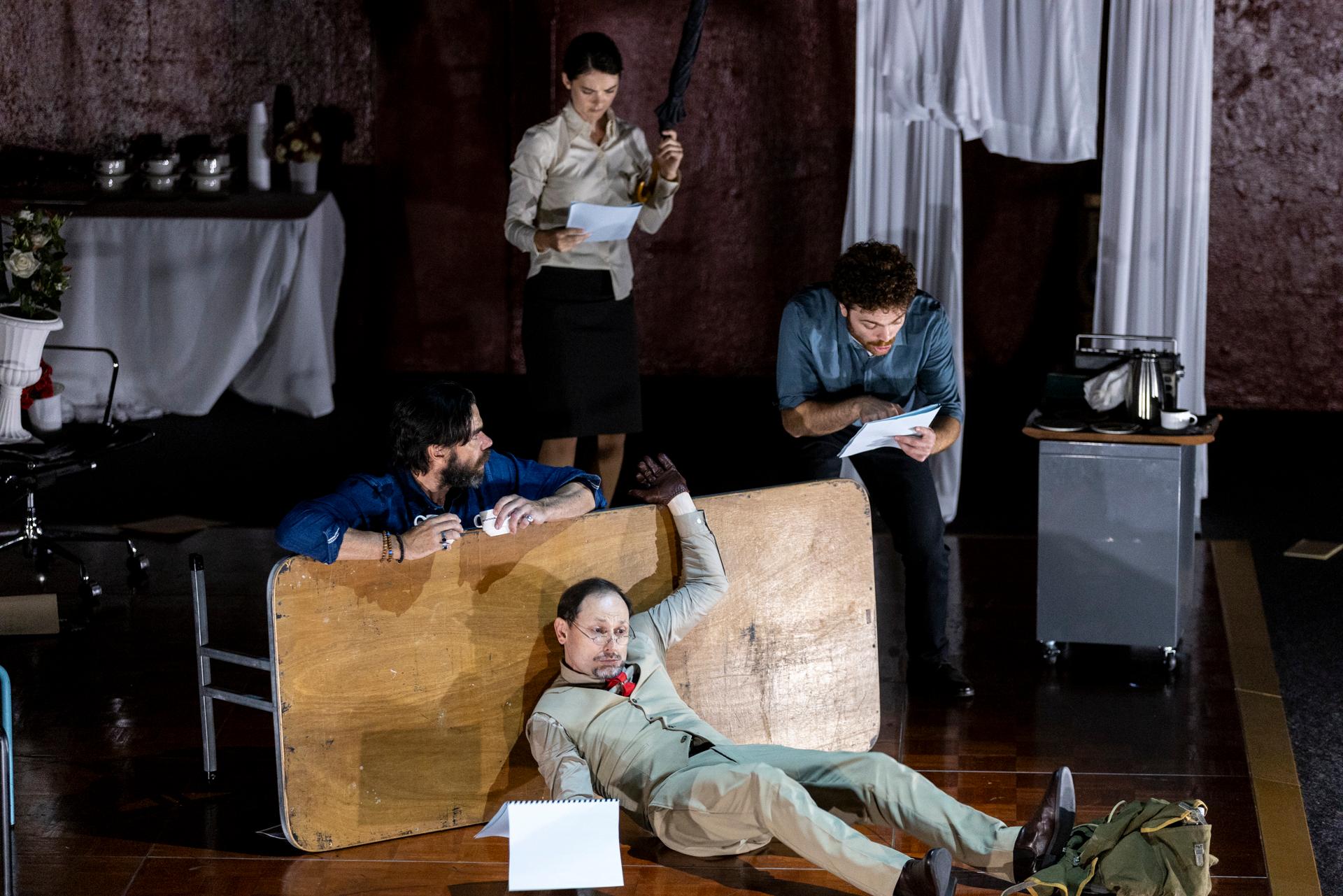
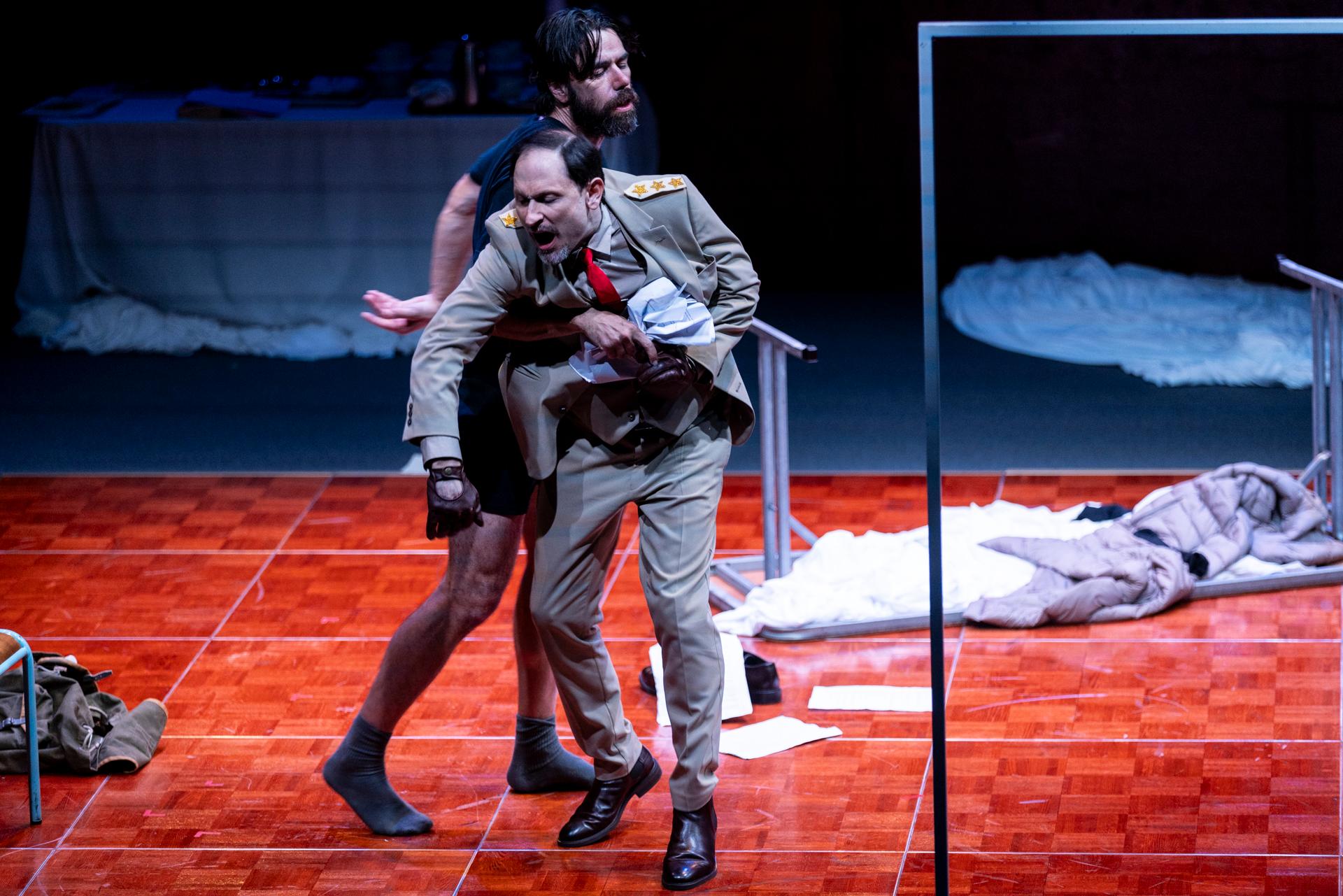
April returns to her family home in Western Sydney after several years in Denmark, only to find that the landscape she left behind has shifted in ways no one is willing—or equipped—to articulate. In Jack Kearney’s Born on a Tuesday, the family’s chronic ineloquence becomes a kind of endurance test: months pass, crises mount, yet they orbit around their wounds with quiet desperation, unable to summon the intimacy or vulnerability required for meaningful connection. The result is a drama in which very little seems to occur, and although it captures certain truths about Australian parochialism, the writing rarely deepens those insights into a fully satisfying theatrical experience.

Lucy Clements’ direction lends the production an unmistakable gravity, keeping us attuned to the persistent despondency saturating April’s household, but that solemnity never quite translates into emotional engagement. These characters are not unsympathetic, yet we are seldom invited far enough into their inner lives to feel invested in their journeys.

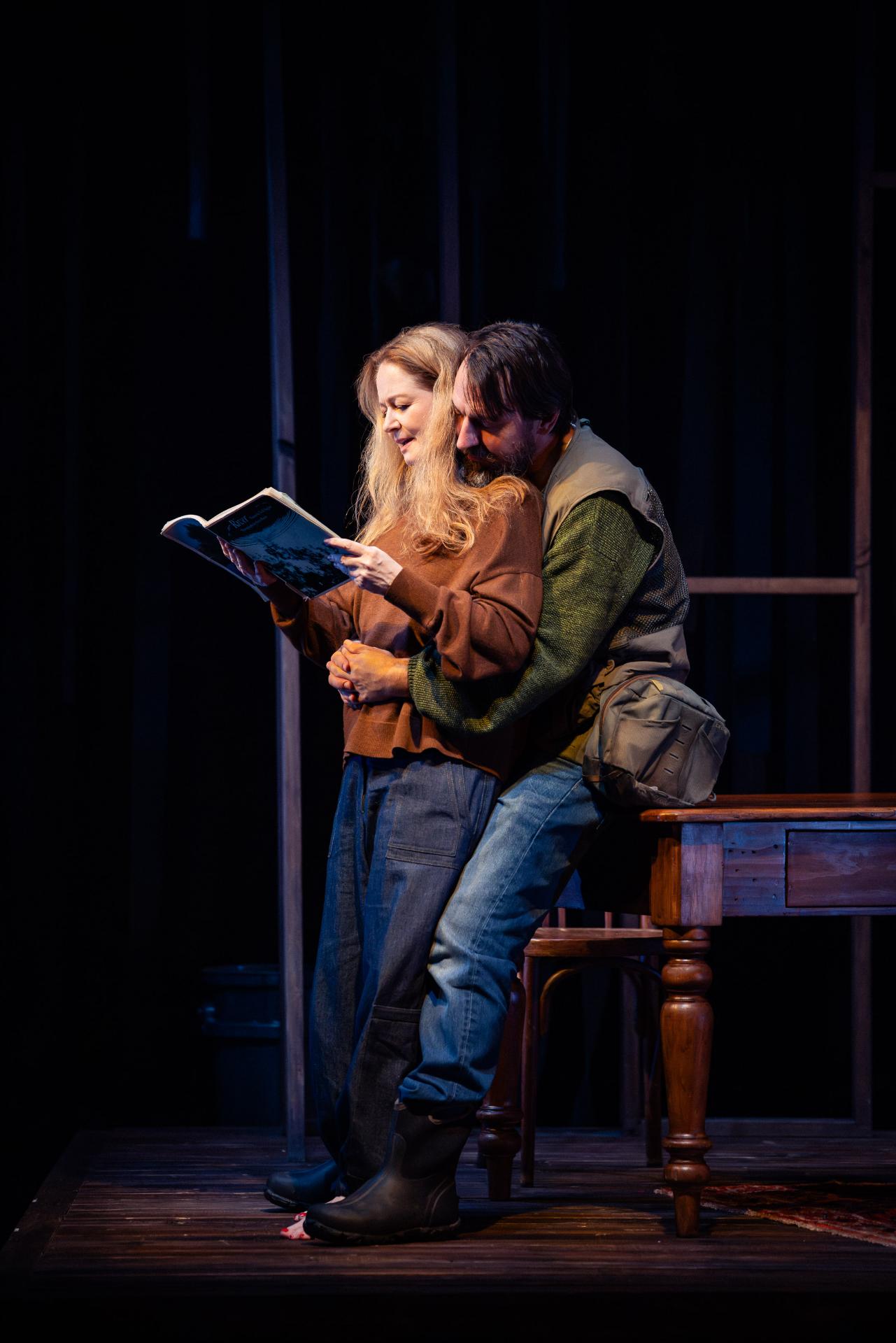
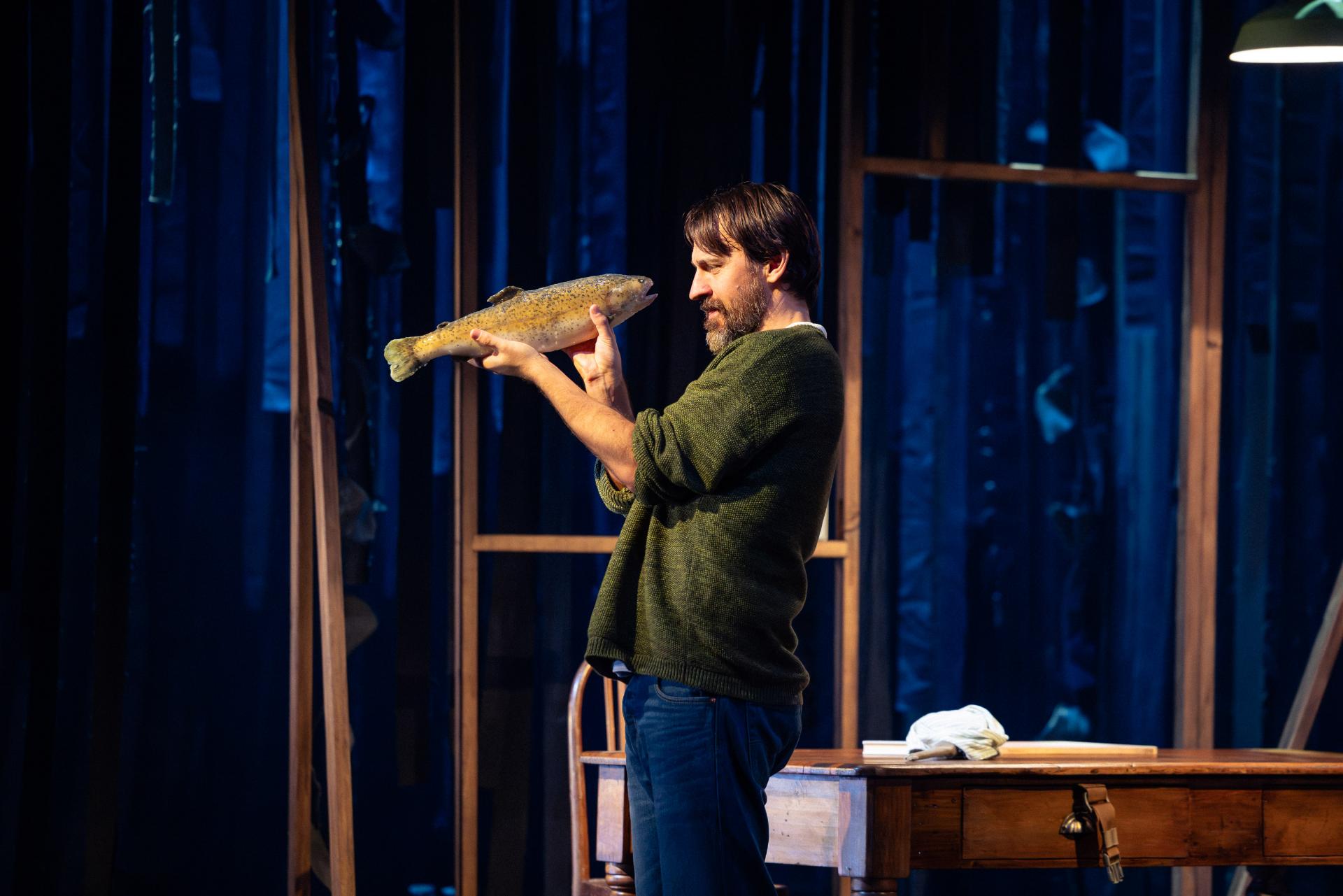
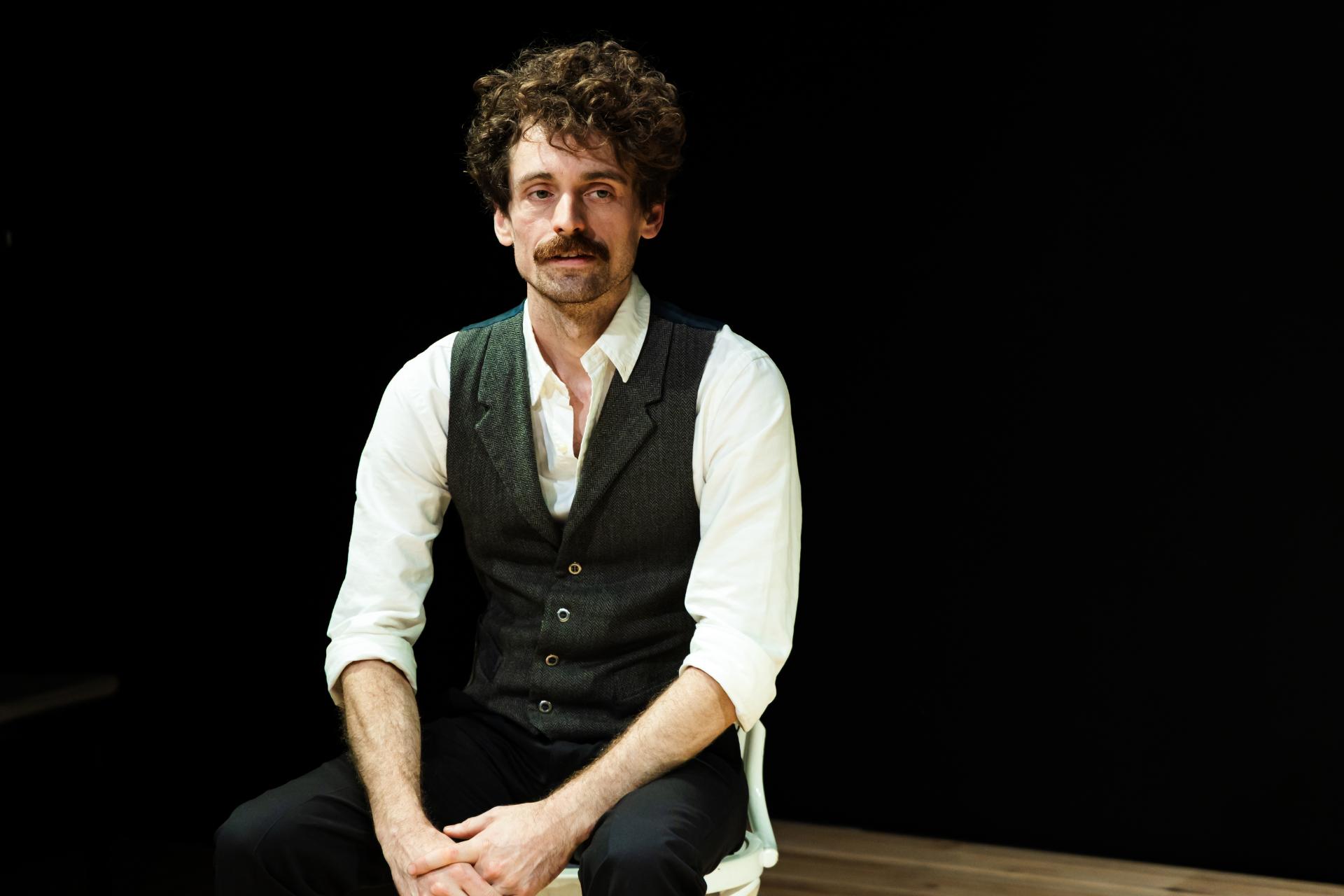
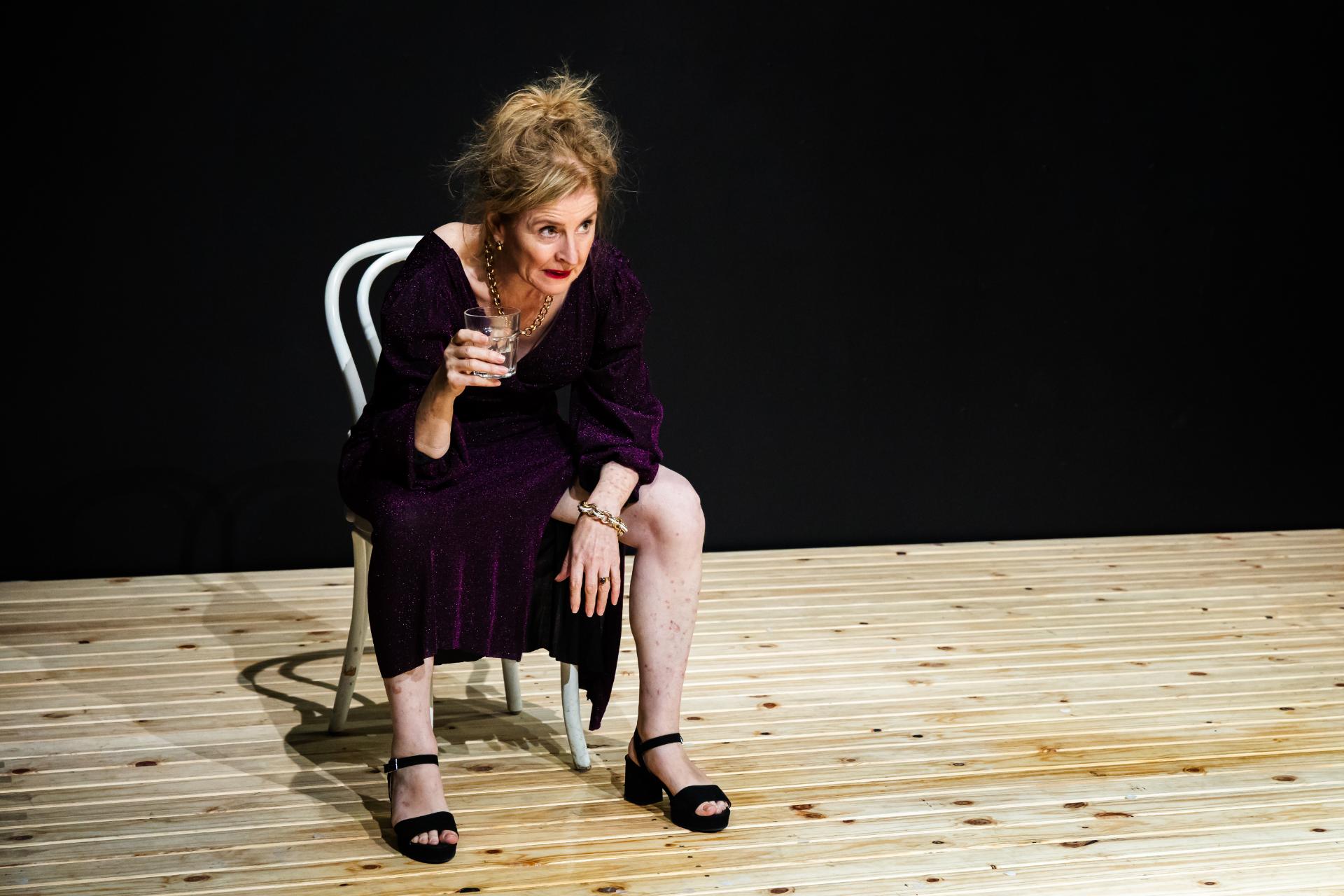
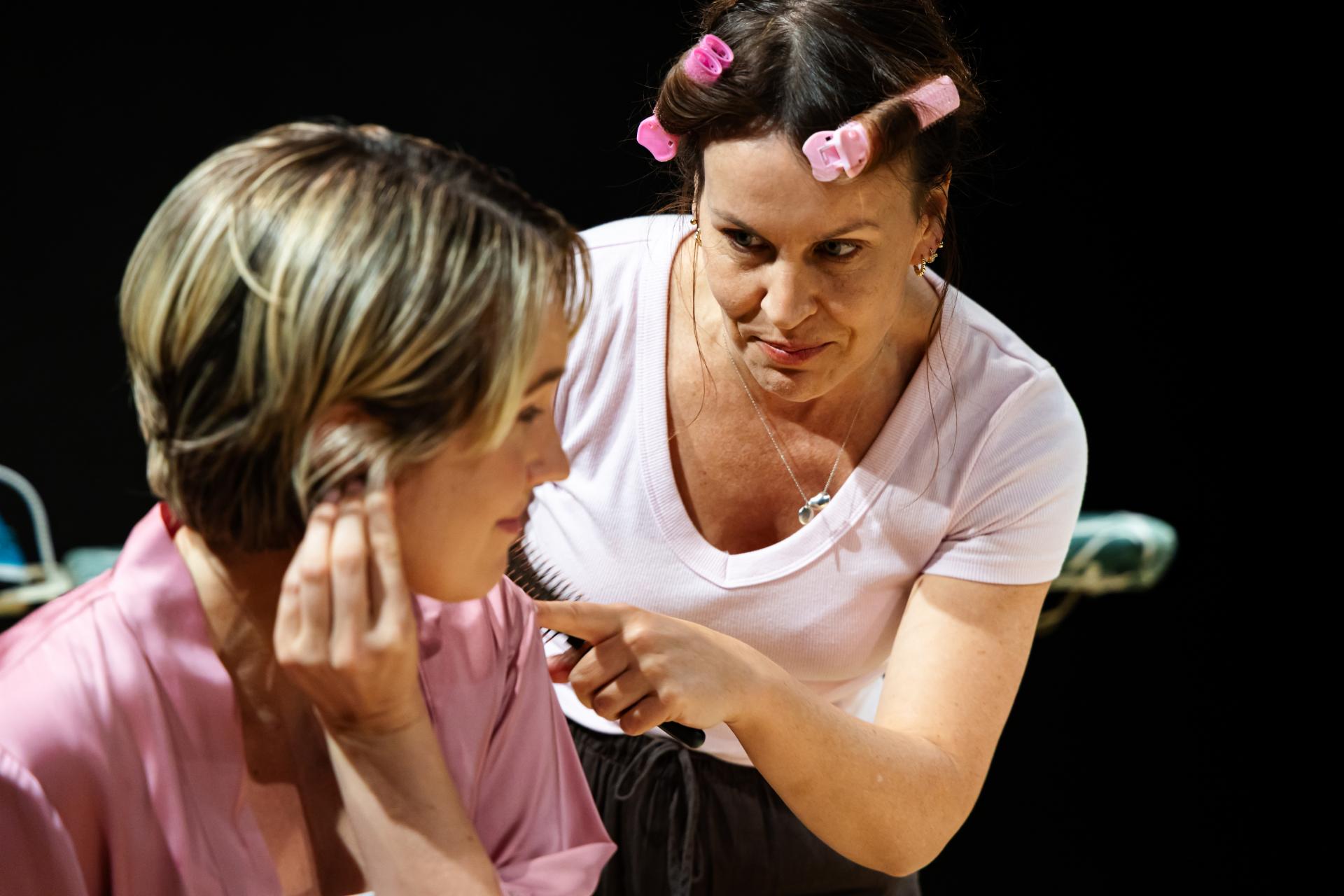
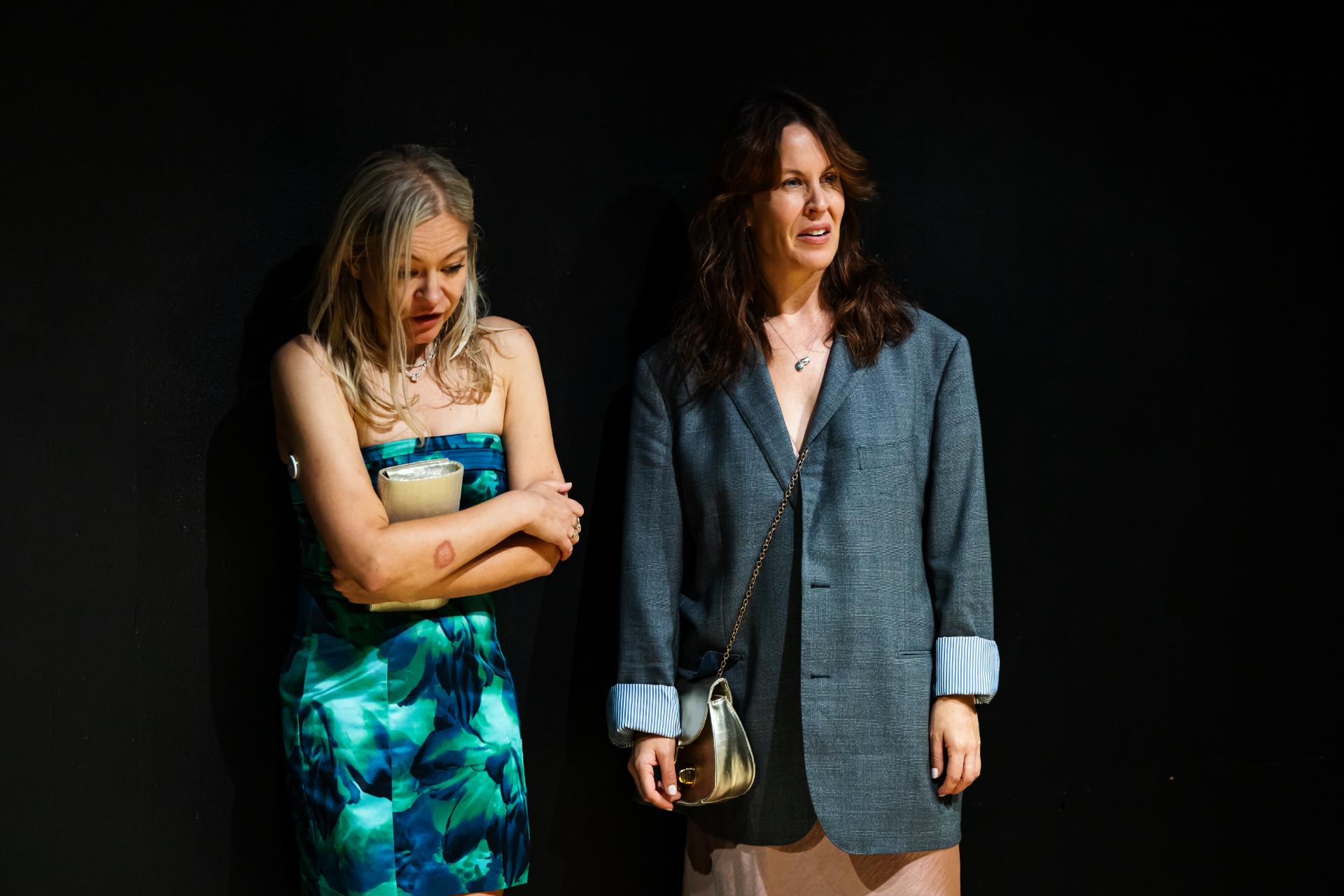
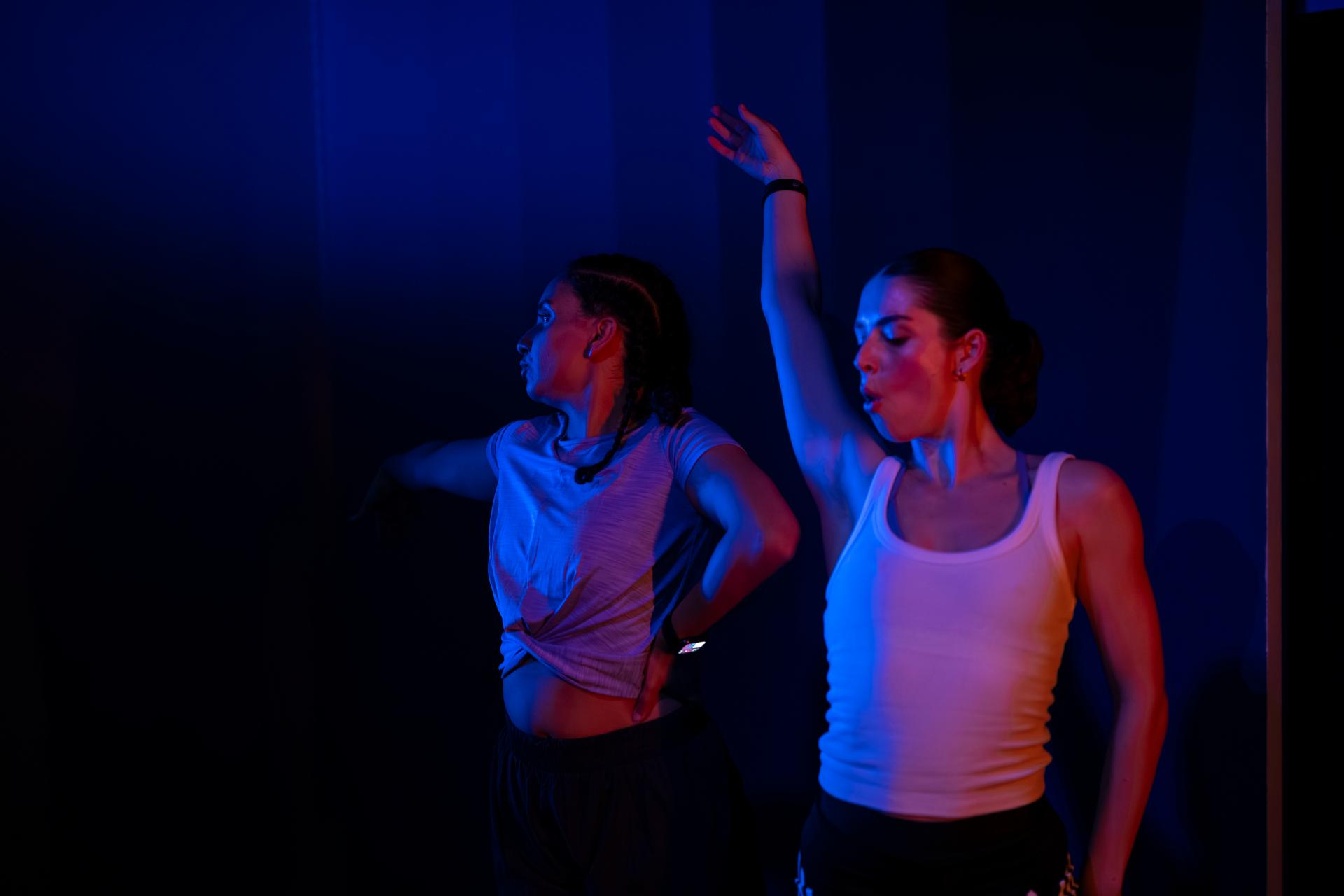
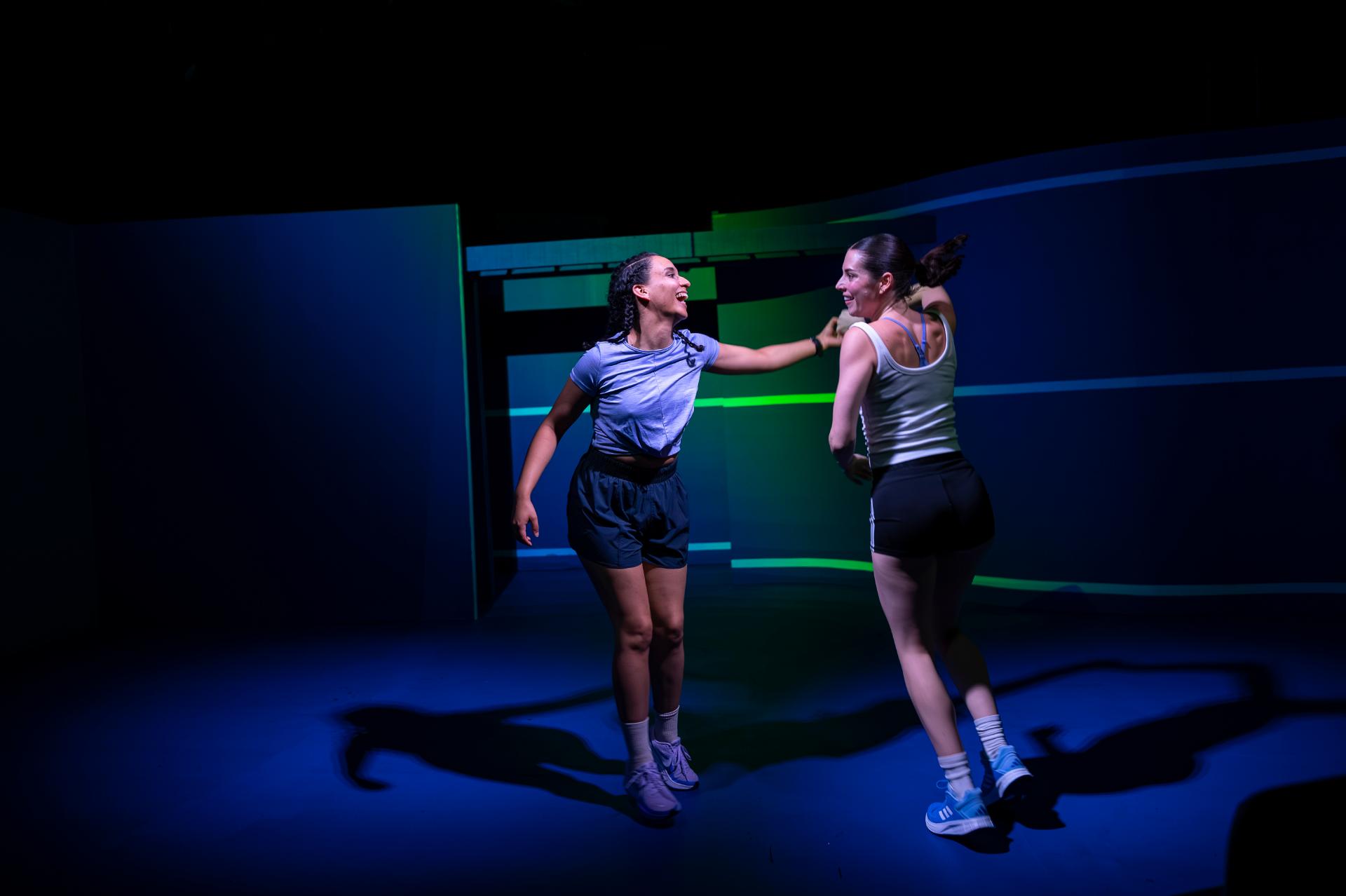
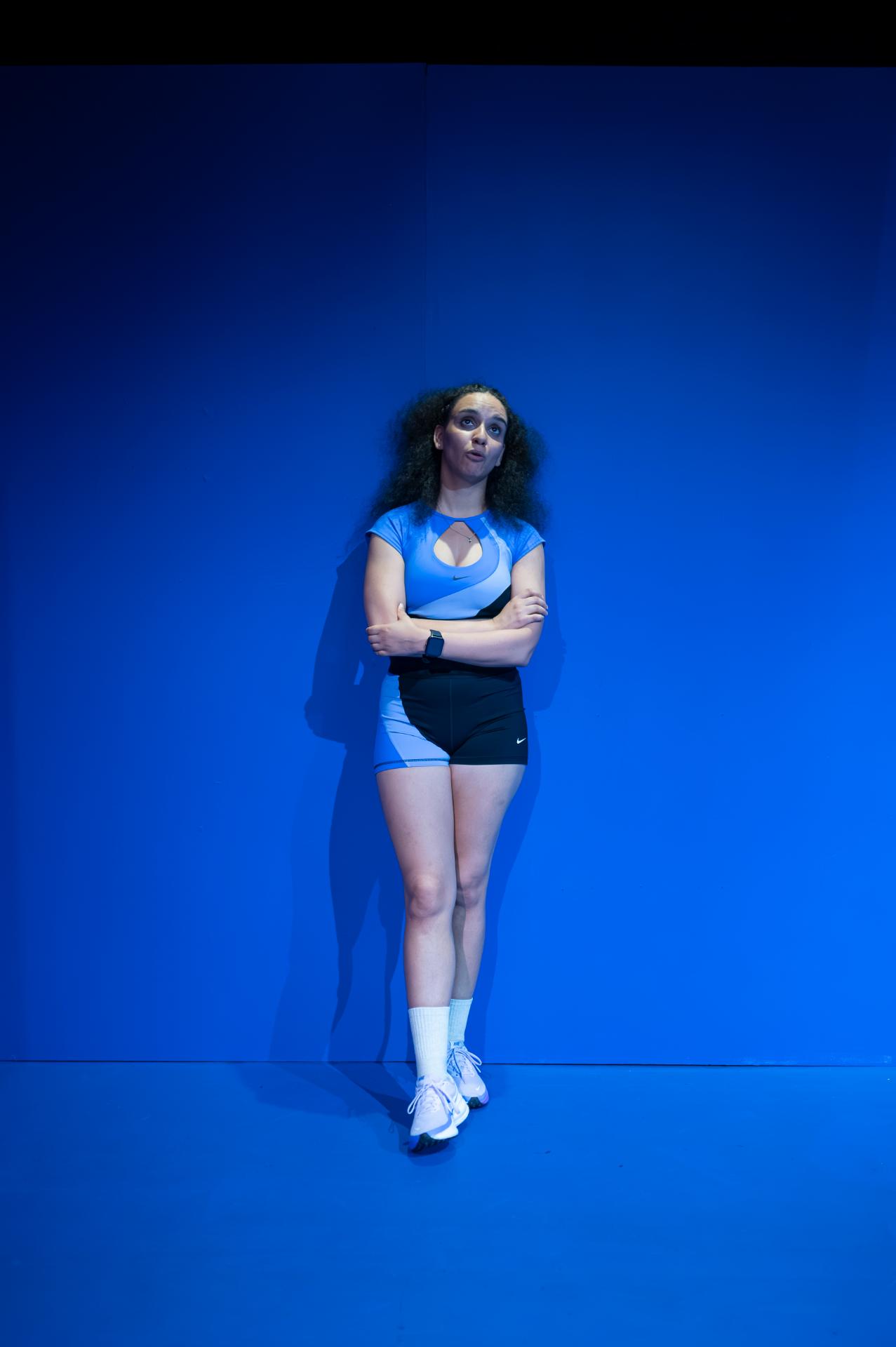
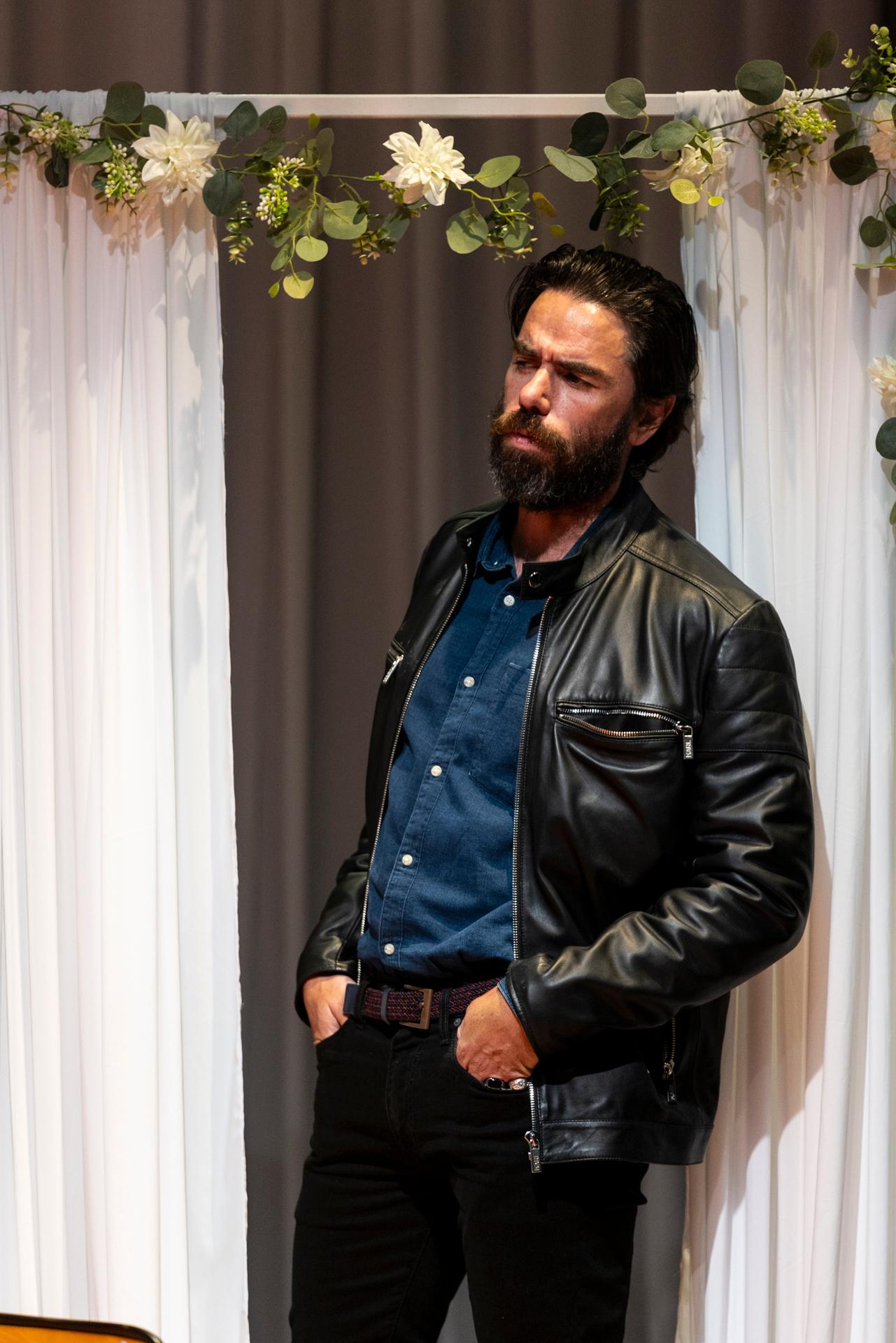
The performances, however, are uniformly strong. Sharon Millerchip, as April’s mother Ingrid, delivers an impressively layered portrayal, marked by meticulous detail and a striking naturalism. Sofia Nolan’s April is earnest and committed, though the evasive quality of the writing often constrains her. Owen Hasluck brings a welcome charisma to April’s brother Isaac, while Deborah Galanos and James Lugton infuse their neighbour characters with a vividness and vitality that guard the piece from tipping entirely into gloom.

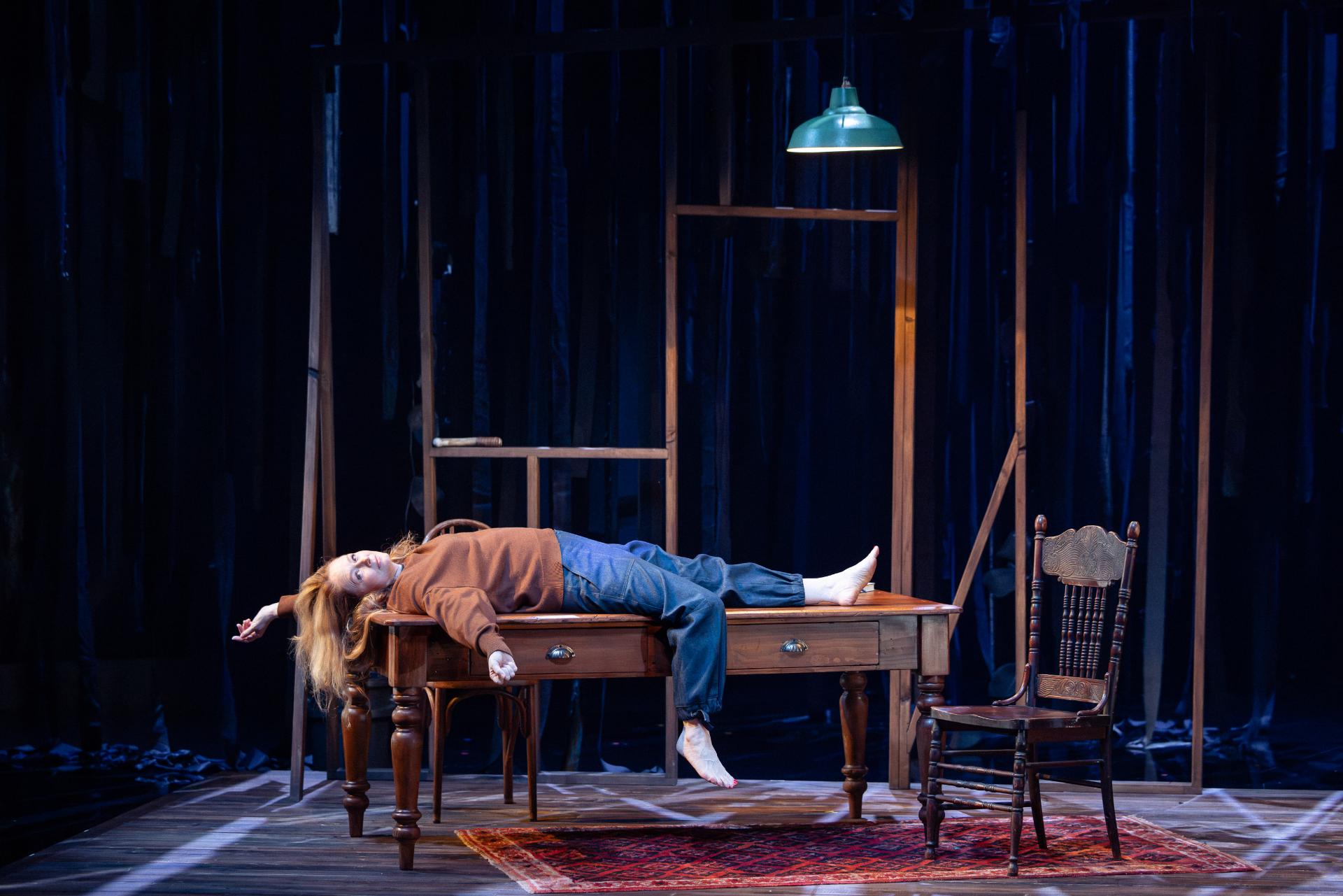
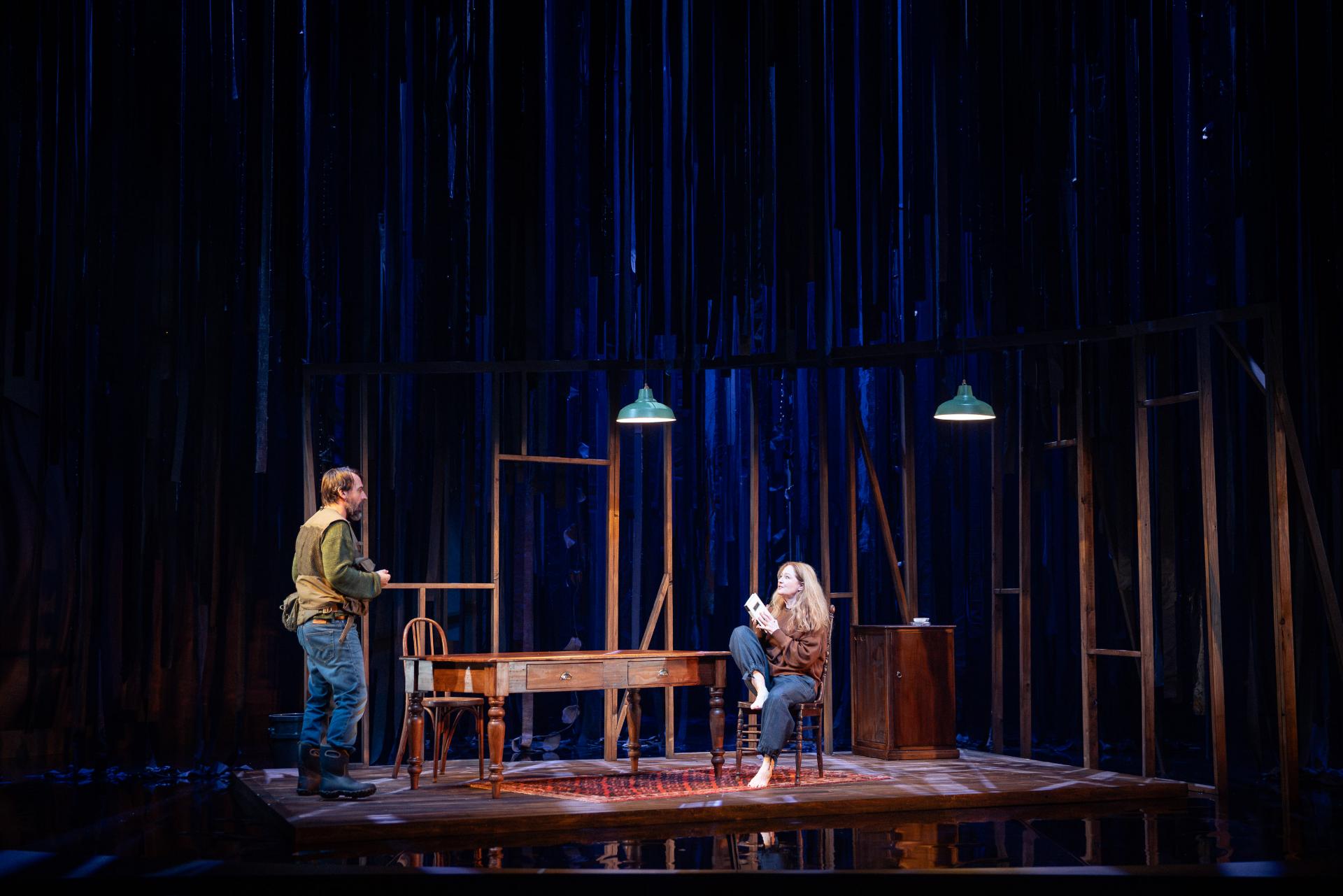
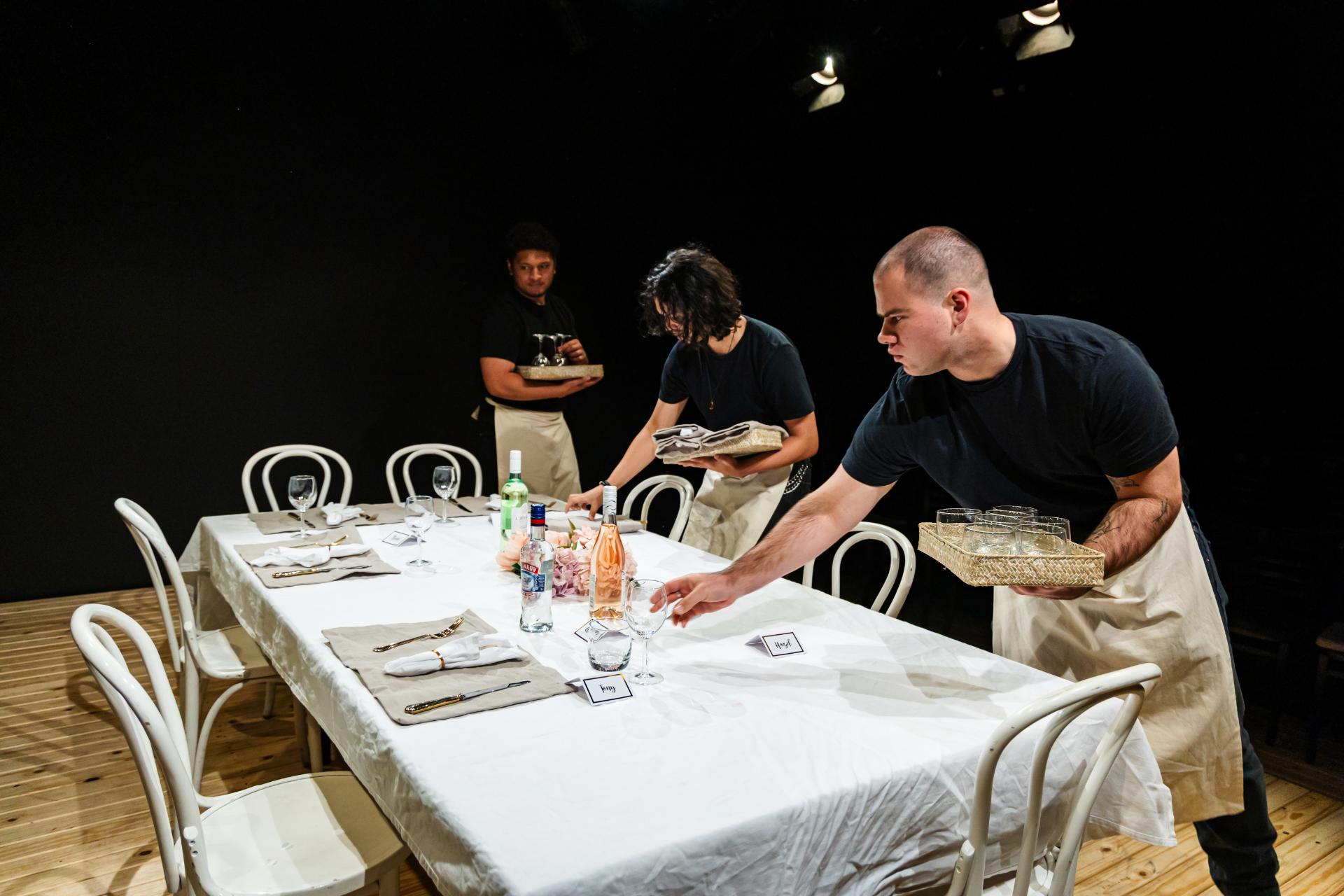
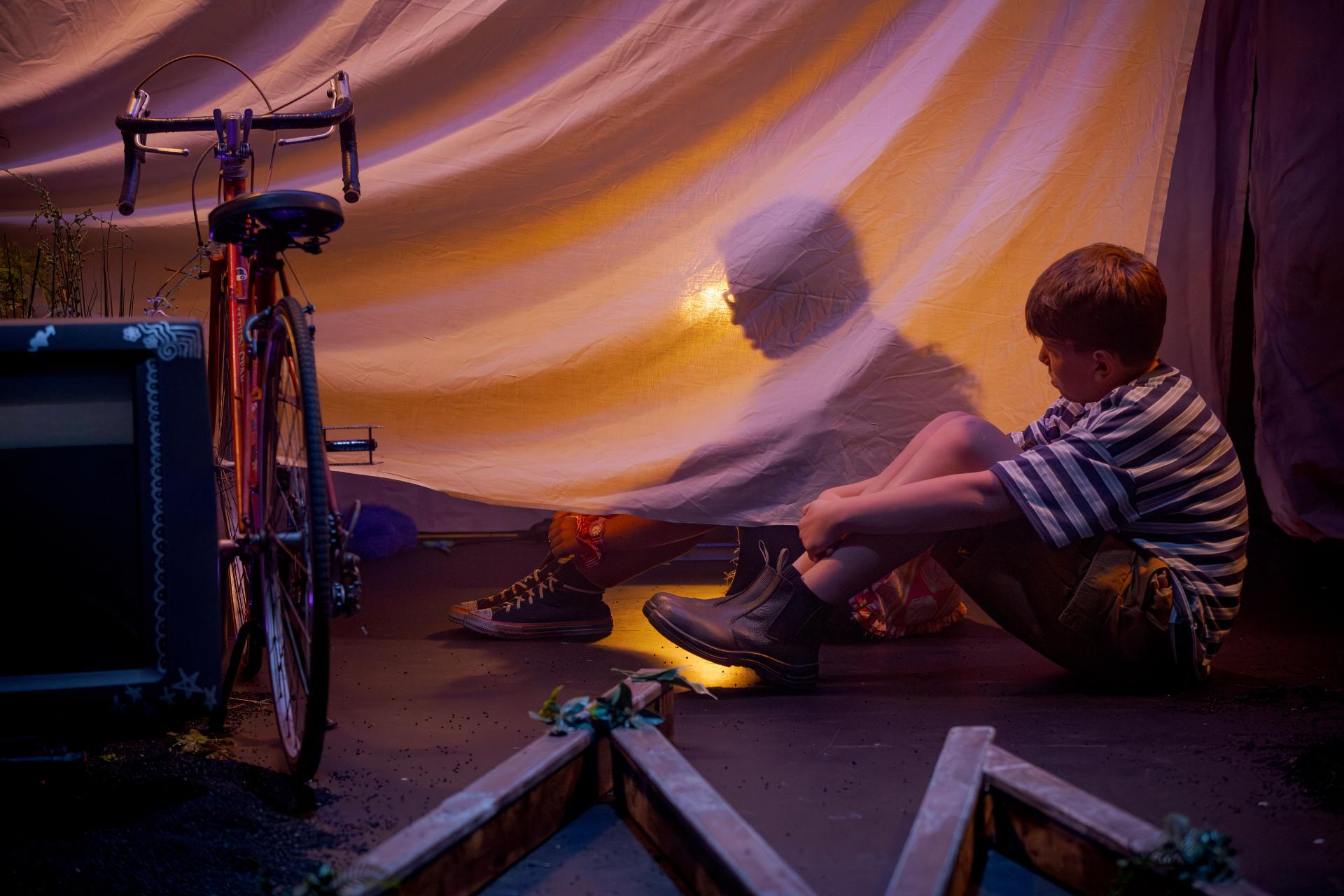
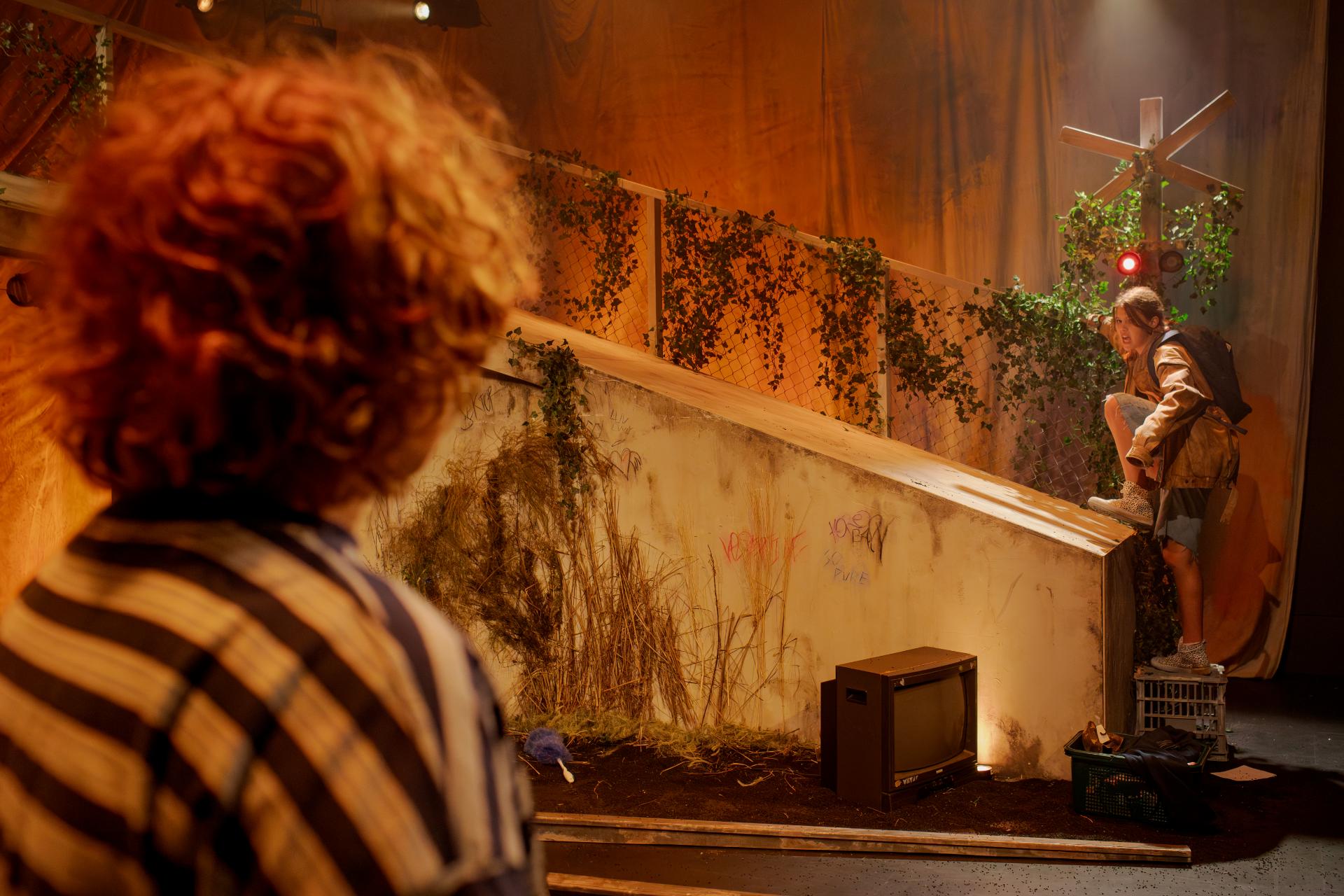
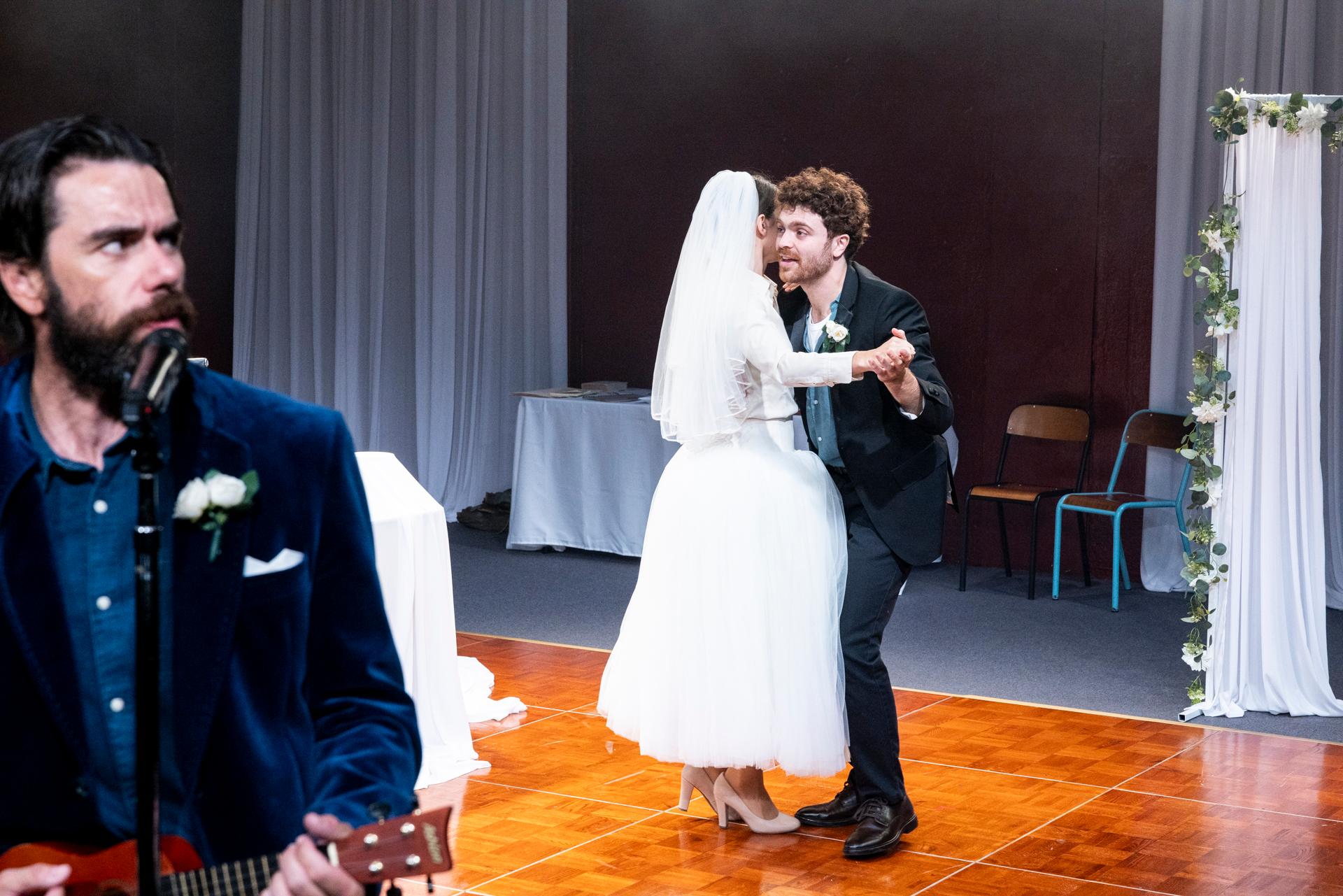
Soham Apte’s set design and Rita Naidu’s costumes evoke the suburban milieu with precision, yet offer just enough chromatic lift to keep the stage visually compelling. Veronique Benett’s lighting and Sam Cheng’s sound design are both applied with discernment, subtly shaping atmosphere and shading in tensions. Together, they support a production that strives to give weight to the many things ordinary people seem, all too often, unable to put into words.

Beneath all that reluctance to engage in difficult conversations lies a dense accumulation of resentment. The characters in Born on a Thursday, young and old alike, understand that life is no bed of roses—that its curve balls can, in fact, be catastrophic. Yet we must still find ways to keep moving. To compound those hardships by shutting out the very people to whom we are bound by kinship is its own small tragedy, and one the play suggests may be the most Australian silence of all.

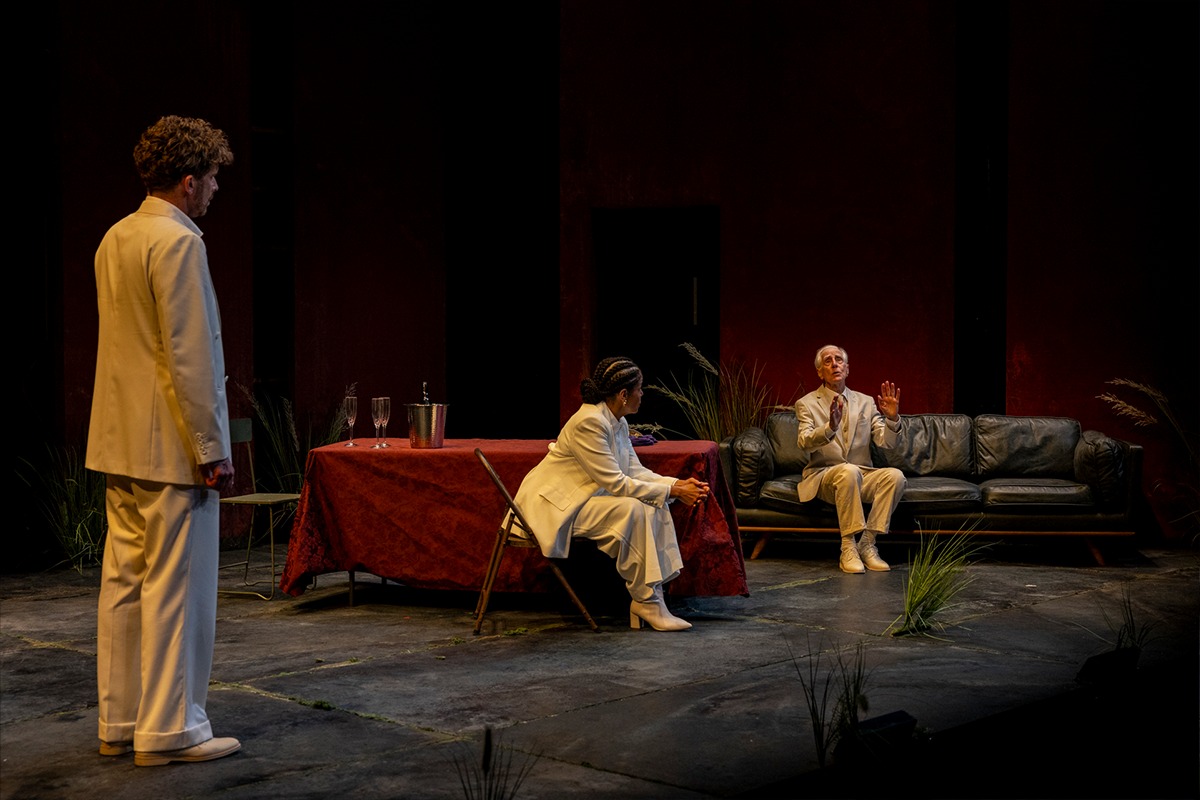
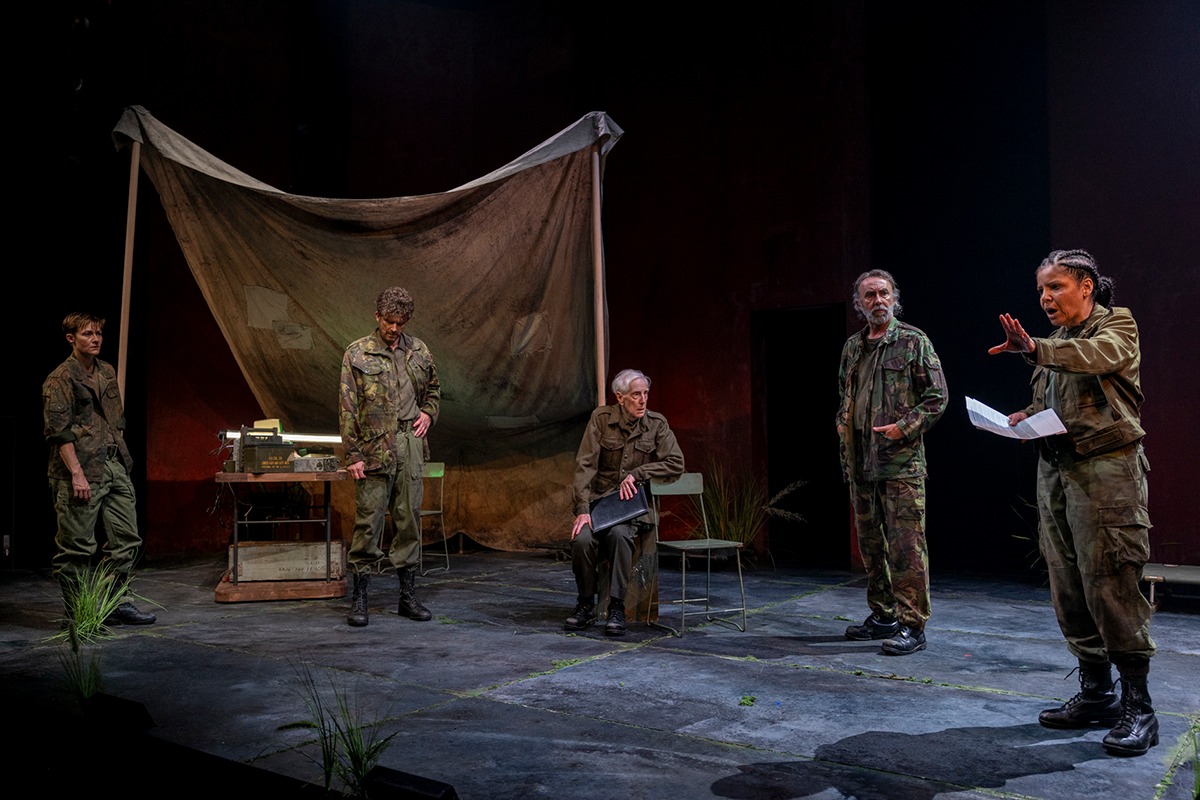
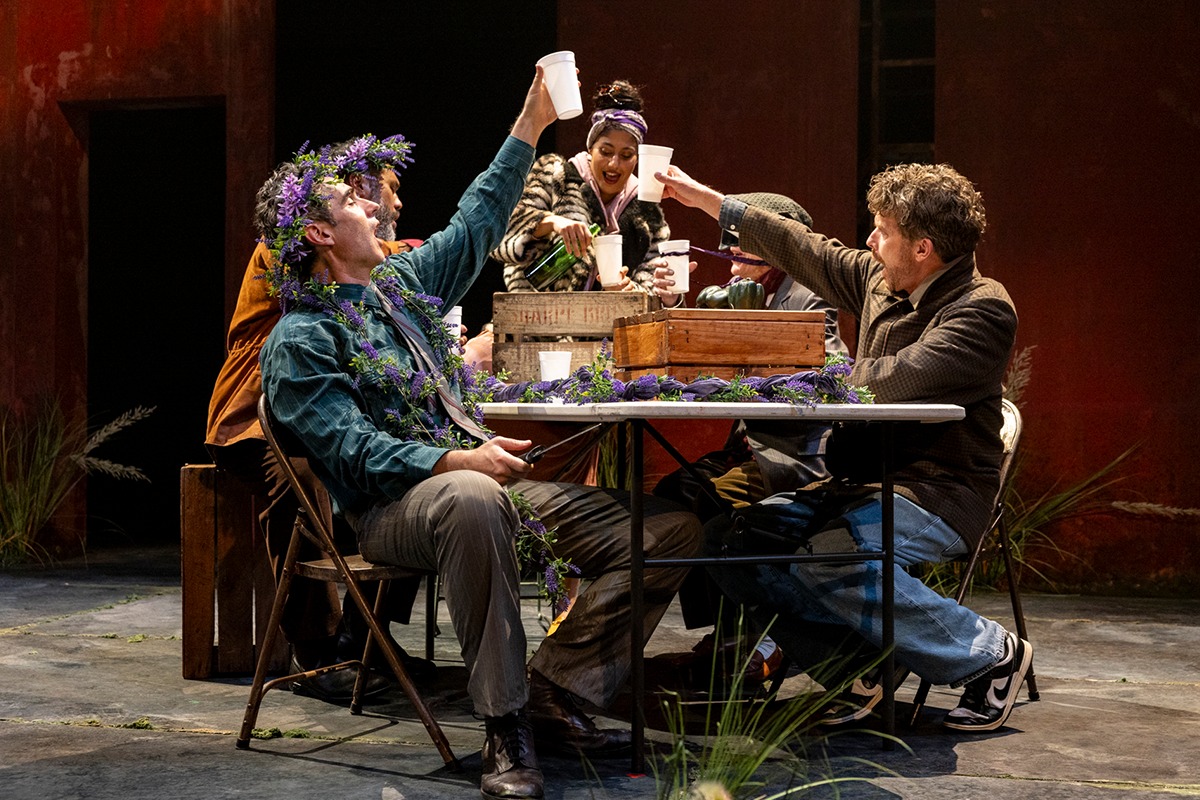
Review: The True History Of The Life And Death Of King Lear & His Three Daughters (Belvoir St Theatre)

Venue: Belvoir St Theatre (Surry Hills NSW), Nov 15, 2025 – Jan 4, 2026
Playwright: William Shakespeare
Director: Eamon Flack
Cast: Ahunim Abebe, Peter Carroll, Tom Conroy, James Fraser, Charlotte Friels, Colin Friels, Raj Labade, Brandon McClelland, Conor Merrigan-Turner, Sukhbir (Sunny) Singh Walia, Alison Whyte, Charles Wu, Jana Zvedeniuk
Images by Brett Boardman

Theatre review
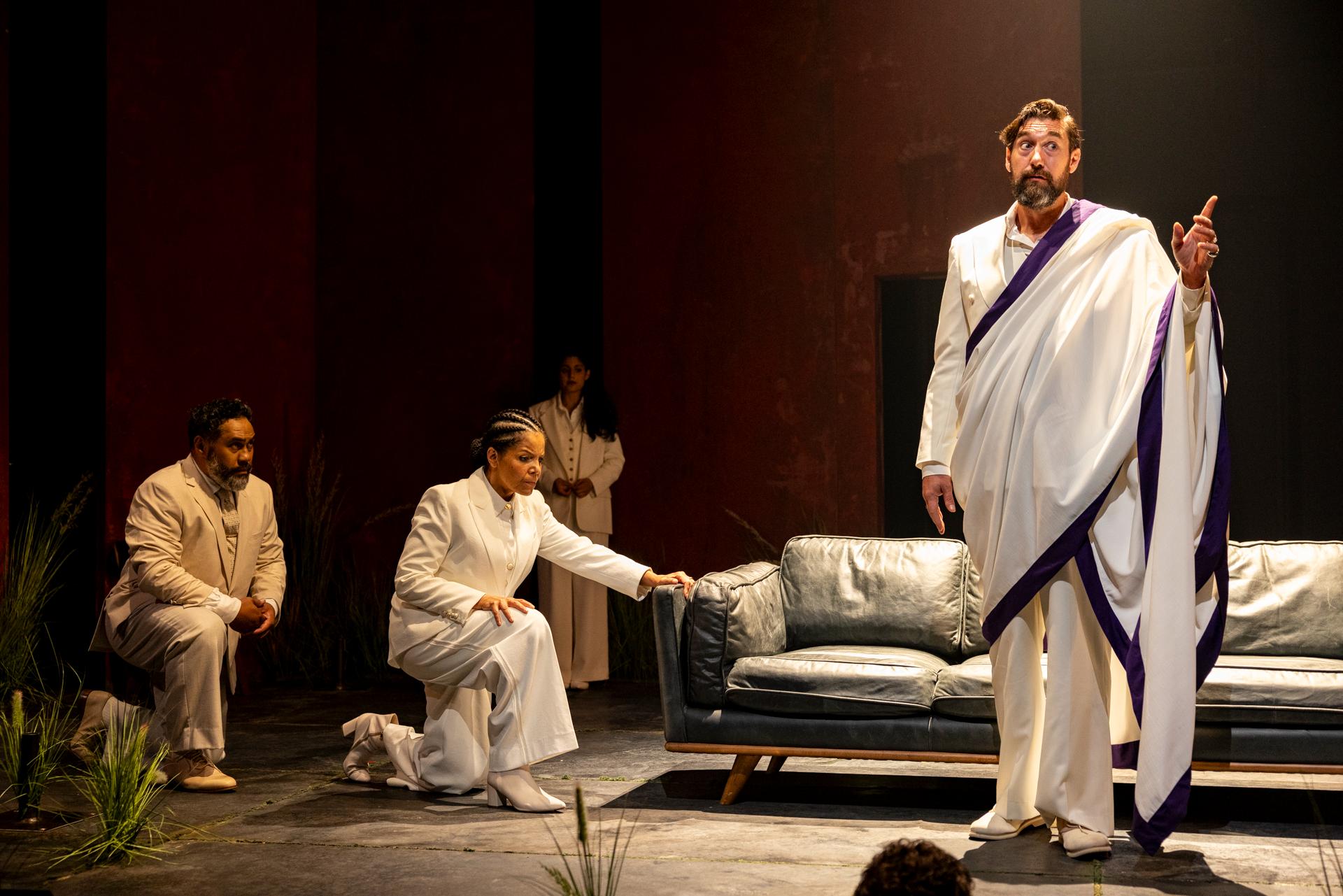
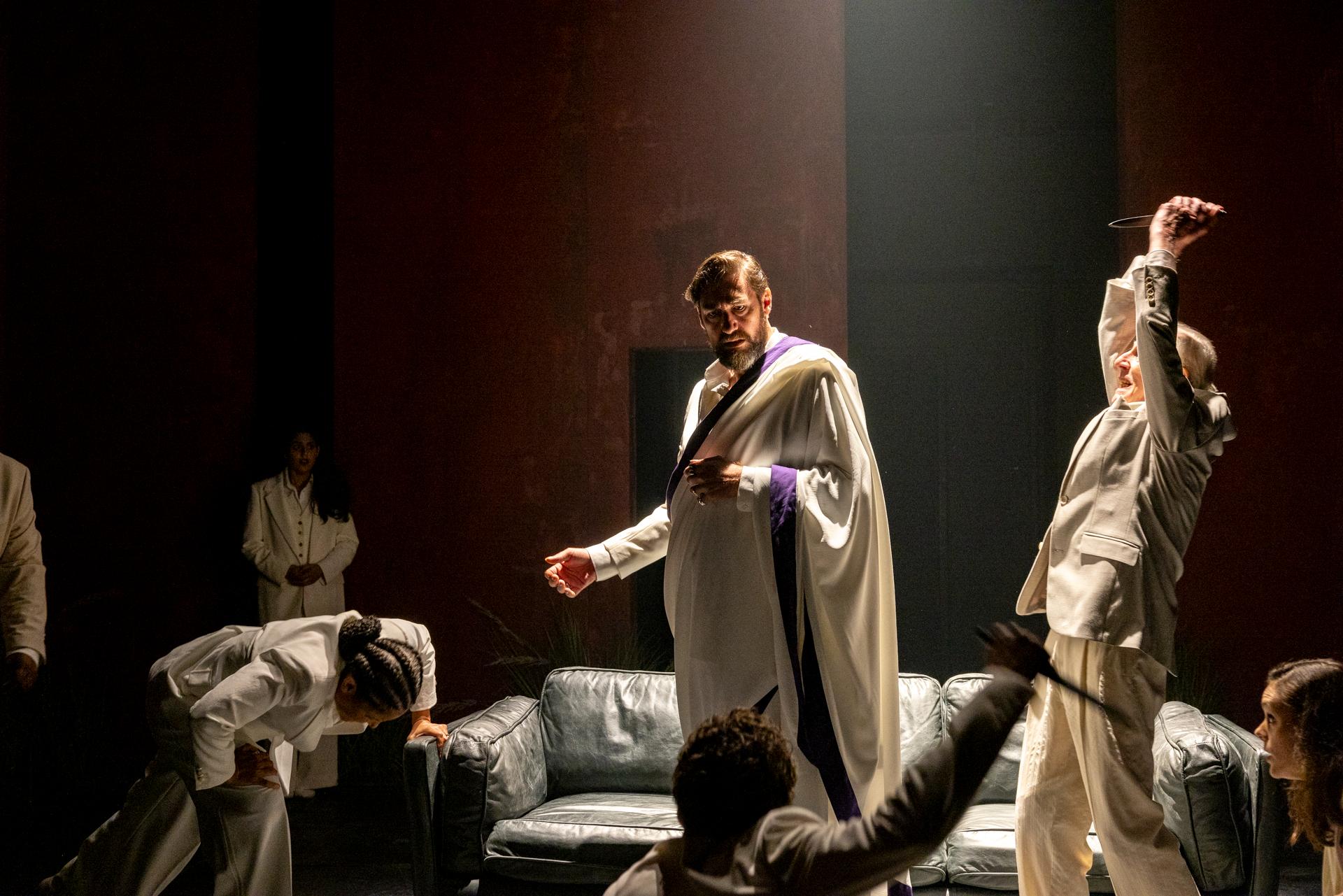
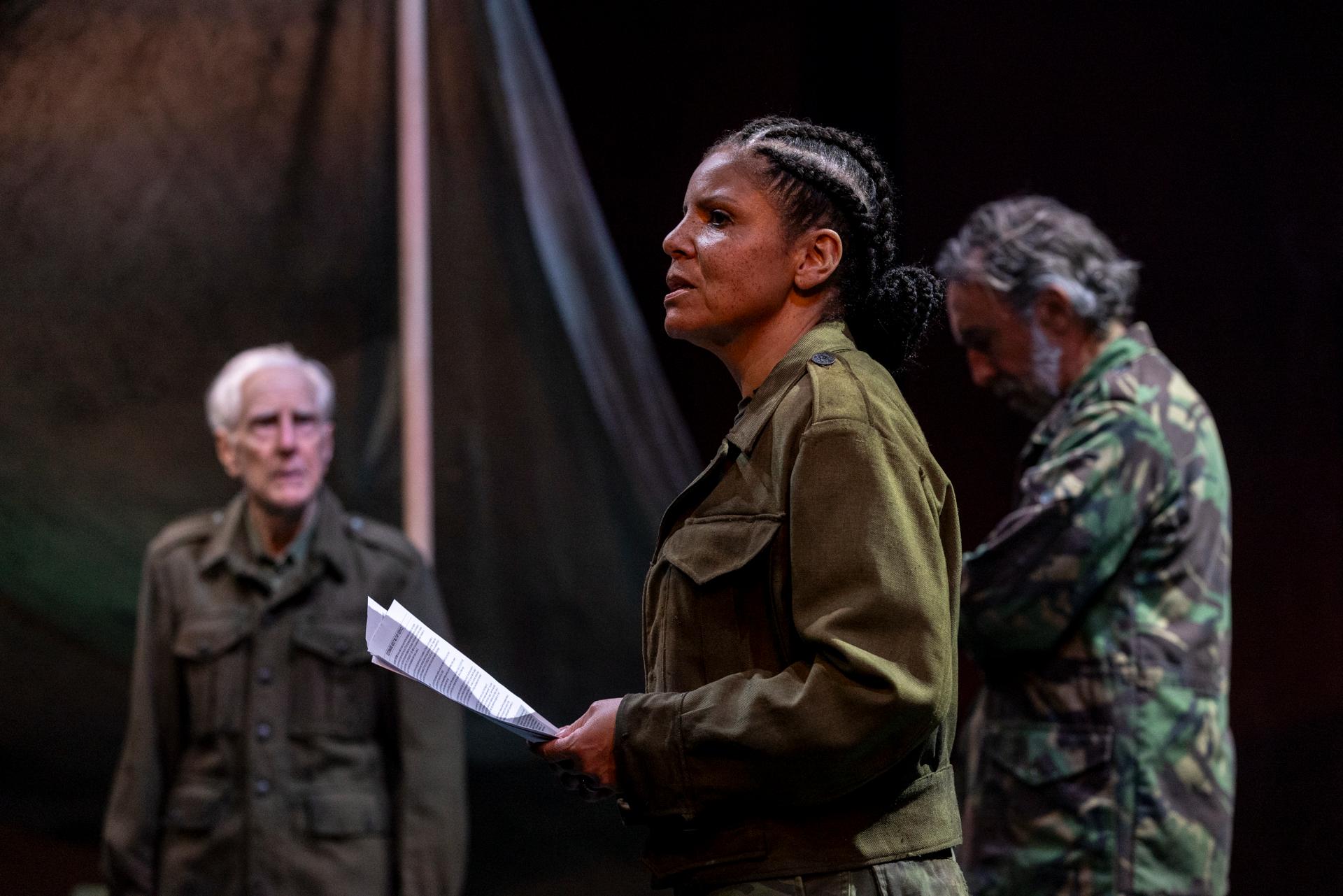
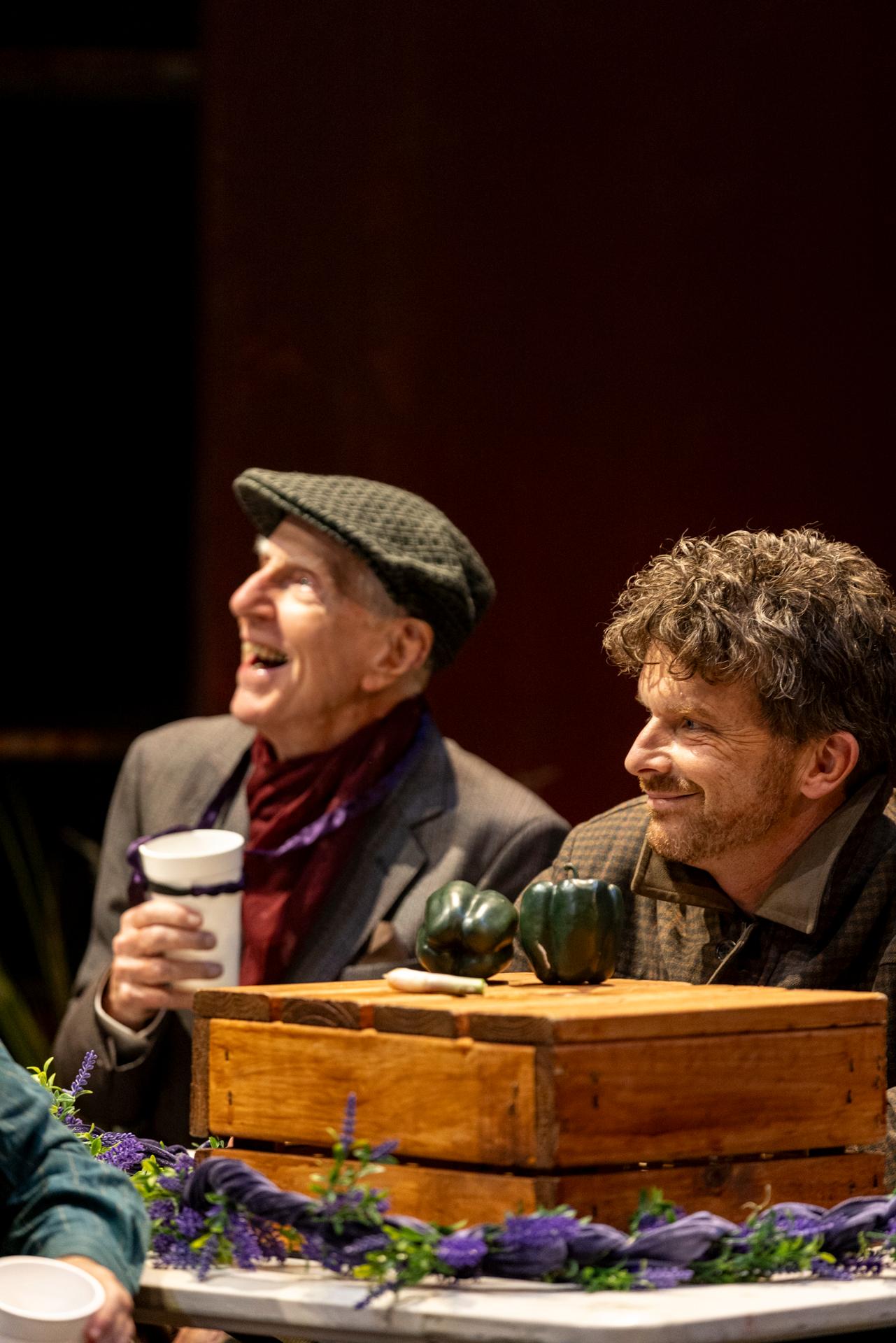
The “orange menace” has been re-elected, ruling from the White House with narcissism more brazen than ever, even as he appears to drift into senility on the cusp of eighty. We may be tempted to call these times unprecedentedly strange, yet Shakespeare wrote King Lear centuries ago—proof enough that the spectacle of a deluded sovereign is hardly new. Perhaps it is merely our overly idealistic sensibilities that persuade us that today’s disorder is somehow exceptional.

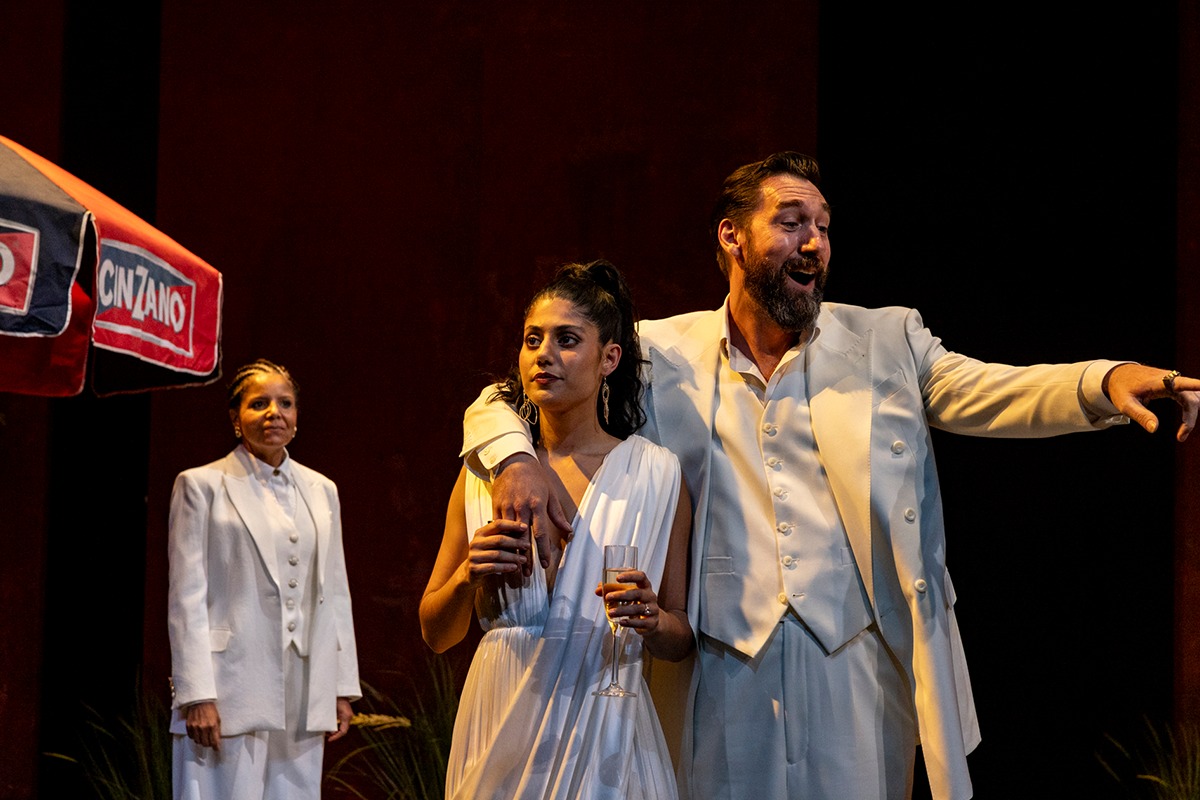
Directed by Eamon Flack and bearing the charmingly elaborate title The True History of the Life and Death of King Lear & His Three Daughters, this production is an unambiguous showcase of exceptional performance, even if its visual world feels short on ambition. Bob Cousins’ set design and James Stibilj’s costumes appear deliberately nondescript, yet their quiet elegance remains unmistakable. The music, however, is a sheer delight: intricately composed by Steve Francis and Arjunan Puveendran, with live accompaniment that draws out every atmospheric nuance, pulling us wholly into the narrative at each turn.

Leading man Colin Friels inhabits the psyche of the titular character with unwavering conviction, offering a performance marked by sustained authenticity, even if he does not always command the stage with equal magnetism. It is, perhaps, the supporting cast who linger more vividly in the mind, many of them seizing their moments with flashes of astonishing brilliance that hold us rapt. Raj Labade as Edmund, Brandon McClelland as Kent, and Alison Whyte as Gloucester, to name but a few, distinguish themselves with performances whose precision and vitality give the production much of its dramatic force.

It was, after all, in this very year of 2025 that we witnessed the emergence of the No Kings movement and the two massive protests it inspired. We need no elaborate justification for its urgency, but King Lear seems to articulate perfectly our present sentiments with tragic precision. In its portrait of power unmoored from wisdom, the play reminds us that the call to dismantle the crown is not a novelty of our age, but a lesson humanity keeps forgetting—until the kingdom burns again.

www.belvoir.com.au

Review: Gravity (Qtopia)

Venue: Qtopia (Darlinghurst NSW), Nov 12 – 29, 2025
Playwright: Bradford Elmore
Director: Anthony Skuse
Cast: Wesley Senna Cortes, Annabelle Kablean, Drew Wilson
Images by Phil Erbacher

Theatre review
Christopher is sleeping with David, which is a problem because he lives firmly in the heteronormative world and remains deeply in love with his wife, Heather. The late discovery of his bisexuality is proving highly inconvenient, especially in a milieu where monogamy is the norm and hearts shatter at the faintest whiff of infidelity. In Gravity, Bradford Elmore charts a double-pronged coming out: a man who finds himself unexpectedly same-sex attracted, and simultaneously yearning for a polyamorous life. Elmore’s play is sensitively rendered and undeniably thoughtful, but its narrative ultimately drifts in circles, its ideas stagnating and looping without sufficient progression.

Direction by Anthony Skuse is deeply respectful of the experiences being depicted, perhaps a touch too solemn for a story that is ultimately not all that heavy. His set design mirrors his directorial sensibility—elegant, measured, and marked by a tasteful restraint. James Wallis’ lighting is a quiet triumph, infusing the staging with a tender, luminous beauty. The cast of three deliver focused, committed performances, though their occasional drift into melodrama feels misplaced. A sharper vein of humour would have gone a long way toward making the production a more engaging and dynamic watch.

People cannot help how they fall in love, and Christopher’s story reminds us that what is utterly natural becomes endlessly tangled by societal norms. Gravity reveals how the lives we imagine for ourselves are so often built on fanciful ideals and inherited conventions. Humans struggle to simply let things be; we push against our own nature, believing our choices to be rational, even as they lead us down winding, fruitless paths. The place where Christopher finally arrives should always have been clear, yet it seems we must wander through frustration and heartache before recognising the truths that were quietly waiting for us all along.

www.qtopiasydney.com.au | www.rogueprojects.com.au

Review: Get Sando (Flight Path Theatre)

Venue: Flight Path Theatre (Marrickville NSW), Nov 12 – 22, 2025
Playwright: Claire Haywood
Director: Claire Haywood
Cast: Mark Lee, Susan Ling Young, Emily Sinclair, Di Smith
Images by 

Theatre review
Brianna is determined to expose Sando, a local councillor with a dubious past, while Micky pursues her own vendetta, convinced Sando is tied to a cold case murder. When the two women meet, their goals align in a bold attempt to take down the corrupt politician. Get Sando by Claire Haywood is a spirited and incisive work that sparks conversation about corruption, enlivened by sharp dialogue and thoughtfully drawn, likeable characters.

Haywood’s direction, however, lacks precision, leading to moments where the storytelling becomes confusing. The humour remains enjoyable, yet the frustration of missing key plot points is hard to ignore. The ensemble of four bring warmth and energy, yet the production would benefit greatly from sharper pacing and more rigorous rehearsal.

Unlike the precarious business of independent theatre, local government brims with the promise of profit. For decades, opportunists have slithered through loopholes and backdoors, reminding us that where money gathers, morality tends to scatter. The machinery of bureaucracy, polished by charm and paperwork, provides endless hiding places for those who know how to navigate its shadows. Every regulation conceals an escape hatch, every committee meeting a chance to trade favours in plain sight. It is a theatre of another kind — one where the stakes are higher, the scripts are dirtier, and the applause is measured in contracts and kickbacks.

www.flightpaththeatre.org | www.wonderlandproductions.com.au

Review: Who’s Afraid Of Virginia Woolf (Sydney Theatre Company)

Venue: Roslyn Packer Theatre (Sydney NSW), Nov 7 – Dec 14, 2025
Playwright: Edward Albee
Director: Sarah Goodes
Cast: Emily Goddard, Kat Stewart, David Whiteley, Harvey Zielinski
Images by Prudence Upton

Theatre review
Martha and George are locked in perpetual combat, their hostility not merely private but performative. Their decision to invite a young couple into their home becomes an act of exhibition, a deliberate staging of their mutual destruction. In Who’s Afraid of Virginia Woolf?, Edward Albee exposes the tenacity with which individuals cling to their own suffering, sustained by an insatiable attachment to prestige, privilege, and power. Though Martha and George possess the agency to abandon their cyclical torment, they remain ensnared by the illusion of respectability, choosing the stability of social appearance over the uncertainty of liberation.

At sixty-three years old, the play has become something of a grand old dame of the theatrical canon, yet its genuinely subversive sensibilities ensure it remains as confrontational and affecting as ever. Under the direction of Sarah Goodes, the work gains renewed vitality: she not only excavates the raw truths within Martha and George’s volatile dynamic but also deftly unearths the humour embedded in their vicious exchanges. Goodes has taken an enduring classic and rendered it freshly incisive—polished to a gleam, yet capable of striking with the force of a blunt instrument.

Harriet Oxley’s production design evokes the period with accuracy—perhaps a touch conventional, yet undeniably effective in grounding the drama. Matt Scott’s lighting, together with music and sound design by Grace Ferguson and Ethan Hunter, begins with subtle restraint, almost imperceptible at first, but grows increasingly potent as the evening unfolds. By the time the bickering subsides and the underlying trauma surfaces, their contributions prove essential, shaping the production’s emotional crescendo with impressive efficacy.

Kat Stewart could hardly be more compelling in the role of Martha. She delivers a richly nuanced portrayal, demonstrating an intricate grasp of the character’s psychological intricacies while imbuing every moment with delectable theatricality. Her gestures, whether minute or grand, command attention, and we remain enthralled by each. As George, David Whiteley conjures the precise timbre of the mid-century American bourgeoisie through his masterful vocal modulations. His comparatively restrained approach proves just as resonant and magnetic as Stewart’s flamboyance, creating a riveting equilibrium in this deliciously acrimonious marital duel. By contrast, the younger couple, Honey and Nick—played by Emily Goddard and Harvey Zielinski—are less persuasive. Though their performances elicit steady laughter, their characterisations lack conviction, never fully embodying the personas they attempt to construct.

We can see so clearly that Martha and George could lead far better lives, if only they could embrace a simpler existence. Yet the seductive allure of wealth and status keeps them shackled to their interminable misery. Each day, they choose to persist in their poisonous habits, unable—or unwilling—to relinquish the trappings of class that sustain their suffering. In the end, we recognise something of ourselves in their torment—the way we cling to what hurts us most, simply because it feels like home.

www.sydneytheatre.com.au

Review: So Young (Old Fitz Theatre)

Venue: Old Fitzroy Theatre (Woolloomooloo NSW), Nov 7 – 22, 2025
Playwright: Douglas Maxwell
Director: Sam O’Sullivan
Cast: Aisha Aidara, Ainslie McGlynn, Henry Nixon, Jeremy Waters
Images by Richard Farland

Theatre review
Just three months after Helen’s death, her husband Milo finds himself in love again—with Greta. When Helen’s best friend Liane learns the truth over dinner, her fury is as sharp as it is justified. In So Young, Douglas Maxwell turns his attention to grief, and to the bewildering variety of ways we try to survive it. His writing glimmers with wit and tenderness, and though he captures the ache of love and loss with real conviction, the story’s moral crescendo feels a shade too emphatic—leaving us moved, yet faintly smothered by its sincerity.

Sam O’Sullivan directs with a keen psychological instinct, guiding each confrontation with an honesty that keeps us firmly inside the characters’ heads. The production might benefit from sharper attention to its comedic undercurrents, but it never loses momentum, even as emotions flare and settle in quick succession. Kate Beere’s set design grounds the story in familiar domestic realism, while Aron Murray’s lighting is finely tuned to our shifting emotional responses. Johnny Yang’s understated sound work offers just enough texture to sustain our focus without distraction.

Aisha Aidara, Ainslie McGlynn, Henry Nixon, and Jeremy Waters are evenly matched in their performances, each as compelling as the next. Their portrayals are strikingly authentic, revealing with clarity and empathy the distinct emotional truths that collide within the play’s central argument. Through their efforts, we discover a touching immediacy, revealing how grief seeps into every connection, reshaping love and loyalty in its wake.

Time is the slow balm that touches every wound, even if it never truly restores what was lost. Sorrow and anguish are woven into the fabric of being alive, as constant as breath itself. The yearning to escape pain is ancient and human, yet in watching ourselves grieve, we learn what it means to endure. To see how we break is to see how we love—and how we might heal without hurting more. However impossible it feels, the truth endures: the living must matter more than the dead.

www.oldfitztheatre.com.au | www.outhousetheatre.org

Review: Monstrous (KXT on Broadway)

Venue: KXT on Broadway (Ultimo NSW), Oct 31 – Nov 15, 2025
Playwrights: Zev Aviv, Lu Bradshaw, Byron Davis
Director:
Lu Bradshaw
Cast: Zev Aviv, Byron Davis
Images by Valerie Joy

Theatre review
Chris and John meet at work, and an inexplicable attraction develops—something not quite romantic, yet undeniably charged with desire. When they finally give in to that magnetic pull, Chris moves on as though nothing has occurred, but John is irrevocably altered. His encounter with Chris has changed something fundamental in his mind, body, and perhaps even his soul. Monstrous keeps its meaning deliberately elusive, as if subscribing to the modern dictum, “if you know, you know.”

Lu Bradshaw’s direction fuses horror and the supernatural to conjure a meditation on embodiment—how the body can betray, transform, or transcend itself—exploring corporeal experience in all its contradictions: metaphysical yet visceral, intimate yet alien, and ultimately revealing the uneasy truth that our bodies are never as stable as we believe them to be.

Zev Aviv plays Chris with a compelling ambiguity of intent, yet an identity that is unmistakably trans. Their very presence signals that Monstrous’ meditations on flesh and blood emerge from a distinctly trans gaze, even if the work never makes that perspective explicit. Byron Davis, as John, is bright and mercurial, his performance brimming with restless energy that draws us in completely—by turns beguiling and bewildering, but always alive.

Corey Lange’s set design is understated yet effective, grounding the production in recognisable, everyday spaces. Lighting by Theodore Carroll and Anwyn Brook-Evans is boldly executed, heightening the story’s sense of the fantastical and encouraging us to see the body anew. Ellie Wilson’s sound design adds both intensity and texture, its esoteric undercurrents propelling us toward a heightened awareness of our physical selves, creating an aural landscape that seems to pull our bodies into the mystery it seeks to unveil.

John is one thing one moment, and something entirely different the next. What emerges takes him completely by surprise, leaving him powerless to resist. His own body becomes unfamiliar terrain—something alien, unpredictable, and alive with hidden will. There are many moments in life when our bodies can feel foreign to us: strange, unrecognisable, beyond our control. The body remains an endless mystery, even as we insist on treating it as something fixed and knowable. That tension between discovery and fear is where the terror lies—in realising that what feels monstrous may only ever be natural, when its strangeness refuses to conform and the body asserts itself in ways our simple minds cannot quite comprehend.

www.kingsxtheatre.com | www.instagram.com/red_zebra_productions

Review: Bonny & Read (Qtopia)

Venue: Qtopia (Darlinghurst NSW), Oct 29 – Nov 8, 2025
Music and Lyrics: Ben James, Aiden Smith, Emily Whiting
Book: Aiden Smith, Emily Whiting
Director: Holly Mazzola
Cast: Elliot Aitken, Tori Bullard, Percy Chiu, Max Fernandez, Ben James, Helen Jordan-Lane, Gabi Lanham, Jack Mitsch, Alex Travers
Images by Patrick Phillips

Theatre review
Mary Read’s longing for the sea compels her to disguise herself as a man and sign aboard a merchant vessel. Fate brings her face to face with the infamous pirate Anne Bonny, and what begins as captivity soon evolves into love. In Bonny & Read, writers Ben James, Aiden Smith, and Emily Whiting revisit this 18th-century romance through a distinctly contemporary lens, crafting a musical that reclaims two legendary women from history’s margins and lets their passion sail freely at last.

The songs are engaging, if somewhat conventional, elevated by Iris Wu’s sumptuous musical direction and the cohesive aural textures shaped by sound designer Sam Cheng. While the story itself is compelling, the book of Bonny & Read can feel unnecessarily convoluted, and Holly Mazzola’s direction does little to untangle its narrative knots. Still, her instinct for spectacle is undeniable, and with Lauren Mitchell’s energetic choreography, the production maintains a lively momentum even when its storytelling falters.

Geita Goarin’s production design is modest but evocative, sketching the period with just enough texture to spark the imagination. It is, however, Luna Ng’s lighting that truly captivates — rich in drama and ambition, it shapes the emotional contours of the piece with clarity and grace, revealing the story’s subtler undercurrents and giving its sentiment a luminous depth.

Vocally, the cast ranges from competent to exceptional, with Gabi Lanham delivering a standout performance as Mary Read, her voice both rich and assured. The acting, however, is uneven across the ensemble. Tori Bullard brings sincerity and emotional intensity to Anne Bonny, offering a grounded presence amid the production’s more variable performances.

The story of Mary Read and Anne Bonny is a vivid reminder of queer forebears whose lives were too often erased or silenced by history. Their courage — at sea, in love, and in defiance of rigid conventions — still echoes across the centuries. Bonny & Read illuminates this hidden legacy, celebrating two women who claimed their freedom on their own terms, and suggesting that queer communities might take a page from the pirate’s book: to chart daring courses, embrace audacity, and live boldly, even when the world seeks to bury them.

www.qtopiasydney.com.au

Review: The Edit (25A Belvoir)

Venue: Belvoir St Theatre (Surry Hills NSW), Oct 7 – 26, 2025
Playwright: Gabrielle Scawthorn
Director: Gabrielle Scawthorn
Cast: Iolanthe, Matilda Ridgway
Images by Robert Catto

Theatre review
Nia signs up for a reality dating show, while producer Jess hovers nearby to ensure the illusion of love unfolds without a hitch. But when the pair are caught up in a devastating incident, what surfaces isn’t the expected solidarity between women, but a betrayal so stark it throws everything into question. Gabrielle Scawthorn’s The Edit is a piercing look at the stranglehold of late capitalism on contemporary womanhood — and how easily we can slip into exploiting one another in pursuit of success. Rather than rallying against the forces that divide and commodify, we too often become willing participants in our own undoing.

Scawthorn’s writing is incisive and richly layered, full of surprising twists and morally complex characters that keep us alert and uneasy. As director, she delivers the work with unrelenting intensity and passion, sustaining a charged atmosphere from start to finish. The Edit is intellectually rigorous and emotionally fraught, most rewarding when it allows us fleeting glimpses into who these women truly are beneath the spectacle.

As Nia, Iolanthe offers an intriguing study of ambition under late capitalism, portraying with disarming authenticity the moral dissonance required for success. Her performance captures a young woman’s conviction that intelligence and charm can transcend systemic exploitation, a belief that we observe to be both seductive and self-defeating. Matilda Ridgway’s interpretation of Jess is marked by remarkable psychological acuity; her disingenuousness feels neither exaggerated nor opaque, but grounded in a credible logic of survival. As the play unfolds, Jess becomes increasingly reprehensible, yet Ridgway’s depictions remain resolutely authentic, allowing us to perceive the structural and emotional pressures that shape such behaviour.

Set design by Ruby Jenkins cleverly frames the action with visual cues that expose the hidden machinery of television production, and the layers of deceit that sustain its manufactured fantasies. The stage becomes both a workplace and a trap — a reminder that behind every glossy image lies manipulation at work. Phoebe Pilcher’s lighting design is striking in its chill and precision, evoking the emotional coldness that governs human behaviour in a system built on economic cannibalism. Music and sound by Alyx Dennison heighten the drama with an organic subtlety; their contributions are seamlessly integrated yet undeniably potent in shaping the production’s tension and mood.

The pursuit of success feels almost instinctive, a shared ambition ingrained from an early age, yet its meaning remains troublingly mutable. What we come to define as “success” is so often shaped by external forces, by market logics and cultural expectations that reward ambition only when it conforms to the existing order. For the young, particularly those taking their first tentative steps into professional life, this pursuit can be both intoxicating and perilous. The world teaches its lessons harshly, and every triumph seems to come at the expense of something quietly vital.

We are endlessly seduced by the shimmer of promise, by images of prosperity, relevance, and acclaim, and in our hunger, we mistake the surface for substance. The capitalist dream markets itself as empowerment, yet its currency is exploitation. Still, we continue to invest in the system, not solely out of necessity but from an almost devotional belief that perseverance will one day grant transcendence. The tragedy, of course, is that such faith is misplaced. The machine does not elevate; it consumes. It extracts our labour, our time, our spirit, and gives back only a fleeting sense of validation before demanding more. In the end, the system does not nurture our aspirations; it feeds on them, leaving us diminished, yet still reaching, still convinced that the next victory will finally make us whole.

www.belvoir.com.au | www.legittheatreco.com | www.unlikelyproductions.co.uk
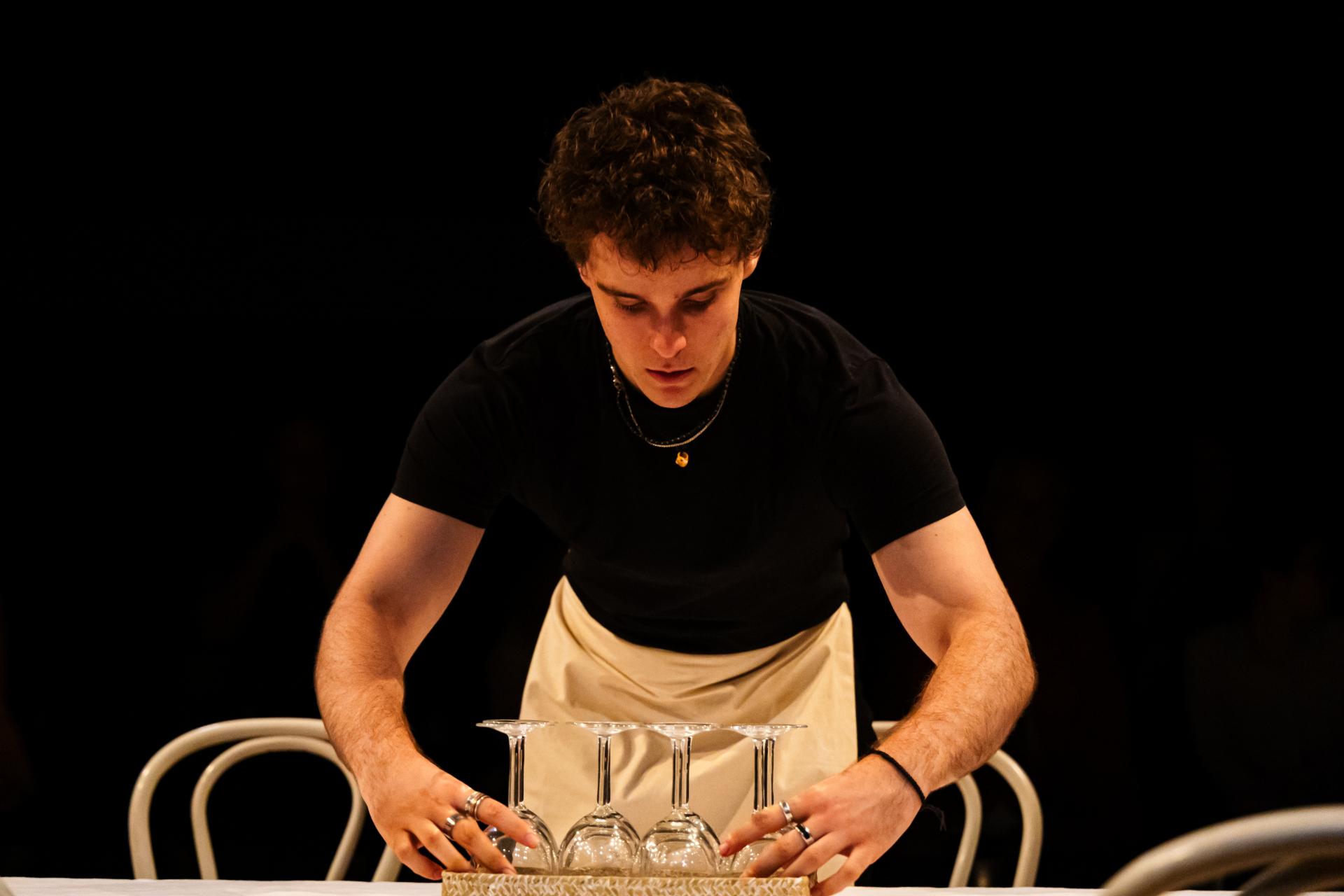
Review: Rent (Sydney Opera House)

Venue: Sydney Opera House (Sydney NSW), Sep 27 – Nov 1 2025
Book, Music & Lyrics: Jonathan Larson
Director: Shaun Rennie
Cast: Jesse Dutlow, Googoorewon Knox, Tana Laga’aia, Calista Nelmes, Kristin Paulse, Henry Rollo, Harry Targett, Imani Williams
Images by Pia Johnson, Neil Bennett

Theatre review
When Jonathan Larson completed his magnum opus Rent in 1996, he could not have foreseen that the bohemian enclave of New York City he celebrated was already in its twilight. Within a year, Rudy Giuliani’s iron-fisted mayorship would begin reshaping the city, erasing the fragile counterculture that had given Rent its heartbeat. Nearly three decades on, some of its echoes have softened, but the core refrain remains. The story of an underclass ignored by a complacent American mainstream feels newly pertinent in an era marked by authoritarian politics and cultural division.

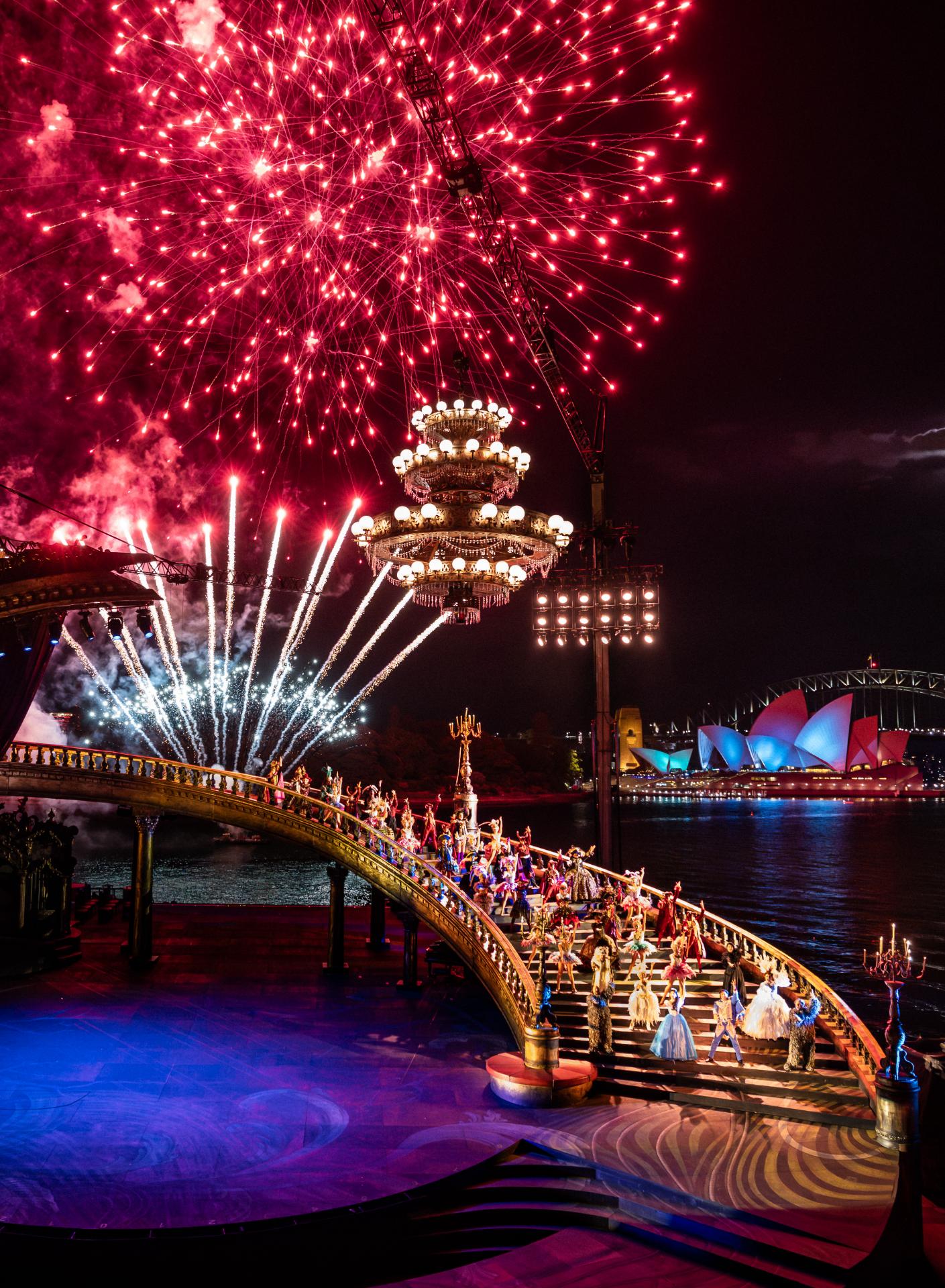
Whether Larson’s writing truly earns its lofty reputation is open to debate, but Shaun Rennie’s direction in this revival is beyond question. His staging shimmers with a visual splendour that conjures spectacle without betraying the grit of a neighbourhood on the margins. What once risked sounding trite in Rent is here imbued with unexpected sincerity, the familiar refrains lifted into something that feels palpably meaningful.

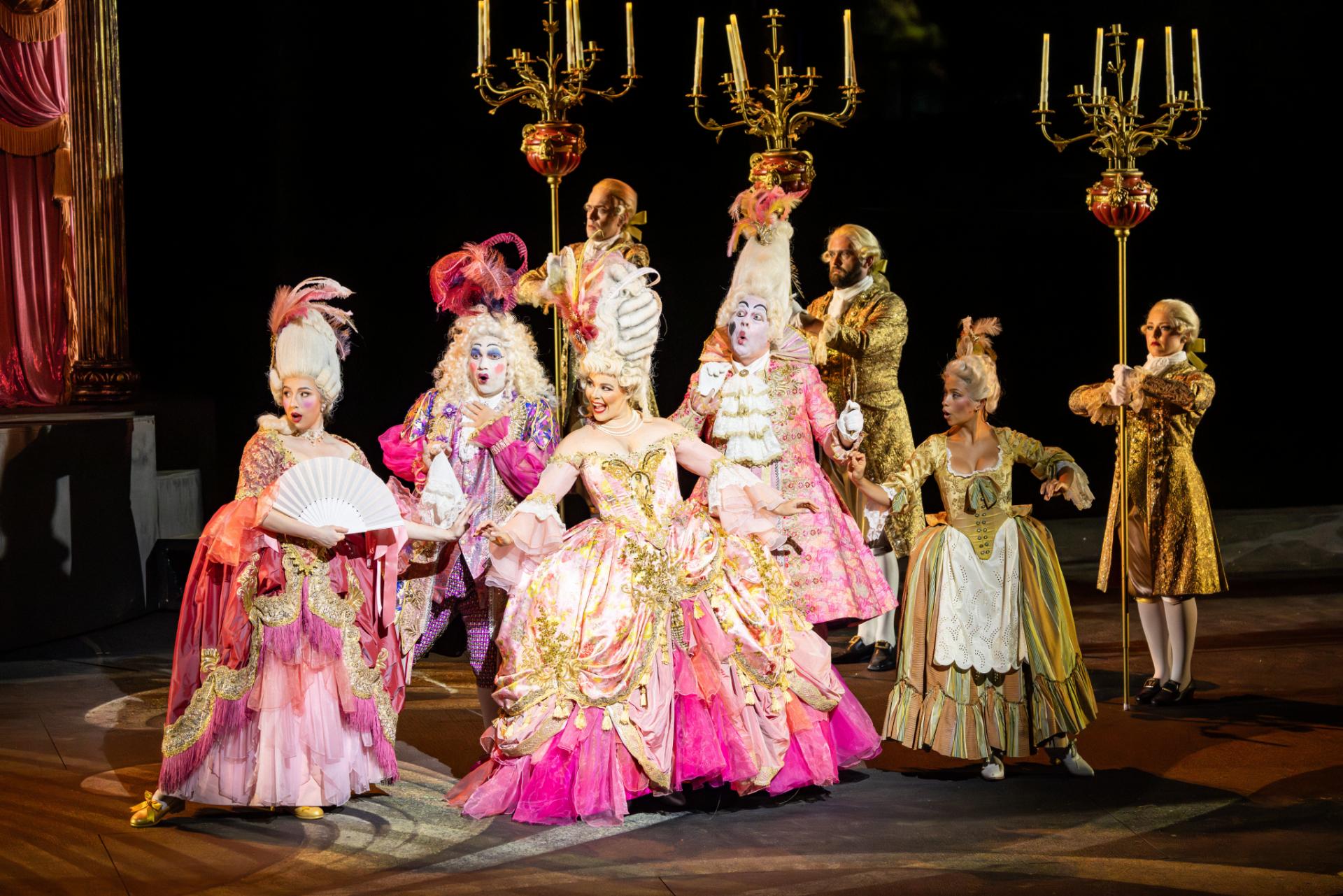
Dann Barber’s set design astonishes in its detail and completeness, evoking both the era and the grunge locale with unflinching accuracy, while offering theatricality that never ceases to enthral the eye. Ella Butler’s costumes bring striking authenticity to a multitude of characters, yet always sustain a visual harmony across the stage. Paul Jackson’s lighting is profoundly evocative, conjuring memory and emotion in equal measure, and captivating us with an endless stream of potent imagery.

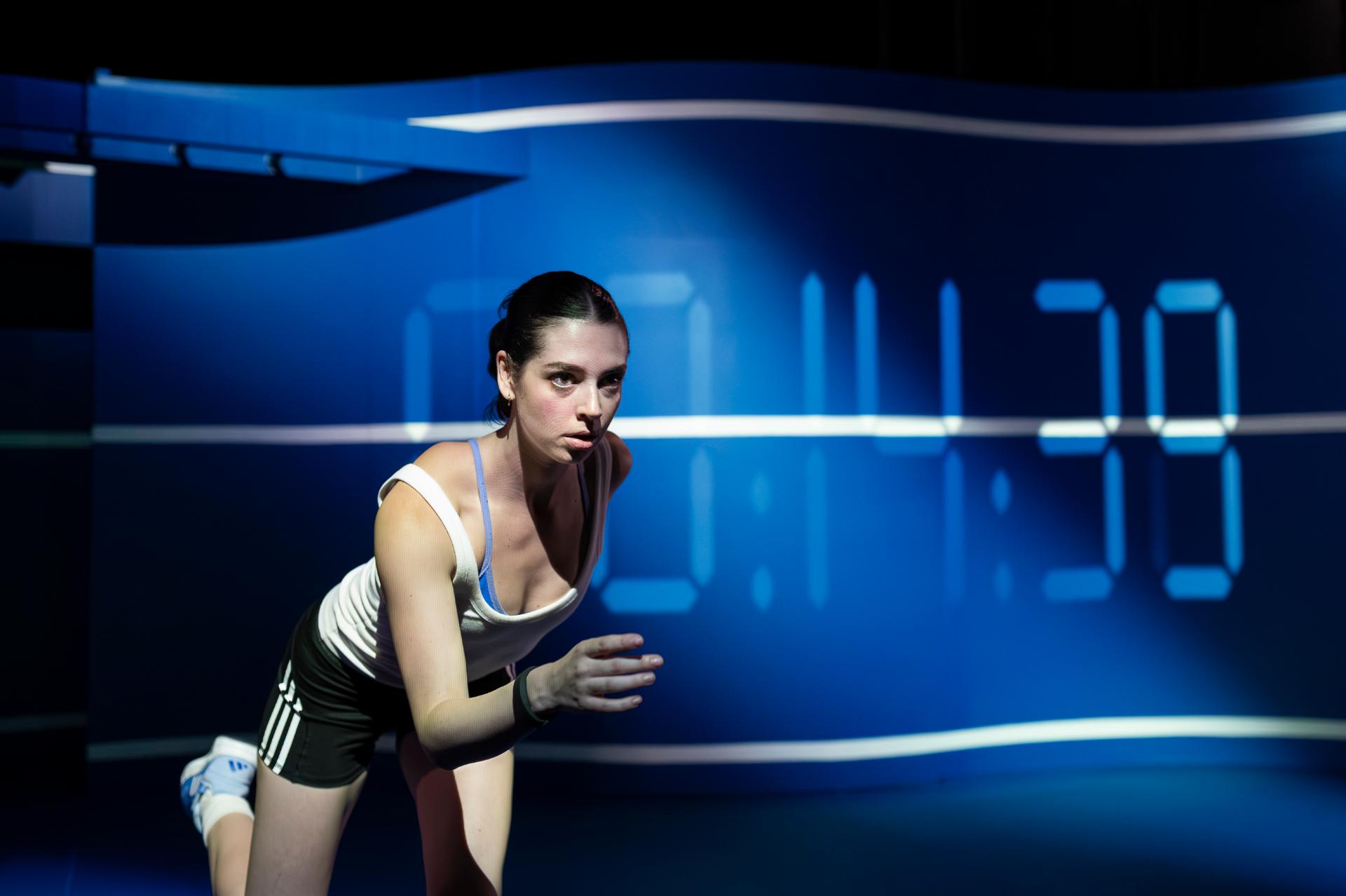
The cast is uniformly endearing, each performer delivering not only exceptional vocal power but also a sincerity that grounds the musical’s sweeping emotions. Calista Nelmes all but stops the show with her riotous, electric turn as Maureen in “Over the Moon,” while Harry Targett imbues Roger with an actorly intensity that lends the production its beating heart. Equally praiseworthy are Luca Dinardo’s choreography and Jack Earle’s musical direction—both infused with passion and executed with polish, their work bold in vision and shimmering with invention, breathing new vitality into a show that has long lived in the cultural imagination.

Perhaps the most crucial truth that Rent represents is that, in much of American culture and tradition, those at the bottom rungs are deemed undesirable—or even expendable. The AIDS crisis laid bare the ease with which Americans could turn on one another, exploiting capitalist values or religious fervour as justification for prejudice and cruelty. Today, the same currents ripple through a new era of fascism, as communities are singled out, scapegoated, offered up as sacrificial lambs to feed the hunger for false promises and hollow triumphs. The musical’s story, though decades old, pulses with uncanny relevance, a mirror to a society still grappling with whom it chooses to value and whom it casts aside.
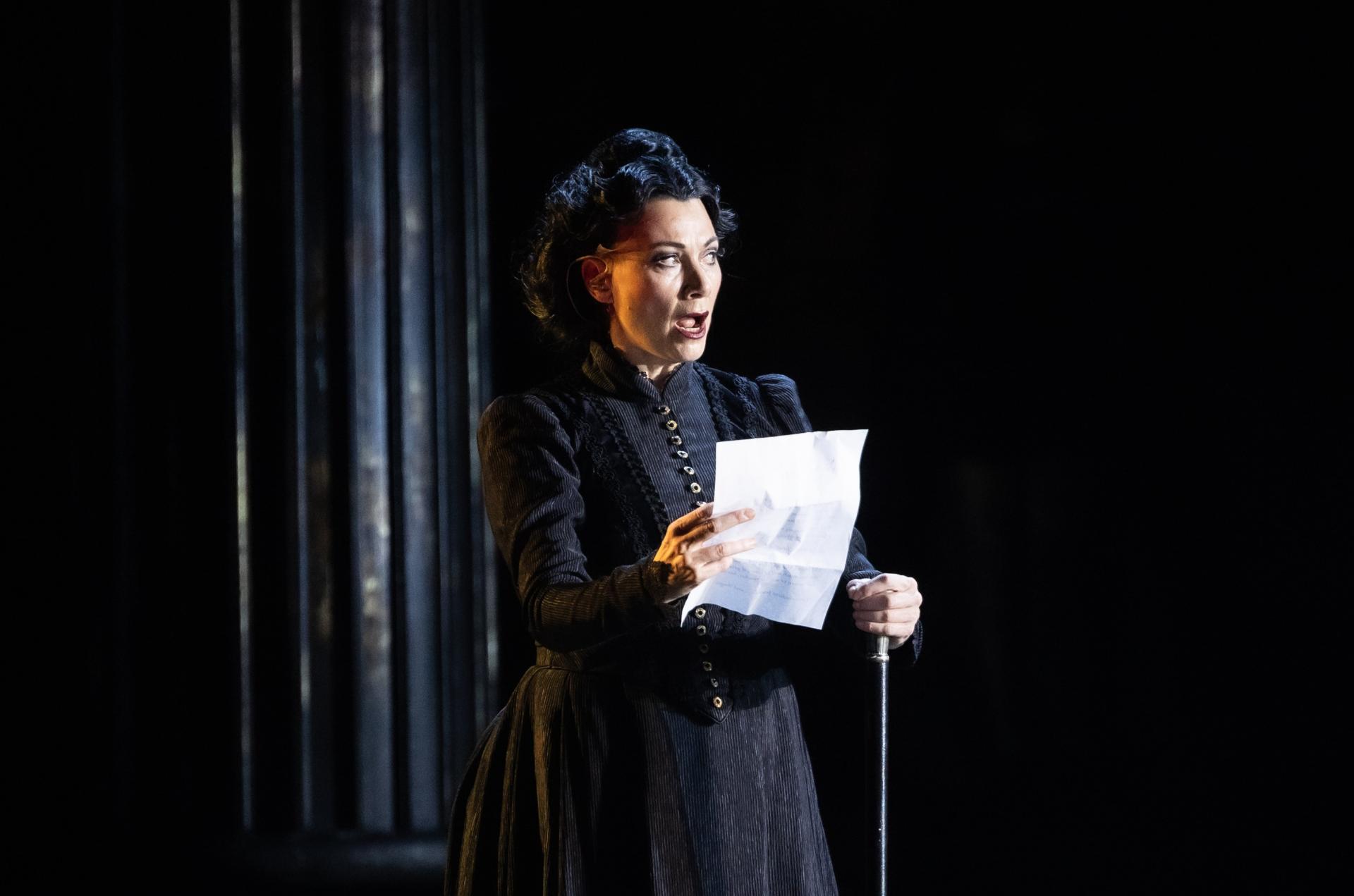
rentmusical.au