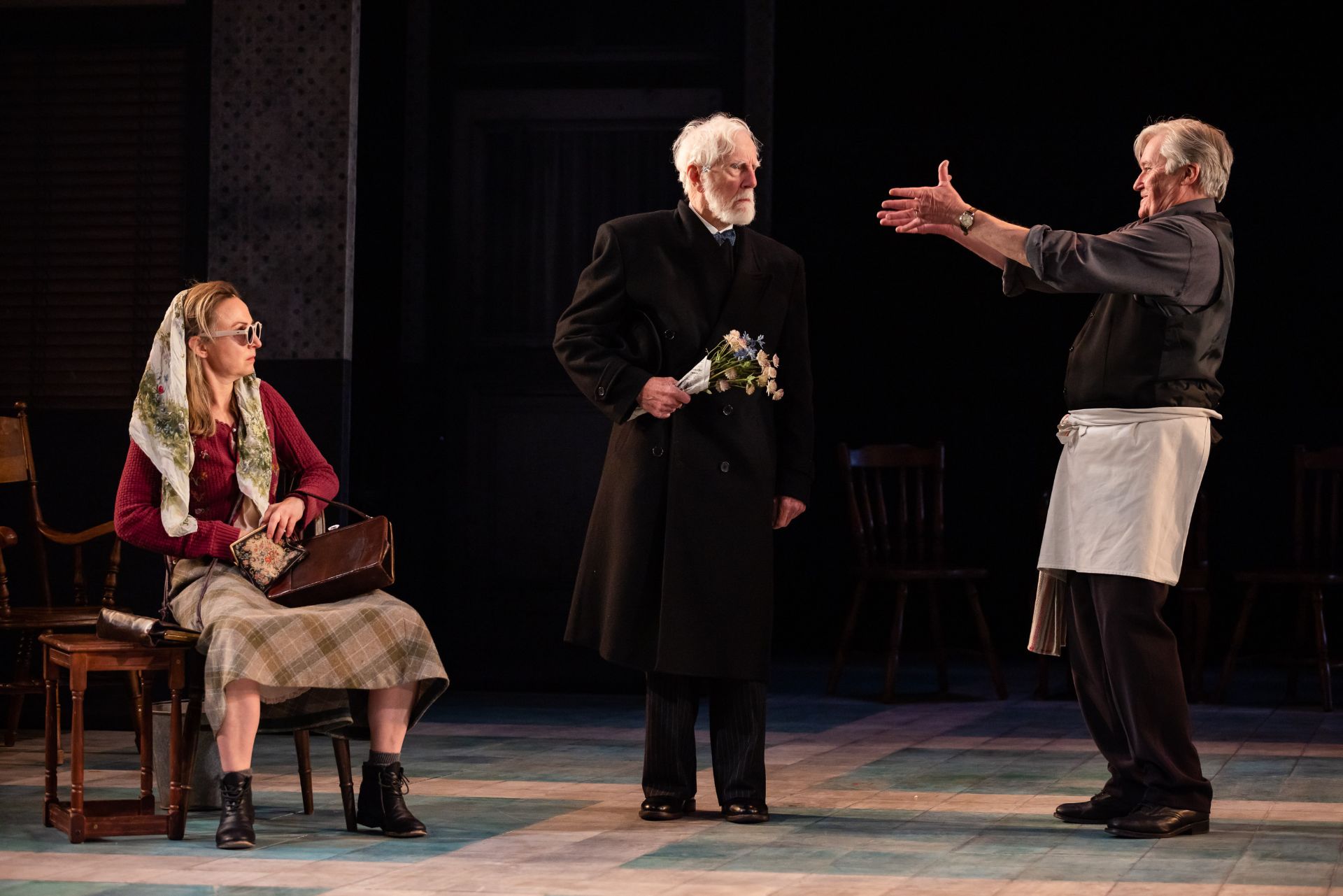
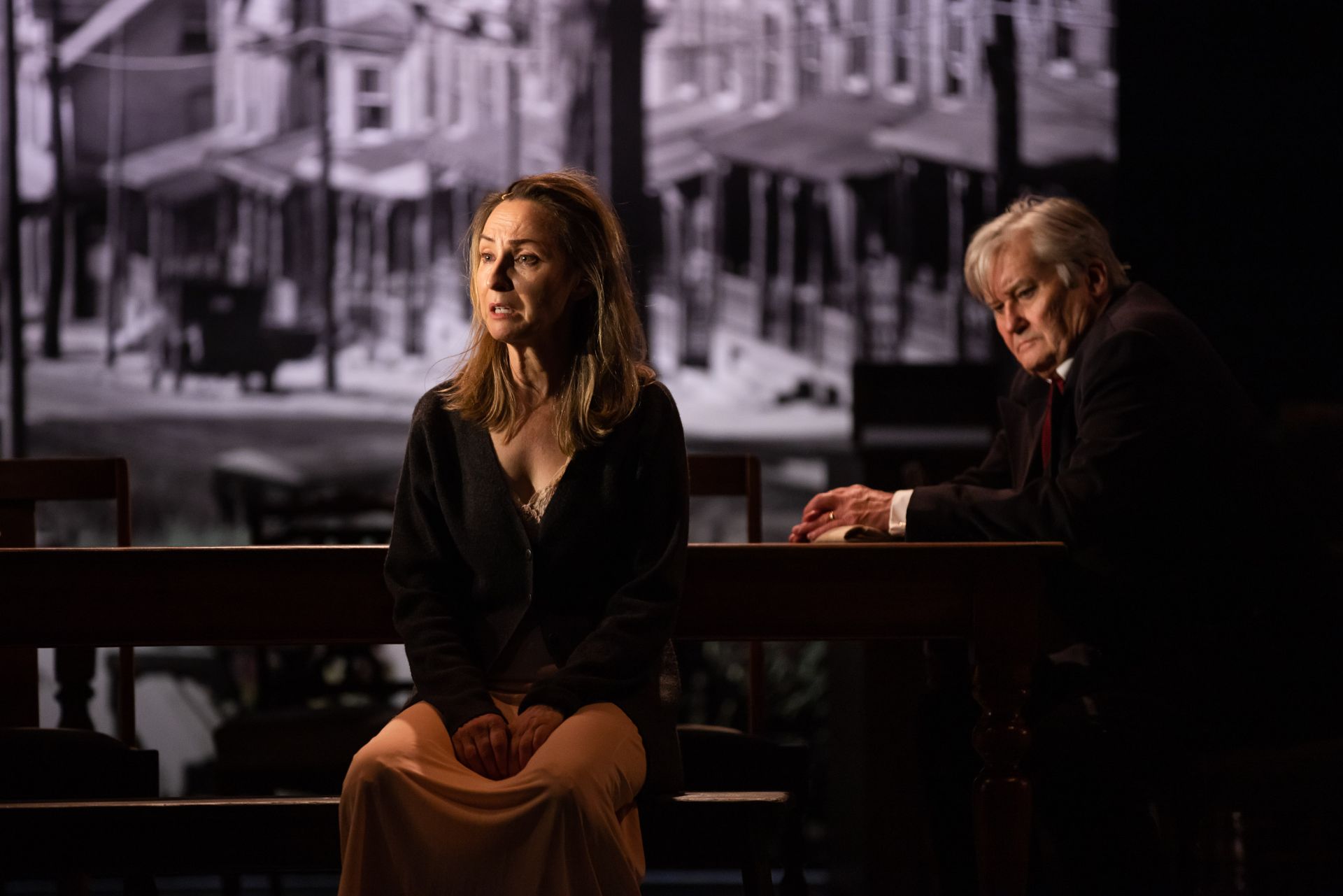
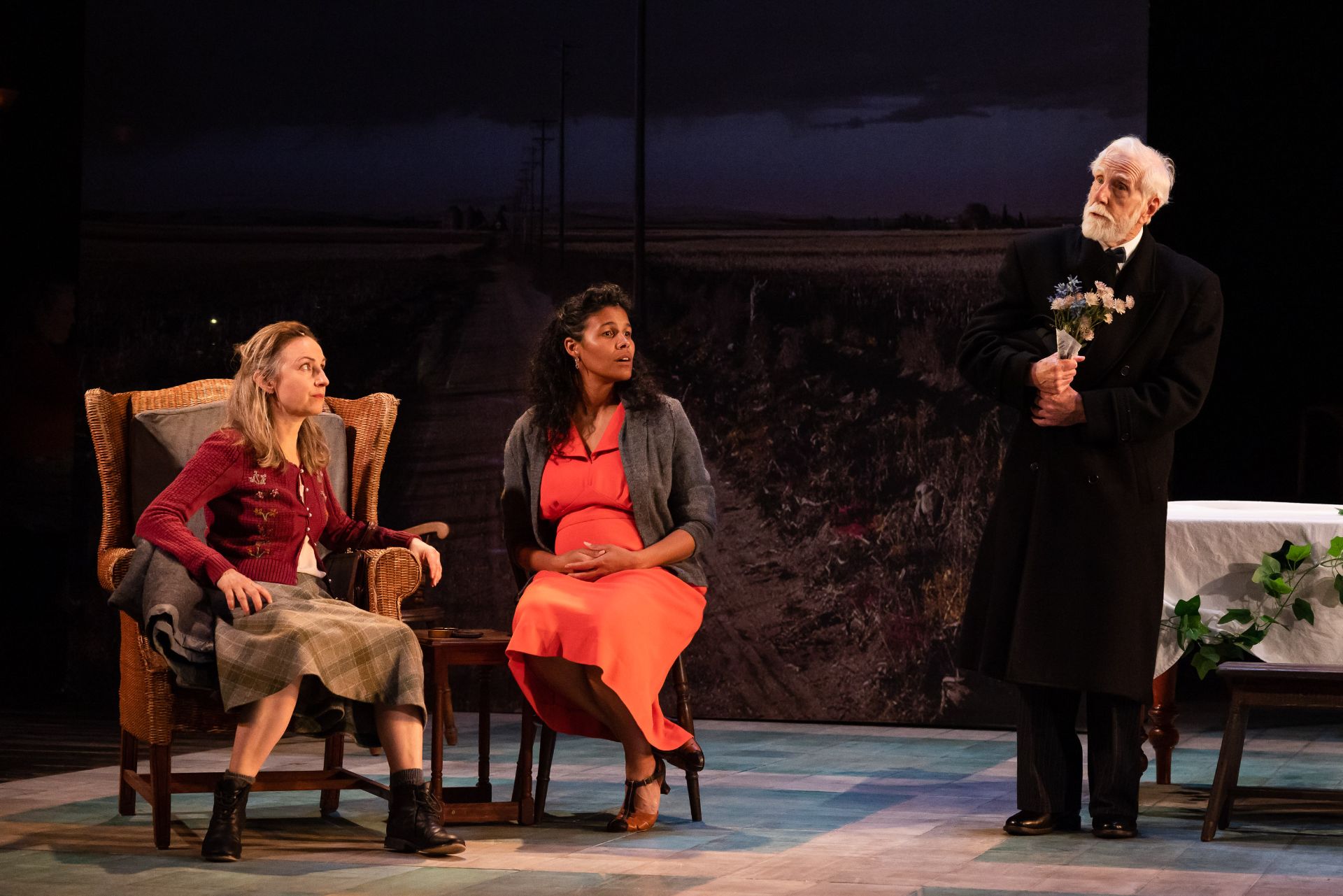
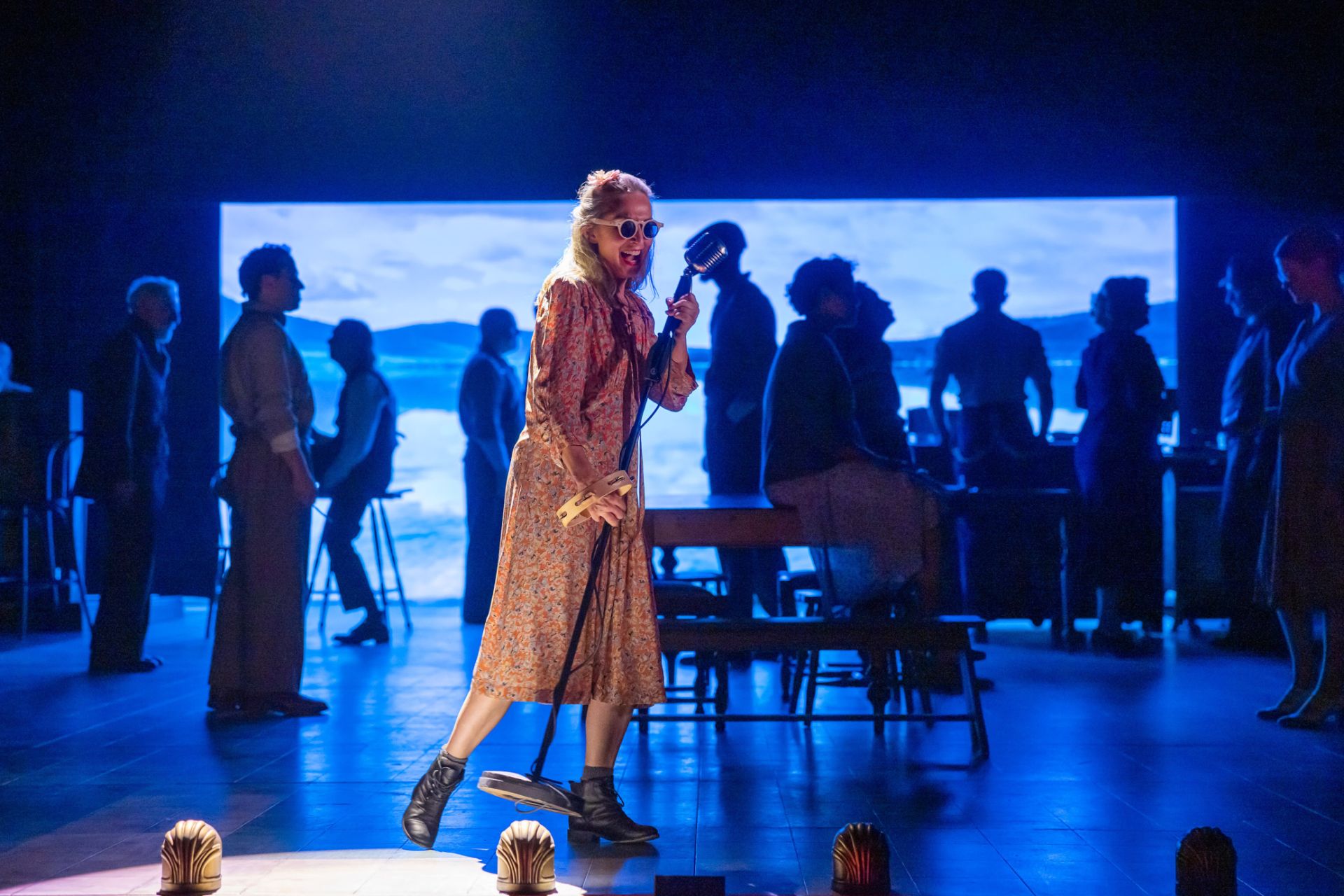
Review: Young Frankenstein (Hayes Theatre)

Venue: Hayes Theatre Co (Potts Point NSW), Feb 18 – Mar 20, 2021
Book: Mel Brooks, Thomas Meehan
Music & Lyrics: Mel Brooks
Director: Alexander Berlage
Cast: Matthew Backer, Olivia Charalambous, Shannon Dooley, Nick Eynaud, Ben Gerrard, Amy Hack, Luke Leong-Tay, Lucia Mastrantone
Images by Daniel Boud

Theatre review
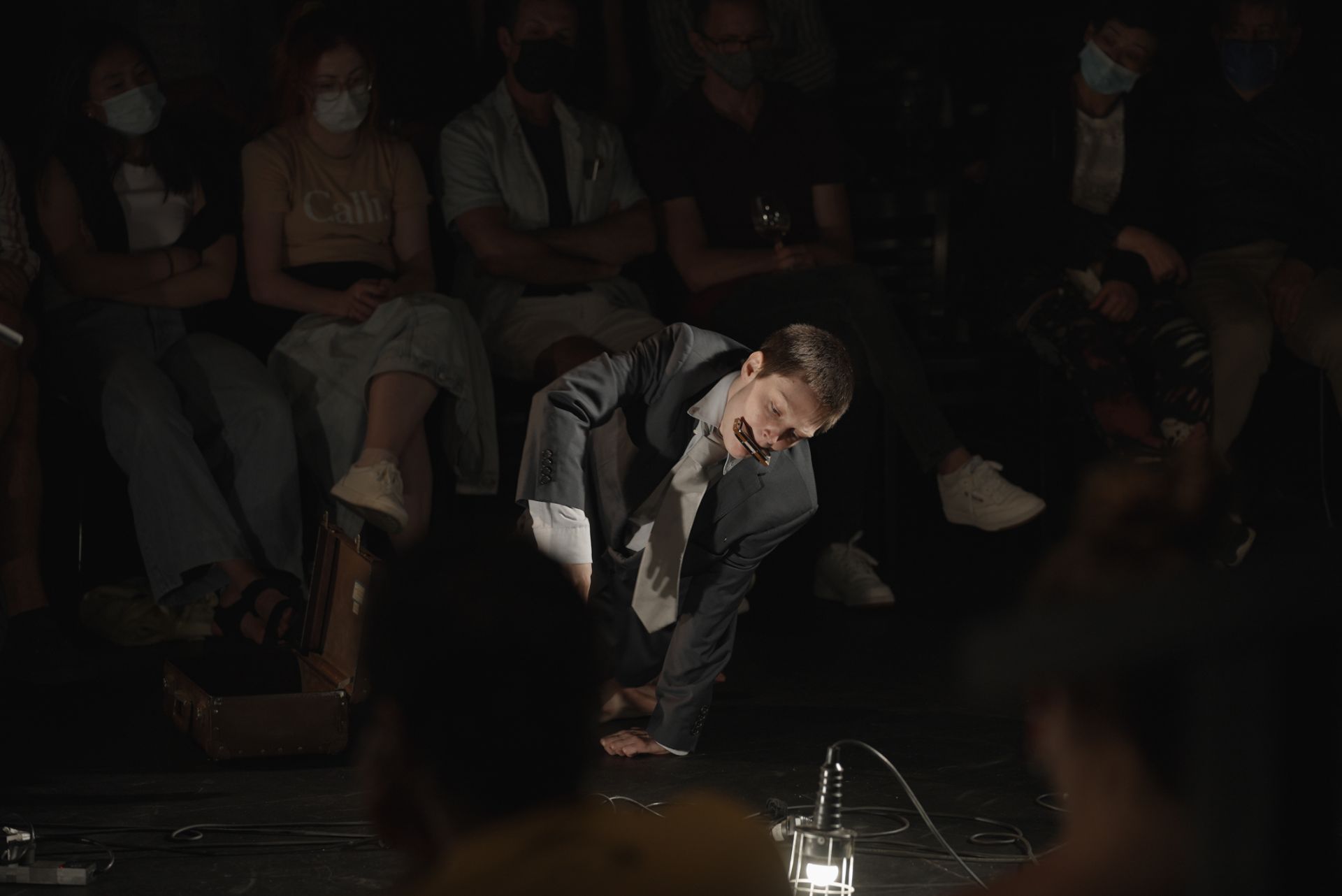
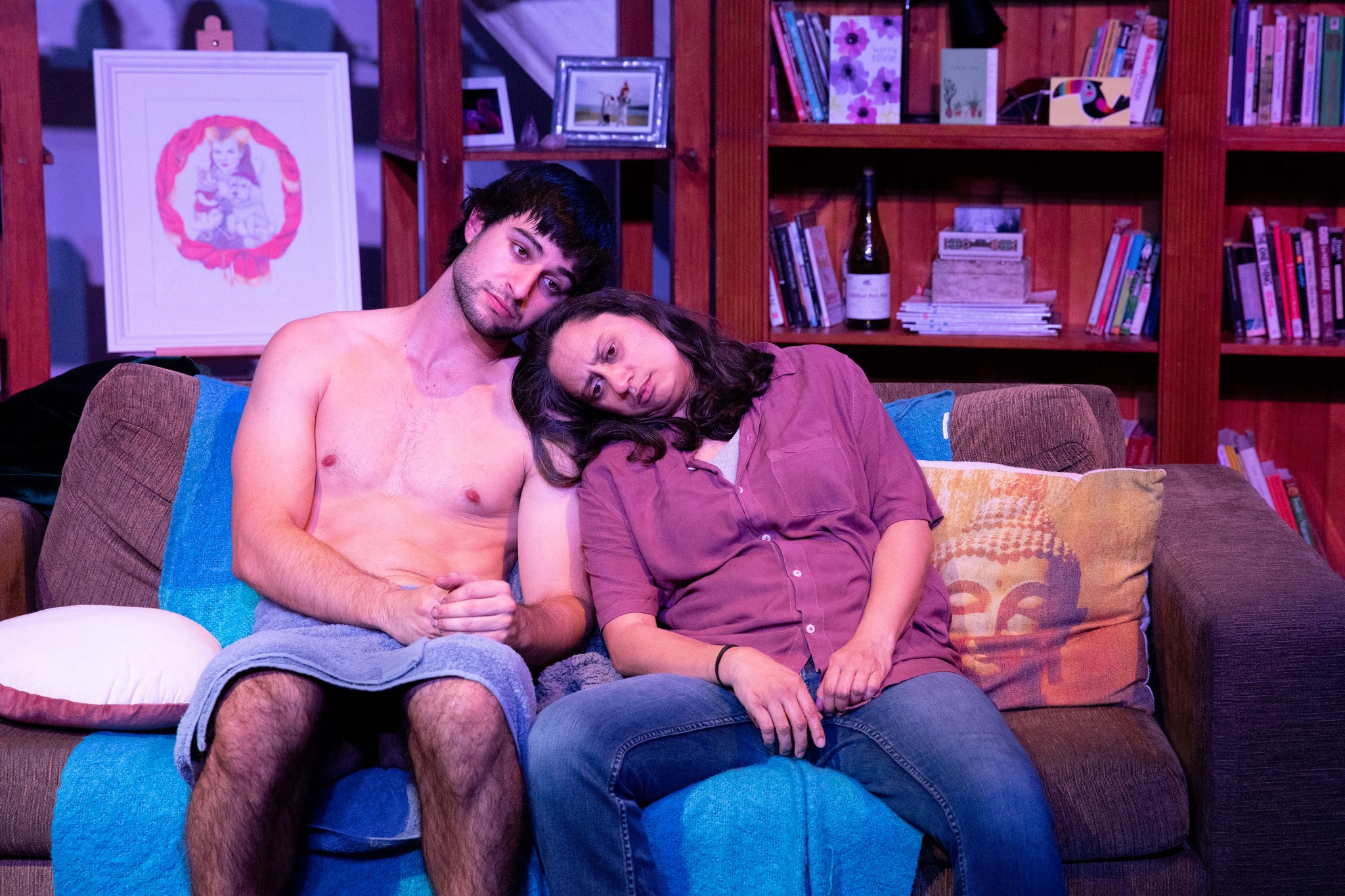
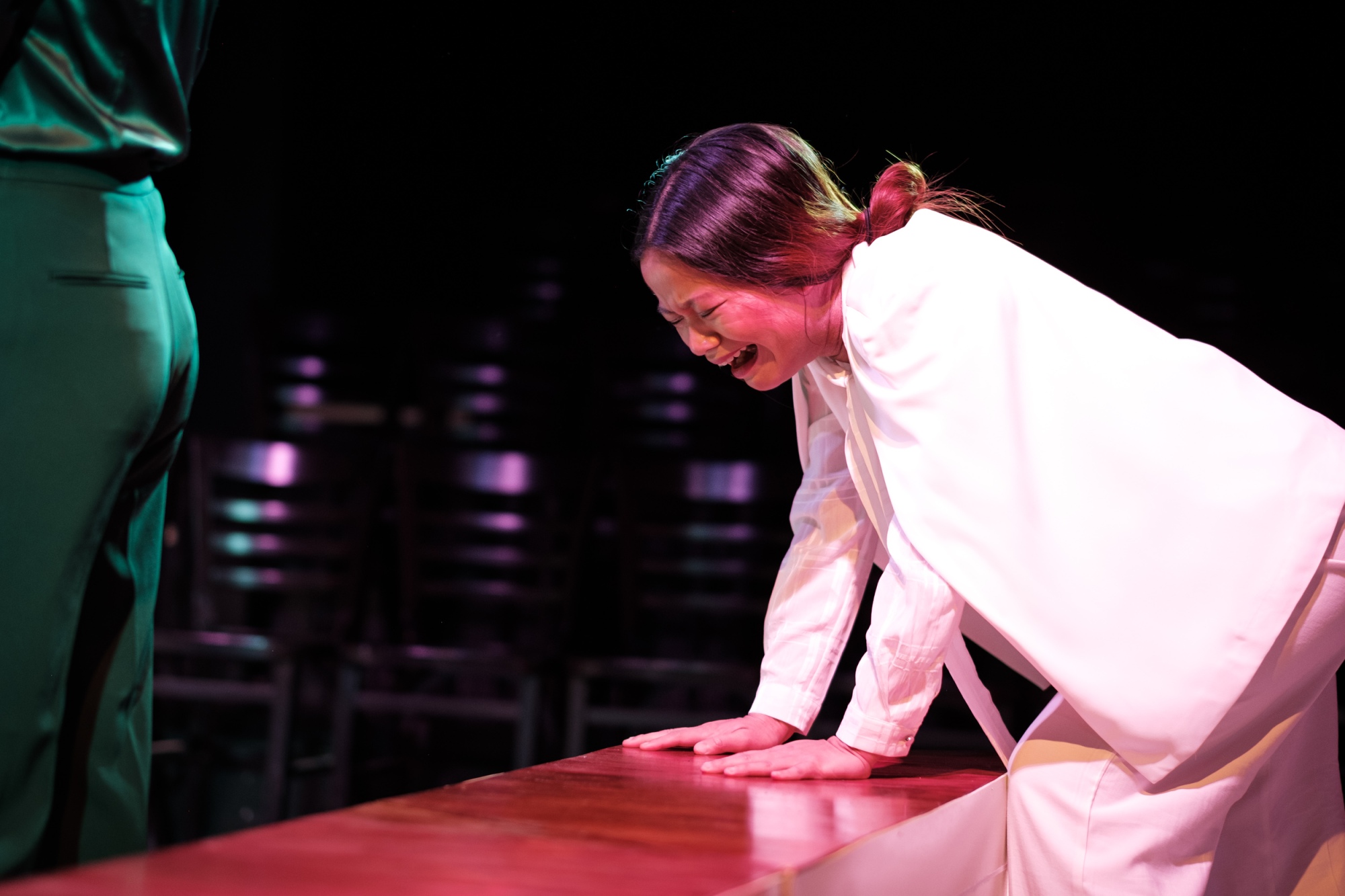
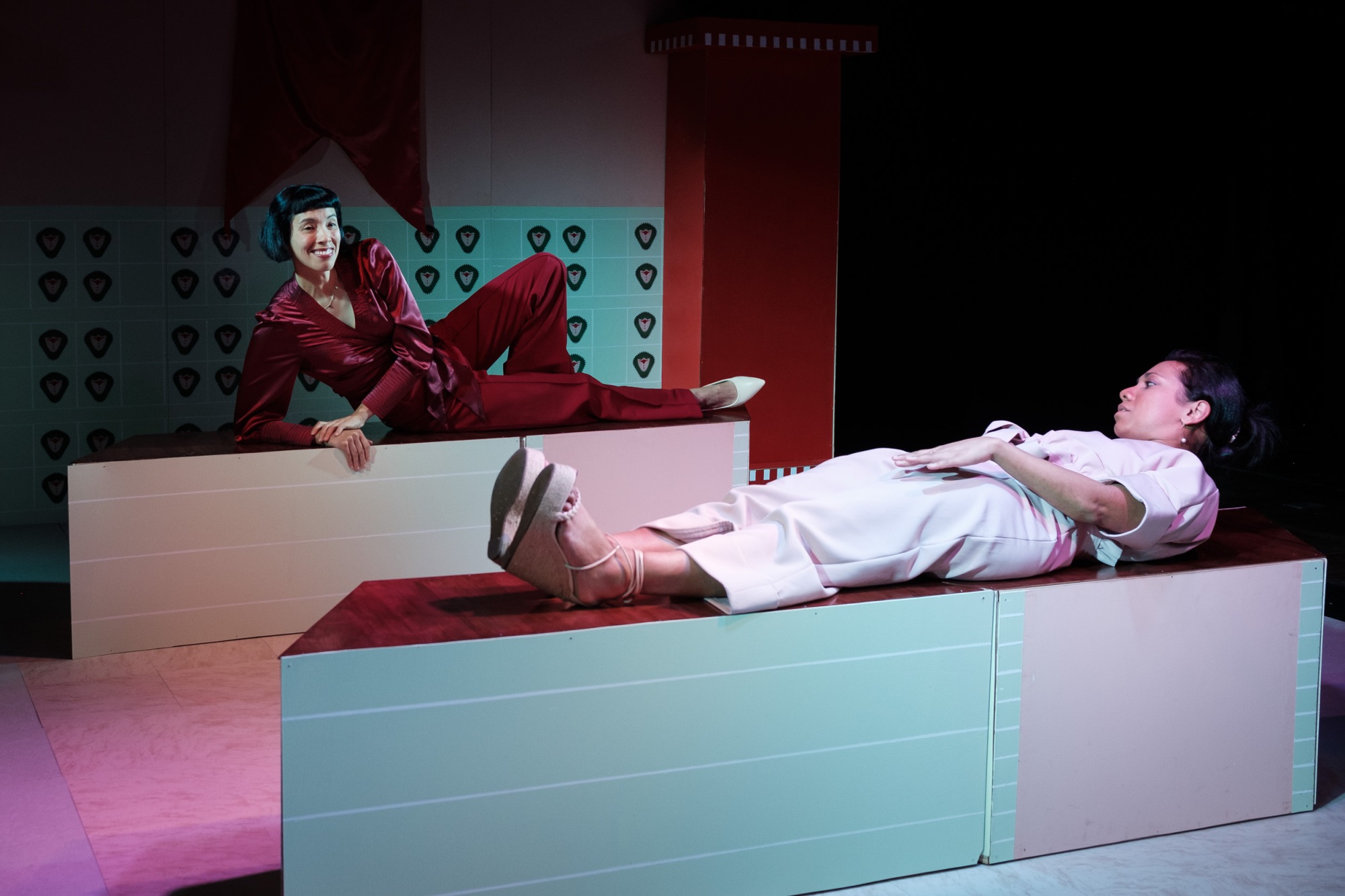
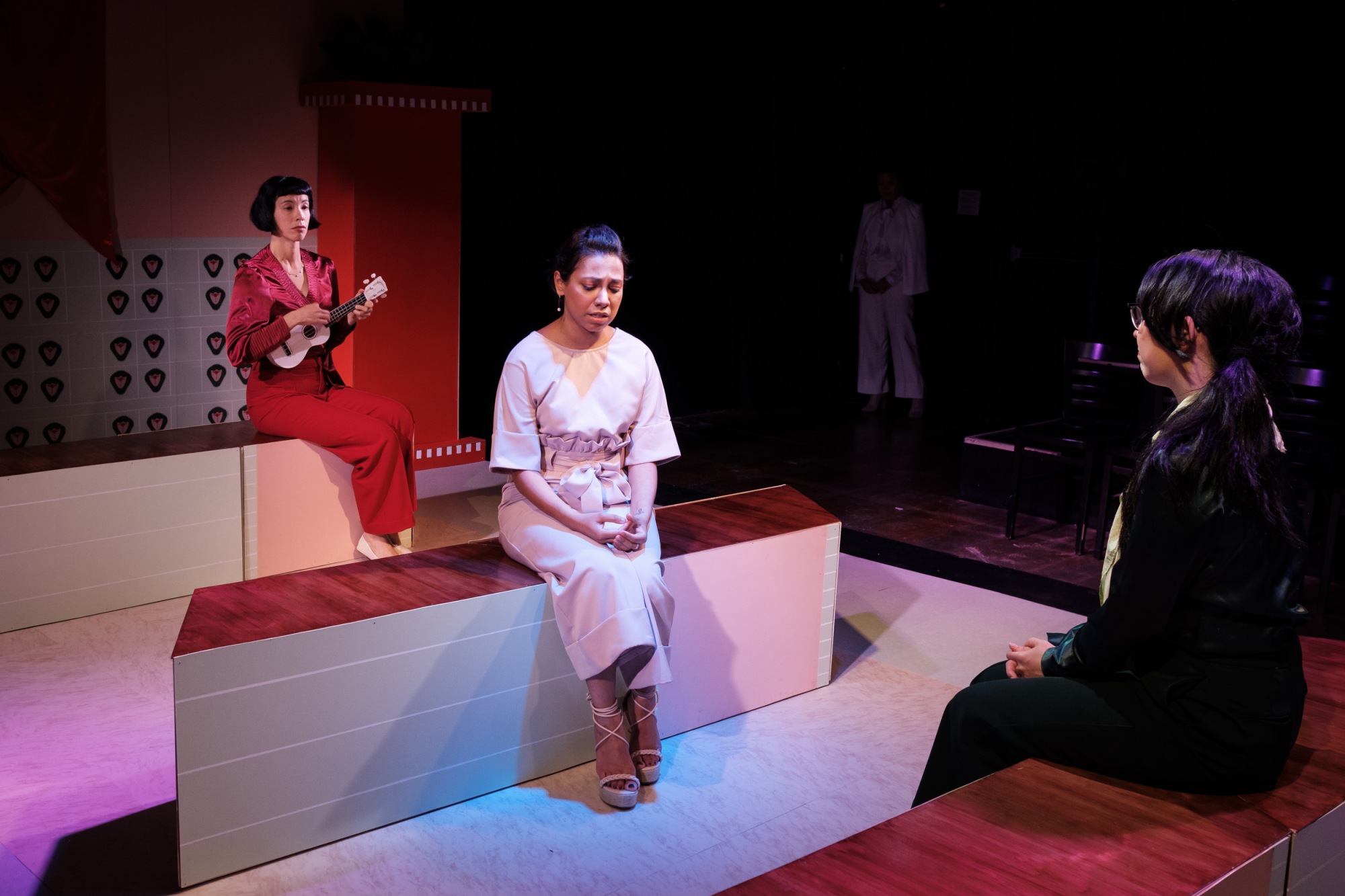
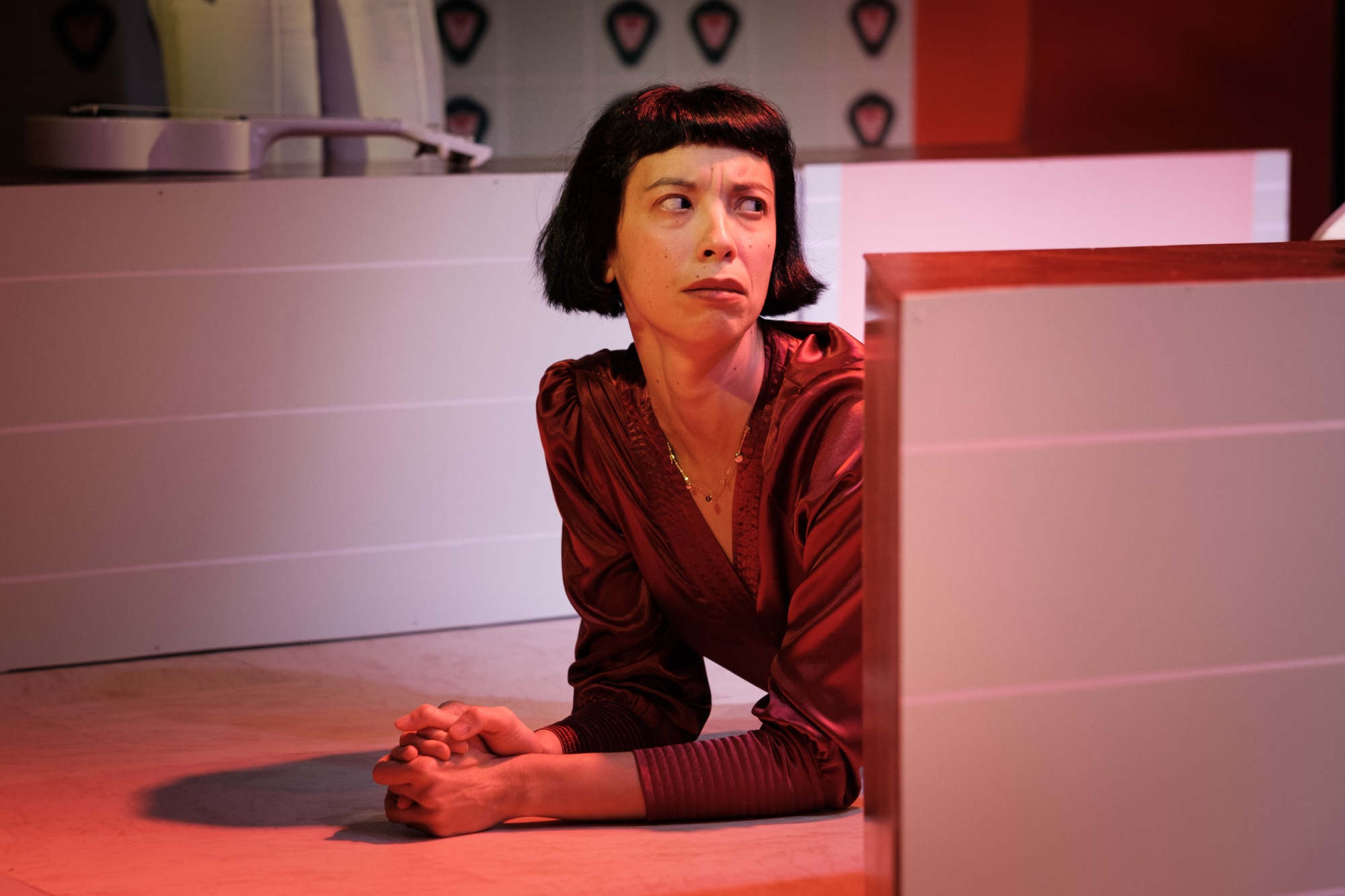
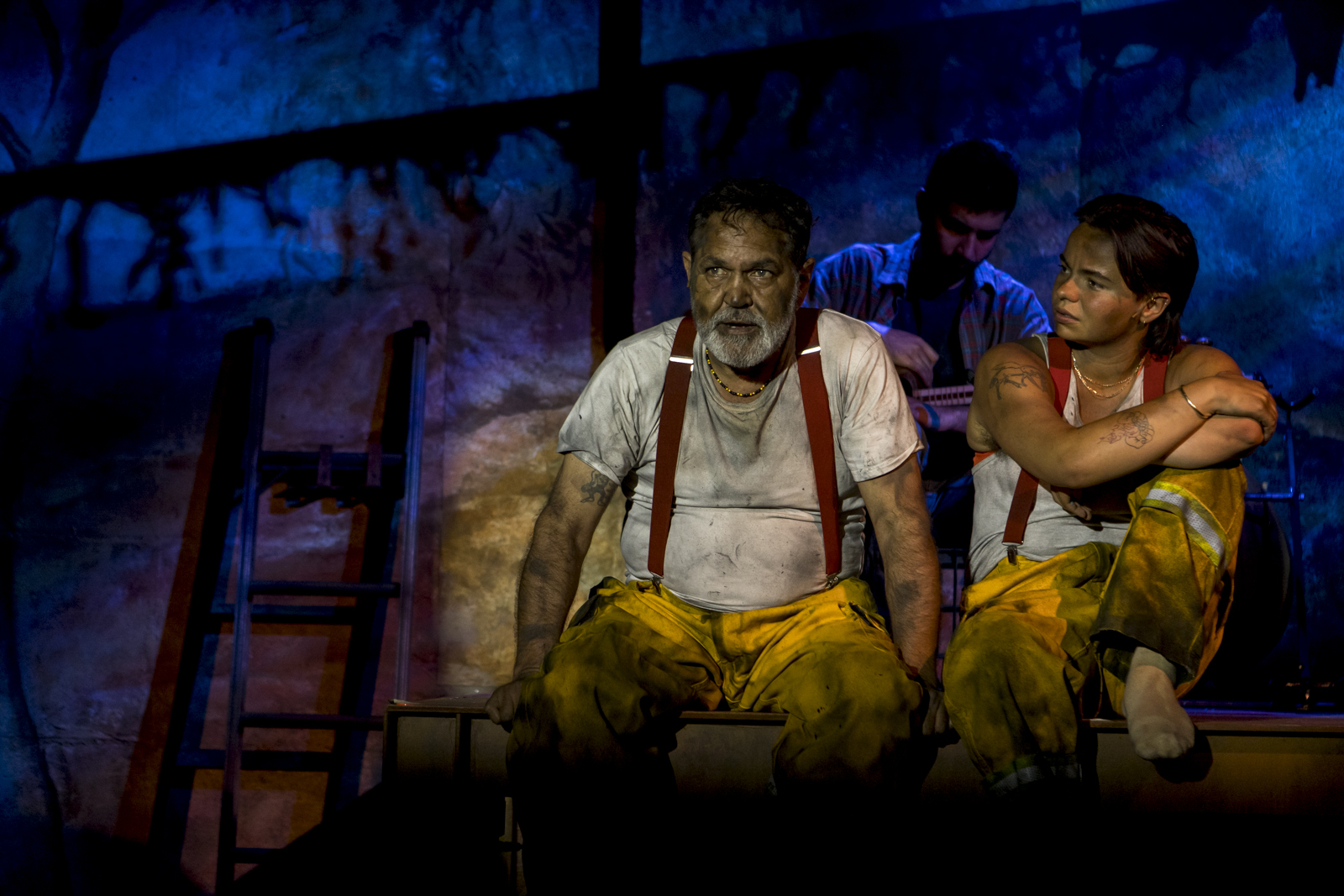
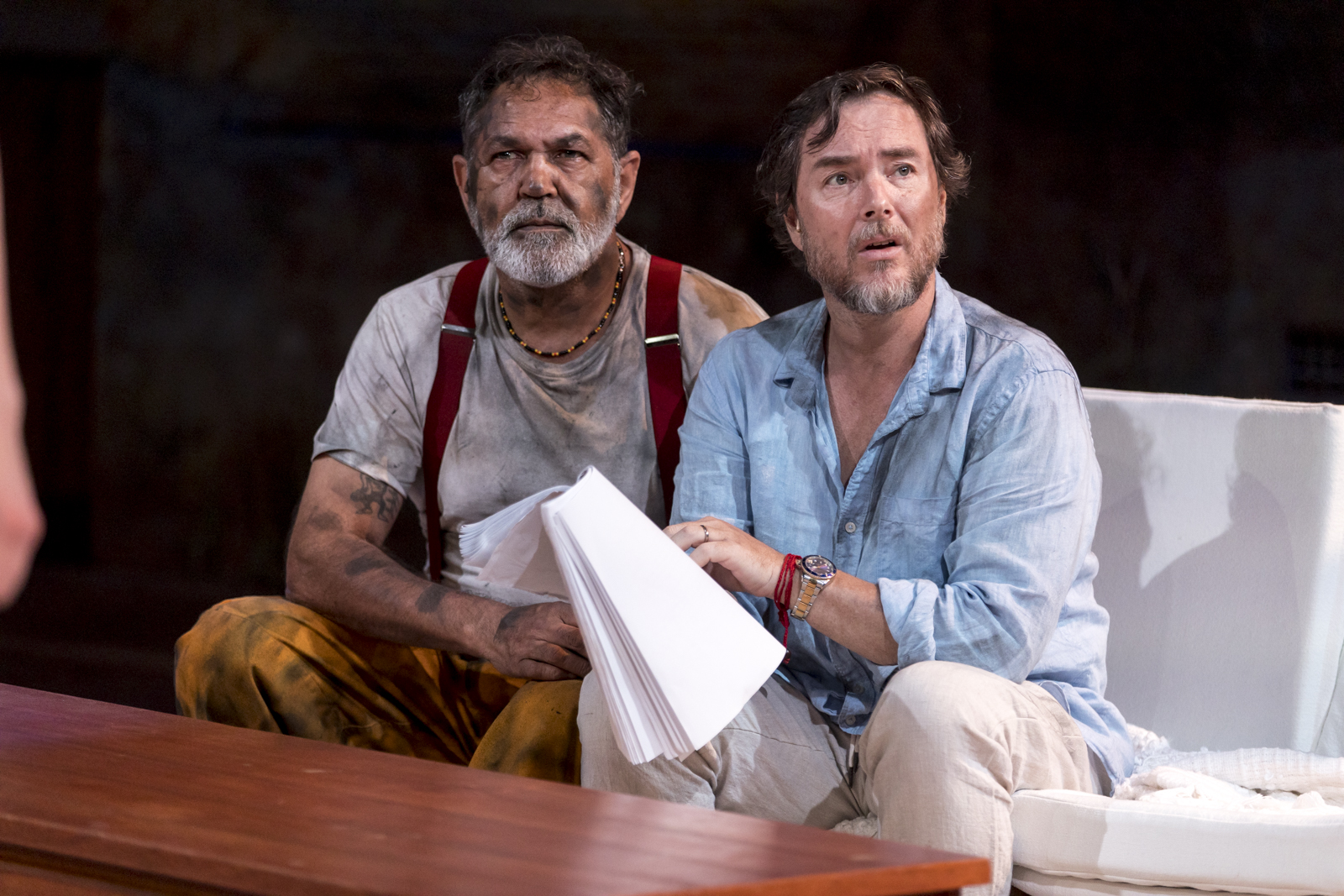
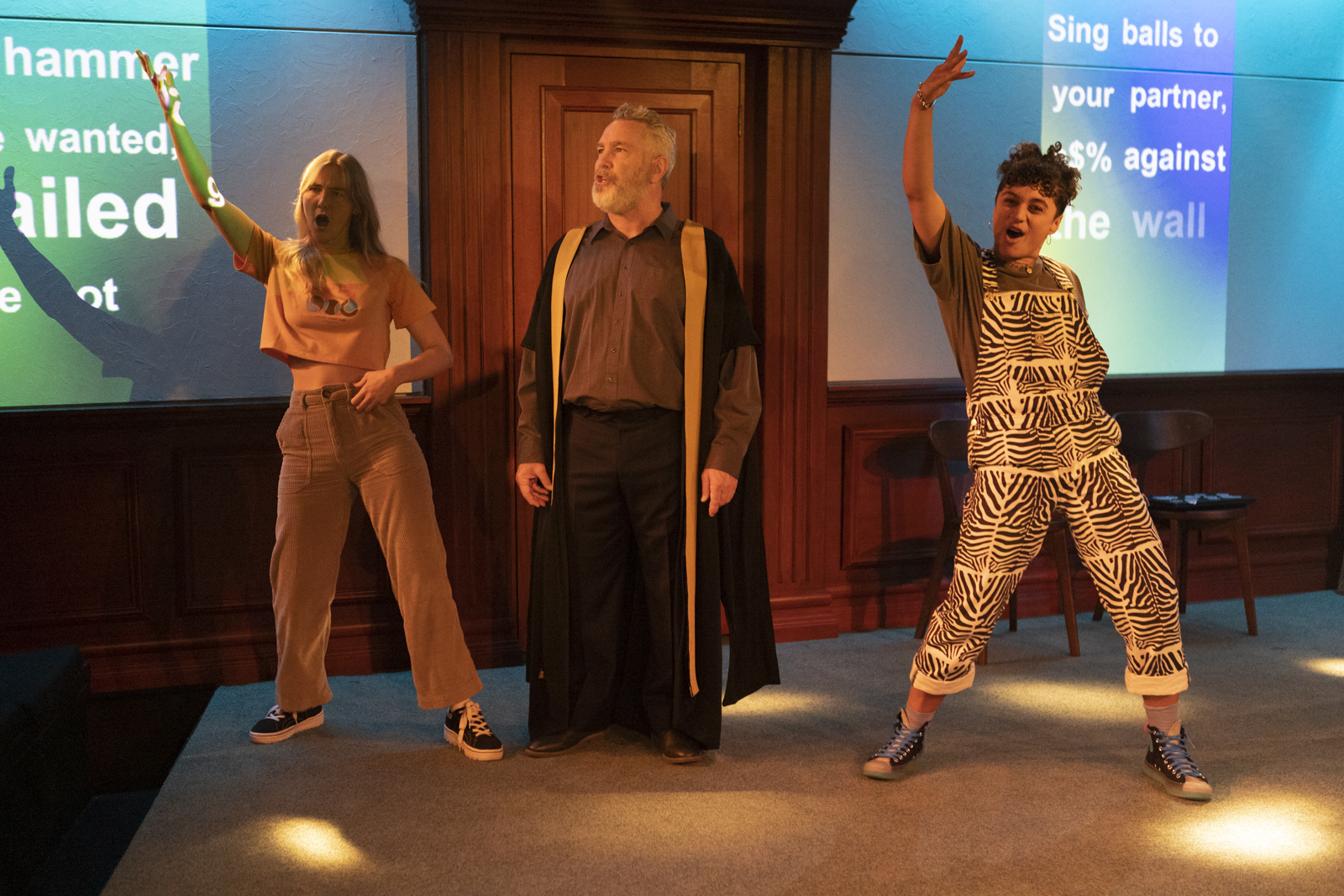
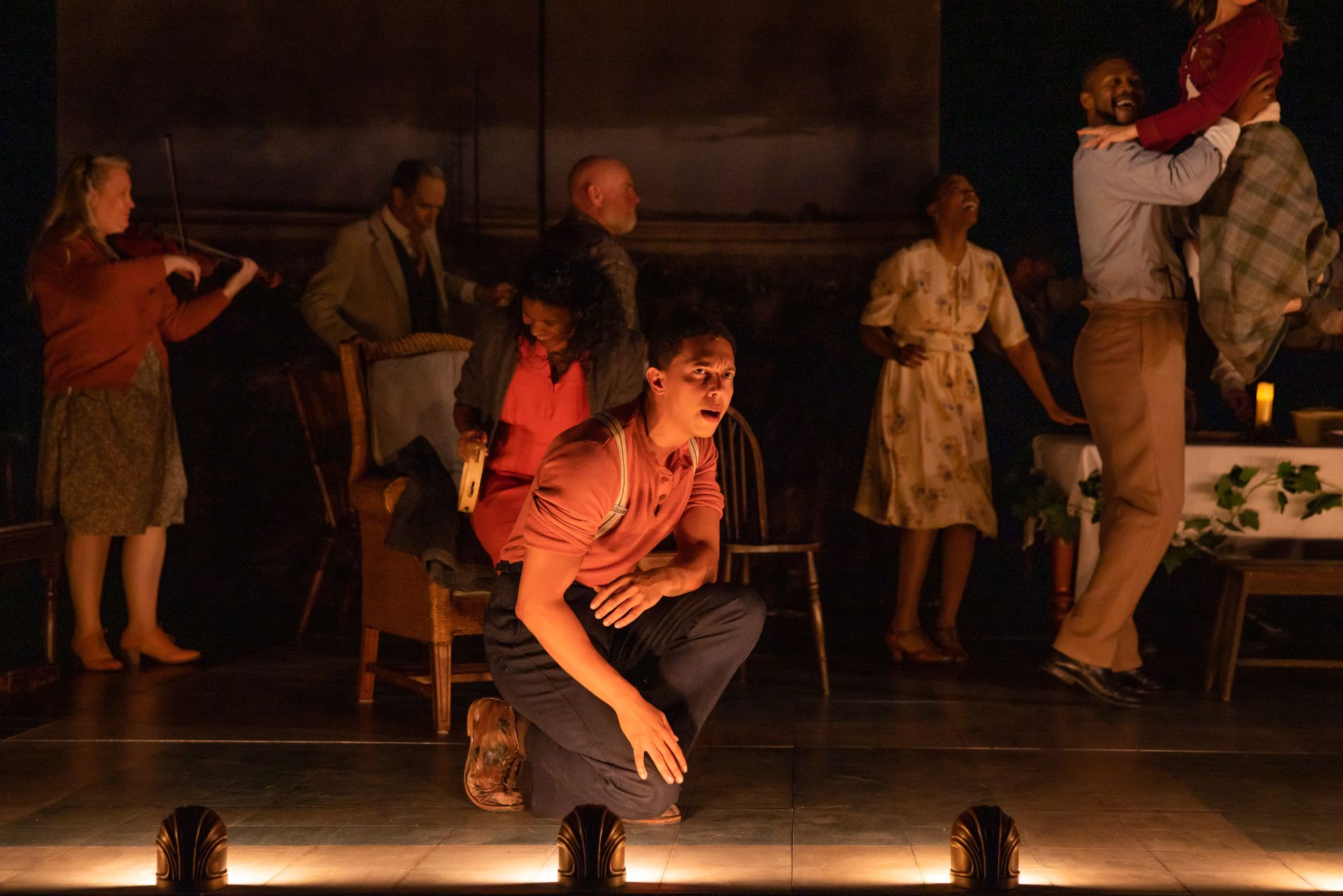
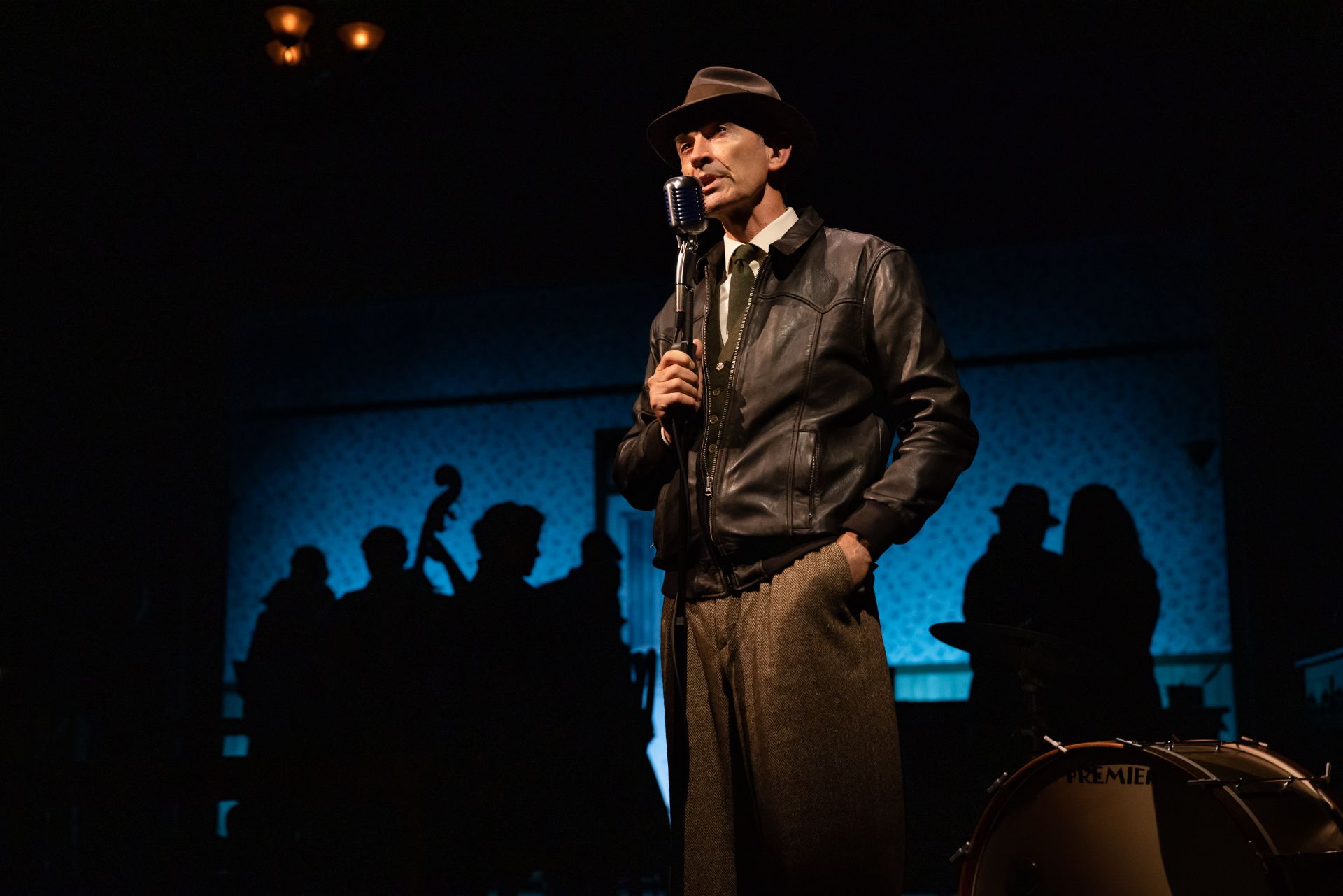
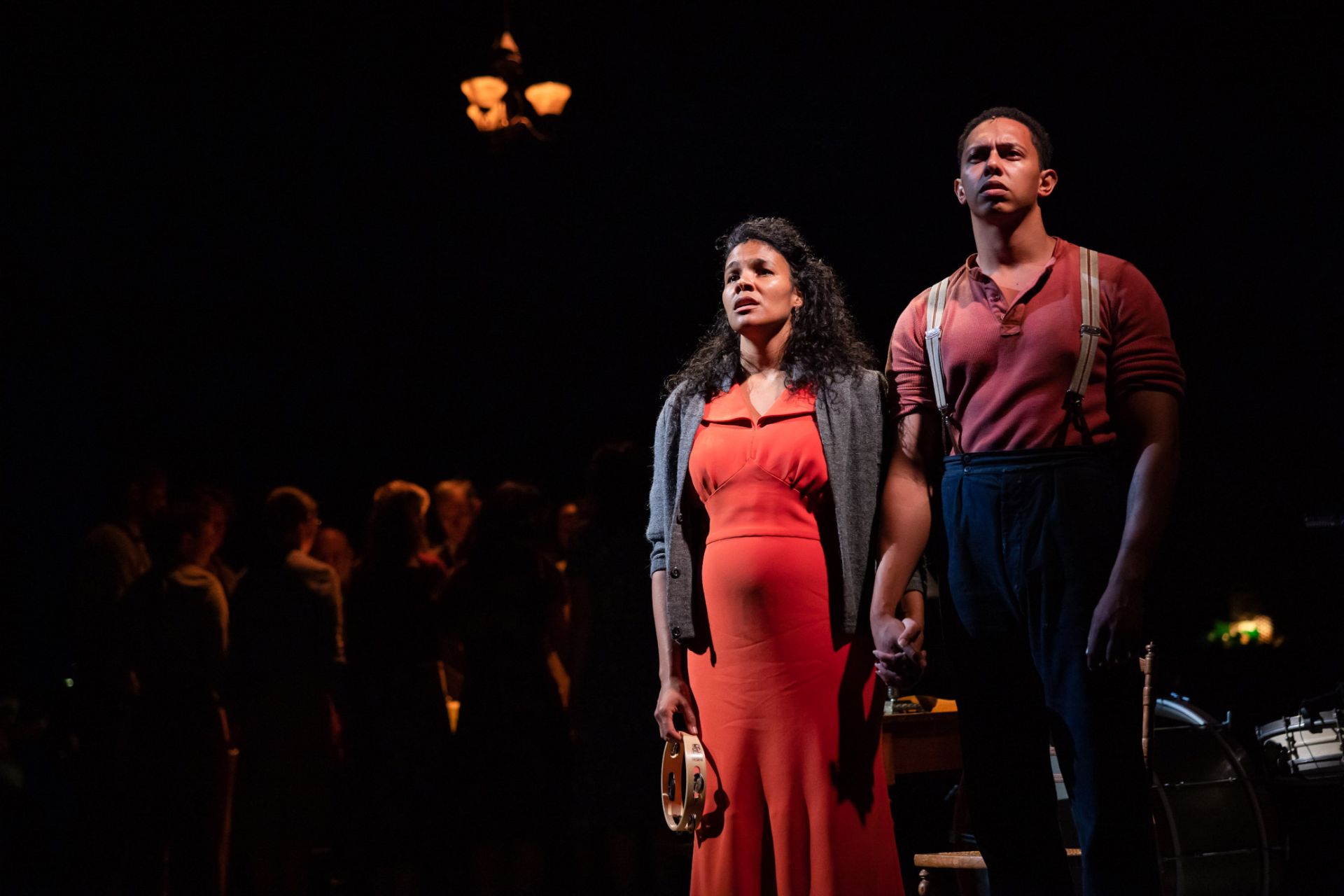
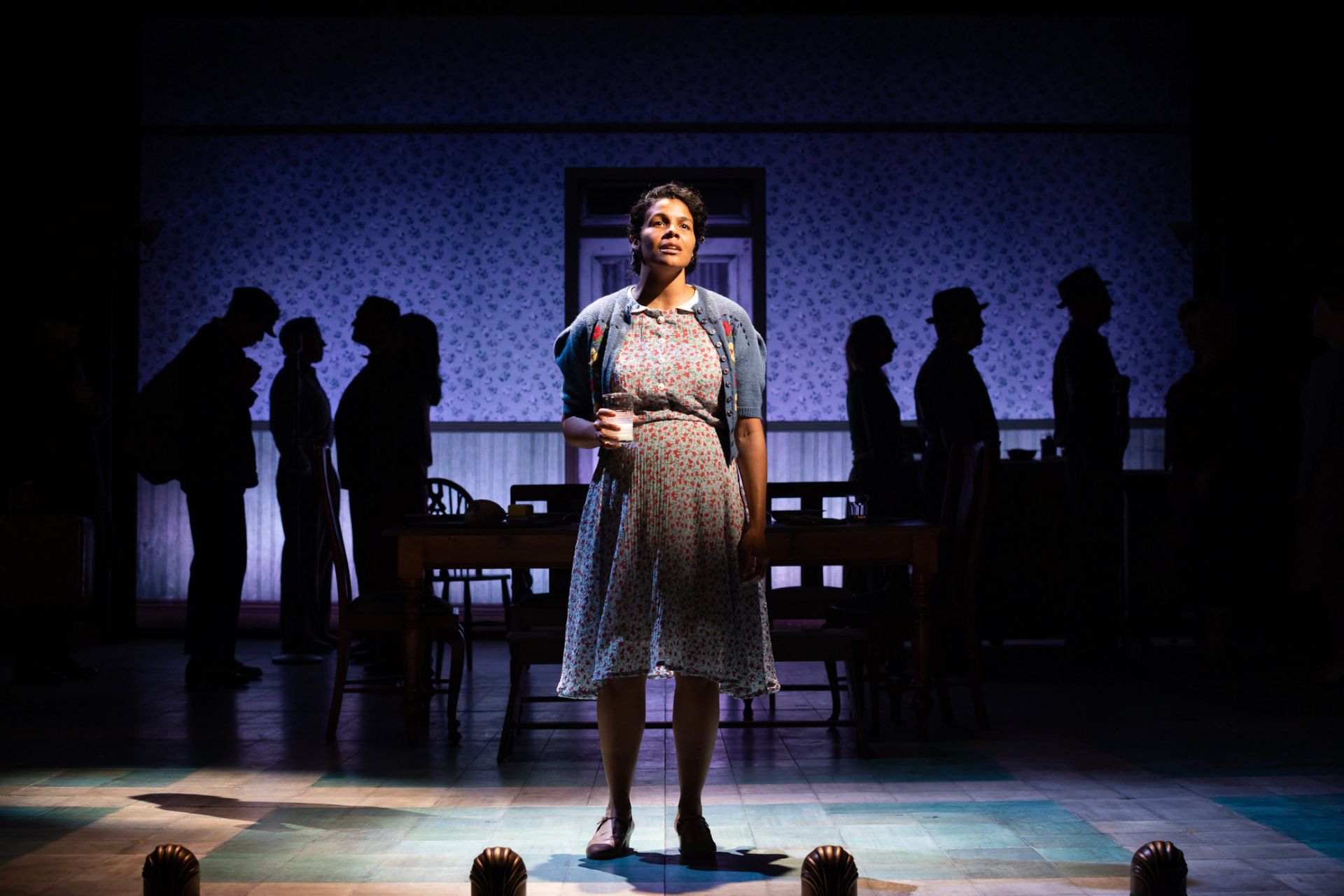
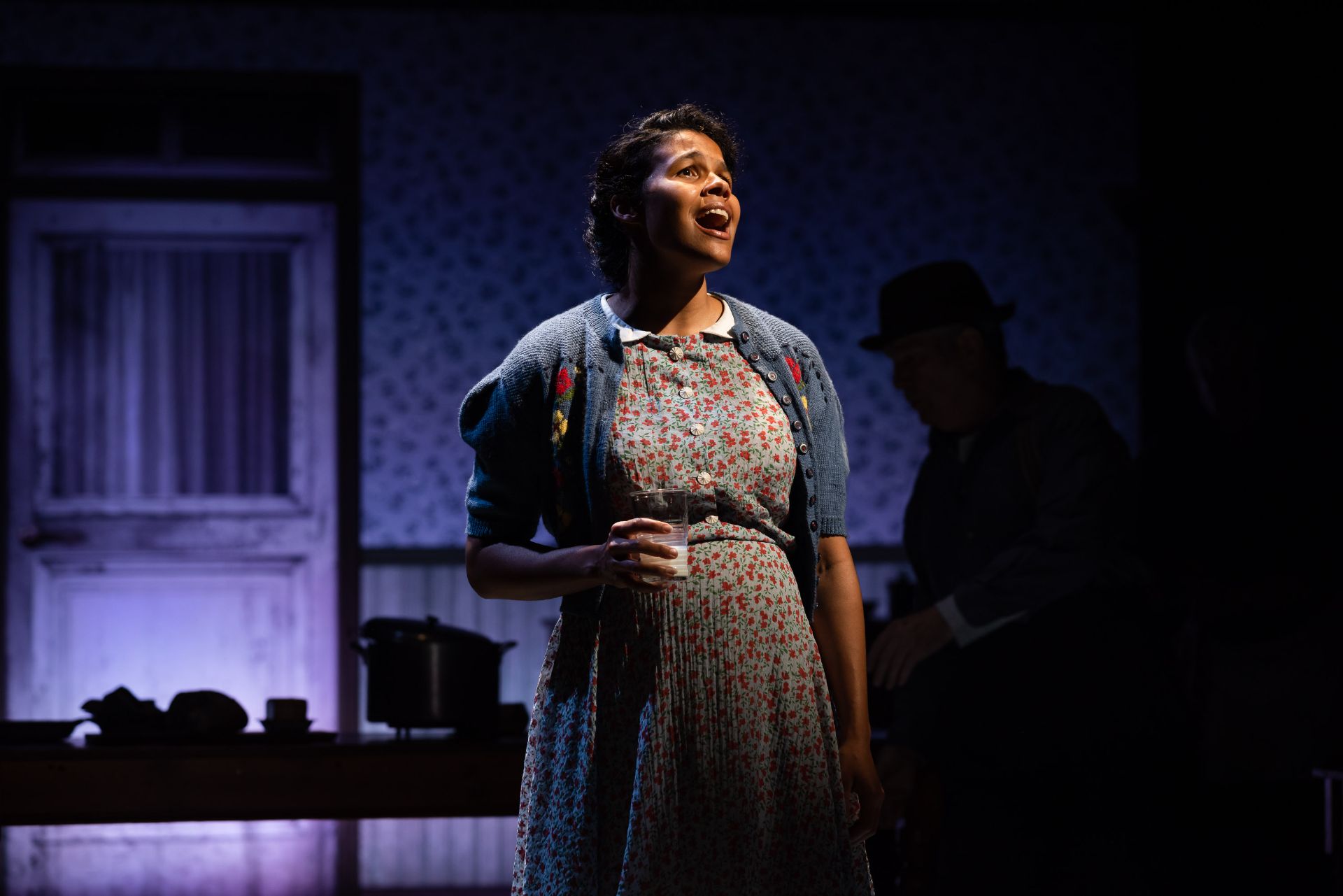
American neurosurgeon Dr. Frederick Frankenstein has to make a trip to Transylvania, in order that he may secure the inheritance of a vast estate, upon the untimely death of his infamous nature-meddling grandfather. Mel Brooks’ 2007 musical version of Young Frankenstein, came to Broadway 33 years after the success of his 1974 film. What was originally a spoof of classic horror cinema, is now turned into a parody of Brooks’ own comedy oeuvre. It is arguable how well his body of work has stood the test of time, but as this new iteration of the musical at Hayes Theatre demonstrates, Mel Brooks’ writing contains indubitable genius, and with the right approach and attitude, a brilliant masterpiece can be unveiled.

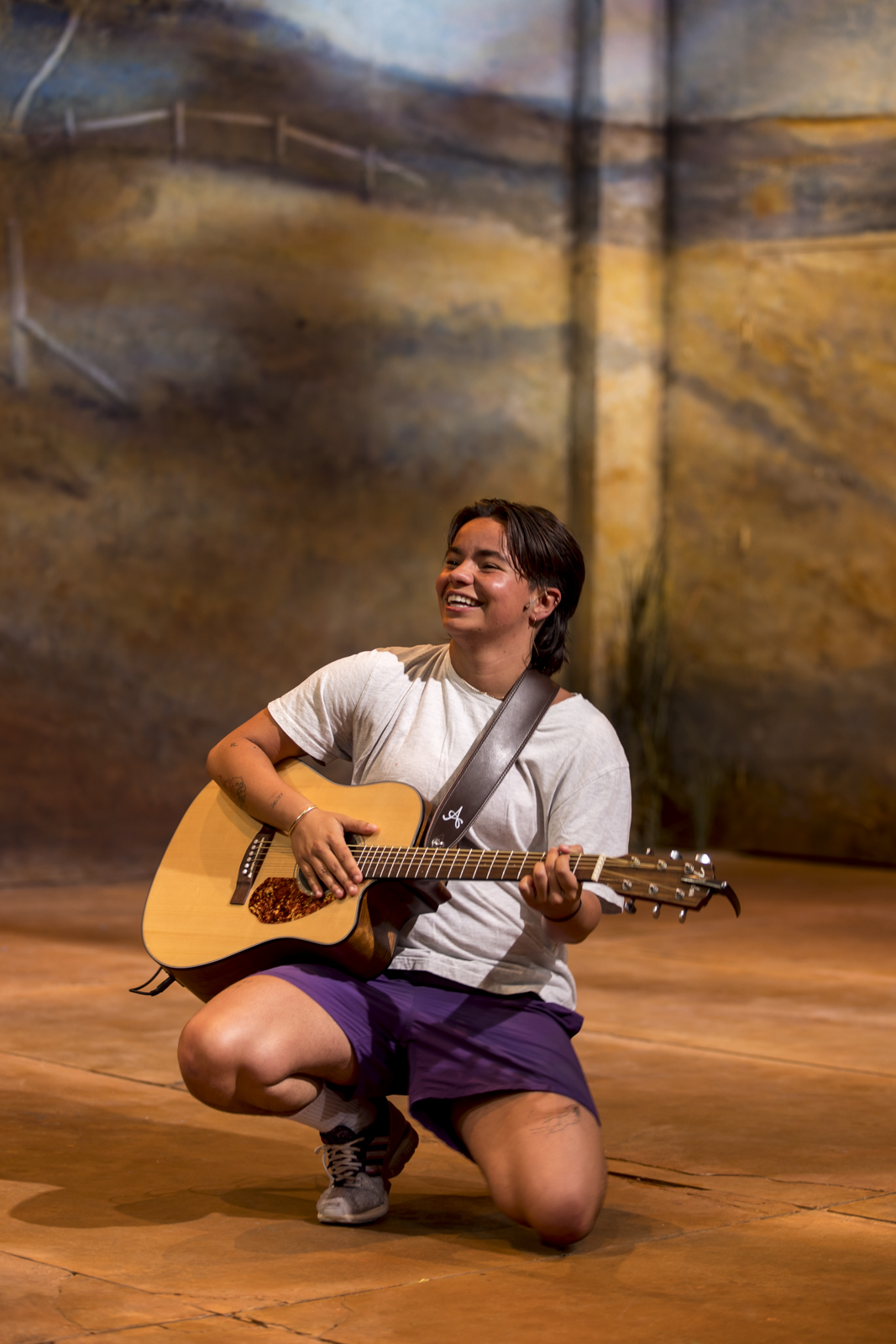
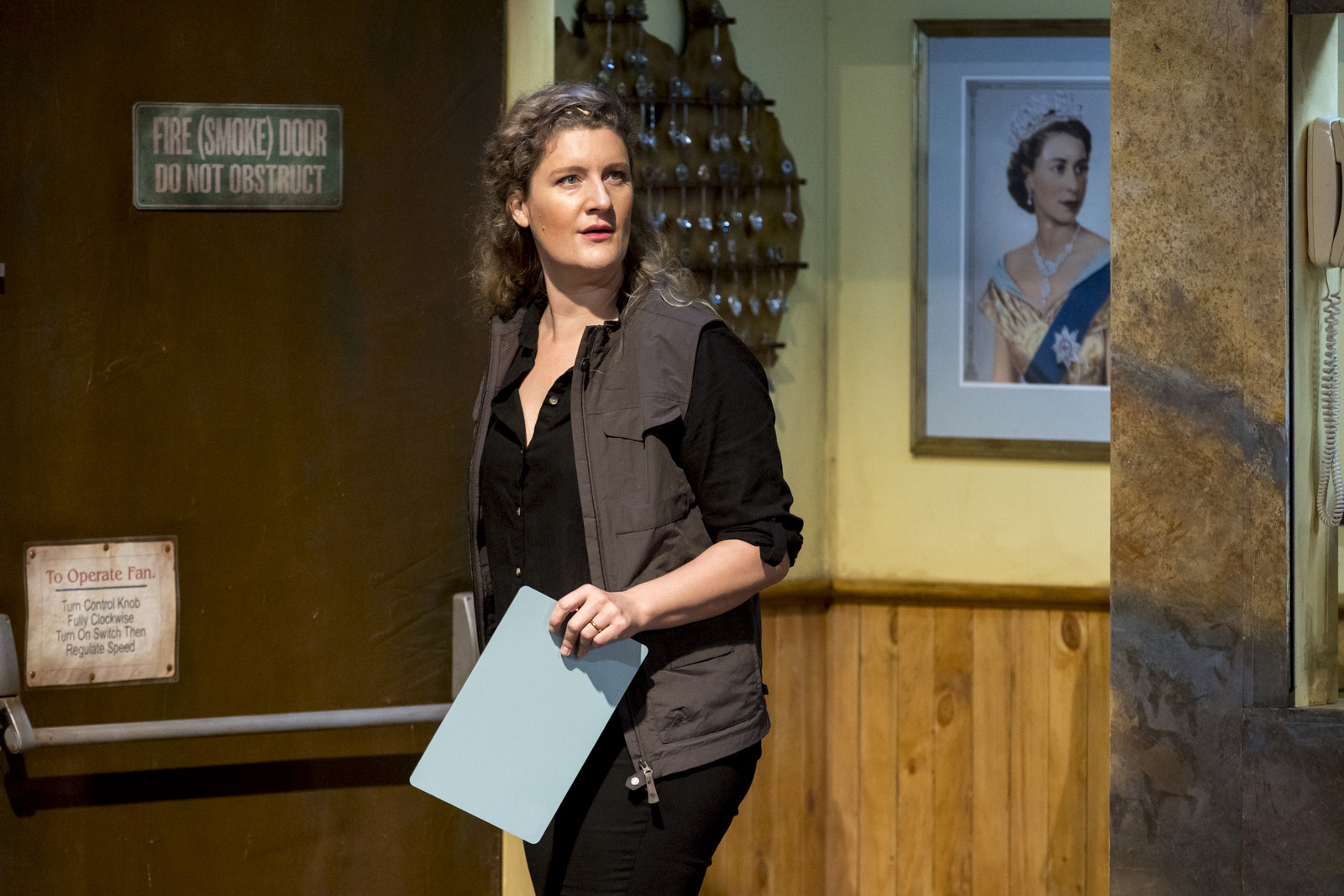
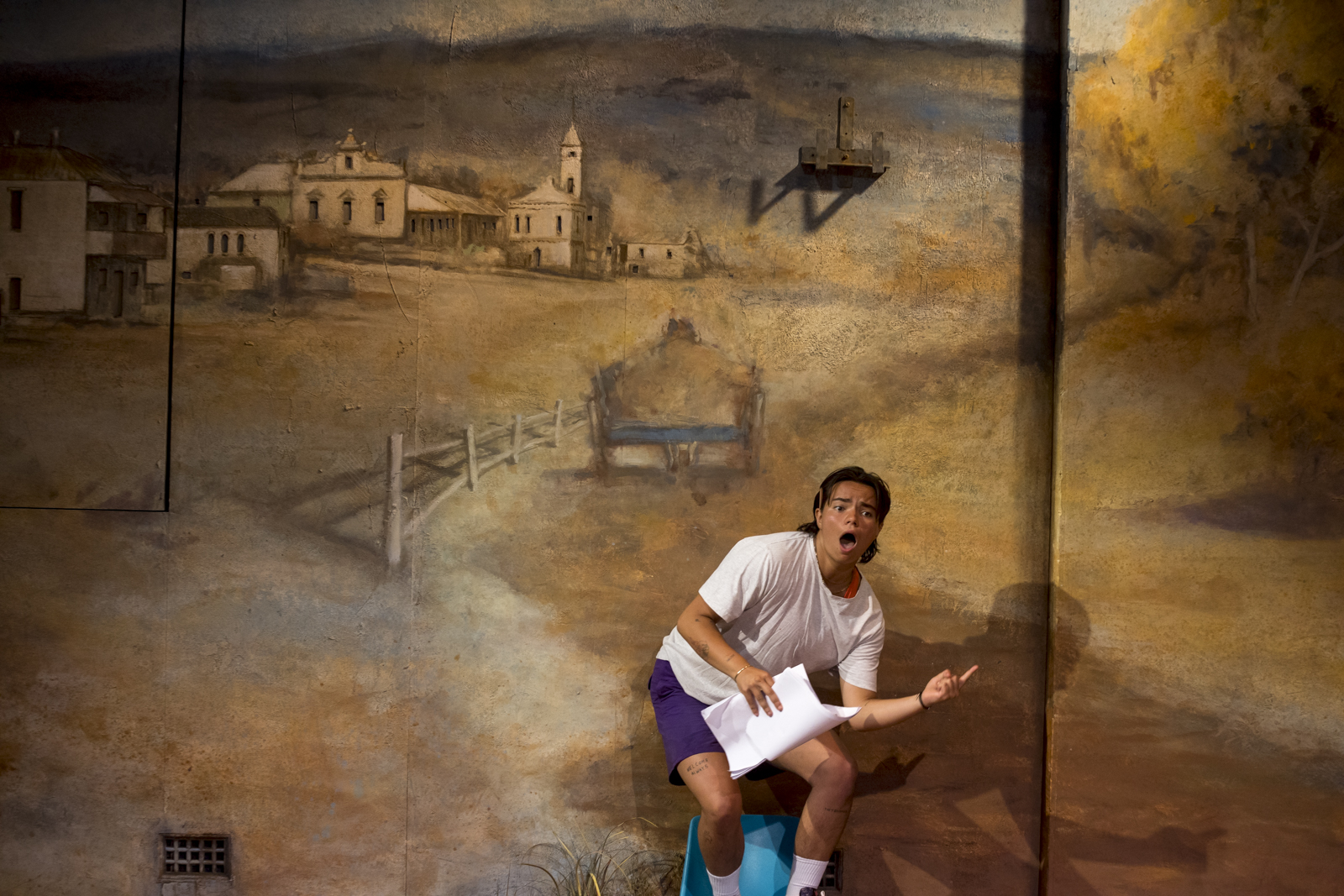
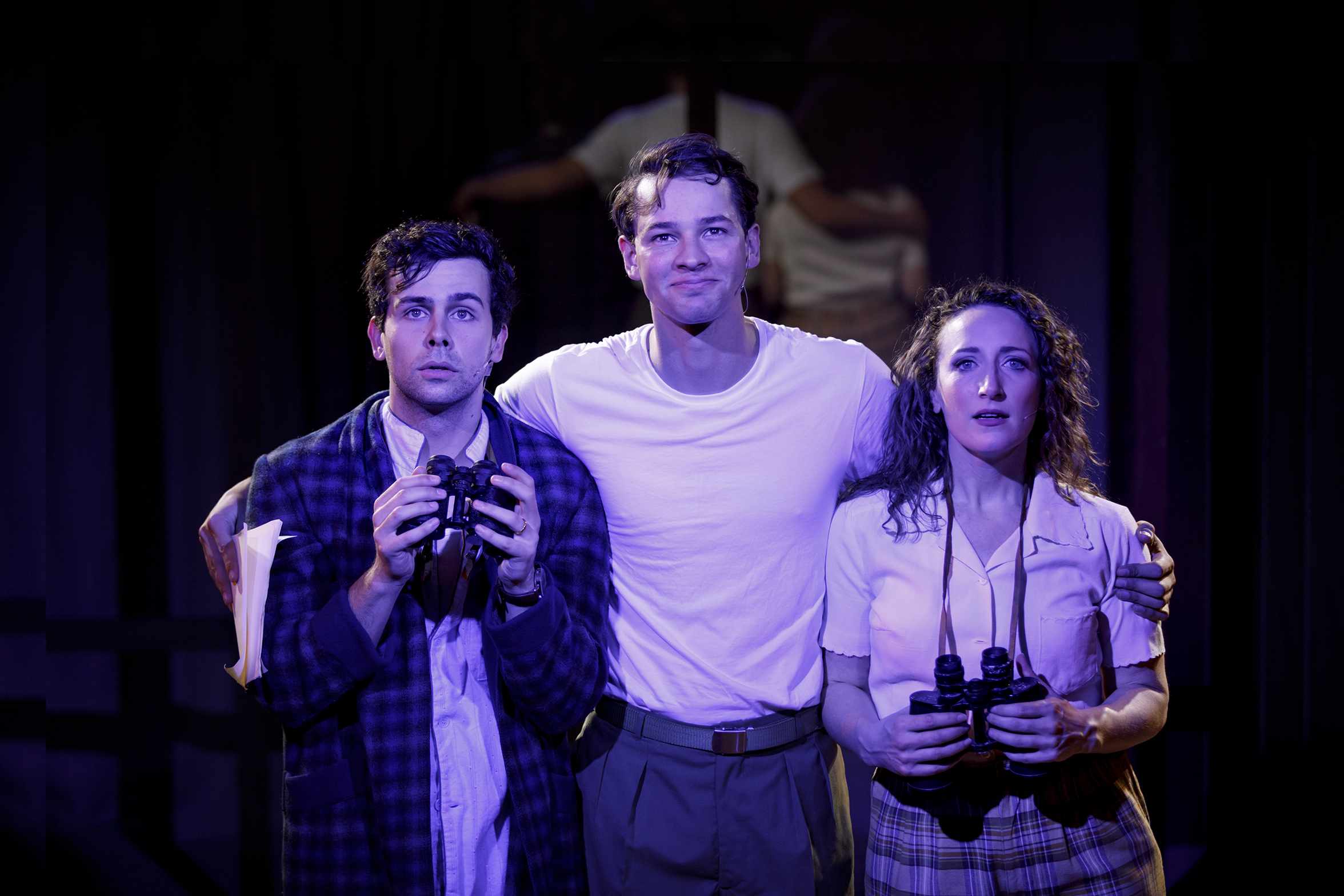
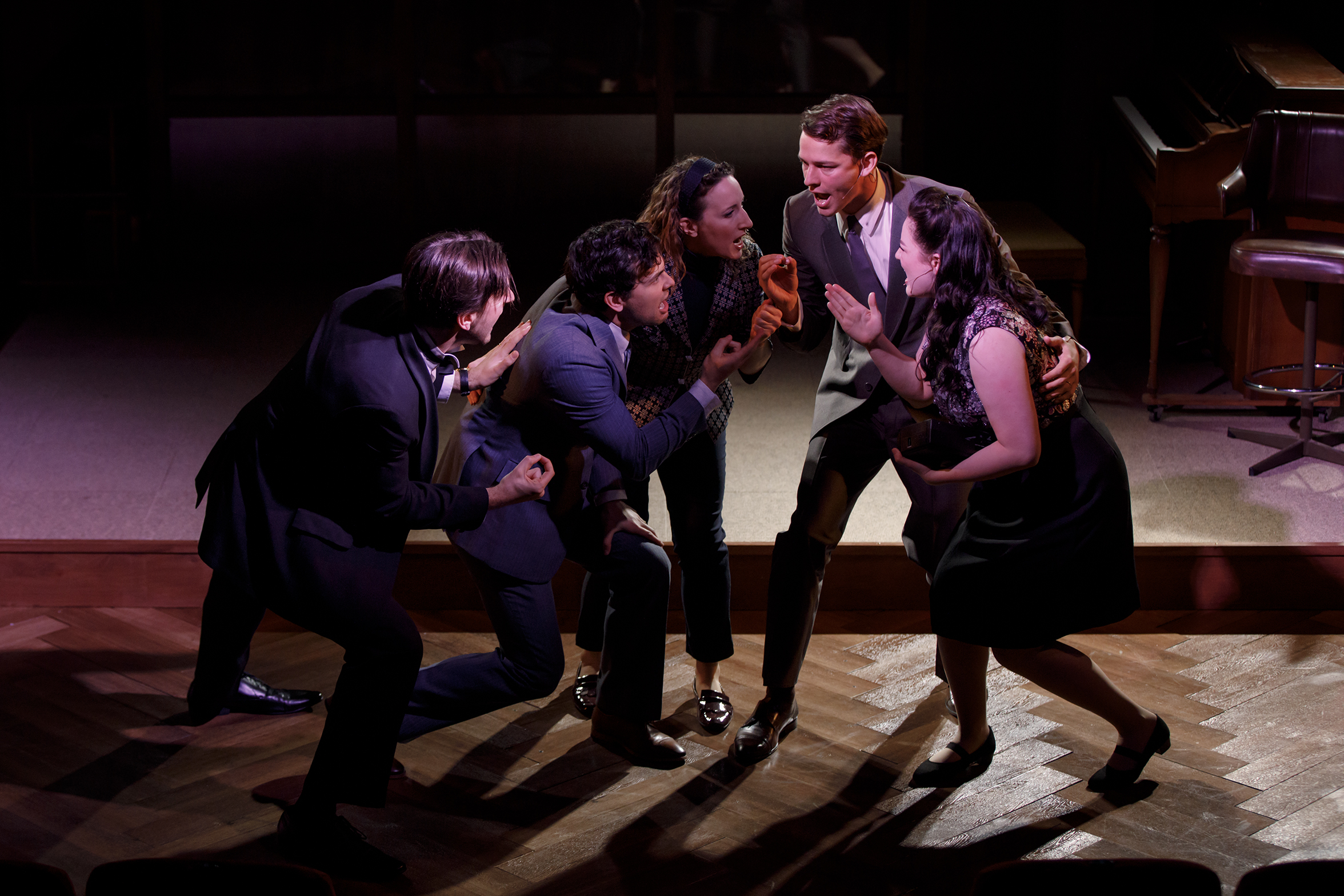
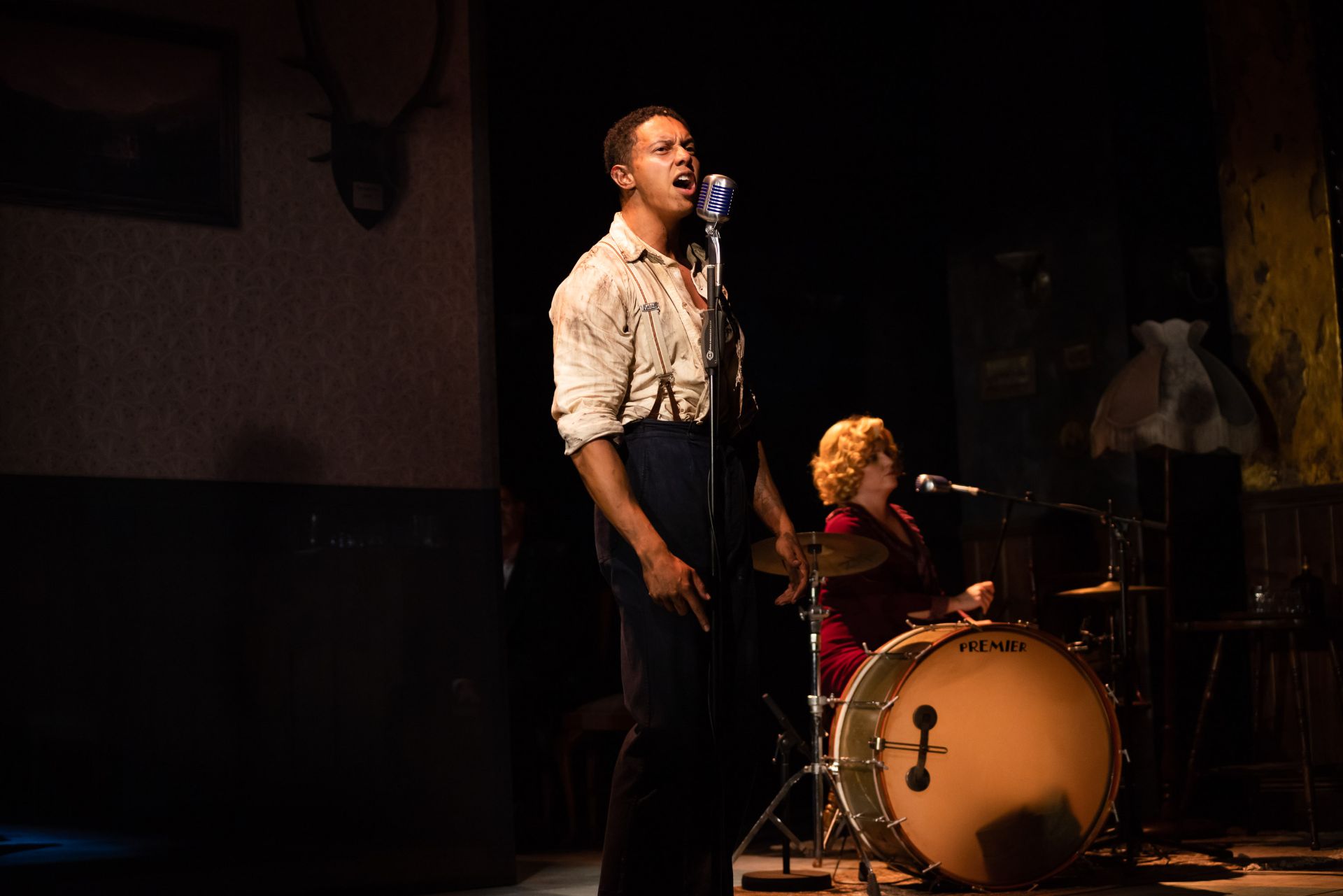
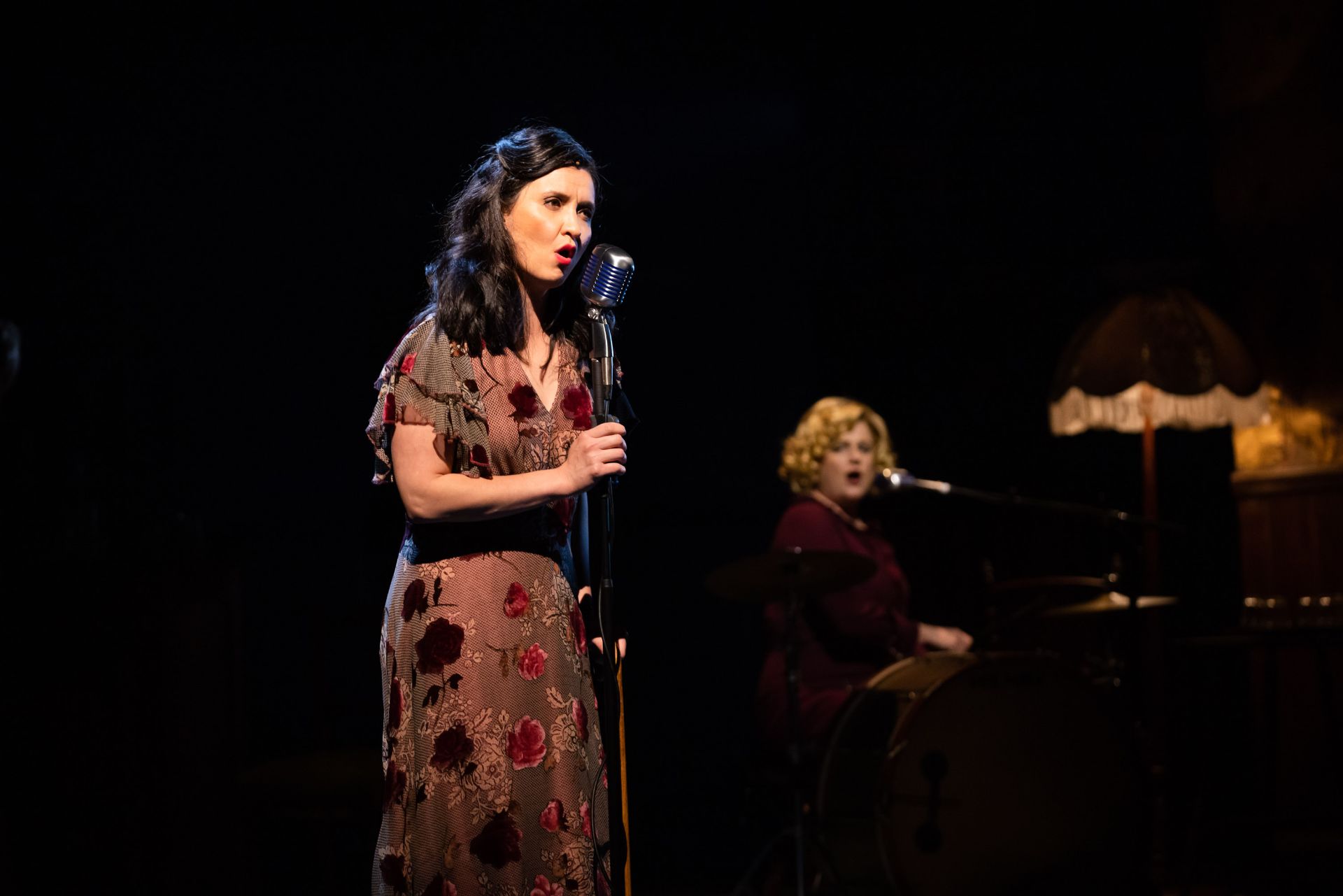
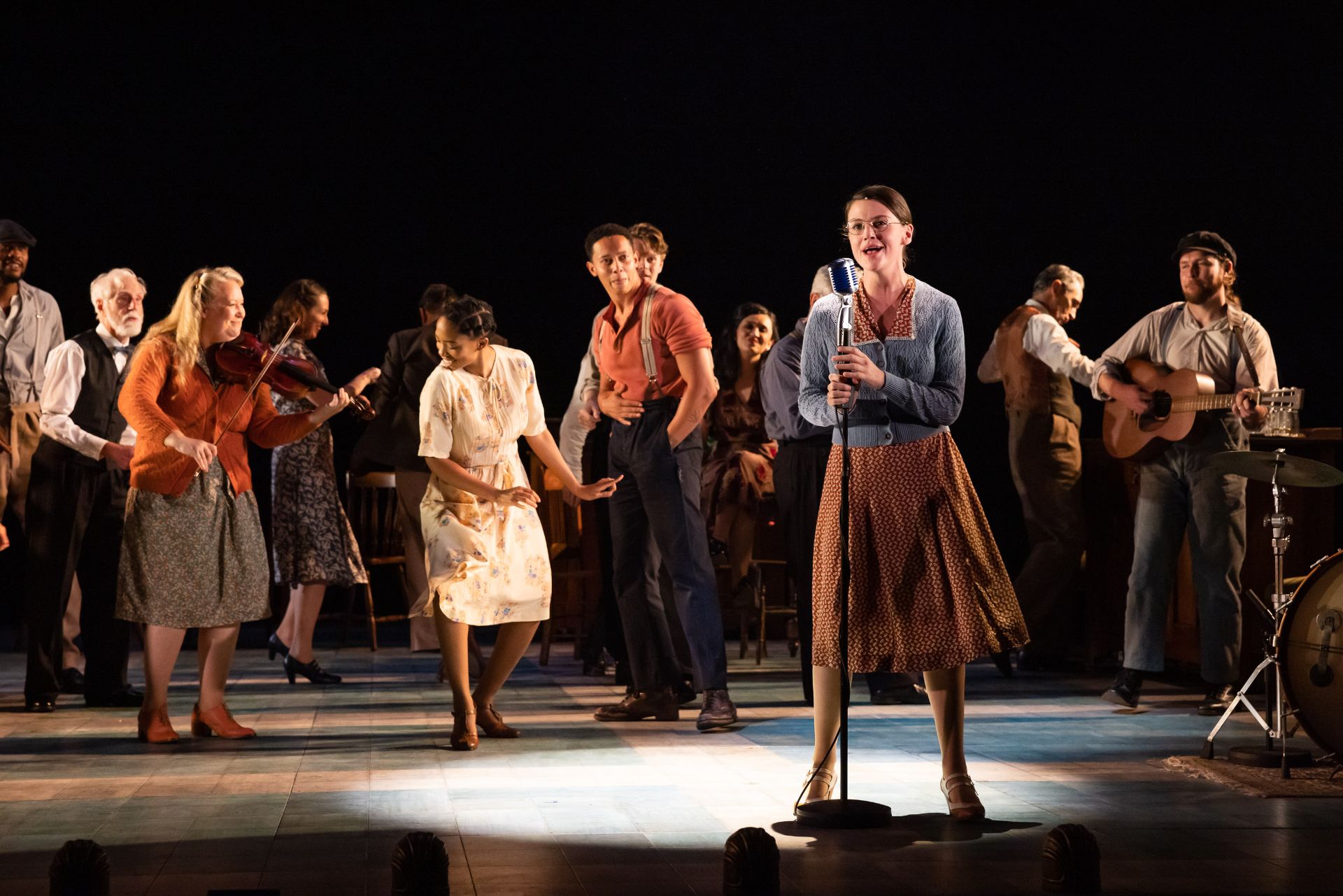
Directed by Alexander Berlage (winner of 2018 and 2019 gongs for Best Direction of a Musical at the Sydney Theatre Awards), Young Frankenstein is post-modern, high-camp theatrical amusement at its best. Berlage takes radical liberties with the text, stridently ensuring that every moment of the show delivers something disarmingly witty, or at the very least kooky and fascinating. What results is a fast-paced production that feels constantly buoyed by humour, shimmering with inventiveness. Central to Berlage’s method, is an unyielding allegiance to principles of queerness, that locates for the intrinsic irony of Brooks’ universe, an amplified sense of flamboyant absurdity. Although not exactly the wildest of rides, the show is perhaps better suited to the open-minded.

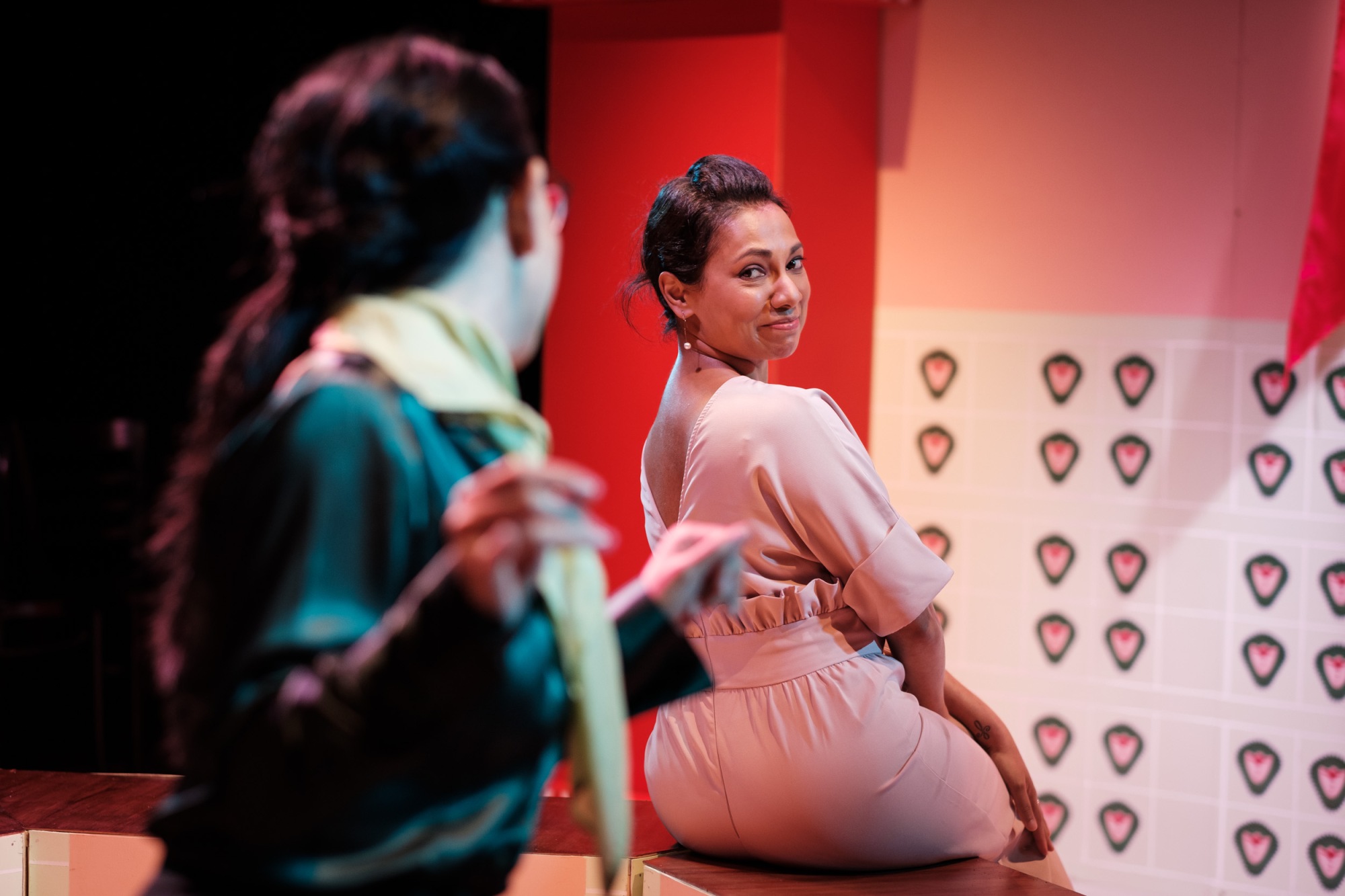
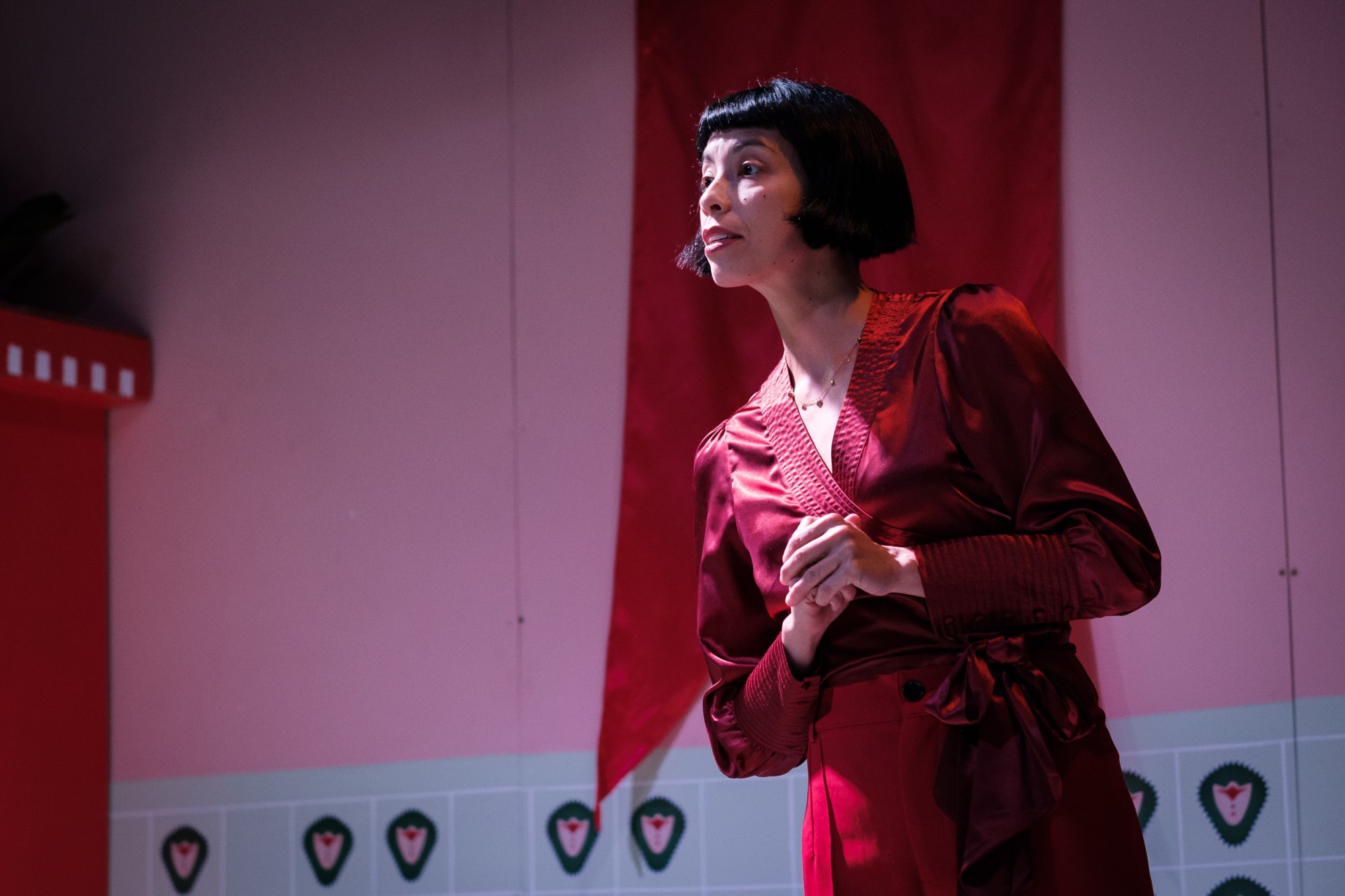
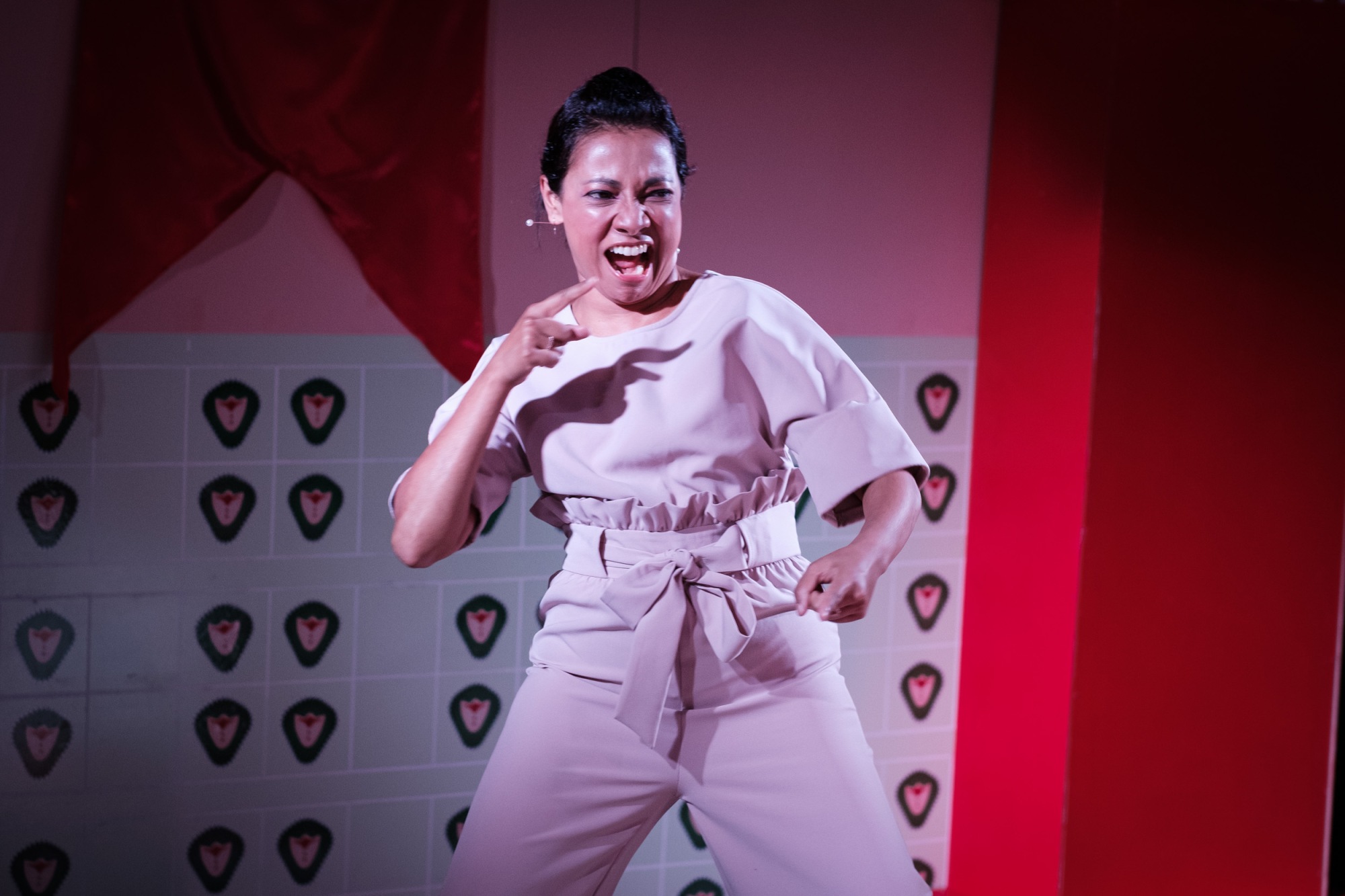
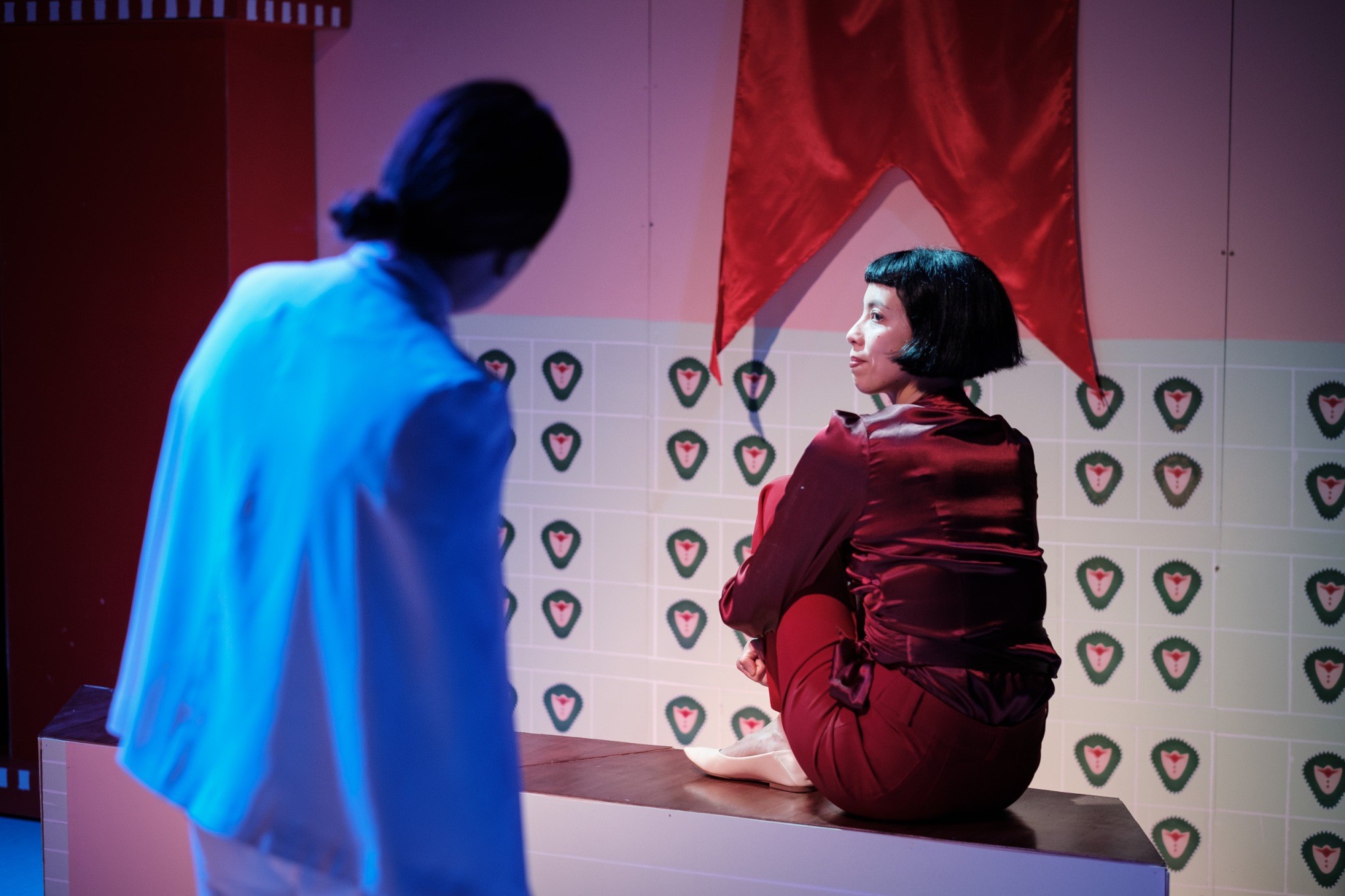
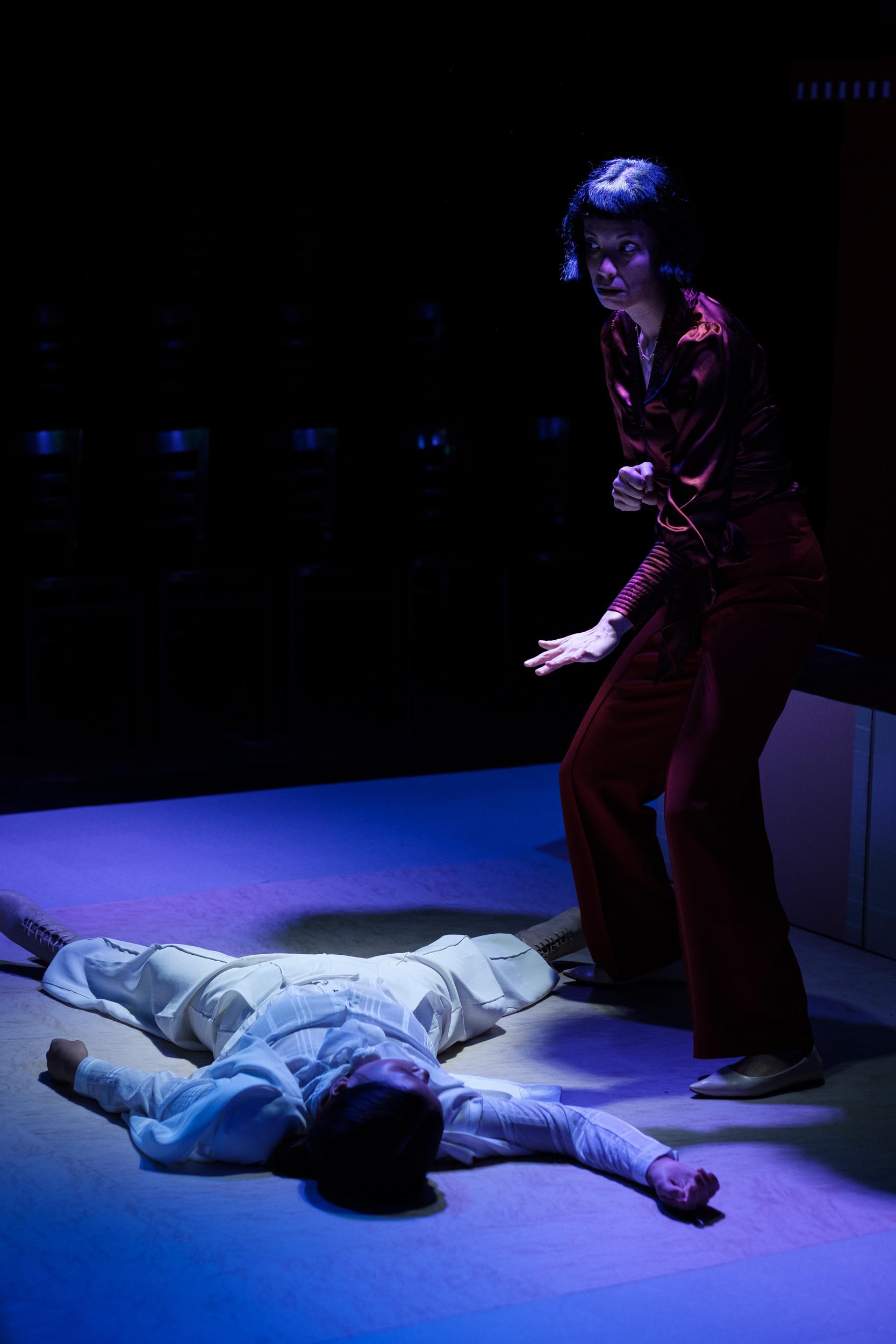
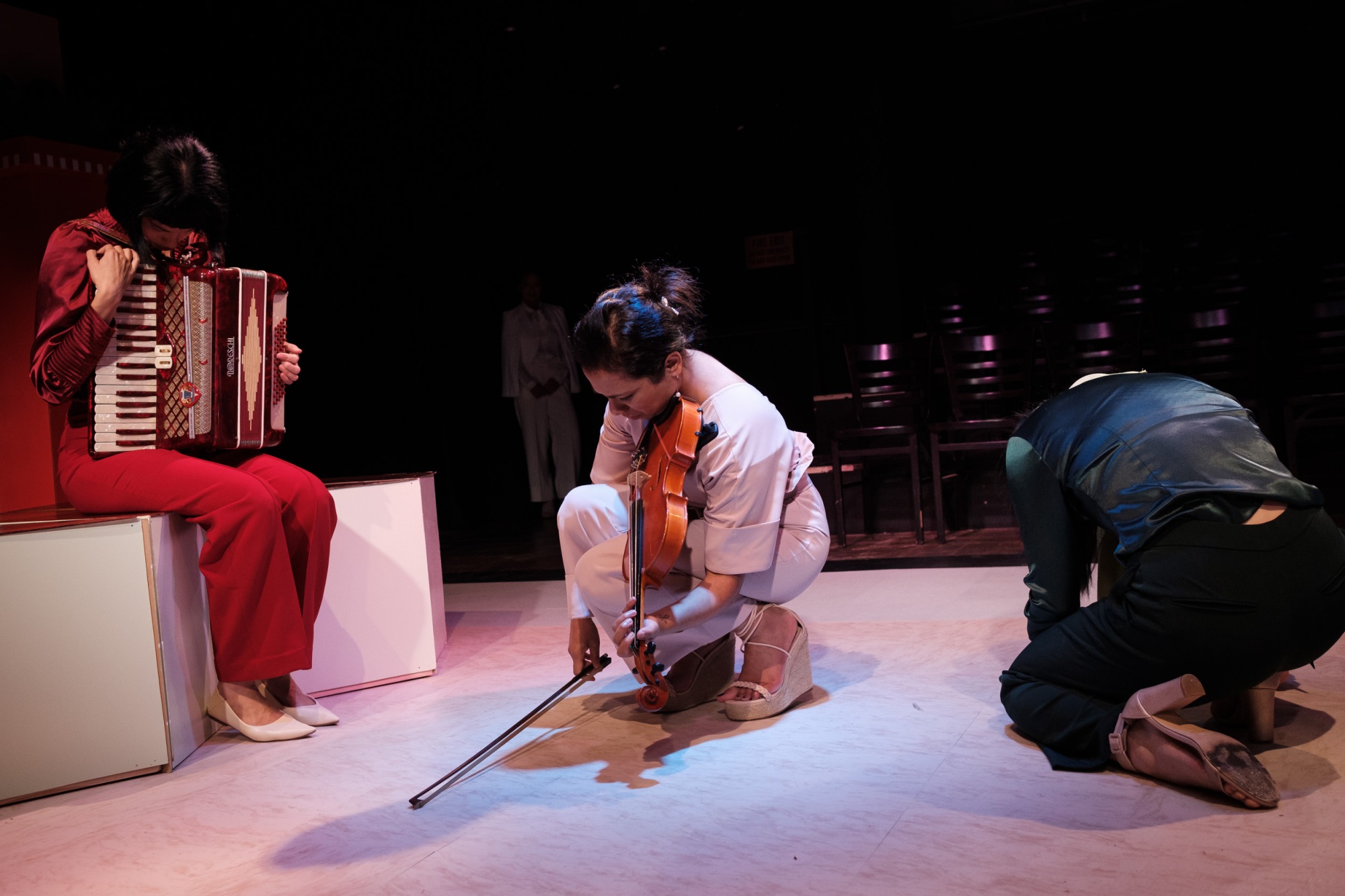
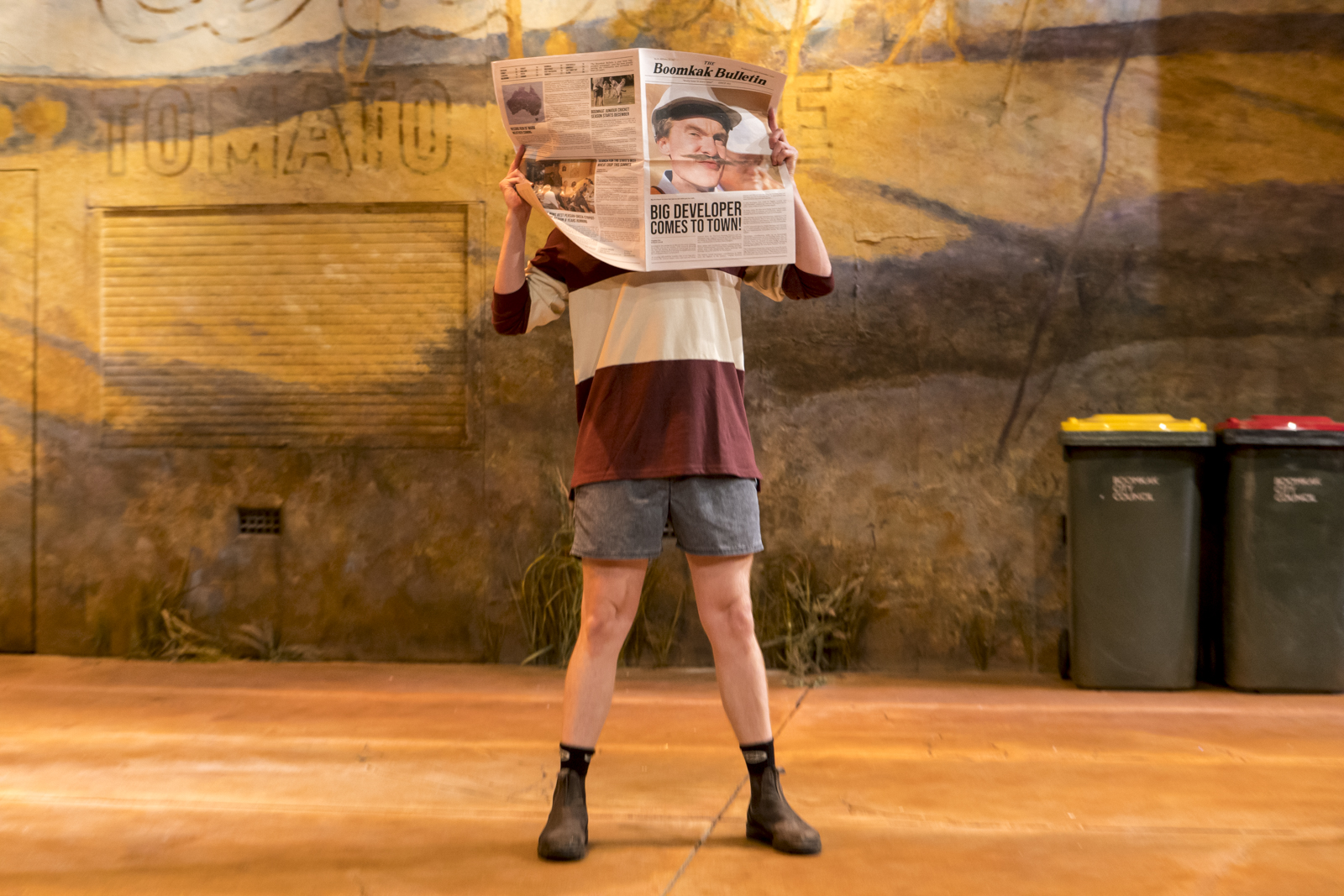
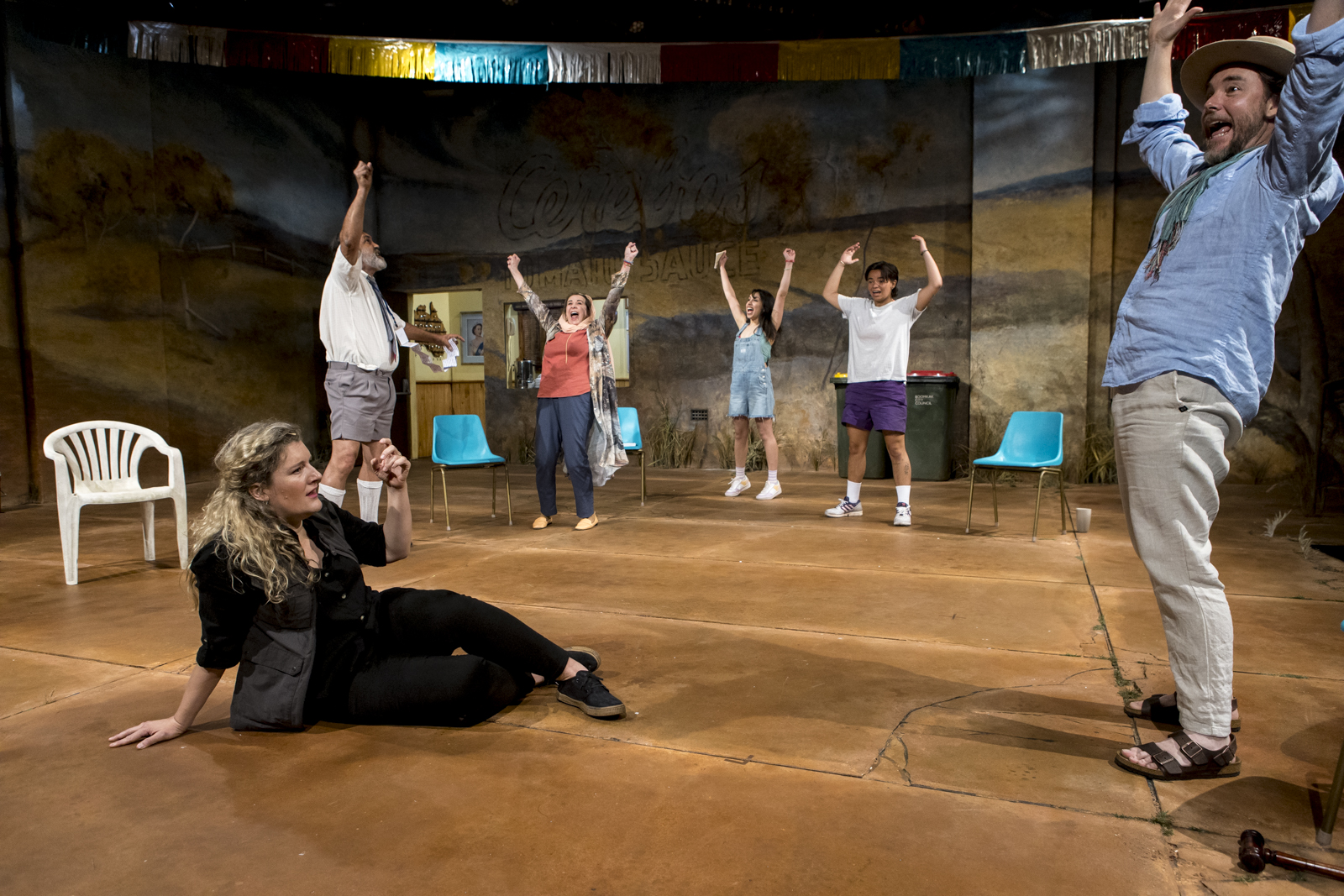
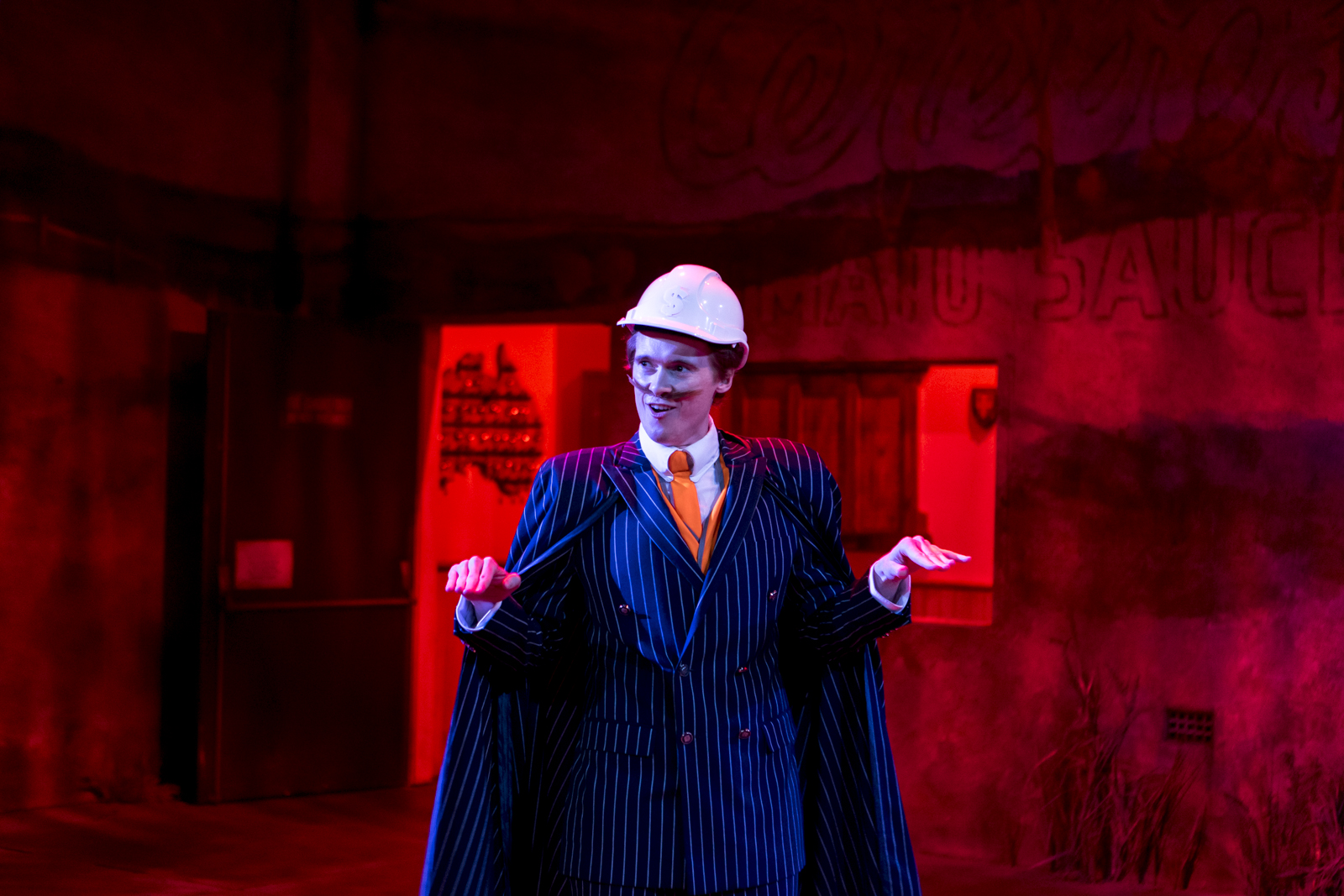
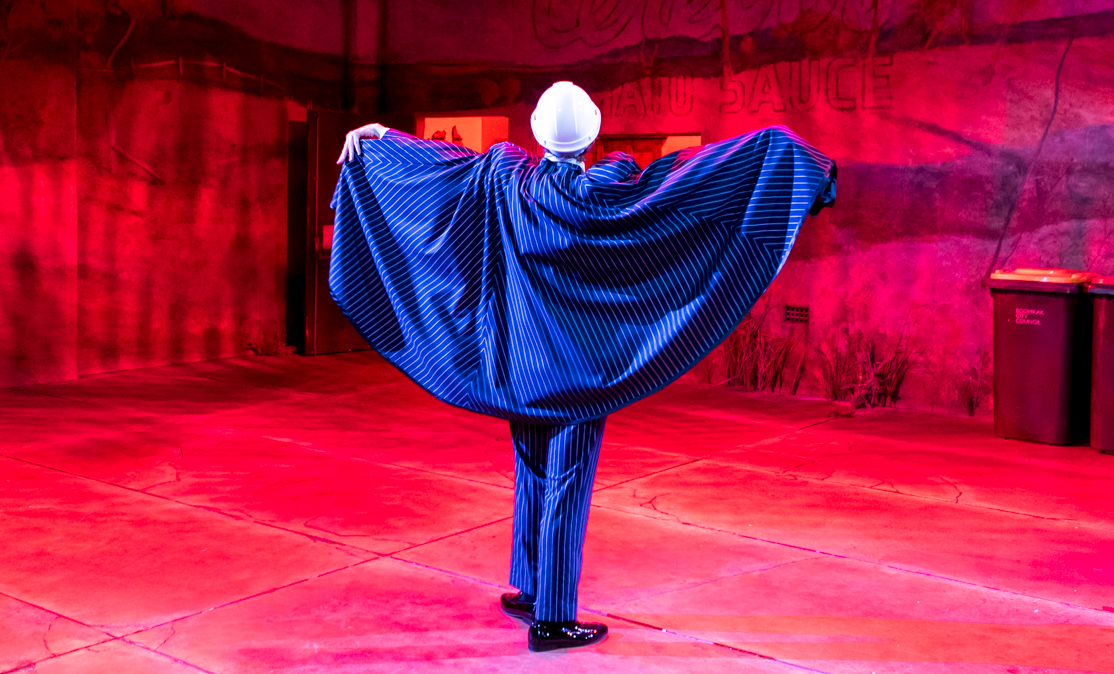
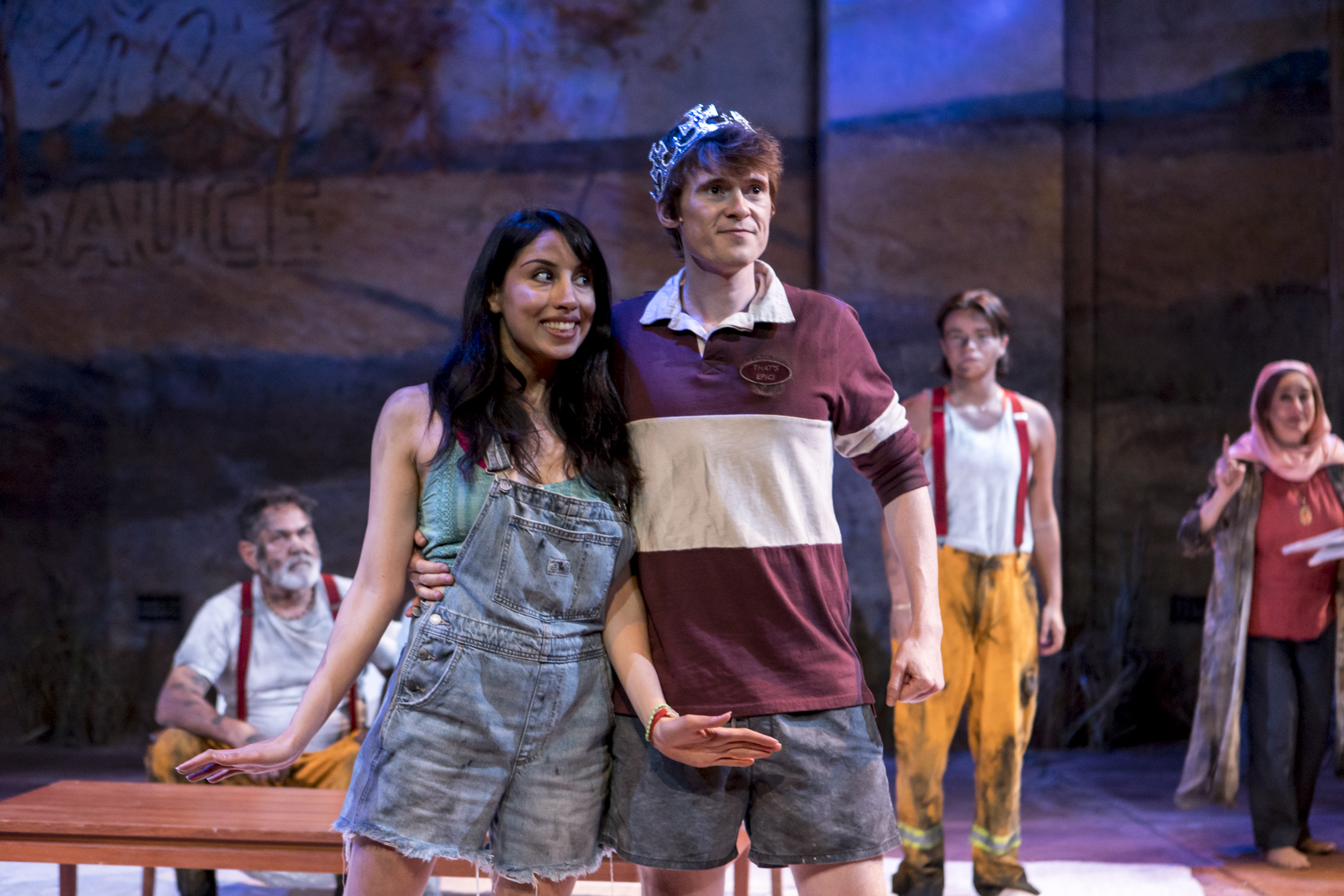
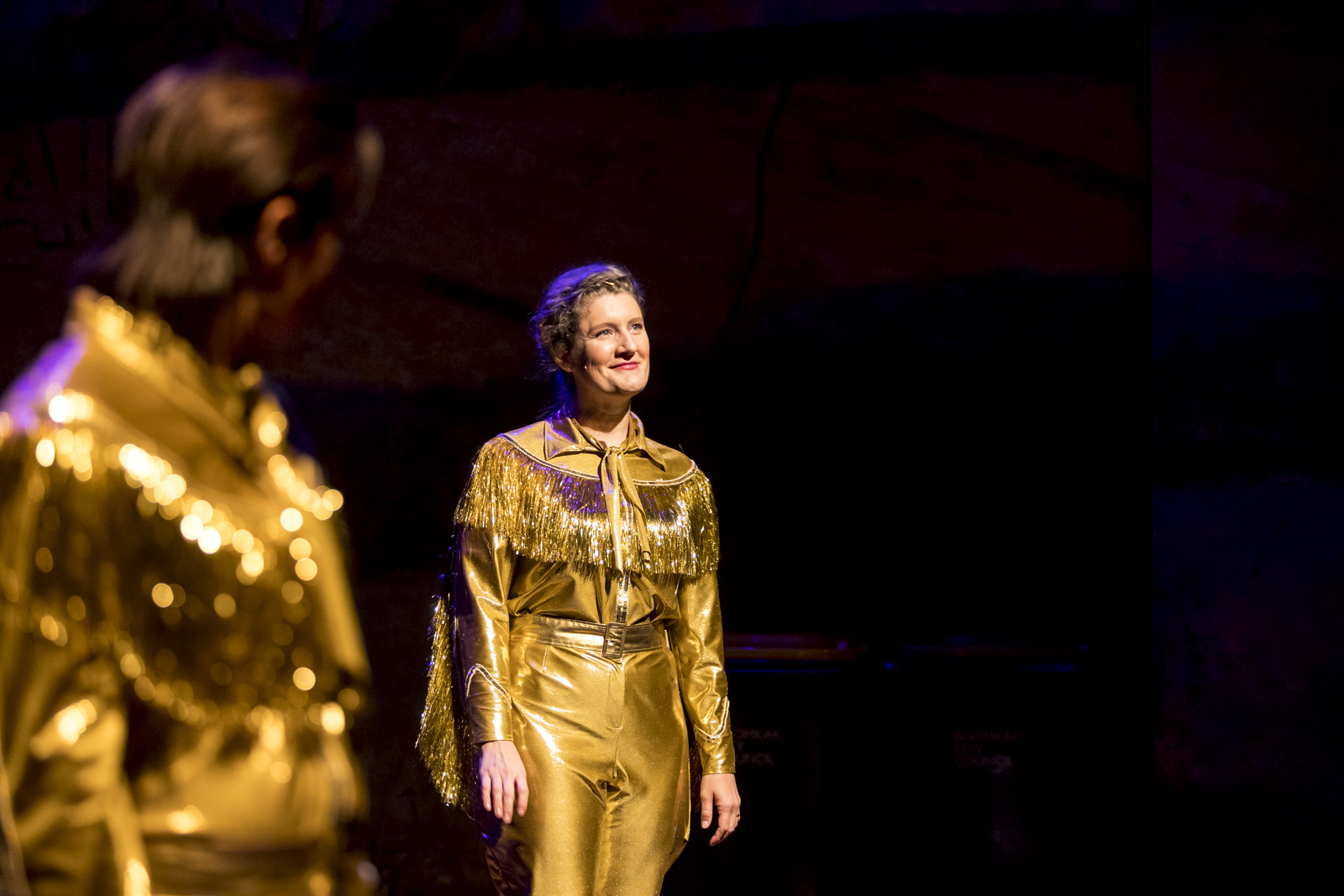
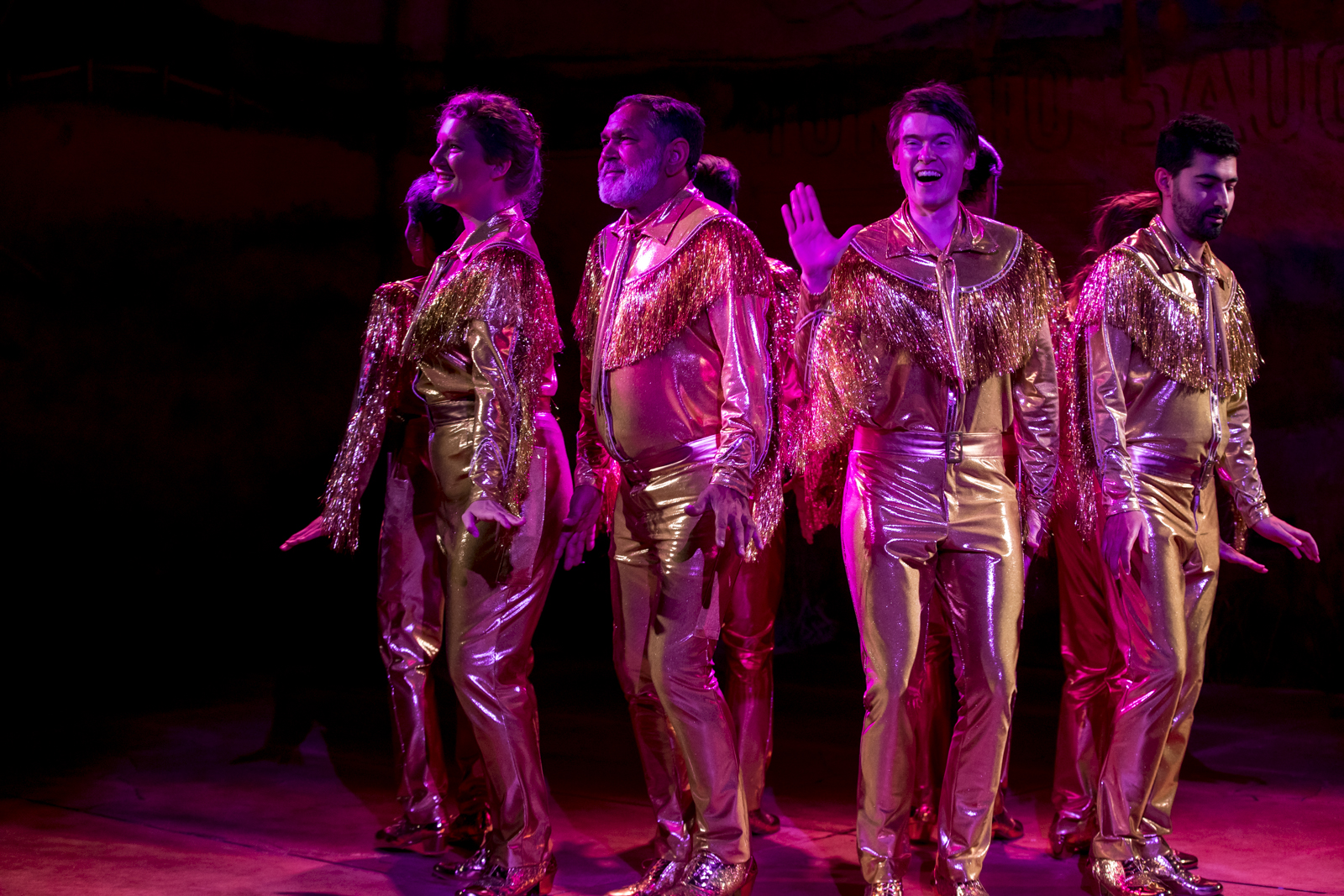
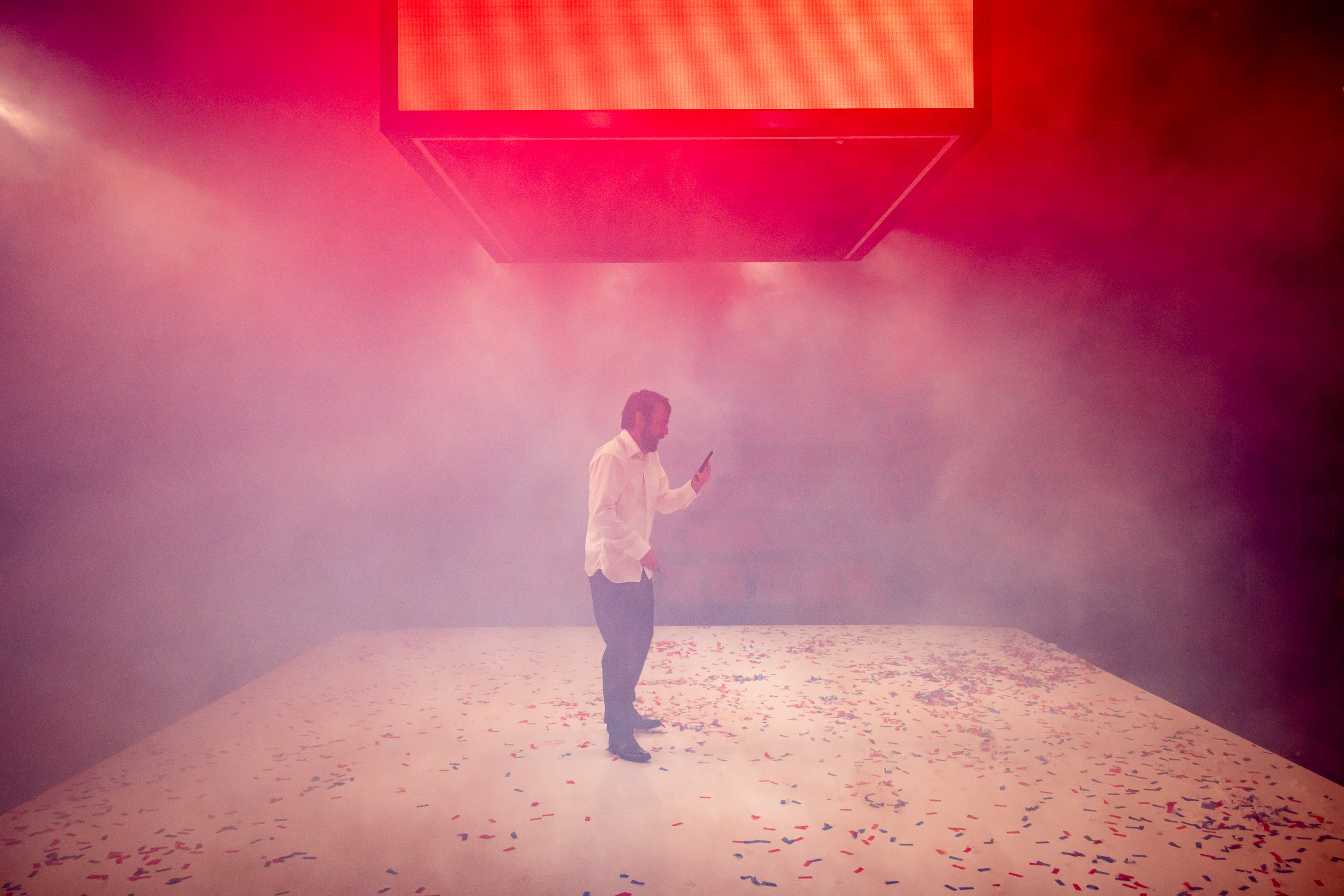
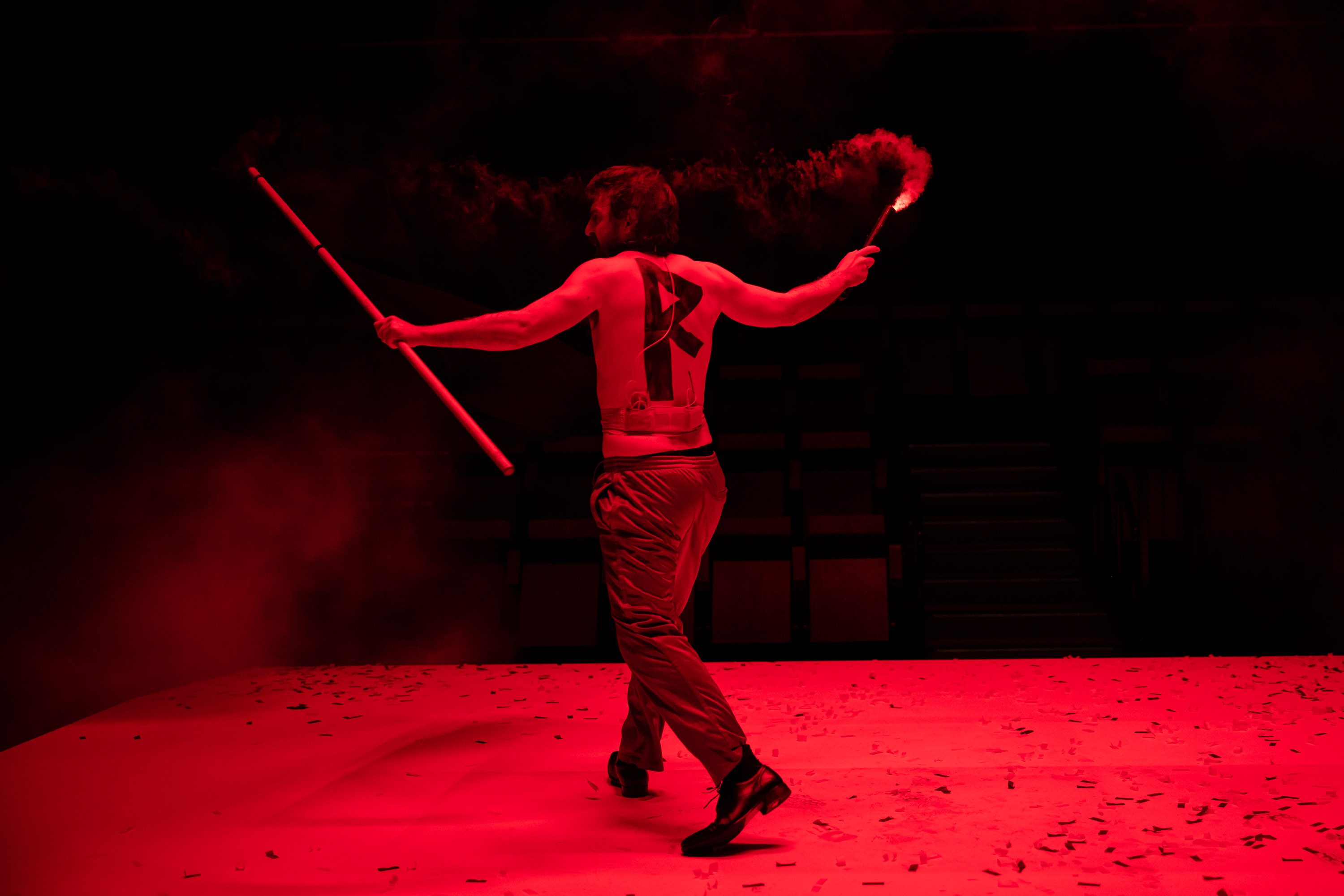
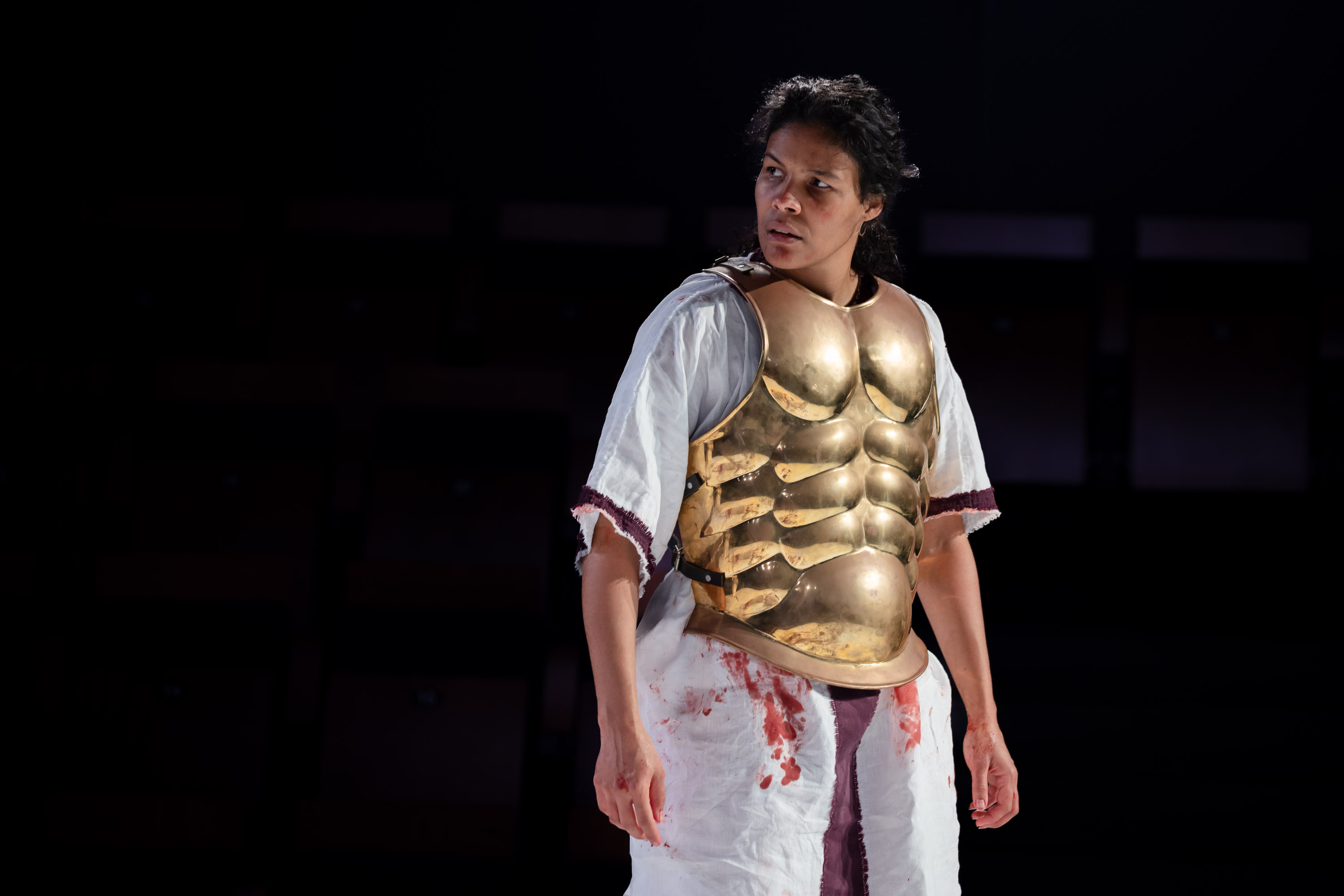
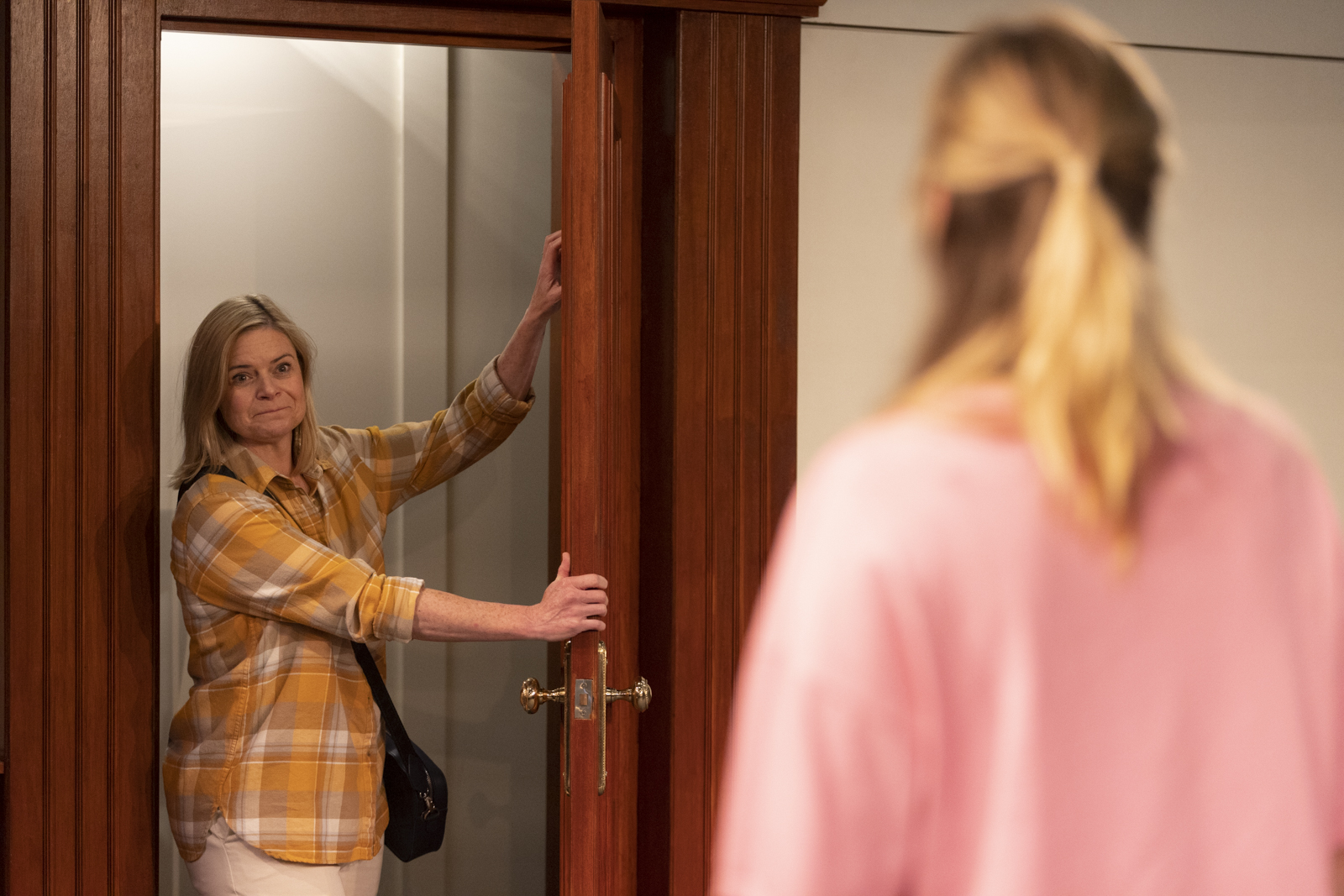
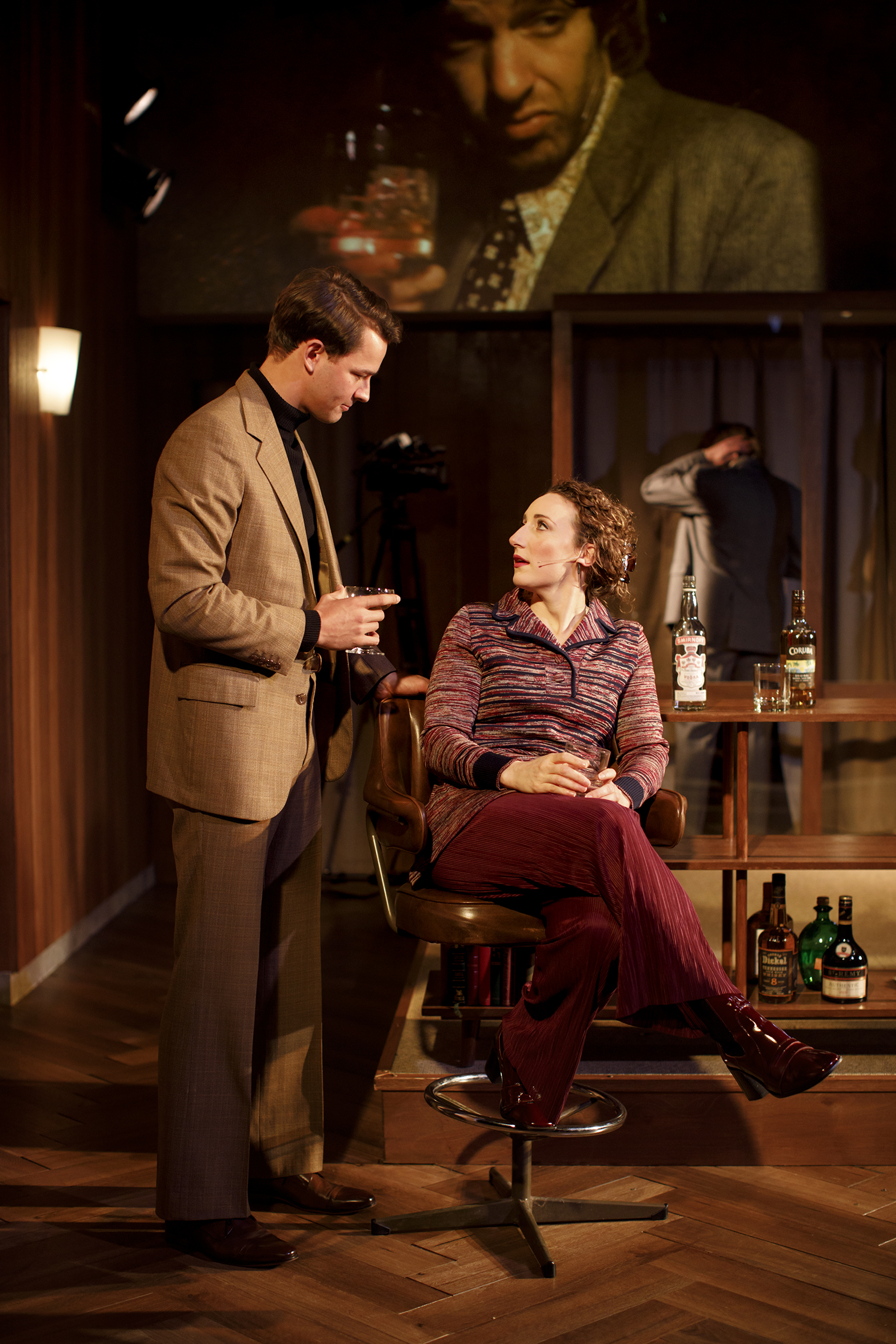
The staging looks exquisite, even though many jokes are made about budgetary constraints met by Australian independent theatre. Isabel Hudson’s set is comprised of staircases that go nowhere, and doorways of unusual proportions, splendidly converting M.C. Escher’s legendary drawings into physical reality. In turn, these unusual architectural structures make for fantastical contortions, in how human figures traverse the space, for laughs as well as for sheer eccentricity. Costumes by Mason Brown combine the traditional with the subversive, making Savile Row meet Leigh Bowery, for an aesthetic that feels unexpectedly cohesive, and a true visual delight. Trent Suidgeest’s lighting design too is an absolute joy. Oscillating between vibrant clashes of primary colours, and a green monochrome that pays tribute to the black and white of the 1974 film and of the ones from early last century to which Brooks refers, Suidgeest provides a deeply satisfying sense of stylistic dynamism that is both relentless and surprising.

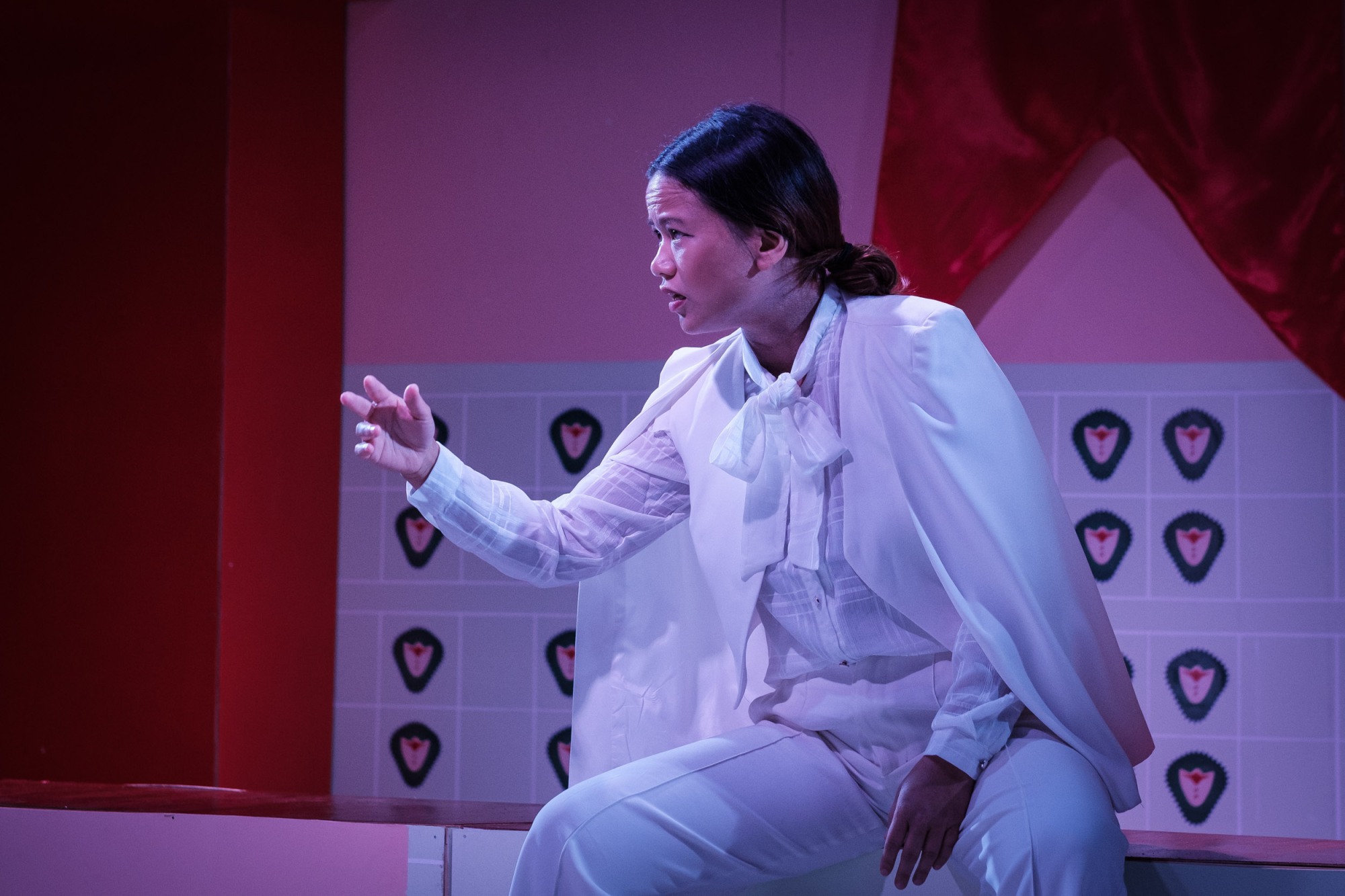
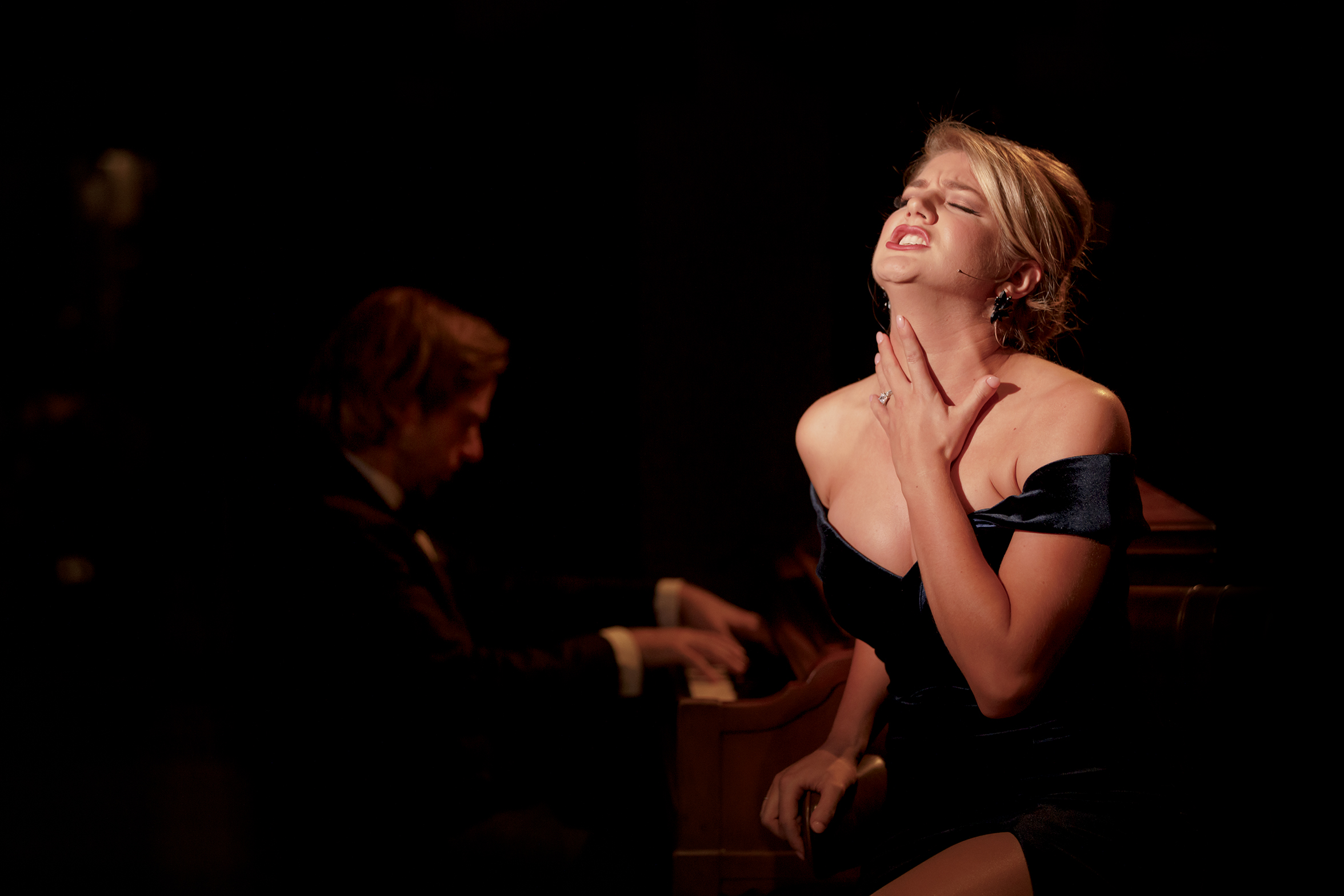
Leading man Matthew Backer’s appearance may be nothing like Gene Wilder’s, but fears of an inferior depiction of Dr. Frederick Frankenstein are laid to rest from the very first scene. The performer is meticulous yet instinctual, thoughtful but rambunctious, with mesmeric eyes that seize our attention, as they reveal all we need to know about the story, and the wider cultural implications of what we are witnessing. Also noteworthy is his reliably marvellous singing voice, a proverbial cherry on top that has us endlessly spoilt.

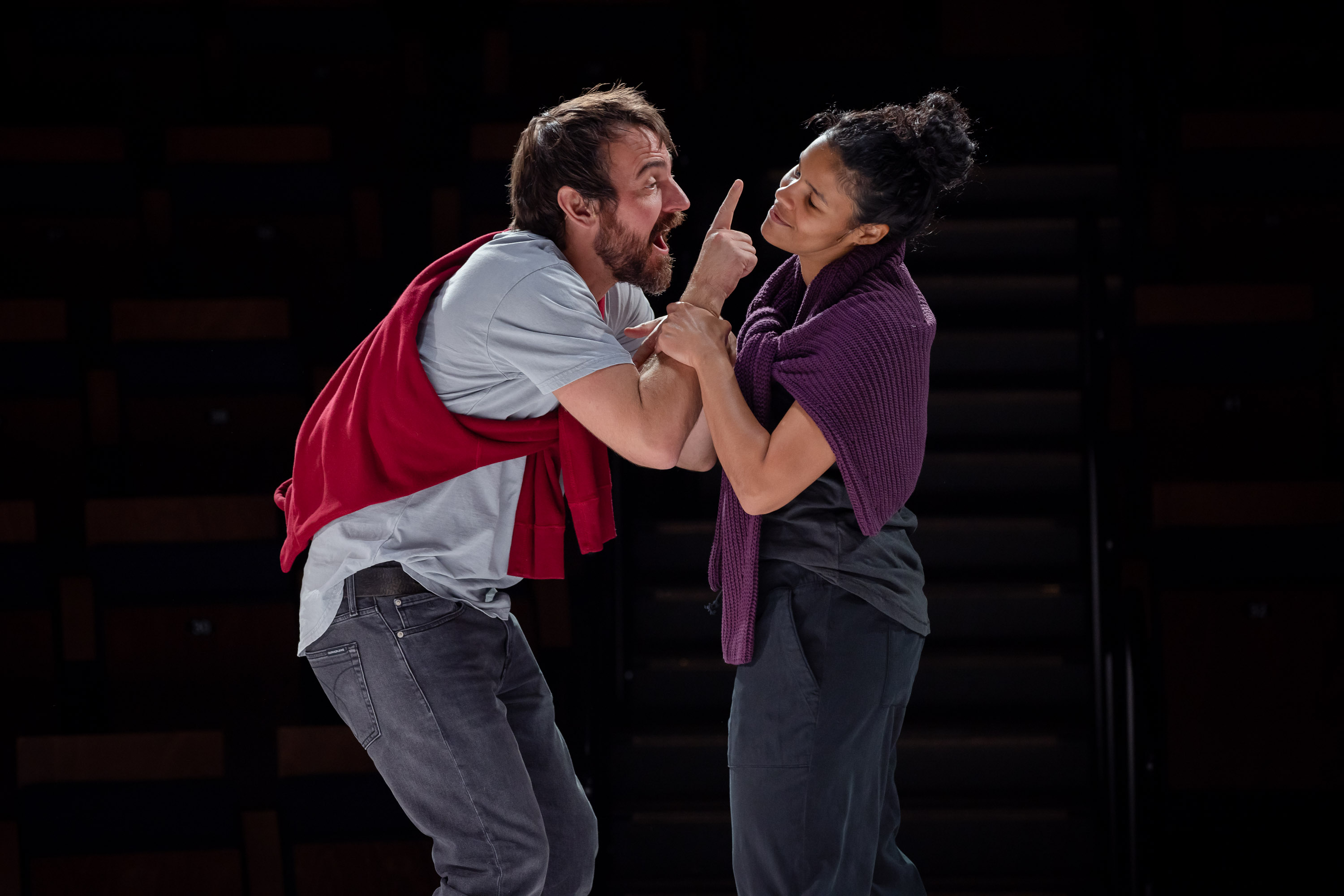
Shannon Dooley plays Elizabeth with wonderful idiosyncrasy, an admirably brassy presence whose scintillating confidence seems to know no bounds. The problematic German “dumb blonde” character Inga is given a clever twist. By casting male performer Ben Gerrard in the role, its offensive quality is dampened, and Gerrard’s respectfully controlled drag interpretation proves that intelligent, innovative thinking can solve many artistic conundrums, even those related to sacred, often archaic, legacies. Performers in Young Frankenstein are, without exception, accomplished and appealing. Luke Leong-Tay’s Igor and Lucia Mastrantone’s Frau Blucher are both effervescent and irresistibly mischievous. Nick Eynaud’s irreverent take on The Monster further emphasises the audacious flaunting of queerness, for a show that seems to have much more interesting things to say, than what Brooks had ever intended.

It is likely true, that many of us have reached a point of exhaustion, after a year of the pandemic, and half a decade of Trumpism and tumult from the far-right. If the Americans’ embrace of the silly 1974 Young Frankenstein film, was a reflection of their disillusionment and fatigue, from their participation in the war in Vietnam, then this new musical rendition arrives just in time to fulfil our need for something thoroughly and unapologetically frivolous. It is not always a good time for levity; the world has serious things to sort out, and art is sometimes all we have. For now, however, the brain deserves a rest, and the soul needs nothing more than a good hard laugh.

www.hayestheatre.com.au

Review: Symphonie Fantastique (Little Eggs Collective)

Venue: Kings Cross Theatre (Kings Cross NSW), Feb 17 – 27, 2021
Director: Mathew Lee
Cast: Lloyd Allison-Young, Alex Beauman, Cassie Hamilton, Clare Hennessy, Annie Stafford, Nicole Pingon, Chemon Theys, LJ Wilson
Images by Patrick Boland, Julia Robertson

Theatre review
In 1830, French composer Hector Berlioz created Fantastical Symphony: Episode in the Life of an Artist… in Five Sections, a work from the Romantic period that is now considered seminal in what is known to be the Program music genre. The piece involves obsessive love and morbid fantasies, which the Little Eggs Collective, under the direction of Mathew Lee, extracts to use as central themes in their 45-minute theatrical presentation, named Symphonie Fantastique after the original French. Examined through contemporary eyes, Berlioz is less romantic, and a lot more rapey.

Transformed into a genderless protagonist, the reimagined maestro is frustrated, cowardly, out of control. Grandiose and insufferable, their story is reminiscent of Fellini’s , in which we see an artistic genius trapped inside their own paranoia-filled process, filtering everything they encounter into a self-serving narrative, as though the world has been created in their own image. The play Symphonie Fantastique is virtually wordless, with deconstructed interpretations of Berlioz’s music (by Oliver Shermacher’s inventive and inspired musical direction) forming a foundation, on which the show is built.

The ensemble of eight are called on to dance, act, sing and even to play musical instruments, for a multidisciplinary exploration of the performing arts, that audiences will find captivating, at least on sensorial levels. Director Lee has a tendency to be overly literal with his storytelling, but the unfettered impulse to surprise, makes for an enjoyable experience. Performer LJ Wilson offers a strong portrayal of the lead character; not always detailed with emotions being conveyed, but certainly a magnetic presence. As a team, the eight are tightly rehearsed, and extraordinarily cohesive with the constantly undulating energies they bring to the stage.

Visual concepts are ambitiously concocted, and manufactured, for this Symphonie Fantastique. Costumes, hair and makeup by Aleisa Jelbart are marvellously assembled, with an impressive eye for sophistication and finish. Lighting and set designer Benjamin Brockman’s combination of mirrored surfaces and bold colours, insist on firing up our synapses, for unforgettably transcendent moments that are nothing less than electric.

There is a considerable amount of gender bending in this iteration of Symphonie Fantastique, and if the dissolution of gender parameters is essential in approaching, or perhaps advancing, a feminist theatre, then this production is on the right path. There are conundrums, of course, as is the case whenever we attempt to address problems of a sexual nature, whilst working simultaneously to dismantle old frames of thought. We want to bring justice to victims, yet we wish to deny hierarchical power structures their persistence. Feminism is the key to a future where no one is powerless, but it also presents the greatest challenge, for us to understand our world, without tops and bottoms.

www.littleeggscollective.com

Review: Videotape (Montague Basement)

Venue: Kings Cross Theatre (Kings Cross NSW), Jan 29 – Feb 13, 2021
Playwright: Saro Lusty-Cavallari
Director: Saro Lusty-Cavallari
Cast: Laura Djanegara, Jake Fryer-Hornsby, Lucinda Howes
Images by Zaina Ahmed

Theatre review
Juliette and David are a young couple, isolated in their Sydney apartment, in the middle of this pandemic. They live together because there is an unmitigated conventionality to their relationship, although we are never sure if there is any love between the two. Saro Lusty-Cavallari’s Videotape borrows its premise from David Lynch’s 1997 film Lost Highway, where a mysterious videotape is delivered, containing frightening visions that threaten to discombobulate a household. The pleasure in Lusty-Cavallari’s creation, lies in the unexpected amalgamation of comedy, drama and horror; although not perfectly harmonised, the mishmash of intonations does deliver something with an enjoyable quirky charm.

In Lynch’s deeply misogynistic original, the femme fatale comes in two guises, both of whom are helpless yet maligned. In Videotape, we wonder if Juliette stays with David because of the virus, or if she is a sucker for punishment. The work’s occasionally obtuse intimations provide a sense of texture to an otherwise uncomplicated plot, and although ambiguous in its intentions, allows the audience plentiful room for wide ranging interpretations.

Production design by Grace Deacon is noteworthy for its ability to convey wealth and polish, in a succinct manner. Lights by Sophie Pekbilimli too, help to tell the story in an economical way. Jake Fryer-Hornsby and Lucinda Howes are engrossing as lead performers, both evocative with what they bring to the stage. Laura Djanegara is effective in her smaller roles, offering a valuable hint of the surreal to the show.

We are stuck being humans, and in many ways, trapped in the past. The VHS tapes function as a device of excavation, opening wormholes that make us reach back, whilst materially positioned in the present. Videotape is both a new story, and an old one, not only with its intertextual obsessions, but also in its examinations of how history repeats. The cassette tape stands as an allegory, in our understanding of humanity, and in our experience of it. Rewinding it, fast forwarding, recording over, pause, play or stop, it is its finiteness that is truly chilling.

www.montaguebasement.com

Review: Dorr-e Dari: A Poetic Crash Course In The Language Of Love (PYT Fairfield)

Venue: Carriageworks (Eveleigh NSW), Jan 20 – 24, 2021
Director: Paul Dwyer
Cast: Mahdi Mohammadi, Bibi Goul Mossavi, Jawad Yaqoubi
Images by Anna Kucera

Theatre review
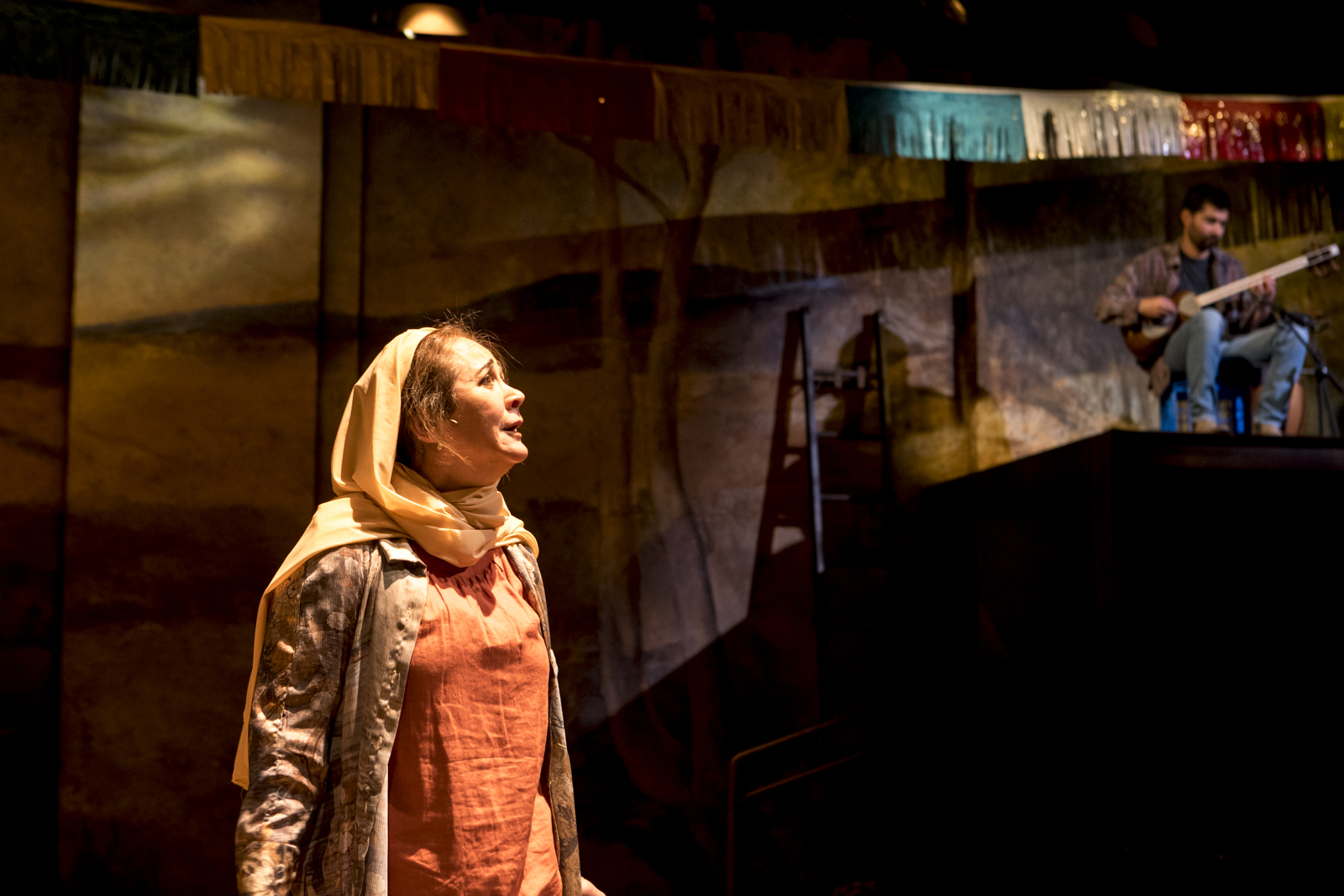
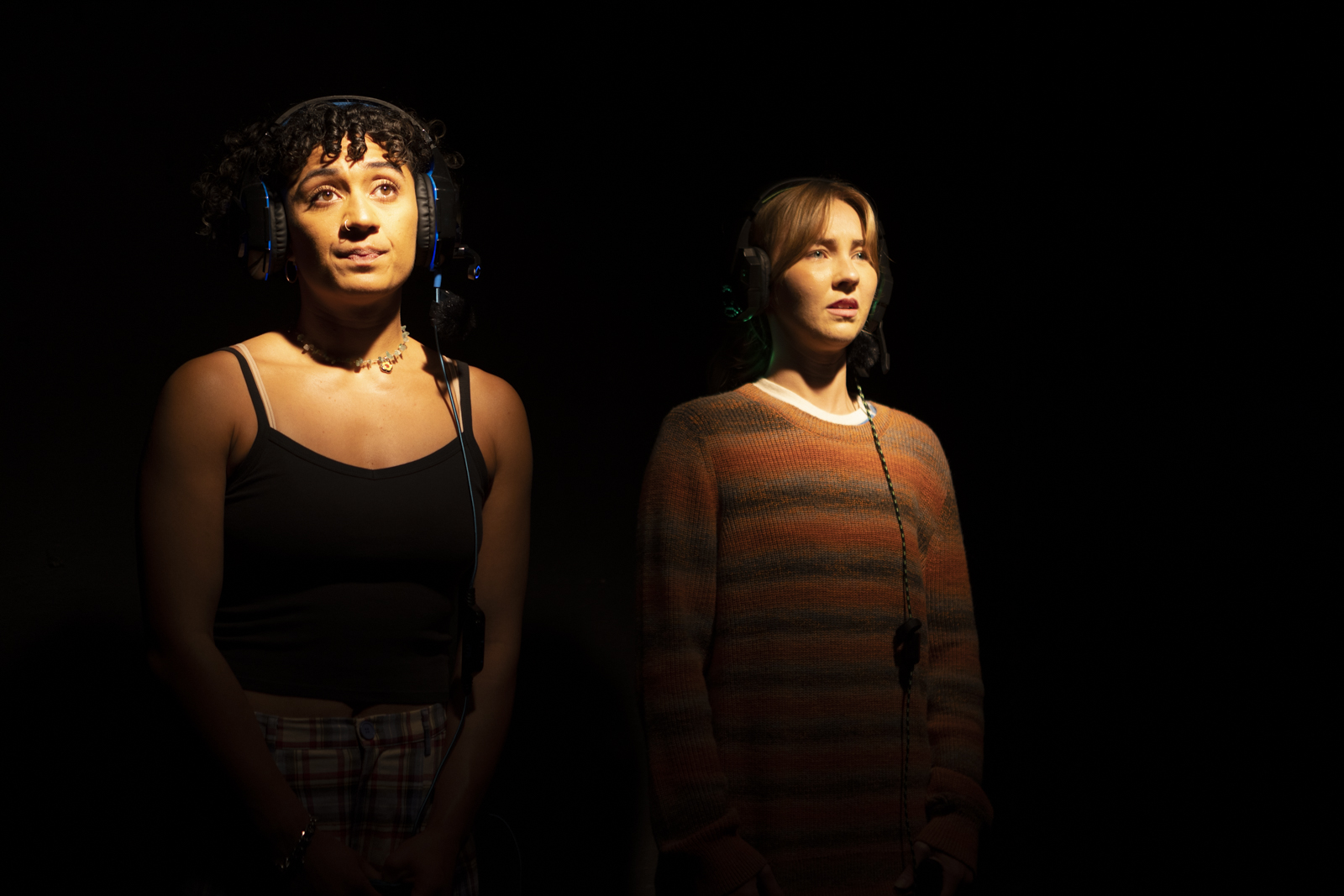
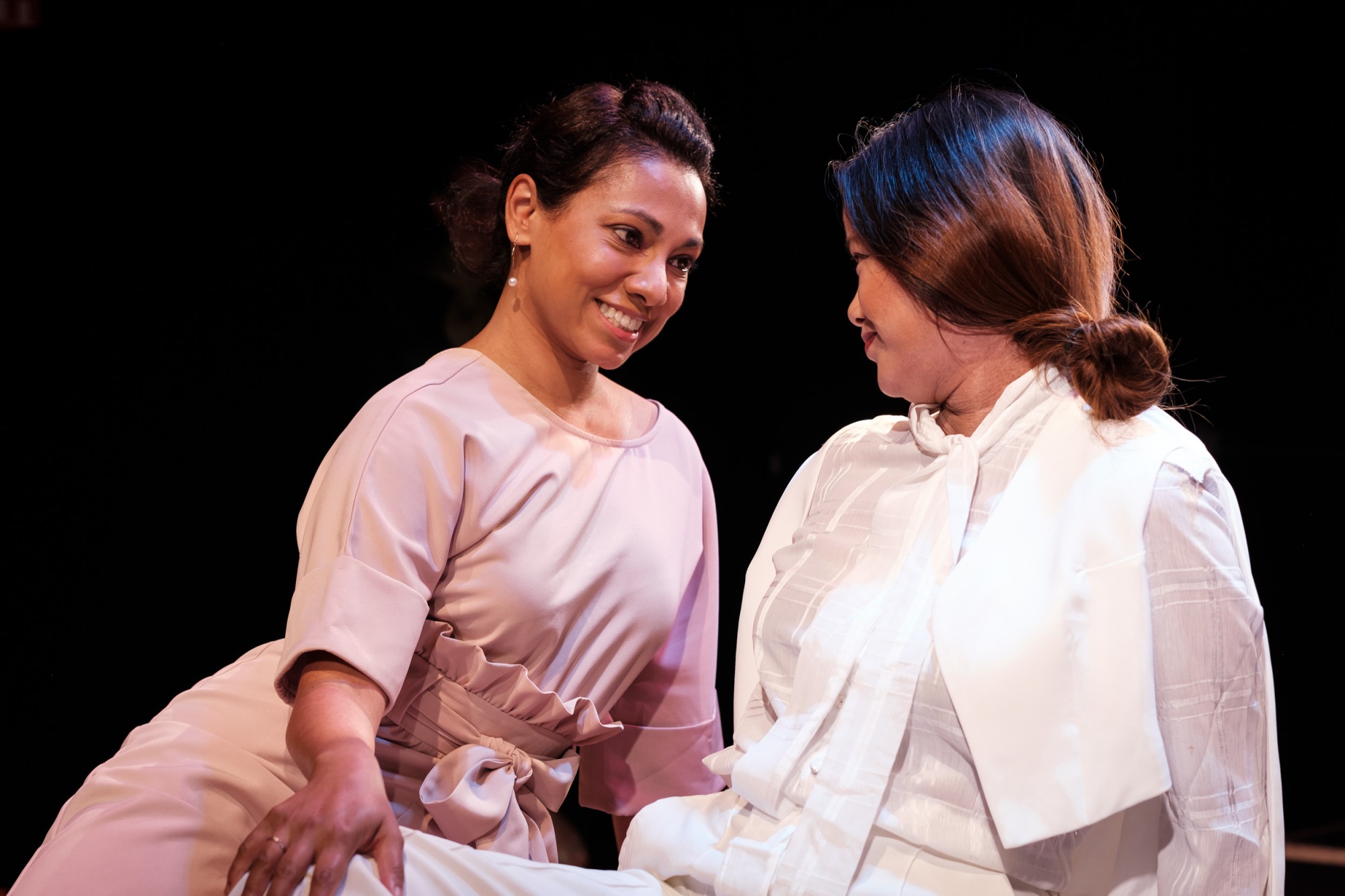
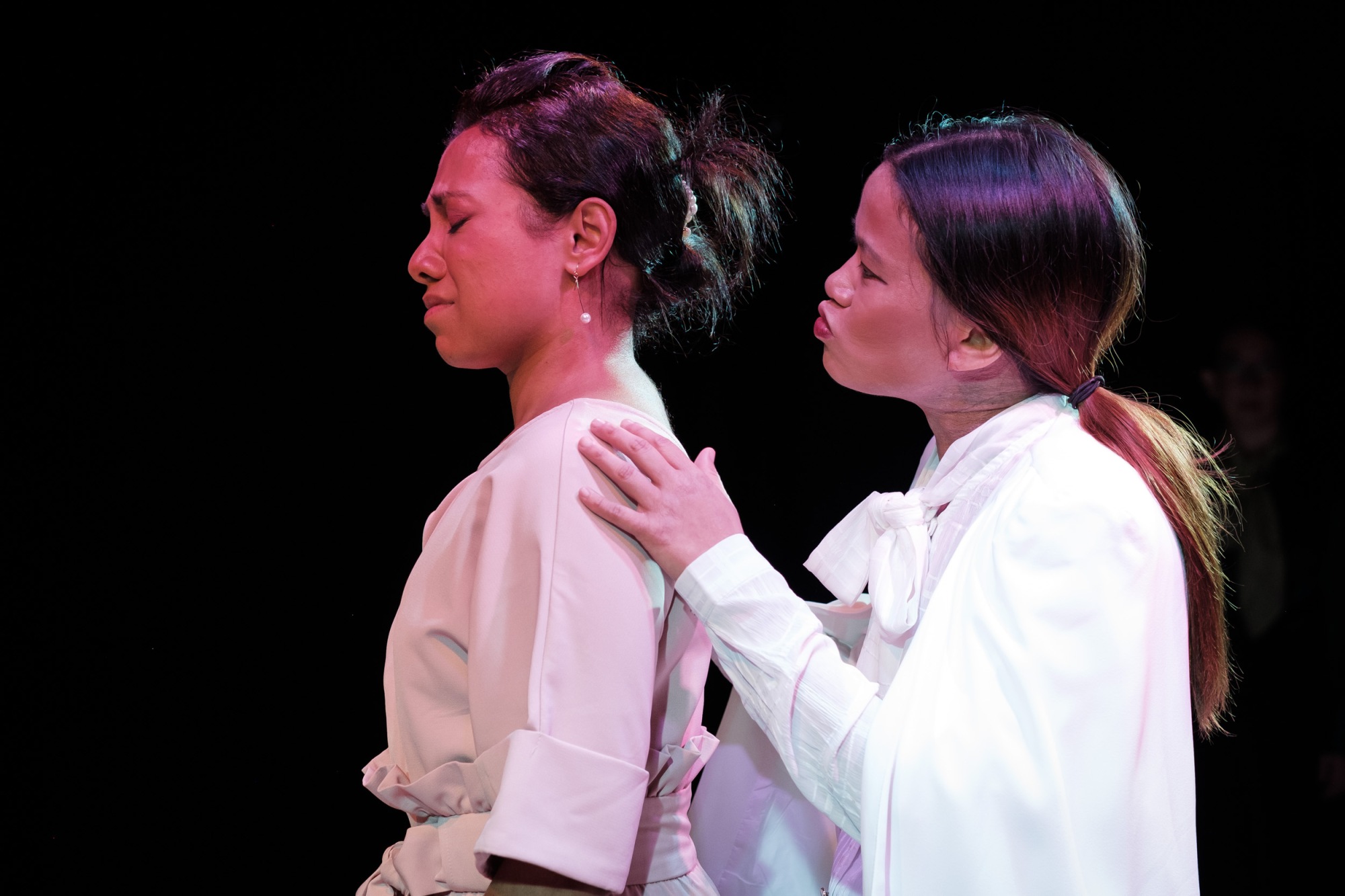
In Dorr-e Dari, the aspect of Sydney we call a cultural melting pot, comes to life, as artists with roots in Kabul, Tehran and Quetta collaborate to present a work based on Persian poetry. Subtitled “A Poetic Crash Course in the Language of Love” we are treated to philosophical perspectives on affairs of the heart, not restricted to the romantic, but relevant to all tender parts of humanity. Many of the words are foreign, but the sentiments of Dorr-e Dari feel to be wholly universal.

On stage for the entirety, a trio of artists Mahdi Mohammadi, Bibi Goul Mossavi and Jawad Yaqoubi present a bilingual show that often deals with tradition, but tailored to a modern Australian sensibility. With an English-speaking audience in mind, they find ways to cross bridges, and formulate translations, so that through these ancient writings, a new cohesion can be forged, especially between tribes that seem, on the surface, to be incompatible. It appears that to locate commonalities in the details of how our emotions work, is to create a sense of peace in how we experience and understand the world. For a work about love, it is indeed the nature of our shared existence on this one land that becomes fundamental.

Directed by Paul Dwyer, the show is unexpectedly beautiful in its somewhat fragmented form. Sequences can be naturalistic or theatrical, conversational or ceremonial, spiritual or didactical; there are dance sequences, comedic anecdotes, and videophone footage (live and pre-recorded), Dorr-e Dari is unconstrained in the ways it wishes to communicate. The tone is however, pleasantly cohesive, with all three performers proving to be highly likeable, and very welcoming presences, even if slightly unseasoned by conventional standards.

As we become used to the notion of having to bring diversity to all our social and professional endeavours, we gain a new appreciation for a post-assimilation world, where cultures of colonisation should no longer dominate our conversations. It is of great significance that Dorr-e Dari commences with a welcome to country by Indigenous elder, Aunty Rhonda Dixon-Grovenor (who also contributes her own love poem). As a people with roots from all over the planet, the only point of convergence for Australians, should we ever feel the need to have only one, must always have a First Nations emphasis. This is the most rational, and the most just, way for us to advance as a nation. The future of Australia needs to provide dignity for all, not only for the most barbaric.
www.pyt.com.au

Review: Maureen: Harbinger Of Death (Seymour Centre)

Venue: Seymour Centre (Chippendale NSW), Jan 15 – 23, 2021
Playwright: Jonny Hawkins
Director: Nell Ranney
Cast: Jonny Hawkins
Images by Yaya Stempler

Theatre review
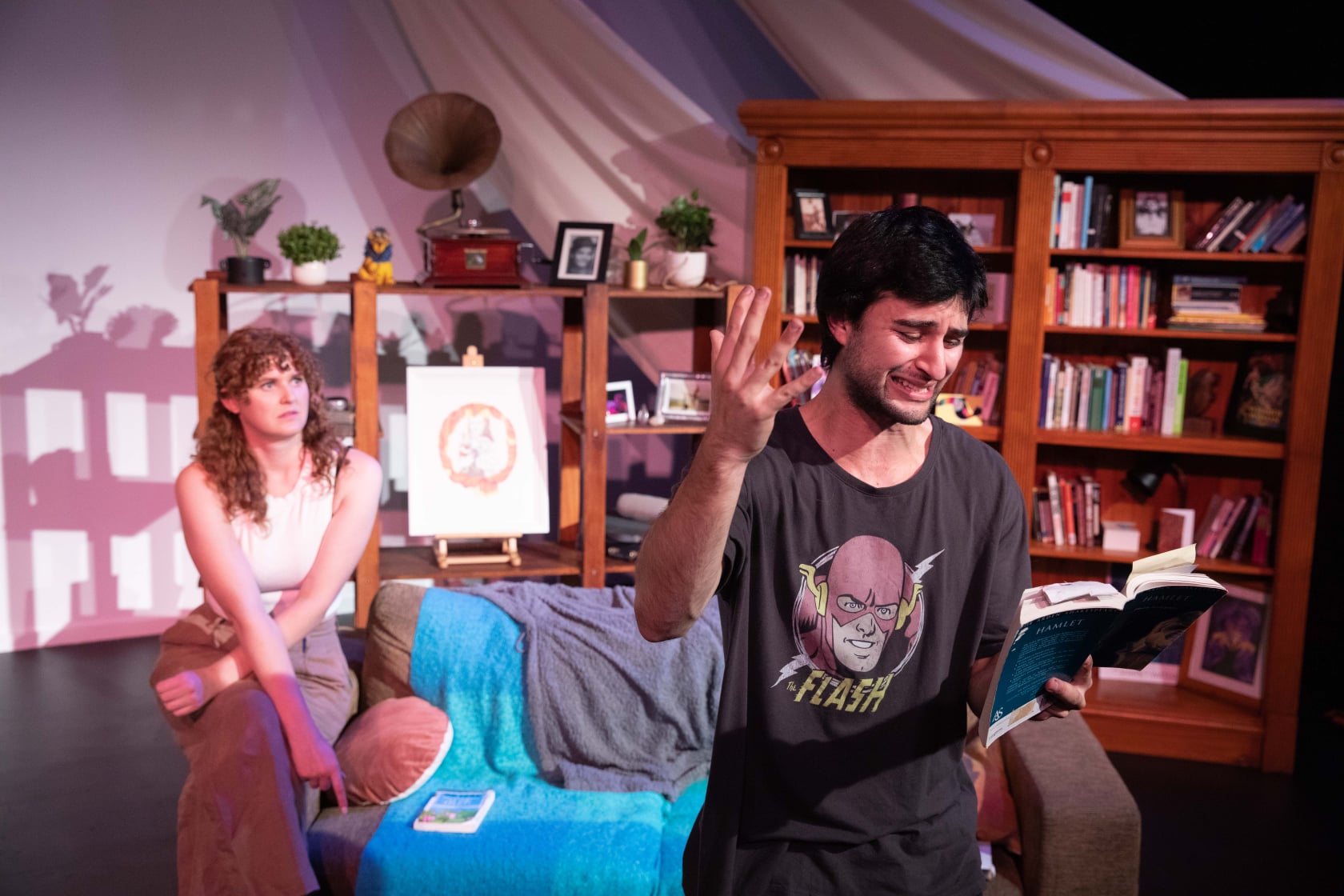
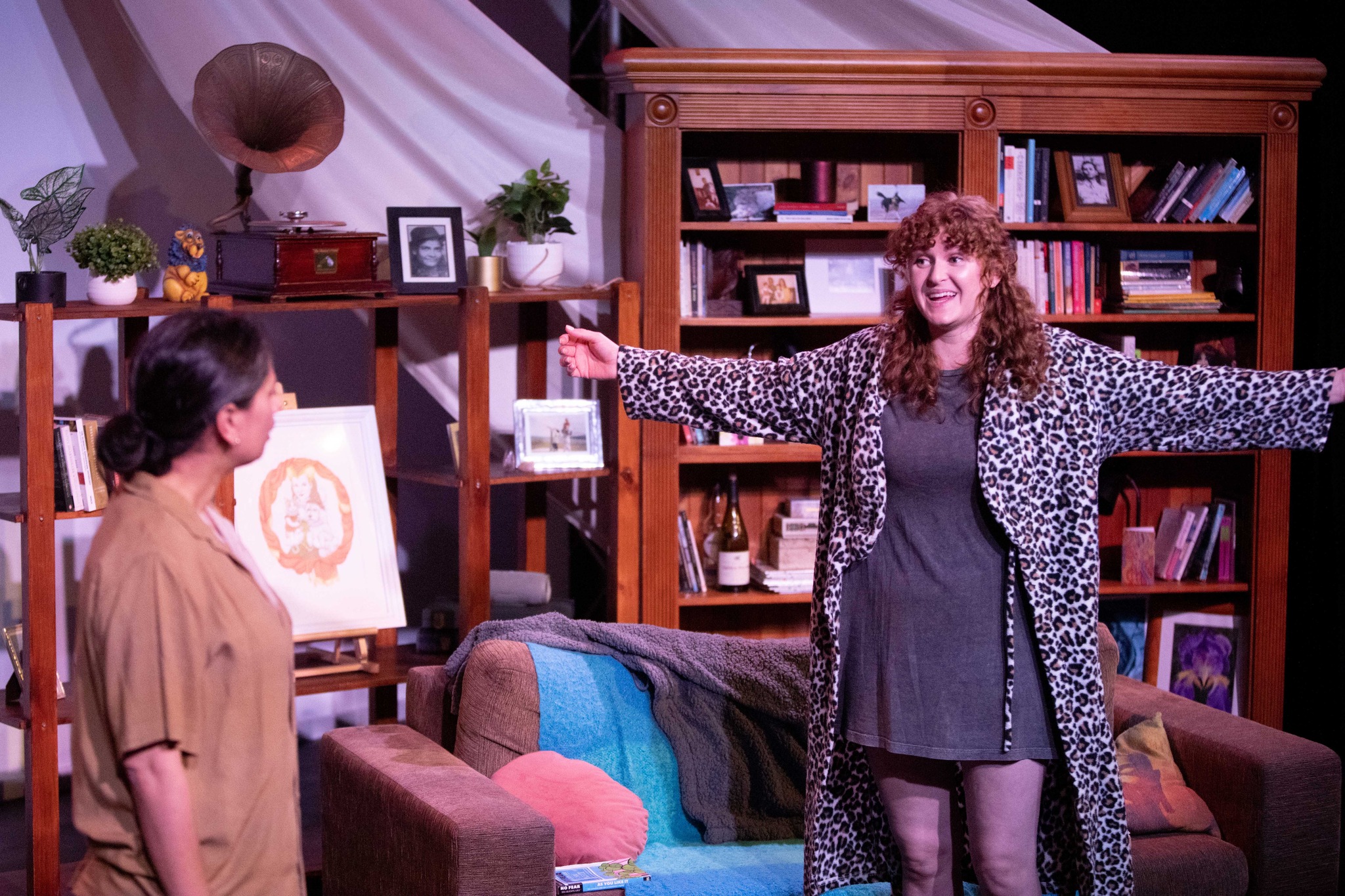
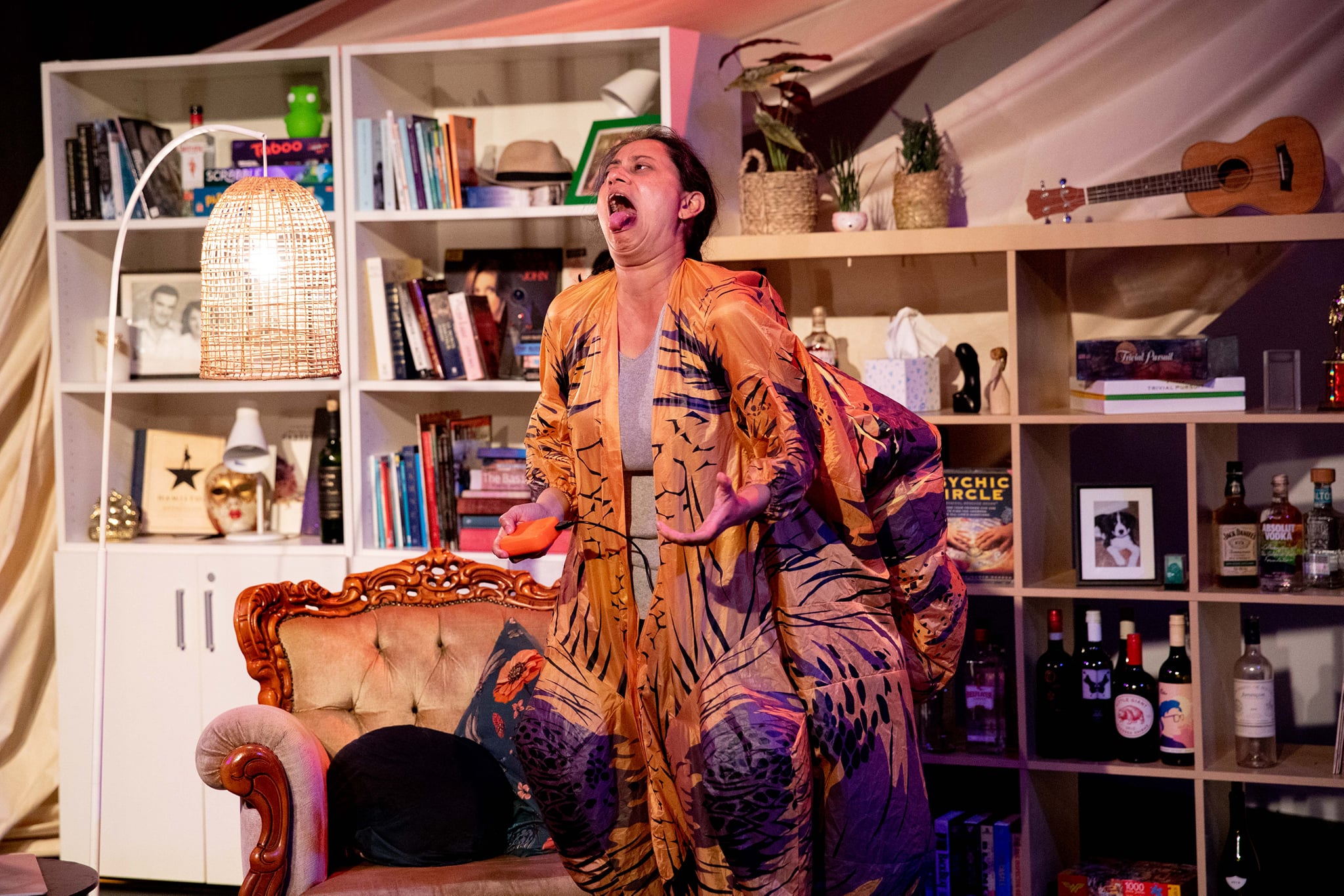
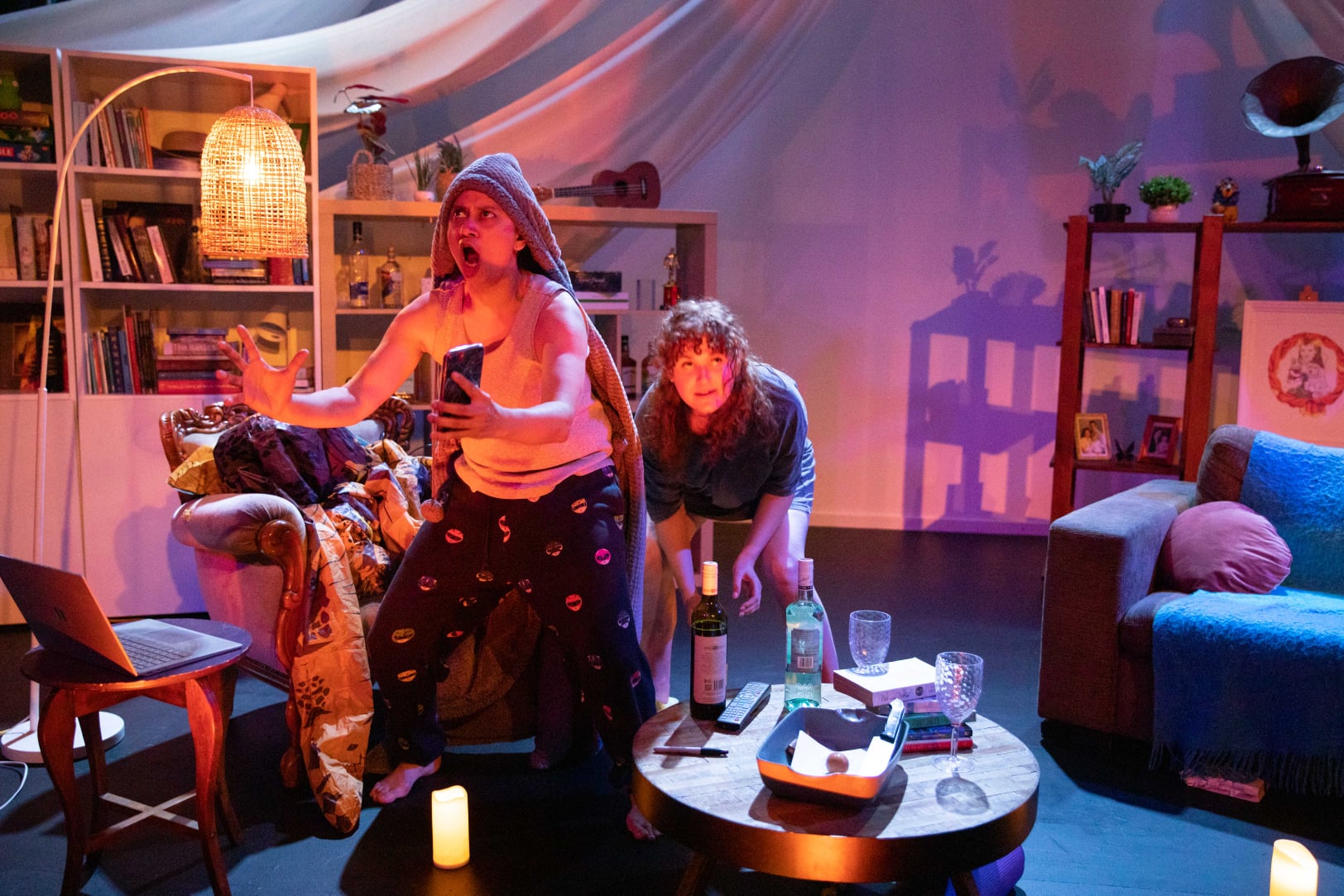
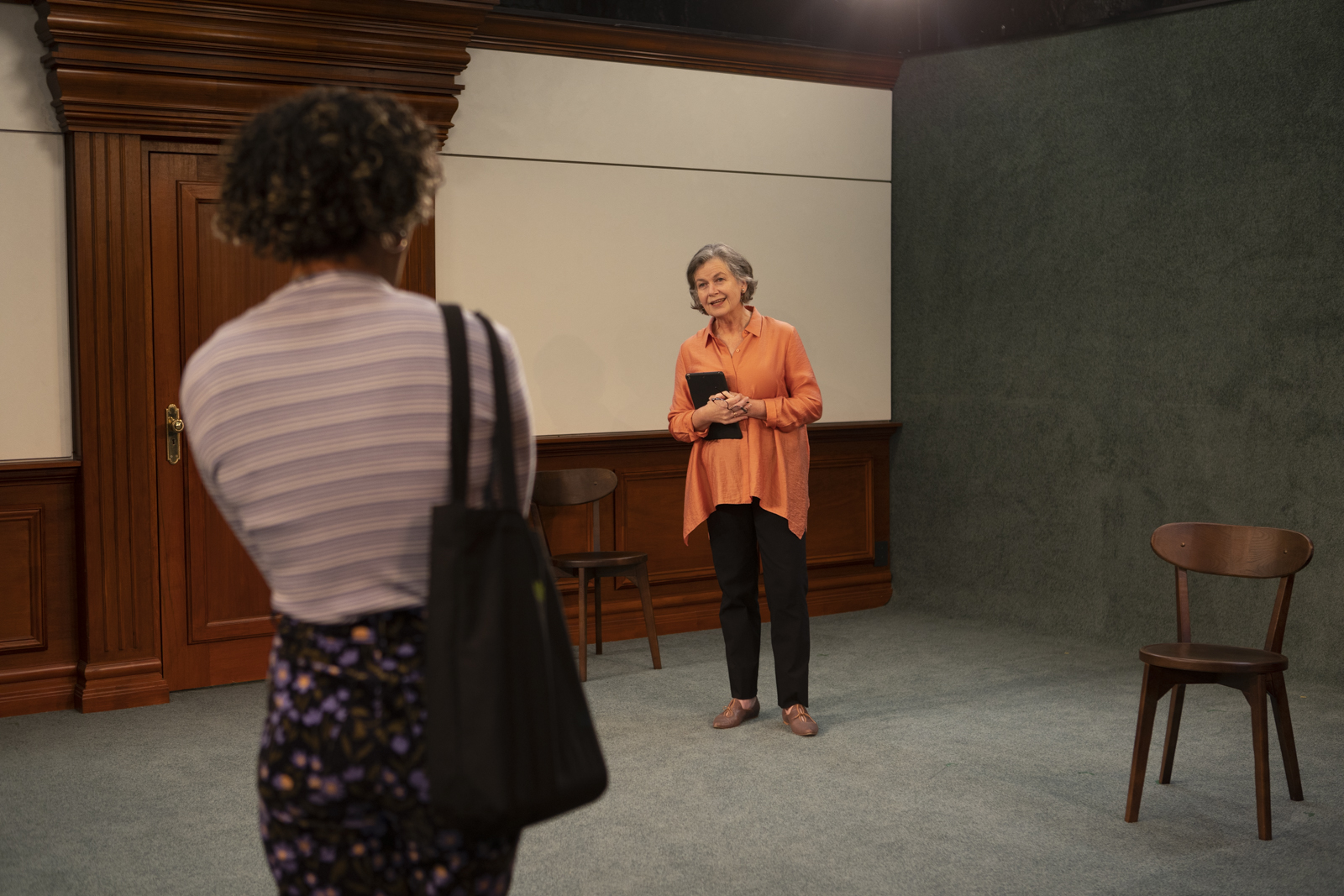
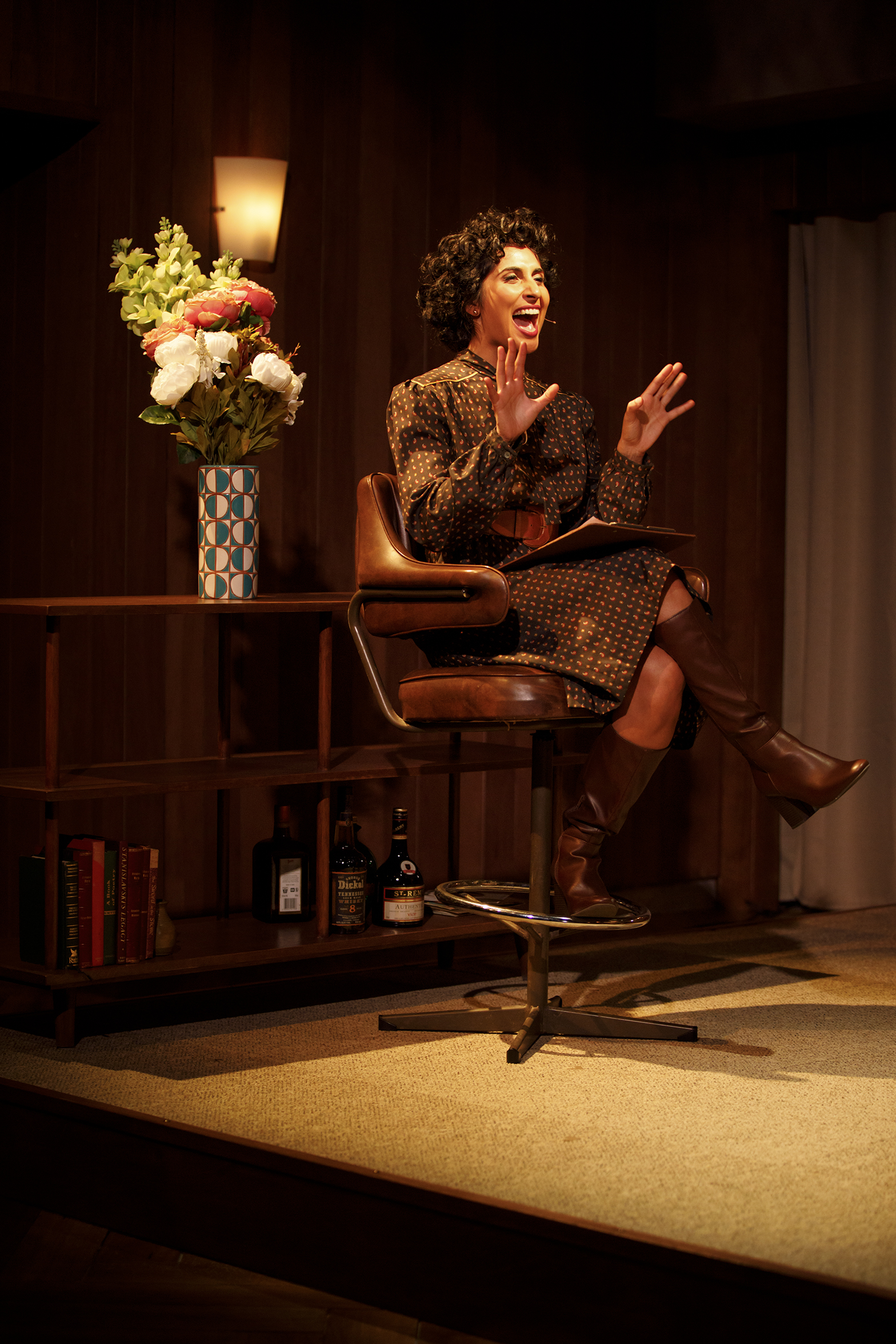
In the prologue, we learn that some of Jonny Hawkins’ best friends are old ladies. It is a somewhat strange declaration to make, but the truth is that very few young Australians, can say that they spend much time at all with the elderly. As a colonised nation, we routinely ignore the old. Youth is money, and money is everything, in this Western style civilisation we all have to live. Thank heavens then, that Hawkins has created a play that shifts our focus, making us look intently at a woman in her glorious eighties. Maureen: Harbinger Of Death may not be an entirely true story, but none of it ever feels less than real.

This one-person show involves Hawkins themself performing as Maureen, sat permanently in a chair, never tiring of a nice, long chat. Her advanced years lead her to believe that she has the ability to foreshadow the death of friends, for she has seen them depart one by one. The writing is witty, extremely warm and often very poignant. Direction by Nell Ranney is extraordinarily elegant, for an appropriately restrained production featuring a larger than life character. Lights by Nick Schlieper and sound design by Steve Toulmin, are quietly resolved but always just right. Isabel Hudson’s work on set and costume is delicately considered, and a visual delight.

As performer, Hawkins is remarkable. They inhabit and convey wonderfully, the luminous essence of Maureen, a woman any audience will find instantly loveable. Their generosity of spirit offers a bridge, one that invites us to regard the octogenarian in the same way. Hawkins’ sharp comedic sense ensures that we are riveted, and the ease with which they command the stage, is quite a marvel to observe.

Maureen: Harbinger Of Death is a dignified portrait, of a person otherwise overlooked and forgotten. All of us are valuable cogs of the same machine, yet only a few at the top are ever celebrated. Our way of life requires that each must give till it hurts, but how we are rewarded for the same pain, is certainly unequal and unjust. So many are chewed up and spat out; so many are given use-by dates, and mercilessly abandoned thereafter. By contrast, many of our minority cultures revere the elderly. If only we knew to make better choices.
www.nellranney.com.au

Review: AutoCannibal (Oozing Future)

Venue: Carriageworks (Eveleigh NSW), Jan 13 – 17, 2021
Director: Masha Terentieva
Cast/Creator: Mitch Jones
Images by Yaya Stempler

Theatre review
The show is named AutoCannibal because in the dystopic future of Mitch Jones’ creation, he is seen gradually eating himself to death, literally. Starting with expendable parts of the anatomy, like hair and nails, we watch his desperation gradually escalate, and wonder if the moment of inevitability will take place right before our eyes. A one-man show in the physical theatre tradition, reminiscent of the work of artists like Buster Keaton and Marcel Marceau, Jones pushes the envelope towards something very dark, although not altogether unfunny.

There are many horror dimensions to AutoCannibal, involving self-mutilation of course, but also isolation, madness and other hard to name fears resulting from the end of the civilisation. A short video at the beginning hints at the usual suspects, namely climate, capitalism and politics, that lead us to this point of abject destruction, but in 2021, there really is very little need for explanations about the sad state of affairs in which our protagonist finds himself. We may be conditioned to interpret dystopic visions as futuristic cautionary tales, but at this present time, it takes little stretch of the imagination, to read the presentation as an allegory for so much that is happening today.

Design aspects of the show are highly accomplished. Sound by Bonnie Knight is dynamic and compelling, a crucial element in lieu of dialogue, that guides us through varying states of distress and humour. Paul Lin’s lights are moody but magical, effective in establishing something very close to a living nightmare before our eyes. Michael Baxter’s set design too is noteworthy, able to provide more than functionality, for a stage that looks genuinely terrifying.

Under Masha Terentieva’s direction, Jones performs a wordless theatre that is just scary enough, often pushing us to psychological limits, without taking the action to a point of alienation. There is ample opportunity for showing off Jones’ athletic and comedic talents, but AutoCannibal is not always sufficiently engaging for the intellect. When the audience witnesses a human pushed to the extremes in art and entertainment, we cannot help but wonder about the point of it all, and there is little that could provide satisfying complexity to how we can contextualise these horrors.

We live in a world of scandalous abundance, yet so many are hungry. It boggles the mind that people everywhere are left to die of starvation, while most of us fill our days with hoarding and accumulating the thing commonly known as wealth. Conditioned to think of people as either worthy or unworthy, we are completely at ease with the idea that some are simply lesser, and that their suffering is justified. We are taught to fear, taught to submit, taught to accept that some babies will grow into rich people, and others will languish in poverty, as though this is all natural and the irreversible course of the world. To watch the character in AutoCannibal eat himself to death, is to have our morals called into serious question.

www.oozingfuture.com

Review: My Brilliant Career (Belvoir St Theatre)

Venue: Belvoir St Theatre (Surry Hills NSW), Dec 5, 2020 – Jan 31, 2021
Playwright: Kendall Feaver (based on the novel by Miles Franklin)
Director: Kate Champion
Cast: Blazey Best, Jason Chong, Tom Conroy, Emma Harvie, Tracy Mann, Nikki Shiels, Guy Simon
Images by Brett Boardman

Theatre review
The play begins with Sybylla making unapologetic pronouncements, declaring that this is all going to be about herself. Miles Franklin’s 1901 novel My Brilliant Career, features a feisty woman in a man’s world, and although the story takes place during what we now acknowledge as being the first wave of feminism, Sybylla seems terribly alone in her defiance. In the Australian outback, the teenager dreams of an existence beyond marriage and child-bearing, and for some inexplicable yet gratifying reason, we discover that unlike all the other women in her life, Sybylla finds the hubris to see things through.

The old-fashioned tale is rejuvenated by playwright Kendall Feaver, who manufactures engaging scenes for her stage version. Although frustratingly conservative in style and vision, it is nevertheless a compelling portrait of a radical young woman from our fabled past. Kate Champion directs with excellent humour, buoyed by an infectious and irrepressible sense of playfulness. Production design by Robert Cousins is restrained, but effective in helping us keep focus on characters and relationships. Occasional dazzling manoeuvres by lighting designer Amelia Lever-Davidson, deliver an enjoyable theatricality, as do composer Chrysoulla Markoulli and sound designer Steve Francis, who prove themselves cheeky collaborators with the whimsy that they so cleverly inject.

Actor Nikki Shiels too is adept at playing with irony, as she successfully bridges the many decades, between the original conception of the protagonist and our modern times, with a memorable sass and confidence. Shiels’ passion fills the space, allowing us to connect with the uplifting and spirited qualities of Sybylla. It is a strong supporting cast that we encounter, with a notable Guy Simon, whose romantic rendition of a love interest is effortlessly convincing and quite splendid, and Tracy Mann who steals the show with all of her roles, each one considered and arresting.

My Brilliant Career offers nothing new, yet the resonances it provides, are disarmingly powerful. After all these years, we can still recognise that so many Australian women face the same problems, as though we are stuck in the 19th Century. We still talk about how we can “have it all”, and we still think it extraordinary and audacious that a whole story can be told about our hopes and dreams. Of course, in many ways, we have progressed, and feminism has improved many things, but there must be something about us that is trapped in the past, when we notice Sybylla’s story striking a chord.

www.belvoir.com.au

Review: Pippin (Sydney Lyric Theatre)

Venue: Sydney Lyric Theatre (Sydney NSW), Nov 24, 2020 – Jan 31, 2021
Music and lyrics: Stephen Schwartz
Book: Roger O. Hirson
Director: Diane Paulus
Cast: Leslie Bell, Simon Burke, Euan Doidge, Kerri-Anne Kennerley, Lucy Maunder, Gabrielle McClinton, Ainsley Melham, Ryan Yeates
Images by Brian Geach

Theatre review
More than being Prince of the Franks, Pippin is the prince of despair. He is the son of an ambitious and ruthless king, but what Pippin wants for himself, cannot be found in following anyone’s footsteps but his own. Although not the most memorable in terms of songs and characters, the 1972 musical by Roger O. Hirson and Stephen Schwartz, is delightfully conceived, featuring an integration of philosophy with circus disciplines, that proves evergreen and quite irresistible.

This twenty-first century version, choreographed by Chet Walker in the legendary style of Bob Fosse, is sensual and captivating as ever, with a level of sophistication that makes the experience an consistently pleasurable one. Direction by Diane Paulus is somewhat emotionally distant, but the visual splendour she manifests is quite a thing to behold.

Performer Ainsley Melham is very likeable in the titular role, not the strongest voice for a stage of this magnitude, but certainly a big presence with a palpable warmth that keeps us firmly on his character’s side. Gabrielle McClinton is striking and highly impressive as Leading Player, a ringmaster of sorts, delivering a portrayal that is precise, unyieldingly energetic and brilliantly nuanced.

Simon Burke and Leslie Bell are full of charm as Pippin’s royal parents, whilst Euan Doidge’s camp rendition of Prince Lewis is an unforgettable crowd-pleaser. Also humorous is Lucy Maunder, who plays love interest Catherine, remarkably timed and splendidly confident with the quirky comedy that she brings. Above all, the chorus is life of the party, many of whom are circus folk adept at keeping us awe-struck with physical feats that never fail to get our jaws hitting the ground. It is theatre as spectacle, and at an especially difficult time, an antidote we desperately need to help lift our spirits.

wwww.pippinthemusical.com.au

Review: The Picture Of Dorian Gray (Sydney Theatre Company)

Venue: Roslyn Packer Theatre (Sydney NSW), Nov 25 – Dec 19, 2020
Playwright: Kip Williams (adapted from the Oscar Wilde novel)
Director: Kip Williams
Cast: Eryn Jean Norvill
Images by Daniel Boud

Theatre review
Self-preservation is in our human nature, but when it manifests in forms of narcissism, we have to wonder if that urge of vanity, is in fact paradoxically self-destructive. Oscar Wilde’s The Picture Of Dorian Gray tells the story of a man so taken by his own beauty, he sells his soul in order to forever retain it. That juxtaposition of soul and beauty sets up a dichotomy, that makes us consider the inextricability of one with the other. If the soul is essentially good, Wilde wants us to think that beauty is ultimately impossible, in those who are fundamentally bad. His narrative is compelling, although the evidence in our real lives, may prove those beliefs less convincing.

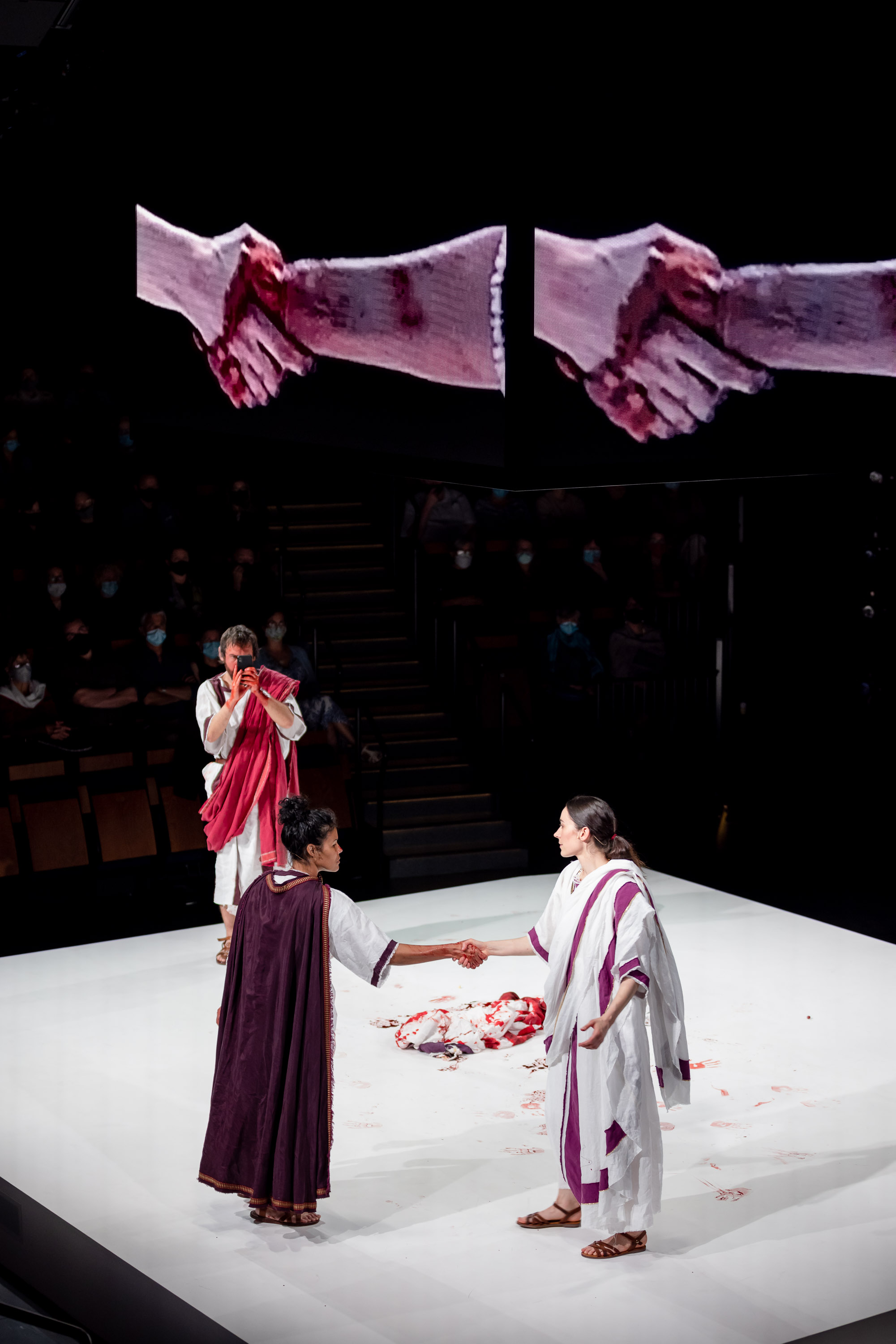
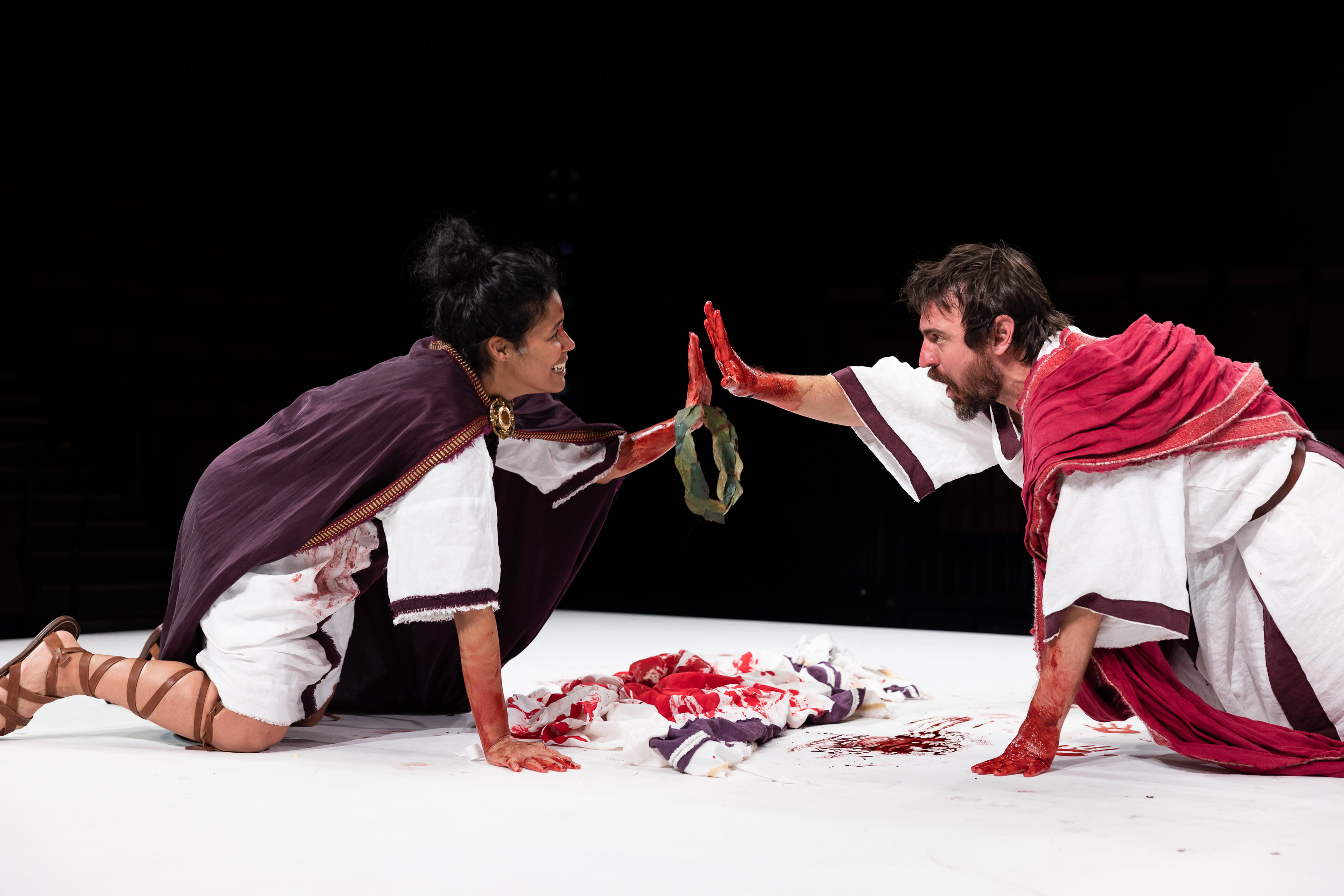
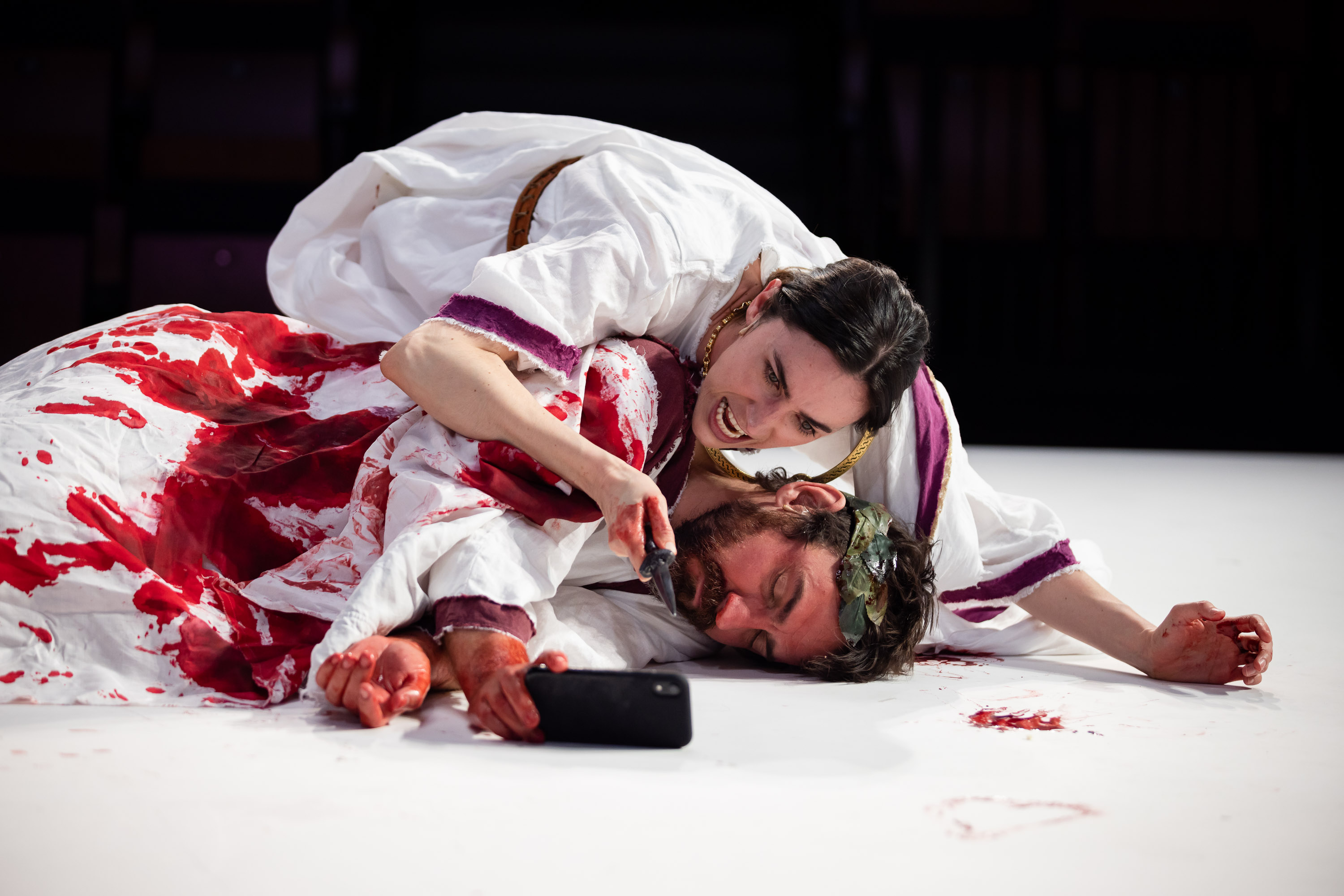
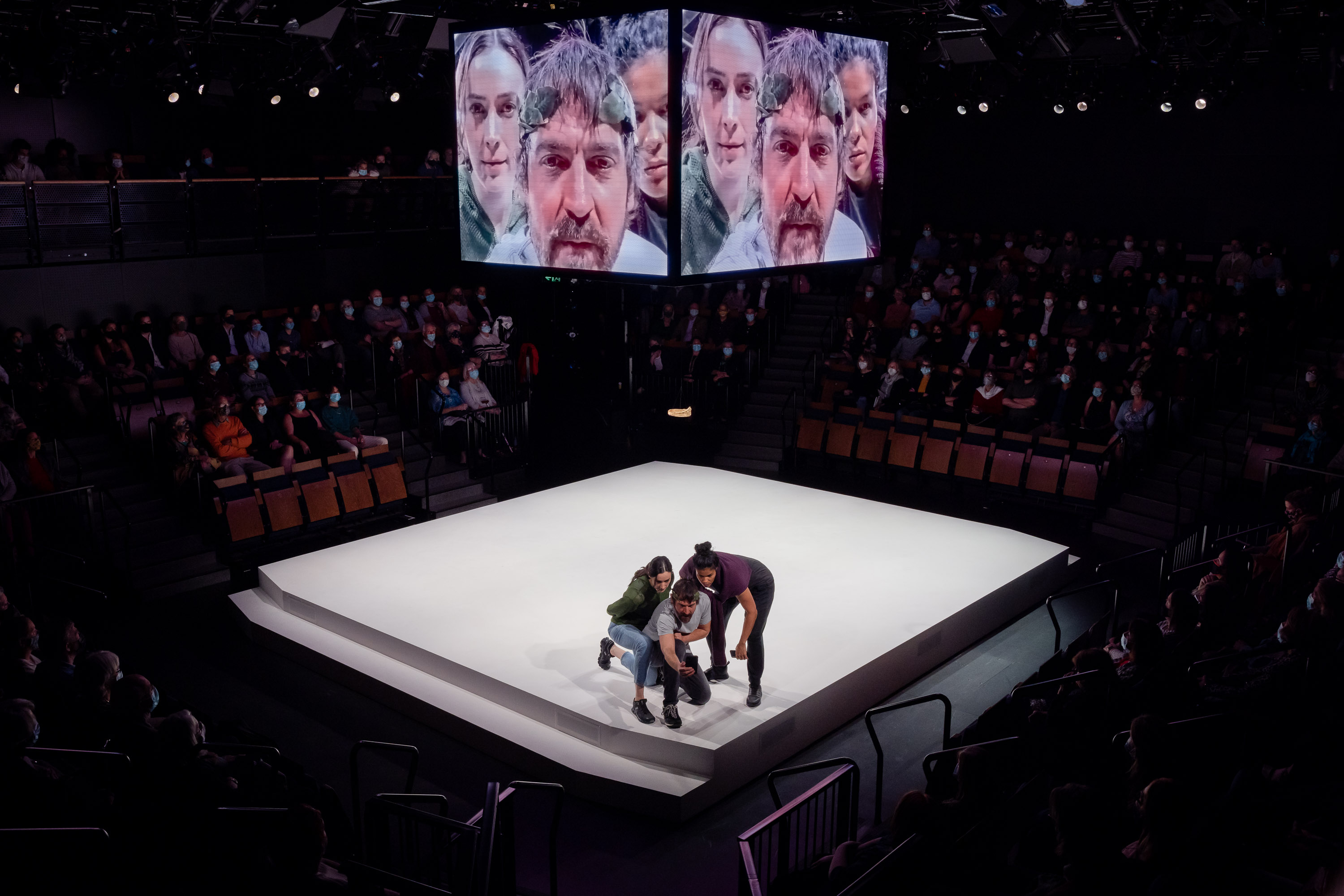
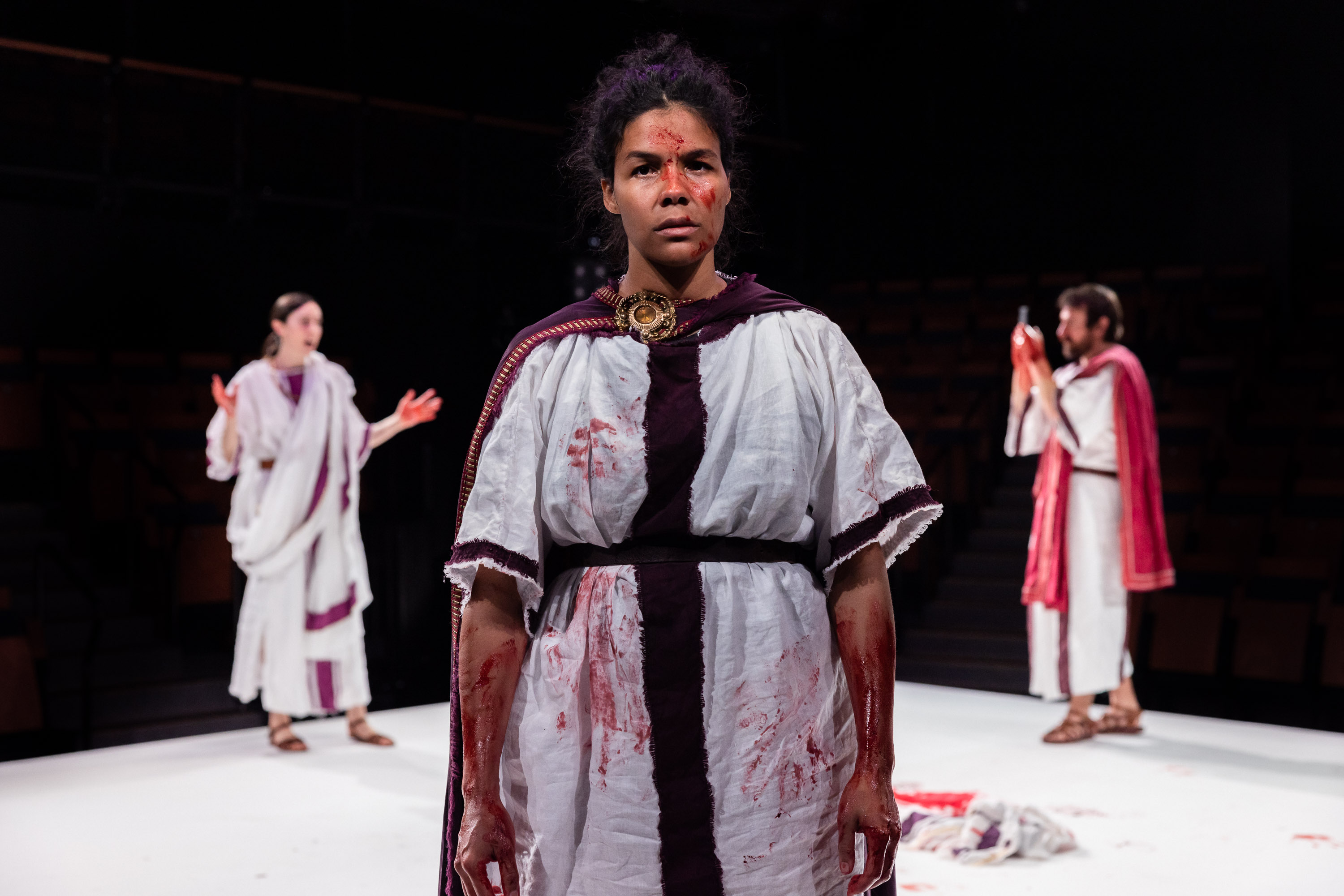
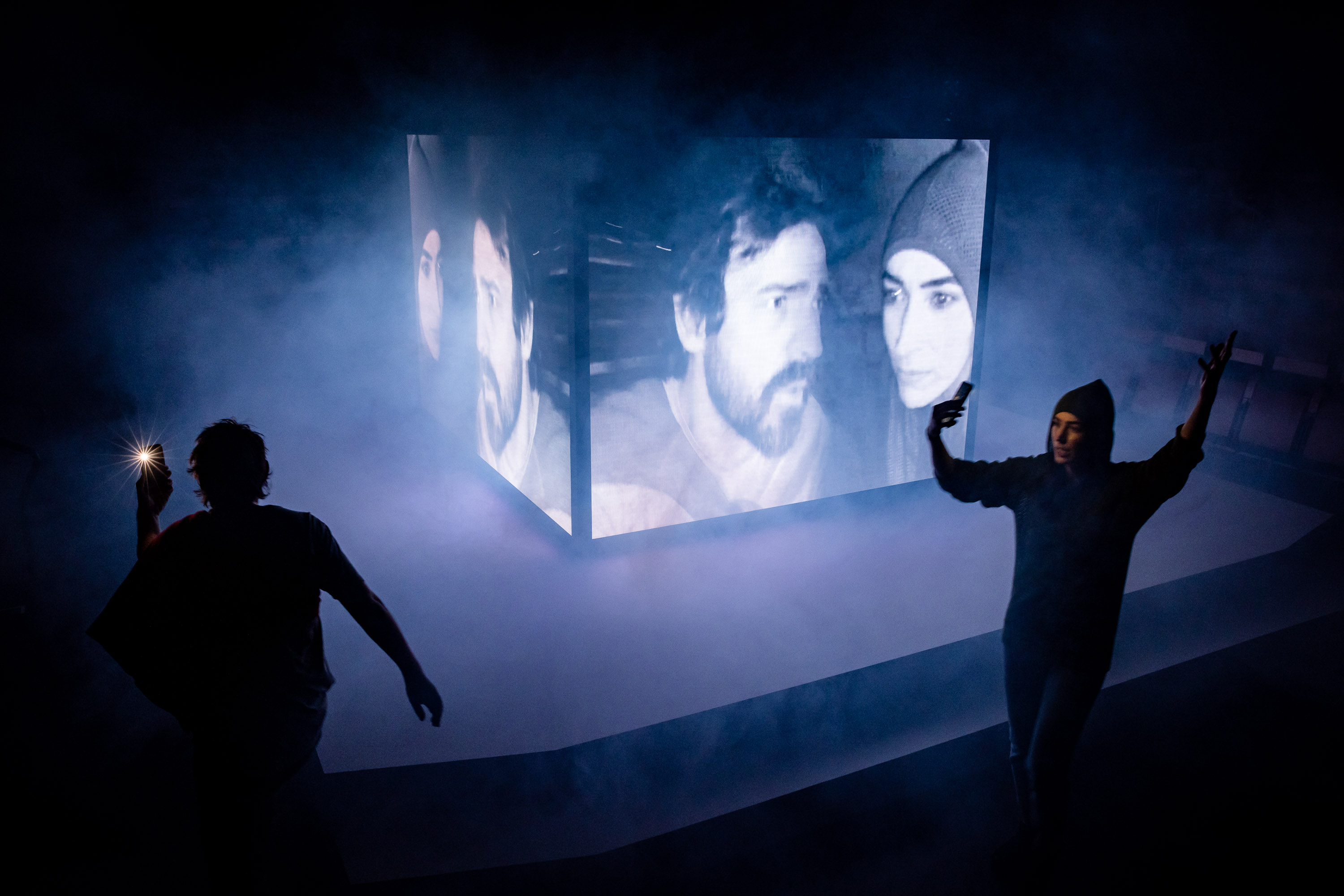
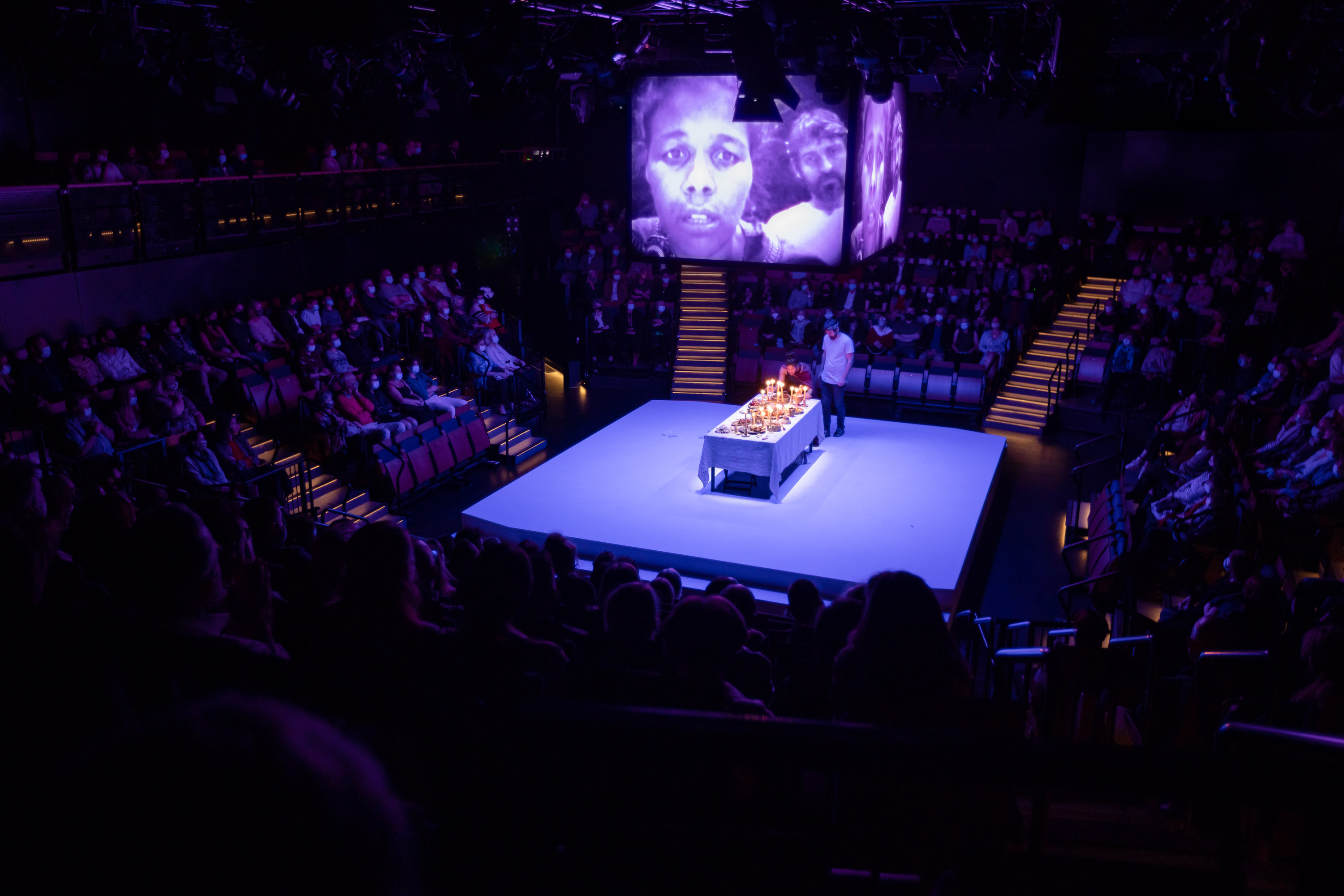
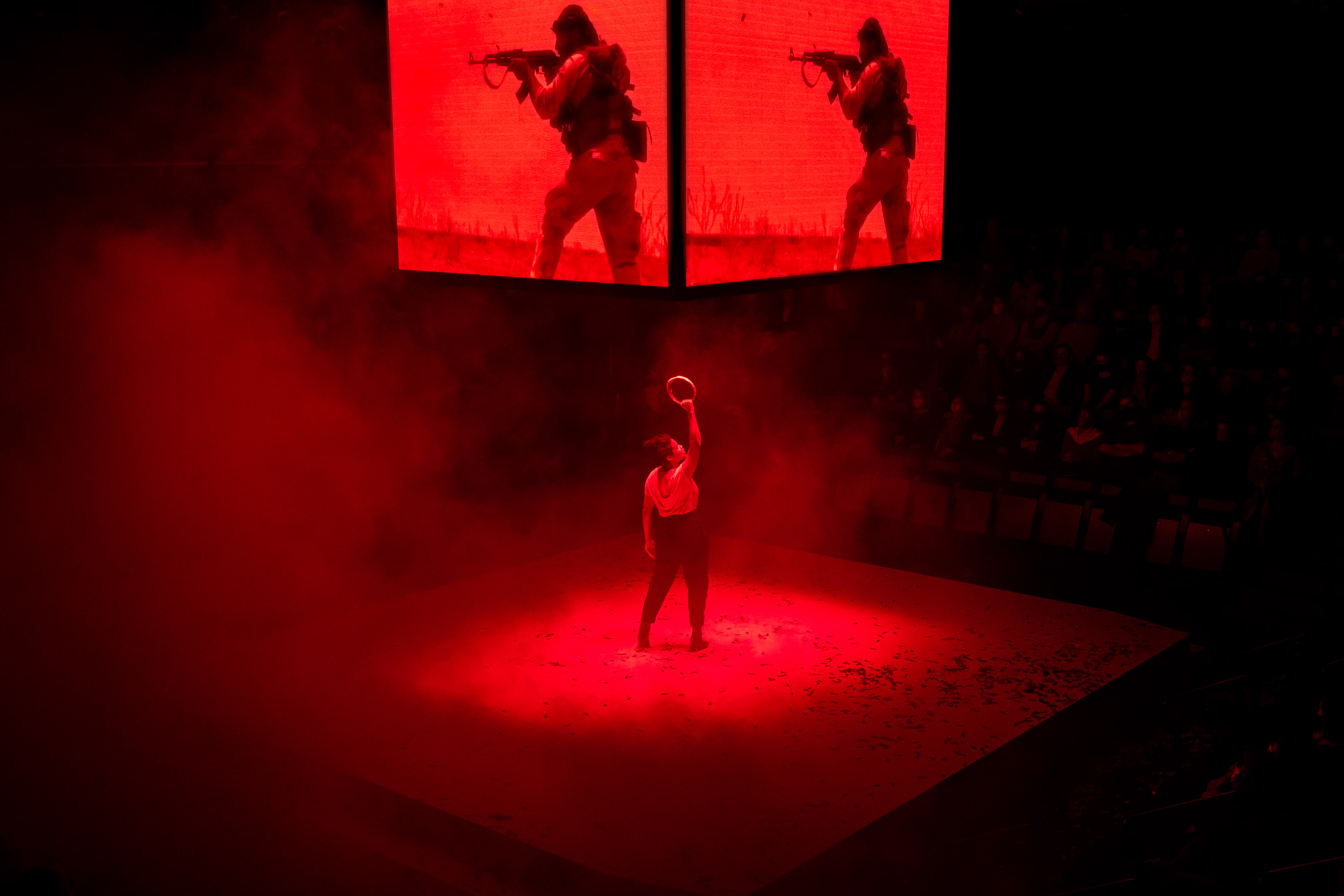
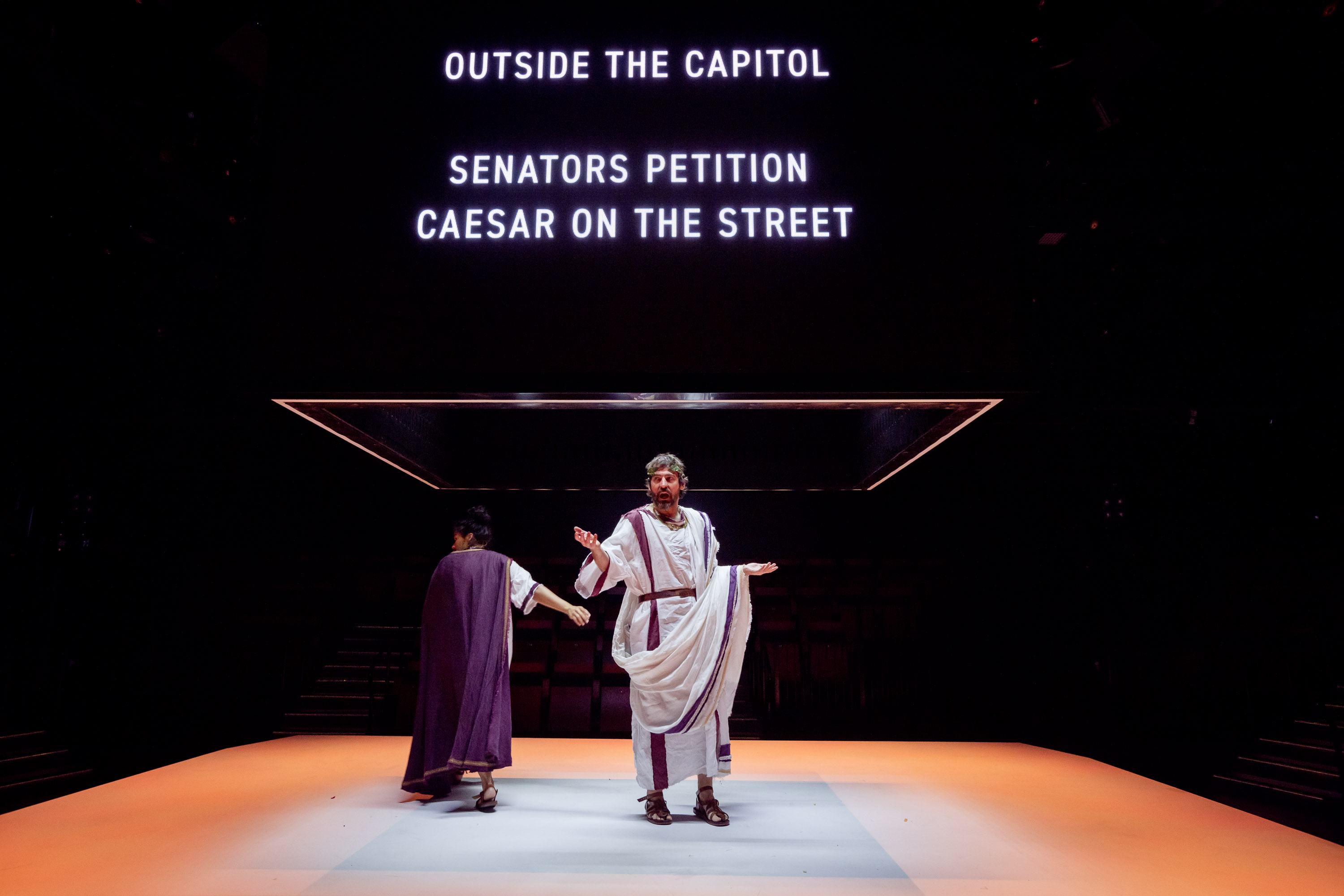
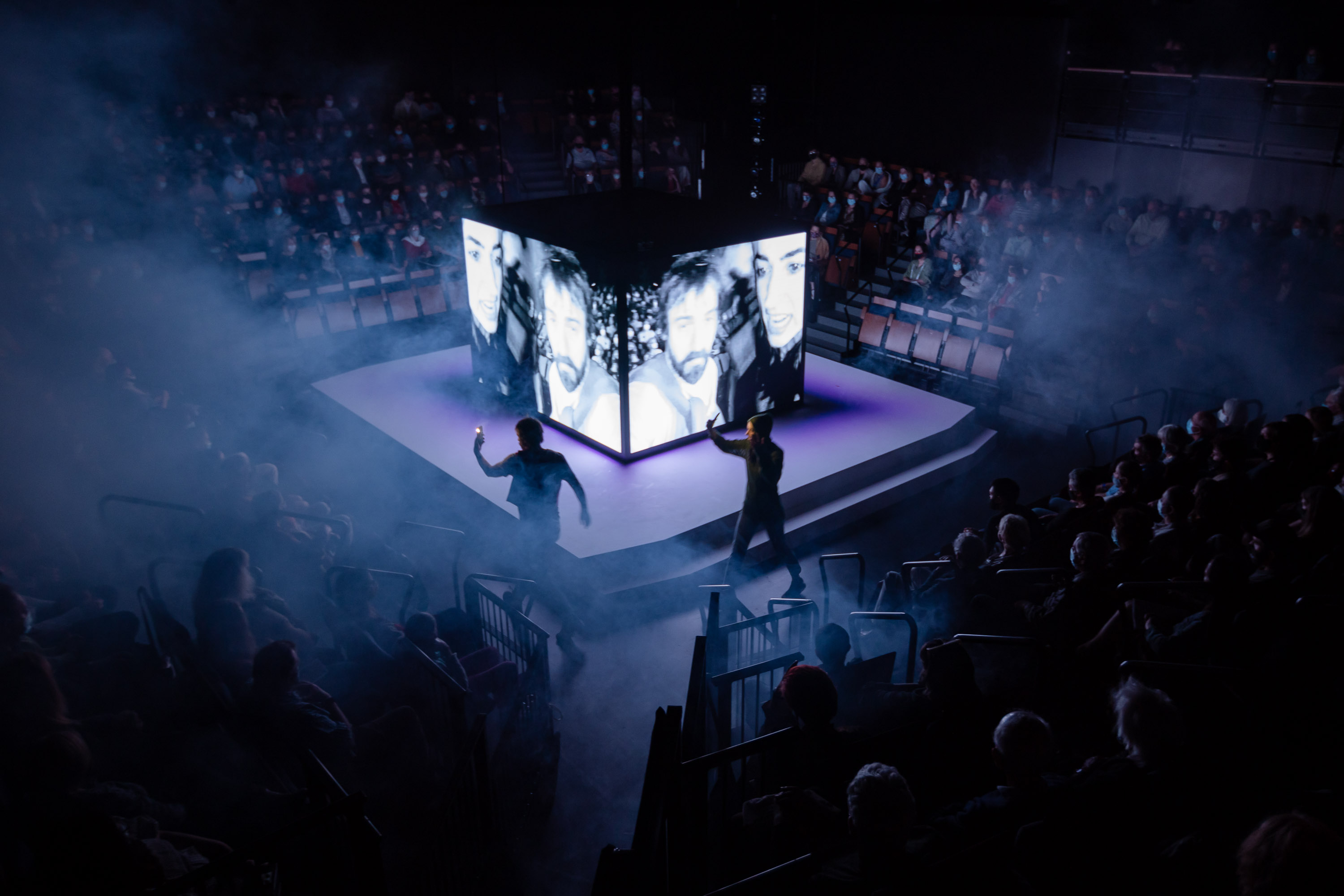
Kip Williams’ ultra modern version places on the stage, front and centre, screens that display digitalised imagery, most of which can be thought of as selfies of Wilde’s nineteenth century characters, seeming to represent something more tangible than the flimsy yet seductive pixels we encounter in cinematic style. It is a thrilling production, fast-paced and very attractive, able to hold us captive with stunning sights and sounds, inventive from start to finish. Appropriate for our culture, one that has been taken over by mobile devices, and that the show so fervently interrogates, causing the viewer to oscillate between suspecting that it might all be slightly facile, and thinking that maybe there is something to be said about existence in 2020, as we obsess over all things pertaining to facades. In some ways, one could go away thinking that Williams has proven Wilde wrong.

It is the surface that we find glorious in Williams’ vision, with Marg Horwell’s work as designer, and Nick Schlieper’s lights providing an endless stream of breathtaking moments, along with David Bergman’s very sophisticated and thoughtful video work, bringing Australian theatre into a futuristic new era. Clemence Williams too, excels with sound and music, especially memorable when her approach turns baroque, and we feel aroused by the surprising dimensions she is able to build for our senses. Stage Manager Minka Stevens, along with all the crew, must be congratulated for their valiant and expert fulfillment of an exceptionally complex undertaking.

Actor Eryn Jean Norvill plays Dorian Gray and all the other 25 roles. It is the tallest of orders, not only having to switch between personalities at lightning speed for the entire two-hour duration, but also for the extreme demands of an impossibly technical show, involving multiple cameras, and interactions with pre-recorded footage. Norvill’s spirit is indomitable, but we wonder if any human is able to meet every requirement of this merciless challenge.

There is no question that our lives are turning increasingly digital. Some of us might still hang on to ideas that our analogue selves will always be ultimately more genuine, but forces that want us to relinquish remaining parts that are private and physical, are winning every battle. As we transform into pixels and data, at the insistence of those capitalistic entities, we begin to learn that the digital is no longer merely a representation of something else. Images on a screen are becoming more real than what we see without devices as conduit. Also not forgetting, that we are marching towards a time, when the only images we see are either digital or dreams. No one will ever get to Dorian Gray’s flesh, only the evidence of his being, in computerised forms. There is a narcissism in our resistance to this future. We want to believe in our supremacy over technology, as we had believed in our supremacy over nature and other species. Humans seem never to learn that the world is not about us.

www.sydneytheatre.com.au

Review: Rules For Living (Sydney Theatre Company)

Venue: Sydney Opera House (Sydney NSW), Nov 2 – Dec 19, 2020
Playwright: Sam Holcroft
Director: Susanna Dowling
Cast: Ella Jacob, Keegan Joyce, Amber McMahon, Hazem Shammas, Bruce Spence, Sonia Todd, Nikita Waldron
Images by Daniel Boud

Theatre review
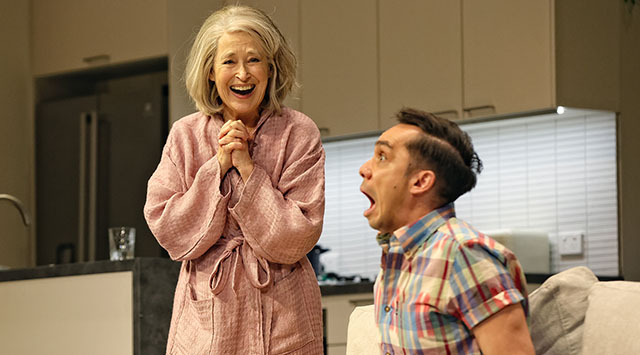
It is Christmas lunch at Francis’ home in the affluent North Shore. He is a successful lawyer, and both his sons are desperately trying to follow in his footsteps, although their authentic passions lie clearly in other fields. A lot of Sam Holcroft’s Rules For Living talks about the conflict between who we are, and who we are expected to be. It is about the standards set by society, by family, friends and lovers, that have very little to do with what one needs for a satisfying existence, and everything to do with obedience, and for keeping up with the joneses. An examination of middle class mirage is plat du jour, as served up by this predictable comedy, giving us nothing edgy or indeed revelatory.

Actor Sonia Todd plays Edith, mother to the boys, especially effective when bringing emphasis to the irony of narcissistic anguish in people who have it all. Everything is too stressful in her perfect world, where not a hair is allowed to be out of place. Todd offers an accurate sense of bourgeois uptight-ness, that is valuable in our understanding of early twenty-first century Western civilisation, even though the noisy ensemble piece does ultimately prevent anything meaningful or profound to be properly conveyed.

Directed by Susanna Dowling, the show is consistently energetic, but bewilderingly unfunny. The performers work extraordinarily hard to entertain, but none seems to have located any significant humour in the piece, that they so laboriously bring to the stage. Their approaches range from realist to absurdist, all of which miss the mark, although it can often appear that there is little in the writing that is inherently amusing. Design aspects are elegant and polished, but conservatively rendered, for a production that looks, sounds and feels like the hundred Christmas comedies that have come before, always unthreatening, but banal at best.

As we try to survive a living hell comprised of Trumpism and COVID-19, telling stories about vicious family dynamics in 2020, proves to be an exercise that feels little more than a slightly quaint distraction from real life. What might have been important theatre in 2015, when Rules For Living had made its international premiere, now lacks pertinence in a vastly transformed world. There are much bigger fish to fry, and art needs to keep up.

www.sydneytheatre.com.au