Venue: KXT on Broadway (Ultimo NSW), May 27 – Jun 6, 2026
Playwright: Ruby Blinkhorn
Director: Mathew Lee
Cast: Yasna Delo, Luke Fewster, Nat Jobe, Mark Langham, Diego Retamales, Leon Walshe
Images by Robert Catto
Theatre review
In 897 AD, the corpse of Pope Formosus was exhumed and put on trial for perjury and other crimes—a spectacle of posthumous justice that remains one of history’s most macabre episodes. Ruby Blinkhorn’s Cadaver Synod, named for this grisly affair, places us in the tumultuous aftermath as Formosus’s successor, Pope Stephen, attempts to impose order upon a world of chaos and deepening distrust. The historical premise is undeniably rich theatrical fodder, yet the play itself often struggles to find its centre. The narrative darts in so many disparate directions that it feels less like a cohesive drama than a long-form television series crammed into ninety minutes, with narrative gaps that leave the audience perplexed and ultimately unsatisfied.
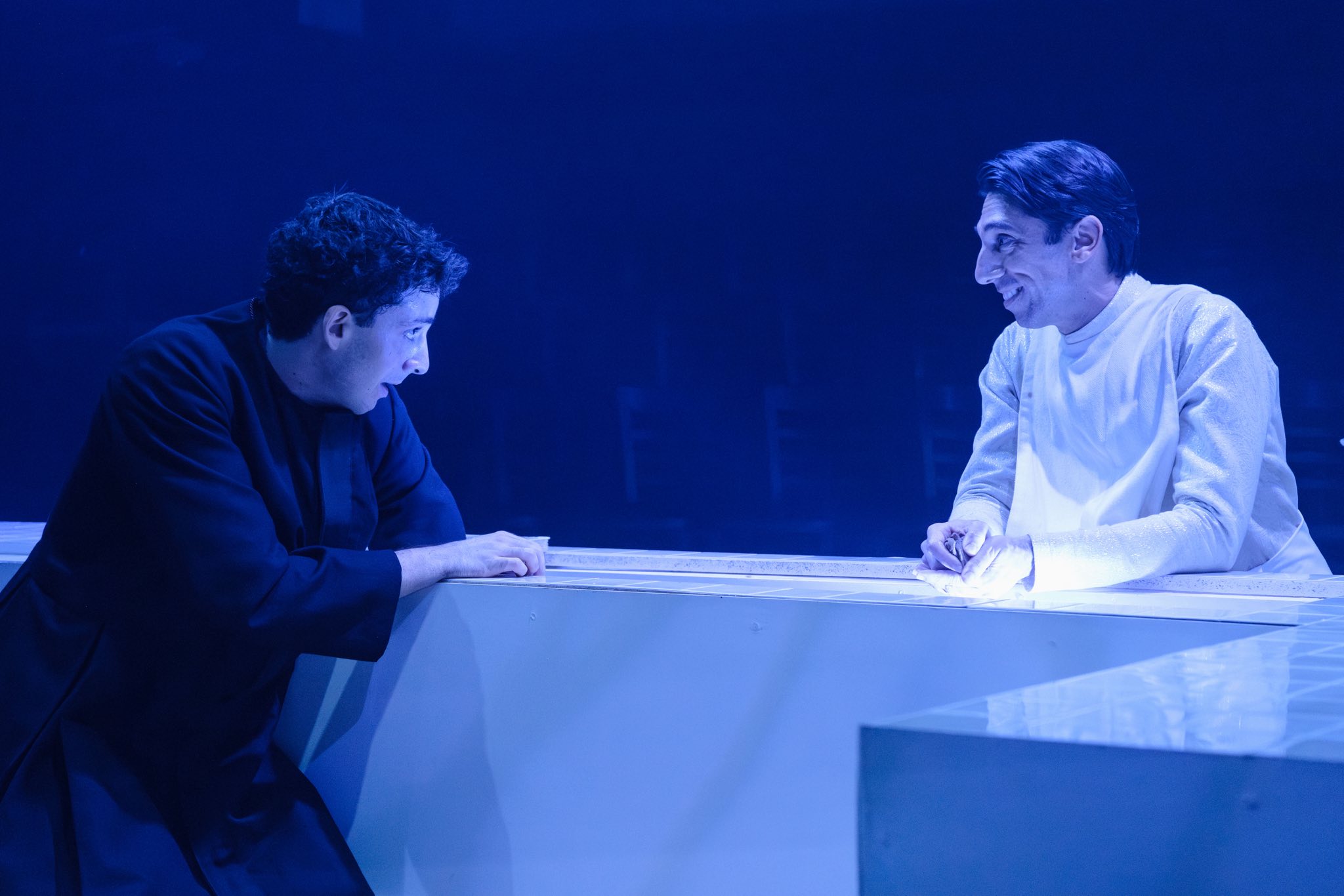
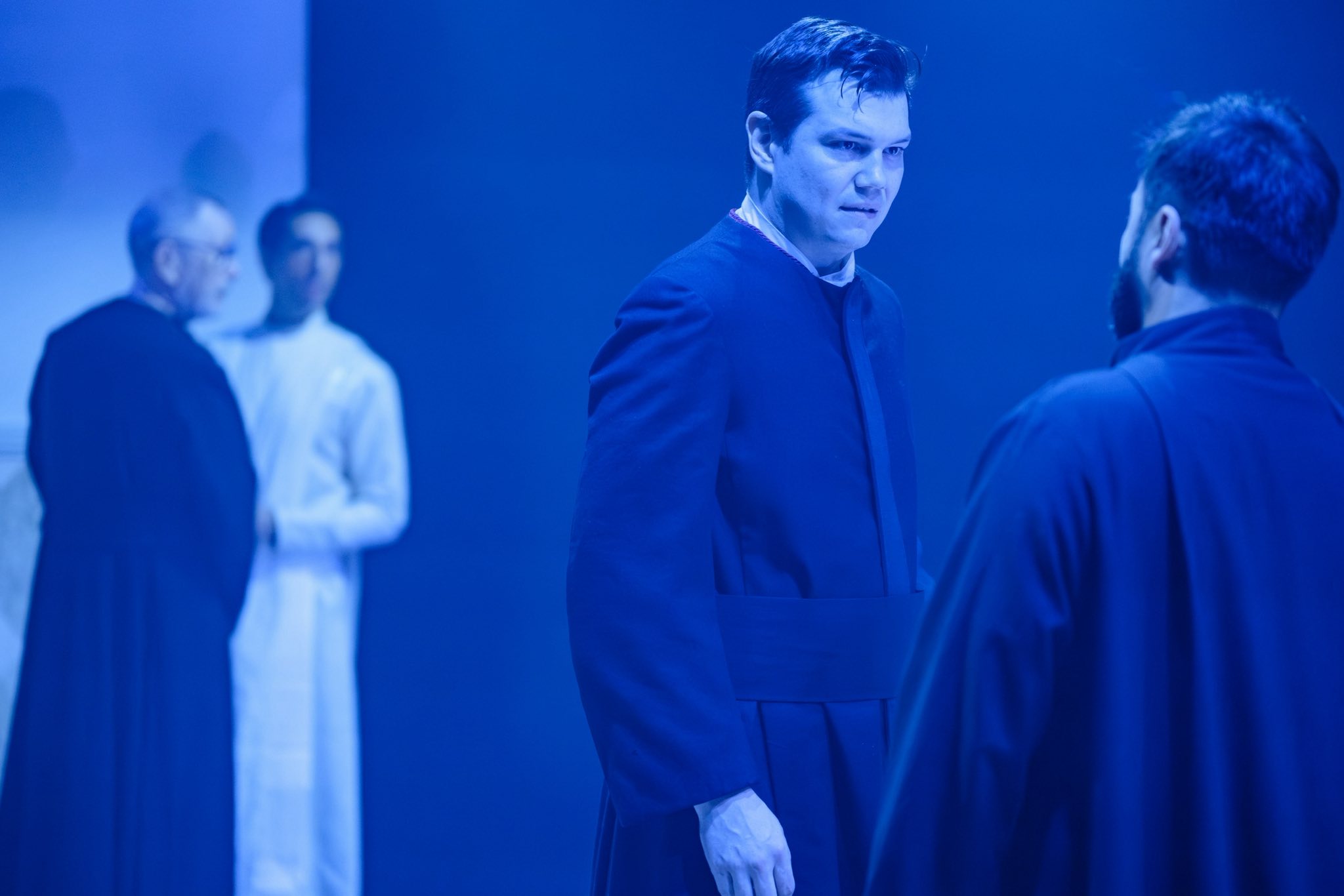
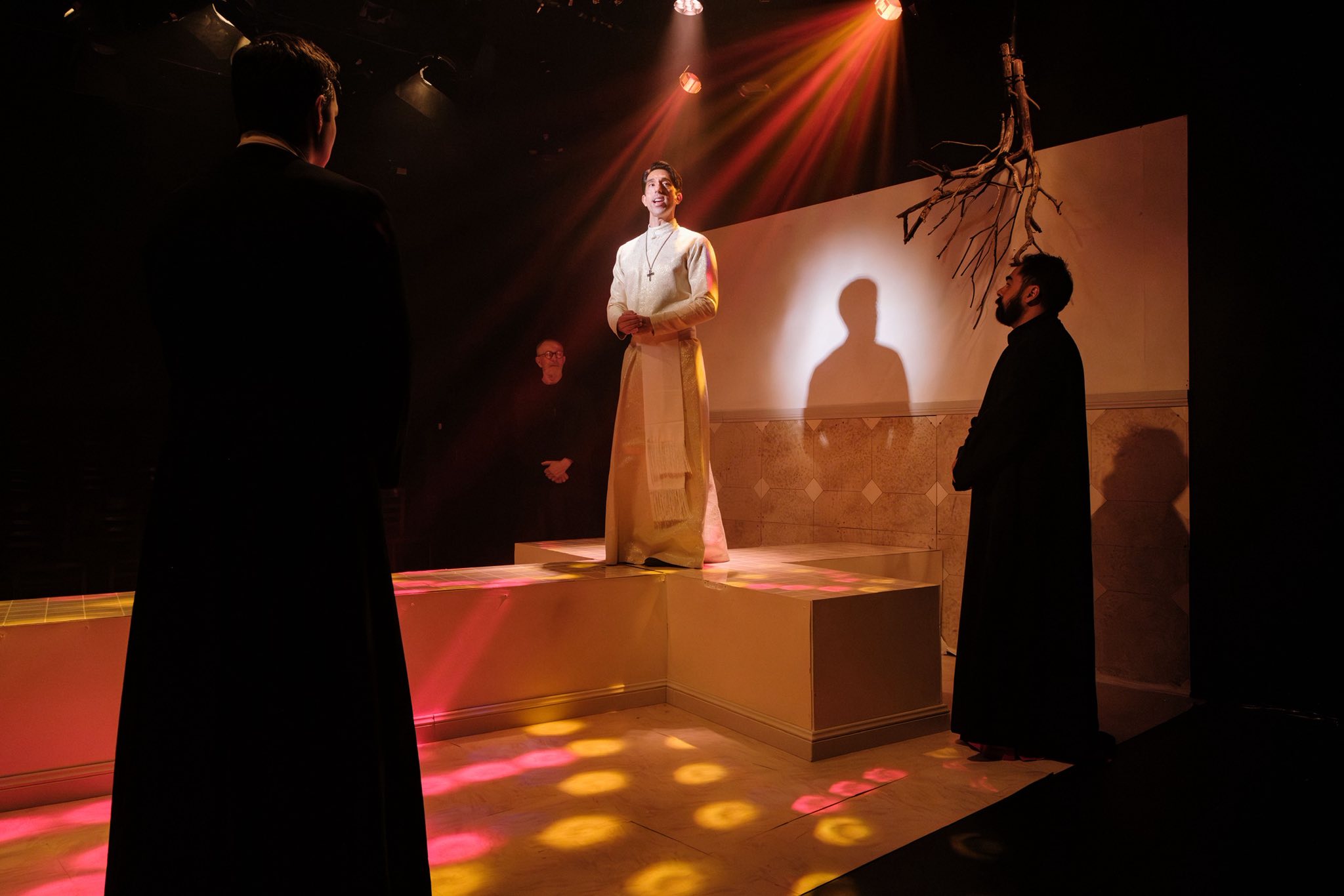
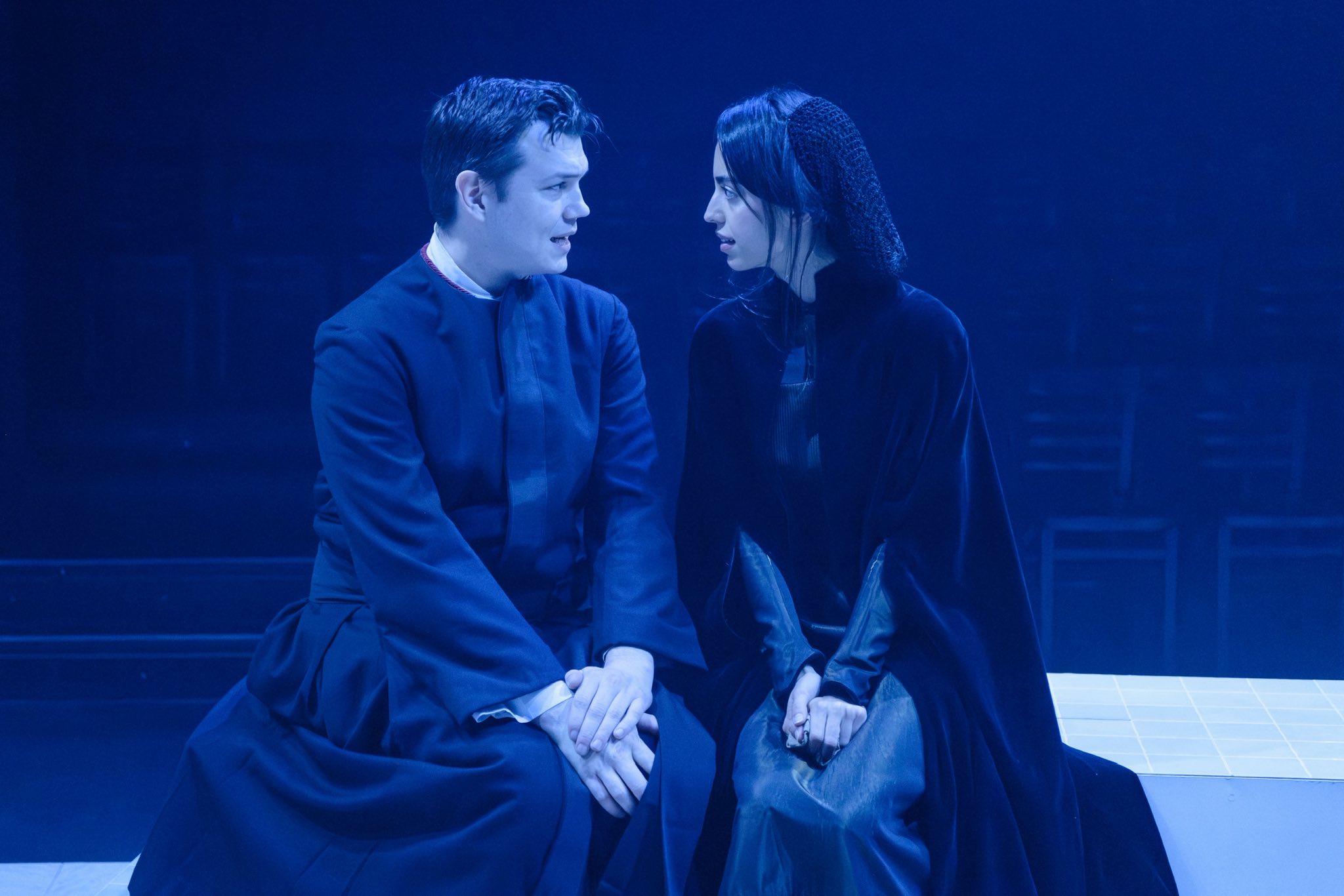
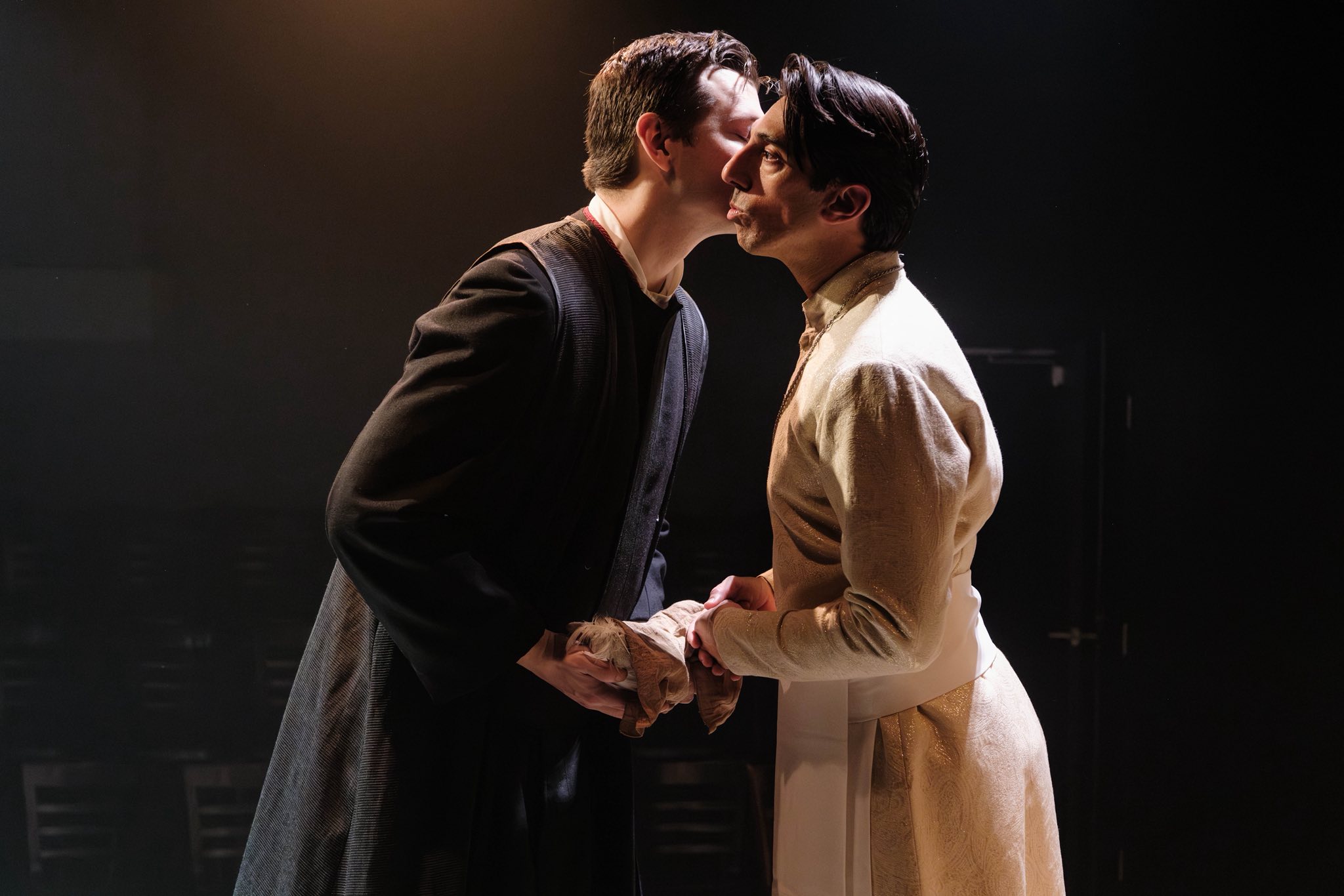
What rescues the production is Mathew Lee’s direction, which sustains attention through sheer force of pacing. Each scene crackles with tension, even if that tension derives more from our curiosity about what might happen next than from genuine engagement with the play’s thematic concerns. Lee marshals his design team with impressive precision: Alice Vance’s set and costumes lend the production an elegant, faintly extravagant grandeur; Frankie Clarke’s lighting is sumptuously rendered, conjuring moments of genuine visual delight; and Cameron Smith’s sound design delivers the production’s most dramatic beats with visceral impact, though it could benefit from more intense atmospheric calibration.
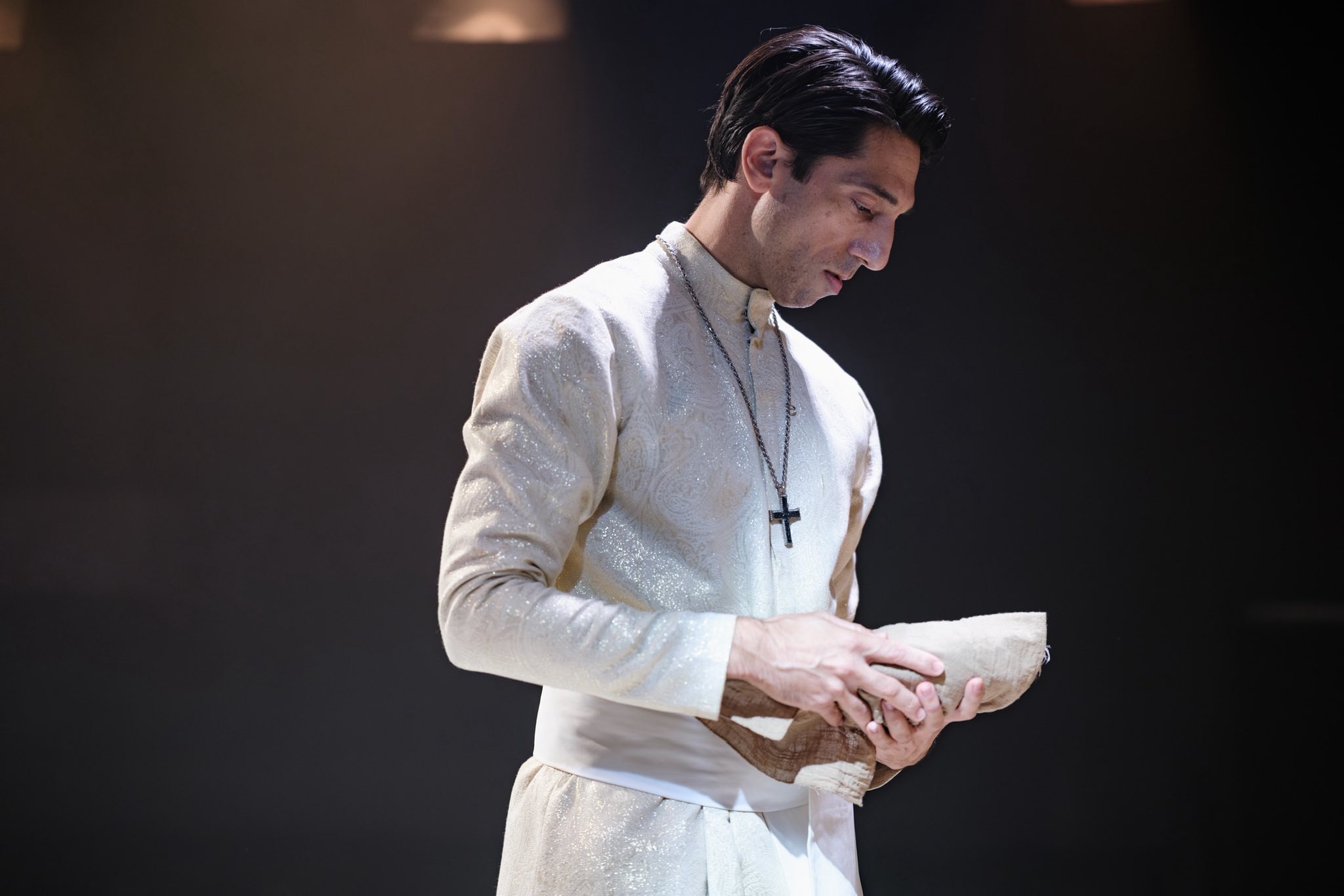
In the central role, Nat Jobe brings an immense sincerity that keeps us firmly attentive, leavened by flashes of flamboyance that prevent the evening from turning oppressively dour. Equally compelling is Leon Walshe as Father Gabriel, who imbues one of the play’s more tragic figures with emotional authenticity and affecting vulnerability.
The world of Cadaver Synod may be archaic, but its concerns—corruption, the abuse of power—remain depressingly eternal. Given the relentless parade of such abuses, there is something absurd in our continued willingness to place men in these positions of authority, as though we cannot conceive of organising our existence without such hierarchies. We can, in our better moments, imagine systems more equitable and just; translating those visions into practice, however, appears to remain forever beyond our reach.