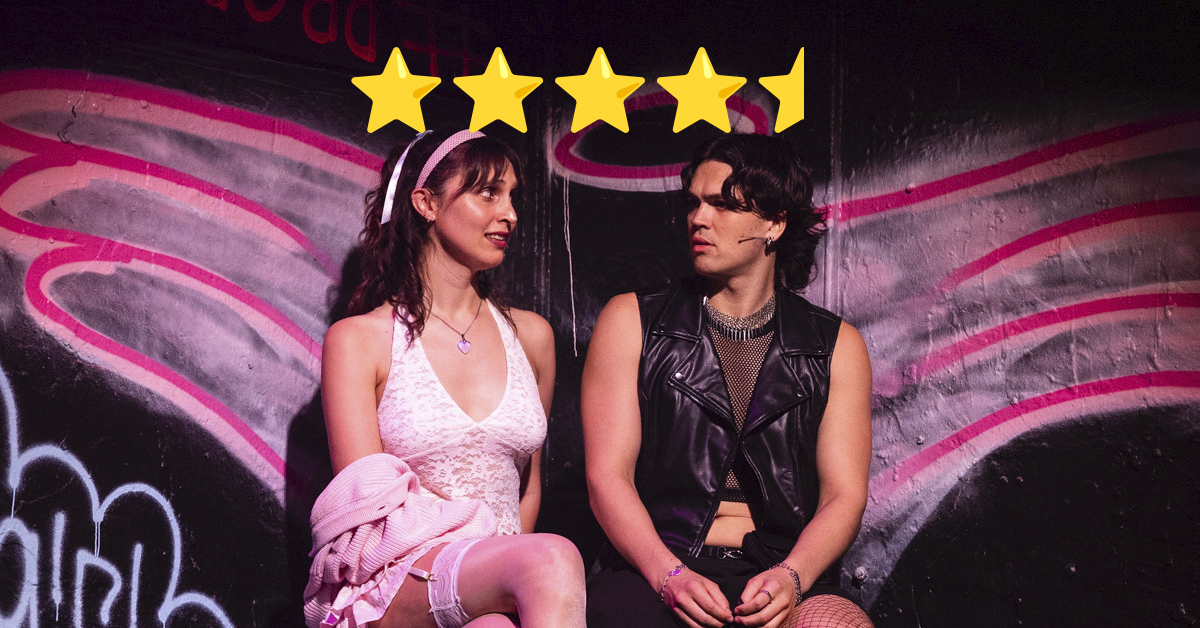
Venue: Old Fitzroy Theatre (Woolloomooloo NSW), Mar 26 – Apr 11, 2026
Book, Music & Lyrics: Cassie Hamilton
Director: Jean Tong
Cast: Blake Appelqvist, Cassie Hamilton, Rosie Rai, Teo Vergara
Images by Brett Boardman
Theatre review
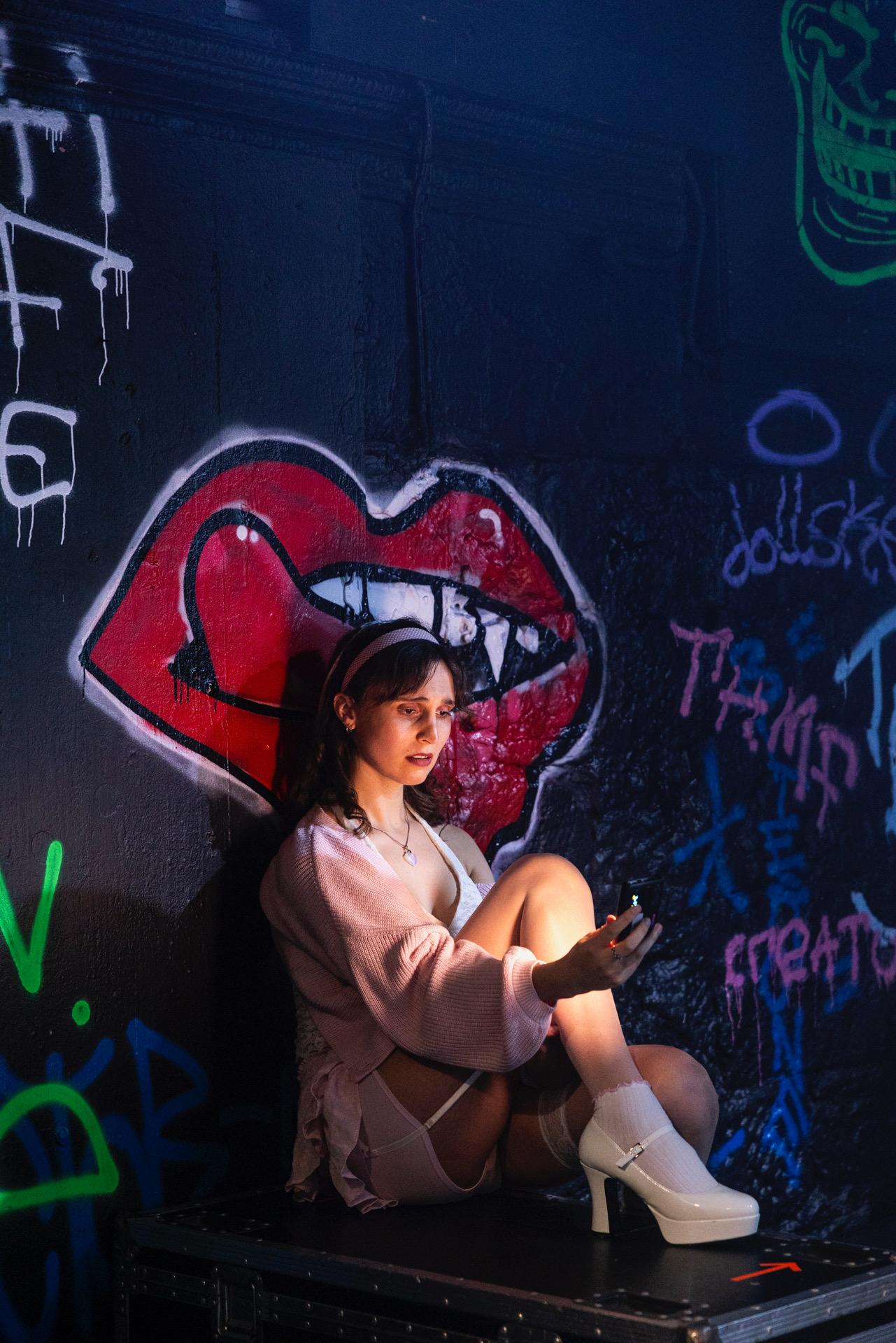
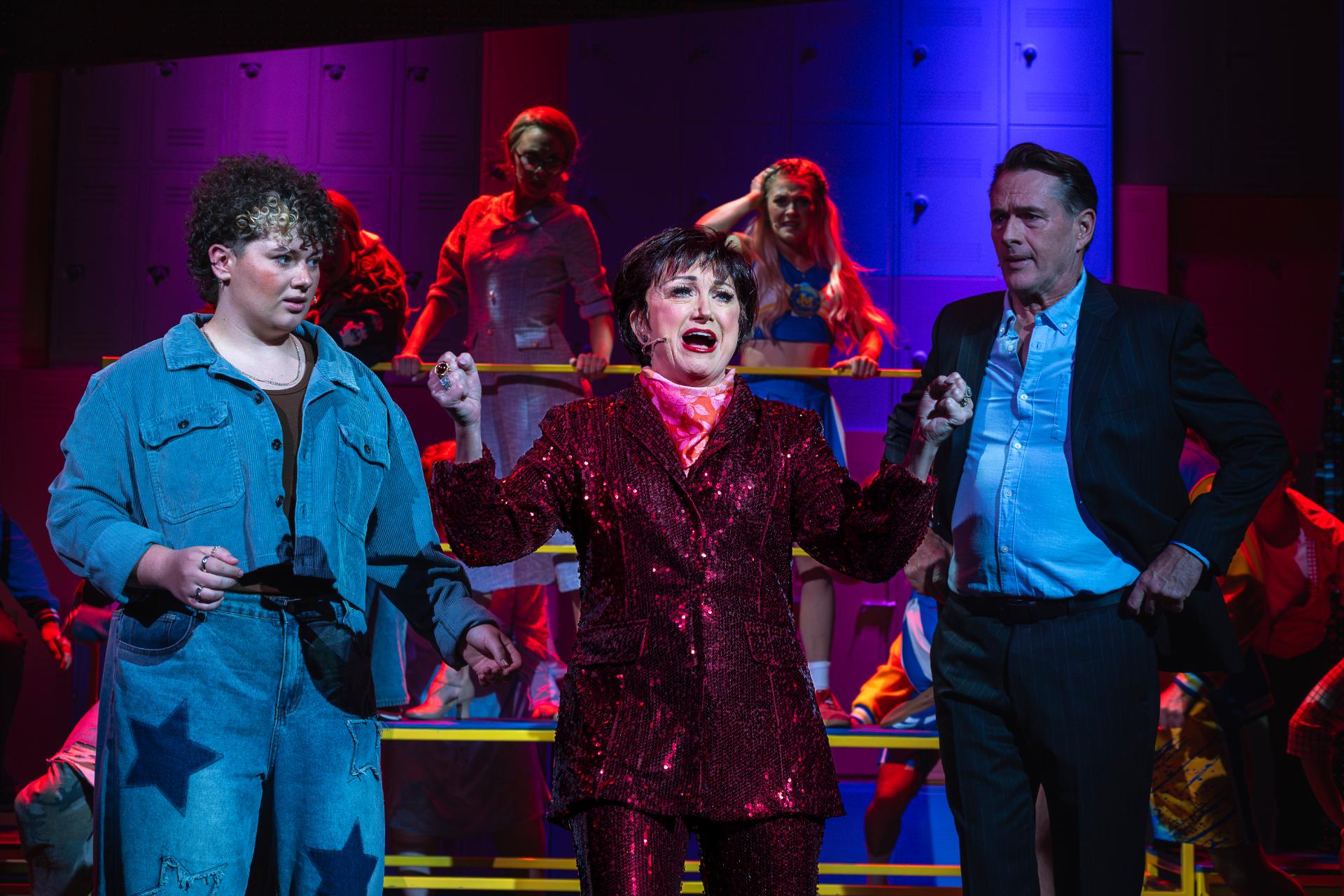
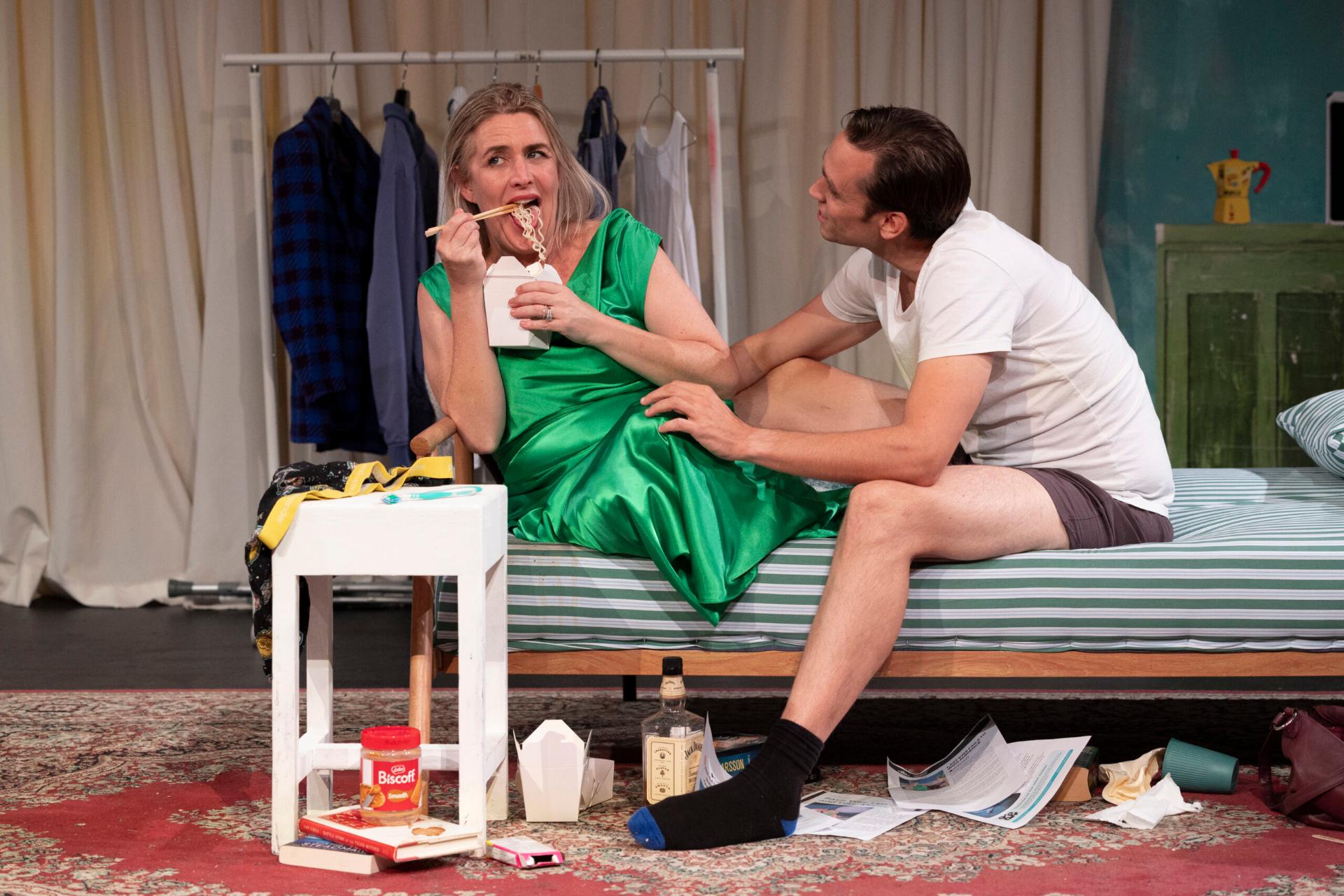
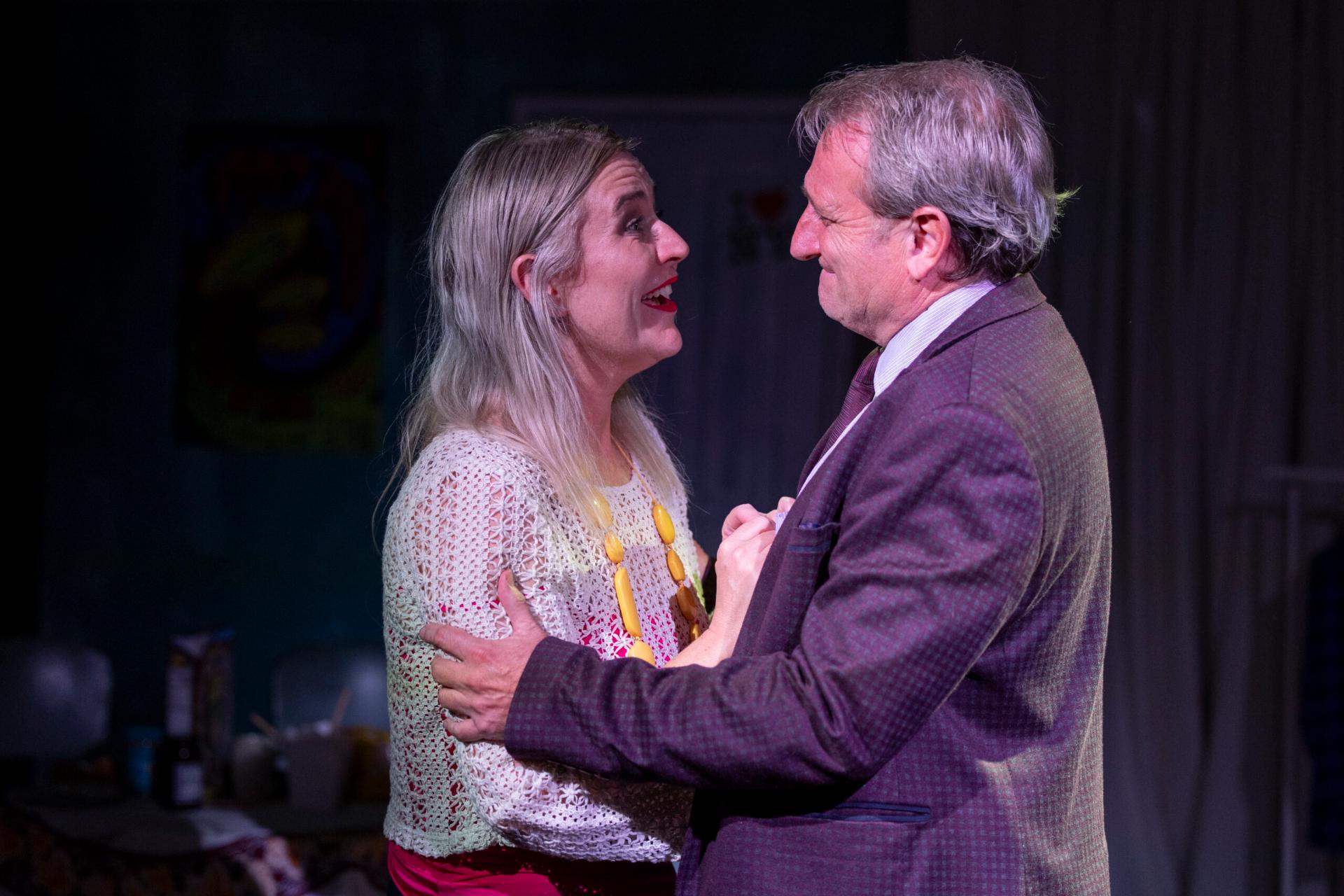
A Transgender Woman on the Internet, Crying by Cassie Hamilton is a work of considerable ambition: a musical that interrogates the fractious politics of contemporary trans identity with both intellectual rigor and genuine entertainment value. The narrative centres on Avis, a social media influencer whose transition to womanhood is conducted almost entirely through the counsel of her followers—an arrangement that strikes her would-be friend Corrin as not merely misguided but politically retrograde. Corrin’s overtures of friendship, we soon discover, are calculated; they intend to expose Avis and dismantle her influence. What emerges is a drama less about betrayal than about the impossible question of whether there exists, in Hamilton’s formulation, any “correct” mode of being trans.
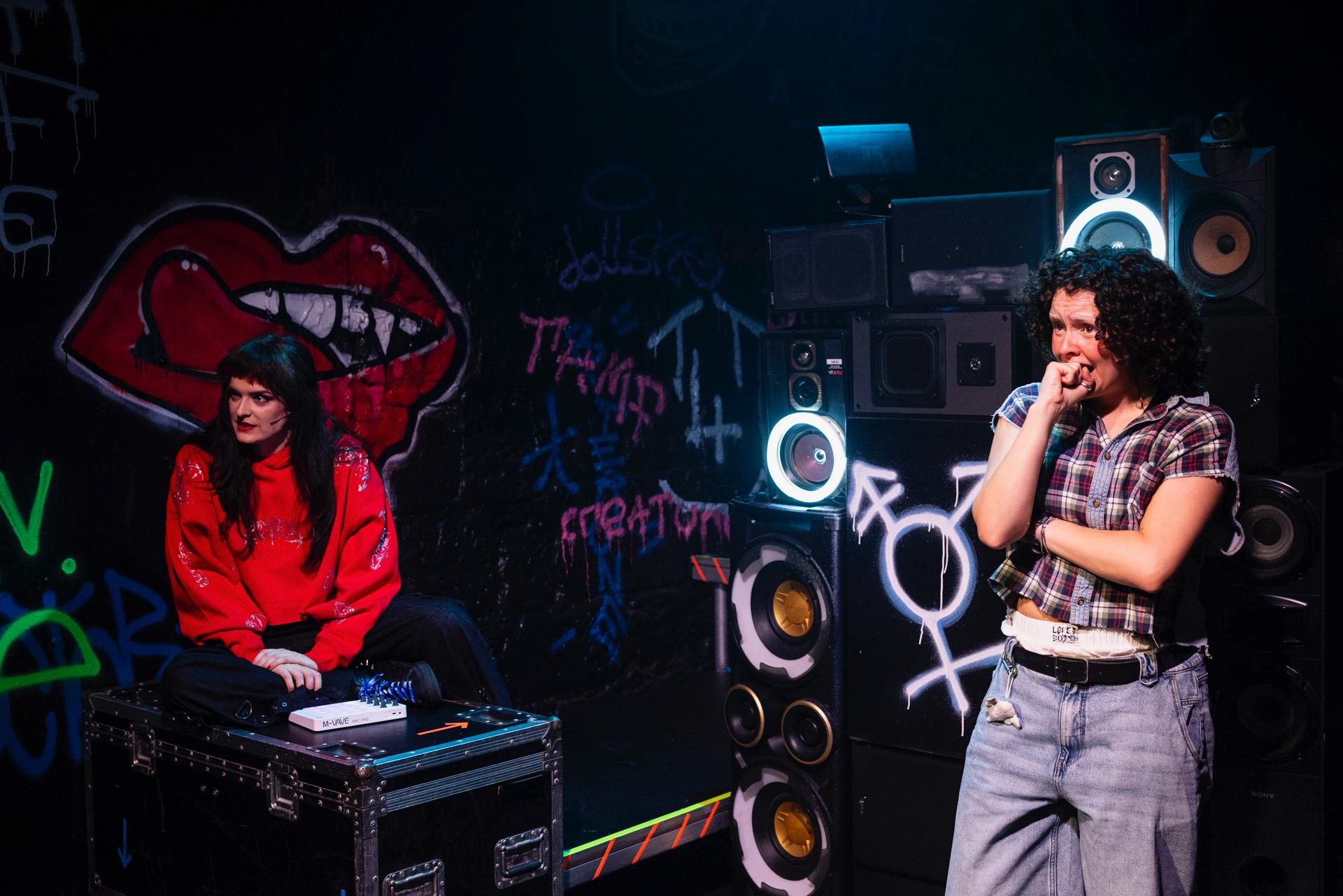
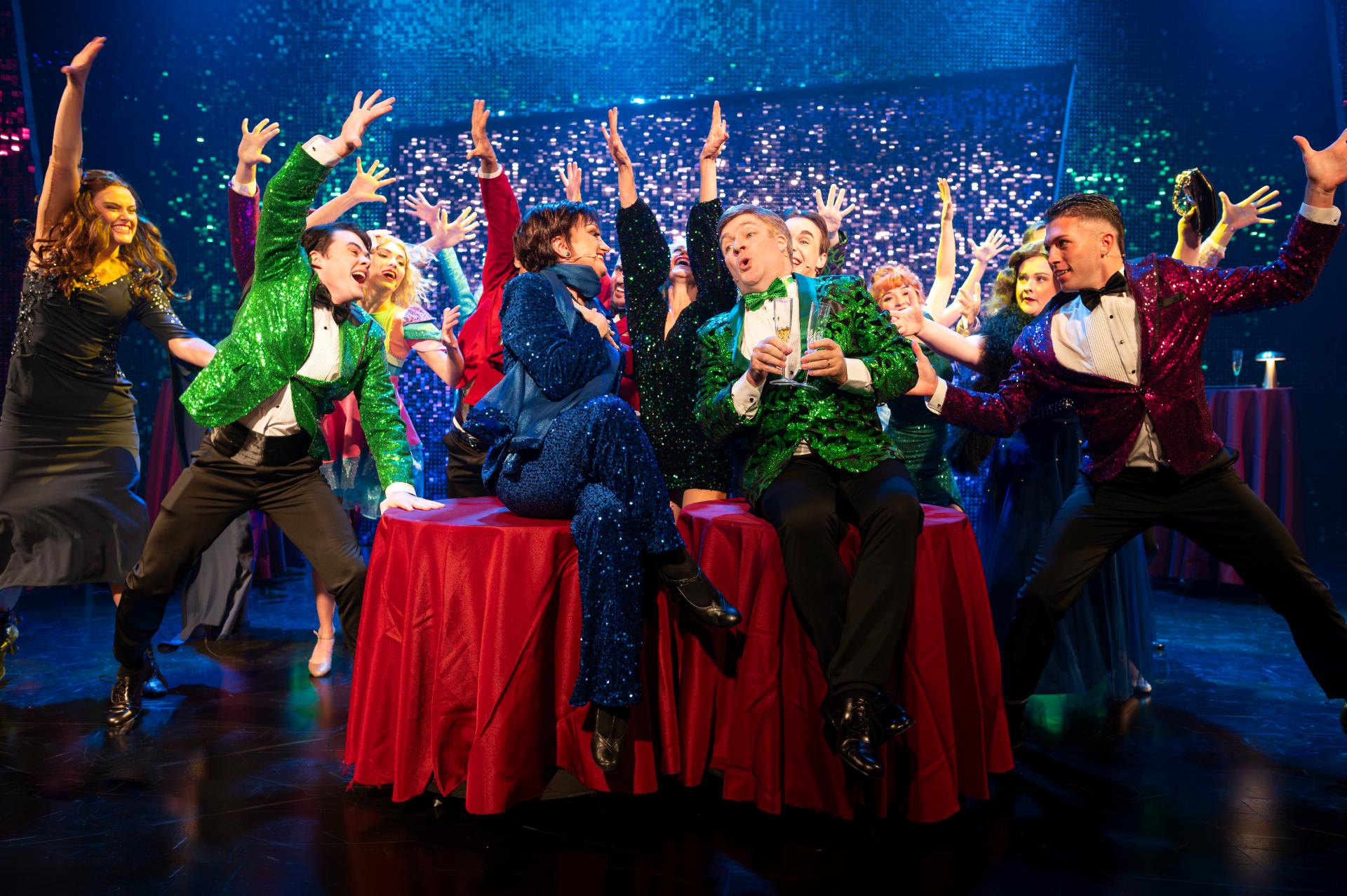
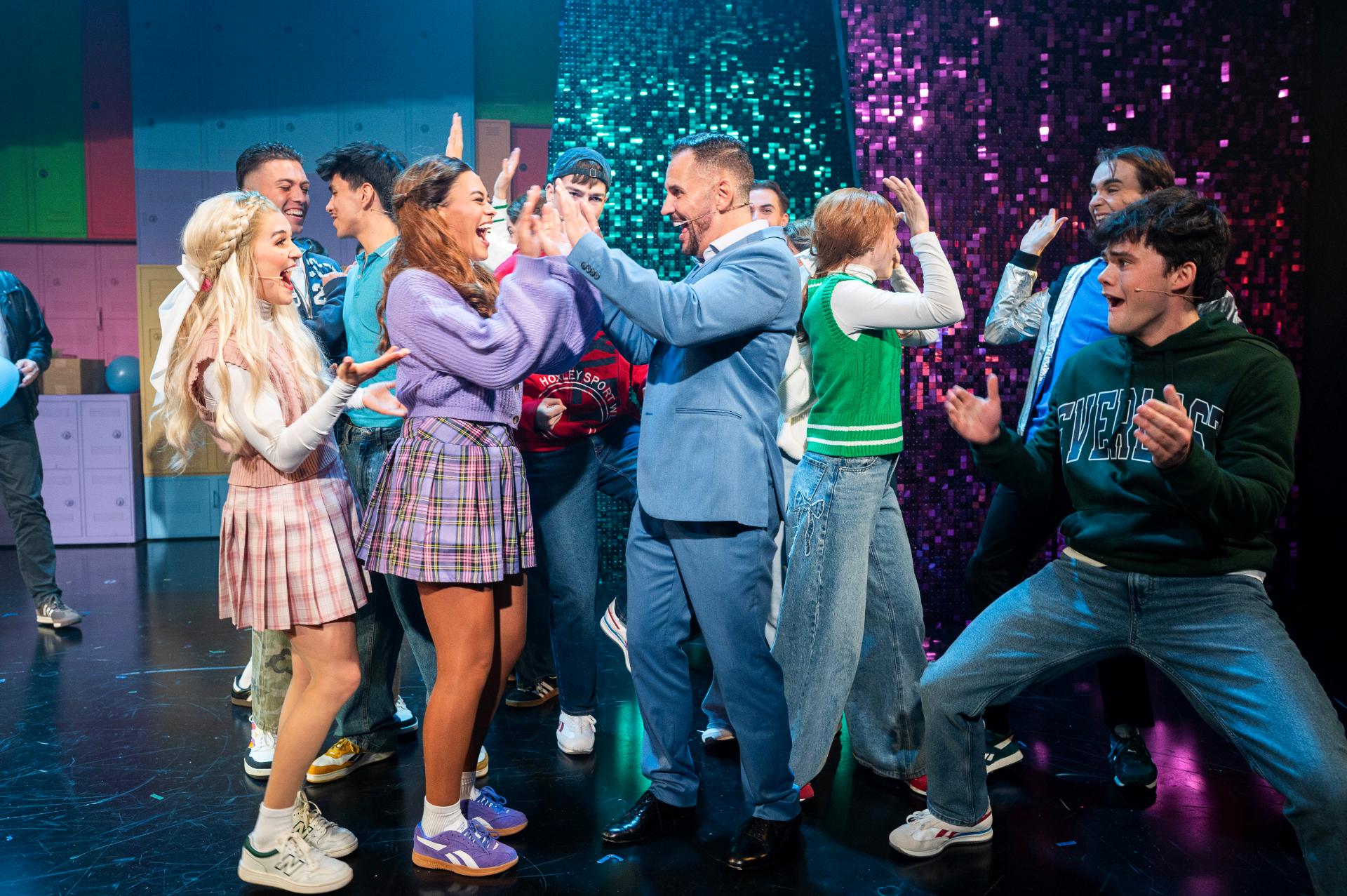
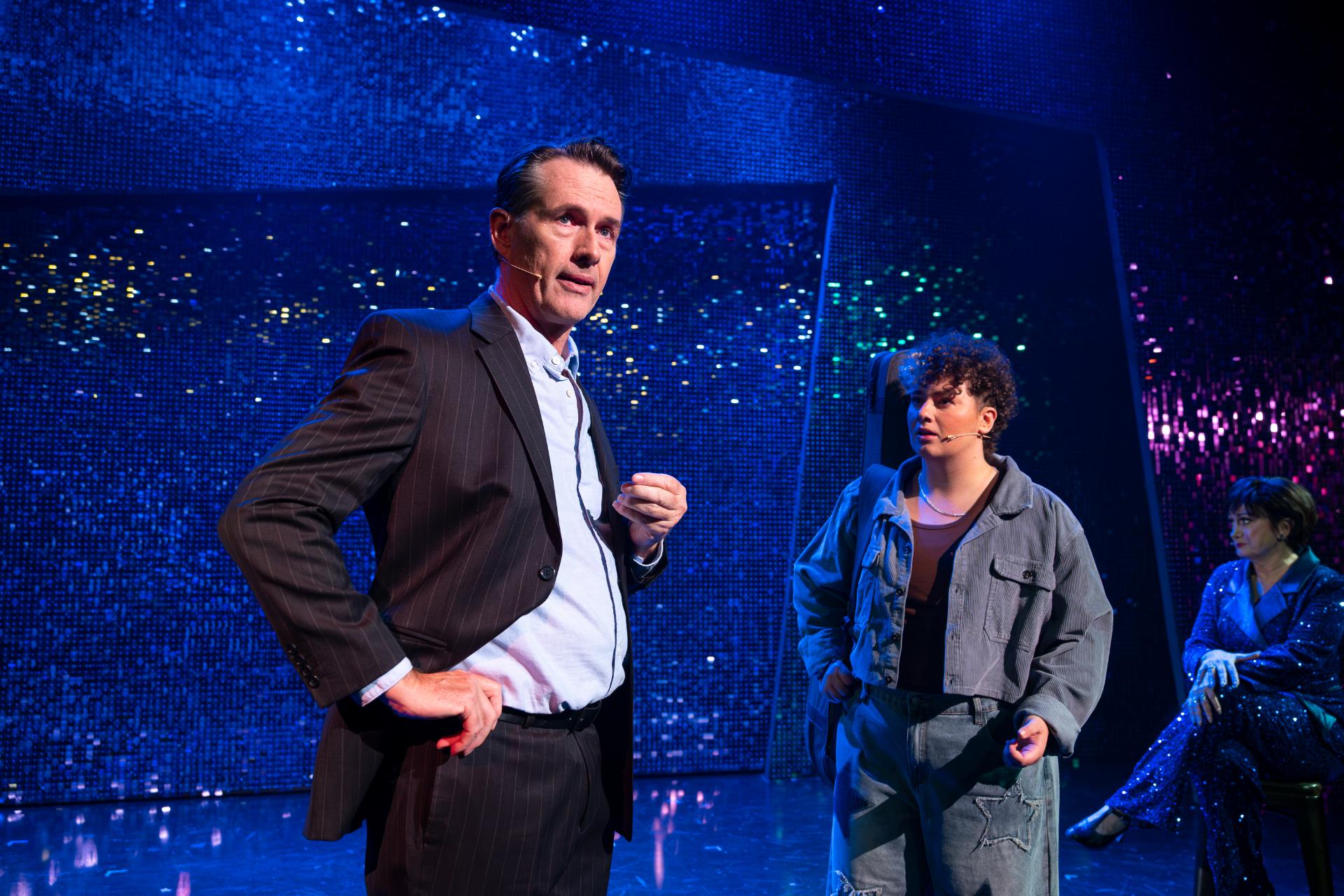
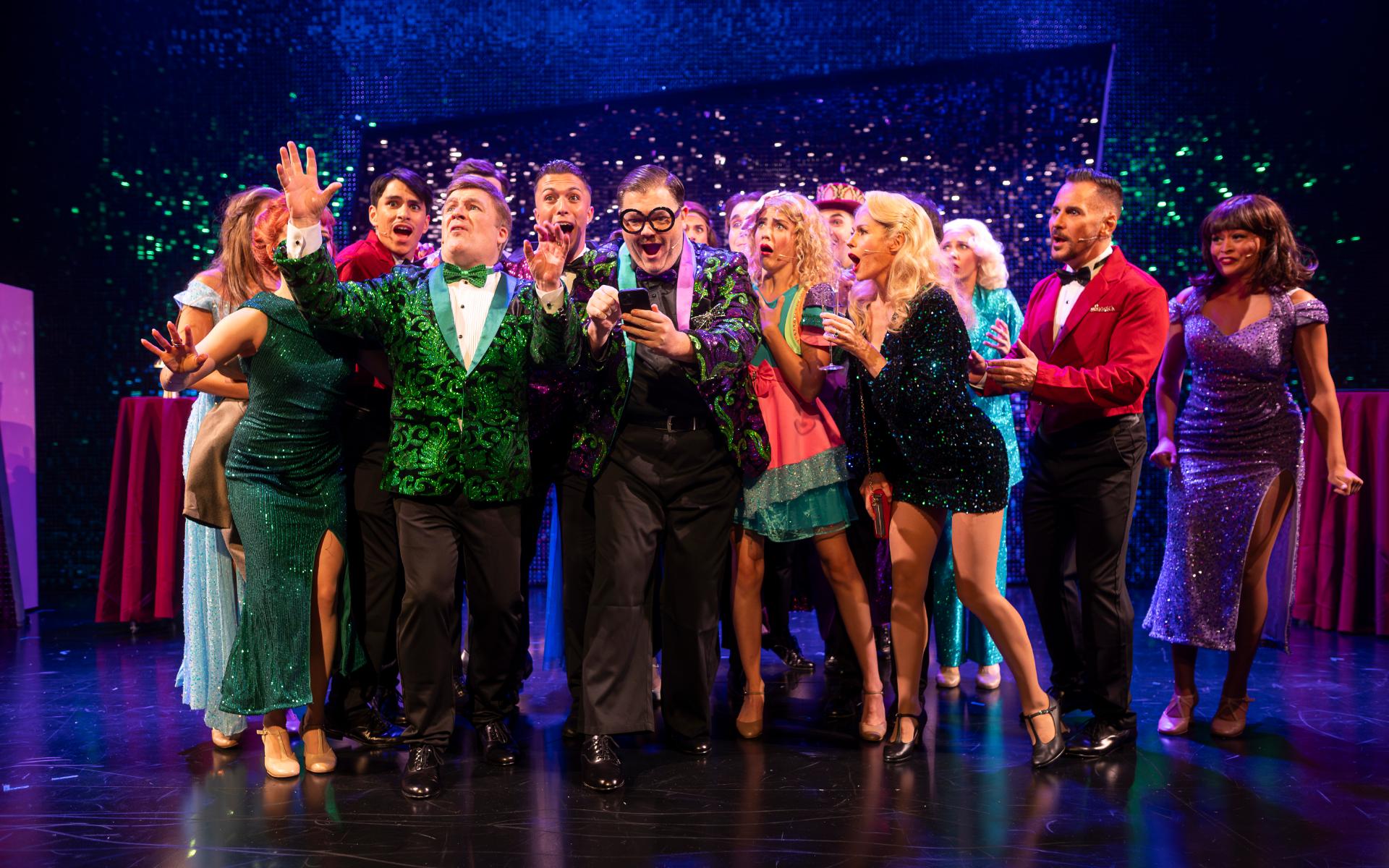
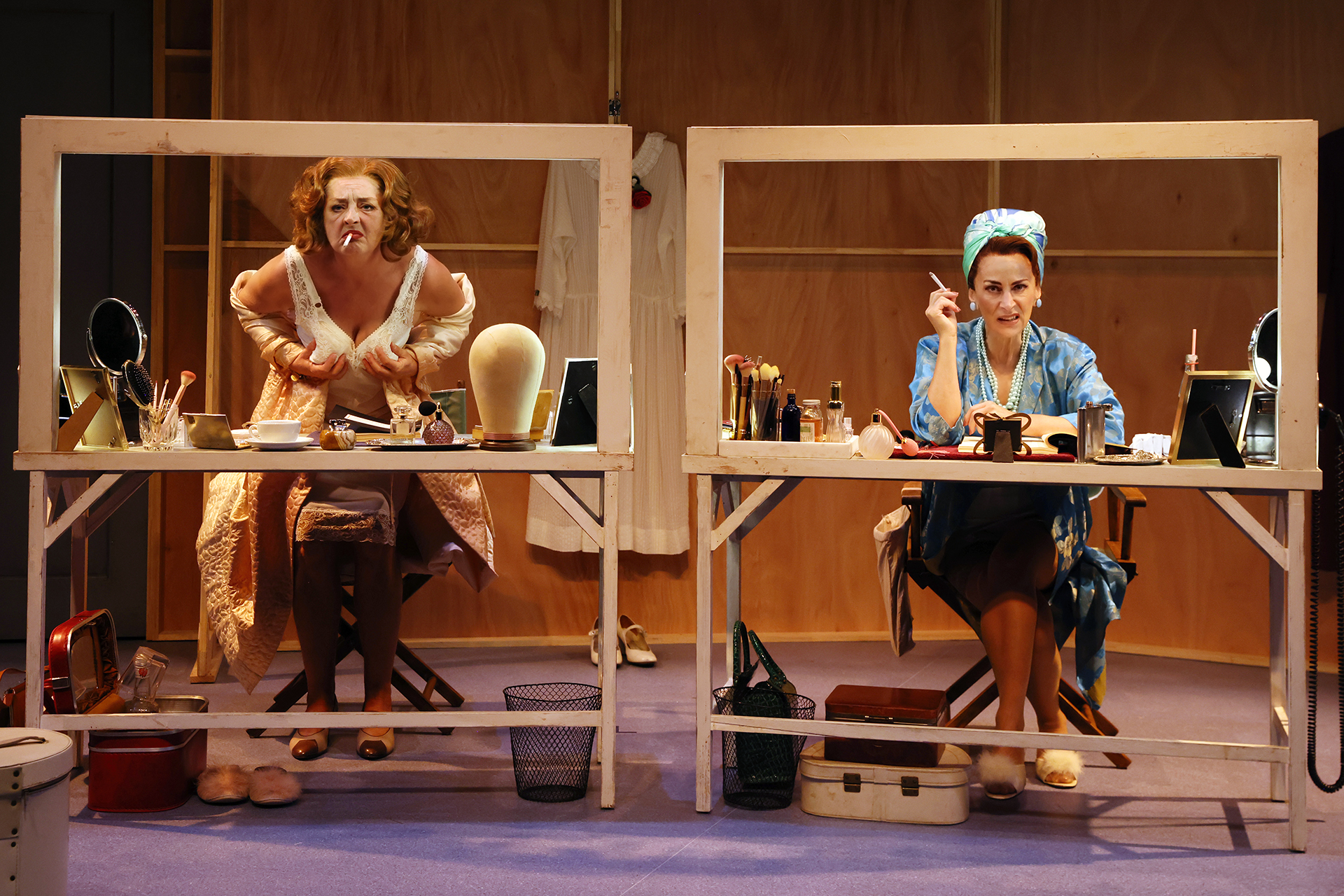
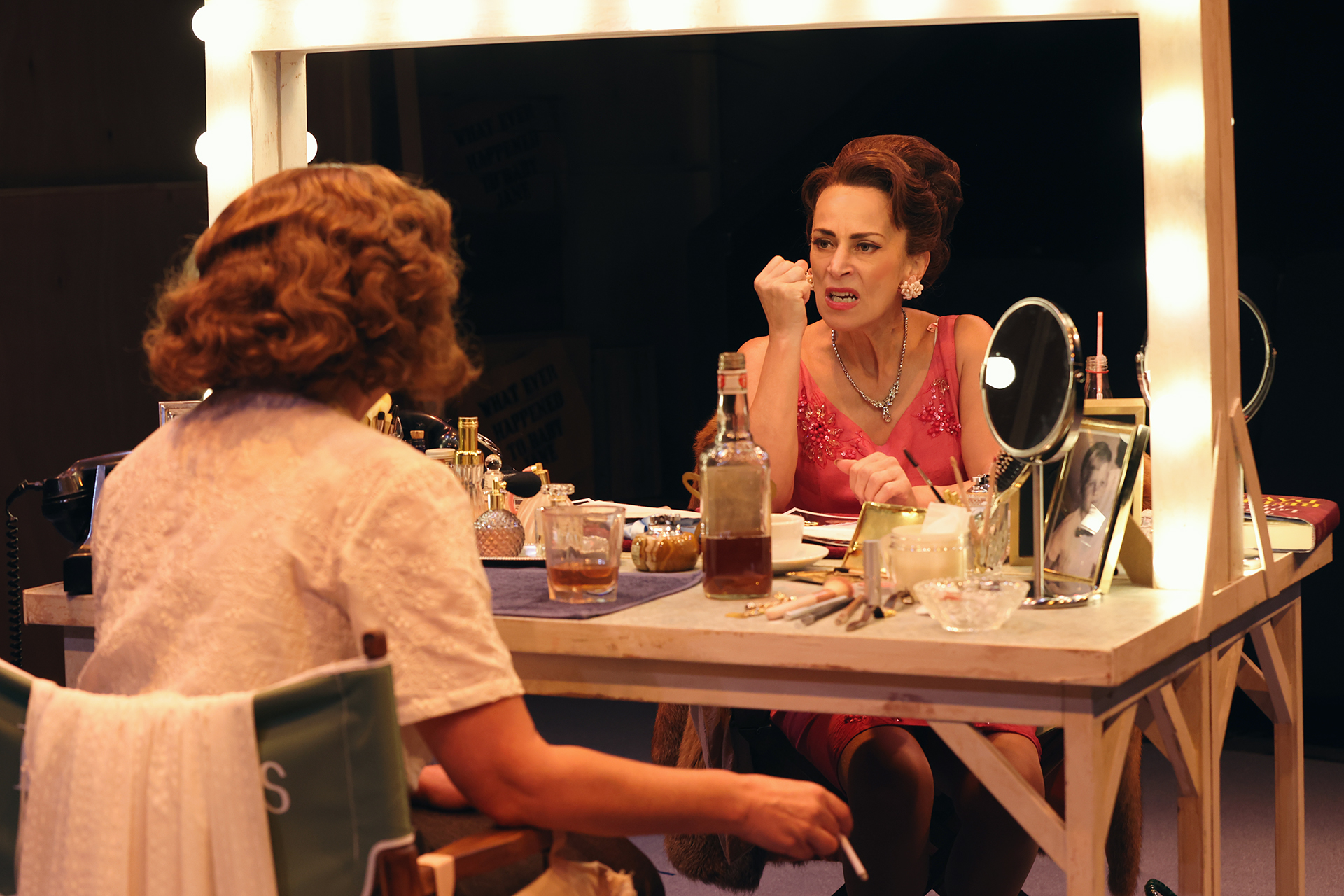
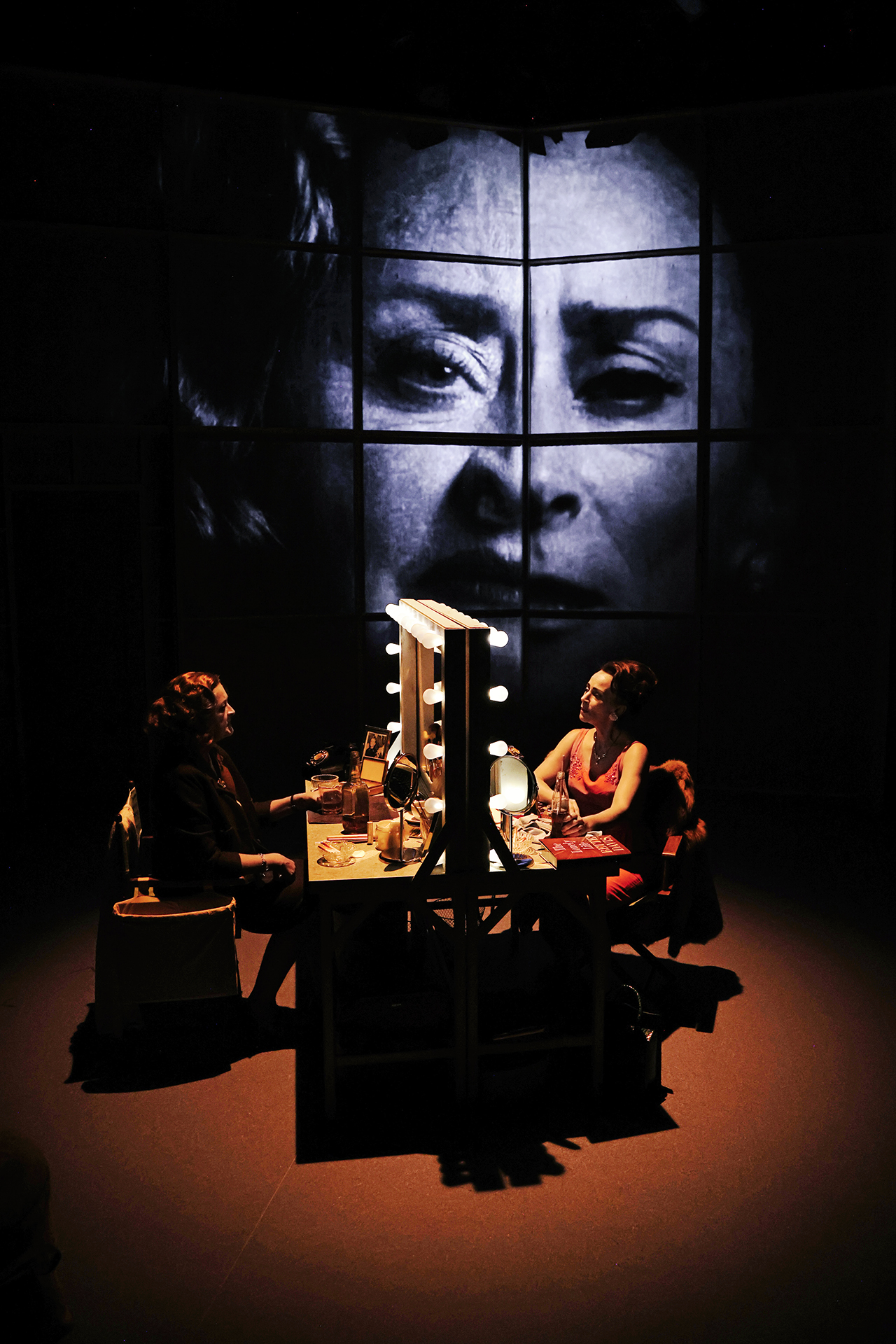
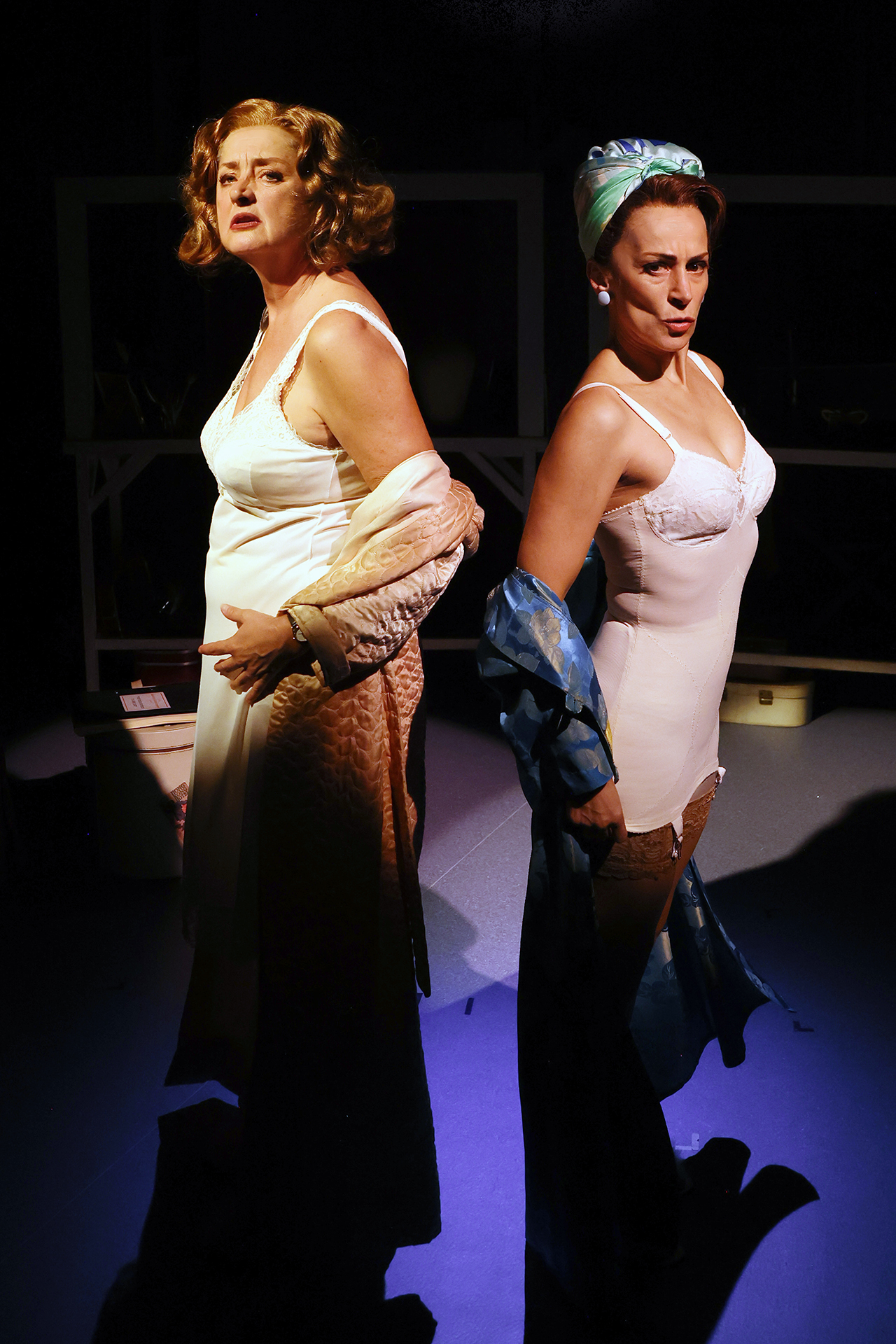
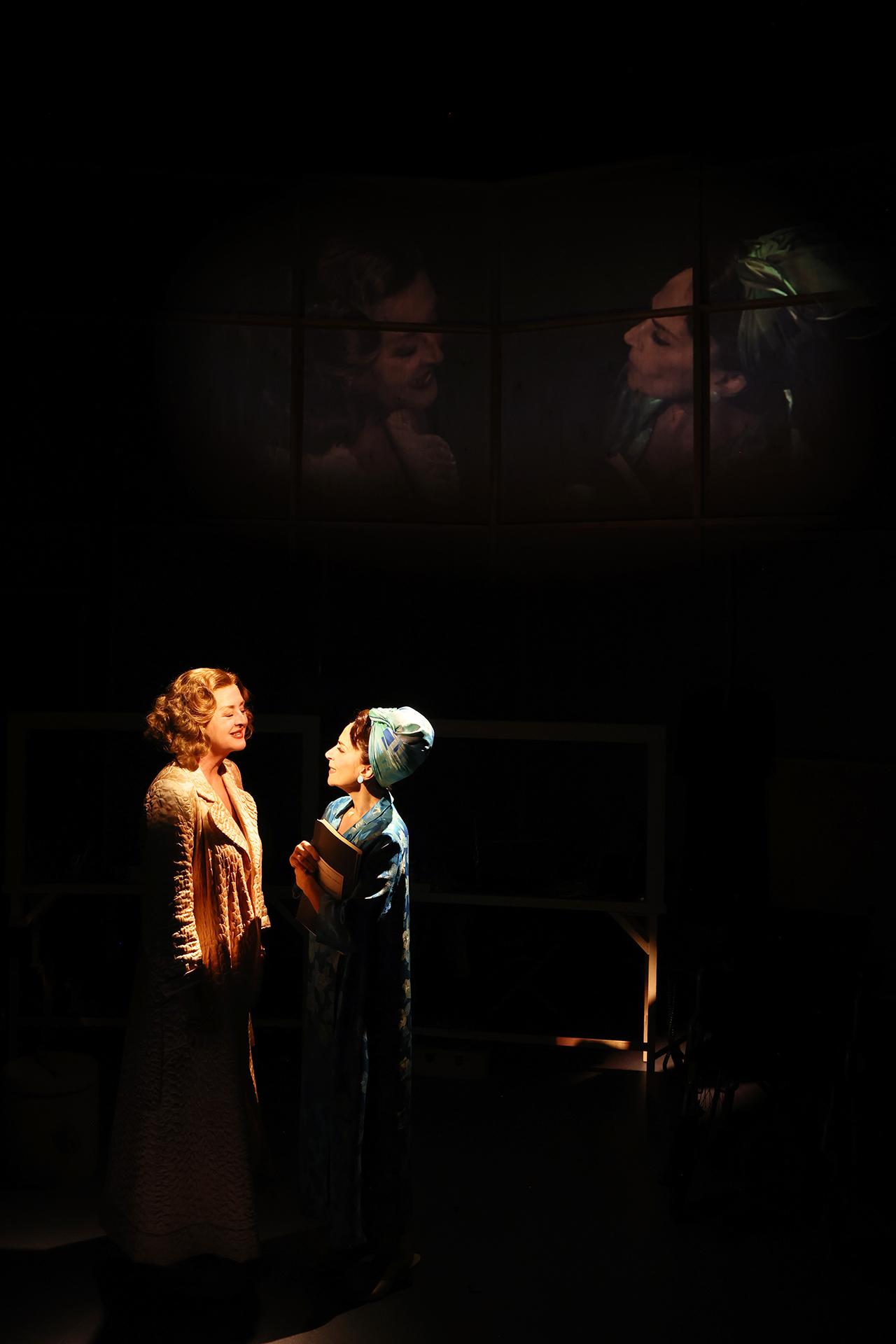
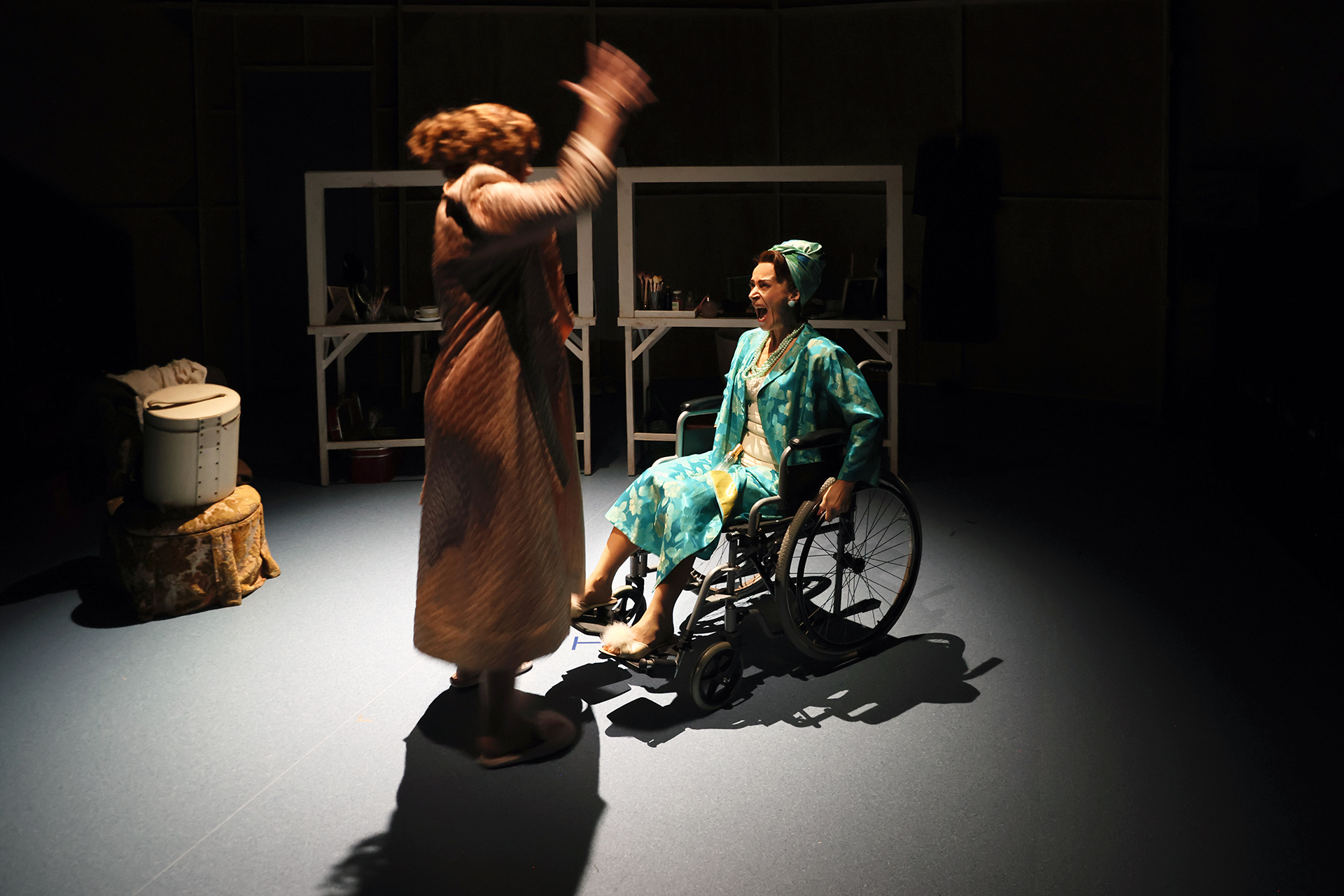
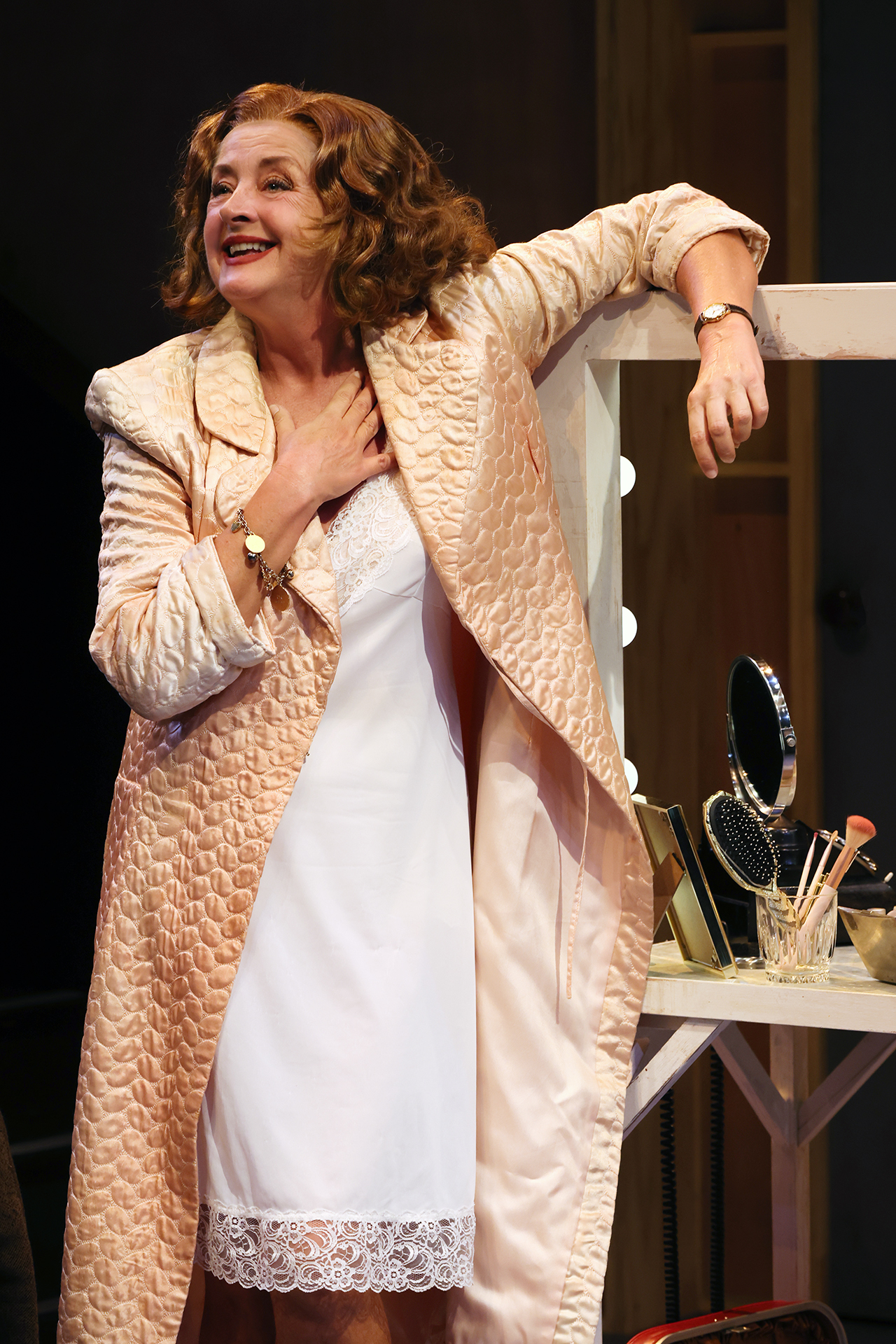
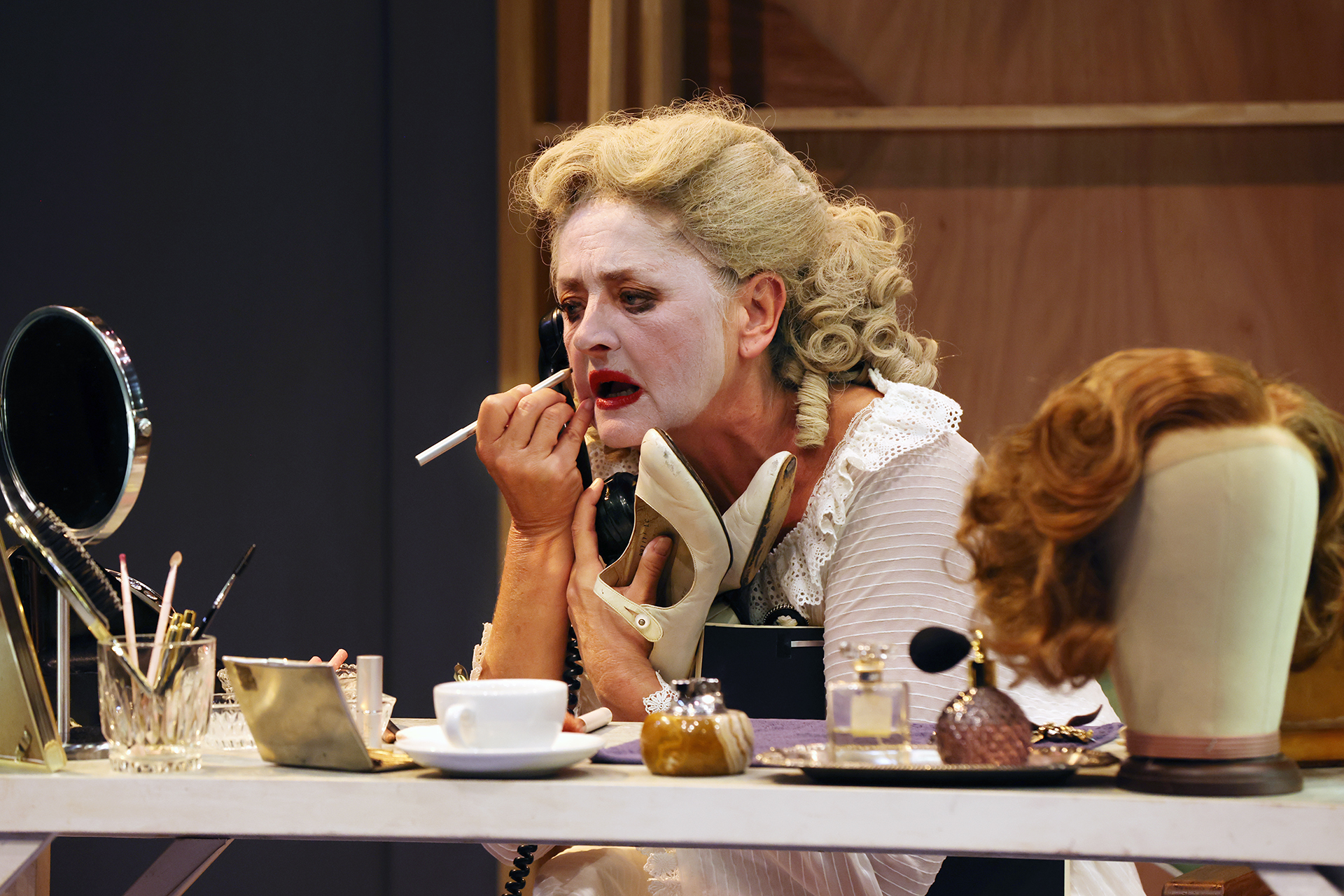
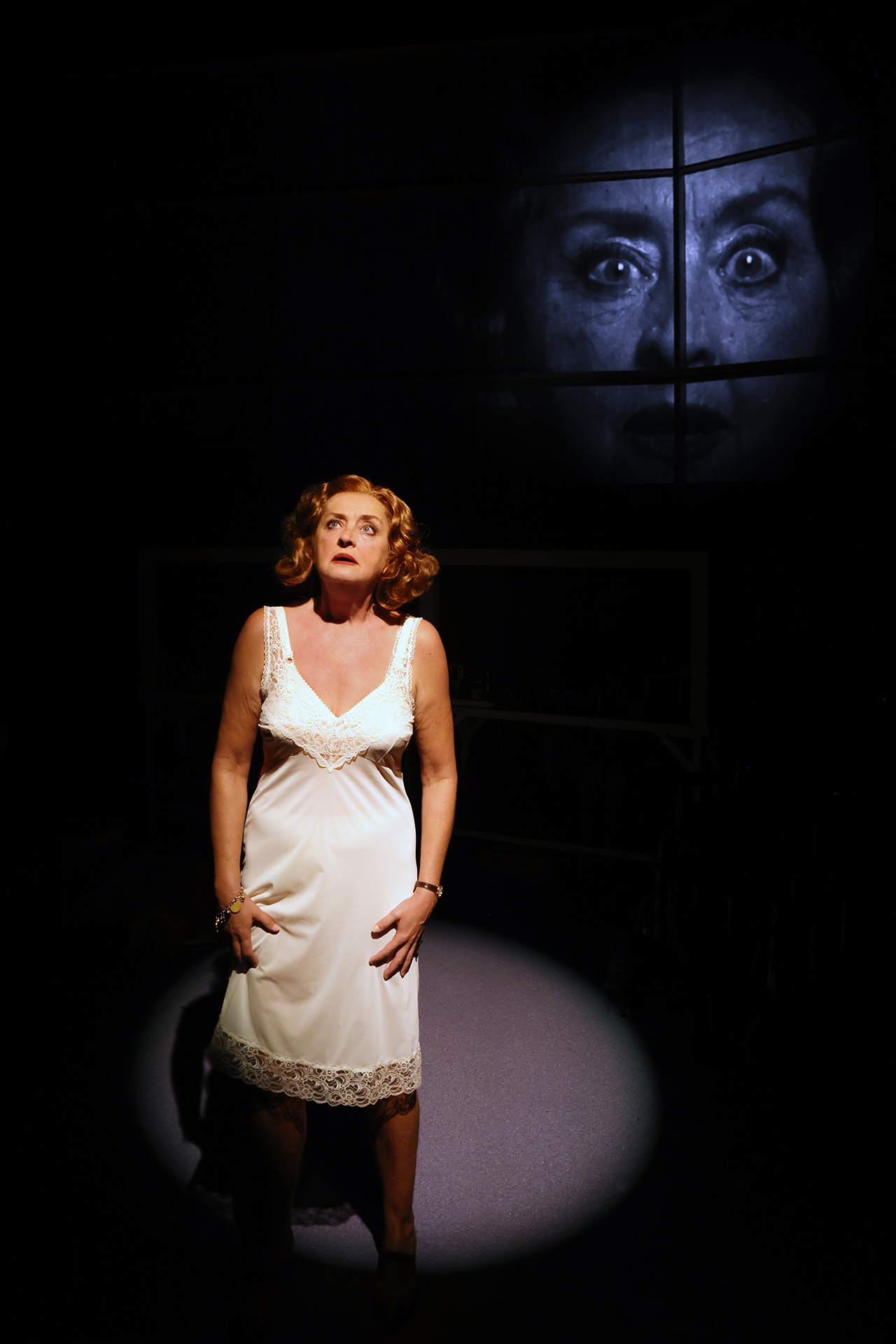
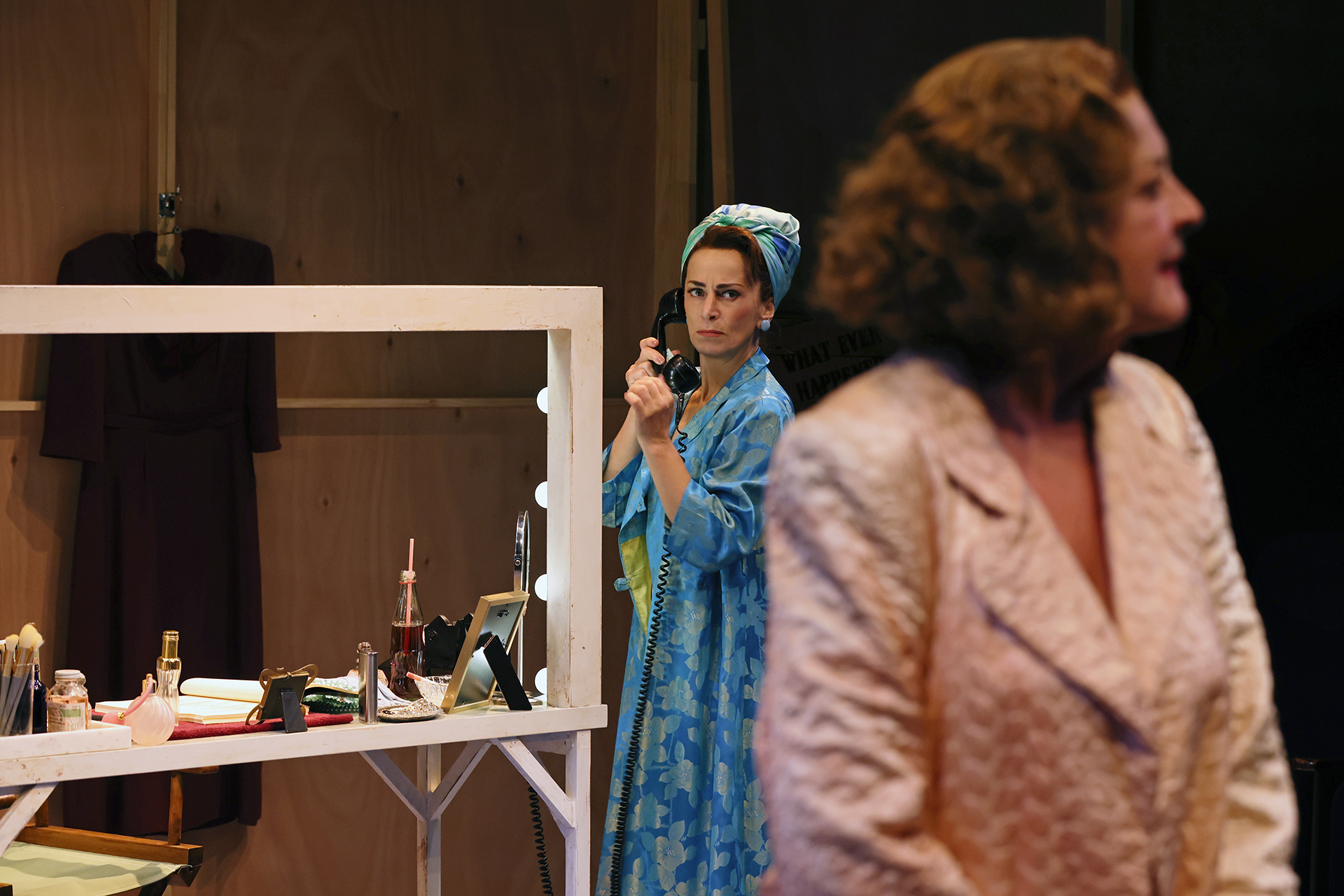
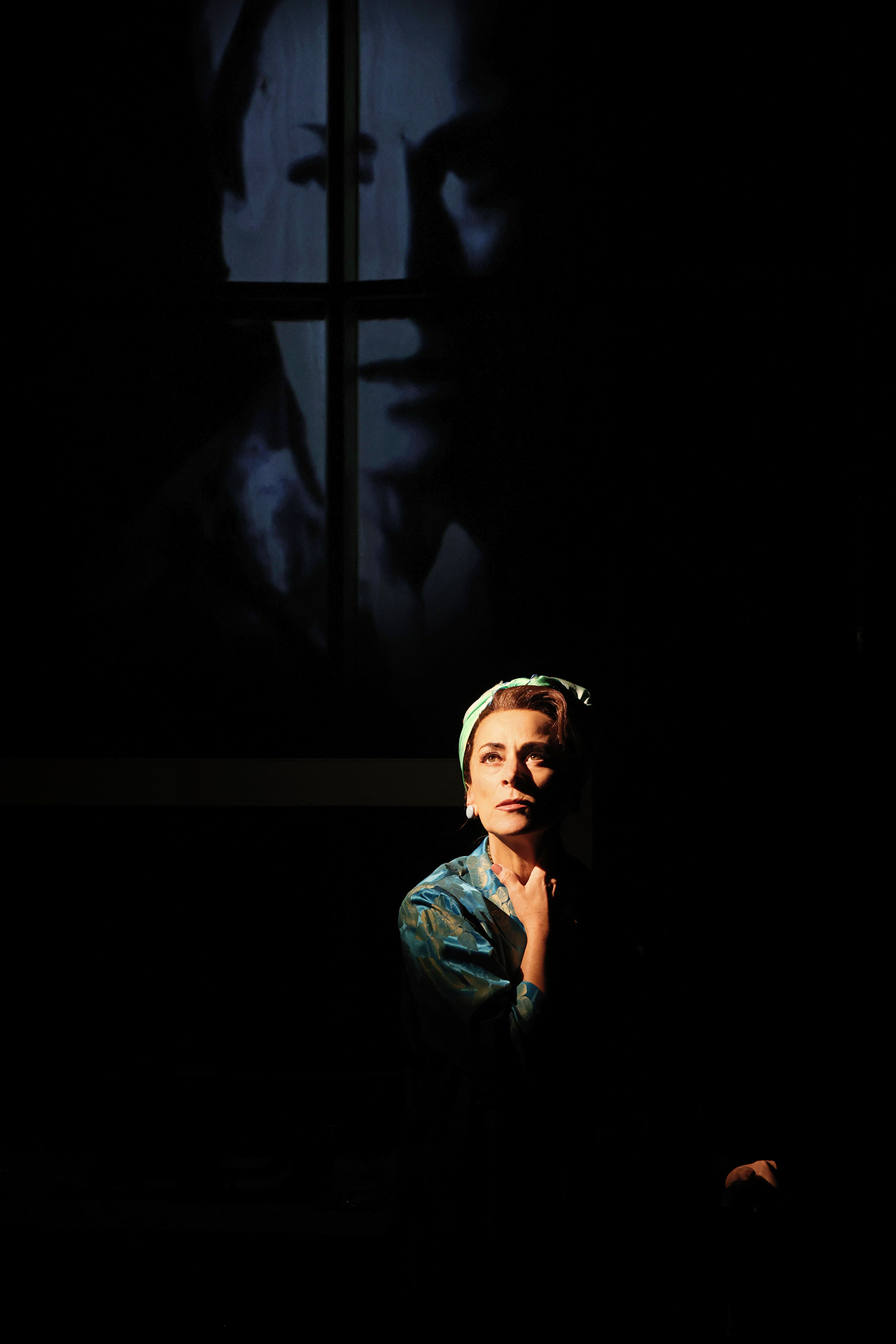
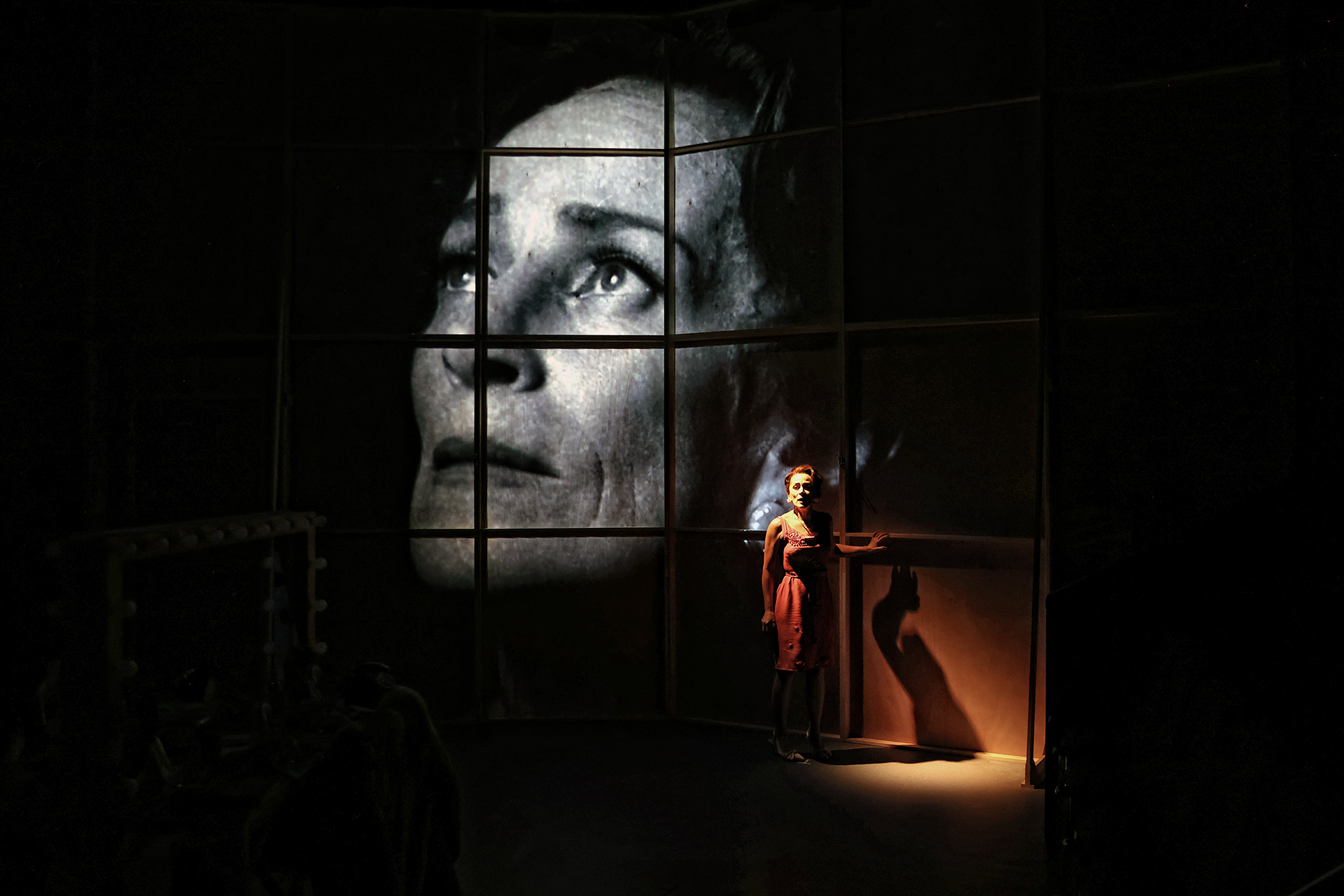
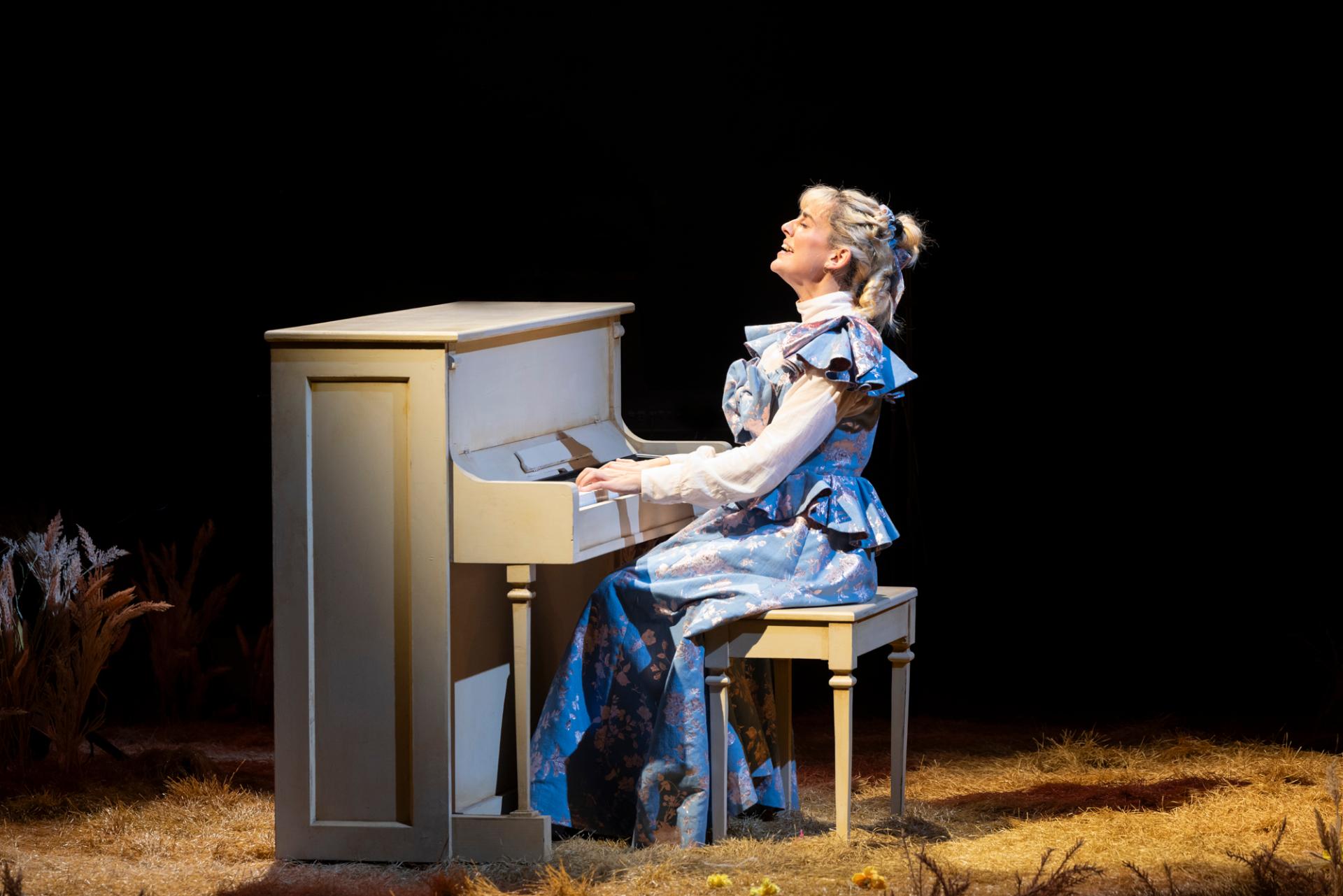
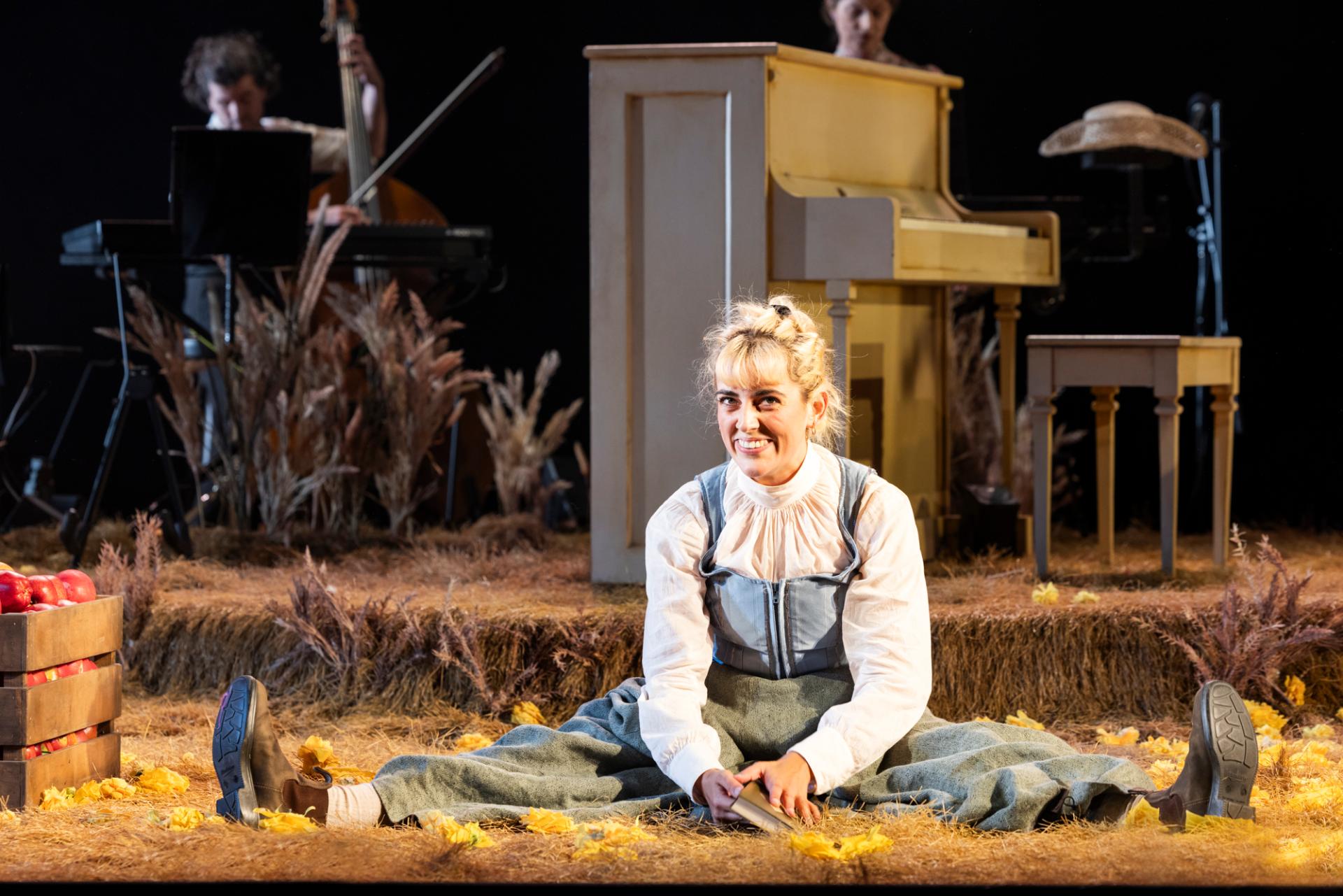
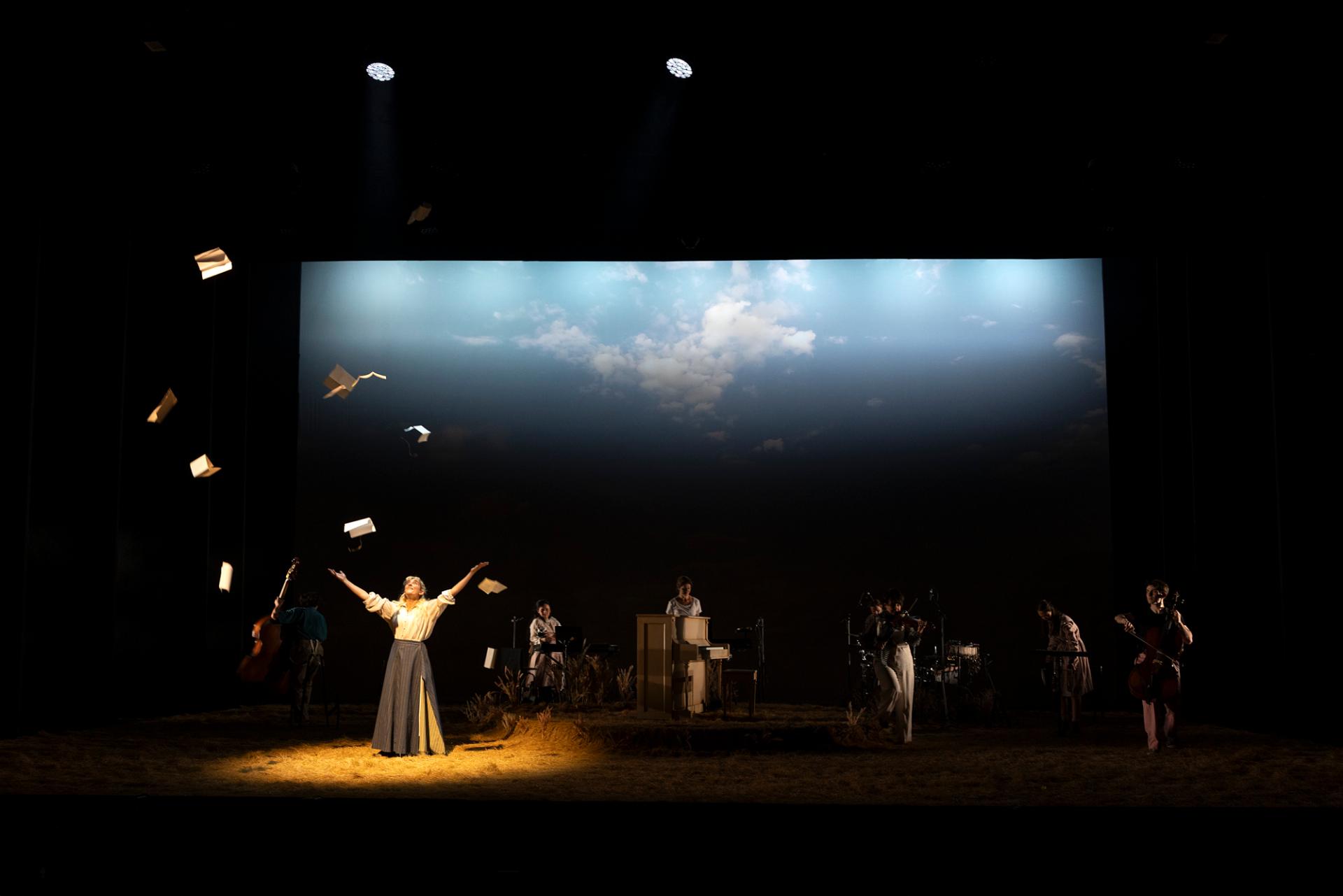
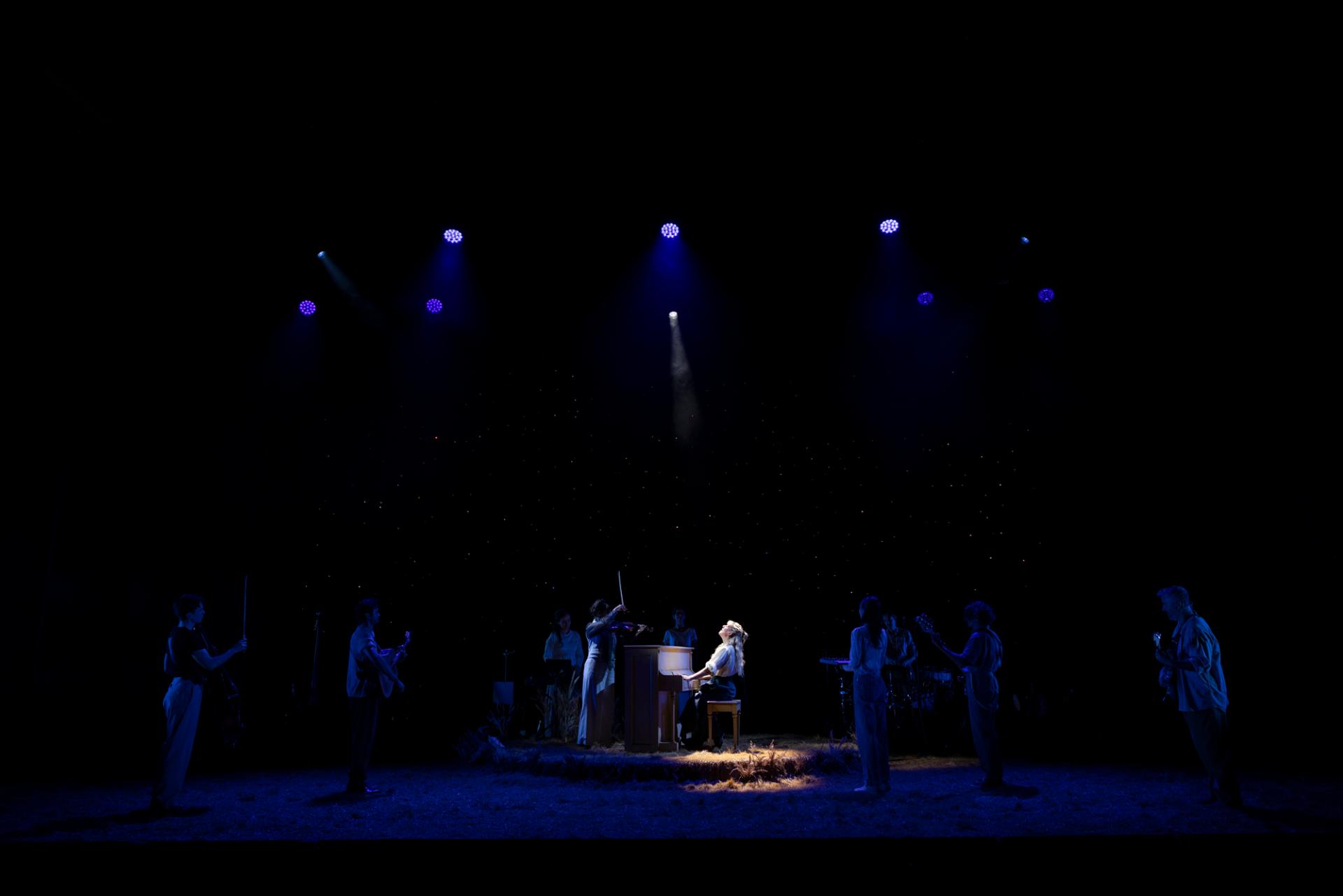
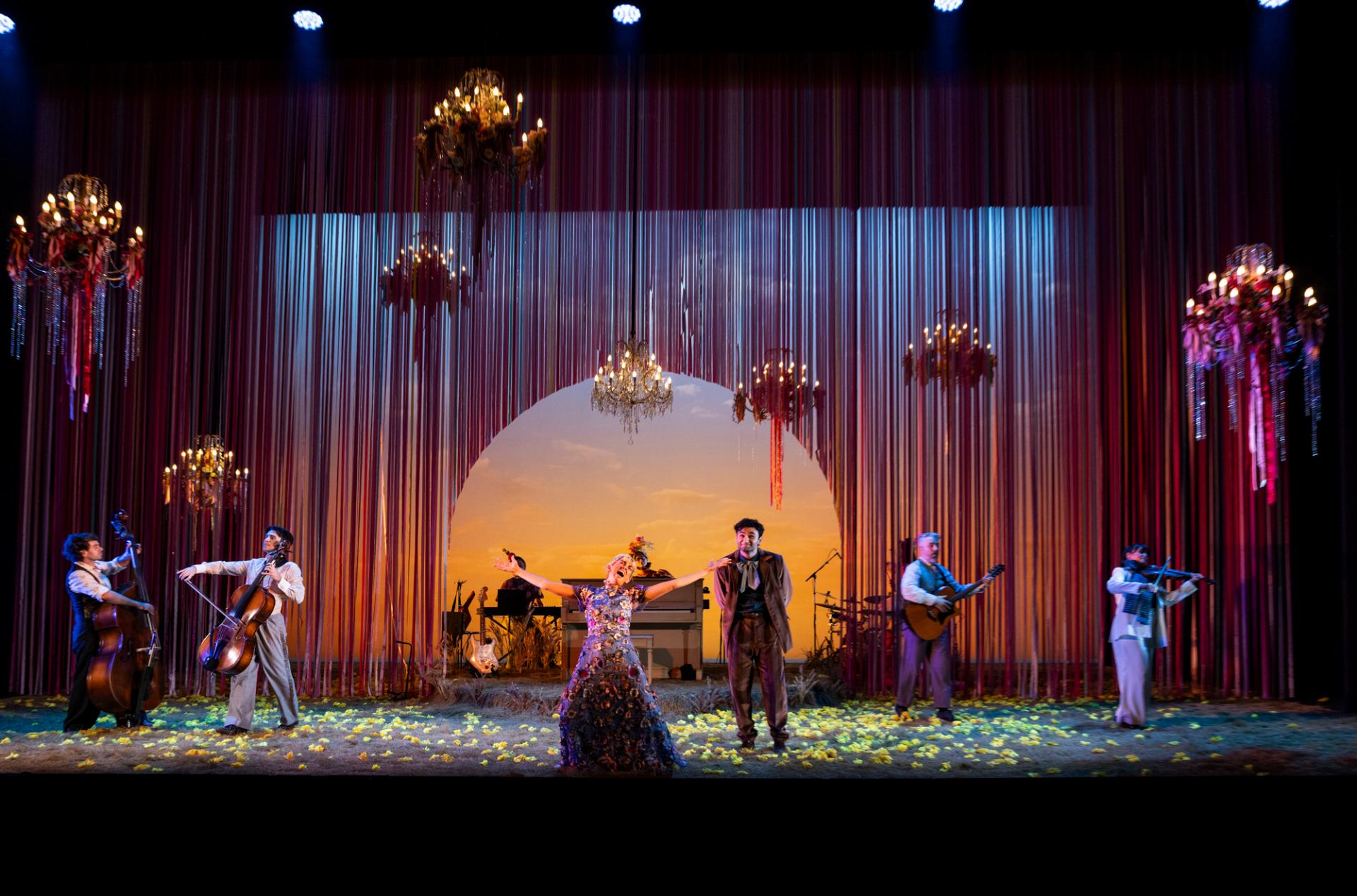
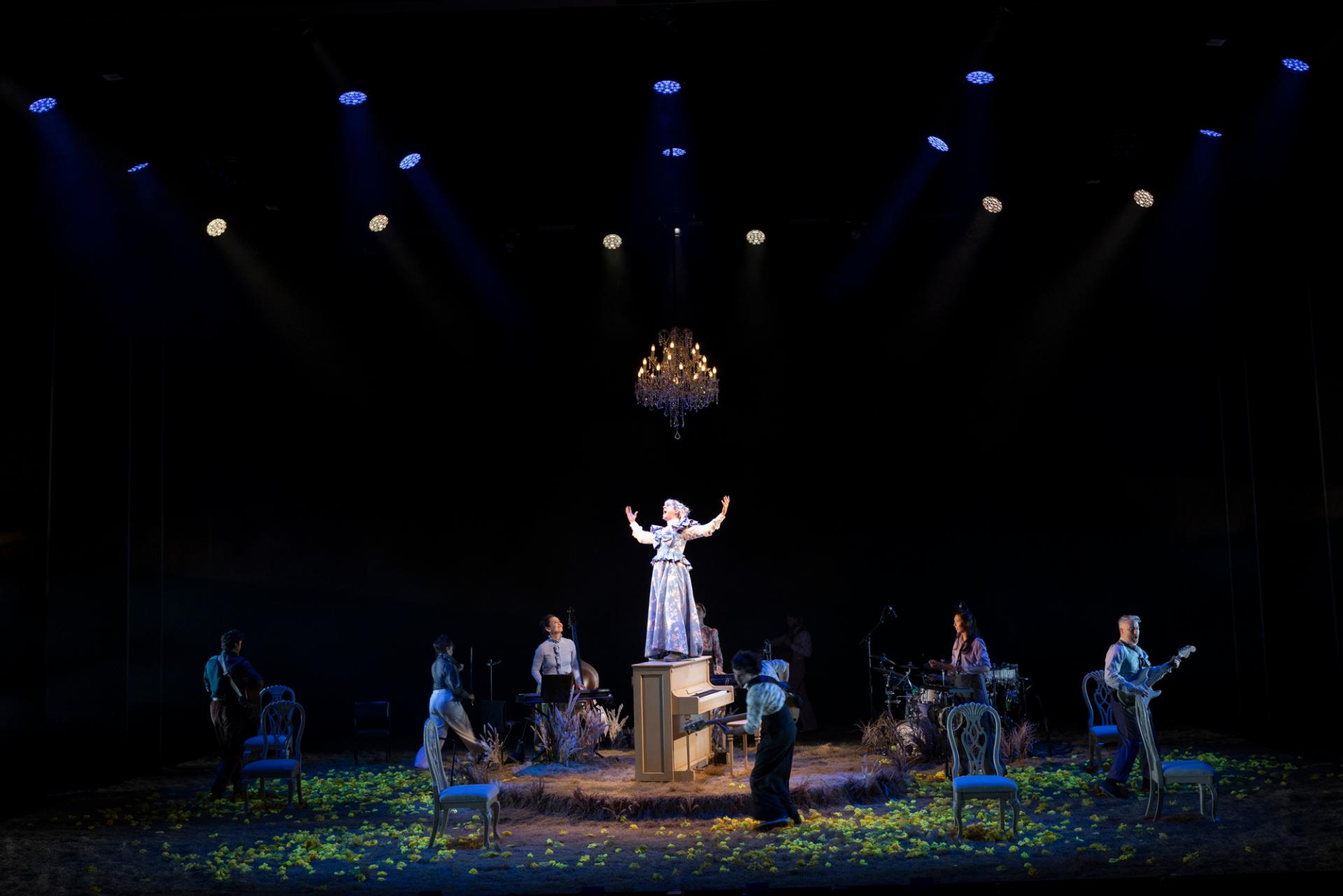
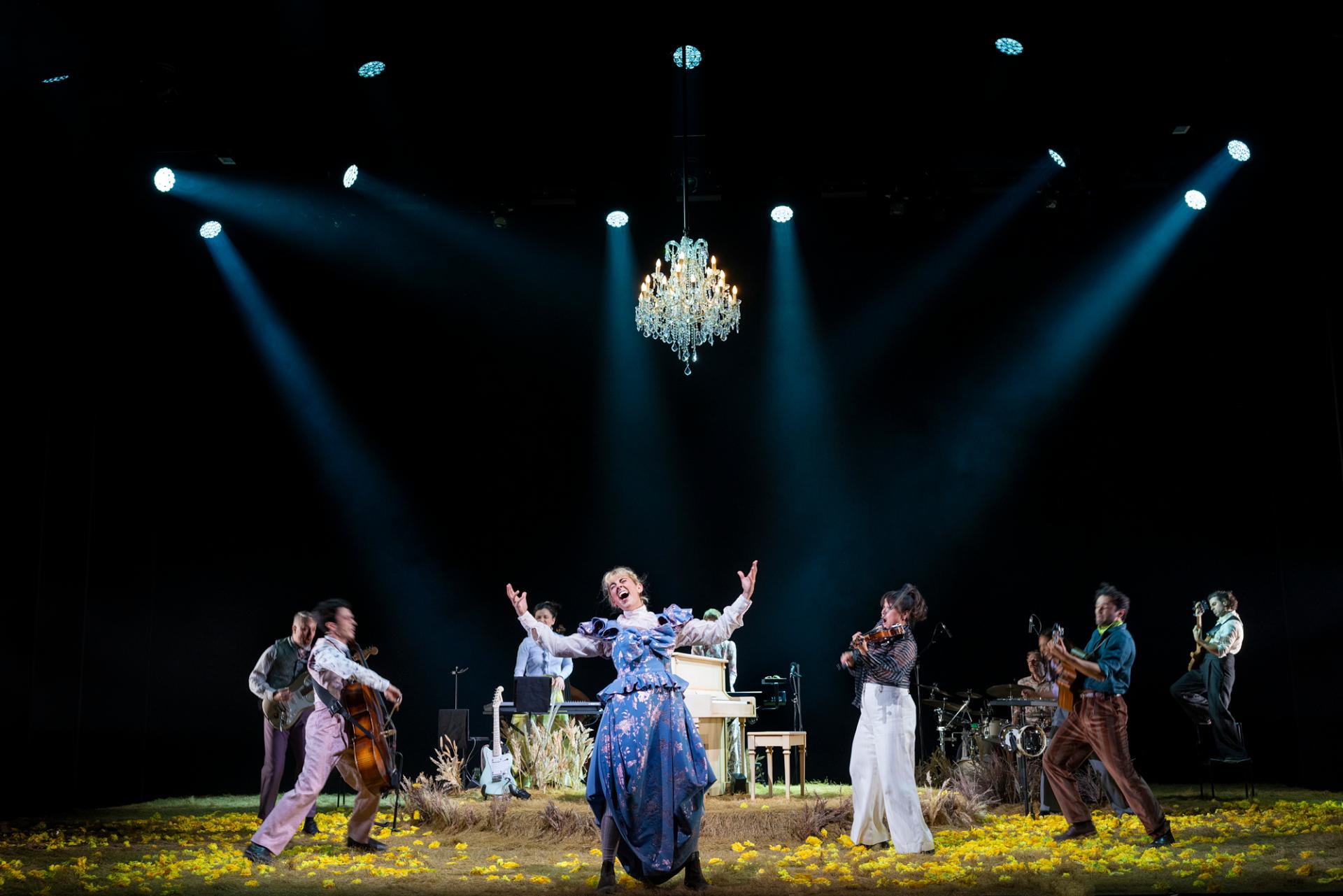
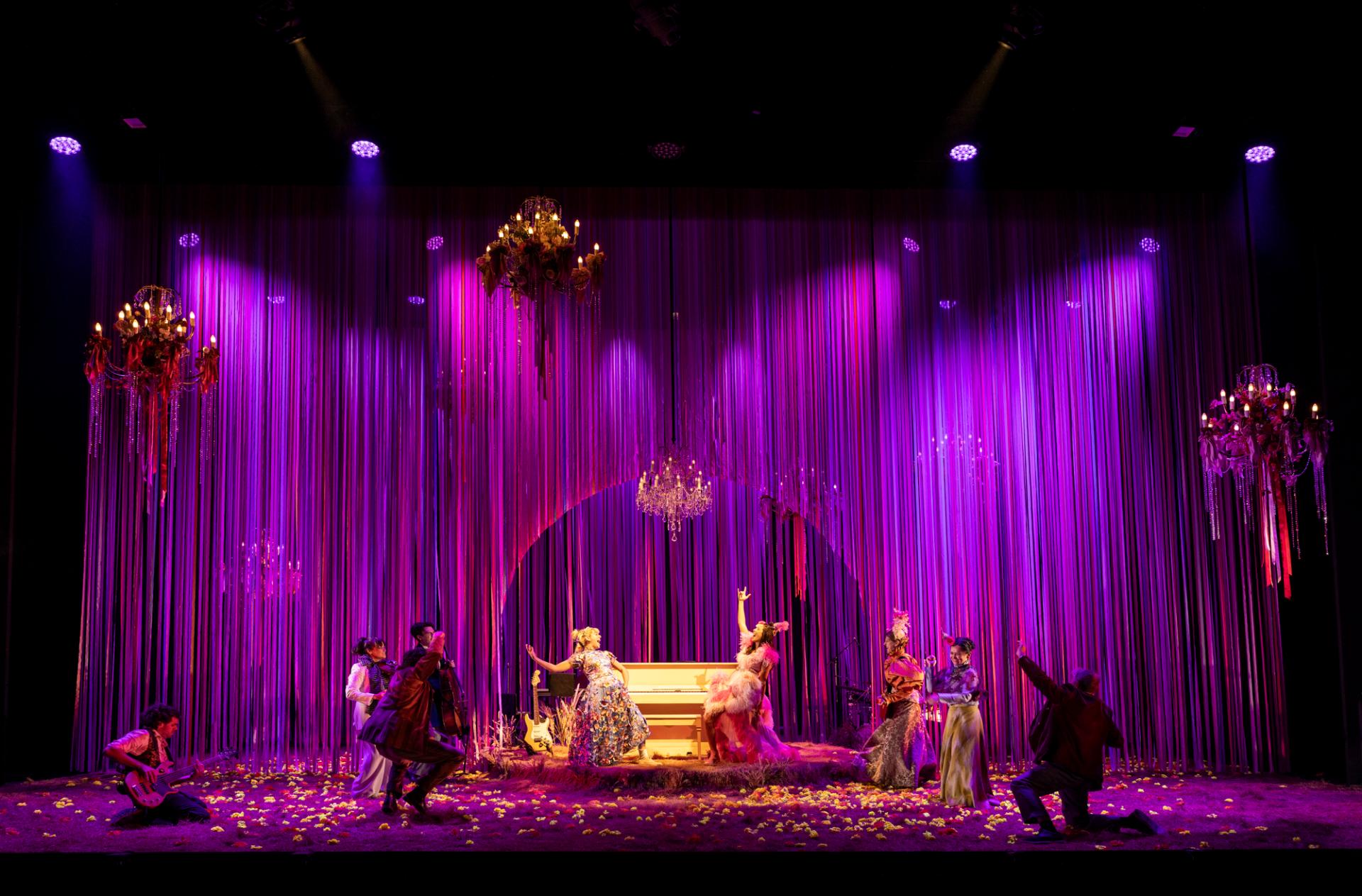
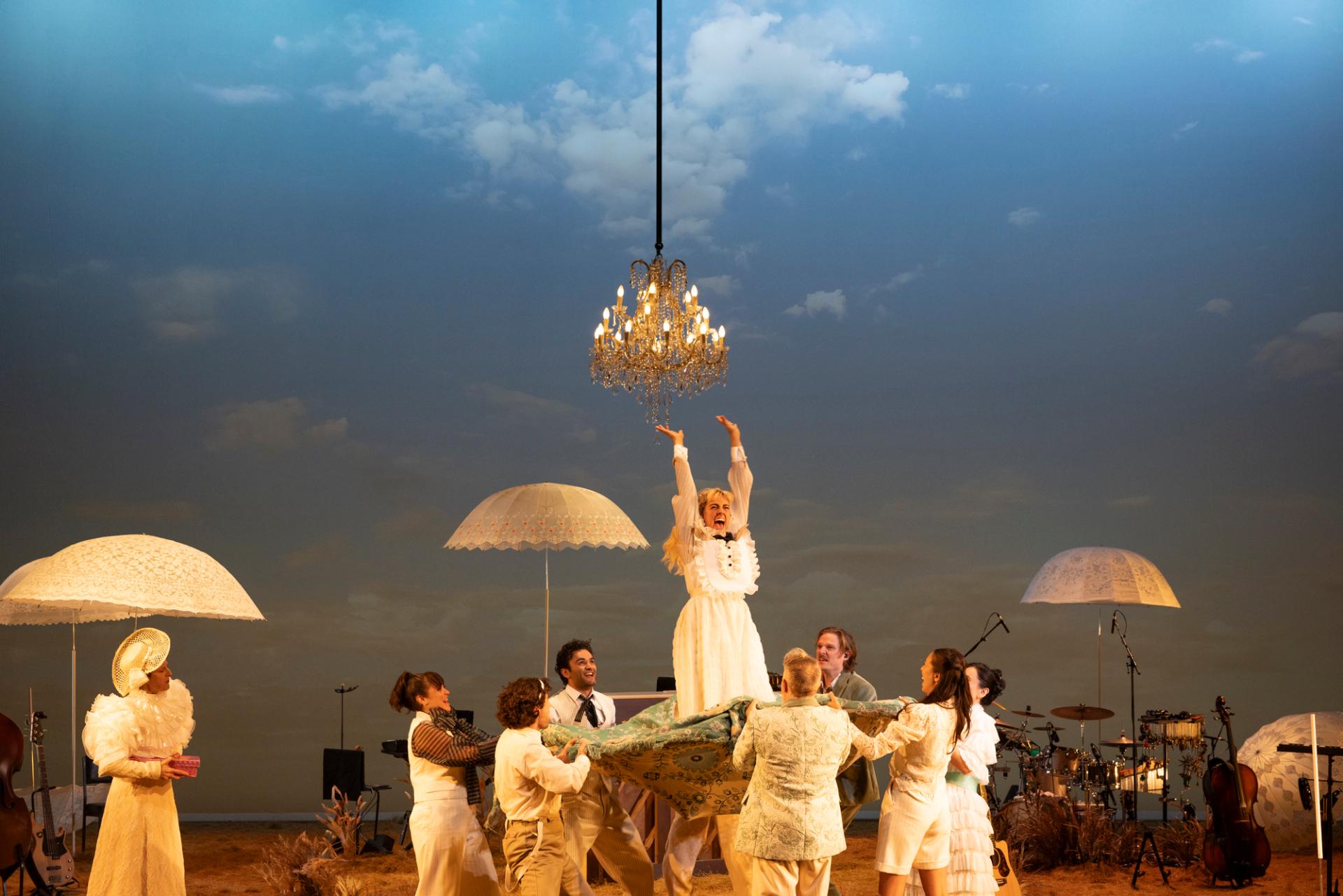
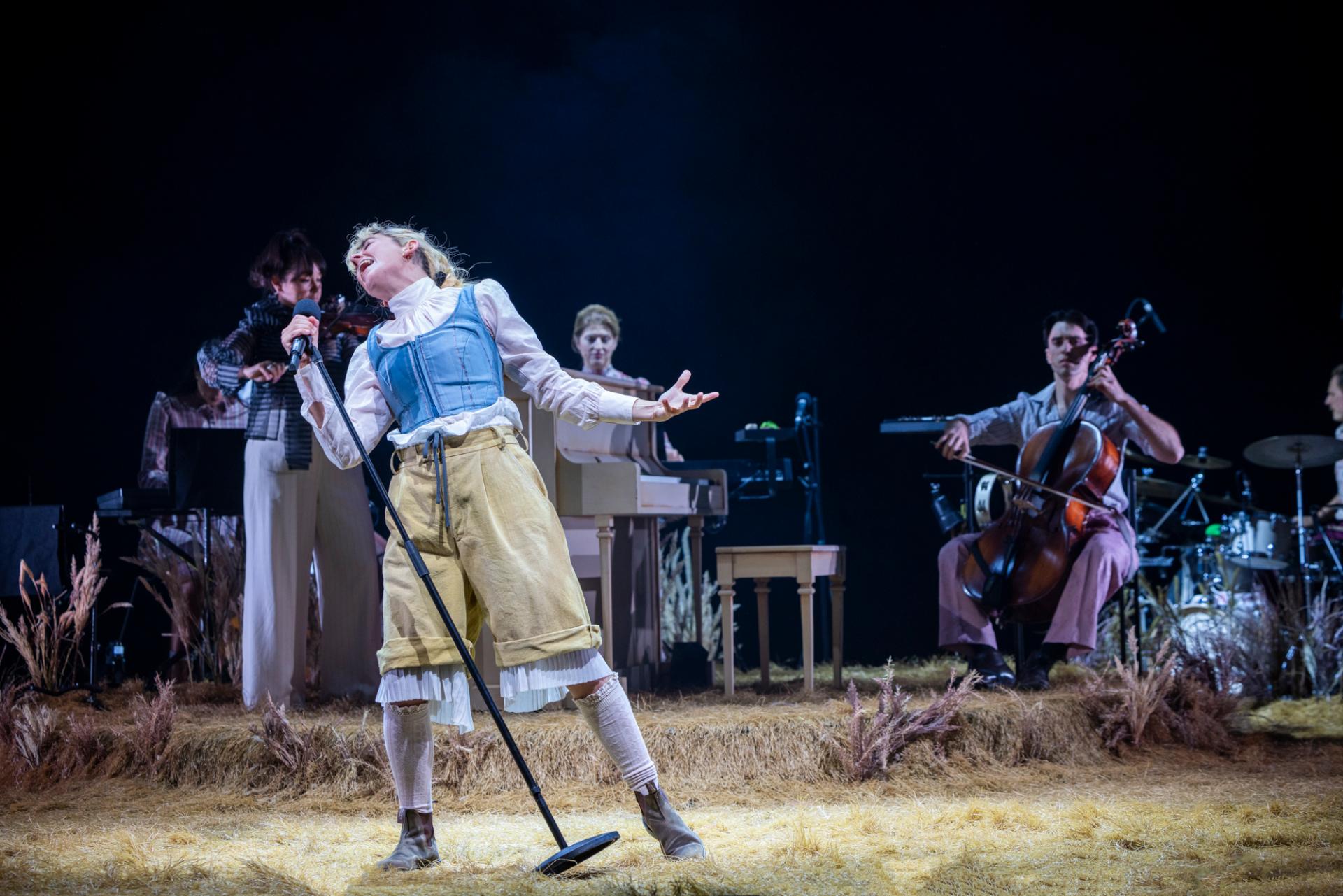
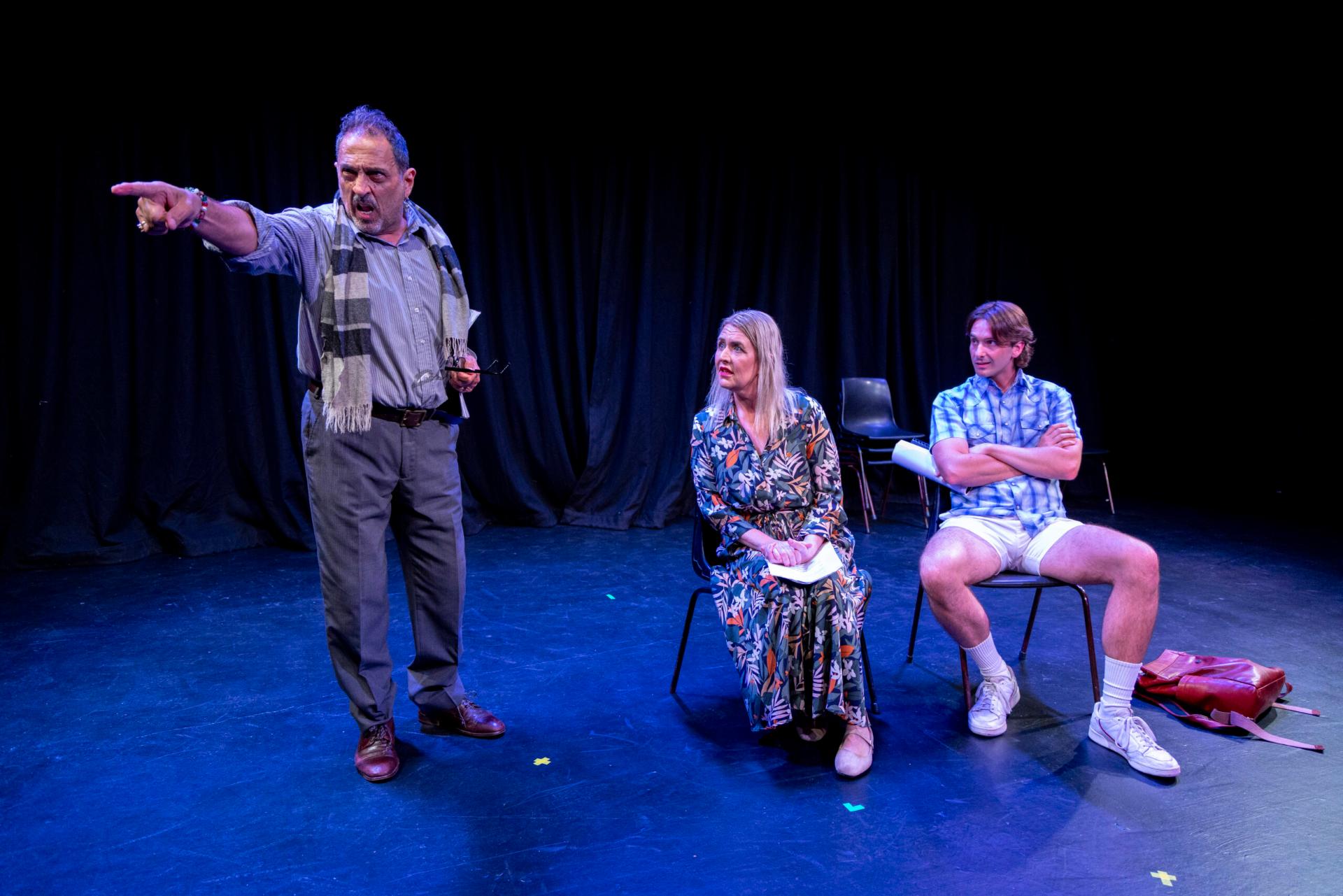
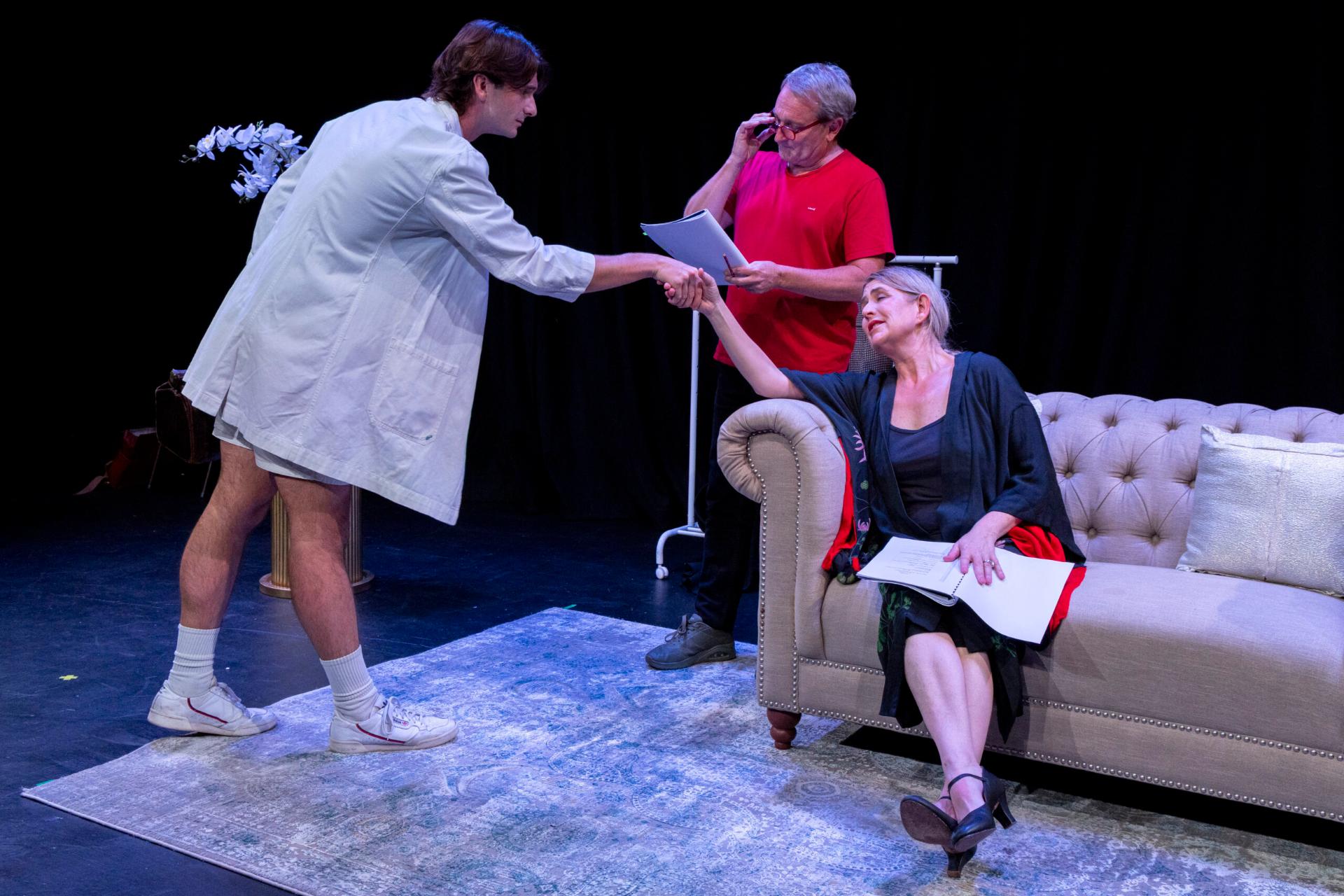
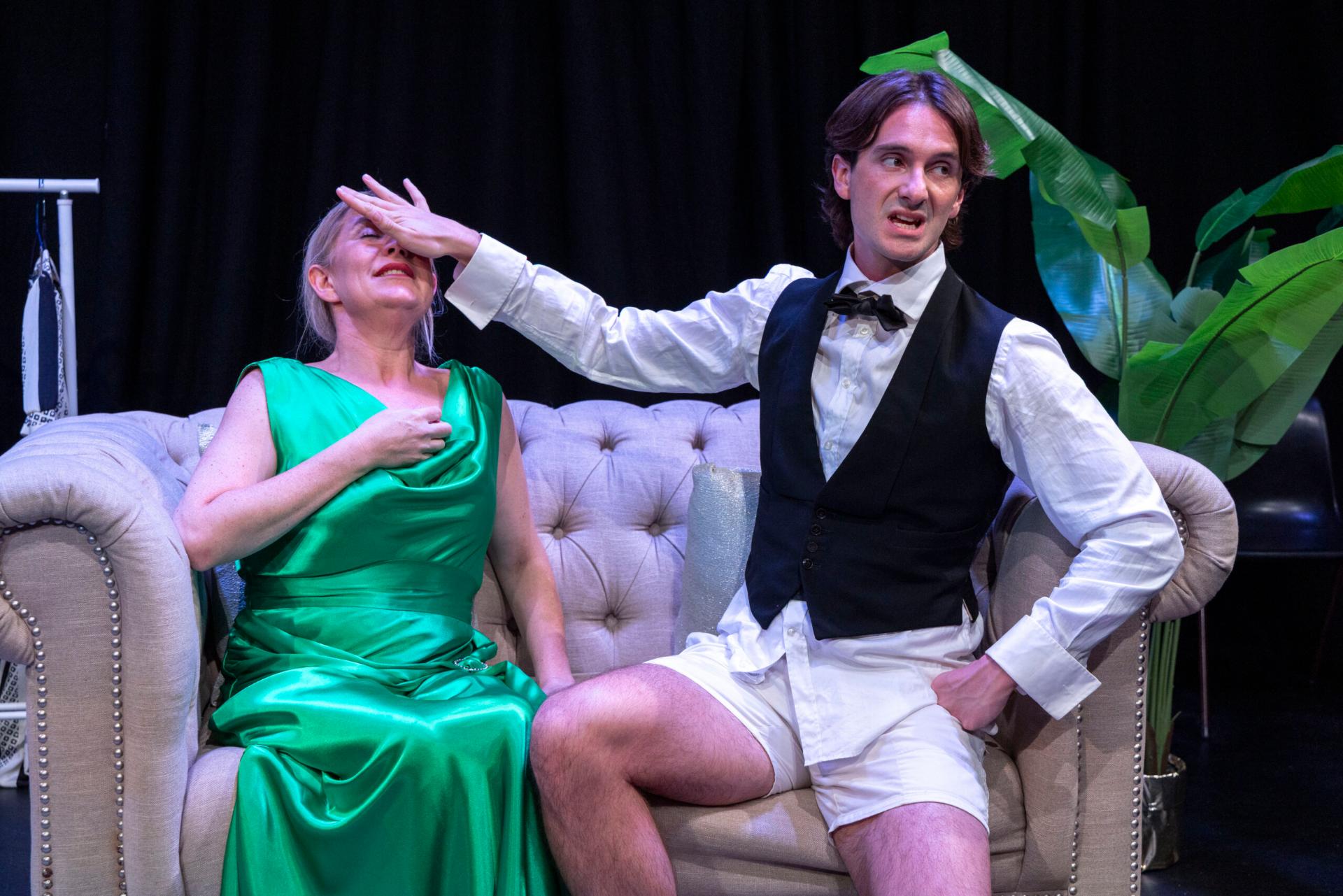
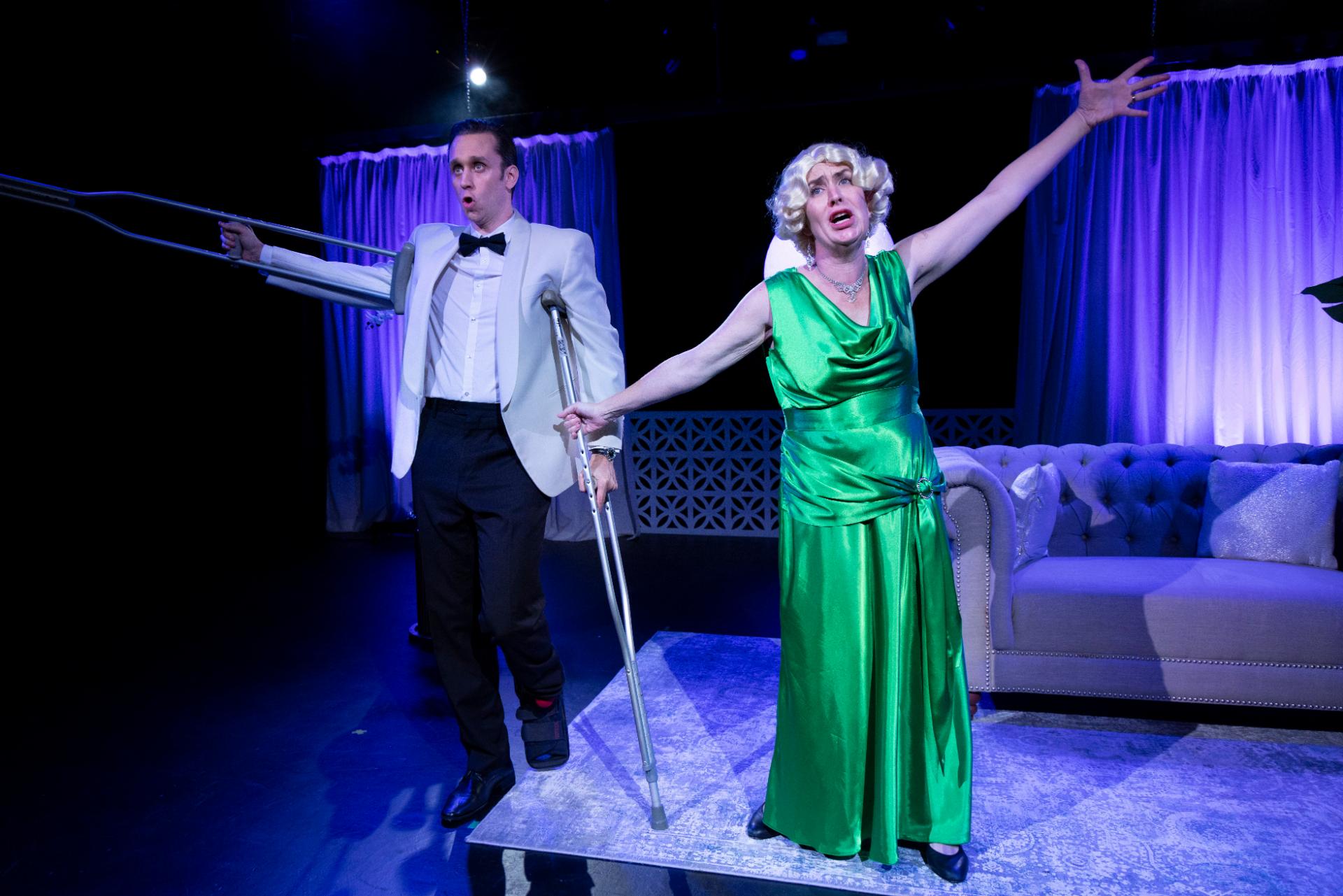
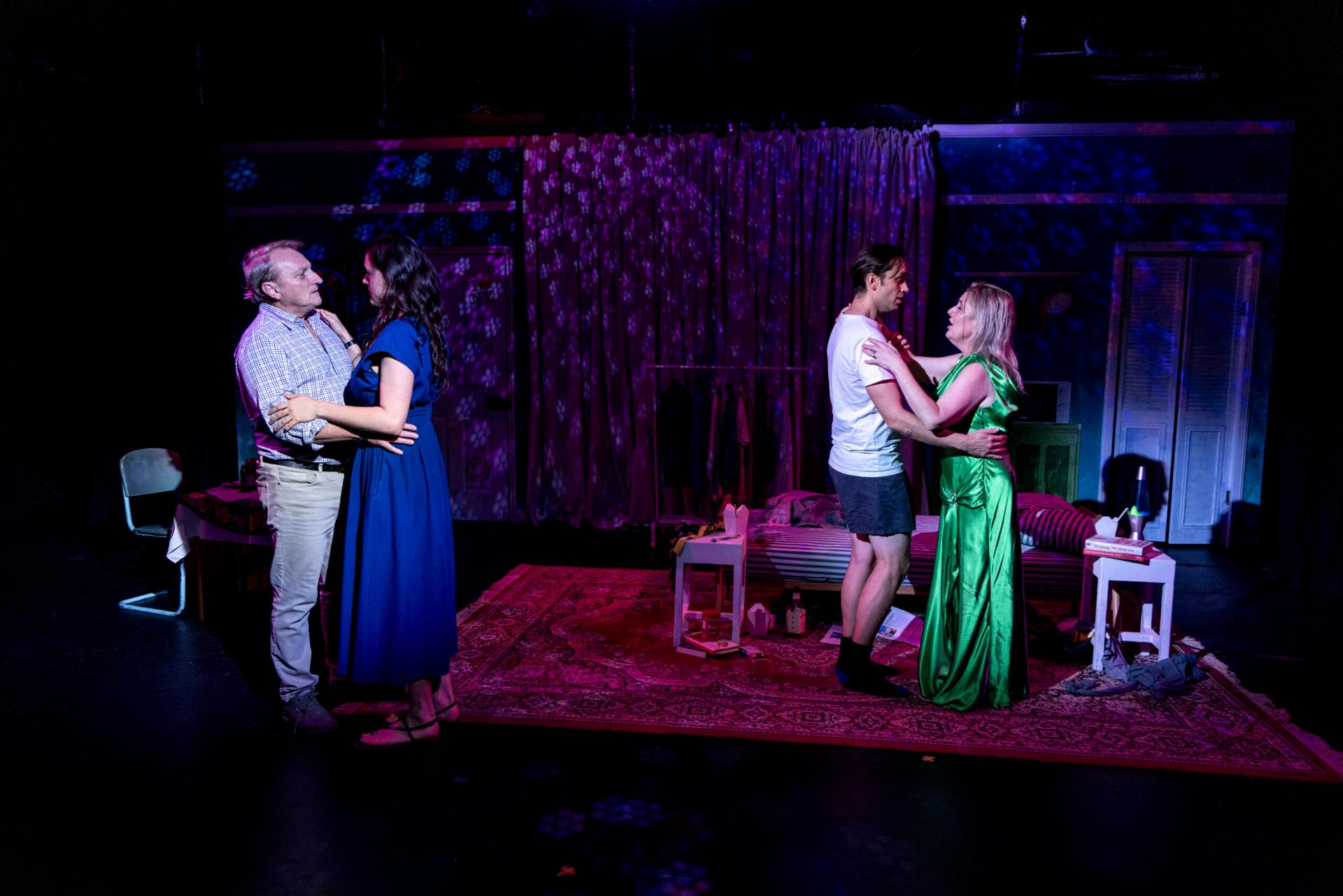
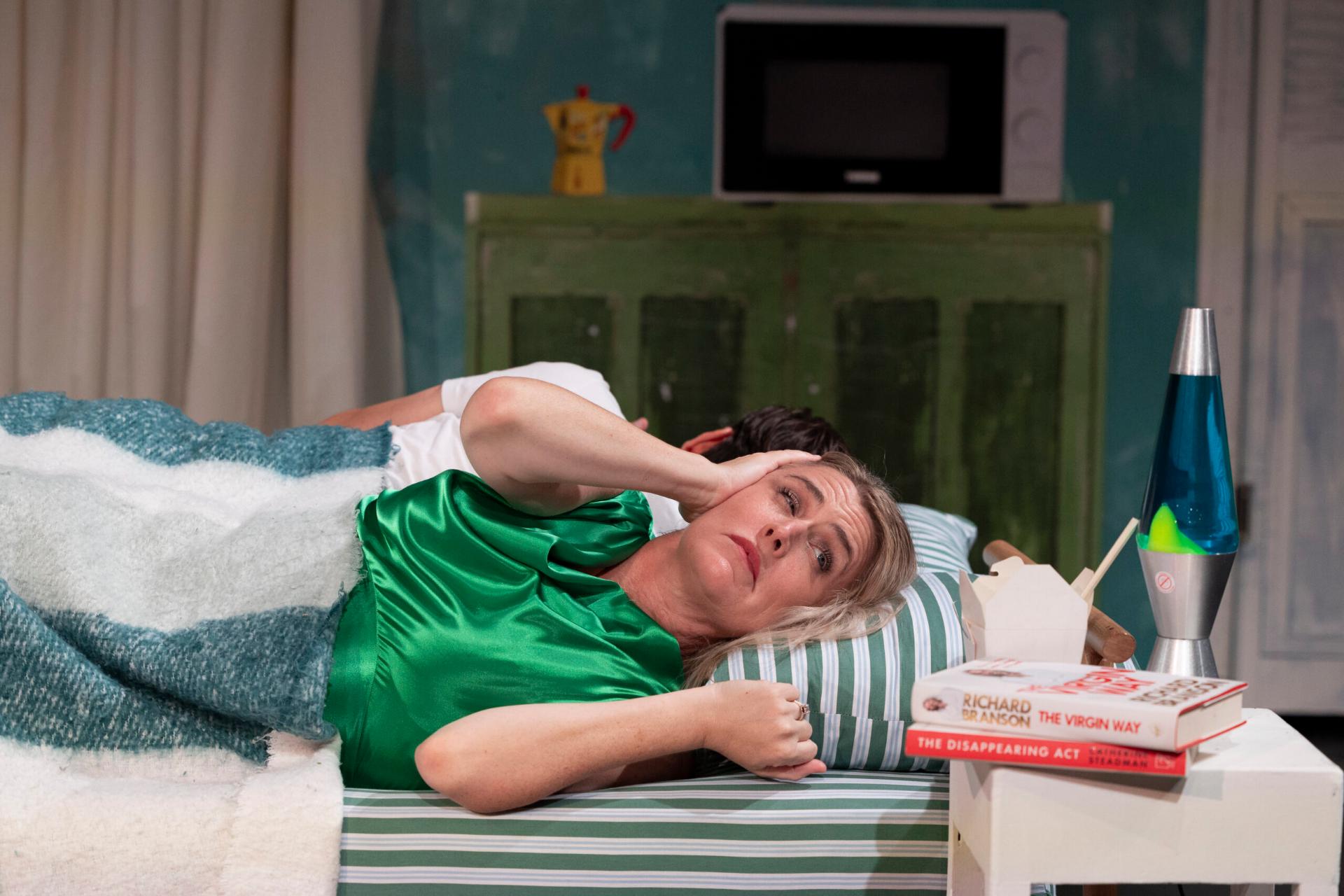
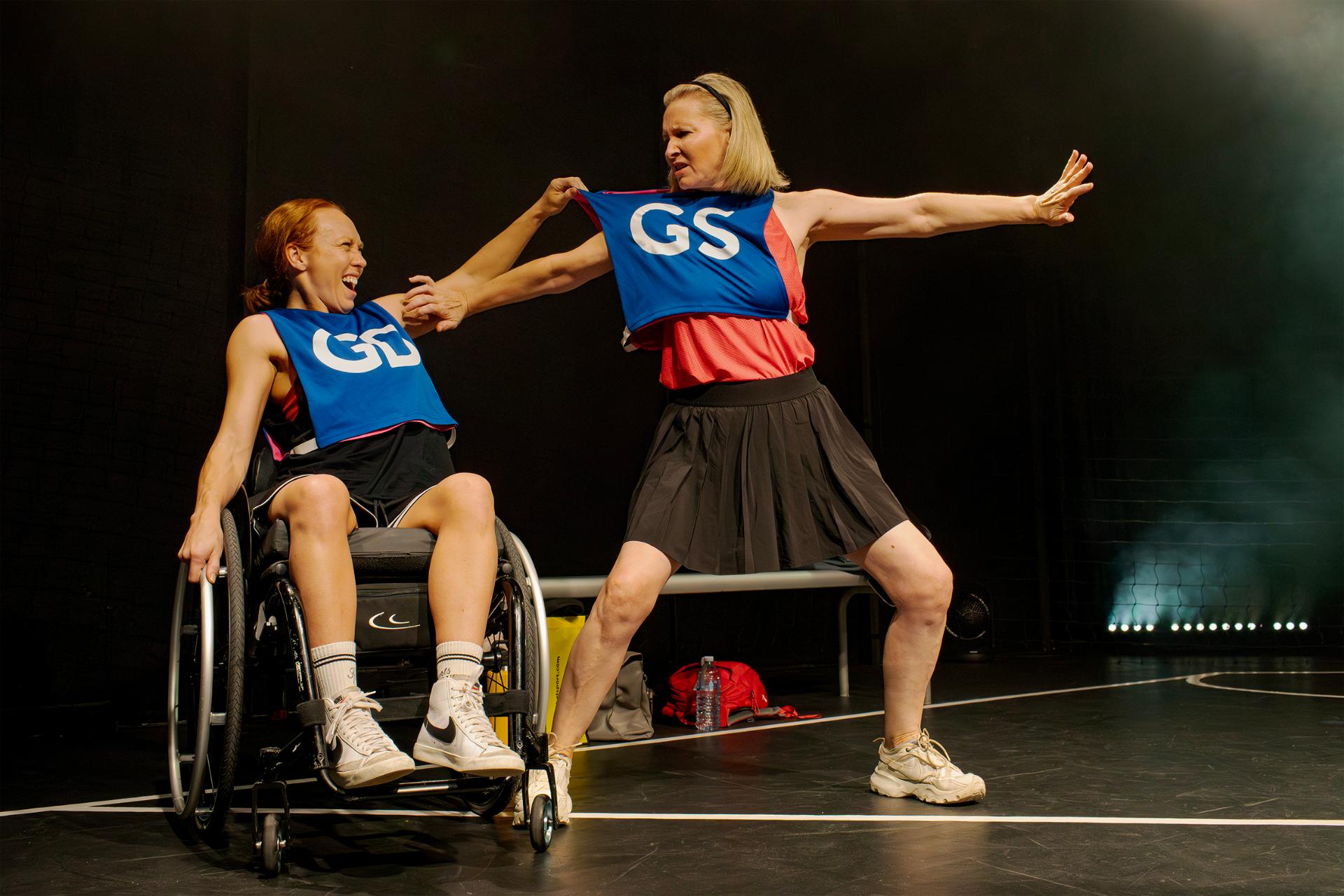
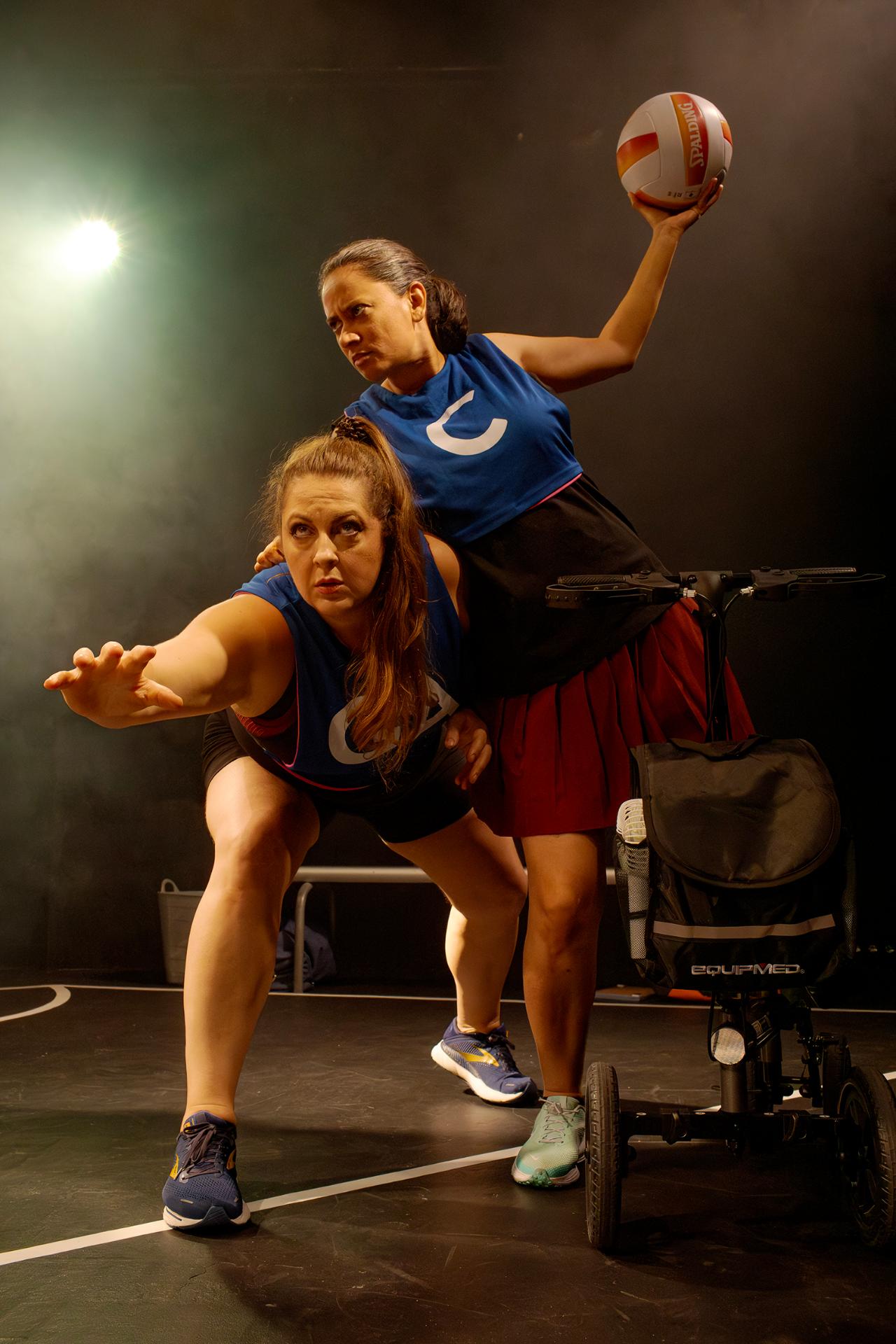
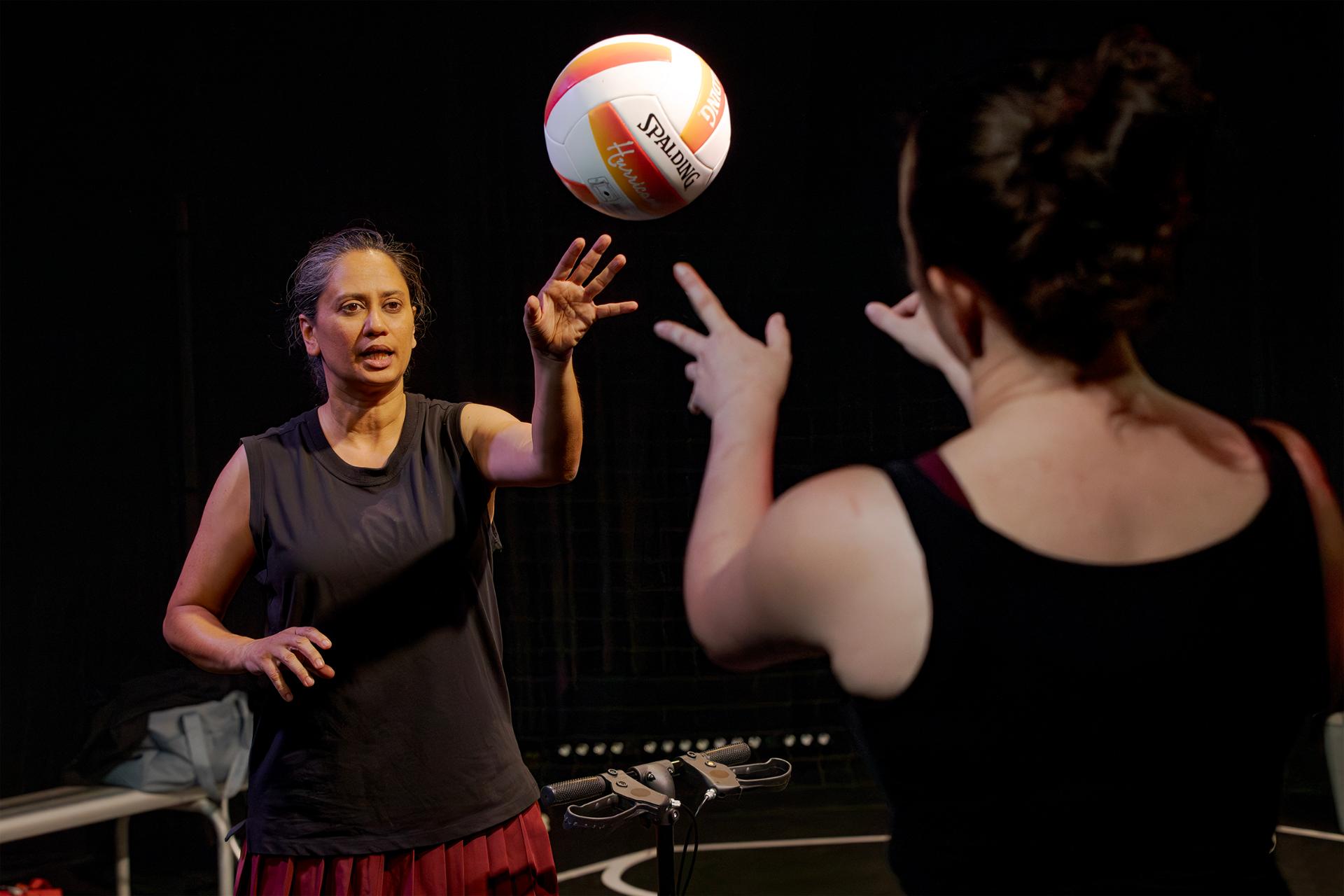
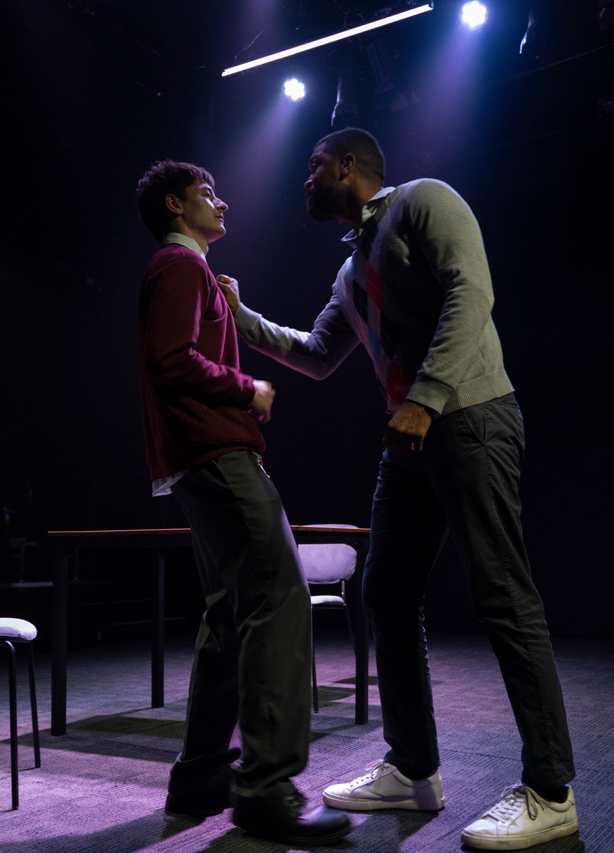
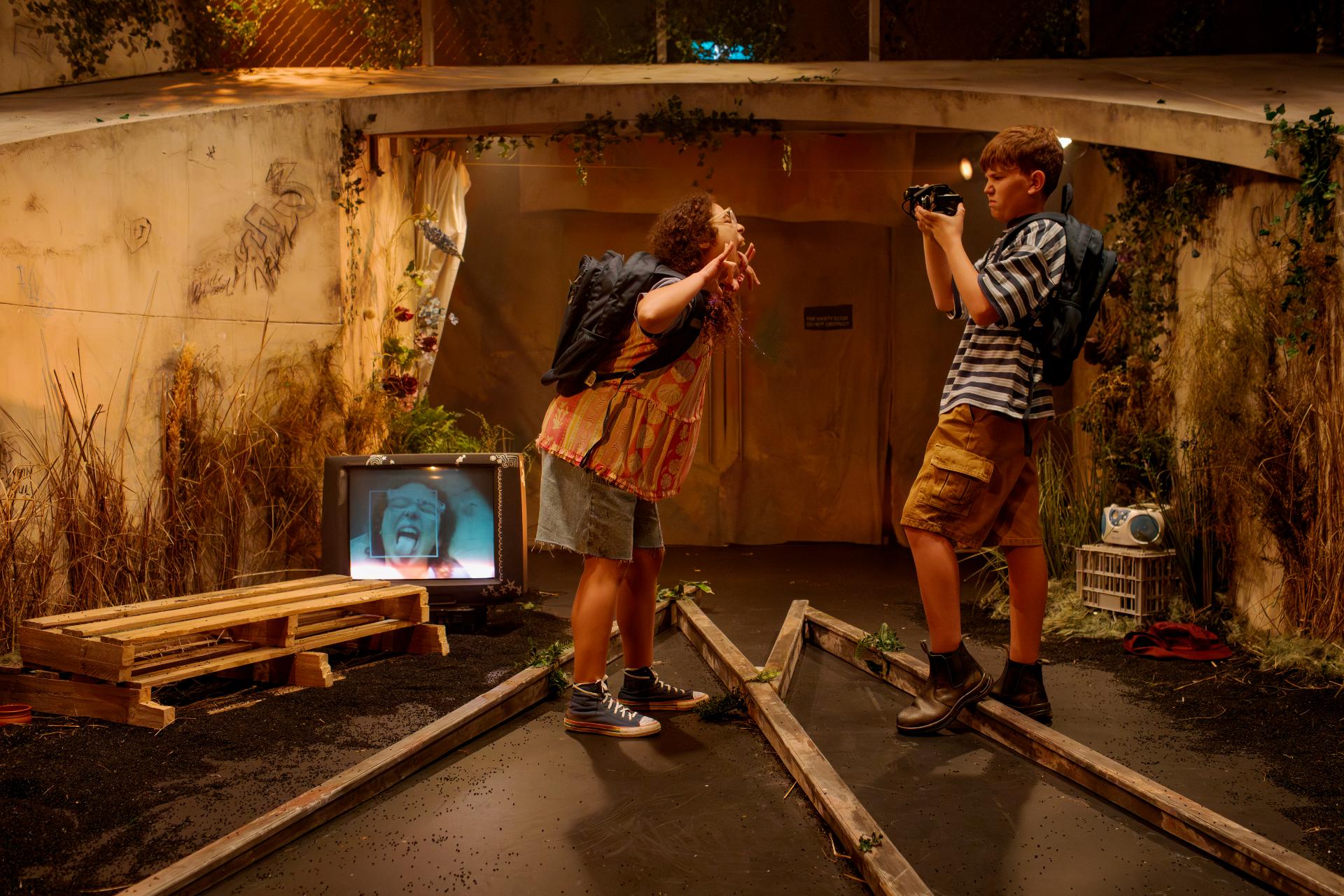
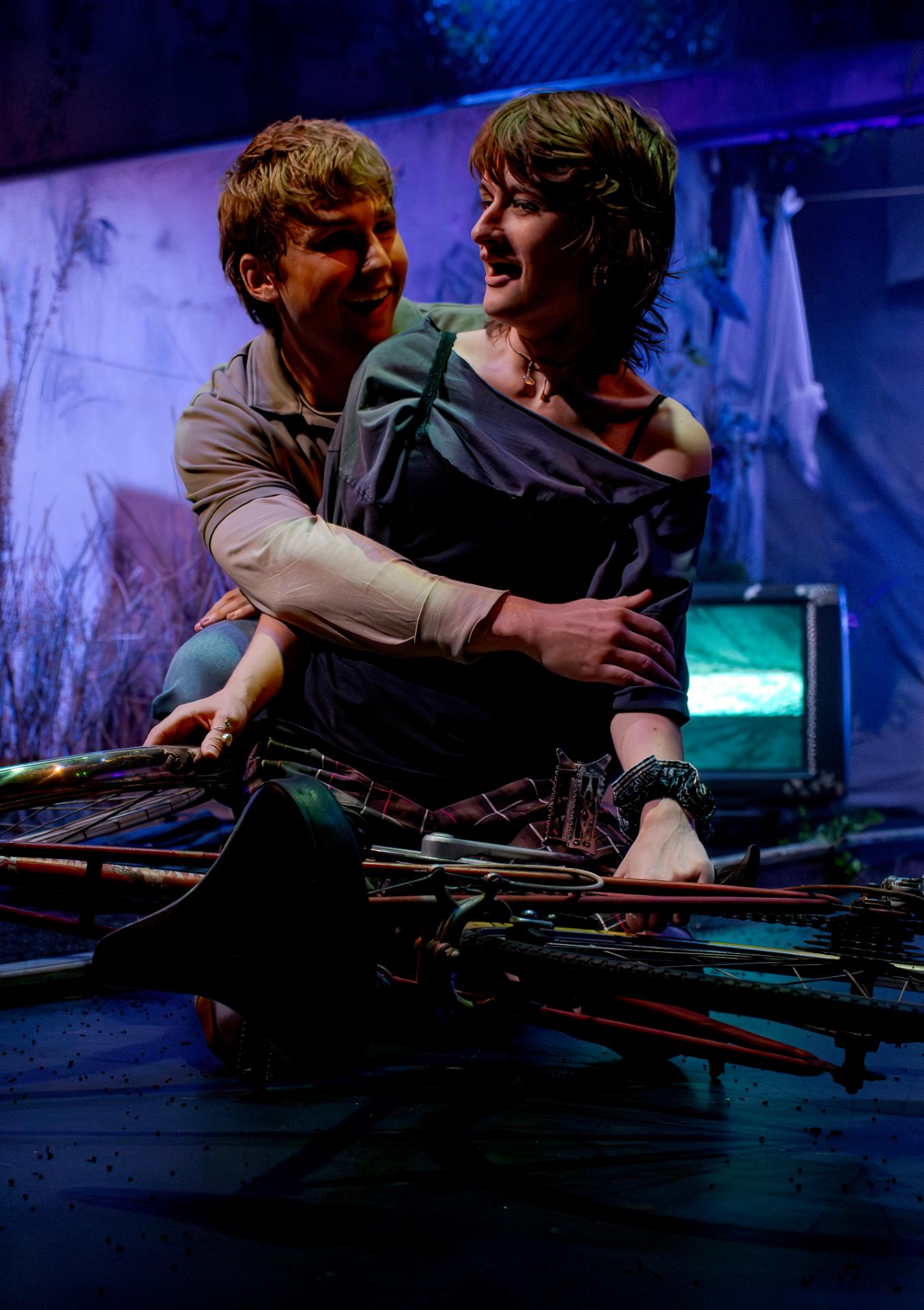
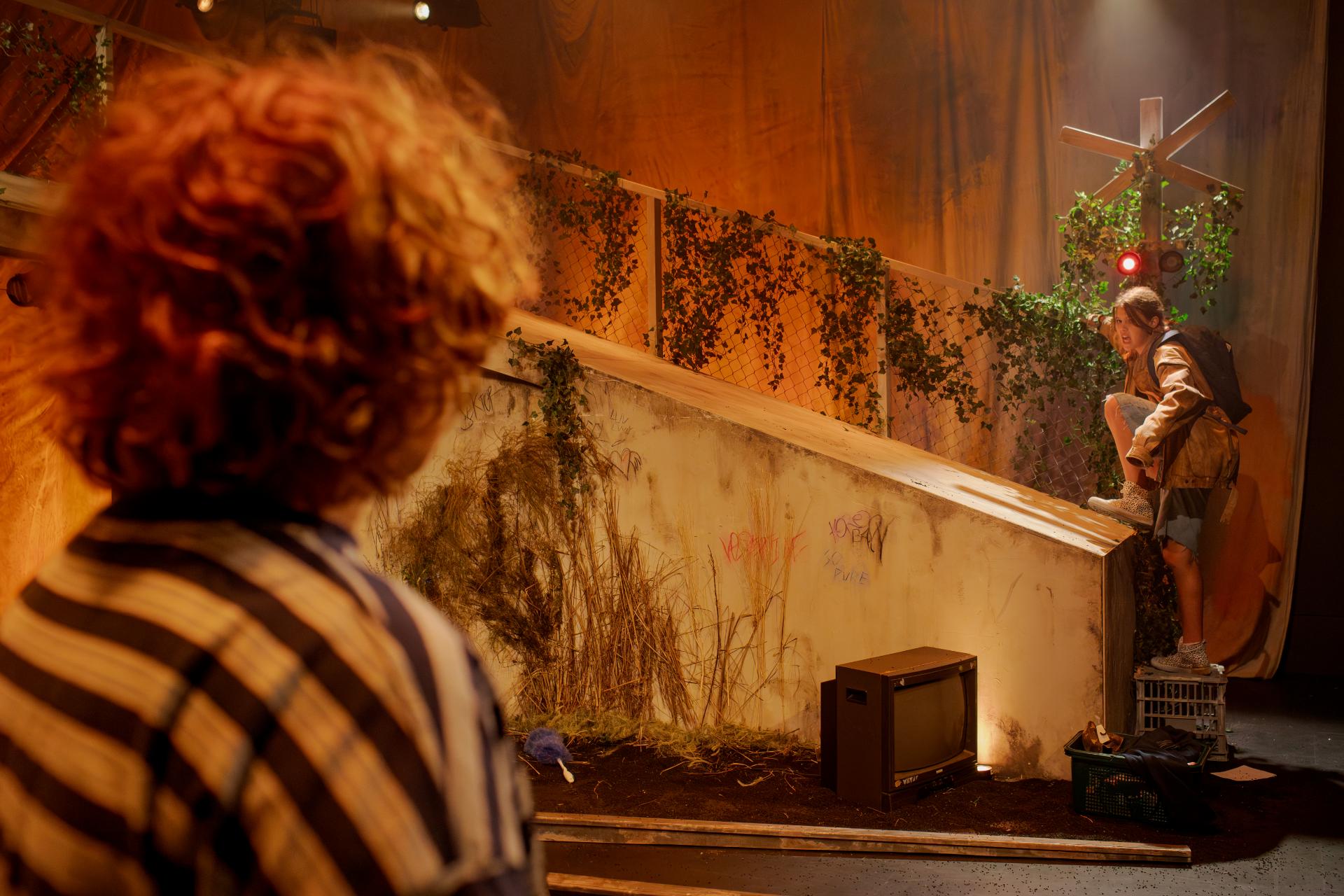
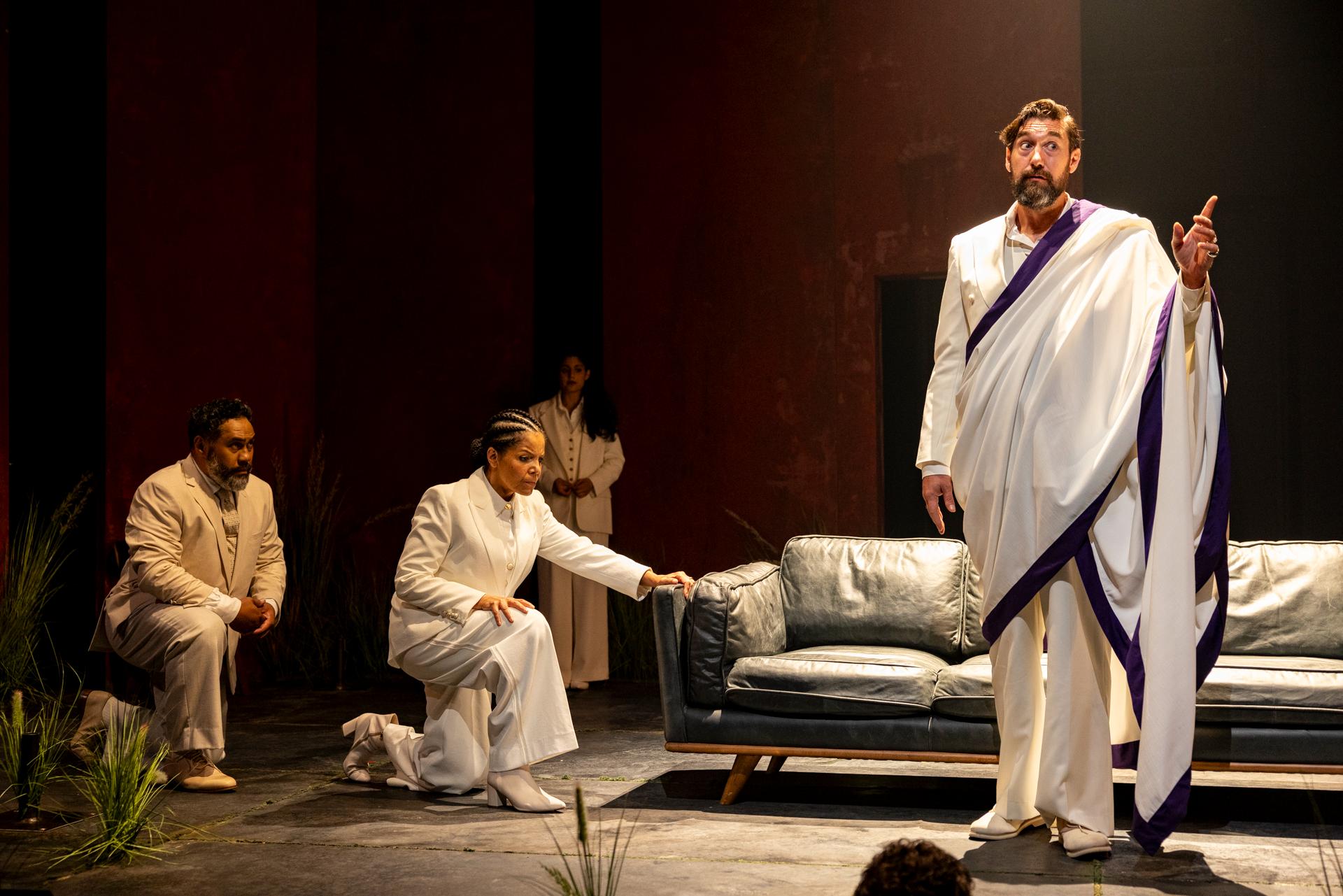
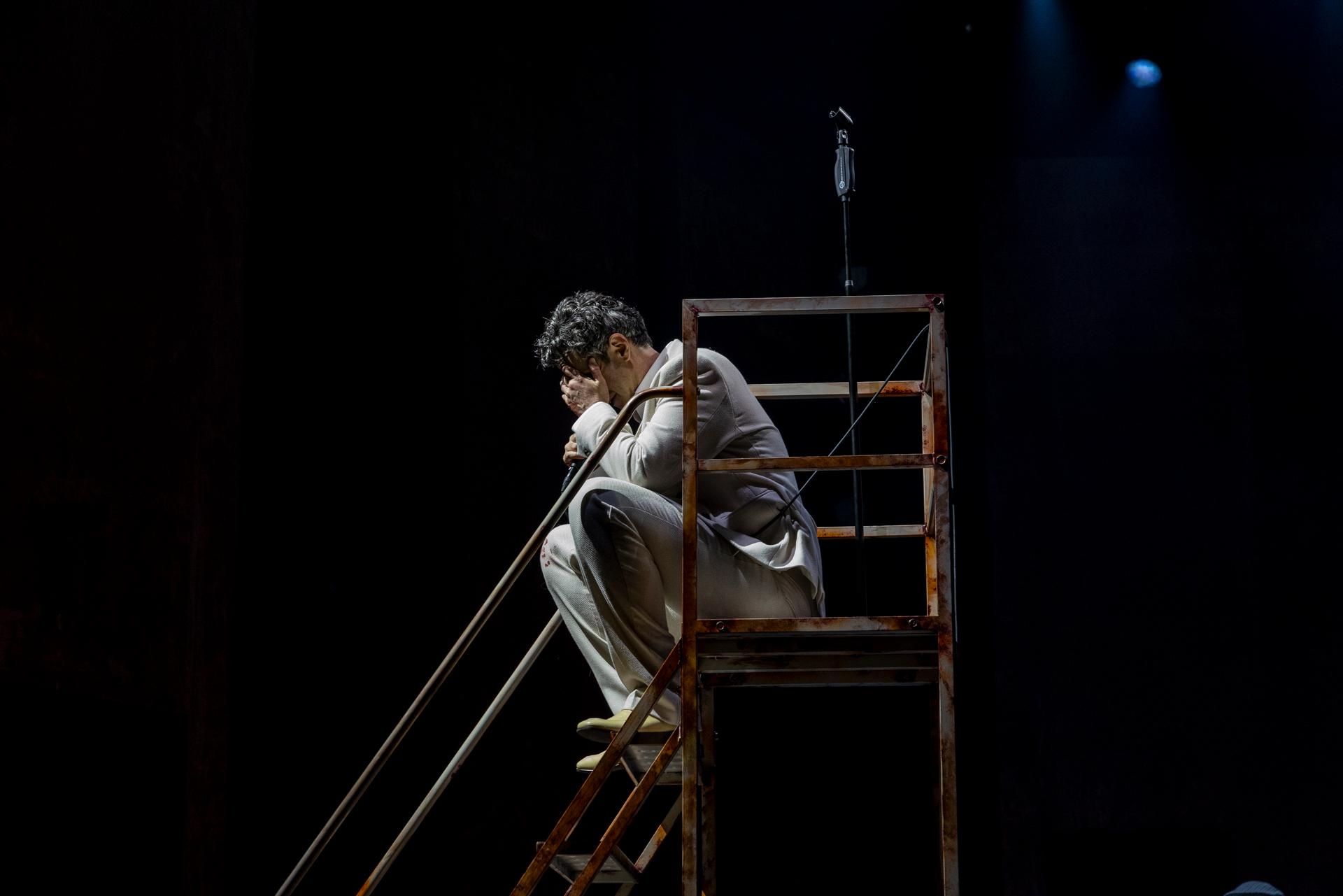
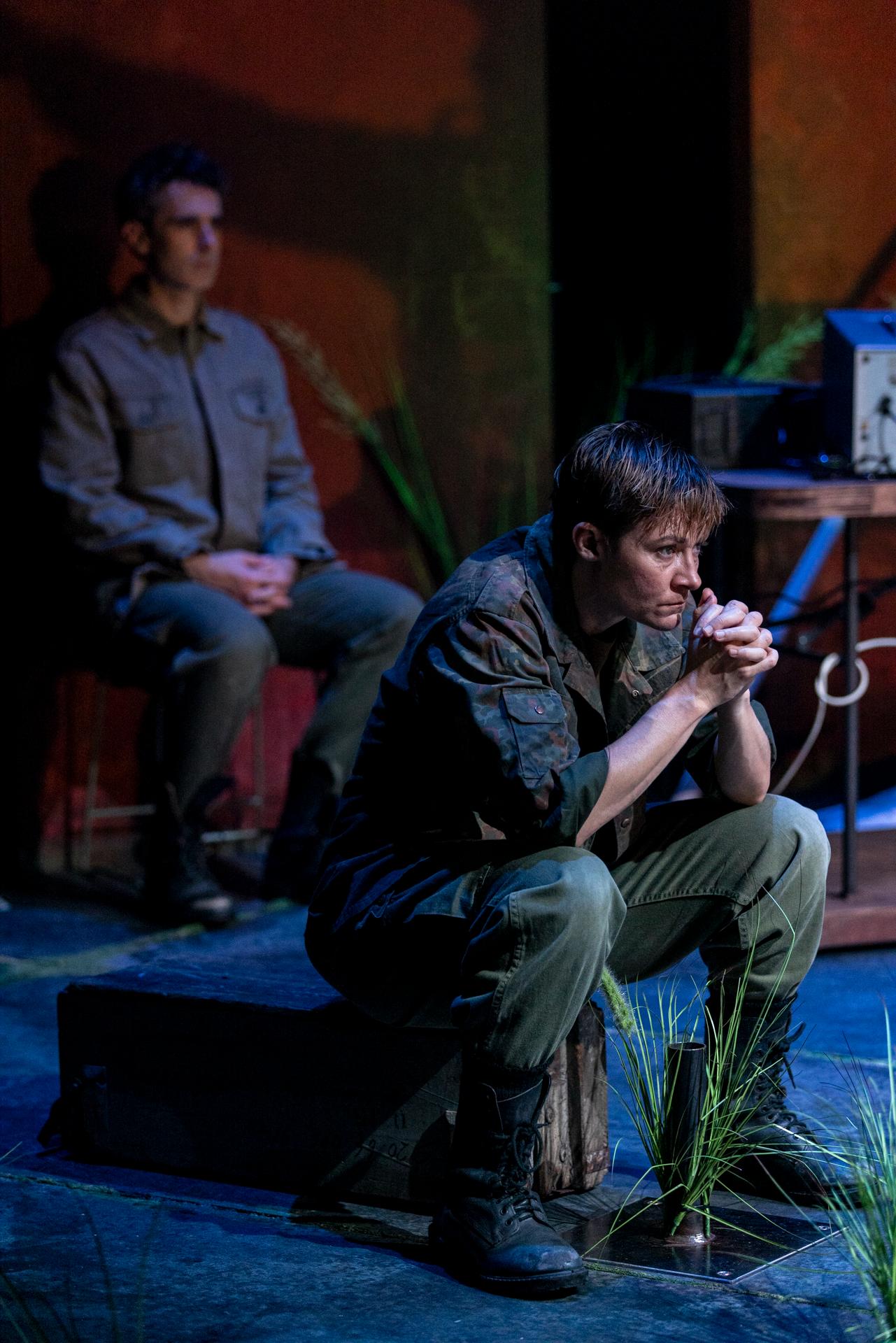
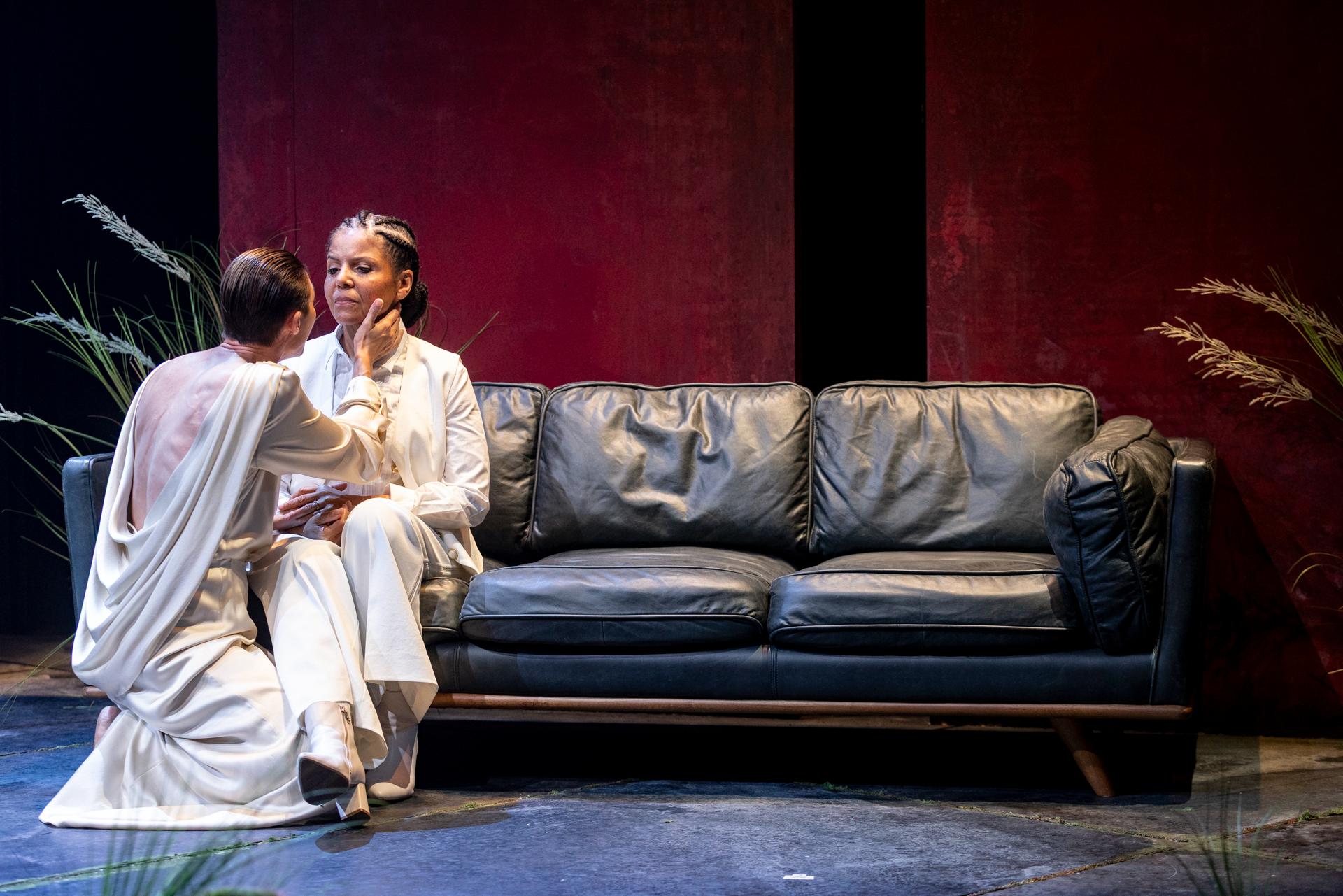
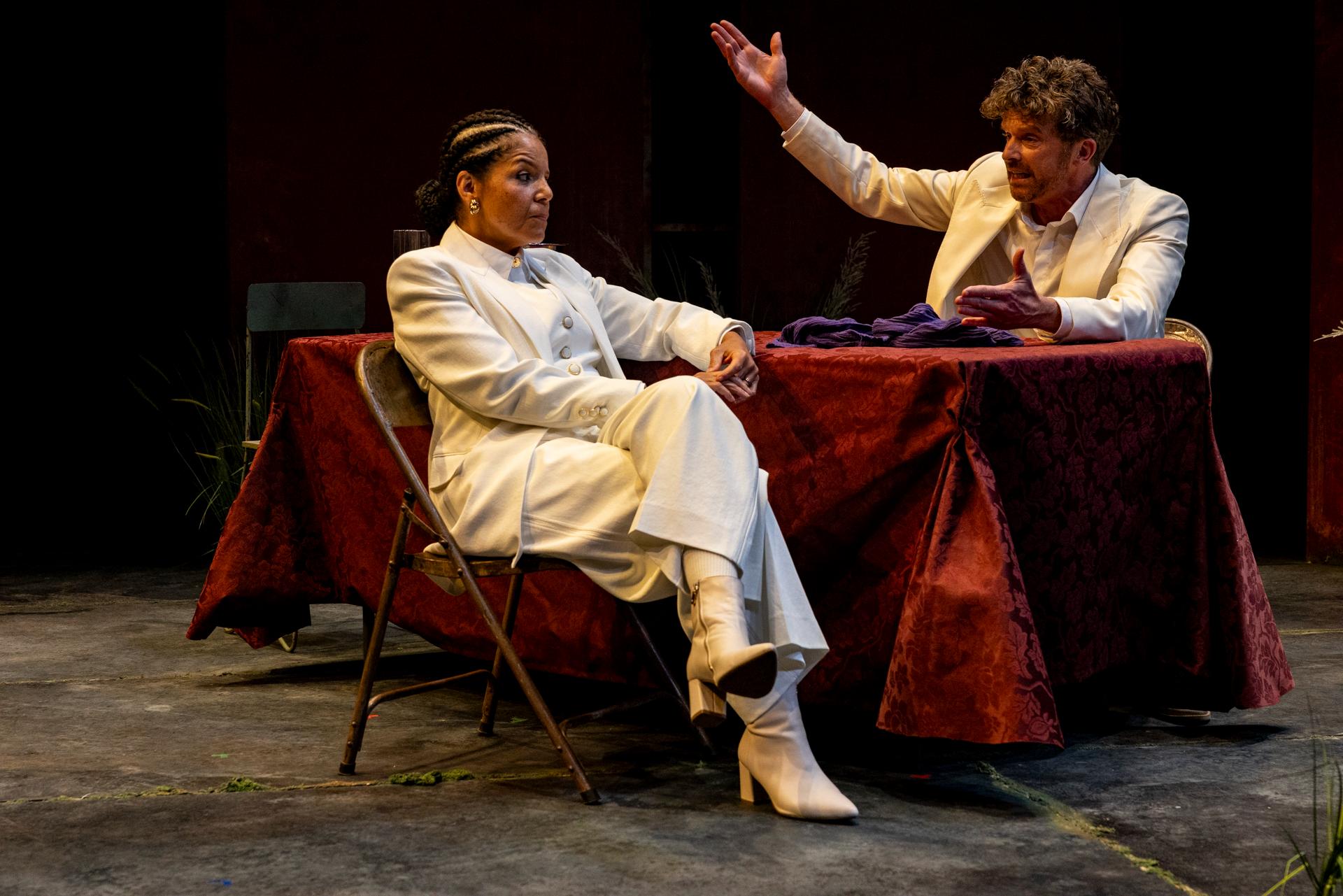
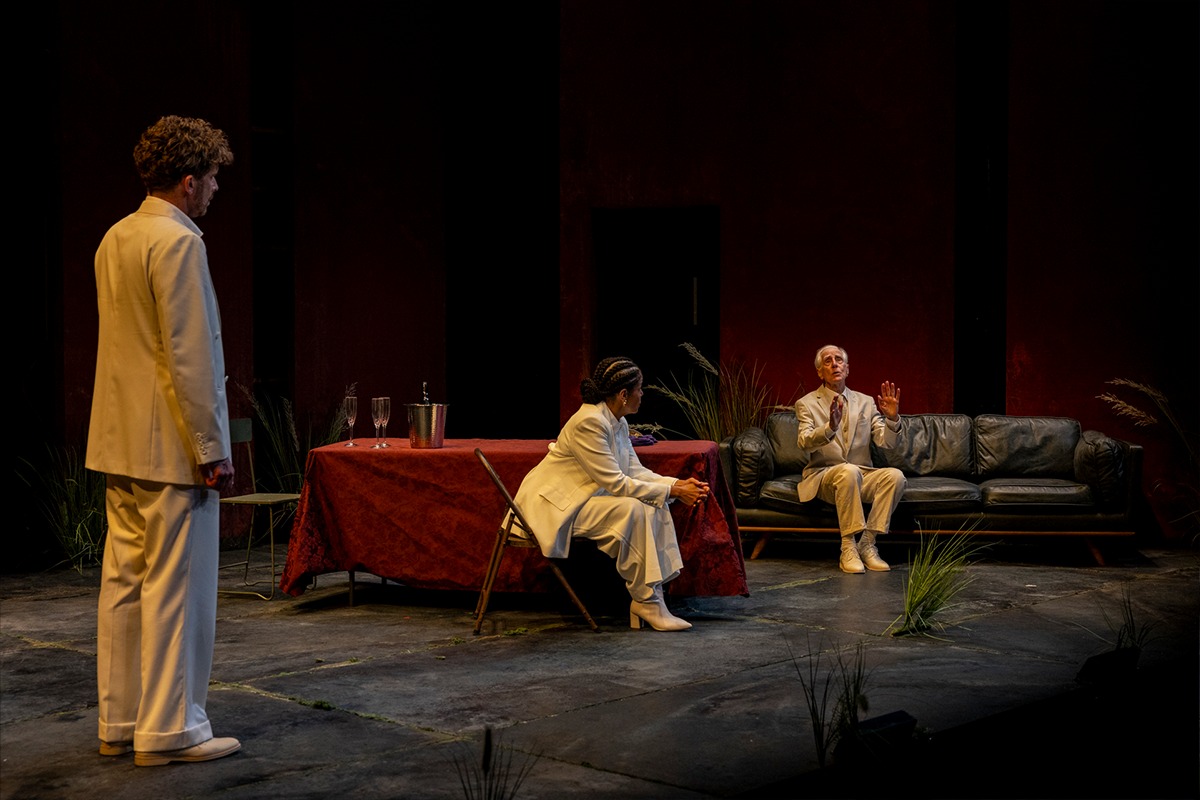
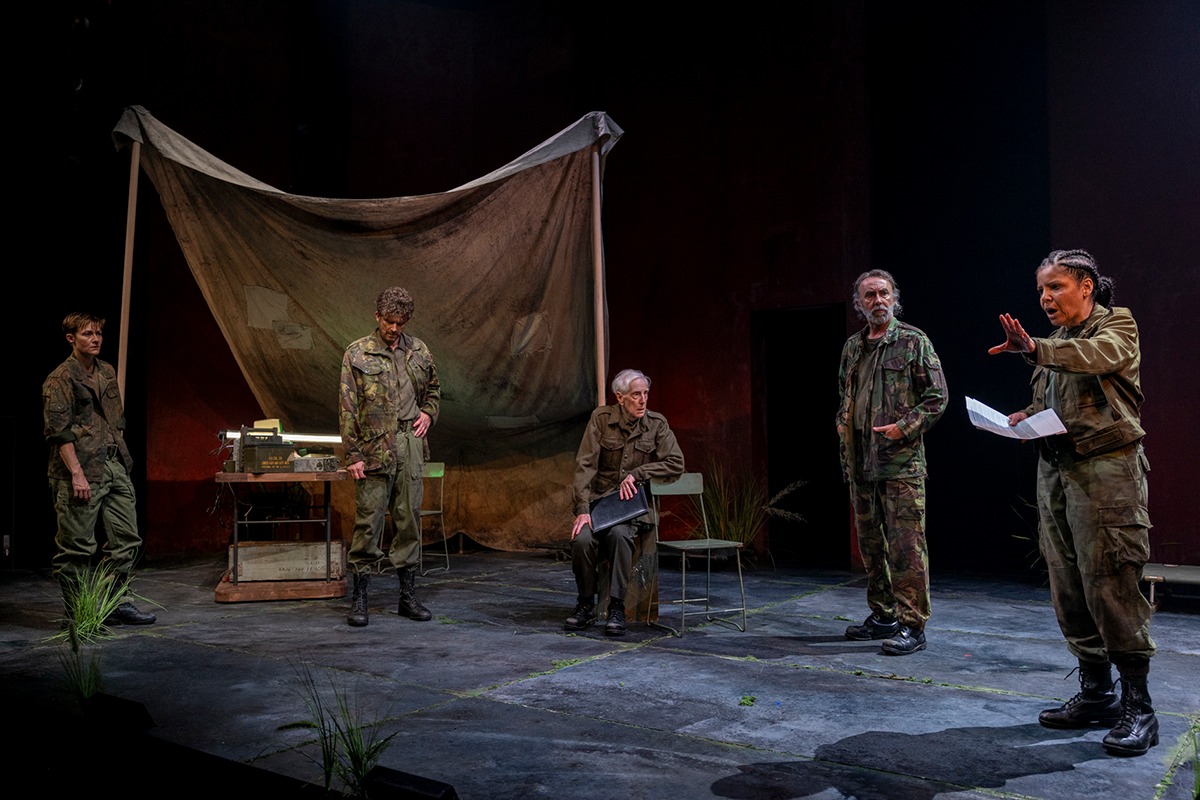
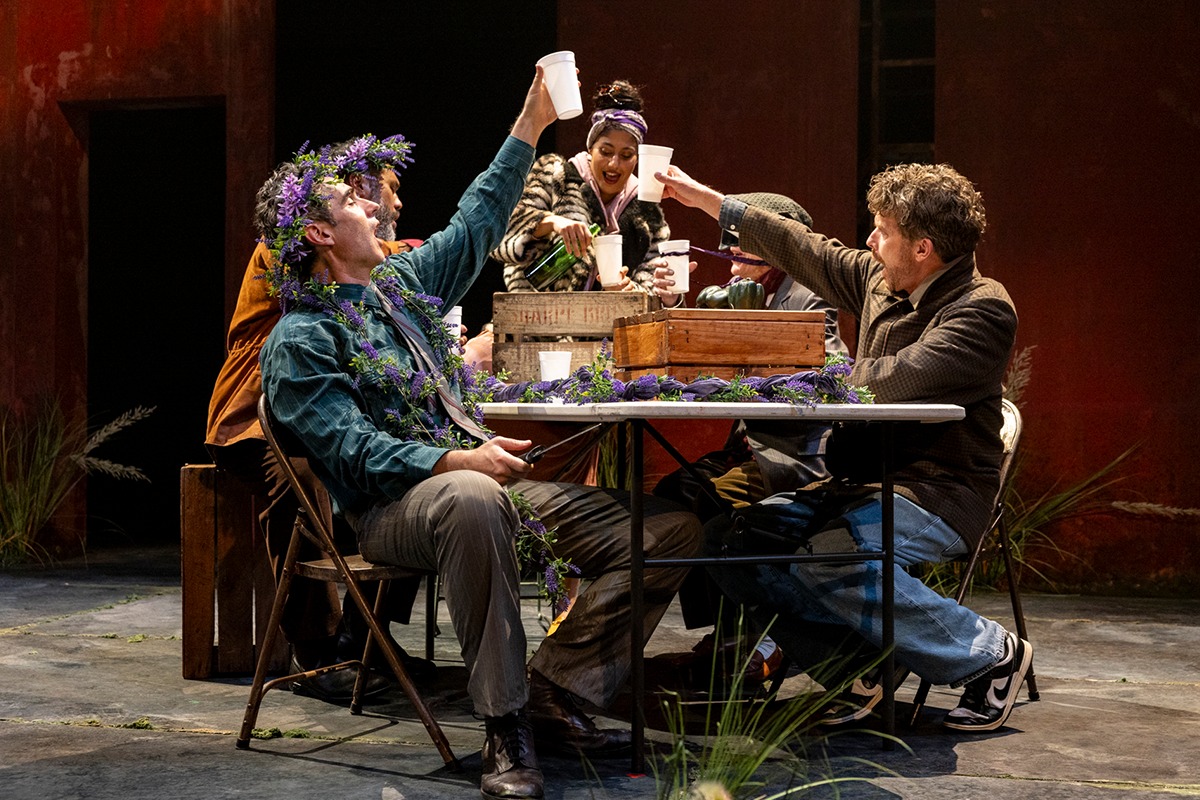
Under Jean Tong’s direction, the production achieves that rare alchemy of the serious and the playful. The tone is urgent without being hectoring, consistently amusing yet never trivializing the stakes at hand. Lillian Hearne’s musical direction deploys electronica to construct what one might call a deceptively frothy soundscape—girl-pop textures that, upon closer listening, reveal considerable compositional sophistication. Dan Ham’s choreography pushes the performers to their limits, delivering bursts of energy while ensuring every movement remains flattering. Rachel Lee and Nick Moloney’s lighting design navigates the production’s numerous location shifts with efficiency, though one wishes for more granular calibration of emotional atmosphere. Ruby Jenkins’ set design leans toward the simple side but never feels insufficient.
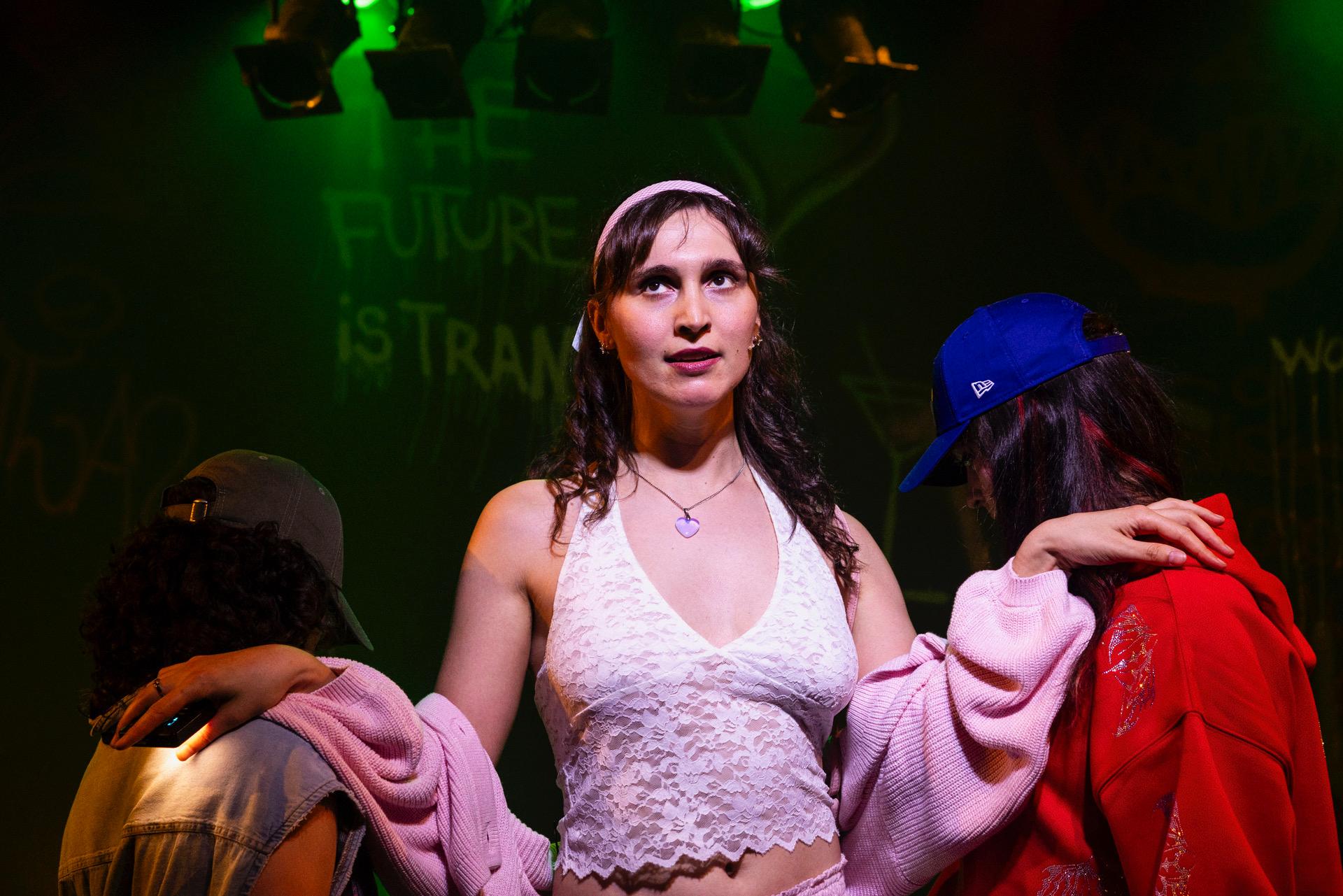
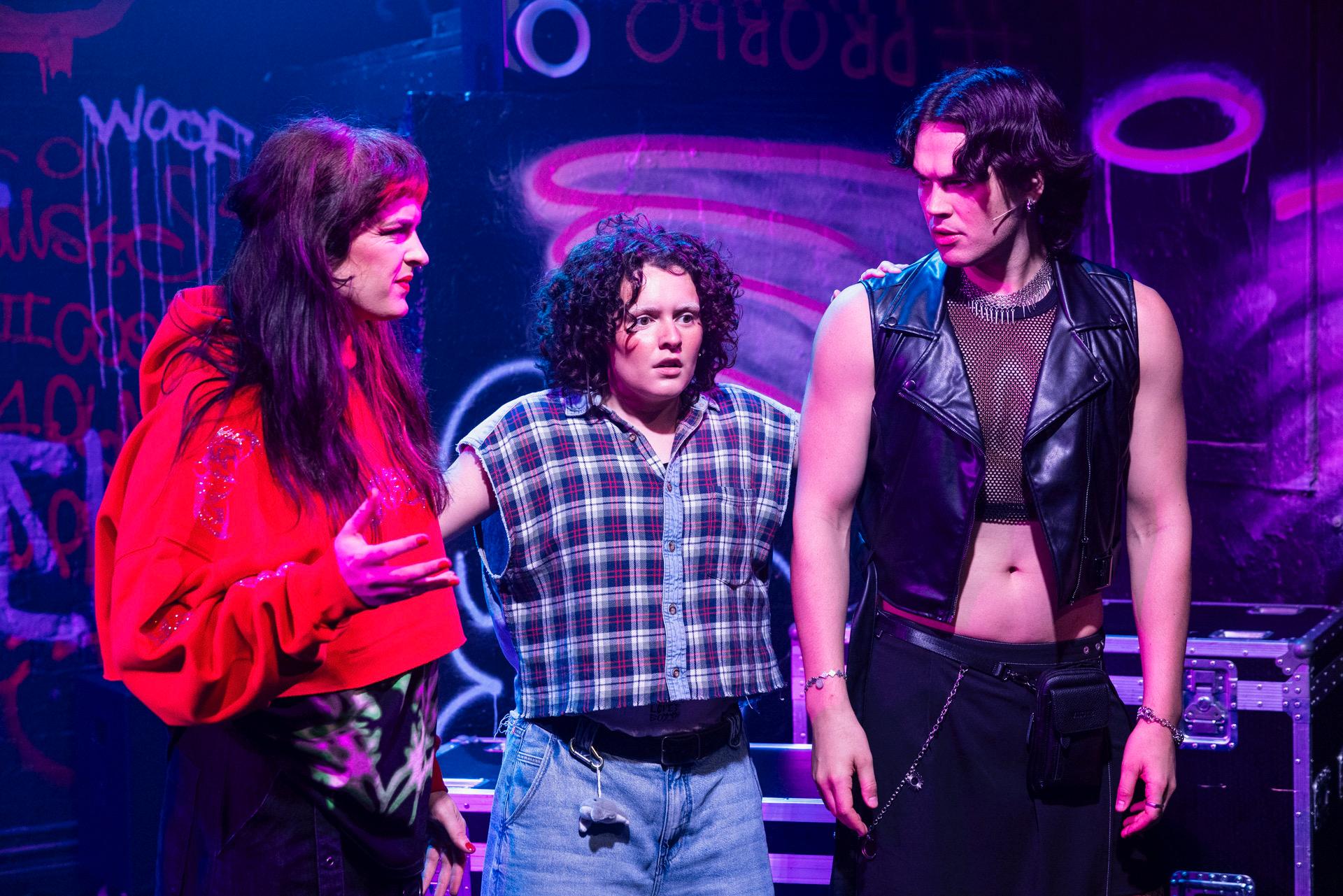
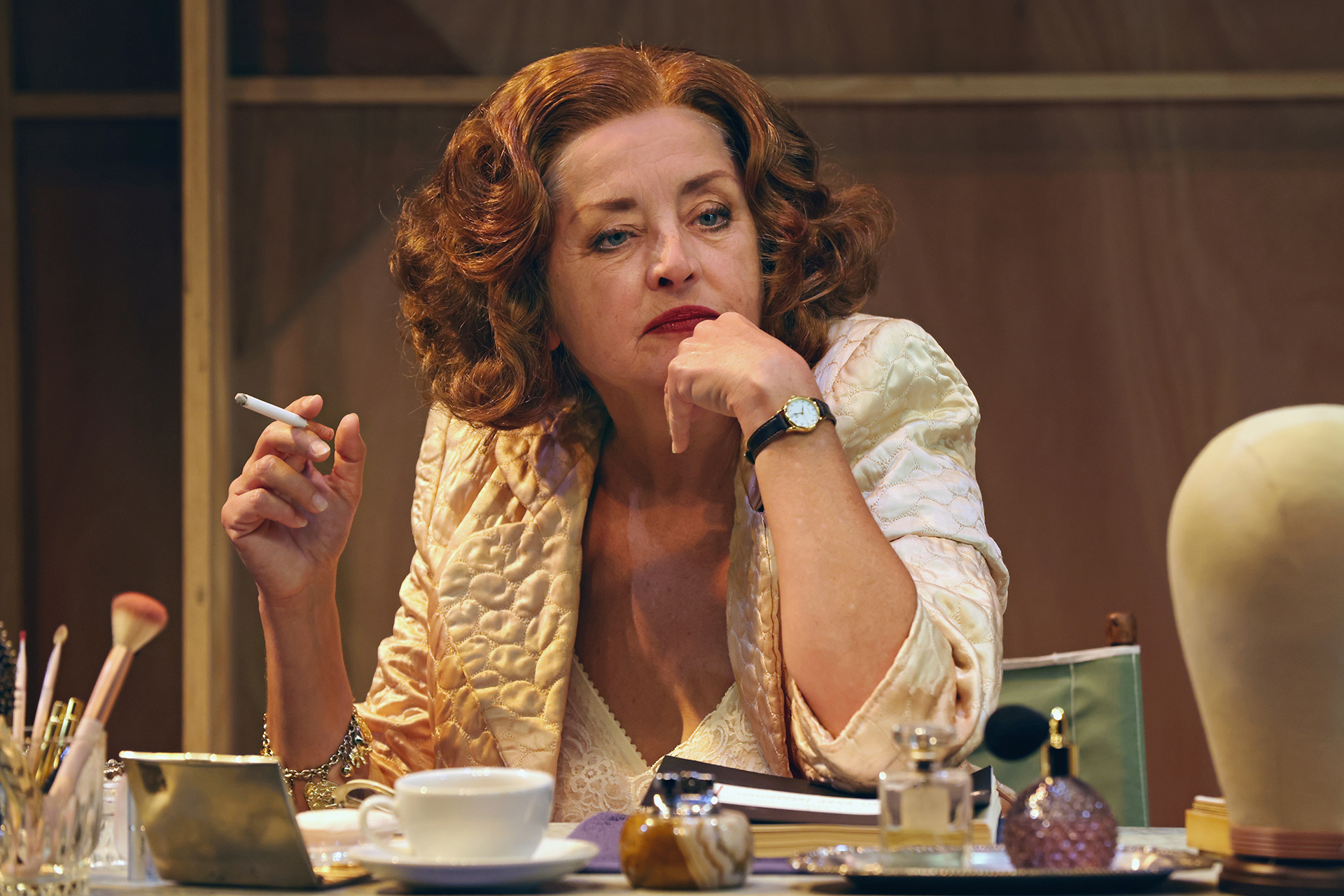
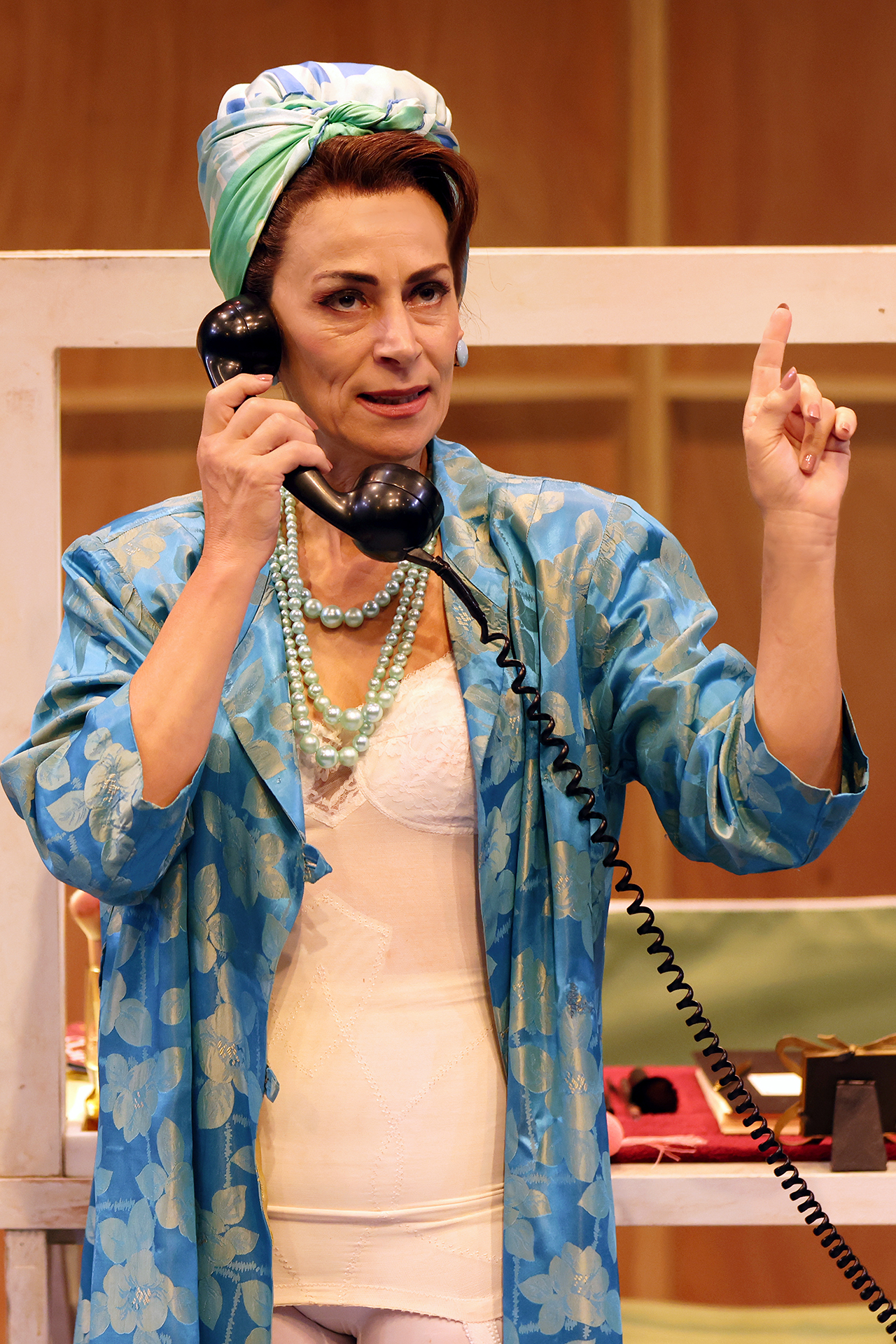
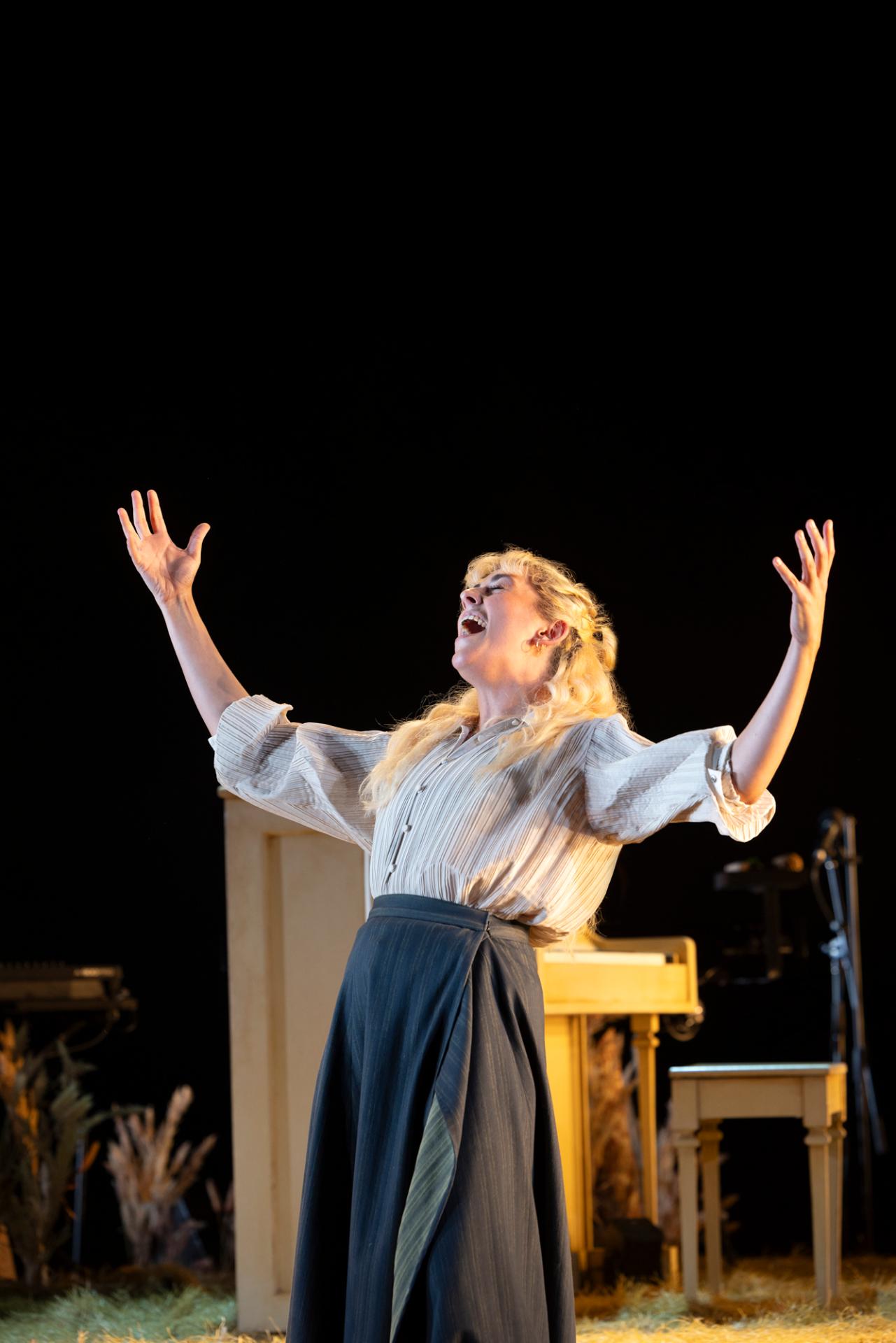
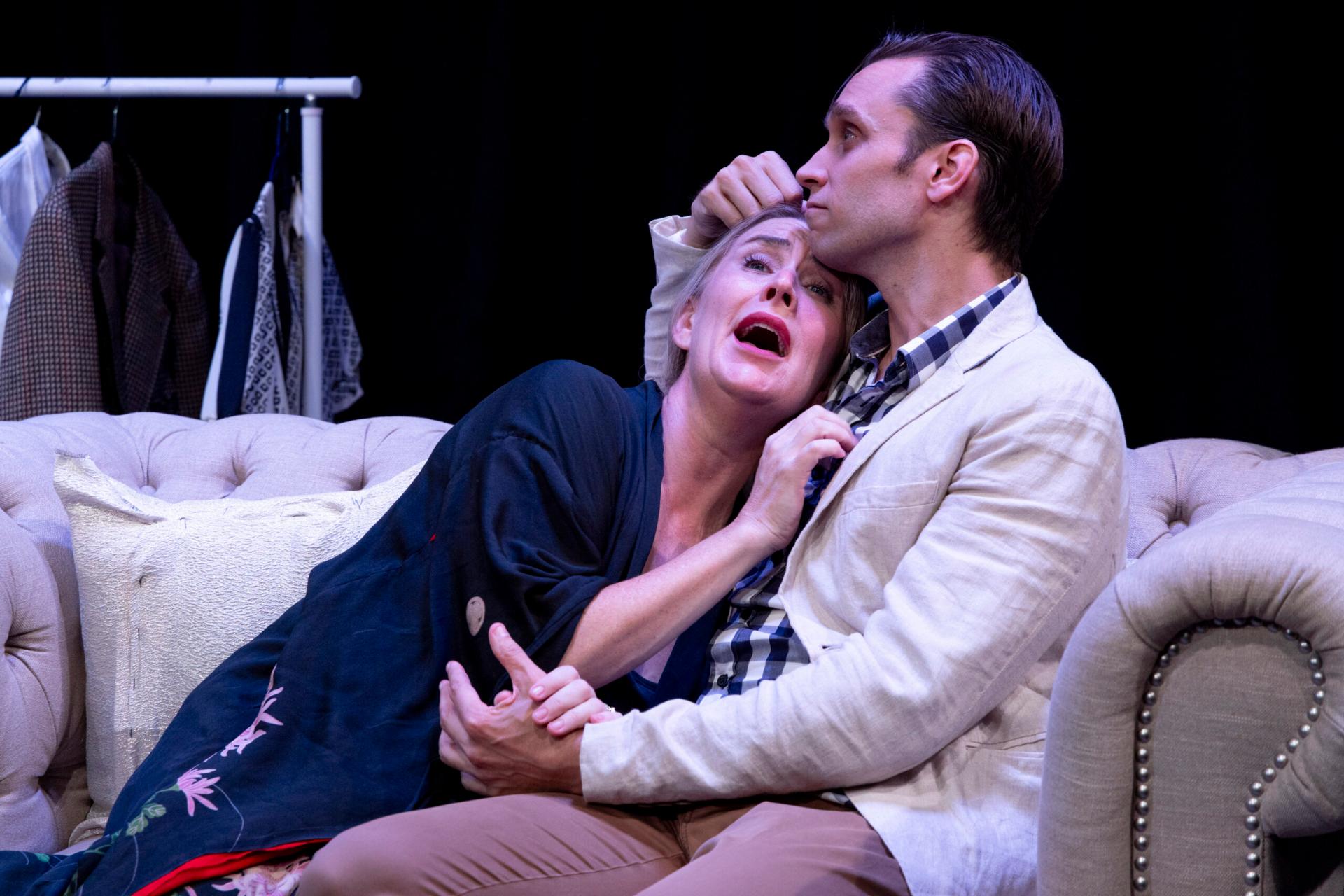
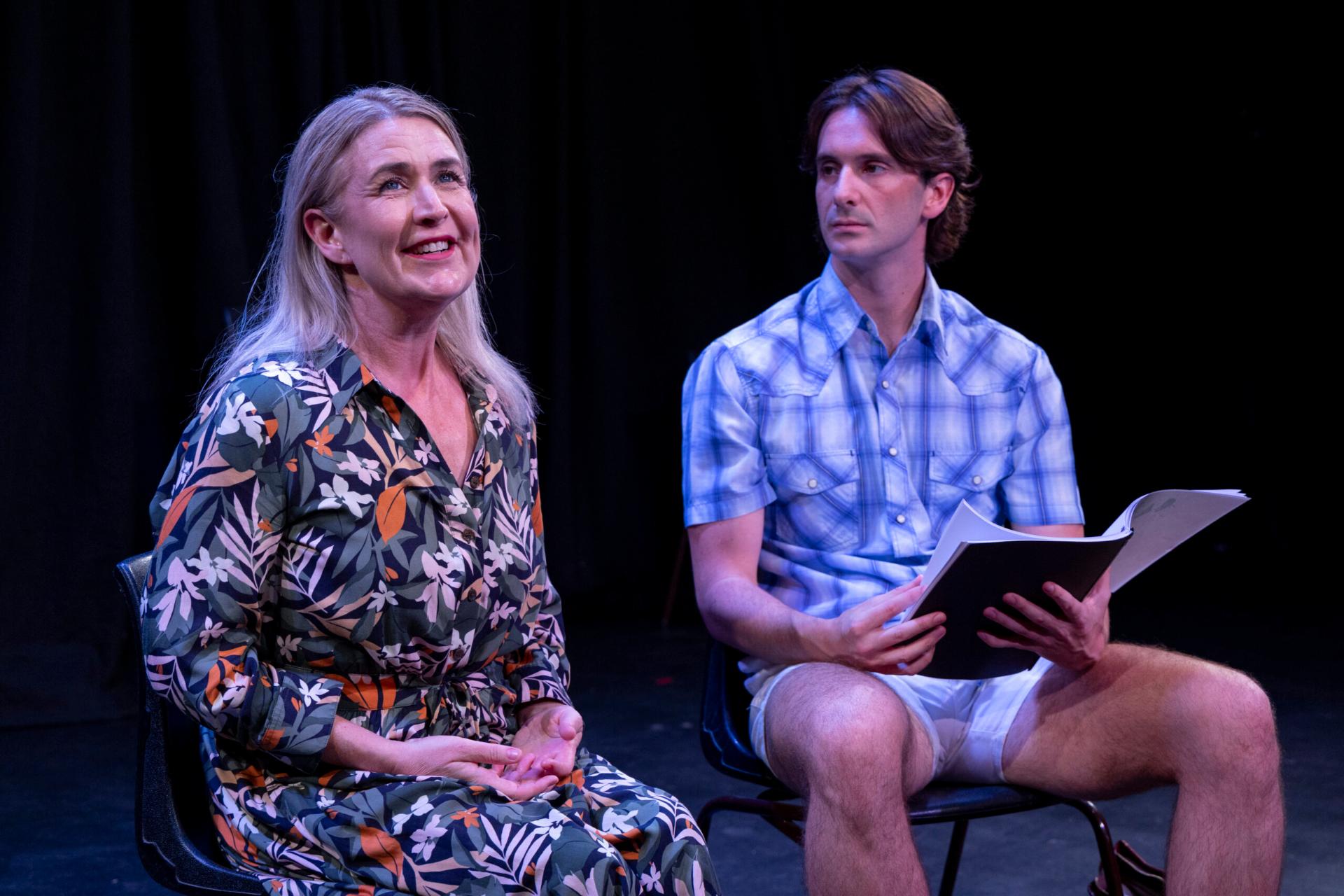
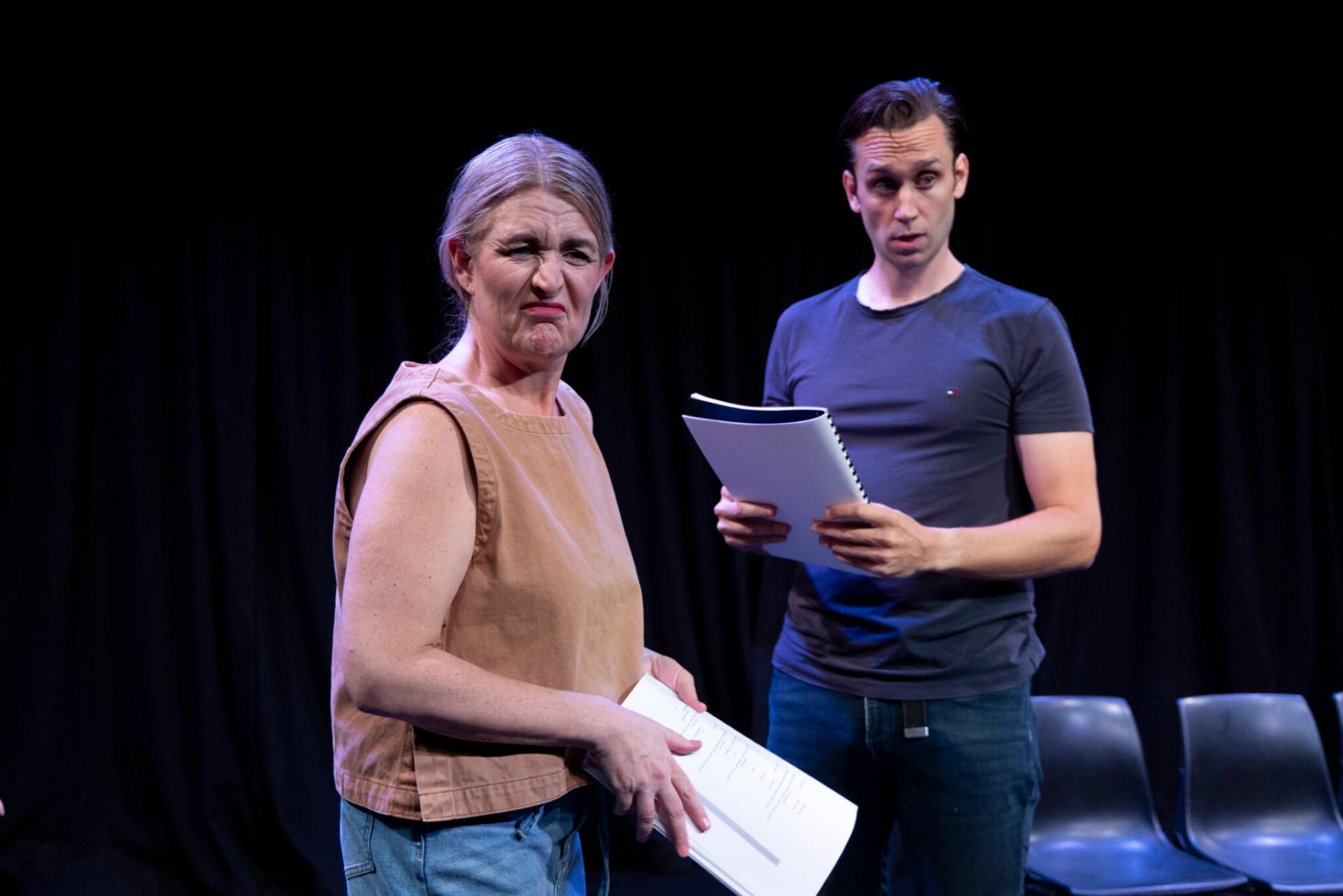
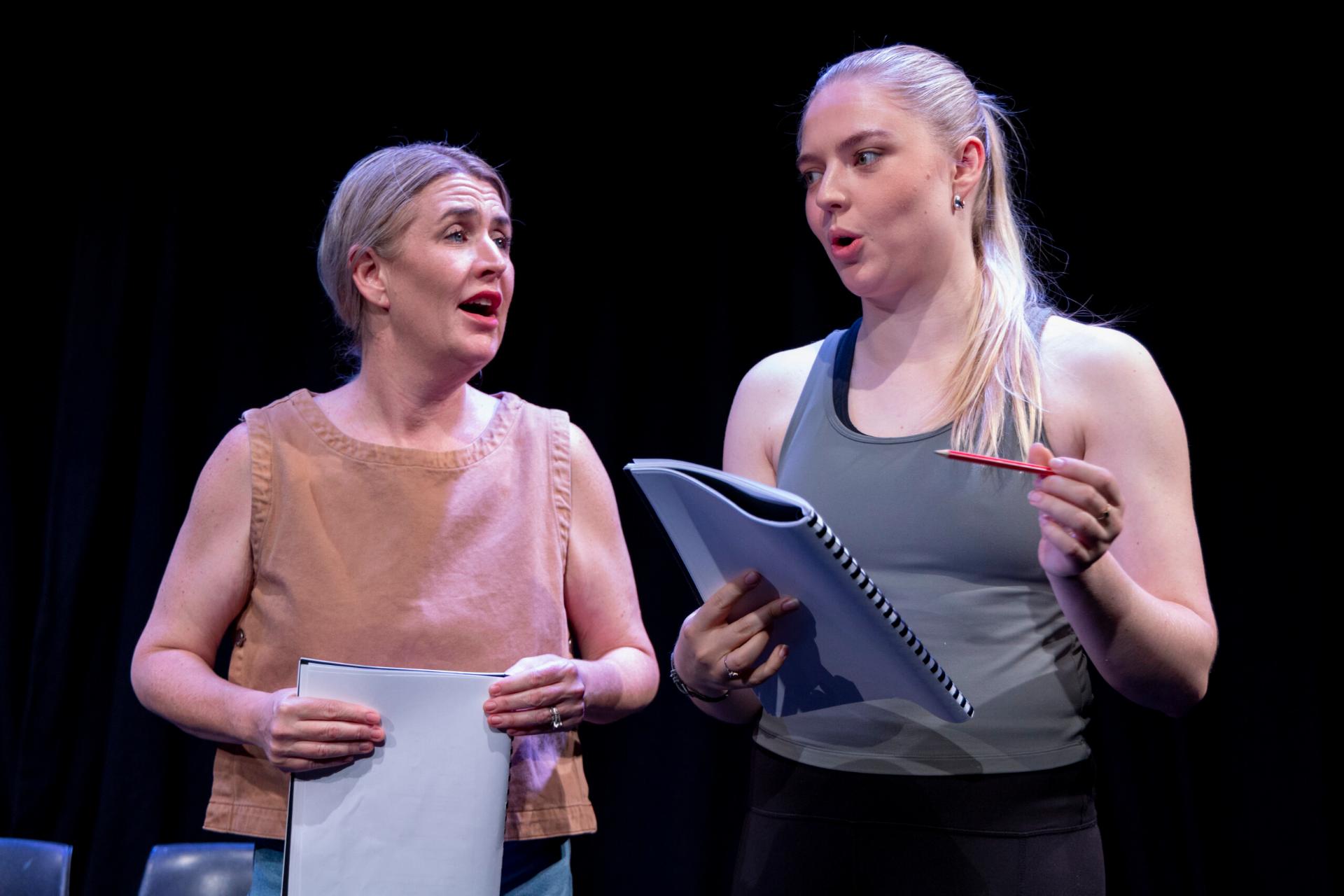
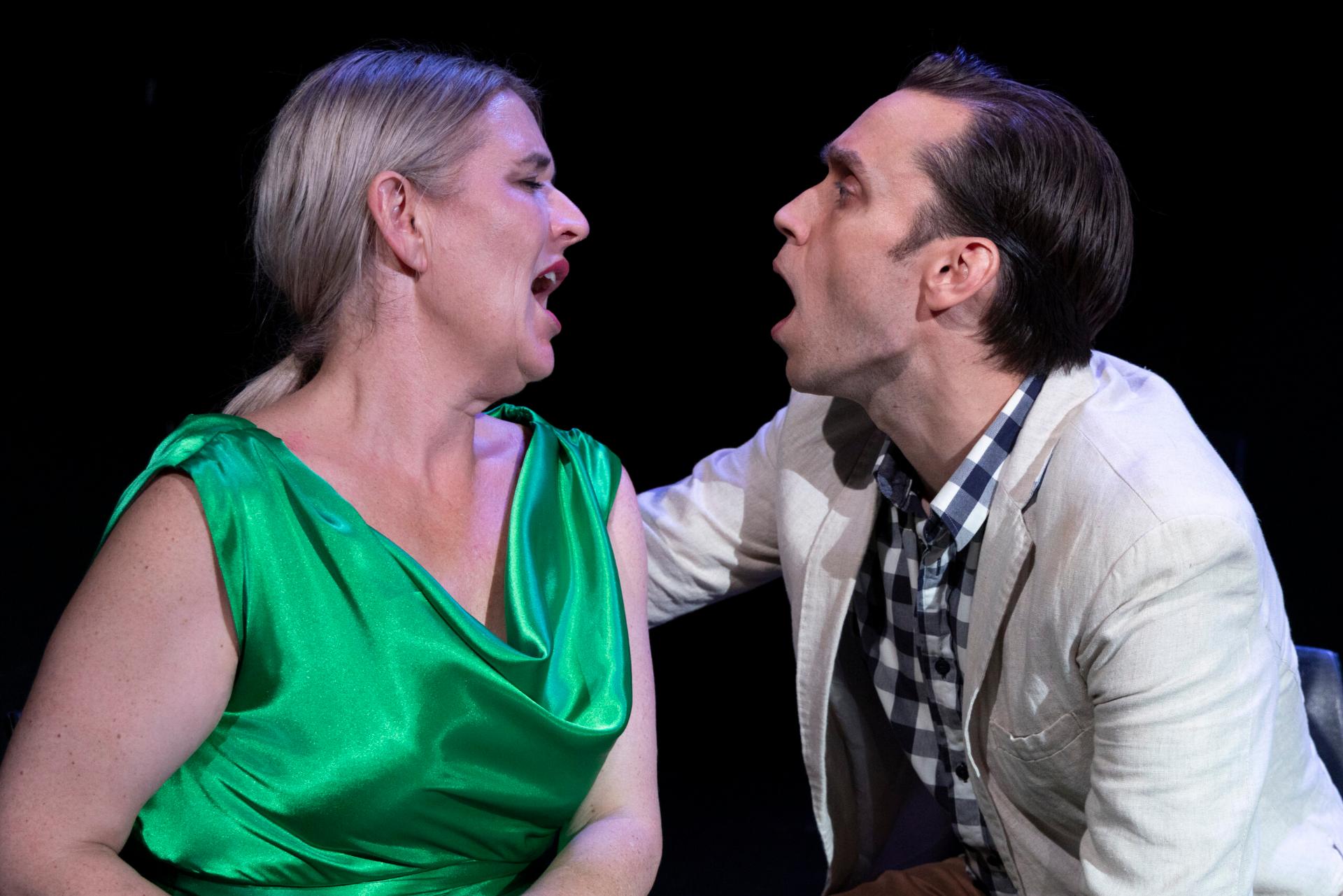
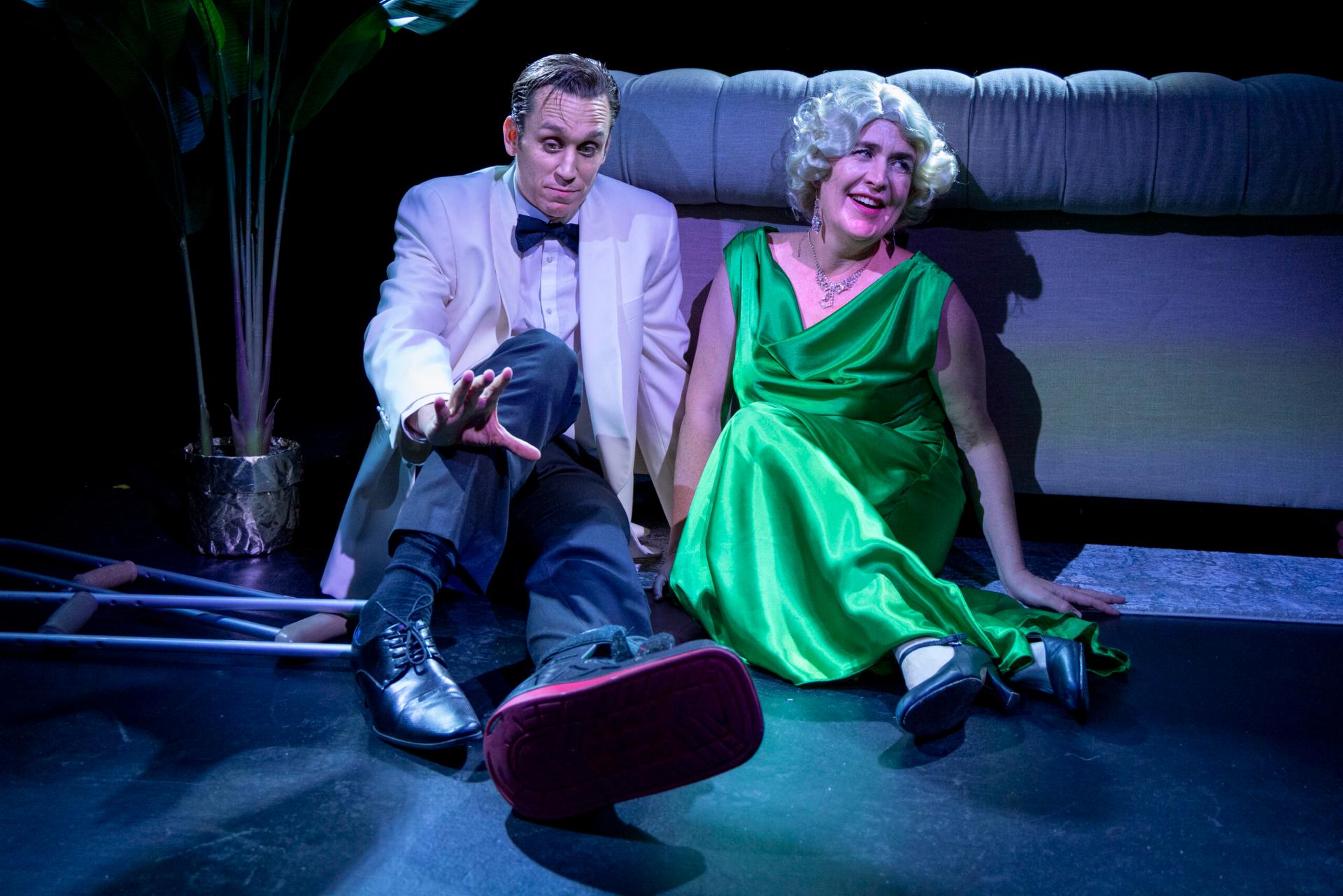
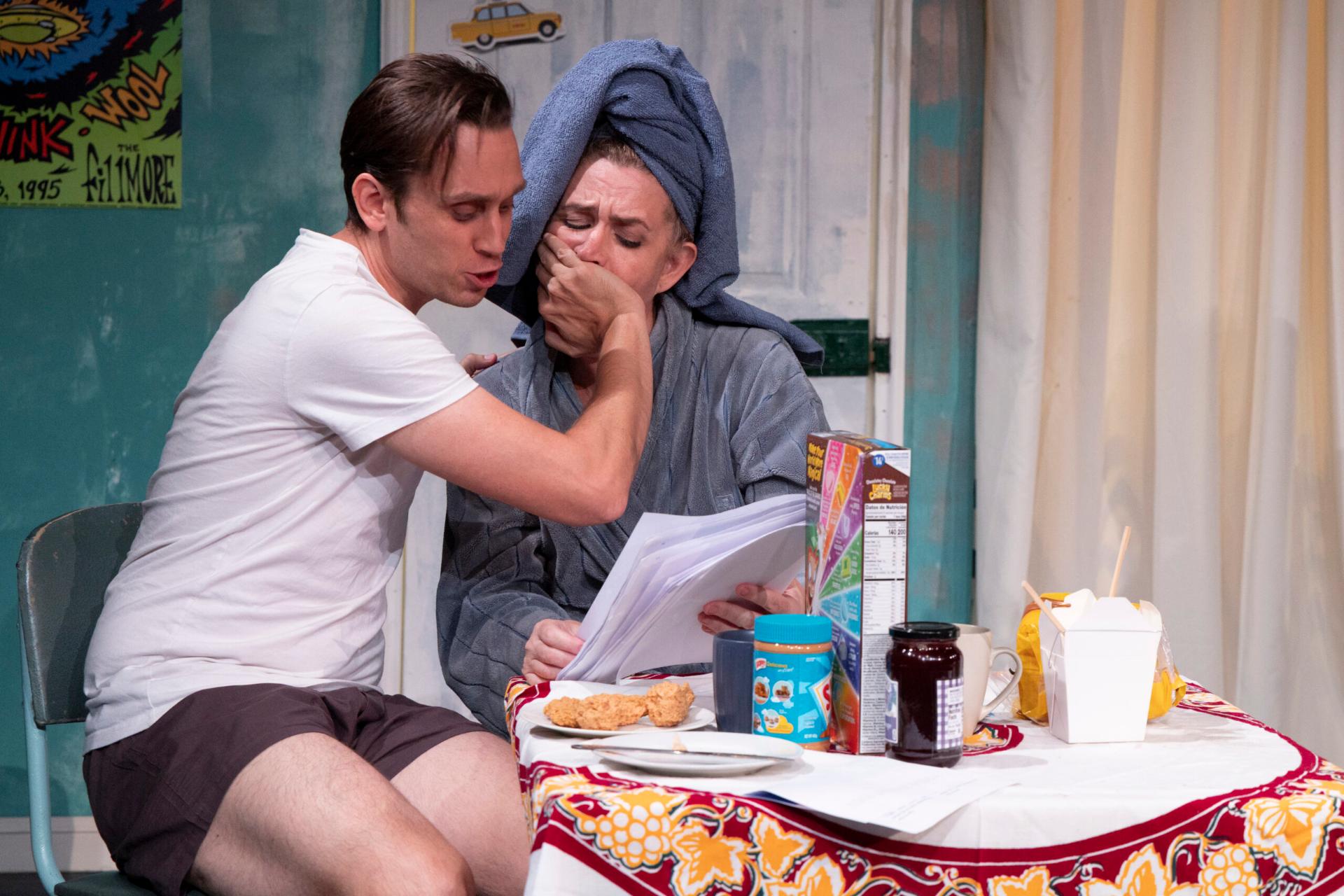
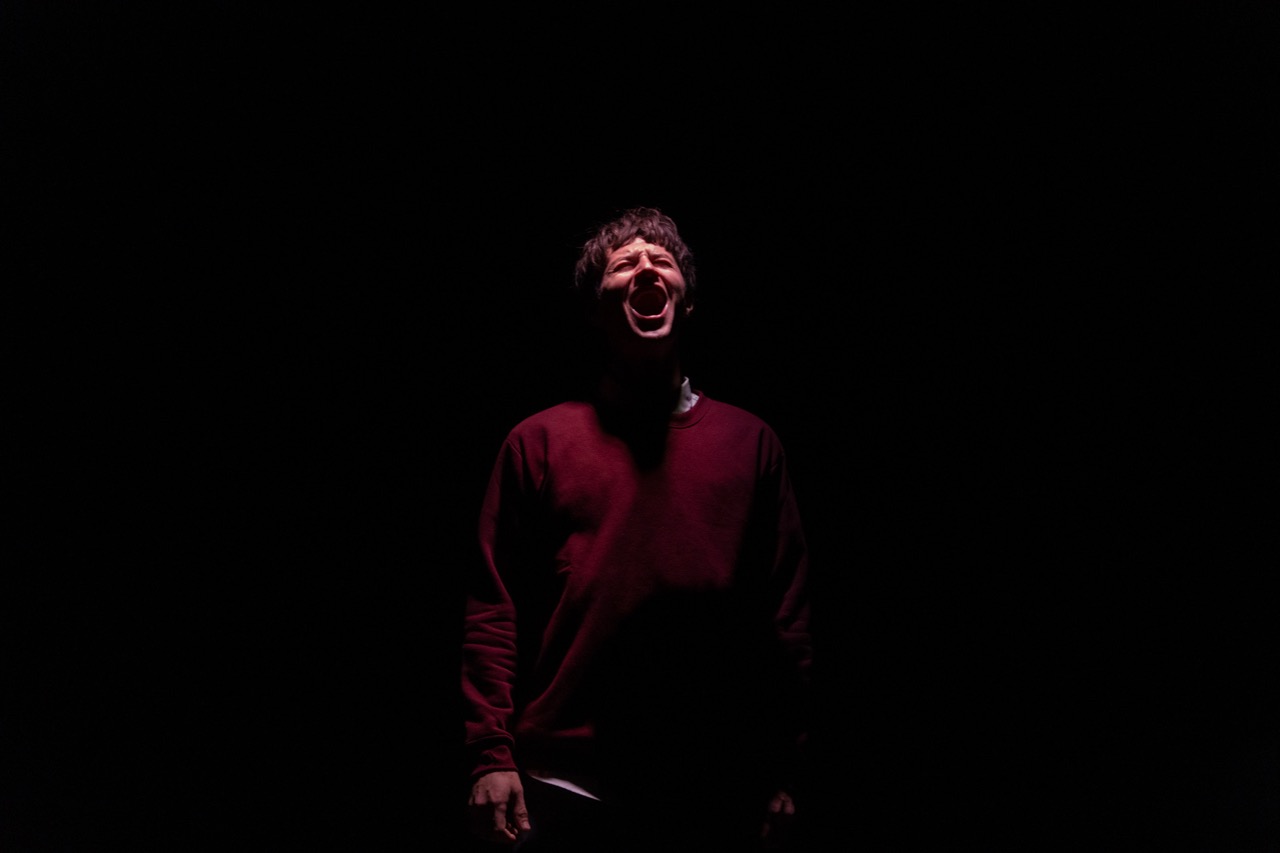
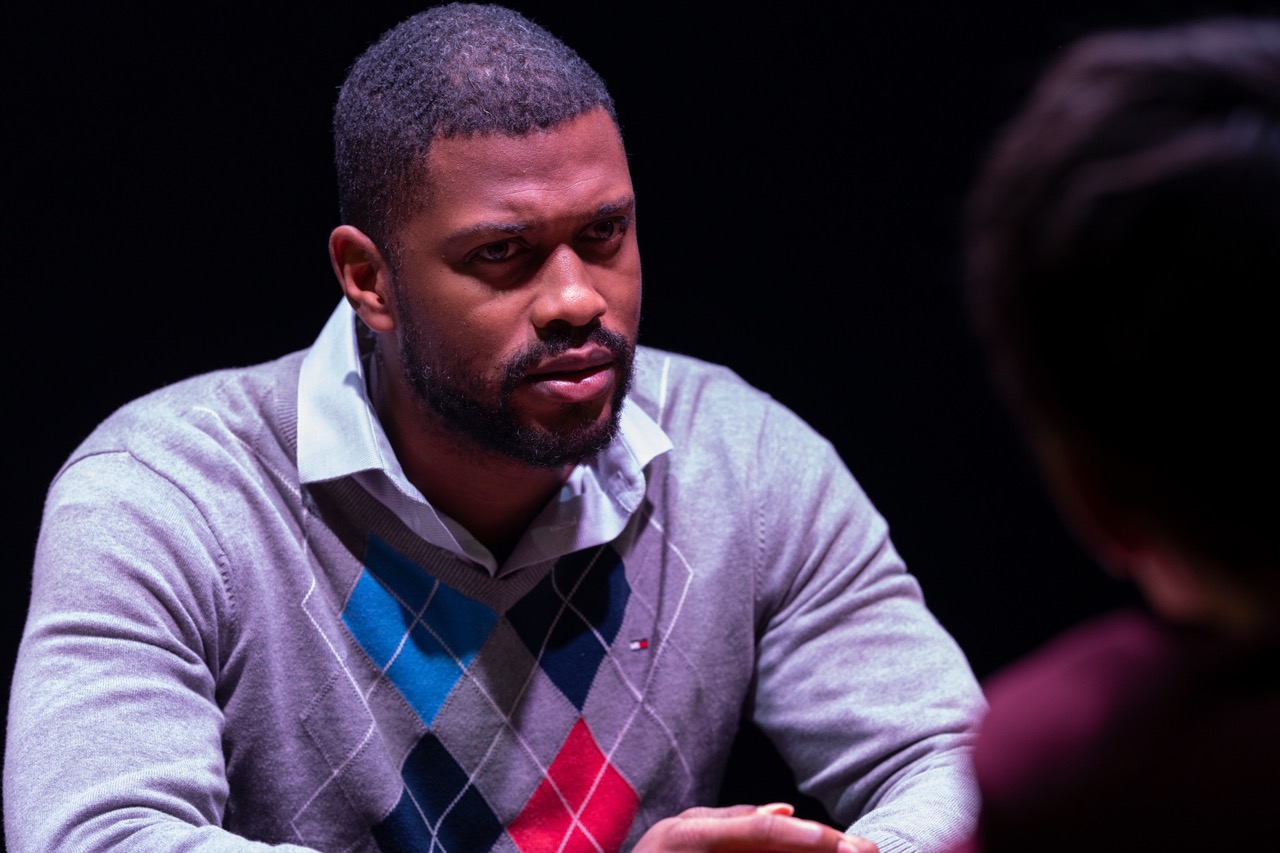
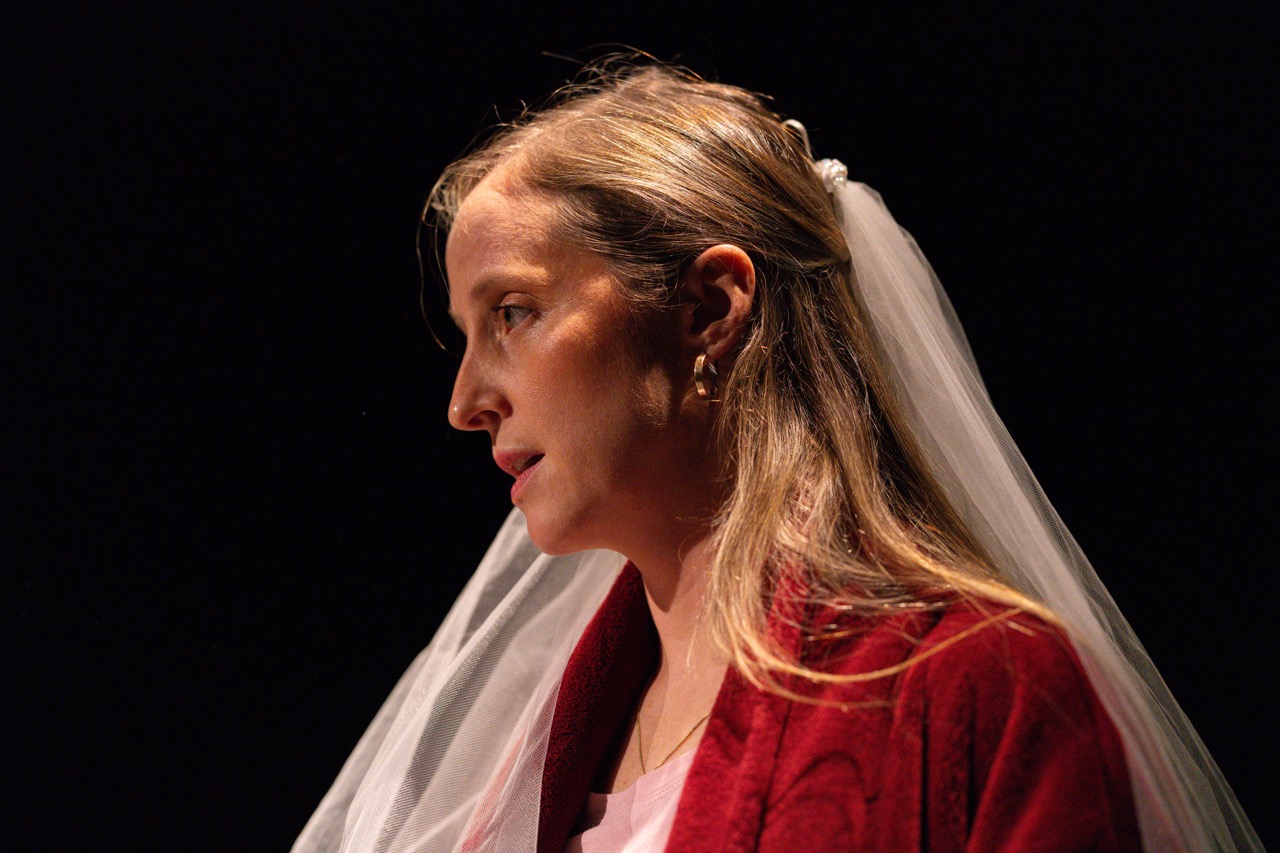
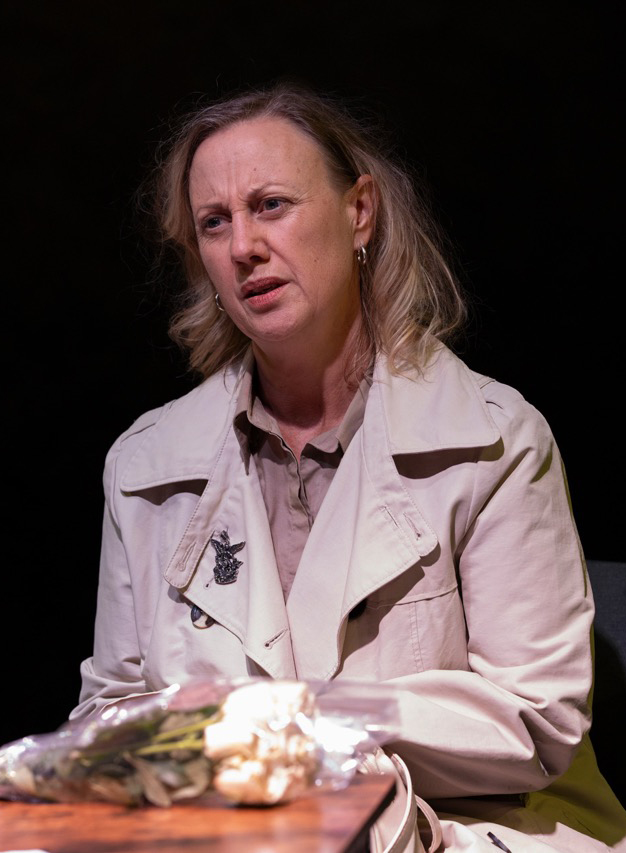
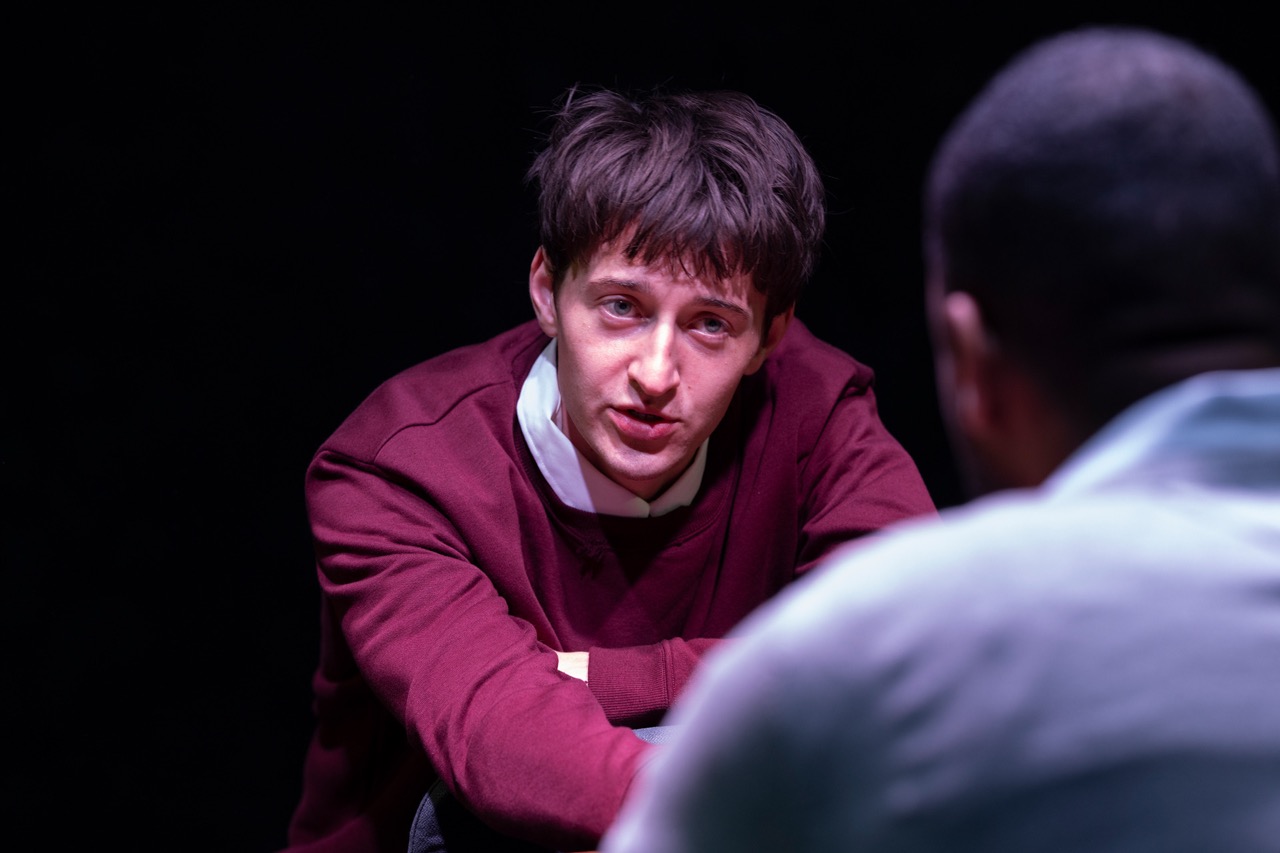
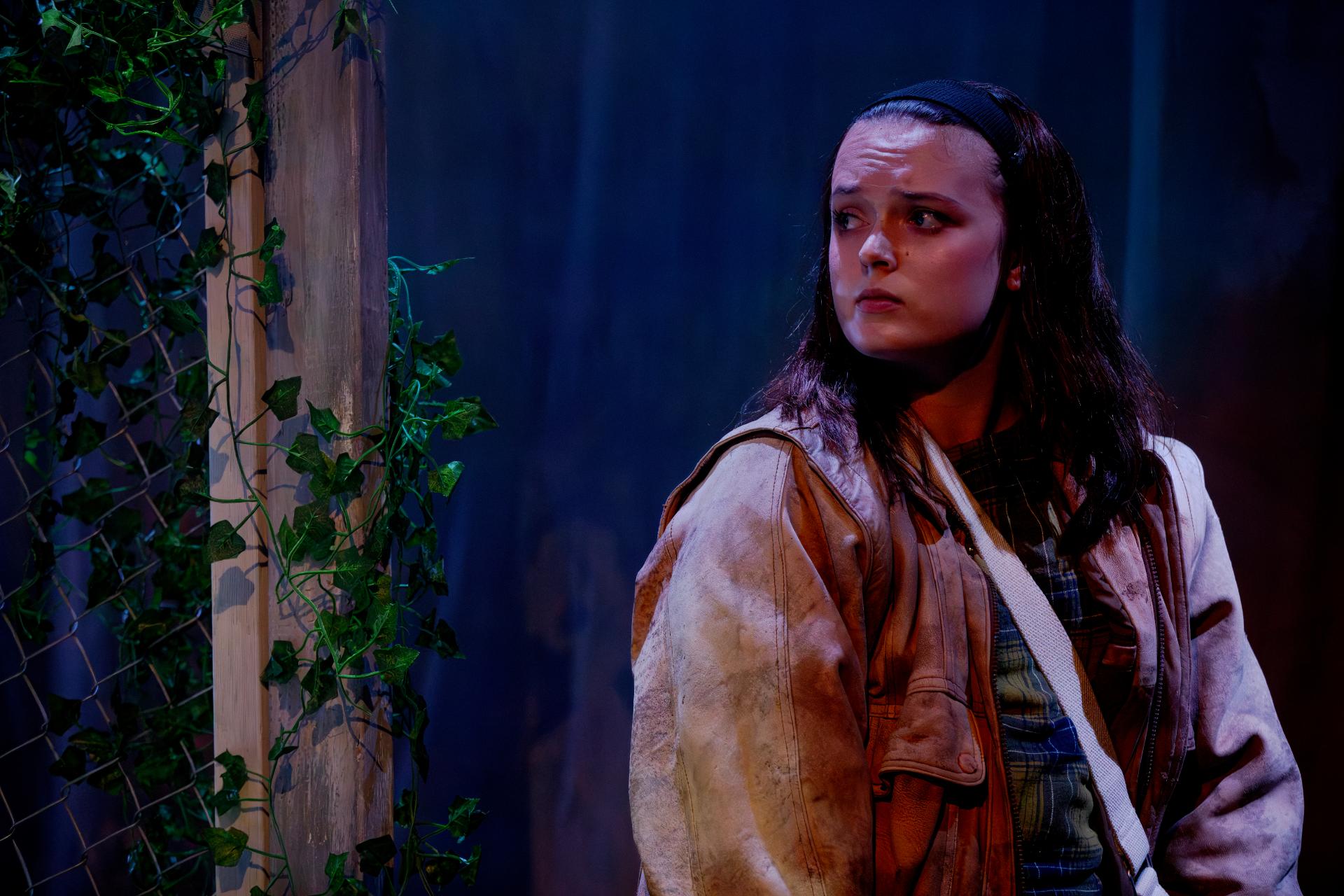
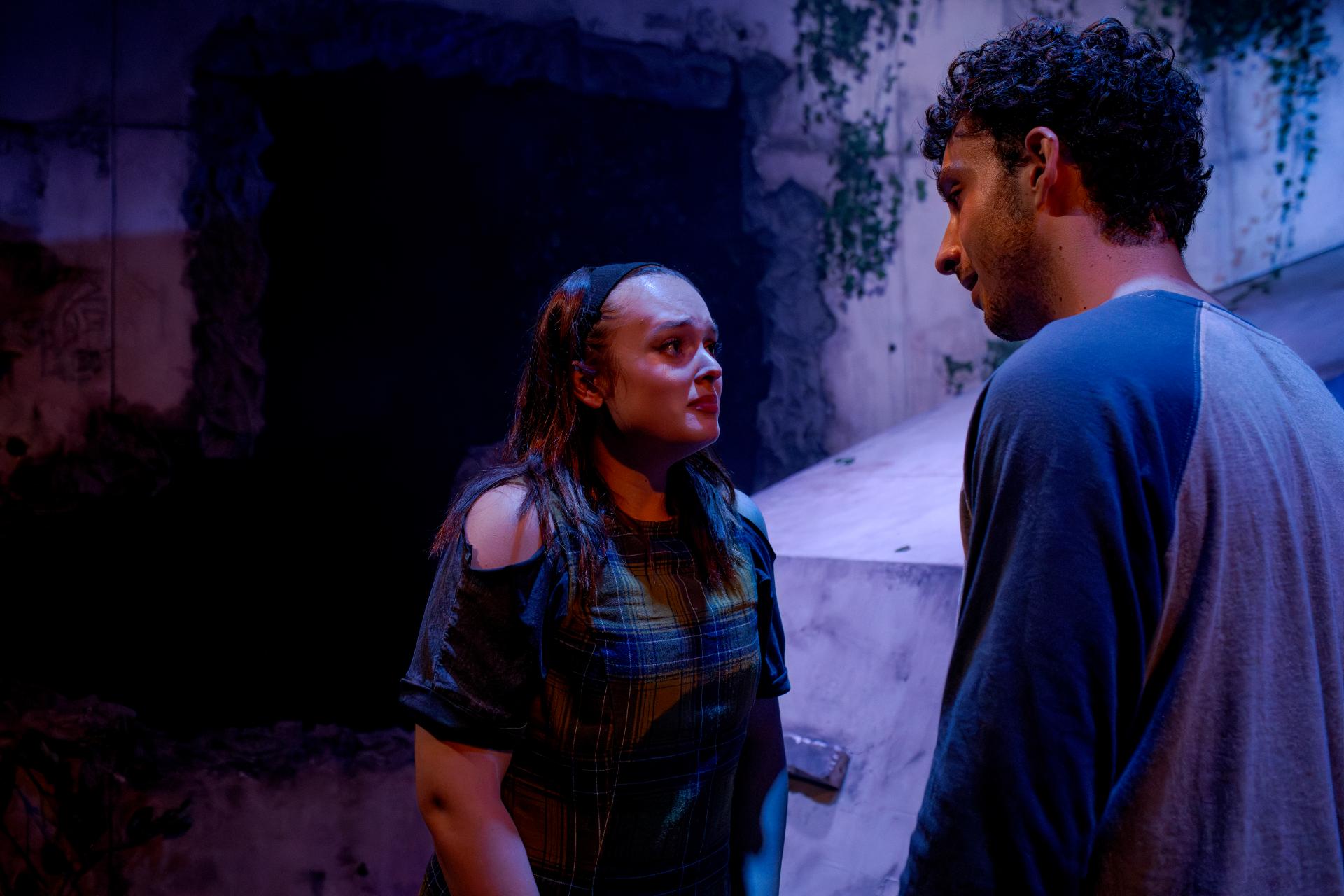
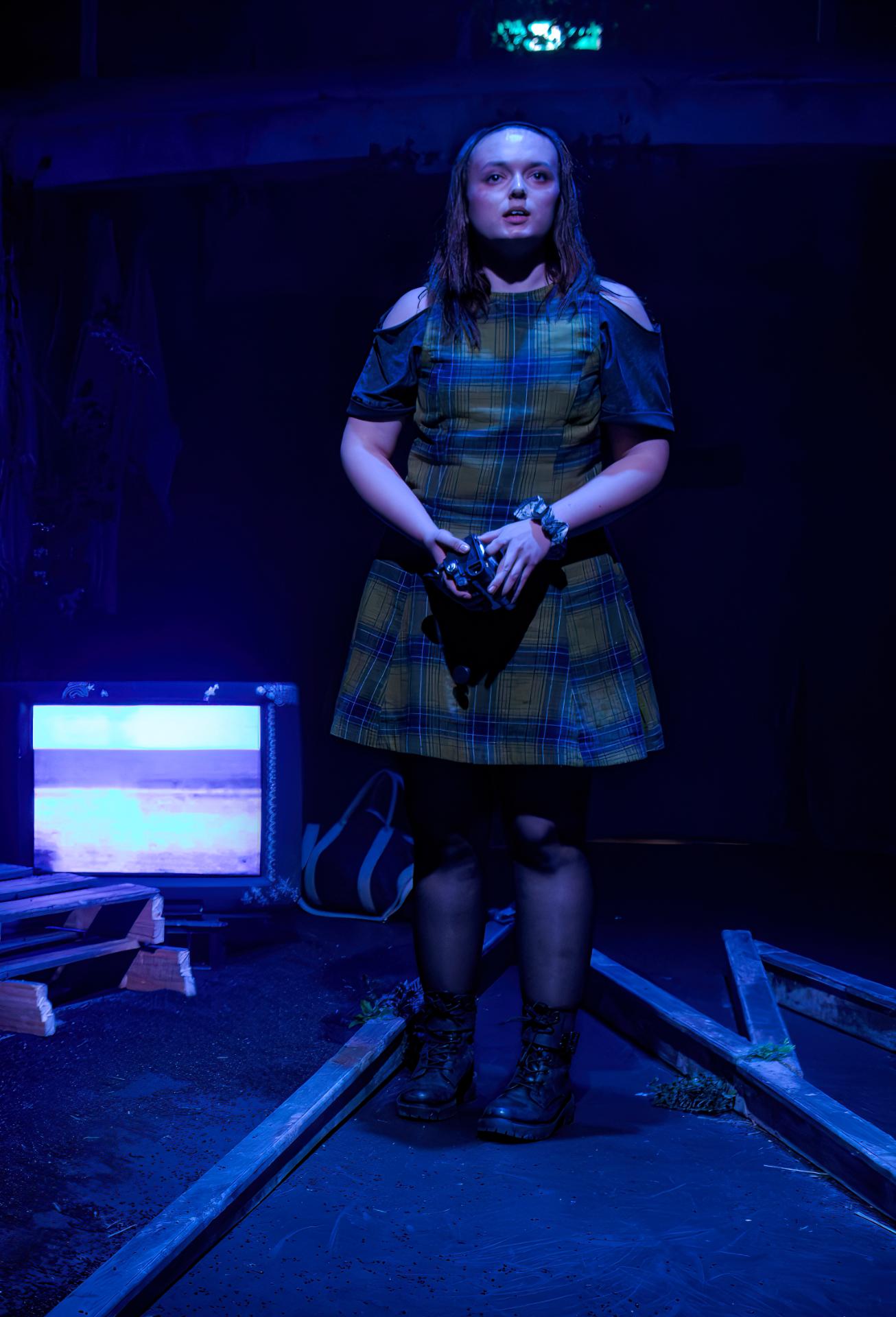
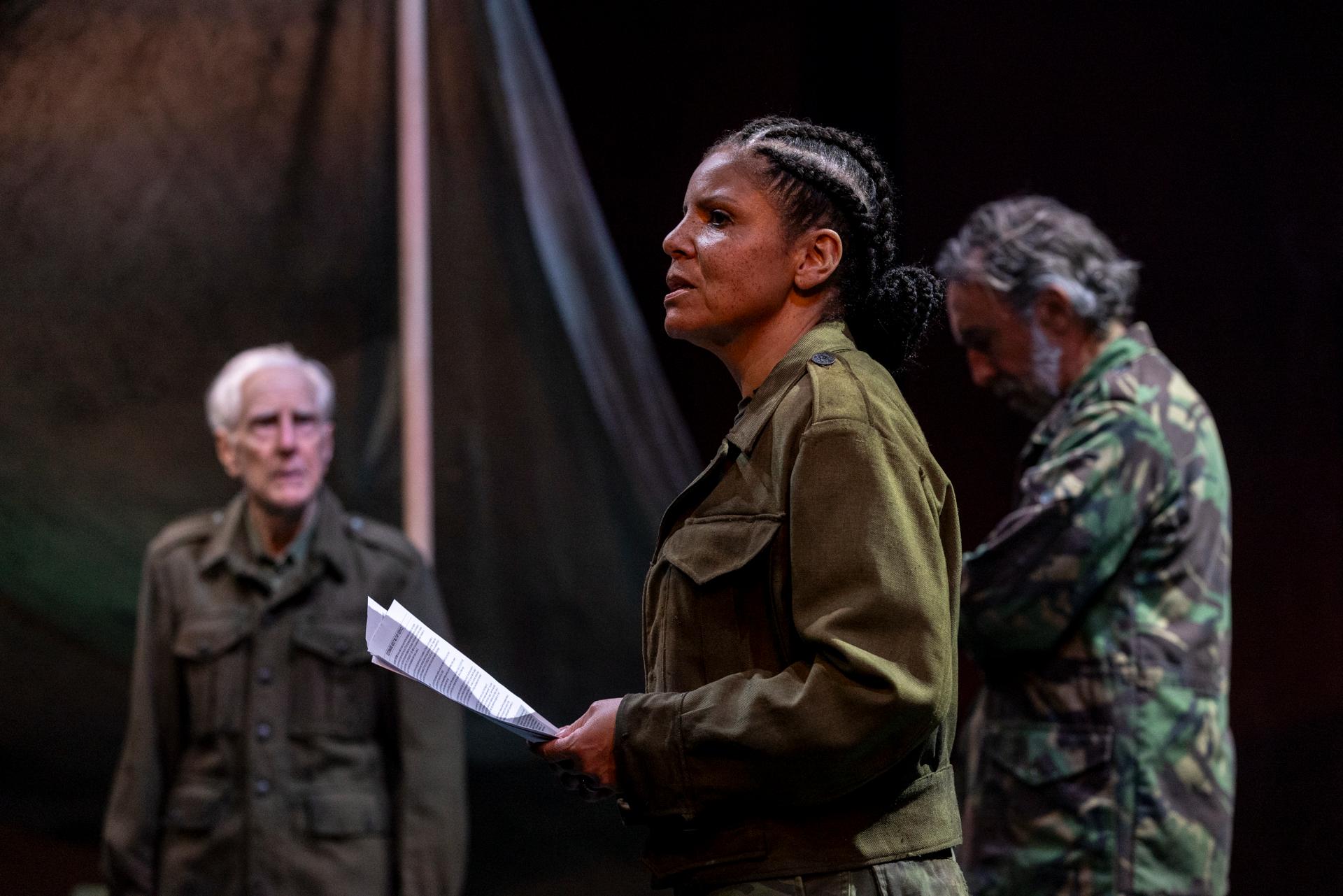
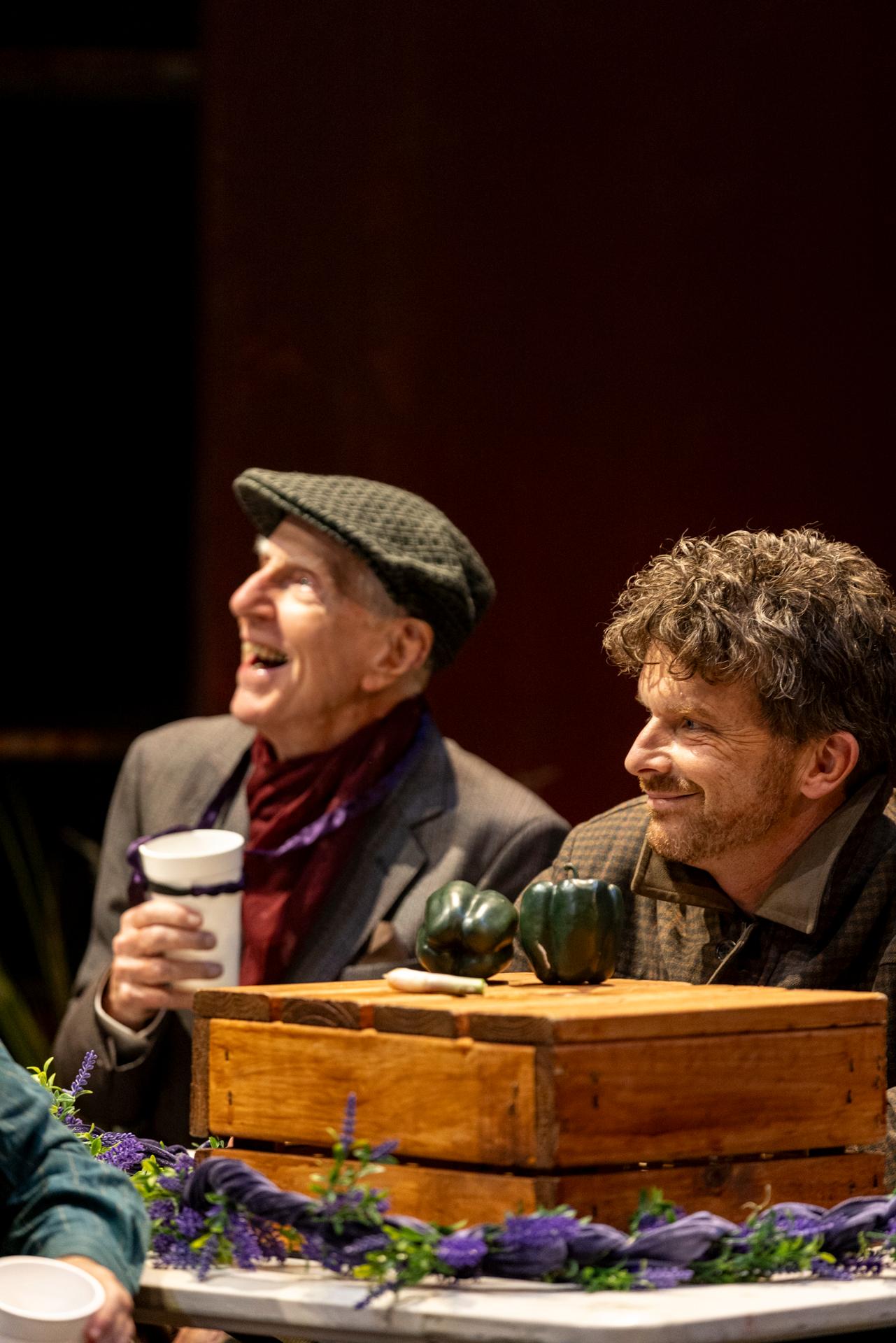
Hamilton herself proves a formidable stage presence as Avis, negotiating an impressive emotional register with a nuance that compels genuine investment in her predicament. Her excellent singing voice is a genuine joy, only amplifying the appeal of her catchy songwriting. The compelling Blake Appelqvist brings necessary credibility to the challenging role of Corrin, and the chemistry between the two principals lends the production its persuasive force. In supporting roles, Rosie Rai and Teo Vergara deserve particular mention for their depiction of a gender-nonconforming community rendered with humour and, crucially, tenderness.
Women, cis and trans alike, have historically laboured under regimes of visibility that dictate permissible self-presentation, imposing unreasonable requirements and unattainable ideals. There always exist however, those who refuse such mandates, who proliferate alternative definitions of being, who continually expand the circumference of what womanhood, and indeed gender itself, might signify.
There is no question that gender remains a system of control, and though few of us can claim to have fully evaded its grip, there are countless ways to twist and subvert its rules, even to the point of exposing their meaninglessness. Conversely, those rules can certainly be followed strictly—so long as those who choose to adhere, learn to accept that others will find their own ways, of being human.
www.oldfitztheatre.com.au | www.instagram.com/atwotic










 Suzy Goes See