Review: Sweat (Sydney Theatre Company)

Venue: Wharf 1 Sydney Theatre Company (Walsh Bay NSW), 11 Nov – 22 Dec, 2024
Playwright: Lynn Nottage
Director: Zindzi Okenyo
Cast: Gabriel Alvarado, Paula Arundell, Yure Covich, James Fraser, Deborah Galanos, Markus Hamilton, Tinashe Mangwana, Lisa McCune
Images by Prudence Upton

Theatre review
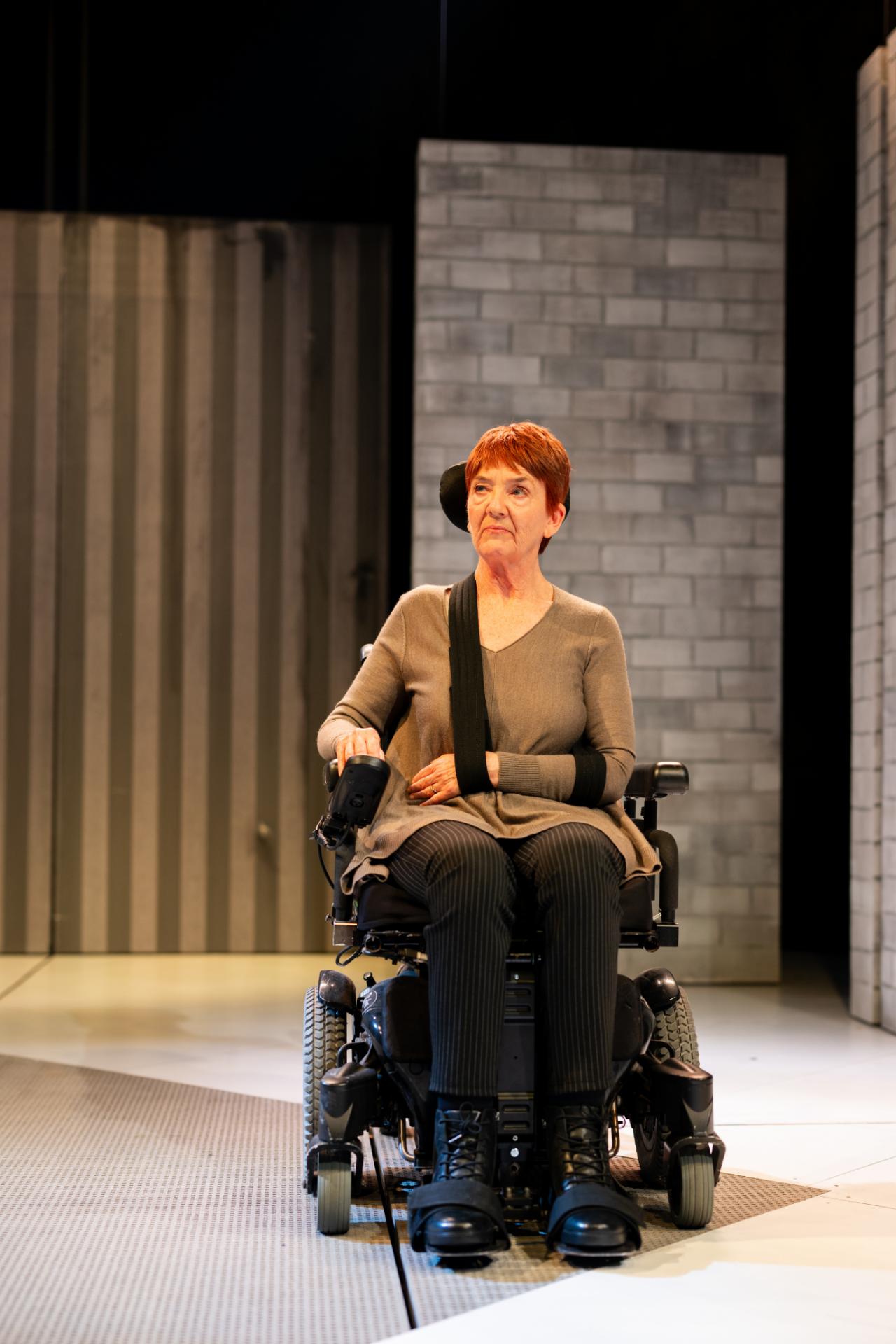
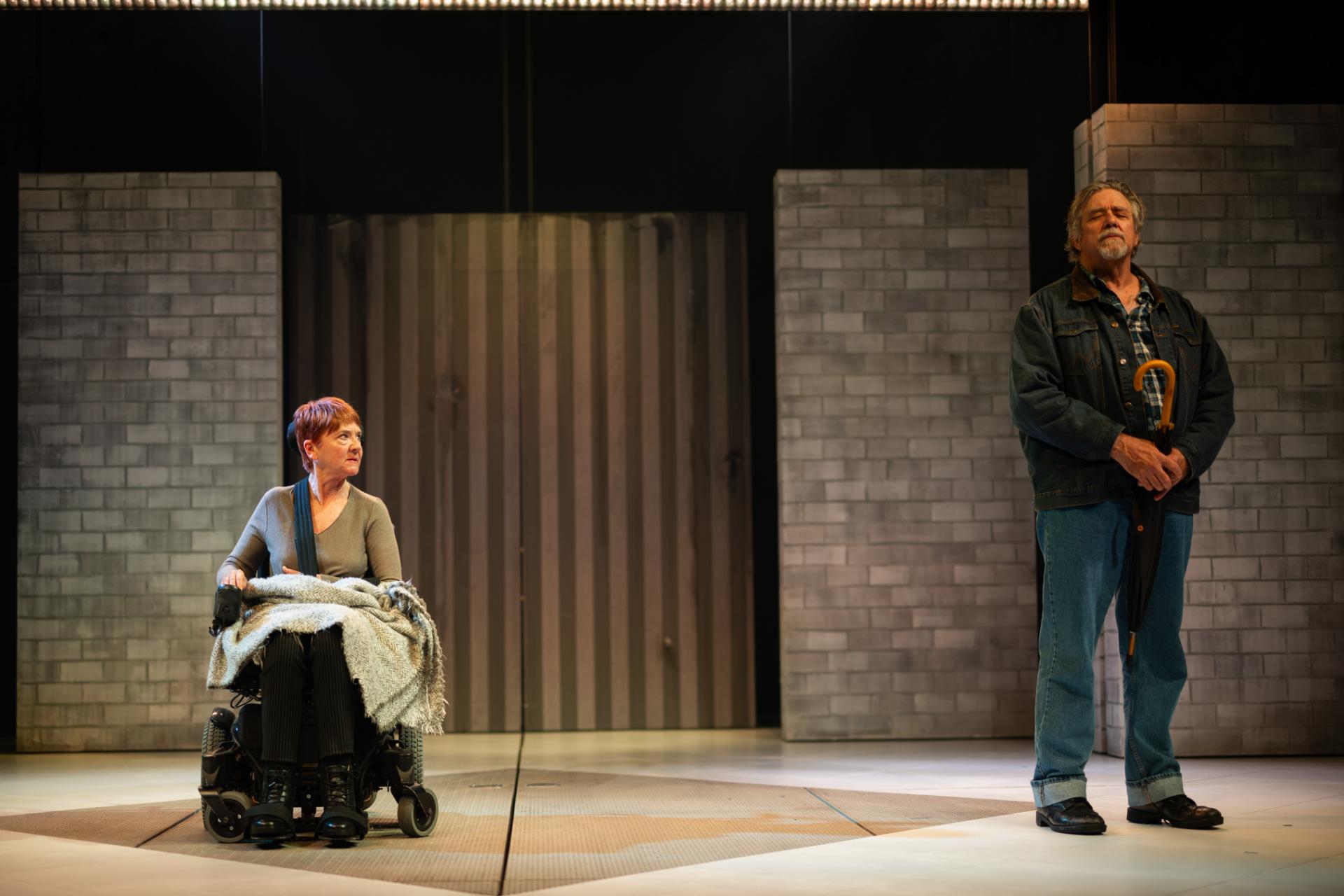
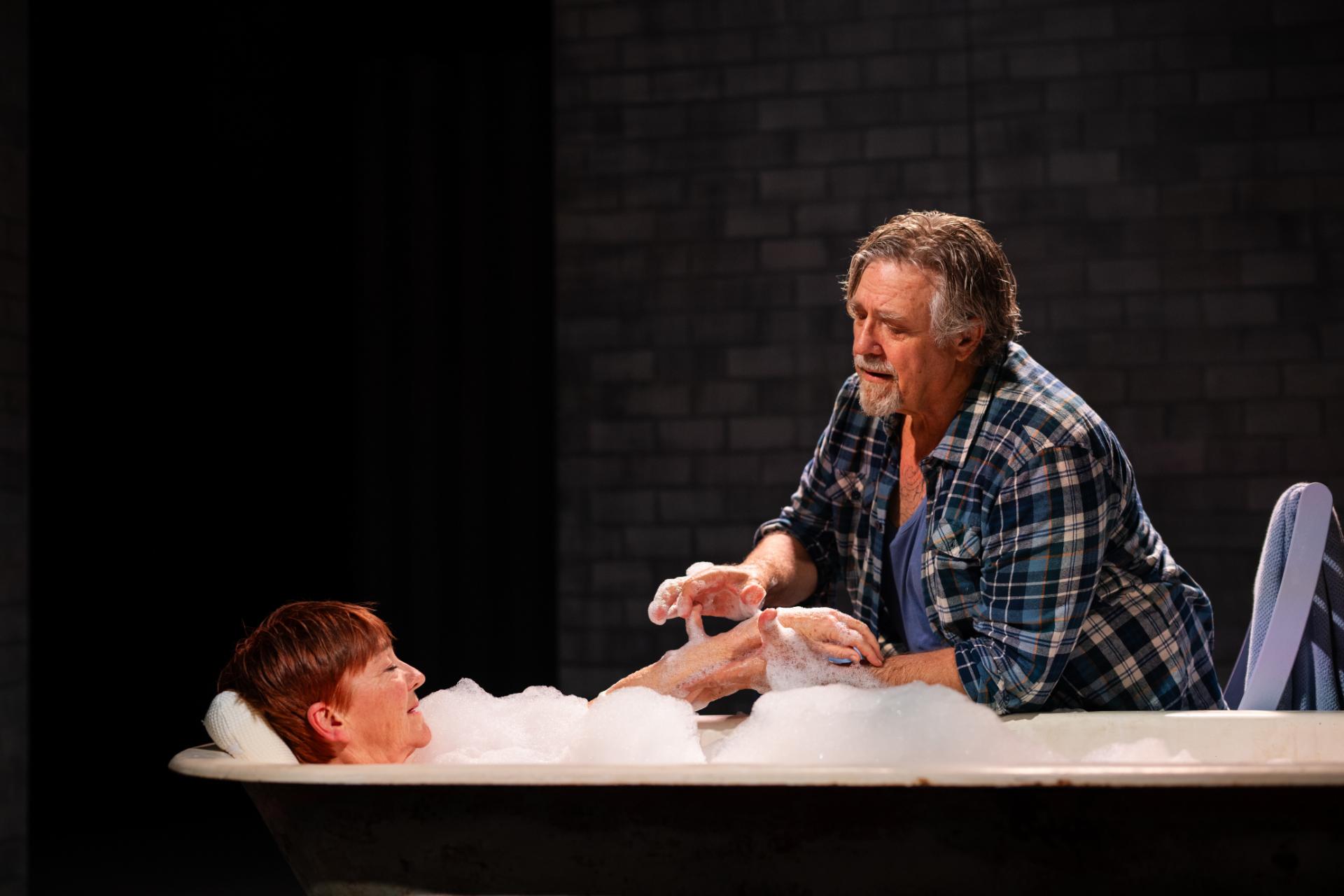
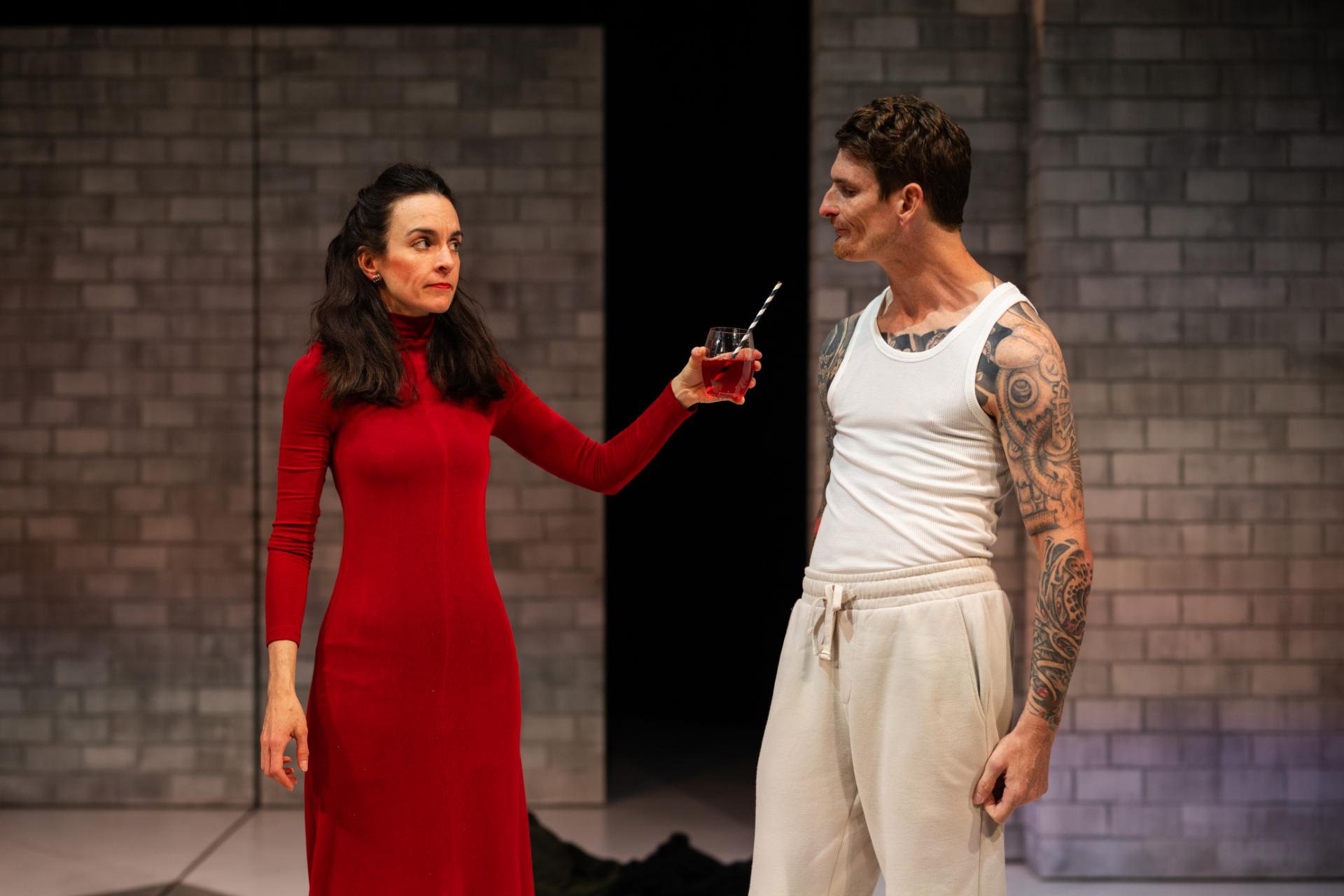
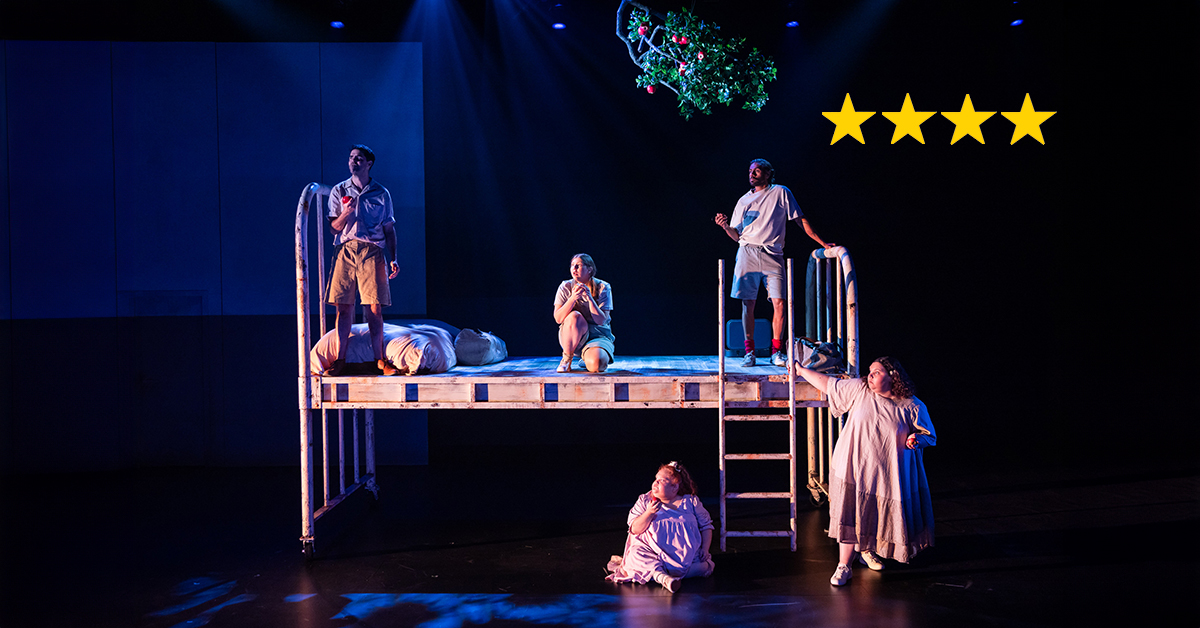
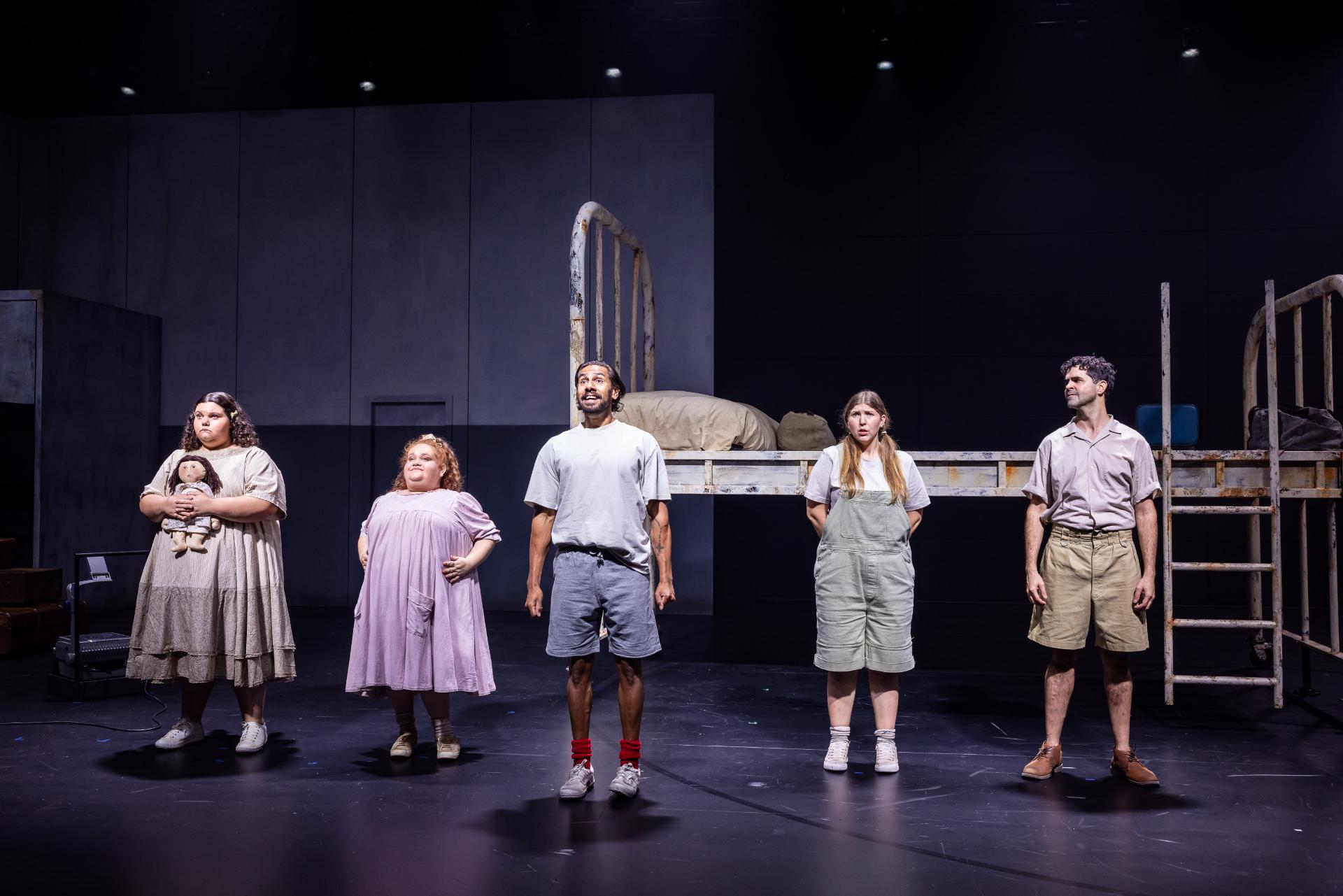
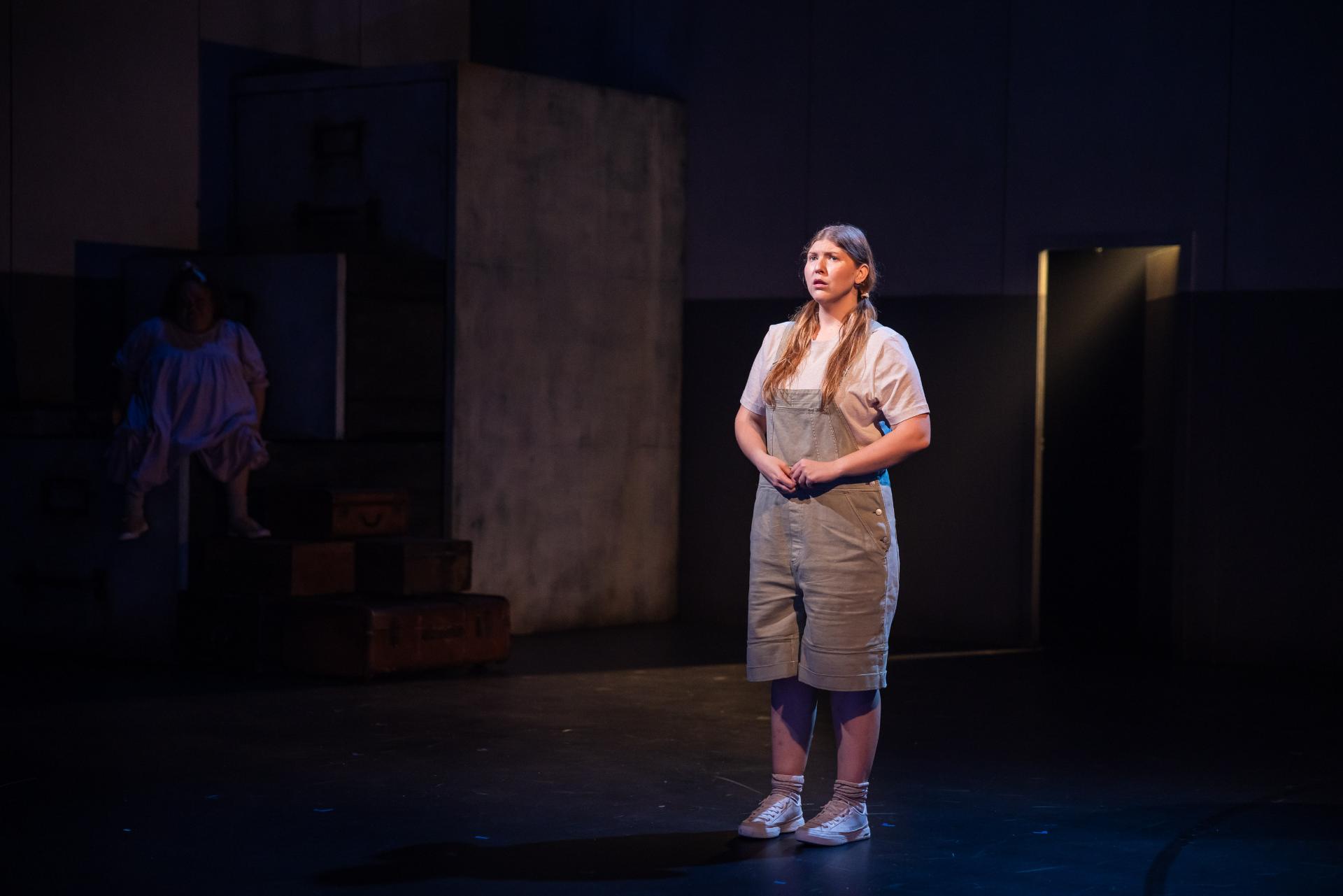
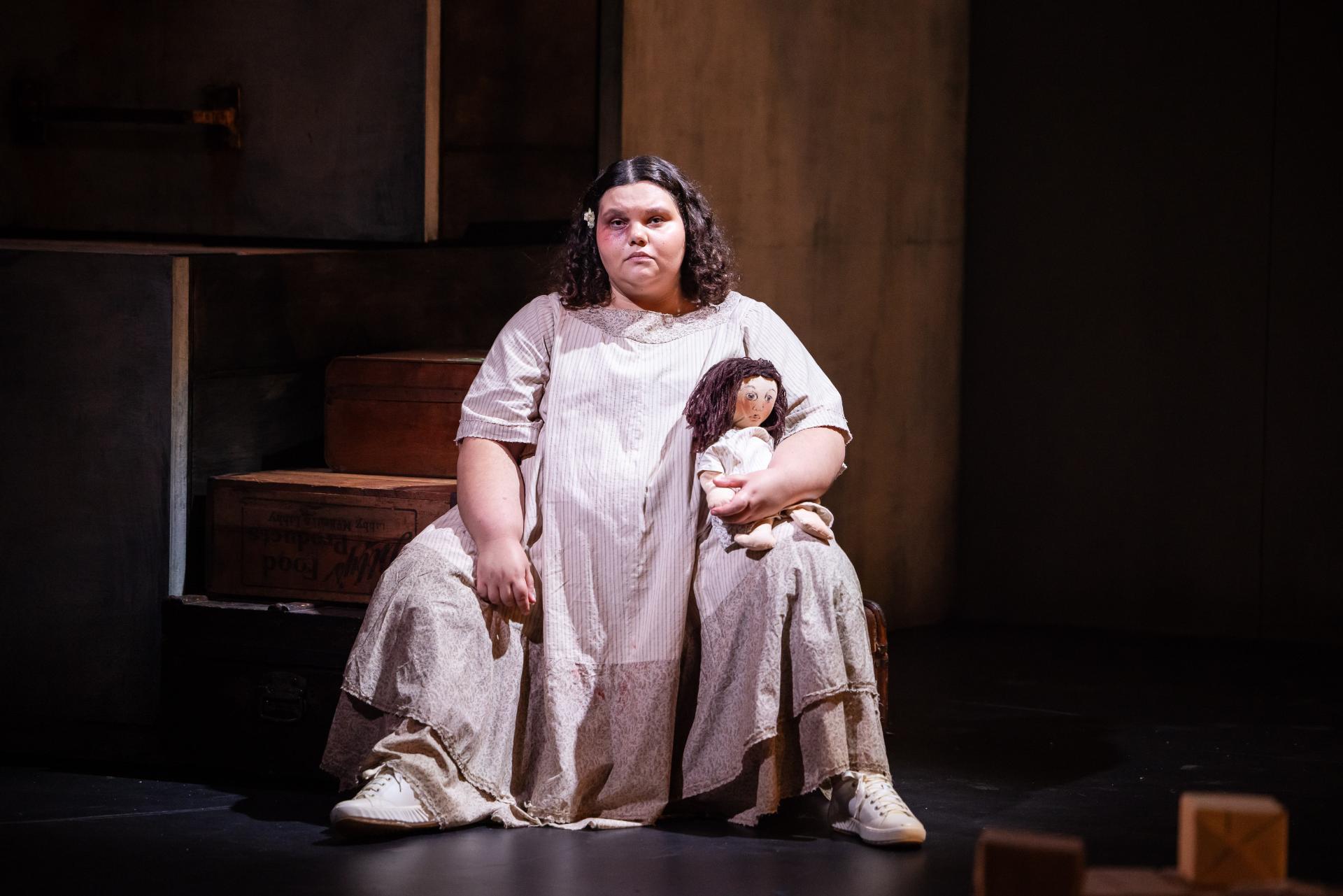
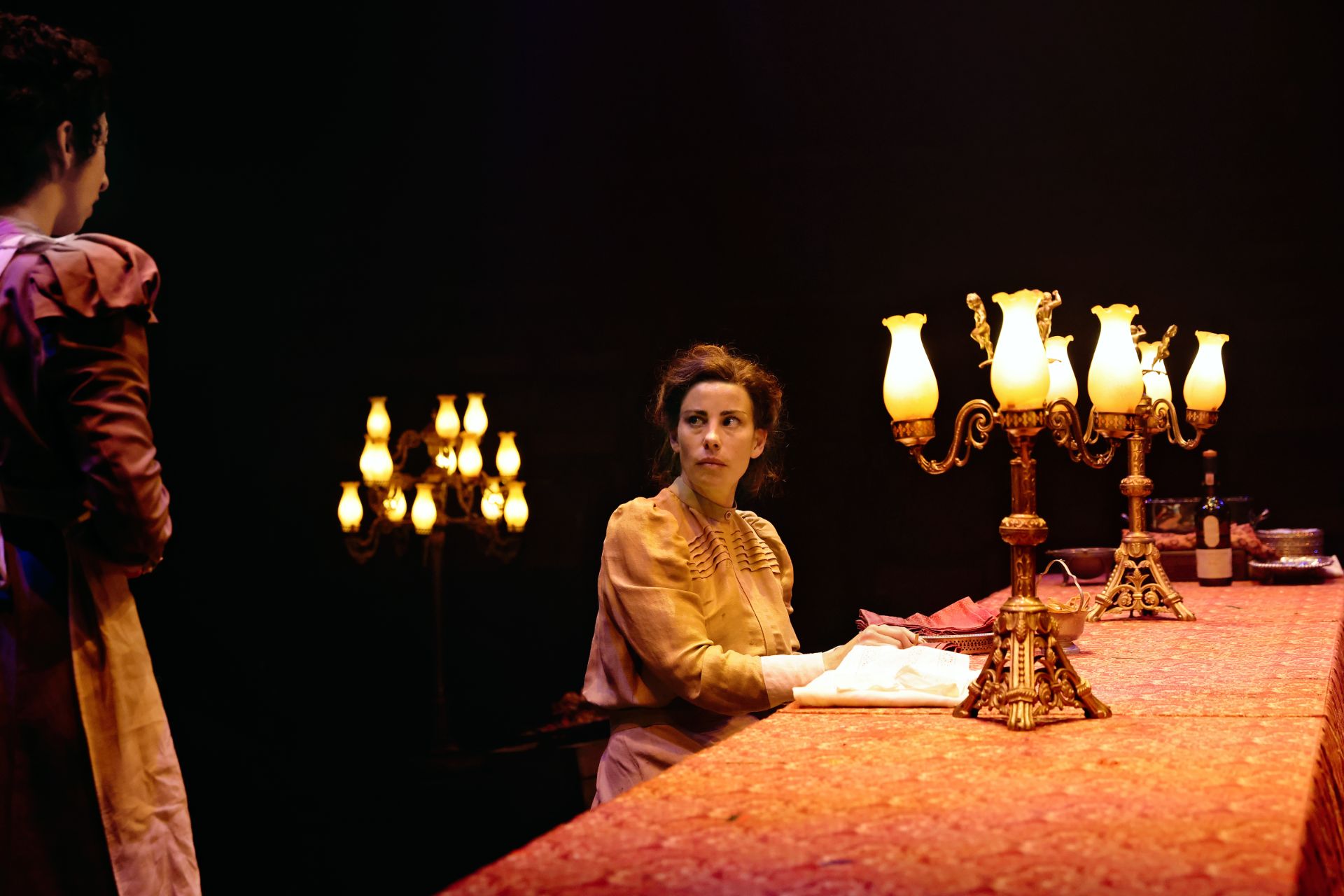
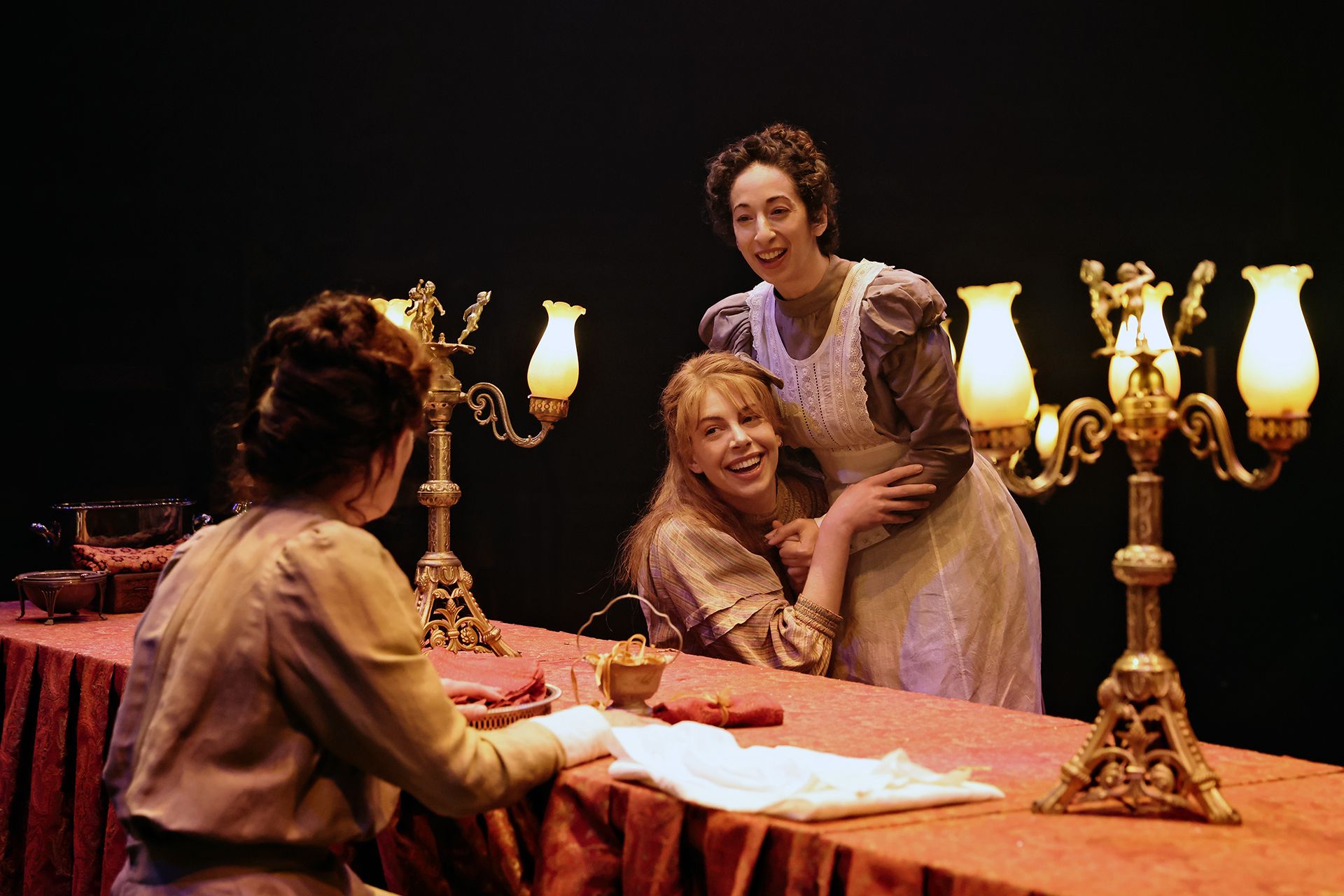
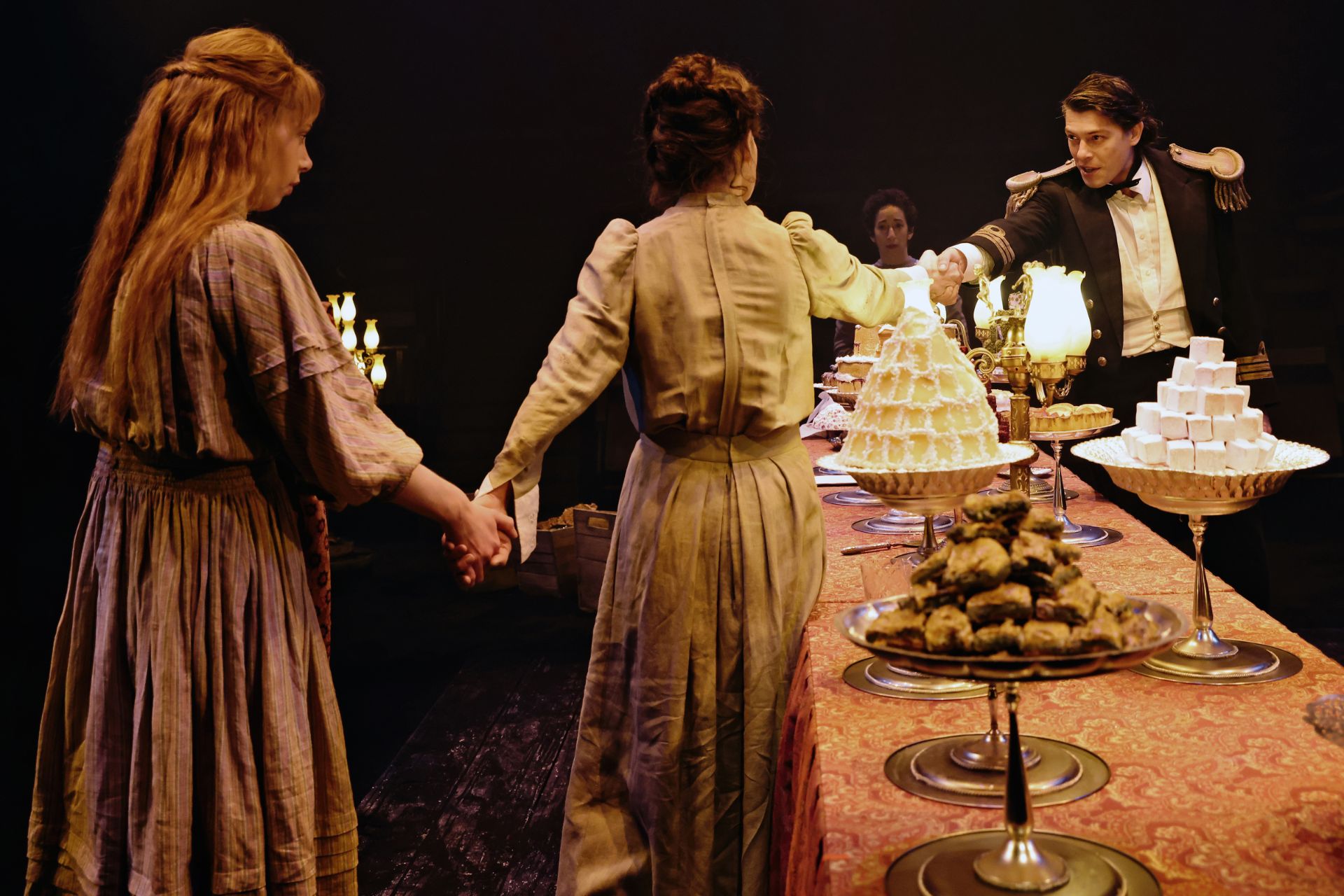
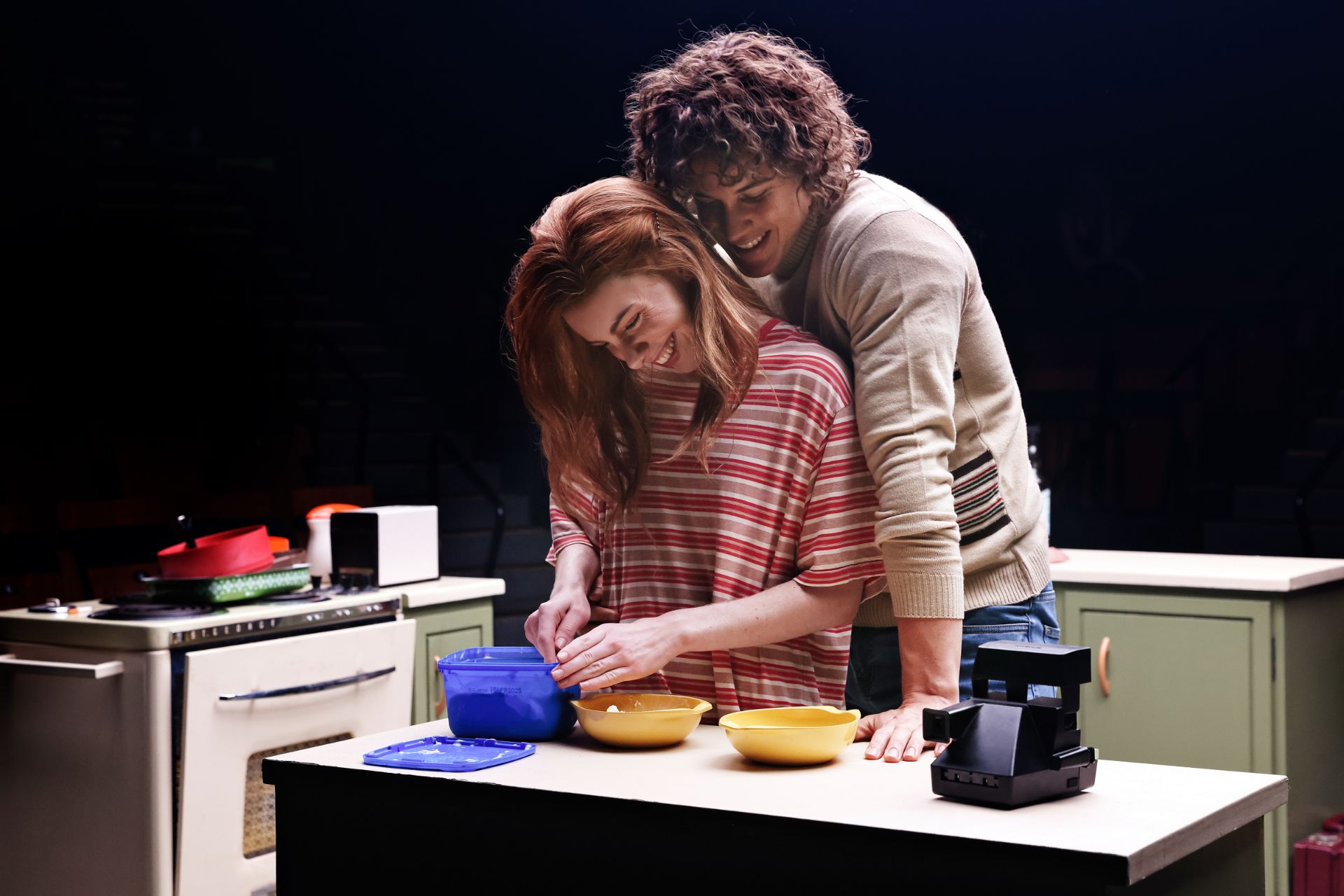
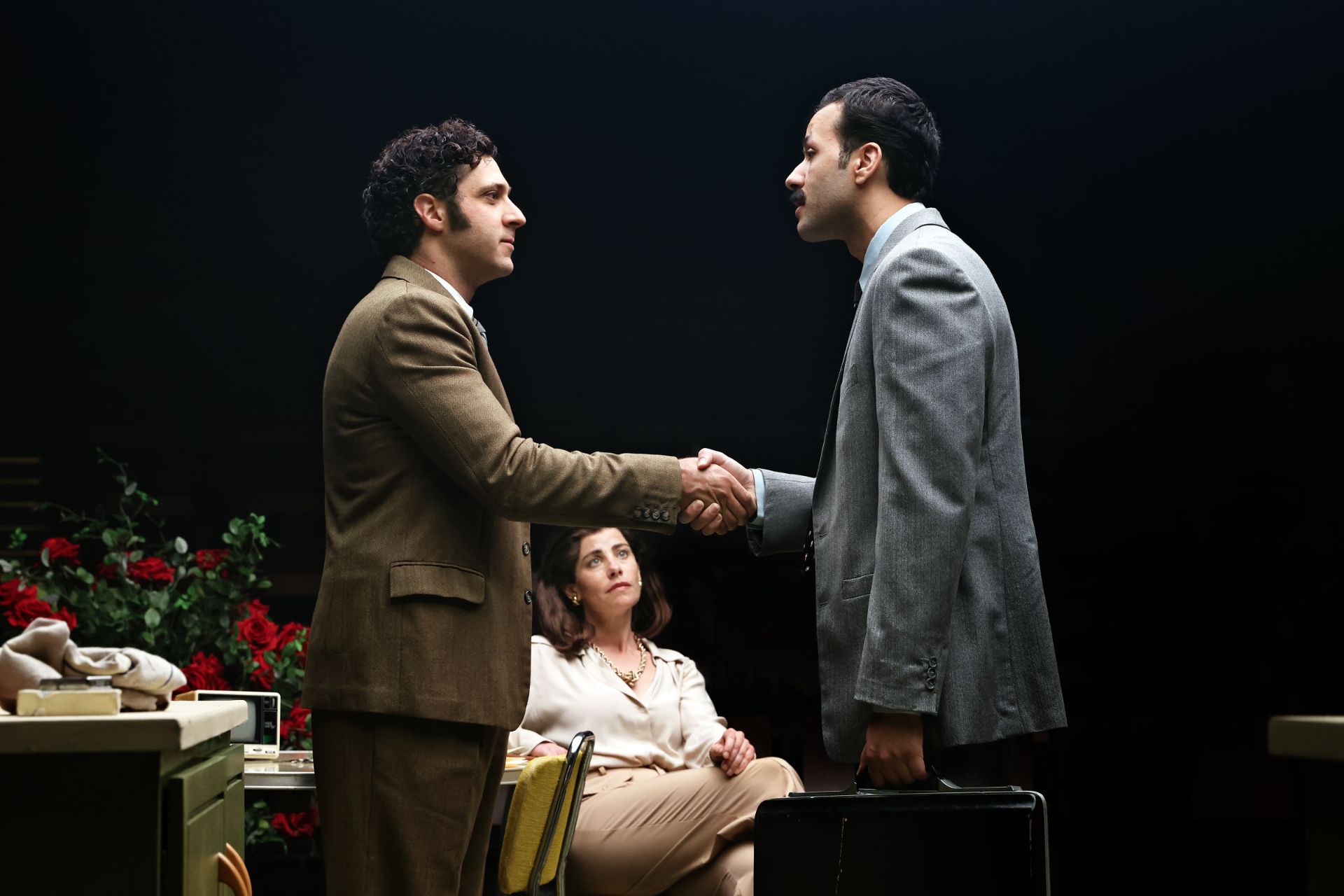
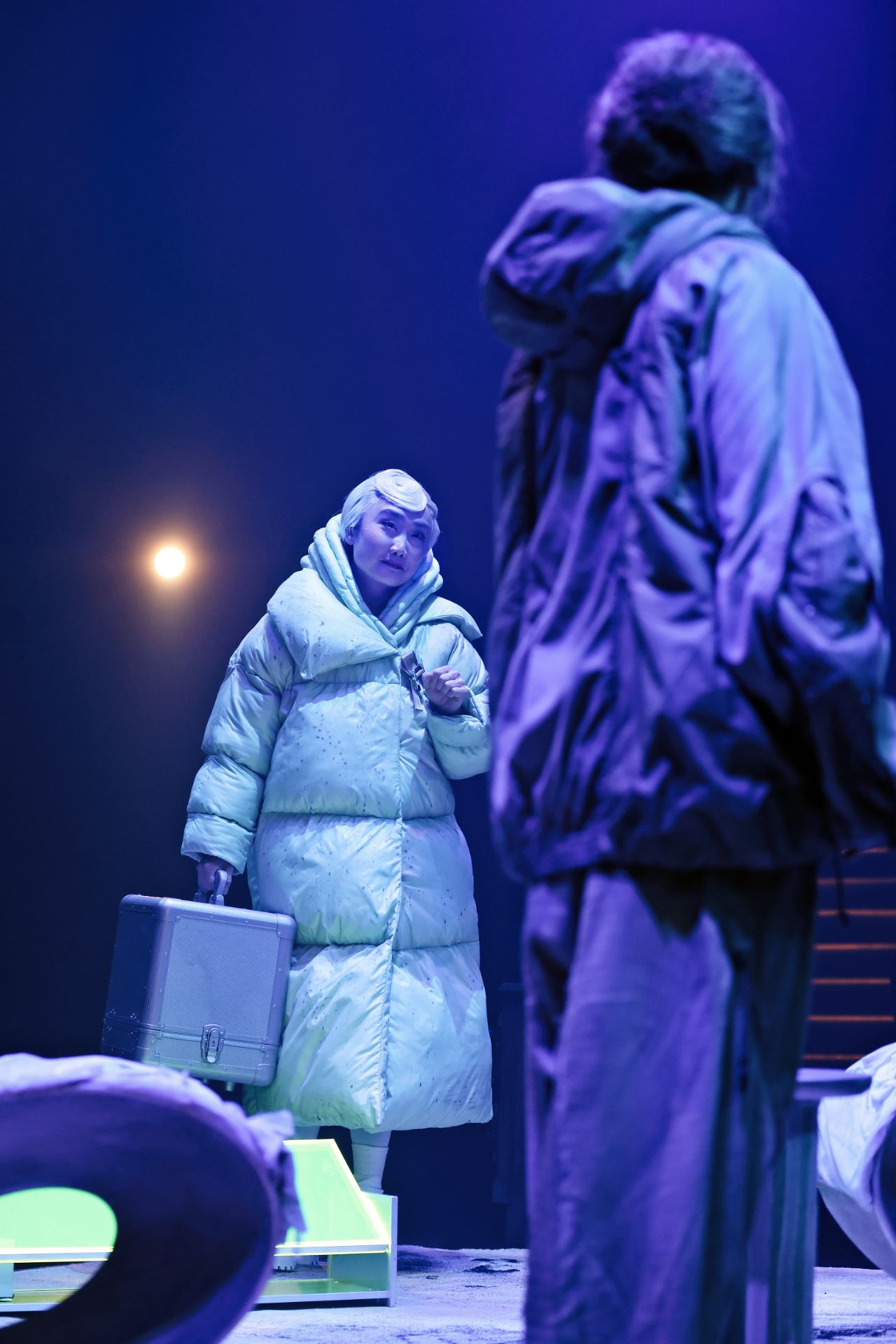
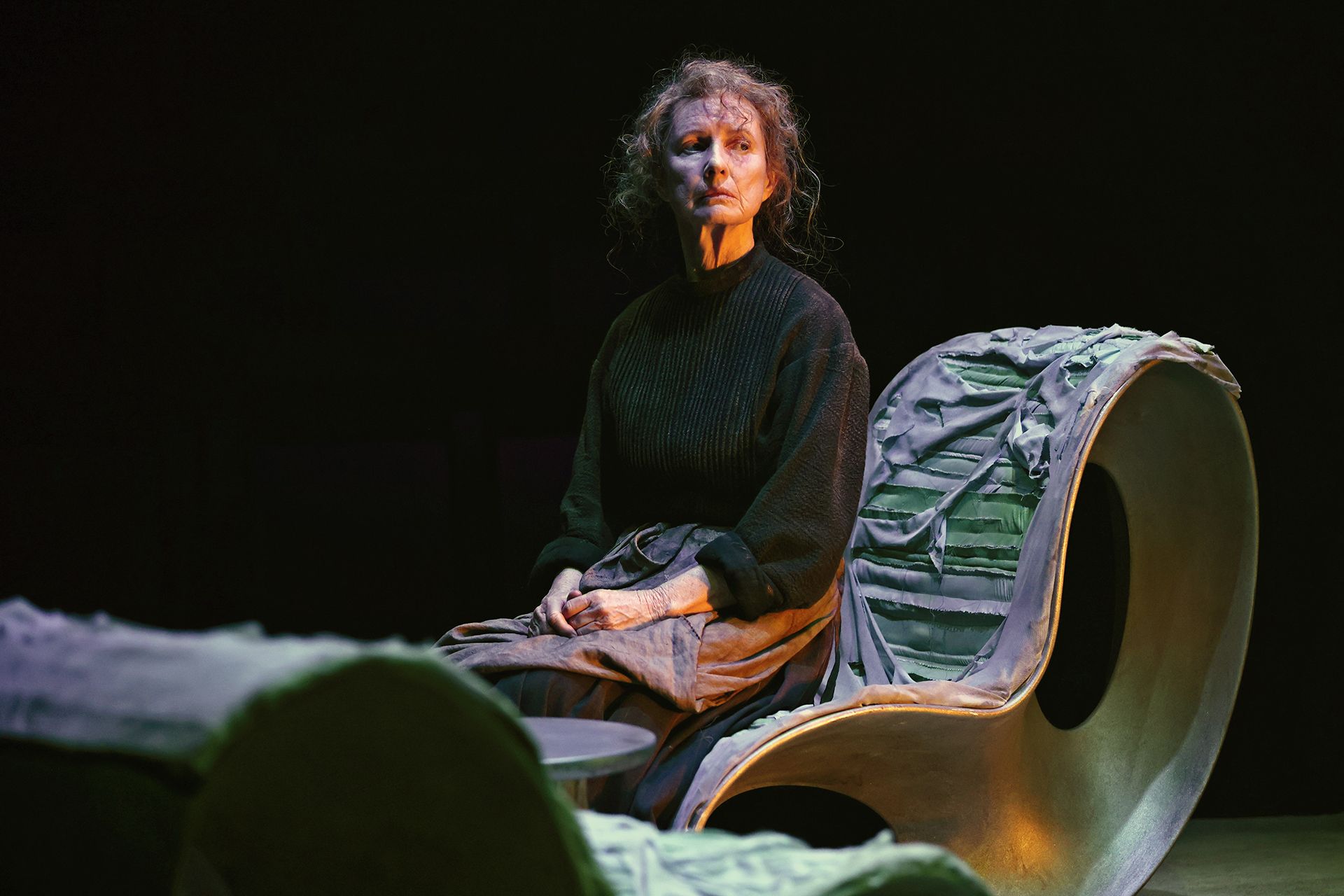
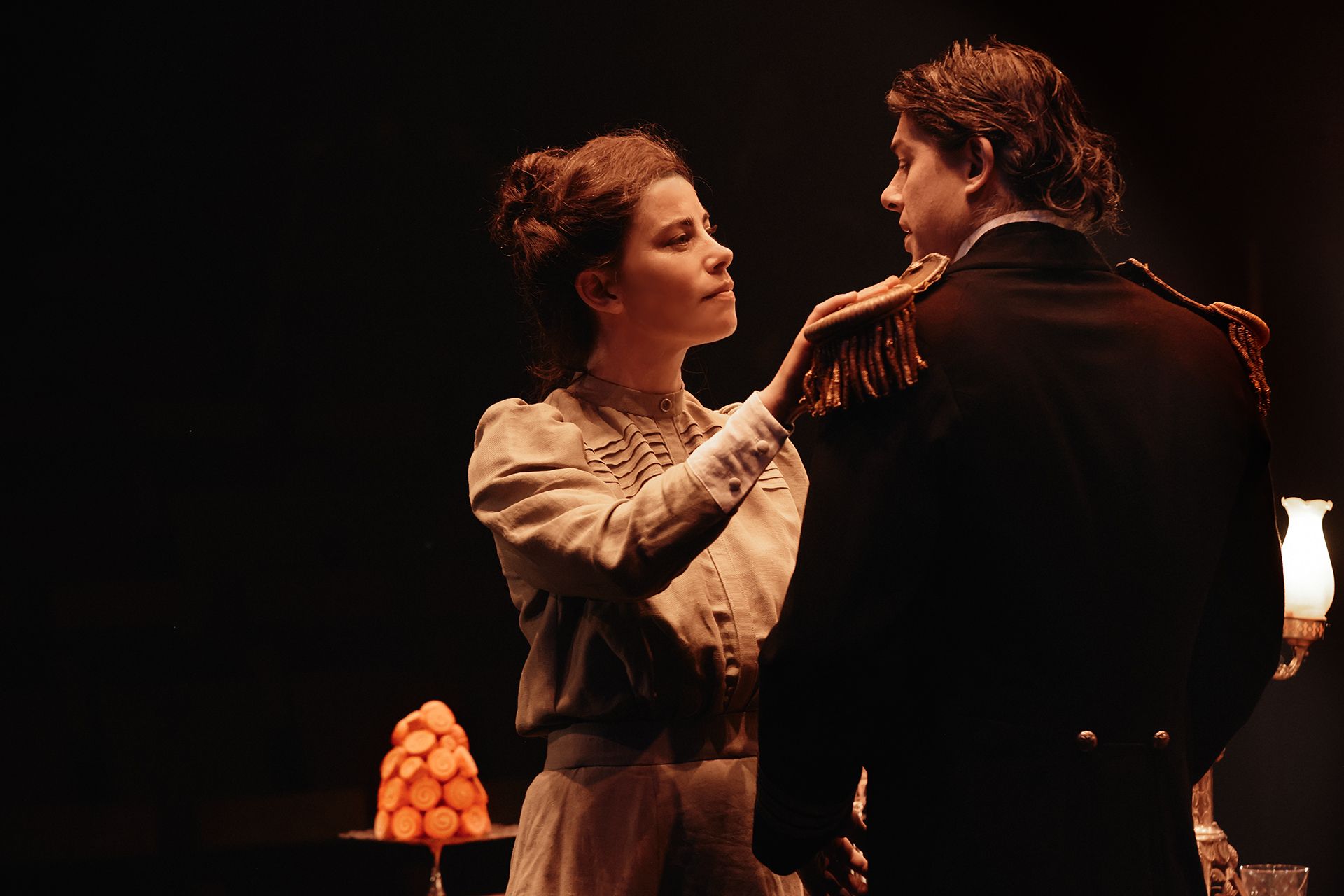
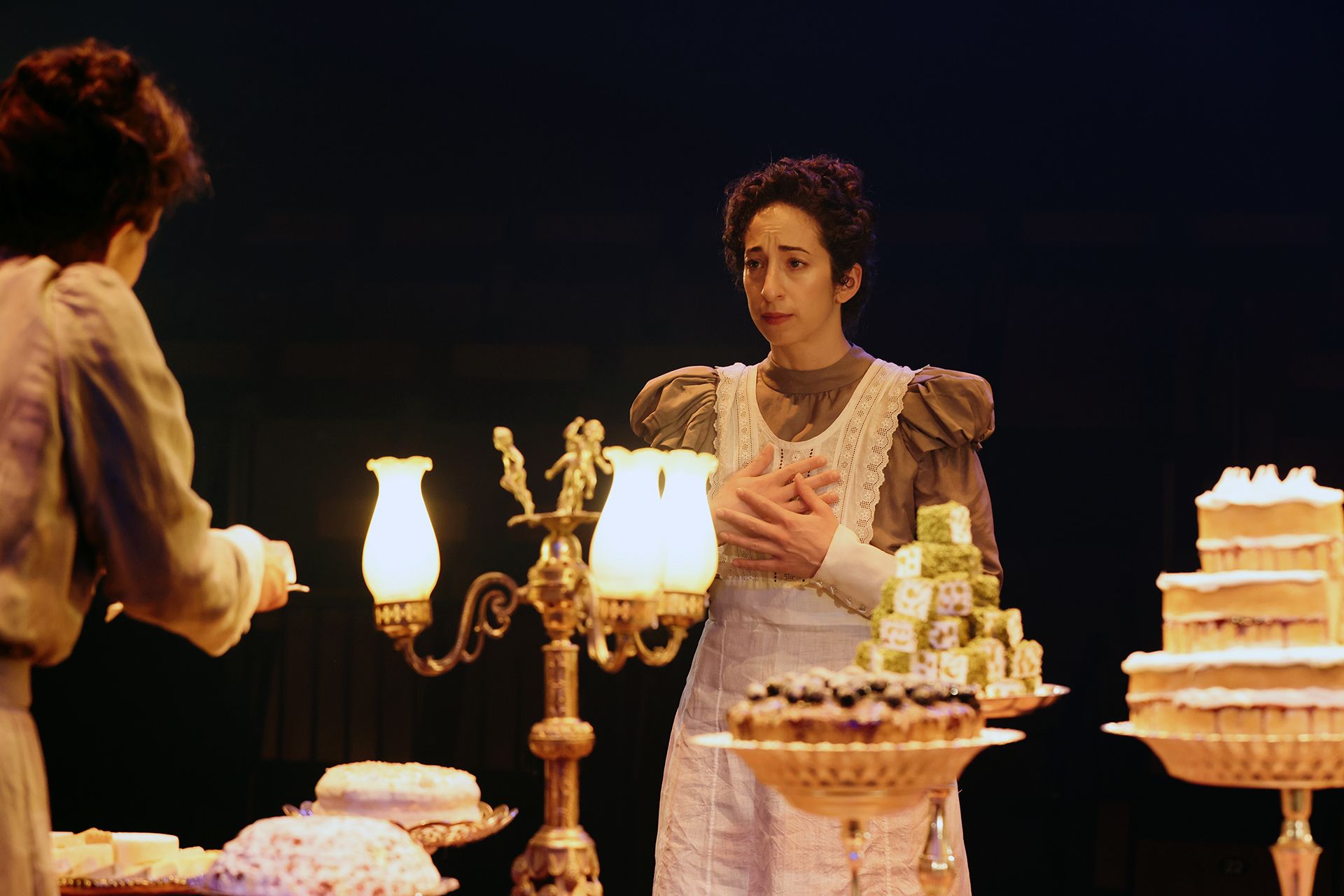
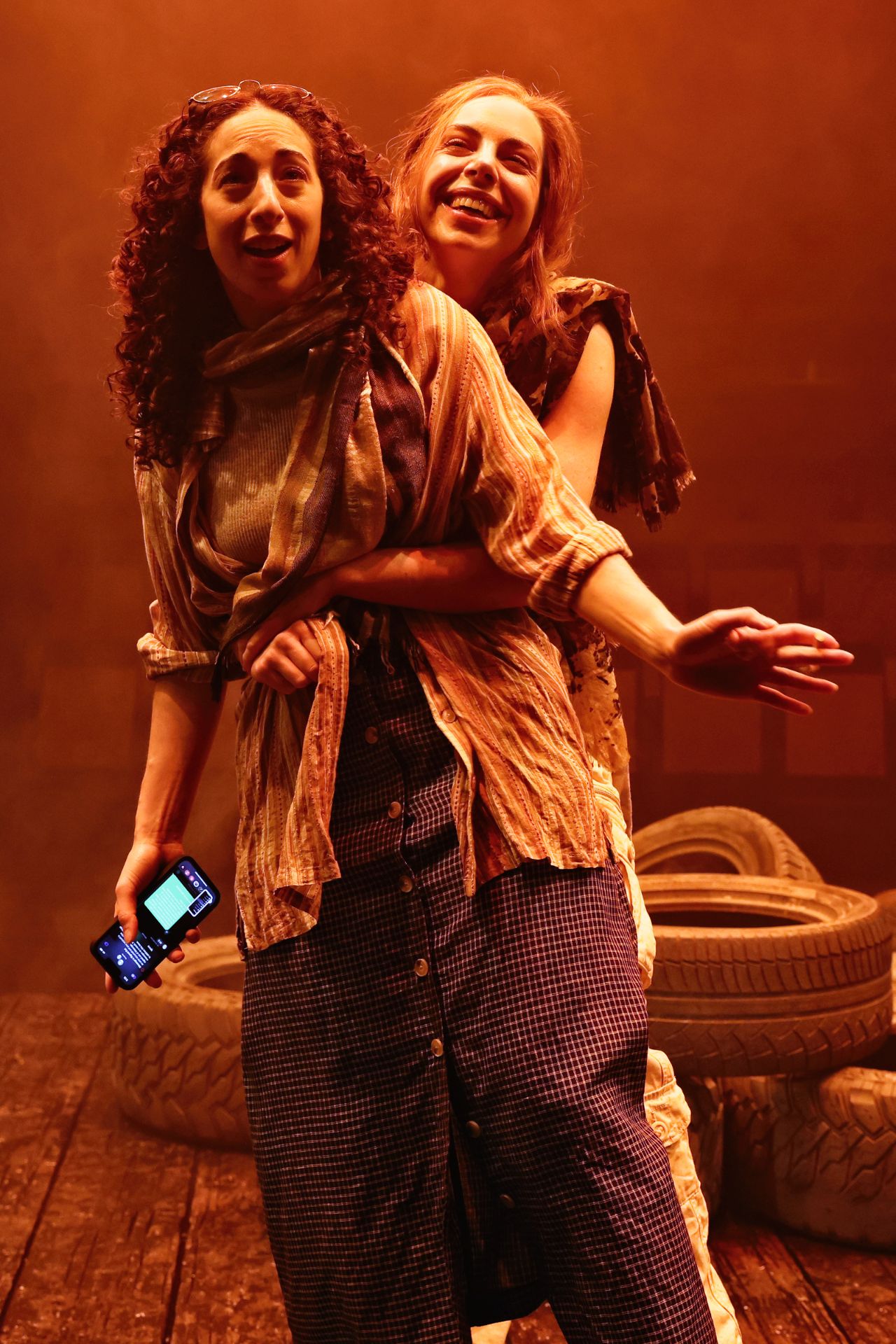
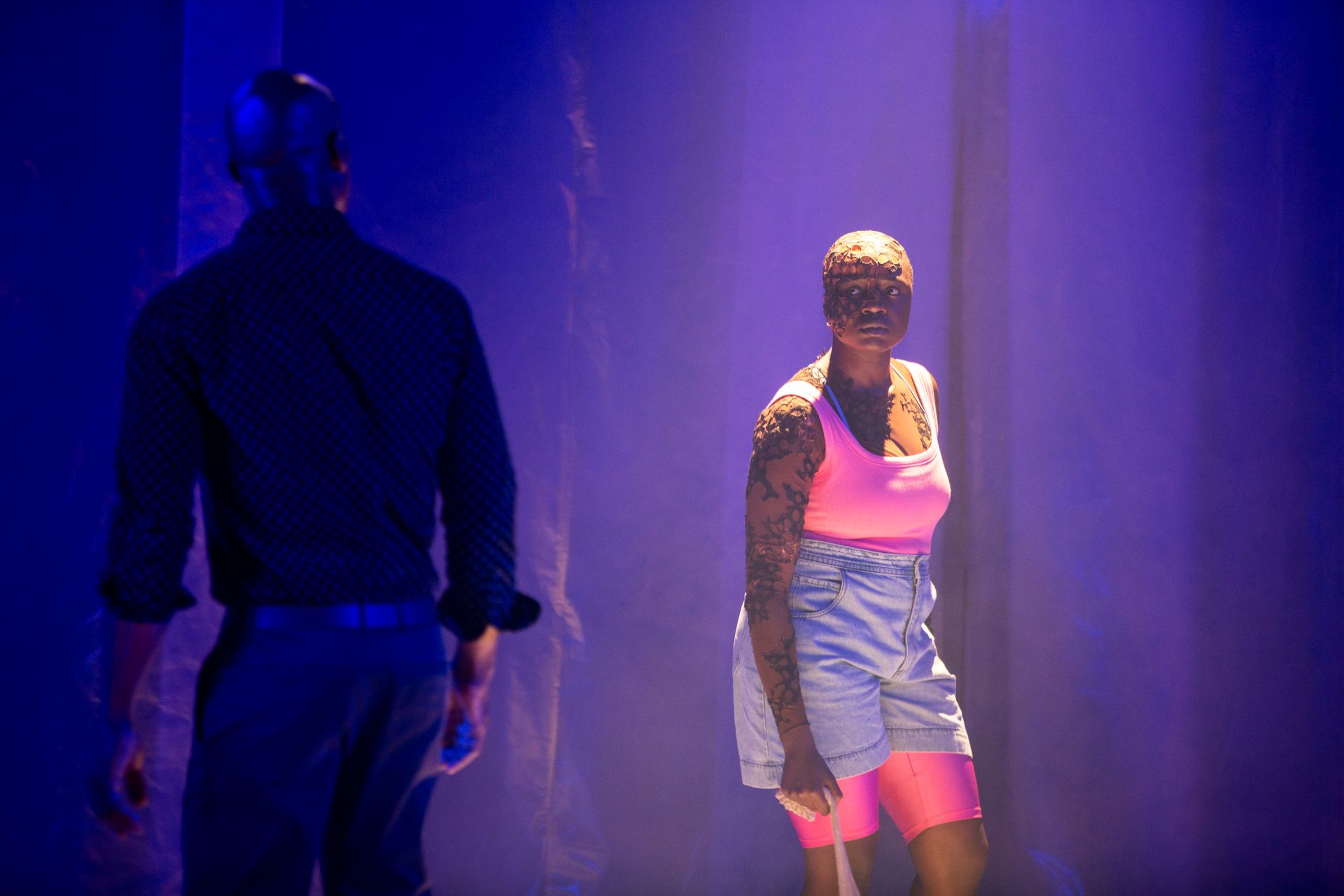
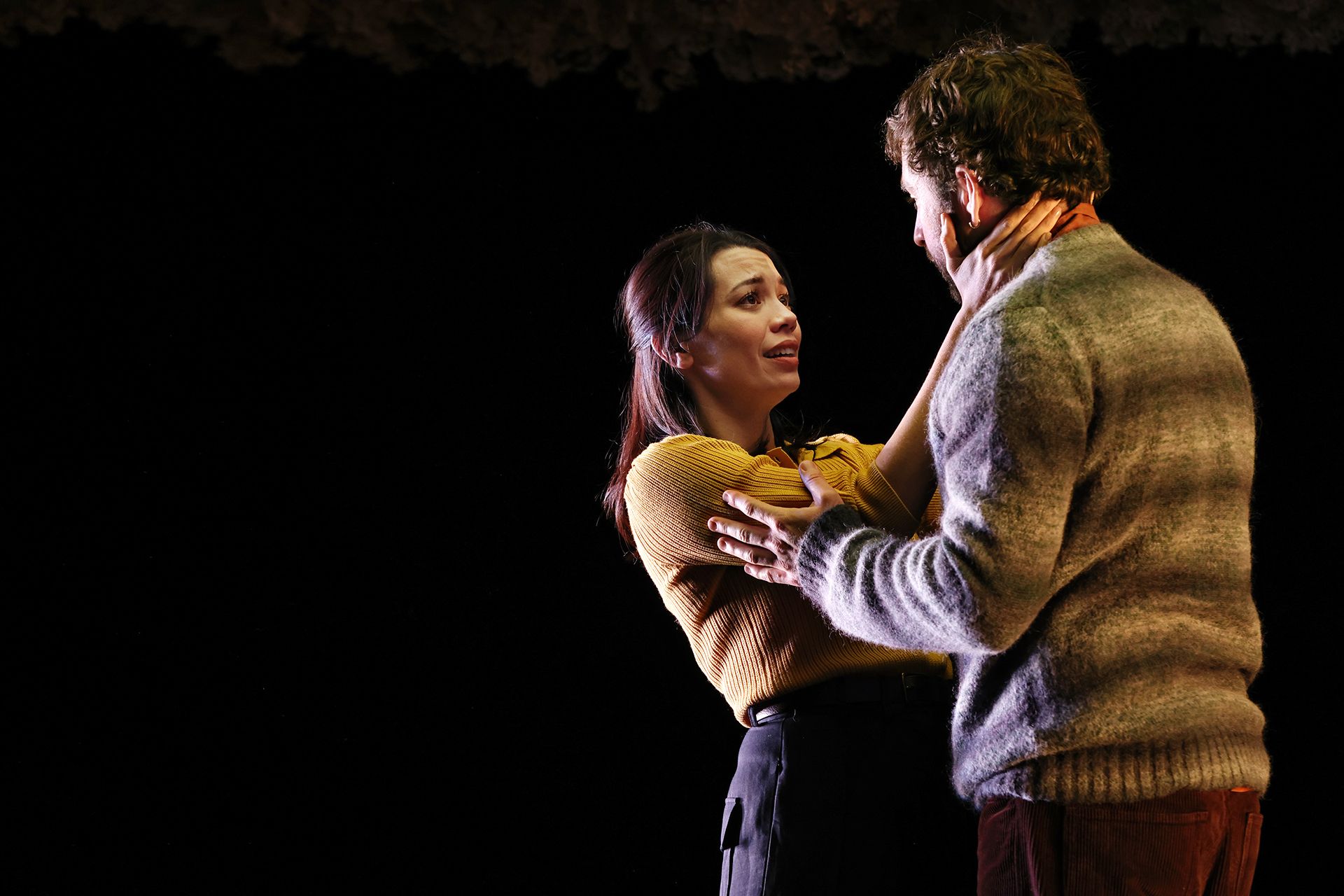
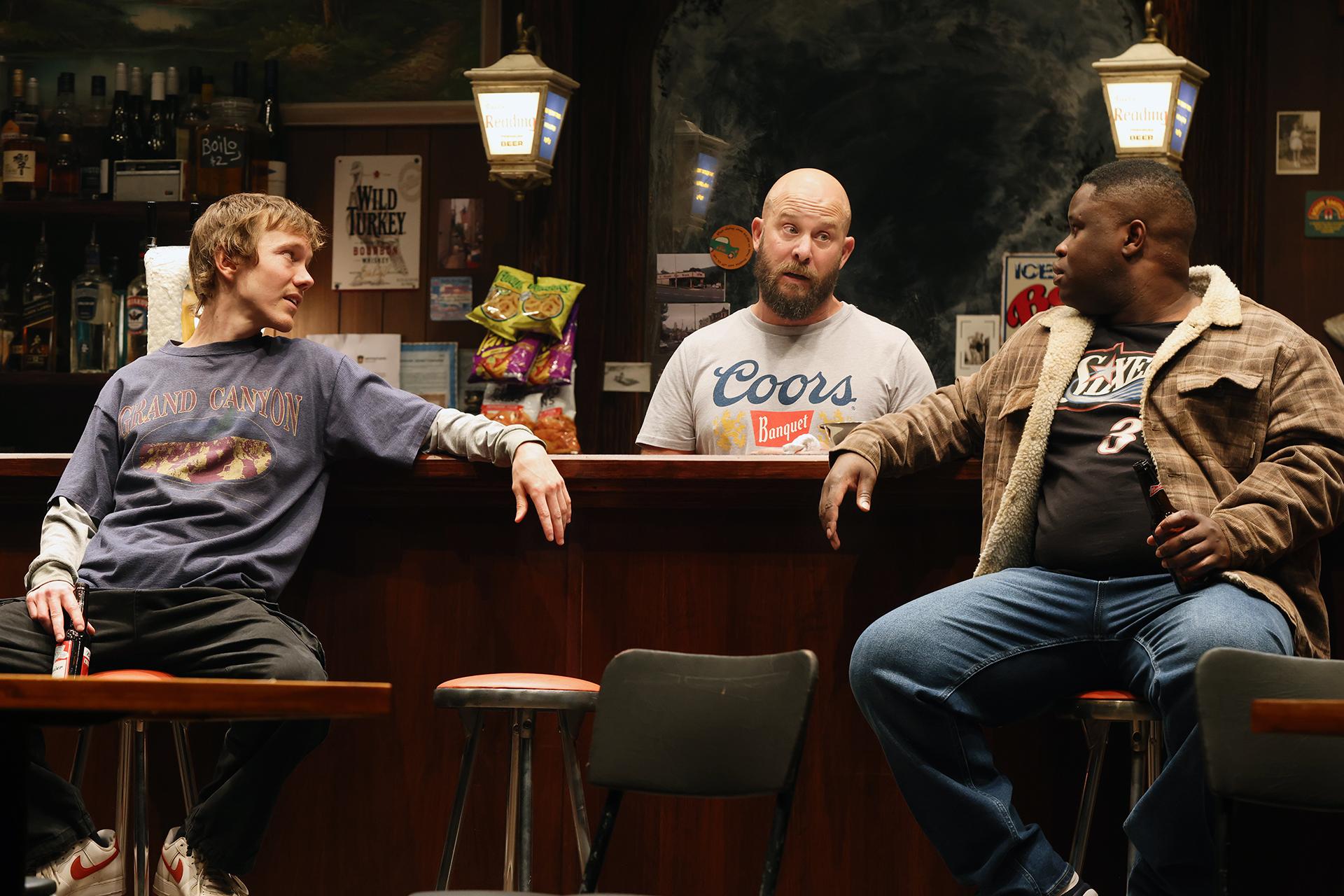
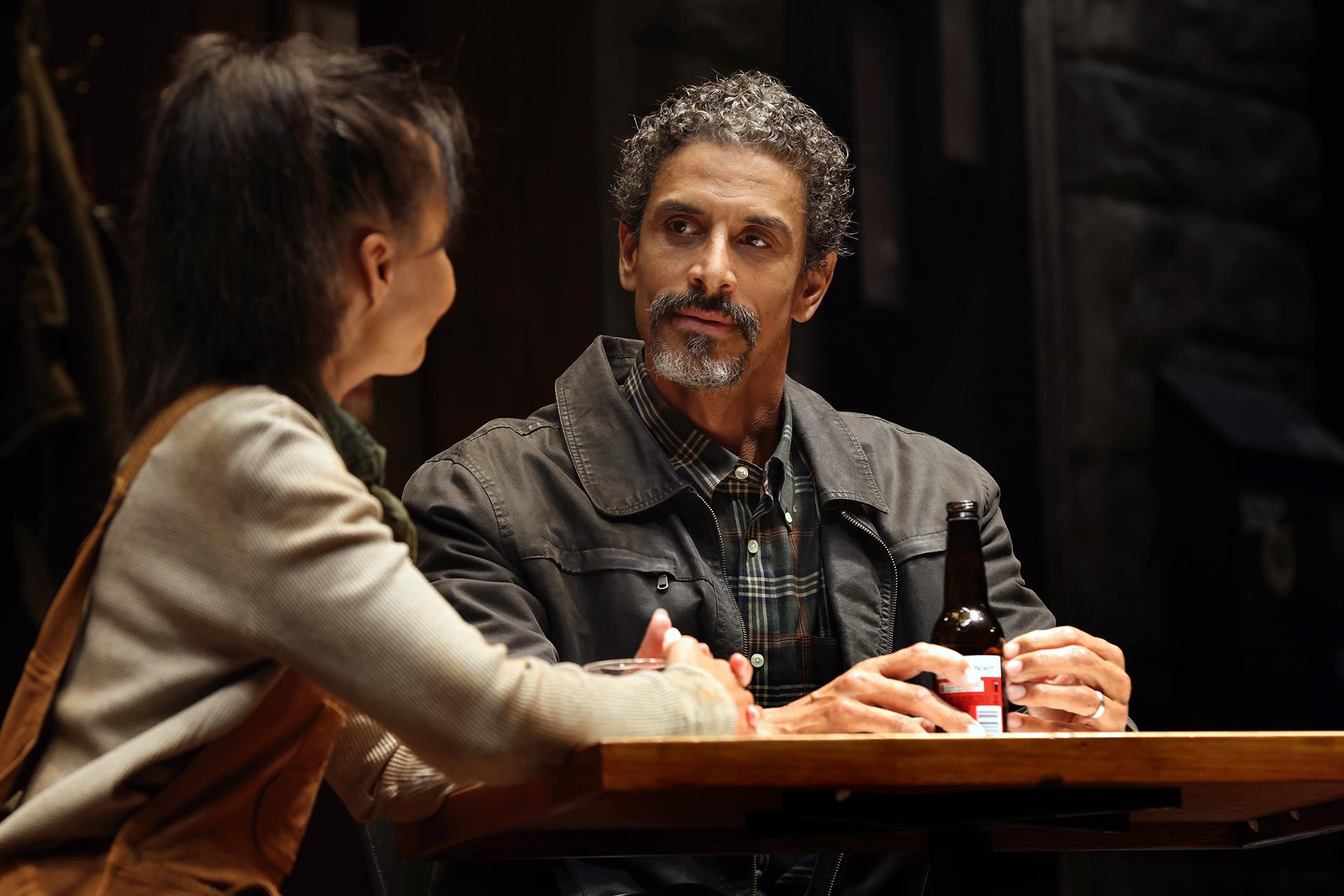
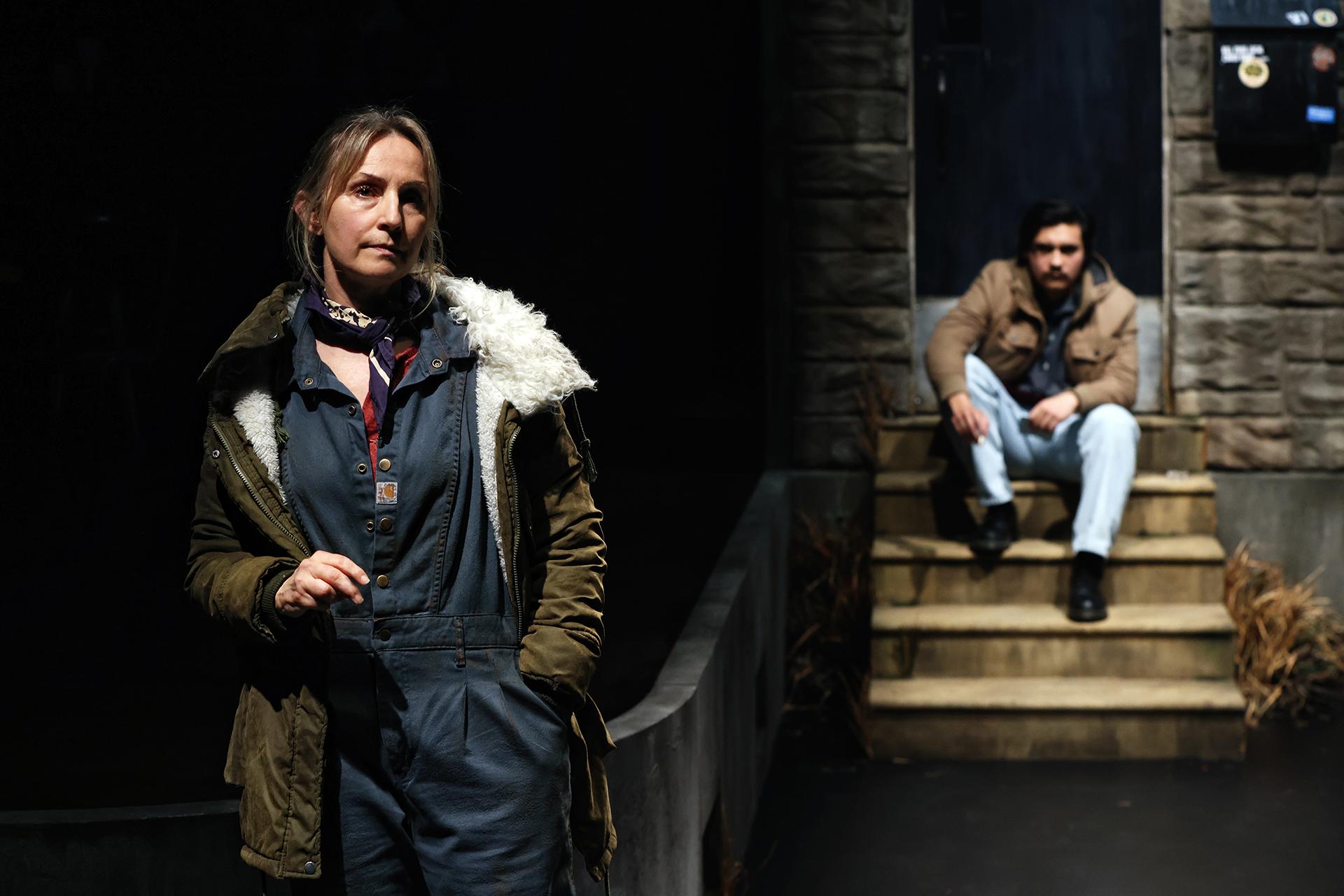
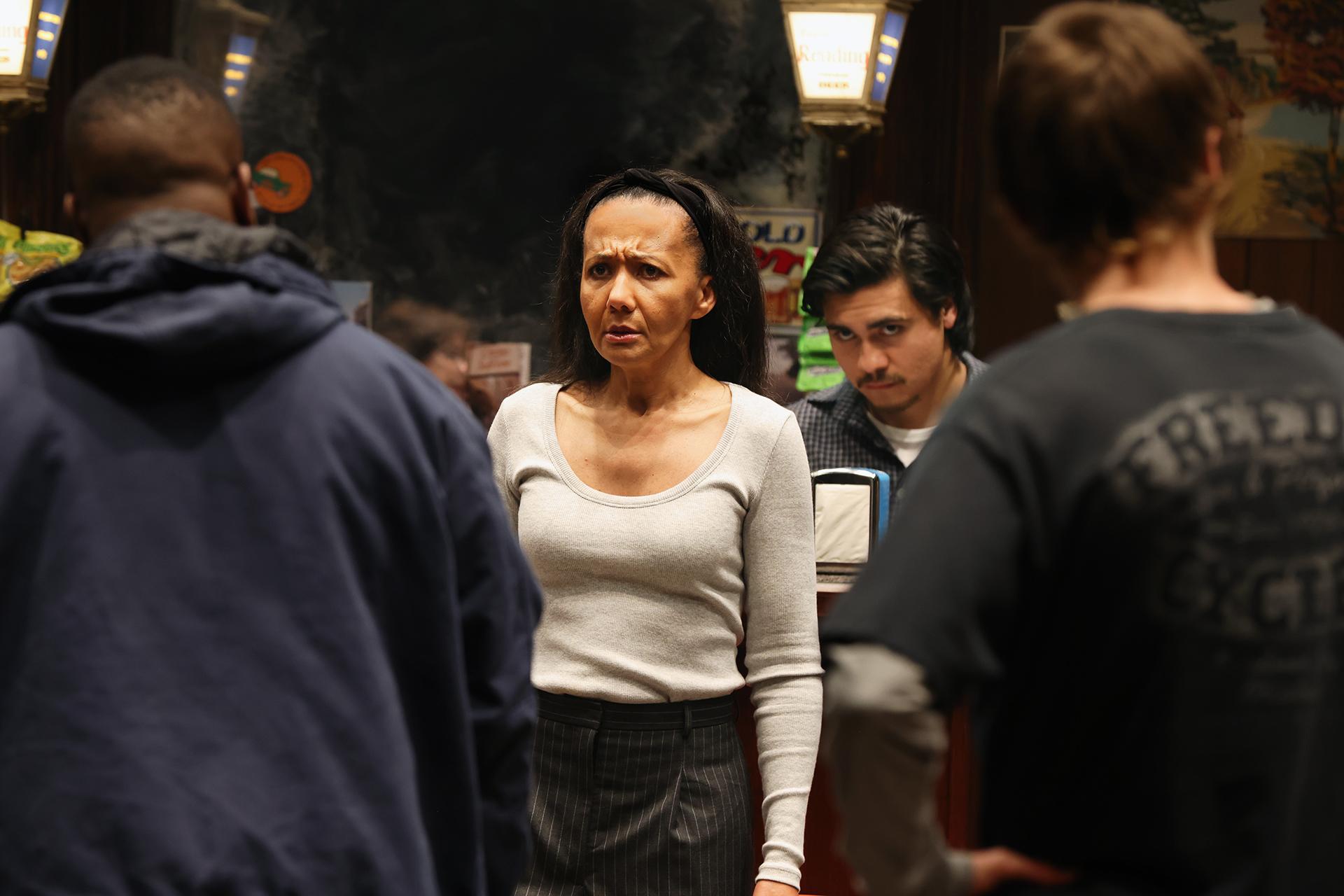
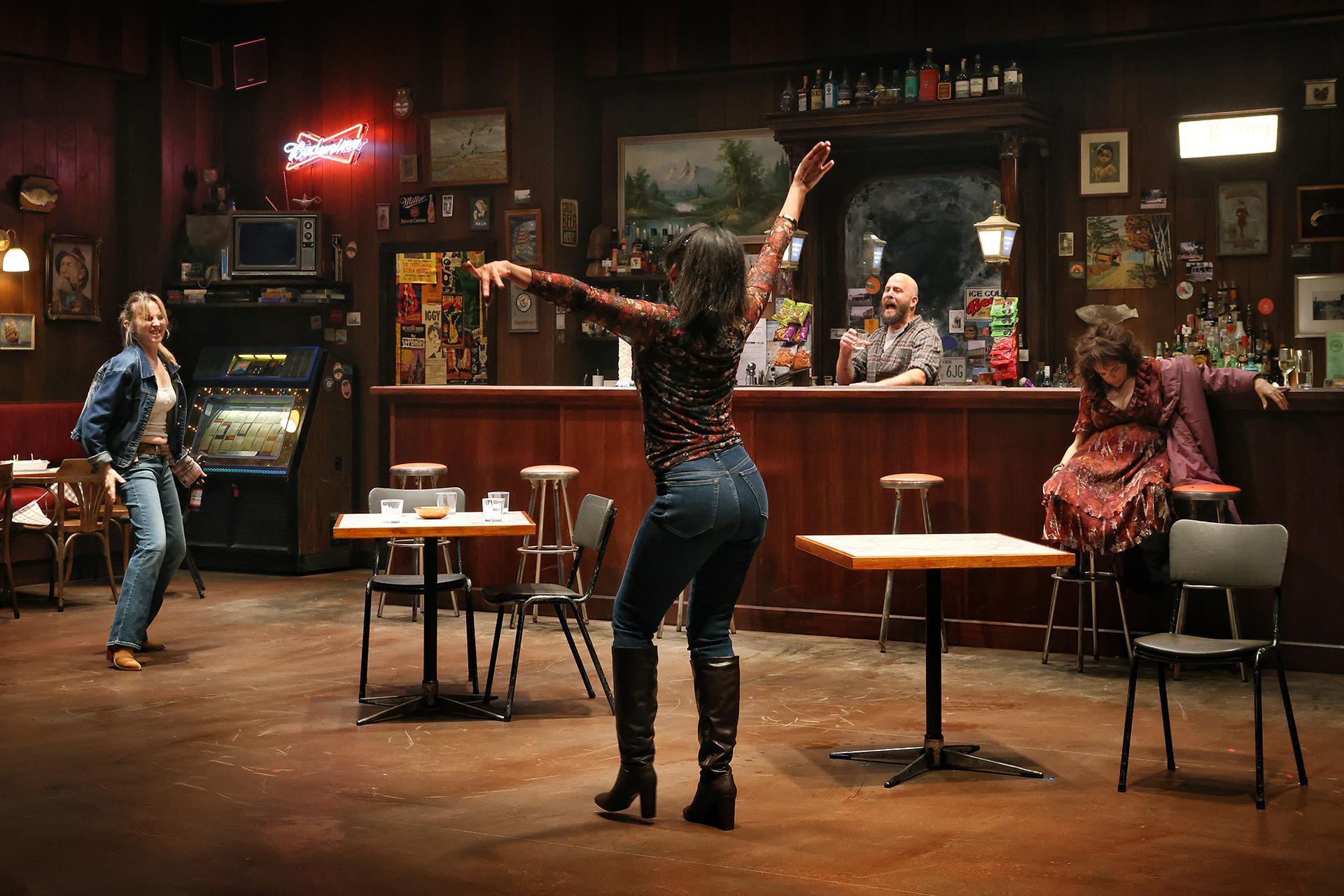
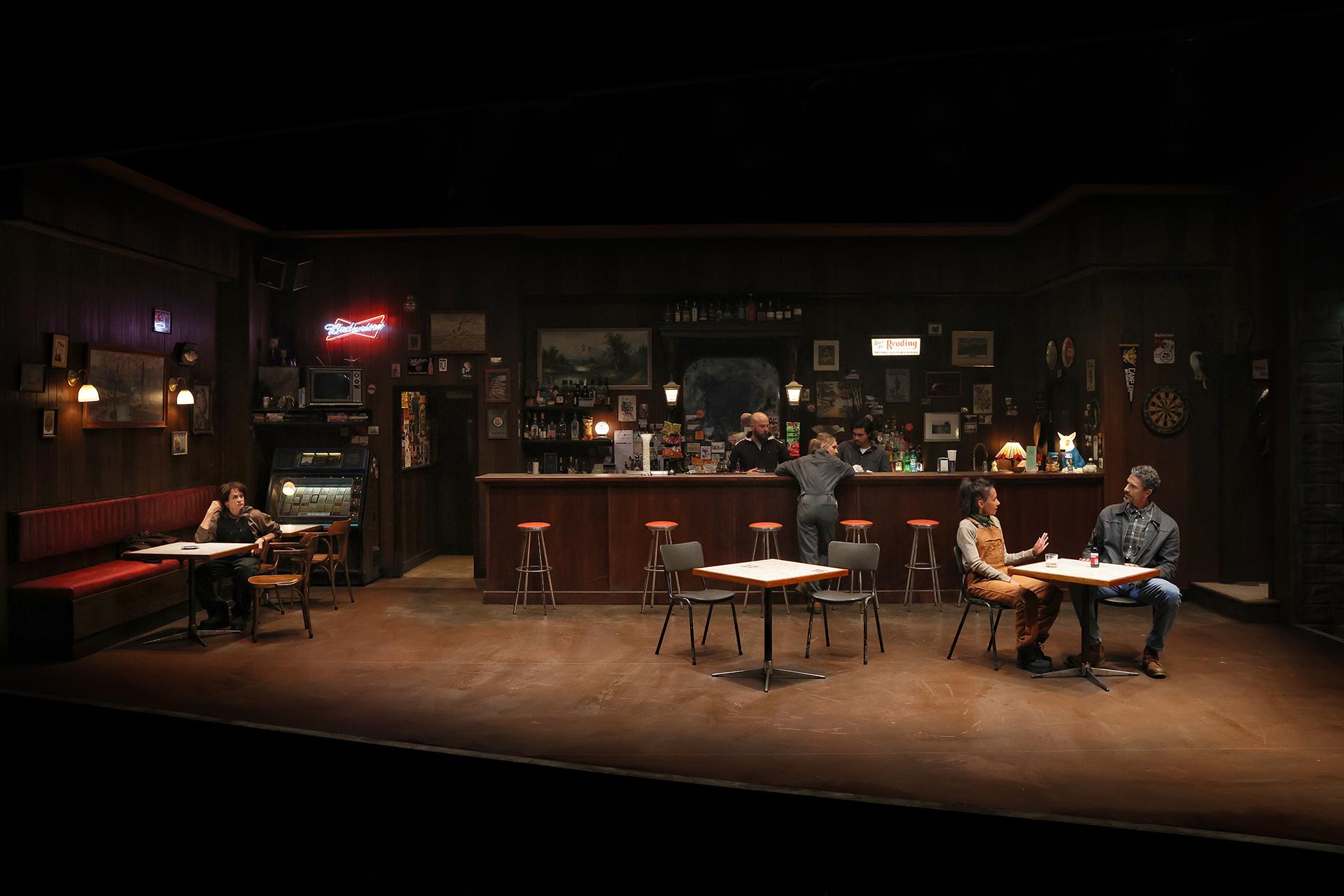
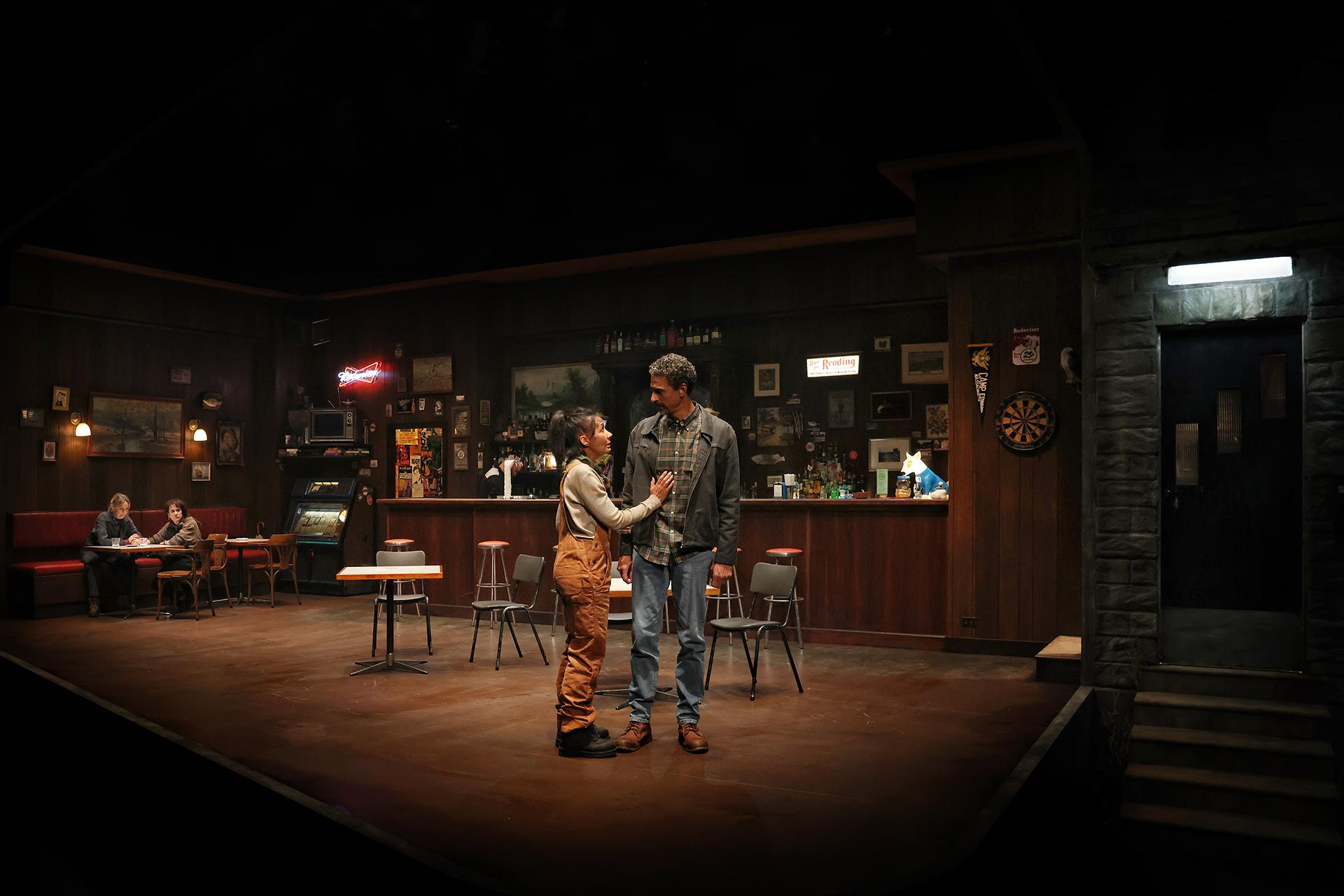
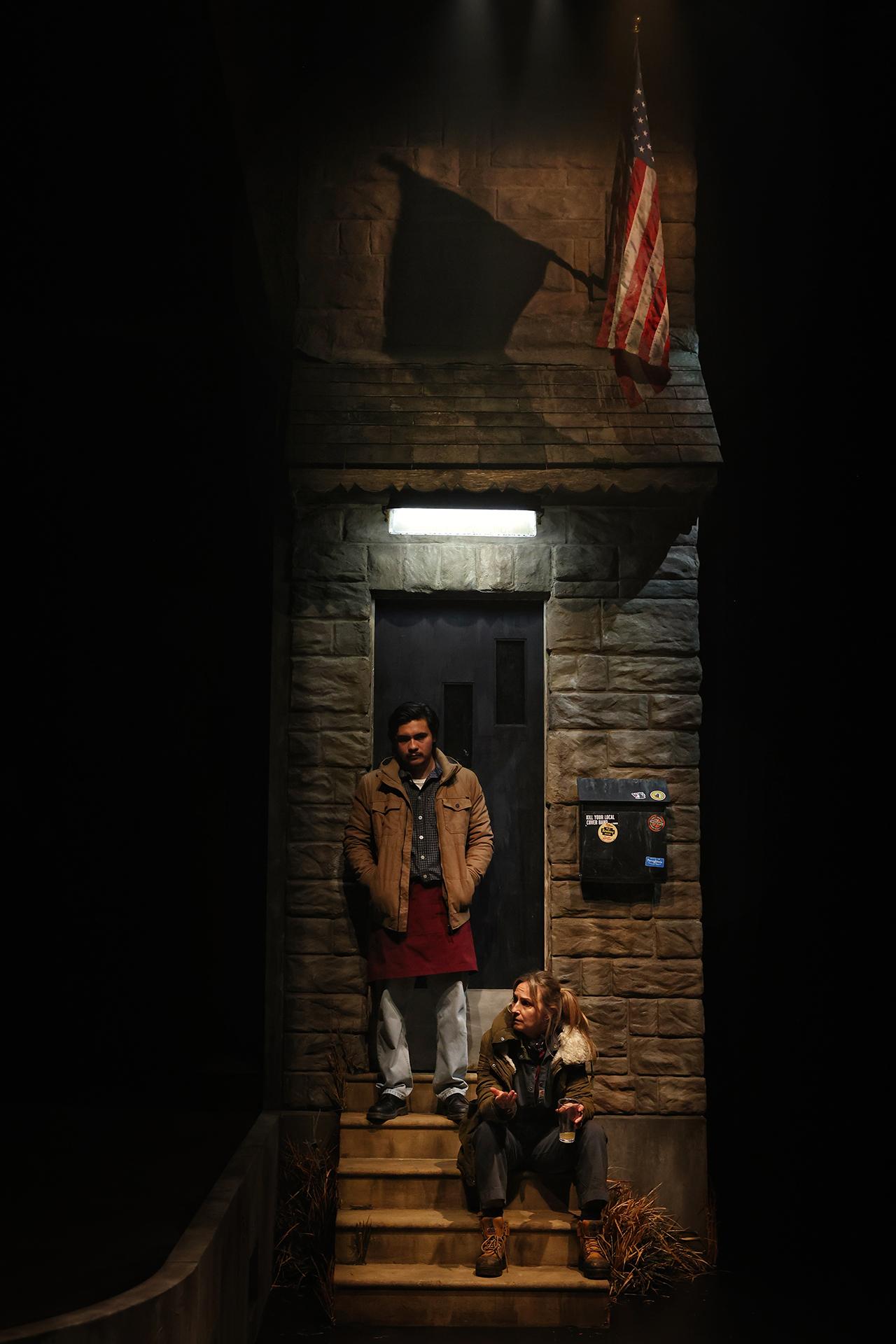
The story takes place in Pennsylvania at the turn of the century, when its economy is experiencing a severe downturn. A steel factory that has employed several generations of residents in the town of Reading, is laying off workers in large numbers, causing great unrest among the populace. Lynn Nottage’s Sweat looks at the disconnect between lives of workers and decisions of resource owners. It examines the phenomenon of humans being regarded as nothing more than means of production, and how our day-to-day suffers as a result.

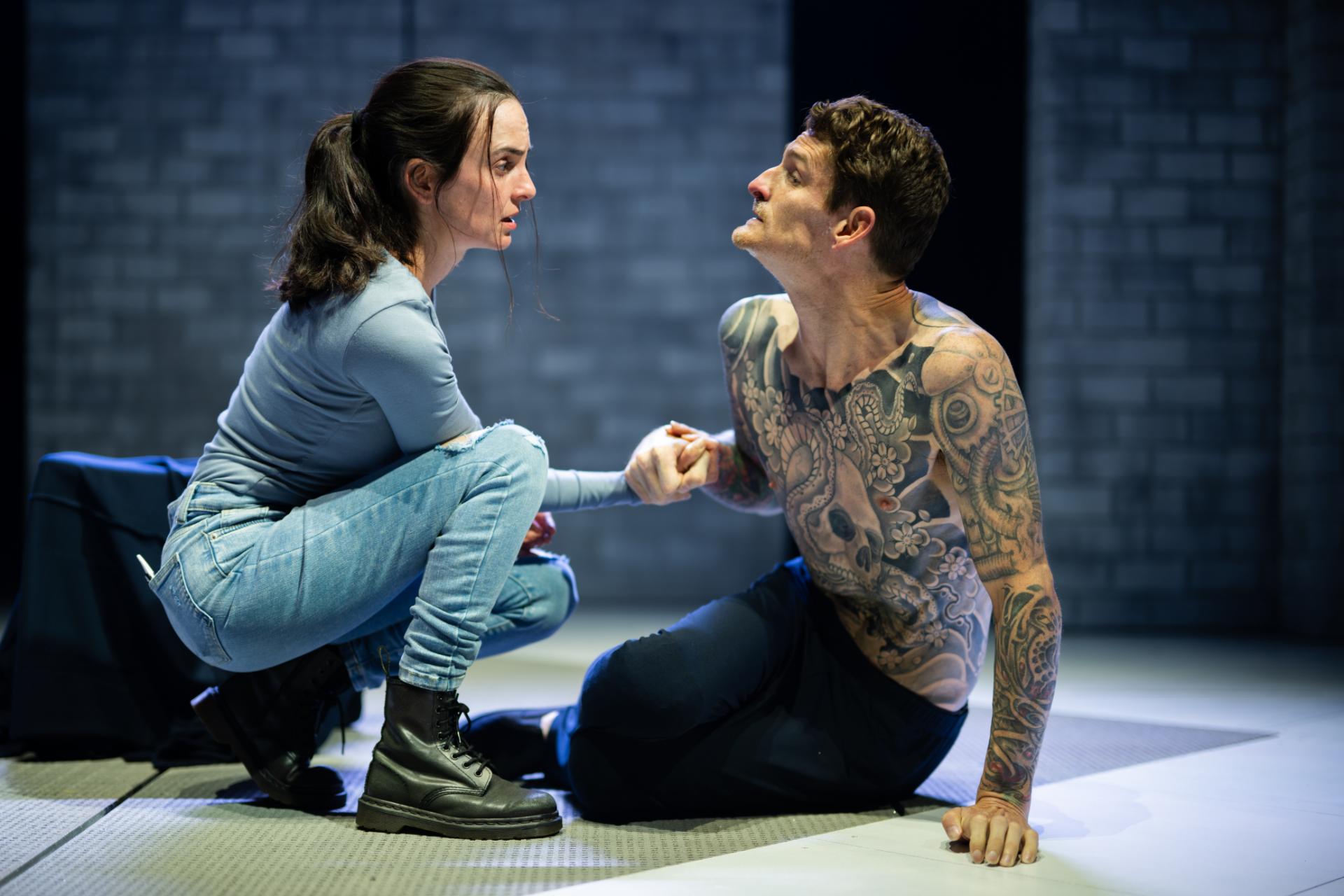
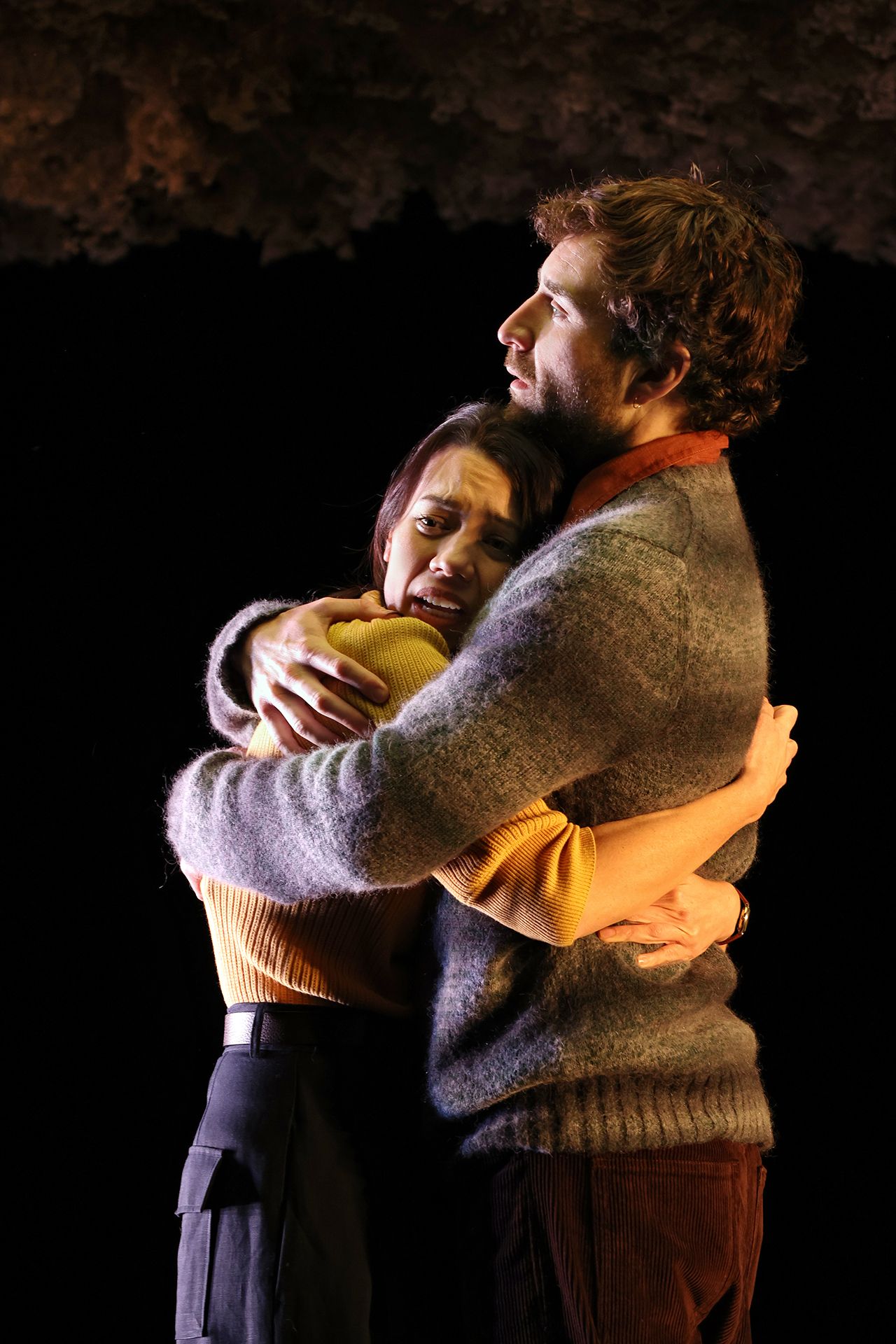
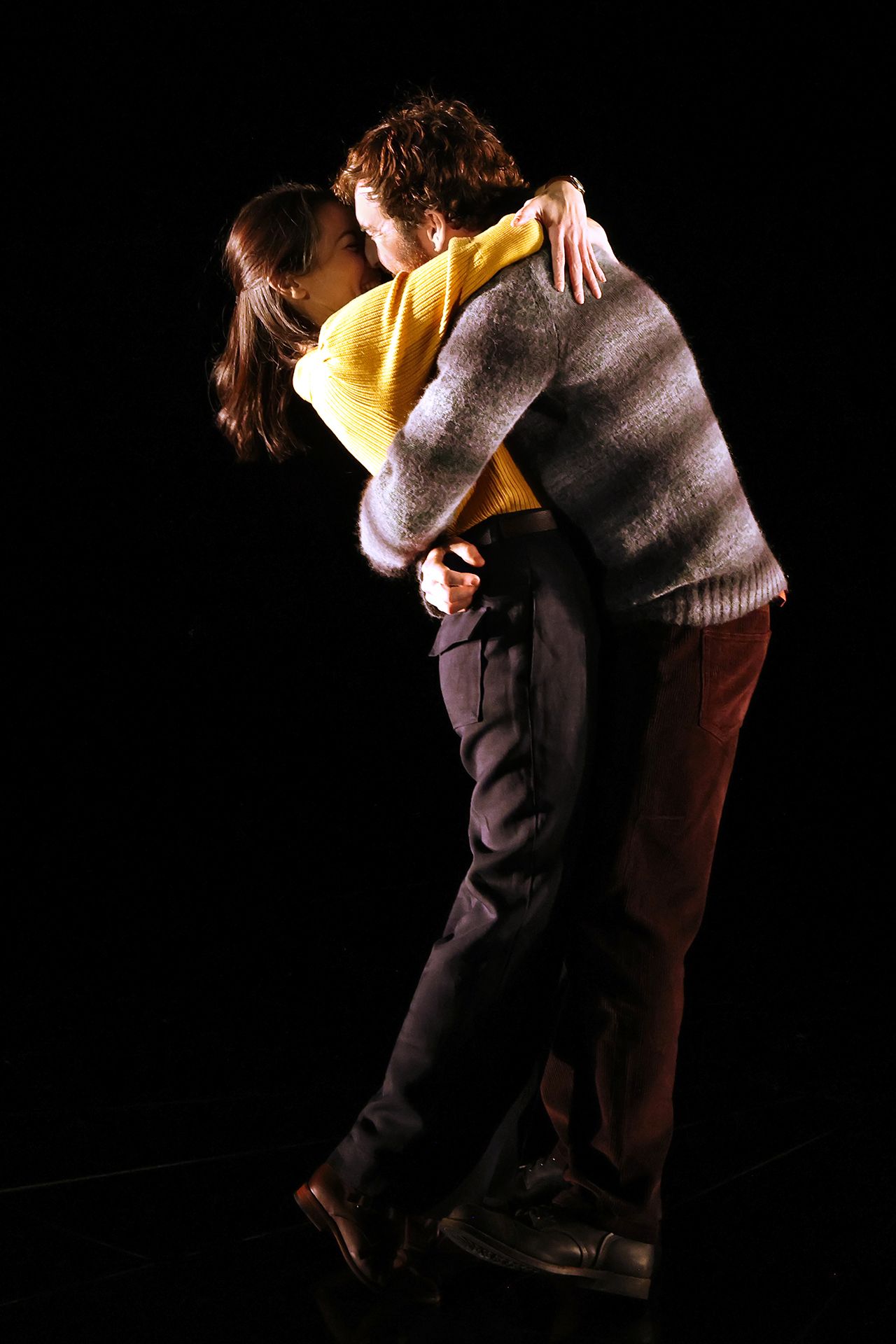
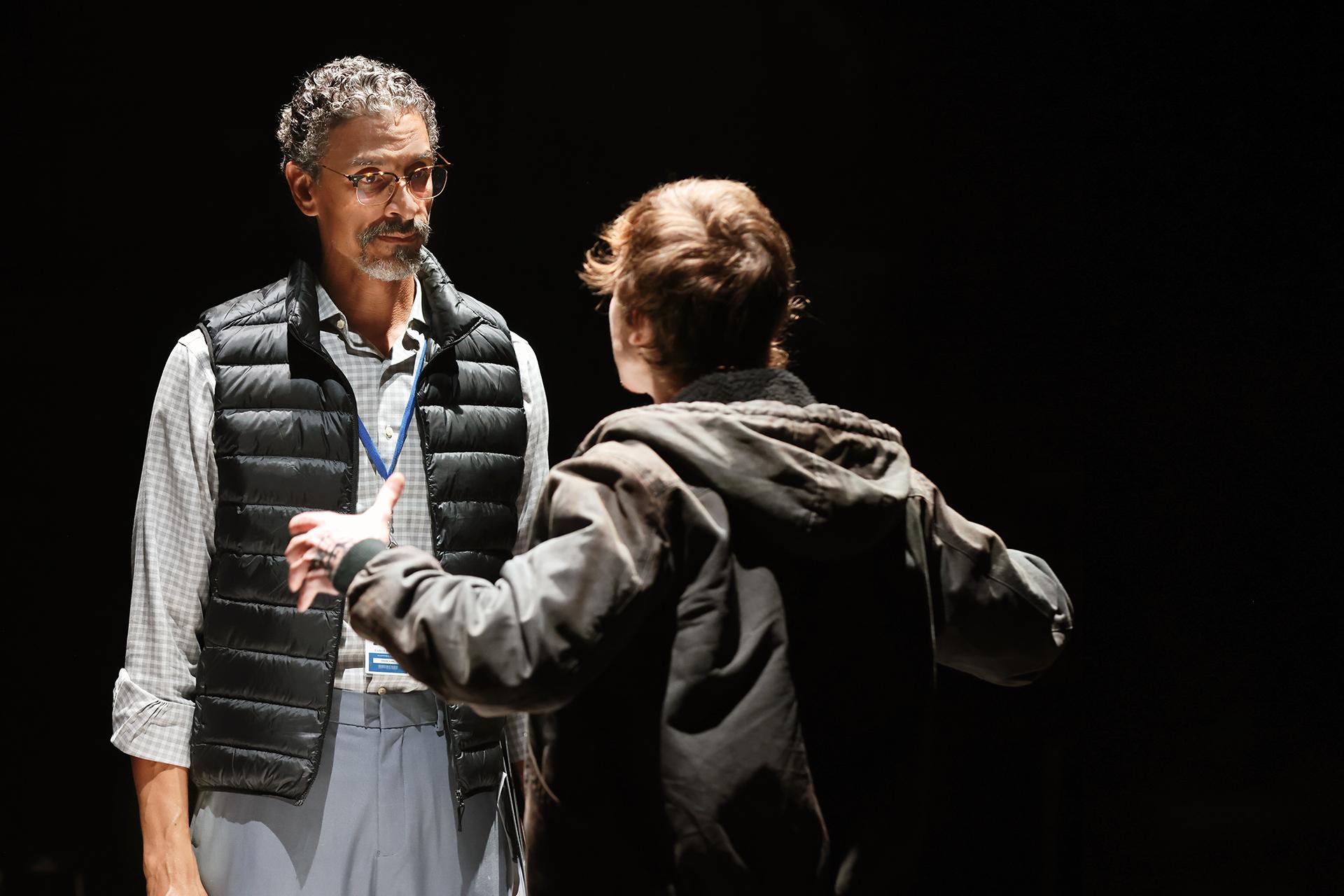
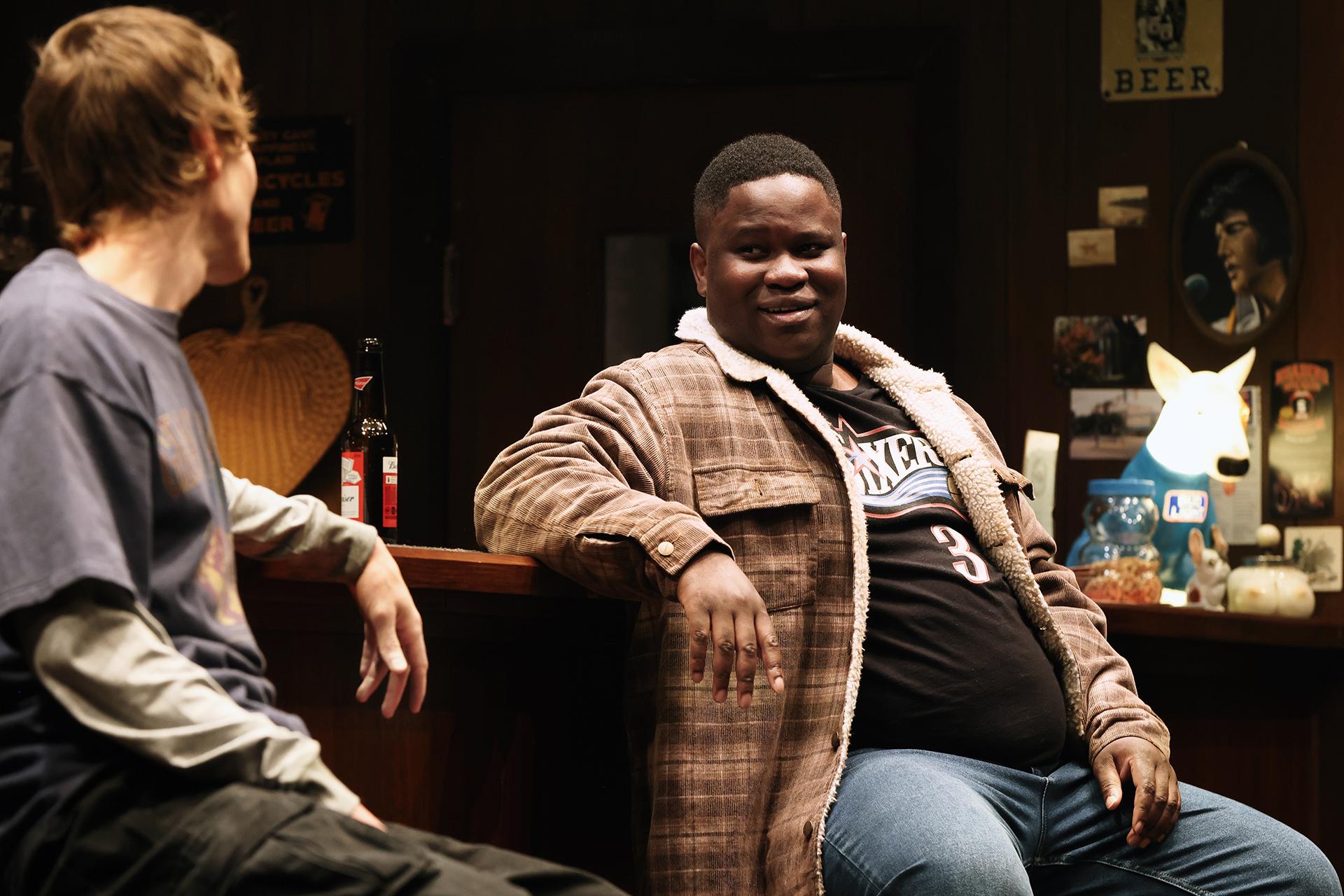
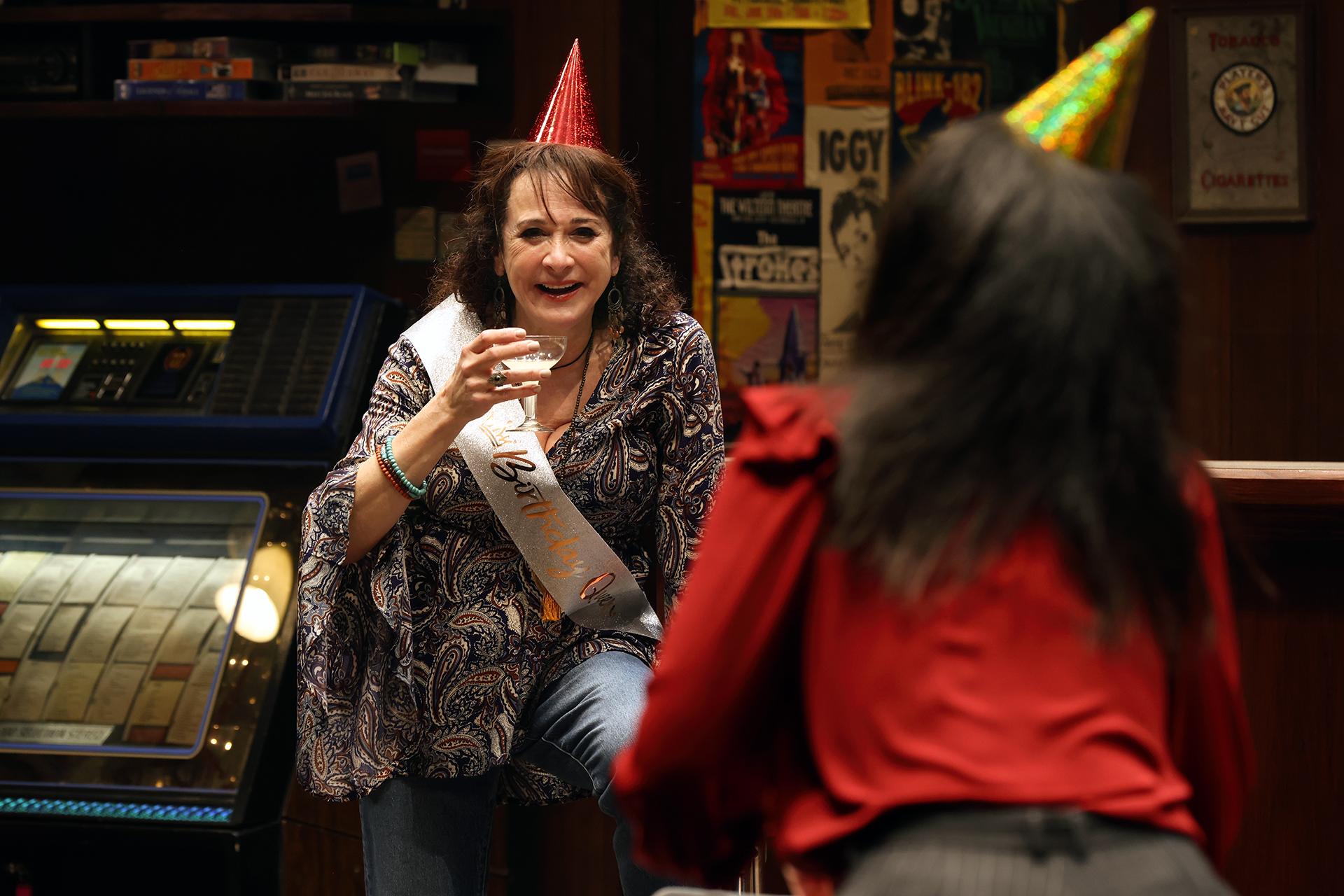
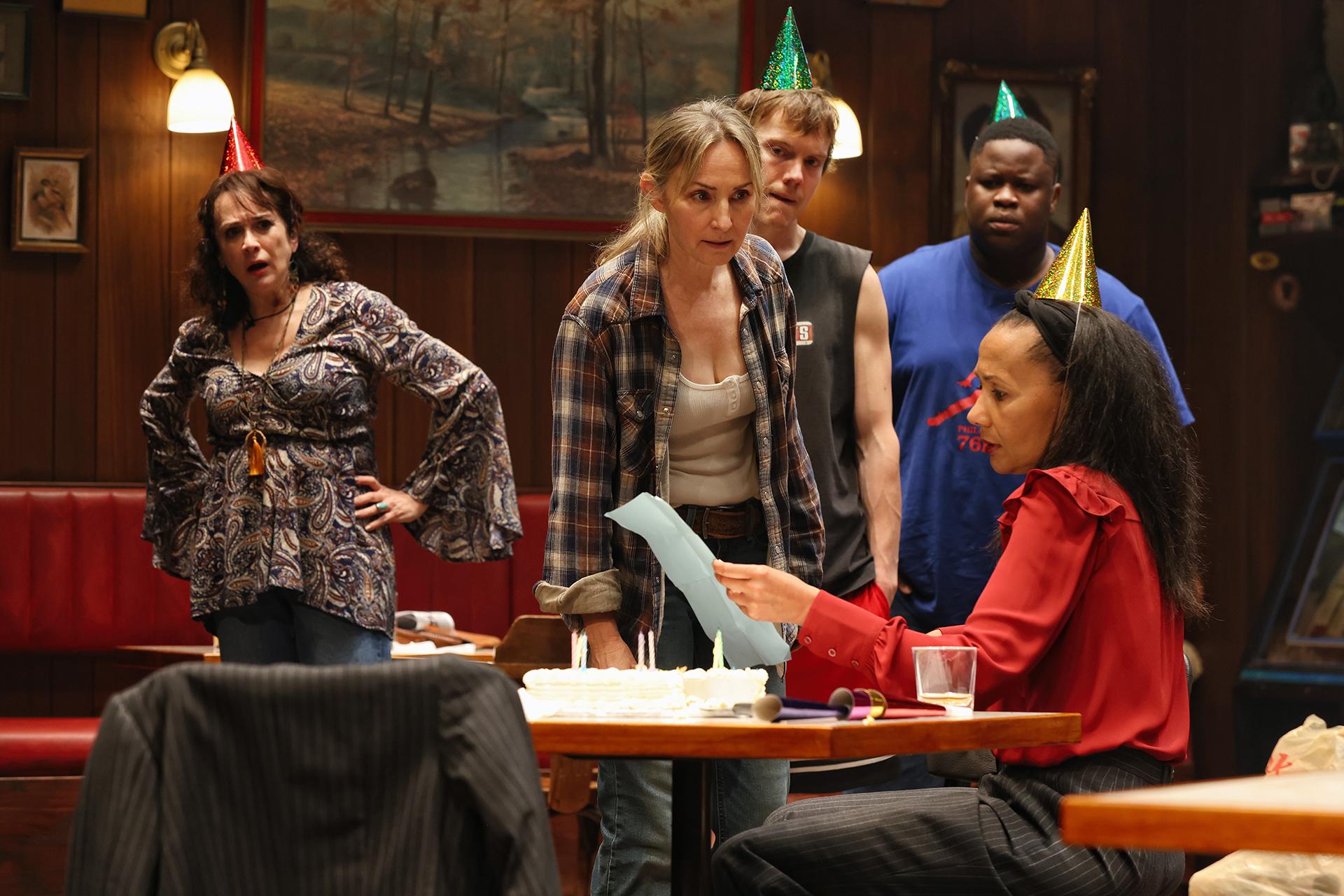
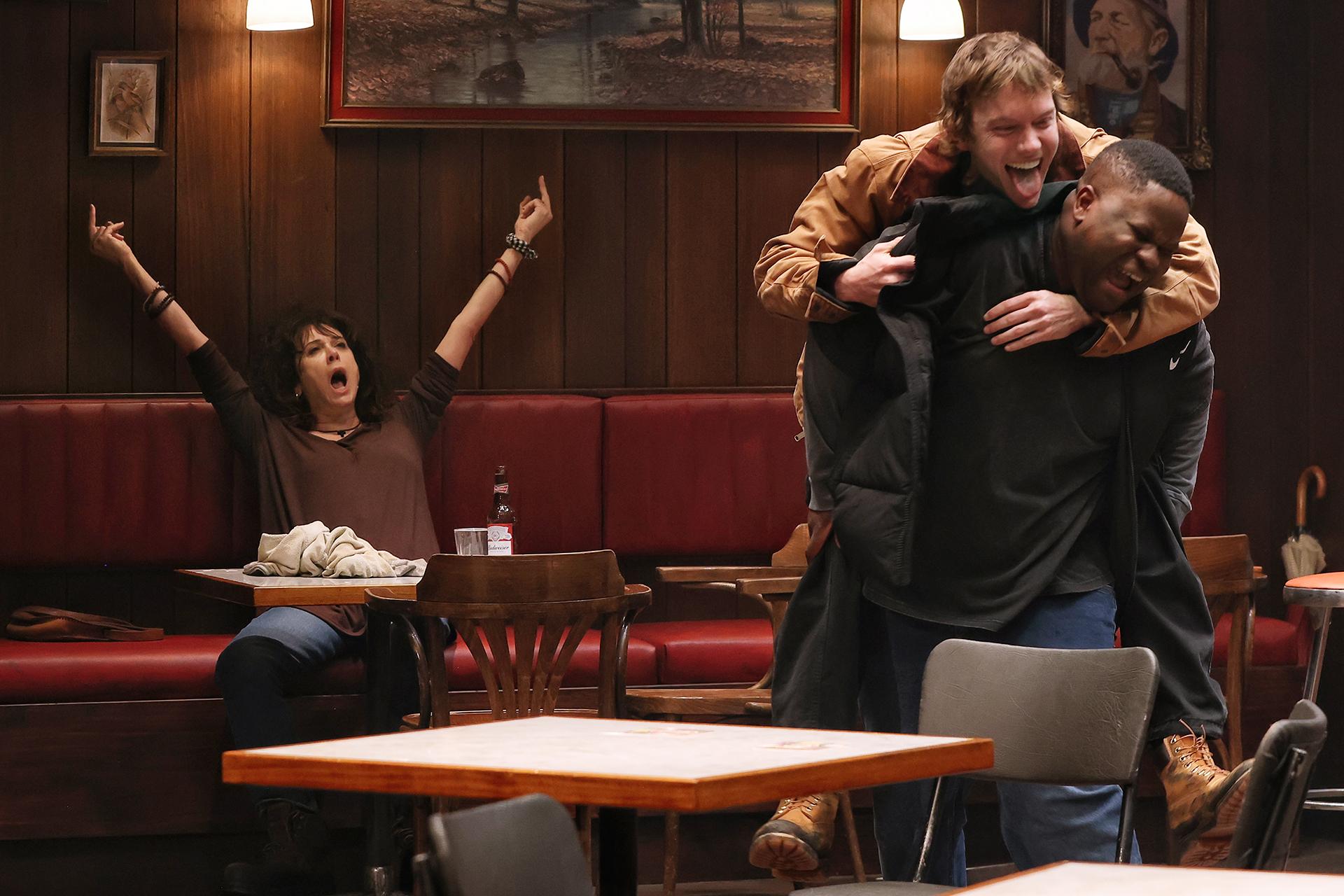
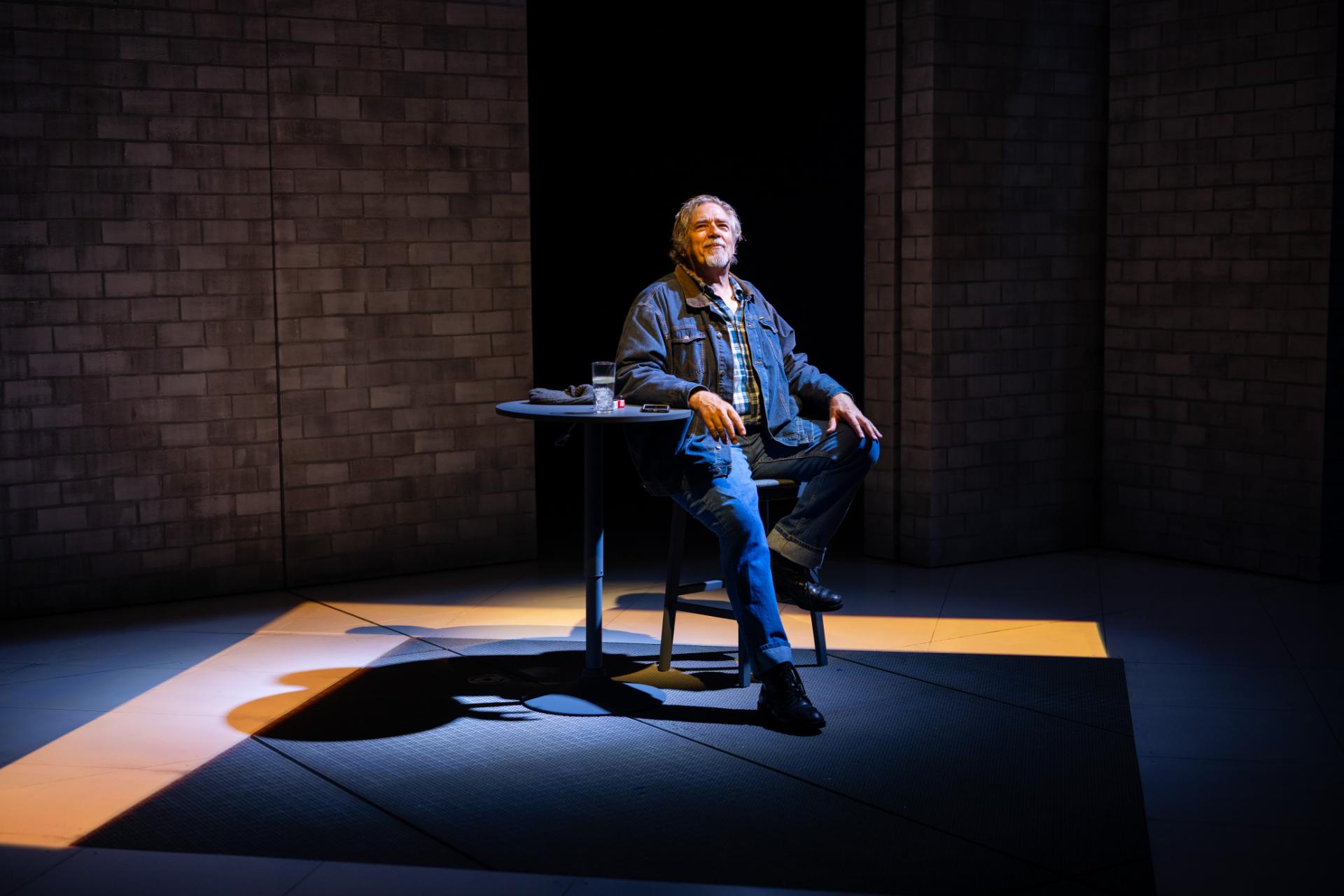
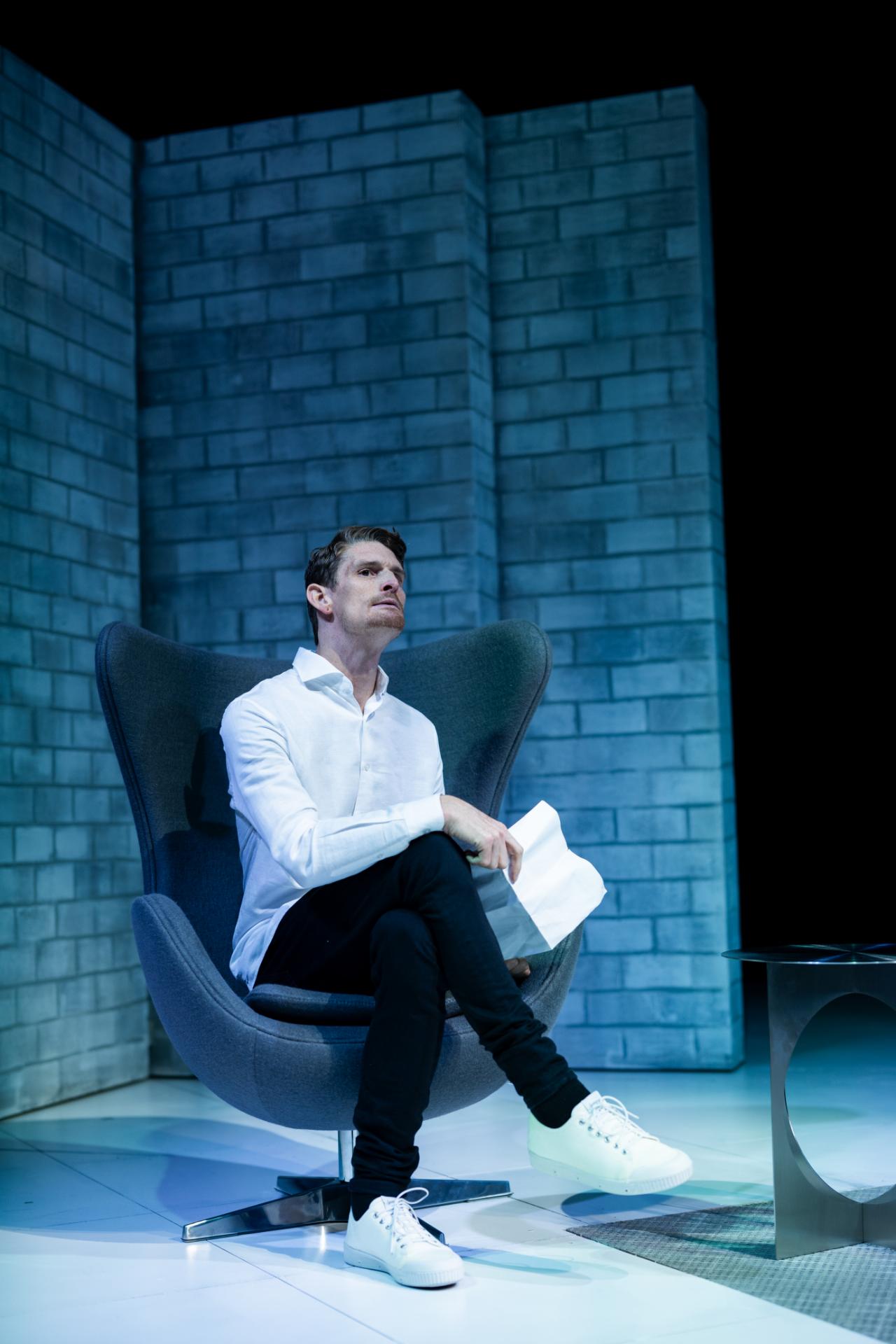
A strong cast of eight takes on the responsibility of storytelling, and their commitment to advocating for the underclass is evident in the level of focus each player brings to the piece. As a collective though, the ensemble never really finds an effective chemistry and their show, although believable, does not bear an authentic immediacy required to earn our instinctual empathy. Direction by Zindzi Okenyo demonstrates no shortage of earnestness, and we invest intellectually as a response, but how we feel for the situations being discussed, never really turns impassioned. 

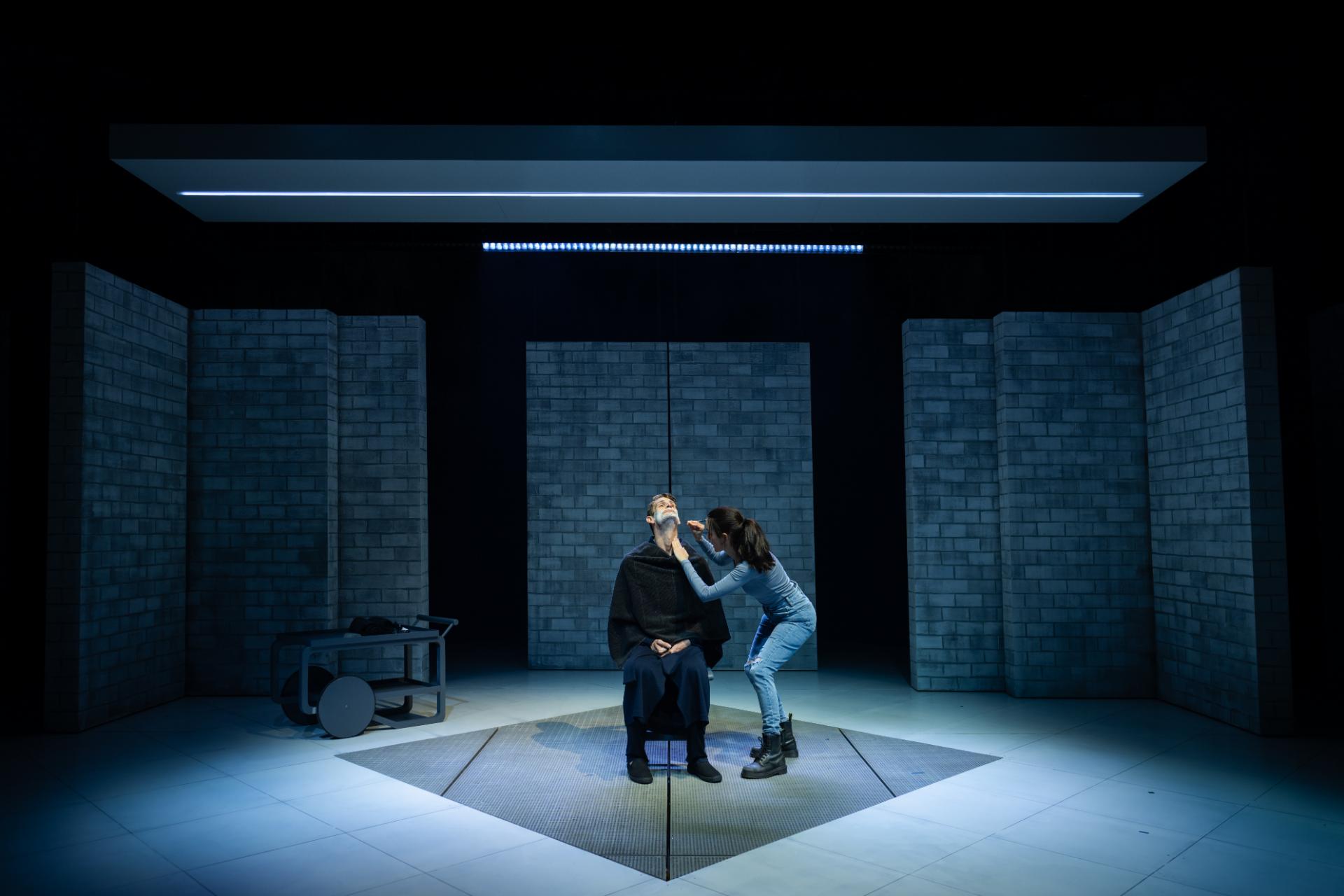
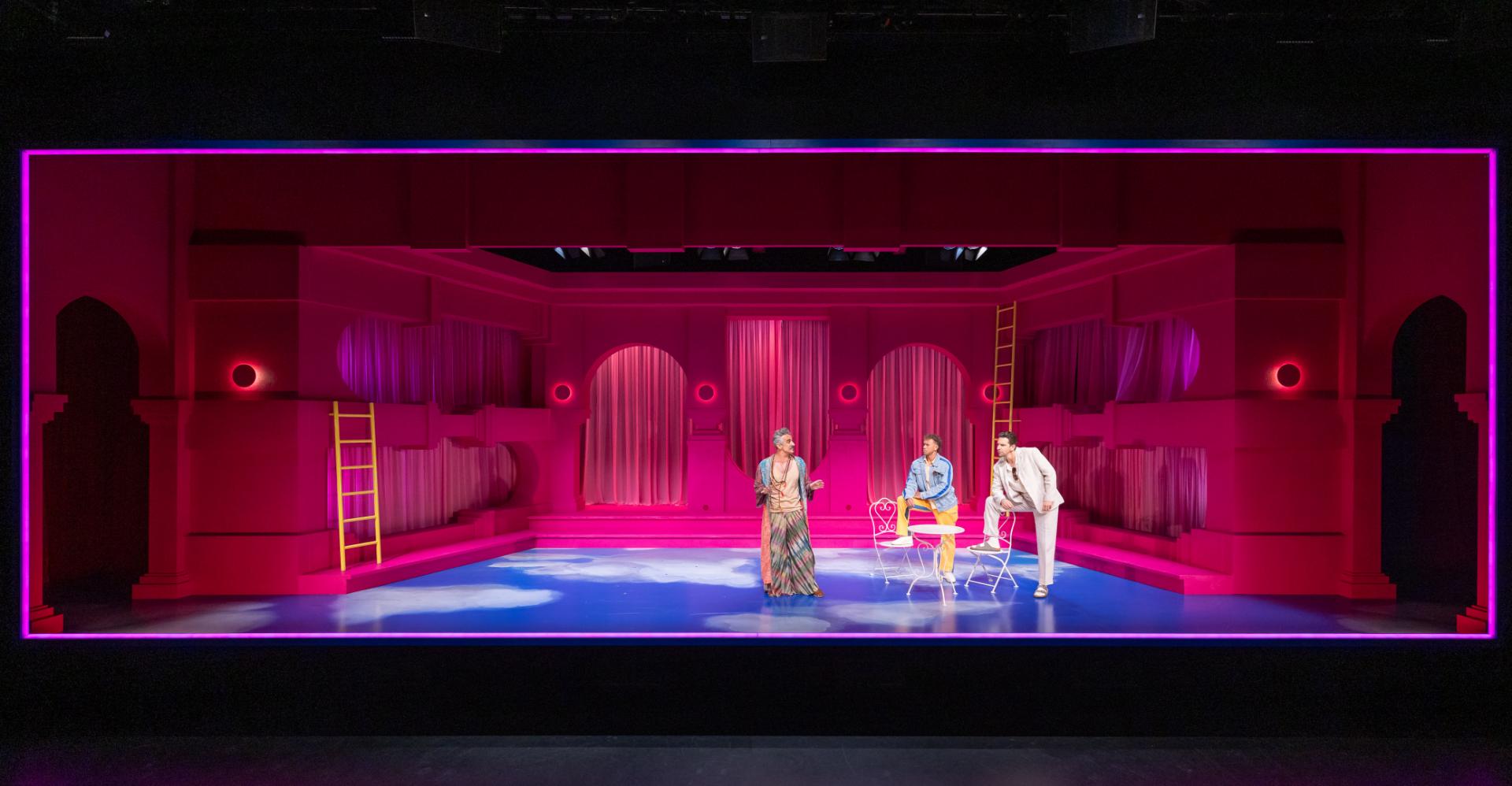
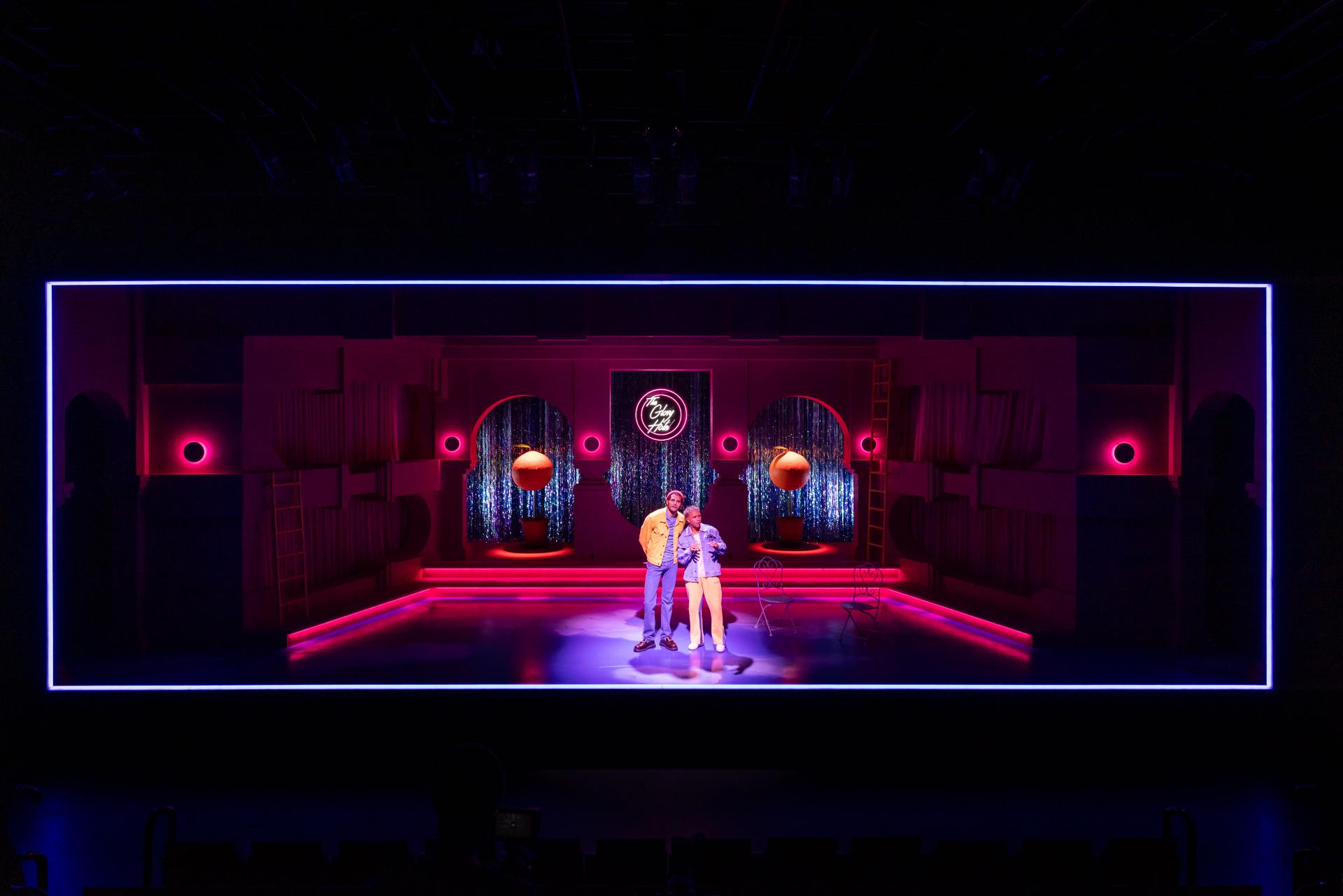
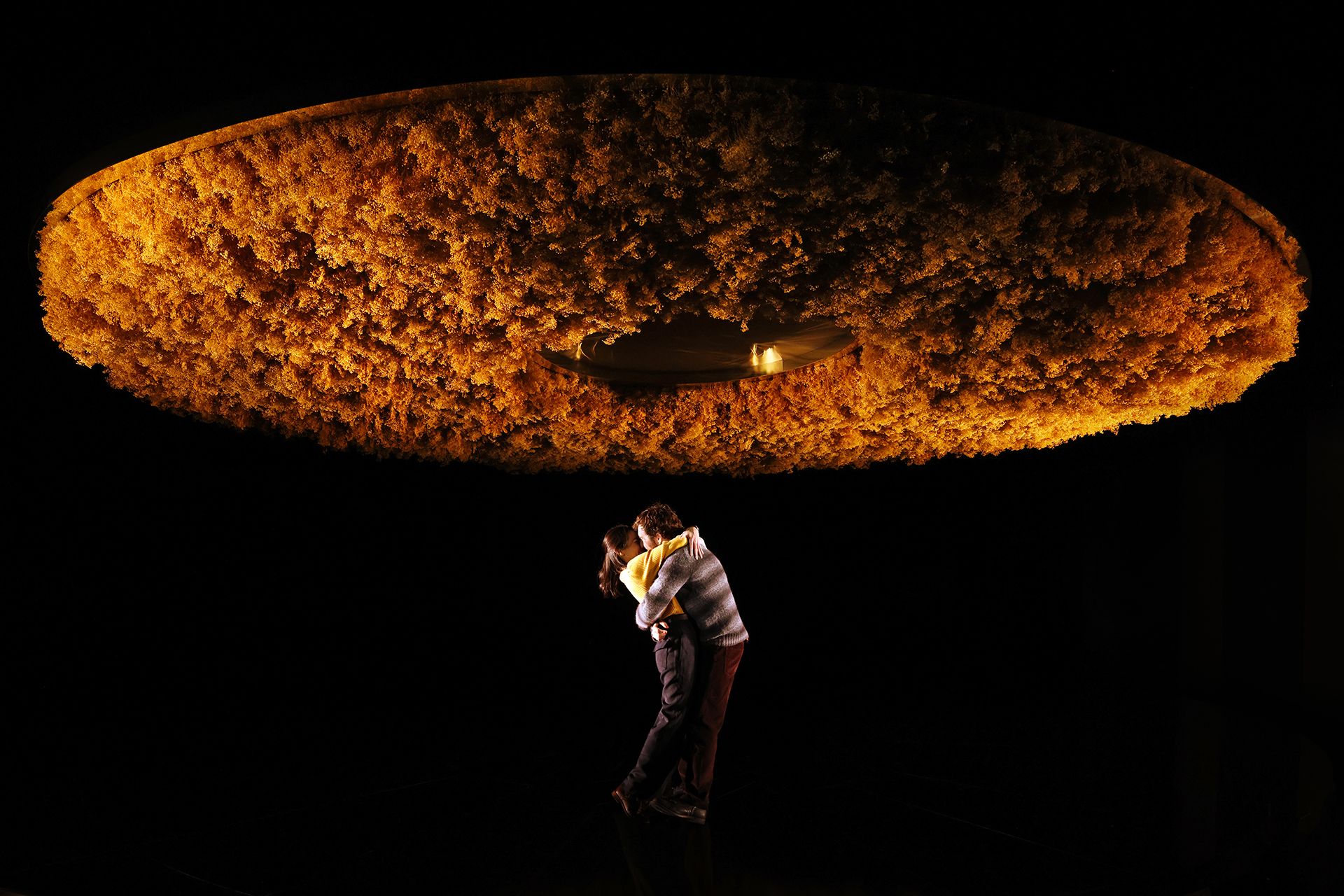
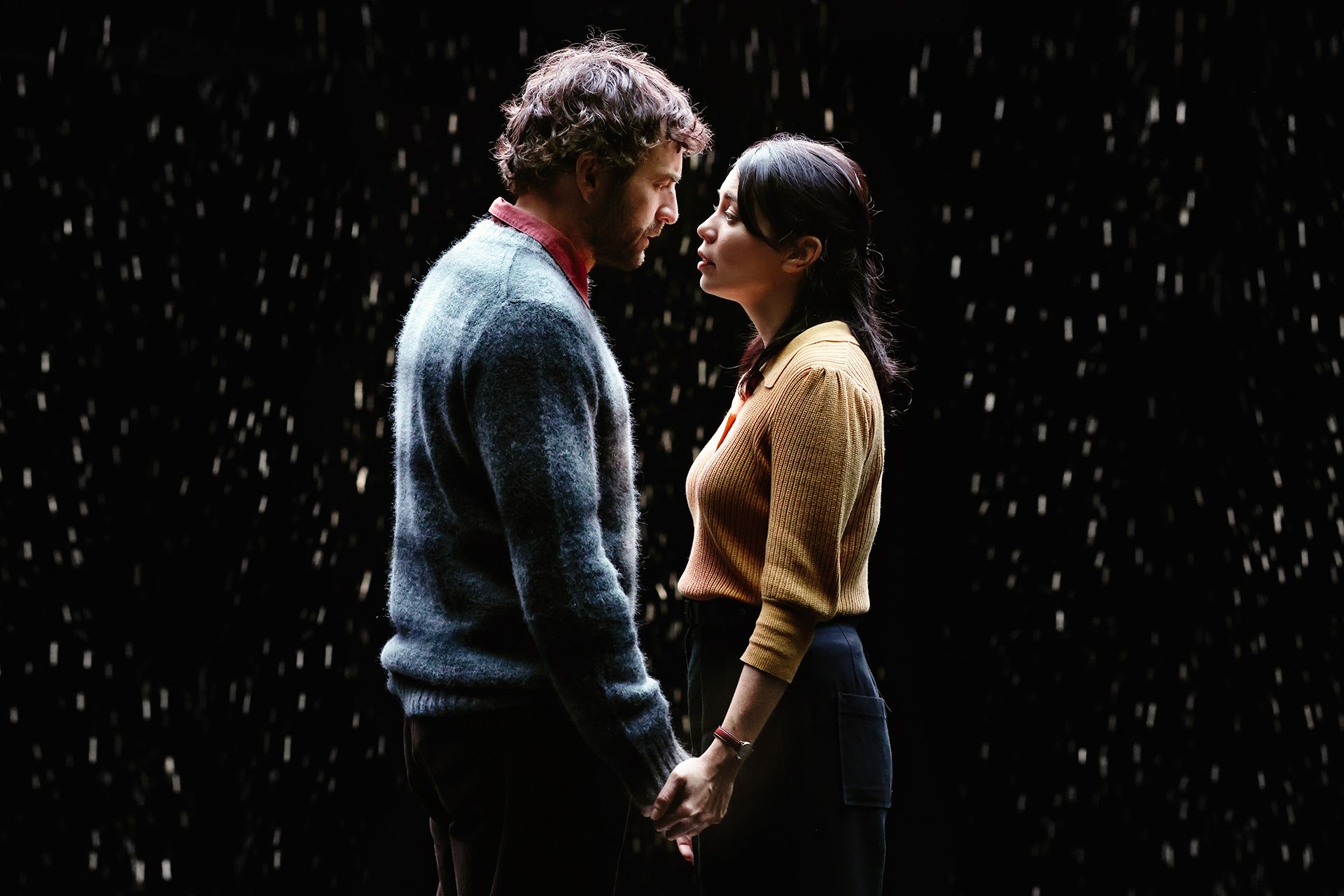
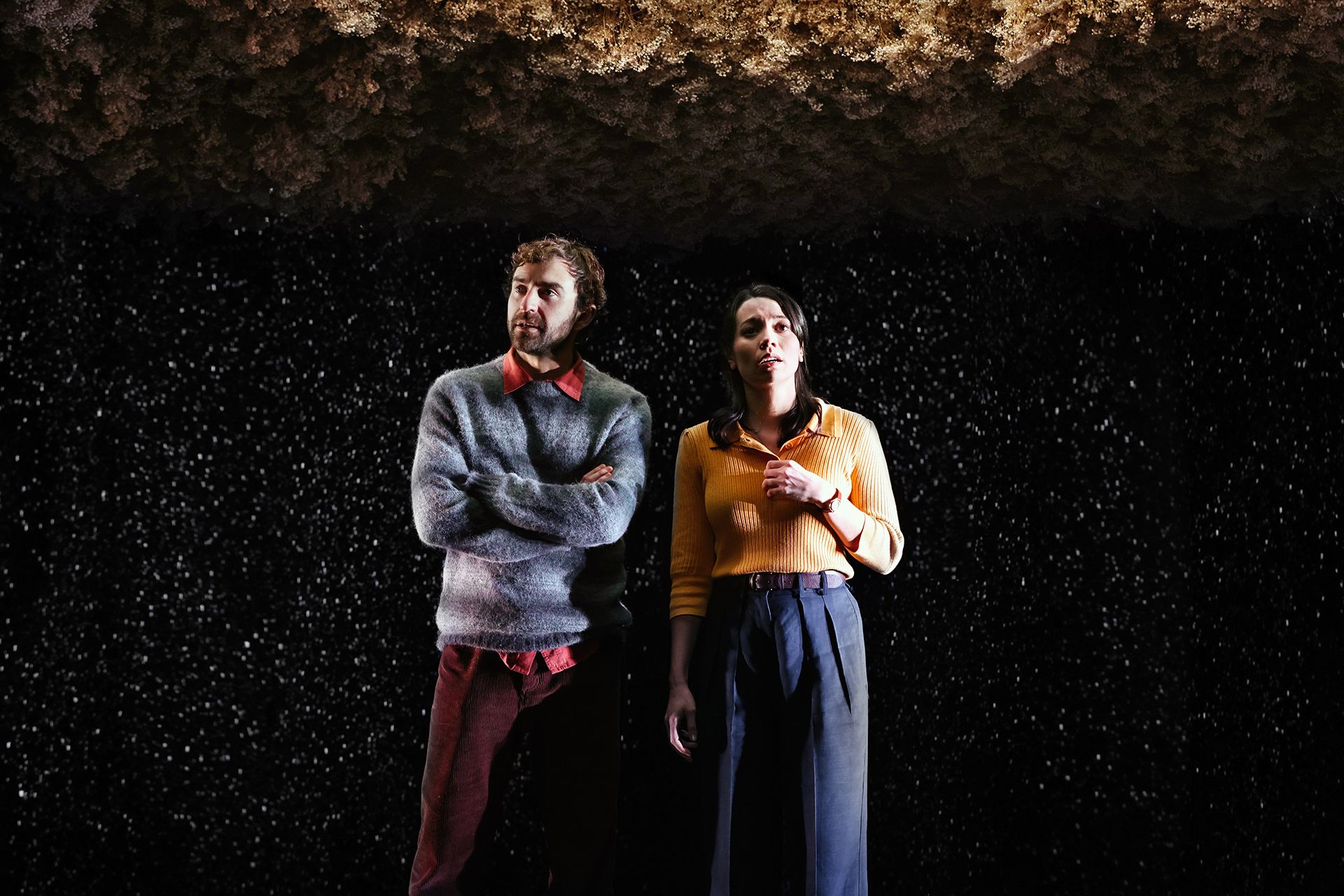
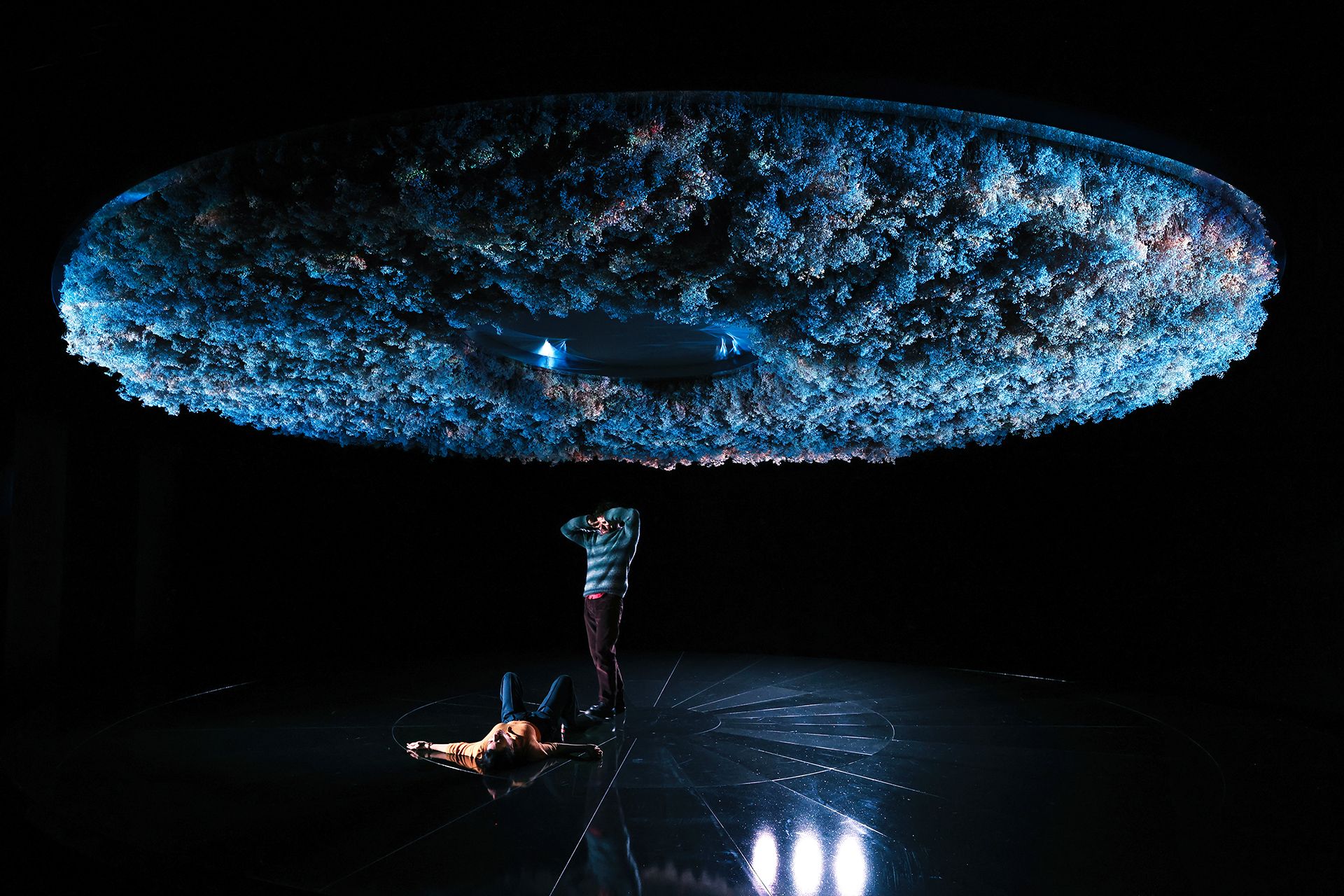
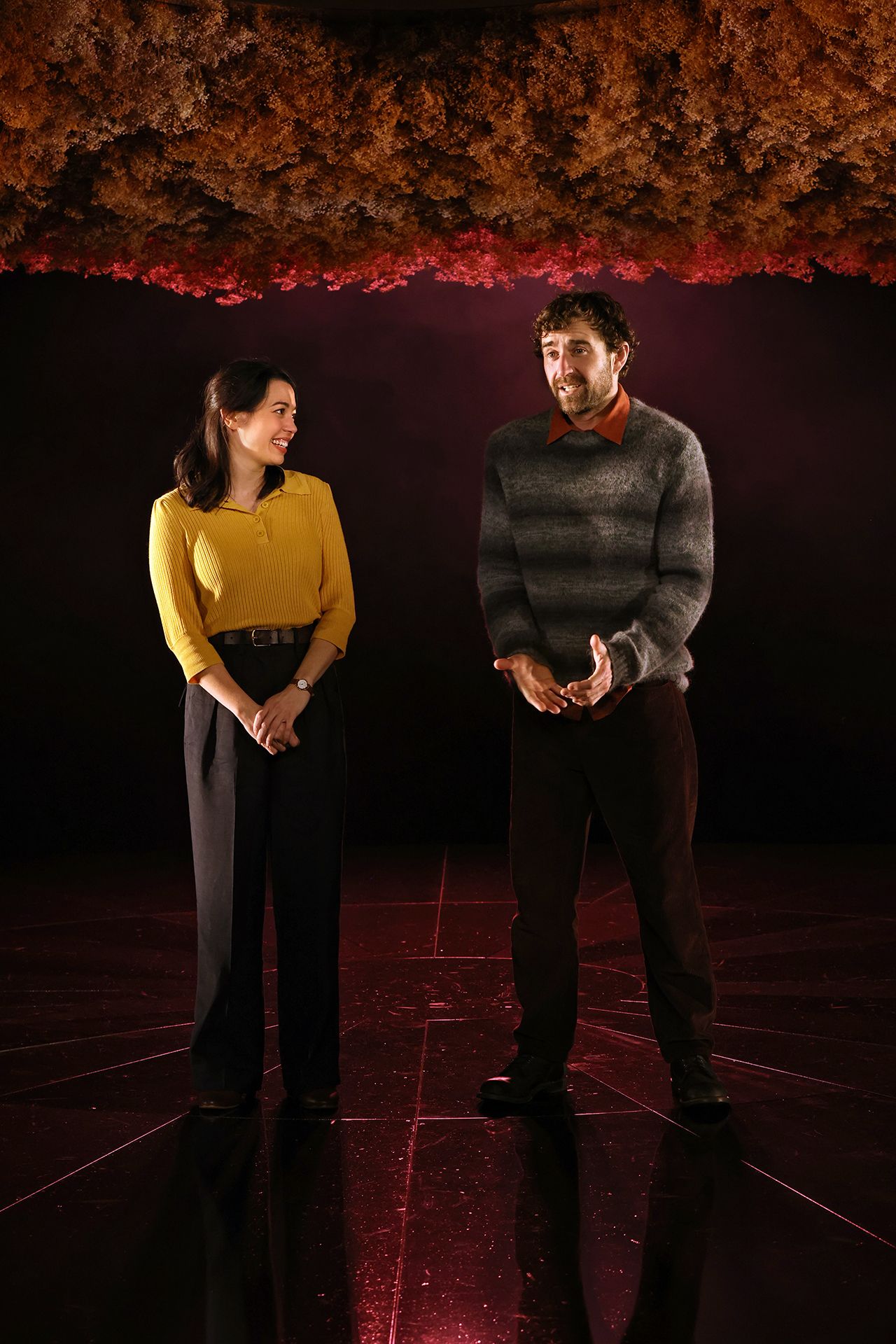
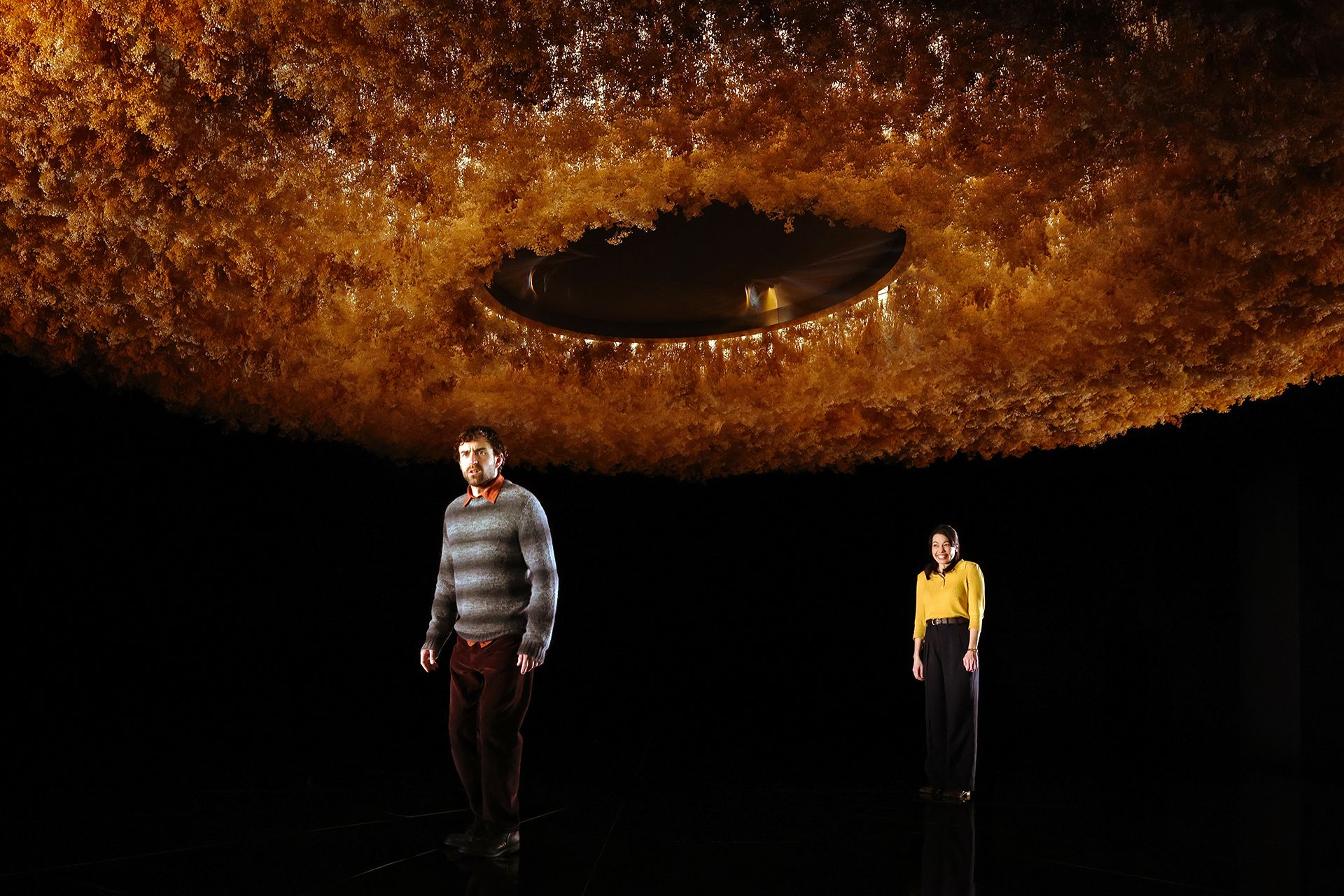
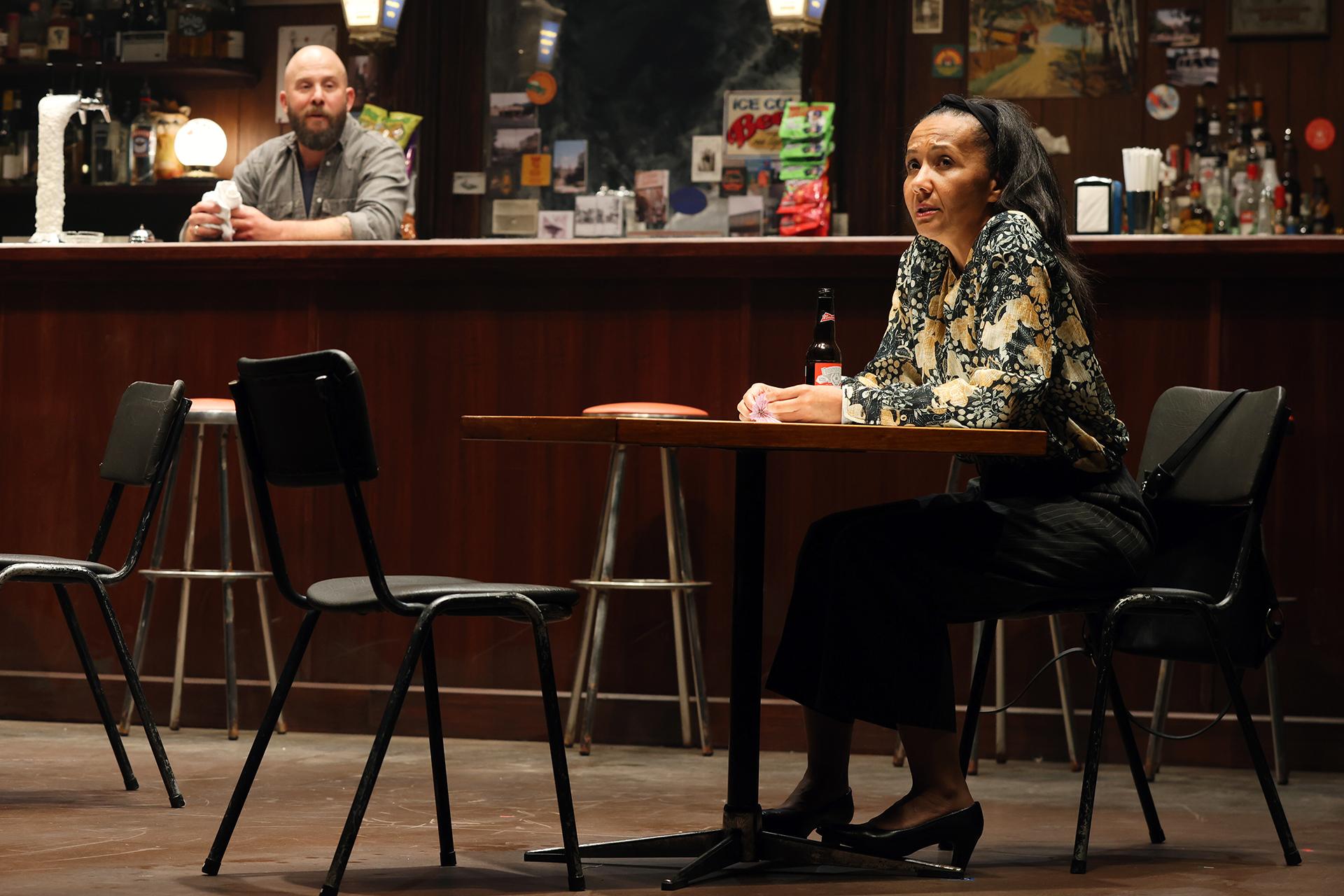
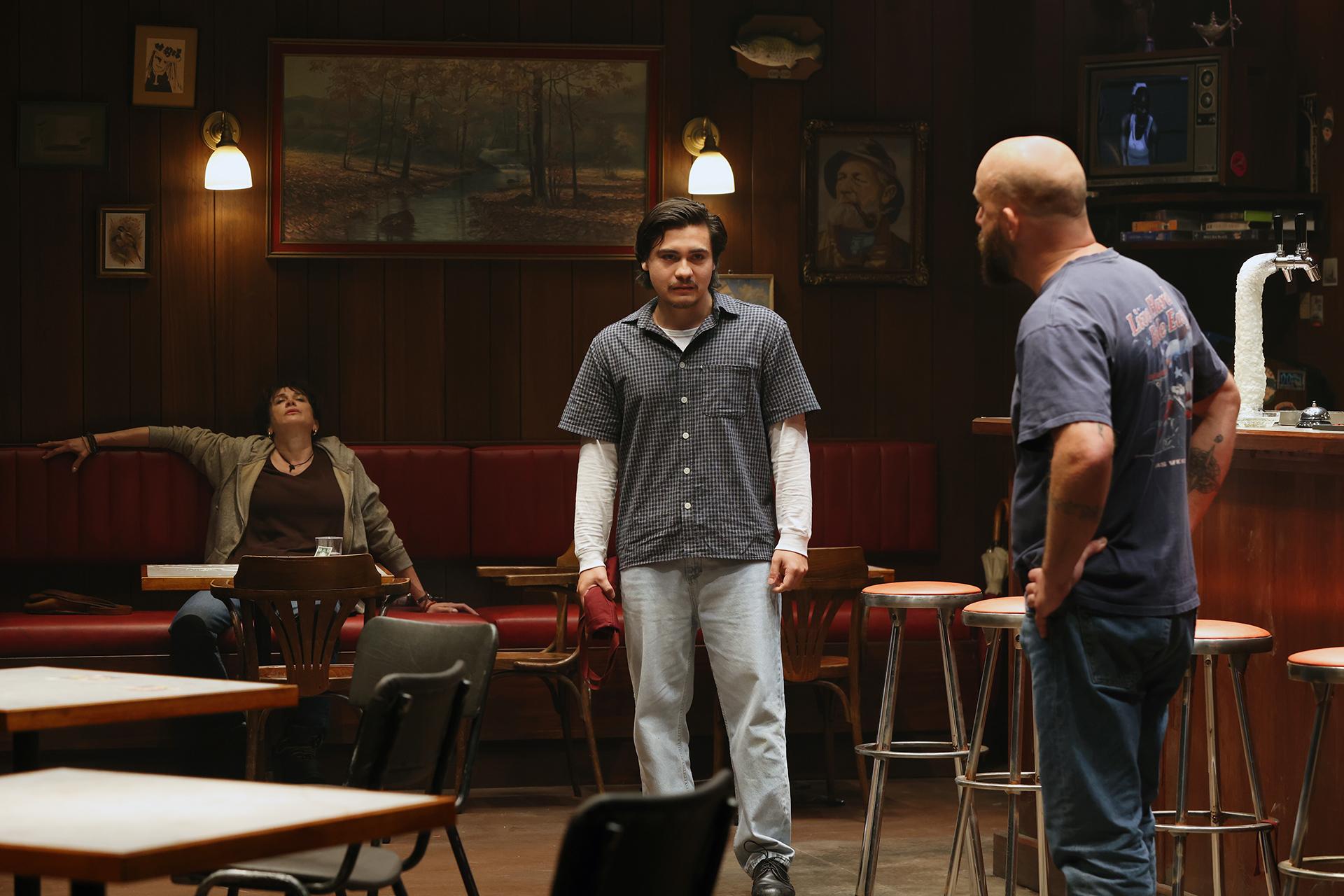
Jeremy Allen’s set design is aesthetically pleasing but its spaciousness conveys a corresponding emptiness that seems to struggle at harnessing dramatic intensity. Lights by Verity Hampson are often excessively languid in tone, although its realism does help us gain an appreciation for the environment being explored. Music by Brendon Boney delivers an appropriate nostalgia in this flash back to the year 2000, even if it does little to rouse our sentiments.

In all the trauma and hardship of Sweat, we can deduce that income inequality renders a powerlessness, both perceived and real, amongst those we might call the proletariat. Characters in the play turn on one another, instead of fighting the real enemy at the top. An incapacitation occurs that dissuades the disadvantaged from confronting those that can improve conditions, shifting attention to scapegoats, often at the encouragement of those who shirk their social and moral duty. It is understandable that those at the bottom should adhere to the language and mechanisms of power, but finding alternatives seems to be the only way we can hope to help ourselves.
www.sydneytheatre.com.au

Review: Cost Of Living (Sydney Theatre Company/Queensland Theatre)

Venue: Wharf 1 Sydney Theatre Company (Walsh Bay NSW), 18 Jul – 18 Aug, 2024
Playwright: Martyna Majok
Director: Dan Daw, Priscilla Jackman
Cast: Dan Daw, Kate Hood, Zoe de Plevitz, Philip Quast
Images by Morgan Roberts

Theatre review
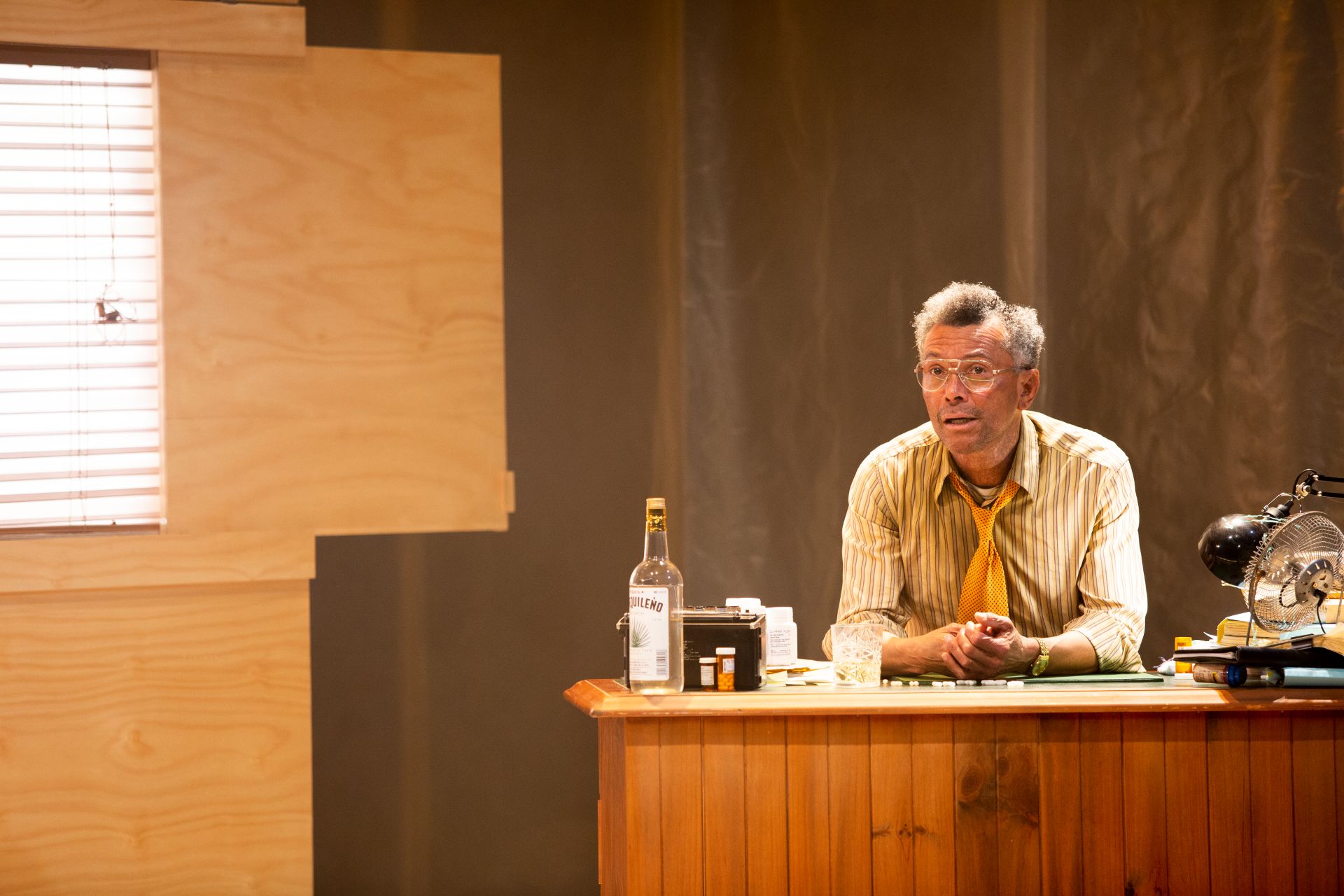
Ani and John have physical disabilities that require assistance. Edie and Jess are their respective carers, who grow to become emotionally reliant on their clients. Martyna Majok’s Cost of Living takes a look at the dependency we have for one another, as humans who fundamentally need other humans. The characters we encounter are indubitably fascinating, in this play about the vulnerabilities we share, although its plot can feel somewhat lacking.

Direction by Dan Daw and Priscilla Jackman create a compelling intimacy for a show comprised of two-hander scenes. It may not reach a point of emotional intensity that is sufficiently satisfying, but we find ourselves kept intellectually engaged throughout the piece. Production design by Michael Scott-Mitchell is perhaps too sparse, in a staging that could benefit from a greater sense of visual allure. Lights by John Rayment help to facilitate storytelling, as do sounds by Guy Webster, both elements offering appropriate enhancements to the drama that unfolds.

Daw performs one of the roles, and along with Kate Hood, Zoe de Plevitz and Philip Quast, form a cast that delivers something that is truly thought-provoking. There is a distinct passion in their advocacy for people living with disabilities, and they certainly inspire us to consider better integrating all our diverse capacities into what could be considered normative. Not all of us understands what it is to be disabled, but most will know the experience of being excluded. Unfortunately that sensation of ostracism is often forgotten, when we negotiate daily life, and we leave compassion behind, in trying to keep up with standards that serve only a minuscule minority.

www.sydneytheatre.com.au | www.queenslandtheatre.com.au

Review: American Signs (Sydney Theatre Company)

Venue: Wharf 2 Sydney Theatre Company (Walsh Bay NSW), Jun 15 – Jul 14, 2024
Playwright: Anchuli Felicia King
Director: Kenneth Moraleda
Cast: Catherine Văn-Davies
Images by Prudence Upton

Theatre review
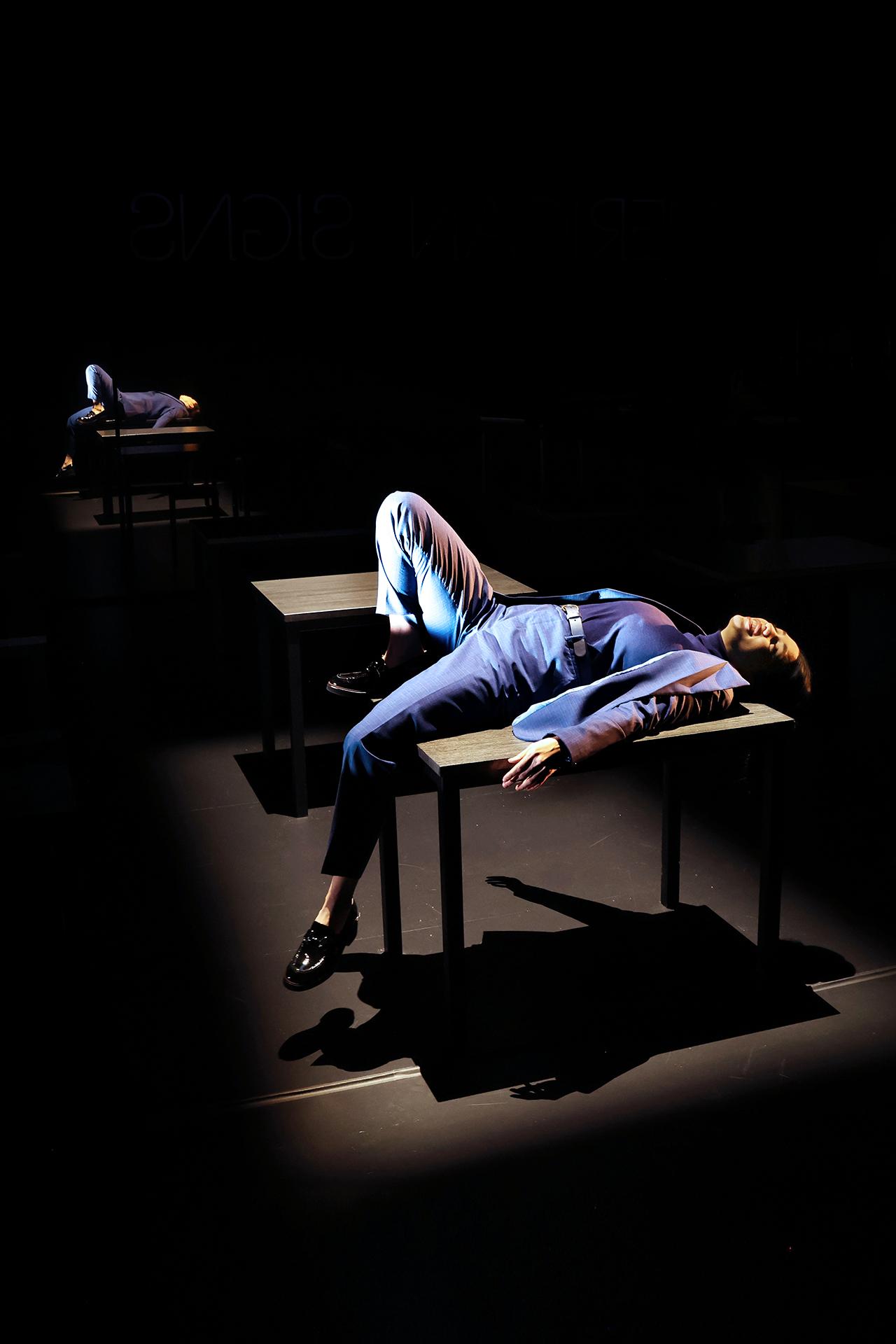
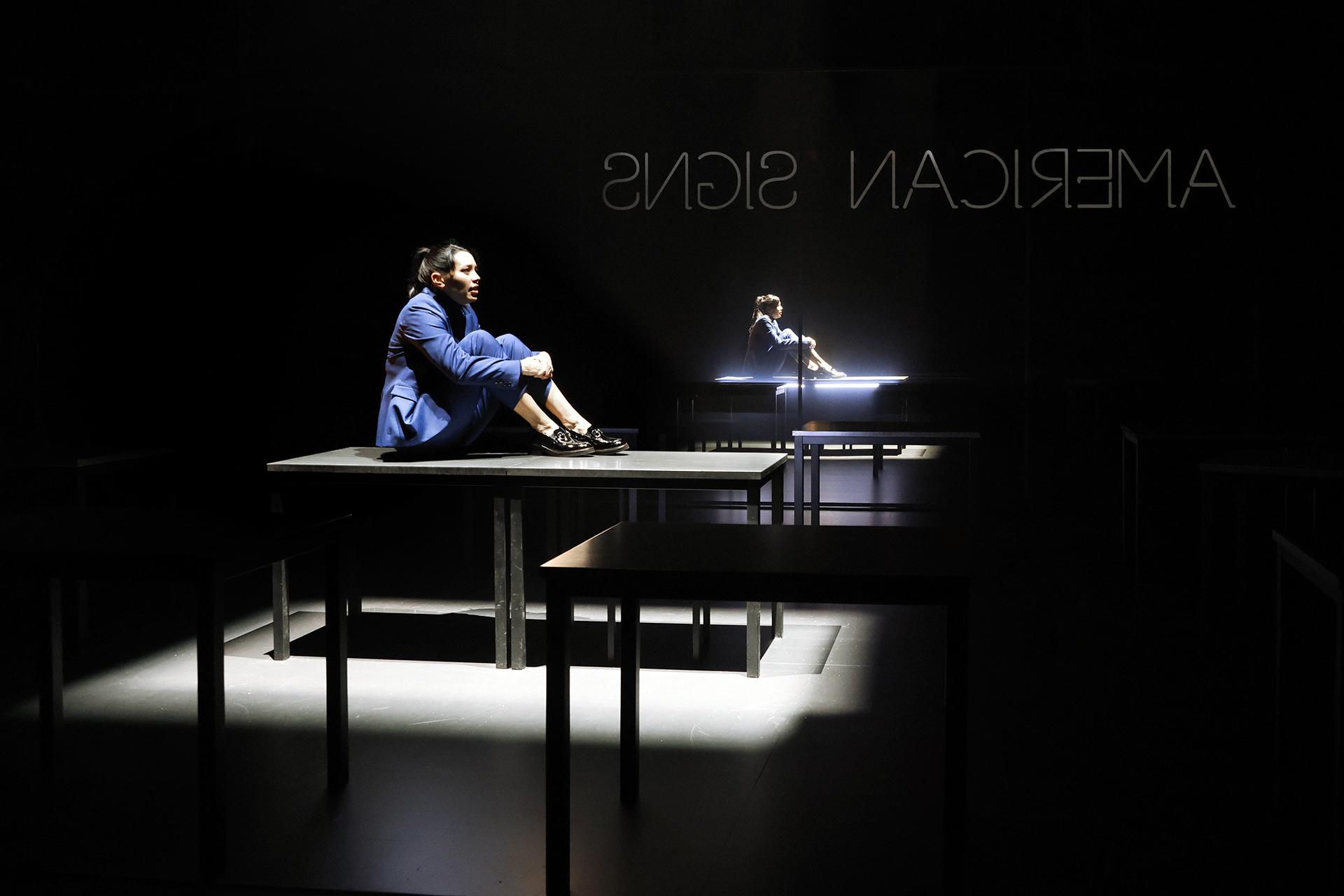
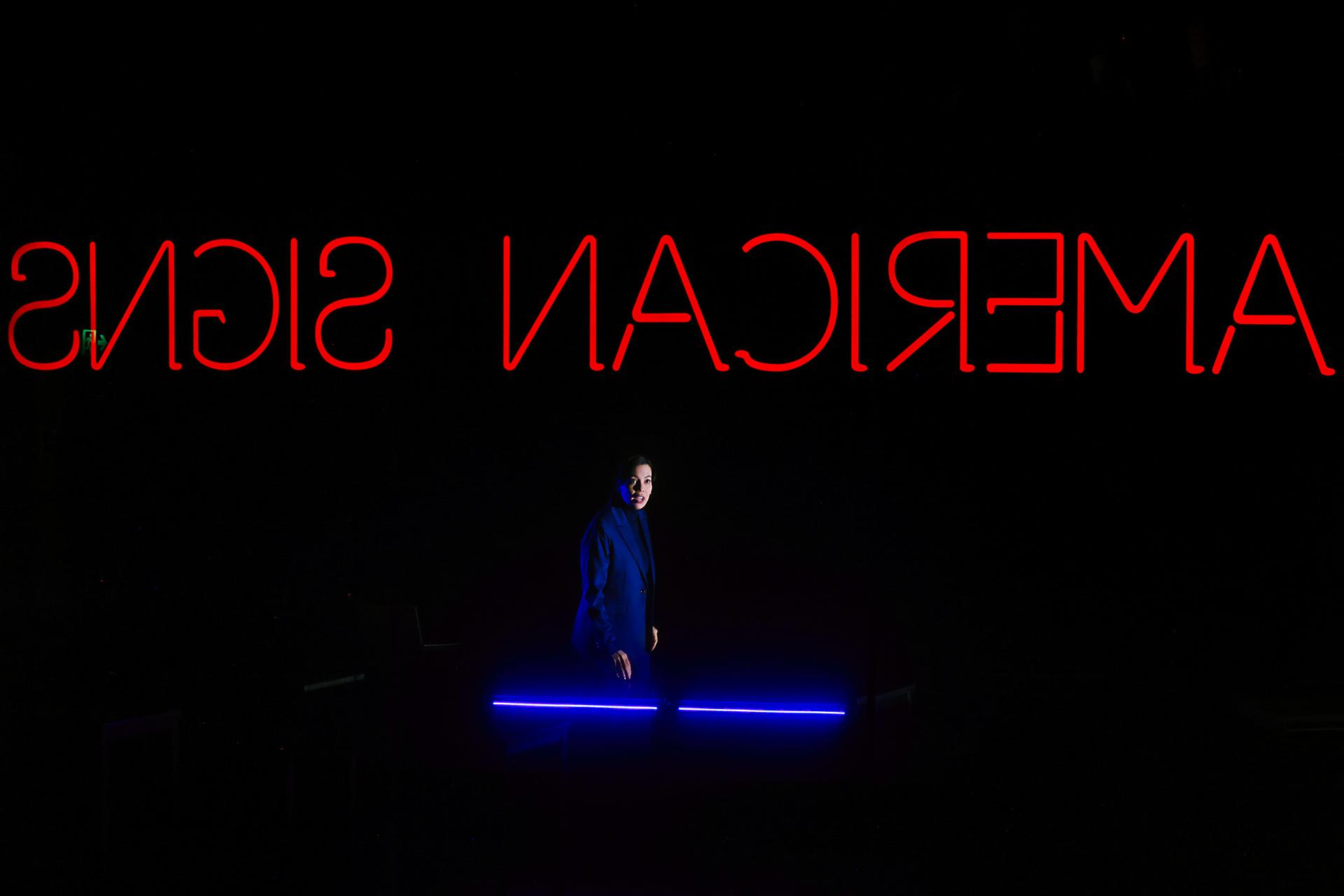
The unnamed protagonist is a twenty-something, third-generation Vietnamese-American who has completed her degree at Stanford, and is trying to establish a career as a management consultant. She has made her way into a top firm, where competition is strong, and where rules of engagement are soul-destroying. As a junior employee, she is being conditioned to tolerate exploitation in many flavours, and because she believes herself lucky to be there, she takes it all lying down.

Anchuli Felicia King’s sensational American Signs tells a rich story about late-stage capitalism, with particular focus on refugee diasporas and their obligatory allegiance to Western values. The Consultant’s acceptance of dubious conditions and her capitulation to utterly unethical abuses of power, are cuttingly illustrated by King with unequivocal persuasiveness. American Signs also functions as a sort of meditation on the notion of destiny for immigrants, who exist in an inevitable commitment to a hegemony that represents the antithesis of what they flee.

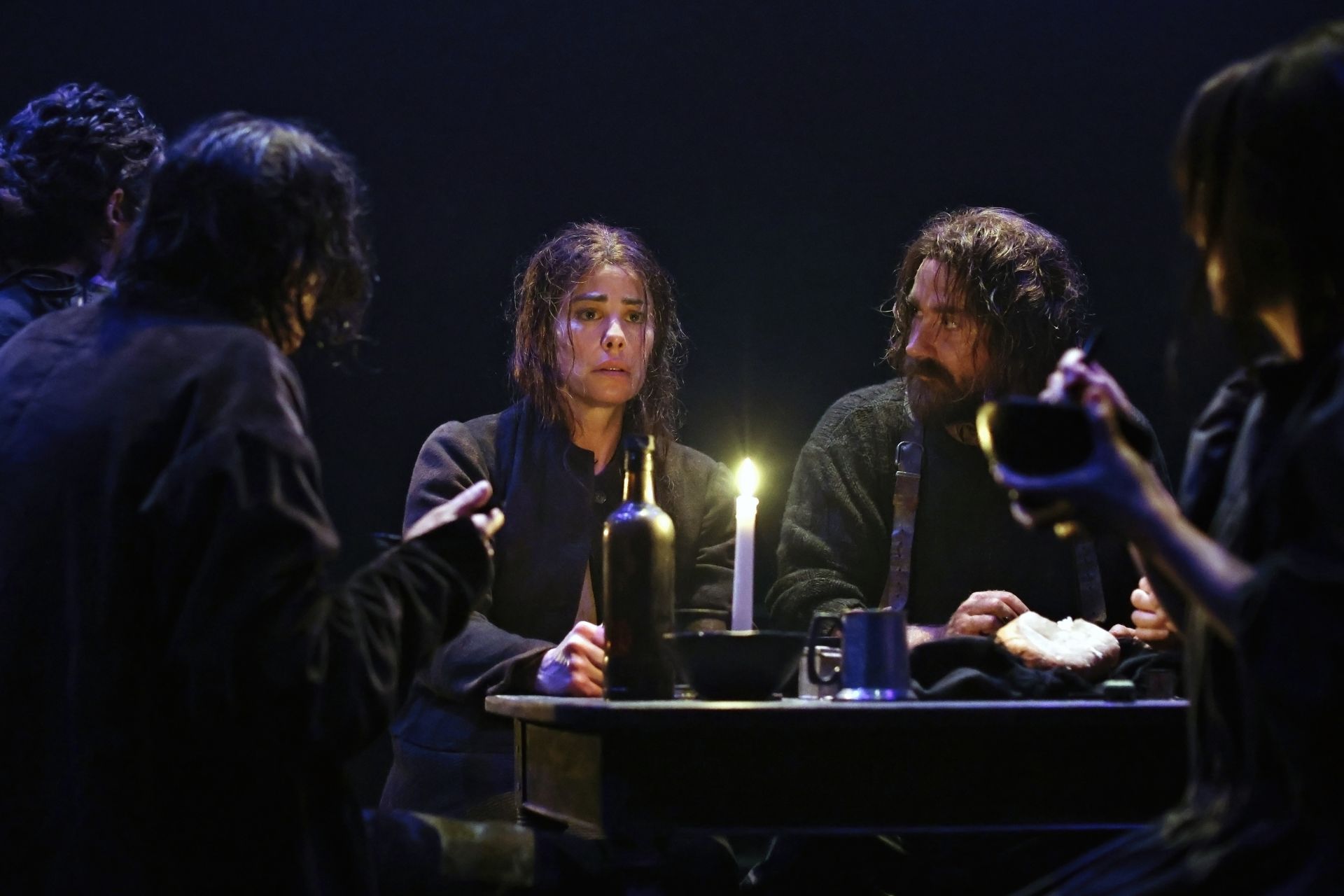
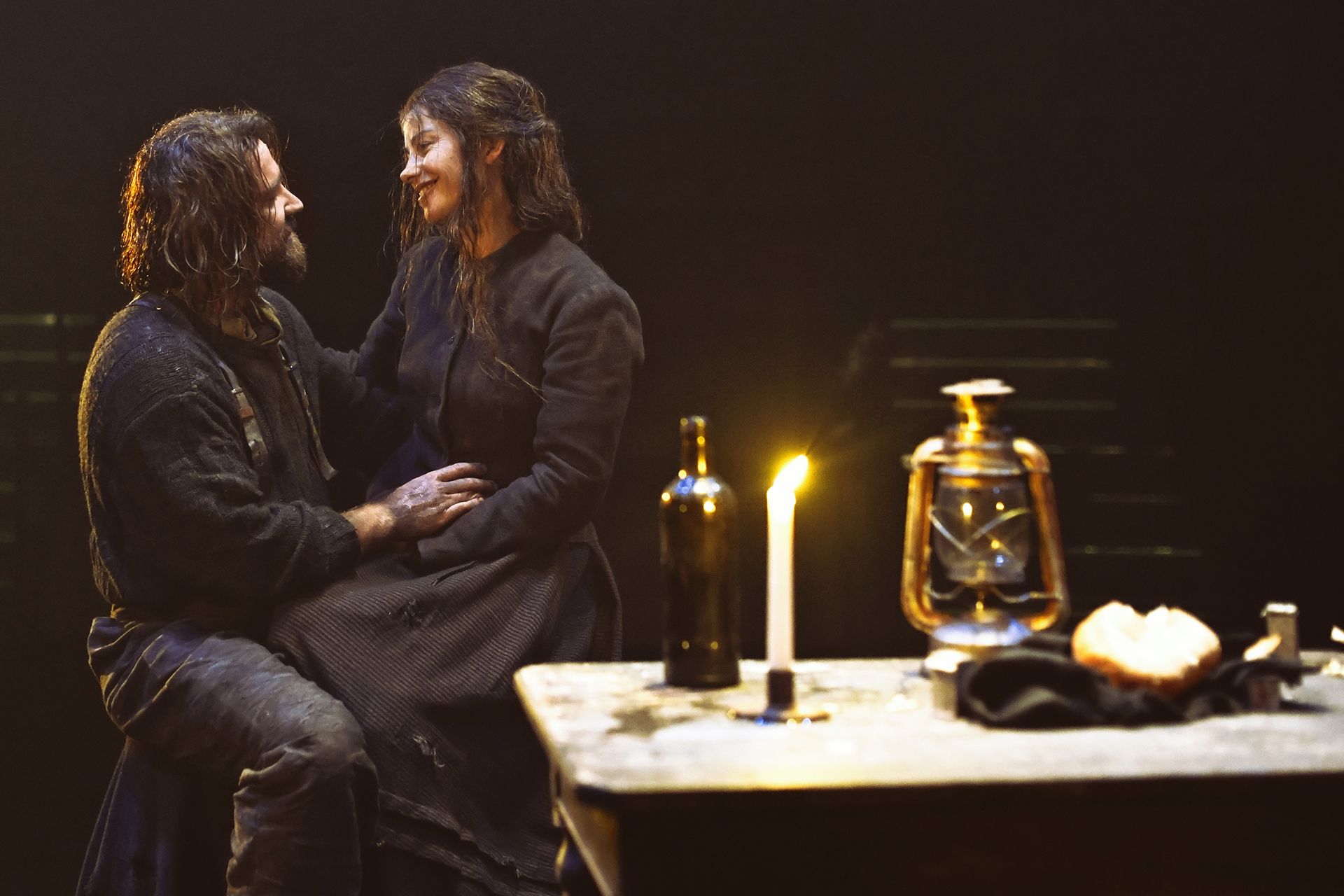
Poignant direction by Kenneth Moraleda fuses intellect with emotion, so that we may understand thoroughly the plight of the central character, and by inference the audience’s own circumstances. For a narrative dealing with impulses and compulsions that often seem to be unconscious or unexamined, it is important that we are encouraged to feel as much as we contemplate, the several resonant morals of the story. Moraleda’s work certainly has us engaging both heart and mind.

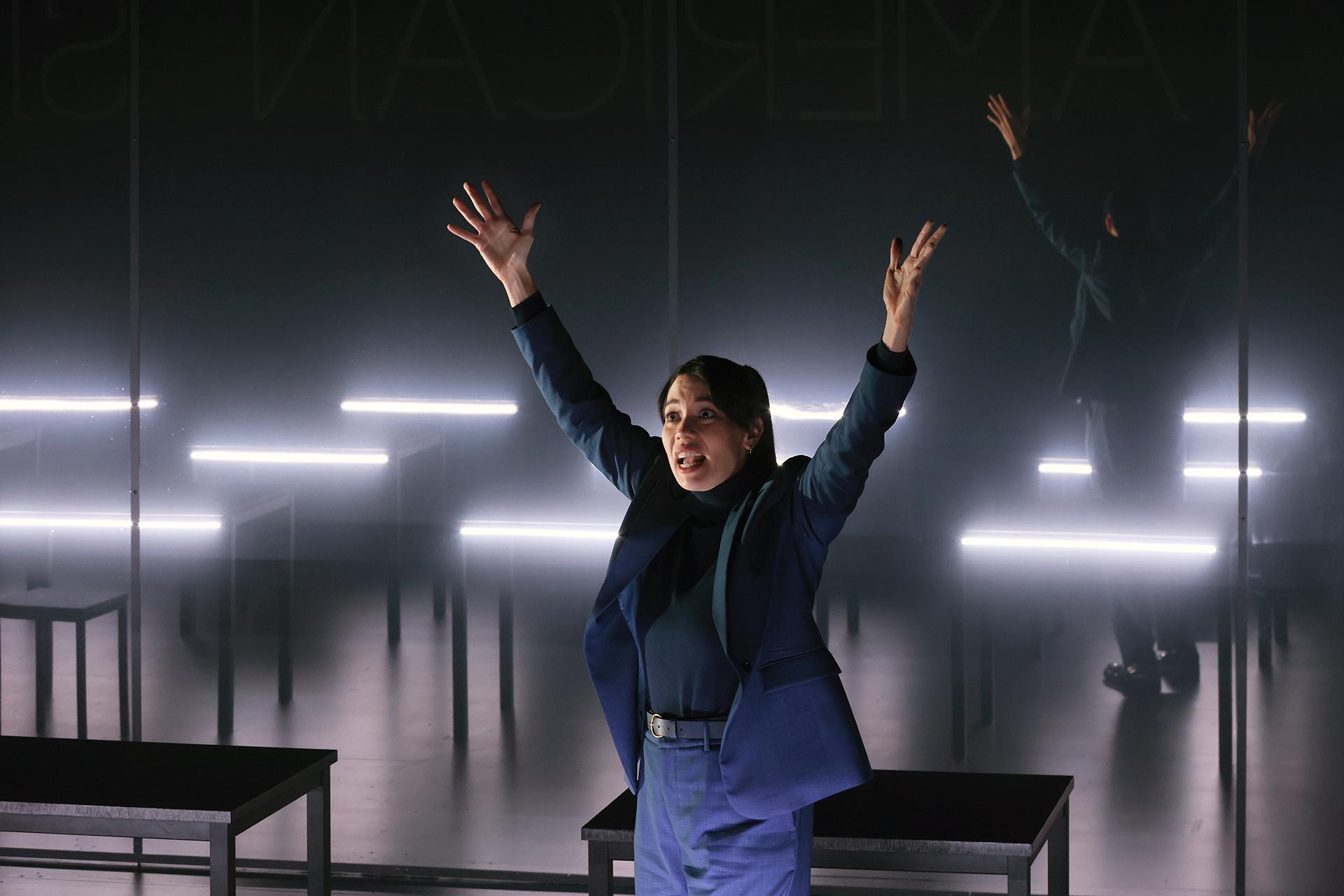
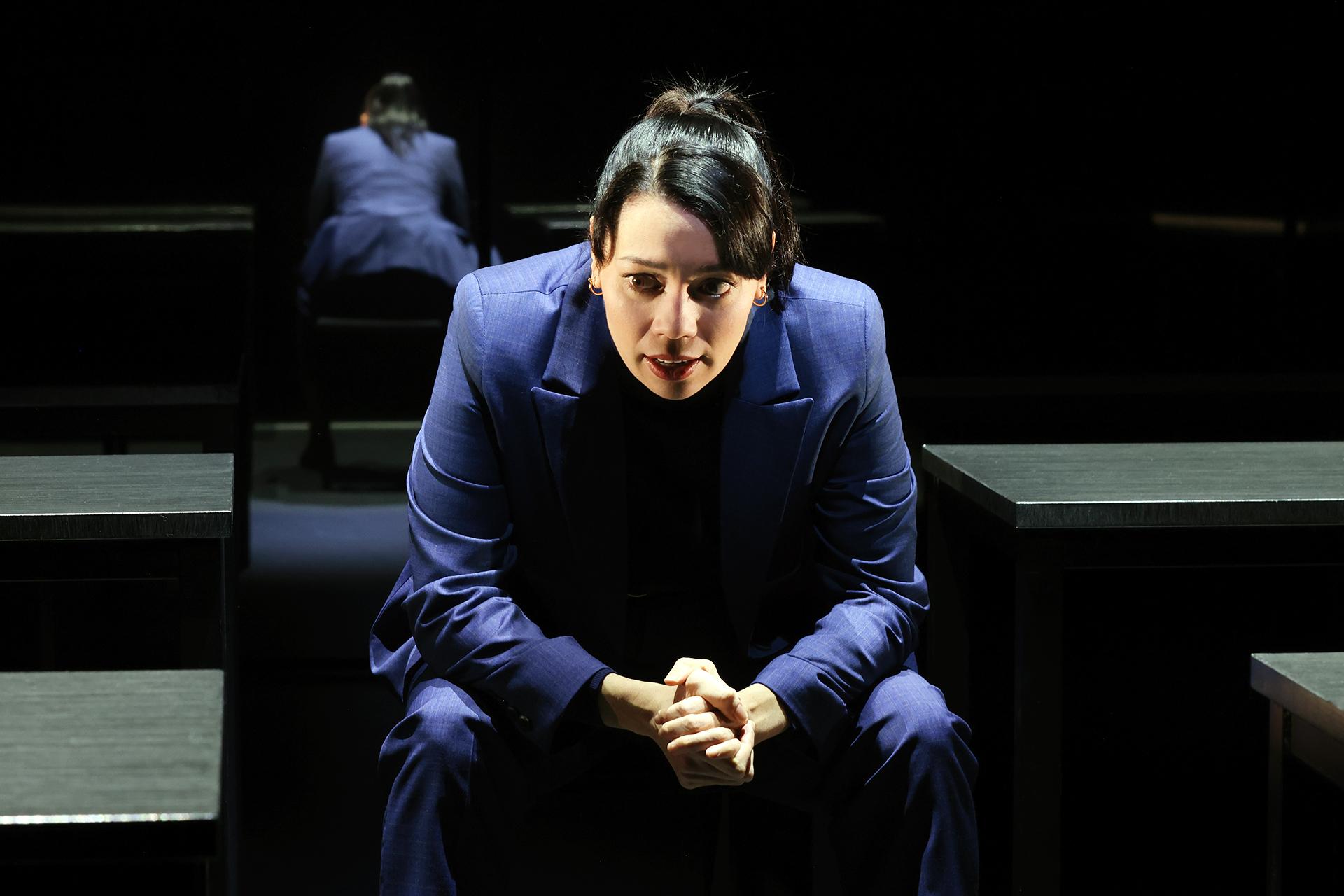
It is however the actor Catherine Văn-Davies who brings marvellous elucidation to the complex dimensions of American Signs, and all that it is capable of saying. Whether tragic, vulnerable, powerful or menacing, Văn-Davies is spectacularly convincing with every human state she inhabits. The play’s meaningful observations about systemic failures in our economies, societies and politics, are given further significance by being turned into vigorous demands for cultural transformation, by Văn-Davies’ deeply affecting expressions of rightful indignation.

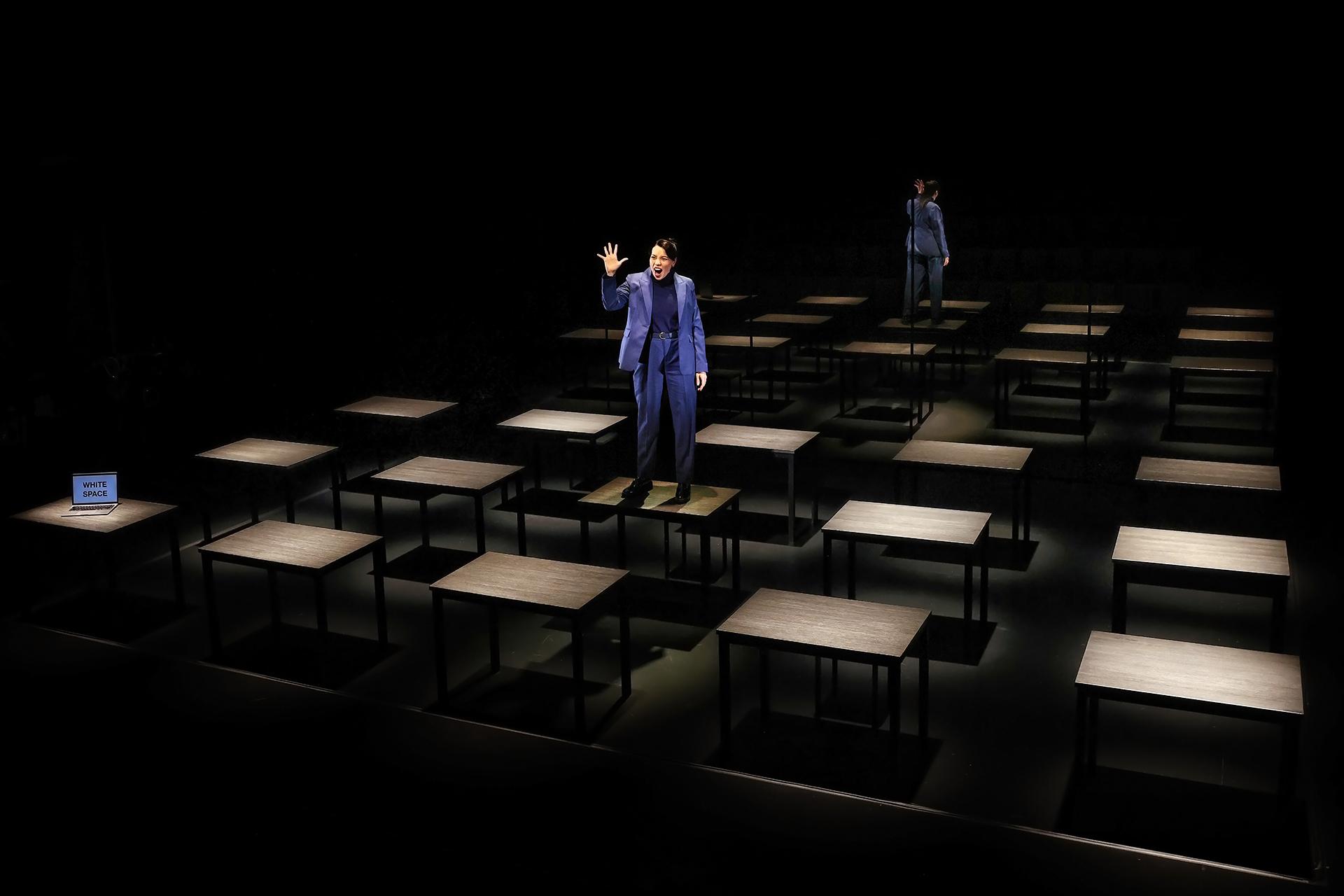
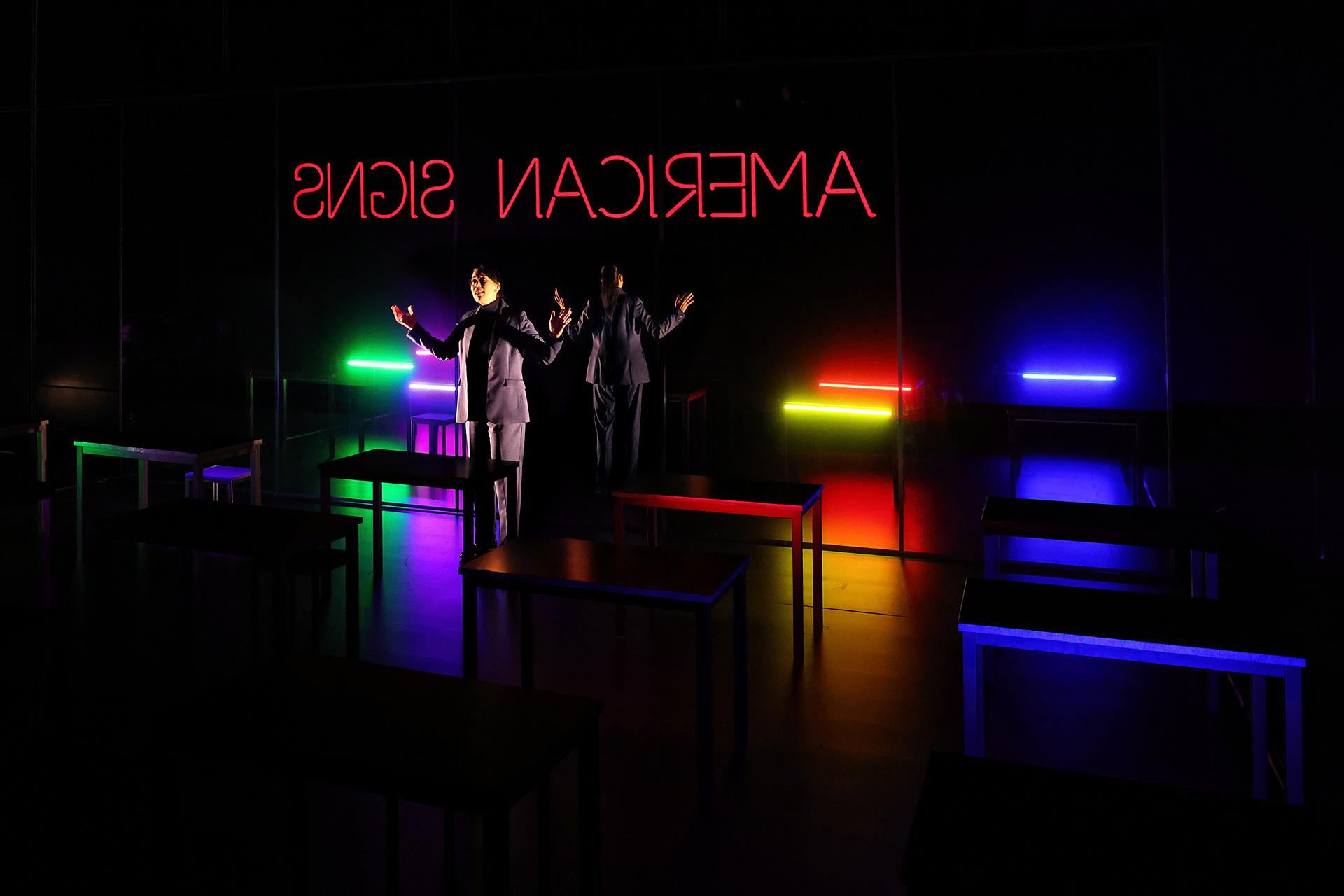
Production design by James Lew puts on stage the mundane starkness of our utilitarian realities, bringing attention to the pragmatism that often prevails over creativity and spirit. Benjamin Brockman’s lights are intricately calibrated in tandem with the actor’s constantly shifting temperaments, and notable for the visual intrigue it manufactures during more heightened sections of the show. Sound and music by Sam Cheng are not only essential to the way our intuitions respond to every twist and turn of the story, but also memorable for a quality of transcendence it brings to the overall experience, thus allowing us to connect in personal ways with American Signs.

The Consultant sees no alternative to her ambitions. She tells herself that she is not a monster, at every step of her participation in a repugnant and cannibalistic process of getting to the top. It is true that it is the intention of the system to be ubiquitous, so that every individual’s investment in it, is considered non-negotiable. We are made to believe that there are no other ways that can sustain life. It is entirely possible however, that those at the bottom rungs will simply embark on a project of demolishment without a satisfactory plan of replacement, when the moment finally arrives, and a substantial population finds itself with nothing left to lose.

www.sydneytheatre.com.au

Review: Stolen (Sydney Theatre Company)

Venue: Wharf 1 Sydney Theatre Company (Walsh Bay NSW), Jun 6 – Jul 6, 2024
Playwright: Jane Harrison
Director: Ian Michael
Cast: Jarron Andy, Mathew Cooper, Kartanya Maynard, Stephanie Somerville, Megan Wilding
Images by Daniel Boud

Theatre review
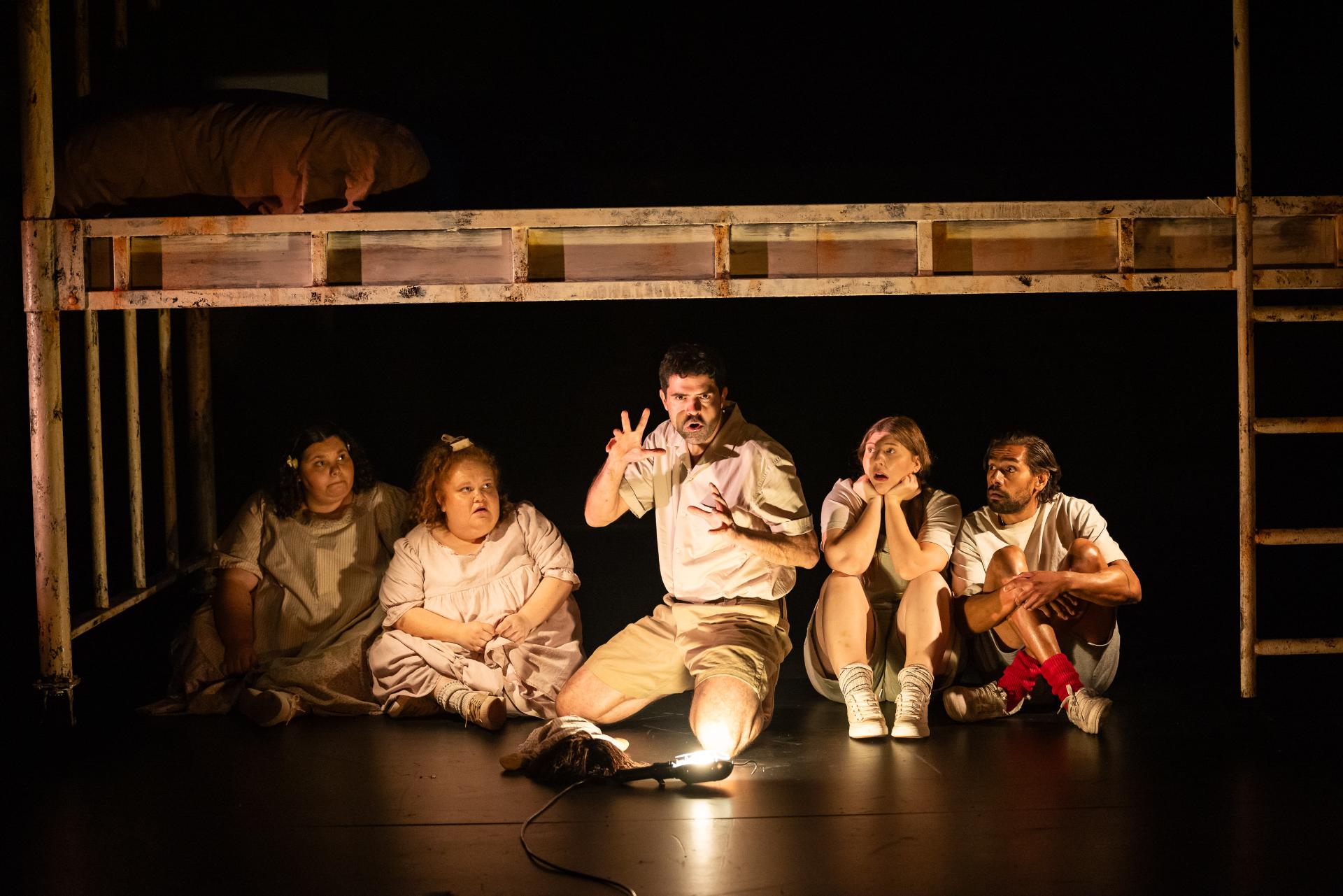
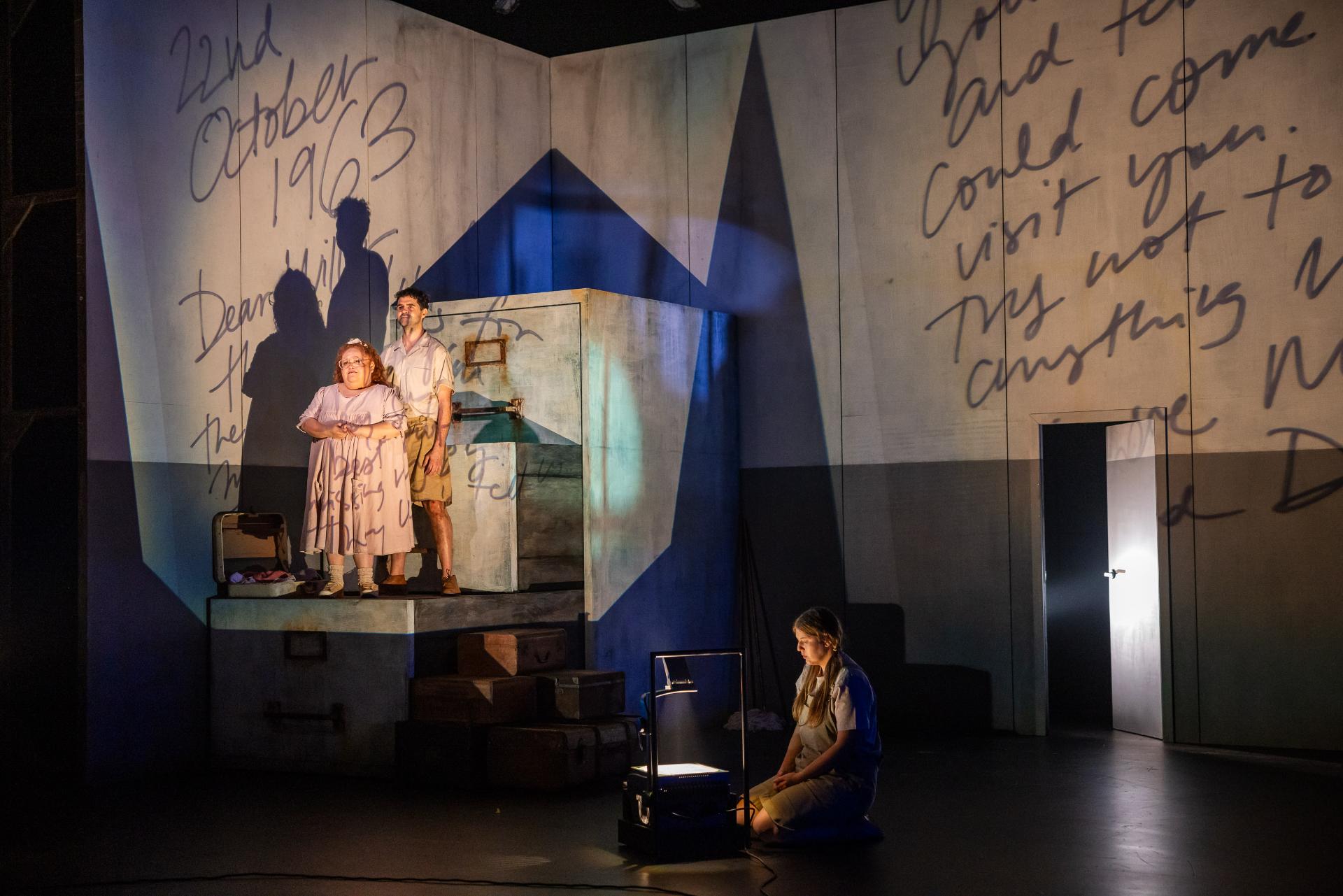
Stories about five Indigenous people from the Stolen Generations, interweave in Jane Harrison’s 1998 play, Stolen. Fractured yet determined, it remains an important representation of a collective trauma, one that is fundamental to the experience of being Australian, no matter one’s class or creed. Direction by Ian Michael is distinctive in its sense of quietness, although its power and impact are undeniable. Michael’s presentation of Stolen bears a meditative quality, almost reticent with its drama, yet none will be able to escape its confrontational and introspective effects. The poignancy of this staging is sure to be unforgettable.

A set design by Renée Mulder is based on the simple idea, of depicting the vulnerability of Blak children, in a space that demonstrates unequivocally, their powerlessness in the face of colonialism. Trent Suidgeest’s lights enhance the severe coldness of this brutal history, and James Brown’s music has us absolutely gripped by its melancholic foreboding. There is a sensitivity to these designers’ work, that cushions us in a certain safety, whilst intricately facilitating our observations of some truly harrowing events.

An ensemble of charismatic First Nations actors brings great courage and commitment, to this narrative of appalling injustice. Jarron Andy, Mathew Cooper, Kartanya Maynard, Stephanie Somerville and Megan Wilding may be required to delve into unremitting tragedies in their re-enactments, but it is their incredible resilience as individuals and as a people, that leave an impression.

The sensation of catharsis, that features so prominently in many offerings of theatre, is discernibly missing from Stolen. We continue to live on stolen lands, unable and unwilling, to come to a satisfactory resolution, therefore it is that corresponding feeling of unease and ruefulness that we find lingering, when the performance concludes. We are deprived of emotional release, because so much work needs to be done, before any of us can be granted anything that resembles deliverance.

www.sydneytheatre.com.au

Review: Into The Shimmering World (Sydney Theatre Company)

Venue: Wharf 1 Sydney Theatre Company (Walsh Bay NSW), Apr 2 – May 19, 2024
Playwright: Angus Cerini
Director: Paige Rattray
Cast: Kerry Armstrong, Colin Friels, Renee Lim, James O’Connell, Bruce Spence
Images by Daniel Boud

Theatre review
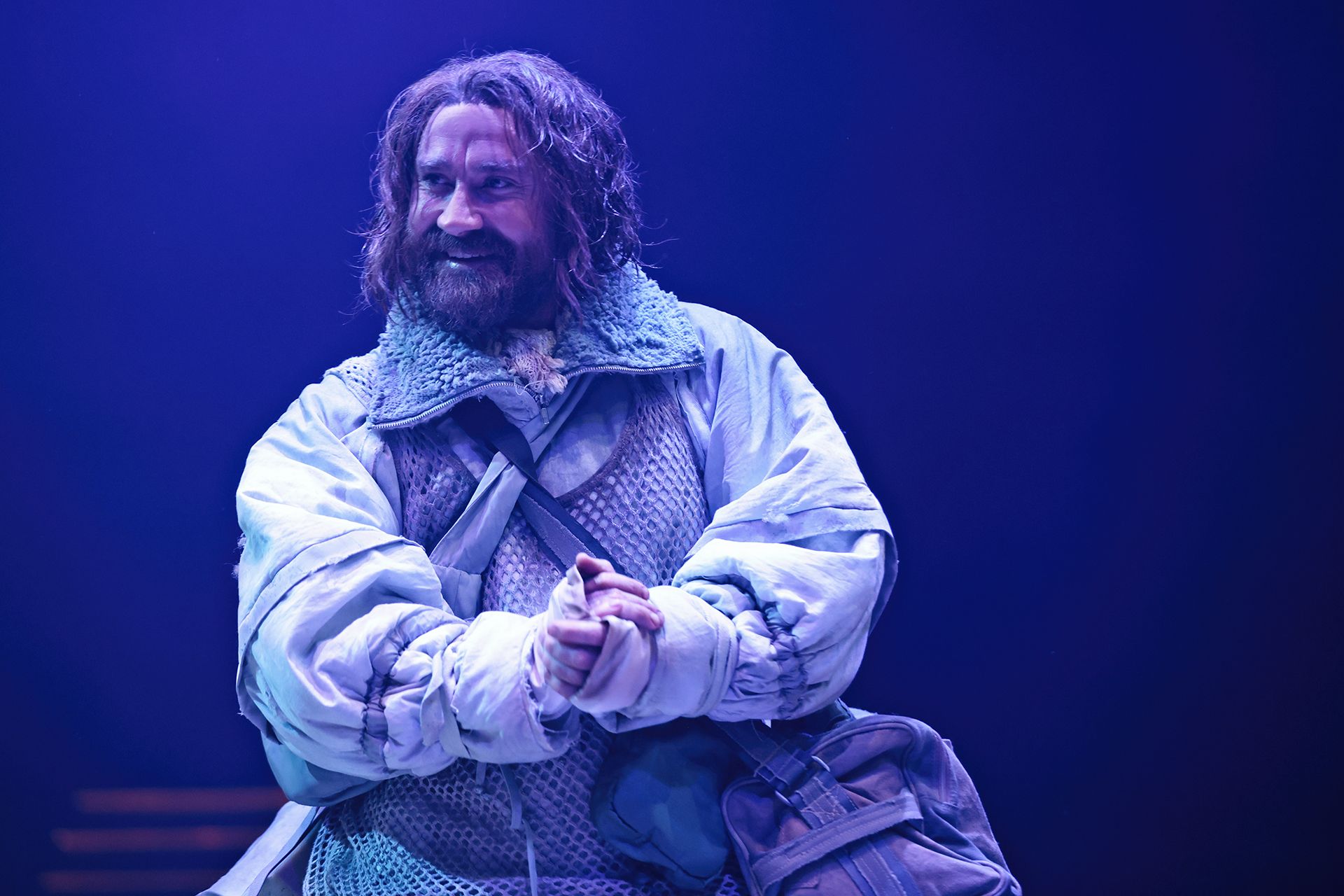
Ray is older now, but the life of a humble farmer means a conventional retirement is never quite within reach. In addition to his ailing health, the persistent drought seems determined to only make things harder. His wife Flossy, along with their sons, are however reliable sources of emotional support, and in Angus Cerini’s Into the Shimmering World, we see Ray’s last years becoming increasingly meaningful, even if the struggles never subside.

It seems a simple existence that Cerini’s play depicts, but it speaks profoundly from a space of thorough authenticity. There are no frills to Ray and Flossy’s days in the bush, so our explorations can only be about the essential and important qualities, of what makes a life worth living. Direction by Paige Rattray insists we pay attention to the minutiae, so that we come to an understanding, that it is in the details, that we can discover something truly significant, or even eternal, within fleeting moments that usually feel inconsequential. Into the Shimmering World takes us away from so much that is time-wasting and petty, and for 90 minutes, provides an opportunity to meditate on that which is real and noble.

That virtuousness pertaining to notions of simplicity, is reflected in a production design by David Fleischer, that functions purely to facilitate storytelling. There is nothing extraneous in Ray’s life, so there is nothing frivolous to be found in the set and costumes. Lights by Nick Schlieper do however manufacture instances of theatrical elevation, most notably during scenes that venture into the metaphysical. Music and sound by Clemence Williams are crucial in helping calibrate our temperament, in a show that is full of constant, but subtle, shifts in tone.

It is a deceptively quiet presentation, memorable for its stillness, but always with a submerged rumbling, that feels very much like the unabating sensation of human upheaval. Actor Colin Friels embodies that contained drama, in a portrayal of Ray that is remarkable for its integrity and hence, believability. Like most Australian men of his generation, Ray is not one for words, but Friels does excellently at conveying the textures of turmoil, that are so crucial to our appreciation of the work. Kerry Armstrong plays Flossy with warmth and tenderness, so that we may approach the tale with sensitivity. Other members of cast include Renee Lim, James O’Connell and Bruce Spence, all of whom bring thoughtfulness that help deliver valuable insights inherent in Cerini’s writing.

Legacy is not about vanity, but responsibility. We can deliberate endlessly about the meaning of life, but a commitment to leaving the world a better place than how one had found it, is the key to existential fulfilment.

www.sydneytheatre.com.au

Review: A Fool In Love (Sydney Theatre Company)

Venue: Wharf 1 Sydney Theatre Company (Walsh Bay NSW), Feb 6 – Mar 17, 2024
Playwright: Van Badham (after Lope de Vega)
Director: Kenneth Moraleda
Cast: Arkia Ashraf, Alfie Gledhill, Melissa Kahraman, Johnny Nasser, Contessa Treffone, Aaron Tsindos, Megan Wilding
Images by Daniel Boud

Theatre review
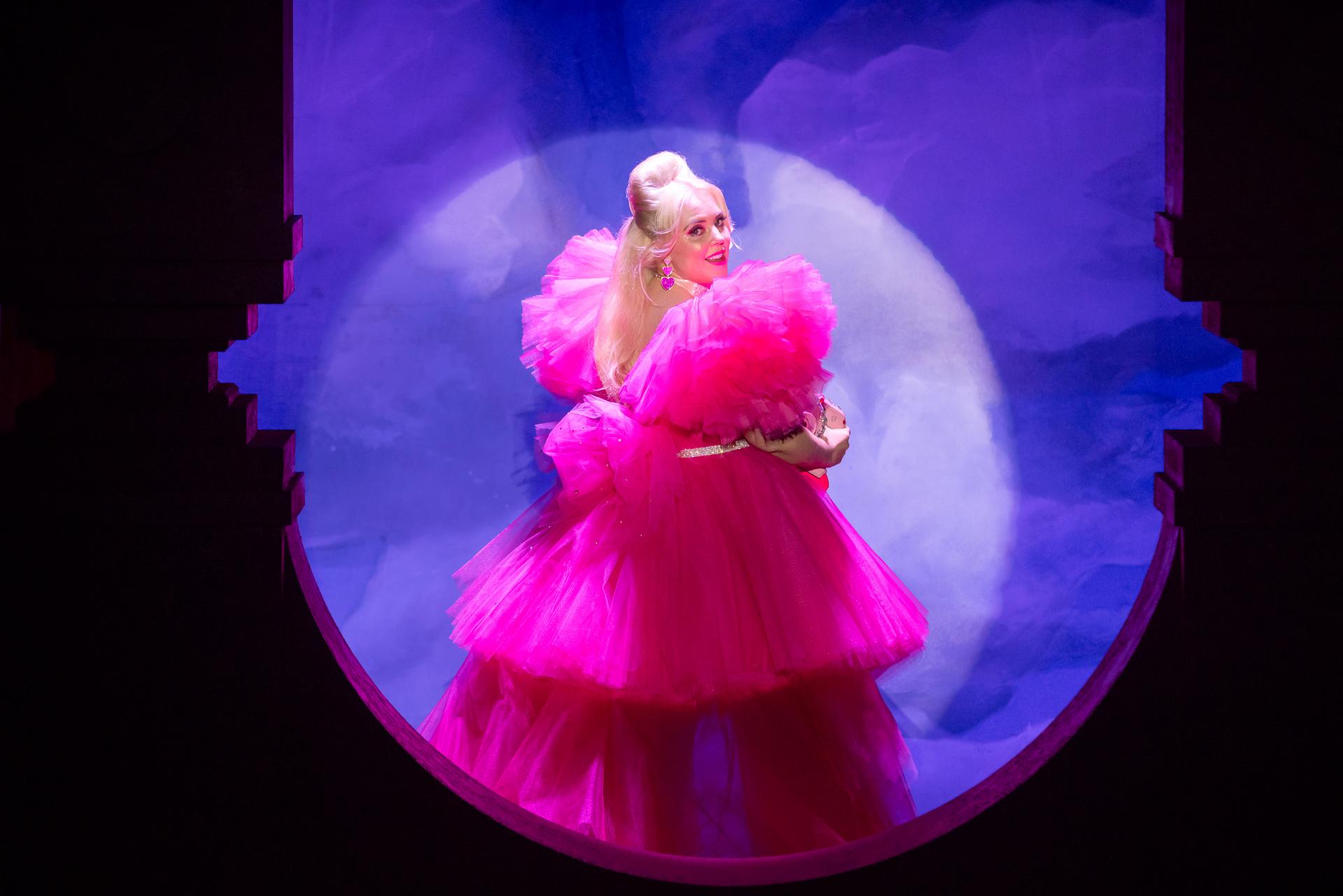
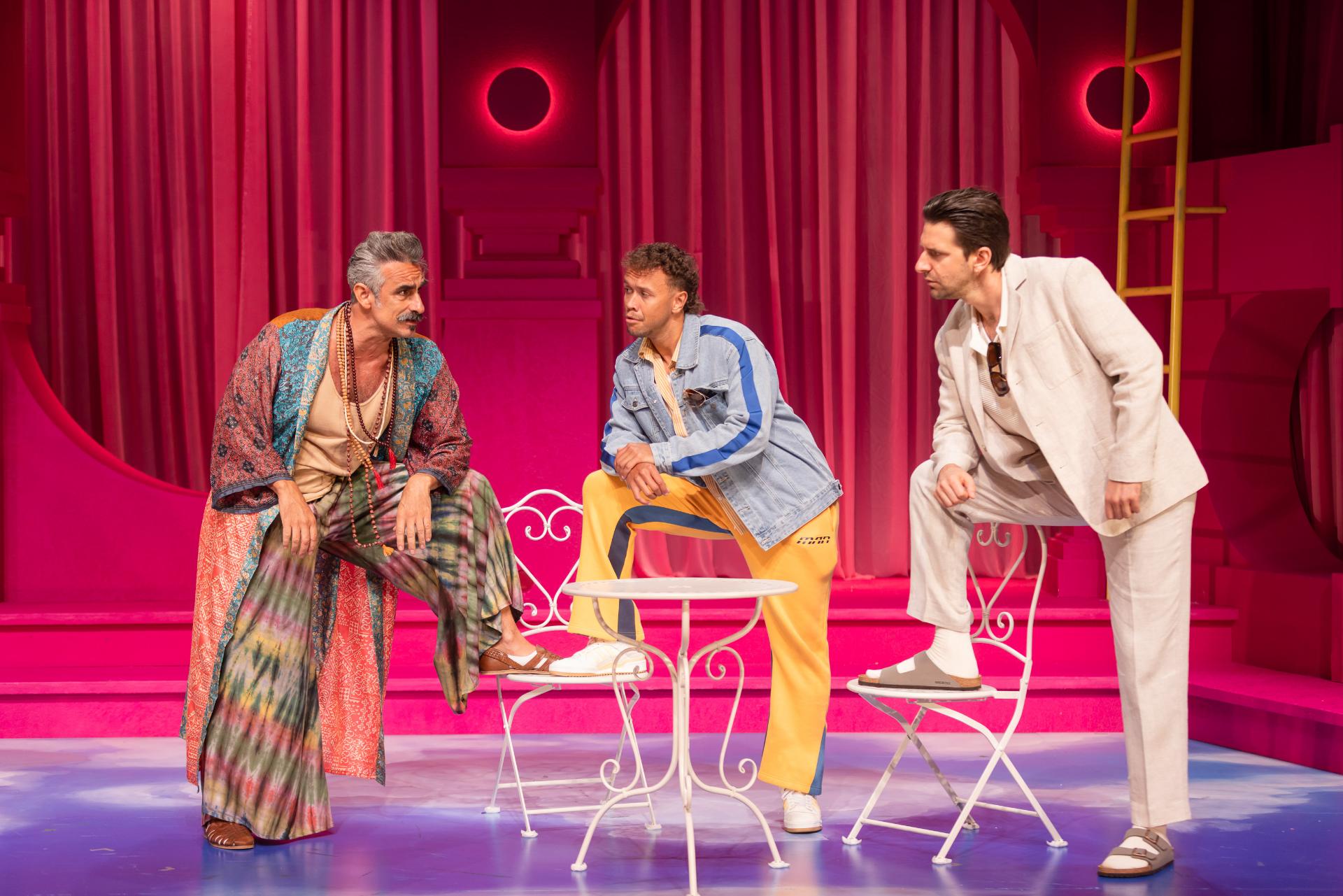
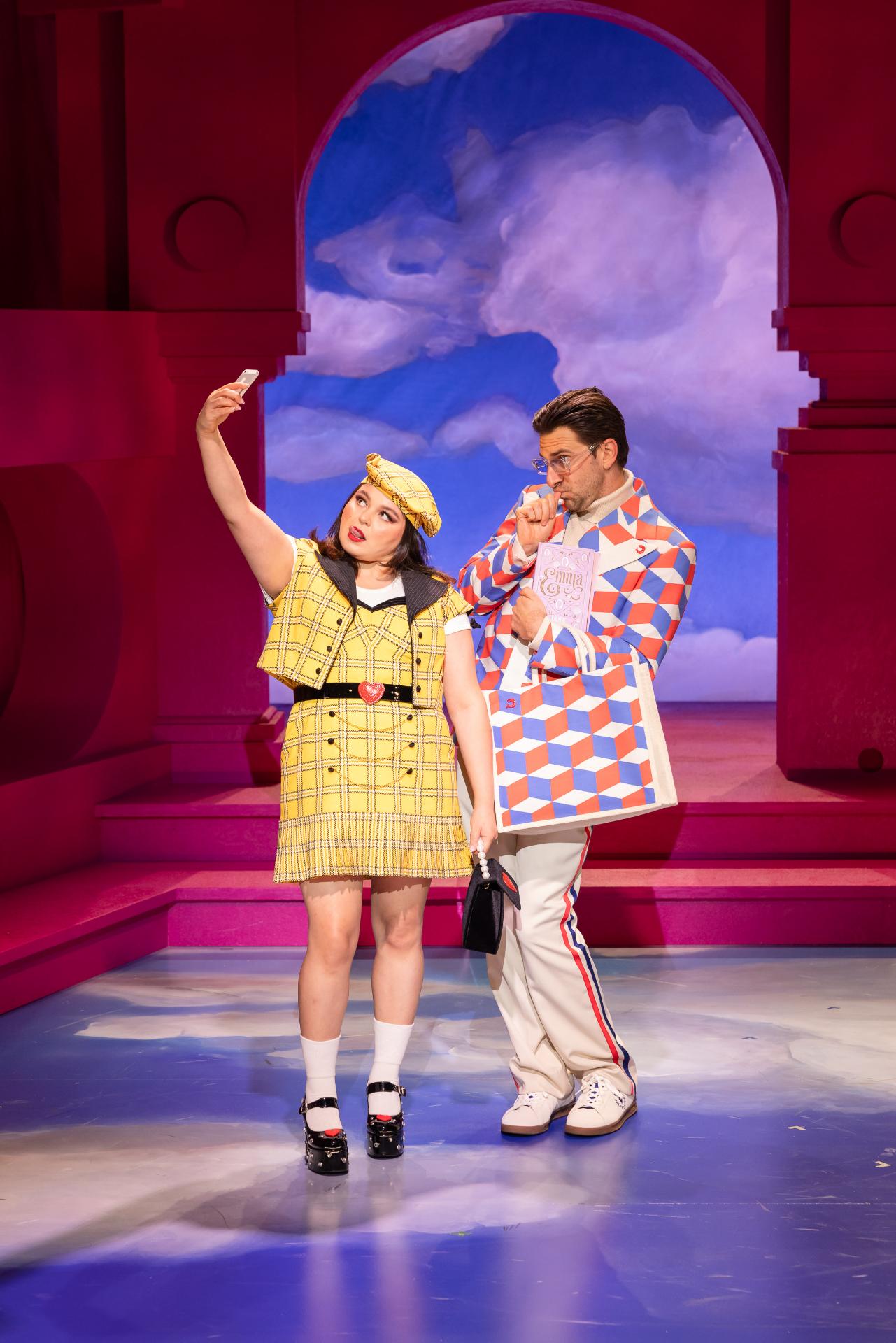
Phynayah is on the verge of turning 30, and unless she marries soon, a substantial inheritance will be forfeited. There is no shortage of suitors, but her serious lack of intellect means that the men are only in it for the money, and even Phynayah knows that love cannot be built solely on greed. Van Badham’s A Fool in Love, is an ultramodern adaptation of Lope de Vega’s 1613 play La dama boba, in which we explore matters of the heart and mind.

Badham’s work is further concerned with archetypal portrayals of women, and with Phynayah’s foolishness juxtaposed against her sister Vanessa’s book smarts, A Fool in Love wants us to consider the ways in which we are accustomed to talking about women, and the repercussions of those conventions. This is all done however, through a great deal of humour, in a production that labours too hard perhaps, to get the laughs.

The story is thought-provoking, and even though Badham succeeds at earning our investment into Phynayah’s plight, there is an obscure quality to the dialogue, probably derived from the age of the original, that provides a conversational style that is slightly rigid. Direction by Kenneth Moraleda is wonderfully flamboyant, and even though overzealous with its comedy, delivers a show that deeply engages our senses.

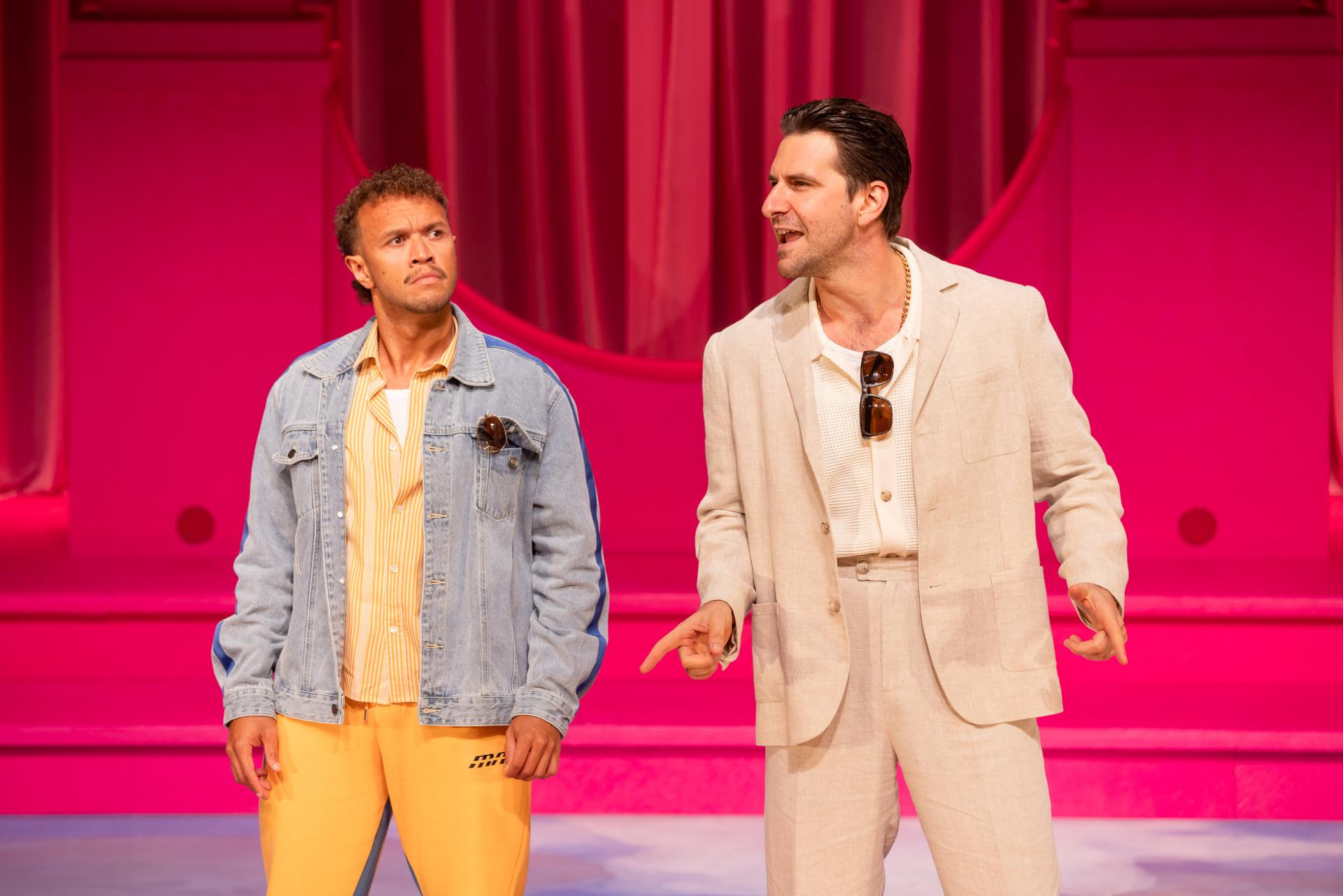
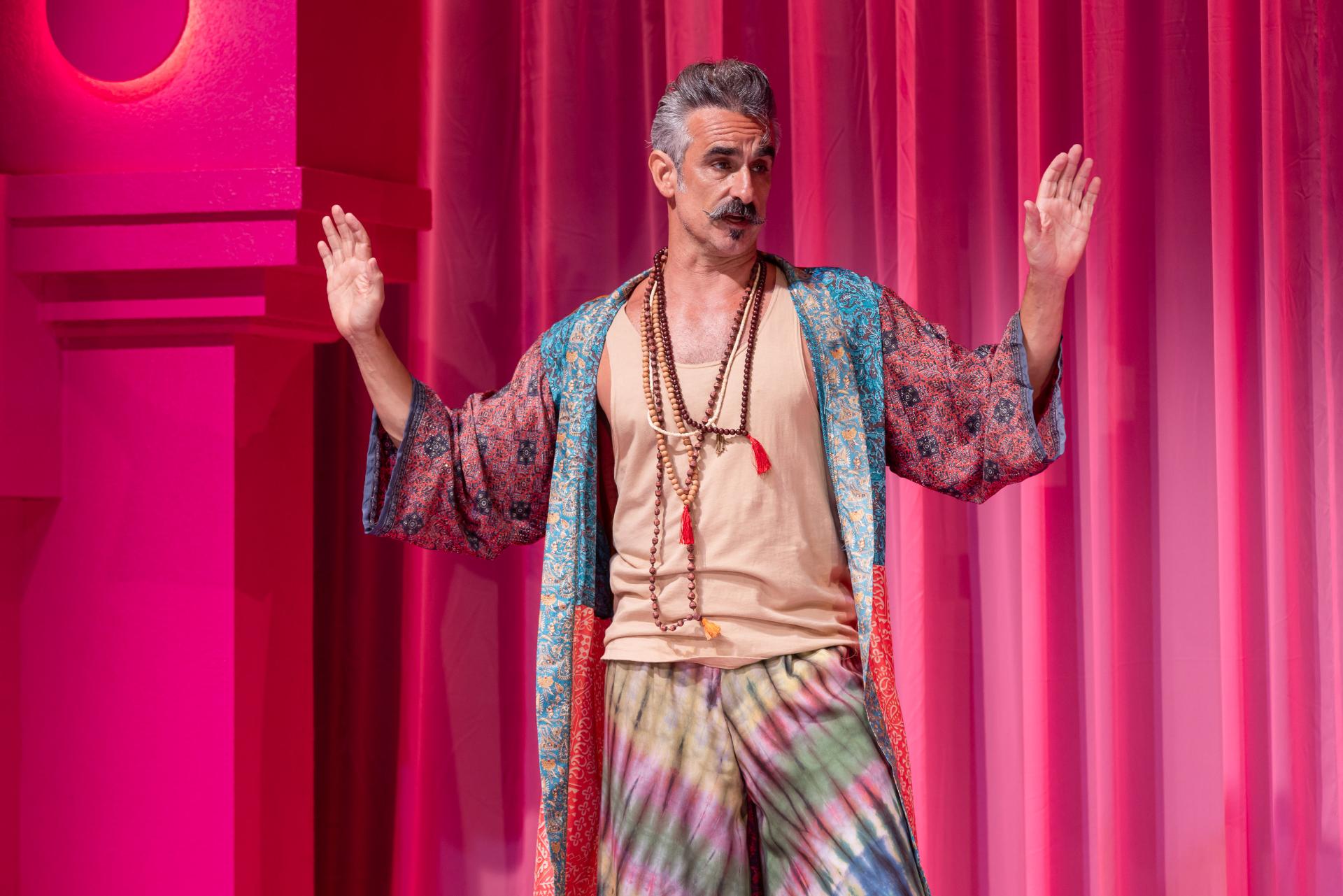
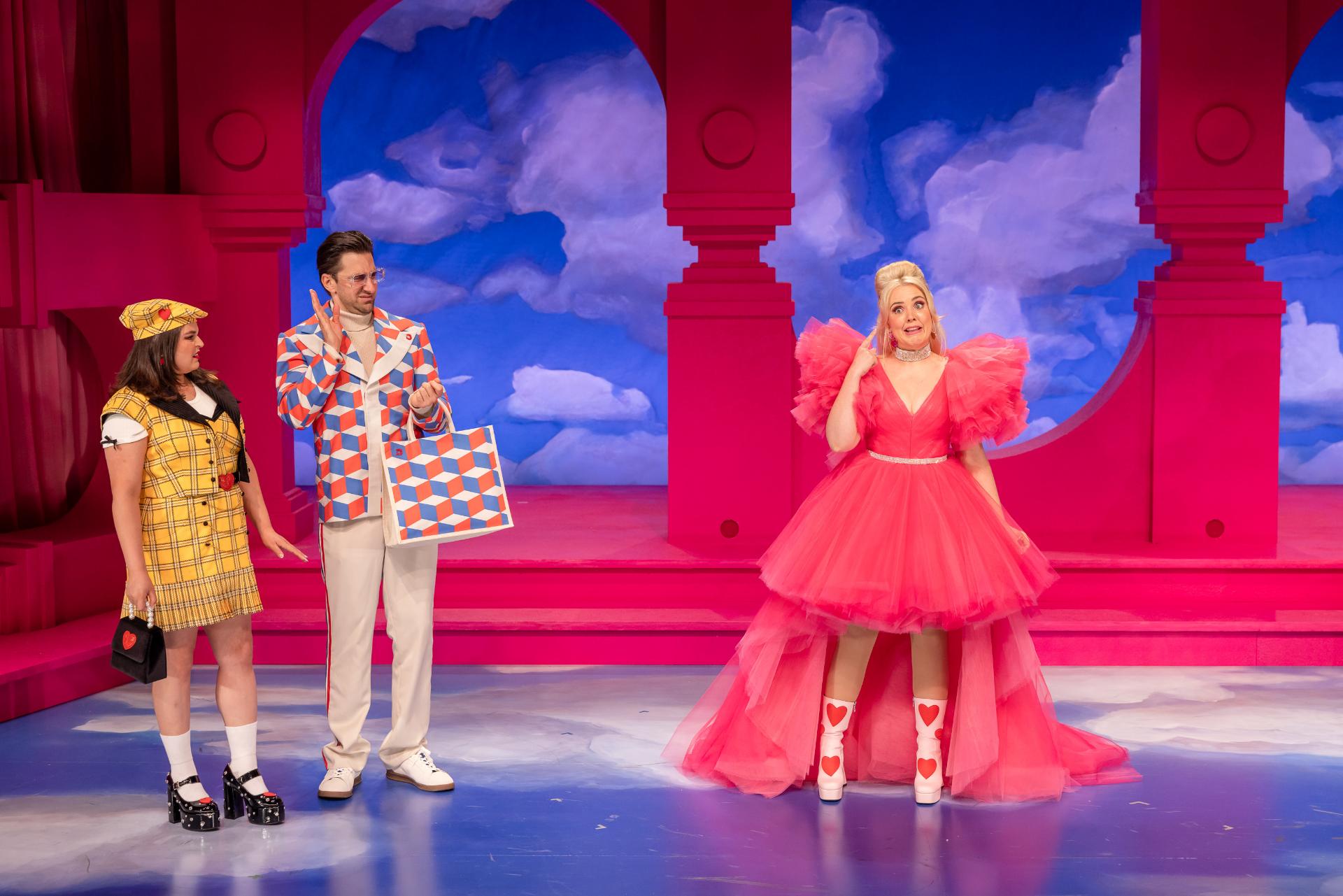
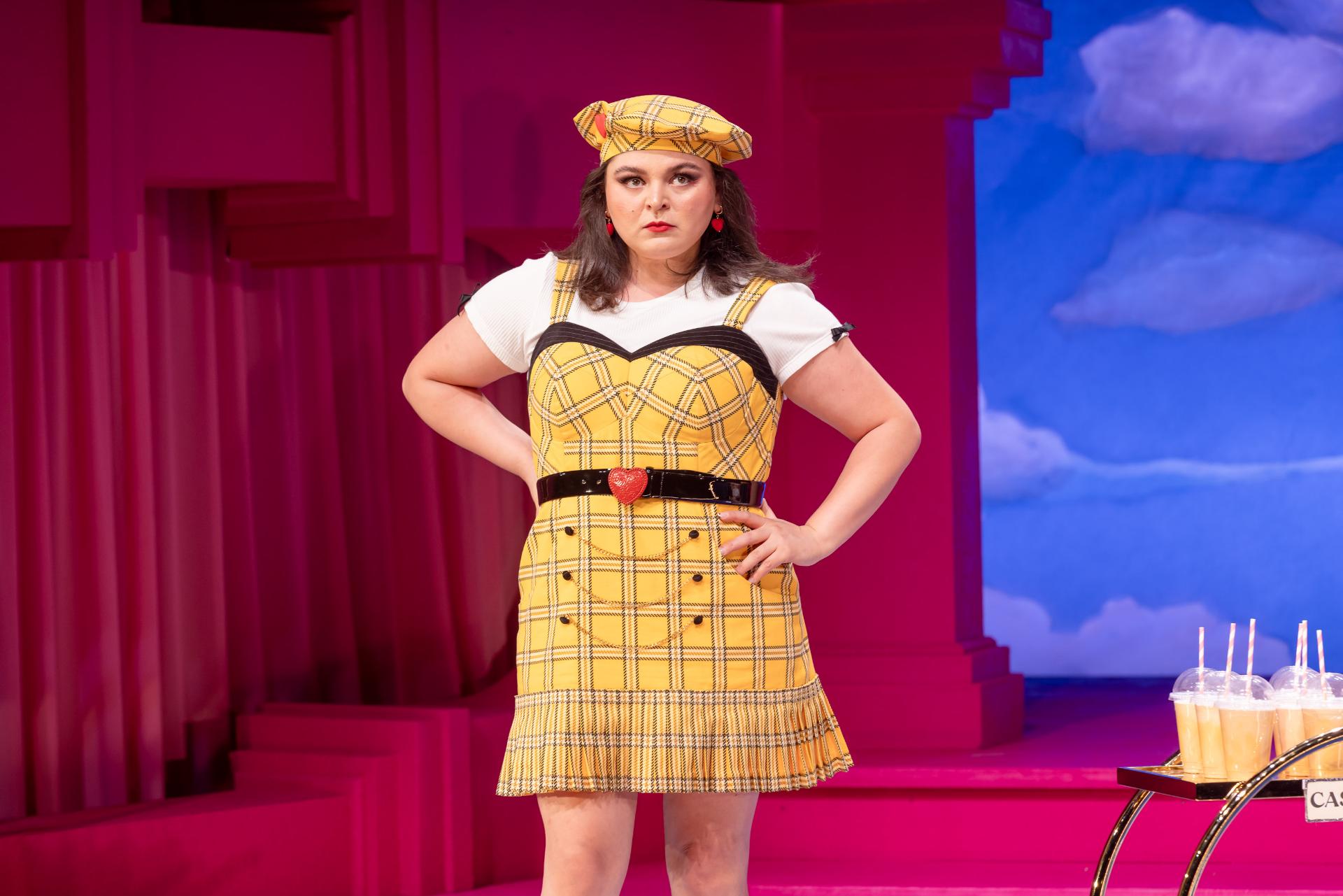
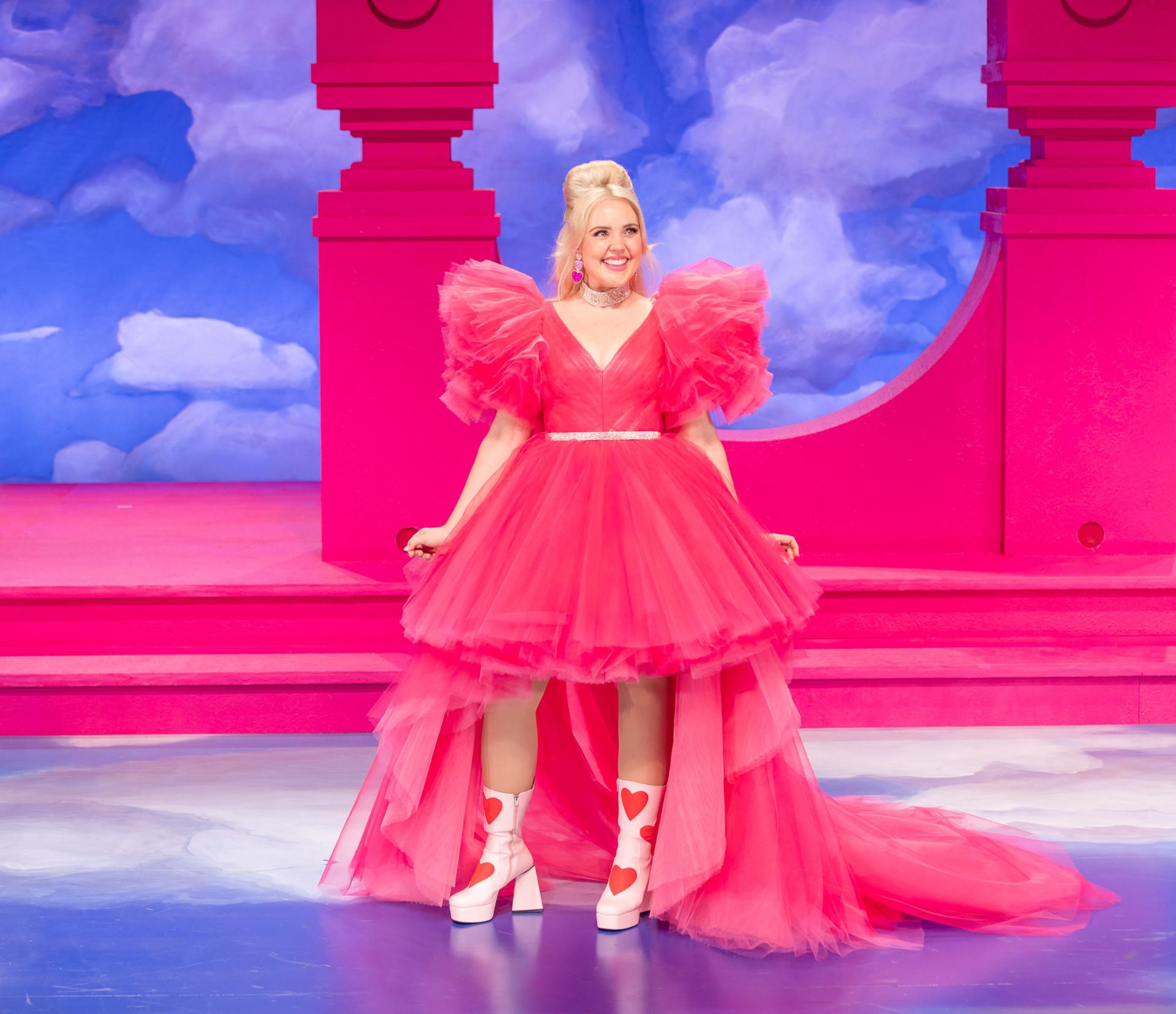
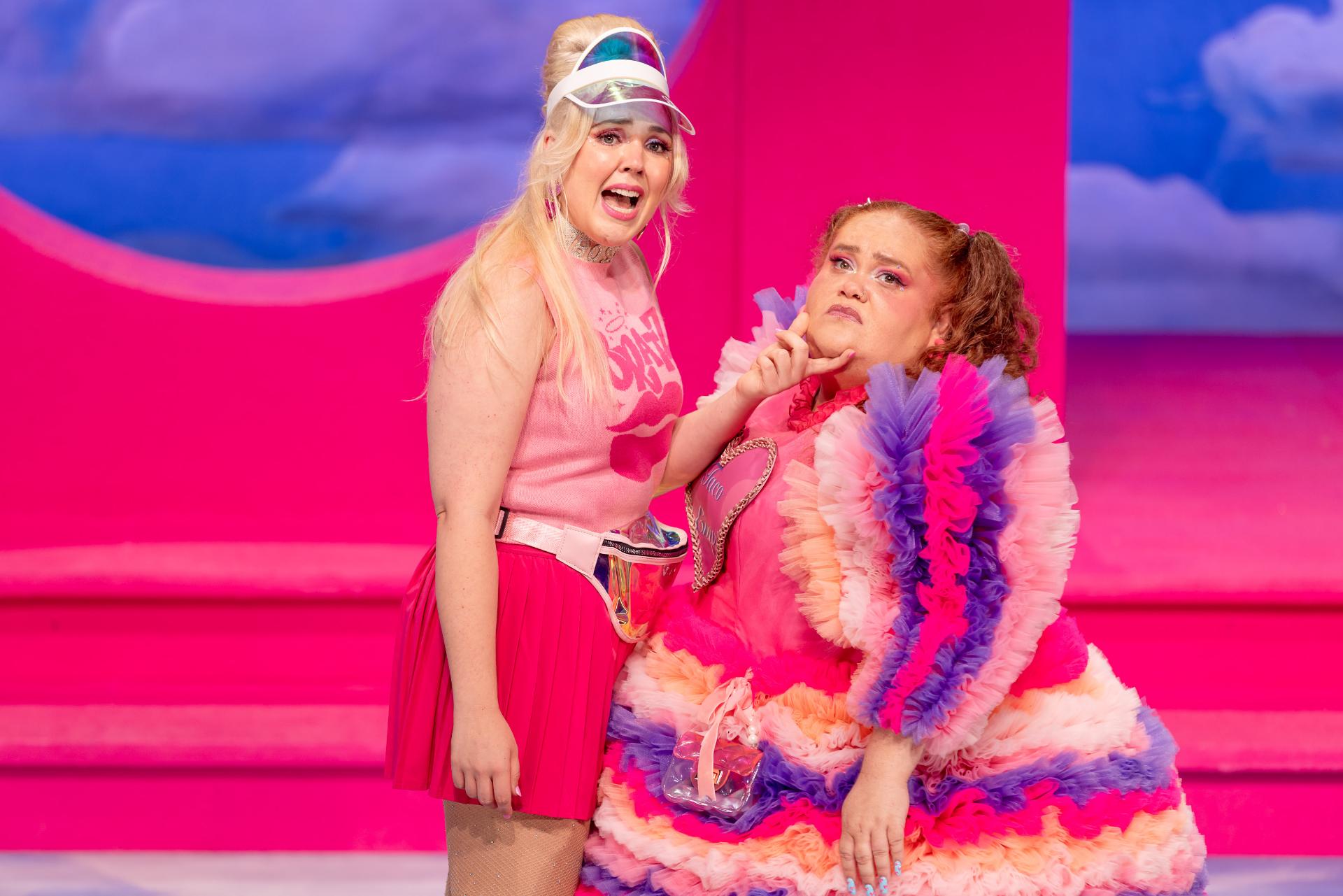
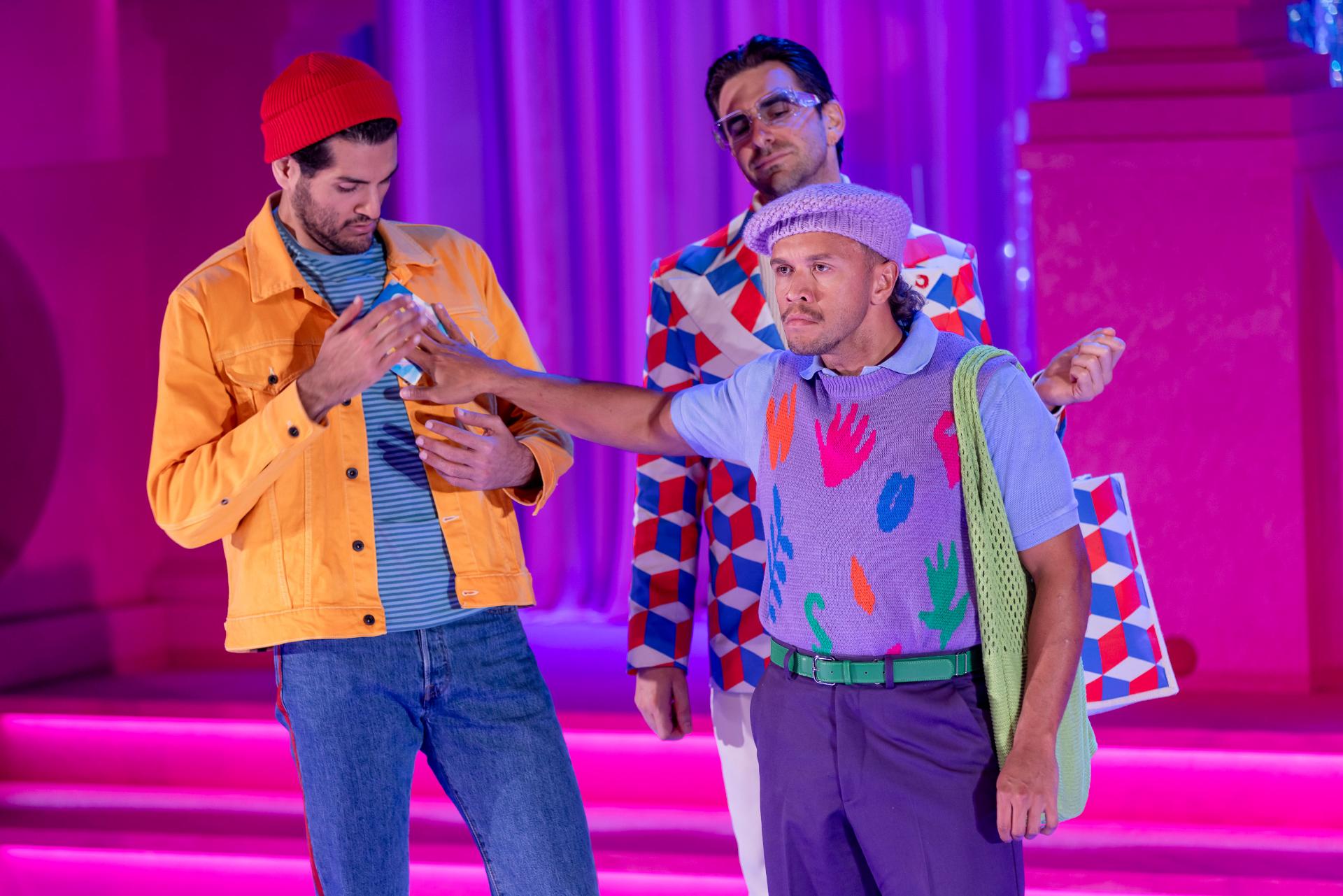
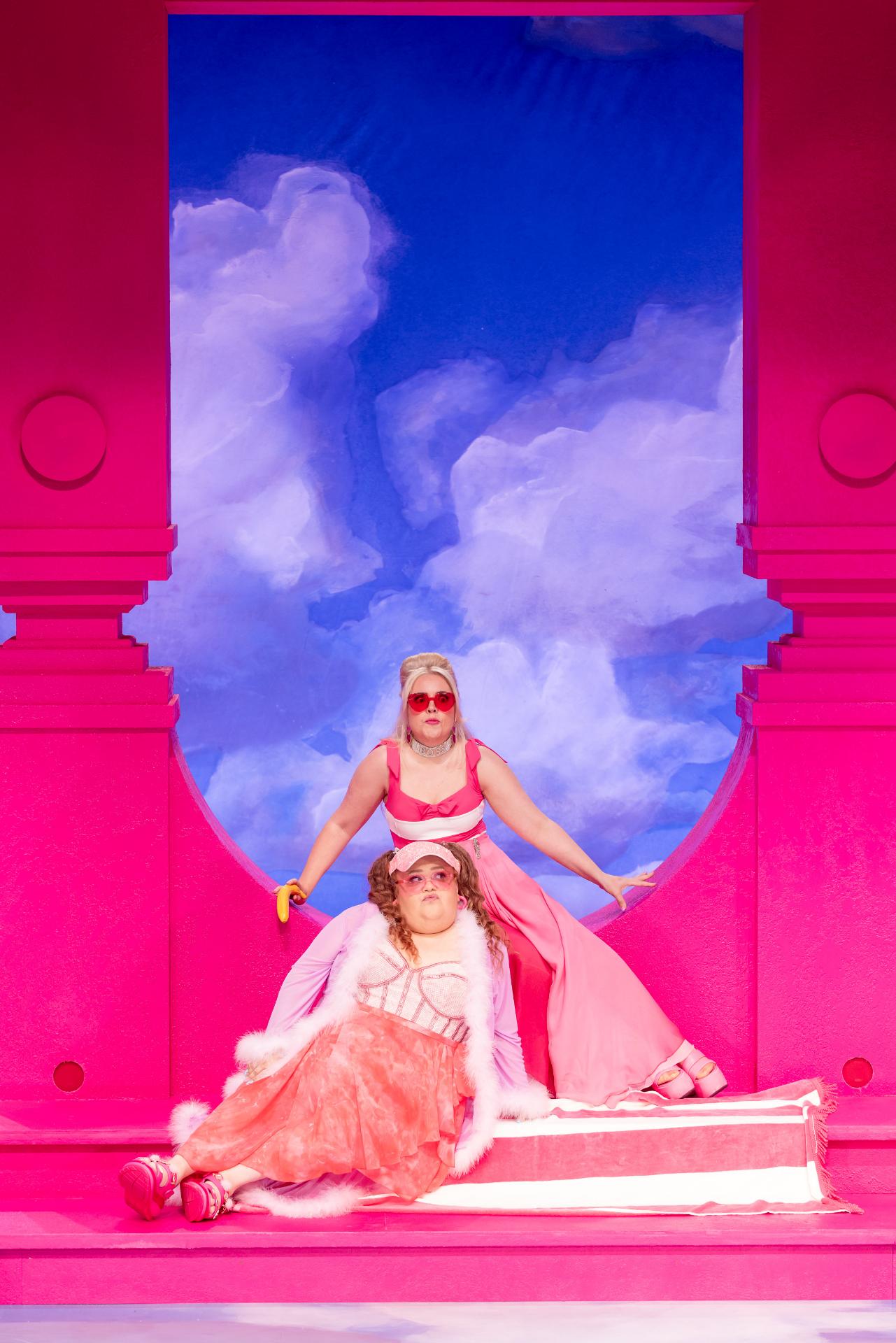
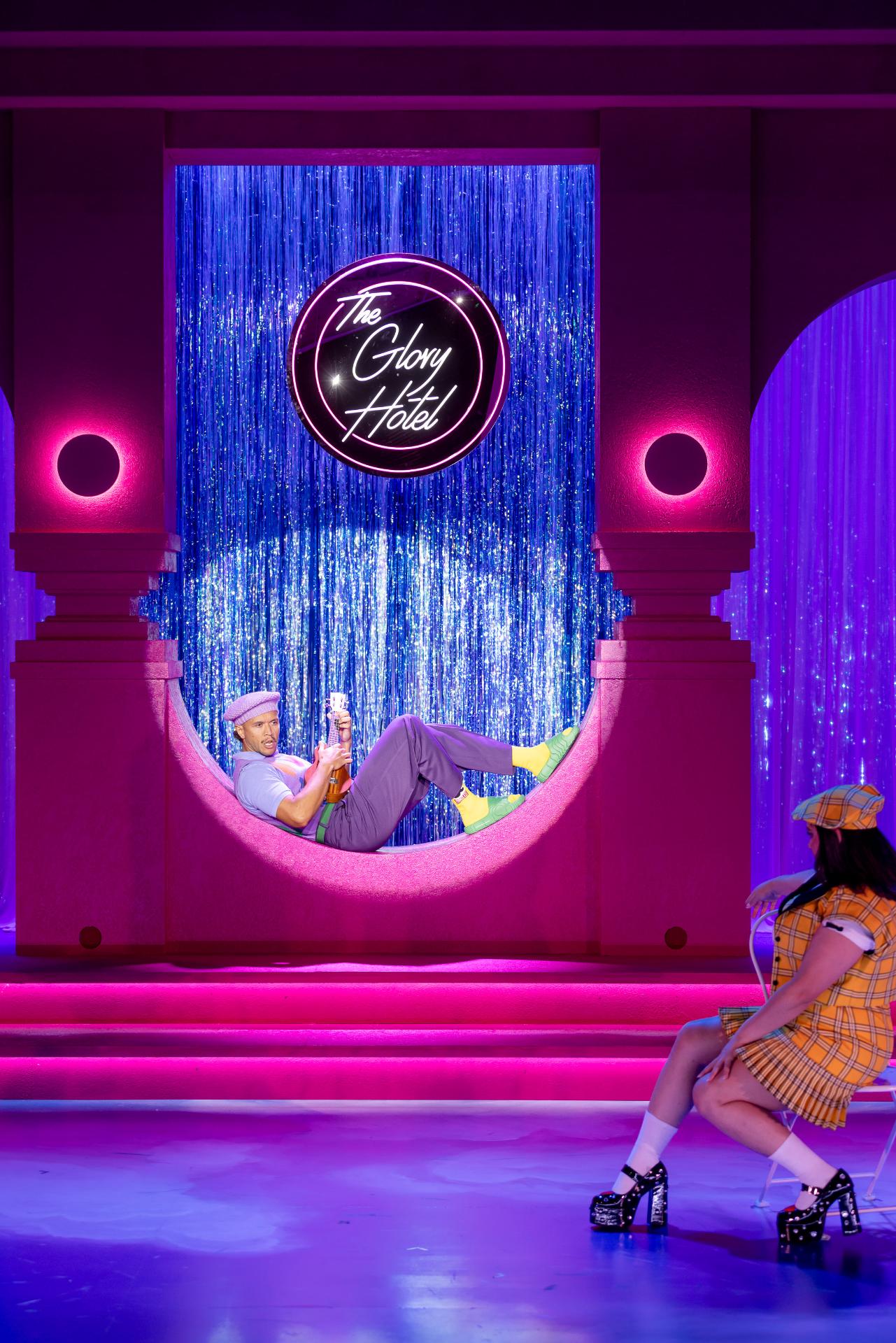
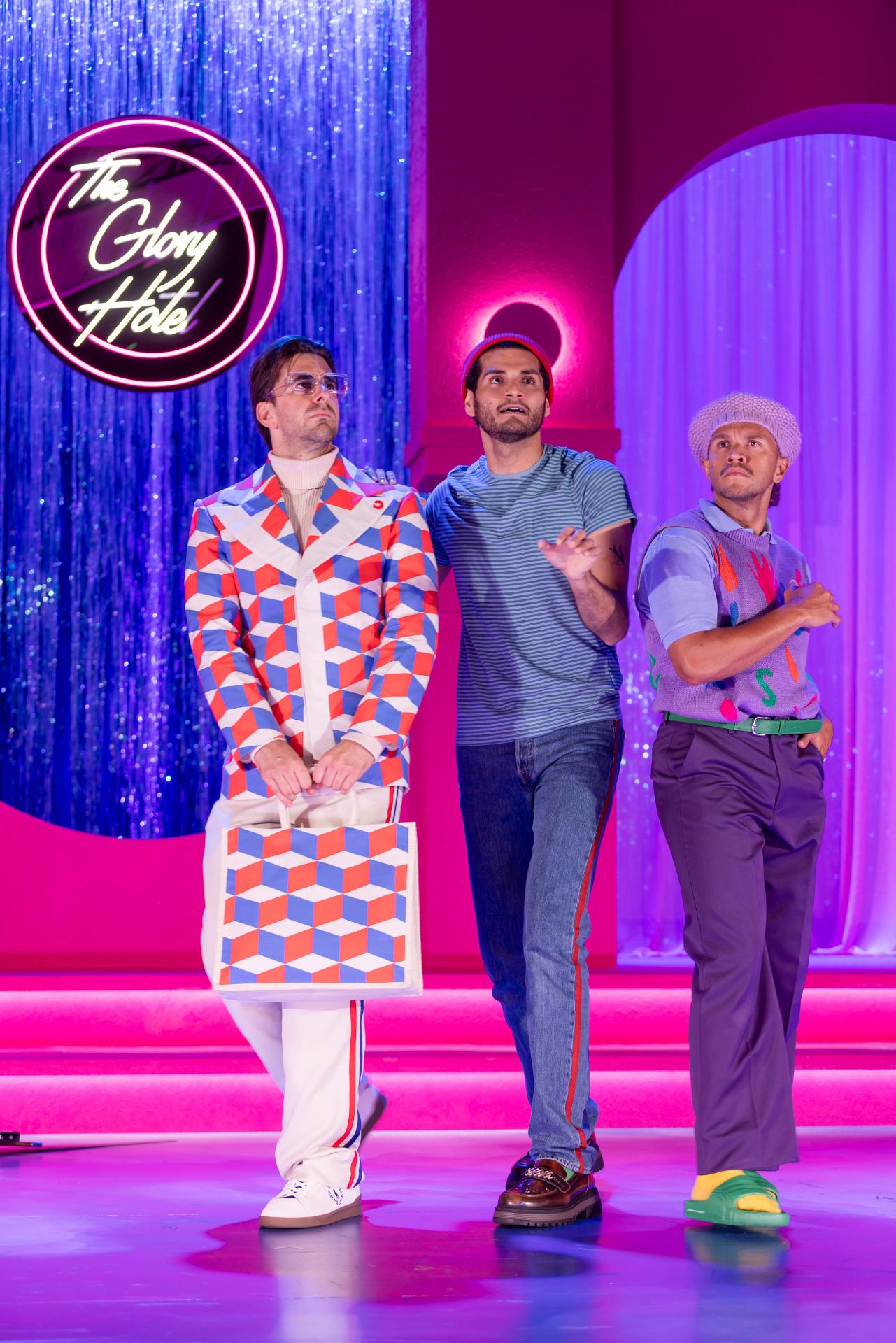
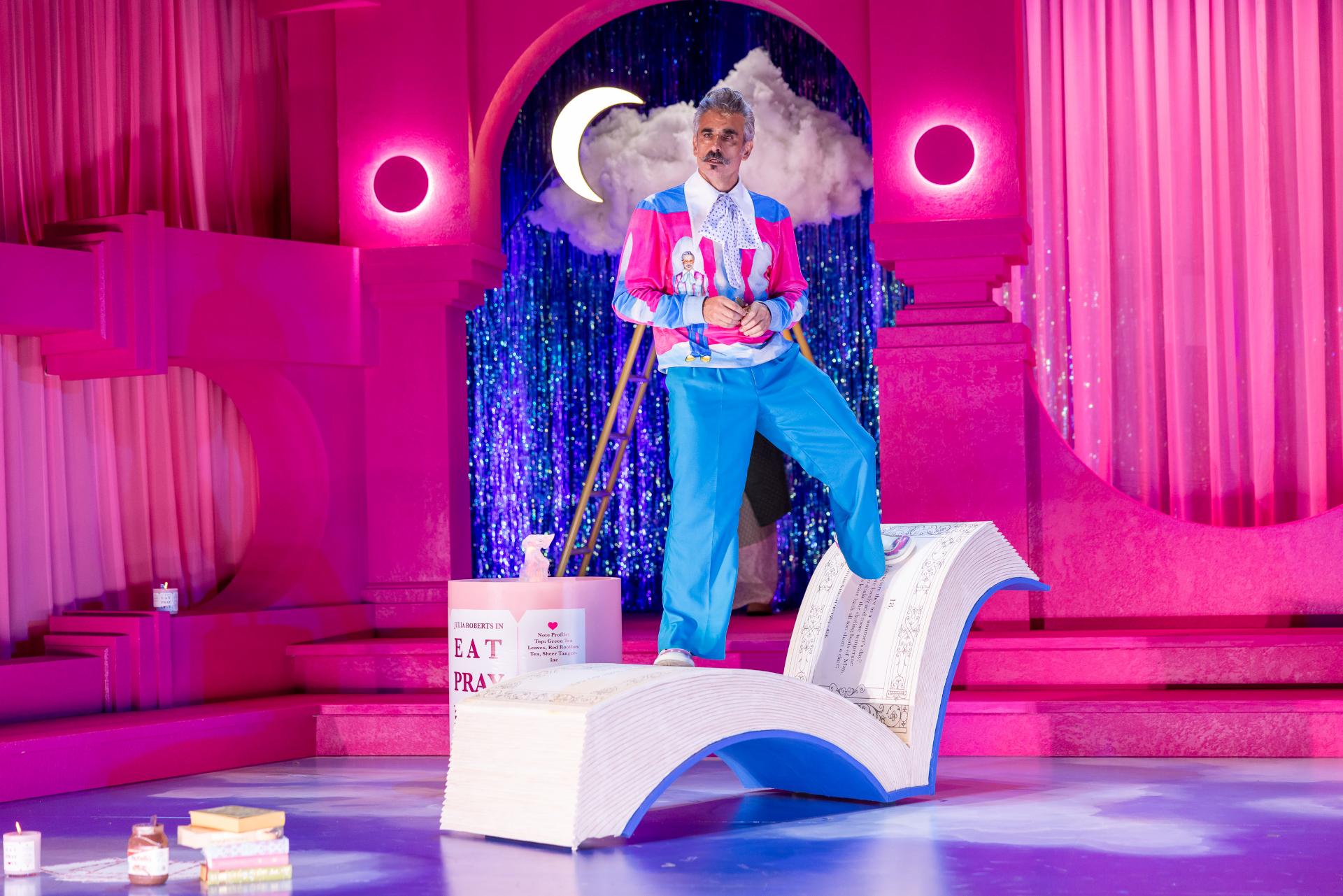
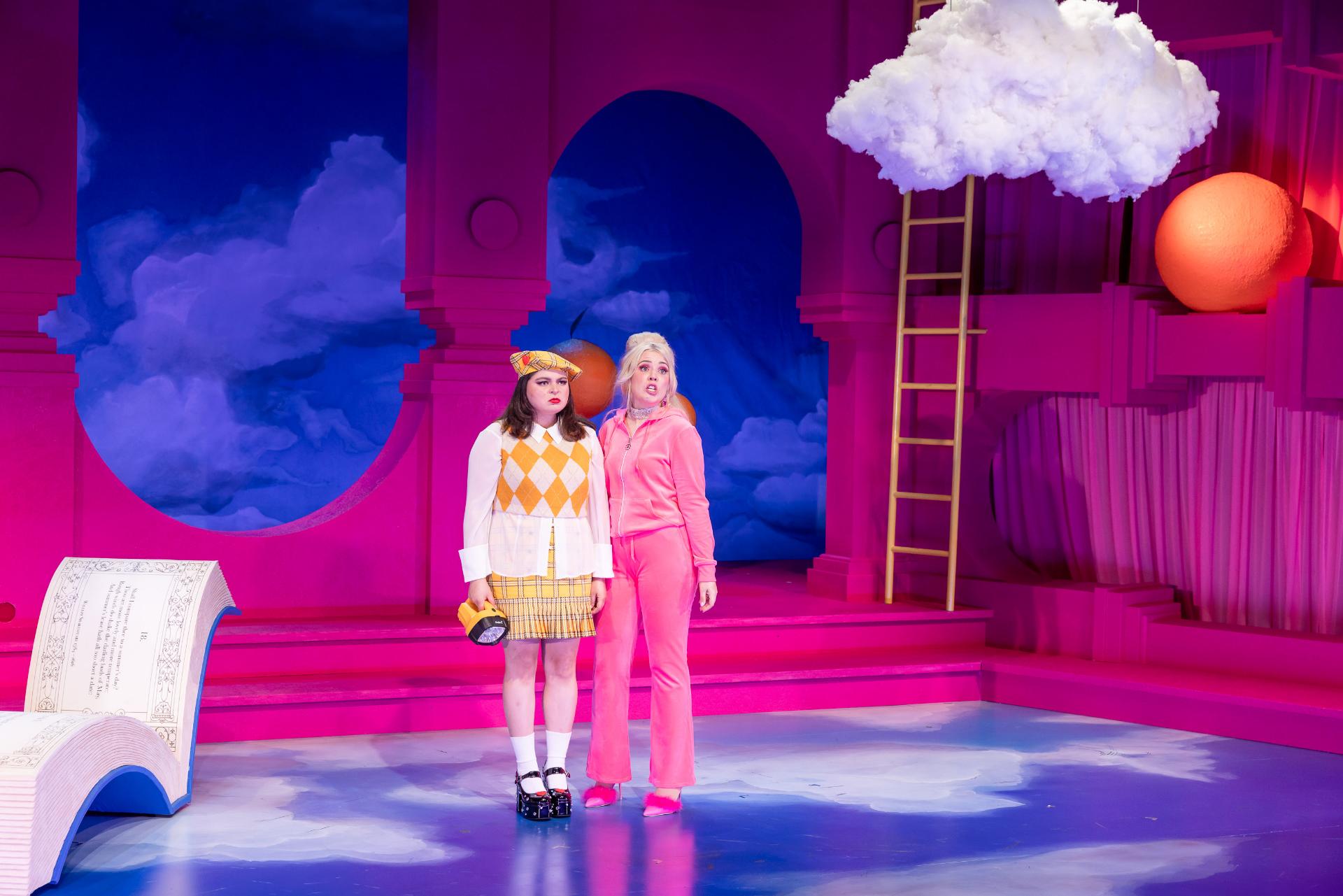
Set and costumes by Isabela Hudson revel in an unambiguous campness, as though indicating a queer attitude overlaying this feminist retelling of an old tale. Hudson too pokes fun wherever she can, especially in reference to how we perceive gender and class in the present moment. Benjamin Brockman’s lights add to the flamboyance, taking many opportunities to induce excitement in a production that is unafraid of being flashy. Sounds and music by Michael Toisuta could demonstrate greater sensitivity for the atmosphere being manufactured, but bears a dynamism nonetheless, that adds to the vibrancy of the piece.

Actor Contessa Treffone is a splendid Phynayah, genuinely hilarious but also unequivocally poignant when we need her to dial up the tension. Also extremely comical is Aaron Tsindos who as Lee and Neeson, never misses a beat with his jokes, yet offering consistent clarity to the intentions of both his roles. Johnny Nasser and Megan Wilding are equally fabulous with their timing and sensibilities, able to keep things believable, whilst convincingly inhabiting very heightened spaces. Arkia Ashraf, Alfie Gledhill and Melissa Kahraman are manifestly committed to all their parts, in a staging that is never short of manic energy.

It could be true that no woman is truly stupid, that it could just be that some of us make poor choices. In a world that often restricts us to inferior options, and that keeps us in disagreeable situations, many women can appear to make bad decisions, when in fact we are simply disallowed to live out our full potential. There is so much of what we are capable of, that is deemed inappropriate, repugnant or ruinous, by systems that only thrive when we are subjugated. Whether Phynayah develops her intellect, grows in courage, or stays the very same, she is always already divine.

www.sydneytheatre.com.au

Review: Send For Nellie (Wharf 1 Theatre)

Venue: Wharf 1 Sydney Theatre Company (Walsh Bay NSW), Jan 10 – 14, 2024, with further performances at Art House Wyong (January 19–20) and Merrigong Theatre Company in Wollongong (February 14–17)
Playwright: Alana Valentine
Director: Liesel Badorrek
Cast: Elenoa Rokobaro, Eleanor Stankiewicz
Images by Wendell Teodoro

Theatre review
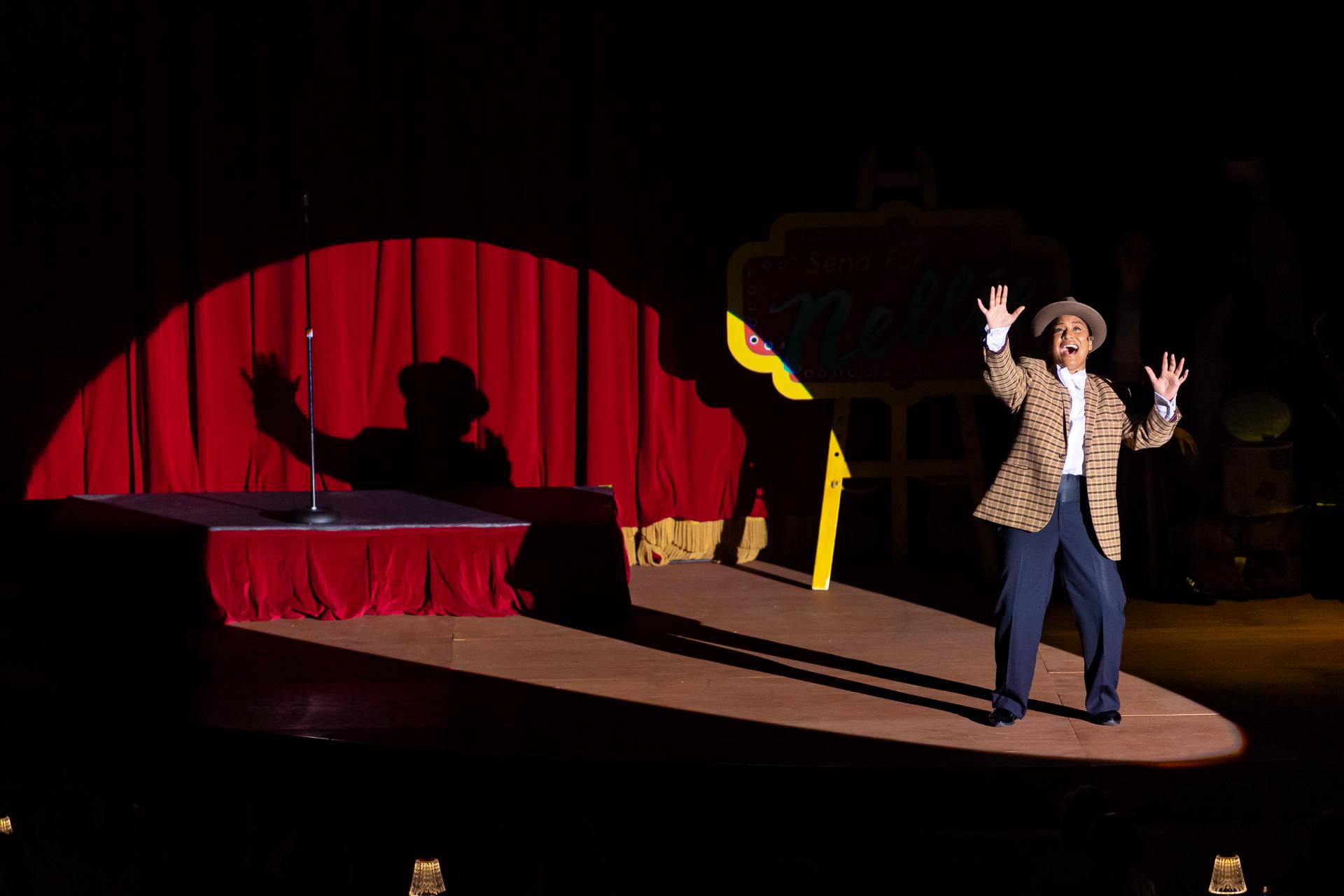
Born 1900 in Sydney, Nellie Small worked many of her adult years as an entertainer, eventually establishing a career as a male impersonator in the 1930s. As a gender non-conformist, and a prominent person of colour living in Australia a century ago, Small remains an important figure in our queer history. Alana Valentine’s play in a cabaret style Send for Nellie, is an admirable attempt at immortalising the memory of Small. It is a respectful tribute, albeit offering a somewhat sanitized impression of Sydney nightlife.

At just an hour’s duration, with an abundance of song-and-dance incorporated into the staging, Send for Nellie is an excellent showcase for a performer like leading lady Elenoa Rokobaro, whose powerful vocals and precise execution of choreography, elevates the presentation with her exceptional polish. There is however an absence of a certain queer sensibility, that we know instinctively to be a crucial element in any recounting of Small’s life. Eleanor Stankiewicz plays several supporting characters, each one more vibrant than the last, but none of whom distract from the main attraction. Also a delight is the three-piece band of women musicians with Zara Stanton as Musical Director, although it is worth pointing out, that acoustics are a major sore point in this production.

Direction by Liesel Badorrek gives Send for Nellie an abundance of variation and movement, but the show never really connects. We feel as though the soul is missing, from a person we want to know better. On a positive note, visual design is generally of a high standard, for a work as handsome as the person it wishes to memorialise.

For the benefit of every person in queer communities, we must continue to tell stories about our forebears, in order that we may be inspired by their resilience, their resourcefulness and their innumerable achievements. We need always to see how as a people, we continually prove them wrong, that we are of great worth, that what they have construed of us for generations, is reprehensible and must always be met with resistance. To have survived her times as a queer person of colour, Nellie Small was unequivocally a warrior. It would not have been easy, but it does mean that greatness is absolutely within our grasp.

www.thearthousewyong.com.au

Review: Oil (Sydney Theatre Company)

Venue: Wharf 1 Sydney Theatre Company (Walsh Bay NSW), Nov 4 – Dec 16, 2023
Playwright: Ella Hickson
Director: Paige Rattray
Cast: Saif Alawadi, Violette Ayad, Jing-Xuan Chan, Callan Colley, Charlotte Friels, Josh McConville, Benedict Samuel, Brooke Satchwell, Damien Strouthos, Anne Tenney
Images by Prudence Upton

Theatre review
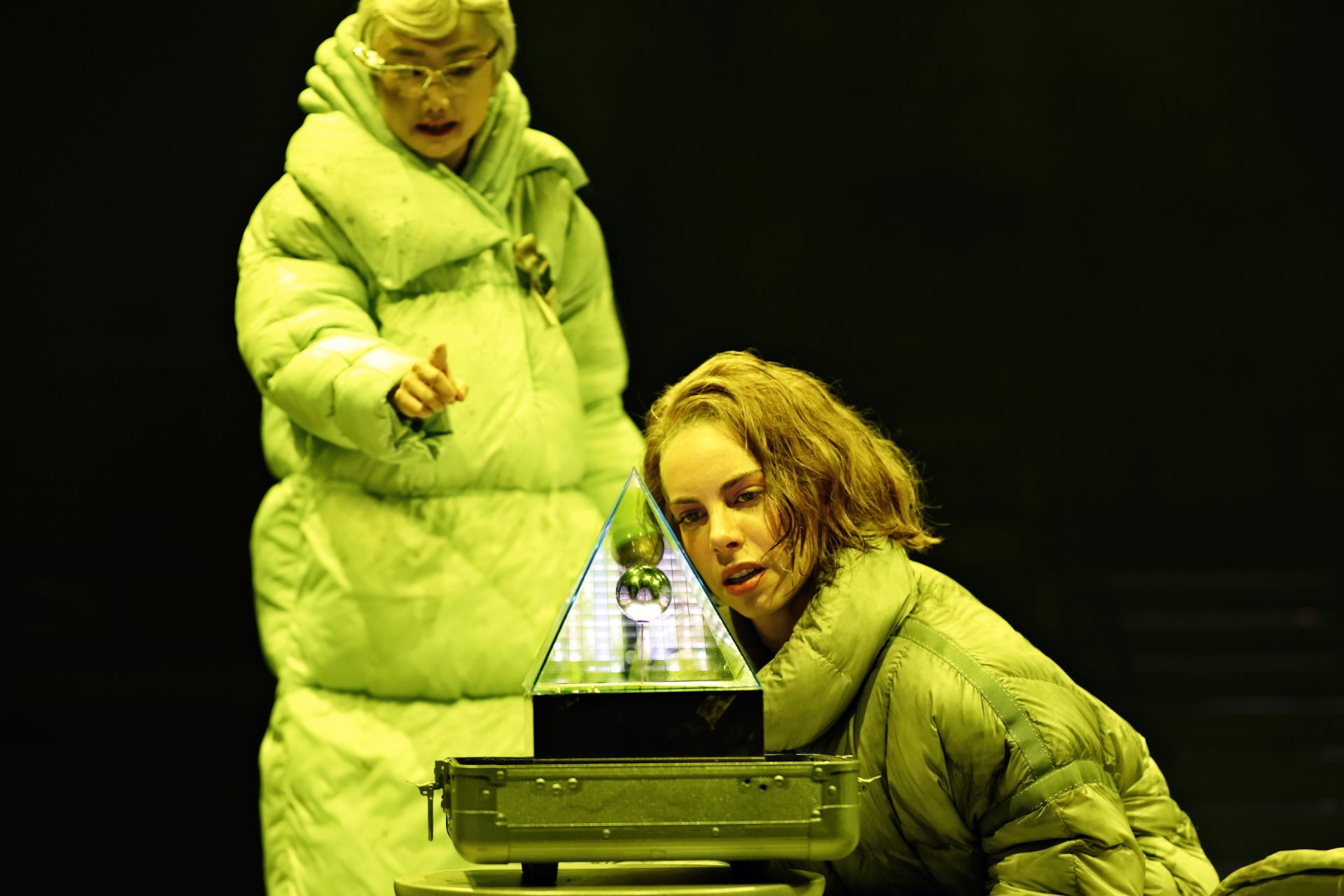
Ella Hickson’s Oil begins in 1889 with young May falling pregnant with Amy, whilst navigating abject poverty in Cornwall, England. With each subsequent chapter, May and Amy jump decades ahead theatrically, allowing us to see an evolution of English womanhood in parallel with the industrial revolution and, more specifically, the modern history of petroleum. It is a complex, although surprisingly comprehensible, work that deals with environmental degradation, along with providing an evaluation of the trajectory of Western feminism, as well as a meditation on human nature.

Oil talks about our survival, including both our ingenuity and our incapacities, for a narrative on our progress, and perhaps regressions, to offer new reflections on human propensities, benevolent and otherwise, that may inspire improved methods for how we may forge ahead. Paige Rattray’s remarkable direction of the work captivates with endless intrigue, for something that could have easily become overly intellectual. It asks many questions, and leaves them unanswered, yet we feel sated by the end, nourished by passionate and pointed depictions of our shared pasts and likely futures.

Actor Brooke Satchwell brings scintillating intensity and focus to May, the maternal figure who always intends to do her best, but who is never safe from making errors. Satchwell’s confidence helps gain our trust in the unpredictable storytelling, taking us on a confronting ride that proves to be thoroughly thought-provoking. Amy is played by Charlotte Friels, spirited and purposeful with her creative choices, admirable for her ability to cultivate excellent chemistry with all she partners with. The leads are supported by a highly proficient ensemble, with each performer leaving a strong impression, in a detailed and refined presentation of an urgent message.

Set design by Emma White is wonderful in its versatility, cleverly adapting to the requirements of each era, as the play takes inordinately big leaps through the years. The creation of props for the show are especially commendable, completely fascinating in the ways they embellish the space for a series of imagery to manufacture an absorbing realism. David Fleischer’s costumes are commensurately believable, adorning the cast with a persuasive sense of naturalism, even when we step into the realm of science fiction. The stage, in the round, is illuminated meaningfully by Paul Jackson, who demonstrates great care with how we perceive lights, in a tale based on the immense repercussions of our relationship with crude oil. Sound and music by Clemence Williams are intricately rendered, whether with their subtle influence or through bigger dramatic gestures, all effective in keeping our psyche deeply invested.

May wants always to make noble decisions, but there is something about her dedication to her own family unit that eventually appears selfish. We see May’s struggles for survival, and her earnest efforts in providing for Amy, and learn about the ignorance and the carelessness, in how we have conceived of the future. Oil encourages us to imagine alternatives, where we had perhaps previously believed that none exist. It contextualises existential threat in a way that makes us realise the inevitability of shifting our lives, and makes us want the notion of sustainability to henceforth become essential and unyieldingly ubiquitous.

www.sydneytheatre.com.au

Review: Is God Is (Sydney Theatre Company)

Venue: Wharf 1 Sydney Theatre Company (Walsh Bay NSW), Sep 15 – Oct 21, 2023
Playwright: Aleshea Harris
Directors: Zindzi Okenyo, Shari Sebbens
Cast: Henrietta Enyonam Amevor, Clare Chihambakwe, Kevin Copeland, Masego Pitso, Cessalee Stovall, Darius Williams, Patrick Williams, Grant Young
Images by Pia Johnson

Theatre review

Racine and Anaia are heavily scarred, by cruel and neglectful parents who seem to know nothing about nurturing or caring for their children. Left to their own devices, the twin sisters can only understand the world as violent and savage, as we watch them embark on an odyssey of murder, in Aleshea Harris’ Is God Is. A revenge fantasy filled with wild imagination and scintillating humour, the play is both terrifying and hilarious, in its portrayals of wayward youth, unhinged femininity and recalcitrant Blackness. The United States have never looked so subversive.

Directed by Zindzi Okenyo and Shari Sebbens, Is God Is delivers delicious humour, keeping us on the edges of our seats with unpredictable characters, who prove to be truly and thoroughly intriguing. There is nothing normal about Racine and Anaia’s lives, and seeing things through their eyes, means a completely fascinating, and dangerous, experience.

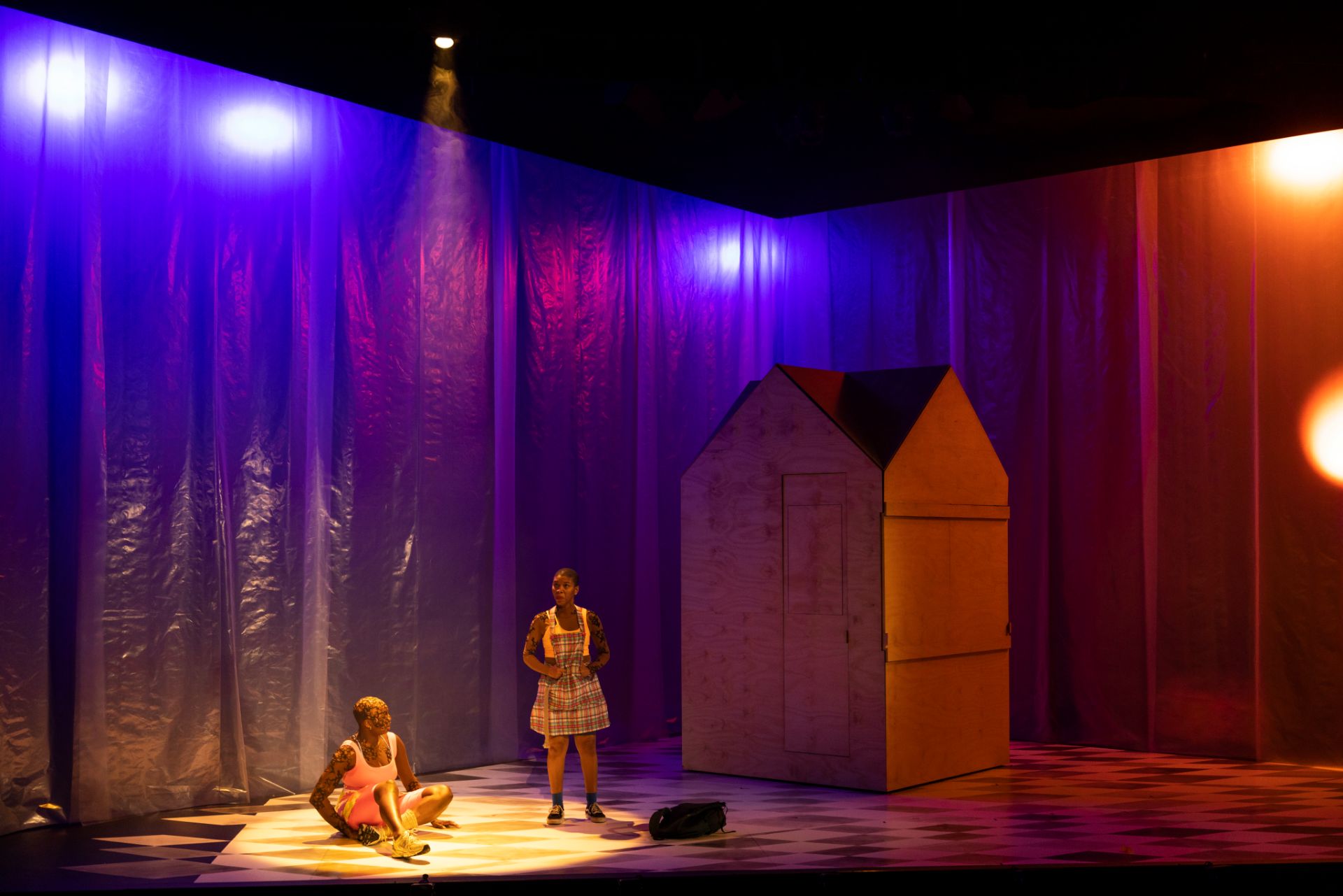
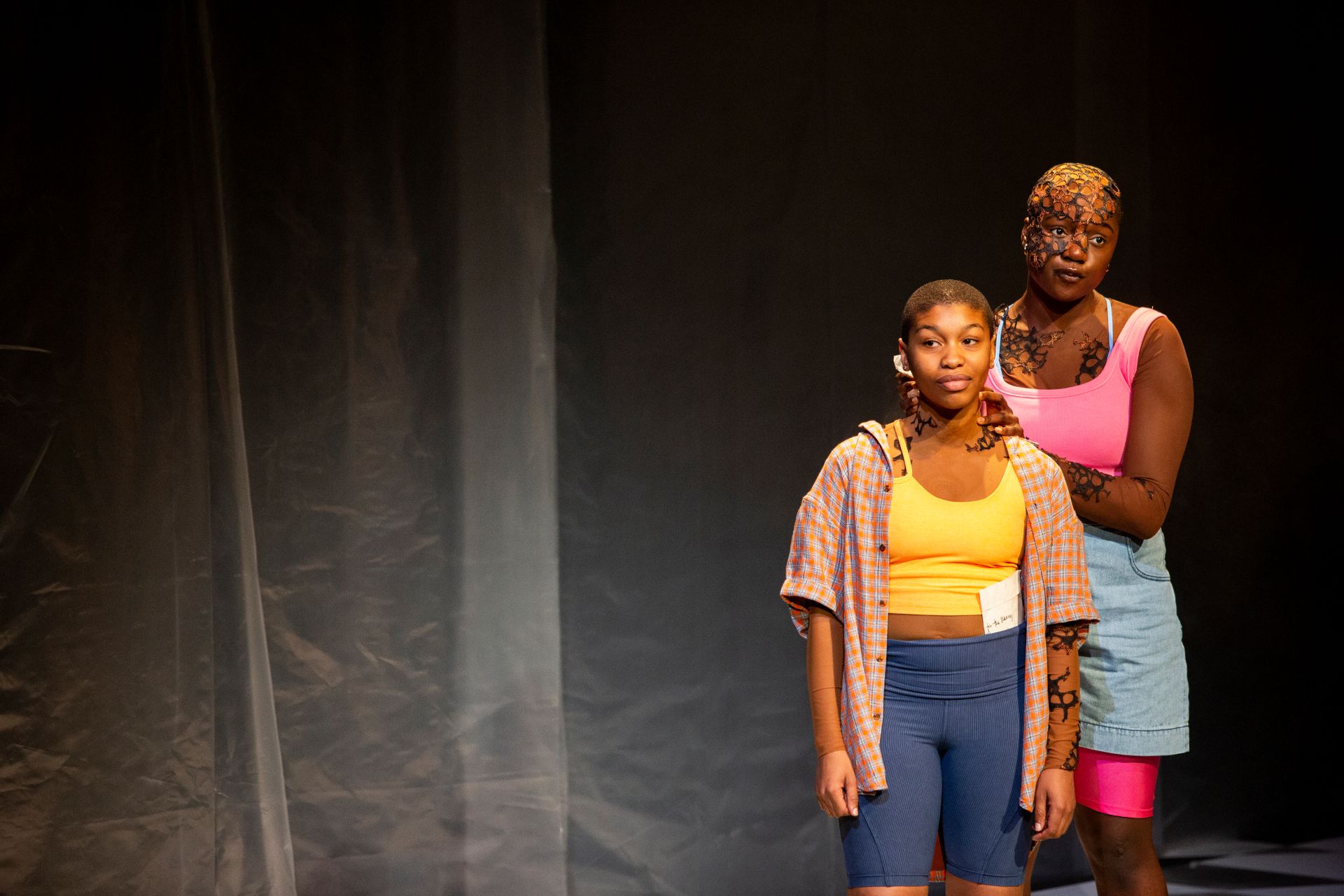
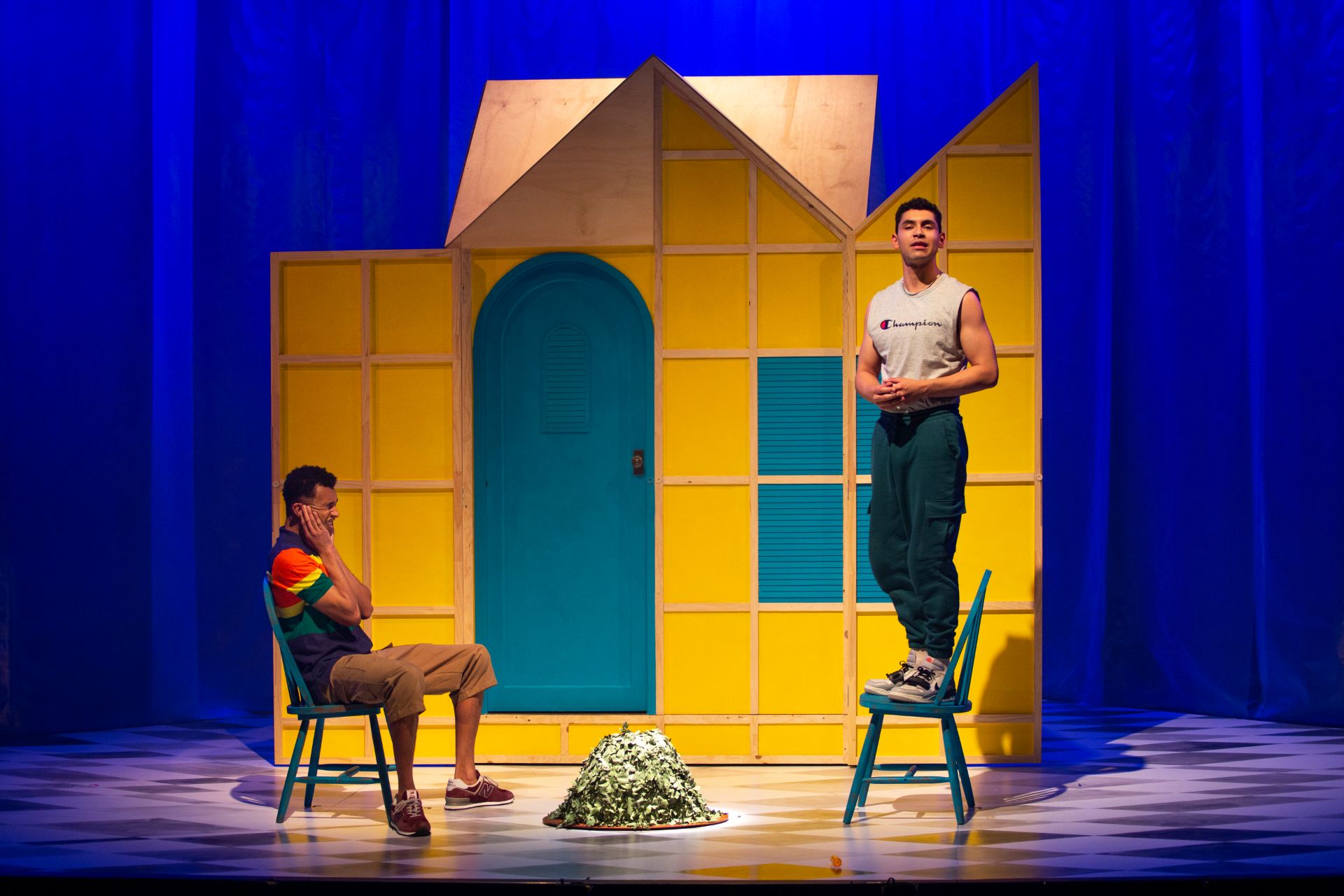
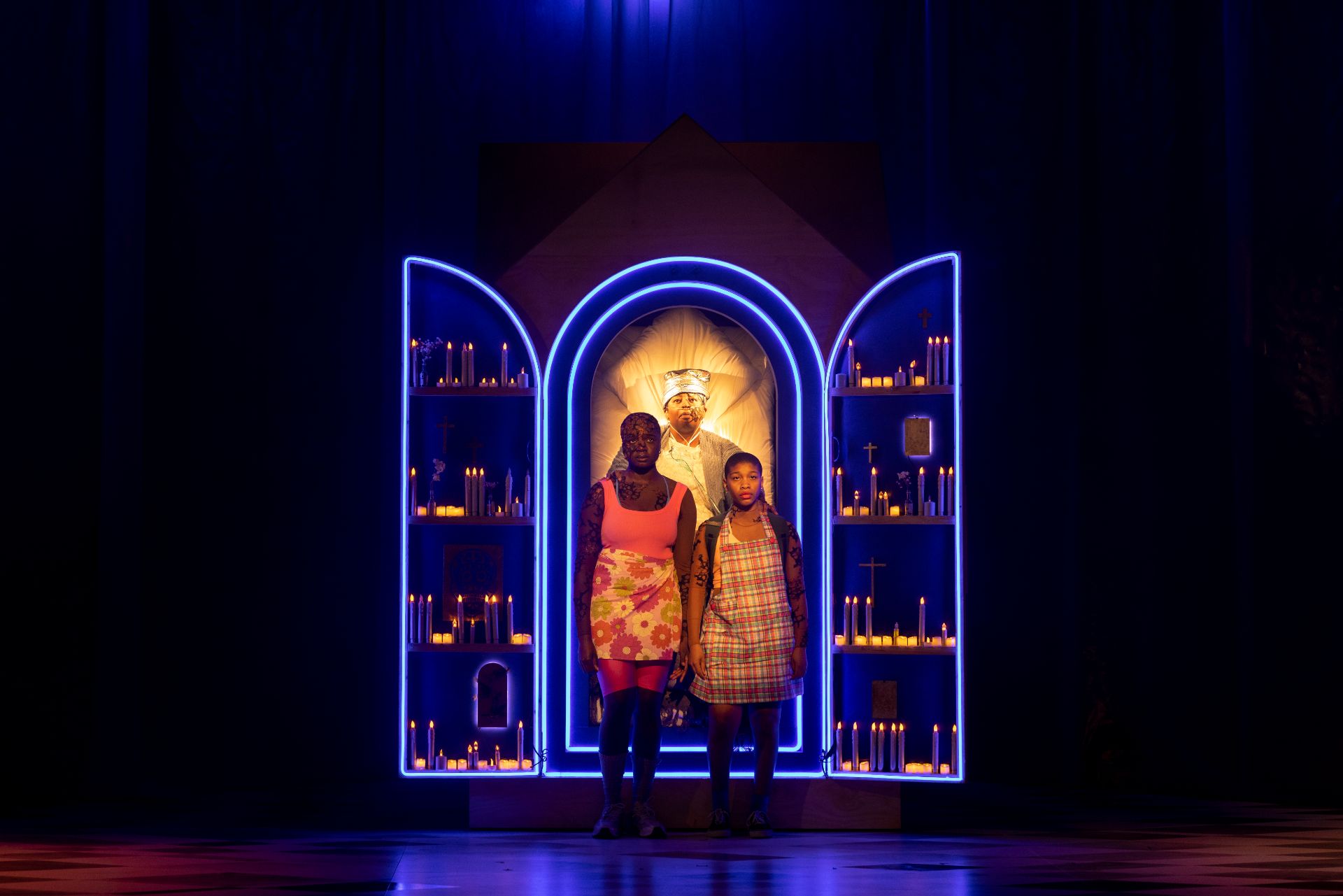
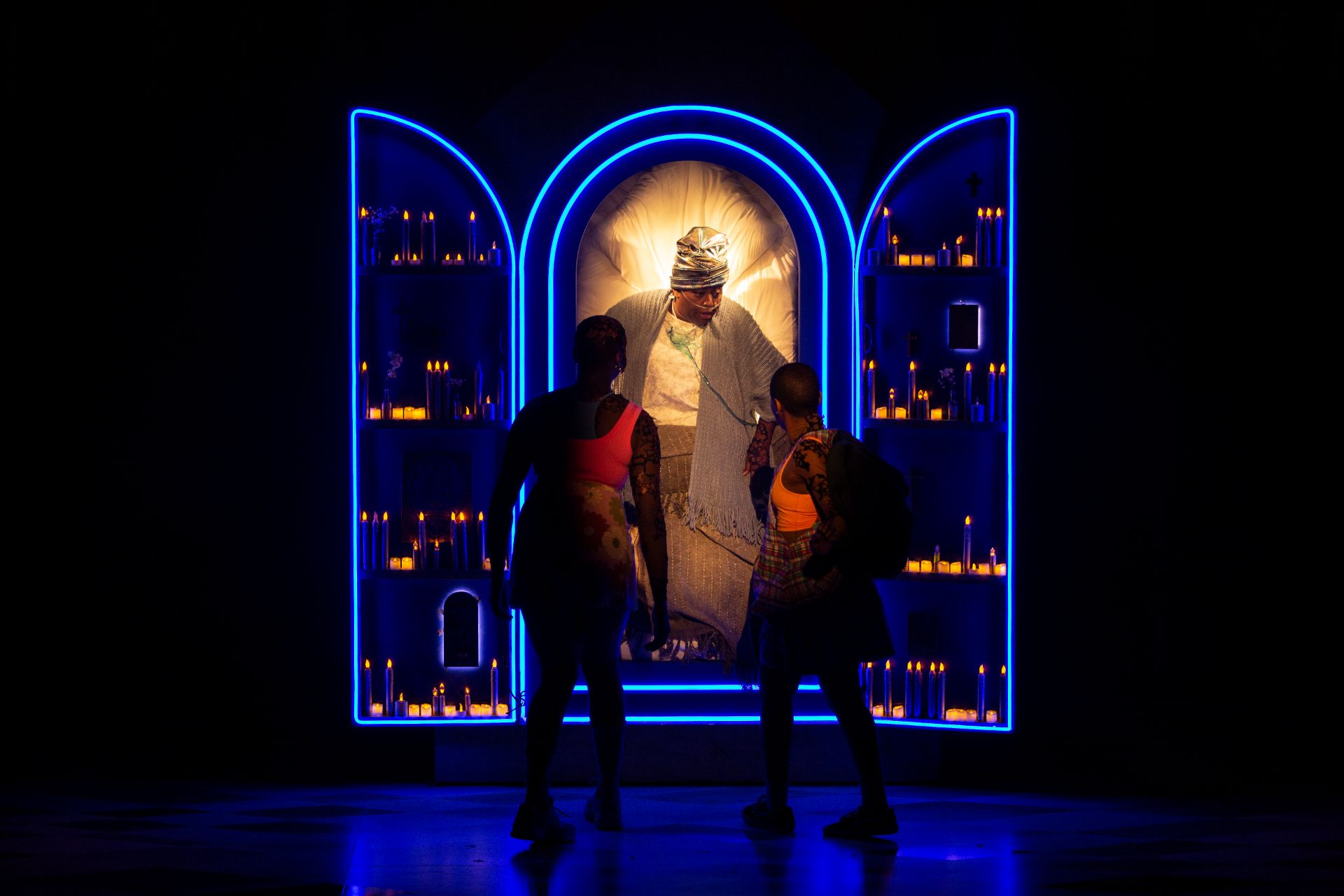
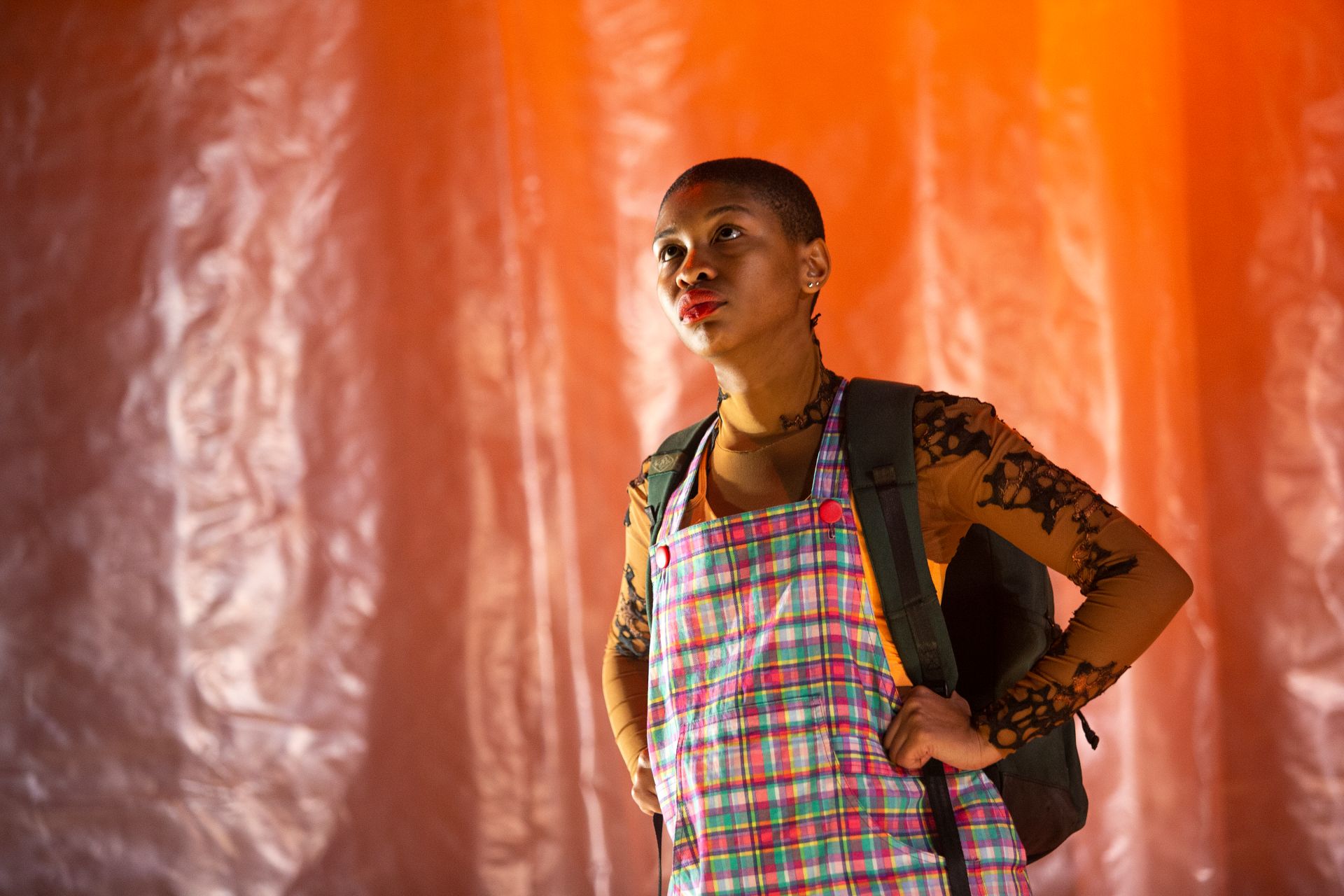
Costumes by Renée Mulder conjure imagery of ruined innocence, offering a childlike perspective, but one in a state of decay, as a constant reminder of the story’s despairing centre. Mulder’s set design involves a protean structure evoking notions of home, establishing for the production a whimsical style that draws parallels with the much more wholesome fare of juvenile television programming. Lights by Jenny Hector help manufacture drama, but is somewhat lacking when required to convey a sense of macabre during key moments of repugnance, for this occasion of genre theatre. Sounds and music are effectively rendered, by Joe Paradise Lui, to ensure that we navigate the varying tones of the production, as it slips and slides ever so subtly between comedy and horror.

Henrietta Enyonam Amevor and Masego Pitso play Anaia and Racine respectively, both actors vivacious and charismatic, able to blend naivety with brutality, for their confronting depictions of civilisation in disarray. The troubling pair’s mother is performed by Cessalee Stovall, who guides us to the truthful core of Is God Is, without sparing us the necessary discomfort of having to acknowledge the pain in that truth. Also remarkable is Darius Williams, who as the grandiose poet Scotch, gives us some of the biggest laughs, in a fabulous acerbic take on youthful and misguided masculinity. It is a marvellous cast, with each individual leaving an excellent impression with the complexities they introduce, along with the sheer entertainment they manufacture, for this very dark tale.

It only makes sense, that the most audacious fantasies should come from the most marginalised. Young, Black women are routinely underestimated, diminished and shunned. Being the very antithesis and embodiment of that which is pale, male, stale and therefore most highly valued, their perspective from a position diametrically opposite to the hegemony, is what will reveal the most of our ills. Is God Is may not choose to engage directly or explicitly with all our social issues, but just to have art of this nature materialise, is an indication of our capacity to shift, and a reminder that culture is always malleable.

www.sydneytheatre.com.au | www.mtc.com.au

Review: Constellations (Sydney Theatre Company)

Venue: Wharf 1 Sydney Theatre Company (Walsh Bay NSW), Jul 29 – Sep 2, 2023
Playwright: Nick Payne
Director: Ian Michael
Cast: Johnny Carr, Catherine Văn-Davies
Images by Prudence Upton

Theatre review

The one certainty in Nick Payne’s Constellations, is that Marianne and Roland met one fateful day. Whatever happened thereafter, becomes a series of infinite and random configurations, in a play that explores the nature of consequence, and the idea of boundless possibilities. Things could have ended between the two after a single exchange, or a lifetime of connectedness could have eventuated, or indeed a myriad of combinations in between. Maybe all that can be imagined, does in fact take place simultaneously, in a world that is much bigger, much less ordered and linear, than we usually believe to be true.

Unequivocally intellectual, Payne’s writing is also witty and heartrending, offering the stage opportunities for a theatre that engages both mind and soul. Directed by Ian Michael, all of Constellations‘ immense potentialities are realised, in a production that absolutely captivates, to deliver an experience satisfying on every level, and leaving its audience deeply contented yet full of wonderment, newly curious about our planes of existence. Furthermore, as a work of classic drama, Constellations is intensely moving in its rendering of a love story, but also consistently and effortlessly funny, in many comedic moments that Michael instils exactingly, yet with an unmistakable lightness of touch.

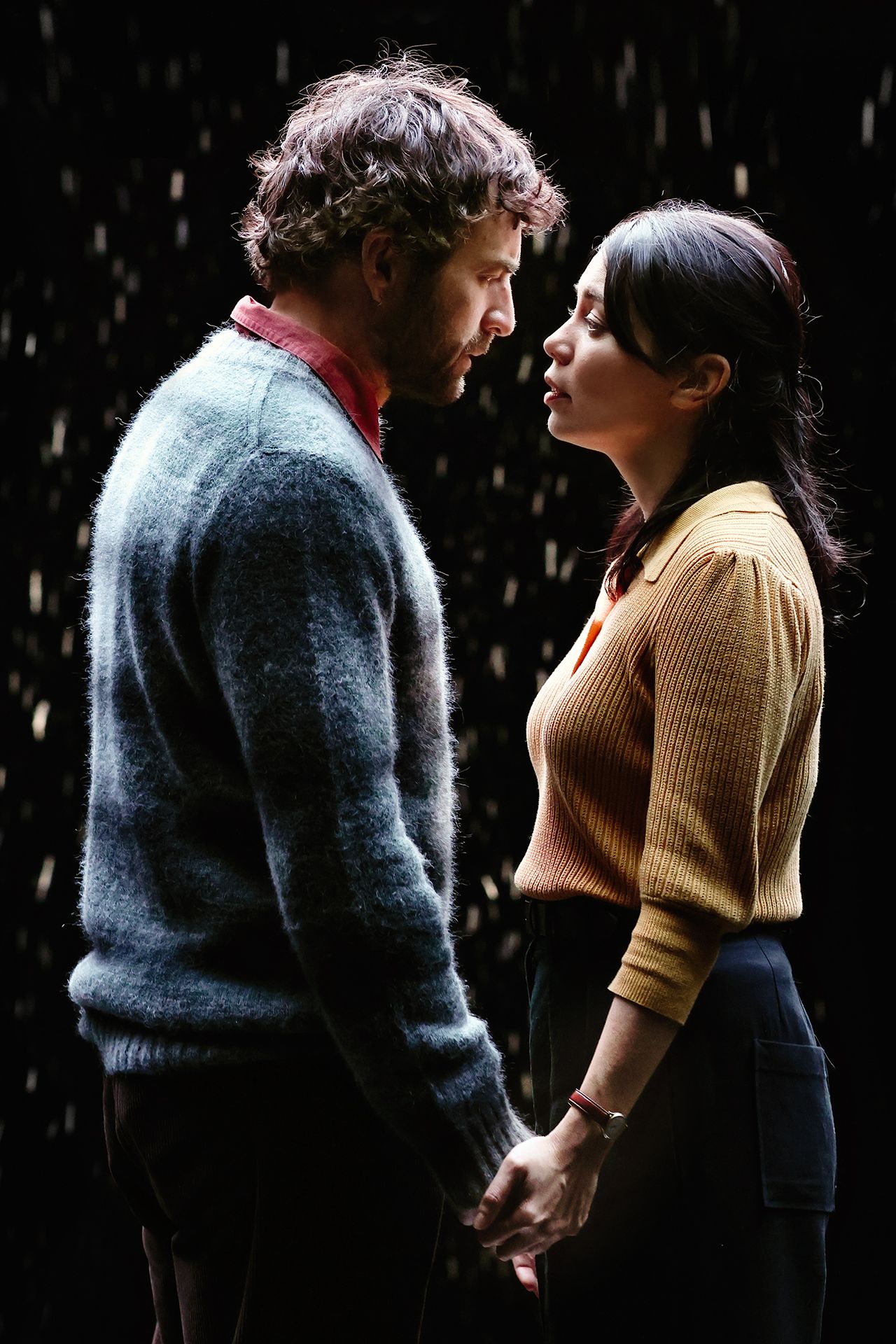
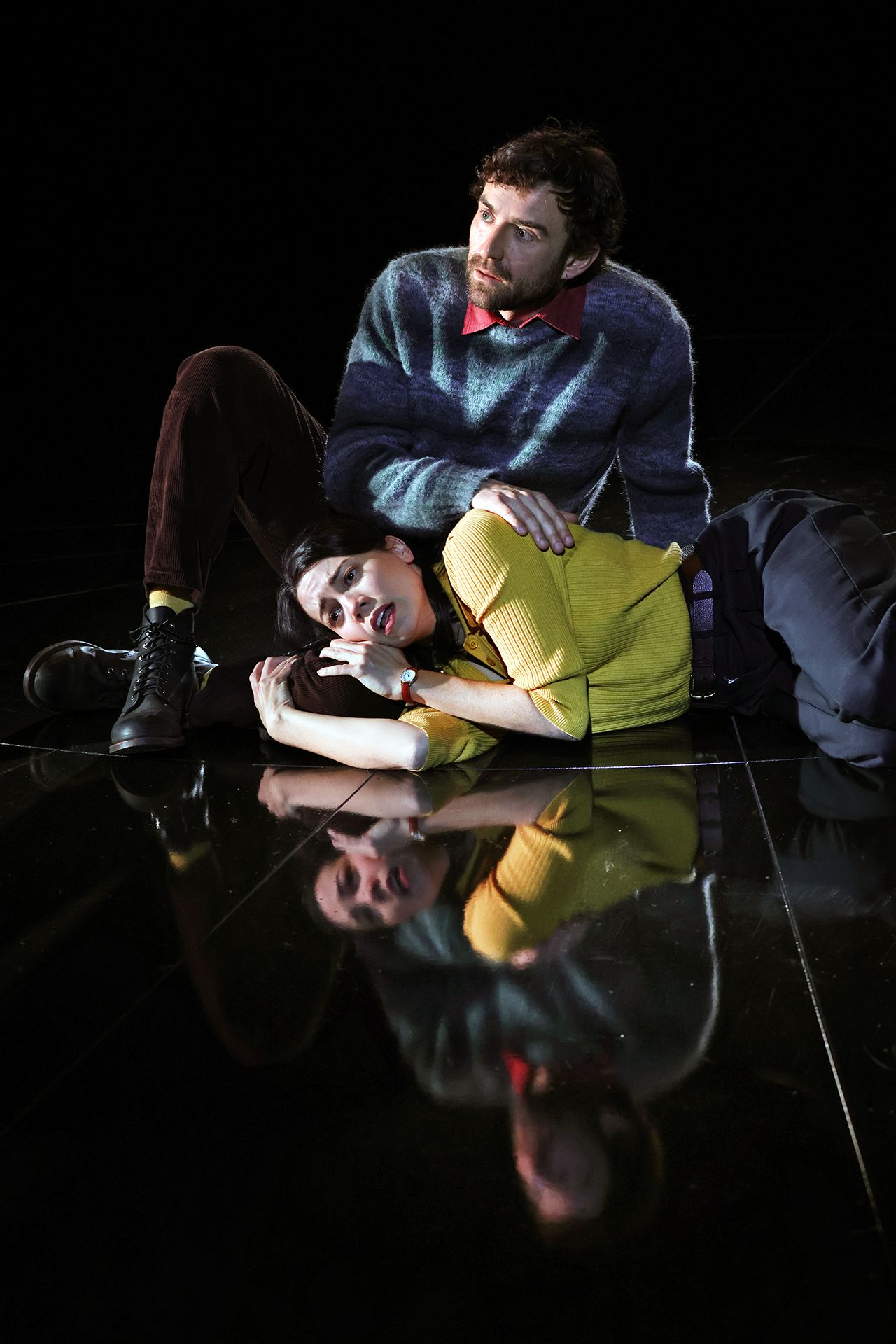
Designed to perfection, the show features a glorious set by Isabel Hudson that is sure to take one’s breath away, from the very first encounter upon entering the auditorium. Dark gleaming surfaces depict characters in timelessness, floating as though representing both the material and immaterial, in a play that ventures inevitably into esoteric spaces. Benjamin Brockman’s spectacular lights coax responses from our emotions and senses, in the most detailed ways, ensuring  that heads and hearts follow each step of the complex plot, never for a moment disengaging from the presentation. Music and sounds by James Brown bring sublime beauty to the show, along with depths of profundity that the body understands more than the cerebrum, allowing enjoyment and appreciation of the show to extend viscerally.

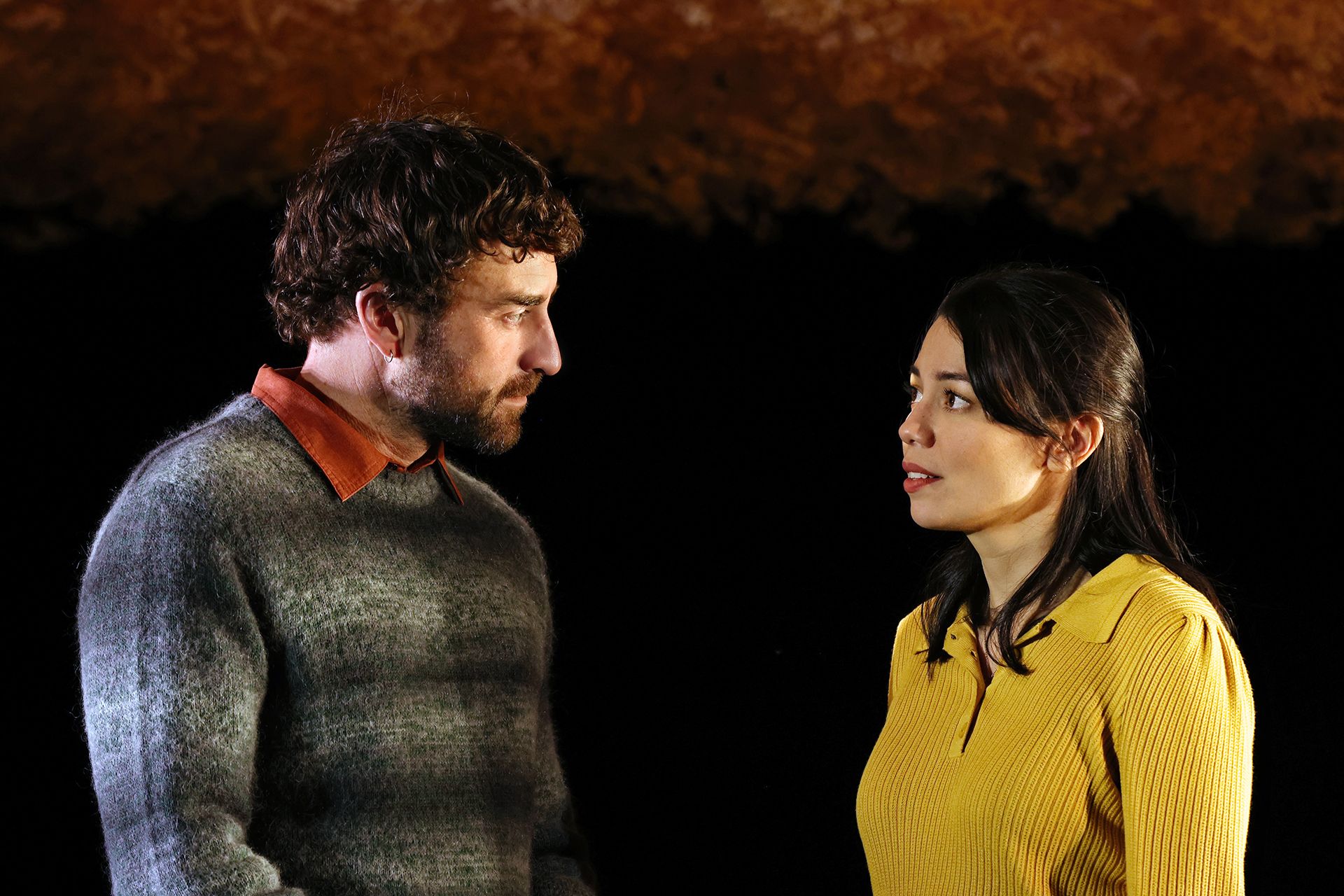
The seamless collaboration between all aspects of the staging, is incredible to witness, including the two extraordinary performers, whose unsurpassed generosity and integrity, make Constellations unforgettable. As Roland, actor Johnny Carr brings interpretations and impulses that feel entirely natural, to a text notable for its abstractions. Every vacillating scenario is made believable and rational, with an unabating charisma that keeps us endeared to each mutation of the story. The mesmerising Catherine Văn-Davies is interminably dynamic in the role of Marianne, brilliantly inventive with each refreshed delivery of dialogue, physically manifesting the infinitude that is so resolutely central to the text. The sentimental dimensions of the play are crucial to sustaining our engrossment, and Văn-Davies’s commitment to portrayals of human vulnerability keeps us riveted to the unusual storytelling. Above all, it is the extraordinary chemistry between both players that makes this theatrical moment a special one, with a partnering that invites us to perceive love as an entity beyond conventional prescription. We are as magnificent as we allow ourselves to envision.

The gravity we bear in navigating life is partially tangible, and partially in the mind’s eye; there are portions more real and portions mutable. Finding ways to dissolve the boundaries that constitute meanings of selves, or in other words, to free oneself from definitions that necessarily impose constrictions, is to release the self to an expansiveness that must mean exaltation and peace. Constellations could be seen as a meditation on zen doctrines, or at least be a key to one instance of bliss.

www.sydneytheatre.com.au