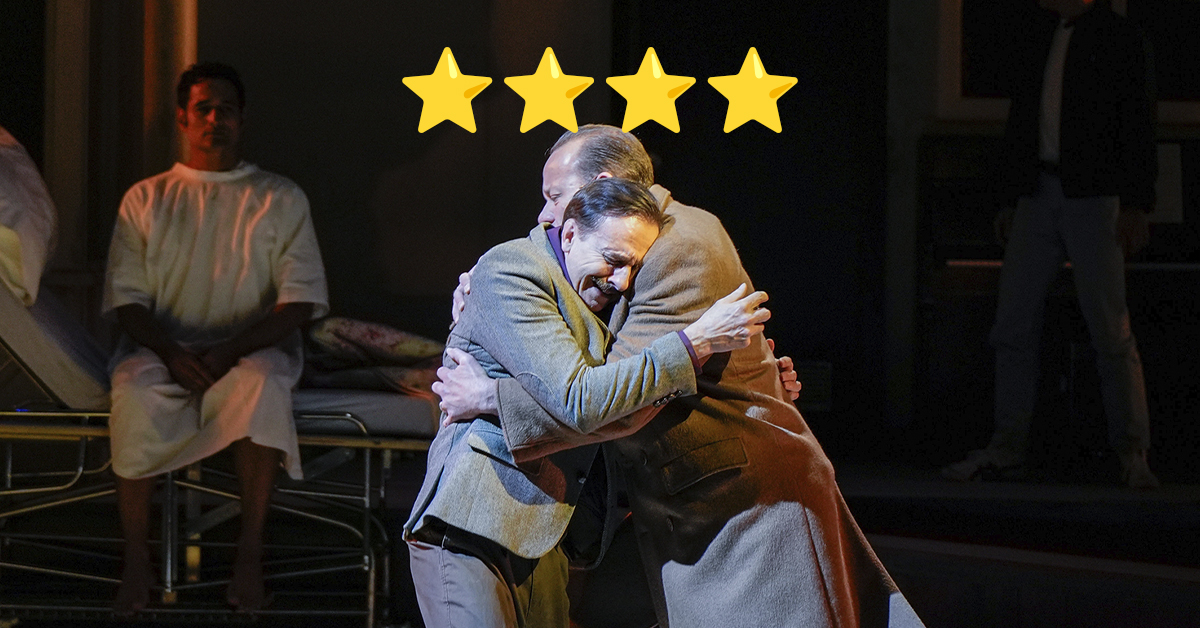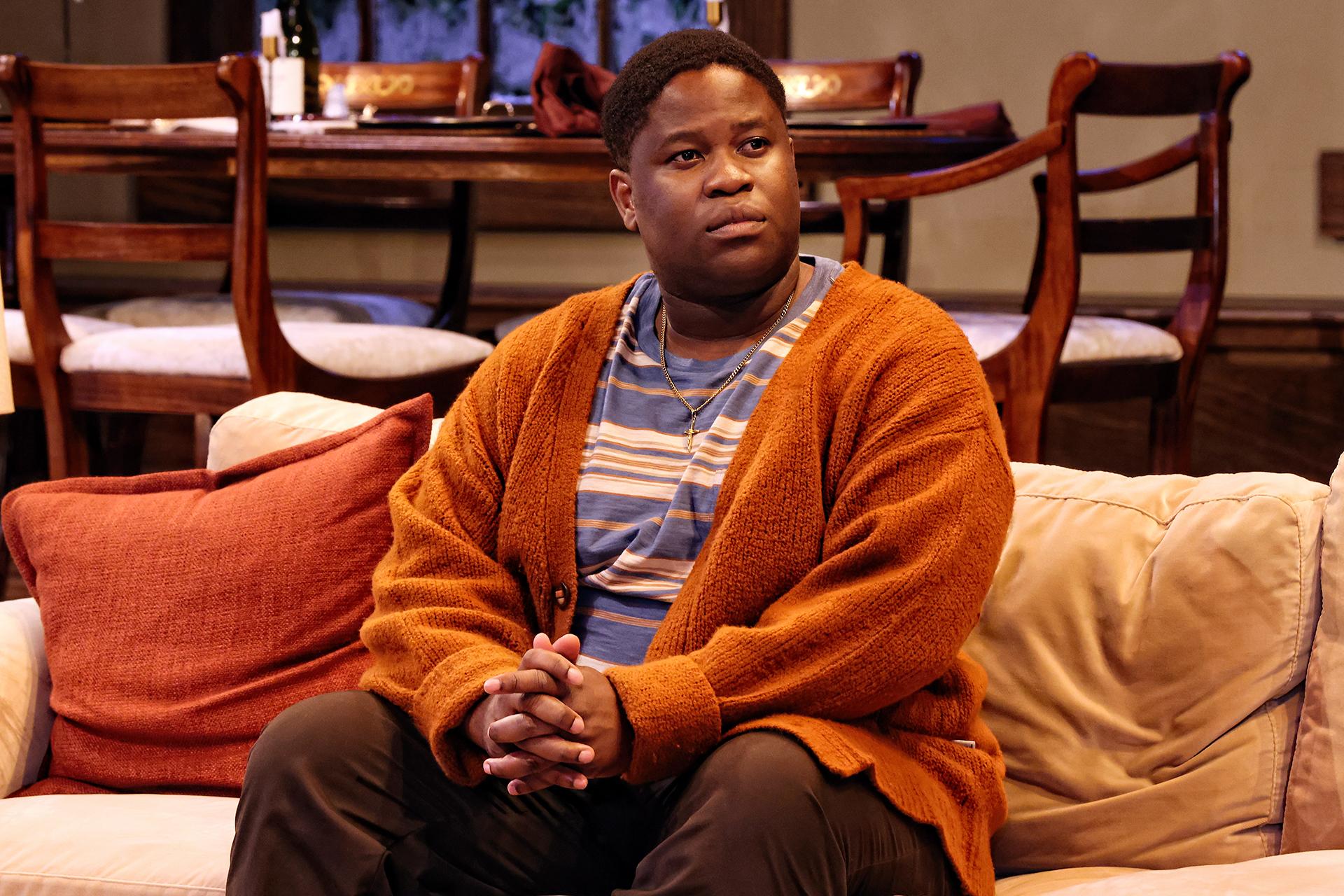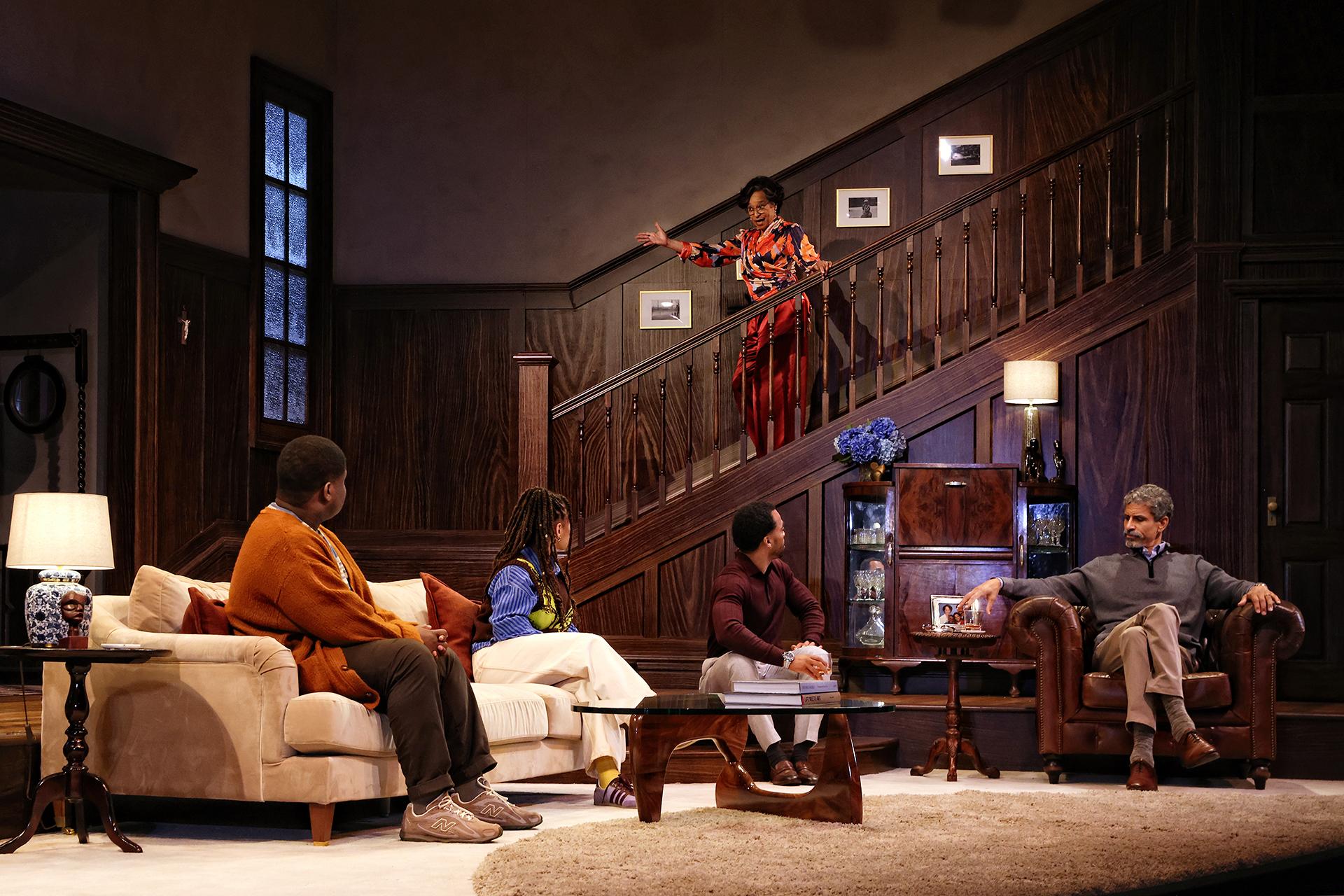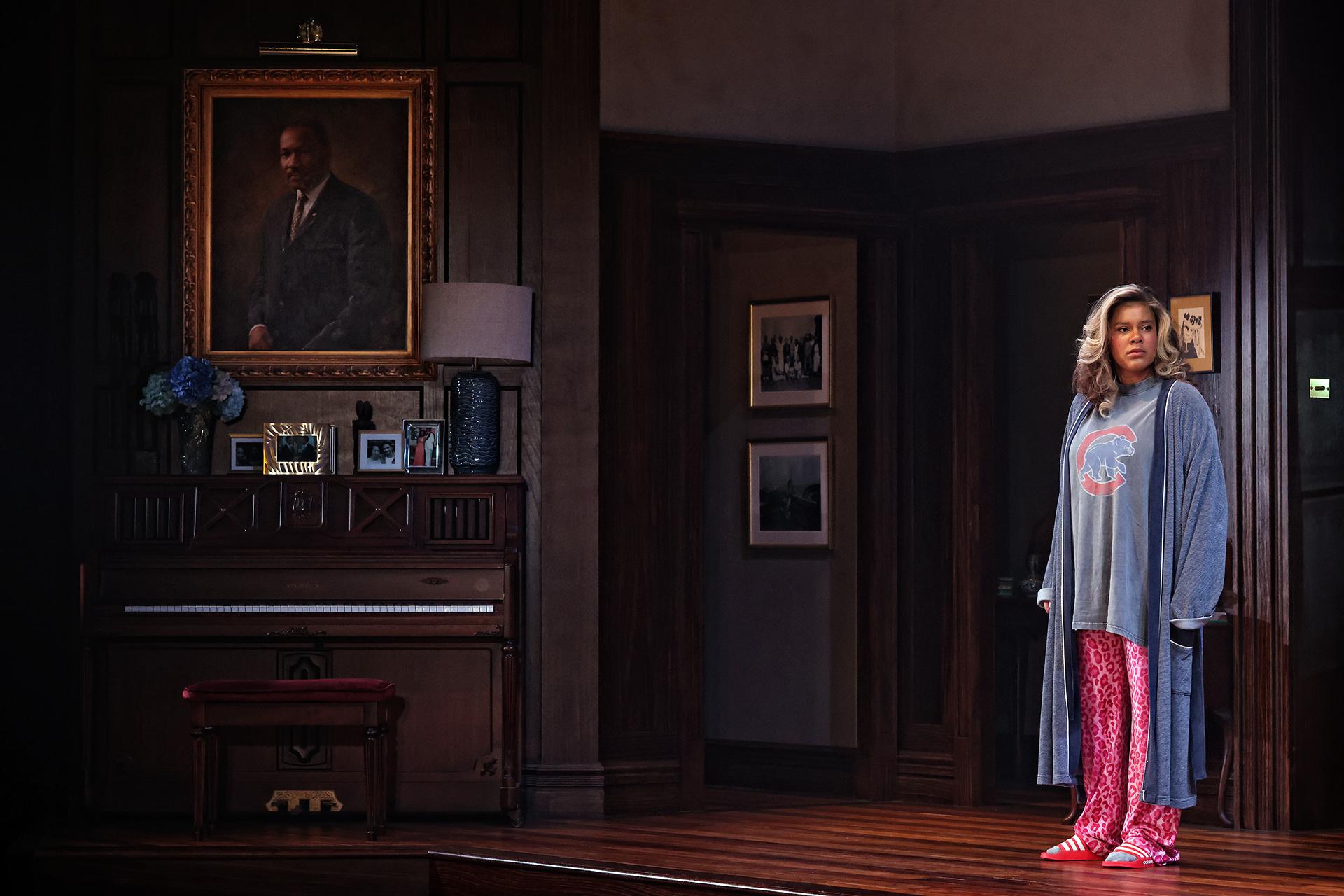
Review: Phar Lap (Hayes Theatre)

Venue: Hayes Theatre Co (Potts Point NSW), Oct 17 – Nov 22, 2025
Book, Music & Lyrics: Steven Kramer
Directors: Sheridan Harbridge
Cast: Shay Debney, Lincoln Elliott, Joel Granger, Manon Gunderson-Briggs, Amy Hack, Nat Jobe, Joey Phyland, Justin Smith
Images by John McRae

Theatre review
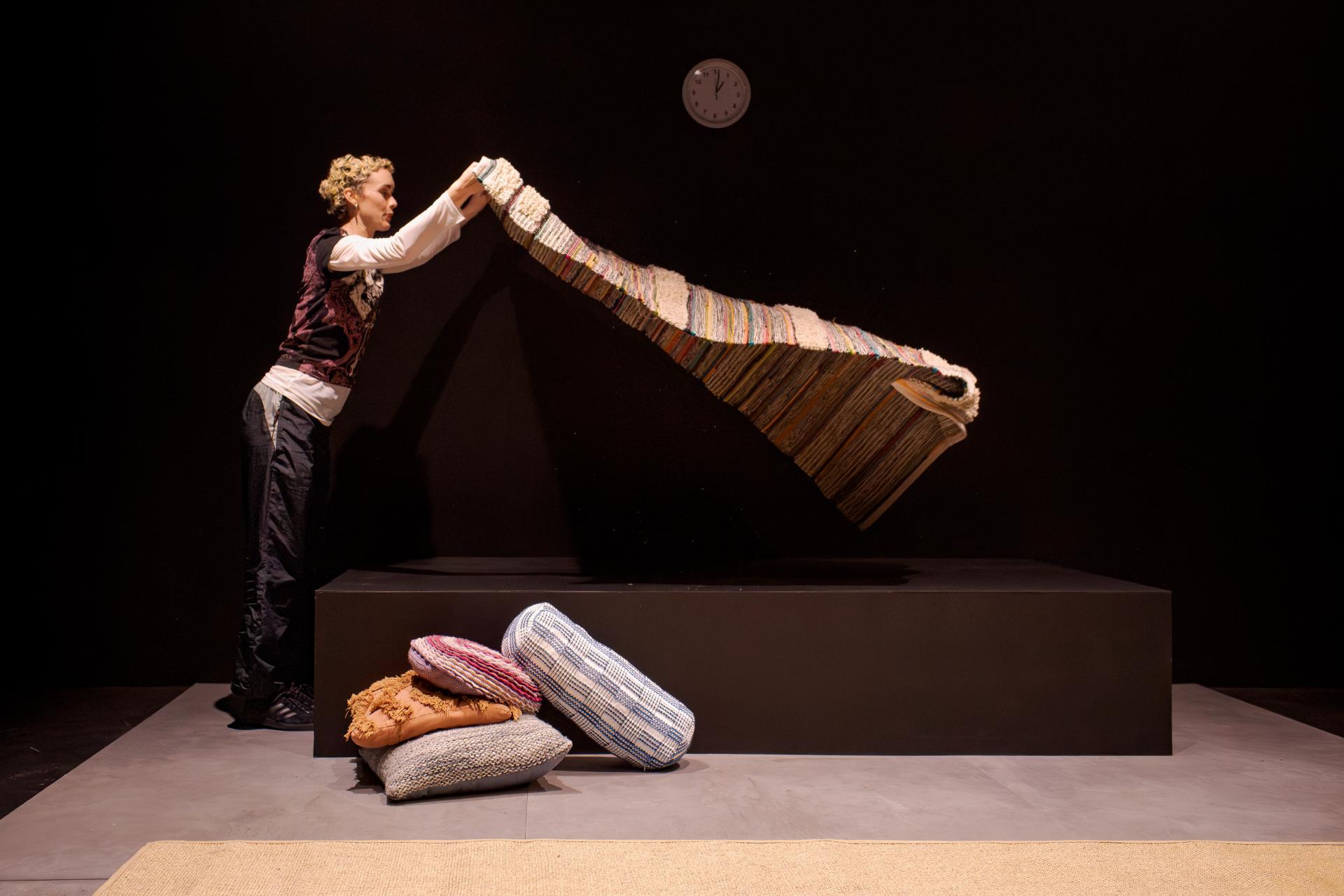
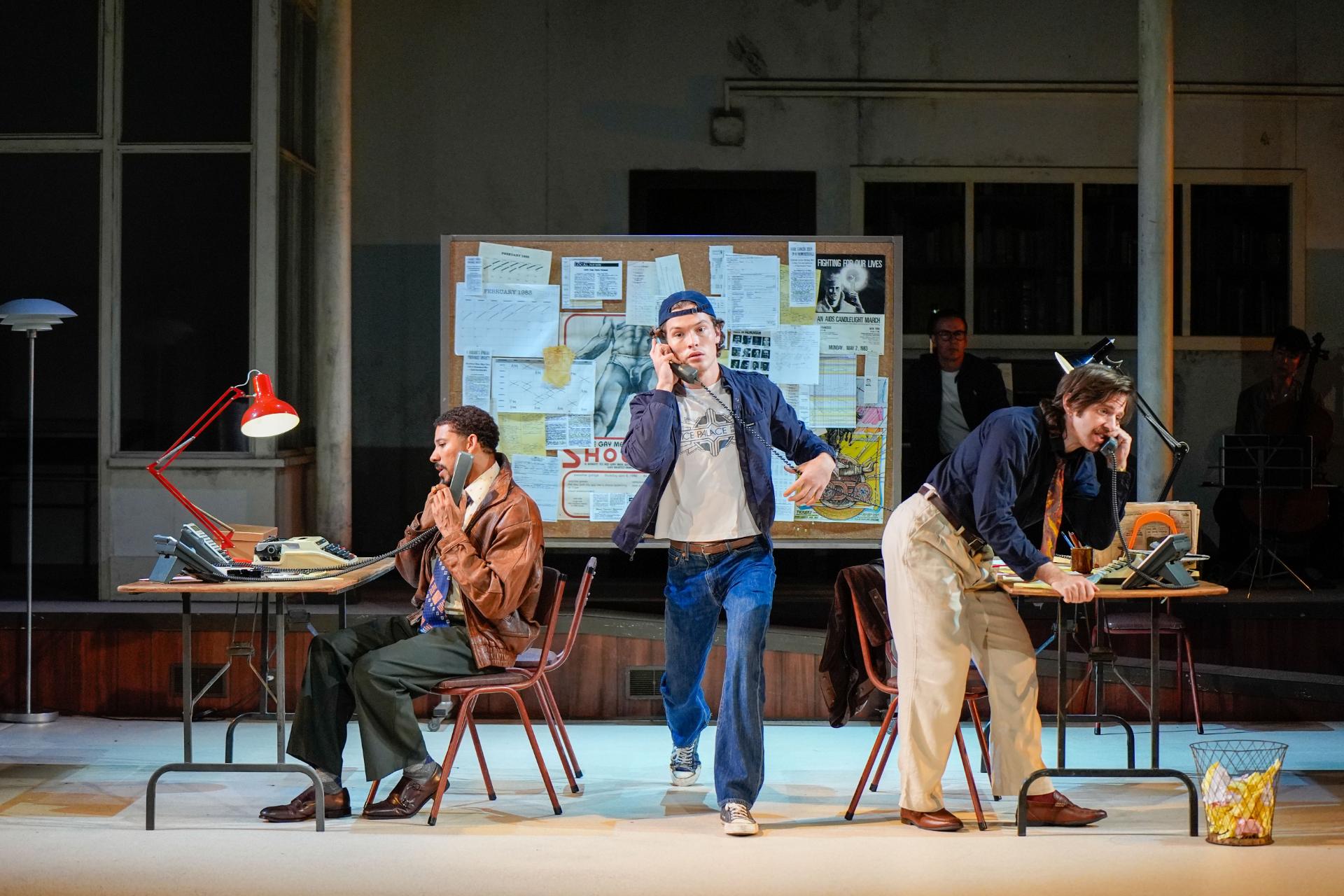
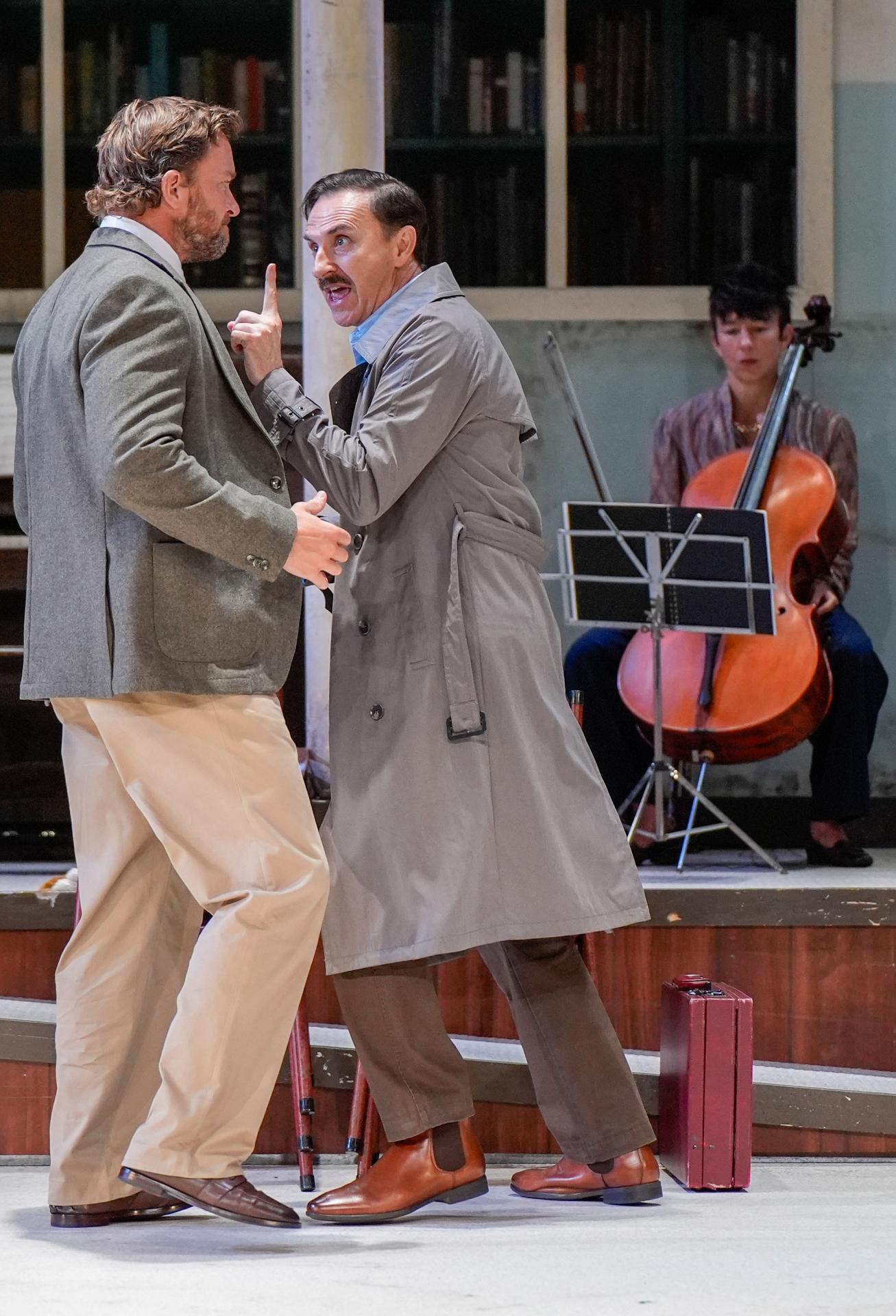
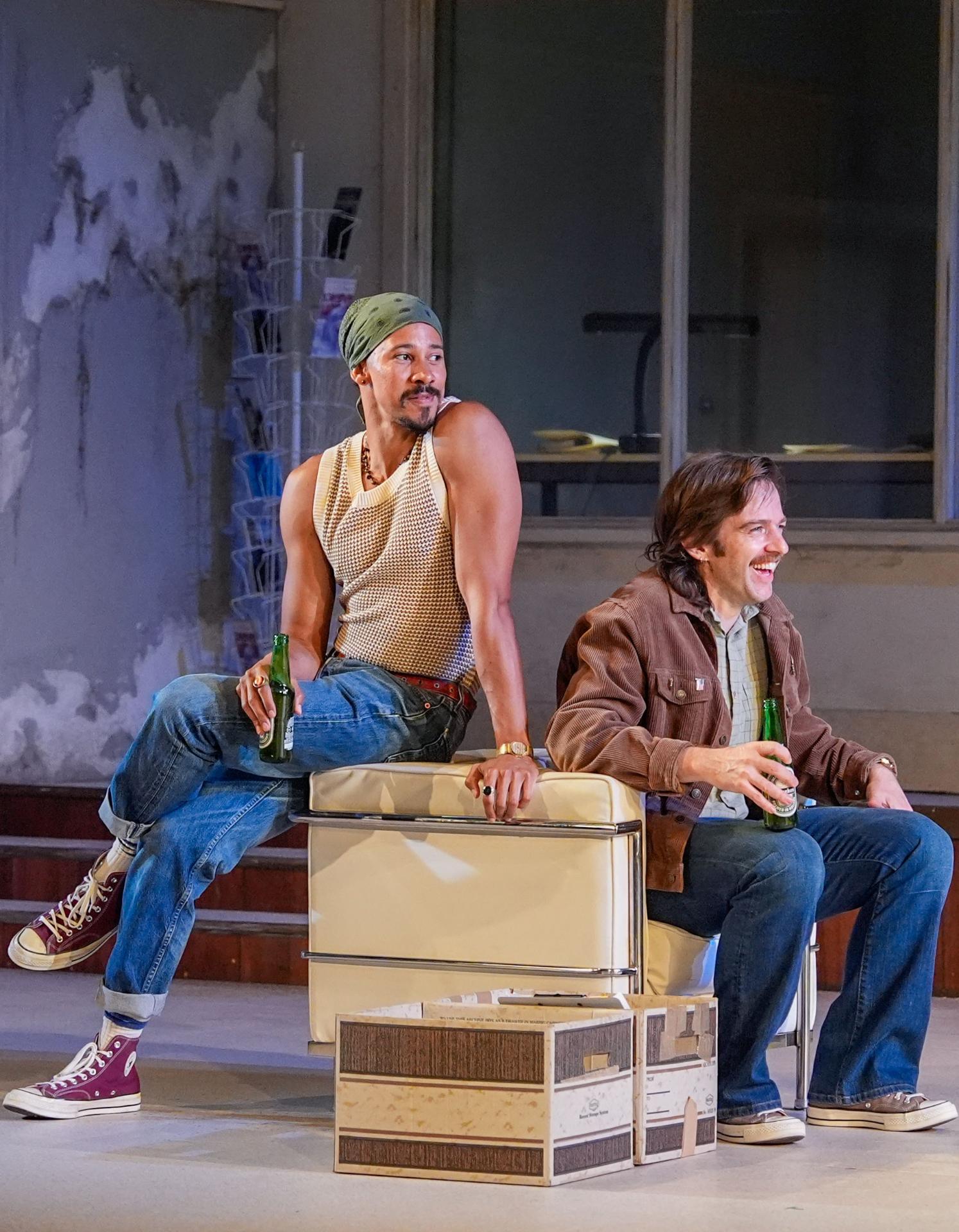
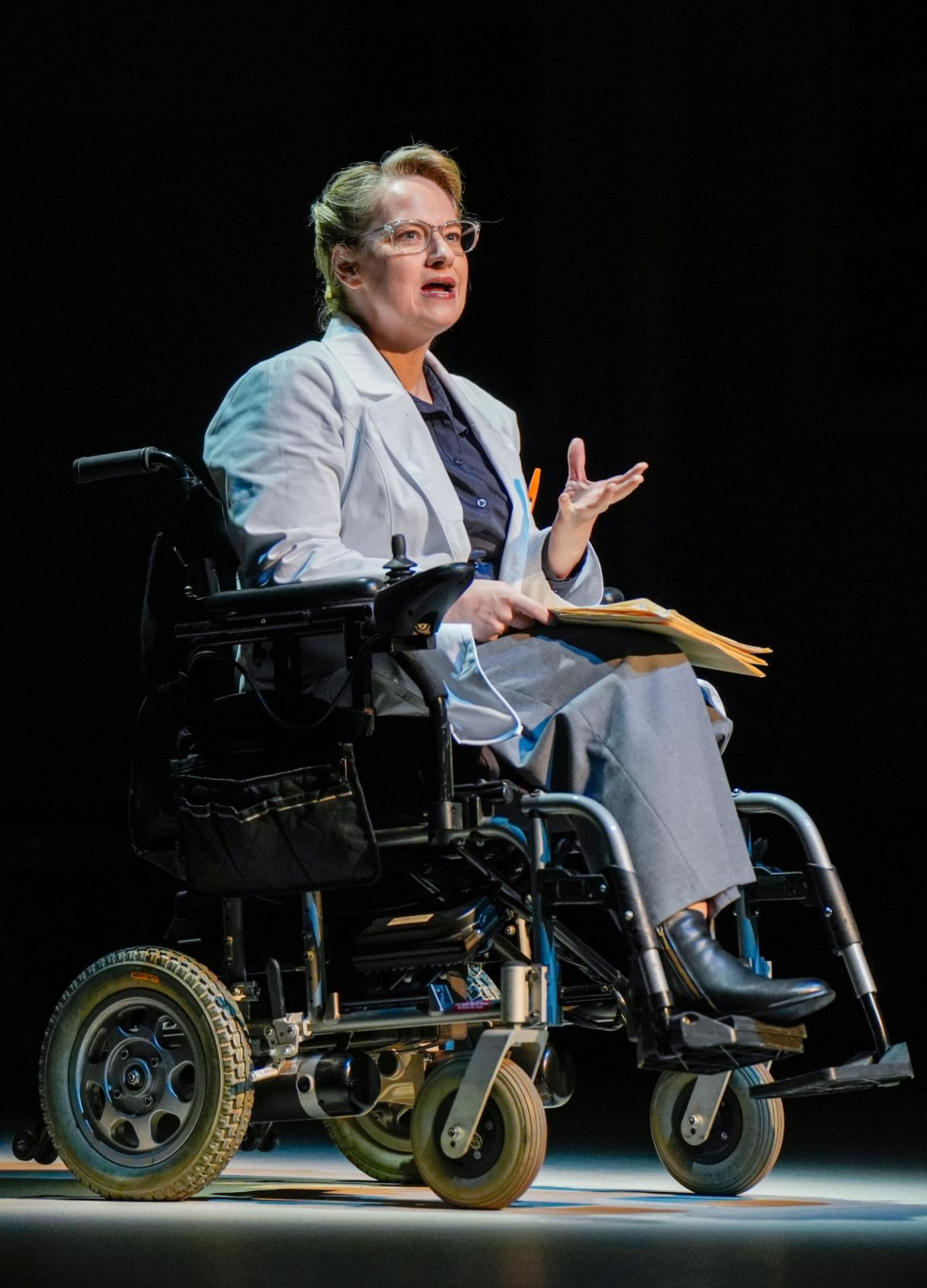
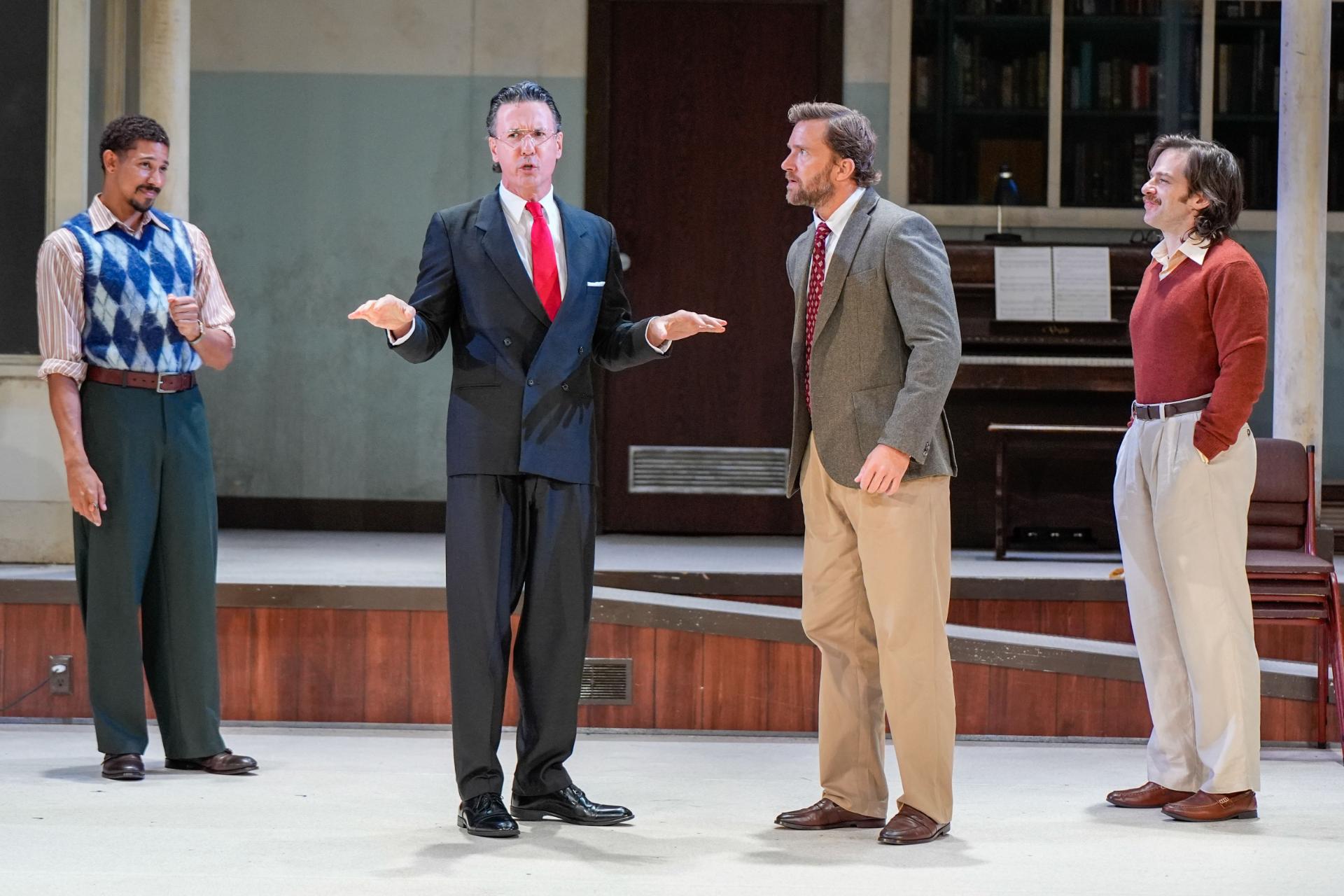
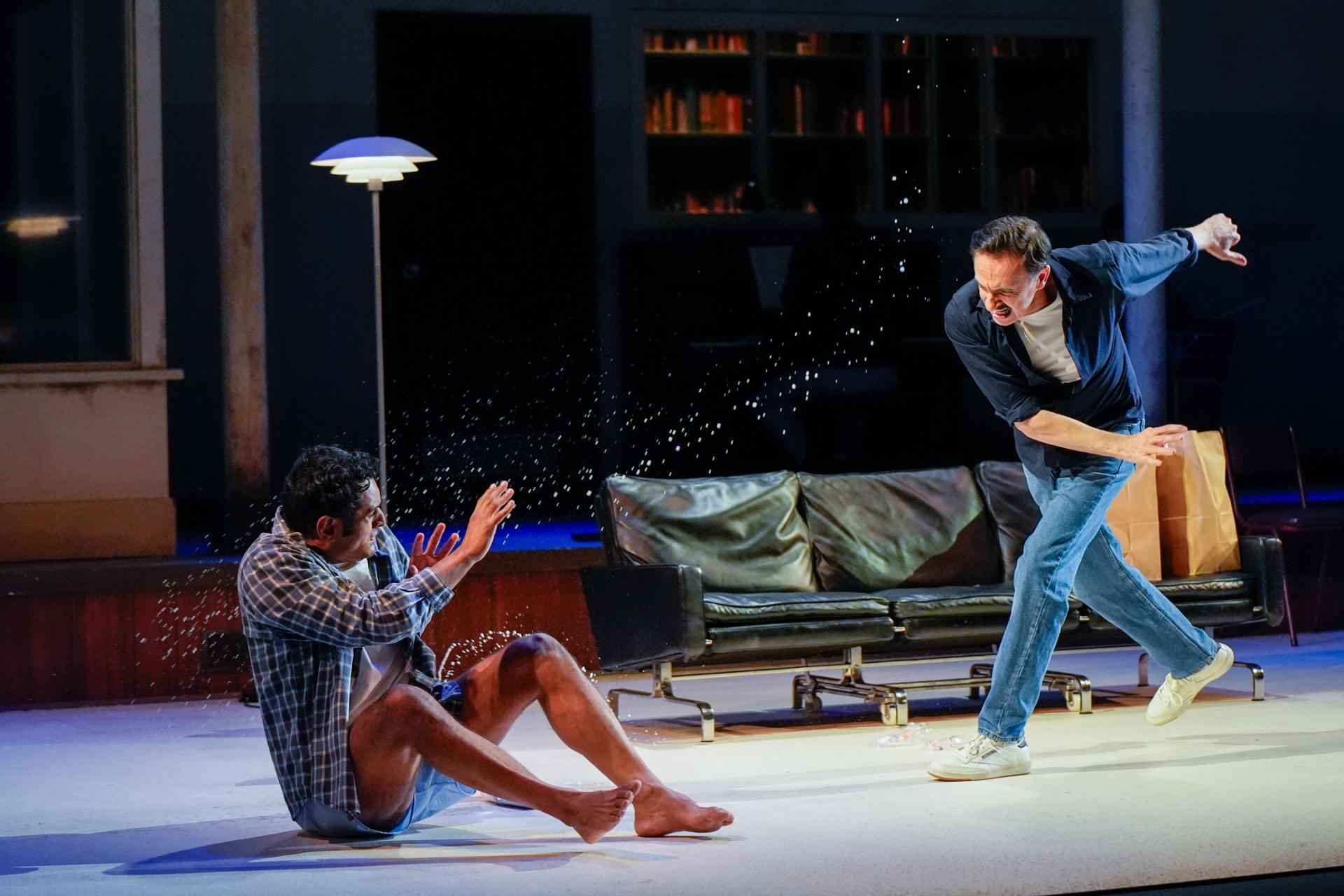
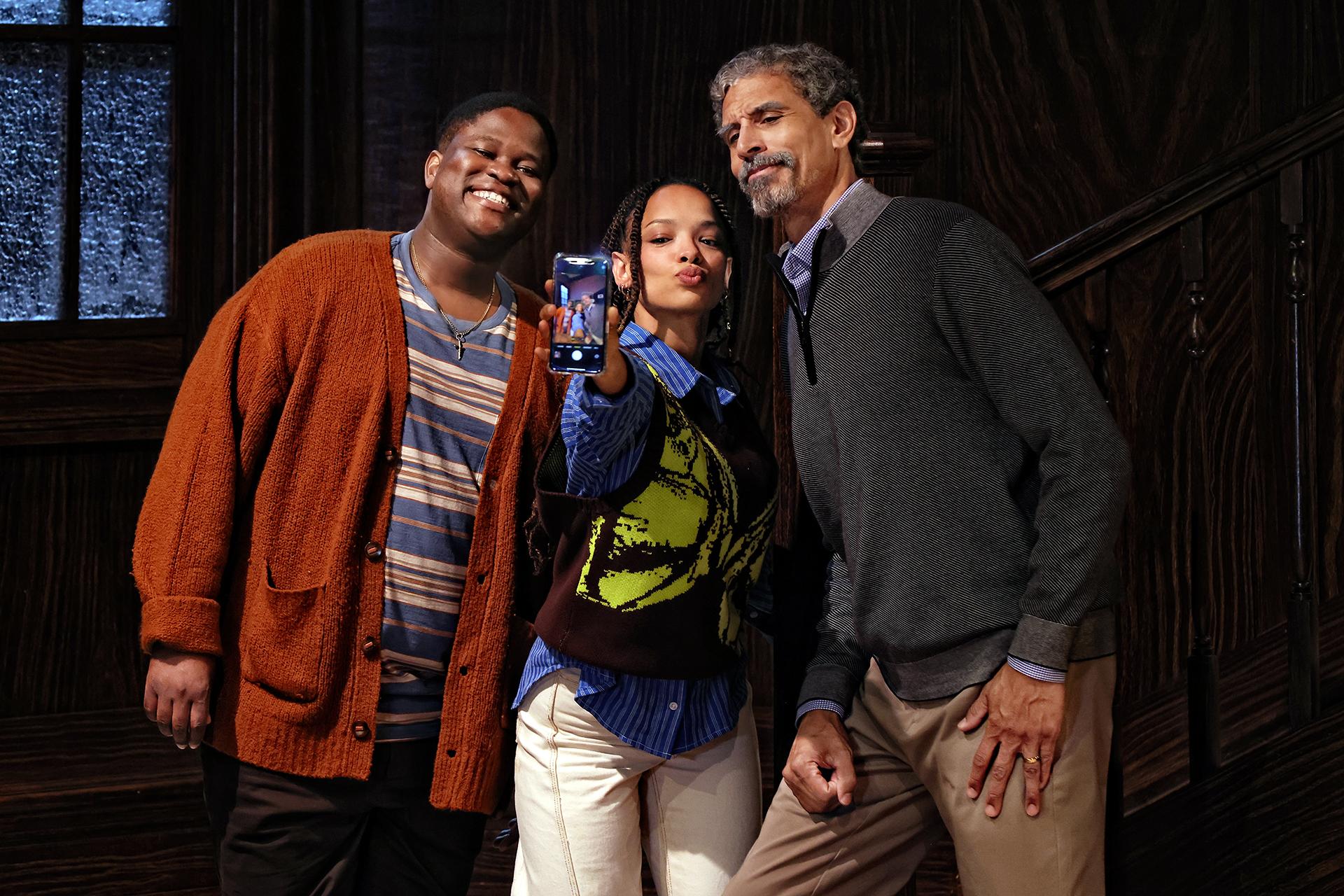
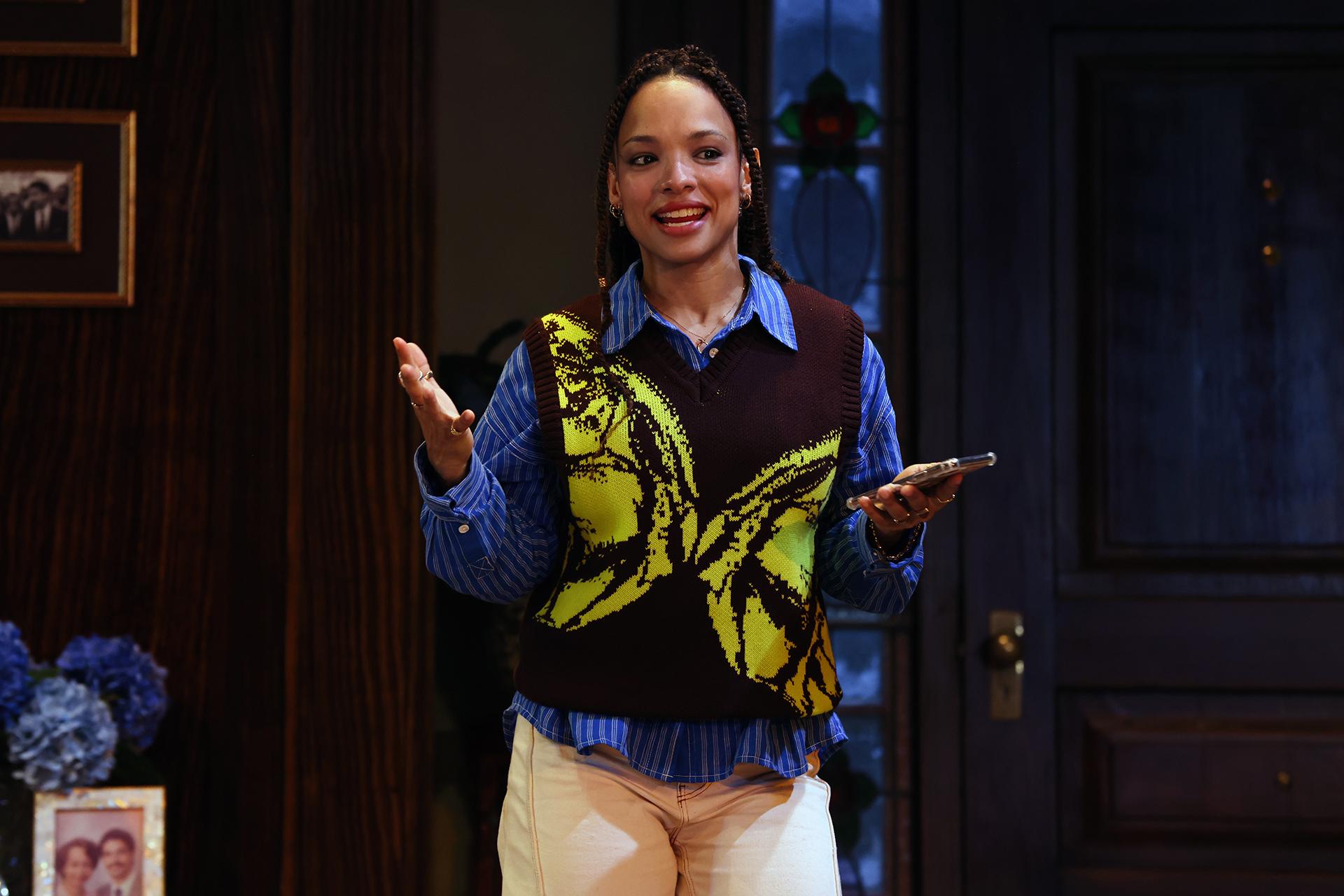
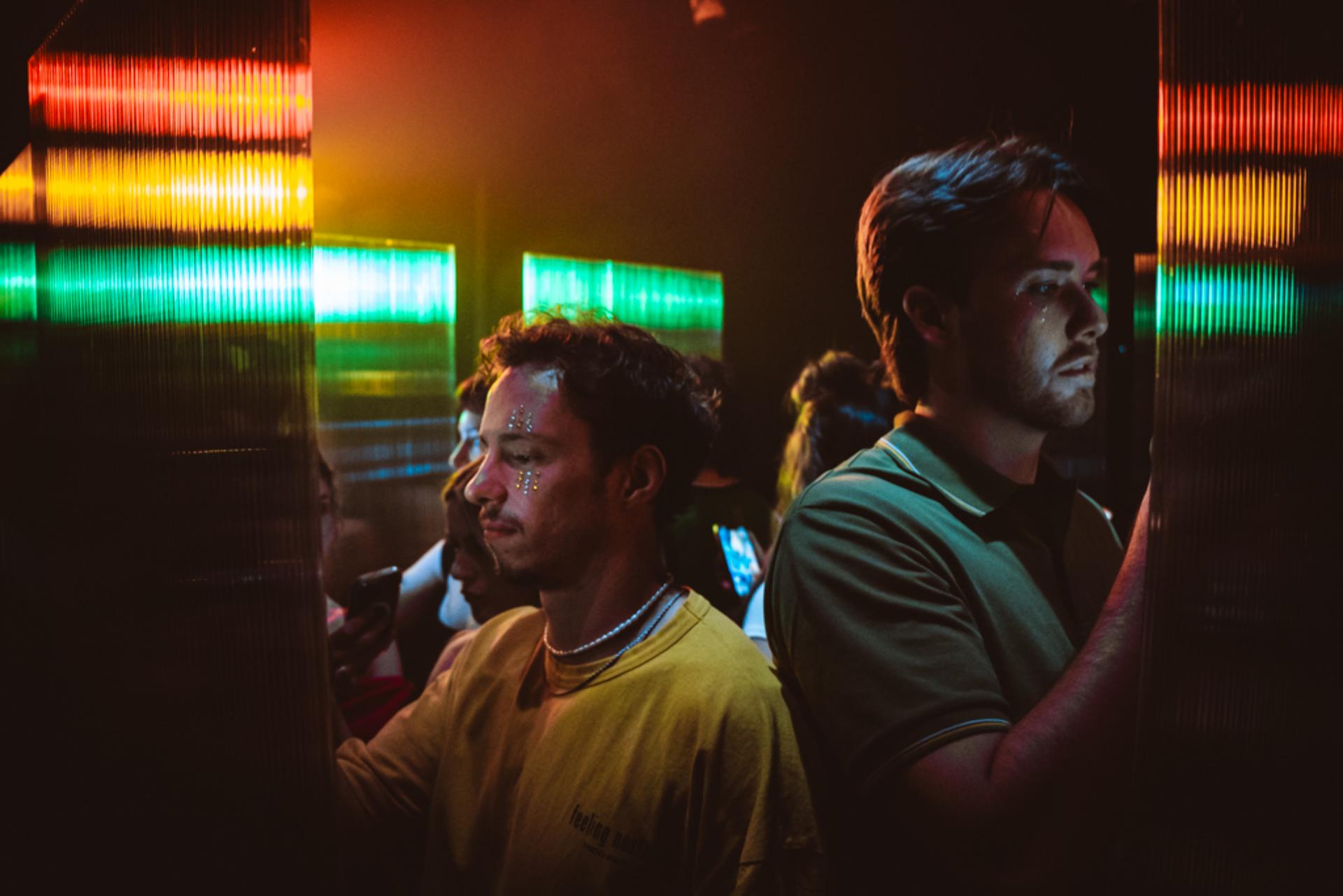
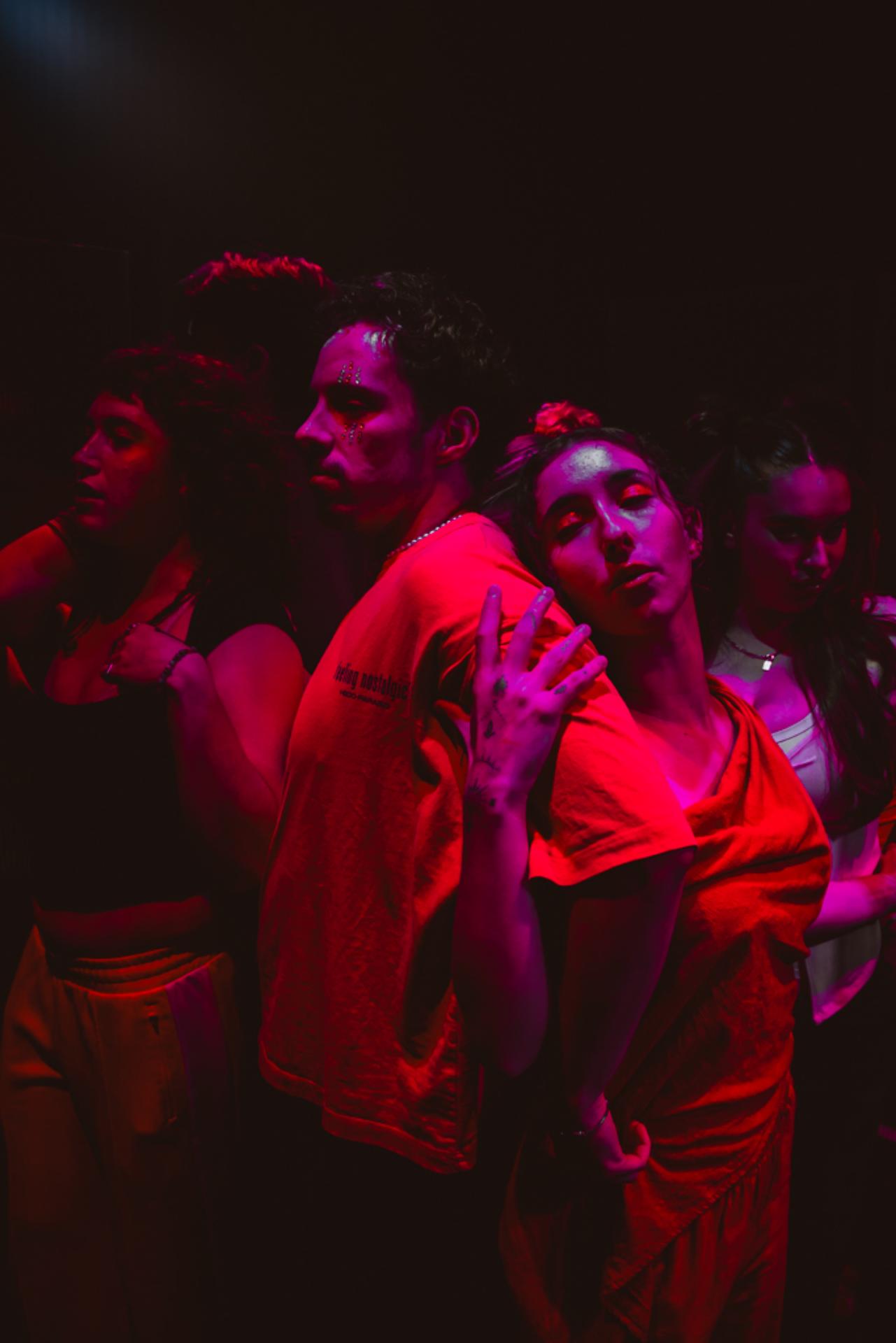
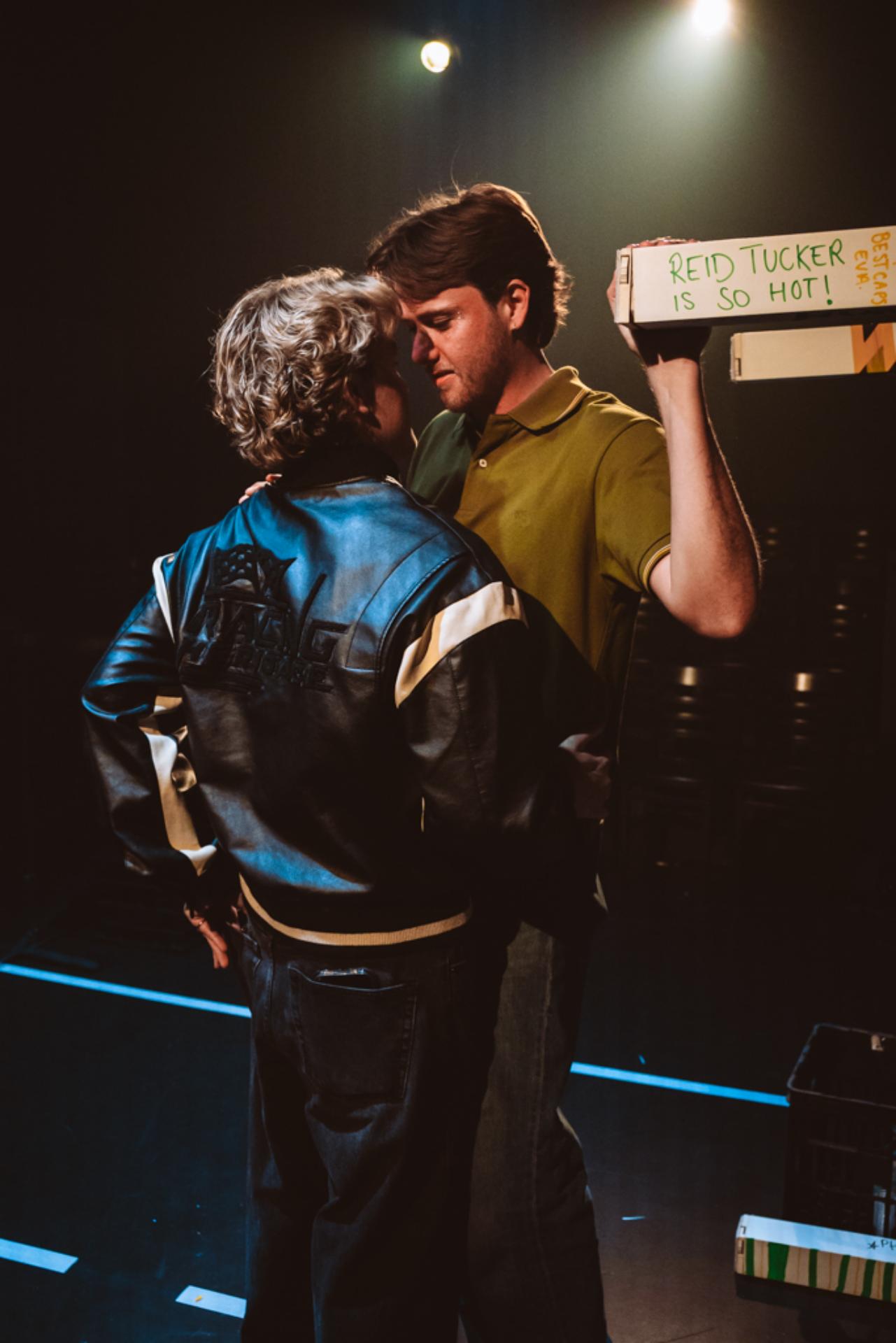
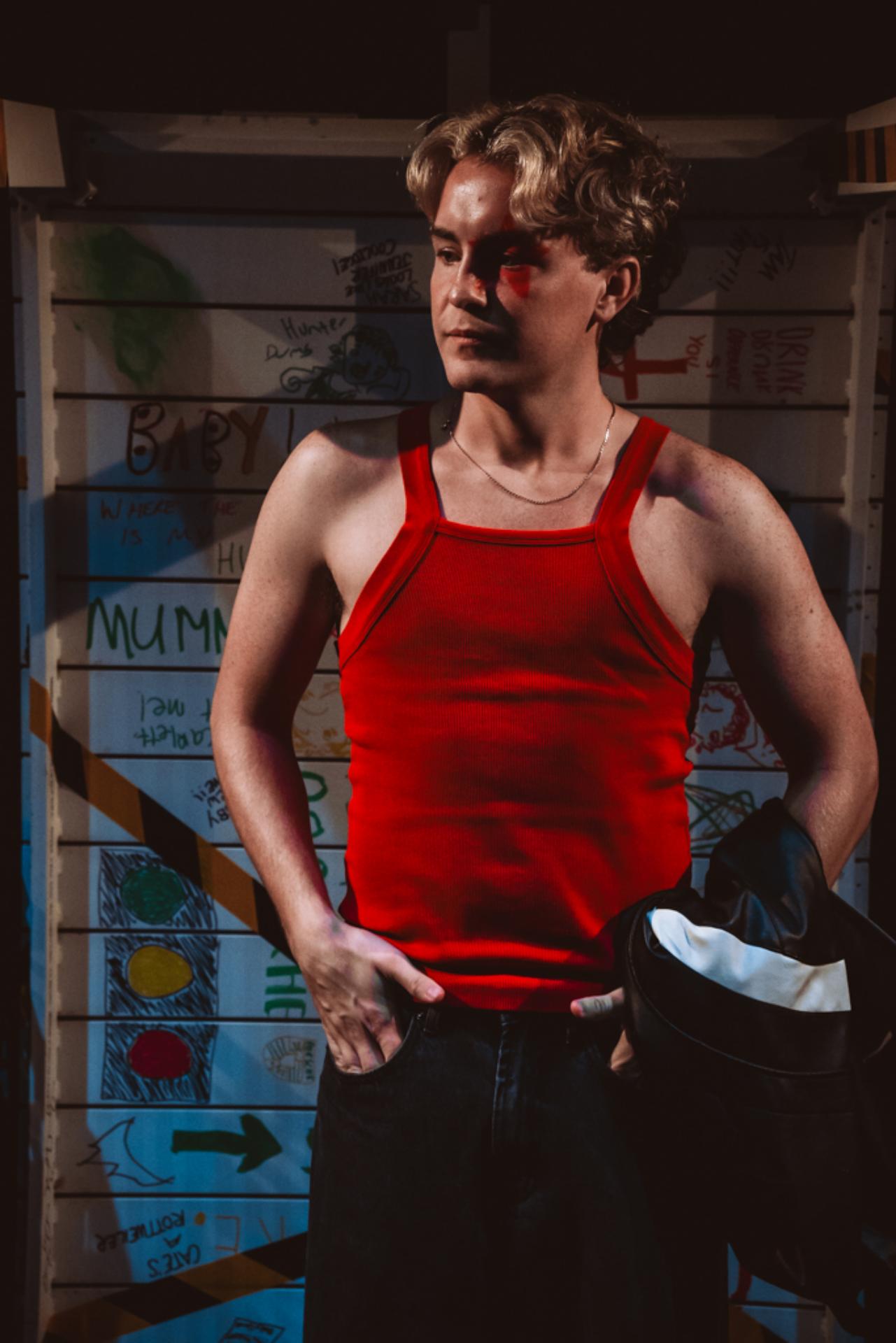
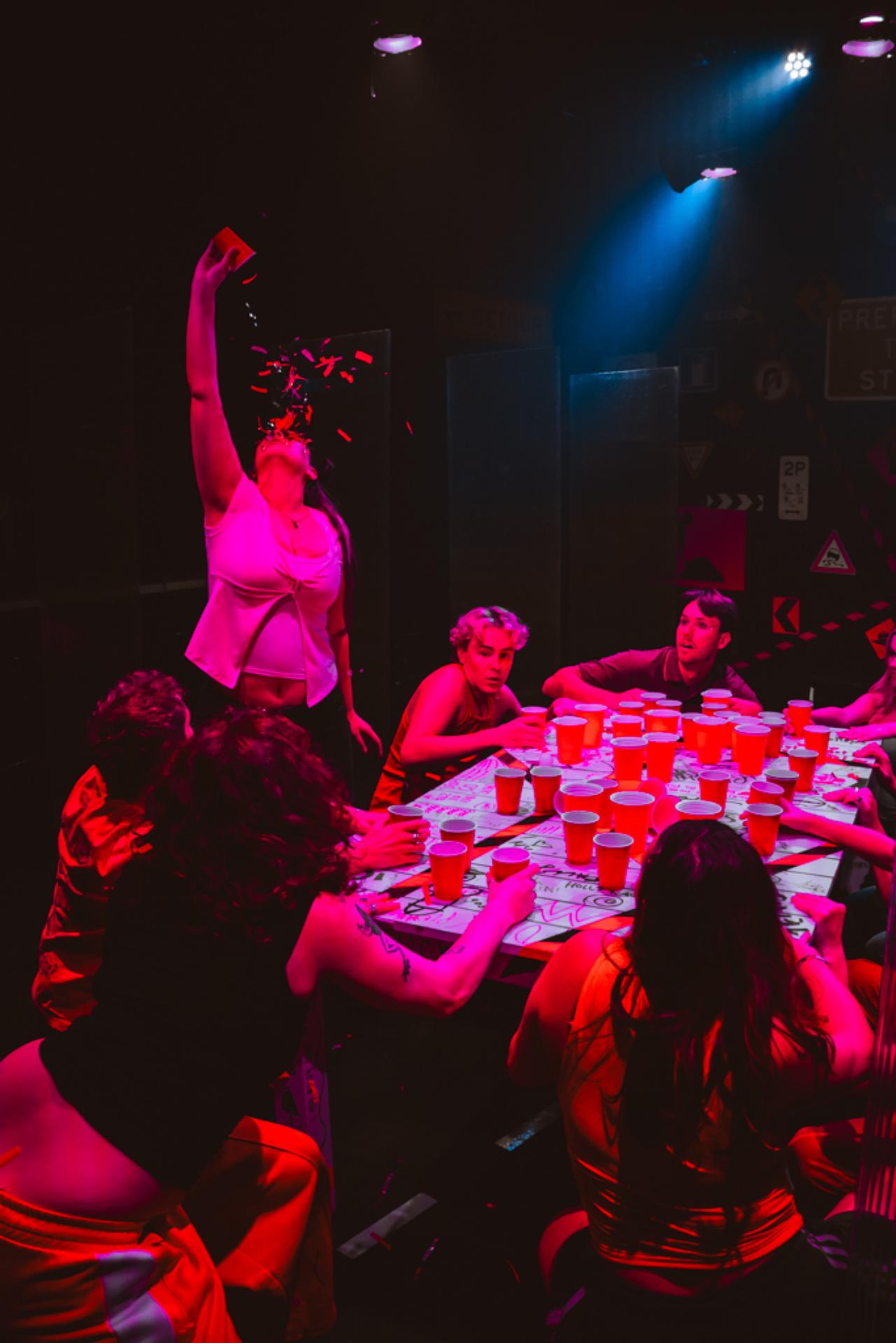
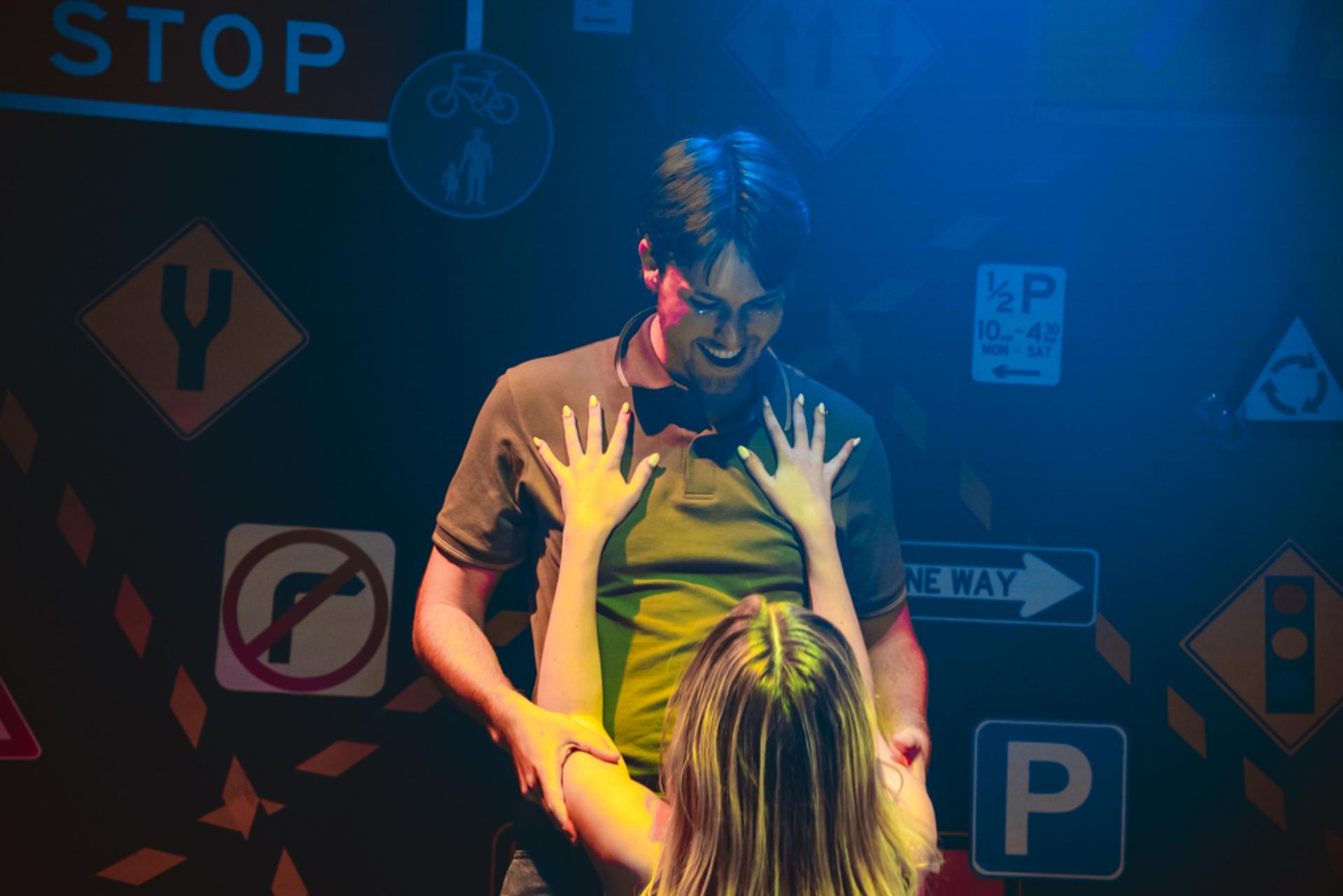
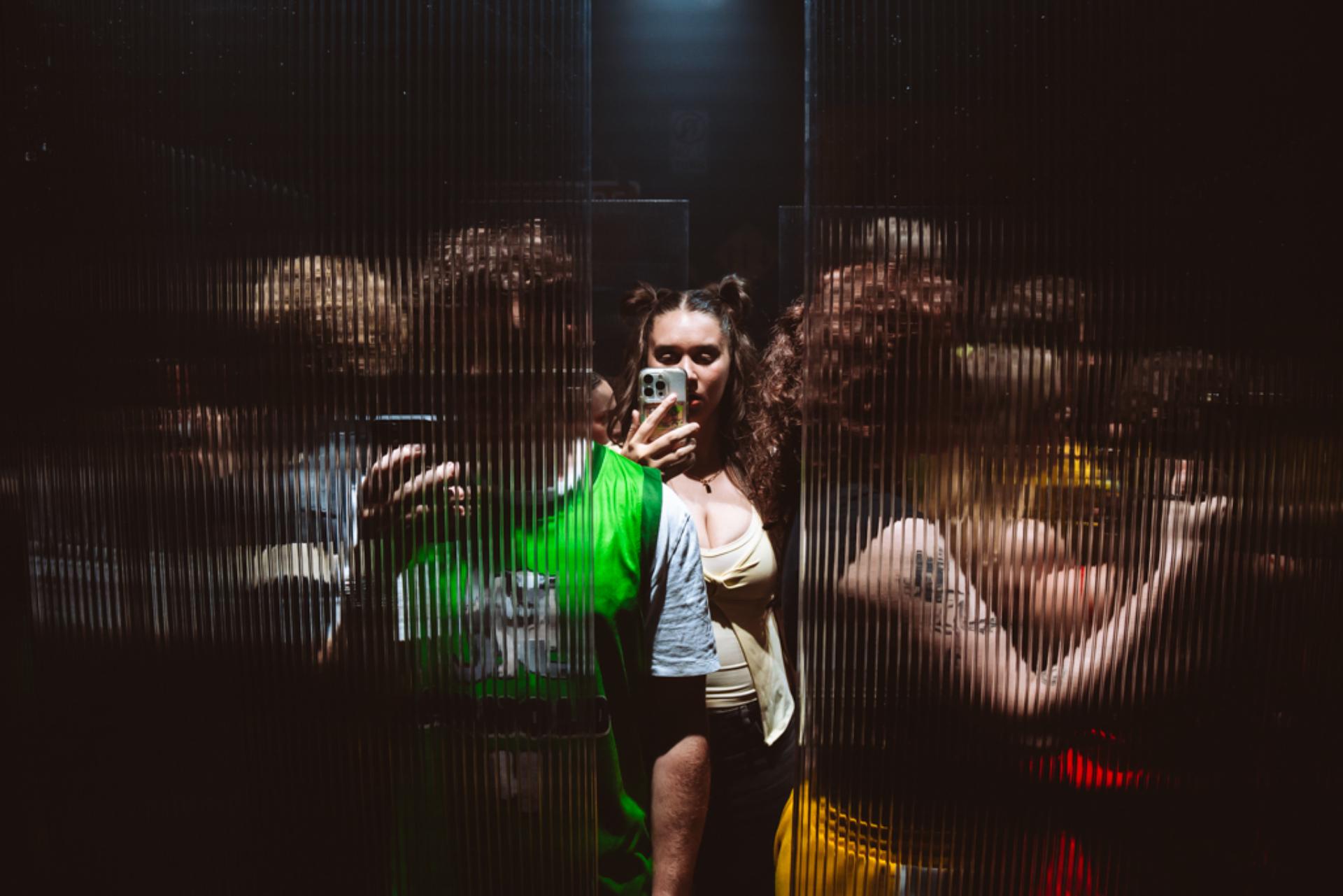
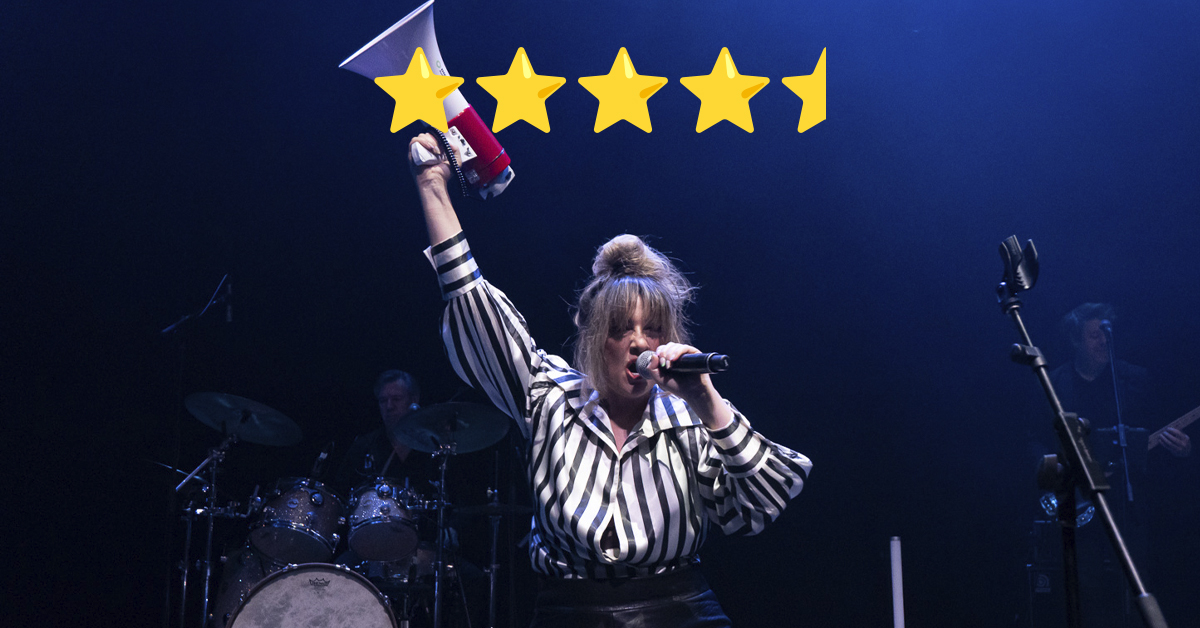
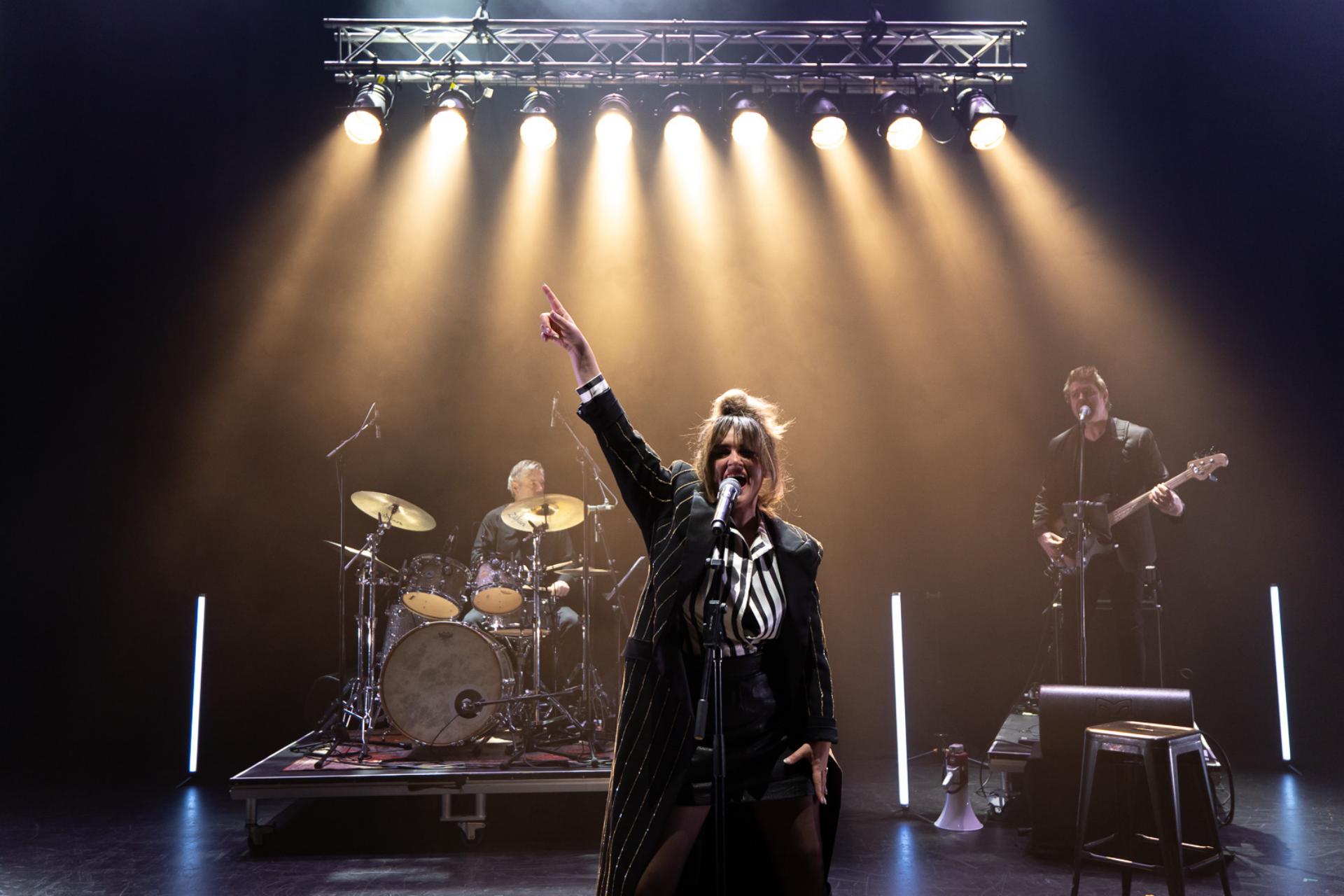
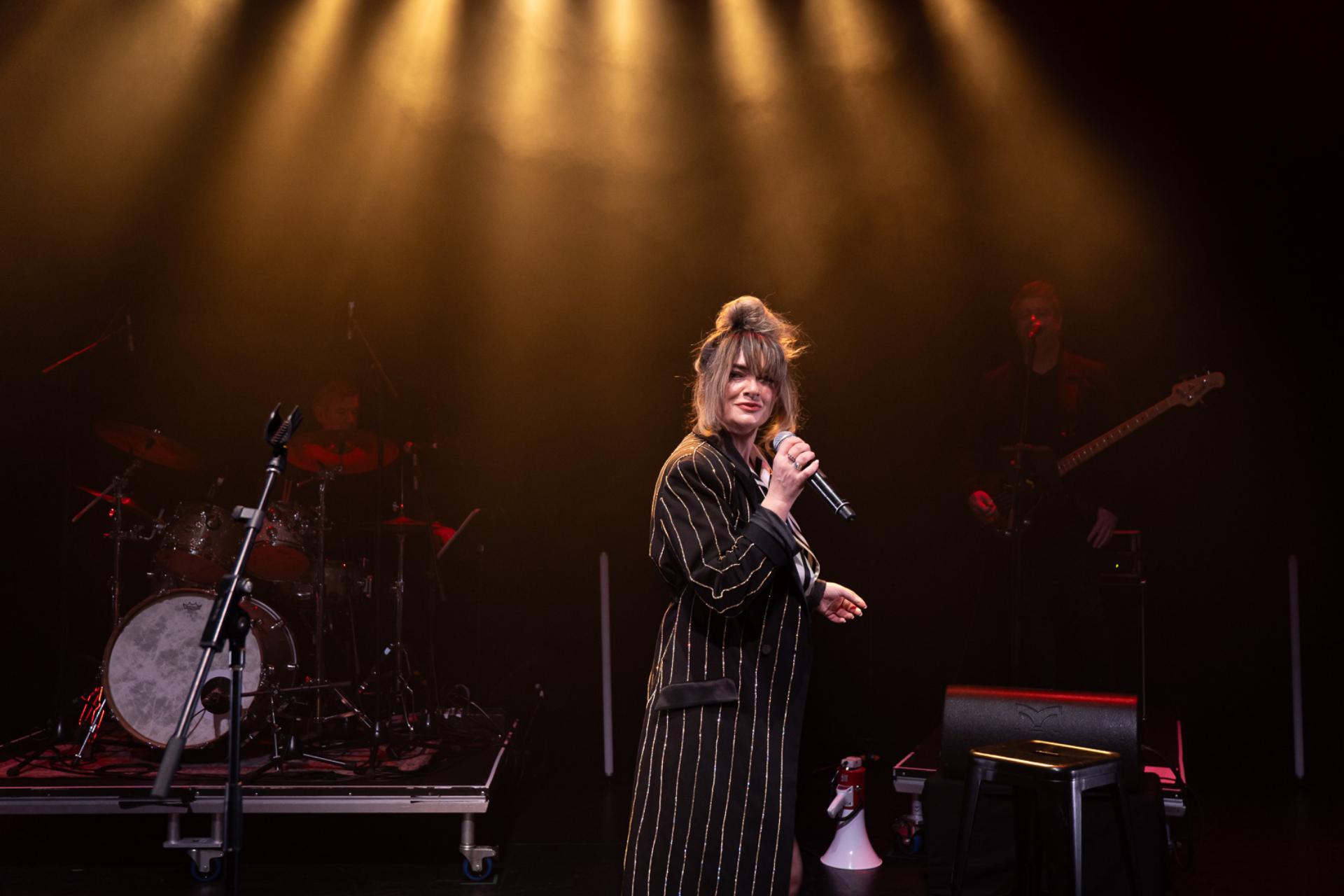
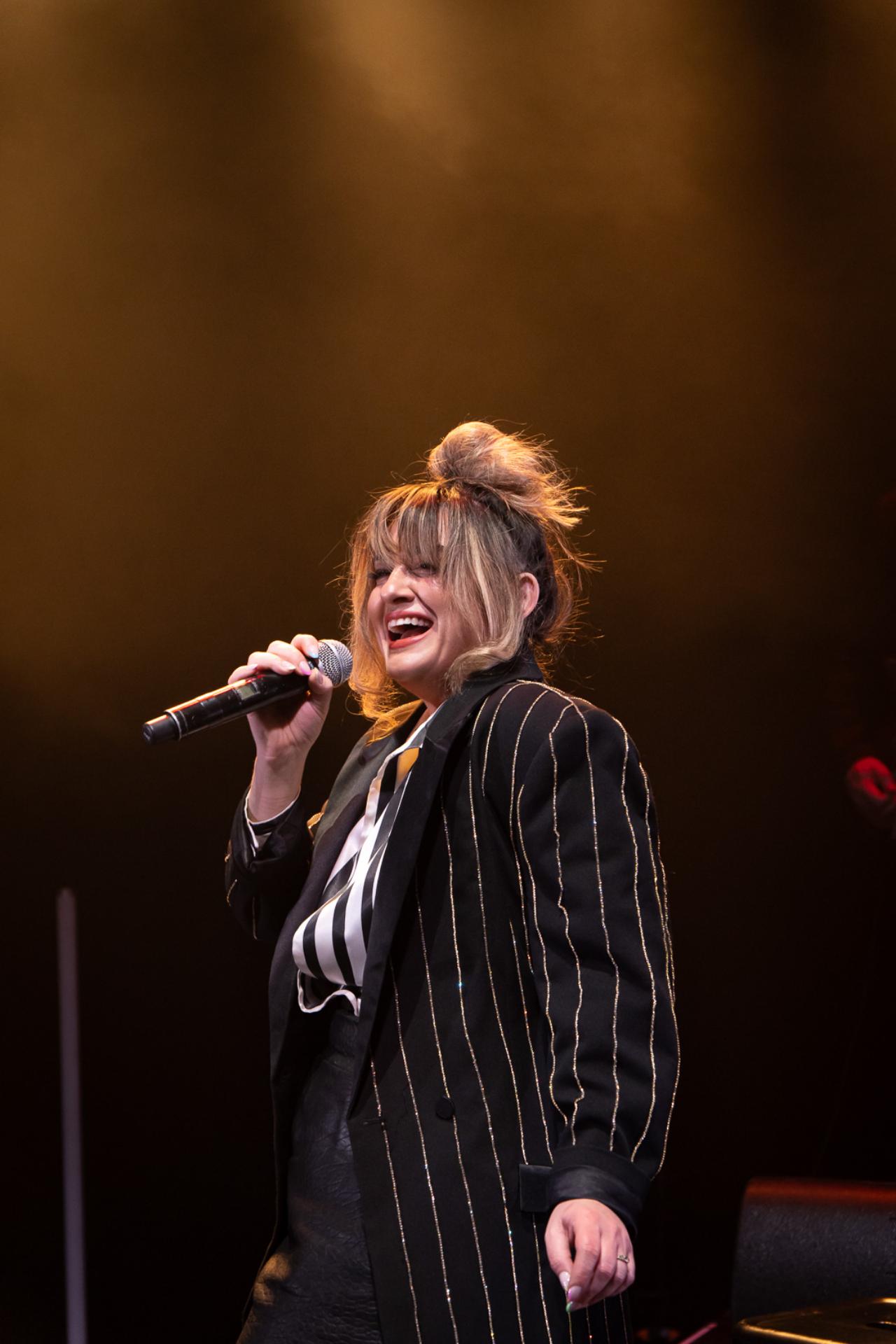
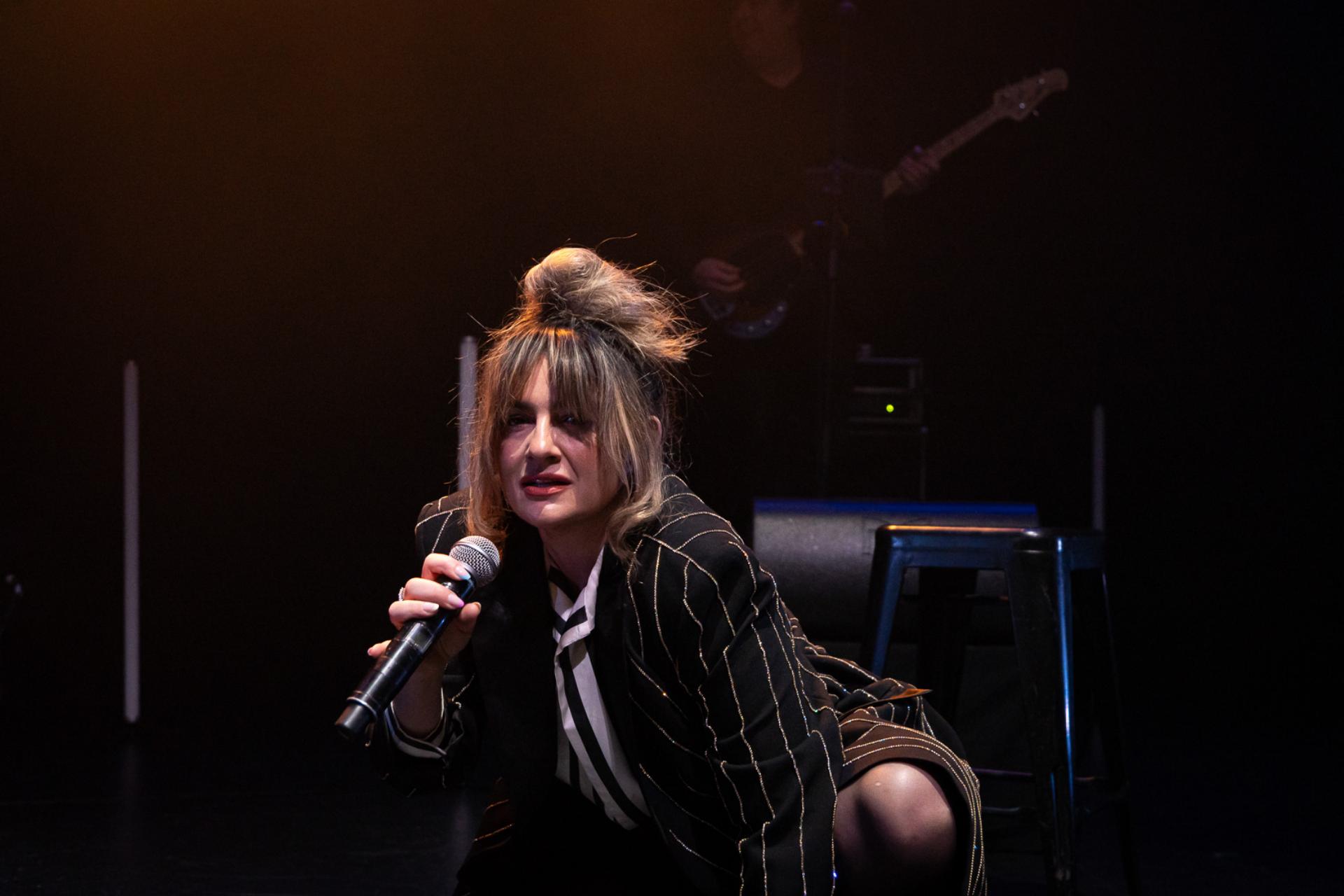
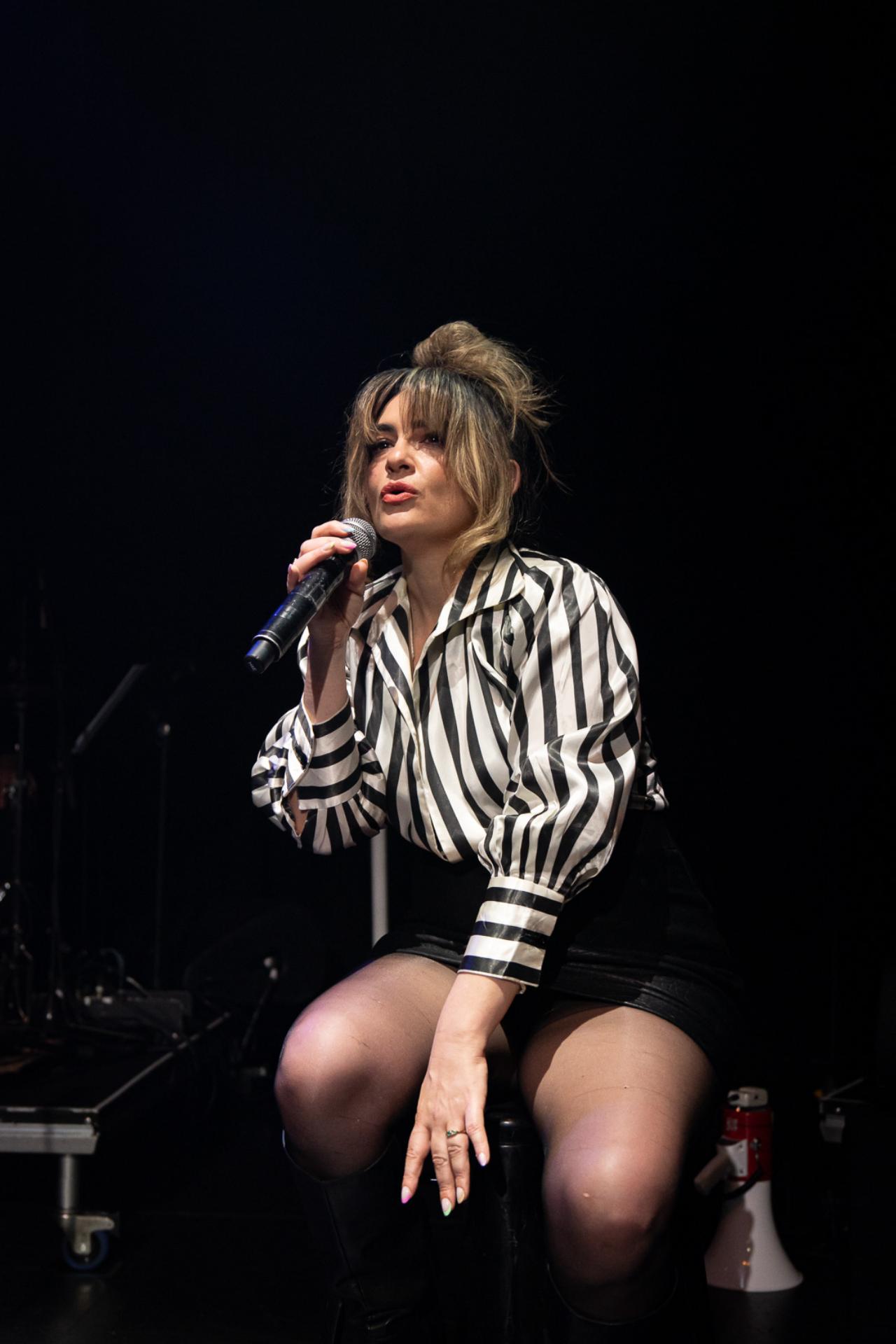
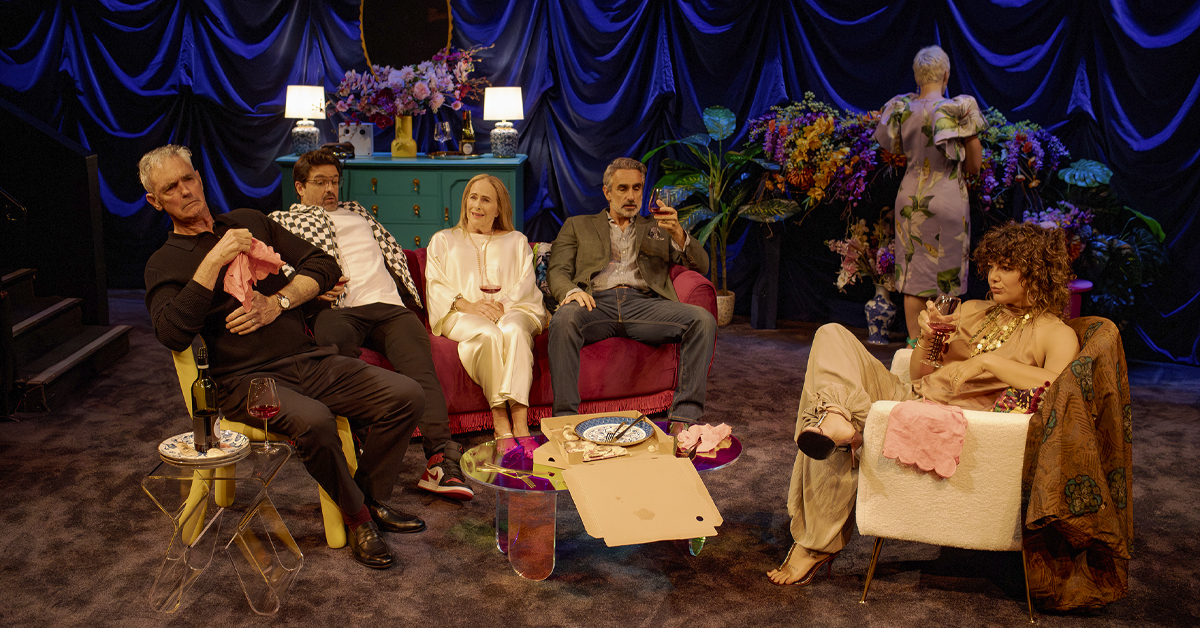
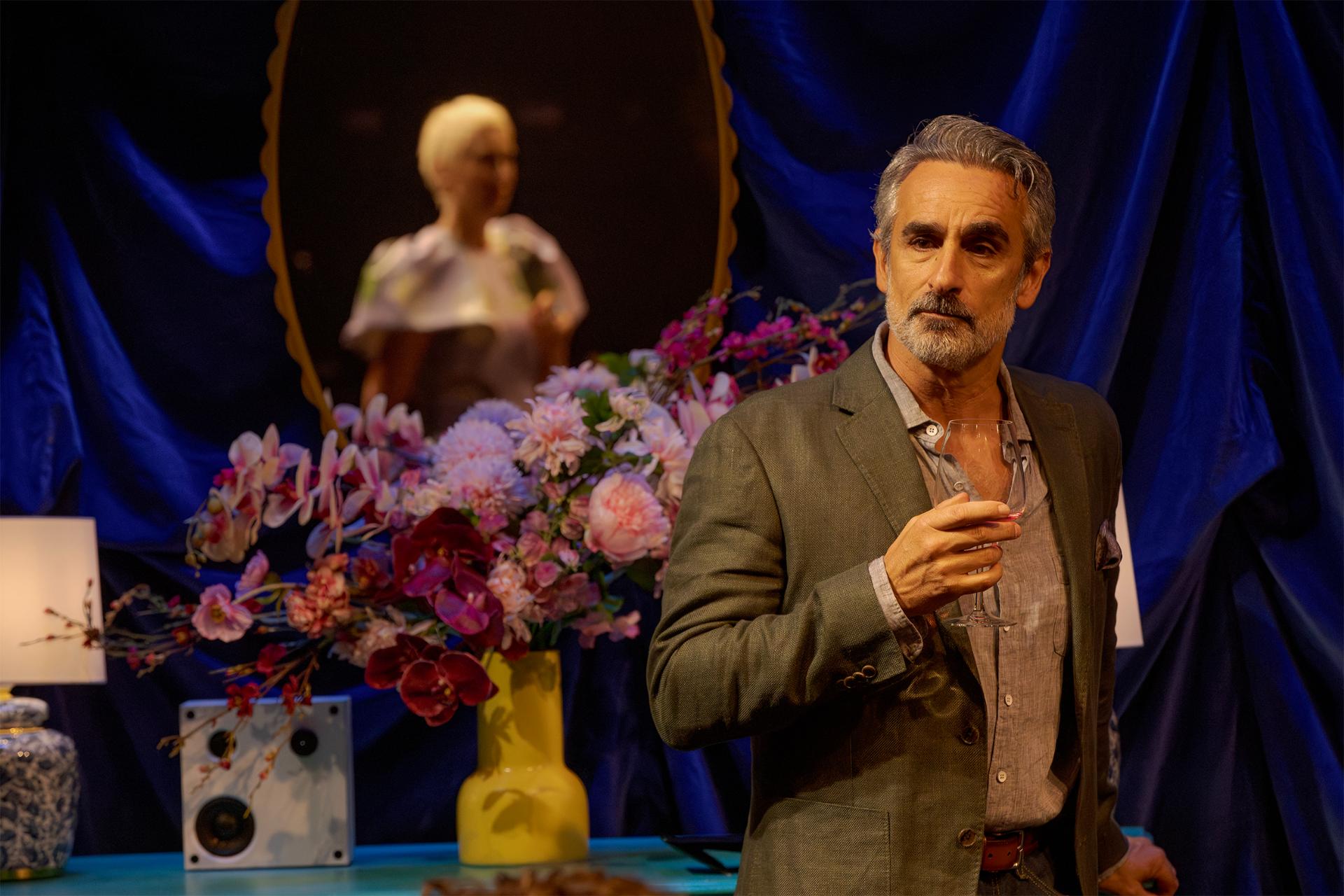
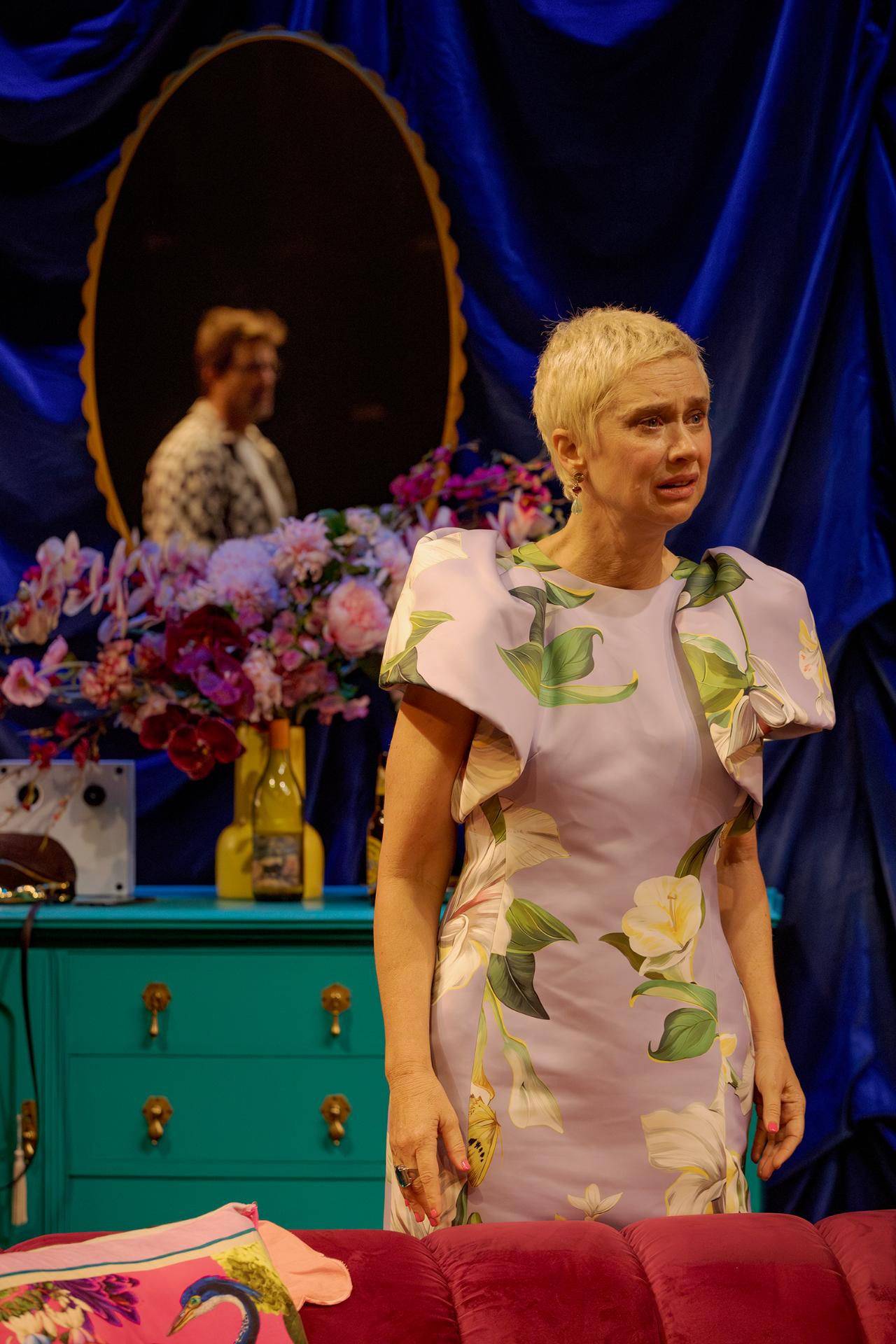
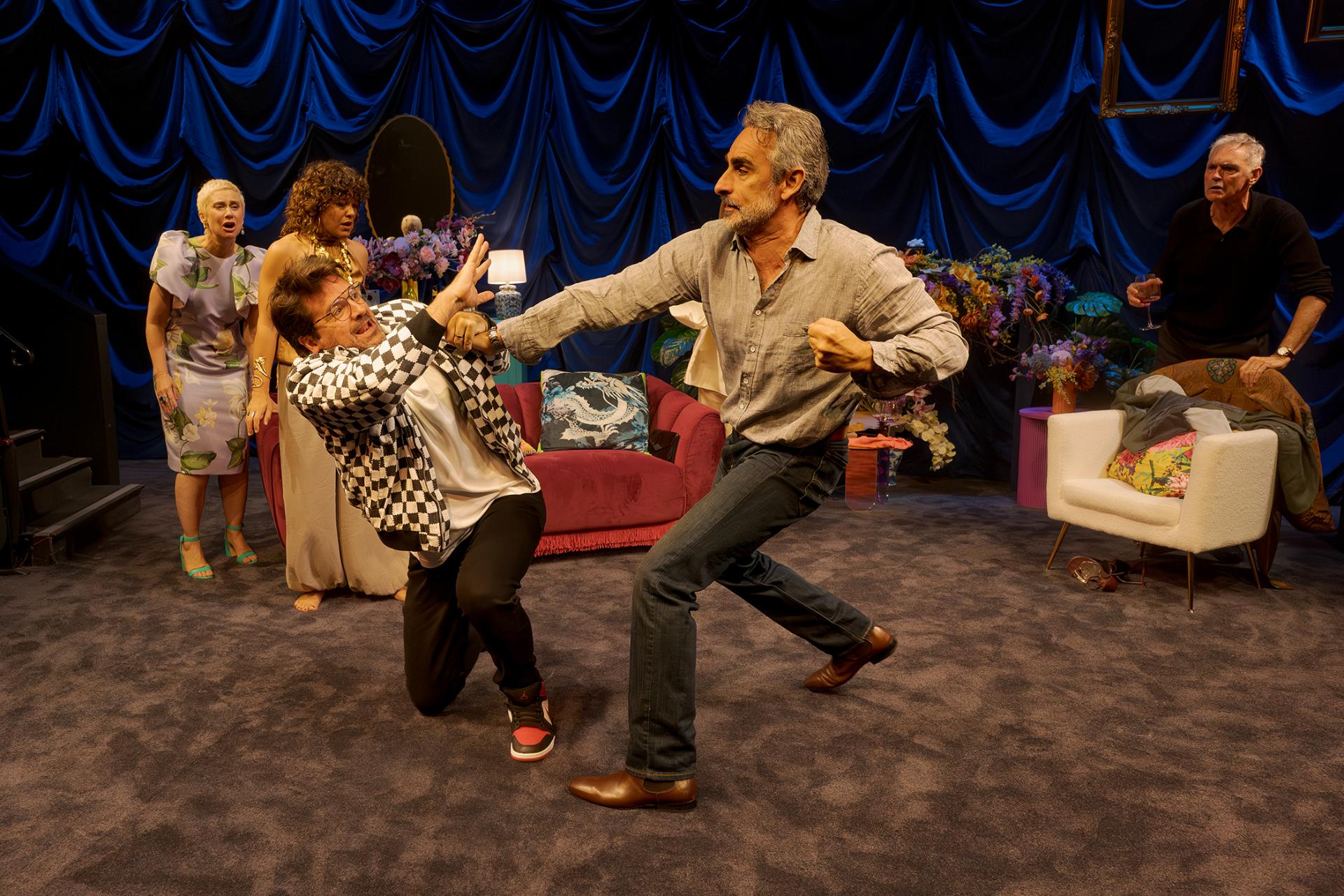
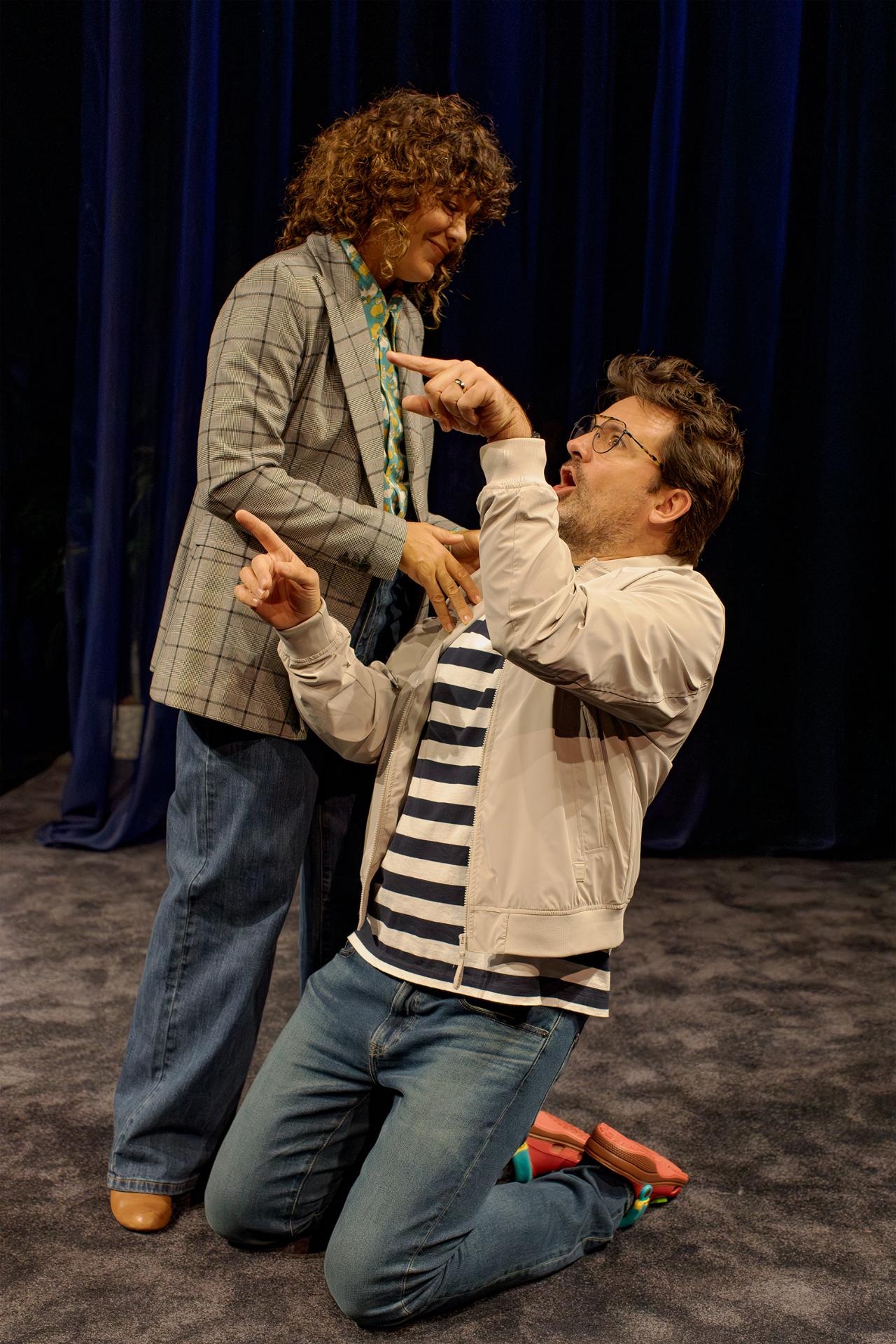
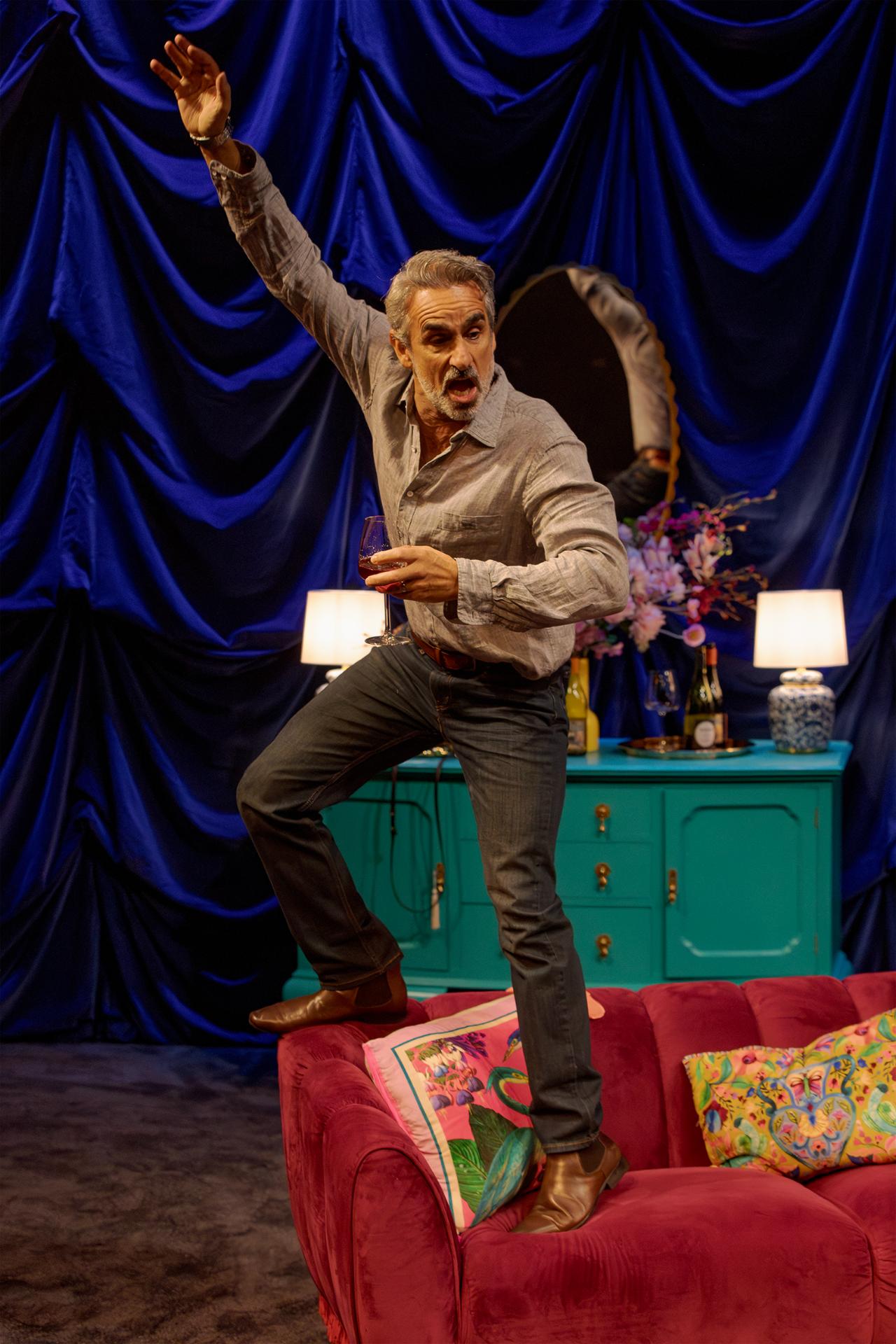
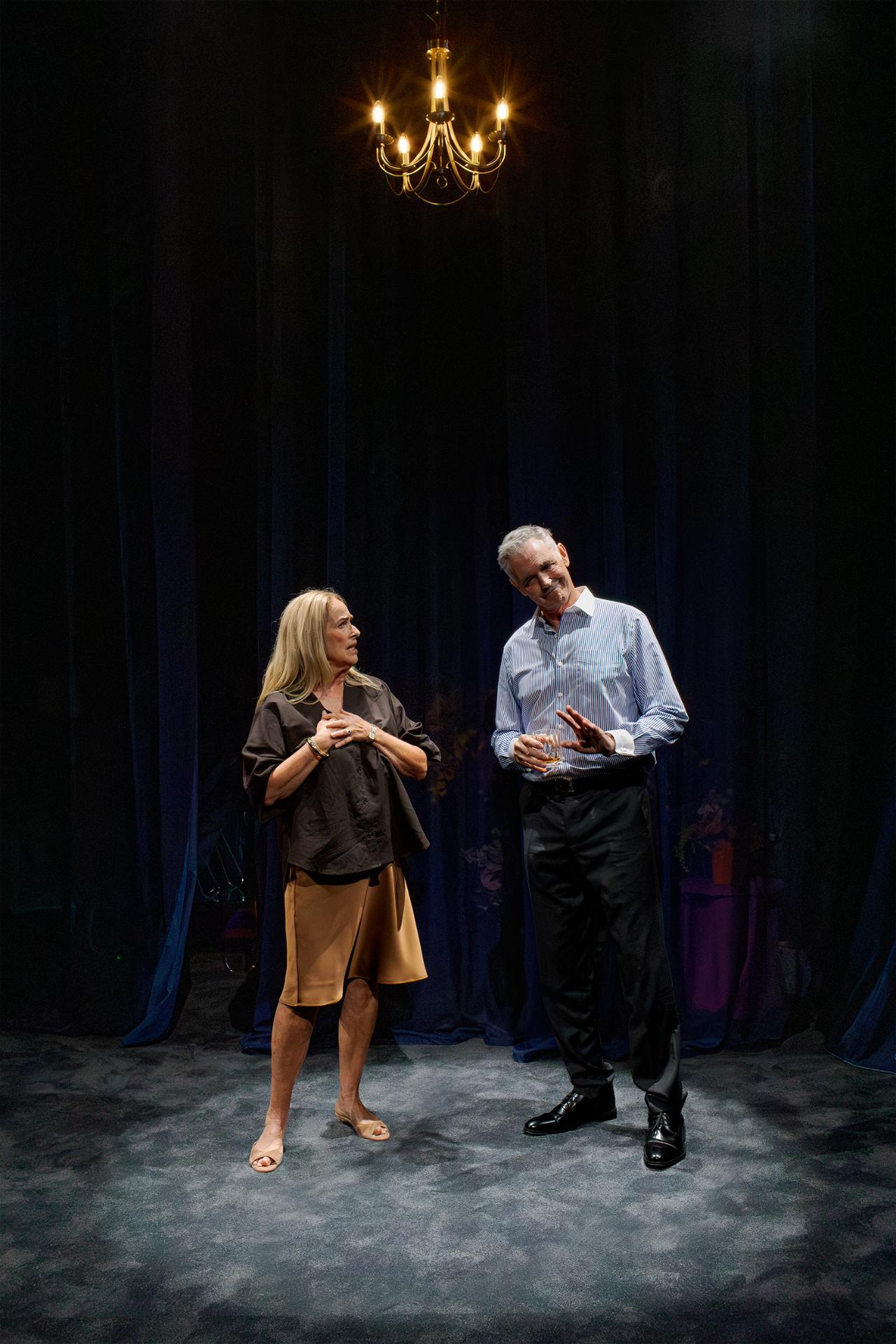
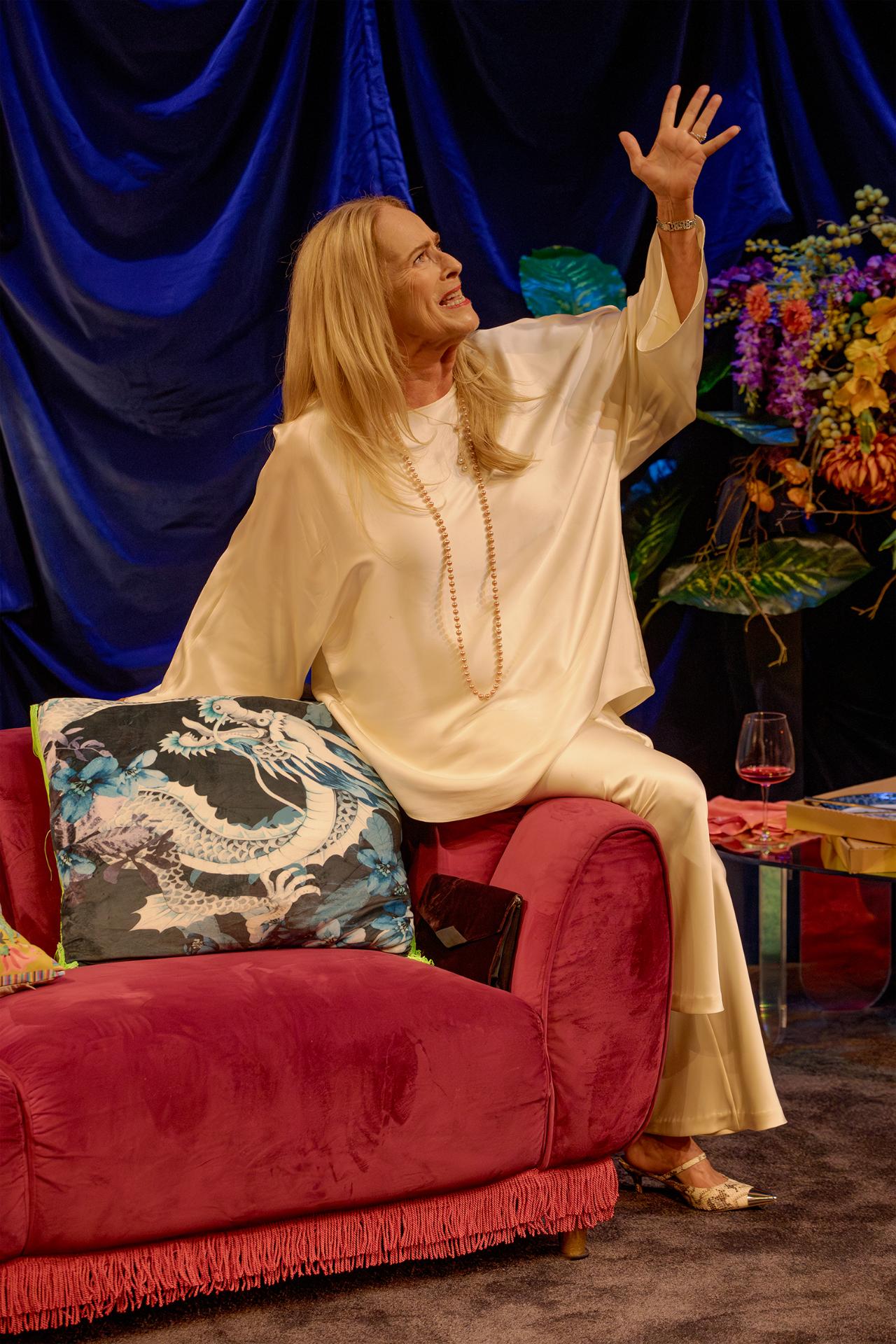
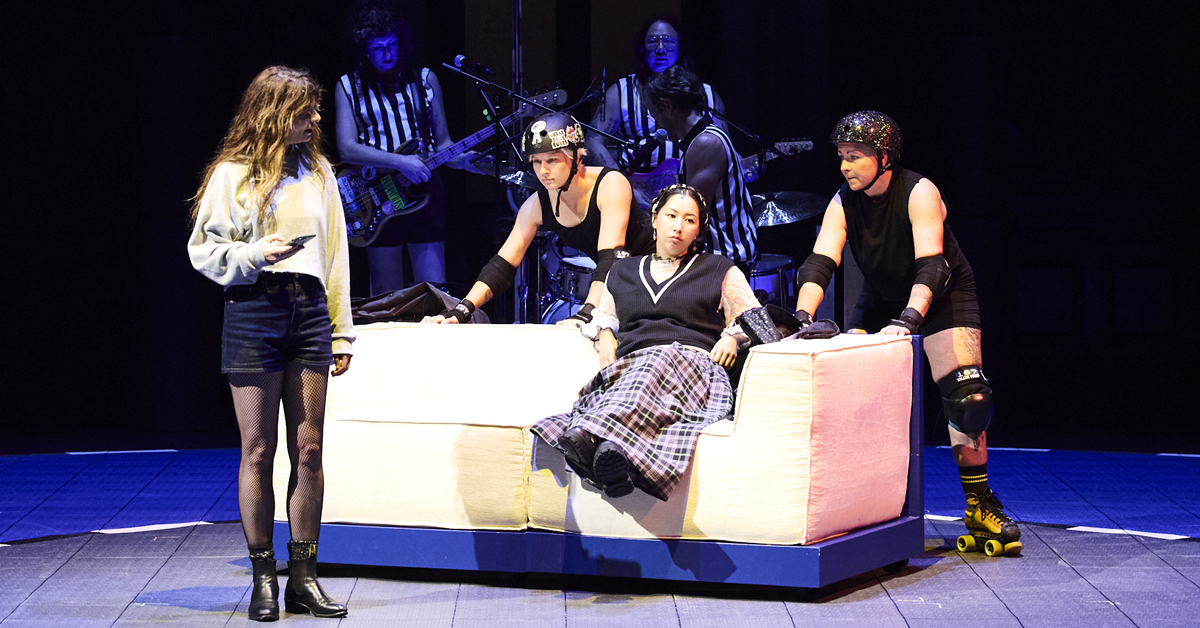
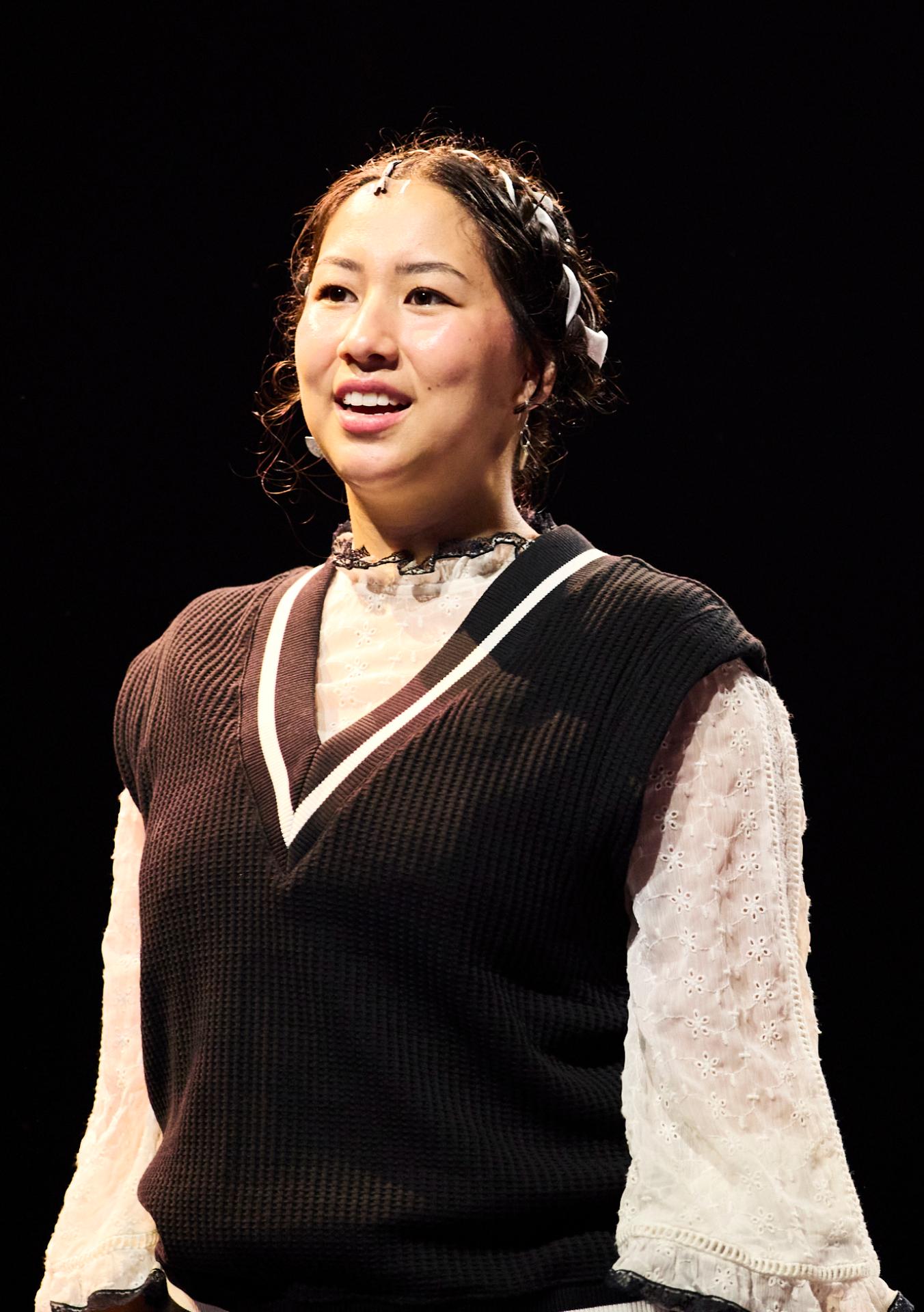
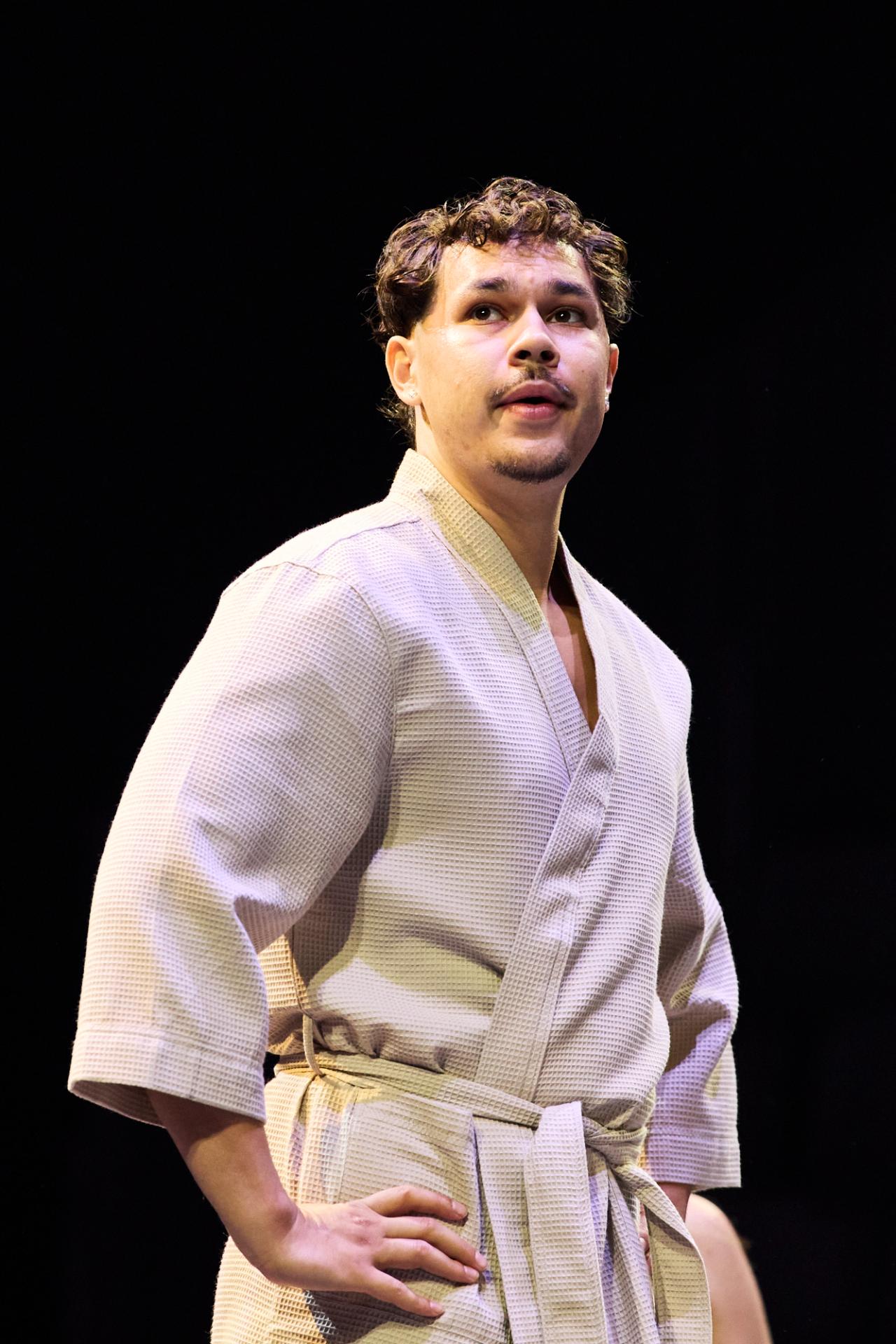
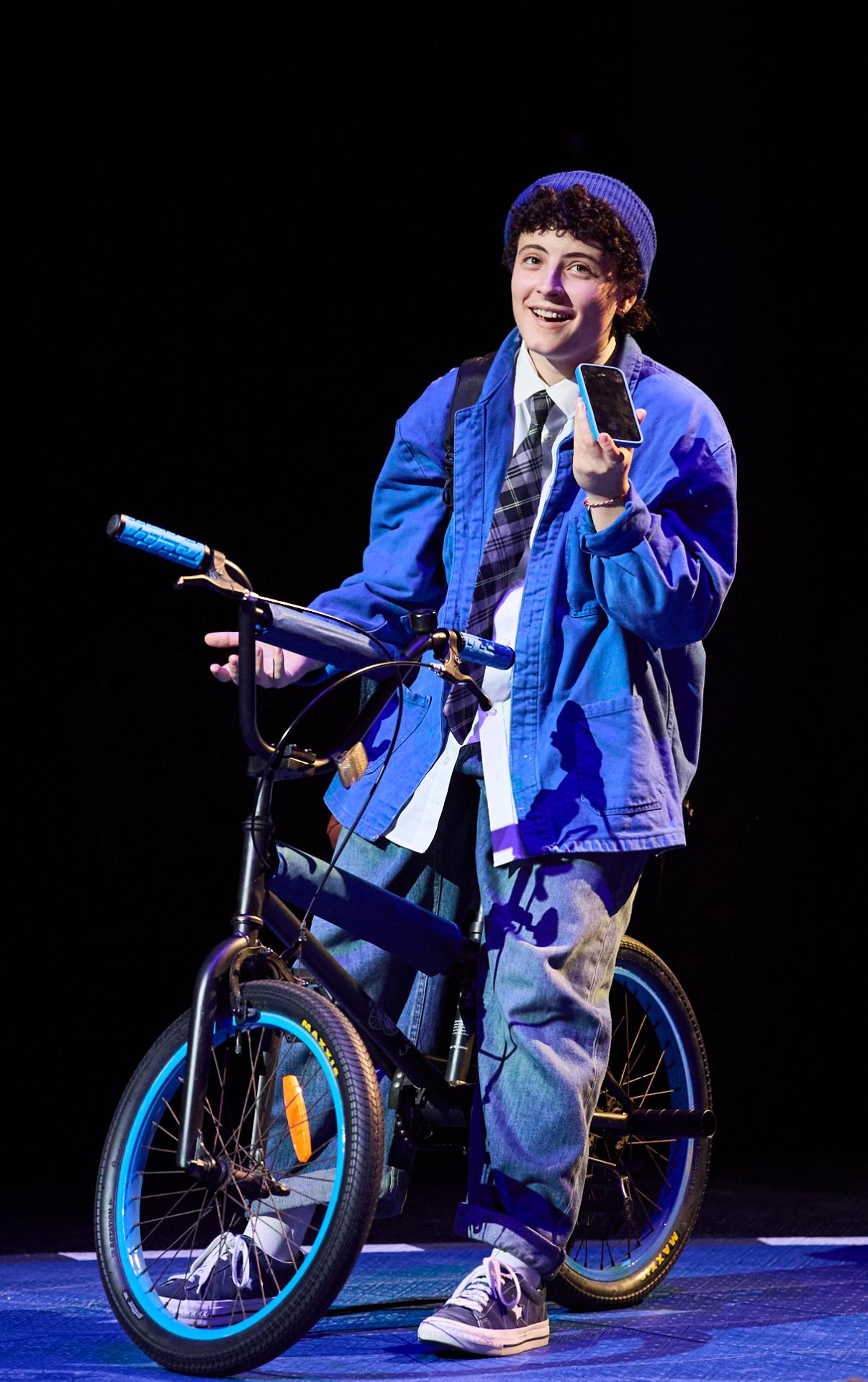
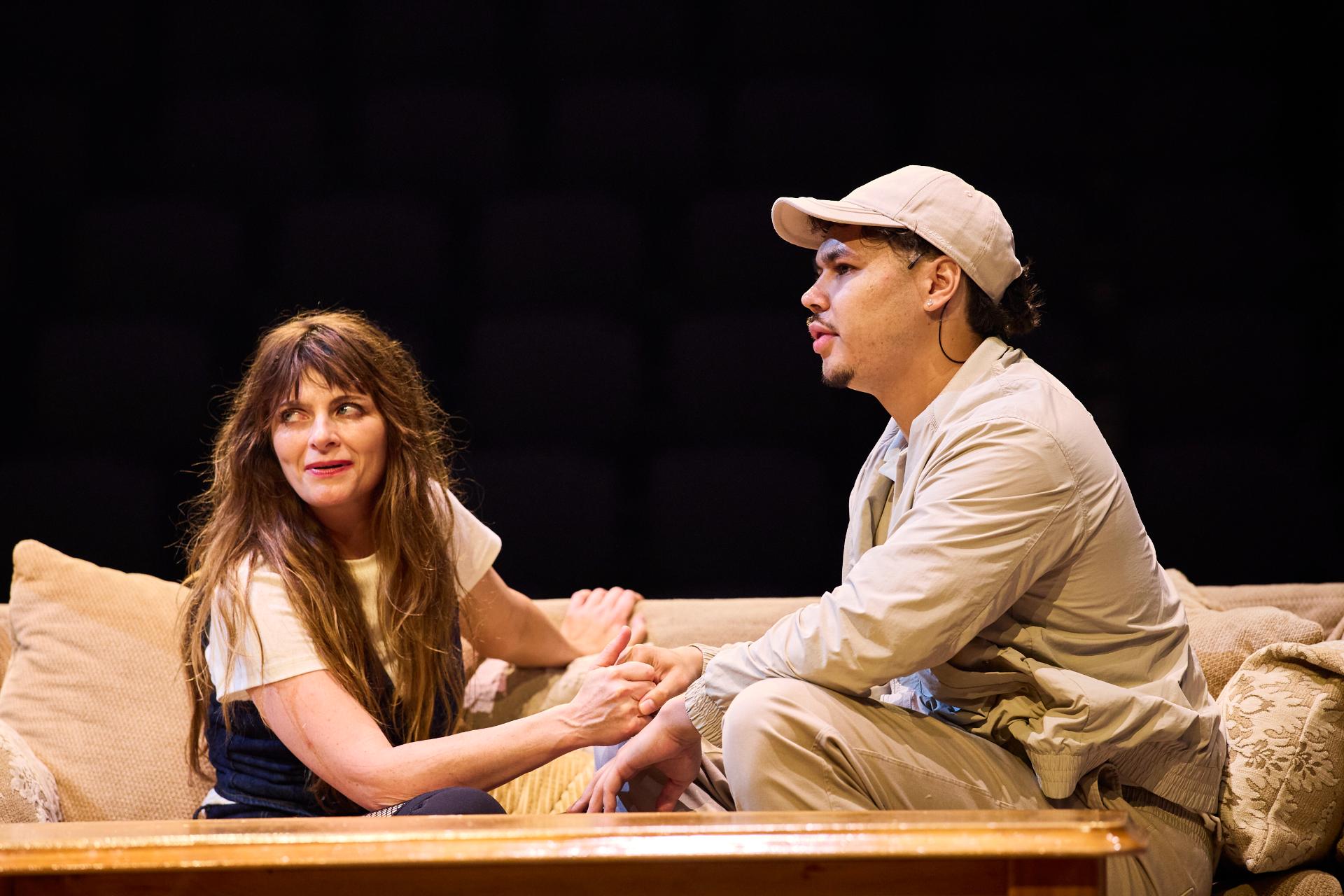
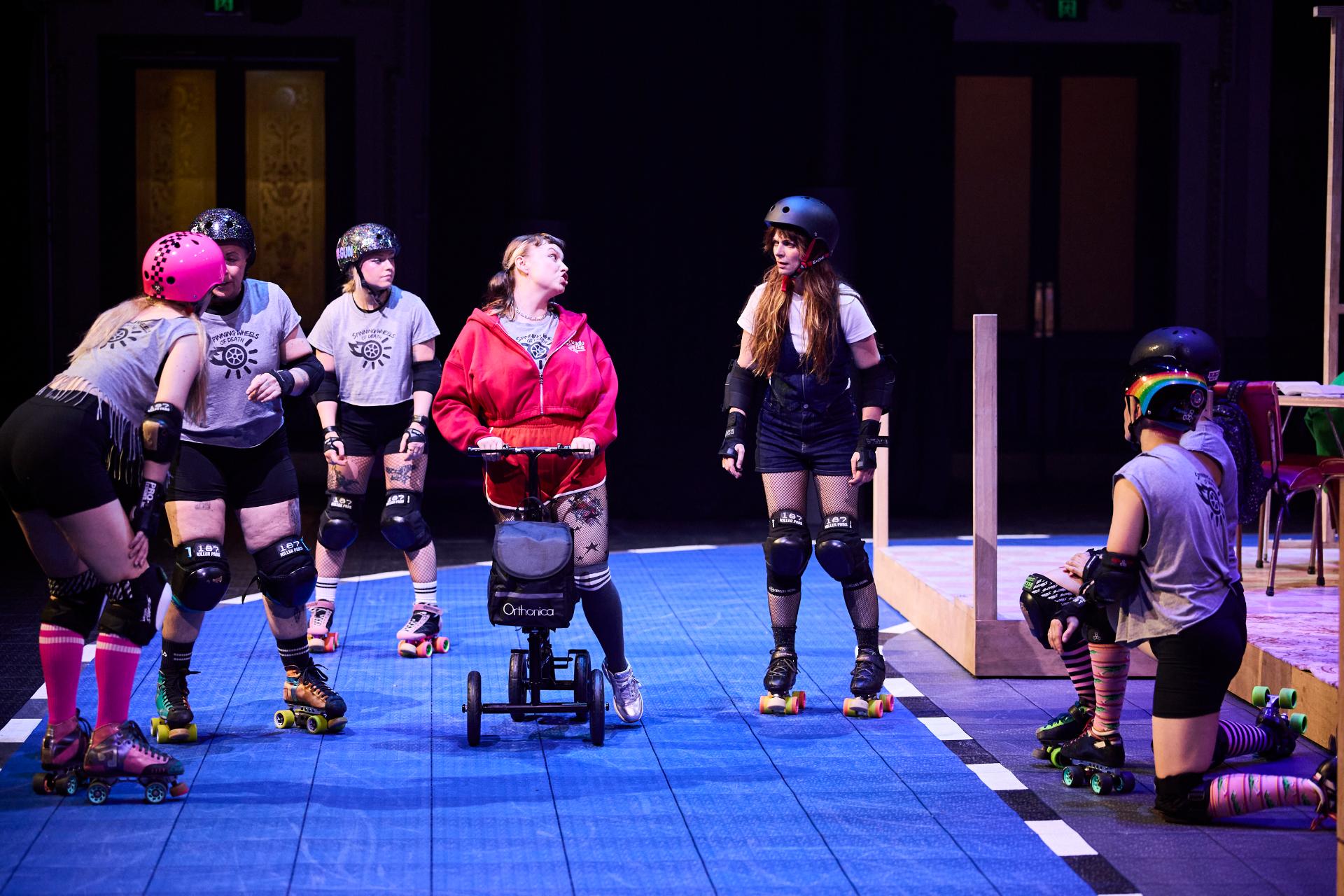
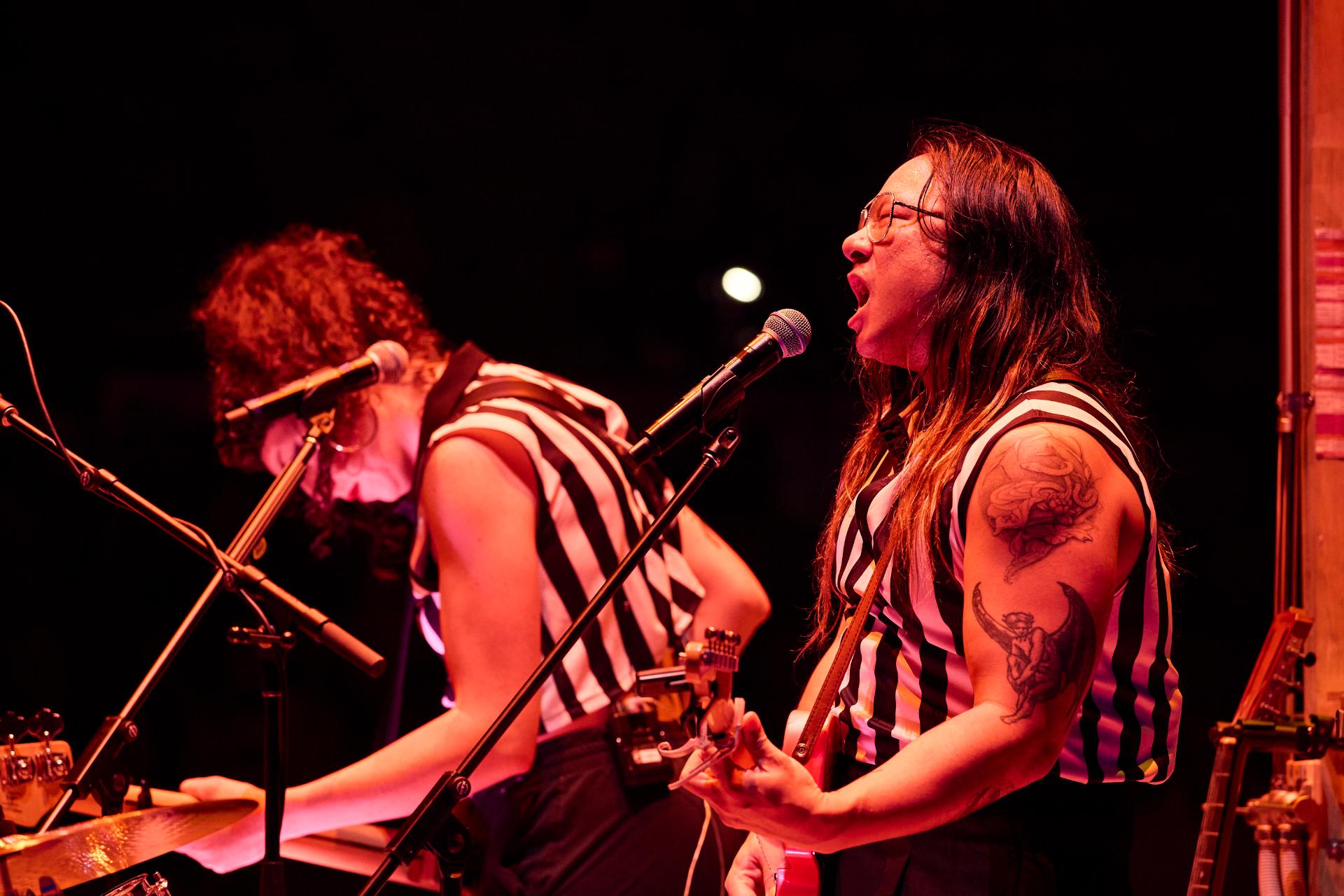
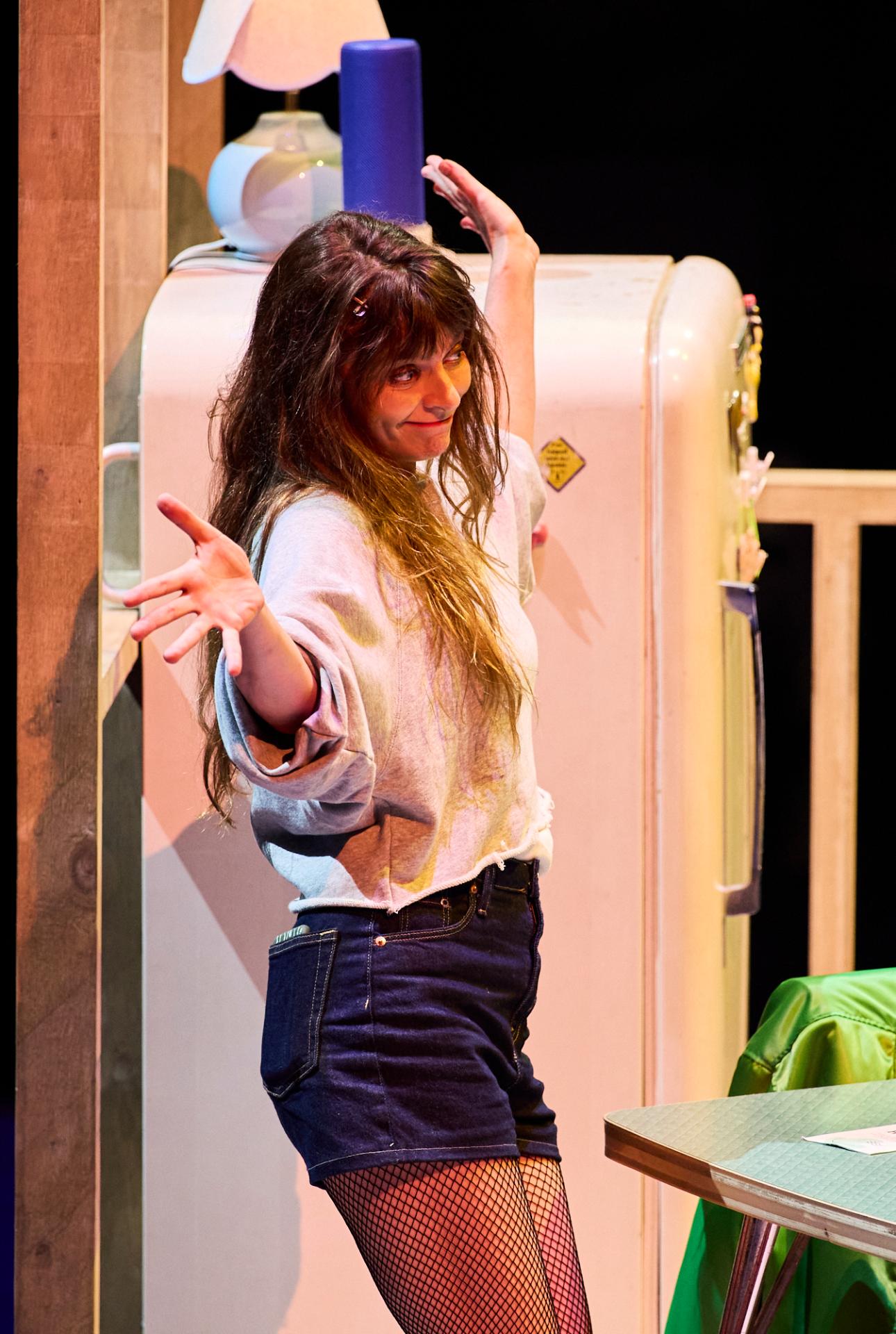
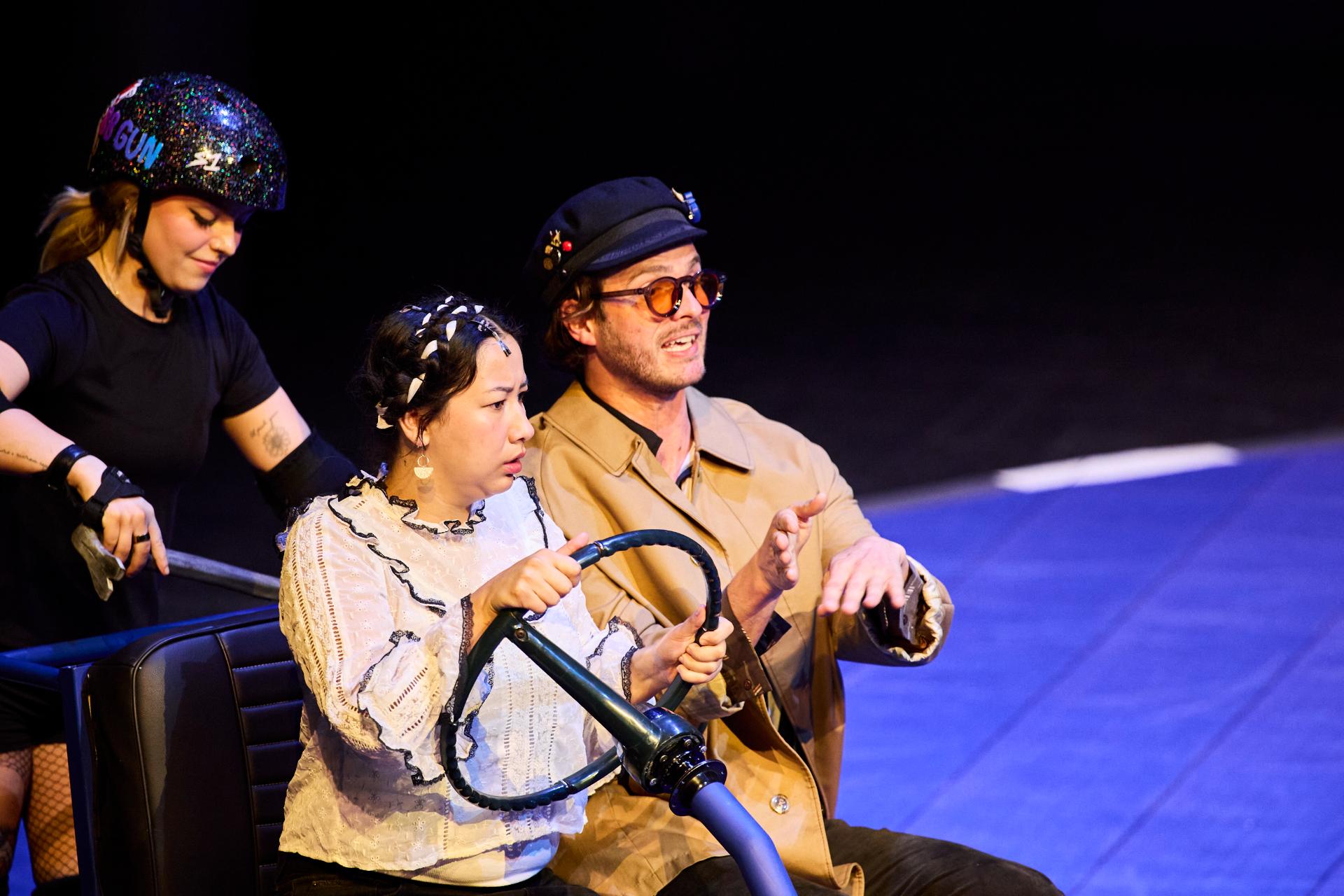
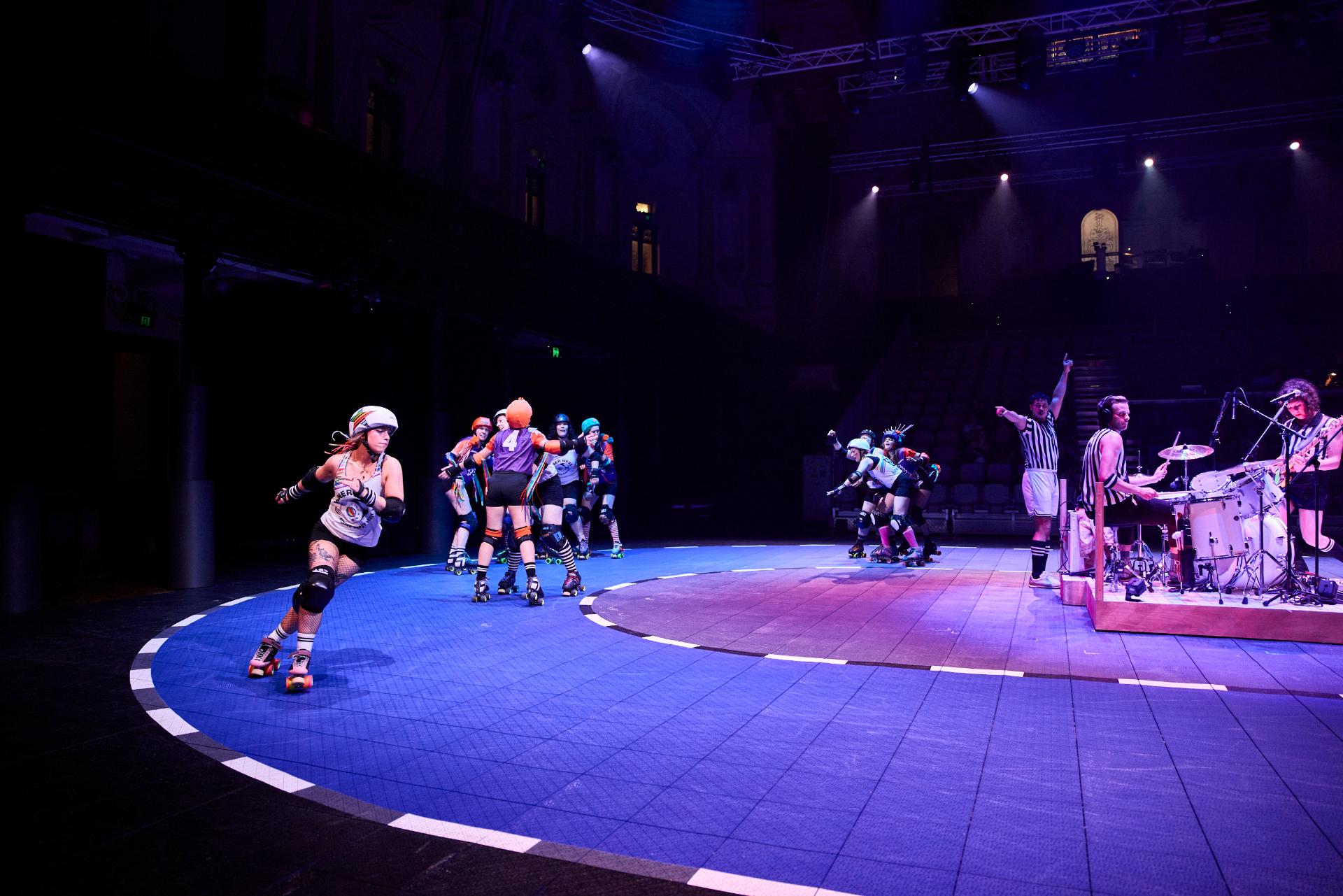
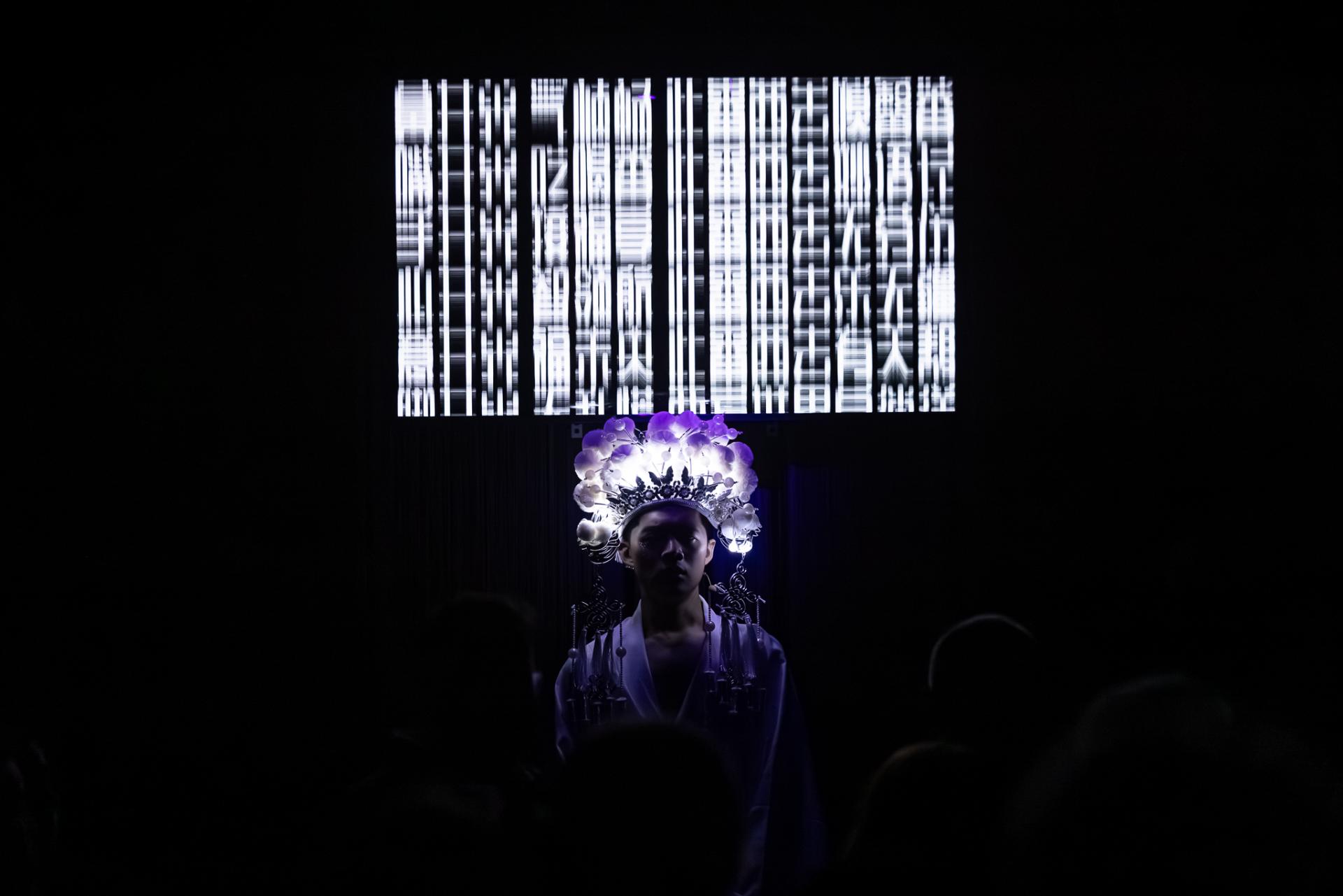
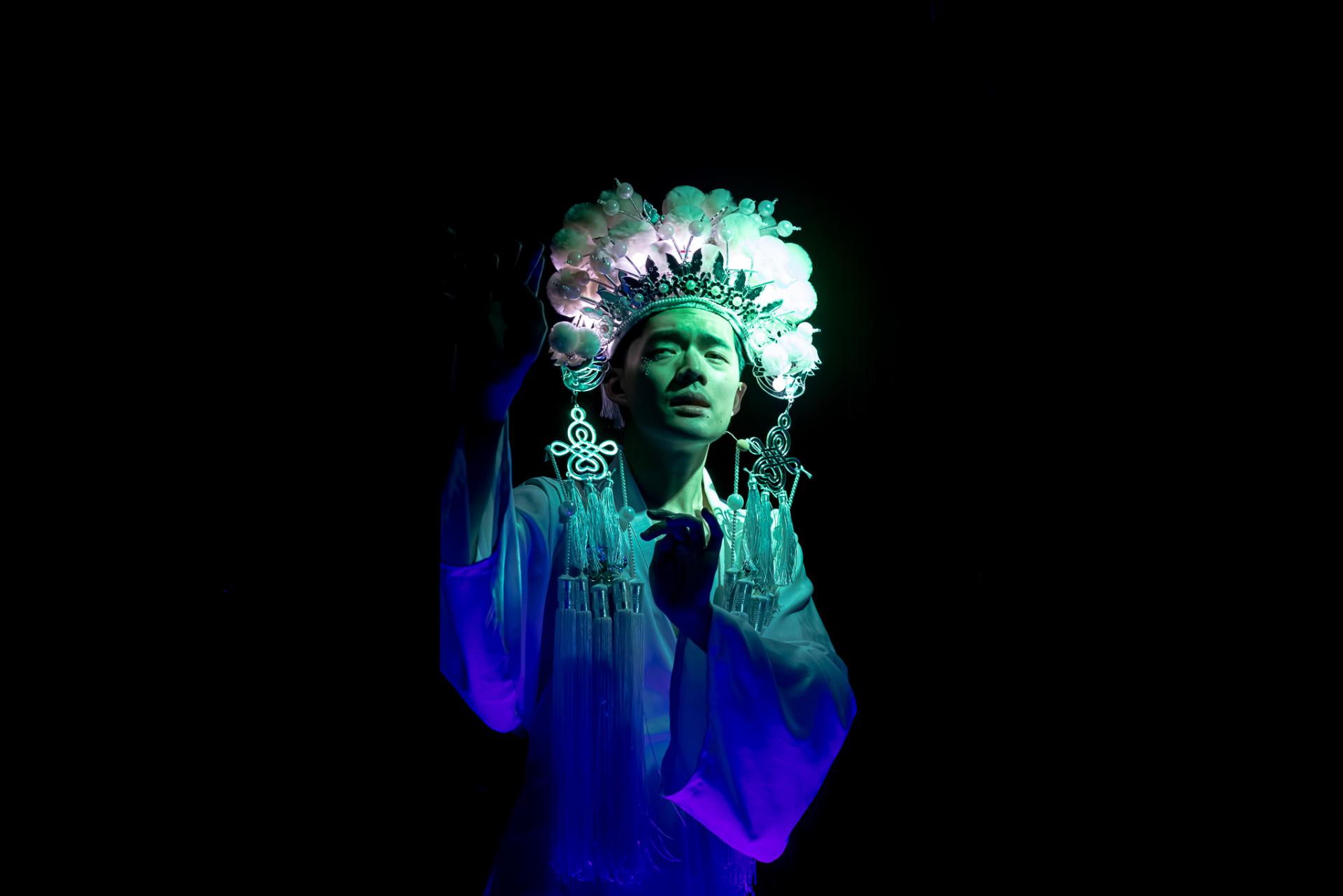
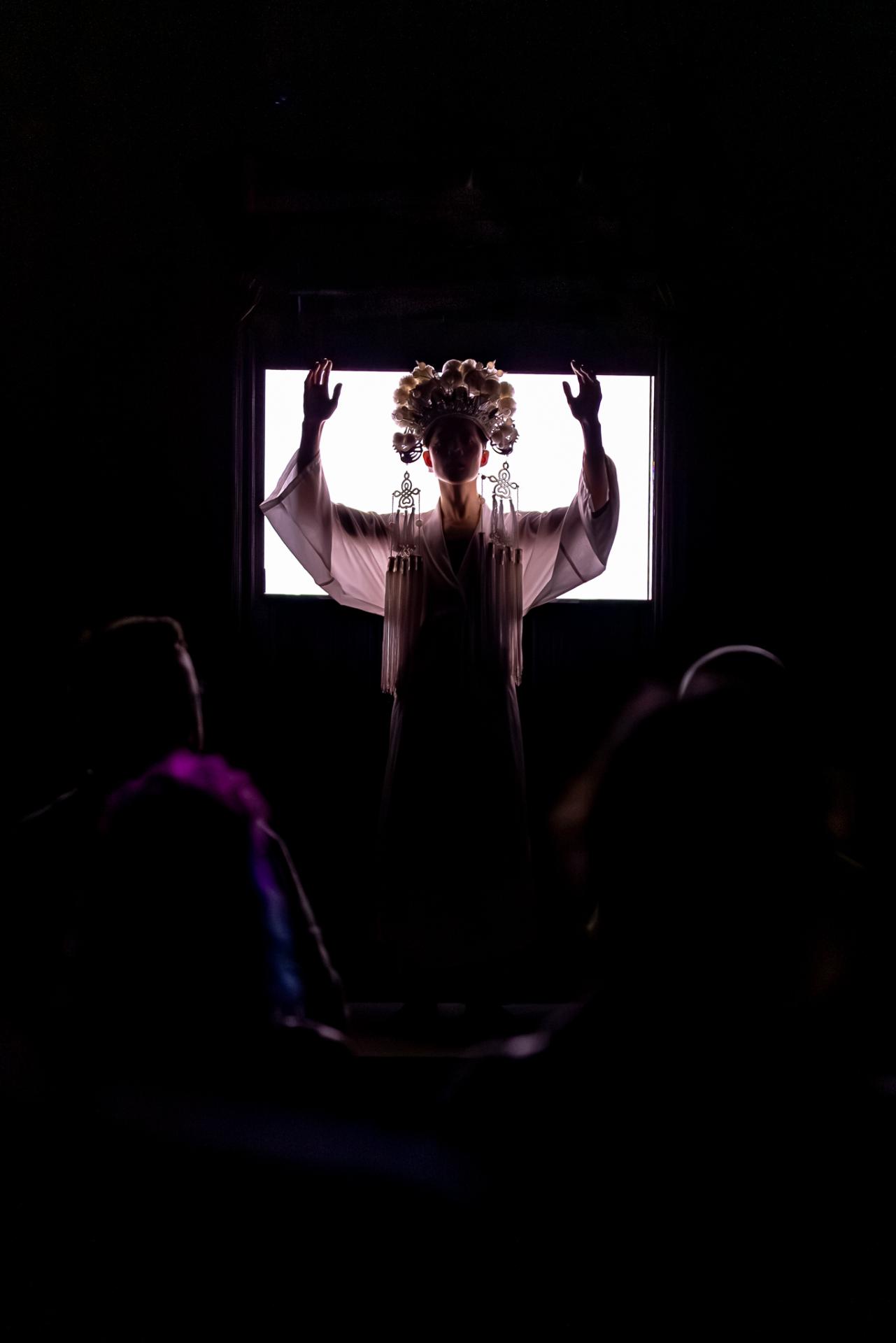
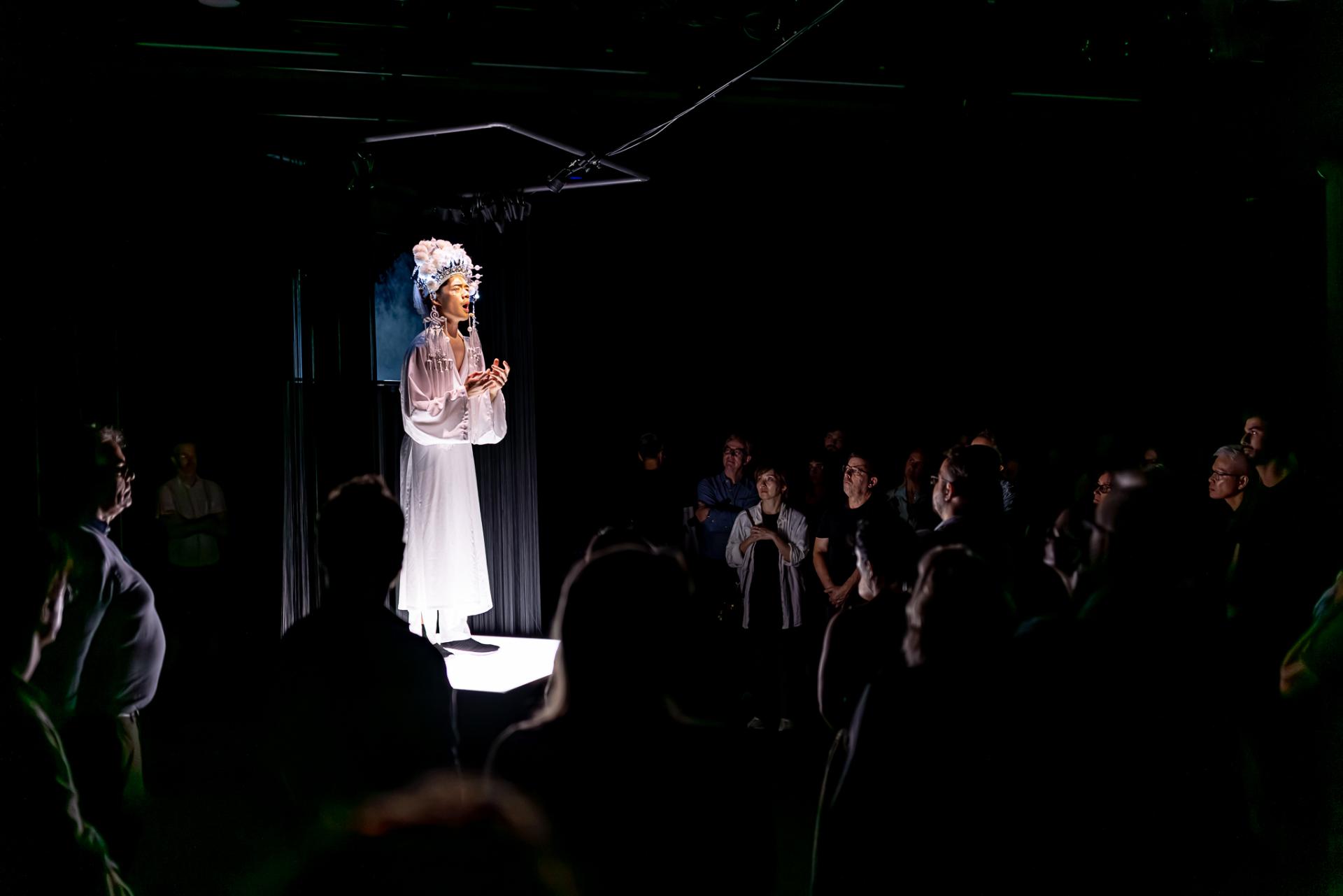
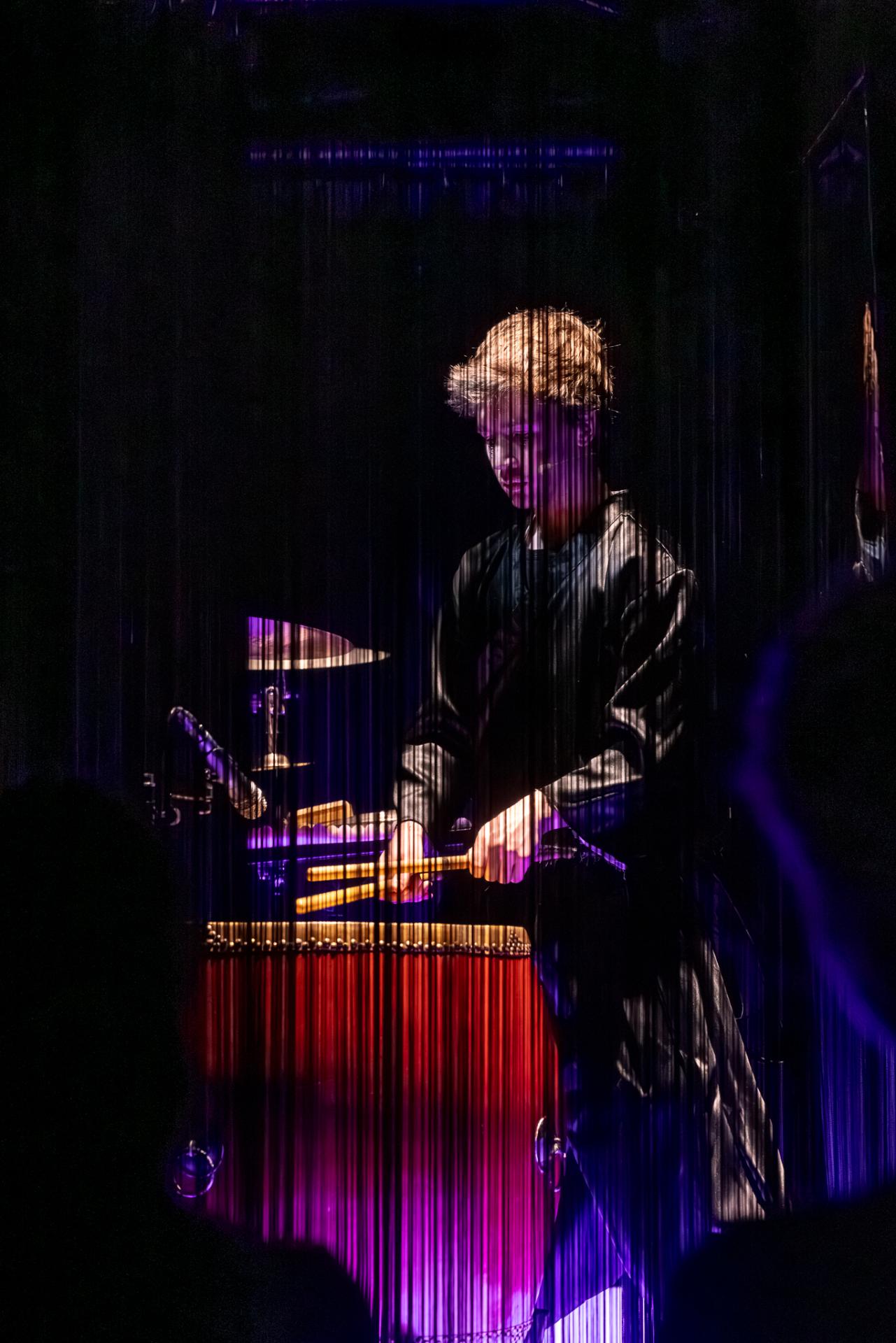
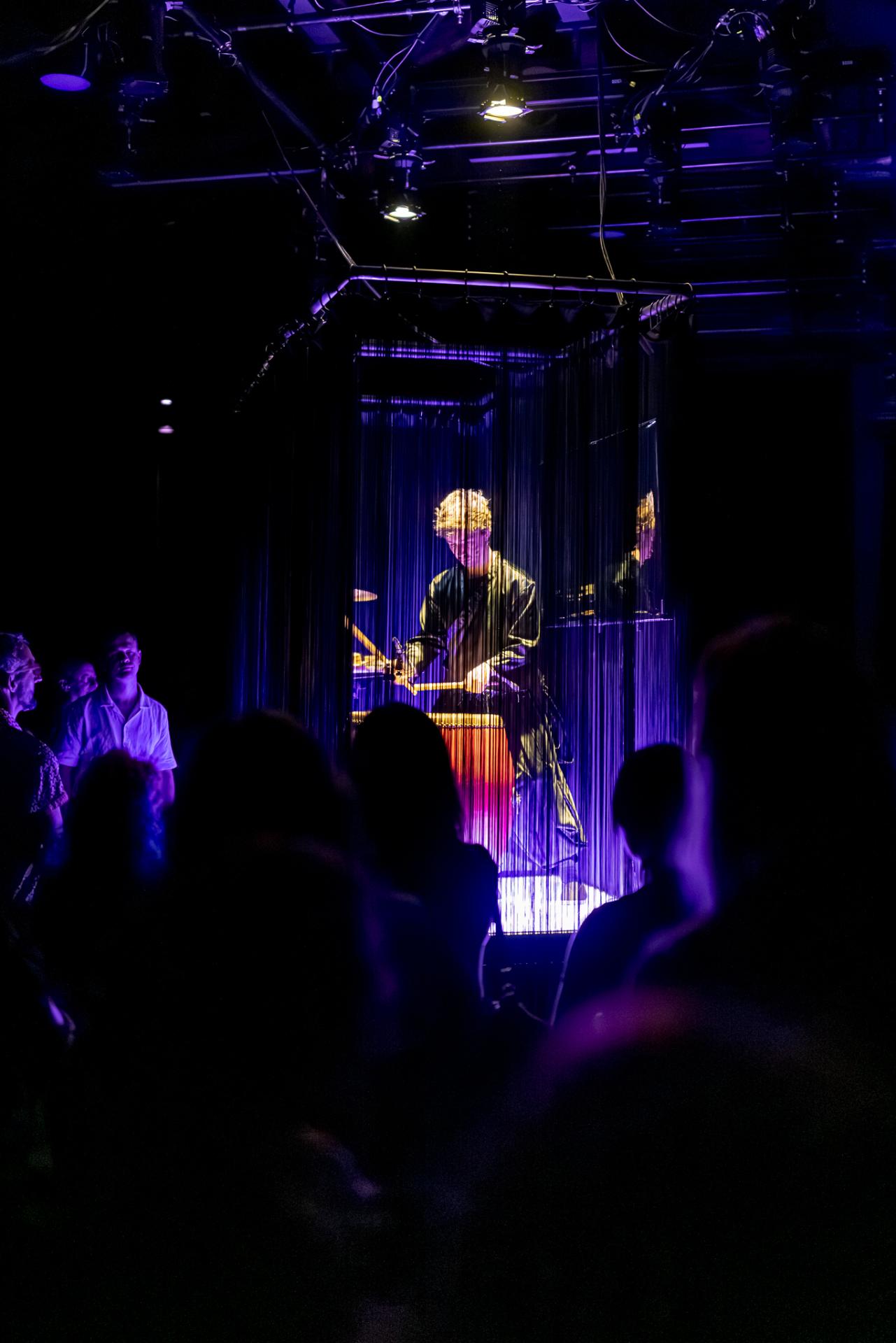
Nearly a century ago, a horse captured the heart of a nation. In Steven Kramer’s new musical Phar Lap, that legend is reborn, charting the champion’s astonishing rise through Australia’s racecourses and reminding us how deeply his story remains etched in the national imagination. Kramer’s songwriting brims with wit and invention, while Jack Earle’s arrangements fuse modern electronic textures with the jaunty swing of the early twentieth century — a lively, irresistible blend that keeps the production buoyant and engaging throughout.

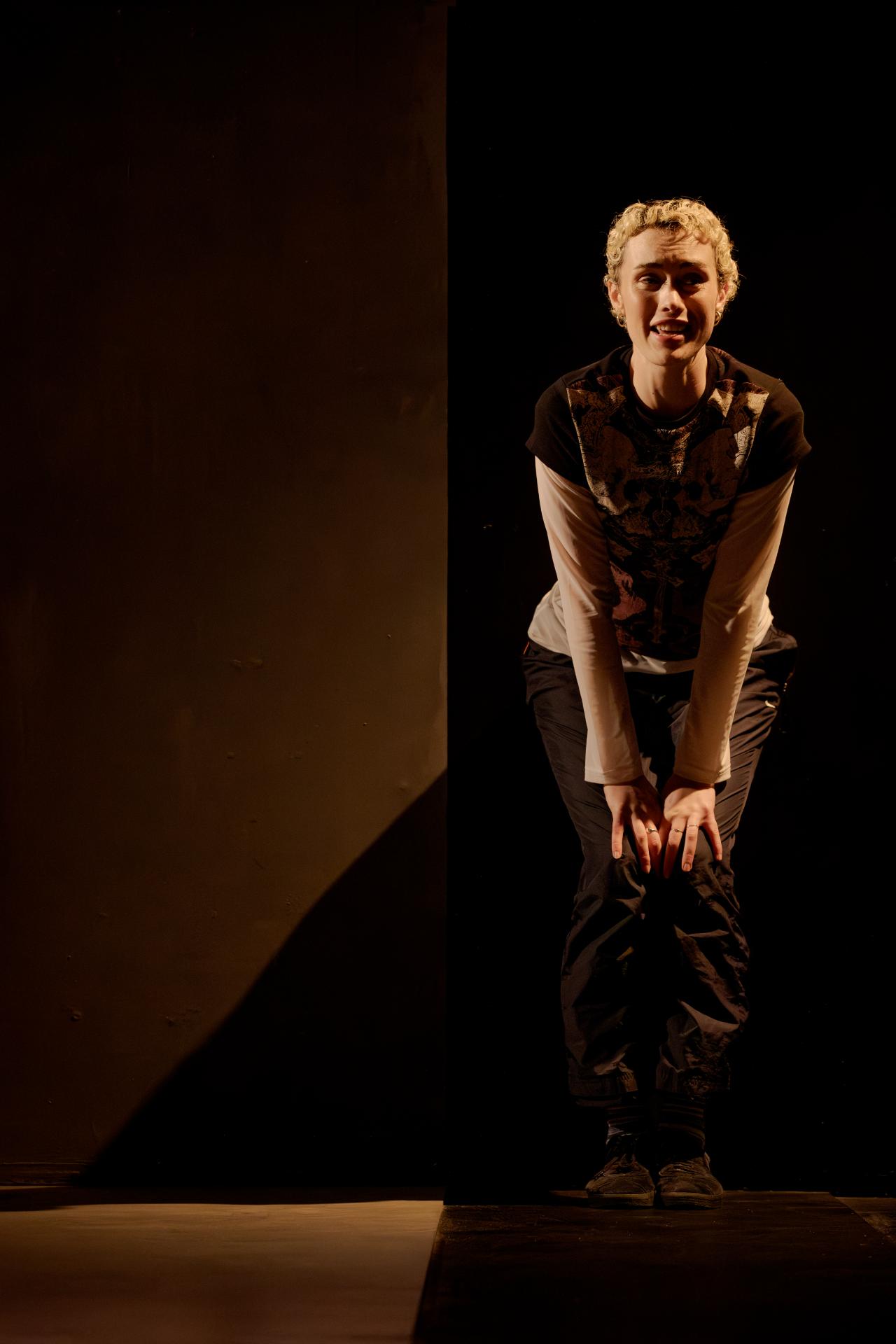
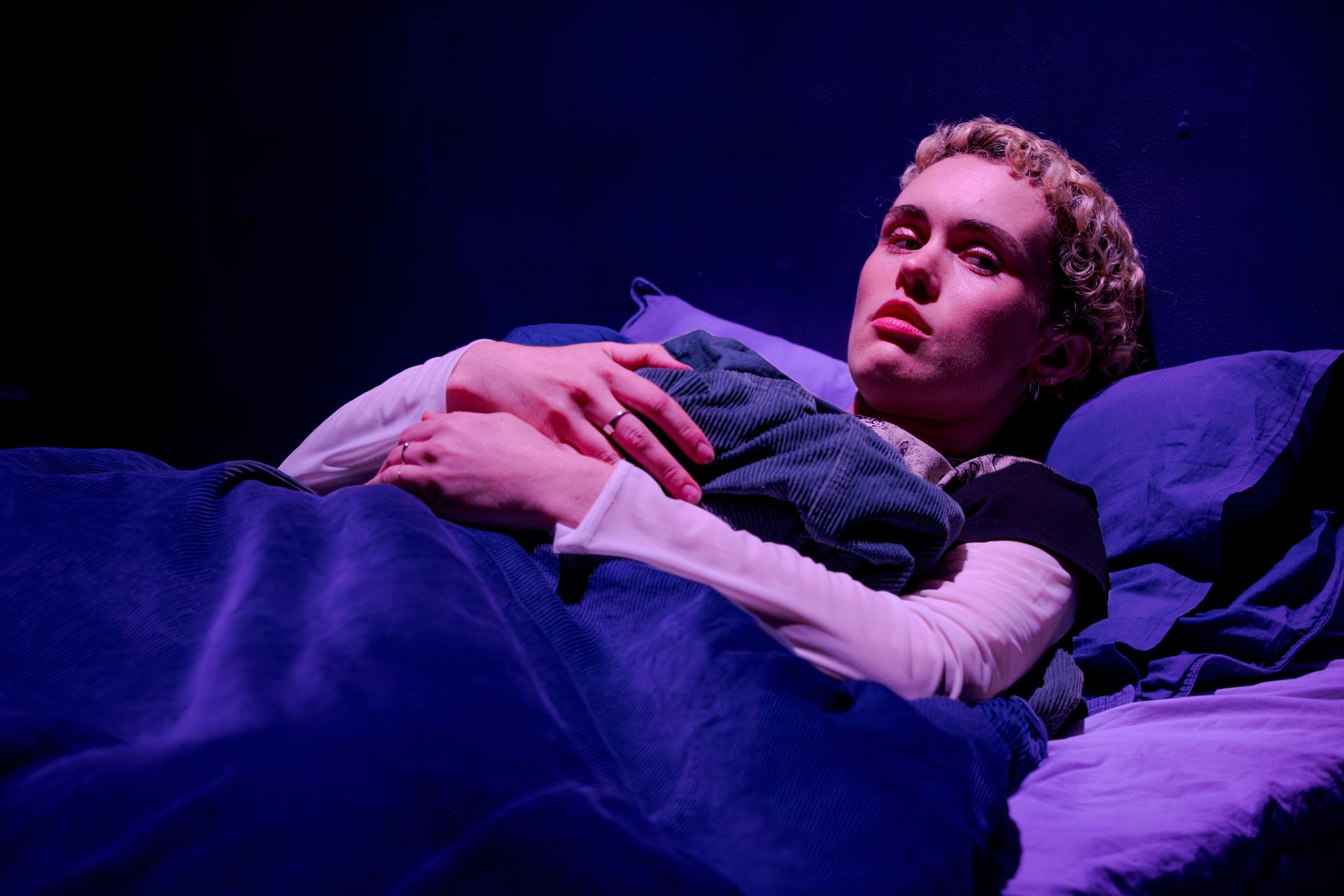
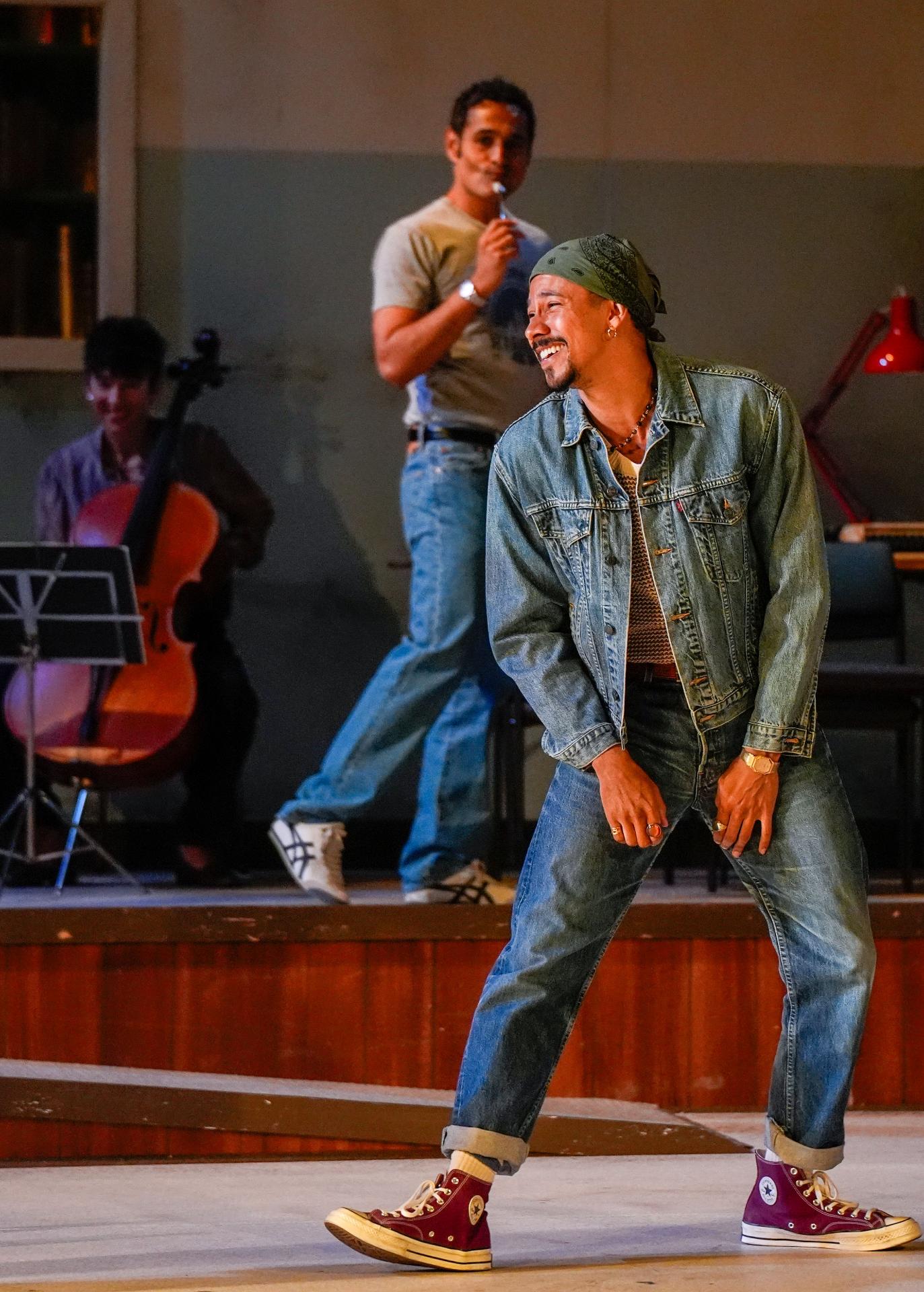
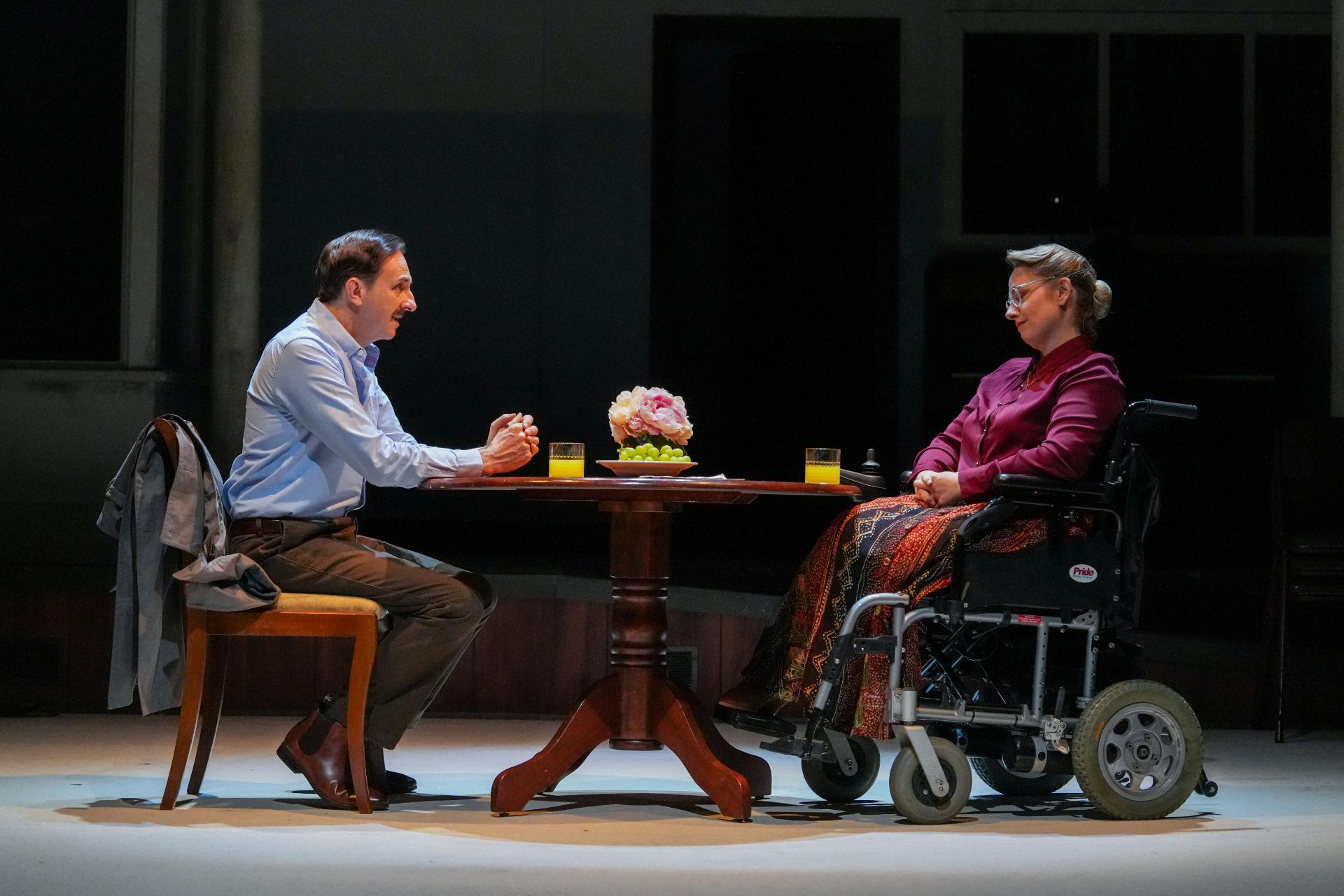
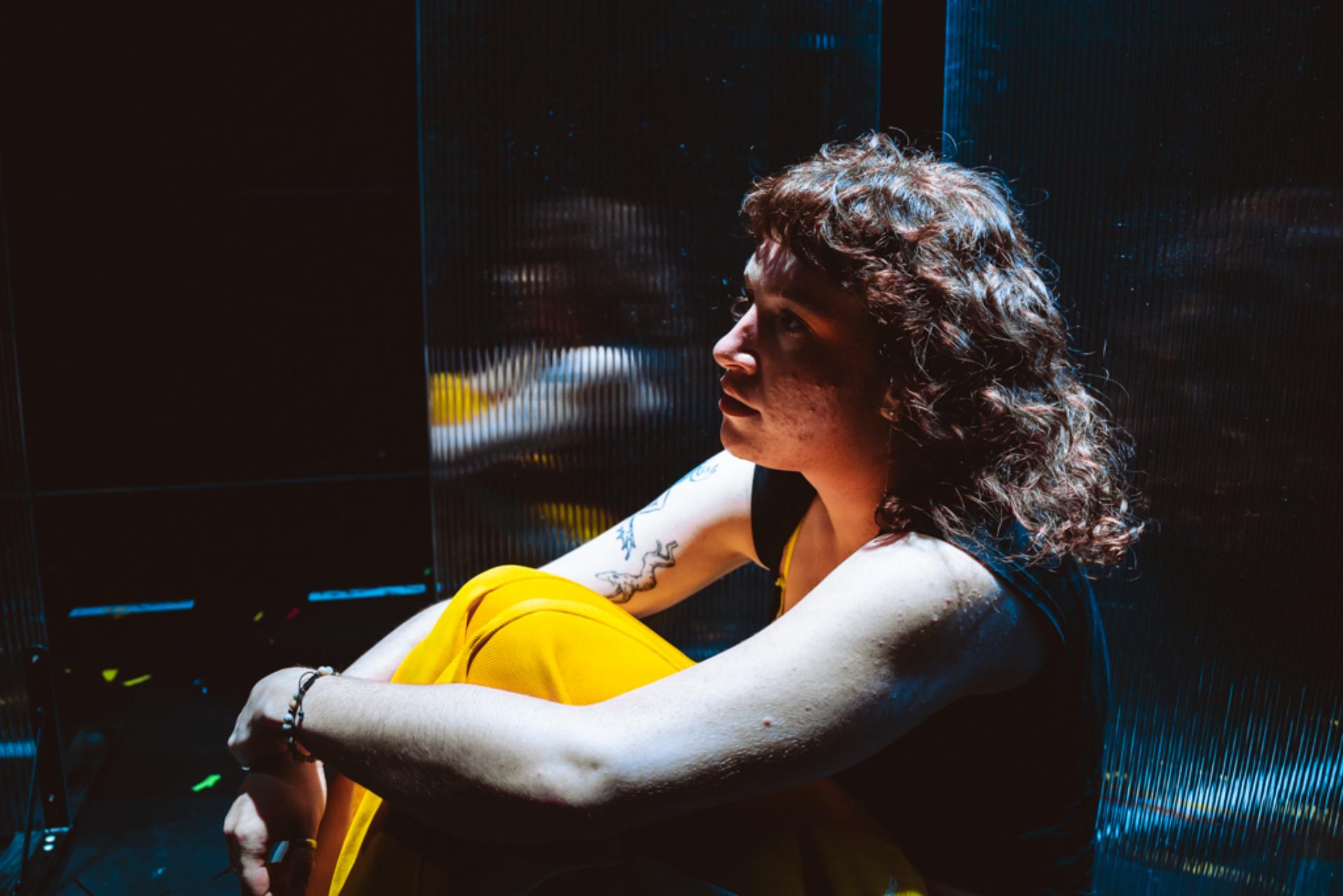
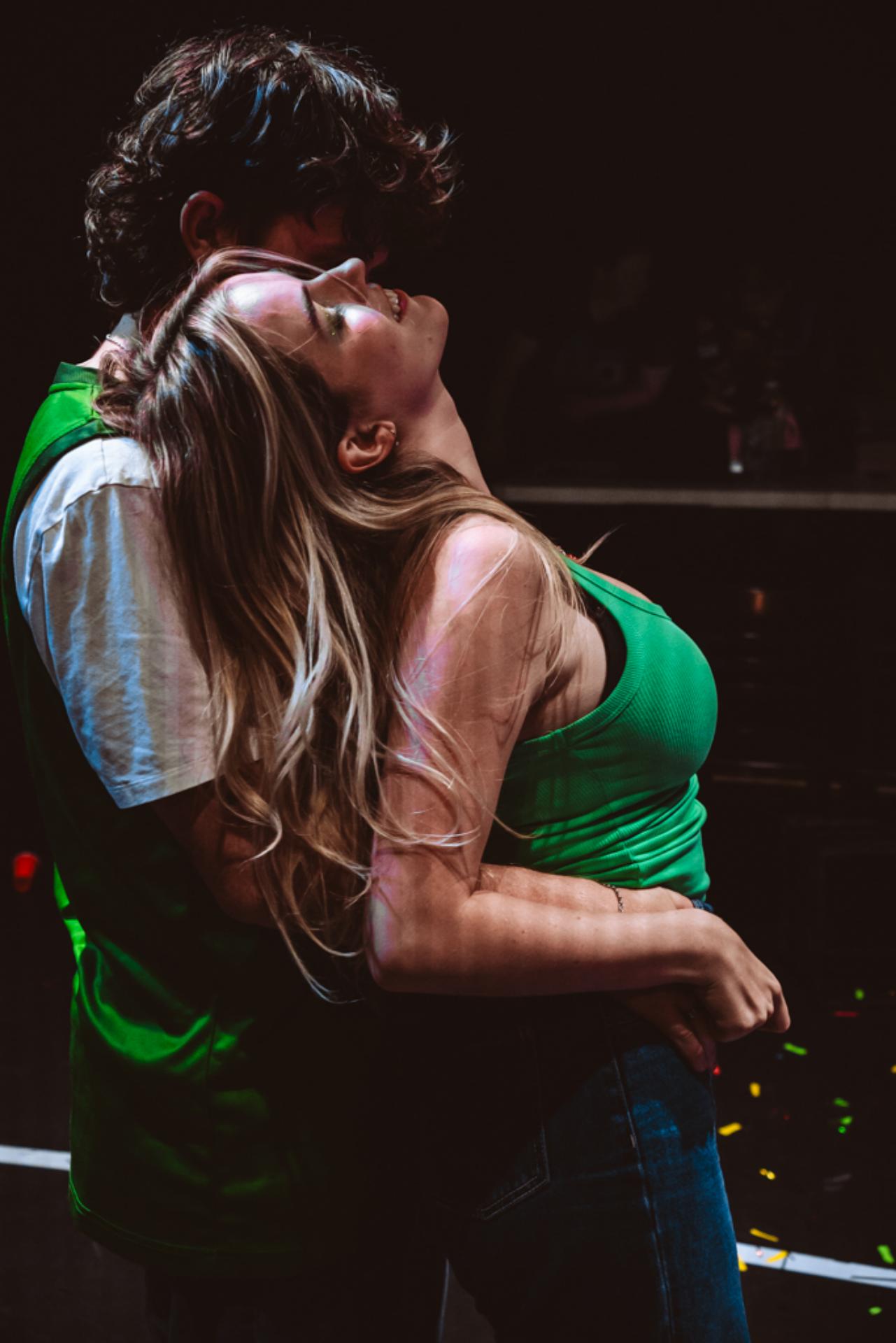
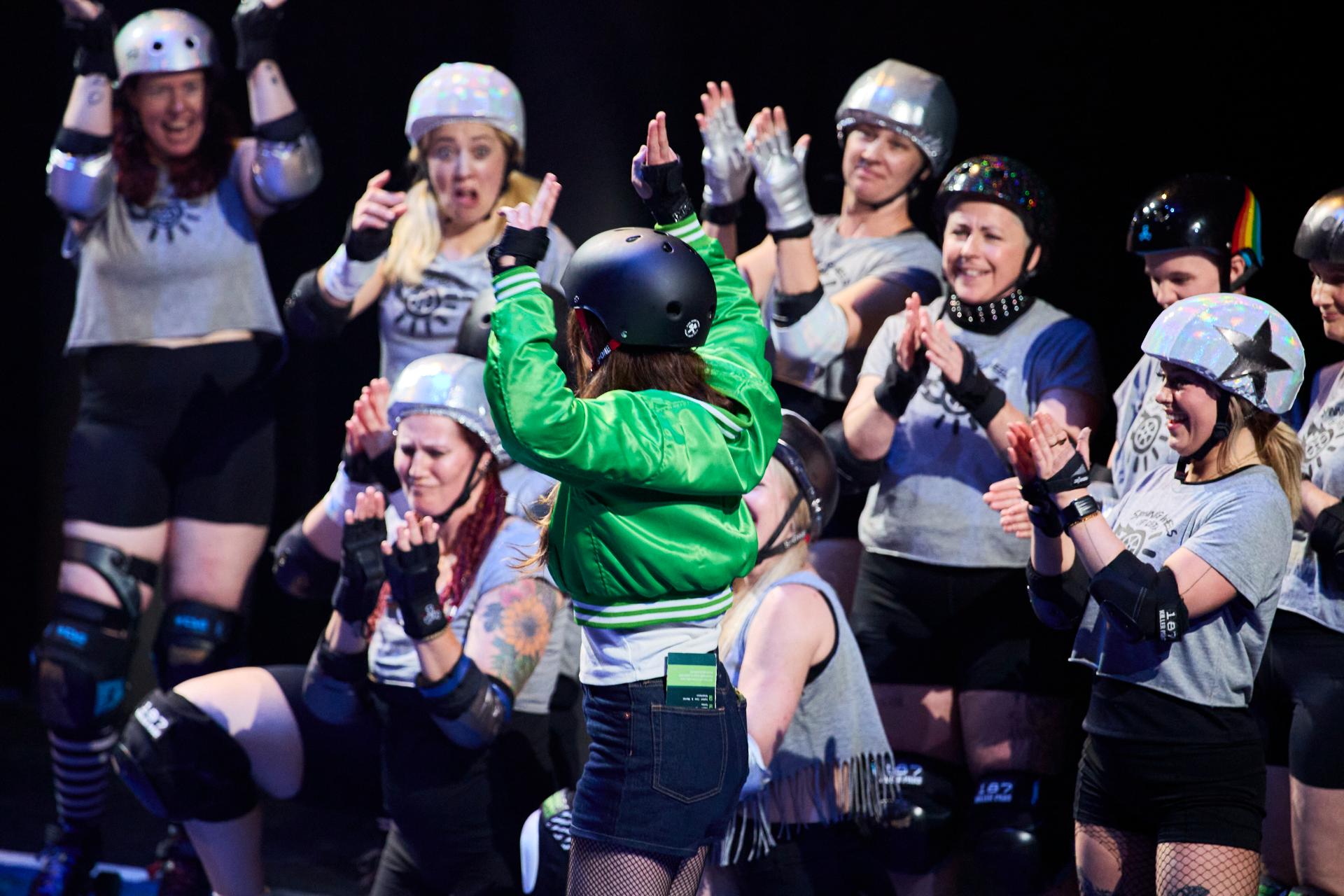
A parade of vivid characters fills the stage, each one smartly and playfully rendered by an ensemble whose energy lifts the entire production. Their exuberance is infectious, their confidence magnetic; whatever they offer, we accept with delight. At the centre gallops Joel Granger, whose Phar Lap radiates innocence and charm, a creature both wondrous and pure. Beside him, Justin Smith’s Harry Telford brings a steady, compassionate presence, their partnership blooming with the kind of trust that makes the impossible seem tenderly real.

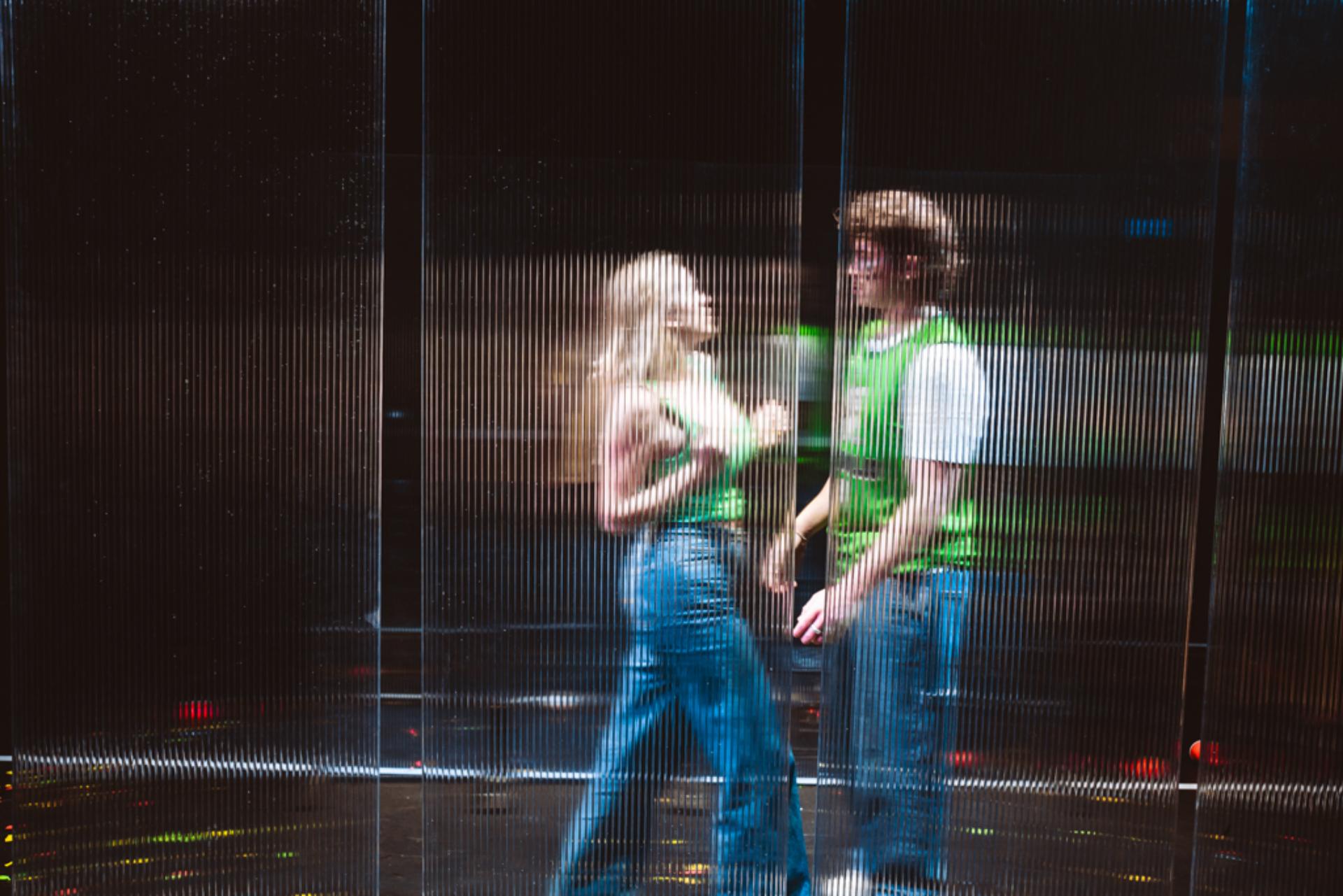
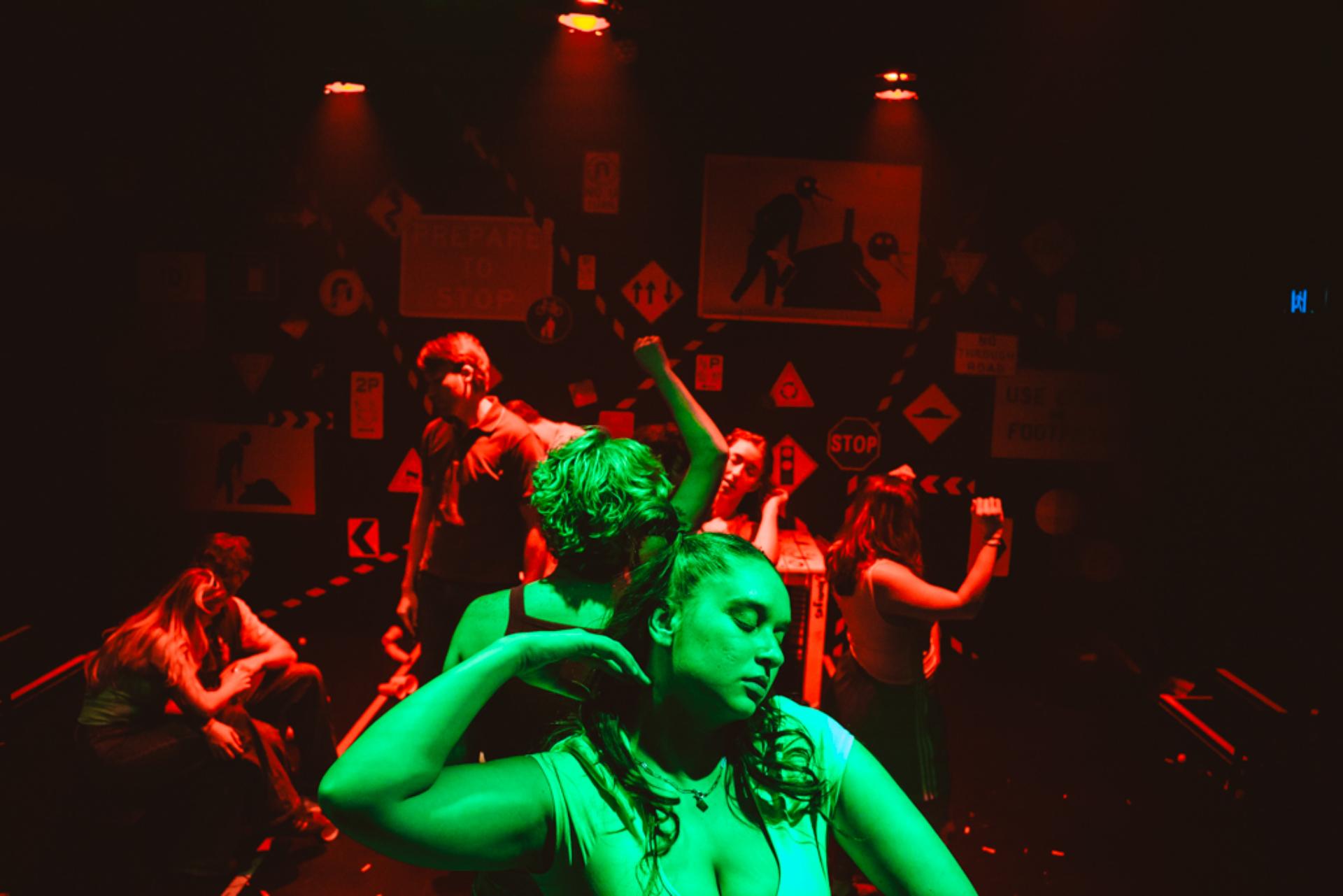
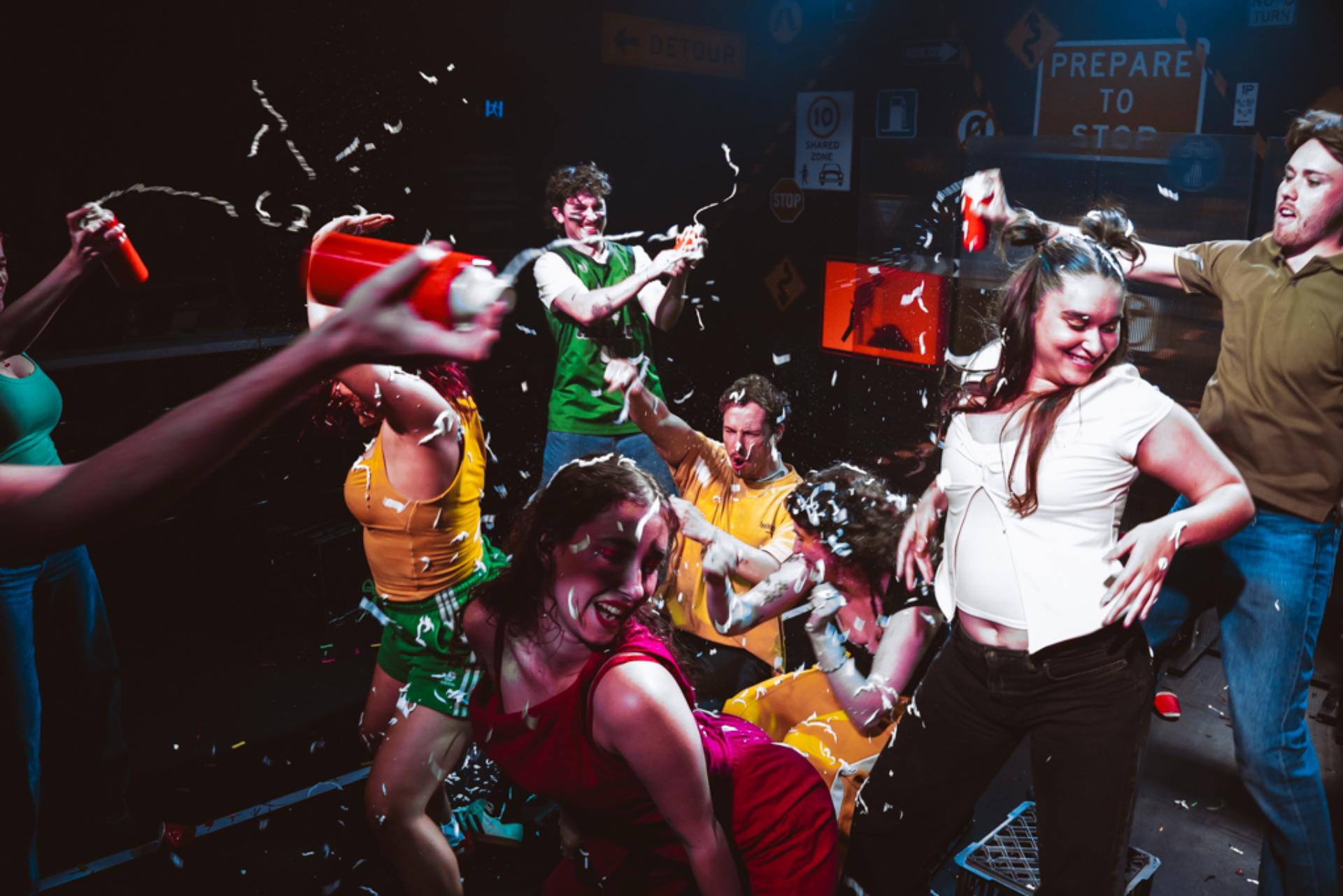
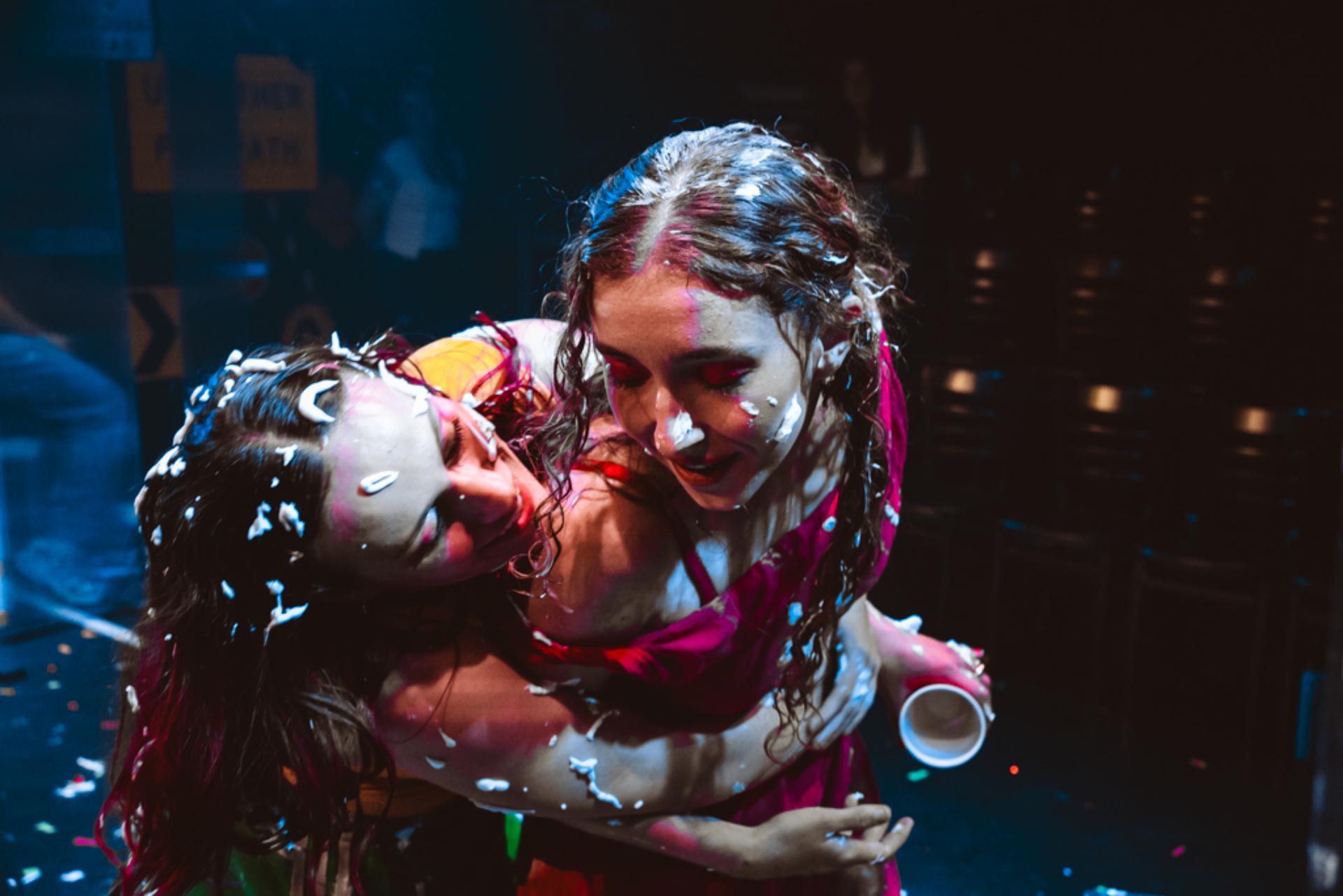
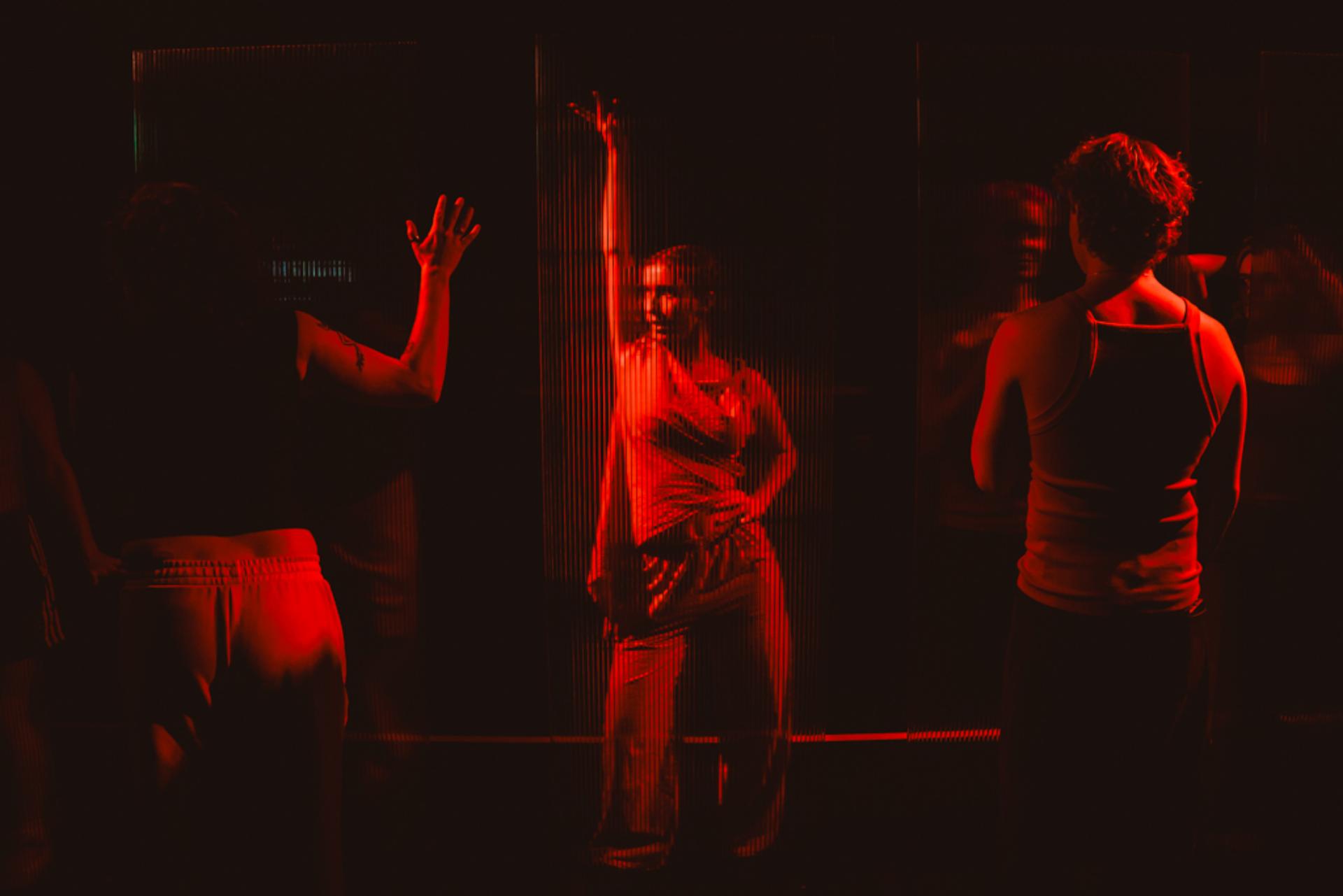
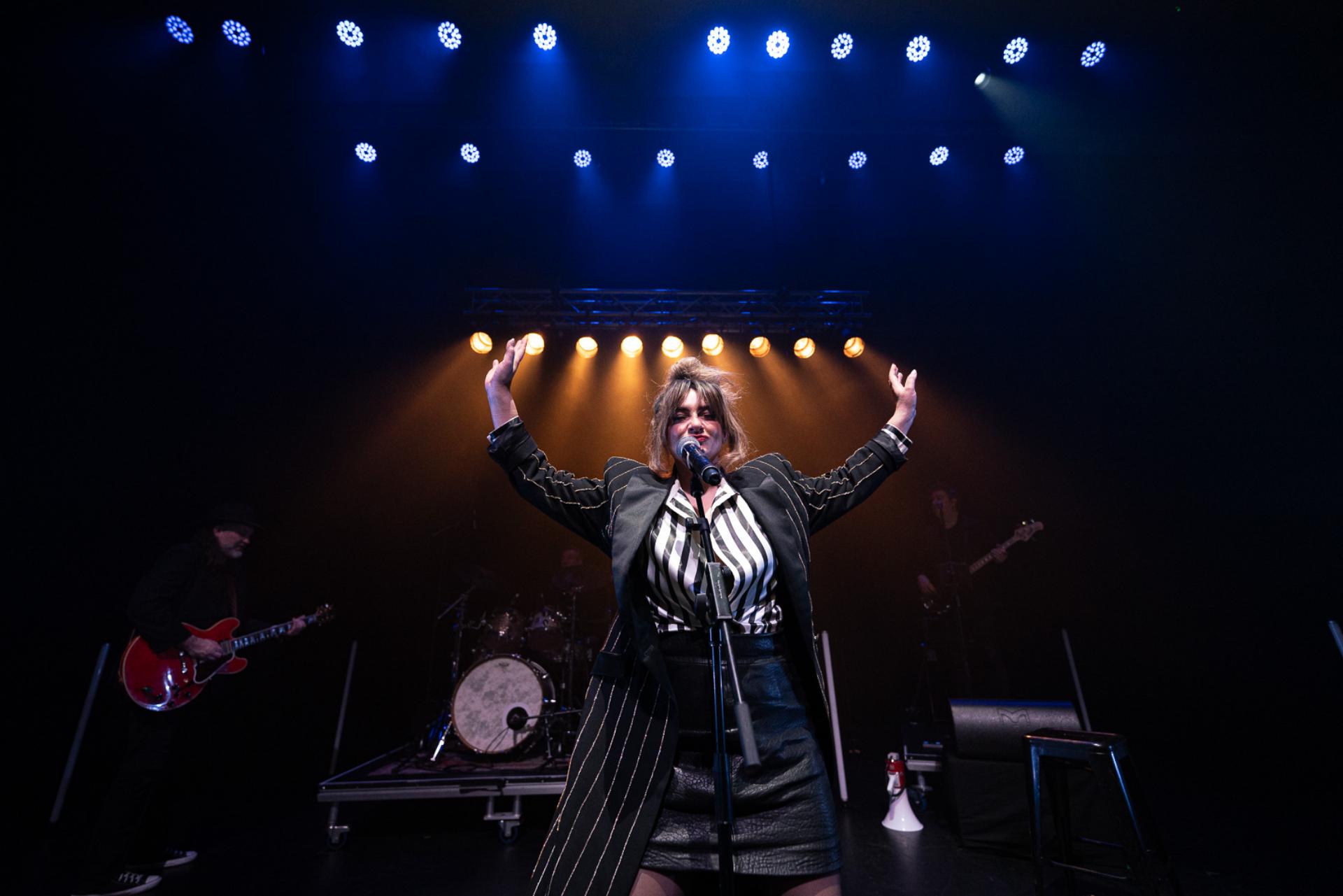
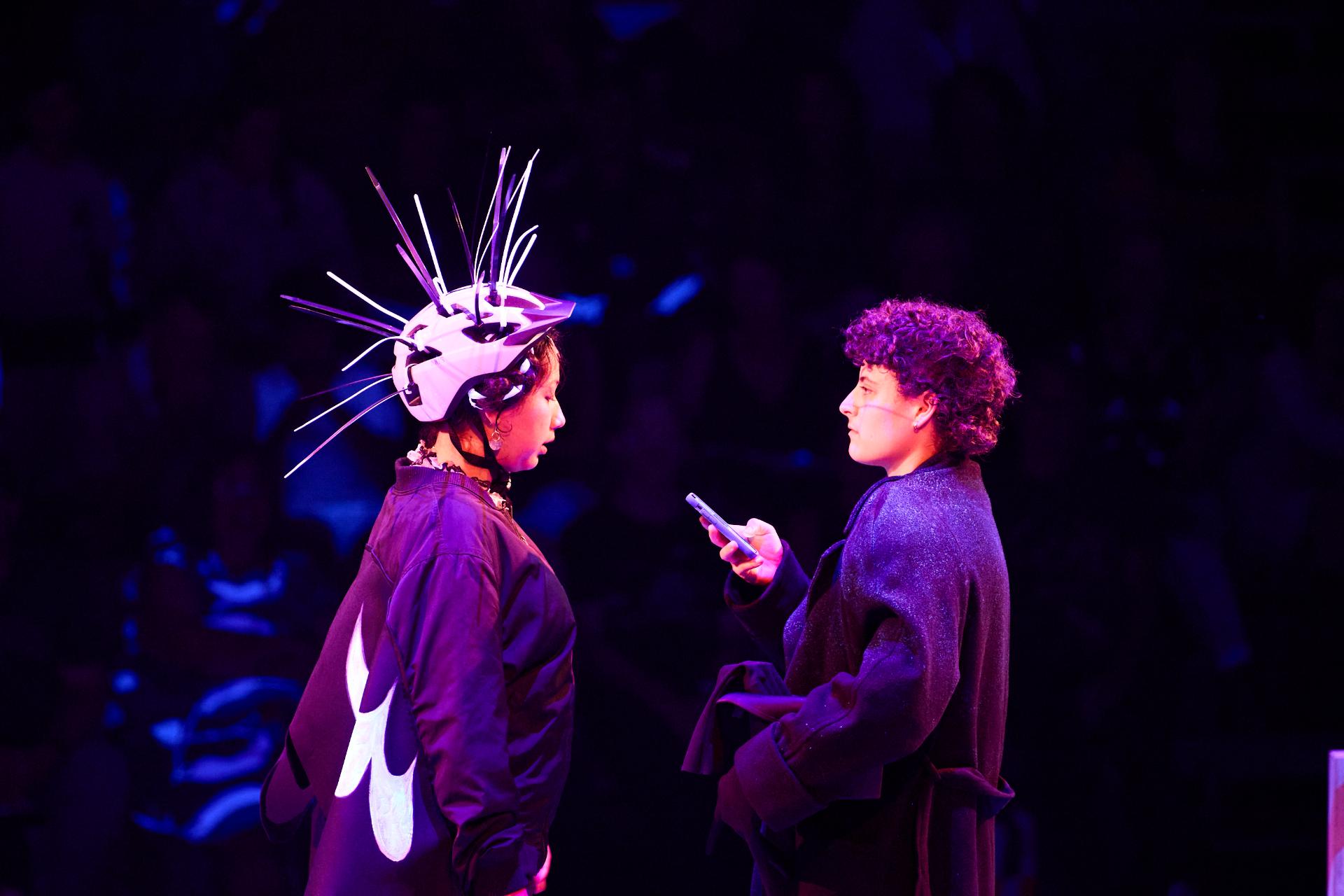
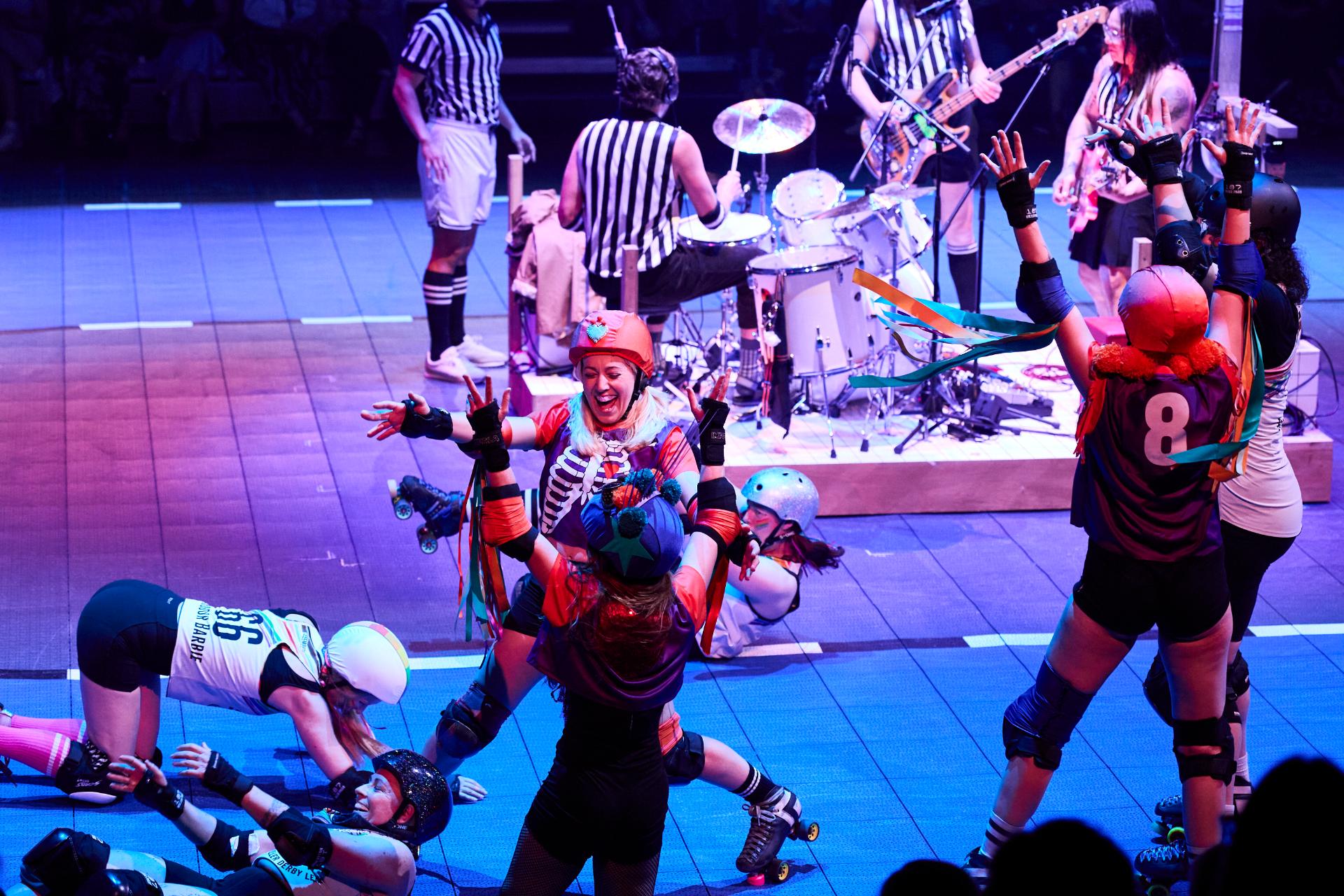
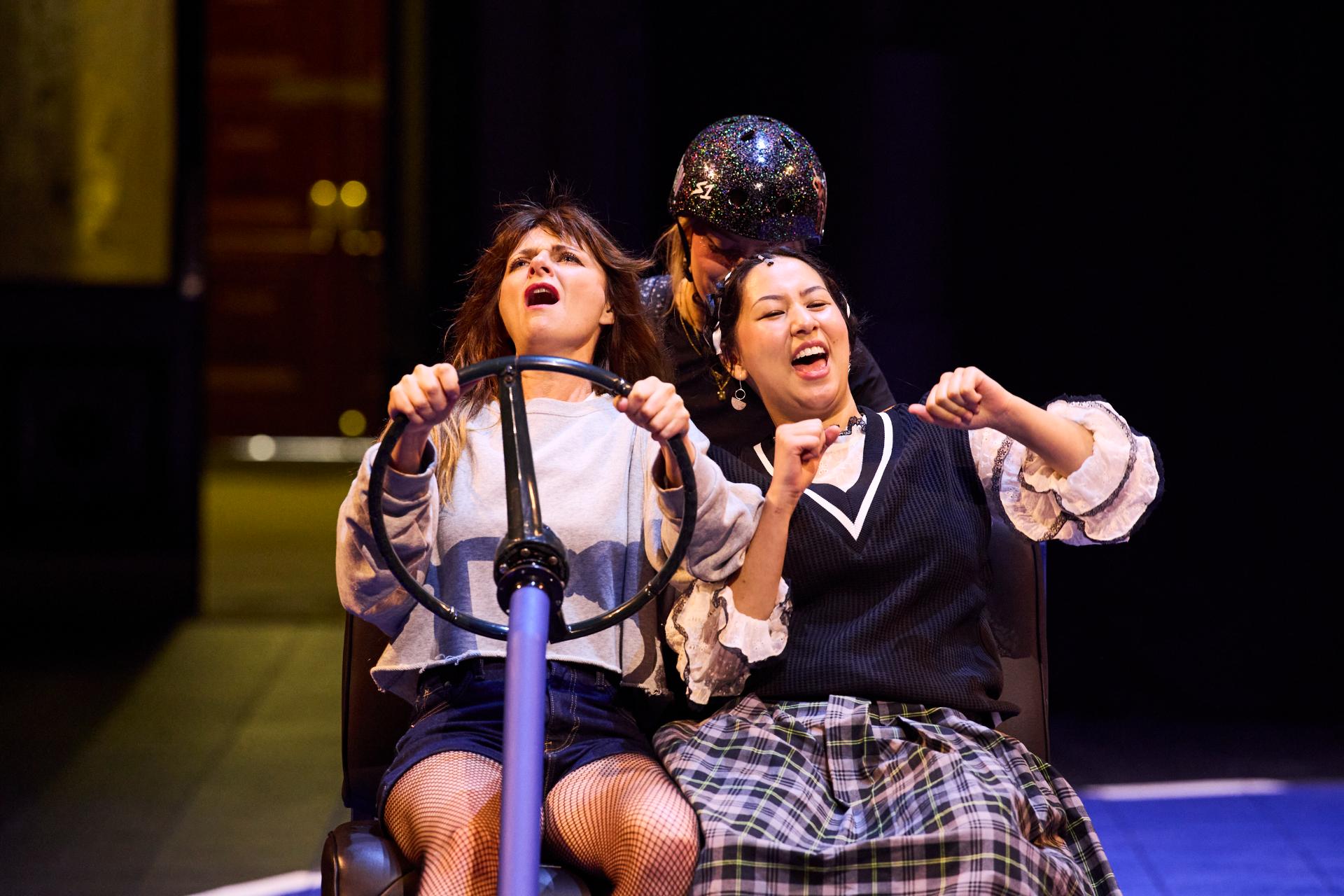
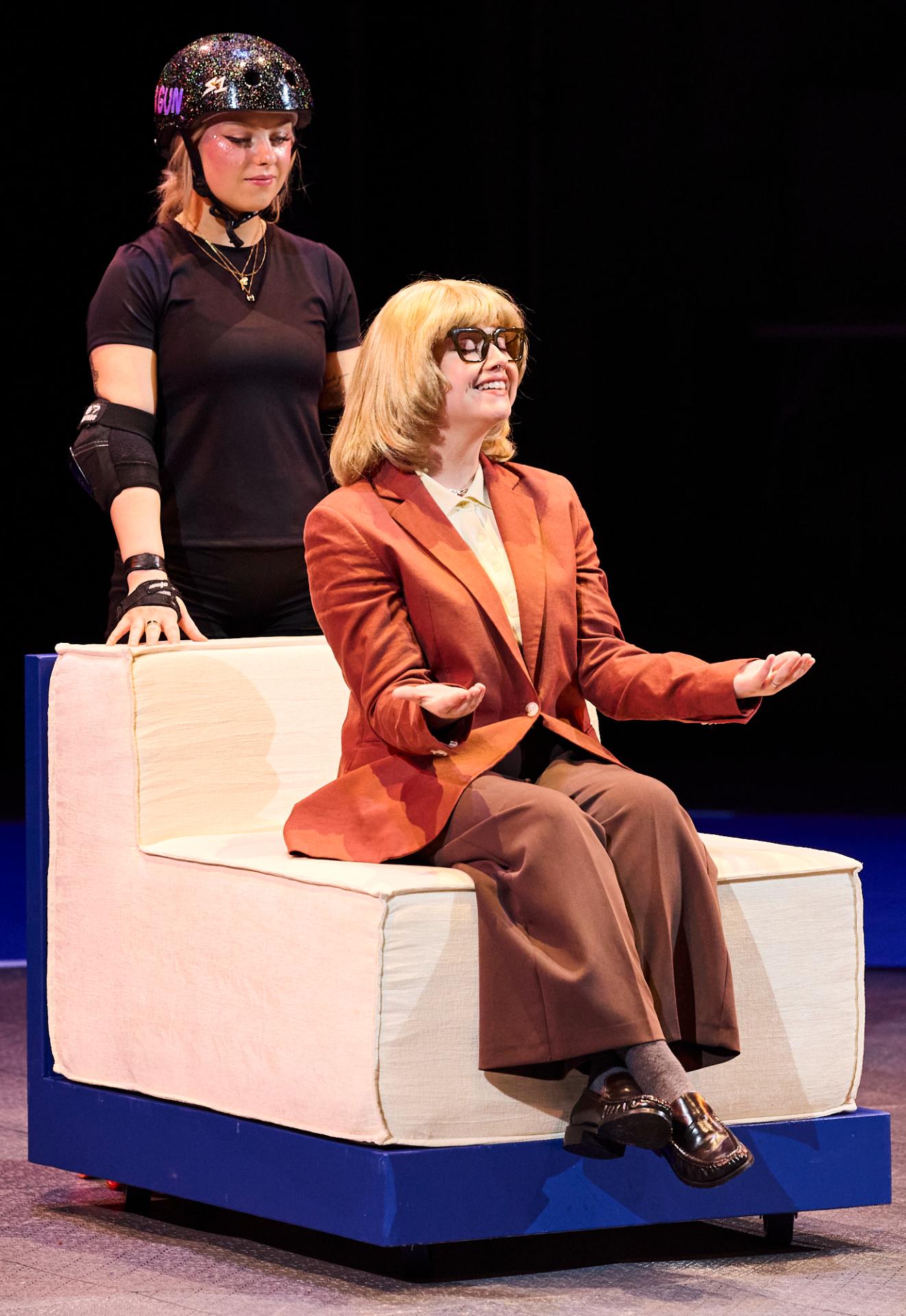
Under Sheridan Harbridge’s direction, Phar Lap becomes a riot of camp and gleeful absurdity — a kaleidoscope of humour that wins us over from the very first beat. Her vision is bold and unrepentantly idiosyncratic, inviting us into a world where whimsy reigns and logic gladly takes a back seat. Ellen Simpson’s choreography adds its own spark, conjuring memorable images of horses dancing, feuding, and prancing through fantasy. It is all unabashedly silly, yet every bit of it lands with allure and precision, resulting in theatre that is as joyous as it is ridiculous.

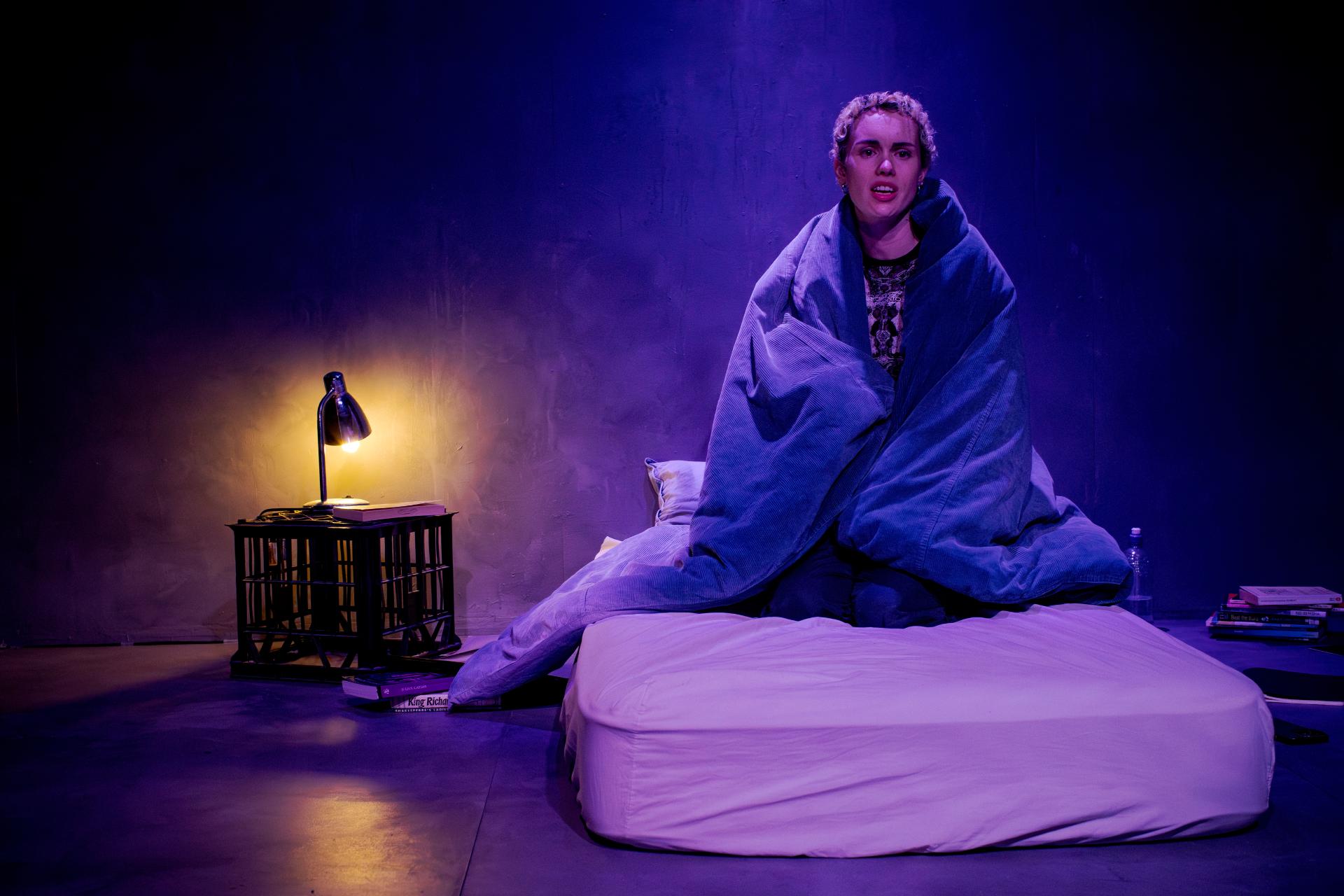
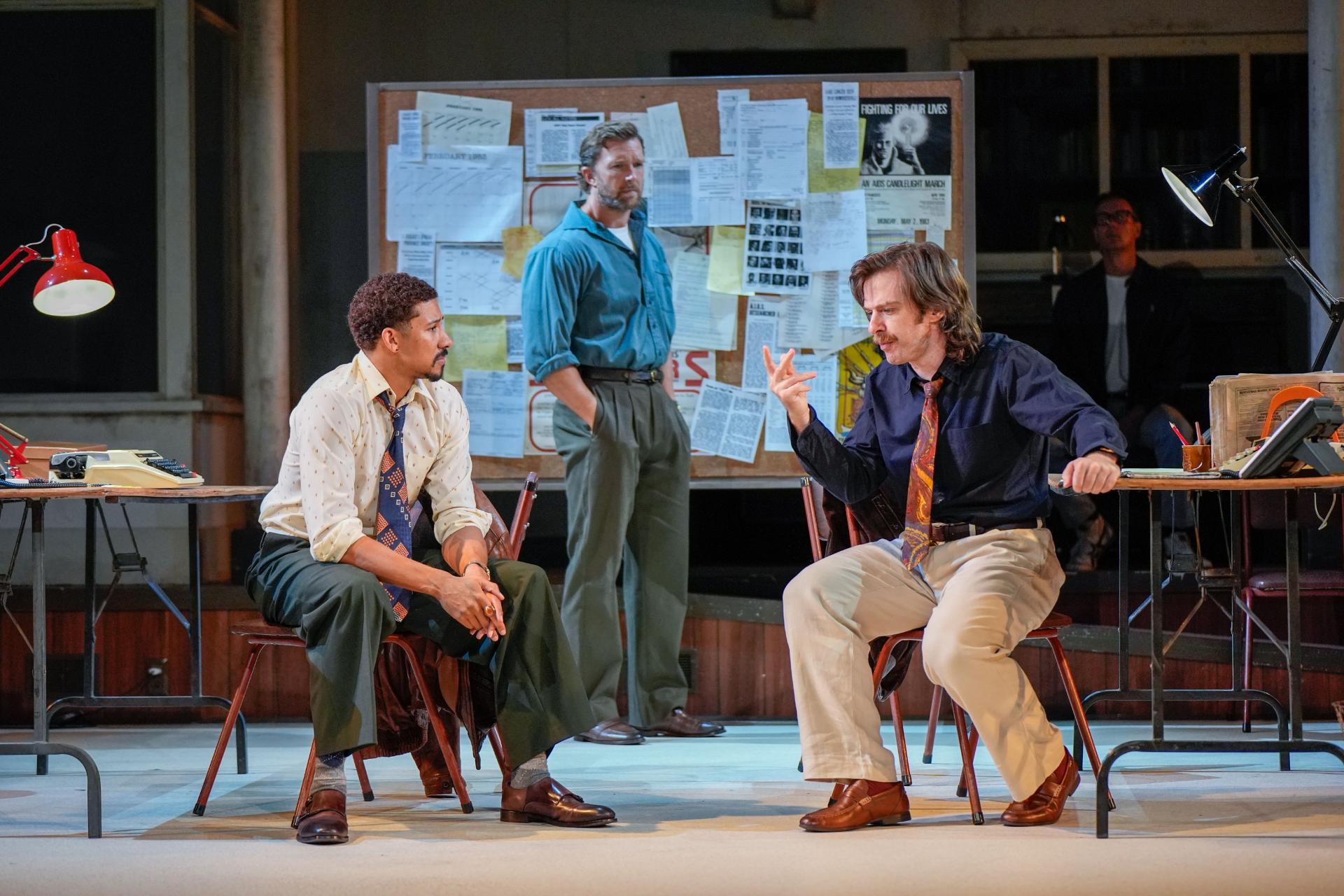
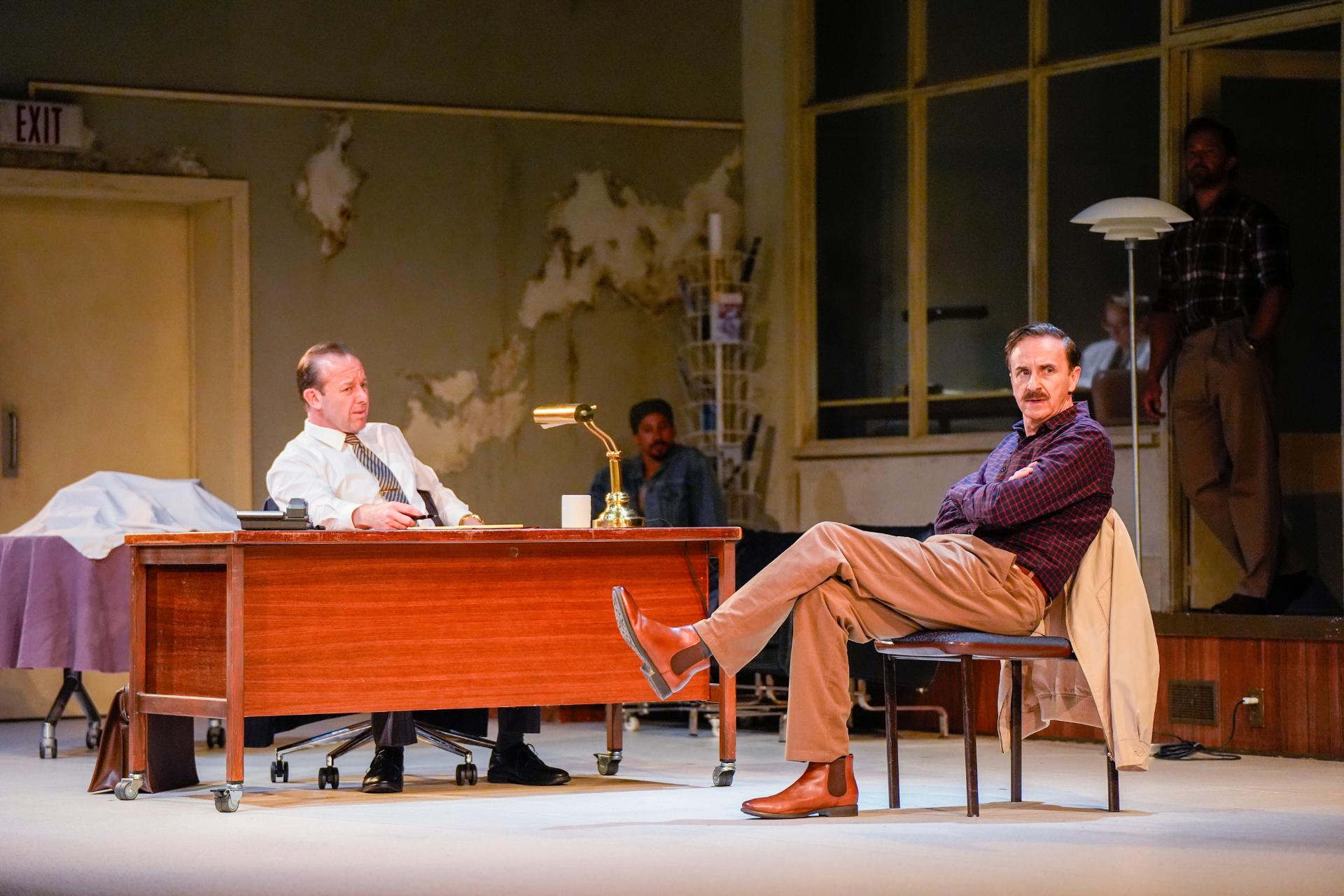
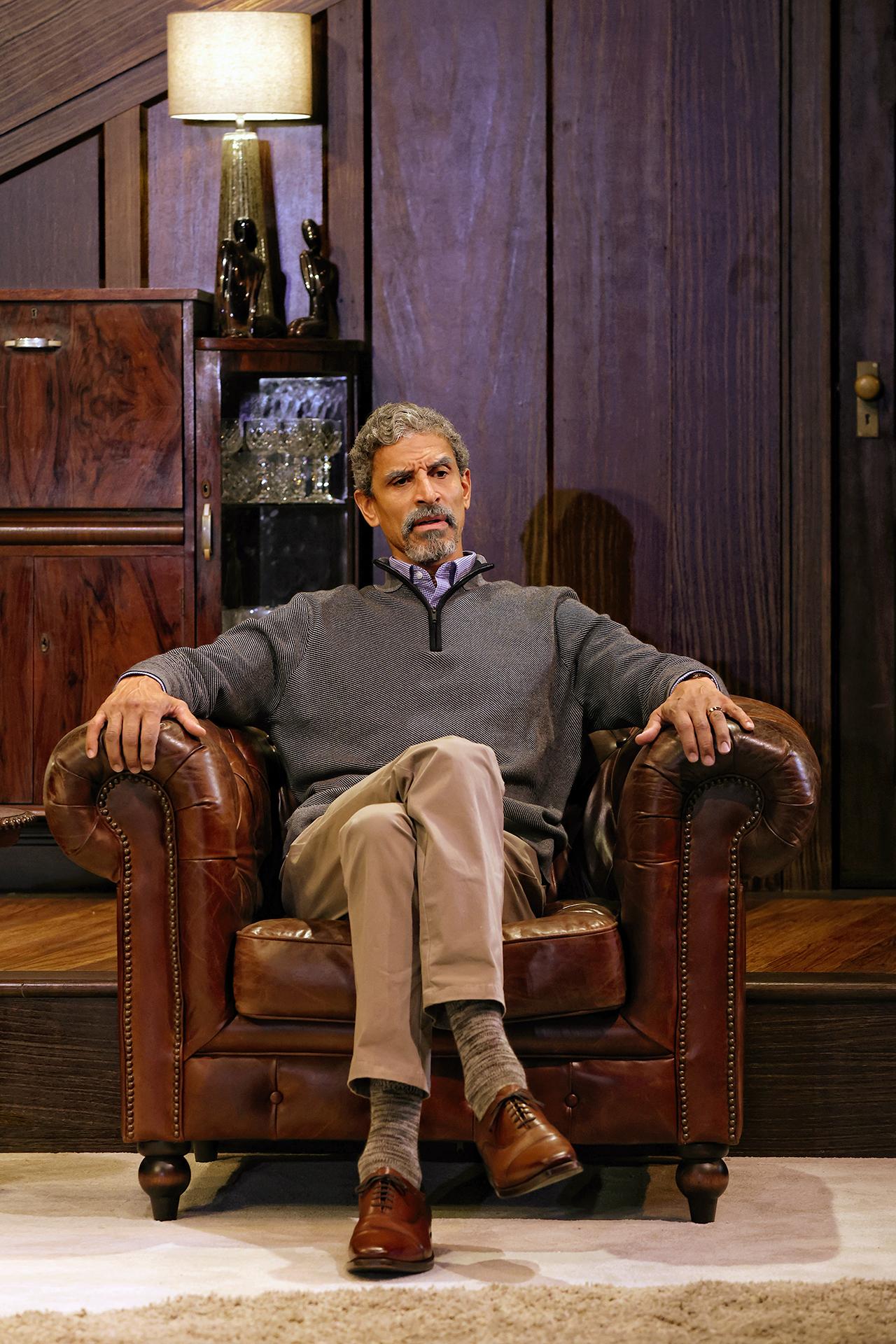
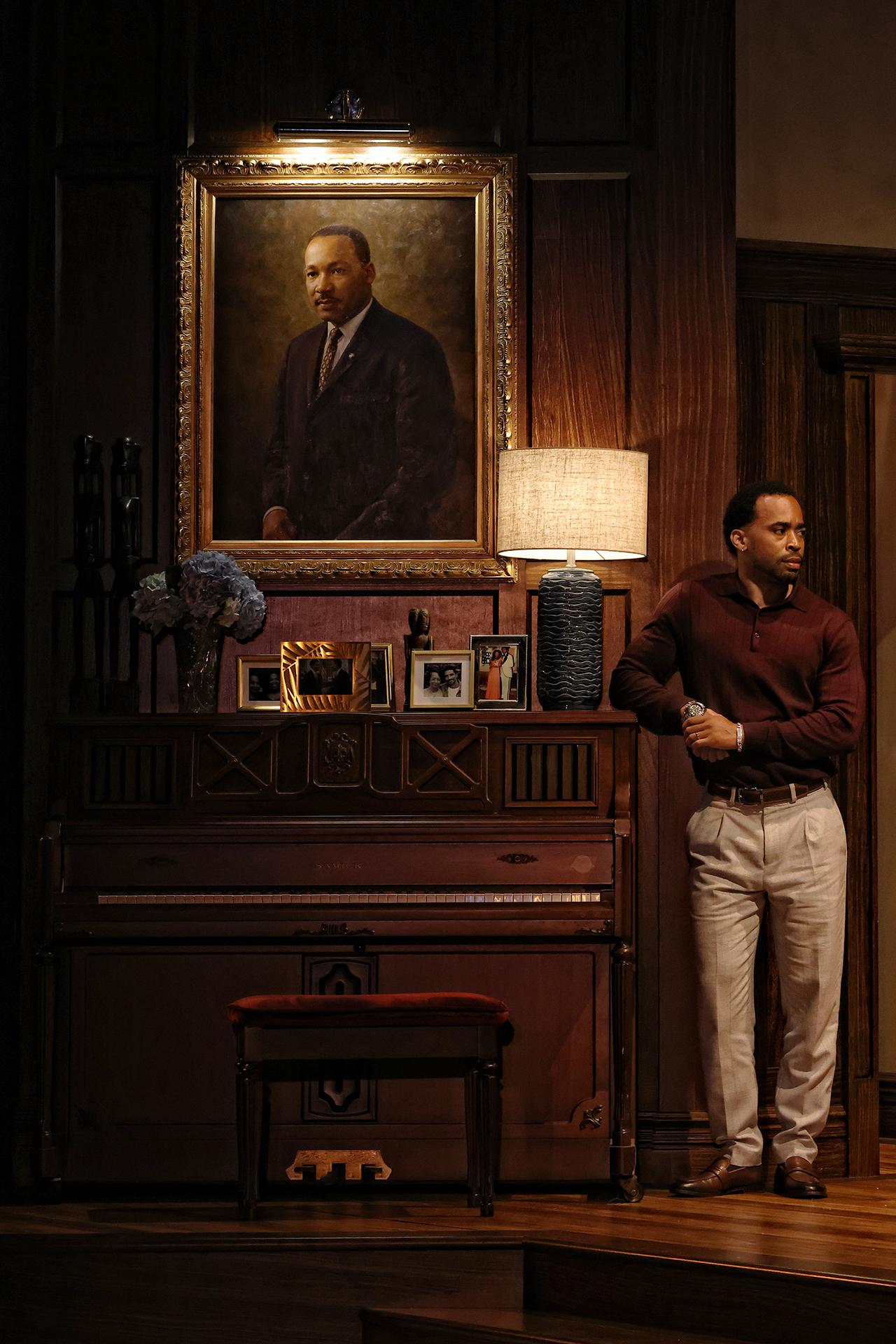
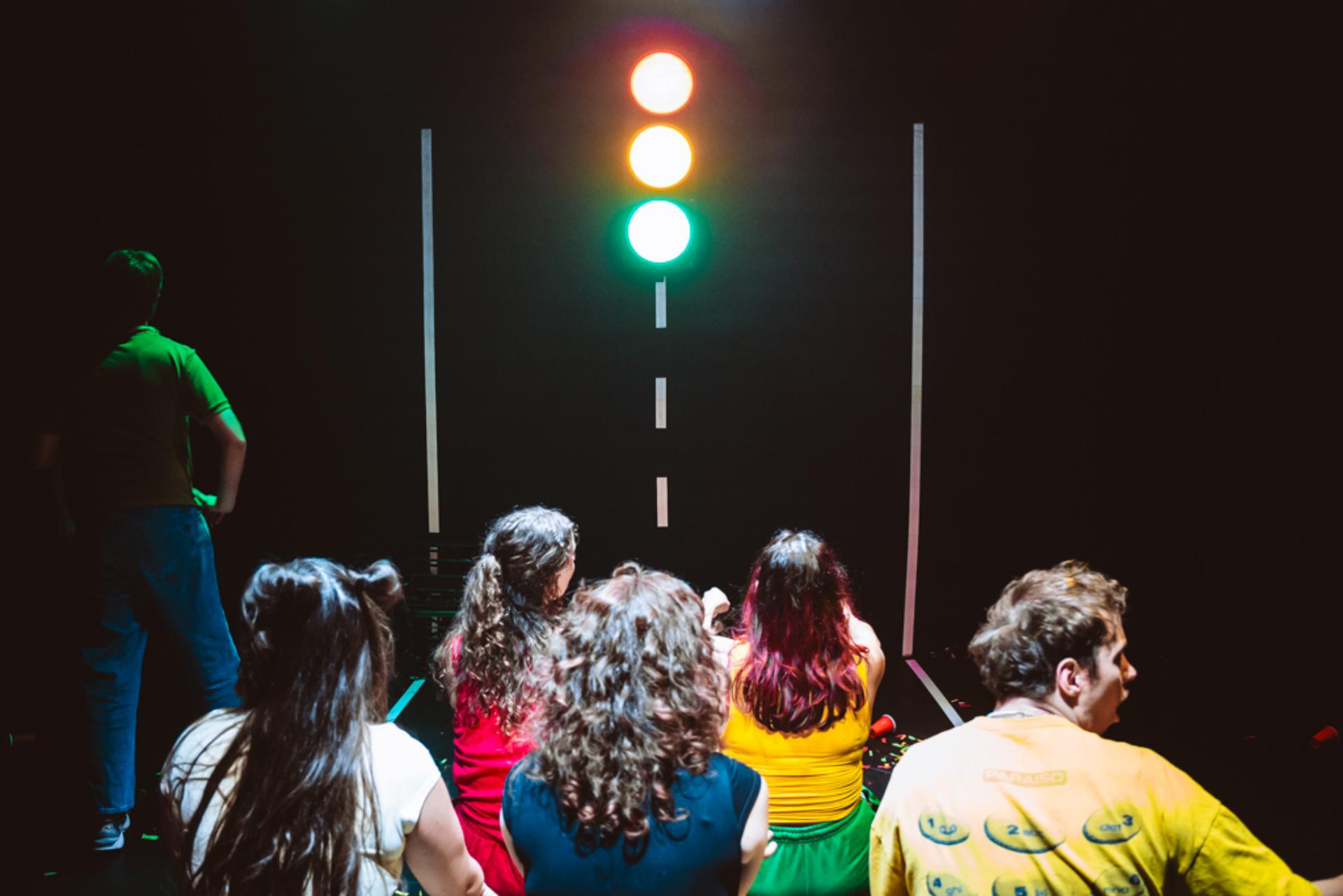
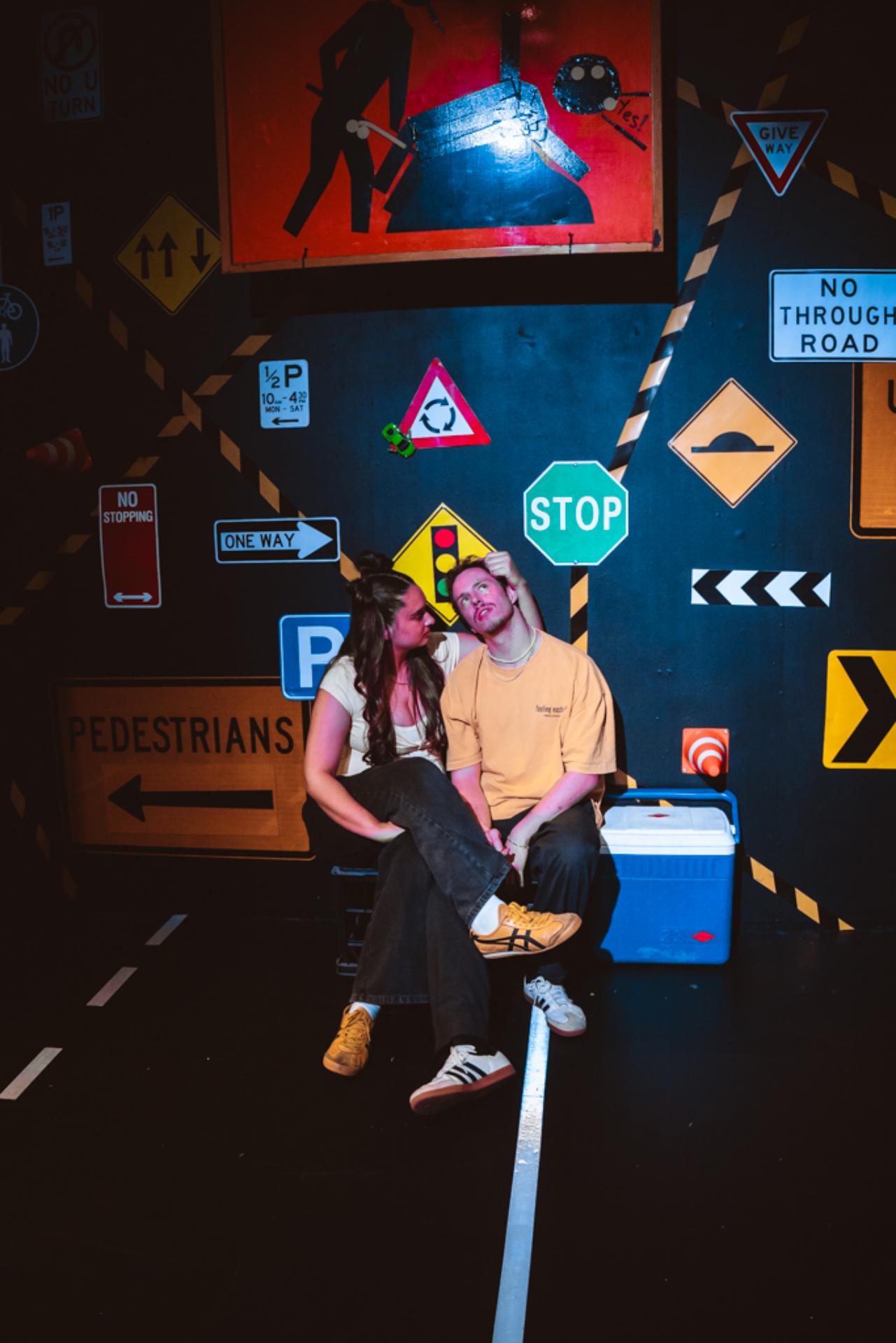
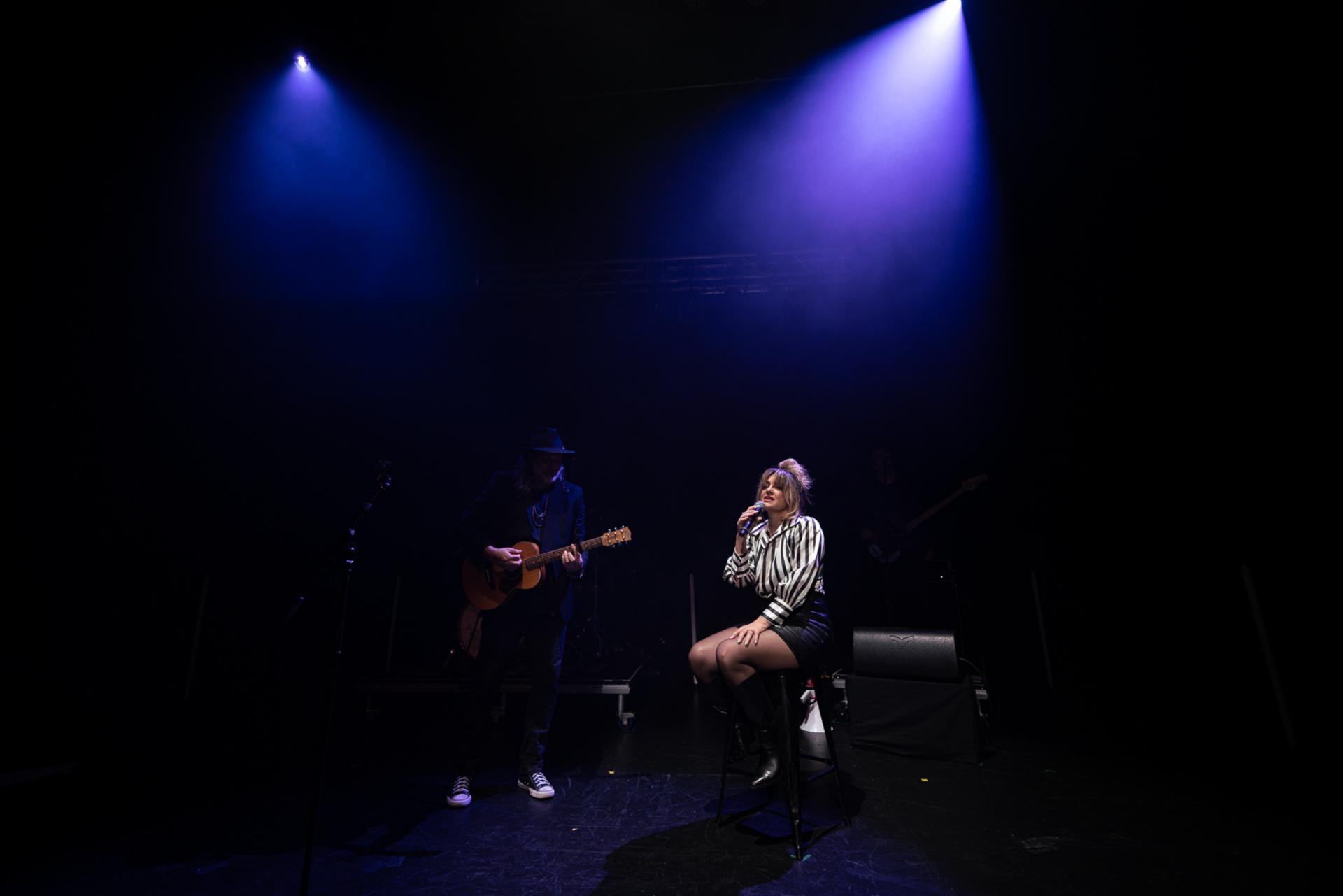
Hailley Hunt’s set design creates an evocative backdrop that conjures the spirit of a bygone era while leaving generous room for the cast’s exaggerated physicality. Mason Browne’s costumes root us in the period, yet it is their quiet audacity, the flickers of flamboyance woven almost mischievously through the fabric, that bring the stage to life. Trent Suidgeest’s lighting underscores that sense of spectacle, bold and effervescent, adding a touch of decadence to the show’s already radiant charm.
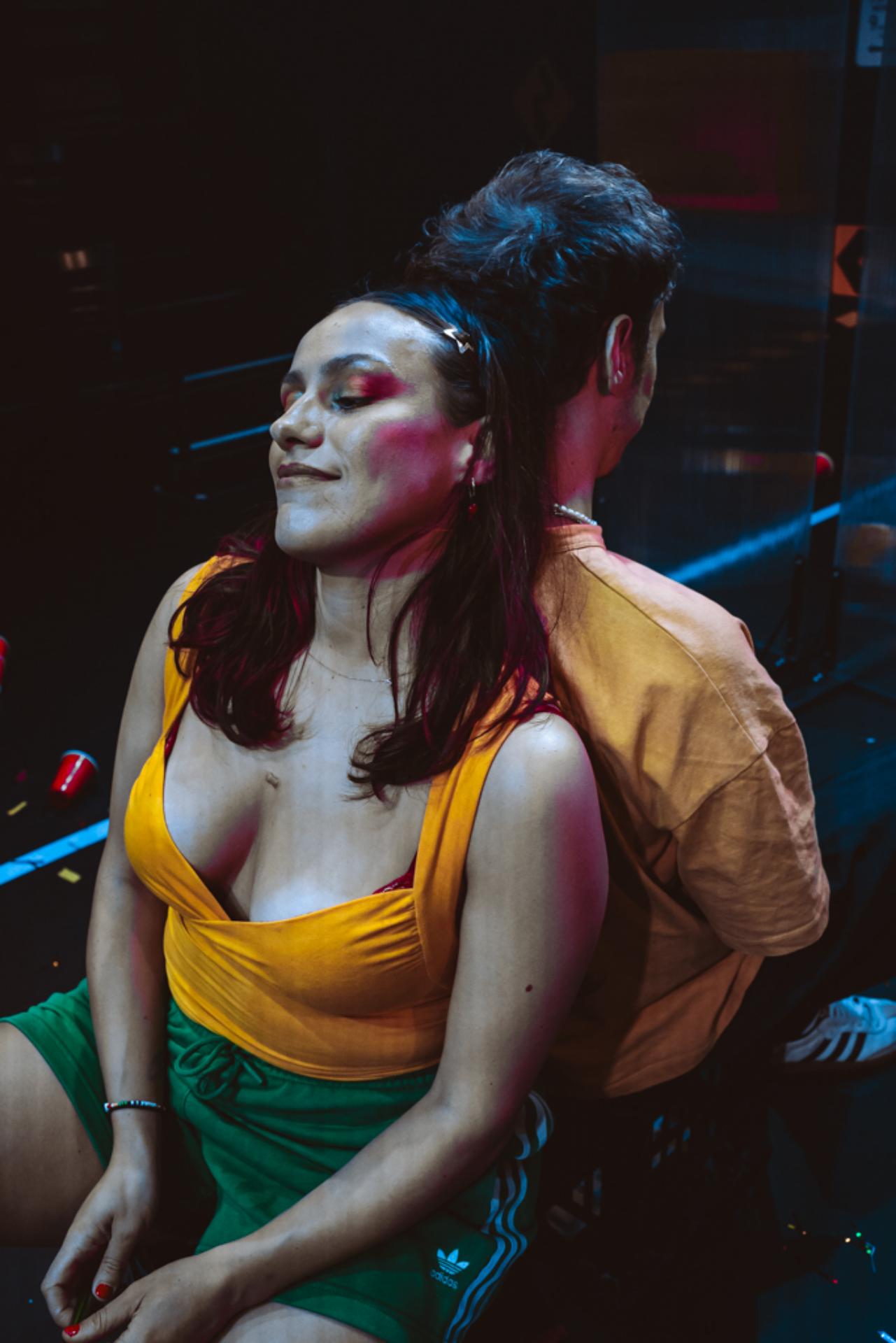
There are forces that bind a people, though they are seldom of our intentional making; they happen, as wonder does, when hearts align by chance. Art, though, is the one miracle we can will into being — the act that turns isolation into communion. Each story told, whether strange or familiar, becomes a thread in that fragile web of understanding. And in these fractured times, art remains the heartbeat that reminds us we have no alternative but to belong to one another.
www.hayestheatre.com.au

Review: Shirley Valentine (Theatre Royal)

Venue: Theatre Royal (Sydney NSW), Oct 22 – 26, 2025
Playwright: Willy Russell
Director: Lee Lewis
Cast: Natalie Bassingthwaighte
Images by Brett Boardman

Theatre review
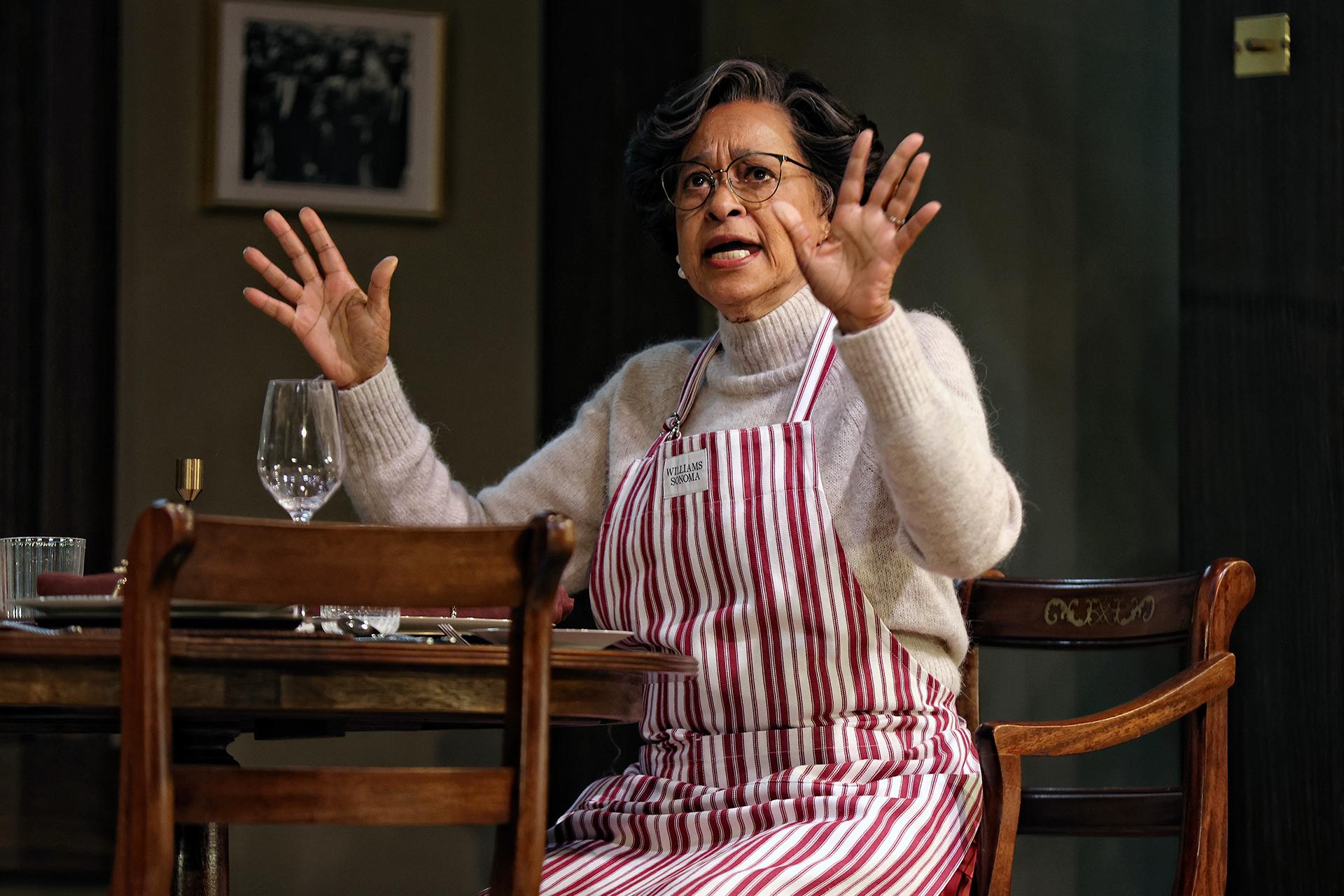
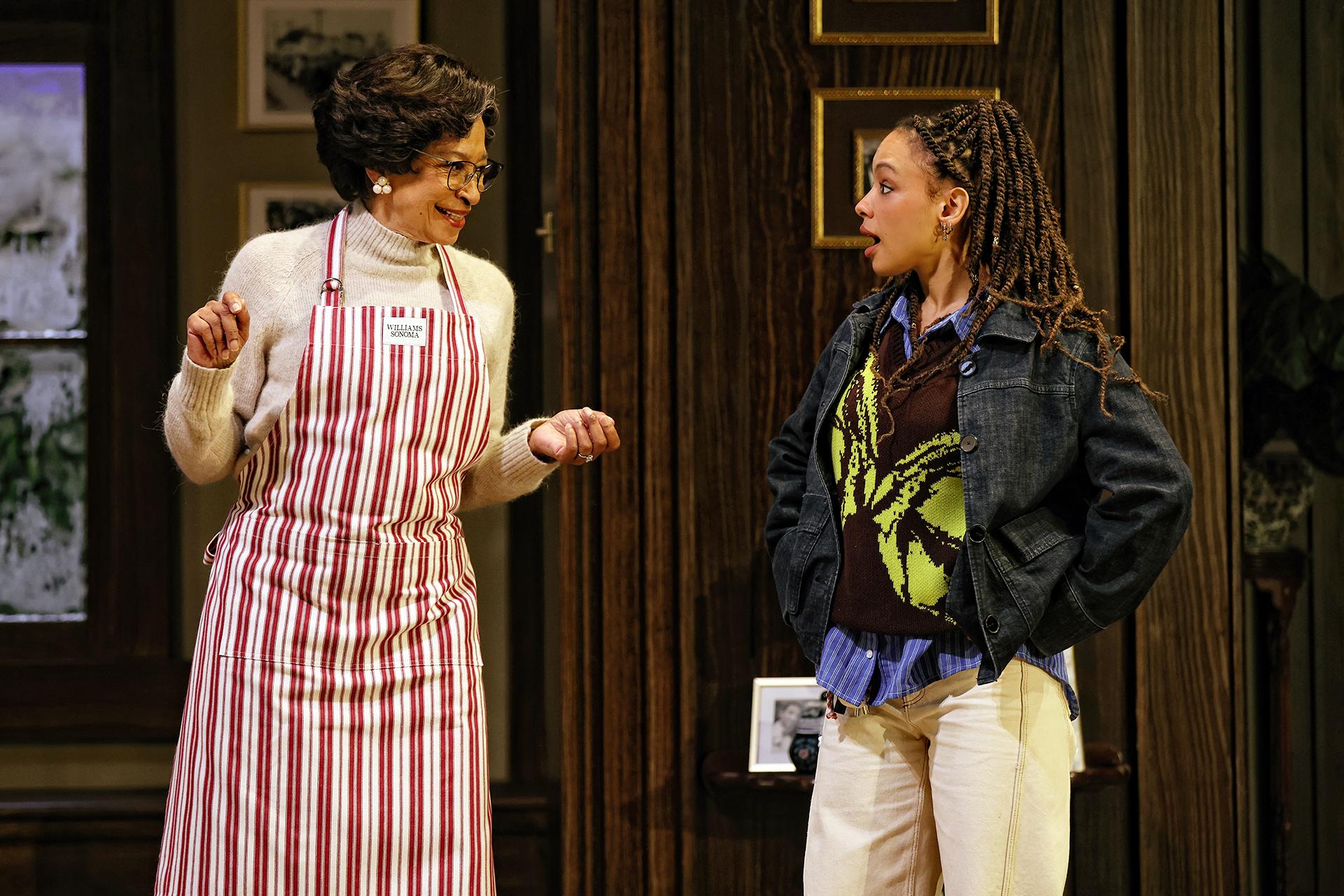
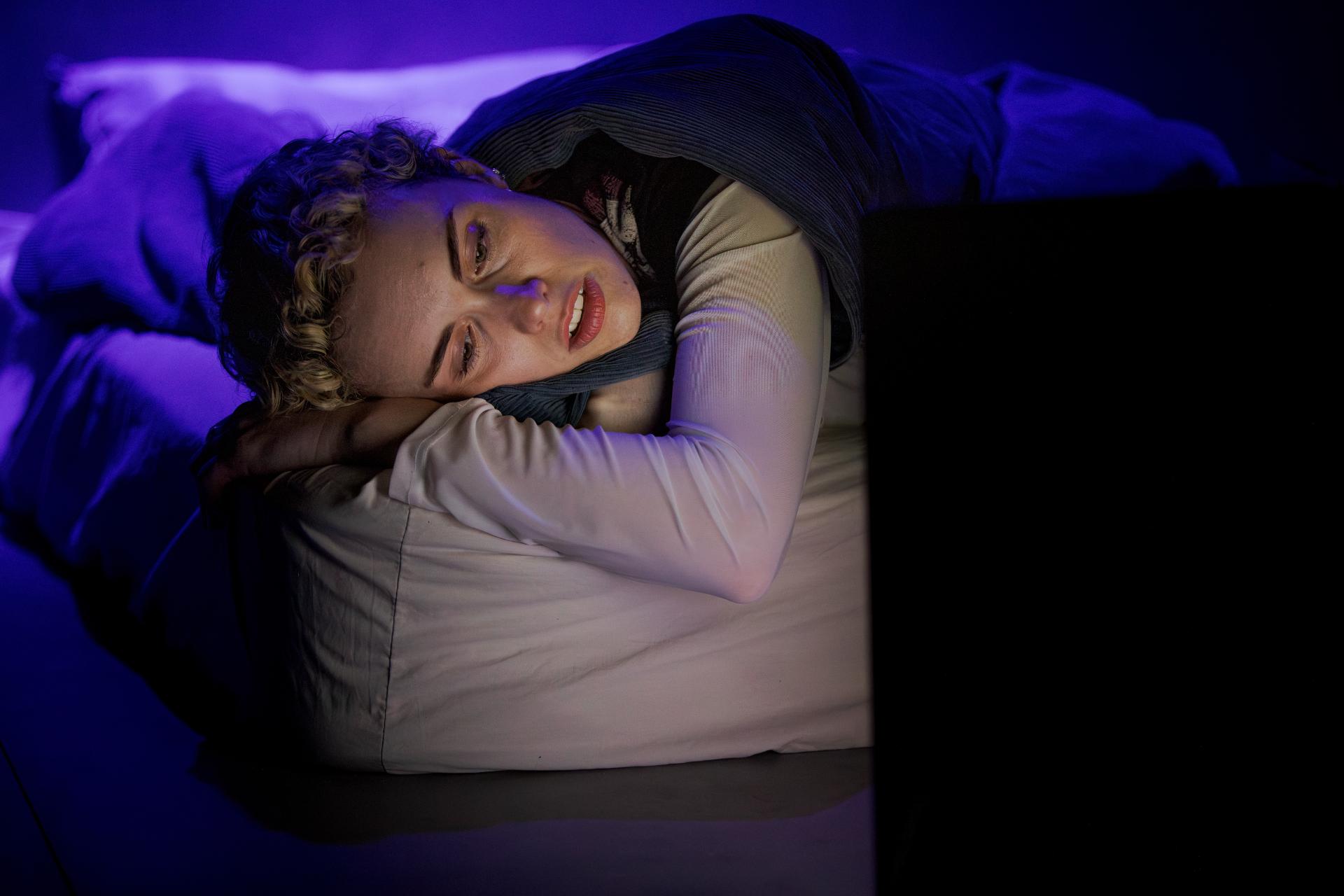
Shirley is at home, drinking too much wine and talking to the walls. Once the devoted wife and mother to an ungrateful family, she now finds herself, at 42, confronting the emptiness that domestic duty has left behind. Willy Russell’s Shirley Valentine (1986) still beats with the pulse of liberation, but its rhythm has softened. What was once piercingly funny and quietly radical now feels more quaint than provocative. The world has moved on, and so has the conversation about women’s liberation — though the play’s plea for self-possession remains universal, a reminder that the longing for selfhood, for the courage to live beyond the roles we are assigned, is timeless.

Lee Lewis’s direction proves almost too faithful to the original’s stylistic and philosophical blueprints, resulting in a production that feels somewhat restrained by contemporary standards. Still, it is a respectable staging — elegant, measured, and clear in its moral throughline. Simone Romaniuk’s set and costume design offer little in the way of reinvention, yet they convincingly evoke the dual worlds Shirley inhabits, from domestic confinement to sunlit escape. Paul Jackson’s lighting, unembellished but effective, complements Brady Watkins’s music and Marcello Lo Ricco’s sound design, both of which are finely judged in modulating the audience’s emotional terrain.

Natalie Bassingthwaighte’s natural charisma positions her perfectly for the role of Shirley. With impeccable timing and clear command of the material, she lends the one-woman show a sense of substance and confidence throughout. While she doesn’t entirely bridge the gap between the play’s dated sensibilities and a modern audience, her performance radiates authenticity, grounding the work with a valuable sense of integrity and emotional truth.

Shirley Valentine reflects not only the lives our mothers and grandmothers once led, but the continuum of feminist struggle that binds their stories to ours. It makes clear the extent of our progress, and the fragility of it — how readily it can unravel the moment we presume the fight has been won. Freedom, as ever, survives only in motion — and Shirley, we hope, is still forging ahead, still living out the promise of a brighter future.

www.shirleyvalentine.com.au

Review: Meow’s Meow’s The Red Shoes (Belvoir St Theatre)

Venue: Belvoir St Theatre (Surry Hills NSW), Oct 4 – Nov 9, 2025
Creator: Meow Meow
Director: Kate Champion
Cast: Kanen Breen, Mark Jones, Meow Meow, Dan Witton, Jethro Woodward
Images by Brett Boardman

Theatre review
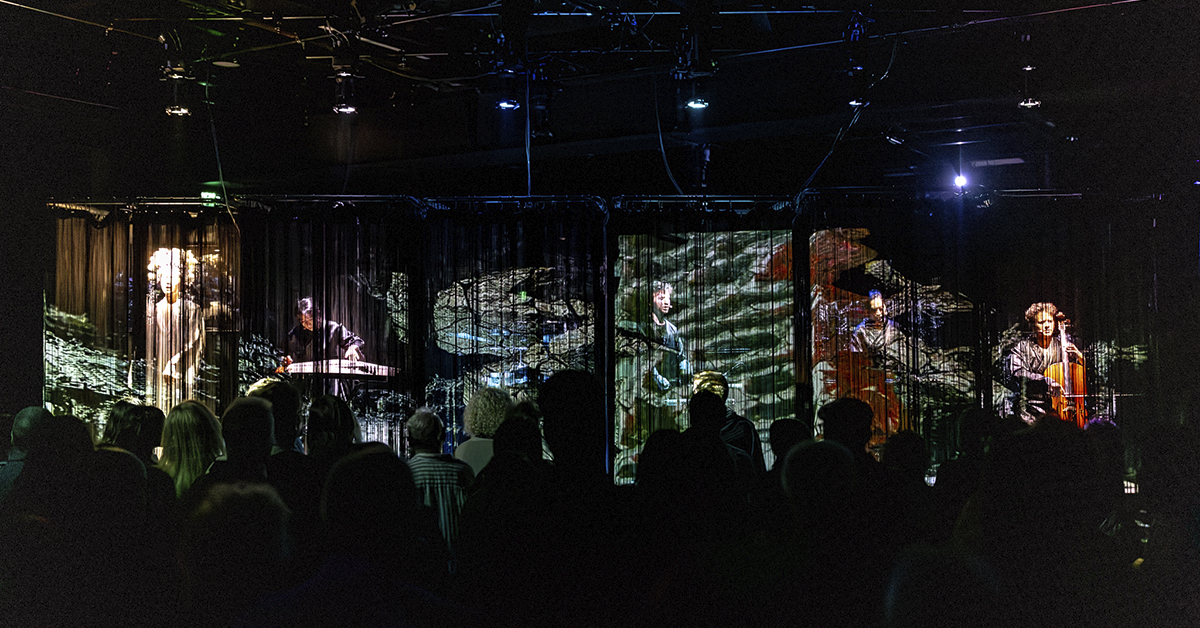
In Hans Christian Andersen’s original tale, a young girl is condemned to dance without end, her obsession consuming her entire being. Meow Meow’s The Red Shoes transforms this fable into a self-reflexive performance piece, with Meow Meow — the self-proclaimed “eternal showgirl” — embodying an autobiographical figure who cannot stop performing, trapped in the perpetual motion of her own artistry. She describes her practice as non-linear and anti-narrative, and those qualities are evident here. Yet if the work falters, it is not because of its structural resistance to story, but rather because its gestures, however extravagant, begin to feel drained of true inspiration.

Nonetheless, Meow Meow’s song writing remains unequivocally delightful, buoyed by Jethro Woodward’s musical direction, which is both sophisticated and deeply satisfying. The staging of each number, under Kate Champion’s direction, abounds with visual allure, though the production’s overall lack of emotional resonance can leave one curiously hollow. Dann Barber’s set and costume design are splendidly realised, conjuring an atmosphere of apocalypse without ever relinquishing a sense of glamour. Meanwhile, Rachel Burke’s lighting is nothing short of transcendent, transforming the space with a radiance that is as visceral as it is luminous.

Meow Meow is, without question, a consummate performer — her voice rich and expressive, her physicality precise and magnetic. Yet beneath the impeccable technique lies a curious detachment, as though the machinery of performance turns flawlessly, but the spark within flickers faintly. In contrast, Kanen Breen radiates exuberance and conviction as her onstage companion, his presence a buoyant counterpoint that reanimates the stage. Exquisite musicians Mark Jones and Dan Witton, alongside Woodward, contribute not only live accompaniment but a heady air of bohemian decadence, infusing the production with an intoxicating sense of play.

Andersen’s 1845 tale The Red Shoes may glimmer with romance, yet beneath its sheen lies a stern puritanism — a warning against the woman who dares to follow her own desire. In Meow Meow’s hands, that cautionary fable is turned tenderly inside out: love, not vanity, becomes the pulse of her relentless motion. It is the reach for connection, not self-admiration, that keeps her dancing — as if true salvation lies in crafting communion, even in a space as fleeting and ephemeral as the theatre.

www.belvoir.com.au

Review: Work, But This Time Like You Mean It (The Rebel Theatre)

Venue: The Rebel Theatre (Sydney NSW), Oct 15 – 18 , 2025
Playwright: Honor Webster-Mannison
Director: Luke Rogers
Cast: Georgie Bianchini, Hannah Cornelia, Kathleen Dunkerley, Quinn Goodwin, Matthew Hogan, Blue Hyslop, Sterling Notley, Emma Piva
Images by

Theatre review
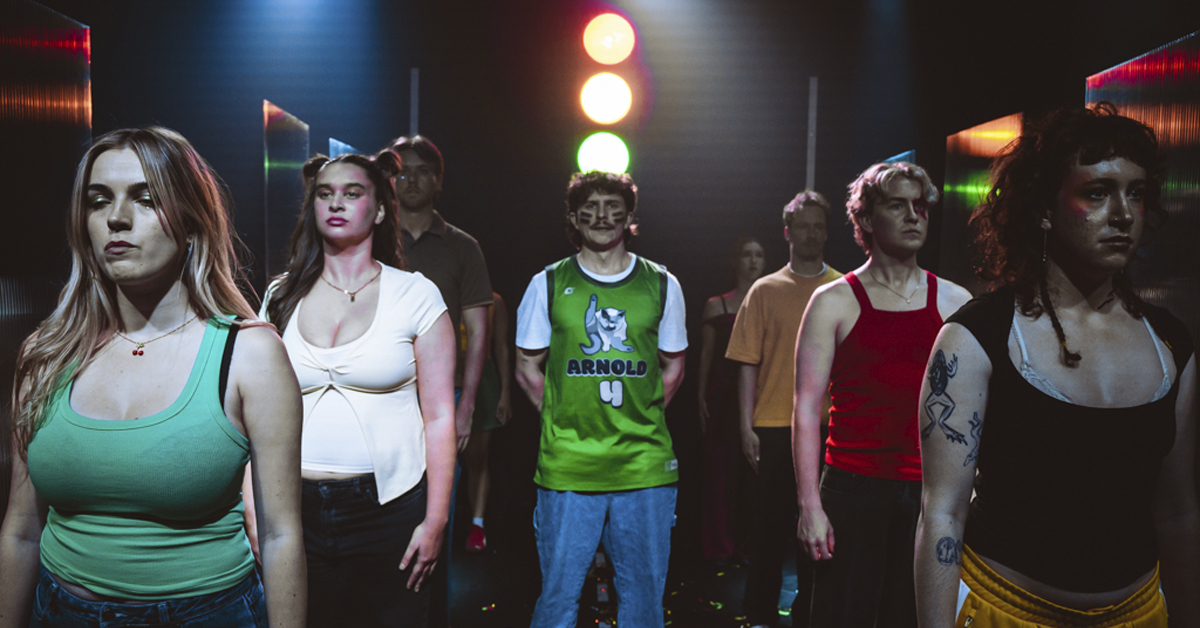
Chaos is the natural order in a fast-food restaurant, where young workers hold down the counters and, by extension, the bottom tiers of vast corporate empires. Honor Webster-Mannison’s Work, But This Time Like You Mean It announces its irony from the title, a wry invitation to reflect on labour, performance, and disillusionment. The play mines humour from the everyday grind, though its observations rarely move beyond the familiar. Still, the writing’s energy and authenticity make it a fertile ground for theatrical invention.

Directed by Luke Rogers, the production delivers amusement in spades, impressing with its relentless energy and visual exuberance. Set within the bleak confines of a takeout joint, Rogers’ staging transforms the banal into the spectacular, revealing the latent drama of labour and exhaustion.

Kathleen Kershaw’s set is both playground and pressure cooker, facilitating agile movement while immersing us in vivid, layered visuals. Ethan Hamill’s lighting gives the work structure and momentum, while Patrick Haesler’s sound design further heightens atmosphere and tension, ensuring the production maintains a constant sense of urgency and rhythm. Together, these elements generate a rhythm that feels breathless yet purposeful, a choreography of survival rendered with theatrical bravado.
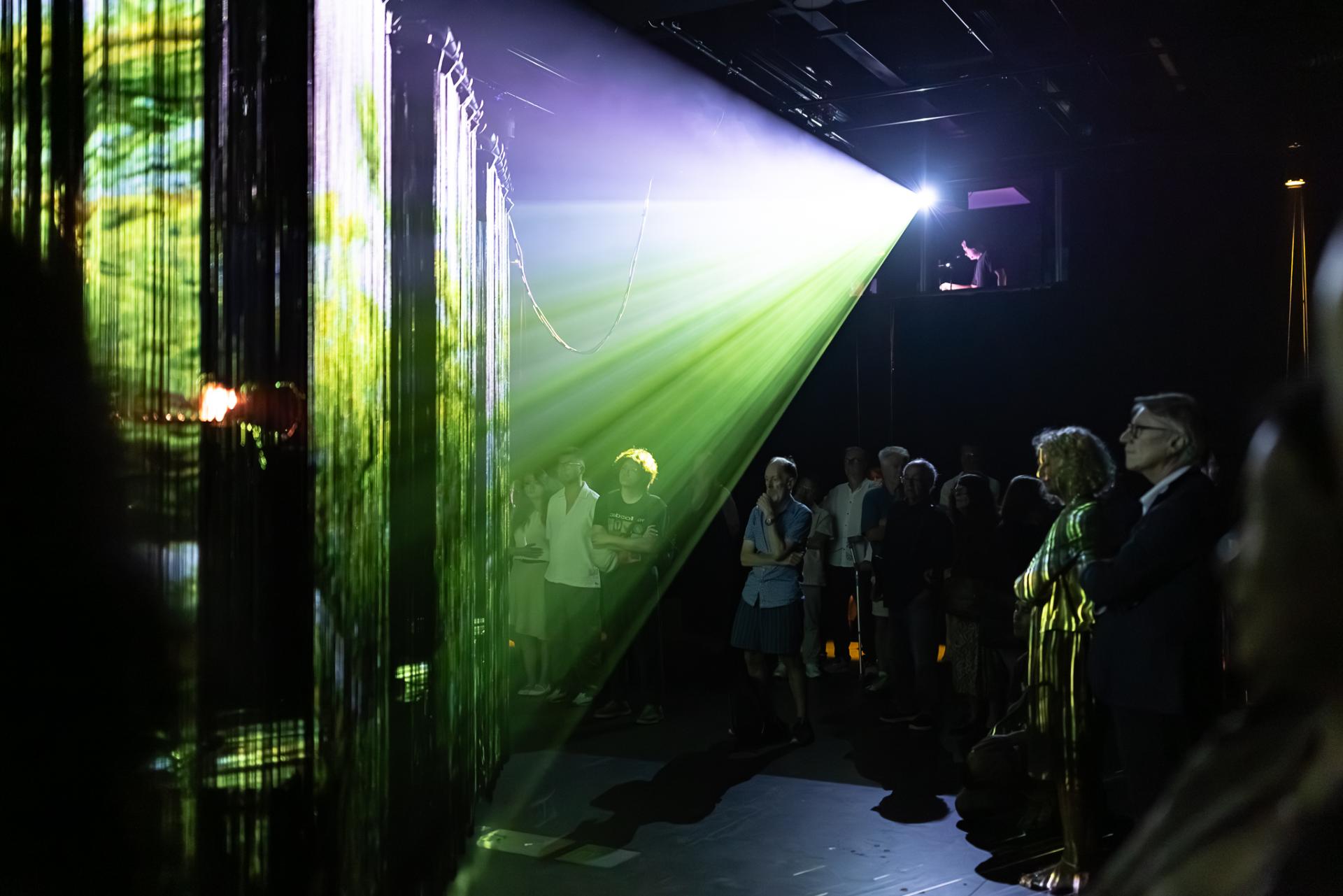
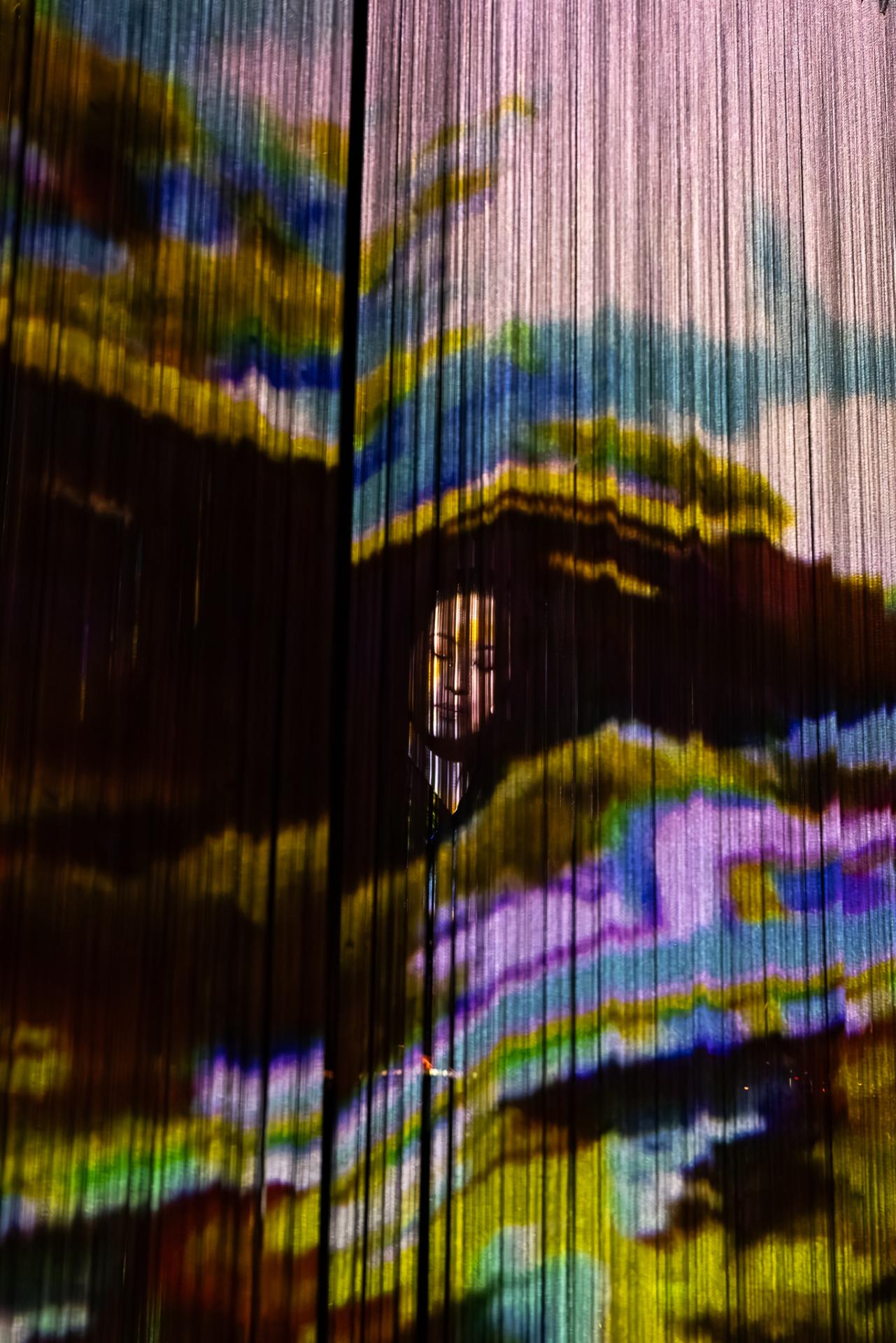
A cast of eight delivers the show’s discombobulating heart with infectious precision and energy. Their performances are tightly honed, radiating a cohesion and verve that keep the audience engaged from start to finish. As the beleaguered branch manager, Blue Hyslop stands out for both charm and nuance, balancing comic timing with moments of surprising emotional depth amid the surrounding mayhem.

Work, But This Time Like You Mean It presents entry-level work as both crucible and classroom, a space where identities are forged under pressure, and where the absurd machinery of labour dispenses its quiet lessons in endurance. It exposes the inevitability of our initiation into capitalism, especially at an age too young to grasp its traps, when the thrill of a first job disguises the real lesson: that the system always starts by teaching us how to stay in line.

www.canberrayouththeatre.com.au

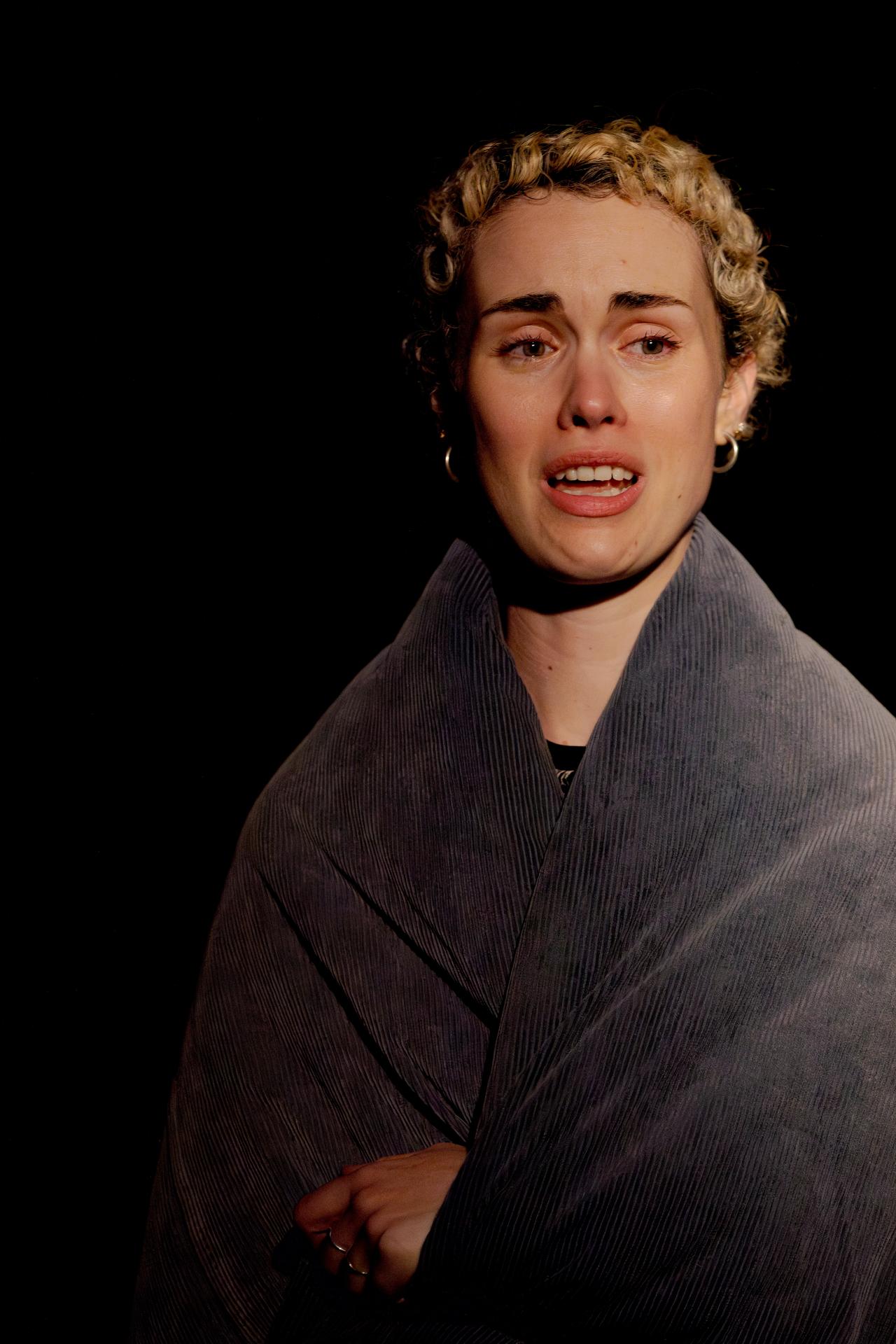
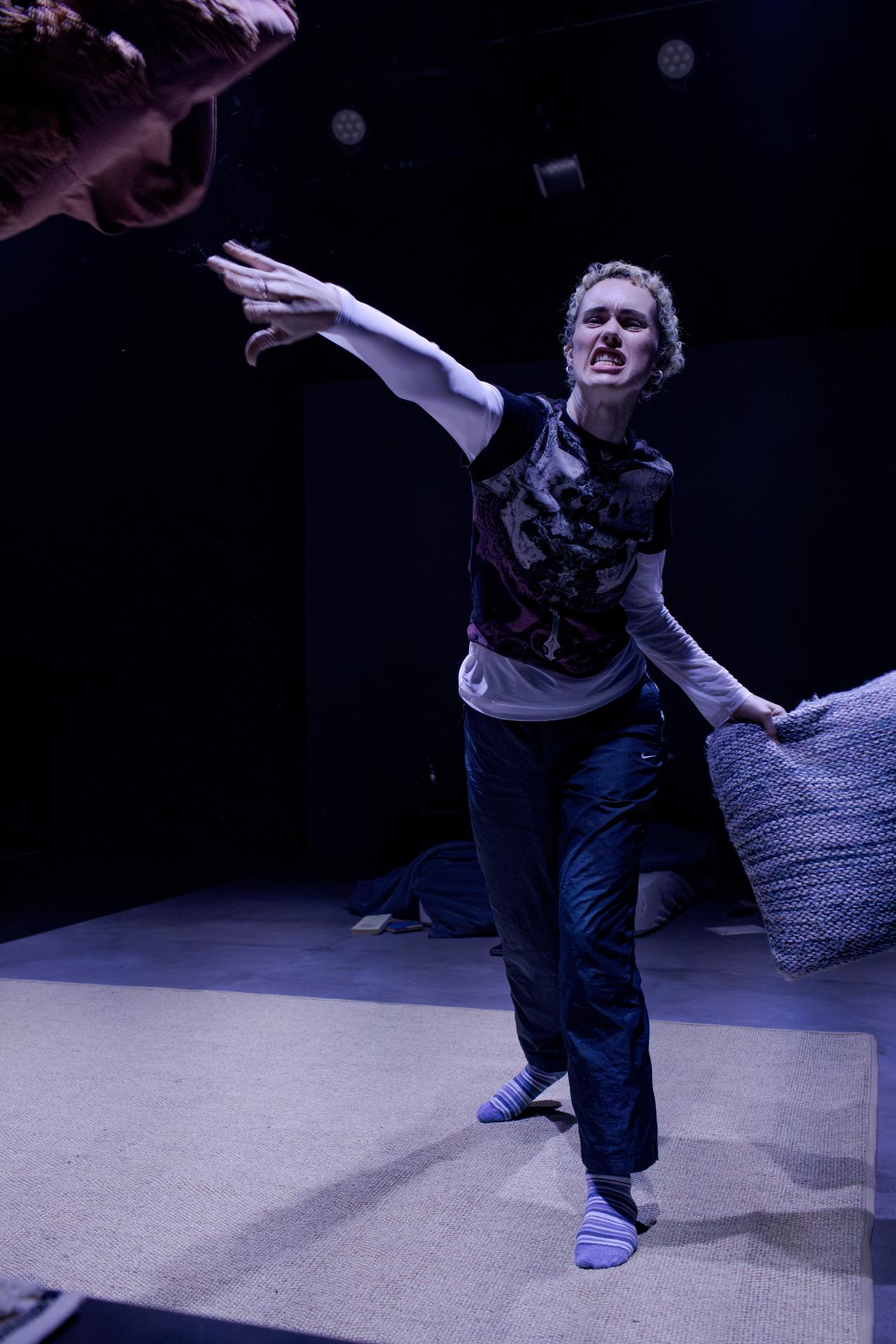
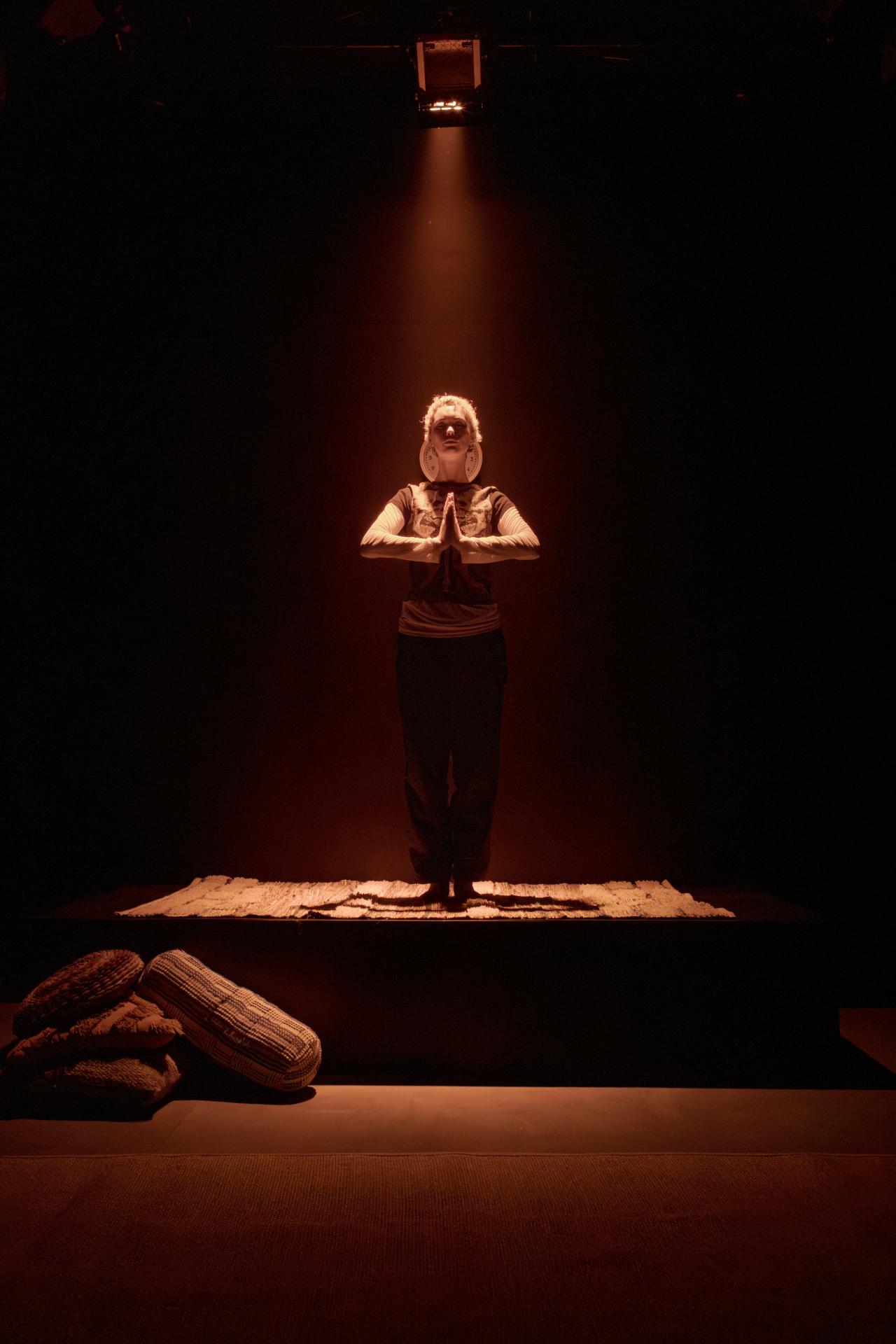
Review: Everything I Know About This Water Bottle (Old Fitz Theatre)

Venue: Old Fitzroy Theatre (Woolloomooloo NSW), Oct 7 – 17, 2025
Playwright: Michael Andrew Collins
Director: Violette Ayad
Cast: Ari Sgouros
Images by Phil Erbacher

Theatre review
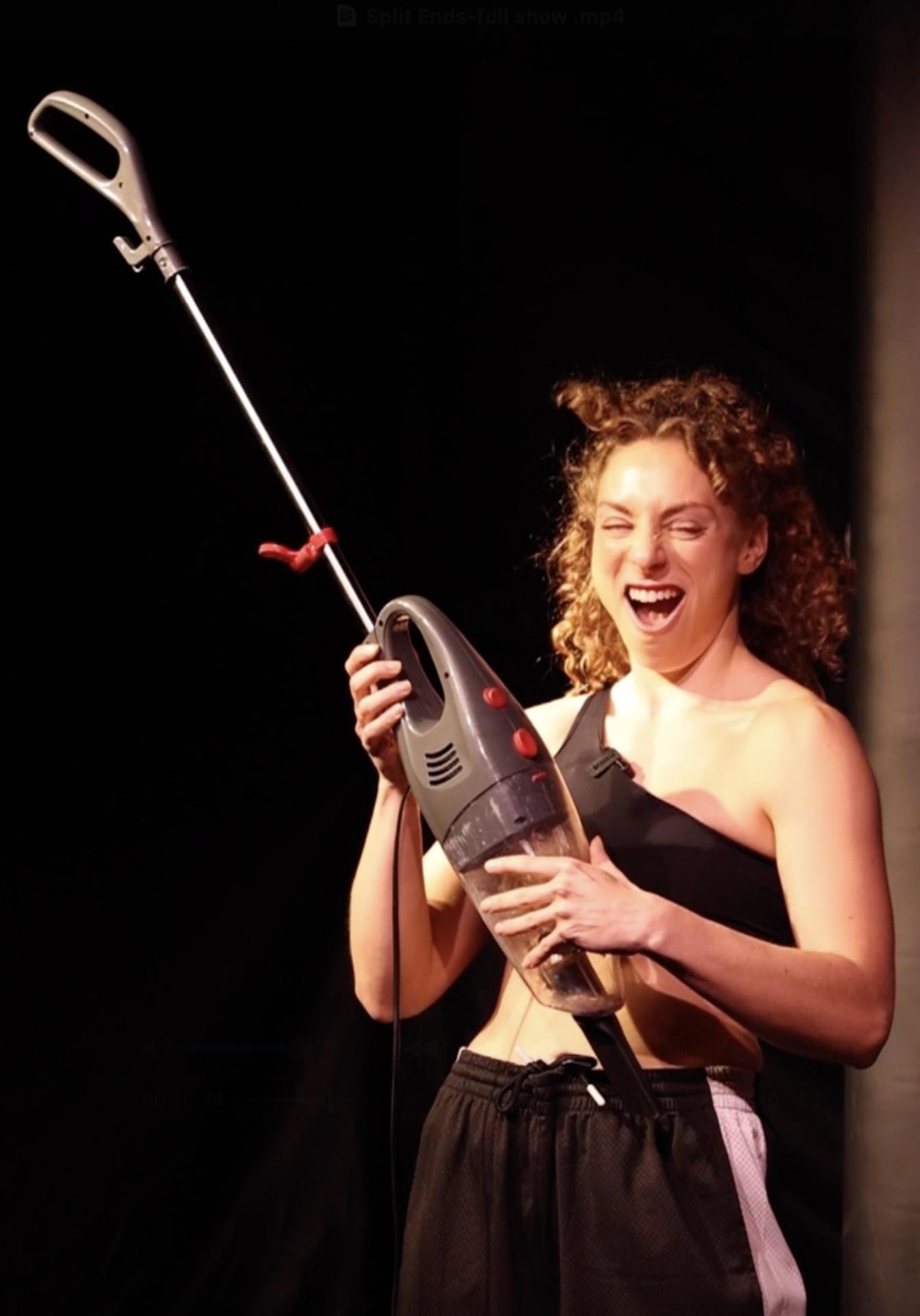
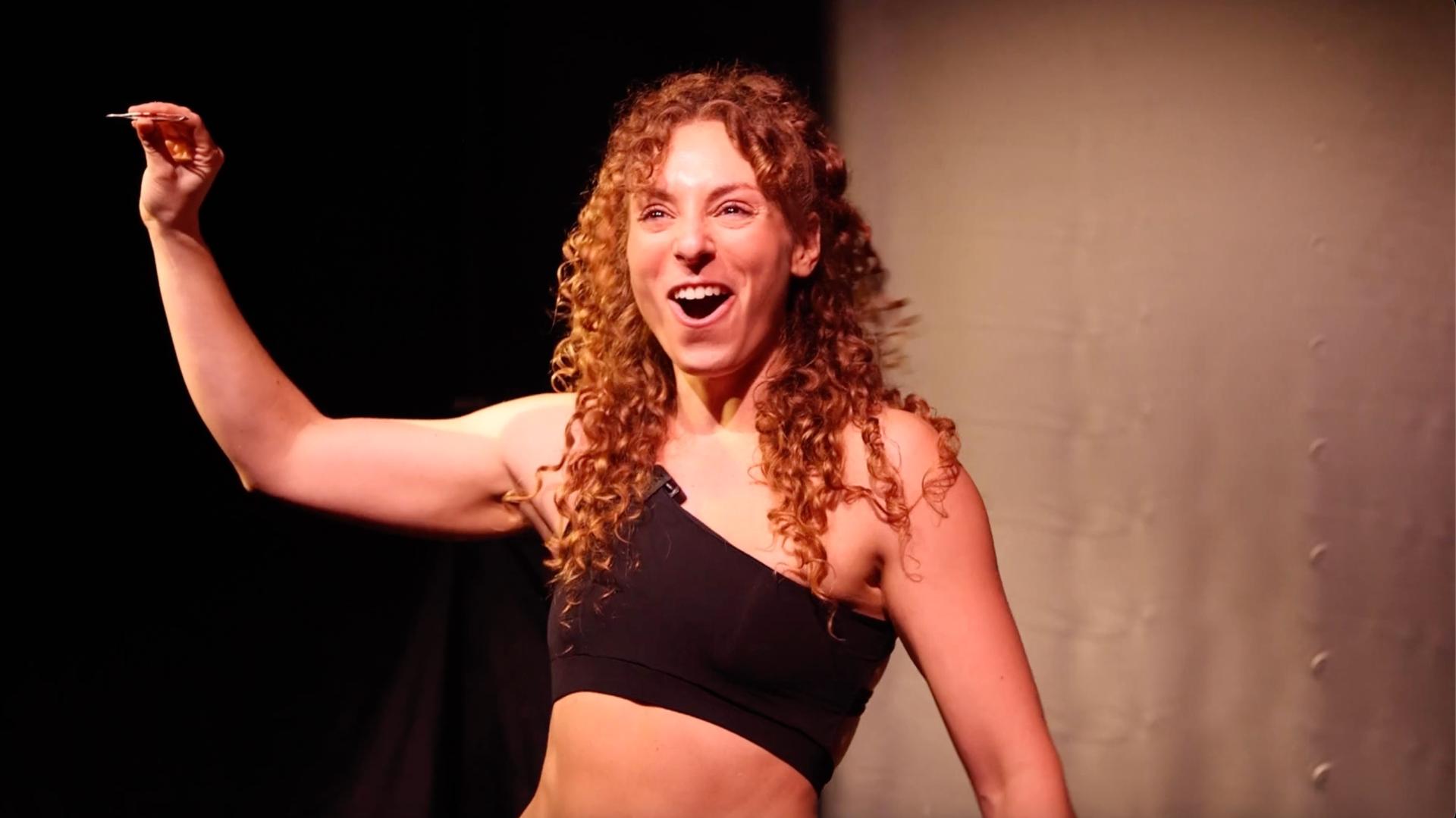
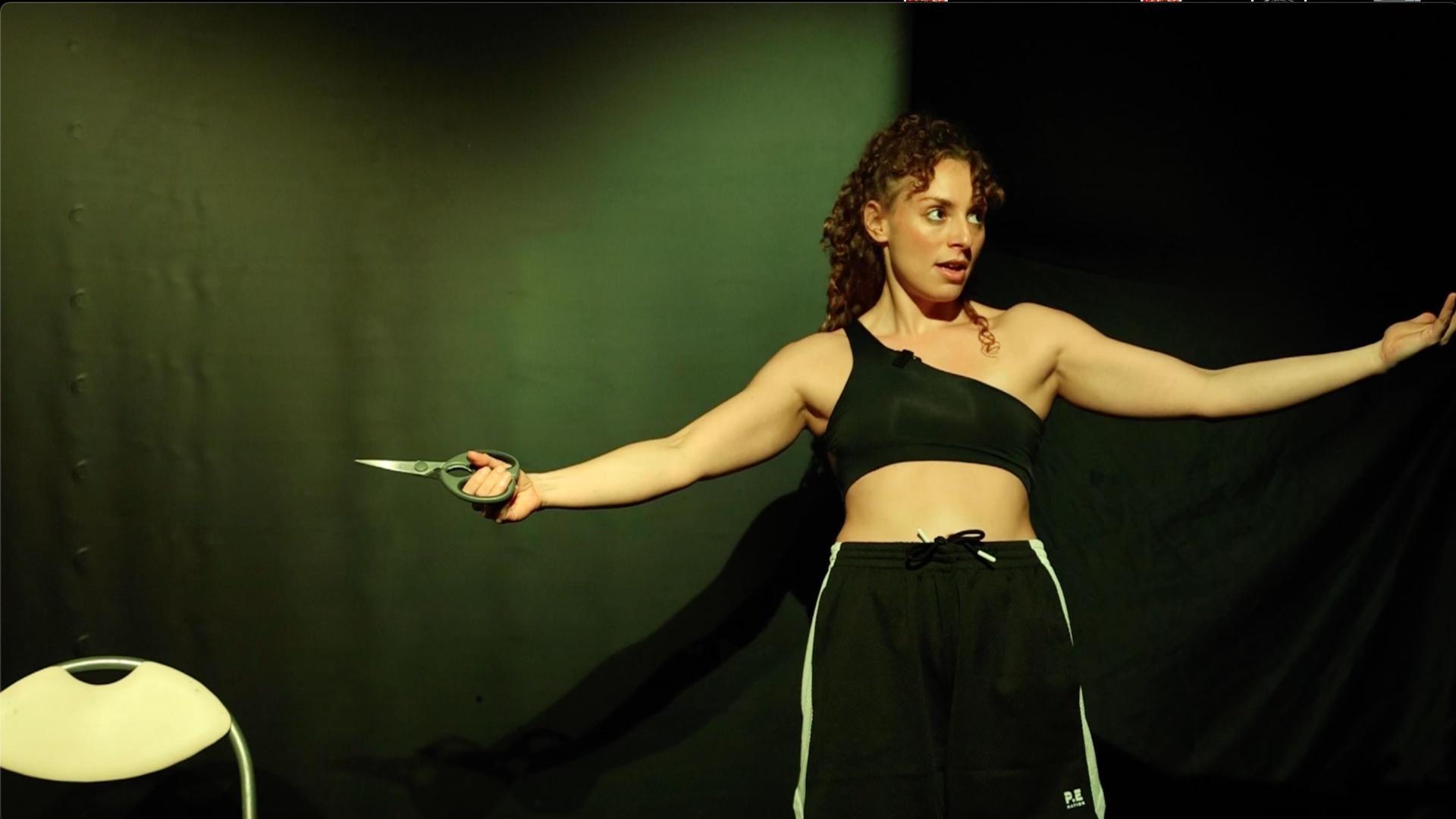
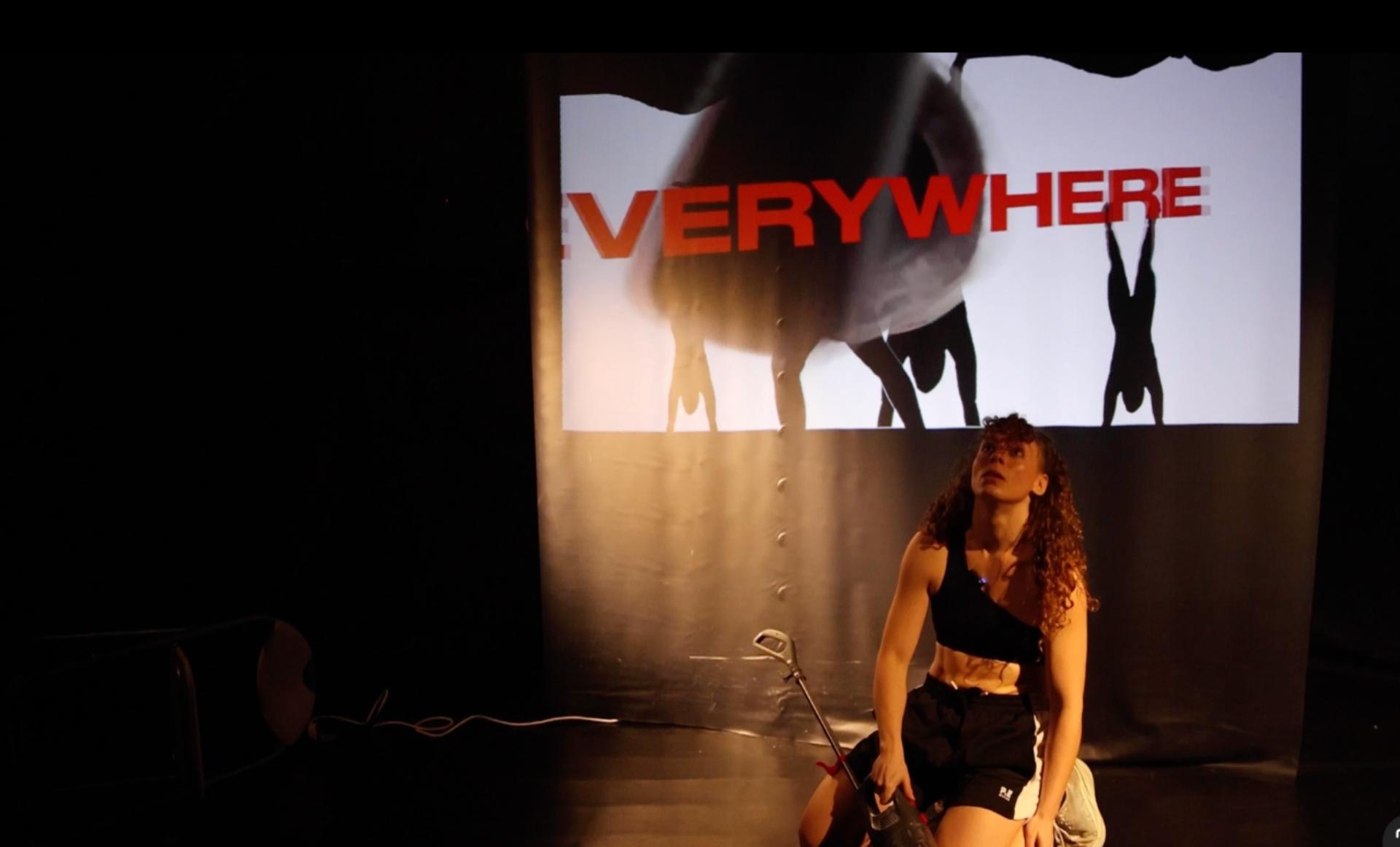
Clara’s story begins millions of years ago, evolves into a toy horse, and culminates as a plastic water bottle in the 21st century. Written by Michael Andrew Collins, the one-person play Everything I Know About This Water Bottle unfolds as a whimsical odyssey from organism to object. Though rich in imagination and buoyed by moments of fanciful invention, the work ultimately distils into a rather straightforward message of ecological preservation, one that resonates on a thematic level but rarely connects beyond the immediate impression.

Directed by Violette Ayad, the production maintains an appropriate sense of gravity, even as the text itself struggles to convey emotional depth. Performer Ari Sgouros proves sure-footed and assured, exuding a warm, jovial presence that keeps the audience engaged and at ease throughout. Set and lighting designer Morgan Moroney conjures a campfire-like intimacy that draws viewers closer to the story, while Madeleine Picard’s minimal sound assemblage offers only minimal enhancement, lending texture but little transformative impact.

Everything I Know About This Water Bottle exposes, with unflinching clarity, humanity’s incapacity to prioritise its own survival. Despite decades of discourse surrounding ecological collapse, our predicament continues to worsen, suggesting an almost inherent self-destructive tendency that no amount of awareness has managed to arrest. In its quiet despair, the piece gestures toward the melancholy truth that knowledge alone cannot redeem us. What remains is a haunting portrait of a species watching itself fade, fully conscious yet strangely unmoved.

www.oldfitztheatre.com.au | www.eswrkrs.com

Review: The Edit (25A Belvoir)

Venue: Belvoir St Theatre (Surry Hills NSW), Oct 7 – 26, 2025
Playwright: Gabrielle Scawthorn
Director: Gabrielle Scawthorn
Cast: Iolanthe, Matilda Ridgway
Images by Robert Catto

Theatre review
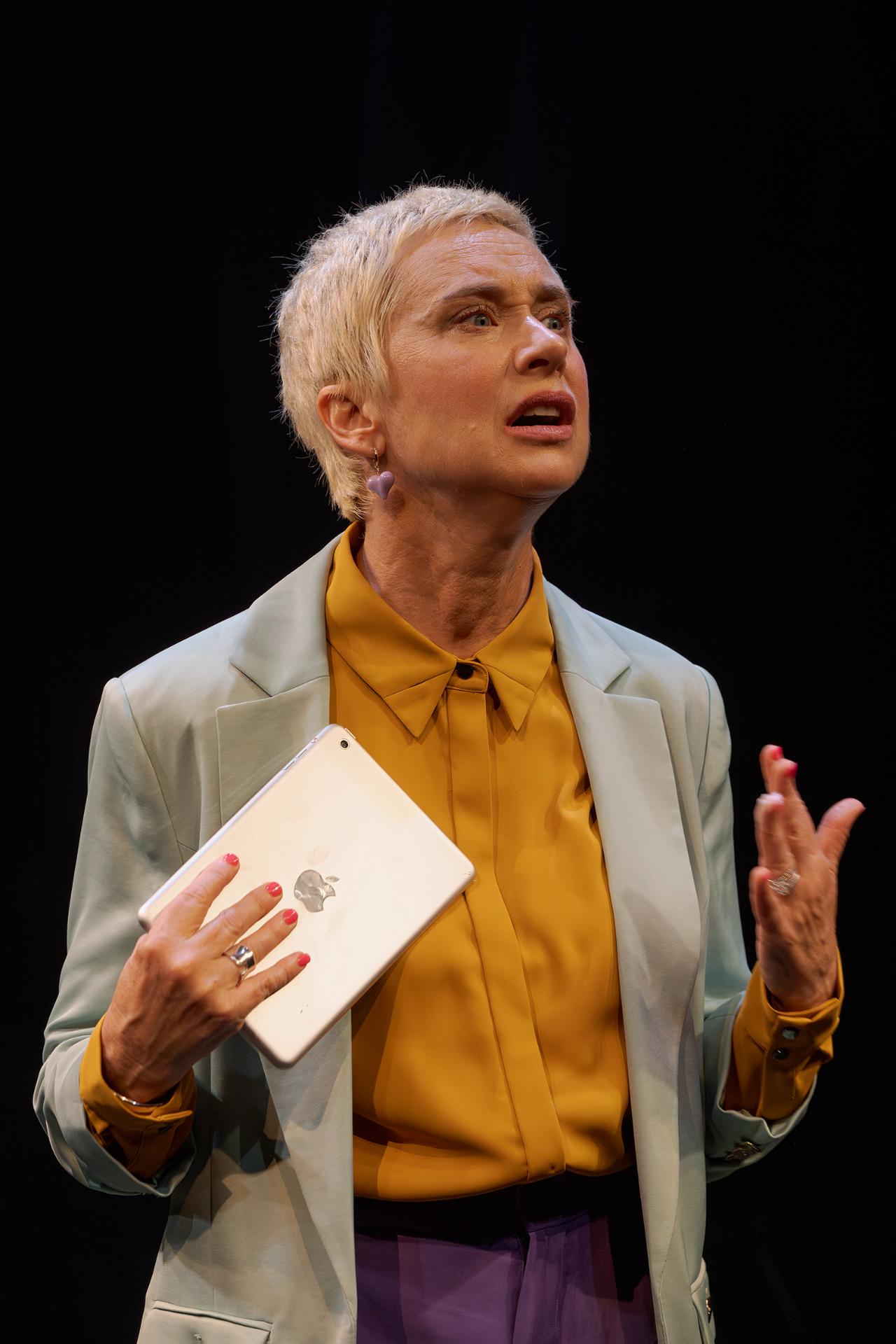
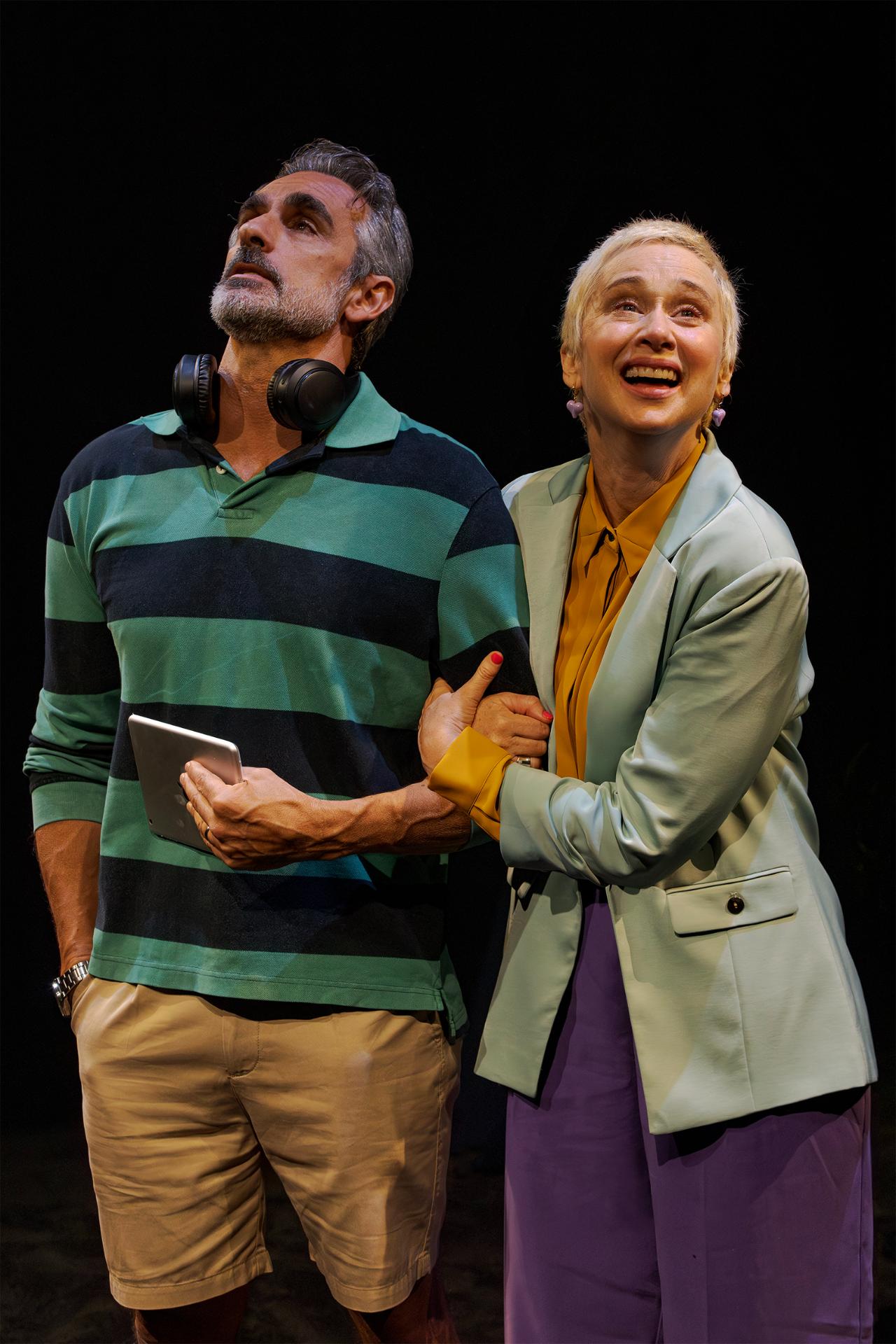
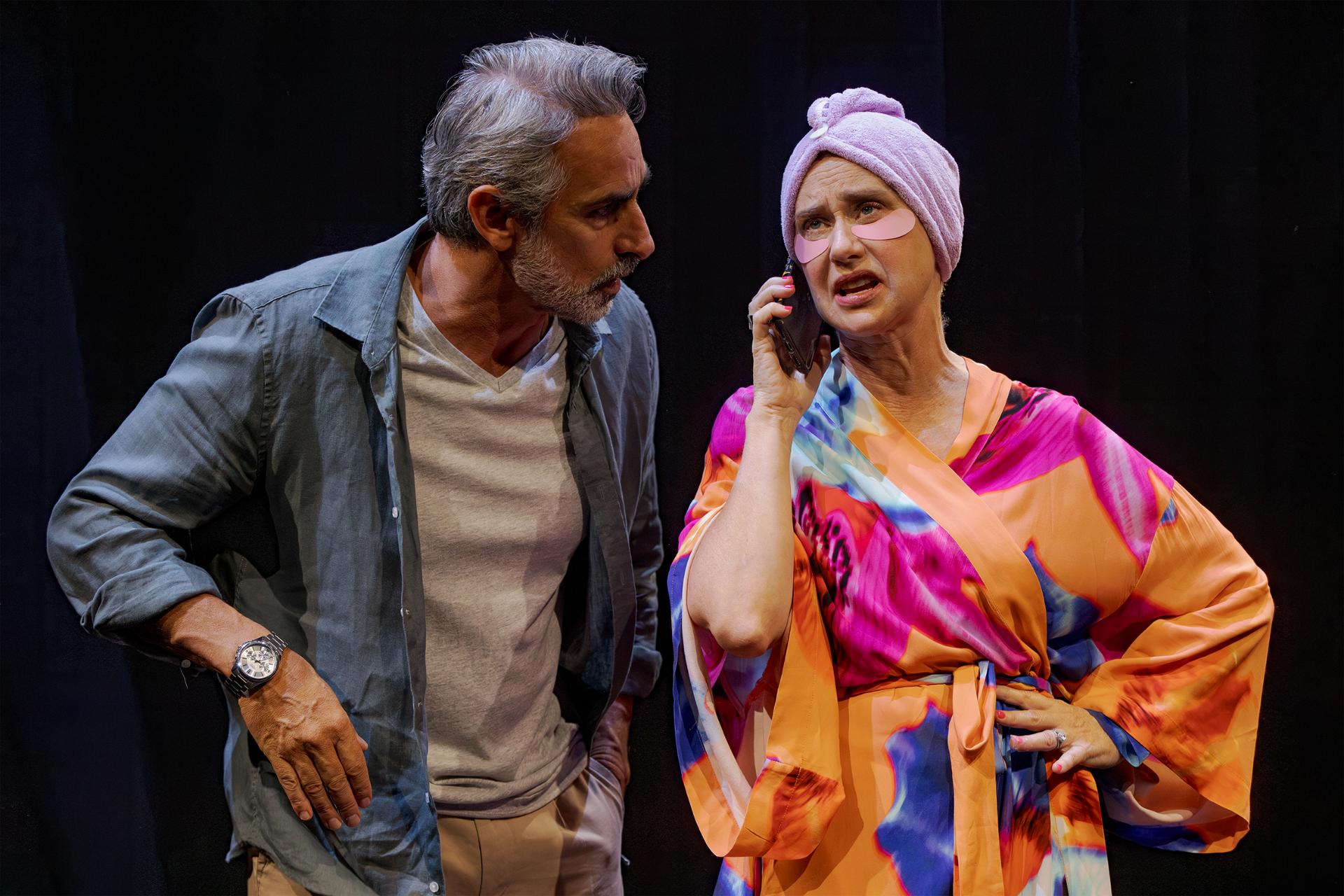
Nia signs up for a reality dating show, while producer Jess hovers nearby to ensure the illusion of love unfolds without a hitch. But when the pair are caught up in a devastating incident, what surfaces isn’t the expected solidarity between women, but a betrayal so stark it throws everything into question. Gabrielle Scawthorn’s The Edit is a piercing look at the stranglehold of late capitalism on contemporary womanhood — and how easily we can slip into exploiting one another in pursuit of success. Rather than rallying against the forces that divide and commodify, we too often become willing participants in our own undoing.

Scawthorn’s writing is incisive and richly layered, full of surprising twists and morally complex characters that keep us alert and uneasy. As director, she delivers the work with unrelenting intensity and passion, sustaining a charged atmosphere from start to finish. The Edit is intellectually rigorous and emotionally fraught, most rewarding when it allows us fleeting glimpses into who these women truly are beneath the spectacle.

As Nia, Iolanthe offers an intriguing study of ambition under late capitalism, portraying with disarming authenticity the moral dissonance required for success. Her performance captures a young woman’s conviction that intelligence and charm can transcend systemic exploitation, a belief that we observe to be both seductive and self-defeating. Matilda Ridgway’s interpretation of Jess is marked by remarkable psychological acuity; her disingenuousness feels neither exaggerated nor opaque, but grounded in a credible logic of survival. As the play unfolds, Jess becomes increasingly reprehensible, yet Ridgway’s depictions remain resolutely authentic, allowing us to perceive the structural and emotional pressures that shape such behaviour.

Set design by Ruby Jenkins cleverly frames the action with visual cues that expose the hidden machinery of television production, and the layers of deceit that sustain its manufactured fantasies. The stage becomes both a workplace and a trap — a reminder that behind every glossy image lies manipulation at work. Phoebe Pilcher’s lighting design is striking in its chill and precision, evoking the emotional coldness that governs human behaviour in a system built on economic cannibalism. Music and sound by Alyx Dennison heighten the drama with an organic subtlety; their contributions are seamlessly integrated yet undeniably potent in shaping the production’s tension and mood.

The pursuit of success feels almost instinctive, a shared ambition ingrained from an early age, yet its meaning remains troublingly mutable. What we come to define as “success” is so often shaped by external forces, by market logics and cultural expectations that reward ambition only when it conforms to the existing order. For the young, particularly those taking their first tentative steps into professional life, this pursuit can be both intoxicating and perilous. The world teaches its lessons harshly, and every triumph seems to come at the expense of something quietly vital.

We are endlessly seduced by the shimmer of promise, by images of prosperity, relevance, and acclaim, and in our hunger, we mistake the surface for substance. The capitalist dream markets itself as empowerment, yet its currency is exploitation. Still, we continue to invest in the system, not solely out of necessity but from an almost devotional belief that perseverance will one day grant transcendence. The tragedy, of course, is that such faith is misplaced. The machine does not elevate; it consumes. It extracts our labour, our time, our spirit, and gives back only a fleeting sense of validation before demanding more. In the end, the system does not nurture our aspirations; it feeds on them, leaving us diminished, yet still reaching, still convinced that the next victory will finally make us whole.

www.belvoir.com.au | www.legittheatreco.com | www.unlikelyproductions.co.uk

Review: The Shiralee (Sydney Theatre Company)

Venue: Sydney Opera House (Sydney NSW), Oct 6 – Nov 29, 2025
Playwright: Kate Mulvany (from the novel by D’Arcy Niland)
Director: Jessica Arthur
Cast: Stephen Anderson, Paul Capsis, Lucia Mastrantone, Josh McConville,  Kate Mulvany, Aaron Pedersen, Ziggy Resnick, Catherine Văn-Davies
Images by Prudence Upton

Theatre review
In Kate Mulvany’s retelling of The Shiralee, D’Arcy Niland’s 1955 novel, the swagman Macauley finds purpose only when he chooses to embrace his parental responsibilities as his daughter Buster approaches her tenth birthday. Together they walk through the shadow of the Great Depression, where dust and hunger become the measure of endurance. The hardships they face quickly draw them close, allowing both to flourish in unexpected ways.

What was once a folksy tale of toil and redemption is transformed by Mulvany’s deft writing into something vibrantly humorous and sharply contemporary. Her play is delightful, charming, and consistently hilarious — a thoroughly entertaining reimagining that recontextualises a classic story for modern sensibilities.

Directed by Jessica Arthur, the production leans wholeheartedly into its comedic potential, unearthing every possible moment of laughter to create a show brimming with joy and playfulness. Driven by an expansive imagination and free-spirited inventiveness, Arthur’s work is a profound uplift, offering sincere explorations of love, belonging, and the meaning of home.

The cast glows with an irresistible warmth — each performer uncovering fresh, idiosyncratic ways to awaken an old tale for our restless, modern hearts. They play to our weariness with laughter, coaxing joy from every line, finding light in even the smallest turns of phrase.

As Macauley, the magnetic Josh McConville strikes a perfect balance between gruff masculinity and raw vulnerability, allowing us to see both the archetypal Aussie bloke and the tender humanity that quietly resides beneath the façade. The endlessly endearing Ziggy Resnick radiates pure exuberance as Buster, delivering a performance that is both impeccably timed and deeply sensitive — a portrait of a child wise beyond her years.

Jeremy Allen’s production design is elegantly spare, mirroring the harshness and austerity of the Australian outback. His use of gumtrees, at once iconic and nostalgic, evokes a landscape that feels both mythic and deeply personal. Trent Suidgeest’s lighting design is remarkable, seamlessly transforming the stage into a multitude of imagined places while crafting moments of sheer visual poetry that satisfy our longing for beauty. Equally striking is Jessica Dunn’s sound and composition, which capture both the vast, unforgiving sweep of the land and the tender intimacy of this unlikely father and daughter bond. Dunn’s work brims with feeling, but her sentimentality is never cloying; it moves us because it is always saying something true.

In this 2025 reiteration of The Shiralee, are unforgettable encounters with Indigenous and other people of colour, alongside multiple queer identities and unapologetic women of substance. Beneath the lively retelling of a story about familial bonds and traditional maleness lie subtle but profound redefinitions of the marginalised, insisting that we see ourselves not as outsiders but as integral threads woven into the tapestry of the Australian myth, forever reshaping it with our resolute presence and undaunted voices.

www.sydneytheatre.com.au

Review: Fekei (Qtopia)

Venue: Qtopia (Darlinghurst NSW), Oct 8 – 18, 2025
Playwright: Sarah Carroll
Director: Sarah Carroll
Cast: Melissa Applin, Natalie Patterson, Kikki Temple, Lawrence Ola, Naisa Lasalosi, Mele Telefon
Images by DefinitelyDefne Photography

Theatre review
Akanisi returns to her hometown in Fiji for what was meant to be a relaxing visit, but the trip quickly becomes fraught with tension when her girlfriend Sam joins her, with her family remaining unaware about Akanisi’s queerness. Fekei by Sarah Carroll explores how postcolonial societies grapple with the lingering influence of Christian doctrines that have bred prejudice and shame. Yet, it also reveals how deeply rooted cultural traditions can offer resilience and acceptance, standing firm against the harmful legacies of biblical indoctrination.

It is a sincere work by Carroll — tenderly written and often humorous in its portrayal of cultural idiosyncrasies. Their direction, however, lacks refinement; the rawness of approach occasionally renders scenes forced or unconvincing. Yet, Luna Ng’s commendable lighting design provides a counterbalance, its sensitive evocation of atmosphere helping to guide the audience through the production’s emotional shifts.

Melissa Applin brings a quiet sincerity to Akanisi, while Natalie Patterson infuses Sam with a buoyant, infectious energy. Yet the emotional core of their relationship never quite lands, and a stronger chemistry between the two would give the story greater pull. As Akanisi’s family, Kikki Temple and Naisa Lasalosi are a delight — playful, camp, and full of heart — offering both comic relief and genuine tenderness. In supporting turns, Lawrence Ola and Melehola Telefoni add texture and vibrancy, enriching the play’s portrait of everyday life in Fiji.

Queer people have every right to want acceptance, a pursuit that is both natural and deserved, though sometimes harmony is the closest we can come. The influence of religion in the Pacific runs deep; after more than two centuries of Christian indoctrination, its unravelling will take generations. During her fleeting return home, Akanisi cannot hope to rewrite her grandmother’s faith, but within their shared customs lies an older wisdom: one that values peace, patience, and the quiet endurance of love.

www.qtopiasydney.com.au

Review: Chicken In A Biscuit (Old Fitz Theatre)

Venue: Old Fitzroy Theatre (Woolloomooloo NSW), Oct 3 – 18, 2025
Playwrights: Mary Rachel Brown, Jamie Oxenbould 
Director: Mary Rachel Brown
Cast: Mandy Bishop, Jamie Oxenbould
Images by Becky Matthews

Theatre review
Mary Rachel Brown and Jamie Oxenbould’s Chicken in a Biscuit stitches together a handful of comic vignettes about pets and their humans. It is a playful collection that mostly delivers on its promise of amusement, serving up easy laughs and moments of recognisable absurdity. The writers occasionally flirt with taboo, but never quite bite down; the material remains amiable, lightly absurd, and ultimately harmless. Pleasant enough, but it never risks enough to truly surprise.

Brown’s direction keeps everything tidy and contained, resulting in a show that feels carefully packaged but rarely surprising; a safe bet for audiences who prefer their theatre comfortable and uncomplicated. Kate Beere’s production design injects a colourful vibrancy, touched with camp flair, that lifts the show above the merely ordinary. Aron Murray’s lighting, video, and sound design provide atmospheric support and emotional precision, opting for reliability over experimentation.

Featuring Oxenbould and Mandy Bishop in multiple roles—human, feline and canine—Chicken in a Biscuit maintains a tone of confident control. The performers’ technical proficiency and evident commitment ground the production, providing a stability that facilitates audience engagement. Their comedic timing is deft and reliable, though attempts at emotional depth inadvertently reveal the text’s limitations, exposing a lack of substantive resonance beneath the humour.

When creative writing turns to anthropomorphism, an act of mirroring takes place. It reveals us as a species that defines itself relationally — understanding what we are only by imagining what we are not. Through the animal, we are stripped of pretence, order and normative hierarchy, made to think in other languages, to locate identity in a space far removed from the familiar. Perhaps, at the heart of it, what we desire most is transformation itself — for to be human is so often to long to be something, or somewhere, else.

www.oldfitztheatre.com.au | www.instagram.com/fixedfootproductions

Review: Rent (Sydney Opera House)

Venue: Sydney Opera House (Sydney NSW), Sep 27 – Nov 1 2025
Book, Music & Lyrics: Jonathan Larson
Director: Shaun Rennie
Cast: Jesse Dutlow, Googoorewon Knox, Tana Laga’aia, Calista Nelmes, Kristin Paulse, Henry Rollo, Harry Targett, Imani Williams
Images by Pia Johnson, Neil Bennett

Theatre review
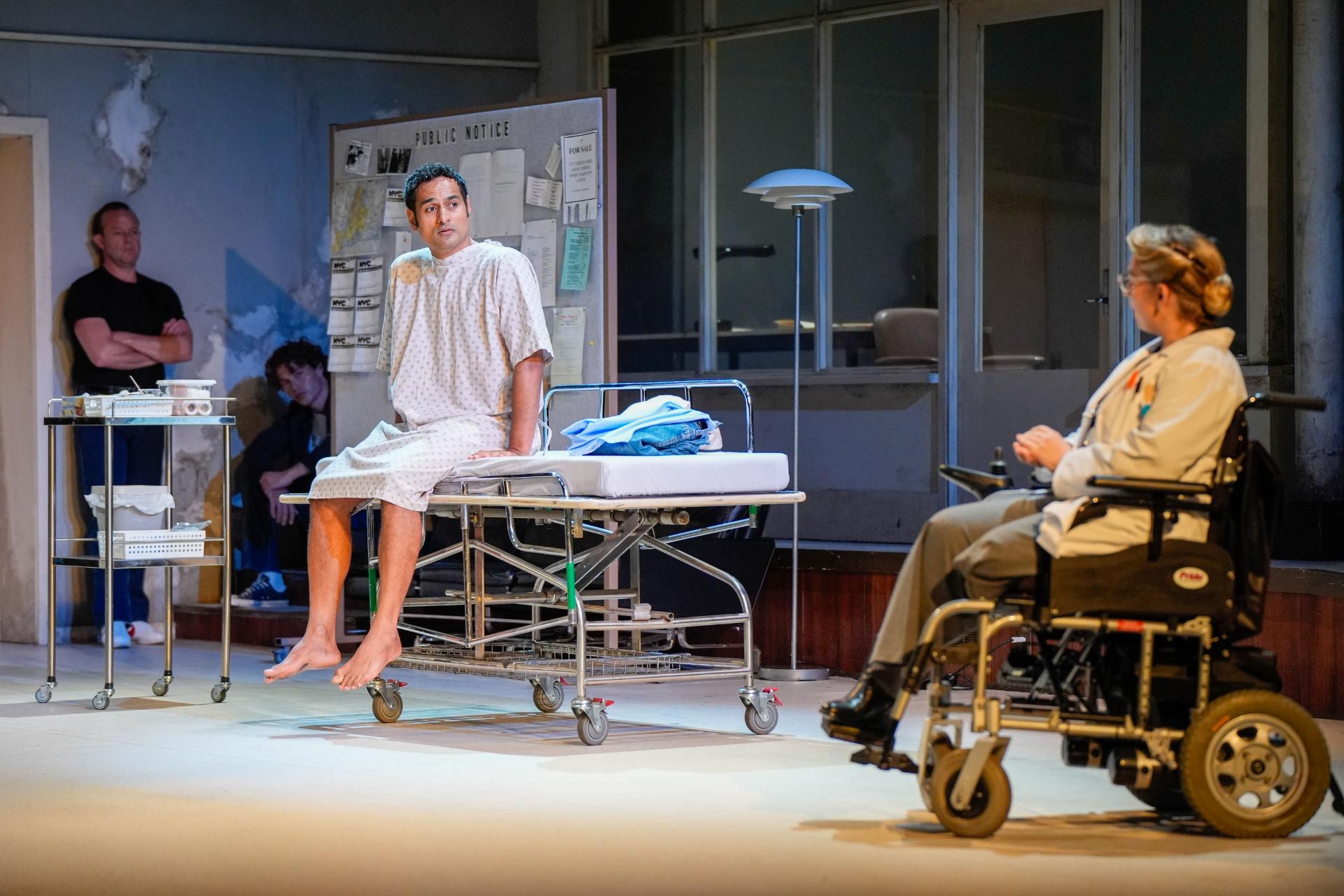
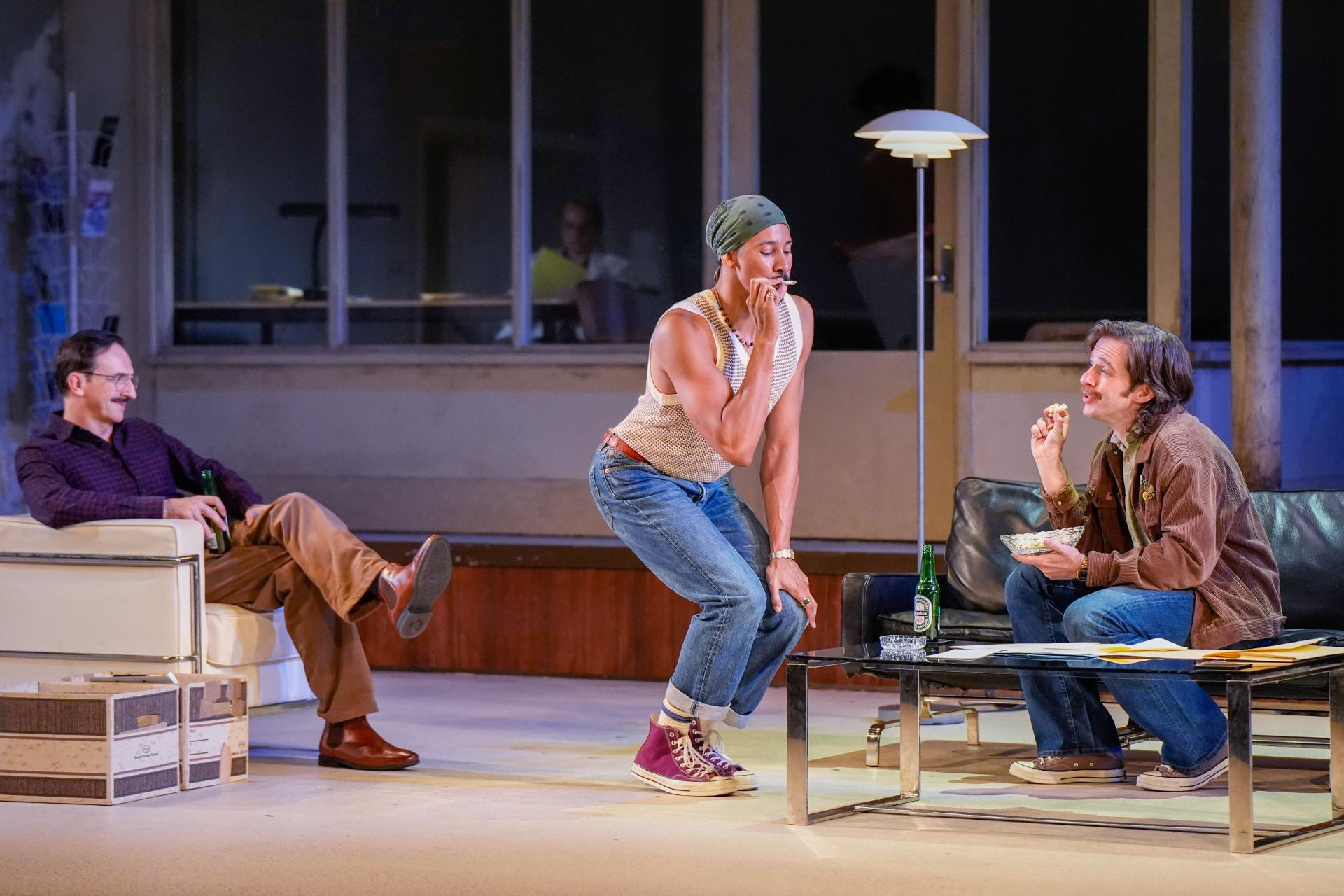
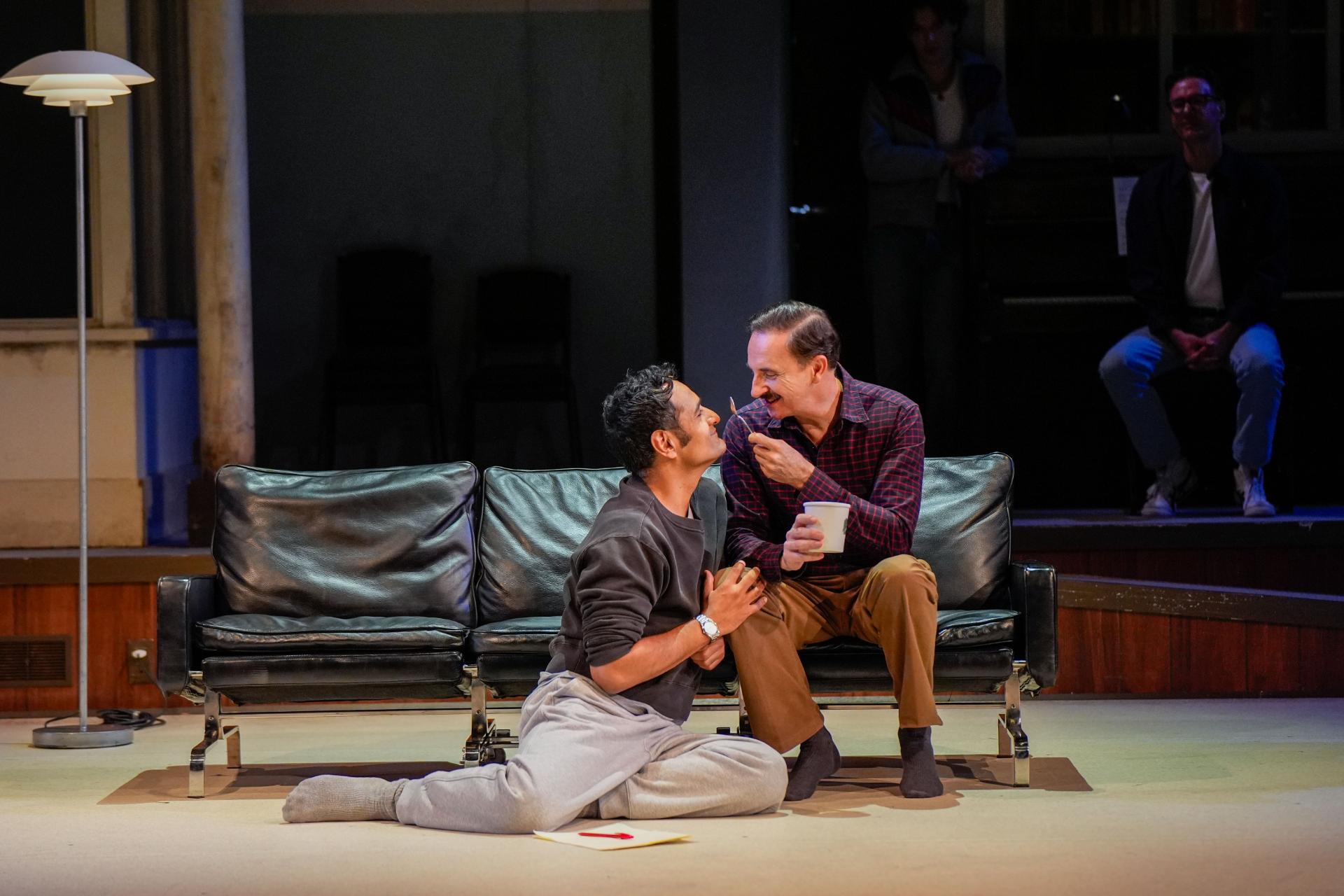
When Jonathan Larson completed his magnum opus Rent in 1996, he could not have foreseen that the bohemian enclave of New York City he celebrated was already in its twilight. Within a year, Rudy Giuliani’s iron-fisted mayorship would begin reshaping the city, erasing the fragile counterculture that had given Rent its heartbeat. Nearly three decades on, some of its echoes have softened, but the core refrain remains. The story of an underclass ignored by a complacent American mainstream feels newly pertinent in an era marked by authoritarian politics and cultural division.

Whether Larson’s writing truly earns its lofty reputation is open to debate, but Shaun Rennie’s direction in this revival is beyond question. His staging shimmers with a visual splendour that conjures spectacle without betraying the grit of a neighbourhood on the margins. What once risked sounding trite in Rent is here imbued with unexpected sincerity, the familiar refrains lifted into something that feels palpably meaningful.

Dann Barber’s set design astonishes in its detail and completeness, evoking both the era and the grunge locale with unflinching accuracy, while offering theatricality that never ceases to enthral the eye. Ella Butler’s costumes bring striking authenticity to a multitude of characters, yet always sustain a visual harmony across the stage. Paul Jackson’s lighting is profoundly evocative, conjuring memory and emotion in equal measure, and captivating us with an endless stream of potent imagery.

The cast is uniformly endearing, each performer delivering not only exceptional vocal power but also a sincerity that grounds the musical’s sweeping emotions. Calista Nelmes all but stops the show with her riotous, electric turn as Maureen in “Over the Moon,” while Harry Targett imbues Roger with an actorly intensity that lends the production its beating heart. Equally praiseworthy are Luca Dinardo’s choreography and Jack Earle’s musical direction—both infused with passion and executed with polish, their work bold in vision and shimmering with invention, breathing new vitality into a show that has long lived in the cultural imagination.

Perhaps the most crucial truth that Rent represents is that, in much of American culture and tradition, those at the bottom rungs are deemed undesirable—or even expendable. The AIDS crisis laid bare the ease with which Americans could turn on one another, exploiting capitalist values or religious fervour as justification for prejudice and cruelty. Today, the same currents ripple through a new era of fascism, as communities are singled out, scapegoated, offered up as sacrificial lambs to feed the hunger for false promises and hollow triumphs. The musical’s story, though decades old, pulses with uncanny relevance, a mirror to a society still grappling with whom it chooses to value and whom it casts aside.

rentmusical.au